4d ago
How Earthshot Prize winner Coral Vita tackles reef restoration
In this episode of the All Things Sustainable podcast we dive into one of the world's most diverse and valuable ecosystems: Coral reefs. To learn about the benefits of this ecosystem and the risks associated with losing it, we sit down with Sam Teicher, Co-Founder & Chief Reef Officer at reef restoration company Coral Vita. Reefs "take up less than 1% of the seafloor while sustaining 25% of marine life, the livelihoods of about 1 billion people in 100 countries and territories. And now, conservatively, they generate $2.7 trillion a year," Sam says. Healthy reefs also protect shorelines from flooding and storms, and they can help treat a variety of diseases. In the episode, Sam explains how Coral Vita is working to restore reefs that are dying due to climate change, pollution and overfishing. "Restoration is not a silver bullet, but it's also a critical tool in order to keep reefs alive for future generations," Sam says. "Just like we can grow and plant trees for reforestation, we can grow and plant corals for reef restoration." In 2021, Coral Vita won the inaugural Earthshot Prize in the "Revive our Oceans" category. Prince William of Wales launched the prize to find and scale innovative solutions to the world's biggest environmental challenges. This interview took place during Climate Week NYC 2025 on the sidelines of The Nest Climate Campus, where the All Things Sustainable podcast was an official media partner. Read nature research from S&P Global Sustainable1: Companies around the world face risks from their reliance on nature | S&P Global Listen to our podcast episode featuring Conservation International: The business case for nature conservation at Climate Week NYC | S&P Global Hear more of our coverage of sustainable agriculture: Infrastructure, food, finance: The complex picture for sustainability in Asia-Pacific markets | S&P Global Learn about Nature and Biodiversity Solutions from S&P Global Copyright ©2025 by S&P Global DISCLAIMER By accessing this Podcast, I acknowledge that S&P GLOBAL makes no warranty, guarantee, or representation as to the accuracy or sufficiency of the information featured in this Podcast. The information, opinions, and recommendations presented in this Podcast are for general information only and any reliance on the information provided in this Podcast is done at your own risk. Any unauthorized use, facilitation or encouragement of a third party's unauthorized use (including without limitation copy, distribution, transmission or modification, use as part of generative artificial intelligence or for training any artificial intelligence models) of this Podcast or any related information is not permitted without S&P Global's prior consent subject to appropriate licensing and shall be deemed an infringement, violation, breach or contravention of the rights of S&P Global or any applicable third-party (including any copyright, trademark, patent, rights of privacy or publicity or any other proprietary rights). This Podcast should not be considered professional advice. Unless specifically stated otherwise, S&P GLOBAL does not endorse, approve, recommend, or certify any information, product, process, service, or organization presented or mentioned in this Podcast, and information from this Podcast should not be referenced in any way to imply such approval or endorsement. The third party materials or content of any third party site referenced in this Podcast do not necessarily reflect the opinions, standards or policies of S&P GLOBAL. S&P GLOBAL assumes no responsibility or liability for the accuracy or completeness of the content contained in third party materials or on third party sites referenced in this Podcast or the compliance with applicable laws of such materials and/or links referenced herein. Moreover, S&P GLOBAL makes no warranty that this Podcast, or the server that makes it available, is free of viruses, worms, or other elements or codes that manifest contaminating or destructive properties. S&P GLOBAL EXPRESSLY DISCLAIMS ANY AND ALL LIABILITY OR RESPONSIBILITY FOR ANY DIRECT, INDIRECT, INCIDENTAL, SPECIAL, CONSEQUENTIAL OR OTHER DAMAGES ARISING OUT OF ANY INDIVIDUAL'S USE OF, REFERENCE TO, RELIANCE ON, OR INABILITY TO USE, THIS PODCAST OR THE INFORMATION PRESENTED IN THIS PODCAST.

Dec 12
How tech is evolving to solve sustainability challenges
On the All Things Sustainable podcast, we talk a lot about challenges like climate change, the energy transition and sustainable supply chain management. In today's episode, we're focusing on solutions. We sit down with three guests to unpack how their companies use technology to address key sustainability challenges. We talk to Rajiv Bazaj, Vice President of Energy & Sustainability Solutions at Constellation Energy Corporation, an independent power producer and the largest clean energy provider in the US. He explains how Constellation uses technology to address growing energy demand. This includes making better use of current generation and longer-term solutions like small modular nuclear reactors and fusion. We talk with Christoph Gebald, Founder and CEO of carbon removal company Climeworks. He explains how technology advances are leading to breakthroughs in carbon removal — and why this is a critical solution to address climate change. And we speak to Jonathan Horn, Founder and CEO of Treefera, a London-based startup that provides clients with insight into their supply chains. He points to the big developments in AI and satellite technology that are enabling more granular insight into supply chains. "I think of it as monitoring everything, everywhere, all at once," Jonathan says. "Not just because it's a good thing to do from a nature point of view, but because it's an essential bottom line C-suite problem." We sat down with today's guests on the sidelines of the Nest Climate Campus, where the All Things Sustainable podcast was an official media partner during Climate Week NYC. Learn about energy transition data and services from S&P Global Energy here. Copyright ©2025 by S&P Global Show notes updated on Dec. 17, 2025, to correct reference to Constellation. DISCLAIMER By accessing this Podcast, I acknowledge that S&P GLOBAL makes no warranty, guarantee, or representation as to the accuracy or sufficiency of the information featured in this Podcast. The information, opinions, and recommendations presented in this Podcast are for general information only and any reliance on the information provided in this Podcast is done at your own risk. Any unauthorized use, facilitation or encouragement of a third party's unauthorized use (including without limitation copy, distribution, transmission or modification, use as part of generative artificial intelligence or for training any artificial intelligence models) of this Podcast or any related information is not permitted without S&P Global's prior consent subject to appropriate licensing and shall be deemed an infringement, violation, breach or contravention of the rights of S&P Global or any applicable third-party (including any copyright, trademark, patent, rights of privacy or publicity or any other proprietary rights). This Podcast should not be considered professional advice. Unless specifically stated otherwise, S&P GLOBAL does not endorse, approve, recommend, or certify any information, product, process, service, or organization presented or mentioned in this Podcast, and information from this Podcast should not be referenced in any way to imply such approval or endorsement. The third party materials or content of any third party site referenced in this Podcast do not necessarily reflect the opinions, standards or policies of S&P GLOBAL. S&P GLOBAL assumes no responsibility or liability for the accuracy or completeness of the content contained in third party materials or on third party sites referenced in this Podcast or the compliance with applicable laws of such materials and/or links referenced herein. Moreover, S&P GLOBAL makes no warranty that this Podcast, or the server that makes it available, is free of viruses, worms, or other elements or codes that manifest contaminating or destructive properties. S&P GLOBAL EXPRESSLY DISCLAIMS ANY AND ALL LIABILITY OR RESPONSIBILITY FOR ANY DIRECT, INDIRECT, INCIDENTAL, SPECIAL, CONSEQUENTIAL OR OTHER DAMAGES ARISING OUT OF ANY INDIVIDUAL'S USE OF, REFERENCE TO, RELIANCE ON, OR INABILITY TO USE, THIS PODCAST OR THE INFORMATION PRESENTED IN THIS PODCAST.
Dec 5
How companies are making products, packaging and shipping sustainable this holiday season
As many parts of the world gear up for the holiday season, we're exploring how companies are innovating to make their products, packaging and shipping more sustainable. In this episode of the All Things Sustainable podcast, we sit down with a consumer goods company, a company that handles shipping and logistics, and a company responsible for paper and cardboard packaging. We talk to Kristina Friedman, Head of Sustainability for North America at consumer goods giant Unilever. Kristina explains how the company is embedding sustainability into its business strategy, engaging with consumers and leveraging collaboration within its industry to tackle plastic waste. We also hear about the importance of collaboration from Heather Loebner, Vice President of Sustainability and ESG for North America at Kuehne+Nagel, one of the world's largest logistics and shipping companies. She outlines how the company is addressing decarbonization challenges. And to understand sustainable packaging solutions, we speak to Garrett Quinn, Chief Sustainability Officer at paper packaging company Smurfit Westrock. Listen to our previous episode featuring Garrett here . We conducted these interviews during Climate Week NYC at The Nest Climate Campus, where the All Things Sustainable podcast was an official media partner. Copyright ©2025 by S&P Global DISCLAIMER By accessing this Podcast, I acknowledge that S&P GLOBAL makes no warranty, guarantee, or representation as to the accuracy or sufficiency of the information featured in this Podcast. The information, opinions, and recommendations presented in this Podcast are for general information only and any reliance on the information provided in this Podcast is done at your own risk. Any unauthorized use, facilitation or encouragement of a third party's unauthorized use (including without limitation copy, distribution, transmission or modification, use as part of generative artificial intelligence or for training any artificial intelligence models) of this Podcast or any related information is not permitted without S&P Global's prior consent subject to appropriate licensing and shall be deemed an infringement, violation, breach or contravention of the rights of S&P Global or any applicable third-party (including any copyright, trademark, patent, rights of privacy or publicity or any other proprietary rights). This Podcast should not be considered professional advice. Unless specifically stated otherwise, S&P GLOBAL does not endorse, approve, recommend, or certify any information, product, process, service, or organization presented or mentioned in this Podcast, and information from this Podcast should not be referenced in any way to imply such approval or endorsement. The third party materials or content of any third party site referenced in this Podcast do not necessarily reflect the opinions, standards or policies of S&P GLOBAL. S&P GLOBAL assumes no responsibility or liability for the accuracy or completeness of the content contained in third party materials or on third party sites referenced in this Podcast or the compliance with applicable laws of such materials and/or links referenced herein. Moreover, S&P GLOBAL makes no warranty that this Podcast, or the server that makes it available, is free of viruses, worms, or other elements or codes that manifest contaminating or destructive properties. S&P GLOBAL EXPRESSLY DISCLAIMS ANY AND ALL LIABILITY OR RESPONSIBILITY FOR ANY DIRECT, INDIRECT, INCIDENTAL, SPECIAL, CONSEQUENTIAL OR OTHER DAMAGES ARISING OUT OF ANY INDIVIDUAL'S USE OF, REFERENCE TO, RELIANCE ON, OR INABILITY TO USE, THIS PODCAST OR THE INFORMATION PRESENTED IN THIS PODCAST.
Nov 28
CSO Insights: Why water is a rising focus in AI, climate and nature conversations
We kick off this episode of the All Things Sustainable podcast with key takeaways from COP30, the annual UN Climate Change Conference of the Parties that ended last week in Belém, Brazil. You can listen to our previous episode about COP30 here . Today's episode features Emilio Tenuta, the Chief Sustainability Officer at Ecolab, a provider of water, hygiene and infection prevention solutions to businesses around the world. In the interview, Emilio explains the rising focus on water in conversations about climate and nature. "The climate crisis is really about a water crisis: The way we're going to experience climate is through extreme weather events and droughts, floods and a number of other activities that impact our businesses," Emilio says. "But it's also about water being an enabler to drive your business performance and impact." Emilio explains how AI can help companies understand future water risks. "Up to now, we've been looking in a rearview mirror on what water stress really means," he says. "Now we're trying to embed AI so we can look predictively." This interview is the latest installment in our CSO Insights podcast series, where we interview Chief Sustainability Officers around the world and across industries about how they're navigating the changing sustainability landscape. Listen to other episodes in the CSO Insights podcast series: CSO Insights: Why consumer goods giant P&G wants to reinvent the business case for sustainability CSO Insights: How auto giant General Motors is driving EV adoption CSO Insights: Singapore's biggest bank on the 'business imperative' of climate action CSO Insights: How a big Malaysian bank balances climate, nature, human rights and economic inclusion CSO Insights: How sustainability pullback is playing out in Southeast Asia Read coverage of COP30 key takeaways from S&P Global Energy: COP30 in review: Key outcomes (requires subscription) COP30: Support for fossil fuel transition roadmap grows despite 'red line' resistance Register for a Dec. 3, 2025 webinar about COP30 key outcomes: Decoding COP30: Outcomes and the road ahead for climate policy and action Read nature research from S&P Global: Companies around the world face risks from their reliance on nature Listen to our podcast episode featuring Water.org co-founder Gary White: Why Water.org CEO says the world's water challenges are 'inherently solvable' Listen to our podcast episode featuring CDP CEO Sherry Madera: Water, water everywhere in Climate Week NYC conversations Learn about the Global Carbon Markets Conference This piece was published by S&P Global Sustainable1 and not by S&P Global Ratings, which is a separately managed division of S&P Global. Copyright ©2025 by S&P Global DISCLAIMER By accessing this Podcast, I acknowledge that S&P GLOBAL makes no warranty, guarantee, or representation as to the accuracy or sufficiency of the information featured in this Podcast. The information, opinions, and recommendations presented in this Podcast are for general information only and any reliance on the information provided in this Podcast is done at your own risk. Any unauthorized use, facilitation or encouragement of a third party's unauthorized use (including without limitation copy, distribution, transmission or modification, use as part of generative artificial intelligence or for training any artificial intelligence models) of this Podcast or any related information is not permitted without S&P Global's prior consent subject to appropriate licensing and shall be deemed an infringement, violation, breach or contravention of the rights of S&P Global or any applicable third-party (including any copyright, trademark, patent, rights of privacy or publicity or any other proprietary rights). This Podcast should not be considered professional advice. Unless specifically stated otherwise, S&P GLOBAL does not endorse, approve, recommend, or certify any information, product, process, service, or organization presented or mentioned in this Podcast, and information from this Podcast should not be referenced in any way to imply such approval or endorsement. The third party materials or content of any third party site referenced in this Podcast do not necessarily reflect the opinions, standards or policies of S&P GLOBAL. S&P GLOBAL assumes no responsibility or liability for the accuracy or completeness of the content contained in third party materials or on third party sites referenced in this Podcast or the compliance with applicable laws of such materials and/or links referenced herein. Moreover, S&P GLOBAL makes no warranty that this Podcast, or the server that makes it available, is free of viruses, worms, or other elements or codes that manifest contaminating or destructive properties. S&P GLOBAL EXPRESSLY DISCLAIMS ANY AND ALL LIABILITY OR RESPONSIBILITY FOR ANY DIRECT, INDIRECT, INCIDENTAL, SPECIAL, CONSEQUENTIAL OR OTHER DAMAGES ARISING OUT OF ANY INDIVIDUAL'S USE OF, REFERENCE TO, RELIANCE ON, OR INABILITY TO USE, THIS PODCAST OR THE INFORMATION PRESENTED IN THIS PODCAST.
Nov 21
CSO Insights: Why consumer goods giant P&G wants to reinvent the business case for sustainability
In this episode of the All Things Sustainable podcast, we're talking to Procter & Gamble's Chief Sustainability Officer, Virginie Helias. The global consumer goods giant has a market capitalization of more than $343 billion and its products include household staples like laundry detergent, diapers, toothpaste and shampoo. Virginie explains how P&G is navigating sustainability challenges, including cutting emissions in its supply chain, current economic and geopolitical headwinds, and changing customer behavior. "We need to reinvent the business case," Virginie says. "We need to create new tailwinds and the new tailwinds will be, first, innovation that delivers superior value. And for us, that means where sustainability becomes an amplifier of performance." The interview took place on the sidelines of The Nest Climate Campus, where the All Things Sustainable podcast was an official media partner during Climate Week NYC 2025. This interview is the latest installment in our CSO Insights podcast series, where we interview CSOs around the world about how they're navigating the changing sustainability landscape. The sustainability space has been through enormous transformation in recent years and CSOs have a front-row seat to this evolution. Listen to other episodes in the CSO Insights podcast series: CSO Insights: How auto giant General Motors is driving EV adoption CSO Insights: Singapore's biggest bank on the 'business imperative' of climate action CSO Insights: How a big Malaysian bank balances climate, nature, human rights and economic inclusion CSO Insights: How sustainability pullback is playing out in Southeast Asia Learn about the Global Carbon Markets Conference from S&P Global Commodity Insights taking place in Barcelona shortly after COP30. This piece was published by S&P Global Sustainable1 and not by S&P Global Ratings, which is a separately managed division of S&P Global. Copyright ©2025 by S&P Global DISCLAIMER By accessing this Podcast, I acknowledge that S&P GLOBAL makes no warranty, guarantee, or representation as to the accuracy or sufficiency of the information featured in this Podcast. The information, opinions, and recommendations presented in this Podcast are for general information only and any reliance on the information provided in this Podcast is done at your own risk. Any unauthorized use, facilitation or encouragement of a third party's unauthorized use (including without limitation copy, distribution, transmission or modification, use as part of generative artificial intelligence or for training any artificial intelligence models) of this Podcast or any related information is not permitted without S&P Global's prior consent subject to appropriate licensing and shall be deemed an infringement, violation, breach or contravention of the rights of S&P Global or any applicable third-party (including any copyright, trademark, patent, rights of privacy or publicity or any other proprietary rights). This Podcast should not be considered professional advice. Unless specifically stated otherwise, S&P GLOBAL does not endorse, approve, recommend, or certify any information, product, process, service, or organization presented or mentioned in this Podcast, and information from this Podcast should not be referenced in any way to imply such approval or endorsement. The third party materials or content of any third party site referenced in this Podcast do not necessarily reflect the opinions, standards or policies of S&P GLOBAL. S&P GLOBAL assumes no responsibility or liability for the accuracy or completeness of the content contained in third party materials or on third party sites referenced in this Podcast or the compliance with applicable laws of such materials and/or links referenced herein. Moreover, S&P GLOBAL makes no warranty that this Podcast, or the server that makes it available, is free of viruses, worms, or other elements or codes that manifest contaminating or destructive properties. S&P GLOBAL EXPRESSLY DISCLAIMS ANY AND ALL LIABILITY OR RESPONSIBILITY FOR ANY DIRECT, INDIRECT, INCIDENTAL, SPECIAL, CONSEQUENTIAL OR OTHER DAMAGES ARISING OUT OF ANY INDIVIDUAL'S USE OF, REFERENCE TO, RELIANCE ON, OR INABILITY TO USE, THIS PODCAST OR THE INFORMATION PRESENTED IN THIS PODCAST.
Nov 14
CSO Insights: How auto giant General Motors is driving EV adoption
In this episode of the All Things Sustainable podcast, we're talking to Cassandra Garber, Chief Sustainability Officer of General Motors, one of the world's largest car companies. The interview is the latest installment in our CSO Insights podcast series, where we interview CSOs around the world about how they're navigating the changing sustainability landscape. The sustainability space has been through enormous transformation in recent years and CSOs have a front-row seat to this evolution. Transportation is considered one of the hard-to-abate sectors because most forms of transportation burn fossil fuels for energy. In the episode, Cassandra outlines GM's commitment to a zero-emissions, all-electric future and how the company is breaking down barriers to electric vehicle adoption — what she calls the "three Cs" of cost, charging infrastructure, and the perception that EVs are complicated. "Reducing those tailpipe emissions and focusing on EV adoption makes our business strategy and sustainability strategy incredibly aligned," Cassandra says. "That is by far what we're focused on the most: How are we breaking down the barriers to EV adoption because it's good for business and society." This interview took place on the sidelines of The Nest Climate Campus, where the All Things Sustainable podcast was an official media partner during Climate Week NYC 2025. Listen to other episodes in the CSO Insights podcast series: CSO Insights: Singapore's biggest bank on the 'business imperative' of climate action CSO Insights: How a big Malaysian bank balances climate, nature, human rights and economic inclusion CSO Insights: How sustainability pullback is playing out in Southeast Asia Listen to our episode What to expect from COP30 Learn about the Global Carbon Markets Conference from S&P Global Commodity Insights taking place in Barcelona shortly after COP30. This piece was published by S&P Global Sustainable1 and not by S&P Global Ratings, which is a separately managed division of S&P Global. Copyright ©2025 by S&P Global DISCLAIMER By accessing this Podcast, I acknowledge that S&P GLOBAL makes no warranty, guarantee, or representation as to the accuracy or sufficiency of the information featured in this Podcast. The information, opinions, and recommendations presented in this Podcast are for general information only and any reliance on the information provided in this Podcast is done at your own risk. Any unauthorized use, facilitation or encouragement of a third party's unauthorized use (including without limitation copy, distribution, transmission or modification, use as part of generative artificial intelligence or for training any artificial intelligence models) of this Podcast or any related information is not permitted without S&P Global's prior consent subject to appropriate licensing and shall be deemed an infringement, violation, breach or contravention of the rights of S&P Global or any applicable third-party (including any copyright, trademark, patent, rights of privacy or publicity or any other proprietary rights). This Podcast should not be considered professional advice. Unless specifically stated otherwise, S&P GLOBAL does not endorse, approve, recommend, or certify any information, product, process, service, or organization presented or mentioned in this Podcast, and information from this Podcast should not be referenced in any way to imply such approval or endorsement. The third party materials or content of any third party site referenced in this Podcast do not necessarily reflect the opinions, standards or policies of S&P GLOBAL. S&P GLOBAL assumes no responsibility or liability for the accuracy or completeness of the content contained in third party materials or on third party sites referenced in this Podcast or the compliance with applicable laws of such materials and/or links referenced herein. Moreover, S&P GLOBAL makes no warranty that this Podcast, or the server that makes it available, is free of viruses, worms, or other elements or codes that manifest contaminating or destructive properties. S&P GLOBAL EXPRESSLY DISCLAIMS ANY AND ALL LIABILITY OR RESPONSIBILITY FOR ANY DIRECT, INDIRECT, INCIDENTAL, SPECIAL, CONSEQUENTIAL OR OTHER DAMAGES ARISING OUT OF ANY INDIVIDUAL'S USE OF, REFERENCE TO, RELIANCE ON, OR INABILITY TO USE, THIS PODCAST OR THE INFORMATION PRESENTED IN THIS PODCAST.
Nov 7
What to expect from COP30
The United Nations convenes its Climate Change Conference of the Parties in Belém, Brazil Nov. 10-21, and in this episode of the All Things Sustainable podcast we're covering what to expect from COP30. This annual UN summit convenes world leaders to work together on solutions to tackle climate change, and COP30 is known as the "Implementation COP," which means a focus on turning climate commitments into action. To learn more, we sit down on the sidelines of the PRI in Person conference in São Paulo, Brazil, this week with Marcos Neto. Marcos is Assistant Secretary General at the UN Development Programme (UNDP) and Director of UNDP's Bureau of Policy and Programme Support. Marcos explains the big themes he's watching heading into COP30 — including the rising focus on adaptation and resilience; the evolving role of insurance in climate conversations; financing needs; and the climate-nature nexus. He also discusses UNDP's work to help countries develop their Nationally Determined Contributions, which are countries' plans for achieving the goals of the Paris Agreement that are updated every five years. Marcos grew up in Belém, and he says his hometown exemplifies the need to strike a balance between climate goals and economic development. "Belém is a great symbol of that — because there is poverty, because there are Indigenous peoples, because there are forests ... agriculture, cattle ranchers," he says. "We need to figure out a way to live with all those aspects." Listen to our podcast interview with Marcos during last year's COP29 conference here: UN official says credibility of climate COPs at stake heading into 2025 | S&P Global Read more from S&P Global about what to expect from COP30: COP30: Climate governance at a crossroads | S&P Global Read our latest Road to COP report on the Platts Connect platform (requires log-in): https://plattsconnect.spglobal.com/#platts/previewDocument?id=478c7957-99a9-45de-9382-4c964aa1c023 Learn about the Global Carbon Markets Conference from S&P Global Commodity Insights taking place in Barcelona shortly after COP30. This piece was published by S&P Global Sustainable1 and not by S&P Global Ratings, which is a separately managed division of S&P Global. Copyright ©2025 by S&P Global DISCLAIMER By accessing this Podcast, I acknowledge that S&P GLOBAL makes no warranty, guarantee, or representation as to the accuracy or sufficiency of the information featured in this Podcast. The information, opinions, and recommendations presented in this Podcast are for general information only and any reliance on the information provided in this Podcast is done at your own risk. Any unauthorized use, facilitation or encouragement of a third party's unauthorized use (including without limitation copy, distribution, transmission or modification, use as part of generative artificial intelligence or for training any artificial intelligence models) of this Podcast or any related information is not permitted without S&P Global's prior consent subject to appropriate licensing and shall be deemed an infringement, violation, breach or contravention of the rights of S&P Global or any applicable third-party (including any copyright, trademark, patent, rights of privacy or publicity or any other proprietary rights). This Podcast should not be considered professional advice. Unless specifically stated otherwise, S&P GLOBAL does not endorse, approve, recommend, or certify any information, product, process, service, or organization presented or mentioned in this Podcast, and information from this Podcast should not be referenced in any way to imply such approval or endorsement. The third party materials or content of any third party site referenced in this Podcast do not necessarily reflect the opinions, standards or policies of S&P GLOBAL. S&P GLOBAL assumes no responsibility or liability for the accuracy or completeness of the content contained in third party materials or on third party sites referenced in this Podcast or the compliance with applicable laws of such materials and/or links referenced herein. Moreover, S&P GLOBAL makes no warranty that this Podcast, or the server that makes it available, is free of viruses, worms, or other elements or codes that manifest contaminating or destructive properties. S&P GLOBAL EXPRESSLY DISCLAIMS ANY AND ALL LIABILITY OR RESPONSIBILITY FOR ANY DIRECT, INDIRECT, INCIDENTAL, SPECIAL, CONSEQUENTIAL OR OTHER DAMAGES ARISING OUT OF ANY INDIVIDUAL'S USE OF, REFERENCE TO, RELIANCE ON, OR INABILITY TO USE, THIS PODCAST OR THE INFORMATION PRESENTED IN THIS PODCAST.
Oct 31
Why climate adaptation and resilience are taking center stage
In this episode of the All Things Sustainable podcast, we explore why adaptation and resilience are taking center stage in climate conversations ahead of COP30, the UN's upcoming climate change conference. We talk to Jeff Gitterman, CEO of Gitterman Asset Management and partner at Gitterman Wealth Management. He explains why adaptation was a big focus during Climate Week NYC in 2025, and where he sees future opportunities to invest in resilience and sustainable infrastructure. "Every room I was in, everywhere I went around the city, there was a focus around adaptation and resilience like I've never seen before," Jeff tells us. We also sit down with Alan Brookes, the Chairman and CEO of sustainable design, engineering and consulting firm Arcadis. He explains how the firm's projects worldwide build resilience to climate change while also accounting for the needs of communities and incorporating nature-based solutions — for example, building parks that also provide flood and storm protection. "Cities need to be more innovative in their approaches," Alan says. "Otherwise, you're just going to build walls around every city, which is not what people want to see." We conducted these interviews during Climate Week NYC at The Nest Climate Campus, where the All Things Sustainable podcast was an official media partner. Read S&P Global's key takeaways from Climate Week NYC: 5 Climate Week NYC takeaways setting the scene for decision-making in 2026 | S&P Global Listen to our interview with CDP CEO Sherry Madera: Water, water everywhere in Climate Week NYC conversations | S&P Global Read a report from S&P Global Commodity Insights about what to expect from COP30: COP30: Climate governance at a crossroads | S&P Global This piece was published by S&P Global Sustainable1 and not by S&P Global Ratings, which is a separately managed division of S&P Global. Copyright ©2025 by S&P Global DISCLAIMER By accessing this Podcast, I acknowledge that S&P GLOBAL makes no warranty, guarantee, or representation as to the accuracy or sufficiency of the information featured in this Podcast. The information, opinions, and recommendations presented in this Podcast are for general information only and any reliance on the information provided in this Podcast is done at your own risk. Any unauthorized use, facilitation or encouragement of a third party's unauthorized use (including without limitation copy, distribution, transmission or modification, use as part of generative artificial intelligence or for training any artificial intelligence models) of this Podcast or any related information is not permitted without S&P Global's prior consent subject to appropriate licensing and shall be deemed an infringement, violation, breach or contravention of the rights of S&P Global or any applicable third-party (including any copyright, trademark, patent, rights of privacy or publicity or any other proprietary rights). This Podcast should not be considered professional advice. Unless specifically stated otherwise, S&P GLOBAL does not endorse, approve, recommend, or certify any information, product, process, service, or organization presented or mentioned in this Podcast, and information from this Podcast should not be referenced in any way to imply such approval or endorsement. The third party materials or content of any third party site referenced in this Podcast do not necessarily reflect the opinions, standards or policies of S&P GLOBAL. S&P GLOBAL assumes no responsibility or liability for the accuracy or completeness of the content contained in third party materials or on third party sites referenced in this Podcast or the compliance with applicable laws of such materials and/or links referenced herein. Moreover, S&P GLOBAL makes no warranty that this Podcast, or the server that makes it available, is free of viruses, worms, or other elements or codes that manifest contaminating or destructive properties. S&P GLOBAL EXPRESSLY DISCLAIMS ANY AND ALL LIABILITY OR RESPONSIBILITY FOR ANY DIRECT, INDIRECT, INCIDENTAL, SPECIAL, CONSEQUENTIAL OR OTHER DAMAGES ARISING OUT OF ANY INDIVIDUAL'S USE OF, REFERENCE TO, RELIANCE ON, OR INABILITY TO USE, THIS PODCAST OR THE INFORMATION PRESENTED IN THIS PODCAST.
Oct 24
How China and India are navigating the energy transition amid shifting geopolitics
This episode of the All Things Sustainable podcast explores the rapidly changing global landscape for the energy transition and how factors like geopolitical tensions, AI and government policies are driving change ahead of COP30, the UN's upcoming Climate Change Conference of the parties. We examine these dynamics through the lens of the world's two most populous countries: India and China. We talk with Carlos Pascual, Senior Vice President and Head of Geopolitics and International Affairs at S&P Global Commodity Insights and a former US Ambassador to Mexico and Ukraine. He outlines the complexities of US-China relations, including the competition for technological dominance and energy resources. "In many ways, China has developed a degree of technology expertise that is having an impact on this relationship in ways that have not been expected," Carlos says. To understand how India is navigating these dynamics, we talk with Vaishali Nigam Sinha, Co-Founder and Chairperson of Sustainability at ReNew, a decarbonization solutions company deploying renewables and other low-carbon technologies in India. She highlights the importance of international collaboration for accessing technology, critical minerals and financing for renewable projects. "This clean energy transition is not about individual countries," Vaishali says. "It's about what all of us can do together." Vaishali also emphasizes the importance of engaging local communities in the energy transition to ensure that they are equipped with the necessary skills and knowledge to participate. We sat down with Carlos and Vaishali on the sidelines of The Nest Climate Campus, where the All Things Sustainable podcast was an official media partner during Climate Week NYC. Listen to our interview with the CEO of the World Business Council for Sustainable Development, or WBCSD: Kicking off Climate Week NYC in a fragmented global landscape Read S&P Global's key takeaways from Climate Week NYC: 5 Climate Week NYC takeaways setting the scene for decision-making in 2026 | S&P Global Read the latest energy and climate scenarios from S&P Global Commodity Insights: Beyond the Energy Transition | S&P Global This piece was published by S&P Global Sustainable1 and not by S&P Global Ratings, which is a separately managed division of S&P Global. Copyright ©2025 by S&P Global DISCLAIMER By accessing this Podcast, I acknowledge that S&P GLOBAL makes no warranty, guarantee, or representation as to the accuracy or sufficiency of the information featured in this Podcast. The information, opinions, and recommendations presented in this Podcast are for general information only and any reliance on the information provided in this Podcast is done at your own risk. Any unauthorized use, facilitation or encouragement of a third party's unauthorized use (including without limitation copy, distribution, transmission or modification, use as part of generative artificial intelligence or for training any artificial intelligence models) of this Podcast or any related information is not permitted without S&P Global's prior consent subject to appropriate licensing and shall be deemed an infringement, violation, breach or contravention of the rights of S&P Global or any applicable third-party (including any copyright, trademark, patent, rights of privacy or publicity or any other proprietary rights). This Podcast should not be considered professional advice. Unless specifically stated otherwise, S&P GLOBAL does not endorse, approve, recommend, or certify any information, product, process, service, or organization presented or mentioned in this Podcast, and information from this Podcast should not be referenced in any way to imply such approval or endorsement. The third party materials or content of any third party site referenced in this Podcast do not necessarily reflect the opinions, standards or policies of S&P GLOBAL. S&P GLOBAL assumes no responsibility or liability for the accuracy or completeness of the content contained in third party materials or on third party sites referenced in this Podcast or the compliance with applicable laws of such materials and/or links referenced herein. Moreover, S&P GLOBAL makes no warranty that this Podcast, or the server that makes it available, is free of viruses, worms, or other elements or codes that manifest contaminating or destructive properties. S&P GLOBAL EXPRESSLY DISCLAIMS ANY AND ALL LIABILITY OR RESPONSIBILITY FOR ANY DIRECT, INDIRECT, INCIDENTAL, SPECIAL, CONSEQUENTIAL OR OTHER DAMAGES ARISING OUT OF ANY INDIVIDUAL'S USE OF, REFERENCE TO, RELIANCE ON, OR INABILITY TO USE, THIS PODCAST OR THE INFORMATION PRESENTED IN THIS PODCAST.
Oct 17
Why all eyes are on insurance in climate risk conversations
One of our key takeaways from Climate Week NYC in 2025 was that the insurance industry is taking a more central role in conversations about climate risk. As climate change causes more frequent and severe extreme weather events, some insurers are increasing premiums or pulling out of certain regions, with implications for policy and the financial markets. To learn more about the changing landscape for insurance, we sat down on the sidelines of Climate Week NYC with Martin Powell, Group Sustainability Director at global insurance and asset management group AXA. "A 2-degree world is still insurable, but it's going to be unaffordable for many, many people," Martin says. "As we head towards that sort of temperature increase, our job is to try and predict and assess what that's going to mean for society in five years' time and do what we can today to reduce those impacts." The urgency is growing to adopt new strategies and practices to assess these climate-related risks, and we heard at Climate Week NYC why this is particularly true in the US homeowners insurance market. Heather Zichal, the Global Head of Sustainability at JPMorganChase, says the future of homeowners insurance is "very much front and center" for the largest bank in the US. "Whether you're worried in the state of Florida about sea-level rise, or you are in California and you're worried about wildfires, there's a very healthy recognition that we are going to collectively need new products, services, and policies to help meet that moment," Heather says. We also speak to Kingsley Greenland, Head of Strategic Partnerships and Corporate Development at Verisk, a company that works with the global insurance industry to provide data and analytics. He points to the difference between big banks and their smaller peers when it comes to assessing climate risk. "The largest banks...in a way, they also have the least risk because they're globally diversified and can take the hit," he says. "It seems to me like it's these really small banks, your credit unions, your small community bankers that retain a lot of this risk and don't have now — nor can we expect them to — really have this full suite of climate risk analytics in their portfolio that would trickle down to their investment decisions." Read S&P Global's key takeaways from Climate Week NYC: 5 Climate Week NYC takeaways setting the scene for decision-making in 2026 | S&P Global Read an S&P Global Market Intelligence analysis of US insurance rate and rule product filings: At London Climate Week, a bold call for insurers to tackle climate risks | S&P Global Listen to the full interview with Heather Zichal: How the biggest bank in the US is approaching climate risk | S&P Global Learn more about S&P Global Sustainable1's Physical Climate Risk data . This piece was published by S&P Global Sustainable1 and not by S&P Global Ratings, which is a separately managed division of S&P Global. Copyright ©2025 by S&P Global DISCLAIMER By accessing this Podcast, I acknowledge that S&P GLOBAL makes no warranty, guarantee, or representation as to the accuracy or sufficiency of the information featured in this Podcast. The information, opinions, and recommendations presented in this Podcast are for general information only and any reliance on the information provided in this Podcast is done at your own risk. Any unauthorized use, facilitation or encouragement of a third party's unauthorized use (including without limitation copy, distribution, transmission or modification, use as part of generative artificial intelligence or for training any artificial intelligence models) of this Podcast or any related information is not permitted without S&P Global's prior consent subject to appropriate licensing and shall be deemed an infringement, violation, breach or contravention of the rights of S&P Global or any applicable third-party (including any copyright, trademark, patent, rights of privacy or publicity or any other proprietary rights). This Podcast should not be considered professional advice. Unless specifically stated otherwise, S&P GLOBAL does not endorse, approve, recommend, or certify any information, product, process, service, or organization presented or mentioned in this Podcast, and information from this Podcast should not be referenced in any way to imply such approval or endorsement. The third party materials or content of any third party site referenced in this Podcast do not necessarily reflect the opinions, standards or policies of S&P GLOBAL. S&P GLOBAL assumes no responsibility or liability for the accuracy or completeness of the content contained in third party materials or on third party sites referenced in this Podcast or the compliance with applicable laws of such materials and/or links referenced herein. Moreover, S&P GLOBAL makes no warranty that this Podcast, or the server that makes it available, is free of viruses, worms, or other elements or codes that manifest contaminating or destructive properties. S&P GLOBAL EXPRESSLY DISCLAIMS ANY AND ALL LIABILITY OR RESPONSIBILITY FOR ANY DIRECT, INDIRECT, INCIDENTAL, SPECIAL, CONSEQUENTIAL OR OTHER DAMAGES ARISING OUT OF ANY INDIVIDUAL'S USE OF, REFERENCE TO, RELIANCE ON, OR INABILITY TO USE, THIS PODCAST OR THE INFORMATION PRESENTED IN THIS PODCAST.
Oct 10
Out of this world: Spire Global CEO talks sustainability in space
It's World Space Week and in this episode of the All Things Sustainable podcast, we're looking at sustainability on the final frontier in an interview with Spire Global CEO Theresa Condor. Spire Global uses satellites the size of wine bottles to collect data in space that helps solve problems on Earth, ranging from climate to weather forecasting to global security. Theresa says use cases for the company's technology are expanding rapidly as satellite technology advances "at an exponential pace." "We're seeing something like 10x improvements in technology every five years," she says. This rapid growth means the need for good governance and sustainability strategies is rising. Spire Global is a member of the Sustainable Markets Initiative (SMI) and Theresa explains how the group is focused on sustainability in space through its Astra Carta initiative, which aims to shape a future of responsible and sustainable space exploration, development and cooperation. "People are trying to figure out what is the right level of regulation that continues to protect the space environment," she says, while also allowing innovation to flourish. This episode is the latest in our Terra Carta Series of the All Things Sustainable podcast in collaboration with the SMI. The SMI is a network of over 250 global CEOs across finance and industry, including S&P Global. SMI facilitates private sector diplomacy with the ambition of making sustainability the driving force of global markets and value creation. Throughout 2025, we're interviewing SMI member CEOs from around the world and across industries about how they're approaching sustainability challenges and opportunities. Listen to all the episodes in the Terra Carta Series of the All Things Sustainable podcast: Terra Carta Series | S&P Global This piece was published by S&P Global Sustainable1 and not by S&P Global Ratings, which is a separately managed division of S&P Global. Copyright ©2025 by S&P Global DISCLAIMER By accessing this Podcast, I acknowledge that S&P GLOBAL makes no warranty, guarantee, or representation as to the accuracy or sufficiency of the information featured in this Podcast. The information, opinions, and recommendations presented in this Podcast are for general information only and any reliance on the information provided in this Podcast is done at your own risk. Any unauthorized use, facilitation or encouragement of a third party's unauthorized use (including without limitation copy, distribution, transmission or modification, use as part of generative artificial intelligence or for training any artificial intelligence models) of this Podcast or any related information is not permitted without S&P Global's prior consent subject to appropriate licensing and shall be deemed an infringement, violation, breach or contravention of the rights of S&P Global or any applicable third-party (including any copyright, trademark, patent, rights of privacy or publicity or any other proprietary rights). This Podcast should not be considered professional advice. Unless specifically stated otherwise, S&P GLOBAL does not endorse, approve, recommend, or certify any information, product, process, service, or organization presented or mentioned in this Podcast, and information from this Podcast should not be referenced in any way to imply such approval or endorsement. The third party materials or content of any third party site referenced in this Podcast do not necessarily reflect the opinions, standards or policies of S&P GLOBAL. S&P GLOBAL assumes no responsibility or liability for the accuracy or completeness of the content contained in third party materials or on third party sites referenced in this Podcast or the compliance with applicable laws of such materials and/or links referenced herein. Moreover, S&P GLOBAL makes no warranty that this Podcast, or the server that makes it available, is free of viruses, worms, or other elements or codes that manifest contaminating or destructive properties. S&P GLOBAL EXPRESSLY DISCLAIMS ANY AND ALL LIABILITY OR RESPONSIBILITY FOR ANY DIRECT, INDIRECT, INCIDENTAL, SPECIAL, CONSEQUENTIAL OR OTHER DAMAGES ARISING OUT OF ANY INDIVIDUAL'S USE OF, REFERENCE TO, RELIANCE ON, OR INABILITY TO USE, THIS PODCAST OR THE INFORMATION PRESENTED IN THIS PODCAST.
Oct 3
How the biggest bank in the US is approaching climate risk
Last week the All Things Sustainable podcast was on the ground in New York City bringing you daily episodes from Climate Week NYC. The week included more than 1,000 events and convened an estimated 100,000 attendees from the private sector, governments, nonprofits and the broader climate community. To understand how financial institutions are showing up in these climate conversations, we sat down with Heather Zichal. Heather is Global Head of Sustainability at the largest bank in the US, JPMorganChase, and she shares her Climate Week key takeaways. She explains why adaptation and resilience are a growing area of focus, and how this is impacting conversations around insurance. She talks about the rising role of AI in climate and energy transition discussions. And she tells us how the landscape for climate and sustainability is shifting heading into 2026. "There's a very healthy dose of pragmatism that has been layered into the conversations," Heather tells us. This conversation took place at The Nest Climate Campus, where the All Things Sustainable podcast was an official media partner during Climate Week NYC. Listen to all our coverage here: All Things Sustainable | S&P Global Subscribe to The Sustainability Weekly newsletter from S&P Global. Listen to our interview with Dr. Sarah Kapnick here: How NOAA is working to turn climate science into action | S&P Global This piece was published by S&P Global Sustainable1 and not by S&P Global Ratings, which is a separately managed division of S&P Global. Copyright ©2025 by S&P Global DISCLAIMER By accessing this Podcast, I acknowledge that S&P GLOBAL makes no warranty, guarantee, or representation as to the accuracy or sufficiency of the information featured in this Podcast. The information, opinions, and recommendations presented in this Podcast are for general information only and any reliance on the information provided in this Podcast is done at your own risk. Any unauthorized use, facilitation or encouragement of a third party's unauthorized use (including without limitation copy, distribution, transmission or modification, use as part of generative artificial intelligence or for training any artificial intelligence models) of this Podcast or any related information is not permitted without S&P Global's prior consent subject to appropriate licensing and shall be deemed an infringement, violation, breach or contravention of the rights of S&P Global or any applicable third-party (including any copyright, trademark, patent, rights of privacy or publicity or any other proprietary rights). This Podcast should not be considered professional advice. Unless specifically stated otherwise, S&P GLOBAL does not endorse, approve, recommend, or certify any information, product, process, service, or organization presented or mentioned in this Podcast, and information from this Podcast should not be referenced in any way to imply such approval or endorsement. The third party materials or content of any third party site referenced in this Podcast do not necessarily reflect the opinions, standards or policies of S&P GLOBAL. S&P GLOBAL assumes no responsibility or liability for the accuracy or completeness of the content contained in third party materials or on third party sites referenced in this Podcast or the compliance with applicable laws of such materials and/or links referenced herein. Moreover, S&P GLOBAL makes no warranty that this Podcast, or the server that makes it available, is free of viruses, worms, or other elements or codes that manifest contaminating or destructive properties. S&P GLOBAL EXPRESSLY DISCLAIMS ANY AND ALL LIABILITY OR RESPONSIBILITY FOR ANY DIRECT, INDIRECT, INCIDENTAL, SPECIAL, CONSEQUENTIAL OR OTHER DAMAGES ARISING OUT OF ANY INDIVIDUAL'S USE OF, REFERENCE TO, RELIANCE ON, OR INABILITY TO USE, THIS PODCAST OR THE INFORMATION PRESENTED IN THIS PODCAST.
Sep 26
The business case for nature conservation at Climate Week NYC
At Climate Week NYC, we sit down on the sidelines with Daniela Raik, the newly appointed Interim CEO at Conservation International. Conservation International is a nonprofit that partners with governments, companies, civil society, Indigenous peoples and local communities to help people and nature thrive together. In our conversation, Daniela explains why nature was a big focus at Climate Week NYC in 2025, which coincided with the ratification of a historic UN treaty to safeguard marine biodiversity on the high seas. Daniela said Climate Week NYC brought to the fore the importance of financing conservation and mainstreaming the business value of nature. "I'm really sensing that this week: New ideas about how do we finance conservation, how do we mainstream the value that nature brings into business," Daniela tells us. "I'm hearing that not only from business leaders, but from government leaders as well." Daniela says this focus on nature will carry through to the UN's COP30 Climate Change Conference in Belém, Brazil, this November. "This is the Amazonian COP. Belém is a city in the heart of the Amazon, and so Brazil is really prioritizing the role that nature, and forests in particular, can and must play as a climate solution," she says. Listen to all our coverage from Climate Week NYC 2025: Kicking off Climate Week NYC in a fragmented global landscape | S&P Global Climate Week, meet Fashion Week Water, water everywhere in Climate Week NYC conversations Climate Group CEO talks momentum in the face of obstacles As part of a multi-year philanthropic grants program launched in 2024 by the S&P Global Foundation, Conservation International is a Signature Grant Partner in the focus area of creating environmental resilience and will receive $2.5 million over five years. This piece was published by S&P Global Sustainable1 and not by S&P Global Ratings, which is a separately managed division of S&P Global. Copyright ©2025 by S&P Global DISCLAIMER By accessing this Podcast, I acknowledge that S&P GLOBAL makes no warranty, guarantee, or representation as to the accuracy or sufficiency of the information featured in this Podcast. The information, opinions, and recommendations presented in this Podcast are for general information only and any reliance on the information provided in this Podcast is done at your own risk. Any unauthorized use, facilitation or encouragement of a third party's unauthorized use (including without limitation copy, distribution, transmission or modification, use as part of generative artificial intelligence or for training any artificial intelligence models) of this Podcast or any related information is not permitted without S&P Global's prior consent subject to appropriate licensing and shall be deemed an infringement, violation, breach or contravention of the rights of S&P Global or any applicable third-party (including any copyright, trademark, patent, rights of privacy or publicity or any other proprietary rights). This Podcast should not be considered professional advice. Unless specifically stated otherwise, S&P GLOBAL does not endorse, approve, recommend, or certify any information, product, process, service, or organization presented or mentioned in this Podcast, and information from this Podcast should not be referenced in any way to imply such approval or endorsement. The third party materials or content of any third party site referenced in this Podcast do not necessarily reflect the opinions, standards or policies of S&P GLOBAL. S&P GLOBAL assumes no responsibility or liability for the accuracy or completeness of the content contained in third party materials or on third party sites referenced in this Podcast or the compliance with applicable laws of such materials and/or links referenced herein. Moreover, S&P GLOBAL makes no warranty that this Podcast, or the server that makes it available, is free of viruses, worms, or other elements or codes that manifest contaminating or destructive properties.
Sep 25
Climate Group CEO talks momentum in the face of obstacles
In today's special episode of the All Things Sustainable podcast, we sit down on the sidelines of Climate Week NYC for an interview with Climate Group CEO Helen Clarkson. Climate Group is the nonprofit that organizes Climate Week NYC in coordination with the UN General Assembly and the City of New York. Helen points to momentum at Climate Week in 2025, with more than 1,000 events taking place across the city compared to 900 the previous year. "We're seeing companies continuing to move forward," Helen says. "A lot of these are global businesses ... so what's happening in the US is a part of that, but it's not the whole story." Helen says that Climate Week discussions this year are focusing more on practical solutions and the "nitty-gritty" of implementation. And she highlights the need for collective action and collaboration to effectively address climate change. "For the systemic shift we need in order to solve this, we need to start to see sectors coming together," Helen tells us. Listen to our coverage from Climate Week NYC 2025: Kicking off Climate Week NYC in a fragmented global landscape | S&P Global Climate Week, meet Fashion Week Water, water everywhere in Climate Week NYC conversations We'll be back with podcast interviews from Climate Week NYC throughout the week — including our coverage from The Nest Climate Campus, where the All Things Sustainable podcast is an official media partner. This piece was published by S&P Global Sustainable1 and not by S&P Global Ratings, which is a separately managed division of S&P Global. Copyright ©2025 by S&P Global DISCLAIMER By accessing this Podcast, I acknowledge that S&P GLOBAL makes no warranty, guarantee, or representation as to the accuracy or sufficiency of the information featured in this Podcast. The information, opinions, and recommendations presented in this Podcast are for general information only and any reliance on the information provided in this Podcast is done at your own risk. Any unauthorized use, facilitation or encouragement of a third party's unauthorized use (including without limitation copy, distribution, transmission or modification, use as part of generative artificial intelligence or for training any artificial intelligence models) of this Podcast or any related information is not permitted without S&P Global's prior consent subject to appropriate licensing and shall be deemed an infringement, violation, breach or contravention of the rights of S&P Global or any applicable third-party (including any copyright, trademark, patent, rights of privacy or publicity or any other proprietary rights). This Podcast should not be considered professional advice. Unless specifically stated otherwise, S&P GLOBAL does not endorse, approve, recommend, or certify any information, product, process, service, or organization presented or mentioned in this Podcast, and information from this Podcast should not be referenced in any way to imply such approval or endorsement. The third party materials or content of any third party site referenced in this Podcast do not necessarily reflect the opinions, standards or policies of S&P GLOBAL. S&P GLOBAL assumes no responsibility or liability for the accuracy or completeness of the content contained in third party materials or on third party sites referenced in this Podcast or the compliance with applicable laws of such materials and/or links referenced herein. Moreover, S&P GLOBAL makes no warranty that this Podcast, or the server that makes it available, is free of viruses, worms, or other elements or codes that manifest contaminating or destructive properties. S&P GLOBAL EXPRESSLY DISCLAIMS ANY AND ALL LIABILITY OR RESPONSIBILITY FOR ANY DIRECT, INDIRECT, INCIDENTAL, SPECIAL, CONSEQUENTIAL OR OTHER DAMAGES ARISING OUT OF ANY INDIVIDUAL'S USE OF, REFERENCE TO, RELIANCE ON, OR INABILITY TO USE, THIS PODCAST OR THE INFORMATION PRESENTED IN THIS PODCAST.
Sep 25
Water, water everywhere in Climate Week NYC conversations
In today's special episode of the All Things Sustainable podcast, we sit down on the sidelines of Climate Week NYC for an interview with CDP CEO Sherry Madera. CDP is a global nonprofit that runs an independent environmental disclosure system for companies, capital markets, cities, states and regions to manage their environmental impacts. Sherry says that at Climate Week NYC this year, water is front and center in many conversations, especially as companies build water-intensive data centers to address growing AI demand. "There has been a 100% increase in the interest and demand and the requests for data on biodiversity and on water in particular," she says. Listen to our coverage from Climate Week NYC 2025 here: Kicking off Climate Week NYC in a fragmented global landscape | S&P Global And here: Climate Week, meet Fashion Week Listen to our 2024 interview with Sherry here: CDP CEO talks climate, nature and the future of sustainability disclosure | S&P Global Learn more about S&P Global Sustainable1's Nature & Biodiversity dataset here . We'll be back with podcast interviews from Climate Week NYC throughout the week — including our coverage from The Nest Climate Campus, where the All Things Sustainable podcast is an official media partner. You can register free to attend here . This piece was published by S&P Global Sustainable1 and not by S&P Global Ratings, which is a separately managed division of S&P Global. Copyright ©2025 by S&P Global DISCLAIMER By accessing this Podcast, I acknowledge that S&P GLOBAL makes no warranty, guarantee, or representation as to the accuracy or sufficiency of the information featured in this Podcast. The information, opinions, and recommendations presented in this Podcast are for general information only and any reliance on the information provided in this Podcast is done at your own risk. Any unauthorized use, facilitation or encouragement of a third party's unauthorized use (including without limitation copy, distribution, transmission or modification, use as part of generative artificial intelligence or for training any artificial intelligence models) of this Podcast or any related information is not permitted without S&P Global's prior consent subject to appropriate licensing and shall be deemed an infringement, violation, breach or contravention of the rights of S&P Global or any applicable third-party (including any copyright, trademark, patent, rights of privacy or publicity or any other proprietary rights). This Podcast should not be considered professional advice. Unless specifically stated otherwise, S&P GLOBAL does not endorse, approve, recommend, or certify any information, product, process, service, or organization presented or mentioned in this Podcast, and information from this Podcast should not be referenced in any way to imply such approval or endorsement. The third party materials or content of any third party site referenced in this Podcast do not necessarily reflect the opinions, standards or policies of S&P GLOBAL. S&P GLOBAL assumes no responsibility or liability for the accuracy or completeness of the content contained in third party materials or on third party sites referenced in this Podcast or the compliance with applicable laws of such materials and/or links referenced herein. Moreover, S&P GLOBAL makes no warranty that this Podcast, or the server that makes it available, is free of viruses, worms, or other elements or codes that manifest contaminating or destructive properties. S&P GLOBAL EXPRESSLY DISCLAIMS ANY AND ALL LIABILITY OR RESPONSIBILITY FOR ANY DIRECT, INDIRECT, INCIDENTAL, SPECIAL, CONSEQUENTIAL OR OTHER DAMAGES ARISING OUT OF ANY INDIVIDUAL'S USE OF, REFERENCE TO, RELIANCE ON, OR INABILITY TO USE, THIS PODCAST OR THE INFORMATION PRESENTED IN THIS PODCAST.
Sep 23
Climate Week, meet Fashion Week
Climate Week NYC kicked off just days after New York Fashion Week wrapped. In today's special Climate Week NYC episode of the All Things Sustainable podcast, we're exploring the intersection of sustainability and fashion in an interview with Peter Majeranowski, CEO and Co-Founder of circular fashion startup Circ. Circ's investors include big brands like Patagonia and the parent company of Zara, as well as Breakthrough Energy Ventures, the investment firm founded by Bill Gates. Circ was also a finalist for the Earthshot Prize, which each year awards £1 million to five winners for their environmental solutions. The apparel sector is a significant source of global emissions, and Peter explains how Circ promotes circularity by recycling clothing. He says that a lot of the technical challenges around recycling have been solved, and unlocking financing is the challenge that keeps him awake at night. "For the bankers to get involved, they want to see long-term commitments from the brands, and that's a muscle that just does not exist in this industry," he says. "That's the biggest challenge." Listen to our coverage from Climate Week NYC here: Kicking off Climate Week NYC in a fragmented global landscape | S&P Global We'll be back with podcast interviews from Climate Week NYC throughout the week — including our coverage from The Nest Climate Campus, where the All Things Sustainable podcast is an official media partner. You can register free to attend here . And you can learn more about the event S&P Global is hosting at Climate Week NYC here: Climate Week NYC | S&P Global Learn more about S&P Global Sustainable1's physical climate risk dataset here . This piece was published by S&P Global Sustainable1 and not by S&P Global Ratings, which is a separately managed division of S&P Global. Copyright ©2025 by S&P Global DISCLAIMER By accessing this Podcast, I acknowledge that S&P GLOBAL makes no warranty, guarantee, or representation as to the accuracy or sufficiency of the information featured in this Podcast. The information, opinions, and recommendations presented in this Podcast are for general information only and any reliance on the information provided in this Podcast is done at your own risk.
Sep 22
Kicking off Climate Week NYC in a fragmented global landscape
Climate Week NYC 2025 is under way, and we're kicking off our special podcast coverage speaking to Peter Bakker, CEO of the World Business Council for Sustainable Development. WBCSD is a global network of more than 250 companies focused on integrating climate, nature and equity action into corporate strategies, operating plans and decision-making. WBCSD is celebrating its 30th anniversary at Climate Week NYC in 2025, at a time when many US companies are reevaluating their approach to sustainability. "Clearly in North America at the moment, the conversation has to be an economic conversation: What is the business case? Why do investments in this space make sense?" Peter says. These discussions very look different in other parts of the world, and Peter says the upcoming UN Climate Change Conference of the Parties known as COP30 will be the "true test" of whether multilateralism can help advance global climate solutions, or whether the world takes an increasingly fragmented, regional approach. Regardless, he says corporate boards need to understand the physical risks in their supply chains and pursue both adaptation and mitigation strategies. "This is not a midcentury issue — this is in the next five to 10 years," Peter says. "That will lead to much more focus on resilience and adaptation. However, the reality is there is no adaptation plan for a 3-degree world ... That means it remains of the highest priority to continue to put pressure on emission reductions." We'll be back with podcast interviews from Climate Week NYC throughout the week — including our coverage from The Nest Climate Campus, where the All Things Sustainable podcast is an official media partner. You can register free to attend here . And you can learn more about the event S&P Global is hosting at Climate Week NYC here: Climate Week NYC | S&P Global Learn more about S&P Global Sustainable1's physical climate risk dataset here . This piece was published by S&P Global Sustainable1 and not by S&P Global Ratings, which is a separately managed division of S&P Global. Copyright ©2025 by S&P Global DISCLAIMER By accessing this Podcast, I acknowledge that S&P GLOBAL makes no warranty, guarantee, or representation as to the accuracy or sufficiency of the information featured in this Podcast. The information, opinions, and recommendations presented in this Podcast are for general information only and any reliance on the information provided in this Podcast is done at your own risk. Any unauthorized use, facilitation or encouragement of a third party's unauthorized use (including without limitation copy, distribution, transmission or modification, use as part of generative artificial intelligence or for training any artificial intelligence models) of this Podcast or any related information is not permitted without S&P Global's prior consent subject to appropriate licensing and shall be deemed an infringement, violation, breach or contravention of the rights of S&P Global or any applicable third-party (including any copyright, trademark, patent, rights of privacy or publicity or any other proprietary rights). This Podcast should not be considered professional advice. Unless specifically stated otherwise, S&P GLOBAL does not endorse, approve, recommend, or certify any information, product, process, service, or organization presented or mentioned in this Podcast, and information from this Podcast should not be referenced in any way to imply such approval or endorsement. The third party materials or content of any third party site referenced in this Podcast do not necessarily reflect the opinions, standards or policies of S&P GLOBAL. S&P GLOBAL assumes no responsibility or liability for the accuracy or completeness of the content contained in third party materials or on third party sites referenced in this Podcast or the compliance with applicable laws of such materials and/or links referenced herein. Moreover, S&P GLOBAL makes no warranty that this Podcast, or the server that makes it available, is free of viruses, worms, or other elements or codes that manifest contaminating or destructive properties. S&P GLOBAL EXPRESSLY DISCLAIMS ANY AND ALL LIABILITY OR RESPONSIBILITY FOR ANY DIRECT, INDIRECT, INCIDENTAL, SPECIAL, CONSEQUENTIAL OR OTHER DAMAGES ARISING OUT OF ANY INDIVIDUAL'S USE OF, REFERENCE TO, RELIANCE ON, OR INABILITY TO USE, THIS PODCAST OR THE INFORMATION PRESENTED IN THIS PODCAST.
Sep 19
How the legal industry drives sustainability and the energy transition
In this episode of the All Things Sustainable podcast, we're unpacking the role the legal industry plays in driving sustainability and energy transition strategies in an interview with Shane Gleghorn, the head of global law firm Taylor Wessing. The law firm is a member of the Sustainable Markets Initiative (SMI), and this episode is the latest in our Terra Carta Series of the All Things Sustainable podcast in collaboration with the SMI. The SMI is a network of over 250 global CEOs across finance and industry, including S&P Global. SMI facilitates private sector diplomacy with the ambition of making sustainability the driving force of global markets and value creation. Throughout 2025, we're interviewing SMI member CEOs from around the world and across industries about how they're approaching sustainability challenges and opportunities. In the episode, Shane explains how the legal industry works with clients on sustainability goals and how policy and regulation can drive sustainable financing and investment. "In many respects, the greatest agency that the legal services firms have is to work with their clients to assist them with their transition process," Shane says. "To give you an example, at least 50% of our clients have net-zero targets, and we're working with them to achieve those." Listen to previous episodes in the Terra Carta Series here: Terra Carta Series | S&P Global Read research from S&P Global Sustainable on the European Commission's Omnibus Simplification Package here. Listen to our episode on proposals to simplify the EU's sustainable finance reporting framework here. You can learn more about the event S&P Global will host at Climate Week NYC on Wednesday, Sept. 24, here: Climate Week NYC | S&P Global The All Things Sustainable podcast from S&P Global will be an official media partner of The Nest Climate Campus during Climate Week NYC. Register free to attend here . This piece was published by S&P Global Sustainable1 and not by S&P Global Ratings, which is a separately managed division of S&P Global. Copyright ©2025 by S&P Global DISCLAIMER By accessing this Podcast, I acknowledge that S&P GLOBAL makes no warranty, guarantee, or representation as to the accuracy or sufficiency of the information featured in this Podcast. The information, opinions, and recommendations presented in this Podcast are for general information only and any reliance on the information provided in this Podcast is done at your own risk. Any unauthorized use, facilitation or encouragement of a third party's unauthorized use (including without limitation copy, distribution, transmission or modification, use as part of generative artificial intelligence or for training any artificial intelligence models) of this Podcast or any related information is not permitted without S&P Global's prior consent subject to appropriate licensing and shall be deemed an infringement, violation, breach or contravention of the rights of S&P Global or any applicable third-party (including any copyright, trademark, patent, rights of privacy or publicity or any other proprietary rights). This Podcast should not be considered professional advice. Unless specifically stated otherwise, S&P GLOBAL does not endorse, approve, recommend, or certify any information, product, process, service, or organization presented or mentioned in this Podcast, and information from this Podcast should not be referenced in any way to imply such approval or endorsement. The third party materials or content of any third party site referenced in this Podcast do not necessarily reflect the opinions, standards or policies of S&P GLOBAL. S&P GLOBAL assumes no responsibility or liability for the accuracy or completeness of the content contained in third party materials or on third party sites referenced in this Podcast or the compliance with applicable laws of such materials and/or links referenced herein. Moreover, S&P GLOBAL makes no warranty that this Podcast, or the server that makes it available, is free of viruses, worms, or other elements or codes that manifest contaminating or destructive properties. S&P GLOBAL EXPRESSLY DISCLAIMS ANY AND ALL LIABILITY OR RESPONSIBILITY FOR ANY DIRECT, INDIRECT, INCIDENTAL, SPECIAL, CONSEQUENTIAL OR OTHER DAMAGES ARISING OUT OF ANY INDIVIDUAL'S USE OF, REFERENCE TO, RELIANCE ON, OR INABILITY TO USE, THIS PODCAST OR THE INFORMATION PRESENTED IN THIS PODCAST.
Sep 12
What to expect from Climate Week NYC in 2025
There's just over one week until Climate Week NYC begins Sept. 21, and we're diving into what to expect from the conference in a volatile year for climate action in the US. The week includes more than 900 events across the city hosted by a range of organizations — including The Nest Climate Campus, where the All Things Sustainable podcast will again be an official media partner. Register free to attend here . In today's episode, we're talking with Britton Jones, Founder and CEO of The Nest Climate Campus. He discusses topics that will be in focus during Climate Week NYC and how the climate landscape has evolved this year. "There's a real emphasis on substance coming into Climate Week 2025," Britton says. Launched in 2009, Climate Week NYC convenes business leaders at the same time that government leaders and NGOs are in New York City for UN General Assembly meetings. This means many decisionmakers from the public and private sectors are in town at a key moment, just two months before the UN's annual Climate Change Conference of the Parties, known as COP. This year, COP30 will take place in Brazil Nov. 10-21. You can learn more about the event S&P Global will host at Climate Week NYC on Wednesday, Sept. 24, here: Climate Week NYC | S&P Global Check out cohost Lindsey Hall's appearance on the Look Forward podcast from S&P Global: Look Forward | Episode 8: Confronting Climate Challenges | S&P Global And listen to our interview with the CEO of two major investor networks in Asia-Pacific representing trillions of dollars of assets under management globally — the Asia Investor Group on Climate Change (AIGCC) and the Investor Group on Climate Change (IGCC): CEO of major Asia-Pacific investor networks: 'Climate risk is investment risk' | S&P Global This piece was published by S&P Global Sustainable1 and not by S&P Global Ratings, which is a separately managed division of S&P Global. Copyright ©2025 by S&P Global DISCLAIMER By accessing this Podcast, I acknowledge that S&P GLOBAL makes no warranty, guarantee, or representation as to the accuracy or sufficiency of the information featured in this Podcast. The information, opinions, and recommendations presented in this Podcast are for general information only and any reliance on the information provided in this Podcast is done at your own risk. Any unauthorized use, facilitation or encouragement of a third party's unauthorized use (including without limitation copy, distribution, transmission or modification, use as part of generative artificial intelligence or for training any artificial intelligence models) of this Podcast or any related information is not permitted without S&P Global's prior consent subject to appropriate licensing and shall be deemed an infringement, violation, breach or contravention of the rights of S&P Global or any applicable third-party (including any copyright, trademark, patent, rights of privacy or publicity or any other proprietary rights). This Podcast should not be considered professional advice. Unless specifically stated otherwise, S&P GLOBAL does not endorse, approve, recommend, or certify any information, product, process, service, or organization presented or mentioned in this Podcast, and information from this Podcast should not be referenced in any way to imply such approval or endorsement. The third party materials or content of any third party site referenced in this Podcast do not necessarily reflect the opinions, standards or policies of S&P GLOBAL. S&P GLOBAL assumes no responsibility or liability for the accuracy or completeness of the content contained in third party materials or on third party sites referenced in this Podcast or the compliance with applicable laws of such materials and/or links referenced herein. Moreover, S&P GLOBAL makes no warranty that this Podcast, or the server that makes it available, is free of viruses, worms, or other elements or codes that manifest contaminating or destructive properties. S&P GLOBAL EXPRESSLY DISCLAIMS ANY AND ALL LIABILITY OR RESPONSIBILITY FOR ANY DIRECT, INDIRECT, INCIDENTAL, SPECIAL, CONSEQUENTIAL OR OTHER DAMAGES ARISING OUT OF ANY INDIVIDUAL'S USE OF, REFERENCE TO, RELIANCE ON, OR INABILITY TO USE, THIS PODCAST OR THE INFORMATION PRESENTED IN THIS PODCAST.
Sep 5
CEO of major Asia-Pacific investor networks: 'Climate risk is investment risk'
In this episode of the All Things Sustainable podcast we're talking with Rebecca Mikula-Wright, CEO of the Asia Investor Group on Climate Change (AIGCC) and the Investor Group on Climate Change (IGCC). The networks represent trillions of dollars of assets under management globally. AIGCC is a network of institutional investors in Asia focused on mitigating climate risks and seizing net-zero opportunities. Its parent organization is IGCC, a network for Australian and New Zealand investors to understand and respond to the risks and opportunities of climate change. Rebecca explains how members across both networks are evolving their approaches to climate, nature and the energy transition. "We do see this continued support for the transition because investors have done the work. They've been assessing their portfolios. They understand that climate risk is investment risk," she tells us. Rebecca discusses how mandatory climate disclosure in markets like Australia and New Zealand are changing the landscape. And she talks about the importance of policy and regulation, which she calls the "biggest game-changer" when it comes to increasing the pace of decarbonization. The All Things Sustainable podcast from S&P Global will be an official media partner of The Nest Climate Campus during Climate Week NYC. Register free to attend here . Read a report S&P Global Sustainable1 coauthored with GIC on Integrating climate adaptation into physical risk models: https://www.spglobal.com/sustainable1/en/insights/blogs/integrating-climate-adaptation-into-physical-risk-models This piece was published by S&P Global Sustainable1 and not by S&P Global Ratings, which is a separately managed division of S&P Global. Copyright ©2025 by S&P Global DISCLAIMER By accessing this Podcast, I acknowledge that S&P GLOBAL makes no warranty, guarantee, or representation as to the accuracy or sufficiency of the information featured in this Podcast. The information, opinions, and recommendations presented in this Podcast are for general information only and any reliance on the information provided in this Podcast is done at your own risk. Any unauthorized use, facilitation or encouragement of a third party's unauthorized use (including without limitation copy, distribution, transmission or modification, use as part of generative artificial intelligence or for training any artificial intelligence models) of this Podcast or any related information is not permitted without S&P Global's prior consent subject to appropriate licensing and shall be deemed an infringement, violation, breach or contravention of the rights of S&P Global or any applicable third-party (including any copyright, trademark, patent, rights of privacy or publicity or any other proprietary rights). This Podcast should not be considered professional advice. Unless specifically stated otherwise, S&P GLOBAL does not endorse, approve, recommend, or certify any information, product, process, service, or organization presented or mentioned in this Podcast, and information from this Podcast should not be referenced in any way to imply such approval or endorsement. The third party materials or content of any third party site referenced in this Podcast do not necessarily reflect the opinions, standards or policies of S&P GLOBAL. S&P GLOBAL assumes no responsibility or liability for the accuracy or completeness of the content contained in third party materials or on third party sites referenced in this Podcast or the compliance with applicable laws of such materials and/or links referenced herein. Moreover, S&P GLOBAL makes no warranty that this Podcast, or the server that makes it available, is free of viruses, worms, or other elements or codes that manifest contaminating or destructive properties. S&P GLOBAL EXPRESSLY DISCLAIMS ANY AND ALL LIABILITY OR RESPONSIBILITY FOR ANY DIRECT, INDIRECT, INCIDENTAL, SPECIAL, CONSEQUENTIAL OR OTHER DAMAGES ARISING OUT OF ANY INDIVIDUAL'S USE OF, REFERENCE TO, RELIANCE ON, OR INABILITY TO USE, THIS PODCAST OR THE INFORMATION PRESENTED IN THIS PODCAST.
Aug 29
Octopus Energy CEO talks technology, affordability and the energy transition
Welcome to the latest episode in the Terra Carta Series of the All Things Sustainable podcast, a collaboration with the Sustainable Markets Initiative (SMI). Throughout 2025, we'll be interviewing SMI member CEOs from around the world and across industries about how they're approaching sustainability challenges and opportunities. Today we're speaking with Octopus Energy CEO Greg Jackson. Octopus Energy was founded in the UK in 2016 and has grown into a global clean energy tech business. Greg explains how the company is using technology and AI to lower the cost of decarbonization for consumers. "When you introduce really agile digital technology into a rapidly changing world, we find we can make the energy transition an upgrade — it's better and cheaper for people, not a sacrifice," Greg says. About the SMI and Terra Carta Podcast Series: The SMI is a network of over 250 global CEOs across finance and industry. It facilitates private sector diplomacy with the ambition of making sustainability the driving force of global markets and value creation. S&P Global is a proud SMI member. Listen to previous episodes in the Terra Carta Series here: Terra Carta Series | S&P Global Learn about energy transition data and services from S&P Global Commodity Insights here. The All Things Sustainable podcast from S&P Global will be an official media partner of The Nest Climate Campus during Climate Week NYC. Register free to attend here . This piece was published by S&P Global Sustainable1 and not by S&P Global Ratings, which is a separately managed division of S&P Global. Copyright ©2025 by S&P Global DISCLAIMER By accessing this Podcast, I acknowledge that S&P GLOBAL makes no warranty, guarantee, or representation as to the accuracy or sufficiency of the information featured in this Podcast. The information, opinions, and recommendations presented in this Podcast are for general information only and any reliance on the information provided in this Podcast is done at your own risk. Any unauthorized use, facilitation or encouragement of a third party's unauthorized use (including without limitation copy, distribution, transmission or modification, use as part of generative artificial intelligence or for training any artificial intelligence models) of this Podcast or any related information is not permitted without S&P Global's prior consent subject to appropriate licensing and shall be deemed an infringement, violation, breach or contravention of the rights of S&P Global or any applicable third-party (including any copyright, trademark, patent, rights of privacy or publicity or any other proprietary rights). This Podcast should not be considered professional advice. Unless specifically stated otherwise, S&P GLOBAL does not endorse, approve, recommend, or certify any information, product, process, service, or organization presented or mentioned in this Podcast, and information from this Podcast should not be referenced in any way to imply such approval or endorsement. The third party materials or content of any third party site referenced in this Podcast do not necessarily reflect the opinions, standards or policies of S&P GLOBAL. S&P GLOBAL assumes no responsibility or liability for the accuracy or completeness of the content contained in third party materials or on third party sites referenced in this Podcast or the compliance with applicable laws of such materials and/or links referenced herein. Moreover, S&P GLOBAL makes no warranty that this Podcast, or the server that makes it available, is free of viruses, worms, or other elements or codes that manifest contaminating or destructive properties. S&P GLOBAL EXPRESSLY DISCLAIMS ANY AND ALL LIABILITY OR RESPONSIBILITY FOR ANY DIRECT, INDIRECT, INCIDENTAL, SPECIAL, CONSEQUENTIAL OR OTHER DAMAGES ARISING OUT OF ANY INDIVIDUAL'S USE OF, REFERENCE TO, RELIANCE ON, OR INABILITY TO USE, THIS PODCAST OR THE INFORMATION PRESENTED IN THIS PODCAST.
Aug 26
CSO Insights: Singapore's biggest bank on the 'business imperative' of climate action
In this episode of the All Things Sustainable podcast, we're talking to Helge Muenkel, Group Chief Sustainability Officer at Singapore's biggest bank, DBS. The interview is the latest installment in our CSO Insights series, where we hear from Chief Sustainability Officers around the world about how they're navigating the evolving sustainability landscape. "Big picture on climate action very specifically, the train has really left the station," Helge says of the bank's large corporate clients. "More and more customers are really seeing the transformation that is happening in our economies as a business imperative and are embracing it." Helge explains how DBS integrates environmental and social factors into its sustainability strategy. He says climate financing continues to present big financing risks and opportunities, and points to an increasing focus on scaling blended finance. Helge tells us that nature is also becoming an increasing focus for the bank — which echoes what we've heard from other sustainability leaders at Southeast Asian financial institutions in recent episodes. Listen to our interview with big Singapore-based bank UOB here: CSO Insights: How sustainability pullback is playing out in Southeast Asia Listen to our interview with big Malaysia-based bank CIMB here: CSO Insights: How a big Malaysian bank balances climate, nature, human rights and economic inclusion Listen to our interview with big Malaysian pension fund EPF here: Why one of Southeast Asia's largest pension funds is 'doubling down' on sustainability Hear our coverage of London Climate Action Week here: How these key summer events set the scene for COP30 in Brazil Listen to our podcast episode: How sustainability professionals are weathering challenging times Listen to our podcast episode where Aniket Shah, Managing Director and Global Head of the Sustainability and Transition Strategy team at Jefferies Group, explains why financial decision-makers need "data, not vibes" to drive their sustainability strategies: Connecting the dots between climate science and financial decisions Read research from S&P Global Sustainable1 into corporate nature commitments here: Ahead of COP16, corporate nature commitments remain rare The All Things Sustainable podcast from S&P Global will be an official media partner of The Nest Climate Campus during Climate Week NYC. Register free to attend here . This piece was published by S&P Global Sustainable1 and not by S&P Global Ratings, which is a separately managed division of S&P Global. Copyright ©2025 by S&P Global DISCLAIMER By accessing this Podcast, I acknowledge that S&P GLOBAL makes no warranty, guarantee, or representation as to the accuracy or sufficiency of the information featured in this Podcast. The information, opinions, and recommendations presented in this Podcast are for general information only and any reliance on the information provided in this Podcast is done at your own risk. Any unauthorized use, facilitation or encouragement of a third party's unauthorized use (including without limitation copy, distribution, transmission or modification, use as part of generative artificial intelligence or for training any artificial intelligence models) of this Podcast or any related information is not permitted without S&P Global's prior consent subject to appropriate licensing and shall be deemed an infringement, violation, breach or contravention of the rights of S&P Global or any applicable third-party (including any copyright, trademark, patent, rights of privacy or publicity or any other proprietary rights). This Podcast should not be considered professional advice. Unless specifically stated otherwise, S&P GLOBAL does not endorse, approve, recommend, or certify any information, product, process, service, or organization presented or mentioned in this Podcast, and information from this Podcast should not be referenced in any way to imply such approval or endorsement. The third party materials or content of any third party site referenced in this Podcast do not necessarily reflect the opinions, standards or policies of S&P GLOBAL. S&P GLOBAL assumes no responsibility or liability for the accuracy or completeness of the content contained in third party materials or on third party sites referenced in this Podcast or the compliance with applicable laws of such materials and/or links referenced herein. Moreover, S&P GLOBAL makes no warranty that this Podcast, or the server that makes it available, is free of viruses, worms, or other elements or codes that manifest contaminating or destructive properties. S&P GLOBAL EXPRESSLY DISCLAIMS ANY AND ALL LIABILITY OR RESPONSIBILITY FOR ANY DIRECT, INDIRECT, INCIDENTAL, SPECIAL, CONSEQUENTIAL OR OTHER DAMAGES ARISING OUT OF ANY INDIVIDUAL'S USE OF, REFERENCE TO, RELIANCE ON, OR INABILITY TO USE, THIS PODCAST OR THE INFORMATION PRESENTED IN THIS PODCAST.
Aug 22
CSO Insights: How a big Malaysian bank balances climate, nature, human rights and economic inclusion
How are corporate leaders navigating the changing sustainability landscape? To help answer that question, the All Things Sustainable podcast has launched CSO Insights, a new miniseries that brings listeners interviews with Chief Sustainability Officers across industries and around the world. Today we're talking with Luanne Sieh, Group Chief Sustainability Officer at CIMB Group, one of Malaysia's largest banks. Luanne says CIMB takes a "holistic" view of climate, nature, human rights and economic inclusion. She outlines the bank's 2030 emissions reduction targets for six priority sectors, including palm oil — an important contributor to Malaysia's GDP and a significant part of CIMB's portfolio. "We are one of the largest financiers of palm oil globally," Luanne says. "We think that our role here is to really reshape the industries and the clients, or help to reshape them — and not to retreat from them." Listen to the first episode of our CSO Insights series: CSO Insights: How sustainability pullback is playing out in Southeast Asia | S&P Global Listen to our podcast interview with big Malaysian pension fund Employees Provident Fund (EPF): Why one of Southeast Asia's largest pension funds is 'doubling down' on sustainability | S&P Global Read research from S&P Global Sustainable1 about companies' nature risks and dependencies: How the world's largest companies depend on nature and biodiversity | S&P Global Read our research about the costs of climate physical risk: For the world's largest companies, climate physical risks have a $1.2 trillion annual price tag by the 2050s | S&P Global The All Things Sustainable podcast from S&P Global will be an official media partner of The Nest Climate Campus during Climate Week NYC. Register free to attend here . This piece was published by S&P Global Sustainable1 and not by S&P Global Ratings, which is a separately managed division of S&P Global. Copyright ©2025 by S&P Global DISCLAIMER By accessing this Podcast, I acknowledge that S&P GLOBAL makes no warranty, guarantee, or representation as to the accuracy or sufficiency of the information featured in this Podcast. The information, opinions, and recommendations presented in this Podcast are for general information only and any reliance on the information provided in this Podcast is done at your own risk. Any unauthorized use, facilitation or encouragement of a third party's unauthorized use (including without limitation copy, distribution, transmission or modification, use as part of generative artificial intelligence or for training any artificial intelligence models) of this Podcast or any related information is not permitted without S&P Global's prior consent subject to appropriate licensing and shall be deemed an infringement, violation, breach or contravention of the rights of S&P Global or any applicable third-party (including any copyright, trademark, patent, rights of privacy or publicity or any other proprietary rights). This Podcast should not be considered professional advice. Unless specifically stated otherwise, S&P GLOBAL does not endorse, approve, recommend, or certify any information, product, process, service, or organization presented or mentioned in this Podcast, and information from this Podcast should not be referenced in any way to imply such approval or endorsement. The third party materials or content of any third party site referenced in this Podcast do not necessarily reflect the opinions, standards or policies of S&P GLOBAL. S&P GLOBAL assumes no responsibility or liability for the accuracy or completeness of the content contained in third party materials or on third party sites referenced in this Podcast or the compliance with applicable laws of such materials and/or links referenced herein. Moreover, S&P GLOBAL makes no warranty that this Podcast, or the server that makes it available, is free of viruses, worms, or other elements or codes that manifest contaminating or destructive properties. S&P GLOBAL EXPRESSLY DISCLAIMS ANY AND ALL LIABILITY OR RESPONSIBILITY FOR ANY DIRECT, INDIRECT, INCIDENTAL, SPECIAL, CONSEQUENTIAL OR OTHER DAMAGES ARISING OUT OF ANY INDIVIDUAL'S USE OF, REFERENCE TO, RELIANCE ON, OR INABILITY TO USE, THIS PODCAST OR THE INFORMATION PRESENTED IN THIS PODCAST.
Aug 19
CSO Insights: How sustainability pullback is playing out in Southeast Asia
If you work in sustainability, you know that 2025 has been a time of upheaval in many parts of the world. At the All Things Sustainable podcast, we want to understand how sustainability leaders are handling the changing landscape. So this week, we're launching a new miniseries where we interview Chief Sustainability Officers across industries and around the world. We're kicking off our CSO Insights series by sitting down with Eric Lim, the Chief Sustainability Officer at United Overseas Bank (UOB), one of the largest banks headquartered in Singapore. We'll be back later this week with more interviews with CSOs at Southeast Asian banks. Eric says UOB is "obsessed with supporting the client decarbonization and transition journeys," while also emphasizing the importance of a just transition. He tells us how initiatives like the Singapore Sustainable Finance Association, where he's a convening member, are working to simplify the topic of nature for financial institutions. And he explains how countries like Singapore are incorporating adaptation and resilience measures into the built environment. "What we see with our clients is — even though there is globally perhaps a bit of this pullback from sustainability, a bit of greenhushing — that our clients simply continue to invest in low-carbon or green business models that they know make commercial sense," Eric says. Listen to our recent podcast episode How sustainability professionals are weathering challenging times Listen to our recent interview with the CEO of Climate Risk & Resilience at global insurance group Howden Why insurance is becoming central to climate risk conversations Learn about S&P Global Sustainable1's Nature & Biodiversity dataset. The All Things Sustainable podcast from S&P Global will be an official media partner of The Nest Climate Campus during Climate Week NYC. Register free to attend here . This piece was published by S&P Global Sustainable1 and not by S&P Global Ratings, which is a separately managed division of S&P Global. Copyright ©2025 by S&P Global DISCLAIMER By accessing this Podcast, I acknowledge that S&P GLOBAL makes no warranty, guarantee, or representation as to the accuracy or sufficiency of the information featured in this Podcast. The information, opinions, and recommendations presented in this Podcast are for general information only and any reliance on the information provided in this Podcast is done at your own risk. Any unauthorized use, facilitation or encouragement of a third party's unauthorized use (including without limitation copy, distribution, transmission or modification, use as part of generative artificial intelligence or for training any artificial intelligence models) of this Podcast or any related information is not permitted without S&P Global's prior consent subject to appropriate licensing and shall be deemed an infringement, violation, breach or contravention of the rights of S&P Global or any applicable third-party (including any copyright, trademark, patent, rights of privacy or publicity or any other proprietary rights). This Podcast should not be considered professional advice. Unless specifically stated otherwise, S&P GLOBAL does not endorse, approve, recommend, or certify any information, product, process, service, or organization presented or mentioned in this Podcast, and information from this Podcast should not be referenced in any way to imply such approval or endorsement. The third party materials or content of any third party site referenced in this Podcast do not necessarily reflect the opinions, standards or policies of S&P GLOBAL. S&P GLOBAL assumes no responsibility or liability for the accuracy or completeness of the content contained in third party materials or on third party sites referenced in this Podcast or the compliance with applicable laws of such materials and/or links referenced herein. Moreover, S&P GLOBAL makes no warranty that this Podcast, or the server that makes it available, is free of viruses, worms, or other elements or codes that manifest contaminating or destructive properties. S&P GLOBAL EXPRESSLY DISCLAIMS ANY AND ALL LIABILITY OR RESPONSIBILITY FOR ANY DIRECT, INDIRECT, INCIDENTAL, SPECIAL, CONSEQUENTIAL OR OTHER DAMAGES ARISING OUT OF ANY INDIVIDUAL'S USE OF, REFERENCE TO, RELIANCE ON, OR INABILITY TO USE, THIS PODCAST OR THE INFORMATION PRESENTED IN THIS PODCAST.
Aug 15
Why one of Southeast Asia's largest pension funds is 'doubling down' on sustainability
In this episode of the All Things Sustainable podcast we bring you the latest in our special series featuring major pension funds around the world. We sit down with Shahida Jaffar, Head of Corporate Sustainability at Malaysia's Employees Provident Fund (EPF). EPF was established in 1951 to safeguard the retirement future of the Malaysian workforce; it reported about 1.31 trillion Malaysian ringgit (US$310 billion) in total investment assets and more than 16 million members as of June 30, 2025. In the interview, Shahida explains EPF's evolving sustainable investment strategy; the role nature plays in the organization's approach to sustainability; and how the pension fund balances priorities — like the need for returns, net-zero commitments and ensuring that the energy transition is just. "In the market right now, there's polarization in terms of those who are pursuing sustainability even stronger and those who are pulling back," Shahida tells us. "In the case of EPF, we're doubling down." Read research from S&P Global Sustainable1 about companies' nature risks and dependencies: How the world's largest companies depend on nature and biodiversity | S&P Global Learn about S&P Global Sustainable1's Nature & Biodiversity dataset. Listen to our podcast interview with Norges Bank Investment Management (NBIM): Why the world's largest asset owner is leaning into ESG | S&P Global The All Things Sustainable podcast from S&P Global will be an official media partner of The Nest Climate Campus during Climate Week NYC. Register free to attend here . This piece was published by S&P Global Sustainable1 and not by S&P Global Ratings, which is a separately managed division of S&P Global. Copyright ©2025 by S&P Global DISCLAIMER By accessing this Podcast, I acknowledge that S&P GLOBAL makes no warranty, guarantee, or representation as to the accuracy or sufficiency of the information featured in this Podcast. The information, opinions, and recommendations presented in this Podcast are for general information only and any reliance on the information provided in this Podcast is done at your own risk. Any unauthorized use, facilitation or encouragement of a third party's unauthorized use (including without limitation copy, distribution, transmission or modification, use as part of generative artificial intelligence or for training any artificial intelligence models) of this Podcast or any related information is not permitted without S&P Global's prior consent subject to appropriate licensing and shall be deemed an infringement, violation, breach or contravention of the rights of S&P Global or any applicable third-party (including any copyright, trademark, patent, rights of privacy or publicity or any other proprietary rights). This Podcast should not be considered professional advice. Unless specifically stated otherwise, S&P GLOBAL does not endorse, approve, recommend, or certify any information, product, process, service, or organization presented or mentioned in this Podcast, and information from this Podcast should not be referenced in any way to imply such approval or endorsement. The third party materials or content of any third party site referenced in this Podcast do not necessarily reflect the opinions, standards or policies of S&P GLOBAL. S&P GLOBAL assumes no responsibility or liability for the accuracy or completeness of the content contained in third party materials or on third party sites referenced in this Podcast or the compliance with applicable laws of such materials and/or links referenced herein. Moreover, S&P GLOBAL makes no warranty that this Podcast, or the server that makes it available, is free of viruses, worms, or other elements or codes that manifest contaminating or destructive properties. S&P GLOBAL EXPRESSLY DISCLAIMS ANY AND ALL LIABILITY OR RESPONSIBILITY FOR ANY DIRECT, INDIRECT, INCIDENTAL, SPECIAL, CONSEQUENTIAL OR OTHER DAMAGES ARISING OUT OF ANY INDIVIDUAL'S USE OF, REFERENCE TO, RELIANCE ON, OR INABILITY TO USE, THIS PODCAST OR THE INFORMATION PRESENTED IN THIS PODCAST.
Aug 13
A major Mexican pension fund's approach to the low-carbon transition
In this episode of the All Things Sustainable podcast we bring you the first of a special series featuring major pension funds around the world. We sit down in Mexico City, Mexico with Alejandro Bújanos, Head of Sustainable Investing at Afore SURA. This is one of the largest pension funds in Mexico and a subsidiary of SURA Asset Management. Alejandro outlines how the pension fund seeks to drive Mexico's transition to a low-carbon economy by engaging with major national companies. "We believe that we need to be active owners and actually improve the countries where we're living," Alejandro says. "My main challenge is how to transition our portfolio to a low-carbon economy, and, while doing that, also have an impact in the real economy." Alejandro highlights the role that collaborative initiatives play in the market. Earlier this year, Afore SURA and other financial institutions in Mexico launched one such initiative, called MxColab, to engage with major Mexican companies on issues like climate change. "These very big companies that have been here for a long time ... it's hard to change them," he says. "Pulling investors together might be the only way to have a substantial enough size for these very big owners to actually listen to what you're asking from them." Learn about S&P Global Commodity Insights' Energy Transition services . Explore how companies are approaching sustainability via S&P Global Sustainable1's Corporate Sustainability Assessment data. The All Things Sustainable podcast from S&P Global will be an official media partner of The Nest Climate Campus during Climate Week NYC. Register free to attend here . This piece was published by S&P Global Sustainable1 and not by S&P Global Ratings, which is a separately managed division of S&P Global. Copyright ©2025 by S&P Global DISCLAIMER By accessing this Podcast, I acknowledge that S&P GLOBAL makes no warranty, guarantee, or representation as to the accuracy or sufficiency of the information featured in this Podcast. The information, opinions, and recommendations presented in this Podcast are for general information only and any reliance on the information provided in this Podcast is done at your own risk. Any unauthorized use, facilitation or encouragement of a third party's unauthorized use (including without limitation copy, distribution, transmission or modification, use as part of generative artificial intelligence or for training any artificial intelligence models) of this Podcast or any related information is not permitted without S&P Global's prior consent subject to appropriate licensing and shall be deemed an infringement, violation, breach or contravention of the rights of S&P Global or any applicable third-party (including any copyright, trademark, patent, rights of privacy or publicity or any other proprietary rights). This Podcast should not be considered professional advice. Unless specifically stated otherwise, S&P GLOBAL does not endorse, approve, recommend, or certify any information, product, process, service, or organization presented or mentioned in this Podcast, and information from this Podcast should not be referenced in any way to imply such approval or endorsement. The third party materials or content of any third party site referenced in this Podcast do not necessarily reflect the opinions, standards or policies of S&P GLOBAL. S&P GLOBAL assumes no responsibility or liability for the accuracy or completeness of the content contained in third party materials or on third party sites referenced in this Podcast or the compliance with applicable laws of such materials and/or links referenced herein. Moreover, S&P GLOBAL makes no warranty that this Podcast, or the server that makes it available, is free of viruses, worms, or other elements or codes that manifest contaminating or destructive properties. S&P GLOBAL EXPRESSLY DISCLAIMS ANY AND ALL LIABILITY OR RESPONSIBILITY FOR ANY DIRECT, INDIRECT, INCIDENTAL, SPECIAL, CONSEQUENTIAL OR OTHER DAMAGES ARISING OUT OF ANY INDIVIDUAL'S USE OF, REFERENCE TO, RELIANCE ON, OR INABILITY TO USE, THIS PODCAST OR THE INFORMATION PRESENTED IN THIS PODCAST.
Aug 8
How sustainability professionals are weathering challenging times
This year at the All Things Sustainable podcast, we've heard from many professionals who are uncertain about the future of climate action and sustainability and what's ahead for their careers. We've also heard from numerous companies that continue to pursue their sustainability strategies and climate targets, even as some are talking about this less in public or changing the language they use to describe their efforts. In today's episode, we're asking: How are sustainability professionals weathering the storm? We speak to three guests on the sidelines of an event the UN Global Compact Mexico hosted in June: We talk with Jill Dumain, founding partner at the corporate sustainability consultancy Fractal CSOs and former Director of Global Environmental Strategy at outdoor clothing and gear company Patagonia. She says the current headwinds are a temporary setback. "It's very easy for all of us to be myopic around this moment in time: 'The sky is falling in. Everything is against us,'" Jill says. "But in the grand scheme of things over an arc of 15 or 20 years, this is a little bump in the road." We sit down with Simon Mainwaring, Founder and CEO of strategic brand consultancy We First, who explains why the current moment presents an opportunity. "We got out over our skis a little bit in terms of acronyms and making it a little bit wonkish and heady, and that not only alienated a lot of people ... it set ourselves up to be politicized in a way that didn't really serve the intent behind this work," Simon tells us. "As a result, we're being forced to walk back some of that wonkish language and reframe our language to reach back and take people with us." And we hear from Christopher Lilholm, Global Head of ESG and Sustainability Services at DNV, an assurance and risk management firm. Listen to our episode How companies in Latin America are embedding sustainability amid shifting dynamics . Explore how companies are approaching sustainability via S&P Global Sustainable1's Corporate Sustainability Assessment data. The All Things Sustainable podcast from S&P Global will be an official media partner of The Nest Climate Campus during Climate Week NYC. Register free to attend here . This piece was published by S&P Global Sustainable1 and not by S&P Global Ratings, which is a separately managed division of S&P Global. Copyright ©2025 by S&P Global DISCLAIMER By accessing this Podcast, I acknowledge that S&P GLOBAL makes no warranty, guarantee, or representation as to the accuracy or sufficiency of the information featured in this Podcast. The information, opinions, and recommendations presented in this Podcast are for general information only and any reliance on the information provided in this Podcast is done at your own risk. Any unauthorized use, facilitation or encouragement of a third party's unauthorized use (including without limitation copy, distribution, transmission or modification, use as part of generative artificial intelligence or for training any artificial intelligence models) of this Podcast or any related information is not permitted without S&P Global's prior consent subject to appropriate licensing and shall be deemed an infringement, violation, breach or contravention of the rights of S&P Global or any applicable third-party (including any copyright, trademark, patent, rights of privacy or publicity or any other proprietary rights). This Podcast should not be considered professional advice. Unless specifically stated otherwise, S&P GLOBAL does not endorse, approve, recommend, or certify any information, product, process, service, or organization presented or mentioned in this Podcast, and information from this Podcast should not be referenced in any way to imply such approval or endorsement. The third party materials or content of any third party site referenced in this Podcast do not necessarily reflect the opinions, standards or policies of S&P GLOBAL. S&P GLOBAL assumes no responsibility or liability for the accuracy or completeness of the content contained in third party materials or on third party sites referenced in this Podcast or the compliance with applicable laws of such materials and/or links referenced herein. Moreover, S&P GLOBAL makes no warranty that this Podcast, or the server that makes it available, is free of viruses, worms, or other elements or codes that manifest contaminating or destructive properties. S&P GLOBAL EXPRESSLY DISCLAIMS ANY AND ALL LIABILITY OR RESPONSIBILITY FOR ANY DIRECT, INDIRECT, INCIDENTAL, SPECIAL, CONSEQUENTIAL OR OTHER DAMAGES ARISING OUT OF ANY INDIVIDUAL'S USE OF, REFERENCE TO, RELIANCE ON, OR INABILITY TO USE, THIS PODCAST OR THE INFORMATION PRESENTED IN THIS PODCAST.
Aug 1
How war is driving Ukrainian companies to embrace sustainability
It's been more than three years since Russia invaded Ukraine. In this episode of the All Things Sustainable podcast, we're exploring how the conflict has prompted some businesses in Ukraine to lean in to sustainability. We'll also hear about companies' strategies to protect workers and address mental health challenges stemming from the war. We talk with Tetiana Sakharuk, Executive Director of UN Global Compact Ukraine, about how the sustainability landscape is changing in Ukraine and how the UN Global Compact network is helping companies integrate sustainability into their operations — through training and accelerator programs, by connecting them with international investors and grant opportunities, and by setting up an online platform to support employees needing psychological help amid the war. UN Global Compact Ukraine is a country-level network of the UN Global Compact (UNGC). The UNGC is a voluntary corporate sustainability initiative involving more than 20,000 companies across 160 countries. Participating companies commit to operate responsibly in line with sustainability principles on human rights, labor, environment and anti-corruption, and to support the UN's 17 Sustainable Development Goals. In an interview on the sidelines of an event hosted by the UN Global Compact Mexico in June, Tetiana said Ukranian companies see sustainability as a way to attract investors and ensure the long-term viability of their businesses. She shares how Ukrainian companies are rebuilding critical infrastructure like energy and removing mines from farmland. And she explains how some companies are supporting the health and wellbeing of their employees and communities. Listen to our episode How companies in Latin America are embedding sustainability amid shifting dynamics here . Listen to our episode "Energy transition discussions shift to pragmatism amid policy uncertainty" here . Learn about S&P Global Commodity Insights' Energy Transition services . This piece was published by S&P Global Sustainable1 and not by S&P Global Ratings, which is a separately managed division of S&P Global. Copyright ©2025 by S&P Global DISCLAIMER By accessing this Podcast, I acknowledge that S&P GLOBAL makes no warranty, guarantee, or representation as to the accuracy or sufficiency of the information featured in this Podcast. The information, opinions, and recommendations presented in this Podcast are for general information only and any reliance on the information provided in this Podcast is done at your own risk. Any unauthorized use, facilitation or encouragement of a third party's unauthorized use (including without limitation copy, distribution, transmission or modification, use as part of generative artificial intelligence or for training any artificial intelligence models) of this Podcast or any related information is not permitted without S&P Global's prior consent subject to appropriate licensing and shall be deemed an infringement, violation, breach or contravention of the rights of S&P Global or any applicable third-party (including any copyright, trademark, patent, rights of privacy or publicity or any other proprietary rights). This Podcast should not be considered professional advice. Unless specifically stated otherwise, S&P GLOBAL does not endorse, approve, recommend, or certify any information, product, process, service, or organization presented or mentioned in this Podcast, and information from this Podcast should not be referenced in any way to imply such approval or endorsement. The third party materials or content of any third party site referenced in this Podcast do not necessarily reflect the opinions, standards or policies of S&P GLOBAL. S&P GLOBAL assumes no responsibility or liability for the accuracy or completeness of the content contained in third party materials or on third party sites referenced in this Podcast or the compliance with applicable laws of such materials and/or links referenced herein. Moreover, S&P GLOBAL makes no warranty that this Podcast, or the server that makes it available, is free of viruses, worms, or other elements or codes that manifest contaminating or destructive properties. S&P GLOBAL EXPRESSLY DISCLAIMS ANY AND ALL LIABILITY OR RESPONSIBILITY FOR ANY DIRECT, INDIRECT, INCIDENTAL, SPECIAL, CONSEQUENTIAL OR OTHER DAMAGES ARISING OUT OF ANY INDIVIDUAL'S USE OF, REFERENCE TO, RELIANCE ON, OR INABILITY TO USE, THIS PODCAST OR THE INFORMATION PRESENTED IN THIS PODCAST.
Jul 25
How companies in Latin America are embedding sustainability amid shifting dynamics
In this episode of the All Things Sustainable podcast, we're on the ground in Mexico City, Mexico, to explore how companies in Latin America are embedding sustainability into their business strategies amid shifting market dynamics and new regulations. We speak with Mauricio Bonilla, Executive Director of UN Global Compact Mexico, on the sidelines of the organization's annual Business Meeting for Sustainability, which took place in June. The UN Global Compact is a voluntary corporate sustainability initiative involving more than 20,000 companies across 160 countries. Participating companies have committed to operate responsibly in line with sustainability principles on human rights, labor, environment and anti-corruption, and to support the UN's 17 Sustainable Development Goals. UN Global Compact Mexico is a country-level network of the UN Global Compact, and Mauricio explains how the network is working with companies of all sizes to drive sustainable business practices. We also sit down with three UN Global Compact Mexico participant companies: -Alejandro De Keijser, Director of Energy and Sustainability at Mexico-based Grupo DEACERO, a steel manufacturer with global operations. -Alfonso Martínez, CEO of Industrias Marves, a Mexico-based textile recycling company. -Tania Rabasa Kovacs, Orbia's Chief Sustainability Officer, Vice President of Corporate Affairs and President of Orbia Mexico. Mexico-based Orbia operates in more than 50 countries and focuses on several business lines. Tania outlines challenges companies in Latin America face. This includes balancing the need for positive financial returns in the short term with longer term sustainability objectives; navigating regulatory uncertainty; adapting to the physical impacts of climate change; and ensuring local communities and economies benefit from the company's operations. At the same time, she says: "Nobody is really giving up because the cost of inaction is much higher than that of the transformation." Read the latest edition of the International Sustainability Standards Board (ISSB) adoption tracker from S&P Global Sustainable1 here . Learn more about S&P Global Sustainable1's Physical Climate Risk data. This piece was published by S&P Global Sustainable1 and not by S&P Global Ratings, which is a separately managed division of S&P Global. Copyright ©2025 by S&P Global DISCLAIMER By accessing this Podcast, I acknowledge that S&P GLOBAL makes no warranty, guarantee, or representation as to the accuracy or sufficiency of the information featured in this Podcast. The information, opinions, and recommendations presented in this Podcast are for general information only and any reliance on the information provided in this Podcast is done at your own risk. Any unauthorized use, facilitation or encouragement of a third party's unauthorized use (including without limitation copy, distribution, transmission or modification, use as part of generative artificial intelligence or for training any artificial intelligence models) of this Podcast or any related information is not permitted without S&P Global's prior consent subject to appropriate licensing and shall be deemed an infringement, violation, breach or contravention of the rights of S&P Global or any applicable third-party (including any copyright, trademark, patent, rights of privacy or publicity or any other proprietary rights). This Podcast should not be considered professional advice. Unless specifically stated otherwise, S&P GLOBAL does not endorse, approve, recommend, or certify any information, product, process, service, or organization presented or mentioned in this Podcast, and information from this Podcast should not be referenced in any way to imply such approval or endorsement. The third party materials or content of any third party site referenced in this Podcast do not necessarily reflect the opinions, standards or policies of S&P GLOBAL. S&P GLOBAL assumes no responsibility or liability for the accuracy or completeness of the content contained in third party materials or on third party sites referenced in this Podcast or the compliance with applicable laws of such materials and/or links referenced herein. Moreover, S&P GLOBAL makes no warranty that this Podcast, or the server that makes it available, is free of viruses, worms, or other elements or codes that manifest contaminating or destructive properties. S&P GLOBAL EXPRESSLY DISCLAIMS ANY AND ALL LIABILITY OR RESPONSIBILITY FOR ANY DIRECT, INDIRECT, INCIDENTAL, SPECIAL, CONSEQUENTIAL OR OTHER DAMAGES ARISING OUT OF ANY INDIVIDUAL'S USE OF, REFERENCE TO, RELIANCE ON, OR INABILITY TO USE, THIS PODCAST OR THE INFORMATION PRESENTED IN THIS PODCAST.
Jul 18
How these key summer events set the scene for COP30 in Brazil
In this episode of the All Things Sustainable podcast, we're taking listeners on a whistlestop tour of several big summer events in Europe that will shape sustainability discussions on the road to COP30, the UN Climate Change Conference in Belém, Brazil in November 2025. We cover key outcomes from the 2025 United Nations Ocean Conference in Nice, France — including progress toward a Marine Biodiversity Treaty. We talk to Beth Burks, Director on the Sustainable Finance Markets team at S&P Global Ratings, about her takeaways from annual climate meetings in Bonn, Germany. "If COP is like the big show every year, then Bonn is the dress rehearsal," Beth explains. Beth also shares highlights from London Climate Action Week, which in 2025 grew significantly to include more than 700 events and more than 45,000 attendees. In the episode we also speak to Tom Beloe, Director of the Sustainable Finance Hub at the UN Development Programme, or UNDP. Tom shares big takeaways from the 4th International Conference on Financing for Development, or FFD4, in Sevilla Spain. The conference took place for the first time in a decade this summer and centered around financing for the UN's Sustainable Development Goals, or SDGs. A unifying theme across all these events is the importance of multilateralism to address sustainability challenges that transcend borders, like climate change, nature loss and ocean conservation. Across these events, we also hear about the rising role the private sector plays in addressing and financing solutions to these challenges. "I think we're seeing over the last 10 years a very much increasing trend of private sector participation," Tom tells us. "Frankly, the discussions of finance that happen in these conferences are a little bit meaningless if we're not also convening with the largest financial institutions in the world." Learn about Climate Transition Assessments from S&P Global here . Learn about energy transition data and services from S&P Global Commodity Insights here . This piece was published by S&P Global Sustainable1 and not by S&P Global Ratings, which is a separately managed division of S&P Global. Copyright ©2025 by S&P Global DISCLAIMER By accessing this Podcast, I acknowledge that S&P GLOBAL makes no warranty, guarantee, or representation as to the accuracy or sufficiency of the information featured in this Podcast. The information, opinions, and recommendations presented in this Podcast are for general information only and any reliance on the information provided in this Podcast is done at your own risk. Any unauthorized use, facilitation or encouragement of a third party's unauthorized use (including without limitation copy, distribution, transmission or modification, use as part of generative artificial intelligence or for training any artificial intelligence models) of this Podcast or any related information is not permitted without S&P Global's prior consent subject to appropriate licensing and shall be deemed an infringement, violation, breach or contravention of the rights of S&P Global or any applicable third-party (including any copyright, trademark, patent, rights of privacy or publicity or any other proprietary rights). This Podcast should not be considered professional advice. Unless specifically stated otherwise, S&P GLOBAL does not endorse, approve, recommend, or certify any information, product, process, service, or organization presented or mentioned in this Podcast, and information from this Podcast should not be referenced in any way to imply such approval or endorsement. The third party materials or content of any third party site referenced in this Podcast do not necessarily reflect the opinions, standards or policies of S&P GLOBAL. S&P GLOBAL assumes no responsibility or liability for the accuracy or completeness of the content contained in third party materials or on third party sites referenced in this Podcast or the compliance with applicable laws of such materials and/or links referenced herein. Moreover, S&P GLOBAL makes no warranty that this Podcast, or the server that makes it available, is free of viruses, worms, or other elements or codes that manifest contaminating or destructive properties. S&P GLOBAL EXPRESSLY DISCLAIMS ANY AND ALL LIABILITY OR RESPONSIBILITY FOR ANY DIRECT, INDIRECT, INCIDENTAL, SPECIAL, CONSEQUENTIAL OR OTHER DAMAGES ARISING OUT OF ANY INDIVIDUAL'S USE OF, REFERENCE TO, RELIANCE ON, OR INABILITY TO USE, THIS PODCAST OR THE INFORMATION PRESENTED IN THIS PODCAST.
Jul 11
Infrastructure, food, finance: The complex picture for sustainability in Asia-Pacific markets
In this episode of the All Things Sustainable podcast, we take the show on the road to Singapore, where S&P Global Sustainable1 hosted its annual summit June 26. We sit down with leaders from the sustainable agriculture, banking and technology sectors to unpack key sustainability challenges and opportunities facing diverse Asia-Pacific markets. We discuss decarbonization technologies with Manish Pant, Executive Vice President of International Operations at Schneider Electric. Schneider Electric is a French multinational focused on electrification, automation and digitization that was just named the world's most sustainable company by TIME and data firm Statista. Manish explains how the company is working with clients to decarbonize and electrify at scale in a way that also prioritizes energy access, security and affordability. He characterizes the current moment as "the golden period for the Global South." "The demographic momentum, the focus on renewables as well as a lot of infrastructure development is what characterizes this part of the world," he says. "The challenge and the opportunity that we have is we are going to be building a lot." We also speak with Kavickumar Muruganathan, Microsoft's ESG Planning Director for Asia Pacific, Cloud Operations and Innovation, to understand how one of the world's largest technology companies is thinking about developing AI; its use cases for sustainability; and how the company is developing data centers in the region. We sit down with Justin Ma, Executive Director of Sustainable Finance at Standard Chartered Bank, to talk about trends in sustainable finance and the continued momentum he sees in Asia-Pacific markets. And we explore how the agriculture sector is balancing food security, access and affordability while also improving the sustainability of agricultural practices in an interview with Nikita Asthana. Nikita is Head of Sustainability Finance at global agriculture services firm Olam Agri, and she explains how agricultural practices can impact climate change and nature loss and the role smallholder farmers play in sustainable agriculture. "Climate change is the biggest threat to food security," Nikita says. "The realization has to happen at scale and not just by a few companies that are more directly impacted. It has to happen at the scale of governments and policymakers. It has to happen at the scale of financial institutions." Listen to our podcast episodes from the S&P Global Sustainable1 Summit in London earlier this year: Why businesses are going 'back to basics' in sustainability strategies Why insurance is becoming central to climate risk conversations How HSBC is financing infrastructure for a low-carbon economy Learn about energy transition data and services from S&P Global Commodity Insights here . This piece was published by S&P Global Sustainable1, a part of S&P Global. Copyright ©2025 by S&P Global DISCLAIMER By accessing this Podcast, I acknowledge that S&P GLOBAL makes no warranty, guarantee, or representation as to the accuracy or sufficiency of the information featured in this Podcast. The information, opinions, and recommendations presented in this Podcast are for general information only and any reliance on the information provided in this Podcast is done at your own risk. Any unauthorized use, facilitation or encouragement of a third party's unauthorized use (including without limitation copy, distribution, transmission or modification, use as part of generative artificial intelligence or for training any artificial intelligence models) of this Podcast or any related information is not permitted without S&P Global's prior consent subject to appropriate licensing and shall be deemed an infringement, violation, breach or contravention of the rights of S&P Global or any applicable third-party (including any copyright, trademark, patent, rights of privacy or publicity or any other proprietary rights). This Podcast should not be considered professional advice. Unless specifically stated otherwise, S&P GLOBAL does not endorse, approve, recommend, or certify any information, product, process, service, or organization presented or mentioned in this Podcast, and information from this Podcast should not be referenced in any way to imply such approval or endorsement. The third party materials or content of any third party site referenced in this Podcast do not necessarily reflect the opinions, standards or policies of S&P GLOBAL. S&P GLOBAL assumes no responsibility or liability for the accuracy or completeness of the content contained in third party materials or on third party sites referenced in this Podcast or the compliance with applicable laws of such materials and/or links referenced herein. Moreover, S&P GLOBAL makes no warranty that this Podcast, or the server that makes it available, is free of viruses, worms, or other elements or codes that manifest contaminating or destructive properties. S&P GLOBAL EXPRESSLY DISCLAIMS ANY AND ALL LIABILITY OR RESPONSIBILITY FOR ANY DIRECT, INDIRECT, INCIDENTAL, SPECIAL, CONSEQUENTIAL OR OTHER DAMAGES ARISING OUT OF ANY INDIVIDUAL'S USE OF, REFERENCE TO, RELIANCE ON, OR INABILITY TO USE, THIS PODCAST OR THE INFORMATION PRESENTED IN THIS PODCAST.
Jul 3
CEO talks future of sustainable aviation at one of the world's busiest airports
As many of our listeners embark on summer vacations and the US heads into a busy travel weekend for the Fourth of July holiday, we're talking with the chief executive of one of the world's busiest airports. Paul Griffiths is CEO of Dubai Airports, which owns and manages the operation and development of Dubai International (DXB) and Dubai World Central - Al Maktoum International (DWC) in the United Arab Emirates (UAE). In this episode of the All Things Sustainable podcast, Paul shares the path that led him from training as a musician to working with Sir Richard Branson to leading an airport that served more than 92 million travelers in 2024. Paul explains the initiatives Dubai Airports has undertaken to become more sustainable and to decarbonize. He talks about how to balance rising demand for travel while also ensuring the sustainability of airport operations. "There is a growing realization that the industry has to clean its act up as far as carbon emissions are concerned," Paul says. This episode is the latest in our Terra Carta Series of the All Things Sustainable podcast, a collaboration with the Sustainable Markets Initiative (SMI). Throughout 2025, we'll be interviewing SMI member CEOs like Paul from around the world and across industries about how they're approaching sustainability challenges and opportunities. About the SMI and Terra Carta Podcast Series: The SMI is a network of over 250 global CEOs across finance and industry. It facilitates private sector diplomacy with the ambition of making sustainability the driving force of global markets and value creation. S&P Global is a proud SMI member. We're calling this the Terra Carta Series based on the SMI's Terra Carta mandate. This is the guiding mandate for the SMI and sets out ambitious and practical actions to help the private sector accelerate progress toward a sustainable future. The name Terra Carta is a play on the historic Magna Carta. Listen to previous episodes in the Terra Carta Series: How the Sustainable Markets Initiative convenes the public and private sectors to drive solutions: https://www.spglobal.com/esg/podcasts/how-the-sustainable-markets-initiative-convenes-the-public-and-private-sectors-to-drive-solutions?utm_source=All+Things+Sustainable+podcast&utm_medium=libsyn&utm_campaign=Patch+CEO&utm_id=All+Things+Sustainable+podcast How climate tech company Patch works to build integrity of carbon markets: https://www.spglobal.com/esg/podcasts/how-climate-tech-company-patch-works-to-build-integrity-of-carbon-markets How tech solutions, AI can drive the business case for sustainability: https://www.spglobal.com/esg/podcasts/how-tech-solutions-ai-can-drive-the-business-case-for-sustainability Learn about energy transition data and services from S&P Global Commodity Insights: https://www.spglobal.com/esg/solutions/energy-transition?utm_source=All+Things+Sustainable+podcast&utm_medium=libsyn&utm_campaign=methane&utm_id=All+Things+Sustainable+podcast This piece was published by S&P Global Sustainable1, a part of S&P Global. Copyright ©2025 by S&P Global DISCLAIMER By accessing this Podcast, I acknowledge that S&P GLOBAL makes no warranty, guarantee, or representation as to the accuracy or sufficiency of the information featured in this Podcast. The information, opinions, and recommendations presented in this Podcast are for general information only and any reliance on the information provided in this Podcast is done at your own risk. Any unauthorized use, facilitation or encouragement of a third party's unauthorized use (including without limitation copy, distribution, transmission or modification, use as part of generative artificial intelligence or for training any artificial intelligence models) of this Podcast or any related information is not permitted without S&P Global's prior consent subject to appropriate licensing and shall be deemed an infringement, violation, breach or contravention of the rights of S&P Global or any applicable third-party (including any copyright, trademark, patent, rights of privacy or publicity or any other proprietary rights). This Podcast should not be considered professional advice. Unless specifically stated otherwise, S&P GLOBAL does not endorse, approve, recommend, or certify any information, product, process, service, or organization presented or mentioned in this Podcast, and information from this Podcast should not be referenced in any way to imply such approval or endorsement. The third party materials or content of any third party site referenced in this Podcast do not necessarily reflect the opinions, standards or policies of S&P GLOBAL. S&P GLOBAL assumes no responsibility or liability for the accuracy or completeness of the content contained in third party materials or on third party sites referenced in this Podcast or the compliance with applicable laws of such materials and/or links referenced herein. Moreover, S&P GLOBAL makes no warranty that this Podcast, or the server that makes it available, is free of viruses, worms, or other elements or codes that manifest contaminating or destructive properties. S&P GLOBAL EXPRESSLY DISCLAIMS ANY AND ALL LIABILITY OR RESPONSIBILITY FOR ANY DIRECT, INDIRECT, INCIDENTAL, SPECIAL, CONSEQUENTIAL OR OTHER DAMAGES ARISING OUT OF ANY INDIVIDUAL'S USE OF, REFERENCE TO, RELIANCE ON, OR INABILITY TO USE, THIS PODCAST OR THE INFORMATION PRESENTED IN THIS PODCAST.
Jun 27
How tech solutions, AI can drive the business case for sustainability
Welcome to the latest episode in the Terra Carta Series of the All Things Sustainable podcast, a collaboration with the Sustainable Markets Initiative (SMI). Throughout 2025, we'll be interviewing SMI member CEOs across industries and around the world about how they're approaching sustainability challenges and opportunities. In today's episode, we speak to Caspar Herzberg, CEO of AVEVA, a UK-based software company and SMI member. "It's not the time to retreat on climate," Caspar says. "The solutions exist today that can keep us on the path to net-zero, and now we need to focus on scaling these through digitization and adoption." Caspar outlines the technology solutions that are supporting decarbonization efforts across sectors. He also talks about the role AI can play in driving efficiency and boosting the business case for sustainability. "At the end of the day, sustainability is only going to work when you are profitable," he says. "Otherwise, businesses won't do it." About the Terra Carta Podcast Series: The SMI is a network of over 250 global CEOs across finance and industry. It facilitates private sector diplomacy with the ambition of making sustainability the driving force of global markets and value creation. S&P Global is a proud SMI member. We're calling this the Terra Carta Series based on the SMI's Terra Carta mandate. This is the guiding mandate for the SMI and sets out ambitious and practical actions to help the private sector accelerate progress toward a sustainable future. The name Terra Carta is a play on the historic Magna Carta. Listen to previous episodes in the Terra Carta Series: How the Sustainable Markets Initiative convenes the public and private sectors to drive solutions | S&P Global How climate tech company Patch works to build integrity of carbon markets | S&P Global Learn about energy transition data and services from S&P Global Commodity Insights. This piece was published by S&P Global Sustainable1, a part of S&P Global. Copyright ©2025 by S&P Global DISCLAIMER By accessing this Podcast, I acknowledge that S&P GLOBAL makes no warranty, guarantee, or representation as to the accuracy or sufficiency of the information featured in this Podcast. The information, opinions, and recommendations presented in this Podcast are for general information only and any reliance on the information provided in this Podcast is done at your own risk. This Podcast should not be considered professional advice. Unless specifically stated otherwise, S&P GLOBAL does not endorse, approve, recommend, or certify any information, product, process, service, or organization presented or mentioned in this Podcast, and information from this Podcast should not be referenced in any way to imply such approval or endorsement. The third party materials or content of any third party site referenced in this Podcast do not necessarily reflect the opinions, standards or policies of S&P GLOBAL. S&P GLOBAL assumes no responsibility or liability for the accuracy or completeness of the content contained in third party materials or on third party sites referenced in this Podcast or the compliance with applicable laws of such materials and/or links referenced herein. Moreover, S&P GLOBAL makes no warranty that this Podcast, or the server that makes it available, is free of viruses, worms, or other elements or codes that manifest contaminating or destructive properties. S&P GLOBAL EXPRESSLY DISCLAIMS ANY AND ALL LIABILITY OR RESPONSIBILITY FOR ANY DIRECT, INDIRECT, INCIDENTAL, SPECIAL, CONSEQUENTIAL OR OTHER DAMAGES ARISING OUT OF ANY INDIVIDUAL'S USE OF, REFERENCE TO, RELIANCE ON, OR INABILITY TO USE, THIS PODCAST OR THE INFORMATION PRESENTED IN THIS PODCAST.
Jun 20
Connecting the dots between climate science and financial decisions
A question we've been hearing a lot at the All Things Sustainable podcast is: How do businesses sync their climate strategies with their financial decisions? In this episode, we bring you highlights from an event that dove into this question in detail: The inaugural S&P Global Sustainable1 Climate Summit hosted by the S&P Global Climate Center of Excellence. The center is home to world-class scientists dedicated to addressing the frontiers of long-term climate, environmental and nature research and methodology development. The June 5 Climate Summit in New York City convened many of those scientists alongside financial institutions and industry leaders to talk about translating climate science into actionable insights that inform investment and financial decision-making. In today's episode we talk to three speakers from the Summit: -Dr. Terence Thompson, the Chief Science Officer at the S&P Global Climate Center of Excellence; he explains the center's work and how it seeks to bridge gaps between stakeholders, including climate scientists, economists and financial institutions. -Sonja Gibbs, Managing Director and Head of Sustainable Finance at the Institute for International Finance, a global network of financial institutions; she explains how IIF members are thinking about climate risks and opportunities. -Aniket Shah, Managing Director and Global Head of the Sustainability and Transition Strategy team at Jefferies Group; he tells us why financial decision-makers need "data, not vibes" to drive their sustainability strategies. Listen to recent podcast interviews referenced in today's episode: Why businesses are going 'back to basics' in sustainability strategies | S&P Global How HSBC is financing infrastructure for a low-carbon economy | S&P Global How EU proposals could change the sustainability reporting landscape | S&P Global Learn more about the Climate Center of Excellence | S&P Global This piece was published by S&P Global Sustainable1, a part of S&P Global. Copyright ©2025 by S&P Global DISCLAIMER By accessing this Podcast, I acknowledge that S&P GLOBAL makes no warranty, guarantee, or representation as to the accuracy or sufficiency of the information featured in this Podcast. The information, opinions, and recommendations presented in this Podcast are for general information only and any reliance on the information provided in this Podcast is done at your own risk. This Podcast should not be considered professional advice. Unless specifically stated otherwise, S&P GLOBAL does not endorse, approve, recommend, or certify any information, product, process, service, or organization presented or mentioned in this Podcast, and information from this Podcast should not be referenced in any way to imply such approval or endorsement. The third party materials or content of any third party site referenced in this Podcast do not necessarily reflect the opinions, standards or policies of S&P GLOBAL. S&P GLOBAL assumes no responsibility or liability for the accuracy or completeness of the content contained in third party materials or on third party sites referenced in this Podcast or the compliance with applicable laws of such materials and/or links referenced herein. Moreover, S&P GLOBAL makes no warranty that this Podcast, or the server that makes it available, is free of viruses, worms, or other elements or codes that manifest contaminating or destructive properties. S&P GLOBAL EXPRESSLY DISCLAIMS ANY AND ALL LIABILITY OR RESPONSIBILITY FOR ANY DIRECT, INDIRECT, INCIDENTAL, SPECIAL, CONSEQUENTIAL OR OTHER DAMAGES ARISING OUT OF ANY INDIVIDUAL'S USE OF, REFERENCE TO, RELIANCE ON, OR INABILITY TO USE, THIS PODCAST OR THE INFORMATION PRESENTED IN THIS PODCAST.
Jun 13
Why insurance is becoming central to climate risk conversations
In this episode of the All Things Sustainable podcast, we're examining the role insurance plays in helping stakeholders understand and adapt to the physical risks of climate change. We speak to Rowan Douglas, CEO of Climate Risk & Resilience at global insurance group Howden. He explains how the insurance industry's approach to climate change has evolved over decades to better understand future risks. He says the insurance sector is front and center in conversations about climate impacts because insurance gives financial institutions and investors an economic guide for risk. "There's a recognition that insurance is absolutely essential to allow credit and investment to flow with confidence," he says. Rowan also addresses the importance of breaking down barriers in climate conversations, including how climate and nature intersect and the need for collaboration between the financial community and scientists, economists and engineers. "All of us in the world of finance have got something to offer, and we've got something to learn from each other," he says. "We're getting to the point now where we've got to confront this growing risk." This interview took place on the sidelines of the S&P Global Sustainable1 Summit in London. Listen to more interviews from the event here: Why businesses are going 'back to basics' in sustainability strategies | S&P Global And here: How HSBC is financing infrastructure for a low-carbon economy | S&P Global Learn more about the S&P Global Sustainable1 Summit in Singapore June 26, 2025: Sustainable1 Summit 2025 | S&P Global Read the forecast for the 2025 hurricane season from the S&P Global Climate Center of Excellence: An Elevated 2025 Hurricane Season | S&P Global Learn more about the Climate Center of Excellence: Climate Center of Excellence | S&P Global Learn more about Physical Climate Risk Solutions from S&P Global This piece was published by S&P Global Sustainable1, a part of S&P Global. Copyright ©2025 by S&P Global DISCLAIMER By accessing this Podcast, I acknowledge that S&P GLOBAL makes no warranty, guarantee, or representation as to the accuracy or sufficiency of the information featured in this Podcast. The information, opinions, and recommendations presented in this Podcast are for general information only and any reliance on the information provided in this Podcast is done at your own risk. This Podcast should not be considered professional advice. Unless specifically stated otherwise, S&P GLOBAL does not endorse, approve, recommend, or certify any information, product, process, service, or organization presented or mentioned in this Podcast, and information from this Podcast should not be referenced in any way to imply such approval or endorsement. The third party materials or content of any third party site referenced in this Podcast do not necessarily reflect the opinions, standards or policies of S&P GLOBAL. S&P GLOBAL assumes no responsibility or liability for the accuracy or completeness of the content contained in third party materials or on third party sites referenced in this Podcast or the compliance with applicable laws of such materials and/or links referenced herein. Moreover, S&P GLOBAL makes no warranty that this Podcast, or the server that makes it available, is free of viruses, worms, or other elements or codes that manifest contaminating or destructive properties. S&P GLOBAL EXPRESSLY DISCLAIMS ANY AND ALL LIABILITY OR RESPONSIBILITY FOR ANY DIRECT, INDIRECT, INCIDENTAL, SPECIAL, CONSEQUENTIAL OR OTHER DAMAGES ARISING OUT OF ANY INDIVIDUAL'S USE OF, REFERENCE TO, RELIANCE ON, OR INABILITY TO USE, THIS PODCAST OR THE INFORMATION PRESENTED IN THIS PODCAST.
Jun 6
Exploring private equity's role in stopping methane leaks
In this episode of the All Things Sustainable podcast, we continue our deep dive into methane emissions. Today we're exploring the role that private equity can play in eliminating methane emissions, including at abandoned oil and gas wells. Methane is the second largest contributor to global warming behind carbon dioxide. And the fossil fuel sector is responsible for nearly one-third of methane emissions from human activity today. Record production of oil, gas and coal, combined with limited mitigation efforts, has kept emissions above 120 million metric tons annually, according to the International Energy Agency's 2025 Global Methane Tracker published in May. The IEA calls methane abatement a "crucial opportunity" to reduce near-term global warming. To understand how some companies are tackling methane emissions at abandoned facilities, in the episode we talk with Zefiro Methane Corp., an environmental services company that specializes in methane abatement at abandoned oil and gas wells in the US. Zefiro is a portfolio company of private equity firm X Machina Capital Strategies, or XMC, which works to transform oil and gas assets into long-term, sustainable solutions. We speak with Catherine Flax, Founding Member and President of Private Markets at XMC. On June 5, Catherine was appointed interim CEO of Zefiro Methane Corp., where she also serves on the board. We also talk with Talal Debs, Founder and Managing Partner of XMC. Talal was CEO of Zefiro Methane Corp. from November 2023 until June 2025. In the episode, Talal outlines how XMC takes a "full-spectrum energy investment" approach. "Let's take all the energy that we can get economically, but make it as clean as possible with a mind towards: what are we going to do with the mess afterwards?" he says. "If we can do that ... we're capturing the full spectrum of opportunity without ignoring the full spectrum of risks." Listen to our previous episode on methane emissions here . Learn about energy transition data and services from S&P Global Commodity Insights. This piece was published by S&P Global Sustainable1, a part of S&P Global. Copyright ©2025 by S&P Global DISCLAIMER By accessing this Podcast, I acknowledge that S&P GLOBAL makes no warranty, guarantee, or representation as to the accuracy or sufficiency of the information featured in this Podcast. The information, opinions, and recommendations presented in this Podcast are for general information only and any reliance on the information provided in this Podcast is done at your own risk. This Podcast should not be considered professional advice. Unless specifically stated otherwise, S&P GLOBAL does not endorse, approve, recommend, or certify any information, product, process, service, or organization presented or mentioned in this Podcast, and information from this Podcast should not be referenced in any way to imply such approval or endorsement. The third party materials or content of any third party site referenced in this Podcast do not necessarily reflect the opinions, standards or policies of S&P GLOBAL. S&P GLOBAL assumes no responsibility or liability for the accuracy or completeness of the content contained in third party materials or on third party sites referenced in this Podcast or the compliance with applicable laws of such materials and/or links referenced herein. Moreover, S&P GLOBAL makes no warranty that this Podcast, or the server that makes it available, is free of viruses, worms, or other elements or codes that manifest contaminating or destructive properties. S&P GLOBAL EXPRESSLY DISCLAIMS ANY AND ALL LIABILITY OR RESPONSIBILITY FOR ANY DIRECT, INDIRECT, INCIDENTAL, SPECIAL, CONSEQUENTIAL OR OTHER DAMAGES ARISING OUT OF ANY INDIVIDUAL'S USE OF, REFERENCE TO, RELIANCE ON, OR INABILITY TO USE, THIS PODCAST OR THE INFORMATION PRESENTED IN THIS PODCAST.
May 30
How cutting methane emissions became energy sector's big climate opportunity
In this episode of the All Things Sustainable podcast, we take a deep dive into methane. After carbon dioxide, methane is the greenhouse gas that contributes most to global warming. It is also far more potent than carbon dioxide. The fossil fuel sector is responsible for nearly one-third of global methane emissions from human activity, according to the International Energy Agency . In the episode, we explore how recent advancements in monitoring and measuring have unlocked energy companies' ability to understand and address methane emissions. We look at why these emissions matter, and how curbing methane leaks in oil and gas operations is both economically and technically feasible, providing an opportunity for companies to make progress on climate goals in the near term. We talk with Steven Hamburg, Senior Vice President and Chief Scientist at the Environmental Defense Fund (EDF), a global nonprofit tackling climate change. Steven is also the project lead of MethaneSAT, a satellite that finds and measures global methane emissions. He says he wants to create "radical transparency" by making this data widely available. He points to a "sea change" in the way the energy industry thinks about methane emissions. "There's a realization in the industry that good practice shouldn't include these emissions," Steven says. We also sit down with Dominic Watson, Senior Manager on the Energy Transition team at EDF+Business, a division of EDF that works with a variety of stakeholders on methane management and disclosures, including oil and gas companies. Dominic says that cutting methane emissions from oil and gas operations is largely cost effective and can be achieved over the next few years. He notes that companies are under pressure to curb emissions and have started to view addressing methane as "core to their long-term competitiveness in the energy transition." And we speak to Georges Tijbosch, CEO of MiQ, an independent nonprofit that aims to facilitate a rapid reduction in methane emissions from the oil and gas sector. Georges says many of the technologies needed to address methane emissions already exist. "Yes, they need to grow. Yes, they need to scale. Yes, they need to get better — but it's all there," he tells us. "That's why I found methane so exciting. This is a problem ... we can solve this decade." Listen to our podcast interview with oil major ExxonMobil about its approach to methane emissions and the energy transition here . Listen to our podcast interview with natural gas company EQT about how it is tackling methane emissions here. Learn about the S&P Global Sustianable1's Energy Transition data. This piece was published by S&P Global Sustainable1 and not by S&P Global Ratings, which is a separately managed division of S&P Global. Copyright ©2025 by S&P Global DISCLAIMER By accessing this Podcast, I acknowledge that S&P GLOBAL makes no warranty, guarantee, or representation as to the accuracy or sufficiency of the information featured in this Podcast. The information, opinions, and recommendations presented in this Podcast are for general information only and any reliance on the information provided in this Podcast is done at your own risk. This Podcast should not be considered professional advice. Unless specifically stated otherwise, S&P GLOBAL does not endorse, approve, recommend, or certify any information, product, process, service, or organization presented or mentioned in this Podcast, and information from this Podcast should not be referenced in any way to imply such approval or endorsement. The third party materials or content of any third party site referenced in this Podcast do not necessarily reflect the opinions, standards or policies of S&P GLOBAL. S&P GLOBAL assumes no responsibility or liability for the accuracy or completeness of the content contained in third party materials or on third party sites referenced in this Podcast or the compliance with applicable laws of such materials and/or links referenced herein. Moreover, S&P GLOBAL makes no warranty that this Podcast, or the server that makes it available, is free of viruses, worms, or other elements or codes that manifest contaminating or destructive properties. S&P GLOBAL EXPRESSLY DISCLAIMS ANY AND ALL LIABILITY OR RESPONSIBILITY FOR ANY DIRECT, INDIRECT, INCIDENTAL, SPECIAL, CONSEQUENTIAL OR OTHER DAMAGES ARISING OUT OF ANY INDIVIDUAL'S USE OF, REFERENCE TO, RELIANCE ON, OR INABILITY TO USE, THIS PODCAST OR THE INFORMATION PRESENTED IN THIS PODCAST.
May 23
How climate tech company Patch works to build integrity of carbon markets
Welcome to the latest episode in the Terra Carta Series of the All Things Sustainable podcast, a collaboration with the Sustainable Markets Initiative. Throughout 2025, we'll be interviewing SMI member CEOs across industries and around the world about how they're approaching sustainability challenges and opportunities. In this episode, we're talking with Brennan Spellacy, founder and CEO of Patch, a climate technology company that helps companies manage, sell and buy carbon credits. Brennan says interest in carbon markets is growing as a tool for companies to achieve their climate targets, even amid a challenging current environment. "Even though the tactics might evolve in the short term, almost every [Chief Sustainability Officer] that I've seen is upping their investments in 2025 and 2026, not cutting them. But how you deploy and how you talk about that deployment is going to obviously evolve," Brennan says. He outlines how Patch works to drive the integrity of carbon markets by providing companies with a universal framework for evaluating projects across a wide range of technologies on an apples-to-apples basis. "The core theory of change at Patch is that it's incredibly difficult to understand this market," Brennan says. "And the way we're going to drive scaling within this ecosystem today is to remove the friction to understanding." About the Terra Carta Podcast Series: The SMI is a network of over 250 global CEOs across finance and industry. It facilitates private sector diplomacy with the ambition of making sustainability the driving force of global markets and value creation. S&P Global is a proud SMI member. We're calling this the Terra Carta Series based on the SMI's Terra Carta mandate. This is the guiding mandate for the SMI and sets out ambitious and practical actions to help the private sector accelerate progress toward a sustainable future. The name Terra Carta is a play on the historic Magna Carta. Learn more about the S&P Global Sustainable1 Summit in Singapore June 26, 2025. Listen to our first episode in the Terra Carta series featuring Sustainable Markets Initiative CEO Jennifer Jordan-Saifi. Listen to our podcast episode about what's ahead for carbon markets. Learn about the S&P Global Sustianable1's Energy Transition data . This piece was published by S&P Global Sustainable1 and not by S&P Global Ratings, which is a separately managed division of S&P Global. Copyright ©2025 by S&P Global DISCLAIMER By accessing this Podcast, I acknowledge that S&P GLOBAL makes no warranty, guarantee, or representation as to the accuracy or sufficiency of the information featured in this Podcast. The information, opinions, and recommendations presented in this Podcast are for general information only and any reliance on the information provided in this Podcast is done at your own risk. This Podcast should not be considered professional advice. Unless specifically stated otherwise, S&P GLOBAL does not endorse, approve, recommend, or certify any information, product, process, service, or organization presented or mentioned in this Podcast, and information from this Podcast should not be referenced in any way to imply such approval or endorsement. The third party materials or content of any third party site referenced in this Podcast do not necessarily reflect the opinions, standards or policies of S&P GLOBAL. S&P GLOBAL assumes no responsibility or liability for the accuracy or completeness of the content contained in third party materials or on third party sites referenced in this Podcast or the compliance with applicable laws of such materials and/or links referenced herein. Moreover, S&P GLOBAL makes no warranty that this Podcast, or the server that makes it available, is free of viruses, worms, or other elements or codes that manifest contaminating or destructive properties. S&P GLOBAL EXPRESSLY DISCLAIMS ANY AND ALL LIABILITY OR RESPONSIBILITY FOR ANY DIRECT, INDIRECT, INCIDENTAL, SPECIAL, CONSEQUENTIAL OR OTHER DAMAGES ARISING OUT OF ANY INDIVIDUAL'S USE OF, REFERENCE TO, RELIANCE ON, OR INABILITY TO USE, THIS PODCAST OR THE INFORMATION PRESENTED IN THIS PODCAST.
May 16
Why businesses are going 'back to basics' in sustainability strategies
In the current landscape of geopolitical volatility and policy uncertainty, we're hearing stakeholders use the term "back to basics" to describe their approach to sustainability. In this episode of the All Things Sustainable podcast, we bring you interviews with three speakers from the annual S&P Global Sustainable1 Summit who describe how businesses are navigating this environment. We sit down with Jessica Fries, executive chair of accounting for Sustainability (A4S), a not-for-profit that works with finance leaders to drive resilient business models and achieve a sustainable economy. She explains how financial decisionmakers are balancing near-term financial pressures with longer-term sustainability goals. "We don't see business leaders and finance leaders backing down from those long-term goals. I think everyone is very clear of the consequences of a failure to act with the kind of scale and speed that we need on climate and nature," she says. We talk to Min Guan about how some companies are taking a pragmatic approach to balancing different energy sources and supply chains in the transition to a low-carbon economy. Min is head of systems insights at the Energy Transitions Commission, a global coalition of leaders across business, finance and the NGO space committed to reaching net-zero by 2050. She is also a director at sustainability consultancy and investment firm Systemiq. And we hear directly from an energy company grappling with this balancing act in an interview with Alex Grant, UK country manager for Norway-based Equinor. The company is the largest supplier of energy to Europe and has a portfolio that includes oil and gas, renewables and low-carbon solutions. Alex calls net-zero by 2050 the company's "guiding star" but says the path won't be straightforward. "The energy transition is going to be bumpy," he says. "What does that mean in practicalities? It means investing across the energy space." Listen to podcast coverage of the 2025 CERAWeek conference hosted by S&P Global here: https://www.spglobal.com/esg/podcasts/energy-transition-discussions-shift-to-pragmatism-amid-policy-uncertainty Learn more about the S&P Global Sustainable1 Summit in Singapore June 26, 2025: https://www.spglobal.com/esg/events/sustainable1-summit-2025 Learn more about S&P Global's Energy Transition data here: https://www.spglobal.com/esg/solutions/energy-transition?utm_source=All+Things+Sustainable+podcast&utm_medium=libsyn&utm_campaign=HSBCS1Summit&utm_id=All+Things+Sustainable+podcast This piece was published by S&P Global Sustainable1 and not by S&P Global Ratings, which is a separately managed division of S&P Global. Copyright ©2025 by S&P Global DISCLAIMER By accessing this Podcast, I acknowledge that S&P GLOBAL makes no warranty, guarantee, or representation as to the accuracy or sufficiency of the information featured in this Podcast. The information, opinions, and recommendations presented in this Podcast are for general information only and any reliance on the information provided in this Podcast is done at your own risk. This Podcast should not be considered professional advice. Unless specifically stated otherwise, S&P GLOBAL does not endorse, approve, recommend, or certify any information, product, process, service, or organization presented or mentioned in this Podcast, and information from this Podcast should not be referenced in any way to imply such approval or endorsement. The third party materials or content of any third party site referenced in this Podcast do not necessarily reflect the opinions, standards or policies of S&P GLOBAL. S&P GLOBAL assumes no responsibility or liability for the accuracy or completeness of the content contained in third party materials or on third party sites referenced in this Podcast or the compliance with applicable laws of such materials and/or links referenced herein. Moreover, S&P GLOBAL makes no warranty that this Podcast, or the server that makes it available, is free of viruses, worms, or other elements or codes that manifest contaminating or destructive properties. S&P GLOBAL EXPRESSLY DISCLAIMS ANY AND ALL LIABILITY OR RESPONSIBILITY FOR ANY DIRECT, INDIRECT, INCIDENTAL, SPECIAL, CONSEQUENTIAL OR OTHER DAMAGES ARISING OUT OF ANY INDIVIDUAL'S USE OF, REFERENCE TO, RELIANCE ON, OR INABILITY TO USE, THIS PODCAST OR THE INFORMATION PRESENTED IN THIS PODCAST.
May 9
How HSBC is financing infrastructure for a low-carbon economy
The transition to a low-carbon economy will require significant investment in energy infrastructure — for everything from building wind, solar and nuclear facilities to electricity grids to charging stations for electric vehicles. In this week's episode of the All Things Sustainable podcast, we talk to the Chief Executive of HSBC's Infrastructure Finance and Sustainability unit, Sir Danny Alexander. Danny was the keynote speaker at the annual summit that S&P Global Sustainable1 hosted in London April 30. We sit down on the sidelines of the event to hear how HSBC, one of the world's largest banks, approaches financing for energy infrastructure. "We see the commercial opportunities that come from net-zero transition and the infrastructure that's needed to deliver that, but also that's coming from digital transformation from datacenters," he says. "[W]e are going to substantially increase our business in that space." Prior to joining HSBC, Danny was a Vice President at the Asian Infrastructure Investment Bank (AIIB), the Beijing-headquartered multilateral development bank. He was also formerly a politician in the UK. In the interview, he explains why infrastructure investment is a theme that resonates around the world. "We need infrastructure to live our daily lives, to grow our economies, to achieve all kinds of both public and private goals that countries and companies and individuals have," Danny says. "[F]or all the sustainable investment, the core is the commercial opportunity. And so driving infrastructure investment that is commercially viable, that will lead us to many of the sustainable solutions that we're discussing today." Learn more about the S&P Global Sustainable1 Summit in Singapore June 26, 2025: https://www.spglobal.com/esg/events/sustainable1-summit-2025 Read the latest research on climate physical risk from S&P Global Sustainable here: For the world's largest companies, climate physical risks have a $1.2 trillion annual price tag by the 2050s | S&P Global Learn more about S&P Global's Energy Transition data here: Sustainable1 Solutions: Energy Transition | S&P Global This piece was published by S&P Global Sustainable1, a part of S&P Global. Copyright ©2025 by S&P Global DISCLAIMER By accessing this Podcast, I acknowledge that S&P GLOBAL makes no warranty, guarantee, or representation as to the accuracy or sufficiency of the information featured in this Podcast. The information, opinions, and recommendations presented in this Podcast are for general information only and any reliance on the information provided in this Podcast is done at your own risk. This Podcast should not be considered professional advice. Unless specifically stated otherwise, S&P GLOBAL does not endorse, approve, recommend, or certify any information, product, process, service, or organization presented or mentioned in this Podcast, and information from this Podcast should not be referenced in any way to imply such approval or endorsement. The third party materials or content of any third party site referenced in this Podcast do not necessarily reflect the opinions, standards or policies of S&P GLOBAL. S&P GLOBAL assumes no responsibility or liability for the accuracy or completeness of the content contained in third party materials or on third party sites referenced in this Podcast or the compliance with applicable laws of such materials and/or links referenced herein. Moreover, S&P GLOBAL makes no warranty that this Podcast, or the server that makes it available, is free of viruses, worms, or other elements or codes that manifest contaminating or destructive properties. S&P GLOBAL EXPRESSLY DISCLAIMS ANY AND ALL LIABILITY OR RESPONSIBILITY FOR ANY DIRECT, INDIRECT, INCIDENTAL, SPECIAL, CONSEQUENTIAL OR OTHER DAMAGES ARISING OUT OF ANY INDIVIDUAL'S USE OF, REFERENCE TO, RELIANCE ON, OR INABILITY TO USE, THIS PODCAST OR THE INFORMATION PRESENTED IN THIS PODCAST. lib
May 2
How chemical giant Dow is tackling sustainability, climate change and circularity
In recent episodes of the All Things Sustainable podcast, we've heard how some of the biggest companies across sectors are navigating the changing sustainability landscape. In today's episode, we sit down with one of the world's largest chemical and plastic production companies, Dow. "Sustainability used to be something nice to have, but now it's a key part of the business strategy," Han Zhang, Ph.D., Dow's Global Sustainability Director, Packaging and Specialty Plastics, tells us during S&P Global's CERAWeek energy conference in Houston. This is due to regulations, commitments from brand owners, and consumer demand, he says. "All of this creates a lot of opportunities to companies who can develop those sustainable solutions." Dow has sustainability targets related to climate change, transforming waste, and advancing a circular economy where products are reused or recycled. Han says the company sees decarbonization and circularity as interconnected issues that can't be treated in silos. "We cannot decarbonize the society without circular plastic, and we cannot achieve a circular economy" with higher carbon emissions, Han says. "At Dow as a company, we're tackling both in the same lens and I highly encourage the industry to do the same." Listen to our episode, What's at stake in UN plastic pollution treaty talks Listen to our episode, What companies are doing to address the plastic pollution problem Learn more about S&P Global's Energy Transition data This piece was published by S&P Global Sustainable1, a part of S&P Global. Copyright ©2025 by S&P Global DISCLAIMER By accessing this Podcast, I acknowledge that S&P GLOBAL makes no warranty, guarantee, or representation as to the accuracy or sufficiency of the information featured in this Podcast. The information, opinions, and recommendations presented in this Podcast are for general information only and any reliance on the information provided in this Podcast is done at your own risk. This Podcast should not be considered professional advice. Unless specifically stated otherwise, S&P GLOBAL does not endorse, approve, recommend, or certify any information, product, process, service, or organization presented or mentioned in this Podcast, and information from this Podcast should not be referenced in any way to imply such approval or endorsement. The third party materials or content of any third party site referenced in this Podcast do not necessarily reflect the opinions, standards or policies of S&P GLOBAL. S&P GLOBAL assumes no responsibility or liability for the accuracy or completeness of the content contained in third party materials or on third party sites referenced in this Podcast or the compliance with applicable laws of such materials and/or links referenced herein. Moreover, S&P GLOBAL makes no warranty that this Podcast, or the server that makes it available, is free of viruses, worms, or other elements or codes that manifest contaminating or destructive properties. S&P GLOBAL EXPRESSLY DISCLAIMS ANY AND ALL LIABILITY OR RESPONSIBILITY FOR ANY DIRECT, INDIRECT, INCIDENTAL, SPECIAL, CONSEQUENTIAL OR OTHER DAMAGES ARISING OUT OF ANY INDIVIDUAL'S USE OF, REFERENCE TO, RELIANCE ON, OR INABILITY TO USE, THIS PODCAST OR THE INFORMATION PRESENTED IN THIS PODCAST.
Apr 25
How mining giant balances energy transition, nature and sustainability priorities
Building out the infrastructure needed for the low-carbon energy transition will require a substantial increase in the production of critical minerals and metals such as copper, nickel, zinc and lithium. These minerals are needed for many different technologies including electric vehicles and battery storage, clean hydrogen, geothermal, wind, solar and electricity networks. In this episode of the All Things Sustainable podcast, we'll hear how one of the biggest producers of critical minerals, Vale Base Metals, is approaching this increased demand. And we'll explore how the company thinks about balancing those demands with other sustainability issues including community engagement, biodiversity, waste management, and physical climate risks. We sit down with Vale Base Metals Chief Sustainability and Corporate Affairs Officer Emily Olson on the sidelines of S&P Global's CERAWeek energy conference. Vale Base Metals is a subsidiary of mining company Vale SA with operations in Canada, the UK, Brazil, Japan and Indonesia. Emily says Vale Base Metals factors sustainability into its operations from the start. "You cannot be a miner without having sustainability in all of its elements integrated into how you run your operations," she says. "It's a big operation — we impact the land, we impact communities. And so for us, your social license and how you are willing to create that mutual and shared value, that's the first stop." Emily also discusses how the company is navigating current market uncertainty from tariffs and the potential impacts on the company's supply chains. "Policy aside, mining needs dependable supply chains," she says. "We are a long life, long lead business. Having dependable diversified supply chains is really important." Read S&P Global Sustainable1 research: Rocks and hard places: The ecosystem risks of mining for energy transition minerals Learn more about the S&P Global Sustainable1 Nature & Biodiversity Risk dataset . This piece was published by S&P Global Sustainable1, a part of S&P Global. Copyright ©2025 by S&P Global DISCLAIMER By accessing this Podcast, I acknowledge that S&P GLOBAL makes no warranty, guarantee, or representation as to the accuracy or sufficiency of the information featured in this Podcast. The information, opinions, and recommendations presented in this Podcast are for general information only and any reliance on the information provided in this Podcast is done at your own risk. This Podcast should not be considered professional advice. Unless specifically stated otherwise, S&P GLOBAL does not endorse, approve, recommend, or certify any information, product, process, service, or organization presented or mentioned in this Podcast, and information from this Podcast should not be referenced in any way to imply such approval or endorsement. The third party materials or content of any third party site referenced in this Podcast do not necessarily reflect the opinions, standards or policies of S&P GLOBAL. S&P GLOBAL assumes no responsibility or liability for the accuracy or completeness of the content contained in third party materials or on third party sites referenced in this Podcast or the compliance with applicable laws of such materials and/or links referenced herein. Moreover, S&P GLOBAL makes no warranty that this Podcast, or the server that makes it available, is free of viruses, worms, or other elements or codes that manifest contaminating or destructive properties. S&P GLOBAL EXPRESSLY DISCLAIMS ANY AND ALL LIABILITY OR RESPONSIBILITY FOR ANY DIRECT, INDIRECT, INCIDENTAL, SPECIAL, CONSEQUENTIAL OR OTHER DAMAGES ARISING OUT OF ANY INDIVIDUAL'S USE OF, REFERENCE TO, RELIANCE ON, OR INABILITY TO USE, THIS PODCAST OR THE INFORMATION PRESENTED IN THIS PODCAST.
Apr 18
Talking AI, climate goals with one of the largest US natural gas companies
The rise of AI means more datacenters, and that means huge increases in electricity demand. In the US, natural gas is expected to play a prominent role in powering the AI boom. In this episode of the All Things Sustainable podcast, we're talking with EQT, one of the nation's largest natural gas companies, to understand what's ahead for AI, the energy transition and sustainability. We sit down with Courtney Loper, EQT's Head of Government Relations and Public Affairs, on the sidelines of S&P Global's CERAWeek energy conference. She says natural gas can help the world shift away from coal-fired generation, which has a higher concentration of carbon emissions per unit of energy than natural gas. And she says EQT is focused on making its product as clean as possible, including by curbing carbon and methane emissions in its production of natural gas. "A big focus for EQT has been the replacement of international coal with US natural gas and really thinking about the emissions offset that can come from that," Courtney says. She says permitting reforms are needed in the US to get natural gas pipelines and other infrastructure built to meet growing energy demands from AI. Courtney also tells us the company's view on sustainability remains "unchanged." "Regardless of what winds shift in any sort of way around the idea of sustainability, it's something that we're going to continue to engage in, it's something that we're going to continue to promote, because it's important for the long-term viability of natural gas," she says. Learn more about S&P Global's energy transition data here . Read S&P Global Sustainable1 research, " Can AI become net positive for net-zero ?" Explore S&P Global Sustainable1 net-z ero data . Listen to our podcast interview with ExxonMobil at CERAWeek. Listen to our podcast interview with JPMorganChase . This piece was published by S&P Global Sustainable1, a part of S&P Global. Copyright ©2025 by S&P Global DISCLAIMER By accessing this Podcast, I acknowledge that S&P GLOBAL makes no warranty, guarantee, or representation as to the accuracy or sufficiency of the information featured in this Podcast. The information, opinions, and recommendations presented in this Podcast are for general information only and any reliance on the information provided in this Podcast is done at your own risk. This Podcast should not be considered professional advice. Unless specifically stated otherwise, S&P GLOBAL does not endorse, approve, recommend, or certify any information, product, process, service, or organization presented or mentioned in this Podcast, and information from this Podcast should not be referenced in any way to imply such approval or endorsement. The third party materials or content of any third party site referenced in this Podcast do not necessarily reflect the opinions, standards or policies of S&P GLOBAL. S&P GLOBAL assumes no responsibility or liability for the accuracy or completeness of the content contained in third party materials or on third party sites referenced in this Podcast or the compliance with applicable laws of such materials and/or links referenced herein. Moreover, S&P GLOBAL makes no warranty that this Podcast, or the server that makes it available, is free of viruses, worms, or other elements or codes that manifest contaminating or destructive properties. S&P GLOBAL EXPRESSLY DISCLAIMS ANY AND ALL LIABILITY OR RESPONSIBILITY FOR ANY DIRECT, INDIRECT, INCIDENTAL, SPECIAL, CONSEQUENTIAL OR OTHER DAMAGES ARISING OUT OF ANY INDIVIDUAL'S USE OF, REFERENCE TO, RELIANCE ON, OR INABILITY TO USE, THIS PODCAST OR THE INFORMATION PRESENTED IN THIS PODCAST.
Apr 11
How one of the largest US utilities is building climate resilience
In this episode of the All Things Sustainable podcast, we sit down with Shinjini Menon, Senior Vice President of System Planning and Engineering at Southern California Edison, an investor-owned public utility operating as a subsidiary of Edison International. Southern California Edison is one of the largest US electric utilities, and Shinjini explains how it is prioritizing energy reliability and affordability while also building climate resilience — a topic that is particularly urgent in Southern California, where the risk of wildfires is so high. "We have put forward a pretty ambitious goal for decarbonization and the electrification that we believe is necessary for affordable decarbonization," Shinjini says. "At the end of the day, it's about all of our communities having affordable access to energy, reliable energy, and having that energy security." Shinjini explains how the utility uses technology, modeling and data to mitigate wildfire risks and make the grid more resilient. She says Southern California Edison has learned from peers in the US and other parts of the world as it works to build climate resilience. Listen to last week's interviews from the CERAWeek conference hosted by S&P Global here . Listen to our podcast episode about 2025 wildfires in Los Angeles here . Read research from S&P Global Sustainable1 about the projected financial costs of climate change for the world's largest companies. Learn more about the S&P Global Sustainable1 Physical Risk dataset . This piece was published by S&P Global Sustainable1, a part of S&P Global. Copyright ©2025 by S&P Global DISCLAIMER By accessing this Podcast, I acknowledge that S&P GLOBAL makes no warranty, guarantee, or representation as to the accuracy or sufficiency of the information featured in this Podcast. The information, opinions, and recommendations presented in this Podcast are for general information only and any reliance on the information provided in this Podcast is done at your own risk. This Podcast should not be considered professional advice. Unless specifically stated otherwise, S&P GLOBAL does not endorse, approve, recommend, or certify any information, product, process, service, or organization presented or mentioned in this Podcast, and information from this Podcast should not be referenced in any way to imply such approval or endorsement. The third party materials or content of any third party site referenced in this Podcast do not necessarily reflect the opinions, standards or policies of S&P GLOBAL. S&P GLOBAL assumes no responsibility or liability for the accuracy or completeness of the content contained in third party materials or on third party sites referenced in this Podcast or the compliance with applicable laws of such materials and/or links referenced herein. Moreover, S&P GLOBAL makes no warranty that this Podcast, or the server that makes it available, is free of viruses, worms, or other elements or codes that manifest contaminating or destructive properties. S&P GLOBAL EXPRESSLY DISCLAIMS ANY AND ALL LIABILITY OR RESPONSIBILITY FOR ANY DIRECT, INDIRECT, INCIDENTAL, SPECIAL, CONSEQUENTIAL OR OTHER DAMAGES ARISING OUT OF ANY INDIVIDUAL'S USE OF, REFERENCE TO, RELIANCE ON, OR INABILITY TO USE, THIS PODCAST OR THE INFORMATION PRESENTED IN THIS PODCAST.
Apr 4
Energy transition discussions shift to pragmatism amid policy uncertainty
To understand how companies at the heart of the energy industry are approaching the energy transition, we took the All Things Sustainable podcast on the road to Houston, Texas to cover CERAWeek, the annual S&P Global conference informally known as the industry's "Super Bowl." As we'll hear from today's guests, many discussions at CERAWeek 2025 March 10-14 focused on pragmatism and realism. We talk with S&P Global Ratings Chief Economist Paul Gruenwald about balancing near-term concerns around energy affordability, security and reliability with longer-term concerns about sustainability and climate change. Paul also discusses the impact of tariff uncertainty in the US. "Markets hate uncertainty, whether you're in the financial markets or you're in the energy markets and producing the energy that we all need," Paul says. "Even if you align with the broad objectives of the new administration, I think all the back-and-forth and the drama around the tariffs have really put a damper on some of that excitement." We speak to Arshad Mansoor about how the world can meet demand for electricity to power growing AI usage. Arshad is President and CEO of the Electric Power Research Institute (EPRI), a research organization that focuses on US electricity generation and delivery. To understand how energy companies are navigating the current transition landscape, we sit down with Cate Hight, a partner at global consultancy Bain & Company. And we talk to Damian Beauchamp about the role of policy in enabling technology innovation. Damian is President and Chief Development Officer at 8 Rivers, a clean energy and climate technology company that develops sustainable infrastructure solutions like carbon capture to help the global energy industry achieve net-zero. Listen to a replay of the S&P Global webinar, ' Capturing $60T energy transition opportunities, while managing $25T climate risks ' . Listen to our podcast episode, ' Talking energy transition with the US Department of Energy '. Listen to our podcast interview with ExxonMobil at CERAWeek . Learn more about S&P Global's energy transition data here . This piece was published by S&P Global Sustainable1 and not by S&P Global Ratings, which is a separately managed division of S&P Global. Copyright ©2025 by S&P Global DISCLAIMER By accessing this Podcast, I acknowledge that S&P GLOBAL makes no warranty, guarantee, or representation as to the accuracy or sufficiency of the information featured in this Podcast. The information, opinions, and recommendations presented in this Podcast are for general information only and any reliance on the information provided in this Podcast is done at your own risk. This Podcast should not be considered professional advice. Unless specifically stated otherwise, S&P GLOBAL does not endorse, approve, recommend, or certify any information, product, process, service, or organization presented or mentioned in this Podcast, and information from this Podcast should not be referenced in any way to imply such approval or endorsement. The third party materials or content of any third party site referenced in this Podcast do not necessarily reflect the opinions, standards or policies of S&P GLOBAL. S&P GLOBAL assumes no responsibility or liability for the accuracy or completeness of the content contained in third party materials or on third party sites referenced in this Podcast or the compliance with applicable laws of such materials and/or links referenced herein. Moreover, S&P GLOBAL makes no warranty that this Podcast, or the server that makes it available, is free of viruses, worms, or other elements or codes that manifest contaminating or destructive properties. S&P GLOBAL EXPRESSLY DISCLAIMS ANY AND ALL LIABILITY OR RESPONSIBILITY FOR ANY DIRECT, INDIRECT, INCIDENTAL, SPECIAL, CONSEQUENTIAL OR OTHER DAMAGES ARISING OUT OF ANY INDIVIDUAL'S USE OF, REFERENCE TO, RELIANCE ON, OR INABILITY TO USE, THIS PODCAST OR THE INFORMATION PRESENTED IN THIS PODCAST.
Mar 28
Exploring tech giant Amazon's approach to water stewardship
The United Nations' annual World Water Day observance took place on March 22, with a focus on supporting the achievement of Sustainable Development Goal 6: water and sanitation for all by 2030. In this episode of the All Things Sustainable podcast, we dive into the water stewardship practices at Amazon, one of the world's largest companies with a market cap of more than $2 trillion dollars. Amazon Water Sustainability Lead Will Hewes outlines the company's approach to water in the communities it serves and across Amazon's business lines, which range from e-commerce to online entertainment streaming services to grocery stores and cloud computing. Will explains that one of the company's goals is to be "water positive" in its datacenter operations at Amazon Web Services by 2030 — meaning AWS aims to return more water to communities than it uses in direct operations. Amazon operates in several countries and regions facing water-related challenges that are being exacerbated by climate change, and Will says the company is working with communities to support their adaptation efforts. "We can't solve that entire crisis on our own, obviously," Will says. "But how can we help plug in and help support some of those adaptations that need to happen to make sure that communities and the environment still have water they need, when they need it?" Read further research from S&P Global Sustainable1: How climate change is exacerbating drought risks For the world's largest companies, climate physical risks have a $1.2 trillion annual price tag by the 2050s Learn more about S&P Global Sustainable1's climate physical risk dataset, which include financial calculations on water stress and drought risks, here . Listen to our podcast episode featuring an interview with the CEO of Water.org here . This piece was published by S&P Global Sustainable1, a part of S&P Global. Copyright ©2025 by S&P Global DISCLAIMER By accessing this Podcast, I acknowledge that S&P GLOBAL makes no warranty, guarantee, or representation as to the accuracy or sufficiency of the information featured in this Podcast. The information, opinions, and recommendations presented in this Podcast are for general information only and any reliance on the information provided in this Podcast is done at your own risk. This Podcast should not be considered professional advice. Unless specifically stated otherwise, S&P GLOBAL does not endorse, approve, recommend, or certify any information, product, process, service, or organization presented or mentioned in this Podcast, and information from this Podcast should not be referenced in any way to imply such approval or endorsement. The third party materials or content of any third party site referenced in this Podcast do not necessarily reflect the opinions, standards or policies of S&P GLOBAL. S&P GLOBAL assumes no responsibility or liability for the accuracy or completeness of the content contained in third party materials or on third party sites referenced in this Podcast or the compliance with applicable laws of such materials and/or links referenced herein. Moreover, S&P GLOBAL makes no warranty that this Podcast, or the server that makes it available, is free of viruses, worms, or other elements or codes that manifest contaminating or destructive properties. S&P GLOBAL EXPRESSLY DISCLAIMS ANY AND ALL LIABILITY OR RESPONSIBILITY FOR ANY DIRECT, INDIRECT, INCIDENTAL, SPECIAL, CONSEQUENTIAL OR OTHER DAMAGES ARISING OUT OF ANY INDIVIDUAL'S USE OF, REFERENCE TO, RELIANCE ON, OR INABILITY TO USE, THIS PODCAST OR THE INFORMATION PRESENTED IN THIS PODCAST.
Mar 21
How oil major ExxonMobil is approaching the energy transition
In recent episodes of the All Things Sustainable podcast, we've interviewed some of the world's biggest financial and technology companies about how they're approaching sustainability and the energy transition. But how is the energy industry thinking about these topics — including the world's largest fossil fuel companies? To answer that question, we traveled to Houston, Texas, to cover the annual CERAWeek conference hosted by S&P Global — an event informally known as the 'Super Bowl' of the energy industry. In today's episode we sit down on the sidelines of CERAWeek with Matt Kolesar, Chief Environmental Scientist at ExxonMobil. US-based ExxonMobil is one of the largest publicly traded oil and gas companies in the world, with operations in more than 60 countries and a market cap of more than $490 billion. Matt explains the company's sustainability strategy and approach to the energy transition. Stay tuned for future episodes, where we'll bring you more interviews with stakeholders across the energy value chain. This piece was published by S&P Global Sustainable1, a part of S&P Global. Copyright ©2025 by S&P Global DISCLAIMER By accessing this Podcast, I acknowledge that S&P GLOBAL makes no warranty, guarantee, or representation as to the accuracy or sufficiency of the information featured in this Podcast. The information, opinions, and recommendations presented in this Podcast are for general information only and any reliance on the information provided in this Podcast is done at your own risk. This Podcast should not be considered professional advice. Unless specifically stated otherwise, S&P GLOBAL does not endorse, approve, recommend, or certify any information, product, process, service, or organization presented or mentioned in this Podcast, and information from this Podcast should not be referenced in any way to imply such approval or endorsement. The third party materials or content of any third party site referenced in this Podcast do not necessarily reflect the opinions, standards or policies of S&P GLOBAL. S&P GLOBAL assumes no responsibility or liability for the accuracy or completeness of the content contained in third party materials or on third party sites referenced in this Podcast or the compliance with applicable laws of such materials and/or links referenced herein. Moreover, S&P GLOBAL makes no warranty that this Podcast, or the server that makes it available, is free of viruses, worms, or other elements or codes that manifest contaminating or destructive properties. S&P GLOBAL EXPRESSLY DISCLAIMS ANY AND ALL LIABILITY OR RESPONSIBILITY FOR ANY DIRECT, INDIRECT, INCIDENTAL, SPECIAL, CONSEQUENTIAL OR OTHER DAMAGES ARISING OUT OF ANY INDIVIDUAL'S USE OF, REFERENCE TO, RELIANCE ON, OR INABILITY TO USE, THIS PODCAST OR THE INFORMATION PRESENTED IN THIS PODCAST.
Mar 14
How EU proposals could change the sustainability reporting landscape
In this episode of the All Things Sustainable podcast, we're unpacking new proposals to simplify sustainability reporting in Europe. Released in February 2025, the European Commission's Omnibus Simplification Package would drastically reduce the number of companies subject to corporate sustainability reporting requirements in a bid to slash red tape, particularly for small and medium-sized enterprises (SMEs). The proposals include measures to simplify the Corporate Sustainability Reporting Directive (CSRD), the Corporate Sustainability Due Diligence Directive (CSDDD) and the EU Taxonomy. If adopted, the proposals could alter the sustainability reporting landscape for companies doing business in the EU. We speak to Marc Rotter, counsel at law firm Ropes & Gray, who explains why the timeline for the legislative process remains uncertain and could last several months. We talk to Andreas Rasche, Professor of Business in Society at the Centre for Sustainability at Copenhagen Business School, who explains how the proposals could change investor access to data. "For investors that, at the end of the day, means less data by less companies. And I think it should be a legitimate concern to investors as it limits access to comparable and also reliable ESG data," Andreas says of the proposals. And we hear from Aleksandra Palinska, Executive Director of Eurosif, a European forum that promotes sustainable investment. This piece was published by S&P Global Sustainable1, a part of S&P Global. Copyright ©2025 by S&P Global DISCLAIMER By accessing this Podcast, I acknowledge that S&P GLOBAL makes no warranty, guarantee, or representation as to the accuracy or sufficiency of the information featured in this Podcast. The information, opinions, and recommendations presented in this Podcast are for general information only and any reliance on the information provided in this Podcast is done at your own risk. This Podcast should not be considered professional advice. Unless specifically stated otherwise, S&P GLOBAL does not endorse, approve, recommend, or certify any information, product, process, service, or organization presented or mentioned in this Podcast, and information from this Podcast should not be referenced in any way to imply such approval or endorsement. The third party materials or content of any third party site referenced in this Podcast do not necessarily reflect the opinions, standards or policies of S&P GLOBAL. S&P GLOBAL assumes no responsibility or liability for the accuracy or completeness of the content contained in third party materials or on third party sites referenced in this Podcast or the compliance with applicable laws of such materials and/or links referenced herein. Moreover, S&P GLOBAL makes no warranty that this Podcast, or the server that makes it available, is free of viruses, worms, or other elements or codes that manifest contaminating or destructive properties. S&P GLOBAL EXPRESSLY DISCLAIMS ANY AND ALL LIABILITY OR RESPONSIBILITY FOR ANY DIRECT, INDIRECT, INCIDENTAL, SPECIAL, CONSEQUENTIAL OR OTHER DAMAGES ARISING OUT OF ANY INDIVIDUAL'S USE OF, REFERENCE TO, RELIANCE ON, OR INABILITY TO USE, THIS PODCAST OR THE INFORMATION PRESENTED IN THIS PODCAST.
Mar 7
How the Sustainable Markets Initiative convenes the public and private sectors to drive solutions
Welcome to the Terra Carta Series of the All Things Sustainable podcast, a collaboration with the Sustainable Markets Initiative (SMI). Throughout 2025, we'll be interviewing SMI member CEOs from around the world and across industries about how they're approaching sustainability challenges and opportunities. The SMI is a network of over 250 global CEOs across finance and industry. It facilitates private sector diplomacy with the ambition of making sustainability the driving force of global markets and value creation. S&P Global is a proud SMI member. We're calling this the Terra Carta Series based on the SMI's Terra Carta mandate. This is the guiding mandate for the SMI and sets out ambitious and practical actions to help the private sector accelerate progress toward a sustainable future. The name Terra Carta is a play on the historic Magna Carta. In this first episode, we're talking to SMI CEO Jennifer Jordan-Saifi ahead of the organization's five-year anniversary event in London March 10th and 11th. Jennifer explains how His Majesty King Charles III launched the SMI in 2020 when he was the Prince of Wales. She talks about how member companies are navigating a challenging sustainability landscape and staying focused on long-term solutions. And she explains how the SMI works to bridge the gap between the public and private sectors. "Having a group of global CEOs with such enormous reach across the global economy, there's just this real opportunity to have systems-level change," Jennifer says. "As we connect the private sector into governments and align private sector objectives with public sector objectives, then we really start to see transformational change happening in a way that's really positive for economic growth, for trade, for jobs — and that's really what the SMI is about." This piece was published by S&P Global Sustainable1, a part of S&P Global. Copyright ©2025 by S&P Global DISCLAIMER By accessing this Podcast, I acknowledge that S&P GLOBAL makes no warranty, guarantee, or representation as to the accuracy or sufficiency of the information featured in this Podcast. The information, opinions, and recommendations presented in this Podcast are for general information only and any reliance on the information provided in this Podcast is done at your own risk. This Podcast should not be considered professional advice. Unless specifically stated otherwise, S&P GLOBAL does not endorse, approve, recommend, or certify any information, product, process, service, or organization presented or mentioned in this Podcast, and information from this Podcast should not be referenced in any way to imply such approval or endorsement. The third party materials or content of any third party site referenced in this Podcast do not necessarily reflect the opinions, standards or policies of S&P GLOBAL. S&P GLOBAL assumes no responsibility or liability for the accuracy or completeness of the content contained in third party materials or on third party sites referenced in this Podcast or the compliance with applicable laws of such materials and/or links referenced herein. Moreover, S&P GLOBAL makes no warranty that this Podcast, or the server that makes it available, is free of viruses, worms, or other elements or codes that manifest contaminating or destructive properties. S&P GLOBAL EXPRESSLY DISCLAIMS ANY AND ALL LIABILITY OR RESPONSIBILITY FOR ANY DIRECT, INDIRECT, INCIDENTAL, SPECIAL, CONSEQUENTIAL OR OTHER DAMAGES ARISING OUT OF ANY INDIVIDUAL'S USE OF, REFERENCE TO, RELIANCE ON, OR INABILITY TO USE, THIS PODCAST OR THE INFORMATION PRESENTED IN THIS PODCAST.
Feb 28
Unpacking the intersection of gender and climate solutions
This week, the All Things Sustainable podcast delves into the intersection of climate change and gender equality with Rachel Vestergaard, Founder and CEO of Empower Co. Empower Co. is a brokerage firm that is building a global voluntary market for women's empowerment as measured by the W+ Standard, which is hosted by the S&P Global Commodity Insights Environmental Registry. Studies have showed that the climate crisis is not gender neutral, with women and girls experiencing the greatest impacts of climate change. As we approach International Women's Day on March 8, Rachel discusses how her company is creating a global voluntary market for women's empowerment using the W+ Standard, which measures six domains critical for women's empowerment: Time Savings, Income & Assets, Health, Leadership, Education & Knowledge, and Food Security. Rachel emphasizes that women are also crucial to finding solutions. "Without that, we are completely fighting this climate crisis issue with one hand behind our back," she says. This episode highlights the importance of integrating gender equity into climate solutions and the role businesses can play in supporting this mission, especially as we look ahead to the UN's COP30 climate change conference in Brazil this November. Read more about the W+ Standard here: https://view.highspot.com/viewer/66047cb70b83e1a2d28f9003?utm_campaign=Oktopost-Global-Cross+Commodity-Random+Posts&utm_content=Oktopost-linkedin&utm_medium=social&utm_source=linkedin#1 Listen to a previous episode that explores the topic of climate change and gender here: https://www.spglobal.com/esg/podcasts/intersection-of-gender-and-climate-in-focus-ahead-of-cop28 This piece was published by S&P Global Sustainable1, a part of S&P Global. Copyright ©2025 by S&P Global DISCLAIMER By accessing this Podcast, I acknowledge that S&P GLOBAL makes no warranty, guarantee, or representation as to the accuracy or sufficiency of the information featured in this Podcast. The information, opinions, and recommendations presented in this Podcast are for general information only and any reliance on the information provided in this Podcast is done at your own risk. This Podcast should not be considered professional advice. Unless specifically stated otherwise, S&P GLOBAL does not endorse, approve, recommend, or certify any information, product, process, service, or organization presented or mentioned in this Podcast, and information from this Podcast should not be referenced in any way to imply such approval or endorsement. The third party materials or content of any third party site referenced in this Podcast do not necessarily reflect the opinions, standards or policies of S&P GLOBAL. S&P GLOBAL assumes no responsibility or liability for the accuracy or completeness of the content contained in third party materials or on third party sites referenced in this Podcast or the compliance with applicable laws of such materials and/or links referenced herein. Moreover, S&P GLOBAL makes no warranty that this Podcast, or the server that makes it available, is free of viruses, worms, or other elements or codes that manifest contaminating or destructive properties. S&P GLOBAL EXPRESSLY DISCLAIMS ANY AND ALL LIABILITY OR RESPONSIBILITY FOR ANY DIRECT, INDIRECT, INCIDENTAL, SPECIAL, CONSEQUENTIAL OR OTHER DAMAGES ARISING OUT OF ANY INDIVIDUAL'S USE OF, REFERENCE TO, RELIANCE ON, OR INABILITY TO USE, THIS PODCAST OR THE INFORMATION PRESENTED IN THIS PODCAST.
Feb 21
Why JPMorganChase is 'steadfast' in its focus on sustainability
This week, the All Things Sustainable podcast (formerly ESG Insider) reached 2 million downloads. Today, we bring you an interview with the largest bank in the US. We sit down with Brian DiMarino, Managing Director and Deputy Director of Global Sustainability, Strategy and Operations at JPMorganChase. He explains how the bank is navigating a challenging sustainability landscape, including its decision to exit the Net-Zero Banking Alliance, and why he believes it's time for a "rebrand" of some of the language companies use when communicating about sustainability topics. At the same time, he says JPMorgan's focus on sustainability is "steadfast." "Science has told us what we need to do. Technology has told us we can do it and economics will tell us whether it gets done or not," Brian tells us. This interview took place at a live event we hosted in New York City on Feb. 6 to celebrate the podcast's anniversary and the launch of our new name. All Things Sustainable reflects an idea we've heard repeatedly from guests over the past six seasons: Solutions to big sustainability challenges require action from all sectors and all stakeholders. You can hear more highlights from our Feb. 6 event in last week's special anniversary episode: https://www.spglobal.com/esg/podcasts/how-companies-are-navigating-2025-sustainability-challenges-a-new-podcast-name- This piece was published by S&P Global Sustainable1, a part of S&P Global. Copyright ©2025 by S&P Global DISCLAIMER By accessing this Podcast, I acknowledge that S&P GLOBAL makes no warranty, guarantee, or representation as to the accuracy or sufficiency of the information featured in this Podcast. The information, opinions, and recommendations presented in this Podcast are for general information only and any reliance on the information provided in this Podcast is done at your own risk. This Podcast should not be considered professional advice. Unless specifically stated otherwise, S&P GLOBAL does not endorse, approve, recommend, or certify any information, product, process, service, or organization presented or mentioned in this Podcast, and information from this Podcast should not be referenced in any way to imply such approval or endorsement. The third party materials or content of any third party site referenced in this Podcast do not necessarily reflect the opinions, standards or policies of S&P GLOBAL. S&P GLOBAL assumes no responsibility or liability for the accuracy or completeness of the content contained in third party materials or on third party sites referenced in this Podcast or the compliance with applicable laws of such materials and/or links referenced herein. Moreover, S&P GLOBAL makes no warranty that this Podcast, or the server that makes it available, is free of viruses, worms, or other elements or codes that manifest contaminating or destructive properties. S&P GLOBAL EXPRESSLY DISCLAIMS ANY AND ALL LIABILITY OR RESPONSIBILITY FOR ANY DIRECT, INDIRECT, INCIDENTAL, SPECIAL, CONSEQUENTIAL OR OTHER DAMAGES ARISING OUT OF ANY INDIVIDUAL'S USE OF, REFERENCE TO, RELIANCE ON, OR INABILITY TO USE, THIS PODCAST OR THE INFORMATION PRESENTED IN THIS PODCAST.
Feb 14
How companies are navigating 2025 sustainability challenges + a new podcast name!
Today marks the anniversary of our podcast launch in 2019. Since then, we've released more than 250 episodes, and the show has been downloaded nearly 2 million times around the globe. We're celebrating these milestones and the evolution of the ESG Insider podcast by launching a new name: the All Things Sustainable podcast. Our new name reflects an idea we've heard repeatedly from guests over the past six seasons: Solutions to big sustainability challenges like climate change, nature and biodiversity loss and achieving a just and equitable transition require action from all sectors and all stakeholders. Today we bring you highlights from our first live podcast event under the new All Things Sustainable name. We brought together four guests in front of an audience in New York City on Feb. 6 to ask: How are you navigating the changing sustainability landscape? Our guests share their outlook on evolving sustainability standards; their investment approach in a fraught political environment; their strategies for net-zero and decarbonization targets; and the role that technology and AI can play in finding solutions to big sustainability challenges like climate resilience. Tune in to hear from: *Neil Stewart, Director of Corporate Outreach for the IFRS Foundation, which houses the International Sustainability Standards Board (ISSB) *Marina Severinovsky, Head of Sustainability – North America at Schroders *Jonah Smith, Vice President and Global Head of Environmental Social Governance at IBM *Brian DiMarino, Managing Director and Deputy Director of Global Sustainability, Strategy and Operations at JPMorganChase "Our focus on sustainability is steadfast," Brian tells us. Tune in next week to hear more of our interview with Brian from JPMorganChase. And please like, share and subscribe to All Things Sustainable wherever you get your podcasts. Listen to our episode on the SEC's climate disclosure rule here: https://www.spglobal.com/esg/podcasts/unpacking-the-sec-s-climate-disclosure-rule Read about the 10 biggest sustainability trends S&P Global is watching here: https://www.spglobal.com/esg/insights/2025-esg-trends This piece was published by S&P Global Sustainable1, a part of S&P Global. Copyright ©2025 by S&P Global DISCLAIMER By accessing this Podcast, I acknowledge that S&P GLOBAL makes no warranty, guarantee, or representation as to the accuracy or sufficiency of the information featured in this Podcast. The information, opinions, and recommendations presented in this Podcast are for general information only and any reliance on the information provided in this Podcast is done at your own risk. This Podcast should not be considered professional advice. Unless specifically stated otherwise, S&P GLOBAL does not endorse, approve, recommend, or certify any information, product, process, service, or organization presented or mentioned in this Podcast, and information from this Podcast should not be referenced in any way to imply such approval or endorsement. The third party materials or content of any third party site referenced in this Podcast do not necessarily reflect the opinions, standards or policies of S&P GLOBAL. S&P GLOBAL assumes no responsibility or liability for the accuracy or completeness of the content contained in third party materials or on third party sites referenced in this Podcast or the compliance with applicable laws of such materials and/or links referenced herein. Moreover, S&P GLOBAL makes no warranty that this Podcast, or the server that makes it available, is free of viruses, worms, or other elements or codes that manifest contaminating or destructive properties. S&P GLOBAL EXPRESSLY DISCLAIMS ANY AND ALL LIABILITY OR RESPONSIBILITY FOR ANY DIRECT, INDIRECT, INCIDENTAL, SPECIAL, CONSEQUENTIAL OR OTHER DAMAGES ARISING OUT OF ANY INDIVIDUAL'S USE OF, REFERENCE TO, RELIANCE ON, OR INABILITY TO USE, THIS PODCAST OR THE INFORMATION PRESENTED IN THIS PODCAST.
Feb 7
What the LA wildfires show about climate change and the future of insurance
In this episode of the ESG Insider podcast we explore climate change and its implications for property insurance through the lens of the wildfires in Los Angeles. The fires that broke out in LA in January killed at least 29 people and destroyed or damaged thousands of structures. Early estimates from AccuWeather put the total damage and economic losses at more than $250 billion. "Climate change is not the only culprit here, but it is an accentuating factor that made this event and other events more severe than they would have been otherwise," says Terry Thompson, Chief Scientist in the Climate Center of Excellence at S&P Global. We also talk to Gavin Schmidt, Director of NASA's Goddard Institute for Space Studies, about why extreme weather events like wildfires are becoming more frequent and severe as the world warms. "We can prevent the situation getting worse by reducing, in the end to zero, carbon dioxide emissions," Gavin says. "There's really no practical other way to even stabilize the situation, let alone reverse it." And we hear how the insurance landscape is changing in an interview with former California Insurance Commissioner Dave Jones, who is now Director of the Climate Risk Initiative at UC Berkeley's Center for Law, Energy and the Environment. Dave explains that some property insurers are raising prices and declining to write or renew insurance in places that face rising losses from disasters like the LA wildfires. "The increase in price of insurance and the increased unavailability of insurance has significant economic consequences for households and businesses," Dave says. "Insurance is the climate crisis canary in the coal mine, and the canary is starting to expire." Listen to our episode about Canadian wildfires: https://www.spglobal.com/esg/podcasts/how-the-canadian-wildfires-impact-business-net-zero-health Want to get in touch? Email us at lindsey.hall@spglobal.com or esther.whield on@spglobal.com This piece was published by S&P Global Sustainable1, a part of S&P Global. Copyright ©2025 by S&P Global DISCLAIMER By accessing this Podcast, I acknowledge that S&P GLOBAL makes no warranty, guarantee, or representation as to the accuracy or sufficiency of the information featured in this Podcast. The information, opinions, and recommendations presented in this Podcast are for general information only and any reliance on the information provided in this Podcast is done at your own risk. This Podcast should not be considered professional advice. Unless specifically stated otherwise, S&P GLOBAL does not endorse, approve, recommend, or certify any information, product, process, service, or organization presented or mentioned in this Podcast, and information from this Podcast should not be referenced in any way to imply such approval or endorsement. The third party materials or content of any third party site referenced in this Podcast do not necessarily reflect the opinions, standards or policies of S&P GLOBAL. S&P GLOBAL assumes no responsibility or liability for the accuracy or completeness of the content contained in third party materials or on third party sites referenced in this Podcast or the compliance with applicable laws of such materials and/or links referenced herein. Moreover, S&P GLOBAL makes no warranty that this Podcast, or the server that makes it available, is free of viruses, worms, or other elements or codes that manifest contaminating or destructive properties. S&P GLOBAL EXPRESSLY DISCLAIMS ANY AND ALL LIABILITY OR RESPONSIBILITY FOR ANY DIRECT, INDIRECT, INCIDENTAL, SPECIAL, CONSEQUENTIAL OR OTHER DAMAGES ARISING OUT OF ANY INDIVIDUAL'S USE OF, REFERENCE TO, RELIANCE ON, OR INABILITY TO USE, THIS PODCAST OR THE INFORMATION PRESENTED IN THIS PODCAST.
Jan 31
How private capital can bridge gaps in sustainable, climate finance
The UN estimates that the annual financing gap for achieving the Sustainable Development Goals (SDGs) is in the trillions of dollars. The Independent High-Level Expert Group on Climate Finance estimates developing countries' investment needs to address climate change and the energy transition at $3.2 trillion a year by 2035, excluding China. Closing these gaps will require private sector investment, and in this episode of the ESG Insider podcast we're talking with Sebnem Sener, the Head of Private Finance for the SDGs at the UN Development Programme (UNDP) Sustainable Finance Hub. She explains the challenges and opportunities of bringing in private capital to address sustainability challenges like climate change, stressed food systems and poverty. "We work at UNDP in many different ways to unlock the private capital that goes beyond profit and that actively contributes to sustainable growth for people and planet," Sebnem says. At the same time, she notes that the private sector should not function like philanthropy. "Profitability needs to be there," she says. Read research from S&P Global Sustainable1 on the need for climate finance: https://www.spglobal.com/esg/insights/featured/special-editorial/narrowing-the-climate-finance-gap-will-take-more-action-from-banks Listen to our interview with Marcos Neto, Assistant Secretary General and Director of the UNDP's Bureau of Policy and Programme Support here: https://www.spglobal.com/esg/podcasts/un-official-says-credibility-of-climate-cops-at-stake-heading-into-2025 Join us to celebrate the 7th season of this podcast with a live event in NYC on Feb. 6. Register here: https://events.spglobal.com/event/075966b7-f60b-4a45-b489-c35e954d8baf/summary-full-event-info-?RefId=S1EMAIL This piece was published by S&P Global Sustainable1, a part of S&P Global. Copyright ©2025 by S&P Global DISCLAIMER By accessing this Podcast, I acknowledge that S&P GLOBAL makes no warranty, guarantee, or representation as to the accuracy or sufficiency of the information featured in this Podcast. The information, opinions, and recommendations presented in this Podcast are for general information only and any reliance on the information provided in this Podcast is done at your own risk. This Podcast should not be considered professional advice. Unless specifically stated otherwise, S&P GLOBAL does not endorse, approve, recommend, or certify any information, product, process, service, or organization presented or mentioned in this Podcast, and information from this Podcast should not be referenced in any way to imply such approval or endorsement. The third party materials or content of any third party site referenced in this Podcast do not necessarily reflect the opinions, standards or policies of S&P GLOBAL. S&P GLOBAL assumes no responsibility or liability for the accuracy or completeness of the content contained in third party materials or on third party sites referenced in this Podcast or the compliance with applicable laws of such materials and/or links referenced herein. Moreover, S&P GLOBAL makes no warranty that this Podcast, or the server that makes it available, is free of viruses, worms, or other elements or codes that manifest contaminating or destructive properties. S&P GLOBAL EXPRESSLY DISCLAIMS ANY AND ALL LIABILITY OR RESPONSIBILITY FOR ANY DIRECT, INDIRECT, INCIDENTAL, SPECIAL, CONSEQUENTIAL OR OTHER DAMAGES ARISING OUT OF ANY INDIVIDUAL'S USE OF, REFERENCE TO, RELIANCE ON, OR INABILITY TO USE, THIS PODCAST OR THE INFORMATION PRESENTED IN THIS PODCAST.
Jan 24
2024 was the hottest year on record — here's what that means for climate goals
In this episode of the ESG Insider podcast, we take a deep dive into a new report that found 2024 was the warmest year on record. The report is from the EU's Copernicus Climate Change Service, which is the EU's Earth Observation Program and provides information about climate across the world. The report found that average global temperatures for the year were more than 1.5 degrees C above preindustrial levels — the global warming limit set in the 2015 Paris Agreement on climate change. "Even if at some point, we overshoot this target, I think we need to continue to pursue efforts to cut global emissions and bring the temperature below 1.5 degrees," Copernicus Senior Scientist Julien Nicolas tells us. In the episode, Julien explains the connection between extreme weather events and climate change. He also talks to us about the importance of adaptation measures alongside mitigation efforts. "Adaptation is really another key aspect of addressing the impact of climate change," Julien says. Read research from S&P Global Sustainable1 about how climate change is exacerbating drought risks here: https://www.spglobal.com/esg/insights/featured/special-editorial/how-climate-change-is-exacerbating-drought-risks Join us to celebrate the 7-year anniversary of this podcast with a live event in NYC on Feb. 6. Register here: https://events.spglobal.com/event/075966b7-f60b-4a45-b489-c35e954d8baf/summary-full-event-info-?RefId=S1EMAIL This piece was published by S&P Global Sustainable1, a part of S&P Global. Copyright ©2025 by S&P Global DISCLAIMER By accessing this Podcast, I acknowledge that S&P GLOBAL makes no warranty, guarantee, or representation as to the accuracy or sufficiency of the information featured in this Podcast. The information, opinions, and recommendations presented in this Podcast are for general information only and any reliance on the information provided in this Podcast is done at your own risk. This Podcast should not be considered professional advice. Unless specifically stated otherwise, S&P GLOBAL does not endorse, approve, recommend, or certify any information, product, process, service, or organization presented or mentioned in this Podcast, and information from this Podcast should not be referenced in any way to imply such approval or endorsement. The third party materials or content of any third party site referenced in this Podcast do not necessarily reflect the opinions, standards or policies of S&P GLOBAL. S&P GLOBAL assumes no responsibility or liability for the accuracy or completeness of the content contained in third party materials or on third party sites referenced in this Podcast or the compliance with applicable laws of such materials and/or links referenced herein. Moreover, S&P GLOBAL makes no warranty that this Podcast, or the server that makes it available, is free of viruses, worms, or other elements or codes that manifest contaminating or destructive properties. S&P GLOBAL EXPRESSLY DISCLAIMS ANY AND ALL LIABILITY OR RESPONSIBILITY FOR ANY DIRECT, INDIRECT, INCIDENTAL, SPECIAL, CONSEQUENTIAL OR OTHER DAMAGES ARISING OUT OF ANY INDIVIDUAL'S USE OF, REFERENCE TO, RELIANCE ON, OR INABILITY TO USE, THIS PODCAST OR THE INFORMATION PRESENTED IN THIS PODCAST.
Jan 17
What's ahead for green, climate and sustainability jobs
In this episode of the ESG Insider podcast, we explore what's ahead for jobs that require green, climate or sustainability skills. We talk with Efrem Bycer, Senior Lead Manager of Public Policy and Economic Graph at professional social networking platform LinkedIn, which publishes an annual Global Green Skills Report on demand for green talent. Efrem says these skillsets are increasingly embedded in many lines of work. "We're shifting from climate being this niche topic to something that is much more ubiquitous and much more widespread," Efrem says. "At some point, these aren't just climate skills, but they are business skills. These are skills that just anybody who works in certain functions within a business is going to have to know." We also talk with Neil Yeoh, Founder and CEO of OnePointFive, a climate advisory and training firm that publishes a climate workforce playbook. In the episode, we hear what's driving demand for sustainability jobs; about the talent shortage and skills gap for these roles; and about how organizations can navigate political uncertainty. Neil and Efrem also outline how individuals can position themselves to be more competitive in the job market going forward. We're celebrating the 7-year anniversary of this podcast with a live event in NYC on Feb. 6. Register to attend here: https://events.spglobal.com/event/075966b7-f60b-4a45-b489-c35e954d8baf/summary-full-event-info-?RefId=S1EMAIL Listen to our episode titled "Why climate literacy matters for business, growing the green workforce" here: https://www.spglobal.com/esg/podcasts/why-climate-literacy-matters-for-business-growing-the-green-workforce This piece was published by S&P Global Sustainable1, a part of S&P Global. Copyright ©2025 by S&P Global DISCLAIMER By accessing this Podcast, I acknowledge that S&P GLOBAL makes no warranty, guarantee, or representation as to the accuracy or sufficiency of the information featured in this Podcast. The information, opinions, and recommendations presented in this Podcast are for general information only and any reliance on the information provided in this Podcast is done at your own risk. This Podcast should not be considered professional advice. Unless specifically stated otherwise, S&P GLOBAL does not endorse, approve, recommend, or certify any information, product, process, service, or organization presented or mentioned in this Podcast, and information from this Podcast should not be referenced in any way to imply such approval or endorsement. The third party materials or content of any third party site referenced in this Podcast do not necessarily reflect the opinions, standards or policies of S&P GLOBAL. S&P GLOBAL assumes no responsibility or liability for the accuracy or completeness of the content contained in third party materials or on third party sites referenced in this Podcast or the compliance with applicable laws of such materials and/or links referenced herein. Moreover, S&P GLOBAL makes no warranty that this Podcast, or the server that makes it available, is free of viruses, worms, or other elements or codes that manifest contaminating or destructive properties. S&P GLOBAL EXPRESSLY DISCLAIMS ANY AND ALL LIABILITY OR RESPONSIBILITY FOR ANY DIRECT, INDIRECT, INCIDENTAL, SPECIAL, CONSEQUENTIAL OR OTHER DAMAGES ARISING OUT OF ANY INDIVIDUAL'S USE OF, REFERENCE TO, RELIANCE ON, OR INABILITY TO USE, THIS PODCAST OR THE INFORMATION PRESENTED IN THIS PODCAST.
Jan 10
What to expect from carbon markets in 2025
Carbon markets will be a big focus of sustainability discussions in 2025 after making headlines at COP29, the UN climate conference that took place in Baku, Azerbaijan in late 2024. In this week's ESG Insider podcast, we dive into the topic of carbon markets with coverage from the sidelines of the S&P Global Commodity Insights Global Carbon Markets Conference. We sit down with Andrea Bonzanni, International Policy Director at the International Emissions Trading Association (IETA). Andrea talks about the outlook for carbon markets after parties at COP29 finalized key rules and guidelines for international carbon trading under Article 6 of the Paris Agreement on climate change. We speak to Marieke Franssen, Managing Director and Head of Commodity Carry Solutions at French investment bank Natixis, who says generating confidence in the market will be a key driver of demand. "Companies need to be incentivized to buy, and they need to be given the confidence that the credits that they're buying can be put to use," she tells us. We also talk to: Chris Slater, CEO and Founder of Oka, The Carbon Insurance Company, who explains how the insurance sector can contribute to the development of the carbon markets; Linda Rivera Macedo, Head of Safeguards and Sustainable Development at Calyx Global, who discusses the role of carbon ratings agencies in building confidence in the market; and Robin Pedroza, Head of Sustainability Transformation at thyssenkrupp Materials Services, part of German industrial and steel giant thyssenkrupp. Robin talks to us about the impact the EU's carbon border adjustment mechanism (CBAM) is having on the steel industry. Listen to our coverage of COP29 carbon markets outcomes: https://www.spglobal.com/esg/podcasts/after-cop29-what-s-next-for-carbon-markets Listen to our explainer podcast series on carbon markets: Exploring the role of carbon markets in reaching climate targets: https://www.spglobal.com/esg/podcasts/exploring-the-role-of-carbon-markets-in-reaching-climate-targets What's next for voluntary carbon markets: https://www.spglobal.com/esg/podcasts/what-s-next-for-voluntary-carbon-markets Learn more about the 2025 Global Carbon Markets Conference from S&P Global Commodity Insights: https://commodityinsights.spglobal.com/Global-Carbon-Markets.html This piece was published by S&P Global Sustainable1, a part of S&P Global. Copyright ©2024 by S&P Global DISCLAIMER By accessing this Podcast, I acknowledge that S&P GLOBAL makes no warranty, guarantee, or representation as to the accuracy or sufficiency of the information featured in this Podcast. The information, opinions, and recommendations presented in this Podcast are for general information only and any reliance on the information provided in this Podcast is done at your own risk. This Podcast should not be considered professional advice. Unless specifically stated otherwise, S&P GLOBAL does not endorse, approve, recommend, or certify any information, product, process, service, or organization presented or mentioned in this Podcast, and information from this Podcast should not be referenced in any way to imply such approval or endorsement. The third party materials or content of any third party site referenced in this Podcast do not necessarily reflect the opinions, standards or policies of S&P GLOBAL. S&P GLOBAL assumes no responsibility or liability for the accuracy or completeness of the content contained in third party materials or on third party sites referenced in this Podcast or the compliance with applicable laws of such materials and/or links referenced herein. Moreover, S&P GLOBAL makes no warranty that this Podcast, or the server that makes it available, is free of viruses, worms, or other elements or codes that manifest contaminating or destructive properties. S&P GLOBAL EXPRESSLY DISCLAIMS ANY AND ALL LIABILITY OR RESPONSIBILITY FOR ANY DIRECT, INDIRECT, INCIDENTAL, SPECIAL, CONSEQUENTIAL OR OTHER DAMAGES ARISING OUT OF ANY INDIVIDUAL'S USE OF, REFERENCE TO, RELIANCE ON, OR INABILITY TO USE, THIS PODCAST OR THE INFORMATION PRESENTED IN THIS PODCAST.
Jan 3
2025 outlook: What to expect from energy transition, climate and CERAWeek
What's ahead for 2025? In the first ESG Insider podcast episode of the new year, we're talking to Pulitzer Prize-winning author Daniel Yergin about the outlook for the energy transition in a landscape of geopolitical unrest and climate change. "The global political situation is very unsettled, and that's going to reverberate on energy transition, on sustainability and on energy markets," says Daniel, who is Vice Chairman of S&P Global and Chairman of CERAWeek, the annual S&P Global conference that has been described as "the Davos of energy." Daniel leads the event's Executive Conference and tells us what to expect when energy, climate and technology leaders from the public and private sectors convene in Houston, Texas March 10-14 for CERAWeek 2025. In 2025 many climate and energy transition conversations will center around emerging technologies and solutions. This is the focus of the other half of the CERAWeek conference, known as the Innovation Agora, and we talk to Atul Arya to learn more about this landscape and what's ahead. Atul is Senior Vice President and Chief Energy Strategist at S&P Global Commodity Insights, where he hosts the CERAWeek Podcast. "Our goal with Agora is to move the conversation, move the technologies, and ultimately help companies solve the climate problem while meeting the energy demands," Atul tells us. Learn more about the CERAWeek Podcast here: https://ceraweek.com/podcast/index.html For the latest information on CERAWeek speakers, agenda and registration, visit http://www.ceraweek.com/?utm_source=Podcast&utm_medium=ESGInsider&utm_campaign=JAN03 Listen to our previous interview with Daniel Yergin here: https://www.spglobal.com/esg/podcasts/talking-climate-diplomacy-and-the-energy-transition-with-dan-yergin This piece was published by S&P Global Sustainable1, a part of S&P Global. Copyright ©2024 by S&P Global DISCLAIMER By accessing this Podcast, I acknowledge that S&P GLOBAL makes no warranty, guarantee, or representation as to the accuracy or sufficiency of the information featured in this Podcast. The information, opinions, and recommendations presented in this Podcast are for general information only and any reliance on the information provided in this Podcast is done at your own risk. This Podcast should not be considered professional advice. Unless specifically stated otherwise, S&P GLOBAL does not endorse, approve, recommend, or certify any information, product, process, service, or organization presented or mentioned in this Podcast, and information from this Podcast should not be referenced in any way to imply such approval or endorsement. The third party materials or content of any third party site referenced in this Podcast do not necessarily reflect the opinions, standards or policies of S&P GLOBAL. S&P GLOBAL assumes no responsibility or liability for the accuracy or completeness of the content contained in third party materials or on third party sites referenced in this Podcast or the compliance with applicable laws of such materials and/or links referenced herein. Moreover, S&P GLOBAL makes no warranty that this Podcast, or the server that makes it available, is free of viruses, worms, or other elements or codes that manifest contaminating or destructive properties.
Dec 27, 2024
How a nonprofit is convening competitors to make travel sustainable
As many of our ESG Insider listeners take trips to visit family and friends this holiday season, we're focusing our final episode of 2024 on sustainable travel. We sit down for an interview with Sally Davey, the CEO of Travalyst. This is a nonprofit that convenes a global coalition of some of the biggest names in travel and technology to make credible, consistent sustainability information mainstream and to help people make more informed travel choices. Sally talks to us about the direction of travel for sustainable tourism — including the challenge of getting competitors to work together toward a common climate goal. When Travalyst was founded in 2019 by Prince Harry, the Duke of Sussex, Sally says everyone thought the organization's mission was "crazy." "Everybody said: 'You will never do this. This will never happen,'" Sally recalls. "'The online travel sector in particular is fiercely competitive and these folks don't work together. And even if they did, they're not interested in sustainability. And even if they were, they won't be able to get the data to the mainstream.'" Five years later, she says, "we've proven out all of those points." This piece was published by S&P Global Sustainable1, a part of S&P Global. Learn about S&P Global's net-zero solutions: https://www.spglobal.com/esg/solutions/net-zero Copyright ©2024 by S&P Global DISCLAIMER By accessing this Podcast, I acknowledge that S&P GLOBAL makes no warranty, guarantee, or representation as to the accuracy or sufficiency of the information featured in this Podcast. The information, opinions, and recommendations presented in this Podcast are for general information only and any reliance on the information provided in this Podcast is done at your own risk. This Podcast should not be considered professional advice. Unless specifically stated otherwise, S&P GLOBAL does not endorse, approve, recommend, or certify any information, product, process, service, or organization presented or mentioned in this Podcast, and information from this Podcast should not be referenced in any way to imply such approval or endorsement. The third party materials or content of any third party site referenced in this Podcast do not necessarily reflect the opinions, standards or policies of S&P GLOBAL. S&P GLOBAL assumes no responsibility or liability for the accuracy or completeness of the content contained in third party materials or on third party sites referenced in this Podcast or the compliance with applicable laws of such materials and/or links referenced herein. Moreover, S&P GLOBAL makes no warranty that this Podcast, or the server that makes it available, is free of viruses, worms, or other elements or codes that manifest contaminating or destructive properties. S&P GLOBAL EXPRESSLY DISCLAIMS ANY AND ALL LIABILITY OR RESPONSIBILITY FOR ANY DIRECT, INDIRECT, INCIDENTAL, SPECIAL, CONSEQUENTIAL OR OTHER DAMAGES ARISING OUT OF ANY INDIVIDUAL'S USE OF, REFERENCE TO, RELIANCE ON, OR INABILITY TO USE, THIS PODCAST OR THE INFORMATION PRESENTED IN THIS PODCAST.
Dec 20, 2024
How to make food systems more sustainable
The holiday season is a time to gather around the table for meals with family and friends. In today's episode of the ESG Insider podcast, we're exploring how to make food systems more sustainable with Alexander Gillett, Co-founder and CEO of HowGood, a food and personal care product research and data company. Alexander discusses challenges in measuring the emissions footprint of food products and describes how factors like climate change and regulation are driving changes in the sector. He also talks about how the current food labeling system is confusing for consumers trying to make sustainable purchasing decisions. Alexander says that making food systems more sustainable requires a holistic approach that goes beyond just tackling carbon emissions. "If we create a collapse within the food system because of loss of biodiversity or soil health, but we've solved carbon, we're still going to have massive problems feeding the planet," he says. This piece was published by S&P Global Sustainable1, a part of S&P Global. Copyright ©2024 by S&P Global DISCLAIMER By accessing this Podcast, I acknowledge that S&P GLOBAL makes no warranty, guarantee, or representation as to the accuracy or sufficiency of the information featured in this Podcast. The information, opinions, and recommendations presented in this Podcast are for general information only and any reliance on the information provided in this Podcast is done at your own risk. This Podcast should not be considered professional advice. Unless specifically stated otherwise, S&P GLOBAL does not endorse, approve, recommend, or certify any information, product, process, service, or organization presented or mentioned in this Podcast, and information from this Podcast should not be referenced in any way to imply such approval or endorsement. The third party materials or content of any third party site referenced in this Podcast do not necessarily reflect the opinions, standards or policies of S&P GLOBAL. S&P GLOBAL assumes no responsibility or liability for the accuracy or completeness of the content contained in third party materials or on third party sites referenced in this Podcast or the compliance with applicable laws of such materials and/or links referenced herein. Moreover, S&P GLOBAL makes no warranty that this Podcast, or the server that makes it available, is free of viruses, worms, or other elements or codes that manifest contaminating or destructive properties. S&P GLOBAL EXPRESSLY DISCLAIMS ANY AND ALL LIABILITY OR RESPONSIBILITY FOR ANY DIRECT, INDIRECT, INCIDENTAL, SPECIAL, CONSEQUENTIAL OR OTHER DAMAGES ARISING OUT OF ANY INDIVIDUAL'S USE OF, REFERENCE TO, RELIANCE ON, OR INABILITY TO USE, THIS PODCAST OR THE INFORMATION PRESENTED IN THIS PODCAST.
Dec 19, 2024
Women in Leadership: Talking energy transition with the US Department of Energy
Today we bring you the final installment in our Women in Leadership series of the ESG Insider podcast. Over the past two years, we've spoken to women CEOs and leaders from across industries and around the world to understand their path to the top. In the episode, we talk to Dr. Vanessa Chan, Chief Commercialization Officer at the US Department of Energy and Director of the Office of Technology Transitions. She was also just named to the TIME100 Climate list of the 100 most influential climate leaders for 2024. In the interview, Dr. Chan talks about her outlook on energy transition technologies, the unlikely path that led her to her current role and her advice for people earlier in their careers. "It's really easy to follow the status quo and ... stay within a box, but that's not really where change and impact comes from," she says. "If someone had told me five years ago that I would be a senior government official, I'd be like 'there's no way, that is not on my vision board.' But I said yes to this opportunity." Listen to our full Women in Leadership podcast series here: https://www.spglobal.com/esg/insights/featured/special-editorial/women-in-leadership Read research from S&P Global Sustainable1 on gender diversity in leadership here: https://www.spglobal.com/esg/insights/featured/special-editorial/women-in-leadership-what-s-the-holdup This piece was published by S&P Global Sustainable1, a part of S&P Global. Copyright ©2024 by S&P Global DISCLAIMER By accessing this Podcast, I acknowledge that S&P GLOBAL makes no warranty, guarantee, or representation as to the accuracy or sufficiency of the information featured in this Podcast. The information, opinions, and recommendations presented in this Podcast are for general information only and any reliance on the information provided in this Podcast is done at your own risk. This Podcast should not be considered professional advice. Unless specifically stated otherwise, S&P GLOBAL does not endorse, approve, recommend, or certify any information, product, process, service, or organization presented or mentioned in this Podcast, and information from this Podcast should not be referenced in any way to imply such approval or endorsement. The third party materials or content of any third party site referenced in this Podcast do not necessarily reflect the opinions, standards or policies of S&P GLOBAL. S&P GLOBAL assumes no responsibility or liability for the accuracy or completeness of the content contained in third party materials or on third party sites referenced in this Podcast or the compliance with applicable laws of such materials and/or links referenced herein. Moreover, S&P GLOBAL makes no warranty that this Podcast, or the server that makes it available, is free of viruses, worms, or other elements or codes that manifest contaminating or destructive properties. S&P GLOBAL EXPRESSLY DISCLAIMS ANY AND ALL LIABILITY OR RESPONSIBILITY FOR ANY DIRECT, INDIRECT, INCIDENTAL, SPECIAL, CONSEQUENTIAL OR OTHER DAMAGES ARISING OUT OF ANY INDIVIDUAL'S USE OF, REFERENCE TO, RELIANCE ON, OR INABILITY TO USE, THIS PODCAST OR THE INFORMATION PRESENTED IN THIS PODCAST.
Dec 18, 2024
Climate Bonds Initiative CEO talks sustainable finance
In recent episodes of the ESG Insider podcast we've been covering some of the big outcomes from COP29, the UN's climate change conference in Baku, Azerbaijan. This was known as the "finance COP," and today we're back with another bonus episode looking at how climate finance has changed over time. We sit down on the sidelines of COP29 with Sean Kidney, CEO of the Climate Bonds Initiative, a nonprofit that works to mobilize global capital for climate action. He discusses his key takeaways from COP29, the dramatic change he is seeing in sustainable debt markets and the outlook for the energy transition in 2025. "I launched the Climate Bonds Initiative at the 2009 Copenhagen COP, where things got pretty grim," Sean says. "I look now at the change of sentiment ... most of the conversations I'm involved in — with finance, with development banks, with governments — are all about HOW to do it, not IF." Listen to our previous coverage of COP29: UN official says credibility of climate COPs at stake heading into 2025: https://www.spglobal.com/esg/podcasts/un-official-says-credibility-of-climate-cops-at-stake-heading-into-2025 How the private sector showed up at COP29: https://www.spglobal.com/esg/podcasts/how-the-private-sector-showed-up-at-cop29 How the insurance industry is tackling climate risk: https://www.spglobal.com/esg/podcasts/how-the-insurance-industry-is-tackling-climate-risk After COP29, what's next for carbon markets: https://www.spglobal.com/esg/podcasts/after-cop29-what-s-next-for-carbon-markets This piece was published by S&P Global Sustainable1, a part of S&P Global. Copyright ©2024 by S&P Global DISCLAIMER By accessing this Podcast, I acknowledge that S&P GLOBAL makes no warranty, guarantee, or representation as to the accuracy or sufficiency of the information featured in this Podcast. The information, opinions, and recommendations presented in this Podcast are for general information only and any reliance on the information provided in this Podcast is done at your own risk. This Podcast should not be considered professional advice. Unless specifically stated otherwise, S&P GLOBAL does not endorse, approve, recommend, or certify any information, product, process, service, or organization presented or mentioned in this Podcast, and information from this Podcast should not be referenced in any way to imply such approval or endorsement. The third party materials or content of any third party site referenced in this Podcast do not necessarily reflect the opinions, standards or policies of S&P GLOBAL. S&P GLOBAL assumes no responsibility or liability for the accuracy or completeness of the content contained in third party materials or on third party sites referenced in this Podcast or the compliance with applicable laws of such materials and/or links referenced herein. Moreover, S&P GLOBAL makes no warranty that this Podcast, or the server that makes it available, is free of viruses, worms, or other elements or codes that manifest contaminating or destructive properties. S&P GLOBAL EXPRESSLY DISCLAIMS ANY AND ALL LIABILITY OR RESPONSIBILITY FOR ANY DIRECT, INDIRECT, INCIDENTAL, SPECIAL, CONSEQUENTIAL OR OTHER DAMAGES ARISING OUT OF ANY INDIVIDUAL'S USE OF, REFERENCE TO, RELIANCE ON, OR INABILITY TO USE, THIS PODCAST OR THE INFORMATION PRESENTED IN THIS PODCAST.
Dec 17, 2024
How the insurance industry is tackling climate risk
In recent episodes of the ESG Insider podcast, we've explored how different sectors are approaching climate change. In today's bonus episode, we're focusing on the insurance industry in an interview with Liz Henderson. Liz leads Climate Risk Advisory for Aon, a global insurance and reinsurance brokerage firm. In the episode she talks about her key takeaways from COP29, the UN climate conference that recently took place in Baku, Azerbaijan. This event was widely known as the "finance COP," and Liz says that insurance plays a critical role alongside private finance. "You cannot have bankable high-value investment capital without risk capital alongside it to de-risk those investments," she tells us. Liz also talks about the role of data and the insurance industry's unique perspective on risk, thanks to its long history of modeling the impacts of events like hurricanes, floods and wildfires. She said this allows insurers to help companies measure and manage their climate risks. Listen to our previous coverage of COP29: How the private sector showed up at COP29: https://www.spglobal.com/esg/podcasts/how-the-private-sector-showed-up-at-cop29 After COP29, what's next for carbon markets: https://www.spglobal.com/esg/podcasts/after-cop29-what-s-next-for-carbon-markets UN official says credibility of climate COPs at stake heading into 2025: https://www.spglobal.com/esg/podcasts/un-official-says-credibility-of-climate-cops-at-stake-heading-into-2025 This piece was published by S&P Global Sustainable1, a part of S&P Global. Copyright ©2024 by S&P Global DISCLAIMER By accessing this Podcast, I acknowledge that S&P GLOBAL makes no warranty, guarantee, or representation as to the accuracy or sufficiency of the information featured in this Podcast. The information, opinions, and recommendations presented in this Podcast are for general information only and any reliance on the information provided in this Podcast is done at your own risk. This Podcast should not be considered professional advice. Unless specifically stated otherwise, S&P GLOBAL does not endorse, approve, recommend, or certify any information, product, process, service, or organization presented or mentioned in this Podcast, and information from this Podcast should not be referenced in any way to imply such approval or endorsement. The third party materials or content of any third party site referenced in this Podcast do not necessarily reflect the opinions, standards or policies of S&P GLOBAL. S&P GLOBAL assumes no responsibility or liability for the accuracy or completeness of the content contained in third party materials or on third party sites referenced in this Podcast or the compliance with applicable laws of such materials and/or links referenced herein. Moreover, S&P GLOBAL makes no warranty that this Podcast, or the server that makes it available, is free of viruses, worms, or other elements or codes that manifest contaminating or destructive properties. S&P GLOBAL EXPRESSLY DISCLAIMS ANY AND ALL LIABILITY OR RESPONSIBILITY FOR ANY DIRECT, INDIRECT, INCIDENTAL, SPECIAL, CONSEQUENTIAL OR OTHER DAMAGES ARISING OUT OF ANY INDIVIDUAL'S USE OF, REFERENCE TO, RELIANCE ON, OR INABILITY TO USE, THIS PODCAST OR THE INFORMATION PRESENTED IN THIS PODCAST.
Dec 13, 2024
How the private sector showed up at COP29
In recent episodes of the ESG Insider podcast, we've been hearing about takeaways from COP29, the UN climate conference that recently wrapped up in Baku, Azerbaijan. In this episode, we hear about the rising private sector engagement at events like COP29, and how companies are collaborating across the public and private sector to find solutions to climate change. "When I look today just at the breadth of involvement there is in the private sector…I've really seen a step change in terms of the engagement," says Sagarika Chatterjee, Climate Finance Director and Finance Lead for the UN Climate Change High-Level Champions, a group that aims to drive collaboration on climate action between governments, businesses and investors. "The question, of course, is how good can we get at collaborating with the public sector on some very tricky areas and working fast enough so that we can reach the needs that there are of developing countries for climate finance," Sagarika tells us. In the episode we also speak to: -Sherry Madera, CEO of the disclosure nonprofit CDP -Kristen Sullivan, Partner at audit, consulting and advisory firm Deloitte where she leads Sustainability and ESG Services -Naoko Ishii, Director of the Center for Global Commons, a research center at the University of Tokyo -Yevgeniya Bikmurzina, Head of the Innovation Ecosystem Department within Azerbaijan's Innovation & Digital Development Agency Listen to our previous coverage of COP29 outcomes: UN official says credibility of climate COPs at stake heading into 2025: https://www.spglobal.com/esg/podcasts/un-official-says-credibility-of-climate-cops-at-stake-heading-into-2025 After COP29, what's next for carbon markets: https://podcasts.apple.com/us/podcast/after-cop29-whats-next-for-carbon-markets/id1475521006?i=1000680181847 Listen to our interview with CDP CEO Sherry Madera at Climate Week NYC: https://www.spglobal.com/esg/podcasts/cdp-ceo-talks-climate-nature-and-the-future-of-sustainability-disclosure This piece was published by S&P Global Sustainable1, a part of S&P Global. Copyright ©2024 by S&P Global DISCLAIMER By accessing this Podcast, I acknowledge that S&P GLOBAL makes no warranty, guarantee, or representation as to the accuracy or sufficiency of the information featured in this Podcast. The information, opinions, and recommendations presented in this Podcast are for general information only and any reliance on the information provided in this Podcast is done at your own risk. This Podcast should not be considered professional advice. Unless specifically stated otherwise, S&P GLOBAL does not endorse, approve, recommend, or certify any information, product, process, service, or organization presented or mentioned in this Podcast, and information from this Podcast should not be referenced in any way to imply such approval or endorsement. The third party materials or content of any third party site referenced in this Podcast do not necessarily reflect the opinions, standards or policies of S&P GLOBAL. S&P GLOBAL assumes no responsibility or liability for the accuracy or completeness of the content contained in third party materials or on third party sites referenced in this Podcast or the compliance with applicable laws of such materials and/or links referenced herein. Moreover, S&P GLOBAL makes no warranty that this Podcast, or the server that makes it available, is free of viruses, worms, or other elements or codes that manifest contaminating or destructive properties. S&P GLOBAL EXPRESSLY DISCLAIMS ANY AND ALL LIABILITY OR RESPONSIBILITY FOR ANY DIRECT, INDIRECT, INCIDENTAL, SPECIAL, CONSEQUENTIAL OR OTHER DAMAGES ARISING OUT OF ANY INDIVIDUAL'S USE OF, REFERENCE TO, RELIANCE ON, OR INABILITY TO USE, THIS PODCAST OR THE INFORMATION PRESENTED IN THIS PODCAST.
Dec 12, 2024
After COP29, what's next for carbon markets
At the recent UN climate conference in Baku, Azerbaijan, countries finalized key rules and guidelines for international carbon trading under Article 6 of the Paris Agreement on climate change. In this bonus episode of the ESG Insider podcast, we discuss these outcomes and what they mean for the future of carbon markets with Mark Kenber, Executive Director at the Voluntary Carbon Markets Integrity Initiative. VCMI is a nonprofit with a goal of enabling high-integrity voluntary carbon markets that contribute to the goal of the Paris Agreement, protect nature and support the UN's Sustainable Development Goals. "The rules around the Paris Agreement carbon markets known as Article 6 were finally agreed, and that now gives some confidence to those who are developing projects, looking at investing in the market, developing markets at a national level and, of course, buyers, that there is now a UN imprimatur on project-based carbon markets," Mark tells us. "And with luck, that will encourage more investment." Listen to our previous coverage from COP29 here: https://www.spglobal.com/esg/podcasts/un-official-says-credibility-of-climate-cops-at-stake-heading-into-2025 Listen to our explainer podcast series on carbon markets: Exploring the role of carbon markets in reaching climate targets: https://www.spglobal.com/esg/podcasts/exploring-the-role-of-carbon-markets-in-reaching-climate-targets What's next for voluntary carbon markets: https://www.spglobal.com/esg/podcasts/what-s-next-for-voluntary-carbon-markets Learn more about the Global Carbon Markets Conference hosted by S&P Global Commodity Insights: https://cilive.com/assemble/events/energy-transition/101824-global-carbon-market-conference This piece was published by S&P Global Sustainable1, a part of S&P Global. Copyright ©2024 by S&P Global DISCLAIMER By accessing this Podcast, I acknowledge that S&P GLOBAL makes no warranty, guarantee, or representation as to the accuracy or sufficiency of the information featured in this Podcast. The information, opinions, and recommendations presented in this Podcast are for general information only and any reliance on the information provided in this Podcast is done at your own risk. This Podcast should not be considered professional advice. Unless specifically stated otherwise, S&P GLOBAL does not endorse, approve, recommend, or certify any information, product, process, service, or organization presented or mentioned in this Podcast, and information from this Podcast should not be referenced in any way to imply such approval or endorsement. The third party materials or content of any third party site referenced in this Podcast do not necessarily reflect the opinions, standards or policies of S&P GLOBAL. S&P GLOBAL assumes no responsibility or liability for the accuracy or completeness of the content contained in third party materials or on third party sites referenced in this Podcast or the compliance with applicable laws of such materials and/or links referenced herein. Moreover, S&P GLOBAL makes no warranty that this Podcast, or the server that makes it available, is free of viruses, worms, or other elements or codes that manifest contaminating or destructive properties. S&P GLOBAL EXPRESSLY DISCLAIMS ANY AND ALL LIABILITY OR RESPONSIBILITY FOR ANY DIRECT, INDIRECT, INCIDENTAL, SPECIAL, CONSEQUENTIAL OR OTHER DAMAGES ARISING OUT OF ANY INDIVIDUAL'S USE OF, REFERENCE TO, RELIANCE ON, OR INABILITY TO USE, THIS PODCAST OR THE INFORMATION PRESENTED IN THIS PODCAST.
Dec 6, 2024
UN official says credibility of climate COPs at stake heading into 2025
The UN's big annual climate change conference known as COP29 wrapped up in November 2024 in Baku, Azerbaijan. In this episode of the ESG Insider podcast, we sit down in Baku with Marcos Neto, Assistant Secretary General and Director of the UN Development Programme's Bureau of Policy and Programme Support. Among other things, the UNDP helps countries develop their Nationally Determined Contributions — plans for achieving the goals of the Paris Agreement that are updated every five years. The next round of NDCs is due in February 2025. In the interview, Marcos discusses key outcomes from COP29 related to climate finance, the outlook for NDCs and National Adaptation Plans, and the work the UNDP is doing in other areas such as helping countries with their National Biodiversity Strategies and Action Plans, or NBSAPs. Marcos also talks about the COP process and what is at stake heading into COP30, which is slated to take place in his hometown of Belém, Brazil in November 2025 and is already garnering a lot of attention. "I am optimistic that history will be made in my hometown," Marcos says. "Despite all the geopolitical troubles, despite the wars, despite everything else ... we have an opportunity in November next year to show that the UN matters, that multilateralism matters." 2025 will also mark one decade since the Paris Agreement was signed — an important milestone, Marcos says. "If we have an agreement that 10 years on, cannot put us on the trajectory to 1.5 degrees, is it still credible?" This piece was published by S&P Global Sustainable1, a part of S&P Global. Copyright ©2024 by S&P Global DISCLAIMER By accessing this Podcast, I acknowledge that S&P GLOBAL makes no warranty, guarantee, or representation as to the accuracy or sufficiency of the information featured in this Podcast. The information, opinions, and recommendations presented in this Podcast are for general information only and any reliance on the information provided in this Podcast is done at your own risk. This Podcast should not be considered professional advice. Unless specifically stated otherwise, S&P GLOBAL does not endorse, approve, recommend, or certify any information, product, process, service, or organization presented or mentioned in this Podcast, and information from this Podcast should not be referenced in any way to imply such approval or endorsement. The third party materials or content of any third party site referenced in this Podcast do not necessarily reflect the opinions, standards or policies of S&P GLOBAL. S&P GLOBAL assumes no responsibility or liability for the accuracy or completeness of the content contained in third party materials or on third party sites referenced in this Podcast or the compliance with applicable laws of such materials and/or links referenced herein. Moreover, S&P GLOBAL makes no warranty that this Podcast, or the server that makes it available, is free of viruses, worms, or other elements or codes that manifest contaminating or destructive properties. S&P GLOBAL EXPRESSLY DISCLAIMS ANY AND ALL LIABILITY OR RESPONSIBILITY FOR ANY DIRECT, INDIRECT, INCIDENTAL, SPECIAL, CONSEQUENTIAL OR OTHER DAMAGES ARISING OUT OF ANY INDIVIDUAL'S USE OF, REFERENCE TO, RELIANCE ON, OR INABILITY TO USE, THIS PODCAST OR THE INFORMATION PRESENTED IN THIS PODCAST.
Nov 29, 2024
Why Singapore's sovereign wealth fund takes a nuanced approach to sustainability
Throughout 2024 we've been talking with financial institutions around the world about their approach to sustainability and climate finance. Finance was also a big focus of the UN's COP29 climate conference that just wrapped up in Baku, Azerbaijan, and in this episode of the ESG Insider podcast, we talk with De Rui Wong, Senior Vice President in the Sustainability Office of GIC, Singapore's sovereign wealth fund. "When it comes to sustainability, we believe that there is no one-size-fits-all approach," De Rui says. "Companies are often decarbonizing at different rates and along different trajectories, depending on the regulations, the availability of technology, as well as the market opportunities in the locations that they operate in." GIC's approach includes a focus on the physical risks of climate change. "Climate change has moved from threat to reality," De Rui says. "It is creating a new environmental norm, a new economic paradigm, that we need to understand how to navigate." You can read a report published by GIC and S&P Global Sustainable1 on integrating climate adaptation into physical risk models here: https://www.spglobal.com/esg/insights/blog/integrating-climate-adaptation-into-physical-risk-models Listen to our interview with Mastercard's Chief Sustainability Officer here: https://www.spglobal.com/esg/podcasts/mastercard-chief-sustainability-officer-talks-cop-climate-and-the-road-ahead Listen to our interview with Norges Bank Investment Management, the world's largest asset owner, here: https://www.spglobal.com/esg/podcasts/why-the-world-s-largest-asset-owner-is-leaning-into-esg This piece was published by S&P Global Sustainable1, a part of S&P Global. Copyright ©2024 by S&P Global DISCLAIMER By accessing this Podcast, I acknowledge that S&P GLOBAL makes no warranty, guarantee, or representation as to the accuracy or sufficiency of the information featured in this Podcast. The information, opinions, and recommendations presented in this Podcast are for general information only and any reliance on the information provided in this Podcast is done at your own risk. This Podcast should not be considered professional advice. Unless specifically stated otherwise, S&P GLOBAL does not endorse, approve, recommend, or certify any information, product, process, service, or organization presented or mentioned in this Podcast, and information from this Podcast should not be referenced in any way to imply such approval or endorsement. The third party materials or content of any third party site referenced in this Podcast do not necessarily reflect the opinions, standards or policies of S&P GLOBAL. S&P GLOBAL assumes no responsibility or liability for the accuracy or completeness of the content contained in third party materials or on third party sites referenced in this Podcast or the compliance with applicable laws of such materials and/or links referenced herein. Moreover, S&P GLOBAL makes no warranty that this Podcast, or the server that makes it available, is free of viruses, worms, or other elements or codes that manifest contaminating or destructive properties. S&P GLOBAL EXPRESSLY DISCLAIMS ANY AND ALL LIABILITY OR RESPONSIBILITY FOR ANY DIRECT, INDIRECT, INCIDENTAL, SPECIAL, CONSEQUENTIAL OR OTHER DAMAGES ARISING OUT OF ANY INDIVIDUAL'S USE OF, REFERENCE TO, RELIANCE ON, OR INABILITY TO USE, THIS PODCAST OR THE INFORMATION PRESENTED IN THIS PODCAST.
Nov 22, 2024
Mastercard Chief Sustainability Officer talks COP, climate and the road ahead
In this episode of the ESG Insider podcast, we're talking to Mastercard Chief Sustainability Officer Ellen Jackowski, who was just named to the TIME100 Climate list of the 100 most influential climate leaders in business for 2024. Ellen was on the ground in Cali, Colombia, for the UN's recent COP16 biodiversity conference and in Baku, Azerbaijan, for the UN's COP29 climate conference that wraps up today. Mastercard is one of the world's largest payments networks with more than 3 billion cards in circulation. In the interview, Ellen explains the company's approach to balancing economic growth with sustainable consumption and inclusive climate action — a focus she says will continue following the recent US election results. "[W]e can feel the societal pressure around climate change — but this is absolutely good business as well," Ellen says. "This is a megatrend that's only growing, no matter what is going on in the political atmosphere of the United States." Ellen also discusses Mastercard's 2040 net-zero goal, including how the company manages its Scope 3 emissions and how it balances AI's opportunities with its potential climate impacts. Listen to our recent podcast episode featuring key takeaways from COP16: https://www.spglobal.com/esg/podcasts/cop16-shows-why-companies-and-countries-have-biodiversity-on-the-agenda Read research from S&P Global Sustainable1, Can AI become net positive for net-zero? https://www.spglobal.com/esg/insights/featured/special-editorial/can-ai-become-net-positive-for-net-zero This piece was published by S&P Global Sustainable1, a part of S&P Global. Copyright ©2024 by S&P Global DISCLAIMER By accessing this Podcast, I acknowledge that S&P GLOBAL makes no warranty, guarantee, or representation as to the accuracy or sufficiency of the information featured in this Podcast. The information, opinions, and recommendations presented in this Podcast are for general information only and any reliance on the information provided in this Podcast is done at your own risk. This Podcast should not be considered professional advice. Unless specifically stated otherwise, S&P GLOBAL does not endorse, approve, recommend, or certify any information, product, process, service, or organization presented or mentioned in this Podcast, and information from this Podcast should not be referenced in any way to imply such approval or endorsement. The third party materials or content of any third party site referenced in this Podcast do not necessarily reflect the opinions, standards or policies of S&P GLOBAL. S&P GLOBAL assumes no responsibility or liability for the accuracy or completeness of the content contained in third party materials or on third party sites referenced in this Podcast or the compliance with applicable laws of such materials and/or links referenced herein. Moreover, S&P GLOBAL makes no warranty that this Podcast, or the server that makes it available, is free of viruses, worms, or other elements or codes that manifest contaminating or destructive properties. S&P GLOBAL EXPRESSLY DISCLAIMS ANY AND ALL LIABILITY OR RESPONSIBILITY FOR ANY DIRECT, INDIRECT, INCIDENTAL, SPECIAL, CONSEQUENTIAL OR OTHER DAMAGES ARISING OUT OF ANY INDIVIDUAL'S USE OF, REFERENCE TO, RELIANCE ON, OR INABILITY TO USE, THIS PODCAST OR THE INFORMATION PRESENTED IN THIS PODCAST.
Nov 15, 2024
COP16 shows why companies and countries have biodiversity on the agenda
In this episode of the ESG Insider podcast, we're covering key takeaways from COP16, the UN's major biodiversity conference that just wrapped up in Cali, Colombia. The conference convened countries from around the world, and we hear about key outcomes of government negotiations in an interview with Astrid Schomaker, Executive Secretary of the UN Convention on Biological Diversity. We also hear about the large private sector presence at COP16, which reflects companies' growing understanding of the links between nature loss and climate change. We also hear about rising private sector recognition of the importance of including Indigenous peoples and local communities in decisions about nature. To learn more, we discuss the outlook for nature disclosure and standards with Andrea Pradilla, who is Latin America Director of the sustainability standards organization Global Reporting Initiative, or GRI. We learn about the landscape for financing for nature — including through biodiversity credits — in a conversation with Sébastien Soleille, Global Head of Energy Transition and Environment at big French bank BNP Paribas. To understand the data challenges companies face when measuring and managing their nature risks and dependencies, we talk to Divya Mankikar, Global Head of Strategy for the Corporate Ecosystem at S&P Global Sustainable1. And we look ahead to another big UN gathering taking place in Latin America — the climate-focused COP30 that Brazil will host in 2025. We talk to Eron Bloomgarden, Founder and CEO of Emergent, a nonprofit involved in a recently announced $180 million deal the Brazilian state of Pará signed to support its efforts to combat deforestation. Read research from S&P Global Sustainable1, Corporate nature commitments remain rare, here: https://www.spglobal.com/esg/insights/featured/special-editorial/ahead-of-cop16-corporate-nature-commitments-remain-rare Listen to our previous podcast episode, ISSB Vice Chair Sue Lloyd talks aligning sustainability standards across jurisdictions, here: https://www.spglobal.com/esg/podcasts/issb-vice-chair-sue-lloyd-talks-aligning-sustainability-standards-across-jurisdictions Listen to our previous podcast episode, CDP CEO talks climate, nature and the future of sustainability disclosure, here: https://www.spglobal.com/esg/podcasts/cdp-ceo-talks-climate-nature-and-the-future-of-sustainability-disclosure This piece was published by S&P Global Sustainable1, a part of S&P Global. Copyright ©2024 by S&P Global DISCLAIMER By accessing this Podcast, I acknowledge that S&P GLOBAL makes no warranty, guarantee, or representation as to the accuracy or sufficiency of the information featured in this Podcast. The information, opinions, and recommendations presented in this Podcast are for general information only and any reliance on the information provided in this Podcast is done at your own risk. This Podcast should not be considered professional advice. Unless specifically stated otherwise, S&P GLOBAL does not endorse, approve, recommend, or certify any information, product, process, service, or organization presented or mentioned in this Podcast, and information from this Podcast should not be referenced in any way to imply such approval or endorsement. The third party materials or content of any third party site referenced in this Podcast do not necessarily reflect the opinions, standards or policies of S&P GLOBAL. S&P GLOBAL assumes no responsibility or liability for the accuracy or completeness of the content contained in third party materials or on third party sites referenced in this Podcast or the compliance with applicable laws of such materials and/or links referenced herein. Moreover, S&P GLOBAL makes no warranty that this Podcast, or the server that makes it available, is free of viruses, worms, or other elements or codes that manifest contaminating or destructive properties. S&P GLOBAL EXPRESSLY DISCLAIMS ANY AND ALL LIABILITY OR RESPONSIBILITY FOR ANY DIRECT, INDIRECT, INCIDENTAL, SPECIAL, CONSEQUENTIAL OR OTHER DAMAGES ARISING OUT OF ANY INDIVIDUAL'S USE OF, REFERENCE TO, RELIANCE ON, OR INABILITY TO USE, THIS PODCAST OR THE INFORMATION PRESENTED IN THIS PODCAST.
Nov 8, 2024
How AWS sees the AI landscape for sustainability evolving
In this episode of the ESG Insider podcast, we explore the role artificial intelligence can play in advancing sustainability outcomes — and how the energy demands from generative AI programs could change over time. We talk with Hussein Shel, Chief Technologist and Head of Upstream Digital Transformation, Energy and Utility at Amazon Web Services (AWS), a cloud-computing and technology services company and a subsidiary of Amazon. AI has been a major focus at sustainability events throughout 2024 and will be a topic at the UN's COP29 climate change conference in Baku, Azerbaijan, which begins Nov. 11. In the interview, Hussein explains how AWS is leveraging AI, machine learning and more efficient computing hardware to address sustainability challenges, particularly in optimizing energy usage and integrating renewables onto the grid. "Most of these models are getting more and more optimized," Hussein says. "They're becoming more and more intelligent ... reducing potentially the consumption of energy needed to retrain." This interview took place on the sidelines of The Nest Climate Campus, where ESG Insider was an official podcast during Climate Week NYC. Listen to our interview with the head of the Electric Power Research Institute on how AI is driving up electricity demand: https://www.spglobal.com/esg/podcasts/ceraweek-how-energy-transition-discussions-are-shifting This piece was published by S&P Global Sustainable1, a part of S&P Global. Copyright ©2024 by S&P Global DISCLAIMER By accessing this Podcast, I acknowledge that S&P GLOBAL makes no warranty, guarantee, or representation as to the accuracy or sufficiency of the information featured in this Podcast. The information, opinions, and recommendations presented in this Podcast are for general information only and any reliance on the information provided in this Podcast is done at your own risk. This Podcast should not be considered professional advice. Unless specifically stated otherwise, S&P GLOBAL does not endorse, approve, recommend, or certify any information, product, process, service, or organization presented or mentioned in this Podcast, and information from this Podcast should not be referenced in any way to imply such approval or endorsement. The third party materials or content of any third party site referenced in this Podcast do not necessarily reflect the opinions, standards or policies of S&P GLOBAL. S&P GLOBAL assumes no responsibility or liability for the accuracy or completeness of the content contained in third party materials or on third party sites referenced in this Podcast or the compliance with applicable laws of such materials and/or links referenced herein. Moreover, S&P GLOBAL makes no warranty that this Podcast, or the server that makes it available, is free of viruses, worms, or other elements or codes that manifest contaminating or destructive properties. S&P GLOBAL EXPRESSLY DISCLAIMS ANY AND ALL LIABILITY OR RESPONSIBILITY FOR ANY DIRECT, INDIRECT, INCIDENTAL, SPECIAL, CONSEQUENTIAL OR OTHER DAMAGES ARISING OUT OF ANY INDIVIDUAL'S USE OF, REFERENCE TO, RELIANCE ON, OR INABILITY TO USE, THIS PODCAST OR THE INFORMATION PRESENTED IN THIS PODCAST.
Nov 1, 2024
How fixed income is evolving to fill gaps in sustainable finance
Today marks the end of COP16, the UN's biodiversity-focused Conference of the Parties in Cali, Colombia. The UN's climate change conference, COP29, is slated to begin Nov. 11 in Baku, Azerbaijan. One common thread in these events is the challenge of addressing the big financing gaps for a range of sustainability issues — including climate, nature, and social equity. In this episode of the ESG Insider podcast, we explore how the fixed income market is evolving to help fill in some of those sustainable finance gaps. We talk with Stephen Liberatore, Head of ESG and Impact for Global Fixed Income at Nuveen. Nuveen is a global asset manager with about $1.2 dollars trillion in total assets under management. "One of the things that is really important to our investors is that we look for issuers and issues that have environmental benefit or environmental stewardship," Stephen says. "The issues that they're trying to identify and invest in are longer-term issues. They're not things that are going to be resolved overnight." We talked with Stephen on the sidelines of The Nest Climate Campus, where ESG Insider was an official podcast during Climate Week NYC. This piece was published by S&P Global Sustainable1, a part of S&P Global. Copyright ©2024 by S&P Global DISCLAIMER By accessing this Podcast, I acknowledge that S&P GLOBAL makes no warranty, guarantee, or representation as to the accuracy or sufficiency of the information featured in this Podcast. The information, opinions, and recommendations presented in this Podcast are for general information only and any reliance on the information provided in this Podcast is done at your own risk. This Podcast should not be considered professional advice. Unless specifically stated otherwise, S&P GLOBAL does not endorse, approve, recommend, or certify any information, product, process, service, or organization presented or mentioned in this Podcast, and information from this Podcast should not be referenced in any way to imply such approval or endorsement. The third party materials or content of any third party site referenced in this Podcast do not necessarily reflect the opinions, standards or policies of S&P GLOBAL. S&P GLOBAL assumes no responsibility or liability for the accuracy or completeness of the content contained in third party materials or on third party sites referenced in this Podcast or the compliance with applicable laws of such materials and/or links referenced herein. Moreover, S&P GLOBAL makes no warranty that this Podcast, or the server that makes it available, is free of viruses, worms, or other elements or codes that manifest contaminating or destructive properties. S&P GLOBAL EXPRESSLY DISCLAIMS ANY AND ALL LIABILITY OR RESPONSIBILITY FOR ANY DIRECT, INDIRECT, INCIDENTAL, SPECIAL, CONSEQUENTIAL OR OTHER DAMAGES ARISING OUT OF ANY INDIVIDUAL'S USE OF, REFERENCE TO, RELIANCE ON, OR INABILITY TO USE, THIS PODCAST OR THE INFORMATION PRESENTED IN THIS PODCAST.
Oct 25, 2024
How companies are advancing low-carbon solutions
The UN's big climate change conference, COP29, starts Nov. 11 in Baku, Azerbaijan. In this episode of the ESG Insider podcast, we're exploring technology solutions for the low-carbon transition, including in developing countries. We talk with Vaishali Sinha, Co-founder and Chairperson of Sustainability at ReNew, a decarbonization solutions company deploying renewables and other low-carbon technologies in India. "A global mindset is what is required in some of these very new and emerging technologies — and we must work together to be able to solve for it," Vaishali tells us. We also talk with Holly Paeper, President of the Commercial HVAC Americas business at Trane Technologies, a building technology and energy solutions company. Holly says tackling Scope 3 indirect supply chain emissions is the "next frontier" for Trane Technologies and other companies working in the built environment. "The challenge is huge in the built environment," she says. "The good news is there's technology that exists today to change that, and we're really starting to see more and more customer demand for those solutions." We also sit down with Garrett Quinn, Chief Sustainability Officer at Smurfit Westrock, a sustainable paper and packaging company with operations in dozens of countries. Garrett describes some of the ways the company is looking to lower its emissions. We talked with today's guests on the sidelines of The Nest Climate Campus, where ESG Insider was an official podcast during Climate Week NYC. Listen to last week's episode "Talking climate finance ahead of COP29" here: https://www.spglobal.com/esg/podcasts/talking-climate-finance-ahead-of-cop29 This piece was published by S&P Global Sustainable1, a part of S&P Global. Copyright ©2024 by S&P Global DISCLAIMER By accessing this Podcast, I acknowledge that S&P GLOBAL makes no warranty, guarantee, or representation as to the accuracy or sufficiency of the information featured in this Podcast. The information, opinions, and recommendations presented in this Podcast are for general information only and any reliance on the information provided in this Podcast is done at your own risk. This Podcast should not be considered professional advice. Unless specifically stated otherwise, S&P GLOBAL does not endorse, approve, recommend, or certify any information, product, process, service, or organization presented or mentioned in this Podcast, and information from this Podcast should not be referenced in any way to imply such approval or endorsement. The third party materials or content of any third party site referenced in this Podcast do not necessarily reflect the opinions, standards or policies of S&P GLOBAL. S&P GLOBAL assumes no responsibility or liability for the accuracy or completeness of the content contained in third party materials or on third party sites referenced in this Podcast or the compliance with applicable laws of such materials and/or links referenced herein. Moreover, S&P GLOBAL makes no warranty that this Podcast, or the server that makes it available, is free of viruses, worms, or other elements or codes that manifest contaminating or destructive properties. S&P GLOBAL EXPRESSLY DISCLAIMS ANY AND ALL LIABILITY OR RESPONSIBILITY FOR ANY DIRECT, INDIRECT, INCIDENTAL, SPECIAL, CONSEQUENTIAL OR OTHER DAMAGES ARISING OUT OF ANY INDIVIDUAL'S USE OF, REFERENCE TO, RELIANCE ON, OR INABILITY TO USE, THIS PODCAST OR THE INFORMATION PRESENTED IN THIS PODCAST.
Oct 18, 2024
Talking climate finance ahead of COP29
In this episode of the ESG Insider podcast, we're talking climate finance ahead of COP29, the UN climate change conference taking place in Baku, Azerbaijan in November 2024. Scaling climate and clean energy financing will be a major focus at COP29, which many are calling the "finance COP." Both the public and private sector will play a role in addressing the massive climate financing gap for developing countries, including through blended finance. To learn more, we speak to Vijay Bains, Chief Sustainability Officer and Group Head of Environmental, Social and Governance at Emirates NBD, the largest bank in Dubai, United Arab Emirates. COP28 took place in Dubai in 2023, and Vijay explains how the event acted as a "lightning bolt" to bring global attention to sustainability in the region. We also speak to Marina Severinovsky, Head of Sustainability North America at asset manager Schroders, about the role that policy and regulations can play in helping financial institutions unlock private investment in climate and other sustainability issues. And we hear about the importance of a just transition that deploys capital to the regions that need it most in an interview with Prerna Divecha, Head of Climate and ESG Credit Risk Solutions at S&P Global Market Intelligence. We conducted these interviews at The Nest Climate Campus, where ESG Insider was an official podcast during Climate Week NYC. Listen to last week's episode, Breaking down barriers to find climate solutions: https://www.spglobal.com/esg/podcasts/breaking-down-barriers-to-find-climate-solutions Read S&P Global's Climate Week key takeaways here: https://www.spglobal.com/esg/insights/featured/special-editorial/5-big-ideas-we-re-taking-from-climate-week-nyc-to-cop16-and-cop29 This piece was published by S&P Global Sustainable1, a part of S&P Global. Copyright ©2024 by S&P Global DISCLAIMER By accessing this Podcast, I acknowledge that S&P GLOBAL makes no warranty, guarantee, or representation as to the accuracy or sufficiency of the information featured in this Podcast. The information, opinions, and recommendations presented in this Podcast are for general information only and any reliance on the information provided in this Podcast is done at your own risk. This Podcast should not be considered professional advice. Unless specifically stated otherwise, S&P GLOBAL does not endorse, approve, recommend, or certify any information, product, process, service, or organization presented or mentioned in this Podcast, and information from this Podcast should not be referenced in any way to imply such approval or endorsement. The third party materials or content of any third party site referenced in this Podcast do not necessarily reflect the opinions, standards or policies of S&P GLOBAL. S&P GLOBAL assumes no responsibility or liability for the accuracy or completeness of the content contained in third party materials or on third party sites referenced in this Podcast or the compliance with applicable laws of such materials and/or links referenced herein. Moreover, S&P GLOBAL makes no warranty that this Podcast, or the server that makes it available, is free of viruses, worms, or other elements or codes that manifest contaminating or destructive properties. S&P GLOBAL EXPRESSLY DISCLAIMS ANY AND ALL LIABILITY OR RESPONSIBILITY FOR ANY DIRECT, INDIRECT, INCIDENTAL, SPECIAL, CONSEQUENTIAL OR OTHER DAMAGES ARISING OUT OF ANY INDIVIDUAL'S USE OF, REFERENCE TO, RELIANCE ON, OR INABILITY TO USE, THIS PODCAST OR THE INFORMATION PRESENTED IN THIS PODCAST.
Oct 11, 2024
Breaking down barriers to find climate solutions
Throughout Climate Week NYC, we heard about the importance of collaborating across silos to find solutions to climate change, the energy transition and nature loss. In this episode of the ESG Insider podcast we hear concrete examples of what that looks like in practice. We speak with two climate scientists about how their organizations are working to communicate across disciplines and build partnerships that can inform areas like policy and urban planning: -Terry Thompson is Chief Science Officer at the S&P Global Climate Center of Excellence -Kevin Reed is Chief Climate Scientist at the New York Climate Exchange and a Professor at Stony Brook University. We also speak to Marina Severinovsky, Head of Sustainability North America at asset manager Schroders, who says the role of policy in enabling solutions was one key Climate Week takeaway. "The biggest thing that's blown me away entirely is the amount of discussion about policy advocacy and engagement of policymakers," she tells us. And to understand how the private sector is partnering with government, we sit down with Shannon Thomas Carroll, Assistant Vice President of Global Environmental Sustainability at AT&T. Shannon explains how the telecommunications giant teamed up with the Federal Emergency Management Agency (FEMA) and the US Department of Energy's Argonne National Laboratory to launch a climate risk and resilience portal for US communities. We conducted these interviews at The Nest Climate Campus, where ESG Insider was an official podcast during Climate Week. Read S&P Global's Climate Week key takeaways here: https://www.spglobal.com/esg/insights/featured/special-editorial/5-big-ideas-we-re-taking-from-climate-week-nyc-to-cop16-and-cop29 Listen to our previous interview with Terry Thompson here: https://www.spglobal.com/esg/podcasts/how-the-canadian-wildfires-impact-business-net-zero-health Learn more about the S&P Global Climate Center of Excellence here: https://www.spglobal.com/esg/climate-center-excellence Learn about S&P Global Sustainable1 Physical Climate Risk data here: https://www.spglobal.com/esg/solutions/physical-climate-risk-solutions This piece was published by S&P Global Sustainable1, a part of S&P Global. Copyright ©2024 by S&P Global DISCLAIMER By accessing this Podcast, I acknowledge that S&P GLOBAL makes no warranty, guarantee, or representation as to the accuracy or sufficiency of the information featured in this Podcast. The information, opinions, and recommendations presented in this Podcast are for general information only and any reliance on the information provided in this Podcast is done at your own risk. This Podcast should not be considered professional advice. Unless specifically stated otherwise, S&P GLOBAL does not endorse, approve, recommend, or certify any information, product, process, service, or organization presented or mentioned in this Podcast, and information from this Podcast should not be referenced in any way to imply such approval or endorsement. The third party materials or content of any third party site referenced in this Podcast do not necessarily reflect the opinions, standards or policies of S&P GLOBAL. S&P GLOBAL assumes no responsibility or liability for the accuracy or completeness of the content contained in third party materials or on third party sites referenced in this Podcast or the compliance with applicable laws of such materials and/or links referenced herein. Moreover, S&P GLOBAL makes no warranty that this Podcast, or the server that makes it available, is free of viruses, worms, or other elements or codes that manifest contaminating or destructive properties. S&P GLOBAL EXPRESSLY DISCLAIMS ANY AND ALL LIABILITY OR RESPONSIBILITY FOR ANY DIRECT, INDIRECT, INCIDENTAL, SPECIAL, CONSEQUENTIAL OR OTHER DAMAGES ARISING OUT OF ANY INDIVIDUAL'S USE OF, REFERENCE TO, RELIANCE ON, OR INABILITY TO USE, THIS PODCAST OR THE INFORMATION PRESENTED IN THIS PODCAST.
Oct 4, 2024
Why climate literacy matters for business, growing the green workforce
At Climate Week NYC 2024, many conversations focused on improving public understanding of climate change — also known as climate literacy. In this episode of the ESG Insider podcast we explore how increasing climate literacy can help prepare the future workforce for the green job opportunities that will come with the low-carbon transition. We sit down on the sidelines of The Nest Climate Campus with Kathleen Rogers, President of Earthday.org. This is a nonprofit that grew out of the first Earth Day in 1970 and has a goal of raising public awareness about environmental issues. We also talk with Frank Niepold, Senior Climate Education Coordinator at the Climate Program Office of the US National Oceanic and Atmospheric Administration (NOAA). Frank co-authored a new interagency climate literacy guide for educators, communicators, and decisionmakers. To understand how culture can help educate about climate change, we speak to AY Young, a United Nations Young Leader who uses his music to spread awareness about sustainability issues including the UN's 17 Sustainable Development Goals. And we hear how some companies are approaching the topic in interviews with Gayle Schueller, Senior Vice President and Chief Sustainability Officer at technology and manufacturing company 3M; and Holly Paeper, President of the Commercial HVAC Americas business at Trane Technologies, a building technology and energy solutions company. Listen to our prior episodes from Climate Week NYC 2024 here: Kicking off Climate Week NYC with an urgent to-do list: https://www.spglobal.com/esg/podcasts/kicking-off-climate-week-nyc-with-an-urgent-to-do-list CDP CEO talks climate, nature and the future of sustainability disclosure: https://www.spglobal.com/esg/podcasts/cdp-ceo-talks-climate-nature-and-the-future-of-sustainability-disclosure Audubon CEO on why bird loss indicates a planet in crisis: https://www.spglobal.com/esg/podcasts/audubon-ceo-on-why-bird-loss-indicates-a-planet-in-crisis SBTi interim CEO on what's next for net-zero standards: https://www.spglobal.com/esg/podcasts/sbti-interim-ceo-on-what-s-next-for-net-zero-standards California state senator talks climate disclosure featuring: https://www.spglobal.com/esg/podcasts/california-state-senator-talks-climate-disclosure This piece was published by S&P Global Sustainable1, a part of S&P Global. Copyright ©2024 by S&P Global DISCLAIMER By accessing this Podcast, I acknowledge that S&P GLOBAL makes no warranty, guarantee, or representation as to the accuracy or sufficiency of the information featured in this Podcast. The information, opinions, and recommendations presented in this Podcast are for general information only and any reliance on the information provided in this Podcast is done at your own risk. This Podcast should not be considered professional advice. Unless specifically stated otherwise, S&P GLOBAL does not endorse, approve, recommend, or certify any information, product, process, service, or organization presented or mentioned in this Podcast, and information from this Podcast should not be referenced in any way to imply such approval or endorsement. The third party materials or content of any third party site referenced in this Podcast do not necessarily reflect the opinions, standards or policies of S&P GLOBAL. S&P GLOBAL assumes no responsibility or liability for the accuracy or completeness of the content contained in third party materials or on third party sites referenced in this Podcast or the compliance with applicable laws of such materials and/or links referenced herein. Moreover, S&P GLOBAL makes no warranty that this Podcast, or the server that makes it available, is free of viruses, worms, or other elements or codes that manifest contaminating or destructive properties. S&P GLOBAL EXPRESSLY DISCLAIMS ANY AND ALL LIABILITY OR RESPONSIBILITY FOR ANY DIRECT, INDIRECT, INCIDENTAL, SPECIAL, CONSEQUENTIAL OR OTHER DAMAGES ARISING OUT OF ANY INDIVIDUAL'S USE OF, REFERENCE TO, RELIANCE ON, OR INABILITY TO USE, THIS PODCAST OR THE INFORMATION PRESENTED IN THIS PODCAST.
Sep 27, 2024
California state senator talks climate disclosure
In this episode of the ESG Insider podcast we sit down with California State Senator Henry Stern at Climate Week NYC. Sen. Stern introduced one of two climate laws that California enacted in 2023, Senate Bill 261, which requires certain companies to prepare reports on climate change risks. The other, Senate Bill 253, requires certain companies to estimate and publicly disclose their greenhouse gas emissions. The senator discusses the California laws and the future of climate disclosure in an interview on the sidelines of The Nest Climate Campus, where ESG Insider was an official podcast during Climate Week. "We're facing a gauntlet of climate risk, and so we have the authority to get ahead of that and know what's coming," Sen. Stern says. Listen to all our Climate Week NYC 2024 coverage: SBTi interim CEO on what's next for net-zero standards https://podcasts.apple.com/us/podcast/sbti-interim-ceo-on-whats-next-for-net-zero-standards/id1475521006?i=1000670844563 Audubon CEO on why bird loss indicates a planet in crisis https://podcasts.apple.com/us/podcast/audubon-ceo-on-why-bird-loss-indicates-a-planet-in-crisis/id1475521006?i=1000670718846 CDP CEO talks climate, nature and the future of sustainability disclosure: https://podcasts.apple.com/us/podcast/cdp-ceo-talks-climate-nature-and-the/id1475521006?i=1000670602329 Kicking off Climate Week NYC with an urgent to-do list: https://podcasts.apple.com/us/podcast/kicking-off-climate-week-nyc-with-an-urgent-to-do-list/id1475521006?i=1000670460020 SBTi interim CEO on what's next for net-zero standards https://podcasts.apple.com/us/podcast/sbti-interim-ceo-on-whats-next-for-net-zero-standards/id1475521006?i=1000670844563 And listen to the episode we released about the SEC's climate disclosure rule here: https://www.spglobal.com/esg/podcasts/unpacking-the-sec-s-climate-disclosure-rule This piece was published by S&P Global Sustainable1, a part of S&P Global. Copyright ©2024 by S&P Global DISCLAIMER By accessing this Podcast, I acknowledge that S&P GLOBAL makes no warranty, guarantee, or representation as to the accuracy or sufficiency of the information featured in this Podcast. The information, opinions, and recommendations presented in this Podcast are for general information only and any reliance on the information provided in this Podcast is done at your own risk. This Podcast should not be considered professional advice. Unless specifically stated otherwise, S&P GLOBAL does not endorse, approve, recommend, or certify any information, product, process, service, or organization presented or mentioned in this Podcast, and information from this Podcast should not be referenced in any way to imply such approval or endorsement. The third party materials or content of any third party site referenced in this Podcast do not necessarily reflect the opinions, standards or policies of S&P GLOBAL. S&P GLOBAL assumes no responsibility or liability for the accuracy or completeness of the content contained in third party materials or on third party sites referenced in this Podcast or the compliance with applicable laws of such materials and/or links referenced herein. Moreover, S&P GLOBAL makes no warranty that this Podcast, or the server that makes it available, is free of viruses, worms, or other elements or codes that manifest contaminating or destructive properties. S&P GLOBAL EXPRESSLY DISCLAIMS ANY AND ALL LIABILITY OR RESPONSIBILITY FOR ANY DIRECT, INDIRECT, INCIDENTAL, SPECIAL, CONSEQUENTIAL OR OTHER DAMAGES ARISING OUT OF ANY INDIVIDUAL'S USE OF, REFERENCE TO, RELIANCE ON, OR INABILITY TO USE, THIS PODCAST OR THE INFORMATION PRESENTED IN THIS PODCAST.
Sep 26, 2024
SBTi interim CEO on what's next for net-zero standards
In this episode of the ESG Insider podcast, we sit down at Climate Week NYC with Sue Jenny Ehr, the interim CEO of the Science Based Targets initiative (SBTi). SBTi is a nonprofit that develops standards, tools and guidance to allow companies to set greenhouse gas emissions reductions targets in line with what is needed to reach net-zero by 2050 at latest. Sue took on the interim CEO role in July 2024. In the interview, she talks about how SBTi is evolving — including its approach to revising its corporate net-zero standard. "We want to ensure as we become more formal and structured and robust and scale up that we continue to listen to what the climate community needs and do our best to address those needs," Sue tells us on the sidelines of The Nest Climate Campus, where ESG Insider is an official podcast. Listen to all our Climate Week NYC 2024 coverage: Audubon CEO on why bird loss indicates a planet in crisis https://podcasts.apple.com/us/podcast/audubon-ceo-on-why-bird-loss-indicates-a-planet-in-crisis/id1475521006?i=1000670718846 CDP CEO talks climate, nature and the future of sustainability disclosure: https://podcasts.apple.com/us/podcast/cdp-ceo-talks-climate-nature-and-the/id1475521006?i=1000670602329 Kicking off Climate Week NYC with an urgent to-do list: https://podcasts.apple.com/us/podcast/kicking-off-climate-week-nyc-with-an-urgent-to-do-list/id1475521006?i=1000670460020 Learn more about our podcast presence at Climate Week NYC: https://spgi-mkto.spglobal.com/ESG-Insider-at-Climate-Week.html Read the latest thought leadership from S&P Global Sustainable1 here: https://www.spglobal.com/esg/insights/featured/sustainability-journal/fall-2024-special-edition This piece was published by S&P Global Sustainable1, a part of S&P Global. Copyright ©2024 by S&P Global DISCLAIMER By accessing this Podcast, I acknowledge that S&P GLOBAL makes no warranty, guarantee, or representation as to the accuracy or sufficiency of the information featured in this Podcast. The information, opinions, and recommendations presented in this Podcast are for general information only and any reliance on the information provided in this Podcast is done at your own risk. This Podcast should not be considered professional advice. Unless specifically stated otherwise, S&P GLOBAL does not endorse, approve, recommend, or certify any information, product, process, service, or organization presented or mentioned in this Podcast, and information from this Podcast should not be referenced in any way to imply such approval or endorsement. The third party materials or content of any third party site referenced in this Podcast do not necessarily reflect the opinions, standards or policies of S&P GLOBAL. S&P GLOBAL assumes no responsibility or liability for the accuracy or completeness of the content contained in third party materials or on third party sites referenced in this Podcast or the compliance with applicable laws of such materials and/or links referenced herein. Moreover, S&P GLOBAL makes no warranty that this Podcast, or the server that makes it available, is free of viruses, worms, or other elements or codes that manifest contaminating or destructive properties. S&P GLOBAL EXPRESSLY DISCLAIMS ANY AND ALL LIABILITY OR RESPONSIBILITY FOR ANY DIRECT, INDIRECT, INCIDENTAL, SPECIAL, CONSEQUENTIAL OR OTHER DAMAGES ARISING OUT OF ANY INDIVIDUAL'S USE OF, REFERENCE TO, RELIANCE ON, OR INABILITY TO USE, THIS PODCAST OR THE INFORMATION PRESENTED IN THIS PODCAST.
Sep 25, 2024
Audubon CEO on why bird loss indicates a planet in crisis
One theme emerging from Climate Week NYC 2024 is the link between nature loss and climate change. In this episode of the ESG Insider podcast, National Audubon Society CEO Dr. Elizabeth Gray explains how nature can provide solutions to climate change. Audubon is a nonprofit organization dedicated to the conservation of birds and their habitats throughout the Americas. The North American bird population has declined by about 3 billion since 1970 and climate change is putting the remaining bird population at risk, Elizabeth tells us on the sidelines of Climate Week NYC. "Birds are the proverbial canary in the coal mine. They are basically telling us about the health of the planet," Elizabeth says. "Audubon has been listening to birds for over a century and what the birds are telling us right now is that the planet is really in crisis." Listen to all our Climate Week NYC 2024 coverage: CDP CEO talks climate, nature and the future of sustainability disclosure: https://podcasts.apple.com/us/podcast/cdp-ceo-talks-climate-nature-and-the/id1475521006?i=1000670602329 Kicking off Climate Week NYC with an urgent to-do list: https://podcasts.apple.com/us/podcast/kicking-off-climate-week-nyc-with-an-urgent-to-do-list/id1475521006?i=1000670460020 Learn more about our podcast presence at Climate Week NYC: https://spgi-mkto.spglobal.com/ESG-Insider-at-Climate-Week.html Read the latest thought leadership from S&P Global Sustainable1 here: https://www.spglobal.com/esg/insights/featured/sustainability-journal/fall-2024-special-edition This piece was published by S&P Global Sustainable1, a part of S&P Global. Copyright ©2024 by S&P Global DISCLAIMER By accessing this Podcast, I acknowledge that S&P GLOBAL makes no warranty, guarantee, or representation as to the accuracy or sufficiency of the information featured in this Podcast. The information, opinions, and recommendations presented in this Podcast are for general information only and any reliance on the information provided in this Podcast is done at your own risk. This Podcast should not be considered professional advice. Unless specifically stated otherwise, S&P GLOBAL does not endorse, approve, recommend, or certify any information, product, process, service, or organization presented or mentioned in this Podcast, and information from this Podcast should not be referenced in any way to imply such approval or endorsement. The third party materials or content of any third party site referenced in this Podcast do not necessarily reflect the opinions, standards or policies of S&P GLOBAL. S&P GLOBAL assumes no responsibility or liability for the accuracy or completeness of the content contained in third party materials or on third party sites referenced in this Podcast or the compliance with applicable laws of such materials and/or links referenced herein. Moreover, S&P GLOBAL makes no warranty that this Podcast, or the server that makes it available, is free of viruses, worms, or other elements or codes that manifest contaminating or destructive properties. S&P GLOBAL EXPRESSLY DISCLAIMS ANY AND ALL LIABILITY OR RESPONSIBILITY FOR ANY DIRECT, INDIRECT, INCIDENTAL, SPECIAL, CONSEQUENTIAL OR OTHER DAMAGES ARISING OUT OF ANY INDIVIDUAL'S USE OF, REFERENCE TO, RELIANCE ON, OR INABILITY TO USE, THIS PODCAST OR THE INFORMATION PRESENTED IN THIS PODCAST.
Sep 25, 2024
CDP CEO talks climate, nature and the future of sustainability disclosure
In the latest episode of the ESG Insider podcast we sit down with CDP CEO Sherry Madera on the sidelines of Climate Week NYC. CDP is a not-for-profit charity that runs a global disclosure system for investors, companies, cities, states and regions to manage their environmental impacts. Sherry talks to us about how the organization has evolved since she took the reins nearly a year ago. She explains how CDP fits into the broader landscape of standard setters like the International Sustainability Standards Board (ISSB) and rules like the EU's Corporate Sustainability Reporting Directive (CSRD). She also explains how nature plays an increasingly prominent role in CDP's approach to disclosure. "This year, CDP created a combined questionnaire, which included forests [and] water in our base climate questionnaire because we saw that these things were not separate," Sherry says. "If we are not protecting nature, we are not protecting overall climate either." Tune in to all our special podcast coverage from Climate Week NYC: https://spgi-mkto.spglobal.com/ESG-Insider-at-Climate-Week.html S&P Global Sustainable1 is hosting a co-located event at The Nest Climate Campus on Sept. 25. Learn more and register your interest here: https://www.spglobal.com/esg/events/climate-week-nyc-2024?utm_source=outreach&utm_medium=podcast&utm_campaign=esginsider%C2%A Read the latest thought leadership from S&P Global Sustainable1 here: https://www.spglobal.com/esg/insights/featured/sustainability-journal/fall-2024-special-edition This piece was published by S&P Global Sustainable1, a part of S&P Global. Copyright ©2024 by S&P Global DISCLAIMER By accessing this Podcast, I acknowledge that S&P GLOBAL makes no warranty, guarantee, or representation as to the accuracy or sufficiency of the information featured in this Podcast. The information, opinions, and recommendations presented in this Podcast are for general information only and any reliance on the information provided in this Podcast is done at your own risk. This Podcast should not be considered professional advice. Unless specifically stated otherwise, S&P GLOBAL does not endorse, approve, recommend, or certify any information, product, process, service, or organization presented or mentioned in this Podcast, and information from this Podcast should not be referenced in any way to imply such approval or endorsement. The third party materials or content of any third party site referenced in this Podcast do not necessarily reflect the opinions, standards or policies of S&P GLOBAL. S&P GLOBAL assumes no responsibility or liability for the accuracy or completeness of the content contained in third party materials or on third party sites referenced in this Podcast or the compliance with applicable laws of such materials and/or links referenced herein. Moreover, S&P GLOBAL makes no warranty that this Podcast, or the server that makes it available, is free of viruses, worms, or other elements or codes that manifest contaminating or destructive properties. S&P GLOBAL EXPRESSLY DISCLAIMS ANY AND ALL LIABILITY OR RESPONSIBILITY FOR ANY DIRECT, INDIRECT, INCIDENTAL, SPECIAL, CONSEQUENTIAL OR OTHER DAMAGES ARISING OUT OF ANY INDIVIDUAL'S USE OF, REFERENCE TO, RELIANCE ON, OR INABILITY TO USE, THIS PODCAST OR THE INFORMATION PRESENTED IN THIS PODCAST.
Sep 23, 2024
Kicking off Climate Week NYC with an urgent to-do list
In this episode of the ESG Insider podcast we sit down with Climate Group CEO Helen Clarkson on the sidelines of the Climate Week NYC Opening Ceremony Sept. 22. Climate Group is the nonprofit that organizes Climate Week NYC in partnership with the UN General Assembly and the City of New York. In the interview, Helen explains the global to-do list Climate Group released at the start of Climate Week NYC, outlining concrete actions governments and businesses can take in the next year to address the emissions gap. She also explains how Climate Week NYC sets the stage for COP29, the UN's annual climate change conference that Azerbaijan will host in November 2024 — and why this gathering is shaping up to be heavily focused on climate finance. Tune in to all our special podcast coverage from Climate Week NYC: https://spgi-mkto.spglobal.com/ESG-Insider-at-Climate-Week.html S&P Global Sustainable1 is hosting a co-located event at The Nest Climate Campus on Sept. 25. Learn more and register your interest here: https://www.spglobal.com/esg/events/climate-week-nyc-2024?utm_source=outreach&utm_medium=podcast&utm_campaign=esginsider%C2%A0 Read the latest thought leadership from S&P Global Sustainable1 here: https://www.spglobal.com/esg/insights/featured/sustainability-journal/fall-2024-special-edition This piece was published by S&P Global Sustainable1, a part of S&P Global. Copyright ©2024 by S&P Global DISCLAIMER By accessing this Podcast, I acknowledge that S&P GLOBAL makes no warranty, guarantee, or representation as to the accuracy or sufficiency of the information featured in this Podcast. The information, opinions, and recommendations presented in this Podcast are for general information only and any reliance on the information provided in this Podcast is done at your own risk. This Podcast should not be considered professional advice. Unless specifically stated otherwise, S&P GLOBAL does not endorse, approve, recommend, or certify any information, product, process, service, or organization presented or mentioned in this Podcast, and information from this Podcast should not be referenced in any way to imply such approval or endorsement. The third party materials or content of any third party site referenced in this Podcast do not necessarily reflect the opinions, standards or policies of S&P GLOBAL. S&P GLOBAL assumes no responsibility or liability for the accuracy or completeness of the content contained in third party materials or on third party sites referenced in this Podcast or the compliance with applicable laws of such materials and/or links referenced herein. Moreover, S&P GLOBAL makes no warranty that this Podcast, or the server that makes it available, is free of viruses, worms, or other elements or codes that manifest contaminating or destructive properties. S&P GLOBAL EXPRESSLY DISCLAIMS ANY AND ALL LIABILITY OR RESPONSIBILITY FOR ANY DIRECT, INDIRECT, INCIDENTAL, SPECIAL, CONSEQUENTIAL OR OTHER DAMAGES ARISING OUT OF ANY INDIVIDUAL'S USE OF, REFERENCE TO, RELIANCE ON, OR INABILITY TO USE, THIS PODCAST OR THE INFORMATION PRESENTED IN THIS PODCAST.
Sep 20, 2024
Why the world's largest asset owner is leaning into ESG
In this episode of the ESG Insider podcast we hear from the world's largest asset owner, Norges Bank Investment Management (NBIM). NBIM is Norway's $1.7 trillion-dollar sovereign wealth fund and owns almost 1.5% of all shares in the world's listed companies. To understand how NBIM is exerting that influence, we speak to Chief Governance and Compliance Officer Carine Smith Ihenacho. Carine explains how NBIM is approaching engagement and divestment. She tells us about the climate action plan she helped design and implement. And she explains why NBIM is leaning into its responsible investing ethos amid the ESG backlash occurring in some parts of the world. "For us, ESG is not about politics," she says. "We look at it from an investor perspective and from a long-term value creation perspective. For us, it's really about risk and opportunities." S&P Global Sustainable1 is hosting a co-located event at The Nest Climate Campus on Sept. 25. To learn more and register your interest, click here . Read the latest thought leadership from S&P Global Sustainable1 here: https://www.spglobal.com/esg/insights/featured/sustainability-journal/fall-2024-special-edition This piece was published by S&P Global Sustainable1, a part of S&P Global. Copyright ©2024 by S&P Global DISCLAIMER By accessing this Podcast, I acknowledge that S&P GLOBAL makes no warranty, guarantee, or representation as to the accuracy or sufficiency of the information featured in this Podcast. The information, opinions, and recommendations presented in this Podcast are for general information only and any reliance on the information provided in this Podcast is done at your own risk. This Podcast should not be considered professional advice. Unless specifically stated otherwise, S&P GLOBAL does not endorse, approve, recommend, or certify any information, product, process, service, or organization presented or mentioned in this Podcast, and information from this Podcast should not be referenced in any way to imply such approval or endorsement. The third party materials or content of any third party site referenced in this Podcast do not necessarily reflect the opinions, standards or policies of S&P GLOBAL. S&P GLOBAL assumes no responsibility or liability for the accuracy or completeness of the content contained in third party materials or on third party sites referenced in this Podcast or the compliance with applicable laws of such materials and/or links referenced herein. Moreover, S&P GLOBAL makes no warranty that this Podcast, or the server that makes it available, is free of viruses, worms, or other elements or codes that manifest contaminating or destructive properties. S&P GLOBAL EXPRESSLY DISCLAIMS ANY AND ALL LIABILITY OR RESPONSIBILITY FOR ANY DIRECT, INDIRECT, INCIDENTAL, SPECIAL, CONSEQUENTIAL OR OTHER DAMAGES ARISING OUT OF ANY INDIVIDUAL'S USE OF, REFERENCE TO, RELIANCE ON, OR INABILITY TO USE, THIS PODCAST OR THE INFORMATION PRESENTED IN THIS PODCAST.
Sep 13, 2024
The rising role of biodiversity in carbon markets
In recent episodes of the ESG Insider podcast, we explored the role of carbon markets in reaching climate targets, and how the voluntary market is evolving. In this episode, we're exploring the intersection of climate change and biodiversity through the lens of the voluntary carbon market. Carbon credits come from different types of projects, and we're exploring the role that biodiversity can play in nature-based carbon credits such as those that sequester carbon in trees by planting a new forest or preserving or restoring an existing forest. To understand how the conversation around biodiversity and carbon credits has evolved, we talk with Dr. Spencer Meyer, Chief Ratings Officer at BeZero Carbon, which provides project-level credit risk assessments for voluntary carbon credits. "There is a golden opportunity right now, as we're investing in climate solutions, to be also having a significant uplift for biodiversity around the world," Spencer tells us. We explore the challenges and benefits of including biodiversity in nature-based projects with Jonathan Kim, Chief Sustainability Officer and Vice President of Climate Impact at Terraformation, which focuses on developing carbon credits that improve biodiversity by planting native species. Jonathan says that planting trees and other native species can also help ensure a forest remains healthy and continues to generate carbon credits for a long time. "When you use native species, you actually take advantage of thousands of years of co-evolution, all designed to help a forest thrive," Jonathan says. "The forest becomes more resilient against things like pests and extreme weather and starts doing its own natural regeneration." Listen to part one of our carbon markets miniseries, "Exploring the role of carbon markets in reaching climate targets," here: https://www.spglobal.com/esg/podcasts/exploring-the-role-of-carbon-markets-in-reaching-climate-targets Listen to part two of the miniseries, "What's next for voluntary carbon markets," here: https://www.spglobal.com/esg/podcasts/what-s-next-for-voluntary-carbon-markets Learn more about S&P Global Commodity Insights' research and analysis of carbon markets: https://www.spglobal.com/commodityinsights/en/commodities/energy-transition/carbon This piece was published by S&P Global Sustainable1, a part of S&P Global. Copyright ©2024 by S&P Global DISCLAIMER By accessing this Podcast, I acknowledge that S&P GLOBAL makes no warranty, guarantee, or representation as to the accuracy or sufficiency of the information featured in this Podcast. The information, opinions, and recommendations presented in this Podcast are for general information only and any reliance on the information provided in this Podcast is done at your own risk. This Podcast should not be considered professional advice. Unless specifically stated otherwise, S&P GLOBAL does not endorse, approve, recommend, or certify any information, product, process, service, or organization presented or mentioned in this Podcast, and information from this Podcast should not be referenced in any way to imply such approval or endorsement. The third party materials or content of any third party site referenced in this Podcast do not necessarily reflect the opinions, standards or policies of S&P GLOBAL. S&P GLOBAL assumes no responsibility or liability for the accuracy or completeness of the content contained in third party materials or on third party sites referenced in this Podcast or the compliance with applicable laws of such materials and/or links referenced herein. Moreover, S&P GLOBAL makes no warranty that this Podcast, or the server that makes it available, is free of viruses, worms, or other elements or codes that manifest contaminating or destructive properties. S&P GLOBAL EXPRESSLY DISCLAIMS ANY AND ALL LIABILITY OR RESPONSIBILITY FOR ANY DIRECT, INDIRECT, INCIDENTAL, SPECIAL, CONSEQUENTIAL OR OTHER DAMAGES ARISING OUT OF ANY INDIVIDUAL'S USE OF, REFERENCE TO, RELIANCE ON, OR INABILITY TO USE, THIS PODCAST OR THE INFORMATION PRESENTED IN THIS PODCAST.
Sep 6, 2024
What to expect from Climate Week NYC 2024
With Climate Week NYC just around the corner, this episode of the ESG Insider podcast explores what to expect from a week that will convene thousands of stakeholders for hundreds of events across New York City Sept. 22-29. The ESG Insider podcast will be on the ground covering many of these events, starting with the Opening Ceremony hosted by Climate Group. This is the nonprofit that organizes Climate Week in partnership with the UN General Assembly and the City of New York. The theme of Climate Week this year is "It's Time," which speaks to the sense of urgency to address climate change as more people globally feel the effects of a warming world. During Climate Week, ESG Insider will be an official podcast partner of The Nest Climate Campus, a three-day event taking place Sept. 24-26 at New York City's Javits Center. The campus brings together companies, nonprofits, government, academia and the community at large. In today's episode, we talk with Britton Jones, the Founder and CEO of Next Events Media Group, a purpose-driven events organization that produces the Nest Climate Campus. Britton discusses what to expect from Climate Week, what the topics of focus will be and what it will take to make the week a success. He also talks about how to prevent Climate Week conversations from becoming an echo chamber where sustainability professionals are preaching to the choir. "We want to make sure that we can meet people no matter where they are in their climate journey," Britton says. "This is most definitely an all-hands-on-deck type of situation." S&P Global Sustainable1 is hosting a co-located event at The Nest Climate Campus on Sept. 25. To learn more and register your interest, click here: https://www.spglobal.com/esg/events/climate-week-nyc-2024?utm_source=outreach&utm_medium=podcast&utm_campaign=esginsider This piece was published by S&P Global Sustainable1, a part of S&P Global. Copyright ©2024 by S&P Global DISCLAIMER By accessing this Podcast, I acknowledge that S&P GLOBAL makes no warranty, guarantee, or representation as to the accuracy or sufficiency of the information featured in this Podcast. The information, opinions, and recommendations presented in this Podcast are for general information only and any reliance on the information provided in this Podcast is done at your own risk. This Podcast should not be considered professional advice. Unless specifically stated otherwise, S&P GLOBAL does not endorse, approve, recommend, or certify any information, product, process, service, or organization presented or mentioned in this Podcast, and information from this Podcast should not be referenced in any way to imply such approval or endorsement. The third party materials or content of any third party site referenced in this Podcast do not necessarily reflect the opinions, standards or policies of S&P GLOBAL. S&P GLOBAL assumes no responsibility or liability for the accuracy or completeness of the content contained in third party materials or on third party sites referenced in this Podcast or the compliance with applicable laws of such materials and/or links referenced herein. Moreover, S&P GLOBAL makes no warranty that this Podcast, or the server that makes it available, is free of viruses, worms, or other elements or codes that manifest contaminating or destructive properties. S&P GLOBAL EXPRESSLY DISCLAIMS ANY AND ALL LIABILITY OR RESPONSIBILITY FOR ANY DIRECT, INDIRECT, INCIDENTAL, SPECIAL, CONSEQUENTIAL OR OTHER DAMAGES ARISING OUT OF ANY INDIVIDUAL'S USE OF, REFERENCE TO, RELIANCE ON, OR INABILITY TO USE, THIS PODCAST OR THE INFORMATION PRESENTED IN THIS PODCAST.
Aug 30, 2024
The rise of the ESG controller in the sustainability talent landscape
The US is heading into Labor Day weekend, and at the ESG Insider podcast we're turning our focus to the topic of jobs. Specifically — how is the talent landscape changing for ESG and sustainability professionals? To learn more we speak to Ellen Weinreb, founder of Weinreb Group, a boutique recruiting firm focused on ESG and sustainability candidates. Ellen points to an increasing focus on compliance, data governance and regulation, which she says is leading to a "big rise" in ESG controller roles. "Right now the latest shift is around regulatory and then also around the nonfinancial reporting and the roles that the regulators are playing in terms of getting the data that's auditable and verified and assured. And so, there are more roles popping up in the controller's office," she tells us. Ellen also talks about why companies are seeking sustainability leaders who can be "corporate chameleons" — and what these candidates are seeking in potential employers. She shares her advice for candidates earlier in their careers considering a sustainability role. And she talks about what's next for sustainability recruiting. Listen to our previous episode on how the hunt for ESG talent is evolving here: https://www.spglobal.com/esg/podcasts/how-the-global-esg-recruiting-landscape-is-changing Learn more about the event S&P Global Sustainable1 is hosting during Climate Week NYC here: https://www.spglobal.com/esg/events/climate-week-nyc-2024 Read research from S&P Global Sustainable1: Prioritizing employee wellbeing may help stem the tide of rising turnover: https://www.spglobal.com/esg/insights/featured/special-editorial/prioritizing-employee-wellbeing-may-help-stem-the-tide-of-rising-turnover This piece was published by S&P Global Sustainable1, a part of S&P Global. Copyright ©2024 by S&P Global DISCLAIMER By accessing this Podcast, I acknowledge that S&P GLOBAL makes no warranty, guarantee, or representation as to the accuracy or sufficiency of the information featured in this Podcast. The information, opinions, and recommendations presented in this Podcast are for general information only and any reliance on the information provided in this Podcast is done at your own risk. This Podcast should not be considered professional advice. Unless specifically stated otherwise, S&P GLOBAL does not endorse, approve, recommend, or certify any information, product, process, service, or organization presented or mentioned in this Podcast, and information from this Podcast should not be referenced in any way to imply such approval or endorsement. The third party materials or content of any third party site referenced in this Podcast do not necessarily reflect the opinions, standards or policies of S&P GLOBAL. S&P GLOBAL assumes no responsibility or liability for the accuracy or completeness of the content contained in third party materials or on third party sites referenced in this Podcast or the compliance with applicable laws of such materials and/or links referenced herein. Moreover, S&P GLOBAL makes no warranty that this Podcast, or the server that makes it available, is free of viruses, worms, or other elements or codes that manifest contaminating or destructive properties. S&P GLOBAL EXPRESSLY DISCLAIMS ANY AND ALL LIABILITY OR RESPONSIBILITY FOR ANY DIRECT, INDIRECT, INCIDENTAL, SPECIAL, CONSEQUENTIAL OR OTHER DAMAGES ARISING OUT OF ANY INDIVIDUAL'S USE OF, REFERENCE TO, RELIANCE ON, OR INABILITY TO USE, THIS PODCAST OR THE INFORMATION PRESENTED IN THIS PODCAST.
Aug 23, 2024
What's next for voluntary carbon markets
On the ESG Insider podcast, we often hear that achieving the low-carbon transition on a global scale will require a mix of solutions. Carbon markets are one key tool available to companies and countries. In this episode, we bring you the second of a two-part miniseries on carbon markets. In part one last week, we explored how voluntary and compliance carbon markets work. We also heard that voluntary carbon markets have faced some recent challenges and criticisms that have eroded confidence and dampened trading in those markets. In this episode, we dig into what is driving those challenges and how the voluntary market is evolving to address the concerns. We explore different types of voluntary carbon credits that are currently available in the market. And we hear how voluntary markets can play a role in international decarbonization efforts. We talk with Dr. Spencer Meyer, Chief Ratings Officer at BeZero Carbon, which provides project-level credit risk assessments for voluntary carbon credits. Spencer explains that carbon markets are relatively new and are still developing the necessary safeguards and infrastructure. "What we've been seeing over the last year or two are quite a few new initiatives really to improve the quality and integrity in the market," says Spencer. "In general, I think the market is moving in a strong direction. But it will take some time to work out the kinks." We also speak with Frédéric Gagnon-Lebrun, Global Director for Climate Policy, Finance and Carbon Markets at South Pole, a carbon project expert and climate consultancy. Listen to part one of our carbon markets miniseries, "Exploring the role of carbon markets in reaching climate targets," here: https://www.spglobal.com/esg/podcasts/exploring-the-role-of-carbon-markets-in-reaching-climate-targets Listen to our episode about Article 6 of the Paris Agreement here: https://www.spglobal.com/esg/podcasts/at-cop26-why-article-6-matters-to-companies-and-investors Click here to learn more about S&P Global Commodity Insights' research and analysis of carbon markets: https://www.spglobal.com/commodityinsights/en/commodities/energy-transition/carbon This piece was published by S&P Global Sustainable1, a part of S&P Global. *Episode show notes updated on August 28, 2024, with a revised description of South Pole. Copyright ©2024 by S&P Global DISCLAIMER By accessing this Podcast, I acknowledge that S&P GLOBAL makes no warranty, guarantee, or representation as to the accuracy or sufficiency of the information featured in this Podcast. The information, opinions, and recommendations presented in this Podcast are for general information only and any reliance on the information provided in this Podcast is done at your own risk. This Podcast should not be considered professional advice. Unless specifically stated otherwise, S&P GLOBAL does not endorse, approve, recommend, or certify any information, product, process, service, or organization presented or mentioned in this Podcast, and information from this Podcast should not be referenced in any way to imply such approval or endorsement. The third party materials or content of any third party site referenced in this Podcast do not necessarily reflect the opinions, standards or policies of S&P GLOBAL. S&P GLOBAL assumes no responsibility or liability for the accuracy or completeness of the content contained in third party materials or on third party sites referenced in this Podcast or the compliance with applicable laws of such materials and/or links referenced herein. Moreover, S&P GLOBAL makes no warranty that this Podcast, or the server that makes it available, is free of viruses, worms, or other elements or codes that manifest contaminating or destructive properties. S&P GLOBAL EXPRESSLY DISCLAIMS ANY AND ALL LIABILITY OR RESPONSIBILITY FOR ANY DIRECT, INDIRECT, INCIDENTAL, SPECIAL, CONSEQUENTIAL OR OTHER DAMAGES ARISING OUT OF ANY INDIVIDUAL'S USE OF, REFERENCE TO, RELIANCE ON, OR INABILITY TO USE, THIS PODCAST OR THE INFORMATION PRESENTED IN THIS PODCAST.
Aug 16, 2024
Exploring the role of carbon markets in reaching climate targets
On this podcast, we often hear how achieving the low-carbon transition on a global scale will require a mix of solutions. Carbon markets are one key tool available to companies and countries. In this episode of the ESG Insider podcast, we bring you part one of a two-part miniseries on carbon markets. We dig into voluntary and compliance markets, including how they're structured and used, how they're evolving, and the challenges and opportunities ahead. We talk with Roman Kramarchuk, Head of Climate Markets & Policy Analytics in the Research & Analytics business at S&P Global Commodity Insights. He explains how carbon markets have expanded around the world in recent years — and how that growth is expected to continue. "We've got a quarter of the world's emissions now covered by some form of carbon price, and that number is only going to go up," Roman says. Listen to our episode about Article 6 of the Paris Agreement here: https://www.spglobal.com/esg/podcasts/at-cop26-why-article-6-matters-to-companies-and-investors Click here to learn more about S&P Global Commodity Insights' research and analysis of carbon markets: https://www.spglobal.com/commodityinsights/en/commodities/energy-transition/carbon This piece was published by S&P Global Sustainable1, a part of S&P Global. Copyright ©2024 by S&P Global DISCLAIMER By accessing this Podcast, I acknowledge that S&P GLOBAL makes no warranty, guarantee, or representation as to the accuracy or sufficiency of the information featured in this Podcast. The information, opinions, and recommendations presented in this Podcast are for general information only and any reliance on the information provided in this Podcast is done at your own risk. This Podcast should not be considered professional advice. Unless specifically stated otherwise, S&P GLOBAL does not endorse, approve, recommend, or certify any information, product, process, service, or organization presented or mentioned in this Podcast, and information from this Podcast should not be referenced in any way to imply such approval or endorsement. The third party materials or content of any third party site referenced in this Podcast do not necessarily reflect the opinions, standards or policies of S&P GLOBAL. S&P GLOBAL assumes no responsibility or liability for the accuracy or completeness of the content contained in third party materials or on third party sites referenced in this Podcast or the compliance with applicable laws of such materials and/or links referenced herein. Moreover, S&P GLOBAL makes no warranty that this Podcast, or the server that makes it available, is free of viruses, worms, or other elements or codes that manifest contaminating or destructive properties. S&P GLOBAL EXPRESSLY DISCLAIMS ANY AND ALL LIABILITY OR RESPONSIBILITY FOR ANY DIRECT, INDIRECT, INCIDENTAL, SPECIAL, CONSEQUENTIAL OR OTHER DAMAGES ARISING OUT OF ANY INDIVIDUAL'S USE OF, REFERENCE TO, RELIANCE ON, OR INABILITY TO USE, THIS PODCAST OR THE INFORMATION PRESENTED IN THIS PODCAST.
Aug 9, 2024
How tech giant HP is working to close the digital divide
Even as society becomes increasingly reliant on computers and digital technologies, billions of people around the world lack access to the internet and related services. And this matters because this lack of access can have a negative impact on the economy and exacerbate existing inequalities, particularly in developing countries. In this episode of the ESG Insider podcast, we're exploring how to close the global digital divide in an interview with Michele Malejki, Global Head of Social Impact at computer and information technology company HP. Michele is also Director of the company's nonprofit philanthropy, the HP Foundation. Michele tells us that closing the digital divide requires a holistic approach to the challenge, which is particularly important as technologies evolve. "For us at HP, digital equity is going to be achieved when every person has equitable and inclusive access not just to the skills and knowledge, but really to the services and the opportunities that will allow them to thrive in a digital economy," she says. This piece was published by S&P Global Sustainable1, a part of S&P Global. Copyright ©2024 by S&P Global DISCLAIMER By accessing this Podcast, I acknowledge that S&P GLOBAL makes no warranty, guarantee, or representation as to the accuracy or sufficiency of the information featured in this Podcast. The information, opinions, and recommendations presented in this Podcast are for general information only and any reliance on the information provided in this Podcast is done at your own risk. This Podcast should not be considered professional advice. Unless specifically stated otherwise, S&P GLOBAL does not endorse, approve, recommend, or certify any information, product, process, service, or organization presented or mentioned in this Podcast, and information from this Podcast should not be referenced in any way to imply such approval or endorsement. The third party materials or content of any third party site referenced in this Podcast do not necessarily reflect the opinions, standards or policies of S&P GLOBAL. S&P GLOBAL assumes no responsibility or liability for the accuracy or completeness of the content contained in third party materials or on third party sites referenced in this Podcast or the compliance with applicable laws of such materials and/or links referenced herein. Moreover, S&P GLOBAL makes no warranty that this Podcast, or the server that makes it available, is free of viruses, worms, or other elements or codes that manifest contaminating or destructive properties. S&P GLOBAL EXPRESSLY DISCLAIMS ANY AND ALL LIABILITY OR RESPONSIBILITY FOR ANY DIRECT, INDIRECT, INCIDENTAL, SPECIAL, CONSEQUENTIAL OR OTHER DAMAGES ARISING OUT OF ANY INDIVIDUAL'S USE OF, REFERENCE TO, RELIANCE ON, OR INABILITY TO USE, THIS PODCAST OR THE INFORMATION PRESENTED IN THIS PODCAST.
Aug 2, 2024
Women in Leadership: Driving change in an auto industry ripe for disruption
The automotive sector is going through big transformation thanks to a variety of factors — everything from new technologies to the evolving way consumers think about their cars. In this latest installment in the 'Women in Leadership' series of the ESG Insider podcast, we're talking with Fedra Ribeiro about leading through times of change. Fedra is Executive Vice President at Bosch, a global supplier of technology and services, and she speaks to us about her long history in the auto industry, including a recent stint as CEO of Mobilize Beyond Automotive. Mobilize is a brand of the French car company Renault Group that aims to identify new challenges and anticipate trends in the evolving mobility space. Fedra says she doesn't fit certain auto industry stereotypes — "Besides being a woman, I'm also not coming from a country that has a long tradition in automotive, and I'm not an engineer. So I don't know which of these three aspects has maybe marked my path more intensely." This has presented challenges and opportunities in her career, Fedra says. "As a leader, I encourage everyone to own their own individuality, embrace who you are and use it to your advantage, and recognize that each of us has a unique perspective and experience that can add value to the conversation." Read the latest research on gender diversity in leadership from S&P Global Sustainable1 here . Listen to our full Women in Leadership podcast series here . This piece was published by S&P Global Sustainable1, a part of S&P Global. Copyright ©2024 by S&P Global DISCLAIMER By accessing this Podcast, I acknowledge that S&P GLOBAL makes no warranty, guarantee, or representation as to the accuracy or sufficiency of the information featured in this Podcast. The information, opinions, and recommendations presented in this Podcast are for general information only and any reliance on the information provided in this Podcast is done at your own risk. This Podcast should not be considered professional advice. Unless specifically stated otherwise, S&P GLOBAL does not endorse, approve, recommend, or certify any information, product, process, service, or organization presented or mentioned in this Podcast, and information from this Podcast should not be referenced in any way to imply such approval or endorsement. The third party materials or content of any third party site referenced in this Podcast do not necessarily reflect the opinions, standards or policies of S&P GLOBAL. S&P GLOBAL assumes no responsibility or liability for the accuracy or completeness of the content contained in third party materials or on third party sites referenced in this Podcast or the compliance with applicable laws of such materials and/or links referenced herein. Moreover, S&P GLOBAL makes no warranty that this Podcast, or the server that makes it available, is free of viruses, worms, or other elements or codes that manifest contaminating or destructive properties. S&P GLOBAL EXPRESSLY DISCLAIMS ANY AND ALL LIABILITY OR RESPONSIBILITY FOR ANY DIRECT, INDIRECT, INCIDENTAL, SPECIAL, CONSEQUENTIAL OR OTHER DAMAGES ARISING OUT OF ANY INDIVIDUAL'S USE OF, REFERENCE TO, RELIANCE ON, OR INABILITY TO USE, THIS PODCAST OR THE INFORMATION PRESENTED IN THIS PODCAST.
Jul 26, 2024
How sustainability is accelerating at EV motorsport Formula E
It's opening day for the Summer Olympic Games in Paris, France, and at the ESG Insider podcast we're continuing our Sustainability in Sports miniseries. This week we're talking with Julia Palle, Vice President of Sustainability at Formula E, the motorsport championship launched a decade ago for racing electric vehicles. She explains how Formula E is taking a holistic approach to sustainability that includes environmental and social issues, how EV technology is evolving, and the central role of data in sustainability decision making. "Data is always the starting point," she says, whether the sport is managing its carbon footprint or measuring its social impact. Julia also talks about the leadership role that sporting organizations can play in achieving global climate goals — for example, through Formula E's work with the UN Sports for Climate Action initiative. The sporting industry has the capacity to "gather billions of people and inspire them through the power of sport to adopt more sustainable practices in their everyday lives," Julia says. Read research from S&P Global about gender diversity in sports here: https://www.spglobal.com/en/research-insights/special-reports/turning-moments-into-movements-womens-sports-attendance-and-viewership-soar-pre-olympics Listen to the previous episodes in our Sustainability in Sports miniseries here: https://www.spglobal.com/esg/podcasts/sustainability-in-sports-spanish-pro-football-club-talks-game-plan-for-esg-goals And here: https://www.spglobal.com/esg/podcasts/sustainability-in-sports-why-the-sporting-world-is-joining-the-race-to-sustainability Click here to learn about S&P Global ESG Scores and measuring sustainability performance through the S&P Global Corporate Sustainability Assessment: https://www.spglobal.com/esg/solutions/esg-scores-data This piece was published by S&P Global Sustainable1, a part of S&P Global. Copyright ©2024 by S&P Global DISCLAIMER By accessing this Podcast, I acknowledge that S&P GLOBAL makes no warranty, guarantee, or representation as to the accuracy or sufficiency of the information featured in this Podcast. The information, opinions, and recommendations presented in this Podcast are for general information only and any reliance on the information provided in this Podcast is done at your own risk. This Podcast should not be considered professional advice. Unless specifically stated otherwise, S&P GLOBAL does not endorse, approve, recommend, or certify any information, product, process, service, or organization presented or mentioned in this Podcast, and information from this Podcast should not be referenced in any way to imply such approval or endorsement. The third party materials or content of any third party site referenced in this Podcast do not necessarily reflect the opinions, standards or policies of S&P GLOBAL. S&P GLOBAL assumes no responsibility or liability for the accuracy or completeness of the content contained in third party materials or on third party sites referenced in this Podcast or the compliance with applicable laws of such materials and/or links referenced herein. Moreover, S&P GLOBAL makes no warranty that this Podcast, or the server that makes it available, is free of viruses, worms, or other elements or codes that manifest contaminating or destructive properties. S&P GLOBAL EXPRESSLY DISCLAIMS ANY AND ALL LIABILITY OR RESPONSIBILITY FOR ANY DIRECT, INDIRECT, INCIDENTAL, SPECIAL, CONSEQUENTIAL OR OTHER DAMAGES ARISING OUT OF ANY INDIVIDUAL'S USE OF, REFERENCE TO, RELIANCE ON, OR INABILITY TO USE, THIS PODCAST OR THE INFORMATION PRESENTED IN THIS PODCAST.
Jul 19, 2024
Sustainability in Sports: Spanish pro football club talks game plan for ESG goals
Sports lovers have countless ways to enjoy sporting events this summer, from last week's Wimbledon tennis and EURO 2024 football finals to next week's launch of the Summer Olympic Games in Paris, France. At the ESG Insider podcast we're continuing our miniseries on Sustainability in Sports. This week we're talking with Rocío Torres, Head of Sustainability and Responsible Business at Atlético de Madrid, a Spanish professional football club with more than 100 years of history. "There's no doubt that over the past years the importance of sustainability has been increasing," Rocío explains. She says the club is devoting increasing attention to sustainability thanks to buy-in from management, a changing mindset about sustainability as an opportunity, and regulation like the EU's Corporate Sustainability Reporting Directive (CSRD). She also talks about the challenges the club is facing, including managing a huge volume of sustainability data. Addressing sustainability challenges like climate change and human rights "is a very long process," Rocío says. "Our aim is to become part of the solution of these problems." Read research from S&P Global about gender diversity in sports here: https://www.spglobal.com/en/research-insights/special-reports/turning-moments-into-movements-womens-sports-attendance-and-viewership-soar-pre-olympics Listen to the first episode in our Sustainability in Sports miniseries here: https://www.spglobal.com/esg/podcasts/sustainability-in-sports-why-the-sporting-world-is-joining-the-race-to-sustainability Click here to learn about S&P Global ESG Scores and measuring sustainability performance through the S&P Global Corporate Sustainability Assessment: https://www.spglobal.com/esg/solutions/esg-scores-data This piece was published by S&P Global Sustainable1, a part of S&P Global. Copyright ©2024 by S&P Global DISCLAIMER By accessing this Podcast, I acknowledge that S&P GLOBAL makes no warranty, guarantee, or representation as to the accuracy or sufficiency of the information featured in this Podcast. The information, opinions, and recommendations presented in this Podcast are for general information only and any reliance on the information provided in this Podcast is done at your own risk. This Podcast should not be considered professional advice. Unless specifically stated otherwise, S&P GLOBAL does not endorse, approve, recommend, or certify any information, product, process, service, or organization presented or mentioned in this Podcast, and information from this Podcast should not be referenced in any way to imply such approval or endorsement. The third party materials or content of any third party site referenced in this Podcast do not necessarily reflect the opinions, standards or policies of S&P GLOBAL. S&P GLOBAL assumes no responsibility or liability for the accuracy or completeness of the content contained in third party materials or on third party sites referenced in this Podcast or the compliance with applicable laws of such materials and/or links referenced herein. Moreover, S&P GLOBAL makes no warranty that this Podcast, or the server that makes it available, is free of viruses, worms, or other elements or codes that manifest contaminating or destructive properties. S&P GLOBAL EXPRESSLY DISCLAIMS ANY AND ALL LIABILITY OR RESPONSIBILITY FOR ANY DIRECT, INDIRECT, INCIDENTAL, SPECIAL, CONSEQUENTIAL OR OTHER DAMAGES ARISING OUT OF ANY INDIVIDUAL'S USE OF, REFERENCE TO, RELIANCE ON, OR INABILITY TO USE, THIS PODCAST OR THE INFORMATION PRESENTED IN THIS PODCAST.
Jul 12, 2024
Sustainability in Sports: Why the sporting world is joining the race to sustainability
Summer is in full swing, the finals of the UEFA Euro 2024 European Football Championships take place this weekend and the Summer Olympic Games kick off later this month. So at the ESG Insider podcast, we're turning our attention to sustainability in sports. Professional sports are big business, and as we hear from today's guest, the sporting world is facing pressure to become more sustainable from many sources, including spectators, fan associations, investors, sponsors and even regulation like the EU's Corporate Sustainability Reporting Directive (CSRD). We speak to Christian Hartmann, CEO of the Global Sustainability Benchmark in Sports. GSBS is an independent nonprofit that aims to tackle the challenges of the 21st century by analyzing and rating the sustainability performance of professional sports organizations. "We know that sport is a global phenomenon, and therefore, we believe that sport as a whole has so much power. It has really the chance to help us as a global society to become more sustainable," Christian tells us. "We want these organizations to be role models, to take real action and being really accountable ... And one of the big steps into this direction obviously is to be able to measure your performance." Click here to learn about S&P Global ESG Scores and measuring sustainability performance through the S&P Global Corporate Sustainability Assessment: https://www.spglobal.com/esg/solutions/esg-scores-data This piece was published by S&P Global Sustainable1, a part of S&P Global. Copyright ©2024 by S&P Global DISCLAIMER By accessing this Podcast, I acknowledge that S&P GLOBAL makes no warranty, guarantee, or representation as to the accuracy or sufficiency of the information featured in this Podcast. The information, opinions, and recommendations presented in this Podcast are for general information only and any reliance on the information provided in this Podcast is done at your own risk. This Podcast should not be considered professional advice. Unless specifically stated otherwise, S&P GLOBAL does not endorse, approve, recommend, or certify any information, product, process, service, or organization presented or mentioned in this Podcast, and information from this Podcast should not be referenced in any way to imply such approval or endorsement. The third party materials or content of any third party site referenced in this Podcast do not necessarily reflect the opinions, standards or policies of S&P GLOBAL. S&P GLOBAL assumes no responsibility or liability for the accuracy or completeness of the content contained in third party materials or on third party sites referenced in this Podcast or the compliance with applicable laws of such materials and/or links referenced herein. Moreover, S&P GLOBAL makes no warranty that this Podcast, or the server that makes it available, is free of viruses, worms, or other elements or codes that manifest contaminating or destructive properties. S&P GLOBAL EXPRESSLY DISCLAIMS ANY AND ALL LIABILITY OR RESPONSIBILITY FOR ANY DIRECT, INDIRECT, INCIDENTAL, SPECIAL, CONSEQUENTIAL OR OTHER DAMAGES ARISING OUT OF ANY INDIVIDUAL'S USE OF, REFERENCE TO, RELIANCE ON, OR INABILITY TO USE, THIS PODCAST OR THE INFORMATION PRESENTED IN THIS PODCAST.
Jul 5, 2024
At GreenFin, a focus on the evolving role of sustainability professionals
In today's episode of the ESG Insider podcast, we explore key themes from the GreenFin 24 conference — including data, disclosures, and advancing the low-carbon transition in emerging markets. We also hear how these topics are prompting an evolution in the role of sustainability professionals and driving a need for greater internal collaboration. "There's a sense that we can make progress and there are viable solutions out there," says Kristina Wyatt, Deputy General Counsel and Chief Sustainability Officer at carbon accounting software company Persefoni. "There are plenty of projects, technologies, opportunities to deploy capital toward the transition. But one of the real challenges is speed and the need to deploy more capital faster." We hear how banks are changing the way they look at energy transition opportunities in an interview with Samantha Norquist, Chief Sustainability Officer at Maryland-based Forbright Bank. To understand how the role of accountants and sustainability professionals is changing, we talk with Sarah Digirolamo, US Audit & Assurance Financial Services ESG Leader and US Investment Management ESG Leader at Deloitte & Touche LLP, which is an audit, consulting and advisory firm. "What's really interesting about the sustainability space is that in order for it to evolve in the way that people are looking to make change, it takes great collaboration, probably more so than any area I've seen before," Sarah says. "So many are being asked to come outside of their comfort zone." And we explore how the current landscape is impacting the way companies approach diversity, equity and inclusion in an interview with Alphonso David, President and CEO of the Global Black Economic Forum, a group dedicated to elevating and advocating for Black and marginalized communities around the world. Check out our prior coverage of GreenFin 24 here: Bezos Earth Fund director on how to drive climate, nature action: https://www.spglobal.com/esg/podcasts/bezos-earth-fund-director-on-how-to-drive-climate-nature-action How to finance a nature-positive future and transform industries: https://www.spglobal.com/esg/podcasts/how-to-finance-a-nature-positive-future-and-transform-industries GreenBiz Group hosts the GreenFin conference and S&P Global Sustainable1 is a sponsor. This piece was published by S&P Global Sustainable1, a part of S&P Global. *Show notes updated July 16, 2024, to clarify title of Sarah Digirolamo. Copyright ©2024 by S&P Global DISCLAIMER By accessing this Podcast, I acknowledge that S&P GLOBAL makes no warranty, guarantee, or representation as to the accuracy or sufficiency of the information featured in this Podcast. The information, opinions, and recommendations presented in this Podcast are for general information only and any reliance on the information provided in this Podcast is done at your own risk. This Podcast should not be considered professional advice. Unless specifically stated otherwise, S&P GLOBAL does not endorse, approve, recommend, or certify any information, product, process, service, or organization presented or mentioned in this Podcast, and information from this Podcast should not be referenced in any way to imply such approval or endorsement. The third party materials or content of any third party site referenced in this Podcast do not necessarily reflect the opinions, standards or policies of S&P GLOBAL. S&P GLOBAL assumes no responsibility or liability for the accuracy or completeness of the content contained in third party materials or on third party sites referenced in this Podcast or the compliance with applicable laws of such materials and/or links referenced herein. Moreover, S&P GLOBAL makes no warranty that this Podcast, or the server that makes it available, is free of viruses, worms, or other elements or codes that manifest contaminating or destructive properties. S&P GLOBAL EXPRESSLY DISCLAIMS ANY AND ALL LIABILITY OR RESPONSIBILITY FOR ANY DIRECT, INDIRECT, INCIDENTAL, SPECIAL, CONSEQUENTIAL OR OTHER DAMAGES ARISING OUT OF ANY INDIVIDUAL'S USE OF, REFERENCE TO, RELIANCE ON, OR INABILITY TO USE, THIS PODCAST OR THE INFORMATION PRESENTED IN THIS PODCAST.
Jun 28, 2024
How to finance a nature-positive future and transform industries
In this episode of the ESG Insider podcast, we look at how to unlock financial flows for nature and transform heavy polluting industries into environmentally friendly ones. We hear how the nature finance landscape is evolving from Dr. Carter Ingram, Managing Director at nature and climate change investment and advisory firm Pollination Group. She says that despite growing interest and investments in nature-based solutions, significant gaps remain. Part of the solution is understanding "the degree to which changes in your dependencies or impacts on nature can have a financial impact on your business or on the economy," Carter says. We also talk with Tom Chi, Founding Partner of At One Ventures, a venture capital firm based in San Franscisco. The firm is investing in a world where humanity becomes a net positive to nature, which Tom says requires rewriting how entire industries work. "The industries that have been damaging our relationship to nature are the same ones for the last 50 years," Tom tells us on the sidelines of the GreenFin conference. "It is time for us to go back to that and actually do the hard work again. ... We've got to do the industries different foundationally." Listen to our interview with Paul Bodnar, Director of Sustainable Finance, Industry and Diplomacy at the Bezos Earth Fund, here: https://www.spglobal.com/esg/podcasts/bezos-earth-fund-director-on-how-to-drive-climate-nature-action Learn more about S&P Global Sustainable1's Nature & Biodiversity Risk dataset here: https://www.spglobal.com/esg/solutions/nature Read S&P Global Sustainable1 research "How the world's largest companies depend on nature and biodiversity" here: https://www.spglobal.com/esg/insights/featured/special-editorial/how-the-world-s-largest-companies-depend-on-nature-and-biodiversity GreenBiz Group hosts the GreenFin conference and S&P Global Sustainable1 is a sponsor. This piece was published by S&P Global Sustainable1, a part of S&P Global. Copyright ©2024 by S&P Global DISCLAIMER By accessing this Podcast, I acknowledge that S&P GLOBAL makes no warranty, guarantee, or representation as to the accuracy or sufficiency of the information featured in this Podcast. The information, opinions, and recommendations presented in this Podcast are for general information only and any reliance on the information provided in this Podcast is done at your own risk. This Podcast should not be considered professional advice. Unless specifically stated otherwise, S&P GLOBAL does not endorse, approve, recommend, or certify any information, product, process, service, or organization presented or mentioned in this Podcast, and information from this Podcast should not be referenced in any way to imply such approval or endorsement. The third party materials or content of any third party site referenced in this Podcast do not necessarily reflect the opinions, standards or policies of S&P GLOBAL. S&P GLOBAL assumes no responsibility or liability for the accuracy or completeness of the content contained in third party materials or on third party sites referenced in this Podcast or the compliance with applicable laws of such materials and/or links referenced herein. Moreover, S&P GLOBAL makes no warranty that this Podcast, or the server that makes it available, is free of viruses, worms, or other elements or codes that manifest contaminating or destructive properties. S&P GLOBAL EXPRESSLY DISCLAIMS ANY AND ALL LIABILITY OR RESPONSIBILITY FOR ANY DIRECT, INDIRECT, INCIDENTAL, SPECIAL, CONSEQUENTIAL OR OTHER DAMAGES ARISING OUT OF ANY INDIVIDUAL'S USE OF, REFERENCE TO, RELIANCE ON, OR INABILITY TO USE, THIS PODCAST OR THE INFORMATION PRESENTED IN THIS PODCAST.
Jun 21, 2024
Bezos Earth Fund director on how to drive climate, nature action
In this episode of the ESG Insider podcast, we talk with Paul Bodnar, Director of Sustainable Finance, Industry and Diplomacy at the Bezos Earth Fund, about solving the finance gap for climate and nature. The Bezos Earth Fund was created in 2020 with a $10 billion commitment from Jeff Bezos, founder of e-commerce giant Amazon. The fund aims to disperse that $10 billion in grants by 2030 to fight climate change and protect nature. Paul talked to us on the sidelines of the GreenFin conference in New York about how to increase innovation and investments in nature, food systems, and climate change. "What really drives fast, deep and broad change in the global economy is markets. Finance, technology, business model innovation — those things spread like wildfire. And so we have to activate those vectors in service of climate action," Paul says. Listen to our interview with Sagarika Chatterjee, Climate Finance Director and Finance Lead for the UN Climate Change High-Level Champions here: https://www.spglobal.com/esg/podcasts/how-ai-could-solve-the-data-challenge-for-climate-nature-and-the-energy-transition GreenBiz Group hosts the GreenFin conference and S&P Global Sustainable1 is a sponsor. This piece was published by S&P Global Sustainable1, a part of S&P Global. Copyright ©2024 by S&P Global DISCLAIMER By accessing this Podcast, I acknowledge that S&P GLOBAL makes no warranty, guarantee, or representation as to the accuracy or sufficiency of the information featured in this Podcast. The information, opinions, and recommendations presented in this Podcast are for general information only and any reliance on the information provided in this Podcast is done at your own risk. This Podcast should not be considered professional advice. Unless specifically stated otherwise, S&P GLOBAL does not endorse, approve, recommend, or certify any information, product, process, service, or organization presented or mentioned in this Podcast, and information from this Podcast should not be referenced in any way to imply such approval or endorsement. The third party materials or content of any third party site referenced in this Podcast do not necessarily reflect the opinions, standards or policies of S&P GLOBAL. S&P GLOBAL assumes no responsibility or liability for the accuracy or completeness of the content contained in third party materials or on third party sites referenced in this Podcast or the compliance with applicable laws of such materials and/or links referenced herein. Moreover, S&P GLOBAL makes no warranty that this Podcast, or the server that makes it available, is free of viruses, worms, or other elements or codes that manifest contaminating or destructive properties. S&P GLOBAL EXPRESSLY DISCLAIMS ANY AND ALL LIABILITY OR RESPONSIBILITY FOR ANY DIRECT, INDIRECT, INCIDENTAL, SPECIAL, CONSEQUENTIAL OR OTHER DAMAGES ARISING OUT OF ANY INDIVIDUAL'S USE OF, REFERENCE TO, RELIANCE ON, OR INABILITY TO USE, THIS PODCAST OR THE INFORMATION PRESENTED IN THIS PODCAST.
Jun 14, 2024
Why climate scientists are forecasting extremely active 2024 hurricane season
June brings the start of the Atlantic hurricane season, and in this episode of the ESG Insider podcast we explore why 2024 is expected to be extremely active — "possibly historically" active, says today's guest, Tim Hall. Tim is a Senior Climate Scientist at S&P Global Sustainable1, where his team has developed a hurricane forecasting model that projects over 14 hurricanes and eight major hurricanes this season. In the episode, Tim explains his near-term forecast and how climate change is leading to more intense storms over the longer term. As we hear in the episode, this has big implications for many stakeholders, from homeowners and insurers to financial institutions and central banks, which are increasingly turning to climate modeling and climate stress test testing to understand future risks. Tim also outlines how science and technology are fast evolving to help stakeholders make better-informed decisions to adapt and prepare for climate change. "It's a very interesting time of rapid change in the field — both in the technology and what we can forecast and in what detail, and also the sophistication and expectations of the stakeholders," Tim says. Learn more about S&P Global's data and solutions on physical climate risks here: https://www.spglobal.com/esg/solutions/physical-climate-risk This piece was published by S&P Global Sustainable1, a part of S&P Global. Copyright ©2024 by S&P Global DISCLAIMER By accessing this Podcast, I acknowledge that S&P GLOBAL makes no warranty, guarantee, or representation as to the accuracy or sufficiency of the information featured in this Podcast. The information, opinions, and recommendations presented in this Podcast are for general information only and any reliance on the information provided in this Podcast is done at your own risk. This Podcast should not be considered professional advice. Unless specifically stated otherwise, S&P GLOBAL does not endorse, approve, recommend, or certify any information, product, process, service, or organization presented or mentioned in this Podcast, and information from this Podcast should not be referenced in any way to imply such approval or endorsement. The third party materials or content of any third party site referenced in this Podcast do not necessarily reflect the opinions, standards or policies of S&P GLOBAL. S&P GLOBAL assumes no responsibility or liability for the accuracy or completeness of the content contained in third party materials or on third party sites referenced in this Podcast or the compliance with applicable laws of such materials and/or links referenced herein. Moreover, S&P GLOBAL makes no warranty that this Podcast, or the server that makes it available, is free of viruses, worms, or other elements or codes that manifest contaminating or destructive properties. S&P GLOBAL EXPRESSLY DISCLAIMS ANY AND ALL LIABILITY OR RESPONSIBILITY FOR ANY DIRECT, INDIRECT, INCIDENTAL, SPECIAL, CONSEQUENTIAL OR OTHER DAMAGES ARISING OUT OF ANY INDIVIDUAL'S USE OF, REFERENCE TO, RELIANCE ON, OR INABILITY TO USE, THIS PODCAST OR THE INFORMATION PRESENTED IN THIS PODCAST.
Jun 7, 2024
What's ahead as global plastic treaty talks come down to the wire
In this episode of the ESG Insider podcast, we explore the latest developments in international efforts to reach a global treaty on plastic pollution. In late April, more than 170 countries gathered in Ottawa, Canada, to negotiate a legally binding instrument on plastic pollution with a view to agreeing on a global treaty by the end of 2024. The countries aim to reach a deal in the next gathering slated to take place Nov. 25 through Dec. 1 in Busan, South Korea. Today we're covering the outcome of the recent Ottawa treaty talks, the issues that remain to be hashed out, and what needs to happen between now and the final round of negotiations. We talk with Erin Simon, Vice President and Head of Plastic Waste and Business at international conservation organization WWF, which together with The Ellen MacArthur Foundation convened the Business Coalition for a Global Plastics Treaty. Erin tells us that countries have a lot of details left to work out in ad hoc meetings in the coming months and are effectively "pulling an all-nighter" between now and Busan. To understand how one big company that uses plastics in its products is approaching this topic, we speak to Darci Vetter, Senior Vice President and Head of Global Public Policy at food, snack and beverage company PepsiCo, which is part of the Business Coalition for a Global Plastics Treaty. "We definitely want to see those product design requirements, those common definitions, the principles, and as much specificity around extended producer responsibility and waste management — those are very important to us, and global rules that can set the stage for scalability within markets are critical," Darci tells us. At the same time, "we know that the countries around the table are starting from very, very different places," she says. "So there will need to be some of that flexibility." We also talk with Stewart Harris, Senior Director of Global Plastics Policy at the trade group American Chemistry Council. Stewart says that one outstanding question for governments is which measures are going to be legally binding and which will be voluntary. Want to learn more about this topic? Check out our previous episodes of the ESG Insider podcast: What companies are doing to address the plastic pollution problem: https://www.spglobal.com/esg/podcasts/what-companies-are-doing-to-address-the-plastic-pollution-problem What's at stake in UN plastic pollution treaty talks: https://www.spglobal.com/esg/podcasts/what-s-at-stake-in-un-plastic-pollution-treaty-talks How plastic impacts companies, investors, public health and the environment: https://www.spglobal.com/esg/podcasts/how-plastic-impacts-companies-investors-public-health-and-the-environment This piece was published by S&P Global Sustainable1, a part of S&P Global. Copyright ©2024 by S&P Global DISCLAIMER By accessing this Podcast, I acknowledge that S&P GLOBAL makes no warranty, guarantee, or representation as to the accuracy or sufficiency of the information featured in this Podcast. The information, opinions, and recommendations presented in this Podcast are for general information only and any reliance on the information provided in this Podcast is done at your own risk. This Podcast should not be considered professional advice. Unless specifically stated otherwise, S&P GLOBAL does not endorse, approve, recommend, or certify any information, product, process, service, or organization presented or mentioned in this Podcast, and information from this Podcast should not be referenced in any way to imply such approval or endorsement. The third party materials or content of any third party site referenced in this Podcast do not necessarily reflect the opinions, standards or policies of S&P GLOBAL. S&P GLOBAL assumes no responsibility or liability for the accuracy or completeness of the content contained in third party materials or on third party sites referenced in this Podcast or the compliance with applicable laws of such materials and/or links referenced herein. Moreover, S&P GLOBAL makes no warranty that this Podcast, or the server that makes it available, is free of viruses, worms, or other elements or codes that manifest contaminating or destructive properties. S&P GLOBAL EXPRESSLY DISCLAIMS ANY AND ALL LIABILITY OR RESPONSIBILITY FOR ANY DIRECT, INDIRECT, INCIDENTAL, SPECIAL, CONSEQUENTIAL OR OTHER DAMAGES ARISING OUT OF ANY INDIVIDUAL'S USE OF, REFERENCE TO, RELIANCE ON, OR INABILITY TO USE, THIS PODCAST OR THE INFORMATION PRESENTED IN THIS PODCAST.
May 31, 2024
Women in Leadership: Los Angeles bank CEO on serving diverse communities
Today we bring you the latest installment in our 'Women in Leadership' series of the ESG Insider podcast, featuring interviews with women CEOs and leaders from around the world. In this episode, we talk with Bonnie Lee, President and CEO of Hanmi Financial Corporation and Hanmi Bank, a Los Angeles-based community bank established in 1982 to serve the Korean American immigrant community and now serving multi-ethnic communities through its network of branches and loan production offices. Bonnie tells us how her interest in banking began when she watched her parents apply for a small business loan, and how she has learned from the successes and mistakes of a dozen different CEOs she has worked under during her career. She says empathy plays an important role in her leadership style — because ultimately, "banking is really a people business." Bonnie also explains Hanmi's approach to diversity, and how the bank's workforce mirrors the diversity of the markets where it operates. "Throughout the 42-year history, the culture and our platform has [been] built to represent the market that we serve," she says. Read the latest research on gender diversity in leadership from S&P Global Sustainable1 here: https://www.spglobal.com/esg/insights/featured/special-editorial/women-in-leadership-what-s-the-holdup Listen to our 2023 Women in Leadership podcast series here: https://www.spglobal.com/esg/insights/featured/special-editorial/women-in-leadership This piece was published by S&P Global Sustainable1, a part of S&P Global. Copyright ©2024 by S&P Global DISCLAIMER By accessing this Podcast, I acknowledge that S&P GLOBAL makes no warranty, guarantee, or representation as to the accuracy or sufficiency of the information featured in this Podcast. The information, opinions, and recommendations presented in this Podcast are for general information only and any reliance on the information provided in this Podcast is done at your own risk. This Podcast should not be considered professional advice. Unless specifically stated otherwise, S&P GLOBAL does not endorse, approve, recommend, or certify any information, product, process, service, or organization presented or mentioned in this Podcast, and information from this Podcast should not be referenced in any way to imply such approval or endorsement. The third party materials or content of any third party site referenced in this Podcast do not necessarily reflect the opinions, standards or policies of S&P GLOBAL. S&P GLOBAL assumes no responsibility or liability for the accuracy or completeness of the content contained in third party materials or on third party sites referenced in this Podcast or the compliance with applicable laws of such materials and/or links referenced herein. Moreover, S&P GLOBAL makes no warranty that this Podcast, or the server that makes it available, is free of viruses, worms, or other elements or codes that manifest contaminating or destructive properties. S&P GLOBAL EXPRESSLY DISCLAIMS ANY AND ALL LIABILITY OR RESPONSIBILITY FOR ANY DIRECT, INDIRECT, INCIDENTAL, SPECIAL, CONSEQUENTIAL OR OTHER DAMAGES ARISING OUT OF ANY INDIVIDUAL'S USE OF, REFERENCE TO, RELIANCE ON, OR INABILITY TO USE, THIS PODCAST OR THE INFORMATION PRESENTED IN THIS PODCAST.

May 24, 2024
How Singapore-based investment firm Temasek is mobilizing green capital for emerging markets
In this week's episode of the ESG Insider podcast we sit down with Steve Howard, Vice Chair of Sustainability for Singapore-based Temasek, a global investment firm with a net portfolio value of $287 billion as of March 31, 2023. Steve was a keynote speaker at the annual S&P Global Sustainable1 Summit in London May 8. In an interview on the sidelines of the event, he explains the green investment opportunities and challenges Temasek sees in emerging markets. "We've got huge need with 700 million people or so lacking energy access," Steve says. "There's an imperative to help people get out of poverty, have really the resilience in their life of access to energy and cooling and mobility and secure food supplies ... now the technology is there, so we need to mobilize more capital." Listen to our interview with International Sustainability Standards Board Vice Chair Sue Lloyd on the sidelines of the S&P Global Sustainable1 Summit: https://www.spglobal.com/esg/podcasts/issb-vice-chair-sue-lloyd-talks-aligning-sustainability-standards-across-jurisdictions Listen to our episode from the S&P Global Sustainable1 Summit about how AI could solve the data challenge for climate, nature and the energy transition: https://www.spglobal.com/esg/podcasts/how-ai-could-solve-the-data-challenge-for-climate-nature-and-the-energy-transition The next leg of the Summit will take place in Tokyo on June 6. Learn more here: https://www.spglobal.com/esg/events/summit-2024 This piece was published by S&P Global Sustainable1, a part of S&P Global. Copyright ©2024 by S&P Global DISCLAIMER By accessing this Podcast, I acknowledge that S&P GLOBAL makes no warranty, guarantee, or representation as to the accuracy or sufficiency of the information featured in this Podcast. The information, opinions, and recommendations presented in this Podcast are for general information only and any reliance on the information provided in this Podcast is done at your own risk. This Podcast should not be considered professional advice. Unless specifically stated otherwise, S&P GLOBAL does not endorse, approve, recommend, or certify any information, product, process, service, or organization presented or mentioned in this Podcast, and information from this Podcast should not be referenced in any way to imply such approval or endorsement. The third party materials or content of any third party site referenced in this Podcast do not necessarily reflect the opinions, standards or policies of S&P GLOBAL. S&P GLOBAL assumes no responsibility or liability for the accuracy or completeness of the content contained in third party materials or on third party sites referenced in this Podcast or the compliance with applicable laws of such materials and/or links referenced herein. Moreover, S&P GLOBAL makes no warranty that this Podcast, or the server that makes it available, is free of viruses, worms, or other elements or codes that manifest contaminating or destructive properties. S&P GLOBAL EXPRESSLY DISCLAIMS ANY AND ALL LIABILITY OR RESPONSIBILITY FOR ANY DIRECT, INDIRECT, INCIDENTAL, SPECIAL, CONSEQUENTIAL OR OTHER DAMAGES ARISING OUT OF ANY INDIVIDUAL'S USE OF, REFERENCE TO, RELIANCE ON, OR INABILITY TO USE, THIS PODCAST OR THE INFORMATION PRESENTED IN THIS PODCAST.
May 17, 2024
How AI could solve the data challenge for climate, nature and the energy transition
In this week's episode of the ESG Insider podcast, we bring you coverage of the annual S&P Global Sustainable1 Summit held in London on May 8. We sit down with panelists on the sidelines of the event to discuss key conference themes, including data challenges related to climate, nature and the energy transition; the role that technology and innovation can play in addressing these challenges and the potentially transformative role of AI; and the challenge of sustaining economic growth in emerging markets while accelerating the transition. "We don't have enough actual innovation, we don't actually have enough quantum of finance going into developing countries," says Sagarika Chatterjee, Climate Finance Director and Finance Lead for the UN Climate Change High-Level Champions. "This is absolutely critical because this is where a lot of the emissions is going to come from. We can't change the past and the energy system of the past, but we can try to change the carbon that we have in future." For emerging markets and developing countries, "the lack of data is the biggest problem," says Budha Bhattacharya, Head of Systematic Research at Lombard Odier Investment Managers. If companies in developing economies embrace sustainability, "a huge amount of capital unlocks," he tells us. Christopher Johnstone, a partner at management consultant Oliver Wyman, highlights the need for more asset-specific data to understand how companies will be impacted by climate change and biodiversity loss, and he explains the role AI could play here. He also talks to us about how approaches to sustainability are evolving around the world. "Historically people have seen the climate, sustainability or the ESG agenda as being a very Western agenda," Christopher says. "What I am more and more seeing is this is a core topic across lots of different emerging market economies — even a large number of economies that would traditionally be seen as oil-based. They see the energy transition as actually being a key economic enabler and a growth lever as they look to move away from oil over time." Listen to our interview from the S&P Global Sustainable1 Summit with International Sustainability Standards Board Vice Chair Sue Lloyd: https://www.spglobal.com/esg/podcasts/issb-vice-chair-sue-lloyd-talks-aligning-sustainability-standards-across-jurisdictions Less than half of the leading listed companies in the US have a net-zero target, according to the S&P Global Sustainable1 Net-Zero Commitments Tracker dataset. Read the research: https://www.spglobal.com/esg/insights/featured/special-editorial/net-zero-commitments-are-still-the-exception-for-top-us-companies-not-the-rule Read our research that uses the S&P Global Sustainable1 Nature & Biodiversity Risk Dataset to assess nature-related impacts and dependencies across a company's direct operations: https://www.spglobal.com/esg/insights/featured/special-editorial/how-the-world-s-largest-companies-depend-on-nature-and-biodiversity Read research that uses the S&P Global Sustainable1 Physical Risk Exposure Scores and Financial Impact dataset to quantify the financial costs of climate change physical risks for companies: https://www.spglobal.com/esg/insights/featured/special-editorial/quantifying-the-financial-costs-of-climate-change-physical-risks We'll be back next week with more coverage from the S&P Global Sustainable1 Summit in London. The next leg of the Summit will take place in Tokyo on June 6. Learn more here: https://www.spglobal.com/esg/events/summit-2024 This piece was published by S&P Global Sustainable1, a part of S&P Global. Copyright ©2024 by S&P Global DISCLAIMER By accessing this Podcast, I acknowledge that S&P GLOBAL makes no warranty, guarantee, or representation as to the accuracy or sufficiency of the information featured in this Podcast. The information, opinions, and recommendations presented in this Podcast are for general information only and any reliance on the information provided in this Podcast is done at your own risk. This Podcast should not be considered professional advice. Unless specifically stated otherwise, S&P GLOBAL does not endorse, approve, recommend, or certify any information, product, process, service, or organization presented or mentioned in this Podcast, and information from this Podcast should not be referenced in any way to imply such approval or endorsement. The third party materials or content of any third party site referenced in this Podcast do not necessarily reflect the opinions, standards or policies of S&P GLOBAL. S&P GLOBAL assumes no responsibility or liability for the accuracy or completeness of the content contained in third party materials or on third party sites referenced in this Podcast or the compliance with applicable laws of such materials and/or links referenced herein. Moreover, S&P GLOBAL makes no warranty that this Podcast, or the server that makes it available, is free of viruses, worms, or other elements or codes that manifest contaminating or destructive properties. S&P GLOBAL EXPRESSLY DISCLAIMS ANY AND ALL LIABILITY OR RESPONSIBILITY FOR ANY DIRECT, INDIRECT, INCIDENTAL, SPECIAL, CONSEQUENTIAL OR OTHER DAMAGES ARISING OUT OF ANY INDIVIDUAL'S USE OF, REFERENCE TO, RELIANCE ON, OR INABILITY TO USE, THIS PODCAST OR THE INFORMATION PRESENTED IN THIS PODCAST.
May 10, 2024
ISSB Vice Chair Sue Lloyd talks aligning sustainability standards across jurisdictions
In this episode of the ESG Insider podcast, we're taking you to London for the third annual S&P Global Sustainable1 Summit, where we sit down with International Sustainability Standards Board Vice Chair Sue Lloyd. Sue was a keynote speaker at the conference, where sustainability leaders from across industries and the investment community gathered on May 8. In the interview, Sue discusses global uptake of the ISSB's first two standards, launched in June 2023. She also tells us what to expect from the organization for the remainder of 2024 — including a big focus on helping jurisdictions around the world align with ISSB standards. "The very, very strong message that we got when we went out with the drafts of the standards before we finalized them was we really needed to make sure that this was a truly global baseline — that it wasn't only fit for purpose for the most well-resourced, sophisticated company in developed economics, but could be used by smaller companies in emerging markets," Sue says. We'll be back next week with more coverage from the S&P Global Sustainable1 Summit in London. The next leg of the Summit will take place in Tokyo on June 6. Learn more here: https://www.spglobal.com/esg/events/summit-2024 This piece was published by S&P Global Sustainable1, a part of S&P Global. Copyright ©2024 by S&P Global DISCLAIMER By accessing this Podcast, I acknowledge that S&P GLOBAL makes no warranty, guarantee, or representation as to the accuracy or sufficiency of the information featured in this Podcast. The information, opinions, and recommendations presented in this Podcast are for general information only and any reliance on the information provided in this Podcast is done at your own risk. This Podcast should not be considered professional advice. Unless specifically stated otherwise, S&P GLOBAL does not endorse, approve, recommend, or certify any information, product, process, service, or organization presented or mentioned in this Podcast, and information from this Podcast should not be referenced in any way to imply such approval or endorsement. The third party materials or content of any third party site referenced in this Podcast do not necessarily reflect the opinions, standards or policies of S&P GLOBAL. S&P GLOBAL assumes no responsibility or liability for the accuracy or completeness of the content contained in third party materials or on third party sites referenced in this Podcast or the compliance with applicable laws of such materials and/or links referenced herein. Moreover, S&P GLOBAL makes no warranty that this Podcast, or the server that makes it available, is free of viruses, worms, or other elements or codes that manifest contaminating or destructive properties. S&P GLOBAL EXPRESSLY DISCLAIMS ANY AND ALL LIABILITY OR RESPONSIBILITY FOR ANY DIRECT, INDIRECT, INCIDENTAL, SPECIAL, CONSEQUENTIAL OR OTHER DAMAGES ARISING OUT OF ANY INDIVIDUAL'S USE OF, REFERENCE TO, RELIANCE ON, OR INABILITY TO USE, THIS PODCAST OR THE INFORMATION PRESENTED IN THIS PODCAST.
May 3, 2024
Talking climate diplomacy and the energy transition with Dan Yergin
With about six months to go before the UN's COP29 climate change conference in Azerbaijan, we're talking with Pulitzer Prize-winning author Daniel Yergin about the role that diplomacy will play in facilitating solutions to climate change and the global energy transition. "Climate diplomacy has been really central to where we are right now in terms of both focusing on the issue and building international consensus and collaboration, and I think inclusivity is part of it, too," says Daniel, who is Vice Chairman of S&P Global and Chairman of CERAWeek, the annual S&P Global conference in Houston, Texas that has been described as "the Davos of energy." In this episode of the ESG Insider podcast, Daniel shares key takeaways from CERAWeek, where he was on stage with speakers like US Energy Secretary Jennifer Granholm, Microsoft Co-Founder Bill Gates and CEOs from some of the world's largest energy companies. In our interview, he talks about the role of energy security, affordability and reliability in the current fraught geopolitical landscape. He also talks about balancing these demands with the urgency of climate change. And he discusses the role that technology will play in facilitating solutions to energy transition challenges. "The solutions are not going to be words or declarations — they're going to be technology and engineering," Daniel says. Listen to all our coverage from the 2024 CERAWeek conference here: https://www.spglobal.com/esg/events/ceraweek-2024 Check out our coverage from Davos 2024 here: https://www.spglobal.com/esg/insights/featured/special-editorial/key-sustainability-takeaways-from-davos-energy-transition-nature-and-the-rising-role-of-ai Listen to the episode where we cover highlights from COP28 in Dubai here: https://www.spglobal.com/esg/podcasts/climate-adaptation-finance-data-and-nature-what-we-learned-at-cop28 This piece was published by S&P Global Sustainable1, a part of S&P Global. Copyright ©2024 by S&P Global DISCLAIMER By accessing this Podcast, I acknowledge that S&P GLOBAL makes no warranty, guarantee, or representation as to the accuracy or sufficiency of the information featured in this Podcast. The information, opinions, and recommendations presented in this Podcast are for general information only and any reliance on the information provided in this Podcast is done at your own risk. This Podcast should not be considered professional advice. Unless specifically stated otherwise, S&P GLOBAL does not endorse, approve, recommend, or certify any information, product, process, service, or organization presented or mentioned in this Podcast, and information from this Podcast should not be referenced in any way to imply such approval or endorsement. The third party materials or content of any third party site referenced in this Podcast do not necessarily reflect the opinions, standards or policies of S&P GLOBAL. S&P GLOBAL assumes no responsibility or liability for the accuracy or completeness of the content contained in third party materials or on third party sites referenced in this Podcast or the compliance with applicable laws of such materials and/or links referenced herein. Moreover, S&P GLOBAL makes no warranty that this Podcast, or the server that makes it available, is free of viruses, worms, or other elements or codes that manifest contaminating or destructive properties. S&P GLOBAL EXPRESSLY DISCLAIMS ANY AND ALL LIABILITY OR RESPONSIBILITY FOR ANY DIRECT, INDIRECT, INCIDENTAL, SPECIAL, CONSEQUENTIAL OR OTHER DAMAGES ARISING OUT OF ANY INDIVIDUAL'S USE OF, REFERENCE TO, RELIANCE ON, OR INABILITY TO USE, THIS PODCAST OR THE INFORMATION PRESENTED IN THIS PODCAST.
Apr 26, 2024
Women in Leadership: How Sappe CEO went from investment banker to running a global consumer brand
As part of our ongoing 'Women in Leadership' series of the ESG Insider podcast, we're speaking with women CEOs and leaders from across industries and around the world to understand their path to the top. In today's episode, we talk with Piyajit Ruckariyapong, CEO of Thailand-based Sappe, a family business producing a range of juice and health drinks sold around the world. Piyajit describes how her leadership style has changed significantly over a career that started in investment banking. In the CEO role at Sappe, she tells us she leads with a focus on teamwork and empathy, which she says "creates the playground for our company to be able to play together, experiment together." She talks about building the company into a global brand and being named one of Forbes Asia's Power Businesswomen in 2023. And she explains why women hold around 60% of senior management positions at Sappe, a figure that is significantly higher than global averages. Read the latest research on gender diversity in leadership from S&P Global Sustainable1 here: https://www.spglobal.com/esg/insights/featured/special-editorial/women-in-leadership-what-s-the-holdup Listen to our 2023 Women in Leadership podcast series here: https://www.spglobal.com/esg/insights/featured/special-editorial/women-in-leadership This piece was published by S&P Global Sustainable1, a part of S&P Global. Copyright ©2024 by S&P Global DISCLAIMER By accessing this Podcast, I acknowledge that S&P GLOBAL makes no warranty, guarantee, or representation as to the accuracy or sufficiency of the information featured in this Podcast. The information, opinions, and recommendations presented in this Podcast are for general information only and any reliance on the information provided in this Podcast is done at your own risk. This Podcast should not be considered professional advice. Unless specifically stated otherwise, S&P GLOBAL does not endorse, approve, recommend, or certify any information, product, process, service, or organization presented or mentioned in this Podcast, and information from this Podcast should not be referenced in any way to imply such approval or endorsement. The third party materials or content of any third party site referenced in this Podcast do not necessarily reflect the opinions, standards or policies of S&P GLOBAL. S&P GLOBAL assumes no responsibility or liability for the accuracy or completeness of the content contained in third party materials or on third party sites referenced in this Podcast or the compliance with applicable laws of such materials and/or links referenced herein. Moreover, S&P GLOBAL makes no warranty that this Podcast, or the server that makes it available, is free of viruses, worms, or other elements or codes that manifest contaminating or destructive properties. S&P GLOBAL EXPRESSLY DISCLAIMS ANY AND ALL LIABILITY OR RESPONSIBILITY FOR ANY DIRECT, INDIRECT, INCIDENTAL, SPECIAL, CONSEQUENTIAL OR OTHER DAMAGES ARISING OUT OF ANY INDIVIDUAL'S USE OF, REFERENCE TO, RELIANCE ON, OR INABILITY TO USE, THIS PODCAST OR THE INFORMATION PRESENTED IN THIS PODCAST.

Apr 19, 2024
What companies are doing to address the plastic pollution problem
Ahead of Earth Day on April 22, we're continuing our series on plastic with a look at steps some companies are taking to address the growing plastic pollution problem. The ESG Insider podcast launched the series ahead of international plastic treaty talks taking place in Ottawa, Canada April 23-29. More than 170 countries will gather to negotiate a legally binding instrument on plastic pollution, with a view to agreeing on a global treaty by the end of 2024. In today's episode, we talk to Dow, one of the world's largest chemical and plastic production companies, to hear how it is approaching the challenge of pollution and waste alongside growing demand for plastic. We talk with the company's Lead Sustainability Director Jihane Ball and with Stephanie Kalil, Senior Global Business Director, Packaging & Specialty Plastics at Dow. Stephanie explains how Dow is working to change its business model for plastics. "We're shifting the business model from what has historically been a largely linear business model — where you basically make, sell, consume, then dispose — to more of a circular model, which is going to start with us designing with the end in mind so that we can ensure that all the products that we make are recyclable and delivering the lowest carbon footprint," Stephanie says. We hear the perspective of a company that uses plastic in its products and packaging in our interview with Allison Lin, Global Vice President of Packaging Sustainability at Mars, one of world's the largest food and confectionary companies. And we hear about some of the emerging technology solutions for plastic waste in an interview with Adela Putinelu, Head of Policy and Sustainability at plastics recycling company Plastic Energy. Listen to the first episode in this series, titled "How plastic impacts companies, investors, public health and the environment": https://www.spglobal.com/esg/podcasts/how-plastic-impacts-companies-investors-public-health-and-the-environment Listen to the second episode in this series, titled "What's at stake in UN plastic pollution treaty talks:" https://www.spglobal.com/esg/podcasts/what-s-at-stake-in-un-plastic-pollution-treaty-talks And listen to our interview with Kevin Rabinovitch, Global Vice President of Sustainability and Chief Climate Officer at Mars: https://www.spglobal.com/esg/podcasts/how-one-of-world-s-largest-food-companies-is-rethinking-supply-chains This piece was published by S&P Global Sustainable1, a part of S&P Global. Copyright ©2024 by S&P Global DISCLAIMER By accessing this Podcast, I acknowledge that S&P GLOBAL makes no warranty, guarantee, or representation as to the accuracy or sufficiency of the information featured in this Podcast. The information, opinions, and recommendations presented in this Podcast are for general information only and any reliance on the information provided in this Podcast is done at your own risk. This Podcast should not be considered professional advice. Unless specifically stated otherwise, S&P GLOBAL does not endorse, approve, recommend, or certify any information, product, process, service, or organization presented or mentioned in this Podcast, and information from this Podcast should not be referenced in any way to imply such approval or endorsement. The third party materials or content of any third party site referenced in this Podcast do not necessarily reflect the opinions, standards or policies of S&P GLOBAL. S&P GLOBAL assumes no responsibility or liability for the accuracy or completeness of the content contained in third party materials or on third party sites referenced in this Podcast or the compliance with applicable laws of such materials and/or links referenced herein. Moreover, S&P GLOBAL makes no warranty that this Podcast, or the server that makes it available, is free of viruses, worms, or other elements or codes that manifest contaminating or destructive properties. S&P GLOBAL EXPRESSLY DISCLAIMS ANY AND ALL LIABILITY OR RESPONSIBILITY FOR ANY DIRECT, INDIRECT, INCIDENTAL, SPECIAL, CONSEQUENTIAL OR OTHER DAMAGES ARISING OUT OF ANY INDIVIDUAL'S USE OF, REFERENCE TO, RELIANCE ON, OR INABILITY TO USE, THIS PODCAST OR THE INFORMATION PRESENTED IN THIS PODCAST.
Apr 17, 2024
What's at stake in UN plastic pollution treaty talks
More than 170 countries will gather in Ottawa, Canada between April 23 and April 29 to negotiate a legally binding instrument on plastic pollution with a view to agreeing on a global treaty by the end of 2024. In this episode of the ESG Insider podcast, we'll hear from stakeholders who will be present at the negotiations about key issues being debated and the potential implications. Willemijn Peeters discusses policies and actions to increase recycling and reuse of plastics and reduce plastic pollution. Willemijn is Founder and CEO of circularity consultancy Searious Business, which works with companies to manage their plastic use. She's also an Adviser to the UN on the global plastics agreement. We speak to Carroll Muffett, CEO of the Center for International Environmental Law, a nonprofit advocacy organization. He says that transforming and reducing plastic production will be one of the key topics at the negotiations. "We are already overwhelmed with plastic pollution and the problem is only getting worse. The only way to address that is to dramatically and rapidly reduce the amount of plastics that are entering our world," Carroll says. "These negotiations should be a wake-up call to any business that is anchored in the continuing production and use of plastic." And we hear the industry perspective from Stewart Harris, Senior Director of Global Plastics Policy at the trade group the American Chemistry Council, who says demand for plastic will continue to grow. "Reaching an agreement where the majority of countries can join is an incredibly high priority for the plastics industry," he says. "When we get all the countries sitting around the table, we get an agreement where they can all join, that's what's going to drive and have the most impact in terms of solving this issue of plastic pollution." Listen to the first episode of our miniseries titled "How plastic impacts companies, investors, public health and the environment" here: https://www.spglobal.com/esg/podcasts/how-plastic-impacts-companies-investors-public-health-and-the-environment Listen to our third episode in this miniseries titled "What companies are doing to address the plastic pollution problem" here: https://www.spglobal.com/esg/podcasts/what-companies-are-doing-to-address-the-plastic-pollution-problem This piece was published by S&P Global Sustainable1, a part of S&P Global. Copyright ©2024 by S&P Global DISCLAIMER By accessing this Podcast, I acknowledge that S&P GLOBAL makes no warranty, guarantee, or representation as to the accuracy or sufficiency of the information featured in this Podcast. The information, opinions, and recommendations presented in this Podcast are for general information only and any reliance on the information provided in this Podcast is done at your own risk. This Podcast should not be considered professional advice. Unless specifically stated otherwise, S&P GLOBAL does not endorse, approve, recommend, or certify any information, product, process, service, or organization presented or mentioned in this Podcast, and information from this Podcast should not be referenced in any way to imply such approval or endorsement. The third party materials or content of any third party site referenced in this Podcast do not necessarily reflect the opinions, standards or policies of S&P GLOBAL. S&P GLOBAL assumes no responsibility or liability for the accuracy or completeness of the content contained in third party materials or on third party sites referenced in this Podcast or the compliance with applicable laws of such materials and/or links referenced herein. Moreover, S&P GLOBAL makes no warranty that this Podcast, or the server that makes it available, is free of viruses, worms, or other elements or codes that manifest contaminating or destructive properties.
Apr 12, 2024
How plastic impacts companies, investors, public health and the environment
Ahead of Earth Day on April 22, we're launching a miniseries of the ESG Insider podcast looking at plastic. We'll explore how plastic impacts human health and the environment, how companies and investors are approaching the topic, and what to expect from international plastic treaty negotiations starting April 23. In today's episode, we hear about the health and environmental impacts of plastics from Dr. Philip Landrigan, Director of the Program for Global Public Health and the Common Good at Boston College. He was lead author of a major scientific study the Minderoo-Monaco Commission on Plastics and Human Health published in 2023. We hear why recycling is only part of the solution to plastic pollution in an interview with Richard Wielechowski, Senior Investment Analyst in the Textiles Programme at Planet Tracker, a nonprofit think tank focused on sustainable finance. And we hear how plastics are affecting oceans and contributing to climate change from Aarthi Ananthanarayanan, Director of the Climate and Plastics Initiative at Ocean Conservancy, an environmental advocacy group based in Washington, D.C. She calls for a broad rethink of the approach to the plastic challenge. "We have to see it as an opportunity. We've done a lot of that work in the climate space already, but we haven't included plastics in the conversation yet," Aarthi says. "When we can break our minds out of the idea that we're on this inevitable trajectory with plastics, and instead we're planning for a future where what's good for investors is also good for our climate and our health and our ocean — there's a different range of goals and commitments you make, there's a different type of innovation that you have to be thinking about." Listen to our second episode in this series titled "What's at stake in UN plastic pollution treaty talks" here: https://www.spglobal.com/esg/podcasts/what-s-at-stake-in-un-plastic-pollution-treaty-talks Listen to our third episode in this miniseries titled "What companies are doing to address the plastic pollution problem" here: https://www.spglobal.com/esg/podcasts/what-companies-are-doing-to-address-the-plastic-pollution-problem This piece was published by S&P Global Sustainable1, a part of S&P Global. Copyright ©2024 by S&P Global DISCLAIMER By accessing this Podcast, I acknowledge that S&P GLOBAL makes no warranty, guarantee, or representation as to the accuracy or sufficiency of the information featured in this Podcast. The information, opinions, and recommendations presented in this Podcast are for general information only and any reliance on the information provided in this Podcast is done at your own risk. This Podcast should not be considered professional advice. Unless specifically stated otherwise, S&P GLOBAL does not endorse, approve, recommend, or certify any information, product, process, service, or organization presented or mentioned in this Podcast, and information from this Podcast should not be referenced in any way to imply such approval or endorsement. The third party materials or content of any third party site referenced in this Podcast do not necessarily reflect the opinions, standards or policies of S&P GLOBAL. S&P GLOBAL assumes no responsibility or liability for the accuracy or completeness of the content contained in third party materials or on third party sites referenced in this Podcast or the compliance with applicable laws of such materials and/or links referenced herein. Moreover, S&P GLOBAL makes no warranty that this Podcast, or the server that makes it available, is free of viruses, worms, or other elements or codes that manifest contaminating or destructive properties.
Apr 5, 2024
CERAWeek: How energy transition discussions are shifting
This week the ESG Insider podcast is covering key themes from one of the world's largest energy conferences — the annual CERAWeek gathering hosted by S&P Global in Houston, Texas. The event convenes stakeholders from across sectors to discuss solutions to the biggest challenges facing the future of energy, the environment and climate — and the messaging from many speakers differed from what we hear about the pace of the energy transition at the climate or sustainability-focused events we have covered on this podcast. In this episode, we take the pulse of the global energy industry on the low-carbon transition on topics like energy policy, the path to net-zero and the role of AI and emerging technologies. Guests in today's episode include: *Arshad Mansoor, President and CEO of the Electric Power Research Institute, or EPRI *Lynda Clemmons, Chief Sustainability Officer at Texas-based utility NRG Energy *David Sandalow, Inaugural Fellow at the Center on Global Energy Policy and Director of Energy and Environment Concentration at Columbia University's School of International and Public Affairs *Cheryl D'Cruz-Young, a Senior Client Partner at Korn Ferry, a global organizational consulting firm *Heloisa Schmidt, Corporate Sustainability Manager with Bechtel, an engineering, procurement, construction, and project management company *Takajiro Ishikawa, President and CEO of Mitsubishi Heavy Industries America Listen to more CERAWeek coverage: CERAWeek: How cleantech companies are innovating to facilitate the energy transition https://www.spglobal.com/esg/podcasts/ceraweek-how-cleantech-companies-are-innovating-to-facilitate-the-energy-transition At CERAWeek, mapping one large utility's energy transition path: https://www.spglobal.com/esg/podcasts/at-ceraweek-mapping-one-large-utility-s-energy-transition-path CERAWeek: One big bank's solution to the energy tech finance gap: https://www.spglobal.com/esg/podcasts/ceraweek-one-big-bank-s-solution-to-the-energy-tech-finance-gap CERAWeek: How one of the world's largest mining companies approaches energy transition, nature: https://www.spglobal.com/esg/podcasts/ceraweek-how-one-of-the-world-s-largest-mining-companies-approaches-energy-transition-nature This piece was published by S&P Global Sustainable1, a part of S&P Global. Copyright ©2024 by S&P Global DISCLAIMER By accessing this Podcast, I acknowledge that S&P GLOBAL makes no warranty, guarantee, or representation as to the accuracy or sufficiency of the information featured in this Podcast. The information, opinions, and recommendations presented in this Podcast are for general information only and any reliance on the information provided in this Podcast is done at your own risk. This Podcast should not be considered professional advice. Unless specifically stated otherwise, S&P GLOBAL does not endorse, approve, recommend, or certify any information, product, process, service, or organization presented or mentioned in this Podcast, and information from this Podcast should not be referenced in any way to imply such approval or endorsement. The third party materials or content of any third party site referenced in this Podcast do not necessarily reflect the opinions, standards or policies of S&P GLOBAL. S&P GLOBAL assumes no responsibility or liability for the accuracy or completeness of the content contained in third party materials or on third party sites referenced in this Podcast or the compliance with applicable laws of such materials and/or links referenced herein. Moreover, S&P GLOBAL makes no warranty that this Podcast, or the server that makes it available, is free of viruses, worms, or other elements or codes that manifest contaminating or destructive properties.
Mar 29, 2024
CERAWeek: How cleantech companies are innovating to facilitate the energy transition
In this episode of the ESG Insider podcast, we're looking at the role that technological innovation will play in finding solutions for the low-carbon energy transition. This was a big topic at S&P Global's annual CERAWeek conference in Houston, Texas, and we sat down on the sidelines of the event with two CEOs running emerging technology companies that seek to facilitate the transition. We talk with Dr. Jennifer Holmgren about the outlook for innovation. Jennifer is CEO of LanzaTech, a cleantech company that is applying its carbon recycling technology to capture carbon and transform waste carbon into sustainable raw materials for everyday products. And as part of our ongoing Women in Leadership series of this podcast, she also talks about her path to the CEO role and shares her career advice. "There were lots of challenges from the first time I told somebody that I wanted to be a chemical engineer, and he literally laughed at me, until today," Jennifer says. She gives the following advice: "Don't carry any baggage with you. Laugh it off because baggage slows you down and we're not on a journey where you can afford to be slowed down." In the episode, we also speak to Dr. Enass Abo-Hamed, CEO and co-founder of H2GO Power, which is working to help facilitate the safe storage of green hydrogen. Enass talks about the challenges of green hydrogen and her advice for young entrepreneurs seeking to pursue similar projects. S&P Global's CERAWeek conference is one of the biggest events in the energy industry, convening global leaders to talk about energy and transition strategies. Listen to more CERAWeek coverage here: https://www.spglobal.com/esg/podcasts/at-ceraweek-mapping-one-large-utility-s-energy-transition-path Here: https://www.spglobal.com/esg/podcasts/ceraweek-one-big-bank-s-solution-to-the-energy-tech-finance-gap And here: https://www.spglobal.com/esg/podcasts/ceraweek-how-one-of-the-world-s-largest-mining-companies-approaches-energy-transition-nature Read S&P Global Sustainable1's new research "Women in leadership: What's the holdup?" here: https://www.spglobal.com/esg/insights/featured/special-editorial/women-in-leadership-what-s-the-holdup Listen to our podcast episode featuring Dr. Amani Abou-Zeid, Commissioner for Infrastructure and Energy of the African Union Commission here: https://www.spglobal.com/esg/podcasts/women-in-leadership-what-we-learned-talking-diversity-with-leaders-around-the-globe Tune into the podcast next week for more highlights from the event. This piece was published by S&P Global Sustainable1, a part of S&P Global. Copyright ©2024 by S&P Global DISCLAIMER By accessing this Podcast, I acknowledge that S&P GLOBAL makes no warranty, guarantee, or representation as to the accuracy or sufficiency of the information featured in this Podcast. The information, opinions, and recommendations presented in this Podcast are for general information only and any reliance on the information provided in this Podcast is done at your own risk. This Podcast should not be considered professional advice. Unless specifically stated otherwise, S&P GLOBAL does not endorse, approve, recommend, or certify any information, product, process, service, or organization presented or mentioned in this Podcast, and information from this Podcast should not be referenced in any way to imply such approval or endorsement. The third party materials or content of any third party site referenced in this Podcast do not necessarily reflect the opinions, standards or policies of S&P GLOBAL. S&P GLOBAL assumes no responsibility or liability for the accuracy or completeness of the content contained in third party materials or on third party sites referenced in this Podcast or the compliance with applicable laws of such materials and/or links referenced herein. Moreover, S&P GLOBAL makes no warranty that this Podcast, or the server that makes it available, is free of viruses, worms, or other elements or codes that manifest contaminating or destructive properties.
Mar 27, 2024
Women in Leadership: Why Mercer CEO turned down the top role — twice
To celebrate Women's History Month, we've relaunched our 'Women in Leadership' series of the ESG Insider podcast. Over the coming months, we'll speak with women CEOs and leaders from across industries and around the world. In today's episode, we talk with Martine Ferland, CEO of global consulting firm Mercer, which is a business of professional services firm Marsh McLennan. Martine retires from her role at the end of March 2024, and in the episode she discusses her decision to step down and her approach to leadership and longevity. She also talks about empathy and economics, or the idea of bringing emotional intelligence to business decisions — and why she turned down the CEO role twice before accepting on the third offer. Read the latest research on gender diversity in leadership from S&P Global Sustainable1 here: https://www.spglobal.com/esg/insights/featured/special-editorial/women-in-leadership-what-s-the-holdup Listen to our 2023 Women in Leadership podcast series here: https://www.spglobal.com/esg/insights/featured/special-editorial/women-in-leadership This piece was published by S&P Global Sustainable1, a part of S&P Global. Copyright ©2024 by S&P Global DISCLAIMER By accessing this Podcast, I acknowledge that S&P GLOBAL makes no warranty, guarantee, or representation as to the accuracy or sufficiency of the information featured in this Podcast. The information, opinions, and recommendations presented in this Podcast are for general information only and any reliance on the information provided in this Podcast is done at your own risk. This Podcast should not be considered professional advice. Unless specifically stated otherwise, S&P GLOBAL does not endorse, approve, recommend, or certify any information, product, process, service, or organization presented or mentioned in this Podcast, and information from this Podcast should not be referenced in any way to imply such approval or endorsement. The third party materials or content of any third party site referenced in this Podcast do not necessarily reflect the opinions, standards or policies of S&P GLOBAL. S&P GLOBAL assumes no responsibility or liability for the accuracy or completeness of the content contained in third party materials or on third party sites referenced in this Podcast or the compliance with applicable laws of such materials and/or links referenced herein. Moreover, S&P GLOBAL makes no warranty that this Podcast, or the server that makes it available, is free of viruses, worms, or other elements or codes that manifest contaminating or destructive properties.
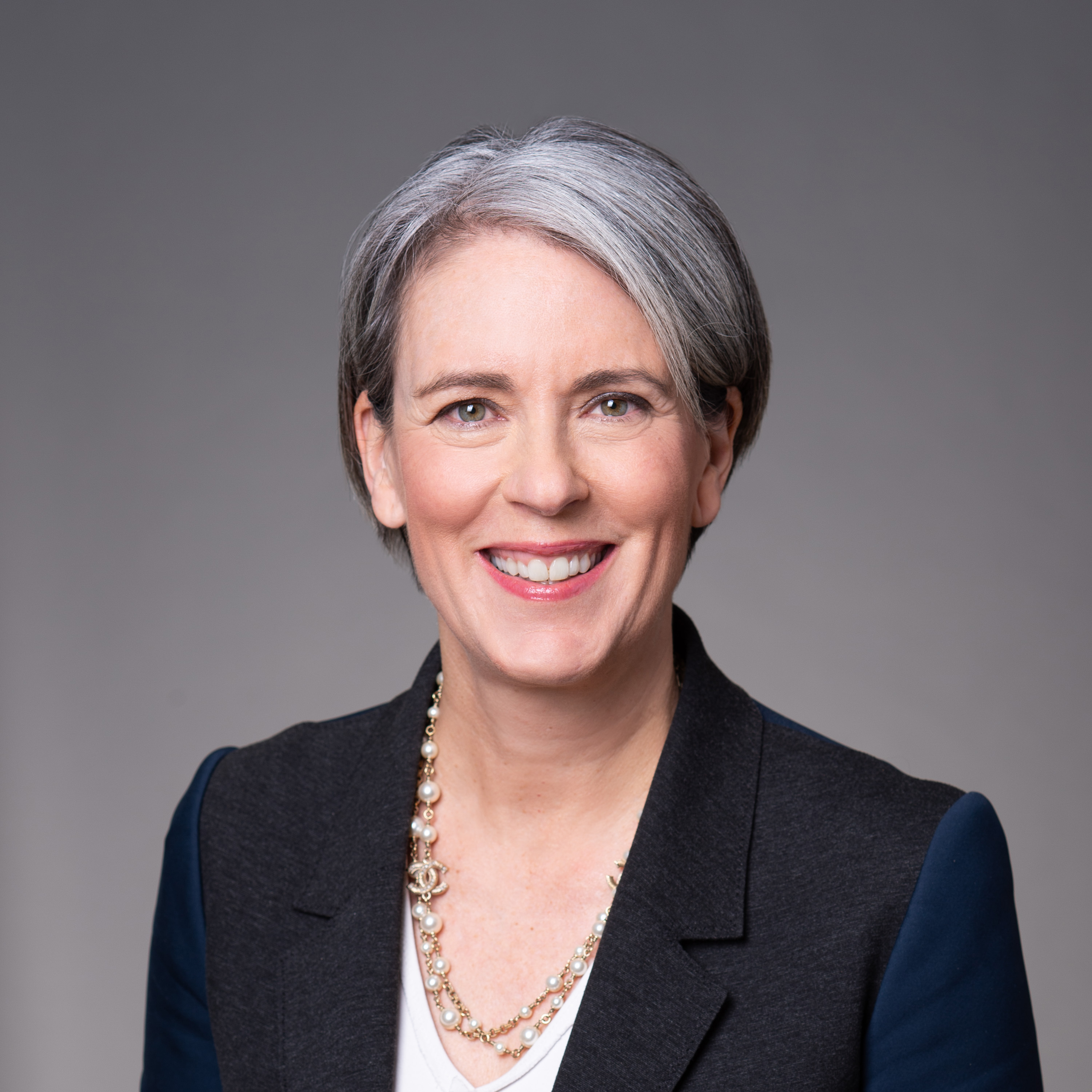
Mar 22, 2024
Why Water.org CEO says the world's water challenges are 'inherently solvable'
Today is World Water Day, and we're talking with Gary White in the latest episode of the ESG Insider podcast. Gary is CEO of the nonprofit Water.org, which he co-founded with actor Matt Damon. Gary is also CEO and Co-Founder of impact investment manager WaterEquity. In the interview, he talks about the intersection of water challenges and climate change; the role of infrastructure in addressing water needs; and how finance can offer solutions to the water problems facing many low-income populations around the world. "Even though these challenges are immense, they're inherently solvable — we know how to make water safe, we know how to distribute it," Gary says. "It's not rocket science in terms of doing this, but it is about investment capital that's needed." Listen to our episode from COP28 featuring Gary White: https://www.spglobal.com/esg/podcasts/climate-adaptation-finance-data-and-nature-what-we-learned-at-cop28 Listen to our episode about the role of public-private collaboration in addressing water challenges: https://www.spglobal.com/esg/podcasts/at-cop28-solving-for-water-challenges-through-public-private-collaboration Read research from S&P Global Sustainable1 about the financial costs that climate hazards like water stress, flooding and drought pose for companies: https://www.spglobal.com/esg/insights/featured/special-editorial/quantifying-the-financial-costs-of-climate-change-physical-risks Listen to a replay of a webcast from S&P Global Sustainable1 about water risk: https://spgi-mkto.spglobal.com/BeyondESGwithFinancingSustainableWater-ODWebinarRegistration.html This piece was published by S&P Global Sustainable1, a part of S&P Global. Copyright ©2024 by S&P Global DISCLAIMER By accessing this Podcast, I acknowledge that S&P GLOBAL makes no warranty, guarantee, or representation as to the accuracy or sufficiency of the information featured in this Podcast. The information, opinions, and recommendations presented in this Podcast are for general information only and any reliance on the information provided in this Podcast is done at your own risk. This Podcast should not be considered professional advice. Unless specifically stated otherwise, S&P GLOBAL does not endorse, approve, recommend, or certify any information, product, process, service, or organization presented or mentioned in this Podcast, and information from this Podcast should not be referenced in any way to imply such approval or endorsement. The third party materials or content of any third party site referenced in this Podcast do not necessarily reflect the opinions, standards or policies of S&P GLOBAL. S&P GLOBAL assumes no responsibility or liability for the accuracy or completeness of the content contained in third party materials or on third party sites referenced in this Podcast or the compliance with applicable laws of such materials and/or links referenced herein. Moreover, S&P GLOBAL makes no warranty that this Podcast, or the server that makes it available, is free of viruses, worms, or other elements or codes that manifest contaminating or destructive properties.
Mar 21, 2024
CERAWeek: One big bank's solution to the energy tech finance gap
In this episode of the ESG Insider podcast, we sit down on the sidelines of CERAWeek with Ana Carolina Oliveira, Head of Sustainable Finance in the Americas for ING, a global banking and financial services corporation headquartered in Amsterdam. Ana explains how ING is working with companies across sectors to facilitate the low-carbon transition — including by financing emerging low-carbon technologies. "If you think about the $5 trillion that needs to be put every year to finance transition by 2030, believe it or not, this money is out there," Ana says. "The challenge is this mismatch between legacy risk-return profiles, the way banks were wired to look at risk-return for something now that still needs to be scaled and the technology sometimes still needs to be proven." S&P Global's CERAWeek conference is one of the biggest events in the energy industry, convening global leaders to talk about energy and transition strategies. Listen to more CERAWeek coverage here: https://www.spglobal.com/esg/podcasts/at-ceraweek-mapping-one-large-utility-s-energy-transition-path And here: https://www.spglobal.com/esg/podcasts/ceraweek-how-one-of-the-world-s-largest-mining-companies-approaches-energy-transition-nature Tune into the podcast next week for more highlights from the event. This piece was published by S&P Global Sustainable1, a part of S&P Global. Copyright ©2024 by S&P Global DISCLAIMER By accessing this Podcast, I acknowledge that S&P GLOBAL makes no warranty, guarantee, or representation as to the accuracy or sufficiency of the information featured in this Podcast. The information, opinions, and recommendations presented in this Podcast are for general information only and any reliance on the information provided in this Podcast is done at your own risk. This Podcast should not be considered professional advice. Unless specifically stated otherwise, S&P GLOBAL does not endorse, approve, recommend, or certify any information, product, process, service, or organization presented or mentioned in this Podcast, and information from this Podcast should not be referenced in any way to imply such approval or endorsement. The third party materials or content of any third party site referenced in this Podcast do not necessarily reflect the opinions, standards or policies of S&P GLOBAL. S&P GLOBAL assumes no responsibility or liability for the accuracy or completeness of the content contained in third party materials or on third party sites referenced in this Podcast or the compliance with applicable laws of such materials and/or links referenced herein. Moreover, S&P GLOBAL makes no warranty that this Podcast, or the server that makes it available, is free of viruses, worms, or other elements or codes that manifest contaminating or destructive properties.
Mar 20, 2024
CERAWeek: How one of the world's largest mining companies approaches energy transition, nature
In this special episode of the ESG Insider podcast, we sit down on the sidelines of CERAWeek with Sinead Kaufman, Chief Executive of Minerals at Rio Tinto, one of the world's largest mining companies. Rio Tinto was founded more than 150 years ago, and Sinead says the company is taking a long-term view in its approach to the energy transition, its engagement with local communities and its rising focus on nature. "When we look forward, we want to be part of the solution for the next 150 years," she says. "In two ways: How do we decarbonize our own business? And obviously there's a lot of technologies that are advancing really quickly to do that. And then the second is: How can we provide the materials that are needed for the energy transition?" S&P Global's CERAWeek conference in Houston is one of the biggest events in the energy industry, convening global leaders to talk about energy and transition strategies. Listen to more coverage from CERAWeek here: https://www.spglobal.com/esg/podcasts/at-ceraweek-mapping-one-large-utility-s-energy-transition-path And tune into the podcast later this week for more highlights from the event. This piece was published by S&P Global Sustainable1, a part of S&P Global. Copyright ©2024 by S&P Global DISCLAIMER By accessing this Podcast, I acknowledge that S&P GLOBAL makes no warranty, guarantee, or representation as to the accuracy or sufficiency of the information featured in this Podcast. The information, opinions, and recommendations presented in this Podcast are for general information only and any reliance on the information provided in this Podcast is done at your own risk. This Podcast should not be considered professional advice. Unless specifically stated otherwise, S&P GLOBAL does not endorse, approve, recommend, or certify any information, product, process, service, or organization presented or mentioned in this Podcast, and information from this Podcast should not be referenced in any way to imply such approval or endorsement. The third party materials or content of any third party site referenced in this Podcast do not necessarily reflect the opinions, standards or policies of S&P GLOBAL. S&P GLOBAL assumes no responsibility or liability for the accuracy or completeness of the content contained in third party materials or on third party sites referenced in this Podcast or the compliance with applicable laws of such materials and/or links referenced herein. Moreover, S&P GLOBAL makes no warranty that this Podcast, or the server that makes it available, is free of viruses, worms, or other elements or codes that manifest contaminating or destructive properties.
Mar 19, 2024
At CERAWeek, mapping one large utility's energy transition path
In this special episode of the ESG Insider podcast we sit down on the sidelines of CERAWeek with Phil Nevels, Director of Corporate Strategy for AES Corporation, a Fortune 500 energy company with operations in multiple regions including the US, Latin America and Asia. S&P Global's CERAWeek conference is one of the biggest events in the energy industry, convening global leaders to talk about energy and transition strategies. In the interview, Phil outlines steps AES is taking to achieve its net-zero goals, including phasing out coal-fired generation and building more renewables and gas-fired generation. Phil explains that renewable generation may not be an easy option for some locations and that transitioning from coal to gas can be a positive initial step. "Every country is going to be transitioning at different speeds, phases, stages, and we have to appreciate that and recognize that the approach is going to look different in every country," Phil says. "In many cases, the low-hanging fruit is transitioning from coal and fuel oil to natural gas." Tune into the podcast later this week for more highlights from CERAWeek. This piece was published by S&P Global Sustainable1, a part of S&P Global. Copyright ©2024 by S&P Global DISCLAIMER By accessing this Podcast, I acknowledge that S&P GLOBAL makes no warranty, guarantee, or representation as to the accuracy or sufficiency of the information featured in this Podcast. The information, opinions, and recommendations presented in this Podcast are for general information only and any reliance on the information provided in this Podcast is done at your own risk. This Podcast should not be considered professional advice. Unless specifically stated otherwise, S&P GLOBAL does not endorse, approve, recommend, or certify any information, product, process, service, or organization presented or mentioned in this Podcast, and information from this Podcast should not be referenced in any way to imply such approval or endorsement. The third party materials or content of any third party site referenced in this Podcast do not necessarily reflect the opinions, standards or policies of S&P GLOBAL. S&P GLOBAL assumes no responsibility or liability for the accuracy or completeness of the content contained in third party materials or on third party sites referenced in this Podcast or the compliance with applicable laws of such materials and/or links referenced herein. Moreover, S&P GLOBAL makes no warranty that this Podcast, or the server that makes it available, is free of viruses, worms, or other elements or codes that manifest contaminating or destructive properties.
Mar 15, 2024
Unpacking the SEC's climate disclosure rule
The US Securities and Exchange Commission on March 6 finalized a long-awaited rule requiring thousands of publicly traded companies to disclose certain climate-related information. The final rule takes a narrower approach than what the SEC proposed in 2022; it also marks a significant change in the level of climate-related information that publicly listed companies must disclose in the US. In this episode of the ESG Insider podcast, we explore key components of the SEC rule and its implications for investors and companies — as well as how it fits in the broader global climate disclosure landscape. We talk with Cynthia Hanawalt, a Director at the Sabin Center for Climate Change Law, a think tank at Columbia Law School; she gives us an overview of the rule's requirements. We speak to Bruno Sarda from professional services company EY, where he focuses on climate change and sustainability services. Bruno says a key message from the rule is that "climate risk is financial risk ... companies need to be ready to both measure, manage and communicate that risk." We hear from Kristina Wyatt, Deputy General Counsel and Chief Sustainability Officer at carbon accounting software company Persefoni, about how the rule fits into the broader global disclosure landscape. And to understand what's on the horizon for the rule, we hear from Elizabeth Dawson, a Partner at law firm Crowell & Moring where she is a leader on the ESG advisory team and Chair of the Sustainability Committee. Read research from S&P Global Sustainable1 about the current US landscape for corporate climate disclosure: https://www.spglobal.com/esg/insights/featured/special-editorial/after-sec-rulemaking-assessing-the-us-climate-disclosure-landscape Listen to the podcast episode we released when the SEC proposed its climate disclosure rule in 2022: https://www.spglobal.com/esg/podcasts/unpacking-implications-of-the-sec-s-proposed-climate-disclosure-rule This piece was published by S&P Global Sustainable1, a part of S&P Global. Copyright ©2024 by S&P Global DISCLAIMER By accessing this Podcast, I acknowledge that S&P GLOBAL makes no warranty, guarantee, or representation as to the accuracy or sufficiency of the information featured in this Podcast. The information, opinions, and recommendations presented in this Podcast are for general information only and any reliance on the information provided in this Podcast is done at your own risk. This Podcast should not be considered professional advice. Unless specifically stated otherwise, S&P GLOBAL does not endorse, approve, recommend, or certify any information, product, process, service, or organization presented or mentioned in this Podcast, and information from this Podcast should not be referenced in any way to imply such approval or endorsement. The third party materials or content of any third party site referenced in this Podcast do not necessarily reflect the opinions, standards or policies of S&P GLOBAL. S&P GLOBAL assumes no responsibility or liability for the accuracy or completeness of the content contained in third party materials or on third party sites referenced in this Podcast or the compliance with applicable laws of such materials and/or links referenced herein. Moreover, S&P GLOBAL makes no warranty that this Podcast, or the server that makes it available, is free of viruses, worms, or other elements or codes that manifest contaminating or destructive properties.
Mar 8, 2024
Women in Leadership: Why Competent Boards CEO says diversity is essential for innovation
To celebrate International Women's Day, we're relaunching our 'Women in Leadership' series of the ESG Insider podcast. Over the coming months, we'll speak with women CEOs and leaders from across industries and around the world. In today's episode, we talk to Helle Bank Jorgensen, CEO and Founder of Competent Boards, an organization that trains board directors and executives around the world in sustainability best practices. Helle discusses hurdles that contribute to a lack of gender parity in leadership roles, her personal path to the CEO role, and why boardroom diversity is essential. "If you only have people that think like you, you're not going to get that diversity of thought that will bring you ahead of the game," Helle says. Read the latest research on gender diversity in leadership from S&P Global Sustainable1: https://www.spglobal.com/esg/insights/featured/special-editorial/women-in-leadership-what-s-the-holdup Listen to our 2023 Women in Leadership podcast series: https://www.spglobal.com/esg/insights/featured/special-editorial/women-in-leadership This piece was published by S&P Global Sustainable1, a part of S&P Global. Copyright ©2024 by S&P Global DISCLAIMER By accessing this Podcast, I acknowledge that S&P GLOBAL makes no warranty, guarantee, or representation as to the accuracy or sufficiency of the information featured in this Podcast. The information, opinions, and recommendations presented in this Podcast are for general information only and any reliance on the information provided in this Podcast is done at your own risk. This Podcast should not be considered professional advice. Unless specifically stated otherwise, S&P GLOBAL does not endorse, approve, recommend, or certify any information, product, process, service, or organization presented or mentioned in this Podcast, and information from this Podcast should not be referenced in any way to imply such approval or endorsement. The third party materials or content of any third party site referenced in this Podcast do not necessarily reflect the opinions, standards or policies of S&P GLOBAL. S&P GLOBAL assumes no responsibility or liability for the accuracy or completeness of the content contained in third party materials or on third party sites referenced in this Podcast or the compliance with applicable laws of such materials and/or links referenced herein. Moreover, S&P GLOBAL makes no warranty that this Podcast, or the server that makes it available, is free of viruses, worms, or other elements or codes that manifest contaminating or destructive properties.
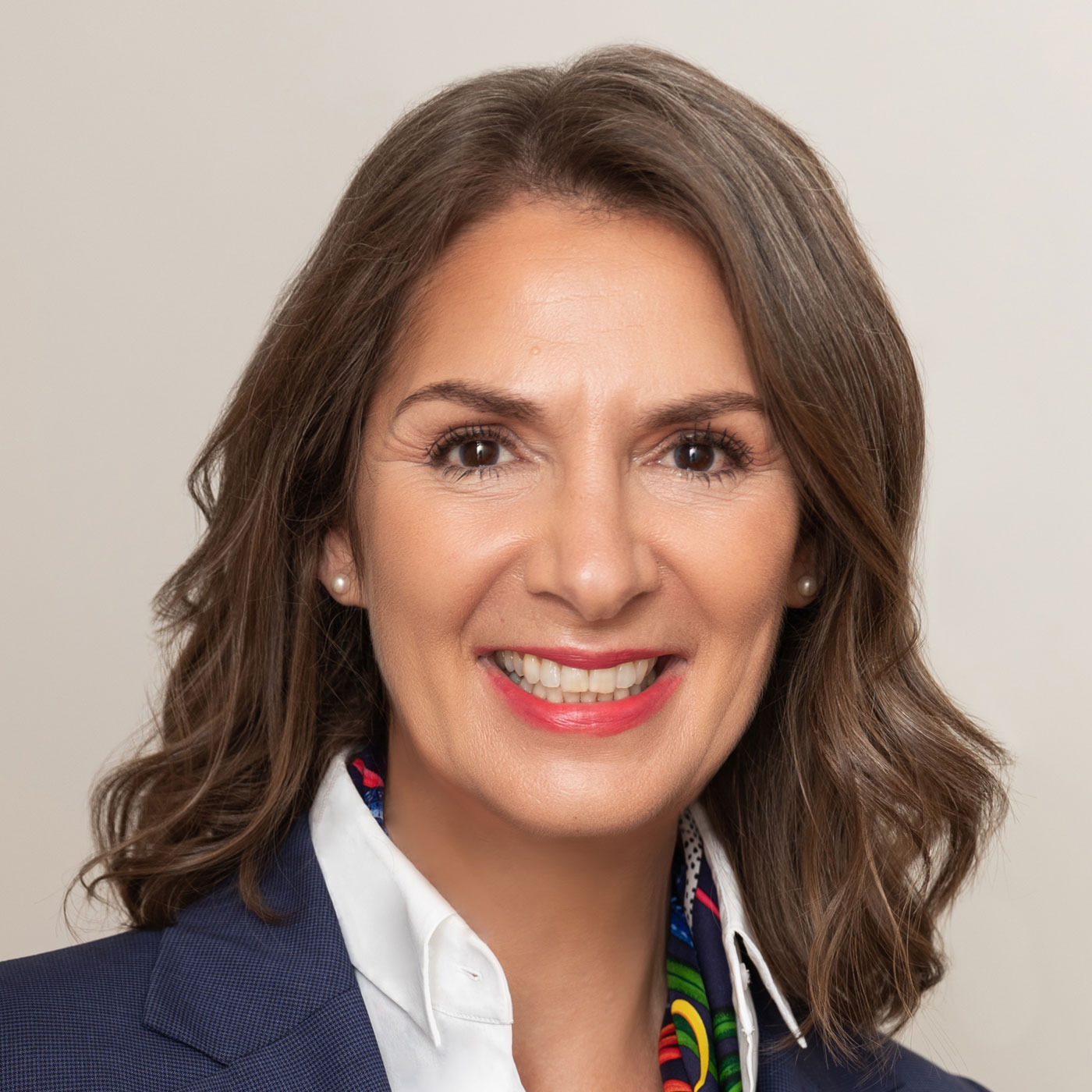
Mar 1, 2024
Navigating the path to sustainable agriculture, food systems
In this episode of the ESG Insider podcast we're exploring solutions to sustainability challenges in food systems and agriculture. Climate change poses risks to global food supply chains and agricultural production. At the same time, the world's growing population means food needs are increasing. We discuss sustainable agriculture trends with Michelle French, Director of Global Sustainability Programs at global commodities agriculture company ADM. Speaking on the sidelines of the GreenBiz conference in Phoenix in February, Michelle describes the challenges of tracking emissions associated with farming, the benefits of regenerative agriculture, and how ADM is working with farmers. Also in this episode, we hear from Troy Albright, Founder and CEO of a vertical, climate-controlled aeroponic farm in Phoenix that uses a technology that reduces land and water use while also helping address food insecurity. And we talk with Stephen Ritz, founder of the nonprofit organization Green Bronx Machine, which teaches students in hundreds of schools around the world how to grow food. Stephen explains how STEM programs can transform youth academically as well as their relationship to food and sustainability. Listen to our episode on how climate change is impacting the US economy, human health and agriculture: https://www.spglobal.com/esg/podcasts/how-climate-change-is-impacting-us-economy-human-health-and-agriculture Read more about supply chains in the S&P Global Supply Chain 2024 Look Forward report: https://www.spglobal.com/en/research-insights/featured/special-editorial/look-forward/look-forward-volume-2-2024 Learn about TPM, a conference S&P Global organizes for the trans-Pacific and global container shipping and logistics community: https://events.joc.com/tpm/about/index.html The GreenBiz conference is hosted by GreenBiz Group and S&P Global Sustainable1 is a sponsor. This piece was published by S&P Global Sustainable1, a part of S&P Global. Copyright ©2024 by S&P Global DISCLAIMER By accessing this Podcast, I acknowledge that S&P GLOBAL makes no warranty, guarantee, or representation as to the accuracy or sufficiency of the information featured in this Podcast. The information, opinions, and recommendations presented in this Podcast are for general information only and any reliance on the information provided in this Podcast is done at your own risk. This Podcast should not be considered professional advice. Unless specifically stated otherwise, S&P GLOBAL does not endorse, approve, recommend, or certify any information, product, process, service, or organization presented or mentioned in this Podcast, and information from this Podcast should not be referenced in any way to imply such approval or endorsement. The third party materials or content of any third party site referenced in this Podcast do not necessarily reflect the opinions, standards or policies of S&P GLOBAL. S&P GLOBAL assumes no responsibility or liability for the accuracy or completeness of the content contained in third party materials or on third party sites referenced in this Podcast or the compliance with applicable laws of such materials and/or links referenced herein. Moreover, S&P GLOBAL makes no warranty that this Podcast, or the server that makes it available, is free of viruses, worms, or other elements or codes that manifest contaminating or destructive properties.
Feb 23, 2024
What will it take to decarbonize supply chains, reach net-zero?
In this episode of the ESG Insider podcast, we explore how companies are moving from setting sustainability targets to figuring out how to reach those goals. A common refrain we heard at the annual GreenBiz conference in Phoenix, Arizona last week was: "What will it take?" For example, what will it take for companies to achieve net-zero goals and decarbonize supply chains — including those involved in transporting materials and products? We explore supply chain decarbonization with guests from several sectors. To understand the decarbonization challenges the freight and maritime shipping industry faces, we sit down with Sarah Mouriño, Senior Director of Sustainability for the Americas at DP World, one of the world's largest port operators. Sarah, who has more than two decades experience in the industry, tells us decarbonization is the "number one thing on every sustainability agenda for every major company" with a freight or maritime operation. Other guests in this episode include: - Robyn Luhning, Chief Sustainability Officer at big bank Wells Fargo -Abby Davidson, Managing Director at consulting company Engie Impact - Brenden McEneaney, Senior Vice President at real estate firm JLL - Annabelle Stamm, Senior Director of Sustainability Strategy at Edison Energy, which helps its clients navigate energy management - Debbie Lizt, Head of Global Sustainability at software company Intuit - Kevin Rabinovitch, Global Vice President of Sustainability and Chief Climate Officer at food company Mars Listen to our full interview with Intuit's Debbie Lizt exploring Intuit's approach to supplier engagement, AI and the just transition: https://www.spglobal.com/esg/podcasts/exploring-intuit-s-approach-to-supplier-engagement-ai-and-just-transition Listen to our full interview with Mars' Kevin Rabinovitch discussing how Mars is rethinking supply chains: https://www.spglobal.com/esg/podcasts/how-one-of-world-s-largest-food-companies-is-rethinking-supply-chains Listen to our interview on the sidelines of Davos on the topic of how AI becamse the buzzword at the World Econmic Forum's 2024 gathering: https://www.spglobal.com/esg/podcasts/how-ai-became-the-buzzword-at-davos The GreenBiz conference is hosted by GreenBiz Group and S&P Global Sustainable1 is a sponsor. Read more about supply chains in the S&P Global Supply Chain 2024 Look Forward report: https://www.spglobal.com/en/research-insights/featured/special-editorial/look-forward/look-forward-volume-2-2024 Learn about TPM, a conference S&P Global organizes for the trans-Pacific and global container shipping and logistics community: https://events.joc.com/tpm/about/index.html This piece was published by S&P Global Sustainable1, a part of S&P Global. Copyright ©2024 by S&P Global DISCLAIMER By accessing this Podcast, I acknowledge that S&P GLOBAL makes no warranty, guarantee, or representation as to the accuracy or sufficiency of the information featured in this Podcast. The information, opinions, and recommendations presented in this Podcast are for general information only and any reliance on the information provided in this Podcast is done at your own risk. This Podcast should not be considered professional advice. Unless specifically stated otherwise, S&P GLOBAL does not endorse, approve, recommend, or certify any information, product, process, service, or organization presented or mentioned in this Podcast, and information from this Podcast should not be referenced in any way to imply such approval or endorsement. The third party materials or content of any third party site referenced in this Podcast do not necessarily reflect the opinions, standards or policies of S&P GLOBAL. S&P GLOBAL assumes no responsibility or liability for the accuracy or completeness of the content contained in third party materials or on third party sites referenced in this Podcast or the compliance with applicable laws of such materials and/or links referenced herein. Moreover, S&P GLOBAL makes no warranty that this Podcast, or the server that makes it available, is free of viruses, worms, or other elements or codes that manifest contaminating or destructive properties.
Feb 21, 2024
Exploring Intuit's approach to supplier engagement, AI and just transition
In this episode of the ESG Insider podcast, we sit down with Debbie Lizt on the sidelines of the GreenBiz conference in Phoenix, Arizona. Debbie is Head of Global Sustainability at Intuit, one of the world's largest software companies. She describes how Intuit is engaging with suppliers on decarbonization, its approach to generative AI, and how the company is working to ensure a just transition to a low-carbon economy in communities. As part of its net-zero strategy, Intuit is working with suppliers to understand the challenges they face. "While we have these goals, we want our suppliers to join us on this journey," says Debbie. "We want to learn from them what would make it challenging for them so that we can identify opportunities to help remove some of those barriers." Listen to our interview at the GreenBiz conference with Mars on how one of the largest food and confectionary companies in the world is rethinking supply chains: https://www.spglobal.com/esg/podcasts/how-one-of-world-s-largest-food-companies-is-rethinking-supply-chains Listen to our interview on the sidelines of Davos with another of the world's largest software companies, SAP, to understand how the company is approaching collaboration: https://www.spglobal.com/esg/podcasts/how-one-of-the-world-s-biggest-software-companies-approaches-collaboration GreenBiz is hosted by GreenBiz Group and S&P Global Sustainable1 is a sponsor. This piece was published by S&P Global Sustainable1, a part of S&P Global. Copyright ©2024 by S&P Global DISCLAIMER By accessing this Podcast, I acknowledge that S&P GLOBAL makes no warranty, guarantee, or representation as to the accuracy or sufficiency of the information featured in this Podcast. The information, opinions, and recommendations presented in this Podcast are for general information only and any reliance on the information provided in this Podcast is done at your own risk. This Podcast should not be considered professional advice. Unless specifically stated otherwise, S&P GLOBAL does not endorse, approve, recommend, or certify any information, product, process, service, or organization presented or mentioned in this Podcast, and information from this Podcast should not be referenced in any way to imply such approval or endorsement. The third party materials or content of any third party site referenced in this Podcast do not necessarily reflect the opinions, standards or policies of S&P GLOBAL. S&P GLOBAL assumes no responsibility or liability for the accuracy or completeness of the content contained in third party materials or on third party sites referenced in this Podcast or the compliance with applicable laws of such materials and/or links referenced herein. Moreover, S&P GLOBAL makes no warranty that this Podcast, or the server that makes it available, is free of viruses, worms, or other elements or codes that manifest contaminating or destructive properties.
Feb 16, 2024
How one of world's largest food companies is rethinking supply chains
In this episode of the ESG Insider podcast, we sit down with Mars, one of the largest food and confectionary companies in the world, on the sidelines of the GreenBiz conference in Phoenix. Kevin Rabinovitch, Global Vice President of Sustainability & Chief Climate Officer at Mars, explains how the company is rethinking its supply chains as part of its decarbonization strategy and to address climate change and nature-related risks. "We have supply chains that weren't designed to ... tackle things like greenhouse gas emissions or, frankly, a lot of other sustainability issues," Kevin says. "At first, we thought of it as getting a better understanding of the supply chains we operate. But over time, what we've increasingly realized is that it's probably going to be as much about designing, redesigning supply chains into ways that are easier to manage and understand." "If we don't change what we're buying, or where we're buying it, or how we're buying it, or who we're buying it from, we're not going to make a lot of progress on our performance," Kevin adds. Listen to our episode about how the Rockefeller Foundation partners with stakeholders around the world to finance solutions to issues like climate change and food systems transformation: https://www.spglobal.com/esg/podcasts/breaking-down-silos-seeking-innovative-financing-solutions-to-big-sustainability-challenges GreenBiz is hosted by GreenBiz Group and S&P Global Sustainable1 is a sponsor. This piece was published by S&P Global Sustainable1, a part of S&P Global. Copyright ©2024 by S&P Global DISCLAIMER By accessing this Podcast, I acknowledge that S&P GLOBAL makes no warranty, guarantee, or representation as to the accuracy or sufficiency of the information featured in this Podcast. The information, opinions, and recommendations presented in this Podcast are for general information only and any reliance on the information provided in this Podcast is done at your own risk. This Podcast should not be considered professional advice. Unless specifically stated otherwise, S&P GLOBAL does not endorse, approve, recommend, or certify any information, product, process, service, or organization presented or mentioned in this Podcast, and information from this Podcast should not be referenced in any way to imply such approval or endorsement. The third party materials or content of any third party site referenced in this Podcast do not necessarily reflect the opinions, standards or policies of S&P GLOBAL. S&P GLOBAL assumes no responsibility or liability for the accuracy or completeness of the content contained in third party materials or on third party sites referenced in this Podcast or the compliance with applicable laws of such materials and/or links referenced herein. Moreover, S&P GLOBAL makes no warranty that this Podcast, or the server that makes it available, is free of viruses, worms, or other elements or codes that manifest contaminating or destructive properties.
Feb 14, 2024
Breaking down silos: Seeking innovative financing solutions to big sustainability challenges
A key theme emerging from interviews for the ESG Insider podcast is that solutions to big sustainability challenges require collaboration across silos. Today in Part III of our 'Breaking down silos' miniseries, we're talking to a major global philanthropic foundation about how it partners with stakeholders around the world to finance solutions to issues like climate change and food systems transformation. We sit down with Elizabeth Yee, Executive Vice President of Programs at the Rockefeller Foundation. "Philanthropy can't do it alone," Elizabeth says. "In order to achieve the changes that we want to see across the programmatic work we do — which is clean energy access and transition; which is understanding, pushing forward the field of climate and health; which is ensuring that food is both good for people and planet; and ensuring that we also build a more equitable and green financial system — the only way to achieve any of those systems transformations is to work in partnership with government, the private sector, philanthropies, other civil society actors to deliver on those outcomes." Listen to the first episode in our 'Breaking down silos' miniseries, about balancing the role of policy and the private sector in the energy transition: https://www.spglobal.com/esg/podcasts/breaking-down-silos-balancing-the-role-of-policy-and-private-sector-in-the-energy-transition Listen to the second episode in our 'Breaking down silos' miniseries, where we hear how one of the world's biggest software companies approaches collaboration: https://www.spglobal.com/esg/podcasts/how-one-of-the-world-s-biggest-software-companies-approaches-collaboration Listen to our interview with the Green Climate Fund: https://www.spglobal.com/esg/podcasts/as-cop28-kicks-off-talking-climate-finance-with-the-green-climate-fund This piece was published by S&P Global Sustainable1, a part of S&P Global. Copyright ©2024 by S&P Global DISCLAIMER By accessing this Podcast, I acknowledge that S&P GLOBAL makes no warranty, guarantee, or representation as to the accuracy or sufficiency of the information featured in this Podcast. The information, opinions, and recommendations presented in this Podcast are for general information only and any reliance on the information provided in this Podcast is done at your own risk. This Podcast should not be considered professional advice. Unless specifically stated otherwise, S&P GLOBAL does not endorse, approve, recommend, or certify any information, product, process, service, or organization presented or mentioned in this Podcast, and information from this Podcast should not be referenced in any way to imply such approval or endorsement. The third party materials or content of any third party site referenced in this Podcast do not necessarily reflect the opinions, standards or policies of S&P GLOBAL. S&P GLOBAL assumes no responsibility or liability for the accuracy or completeness of the content contained in third party materials or on third party sites referenced in this Podcast or the compliance with applicable laws of such materials and/or links referenced herein. Moreover, S&P GLOBAL makes no warranty that this Podcast, or the server that makes it available, is free of viruses, worms, or other elements or codes that manifest contaminating or destructive properties.
Feb 12, 2024
Breaking down silos: How one of the world's biggest software companies approaches collaboration
At the ESG Insider podcast, we've been hearing a key theme on repeat: Solutions to climate change and biodiversity loss require collaboration across silos. In this 'Breaking down silos' miniseries of the podcast, we're bringing you examples of how collaboration across different groups of stakeholders happens in practice. Today in Part II, we hear the perspective of one of the world's largest software companies in our interview with Stephen Jamieson, Global Head of Circular Economy Solutions at SAP. Stephen says a behavior shift is required to address big sustainability challenges. "The solutions to climate change, the solutions to biodiversity … it's in the behavior of how people are working and collaborating with businesses and how they consume products," Stephen says. And policy is "critical to enabling action," he tells us. "This then stimulates the rest of the activity — stimulates that need for businesses to innovate, to find solutions, to be able to go and drive the reframing of the value proposition, discovering reuse solutions, how to scale infrastructure," he says. Listen to our episode about how AI became the buzzword at Davos: https://www.spglobal.com/esg/podcasts/how-ai-became-the-buzzword-at-davos Listen to our episode about why nature was front and center on the Davos agenda: https://www.spglobal.com/esg/podcasts/nature-was-front-and-center-on-the-davos-agenda-here-s-why Listen to the first episode in our 'Breaking down silos' miniseries, where we talk to Jason Bordoff, Founding Director of the Center on Global Energy Policy at Columbia University's School of International and Public Affairs, about balancing the role of policy and the private sector in the energy transition: https://podcasts.apple.com/us/podcast/breaking-down-silos-balancing-the-role-of-policy/id1475521006?i=1000644772538 This piece was published by S&P Global Sustainable1, a part of S&P Global. Copyright ©2024 by S&P Global DISCLAIMER By accessing this Podcast, I acknowledge that S&P GLOBAL makes no warranty, guarantee, or representation as to the accuracy or sufficiency of the information featured in this Podcast. The information, opinions, and recommendations presented in this Podcast are for general information only and any reliance on the information provided in this Podcast is done at your own risk. This Podcast should not be considered professional advice. Unless specifically stated otherwise, S&P GLOBAL does not endorse, approve, recommend, or certify any information, product, process, service, or organization presented or mentioned in this Podcast, and information from this Podcast should not be referenced in any way to imply such approval or endorsement. The third party materials or content of any third party site referenced in this Podcast do not necessarily reflect the opinions, standards or policies of S&P GLOBAL. S&P GLOBAL assumes no responsibility or liability for the accuracy or completeness of the content contained in third party materials or on third party sites referenced in this Podcast or the compliance with applicable laws of such materials and/or links referenced herein. Moreover, S&P GLOBAL makes no warranty that this Podcast, or the server that makes it available, is free of viruses, worms, or other elements or codes that manifest contaminating or destructive properties.
Feb 9, 2024
Breaking down silos: Balancing the role of policy and private sector in the energy transition
At the ESG Insider podcast, we've been hearing one key theme on repeat: Solutions to big sustainability challenges like climate change and biodiversity loss require collaboration across silos. This idea is coming across loud and clear at the global events we cover, from Climate Week NYC to COP28 in Dubai to the World Economic Forum's annual gathering in Davos, Switzerland. In this 'Breaking down silos' miniseries of the podcast, we'll bring you examples of how collaboration across different groups of stakeholders happens in practice. Today in Part I, we hear the perspective of an academic with a policy background in an interview with Jason Bordoff. Jason is Founding Director of the Center on Global Energy Policy at Columbia University's School of International and Public Affairs, where he is a Professor of Professional Practice, and also Co-Founding Dean of the Columbia Climate School. Jason talks to us about the role of the private sector in the energy transition, which he says "has to be facilitated by policy." "We can't have a clean energy transition if we don't ensure reliability and security and affordability along the way," Jason says. Listen to our episode about how AI became the buzzword at Davos: https://www.spglobal.com/esg/podcasts/how-ai-became-the-buzzword-at-davos Listen to our episode about why nature was front and center on the Davos agenda: https://www.spglobal.com/esg/podcasts/nature-was-front-and-center-on-the-davos-agenda-here-s-why Listen to our episode about 2024 trends that sustainability leaders are watching: https://www.spglobal.com/esg/podcasts/2024-trends-that-sustainability-leaders-are-watching This piece was published by S&P Global Sustainable1, a part of S&P Global. Copyright ©2024 by S&P Global DISCLAIMER By accessing this Podcast, I acknowledge that S&P GLOBAL makes no warranty, guarantee, or representation as to the accuracy or sufficiency of the information featured in this Podcast. The information, opinions, and recommendations presented in this Podcast are for general information only and any reliance on the information provided in this Podcast is done at your own risk. This Podcast should not be considered professional advice. Unless specifically stated otherwise, S&P GLOBAL does not endorse, approve, recommend, or certify any information, product, process, service, or organization presented or mentioned in this Podcast, and information from this Podcast should not be referenced in any way to imply such approval or endorsement. The third party materials or content of any third party site referenced in this Podcast do not necessarily reflect the opinions, standards or policies of S&P GLOBAL. S&P GLOBAL assumes no responsibility or liability for the accuracy or completeness of the content contained in third party materials or on third party sites referenced in this Podcast or the compliance with applicable laws of such materials and/or links referenced herein. Moreover, S&P GLOBAL makes no warranty that this Podcast, or the server that makes it available, is free of viruses, worms, or other elements or codes that manifest contaminating or destructive properties.
Feb 2, 2024
How the insurance industry is seeking solutions to climate change and nature loss
Many companies have crafted climate-related strategies and taken steps to measure and manage their climate-related risks. Many companies are only in the early stages of understanding how nature relates to climate, but this topic has been steadily climbing the sustainability agenda. In today's episode of the ESG Insider podcast, we zoom in on how the insurance industry is managing the joint challenge of climate change and biodiversity loss — and what solutions it is bringing to the table. We speak to Rebekah Clement, Corporate Affairs Director at Lloyd's of London, a global specialist insurance and reinsurance marketplace. "The two are inextricably linked, and it is so, so important that we're looking at both of them in the round," Rebekah tells us. "I'd say that we are more advanced with respect to how we're looking at climate versus biodiversity. But ultimately, we need to really focus on how we can advance nature within what we do." We also talk to Regula Hess, Senior Advisor for Sustainable Finance at the World Wildlife Fund (WWF) in Switzerland and one of the authors of a 2023 report on how insurers can address climate and biodiversity risks. And we speak to Marcel Meyer, Partner and Switzerland Sustainability Lead at audit, consulting and advisory firm Deloitte, which co-wrote the report with the WWF. Listen to our episode about how nature showed up on the agenda at the World Economic Forum's annual meeting in Davos: https://www.spglobal.com/esg/podcasts/nature-was-front-and-center-on-the-davos-agenda-here-s-why Listen to our episode about the role of nature at the UN's COP28 biodiversity conference in Dubai: https://www.spglobal.com/esg/podcasts/what-to-expect-from-nature-and-climate-in-2024 And listen to our coverage of COP15, the UN's 2022 conference on biodiversity: https://www.spglobal.com/esg/podcasts/on-the-ground-at-cop15-how-business-is-getting-to-grips-with-biodiversity Read research from S&P Global Sustainable1about how the world's largest companies depend on nature and biodiversity: https://www.spglobal.com/esg/insights/featured/special-editorial/how-the-world-s-largest-companies-depend-on-nature-and-biodiversity This piece was published by S&P Global Sustainable1, a part of S&P Global. Copyright ©2024 by S&P Global DISCLAIMER By accessing this Podcast, I acknowledge that S&P GLOBAL makes no warranty, guarantee, or representation as to the accuracy or sufficiency of the information featured in this Podcast. The information, opinions, and recommendations presented in this Podcast are for general information only and any reliance on the information provided in this Podcast is done at your own risk. This Podcast should not be considered professional advice. Unless specifically stated otherwise, S&P GLOBAL does not endorse, approve, recommend, or certify any information, product, process, service, or organization presented or mentioned in this Podcast, and information from this Podcast should not be referenced in any way to imply such approval or endorsement. The third party materials or content of any third party site referenced in this Podcast do not necessarily reflect the opinions, standards or policies of S&P GLOBAL. S&P GLOBAL assumes no responsibility or liability for the accuracy or completeness of the content contained in third party materials or on third party sites referenced in this Podcast or the compliance with applicable laws of such materials and/or links referenced herein. Moreover, S&P GLOBAL makes no warranty that this Podcast, or the server that makes it available, is free of viruses, worms, or other elements or codes that manifest contaminating or destructive properties.
Jan 26, 2024
Nature was front and center on the Davos agenda — here's why
Last week, the World Economic Forum convened leaders from business, government and academia to discuss solutions to society's biggest challenges. The annual Davos meeting provides insight into some of the key ideas that will shape the year ahead, and in today's episode of the ESG Insider podcast, we bring you on-the-ground interviews about one of the biggest topics on the agenda — the importance of nature. WEF's Global Risks Report, released right before Davos, found that biodiversity loss, ecosystem collapse and natural resource shortages are among the top risks facing the world over the next decade. To learn more, we sit down with Akanksha Khatri, the World Economic Forum's Head of Nature and Biodiversity. "The economic case of why nature matters has been made," Akanksha tells us. "What we are missing today is the business case at the individual unit level, and that's what we are trying to do through the work we are leading on sector transitions to nature positive." We hear the company perspective on the importance of nature from Sarah Chapman, Global Chief Sustainability Officer at insurance and financial services company Manulife. Sarah describes Manulife Investment Management as the largest institutional manager of timberland in the world and the second-largest institutional manager of agriculture. And we sit down with Erika Thompson, a beekeeper known for her huge social media following under the handle @texasbeeworks, where she does live beehive removal and educates her millions of followers on the importance of bees in biodiversity and food systems. Listen to our episode about the how AI became the buzzword at Davos: https://www.spglobal.com/esg/podcasts/how-ai-became-the-buzzword-at-davos Listen to our coverage of COP15, the UN's 2022 conference on biodiversity: https://www.spglobal.com/esg/podcasts/on-the-ground-at-cop15-how-business-is-getting-to-grips-with-biodiversity Read about the sustainability trends S&P Global is watching in 2024: https://www.spglobal.com/esg/insights/featured/special-editorial/key-2024-sustainability-trends-driving-the-year-ahead This piece was published by S&P Global Sustainable1, a part of S&P Global. Copyright ©2024 by S&P Global DISCLAIMER By accessing this Podcast, I acknowledge that S&P GLOBAL makes no warranty, guarantee, or representation as to the accuracy or sufficiency of the information featured in this Podcast. The information, opinions, and recommendations presented in this Podcast are for general information only and any reliance on the information provided in this Podcast is done at your own risk. This Podcast should not be considered professional advice. Unless specifically stated otherwise, S&P GLOBAL does not endorse, approve, recommend, or certify any information, product, process, service, or organization presented or mentioned in this Podcast, and information from this Podcast should not be referenced in any way to imply such approval or endorsement. The third party materials or content of any third party site referenced in this Podcast do not necessarily reflect the opinions, standards or policies of S&P GLOBAL. S&P GLOBAL assumes no responsibility or liability for the accuracy or completeness of the content contained in third party materials or on third party sites referenced in this Podcast or the compliance with applicable laws of such materials and/or links referenced herein. Moreover, S&P GLOBAL makes no warranty that this Podcast, or the server that makes it available, is free of viruses, worms, or other elements or codes that manifest contaminating or destructive properties.
Jan 19, 2024
How AI became the buzzword at Davos
This week the ESG Insider podcast is bringing you on-the-ground coverage from Davos, Switzerland, where the annual World Economic Forum meeting just ended. This gathering convenes leaders from business, government and civil society to discuss solutions to some of the biggest challenges facing the world. And there is growing overlap between the Davos agenda and sustainability topics. In today's episode, we're focusing on artificial intelligence (AI), which became the buzzword at Davos this year. With the explosion of interest around AI, there was also a heavy focus on governance of the technology. We sit down with Rebeca Minguela, Founder and CEO of sustainability technology company Clarity AI. She talks about the importance of balancing the risks and opportunities AI presents as the technology reaches an inflection point. "There are a lot of concerns around the use of AI and more and more calls for regulation and slowing down the development," Rebeca says. "I believe that we can definitely mitigate our risk, and we should move as fast as we can — of course, with the necessary controls." We'll be back next week with coverage of more highlights from Davos on key topics like nature and the energy transition. Read research from S&P Global about the 2024 sustainability trends to watch: https://www.spglobal.com/esg/insights/featured/special-editorial/key-2024-sustainability-trends-driving-the-year-ahead Read more from S&P Global on the topic of AI: https://www.spglobal.com/en/research-insights/featured/artificial-intelligence-insights This piece was published by S&P Global Sustainable1, a part of S&P Global. Copyright ©2024 by S&P Global DISCLAIMER By accessing this Podcast, I acknowledge that S&P GLOBAL makes no warranty, guarantee, or representation as to the accuracy or sufficiency of the information featured in this Podcast. The information, opinions, and recommendations presented in this Podcast are for general information only and any reliance on the information provided in this Podcast is done at your own risk. This Podcast should not be considered professional advice. Unless specifically stated otherwise, S&P GLOBAL does not endorse, approve, recommend, or certify any information, product, process, service, or organization presented or mentioned in this Podcast, and information from this Podcast should not be referenced in any way to imply such approval or endorsement. The third party materials or content of any third party site referenced in this Podcast do not necessarily reflect the opinions, standards or policies of S&P GLOBAL. S&P GLOBAL assumes no responsibility or liability for the accuracy or completeness of the content contained in third party materials or on third party sites referenced in this Podcast or the compliance with applicable laws of such materials and/or links referenced herein. Moreover, S&P GLOBAL makes no warranty that this Podcast, or the server that makes it available, is free of viruses, worms, or other elements or codes that manifest contaminating or destructive properties.
Jan 12, 2024
2024 trends that sustainability leaders are watching
We're kicking off the New Year at the ESG Insider podcast with a look forward to the big trends driving the sustainability space for 2024. In the episode we speak to two sustainability leaders about the topics they're watching in the year ahead. Marina Severinovsky, Head of Sustainability North America at UK-based asset management firm Schroders, explains how investors are moving from climate transition commitments to solutions and implementation. "You've made the commitment, but now the hard work begins, and it's really the people who are responsible for the portfolios that have to think about how you put decarbonization into practice across multiple asset classes ... and do so in a way that doesn't impose on the integrity of the portfolio," Marina says. We also speak to Aniket Shah, Managing Director and Global Head of the Sustainability and Transition Strategy Team at financial services company Jefferies Group. Aniket shares his view on how investment approaches to sustainability are evolving. "ESG as a standalone part of the financial and business community may go away, and it may go away in the next year or two — and that's going to happen at the very same time as the underlying environmental, social and governance issues have never been as important as they are today for investors and for corporates," Aniket says. "We see this in the fund flow data — that flows into ESG-labeled funds, especially here in the United States, continue to decrease. And again, at the same time, there has never been more investment in solar, in wind, in electric vehicles, in battery storage, in climate resilience and climate adaptation." This piece was published by S&P Global Sustainable1, a part of S&P Global. Copyright ©2024 by S&P Global DISCLAIMER By accessing this Podcast, I acknowledge that S&P GLOBAL makes no warranty, guarantee, or representation as to the accuracy or sufficiency of the information featured in this Podcast. The information, opinions, and recommendations presented in this Podcast are for general information only and any reliance on the information provided in this Podcast is done at your own risk. This Podcast should not be considered professional advice. Unless specifically stated otherwise, S&P GLOBAL does not endorse, approve, recommend, or certify any information, product, process, service, or organization presented or mentioned in this Podcast, and information from this Podcast should not be referenced in any way to imply such approval or endorsement. The third party materials or content of any third party site referenced in this Podcast do not necessarily reflect the opinions, standards or policies of S&P GLOBAL. S&P GLOBAL assumes no responsibility or liability for the accuracy or completeness of the content contained in third party materials or on third party sites referenced in this Podcast or the compliance with applicable laws of such materials and/or links referenced herein. Moreover, S&P GLOBAL makes no warranty that this Podcast, or the server that makes it available, is free of viruses, worms, or other elements or codes that manifest contaminating or destructive properties.
Jan 5, 2024
How climate change is impacting US economy, human health and agriculture
The US government recently published its Fifth National Climate Assessment, warning that climate change poses big risks to the nation's economy, human health, agriculture and food supply chains. This congressionally-mandated interagency analysis is released every four years and is the government's preeminent report on climate change impacts, risks, and responses. In this episode of the ESG Insider podcast, we're talking with four authors behind the report. To understand the impacts of climate change on the US economy, we speak to Monica Grasso, Chief Economist at the National Oceanic and Atmospheric Administration (NOAA). Monica was the agency lead author for the economics chapter of the report. We explore the link between climate change and human health with Mary Hayden, Research Professor at the Lyda Hill Institute for Human Resilience at the University of Colorado and lead author of the report's chapter on human health. To understand the impacts of climate change on agriculture and food supply chains, we hear from agricultural economist Dr. Dannele Peck, who is Director of the Northern Plains Climate Hub for the US Department of Agriculture (USDA) and co-authored the report's chapter on agriculture, food systems and rural communities. And we hear about the physical impacts of climate change from Mark Osler, NOAA Senior Advisor for Coastal Inundation and Resilience who was federal coordinating lead author of the report's chapter on coastal effects. Read research from S&P Global Sustainable1 about the financial costs of climate change for companies here: https://www.spglobal.com/esg/insights/featured/special-editorial/quantifying-the-financial-costs-of-climate-change-physical-risks This piece was published by S&P Global Sustainable1, a part of S&P Global. Copyright ©2024 by S&P Global DISCLAIMER By accessing this Podcast, I acknowledge that S&P GLOBAL makes no warranty, guarantee, or representation as to the accuracy or sufficiency of the information featured in this Podcast. The information, opinions, and recommendations presented in this Podcast are for general information only and any reliance on the information provided in this Podcast is done at your own risk. This Podcast should not be considered professional advice. Unless specifically stated otherwise, S&P GLOBAL does not endorse, approve, recommend, or certify any information, product, process, service, or organization presented or mentioned in this Podcast, and information from this Podcast should not be referenced in any way to imply such approval or endorsement. The third party materials or content of any third party site referenced in this Podcast do not necessarily reflect the opinions, standards or policies of S&P GLOBAL. S&P GLOBAL assumes no responsibility or liability for the accuracy or completeness of the content contained in third party materials or on third party sites referenced in this Podcast or the compliance with applicable laws of such materials and/or links referenced herein. Moreover, S&P GLOBAL makes no warranty that this Podcast, or the server that makes it available, is free of viruses, worms, or other elements or codes that manifest contaminating or destructive properties.
Dec 29, 2023
The best of 2023
In our final ESG Insider episode of 2023, we're revisiting some of our most popular episodes, top interviews and key sustainability themes from the past year, which pushed the podcast over 1.5 million downloads. In the episode we hear from guests including: Val Smith, Chief Sustainability Officer at Citigroup; full interview here: https://www.spglobal.com/esg/podcasts/big-bank-citi-talks-net-zero-goals-scope-3-emissions-climate-disclosure Sue Lloyd, Vice Chair of the International Sustainability Standards Board (ISSB); full interview here: https://www.spglobal.com/esg/podcasts/talking-international-sustainability-standards-with-issb-s-sue-lloyd Tony Goldner, Executive Director of the Taskforce on Nature-related Financial Disclosures (TNFD); full interview here: https://www.spglobal.com/esg/podcasts/tnfd-executive-director-talks-new-nature-disclosure-framework Martin Lok, Executive Director of the nonprofit Capitals Coalition; full interview here: https://www.spglobal.com/esg/podcasts/how-companies-countries-are-beginning-to-put-a-value-on-nature Dr. Atul Arya, Senior Vice President and Chief Energy Strategist at S&P Global Commodity Insights and Co-Chair of the S&P Global Research Council; full interview here: https://www.spglobal.com/esg/podcasts/exploring-india-s-energy-transition-and-climate-adaptation-landscape Dame Susan Rice, who chairs the global steering group of the nonprofit Global Ethical Finance Initiative (GEFI); full interview here: https://www.spglobal.com/esg/podcasts/cop28-highlights-need-for-innovative-climate-finance-solutions Laura Lane, Executive Vice President and Chief Corporate Affairs and Sustainability Officer at UPS; full interview here: https://www.spglobal.com/esg/podcasts/women-in-leadership-why-ups-head-of-sustainability-says-you-don-t-need-a-title-to-lead Here's the list of our 10 most downloaded episodes from 2023: 1. How financial institutions are tackling Scope 3 financed emissions: https://www.spglobal.com/esg/podcasts/how-financial-institutions-are-tackling-scope-3-financed-emissions 2. How sustainable taxonomies are going global: https://www.spglobal.com/esg/podcasts/how-sustainable-taxonomies-are-going-global 3. Setting the stage for sustainability in 2023: https://www.spglobal.com/esg/podcasts/setting-the-stage-for-sustainability-in-2023 4. Regulation, supply chains, climate justice, employee burnout: The big challenges facing sustainability professionals: https://www.spglobal.com/esg/podcasts/big-challenges-facing-sustainability-professionals 5. How companies, countries are beginning to put a value on nature: https://www.spglobal.com/esg/podcasts/how-companies-countries-are-beginning-to-put-a-value-on-nature 6. How asset managers are moving to end commodity-driven deforestation: https://www.spglobal.com/esg/podcasts/how-asset-managers-are-moving-to-end-commodity-driven-deforestation 7. What the future holds for sustainable investing, according to longtime US SIF CEO: https://www.spglobal.com/esg/podcasts/what-the-future-holds-for-sustainable-investing-according-to-longtime-us-sif-ceo 8. How discussions of stakeholder capitalism have evolved at Davos: https://www.spglobal.com/esg/podcasts/how-discussions-of-stakeholder-capitalism-have-evolved-at-davos 9. On the ground at CERAWeek: Where the energy world stands on the low-carbon transition: https://www.spglobal.com/esg/podcasts/on-the-ground-at-ceraweek-where-the-energy-world-stands-on-the-low-carbon-transition 10. Unpacking the EU's Green Deal Industrial Plan: https://www.spglobal.com/esg/podcasts/unpacking-the-eu-s-green-deal-industrial-plan Happy New Year! This piece was published by S&P Global Sustainable1, a part of S&P Global. Copyright ©2023 by S&P Global DISCLAIMER By accessing this Podcast, I acknowledge that S&P GLOBAL makes no warranty, guarantee, or representation as to the accuracy or sufficiency of the information featured in this Podcast. The information, opinions, and recommendations presented in this Podcast are for general information only and any reliance on the information provided in this Podcast is done at your own risk. This Podcast should not be considered professional advice. Unless specifically stated otherwise, S&P GLOBAL does not endorse, approve, recommend, or certify any information, product, process, service, or organization presented or mentioned in this Podcast, and information from this Podcast should not be referenced in any way to imply such approval or endorsement. The third party materials or content of any third party site referenced in this Podcast do not necessarily reflect the opinions, standards or policies of S&P GLOBAL. S&P GLOBAL assumes no responsibility or liability for the accuracy or completeness of the content contained in third party materials or on third party sites referenced in this Podcast or the compliance with applicable laws of such materials and/or links referenced herein. Moreover, S&P GLOBAL makes no warranty that this Podcast, or the server that makes it available, is free of viruses, worms, or other elements or codes that manifest contaminating or destructive properties.
Dec 22, 2023
What to expect from nature and climate in 2024
The topic of nature played a more prominent role at COP28, the UN's annual climate change conference, as understanding grows about the links between climate change and biodiversity loss. In this episode of the ESG Insider podcast, we dive into the intersection of climate and nature in an interview with Business for Nature CEO Eva Zabey. Business for Nature is a global coalition working to drive credible business action and policy ambition to achieve a nature-positive economy for all by 2030. Eva talks to us from the sidelines of COP28 about the steps companies can take to develop strategies for nature; the importance of measuring both impacts and dependencies on nature; and what to expect in the year ahead as the world prepares for COP16, the biodiversity-focused Conference of the Parties scheduled for late 2024. "Nature is a must-have in any credible climate action," Eva says. "Finally, it feels like nature is much more central to the discussions." Read our key takeaways from COP28 here: https://www.spglobal.com/esg/insights/featured/special-editorial/incremental-progress-adaptation-finance-and-nature-what-we-heard-at-cop28 Listen to our podcast episode recapping key COP28 outcomes here: https://www.spglobal.com/esg/podcasts/climate-adaptation-finance-data-and-nature-what-we-learned-at-cop28 This piece was published by S&P Global Sustainable1, a part of S&P Global. Copyright ©2023 by S&P Global DISCLAIMER By accessing this Podcast, I acknowledge that S&P GLOBAL makes no warranty, guarantee, or representation as to the accuracy or sufficiency of the information featured in this Podcast. The information, opinions, and recommendations presented in this Podcast are for general information only and any reliance on the information provided in this Podcast is done at your own risk. This Podcast should not be considered professional advice. Unless specifically stated otherwise, S&P GLOBAL does not endorse, approve, recommend, or certify any information, product, process, service, or organization presented or mentioned in this Podcast, and information from this Podcast should not be referenced in any way to imply such approval or endorsement. The third party materials or content of any third party site referenced in this Podcast do not necessarily reflect the opinions, standards or policies of S&P GLOBAL. S&P GLOBAL assumes no responsibility or liability for the accuracy or completeness of the content contained in third party materials or on third party sites referenced in this Podcast or the compliance with applicable laws of such materials and/or links referenced herein. Moreover, S&P GLOBAL makes no warranty that this Podcast, or the server that makes it available, is free of viruses, worms, or other elements or codes that manifest contaminating or destructive properties.
Dec 15, 2023
Climate adaptation, finance, data and nature: What we learned at COP28
COP28 wrapped up earlier this week, and in today's episode of the ESG Insider podcast we're bringing you key takeaways from the UN's annual climate change conference. We cover highlights from the first-ever global stocktake and the big themes that played out throughout the gathering in Dubai — including overlaps between climate, nature and water; the evolution of climate data, standards and regulation; the role of financial institutions in addressing climate change; and the importance of including diverse voices and youth perspectives in those solutions. Guests in the episode include: -Robin Millington, CEO of nonprofit Planet Tracker -Justina Nixon-Saintil, Chief Impact Officer at global technology company IBM -Gary White, CEO and co-founder of nonprofit Water.org and Water Equity -Kristen Sullivan, an Audit & Assurance Partner at Deloitte & Touche LLP who leads sustainability and ESG services -Masa Takanashi, Group Chief Sustainability Officer at big Japanese bank SMBC Group -Ana Voicilă, a member of the Young European Leadership Delegation at COP28 Listen to our previous episodes from COP28 here: https://www.spglobal.com/esg/podcasts/at-cop28-solving-for-water-challenges-through-public-private-collaboration https://www.spglobal.com/esg/podcasts/as-cop28-kicks-off-talking-climate-finance-with-the-green-climate-fund https://www.spglobal.com/esg/podcasts/cop28-highlights-need-for-innovative-climate-finance-solutions https://www.spglobal.com/esg/podcasts/how-the-uae-s-biggest-bank-is-approaching-sustainability-at-cop28 https://www.spglobal.com/esg/podcasts/tetris-pioneer-turned-environmentalist-talks-climate-optimism-at-cop28 https://www.spglobal.com/esg/podcasts/as-cop28-wraps-talking-progress-with-gm-s-chief-sustainability-officer This piece was published by S&P Global Sustainable1, a part of S&P Global. Copyright ©2023 by S&P Global DISCLAIMER By accessing this Podcast, I acknowledge that S&P GLOBAL makes no warranty, guarantee, or representation as to the accuracy or sufficiency of the information featured in this Podcast. The information, opinions, and recommendations presented in this Podcast are for general information only and any reliance on the information provided in this Podcast is done at your own risk. This Podcast should not be considered professional advice. Unless specifically stated otherwise, S&P GLOBAL does not endorse, approve, recommend, or certify any information, product, process, service, or organization presented or mentioned in this Podcast, and information from this Podcast should not be referenced in any way to imply such approval or endorsement. The third party materials or content of any third party site referenced in this Podcast do not necessarily reflect the opinions, standards or policies of S&P GLOBAL. S&P GLOBAL assumes no responsibility or liability for the accuracy or completeness of the content contained in third party materials or on third party sites referenced in this Podcast or the compliance with applicable laws of such materials and/or links referenced herein. Moreover, S&P GLOBAL makes no warranty that this Podcast, or the server that makes it available, is free of viruses, worms, or other elements or codes that manifest contaminating or destructive properties.
Dec 13, 2023
As COP28 wraps, talking progress with GM's Chief Sustainability Officer
In recent episodes of the ESG Insider podcast, we've been on the ground in Dubai covering COP28, the UN's 2023 climate change conference. As the conference wrapped up Dec. 13 with an agreement on the first global stocktake, we're covering some of the big themes from the gathering — including how the transport sector is approaching decarbonization challenges. Passenger vehicles, a key part of the transport sector, contribute a substantial 16% to global greenhouse gas emissions. To learn more about how this sector is approaching sustainability, we sat down on the sidelines of COP28 with Kristen Siemen, the Chief Sustainability Officer of one of the world's largest automakers, General Motors. Kristen talks about the importance of partnerships; the role of innovation in addressing the climate crisis; and the importance of concrete solutions to drive progress. "We're past the point where we're all making these big bold goals and announcements," she says. "Now it's about: what are the building blocks and the steps that we can take toward making progress?" Read the research from S&P Global Mobility here: https://www.spglobal.com/esg/insights/featured/special-editorial/how-automaker-decarbonization-efforts-can-reach-paris-agreement-targets Listen to our interview with UPS Executive Vice President and Chief Corporate Affairs and Sustainability Officer Laura Lane here: https://www.spglobal.com/esg/podcasts/women-in-leadership-why-ups-head-of-sustainability-says-you-don-t-need-a-title-to-lead This piece was published by S&P Global Sustainable1, a part of S&P Global. Copyright ©2023 by S&P Global DISCLAIMER By accessing this Podcast, I acknowledge that S&P GLOBAL makes no warranty, guarantee, or representation as to the accuracy or sufficiency of the information featured in this Podcast. The information, opinions, and recommendations presented in this Podcast are for general information only and any reliance on the information provided in this Podcast is done at your own risk. This Podcast should not be considered professional advice. Unless specifically stated otherwise, S&P GLOBAL does not endorse, approve, recommend, or certify any information, product, process, service, or organization presented or mentioned in this Podcast, and information from this Podcast should not be referenced in any way to imply such approval or endorsement. The third party materials or content of any third party site referenced in this Podcast do not necessarily reflect the opinions, standards or policies of S&P GLOBAL. S&P GLOBAL assumes no responsibility or liability for the accuracy or completeness of the content contained in third party materials or on third party sites referenced in this Podcast or the compliance with applicable laws of such materials and/or links referenced herein. Moreover, S&P GLOBAL makes no warranty that this Podcast, or the server that makes it available, is free of viruses, worms, or other elements or codes that manifest contaminating or destructive properties.
Dec 8, 2023
How the UAE's biggest bank is approaching sustainability at COP28
In this episode of the ESG Insider podcast, we sit down on the sidelines of COP28 in Dubai with the Chief Sustainability Officer of the largest bank in the United Arab Emirates — First Abu Dhabi Bank (FAB). The UAE holds the COP28 presidency, and Shargiil Bashir talks to us about his hopes for the UN's climate change conference, FAB's sustainability strategy, and the evolving approach to climate change in the Middle East. "Nobody will get hurt more than the Middle East if we don't address those challenges because this country is going to get most impacted by climate change," Shargiil says. "There's so much more to do, so many more actions to take — but I definitely recognize the big steps that have been taken already." Listen to more episodes covering COP28: COP28 highlights need for innovative climate finance solutions: https://www.spglobal.com/esg/podcasts/cop28-highlights-need-for-innovative-climate-finance-solutions Optimism, hope for progress palpable at COP28: https://www.spglobal.com/esg/podcasts/tetris-pioneer-turned-environmentalist-talks-climate-optimism-at-cop28 At COP28, solving for water challenges through public-private collaboration: https://www.spglobal.com/esg/podcasts/at-cop28-solving-for-water-challenges-through-public-private-collaboration As COP28 kicks off, talking climate finance with the Green Climate Fund: https://www.spglobal.com/esg/podcasts/as-cop28-kicks-off-talking-climate-finance-with-the-green-climate-fund For more information on COP28 developments, see news from S&P Global Commodity Insights here: https://www.spglobal.com/commodityinsights/en/market-insights/topics/cop28-un-climate-change-conference Read the COP28 Special Edition of the S&P Global Sustainability Quarterly for research and insights on key themes that in focus in Dubai here: https://www.spglobal.com/esg/insights/featured/sustainability-journal/cop28-sustainability-quarterly-page This piece was published by S&P Global Sustainable1, a part of S&P Global. Copyright ©2023 by S&P Global DISCLAIMER By accessing this Podcast, I acknowledge that S&P GLOBAL makes no warranty, guarantee, or representation as to the accuracy or sufficiency of the information featured in this Podcast. The information, opinions, and recommendations presented in this Podcast are for general information only and any reliance on the information provided in this Podcast is done at your own risk. This Podcast should not be considered professional advice. Unless specifically stated otherwise, S&P GLOBAL does not endorse, approve, recommend, or certify any information, product, process, service, or organization presented or mentioned in this Podcast, and information from this Podcast should not be referenced in any way to imply such approval or endorsement. The third party materials or content of any third party site referenced in this Podcast do not necessarily reflect the opinions, standards or policies of S&P GLOBAL. S&P GLOBAL assumes no responsibility or liability for the accuracy or completeness of the content contained in third party materials or on third party sites referenced in this Podcast or the compliance with applicable laws of such materials and/or links referenced herein. Moreover, S&P GLOBAL makes no warranty that this Podcast, or the server that makes it available, is free of viruses, worms, or other elements or codes that manifest contaminating or destructive properties.
Dec 6, 2023
COP28 highlights need for innovative climate finance solutions
In this episode of the ESG Insider podcast, we're on the ground at the UN's COP28 climate conference in Dubai covering the role the financial sector plays in addressing climate change. Finance is a cross-cutting theme on the COP28 agenda, and the week kicked off with a day dedicated to the topic. In today's episode, we sit down on the sidelines of the conference with Dame Susan Rice to talk about what needs to happen to close the climate finance gap. Dame Susan chairs the Global Steering Group of the Global Ethical Finance Initiative (GEFI), a nonprofit focused on working with the financial sector to deliver finance for the UN's Sustainable Development Goals (SDGs). Dame Susan is former Chief Executive and Chair of Lloyds TSB Scotland and former Managing Director of Lloyds Banking Group, as well as a former Non-Executive Director of the Bank of England. In the interview, Dame Susan talks about her hopes for COP28 outcomes and what needs to happen to get finance flowing to climate solutions. "I hear all the time there's a lot of money out there, but it can't actually get to the other side," she tells us. She says creative, hybrid solutions have a role to play. "A lot of this change is at the frontier — it's companies, organizations, governments doing changes which haven't been done before," Dame Susan says. "So if you're an investor, if you're a banker, you don't understand the risk, you can't monetize the risk, and you become cautious and don't put the money in. So what I would love to see is really creative but sound, prudent finance." Listen to more episodes covering COP28: Optimism, hope for progress palpable at COP28: https://www.spglobal.com/esg/podcasts/tetris-pioneer-turned-environmentalist-talks-climate-optimism-at-cop28 At COP28, solving for water challenges through public-private collaboration: https://www.spglobal.com/esg/podcasts/at-cop28-solving-for-water-challenges-through-public-private-collaboration As COP28 kicks off, talking climate finance with the Green Climate Fund: https://www.spglobal.com/esg/podcasts/as-cop28-kicks-off-talking-climate-finance-with-the-green-climate-fund For more information on COP28 developments, see news from S&P Global Commodity Insights here: https://www.spglobal.com/commodityinsights/en/market-insights/topics/cop28-un-climate-change-conference Read the COP28 Special Edition of the S&P Global Sustainability Quarterly for research and insights on key themes that in focus in Dubai here: https://www.spglobal.com/esg/insights/featured/sustainability-journal/cop28-sustainability-quarterly-page This piece was published by S&P Global Sustainable1, a part of S&P Global. Copyright ©2023 by S&P Global DISCLAIMER By accessing this Podcast, I acknowledge that S&P GLOBAL makes no warranty, guarantee, or representation as to the accuracy or sufficiency of the information featured in this Podcast. The information, opinions, and recommendations presented in this Podcast are for general information only and any reliance on the information provided in this Podcast is done at your own risk. This Podcast should not be considered professional advice. Unless specifically stated otherwise, S&P GLOBAL does not endorse, approve, recommend, or certify any information, product, process, service, or organization presented or mentioned in this Podcast, and information from this Podcast should not be referenced in any way to imply such approval or endorsement. The third party materials or content of any third party site referenced in this Podcast do not necessarily reflect the opinions, standards or policies of S&P GLOBAL. S&P GLOBAL assumes no responsibility or liability for the accuracy or completeness of the content contained in third party materials or on third party sites referenced in this Podcast or the compliance with applicable laws of such materials and/or links referenced herein. Moreover, S&P GLOBAL makes no warranty that this Podcast, or the server that makes it available, is free of viruses, worms, or other elements or codes that manifest contaminating or destructive properties.
Dec 4, 2023
Optimism, hope for progress palpable at COP28
This week we're bringing you a special series of episodes from Dubai, United Arab Emirates, where the ESG Insider podcast is on the ground covering the UN climate change conference known as COP28. The first few days of this global gathering brought a flurry of announcements, such as hundreds of millions of dollars for a new "loss and damage" fund to assist countries particularly vulnerable to the effects of climate change, and many people are heralding this as an early success for COP28 negotiations. We've also heard skepticism from some attendees, who demand meaningful action to back up lofty climate pledges. In this episode of the ESG Insider podcast, we sit down on the sidelines of COP28 with a guest with an optimistic outlook on the world's ability to combat climate change — Henk Rogers. Henk is the founder of the nonprofit Blue Planet Alliance. (You may also know him as the man who helped make the 1980s puzzle video game Tetris into a household name.) Blue Planet Alliance has a goal of getting islands and countries around the world to legislatively mandate a commitment to 100% renewable energy by 2045. In the interview, Henk talks about how the organization is working to meet that goal at COP28; the importance of changing public mindsets to change energy strategies; and the role that younger generations will play in that process. "It's not like we don't have the technology — we do. It's not like we don't have the money — we do. All we're missing is the willpower," Henk says. "We have to switch from hoping that it's going to happen to determination." For more information on COP28 developments, see news from S&P Global Commodity Insights here: https://www.spglobal.com/commodityinsights/en/market-insights/topics/cop28-un-climate-change-conference Read the COP28 Special Edition of the S&P Global Sustainability Quarterly for research and insights on key themes that in focus in Dubai here: https://www.spglobal.com/esg/insights/featured/sustainability-journal/cop28-sustainability-quarterly-page *The title of this episode was updated on Dec. 5, 2023. This piece was published by S&P Global Sustainable1, a part of S&P Global. Copyright ©2023 by S&P Global DISCLAIMER By accessing this Podcast, I acknowledge that S&P GLOBAL makes no warranty, guarantee, or representation as to the accuracy or sufficiency of the information featured in this Podcast. The information, opinions, and recommendations presented in this Podcast are for general information only and any reliance on the information provided in this Podcast is done at your own risk. This Podcast should not be considered professional advice. Unless specifically stated otherwise, S&P GLOBAL does not endorse, approve, recommend, or certify any information, product, process, service, or organization presented or mentioned in this Podcast, and information from this Podcast should not be referenced in any way to imply such approval or endorsement. The third party materials or content of any third party site referenced in this Podcast do not necessarily reflect the opinions, standards or policies of S&P GLOBAL. S&P GLOBAL assumes no responsibility or liability for the accuracy or completeness of the content contained in third party materials or on third party sites referenced in this Podcast or the compliance with applicable laws of such materials and/or links referenced herein. Moreover, S&P GLOBAL makes no warranty that this Podcast, or the server that makes it available, is free of viruses, worms, or other elements or codes that manifest contaminating or destructive properties.
Dec 1, 2023
At COP28, solving for water challenges through public-private collaboration
Water is a throughline for nearly every subject we cover on the ESG Insider podcast, and it is a key feature of the thematic program at the UN's big climate summit, COP28, which kicked off in Dubai on Nov. 30. In this episode we focus on how the private sector is approaching water risks and opportunities around the world — and how it can use partnerships to drive progress. We'll also explore the water challenges the Middle East and UAE face and some of the concrete solutions stakeholders are implementing. We talk with Justina Nixon-Saintil, Chief Impact Officer at global technology company IBM, where she leads global corporate social responsibility. And we'll hear from Emilio Tenuta, Chief Sustainability Officer at Ecolab, a company that offers water, hygiene and infection prevention technologies and solutions. We also talk with Dr. Adewale Giwa, an Assistant Professor in the Chemical and Water Desalination Engineering Program at the University of Sharjah in the UAE, who focuses on water conditions in the Middle East. You can listen to previous episodes about COP28 here: https://www.spglobal.com/esg/podcasts/what-to-expect-from-cop28-the-un-s-big-climate-change-conference Here: https://www.spglobal.com/esg/podcasts/intersection-of-gender-and-climate-in-focus-ahead-of-cop28 And here: https://www.spglobal.com/esg/podcasts/as-cop28-kicks-off-talking-climate-finance-with-the-green-climate-fund And listen to episodes about Climate Week NYC 2023 here: https://www.spglobal.com/esg/podcasts/how-partnerships-can-help-close-the-climate-finance-gap And here: https://www.spglobal.com/esg/podcasts/at-climate-week-nyc-seeking-solutions-at-the-nexus-of-climate-water-and-social-issues Read the COP28 Special Edition of the S&P Global Sustainability Quarterly for research and insights on key themes that will be in focus in Dubai here: https://www.spglobal.com/esg/insights/featured/sustainability-journal/cop28-sustainability-quarterly-page This piece was published by S&P Global Sustainable1, a part of S&P Global. Copyright ©2023 by S&P Global DISCLAIMER By accessing this Podcast, I acknowledge that S&P GLOBAL makes no warranty, guarantee, or representation as to the accuracy or sufficiency of the information featured in this Podcast. The information, opinions, and recommendations presented in this Podcast are for general information only and any reliance on the information provided in this Podcast is done at your own risk. This Podcast should not be considered professional advice. Unless specifically stated otherwise, S&P GLOBAL does not endorse, approve, recommend, or certify any information, product, process, service, or organization presented or mentioned in this Podcast, and information from this Podcast should not be referenced in any way to imply such approval or endorsement. The third party materials or content of any third party site referenced in this Podcast do not necessarily reflect the opinions, standards or policies of S&P GLOBAL. S&P GLOBAL assumes no responsibility or liability for the accuracy or completeness of the content contained in third party materials or on third party sites referenced in this Podcast or the compliance with applicable laws of such materials and/or links referenced herein. Moreover, S&P GLOBAL makes no warranty that this Podcast, or the server that makes it available, is free of viruses, worms, or other elements or codes that manifest contaminating or destructive properties.
Nov 30, 2023
As COP28 kicks off, talking climate finance with the Green Climate Fund
The UN's annual climate change conference known as COP28 kicks off in Dubai Nov. 30. Finance is a big theme on the agenda, and in this episode of the ESG Insider podcast we're talking to Hong Paterson, the Chief Financial Officer and Chief Operating Officer of the Green Climate Fund (GCF). GCF is accountable to the UN and is guided by the principles of the UN Framework Convention on Climate Change (UNFCCC); it was established at a previous Conference of the Parties (COP) gathering to help achieve the Paris Agreement goal of keeping global temperature rise to well below 2 degrees C relative to preindustrial levels. "The Green Climate Fund is the largest climate-focused fund globally and is the main mechanism for the Paris Agreement," Hong says. "Part of the Paris Agreement was really to bring at least $100 billion per annum, which was the problem statement when the Paris Agreement was established. That problem statement is now multiple trillions of dollars per annum." In the episode, Hong also talks about her expectations for COP28 — including the role the private sector can play in addressing the massive climate financing gap. "There is a huge pool of funding that's waiting from private sector, and it's a function of trying to figure out how we can help them overcome the hurdles," Hong says. You can listen to previous episodes about what to expect from COP28 here: https://www.spglobal.com/esg/podcasts/what-to-expect-from-cop28-the-un-s-big-climate-change-conference And here: https://www.spglobal.com/esg/podcasts/intersection-of-gender-and-climate-in-focus-ahead-of-cop28 This piece was published by S&P Global Sustainable1, a part of S&P Global. Copyright ©2023 by S&P Global DISCLAIMER By accessing this Podcast, I acknowledge that S&P GLOBAL makes no warranty, guarantee, or representation as to the accuracy or sufficiency of the information featured in this Podcast. The information, opinions, and recommendations presented in this Podcast are for general information only and any reliance on the information provided in this Podcast is done at your own risk. This Podcast should not be considered professional advice. Unless specifically stated otherwise, S&P GLOBAL does not endorse, approve, recommend, or certify any information, product, process, service, or organization presented or mentioned in this Podcast, and information from this Podcast should not be referenced in any way to imply such approval or endorsement. The third party materials or content of any third party site referenced in this Podcast do not necessarily reflect the opinions, standards or policies of S&P GLOBAL. S&P GLOBAL assumes no responsibility or liability for the accuracy or completeness of the content contained in third party materials or on third party sites referenced in this Podcast or the compliance with applicable laws of such materials and/or links referenced herein. Moreover, S&P GLOBAL makes no warranty that this Podcast, or the server that makes it available, is free of viruses, worms, or other elements or codes that manifest contaminating or destructive properties.
Nov 17, 2023
Intersection of gender and climate in focus ahead of COP28
The 2023 UN Climate Change Conference, also known as COP28, gets underway at the end of November and includes a thematic program focusing on key topics on different days of the event. One of those themes is a day devoted to gender equality, and discussions will focus on topics such as why climate policy should consider gender equality and why women can be disproportionately impacted by climate change. In this episode of the ESG Insider podcast, we delve into the intersection of gender equality and climate ahead of the event. We speak to Shruti Sharma, Senior Policy Advisor at the International Institute for Sustainable Development, a think tank headquartered in Canada. Shruti is based in India and has conducted research into the impact of fossil fuel subsidy reforms on women. "The climate crisis is not gender neutral," she tells us. "It is impacting women disproportionately more. A major reason for that is that women are traditionally responsible for securing food, water and fuel. And so when a climate crisis or event occurs, that tends to exacerbate that disproportional burden on women even more." We also talk to Michelle Li, Founder and Executive Director of Women and Climate, a nonprofit networking group for women interested in climate change. She explains why gender equality plays an integral part in the transition to a green economy. "The power players and the really technical industries that are going to help us transition to a greener economy, so to speak, those are mainly led by men," Michelle tells us. "So we have to create space for women." Learn about events S&P Global Sustainable1 is hosting during COP28 here: https://www.spglobal.com/esg/events/cop28-in-person-event You can read the latest research on gender diversity from S&P Global here: https://www.spglobal.com/esg/insights/featured/special-editorial/breaking-boundaries-women-poised-for-milestone-achievement-in-parity-amid-otherwise-bleak-outlook Listen to all the episodes in our Women in Leadership podcast series here: https://www.spglobal.com/esg/insights/featured/special-editorial/women-in-leadership This piece was published by S&P Global Sustainable1, a part of S&P Global. Copyright ©2023 by S&P Global DISCLAIMER By accessing this Podcast, I acknowledge that S&P GLOBAL makes no warranty, guarantee, or representation as to the accuracy or sufficiency of the information featured in this Podcast. The information, opinions, and recommendations presented in this Podcast are for general information only and any reliance on the information provided in this Podcast is done at your own risk. This Podcast should not be considered professional advice. Unless specifically stated otherwise, S&P GLOBAL does not endorse, approve, recommend, or certify any information, product, process, service, or organization presented or mentioned in this Podcast, and information from this Podcast should not be referenced in any way to imply such approval or endorsement. The third party materials or content of any third party site referenced in this Podcast do not necessarily reflect the opinions, standards or policies of S&P GLOBAL. S&P GLOBAL assumes no responsibility or liability for the accuracy or completeness of the content contained in third party materials or on third party sites referenced in this Podcast or the compliance with applicable laws of such materials and/or links referenced herein. Moreover, S&P GLOBAL makes no warranty that this Podcast, or the server that makes it available, is free of viruses, worms, or other elements or codes that manifest contaminating or destructive properties.
Nov 10, 2023
What to expect from COP28, the UN's big climate change conference
Every year we bring you coverage of the 'Conference of the Parties,' or COP, the annual UN summit that convenes world leaders to work together on solutions to tackle climate change. This year's conference, COP28, takes place in Dubai in the United Arab Emirates starting Nov. 30. In today's episode of the ESG Insider podcast, we're talking about what to expect from the gathering, including what's at stake and what big themes will be discussed. We talk to Saugata Saha, President of S&P Global Commodity Insights. He explains the significance of the first-ever global stocktake that will be discussed and finalized at COP28. The stocktake is a process for countries and stakeholders to assess progress toward meeting the goals of the Paris Agreement on climate change. Saugata also talks about the path to phasedown and phaseout of fossil fuels. And we talk to Dan Feldman, a former ambassador who served as Chief of Staff and Counselor to US Secretary John Kerry when he was appointed the first Special Presidential Envoy for Climate by US President Joe Biden. Dan is now Co-Chair of the ESG and Business & Human Rights practices at law firm Covington & Burling. He explains how the conference will unfold and the different players involved from both the public and the private sector. "We need to have everyone here under the tent," Dan says. "Everyone, including the private sector, has a really significant role to play." Learn about events S&P Global Sustainable1 is hosting during COP28 here: https://www.spglobal.com/esg/events/cop28-in-person-event Read COP28 insights from S&P Global Commodity Insights here: https://www.spglobal.com/commodityinsights/en/market-insights/topics/2023-climate-change-conference-unfccc-cop28 Listen to a previous podcast episode on the topic of Article 6 here: https://www.spglobal.com/esg/podcasts/at-cop26-why-article-6-matters-to-companies-and-investors This piece was published by S&P Global Sustainable1, a part of S&P Global. Copyright ©2023 by S&P Global DISCLAIMER By accessing this Podcast, I acknowledge that S&P GLOBAL makes no warranty, guarantee, or representation as to the accuracy or sufficiency of the information featured in this Podcast. The information, opinions, and recommendations presented in this Podcast are for general information only and any reliance on the information provided in this Podcast is done at your own risk. This Podcast should not be considered professional advice. Unless specifically stated otherwise, S&P GLOBAL does not endorse, approve, recommend, or certify any information, product, process, service, or organization presented or mentioned in this Podcast, and information from this Podcast should not be referenced in any way to imply such approval or endorsement. The third party materials or content of any third party site referenced in this Podcast do not necessarily reflect the opinions, standards or policies of S&P GLOBAL. S&P GLOBAL assumes no responsibility or liability for the accuracy or completeness of the content contained in third party materials or on third party sites referenced in this Podcast or the compliance with applicable laws of such materials and/or links referenced herein. Moreover, S&P GLOBAL makes no warranty that this Podcast, or the server that makes it available, is free of viruses, worms, or other elements or codes that manifest contaminating or destructive properties.
Nov 3, 2023
Big bank Citi talks net-zero goals, Scope 3 emissions, climate disclosure
This week on the ESG Insider podcast, we're talking to one of the world's largest banks about the landscape for climate disclosure rules and standards. We sit down with Citigroup Chief Sustainability Officer Val Smith. She talks about how Citi is approaching the energy transition with clients; how investor expectations around climate disclosure are changing; and the challenges of climate data. As a global bank with roughly $2.4 trillion in assets and operations on the ground in 95 countries, Citi works across many different sectors of the economy. The companies it lends to have different kinds of environmental impacts, including greenhouse gas emissions. For a bank, those financed emissions are Scope 3 emissions. In the episode, Val explains Citi's net-zero goals and how the bank is approaching Scope 3 emissions in light of evolving climate disclosure regulations and standards. She says this changing landscape has made more collaboration necessary among different teams at the company — from sustainability to finance to legal. "In the mandatory disclosure space it's like exam week every week," Val says. "It's an incredibly active moving space with a lot of expectations, and it really does require that top-of-the-house, front-of-the-office collaboration between lots of different teams with different cultures to be able to execute and meet the expectations." Listen to last week's episode, featuring all our interviews from the ESG Insider Live event: https://www.spglobal.com/esg/podcasts/live-what-to-expect-from-the-evolving-climate-disclosure-landscape Hear more of our interviews about how financial institutions are approaching Scope 3 emissions: https://www.spglobal.com/esg/podcasts/why-bank-of-america-says-scope-3-emissions-biggest-challenge-for-banks https://www.spglobal.com/esg/podcasts/how-financial-institutions-are-tackling-scope-3-financed-emissions Read research from S&P Global Sustainable1 on Scope 3 financed emissions here: https://www.spglobal.com/esg/insights/financed-emissions-are-missing-from-many-firms-net-zero-plans This piece was published by S&P Global Sustainable1, a part of S&P Global. Copyright ©2023 by S&P Global DISCLAIMER By accessing this Podcast, I acknowledge that S&P GLOBAL makes no warranty, guarantee, or representation as to the accuracy or sufficiency of the information featured in this Podcast. The information, opinions, and recommendations presented in this Podcast are for general information only and any reliance on the information provided in this Podcast is done at your own risk. This Podcast should not be considered professional advice. Unless specifically stated otherwise, S&P GLOBAL does not endorse, approve, recommend, or certify any information, product, process, service, or organization presented or mentioned in this Podcast, and information from this Podcast should not be referenced in any way to imply such approval or endorsement. The third party materials or content of any third party site referenced in this Podcast do not necessarily reflect the opinions, standards or policies of S&P GLOBAL. S&P GLOBAL assumes no responsibility or liability for the accuracy or completeness of the content contained in third party materials or on third party sites referenced in this Podcast or the compliance with applicable laws of such materials and/or links referenced herein. Moreover, S&P GLOBAL makes no warranty that this Podcast, or the server that makes it available, is free of viruses, worms, or other elements or codes that manifest contaminating or destructive properties.
Oct 27, 2023
LIVE: What to expect from the evolving climate disclosure landscape
Last week, we took the ESG Insider podcast on the road for an in-person event in New York City about the evolving climate disclosure landscape. In this episode, we bring you highlights from our interviews at this ESG Insider Live event: Emily Pierce, Chief Global Policy Officer at climate software firm Persefoni, discusses the US regulatory outlook. She talks about what to expect from the pending climate disclosure rule from the US Securities and Exchange Commission — including how the SEC will approach Scope 3 emissions in the final rule. Neil Stewart talks to us about the global landscape for climate disclosures. Neil is the New York-based Director of Corporate Outreach for the IFRS Foundation, which formed the International Sustainability Standards Board (ISSB). Tim Mohin tells us about the challenges companies face in getting to grips with this landscape. Tim is the former chief executive of sustainability standards organization the Global Reporting Initiative (GRI), and a partner and director in climate and sustainability at the Boston Consulting Group (BCG). Val Smith, Chief Sustainability Officer at big bank Citigroup, provides a financial institution's perspective. She describes how investor expectations around sustainability reporting have evolved. Tune into next week's episode to hear more of our interview with Val. Learn more about the ESG Insider Live event hosted by S&P Global Market Intelligence on Oct. 19, 2023: https://events.spglobal.com/event/2f756e86-5dd7-40d1-b729-cc859e40be5f/summary Listen to our previous ESG Insider Live episode here: https://www.spglobal.com/esg/podcasts/live-the-year-the-human-component-of-nature-and-climate-comes-to-the-fore This piece was published by S&P Global Sustainable1, a part of S&P Global. Copyright ©2023 by S&P Global DISCLAIMER By accessing this Podcast, I acknowledge that S&P GLOBAL makes no warranty, guarantee, or representation as to the accuracy or sufficiency of the information featured in this Podcast. The information, opinions, and recommendations presented in this Podcast are for general information only and any reliance on the information provided in this Podcast is done at your own risk. This Podcast should not be considered professional advice. Unless specifically stated otherwise, S&P GLOBAL does not endorse, approve, recommend, or certify any information, product, process, service, or organization presented or mentioned in this Podcast, and information from this Podcast should not be referenced in any way to imply such approval or endorsement. The third party materials or content of any third party site referenced in this Podcast do not necessarily reflect the opinions, standards or policies of S&P GLOBAL. S&P GLOBAL assumes no responsibility or liability for the accuracy or completeness of the content contained in third party materials or on third party sites referenced in this Podcast or the compliance with applicable laws of such materials and/or links referenced herein. Moreover, S&P GLOBAL makes no warranty that this Podcast, or the server that makes it available, is free of viruses, worms, or other elements or codes that manifest contaminating or destructive properties.
Oct 20, 2023
How partnerships can help close the climate finance gap
Today's episode of the ESG Insider podcast explores several big themes from Climate Week NYC that will inform conversations at COP28, the UN's climate conference taking place in Dubai later this year. Our guests talk about closing the climate finance gap; the role of partnerships and collaboration in driving decarbonization; and how credible and just transition plans will incorporate the needs and voices of local communities. In the episode we speak to: -Julia Thayne, Senior Principal on the Climate-Aligned Industries Program at RMI, formerly known as the Rocky Mountain Institute; RMI is a US-based nonprofit focused on the clean energy transition -Marcus Krembs, Head of Sustainability for the US and Canada at Enel North America, a subsidiary of the Enel Group -Sonia Khanna, Managing Director of Sustainable Finance at Maryland-based Forbright Bank, which is focused on accelerating the transition to a sustainable, clean energy economy -Gerbrand Haverkamp, Executive Director at the World Benchmarking Alliance, a nonprofit that assesses companies on their contribution to the UN's Sustainable Development Goals (SDGs) Listen to our episode featuring Christopher Creed, Chief Investment Officer of the US Department of Energy's Loan Programs Office, here: https://www.spglobal.com/esg/podcasts/how-climate-conversations-are-shifting-to-concrete-solutions-faster-action Listen to last week's part one round-up of themes from Climate Week NYC here: https://www.spglobal.com/esg/podcasts/how-climate-conversations-are-shifting-to-concrete-solutions-faster-action Read about the five big ideas from Climate Week NYC that S&P Global Sustainable1 is bringing to COP28 here: https://www.spglobal.com/esg/insights/featured/special-editorial/5-big-ideas-from-climate-week-nyc-that-samp-p-global-sustainable1-is-bringing-to-cop28 This piece was published by S&P Global Sustainable1, a part of S&P Global. Copyright ©2023 by S&P Global DISCLAIMER By accessing this Podcast, I acknowledge that S&P GLOBAL makes no warranty, guarantee, or representation as to the accuracy or sufficiency of the information featured in this Podcast. The information, opinions, and recommendations presented in this Podcast are for general information only and any reliance on the information provided in this Podcast is done at your own risk. This Podcast should not be considered professional advice. Unless specifically stated otherwise, S&P GLOBAL does not endorse, approve, recommend, or certify any information, product, process, service, or organization presented or mentioned in this Podcast, and information from this Podcast should not be referenced in any way to imply such approval or endorsement. The third party materials or content of any third party site referenced in this Podcast do not necessarily reflect the opinions, standards or policies of S&P GLOBAL. S&P GLOBAL assumes no responsibility or liability for the accuracy or completeness of the content contained in third party materials or on third party sites referenced in this Podcast or the compliance with applicable laws of such materials and/or links referenced herein. Moreover, S&P GLOBAL makes no warranty that this Podcast, or the server that makes it available, is free of viruses, worms, or other elements or codes that manifest contaminating or destructive properties.
Oct 13, 2023
How climate conversations are shifting to concrete solutions, faster action
In today's episode of the ESG Insider podcast, we're exploring several of the big themes we heard about at Climate Week NYC that will inform conversations at COP28, the UN's climate conference taking place in Dubai later this year. We'll hear how Climate Week was marked by a focus on implementing concrete solutions at speed. We'll explore the challenges around data availability and disclosure. And we'll hear how the physical impacts of climate change are affecting the insurance sector. In the episode we speak to: -Gerbrand Haverkamp, Executive Director at the World Benchmarking Alliance, a nonprofit that assesses companies on their contribution to the UN's Sustainable Development Goals (SDGs). -Carine Smith Ihenacho, Chief Governance and Compliance Officer at Norges Bank Investment Management, which manages the Norwegian Government Pension Fund Global, and has about $1.4 trillion in assets under management. -Sonia Khanna, Managing Director of Sustainable Finance at Maryland-based Forbright Bank, which is focused on accelerating the transition to a sustainable, clean energy economy. -Charlie Sidoti, Executive Director of Innsure, a nonprofit focused on closing the protection gap that exists between economic losses tied to climate change and insured losses. Register here to attend the ESG Insider Live event taking place on Oct. 19, 2024, in New York City: https://events.spglobal.com/event/2f756e86-5dd7-40d1-b729-cc859e40be5f/register Read about the 5 big ideas from Climate Week NYC that S&P Global Sustainable1 is bringing to COP28 here: https://www.spglobal.com/esg/insights/featured/special-editorial/5-big-ideas-from-climate-week-nyc-that-samp-p-global-sustainable1-is-bringing-to-cop28 Listen to our episode featuring Dr. Sarah Kapnick, Chief Scientist for National Oceanic and Atmospheric Administration (NOAA) here: https://www.spglobal.com/esg/podcasts/how-noaa-is-working-to-turn-climate-science-into-action This piece was published by S&P Global Sustainable1, a part of S&P Global. Copyright ©2023 by S&P Global DISCLAIMER By accessing this Podcast, I acknowledge that S&P GLOBAL makes no warranty, guarantee, or representation as to the accuracy or sufficiency of the information featured in this Podcast. The information, opinions, and recommendations presented in this Podcast are for general information only and any reliance on the information provided in this Podcast is done at your own risk. This Podcast should not be considered professional advice. Unless specifically stated otherwise, S&P GLOBAL does not endorse, approve, recommend, or certify any information, product, process, service, or organization presented or mentioned in this Podcast, and information from this Podcast should not be referenced in any way to imply such approval or endorsement. The third party materials or content of any third party site referenced in this Podcast do not necessarily reflect the opinions, standards or policies of S&P GLOBAL. S&P GLOBAL assumes no responsibility or liability for the accuracy or completeness of the content contained in third party materials or on third party sites referenced in this Podcast or the compliance with applicable laws of such materials and/or links referenced herein. Moreover, S&P GLOBAL makes no warranty that this Podcast, or the server that makes it available, is free of viruses, worms, or other elements or codes that manifest contaminating or destructive properties.
Oct 6, 2023
How NOAA is working to turn climate science into action
In this episode of the ESG Insider podcast, we sit down with Dr. Sarah Kapnick, Chief Scientist for National Oceanic and Atmospheric Administration (NOAA). NOAA is an agency in the US Department of Commerce focused on science, service and stewardship. Its mission is to understand and predict changes in climate, weather, ocean and coasts; share that knowledge and information; and conserve and manage coastal and marine ecosystems and resources. Sarah was also a speaker at the event S&P Global Sustainable1 hosted during Climate Week NYC. In the interview, she says that quantifying the costs of climate change is becoming a "business imperative." She acknowledges the difficulty of translating climate science into plain English. To address that challenge, she says NOAA scientists are increasingly engaging with the private sector. "Our goals increasingly are to work with different groups to ensure that that science that we are producing is going into decisionmakers' hands and that they can take action on that information," she says. "To start creating climate action, it's going to take everyone. It's not just the scientists." Find prior episodes for Climate Week NYC here: Breaking down silos between investment and climate communities https://www.spglobal.com/esg/podcasts/breaking-down-silos-between-investment-and-climate-communities PRI CEO talks Asia's critical role in reaching net-zero, Climate Week takeaways: https://www.spglobal.com/esg/podcasts/pri-ceo-talks-asia-s-critical-role-in-reaching-net-zero-climate-week-takeaways Unpacking government's role in catalyzing low-carbon solutions: https://www.spglobal.com/esg/podcasts/unpacking-government-s-role-in-catalyzing-low-carbon-solutions At Climate Week NYC, seeking solutions at the nexus of climate, water and social issues: https://www.spglobal.com/esg/podcasts/at-climate-week-nyc-seeking-solutions-at-the-nexus-of-climate-water-and-social-issues At Climate Week NYC, using collaboration to tackle supply chain emissions: https://www.spglobal.com/esg/podcasts/at-climate-week-nyc-using-collaboration-to-tackle-supply-chain-emissions On the ground at Climate Week NYC: The challenge of Scope 3 emissions: https://www.spglobal.com/esg/podcasts/on-the-ground-at-climate-week-nyc-the-challenge-of-scope-3-emissions What to expect from Climate Week NYC: https://www.spglobal.com/esg/podcasts/what-to-expect-from-climate-week-nyc-2023 This piece was published by S&P Global Sustainable1, a part of S&P Global. Copyright ©2023 by S&P Global DISCLAIMER By accessing this Podcast, I acknowledge that S&P GLOBAL makes no warranty, guarantee, or representation as to the accuracy or sufficiency of the information featured in this Podcast. The information, opinions, and recommendations presented in this Podcast are for general information only and any reliance on the information provided in this Podcast is done at your own risk. This Podcast should not be considered professional advice. Unless specifically stated otherwise, S&P GLOBAL does not endorse, approve, recommend, or certify any information, product, process, service, or organization presented or mentioned in this Podcast, and information from this Podcast should not be referenced in any way to imply such approval or endorsement. The third party materials or content of any third party site referenced in this Podcast do not necessarily reflect the opinions, standards or policies of S&P GLOBAL. S&P GLOBAL assumes no responsibility or liability for the accuracy or completeness of the content contained in third party materials or on third party sites referenced in this Podcast or the compliance with applicable laws of such materials and/or links referenced herein. Moreover, S&P GLOBAL makes no warranty that this Podcast, or the server that makes it available, is free of viruses, worms, or other elements or codes that manifest contaminating or destructive properties.
Oct 4, 2023
Breaking down silos between investment and climate communities
In this episode of the ESG Insider podcast, we sit down with Nikita Singhal on the sidelines of The Nest Climate Campus at Climate Week NYC. Nikita is Managing Director and Co-Head of Sustainable Investment and ESG at Lazard Asset Management, a global asset manager with more than $200 billion in assets under management. She was also a speaker at the event S&P Global Sustainable1 hosted during Climate Week NYC. In the interview, Nikita talks about the need to break out of silos to connect the dots between different types of stakeholders, like economists, the finance community and climate scientists. "Economists are building climate risk models and trying to build it into using econometric tools, but often they may be divorced from the reality of the science," she says. "Connecting conversations across silos from science to economics to finance to data is extremely important." She also highlights the need to balance environmental and social goals — or the idea that credible energy transition plans must also account for the impact on people and communities. "I grew up in Thailand and India, and I was very conscious growing up of the inherent trade-offs between environmental and social goals," Nikita tells us. "A lot of countries in emerging markets such as India still have a long way to go in terms of socioeconomic development." Find prior episodes for Climate Week NYC here: PRI CEO talks Asia's critical role in reaching net-zero, Climate Week takeaways: https://www.spglobal.com/esg/podcasts/pri-ceo-talks-asia-s-critical-role-in-reaching-net-zero-climate-week-takeaways Unpacking government's role in catalyzing low-carbon solutions: https://www.spglobal.com/esg/podcasts/unpacking-government-s-role-in-catalyzing-low-carbon-solutions At Climate Week NYC, seeking solutions at the nexus of climate, water and social issues: https://www.spglobal.com/esg/podcasts/at-climate-week-nyc-seeking-solutions-at-the-nexus-of-climate-water-and-social-issues At Climate Week NYC, using collaboration to tackle supply chain emissions: https://www.spglobal.com/esg/podcasts/at-climate-week-nyc-using-collaboration-to-tackle-supply-chain-emissions On the ground at Climate Week NYC: The challenge of Scope 3 emissions: https://www.spglobal.com/esg/podcasts/on-the-ground-at-climate-week-nyc-the-challenge-of-scope-3-emissions What to expect from Climate Week NYC: https://www.spglobal.com/esg/podcasts/what-to-expect-from-climate-week-nyc-2023 This piece was published by S&P Global Sustainable1, a part of S&P Global. Copyright ©2023 by S&P Global DISCLAIMER By accessing this Podcast, I acknowledge that S&P GLOBAL makes no warranty, guarantee, or representation as to the accuracy or sufficiency of the information featured in this Podcast. The information, opinions, and recommendations presented in this Podcast are for general information only and any reliance on the information provided in this Podcast is done at your own risk. This Podcast should not be considered professional advice. Unless specifically stated otherwise, S&P GLOBAL does not endorse, approve, recommend, or certify any information, product, process, service, or organization presented or mentioned in this Podcast, and information from this Podcast should not be referenced in any way to imply such approval or endorsement. The third party materials or content of any third party site referenced in this Podcast do not necessarily reflect the opinions, standards or policies of S&P GLOBAL. S&P GLOBAL assumes no responsibility or liability for the accuracy or completeness of the content contained in third party materials or on third party sites referenced in this Podcast or the compliance with applicable laws of such materials and/or links referenced herein. Moreover, S&P GLOBAL makes no warranty that this Podcast, or the server that makes it available, is free of viruses, worms, or other elements or codes that manifest contaminating or destructive properties.
Sep 29, 2023
PRI CEO talks Asia's critical role in reaching net-zero, Climate Week takeaways
In this episode of the ESG Insider podcast, we're talking to David Atkin, the CEO of Principles for Responsible Investment (PRI). David shares his takeaways from Climate Week NYC, where he spoke during an event hosted by S&P Global Sustainable1. He also tells us what to expect from the PRI in Person conference taking place in Tokyo Oct. 3-5. And he talks about the role of Asia in the transition to a low-carbon economy, the importance of a just transition, and the collaboration that needs to happen between Climate Week NYC and COP28, the UN's big climate conference taking place in Dubai later this year. "The public sector and the private sector need to work together. But you need to have companies who've got R&D budgets that are creating technology innovation that investors can get behind and provide the capital," David tells us. "That can only happen at a scale if public sector comes to the party and provides the right policy settings but also creating the right project pipeline." PRI is an industry association of investors around the globe who have signed up to the PRI's principles, which focus on incorporating ESG issues into investment practice. The organization has more than 5,000 signatories around the globe, representing more than $120 trillion in assets under management. Find prior episodes for Climate Week NYC here: Unpacking government's role in catalyzing low-carbon solutions: https://www.spglobal.com/esg/podcasts/unpacking-government-s-role-in-catalyzing-low-carbon-solutions At Climate Week NYC, seeking solutions at the nexus of climate, water and social issues https://www.spglobal.com/esg/podcasts/at-climate-week-nyc-seeking-solutions-at-the-nexus-of-climate-water-and-social-issues At Climate Week NYC, using collaboration to tackle supply chain emissions https://www.spglobal.com/esg/podcasts/at-climate-week-nyc-using-collaboration-to-tackle-supply-chain-emissions On the ground at Climate Week NYC: The challenge of Scope 3 emissions https://www.spglobal.com/esg/podcasts/on-the-ground-at-climate-week-nyc-the-challenge-of-scope-3-emissions What to expect from Climate Week NYC: https://www.spglobal.com/esg/podcasts/what-to-expect-from-climate-week-nyc-2023 This piece was published by S&P Global Sustainable1, a part of S&P Global. Copyright ©2023 by S&P Global DISCLAIMER By accessing this Podcast, I acknowledge that S&P GLOBAL makes no warranty, guarantee, or representation as to the accuracy or sufficiency of the information featured in this Podcast. The information, opinions, and recommendations presented in this Podcast are for general information only and any reliance on the information provided in this Podcast is done at your own risk. This Podcast should not be considered professional advice. Unless specifically stated otherwise, S&P GLOBAL does not endorse, approve, recommend, or certify any information, product, process, service, or organization presented or mentioned in this Podcast, and information from this Podcast should not be referenced in any way to imply such approval or endorsement. The third party materials or content of any third party site referenced in this Podcast do not necessarily reflect the opinions, standards or policies of S&P GLOBAL. S&P GLOBAL assumes no responsibility or liability for the accuracy or completeness of the content contained in third party materials or on third party sites referenced in this Podcast or the compliance with applicable laws of such materials and/or links referenced herein. Moreover, S&P GLOBAL makes no warranty that this Podcast, or the server that makes it available, is free of viruses, worms, or other elements or codes that manifest contaminating or destructive properties.
Sep 27, 2023
Unpacking government's role in catalyzing low-carbon solutions
Last week, the ESG Insider podcast was on the ground at Climate Week NYC for a special series of interviews. In this episode, we sit down on the sidelines of The Nest Climate Campus with Christopher Creed, Chief Investment Officer of the US Department of Energy's Loan Programs Office. Christopher tells us that the loan programs office is working on deploying $350 billion worth of lending authority created under the US Inflation Reduction Act "to help catalyze energy projects" in the US. "This transition is going to be private sector-led and government enabled," he says. Find prior episodes for Climate Week NYC here: At Climate Week NYC, seeking solutions at the nexus of climate, water and social issues https://www.spglobal.com/esg/podcasts/at-climate-week-nyc-seeking-solutions-at-the-nexus-of-climate-water-and-social-issues At Climate Week NYC, using collaboration to tackle supply chain emissions https://www.spglobal.com/esg/podcasts/at-climate-week-nyc-using-collaboration-to-tackle-supply-chain-emissions On the ground at Climate Week NYC: The challenge of Scope 3 emissions https://www.spglobal.com/esg/podcasts/on-the-ground-at-climate-week-nyc-the-challenge-of-scope-3-emissions What to expect from Climate Week NYC: https://www.spglobal.com/esg/podcasts/what-to-expect-from-climate-week-nyc-2023 This piece was published by S&P Global Sustainable1, a part of S&P Global. Copyright ©2023 by S&P Global DISCLAIMER By accessing this Podcast, I acknowledge that S&P GLOBAL makes no warranty, guarantee, or representation as to the accuracy or sufficiency of the information featured in this Podcast. The information, opinions, and recommendations presented in this Podcast are for general information only and any reliance on the information provided in this Podcast is done at your own risk. This Podcast should not be considered professional advice. Unless specifically stated otherwise, S&P GLOBAL does not endorse, approve, recommend, or certify any information, product, process, service, or organization presented or mentioned in this Podcast, and information from this Podcast should not be referenced in any way to imply such approval or endorsement. The third party materials or content of any third party site referenced in this Podcast do not necessarily reflect the opinions, standards or policies of S&P GLOBAL. S&P GLOBAL assumes no responsibility or liability for the accuracy or completeness of the content contained in third party materials or on third party sites referenced in this Podcast or the compliance with applicable laws of such materials and/or links referenced herein. Moreover, S&P GLOBAL makes no warranty that this Podcast, or the server that makes it available, is free of viruses, worms, or other elements or codes that manifest contaminating or destructive properties.
Sep 22, 2023
At Climate Week NYC, seeking solutions at the nexus of climate, water and social issues
This week the ESG Insider podcast is on the ground at Climate Week NYC for a special series of interviews from the sidelines of The Nest Climate Campus. In this episode, we sit down with Gayle Schueller, 3M's Senior Vice President and Chief Sustainability Officer. 3M is a technology and manufacturing company with more than 60,000 products in its portfolio ranging from office and home supplies to industrial products and solutions related to safety, transportation, electronics and healthcare. Gayle explains how 3M is working to reduce its carbon emissions and water use and impacts while also integrating social issues such as environmental justice into its processes and decision making. For example, she says the company is using the US Environmental Protection Agency's environmental justice screening and mapping tool. "We recognize that places where there tends to be a disproportionate effect from carbon emissions and water, whether it's usage or quality or availability ... tend to be the communities that are otherwise disadvantaged as well," Gayle tells us. Listen to our previous episodes about Climate Week NYC here: https://podcasts.apple.com/us/podcast/at-climate-week-nyc-using-collaboration-to-tackle-supply/id1475521006?i=1000628737675 Here: https://podcasts.apple.com/us/podcast/on-the-ground-at-climate-week-nyc-the-challenge-of/id1475521006?i=1000628577939 And here: https://www.spglobal.com/esg/podcasts/what-to-expect-from-climate-week-nyc-2023 This piece was published by S&P Global Sustainable1, a part of S&P Global. Copyright ©2023 by S&P Global DISCLAIMER By accessing this Podcast, I acknowledge that S&P GLOBAL makes no warranty, guarantee, or representation as to the accuracy or sufficiency of the information featured in this Podcast. The information, opinions, and recommendations presented in this Podcast are for general information only and any reliance on the information provided in this Podcast is done at your own risk. This Podcast should not be considered professional advice. Unless specifically stated otherwise, S&P GLOBAL does not endorse, approve, recommend, or certify any information, product, process, service, or organization presented or mentioned in this Podcast, and information from this Podcast should not be referenced in any way to imply such approval or endorsement. The third party materials or content of any third party site referenced in this Podcast do not necessarily reflect the opinions, standards or policies of S&P GLOBAL. S&P GLOBAL assumes no responsibility or liability for the accuracy or completeness of the content contained in third party materials or on third party sites referenced in this Podcast or the compliance with applicable laws of such materials and/or links referenced herein. Moreover, S&P GLOBAL makes no warranty that this Podcast, or the server that makes it available, is free of viruses, worms, or other elements or codes that manifest contaminating or destructive properties. S&P GLOBAL EXPRESSLY DISCLAIMS ANY AND ALL LIABILITY OR RESPONSIBILITY FOR ANY DIRECT, INDIRECT, INCIDENTAL, SPECIAL, CONSEQUENTIAL OR OTHER DAMAGES ARISING OUT OF ANY INDIVIDUAL'S USE OF, REFERENCE TO, RELIANCE ON, OR INABILITY TO USE, THIS PODCAST OR THE INFORMATION PRESENTED IN THIS PODCAST.
Sep 21, 2023
At Climate Week NYC, using collaboration to tackle supply chain emissions
This week the ESG Insider podcast is on the ground at Climate Week NYC for a special series of interviews from the sidelines of The Nest Climate Campus. In this episode, we sit down with Amina Razvi, CEO of the Sustainable Apparel Coalition (SAC). SAC is a nonprofit alliance for the consumer goods industry. It launched in 2009 when Walmart and Patagonia brought together peers and competitors from across the sector to develop a standardized approach to measuring sustainability performance and to drive collective action. The apparel industry accounts for anywhere between 2% and 8% of emissions, and most of those come from Scope 3 emissions in the supply chain, Amina tells us. "It's critically important for brands, retailers and manufacturers to actually be working together," she says. "Collaboration and partnership and collective action are critical and needed to tackle not just the apparel industry's issues with climate change and decarbonization, but every sector." She also talks about the industry's evolving approach to circularity, or the practice of extending the lifespan of goods and reusing materials. Read research from S&P Global Sustainable1 on how clothing companies are approaching circularity here: https://www.spglobal.com/esg/insights/fast-on-fashion-slow-on-sustainability-clothing-companies-and-the-circular-economy Listen to our previous episodes about Climate Week NYC here: https://podcasts.apple.com/us/podcast/on-the-ground-at-climate-week-nyc-the-challenge-of/id1475521006?i=1000628577939 And here: https://www.spglobal.com/esg/podcasts/what-to-expect-from-climate-week-nyc-2023 This piece was published by S&P Global Sustainable1, a part of S&P Global. Copyright ©2023 by S&P Global DISCLAIMER By accessing this Podcast, I acknowledge that S&P GLOBAL makes no warranty, guarantee, or representation as to the accuracy or sufficiency of the information featured in this Podcast. The information, opinions, and recommendations presented in this Podcast are for general information only and any reliance on the information provided in this Podcast is done at your own risk. This Podcast should not be considered professional advice. Unless specifically stated otherwise, S&P GLOBAL does not endorse, approve, recommend, or certify any information, product, process, service, or organization presented or mentioned in this Podcast, and information from this Podcast should not be referenced in any way to imply such approval or endorsement. The third party materials or content of any third party site referenced in this Podcast do not necessarily reflect the opinions, standards or policies of S&P GLOBAL. S&P GLOBAL assumes no responsibility or liability for the accuracy or completeness of the content contained in third party materials or on third party sites referenced in this Podcast or the compliance with applicable laws of such materials and/or links referenced herein. Moreover, S&P GLOBAL makes no warranty that this Podcast, or the server that makes it available, is free of viruses, worms, or other elements or codes that manifest contaminating or destructive properties. S&P GLOBAL EXPRESSLY DISCLAIMS ANY AND ALL LIABILITY OR RESPONSIBILITY FOR ANY DIRECT, INDIRECT, INCIDENTAL, SPECIAL, CONSEQUENTIAL OR OTHER DAMAGES ARISING OUT OF ANY INDIVIDUAL'S USE OF, REFERENCE TO, RELIANCE ON, OR INABILITY TO USE, THIS PODCAST OR THE INFORMATION PRESENTED IN THIS PODCAST.
Sep 20, 2023
On the ground at Climate Week NYC: The challenge of Scope 3 emissions
This week the ESG Insider podcast is on the ground at Climate Week NYC for a special series of interviews from the sidelines of The Nest Climate Campus. In this episode, we sit down with Matt Helgeson. Matt is Head of Sustainability for Siemens USA, the US arm of the German conglomerate Siemens AG, a technology company focused on industry, infrastructure, transport and healthcare. Matt talks to us about what he's hearing from Climate Week NYC so far and the challenges presented by Scope 3 greenhouse gas emissions, which are the emissions that occur up and down a company's supply chain as well as when a customer uses the company's products. He also shares his perspective on what needs to happen to make Climate Week NYC a success. Stay tuned for more episodes from Climate Week NYC. You can listen to our episode on what to expect from Climate Week NYC here: https://www.spglobal.com/esg/podcasts/what-to-expect-from-climate-week-nyc-2023 This piece was published by S&P Global Sustainable1, a part of S&P Global. Copyright ©2023 by S&P Global DISCLAIMER By accessing this Podcast, I acknowledge that S&P GLOBAL makes no warranty, guarantee, or representation as to the accuracy or sufficiency of the information featured in this Podcast. The information, opinions, and recommendations presented in this Podcast are for general information only and any reliance on the information provided in this Podcast is done at your own risk. This Podcast should not be considered professional advice. Unless specifically stated otherwise, S&P GLOBAL does not endorse, approve, recommend, or certify any information, product, process, service, or organization presented or mentioned in this Podcast, and information from this Podcast should not be referenced in any way to imply such approval or endorsement. The third party materials or content of any third party site referenced in this Podcast do not necessarily reflect the opinions, standards or policies of S&P GLOBAL. S&P GLOBAL assumes no responsibility or liability for the accuracy or completeness of the content contained in third party materials or on third party sites referenced in this Podcast or the compliance with applicable laws of such materials and/or links referenced herein. Moreover, S&P GLOBAL makes no warranty that this Podcast, or the server that makes it available, is free of viruses, worms, or other elements or codes that manifest contaminating or destructive properties. S&P GLOBAL EXPRESSLY DISCLAIMS ANY AND ALL LIABILITY OR RESPONSIBILITY FOR ANY DIRECT, INDIRECT, INCIDENTAL, SPECIAL, CONSEQUENTIAL OR OTHER DAMAGES ARISING OUT OF ANY INDIVIDUAL'S USE OF, REFERENCE TO, RELIANCE ON, OR INABILITY TO USE, THIS PODCAST OR THE INFORMATION PRESENTED IN THIS PODCAST.
Sep 15, 2023
Unpacking the landscape for women in leadership — including 1 bright spot
In this episode of the ESG Insider podcast, we're returning to the topic of gender diversity, exploring what the data shows us about the path to parity in leadership positions. Most studies paint a discouraging picture, but new research from S&P Global finds that women could reach parity in senior leadership positions in the 2030s, among companies in the Russell 3000 Index. We speak to Daniel J. Sandberg, Head of Quantamental Research at S&P Global Market Intelligence, who conducted the data analysis for the research. "It points to an emerging development and a bright spot amongst what may be an otherwise bleak background," Daniel tells us. We also speak to Cynthia Devers about challenges on the road to gender parity in leadership positions. Cynthia is the R. B. Pamplin Professor of Management in the Pamplin College of Business at Virginia Tech University, where she has conducted research on women CEOs. "The only way that I see of us getting out of that situation and trying to get closer to parity is by firms really making a commitment to it — and by shareholders voicing their opinions about it," she tells us. You can read the latest research from S&P Global here: https://www.spglobal.com/esg/insights/featured/special-editorial/breaking-boundaries-women-poised-for-milestone-achievement-in-parity-amid-otherwise-bleak-outlook You can read research from S&P Global Sustainable1 on women in CEO roles here: https://www.spglobal.com/esg/insights/featured/special-editorial/the-path-to-gender-parity Listen to all the episodes in our Women in Leadership podcast series here: https://www.spglobal.com/esg/insights/featured/special-editorial/women-in-leadership Read more research from S&P Global on gender diversity here: https://www.spglobal.com/esg/insights/featured/special-editorial/women-ceos-leadership-for-a-diverse-future And here: https://www.spglobal.com/en/research-insights/featured/special-editorial/when-women-lead-firms-win To learn more about what to expect from Climate Week NYC, listen to the ESG Insider podcast here: https://www.spglobal.com/esg/podcasts/what-to-expect-from-climate-week-nyc-2023 Learn more about the event S&P Global Sustainable1 is hosting during Climate Week NYC here: https://www.spglobal.com/esg/events/climate-week-2023?utm_source=web&utm_medium=podcast&utm_campaign=podcast Copyright ©2023 by S&P Global DISCLAIMER This piece was published by S&P Global Sustainable1, a part of S&P Global. By accessing this Podcast, I acknowledge that S&P GLOBAL makes no warranty, guarantee, or representation as to the accuracy or sufficiency of the information featured in this Podcast. The information, opinions, and recommendations presented in this Podcast are for general information only and any reliance on the information provided in this Podcast is done at your own risk. This Podcast should not be considered professional advice. Unless specifically stated otherwise, S&P GLOBAL does not endorse, approve, recommend, or certify any information, product, process, service, or organization presented or mentioned in this Podcast, and information from this Podcast should not be referenced in any way to imply such approval or endorsement. The third party materials or content of any third party site referenced in this Podcast do not necessarily reflect the opinions, standards or policies of S&P GLOBAL. S&P GLOBAL assumes no responsibility or liability for the accuracy or completeness of the content contained in third party materials or on third party sites referenced in this Podcast or the compliance with applicable laws of such materials and/or links referenced herein. Moreover, S&P GLOBAL makes no warranty that this Podcast, or the server that makes it available, is free of viruses, worms, or other elements or codes that manifest contaminating or destructive properties. S&P GLOBAL EXPRESSLY DISCLAIMS ANY AND ALL LIABILITY OR RESPONSIBILITY FOR ANY DIRECT, INDIRECT, INCIDENTAL, SPECIAL, CONSEQUENTIAL OR OTHER DAMAGES ARISING OUT OF ANY INDIVIDUAL'S USE OF, REFERENCE TO, RELIANCE ON, OR INABILITY TO USE, THIS PODCAST OR THE INFORMATION PRESENTED IN THIS PODCAST.
Sep 8, 2023
Talking international sustainability standards with ISSB's Sue Lloyd
With Climate Week NYC just over a week away, we're turning our attention to the global landscape for climate disclosure. Investors and stakeholders around the world have long clamored for more consistent and comparable climate-related disclosures, and in June 2023, the International Sustainability Standards Board (ISSB) responded to that call by issuing its first two standards. In this episode of the ESG Insider, we speak to ISSB Vice Chair Sue Lloyd about what the board hopes to achieve, how it is working with jurisdictions around the world, and what's next on the standard setter's agenda. "This really should be an opportunity for us all to take a step back and to really think about how sustainability risks and opportunities are really important to understand to run a business well, to run a business in a way that you're really sustaining value and creating value in the future," Sue tells us. You can read research from S&P Global Sustainable1 on the global landscape for climate disclosure here: https://www.spglobal.com/esg/insights/featured/special-editorial/as-companies-prepare-to-implement-new-international-climate-standard-disclosure-varies-widely-around-the-world And you can learn more about the event S&P Global Sustainable1 is hosting during Climate Week here: https://www.spglobal.com/esg/events/climate-week-2023?utm_source=web&utm_medium=podcast&utm_campaign=podcast Copyright ©2023 by S&P Global DISCLAIMER This piece was published by S&P Global Sustainable1, a part of S&P Global. By accessing this Podcast, I acknowledge that S&P GLOBAL makes no warranty, guarantee, or representation as to the accuracy or sufficiency of the information featured in this Podcast. The information, opinions, and recommendations presented in this Podcast are for general information only and any reliance on the information provided in this Podcast is done at your own risk. This Podcast should not be considered professional advice. Unless specifically stated otherwise, S&P GLOBAL does not endorse, approve, recommend, or certify any information, product, process, service, or organization presented or mentioned in this Podcast, and information from this Podcast should not be referenced in any way to imply such approval or endorsement. The third party materials or content of any third party site referenced in this Podcast do not necessarily reflect the opinions, standards or policies of S&P GLOBAL. S&P GLOBAL assumes no responsibility or liability for the accuracy or completeness of the content contained in third party materials or on third party sites referenced in this Podcast or the compliance with applicable laws of such materials and/or links referenced herein. Moreover, S&P GLOBAL makes no warranty that this Podcast, or the server that makes it available, is free of viruses, worms, or other elements or codes that manifest contaminating or destructive properties. S&P GLOBAL EXPRESSLY DISCLAIMS ANY AND ALL LIABILITY OR RESPONSIBILITY FOR ANY DIRECT, INDIRECT, INCIDENTAL, SPECIAL, CONSEQUENTIAL OR OTHER DAMAGES ARISING OUT OF ANY INDIVIDUAL'S USE OF, REFERENCE TO, RELIANCE ON, OR INABILITY TO USE, THIS PODCAST OR THE INFORMATION PRESENTED IN THIS PODCAST.
Sep 1, 2023
How the global ESG recruiting landscape is changing
As the US heads into Labor Day weekend, we're once again turning our focus to the topic of sustainability recruiting and how the hunt for global ESG talent is changing. In this episode of the ESG Insider podcast, we're speaking to two recruiters focused squarely on the sustainability space. We hear from Kurt Harrison, a partner with the global executive search and advisory firm Russell Reynolds Associates, where he co-leads the global sustainability practice. Kurt tells us he is seeing "a bit of a pause" in US hiring after several years of strong momentum. At the same time, he describes a very different recruiting environment in other parts of the world. "It's shocking to see the disparity in the level of conversation around sustainability with our European and Asia-[Pacific] clients versus our US clients." In the episode, we also speak to Ellen Weinreb, founder of Weinreb Group, a boutique search firm focused on ESG and sustainability candidates. She talks to us about what candidates are looking for in employers, and what trends she sees on the horizon for sustainability recruiting. Listen to our previous episode on how the hunt for ESG talent is evolving here: https://www.spglobal.com/esg/podcasts/how-the-hunt-for-esg-talent-is-evolving You can learn more about the event S&P Global Sustainable1 during Climate Week, click here: https://www.spglobal.com/esg/events/climate-week-2023?utm_source=web&utm_medium=podcast&utm_campaign=podcast And register here: https://events.spglobal.com/lRlvmv?rt=suGjbadFj0uCGwHKysKQtQ&RefId=podcast Copyright ©2023 by S&P Global DISCLAIMER This piece was published by S&P Global Sustainable1, a part of S&P Global. By accessing this Podcast, I acknowledge that S&P GLOBAL makes no warranty, guarantee, or representation as to the accuracy or sufficiency of the information featured in this Podcast. The information, opinions, and recommendations presented in this Podcast are for general information only and any reliance on the information provided in this Podcast is done at your own risk. This Podcast should not be considered professional advice. Unless specifically stated otherwise, S&P GLOBAL does not endorse, approve, recommend, or certify any information, product, process, service, or organization presented or mentioned in this Podcast, and information from this Podcast should not be referenced in any way to imply such approval or endorsement. The third party materials or content of any third party site referenced in this Podcast do not necessarily reflect the opinions, standards or policies of S&P GLOBAL. S&P GLOBAL assumes no responsibility or liability for the accuracy or completeness of the content contained in third party materials or on third party sites referenced in this Podcast or the compliance with applicable laws of such materials and/or links referenced herein. Moreover, S&P GLOBAL makes no warranty that this Podcast, or the server that makes it available, is free of viruses, worms, or other elements or codes that manifest contaminating or destructive properties. S&P GLOBAL EXPRESSLY DISCLAIMS ANY AND ALL LIABILITY OR RESPONSIBILITY FOR ANY DIRECT, INDIRECT, INCIDENTAL, SPECIAL, CONSEQUENTIAL OR OTHER DAMAGES ARISING OUT OF ANY INDIVIDUAL'S USE OF, REFERENCE TO, RELIANCE ON, OR INABILITY TO USE, THIS PODCAST OR THE INFORMATION PRESENTED IN THIS PODCAST.
Aug 25, 2023
Exploring India's energy transition and climate adaptation landscape
Earlier this year, India became the world's most-populous nation. In this episode of the ESG Insider podcast, we're exploring the challenges and opportunities the country faces in transitioning to a low-carbon economy and adapting to climate change. To understand the energy transition outlook for India, we speak with Dr. Atul Arya, Senior Vice President and Chief Energy Strategist at S&P Global Commodity Insights. To learn about the physical climate risks facing India and the country's adaptation needs, we speak to Suruchi Bhadwal, Director of Earth Science and Climate Change at The Energy and Resources Institute (TERI). Suruchi contributed to a report from the Intergovernmental Panel on Climate Change (IPCC) as an author on the chapter about key physical climate risks across sectors and regions. You can read the S&P Global report titled 'Look Forward: India's Moment' here: https://www.spglobal.com/en/research-insights/featured/special-editorial/look-forward/look-forward-volume-3-2023 Copyright ©2023 by S&P Global DISCLAIMER This piece was published by S&P Global Sustainable1, a part of S&P Global. By accessing this Podcast, I acknowledge that S&P GLOBAL makes no warranty, guarantee, or representation as to the accuracy or sufficiency of the information featured in this Podcast. The information, opinions, and recommendations presented in this Podcast are for general information only and any reliance on the information provided in this Podcast is done at your own risk. This Podcast should not be considered professional advice. Unless specifically stated otherwise, S&P GLOBAL does not endorse, approve, recommend, or certify any information, product, process, service, or organization presented or mentioned in this Podcast, and information from this Podcast should not be referenced in any way to imply such approval or endorsement. The third party materials or content of any third party site referenced in this Podcast do not necessarily reflect the opinions, standards or policies of S&P GLOBAL. S&P GLOBAL assumes no responsibility or liability for the accuracy or completeness of the content contained in third party materials or on third party sites referenced in this Podcast or the compliance with applicable laws of such materials and/or links referenced herein. Moreover, S&P GLOBAL makes no warranty that this Podcast, or the server that makes it available, is free of viruses, worms, or other elements or codes that manifest contaminating or destructive properties. S&P GLOBAL EXPRESSLY DISCLAIMS ANY AND ALL LIABILITY OR RESPONSIBILITY FOR ANY DIRECT, INDIRECT, INCIDENTAL, SPECIAL, CONSEQUENTIAL OR OTHER DAMAGES ARISING OUT OF ANY INDIVIDUAL'S USE OF, REFERENCE TO, RELIANCE ON, OR INABILITY TO USE, THIS PODCAST OR THE INFORMATION PRESENTED IN THIS PODCAST.
Aug 18, 2023
What to expect from Climate Week NYC 2023
There is one month until Climate Week takes place in New York City Sept. 17-24. Now in its 15th year, this is a big week for the sustainability world, bringing together thousands of stakeholders for hundreds of events across the city. In this episode of the ESG Insider podcast, we're diving into Climate Week: What it is, why it matters, and what to expect. We speak to Angela Barranco, Executive Director for North America at Climate Group, the nonprofit that organizes Climate Week in partnership with the UN General Assembly and the City of New York. She'll tell us what themes will be covered and also how Climate Week has evolved over the years, and what needs to happen for the week to be a success. "Climate Week is one week of the year, but this is a 52-week, 365-day effort," Angela tells us. "We need to get out there and utilize these moments to create momentum to bring resources to do the hard work. But the hard work goes on every single day." We also talk to Britton Jones, Founder and CEO of The Nest Climate Campus, a three-day event taking place Sept. 19-21 as part of Climate Week at New York City's Javits Center, bringing together companies, NGOs, government, academia and the community at large. ESG Insider will be on the ground conducting interviews at The Nest Climate Campus during Climate Week. You can learn more about the full Climate Week agenda here: https://www.climateweeknyc.org/ You can learn more about The Nest Climate Campus agenda here: https://www.thenestclimatecampus.com/home You can learn more about the event S&P Global Sustainable1 during Climate Week, click here: https://www.spglobal.com/esg/events/climate-week-2023?utm_source=web&utm_medium=podcast&utm_campaign=podcast And register here: https://events.spglobal.com/lRlvmv?rt=suGjbadFj0uCGwHKysKQtQ&RefId=podcast This piece was published by S&P Global Sustainable1, a part of S&P Global. Copyright ©2023 by S&P Global DISCLAIMER By accessing this Podcast, I acknowledge that S&P GLOBAL makes no warranty, guarantee, or representation as to the accuracy or sufficiency of the information featured in this Podcast. The information, opinions, and recommendations presented in this Podcast are for general information only and any reliance on the information provided in this Podcast is done at your own risk. This Podcast should not be considered professional advice. Unless specifically stated otherwise, S&P GLOBAL does not endorse, approve, recommend, or certify any information, product, process, service, or organization presented or mentioned in this Podcast, and information from this Podcast should not be referenced in any way to imply such approval or endorsement. The third party materials or content of any third party site referenced in this Podcast do not necessarily reflect the opinions, standards or policies of S&P GLOBAL. S&P GLOBAL assumes no responsibility or liability for the accuracy or completeness of the content contained in third party materials or on third party sites referenced in this Podcast or the compliance with applicable laws of such materials and/or links referenced herein. Moreover, S&P GLOBAL makes no warranty that this Podcast, or the server that makes it available, is free of viruses, worms, or other elements or codes that manifest contaminating or destructive properties. S&P GLOBAL EXPRESSLY DISCLAIMS ANY AND ALL LIABILITY OR RESPONSIBILITY FOR ANY DIRECT, INDIRECT, INCIDENTAL, SPECIAL, CONSEQUENTIAL OR OTHER DAMAGES ARISING OUT OF ANY INDIVIDUAL'S USE OF, REFERENCE TO, RELIANCE ON, OR INABILITY TO USE, THIS PODCAST OR THE INFORMATION PRESENTED IN THIS PODCAST.
Aug 11, 2023
What to expect from SBTi's net-zero standard for financial institutions
On the ESG Insider podcast, we routinely hear about the critical role financial institutions play in the low-carbon transition. In this episode we're talking with the Science Based Targets initiative (SBTi) to learn about its soon-to-be-finalized net-zero standard for financial institutions. SBTi is a widely recognized organization for companies that want to ensure their decarbonization targets align with the latest scientific understanding about climate change. We interview SBTi Cofounder and Chief Technical Officer Alberto Carrillo Pineda, who explains what the organization's net-zero standard for financial institutions will entail and the unique challenges financial institutions face in setting and implementing science-based targets. "The reason why we have decided to develop a framework for financial institutions is because of the central role that financial institutions play in enabling the current economy, but also in enabling the transition that our economy needs to undergo to stabilize global warming," Alberto tells us. To understand what working with SBTi entails, we speak with Marina Severinovsky. Marina is Head of Sustainability North America at asset manager Schroders, one of the financial institutions that had its climate targets validated by SBTi. Listen to our previous episode on SBTi's corporate net-zero standard here: https://www.spglobal.com/esg/podcasts/defining-net-zero-how-to-turn-pledges-into-concrete-action DISCLAIMER By accessing this Podcast, I acknowledge that S&P GLOBAL makes no warranty, guarantee, or representation as to the accuracy or sufficiency of the information featured in this Podcast. The information, opinions, and recommendations presented in this Podcast are for general information only and any reliance on the information provided in this Podcast is done at your own risk. This Podcast should not be considered professional advice. Unless specifically stated otherwise, S&P GLOBAL does not endorse, approve, recommend, or certify any information, product, process, service, or organization presented or mentioned in this Podcast, and information from this Podcast should not be referenced in any way to imply such approval or endorsement. The third party materials or content of any third party site referenced in this Podcast do not necessarily reflect the opinions, standards or policies of S&P GLOBAL. S&P GLOBAL assumes no responsibility or liability for the accuracy or completeness of the content contained in third party materials or on third party sites referenced in this Podcast or the compliance with applicable laws of such materials and/or links referenced herein. Moreover, S&P GLOBAL makes no warranty that this Podcast, or the server that makes it available, is free of viruses, worms, or other elements or codes that manifest contaminating or destructive properties. S&P GLOBAL EXPRESSLY DISCLAIMS ANY AND ALL LIABILITY OR RESPONSIBILITY FOR ANY DIRECT, INDIRECT, INCIDENTAL, SPECIAL, CONSEQUENTIAL OR OTHER DAMAGES ARISING OUT OF ANY INDIVIDUAL'S USE OF, REFERENCE TO, RELIANCE ON, OR INABILITY TO USE, THIS PODCAST OR THE INFORMATION PRESENTED IN THIS PODCAST.
Aug 4, 2023
Unpacking the business case for happiness
In this episode of the ESG Insider podcast, we're exploring the business case for happiness — specifically, how companies can measure and manage employee wellbeing. We speak to Jan-Emmanuel De Neve, Professor of Behavioural Science and Economics at Saïd Business School and a Fellow of Harris Manchester College at the University of Oxford. He is also Director of Oxford's Wellbeing Research Centre, and co-editor of the World Happiness Report. And he's a co-founder of the World Wellbeing Movement, a coalition of stakeholders from business, civil society and academia aiming to put wellbeing at the heart of decision-making. Jan talks to us about his research, including a new study making headlines that explores workplace wellbeing and firm performance. He explains that measuring worker wellbeing can be challenging because it involves the way people feel, and senior leaders are often hesitant to take action on subjective indicators. "What's so nice about the studies we've done is that we showed these subjective indicators — how people feel at work — that there's real objective consequences or objective correlations to very highly objective data, including the financial performance of companies," Jan tells us. DISCLAIMER By accessing this Podcast, I acknowledge that S&P GLOBAL makes no warranty, guarantee, or representation as to the accuracy or sufficiency of the information featured in this Podcast. The information, opinions, and recommendations presented in this Podcast are for general information only and any reliance on the information provided in this Podcast is done at your own risk. This Podcast should not be considered professional advice. Unless specifically stated otherwise, S&P GLOBAL does not endorse, approve, recommend, or certify any information, product, process, service, or organization presented or mentioned in this Podcast, and information from this Podcast should not be referenced in any way to imply such approval or endorsement. The third party materials or content of any third party site referenced in this Podcast do not necessarily reflect the opinions, standards or policies of S&P GLOBAL. S&P GLOBAL assumes no responsibility or liability for the accuracy or completeness of the content contained in third party materials or on third party sites referenced in this Podcast or the compliance with applicable laws of such materials and/or links referenced herein. Moreover, S&P GLOBAL makes no warranty that this Podcast, or the server that makes it available, is free of viruses, worms, or other elements or codes that manifest contaminating or destructive properties. S&P GLOBAL EXPRESSLY DISCLAIMS ANY AND ALL LIABILITY OR RESPONSIBILITY FOR ANY DIRECT, INDIRECT, INCIDENTAL, SPECIAL, CONSEQUENTIAL OR OTHER DAMAGES ARISING OUT OF ANY INDIVIDUAL'S USE OF, REFERENCE TO, RELIANCE ON, OR INABILITY TO USE, THIS PODCAST OR THE INFORMATION PRESENTED IN THIS PODCAST.
Jul 28, 2023
How one of largest US insurers approaches diversity
In the sustainability world, diversity in leadership has gotten increasing attention in recent years — including from many stakeholders in the insurance industry. In this episode of the ESG Insider podcast, we continue our series on Women in Leadership in an interview with Eloiza Domingo. Eloiza is Vice President of Human Resources and Chief Inclusive Diversity & Equity Officer at Allstate, one of the largest US property & casualty insurers. She talks to us about her path to leadership, Allstate's approach to diversity, equity and inclusion, and what many companies get wrong when it comes to DEI. Listen to all the episodes in our Women in Leadership series here: https://www.spglobal.com/esg/insights/featured/special-editorial/women-in-leadership Copyright ©2023 by S&P Global DISCLAIMER By accessing this Podcast, I acknowledge that S&P GLOBAL makes no warranty, guarantee, or representation as to the accuracy or sufficiency of the information featured in this Podcast. The information, opinions, and recommendations presented in this Podcast are for general information only and any reliance on the information provided in this Podcast is done at your own risk. This Podcast should not be considered professional advice. Unless specifically stated otherwise, S&P GLOBAL does not endorse, approve, recommend, or certify any information, product, process, service, or organization presented or mentioned in this Podcast, and information from this Podcast should not be referenced in any way to imply such approval or endorsement. The third party materials or content of any third party site referenced in this Podcast do not necessarily reflect the opinions, standards or policies of S&P GLOBAL. S&P GLOBAL assumes no responsibility or liability for the accuracy or completeness of the content contained in third party materials or on third party sites referenced in this Podcast or the compliance with applicable laws of such materials and/or links referenced herein. Moreover, S&P GLOBAL makes no warranty that this Podcast, or the server that makes it available, is free of viruses, worms, or other elements or codes that manifest contaminating or destructive properties. S&P GLOBAL EXPRESSLY DISCLAIMS ANY AND ALL LIABILITY OR RESPONSIBILITY FOR ANY DIRECT, INDIRECT, INCIDENTAL, SPECIAL, CONSEQUENTIAL OR OTHER DAMAGES ARISING OUT OF ANY INDIVIDUAL'S USE OF, REFERENCE TO, RELIANCE ON, OR INABILITY TO USE, THIS PODCAST OR THE INFORMATION PRESENTED IN THIS PODCAST.
Jul 21, 2023
How investor engagement initiatives on climate, nature are evolving
On the ESG Insider podcast, we often hear from financial institutions about how they're engaging on sustainability issues — including by participating in investor engagement initiatives or networks. In this episode, we explore the evolution of two such investor-led engagement initiatives: Climate Action 100+ and Nature Action 100. Climate Action 100+ signatories are engaging with many of the world's largest companies to take action on climate change. Since launching in 2017, the initiative has grown to include more than 700 members that are collectively responsible for $68 trillion dollars in assets under management. And now, Climate Action 100+ is moving into phase two of its engagement plan. We learn what more about what changes investors are making under phase two from Mindy Lubber, CEO and President of Ceres, which is one five investor networks helping to deliver Climate Action 100+. While Climate Action 100+ moves into phase two, Nature Action 100 is just getting started. Nature Action 100 had a soft launch at COP15, the UN's big biodiversity conference, in Montreal in December 2022, and the initiative recently released a set of investor expectations. To learn about next steps, we speak to Adam Kanzer, Head of Stewardship Americas at BNP Paribas Asset Management, which is part of the launching group for the initiative. Listen to our episode on key themes emerging from the 2023 GreenFin Conference here: https://www.spglobal.com/esg/podcasts/at-greenfin-financial-institutions-look-to-translate-sustainability-into-plain-english Listen to our episode from COP15, where we cover how businesses are getting to grips with biodiversity, here: https://www.spglobal.com/esg/podcasts/on-the-ground-at-cop15-how-business-is-getting-to-grips-with-biodiversity Copyright ©2023 by S&P Global DISCLAIMER This piece was published by S&P Global Sustainable1, a part of S&P Global. By accessing this Podcast, I acknowledge that S&P GLOBAL makes no warranty, guarantee, or representation as to the accuracy or sufficiency of the information featured in this Podcast. The information, opinions, and recommendations presented in this Podcast are for general information only and any reliance on the information provided in this Podcast is done at your own risk. This Podcast should not be considered professional advice. Unless specifically stated otherwise, S&P GLOBAL does not endorse, approve, recommend, or certify any information, product, process, service, or organization presented or mentioned in this Podcast, and information from this Podcast should not be referenced in any way to imply such approval or endorsement. The third party materials or content of any third party site referenced in this Podcast do not necessarily reflect the opinions, standards or policies of S&P GLOBAL. S&P GLOBAL assumes no responsibility or liability for the accuracy or completeness of the content contained in third party materials or on third party sites referenced in this Podcast or the compliance with applicable laws of such materials and/or links referenced herein. Moreover, S&P GLOBAL makes no warranty that this Podcast, or the server that makes it available, is free of viruses, worms, or other elements or codes that manifest contaminating or destructive properties. S&P GLOBAL EXPRESSLY DISCLAIMS ANY AND ALL LIABILITY OR RESPONSIBILITY FOR ANY DIRECT, INDIRECT, INCIDENTAL, SPECIAL, CONSEQUENTIAL OR OTHER DAMAGES ARISING OUT OF ANY INDIVIDUAL'S USE OF, REFERENCE TO, RELIANCE ON, OR INABILITY TO USE, THIS PODCAST OR THE INFORMATION PRESENTED IN THIS PODCAST.
Jul 14, 2023
Why Europe is warming at a faster rate than the rest of the world
Europe has been warming twice as much as the global average since the 1980s, and in 2022 was about 2.3 degrees C above preindustrial levels, according to the State of the Climate in Europe 2022 report, published in June 2023 by the World Meteorological Organization and the EU's Copernicus Climate Change Service, which provides information about the climate in Europe and the rest of the world. In this episode of the ESG Insider podcast, we speak to Carlo Buontempo, Director of the EU's Copernicus Climate Change Service. He tells us that many parts of Europe are experiencing extreme heat, wildfires and melting glaciers. "We are very much in uncharted territory," he says. We also talk to Petteri Taalas, Secretary-General of the World Meteorological Organization, who tells us that the shift to renewable energy is key in addressing the challenges of climate change Listen to the episode of the ESG Insider podcast where we cover the impact of the Canadian wildfires on business, net zero and health here: https://www.spglobal.com/esg/podcasts/how-the-canadian-wildfires-impact-business-net-zero-health Photo credit: Getty Images Copyright ©2023 by S&P Global DISCLAIMER By accessing this Podcast, I acknowledge that S&P GLOBAL makes no warranty, guarantee, or representation as to the accuracy or sufficiency of the information featured in this Podcast. The information, opinions, and recommendations presented in this Podcast are for general information only and any reliance on the information provided in this Podcast is done at your own risk. This Podcast should not be considered professional advice. Unless specifically stated otherwise, S&P GLOBAL does not endorse, approve, recommend, or certify any information, product, process, service, or organization presented or mentioned in this Podcast, and information from this Podcast should not be referenced in any way to imply such approval or endorsement. The third party materials or content of any third party site referenced in this Podcast do not necessarily reflect the opinions, standards or policies of S&P GLOBAL. S&P GLOBAL assumes no responsibility or liability for the accuracy or completeness of the content contained in third party materials or on third party sites referenced in this Podcast or the compliance with applicable laws of such materials and/or links referenced herein. Moreover, S&P GLOBAL makes no warranty that this Podcast, or the server that makes it available, is free of viruses, worms, or other elements or codes that manifest contaminating or destructive properties. S&P GLOBAL EXPRESSLY DISCLAIMS ANY AND ALL LIABILITY OR RESPONSIBILITY FOR ANY DIRECT, INDIRECT, INCIDENTAL, SPECIAL, CONSEQUENTIAL OR OTHER DAMAGES ARISING OUT OF ANY INDIVIDUAL'S USE OF, REFERENCE TO, RELIANCE ON, OR INABILITY TO USE, THIS PODCAST OR THE INFORMATION PRESENTED IN THIS PODCAST.

Jul 7, 2023
At GreenFin, financial institutions look to translate sustainability into plain English
In this episode of the ESG Insider podcast, we're on the ground at the GreenFin conference, which convened stakeholders from across the green finance ecosystem. We hear from panelists and attendees about key themes from the event — the challenges of closing the climate financing gap; how 2023 is "the year of the transition plan;" and the importance of translating sustainability topics for a broad audience, including employees, investors and the public at large. In the episode we speak to: -Aeisha Mastagni, Portfolio Manager in the Sustainable Investment and Stewardship Strategies unit of big US pension fund California State Teachers' Retirement System (CalSTRS) -Tobi Petrocelli, Head of Sustainability and Transition Finance Strategy for MUFG Americas, a division of large Japanese bank Mitsubishi UFJ Financial Group (MUFG) -Rob Bradley, Managing Director of Climate Change and Sustainability Services at big consulting and advisory firm Ernst & Young (EY) -Matthew Sekol, Sustainability Industry Advocate at Microsoft -Catherine Berman, CEO and Co-Founder of CNote, an impact investment platform helping large companies move capital into community investments -Elizabeth Harnett, Research and Impact Expert in the Center for Climate-Aligned Finance at RMI, a US think tank focused on the clean energy transition Listen to our episode featuring the Executive Director of the Taskforce on Nature-related Financial Disclosures (TNFD) here: https://www.spglobal.com/esg/podcasts/tnfd-executive-director-talks-new-nature-disclosure-framework Photo credit: Getty Images Copyright ©2023 by S&P Global DISCLAIMER By accessing this Podcast, I acknowledge that S&P GLOBAL makes no warranty, guarantee, or representation as to the accuracy or sufficiency of the information featured in this Podcast. The information, opinions, and recommendations presented in this Podcast are for general information only and any reliance on the information provided in this Podcast is done at your own risk. This Podcast should not be considered professional advice. Unless specifically stated otherwise, S&P GLOBAL does not endorse, approve, recommend, or certify any information, product, process, service, or organization presented or mentioned in this Podcast, and information from this Podcast should not be referenced in any way to imply such approval or endorsement. The third party materials or content of any third party site referenced in this Podcast do not necessarily reflect the opinions, standards or policies of S&P GLOBAL. S&P GLOBAL assumes no responsibility or liability for the accuracy or completeness of the content contained in third party materials or on third party sites referenced in this Podcast or the compliance with applicable laws of such materials and/or links referenced herein. Moreover, S&P GLOBAL makes no warranty that this Podcast, or the server that makes it available, is free of viruses, worms, or other elements or codes that manifest contaminating or destructive properties. S&P GLOBAL EXPRESSLY DISCLAIMS ANY AND ALL LIABILITY OR RESPONSIBILITY FOR ANY DIRECT, INDIRECT, INCIDENTAL, SPECIAL, CONSEQUENTIAL OR OTHER DAMAGES ARISING OUT OF ANY INDIVIDUAL'S USE OF, REFERENCE TO, RELIANCE ON, OR INABILITY TO USE, THIS PODCAST OR THE INFORMATION PRESENTED IN THIS PODCAST.

Jun 30, 2023
TNFD executive director talks new nature disclosure framework
Biodiversity and nature are gaining attention from companies, investors and governments. At the same time, many stakeholders are in the early stages of measuring and understanding nature-related risks. In this episode of ESG Insider, we sit down at the GreenFin conference with Tony Goldner, Executive Director of the Taskforce on Nature-related Financial Disclosures (TNFD). He explains how TNFD's soon-to-be-finalized set of disclosure recommendations could help companies understand their nature-related risks and increase investment in nature-related climate solutions. "These two things are inextricably linked, and the solutions to one will enable solutions to the other," Tony tells us. "The science is increasingly clear: We're not going to get to net-zero if nature is not absolutely at the core of the solution set." Read research from S&P Global Sustainable1 on nature-related risks and dependencies here: https://www.spglobal.com/esg/insights/featured/special-editorial/how-the-world-s-largest-companies-depend-on-nature-and-biodiversity Listen to the episode of the ESG Insider podcast where we cover the U.N.'s COP 15 biodiversity, which resulted in a landmark agreement for nature known as the Global Biodiversity Framework: https://www.spglobal.com/esg/podcasts/on-the-ground-at-cop15-how-business-is-getting-to-grips-with-biodiversity Read the S&P Global Sustainability Quarterly here: https://www.spglobal.com/esg/insights/featured/sustainability-journal/second-quarter-2023-edition-solving-sustainability-challenges Photo source: Getty Images Copyright ©2023 by S&P Global DISCLAIMER This piece was published by S&P Global Sustainable1, a part of S&P Global. By accessing this Podcast, I acknowledge that S&P GLOBAL makes no warranty, guarantee, or representation as to the accuracy or sufficiency of the information featured in this Podcast. The information, opinions, and recommendations presented in this Podcast are for general information only and any reliance on the information provided in this Podcast is done at your own risk. This Podcast should not be considered professional advice. Unless specifically stated otherwise, S&P GLOBAL does not endorse, approve, recommend, or certify any information, product, process, service, or organization presented or mentioned in this Podcast, and information from this Podcast should not be referenced in any way to imply such approval or endorsement. The third party materials or content of any third party site referenced in this Podcast do not necessarily reflect the opinions, standards or policies of S&P GLOBAL. S&P GLOBAL assumes no responsibility or liability for the accuracy or completeness of the content contained in third party materials or on third party sites referenced in this Podcast or the compliance with applicable laws of such materials and/or links referenced herein. Moreover, S&P GLOBAL makes no warranty that this Podcast, or the server that makes it available, is free of viruses, worms, or other elements or codes that manifest contaminating or destructive properties. S&P GLOBAL EXPRESSLY DISCLAIMS ANY AND ALL LIABILITY OR RESPONSIBILITY FOR ANY DIRECT, INDIRECT, INCIDENTAL, SPECIAL, CONSEQUENTIAL OR OTHER DAMAGES ARISING OUT OF ANY INDIVIDUAL'S USE OF, REFERENCE TO, RELIANCE ON, OR INABILITY TO USE, THIS PODCAST OR THE INFORMATION PRESENTED IN THIS PODCAST.

Jun 23, 2023
How the Canadian wildfires impact business, net-zero, health
Earlier in June 2023, a series of wildfires across Quebec, Canada blanketed eastern North America in smoke. In this episode of the ESG Insider podcast, we speak to three scientists about how climate change is exacerbating hazards like these wildfires, and to understand how an event like this impacts health, business and the economy. We talk to Werner Kurz, senior research scientist with the Canadian Forest Service of Natural Resources Canada, about how wildfires can impact net-zero goals. We speak with Terry Thompson, Chief Climate Scientist at the Climate Center of Excellence at S&P Global Sustainable1. He talks to us about the financial impacts of wildfires. And to understand the health impacts of climate change broadly and wildfires specifically, we interview Sarah Henderson, Scientific Director of Environmental Health Services at Canada's British Columbia Centre for Disease Control, and at the National Collaborating Centre for Environmental Health. Photo source: Getty Images Copyright ©2023 by S&P Global DISCLAIMER This piece was published by S&P Global Sustainable1, a part of S&P Global. By accessing this Podcast, I acknowledge that S&P GLOBAL makes no warranty, guarantee, or representation as to the accuracy or sufficiency of the information featured in this Podcast. The information, opinions, and recommendations presented in this Podcast are for general information only and any reliance on the information provided in this Podcast is done at your own risk. This Podcast should not be considered professional advice. Unless specifically stated otherwise, S&P GLOBAL does not endorse, approve, recommend, or certify any information, product, process, service, or organization presented or mentioned in this Podcast, and information from this Podcast should not be referenced in any way to imply such approval or endorsement. The third party materials or content of any third party site referenced in this Podcast do not necessarily reflect the opinions, standards or policies of S&P GLOBAL. S&P GLOBAL assumes no responsibility or liability for the accuracy or completeness of the content contained in third party materials or on third party sites referenced in this Podcast or the compliance with applicable laws of such materials and/or links referenced herein. Moreover, S&P GLOBAL makes no warranty that this Podcast, or the server that makes it available, is free of viruses, worms, or other elements or codes that manifest contaminating or destructive properties. S&P GLOBAL EXPRESSLY DISCLAIMS ANY AND ALL LIABILITY OR RESPONSIBILITY FOR ANY DIRECT, INDIRECT, INCIDENTAL, SPECIAL, CONSEQUENTIAL OR OTHER DAMAGES ARISING OUT OF ANY INDIVIDUAL'S USE OF, REFERENCE TO, RELIANCE ON, OR INABILITY TO USE, THIS PODCAST OR THE INFORMATION PRESENTED IN THIS PODCAST.

Jun 16, 2023
How companies are seeking to solve the energy trilemma
In this episode of the ESG Insider podcast, we explore challenges and potential solutions to the energy trilemma, which is the idea that the world needs to balance energy security, energy sustainability and energy affordability. We bring you interviews from the sidelines of the Reuters Global Energy Transition conference in New York City, including with Greg Jackson, Founder and CEO of UK-based renewable electricity supplier Octopus Energy Group. We speak with Joseph Vellone, Head of North America at ev.energy, which operates a cloud-based electric vehicle charging management platform. Joseph tells us how shifting the charging schedules of electric vehicles can help address the energy security component of the trilemma, specifically when it comes to maintaining grid reliability and enabling the use of more renewable generation. We explore the challenges and solutions for adopting low-carbon hydrogen and carbon capture technologies with David Burns, Vice President of Clean Energy at Linde, a large industrial gas and engineering company. And we talk with Patrick Schultz, Executive Vice President of Development, Strategy and Innovation and Chief Growth Officer at Veolia North America. Veolia helps industrial and municipal customers around the world manage water, waste and energy. Listen to our episode on low-carbon hydrogen here: https://www.spglobal.com/esg/podcasts/pulling-back-the-curtain-on-the-promise-of-low-carbon-hydrogen Photo source: Getty Images Copyright ©2023 by S&P Global DISCLAIMER This piece was published by S&P Global Sustainable1, a part of S&P Global. By accessing this Podcast, I acknowledge that S&P GLOBAL makes no warranty, guarantee, or representation as to the accuracy or sufficiency of the information featured in this Podcast. The information, opinions, and recommendations presented in this Podcast are for general information only and any reliance on the information provided in this Podcast is done at your own risk. This Podcast should not be considered professional advice. Unless specifically stated otherwise, S&P GLOBAL does not endorse, approve, recommend, or certify any information, product, process, service, or organization presented or mentioned in this Podcast, and information from this Podcast should not be referenced in any way to imply such approval or endorsement. The third party materials or content of any third party site referenced in this Podcast do not necessarily reflect the opinions, standards or policies of S&P GLOBAL. S&P GLOBAL assumes no responsibility or liability for the accuracy or completeness of the content contained in third party materials or on third party sites referenced in this Podcast or the compliance with applicable laws of such materials and/or links referenced herein. Moreover, S&P GLOBAL makes no warranty that this Podcast, or the server that makes it available, is free of viruses, worms, or other elements or codes that manifest contaminating or destructive properties. S&P GLOBAL EXPRESSLY DISCLAIMS ANY AND ALL LIABILITY OR RESPONSIBILITY FOR ANY DIRECT, INDIRECT, INCIDENTAL, SPECIAL, CONSEQUENTIAL OR OTHER DAMAGES ARISING OUT OF ANY INDIVIDUAL'S USE OF, REFERENCE TO, RELIANCE ON, OR INABILITY TO USE, THIS PODCAST OR THE INFORMATION PRESENTED IN THIS PODCAST.

Jun 9, 2023
Unpacking the EU's Green Deal Industrial Plan
The energy transition is prompting policy changes worldwide as governments seek to mobilize the trillions of dollars needed to transform their economies. For example, in 2022, the U.S. signed into law the Inflation Reduction Act, a comprehensive energy and climate law that allocates $370 billion in federal spending to decarbonization efforts over the next decade. In this episode of the ESG Insider podcast, we're turning our attention to the European Union and digging into the Green Deal Industrial Plan. The European Commission proposed the plan earlier this year to boost investment in clean-tech industries and to make the EU more competitive globally amid the transition to a low-carbon economy. To learn about the EU's strategy, we talk to Elisabetta Cornago, Senior Research Fellow at the Centre for European Reform, a think tank. "The IRA was a bit of a call to action for the EU," Elisabetta tells us. We also speak to Hayden Morgan, Partner and Head of Sustainable Finance Advisory at Pinsent Masons, a multinational law firm headquartered in London. And we hear from Brian Hensley, Partner at climate advisory firm Kaya Partners. Photo source: Getty Images Copyright ©2023 by S&P Global DISCLAIMER This piece was published by S&P Global Sustainable1, a part of S&P Global. By accessing this Podcast, I acknowledge that S&P GLOBAL makes no warranty, guarantee, or representation as to the accuracy or sufficiency of the information featured in this Podcast. The information, opinions, and recommendations presented in this Podcast are for general information only and any reliance on the information provided in this Podcast is done at your own risk. This Podcast should not be considered professional advice. Unless specifically stated otherwise, S&P GLOBAL does not endorse, approve, recommend, or certify any information, product, process, service, or organization presented or mentioned in this Podcast, and information from this Podcast should not be referenced in any way to imply such approval or endorsement. The third party materials or content of any third party site referenced in this Podcast do not necessarily reflect the opinions, standards or policies of S&P GLOBAL. S&P GLOBAL assumes no responsibility or liability for the accuracy or completeness of the content contained in third party materials or on third party sites referenced in this Podcast or the compliance with applicable laws of such materials and/or links referenced herein. Moreover, S&P GLOBAL makes no warranty that this Podcast, or the server that makes it available, is free of viruses, worms, or other elements or codes that manifest contaminating or destructive properties. S&P GLOBAL EXPRESSLY DISCLAIMS ANY AND ALL LIABILITY OR RESPONSIBILITY FOR ANY DIRECT, INDIRECT, INCIDENTAL, SPECIAL, CONSEQUENTIAL OR OTHER DAMAGES ARISING OUT OF ANY INDIVIDUAL'S USE OF, REFERENCE TO, RELIANCE ON, OR INABILITY TO USE, THIS PODCAST OR THE INFORMATION PRESENTED IN THIS PODCAST.
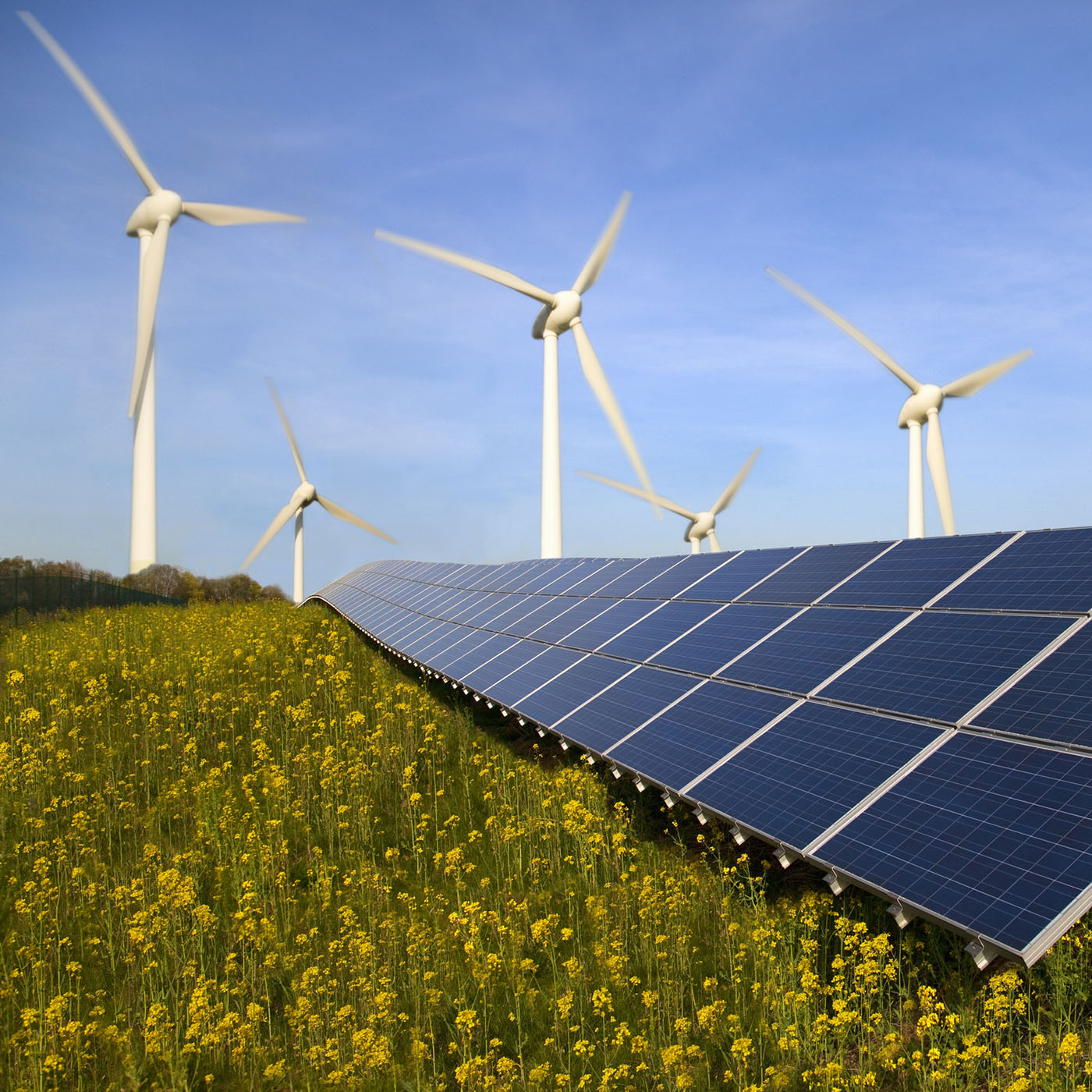
Jun 2, 2023
How the aviation sector is charting a net-zero flight path
In this episode of ESG Insider, we're exploring how the hard-to-abate aviation sector is approaching net-zero goals. We bring you on-the-ground interviews from a sustainable aerospace forum hosted by Boeing and Financial Times Live that took place in Seattle on May 17. To understand what steps airlines are taking to decarbonize, we talk with United Airlines Chief Sustainability Officer and Managing Director of Global Environmental Affairs Lauren Riley. We also sit down with Alaska Airlines Senior Vice President of Public Affairs and Sustainability Diana Birkett Rakow. To get the financial sector perspective, we speak with Joseph Shanahan, Head of Aviation at big multinational bank Citi. To hear about new aviation technologies being developed, we sit down with Sheila Remes, Vice President of Environmental Sustainability at Boeing. And we explore the world of sustainable aviation fuel (SAF) with Philippe Lacamp, CEO of SkyNRG, a distributor of low-carbon aviation fuels. Photo source: Getty Images Copyright ©2023 by S&P Global DISCLAIMER This piece was published by S&P Global Sustainable1, a part of S&P Global. By accessing this Podcast, I acknowledge that S&P GLOBAL makes no warranty, guarantee, or representation as to the accuracy or sufficiency of the information featured in this Podcast. The information, opinions, and recommendations presented in this Podcast are for general information only and any reliance on the information provided in this Podcast is done at your own risk. This Podcast should not be considered professional advice. Unless specifically stated otherwise, S&P GLOBAL does not endorse, approve, recommend, or certify any information, product, process, service, or organization presented or mentioned in this Podcast, and information from this Podcast should not be referenced in any way to imply such approval or endorsement. The third party materials or content of any third party site referenced in this Podcast do not necessarily reflect the opinions, standards or policies of S&P GLOBAL. S&P GLOBAL assumes no responsibility or liability for the accuracy or completeness of the content contained in third party materials or on third party sites referenced in this Podcast or the compliance with applicable laws of such materials and/or links referenced herein. Moreover, S&P GLOBAL makes no warranty that this Podcast, or the server that makes it available, is free of viruses, worms, or other elements or codes that manifest contaminating or destructive properties. S&P GLOBAL EXPRESSLY DISCLAIMS ANY AND ALL LIABILITY OR RESPONSIBILITY FOR ANY DIRECT, INDIRECT, INCIDENTAL, SPECIAL, CONSEQUENTIAL OR OTHER DAMAGES ARISING OUT OF ANY INDIVIDUAL'S USE OF, REFERENCE TO, RELIANCE ON, OR INABILITY TO USE, THIS PODCAST OR THE INFORMATION PRESENTED IN THIS PODCAST.

May 26, 2023
A look at the unique decarbonization challenges in Asia
In this week's episode of ESG Insider, we're bringing you coverage of a sustainability summit that S&P Global Sustainable1 hosted in Singapore on May 16. We caught up with conference speakers to learn their key takeaways and explore the challenges Asia faces on the path to net-zero, including when it comes to transitioning away from coal-fired generation. To understand how banks in Asia are tackling the transition, we talk with Helge Muenkel, Group Chief Sustainability Officer at Singapore-based DBS Bank, a multinational banking and financial services corporation that operates in 19 markets. We also hear the real estate perspective from Esther An, Chief Sustainability Officer at City Developments Limited. CDL is a global real estate company headquartered in Singapore that has 143 locations in 28 countries and regions. Listen to our coverage from the S&P Global Sustainable1 Summit in Paris here: https://www.spglobal.com/esg/podcasts/on-the-ground-in-paris-how-french-bank-societe-generale-approaches-energy-transition-finance And here: https://www.spglobal.com/esg/podcasts/on-the-ground-in-paris-connecting-the-dots-between-climate-and-biodiversity Photo source: Getty Images Copyright ©2023 by S&P Global DISCLAIMER This piece was published by S&P Global Sustainable1, a part of S&P Global. By accessing this Podcast, I acknowledge that S&P GLOBAL makes no warranty, guarantee, or representation as to the accuracy or sufficiency of the information featured in this Podcast. The information, opinions, and recommendations presented in this Podcast are for general information only and any reliance on the information provided in this Podcast is done at your own risk. This Podcast should not be considered professional advice. Unless specifically stated otherwise, S&P GLOBAL does not endorse, approve, recommend, or certify any information, product, process, service, or organization presented or mentioned in this Podcast, and information from this Podcast should not be referenced in any way to imply such approval or endorsement. The third party materials or content of any third party site referenced in this Podcast do not necessarily reflect the opinions, standards or policies of S&P GLOBAL. S&P GLOBAL assumes no responsibility or liability for the accuracy or completeness of the content contained in third party materials or on third party sites referenced in this Podcast or the compliance with applicable laws of such materials and/or links referenced herein. Moreover, S&P GLOBAL makes no warranty that this Podcast, or the server that makes it available, is free of viruses, worms, or other elements or codes that manifest contaminating or destructive properties. S&P GLOBAL EXPRESSLY DISCLAIMS ANY AND ALL LIABILITY OR RESPONSIBILITY FOR ANY DIRECT, INDIRECT, INCIDENTAL, SPECIAL, CONSEQUENTIAL OR OTHER DAMAGES ARISING OUT OF ANY INDIVIDUAL'S USE OF, REFERENCE TO, RELIANCE ON, OR INABILITY TO USE, THIS PODCAST OR THE INFORMATION PRESENTED IN THIS PODCAST.

May 19, 2023
On the ground in Paris: Connecting the dots between climate and biodiversity
In this week's episode of ESG Insider, we're bringing you coverage of a sustainability summit that S&P Global Sustainable1 hosted in Paris on May 10. We sit down with conference speakers on the sidelines of the event to discuss themes ranging from physical climate risks to net zero to the energy transition to nature. A theme throughout these discussions is the importance of taking a holistic approach to sustainability issues and not treating them in silos. We speak to Michael Sheren, fellow at the Cambridge Institute of Sustainability Leadership, who explains why biodiversity and climate risks need to be addressed hand in hand. Nature and climate "are literally twins. They have to be connected," Michael tells us. We talk to Julia Ripa, quantitative analyst at Swedish pension fund AP4, who tells us about the challenges investors face in obtaining biodiversity data. We hear from Prajna Khanna, Global Head of Sustainability at technology investment company Prosus Group, who explains the gaps in financing between developed and developing nations. And we sit down with Camille Putois, CEO of Business for Inclusive Growth, a partnership between the OECD and a global, CEO-led coalition of companies. She tells us about a new framework being developed to address social issues. Listen to part 1 of our coverage from the S&P Global Sustainable1 Summit in Paris here: https://www.spglobal.com/esg/podcasts/on-the-ground-in-paris-how-french-bank-societe-generale-approaches-energy-transition-finance Photo source: Getty Images Copyright ©2023 by S&P Global DISCLAIMER This piece was published by S&P Global Sustainable1, a part of S&P Global. By accessing this Podcast, I acknowledge that S&P GLOBAL makes no warranty, guarantee, or representation as to the accuracy or sufficiency of the information featured in this Podcast. The information, opinions, and recommendations presented in this Podcast are for general information only and any reliance on the information provided in this Podcast is done at your own risk. This Podcast should not be considered professional advice. Unless specifically stated otherwise, S&P GLOBAL does not endorse, approve, recommend, or certify any information, product, process, service, or organization presented or mentioned in this Podcast, and information from this Podcast should not be referenced in any way to imply such approval or endorsement. The third party materials or content of any third party site referenced in this Podcast do not necessarily reflect the opinions, standards or policies of S&P GLOBAL. S&P GLOBAL assumes no responsibility or liability for the accuracy or completeness of the content contained in third party materials or on third party sites referenced in this Podcast or the compliance with applicable laws of such materials and/or links referenced herein. Moreover, S&P GLOBAL makes no warranty that this Podcast, or the server that makes it available, is free of viruses, worms, or other elements or codes that manifest contaminating or destructive properties. S&P GLOBAL EXPRESSLY DISCLAIMS ANY AND ALL LIABILITY OR RESPONSIBILITY FOR ANY DIRECT, INDIRECT, INCIDENTAL, SPECIAL, CONSEQUENTIAL OR OTHER DAMAGES ARISING OUT OF ANY INDIVIDUAL'S USE OF, REFERENCE TO, RELIANCE ON, OR INABILITY TO USE, THIS PODCAST OR THE INFORMATION PRESENTED IN THIS PODCAST.

May 12, 2023
On the ground in Paris: How French bank Société Générale approaches energy transition finance
Corporates, investors, analysts and academics gathered in Paris on May 10, 2023, for the S&P Global Sustainable1 Summit to discuss sustainability themes ranging from biodiversity to climate risk to net zero and the energy transition. In this episode of the ESG Insider podcast, we sit down with conference speaker Olivier Musset, Global Head of Energy at the investment banking division of big French bank Société Générale. Olivier talks to us about the role banks can play in scaling up finance for the energy transition, and the challenges lenders face in weighing the risks of financing sustainable projects alongside the potential long-term benefits. We'll bring you more highlights from the conference in our next episode. And you can register here for the S&P Global Sustainable1 Summit taking place in Singapore on May 16, 2023: https://www.spglobal.com/esg/events/sustainable1-summit-2023?utm_source=marketo&utm_medium=email&utm_campaign=ESGInsider Photo source: Getty Images Copyright ©2023 by S&P Global DISCLAIMER This piece was published by S&P Global Sustainable1, a part of S&P Global. By accessing this Podcast, I acknowledge that S&P GLOBAL makes no warranty, guarantee, or representation as to the accuracy or sufficiency of the information featured in this Podcast. The information, opinions, and recommendations presented in this Podcast are for general information only and any reliance on the information provided in this Podcast is done at your own risk. This Podcast should not be considered professional advice. Unless specifically stated otherwise, S&P GLOBAL does not endorse, approve, recommend, or certify any information, product, process, service, or organization presented or mentioned in this Podcast, and information from this Podcast should not be referenced in any way to imply such approval or endorsement. The third party materials or content of any third party site referenced in this Podcast do not necessarily reflect the opinions, standards or policies of S&P GLOBAL. S&P GLOBAL assumes no responsibility or liability for the accuracy or completeness of the content contained in third party materials or on third party sites referenced in this Podcast or the compliance with applicable laws of such materials and/or links referenced herein. Moreover, S&P GLOBAL makes no warranty that this Podcast, or the server that makes it available, is free of viruses, worms, or other elements or codes that manifest contaminating or destructive properties. S&P GLOBAL EXPRESSLY DISCLAIMS ANY AND ALL LIABILITY OR RESPONSIBILITY FOR ANY DIRECT, INDIRECT, INCIDENTAL, SPECIAL, CONSEQUENTIAL OR OTHER DAMAGES ARISING OUT OF ANY INDIVIDUAL'S USE OF, REFERENCE TO, RELIANCE ON, OR INABILITY TO USE, THIS PODCAST OR THE INFORMATION PRESENTED IN THIS PODCAST.

May 5, 2023
How companies, countries are beginning to put a value on nature
We're seeing more companies and countries start to account for the value of nature. In this episode of ESG Insider, we'll hear from two people well-placed to explain how the world has historically done little to understand the way nature benefits the economy — and how that is now evolving. For the global perspective, we talk with Martin Lok, Executive Director of the Capitals Coalition, a global collaboration that advocates for companies to identify, measure and value their impacts and dependencies on natural capital, social capital and human capital. We also explore how the US is moving to put nature on the nation's balance sheet. The Biden administration announced the strategy in January 2023 with the goal of better understanding how nature contributes to the US economy. To learn more about what this strategy entails, we talk with Aniket Shah, Managing Director and Global Head of Environmental, Social and Governance and Sustainability Research at the financial services company Jefferies Group. Photo source: Getty Images Copyright ©2023 by S&P Global DISCLAIMER This piece was published by S&P Global Sustainable1, a part of S&P Global. By accessing this Podcast, I acknowledge that S&P GLOBAL makes no warranty, guarantee, or representation as to the accuracy or sufficiency of the information featured in this Podcast. The information, opinions, and recommendations presented in this Podcast are for general information only and any reliance on the information provided in this Podcast is done at your own risk. This Podcast should not be considered professional advice. Unless specifically stated otherwise, S&P GLOBAL does not endorse, approve, recommend, or certify any information, product, process, service, or organization presented or mentioned in this Podcast, and information from this Podcast should not be referenced in any way to imply such approval or endorsement. The third party materials or content of any third party site referenced in this Podcast do not necessarily reflect the opinions, standards or policies of S&P GLOBAL. S&P GLOBAL assumes no responsibility or liability for the accuracy or completeness of the content contained in third party materials or on third party sites referenced in this Podcast or the compliance with applicable laws of such materials and/or links referenced herein. Moreover, S&P GLOBAL makes no warranty that this Podcast, or the server that makes it available, is free of viruses, worms, or other elements or codes that manifest contaminating or destructive properties. S&P GLOBAL EXPRESSLY DISCLAIMS ANY AND ALL LIABILITY OR RESPONSIBILITY FOR ANY DIRECT, INDIRECT, INCIDENTAL, SPECIAL, CONSEQUENTIAL OR OTHER DAMAGES ARISING OUT OF ANY INDIVIDUAL'S USE OF, REFERENCE TO, RELIANCE ON, OR INABILITY TO USE, THIS PODCAST OR THE INFORMATION PRESENTED IN THIS PODCAST.

Apr 28, 2023
How Mexico's sustainable taxonomy tackles both environmental and social issues
In this episode of the ESG Insider podcast we're continuing our exploration of the sustainable taxonomies developing in countries around the world. Today we're turning to Mexico, which announced a new sustainable taxonomy in March 2023. According to the Mexican government, the taxonomy is the first in the world to consider social objectives. Achieving gender equality is one of its major goals. To learn more, we speak to Carlos Vargas, Professor of Finance at EGADE Business School in Mexico who has published research on sustainable finance. We also hear from Enrique Lendo, who is project coordinator for sustainable finance at the UN Environment Programme in Mexico City and an adviser to the Mexican government on the taxonomy. "The Mexican taxonomy is unique if you compare it with the other taxonomies because it balances the social aspects and the social goals that Mexico has...with environmental goals," he tells us. And we talk to Valeria Dagnino Contreras, who is Latin American sustainability manager for the nonprofit Climate Bonds Initiative and who advised on creation of Mexico's taxonomy. "We're seeing it as a reference for the whole region because there's a big challenge that we need to tackle in general in how we go about understanding the inclusion of women in the labor force," Valeria tells us. Listen to our episode on global taxonomies here: https://www.spglobal.com/esg/podcasts/how-sustainable-taxonomies-are-going-global Listen to our episode on the EU taxonomy here: https://podcasts.apple.com/us/podcast/defining-green-what-investors-need-to-know-about-the/id1475521006?i=1000531954636 Photo source: Getty Images Copyright ©2023 by S&P Global DISCLAIMER This piece was published by S&P Global Sustainable1, a part of S&P Global. By accessing this Podcast, I acknowledge that S&P GLOBAL makes no warranty, guarantee, or representation as to the accuracy or sufficiency of the information featured in this Podcast. The information, opinions, and recommendations presented in this Podcast are for general information only and any reliance on the information provided in this Podcast is done at your own risk. This Podcast should not be considered professional advice. Unless specifically stated otherwise, S&P GLOBAL does not endorse, approve, recommend, or certify any information, product, process, service, or organization presented or mentioned in this Podcast, and information from this Podcast should not be referenced in any way to imply such approval or endorsement. The third party materials or content of any third party site referenced in this Podcast do not necessarily reflect the opinions, standards or policies of S&P GLOBAL. S&P GLOBAL assumes no responsibility or liability for the accuracy or completeness of the content contained in third party materials or on third party sites referenced in this Podcast or the compliance with applicable laws of such materials and/or links referenced herein. Moreover, S&P GLOBAL makes no warranty that this Podcast, or the server that makes it available, is free of viruses, worms, or other elements or codes that manifest contaminating or destructive properties. S&P GLOBAL EXPRESSLY DISCLAIMS ANY AND ALL LIABILITY OR RESPONSIBILITY FOR ANY DIRECT, INDIRECT, INCIDENTAL, SPECIAL, CONSEQUENTIAL OR OTHER DAMAGES ARISING OUT OF ANY INDIVIDUAL'S USE OF, REFERENCE TO, RELIANCE ON, OR INABILITY TO USE, THIS PODCAST OR THE INFORMATION PRESENTED IN THIS PODCAST.

Apr 21, 2023
How Indigenous rights in the low-carbon transition are gaining traction among investors, companies
In this episode of the ESG Insider podcast, we explore how Indigenous communities are engaging with companies, financial institutions and investors to ensure a just transition to a low-carbon economy. We speak to Kate Finn, Executive Director of First Peoples Worldwide, an Indigenous-led organization that aims to increase corporate accountability to Indigenous peoples at the intersection of business, law and finance. Kate says companies are starting to realize that their operational areas often overlap with the lands, territories and resources of Indigenous peoples. "In the last three or four years, there is incredible interest from the private sector in understanding not only their Indigenous rights risk exposure, but how to operationalize Indigenous rights in their companies and in their processes," she tells us. And we speak to Kevin Thomas, CEO of the Shareholder Association for Research and Education, or SHARE, a shareholder advocacy organization for institutional investors in Canada. The group is part of the secretariat behind an institutional investor engagement initiative called Climate Engagement Canada, which drives dialogue between finance and industry to promote a just transition to a net-zero economy. The CEC is undertaking a climate benchmarking exercise aimed at enabling members to engage with Canadian companies on their net-zero transition plans. The benchmarking exercise includes a metric on how companies are considering Indigenous rights in their low-carbon transition plans. Kevin says companies in Canada tend to approach Indigenous rights as separate from climate change. He hopes the CEC and its benchmarking exercise will "bring those two worlds together." "If there's an issue, if there's an impact, we should be getting to the table together to figure out how to mitigate it," he says. Listen to our episode about the UN's biodiversity conference known as COP15 here: https://www.spglobal.com/esg/podcasts/on-the-ground-at-cop15-how-business-is-getting-to-grips-with-biodiversity Photo source: Getty Images Copyright ©2023 by S&P Global DISCLAIMER This piece was published by S&P Global Sustainable1, a part of S&P Global. By accessing this Podcast, I acknowledge that S&P GLOBAL makes no warranty, guarantee, or representation as to the accuracy or sufficiency of the information featured in this Podcast. The information, opinions, and recommendations presented in this Podcast are for general information only and any reliance on the information provided in this Podcast is done at your own risk. This Podcast should not be considered professional advice. Unless specifically stated otherwise, S&P GLOBAL does not endorse, approve, recommend, or certify any information, product, process, service, or organization presented or mentioned in this Podcast, and information from this Podcast should not be referenced in any way to imply such approval or endorsement. The third party materials or content of any third party site referenced in this Podcast do not necessarily reflect the opinions, standards or policies of S&P GLOBAL. S&P GLOBAL assumes no responsibility or liability for the accuracy or completeness of the content contained in third party materials or on third party sites referenced in this Podcast or the compliance with applicable laws of such materials and/or links referenced herein. Moreover, S&P GLOBAL makes no warranty that this Podcast, or the server that makes it available, is free of viruses, worms, or other elements or codes that manifest contaminating or destructive properties. S&P GLOBAL EXPRESSLY DISCLAIMS ANY AND ALL LIABILITY OR RESPONSIBILITY FOR ANY DIRECT, INDIRECT, INCIDENTAL, SPECIAL, CONSEQUENTIAL OR OTHER DAMAGES ARISING OUT OF ANY INDIVIDUAL'S USE OF, REFERENCE TO, RELIANCE ON, OR INABILITY TO USE, THIS PODCAST OR THE INFORMATION PRESENTED IN THIS PODCAST.

Apr 14, 2023
Why latest IPCC report includes urgent warning on net zero
In March 2023, the UN's Intergovernmental Panel on Climate Change (IPCC) released a synthesis report warning that the world needs to act fast to reduce emissions. The synthesis report is likely to be the go-to document for many stakeholders setting their climate policies and plans over the next several years. In this episode of ESG Insider, we hear from two authors of the IPCC report: Dr. Aditi Mukherji, who is Director of the Climate Adaptation and Mitigation Impact Area Platform at the Consultative Group for International Agricultural Research (CGIAR). CGIAR is a global research partnership that works with scientists around the world on agricultural innovation and is dedicated to transforming food, land and water systems in a climate crisis. And we speak to Dr. Peter Thorne, who is Professor in Physical Geography at Maynooth University in Ireland. He is also Director of the Irish Climate Analysis and Research Units group at the university. "The future we write depends upon the emissions choices we make today and in the coming decades," Peter tells us. He says that the world has the tools to stop global warming, but this will require a concerted effort across all parts of society. "We should get to net zero as quickly as we can. That is the very best, most resilient way that we can move forward," he says. Photo source: Getty Images Copyright ©2023 by S&P Global DISCLAIMER This piece was published by S&P Global Sustainable1, a part of S&P Global. By accessing this Podcast, I acknowledge that S&P GLOBAL makes no warranty, guarantee, or representation as to the accuracy or sufficiency of the information featured in this Podcast. The information, opinions, and recommendations presented in this Podcast are for general information only and any reliance on the information provided in this Podcast is done at your own risk. This Podcast should not be considered professional advice. Unless specifically stated otherwise, S&P GLOBAL does not endorse, approve, recommend, or certify any information, product, process, service, or organization presented or mentioned in this Podcast, and information from this Podcast should not be referenced in any way to imply such approval or endorsement. The third party materials or content of any third party site referenced in this Podcast do not necessarily reflect the opinions, standards or policies of S&P GLOBAL. S&P GLOBAL assumes no responsibility or liability for the accuracy or completeness of the content contained in third party materials or on third party sites referenced in this Podcast or the compliance with applicable laws of such materials and/or links referenced herein. Moreover, S&P GLOBAL makes no warranty that this Podcast, or the server that makes it available, is free of viruses, worms, or other elements or codes that manifest contaminating or destructive properties. S&P GLOBAL EXPRESSLY DISCLAIMS ANY AND ALL LIABILITY OR RESPONSIBILITY FOR ANY DIRECT, INDIRECT, INCIDENTAL, SPECIAL, CONSEQUENTIAL OR OTHER DAMAGES ARISING OUT OF ANY INDIVIDUAL'S USE OF, REFERENCE TO, RELIANCE ON, OR INABILITY TO USE, THIS PODCAST OR THE INFORMATION PRESENTED IN THIS PODCAST.

Apr 7, 2023
How big bank BBVA is approaching the low-carbon transition
The low-carbon transition will require some major innovations, a rapid buildout of existing technologies, and significantly more financing, the recently released synthesis report of the Intergovernmental Panel on Climate Change (IPCC) states. In this episode of the ESG Insider podcast, we sit down for an interview with BBVA Chair Carlos Torres Vila to learn how one of the largest banks in Spain and Mexico is approaching the transition. Carlos talks about steps BBVA is taking to lower the carbon profile of its portfolio in sectors high in emissions intensity. He explains how the bank is mobilizing capital for the low-carbon transition. And he tells us that the right economic incentives will help unlock the innovation needed to advance the transition. Listen to our episode about S&P Global CERAWeek here: https://www.spglobal.com/esg/podcasts/on-the-ground-at-ceraweek-where-the-energy-world-stands-on-the-low-carbon-transition Photo source: BBVA Copyright ©2023 by S&P Global DISCLAIMER This piece was published by S&P Global Sustainable1, a part of S&P Global. By accessing this Podcast, I acknowledge that S&P GLOBAL makes no warranty, guarantee, or representation as to the accuracy or sufficiency of the information featured in this Podcast. The information, opinions, and recommendations presented in this Podcast are for general information only and any reliance on the information provided in this Podcast is done at your own risk. This Podcast should not be considered professional advice. Unless specifically stated otherwise, S&P GLOBAL does not endorse, approve, recommend, or certify any information, product, process, service, or organization presented or mentioned in this Podcast, and information from this Podcast should not be referenced in any way to imply such approval or endorsement. The third party materials or content of any third party site referenced in this Podcast do not necessarily reflect the opinions, standards or policies of S&P GLOBAL. S&P GLOBAL assumes no responsibility or liability for the accuracy or completeness of the content contained in third party materials or on third party sites referenced in this Podcast or the compliance with applicable laws of such materials and/or links referenced herein. Moreover, S&P GLOBAL makes no warranty that this Podcast, or the server that makes it available, is free of viruses, worms, or other elements or codes that manifest contaminating or destructive properties. S&P GLOBAL EXPRESSLY DISCLAIMS ANY AND ALL LIABILITY OR RESPONSIBILITY FOR ANY DIRECT, INDIRECT, INCIDENTAL, SPECIAL, CONSEQUENTIAL OR OTHER DAMAGES ARISING OUT OF ANY INDIVIDUAL'S USE OF, REFERENCE TO, RELIANCE ON, OR INABILITY TO USE, THIS PODCAST OR THE INFORMATION PRESENTED IN THIS PODCAST.
Mar 31, 2023
Women in Leadership: What we learned talking diversity with leaders around the globe
March is Women's History Month. To mark the occasion, we've been interviewing women CEOs and executives from across industries and around the globe. In our final episode in this special series of the ESG Insider podcast, we hear from three women leaders from very different backgrounds. We talk with Dr. Amani Abou-Zeid, Commissioner for Infrastructure and Energy of the African Union Commission. She talks about the importance of ensuring women have a seat at the table when designing energy and infrastructure policies. We speak to Alethia Jackson, Senior Vice President for ESG and Chief Diversity, Equity & Inclusion Officer for the U.S. at Walgreens Boots Alliance, a healthcare, pharmacy and retail company with a presence in the U.S., Europe and Latin America. Alethia shares her experience leading during the pandemic and helping her company bring the COVID-19 vaccine to local communities — which she said required trust-building, communication and collaboration. And we hear from Jessica Economos, Vice President for Global Diversity Equity & Inclusion at Wolters Kluwer, a Dutch information, software solutions and services company with operations around the globe. She explains how approaches to diversity and equity can vary by region, but respect and inclusion are universal. "What resonates regardless of country is inclusion: How we treat others, how we respect others, how we treat and respect our customers and our vendors," Jessica tells us. You can listen to previous episodes in our Women in Leadership podcast series here: https://www.spglobal.com/esg/insights/featured/special-editorial/women-in-leadership Listen to our episode on S&P Global CERAWeek here: https://www.spglobal.com/esg/podcasts/on-the-ground-at-ceraweek-where-the-energy-world-stands-on-the-low-carbon-transition Read recent research from S&P Global on women in leadership here: https://www.spglobal.com/esg/insights/featured/special-editorial/women-ceos-leadership-for-a-diverse-future And here: https://www.spglobal.com/esg/insights/featured/special-editorial/the-path-to-gender-parity Photo source: Getty Images Copyright ©2023 by S&P Global DISCLAIMER This piece was published by S&P Global Sustainable1, a part of S&P Global. By accessing this Podcast, I acknowledge that S&P GLOBAL makes no warranty, guarantee, or representation as to the accuracy or sufficiency of the information featured in this Podcast. The information, opinions, and recommendations presented in this Podcast are for general information only and any reliance on the information provided in this Podcast is done at your own risk. This Podcast should not be considered professional advice. Unless specifically stated otherwise, S&P GLOBAL does not endorse, approve, recommend, or certify any information, product, process, service, or organization presented or mentioned in this Podcast, and information from this Podcast should not be referenced in any way to imply such approval or endorsement. The third party materials or content of any third party site referenced in this Podcast do not necessarily reflect the opinions, standards or policies of S&P GLOBAL. S&P GLOBAL assumes no responsibility or liability for the accuracy or completeness of the content contained in third party materials or on third party sites referenced in this Podcast or the compliance with applicable laws of such materials and/or links referenced herein. Moreover, S&P GLOBAL makes no warranty that this Podcast, or the server that makes it available, is free of viruses, worms, or other elements or codes that manifest contaminating or destructive properties. S&P GLOBAL EXPRESSLY DISCLAIMS ANY AND ALL LIABILITY OR RESPONSIBILITY FOR ANY DIRECT, INDIRECT, INCIDENTAL, SPECIAL, CONSEQUENTIAL OR OTHER DAMAGES ARISING OUT OF ANY INDIVIDUAL'S USE OF, REFERENCE TO, RELIANCE ON, OR INABILITY TO USE, THIS PODCAST OR THE INFORMATION PRESENTED IN THIS PODCAST.

Mar 24, 2023
Women in Leadership: Why UPS head of sustainability says you don't need a title to lead
Throughout Women's History Month, we're bringing you a special series of the ESG Insider podcast focused on women in leadership. We're speaking to women CEOs and executives from across industries and around the globe. In this episode, we interview Laura Lane, Executive Vice President and Chief Corporate Affairs and Sustainability Officer at UPS, a multinational shipping & receiving and supply chain management company. Laura explains how her "life-changing" experience as a Foreign Affairs officer during the civil war in Rwanda impacted her outlook on life and leadership. "That taught me the importance of people, the importance of principles, and gave me that internal courage to challenge the status quo, advocate for new paths — and in many ways, set me on the path to eventually joining the private sector and being a part of the change that we wanted to see in how companies show up in the world," Laura says. Laura explains how her leadership style has evolved over the course of her career. "One of the constants has always been something that was career advice that I was given early on in my Foreign Service days, which was: Don't wait for someone to give you a title to act. Lead from where you are," she says. Diversity in leadership has received increasing attention in recent years from stakeholders in the sustainability world. Investors have pushed for diversity on company boards and management teams, and in some parts of the world, that push has extended to laws and regulations. But the number of women in top roles remains low. Read recent research from S&P Global on women in leadership here: https://www.spglobal.com/esg/insights/featured/special-editorial/women-ceos-leadership-for-a-diverse-future And here: https://www.spglobal.com/esg/insights/featured/special-editorial/the-path-to-gender-parity You can listen to previous episodes in our Women in Leadership series here: https://www.spglobal.com/esg/insights/featured/special-editorial/women-in-leadership You can listen to Laura's TED Talk on her time in Rwanda here: https://www.ted.com/talks/laura_lane_when_you_shouldn_t_follow_the_rules Photo source: UPS Copyright ©2023 by S&P Global DISCLAIMER This piece was published by S&P Global Sustainable1, a part of S&P Global. By accessing this Podcast, I acknowledge that S&P GLOBAL makes no warranty, guarantee, or representation as to the accuracy or sufficiency of the information featured in this Podcast. The information, opinions, and recommendations presented in this Podcast are for general information only and any reliance on the information provided in this Podcast is done at your own risk. This Podcast should not be considered professional advice. Unless specifically stated otherwise, S&P GLOBAL does not endorse, approve, recommend, or certify any information, product, process, service, or organization presented or mentioned in this Podcast, and information from this Podcast should not be referenced in any way to imply such approval or endorsement. The third party materials or content of any third party site referenced in this Podcast do not necessarily reflect the opinions, standards or policies of S&P GLOBAL. S&P GLOBAL assumes no responsibility or liability for the accuracy or completeness of the content contained in third party materials or on third party sites referenced in this Podcast or the compliance with applicable laws of such materials and/or links referenced herein. Moreover, S&P GLOBAL makes no warranty that this Podcast, or the server that makes it available, is free of viruses, worms, or other elements or codes that manifest contaminating or destructive properties. S&P GLOBAL EXPRESSLY DISCLAIMS ANY AND ALL LIABILITY OR RESPONSIBILITY FOR ANY DIRECT, INDIRECT, INCIDENTAL, SPECIAL, CONSEQUENTIAL OR OTHER DAMAGES ARISING OUT OF ANY INDIVIDUAL'S USE OF, REFERENCE TO, RELIANCE ON, OR INABILITY TO USE, THIS PODCAST OR THE INFORMATION PRESENTED IN THIS PODCAST.
Mar 17, 2023
On the ground at CERAWeek: Where the energy world stands on the low-carbon transition
This week the ESG Insider podcast is on the ground in Houston, Texas for a special episode covering key themes from one of the world's largest energy conferences — the annual CERAWeek event hosted by S&P Global. The event brings together big names from across the oil and gas, finance, government and technology sectors, and provides an opportunity to take the pulse of the global energy industry on the low-carbon transition. In this episode we cover key themes that emerged throughout the week, from balancing sustainability goals with energy security needs, to emerging energy technologies, to the just transition. Guests on today's episode include: Jigar Shah, Director of the U.S. Department of Energy's Loan Programs Office Lance Uggla, CEO of BeyondNetZero, a venture targeting growth equity investments related to climate change, and the founder and former CEO of IHS Markit before it merged with S&P Global Alok Sinha, Global Head of Oil & Gas and Chemicals at international bank Standard Chartered Ben Wilson, Chief Strategy and External Affairs Officer at National Grid and Interim President of National Grid Ventures Dr. Mike Howard, Chair of the World Energy Council Allyson Anderson Book, Chief Sustainability Officer at Baker Hughes, an energy and industrial technology company Amanda Eversole, Executive Vice President and Chief Advocacy Officer at the trade association American Petroleum Institute Jessica Monserrate, Head of Sustainability North America at BASF, the world's largest chemical company David Victor, professor of innovation and public policy at the School of Global Policy and Strategy at UC San Diego in California Shannon O'Neil, Vice President, Deputy Director of Studies, and Nelson and David Rockefeller Senior Fellow for Latin America Studies at the Council on Foreign Relations, a think tank You can find more coverage of CERAWeek from S&P Global here: https://www.spglobal.com/commodityinsights/en/market-insights/topics/ceraweek And you can listen here: https://www.spglobal.com/en/research-insights/podcasts/essential-podcast/the-essential-podcast-episode-81-ceraweek-day-5 Listen to our previous episode on the U.S. Inflation Reduction Act here: https://www.spglobal.com/esg/podcasts/what-landmark-new-us-climate-law-means-for-emissions You can listen to our Women in Leadership podcast series here: https://www.spglobal.com/esg/insights/featured/special-editorial/women-in-leadership Photo source: Getty Images Copyright ©2023 by S&P Global DISCLAIMER This piece was published by S&P Global Sustainable1, a part of S&P Global. By accessing this Podcast, I acknowledge that S&P GLOBAL makes no warranty, guarantee, or representation as to the accuracy or sufficiency of the information featured in this Podcast. The information, opinions, and recommendations presented in this Podcast are for general information only and any reliance on the information provided in this Podcast is done at your own risk. This Podcast should not be considered professional advice. Unless specifically stated otherwise, S&P GLOBAL does not endorse, approve, recommend, or certify any information, product, process, service, or organization presented or mentioned in this Podcast, and information from this Podcast should not be referenced in any way to imply such approval or endorsement. The third party materials or content of any third party site referenced in this Podcast do not necessarily reflect the opinions, standards or policies of S&P GLOBAL. S&P GLOBAL assumes no responsibility or liability for the accuracy or completeness of the content contained in third party materials or on third party sites referenced in this Podcast or the compliance with applicable laws of such materials and/or links referenced herein. Moreover, S&P GLOBAL makes no warranty that this Podcast, or the server that makes it available, is free of viruses, worms, or other elements or codes that manifest contaminating or destructive properties. S&P GLOBAL EXPRESSLY DISCLAIMS ANY AND ALL LIABILITY OR RESPONSIBILITY FOR ANY DIRECT, INDIRECT, INCIDENTAL, SPECIAL, CONSEQUENTIAL OR OTHER DAMAGES ARISING OUT OF ANY INDIVIDUAL'S USE OF, REFERENCE TO, RELIANCE ON, OR INABILITY TO USE, THIS PODCAST OR THE INFORMATION PRESENTED IN THIS PODCAST.

Mar 15, 2023
Women in Leadership: How Africa's largest stock exchange approaches diversity
To mark Women's History Month, we're bringing you a special series of the ESG Insider podcast focused on women in leadership. We're speaking to women CEOs and executives from across industries and around the globe. In this episode, we interview Shameela Soobramoney, Chief Sustainability Officer at the Johannesburg Stock Exchange. She explains how the JSE approaches gender equality internally and in its role as an exchange listing the stocks and bonds of hundreds of companies. "At the JSE, there's a strong advocacy for women empowerment and female representation. And we do believe that it starts with leading by example," she says. "We're the largest stock exchange in the continent, a key player in the South African economy. And [the JSE] has an acute understanding of the role that exchanges must play in driving diversity in all its forms and inclusion beyond just our organization." She also talks about the challenges she faced starting her career as a woman of color just as South Africa was coming out of apartheid. "The challenges that women anywhere will face, it feels like were exacerbated for someone like me in a country like South Africa with its past," she says. "Women need to be each other's supporters," she adds. "That is what we should be doing —and opening the door for others and helping younger women along who are facing some of the challenges that you might have had earlier in your career." Diversity in leadership has received increasing attention in recent years from stakeholders in the sustainability world. Investors have pushed for diversity on company boards and management teams, and in some parts of the world, that push has extended to laws and regulations. But the number of women in top roles remains low. Read recent research from S&P Global on women in leadership here: https://www.spglobal.com/esg/insights/featured/special-editorial/women-ceos-leadership-for-a-diverse-future And here: https://www.spglobal.com/esg/insights/featured/special-editorial/the-path-to-gender-parity You can listen to previous episodes in our Women in Leadership series here: https://www.spglobal.com/esg/insights/featured/special-editorial/women-in-leadership Photo source: JSE Copyright ©2023 by S&P Global DISCLAIMER This piece was published by S&P Global Sustainable1, a part of S&P Global. By accessing this Podcast, I acknowledge that S&P GLOBAL makes no warranty, guarantee, or representation as to the accuracy or sufficiency of the information featured in this Podcast. The information, opinions, and recommendations presented in this Podcast are for general information only and any reliance on the information provided in this Podcast is done at your own risk. This Podcast should not be considered professional advice. Unless specifically stated otherwise, S&P GLOBAL does not endorse, approve, recommend, or certify any information, product, process, service, or organization presented or mentioned in this Podcast, and information from this Podcast should not be referenced in any way to imply such approval or endorsement. The third party materials or content of any third party site referenced in this Podcast do not necessarily reflect the opinions, standards or policies of S&P GLOBAL. S&P GLOBAL assumes no responsibility or liability for the accuracy or completeness of the content contained in third party materials or on third party sites referenced in this Podcast or the compliance with applicable laws of such materials and/or links referenced herein. Moreover, S&P GLOBAL makes no warranty that this Podcast, or the server that makes it available, is free of viruses, worms, or other elements or codes that manifest contaminating or destructive properties. S&P GLOBAL EXPRESSLY DISCLAIMS ANY AND ALL LIABILITY OR RESPONSIBILITY FOR ANY DIRECT, INDIRECT, INCIDENTAL, SPECIAL, CONSEQUENTIAL OR OTHER DAMAGES ARISING OUT OF ANY INDIVIDUAL'S USE OF, REFERENCE TO, RELIANCE ON, OR INABILITY TO USE, THIS PODCAST OR THE INFORMATION PRESENTED IN THIS PODCAST.

Mar 14, 2023
Women in Leadership: What South African CEO learned from taking the reins during COVID
To mark Women's History Month and International Women's Day, we're bringing you a special series of the ESG Insider podcast focused on women in leadership, featuring interviews with women CEOs and executives from across industries and around the globe. In this episode, we're speaking to Jackie van Niekerk, CEO of South African real estate investment trust Attacq, which is listed on the Johannesburg Stock Exchange. Attacq has a majority of women employees from executive leadership right through the business and tries to create an environment for women to succeed, Jackie tells us. "It's not a perfect science, but we really try to encourage that you can be a mom, you can be a wife, you can be a partner, and you can still have a beautiful career," she says. Jackie took on the CEO role during COVID-19, and she talks about the lessons she learned from leading through the pandemic. "I really started listening to my people, to my clients, understanding what are you actually going through, learning how to pause and then implement," she says. "And that's the greatest thing I got out of COVID, and it's really, really helped me become a leader that's for the people and not just for the numbers." Diversity in leadership has received increasing attention in recent years from stakeholders in the sustainability world. Investors have pushed for diversity on company boards and management teams, and in some parts of the world, that push has extended to laws and regulations. But the number of women in top roles remains low. Read recent research from S&P Global on women in leadership here: https://www.spglobal.com/esg/insights/featured/special-editorial/women-ceos-leadership-for-a-diverse-future And here: https://www.spglobal.com/esg/insights/featured/special-editorial/the-path-to-gender-parityy You can listen to previous episodes in our Women in Leadership series here: https://www.spglobal.com/esg/insights/featured/special-editorial/women-in-leadership Photo source: Attacq Copyright ©2023 by S&P Global DISCLAIMER This piece was published by S&P Global Sustainable1, a part of S&P Global. By accessing this Podcast, I acknowledge that S&P GLOBAL makes no warranty, guarantee, or representation as to the accuracy or sufficiency of the information featured in this Podcast. The information, opinions, and recommendations presented in this Podcast are for general information only and any reliance on the information provided in this Podcast is done at your own risk. This Podcast should not be considered professional advice. Unless specifically stated otherwise, S&P GLOBAL does not endorse, approve, recommend, or certify any information, product, process, service, or organization presented or mentioned in this Podcast, and information from this Podcast should not be referenced in any way to imply such approval or endorsement. The third party materials or content of any third party site referenced in this Podcast do not necessarily reflect the opinions, standards or policies of S&P GLOBAL. S&P GLOBAL assumes no responsibility or liability for the accuracy or completeness of the content contained in third party materials or on third party sites referenced in this Podcast or the compliance with applicable laws of such materials and/or links referenced herein. Moreover, S&P GLOBAL makes no warranty that this Podcast, or the server that makes it available, is free of viruses, worms, or other elements or codes that manifest contaminating or destructive properties. S&P GLOBAL EXPRESSLY DISCLAIMS ANY AND ALL LIABILITY OR RESPONSIBILITY FOR ANY DIRECT, INDIRECT, INCIDENTAL, SPECIAL, CONSEQUENTIAL OR OTHER DAMAGES ARISING OUT OF ANY INDIVIDUAL'S USE OF, REFERENCE TO, RELIANCE ON, OR INABILITY TO USE, THIS PODCAST OR THE INFORMATION PRESENTED IN THIS PODCAST.
Mar 10, 2023
Women in Leadership: How Amalgamated Bank CEO navigated a career spanning crises and continents
In the latest episode of our special Women in Leadership series of the ESG Insider podcast, we're speaking with Priscilla Sims Brown, CEO of New York-based Amalgamated Bank — a company she describes as "a little bit unusual" in the financial services world in that it is a socially responsible bank focused on ESG and sustainability. Priscilla's path to the CEO role has spanned continents and industries — from growing up in an Ethiopian family in Germany to working in business journalism in California to holding an executive role at Australia's largest bank. She also tells us how her experiences working through crisis — from natural disasters to COVID-19 — have shaped her leadership style and her approach to diversity, equity and inclusion. "I'm not uncomfortable with discomfort," she says. Priscilla explains how attitudes about leadership have evolved. "Often, you found women emulating men, you found women doing what was comfortable to men in the workplace in order to be accepted," she said of her early career. "What's really nice today is that a lot of the women I see in the workplace are very comfortable dressing, acting, talking, thinking differently." Diversity in leadership has received increasing attention in recent years from stakeholders in the sustainability world. Investors have pushed for diversity on company boards and management teams, and in some parts of the world, that push has extended to laws and regulations. But the number of women in top roles remains low. Read recent research from S&P Global on women in leadership here: https://www.spglobal.com/esg/insights/featured/special-editorial/women-ceos-leadership-for-a-diverse-future And here: https://www.spglobal.com/esg/insights/featured/special-editorial/the-path-to-gender-parity You can listen to previous episodes in our Women in Leadership series here: https://www.spglobal.com/esg/podcasts/women-in-leadership-no-horace-mann-ceo-is-not-working-the-coat-check Here: https://www.spglobal.com/esg/podcasts/women-in-leadership-seventh-generation-ceo-on-importance-of-being-radically-human- And here: https://www.spglobal.com/esg/podcasts/women-in-leadership-how-norwegian-industrial-ceo-puts-diversity-on-the-agenda We'd love to hear from you. To give us feedback on this episode or share ideas for future episodes, please contact hosts Lindsey Hall ( lindsey.hall@spglobal.com ) and Esther Whieldon ( esther.whieldon@spglobal.com ). Photo source: Amalgamated Bank Copyright ©2023 by S&P Global DISCLAIMER This piece was published by S&P Global Sustainable1, a part of S&P Global. By accessing this Podcast, I acknowledge that S&P GLOBAL makes no warranty, guarantee, or representation as to the accuracy or sufficiency of the information featured in this Podcast. The information, opinions, and recommendations presented in this Podcast are for general information only and any reliance on the information provided in this Podcast is done at your own risk. This Podcast should not be considered professional advice. Unless specifically stated otherwise, S&P GLOBAL does not endorse, approve, recommend, or certify any information, product, process, service, or organization presented or mentioned in this Podcast, and information from this Podcast should not be referenced in any way to imply such approval or endorsement. The third party materials or content of any third party site referenced in this Podcast do not necessarily reflect the opinions, standards or policies of S&P GLOBAL. S&P GLOBAL assumes no responsibility or liability for the accuracy or completeness of the content contained in third party materials or on third party sites referenced in this Podcast or the compliance with applicable laws of such materials and/or links referenced herein. Moreover, S&P GLOBAL makes no warranty that this Podcast, or the server that makes it available, is free of viruses, worms, or other elements or codes that manifest contaminating or destructive properties. S&P GLOBAL EXPRESSLY DISCLAIMS ANY AND ALL LIABILITY OR RESPONSIBILITY FOR ANY DIRECT, INDIRECT, INCIDENTAL, SPECIAL, CONSEQUENTIAL OR OTHER DAMAGES ARISING OUT OF ANY INDIVIDUAL'S USE OF, REFERENCE TO, RELIANCE ON, OR INABILITY TO USE, THIS PODCAST OR THE INFORMATION PRESENTED IN THIS PODCAST.
Mar 8, 2023
Women in Leadership: No, Horace Mann CEO is not working the coat check
Today, March 8, is International Women's Day, and to mark the occasion we're bringing you the latest in our special series of the ESG Insider podcast focused on women in leadership. We're talking to Marita Zuraitis, CEO of Horace Mann, a financial services and insurance company that serves U.S. public educators. Marita tells us how she handles the unconscious bias she has encountered on her path to the C-suite. "I can't tell you how many times somebody handed me their coat," she says. "Now we call it unconscious bias, and we talk about making people aware of their unconscious biases. I didn't have a label for it until a lot of the corporate social responsibility and ESG push that we see today." Marita also discusses how her company works to promote diversity, equity and inclusion for its workforce and for its customer base, which is 75% women. "We work really hard to support our very heavily concentrated female customer base," she says. "Females in our customer base are often the head of household, often working on and controlling the finances in the household, and many of those people are women of color. So concentrating our efforts on financial wellness and financial planning for our sector was something that we thought we could do to get right to the issue of helping females protect what they have today and secure their long-term financial future." Diversity in leadership has received increasing attention in recent years from stakeholders in the sustainability world. Investors have pushed for diversity on company boards and management teams, and in some parts of the world, that push has extended to laws and regulations. But the number of women in top roles remains low. Read recent research from S&P Global on women in leadership here: https://www.spglobal.com/esg/insights/featured/special-editorial/women-ceos-leadership-for-a-diverse-future And here: https://www.spglobal.com/esg/insights/featured/special-editorial/the-path-to-gender-parity You can listen to previous episodes in our Women in Leadership series here: https://www.spglobal.com/esg/podcasts/women-in-leadership-seventh-generation-ceo-on-importance-of-being-radically-human- And here: https://www.spglobal.com/esg/podcasts/women-in-leadership-how-norwegian-industrial-ceo-puts-diversity-on-the-agenda We'd love to hear from you. To give us feedback on this episode or share ideas for future episodes, please contact hosts Lindsey Hall ( lindsey.hall@spglobal.com ) and Esther Whieldon ( esther.whieldon@spglobal.com ). Photo source: Horace Mann Copyright ©2023 by S&P Global DISCLAIMER This piece was published by S&P Global Sustainable1, a part of S&P Global. By accessing this Podcast, I acknowledge that S&P GLOBAL makes no warranty, guarantee, or representation as to the accuracy or sufficiency of the information featured in this Podcast. The information, opinions, and recommendations presented in this Podcast are for general information only and any reliance on the information provided in this Podcast is done at your own risk. This Podcast should not be considered professional advice. Unless specifically stated otherwise, S&P GLOBAL does not endorse, approve, recommend, or certify any information, product, process, service, or organization presented or mentioned in this Podcast, and information from this Podcast should not be referenced in any way to imply such approval or endorsement. The third party materials or content of any third party site referenced in this Podcast do not necessarily reflect the opinions, standards or policies of S&P GLOBAL. S&P GLOBAL assumes no responsibility or liability for the accuracy or completeness of the content contained in third party materials or on third party sites referenced in this Podcast or the compliance with applicable laws of such materials and/or links referenced herein. Moreover, S&P GLOBAL makes no warranty that this Podcast, or the server that makes it available, is free of viruses, worms, or other elements or codes that manifest contaminating or destructive properties. S&P GLOBAL EXPRESSLY DISCLAIMS ANY AND ALL LIABILITY OR RESPONSIBILITY FOR ANY DIRECT, INDIRECT, INCIDENTAL, SPECIAL, CONSEQUENTIAL OR OTHER DAMAGES ARISING OUT OF ANY INDIVIDUAL'S USE OF, REFERENCE TO, RELIANCE ON, OR INABILITY TO USE, THIS PODCAST OR THE INFORMATION PRESENTED IN THIS PODCAST.
Mar 6, 2023
Women in Leadership: Seventh Generation CEO on importance of being 'radically human'
To mark Women's History Month and International Women's Day March 8, we're bringing you a special series of the ESG Insider podcast focused on women in leadership. We'll be speaking to women CEOs and executives from across industries and around the globe. In our second interview of the series we interview Alison Whritenour, CEO of Seventh Generation, a U.S. producer of eco-friendly cleaning, paper and personal care products. Alison has been at Seventh Generation for more than a decade and became its CEO in July 2021. She describes her leadership style as "radically human" — meaning she leads with an emphasis on transparency and collaboration, and by leaning into listening to the advice and experience of her team. She also describes her decisions along her career path as based on connecting the things that she personally cares about with her day-to-day work. "I really believe that leaders are at their best when they can be themselves, and that then really opens up the door for folks around them to feel comfortable and feel like they can approach leaders with questions, challenges, opportunities," she says. Diversity in leadership has received increasing attention in recent years from stakeholders in the sustainability world. Investors have pushed for diversity on company boards and management teams, and in some parts of the world, that push has extended to laws and regulations. But the number of women in top roles remains low. Recent research from S&P Global found that women represented just 5.4% of CEOs in 2022, slightly up from 5% in 2021. You can read that research here: https://www.spglobal.com/esg/insights/featured/special-editorial/women-ceos-leadership-for-a-diverse-future We'd love to hear from you. To give us feedback on this episode or share ideas for future episodes, please contact hosts Lindsey Hall ( lindsey.hall@spglobal.com ) and Esther Whieldon ( esther.whieldon@spglobal.com ). Photo source: Seventh Generation Copyright ©2023 by S&P Global DISCLAIMER This piece was published by S&P Global Sustainable1, a part of S&P Global. By accessing this Podcast, I acknowledge that S&P GLOBAL makes no warranty, guarantee, or representation as to the accuracy or sufficiency of the information featured in this Podcast. The information, opinions, and recommendations presented in this Podcast are for general information only and any reliance on the information provided in this Podcast is done at your own risk. This Podcast should not be considered professional advice. Unless specifically stated otherwise, S&P GLOBAL does not endorse, approve, recommend, or certify any information, product, process, service, or organization presented or mentioned in this Podcast, and information from this Podcast should not be referenced in any way to imply such approval or endorsement. The third party materials or content of any third party site referenced in this Podcast do not necessarily reflect the opinions, standards or policies of S&P GLOBAL. S&P GLOBAL assumes no responsibility or liability for the accuracy or completeness of the content contained in third party materials or on third party sites referenced in this Podcast or the compliance with applicable laws of such materials and/or links referenced herein. Moreover, S&P GLOBAL makes no warranty that this Podcast, or the server that makes it available, is free of viruses, worms, or other elements or codes that manifest contaminating or destructive properties. S&P GLOBAL EXPRESSLY DISCLAIMS ANY AND ALL LIABILITY OR RESPONSIBILITY FOR ANY DIRECT, INDIRECT, INCIDENTAL, SPECIAL, CONSEQUENTIAL OR OTHER DAMAGES ARISING OUT OF ANY INDIVIDUAL'S USE OF, REFERENCE TO, RELIANCE ON, OR INABILITY TO USE, THIS PODCAST OR THE INFORMATION PRESENTED IN THIS PODCAST.

Mar 3, 2023
Women in Leadership: How Norwegian industrial CEO puts diversity on the agenda
March is Women's History Month and March 8 is International Women's Day. To mark the occasion, we're bringing you a special series of the ESG Insider podcast focused on women in leadership. We'll be speaking to women CEOs and executives from across industries and around the globe. In our first interview of the series, we speak to Hilde Aasheim, CEO of Norsk Hydro, a large Norwegian aluminum and energy producer with a big focus on renewables and operations in 40 countries. She tells us how she works with women across her company to help them develop their careers. She also explains her career path to the C-suite, and how she approaches diversity, equity and inclusion in her role. "Leadership is a balancing act. You have to work with your heart and your head; you have to work short term and long term," Hilde says. Diversity in leadership has received increasing attention in recent years from stakeholders in the sustainability world. Investors have pushed for diversity on company boards and management teams, and in some parts of the world, that push has extended to laws and regulations. But the number of women in top roles remains low. Recent research from S&P Global found that women represented just 5.4% of CEOs in 2022, slightly up from 5% in 2021. You can read that research here: https://www.spglobal.com/esg/insights/featured/special-editorial/women-ceos-leadership-for-a-diverse-future We'd love to hear from you. To give us feedback on this episode or share ideas for future episodes, please contact hosts Lindsey Hall (lindsey.hall@spglobal.com) and Esther Whieldon (esther.whieldon@spglobal.com). Photo source: Norsk Hydro Copyright ©2023 by S&P Global DISCLAIMER This piece was published by S&P Global Sustainable1, a part of S&P Global. By accessing this Podcast, I acknowledge that S&P GLOBAL makes no warranty, guarantee, or representation as to the accuracy or sufficiency of the information featured in this Podcast. The information, opinions, and recommendations presented in this Podcast are for general information only and any reliance on the information provided in this Podcast is done at your own risk. This Podcast should not be considered professional advice. Unless specifically stated otherwise, S&P GLOBAL does not endorse, approve, recommend, or certify any information, product, process, service, or organization presented or mentioned in this Podcast, and information from this Podcast should not be referenced in any way to imply such approval or endorsement. The third party materials or content of any third party site referenced in this Podcast do not necessarily reflect the opinions, standards or policies of S&P GLOBAL. S&P GLOBAL assumes no responsibility or liability for the accuracy or completeness of the content contained in third party materials or on third party sites referenced in this Podcast or the compliance with applicable laws of such materials and/or links referenced herein. Moreover, S&P GLOBAL makes no warranty that this Podcast, or the server that makes it available, is free of viruses, worms, or other elements or codes that manifest contaminating or destructive properties. S&P GLOBAL EXPRESSLY DISCLAIMS ANY AND ALL LIABILITY OR RESPONSIBILITY FOR ANY DIRECT, INDIRECT, INCIDENTAL, SPECIAL, CONSEQUENTIAL OR OTHER DAMAGES ARISING OUT OF ANY INDIVIDUAL'S USE OF, REFERENCE TO, RELIANCE ON, OR INABILITY TO USE, THIS PODCAST OR THE INFORMATION PRESENTED IN THIS PODCAST.
Feb 24, 2023
Regulation, supply chains, climate justice, employee burnout: The big challenges facing sustainability professionals
Last week, a few thousand sustainability professionals gathered for the annual GreenBiz conference hosted by GreenBiz Group. In this episode of the ESG Insider podcast, we're on the ground talking with panelists and attendees about the biggest challenges and opportunities facing the space — from regulation, disclosure requirements and supply chains to environmental justice, employee wellbeing and burnout. Many attendees expressed frustration and a general sense of being overwhelmed by the pace of change and the challenges facing the sustainability space. In the face of this uncertainty, the message from many panelists was: Whatever the topic, you have to start somewhere. We hear from Kentaro Kawamori, CEO of climate software firm Persefoni, who urges companies to avoid "analysis paralysis." "You've just got to get started. And if you're searching for perfect, you're never going to find it," Kentaro says. We talk to Deloitte's Kristen Sullivan and Evan Harvey, who led a three-hour, standing-room-only climate disclosure bootcamp at the conference to help companies understand how proposed rules from the U.S. Securities and Exchange Commission could impact them. "As we were wrapping up, we were trying to get a pulse on the audience in terms of... did this help you feel more prepared, this type of a session?" Kristen says. "The answer was 'yes — and at the same time, I'm really scared.'" We also speak to Yinka Bode-George, CEO of environmental justice-focused nonprofit Sustain our Future Foundation. "People are getting the idea that environmental justice is not just this nice-to-have, it's actually a really central component of winning on the climate crisis and putting forward the most effective solutions," Yinka tells us. In the episode, we also sit down with Tim Mohin, the former CEO of international standards organization the Global Reporting Initiative, or GRI; Nasdaq Global Head of ESG Solutions Randall Hopkins; UPS Sustainability Director Stakeholder Engagement Elba Pareja-Gallagher; Zack Parisa, CEO of forest carbon marketplace the Natural Capital Exchange, or NCX; and Jared Connors from supply chain sustainability management company Assent. S&P Global Sustainable1 was a sponsor of the GreenBiz conference. Listen to our episode on the SEC's climate disclosure rule here: https://www.spglobal.com/esg/podcasts/unpacking-implications-of-the-sec-s-proposed-climate-disclosure-rule We'd love to hear from you. To give us feedback on this episode or share ideas for future episodes, please contact hosts Lindsey Hall ( lindsey.hall@spglobal.com ) and Esther Whieldon ( esther.whieldon@spglobal.com ). Photo source: Getty Images Copyright ©2023 by S&P Global DISCLAIMER By accessing this Podcast, I acknowledge that S&P GLOBAL makes no warranty, guarantee, or representation as to the accuracy or sufficiency of the information featured in this Podcast. The information, opinions, and recommendations presented in this Podcast are for general information only and any reliance on the information provided in this Podcast is done at your own risk. This Podcast should not be considered professional advice. Unless specifically stated otherwise, S&P GLOBAL does not endorse, approve, recommend, or certify any information, product, process, service, or organization presented or mentioned in this Podcast, and information from this Podcast should not be referenced in any way to imply such approval or endorsement. The third party materials or content of any third party site referenced in this Podcast do not necessarily reflect the opinions, standards or policies of S&P GLOBAL. S&P GLOBAL assumes no responsibility or liability for the accuracy or completeness of the content contained in third party materials or on third party sites referenced in this Podcast or the compliance with applicable laws of such materials and/or links referenced herein. Moreover, S&P GLOBAL makes no warranty that this Podcast, or the server that makes it available, is free of viruses, worms, or other elements or codes that manifest contaminating or destructive properties. S&P GLOBAL EXPRESSLY DISCLAIMS ANY AND ALL LIABILITY OR RESPONSIBILITY FOR ANY DIRECT, INDIRECT, INCIDENTAL, SPECIAL, CONSEQUENTIAL OR OTHER DAMAGES ARISING OUT OF ANY INDIVIDUAL'S USE OF, REFERENCE TO, RELIANCE ON, OR INABILITY TO USE, THIS PODCAST OR THE INFORMATION PRESENTED IN THIS PODCAST.

Feb 17, 2023
What the future holds for sustainable investing, according to longtime US SIF CEO
After more than 16 years leading the US Forum for Sustainable and Responsible Investment, CEO Lisa Woll is stepping down. In this episode of the ESG Insider podcast, she reflects on how sustainable investing has changed during that time, and where she sees the field going next following US SIF's latest biennial report on sustainable investing. That report identified $8.4 trillion in total US sustainable investment assets under management at the beginning of 2022. To put that figure in context, $8.4 trillion is 12.6% of total US assets under professional management. US SIF's mission is to "rapidly shift investment practices toward sustainability, focusing on long-term investment and the generation of positive social and environmental impacts." The forum, which currently has members that collectively represent about $5 trillion in assets under management or advisement, recently released its biennial report on sustainable investing. Listen to our episode on the US Securities and Exchange Commission's climate disclosure rule here: https://podcasts.apple.com/us/podcast/unpacking-implications-of-the-secs-proposed/id1475521006?i=1000555972416 Listen to our episode on the US Securities and Exchange Commission's fund rules here: https://podcasts.apple.com/us/podcast/unpacking-the-secs-proposed-esg-fund-rules/id1475521006?i=1000568442096 Check out our episode on the US Department of Labor's rule on using ESG funds in 401k funds and pension plans here: https://podcasts.apple.com/us/podcast/the-esg-implications-of-a-proposed-us-labor-department-rule/id1475521006?i=1000489230036 We'd love to hear from you. To give us feedback on this episode or share ideas for future episodes, please contact hosts Lindsey Hall ( lindsey.hall@spglobal.com ) and Esther Whieldon ( esther.whieldon@spglobal.com ). Photo source: Getty Images Copyright ©2023 by S&P Global DISCLAIMER By accessing this Podcast, I acknowledge that S&P GLOBAL makes no warranty, guarantee, or representation as to the accuracy or sufficiency of the information featured in this Podcast. The information, opinions, and recommendations presented in this Podcast are for general information only and any reliance on the information provided in this Podcast is done at your own risk. This Podcast should not be considered professional advice. Unless specifically stated otherwise, S&P GLOBAL does not endorse, approve, recommend, or certify any information, product, process, service, or organization presented or mentioned in this Podcast, and information from this Podcast should not be referenced in any way to imply such approval or endorsement. The third party materials or content of any third party site referenced in this Podcast do not necessarily reflect the opinions, standards or policies of S&P GLOBAL. S&P GLOBAL assumes no responsibility or liability for the accuracy or completeness of the content contained in third party materials or on third party sites referenced in this Podcast or the compliance with applicable laws of such materials and/or links referenced herein. Moreover, S&P GLOBAL makes no warranty that this Podcast, or the server that makes it available, is free of viruses, worms, or other elements or codes that manifest contaminating or destructive properties. S&P GLOBAL EXPRESSLY DISCLAIMS ANY AND ALL LIABILITY OR RESPONSIBILITY FOR ANY DIRECT, INDIRECT, INCIDENTAL, SPECIAL, CONSEQUENTIAL OR OTHER DAMAGES ARISING OUT OF ANY INDIVIDUAL'S USE OF, REFERENCE TO, RELIANCE ON, OR INABILITY TO USE, THIS PODCAST OR THE INFORMATION PRESENTED IN THIS PODCAST.

Feb 10, 2023
How sustainable taxonomies are going global
Taxonomies: This is a topic that has dominated many conversations in the sustainability world in recent years. In this episode of the ESG Insider podcast, we explore the growing number of taxonomies around the world. In simple terms, a taxonomy is a kind of dictionary of sustainable activities designed to provide clarity on which economic activities are sustainable and to support investment flows into those activities. A recently released report from international conservation organization WWF and German sustainable finance think tank Climate & Company finds dozens of sustainable finance taxonomies have been introduced or are being developed across the globe. To learn more about the role of taxonomies, we speak to two of the report's authors: Jochen Krimphoff, who is Data, Tools and Methodology Lead for WWF's Greening Financial Regulation Initiative, and Climate & Co. Analyst Daniel Scharwies. We also talk with Matthew Townsend, Co-Head of the International Environmental, Climate and Regulatory Law Groups at law firm Allen & Overy. Read the report from WWF and Climate & Co. here: https://wwfin.awsassets.panda.org/downloads/when_finance_talks_nature.pdf We'd love to hear from you. To give us feedback on this episode or share ideas for future episodes, please contact hosts Lindsey Hall (lindsey.hall@spglobal.com) and Esther Whieldon (esther.whieldon@spglobal.com). *Episode description updated Feb. 13, 2023, to correct the title of Climate & Company. Copyright ©2023 by S&P Global DISCLAIMER By accessing this Podcast, I acknowledge that S&P GLOBAL makes no warranty, guarantee, or representation as to the accuracy or sufficiency of the information featured in this Podcast. The information, opinions, and recommendations presented in this Podcast are for general information only and any reliance on the information provided in this Podcast is done at your own risk. This Podcast should not be considered professional advice. Unless specifically stated otherwise, S&P GLOBAL does not endorse, approve, recommend, or certify any information, product, process, service, or organization presented or mentioned in this Podcast, and information from this Podcast should not be referenced in any way to imply such approval or endorsement. The third party materials or content of any third party site referenced in this Podcast do not necessarily reflect the opinions, standards or policies of S&P GLOBAL. S&P GLOBAL assumes no responsibility or liability for the accuracy or completeness of the content contained in third party materials or on third party sites referenced in this Podcast or the compliance with applicable laws of such materials and/or links referenced herein. Moreover, S&P GLOBAL makes no warranty that this Podcast, or the server that makes it available, is free of viruses, worms, or other elements or codes that manifest contaminating or destructive properties. S&P GLOBAL EXPRESSLY DISCLAIMS ANY AND ALL LIABILITY OR RESPONSIBILITY FOR ANY DIRECT, INDIRECT, INCIDENTAL, SPECIAL, CONSEQUENTIAL OR OTHER DAMAGES ARISING OUT OF ANY INDIVIDUAL'S USE OF, REFERENCE TO, RELIANCE ON, OR INABILITY TO USE, THIS PODCAST OR THE INFORMATION PRESENTED IN THIS PODCAST.
Feb 3, 2023
How financial institutions are tackling Scope 3 financed emissions
In the past few years, hundreds of financial institutions have made big announcements about becoming net zero or carbon neutral by 2050. But S&P Global Sustainable1 data indicates that many of these pledges don't address Scope 3 financed emissions, which come from the investments financial institutions make or the loans they finance. These account for the bulk of the industry's emissions. In this episode of the ESG Insider podcast, we're digging into the steps financial institutions are taking to reduce emissions across their value chain. We speak to Laurent Babikian from environmental nonprofit CDP. We hear from Samu Slotte, the Global Head of Sustainable Finance at big Danish lender Danske Bank. And we talk with Antoni Ballabriga, the Global Head of Responsible Business at Spanish bank BBVA. Read research from S&P Global Sustainable1 on how financial institutions are addressing financed emissions here: https://www.spglobal.com/esg/insights/financed-emissions-are-missing-from-many-firms-net-zero-plans We'd love to hear from you. To give us feedback on this episode or share ideas for future episodes, please contact hosts Lindsey Hall (lindsey.hall@spglobal.com) and Esther Whieldon (esther.whieldon@spglobal.com). Copyright ©2023 by S&P Global DISCLAIMER By accessing this Podcast, I acknowledge that S&P GLOBAL makes no warranty, guarantee, or representation as to the accuracy or sufficiency of the information featured in this Podcast. The information, opinions, and recommendations presented in this Podcast are for general information only and any reliance on the information provided in this Podcast is done at your own risk. This Podcast should not be considered professional advice. Unless specifically stated otherwise, S&P GLOBAL does not endorse, approve, recommend, or certify any information, product, process, service, or organization presented or mentioned in this Podcast, and information from this Podcast should not be referenced in any way to imply such approval or endorsement. The third party materials or content of any third party site referenced in this Podcast do not necessarily reflect the opinions, standards or policies of S&P GLOBAL. S&P GLOBAL assumes no responsibility or liability for the accuracy or completeness of the content contained in third party materials or on third party sites referenced in this Podcast or the compliance with applicable laws of such materials and/or links referenced herein. Moreover, S&P GLOBAL makes no warranty that this Podcast, or the server that makes it available, is free of viruses, worms, or other elements or codes that manifest contaminating or destructive properties. S&P GLOBAL EXPRESSLY DISCLAIMS ANY AND ALL LIABILITY OR RESPONSIBILITY FOR ANY DIRECT, INDIRECT, INCIDENTAL, SPECIAL, CONSEQUENTIAL OR OTHER DAMAGES ARISING OUT OF ANY INDIVIDUAL'S USE OF, REFERENCE TO, RELIANCE ON, OR INABILITY TO USE, THIS PODCAST OR THE INFORMATION PRESENTED IN THIS PODCAST.
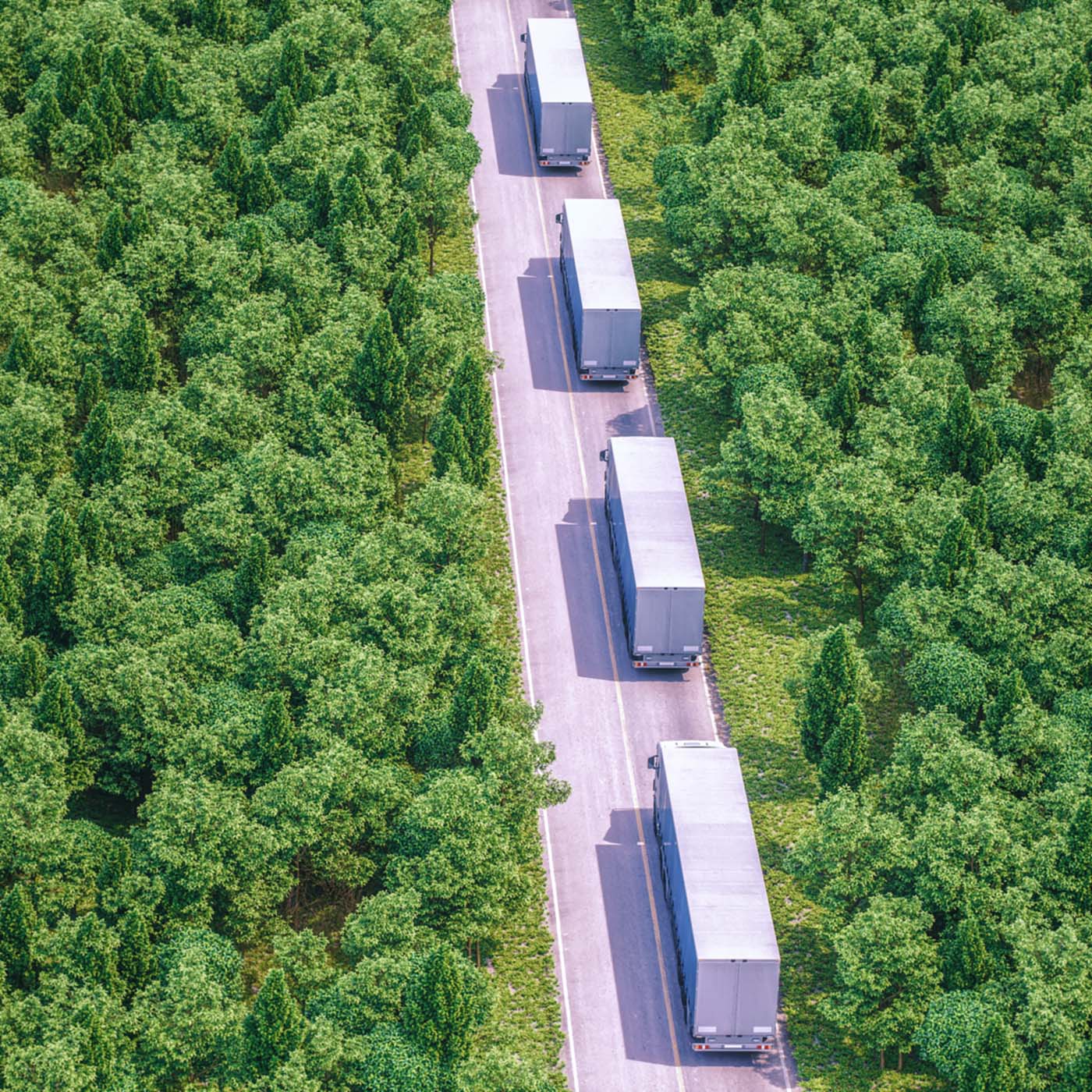
Jan 27, 2023
How discussions of stakeholder capitalism have evolved at Davos
The annual Davos summit just ended, and one of the topics of discussion at this World Economic Forum event was stakeholder capitalism. In simple terms, stakeholder capitalism is the idea that companies are responsible to a wide range of stakeholders, including their customers, employees, suppliers and communities, as well as their shareholders. A few years ago, this was a big topic at Davos as the World Economic Forum helped develop a set of "Stakeholder Capitalism Metrics" to offer companies universal, comparable disclosures focused on people, planet, prosperity and governance. In this episode of the ESG Insider podcast, we look at how discussions of stakeholder capitalism are evolving. "It's not going away — if anything, our community of companies committed to this is growing," says Emily Bayley, the World Economic Forum's project lead for ESG. "We're starting to see companies not just talking and making commitments, but actually putting steps forward into action." In the episode we also speak to Suz Mac Cormac, a partner at law firm Morrison Foerster, where she co-chairs the ESG, Social Enterprise + Impact Investing and Energy practices. "Stakeholder capitalism is here to stay," Suz tells us. We'd love to hear from you. To give us feedback on this episode or share ideas for future episodes, please contact hosts Lindsey Hall ( lindsey.hall@spglobal.com ) and Esther Whieldon ( esther.whieldon@spglobal.com ). Copyright ©2023 by S&P Global DISCLAIMER By accessing this Podcast, I acknowledge that S&P GLOBAL makes no warranty, guarantee, or representation as to the accuracy or sufficiency of the information featured in this Podcast. The information, opinions, and recommendations presented in this Podcast are for general information only and any reliance on the information provided in this Podcast is done at your own risk. This Podcast should not be considered professional advice. Unless specifically stated otherwise, S&P GLOBAL does not endorse, approve, recommend, or certify any information, product, process, service, or organization presented or mentioned in this Podcast, and information from this Podcast should not be referenced in any way to imply such approval or endorsement. The third party materials or content of any third party site referenced in this Podcast do not necessarily reflect the opinions, standards or policies of S&P GLOBAL. S&P GLOBAL assumes no responsibility or liability for the accuracy or completeness of the content contained in third party materials or on third party sites referenced in this Podcast or the compliance with applicable laws of such materials and/or links referenced herein. Moreover, S&P GLOBAL makes no warranty that this Podcast, or the server that makes it available, is free of viruses, worms, or other elements or codes that manifest contaminating or destructive properties. S&P GLOBAL EXPRESSLY DISCLAIMS ANY AND ALL LIABILITY OR RESPONSIBILITY FOR ANY DIRECT, INDIRECT, INCIDENTAL, SPECIAL, CONSEQUENTIAL OR OTHER DAMAGES ARISING OUT OF ANY INDIVIDUAL'S USE OF, REFERENCE TO, RELIANCE ON, OR INABILITY TO USE, THIS PODCAST OR THE INFORMATION PRESENTED IN THIS PODCAST.

Jan 20, 2023
How the price tag on US climate-related disasters hit $165 billion in 2022
In 2022, the world experienced major climate-related disasters ranging from flooding and hurricanes to drought and extreme heatwaves. Moreover, 2022 was the sixth-warmest year on record, according to scientists at the U.S. National Oceanic and Atmospheric Administration, or NOAA. NOAA just issued its annual report on climate trends in the U.S. for 2022, which includes a review of the major climate-driven weather events that each cost at least $1 billion. NOAA reported 18 separate billion-dollar weather events that collectively cost more than $165 billion — the third-highest tally since 1980 — and resulted in hundreds of deaths. To learn more about NOAA's findings and the high price of climate-related disasters, in this episode of the ESG Insider podcast we talk with scientists from NOAA's National Centers for Environmental Information, or NCEI. They are Karin Gleason, NCEI's chief of climate monitoring, and Adam Smith, an applied climatologist at NCEI. "Much of the world operates on a 20th-century infrastructure and economy, but now we're living in a 21st-century climate. And so the inefficiencies of those two realities are becoming more clear as we move into the future," Adam tells us. "We have our work cut out for us to better mitigate against future damages that we know will continue," he says. We'd love to hear from you. To give us feedback on this episode or share ideas for future episodes, please contact hosts Lindsey Hall (lindsey.hall@spglobal.com) and Esther Whieldon (esther.whieldon@spglobal.com). Photo source: Getty Images Copyright ©2023 by S&P Global DISCLAIMER By accessing this Podcast, I acknowledge that S&P GLOBAL makes no warranty, guarantee, or representation as to the accuracy or sufficiency of the information featured in this Podcast. The information, opinions, and recommendations presented in this Podcast are for general information only and any reliance on the information provided in this Podcast is done at your own risk. This Podcast should not be considered professional advice. Unless specifically stated otherwise, S&P GLOBAL does not endorse, approve, recommend, or certify any information, product, process, service, or organization presented or mentioned in this Podcast, and information from this Podcast should not be referenced in any way to imply such approval or endorsement. The third party materials or content of any third party site referenced in this Podcast do not necessarily reflect the opinions, standards or policies of S&P GLOBAL. S&P GLOBAL assumes no responsibility or liability for the accuracy or completeness of the content contained in third party materials or on third party sites referenced in this Podcast or the compliance with applicable laws of such materials and/or links referenced herein. Moreover, S&P GLOBAL makes no warranty that this Podcast, or the server that makes it available, is free of viruses, worms, or other elements or codes that manifest contaminating or destructive properties. S&P GLOBAL EXPRESSLY DISCLAIMS ANY AND ALL LIABILITY OR RESPONSIBILITY FOR ANY DIRECT, INDIRECT, INCIDENTAL, SPECIAL, CONSEQUENTIAL OR OTHER DAMAGES ARISING OUT OF ANY INDIVIDUAL'S USE OF, REFERENCE TO, RELIANCE ON, OR INABILITY TO USE, THIS PODCAST OR THE INFORMATION PRESENTED IN THIS PODCAST.

Jan 13, 2023
How asset managers are moving to end commodity-driven deforestation
In late December 2022, nearly 200 countries at the U.N. biodiversity conference known as COP15 reached a landmark agreement for protecting and restoring nature by 2030. Deforestation was a big topic of conversation at COP15 given the importance of forests for both biodiversity and climate change. In this episode of ESG Insider, we look at how some asset managers are addressing one of the largest drivers of forest loss, commodity-driven deforestation, which includes the clearing of forests for farming and mining. We speak with Jan Erik Saugestad, who is the CEO of Storebrand Asset Management, Norway's largest private asset manager. And we talk with Lauren Compere, Managing Director and Head of Stewardship and Engagement at Boston Common Asset Management. To learn more about COP15, listen to our episode here: https://www.spglobal.com/esg/podcasts/on-the-ground-at-cop15-how-business-is-getting-to-grips-with-biodiversity Read S&P Global Sustainable1's research, "Biodiversity is still a blind spot for most companies around the world," here: https://www.spglobal.com/esg/insights/biodiversity-is-still-a-blind-spot-for-most-companies-around-the-world We'd love to hear from you. To give us feedback on this episode or share ideas for future episodes, please contact hosts Lindsey Hall ( lindsey.hall@spglobal.com ) and Esther Whieldon ( esther.whieldon@spglobal.com ). Photo source: Getty Images Copyright ©2023 by S&P Global DISCLAIMER By accessing this Podcast, I acknowledge that S&P GLOBAL makes no warranty, guarantee, or representation as to the accuracy or sufficiency of the information featured in this Podcast. The information, opinions, and recommendations presented in this Podcast are for general information only and any reliance on the information provided in this Podcast is done at your own risk. This Podcast should not be considered professional advice. Unless specifically stated otherwise, S&P GLOBAL does not endorse, approve, recommend, or certify any information, product, process, service, or organization presented or mentioned in this Podcast, and information from this Podcast should not be referenced in any way to imply such approval or endorsement. The third party materials or content of any third party site referenced in this Podcast do not necessarily reflect the opinions, standards or policies of S&P GLOBAL. S&P GLOBAL assumes no responsibility or liability for the accuracy or completeness of the content contained in third party materials or on third party sites referenced in this Podcast or the compliance with applicable laws of such materials and/or links referenced herein. Moreover, S&P GLOBAL makes no warranty that this Podcast, or the server that makes it available, is free of viruses, worms, or other elements or codes that manifest contaminating or destructive properties. S&P GLOBAL EXPRESSLY DISCLAIMS ANY AND ALL LIABILITY OR RESPONSIBILITY FOR ANY DIRECT, INDIRECT, INCIDENTAL, SPECIAL, CONSEQUENTIAL OR OTHER DAMAGES ARISING OUT OF ANY INDIVIDUAL'S USE OF, REFERENCE TO, RELIANCE ON, OR INABILITY TO USE, THIS PODCAST OR THE INFORMATION PRESENTED IN THIS PODCAST.
Jan 6, 2023
Setting the stage for sustainability in 2023
In this episode of ESG Insider, we're looking ahead to sustainability themes that will drive 2023 by revisiting our most popular episodes and some of our favorite interviews from the past year. We'll hear from one of the world's largest banks; the Chair of the Network for Greening the Financial System, or NGFS; the Co-Chair of the Taskforce on Nature-related Financial Disclosures, or TNFD; some of the scientists behind reports by the UN's Intergovernmental Panel on Climate Change, or IPPC; and more. To listen to full versions of the interviews highlighted in this episode, see the following links: Listen to our April 2022 episode with Karen Fang, Global Head of Sustainable Finance at Bank of America, here: https://www.spglobal.com/esg/podcasts/why-bank-of-america-says-scope-3-emissions-biggest-challenge-for-banks Hear our March 2022 episode with Victoria Gaytan, Vice President at BlackRock Investment Stewardship, here: https://www.spglobal.com/esg/podcasts/behind-the-scenes-with-blackrock-how-the-world-s-largest-asset-manager-is-engaging-with-companies Listen to our February 2022 episode featuring Katie Schmitz Eulitt, in her role as Director of Investor Relationships at the Value Reporting Foundation, which subsequently consolidated with the IFRS, here: https://www.spglobal.com/esg/podcasts/how-to-keep-pace-with-the-fast-changing-landscape-for-esg-regulation-standards Check out our April 2022 episode featuring IPCC report contributing author John Bistline: https://www.spglobal.com/esg/podcasts/path-to-net-zero-for-energy-systems-complicated-but-feasible-ipcc-finds You can hear our March 2022 episode featuring Dr. Edward Carr, who was a lead author of the IPCC report on climate resilient development pathways, here: https://www.spglobal.com/esg/podcasts/ipcc-climate-report-warns-transformational-change-is-no-longer-optional Listen to our December 2022 episode featuring Investor Leadership Network CEO Amy Hepburn at our first-ever ESG Insider Live event here: https://www.spglobal.com/esg/podcasts/live-the-year-the-human-component-of-nature-and-climate-comes-to-the-fore Listen to our full August 2022 episode featuring NGFS Chair Ravi Menon here: https://www.spglobal.com/esg/podcasts/how-central-banks-help-combat-climate-change-an-interview-with-ngfs-chair-ravi-menon You can hear our December 2022 episode featuring COP15 Executive Secretary and TNFD Co-Chair Elizabeth Mrema here: https://www.spglobal.com/esg/podcasts/cop15-preview-what-will-make-un-s-big-biodiversity-conference-a-success Hear the full November 2022 episode featuring Capitals Coalition CEO Mark Gough here: https://www.spglobal.com/esg/podcasts/at-cop27-how-to-make-progress-in-the-face-of-uncertainty We'd love to hear from you. To give us feedback on this episode or share ideas for future episodes, please contact hosts Lindsey Hall ( lindsey.hall@spglobal.com ) and Esther Whieldon ( esther.whieldon@spglobal.com ). Photo source: Getty Images Copyright ©2023 by S&P Global DISCLAIMER By accessing this Podcast, I acknowledge that S&P GLOBAL makes no warranty, guarantee, or representation as to the accuracy or sufficiency of the information featured in this Podcast. The information, opinions, and recommendations presented in this Podcast are for general information only and any reliance on the information provided in this Podcast is done at your own risk. This Podcast should not be considered professional advice. Unless specifically stated otherwise, S&P GLOBAL does not endorse, approve, recommend, or certify any information, product, process, service, or organization presented or mentioned in this Podcast, and information from this Podcast should not be referenced in any way to imply such approval or endorsement. The third party materials or content of any third party site referenced in this Podcast do not necessarily reflect the opinions, standards or policies of S&P GLOBAL. S&P GLOBAL assumes no responsibility or liability for the accuracy or completeness of the content contained in third party materials or on third party sites referenced in this Podcast or the compliance with applicable laws of such materials and/or links referenced herein. Moreover, S&P GLOBAL makes no warranty that this Podcast, or the server that makes it available, is free of viruses, worms, or other elements or codes that manifest contaminating or destructive properties. S&P GLOBAL EXPRESSLY DISCLAIMS ANY AND ALL LIABILITY OR RESPONSIBILITY FOR ANY DIRECT, INDIRECT, INCIDENTAL, SPECIAL, CONSEQUENTIAL OR OTHER DAMAGES ARISING OUT OF ANY INDIVIDUAL'S USE OF, REFERENCE TO, RELIANCE ON, OR INABILITY TO USE, THIS PODCAST OR THE INFORMATION PRESENTED IN THIS PODCAST.

Dec 22, 2022
On the ground at COP15: How business is getting to grips with biodiversity
The U.N. biodiversity conference known as COP15 ended earlier this week with a landmark agreement for nature, the Global Biodiversity Framework. In this episode of ESG Insider, we unpack the big takeaways from the conference through several on-the-ground interviews in Montreal. We speak to Laurence Pessez, Global Head of Corporate Social Responsibility at the big French bank BNP Paribas. We sit down with Simon Zadek, Executive Director of NatureFinance, a nonprofit focused on advancing the place of nature in decision-making across financial and capital markets. We talk to Linda Krueger, Director of Biodiversity and Infrastructure Policy at The Nature Conservancy, a global environmental nonprofit. And we hear from Tim Christophersen, Vice President for Climate Action at global technology company Salesforce. The business community has arrived at "the social tipping point of understanding that we cannot continue to just extract natural capital from Planet Earth without giving back," Tim tells us. And that realization is occurring "not only in the sustainability teams of companies, but in boardrooms with CEOs, with chief finance officers," Tim says. "We've never seen so much business interest in this topic." We'd love to hear from you. To give us feedback on this episode or share ideas for future episodes, please contact hosts Lindsey Hall (lindsey.hall@spglobal.com) and Esther Whieldon (esther.whieldon@spglobal.com). Copyright © 2022 by S&P Global DISCLAIMER By accessing this Podcast, I acknowledge that S&P GLOBAL makes no warranty, guarantee, or representation as to the accuracy or sufficiency of the information featured in this Podcast. The information, opinions, and recommendations presented in this Podcast are for general information only and any reliance on the information provided in this Podcast is done at your own risk. This Podcast should not be considered professional advice. Unless specifically stated otherwise, S&P GLOBAL does not endorse, approve, recommend, or certify any information, product, process, service, or organization presented or mentioned in this Podcast, and information from this Podcast should not be referenced in any way to imply such approval or endorsement. The third party materials or content of any third party site referenced in this Podcast do not necessarily reflect the opinions, standards or policies of S&P GLOBAL. S&P GLOBAL assumes no responsibility or liability for the accuracy or completeness of the content contained in third party materials or on third party sites referenced in this Podcast or the compliance with applicable laws of such materials and/or links referenced herein. Moreover, S&P GLOBAL makes no warranty that this Podcast, or the server that makes it available, is free of viruses, worms, or other elements or codes that manifest contaminating or destructive properties. S&P GLOBAL EXPRESSLY DISCLAIMS ANY AND ALL LIABILITY OR RESPONSIBILITY FOR ANY DIRECT, INDIRECT, INCIDENTAL, SPECIAL, CONSEQUENTIAL OR OTHER DAMAGES ARISING OUT OF ANY INDIVIDUAL'S USE OF, REFERENCE TO, RELIANCE ON, OR INABILITY TO USE, THIS PODCAST OR THE INFORMATION PRESENTED IN THIS PODCAST.

Dec 16, 2022
What recycling minerals could mean for biodiversity, energy transition goals
Mining exploration around the world is picking up as companies seek new deposits of elements like lithium and copper to support the energy transition. Research by S&P Global Sustainable1 finds there is overlap between existing mines and exploration sites and some of the world's most important areas for biodiversity. In this episode of the ESG Insider podcast, we explore what the mining industry is doing to reduce its impact on nature and local communities — including by recycling minerals. To understand the industry perspective on this topic, we talk with Rohitesh Dhawan, President and CEO of the International Council on Mining and Metals. ICMM is an industry group that aims to enhance the contribution of mining and metals to sustainable development. It works with 26 of the largest mining companies in the world that collectively represent about a third of the global metals and mining industry. To understand what kind of investments are being made in recycling critical minerals, we speak to Brian Menell, Chairman and CEO of private mining investment and operating company TechMet. Brian founded TechMet in 2017 to invest in metals needed for clean energy technologies as well as battery recycling. And to learn more about the circular economy, we talk with Raquel Dominguez, who is the Circular Economy Policy Advocate at Earthworks. That's an environmental group that aims to protect communities and the environment from the adverse impacts of mineral and energy development while also promoting sustainable solutions such as critical minerals recycling. Read S&P Global Sustainable1's report titled "Rocks and hard places: The complicated nexus of energy transition minerals and biodiversity" here: https://www.spglobal.com/esg/insights/featured/special-editorial/rocks-and-hard-places-the-complicated-nexus-of-energy-transition-minerals-and-biodiversity Listen to our preview of what to expect at COP15, the big UN biodiversity conference taking place in Montreal, Canada, in December, here: https://www.spglobal.com/esg/podcasts/cop15-preview-what-will-make-un-s-big-biodiversity-conference-a-success We'd love to hear from you. To give us feedback on this episode or share ideas for future episodes, please contact hosts Lindsey Hall (lindsey.hall@spglobal.com) and Esther Whieldon (esther.whieldon@spglobal.com). Photo source: Getty Images Copyright © 2022 by S&P Global DISCLAIMER By accessing this Podcast, I acknowledge that S&P GLOBAL makes no warranty, guarantee, or representation as to the accuracy or sufficiency of the information featured in this Podcast. The information, opinions, and recommendations presented in this Podcast are for general information only and any reliance on the information provided in this Podcast is done at your own risk. This Podcast should not be considered professional advice. Unless specifically stated otherwise, S&P GLOBAL does not endorse, approve, recommend, or certify any information, product, process, service, or organization presented or mentioned in this Podcast, and information from this Podcast should not be referenced in any way to imply such approval or endorsement. The third party materials or content of any third party site referenced in this Podcast do not necessarily reflect the opinions, standards or policies of S&P GLOBAL. S&P GLOBAL assumes no responsibility or liability for the accuracy or completeness of the content contained in third party materials or on third party sites referenced in this Podcast or the compliance with applicable laws of such materials and/or links referenced herein. Moreover, S&P GLOBAL makes no warranty that this Podcast, or the server that makes it available, is free of viruses, worms, or other elements or codes that manifest contaminating or destructive properties. S&P GLOBAL EXPRESSLY DISCLAIMS ANY AND ALL LIABILITY OR RESPONSIBILITY FOR ANY DIRECT, INDIRECT, INCIDENTAL, SPECIAL, CONSEQUENTIAL OR OTHER DAMAGES ARISING OUT OF ANY INDIVIDUAL'S USE OF, REFERENCE TO, RELIANCE ON, OR INABILITY TO USE, THIS PODCAST OR THE INFORMATION PRESENTED IN THIS PODCAST.
Dec 9, 2022
LIVE: The year the human component of nature and climate comes to the fore
We just hosted our inaugural ESG Insider Live podcast event, bringing our show on the road to host interviews in front of an audience. In today's episode, we bring you the highlights of those interviews on the topics of climate, nature and the evolving ESG landscape. We talk to Amy Hepburn, CEO of the Investor Leadership Network, a coalition of institutional investors representing more than $10 trillion in assets under management. She says that to advance climate goals, stakeholders need to address the "deficit of trust." "That is a real blocker for progress," Amy tells us. "Sitting around the table with different voices and really trusting each other to be creative and to collaborate and be cooperative." We hear from Evan Harvey, who after two decades at Nasdaq, has joined Deloitte as Managing Director of Sustainability and ESG Services. Evan explains how his clients are facing data challenges, framework fatigue, and a lack of resources due to recent events such as the energy crisis and inflation. "That tends to get in the way of some of the enthusiasm for ESG and sustainability investment," he says. And we sit down with Marina Severinovsky, Head of Sustainability North America at Schroders, an asset management firm with more than $939 billion in assets under management. Marina talks about the role that respect and empathy will play in the year ahead, as climate justice and the just transition become "front and center" and as stakeholders work to communicate across silos. "This is the year that the human component of climate, for example, or nature, comes to the fore," she says. Access COP15 insights from S&P Global Sustainable1 here . We'd love to hear from you. To give us feedback on this episode or share ideas for future episodes, please contact hosts Lindsey Hall ( lindsey.hall@spglobal.com ) and Esther Whieldon ( esther.whieldon@spglobal.com ). Photo source: Getty Images Copyright © 2022 by S&P Global DISCLAIMER By accessing this Podcast, I acknowledge that S&P GLOBAL makes no warranty, guarantee, or representation as to the accuracy or sufficiency of the information featured in this Podcast. The information, opinions, and recommendations presented in this Podcast are for general information only and any reliance on the information provided in this Podcast is done at your own risk. This Podcast should not be considered professional advice. Unless specifically stated otherwise, S&P GLOBAL does not endorse, approve, recommend, or certify any information, product, process, service, or organization presented or mentioned in this Podcast, and information from this Podcast should not be referenced in any way to imply such approval or endorsement. The third party materials or content of any third party site referenced in this Podcast do not necessarily reflect the opinions, standards or policies of S&P GLOBAL. S&P GLOBAL assumes no responsibility or liability for the accuracy or completeness of the content contained in third party materials or on third party sites referenced in this Podcast or the compliance with applicable laws of such materials and/or links referenced herein. Moreover, S&P GLOBAL makes no warranty that this Podcast, or the server that makes it available, is free of viruses, worms, or other elements or codes that manifest contaminating or destructive properties. S&P GLOBAL EXPRESSLY DISCLAIMS ANY AND ALL LIABILITY OR RESPONSIBILITY FOR ANY DIRECT, INDIRECT, INCIDENTAL, SPECIAL, CONSEQUENTIAL OR OTHER DAMAGES ARISING OUT OF ANY INDIVIDUAL'S USE OF, REFERENCE TO, RELIANCE ON, OR INABILITY TO USE, THIS PODCAST OR THE INFORMATION PRESENTED IN THIS PODCAST.

Dec 2, 2022
COP15 preview: What will make UN's big biodiversity conference a success
The second part of the U.N.'s Convention on Biological Diversity, known as COP15, kicks off in Montreal on Dec. 7. In this episode of the ESG Insider podcast, we tell you what to expect. We speak to Elizabeth Mrema, COP15 Executive Secretary and Co-Chair of the Taskforce on Nature-related Financial Disclosures, or TNFD. She talks to us about themes that will be covered during COP15 and what will make the conference a success. "We need to see the world and the parties to the convention really understand that business as usual is no longer an option," Elizabeth says. "Action requires resources. And so therefore, appropriate mobilization of resources — both technical and financial — must be agreed on." To learn about how financial institutions are increasingly engaging with the topics of nature and biodiversity, we speak with Lazaro Tiant, investment director on the sustainable investment team at U.K.-based asset manager Schroders. Lazaro talks to us about the role the private sector will play at COP15. And to connect the dots between nature and climate, we return to our interview with Virginia Dundas, Head of Strategic Environment Programmes at Ørsted, Denmark's largest energy company. She talks about some of the creative solutions and new technologies being deployed to address nature loss and the biodiversity crisis. Listen to our full interview with Virginia here: https://www.spglobal.com/esg/podcasts/how-walmart-and-danish-energy-company-orsted-are-tackling-supply-chain-emissions We'd love to hear from you. To give us feedback on this episode or share ideas for future episodes, please contact hosts Lindsey Hall (lindsey.hall@spglobal.com) and Esther Whieldon (esther.whieldon@spglobal.com). Copyright © 2022 by S&P Global DISCLAIMER By accessing this Podcast, I acknowledge that S&P GLOBAL makes no warranty, guarantee, or representation as to the accuracy or sufficiency of the information featured in this Podcast. The information, opinions, and recommendations presented in this Podcast are for general information only and any reliance on the information provided in this Podcast is done at your own risk. This Podcast should not be considered professional advice. Unless specifically stated otherwise, S&P GLOBAL does not endorse, approve, recommend, or certify any information, product, process, service, or organization presented or mentioned in this Podcast, and information from this Podcast should not be referenced in any way to imply such approval or endorsement. The third party materials or content of any third party site referenced in this Podcast do not necessarily reflect the opinions, standards or policies of S&P GLOBAL. S&P GLOBAL assumes no responsibility or liability for the accuracy or completeness of the content contained in third party materials or on third party sites referenced in this Podcast or the compliance with applicable laws of such materials and/or links referenced herein. Moreover, S&P GLOBAL makes no warranty that this Podcast, or the server that makes it available, is free of viruses, worms, or other elements or codes that manifest contaminating or destructive properties. S&P GLOBAL EXPRESSLY DISCLAIMS ANY AND ALL LIABILITY OR RESPONSIBILITY FOR ANY DIRECT, INDIRECT, INCIDENTAL, SPECIAL, CONSEQUENTIAL OR OTHER DAMAGES ARISING OUT OF ANY INDIVIDUAL'S USE OF, REFERENCE TO, RELIANCE ON, OR INABILITY TO USE, THIS PODCAST OR THE INFORMATION PRESENTED IN THIS PODCAST.

Nov 18, 2022
How Walmart and Danish energy company Ørsted are tackling supply chain emissions
What do Walmart, one of the world's largest retailers, and big multinational power company Ørsted have in common? They're both taking steps to decarbonize their supply chains that could ultimately result in wide-ranging changes across sectors. In this episode of the ESG Insider podcast, we're continuing with the theme we covered last week of decarbonizing supply chains. We speak with Walmart's Executive Vice President and Chief Sustainability Officer, Kathleen McLaughlin. She tells us that the company is engaging across all its supply chains to create systemic changes to production and consumption. "Our ultimate goal is to make the everyday product that anybody might buy the sustainable choice. We're trying to make sustainability mainstream," Kathleen says. We also speak to Virginia Dundas, Head of Strategic Environment Programmes at Ørsted. She explains how Denmark's largest energy company is teaming up with buyers in other sectors to drive supply chain decarbonization. She says collaboration is a key pillar of the company's net zero plan. "It's not one company's problem," Virginia says. "Everyone has to chip in and play their part." Listen to last week's episode on decarbonizing supply chains here: https://www.spglobal.com/esg/podcasts/why-collaboration-is-critical-to-cutting-supply-chain-emissions We'd love to hear from you. To give us feedback on this episode or share ideas for future episodes, please contact hosts Lindsey Hall ( lindsey.hall@spglobal.com ) and Esther Whieldon ( esther.whieldon@spglobal.com ). Photo source: Getty Images Copyright © 2022 by S&P Global DISCLAIMER By accessing this Podcast, I acknowledge that S&P GLOBAL makes no warranty, guarantee, or representation as to the accuracy or sufficiency of the information featured in this Podcast. The information, opinions, and recommendations presented in this Podcast are for general information only and any reliance on the information provided in this Podcast is done at your own risk. This Podcast should not be considered professional advice. Unless specifically stated otherwise, S&P GLOBAL does not endorse, approve, recommend, or certify any information, product, process, service, or organization presented or mentioned in this Podcast, and information from this Podcast should not be referenced in any way to imply such approval or endorsement. The third party materials or content of any third party site referenced in this Podcast do not necessarily reflect the opinions, standards or policies of S&P GLOBAL. S&P GLOBAL assumes no responsibility or liability for the accuracy or completeness of the content contained in third party materials or on third party sites referenced in this Podcast or the compliance with applicable laws of such materials and/or links referenced herein. Moreover, S&P GLOBAL makes no warranty that this Podcast, or the server that makes it available, is free of viruses, worms, or other elements or codes that manifest contaminating or destructive properties. S&P GLOBAL EXPRESSLY DISCLAIMS ANY AND ALL LIABILITY OR RESPONSIBILITY FOR ANY DIRECT, INDIRECT, INCIDENTAL, SPECIAL, CONSEQUENTIAL OR OTHER DAMAGES ARISING OUT OF ANY INDIVIDUAL'S USE OF, REFERENCE TO, RELIANCE ON, OR INABILITY TO USE, THIS PODCAST OR THE INFORMATION PRESENTED IN THIS PODCAST.
Nov 11, 2022
Why collaboration is critical to cutting supply chain emissions
The UN climate conference known as COP27 is underway, and today (Nov. 11) is Decarbonization Day. In this episode of the ESG Insider podcast, we explore how companies are setting decarbonization targets in their operations and across their supply chains. To understand how companies are engaging with suppliers, we talk with Simon Fischweicher, who is Head of Corporations and Supply Chains for CDP North America. CDP is a nonprofit environmental disclosure platform that has a program aimed at helping companies gather concrete details from suppliers about their emissions and other climate-related activities. Simon tells us that companies are increasingly collaborating on their approach to suppliers. "When you have a single customer voice asking for better climate disclosure or more investment in renewable energy or setting emission reduction targets for a specific supplier, that voice might not be loud enough to drive change," he says. But when the entire sector is pushing for better practices, "that supplier may listen." Listen to our episode about what to expect from COP27 here: https://www.spglobal.com/esg/podcasts/at-cop27-how-to-make-progress-in-the-face-of-uncertainty Listen to our episode about a proposed U.S. climate disclosure rule here: https://www.spglobal.com/esg/podcasts/unpacking-the-sec-s-proposed-esg-fund-rules We'd love to hear from you. To give us feedback on this episode or share ideas for future episodes, please contact hosts Lindsey Hall (lindsey.hall@spglobal.com) and Esther Whieldon (esther.whieldon@spglobal.com). Copyright © 2022 by S&P Global DISCLAIMER By accessing this Podcast, I acknowledge that S&P GLOBAL makes no warranty, guarantee, or representation as to the accuracy or sufficiency of the information featured in this Podcast. The information, opinions, and recommendations presented in this Podcast are for general information only and any reliance on the information provided in this Podcast is done at your own risk. This Podcast should not be considered professional advice. Unless specifically stated otherwise, S&P GLOBAL does not endorse, approve, recommend, or certify any information, product, process, service, or organization presented or mentioned in this Podcast, and information from this Podcast should not be referenced in any way to imply such approval or endorsement. The third party materials or content of any third party site referenced in this Podcast do not necessarily reflect the opinions, standards or policies of S&P GLOBAL. S&P GLOBAL assumes no responsibility or liability for the accuracy or completeness of the content contained in third party materials or on third party sites referenced in this Podcast or the compliance with applicable laws of such materials and/or links referenced herein. Moreover, S&P GLOBAL makes no warranty that this Podcast, or the server that makes it available, is free of viruses, worms, or other elements or codes that manifest contaminating or destructive properties. S&P GLOBAL EXPRESSLY DISCLAIMS ANY AND ALL LIABILITY OR RESPONSIBILITY FOR ANY DIRECT, INDIRECT, INCIDENTAL, SPECIAL, CONSEQUENTIAL OR OTHER DAMAGES ARISING OUT OF ANY INDIVIDUAL'S USE OF, REFERENCE TO, RELIANCE ON, OR INABILITY TO USE, THIS PODCAST OR THE INFORMATION PRESENTED IN THIS PODCAST.
Nov 4, 2022
At COP27, how to make progress in the face of uncertainty
The UN climate conference known as COP27 kicks off in just a few days. In this episode of the ESG Insider podcast we tell you what to expect. We talk to Jenny Davis-Peccoud, a Partner at management consulting firm Bain & Co., about the role of the private sector at COP. Taryn Fransen, Senior Fellow in the Global Climate Program at the World Resources Institute, talks to us about where countries stand on climate pledges known as Nationally Determined Contributions, or NDCs. And we speak with Capitals Coalition CEO Mark Gough about how the private and public sectors are working together toward goals related to climate change as well as nature and biodiversity. We'd love to hear from you. To give us feedback on this episode or share ideas for future episodes, please contact hosts Lindsey Hall ( lindsey.hall@spglobal.com ) and Esther Whieldon ( esther.whieldon@spglobal.com ). Copyright © 2022 by S&P Global DISCLAIMER By accessing this Podcast, I acknowledge that S&P GLOBAL makes no warranty, guarantee, or representation as to the accuracy or sufficiency of the information featured in this Podcast. The information, opinions, and recommendations presented in this Podcast are for general information only and any reliance on the information provided in this Podcast is done at your own risk. This Podcast should not be considered professional advice. Unless specifically stated otherwise, S&P GLOBAL does not endorse, approve, recommend, or certify any information, product, process, service, or organization presented or mentioned in this Podcast, and information from this Podcast should not be referenced in any way to imply such approval or endorsement. The third party materials or content of any third party site referenced in this Podcast do not necessarily reflect the opinions, standards or policies of S&P GLOBAL. S&P GLOBAL assumes no responsibility or liability for the accuracy or completeness of the content contained in third party materials or on third party sites referenced in this Podcast or the compliance with applicable laws of such materials and/or links referenced herein. Moreover, S&P GLOBAL makes no warranty that this Podcast, or the server that makes it available, is free of viruses, worms, or other elements or codes that manifest contaminating or destructive properties. S&P GLOBAL EXPRESSLY DISCLAIMS ANY AND ALL LIABILITY OR RESPONSIBILITY FOR ANY DIRECT, INDIRECT, INCIDENTAL, SPECIAL, CONSEQUENTIAL OR OTHER DAMAGES ARISING OUT OF ANY INDIVIDUAL'S USE OF, REFERENCE TO, RELIANCE ON, OR INABILITY TO USE, THIS PODCAST OR THE INFORMATION PRESENTED IN THIS PODCAST.

Oct 28, 2022
Climate modeling in focus as we count down to COP27
The U.N. climate conference known as COP27 kicks off next week. Adaptation to a changing climate will be an important part of the talks. In this episode of the ESG Insider podcast, we look at how companies and investors are using climate modeling to measure and manage the future financial impacts of climate hazards such as wildfires, drought and flooding. According to a new S&P Global Sustainable1 dataset, 92% of S&P Global 1200 companies will have at least one asset highly exposed to physical hazards by the 2050s under a business-as-usual high-emissions scenario. We speak to David Carlin from U.N. Environment Programme's Financial Initiative, where he leads the Task Force on Climate-Related Financial Disclosures (TCFD) program for banks and investors. We also talk with our colleague Steven Bullock, Global Head of ESG Innovation and Solutions at S&P Global Sustainable1, who says the increasing demand for climate data created with the help of climate models reflects the growing recognition that ESG is a driver of corporate business value and financial risk. And we hear from Alban Pyanet, partner at consultancy Oliver Wyman, about how climate modeling helps financial institutions manage climate risk. Listen to our previous episodes discussing how central banks are using climate stress testing here: https://www.spglobal.com/esg/podcasts/how-central-banks-help-combat-climate-change-an-interview-with-ngfs-chair-ravi-menon We'd love to hear from you. To give us feedback on this episode or share ideas for future episodes, please contact hosts Lindsey Hall (lindsey.hall@spglobal.com) and Esther Whieldon (esther.whieldon@spglobal.com). Copyright © 2022 by S&P Global DISCLAIMER By accessing this Podcast, I acknowledge that S&P GLOBAL makes no warranty, guarantee, or representation as to the accuracy or sufficiency of the information featured in this Podcast. The information, opinions, and recommendations presented in this Podcast are for general information only and any reliance on the information provided in this Podcast is done at your own risk. This Podcast should not be considered professional advice. Unless specifically stated otherwise, S&P GLOBAL does not endorse, approve, recommend, or certify any information, product, process, service, or organization presented or mentioned in this Podcast, and information from this Podcast should not be referenced in any way to imply such approval or endorsement. The third party materials or content of any third party site referenced in this Podcast do not necessarily reflect the opinions, standards or policies of S&P GLOBAL. S&P GLOBAL assumes no responsibility or liability for the accuracy or completeness of the content contained in third party materials or on third party sites referenced in this Podcast or the compliance with applicable laws of such materials and/or links referenced herein. Moreover, S&P GLOBAL makes no warranty that this Podcast, or the server that makes it available, is free of viruses, worms, or other elements or codes that manifest contaminating or destructive properties. S&P GLOBAL EXPRESSLY DISCLAIMS ANY AND ALL LIABILITY OR RESPONSIBILITY FOR ANY DIRECT, INDIRECT, INCIDENTAL, SPECIAL, CONSEQUENTIAL OR OTHER DAMAGES ARISING OUT OF ANY INDIVIDUAL'S USE OF, REFERENCE TO, RELIANCE ON, OR INABILITY TO USE, THIS PODCAST OR THE INFORMATION PRESENTED IN THIS PODCAST.

Oct 21, 2022
How new EU law aims to improve gender diversity on corporate boards
On Oct. 17, the Council of the EU approved a law to improve gender balance on corporate boards. The development comes 10 years after the European Commission first proposed the rules, and occurs at a time when many companies face pressure to increase diversity on their boards and management teams. In this episode of the ESG Insider podcast, we look at what the new law means for companies, investors and women. "If we want to be sure that women have equal rights, but also if we want to ensure that companies have the best potential leads in their executive committee and their boards, you really need to tap into all talent," Hedwige Nuyens, Chair of European Women on Boards, a lobby group, tells us. In the episode we also talk to Miriam Marra, Associate Professor of Finance at Henley Business School in the U.K., who explains the role of gender quotas in improving gender balance on corporate boards. And we speak to Martin Winner, Professor for Business Law at the Vienna University of Economics and Business, who tells us how the new law could encourage EU countries lagging on board diversity to take action. We'd love to hear from you. To give us feedback on this episode or share ideas for future episodes, please contact hosts Lindsey Hall ( lindsey.hall@spglobal.com ) and Esther Whieldon ( esther.whieldon@spglobal.com ). Copyright © 2022 by S&P Global DISCLAIMER By accessing this Podcast, I acknowledge that S&P GLOBAL makes no warranty, guarantee, or representation as to the accuracy or sufficiency of the information featured in this Podcast. The information, opinions, and recommendations presented in this Podcast are for general information only and any reliance on the information provided in this Podcast is done at your own risk. This Podcast should not be considered professional advice. Unless specifically stated otherwise, S&P GLOBAL does not endorse, approve, recommend, or certify any information, product, process, service, or organization presented or mentioned in this Podcast, and information from this Podcast should not be referenced in any way to imply such approval or endorsement. The third party materials or content of any third party site referenced in this Podcast do not necessarily reflect the opinions, standards or policies of S&P GLOBAL. S&P GLOBAL assumes no responsibility or liability for the accuracy or completeness of the content contained in third party materials or on third party sites referenced in this Podcast or the compliance with applicable laws of such materials and/or links referenced herein. Moreover, S&P GLOBAL makes no warranty that this Podcast, or the server that makes it available, is free of viruses, worms, or other elements or codes that manifest contaminating or destructive properties. S&P GLOBAL EXPRESSLY DISCLAIMS ANY AND ALL LIABILITY OR RESPONSIBILITY FOR ANY DIRECT, INDIRECT, INCIDENTAL, SPECIAL, CONSEQUENTIAL OR OTHER DAMAGES ARISING OUT OF ANY INDIVIDUAL'S USE OF, REFERENCE TO, RELIANCE ON, OR INABILITY TO USE, THIS PODCAST OR THE INFORMATION PRESENTED IN THIS PODCAST.

Oct 14, 2022
How investment firms are integrating climate risks in their portfolios
As extreme weather events such as Hurricane Ian intensify, the urgency of combatting climate change is increasing. The investment community is taking steps to make investment products low-carbon and reduce risk across portfolios. But what does that look like in practice? In this episode of the ESG Insider podcast, we speak to two London-based investment managers on the sidelines of an S&P Global Sustainable1 event in London about what investors are doing to understand and manage climate risk in their investment portfolios. We hear from Gustave Loriot-Boserup, Responsible Investment Manager at London LGPS CIV, which manages the assets of London's Local Government Pension Scheme. "We view ESG and climate risk as a systemic risk. So regardless of the investment product that we launched on our platform, we will expect all of our investment managers to have developed an appropriate set of resources to identify, to measure and to integrate ESG issues into their investment decision-making processes," Gustave says. We also speak to Cathrine de Coninck-Lopez, Global Head of ESG at Invesco. She tells us that adaptation financing could be a major theme at the upcoming United Nations climate conference, COP27. "There isn't a framework for how you define adaptation. Issuers don't really understand it. And that the financing right now is not there for it is obviously a huge problem in a context where the world is changing today," Cathrine says. We'd love to hear from you. To give us feedback on this episode or share ideas for future episodes, please contact hosts Lindsey Hall (lindsey.hall@spglobal.com) and Esther Whieldon (esther.whieldon@spglobal.com). Copyright © 2022 by S&P Global DISCLAIMER By accessing this Podcast, I acknowledge that S&P GLOBAL makes no warranty, guarantee, or representation as to the accuracy or sufficiency of the information featured in this Podcast. The information, opinions, and recommendations presented in this Podcast are for general information only and any reliance on the information provided in this Podcast is done at your own risk. This Podcast should not be considered professional advice. Unless specifically stated otherwise, S&P GLOBAL does not endorse, approve, recommend, or certify any information, product, process, service, or organization presented or mentioned in this Podcast, and information from this Podcast should not be referenced in any way to imply such approval or endorsement. The third party materials or content of any third party site referenced in this Podcast do not necessarily reflect the opinions, standards or policies of S&P GLOBAL. S&P GLOBAL assumes no responsibility or liability for the accuracy or completeness of the content contained in third party materials or on third party sites referenced in this Podcast or the compliance with applicable laws of such materials and/or links referenced herein. Moreover, S&P GLOBAL makes no warranty that this Podcast, or the server that makes it available, is free of viruses, worms, or other elements or codes that manifest contaminating or destructive properties. S&P GLOBAL EXPRESSLY DISCLAIMS ANY AND ALL LIABILITY OR RESPONSIBILITY FOR ANY DIRECT, INDIRECT, INCIDENTAL, SPECIAL, CONSEQUENTIAL OR OTHER DAMAGES ARISING OUT OF ANY INDIVIDUAL'S USE OF, REFERENCE TO, RELIANCE ON, OR INABILITY TO USE, THIS PODCAST OR THE INFORMATION PRESENTED IN THIS PODCAST.

Oct 7, 2022
On the ground at Climate Week NYC: The delicate balancing act of addressing climate change
In this episode of the ESG Insider podcast, we bring you Part 2 of our on-the-ground coverage from Climate Week NYC. Throughout the week, we heard experts talk about the delicate balancing act required to achieve net zero and energy transition goals while also accounting for the impacts on nature and society. We talk to the CEO of nonprofit Just Capital, Martin Whittaker, who explains why environmental and social issues cannot be considered in isolation. We hear from Dr. Jane Carter Ingram, Executive Director of the climate change investment and advisory firm Pollination Group. And we talk to Matt Ellis, CEO of Measurabl, a company that tracks the physical and transition risks of climate change for the commercial real estate sector. (S&P Global has invested in the company.) Listen to Part 1 of our Climate Week NYC coverage here: https://www.spglobal.com/esg/podcasts/on-the-ground-at-climate-week-nyc-moving-from-goals-to-action We'd love to hear from you. To give us feedback on this episode or share ideas for future episodes, please contact hosts Lindsey Hall ( lindsey.hall@spglobal.com ) and Esther Whieldon ( esther.whieldon@spglobal.com ). Photo credit: Getty Images Copyright © 2022 by S&P Global DISCLAIMER By accessing this Podcast, I acknowledge that S&P GLOBAL makes no warranty, guarantee, or representation as to the accuracy or sufficiency of the information featured in this Podcast. The information, opinions, and recommendations presented in this Podcast are for general information only and any reliance on the information provided in this Podcast is done at your own risk. This Podcast should not be considered professional advice. Unless specifically stated otherwise, S&P GLOBAL does not endorse, approve, recommend, or certify any information, product, process, service, or organization presented or mentioned in this Podcast, and information from this Podcast should not be referenced in any way to imply such approval or endorsement. The third party materials or content of any third party site referenced in this Podcast do not necessarily reflect the opinions, standards or policies of S&P GLOBAL. S&P GLOBAL assumes no responsibility or liability for the accuracy or completeness of the content contained in third party materials or on third party sites referenced in this Podcast or the compliance with applicable laws of such materials and/or links referenced herein. Moreover, S&P GLOBAL makes no warranty that this Podcast, or the server that makes it available, is free of viruses, worms, or other elements or codes that manifest contaminating or destructive properties. S&P GLOBAL EXPRESSLY DISCLAIMS ANY AND ALL LIABILITY OR RESPONSIBILITY FOR ANY DIRECT, INDIRECT, INCIDENTAL, SPECIAL, CONSEQUENTIAL OR OTHER DAMAGES ARISING OUT OF ANY INDIVIDUAL'S USE OF, REFERENCE TO, RELIANCE ON, OR INABILITY TO USE, THIS PODCAST OR THE INFORMATION PRESENTED IN THIS PODCAST.

Sep 30, 2022
On the ground at Climate Week NYC: Moving from goals to action
Climate Week wrapped up last week in New York City, and throughout the week, we heard about the systemic changes needed to combat climate change. In this episode of the ESG Insider podcast, we're bringing you key takeaways, highlights and interviews from our time on the ground. We hear from Global Head of Sustainable Investing at Natixis Investment Managers, Nathalie Wallace, about the role the investment community plays in combating climate change. Ivan Frishberg, Chief Sustainability Officer at New York-based Amalgamated Bank, talks to us about the growing sense of urgency around climate and the challenges of the current ESG landscape. And we interview Amy Hepburn, CEO of the Investor Leadership Network, which represents institutional investors with more than $10 trillion dollars in assets under management. She talks about the '3 Cs' needed to find solutions to climate change: collaboration, cooperation and creativity. "For a long time in this space, we have all operated in silos and echo chambers talking to like-minded actors: Investors talking to investors, [multilateral development banks] talking to MDBs, governments talking to governments," Amy says. "This issue is not going to be solved by any one of those sets of actors — it's only going to be solved in concert." You can read more of our key takeaways from Climate Week NYC here: https://www.spglobal.com/esg/insights/blog/5-questions-on-the-road-from-climate-week-to-cop27 We'd love to hear from you. To give us feedback on this episode or share ideas for future episodes, please contact hosts Lindsey Hall (lindsey.hall@spglobal.com) and Esther Whieldon (esther.whieldon@spglobal.com). DISCLAIMER By accessing this Podcast, I acknowledge that S&P GLOBAL makes no warranty, guarantee, or representation as to the accuracy or sufficiency of the information featured in this Podcast. The information, opinions, and recommendations presented in this Podcast are for general information only and any reliance on the information provided in this Podcast is done at your own risk. This Podcast should not be considered professional advice. Unless specifically stated otherwise, S&P GLOBAL does not endorse, approve, recommend, or certify any information, product, process, service, or organization presented or mentioned in this Podcast, and information from this Podcast should not be referenced in any way to imply such approval or endorsement. The third party materials or content of any third party site referenced in this Podcast do not necessarily reflect the opinions, standards or policies of S&P GLOBAL. S&P GLOBAL assumes no responsibility or liability for the accuracy or completeness of the content contained in third party materials or on third party sites referenced in this Podcast or the compliance with applicable laws of such materials and/or links referenced herein. Moreover, S&P GLOBAL makes no warranty that this Podcast, or the server that makes it available, is free of viruses, worms, or other elements or codes that manifest contaminating or destructive properties. S&P GLOBAL EXPRESSLY DISCLAIMS ANY AND ALL LIABILITY OR RESPONSIBILITY FOR ANY DIRECT, INDIRECT, INCIDENTAL, SPECIAL, CONSEQUENTIAL OR OTHER DAMAGES ARISING OUT OF ANY INDIVIDUAL'S USE OF, REFERENCE TO, RELIANCE ON, OR INABILITY TO USE, THIS PODCAST OR THE INFORMATION PRESENTED IN THIS PODCAST.

Sep 28, 2022
As COP27 approaches, central banks signaling need for action on climate
Climate Week NYC is ending, and the United Nations Climate Conference known as COP27 is fast approaching. As the urgency to address climate change intensifies, financial regulators and supervisors are taking an increasing interest in climate change and the impact it is having on the financial system and the economy at large. To get a better understanding of this landscape, we're looking at some of the recent actions central banks have taken on climate in this episode of the ESG Insider podcast. We speak to Irene Monasterolo, Professor of Climate Finance at French business school EDHEC, who tells us discussions at COP27 need to focus on adaptation both for developing and developed nations. We also hear from Stanislas Jourdan, Executive Director of the Brussels-based NGO Positive Money Europe, where he leads advocacy campaigns and research on the European Central Bank and monetary policy. And we speak to Danae Kyriakopoulou, Senior Policy Fellow at the London School of Economics' Grantham Research Institute on Climate Change and the Environment. "Climate change and its impact is generally very worrying, and we are seeing this the more data we gather, how urgent the need for action is and how unprepared we are if we do not step up action in time," Danae tells us. "That is certainly true also of the financial system and the banking system. It is relatively recent that we have seen the financial sector engage seriously with this." Listen to our previous episode featuring an interview with Ravi Menon, Chair of the Network for Greening the Financial System, or NGFS, here: https://www.spglobal.com/esg/podcasts/how-central-banks-help-combat-climate-change-an-interview-with-ngfs-chair-ravi-menon We'd love to hear from you. To give us feedback on this episode or share ideas for future episodes, please contact hosts Lindsey Hall ( lindsey.hall@spglobal.com ) and Esther Whieldon ( esther.whieldon@spglobal.com ). Photo credit: Getty Images DISCLAIMER By accessing this Podcast, I acknowledge that S&P GLOBAL makes no warranty, guarantee, or representation as to the accuracy or sufficiency of the information featured in this Podcast. The information, opinions, and recommendations presented in this Podcast are for general information only and any reliance on the information provided in this Podcast is done at your own risk. This Podcast should not be considered professional advice. Unless specifically stated otherwise, S&P GLOBAL does not endorse, approve, recommend, or certify any information, product, process, service, or organization presented or mentioned in this Podcast, and information from this Podcast should not be referenced in any way to imply such approval or endorsement. The third party materials or content of any third party site referenced in this Podcast do not necessarily reflect the opinions, standards or policies of S&P GLOBAL. S&P GLOBAL assumes no responsibility or liability for the accuracy or completeness of the content contained in third party materials or on third party sites referenced in this Podcast or the compliance with applicable laws of such materials and/or links referenced herein. Moreover, S&P GLOBAL makes no warranty that this Podcast, or the server that makes it available, is free of viruses, worms, or other elements or codes that manifest contaminating or destructive properties. S&P GLOBAL EXPRESSLY DISCLAIMS ANY AND ALL LIABILITY OR RESPONSIBILITY FOR ANY DIRECT, INDIRECT, INCIDENTAL, SPECIAL, CONSEQUENTIAL OR OTHER DAMAGES ARISING OUT OF ANY INDIVIDUAL'S USE OF, REFERENCE TO, RELIANCE ON, OR INABILITY TO USE, THIS PODCAST OR THE INFORMATION PRESENTED IN THIS PODCAST.

Sep 16, 2022
How green banks aim to use new federal funds to accelerate low-carbon transition
In this episode of the ESG Insider podcast, we delve into a measure in the recently passed U.S. Inflation Reduction Act, or IRA, that allocates $27 billion toward green banks and other local investments via the U.S. Environmental Protection Agency's Greenhouse Gas Reduction Fund. In an interview with Connecticut Green Bank President and CEO Bryan Garcia, we explore how green banks could use this new influx of federal funds to accelerate the low-carbon transition. The Connecticut Green Bank was the nation's first green bank and was formed in 2011. We also talk with Reed Hundt, the CEO of the Coalition for Green Capital, a nonprofit with the goal of accelerating investment in clean energy technologies, which has helped organize a number of green banks. To hear more about the implications of the Inflation Reduction Act, check out our recent episode on the topic here: https://www.spglobal.com/esg/podcasts/what-landmark-new-us-climate-law-means-for-emissions And to learn more about green banks, check out this podcast episode of ESG Insider: https://podcasts.apple.com/us/podcast/how-green-banks-can-accelerate-climate-finance/id1475521006?i=1000534974896 Register for the event S&P Global Sustainable1 is hosting during Climate Week here: https://events.spglobal.com/event/bc170867-ebf3-423d-a828-2c379780a571/summary?RefId=social&rt=suGjbadFj0uCGwHKysKQtQ We'd love to hear from you. To give us feedback on this episode or share ideas for future episodes, please contact hosts Lindsey Hall ( lindsey.hall@spglobal.com ) and Esther Whieldon ( esther.whieldon@spglobal.com ). Photo credit: Getty Images Copyright © 2022 by S&P Global DISCLAIMER By accessing this Podcast, I acknowledge that S&P GLOBAL makes no warranty, guarantee, or representation as to the accuracy or sufficiency of the information featured in this Podcast. The information, opinions, and recommendations presented in this Podcast are for general information only and any reliance on the information provided in this Podcast is done at your own risk. This Podcast should not be considered professional advice. Unless specifically stated otherwise, S&P GLOBAL does not endorse, approve, recommend, or certify any information, product, process, service, or organization presented or mentioned in this Podcast, and information from this Podcast should not be referenced in any way to imply such approval or endorsement. The third party materials or content of any third party site referenced in this Podcast do not necessarily reflect the opinions, standards or policies of S&P GLOBAL. S&P GLOBAL assumes no responsibility or liability for the accuracy or completeness of the content contained in third party materials or on third party sites referenced in this Podcast or the compliance with applicable laws of such materials and/or links referenced herein. Moreover, S&P GLOBAL makes no warranty that this Podcast, or the server that makes it available, is free of viruses, worms, or other elements or codes that manifest contaminating or destructive properties. S&P GLOBAL EXPRESSLY DISCLAIMS ANY AND ALL LIABILITY OR RESPONSIBILITY FOR ANY DIRECT, INDIRECT, INCIDENTAL, SPECIAL, CONSEQUENTIAL OR OTHER DAMAGES ARISING OUT OF ANY INDIVIDUAL'S USE OF, REFERENCE TO, RELIANCE ON, OR INABILITY TO USE, THIS PODCAST OR THE INFORMATION PRESENTED IN THIS PODCAST.

Sep 9, 2022
Climate Week countdown: How the climate landscape is evolving
In this episode of the ESG Insider podcast from S&P Global Sustainable1, we preview what to expect during Climate Week NYC, which begins Sept. 19. Climate Week has run annually since 2009, convening leaders from business, government and the climate community through hundreds of events held across New York City. The goal is to drive climate action, and this year the tagline is "Getting it Done." To learn more about what to expect from the week, we turn to Dr. Terry Thompson. Terry is Chief Science Officer at The Climate Service, an S&P Global company. In the interview, he explains in plain English how climate science is evolving. He also talks about the "sea change" in public perception of climate risks. "This is not a future event when we talk about climate change. It is essentially a current emergency," Terry says. "We're reaching the cusp of very much more strenuous and concentrated efforts to address climate change." Register for the event S&P Global Sustainable1 is hosting during Climate Week here: https://events.spglobal.com/event/bc170867-ebf3-423d-a828-2c379780a571/summary?RefId=social&rt=suGjbadFj0uCGwHKysKQtQ To learn more about physical risk, register for an upcoming webinar hosted by S&P Global Sustainable1 here: https://spgi-mkto.spglobal.com/S1-TCS-WLG-220915-PC-GL-CT-ESG-TCS-HarmonizedFeed_Webinar-Registration.html?UTM_source=podcast We'd love to hear from you. To give us feedback on this episode or share ideas for future episodes, please contact hosts Lindsey Hall ( lindsey.hall@spglobal.com ) and Esther Whieldon ( esther.whieldon@spglobal.com ). Photo credit: Getty Images Copyright © 2022 by S&P Global DISCLAIMER By accessing this Podcast, I acknowledge that S&P GLOBAL makes no warranty, guarantee, or representation as to the accuracy or sufficiency of the information featured in this Podcast. The information, opinions, and recommendations presented in this Podcast are for general information only and any reliance on the information provided in this Podcast is done at your own risk. This Podcast should not be considered professional advice. Unless specifically stated otherwise, S&P GLOBAL does not endorse, approve, recommend, or certify any information, product, process, service, or organization presented or mentioned in this Podcast, and information from this Podcast should not be referenced in any way to imply such approval or endorsement. The third party materials or content of any third party site referenced in this Podcast do not necessarily reflect the opinions, standards or policies of S&P GLOBAL. S&P GLOBAL assumes no responsibility or liability for the accuracy or completeness of the content contained in third party materials or on third party sites referenced in this Podcast or the compliance with applicable laws of such materials and/or links referenced herein. Moreover, S&P GLOBAL makes no warranty that this Podcast, or the server that makes it available, is free of viruses, worms, or other elements or codes that manifest contaminating or destructive properties. S&P GLOBAL EXPRESSLY DISCLAIMS ANY AND ALL LIABILITY OR RESPONSIBILITY FOR ANY DIRECT, INDIRECT, INCIDENTAL, SPECIAL, CONSEQUENTIAL OR OTHER DAMAGES ARISING OUT OF ANY INDIVIDUAL'S USE OF, REFERENCE TO, RELIANCE ON, OR INABILITY TO USE, THIS PODCAST OR THE INFORMATION PRESENTED IN THIS PODCAST.

Sep 2, 2022
How the hunt for ESG talent is evolving
Sustainability and ESG have evolved significantly in recent years — and alongside this change, recruiting in the space has also changed. In this Labor Day weekend episode of the ESG Insider podcast, we go behind the scenes of ESG recruiting in an interview with Kurt Harrison, a Partner with the global executive search firm Russell Reynolds Associates where he is Co-Head of the Global Sustainability Practice. Kurt says the demand for ESG talent is "insatiable." He gives us insight into the kinds of questions he gets from job candidates, and also the kinds of things companies are looking for in their sustainability hires. To listen to our interview with Ravi Menon, the Chair of the Network for Greening the Financial System, or NGFS, click here: https://www.spglobal.com/esg/podcasts/how-central-banks-help-combat-climate-change-an-interview-with-ngfs-chair-ravi-menon To listen to the episode where we discuss the evolving role of the Chief Sustainability Officer, click here: https://www.spglobal.com/esg/podcasts/how-chief-sustainability-officers-are-becoming-a-must-have-for-companies To register for the event S&P Global Sustainable1 is hosting during Climate Week, click here: https://events.spglobal.com/EWG92g?rt=suGjbadFj0uCGwHKysKQtQ&RefId=social We'd love to hear from you. To give us feedback on this episode or share ideas for future episodes, please contact hosts Lindsey Hall (lindsey.hall@spglobal.com) and Esther Whieldon (esther.whieldon@spglobal.com). Photo credit: Getty Images Copyright © 2022 by S&P Global DISCLAIMER By accessing this Podcast, I acknowledge that S&P GLOBAL makes no warranty, guarantee, or representation as to the accuracy or sufficiency of the information featured in this Podcast. The information, opinions, and recommendations presented in this Podcast are for general information only and any reliance on the information provided in this Podcast is done at your own risk. This Podcast should not be considered professional advice. Unless specifically stated otherwise, S&P GLOBAL does not endorse, approve, recommend, or certify any information, product, process, service, or organization presented or mentioned in this Podcast, and information from this Podcast should not be referenced in any way to imply such approval or endorsement. The third party materials or content of any third party site referenced in this Podcast do not necessarily reflect the opinions, standards or policies of S&P GLOBAL. S&P GLOBAL assumes no responsibility or liability for the accuracy or completeness of the content contained in third party materials or on third party sites referenced in this Podcast or the compliance with applicable laws of such materials and/or links referenced herein. Moreover, S&P GLOBAL makes no warranty that this Podcast, or the server that makes it available, is free of viruses, worms, or other elements or codes that manifest contaminating or destructive properties. S&P GLOBAL EXPRESSLY DISCLAIMS ANY AND ALL LIABILITY OR RESPONSIBILITY FOR ANY DIRECT, INDIRECT, INCIDENTAL, SPECIAL, CONSEQUENTIAL OR OTHER DAMAGES ARISING OUT OF ANY INDIVIDUAL'S USE OF, REFERENCE TO, RELIANCE ON, OR INABILITY TO USE, THIS PODCAST OR THE INFORMATION PRESENTED IN THIS PODCAST.

Aug 26, 2022
What landmark new US climate law means for emissions
On Aug. 16th, 2022, U.S. President Joe Biden signed into law the Inflation Reduction Act, or IRA. The IRA is a comprehensive energy and climate law that allocates nearly $370 billion in federal spending to decarbonization efforts over the next decade. In this episode of ESG Insider, we take a deep dive into those measures and explore the implications for the goal President Biden set to cut U.S. emissions by at least 50% by 2030 relative to 2005 levels. We talk with Robbie Orvis, Senior Director for Modeling and Analysis at Energy Innovation, a non-partisan energy and climate policy think tank based in Washington, D.C. "There is a pretty clear path now to" achieving Biden's emissions reduction goals, he tells us. At the same time, says Robbie, "there are lots of things that have to go right to hit those types of targets and numbers," including building out U.S. electric transmission capacity to accommodate future renewable generation, and tackling workforce and supply chain challenges. Listen to our episode on the low-carbon strategies of U.S. automaker General Motors here: https://www.spglobal.com/esg/podcasts/how-automaker-gm-is-tackling-climate-change-social-equity-and-supply-chain-risk To hear more about the implications of the Inflation Reduction Act, listen to a recent episode of the Energy Evolution podcast from our colleagues at S&P Global Market Intelligence here: https://podcasts.apple.com/us/podcast/how-will-us-democrats-new-deal-on-climate-affect-the/id1485337462?i=1000575106791 We'd love to hear from you. To give us feedback on this episode or share ideas for future episodes, please contact hosts Lindsey Hall ( lindsey.hall@spglobal.com ) and Esther Whieldon ( esther.whieldon@spglobal.com ). Photo credit: Getty Images Copyright © 2022 by S&P Global DISCLAIMER By accessing this Podcast, I acknowledge that S&P GLOBAL makes no warranty, guarantee, or representation as to the accuracy or sufficiency of the information featured in this Podcast. The information, opinions, and recommendations presented in this Podcast are for general information only and any reliance on the information provided in this Podcast is done at your own risk. This Podcast should not be considered professional advice. Unless specifically stated otherwise, S&P GLOBAL does not endorse, approve, recommend, or certify any information, product, process, service, or organization presented or mentioned in this Podcast, and information from this Podcast should not be referenced in any way to imply such approval or endorsement. The third party materials or content of any third party site referenced in this Podcast do not necessarily reflect the opinions, standards or policies of S&P GLOBAL. S&P GLOBAL assumes no responsibility or liability for the accuracy or completeness of the content contained in third party materials or on third party sites referenced in this Podcast or the compliance with applicable laws of such materials and/or links referenced herein. Moreover, S&P GLOBAL makes no warranty that this Podcast, or the server that makes it available, is free of viruses, worms, or other elements or codes that manifest contaminating or destructive properties. S&P GLOBAL EXPRESSLY DISCLAIMS ANY AND ALL LIABILITY OR RESPONSIBILITY FOR ANY DIRECT, INDIRECT, INCIDENTAL, SPECIAL, CONSEQUENTIAL OR OTHER DAMAGES ARISING OUT OF ANY INDIVIDUAL'S USE OF, REFERENCE TO, RELIANCE ON, OR INABILITY TO USE, THIS PODCAST OR THE INFORMATION PRESENTED IN THIS PODCAST.
Aug 19, 2022
How Chief Sustainability Officers are becoming a 'must-have' for companies
In this episode of the ESG Insider podcast, we explore the evolving role of the Chief Sustainability Offer, which is taking on greater importance in many organizations as awareness of environmental, social and governance issues grows. In many companies, the CSO is now working in tandem with Chief Executives and Chief Financial Officers. Often CSOs act as the "glue" embedding sustainability throughout company strategy and across different departments, Francesca Messini tells us in the episode. Francesca is a sustainability leader at audit, consulting and advisory firm Deloitte and an author behind a new report about the rise of CSOs in the European banking industry. The report was jointly published in June 2022 by Deloitte and the European Banking Federation, a trade group. "The Chief Sustainability Officer is not anymore a 'nice-to-have' role, but is a 'must have,' and has been proved to be essential to steer the sustainability strategy and the commitments that the banks are taking," Francesca says. We'd love to hear from you. To give us feedback on this episode or share ideas for future episodes, please contact hosts Lindsey Hall (lindsey.hall@spglobal.com) and Esther Whieldon (esther.whieldon@spglobal.com). Photo credit: Getty Images DISCLAIMER By accessing this Podcast, I acknowledge that S&P GLOBAL makes no warranty, guarantee, or representation as to the accuracy or sufficiency of the information featured in this Podcast. The information, opinions, and recommendations presented in this Podcast are for general information only and any reliance on the information provided in this Podcast is done at your own risk. This Podcast should not be considered professional advice. Unless specifically stated otherwise, S&P GLOBAL does not endorse, approve, recommend, or certify any information, product, process, service, or organization presented or mentioned in this Podcast, and information from this Podcast should not be referenced in any way to imply such approval or endorsement. The third party materials or content of any third party site referenced in this Podcast do not necessarily reflect the opinions, standards or policies of S&P GLOBAL. S&P GLOBAL assumes no responsibility or liability for the accuracy or completeness of the content contained in third party materials or on third party sites referenced in this Podcast or the compliance with applicable laws of such materials and/or links referenced herein. Moreover, S&P GLOBAL makes no warranty that this Podcast, or the server that makes it available, is free of viruses, worms, or other elements or codes that manifest contaminating or destructive properties. S&P GLOBAL EXPRESSLY DISCLAIMS ANY AND ALL LIABILITY OR RESPONSIBILITY FOR ANY DIRECT, INDIRECT, INCIDENTAL, SPECIAL, CONSEQUENTIAL OR OTHER DAMAGES ARISING OUT OF ANY INDIVIDUAL'S USE OF, REFERENCE TO, RELIANCE ON, OR INABILITY TO USE, THIS PODCAST OR THE INFORMATION PRESENTED IN THIS PODCAST.

Aug 12, 2022
How central banks help combat climate change: An interview with NGFS Chair Ravi Menon
In the last few years, central banks have played an increasing role in measuring the impacts of climate change on financial systems and economies. In 2017, a handful of central banks established the Network for Greening the Financial System, or NGFS. The network now has more than 100 members from around the globe working to manage and measure the risks climate change poses to financial stability. In this episode of the ESG Insider podcast, we speak with NGFS Chair Ravi Menon, who is also managing director of the Monetary Authority of Singapore, the central bank of Singapore. He talks about the work of the NGFS, the challenges of addressing physical risk and transition risk, and the role of central banks in combating climate change. "The challenge of climate change is so pervasive, you really need a whole-of-nation, whole-of-society response," he says. "Central banks, being a major part of that ecosystem, have an important role to play. But it is not a primary role. It can't be the key needle mover. It needs to work together with the rest of the government, the financial industry and other stakeholders in this effort." Listen to our episode about the climate stress test France's central bank conducted here: https://podcasts.apple.com/ie/podcast/heres-how-you-stress-test-for-climate-risk-according/id1475521006?i=1000525188660 We'd love to hear from you. To give us feedback on this episode or share ideas for future episodes, please contact hosts Lindsey Hall (lindsey.hall@spglobal.com) and Esther Whieldon (esther.whieldon@spglobal.com). Photo credit: Getty Images DISCLAIMER By accessing this Podcast, I acknowledge that S&P GLOBAL makes no warranty, guarantee, or representation as to the accuracy or sufficiency of the information featured in this Podcast. The information, opinions, and recommendations presented in this Podcast are for general information only and any reliance on the information provided in this Podcast is done at your own risk. This Podcast should not be considered professional advice. Unless specifically stated otherwise, S&P GLOBAL does not endorse, approve, recommend, or certify any information, product, process, service, or organization presented or mentioned in this Podcast, and information from this Podcast should not be referenced in any way to imply such approval or endorsement. The third party materials or content of any third party site referenced in this Podcast do not necessarily reflect the opinions, standards or policies of S&P GLOBAL. S&P GLOBAL assumes no responsibility or liability for the accuracy or completeness of the content contained in third party materials or on third party sites referenced in this Podcast or the compliance with applicable laws of such materials and/or links referenced herein. Moreover, S&P GLOBAL makes no warranty that this Podcast, or the server that makes it available, is free of viruses, worms, or other elements or codes that manifest contaminating or destructive properties. S&P GLOBAL EXPRESSLY DISCLAIMS ANY AND ALL LIABILITY OR RESPONSIBILITY FOR ANY DIRECT, INDIRECT, INCIDENTAL, SPECIAL, CONSEQUENTIAL OR OTHER DAMAGES ARISING OUT OF ANY INDIVIDUAL'S USE OF, REFERENCE TO, RELIANCE ON, OR INABILITY TO USE, THIS PODCAST OR THE INFORMATION PRESENTED IN THIS PODCAST.
Aug 5, 2022
What Harry Potter and sustainability rules have in common
Regulation is transforming the world of environmental, social and governance investing, and in many areas, Europe has been leading the charge on new rules and standards. In June 2022, the European Parliament and the Council of the EU reached a provisional agreement on new sustainability reporting rules for companies, known as the Corporate Sustainability Reporting Directive, or CSRD. In this episode of the ESG Insider podcast we speak to Adrie Heinsbroek, Chief Sustainability Officer at Netherlands-based asset manager NN Investment Partners, to get the investor view on how the changes could impact ESG-focused fund managers — and how the sorting hat from Harry Potter helps explain the trajectory of ESG regulation. Listen to our previous episode about CSRD here: https://podcasts.apple.com/us/podcast/csrd-eus-latest-proposed-addition-to-alphabet-soup/id1475521006?i=1000529859763 Read our monthly ESG Regulatory Tracker here: https://www.spglobal.com/esg/insights/esg-regulatory-tracker-june-2022 We'd love to hear from you. To give us feedback on this episode or share ideas for future episodes, please contact hosts Lindsey Hall (lindsey.hall@spglobal.com) and Esther Whieldon (esther.whieldon@spglobal.com). Photo credit: Getty Images DISCLAIMER By accessing this Podcast, I acknowledge that S&P GLOBAL makes no warranty, guarantee, or representation as to the accuracy or sufficiency of the information featured in this Podcast. The information, opinions, and recommendations presented in this Podcast are for general information only and any reliance on the information provided in this Podcast is done at your own risk. This Podcast should not be considered professional advice. Unless specifically stated otherwise, S&P GLOBAL does not endorse, approve, recommend, or certify any information, product, process, service, or organization presented or mentioned in this Podcast, and information from this Podcast should not be referenced in any way to imply such approval or endorsement. The third party materials or content of any third party site referenced in this Podcast do not necessarily reflect the opinions, standards or policies of S&P GLOBAL. S&P GLOBAL assumes no responsibility or liability for the accuracy or completeness of the content contained in third party materials or on third party sites referenced in this Podcast or the compliance with applicable laws of such materials and/or links referenced herein. Moreover, S&P GLOBAL makes no warranty that this Podcast, or the server that makes it available, is free of viruses, worms, or other elements or codes that manifest contaminating or destructive properties. S&P GLOBAL EXPRESSLY DISCLAIMS ANY AND ALL LIABILITY OR RESPONSIBILITY FOR ANY DIRECT, INDIRECT, INCIDENTAL, SPECIAL, CONSEQUENTIAL OR OTHER DAMAGES ARISING OUT OF ANY INDIVIDUAL'S USE OF, REFERENCE TO, RELIANCE ON, OR INABILITY TO USE, THIS PODCAST OR THE INFORMATION PRESENTED IN THIS PODCAST.

Jul 29, 2022
How nature disclosure is evolving through challenges
The rapid decline of the world's biodiversity poses big financial risks to businesses and the global economy. One of the organizations working to help companies assess, report and act on these risks is the Taskforce on Nature-related Financial Disclosures, or TNFD. The TNFD has been busy since forming in 2021 — releasing beta disclosure frameworks and launching pilot projects to test out these frameworks. In this episode of the ESG Insider podcast, we speak with one of the experts deeply involved in crafting the frameworks, Emily McKenzie, who is Technical Director of the TNFD Secretariat. "We're trying to create a framework that's global, aligned with the global sustainability reporting baseline, but also flexible to be applicable in jurisdictions that may be more ambitious than that," Emily tells us. Listen to our episode featuring an interview with TNFD co-chair Elizabeth Mrema here: https://soundcloud.com/esginsider/the-new-task-force-in-town We'd love to hear from you. To give us feedback on this episode or share ideas for future episodes, please contact hosts Lindsey Hall ( lindsey.hall@spglobal.com ) and Esther Whieldon ( esther.whieldon@spglobal.com ). Photo credit: Getty Images DISCLAIMER By accessing this Podcast, I acknowledge that S&P GLOBAL makes no warranty, guarantee, or representation as to the accuracy or sufficiency of the information featured in this Podcast. The information, opinions, and recommendations presented in this Podcast are for general information only and any reliance on the information provided in this Podcast is done at your own risk. This Podcast should not be considered professional advice. Unless specifically stated otherwise, S&P GLOBAL does not endorse, approve, recommend, or certify any information, product, process, service, or organization presented or mentioned in this Podcast, and information from this Podcast should not be referenced in any way to imply such approval or endorsement. The third party materials or content of any third party site referenced in this Podcast do not necessarily reflect the opinions, standards or policies of S&P GLOBAL. S&P GLOBAL assumes no responsibility or liability for the accuracy or completeness of the content contained in third party materials or on third party sites referenced in this Podcast or the compliance with applicable laws of such materials and/or links referenced herein. Moreover, S&P GLOBAL makes no warranty that this Podcast, or the server that makes it available, is free of viruses, worms, or other elements or codes that manifest contaminating or destructive properties. S&P GLOBAL EXPRESSLY DISCLAIMS ANY AND ALL LIABILITY OR RESPONSIBILITY FOR ANY DIRECT, INDIRECT, INCIDENTAL, SPECIAL, CONSEQUENTIAL OR OTHER DAMAGES ARISING OUT OF ANY INDIVIDUAL'S USE OF, REFERENCE TO, RELIANCE ON, OR INABILITY TO USE, THIS PODCAST OR THE INFORMATION PRESENTED IN THIS PODCAST.

Jul 22, 2022
How one large insurer is tackling climate transition risk
In this episode of ESG Insider we're talking with one of the largest U.S. property and casualty insurers, Liberty Mutual Insurance, about how the company is integrating climate change risk into its investment decisions and underwriting practices. We interview Rakhi Kumar, Senior Vice President for Sustainability Solutions and Business Integration at Liberty Mutual Insurance, about a recent climate transition scenario analysis by the insurer. "As much as we may want to go faster, we have to recognize that there are realities that need to happen," says Rakhi. The analysis found that the lack of a coordinated global policy approach among countries presents the most immediate and greatest source of climate transition risk to companies. Listen to the ESG Insider episode from the S&P Global Sustainable1 Summit in New York here: https://www.spglobal.com/esg/podcasts/on-the-ground-in-nyc-how-climate-change-is-forcing-a-new-type-of-financial-literacy Listen to the episode where we talk with MunichRe about the insurer's approach to natural disasters here: https://soundcloud.com/esginsider/how-one-of-the-worlds-1 Listen to our episode featuring Manulife's Global Chief Sustainability Officer here: https://www.spglobal.com/esg/podcasts/why-esg-experts-say-don-t-let-perfect-be-the-enemy-of-good We'd love to hear from you. To give us feedback on this episode or share ideas for future episodes, please contact hosts Lindsey Hall (lindsey.hall@spglobal.com) and Esther Whieldon (esther.whieldon@spglobal.com). Photo credit: Getty Images DISCLAIMER By accessing this Podcast, I acknowledge that S&P GLOBAL makes no warranty, guarantee, or representation as to the accuracy or sufficiency of the information featured in this Podcast. The information, opinions, and recommendations presented in this Podcast are for general information only and any reliance on the information provided in this Podcast is done at your own risk. This Podcast should not be considered professional advice. Unless specifically stated otherwise, S&P GLOBAL does not endorse, approve, recommend, or certify any information, product, process, service, or organization presented or mentioned in this Podcast, and information from this Podcast should not be referenced in any way to imply such approval or endorsement. The third party materials or content of any third party site referenced in this Podcast do not necessarily reflect the opinions, standards or policies of S&P GLOBAL. S&P GLOBAL assumes no responsibility or liability for the accuracy or completeness of the content contained in third party materials or on third party sites referenced in this Podcast or the compliance with applicable laws of such materials and/or links referenced herein. Moreover, S&P GLOBAL makes no warranty that this Podcast, or the server that makes it available, is free of viruses, worms, or other elements or codes that manifest contaminating or destructive properties. S&P GLOBAL EXPRESSLY DISCLAIMS ANY AND ALL LIABILITY OR RESPONSIBILITY FOR ANY DIRECT, INDIRECT, INCIDENTAL, SPECIAL, CONSEQUENTIAL OR OTHER DAMAGES ARISING OUT OF ANY INDIVIDUAL'S USE OF, REFERENCE TO, RELIANCE ON, OR INABILITY TO USE, THIS PODCAST OR THE INFORMATION PRESENTED IN THIS PODCAST.

Jul 15, 2022
The man behind many of those ESG acronyms
"If there's an acronym in the disclosure space, I usually was involved," quipped Curtis Ravenel at the recent GreenFin conference in New York. Curtis is Senior Advisor for the Glasgow Financial Alliance for Net Zero, or GFANZ, and Member of the Secretariat for the FSB Task Force on Climate-related Financial Disclosures, or TCFD. In an interview for this episode of the ESG Insider podcast following the conference, Curtis discusses the convergence happening among the alphabet soup of sustainability standard setters; the net zero transition; and the path forward during a time of tension in the ESG world. To hear our previous interview with Curtis: https://www.spglobal.com/esg/podcasts/esg-experts-are-watching-these-sustainability-trends-in-2022 To read more about GFANZ guidance on credible net zero transition plans: https://www.gfanzero.com/ S&P Global Sustainable1 was a sponsor of GreenFin. We'd love to hear from you. To give us feedback on this episode or share ideas for future episodes, please contact hosts Lindsey Hall ( lindsey.hall@spglobal.com ) and Esther Whieldon ( esther.whieldon@spglobal.com ). Photo credit: Getty Images DISCLAIMER By accessing this Podcast, I acknowledge that S&P GLOBAL makes no warranty, guarantee, or representation as to the accuracy or sufficiency of the information featured in this Podcast. The information, opinions, and recommendations presented in this Podcast are for general information only and any reliance on the information provided in this Podcast is done at your own risk. This Podcast should not be considered professional advice. Unless specifically stated otherwise, S&P GLOBAL does not endorse, approve, recommend, or certify any information, product, process, service, or organization presented or mentioned in this Podcast, and information from this Podcast should not be referenced in any way to imply such approval or endorsement. The third party materials or content of any third party site referenced in this Podcast do not necessarily reflect the opinions, standards or policies of S&P GLOBAL. S&P GLOBAL assumes no responsibility or liability for the accuracy or completeness of the content contained in third party materials or on third party sites referenced in this Podcast or the compliance with applicable laws of such materials and/or links referenced herein. Moreover, S&P GLOBAL makes no warranty that this Podcast, or the server that makes it available, is free of viruses, worms, or other elements or codes that manifest contaminating or destructive properties. S&P GLOBAL EXPRESSLY DISCLAIMS ANY AND ALL LIABILITY OR RESPONSIBILITY FOR ANY DIRECT, INDIRECT, INCIDENTAL, SPECIAL, CONSEQUENTIAL OR OTHER DAMAGES ARISING OUT OF ANY INDIVIDUAL'S USE OF, REFERENCE TO, RELIANCE ON, OR INABILITY TO USE, THIS PODCAST OR THE INFORMATION PRESENTED IN THIS PODCAST.

Jul 8, 2022
Why ESG experts say: Don't let perfect be the enemy of good
In this episode of the ESG Insider podcast we bring you highlights from the GreenFin conference, which convened stakeholders from across the green finance ecosystem. The evolution of ESG data was a big topic at the event and in our interviews with attendees. We talk with Manulife Global Chief Sustainability Officer Sarah Chapman; Nasdaq Global Head of Sustainability Evan Harvey; and Joel Makower, who is chairman and co-founder of GreenBiz Group, the media and events company that hosted the event. S&P Global Sustainable1 was a sponsor of GreenFin. We'd love to hear from you. To give us feedback on this episode or share ideas for future episodes, please contact hosts Lindsey Hall (lindsey.hall@spglobal.com) and Esther Whieldon (esther.whieldon@spglobal.com). Photo credit: Getty Images DISCLAIMER By accessing this Podcast, I acknowledge that S&P GLOBAL makes no warranty, guarantee, or representation as to the accuracy or sufficiency of the information featured in this Podcast. The information, opinions, and recommendations presented in this Podcast are for general information only and any reliance on the information provided in this Podcast is done at your own risk. This Podcast should not be considered professional advice. Unless specifically stated otherwise, S&P GLOBAL does not endorse, approve, recommend, or certify any information, product, process, service, or organization presented or mentioned in this Podcast, and information from this Podcast should not be referenced in any way to imply such approval or endorsement. The third party materials or content of any third party site referenced in this Podcast do not necessarily reflect the opinions, standards or policies of S&P GLOBAL. S&P GLOBAL assumes no responsibility or liability for the accuracy or completeness of the content contained in third party materials or on third party sites referenced in this Podcast or the compliance with applicable laws of such materials and/or links referenced herein. Moreover, S&P GLOBAL makes no warranty that this Podcast, or the server that makes it available, is free of viruses, worms, or other elements or codes that manifest contaminating or destructive properties. S&P GLOBAL EXPRESSLY DISCLAIMS ANY AND ALL LIABILITY OR RESPONSIBILITY FOR ANY DIRECT, INDIRECT, INCIDENTAL, SPECIAL, CONSEQUENTIAL OR OTHER DAMAGES ARISING OUT OF ANY INDIVIDUAL'S USE OF, REFERENCE TO, RELIANCE ON, OR INABILITY TO USE, THIS PODCAST OR THE INFORMATION PRESENTED IN THIS PODCAST.

Jul 1, 2022
Unpacking the SEC's proposed ESG fund rules
Amid rapid growth in ESG investment, regulators around the world are developing sustainability-focused rules. In this episode of the ESG Insider podcast, we explore new rules proposed by the U.S. Securities and Exchange Commission that involve sustainable or ESG-labeled funds. To get a better understanding, we talk with Aniket Shah, managing director and global head of environmental, social and governance and sustainability research at Jefferies Group. We also speak with George Raine, a partner in the asset management group at the law firm Ropes & Gray, and Lance Dial, a partner in the ESG & Sustainability group at law firm Morgan Lewis. We'd love to hear from you. To give us feedback on this episode or share ideas for future episodes, please contact hosts Lindsey Hall ( lindsey.hall@spglobal.com ) and Esther Whieldon ( esther.whieldon@spglobal.com ). Listen to our episode on the EU's Sustainable Finance Disclosure regulation here: https://soundcloud.com/esginsider/new-eu-sustainable-finance Read our monthly Regulatory Tracker here: https://www.spglobal.com/esg/insights/esg-regulatory-tracker-may-2022 Photo credit: S&P Global Sustainable1
Jun 24, 2022
What a new EU energy plan means for renewables investment
The European Commission in May proposed its 'REPowerEU' plan to wean the EU off supplies of Russian fossil fuels and accelerate its transition to a low-carbon economy. In this episode of the ESG Insider podcast, we talk with experts about the plan and what it means for investment in renewables. We speak with Elisabetta Cornago, senior research fellow at think tank the Centre for European Reform. We talk to Hans Stegeman, chief investment strategist at asset manager Triodos Investment Management. And we hear from Dries Acke, policy director of SolarPower Europe, which represents the solar power industry. We'd love to hear from you. To give us feedback on this episode or share ideas for future episodes, please contact hosts Lindsey Hall (lindsey.hall@spglobal.com) and Esther Whieldon (esther.whieldon@spglobal.com). Photo credit: Getty Images
Jun 17, 2022
How ESG is becoming 'table stakes' for private equity
In recent years, we've seen an explosion of interest in ESG investing, and private equity firms are part of that growing trend. In this episode of ESG Insider, we sit down with Lisa Hall, Impact Chair at Apollo Global Management. Apollo is one of the largest investing firms in the U.S. and pursues a number of strategies ranging from investment grade debt to private equity. Lisa talks about how ESG is becoming "table stakes" across industries and investment strategies. She also explains how Apollo's new private equity impact investing strategy aims to fill ESG financing gaps in education, health, safety, wellness and economic opportunity. "We very clearly are providing services and products that certain markets have not traditionally had access to," Lisa says. "That additionality and focus on underserved markets is something that we haven't explicitly or intentionally done in the traditional flagship funds that we are doing with a great deal of intention in the impact strategy." We'd love to hear from you. To give us feedback on this episode or share ideas for future episodes, please contact hosts Lindsey Hall ( lindsey.hall@spglobal.com) and Esther Whieldon ( esther.whieldon@spglobal.com ). To listen to our episode from the S&P Global Sustainable1 Summit in New York: https://www.spglobal.com/esg/podcasts/on-the-ground-in-nyc-how-climate-change-is-forcing-a-new-type-of-financial-literacy Photo credit: Getty Images

Jun 13, 2022
How automaker GM is tackling climate change, social equity and supply chain risks
When it comes to tackling climate change, scientists say making transformative changes to the transportation sector will be key. For example, curbing vehicle transportation emissions will require a rapid scaling up of electric vehicle charging infrastructure as well as EV manufacturing. At the same time, companies are grappling with how to ensure the low-carbon transition balances climate goals with social ones. In this episode of ESG Insider, we talk with Hina Baloch, Executive Director for Data Analytics, Sustainability and Diversity, Equity and Inclusion and STEM Education Communications at General Motors, one of largest auto manufacturers in the U.S. GM has made several low-carbon pledges and is working on ensuring an equitable and just transition as it pursues those goals. The company is also moving to shore up access to new domestic resources for critical minerals after the COVID-19 pandemic and the Russia-Ukraine conflict exposed weaknesses in global supply chains. "A resilient local supply chain is going to be very important for a sustainable manufacturing future," says Hina. "Ensuring sustainability, ensuring scalability, ensuring security and ensuring cost competitiveness of our supply chain locally is extremely important." Correction: This episode was updated to remove a reference to the location of where GM's Cadillac LYRIQ is being built. It is being built in Tennessee and not in New York. We'd love to hear from you. To give us feedback on this episode or share ideas for future episodes, please contact hosts Lindsey Hall ( lindsey.hall@spglobal.com) and Esther Whieldon ( esther.whieldon@spglobal.com ). To listen to our episode from the S&P Global Sustainable1 Summit in New York: https://www.spglobal.com/esg/podcasts/on-the-ground-in-nyc-how-climate-change-is-forcing-a-new-type-of-financial-literacy To read more about expectations for electric vehicle sales, read this report by S&P Global Commodity Insights: https://www.spglobal.com/commodityinsights/en/market-insights/latest-news/energy-transition/042222-surging-ev-sales-hitting-high-lithium-prices-supply-chain-constraints-experts Photo credit: Getty Images

Jun 3, 2022
Heineken's holistic approach to ESG
In this episode of the ESG Insider podcast, we sit down with Jan-Willem Vosmeer, Global Manager of Sustainable Development and Stakeholder Engagement at The Heineken Company. He talks about how the brewer is working with suppliers to reduce emissions, the challenges of working in a water-intensive industry, and how to make agriculture sustainable. But he says Heineken is focused on more than just environmental issues. It seeks to embed sustainability throughout its entire business, including through net zero goals, addressing responsible drinking and working to further diversity, equity and inclusion. "There's a lot of focus on the environmental part, but for me, it's really always a holistic agenda," Jan-Willem says. "So the S of social is as important as the environmental part, and they're also interlinked." We'd love to hear from you. To give us feedback on this episode or share ideas for future episodes, please contact hosts Lindsey Hall ( lindsey.hall@spglobal.com ) and Esther Whieldon ( esther.whieldon@spglobal.com ). Register for the S&P Global Sustainable1 Summit here: https://www.spglobal.com/esg/sp-global-sustainable1-summit?utm_medium=social&utm_source=podcast&utm_content=ESGInsiderAd To listen to our episode from the S&P Global Sustainable1 Summit in Paris: https://www.spglobal.com/esg/podcasts/on-the-ground-in-paris-long-term-net-zero-goals-need-urgent-action To listen to our episode from the S&P Global Sustainable1 Summit in New York: https://www.spglobal.com/esg/podcasts/on-the-ground-in-nyc-how-climate-change-is-forcing-a-new-type-of-financial-literacy Photo credit: Getty Images

May 27, 2022
On the ground in NYC: How climate change is forcing a new type of financial literacy
Corporates, financial institutions, investors and academics gathered in New York City on May 17 for the S&P Global Sustainable1 Summit to discuss topics such as net zero, the energy transition and ESG data challenges. In this episode of the ESG Insider podcast, we bring you highlights from the panel discussions as well as interviews on the sidelines of the event. We hear from Emily Chew, Chief Responsible Investment Officer at Calvert Research and Management, one of the largest responsible investment companies in the U.S. Emily talks about the intense level of engagement and coordination that climate change requires of companies. "Every organization needs this multi-stakeholder, multi-pronged approach," she says. "It really stretches us into this new ... type of financial literacy that pertains to climate." We also hear from the largest bank in the U.S. Rama Variankaval, Global Head of the Center for Carbon Transition at JPMorgan Chase and Co., talks about the challenge of putting climate targets into practice. "We published a target and that's when the real work started," Rama says. "It's easy enough to put a glossy 20 pages with numbers on it and pretty pictures of trees, etc. But then you have to go and say: Ok, what do you do with this?" We also sit down on the sidelines of the event with Josh Green, Co-Founder and COO of technology platform Novata, to talk about the role of private equity markets in ESG. "If all the public companies in the world are fantastic in reducing their carbon emissions but private companies keep doing business as usual, we are not going to solve our climate problem," he says. And we talk with Simran Heer, Program Manager at Microsoft, who explains how the company uses artificial intelligence and machine learning to tackle sustainability issues. We'd love to hear from you. To give us feedback on this episode or share ideas for future episodes, please contact hosts Lindsey Hall (lindsey.hall@spglobal.com) and Esther Whieldon (esther.whieldon@spglobal.com). Register for the S&P Global Sustainable1 Summit here: https://www.spglobal.com/esg/sp-global-sustainable1-summit?utm_medium=social&utm_source=podcast&utm_content=ESGInsiderAd Photo credit: Getty Images

May 20, 2022
On the ground in Paris: Long-term net zero goals need urgent action
Around 300 corporates, financial institutions, investors and academics gathered in Paris on May 10 for the S&P Global Sustainable1 Summit to discuss topics including net zero, biodiversity, the energy transition and the ESG data challenge. In this episode of the ESG Insider podcast, we sit down on the sidelines of the event with Sagarika Chatterjee, high level champion for climate action and the Glasgow Financial Alliance for Net Zero, or GFANZ. Sagarika talks about the importance of credible, near-term net zero targets. "This has to be about the next five years. It can't be about only the next 20 or the next 30," she tells us. We also sit down with Magnus Billing, CEO of Sweden's largest pension fund, Alecta. He says carbon pricing could be part of the solution in getting to net zero. "The market doesn't have the proper incentives today to take action," he tell us. "The drive to make changes and take actions would be enormously higher if we had a correct price on the actual cost" of carbon. We'd love to hear from you. To give us feedback on this episode or share ideas for future episodes, please contact hosts Lindsey Hall (lindsey.hall@spglobal.com) and Esther Whieldon (esther.whieldon@spglobal.com). Register for the S&P Global Sustainable1 Summit here: https://www.spglobal.com/esg/sp-global-sustainable1-summit?utm_medium=social&utm_source=podcast&utm_content=ESGInsiderAd Photo credit: Getty Images

May 13, 2022
A new economic model for the climate change era
Stakeholder capitalism — the idea that companies are responsible to a wide range of stakeholders in addition to shareholders — was a big focus at the last iteration of Davos, the annual meeting hosted by the World Economic Forum that brings together global leaders from governments, business and academia in Switzerland. In 2022, Davos is scheduled to take place the week of May 22. Ahead of that event, we're talking with Bruno Roche, the former Mars Inc. chief economist who founded the Economics of Mutuality platform. In this episode of the ESG Insider podcast, Bruno outlines a new approach to corporate performance measurement and accounting. "Fifty years ago, financial capital was scarce, but natural resources were overly abundant. Today, it's just the opposite — financial capital is overly abundant and natural resources are scarce," Bruno tells us in this episode of the ESG Insider podcast. "Yet our economic model has not changed. So there is something wrong." Bruno proposes a total rethink of corporate purpose to an approach that is more focused on a wide range of stakeholders. "The purpose of business is about creating scalable and profitable solutions to the problems of people and planet — not profiting from creating problems," he says. We'd love to hear from you. To give us feedback on this episode or share ideas for future episodes, please contact hosts Lindsey Hall (lindsey.hall@spglobal.com) and Esther Whieldon (esther.whieldon@spglobal.com). Register for the S&P Global Sustainable1 Summit here: https://www.spglobal.com/esg/sp-global-sustainable1-summit?utm_medium=social&utm_source=podcast&utm_content=ESGInsiderAd Photo credit: Getty Images

May 6, 2022
How human rights are moving up the agenda for businesses, investors
Human rights problems lurking in supply chains — from child labor and unfair wages to unsafe working conditions — are moving up the ESG agenda for many companies and investors. In this episode of the ESG Insider podcast, we explore how the issue is evolving. One force behind this change is new legislation being rolled out that requires companies to identify, measure and tackle human rights risk related to their business activities. Another is a warming climate, and the way the physical impacts of climate change can affect societies and workers and disrupt the global flow of goods and services. The human rights topic is also coming into sharper focus following the COVID-19 pandemic and amid instances of localized conflict in different parts of the world. Meanwhile, social media and other tech businesses face their own human rights issues, ranging from data privacy to hate speech. In this episode, we talk with human rights experts from three organizations: asset manager Robeco, law firm Clifford Chance, and the Business & Human Rights Resource Centre, a U.K.-based nonprofit. We'd love to hear from you. To give us feedback on this episode or share ideas for future episodes, please contact hosts Lindsey Hall (lindsey.hall@spglobal.com) and Esther Whieldon (esther.whieldon@spglobal.com). Register for the S&P Global Sustainable1 Summit here: https://www.spglobal.com/esg/sp-global-sustainable1-summit?utm_medium=social&utm_source=podcast&utm_content=ESGInsiderAd Photo credit: Getty Images

Apr 29, 2022
EU bank regulator puts spotlight on ESG disclosures
Regulation is increasingly shaping the agenda for environmental, social and governance-focused investors. In many parts of the world, regulators are working to bring clarity to an often-confusing ESG market amid an alphabet soup of different voluntary frameworks. The European Banking Authority, which oversees EU banks, is one such regulator. Earlier this year, it said it will ask banks to disclose information on climate risks and their plans to address those risks from 2023. For this episode of the ESG Insider podcast, we interviewed Pilar Gutierrez, Head of Reporting and Transparency at the EBA, about the new standards, how they fit with a push for more standardized reporting internationally, and what improvements banks will have to make. "Many corporates or banks are already providing disclosure reports on nonfinancial information according to the TCFD recommendations," Pilar tells us. "But when assessing these reports, we still observe growth for improvement in terms of consistency and comparability of the disclosures." We'd love to hear from you. To give us feedback on this episode or share ideas for future episodes, please contact hosts Lindsey Hall (lindsey.hall@spglobal.com) and Esther Whieldon (esther.whieldon@spglobal.com). Register for the S&P Global Sustainable1 Summit here: https://www.spglobal.com/esg/sp-global-sustainable1-summit?utm_medium=social&utm_source=podcast&utm_content=ESGInsiderAd Photo credit: Getty Images

Apr 22, 2022
Path to net zero for energy systems: Complicated but feasible, IPCC finds
A new report from the U.N.'s Intergovernmental Panel on Climate Change, or IPCC, charts a challenging but feasible course ahead for many sectors in achieving net zero emissions. The report warns that delayed action could result in significantly worse losses and damages, including trillions of dollars worth of stranded fossil fuel assets. In this Earth Day episode of ESG Insider, we talk with a contributing author to the report, John Bistline. John is Program Manager in the Energy Systems and Climate Analysis Group at the Electric Power Research Institute, or EPRI. He explains that a low-carbon future will depend on transforming energy systems that rely on electricity or fossil fuels to operate. And he talks about the potential challenges energy systems face in pursuing net zero emissions by 2050, and the actionable takeaways in the report for companies. "The next steps are thinking about these credible commitments to public policy, private investment, to innovation. And in the near term, that may mean doubling down on options that previous decades have helped to make cheap," he says. "We're also going to see a lot of work trying to scale the technologies that are needed to reach net zero emissions across the economy. And I think in order to do that, there's going to be a lot of interest, a lot of investment in these options that today are sort of more at a pilot scale." Listen to our episode on the IPCC's previous February 2022 climate adaptation report here: https://soundcloud.com/esginsider/ipcc-climate-report-warns Listen to our episode on the IPCC's August 2021 report about the scientific basis for climate change here: https://soundcloud.com/esginsider/in-fighting-climate-change Register for the S&P Global Sustainable1 Summit here: https://www.spglobal.com/esg/sp-global-sustainable1-summit?utm_medium=social&utm_source=podcast&utm_content=ESGInsiderAd We'd love to hear from you. To give us feedback on this episode or share ideas for future episodes, please contact hosts Lindsey Hall (lindsey.hall@spglobal.com) and Esther Whieldon (esther.whieldon@spglobal.com). Photo credit: Getty Images

Apr 15, 2022
Why Bank of America says Scope 3 emissions "biggest challenge" for banks
The world is working to meet ambitious environmental, social and governance targets in the form of the Paris Agreement and the U.N.'s Sustainable Development Goals. It's clear that banks will play a central role in financing the changes needed to meet these goals. In this episode of the ESG Insider podcast, we talk with Karen Fang, Global Head of Sustainable Finance at Bank of America, about how one of the largest U.S. banks is approaching sustainability challenges. In the episode, Karen discusses the bank's goal of deploying and mobilizing $1.5 trillion in sustainable finance by 2030, how Bank of America is working to align SDG and ESG goals, and steps the bank is taking to meet its own net zero goal. She also talks about the new climate disclosure proposal from the U.S. Securities and Exchange Commission and the difficulty of measuring and managing Scope 3 emissions. "For us, as a bank, the biggest challenge is Scope 3 because that's our entire supply chain and value chain," Karen says. "It really takes all of our clients that we lend money to and invest in to work with us on a credible transition plan to transition to net zero so our financing and investment emissions — which is the biggest contributor of our Scope 3 emissions — can be neutralized over time." Listen to our recent episode on the SEC's climate disclosure proposal here: https://www.spglobal.com/esg/podcasts/unpacking-implications-of-the-sec-s-proposed-climate-disclosure-rule Register for the S&P Global Sustainable1 Summit here: https://www.spglobal.com/esg/sp-global-sustainable1-summit?utm_medium=social&utm_source=podcast&utm_content=ESGInsiderAd We'd love to hear from you. To give us feedback on this episode or share ideas for future episodes, please contact hosts Lindsey Hall (lindsey.hall@spglobal.com) and Esther Whieldon (esther.whieldon@spglobal.com). Photo credit: Bank of America

Apr 8, 2022
How the largest US pension fund uses its financial power to influence corporate ESG performance
In 2022, the ESG Insider podcast is bringing you a series of interviews with some of the world's largest asset managers, owners and financial institutions. In this episode, we hear from the largest pension fund in the U.S. — the California Public Employees' Retirement System, or CalPERS. We speak to Simiso Nzima, managing investment director of global equity at CalPERS. The conversation focused on five vital sustainability topics — executive pay and its link to ESG performance; board diversity; climate risk; the lack of standardization in ESG metrics; the SEC's new proposal on climate-related disclosures; and finally, the debate about divestment versus engagement. To listen to our interview with BlackRock: https://podcasts.apple.com/us/podcast/behind-the-scenes-with-blackrock-how-the-worlds/id1475521006?i=1000554510594 To listen to our interview with State Street Global Advisors: https://podcasts.apple.com/us/podcast/state-street-global-advisors-exec-on-climate-accountability/id1475521006?i=1000551552556 We'd love to hear from you. To give us feedback on this episode or share ideas for future episodes, please contact hosts Lindsey Hall (lindsey.hall@spglobal.com) and Esther Whieldon (esther.whieldon@spglobal.com). Photo credit: Getty Images
Apr 1, 2022
Unpacking implications of the SEC's proposed climate disclosure rule
The U.S. Securities and Exchange Commission recently unveiled a long-anticipated climate disclosure rulemaking proposal. The proposed rule, which is now open for comment, would require companies to disclose certain climate-related information ranging from greenhouse gas emissions to expected climate risks to transition plans. In this episode of ESG Insider, we explore the potentially wide-reaching implications for investors, companies and for climate disclosure globally. To help us understand the SEC's proposal as it relates to audit and attestation requirements, we talk with Maura Hodge, who is IMPACT and ESG Audit Leader at professional services firm KPMG. We also learn about the challenges of measuring Scope 3 indirect emissions from our colleague Dr. James Salo, who heads environmental research & ESG modeling at S&P Global Sustainable1. And to explore legal implications surrounding the proposal, we talk with Mellissa Duru, special counsel at law firm Covington & Burling and co-vice chair of the firm's ESG practice. Mellissa previously worked at the SEC in its Corporate Finance Division and as a lead adviser to former Commissioner Kara Stein on the SEC's ESG-related regulatory policy. We'd love to hear from you. To give us feedback on this episode or share ideas for future episodes, please contact hosts Lindsey Hall (lindsey.hall@spglobal.com) and Esther Whieldon (esther.whieldon@spglobal.com). Photo credit: S&P Global Sustainable1
Mar 28, 2022
How blue bonds seek to boost marine conservation
Pollution, over-fishing, coral bleaching and the impact of climate change — the oceans are clearly in trouble. Over the past decade, many more nature-based projects have gotten the support of green financing mechanisms, such as green bonds, but little of that new money has benefited the ocean economy. To help fix that financing gap between the terrestrial and marine worlds, some banks are experimenting with a new type of financing instrument known as a blue bond. The first such instrument was issued in October 2018, enabling the island nation of Seychelles to offload a portion of its debt in return for increased marine protection. The deal stabilized Seychelle's debt position, while boosting investment in the local marine economy. Since then, half a dozen other countries or banks have issued blue bonds, including the World Bank, the Bank of China and the country of Belize. In this episode we speak to Ramzi Issa, a managing director at Swiss bank Credit Suisse, who helped arrange the recent Belize blue bond, which raised $364 million. Part of that money was used to restructure Belize's debt and part of it is allocated for marine conservation. As Ramzi says, "You're effectively creating funding for these projects through debt relief. So that was kind of a key feature of the transaction when [investors] participated." For now, blue bonds remain a niche market. But they join other innovative efforts to increase ocean investment flows. In July 2021, for example, we interviewed the marine explore Jacques Cousteau's grandson, Philippe, who is also working to bring the oceans to ESG investors. Listen to the episode here: https://podcasts.apple.com/us/podcast/how-cousteaus-grandson-is-bringing-oceans-to-esg-investors/id1475521006?i=1000527653970 Both blue bonds and other form of sustainable financing for the oceans could get more attention during the U.N. biodiversity conference known as COP15 being held in China in late April and early May. Correction: This episode was updated to correct a reference to Credit Suisse, which is a Swiss bank. We'd love to hear from you. To give us feedback on this episode or share ideas for future episodes, please contact hosts Lindsey Hall (lindsey.hall@spglobal.com) and Esther Whieldon (esther.whieldon@spglobal.com). Photo credit: Getty Images
Mar 18, 2022
Behind the scenes with BlackRock: How the world's largest asset manager is engaging with companies
In his 2022 letter to CEOs, BlackRock chief executive Larry Fink wrote: "Divesting from entire sectors – or simply passing carbon-intensive assets from public markets to private markets – will not get the world to net zero. And BlackRock does not pursue divestment from oil and gas companies as a policy." In this episode of the ESG Insider podcast, we're talking to the world's largest asset manager about its approach to engaging with companies, including those in carbon-intensive sectors. We interview Victoria Gaytan, Vice President at BlackRock Investment Stewardship, the team responsible for engaging with companies and for proxy voting on clients' behalf. Victoria tells us about BlackRock's engagement priorities for 2022, and what to expect from the upcoming proxy season. She also describes how the firm's expectations of corporate boards are evolving on a range of ESG issues, from diversity to climate change to executive compensation. "We look to boards to have a clear understanding of how executive leadership instills the company's strategy and purpose into day-to-day operations, and how it seeks to ensure that corporate culture is experienced as intended across workforce and the company's key stakeholders," Victoria tells us. We'd love to hear from you. To give us feedback on this episode or share ideas for future episodes, please contact hosts Lindsey Hall (lindsey.hall@spglobal.com) and Esther Whieldon (esther.whieldon@spglobal.com). Photo credit: BlackRock Inc.
Mar 18, 2022
Behind the scenes with BlackRock: How the world's largest asset manager is engaging with companies
In his 2022 letter to CEOs, BlackRock chief executive Larry Fink wrote: "Divesting from entire sectors – or simply passing carbon-intensive assets from public markets to private markets – will not get the world to net zero. And BlackRock does not pursue divestment from oil and gas companies as a policy." In this episode of the ESG Insider podcast, we're talking to the world's largest asset manager about its approach to engaging with companies, including those in carbon-intensive sectors. We interview Victoria Gaytan, Vice President at BlackRock Investment Stewardship, the team responsible for engaging with companies and for proxy voting on clients' behalf. Victoria tells us about BlackRock's engagement priorities for 2022, and what to expect from the upcoming proxy season. She also describes how the firm's expectations of corporate boards are evolving on a range of ESG issues, from diversity to climate change to executive compensation. "We look to boards to have a clear understanding of how executive leadership instills the company's strategy and purpose into day-to-day operations, and how it seeks to ensure that corporate culture is experienced as intended across workforce and the company's key stakeholders," Victoria tells us. We'd love to hear from you. To give us feedback on this episode or share ideas for future episodes, please contact hosts Lindsey Hall (lindsey.hall@spglobal.com) and Esther Whieldon (esther.whieldon@spglobal.com). Photo credit: BlackRock Inc.
Mar 11, 2022
IPCC climate report warns: Transformational change is no longer optional
Companies have two options going forward: transform or be transformed, according to a Feb. 28, 2022, report by the U.N.'s Intergovernmental Panel on Climate Change, or IPCC. Companies can either make transformational changes now that will help them be resilient to the physical impacts of climate change in the future, or they can continue to be reactive and wait until climate change forces them to transform at an even greater cost, the IPCC finds. In this episode of ESG Insider, we talk with one of the lead authors of the IPCC report, Dr. Edward Carr, who is also Director of the International Development, Community and Environment Department at Clark University. He was a lead author of the chapter in the IPCC report about climate resilient development pathways, which outlines the role companies and investors can play in adaptation. The good news, according to Ed, is that companies are well-placed to develop longer-term adaptation plans and find new opportunities for transformation. At the same time, companies cannot do it alone. Governments, the private sector and the public must all work together to adapt to climate change and lower emissions. Listen to our episode on the IPCC's August 2021 Group I report on the scientific basis for climate change here: https://soundcloud.com/esginsider/in-fighting-climate-change We'd love to hear from you. To give us feedback on this episode or share ideas for future episodes, please contact hosts Lindsey Hall (lindsey.hall@spglobal.com) and Esther Whieldon (esther.whieldon@spglobal.com). Photo credit: Getty Images

Mar 7, 2022
How the U.K.'s approach to women on boards is improving gender diversity
Ahead of International Women's Day, we're looking at how the U.K. is moving the needle on gender diversity in corporate boardrooms. Many countries have mandatory quotas for the minimum number of women on corporate boards. The U.K., in contrast, adopted a voluntary approach to improve gender balance in the business world. Has it worked? In one important sense, yes: Nearly 40% of board seats at the U.K.'s top 100 companies are now filled by women, and notable gains have also been made at the board level of the U.K.'s 350 largest companies, according to a new report. However, there are still very few women CEOs or CFOs in the U.K., and only a third of leadership roles are held by women. In this week's episode of the ESG Insider podcast, we speak to Denise Wilson, Chief Executive of the FTSE Women Leaders Review, which published the report in February. Wilson describes how the decision to routinely and openly publish data naming and shaming companies that fall short of suggested gender-balance targets has acted as a nudge, persuading more businesses to appoint female board directors to meet growing investor and societal expectations on diversity. To read more about gender diversity at global companies: https://www.spglobal.com/en/research-insights/featured/women-ceos-covid To read more about gender diversity at U.S. companies: https://www.capitaliq.spglobal.com/web/client?auth=inherit#news/article?id=65743394&KeyProductLinkType=6 To read S&P Global Sustainable1 research on corporate diversity, equity and inclusion policies: https://www.spglobal.com/esg/csa/yearbook/articles/progress-toward-corporate-diversity-requires-more-than-ticked-boxes-and-token-hires To subscribe to our new newsletter, The Social Equity & Impact Review: https://spgi-mkto.spglobal.com/Subscribe-The-Social-Equity--Impact-Review.html We'd love to hear from you. To give us feedback on this episode or share ideas for future episodes, please contact hosts Lindsey Hall (lindsey.hall@spglobal.com) and Esther Whieldon (esther.whieldon@spglobal.com). Photo credit: Getty Images
Feb 25, 2022
How to keep pace with the fast-changing landscape for ESG regulation, standards
If you listened to our bonus episode of the ESG Insider podcast last week, you know we were on the ground attending GreenBiz, one of the largest sustainability conferences in the U.S. that brought together about 1,300 sustainability professionals. A big theme we heard at the event is that sustainability is accelerating rapidly — and that change is especially pronounced in the evolving landscape for standard-setting bodies and disclosure regulations. At the conference, we sat down with one of those standard setters to discuss the big developments afoot: Katie Schmitz Eulitt, Director of Investor Relationships at the Value Reporting Foundation, formerly the Sustainability Accounting Standards Board, or SASB. "There's excitement about the harmonization that is happening in this space and maybe a little frustration about, 'well, why can't we just get it done now — why do we have to wait?'" Katie says. "But I think we've come so far so fast that some of us are kind of pinching ourselves." We also talk with Kristen Sullivan, who is Sustainability and ESG Services Leader at Deloitte. Kristen moderated a panel at the conference titled "The SEC Homes in on ESG," and in the episode she tells us what to expect in the near term from the U.S. Securities and Exchange Commission when it comes to climate and human capital management disclosure rules. "It's a matter of when, not if, the regulators are really putting that definition around disclosure expectations," Kristen tells us. And to hear what all these changes look like in practice for companies, we sat down with Jaclyn Allen, Director of Sustainability at fashion company Guess. "The investor community is really concerned about climate, and they want to know that the company that they're investing in has a long-term view for the business as a whole," she says. S&P Global Sustainable1 was a sponsor of the GreenBiz conference. Listen to the bonus episode, featuring an interview with GreenBiz Group Chariman and Co-Founder Joel Makower: https://podcasts.apple.com/us/podcast/bonus-episode-a-sneak-peek-at-greenbiz-one-of/id1475521006?i=1000551417128 We'd love to hear from you. To give us feedback on this episode or share ideas for future episodes, please contact hosts Lindsey Hall (lindsey.white@spglobal.com) and Esther Whieldon (esther.whieldon@spglobal.com). Photo credit: Getty Images

Feb 18, 2022
State Street Global Advisors exec on climate accountability and engagement in 2022
State Street Global Advisors, the world's third-largest provider of exchange-traded funds, is expecting more action and transparency from companies in 2022 on climate change and social issues – and it wants to use its influence to drive that change. "We view divestment as the last resort," says Karen Wong, who is Global Head of ESG and Sustainable Investing at State Street Global Advisors. "We do believe overall that it's absolutely important to have the voting and engagement in our toolkit to drive changes." In 2022, the ESG Insider podcast will be talking with large asset managers around the world about their policies and practices on key ESG topics because they can play a critical role in pressing companies to review and address those issues. In this episode, Karen outlines some of the circumstances under which State Street Global Advisors would vote against a company's directors, the new expectations the asset manager is setting for climate and workforce diversity-related disclosures, and how the firm is handling evolving regulations, including the EU's Sustainable Finance Disclosure Regulation, or SFDR., Listen to our related podcast episode that explores what SFDR is and why it's important: https://soundcloud.com/esginsider/eu-revolutionizes We'd love to hear from you! To give us feedback on this episode or share ideas for future episodes, please contact hosts Lindsey Hall (lindsey.white@spglobal.com) and Esther Whieldon (esther.whieldon@spglobal.com). Photo credit: State Street Global Advisors
Feb 17, 2022
Bonus episode: A sneak peek at GreenBiz, one of the biggest US sustainability conferences
In this bonus episode of the ESG Insider podcast, we're taking you on the road to the big U.S. sustainability conference GreenBiz22. We sit down with Joel Makower, who is Chairman and Co-Founder of GreenBiz Group, which produces the three-day event bringing together sustainability professionals from many of the largest U.S. companies. The event is an opportunity to take the pulse of the corporate world on topics ranging from net zero to biodiversity to social equity. As Joel tells us in the interview, it's also a chance to hear how a diverse group of companies across sectors are handling the explosive growth in the ESG movement. "All of a sudden, this function within companies that used to be kind of a backwater — sustainability — is now sitting there on Wall Street and sitting there in the boardroom in some fashion in most companies, and that's created a whole new dynamic. So it's a very exciting moment," Joel says. It's also a "be careful what you wish for" moment, Joel says: "This is the moment where all of a sudden, everybody wants a piece of you." Tune in to the podcast next week for more interviews on the ground at the conference. We'd love to hear from you. To give us feedback on this episode or share ideas for future episodes, please contact hosts Lindsey Hall (lindsey.white@spglobal.com) and Esther Whieldon (esther.whieldon@spglobal.com). Photo credit: Getty Images

Feb 11, 2022
How one of the world's largest insurers is tackling climate change
Climate change is driving up insurance-related losses on a global scale even as homeowners, businesses and communities around the world continue to build in hazard-prone areas such as those that experience frequent flooding or storm damage. In this episode of ESG Insider, we examine how one of the world's largest insurers is tackling rising risks from climate change in an interview with Ernst Rauch, Chief Climate and Geo Scientist and Head of the Climate Solutions Unit at Munich Re. A recent report from the German insurance company found that natural disasters around the world caused about $280 billion in damages in 2021. About $120 billion of those damages involved assets covered by insurance — up from $82 billion in 2020 and $57 billion in 2019. Ernst explains that there is ample data available to help the insurance industry make informed decisions about exposure to different kinds of climate risks. But this information is not always easily accessible to the public. "The issue is how to bring this information to the people, to the citizens and to the businesses," he says. Listen to our episode on record rainfall in 2021 that caused deadly flooding in Western Europe: https://podcasts.apple.com/us/podcast/record-floods-highlight-climate-risks-to-business-in/id1475521006?i=1000530552007 We'd love to hear from you. To give us feedback on this episode or share ideas for future episodes, please contact hosts Lindsey Hall (lindsey.white@spglobal.com) and Esther Whieldon (esther.whieldon@spglobal.com). Photo credit: Getty Images
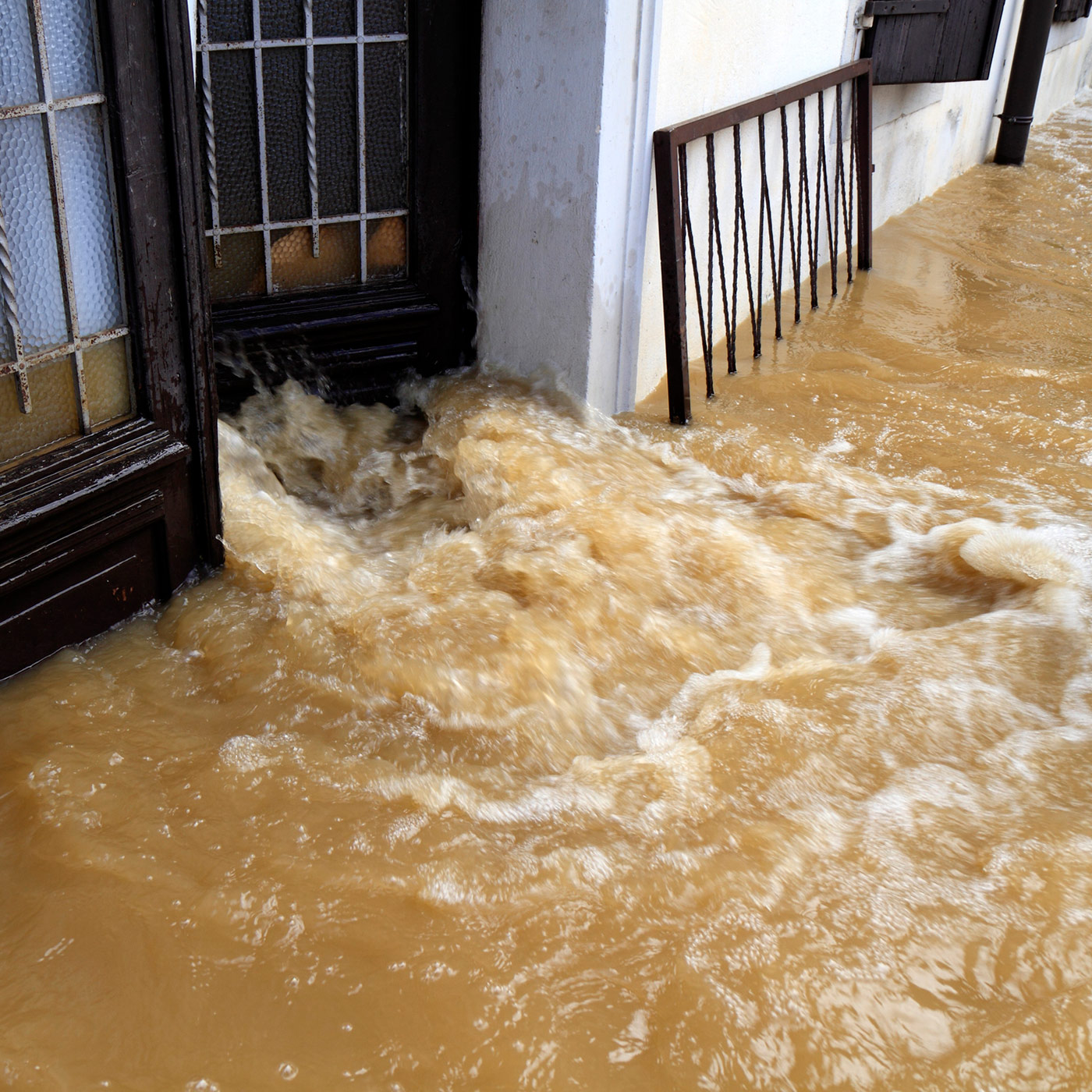
Feb 11, 2022
How one of the world's largest insurers is tackling climate change
Climate change is driving up insurance-related losses on a global scale even as homeowners, businesses and communities around the world continue to build in hazard-prone areas such as those that experience frequent flooding or storm damage. In this episode of ESG Insider, we examine how one of the world's largest insurers is tackling rising risks from climate change in an interview with Ernst Rauch, Chief Climate and Geo Scientist and Head of the Climate Solutions Unit at Munich Re. A recent report from the German insurance company found that natural disasters around the world caused about $280 billion in damages in 2021. About $120 billion of those damages involved assets covered by insurance — up from $82 billion in 2020 and $57 billion in 2019. Ernst explains that there is ample data available to help the insurance industry make informed decisions about exposure to different kinds of climate risks. But this information is not always easily accessible to the public. "The issue is how to bring this information to the people, to the citizens and to the businesses," he says. Listen to our episode on record rainfall in 2021 that caused deadly flooding in Western Europe: https://podcasts.apple.com/us/podcast/record-floods-highlight-climate-risks-to-business-in/id1475521006?i=1000530552007 We'd love to hear from you. To give us feedback on this episode or share ideas for future episodes, please contact hosts Lindsey Hall (lindsey.white@spglobal.com) and Esther Whieldon (esther.whieldon@spglobal.com). Photo credit: Getty Images
Feb 4, 2022
Why a siloed approach to ESG won't fly in 2022
In this episode of the ESG Insider podcast, we explore a key theme emerging at the center of the ESG movement in 2022: That's the idea that environmental, social and governance factors should not be considered in isolation, but rather should be understood in relation to each other. In the episode we speak to Dr. Richard Mattison, who is President of S&P Global Sustainable1 and a member of the Taskforce on Nature-related Financial Disclosures, or TNFD. Richard talks about the need to tie together the net zero, nature and social agendas. "We can't achieve a transition to a net zero economy without also being a nature-positive transition and a just transition," he says. Listen to our episode on the International Sustainability Standards Board, or ISSB: https://soundcloud.com/esginsider/standard-setters-work-to-close Listen to our episode on the TNFD: https://soundcloud.com/esginsider/the-new-task-force-in-town Read the full report from S&P Global about the key trends that will drive the ESG agenda in 2022: https://www.spglobal.com/esg/insights/key-esg-trends-in-2022 We'd love to hear from you! To give us feedback on this episode or share ideas for future episodes, please contact hosts Lindsey Hall (lindsey.white@spglobal.com) and Esther Whieldon (esther.whieldon@spglobal.com). Photo credit: Getty Images

Jan 28, 2022
What the gas and nuclear debate around the EU taxonomy means for investors
At the beginning of January 2022, a key element of the EU's sustainable finance policy came into effect — the green taxonomy, a kind of dictionary of sustainable activities. Investors must now disclose how their funds meet taxonomy climate-related requirements, while large companies need to report on how much of their business is in line with the taxonomy. But an ongoing debate over whether natural gas and nuclear power should be included in the tool is overshadowing the taxonomy's introduction. The EU announced at the New Year that it had begun consultations on including gas and nuclear after delaying a decision earlier in 2021 following pressure from sustainable investors, activists, and its own expert advisory group. The bloc faces pressure to avoid making countries that are highly dependent on fossil fuels feel they are being left behind in the transition. Meanwhile, critics say the EU risks hurting its reputation as a global leader in sustainable finance regulation. To find out how investors are viewing the debate, we speak to Rachel Ward, policy programme director at the Institutional Investors Group on Climate Change, which represents more than €50 trillion of assets under management and has called on the EU to exclude gas from the taxonomy. "Gas cannot meet the prescribed requirements included in the taxonomy. To do so would be misleading," she tells us in this episode of ESG Insider. We also speak to Matthias Fawer, a senior analyst for ESG & Impact Assessment at Vontobel Asset Management, who says the proposal to include nuclear and gas in the taxonomy comes during the "difficult and delicate" transition period that is taking place until renewables can replace fossil fuels. And Alexander Lehmann, head of the Sustainable World Academy at Frankfurt School of Finance and Management, tells us that the proposal adds complications and potential risks for investors. To learn more about the EU's green taxonomy, listen to our earlier episode here: https://soundcloud.com/esginsider/defining-green-what-investors We'd love to hear from you! To give us feedback on this episode or share ideas for future episodes, please contact hosts Lindsey Hall (lindsey.white@spglobal.com) and Esther Whieldon (esther.whieldon@spglobal.com). Photo credit: Getty Images

Jan 21, 2022
US climate-related disasters cost $145 billion in 2021 and more ahead, scientists say
In 2021, the world saw many major climate-related disasters ranging from wildfires, to flooding and hurricanes. The U.S. National Oceanic and Atmospheric Administration, or NOAA, recently released its annual climate trends report, providing an important snapshot of the physical risks from climate change in the U.S. The report also puts a price tag on those risks: U.S. weather and climate-related disasters reached $145 billion in 2021. In this episode of ESG Insider, Climatologist Karin Gleason of NOAA's National Centers for Environmental Information explains how climate change is amplifying extreme weather events by making them happen more often, last longer, and cause more damage. And Karin's colleague, Climatologist Adam Smith, says 2021 further proves that the world must both adapt to the physical risks of climate change and mitigate future impacts by curbing greenhouse gas emissions. As for physical risks, "it's a socioeconomic question about how can we make ourselves more resilient collectively, whether it's the individual level, homeowner level, a town, even at the state and the federal levels." We'd love to hear from you! To give us feedback on this episode or share ideas for future episodes, please contact hosts Lindsey Hall (lindsey.white@spglobal.com) and Esther Whieldon (esther.whieldon@spglobal.com). Photo credit: Getty Images

Jan 18, 2022
What the EU aims to achieve with its carbon border tax proposal
The EU proposed a carbon border adjustment mechanism in 2021 as part of a broad climate package designed to reduce carbon emissions by 55% from 1990 levels by 2030. This mechanism — widely known as 'CBAM' — would put a tariff on imports of carbon-intensive goods. The proposed regulation aims to prevent EU-based companies from moving production to other jurisdictions with less stringent climate regulation (also known as 'carbon leakage'). It also aims to avoid imports of carbon-intensive products to the detriment of EU companies. CBAM will be phased in from 2023 if approved by the European Parliament and EU member states, so companies are already putting measures in place to ensure they adhere to the potential new rules, says Yaroslav Alekseyev, a partner at law firm Linklaters, in this episode of the ESG Insider podcast. Some experts believe CBAM will encourage other jurisdictions to set carbon prices. "If a company from a country outside of the EU wants to export products into the European Union market, they will have pay that CBAM at the border if they don't have a domestic carbon price that is high enough," says Sanjay Patnaik, director of the Center on Regulation and Markets at Washington, D.C.-based think tank the Brookings Institution. "That could really set incentives around the world." But some industrial sectors are not convinced. We hear tom Emanuele Manigrassi, the public affairs manager at trade group European Aluminium, who says the aluminium sector does not believe CBAM will support low-carbon production. His organization is calling for CBAM to be tested before it is introduced. We'd love to hear from you! To give us feedback on this episode or share ideas for future episodes, please contact hosts Lindsey Hall (lindsey.white@spglobal.com) and Esther Whieldon (esther.whieldon@spglobal.com). Photo credit: Getty Images
Jan 7, 2022
ESG experts are watching these sustainability trends in 2022
To welcome the New Year, we hear from experts across the ESG world about what sustainability trends they are watching in 2022. Our guests in this episode of ESG Insider include Curtis Ravenel, who is Secretariat for the Task Force on Climate-related Financial Disclosures and senior adviser to former Bank of England Governor Mark Carney. We also talk with the Head of Global Sustainability Research at Morgan Stanley, and the Head of Energy and Environment Transition at French bank BNP Paribas. And we hear from an activist investment firm in the U.S. that has been pressing companies to perform racial equity audits. Themes we cover include the importance of holding financial institutions accountable for decarbonization pledges, the outlook for sweeping change in biodiversity disclosure and data, and rising investor pressure on companies to address social inequities. Here are links to our most popular episodes from 2021: https://www.spglobal.com/esg/podcasts/at-cop26-why-article-6-matters-to-companies-and-investors https://www.spglobal.com/esg/podcasts/goldman-sachs-executive-on-demystifying-measuring-the-s-in-esg We'd love to hear from you! To give us feedback on this episode or share ideas for future episodes, please contact cohosts Lindsey Hall (lindsey.white@spglobal.com) and Esther Whieldon (esther.whieldon@spglobal.com) Photo credit: Getty Images

Dec 21, 2021
Climate must factor into 'every financial transaction,' says Just Climate Chairman
In this year's final episode of ESG Insider, we talk with David Blood about two big sustainability issues impacting the financial sector as we head into 2022: Plugging the climate financing gap, and aligning investment portfolios with Paris Agreement goals. David is a senior partner at Generation Investment Management, the sustainable investment firm he founded with former U.S. Vice President Al Gore. David tells us about the strategy behind Just Climate, a new venture Generation Investment Management launched in October 2021 to tackle the net zero challenge at scale. "To achieve our goal of limiting global temperature rise to less than 1.5 degrees C, every financial transaction must take climate into consideration," David says in the interview. "I don't believe yet that the asset owner community or the asset manager community fully embrace that, have fully internalized that notion." He also talks about his role leading the Portfolio Alignment Team. This group was created in 2020 by Mark Carney in his capacity as U.N. Special Envoy for Climate in response to rising interest from investors and lenders in measuring how portfolios align with Paris Agreement goals. The Portfolio Alignment Team published its latest report shortly before COP26. In this episode, we also speak with Carter Powis, a consultant with McKinsey who led the firm's support of the team. "Knowledge of portfolio alignment tools is still in a very nascent state across the financial sector," Carter says. "As a result, there are some pervasive misunderstandings about what these tools are and why they're important." Photo credit: Generation Investment Management
Dec 17, 2021
Defining net zero: How to turn pledges into concrete action
'Net zero' was a buzzword in the sustainability world in 2021, but big questions remain about what this term really means. In this episode of ESG Insider, we'll hear how the Science Based Targets initiative, or SBTi, is defining net zero in its newly released corporate standard. And to understand the challenges the financial sector faces in defining and achieving net zero targets, we talk to Curtis Ravenel, who is senior adviser to Mark Carney — the former Bank of England Governor who now acts as U.N. special envoy on climate finance. We'll also hear from Jeanne Martin, senior campaign manager at U.K.-based investor activist group ShareAction, about where European banks stand and why they need to make significant progress toward their net zero goals by 2030. To learn more about the extent to which big corporations in multiple sectors are setting net zero targets, read an analysis by S&P Global Market Intelligence: https://www.spglobal.com/marketintelligence/en/news-insights/latest-news-headlines/path-to-net-zero-stakeholders-demand-action-on-ambitions-as-pledges-swell-67951124 Photo credit: Getty Images

Dec 10, 2021
How 2 new technologies could pave the road to net-zero
In this final episode of our miniseries on emerging technologies that can help companies achieve net zero emissions by mid-century, we're examining two cutting-edge projects for the agricultural, mining and road construction industries. In this episode of ESG Insider, we explore how scientists in California are using a new technology called enhanced weathering to help the farming and mining industries become part of the climate solution. We also hear how Spanish energy and infrastructure company Acciona is working with the paper industry to help decarbonize the process for making roads. Photo credit: Getty Image
Dec 3, 2021
How whisky, yoga pants and a trash burning plant are helping tackle climate change
What do Glenfiddich whisky, yoga pants and a trash-burning waste-to-heat plant in Europe have in common? They're all part of efforts to use emerging technologies to tackle climate change. As companies and countries around the world pursue net zero targets, one big question is: How do you ensure the carbon removal technologies we will need 20 to 30 years down the road are available, affordable and easily scaled? In this episode of ESG Insider, we bring you the second part in our miniseries about emerging climate technologies. We hear how Scotch whisky maker Glenfiddich uses a part of its distillery process to power delivery trucks. We explore how biotech company LanzaTech is using bacteria to recycle gases into ethanol that is used to create everything from yoga pants to shampoo bottles to low-carbon aviation fuels. And lastly, we learn how Fortum Oslo Varme's waste-to-energy trash-burning plant in Norway is being converted to capture carbon emissions and send them to be permanently stored deep under the North Sea. This technology is often referred to as bioenergy with carbon capture and storage, or BECCS, and can be used to help tackle climate change when done in a sustainable manner. Photo credit: William Grant & Sons

Nov 26, 2021
Direct Air Capture: A high-tech fix for climate change?
Can a global array of CO2-sucking machines save us from the worst ravages of climate change? This episode is the first in an ESG Insider miniseries about new carbon-removal technology. This week we examine a method called Direct Air Capture, or DAC Right now, DAC is expensive and only at the nascent stages of development. But there's growing support from entrepreneurs and some large companies to deploy the approach on an industrial scale. In this episode, we interview Steve Oldham, CEO of a Canadian company called Carbon Engineering, which is building a giant carbon-sucking plant in America's oil-rich Permian Basin. Oldham explains how the technology works; why his company almost shut its doors; and why it now has the backing of Bill Gates and a host of fossil fuel companies, including Occidental, BHP and Chevron. We also talk to Daniel Egger, Chief Commercial Officer of Swiss firm Climeworks. The clean tech company recently switched on the world's largest DAC plant in Iceland. A smaller DAC plant run by Climeworks in Switzerland already sells the CO2 it extracts to greenhouses and to Coca-Cola, which uses the gas to put the fizz in its namesake drink. Our third guest is Stuart Haszeldine of the University of Edinburgh, which describes him as the world's first official professor of carbon capture and storage. Haszeldine explains how DAC technology can help remove the large volumes of CO2 that humans have pumped into the air since the Industrial Revolution. He also points out that, despite recent progress on DAC technology, most politicians and policymakers have yet to back the idea because it "seems to promise magic out of thin air." Photo credit: Getty Images

Nov 19, 2021
At COP26, connecting the climate and nature agendas
Protecting biodiversity and adopting nature-based solutions: Both play a critical role in addressing climate change and therefore cannot be ignored. This is a key theme we heard repeated at COP26, the U.N.'s big climate conference that took place in Glasgow over the first two weeks of November. In this episode of ESG Insider, we explore the emerging dialogue on climate change and nature-based considerations. For example, 92% of country climate pledges, known as Nationally Determined Contributions, or NDCs, submitted for COP26 included nature in their plans, Capitals Coalition CEO Mark Gough tells us. The Capitals Coalition advocates for companies to identify, measure and value their impacts and dependencies on natural capital, social capital and human capital. "Climate change is a driver for nature change," says Mark. "But also, nature can help to drive the changes that we want to see in the climate to make improvements there." In this episode, we also talk with Sarah Bratton Hughes, Global Head of Sustainability Solutions at UK-based asset management firm Schroders. She outlines how the firm is moving to reduce deforestation risks in its portfolios. And we'll hear how hard-to-decarbonize sectors such as steel and chemicals use nature to help meet their climate targets from Anthony Hobley, who is co-executive director of the Mission Possible Platform, a partnership between the World Economic Forum and the Energy Transitions Commission. For further coverage of COP26, listen to the podcast episode on Article 6 here: https://podcasts.apple.com/us/podcast/at-cop26-why-article-6-matters-to-companies-and-investors/id1475521006?i=1000539436647 And listen to the podcast episode where we interviewed the co-chair of the Task Force on Nature-related Financial Disclosures, or TNFD, here: https://podcasts.apple.com/us/podcast/the-new-task-force-in-town-tnfd-co-chair-talks/id1475521006?i=1000528412510 Photo credit: Getty Images
Nov 12, 2021
Inside COP26: Chaos, optimism, progress
There have been a lot of headlines coming out of COP26, the big United Nations climate conference that took place in Glasgow the first two weeks of November. In this episode of ESG Insider, we bring you inside the event through interviews with COP attendees. We hear about the mood on the ground: chaotic, but with an overriding sense of optimism that the world can make progress toward the goal of limiting global warming to 1.5 degrees C relative to preindustrial levels. "For the first time, that target seemed to be in reach," says Mike Wilkins, Head of Sustainable Finance Research at S&P Global Ratings and a member of the Task Force on Climate-related Financial Disclosures, or TCFD, who has attended many previous iterations of COP. Part of that sense of progress came from the growing presence of the financial sector at COP. "The finance sector was really clearly present and active, and communicating the need for financial institutions to take account of climate change. And that was a new part of the dynamic this year," says Divya Mankikar, Global Head of ESG Market Engagement at S&P Global Sustainable1. We saw many private sector pledges during COP26, including an announcement from the Glasgow Financial Alliance for Net Zero, or GFANZ, that financial institutions representing $130 trillion of assets have committed to Paris Agreement goals. We should celebrate that progress, says James Vaccaro, Executive Director of the Climate Safe Lending Network, a group with the goal of bringing international bank lending in line with the Paris Agreement. "A few years ago, if anyone was really talking seriously about large global banks making net zero carbon commitments … it would have been seen as quite fringe or radical," James tells us. But he says there is more work to do. "Once you do have people in the tent … you want to move very quickly from a situation of normalized best practice into raising the bar for everyone." Photo credit: Getty Images

Nov 5, 2021
COP26 climate commitments send "clear signal" on how banks should finance transition
The 26th U.N. Climate Change Conference, known as COP26, is well underway in Glasgow. A big theme during the first week of the conference was the financial sector's role in addressing climate change. In this episode of the ESG Insider podcast, we talk to Samu Slotte, global head of sustainable finance at Danske Bank, Denmark's largest bank by assets. Samu talks about Danske Bank's recent decision to join the Net-Zero Banking Alliance, a group of banks committed to aligning the greenhouse gas emissions of their lending and investment portfolios with net zero by 2050 or sooner, in line with the Paris Agreement. A challenge being discussed at COP26 is ensuring adequate climate financing makes its way to developing nations. "The overarching picture is that there's plenty of cash around looking for suitable investments," Samu says. But he warns that the money is just not getting where it is needed. "The cash seems to be stuck in proven technologies in stable jurisdictions." Photo credit: Getty Images

Oct 29, 2021
2021 proxy season marked "new era" of shareholder support for ESG issues
The 2021 proxy season brought a new level of shareholder support for key ESG-related themes ranging from climate change to diversity disclosures. In this episode of ESG Insider, we talk to Sustainable Investments Institute founding executive director Heidi Welsh. "We've entered a whole new era" of shareholder support for ESG issues, Heidi tells us. "Investors want more information on climate change, on diversity and inclusion, on corporate political influence," she says. For additional information about the 2021 proxy season, listen to our episode on the implications of shareholders' ouster of several Exxon Mobil board members: https://podcasts.apple.com/us/podcast/exxon-board-ouster-over-climate-change-has-big-implications/id1475521006?i=1000524283710 And you can also find all our coverage of COP26 at http://spglobal.com/cop26 Photo credit: Getty Images

Oct 22, 2021
At COP26, why Article 6 matters to companies and investors
At COP26 in Glasgow in the first two weeks of November, government officials from around the world will gather to discuss plans for achieving the Paris agreement on climate change. A key issue on the table is Article 6, which involves international cooperation through carbon markets. In this episode of ESG Insider, we talk with Kelley Kizzier, who was a lead Article 6 negotiator at previous COP gatherings, including in 2015 when countries reached the Paris agreement on climate change. Kelley, who is currently vice president for global climate at the Environmental Defense Fund, also recently joined the board of directors of the Taskforce on Scaling Voluntary Carbon Markets. Kelley explains why Article 6 matters to companies and investors. She also outlines how Article 6 could affect voluntary carbon markets, where companies buy carbon credits to help meet their net zero goals. To learn more about carbon markets and the role of Article 6, listen to the latest episode of the Platts Future Energy podcast from our colleagues at S&P Global Platts. https://www.spglobal.com/platts/en/market-insights/podcasts/platts-future-energy/101221-cop26-paris-agreement-article-6-voluntary-carbon-markets-carbon-footprint-emissions Photo credit: Getty Images
Oct 15, 2021
Morgan Stanley exec on net zero: 'We can't just wait 30 years and see what happens'
In this episode of the ESG Insider podcast, we talk to Jessica Alsford, Head of Global Sustainability Research at Morgan Stanley. In the run-up to COP26, the big United Nations climate conference taking place in Glasgow in November 2021, there has been a lot of discussion in the sustainability world about the path to net zero and the role the financial industry will play in reaching the goals of the Paris agreement. In the interview, Jessica talks about what needs to happen at COP26 to move companies beyond their headline net zero commitments into specific and transparent action plans. "We can't just wait 30 years and see what happens," Jessica says. "So now, what comes next is [companies providing] that granularity, that visibility, about what are the specific actions" they are taking to achieve their end goal. "Investors are looking for annual disclosure and reporting on progress so that you can very clearly see which companies are decarbonizing and at what rate," she adds. Jessica also says the lack of standardization in sustainability disclosure frameworks poses challenges for the ESG world. Still, she says, the direction of travel is clear: "You need more data in order to be able to make the ESG investment decisions." Photo credit: Morgan Stanley
Oct 8, 2021
How an EU social taxonomy could bring clarity to "S" in ESG
The coronavirus pandemic and a growing awareness of social risks have thrust the 'S' in ESG into sharper focus for many sustainability-minded companies and investors. Issuance of social bonds — debt instruments that raise money for things like affordable housing, health and education — surged nine-fold to $165 billion dollars in 2020 from the previous year, according to data from Environmental Finance, a global sustainable finance news and analysis provider. And as that market expands, investors are seeking clear guidance on social investment definitions. The European Union has already developed a green taxonomy , or a classification system of sustainable businesses and sectors. In this episode of ESG Insider, we look at the potential social taxonomy the EU has proposed to help define the 'S.' "We've got a good understanding of the E," says Victor van Hoorn, executive director at Eurosif, a European forum that promotes sustainable investment. "We're more or less starting with a blank sheet of paper when we're talking about the 'S.'" Check out our episode on the green taxonomy here: https://podcasts.apple.com/us/podcast/defining-green-what-investors-need-to-know-about-the/id1475521006?i=1000531954636 Photo credit: Getty Images

Oct 1, 2021
Goldman Sachs executive on demystifying, measuring the 'S' in ESG
Over the past year and a half, we've seen companies, investors and regulators put a growing emphasis on the 'S' in ESG. But there is still a common refrain in the ESG world that social issues are nebulous or difficult to measure. In this episode of ESG Insider, we hear how one of the largest financial institutions in the U.S. is tackling the 'S' and making it measurable. "The 'S' does get less focus," says Asahi Pompey, Global Head of Corporate Engagement at Goldman Sachs. "People still think it's kind of amorphous. What exactly is the 'S'? Is it in hiring? Is it in retention? Is it recruiting? Is it investments in communities? Here's the answer: It's all of those." Asahi talks about how Goldman Sachs is adapting its internal policies, its investment approach and its business models with the 'S' in mind. For example, earlier this year, the company launched its One Million Black Women initiative, committing more than $10 billion to advance racial equity and economic opportunity by investing in Black women. And in 2020, Goldman Sachs announced that it would stop underwriting IPOs for companies in the U.S. and Europe that don't have diverse boards. In the interview, Asahi also talks about corporate America's changing approach to social issues broadly and racial equity in particular. But she cautions that those changes could be short-lived if society does not keep the issue on the front burner. "Corporate America has a long way to go in order to drive sustained progress on the 'S,'" Asahi says. "Now, we've seen commitments across the industry and various sectors. That being said … it can't be episodic, and it has to be sustained, and it has to be measurable. We all know things get done when they're measured." Photo credit: Goldman Sachs

Sep 24, 2021
How The Big Apple is taking on the carbon footprint from buildings
In this special New York Climate Week episode of the ESG Insider podcast, we explore how the built environment – new building construction plus existing offices, apartment blocks, airports and other structures – is responsible for nearly 40% of all global carbon dioxide emissions, and what it will take to decarbonize this vast sector. In the episode, we interview three experts on the subject: Mark Reynolds, CEO of Mace Group, a large construction company focused on making buildings more sustainable; John Mandyck, CEO of a non-profit in New York City called Urban Green Council; and Dana Schneider, director of energy and sustainability at the Empire State Realty Trust, which owns the Empire State Building in New York, an iconic structure that has made significant headway in lowering its carbon footprint. Lowering the carbon footprint of the built environment is a massive task. Although building emissions reached their highest level in 2019, many cities have not yet embarked on sizable decarbonization plans. Some landlords could have to spend millions to retrofit buildings. Construction companies are under pressure to use less carbon-intensive materials. Homeowners are being prodded to spend money to make homes energy efficient. And investors with face the challenge of assessing the transition risk. That helps to explain why at least three panel discussions at this week's NY Climate Week were devoted to carbon emissions from the built environment, and why the big UN COP26 climate conference this fall will similarly dedicate an entire day to the subject. Photo credit: Getty Images

Sep 17, 2021
Pulling back the curtain on the promise of low-carbon hydrogen
When we talk about the technologies the world will need to tackle climate change, low-carbon hydrogen is increasingly part of the discussion. Two recent studies raise some big questions about whether some of these hydrogen technologies are as climate-friendly as proponents claim. In this episode of ESG Insider, we look at the research and development of blue hydrogen, which is derived from natural gas and paired with carbon-capturing technology to reduce the resulting emissions. And we also examine what role green hydrogen, which is created using renewable generation to separate water molecules, could play. We talk with the authors of those two recent studies and we hear from a hydrogen expert at a European research institute about the current state of the industry and what role the government is playing in promoting these technologies. Photo credit: Getty Images

Sep 10, 2021
How green banks can accelerate climate finance
There's a massive gap between the amount of investment needed to make the climate transition happen and what is occurring today. In this episode of ESG Insider, we explore the role that green banks can play in plugging that funding gap. Green banks can differ in scope and approach but are generally created to leverage government funds to mobilize private investment in clean and resilient infrastructure on the local scale. They exist in many parts of the world, including Australia, Japan, Malaysia, Switzerland, the U.S. and the U.K. In the episode, we'll hear from Reed Hundt, co-founder, chairman and CEO of the Coalition for Green Capital, which has helped organize a number of green banks and is pressing the U.S. Congress to create a federal green bank. And we'll look at how the first state-level green bank in the U.S. — the Connecticut Green Bank — has evolved since forming in 2011. We talk with Connecticut Green Bank President and CEO Bryan Garcia, who tells us: "Our goal is to demonstrate to the ... capital markets that this is a safe area of investment, and we're willing to put our capital at risk in front of you to do that." Photo credit: Getty Images

Sep 3, 2021
What Nasdaq's diversity rule tells us about the direction of disclosure in the US
In early August, the U.S. Securities and Exchange Commission approved a proposal by Nasdaq to require companies listed on the New York-based exchange to disclose certain board diversity information. In this episode of ESG Insider, we explore what the rule means in practice for companies and investors. We hear from Matt Patsky, the CEO of Trillium Asset Management, about why investors view board diversity as a material factor — and what the SEC approval indicates about the direction of disclosure in the U.S. "The SEC's willingness to approve this Nasdaq board diversity rule sends a strong signal that they believe there's materiality to diversity," Matt says. "And with that belief, I think it means we're moving closer to the SEC mandating disclosure of diversity information from companies broadly." For the corporate and regulatory perspective, we talk with Cam Hoang, a corporate securities and SEC compliance lawyer and partner at the law firm Dorsey & Whitney. We also hear the recruiter's perspective on the new rule from WSS Executive Search CEO & Founder Becky Heidesch, who has been helping companies find candidates with diverse profiles for decades. In the episode, you'll hear us refer to an S&P Global Market Intelligence analysis of gender diversity on U.S. company boards and executive teams. You can read that research here: https://platform.mi.spglobal.com/web/client?auth=inherit#news/article?id=65743394&cdid=A-65743394-9776 To learn more about human capital management disclosures in the U.S., listen to this earlier episode of ESG Insider: https://traffic.libsyn.com/secure/esginsider/ESG_Insider_US_Diversity_Regulations_-_v3.mp3 Photo credit: Getty Images

Aug 27, 2021
In fighting climate change, major IPCC report finds every little bit matters
A sobering new report from the U.N.'s Intergovernmental Panel on Climate Change tells corporations and governments in no uncertain terms: Act with urgency to lower emissions and adapt to the impacts of climate change at a more rapid pace and bigger scale. In this episode of ESG Insider, we look at the implications of the IPCC report for investors and companies, and we talk to two scientists who helped write the nearly 4,000-page document to better understand its key findings. Claudia Tebaldi, a scientist with the Joint Global Change Research Institute at the Pacific Northwest National Laboratory and one of the report's authors, says incremental changes can make a big difference — for better or for worse. "Every little bit matters," says Claudia. "This is in the bad sense that every little bit of warming is making the situation worse, but also that every little thing that we can make to slow down and stop [global warming] is going to matter." We also talk to Kirsten Spalding, senior director for the investor network at Ceres, on how the lPCC's latest findings will shape future investor engagement with companies on climate change. The report shows that "the need for action is even on a shorter timeline than we knew before," Kirsten says. Photo credit: Getty Images

Aug 20, 2021
TCFD gains momentum as climate reporting shifts from voluntary to mandatory
Several countries will soon make it mandatory for large companies and asset managers to calculate and publicly report their climate-related risks. It's a complex accounting challenge and many businesses aren't fully prepared. The governments of the U.K., New Zealand, Hong Kong and Switzerland, as well as the G7 group of nations, are among those backing mandatory reporting under the Taskforce on Climate-related Financial Disclosures, or TCFD, framework. The push towards compulsory TCFD reporting will put pressure on banks, businesses and asset managers that have yet to embrace such disclosure. A big reason why many companies struggle with TCFD implementation is because it's hard to collect, collate and analyze detailed emissions-related data in all areas of their operations. Companies also need to train their employees on technical aspects of reporting under the framework. Above all, TCFD implementation must be roundly embraced and instilled — all the way from the C-suite to product and client-teams — and that takes time. In this episode, we speak to Thora Frost, senior manager of green finance at the Carbon Trust, a London-based consulting firm that works on climate change and sustainability issues. And we interview Matthew Townsend, partner at U.K. law firm Allen & Overy. "You have a blizzard of regulation and policy coming down the line, certainly over the next five years, and I don't see it letting up in many jurisdictions," Townsend says. Photo credit: Getty Images

Aug 13, 2021
Defining green: What investors need to know about the EU taxonomy
If you've been following sustainability headlines over the past few years, chances are you've heard about the EU's green taxonomy — essentially, a dictionary that defines how sustainable a business or sector is. It assesses more than 100 economic activities and is designed to steer companies as they adapt their business strategies to climate change, as well as help investment funds judge sectors based on their environmental performance. Investors will also have to disclose what percentage of their investments are in line with the taxonomy. The new regulation is expected to radically change how investors and companies report on their environmental performance. It will be enforced from 2022, which does not leave investors a lot of time to get up to speed. And the taxonomy is not quite finalized, with further regulation expected in 2023 — creating some big challenges for investors trying to navigate the changing sustainability landscape. To talk us through what investors can expect from the taxonomy, we spoke to Helena Viñes Fiestas, commissioner at Spain's Financial Markets Authority. She's also rapporteur of the EU Platform on Sustainable Finance, a body of experts from industry, finance and civil society who advise the EU's executive arm on the future of sustainable finance policy in Europe. "I like to compare it a little bit with food products," Helena says of the taxonomy. "If you market your product as low fat, it's only fair to ask how much fat it has and whether or not it's too much. This is exactly the same, where the taxonomy becomes the recommended daily intake." Photo credit: Getty Images

Aug 6, 2021
'Unfathomable': Why US investors, regulators are rethinking human capital management disclosures
Wall Street's top regulator, the U.S. Securities and Exchange Commission, is in the early stages of creating a number of new ESG-related disclosure rules, including on the issue of human capital management. Human capital management refers to the way that companies manage their workforce. It includes things like a company's approach to hiring, recruitment, pay and benefits, and the working conditions a company provides. Right now, public corporate disclosures on these topics are voluntary in the U.S. But many investors say that leads to insufficient and inconsistent data. "I think it's unfathomable that, in this day and age, the only metric that companies are currently required to disclose is the number of people that they employ — especially when we talk to every company and they tell us that their human capital is their most important asset," says Aeisha Mastagni, a portfolio manager in the sustainable investment and strategies group at the California State Teachers' Retirement System, one of the largest public pension funds in the U.S. "And yet we as investors have no way to measure that, benchmark that, compare it to other companies in our portfolio." In this episode, we explore the changing state of human capital data disclosure in the U.S., why some investors want disclosures to become mandatory, and what to expect from the SEC. We also talk to securities and governance lawyers at the Philadelphia-based law firm Dechert and with Bryan McGannon, director of policy and programs at US SIF: the forum for responsible and sustainable investment.

Jul 30, 2021
Record floods highlight climate risks to business in Europe's richest nations
In mid-July 2021, the heaviest rainfall in a century triggered intense flash floods and inundated several towns in Germany, the Netherlands and Belgium, causing at least 188 deaths. The floods in Europe are a reminder that although emerging markets are likely to be hit hardest by a temperature rise, richer countries in the northern hemisphere are far from immune from the effects of severe weather. In this episode, we talk with experts to understand the biggest climate risks facing Europe's biggest economies, analyzing physical risk data from S&P Global Trucost. Guests on the episode include Irene Lauro, an economist with asset manager Schroders; and Swenja Surminski who leads adaptation research at the Grantham Research Institute on Climate Change and the Environment at the London School of Economics. And we talk to Berenberg Bank analyst Michael Huttner about how the floods could impact insurance companies.

Jul 23, 2021
CSRD: EU's latest proposed addition to alphabet soup of sustainability regulation
The EU is working to reform its Non-Financial Reporting Directive, regulation introduced in 2014 requiring large companies to report on environmental and social issues, such as the impact of climate change on their business and the diversity of its board. The proposed new rules, called the Corporate Sustainability Reporting Directive (CSRD), would expand the reporting requirements and drastically increase the number of companies disclosing this information. CSRD would also make auditing of companies' sustainability reports obligatory. Corporations, regulators and investors increasingly recognize that environmental, social and governance risks need to be accounted for alongside financial risks when valuing a company. Investors are seeking consistent data and standards to guide them in their investment decisions around ESG factors. In this episode, we speak to Saskia Slomp, CEO of European Financial Reporting Advisory Group, or EFRAG, which advises the EU on the use of accounting standards within the bloc and which was asked by the European Commission, the EU's executive arm, to develop proposals for the new directive. "The development of mandatory common sustainability reporting standards is necessary to progress to a situation in which sustainability information has a status comparable to that of financial information," she tells us. "So many companies receive additional information requests for sustainability information from stakeholders." Photo credit: Getty Images Related past podcast episodes: Banks' big green EU taxonomy challenge https://podcasts.apple.com/us/podcast/banks-big-green-eu-taxonomy-challenge/id1475521006?i=1000511776202 EU revolutionizes sustainability regulation with SFDR https://podcasts.apple.com/us/podcast/eu-revolutionizes-sustainability-regulation-with-sfdr/id1475521006?i=1000514008934

Jul 16, 2021
What EU's proposed green bond standards could mean for market
The EU has proposed a European Green Bond Standard as part of its strategy to drive investment into sustainable finance and achieve net zero carbon emissions by 2050. The new rules will also aim to protect investors from greenwashing, which is when an investment is made to sound greener than it is. Although they represent a tiny fraction of the overall debt market, green bonds — debt that finances environmentally friendly projects such as wind farms or solar power — have grown rapidly over the last eight years, from virtually nothing in 2012 to nearly $300 billion in 2020. The EU is counting on further growth in the market to meet the targets in its European Green Deal, designed to mobilize at least €1 trillion of sustainable investment over the next 10 years. The rules will be tougher than other existing green bond guidelines because issuers will have to prove their green bonds are financing projects in line with the EU's "green taxonomy," a dictionary of sustainable activities. In this episode, we speak to Climate Bonds Initiative CEO Sean Kidney, who was part of an advisory group that helped shape the new rules. Regulation has "been right from the beginning, a feature of the development of the market. Issuers have followed the regulations, and it's grown to be a very large successful market," he tells us. Listen to our episode on the EU's green taxonomy: https://open.spotify.com/episode/5b3qx805nauyVGvcJo9Wsr Photo credit: Getty Images
Jul 9, 2021
The new task force in town: TNFD co-chair talks biodiversity goals
The world's biodiversity is in peril and its loss poses big financial risks to businesses and the global economy. More than half of the world's economic output — or about $44 trillion — is moderately or highly dependent on nature, according to the World Economic Forum. Moreover, the collapse of biodiverse ecosystems could hurt global GDP by $2.7 trillion annually by 2030, the World Bank warns in a new report. Until recently, biodiversity loss was rarely viewed as a substantial risk to corporations. But that is changing and a new task force has been formed to help companies and financial institutions better understand the scope of the risk. The Task Force on Nature-related Financial Disclosures, or TNFD, aims to create a voluntary framework that companies can use to assess their nature-related risks and opportunities. In this episode, we talk with Elizabeth Mrema, who is co-chair of the TNFD, about the goals of the task force, how she envisions them being implemented and how biodiversity is inherently linked to climate change.

Jul 2, 2021
How Cousteau's grandson is bringing oceans to ESG investors
More than 50 years ago, explorer Jacques Cousteau introduced millions of viewers to the marvels of the undersea world. In 2021, the ESG world is increasingly focused on biodiversity, and the oceans are a big part of that picture. Goods and services from the world's oceans and coasts are worth at least $2.5 trillion annually, while the overall value of the ocean as an asset is at least 10 times that amount, according to a 2015 estimate from the WWF. In this week's episode, we interview Cousteau's grandson, Philippe, the co-founder of a nonprofit called EarthEcho International that works on ocean health. "It's important to start thinking about a restoration ethic and returning the oceans to abundance," says Philippe. "For far too long, the environmental movement has been a movement of deprivation and doom and gloom. It has not been enough of a movement of opportunity and hope." We also hear from Doug Heske, CEO of impact investing company Newday Impact that has teamed up with Philippe to promote ocean restoration, especially among younger investors. And we interview fund manager Paul Buchwitz from one of Germany's largest asset managers, DWS, about how the company is aiming to ocean-related risks while tapping into new investment opportunities offered by ocean restoration projects. Photo credit: Getty Images

Jun 25, 2021
Standard setters work to close climate accounting gaps
Investors are increasingly calling on companies to reflect climate-related risks in their financial results. In September 2020, global investor groups representing more than $103 trillion wrote an open letter asking companies and their auditors to include climate-related risks in financial reporting. Accounting standard setters and international auditing boards are also requesting that firms pay more attention to future climate risks when they produce their financial results. "There has been a big kind of anomaly there, almost a loophole, that climate has not been taken into account," David Pitt-Watson, executive fellow at Cambridge University's Judge Business School, tells us. We also interview International Accounting Standards Board (IASB) Vice Chair Sue Lloyd about plans for a new international sustainability standards board. "I still talk to a lot of investors who are surprised that there isn't more information in the notes to the financial statements about the assumptions that have been used," Sue says. And we speak to Veronica Poole of Deloitte for an auditor's point of view. She says recent guidance the International Auditing and Assurance Standards Board (IAASB) issued on the topic of climate-related risk "is extremely valuable, and I think certainly should be looked at and used by auditors in their work as they challenge the assertions made by clients around the impact of climate change risks and opportunities on their business."
Jun 18, 2021
How Corporate America is waking up to racial equity
On June 17, 2021, U.S. President Joe Biden signed legislation making Juneteenth a federal holiday. In this episode, we're looking at how corporate America is changing its approach to diversity — and race in particular. June 19th, or Juneteenth, marks the official end of slavery in the U.S. in 1865. But the ugly systemic racism that slavery was built on endures. In 2020, the murder of George Floyd put that racism front and center for the world. And in response, many companies begin publicly addressing race and inequality. One way that change has manifested itself is recognition of Juneteenth. In 2020, many companies started observing the holiday — including our own parent company, S&P Global. We spoke to Tamara Vasquez, Global Head of Diversity, Equity and Inclusion at S&P Global, about the company's decision to observe Juneteenth and her experience of the growing intersection of business and diversity. And we speak to Rodney Sampson, professor, angel investor and nonresident senior fellow at the Brookings Institution. Rodney is also Executive Chairman and CEO of Opportunity Hub, a platform he co-founded to build inclusive ecosystems for innovation, entrepreneurship and investment. "We have a theory that until there's capital at stake, whether it's investment capital or revenue, companies aren't really going to double click and actually become transformative in their investment as it relates to their racial equity or Diversity, Equity and Inclusion," Rodney says. Further reading from S&P Global: How The Advancement Of Black Women Will Build A Better Economy For All Image credit: Getty Images
Jun 11, 2021
Here's how you stress test for climate risk, according to France's central bank
Regulators and supervisors around the world are increasingly concerned about the effects of climate change on financial stability. So they're turning to climate stress tests to amass key data on financial institutions' exposure to potential stranded assets and their ability to manage risk. Since the 2008 financial crisis, stress tests have become a critical tool for regulators to gauge how well banks can withstand hypothetical adverse scenarios, such as a sharp market downturn or an economic shock. Regulators can then determine, for example, whether banks need to hold more capital to protect themselves against risk. In a world first, the French central bank conducted a climate stress test on its financial sector. In this episode, we speak to Laurent Clerc, director for research and risk analysis at France's Prudential Supervision and Resolution Authority, which conducted the tests in its role as the supervisory arm of the French central bank. "What is not necessarily perceived by institutions is the urgency," Laurent tells us. "Delays in reshaping lending or delays in insurance policies might also delay the necessary transition." Image credit: Getty Images
Jun 4, 2021
Exxon board ouster over climate change has big implications. Here's why
Last week the ESG world saw a major shakeup at one of the world's largest oil majors. Specifically, at Exxon Mobil's annual proxy meeting, shareholders voted to replace three board members with directors put forward by a small activist investor group — known as Engine No. 1. The group claimed Exxon was not moving fast enough to address climate change and that the board needed a fresh perspective to steer the company in the right direction. Shareholders have threatened for years to oust board members if companies don't move fast enough on climate change. But last week, they carried through on that threat. To better understand the implications of the vote for both Exxon and other companies, we talked with Andrew Logan, senior director of oil and gas at Ceres, which works with investors to press companies to tackle climate change. "I think this will certainly get the attention of other boards in this sector and beyond," Andrew said. "Nothing focuses the minds of a corporate director like the possibility that they might lose their job." Image credit: Getty Images
May 28, 2021
Carrot and stick: Why companies like Chipotle are linking executive pay to ESG targets
What do Chipotle, an air conditioning company and one of the world's largest activist investors have in common? They're all tackling the challenge of how to incentivize executives to advance corporate sustainability goals. In this episode, we talk with Chipotle Head of Sustainability Caitlin Leibert about the company's plan to tie 10% of annual executive incentive bonuses to sustainability goals. Linking executive compensation to ESG goals is a way for companies to "put your money where your mouth is," Caitlin says. But European activist investor Cevian Capital believes that many companies could make their ESG-linked incentives more robust and transparent, says Harlan Zimmerman, a senior partner at the firm. We also hear from Marcia Avedon, Trane Technologies' Chief Human Resources, Marketing and Communications Officer, about how the air conditioner and heating company is looking to incentivize all its employees to act on its sustainability targets. "We are weaving sustainability...into everything we do as a company," Marcia says. Photo credit: Getty Images
May 21, 2021
How companies are calculating financial benefits of intangible ESG programs
As more companies look to adopt ESG-friendly strategies, they sometimes run up against the challenge of finding the financial justification for doing so. Furthermore, opponents of ESG initiatives often question whether such efforts cost companies more money than it brings them. This is the heart of the debate over ESG – are companies sacrificing financial returns as they move to become more socially and environmentally responsible? A number of studies have found that companies with strong ESG practices tend to perform better. But it can be difficult to measure the financial impact of less tangible factors. For example, what's the payoff of cutting your company's emissions? What is the financial impact of expanding your paid sick leave? In this episode, we'll explore a methodology developed by the Center for Sustainable Business at the New York University's Stern School of Business that helps companies put a price on things like employee retention, avoided costs, and improved insurance rates. The methodology is called the Return on Sustainable Investment, or ROSI. From the center's director Tensie Whelan, we'll hear how the methodology has helped companies understand the financial benefits of their ESG programs. And we'll talk with Kate Chisholm, the Chief Sustainability Officer at Capital Power, a publicly-traded independent power producer in Canada, that used the ROSI tool to assess its decarbonization strategy and decided to retire its coal-fired power plant fleet in 2023 as a result. ROSI "helps you put numbers where intuition was the best thing you could do before," Kate said. Photo credit: Getty Images
May 14, 2021
New EU sustainable finance rules a 'game-changer' for private equity
The European Union's new Sustainable Finance Disclosure Regulation, or SFDR, is expected to drastically change the scope of sustainable investing by providing greater transparency and increasing disclosure. And this is a particularly big deal for the private equity world, which has historically relied on self-regulation. Broadly speaking, private equity refers to investments in or ownership of private companies, and in this episode, we ask how SFDR is impacting the private equity industry. We hear from Sophie Flak, managing partner in charge of ESG at French investment firm Eurazeo. Sophie was a member of an EU expert group that put in place some recommendations on SFDR. She says that the industry has a long way to go on ESG, and this new regulation will help drive progress and transparency. "But the road is a bumpy one," she adds. We also talk to Andy Pitts-Tucker, who works closely with private equity firms in his role as managing director of APEX ESG Ratings. He expects that SFDR will require "a significant leap" for a majority of the industry. "ESG is quite new to a lot of people in the private market world," Andy says. SFDR comes from the EU, but has a reach that extends far beyond Europe. Andy says international regulators are watching closely and learning. "It's a game-changer," he tells us. "What we're certainly going to see is regulators around the globe adopting their own policies." Photo credit: Getty Images

May 7, 2021
How 4 of the world's biggest companies are turning net zero goals into action
We've seen an explosion of companies setting net zero targets in 2021. That prompted us to ask: What comes next? After you set a decarbonization goal, how do you go about meeting it and measuring progress? To answer these questions, we talked to some of the world's largest companies — Walmart, AT&T, Duke Energy and State Street Global Advisors — in a recent S&P Global webinar . This episode of the podcast highlights some of the key takeaways we heard from those executives. Walmart Chief Sustainability Officer Kathleen McLaughlin tells us how the retail giant is working with thousands of suppliers to achieve zero emissions by 2040. AT&T Chief Sustainability Officer Charlene Lake talks about how the telecommunications giant is working up and down its supply chain to pursue its science-based target of reducing emissions. Duke Energy Chief Sustainability Officer Katherine Neebe explains how the utility, which has most of its emissions occur in the production of electric generation, is seeking the most reliable and affordable path to net zero. And we hear from Carlo Funk, the lead ESG Investment Strategist at State Street Global Advisors covering Europe, the Middle East and Africa regions. Carlo unpacks how the asset manager is engaging with companies to lower its portfolio emissions. Photo credit: Getty Images

Apr 30, 2021
How some companies cut corners to achieve renewable energy targets
Hundreds of companies around the world have made ambitious promises to purchase only wind, solar and other types of clean electricity to power their operations. But many of these corporations aren't buying actual physical electricity from renewable sources. Instead, they are snapping up incredibly cheap instruments known as unbundled renewable energy certificates, or RECs, which allows them to make "100% renewable power" claims while continuing to emit greenhouse gases as before. The practice is also problematic because it does little to encourage the establishment of new wind or solar farms —not a good outcome in the broader fight against climate change. In this episode, we talk to Max Scher, head of clean energy and carbon programs at software giant Salesforce, which used to buy RECs but no longer does so. "My general fear here is that if we are hyper-focused on… purchasing RECs, we're going to miss the hard work, the important work, on reducing energy consumption, thinking about siting of facilities on cleaner grids" and other real-world steps to lower the carbon footprint of corporations," Max tells us. We also hear from an analyst at Lazard Asset Management, and from Matthew Brander, a carbon accounting expert at the University of Edinburgh who cautions that buying RECS instead of actual renewable power can be "a very low-cost easy way of making it appear to have reduced emissions." Photo credit: Getty images
Apr 23, 2021
Banks turning green in pursuit of net zero
As countries across the world set out plans to bring their emissions to net zero by 2050, financial institutions are increasingly setting their own carbon neutrality goals. Limiting global warming to 2°C by 2050 will require $3 trillion annually in investment, according to an estimate by the Intergovernmental Panel on Climate Change, and banks will play an integral part in channeling that financing. To find out what banks are doing to get to their lending portfolios to net zero, we talk to Amit Puri, global head of environmental and social risk management at U.K.-based Standard Chartered, about the bank's net zero ambitions. "We are really trying to figure out on a sector-by-sector basis, on a geography basis, where are we today, where is the baseline, and therefore what do we need to do to reduce emissions in line with the commitment that we have made?" Amit says. We also hear from executives at Natixis about a tool the French investment bank created to make its lending portfolio more sustainable. That approach "should help us to drive the entire portfolio of the bank toward a net zero balance sheet," says Karen Degouve, head of sustainable business development at Natixis. To learn more about our ESG Thought Leadership, visit the new S&P Global Sustainable1 website . Photo credit: Getty Images

Apr 20, 2021
Big Oil's 'bumpy ride' to net-zero
Major oil and gas companies are beginning to set aggressive decarbonization targets, but the path ahead for them is riddled with challenges. The latest episode of S&P Global's ESG Insider podcast takes a deep dive into what net-zero goals mean for those energy companies. We'll hear from Ed Daniels, an executive vice president and the head of strategy at Royal Dutch Shell plc, about the company's plan for achieving net zero across its direct and indirect emissions. We also talk with Natasha Landell-Mills, the head of stewardship at Sarasin & Partners, a U.K.-based asset manager with more than £15 billion under management, about why the firm recently divested from Shell after years of engagement. And Simon Redmond, a senior director at S&P Global Ratings, explains the rating agency's decision to bump down the credit ratings of some companies in the oil sector, including Shell. Photo source: Getty Images

Apr 9, 2021
Shareholder proposals to watch this proxy season: climate, racial equity, stakeholder capitalism
Heading into the 2021 proxy season, investors are increasingly focused on equity issues, climate change, and the broader role of companies in society. Shareholders filed at least 435 ESG-related shareholder proposals for the 2021 proxy season, according to the respected Proxy Preview report. In this episode, we explore three emerging shareholder proposals. One asks companies to give investors a "Say on climate," a variation on "Say on pay" resolutions that gained traction after the 2008 financial crisis. To learn more, we talk with Chris Hohn, a British billionaire hedge fund manager and philanthropist behind the "Say on climate" resolution. We also hear from Tejal Patel, corporate governance director at CtW Investment Group, which is behind a resolution asking companies to perform racial equity audits. "Even the most well-meaning board might be missing certain ways that their policies affect communities of color," Tejal says. Financial institutions, in particular, need to look for those blind spots "because they play such a critical role in our economy and in our society." And we look at a proposal that asks companies to become "public benefit corporations" to further advance stakeholder capitalism. Stakeholder capitalism posits that companies are responsible for their role in society in addition to making money for shareholders, and the idea has gained traction in recent years. To read S&P Global's 2021 proxy report, click here . Photo credit: Getty Images
Apr 2, 2021
State Street Global Advisors expects a data 'revolution'
Last week, State Street Global Advisors released its annual asset stewardship report. With nearly $3.5 trillion in assets under management, the firm is one of the world's largest asset managers. In 2020, it voted in more than 19,000 meetings and engaged with over 2,400 companies. In this episode, we hear from Ben Colton and Rob Walker, co-heads of the firm's asset stewardship program. They tell us about the themes the firm focused on in shareholder engagements in 2020, like COVID-19 response, supply chain resilience and racial and gender diversity. And they say that last one is poised for rapid change. "I believe that in the next six to 12 months, you're going to see a revolution in the quality and the quantity of data related not only to racial and ethnic diversity, but human capital management more broadly," Ben says. They also talk about the emerging themes they're engaging on in 2021 proxy season. The Taskforce on Climate-related Financial Disclosures, or TCFD, has become widely adopted. Now, Ben and Rob say investors are shifting their focus from baseline climate disclosures to the governance of environmental issues. State Street Global Advisors' latest asset stewardship report can be found here: https://www.ssga.com/library-content/pdfs/asset-stewardship/asset-stewardship-report-2020.pdf Photo credit: Getty Images

Mar 25, 2021
Why companies, investors should be worried about water
World Water Day was March 22nd, and we're marking the occasion by looking at the looming threat of water scarcity and the lack of investor appetite for financing water-related projects. According to the United Nations, 2.2 billion people globally lack safely managed drinking water, and 4.2 billion people do not have safely managed sanitation. The U.N. also warns that water scarcity could displace 700 million people by 2030. Access to clean water has become even more vital with COVID-19, which created a worldwide need for constant hand-washing. Water management is a risk for companies, too. S&P Global Trucost data shows that more than half of companies' water usage comes from supply chains, so even companies operating in water-abundant regions can be affected by scarcity given the global nature of suppliers. In this episode, we hear from Will Sarni, founder and CEO of water consultancy Water Foundry. Will says the world struggles to value water, which makes it difficult to secure capital investments in water technologies and solutions. To learn about some of the solutions that do exist, we talk to Emilio Tenuta, Chief Sustainability Officer at Ecolab, a provider of water and hygiene solutions. "We're seeing that disruptions and challenges to our water resources from climate change can have significant operational risk to businesses," Emilio says. "It really impacts businesses and communities, whether it be operational costs for business, supply chain disruptions, growing constraints related to reputation and brand. Clearly, there's a growing concern for ESG investors who are investing in companies facing these challenges." Ecolab just released an enhanced version of the Smart Water Navigator, a free, publicly available online tool that helps companies manage water risk using S&P Global Trucost data. Read a white paper co-authored by Ecolab and S&P Global Trucost on the topic of corporate water management here: https://ecolab.widen.net/s/8mlk7dwnsp/smart-water-navigator-working-paper Photo source: Getty Images
Mar 22, 2021
EU revolutionizes sustainability regulation with SFDR
New sustainable finance disclosure regulations came into force in Europe on March 10 as part of the EU's push towards making the economy greener. The new Sustainable Finance Disclosure Regulation, or SFDR, is expected to drastically change the scope of sustainable investing by providing greater clarity and transparency and increasing disclosure. Fund managers will now have to disclose environmental, social and governance risks in their portfolios, marking the first step in a vast EU plan to drive capital to meet sustainable goals. In the episode we talk to Nathan Fabian, Chairperson of the European Platform on Sustainable Finance and Chief Responsible Investment Officer at the Principles for Responsible Investment, or PRI, a United Nations-backed network of investors. He heads up the platform, a group of experts from industry, finance and civil society who advise the European Commission, the executive arm of the EU, on the future of sustainable finance policy in Europe. Listen to a previous episode of ESG Insider to learn more about Europe's new green taxonomy for sustainable activities. another ESG push by the EU: https://podcasts.apple.com/us/podcast/banks-big-green-eu-taxonomy-challenge/id1475521006?i=1000511776202
Mar 12, 2021
Diversity data is lacking; New report seeks to fix that
Investors, customers and employees are paying increasing attention to corporate diversity. That was true for gender in the wake of the #MeToo movement, and it has been increasingly true of race following the death of George Floyd in the U.S. But data is lacking, especially around racial and ethnic diversity. In this episode, we explore a first-of-its-kind diversity report that provides a much-needed window into corporate diversity. This new report is the result of an Illinois law that requires public companies headquartered in the state to report on the gender, racial and ethnic representation among corporate leaders and boards of directors. In March 2021, the University of Illinois used the disclosures from this law to publish the first report card evaluating how companies are faring on diversity. You can access the report here . We interview Illinois Speaker of the House Chris Welch, who sponsored the diversity law. He called the report "a goldmine of data." Speaker Welch said this data will help drive informed decisions. It will also put companies on public notice. "These companies spend a whole lot of money on their brands," he said. "Having this information out there, companies know that they can be publicly shamed. It shows where their values are, and their customers are paying attention." You can listen to our previous interview with Speaker Welch, from October 2020, here .
Mar 5, 2021
Banks' big green EU taxonomy challenge
Investors and banks have less than a year to comply with the European Union's new taxonomy for sustainable activities. In this episode, we explore the challenges financial institutions face in applying the taxonomy to their portfolios — something the Biden administration is sure to be watching as it tackles its own climate goals. Starting in January 2022 investors must explain how they use the taxonomy to assess the sustainability of their investments. They will also have to disclose what percentage of their investments are in line with the taxonomy. The new regulation is expected to radically change how investors and companies report on their environmental performance. We hear from Daniel Bouzas, a policy adviser at the European Banking Federation. We also talk to Hans Biemans, head of sustainable markets at Dutch bank ING Group, which took part in a recent study on how banks can apply the taxonomy to their lending. Photo credit: Getty Images

Feb 26, 2021
When climate science and business collide
Investor pressure is growing for companies and financial institutions to assess and disclose their exposure to climate risks such as wildfires, sea-level rise, hurricanes and other extreme weather events. But in a new report, a handful of climate scientists in Australia warn that many existing climate models are extremely nuanced and were not designed with a business-specific application in mind. In this episode of the ESG Insider podcast, we explore the challenges of using climate models in physical risk assessments. We speak with two authors of the report: Tanya Fiedler, who is a lecturer in the discipline of accounting at the University of Sydney, and Andy Pitman, a professor at the University of South Wales. We also talk with Steve Bullock, Global Head of ESG Product Innovation and Analytics at S&P Global Trucost. Trucost assesses risks relating to climate change and natural resource constraints with aim of translating those climate models and other data into information companies can use. Steve says financial market participants need some insight into the magnitude of these risks so that they can begin to take action. "Given the urgent need for action, having a blurry photograph of risk exposure is certainly better than having no visibility at all," Steve tells us.

Feb 19, 2021
Global stimulus funds fall short of boosting green economy
Over the last year, 30 of the world's richest countries have poured an unprecedented $14.9 trillion into stimulus spending to help revive their pandemic-hit economies. Some hoped that this massive wave of spending would turbo-charge investment in greener industries, such as electric cars, efficient buildings and renewable energy. But has that actually happened? In this episode of the ESG Insider podcast, we take a closer look at how much global stimulus spending has gone to fighting climate change or protecting the environment. The upshot, according to new research, is that stimulus measures are continuing to have a net negative impact on the environment, mainly because so much of spending is directed at more carbon intensive-industries such as transportation, agriculture and energy. Just 12% of overall stimulus spending is directed at the green economy. We talk to Jason Eis, executive director of Vivid Economics, a British research firm. Eis says there are signs that the "greenness" of stimulus spending is slowly improving, thanks in part to President Biden's plans to invest in a greener recovery. Photo credit: Getty Images

Feb 11, 2021
A deep dive into BlackRock's net-zero plan
BlackRock CEO Larry Fink made waves in the ESG world last month by pushing companies to plan for a net-zero emissions future. His annual letter also committed to taking more concrete steps within BlackRock to enable the decarbonization transition. In this episode of the ESG Insider podcast, we dive into BlackRock's own net-zero strategy. We talk to experts about what it means and how much further the world's largest asset manager still needs to go. Fink has acknowledged that BlackRock has a carbon-intensive portfolio and is moving to change that. We'll hear from Kirsten Spalding, who leads the Investor Network at the sustainability-focused group Ceres. And we'll also hear from Moira Birss, who is Climate & Finance Director at Amazon Watch. Her group is part of a network of NGOs and finance advocates that are pressing asset managers like BlackRock to align their business practices with a climate-safe world. Photo credit: Getty Images
Feb 5, 2021
'Stakeholder capitalism,' the buzzword at Davos
Stakeholder capitalism — the idea that companies are responsible for their role in society in addition to making money for shareholders — has taken on new meaning thanks to COVID-19. It was the buzzword among major players in the ESG world like BlackRock CEO Larry Fink as well as heads of government at the Davos summit last week. In this episode of the ESG Insider podcast, we dive into stakeholder capitalism — what it means and what people were saying at the World Economic Forum's annual Davos gathering, which was virtual this year. You'll also hear an interview with the World Economic Forum's Project Lead for ESG, Emily Bayley. She describes the story behind a set of new stakeholder capitalism metrics that more than 60 major companies just agreed to use in their mainstream reporting, such as annual reports and proxy statements.
Jan 28, 2021
Biden transition brings wave of ESG uncertainty, opportunity
New U.S. President Joe Biden has made climate change a priority and is setting the nation on a much more sustainability-focused path than his predecessor. Just days into his term, Biden had already has taken dozens of executive actions, including rejoining the Paris agreement on climate change and ordering a review of rules the Trump administration finalized in the last days of its term. In the latest episode of S&P Global podcast ESG Insider, we talk to experts about what the change of administration and the inherent regulatory uncertainty mean for sustainability-minded companies and investors. We hear from Josh Zinner, CEO of the Interfaith Center on Corporate Responsibility. ICCR, a global coalition of institutional investors, engages with corporations on a wide range of ESG issues. Zinner said climate-minded investors take the long view and ignored the Trump administration's deregulatory agenda in the expectation that the pendulum would eventually swing back in their favor, which it now has under Biden. We talk to Alex Bond, one of the regulatory leads at the Edison Electric Institute, a trade group for investor-owned electric utilities in the U.S. Bond said the sector has been focused on climate for years and that utilities, like investors, take a long-term view. And we interview former bank regulator John Geiringer, who said that the tone in the financial sector was already shifting to take climate risk more seriously, even before the administration change. Photo source: Getty Images

Dec 31, 2020
The ESG trends that will drive 2021
In this final episode of 2020, we'll talk with experts about what key ESG themes they expect to unfold in 2021. State Street Global Advisors' EMEA Head of ESG Investment Strategy Carlo Funk outlines the firm's ESG priorities for the year ahead, while proxy advisory firm Glass Lewis' Director of ESG Research Courteney Keatinge describes why COVID-19 will continue to be a key theme behind shareholder engagement in 2021. Trillium Asset Management CEO Matt Patsky talks about the continued need for robust data and how the incoming Biden administration could establish disclosure requirements. And we hear from Jeff Hales, who chairs the Standards Board at the Sustainability Accounting Standards Board, or SASB. He talks about how COVID-19 altered the way companies and investors think about human capital management issues like worker mental health and paid sick leave. As a result, SASB is considering changing the way it measures human capital management in its industry-specific sustainability standards. Photo credit: Getty Images/Nora Carol Photography

Nov 23, 2020
Risky business: Investors seek meat industry changes amid COVID-19
This special pre-Thanksgiving episode puts a spotlight on the meat industry that is supplying the turkeys and other poultry, pork, fish, and beef products many Americans will be feasting on for the holiday. The meat industry has been hard hit by COVID-19, as the pandemic has exposed frailties in everything from supply chains to production processes and associated greenhouse gas emissions levels to worker safety. In the episode, we talk with Jeremy Coller, the founder of the industry activist group Farm Animal Investment Risk & Return, or FAIRR, about these weaknesses. Coller also discusses progress his group and investors have made in convincing companies to tackle these risks, and the continued challenges the sector faces. Photo credit: Getty Images

Oct 28, 2020
Financial regulators should act 'urgently' on climate, says CFTC commissioner
U.S. financial regulators need to step up in the fight against climate change, according to one of their own. Rostin Behnam, a commissioner at the U.S. Commodity Futures Trading Commission, talks to ESG Insider, an S&P Global podcast on environmental, social and governance issues, about a report released in September by a panel of nearly three dozen Wall Street, energy and sustainability executives and experts. In the report, the CFTC's Climate-Related Market Risk Subcommittee concluded that climate change poses a "major risk" to the stability of the American financial system and the broader economy. "U.S. financial regulators need to recognize this risk and move urgently and decisively to address" climate change," Behnam says in the episode. The landmark report included more than 50 recommendations calling on lawmakers and financial regulators across the U.S. to address climate risk. It has already sparked new conversations about the relationship between the financial industry and climate change. Oregon Senator Jeff Merkley, a Democrat, introduced legislation Oct. 21 that would ban financial companies from making new investments in fossil fuels, while citing the report from the CFTC subcommittee. And the New York Public Service Commission recently noted the CFTC panel's findings when discussing whether to require annual reports from major electric and gas utilities on their climate-related risks. "Climate change is not linear in many respects," Behnam said. "It's not comparable to a traditional financial analyst's work when they evaluate public companies or risk more generally. So we have to, both the public sector and the private sector, adapt to climate change over the years. Nothing is clearly predictable. We do have a sense that climate change will get worse if we don't change our patterns." Photo source: Busà Photography via Getty Images

Oct 22, 2020
The New 'Sandwich Generation': New York Hospital Exec Says Pandemic Will Force Rethink of Eldercare
Pictured is Pamela Sutton-Wallace and her two daughters. In this episode, we bring you an exclusive interview with Pamela Sutton-Wallace, a healthcare executive at a New York City hospital that is one of the largest in the U.S. She took on the role just weeks before the pandemic turned the city into a coronavirus hotspot. Sutton-Wallace shares her decades of personal and professional experience as a leader in the healthcare industry while raising her children. She tells us how she expects the coronavirus will change family leave policies. She talks about the guidance she gives to women looking to advance in their careers while balancing demands of childcare and caring for aging relatives. And she discusses the demands on the "sandwich generation" — adults caring for an aging parent who are also raising children or supporting them financially. Sutton-Wallace has two college-age daughters and her own mother lives with her. This is the second in a two-part series in which ESG Insider explores the ways corporate America is responding to COVID-19 and finding ways to retain employees. In the first part , we discussed research into gender, parental leave and family caregiving policies in the U.S. private sector, which S&P Global conducted in partnership with AARP.
Oct 19, 2020
How COVID-19 is forcing big changes for parents, family caregivers
In this special episode of the ESG Insider podcast, we explore how corporate America is responding to COVID-19 with new policies for employees caring for children and elderly relatives. S&P Global partnered with AARP to research how leave policies are evolving in the U.S. private sector as part of S&P Global's #ChangePays initiative, which produces research about the benefits of increasing women participation in the work force. In the episode we unpack that research, which found the pace of change has accelerated rapidly amid the pandemic. We also hear from women who are on the ground balancing childcare, virtual schooling and elder care alongside demanding careers amid the pandemic. The episode features interviews with Pamela Sutton-Wallace, an executive at New York-Presbyterian, one of the largest hospitals in the U.S.; Microsoft Corporate Vice President Rani Borkar; S&P Global Market Intelligence President Martina Cheung; and Arjuna Capital co-founder Natasha Lamb.

Oct 15, 2020
Duke Energy CEO explains new climate, environmental justice moves
Duke Energy Corp. President, CEO and board Chair Lynn Good sat down for an exclusive interview just hours after the electric utility company held its first ESG investor day on Oct. 9. Lynn talked to ESG Insider, an S&P Global podcast about environmental, social and governance issues, about Duke's evolving climate strategy. She also explained how the company is handling social issues ranging from racial tensions to working with customers who are struggling to pay their electric bills during the pandemic. At the ESG investor day event Duke announced several new initiatives including a methane emissions target, a climate-focused executive compensation metric and efforts to craft "principles for environmental justice." In the latest episode of the ESG Insider podcast, Lynn took a deeper dive into the compensation metric and environmental justice principles. She also defended the company's decision to build more natural gas plants despite having a net-zero emissions target. Lynn said that technologies such as battery storage are not where they need to be to make up for performance gaps in solar and wind. Therefore, "we see a need to use natural gas" to meet those needs — "probably in the medium term," , she said. But Lynn added that the company will continue to test that assumption as technologies develop. Lynn also said heightened racial tension in the U.S. is prompting Duke to reexamine diversity. Duke is "turning our attention into more rapid progression of minorities and women into the company into leadership in a way that this event has really catalyzed our good intentions to encourage us to move as quickly as we can," Lynn said. Photo source: Duke Energy
Oct 8, 2020
The 'name and shame' game: How 2 state laws tackle corporate racial diversity
Illinois and California have passed new corporate racial diversity laws to prod publicly traded companies to embrace racial diversity on their boards. In this episode of ESG Insider, an S&P Global podcast about environmental, social and governance issues, two of the lawmakers behind the bills explain why the move was needed and could have ramifications beyond their state borders. "Companies are responding to the public shame and making changes," Illinois State Representative Chris Welch said, explaining how the 2019 state law he sponsored requiring companies to report on their race metrics will be effective. "Public shaming works." In the U.S., the national dialogue has turned to race in 2020. Following the death of George Floyd while in police custody, companies have paid more attention to systemic racism and diversity in their own ranks. Investors are also increasingly talking about this topic as a human capital management issue. While the Illinois law does not mandate companies be racially diverse, it directs them to publicly disclose the racial, ethnic and gender diversity of their boards of directors by the end of this year. And then, starting in March 2021, the University of Illinois will publish a report card evaluating how companies are faring, which Welch said will be used to name and shame companies that are not up to snuff. "Everyone appreciates collecting data and making further decisions based on that data," Welch said. "I think this is going to become model legislation that you'll see in other states." California has also taken action to promote corporate board diversity. In the episode, we interview California Assemblyman Chris Holden, who co-authored a law passed in September of this year that expands the state's diversity requirements for the boards of publicly traded companies to include people who identify as being a part of a racial minority, an Indigenous community or the LGBTQ community. Holden said that companies should have no trouble finding qualified director candidates and noted that studies have shown companies with diverse boards generally perform better. The California law also includes a disclosure mandate. Specifically, it requires the California Secretary of State to track and publicly report compliance with the law as well as levy fines for noncompliance.

Sep 23, 2020
Walmart sustainability head talks climate change, supply chain strategy
The coronavirus has slammed the retail sector and caused many companies to go out of business. But the pandemic has been a catalyst for growth at Walmart Inc., one of the world's largest retailers. The company's e-commerce sales jumped 97% in the second quarter as consumers hibernated at home and relied increasingly on online shopping. That growth also means an expanding carbon footprint. In this special Climate Week episode of ESG Insider, an S&P Global podcast, we talk to Walmart's chief sustainability officer, Kathleen McLaughlin. She says the company is making significant strides toward the goals of Project Gigaton, its initiative to eliminate 1 billion metric tons of greenhouse gases by 2030. Walmart has enlisted more than 2,300 of its suppliers, including Unilever, Johnson & Johnson and Fruit of the Loom, to cut greenhouse gas emissions. "Our goal is to rewire the way that supply chains function so that the production of the products that all of use every day is actually sustainable," McLaughlin tells ESG Insider. Photo source: Walmart
Sep 21, 2020
Why one big asset manager dropped companies over lobbying
Companies that lobby against climate-friendly laws and policies are putting the overall goals of the Paris Agreement on climate change at risk and have a "weak recognition of the challenges ahead," Jan Erik Saugestad, CEO of Norway's largest private investment firm Storebrand Asset Management AS, said in an exclusive interview. In the latest episode of ESG Insider, an S&P Global podcast about environmental, social and governance issues, Saugestad talked about the new climate policy Storebrand Asset Management, a subsidiary of insurer Storebrand ASA, announced in August. Many banks and asset managers have announced plans to divest from carbon-intensive companies or cease financing certain fossil-fuel projects and companies, but Storebrand took its divestment strategy a step further. The Norwegian investment firm, which has more than $90 billion in assets under management, opted to exit investments in companies that it judged to have lobbied against climate change policies. The companies it divested from for alleged anti-climate lobbying practices include Exxon Mobil Corp., Chevron Corp. and Southern Co. Under its new policy, Storebrand also will no longer invest in companies that earn over 5% of their revenues from coal or oil sands, although Saugestad in the interview noted his firm has made some exceptions to that rule. The asset manager also plans to increase capital flows into low-carbon, climate-resilient and transition companies and provide clients with a range of sustainability and low-carbon funds to help them decarbonize their portfolios.
Aug 26, 2020
The ESG implications of a proposed US Labor Department rule
The U.S. Department of Labor received thousands of comments on a newly proposed rule that says sustainable investments still need to put financial performance first to have a place in corporate retirement plans. Some say the proposal would put needed guardrails in place around an increasingly popular investment product, but others argue that the rule will hamper ESG options in pension funds. We talk to sustainability experts on both sides of the debate in the latest episode ESG Insider, an S&P Global podcast about environmental, social and governance issues. The Labor Department in June proposed requiring company-sponsored retirement accounts such as 401(k)s and pension plans that are subject to the Employee Retirement Income Security Act, or ERISA, to give a higher priority to funds with the greatest financial performance potential than to those focused on non-financial environmental and social considerations. The vast majority of comments the DOL received in July were in opposition to the proposal, according to an analysis by a number of organizations including the US SIF: The Forum for Sustainable and Responsible Investment. Christian McCormick, director and senior product and sustainability specialist at asset manager Allianz Global Investors U.S. LLC, notes that sustainable funds have grown exponentially. Morningstar Inc. reported that the money invested in sustainable funds increased nearly fourfold in 2019 from the prior calendar year to a total of $21.4 billion. In comparison, the World Business Council for Sustainable Development, or WBCSD, has indicated that in 2019 only 4.8% of Fortune 1000 companies offered a socially-responsible fund option for employee retirement plans. Given the rising popularity of ESG funds, McCormick suggests that the Labor Department may be trying to act early before the trend spreads and takes hold in retirement plans. If the agency were to wait until more companies offered ESG fund options, it would face much more push-back "because it would require a lot of cost to then change investment lineups [and] require a lot of regulatory and perhaps even litigation costs for plans that have already added it," McCormick says in the interview. But William Sisson, executive director of the CEO-led WBCSD, contends that the new rule would make companies even less likely to offer ESG fund options. "This ruling is going to perhaps put some brakes on that because it's going to raise ... some flags to the fiduciaries in our companies about concerns over the litigation risk and other factors that they'll have to pay attention to if this ruling goes forward," he tells ESG Insider.
Jul 31, 2020
European banks sharpen ESG focus as COVID-19 highlights risk
ESG Insider interviewed sustainability leaders at some of Europe's largest financial institutions: BBVA in Spain, BNP Paribas in France and Barclays in the U.K. This is the third in a three-part miniseries that features interviews with some of the biggest lenders around the world about how they're adapting their ESG strategies amid COVID-19. In Europe, climate change remains in sharp focus for banks despite the current coronavirus crisis. As scientists caution that deforestation and destruction of nature could lead to more pandemics, some banks are increasing their focus on environmental issues like biodiversity. Listen to the episode to hear the interviews, and subscribe to ESG Insider to catch future episodes. (Photo: AP)
Jul 27, 2020
Head of major US gas utility outlines path to net-zero emissions
"This isn't just a pie-in-the-sky commitment or announcement. This is something that we spent a lot of time researching and analyzing and studying," DTE Gas Co. President and COO Matt Paul said of the company's plan to achieve net-zero emissions by 2050. Paul made the comment in an exclusive interview with ESG Insider, an S&P Global podcast about environmental, social and governance issues. DTE Gas parent company DTE Energy is among the largest electric and gas companies in the U.S. and serves 2.2 million electricity customers and 1.3 million gas customers in Michigan. In June, it expanded its existing goal of achieving net-zero greenhouse gas emissions by 2050 to also include its natural gas distribution and gas retail sales operations. The company joins a growing list of U.S. electric and gas utilities that have made deep decarbonization pledges. But achieving net-zero emissions can be a complicated feat and requires different strategies for different types of companies. For example, electric utilities can reduce the majority of their carbon emissions by retiring coal-fired power plants and replacing that generation with wind, solar and battery projects. However, not all companies have the option of changing their power fleet to achieve their goal. In the interview, Paul detailed DTE Gas' strategy for achieving net-zero emissions within its operations and from suppliers, such as oil and gas drillers and owners of major interstate pipelines that transport the gas to its distribution system. Paul also noted that DTE Gas is looking to help customers who use natural gas for home heating and other purposes offset their associated emissions. Paul said that the company will need to rely on carbon offsets for a portion of its goal and described how DTE Gas is already taking steps to ensure those options are available for the future. Listen the episode to hear the full interview, and subscriber to ESG Insider to catch future episodes. (Photo: AP)
Jul 20, 2020
COVID-19 shows many ESG agendas have 'forgotten about the people'
"Sustainability was always around people, planet and profit. I just think for the longest time we've forgotten about the people," said Mikkel Larsen, chief sustainability officer at Singapore-based " data-original-title=""> DBS Group Holdings Ltd. , in an interview for the latest episode of "ESG Insider," an S&P Global podcast. In the coronavirus pandemic, Larsen said, "We've been reminded that you can't have one without the two others." Larsen said the pandemic has brought social issues to the forefront as companies grapple with the way they treat their employees, customers and those in their supply chains. "What we now see under COVID-19 is that companies who don't take [care] of their employees will not have a sustainable company to run," he said in the interview. In Asia, where millions live in abject poverty, Larsen cautioned that the climate agenda cannot come at the expense of people. DBS stopped financing coal-fired power plants, but only after finding price-competitive renewable energy alternatives. "We were not willing to accept that lack of electricity — we are in Southeast Asia where 65 million are still without electricity — was necessarily going to be the trade-off," Larsen said. In other industries, such as aviation and cement, good alternatives are not yet clear. But Larsen said banks like DBS can take steps to help clients transition to more sustainable business models. "I think the right thing to do is to back those that are taking the right steps to decarbonize," he said. Going forward, Larsen expects rapid growth in ESG investing in Asia. He said this is partly due to growing investor demand and partly due to rising pressure from regulators in the region. "You've seen around Asia a number of regulators stepping up, and they're not deterred particularly by the COVID-19 crisis," he said. "Introduction of carbon taxes, introduction of incentives for going green, requirements for banks to show how much of their book is 'green' and 'brown'...China's ability to offer a discounted rate at the discount window if you have green assets — all these things will spur the movement." The episode is part of a series of podcasts exploring how banks in different parts of the world are adapting their environmental, social and governance strategies amid the coronavirus pandemic. DBS is the largest bank in Southeast Asia. In the " data-original-title=""> last episode , we heard from " data-original-title=""> JPMorgan Chase & Co. Head of Sustainability Marisa Buchanan about how the largest U.S. bank is responding to systemic racism and re-upping its focus on climate change following pandemic disruptions. In the next episode, we'll hear from some of the largest banks in Europe about their ESG approach. Listen to the episode, and subscribe to ESG Insider to catch future episodes. (Photo: AP)
Jun 30, 2020
How the biggest US bank is adapting its ESG approach amid COVID, racism
Climate change took "a bit of a backseat" during the first several weeks of the coronavirus pandemic as "governments and businesses frankly were really just focused on survival," JPMorgan Chase Head of Sustainability Marisa Buchanan said in an exclusive interview in the latest episode of "ESG Insider," an S&P Global podcast. "As economies begin to rebuild [and] businesses have greater ability to focus on these issues, we're going to see budget and bandwidth come back hopefully," Buchanan said. The episode is part of a series in which we talk to some of the world's biggest lenders about how they are adapting their environmental, social and governance strategies amid COVID-19 and widespread protests against racism following George Floyd's death in the custody of Minneapolis police. Listen to the episode to hear to the full interview, and subscribe to ESG Insider to catch future episodes. (Photo: AP)
Jun 23, 2020
Why S&P Global Ratings sees ESG as critical to COVID-era credit quality
More than 370 credit rating actions taken by S&P Global Ratings since March have been driven by environmental, social and governance factors as a result of the COVID-19 pandemic, S&P Global Ratings' Americas Team Leader for Sustainable Finance Michael Ferguson said in an exclusive interview for the latest episode of "ESG Insider," an S&P Global podcast. Companies in nearly every sector have been hard hit by the economic impacts of the pandemic and many have seen their credit rating downgraded as a result. The majority of ESG-related actions S&P Global Ratings took in recent months were tied to social factors, such as how businesses are being impacted by social distancing and workforce challenges, Ferguson said. "Managing ESG risk is critical ... because it is a central piece of understanding credit quality," he explained. Many ESG risks such as climate change play out over the long term, giving companies time to plan and adapt. But the pandemic is forcing companies to pivot and act quickly in relation to things like supply chain management, Ferguson explained. Some ESG-related deterioration in credit quality resulting from COVID-19 is inevitable given the pandemic circumstances. "Certainly the idea that people are going to social distance means that they're not going to go to casinos, they're not going to go to restaurants, they're not going to get on planes for a little while. That's going to impair credit quality," Ferguson said. But management teams do have control over their response to the virus, such as mitigating risks related to workforce and safety — and that is something ratings analysts will be watching closely as companies emerge from the crisis. "Companies that are not particularly cautious about how they reopen and do so hastily and without taking the proper precautions," face significantly heightened social risks, Ferguson cautioned. Listen to the episode to hear the full interview, and subscribe to ESG Insider to catch future episodes! (Photo: AP)

Jun 11, 2020
Investors press Amazon, other companies on COVID-19 workforce concerns
Investors are moving to hold companies such as Amazon more accountable on workforce management during the COVID-19 crisis, Fiona Reynolds, the CEO of PRI, or the Principles for Responsible Investment, said in an exclusive interview for the latest episode of ESG Insider , an S&P Global podcast. To prevent the spread of the coronavirus, many governments have ordered social distancing and for people to stay home, with exception to essential workers. But this has meant that many companies that relied on people traveling, shopping, going out to eat for their revenues have experienced significant financial problems and many have furloughed or have been forced to lay off employees. PRI's hundreds of signatory investors that collectively manage about $90 trillion in assets are "extremely concerned about what's happening within the workforces within the corporations that they're invested in," said Reynolds. PRI has organized focus groups aimed at helping investors engage with companies on coronavirus issues, including by asking questions of the companies at their annual shareholder meetings. "We need to be stronger on social issues and human rights and make sure that the companies that we invest in understand that we care about the workforce," Reynolds said. "Because we know from all of the evidence, the academic evidence that is out there, (that) when you have a company that has happy employees, you're a better company and you perform better." Reynolds also outlined how she envisions investor and government expectations might change on workforce issues coming out of the coronavirus crisis. PRI is a project the United Nations launched in 2006 that has evolved into an international network of investors who have agreed to apply six sustainability principles to their investment decisions and practices. Also in the episode, Reynolds and S&P Global Market Intelligence e-commerce reporter Katie Arcieri outline the pressure Amazon has come under for worker safety issues both from employees and investors and how the company says it is working to address those concerns. (Photo: AP)
Mar 9, 2020
'No board in America wants to face that': Proxy reform, Fink's letter and ESG
Wall Street's top regulator is moving to fundamentally reshape the proxy process, one of the key avenues shareholders use to engage with companies on environmental, social and governance issues. In the latest episode of ESG Insider, a podcast hosted by S&P Global, we talk to stakeholders about what the proxy rule changes the U.S. Securities and Exchange Commission is weighing could mean for companies and investors. Some investors worry that proposed rule changes could make it harder for shareholders to engage with companies through the proxy process. "When you cut off the opportunities for new ideas to emerge ... you are denying the marketplace the opportunity to vet those ideas and the marketplace will be poorer for it," says Jonas Kron, director of shareholder advocacy at Trillium Asset Management, a firm that uses ESG factors to manage about $3 billion in assets and has submitted shareholder resolutions at major companies. Advocates for change say proxy rule updates will bring needed sanity to a process that has morphed into a political tool. " The shareholder proposal process in our viewpoint has been subverted over the last several years from being one of a communications device between shareholders and companies ... and instead is being used by certain special interest activists to push agendas or issues that they can't make progress on in Washington," says Tom Quaadman, executive vice president at the U.S. Chamber of Commerce's Center for Capital Markets Competitiveness, discussing why the chamber has lobbied for these changes. Regulators are actively considering proxy rule modifications, but some say the private sector — not government — will provide the biggest catalyst for change. In early 2020, BlackRock Inc. CEO Larry Fink wrote a game-changing annual letter urging chief executives around the world to make more robust ESG disclosures using existing frameworks from the Sustainability Accounting Standards Board, or SASB, and the Task Force on Climate-related Financial Disclosures, or TCFD. BlackRock is the world's largest asset manager and its CEO has considerable clout, explains Robert Jackson, who recently finished his term as an SEC commissioner. "Companies across America right now I can assure you are talking seriously about what they have to do to come in compliance with those standards because if they don't, they're going to face a skeptical BlackRock come proxy season next year," Jackson says in an interview with ESG Insider. "Almost no board in America wants to face that." Listen to the episode, and subscribe to ESG Insider on Soundcloud, Spotify, Apple Podcasts, or wherever you get your podcasts. (Photo: AP)
Jan 14, 2020
These are the top issues the ESG world is focused on in 2020
"Baby steps are equivalent to nothing in this day and age." This is what Mindy Lubber told ESG Insider, an S&P Global podcast about the environmental, social and governance issues shaping company strategies and investor decisions. Lubber is CEO of sustainability nonprofit Ceres, and she was talking about how slowly many companies are reacting to climate change and disclosing their environmental risks. In this first episode of 2020, ESG Insider talked to Lubber and other key stakeholders across the ESG world about the issues they are focused on in the new decade. The sluggish response to rapidly worsening climate risks was a recurring theme. "Given the immediacy of climate change, I am constantly surprised at the slow reaction of the markets of institutional investors," said Christopher Ailman, chief investment officer of the California State Teachers' Retirement System. CalSTRS is the 2nd-largest U.S. pension fund with a $248 billion investment portfolio. Even companies that recognize the threat of climate change continue struggling with how to measure and disclose it. The lack of relevant, quality and comparable ESG data was another recurring theme among attendees of Sustainable Finance Week, a series of events in New York City where policymakers, asset owners and managers and corporations from around the globe convened in December. "CEOs are thinking about it. Insurance companies, frankly, are already pricing it in. Investors need to wake up and recognize this is a factor they've got to think about in their portfolio," Ailman told ESG Insider. The lack of standards continues to create survey fatigue. Corporations are devoting a lot of time and money to filling out surveys from all different stakeholders about their ESG data — a common refrain at ESG conferences. The Sustainability Accounting Standards Board is working to address this problem. SASB is a U.S. nonprofit organization developing disclosure standards for material ESG factors, and ESG Insider spoke to Jeff Hales, chair of SASB's Standards Board, during the group's annual symposium. There is a potential upside to survey fatigue, however, as we hear from the head of U.S. stewardship and sustainable investing for Legal & General Investment Management America in the episode. Listen to the episode, and subscribe to ESG Insider on Soundcloud to catch future episodes. (Photo: AP)
Dec 19, 2019
Inside the campaign to end forced labor in Uzbekistan's cotton fields
In this episode of ESG Insider, S&P Global Market Intelligence reporter Gautam Naik takes listeners inside the campaign to end forced labor in Uzbekistan's cotton fields. He visited Uzbek cotton fields during the 2019 harvest, sat down with human rights activists and interviewed government ministers trying to change the system. A decade ago, Uzbekistan forced more than one million doctors, teachers, nurses and even schoolchildren to head out into the fields each autumn and bring in the cotton crop. Back then, a good chunk of Uzbek cotton – produced under harsh conditions of forced labor -- ended up in thousands of shirts, jeans and shoes sold by western fashion brands. But as more and more companies stopped using Uzbek cotton, something unexpected happened: the government backed down and decided to aggressively roll back its state-sponsored forced-labor regime. For investors and asset managers who worry about the risks of labor exploitation in consumer supply chains, the Uzbekistan cotton story is a rare thing -- a vivid example of how corporate pressure can lead to enduring change in the global fight against forced labor. Listen to the episode to learn more, and read the story on spglobal.com: https://bit.ly/2sCX1Wq Subscribe to ESG Insider to catch future episodes. (Photo: AP)

Dec 16, 2019
PE's approach to ESG evolving, but could be mandatory in future
Private equity investors are paying increasing attention to environmental, social and governance factors and in response many firms are implementing strategies to ensure portfolio companies are screened against ESG factors. This focus is likely to intensify and could even become a requirement for a fund over time, representatives from some of the world's most prominent private equity firms say in the latest episode of ESG Insider, an S&P Global podcast. At The Blackstone Group Inc., the world's largest alternative investment firm, the ESG strategy is focused on making low-cost and no-cost operational improvements in its portfolio companies — in particular looking for ways to reduce energy and water consumption, and improve efficiency and reduce costs through the operation and maintenance of equipment. "An example of this work [is] we can look at our investment in the Cosmopolitan hotel in Las Vegas, where we really went in there and helped with energy and water consumption reduction programs, implementing LED lighting throughout the hotel, increasing their recycling rates and improving waste separation efforts just to boost that," Blackstone Global Head of ESG Alison Fenton-Willock tells ESG Insider. ESG considerations are nothing new for many private equity firms, but the industry's approach is evolving. KKR & Co. Inc., another big alternative asset manager, launched a program over a decade ago focused on supply chain through the lens of issues like worker wellness, transparency and anti-corruption. Over the next 10 years, ESG methodology will be an "absolute requirement" for every general partner, or GP, according to Hamilton Lane Inc. managing director Ana Lei Ortiz. The alternative investment management firm, which invests in private equity funds on behalf of its limited partners, or LPs, performs ESG due diligence on the firms it backs and monitors for adherence with ESG standards across a fund's lifecycle. "[In 10 years GPs] will have to have very clear policies, they'll have to disclose a whole lot of information," Lei Ortiz says. "They won't be able to raise a fund if they're not able to address these basic questions." Subscribe to the ESG Insider podcast to catch future episodes. (Photo: AP)
Nov 25, 2019
The problem with social audits
Social audits are used by consumer goods companies to identify potential human rights abuses, labor violations, and other ESG risks in their supply chains. But critics argue that social audits fall short of their stated objectives. In this episode of ESG Insider, we explore the social audit process and talk to experts about flaws in the system. (Photo: AP)
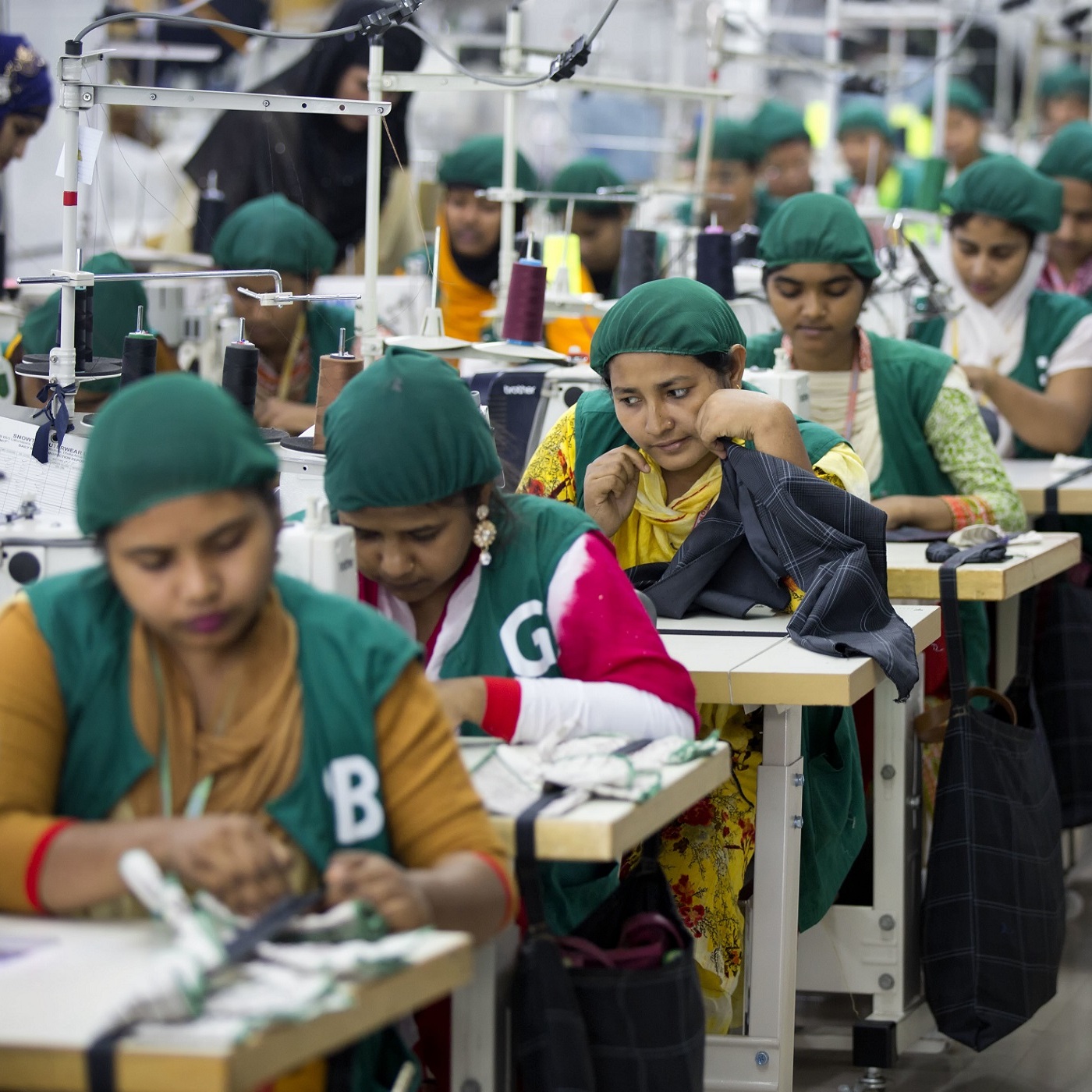
Oct 28, 2019
How a non-profit is using technology to fight child labor in the cocoa industry
Child labor has been a longstanding scourge in the $100-billion cocoa industry for more than two decades. Despite efforts by U.S. Congressmen, African governments, the world's biggest chocolate companies and various non-profit groups, it has been a tough nut to crack. In this episode, we look at program that actually seems to be having an effect. It uses a network of smartphones to identify child laborers on thousands of remote farms in Ghana and the Ivory Coast. It then tries to persuade farmers to stop using their children on farms and to send them to school instead. You will hear from cocoa farmers in Ghana, from Nestle, maker of KitKat, and a Swiss non-profit group called the International Cocoa Initiative, or ICI, which co-founded the program. (Photo: AP)

Aug 22, 2019
New EU taxonomy helps investors, companies identify green investments
A proposed new European Union green classification system would help investors and companies identify and make environmentally friendly decisions and may evolve over time to include rules for social and governance-related investments, experts explain on the latest episode of ESG Insider, an S&P Global podcast. The taxonomy, which the European Commission released for comment in June, "sits at the heart of the EU's action plan on sustainable finance and it's really the essential definition by which we can all judge whether something is green and sustainable or not," said Richard Mattison, CEO of Trucost, which is part of S&P Global Market Intelligence. Mattison, who worked with the EU to craft the recommendations for the taxonomy, also outlined ways companies and investors are likely to apply the rules. And he indicated the policy may be refined and expanded over time to cover a more comprehensive list of social and governance issues such as gender diversity and forced labor. Also in the episode, we talked to Sean Kidney, CEO of the Climate Bonds Initiative, which has its own taxonomy for green bonds. Kidney said the EU's classification system could open up the green bond market to a whole new set of issuers. The EU taxonomy has broader implications too, according to June Choi, a research analyst at the Climate Policy Initiative. "The fact that the EU is taking such a high-level action on climate change sends a very important policy signal, not just for sustainable investors, but to the society in general, because it shows ... a certain level of political resolve to tackle climate change," Choi said. To catch future episodes of ESG Insider, subscribe on Soundcloud, Spotify or iTunes. (Photo: AP)
Jun 24, 2019
SEC's Peirce worries ESG movement could hinder corporate performance
The environmental, social and governance movement could weaken the performance of companies that have already done a lot of good for society, Commissioner Hester Peirce of the U.S. Securities and Exchange Commission said in an exclusive interview for the latest episode of ESG Insider, an S&P Global podcast. Peirce said she worries some managers use companies as their "personal piggy bank" in the name of fulfilling social objectives and she worries that trend could grow as millennials move up the corporate ranks. "I have nothing against millennials and I think it's great they're passionate about a lot of causes," Peirce said. "But I think we shouldn't throw the valuable corporate form out the door at the same time that we're realizing that there are a lot of things that are important in life." The SEC is considering changing the rules underlying the proxy process in which companies hold annual meetings with investors each spring. At those meetings, investors vote on key governance issues and sometimes on resolutions that shareholders have submitted. "We want to get the calibration right so that some shareholders are not subsidizing the pet issues of a few smaller shareholders," Peirce said. The agency has indicated that it could propose rules on the process as early as spring 2020, including potentially related to the thresholds for submitting and resubmitting resolutions and regarding influential proxy advisory firms that many asset managers use to track and vote on resolutions. But shareholder rights advocates worry raising the threshold could hinder their ability to get emerging issues on the radar of company boards and management. Sanford Lewis, a lawyer and director of the Shareholder Rights Group, in the podcast contends the current resubmission thresholds are working fine and points to examples of how shareholders rejected fringe issues in annual meetings this year. In the interview, Peirce also noted that she is mulling options for pulling the SEC entirely out of the process of answering companies' requests to block certain shareholder resolutions that the companies argue are not permissible under the agency's proxy rules. We talked with Tim Smith, Director of ESG Shareowner Engagement at Walden Asset Management, about the potential that the SEC will stop weighing in on resolutions, and whether companies and investors are clamoring for that change. The episode also dives into how climate-related resolutions played out this year at key energy companies including at BP PLC, Royal Dutch Shell PLC, Exxon Mobil Corp. and Chevron Corp.
May 14, 2019
Post 'Me Too' movement, gender pay equality efforts gain momentum
"The environment in which the debate is happening, it's not like it was 10 years ago. We're in the midst of a 'Me Too' movement, we're in the midst of a very, very public discussion about equal pay." This is what Rep. Rosa DeLauro told S&P Global Market Intelligence about why she recently reintroduced the Paycheck Fairness Act and why she thinks it has momentum as it heads to the Senate. It has has already been a big year for pay equity advocates: In January, Citigroup Inc. became the first bank to disclose its median gender pay gap, while actress Michelle Williams made headlines when she spoke on Capitol Hill about her personal experience being paid far less than her male costar. DeLauro hopes to build on that momentum. The Democrat congresswoman from Connecticut is one of several experts we interviewed about the gender pay gap for the latest episode of ESG Insider, an S&P Global podcast. While the U.S. Congress weighs DeLauro's bill, the U.K. has already implemented a law requiring that organizations report on their gender pay gaps. In April, U.K. companies disclosed this information for just the second time, and our podcast dives into the new data points, looking at which companies and industries made progress closing the gap. In the U.S., the issue is also garnering investor attention. In this episode, we hear from an activist shareholder who submitted a proposal calling for more gender pay gap disclosures at some of the nation's largest banks. Bank of America Corp. and Wells Fargo & Co. shareholders voted down the proposal at meetings in April, and JPMorgan Chase & Co. shareholders are poised to vote on the proposal later in May. "We're definitely at a transition point for transparency and disclosure, and any employer that is too hesitant risks being left behind by the broader conversation," said Glassdoor Senior Economist and Data Scientist Daniel Zhao. We talked to Zhao about a new report by Glassdoor, which found the gender pay gap is narrowing but persists around the globe. The U.S. adjusted pay gap fell below 5% in 2018 from 6.5% in 2011, thanks in part to a tighter labor market, more women participating in the workforce and greater awareness of the issue, the jobs website found. The issue is gaining momentum and publicity, but experts we interviewed say closing the gap will take years. "That might not sound like a lot, but it adds up to tens of thousands of dollars over a woman's career," Zhao said. "The gender pay gap is narrowing, but at a slow pace. At the current rate, it will be decades if not generations before the pay gap closes fully." (Photo: AP)
Mar 28, 2019
Inside proxy fights over climate, gender pay and political spending
The interviews: U.S. EPA Chief Andrew Wheeler, Citigroup Global Head of HR Sara Wechter, Arjuna Capital Managing Partner Natasha Lamb, Center for Political Accountability President Bruce Freed, ACCF VP of Policy Tim Doyle, As You Sow President Danielle Fugere. The backstory: Shareholders filed proposals on nearly 400 environmental, social and sustainability issues at U.S. companies through mid-February. The top topics were climate change, gender diversity and corporate political spending. In the second episode of ESG Insider, an S&P Global podcast, we talk to the activist shareholders behind some of these proposals. We hear from one of the world's largest banks about how it engaged with an activist investor on the gender pay gap. And some skeptics of the ESG movement weigh in with their misgivings about the corporate focus on sustainability. "At some point it comes down to: is the company taking the action that shareholders think is necessary? And if not, the resolution process is a way to focus a company's attention on the issue," said Danielle Fugere, president and chief counsel of As You Sow, which is at the forefront of efforts to get companies to set targets to lower their greenhouse gas emissions in line with the Paris Agreement on climate change. The episode features an exclusive interview with U.S. Environmental Protection Agency Administrator Andrew Wheeler, who shares his views on the ESG movement. Also in episode 2, Arjuna Capital LLC Managing Partner Natasha Lamb reveals how her wealth management firm convinced Citigroup Inc. to disclose new — and unflattering — gender pay gap data, even as other banks push back. And Citigroup Global Head of Human Resources Sara Wechter explains why the bank is OK with admitting it has some progress to make in that area. "In order for us to really make a difference, we have to become as comfortable as we possibly can be with the numbers, even if they are uncomfortable," Wechter said. Other podcast guests include Center for Political Accountability President and Co-founder Bruce Freed, and Tim Doyle of the American Council For Capital Formation, which is a member of the Main Street Investors Coalition that is pushing back on the ESG movement. (Photo: AP)

Feb 14, 2019
Experts say these ESG trends will shape 2019
The interviews: Rakhi Kumar, State Street Global Advisors' head of ESG investments; Libby Bernick, Trucost managing director; Mindy Lubber, CEO and president of Ceres. The backstory: Progress on corporate disclosures. A looming talent shortage. Climate change mitigation. These are among the top trends that sustainability experts predict will shape the ESG landscape in 2019. In the inaugural episode of ESG Insider, a new podcast from S&P Global, co-hosts Esther Whieldon and Lindsey White speak to several ESG leaders about the key themes they are watching this year, including Rakhi Kumar, State Street Global Advisors' head of ESG investments and asset stewardship, Mindy Lubber, CEO and president of Ceres, and Libby Bernick, Trucost managing director and global head of corporate business. Lindsey White is a financial news editor with S&P Global Market Intelligence. Esther Whieldon is a sustainability & climate news reporter, also with Market Intelligence. (Photo: AP)