1d ago
Deep Fakes, Data Centers, and AI Slop — Are We Cooked?
Donald Trump has signed an executive order limiting state regulation on artificial intelligence. On this week’s On the Media, Republicans spar over AI, and what deregulating the industry means for the rest of us. Plus, how AI fakery got better in 2025. [01:00] Host Brooke Gladstone sits down with Maria Curi , tech policy reporter for Axios and author of the Axios Pro: Tech Policy newsletter, to chat about the massive bets that Silicon Valley and the White House are making on artificial intelligence. [13:10] Host Micah Loewinger talks with Stephen Witt, author of the book The Thinking Machine , about the massive infrastructure project, and potential problem, that is AI. [28:54] Brooke speaks with Craig Silverman , cofounder of Indicator , about why Big Tech embraced fakeness in 2025, and what that means for 2026 and beyond. Further reading / watching: “ States defiant in face of Trump's AI executive order ,” by Maria Curi “ MAGA scrambles to influence Trump's AI executive order ,” Maria Curi “ Inside the Data Centers That Train A.I. and Drain the Electrical Grid ,” by Stephen Witt “ 2025: The year tech embraced fakeness ,” by Craig Silverman & Alexios Mantzarlis On the Media is supported by listeners like you. Support OTM by donating today ( https://pledge.wnyc.org/support/otm ). Follow our show on Instagram , Twitter and Facebook @onthemedia, and share your thoughts with us by emailing onthemedia@wnyc.org.

3d ago
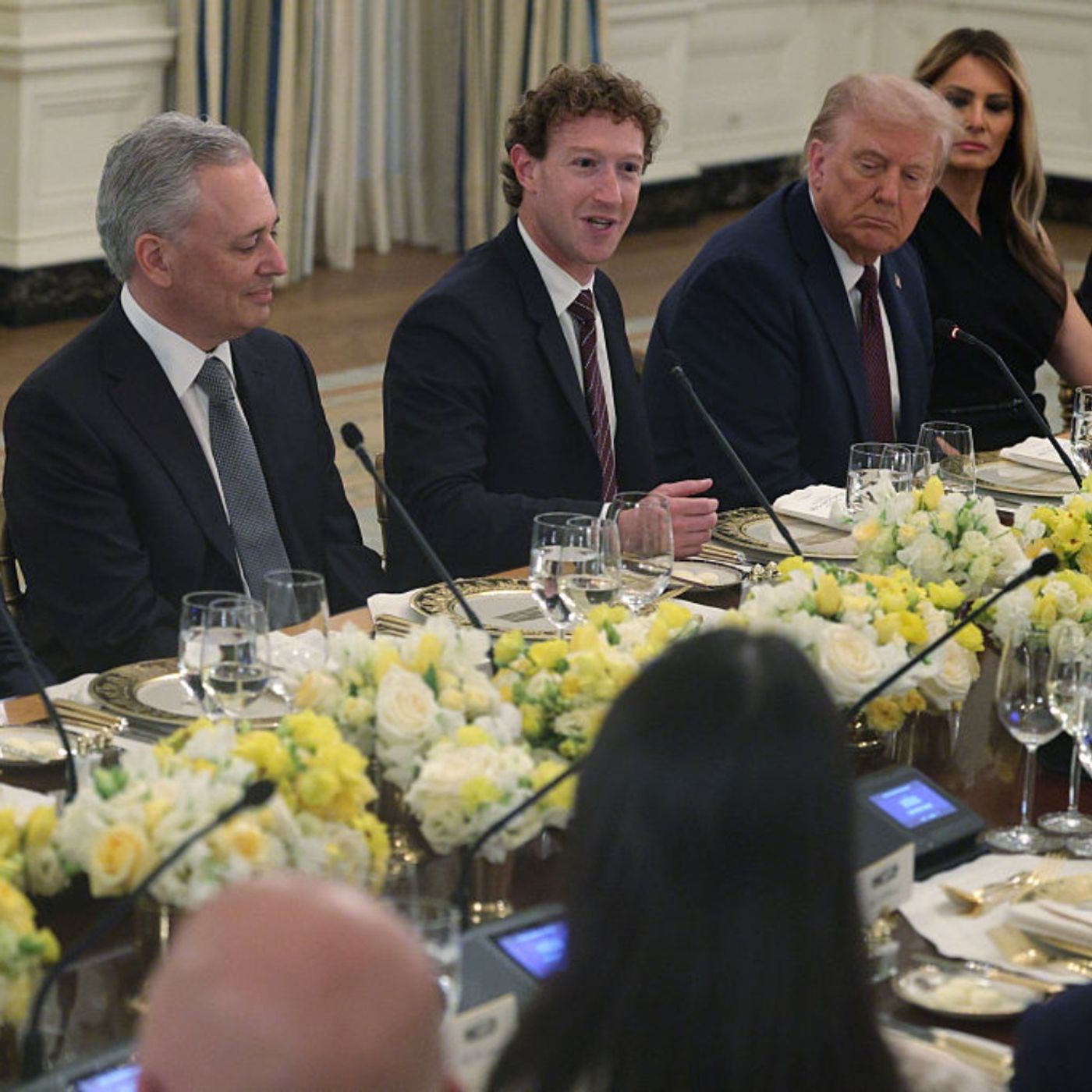
Big Tech Embraced Fakeness in 2025
This year, Silicon Valley poured its collective resources in AI. Billions and billions of dollars. But behind the snazzy ads and glowing endorsements, some users and journalists are warning of bigger issues with the largely unregulated industry. Host Brooke Gladstone sits down with Craig Silverman, cofounder of Indicator, a publication dedicated to understanding and investigating digital deception, to discuss his article arguing that this is the year Big Tech embraced fakeness. On the Media is supported by listeners like you. Support OTM by donating today ( https://pledge.wnyc.org/support/otm ). Follow our show on Instagram , Twitter and Facebook @onthemedia, and share your thoughts with us by emailing onthemedia@wnyc.org.
Dec 13
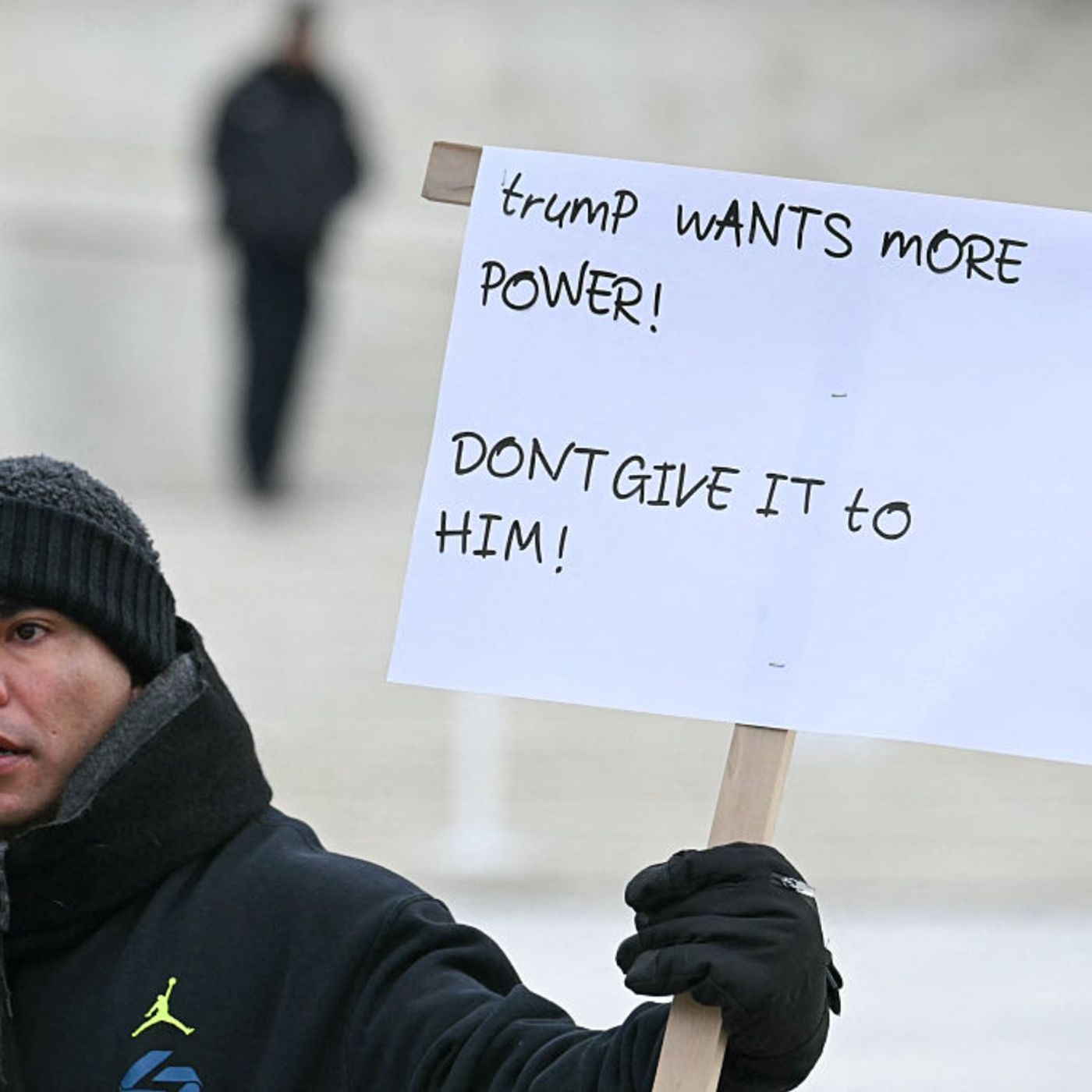
Trump Guns for the FTC. Plus, Are We the Losers in the Paramount v Netflix Battle?
The Supreme Court appears ready to let Donald Trump fire Federal Trade Commission members at will. On this week’s On the Media, why the court’s expansion of presidential powers would impact the entire government. Plus, how two Hollywood giants are squaring off over a massive merger. [02:47] Host Brooke Gladstone sits down with Noah Rosenblum , associate professor of law at New York University, to discuss how the Supreme Court’s pending decision in Trump v. Slaughter could radically expand the president’s power, and the history behind the case. [23:02] Host Micah Loewinger talks with Oliver Darcy, lead author of the newsletter Status and co-host of the podcast Power Lines , about the moguls at Netflix and Paramount Skydance battling over Warner Brothers Discovery, and what this means for the future of CNN, which is owned by Warner Brothers Discovery, and Hollywood. [37:41] Micah speaks with Joel Simon , founding director of the Journalism Protection Initiative at the Craig Newmark Graduate School of Journalism, about what happened with Blake Lively’s legal team subpoenaed Perez Hilton, the gossip blogger, and why expanding the legal framework of journalistic protections is essential. Further reading / watching: The Supreme Court Is About to Hand Trump a Cudgel in the Paramount-Netflix Fight , by Mark Joseph Stern The CNN Sacrifice , by Oliver Darcy The O.G. News Influencer , by Joel Simon On the Media is supported by listeners like you. Support OTM by donating today ( https://pledge.wnyc.org/support/otm ). Follow our show on Instagram , Twitter and Facebook @onthemedia, and share your thoughts with us by emailing onthemedia@wnyc.org.
Dec 10
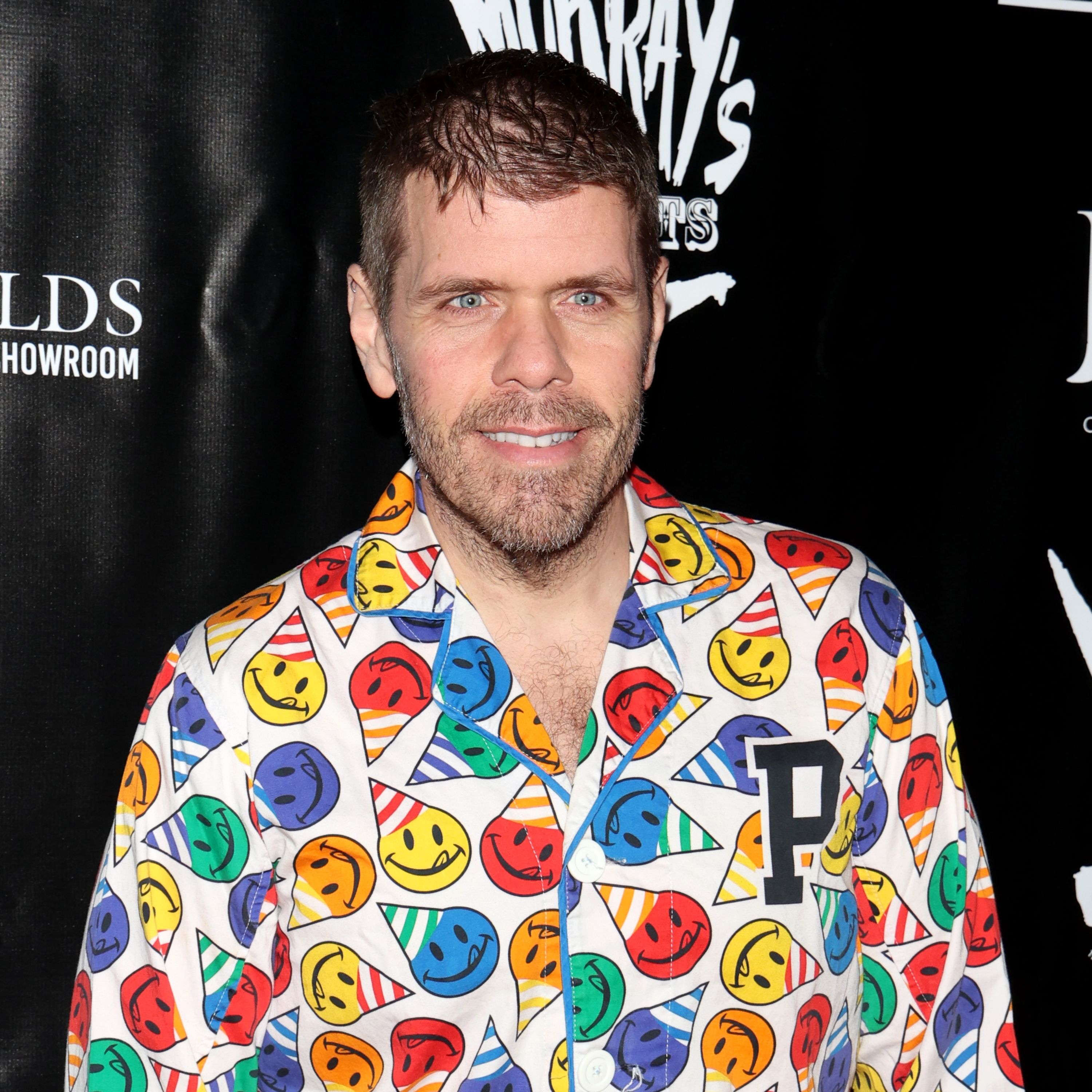
How a Gossip Blogger (almost) Became the Poster Child for First Amendment Rights
Last summer, Perez Hilton, the gossip blogger who rose to fame for his scoopy and sometimes vicious takes in the early 2000s, was served a subpoena by Blake Lively's legal team. Perez Hilton decided to resist the subpoena under the argument that he is a journalist who is entitled to protect his sources. Micah speaks with Joel Simon, the longtime former head of the Committee to Protect Journalist and founding director of the Newmark School's Journalism Protection Initiative, about who gets included under the umbrella of journalism and why expanding the legal framework of journalistic protections is so important in today's media landscape. Further reading: "The O.G. News Influencer ," by Joel Simon On the Media is supported by listeners like you. Support OTM by donating today ( https://pledge.wnyc.org/support/otm ). Follow our show on Instagram , Twitter and Facebook @onthemedia, and share your thoughts with us by emailing onthemedia@wnyc.org.
Dec 5
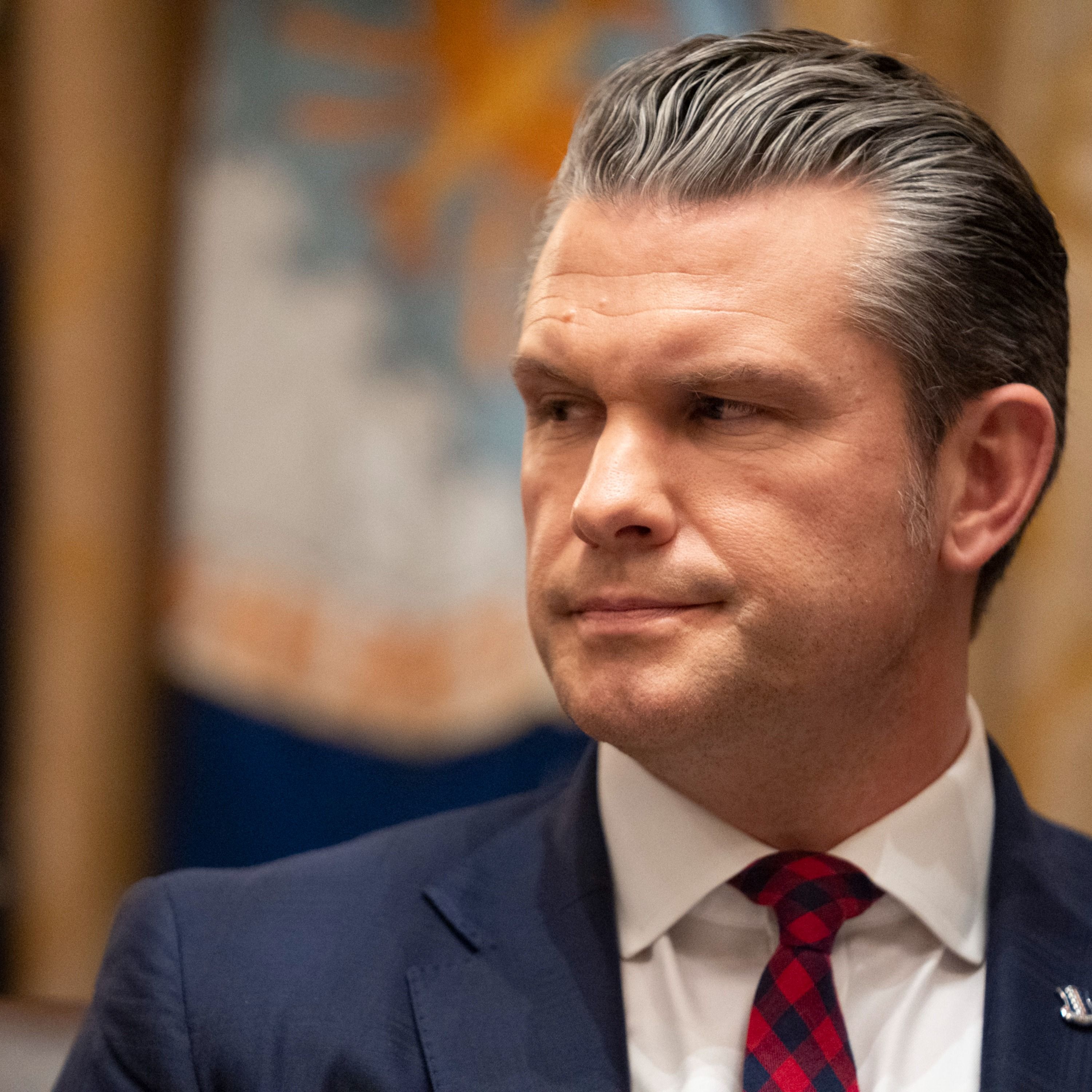
Covering the Pentagon, from Sy Hersh to Laura Loomer
The New York Times has sued the Pentagon for restricting access to journalists. On this week’s On the Media, meet the new cast of right wing influencers and conspiracy theorists replacing the press corps in the Pentagon. Plus, a new documentary examines the life and work of investigative journalist Seymour Hersh. [01:00] Host Micah Loewinger sits down with Dan Lamothe , who covers the US military and Pentagon for the Washington Post, to talk about the Trump administration’s shifting narrative around a second strike that killed two survivors on a boat in the Caribbean. Lamothe used to have a desk in the Pentagon as part of the press corps, but left alongside reporters from major news outlets after they refused to sign onto stringent new rules on how they could do their reporting. [16:58] Micah talks with Anna Merlan , senior reporter at Mother Jones, about the cast of right wing influencers and conspiracists now staffing the Pentagon press corps. Plus, Micah interviews Cam Higby, a member of the new press corps, about why he agreed to the Pentagon’s restrictions on access. [30:15] Micah spoke to another of the new Pentagon press corps; Cam Higby, who reports for his independent online outlet Fearless Media. He has over 750,000 followers on TikTok and over 400,000 on Instagram. [43:18] Micah speaks with Laura Poitras, a journalist and filmmaker whose past works include CitizenFour , All the Beauty and the Bloodshed , and Risk , to discuss her newest documentary. Poitras shares the process of making Cover-Up , coming soon to Netflix, which chronicles the life of investigative journalist Seymour Hersh. Poitras describes Hersh's ferocious drive to uncover government wrongdoing, and what today’s press corps can learn from him. Further reading / watching: “ Hegseth order on first Caribbean boat strike, officials say: Kill them all ,” by Alex Horton and Ellen Nakashima “ ‘Signalgate’ report contradicts Hegseth’s claim of ‘total exoneration’ ,”by Dan Lamothe “ Meet the New Pentagon Press Corps, ” by Anna Merlan Cover-Up , directed and produced by Laura Poitras and Mark Obenhaus On the Media is supported by listeners like you. Support OTM by donating today ( https://pledge.wnyc.org/support/otm ). Follow our show on Instagram , Twitter and Facebook @onthemedia, and share your thoughts with us by emailing onthemedia@wnyc.org.
Dec 3
No, DOGE Isn't Dead
Late last month, Reuters reported that DOGE had “disbanded,” that the group was no longer a centralized government entity. But according to Wired Reporter Vittoria Elliott , while DOGE is no longer moving across the government "in a move-fast-and-break-things blitz,” it is far from dead and gone. One source, at the USDA, told Wired that DOGE operatives had “ burrowed into the agencies like ticks.” Elliott tells Brooke about how DOGE is continuing to shape the government, and what she's learned from talking to federal workers. On the Media is supported by listeners like you. Support OTM by donating today ( https://pledge.wnyc.org/support/otm ). Follow our show on Instagram , Twitter and Facebook @onthemedia, and share your thoughts with us by emailing onthemedia@wnyc.org.
Nov 28
Tell Your Uncle He's Fighting Twitter Bots in Bangladesh
A new feature on X, formerly known as Twitter, has revealed that some prominent MAGA accounts are based in South Asia and Eastern Europe. On this week’s On the Media, how foreign actors funnel political rage-bait into social media feeds. Plus, a school librarian in Louisiana shares how she’s been targeted by book-banning activists. [01:00] Host Micah Loewinger sits down with Charlie Warzel , staff writer at The Atlantic and author of its newsletter Galaxy Brain, to discuss the recent X update that revealed many high profile, pro-MAGA accounts might be based in foreign countries. [16:37] Host Brooke Gladstone talks with Amanda Jones , school librarian in Livingston Parish, Louisiana and former School Librarian of the Year, to discuss her experience as a target of book-banning activists. Plus, why protecting libraries is as crucial as ever. [32:44] Brooke Gladstone talks to Elyse Graham, professor of sociology at Stony Brook University and author of Book and Dagger: How Scholars and Librarians Became the Unlikely Spies of World War II . They discuss the role that academics, archivists, and librarians played in WWII intelligence gathering activities, and why the CIA invested in storytelling as a result. Further reading / watching: Elon Musk’s Worthless, Poisoned Hall of Mirrors , by Charlie Warzel The Librarians film That Librarian: The Fight Against Book Banning in America , by Amanda Jones Book and Dagger: How Scholars and Librarians Became the Unlikely Spies of World War II , by Elyse Graham On the Media is supported by listeners like you. Support OTM by donating today ( https://pledge.wnyc.org/support/otm ). Follow our show on Instagram , Twitter and Facebook @onthemedia, and share your thoughts with us by emailing onthemedia@wnyc.org.
Nov 26
Bullseye's Jesse Thorn on Surviving in the Podcasting Industry
This month marks 25 years of Bullseye, a public radio show and podcast founded, hosted, and produced by Jesse Thorn. The show began as an offbeat college radio show at UC Santa Cruz, as a way for Thorn and his friends to hone their comedian sensibilities over the airwaves during their daily 7:30am slot. Today, it’s a show where artists open up about how and why they pursue their art. And it goes out on NPR. Earlier this month, host Brooke Gladstone called Jesse up to ask him how his show survived every new iteration of podcasting, and how it all began. On the Media is supported by listeners like you. Support OTM by donating today ( https://pledge.wnyc.org/support/otm ). Follow our show on Instagram , Twitter and Facebook @onthemedia, and share your thoughts with us by emailing onthemedia@wnyc.org.
Nov 21
The Battle for the Future of the Democratic Party
Progressive and centrist Democratic candidates had big wins in the 2025 elections. On this week’s On the Media, a data scientist fact-checks the claim that Democrats need moderate voters to win. Plus, an Arizona state senator shares how she’s reaching her constituents on TikTok and on the ground. [01:00] Host Brooke Gladstone sits down with G. Elliot Morris , a journalist, statistician, and author of the data-driven news website Strength in Numbers, to hash out what the data says about whether becoming more moderate is really the key to Democratic candidates winning more elections. [20:09] Brooke chats with Matt Bennett , co-founder of Third Way, a center-left think tank , about his view that Zohran Mamdani’s win in New York City poses a “serious political problem” for the Democrats. [36:06] Finally, Brooke calls up Analise Ortiz , state senator for Arizona’s 24th district, to discuss how TikTok, old-fashioned door-knocking, and making tangible differences in peoples’ lives is the way for the Democrats to start winning again. Further reading: Moderation is not a silver bullet , by G. Elliott Morris Seven data-driven lessons from the 2025 elections , by G. Elliott Morris Was It Something I Said? by Third Way Debunking Myths About the Democratic Party, by Third Way On the Media is supported by listeners like you. Support OTM by donating today ( https://pledge.wnyc.org/support/otm ). Follow our show on Instagram , Twitter and Facebook @onthemedia, and share your thoughts with us by emailing onthemedia@wnyc.org.
Nov 19
The Democratic Party's Spam Machine
If you’ve ever donated to a Democratic candidate, you’ve probably been rewarded with a never-ending stream of pleas for more money in your inbox. And we’re not talking about polite reminders. Demands are often in ALL CAPS. Attached to names of celebrities like GEORGE CLOONEY or TAYLOR SWIFT. And warnings that something awful is about to happen. Adam Bonica is a political scientist at Stanford University who writes a Substack newsletter called On Data and Democracy . He reached his breaking point with Democratic Party spam last year, and decided to investigate why they landed on this strategy, and how effective it really is. On the Media is supported by listeners like you. Support OTM by donating today ( https://pledge.wnyc.org/support/otm ). Follow our show on Instagram , Twitter and Facebook @onthemedia, and share your thoughts with us by emailing onthemedia@wnyc.org.
Nov 14
S2 - Episode 3: The Harvard Plan
The Trump administration is asking universities to sign an agreement in exchange for preferential access to federal funding. On this week’s On the Media, how the arrangement would radically alter the relationship between the government and higher education. Plus, how university leaders are navigating the fight over academic freedom. [00:00] Universities were not always so vulnerable to the whims of politics. The whole system of taxpayer-funded, university-led scientific research came about at the end of World War II, and was the brainchild of a man named Vannevar Bush. He felt the partnership of government and academics had to be equal in order to yield breakthroughs. Today, the Trump administration is proposing a new “compact” that would make the President the dominant partner. We speak with one of the authors of the Trump compact, May Mailman. On the Media is supported by listeners like you. Support OTM by donating today ( https://pledge.wnyc.org/support/otm ). Follow our show on Instagram , Twitter and Facebook @onthemedia, and share your thoughts with us by emailing onthemedia@wnyc.org.
Nov 12
The Republican Party's 'Civil War'
Back in October, Nick Fuentes, the Gen Z white nationalist influencer, was trending in the news after a leaked Young Republicans chat revealed how his ideas were taking hold in some conservative circles. Then, just a week or so later, Fuentes sat down for an interview with Tucker Carlson. That 2-hour interview triggered a crisis amongst the GOP’s top brass that pitted major conservative influencers against each other, and garnered headlines declaring the start of a Republican “civil war.” For this midweek podcast extra, host Micah Loewinger called up Zack Beauchamp, senior correspondent for Vox, to wade through the fallout around Fuentes and Carlson, and break down what this tells us about antisemitism in American politics. On the Media is supported by listeners like you. Support OTM by donating today ( https://pledge.wnyc.org/support/otm ). Follow our show on Instagram , Twitter and Facebook @onthemedia, and share your thoughts with us by emailing onthemedia@wnyc.org.
Nov 7
S2 - Episode 2: The Harvard Plan
Millions of dollars in federal grants have been terminated, throwing cutting-edge research at American universities into crisis. On this week’s On the Media, meet the two men at the center of the fight over the future of academia. [0:00] Harvard president Alan Garber and National Institutes of Health director Jay Bhattacharya are at the heart of the national fight over the future of academia. Alan Garber has been cast as the defender of academic freedom and democracy; Jay Bhattacharya is Donald Trump’s pick to lead the NIH, the agency withholding billions of dollars in research grants from Harvard. Oddly enough, the two men go way back: Garber was Bhattacharya’s undergraduate thesis adviser and mentor in the late 1980s. This episode tells the story of how the two men found themselves adversaries — and what it means for the future of science. On the Media is supported by listeners like you. Support OTM by donating today ( https://pledge.wnyc.org/support/otm ). Follow our show on Instagram , Twitter and Facebook @onthemedia, and share your thoughts with us by emailing onthemedia@wnyc.org.
Nov 5
Do Moderates Win More Elections?
Zohran Mamdani has won the 2025 New York City mayoral race, with a higher turnout of voters than New York has seen in decades. This despite the fact that New York’s senators — Chuck Schumer and Kirsten Gillibrand — did not back Mamdani, and House Democrat Leader Hakeem Jeffries waited until the day before early voting began to endorse the Democratic nominee. Mamdani’s divided party support reflects an intensifying argument over whether Democratic candidates must move closer to the political center - or further away - in order to win. Brooke speaks with Elliott Morris, a journalist, statistician, and author of the data-driven news website Strength in Numbers, about what the numbers say around moderation and why it might not be the silver bullet Democratic strategists seemed to crave. Further reading: Moderation is not a silver bullet , by Elliott Morris The Strategist’s Fallacy in American politics , by Elliott Morris On the Media is supported by listeners like you. Support OTM by donating today ( https://pledge.wnyc.org/support/otm ). Follow our show on Instagram , Twitter and Facebook @onthemedia, and share your thoughts with us by emailing onthemedia@wnyc.org.
Oct 31
The Harvard Plan is Back. Episode 1: And So It Begins...
President Trump is compelling universities across the country to adopt a more conservative agenda in exchange for access to federal funds. On this week’s On the Media, how this pressure campaign is playing out at the oldest and richest university in America: Harvard. [0:00] Our latest collaboration with the Boston Globe is Season Two of The Harvard Plan, in which reporter Ilya Marritz explores what has unfolded at Harvard University since Donald Trump’s inauguration. Three members of the university community tell the story: Ryan Enos, a political scientist, Kamila Naxerova, a genetics professor and cancer researcher, and Kit Parker, a lieutenant colonel in the United States Army Reserve and professor of bioengineering and applied physics. On the Media is supported by listeners like you. Support OTM by donating today ( https://pledge.wnyc.org/support/otm ). Follow our show on Instagram , Twitter and Facebook @onthemedia, and share your thoughts with us by emailing onthemedia@wnyc.org.
Oct 29
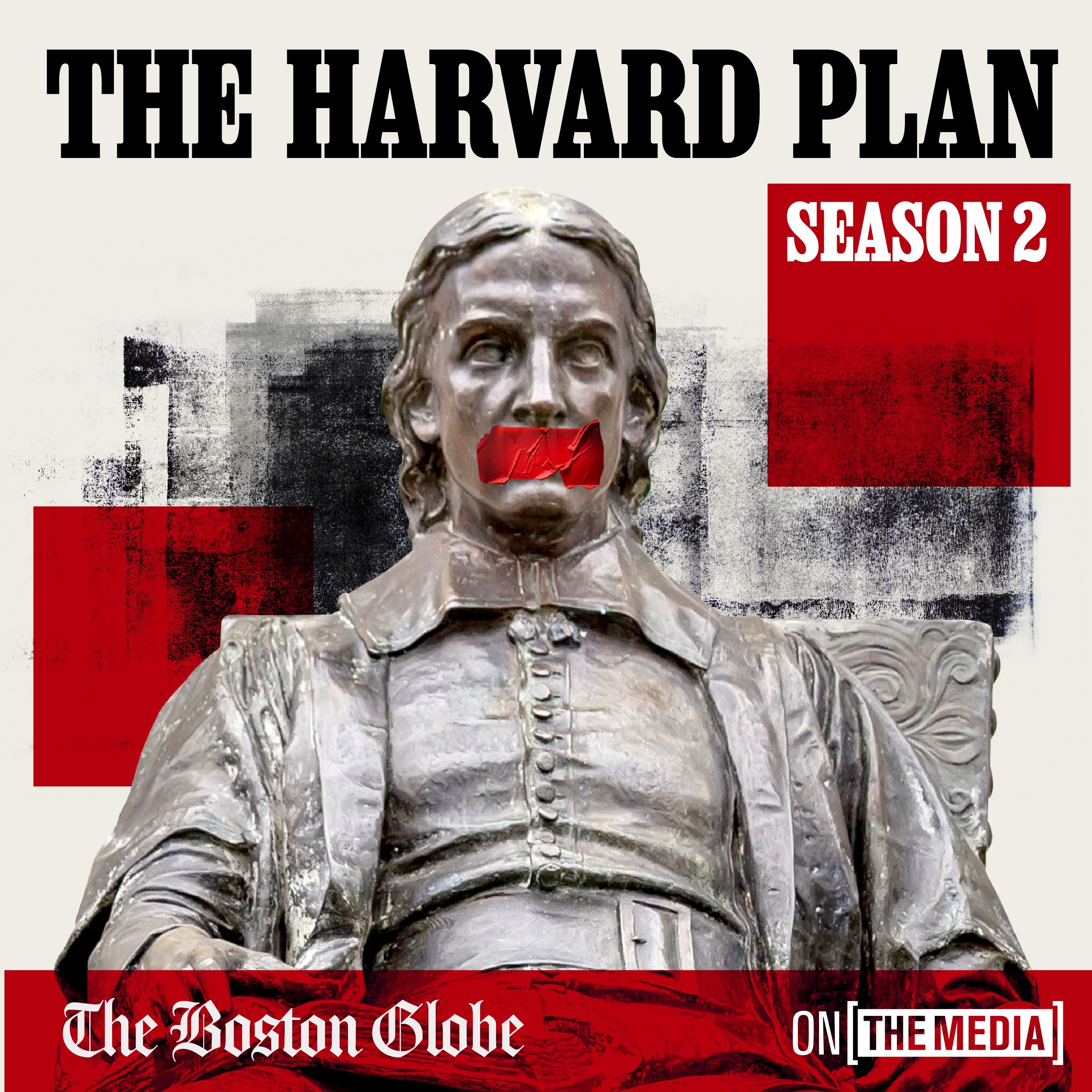
S2 - Episode 1: The Harvard Plan
The Harvard Plan - our collaboration with the Boston Globe, is back! In episode one, we hear what unfolded at Harvard from Donald Trump’s inauguration to convocation 2025. Three main characters, inside Harvard, tell the story from their perspective: politics professor Ryan Enos, genetics professor and cancer researcher Kamila Naxerova and campus conservative Kit Parker, lieutenant colonel in the United States Army Reserve and Professor of Bioengineering and Applied Physics at Harvard. The personal perspectives of our three guides are interwoven with the dramatic timeline and unfolding news. On the Media is supported by listeners like you. Support OTM by donating today ( https://pledge.wnyc.org/support/otm ). Follow our show on Instagram , Twitter and Facebook @onthemedia, and share your thoughts with us by emailing onthemedia@wnyc.org.
Oct 24
Donald Trump's 'Darth Vader.' Plus, the Normalization of White Nationalist Nick Fuentes.
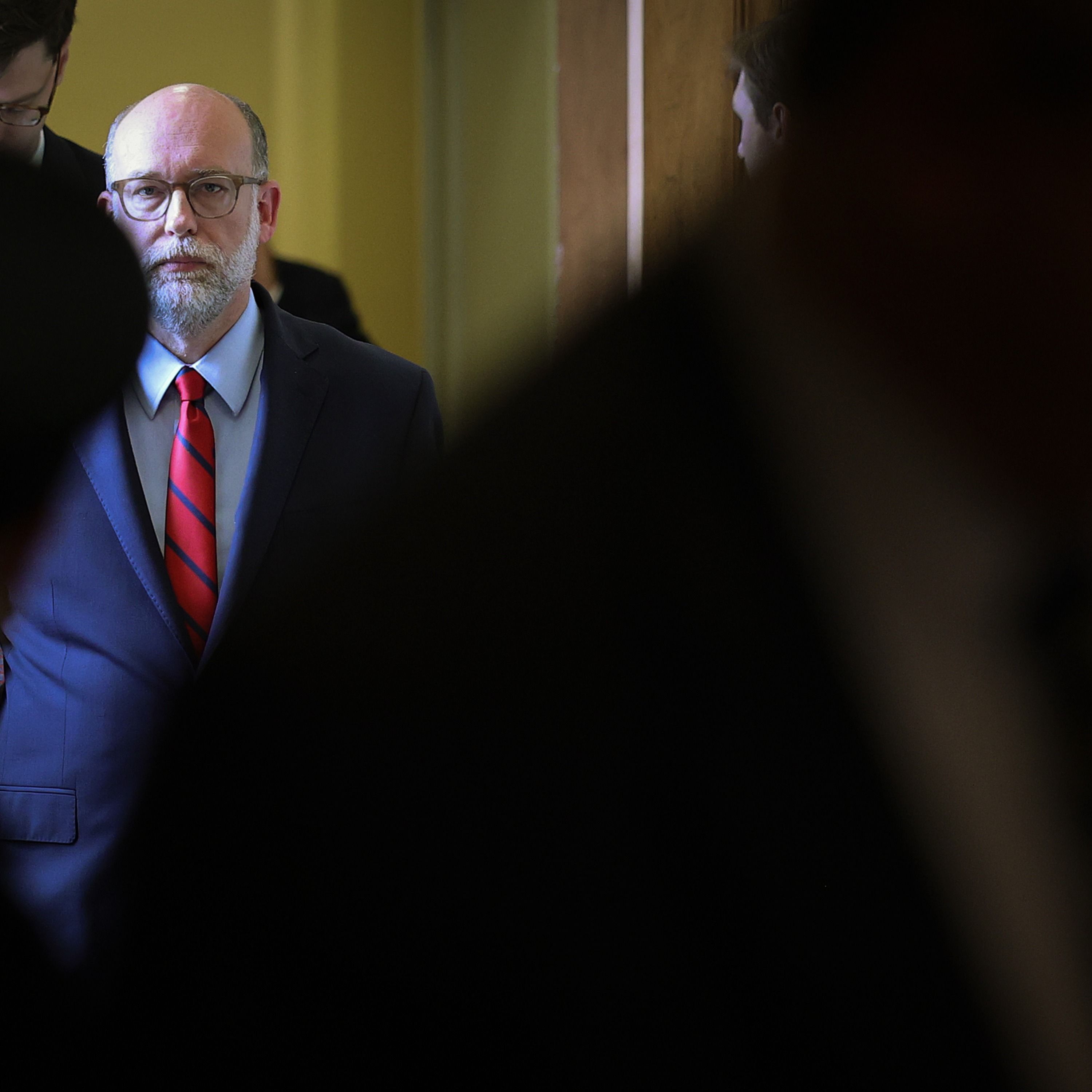
The federal government shutdown has entered its fourth week. On this week’s On the Media, hear about the man who is laying off four thousand federal workers this month, whom some call a “shadow president.” Plus, a white nationalist influencer reveals how fast the Republican party is shifting right. [02:21] Host Brooke Gladstone sits down with Andy Kroll , a reporter covering justice and the rule of law at ProPublica, to discuss Russell Vought, the director of a little-known, but powerful office inside the White House. [20:23] Host Micah Loewinger speaks with Ben Lorber , a senior research analyst at Political Research Associates, about his work tracking Nick Fuentes, the Gen Z white nationalist influencer, since 2019 – and why he’s not convinced that Fuentes is as powerful as he claims to be. [38:13] Host Micah Loewinger called up Gregorio Olivares Gutierrez, a junior and student journalist at the University of Texas, Dallas, to talk about the turmoil between campus newsrooms and their administrations over covering student protests. Further reading / listening: “ The Shadow President ,” by Andy Kroll Safety through Solidarity: A Radical Guide to Fighting Antisemitism , by Shane Burley and Ben Lorber On the Media is supported by listeners like you. Support OTM by donating today ( https://pledge.wnyc.org/support/otm ). Follow our show on Instagram , Twitter and Facebook @onthemedia, and share your thoughts with us by emailing onthemedia@wnyc.org.
Oct 22
How Funding Cuts Are Changing Public Radio
This summer, Republicans clawed back over a billion dollars that had been pledged to public media. But it wasn’t until this month that the corporation for public broadcasting – longtime distributor of that money – started to wind down operations, and those federal funds finally ran out. Now, many stations are weighing whether to spend their shrinking budgets on national programming from the likes of NPR, or to fund journalism on their local communities. We’re affected, too. So begins a new reckoning to save not just individual stations, but the interconnected system that makes public radio so special. LaFontaine E. Oliver is the president, CEO and executive chair of New York Public Radio. This week -- which is also WNYC pledge week -- he tells Brooke about how federal cuts are changing public media, and how our station is facing this critical moment. On the Media is supported by listeners like you. Support OTM by donating today ( https://pledge.wnyc.org/support/otm ). Follow our show on Instagram , Twitter and Facebook @onthemedia, and share your thoughts with us by emailing onthemedia@wnyc.org.
Oct 17
Big Tech is Silencing the ICE Watchers. Plus, Why a Scholar of Antifa Fled the Country.
Tech giants Apple and Google have been quietly removing ways for citizens to document The United States Immigration and Customs Enforcement’s activities. On this week’s On the Media, one group’s efforts to make sure citizens can see what ICE is doing. Plus, the online right-wing campaign that led a historian to flee the country. [01:00] Host Micah Loewinger speaks with Joseph Cox , co-founder of 404 Media, about the Trump administration’s pressure campaign to get rid of apps that document ICE activities, including one that archives videos of ICE abuses, and why these apps could matter for future ICE accountability. [15:34] Host Micah Loewinger speaks with Mark Bray , historian and author of Antifa: The Anti-Fascist Handbook , who left the country after being accused of being “antifa,” resulting in death threats and doxxing. Bray, a professor at Rutgers University, shares how his research is helping him to understand the harassment campaign led by conservative media against him. [31:51] Host Brooke Gladstone called up John J. Lennon , contributing editor for Esquire, at Sing Sing Correctional Facility, where he’s serving the 24th year of his 28-year-to-life sentence for murder, drug sales, and gun possession. He recently wrote the book, The Tragedy of True Crime: Four Guilty Men and the Stories That Define Us , and discusses the impact of the genre on people serving time and why he wants to rewrite typical true crime narratives. On the Media is supported by listeners like you. Support OTM by donating today ( https://pledge.wnyc.org/support/otm ). Follow our show on Instagram , Twitter and Facebook @onthemedia, and share your thoughts with us by emailing onthemedia@wnyc.org.
Oct 15
David Remnick: How The Two State Solution Ended in Disaster
For decades, the United States backed efforts to achieve a two-state solution—in which Israel would exist side by side with the Palestinian state, with both states recognizing each other’s claim to contested territory. The veteran negotiators Hussein Agha, representing Palestine, and Robert Malley, an American diplomat, played instrumental roles in that long effort, including the critical Camp David summit of 2000. But, in their new book, “ Tomorrow Is Yesterday ,” they conclude that they were part of a charade. There was never any way that a two-state solution could satisfy either of the parties, Agha and Malley tell The New Yorker Radio Hour's David Remnick in an interview. “A waste of time is almost a charitable way to look at it,” Malley notes bitterly. “At the end of that thirty-year-or-so period, the Israelis and Palestinians are in a worse situation than before the U.S. got so heavily invested.” The process, appealing to Western leaders and liberals in Israel, was geared to “find the kind of solutions that have a technical outcome, that are measurable, and that can be portrayed by lines on maps,” Agha says. “It completely discarded the issue of emotions and history. You can’t be emotional. You have to be rational. You have to be cool. But rational and cool has nothing to do with the conflict.” On the Media is supported by listeners like you. Support OTM by donating today ( https://pledge.wnyc.org/support/otm ). Follow our show on Instagram , Twitter and Facebook @onthemedia, and share your thoughts with us by emailing onthemedia@wnyc.org.
Oct 11
Authoritarianism, but Make It Look Normal. Plus, the Family Taking Over American Media.
The Supreme Court has returned to the bench and is poised to hear major cases on tariffs and federal firings. On this week’s On the Media, how a century-old legal theory may help us understand how the highest court handles Trump’s second administration. Plus, meet the Ellisons, who are buying up American media like the Vanderbilts collected railroads. [02:26] Host Brooke Gladstone speaks with Greg Sargent , a staff writer at The New Republic and the host of the podcast “The Daily Blast,” on Stephen Miller’s plan to normalize President Trump’s authoritarian moves. [13:37] Host Brooke Gladstone sits down with Pema Levy , a reporter at Mother Jones, to discuss a theory on the two-track justice system in Nazi Germany, and why one justice is warning that the U.S. Supreme Court could recreate it. [34:54] Host Micah Loewinger speaks with Jake Lahut , a reporter for Wired covering the White House, about the Ellison family–America’s newest media magnates–and what their reign might mean for all of us. Further reading / listening: “ Inside Stephen Miller’s Secret Plan to Normalize Trump’s Dictator Rule, ” by Greg Sargent “ The ‘Dual State’ Theory Was Invented to Describe Nazis. The Supreme Court Could Take Us There ,” by Pema Levy “ Larry Ellison Is a ‘Shadow President’ in Donald Trump’s America ,” by Jake Lahut On the Media is supported by listeners like you. Support OTM by donating today ( https://pledge.wnyc.org/support/otm ). Follow our show on Instagram , Twitter and Facebook @onthemedia, and share your thoughts with us by emailing onthemedia@wnyc.org.
Oct 8
What's Wrong with True Crime?
This week, “Monster: The Ed Gein Story” is the most watched show on Netflix. It’s a dramatized retelling of the life of the serial killer who inspired “Psycho” and “The Texas Chainsaw Massacre.” The “Monster” franchise, which includes two earlier seasons about Jeffrey Dahmer and Lyle and Erik Menendez, is one of Netflix’s splashiest hits – the Dahmer season is still the fourth-most viewed English language show in the history of the platform. And the true crime obsession only grows each year. On Netflix last year, 15 of the top 20 documentaries were true crime docs, compared to just six in 2020. But what does it mean for the subjects of these documentaries, that Americans endlessly crave stories about murder and bloodshed and terror? John J. Lennon is a contributing editor for Esquire and writes frequently for New York Review of Books and the New York Times. This week, he spoke to host Brooke Gladstone from Sing Sing Correctional Facility, where he’s serving his 24th year of his 28-year-to-life sentence for murder, drug sales, and gun possession. They spoke about his new book, The Tragedy of True Crime , what it was like to watch himself get featured in a true crime documentary, and why he wants to upend the typical 'true crime' narratives of good vs. evil. On the Media is supported by listeners like you. Support OTM by donating today ( https://pledge.wnyc.org/support/otm ). Follow our show on Instagram , Twitter and Facebook @onthemedia, and share your thoughts with us by emailing onthemedia@wnyc.org.
Oct 3
Jamelle Bouie Says Your Fear of Trump Isn't Helping. Plus, Humphrey Bogart’s Betrayal.
This week, President Trump said he plans to use the military against America's "enemy within." On this week’s On the Media, how Trump’s rhetoric can obscure the real limits to his powers. Plus, how Humphrey Bogart betrayed the ideals of his most celebrated film. [01:00] Host Micah Loewinger sits down for an extended conversation with Jamelle Bouie , columnist at The New York Times. They unpack the unprecedented Quantico meeting, the importance of keeping an eye on history, and why Trump’s mental decline seems to go uncovered by the political press. Plus, a defense of name-calling. [38:26] Host Brooke Gladstone speaks with Corey Robin , distinguished professor of political science at Brooklyn College and author of Fear: The History of a Political Idea , on how free speech crackdowns can change our political culture and tear at the fabric of the soul. Plus, how Humphrey Bogart betrayed the ideals of his most celebrated film. Further reading / listening: “‘The Most Epic Political Victory Our Country Has Ever Seen’ Is Nothing of the Kind” , by Jamelle Bouie Fear: The History of a Political Idea , by Corey Robin On the Media is supported by listeners like you. Support OTM by donating today ( https://pledge.wnyc.org/support/otm ). Follow our show on Instagram , Twitter and Facebook @onthemedia, and share your thoughts with us by emailing onthemedia@wnyc.org.
Oct 1
Bobi Wine: The People's President
This week in Uganda, the pop star-turned-politician Bobi Wine released his election manifesto to win the presidency in 2026. The current leader, Yoweri Museveni, has held power in Uganda since 1986 and is seeking his seventh term. Last year, Brooke spoke with Bobi Wine and Moses Bwayo, a co-director of the Oscar-nominated documentary Bobi Wine: The People's President. They discussed Bobi’s first bid for the presidency, the brutal backlash he has faced alongside his supporters, and why it's important for the world to pay attention to what's happening in Uganda. On the Media is supported by listeners like you. Support OTM by donating today ( https://pledge.wnyc.org/support/otm ). Follow our show on Instagram , Twitter and Facebook @onthemedia, and share your thoughts with us by emailing onthemedia@wnyc.org.
Sep 26
Trump v. Tylenol. Plus, How Charlie Kirk Became a Martyr for the Christian Right.
President Trump has declared that Tylenol should not be used during pregnancy. On this week’s On the Media, how funding cuts and disputed claims linking the drug to autism have sent scientists reeling. Plus, how the religious right are processing the death of Charlie Kirk. [01:00] Host Brooke Gladstone sits down with John Tuthill , neurobiology and biophysics professor at the University of Washington, describes the state of scientific research under Donald Trump, and how it feels to review grant proposals “while the system is burning.” [15:52] Host Micah Loewinger speaks with Josh Keating , senior correspondent at Vox, on how the Trump administration is combining the “war on terror” with the “war on drugs.” [33:48] Host Brooke Gladstone talks with Matthew D. Taylor , senior Christian scholar at the Institute for Islamic, Christian and Jewish Studies in Baltimore, about how Charlie Kirk has been memorialized as a saint and a martyr by the religious right, and what it means. Further reading / listening: “ Fear and loathing on study section: Reviewing grant proposals while the system is burning ,” by John Tuthill “ What happens when Trump combines the war on drugs with the war on terror ,” by Josh Keating “Inside Charlie Kirk's Memorial: A Deep Dive into Christian Nationalism and Political Polarization,” by Bradley Onishi, Straight White American Jesus Podcast On the Media is supported by listeners like you. Support OTM by donating today ( https://pledge.wnyc.org/support/otm ). Follow our show on Instagram , Twitter and Facebook @onthemedia, and share your thoughts with us by emailing onthemedia@wnyc.org.
Sep 24
Goodnight, and Good Luck: 20 Years Later
Joseph and Shirley Wershba, worked at CBS news back in the good ol' days. In 1948, along with Edward R. Murrow, Joe Wershba helped produce the CBS’s first salvo against McCarthyism. Brooke spoke to Joe and his wife Shirley in 2005 about the film "Good Night, and Good Luck," which was partly based on their life. On the Media is supported by listeners like you. Support OTM by donating today ( https://pledge.wnyc.org/support/otm ). Follow our show on Instagram , Twitter and Facebook @onthemedia, and share your thoughts with us by emailing onthemedia@wnyc.org.
Sep 20
Free Speech for Me, but Not for Thee. Plus, Librarians Under Siege.
Jimmy Kimmel’s late-night show has been pulled off the air following his comments about Charlie Kirk’s killer. On this week’s On the Media, how threats to free speech have escalated in the wake of the assassination. Plus, a school librarian in Louisiana shares how she’s been targeted by book-banning activists. [02:25] Host Micah Loewinger sits down with Lily Mason, professor of political science at Johns Hopkins and the co-author of the book Radical American Partisanship: Mapping Violent Hostility, to discuss what data we have on how Americans think about political violence. [21:07] Micah speaks with Ryan Broderick, author of the Garbage Day newsletter, to examine the evidence around Charlie Kirk’s alleged killer, and what radicalization looks like in a digital age. [35:45] Host Brooke Gladstone talks with Amanda Jones, school librarian in Livingston Parish, Louisiana and former School Librarian of the Year, to discuss being a target of book-banning activists. Plus, why protecting libraries is as crucial as ever. Further reading / listening: Radical American Partisanship: Mapping Violent Hostility, Its Causes, and the Consequences for Democracy , by Lily Mason “ Charlie Kirk was killed by a meme, ” by Ryan Broderick That Librarian: The Fight Against Book Banning in America , by Amanda Jones On the Media is supported by listeners like you. Support OTM by donating today ( https://pledge.wnyc.org/support/otm ). Follow our show on Instagram , Twitter and Facebook @onthemedia, and share your thoughts with us by emailing onthemedia@wnyc.org.
Sep 17
Paul Offit Has Opinions About RFK Jnr.
Brooke Gladstone speaks with Paul Offit , the director of the Vaccine Education Center and a physician in the Division of Infectious Diseases at Children's Hospital of Philadelphia, about how the Secretary of Health and Human Services, Robert F. Kennedy Jr., purged the CDC’s vaccine advisory committee members, the controversial figures Kennedy replaced them with, and what impact this will have on the future of vaccines and immunology in the US. On the Media is supported by listeners like you. Support OTM by donating today ( https://pledge.wnyc.org/support/otm ). Follow our show on Instagram , Twitter and Facebook @onthemedia, and share your thoughts with us by emailing onthemedia@wnyc.org.
Sep 13
The Aftermath of Charlie Kirk’s Murder. Plus, the Rise and Fall of CBS.
Conservative activist Charlie Kirk was shot and killed in front of a crowd of students at Utah Valley University. On this week’s On the Media, how the murder of a MAGA media powerhouse is driving both calls for unity, and more violence. Plus, CBS cracks under pressure from the Trump administration. [01:00] Hosts Brooke Gladstone and Micah Loewinger analyze the media coverage of the assassination of conservative youth leader and media personality Charlie Kirk at a university event on Wednesday. [13:34] Brooke speaks with Oliver Darcy, media reporter and author of the newsletter Status , about CBS News’ recent concessions to the Trump administration and how the network is signaling a move to the right under new leadership. [30:43] Micah talks to Peter Shamshiri, co-host of the podcast If Books Could Kill , about what the writings of Bari Weiss reveal about the ideological underpinnings of her media empire, The Free Press. Further reading / listening: “ The Weiss Price ,” by Oliver Darcy “ CBS’ Conservative Cop ,” by Oliver Darcy Pundit Portrait: Bari Weiss , If Books Could Kill podcast On the Media is supported by listeners like you. Support OTM by donating today ( https://pledge.wnyc.org/support/otm ). Follow our show on Instagram , Twitter and Facebook @onthemedia, and share your thoughts with us by emailing onthemedia@wnyc.org.
Sep 10
Apocalypse Again
Brooke chats with Dorian Lynskey , cultural journalist and author of the recent book, Everything Must Go: The Stories We Tell About the End of the World , to examine our centuries-long obsession with telling end-of-the-world stories and what they reveal about our shifting fears through history. Plus, the evolution of the apocalyptic story, from the Book of Revelation to On the Beach to Station Eleven . On the Media is supported by listeners like you. Support OTM by donating today ( https://pledge.wnyc.org/support/otm ). Follow our show on Instagram , Twitter and Facebook @onthemedia, and share your thoughts with us by emailing onthemedia@wnyc.org.
Sep 5
No, Trump Isn't Cracking Down on Crime. Plus, How Ukrainians Tell Their Story of the War.
President Trump is preparing to send the National Guard to cities across the country. On this week’s On the Media, what the press is missing about the president’s so-called “crackdown” on crime. Plus, in the aftermath of a Russian attack, a Ukrainian town asks journalists to record the atrocities. [01:00] Host Micah Loewinger speaks with Jamison Foser, media critic and author of the newsletter Finding Gravity , about President Trump’s plans to send troops into American cities, and how mainstream outlets are missing the mark in their coverage. [14:08] Host Brooke Gladstone sits down with Zack Beauchamp , senior correspondent at Vox, about a telling conversation between four leading MAGA tastemakers, and what it reveals about how the right is thinking about authoritarianism in relation to US democracy. [31:41] Veteran NPR reporter Deb Amos visited Ukraine to report on how Ukrainians are telling the story of the atrocities committed by Russian troops in Bucha – to themselves and the world. Support for this reporting was provided by the International Women’s Media Foundation’s Women on the Ground: Reporting from Ukraine’s Unseen Frontlines Initiative in partnership with the Howard G. Buffett Foundation. Further reading / watching: “ Trump’s military occupation of American cities is unpopular. The media is trying to manufacture consent for it. ” by Jamison Foser “ The right debates just how weird their authoritarianism should be ,” by Zack Beauchamp Bucha On the Media is supported by listeners like you. Support OTM by donating today ( https://pledge.wnyc.org/support/otm ). Follow our show on Instagram , Twitter and Facebook @onthemedia, and share your thoughts with us by emailing onthemedia@wnyc.org.
Sep 3
The Viral Outrage Over Peanut the Squirrel
A beloved squirrel named Peanut was seized in a raid by New York environmental officers last year. A maelstrom of online outrage ensued, upending New York wildlife enforcement in the process. In conversation with NYC Now's Janae Pierre, our colleague, reporter Jon Campbell , unravels the saga -- revealing a story about mistaken identities and the power of online fury. You can listen to more episodes from NYC Now here: https://www.wnyc.org/shows/nyc-now On the Media is supported by listeners like you. Support OTM by donating today ( https://pledge.wnyc.org/support/otm ). Follow our show on Instagram , Twitter and Facebook @onthemedia, and share your thoughts with us by emailing onthemedia@wnyc.org.
Aug 29
Is America Becoming an Autocracy?
President Donald Trump’s countless executive orders and mounting deportations are testing America’s democratic institutions. On this week’s On the Media, what we can learn from Hungary’s recent backslide into autocracy. Plus, why resistance movements throughout history have succeeded with 3.5 percent of the population, or less, behind them. [01:00] Host Micah Loewinger speaks with Andrew Marantz , a staff writer at The New Yorker, about his recent piece, “Is the U.S. Becoming an Autocracy?” and what we can learn from Hungary’s recent backsliding into authoritarianism. [15:44] Micah speaks with Márton Gulyás, founder of Partizán , Hungary’s leading independent news show, about what lessons journalists in the US might take away from his experience. [37:20] Micah sits down with Maria J. Stephan , political scientist and co-author of Why Civil Resistance Works , to dissect the 3.5% rule, a statistic that’s been making its rounds on social media, which is a measurement of the power of collective action. Stephan and her co-researcher Erica Chenoweth first coined the term in 2010. Further reading: “ Is the U.S. Becoming an Autocracy? ” by Andrew Marantz “ Big Tents and Collective Action Can Defeat Authoritarianism ,” by Maria J. Stephan Why Civil Resistance Works: The Strategic Logic of Nonviolent Conflict by Erica Chenoweth and Maria J. Stephan On the Media is supported by listeners like you. Support OTM by donating today ( https://pledge.wnyc.org/support/otm ). Follow our show on Instagram , Twitter and Facebook @onthemedia, and share your thoughts with us by emailing onthemedia@wnyc.org.
Aug 27
The Journalist Who Saw WW2 Coming
For these last couple of weeks of August we’ve been airing a miniseries from our friends at Radio Diaries.The third and final part is about a woman named Dorothy Thompson. In 1939, Time Magazine called her a woman who “thinks, talks and sleeps world problems and scares strange men half to death.” They weren’t wrong. Thompson was a foreign correspondent in Germany in the years leading up to World War 2…and she broadcast to millions of listeners around the world. She became known for her bold commentaries on the rise of Hitler — the Nazis even created a “Dorothy Thompson Emergency Squad” to monitor her work. She was an eloquent and opinionated advocate for the principles of democracy. But by the end of the war, those strong opinions put her career in jeopardy. On the Media is supported by listeners like you. Support OTM by donating today ( https://pledge.wnyc.org/support/otm ). Follow our show on Instagram , Twitter and Facebook @onthemedia, and share your thoughts with us by emailing onthemedia@wnyc.org.
Aug 22
The Power of Shortwave Radio. And, What Gets Lost with Voice of America?
This month, the director of Voice of America is being forced out in the latest of many moves to dismantle the state broadcasting service. On this week’s On the Media, a history of the Voice of America, and how it’s been politicized. Plus, hear why propagandists in Russia, China, and Iran are celebrating cuts to U.S.-funded foreign reporting. [01:00] Episode 1 of The Divided Dial, Season 2: Fishing in the Night. You know AM and FM radio. But did you know that there is a whole other world of radio surrounding us at all times? It’s called shortwave — and, thanks to a quirk of science that lets broadcasters bounce radio waves off of the ionosphere, it can reach thousands of miles, penetrating rough terrain and geopolitical boundaries. Reporter Katie Thornton on how this instantaneous, global, mass communication tool — a sort of internet-before-the-internet — transformed from a utopian experiment in international connection to a hardened tool of information warfare and propaganda. [34:14] Host Micah Loewinger sits down with Alsu Kurmasheva, press freedom advocate and veteran journalist of Radio Free Europe/Radio Liberty’s Tatar-Bashkir service, on what the network provides in countries lacking a free press and her own nine month detention in Russia. Plus, Bay Fang, president of Radio Free Asia, or RFA, on why authoritarians are celebrating Trump’s shutdown and how RFA’s closure will further diminish press freedom in Asia. On the Media is supported by listeners like you. Support OTM by donating today ( https://pledge.wnyc.org/support/otm ). Follow our show on Instagram , Twitter and Facebook @onthemedia, and share your thoughts with us by emailing onthemedia@wnyc.org.
Aug 20
The Forgotten Shock Jock Who Paved the Way for Rush Limbaugh
This week, we're airing part two of a documentary series, courtesy of Radio Diaries, about three radio personalities who had huge audiences in their time, but today, are largely forgotten. These days, we’re used to media that thrives on conflict, that amplifies the most outrageous voices in the room. It’s something we often trace back to shock jocks like Howard Stern, and in-your-face talk show hosts like Tucker Carlson and Rush Limbaugh. But long before all those guys, there was Joe Pyne. At the height of his career in the 1950s, the New York Times called him the “ranking nuisance of broadcasting.” On the Media is supported by listeners like you. Support OTM by donating today ( https://pledge.wnyc.org/support/otm ). Follow our show on Instagram , Twitter and Facebook @onthemedia, and share your thoughts with us by emailing onthemedia@wnyc.org.
Aug 15
Silicon Valley's Rightwing Roots. Plus, the CEO of Bluesky Reimagines Social Media
When Donald Trump returned to office, tech companies donated millions of dollars to his inaugural committee. On this week’s On the Media, the rightwing roots of Silicon Valley. Plus, the CEO of the burgeoning social media platform, Bluesky, on how to billionaire-proof the internet. [01:00] Micah Loewinger speaks with Becca Lewis , a postdoctoral researcher at Stanford University, about how Silicon Valley has always had rightwing roots — an influential group of conservative thinkers in the tech world have long seen new technologies as tools for restoring older social orders. [14:47] Host Micah Loewinger speaks with Jay Graber , the CEO of Bluesky, a competitor to Twitter/X that’s seen massive growth recently, about how Bluesky is structured in a fundamentally different way than other social media platforms, and why that might make it “billionaire-proof.” [32:27] OTM producer and new parent Molly Rosen speaks with Amanda Hess, author of the new book Second Life: Having a Child in the Digital Age , on how new technologies have transformed the experience of parenthood and what this signals about the future. Further reading: “‘Headed for technofascism’: the rightwing roots of Silicon Valley,” by Becca Lewis Second Life: Having a Child in the Digital Age , by Amanda Hess “ My Son Has a Rare Syndrome. So I Turned to the Internet ,” by Amanda Hess On the Media is supported by listeners like you. Support OTM by donating today ( https://pledge.wnyc.org/support/otm ). Follow our show on Instagram , Twitter and Facebook @onthemedia, and share your thoughts with us by emailing onthemedia@wnyc.org.
Aug 13
The Famous Black Preacher Who Feuded With MLK
For these final weeks of summer we wanted to transport you away from the doom and gloom of the daily news with a trio of stories produced by our friends at the public radio documentary-maker, Radio Diaries. The series is called “Making Waves” and it profiles three people who pushed the boundaries of radio: one to warn, one to rile, one to preach. This week's focus is the preacher. In 1934, the Washington Post called Elder Lightfoot Solomon Michaux the “best known colored man in America.” His Sunday services were broadcast to over 25 million listeners on CBS radio. Black America saw Michaux as a leader for racial harmony and progress. But during the civil rights movement, his reputation took an unlikely turn. On the Media is supported by listeners like you. Support OTM by donating today ( https://pledge.wnyc.org/support/otm ). Follow our show on Instagram , Twitter and Facebook @onthemedia, and share your thoughts with us by emailing onthemedia@wnyc.org.
Aug 8
Trump's Fact Eradication Program. Plus, How Jubilee is Transforming Political Debate
President Trump fired the commissioner of the Bureau of Labor Statistics following a weak jobs report. On this week’s On the Media, how the Trump administration is threatening government data. Plus, a viral YouTube channel raises questions about the meaning of political debate. [01:00] Host Brooke Gladstone situates President Trump’s recent firing of the commissioner of the Bureau of Labor Statistics within a larger effort to discount facts that aren’t politically convenient. Plus, Amy O’Hara , a professor at Georgetown's Massive Data Institute, on the importance of government data, and Andreas Georgiou , a scholar in statistics at Amherst College, on his years-long battle to defend accurate economics data in Greece. [12:34] Brooke speaks with Angelo Carusone , the president of Media Matters, a liberal watchdog group that follows and fact-checks right-wing outlets like Fox News, NewsMax, and the Tucker Carlson Network, about the group’s fight for survival as it faces a deluge of lawsuits brought by Elon Musk’s X. [28:22] Host Micah Loewinger delves into the meteoric rise of the YouTube channel Jubilee with technology and online culture journalist Taylor Lorenz , and the channel’s mission of fostering “radical empathy” by hosting political debates between wildly opposing groups. He speaks with Mehdi Hasan , editor-in-chief of Zeteo , about his recent Jubilee debate with far right conservatives and how the channel is transforming the meaning of political debate. Plus, Stassia Underwood, a participant of one Jubilee debate, opens up about her experience on set. Further reading: “ Under Siege From Trump and Musk, a Top Liberal Group Falls Into Crisis, ” by By Kenneth P. Vogel, Kate Conger, and Ryan Mac “ 1 Conservative vs 25 LGBTQ+ Activists (feat. Michael Knowles) ” (Jubilee) “ 1 Progressive vs 20 Far-Right Conservatives (ft. Mehdi Hasan) ” (Jubilee) On the Media is supported by listeners like you. Support OTM by donating today ( https://pledge.wnyc.org/support/otm ). Follow our show on Instagram , Twitter and Facebook @onthemedia, and share your thoughts with us by emailing onthemedia@wnyc.org.
Aug 6
Eric Adams' Latest Scandal
Here in New York we’re not due to select our next mayor till November but somehow it feels like we’re already embroiled in pre-election chaos. Eric Adams is now running as an independent, and to do so he was required to present the signatures of 7,500 New Yorkers who support him. He actually handed in around 50,000 signatures so he more than made the cut off. But when our colleagues in the WNYC newsroom (and for the podcast NYC Now) began to look into those signatures, they stumbled onto a scandal. On the Media is supported by listeners like you. Support OTM by donating today ( https://pledge.wnyc.org/support/otm ). Follow our show on Instagram , Twitter and Facebook @onthemedia, and share your thoughts with us by emailing onthemedia@wnyc.org.
Aug 1
Images of Mass Starvation Shift Gaza Coverage. Plus, the Forgotten History of the First Sitcom.
As reports of starving children in Gaza mount, France, Britain, and Canada are preparing to recognize Palestinian statehood. On this week’s On the Media, Palestinian journalists documenting food scarcity in Gaza are themselves going without food. Plus, how Israeli tv stations are deflecting blame for the blockade on aid. [01:00] Host Micah Loewinger speaks with Adel Al Salman, a Cyprus-based photo editor for the Agence France-Press. They discuss how shocking images of starving children may have contributed to a shift in the conversation around Gaza, and how the Palestinian journalists taking those photos are starving, too. Plus, Micah asks Diana Buttu , a lawyer and former peace negotiator for the Palestine Liberation Organization, if the change in discourse will make a difference on the ground in Gaza. [17:04] Micah sits down with Oren Persico , media critic and staff writer for the Israeli outlet The Seventh Eye , about how (and if) images of the horrors in Gaza are being discussed on Israeli television. [29:44] Host Brooke Gladstone talks with Emily Nussbaum , television critic for The New Yorker, about the forgotten story of Gertrude Berg, the woman behind the television sitcom, and the anti-communism campaign that clouded her legacy. Further reading: “ Israeli Human Rights Group Says Israel Is Committing Genocide. Why Did It Take 22 Months? ” by Diana Buttu “ The Forgotten Inventor of the Sitcom ,” by Emily Nussbaum On the Media is supported by listeners like you. Support OTM by donating today ( https://pledge.wnyc.org/support/otm ). Follow our show on Instagram , Twitter and Facebook @onthemedia, and share your thoughts with us by emailing onthemedia@wnyc.org.
Jul 30
McKay Coppins on The Murdochs
Brooke spoke in May with McKay Coppins , a staff writer at The Atlantic, about the remarkable, extensive interviews he conducted with members of the Murdoch family — particularly James Murdoch and his wife Kathryn. (Rupert and his eldest son, Lachlan, declined to participate). Hear about the infighting and sibling rivalry, and how the HBO show “Succession” influenced the family’s fight over the future of their own media empire. On the Media is supported by listeners like you. Support OTM by donating today ( https://pledge.wnyc.org/support/otm ). Follow our show on Instagram , Twitter and Facebook @onthemedia, and share your thoughts with us by emailing onthemedia@wnyc.org.
Jul 25
Trump's Presidential Library Grift. Plus, the Hacker Behind the NYT’s Mamdani Story.
The FCC just approved a lucrative merger between Paramount and Skydance. Weeks earlier, Paramount settled a lawsuit with the president by paying him 16 million dollars. On this week’s On the Media, hear how that money is being funneled to Donald Trump’s future presidential library. Plus, how conservative outlets are coordinating attacks on universities. [01:00] Host Brooke Gladstone speaks with Tim Naftali , a Senior Research Scholar at the Columbia School of International and Public Affairs, about how President Trump has raised millions of dollars from lawsuit settlements with media companies for his future presidential library, and why this matters. [19:23] Host Micah Loewinger speaks with Katherine Mangan , a senior writer at The Chronicle of Higher Education, about the recent investigations launched into George Mason University by the Trump administration, and the media campaign that followed suit. [32:43] Micah sits down with Elizabeth Lopatto , senior writer at The Verge, to dissect the ‘violently racist’ background of the hacker who allegedly stole admissions data from five universities, leading to the leak of Zohran Mamdani’s Columbia application to the New York Times. Plus, the consequences of the Times omitting any mention of the hacker from their coverage of the leak . Comment from Patrick Healy, Assistant Managing Editor for Standards and Trust at the New York Times: " Our reporters obtained information about Mr. Mamdani’s Columbia college application and went to the Mamdani campaign with it. When we hear anything of news value, we try to confirm it through direct sources. Mr. Mamdani confirmed this information in an interview with The Times. Mr. Mamdani shared his thinking about the limitations of identity boxes on forms like Columbia’s, and explained how he wrote in “Uganda,” the country of his birth – the kind of decision many people with overlapping identities have wrestled with when confronted with such boxes. We believe Mr. Mamdani’s thinking and decision-making, laid out in his words, was newsworthy and in line with our mission to help readers better know and understand top candidates for major offices. We sometimes receive information that has been hacked or from controversial sources. The Times does not solely rely on nor make a decision to publish information from such a source; we seek to confirm through direct sources, which we did with Mr. Mamdani. Sometimes sources have their own motives or obtain information using means we wouldn't, like Trump's taxes, Wikileaks or Edward Snowden. It’s important to share what we can about sourcing, but we always independently assess newsworthiness and factual accuracy before publishing. On sourcing, we work to give readers context, including in this case the initial source’s online alias, as a way to learn more about the person, who was effectively an intermediary. The ultimate source was Columbia admissions data and Mr. Mamdani, who confirmed our reporting. We heard from readers who wanted more detail about this initial source. That’s fair feedback. We printed his online alias so readers could learn more about the person. The purpose of this story was to help illuminate the thinking and background of a major mayoral candidate. " Full version here . Further reading: “ The Death of Nonpartisan Presidential History ,” by Tim Naftali “ George Mason Is the Latest University Under Fire From Trump. Its President Fears an “Orchestrated” Campaign ,” by Katie Mangan “ This ‘violently racist’ hacker claims to be the source of The New York Times’ Mamdani scoop ,” by Elizabeth Lopatto “ The Columbia hack is a much bigger deal than Mamdani’s college application ,” by Elizabeth Lopatto “ Mamdani Identified as Asian and African American on College Application ,” by Benjamin Ryan, Nicholas Fandos, and Dana Rubinstein “ Columbia Cyberattack Appears Politically Motivated, University Says ,” by Sharon Otterman “ Columbia University Applicants’ Personal Data Stolen by Hacker ,” by Cameron Fozi On the Media is supported by listeners like you. Support OTM by donating today ( https://pledge.wnyc.org/support/otm ). Follow our show on Instagram , Twitter and Facebook @onthemedia, and share your thoughts with us by emailing onthemedia@wnyc.org.
Jul 23
EXTENDED VERSION: Michael Douglas Movies And The Crisis Of Masculinity
EXTENDED VERSION: Brooke sits down with Jessa Crispin , critic and editor-in-chief of The Culture We Deserve, to talk about her new book What Is Wrong with Men: Patriarchy, the Crisis of Masculinity, and How (Of Course) Michael Douglas Films Explain Everything , which tracks the “masculinity crisis” through Michael Douglas films. On the Media is supported by listeners like you. Support OTM by donating today ( https://pledge.wnyc.org/support/otm ). Follow our show on Instagram , Twitter and Facebook @onthemedia, and share your thoughts with us by emailing onthemedia@wnyc.org.
Jul 19
MAGA Fractures Over Epstein. Plus, What Michael Douglas Movies Tell Us About Masculinity.
The Trump administration is trying to subdue fury from all angles over the Epstein Files. On this week's On the Media, how the controversy is fracturing Republicans and firing up Democrats. Plus, tracing today’s so-called “masculinity crisis” through the films of Michael Douglas. [00:00] Host Brooke Gladstone dissects the bitter division between President Trump and several MAGA politicians and influencers over his administration’s handling of the Epstein files, and how the president is suddenly at odds with the initial source of his political momentum – conspiracies. [00:00] Host Micah Loewinger speaks with Dan Friedman , a senior reporter for Mother Jones, about what we actually know regarding Trump’s relationship with Jeffrey Epstein and the line between skepticism and conspiracism. [00:00] Brooke sits down with Jessa Crispin , critic and editor-in-chief of The Culture We Deserve, to chat about her new book What Is Wrong with Men: Patriarchy, the Crisis of Masculinity, and How (Of Course) Michael Douglas Films Explain Everything , which tracks the “masculinity crisis” through Michael Douglas films. Further reading: “ Stop Taking the Epstein Bait, Dems ,” by Dan Friedman What Is Wrong with Men: Patriarchy, the Crisis of Masculinity, and How (Of Course) Michael Douglas Films Explain Everything by Jessa Crispin On the Media is supported by listeners like you. Support OTM by donating today ( https://pledge.wnyc.org/support/otm ). Follow our show on Instagram , Twitter and Facebook @onthemedia, and share your thoughts with us by emailing onthemedia@wnyc.org.
Jul 16
Planning for Inevitable Climate Disaster
The Atlantic hurricane season is currently underway – and in fact, it was the tail end of tropical storm Barry that contributed to the deadly flash floods in Texas two weeks ago that has claimed at least 132 lives so far. As I write this, over 100 people are still missing. According to writer Nathaniel Rich , when it comes to planning for a fraught climate future, New Orleans sets an example the rest of the country would be wise to follow. This week, we're revisiting this conversation about how the city confronts the inevitable. On the Media is supported by listeners like you. Support OTM by donating today ( https://pledge.wnyc.org/support/otm ). Follow our show on Instagram , Twitter and Facebook @onthemedia, and share your thoughts with us by emailing onthemedia@wnyc.org.
Jul 11
Inside the Artificial Intelligence Hype Cycle. And How AI is Making Music
Like it or not, more people are using artificial intelligence than ever. On this week’s On the Media, hear about the AI arms race between the U.S. and China, and how the tech gets overhyped. Plus, a composer wrestles with a new AI music generator – which threatens his own job. [01:00] Brooke speaks with Ed Zitron , host of the Better Offline podcast and author of the newsletter Where’s Your Ed At, about how tech moguls have gotten away with overhyping A.I. for years. Plus, the apparent race for AI supremacy between the U.S. and China. [18:09] Brooke continues the conversation with Ed Zitron , peeling back the facade to explore what generative A.I. can actually do. [29:51] Former OTM producer, and current composer and sound designer, Mark Henry Phillips , on how AI music generators could fundamentally upend his industry for good. Further reading: “ Deep Impact ,” by Ed Zitron “ Godot Isn't Making it ,” by Ed Zitron “ Bubble Trouble ,” by Ed Zitron On the Media is supported by listeners like you. Support OTM by donating today ( https://pledge.wnyc.org/support/otm ). Follow our show on Instagram , Twitter and Facebook @onthemedia, and share your thoughts with us by emailing onthemedia@wnyc.org.
Jul 9
Having a Child in the Digital Age
In Amanda Hess' new book, Second Life: Having a Child in the Digital Age , she explores the many apps, megamaternity brands, high-tech baby gear, and social media subcultures that have infiltrated in the process of having a baby in modern-day America. OTM producer and new parent Molly Rosen speaks with Hess about how new technologies have transformed the experience of parenthood and what this signals about the future. Further reading: Second Life: Having a Child in the Digital Age , by Amanda Hess My Son Has a Rare Syndrome. So I Turned to the Internet ., by Amanda Hess On the Media is supported by listeners like you. Support OTM by donating today ( https://pledge.wnyc.org/support/otm ). Follow our show on Instagram , Twitter and Facebook @onthemedia, and share your thoughts with us by emailing onthemedia@wnyc.org.
Jul 4
The Battle Over Public Broadcasting
President Trump is asking lawmakers to claw back over a billion dollars in federal funds for public broadcasting. On this week’s On the Media, the long history of efforts to save—and snuff out—public broadcasting. Plus, the role of public radio across the country, from keeping local governments in check to providing life-saving information during times of crisis. [01:00] Hosts Brooke Gladstone and Micah Loewinger explore the history of the Corporation for Public Broadcasting and break down its funding with Karen Everhart , managing editor of Current. [07:59] Host Micah Loewinger speaks with Senator Ed Markey of Massachusetts, a member of the Subcommittee which oversees the Corporation For Public Broadcasting, on his decades-long fight with Republican lawmakers to keep NPR and PBS alive. [13:45] Host Brooke Gladstone sits down with Mike Gonzalez , a senior fellow at The Heritage Foundation, who authored a part of the foundation’s Project 2025 chapter on ending CPB funding. [26:15] Hosts Brooke Gladstone and Micah Loewinger on how public radio stations across the country work to hold local governments accountable, ft: Scott Franz of KUNC in Colorado, Matt Katz formerly of WNYC, and Lindsey Smith of Michigan Public. [34:27] Host Micah Loewinger takes a deep dive into the role of public radio during crises, ft: Tom Michael , founder of Marfa Public Radio and Laura Lee , former news director for Blue Ridge Public Radio. [41:28] Host Brooke Gladstone sits down with Sage Smiley , news director at KYUK in Bethel, Alaska, to talk about the station’s life-saving coverage of the Kuskokwim Ice Road in southwestern Alaska, and what the region would lose without public radio. Further reading: “ End of CPB funding would affect stations of all sizes ,” by Adam Ragusea “ Is there any justification for continuing to ask taxpayers to fund NPR and PBS? ” by Mike Gonzalez “ Should New Jersey Democratic Officials Keep Jailing Immigrants for ICE? ” by Matt Katz “ A secret ballot system at Colorado’s statehouse is quietly killing bills and raising transparency concerns ,” by Scott Franz “ Not Safe to Drink ,” a special radio series by Michigan Public “ The Rock House Fire: 5 Years Later ,” by Tom Michael On the Media is supported by listeners like you. Support OTM by donating today ( https://pledge.wnyc.org/support/otm ). Follow our show on Instagram , Twitter and Facebook @onthemedia, and share your thoughts with us by emailing onthemedia@wnyc.org.
Jul 2
How Country Music Became the Sound of U.S. Patriotism
Today's country music industry is deeply associated with a certain jingoistic ‘rally around the flag,' ‘support the troops’ spirit. In this week’s podcast, we're re-airing a conversation with Joseph M. Thompson, author of Cold War Country: How Nashville's Music Row and the Pentagon Created the Sound of American Patriotism . Micah and Joseph discuss how hillbilly music transformed into the powerful country music industry, starting with a little assistance from the US military in the 1940s and 50s. Plus, how country music came to be linked to a certain type of American patriotism, and why some of country music’s most famous jingoistic songs are more complex than many listeners think. On the Media is supported by listeners like you. Support OTM by donating today ( https://pledge.wnyc.org/support/otm ). Follow our show on Instagram , Twitter and Facebook @onthemedia, and share your thoughts with us by emailing onthemedia@wnyc.org.
Jun 27
Trump Tries and (Mostly) Fails to Control the Narrative on Iran. Plus, RFK Jr. is Bad for Our Health
Health Secretary Robert F. Kennedy’s revamped CDC vaccine advisory board stopped recommending certain flu vaccines this week. On this week’s On the Media, a scientist debunks the claims that RFK, Jr.’s appointees are making. Plus, how the media covered the U.S. bombing of Iran. [02:01] Host Micah Loewinger unspools the Trump administration’s attempts to control the narrative around the war in Iran, including the president’s insistence on the “total obliteration” of Iran’s nuclear sites, conflicting reports over whether or not Iran had a nuclear weapons program in the works, and how the media is missing the mark. [12:04] Brooke continues her conversation with Paul Offit about the new controversial figures appointed to the CDC’s vaccine advisory committee, and how science communication could improve in the next public health crisis. Correction, 6/30/2025: In an earlier version of this broadcast, Brooke said that COVID-19 was spread by primarily by droplets. The virus is in fact spread by aerosol particles as well as by droplets. Further reading: “ Lawmakers and Pundits Speed Run Iraq WMDs-Level Lies About Iran ,” by Sarah Lazare and Adam Johnson “ Donald Trump and Sean Hannity Set Off a Wave of Disinformation After Iran Bombing ,” by David Gilbert On the Media is supported by listeners like you. Support OTM by donating today ( https://pledge.wnyc.org/support/otm ). Follow our show on Instagram , Twitter and Facebook @onthemedia, and share your thoughts with us by emailing onthemedia@wnyc.org.
Jun 25
The Final Unravelling of Bob Menendez
This week, On the Media shares the final episode of Dead End: The Rise and Fall of Gold Bar Bob Menendez . For WNYC, reporter and host Nancy Solomon describes how the FBI watched Menendez have a dinner with Egyptian spies, the moment they found gold bars in a closet, and more. As Menendez faces the trial of his life, Nancy asks: why would a man at the top of the political world risk everything? And is our political system partly to blame? Can a senator who is not wealthy succeed in a political system that is infused with gifts, luxury trips and money? On the Media is supported by listeners like you. Support OTM by donating today ( https://pledge.wnyc.org/support/otm ). Follow our show on Instagram , Twitter and Facebook @onthemedia, and share your thoughts with us by emailing onthemedia@wnyc.org.
Jun 20
MAGA Divides Over Iran. Plus, Inside the Crackdown on Student Journalists
President Donald Trump says he’ll decide whether or not to attack Iran within the next two weeks. On this week’s On the Media, hear why the right is split on what the president should do. Plus, scrutiny on student journalists has intensified. [01:00] Host Brooke Gladstone on the recent narratives forming around the ‘No Kings’ protest and President Trump’s military parade. Plus, a look at the lie that the left is more politically violent than the right – a falsehood that has emerged in rightwing narratives about ICE being victimized. [14:03] Brooke speaks with Andrew Prokop , senior politics correspondent at Vox, about the bitter divide growing within the MAGA ranks – between the “America First” faction, who advocate against war with Iran and helping Ukraine, and GOP hawks who want Trump to attack. [30:44] Host Micah Loewinger sits down with Gregorio Olivares Gutierrez, a rising junior at the University of Texas Dallas and editor-in-chief of The Retrograde , to discuss his brief tenure as editor-in-chief of his school’s official paper, The Mercury . They examine how The Mercury’s coverage of a pro-Palestine encampment last spring ignited a chain of events that led to the university firing him and the entire staff, and the de facto shuttering of the paper. Mike Hiestand , Senior Legal Counsel at the Student Press Law Center, on the chilling effect experienced by student journalists across the country after ICE arrested Tufts grad student Rümeysa Öztürk. Statement from Barnard College: "Barnard respects and supports a robust student press. As students present in Butler Library during the disruption have been confirmed to be working as journalists, we have notified them that their interim suspensions have been lifted. As our review continues, we will issue additional notifications as appropriate." Statement from Columbia University: “The interim suspension on the Columbia student journalist was lifted within hours after it was issued once it was determined that the individual was a member of the student press who was covering the protest as a reporter, not a participant in the disruptions to academic activities that were in violation of University policies and Rules. Columbia University continues to strongly believe in the value of a vibrant and independent student press." Statement from University of Texas Dallas: “UT Dallas has always supported student journalists’ editorial control and wants to create an environment where they can learn best journalistic practices and follow professional standards and guidelines. For clarification, the former editor was not removed for editorial content, but because he violated student media bylaws. Over the past few months, a group of university faculty, students, and staff has worked together to establish a new advisory committee for student media. Its goals included reviving the campus newspaper and ensuring the staff has necessary resources to operate with the editorial independence critical for student journalists.” UT Dallas Student Media Memo: “ Removal of The Mercury Editor-in-Chief ” by Lydia Lum Gregorio Olivares Gutierrez’s Appeal to the UT Dallas Student Media Memo regarding his removal Further reading: “ Parsing ICE’s mixed-up, hard-to-believe assault claims, ” by Philip Bump “ ‘They’re Taking Shirly’: An Army Sergeant Thought His Family Was Safe. Then ICE Deported His Wife, ” by Sonner Kehrt “ The surprising right-wing push to keep us out of war ,” by Andrew Prokop Question Everything with Brian Reed: “ Rümeysa Öztürk is Locked Up for an Op-ed: An Urgent Summit with the Student Newspaper that Published It ” The Eagle: A Times Union Podcast, “ The Future of Journalism ” The Mercury ’s May 20, 2025 Edition: “ Welcome to UTD ” On the Media is supported by listeners like you. Support OTM by donating today ( https://pledge.wnyc.org/support/otm ). Follow our show on Instagram , Twitter and Facebook @onthemedia, and share your thoughts with us by emailing onthemedia@wnyc.org.
Jun 18
Bob Menendez’s Disastrous Romance
In this week's midweek podcast, we share the next installment of WNYC's Dead End: The Rise and Fall of 'Gold Bar' Bob Menendez . Yesterday, the former senator began an 11-year prison sentence. In this episode, Nancy Solomon takes a look at a relationship that spanned a key chapter in Bob Menendez's political downfall. Nadine Arslanian was a stay at home mom in Englewood cliffs, New Jersey. Within weeks of meeting the Senator, she was arranging off-the-books meetings with Egyptian generals. And what started as a rebound romance turned into the centerpiece of an international bribery case. On the Media is supported by listeners like you. Support OTM by donating today ( https://pledge.wnyc.org/support/otm ). Follow our show on Instagram , Twitter and Facebook @onthemedia, and share your thoughts with us by emailing onthemedia@wnyc.org.
Jun 13
Trump Deploys Troops Against LA Protesters. Plus, Journalists Under 'Less Lethal' Fire.
A federal judge ruled that President Donald Trump’s deployment of troops in Los Angeles was illegal before an appeals court quickly overturned it. A legal battle is now underway. On this week’s On the Media, how President Trump has exaggerated crises to expand his presidential powers. Plus, a new documentary investigates who killed a Palestinian-American journalist. [01:00] Host Brooke Gladstone shares how to navigate the deluge of LA protest coverage – debunking fake footage, identifying distracting talking points, and more. [12:53] Brooke speaks with Elizabeth Goitein , Senior Director of the Liberty and National Security Program at the Brennan Center for Justice, about President Trump’s shocking memorandum authorizing the preemptive deployment of federal troops against protesters. Plus, how Trump has invoked emergency powers more than any other president, and what it means for American democracy. [32:47] Host Micah Loewinger sits down with Dion Nissenbaum , a former foreign correspondent for the Wall Street Journal, about the new documentary “ Who Killed Shireen? ” he produced for Zeteo, the media organization founded by former MSNBC host Mehdi Hasan. Further reading: “AI Chatbots Are Making LA Protest Disinformation Worse,” by David Gilbert “‘ The Insurrection Act’ by Any Other Name: Unpacking Trump’s Memorandum Authorizing Domestic Deployment of the Military ,” by Elizabeth Goitein “ A Guide to Emergency Powers and Their Use ,” by Elizabeth Goitein Who Killed Shireen? by Dion Nissenbaum, Fatima AbdulKarim, Conor Powell at Zeteo 'Who Killed Shireen?' Film Screening in Washington, DC on July 9 On the Media is supported by listeners like you. Support OTM by donating today ( https://pledge.wnyc.org/support/otm ). Follow our show on Instagram , Twitter and Facebook @onthemedia, and share your thoughts with us by emailing onthemedia@wnyc.org.
Jun 11
How Gold Bar Bob Menendez Got His Start
Bob Menendez will become the first Senator to go to prison in more than 40 years when he reports to federal penitentiary next week. Most of you will, no doubt, be aware of the broad strokes of his corruption and bribery case. You know, the gold bars and cash found in his suburban ranch house. But our home station, WNYC, has produced a podcast that tries to go deeper than much of the media coverage. So we’re bringing you the first episode of Dead End: The Rise and Fall of Gold Bar Bob Menendez — hosted and reported by Nancy Solomon. On the Media is supported by listeners like you. Support OTM by donating today ( https://pledge.wnyc.org/support/otm ). Follow our show on Instagram , Twitter and Facebook @onthemedia, and share your thoughts with us by emailing onthemedia@wnyc.org.
Jun 6
Lessons From Hungary’s Democratic Backsliding. Plus, What Makes a Resistance Movement Successful?
President Donald Trump’s countless executive orders and mounting deportations are testing America’s democratic institutions. On this week’s On the Media, what we can learn from Hungary’s recent backslide into autocracy. Plus, why resistance movements throughout history have succeeded with 3.5 percent of the population, or less, behind them. [01:36] Host Micah Loewinger speaks with Andrew Marantz , a staff writer at The New Yorker, about his recent piece, “Is the U.S. Becoming an Autocracy?” and what we can learn from Hungary’s recent backsliding into authoritarianism. [16:17] Micah speaks with Márton Gulyás, founder of Partizán , Hungary’s leading independent news show, about what lessons journalists in the US might take away from his experience. [37:53] Micah sits down with Maria J. Stephan , political scientist and co-author of Why Civil Resistance Works , to dissect the 3.5% rule, a statistic that’s been making its rounds on social media, which is a measurement of the power of collective action. Stephan and her co-researcher Erica Chenoweth first coined the term in 2010. Further reading: “ Is the U.S. Becoming an Autocracy? ” by Andrew Marantz “ Big Tents and Collective Action Can Defeat Authoritarianism ,” by Maria J. Stephan Why Civil Resistance Works: The Strategic Logic of Nonviolent Conflict , by Erica Chenoweth and Maria J. Stephan On the Media is supported by listeners like you. Support OTM by donating today ( https://pledge.wnyc.org/support/otm ). Follow our show on Instagram , Twitter and Facebook @onthemedia, and share your thoughts with us by emailing onthemedia@wnyc.org.
Jun 4
Ensh*ttification, Live! Micah and Cory Doctorow in Conversation
This past weekend, OTM co-host Micah Loewinger went to Seattle to sit down with an all-time favourite guest of the show: tech activist and writer Cory Doctorow. We recorded the following conversation in front of a live audience at the Cascade PBS Ideas festival. The topic was “Enshittification” – Cory’s theory of how everything on the internet got worse. We first discussed this idea on the show a couple years ago – and this was an opportunity to talk about what enshittification looks like right now: the latest attempts by tech companies to take advantage of users and workers, and the surge of lawsuits attempting to hold these companies to account. On the Media is supported by listeners like you. Support OTM by donating today ( https://pledge.wnyc.org/support/otm ). Follow our show on Instagram , Twitter and Facebook @onthemedia, and share your thoughts with us by emailing onthemedia@wnyc.org.
May 30
An FCC Commissioner Sounds the Alarm. Plus, the Finale of The Divided Dial
On Tuesday, NPR and three Colorado public radio stations sued the Trump administration for violating the First Amendment. On this week’s On the Media, the soon-to-be lone Democratic commissioner at the FCC speaks out against what she calls the weaponization of her agency. Plus, the final episode of The Divided Dial introduces the unlikely group trying to take over shortwave radio. [01:37] Host Micah Loewinger speaks with Anna Gomez, soon to be the lone Democratic commissioner at the Federal Communications Commission, about her makeshift media tour–where Gomez is speaking out about what she sees as the weaponization of her agency. [12:47] Episode 4 of The Divided Dial , Season 2: Wall St. Wants Your Airwaves . In recent years, creative, often music-focused pirate broadcasting has been thriving on shortwave. Reporter Katie Thornton reveals how these surreptitious broadcasters are up against a surprising enemy: not the FCC, but a deep-pocketed group of finance bros that is trying to wrestle the airwaves away from the public, and use them for a money-making scheme completely antithetical to broadcasting. What do we lose when we give up our public airwaves? Further reading: Remarks of FCC Commissioner Anna M. Gomez at the 2025 Media Institute Communications Forum , May 15, 2025 On the Media is supported by listeners like you. Support OTM by donating today ( https://pledge.wnyc.org/support/otm ). Follow our show on Instagram , Twitter and Facebook @onthemedia, and share your thoughts with us by emailing onthemedia@wnyc.org.
May 28
S2 THE DIVIDED DIAL EPISODE 4: Wall St. Wants Your Airwaves
EPISODE 4 In recent years, creative, often music-focused pirate broadcasting has been thriving on shortwave. But these surreptitious broadcasters are up against a surprising ideological foe: Not the FCC, but a deep-pocketed group of finance bros that is trying to wrestle the airwaves away from the public, and use them for a money-making scheme completely antithetical to broadcasting. What do we lose when we give up our public airwaves? The Divided Dial was supported in part by a grant from the Fund for Investigative Journalism On the Media is supported by listeners like you. Support OTM by donating today ( https://pledge.wnyc.org/support/otm ). Follow our show on Instagram , Twitter and Facebook @onthemedia, and share your thoughts with us by emailing onthemedia@wnyc.org.

May 23
Conspiracy Theories Come Back to Bite MAGA. Plus, Ep. 3 of The Divided Dial.
Before they were appointed, the leaders of the F.B.I. boosted misinformation about a ‘deep state.’ Now they’re in power, they’ve become the focus of conspiracy theories. On this week’s On the Media, how MAGA infighting about Jeffrey Epstein reveals a greater problem for the Republican Party. Plus, the story of one of the world's farthest-reaching radio stations: a haven for extremists based in small-town Maine. [01:00] Host Micah Loewinger talks with Will Sommer , senior reporter at The Bulwark, about why the Trump White House’s allegiance with conspiracy theorists is souring, and how Jeffrey Epstein is dividing the MAGA base. [09:04] Episode 3 of The Divided Dial , Season 2: World's Last Chance Radio . In the internet era, much of the shortwaves have been left to the most extreme voices — including a conspiratorial flat earth ministry, and an ultra-conservative cult complete with everything from sexual abuse to dead infants and illegal burials. In the 737-person northern Maine town of Monticello, reporter Katie Thornton explores one of the world's farthest-reaching radio stations that has given them a home, pumping out extremism and conspiracy theories to the world as the voice of American broadcasting. Join us on June 11th for a conversation between OTM's Micah Loewinger and journalist Katie Thornton about The Divided Dial. Click here to buy tickets. Further reading: “The Real Reason Trump World Just Can’t Quit Conspiracy Theories,” Will Sommer On the Media is supported by listeners like you. Support OTM by donating today ( https://pledge.wnyc.org/support/otm ). Follow our show on Instagram , Twitter and Facebook @onthemedia, and share your thoughts with us by emailing onthemedia@wnyc.org.
May 21
S2 THE DIVIDED DIAL EPISODE 3: World's Last Chance Radio
EPISODE 3 Today, in the internet era, much of the shortwaves have been left to the most extreme voices — including a conspiratorial flat earth ministry, and an ultra-conservative cult complete with everything from sexual abuse to dead infants and illegal burials. In the 737-person northern Maine town of Monticello, one of the world's farthest-reaching radio stations has given them a home, pumping out extremism and conspiracy theories to the world as the voice of American broadcasting. The Divided Dial was supported in part by a grant from the Fund for Investigative Journalism. On the Media is supported by listeners like you. Support OTM by donating today ( https://pledge.wnyc.org/support/otm ). Follow our show on Instagram , Twitter and Facebook @onthemedia, and share your thoughts with us by emailing onthemedia@wnyc.org.

May 16
Why Trump is Welcoming White South Africans as Refugees. Plus, Ep 2 of The Divided Dial.
On Monday, dozens of Afrikaners arrived in the US as refugees. On this week’s On the Media, how a fringe group of white South Africans have been lobbying for Donald Trump’s attention for almost a decade — but refugee status was never on their wish list. Plus, the second episode of The Divided Dial, all about how rightwing extremists took over shortwave radio. [01:00] Host Micah Loewinger talks with Carolyn Holmes , a professor of political science at the University of Tennessee, Knoxville, about the arrival of white South African refugees in the US, why Afrikaner white rights groups are objecting to the policy, and the long-standing exchange of ideas between white nationalist elites in the US and South Africa. [16:42] Episode 2 of The Divided Dial , Season 2: You Must Form Your Militia Movements . Many governments eased off the shortwaves after the Cold War, and homegrown US-based rightwing extremists edged out shortwave peaceniks to fill the void. Reporter Katie Thornton explores how in the 1990s, US shortwave radio stations became a key organizing and recruiting ground for white supremacists and the burgeoning anti-government militia movement. On this instantaneous, international medium, they honed a strategy and a rhetoric that they would take to the early internet and beyond. Further reading: “Tucker Carlson, those South African white rights activists aren’t telling you the whole truth,” by Carolyn Holmes (2019) “‘Kill the Boer’: The anti-apartheid song Musk ties to ‘white genocide’” by Nick Dall On the Media is supported by listeners like you. Support OTM by donating today ( https://pledge.wnyc.org/support/otm ). Follow our show on Instagram , Twitter and Facebook @onthemedia, and share your thoughts with us by emailing onthemedia@wnyc.org.
May 14
S2 THE DIVIDED DIAL EPISODE 2: You Must Form Your Militia Units
EPISODE 2 Many governments eased off the shortwaves after the Cold War, and homegrown US-based rightwing extremists edged out shortwave peaceniks to fill the void. In the 1990s, US shortwave radio stations became a key organizing and recruiting ground for white supremacists and the burgeoning anti-government militia movement. On this instantaneous, international medium, they honed a strategy and a rhetoric that they would take to the early internet and beyond. The Divided Dial was supported in part by a grant from the Fund for Investigative Journalism. On the Media is supported by listeners like you. Support OTM by donating today ( https://pledge.wnyc.org/support/otm ). Follow our show on Instagram , Twitter and Facebook @onthemedia, and share your thoughts with us by emailing onthemedia@wnyc.org.

May 9
Trump Is Losing A Lot In Court. Plus, the First Episode of The Divided Dial (S2).
President Trump’s many executive orders, detentions, and deportations have triggered a host of lawsuits. On this week’s On the Media, how to understand the dozens of legal actions facing Trump. Plus, it’s the first episode of The Divided Dial, all about the battle for shortwave radio. [01:00] Host Micah Loewinger talks with Chris Geidner , who has covered the Supreme Court for most of his career and writes for Law Dork , about how he tracks the 100+ lawsuits challenging President Trump’s actions, the patterns emerging from the deluge of cases, and how the legal battles against the Trump administration have actually been more successful than the public may perceive. [14:25] Episode 1 of The Divided Dial , Season 2: Fishing in the Night. You know AM and FM radio. But did you know that there is a whole other world of radio surrounding us at all times? It’s called shortwave — and, thanks to a quirk of science that lets broadcasters bounce radio waves off of the ionosphere, it can reach thousands of miles, penetrating rough terrain and geopolitical boundaries. Reporter Katie Thornton on how this instantaneous, global, mass communication tool — a sort of internet-before-the-internet — transformed from a utopian experiment in international connection to a hardened tool of information warfare and propaganda. Further reading: The horrors are not aberrations. This is the Trump administration's plan , by Chris Geidner The pushback against Trump's lawlessness is real — and making a difference , by Chris Geidner On the Media is supported by listeners like you. Support OTM by donating today ( https://pledge.wnyc.org/support/otm ). Follow our show on Instagram , Twitter and Facebook @onthemedia, and share your thoughts with us by emailing onthemedia@wnyc.org.
May 7
S2 THE DIVIDED DIAL EPISODE 1: Fishing In The Night
EPISODE 1: You know AM and FM radio. But did you know that there is a whole other world of radio surrounding us at all times? It’s called shortwave — and, thanks to a quirk of science that lets broadcasters bounce radio waves off of the ionosphere, it can reach thousands of miles, penetrating rough terrain and geopolitical boundaries. How did this instantaneous, global, mass communication tool — a sort of internet-before-the-internet — go from a utopian experiment in international connection to a hardened tool of information warfare and propaganda? The Divided Dial was supported in part by a grant from the Fund for Investigative Journalism. On the Media is supported by listeners like you. Support OTM by donating today ( https://pledge.wnyc.org/support/otm ). Follow our show on Instagram , Twitter and Facebook @onthemedia, and share your thoughts with us by emailing onthemedia@wnyc.org.

May 3
Trump’s Executive Order on Public Media Is Here. Plus, the Murdoch’s Real Succession Drama
To mark his first hundred days in office, President Trump signed three executive orders related to immigration. On this week’s On the Media, the powerful database that can help I.C.E. track down and deport people. Plus, the dramatic fight for power over Rupert Murdoch’s media empire. [01:00] Host Brooke Gladstone talks with Jason Koebler , co-founder of 404 Media , about how a surveillance company is supplying ICE with a powerful database to identify and deport people with minor infractions or certain characteristics. [20:57] Host Micah Loewinger speaks with Jason Leopold , a senior investigative reporter at Bloomberg and writer of the newsletter “FOIA Files,” about the Trump administration’s attacks on Freedom of Information Act offices at the CDC and FDA, and what they mean for the future of government transparency. [31:50] Brooke talks with McKay Coppins , a staff writer at The Atlantic, about the remarkable, extensive interviews he conducted with members of the Murdoch family — particularly James Murdoch and his wife Kathryn. (Rupert and his eldest son, Lachlan, declined to participate.) Plus, how the HBO show “Succession” influenced the family’s fight over the future of their own media empire. Further reading: Inside a Powerful Database ICE Uses to Identify and Deport People , by Jason Koebler Trump Filed a FOIA Request. We FOIAed His FOIA , by Jason Leopold Growing Up Murdoch: James Murdoch on mind games, sibling rivalry, and the war for the family media empire , by McKay Coppins On the Media is supported by listeners like you. Support OTM by donating today ( https://pledge.wnyc.org/support/otm ). Follow our show on Instagram , Twitter and Facebook @onthemedia, and share your thoughts with us by emailing onthemedia@wnyc.org.
Apr 30
Shari Redstone's Road to Power at Paramount Global
The Redstone family is a controlling shareholder of Paramount Global — one of the biggest entertainment companies out there. (Think CBS Entertainment, MTV, Nickelodeon.) The family is also one of the inspirations for HBO's Succession , which makes sense the more you get to know them. Shari Redstone currently has the controlling stake in Paramount Global. Company leadership was carefully criticized in a recent on-air "rebuke" by 60 Minutes correspondent Scott Pelley, who said the show was receiving new kinds of oversight amid the Trump presidency. The drama has unfolded as Redstone seeks FCC approval for a lucrative merger, and the Trump administration is suing Paramount Global for billions of dollars. This week we revisit Redstone's backstory by re-airing a conversation with Rachel Abrams, a senior producer and reporter for The New York Times Presents, and the co-author with James B. Stewart of Unscripted: The Epic Battle for a Media Empire and the Redstone Family Legacy . On the Media is supported by listeners like you. Support OTM by donating today ( https://pledge.wnyc.org/support/otm ). Follow our show on Instagram , Twitter and Facebook @onthemedia, and share your thoughts with us by emailing onthemedia@wnyc.org.
Apr 25
Brendan Carr’s F.C.C. Has Been Busy. Plus, Rewriting the History of Watergate.
The Federal Communications Commission is currently investigating CBS for “intentional news distortion” for its editing of an interview with Kamala Harris. On this week’s On the Media, what the new chairman of the FCC has been up to, and what led a top CBS producer to quit. Plus, what a growing effort to rewrite the history of Watergate tells us about the American right. [01:00] The Federal Communications Commission is currently investigating CBS for “intentional news distortion” for its editing of an interview with Kamala Harris. Host Brooke Gladstone talks with Max Tani , Semafor’s Media Editor and co-host of the podcast Mixed Signals , about Brendan Carr’s busy first three months as Chairman of the FCC and the impacts that these kinds of investigations could have on press freedoms. [15:37] Host Micah Loewinger speaks with Michael Koncewicz , political historian at New York University, about the fight over who gets to tell the story of Watergate and the years-long conservative movement to rehabilitate Richard Nixon’s image. [29:26] Brooke sits down with Bryan Stevenson , public interest lawyer and founder of the Equal Justice Initiative , a human rights organization based in Montgomery, Alabama, to talk about the Trump Administration's war on museums, especially those that deal with our nation's history of racism. Further reading: How Nexstar dodged a Trump lawsuit , by Max Tani Shari Redstone kept tabs on ‘60 Minutes’ segments on Trump , by Max Tani The Alarming Effort To Rewrite the History of Watergate , by Michael Koncewicz The Worst Thing We’ve Ever Done , On the Media (2018) On the Media is supported by listeners like you. Support OTM by donating today ( https://pledge.wnyc.org/support/otm ). Follow our show on Instagram , Twitter and Facebook @onthemedia, and share your thoughts with us by emailing onthemedia@wnyc.org.
Apr 23
Left Wing Youtuber David Pakman **EXTENDED VERSION**
**EXTENDED VERSION** Micah spoke to left-wing YouTuber, David Pakman for last week's show. This is the long version of that conversation. On the Media is supported by listeners like you. Support OTM by donating today ( https://pledge.wnyc.org/support/otm ). Follow our show on Instagram , Twitter and Facebook @onthemedia, and share your thoughts with us by emailing onthemedia@wnyc.org.
Apr 19
Brooke and Micah Enter the MAGA-verse. Plus, Liberal YouTubers Fight Back.
Conservative influencers have captured a massive audience on the internet, boasting nearly five times more followers than their progressive competitors. On this week’s On the Media, the hosts spend twelve hours immersed in right wing media and report back on what they saw. Plus, why Democrats are struggling to compete for audiences online. [00:00] According to a new study from Media Matters for America , right-leaning shows dominate on social media. Hosts Brooke Gladstone and Micah Loewinger immerse themselves in right-wing podcasts and Rumble shows to hear how these creators are covering the news of the week. [20:26] Brooke and Micah continue their journey into the right-wing online ecosystem, where they encounter how celebrity gossip can be a gateway to controversial political takes. [32:41] Host Micah Loewinger chats with left-leaning news content creators Brian Tyler Cohen and David Pakman about why Democrats are struggling to reach younger and working class audiences, and how the rise of independent media has left progressives in the dust. Further reading: “ The right dominates the online media ecosystem, seeping into sports, comedy, and other supposedly nonpolitical spaces ,” by Kayla Gogarty The Echo Machine: How Right-Wing Extremism Created a Post-Truth America by David Pakman On the Media is supported by listeners like you. Support OTM by donating today ( https://pledge.wnyc.org/support/otm ). Follow our show on Instagram , Twitter and Facebook @onthemedia, and share your thoughts with us by emailing onthemedia@wnyc.org.
Apr 16
The Coding Language Caught in DOGE's Crosshairs
Elon Musk’s Department of Government Efficiency, or DOGE, has been edged out of the headlines this past week, or so, by the administration’s current flirtation with a constitutional crisis. But the DOGE team is still busy. One project on the office's agenda, originally reported by WIRED late last month, is to rewrite the Social Security Administration's code base—in other words, the agency's computer programs, which handle millions of Americans’ personal and financial data. Brooke sits down with Clive Thompson , author of Coders: The Making of a New Tribe and the Remaking of the World , contributing writer to New York Times Magazine, and monthly columnist for Wired, to discuss the coding language under DOGE's microscope. On the Media is supported by listeners like you. Support OTM by donating today ( https://pledge.wnyc.org/support/otm ). Follow our show on Instagram , Twitter and Facebook @onthemedia, and share your thoughts with us by emailing onthemedia@wnyc.org.
Apr 12
The Tariff Week From Hell. Plus, the Bluesky CEO Reimagines Social Media.
The president’s on-again, off-again tariffs are wreaking havoc on the economy. On this week’s On the Media, how the press is struggling to keep up with covering the chaos. Plus, the CEO of Bluesky, an alternative to Twitter, shares her vision for a better internet. [00:00] Host Micah Loewinger breaks down a wild week in the economy–why the press can’t keep up, and what we can learn from the rollercoaster of tariffs the Trump administration has implemented. [00:00] Host Micah Loewinger speaks with Jay Graber , the CEO of Bluesky, a competitor to Twitter/X that’s seen massive growth recently, about how Bluesky is structured in a fundamentally different way than other social media platforms, and why that might make it “billionaire-proof.” Plus, TechDirt founder and editor Mike Masnick documents the surprising role that his wonky paper played in the founding of Bluesky. [00:00] Host Brooke Gladstone sits down with Douglas Rushkoff , whose many books probe the practice and philosophy of digital technology, about whether the apocalypse survival fantasies of tech billionaires are actually viable. Further reading/listening: Protocols, Not Platforms: A Technological Approach to Free Speech , by Mike Masnick Survival of the Richest: Escape Fantasies of the Tech Billionaires , by Douglas Rushkoff On the Media is supported by listeners like you. Support OTM by donating today ( https://pledge.wnyc.org/support/otm ). Follow our show on Instagram , Twitter and Facebook @onthemedia, and share your thoughts with us by emailing onthemedia@wnyc.org.
Apr 9
Sen. Chris Murphy on the Crisis Facing Our Democracy
This week we’re bringing you an interview from our friends at the New Yorker Radio Hour. It's a conversation between host David Remnick and Democratic congressman Chris Murphy. Murphy is the junior senator from Connecticut and a vehement critic of leaders in his party who’ve taken a “business as usual” approach in dealing with the Trump administration. He opposed Chuck Schumer’s negotiation to pass the Republican budget and keep the government running and Murphy advocated for the democrats to skip the president’s joint address to congress en masse. He believes that his party has a winning formula if they stick to a populist anti-big-money agenda and he despairs that some in his party aren’t responding appropriately to what he sees as a crisis. On the Media is supported by listeners like you. Support OTM by donating today ( https://pledge.wnyc.org/support/otm ). Follow our show on Instagram , Twitter and Facebook @onthemedia, and share your thoughts with us by emailing onthemedia@wnyc.org.
Apr 4
Harvard and the Battle Over Higher Ed
The Trump administration has pulled funding for universities like Columbia and the University of Pennsylvania, and is threatening to withhold federal dollars from public schools with diversity, equity and inclusion programs. Harvard is also fighting to retain its funding. On this week’s On the Media, hear how the distinctly American idea of “diversity” has fallen out of favor—from higher education to the Supreme Court. Reporter Ilya Marritz explains how the Trump administration is cracking down on universities by pulling funding. Plus. how the history of Harvard and the concept of “diversity” is the hidden subtext for the Trump administration’s education policies. In the past half-century, the academy (and the business world) embraced the idea of diversity as a social good–an idea developed at Harvard and endorsed by the Supreme Court, until the latter ended race-based affirmative action in 2023. You can find earlier installments of Ilya’s reporting for The Harvard Plan , a collaboration with The Boston Globe, here . Further reading/listening: The Harvard Plan: Part One The Harvard Plan: Part Two University presidents aren’t capitulating to Trump, they say. They’re ‘adapting.’ by Hilary Burns Trump is threatening Harvard with funding cuts in the billions. But what does he want the university to do? by Hilary Burns On the Media is supported by listeners like you. Support OTM by donating today ( https://pledge.wnyc.org/support/otm ). Follow our show on Instagram , Twitter and Facebook @onthemedia, and share your thoughts with us by emailing onthemedia@wnyc.org.
Apr 2
Sports Media’s Big Gamble on the Betting Industry
According to the American Gaming Association, bets on March Madness basketball games could amount to as much as $3.1 billion. Almost every national sports outlet — ESPN, The Athletic, Bleacher Report, NBC, CBS, The Ringer — has partnered with a major sports betting company. Big money is changing hands. What does that mean for sports journalism? On the Media producer Rebecca Clark-Callender reports in a piece that first aired a year ago. On the Media is supported by listeners like you. Support OTM by donating today ( https://pledge.wnyc.org/support/otm ). Follow our show on Instagram , Twitter and Facebook @onthemedia, and share your thoughts with us by emailing onthemedia@wnyc.org.
Mar 28
The Latest Spin on 'Signalgate.' Plus, a Crypto President is Born.
When a journalist was accidentally added to a Signal chat that disclosed sensitive war plans, a controversy erupted about our national security. On this week’s On the Media, a look at how right-wing media is processing “Signalgate.” Plus, why Donald Trump is calling himself the crypto president. [01:00] Host Micah Loewinger speaks with Will Sommer , a senior reporter at the Bulwark, about the controversy surrounding “Signalgate,” or when The Atlantic’s Editor-in-Chief got added to a Signal group chat in which Defense Secretary Pete Hegseth shared detailed plans for bombing Houthi militants. They discuss the response from the Trump administration, and how rightwing media have been covering the scandal. [17:24] Host Brooke Gladstone sits down with Jennifer Berkshire , co-author of The Education Wars , to explore President Trump’s plan to dismantle the Department of Education. Plus, why MAGA-backed school voucher programs have been met with fierce opposition from conservatives in red states. [33:32] Host Micah Loewinger chats with Jacob Silverman , who covers tech, crypto, politics, and corruption, and co-authored Easy Money: Cryptocurrency, Casino Capitalism, and the Golden Age of Fraud , about President Trump’s seismic shift from criticizing crypto to naming himself the “Crypto President” and launching a $TRUMP memecoin. Further reading: “ Cruel to Your School ,” by Jennifer Berkshire “ The Strange Bedfellows Fighting School Vouchers ,” by Jennifer Berkshire “ In Red States, Rural Voters Are Leading the Resistance to School Vouchers .” by Jennifer Berkshire “ The President Took A $75 Million Bribe And We All Saw It ,” by Jacob Silverman Easy Money: Cryptocurrency, Casino Capitalism, and the Golden Age of Fraud by Jacob Silverman On the Media is supported by listeners like you. Support OTM by donating today ( https://pledge.wnyc.org/support/otm ). Follow our show on Instagram , Twitter and Facebook @onthemedia, and share your thoughts with us by emailing onthemedia@wnyc.org.
Mar 26
Trouble At the EPA
President Trump's appointee at the Environmental Protection Agency, Lee Zeldin, is making a lot of changes at the EPA. Including cutting 31 environmental rules regarding climate change pollution, electric vehicles, and power plants. Environmentalists say this is a gutting of regulation. GOP lawmakers deem the EPA a job killer that does nothing but burden businesses with regulations. In the eyes of the American public, the environment ranks low on the list of priorities the government should address. But flash back to the late 1960s, and it's a very different story. The environment was a bipartisan issue, and a Republican president created the EPA in 1970 in response to public pressure. So how did we get here? How did the environment go from universal concern to political battleground — with the EPA caught in the crossfire? In a piece we first aired in 2017, Brooke considered the tumultuous history of the EPA, its evolving relationship with the public, and its uncertain future. On the Media is supported by listeners like you. Support OTM by donating today ( https://pledge.wnyc.org/support/otm ). Follow our show on Instagram , Twitter and Facebook @onthemedia, and share your thoughts with us by emailing onthemedia@wnyc.org.
Mar 21
Voice of America Goes Quiet. And, Apocalypse Now?
The Trump administration has cut funding for Voice of America, the 80-year-old state media network. On this week’s On the Media, how pulling federal funds from VOA’s parent organization will imperil press freedom abroad. Plus, a Radio Free Europe journalist describes being detained for nine months in Russia until she was released alongside Evan Gershkovich. [01:00] Host Micah Loewinger speaks with Nicole Hemmer , political historian and co-host of the podcast “ This Day .” They discuss the complicated history of Voice of America, which was founded in 1942 to counter Nazi propaganda. Plus, what the funding cuts to VOA and its parent organization tell us about how the Trump administration wants the U.S. to be perceived. [15:57] Host Micah Loewinger sits down with Alsu Kurmasheva, press freedom advocate and veteran journalist of Radio Free Europe/Radio Liberty’s Tatar-Bashkir service, on what the network provides in countries lacking a free press and her own nine month detention in Russia. Plus, Bay Fang, president of Radio Free Asia, or RFA, on why authoritarians are celebrating Trump’s shutdown and how RFA’s closure will further diminish press freedom in Asia. [33:35] Host Brooke Gladstone chats with Dorian Lynskey , cultural journalist and author of the recent book, Everything Must Go: The Stories We Tell About the End of the World , to examine our centuries-long obsession with telling end-of-the-world stories and what they reveal about our shifting fears through history. Plus, the evolution of the apocalyptic story, from the Book of Revelation to On the Beach to Station Eleven . Further reading: Everything Must Go: The Stories We Tell About the End of the World , by Dorian Lynksey On the Media is supported by listeners like you. Support OTM by donating today ( https://pledge.wnyc.org/support/otm ). Follow our show on Instagram , Twitter and Facebook @onthemedia, and share your thoughts with us by emailing onthemedia@wnyc.org.
Mar 19
"Tough Love For Liberals"
This week's midweek podcast is a segment from Tuesdays episode of the Brian Lehrer show -- the legendary live call-in show that airs every weekday morning on our producing station, WNYC. The segment features Derek Thompson , staff writer at The Atlantic , author of the "Work in Progress" newsletter and host of the podcast "Plain English," and Ezra Klein , New York Times opinion columnist and host of their podcast, the "Ezra Klein Show." They are co-authors of Abundance, their new book that argues limits placed by past generations to protect jobs and the environment are preventing solving shortages. On the Media is supported by listeners like you. Support OTM by donating today ( https://pledge.wnyc.org/support/otm ). Follow our show on Instagram , Twitter and Facebook @onthemedia, and share your thoughts with us by emailing onthemedia@wnyc.org.
Mar 14
Mahmoud Khalil and a New Red Scare. Plus, Press Freedom Under Threat.
A Columbia University graduate who led protests last year has been detained by I.C.E. Even though he is a green card holder. On this week’s On the Media, hear why the case has conjured comparisons to the Red Scare of the forties and fifties. Plus, a look at the years-long campaign to dismantle press freedoms in the United States. [01:00] Host Brooke Gladstone speaks with Corey Robin , distinguished professor of political science at Brooklyn College, on the arrest of Columbia University graduate student Mahmoud Khalil, and the parallels between now and the Red Scare of the forties and fifties. [16:49] Brooke continues her conversation with Corey Robin , author of Fear: The History of a Political Idea . Robin explains how free speech crackdowns can change our political culture and tear at the fabric of the soul. Plus, how Humphrey Bogart betrayed the ideals of his most celebrated film. [27:00] Host Micah Loewinger speaks with David Enrich , business investigations editor for The New York Times and author of the new book, Murder the Truth: Fear, the First Amendment, and a Secret Campaign to Protect the Powerful , on why a Supreme Court case that’s protected press freedoms for over half a century may now be in danger. Further reading: “ Two Paths for Jewish Politics ,” by Corey Robin “Muskism and McCarthyism,” by Alan Dean, Charles Petersen, and Corey Robin “There Are No Good Reasons Not to Fight,” by Corey Robin “ Can the Media’s Right to Pursue the Powerful Survive Trump’s Second Term? ” by David Enrich On the Media is supported by listeners like you. Support OTM by donating today ( https://pledge.wnyc.org/support/otm ). Follow our show on Instagram , Twitter and Facebook @onthemedia, and share your thoughts with us by emailing onthemedia@wnyc.org.
Mar 12
The Baltimore Sun Is In Trouble
Last January the hedge fund Alden Global Capital sold The Baltimore Sun to David Smith, an executive at Sinclair Broadcast Group. Smith once told Trump that Sinclair was "here to deliver your message.” He is also known to support conservative causes like Moms for Liberty. It's been a year and with the release of new circulation numbers, its clear that whatever Smith is doing at the Sun, isn't working: Circulation is down, web traffic is down, journalists are leaving in the their droves. After the sale went through last year, we spoke to Milton Kent , professor of practice in the School of Global Journalism and Communication at Morgan State University and Liz Bowie , who worked at The Sun for over 30 years before making the jump to the nonprofit, the Baltimore Banner. On the Media is supported by listeners like you. Support OTM by donating today ( https://pledge.wnyc.org/support/otm ). Follow our show on Instagram , Twitter and Facebook @onthemedia, and share your thoughts with us by emailing onthemedia@wnyc.org.
Mar 7
Trump’s On-and-Off-Again Tariffs, and Decoding ‘Make America Healthy Again’
President Trump’s on-again, off-again tariff announcements sent stock markets plunging. On this week’s On the Media, how to make sense of the ever-changing news about the economy. Plus, the policy behind the ‘Make America Healthy Again’ rhetoric. [01:00] Host Micah Loewinger speaks with Gordon Hanson , an economist at Harvard University’s Kennedy School, about President Trump’s “America First” vision and the potential consequences of his chaotic tariff scheme. [17:22] Micah sits down with Mark Blyth , a professor at Brown University, who explains the rhetoric about short term pain for long term gains, and what to make of the economy right now. [35:07] Host Brooke Gladstone speaks with Helena Bottemiller Evich , Editor-in-Chief of Food Fix, to trace the complicated relationship between Republicans and food policy, from the Obama era to RFK Jr.’s “Make America Healthy Again” plan. Further reading: “ Track One Car Part’s Journey Through the U.S., Canada and Mexico—Before Tariffs ” by By Vipal Monga Follow and Santiago Pérez “ Washington’s New Trade Consensus (And What It Gets Wrong ),” by Gordon Hanson “ Austerity Is Back – and More Dangerous Than Ever ,” by Mark Blyth “ Republicans propel MAHA agenda with wave of state legislation ,” by Helena Bottemiller Evich On the Media is supported by listeners like you. Support OTM by donating today ( https://pledge.wnyc.org/support/otm ). Follow our show on Instagram , Twitter and Facebook @onthemedia, and share your thoughts with us by emailing onthemedia@wnyc.org.
Mar 5
How Does Kash Patel Compare to J. Edgar Hoover?
Since Kash Patel was announced as the director for the FBI, pundits have warned of a return to the era of J. Edgar Hoover, who ran the bureau for 48 years. But according to Beverly Gage, the author of G-Man: J. Edgar Hoover and the Making of the American Century, under Patel, the FBI could be politicized in ways that even its notorious first director would have rejected. This week, Micah and Beverly discuss how Hoover established a playbook for weaponizing the FBI, and how Patel might go even further. On the Media is supported by listeners like you. Support OTM by donating today ( https://pledge.wnyc.org/support/otm ). Follow our show on Instagram , Twitter and Facebook @onthemedia, and share your thoughts with us by emailing onthemedia@wnyc.org.
Mar 1
The New 'State Media.' Plus, Podcasters Are Running the FBI.
Breaking from a century of tradition, the White House says it will seize control of the press pool covering the president. On this week’s On the Media, the new administration is prioritizing access for an array of far-right influencers and news outlets. Plus, what President Trump’s pivot toward Russia means for Ukraine after three years of war. [00:00] Host Brooke Gladstone sits down with Anna Merlan , senior reporter at Mother Jones covering disinformation, technology, and extremism, to discuss the White House’s latest move to control the press pool covering the president. [00:00] Host Micah Loewinger speaks with Brandy Zadrozny , senior reporter at NBC News covering the internet, to discuss the rise of Dan Bongino, from right wing podcaster to Donald Trump’s new pick for Deputy Director of the FBI, and his history of anti-FBI rhetoric. [00:00] Brooke Gladstone talks to Yaroslav Trofimov , chief foreign affairs correspondent for the Wall Street Journal and the author of No Country for Love , about the ultraconservative embrace of Putin’s Russia in the United States and how President Trump has spearheaded a paradigm shift in Republican foreign policy vis-à-vis Russia. Further reading: “ Meet the New State Media, ” by Anna Merlan “ Dan Bongino's yearslong history of FBI criticism and conspiracy theories, ” by Brandy Zadrozny “ How a U.S. President Pivoted Toward Russia ,” by Yaroslav Trofimov “ Russia Wants to Erase Ukraine’s Future—and Its Past ,” by Yaroslav Trofimov No Country for Love, by Yaroslav Trofimov Our Enemies Will Vanish: The Russian Invasion and Ukraine's War of Independence, by Yaroslav Trofimov On the Media is supported by listeners like you. Support OTM by donating today ( https://pledge.wnyc.org/support/otm ). Follow our show on Instagram , Twitter and Facebook @onthemedia, and share your thoughts with us by emailing onthemedia@wnyc.org.
Feb 26
Writing (and Rewriting) Russian History
Days before Russia invaded Ukraine 3 years ago, Russian president Vladimir Putin read an essay he’d written in 2021, “On the Historical Unity of Russians and Ukrainians,” wherein he claimed that Ukraine is a fake country that was invented by Lenin. This version of Russian history, which is full of inaccuracies amplified on Russian state media, has been used by the Russian state to justify their imperialist wars. But the myths in Russia's state-sponsored version of history are not new. In fact, Mikhail Zygar , a Russian investigative journalist, has traced the myths back at least as far as the middle ages. In Zygar's book, War and Punishment: Putin, Zelensky, and the Path to Russia's Invasion of Ukraine, he unravels a thousand years of fables that led to Russia’s invasion of Ukraine last year. In this conversation with Brooke which we first aired in 2023, Zygar recounts and contextualizes the history-fueled ingredients of today's Russian propaganda, and talks about his mission to write new works of Russian history that account for the country's colonial past, and present. On the Media is supported by listeners like you. Support OTM by donating today ( https://pledge.wnyc.org/support/otm ). Follow our show on Instagram , Twitter and Facebook @onthemedia, and share your thoughts with us by emailing onthemedia@wnyc.org.
Feb 21
Learning Elon Musk’s Media Playbook. Plus, Silicon Valley’s Rightwing Roots.
Elon Musk’s claims of fraudulent government spending contain some wild inaccuracies. On this week's On the Media, how the mythos surrounding tech entrepreneurs paved the way for MAGA’s embrace of Silicon Valley leaders. Plus, meet the scholars and librarians who helped the Allies win World War II. [01:00] Host Micah Loewinger looks at Elon Musk’s new role in the rightwing media ecosystem and how it’s driving policy. He talks to Will Oremus , tech reporter at The Washington Post, about DOGE and Elon Musk’s feuds with Reuters and Politico. [16:42] Micah Loewinger speaks with Becca Lewis , a postdoctoral researcher at Stanford University, about how an influential group of conservative thinkers in Silicon Valley have long seen new technologies as tools for restoring older social orders [32:41] Brooke Gladstone talks to Elyse Graham, professor of sociology at Stony Brook University and author of Book and Dagger: How Scholars and Librarians Became the Unlikely Spies of World War II . They discuss the role that academics, archivists, and librarians played in WWII intelligence gathering activities, and why the CIA invested in storytelling as a result. Further reading: “ Musk accused Reuters of ‘social deception.’ The deception was his. ,” by Will Oremus “ ‘Headed for technofascism’: the rightwing roots of Silicon Valley ,” by Becca Lewis Book and Dagger: How Scholars and Librarians Became the Unlikely Spies of World War II , by Elyse Graham On the Media is supported by listeners like you. Support OTM by donating today ( https://pledge.wnyc.org/support/otm ). Follow our show on Instagram , Twitter and Facebook @onthemedia, and share your thoughts with us by emailing onthemedia@wnyc.org.
Feb 19
How Kash Patel Came to Loathe the Media and Love Trump
This week, the Senate will consider more of Trump’s Cabinet nominees, including his pick for FBI director, Kash Patel. For this midweek podcast, we're looking back at this conversation host Micah Loewinger had with Atlantic staff writer Elaina Plott Calabro, who charted Patel's rise to power, starting at the very beginning of his legal career. She explains how he came to loathe the media, and love Trump. On the Media is supported by listeners like you. Support OTM by donating today ( https://pledge.wnyc.org/support/otm ). Follow our show on Instagram , Twitter and Facebook @onthemedia, and share your thoughts with us by emailing onthemedia@wnyc.org.
Feb 15
Donald Trump is Rewriting the Past. Plus, the Christian Groups Vying for Political Power
The new administration is purging data from government websites and databases, such as the Department of Justice and the National Security Agency. On this week's On the Media, a historian shares the political playbook for rewriting the past in order to control the future. Plus, meet the different Christian groups vying for power at the White House. [01:00] Host Micah Loewinger looks at the White House’s purge of data and records. He talks to Dara Kerr , a reporter at the Guardian, about President Trump’s attempt to ramp up deportations and how ICE is fudging its numbers. Micah also speaks with Molly White , author of the newsletter “ Citation Needed ” and Wikipedia editor, about why Musk and others on the right are going after Wikipedia. [13:24] Host Brooke Gladstone talks to Jason Stanley , professor of philosophy at Yale University and author of the book Erasing History: How Fascists Rewrite the Past to Control the Future , about the narrative the new administration is constructing. [31:46] Brooke Gladstone hears from Matthew D. Taylor , author of The Violent Take It by Force: The Christian Movement That Is Threatening Our Democracy . They discuss the three Christian factions jostling for power in the new administration: the independent Charismatics like Trump’s faith adviser Paula White-Cain, the trad Catholics (represented by J.D. Vance), and the theobros (epitomized by Secretary of Defense Pete Hegseth). Further reading: “ US immigration is creating a mirage of mass deportations on Google search ,” by Dara Kerr “ Elon Musk and the right’s war on Wikipedia ,” by Molly White Erasing History: How Fascists Rewrite the Past to Control the Future , by Jason Stanley The second coming of Donald J. Trump ,” by Matthew D. Taylor On the Media is supported by listeners like you. Support OTM by donating today ( https://pledge.wnyc.org/support/otm ). Follow our show on Instagram , Twitter and Facebook @onthemedia, and share your thoughts with us by emailing onthemedia@wnyc.org.
Feb 12
The J6 Commutations Have Ripple Effects
Micah joins Anna Sale on Death, Sex and Money to revisit their 2023 conversation with Tasha Adams, ex-wife of Stewart Rhodes the founder of the Oath Keepers. Rhodes was convicted of seditious conspiracy for his role in the January 6th insurrection –– prosecutors argued that members of the Oath Keepers used force to block the results of the election. He was sentenced to 18 years in prison. Now he's out. On the Media is supported by listeners like you. Support OTM by donating today ( https://pledge.wnyc.org/support/otm ). Follow our show on Instagram , Twitter and Facebook @onthemedia, and share your thoughts with us by emailing onthemedia@wnyc.org.
Feb 8
How Wired Magazine is Scooping the Competition. Plus, Whither the Democrats?
Elon Musk's Department of Government Efficiency has accessed sensitive information at the treasury and gutted the United States Agency for International Development. On this week’s On the Media, how a tech magazine scooped mainstream outlets with its reporting on the DOGE taskforce. Plus, at the Department of Justice, data wipes and mass firings target records of January 6. [01:00] Host Micah Loewinger sits down with Vittoria Elliott , reporter for WIRED covering platforms and power. This week WIRED has been covering Elon Musk’s rampage through the federal agencies, and has been the first to report on several key stories [12:51] Micah speaks with Ryan J. Reilly , who covers the Justice Department and federal law enforcement for NBC News, about President Donald Trump’s campaign of retribution against those in the Justice Department and Federal Bureau of Investigation who he feels unfairly targeted him and his followers. [26:09] Host Brooke Gladstone sits down with Representative Don Beyer of Virginia to talk about Democrats' approach as President Trump challenges Congress’ power. Brooke also speaks with Ezra Levin , co-founder and co-executive director of the nonprofit Indivisible, about Democrats’ PR strategies, and the party’s resistance to using the Mitch McConnell playbook to push back against the G.O.P. Further reading: “ The Young, Inexperienced Engineers Aiding Elon Musk’s Government Takeover ,” By Vittoria Elliott “ The US Treasury Claimed DOGE Technologist Didn’t Have ‘Write Access’ When He Actually Did ,” By Vittoria Elliott, Leah Feiger, Tim Marchman “ Trump administration forces out multiple senior FBI officials and January 6 prosecutors ,” By Ken Dilanian, Tom Winter, Ryan J. Reilly and Michael Kosnar Sedition Hunters: How January 6th Broke the Justice System , By Ryan Reilly “Here's How Democrats Can Stop Trump and Musk ,”by Ezra Levin and Leah Greenberg On the Media is supported by listeners like you. Support OTM by donating today ( https://pledge.wnyc.org/support/otm ). Follow our show on Instagram , Twitter and Facebook @onthemedia, and share your thoughts with us by emailing onthemedia@wnyc.org.
Feb 5
Musk's Meddling in European Politics
According to the Financial Times, 225 out of Musk’s 616 tweets and retweets in the first week of January were about UK politics. Meanwhile, Musk has praised the prime minister of Italy, far-right politician Giorgia Meloni, describing her as “even more beautiful on the inside than on the outside.” At a time when his company SpaceX is reportedly in talks for a billion dollar contract with the Italian government. And then there’s his entrance into the German political scene; showing up to AFD rallies and more. Micah spoke to Bojan Pancevski, chief European political correspondent at The Wall Street Journal, about Elon Musk’s political profile in Germany, and its consequences. On the Media is supported by listeners like you. Support OTM by donating today ( https://pledge.wnyc.org/support/otm ). Follow our show on Instagram , Twitter and Facebook @onthemedia, and share your thoughts with us by emailing onthemedia@wnyc.org.
Feb 1
Is That Legal? Plus, DeepSeek and the A.I. Bubble.
President Donald Trump has signed dozens of executive orders since returning to office. On this week’s On the Media, how the directives are butting heads with existing laws. Plus, what the DeepSeek saga reveals about American A.I. [01:00] Host Brooke Gladstone sits down with Dahlia Lithwick , a senior editor at Slate and host of the podcast Amicus , to discuss Donald Trump’s attempt to freeze billions of dollars in federal funding, the legality of the president’s litany of executive orders, and how political paralysis is the point. [21:00] Brooke speaks with Ed Zitron , host of the Better Offline podcast and author of the newsletter Where’s Your Ed At on how the release of a new Chinese AI chatbot model, DeepSeek-R1, threatens to burst the American A.I. bubble, and how tech moguls have gotten away with overhyping A.I. for years. [38:14] Brooke continues the conversation with Ed Zitron , peeling back the facade to explore what generative A.I. can actually do. Further reading: “ How Will the Supreme Court Respond to Trump’s Budget-Freeze Power Grab? ” by Dahlia Lithwick “ Trump’s First Flurry of Executive Orders Plagued by a Surprising Problem ,” by Dahlia Lithwick and Mark Joseph Stern “ Deep Impact ,” by Ed Zitron “ Godot Isn't Making it ,” by Ed Zitron “ Bubble Trouble ,” by Ed Zitron On the Media is supported by listeners like you. Support OTM by donating today ( https://pledge.wnyc.org/support/otm ). Follow our show on Instagram , Twitter and Facebook @onthemedia, and share your thoughts with us by emailing onthemedia@wnyc.org.
Jan 29
Brooke Talks AI With Ed Zitron
When OpenAI launched ChatGPT in November 2022, all the big tech firms were clamoring to make their own versions of the “intelligent” chatbot. Billions of dollars have been thrown into the technology – training the models, creating more advanced computer chips, building data centers. But last week, a Chinese artificial intelligence company called DeepSeek released a generative AI model that is not only competitive with the latest version of OpenAI’s model, but it was done cheaper, in less time, and with less advanced hardware. For this midweek podcast extra, host Brooke Gladstone sat down with Ed Zitron , host of the Better Offline podcast and writer of the newsletter “ Where’s your Ed at ,” to talk about how this new Chinese AI model threatens to burst the American tech AI bubble. On the Media is supported by listeners like you. Support OTM by donating today ( https://pledge.wnyc.org/support/otm ). Follow our show on Instagram , Twitter and Facebook @onthemedia, and share your thoughts with us by emailing onthemedia@wnyc.org.
Jan 25
Week One of Trump 2.0
President Donald Trump’s second term began with a flurry of executive orders and press. On this week’s On the Media, how to navigate the onslaught of news. Plus, executives at major outlets are telling reporters to tone down coverage of the new administration. And, what we can learn about Trump by looking at the legacy of his favorite president, William McKinley. [01:00] Host Brooke Gladstone on the flood of executive orders emerging from President Trump’s return to the Oval Office, and how the chaos is the point. Plus, host Micah Loewinger explores the role of fear in stymying action and understanding. [18:55] Micah Loewinger speaks with Oliver Darcy , author of the newsletter Status and former CNN media reporter, on how media execs are instructing reporters to tone down their Trump coverage, and how current political journalism compares to that of four years ago. [34:21] Brooke Gladstone speaks with Chris Lehmann , the DC Bureau chief for The Nation and a contributing editor at The Baffler, on what we can learn from President Donald Trump's role model, President William McKinley. Further reading: “ What ‘Mass Deportation’ Actually Means ,” by Dara Lind “ The Invasion of the Body Snatchers ,” by Oliver Darcy “ Donald Trump Is Building a Bridge to 1896 ,” by Chris Lehmann On the Media is supported by listeners like you. Support OTM by donating today ( https://pledge.wnyc.org/support/otm ). Follow our show on Instagram , Twitter and Facebook @onthemedia, and share your thoughts with us by emailing onthemedia@wnyc.org.
Jan 22
Wars Are Won By Stories
We are living in history all of the time. Nevertheless, there are some times that seem more historical than usual. Like now, when academics and artists and even librarians have come under attack. We mention this particular sign of these times because of a new, delightful book by historian Elyse Graham, professor of Sociology at Stony Brook University called “Book and Dagger - How Scholars and Librarians Became the Unlikely Spies of World War Two." The book is a breezy and enthralling read, but assiduously footnoted for those who might question her very compelling argument that without this unheralded corp of peculiar recruits, that war might very well have been lost. On the Media is supported by listeners like you. Support OTM by donating today ( https://pledge.wnyc.org/support/otm ). Follow our show on Instagram , Twitter and Facebook @onthemedia, and share your thoughts with us by emailing onthemedia@wnyc.org.
Jan 17
Farewell TikTok? Plus, the Role of Memory and Forgetting with the L.A. Wildfires.
The Supreme Court has upheld a ban on TikTok. On this week’s On the Media, hear how the ruling could affect other media companies, and where TikTokers are going next. Plus, California’s latest wildfires are devastating, but they’re not unprecedented. [01:00] Host Micah Loewinger sits down with David Cole , professor of law and public policy at Georgetown University, and former National Legal Director of the American Civil Liberties Union, to discuss what the Supreme Court TikTok ban could mean for all kinds of media companies. [16:39] Host Micah Loewinger speaks with Ryan Broderick , tech journalist, host of the podcast Panic World, and author of the newsletter “Garbage Day,” on the great TikTok migration to RedNote, and what the platform’s potential ban means for the future of the Internet. [35:08] Host Brooke Gladstone speaks with Rebecca Solnit , author of A Paradise Built in Hell: The Extraordinary Communities That Arise in Disaster, on what she, a California native, has found shocking but not surprising about the Los Angeles fires. Further reading: “ Free Speech for TikTok? ,” by David Cole “ America's youth longs for Chinese e-commerce, ” by Ryan Broderick “ TikTok doesn't need America ,” by Ryan Broderick “ The chronicle of a fire foretold ,” by Rebecca Solnit A Paradise Built in Hell: The Extraordinary Communities That Arise in Disaster by Rebecca Solnit On the Media is supported by listeners like you. Support OTM by donating today ( https://pledge.wnyc.org/support/otm ). Follow our show on Instagram , Twitter and Facebook @onthemedia, and share your thoughts with us by emailing onthemedia@wnyc.org.
Jan 15
A Shake Up In The Briefing Room?
There have been hints dropped that the incoming administration intends to shake up the White House briefing room to potentially allow in more podcasters and outlets friendly to Trump. Whether or not it happens, the threats set the tone for another period of bad relations with the press corps. Time Magazine’s Olivia Waxman told Brooke back in 2017 that it was ever thus. On the Media is supported by listeners like you. Support OTM by donating today ( https://pledge.wnyc.org/support/otm ). Follow our show on Instagram , Twitter and Facebook @onthemedia, and share your thoughts with us by emailing onthemedia@wnyc.org.
Jan 10
Public Broadcasting Is In Danger (Again)
NPR and PBS stations are bracing for war with the incoming Trump administration. On this week’s On the Media, the long history of efforts to save—and snuff out—public broadcasting. Plus, the role of public radio across the country, from keeping local governments in check to providing life-saving information during times of crisis. [01:00] Hosts Brooke Gladstone and Micah Loewinger explore the history of the Corporation for Public Broadcasting and break down the funding with Karen Everhart , managing editor of Current. [06:59] Host Micah Loewinger speaks with Senator Ed Markey of Massachusetts, a member of the Subcommittee on Communications, Media, and Broadband, which oversees the Corporation For Public Broadcasting, on his decades-long fight with Republican lawmakers to keep NPR and PBS alive. [13:44] Host Brooke Gladstone sits down with Mike Gonzalez , a senior fellow at The Heritage Foundation, who authored a part of the foundation’s Project 2025 chapter on ending CPB funding. [34:26] Hosts Brooke Gladstone and Micah Loewinger on how public radio stations across the country work to hold local governments accountable, ft: Scott Franz of KUNC in Colorado, Matt Katz formerly of WNYC, and Lindsey Smith of Michigan Public. [00:00] Host Micah Loewinger takes a deep dive into the role of public radio during crises, ft: Tom Michael , founder of Marfa Public Radio and Laura Lee , news director for Blue Ridge Public Radio. [00:00] Host Brooke Gladstone sits down with Sage Smiley , news director at KYUK in Bethel, Alaska, to talk about the station’s life-saving coverage of the Kuskokwim Ice Road in southwestern Alaska, and what the region would lose without public radio. Further reading: “ End of CPB funding would affect stations of all sizes ,” by Adam Ragusea “ Is there any justification for continuing to ask taxpayers to fund NPR and PBS? ” by Mike Gonzalez “ Should New Jersey Democratic Officials Keep Jailing Immigrants for ICE? ” by Matt Katz “ A secret ballot system at Colorado’s statehouse is quietly killing bills and raising transparency concerns ,” by Scott Franz “ Not Safe to Drink ," a special radio series by Michigan Public “ The Rock House Fire: 5 Years Later ,” by Tom Michael On the Media is supported by listeners like you. Support OTM by donating today ( https://pledge.wnyc.org/support/otm ). Follow our show on Instagram , Twitter and Facebook @onthemedia, and share your thoughts with us by emailing onthemedia@wnyc.org.
Jan 8
How Trump Re-Wrote the History of January 6
In the aftermath of the insurrection at the U.S. Capitol in January 2021, politicians, pundits, and the American public condemned the violence—while many considered Donald Trump responsible for what had happened. In a few weeks, Trump will be sworn in for a second term at the very same place rioters overran four years ago. For this midweek podcast extra, host Micah Loewinger sat down with Dan Barry, senior writer at The New York Times and co-author of the recent article, “ ‘A Day of Love’: How Trump Inverted the Violent History of Jan. 6 ,” to talk about how Trump and his allies diligently worked to rewrite the American memory of that day, and why they were so successful. On the Media is supported by listeners like you. Support OTM by donating today ( https://pledge.wnyc.org/support/otm ). Follow our show on Instagram , Twitter and Facebook @onthemedia, and share your thoughts with us by emailing onthemedia@wnyc.org.
Jan 3
America’s Empire State of Mind
The complete story of American imperialism is missing from our history books. On this week’s On the Media, how the United States worked to capture territory and expand power, while preaching democracy and freedom. [01:00] Host Brooke Gladstone sits down with historian Daniel Immerwahr, on the hidden history of the United States empire. For Americans, empire often means economic and military power abroad, or CIA coups in Central America–not British-style imperialism. But the American empire was — and in some ways continues to be — a lot closer than most people realize. Immerwahr explains the role of guano — bird poop — in launching America's overseas empire, and the legal, political and social clashes that ensued. [17:57] Host Brooke Gladstone continues her conversation with historian Daniel Immerwahr, exploring why, at the dawn of the last century, the arguments over imperialism didn’t end with poets like Rudyard Kipling and writers like Mark Twain. How should the adolescent U.S., big-headed about its democratic values, grapple with capturing territory? Immerwahr explains how this vital debate blazed across America’s consciousness like a comet, then vanished just as quickly. [34:47] Host Brooke Gladstone and historian Daniel Immerwahr conclude their conversation, discussing how, after World War II, global anti-colonial sentiment (combined with less dependence on natural resources) led to a shrinking of America's physical empire. But the American empire didn't disappear — it merely changed form. This originally aired in our April 5, 2019 program, “ Empire State of Mind. ” Further reading/listening/watching: How To Hide An Empire: A History of the Greater United States, by Daniel Immerwahr On the Media is supported by listeners like you. Support OTM by donating today ( https://pledge.wnyc.org/support/otm ). Follow our show on Instagram , Twitter and Facebook @onthemedia, and share your thoughts with us by emailing onthemedia@wnyc.org.
Jan 1
Do Sex Scandals Matter Anymore in Politics?
With Trump’s imminent return to the White House, we’ve decided to take stock of how political and journalistic norms have evolved over the years. For this week’s midweek podcast, we’re sharing an episode from Radiolab that aired in October, on the whirlwind history of Gary Hart, a young charismatic Democrat who in 1987 was poised to win his party’s nomination and possibly the presidency – until a bombshell sex scandal derailed it all. Brooke Gladstone and Radiolab co-host Latif Nasser discuss that history, and why sex scandals don’t really matter anymore. On the Media is supported by listeners like you. Support OTM by donating today ( https://pledge.wnyc.org/support/otm ). Follow our show on Instagram , Twitter and Facebook @onthemedia, and share your thoughts with us by emailing onthemedia@wnyc.org.
Dec 27, 2024
How AI and Algorithms Are Transforming Music
It’s been almost a year since the historic music outlet Pitchfork shrank considerably. On this week’s On the Media, why the distinctive voices in music journalism are worth saving. Plus, how AI music generators could upend the industry. [01:00] Host Micah Loewinger, speaks with Ann Powers , critic and correspondent for NPR Music, on Condé Nast's acquisition of the influential music publication Pitchfork, and what this means for the future of music journalism. [12:45] Host Micah Loewinger speaks to Kyle Chayka , staff writer at The New Yorker, about how algorithms are changing how people discover and listen to music – and all too often, not for the better. [28:39] Former OTM producer, and current composer and sound designer, Mark Henry Phillips , on how AI music generators could fundamentally upend the industry for good. Further reading: “ With Pitchfork in peril, a word on the purpose of music journalism ,” by Ann Powers "Why I Finally Quit Spotify ," by Kyle Chayka A segment from this show originally aired on our January 19, 2024 program, Trouble at The Baltimore Sun, and the End of an Era for Pitchfork. On the Media is supported by listeners like you. Support OTM by donating today ( https://pledge.wnyc.org/support/otm ). Follow our show on Instagram , Twitter and Facebook @onthemedia, and share your thoughts with us by emailing onthemedia@wnyc.org.
Dec 25, 2024
A New Film Unearths the Depths of Netanyahu's Corruption
For the new documentary, The Bibi Files , director Alexis Bloom uses hundreds of hours of leaked, previously unseen interrogation footage of Israeli Prime Minister Benjamin Netanyahu, his wife Sara, his son Yair, his staff and inner circle – to trace how the corruption charges against Netanyahu and Israel’s war on Gaza have converged. On this week’s midweek podcast, we re-air a conversation between Brooke Gladstone and Israeli journalist Raviv Drucker , one of the main guides through The Bibi Files, to discuss his role in the documentary and how Netanyahu’s corruption cases act as the “engine” that drives the wider conflict in the region. On the Media is supported by listeners like you. Support OTM by donating today ( https://pledge.wnyc.org/support/otm ). Follow our show on Instagram , Twitter and Facebook @onthemedia, and share your thoughts with us by emailing onthemedia@wnyc.org.
Dec 20, 2024
The Harvard Plan: The Universities Are The Enemy
Donald Trump has a big plan to remake American universities. On this week’s On the Media, hear how the distinctly American idea of “diversity” has fallen out of favor—from higher education to the Supreme Court. Reporter Ilya Marritz explains how the deep history of Harvard and the concept of “diversity” is the hidden subtext for much of the recent strife. In the past half-century, the academy (and the business world) embraced the idea of diversity as a social good–an idea developed at Harvard and endorsed by the Supreme Court, until the latter ended race-based affirmative action in 2023. This episode also looks at what’s in store for universities as the incoming Trump-Vance administration promises to pressure them to change curricula. On the Media is supported by listeners like you. Support OTM by donating today ( https://pledge.wnyc.org/support/otm ). Follow our show on Instagram , Twitter and Facebook @onthemedia, and share your thoughts with us by emailing onthemedia@wnyc.org.
Dec 18, 2024
How to Plan for Inevitable Disaster
This year was earth’s hottest on record, and the Atlantic storm season brought with it five major hurricanes. And yet in December, the Pew Research Center found that only some 20 percent of Americans expect to make major sacrifices in their lifetime due to the climate crisis. According to writer Nathaniel Rich, when it comes to planning for a fraught future, New Orleans sets an example the rest of the country would be wise to follow. On the Media is supported by listeners like you. Support OTM by donating today ( https://pledge.wnyc.org/support/otm ). Follow our show on Instagram , Twitter and Facebook @onthemedia, and share your thoughts with us by emailing onthemedia@wnyc.org.
Dec 13, 2024
A Cold-Blooded Killing Ignites a National Conversation. Plus, Part Two of The Harvard Plan.
The suspected killer of the UnitedHealthcare CEO has been crowned a hero by many on social media. On this week’s On the Media, what the fandom reveals, and what the coverage of it has missed. Plus, tune in to part two of The Harvard Plan . Hear how plagiarism allegations at the university exploded into a toxic discourse about DEI and “diversity hires.” [01:00] Hosts Brooke Gladstone and Micah Loewinger examine how the suspected killer of the UnitedHealthcare CEO became an internet sensation, what the spectacle itself reveals, and the gulf between the reactions on TikTok and in mainstream media. [15:29] Reporter Ilya Marritz , in part two of this collaboration with WNYC’s On The Media, Harvard’s first Black president Claudine Gay is accused of academic plagiarism, just days after giving testimony to Congress. The drip-drip of new allegations keeps the story in the headlines. It also reinforces critics’ allegation that Gay is a “diversity hire,” unworthy of the job. We hear from two of the writers who broke that news, and from a defender of Harvard’s diversity efforts. Check out our collaboration with the Boston Globe here . Further reading/listening/watching: “ Luigi Mangione’s Full Story Isn’t Online ,” by John Herrman " Beware, fellow plutocrats, the pitchforks are coming ," Ted Talk by Nick Hanauer On the Media is supported by listeners like you. Support OTM by donating today ( https://pledge.wnyc.org/support/otm ). Follow our show on Instagram , Twitter and Facebook @onthemedia, and share your thoughts with us by emailing onthemedia@wnyc.org.
Dec 11, 2024
Enron is Back, and Birds Aren't Real
Last week, the website for Enron – yes, that Enron – came back online. And on Monday the new CEO, Connor Gaydos, introduced himself, with what the fine print called "First Amendment protected parody." And it so happens that Gaydos is a source of another satirical piece of news… "Birds Aren't Real." On this week's midweek podcast, we re-air a conversation between Brooke Gladstone and writer Ian Beacock , about how the fake conspiracy theory gained traction, and what it reveals about our culture. On the Media is supported by listeners like you. Support OTM by donating today ( https://pledge.wnyc.org/support/otm ). Follow our show on Instagram , Twitter and Facebook @onthemedia, and share your thoughts with us by emailing onthemedia@wnyc.org.
Dec 6, 2024
Donald Trump’s Cabinet of Influencers. Plus, The Harvard Plan.
Many of Donald Trump’s cabinet picks are emulating online influencers in their efforts to sell products and promote themselves. On this week’s On the Media, hear about the phenomenon academics are calling “influencer creep.” Plus, a look at the short, troubled tenure of Harvard’s 30th president, Claudine Gay, and the media firestorm that ensued. [01:00] Host Micah Loewinger speaks with Drew Harwell , technology reporter at The Washington Post, and Elaina Plott Calabro , staff writer at The Atlantic, on how, and why, Donald Trump is filling his cabinet with influencers. [14:27] Reporter Ilya Marritz , in part one of our collaboration with the Boston Globe, dives into Claudine Gay's groundbreaking tenure as Harvard's first Black president. Gay’s appointment began with high hopes in September 2023, but soon devolved into a proxy battleground for American cultural wars — spurring escalating disputes over anti-Semitism and free speech, tarnishing her presidency as a symbol of diversity's failings. This series slows down the whipsaw chain of events to bring listeners direct eyewitness accounts of what happened, from professors, wealthy donors, and spiritual leaders. Further reading/listening/watching: “ Trump and allies blur the lines between politician and influencer ,” by Drew Harwell “ The Man Who Will Do Anything for Trump ,” by Elaina Plott Calabro On the Media is supported by listeners like you. Support OTM by donating today ( https://pledge.wnyc.org/support/otm ). Follow our show on Instagram , Twitter and Facebook @onthemedia, and share your thoughts with us by emailing onthemedia@wnyc.org.
Dec 4, 2024
Kash Patel’s Crusade Against the Media
Over the weekend, president-elect Donald Trump nominated a little-known, largely inexperienced civil servant to an enormous role in his upcoming administration – Kash Patel as FBI director. Firing current FBI director Christopher Wray, who has 2 years left in his 10 year term, would itself be an alarming break in norms. Atlantic staff writer Elaina Plott Calabro , profiled Kash Patel in August, chartint his rise to power, starting at the very beginning of his legal career. She explains how he came to loathe the media, and love Trump. Further reading: "The Man Who Will Do Anything For Trump ," by Elaina Plott Calabro "What the FBI Has Done, and Kash Patel Could Do ," by Jon Allsop On the Media is supported by listeners like you. Support OTM by donating today ( https://pledge.wnyc.org/support/otm ). Follow our show on Instagram , Twitter and Facebook @onthemedia, and share your thoughts with us by emailing onthemedia@wnyc.org.
Nov 29, 2024
How Conservative Talk Radio Came to Dominate the Airwaves
How did the right get their vice grip of the airwaves, all the while arguing that they were being censored? On this week’s On the Media, a look at the early history of American radio, and why, in the post-war era, the U.S. government encouraged more diverse viewpoints on the airwaves — until it didn’t. Plus, the technological and legal changes that led to the popularity of conservative talk radio hosts like Rush Limbaugh. [00:10] Reporter Katie Thornton explains how radio programming shifted from the 1930s to the 1960s, and how the FCC attempted to prevent propaganda on the airwaves. Plus, what legal challenges conservative radio faced during the Civil Rights Era. [10:07] Reporter Katie Thornton takes a deeper look at The 700 Club , a Christian television news show that helped give rise to a network of conservative Christian radio stations. [22:51] Reporter Katie Thornton describes how the introduction of high-quality FM radio led AM radio to focus on talk radio, and the factors that made way for Rush Limbaugh to become the breakout star of conservative talk shows. Further reading/listening/watching: Messengers of the Right: Conservative Media and the Transformation of American Politics by Nicole Hemmer News For All The People: The Epic Story of Race and the American Media , by Joseph Torres and Juan González Shadow Network Media, Money, and the Secret Hub of the Radical Right , by Anne Nelson Talk Radio’s America: How an Industry Took Over a Political Party That Took Over the United States , by Brian Rosenwald On the Media is supported by listeners like you. Support OTM by donating today ( https://pledge.wnyc.org/support/otm ). Follow our show on Instagram , Twitter and Facebook @onthemedia, and share your thoughts with us by emailing onthemedia@wnyc.org.
Nov 27, 2024
Hank Green Makes the Truth Go Viral (EXTENDED VERSION)
Our latest episode featured Micah's interview with Hank Green, a very popular YouTuber and science communicator. We got a lot of nice feedback about the conversation, and there were some interesting exchanges that we couldn’t fit in the radio version. So we’re bringing you a longer edit here. Hank describes how content creators depend on legacy media; his inspiration for making videos in 2007; and how OTM can reach a bigger audience. On the Media is supported by listeners like you. Support OTM by donating today ( https://pledge.wnyc.org/support/otm ). Follow our show on Instagram , Twitter and Facebook @onthemedia, and share your thoughts with us by emailing onthemedia@wnyc.org.
Nov 23, 2024
How Hank Green Makes the Truth Go Viral. Plus, the Escape Fantasies of the Uber Rich.
A recent report from the Pew Research Center finds that 1 in 5 Americans get their news from influencers. On this week’s On the Media, YouTuber and science communicator Hank Green explains how he makes the truth go viral. Plus, hear how tech billionaires plan to escape the end of the world. [01:00] Host Micah Loewinger speaks with Renée DiResta, researcher studying online manipulation and professor at Georgetown University, about what the data tells us about how news consumption is changing. Plus, how news influencers are rewriting the power dynamics of media. [17:04] Host Micah Loewinger interviews science communicator, YouTuber, and entrepreneur Hank Green about how he makes the truth go viral, how he connects with his audience of many millions, and how he chooses what topics to cover. [33:44] Host Brooke Gladstone talks with Douglas Rushkoff , whose many books probe the practice and philosophy of digital technology, about whether the apocalypse survival fantasies of tech billionaires are actually viable. Further reading/listening/watching: Invisible Rulers: The People Who Turn Lies Into Reality , by Renée DiResta “ Everyone Was Wrong About Avocados - Including Us ,” by SciShow “ Why do Cars Suddenly Look Like Putty?? ” by Hank Green Survival of the Richest: Escape Fantasies of the Tech Billionaires , by Douglas Rushkoff On the Media is supported by listeners like you. Support OTM by donating today ( https://pledge.wnyc.org/support/otm ). Follow our show on Instagram , Twitter and Facebook @onthemedia, and share your thoughts with us by emailing onthemedia@wnyc.org.
Nov 20, 2024
Why Men And Boys Are Struggling
In the run up to the election Donald Trump was doggedly pursuing the votes of young men. He courted them, as we described on the show, through interviews with influencers like Joe Rogan and Adin Ross, and Logan Paul. These personalities are part of the so-called manosphere, where anti-feminist, often right-wing politics are the norm. While reporting on this corner of the internet, host Micah Loewinger has been thinking a lot about a conversation he had with Richard Reeves , author of the book of Boys and Men: Why the Modern Male is Struggling, Why It Matters and What to Do About It . When Micah spoke to him last year, he said that the mainstream political discourse around men is fundamentally broken. On the Media is supported by listeners like you. Support OTM by donating today ( https://pledge.wnyc.org/support/otm ). Follow our show on Instagram , Twitter and Facebook @onthemedia, and share your thoughts with us by emailing onthemedia@wnyc.org.
Nov 15, 2024
Fox News is Back at the White House. Plus, No Joke, The Onion Buys Infowars.
Many of Donald J. Trump’s cabinet picks have something in common: a very close relationship with Fox News. On this week’s On the Media, hear about the revolving door from the conservative network to the White House. Plus, election conspiracy theories from Kamala Harris supporters go viral. And a satirical news site buys up Alex Jones’ Infowars. [01:00] Host Brooke Gladstone speaks with Matt Gertz , senior fellow at Media Matters, about the re-opened revolving door between conservative media and the Trump administration. [11:52] Host Micah Loewinger sits down with Anna Merlan, senior reporter at Mother Jones, to discuss the flurry of apparent Democratic voters questioning election results on social media, and why, without backing from public officials, “BlueAnon” is likely a nonstarter. [20:05] Host Brooke Gladstone chats with Bill Adair , founder of PolitiFact and author of the new book Beyond the Big Lie , about the history of fact-checking and why the field – in desperate need of resources and reinforcements – is struggling to break through in our information ecosystem. [33:23] Host Micah Loewinger talks with Matt Pearce , former staff writer at the LA Times, and president of Media Guild of the West, about the media’s audience problem. [43:00] Host Brooke Gladstone calls up Ben Collins , CEO of The Onion , because The Onion bought Alex Jones’ Infowars. Need we say more. Further reading / listening: “A comprehensive review of the revolving door between Fox and the second Trump administration," by Matt Gertz “Election Conspiracy Theories Are For Everyone,” by Anna Merlan Beyond the Big Lie: The Epidemic of Political Lying, Why Republicans Do It More, and How It Could Burn Down Our Democracy , by Bill Adair “Lessons on media policy at the slaughter-bench of history,” by Matt Pearce “Here’s Why I Decided To Buy ‘InfoWars',” by Bryce P. Tetraeder, Global Tetrahedron fictitious CEO On the Media is supported by listeners like you. Support OTM by donating today ( https://pledge.wnyc.org/support/otm ). Follow our show on Instagram , Twitter and Facebook @onthemedia, and share your thoughts with us by emailing onthemedia@wnyc.org.
Nov 14, 2024
Using Conspiracy Theories to Make Sense of a Loss
Many media outlets were prepared for conspiracy theories and lies to spread after the election. But many thought that it would be coming from Donald Trump or his supporters spreading the “Big Lie.” But since Donald Trump’s win, some social media posts from Kamala Harris supporters and people on the left have gone viral questioning the outcome of the election. Host Micah Loewinger speaks with Anna Merlan , senior reporter at Mother Jones covering disinformation, technology, and extremism, about the viral post-election delusions and how conspiratorial thinking can be expected from any losing party. Further reading: “ Election Conspiracy Theories Are for Everyone ,” by Anna Merlan “ The 200-Year History of Using Voter Fraud Fears to Block Access to the Ballot ,” by Pema Levy On the Media is supported by listeners like you. Support OTM by donating today ( https://pledge.wnyc.org/support/otm ). Follow our show on Instagram , Twitter and Facebook @onthemedia, and share your thoughts with us by emailing onthemedia@wnyc.org.
Nov 8, 2024
The Manosphere Celebrates a Win. Plus, M. Gessen on How to Survive an Autocracy
Since Donald J. Trump won the election, journalists have been retreading his path to victory, and discussing how the press should cover his next presidency. On this week’s On the Media, hear how a group of powerful podcasters helped boost Trump to his second term. Plus, an exiled Russian journalist shares rules for surviving an autocracy. [01:00] Hosts Brooke Gladstone and Micah Loewinger and Executive Producer Katya Rogers discuss the day after the election. We also hear from OTM listeners about how they’re feeling post-election, and what they want to see covered in the next Trump presidency. [14:13] Host Micah Loewinger muses on the influence of Joe Rogan in this election, and looks at how Rogan, who previously said he held progressive views, ended up endorsing Trump. [28:13] Host Brooke Gladstone interviews M. Gessen , opinion columnist at The New York Times, about their rules for surviving autocracy. They discuss the fallacy of Americans “voting against their interests”; what the path of Viktor Orbán suggests about Trump’s next steps; and how to keep the dream of democracy alive. Further reading / listening: “ Where Does This Leave Democrats? ” by Ezra Klein “ Joe Rogan’s Galaxy Brain ,” by Justin Peters “ Is the Gen Z bro media diet to blame? ” by Rebecca Jennings “ Autocracy: Rules for Survival ,” by M. Gessen Surviving Autocracy , by M. Gessen On the Media is supported by listeners like you. Support OTM by donating today ( https://pledge.wnyc.org/support/otm ). Follow our show on Instagram , Twitter and Facebook @onthemedia, and share your thoughts with us by emailing onthemedia@wnyc.org.
Nov 6, 2024
The Day After
Brooke and Micah recorded a conversation on Wednesday morning after the election. On the Media is supported by listeners like you. Support OTM by donating today (https://pledge.wnyc.org/support/otm). Follow our show on Instagram, Twitter and Facebook @onthemedia, and share your thoughts with us by emailing onthemedia@wnyc.org.
Nov 2, 2024
Toxic Election Lies Spread, Jeff Bezos Sows Chaos at The Post and How The Media Created Election Night
As the election approaches, conspiracy theories have flooded social media. On this week’s On the Media, hear why journalists are struggling to keep up with disinformation, on and offline. Plus, what does The Washington Post’s non-endorsement really mean? And, a look at the media coverage of the Uncommitted movement. [01:00] Host Micah Loewinger speaks with Brandy Zadrozny , senior reporter at NBC, about the growing swirl of disinformation around the election—and the toll it’s taking. [14:26] Host Brooke Gladstone takes a close look at the implications of The Washington Post’s decision to skip a presidential endorsement, and what it means to “obey in advance.” [24:07] Host Micah Loewinger interviews democratic strategist Waleed Shahid , a co-founder of the Uncommitted Movement, about how the press has covered Arab and Muslim voters. [37:34] Host Brooke Gladstone talks with historian Ira Chinoy , author of Predicting the Winner: The Untold Story of Election Night 1952 and the Dawn of Computer Forecasting , about how newspapers in the 1800s, radio stations in the 1920s, and television in the 1950s helped to make election night the spectacle it is today. Further reading: “ Extremists inspired by conspiracy theories pose major threat to 2024 elections, U.S. intelligence warns ,” by Brandy Zadrozny "On anticipatory obedience and the media," by Ian Bassin and Maximillian Potter Predicting the Winner: The Untold Story of Election Night 1952 and the Dawn of Computer Forecasting, by Ira Chinoy On the Media is supported by listeners like you. Support OTM by donating today ( https://pledge.wnyc.org/support/otm ). Follow our show on Instagram , Twitter and Facebook @onthemedia, and share your thoughts with us by emailing onthemedia@wnyc.org.
Oct 30, 2024
Why Trump is a Fascist (EXTENDED VERSION)
Donald Trump is being called a fascist – by his former appointees and his opponent Kamala Harris. On Sunday, in a rally at Madison Square Garden in New York, Trump and his allies traded in crude and racist insults, amplifying the nationalistic rhetoric his camp has become known for. The event drew stark comparisons to another gathering at the Garden–a 1939 " Pro-American Rally ," put on by the German-American Bund, a pro-Nazi group, with 20,000 of its members in attendance. The MAGA rally, for some, was the tipping point for calling Donald Trump a fascist. For others, it was simply another piece of evidence placed atop an already very tall stack. Host Brooke Gladstone speaks with Jason Stanley , a professor of philosophy at Yale University and author of Erasing History: How Fascists Rewrite the Past to Control the Future . He first warned about Trump’s fascist rhetoric in 2018, and explains why it's more important than ever to call it by its name. A portion of this interview originally aired in our October 25, 2024, program, Fascism, Fear and the Science Behind Horror Films. On the Media is supported by listeners like you. Support OTM by donating today ( https://pledge.wnyc.org/support/otm ). Follow our show on Instagram , Twitter and Facebook @onthemedia, and share your thoughts with us by emailing onthemedia@wnyc.org.
Oct 25, 2024
Fascism, Fear and the Science Behind Horror Films
Donald Trump is being called a fascist – by his former appointees, as well as by his opponent Kamala Harris. On this week’s On the Media, a historian of fascism explains why he sounded the alarm back in 2018. Plus, the science behind why horror films make your skin crawl. [01:00] Host Brooke Gladstone speaks with Jason Stanley , a professor of Philosophy at Yale University and who has written several books on fascism. He first warned about Trump’s fascist rhetoric in 2018, and explains why it's more important than ever to call it by its name. [20:05] Host Brooke Gladstone sits down with science writer Nina Nesseth to explore how horror filmmakers make our skin crawl, the anatomy of a jump scare, and why all screams aren’t created equal. Her book Nightmare Fuel: The Science of Horror Films delves into question – why do we crave being scared senseless in the movie theater? [32:50] OTM producer Rebecca Clark-Callender dives into the history of Black horror to see what it is and who it's for, ft: Robin R. Means Coleman , professor of Media Studies and of African American and African Studies at the University of Virginia and co-author of The Black Guy Dies First: Black Horror Cinema from Fodder to Oscar ; Tananarive Due , author, screenwriter, and lecturer on Afrofuturism and Black Horror at University of California, Los Angeles; Rusty Cundieff , writer and director of Tales from the Hood (1995); and Betty Gabriel, actor widely known for her acclaimed performance as "Georgina" in Jordan Peele's blockbuster Get Out (2017) . Further reading: Erasing History: How Fascists Rewrite the Past to Control the Future , by Jason Stanley How Fascism Works: The Politics of Us and Them , by Jason Stanley Nightmare Fuel: The Science of Horror Films by Nina Nesseth Horror Noire: A History of Black American Horror from the 1890s to Present by Robin R. Means Coleman On the Media is supported by listeners like you. Support OTM by donating today ( https://pledge.wnyc.org/support/otm ). Follow our show on Instagram , Twitter and Facebook @onthemedia, and share your thoughts with us by emailing onthemedia@wnyc.org.
Oct 23, 2024
Kamala Harris is Trying to Make Climate Action Patriotic
For the last few years, patriotism has been stuck in the wheelhouse of the GOP. A Gallup poll from June shows that 60% of Republicans — compared to 29% of Democrats — express extreme pride in being American. Donald Trump wraps himself in flags at each rally, walking out to God Bless America. But recently, Democrats have been taking it back, little by little. At a rally in Philadelphia, the crowd erupted into chants of, “USA! USA! USA!” and at the DNC, former Republican representative Adam Kinzinger proclaimed, “The Democrats are as patriotic as us.” That same night, Kamala Harris claimed that Americans all have the “fundamental freedom” to clean air and water, and the right to an environment free from the pollutants that “drive the climate crisis.” A group of researchers at New York University, led by Katherine Mason, are investigating this unlikely pairing – flag-waving, steak grilling, good ol’ American patriotism and climate change. They released a new study measuring the effectiveness of this combination in changing stubborn minds. This week, host Brooke Gladstone sits down with Katherine Mason to discuss the effectiveness of combining patriotism with climate change, and how to harness peoples’ inherent psychological need for stability to promote social change. On the Media is supported by listeners like you. Support OTM by donating today ( https://pledge.wnyc.org/support/otm ). Follow our show on Instagram , Twitter and Facebook @onthemedia, and share your thoughts with us by emailing onthemedia@wnyc.org.
Oct 19, 2024
Can a Billion Dollars Buy an Election?
This election is set to be the most expensive ever. On this week’s On the Media, what does a billion dollars in campaign funds actually buy? Plus, Democrats condemned dark money for years. Now they embrace it. [01:00] Hosts Brooke Gladstone and Micah Loewinger explore why Donald Trump came to be so reliant on his billionaire donors. Plus, Andrew Perez of Rolling Stone details Trump’s history of promising his benefactors big favors. And Bloomberg reporter Annie Massa breaks down the relationship between Trump and megadonor Jeff Yass. [09:48] Host Micah Loewinger speaks with Kenneth Vogel , who covers money, influence, and politics at the New York Times, about the rise of the dark money political infrastructure following the 2010 Supreme Court decision Citizens United v. Federal Election Commission. [24:53] Host Micah Loewinger sits down with Helen Santoro , money and politics reporter at The Lever, about Kamala Harris’ robust political history as a proponent of dark money reform, and her recent about-face. [38:16] Host Brooke Gladstone talks with Steven Sprick Schuster , professor of economics at Middle Tennessee State University, to discuss if raising more money actually helps you win an election. Further reading / listening: “ Republicans Tell Trump That Elon Musk’s Super PAC Is Blowing It ,” by Asawin Suebsaeng, Miles Klee, and Andrew Perez “ How Jeff Yass Became One of the Most Influential Billionaires in the 2024 Election ,” by Annie Massa “ Democrats Decried Dark Money. Then They Won With It in 2020 ,” by Kenneth Vogel and Shane Goldmacher “ Harris’ Turn To The Dark (Money) Side ,” by Helen Santoro “ Does Campaign Spending Affect Election Outcomes? New Evidence from Transaction-Level Disbursement Data ,” by Steven Sprick Schuster On the Media is supported by listeners like you. Support OTM by donating today ( https://pledge.wnyc.org/support/otm ). Follow our show on Instagram , Twitter and Facebook @onthemedia, and share your thoughts with us by emailing onthemedia@wnyc.org.
Oct 16, 2024
‘The Apprentice’: Donald Trump, Roy Cohn, and the Pursuit of Power
The new film “ The Apprentice ,” takes us back to New York in the 1970s, to when Donald Trump was just starting to make a name for himself, and to his introduction to Roy Cohn, the ruthless attorney and political fixer. The fictionalized depiction of real events, shows how Cohn molded Trump into his protégé, imparting his political lessons on how to wield political power, manipulate the media, and bend the truth. The film was directed by Ali Abbasi and written and executive produced by Gabriel Sherman, with notable actors such as Jeremy Strong playing Roy Cohn, Sebastian Stan as Donald Trump, and Maria Bakalova as Trump’s first wife, Ivana. The team faced a complicated path to bringing “The Apprentice” to theater screens – struggling with procuring financing, searching for a distributor in the United States, and also facing legal threats from the Trump team – but it finally opened in theaters in the United States on October 11th. On Monday, Trump wrote on Truth Social about the film: “It’s a cheap, defamatory, and politically disgusting hatchet job, put out right before the 2024 Presidential Election, to try and hurt the Greatest Political Movement in the History of our Country…” Host Brooke Gladstone sat down with screenwriter and executive producer of the film, Gabriel Sherman , on Friday, October 11th. On the Media is supported by listeners like you. Support OTM by donating today ( https://pledge.wnyc.org/support/otm ). Follow our show on Instagram , Twitter and Facebook @onthemedia, and share your thoughts with us by emailing onthemedia@wnyc.org.
Oct 11, 2024
The Presidential Election That Put Fox News On the Map
When Fox News launched in 1996, critics joked about its incompetence. But just a few years later, the network proved itself to be a political force. On this week’s On the Media, hear how Fox News rose to power during the election of 2000. Hosts Brooke Gladstone and Micah Loewinger introduce Slow Burn’s host Josh Levin . Levin spoke with the hosts, reporters, and producers who built Fox News, many who’ve never spoken publicly before. And you’ll hear from Fox’s victims, who are still coming to terms with how the channel upended their lives. Further reading / listening: Slow Burn: The Rise of Fox News - SEASON 10 Crazy Like a FOX: The Inside Story of How Fox News Beat CNN , by Scott. Collins Murdoch’s World: The Last of the Old Media Empires , by David Folkenflik How to Steal an Election: The Inside Story of How George Bush’s Brother and FOX Network Miscalled the 2000 Election and Changed the Course of History , by David W. Moore The Loudest Voice in the Room: How the Brilliant, Bombastic Roger Ailes Built Fox News-and Divided a Country, by Gabriel Sherman A portion of this episode originally aired on our September 25, 2024 podcast, OTM Presents Ep. 1 of Slow Burn's The Rise of Fox News: We Report. You Can Suck It . On the Media is supported by listeners like you. Support OTM by donating today ( https://pledge.wnyc.org/support/otm ). Follow our show on Instagram , Twitter and Facebook @onthemedia, and share your thoughts with us by emailing onthemedia@wnyc.org.
Oct 9, 2024
A Storm of BS In The Wake Of Hurricane Helene
It’s been less than two weeks since Hurricane Helene made landfall in Florida, tearing through the southeast United States. And already, Hurricane Milton is looming as a deadly sequel. With states still reeling from the physical and emotional toll of the first storm, more trouble has been brewing online. This week on our podcast extra, host Micah Loewinger sits down with Will Oremus , technology reporter for The Washington Post, to talk about how he and his colleagues have been documenting the spread of false information on social media following the disaster. On the Media is supported by listeners like you. Support OTM by donating today ( https://pledge.wnyc.org/support/otm ). Follow our show on Instagram , Twitter and Facebook @onthemedia, and share your thoughts with us by emailing onthemedia@wnyc.org.
Oct 4, 2024
A Reporter’s View From Beirut, and a New Film Plumbs the Depths of Netanyahu’s Corruption
Israel has launched a ground invasion into Lebanon. On this week’s On the Media, hear from a reporter in Beirut on the state of the press as the country braces for more violence. Plus, the state of book censorship in America. [01:00] Host Brooke Gladstone speaks with Nada Homsi , correspondent at The National’s Beirut bureau, on what the press looks like in Lebanon as Israel launches a ground invasion into the country. [14:23] Host Brooke Gladstone sits down with Raviv Drucker , an Israeli journalist, to hear about his role in the unreleased documentary, The Bibi Files , directed by Alexis Bloom. The film uses never-before-seen leaked interrogation footage of Israeli Prime Minister Benjamin Netanyahu and his inner circle to lay out his corruption case. [31:05] Host Brooke Gladstone talks with Kelly Jensen , an editor at the online publication Book Riot, about how book censorship has shifted over the past year to a government affair – with new laws and regulations passed in Idaho, Utah, and South Carolina among other states. [39:36] Host Brooke Gladstone interviews Peter Parnell and Justin Richardson, whose children’s picture book, And Tango Makes Three, is among the long list of banned titles across the country. Hear why they’re suing in Florida to make their book — and others — accessible again. Further reading: “ Hezbollah’s dominance raises questions about Lebanon’s army role in Israel conflict ,” by Nada Homsi " It’s Still Censorship, Even If It’s Not a Book Ban, " by Kelly Jensen And Tango Makes Three , by Justin Richardson, Peter Parnell, and illustrator Henry Cole Jacob's Missing Book , by Sarah Hoffman, Ian Hoffman, and illustrator Chris Case On the Media is supported by listeners like you. Support OTM by donating today ( https://pledge.wnyc.org/support/otm ). Follow our show on Instagram , Twitter and Facebook @onthemedia, and share your thoughts with us by emailing onthemedia@wnyc.org.
Oct 2, 2024
"It Happened Here 2024" A new radio play starring Edie Falco and John Turturro
And exclusive sneak peek of a brand new radio play starring Edie Falco, John Turturro and Tony Shalhoub. Inspired by Sinclair Lewis’ dystopian novel, It Can’t Happen Here , Richard Dresser’s novel, and now 6-part radio play called It Happened Here 2024, offers a glimpse of what could happen after the 2024 election if fascism creeps into the USA. The story centers around the Weeks family as they brace for the election. Paul and Ruth’s family work to defeat the so-called Great Leader . Paul’s brother Garret and his family are on the other side. Family get-togethers are tense. When the Great Leader, with a giant boost from the Supreme Court, shockingly wins the quote, “most important election ever,” the family is thrown into chaos. It Happened Here 2024 describes a country that still has Netflix and free two-day delivery, where the only thing lost is freedom.... Listen to the rest of the episodes wherever you get your podcasts! On the Media is supported by listeners like you. Support OTM by donating today ( https://pledge.wnyc.org/support/otm ). Follow our show on Instagram , Twitter and Facebook @onthemedia, and share your thoughts with us by emailing onthemedia@wnyc.org.
Sep 27, 2024
Election Lies Are Fueling Voter Suppression. Plus, Newsrooms Brace for Election Night
In Georgia, a controversial new rule to hand-count ballots is being challenged in court. On this week’s On the Media, how the big lie of 2020 is shaping elections in 2024. Plus, how newsrooms are preparing for a whirlwind of disinformation on election night — and beyond. [01:00] Host Micah Loewinger speaks with Sam Gringlas , politics reporter at WABE, about the controversy surrounding new election rules in Georgia and the officials backing them. [14:37] Host Micah Loewinger interviews Ari Berman , voting rights correspondent at Mother Jones, about the wave of efforts by Republican lawmakers across the country to change voting and election laws, and what happens if we have a tie in the Electoral College. [25:59] Host Brooke Gladstone sits down with Benjamin Mullin , media reporter for The New York Times, to hear how newsrooms are bracing for election night 2024. [37:30] Host Brooke Gladstone speaks with Mark Clague , professor of musicology at the University of Michigan, about the role of music in this year's presidential campaigns, the history of political anthems, and the consequences of pop star celebrity culture seeping further into our political sphere. Further reading: “ Georgia's Republican-led election board OKs controversial rule to hand-count ballots, ” by Sam Gringlas “ Officials Voted Down a Controversial Georgia Election Rule, Saying It Violated the Law. Then a Similar Version Passed, ” by Doug Bock Clark “ How Republicans Could Block a Democratic Victory in Georgia ,” by Ari Berman “ Minority Rule: The Right-Wing Attack on the Will of the People―and the Fight to Resist It ,” by Ari Berman “ News Outlets Brace for Chaos on Election Night (and Perhaps Beyond) ,” by Benjamin Mullin and Michael M. Grynbaum “ Taylor Swift’s endorsement of Kamala Harris shows how big a role music is playing in the 2024 election ,” by Mark Clague On the Media is supported by listeners like you. Support OTM by donating today ( https://pledge.wnyc.org/support/otm ). Follow our show on Instagram , Twitter and Facebook @onthemedia, and share your thoughts with us by emailing onthemedia@wnyc.org.
Sep 25, 2024
OTM Presents Ep. 1 of Slow Burn's The Rise of Fox News: We Report. You Can Suck It.
When Fox News launched in 1996, critics called it “disorganized, incompetent, and laughably inept”. And during that election cycle it barely registered. But everything changed in 2000, when Fox News called Florida (and the presidency) for George W. Bush before any of the other networks. Potentially altering the outcome of the election in Bush’s favor. Our midweek podcast this week is episode one of the new series of Slow Burn from Slate which takes that pivotal moment as its starting point to examine the place FOX News has carved out in our culture. The series traces the channel’s surging popularity in those early years, and profiles a bunch of people who rose up to try and stop it. On the Media is supported by listeners like you. Support OTM by donating today ( https://pledge.wnyc.org/support/otm ). Follow our show on Instagram , Twitter and Facebook @onthemedia, and share your thoughts with us by emailing onthemedia@wnyc.org.
Sep 20, 2024
The Trump Campaign Continues to Spew Lies about Springfield. Plus, Support for Political Violence Is On the Rise.
Lies that immigrants are eating pets in Springfield, Ohio have inspired dozens of threats against the town, and toward Haitian-Americans across the nation. On this week’s On the Media, hear how public acceptance of political violence has grown. Plus, how January 6 became a recruiting tool for one of the country’s largest militias. [01:00] Host Brooke Gladstone speaks with Macollvie Neel , special projects editor at The Haitian Times, to talk about the recent wave of rhetoric and threats aimed at the Haitian community in Springfield, Ohio, and why Neel and other reporters saw it coming. [13:29] Host Brooke Gladstone interviews Lilliana Mason , Professor of Political Science at Johns Hopkins University, about the growing acceptance of political violence in America, and the reasons behind it. [27:14] Host Brooke Gladstone sits down with Matthew Dallek , a historian and professor of political management at George Washington University, to look at the history of political violence and presidential assassinations. [37:32] Host Micah Loewinger speaks with Joshua Kaplan , reporter at ProPublica, about how one powerful, but largely unseen militia avoided scrutiny after January 6th. And why a day that led many members to quit, turned into a call to arms. Further reading: “ Haitians in Springfield: A tale of Black immigration in ‘Anytown USA,’ ” by Macollvie J. Neel “ How to Prevent a Spiral of Political Violence in America ,” by Lilliana Mason “ Radical American Partisanship ,” by Nathan Kalmoe and Lilliana Mason “ The Fading Line Between Rhetorical Extremism and Political Violence ,” by Matthew Dallek “ Political Violence May Be Un-American, but It Is Not Uncommon ,” by Matthew Dallek and Robert Dallek “ Armed and Underground: Inside the Turbulent, Secret World of an American Militia ,” by Joshua Kaplan On the Media is supported by listeners like you. Support OTM by donating today ( https://pledge.wnyc.org/support/otm ). Follow our show on Instagram , Twitter and Facebook @onthemedia, and share your thoughts with us by emailing onthemedia@wnyc.org.
Sep 18, 2024
Taylor Swift's Endorsement and the Role of Music in Politics
Last Tuesday, as audience members and press were still milling about the presidential debate stage in Philadelphia after the spotlights dimmed, the real bombshell of the night dropped — Taylor Swift's endorsement Kamala Harris and Tim Walz. And this week, pop star Billie Eilish and her brother Finneas took to Instagram, announcing that they were voting for Harris and Walz. Swift and Eilish stand amid a sea of pop stars, including, among others, Beyonce, Charli xcx, and Cardi B, who have cheered on the Harris campaign — which has felt more like a weeks-long rave than the usual pre-election slog. The soundtrack for the Democratic National Convention was provided by a sunglass-clad DJ Cassidy, while the RNC featured performances by Kid Rock and bands like Sixwire. Politics and music, this year in particular, seem inextricable. For the midweek podcast, host Brooke Gladstone speaks with Mark Clague , a professor of musicology at the University of Michigan, about the role of music in this year's presidential campaigns, the history of political anthems, and the consequences of pop star celebrity culture seeping further into our political sphere. On the Media is supported by listeners like you. Support OTM by donating today ( https://pledge.wnyc.org/support/otm ). Follow our show on Instagram , Twitter and Facebook @onthemedia, and share your thoughts with us by emailing onthemedia@wnyc.org.
Sep 13, 2024
Is Kamala Harris’ Press Strategy Depriving Voters — Or Just Journalists? Plus, Understanding Election Polls.
Kamala Harris has come under fire for ignoring interview requests from the press. On this week’s On the Media, the debate over whether giving media access actually helps inform voters. Plus, a guide to understanding election polls, and how they’ve evolved since the failures of 2016 and 2020. [01:00] Host Brooke Gladstone explores a rising complaint from some in the political press that Vice President Kamala Harris isn’t engaging enough with reporters, featuring: Perry Bacon Jr. , Washington Post columnist, Matt Bai , a journalist at the Washington Post who has interviewed many presidential candidates, and David Lurie , a contributing writer for Public Notice . [19:57] Host Micah Loewinger speaks to Courtney Kennedy, Vice President of Methods and Innovation at Pew Research Center, to reassess our Breaking News Consumer’s Handbook on polls and answer the age-old question: should we care about them at all? [34:26] Host Micah Loewinger speaks with Gordon Hanson , an economist and a co-director of the Reimagining the Economy Project at Harvard University’s Kennedy School, about why tariffs have rebounded in political popularity amongst Democrats and Republicans. Further reading: “Harris should talk to journalists more. Particularly the wonky ones,” by Perry Bacon Jr. “The media gets nothing from Kamala Harris. That’s mostly on us,” by Matt Bai “Kamala Harris is cutting off Trump’s political oxygen,” by David Lurie “Key things to know about U.S. election polling in 2024,” by Scott Keeter and Courtney Kennedy “Washington’s New Trade Consensus: And What It Gets Wrong,” by Gordon Hanson On the Media is supported by listeners like you. Support OTM by donating today ( https://pledge.wnyc.org/support/otm ). Follow our show on Instagram , Twitter and Facebook @onthemedia, and share your thoughts with us by emailing onthemedia@wnyc.org.
Sep 11, 2024
Not an Internet Error: How 404 Media Aims to Shake Up Online Journalism
Last summer, OTM host Micah Loewenger reported a piece about the rise of worker-owned newsrooms: Hell Gate, a local New York publication, and Defector, a national outlet focused on sports and culture. Inspired by Defector and Hell Gate, more worked-owned outlets have come on the scene — including 404 Media , known for its mix of fun internet coverage and hard-nosed investigations. In this week’s midweek podcast, Micah speaks to 404 co-founder Samantha Cole about the challenges they have faced since they started their own outlet. Plus, what their success can teach us about the future of news. On the Media is supported by listeners like you. Support OTM by donating today ( https://pledge.wnyc.org/support/otm ). Follow our show on Instagram , Twitter and Facebook @onthemedia, and share your thoughts with us by emailing onthemedia@wnyc.org.
Sep 6, 2024
The Media Are Going Easy On Trump and Russia is Going All In On Right-Wing Media
At a town hall event hosted by Fox, Donald Trump shared a number of falsehoods, and appeared to confuse who he was running against. On this week’s On the Media, how mainstream outlets fail to hold the Republican candidate accountable. Plus, meet the right-wing American pundits who’ve received payouts from the Kremlin. [01:00] Host Brooke Gladstone speaks with Daniel Drezner , professor of International Politics at Tufts University. Drezner discusses how the political press continues to struggle to cover Trump, and his campaign against Vice President Kamala Harris. [12:34] Host Brooke Gladstone interviews Dan Froomkin , editor of presswatchers.org . Froomkin explains why fact checkers at legacy outlets are too often adding to political confusion. [20:49] Host Micah Loewinger speaks with Will Sommer , reporter for the Washington Post who writes about conservative media. They discuss a federal investigation into how the Russian-funded media network RT funded and influenced content of a conservative media company in the U.S., which appears to be the Tennessee-based Tenet Media. [35:01 ] Host Micah Loewinger speaks with Dan Taberski , the host and creator of the podcast series “Hysterical,” about the ties between a medical mystery in Le Roy, New York in 2011, and the unending Havana Syndrome saga. Further reading: “The Very Weird Media Coverage of the 2024 Presidential Race,” by Daniel Drezner “'Fact-checking' does a (hopefully fatal) face plant,” by Dan Froomkin “ Inside Tenet Media, the pro-Trump ‘supergroup’ allegedly funded by Russia ” by Will Sommer On the Media is supported by listeners like you. Support OTM by donating today ( https://pledge.wnyc.org/support/otm ). Follow our show on Instagram , Twitter and Facebook @onthemedia, and share your thoughts with us by emailing onthemedia@wnyc.org.
Sep 4, 2024
Brooke and Micah Have Something To Tell You
Brooke and Micah update the listeners about a new funding model for the show. On the Media is supported by listeners like you. Support OTM by donating today ( https://pledge.wnyc.org/support/otm ). Follow our show on Instagram , Twitter and Facebook @onthemedia, and share your thoughts with us by emailing onthemedia@wnyc.org.
Aug 30, 2024
How to Read a Presidential Candidate
During election season, voters hope to glimpse the true selves of presidential candidates. And sometimes, revealing details hide in plain sight. On this week’s On the Media, one reporter sifts through political memoirs for truths about politicians and the people they lead. Plus, in vivid detail, a novelist imagines the private lives of former presidents. [01:00] Host Brooke Gladstone speaks with Carlos Lozada , New York Times Opinion columnist and a co-host of the weekly “Matter of Opinion” podcast. Lozada explains how he mines political memoirs for deeper understanding of our political figures by examining what they include and what they omit. [16:43] Brooke speaks with Vinson Cunningham , author of the novel Great Expectations . Cunningham, who is now a theater critic at The New Yorker, worked on the 2008 Obama campaign and later in the White House. Great Expectations is inspired by that time in his life and the difficult-to-read candidate for the presidency. [35:05] Brooke interviews novelist Curtis Sittenfeld about her exploration of the minds of political figures through fiction, first in American Wife (inspired by Laura Bush) and next in Rodham , which considers what Hilary Clinton’s life would have looked like if she had never married Bill. They discuss the questions that led Sittenfeld to write those novels and why fiction based on real people makes readers so uncomfortable — especially the sex scenes. This show originally aired on our May 3, 2024 program, How to Read a President, with Carlos Lozada, Vinson Cunningham, and Curtis Sittenfeld. Further reading: The Washington Book by Carlos Lozada Great Expectations by Vinson Cunningham American Wife and Rodham by Curtis Sittenfeld Curtis Sittenfeld: ‘People misunderstood the sex scenes in Rodham’ On the Media is supported by listeners like you. Support OTM by donating today ( https://pledge.wnyc.org/support/otm ). Follow our show on Instagram , Twitter and Facebook @onthemedia, and share your thoughts with us by emailing onthemedia@wnyc.org.
Aug 28, 2024
How Apple Shaped Podcasting
A recent update to the Apple podcast app also included a tweak to how podcast downloads work. As a podcast user you’re free to shrug and move on. But for podcast creators this could be a big deal. According to data from Podtrac, overall downloads across the industry were down 15 percent as of February. This American Life lost 20 percent of their downloads. Some shows at NPR saw a 30 percent dip. In this week's midweek podcast, OTM producer Molly Rosen looks at how Apple has shaped the podcast industry. On the Media is supported by listeners like you. Support OTM by donating today ( https://pledge.wnyc.org/support/otm ). Follow our show on Instagram , Twitter and Facebook @onthemedia, and share your thoughts with us by emailing onthemedia@wnyc.org.
Aug 23, 2024
Freedom! Joy! Forward! The DNC’s Fave Buzzwords, Explained
When President Biden campaigned for re-election, he highlighted threats to democracy and his long track record. But since Kamala Harris took over the ticket, the party has landed on new messaging. On this week’s On the Media, a democratic strategist explains why we heard words like joy and freedom over and over at the Democratic National Convention. Plus, hear how Christian nationalism is shaping American politics. [01:00] Host Brooke Gladstone interviews Anat Shenker-Osorio , a democratic messaging strategist who has advised PACs and committees in battleground states, about the party’s new messaging strategy. They discuss how mockery shrinks strongmen to size; why voters seem to like the word “freedom” more than “democracy”; and more. [16:39] Brooke speaks with Matthew D. Taylor, scholar at the Institute for Islamic, Christian, & Jewish Studies in Baltimore and author of the forthcoming book, The Violent Take It by Force: The Christian Movement That Is Threatening Our Democracy . They discuss different strains of Christian nationalism — from the sentimental view of America as a Christian nation, to the desire to uphold Christian supremacy. Plus, how the phenomenon has shaped American politics for centuries. [32:23] Brooke continues her conversation with Matthew D. Taylor. Taylor introduces Brooke to the world of independent charismatic Christianity and its media, where an extreme form of Christian nationalism has taken root. Plus, the Christian leaders who stoked violence on January 6th. A portion of this episode originally aired on our April 19, 2024 program, Meet the Media Prophets Who Preach Christian Supremacy. Plus, Journalism in ‘Civil War’ Further reading / listening: The rise of the "Brat Pack" — and a new Democratic political style by Anand Giridharadas Why Kamala Harris’ New Politics of Joy Is the Best Way to Fight Fascism, by Anat Shenker-Osorio How the Alabama IVF Ruling Was Influenced by Christian Nationalism by Matthew D. Taylor Christian Nationalism (Un)Defined by Matthew D. Taylor On the Media is supported by listeners like you. Support OTM by donating today ( https://pledge.wnyc.org/support/otm ). Follow our show on Instagram , Twitter and Facebook @onthemedia, and share your thoughts with us by emailing onthemedia@wnyc.org.
Aug 21, 2024
Echoes of 1968 at the DNC in Chicago
This is an episode from the Vox daily news podcast, Today, Explained . Host Noel King spoke with OTM regular, Rick Perlstein. As a historian of US politics he is often called upon to draw comparisons between today’s events and those of the past. This year in particular, the echoes with 1968 are unavoidable: the DNC is again in Chicago, there are protests outside (this time its about Gaza, then it was the Vietnam War). On the Media is supported by listeners like you. Support OTM by donating today ( https://pledge.wnyc.org/support/otm ). Follow our show on Instagram , Twitter and Facebook @onthemedia, and share your thoughts with us by emailing onthemedia@wnyc.org.
Aug 16, 2024
The Rise and Fall of Alt-Weeklies, and Journalism in an AI World
New York City’s alternative weekly newspaper, The Village Voice, birthed a generation of legendary writers. On this week’s On the Media, how the Voice transformed journalism and what’s being lost as alt-weeklies across the country die off. Plus, a look at how AI sludge is flooding old news websites. [01:00] Host Micah Loewinger speaks with Tricia Romano , author of The Freaks Came Out to Write, about the early days of The Village Voice, including one reporter’s mission to stop Robert Moses and its revolutionary music section. [16:02] Micah continues his conversation with Tricia Romano , getting into the Voice’s sale to Rupert Murdoch, the tensions within the paper, and how Craigslist led to its ultimate demise. [34:41] Micah speaks with Wired tech reporter Kate Knibbs about how the site of publication The Hairpin mysteriously relaunched with a slate of bizarre, AI-generated articles. Knibbs managed to track down the new owner of the site, a Serbian entrepreneur known as DJ Vujo. Portions of this episode originally aired on our April 12, 2024 program, The Rise and Fall of Alt-Weeklies, and Backpage.com vs The Feds , and our February 9, 2024 program, If You Can’t Beat ’Em… Join ’Em? Journalism in an AI World. Further reading: The Freaks Came Out to Write: The Definitive History of the Village Voice, the Radical Paper That Changed American Culture “Zombie Alt-Weeklies Are Stuffed With AI Slop About OnlyFans,” by Kate Knibbs “Confessions of an AI Clickbait Kingpin,” by Kate Knibbs On the Media is supported by listeners like you. Support OTM by donating today ( https://pledge.wnyc.org/support/otm ). Follow our show on Instagram , Twitter and Facebook @onthemedia, and share your thoughts with us by emailing onthemedia@wnyc.org.
Aug 14, 2024
Dan Taberski on His New Series "Hysterical"
In 2011, a group of high school girls in the small town of Le Roy, New York started coming down with mysterious medical symptoms. When their parents took to the story to the press, it became a national news sensation, attracting the attention of everyone from the environmental activist Erin Brokovich to a former Bachelor contestant with a medical diagnosis tv show. Host Micah Loewinger speaks with Dan Taberski , the host and creator of a new podcast series called Hysterical , about what happened in Le Roy, New York and what this and other similar events can tell us about the relationship between the media and hysteria. On the Media is supported by listeners like you. Support OTM by donating today ( https://pledge.wnyc.org/support/otm ). Follow our show on Instagram , Twitter and Facebook @onthemedia, and share your thoughts with us by emailing onthemedia@wnyc.org.
Aug 9, 2024
A Dad-Coded VP Pick. Plus, Trump Courts Gen Z Influencers
This week, Kamala Harris’ VP pick Tim Walz went viral for being a typical Midwestern dad. On this week’s On the Media, the narratives surrounding Walz, and the political appeal of the car-tinkering, grill-manning father figure. Plus, the news influencers covering the election, and what their work reveals about the future of legacy journalism. [02:22] Host Brooke Gladstone examines the narratives swirling around Gov. Tim Walz, and chats with Charlie Warzel , staff writer at The Atlantic, about the many memes, videos, and tweets claiming the VP nominee is “dad-coded.” [14:50] Host Micah Loewinger speaks with Nathan Grayson , reporter and co-founder of the gaming publication Aftermath. They discuss Donald Trump’s recent interview with live streamer Adin Ross and Trump’s courtship of edgelord influencers like Logan Paul. Plus, is there a place for politicians on platforms like Twitch and Kick? [33:18] Host Micah Loewinger talks with Makena Kelly , who writes about politics and the internet for Wired, about how the Republican and Democratic national conventions are inviting influencers to watch. Then, Micah checks in with Taylor Lorenz , columnist at the Washington Post and host of the podcast Power User, about how the rise of short-form video is impacting the news industry. Further reading / listening: “ Dad Is on the Ballot ” by Charlie Warzel Stream Big: The Triumphs and Turmoils of Twitch and the Stars Behind the Screen (forthcoming in 2025) by Nathan Grayson The Influencers with as Much Presidential Access as the Press , by Makena Kelly Democratic convention will host hundreds of online influencers , by Taylor Lorenz On the Media is supported by listeners like you. Support OTM by donating today ( https://pledge.wnyc.org/support/otm ). Follow our show on Instagram , Twitter and Facebook @onthemedia, and share your thoughts with us by emailing onthemedia@wnyc.org.
Aug 7, 2024
Cat Ladies: EXTENDED VERSION
Brooke Gladstone interviews Kathryn Hughes, author of Catland , about the storied history of the cat lady trope, how cats became beloved by so many in our culture, and the many meanings ascribed to the animals. On the Media is supported by listeners like you. Support OTM by donating today ( https://pledge.wnyc.org/support/otm ). Follow our show on Instagram , Twitter and Facebook @onthemedia, and share your thoughts with us by emailing onthemedia@wnyc.org.
Aug 2, 2024
Revenge of the Childless Cat Ladies
Vice presidential nominee J.D. Vance’s remarks on childless cat ladies have ties to a movement urging people to have more children. On this week’s On the Media, find out why declining birth rates are regarded by some as a harbinger of doom. Plus, the storied history of so-called cat ladies, and why they often face contempt. [01:00] Host Micah Loewinger on our “weird” politics, why every day in our news cycle feels like an eternity, and the debate over Donald Trump’s interview at the National Association of Black Journalists conference. [06:38] Host Brooke Gladstone speaks with Rachel Cohen, policy correspondent at Vox, about J.D. Vance and the belief that falling birth rates foretell social and economic catastrophe. [23:49] OTM producer Candice Wang reports the story of an older, more established population anxiety: the fear that there are simply too many people for our planet to sustain. [32:55] Host Brooke Gladstone interviews Kathryn Hughes, author of Catland , about the storied history of the cat lady trope, how cats became beloved by so many in our culture, and the many meanings ascribed to the animals. Further reading / listening: “The movement desperately trying to get people to have more babies” by Rachel Cohen Building the Population Bomb by Emily Klancher Merchant The Book That Incited a Worldwide Fear of Overpopulation by Charles C. Mann Reproductive Rights and Wrongs: The Global Politics of Population Control by Betsy Hartmann Catland: Louis Wain and the Great Cat Mania by Kathryn Hughes On the Media is supported by listeners like you. Support OTM by donating today ( https://pledge.wnyc.org/support/otm ). Follow our show on Instagram , Twitter and Facebook @onthemedia, and share your thoughts with us by emailing onthemedia@wnyc.org.
Jul 31, 2024
The Sound of Sport
“ The Sound of Sport ” was produced by Peregrine Andrews for Falling Tree Productions and originally broadcast on BBC Radio 4 in 2011. Dennis Baxter is the host of the documentary which was made right around the time of the London Olympics in 2012. Some things have changed in the intervening years, but if you're watching the Paris Olympics, this documentary is a perfect companion. On the Media is supported by listeners like you. Support OTM by donating today ( https://pledge.wnyc.org/support/otm ). Follow our show on Instagram , Twitter and Facebook @onthemedia, and share your thoughts with us by emailing onthemedia@wnyc.org.
Jul 26, 2024
The Democratic Ticket Change Angers the Right. Plus, Ezra Klein’s Role in Biden’s Decision.
Conservative media outlets are testing a series of talking points to discredit the leading Democratic candidate for president. On this week’s On the Media, hear how right-wing coverage of Kamala Harris compares to what Hilary Clinton received. Plus, podcast host Ezra Klein reflects on how his early call for President Biden to step aside came true. [01:00] Host Micah Loewinger speaks with Kat Abughazaleh , a video creator also known as Kat Abu , about how right-wing attacks on the presumptive Democratic nominee Kamala Harris compare to those on Hillary Clinton in 2016, and how conservative media outlets were unprepared to coordinate a campaign against Harris. [14:02] Host Brooke Gladstone speaks with Jamilah King , editorial director at Mother Jones, about Kamala Harris’ rise from district attorney in Oakland, California to the second highest office in the United States, and the narratives that have followed her and her political career through the years. [30:34] Micah speaks with Ezra Klein , New York Times columnist and host of ‘The Ezra Klein Show,’ to reflect on Joe Biden’s withdrawal from the presidential race, and Klein’s role as one of the earliest voices calling for Biden to step aside. Further reading / listening: Fox’s Racist, Sexist Attacks on Kamala Aren’t Landing. Yet. by Kat Abughazaleh It’s Kamala’s Campaign Now by Jamilah King Democrats Have a Better Option Than Joe Biden by Ezra Klein On the Media is supported by listeners like you. Support OTM by donating today ( https://pledge.wnyc.org/support/otm ). Follow our show on Instagram , Twitter and Facebook @onthemedia, and share your thoughts with us by emailing onthemedia@wnyc.org.
Jul 25, 2024
Kamala Harris Replacing Joe Biden on the Ticket Isn’t Antidemocratic
Moments after President Biden withdrew from the presidential race on Sunday, GOP leaders rushed to tug at any loose threads in his withdrawal. Speaker of the House Mike Johnson threatened legal challenges to his withdrawal, calling it “unlawful,” and other GOP leaders like J.D. Vance referred to the move as a “coup” and “a threat to democracy.” For the midweek podcast, host Brooke Gladstone speaks with Rick Hasen , a legal scholar and law professor at UCLA, to break down how the arguments against the president’s withdrawal hold no legal legitimacy, why Kamala Harris’ ascension as likely nominee is an example of the democratic process working, not failing, and other narratives emerging from the GOP in response to Biden’s exit from the race. On the Media is supported by listeners like you. Support OTM by donating today ( https://pledge.wnyc.org/support/otm ). Follow our show on Instagram , Twitter and Facebook @onthemedia, and share your thoughts with us by emailing onthemedia@wnyc.org.
Jul 19, 2024
How the Media Created J.D. Vance. Plus, the Anointing of Donald Trump
At the Republican National Convention, Donald J. Trump named J.D. Vance as his pick for Vice President. On this week’s On the Media, hear how Vance went from liberal darling to MAGA leader, with a little help from a billionaire. Plus, meet the right-wing Christians who see the failed attempt on Trump’s life as evidence of his divine anointing by God. [01:00] Host Brooke Gladstone charts the media’s role in shaping J.D. Vance's rise. Vance rose to fame as a liberal media darling who frequently lambasted Donald Trump after the publication of his blockbuster memoir “Hillbilly Elegy,” to Trump’s VP pick and a new leader of the MAGA movement. Ian Ward , a reporter at Politico, and Simon van Zuylen-Wood , a staff writer at New York Magazine, speak to how Vance’s vision of America extends far beyond Trumpism. [15:03] Host Micah Loewinger speaks with Andrew Prokop , senior politics correspondent at Vox, about Vance’s roots in the so-called New Right, a scrappy but growing offshoot of conservatism that aims to seize and destroy societal institutions they believe are controlled by the left. Plus, John Herrman , tech columnist at New York Magazine, explains what Big Tech sees in MAGA. [36:35] Brooke speaks with Matthew D. Taylor , author of the forthcoming book The Violent Take it by Force , about how the attempted assassination of Trump has amplified a subset of evangelicals who believe that prophecy foresaw the event. These right-wing Christians see Trump as an anointed candidate, saved by God. Further reading / listening: The Radicalization of J.D. Vance by Simon van Zuylen-Wood 55 Things to Know About JD Vance, Trump’s VP Pick by Ian Ward J.D. Vance’s radical plan to build a government of Trump loyalists by Andrew Prokop Why Silicon Valley Elites Are Turning MAGA by John Herrman How the Assassination Attempt Has Ignited the Prophecy World by Matthew D. Taylor The Violent Take It by Force: The Christian Movement That Is Threatening Our Democracy by Matthew D. Taylor On the Media is supported by listeners like you. Support OTM by donating today ( https://pledge.wnyc.org/support/otm ). Follow our show on Instagram , Twitter and Facebook @onthemedia, and share your thoughts with us by emailing onthemedia@wnyc.org.
Jul 17, 2024
It's Getting Hot in Here
Across the globe, summers are getting unseasonably, and scarily hot, and last year the United Nations announcing that we've entered the era of "global boiling." And yet it's hard to grapple with the damage caused by extreme heat. It's the deadliest kind of climate disaster, but victims of heat often die out of sight of the public eye. FEMA doesn't even respond to extreme heat waves in the way it does to other " major disasters ." Jake Bittle is a staff writer at Grist covering climate impact. Brooke spoke to Bittle last year about the invisibility of extreme heat, the challenge it presents to news outlets, and the potential value of naming heat waves. This is a segment from our August 18, 2023 show, Read All About It. On the Media is supported by listeners like you. Support OTM by donating today ( https://pledge.wnyc.org/support/otm ). Follow our show on Instagram , Twitter and Facebook @onthemedia, and share your thoughts with us by emailing onthemedia@wnyc.org.
Jul 12, 2024
What the Media Get Wrong About Immigration
Immigration is one of the most important issues in this year’s presidential election. This week, On the Media traces how root causes of mass migration from Central America to the United States over the past decade stem back to the Cold War. Plus, a deep dive on terms like “colonialism” and “decolonization,” and what they mean in the context of Israel-Palestine. [01:00] Host Brooke Gladstone speaks with Jonathan Blitzer , who covers immigration for The New Yorker and is author of the book, Everyone Who Is Gone Is Here , about how the root causes of mass migration from Central America to the United States over the past decade stem back to the Cold War. This interview originally aired on our February 2, 2024 show. [15:30] Brooke continues her conversation with Jonathan Blitzer about how the past and future of Central America and the United States are inextricable, and the far-reaching consequences of Congress’ refusal to reform the immigration system since 1990. This interview originally aired on our February 2, 2024 show. [30:58] Brooke Gladstone speaks with Iyad el-Baghdadi , a Palestinian human rights activist, writer, and co-author of The Middle East Crisis Factory , about the value of historical parallels to describe the conflict in Palestine, and why the precise meanings behind words like “decolonization” and “colonialism” are crucial. This interview originally aired on our March 8, 2024 show. Further reading / listening: Everyone Who Is Gone Is Here The Middle East Crisis Factory On the Media is supported by listeners like you. Support OTM by donating today ( https://pledge.wnyc.org/support/otm ). Follow our show on Instagram , Twitter and Facebook @onthemedia, and share your thoughts with us by emailing onthemedia@wnyc.org.
Jul 10, 2024
Making Fun of Public Radio
In January 2023, a TV show called In the Know debuted on Peacock. The comedy is a parody of a daily NPR show produced in New York City, with rather cringey characters portrayed by stop-motion puppets. Each episode also features an interview with a real person who appears on Zoom. The show is written by Zach Woods, Brandon Gardner, and Mike Judge, creator of Beavis and Butthead (who also voices the character of Sandy the movie critic). Woods, known for playing Gabe on The Office and Jared from Silicon Valley , plays the central role of Lauren Caspian, billed as the third most famous NPR host. Brooke speaks with Zach Woods and Brandon Gardner about why public radio provides such rich ground for satire, and how comedy can restore complexity to the world. This interview originally aired on our January 26, 2024 show. On the Media is supported by listeners like you. Support OTM by donating today ( https://pledge.wnyc.org/support/otm ). Follow our show on Instagram , Twitter and Facebook @onthemedia, and share your thoughts with us by emailing onthemedia@wnyc.org.
Jul 5, 2024
The Sound of Patriotism
Every year on the Fourth of July, households across America embrace the aesthetics of patriotism. On this week’s On the Media, find out how the early country music industry got a major boost from the US military and became associated with the “sound of patriotism.” Plus, how a song written by a Canadian became an anthem for the Confederate “lost cause.” [01:00] Host Micah Loewinger speaks with Joseph Thompson , a professor of history and author of the new book Cold War Country , about how hillbilly music transformed into the powerful country music industry, starting with a little assistance from the US military in the 1940s and 50s. [18:40] Micah continues his conversation with Joseph Thompson about how country music came to be linked to a certain type of American patriotism, and why some of country music’s most famous jingoistic songs are more complex than many listeners think. [32:15] Brooke Gladstone speaks with Jack Hamilton , pop critic for Slate and author of the book Just Around Midnight: Rock and Roll and the Racial Imagination , about how “The Night They Drove Old Dixie Down” became an anthem for the Confederate ‘Lost Cause.’ This interview originally aired on our January 8th, 2021 show . Further reading / listening: Cold War Country: How Nashville's Music Row and the Pentagon Created the Sound of American Patriotism Just Around Midnight: Rock and Roll and the Racial Imagination On the Media is supported by listeners like you. Support OTM by donating today ( https://pledge.wnyc.org/support/otm ). Follow our show on Instagram , Twitter and Facebook @onthemedia, and share your thoughts with us by emailing onthemedia@wnyc.org.
Jul 3, 2024
Clarence Thomas' Unshaken Belief in Big Money
Last month, Clarence Thomas acknowledged several luxury trips that were gifted to him by billionaire Harlan Crow. But the pair’s financial ties had long been public knowledge, thanks to a bombshell report by ProPublica in 2023. The gifts included lavish vacations, trips on private yachts and jets — and even a trip to Indonesia valued at as much as half a million dollars. Most of these gifts went undisclosed, despite that being required by law. But this isn’t Thomas’ first rodeo. He has reportedly accepted a slew of gifts in the past, including $1200 worth of tires from an Omaha businessman, and a bust of President Lincoln valued at $15,000. Brooke speaks to Corey Robin, a journalist and political science professor at Brooklyn College and the City University of New York Graduate Center, about Clarence Thomas relationship with money and power, and Robin’s article in Politico, "The Clarence Thomas Scandal Is About More Than Corruption. It’s about his jurisprudence." This interview originally aired on April 21, 2023. On the Media is supported by listeners like you. Support OTM by donating today ( https://pledge.wnyc.org/support/otm ). Follow our show on Instagram , Twitter and Facebook @onthemedia, and share your thoughts with us by emailing onthemedia@wnyc.org.
Jun 28, 2024
No, Joe Biden Didn’t Poop His Pants. Plus, the Supreme Court’s Fact-Checking Problem
Some of the most outrageous stories about President Biden are originating from a single, unverified source. On this week’s On the Media, hear about the shadowy organization that’s influencing election narratives. Plus, factual errors are at the heart of a recent Supreme Court decision. Learn how we can reform the system. [01:00] Host Brooke Gladstone interviews Judd Legum , author of Popular Information, about how a rightwing outlet is presenting itself as a neutral news source, all the while pushing coordinated messaging about President Biden. [18:04] Host Micah Loewinger speaks to Mark Joseph Stern , senior writer at Slate, about the factual errors in a recent Supreme Court ruling concerning guns. [35:48] Micah interviews Allison Orr Larsen , professor of law at William and Mary, about how so many contested facts reach the highest court via amicus briefs. Plus, how to reform the so-called “amicus machine.” Further reading: “Sinclair floods local news websites with hundreds of deceptive articles about Biden's mental fitness,” by Judd Legum “Clarence Thomas’ Opinion Legalizing Bump Stocks Is Indefensible,” by Mark Joseph Stern “The Supreme Court Decisions on Guns and Abortion Relied Heavily on History. But Whose History?” by Allison Orr Larsen “It’s a Fact: Supreme Court Errors Aren’t Hard to Find,” by Ryan Gabrielson (2017) On the Media is supported by listeners like you. Support OTM by donating today ( https://pledge.wnyc.org/support/otm ). Follow our show on Instagram , Twitter and Facebook @onthemedia, and share your thoughts with us by emailing onthemedia@wnyc.org.
Jun 26, 2024
Do Sperm Whales Talk to Each Other?
This week, we turn away from the media for a moment, to a realm thousands of feet beneath the ocean’s surface – where sperm whales swim. These behemoths spend most of their lives in complete darkness, surfacing only for a few minutes at a time. They have the largest brains of virtually any other creature on earth, and they grow to be the size of one school bus, even two – and weigh as much as ten of them. But despite leading wildly different lives, scientists say they may communicate with each other – much like we do. In May, scientists at CETI , or Cetacean Translation Initiative, published a study claiming that they use a complex phonetic alphabet that echoes the structures of human languages. This week, host Brooke Gladstone speaks with Shane Gero , a biologist focusing on the acoustic complexity and social behavior of whales and Biology Lead at CETI, about this phonetic alphabet, and how it might be the first of many steps that could lead to translating what these sea giants are saying – and saving their lives. On the Media is supported by listeners like you. Support OTM by donating today ( https://pledge.wnyc.org/support/otm ). Follow our show on Instagram , Twitter and Facebook @onthemedia, and share your thoughts with us by emailing onthemedia@wnyc.org.
Jun 21, 2024
The Ensh*ttification of Everything
Why does every social media platform seem to get worse over time? This week’s On the Media explores an expansive theory on how we lost a better version of the internet, and the systems that insulate Big Digital from competition. Plus, some solutions for fixing the world wide web. [01:00] Host Brooke Gladstone interviews Cory Doctorow, journalist, activist, and the author of Red Team Blues , on his theory surrounding the slow, steady descent of the internet. [15:59] Brooke asks Cory if the troubles that plague some corners of the internet are specific to Big Digital, rather than the economy at large—and how our legal systems enabled it all. Doctorow explains how the antitrust practices of the early 1900s went awry, and what exactly he means by “twiddling.” [31:29] Cory and Brooke discuss possible solutions to save the world wide web. Among them: better enforcement of privacy laws, interoperability, and the ever elusive "right-to-exit." Plus, hear about the one industry that so far has been mostly immune to the forces of "enshittification." This episode originally aired on our September 1, 2023 program, How Big Tech Went to Sh*t . Further reading: “ The ‘Enshittification’ of TikTok ” by Cory Doctorow “Too big to care,” by Cory Doctorow On the Media is supported by listeners like you. Support OTM by donating today ( https://pledge.wnyc.org/support/otm ). Follow our show on Instagram , Twitter and Facebook @onthemedia, and share your thoughts with us by emailing onthemedia@wnyc.org.
Jun 21, 2024
The Drip, Drip, Drip of Bad News at The Washington Post
Over the past few months, The Washington Post has weathered a slate of unfavorable news. In May, publisher and CEO Will Lewis revealed the Post lost 77 million dollars last year. Lewis also announced a big restructuring and, as reported by Semafor’s Max Tani, the paper’s chief technology officer should have "AI everywhere in our newsroom." But then things started changing at the top of the news organization. Sally Buzbee, who had served as the executive editor for the Post over the last three years, resigned. And in the wake of her departure CEO Will Lewis, and his chosen replacement for Buzbee, Robert Winnett, became the center of multiple investigations. Allegations of paying sources, using informants who secured scoops via deception, and even approving destruction of evidence have now made headlines. This week, Micah sits down with NPR media correspondent, David Folkenflik to make sense of the news, and what it all might mean for one of America’s most storied papers. On the Media is supported by listeners like you. Support OTM by donating today ( https://pledge.wnyc.org/support/otm ). Follow our show on Instagram , Twitter and Facebook @onthemedia, and share your thoughts with us by emailing onthemedia@wnyc.org.

Jun 14, 2024
UK Elections: They’re Not Like Ours! Plus, the Messy Family Behind Paramount
Over the past two decades, 900 British postal workers were wrongfully prosecuted for fraud. On this week’s On the Media, hear how a TV show about the Post Office Scandal sparked a political reckoning in the U.K. Plus, meet the Redstones – the complicated family behind Paramount Global. [00:00] Host Brooke Gladstone interviews Jonathan Freedland , columnist at the Guardian and host of the Politics Weekly America podcast, about how coinciding election campaigns in the US and the UK this year are influencing each other from across the pond. [00:00] Brooke explores how a recent British TV drama about the "Post Office Scandal" sparked a long overdue political reckoning in the U.K., and shone a light on the stories of British postal workers wrongfully prosecuted for fraud. Brooke interviews reporter Rebecca Thomson , who first broke the story in 2009; reporter Nick Wallis , author of The Great Post Office Scandal and consultant for the television drama; and Lee Castleton, a former subpostmaster in East Yorkshire. [00:00] Lastly, Brooke interviews Rachel Abrams , senior producer and reporter for The New York Times Presents and co-author of Unscripted: The Epic Battle for a Media Empire and the Redstone Family Legacy . They discuss the Redstones, the family behind the media empire Paramount Global. Further reading: The Great Post Office Scandal by Nick Wallis Mr. Bates vs The Post Office , PBS Unscripted: The Epic Battle for a Media Empire and the Redstone Family Legacy by Rachel Abrams and James B. Stewart On the Media is supported by listeners like you. Support OTM by donating today ( https://pledge.wnyc.org/support/otm ). Follow our show on Instagram , Twitter and Facebook @onthemedia, and share your thoughts with us by emailing onthemedia@wnyc.org.
Jun 12, 2024
Is Love is Blind a Toxic Workplace?
This week's midweek podcast comes from our colleagues at the New Yorker Radio Hour: On the Netflix reality-TV dating show “Love Is Blind,” contestants are alone in windowless, octagonal pods with no access to their phones or the Internet. They talk to each other through the walls. There’s intrigue, romance, heartbreak, and, in some cases, sight-unseen engagements. According to several lawsuits, there’s also lack of sleep, lack of food and water, twenty-hour work days, and alleged physical and emotional abuse. New Yorker staff writer Emily Nussbaum has been reporting on what these lawsuits reveal about the culture on the set of “Love Is Blind,” and a push for a new union to give reality-TV stars employee protections and rights. “The people who are on reality shows are a vulnerable class of people who are mistreated by the industry in ways that are made invisible to people, including to fans who love the shows,” Nussbaum tells NYRH host, David Remnick. Nussbaum’s forthcoming book is “ Cue the Sun! The Invention of Reality TV. ” On the Media is supported by listeners like you. Support OTM by donating today ( https://pledge.wnyc.org/support/otm ). Follow our show on Instagram , Twitter and Facebook @onthemedia, and share your thoughts with us by emailing onthemedia@wnyc.org.
Jun 7, 2024
A Former Disinformation Reporter is Running The Onion. Plus, Birds ARE Real.
This week, the Department of Justice accused one of the most influential right wing outlets of laundering tens of millions of dollars. On this week’s On the Media, a former reporter on his progression from defining the disinformation beat to running one of the most famous fake news outlets, The Onion. Plus, a satirical movement about birds illuminates the inner workings of conspiracies. [01:09] Host Micah Loewinger interviews Ben Collins , newly minted shareholder and CEO of the satirical site The Onion , about how his background in disinformation reporting led him to his latest gig. [18:03] Host Brooke Gladstone speaks with Ian Beacock about Birds Aren’t Real , a prank conspiracy theory that is itself a case study in how misinformation spreads. [34:41] Lastly, Brooke interviews Annalee Newitz about their latest book, Stories Are Weapons: Psychological Warfare and the American Mind . They discuss how stories have long been spun as a means of controlling people — from the 18th century to today’s culture wars. Further reading: “Trump, QAnon and an impending judgment day: Behind the Facebook-fueled rise of The Epoch Times,” by Brandy Zadrozny and Ben Collins “Birds Aren’t Real: The Prank That Turned Misinformation on Its Head,” by Ian Beacock Stories Are Weapons: Psychological Warfare and the American Mind by Annalee Newitz On the Media is supported by listeners like you. Support OTM by donating today ( https://pledge.wnyc.org/support/otm ). Follow our show on Instagram , Twitter and Facebook @onthemedia, and share your thoughts with us by emailing onthemedia@wnyc.org.
Jun 5, 2024
Mr. Beast Reigns Supreme on YouTube
Something happened on the internet this week that was at once HUGE and also kind of a foregone conclusion. Jimmy Donaldson better known as Mr. Beast has been for many years basically the king of YouTube. But, as of this week, Mr Beast is now officially the most subscribed YouTuber in the world with 271 million followers at time of recording. His clickbaity game-show style videos, with their extravagant sets and giant payouts, have come to define this era of the site. Remember Squid Game, the Korean Netflix sensation? That show got around 265 million views. Mr Beast’s “real life” Squid Game video got 616 million views. That’s why he’s number 1. And there’s actually a very interesting history of jockeying for YouTube’s top spot. Mr. Beast has overtaken a giant Indian entertainment company, T-series (266 million subscribers) which had reigned unchallenged for years. In 2019, Micah worked with Brooke on a piece about the last time a big Western YouTuber went head to head with T-series. Back then it was a guy who was sort of the Mr Beast of that time, a youtuber known as PewDiepie. On the Media is supported by listeners like you. Support OTM by donating today ( https://pledge.wnyc.org/support/otm ). Follow our show on Instagram , Twitter and Facebook @onthemedia, and share your thoughts with us by emailing onthemedia@wnyc.org.
Jun 1, 2024
Trump Found Guilty; The Right-Wing Media Were Prepared For It
When Donald J. Trump was found guilty on all counts in the hush money trial, some in the press were caught off guard. But the former president and conservative pundits primed for this result with a strategic messaging campaign. On this week’s On the Media, hear how Trump uses Truth Social to disseminate talking points to a web of right-wing influencers. [01:10] Host Micah Loewinger analyzes the media coverage following the announcement of the verdict in Trump’s hush money trial and the ways that rightwing media had been primed to respond. He also interviews Sarah Ellison of the Washington Post about how a network of right-wing influencers amplify Donald Trump’s Truth Social posts, carrying their reach far beyond the platform. [22:58] Micah speaks with Matthew Goldstein , business reporter at the New York Times, about the short, rocky history of Trump Media and how the company became the latest memestock. [35:58] Lastly, host Brooke Gladstone interviews Lynsey Addario , an award-winning photojournalist who has covered humanitarian crises abroad for over two decades, about how accurately Alex Garland’s film “Civil War” depicts what it's like to report on violent conflict and her real-life experiences covering wars abroad. Further reading: “ How Trump’s allies amplify his Truth Social messages to the wider world ,” by Sarah Ellison “ How Donald Trump’s Financial Future Became Tied to Trump Media ,” by Matthew Goldstein On the Media is supported by listeners like you. Support OTM by donating today ( https://pledge.wnyc.org/support/otm ). Follow our show on Instagram , Twitter and Facebook @onthemedia, and share your thoughts with us by emailing onthemedia@wnyc.org.
May 29, 2024
How Tech Journalists Are Fueling the AI Hype Machine
Micah breaks down media hype about AI. According to Sam Harnett , a former tech reporter, journalists are repeating lazy tropes about the future of work that once boosted companies like Uber, Airbnb, and Fiverr. Plus, Julia Angwin, founder of Proof News , debunks fantastical claims by AI companies about their software. And Paris Marx, host of Tech Won’t Save Us , explains how AI leaders like Sam Altman use the press to lobby regulators and investors. On the Media is supported by listeners like you. Support OTM by donating today ( https://pledge.wnyc.org/support/otm ). Follow our show on Instagram , Twitter and Facebook @onthemedia, and share your thoughts with us by emailing onthemedia@wnyc.org.
May 24, 2024
How Tired Tropes Drive AI Coverage. Plus, is the Vibecession Back or Not?
A majority of Americans believe that the economy is in a recession even though it’s not. On this week’s On the Media, hear why there’s a mismatch between facts and feelings about the economy. Plus, how the outlandish claims of AI companies often go unchecked by the press. [01:09] Host Micah Loewinger interviews Jeanna Smialek of The New York Times about whether the ‘vibecession’ is back and the factors that are shaping negative perceptions of the economy. [14:41] Micah speaks with Gordon Hanson , economist at Harvard University’s Kennedy School, about how President Biden has adopted, and even escalated, former President Trump’s tariffs on China, and why the political narratives around tariffs don’t always match up with the economic realities. [29:29] Lastly, Micah breaks down media hype about AI. According to Sam Harnett , a former tech reporter, journalists are repeating lazy tropes about the future of work that once boosted companies like Uber, Airbnb, and Fiverr. Plus, Julia Angwin, founder of Proof News , debunks fantastical claims by AI companies about their software. And Paris Marx, host of Tech Won’t Save Us , explains how AI leaders like Sam Altman use the press to lobby regulators and investors. Further reading: “ High Interest Rates Are Hitting Poorer Americans the Hardest ,” by Ben Casselman and Jeanna Smialek “ Washington’s New Trade Consensus ,” by Gordon Hanson “ How Tech Media Helped Write Gig Companies into Existence ,” by Sam Harnett “ Press Pause on the Silicon Valley Hype Machine ,” by Julia Angwin “AI is Fueling a Data Center Boom. It Must Be Stopped ," by Paris Marx On the Media is supported by listeners like you. Support OTM by donating today ( https://pledge.wnyc.org/support/otm ). Follow our show on Instagram , Twitter and Facebook @onthemedia, and share your thoughts with us by emailing onthemedia@wnyc.org.
May 22, 2024
Rightwing Media is Obsessed with the Darien Gap
Immigration consistently polls as one of the most important topics for voters. According to a recent Gallup poll immigration is the most polarizing issue of the last 25 years, with 48 percent of Republicans saying it’s the most important issue compared to just 8 percent of Democrats. This probably has something to do with the coverage of immigration in conservative media. And recently, right pundits have begun to focus on one of the most dangerous parts of a migrants’ journey north from South America. In March, New York Times reporter Ken Bensinger reported a story from the Darien Gap in Panama, which was once thought to be too perilous to cross but which now sees thousands of migrants make their way through every month. For this week's podcast extra, we bring you a recent episode of the podcast What Next, hosted by our former WNYC colleague Mary Harris. Mary spoke to Ken Bensinger about the right wing media obsession with the Darien Gap. Further reading / listening: Right-Wing Influencers Descend on the Darien Gap On the Media is supported by listeners like you. Support OTM by donating today ( https://pledge.wnyc.org/support/otm ). Follow our show on Instagram , Twitter and Facebook @onthemedia, and share your thoughts with us by emailing onthemedia@wnyc.org.
May 17, 2024
What Bush v. Gore Revealed About Contested Elections
On this week’s On the Media we revisit another fraught moment in American democracy: the contested election between Al Gore and George W. Bush in 2000. Hear about the extraordinary legal battle that ensued, and what it can teach us about partisan politics today. Leon Neyfakh , host of the podcast Fiasco , takes us back in time to witness how the Gore and Bush campaigns fought for recounts; how “chads” and “military ballots” became central to the contest; and the role of the so-called Brooks Brothers riot. Further listening: Fiasco: Bush v Gore On the Media is supported by listeners like you. Support OTM by donating today ( https://pledge.wnyc.org/support/otm ). Follow our show on Instagram , Twitter and Facebook @onthemedia, and share your thoughts with us by emailing onthemedia@wnyc.org.
May 15, 2024
The Story Behind Biden’s New Tariffs
This week, President Biden announced major new tariffs on $18 billion worth of imports from China. The goods that will be affected include batteries, steel, aluminum, and semiconductors. Tariffs on electric vehicles will go up from 25 percent to 100 percent. These new tariffs signal a reversal from Biden’s messaging on tariffs during the 2020 campaign, and also a reversal of a decades-long consensus in Washington that lower tariffs are better for the American economy. To understand how we got here, Micah spoke with Gordon Hanson, an economist and a co-director of the Reimagining the Economy Project at Harvard University’s Kennedy School. Further reading: Help for the Heartland? The Employment and Electoral Effects of the Trump Tariffs in the United States Washington’s New Trade Consensus On the Media is supported by listeners like you. Support OTM by donating today ( https://pledge.wnyc.org/support/otm ). Follow our show on Instagram , Twitter and Facebook @onthemedia, and share your thoughts with us by emailing onthemedia@wnyc.org.
May 10, 2024
What the Media Get Wrong About Campus Protests
In reports about pro-Palestinian college encampments, comparisons to the anti-war demonstrations of 1968 abound. On this week’s On the Media, hear how historical analogies distract us from what makes today’s protests unique. Plus, a reporter debunks a theory that Bill Gates is somehow funding campus activism. [01:09] Host Micah Loewinger speaks with Danielle K. Brown , a journalism professor at Michigan State university, about how coverage has detracted focus from students’ demands for universities to cut ties with Israel. Plus, Rick Perlstein , a columnist at The American Prospect, says reporters’ fondness for drawing parallels with 1968 has obscured the singularity of today’s encampments. [16:54] Micah continues the conversation about pro-Palestinian protest coverage with Andrew Perez , senior politics editor at Rolling Stone. They explore the inaccurate reporting on “outside agitators” and funding sources of campus demonstrations. [31:38] Micah speaks with Oren Persico , a staff writer at The Seventh Eye , about how current events like a potential Israeli invasion of Rafah and the ongoing Israel-Hamas ceasefire negotiations are being covered by Israeli media. Further reading / listening: Media coverage of campus protests tends to focus on the spectacle, rather than the substance by Danielle K. Brown The New Anti-Antisemitism by Rick Perlstein ‘Politico’ Misses Mark in Story on Who’s Funding Pro-Palestine Protests Against Biden by Andrew Perez Will Israel shut down Al Jazeera by Oren Persico On the Media is supported by listeners like you. Support OTM by donating today ( https://pledge.wnyc.org/support/otm ). Follow our show on Instagram , Twitter and Facebook @onthemedia, and share your thoughts with us by emailing onthemedia@wnyc.org.
May 8, 2024
Revisiting a Conversation with Paul Auster
Last week, news broke that writer Paul Auster died from complications related to lung cancer. The New York Times called him “the patron saint of literary Brooklyn;” elsewhere he was dubbed "the dean of American postmodernists." He was the author of many novels such as The New York Trilogy, and he wrote screenplays, memoirs, and nonfiction, including Burning Boy: The Life and Work of Stephen Crane . He was also a long-time friend of Brooke and her husband Fred Kaplan — they lived a few blocks away from each other in their Brooklyn neighborhood. In November of 2021, Paul Auster walked over to Brooke’s home studio to talk about Stephen Crane. On the Media is supported by listeners like you. Support OTM by donating today ( https://pledge.wnyc.org/support/otm ). Follow our show on Instagram , Twitter and Facebook @onthemedia, and share your thoughts with us by emailing onthemedia@wnyc.org.
May 3, 2024
How to Read a President, with Carlos Lozada, Vinson Cunningham, and Curtis Sittenfeld
When politicians publish their autobiographies, often they reveal more than intended. On this week’s On the Media, find out how one reporter sifts through political memoirs for truths about politicians and the people they lead. Plus, in vivid detail, a novelist imagines the private lives of former presidents. [01:00] Host Brooke Gladstone speaks with Carlos Lozada, New York Times Opinion columnist and a co-host of the weekly “Matter of Opinion” podcast. Lozada explains how he mines political memoirs for deeper understanding of our political figures by examining what they include and what they omit. [16:59] Brooke speaks with Vinson Cunningham, author of the new novel Great Expectations . Cunningham, who is now a theater critic at The New Yorker, worked on the 2008 Obama campaign and later in the White House. Great Expectations is inspired by that time in his life, and the difficult-to-read candidate for the presidency. [35:19] Brooke interviews novelist Curtis Sittenfeld about her exploration of the minds of political figures through fiction, first in American Wife (inspired by Laura Bush) and next in Rodham , which considers what Hilary Clinton’s life would have looked like if she had never married Bill. They discuss the questions that led Sittenfeld to write those novels and why fiction based on real people makes readers so uncomfortable — especially the sex scenes. Further reading: The Washington Book by Carlos Lozada Great Expectations by Vinson Cunningham American Wife and Rodham by Curtis Sittenfeld On the Media is supported by listeners like you. Support OTM by donating today ( https://pledge.wnyc.org/support/otm ). Follow our show on Instagram , Twitter and Facebook @onthemedia, and share your thoughts with us by emailing onthemedia@wnyc.org.
May 1, 2024
'The Three Body Problem' And the Rise of Chinese Science Fiction
Chinese science fiction has gone from a niche, underground genre to the country's hottest new export. On Saturday, at the 8th China Science Fiction Conference hosted in Beijing, an animated presenter unveiled graphs detailing the meteoric rise of the genre, claiming that China had raked in nearly $16 billion in revenue from its sci-fi industry in 2023. And in late March, an adaptation of one of China's biggest cultural exports, ' The Three Body Problem ,' premiered on Netflix. The show, based on a book by Liu Cixin, follows a group of modern-day scientists battling an alien invasion, triggered by one cataclysmic decision made by an aggrieved physicist during the Cultural Revolution in China. The show garnered roughly 15.6 million views in its first week. But the seed of this science fiction craze was first planted in 2008, with the publication of the book, which quickly became an unexpected global phenomenon. The book and its two sequels have exceeded the total sales of all literary works exported by China so far — thus piquing the interest of the Chinese government. For the midweek podcast, host Brooke Gladstone speaks with Jing Tsu , professor of East Asian Languages and Literatures & Comparative Literature at Yale, about the rise of science fiction in China as a soft power tool, the genre's complicated relationship with the Chinese government, and its evolution through the twentieth century. On the Media is supported by listeners like you. Support OTM by donating today ( https://pledge.wnyc.org/support/otm ). Follow our show on Instagram , Twitter and Facebook @onthemedia, and share your thoughts with us by emailing onthemedia@wnyc.org.
Apr 26, 2024
How Not to Cover the Trump Trials. Plus, the Latest Push To Defund NPR
Trump is back in court for his hush money trial hearing, and his immunity case was argued at the Supreme Court. On this week’s On the Media, hear what gets lost in the blow-by-blow coverage of Trump’s legal woes. Plus, an essay from a former NPR editor has lawmakers calling to cut funding to the public radio network. [01:10] Host Brooke Gladstone speaks with Dahlia Lithwick , who covers the courts for Slate and hosts the podcast Amicus , about her frustration with pundits' obsession with solving political problems involving Trump with the law. [15:14] Host Micah Loewinger speaks with Kelly McBride , NPR’s public editor, about the push to ‘defund NPR’ sparked by a former NPR editor’s essay and whether his points have any salience. [32:59] Brooke continues the conversation about NPR with Alicia Montgomery , vice president of audio at Slate and former editor at NPR. They explore the real problems brewing at the public radio network. Further reading / listening: The Law Alone Cannot Curb Donald Trump’s Lawlessness The relentless focus on Gaza The Real Story Behind NPR’s Current Problems On the Media is supported by listeners like you. Support OTM by donating today ( https://pledge.wnyc.org/support/otm ). Follow our show on Instagram , Twitter and Facebook @onthemedia, and share your thoughts with us by emailing onthemedia@wnyc.org.
Apr 24, 2024
A War Photographer Watches Alex Garland's 'Civil War'
Alex Garland's new film, ' Civil War ,' debuted at no. 1 at the box office earlier this month, and follows four journalists on a road trip from New York City to D.C. in the midst of societal collapse. The beating heart of the film is Lee, a veteran photojournalist played by Kirsten Dunst, who's determined to interview the president as his administration is on the verge of collapse to rebel forces. Lynsey Addario is an award-winning photojournalist who has covered humanitarian crises abroad for over two decades, including the ongoing war in Ukraine, and conflicts in the Middle East and Africa. For the midweek pod, Brooke Gladstone speaks with Addario about her real-life experience covering wars abroad, and how accurately the film depicts what it's like to report amidst a dangerous war. On the Media is supported by listeners like you. Support OTM by donating today ( https://pledge.wnyc.org/support/otm ). Follow our show on Instagram , Twitter and Facebook @onthemedia, and share your thoughts with us by emailing onthemedia@wnyc.org.
Apr 19, 2024
Meet the Media Prophets Who Preach Christian Supremacy. Plus, Journalism in ‘Civil War’
Former president Trump says he wants to make America pray again. On this week’s On the Media, hear how Christian nationalism is shaping American politics. Plus, what the new film Civil War has to say about the role of journalism when civilizing norms have broken down. [01:08] Host Brooke Gladstone speaks with Matthew D. Taylor , scholar at the Institute for Islamic, Christian, & Jewish Studies in Baltimore and author of the forthcoming book, The Violent Take It by Force: The Christian Movement That Is Threatening Our Democracy . They discuss different strains of Christian nationalism — from the sentimental view of America as a Christian nation, to the desire to uphold Christian supremacy. Plus, how the phenomenon has shaped American politics for centuries. [17:42] Brooke continues her conversation with Matthew D. Taylor . Taylor introduces Brooke to the world of independent charismatic Christianity and its media, where an extreme form of Christian nationalism has taken root. Plus, the Christian leaders who stoked violence on January 6th. [35:27] Brooke speaks with Zack Beauchamp , senior correspondent at Vox, about Alex Garland’s new film Civil War , the power it derives from avoiding ideological warfare, and what it reveals about the role of journalism during complete civil collapse. Further reading / listening: How the Alabama IVF Ruling Was Influenced by Christian Nationalism Christian Nationalism (Un)Defined “Civil War” has little to say about America — but a lot to say about war On the Media is supported by listeners like you. Support OTM by donating today ( https://pledge.wnyc.org/support/otm ). Follow our show on Instagram , Twitter and Facebook @onthemedia, and share your thoughts with us by emailing onthemedia@wnyc.org.
Apr 17, 2024
Happy Bicycle Day!
April 19th, which is this Friday, marks an odd holiday known as Bicycle Day — the day, now 81 years ago, when Swiss scientist Albert Hofmann rode his bike home from work after dosing himself with his lab concoction, lysergic acid diethylamide, or LSD. The first acid trip . Hofmann’s wobbly ride is what launches us into an exploration of a moment, when Ken Kesey, an evangelist of acid would emerge from a Menlo Park hospital lab, and plow through the nation’s gray flannel culture in a candy colored bus. Some know Kesey as the enigmatic author behind One Flew Over the Cuckoo’s Nest — others, as the driving force in The Electric Kool-Aid Acid Test , Tom Wolfe’s seminal work in New Journalism. In honor of the 50th anniversary of the release of Acid Test , Brooke speaks with Wolfe and writer River Donaghey about how acid shaped Kesey, spawned the book and de-normalized American conformity. Songs: Holidays B by Ib Glindemann Im Glück by Neu! Apache '65 by Davie Allan and the Arrows Selections from "The Acid Tests Reels" by The Merry Pranksters & The Grateful Dead Alicia by Los Monstruos The Days Between by The Grateful Dead (Live 6/24/95) On the Media is supported by listeners like you. Support OTM by donating today ( https://pledge.wnyc.org/support/otm ). Follow our show on Instagram , Twitter and Facebook @onthemedia, and share your thoughts with us by emailing onthemedia@wnyc.org.
Apr 12, 2024
The Rise and Fall of Alt-Weeklies, and Backpage.com vs The Feds
New York City’s alternative weekly newspaper, The Village Voice, birthed a generation of legendary writers. On this week’s On the Media, how the Voice transformed journalism and what’s being lost as alt-weeklies across the country die off. Plus, why the feds brought America’s most controversial alt-weekly mogul to court. [02:17] Host Micah Loewinger speaks with Tricia Romano , author of The Freaks Came Out to Write , about the early days of The Village Voice, including one reporter’s mission to stop Robert Moses and its revolutionary music section. [15:09] Micah continues his conversation with Tricia Romano, getting into the Voice’s sale to Rupert Murdoch, the tensions within the paper, and how Craigslist led to its ultimate demise. [29:11] An alt-weekly mogul, Mike Lacey, became the Larry Flynt of the internet age. The hosts of the new Audible show Hold Fast conducted a series of interviews with Lacey to tell the story of the alt-weekly chain’s rise and fall. Further reading / listening: The Freaks Came Out to Write: The Definitive History of the Village Voice, the Radical Paper That Changed American Culture Hold Fast: The Unadulterated Story of the World’s Most Scandalous Website On the Media is supported by listeners like you. Support OTM by donating today ( https://pledge.wnyc.org/support/otm ). Follow our show on Instagram , Twitter and Facebook @onthemedia, and share your thoughts with us by emailing onthemedia@wnyc.org.
Apr 10, 2024
How The Village Voice Changed Journalism
The Village Voice, founded in 1955, is widely credited as the first alternative weekly newspaper, or alt-weekly. The big show this week is all about the rise and fall of the alt-weekly—the type of off-beat, fearless publication that, once-upon-a-time, you could pick up on a street corner in cities across the country. For the mid-week podcast, Micah interviewed Tricia Romano , the author of a new oral history titled, The Freaks Came Out To Write: The Definitive History of the Village Voice, the Radical Paper that Changed American Culture . Their conversation about this legendary New York publication was wide-ranging, and too long for the radio. And too profane for the radio. So we’re bringing you a longer, uncensored version here. Don’t listen to this one with kids. On the Media is supported by listeners like you. Support OTM by donating today ( https://pledge.wnyc.org/support/otm ). Follow our show on Instagram , Twitter and Facebook @onthemedia, and share your thoughts with us by emailing onthemedia@wnyc.org.
Apr 5, 2024
Warring Narratives Around UNRWA. Plus, Media Bets on Sports Gambling
President Joe Biden is calling for a ceasefire in Gaza as famine looms. On this week’s On the Media, hear how warring media narratives have jeopardized UNRWA, the largest humanitarian aid organization in the region. Plus, what the explosion in sports gambling means for the future of sports journalism. 1. Mehul Srivastava [ @MehulAtLarge ], Financial Times correspondent, and Chris Van Hollen [ @ChrisVanHollen ], US Senator from Maryland, on the warring media narratives around UNRWA. Listen. 2. Lex Takkenberg [ @LTakkenberg ], humanitarian law expert and a former Chief of Ethics for UNRWA, on the lessons to be learned from the agency's founding and its predecessor, the United Nations Conciliation Commission for Palestine. Listen. 3. OTM producer Rebecca Clark-Callender [ @Rebecca_CC_ ] explores how sports media and the gambling industry's relationship keeps evolving, featuring: Brian Moritz [ @bpmoritz ], sports media scholar at St. Bonaventure University, Danny Funt [ @dannyfunt ], reporter and contributor to the Washington Post, and Albert Chen, author of Billion Dollar Fantasy: The High-Stakes Game Between FanDuel and DraftKings That Upended Sports in America. Listen. On the Media is supported by listeners like you. Support OTM by donating today ( https://pledge.wnyc.org/support/otm ). Follow our show on Instagram , Twitter and Facebook @onthemedia, and share your thoughts with us by emailing onthemedia@wnyc.org.

Apr 3, 2024
Happy Birthday to Basketball Great, Walt "Clyde" Frazier
With his cool rhymes and even cooler clothes, Basketball Hall of Famer Walt "Clyde" Frazier made a successful transition from NBA star to sports broadcaster on the MSG Network. Frazier sat down with Brooke back in 2012 for a live event to discuss basketball, broadcasting, and the art of being cool. We're re-airing it now because a) it was Mr. Frazier's birthday this week! and b) we're in a sporting mood — we have a big piece in the hopper for this week's show all about sports betting, reported by OTM producer Rebecca Clark-Callender. On the Media is supported by listeners like you. Support OTM by donating today ( https://pledge.wnyc.org/support/otm ). Follow our show on Instagram , Twitter and Facebook @onthemedia, and share your thoughts with us by emailing onthemedia@wnyc.org.
Mar 29, 2024
Boeing Conspiracy Theories Take Flight. Plus, the Politics to TV News Pipeline
Following the collapse of the Francis Scott Key Bridge in Baltimore, conspiracy theories proliferated. On this week’s On the Media, hear how memes and misinformation obscure the real causes of tragedies, from bridges to planes. Plus, what Ronna McDaniel’s hiring and firing from NBC News tells us about the revolving door from politics to tv news. 1. David Gilbert [ @daithaigilbert ], reporter for Wired covering disinformation, and Katya Schwenk [ @ktyschwnk ], reporter at The Lever, on why disasters are fertile ground for conspiracy theories, which obfuscate real quality control issues. Listen. 2. Michael Socolow [ @MichaelSocolow ], media historian at the University of Maine, on the history of the revolving door between politics and news. Listen. 3. Calvin Trillin, contributor at The New Yorker, on his career and his latest book, The Lede: Dispatches from a Life in the Press. Listen. On the Media is supported by listeners like you. Support OTM by donating today ( https://pledge.wnyc.org/support/otm ). Follow our show on Instagram , Twitter and Facebook @onthemedia, and share your thoughts with us by emailing onthemedia@wnyc.org.

Mar 27, 2024
Beyoncé and the History of Black Country Music
Beyoncé’s new album, Cowboy Carter, comes out on Friday — and the record has already sparked plenty of conversation about race and the country music genre. This week, we're sharing an episode from our friends at the podcast Today, Explained from Vox media, on this very topic. Hear co-host Noel King take a journey through the history of black musicians making country music, and more. On the Media is supported by listeners like you. Support OTM by donating today ( https://pledge.wnyc.org/support/otm ). Follow our show on Instagram , Twitter and Facebook @onthemedia, and share your thoughts with us by emailing onthemedia@wnyc.org.
Mar 22, 2024
Trump’s Rhetoric Intensifies, and Russia’s Fake Journalists
Donald Trump said if he isn’t elected there will be a bloodbath. Or did he? On this week’s On the Media, how to understand the GOP nominee’s double speak, eight years into his political career. Plus, a deep dive into Russia’s latest disinformation invention– journalists that don’t really exist. And, life in Russia-occupied Ukraine. 1. Jennifer Mercieca [ @jenmercieca ], professor at Texas A&M University, on how Trump's rhetoric has intensified. Listen . 2. Steven Lee Myers [ @stevenleemyers ], disinformation reporter at The New York Times, explains how Russia is creating fake journalists and fake stories to sow animus against Ukraine. Listen. 3. Shaun Walker [ @shaunwalker7 ], central and eastern Europe correspondent at The Guardian, on Russian propaganda and re-education in occupied regions of Ukraine. Listen . On the Media is supported by listeners like you. Support OTM by donating today ( https://pledge.wnyc.org/support/otm ). Follow our show on Instagram , Twitter and Facebook @onthemedia, and share your thoughts with us by emailing onthemedia@wnyc.org.
Mar 20, 2024
Evan Gershkovich Has Been In Prison In Russia For A Year
On Wednesday, March 29 2023, Wall Street Journal reporter Evan Gershkovich was detained by the FSB, Russia's security service, and charged with espionage. It was the first time that an American journalist in Russia has been charged with espionage, which carries a potential 20-year prison sentence, since the Cold War. OTM producer Molly Schwartz spoke to Valerie Hopkins , international correspondent for The New York Times , Gordon Fairclough , World Coverage Chief for The Wall Street Journal , Gulnoza Said , the Europe and Central Asia program coordinator for the Committee to Protect Journalists (CPJ), and Dan Storyev and Maria Kuznetsova from OVD-Info, a Russian human rights group, about how the Kremlin is using Gershkovich as a pawn in a game of hostage diplomacy. This is a segment from our April 14, 2023, show Inside Russia's Crackdown on Journalists. The email address mentioned at the end of this piece where people can write Evan Gershkovich letters in prison is freegershkovich@gmail.com. On the Media is supported by listeners like you. Support OTM by donating today ( https://pledge.wnyc.org/support/otm ). Follow our show on Instagram , Twitter and Facebook @onthemedia, and share your thoughts with us by emailing onthemedia@wnyc.org.
Mar 15, 2024
Why Banning TikTok Might Backfire. Plus, a History of Book-Banning Moms
Recently, the House passed a bill that could ban TikTok from the US unless the app’s Chinese owners divest. On this week’s On the Media, hear how the bill will likely fail to live up to its promise. Plus, a pulse-check on the book-banning movement, and a look into the larger mission behind Moms for Liberty. 1. Julia Angwin [ @JuliaAngwin ], opinion writer for The New York Time and founder of the new outlet Proof News, on why this TikTok legislation won't do what lawmakers claim it will. Listen. 2. Adam Laats [ @AdamLaats ], professor of education and history at Binghamton University, on the long history leading to Moms For Liberty. Listen . 3. Jennifer Berkshire [ @BisforBerkshire ], lecturer at Yale’s Education Studies Department, on why Moms for Liberty election losses are not a reason to ignore the group's power. Listen. On the Media is supported by listeners like you. Support OTM by donating today ( https://pledge.wnyc.org/support/otm ). Follow our show on Instagram , Twitter and Facebook @onthemedia, and share your thoughts with us by emailing onthemedia@wnyc.org.
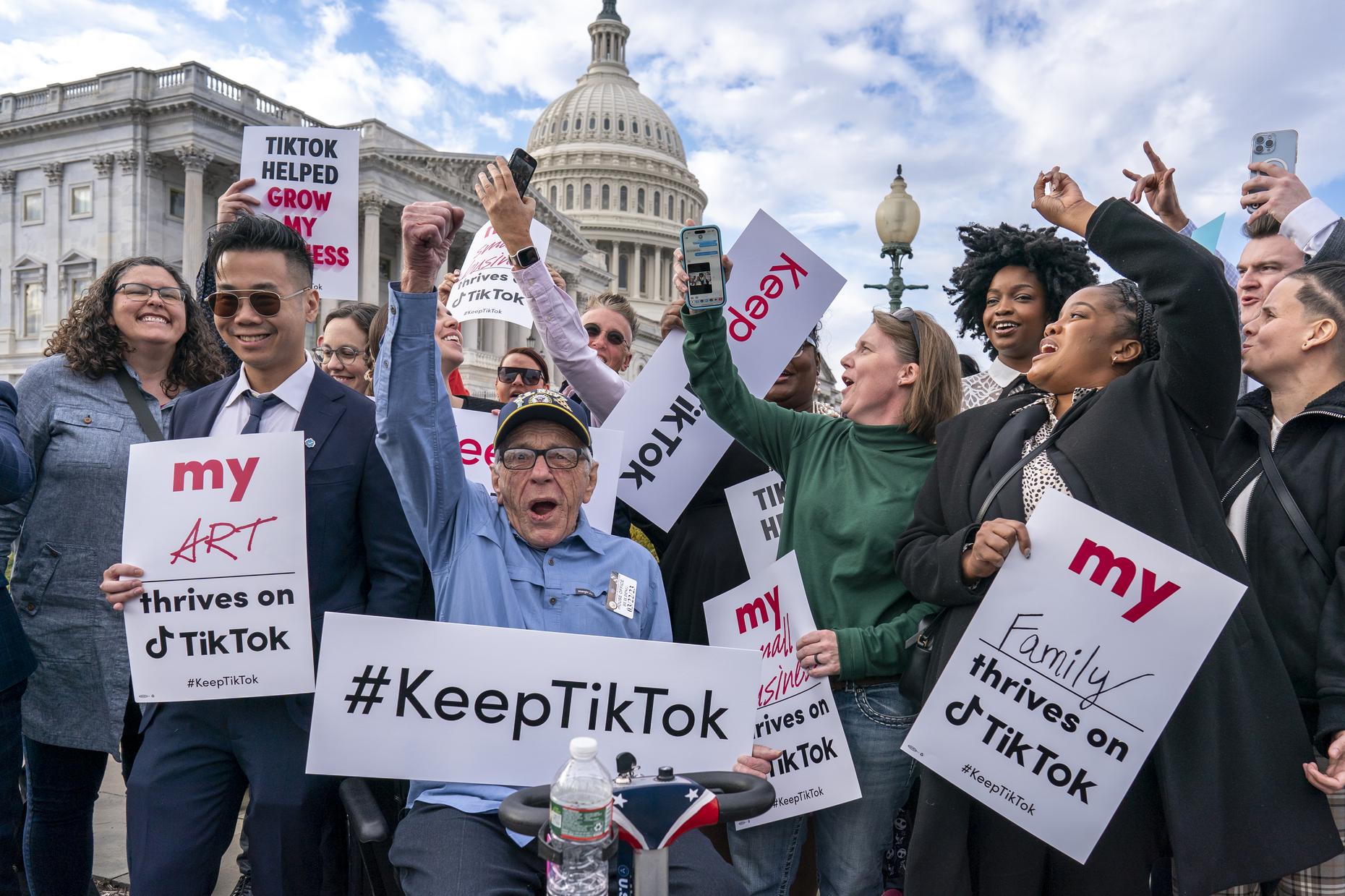
Mar 13, 2024
A Journalism History Lesson from Calvin Trillin
Writer Calvin Trillin joined The New Yorker in 1963, and he continues to contribute today. Trillin’s trademark humility and humor show up in all of his writing, whether it’s a story about the invention of the buffalo chicken wing, or the civil rights movement, or an old ditty about our political woes. Brooke recently sat down with him to discuss his career and his latest book, The Lede: Dispatches from a Life in the Press. On the Media is supported by listeners like you. Support OTM by donating today ( https://pledge.wnyc.org/support/otm ). Follow our show on Instagram , Twitter and Facebook @onthemedia, and share your thoughts with us by emailing onthemedia@wnyc.org.
Mar 8, 2024
What Can Musk Offer Trump? And Defining “Decolonization” for Gaza
Donald Trump recently held a meeting with Elon Musk, the owner of the site formerly known as Twitter. On this week’s On the Media, hear how the significance of the social media platform has changed as fewer people tune into traditional right-wing media. Plus, a deep dive on terms like “colonialism” and “decolonization,” and what they mean in the context of Israel-Palestine. 1. Philip Bump [ @pbump ], columnist for the Washington Post, on what Donald Trump might want from an allegiance with Elon Musk. Listen. 2. Iyad el-Baghdadi [ @iyad_elbaghdadi ], human rights activist, writer, and co-author of “The Middle East Crisis Factory,” on why the words we use to describe the war in Gaza should be clear and precise. Listen. 3. Valerie Hopkins [ @VALERIEinNYT ], an international correspondent at the New York Times covering Russia, on the growing intensity of Putin's crackdown on dissent in Russia, and Mstyslav Chernov [ @mstyslavchernov ], on his now Oscar-nominated documentary depicting the early days of Russia's siege on Ukraine. Listen . On the Media is supported by listeners like you. Support OTM by donating today ( https://pledge.wnyc.org/support/otm ). Follow our show on Instagram , Twitter and Facebook @onthemedia, and share your thoughts with us by emailing onthemedia@wnyc.org.
Mar 6, 2024
It's That Time Again!
Few clich é s are as well-worn, and grounded in reality, as the dread many Americans feel towards doing their taxes and the loathing they have for the IRS. But as much as the process is despised, relatively little is known about how it could be improved. Reporter Jessica Huseman said that's largely because tax prep companies keep it that way . Brooke spoke to Huseman in 2017 about what an improved system might look like and how tax prep companies work to thwart any such changes. On the Media is supported by listeners like you. Support OTM by donating today ( https://pledge.wnyc.org/support/otm ). Follow our show on Instagram , Twitter and Facebook @onthemedia, and share your thoughts with us by emailing onthemedia@wnyc.org.
Mar 1, 2024
Measuring Bias in Israel-Palestine Coverage, and Mehdi Hasan's Approach to Covering the Region
A Palestinian-American college student was shot in Vermont last fall. On this week’s On the Media, he reflects on the explosive media attention he’s received. Plus, what the data says about allegations of biased media coverage of Israel and Palestine, and former MSNBC host Mehdi Hasan explains his approach to covering the war. 1. Suzanne Gaber [ @SuzanneGaber ], producer at Notes from America, speaks with Hisham Awartani, a Palestinian-American college student, about the explosive media attention he received after he was shot in Vermont last fall. Listen . 2. William Youmans [ @wyoumans ], professor of Media and Public Affairs at George Washington University, and Mona Chalabi [ @MonaChalabi ], data journalist and illustrator, on the allegations of biased media coverage about Israel and Palestine and what data reveals. Listen . 3. Mehdi Hasan [ @mehdirhasan ], former MSNBC host and CEO of the new media company Zeteo, on his approach to covering Gaza, and his goal of making his audience care about news beyond the borders of the US. Listen . On the Media is supported by listeners like you. Support OTM by donating today ( https://pledge.wnyc.org/support/otm ). Follow our show on Instagram , Twitter and Facebook @onthemedia, and share your thoughts with us by emailing onthemedia@wnyc.org.

Feb 28, 2024
American Patriots Support... Vladimir Putin?
In February, Donald Trump praised Russia for being a "war machine" and said that Russia should “do whatever the hell they want” to NATO allies that do not contribute enough to the military alliance. Far-right figures like Nick Fuentes, who referred to Vladimir Putin as "my Czar," have also shown support for the Russian president and his war on Ukraine. And while more mainstream Republican pundits like Tucker Carlson have walked back past praise for Putin, the American far-right's obsession with Russia goes back almost two decades. Brooke sat down with Casey Michel , writer and investigative journalist, to discuss why w hite nationalists like David Duke, Richard Spencer, and Matthew Heimbach have long since looked to Putin's Russia as inspiration for their far-right movements in this country, and why Putin's attempts to create a nationalist Christian ethnostate serve as their model. This segment originally aired on our March 4th, 2022 program, The Fog of War . On the Media is supported by listeners like you. Support OTM by donating today ( https://pledge.wnyc.org/support/otm ). Follow our show on Instagram , Twitter and Facebook @onthemedia, and share your thoughts with us by emailing onthemedia@wnyc.org.
Feb 23, 2024
Christian Nationalism is Reshaping Fertility Rights, and Books Dominate at the Oscars
An Alabama Supreme Court ruling on frozen embryos threatens fertility treatments across the state. On this week’s On the Media, hear how a particular branch of Christian nationalism influenced one justice’s decision. Plus, how film adaptations of books have come to dominate our screens. 1. Matthew D. Taylor [ @TaylorMatthewD ], senior scholar at the Institute for Islamic, Christian, & Jewish Studies, on how a particular strain of Christian Nationalism, once on the fringe of America’s religious landscape, is slowly emerging as a political force. Listen . 2. Alexander Manshel [ @XanderManshel ] , assistant professor of English at McGill University and author of Writing Backwards: Historical Fiction and the Reshaping of the American Canon , on how literary prizes have changed over the last few decades, and how much they actually matter. Listen . 3. Cord Jefferson [ @cordjefferson ], writer and director of the new film American Fiction , on his movie's critique of Hollywood and the process of adapting a novel for the screen. Listen . On the Media is supported by listeners like you. Support OTM by donating today ( https://pledge.wnyc.org/support/otm ). Follow our show on Instagram , Twitter and Facebook @onthemedia, and share your thoughts with us by emailing onthemedia@wnyc.org.
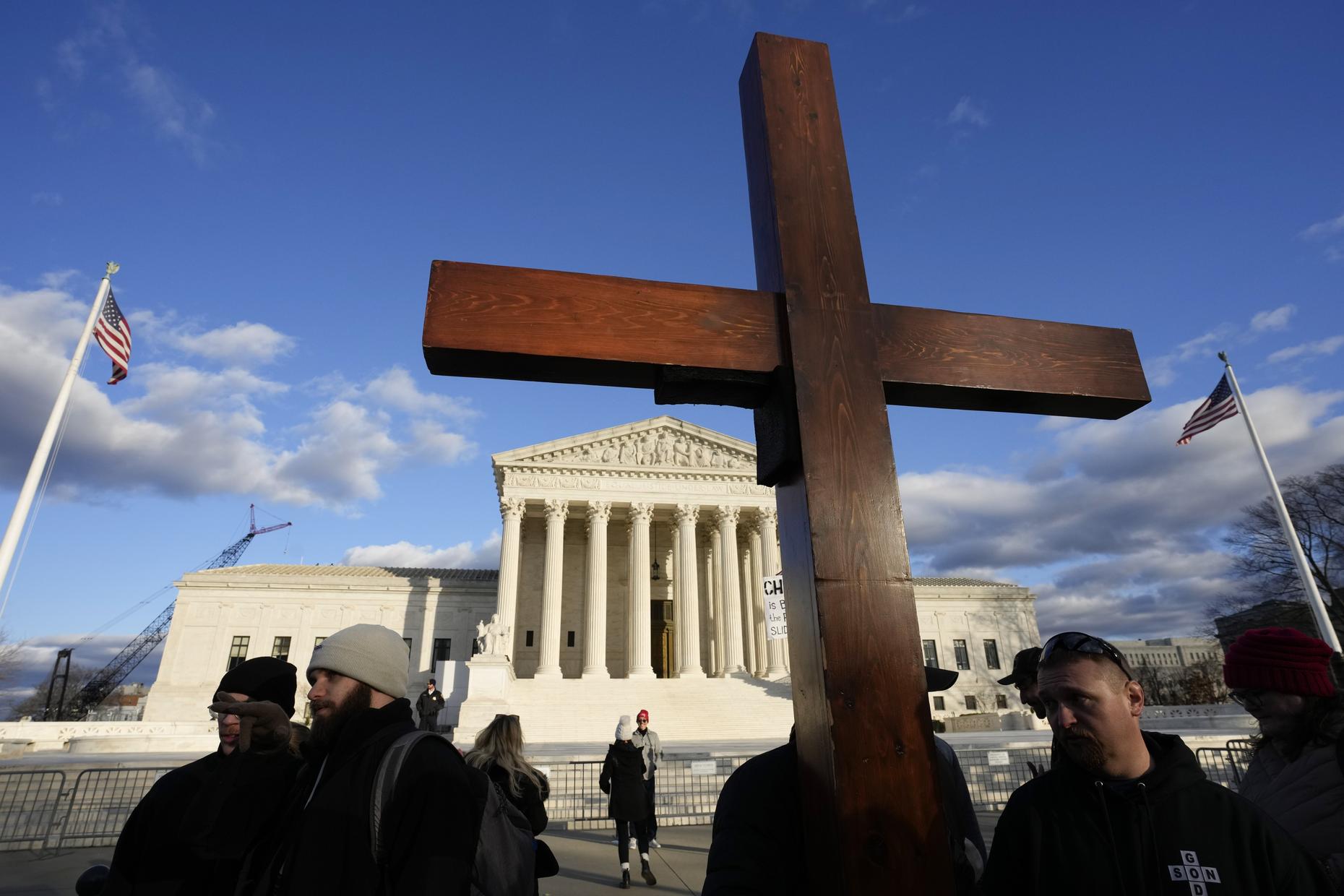
Feb 21, 2024
Revisiting the Documentary, "Navalny"
Russia's jailed opposition leader, Alexei Navalny, has died in prison. Navalny had been living behind bars since shortly after landing in Moscow in January of 2021. He had been returning home following months of recovery in Europe, after he fell violently sick on a flight between Siberia and Moscow. In the months following Navalny’s poisoning, Christo Grozev, former lead Russia investigator at Bellingcat, was stuck in Vienna with filmmaker Daniel Roher. The two had just been booted from Ukraine, where they had been trying to film an investigation. Grozev suddenly had a lot of time on his hands, a laptop, and a fresh stack of data from the Russian black market so naturally he began to investigate who was behind the poisoning. Daniel Roher directed the documentary “Navalny,” which portrays the story of the close collaboration between Navalny, his team, and Grozev, in the hunt for the dissident’s would-be killers. Last year, Brooke spoke to Roher and Grozev about the making of the documentary, which won the Oscar for Best Documentary Feature . This is a segment from our February 10, 2023 show, Hide and Seek . On the Media is supported by listeners like you. Support OTM by donating today ( https://pledge.wnyc.org/support/otm ). Follow our show on Instagram , Twitter and Facebook @onthemedia, and share your thoughts with us by emailing onthemedia@wnyc.org.
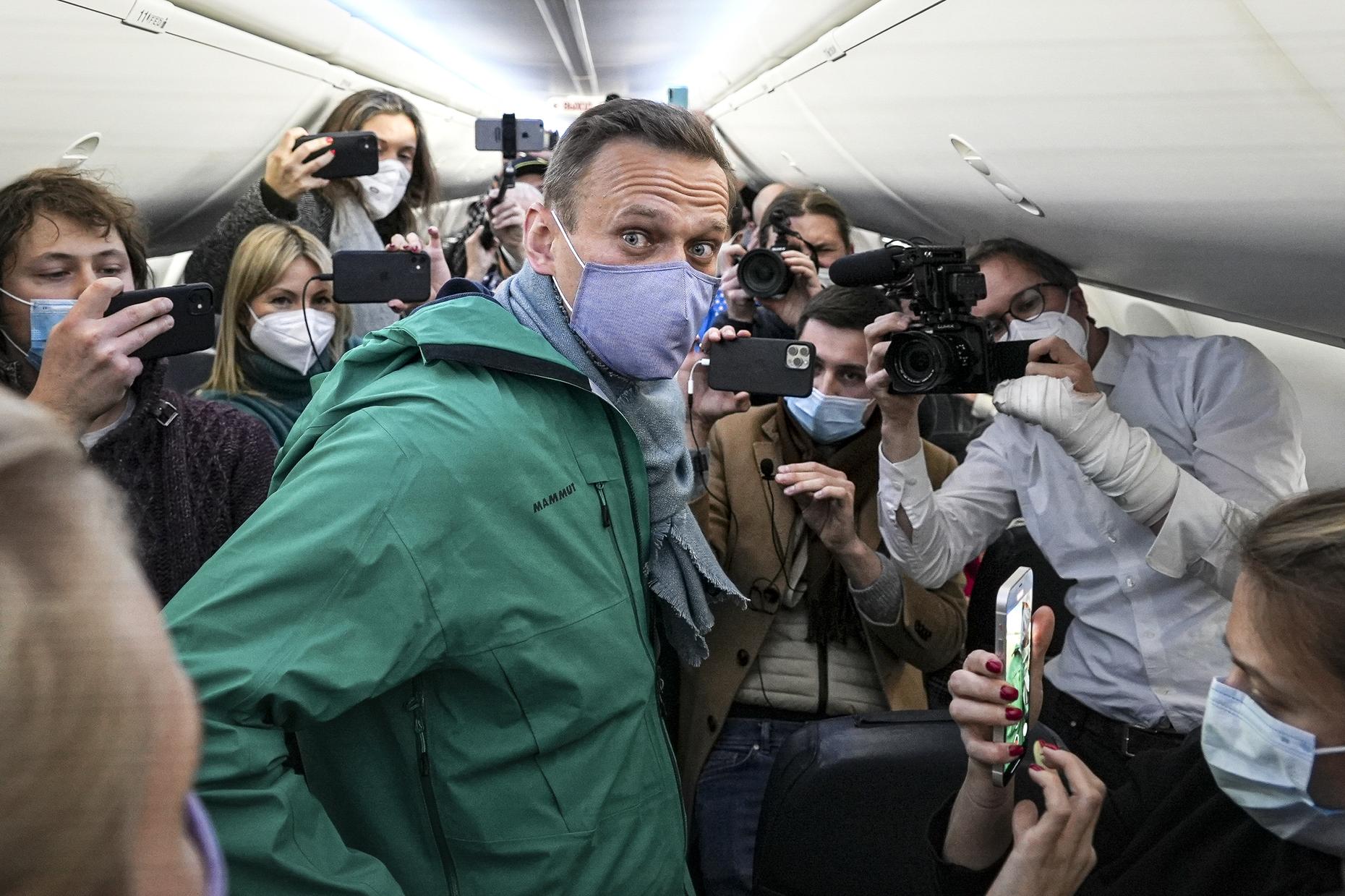
Feb 16, 2024
Breaking News: Biden is Old. Plus, Bobi Wine’s Fight For Democracy
Coverage of President Joe Biden’s age has reached a fever pitch. On this week’s On the Media, hear whether the quality of the reports has matched their volume. Plus, meet Bobi Wine, a pop star and opposition politician who is fighting for democracy in Uganda. 1. Judd Legum [ @JuddLegum ], founder of the newsletter Popular Information, Charan Ranganath [ @CharanRanganath ], a neuroscientist at UC Davis and author of the forthcoming book, Why We Remember: Unlocking Memory’s Power to Hold on to What Matters , and Jack Shafer [ @jackshafer ], senior media critic at Politico, on the flood of coverage around Biden's age following the release of the Hur report last week and the consequences of the media's minute focus on it. Listen . 2. Lili Loofbourow [ @Millicentsomer ], television critic at the Washington Post, on Jon Stewart's return to The Daily Show after nine years, and whether the unique form of political comedy he pioneered still holds up in today's drastically different political landscape. Listen . 3. Bobi Wine [ @HEBobiwine ] and Moses Bwayo [ @bwayomoses ], co-director of the new Oscar-nominated documentary Bobi Wine: The People's President , on the journey of Wine, a popstar-turned-politician, who has used his music as a platform to fight for democracy in Uganda. Listen . On the Media is supported by listeners like you. Support OTM by donating today ( https://pledge.wnyc.org/support/otm ). Follow our show on Instagram , Twitter and Facebook @onthemedia, and share your thoughts with us by emailing onthemedia@wnyc.org.
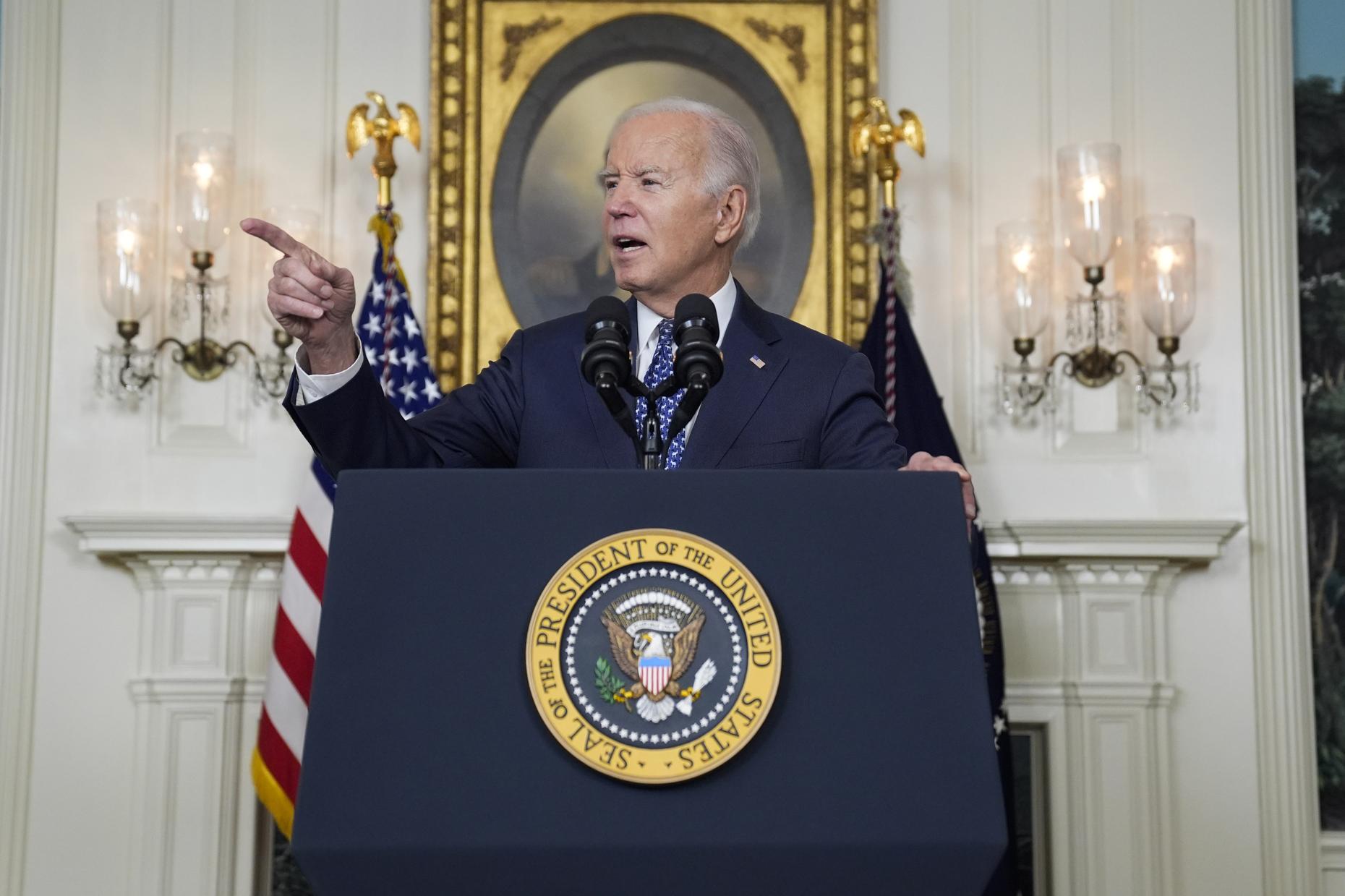
Feb 14, 2024
Tucker Went to Russia and Got a History Lesson
Last week we learned that ousted Fox blowhard Tucker Carlson had gone to Russia. He was spotted eating fake McDonalds and watching a ballet at the Bolshoi theater. But Tucker was there for more important things than fast food and culture; he was there for a sit down with President Putin. Carlson was mainly silent as Putin delivered an almost 40 minute long speech on the history of how Ukraine belongs to Russia. But the myths in Putin's and Russia's state-sponsored version of history are not new. Last summer Brooke spoke to Mikhail Zygar who had traced it back at least as far as the middle ages. This is a segment from our August 4, 2023 show, Making History . On the Media is supported by listeners like you. Support OTM by donating today ( https://pledge.wnyc.org/support/otm ). Follow our show on Instagram , Twitter and Facebook @onthemedia, and share your thoughts with us by emailing onthemedia@wnyc.org.
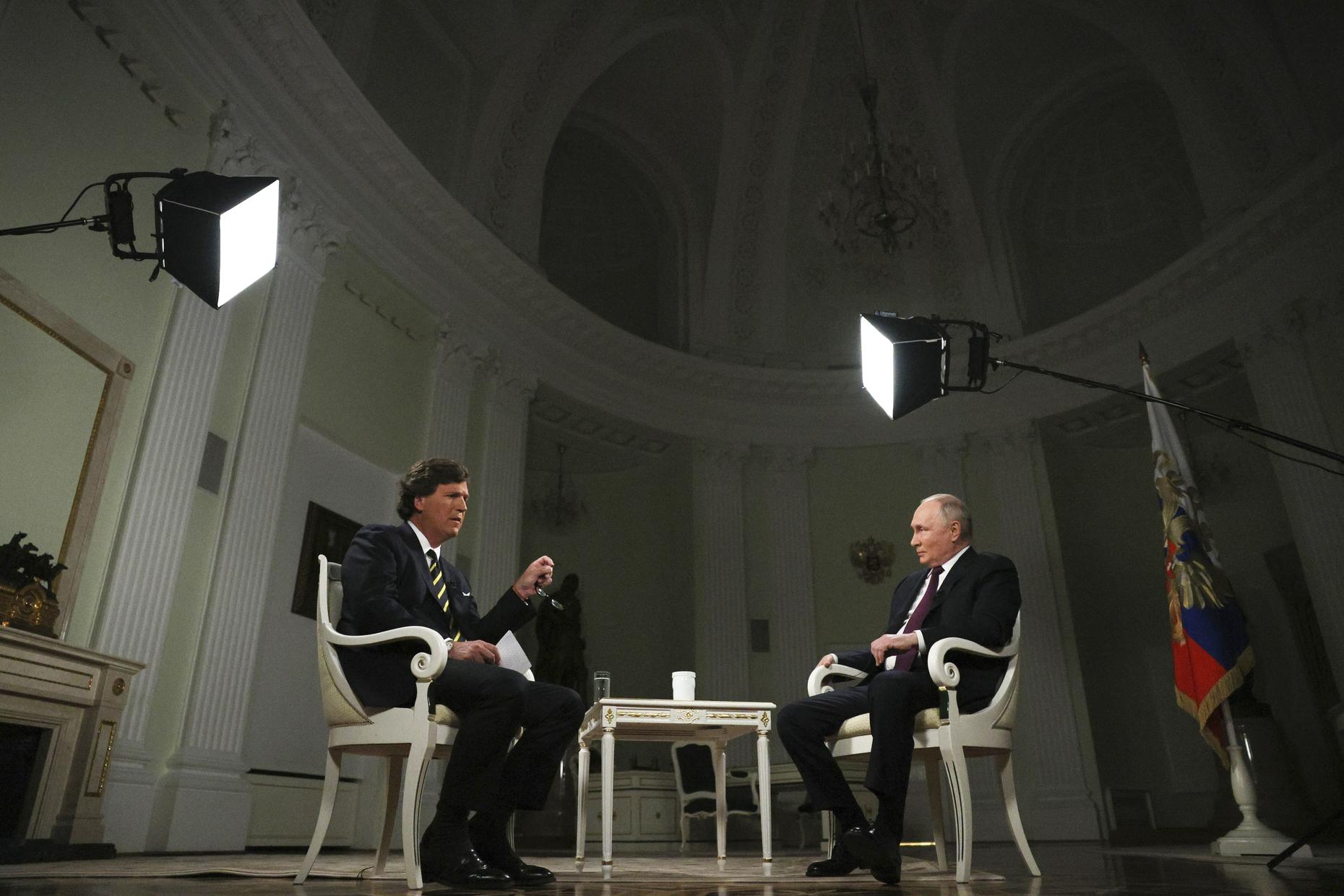
Feb 9, 2024
If You Can’t Beat ’Em… Join ’Em? Journalism in an AI World
In December, the New York Times sued OpenAI for allegedly using the paper’s articles to train chatbots. On this week’s On the Media, a look at how media outlets are trying to survive in this era of generative AI. Plus, why New York’s oldest Black newspaper is joining forces with an AI startup to address biases in the technology. 1. Kate Knibbs [ @Knibbs ], senior writer at Wired, on AI clickbait flooding the internet. Listen. 2. John Herrman [ @jwherrman ], tech columnist for New York Magazine, on the love-hate relationship between AI companies and journalism. Listen. 3. Elinor Tatum [ @elinortatum ], editor in chief of The New York Amsterdam News, on a push to make AI technology and data diverse. Listen . 4. Abbie Richards [ @abbieasr ], misinformation researcher and a senior video producer at Media Matters, on the AI-generated conspiracy theories multiplying TikTok. Listen. On the Media is supported by listeners like you. Support OTM by donating today ( https://pledge.wnyc.org/support/otm ). Follow our show on Instagram , Twitter and Facebook @onthemedia, and share your thoughts with us by emailing onthemedia@wnyc.org.

Feb 7, 2024
Naomi Klein's Trip to the Mirror World
Naomi Klein has been confused for writer Naomi Wolf for much of her career. Wolf rose to prominence with the book The Beauty Myth in the 90s, establishing herself as a bestselling feminist, liberal writer. Klein, on the other hand, wrote acclaimed critiques of capitalism such as No Logo and The Shock Doctrine . To say Klein is often mistaken for Wolf is an understatement. In the interview she did just before ours, a TV host mistakenly called her by Wolf's name. The confusion is incessant on social media, and escalated when Wolf became notorious as a peddler of covid-19 conspiracies. A few weeks ago, Wolf discovered that a fellow anti-vaxxer was spreading a conspiracy theory, this time about her. Ultimately, Klein decided to plunge down the rabbit hole to follow Wolf, and emerged with a new book Doppelganger: A Trip into the Mirror World , a wide-ranging exploration of doubling in our lives, culture, and politics. Brooke speaks to Klein about how social media has given all of us doppelgangers; why she's proud of her "bad" personal brand; and the value of "unselfing." This segment first aired in our September 15, 2023 show, The “Too Old” President and Political Doppelgängers . On the Media is supported by listeners like you. Support OTM by donating today ( https://pledge.wnyc.org/support/otm ). Follow our show on Instagram , Twitter and Facebook @onthemedia, and share your thoughts with us by emailing onthemedia@wnyc.org.

Feb 2, 2024
What the Media Gets Wrong About Immigration, and Chris Hayes Wants More Trump Coverage!
Texas Governor Greg Abbott has threatened to defy the federal government’s control over the border as the surge of migrants continues. On this week’s On the Media, a look at what might be a brewing constitutional crisis. Plus, hear MSNBC’s Chris Hayes make a case for why journalists should be paying even closer attention to Donald Trump. 1. Adam Serwer [ @AdamSerwer ], staff writer at The Atlantic, on the humanitarian and constitutional crisis at the Texas border. Listen. 2. Jonathan Blitzer [ @JonathanBlitzer ], staff writer at The New Yorker, on what the media misses when it covers immigration. Plus, how and why U.S. immigration changed in the 21st century. Listen. 3. Chris Hayes [ @chrislhayes ], host of “All In with Chris Hayes” on MSNBC, on reasons why the media should re-up their focus on Donald Trump. Listen. On the Media is supported by listeners like you. Support OTM by donating today ( https://pledge.wnyc.org/support/otm ). Follow our show on Instagram , Twitter and Facebook @onthemedia, and share your thoughts with us by emailing onthemedia@wnyc.org.

Jan 31, 2024
Micah Speaks To Kyle Chayka About The Filter World
In Micah Loewinger's introduction to this interview, he shared this personal anecdote: "Before I landed a job at this show, I worked for a few years, on and off, at a couple record stores around New York City. And some of my favorite albums to this day, were recommended to me by my coworkers. Men and women who I consider to be archivists –– not just of old formats like vinyl records, CDs, and cassettes –– but of underappreciated artists and niche genres. A knowledge of music history that can only come from a lifetime of obsessive listening, research, and curation. Nowadays, I pay for Spotify. I try to learn about music off the app and then save it for later listening on Spotify, but sometimes I find myself just letting its recommendation algorithm queue up the next track, and the next. And it definitely works. Spotify has helped me discover great music, but it’s never been as revelatory as a personal recommendation from a friend or an expert at a record store or an independent radio station. This feeling … that I’ve traded convenience for something deeper is what made me want to read Filterworld: How Algorithms Flattened Culture by Kyle Chayka, a staff writer at the New Yorker." On the Media is supported by listeners like you. Support OTM by donating today ( https://pledge.wnyc.org/support/otm ). Follow our show on Instagram , Twitter and Facebook @onthemedia, and share your thoughts with us by emailing onthemedia@wnyc.org.
Jan 26, 2024
DeSantis' Failed Campaign Has Lessons For the Political Press. And A Public Radio Parody.
After New Hampshire and Iowa, the GOP field is narrowing to Donald Trump's benefit once again. On this week’s On the Media, hear how Florida governor Ron DeSantis went from right-wing media darling to the party outcast. Plus, what gets lost in the blow-by-blow coverage of Trump’s legal woes. 1. Nick Nehamas [ @NickNehamas ], politics reporter for the New York Times, Mary Ellen Klas [ @MaryEllenKlas ], opinion writer at Bloomberg and former capital bureau chief for the Miami Herald, and Tom Scocca [ @tomscocca ], creator of the Indignity newsletter, on the rise and fall of Ron DeSantis' presidential campaign, and the lessons it offers about how to cover elections. Listen . 2. Dahlia Lithwick [ @Dahlialithwick ], lawyer and writer at Slate , on how our legal system isn't designed to save our democracy, and what's wrong with mainstream media's coverage of Trump's trials . Listen . 3. Zach Woods, actor known for his role of Gabe Lewis on The Office , and Brandon Gardner [ @BrandonJGardner ], improviser and writer, on their new Peacock show, In the Know , which parodies public radio, and reflects our current culture wars . Listen . On the Media is supported by listeners like you. Support OTM by donating today ( https://pledge.wnyc.org/support/otm ). Follow our show on Instagram , Twitter and Facebook @onthemedia, and share your thoughts with us by emailing onthemedia@wnyc.org.
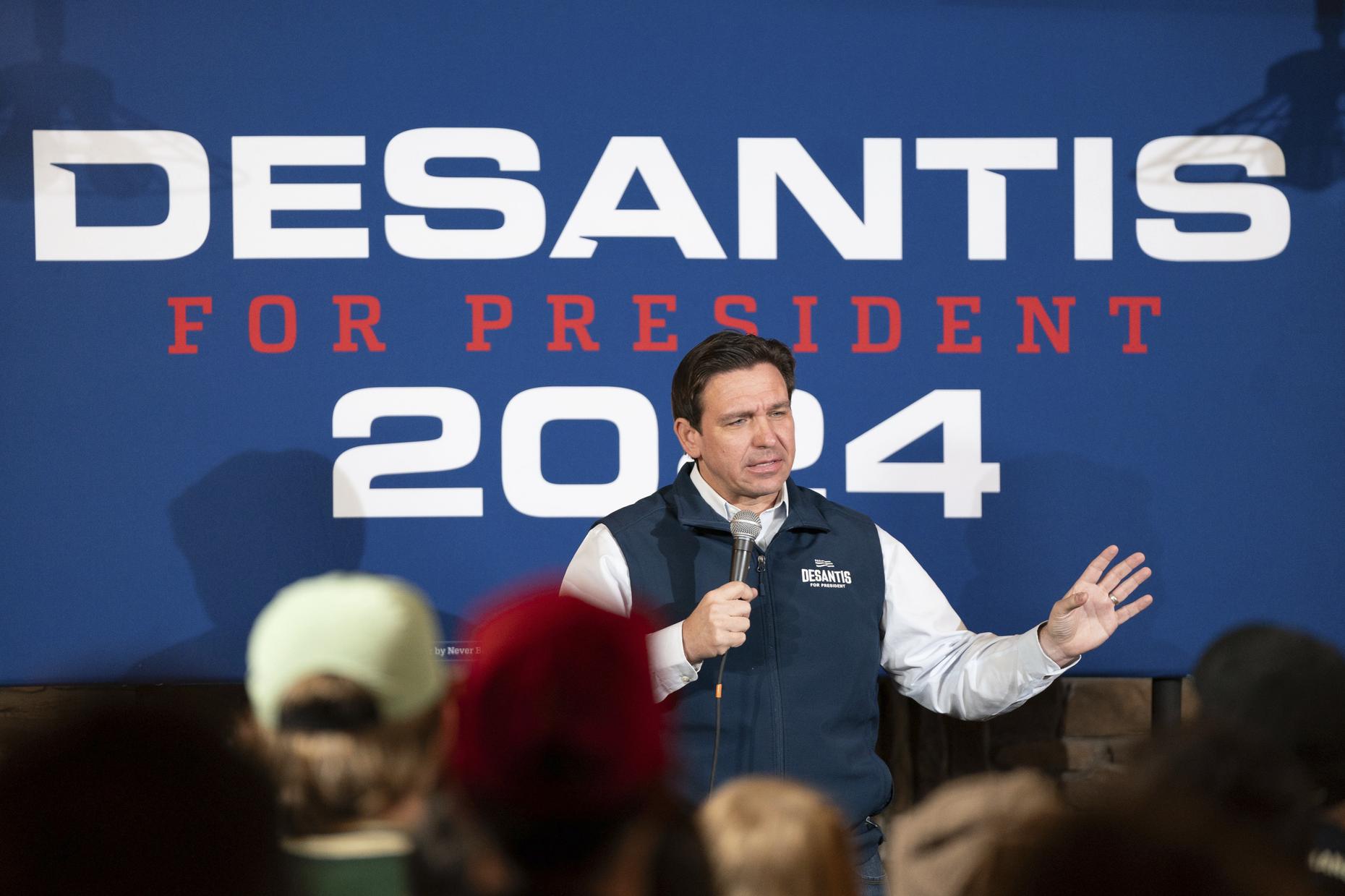
Jan 24, 2024
OTM presents - Blindspot: The Plague in the Shadows
This week we're featuring the work of our colleagues at WNYC: Valerie Reyes-Jimenez called it “The Monster.” That’s how some people described HIV and AIDS in the 1980s. Valerie thinks as many as 75 people from her block on New York City’s Lower East Side died. They were succumbing to an illness that was not recognized as the same virus that was killing young, white, gay men just across town in the West Village. At the same time, in Washington, D.C., Gil Gerald, a Black LGBTQ+ activist, saw his own friends and colleagues begin to disappear, dying out of sight and largely ignored by the wider world. In our first episode of Blindspot: The Plague in the Shadows, we learn how HIV and AIDS was misunderstood from the start — and how this would shape the reactions of governments, the medical establishment and numerous communities for years to come. You can listen to more of Blindspot: The Plague in the Shadows by subscribing here . New episodes come out on Thursdays. Blindspot is a co-production of The HISTORY® Channel and WNYC Studios, in collaboration with The Nation Magazine. A companion photography exhibit by Kia LaBeija featuring portraits from the series is on view through March 11 at The Greene Space at WNYC . The photography for Blindspot was supported by a grant from the Economic Hardship Reporting Project , a nonprofit organization that promotes coverage of social inequality and economic justice. On the Media is supported by listeners like you. Support OTM by donating today ( https://pledge.wnyc.org/support/otm ). Follow our show on Instagram , Twitter and Facebook @onthemedia, and share your thoughts with us by emailing onthemedia@wnyc.org.

Jan 19, 2024
Trouble at The Baltimore Sun, and the End of an Era for Pitchfork
This year has had a rocky start for journalism. The Baltimore Sun changed hands again , and layoffs loom at the LA Times. On this week’s On the Media, hear how private investment firms broke local news. Meanwhile, nonprofit publications try to repair the damage. Plus, a music critic reflects on the job cuts at Pitchfork and the power of the album review. 1. Margot Susca [ @MargotSusca ], assistant professor of journalism, accountability, and democracy at American University and author of "Hedged: How Private Investment Funds Helped Destroy American Newspapers and Undermine Democracy," on the tactics used by private equity firms and hedge funds to reshape local news. Listen . 2. Milton Kent [ @SportsAtLarge ], professor of practice in the School of Global Journalism and Communication at Morgan State University , and Liz Bowie [ @lizbowie ], education reporter for The Baltimore Banner and former reporter for The Baltimore Sun, on the purchase of The Baltimore Sun by David Smith, the executive chairman of Sinclair Broadcast Group, and what it means for Baltimore's local news landscape . Listen . 3. Ann Powers [ @annkpowers ], critic and correspondent for NPR Music, on Condé Nast's gutting of the influential music publication Pitchfork, and what this means for the future of music journalism. Listen . On the Media is supported by listeners like you. Support OTM by donating today ( https://pledge.wnyc.org/support/otm ). Follow our show on Instagram , Twitter and Facebook @onthemedia, and share your thoughts with us by emailing onthemedia@wnyc.org.
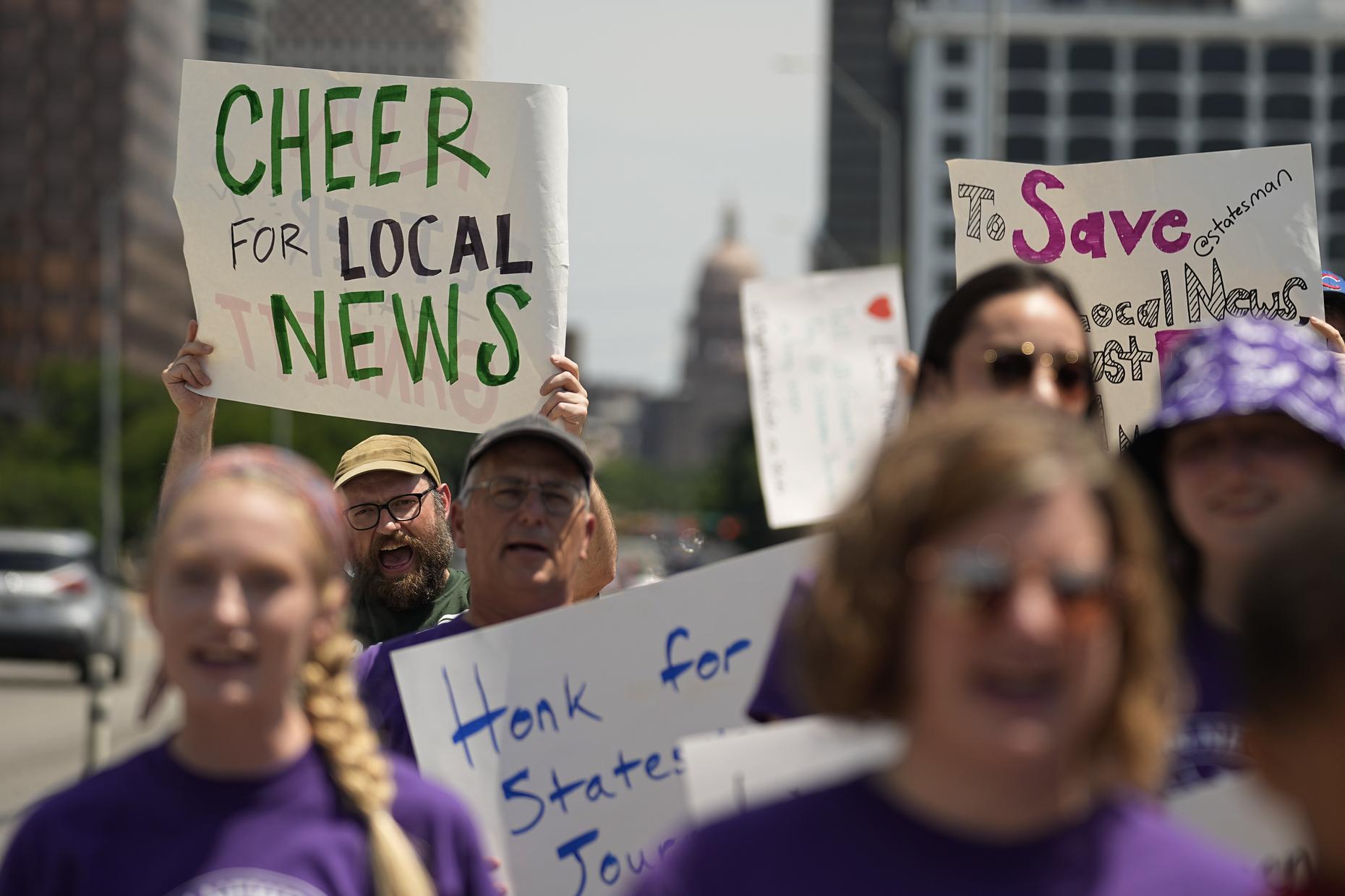
Jan 16, 2024
What Israelis Are Seeing on TV - EXTENDED VERSION
EXTENDED VERSION; Nightmarish images of destruction in Gaza have filled the news and social media feeds for months. But within Israel, mainstream media outlets tell a very different story. This week, Micah Loewinger speaks with Oren Persico , a staff writer at The Seventh Eye , an independent investigative magazine focused on media and freedom of speech in Israel, about the Israeli media landscape in the months following October 7th, and the "dome of disconnection" it created. This is a segment from our January 12th, 2024 show, Israeli TV News Sanitizes the Bombing of Gaza. Plus, a Plagiarism Fight Gets Political . On the Media is supported by listeners like you. Support OTM by donating today ( https://pledge.wnyc.org/support/otm ). Follow our show on Instagram , Twitter and Facebook @onthemedia, and share your thoughts with us by emailing onthemedia@wnyc.org.

Jan 12, 2024
Israeli TV News Sanitizes the Bombing of Gaza. Plus, a Plagiarism Fight Gets Political
The conflict in the Middle East has already killed tens of thousands of Palestinians. On this week’s On the Media, hear how Israeli media outlets are broadcasting a sanitized version of what's happening in Gaza to the Israeli people. Plus, how one billionaire is going after the media for an article about plagiarism. 1. Oren Persico [ @OrenPersico ], staff writer at The Seventh Eye, an independent investigative magazine focused on freedom of speech in Israel, on how Israeli mainstream media outlets are sanitizing the destruction in Gaza. Listen . 2. Will Sommer [ @willsommer ], media reporter at The Washington Post, on how fights over plagiarism have become a political tool. Listen . 3. Masha Gessen [ @mashagessen ], staff writer at The New Yorker, on how the politics of memory around the Holocaust damages our ability to understand the conflict in Gaza and Israel. Listen . On the Media is supported by listeners like you. Support OTM by donating today ( https://pledge.wnyc.org/support/otm ). Follow our show on Instagram , Twitter and Facebook @onthemedia, and share your thoughts with us by emailing onthemedia@wnyc.org.

Jan 10, 2024
Mysteries of the Euroverse!
50 years ago ABBA won the contest for the song Waterloo. Recently Brooke's old friend Charlie asked her to take part in a new podcast born of his love of and obsession with Eurovision, an international song contest organized annually by the European Broadcasting Union , or EBU, with reps from some 70 countries! This week's midweek podcast is episode three of the new series "Mysteries of the Euroverse," hosted by Charlie Sohne and Magnus Riise. On Instagram: @euroversepodcast On YouTube: https://www.youtube.com/channel/UC6GlG8M6PKJOxfx5vk9jRiA www.euroversepodcast.com On the Media is supported by listeners like you. Support OTM by donating today ( https://pledge.wnyc.org/support/otm ). Follow our show on Instagram , Twitter and Facebook @onthemedia, and share your thoughts with us by emailing onthemedia@wnyc.org.

Jan 5, 2024
How a Whistleblower Changed the Course of History
Daniel Ellsberg, the famed whistleblower who leaked the Pentagon Papers to the Washington Post, died six months ago. On this week’s On the Media, hear about his life, how the Pentagon Papers made it to print, and the impact he had on generations of whistleblowers. Plus, the women who covered the War in Vietnam. 1. Tom Devine, legal director for the Government Accountability Project , on Daniel Ellsberg's legacy and the ways he changed public perception of whistleblowers in the U.S. Listen . 2. Les Gelb, former columnist and former Defense Department official, on his experience leading the team that wrote the Pentagon Papers, subject of the Hollywood drama, "The Post." Listen. 3. Seymour Hersh, on how he broke the story of My Lai — the massacre now regarded as the single most notorious atrocity of the Vietnam war. Listen. 4. Reporters Kate Webb, Jurate Kazickas [ @juratekazickas ], and Laura Palmer on how they covered the Vietnam War and why they went. Listen. On the Media is supported by listeners like you. Support OTM by donating today ( https://pledge.wnyc.org/support/otm ). Follow our show on Instagram , Twitter and Facebook @onthemedia, and share your thoughts with us by emailing onthemedia@wnyc.org.
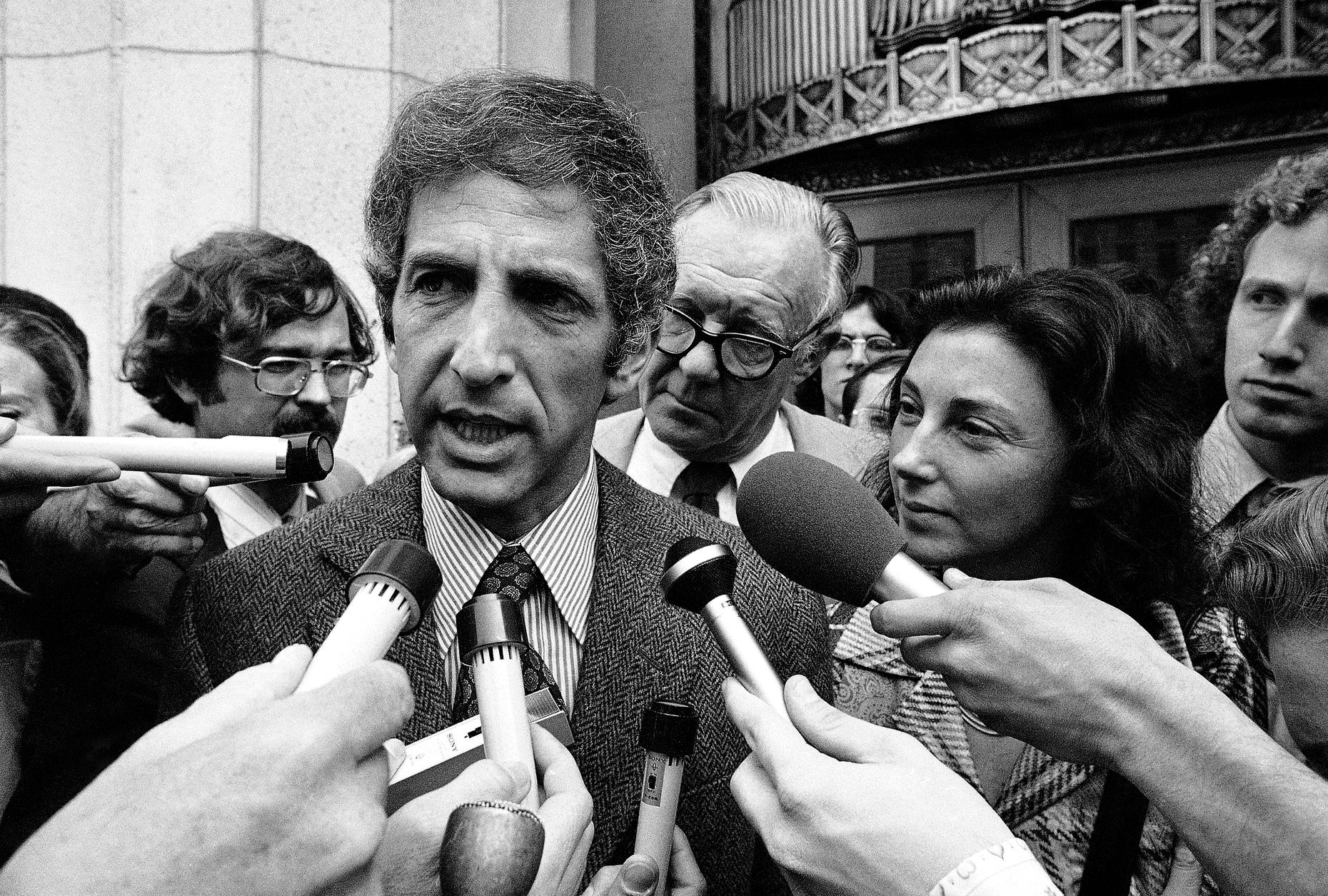
Jan 3, 2024
The Reporter Who Said No to the FBI
On February 23, 1972, oral arguments began in the Supreme Court for a case that would shape the course of journalism. In the case known as “ Branzburg v. Hayes ,” the arguments rolled together three related cases that explored the reporter's privilege to protect confidential sources in the face of a legal investigation. The most important of these three cases was United States v. Caldwell. Earl Caldwell was a New York Times reporter who covered the civil rights movement in the late 1960s and early 1970s, including the assassination of Dr. Martin Luther King Jr. and activities of the Black Panther Party. Caldwell was approached multiple times by the FBI to give up sources and additional details surrounding his coverage of the Black Panther Party. OTM host Micah Loewinger mined oral history interviews with Earl Caldwell and spoke with Lee Levine, an attorney and media law expert who is writing a book about Earl Caldwell, to learn about legal precedents for journalists being called on to testify in federal investigations, the limits of First Amendment privileges for the press, and the sometimes tenuous relationship between journalists and the government. Special thanks to the Maynard Institute For Journalism Education for allowing us to use its Earl Caldwell oral history . This segment originally aired in our May 26, 2023 show, Seditious Conspiracy . On the Media is supported by listeners like you. Support OTM by donating today ( https://pledge.wnyc.org/support/otm ). Follow our show on Instagram , Twitter and Facebook @onthemedia, and share your thoughts with us by emailing onthemedia@wnyc.org.
Dec 29, 2023
What a Year
And just like that, the year is coming to a close. On this episode of On the Media, hear about the challenges that await journalists in the upcoming election in 2024. Plus, what reporters uncovered about our courts this year. And, a look back at one of the deadliest years for journalists in recent memory, in large part due to the Israel-Hamas war. With excerpts from: Inside CNN's Turbulent Year E. Jean Carroll and the Progress of #MeToo The Press Is Still Failing to Responsibly Cover the GOP and Trump What Media Coverage of Trump’s Movement is Missing CNN's Impossible Dilemma Naomi Klein Isn't the Only One With a Doppelganger We Don't Talk About Leonard: Episode 2 Clarence Thomas' Unshaken Belief in Big Money The Supreme Court is in Crisis. Here's How the Press Should Cover It. Reporting on Russia's War in Exile The Arrest of Journalist Evan Gershkovich The Deadly Toll of Reporting From Gaza and Israel On the Media is supported by listeners like you. Support OTM by donating today ( https://pledge.wnyc.org/support/otm ). Follow our show on Instagram , Twitter and Facebook @onthemedia, and share your thoughts with us by emailing onthemedia@wnyc.org.
Dec 27, 2023
Where Did 'White Jesus' Come From?
During this holiday season, you likely encountered public nativity scenes depicting the birth of Jesus, presenting the family with very rare exceptions as white. And the same can be said of his ubiquitous adult portrait –– with fair skin and hair a radiant gold, eyes fixed on the middle distance. In this segment from 2020, Eloise talks to Mbiyu Chui, pastor at the Shrine of the Black Madonna in Detroit, about unlearning Jesus's whiteness. She also hears from Edward Blum , author of The Color of Christ: The Son of God and the Saga of Race in America , about how the image came dominate in the U.S., and psychologist Simon Howard on how White Jesus has infiltrated our subconsciouses. Lastly, Eloise speaks to Rev. Kelly Brown Douglas , womanist theologian and Dean of the Episcopal Divinity School at Union Theological Seminary, about the theology of the Black Christ. This is segment first aired in our October 1st, 2020 program, God Bless . On the Media is supported by listeners like you. Support OTM by donating today ( https://pledge.wnyc.org/support/otm ). Follow our show on Instagram , Twitter and Facebook @onthemedia, and share your thoughts with us by emailing onthemedia@wnyc.org.
Dec 22, 2023
The Rise of 'News Avoiders,' and a Stand-Up Comedy Scandal
In the run up to the 2024 election, polls are frontpage news. On this week’s On the Media, a guide on which polls to pay attention to, and how to interpret them. Plus, hear about a growing segment of the population: news avoiders. What they can teach us, and what they're missing out on. And, a look at changing expectations of truth in comedy — from Lenny Bruce to Hasan Minhaj. 1. Ruth Igielnik [ @RuthIgielnik ] on the limitations of polls, and the insights we can draw from them leading up to the 2024 election cycle. Listen . 2. Benjamin Toff [ @BenjaminToff ] on the rise of news avoiders, and what they're missing. Listen . 3. Jesse David Fox [ @JesseDavidFox ] on the Hasan Minhaj scandal, and what it reveals about the relationship between truth and comedy. Listen . On the Media is supported by listeners like you. Support OTM by donating today ( https://pledge.wnyc.org/support/otm ). Follow our show on Instagram , Twitter and Facebook @onthemedia, and share your thoughts with us by emailing onthemedia@wnyc.org.
Dec 20, 2023
Who Cares About Literary Prizes?
This holiday season, book store displays — and Christmas stockings — will be filled with novels minted with gold and silver medals. Those gilded stamps denote recognition by literary prizes like the National Book Award, which was announced just last month. Alexander Manshel is the author of Writing Backwards: Historical Fiction and the Reshaping of the American Canon . With Melanie Walsh , he recently wrote a piece about how literary prizes have changed over the past few decades, leading to the recognition of more authors of color, for one. This week, Brooke asks Manshel how much these prizes actually matter. And according to another study he co-authored (with J.D. Porter and Laura B. McGrath, titled " Who Cares About Literary Prizes? "), the influence of literary awards is undeniable... On the Media is supported by listeners like you. Support OTM by donating today ( https://pledge.wnyc.org/support/otm ). Follow our show on Instagram , Twitter and Facebook @onthemedia, and share your thoughts with us by emailing onthemedia@wnyc.org.

Dec 15, 2023
Climate Delay-ism and the Real Goals of the Book Banning Movement
An unprecedented deal on transitioning away from fossil fuels was struck at the United Nations’ COP 28 summit, but many scientists say the timeline is too slow. On this week’s On the Media, hear how climate denialism is being replaced by the increasingly popular climate delayism . Plus, a pulse check on the book-banning movement. 1. Tim McDonnell [ @timmcdonnell ], energy and climate editor for Semafor, and Michael Mann [ @MichaelEMann ], climate scientist and geophysicist at the University of Pennsylvania, on the deal made at COP 28, and how climate denialism has turned to "delayism." Listen . 2. Adam Laats [ @AdamLaats ], professor of education and history at Binghamton University, on the long history leading to Moms For Liberty. Listen . 3. Jennifer Berkshire [ @BisforBerkshire ], lecturer at Yale’s Education Studies Department, on why Moms for Liberty election losses are not a reason to ignore the group's power. Listen . On the Media is supported by listeners like you. Support OTM by donating today ( https://pledge.wnyc.org/support/otm ). Follow our show on Instagram , Twitter and Facebook @onthemedia, and share your thoughts with us by emailing onthemedia@wnyc.org.

Dec 13, 2023
Celebrating Norman Lear
Norman lear the veteran writer and producer behind such hit TV shows as All in the Family and The Jeffersons , died last week at the age of 101. Back in 2015, Anna Sale , host of the podcast Death, Sex and Money interviewed Lear at his luxury apartment in Manhattan. He told Anna he wanted to make sure his kids would never be "desperate for a dollar" — but what "desperate" meant has fluctuated along the way. " I guess now it’s 60 billion," he deadpanned, adding, "That’s a joke." Lear's own childhood had a degree of desperation: When Lear was nine, his father, Herman, was sent to jail for selling fake bonds. Lear's mother scrambled to make ends meet. "M y mother tried to warn him," he said. "But nobody ever told Herman anything." When his father returned from prison three years later, tensions remained high. "I used to sit at the kitchen table and I would score their arguments," he says of his parents. "I would give her points for this, him points for that, as a way of coping with it." Lear has been married three times, and has six kids — ranging in age from 28 to 77. That range of ages has presented its own challenges. "My middle daughter was ... hoping, wishing, trying to be pregnant," he says. "And her dad is suddenly married to a younger woman, and in a year’s time or less, she’s pregnant. T hat was not an easy time. " He spoke about the lessons he’s continued to learn over the years, how he’s managed to bring his family closer together despite their differences, and what he’s anticipating for the final stage of his life. On the Media is supported by listeners like you. Support OTM by donating today ( https://pledge.wnyc.org/support/otm ). Follow our show on Instagram , Twitter and Facebook @onthemedia, and share your thoughts with us by emailing onthemedia@wnyc.org.
Dec 8, 2023
How Media Fueled a Shoplifting Panic, and an AI-Journalism Experiment Gone Wrong
This holiday season, media outlets across the country are raising the alarm about an apparent crisis in retail crime. On this week’s On the Media, how the data about shoplifting don’t back up the alarmist coverage. Plus, the cost and consequences of media outlets turning to AI to generate stories. 1. Daphne Howland [ @daphnehowland ], senior reporter at Retail Dive , traces how one baseless data point about retail crime spread unquestioned in media. Listen . 2. Nicole Lewis, engagement editor at The Marshall Project , digs into the data that supposedly proves a shoplifting crisis. Listen . 3. Jeff Asher [ @Crimealytics ], co-founder of AH Datalytics, explains why perception of crime is often out of step with reality. Listen . 4. Jay Allred [ @jayallred651 ], CEO of Source Media Properties, explains how a collaboration with Gannett and a non-generative AI model went wrong. Listen . On the Media is supported by listeners like you. Support OTM by donating today ( https://pledge.wnyc.org/support/otm ). Follow our show on Instagram , Twitter and Facebook @onthemedia, and share your thoughts with us by emailing onthemedia@wnyc.org.

Dec 6, 2023
Happy One Year Anniversary Since George Santos Became a Thing!
This month marks the anniversary of when most of us first heard about George Santos and his ever-expanding list of lies from a New York Times report published after the midterm election, but a local newspaper called the North Shore Leader was sounding the alarm months before. The New Yorker staff writer Clare Malone took a trip to Long Island to speak with the Leader’s publisher, Grant Lally, and its managing editor, Maureen Daly, to find out how the story began. “We heard story after story after story about him doing bizarre things,” Lally told her. “He was so well known, at least in the more active political circles, to be a liar, that by early summer he was already being called George Scamtos.” Lally explains how redistricting drama in New York State turned Santos from a “sacrificial” candidate—to whom no one was paying attention—to a front-runner. At the same time, Malone thinks, “the oddly permissive structure that the Republican Party has created for candidates on a gamut of issues” enabled his penchant for fabrication. “[There’s] lots of crazy stuff that’s popped up in politics over the past few years. I think maybe Santos thought, Eh, who’s gonna check?” This story first ran on the New Yorker Radio Hour in January of this year. On the Media is supported by listeners like you. Support OTM by donating today ( https://pledge.wnyc.org/support/otm ). Follow our show on Instagram , Twitter and Facebook @onthemedia, and share your thoughts with us by emailing onthemedia@wnyc.org.
Dec 1, 2023
Word Watch: “Genocide,” and Do We Have to Care About OpenAI?
After a seven-day ceasefire, fighting has resumed in Gaza. On this week’s On the Media, how the word “genocide” entered discussions of the Israel-Hamas conflict, and the legal implications of the term. Plus, why boardroom drama at the tech company OpenAI received so much media coverage. 1. Ernesto Verdeja [ @ErnestoVerdeja ], executive director of the Institute For The Study of Genocide at the University of Notre Dame, on the debate and legal implications surrounding the charge of "genocide." Listen . 2. Max Read [ @readmaxread ], journalist and writer of the "Read Max" newsletter, on why internal theatrics at OpenAI's made so many headlines. Listen . 3. Deepa Seetharaman [ @dseetharaman ], reporter covering artificial intelligence for the Wall Street Journal, on the journey of "effective altruism" from the halls of Oxford University to the boardrooms of Silicon Valley. Listen . On the Media is supported by listeners like you. Support OTM by donating today ( https://pledge.wnyc.org/support/otm ). Follow our show on Instagram , Twitter and Facebook @onthemedia, and share your thoughts with us by emailing onthemedia@wnyc.org.
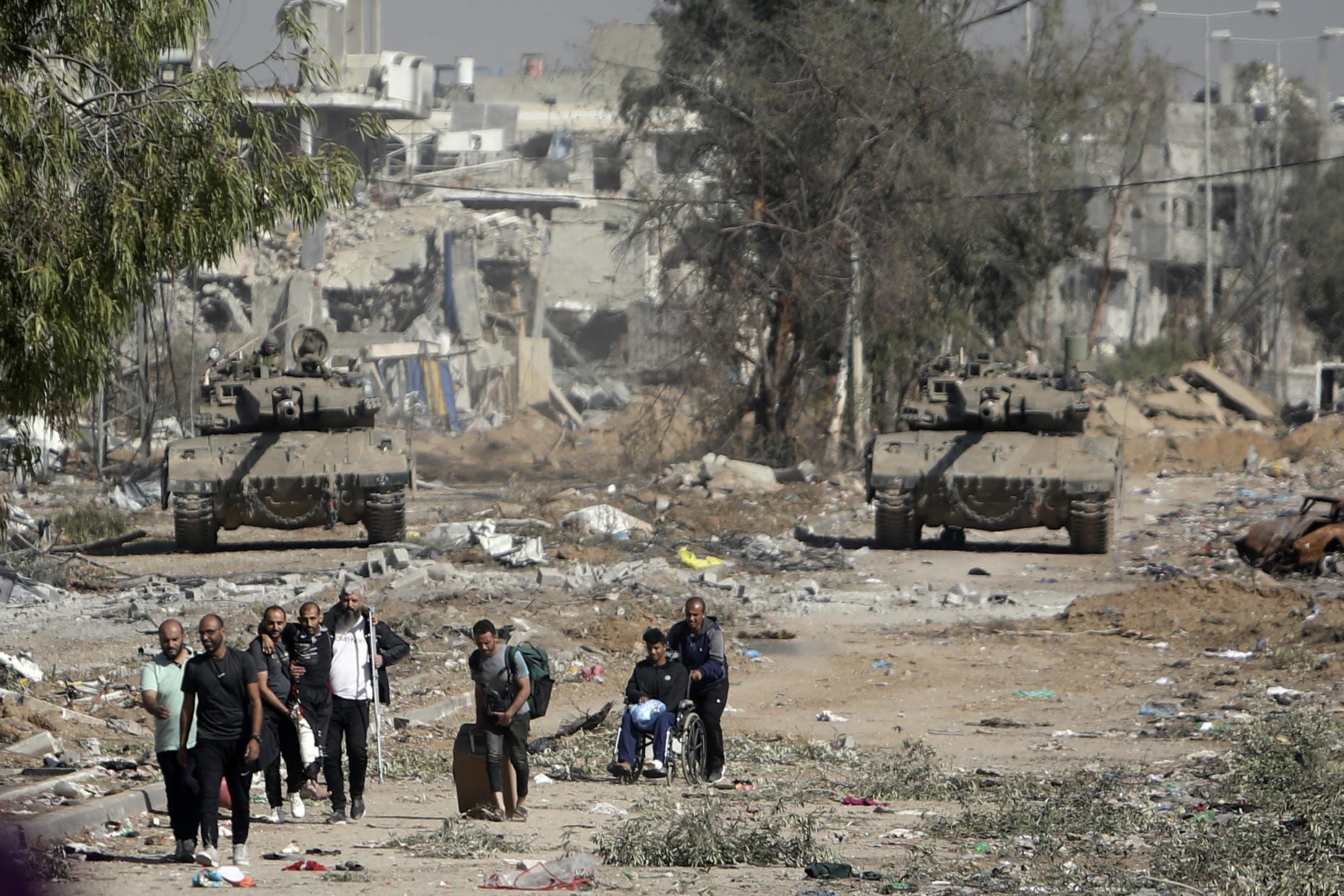
Nov 29, 2023
Media Coverage of the Trump Movement is Missing Vital Context
In his Veteran’s day speech a couple of weeks ago former President Donald Trump said this about his political enemies; TRUMP: the threat from outside forces is far less sinister, dangerous and grave than the threat from within. We pledge to you that we will root out the communists, Marxists, fascists and the radical left thugs that live like vermin within the confines of our country. Jeff Sharlet , author of The Undertow: Scenes from a Slow Civil War , argues that Trump's narratives of martyrdom, a persecuted in-group, a mysterious out-group, and a rhetoric of violence are all hallmarks of fascism. Brooke spoke with Sharlet in June about what the rhetoric, aesthetics, and myth-making of Trump and the movement he rode to power can tell us about a rising fascist movement in the United States, and why Sharlet argues we're in the midst of a slow civil war. This is a segment from our June 16, 2023 show, Indicted (Again) . On the Media is supported by listeners like you. Support OTM by donating today ( https://pledge.wnyc.org/support/otm ). Follow our show on Instagram , Twitter and Facebook @onthemedia, and share your thoughts with us by emailing onthemedia@wnyc.org.
Nov 24, 2023
Is the New York Times a Tech Company Now?
This year has seen record layoffs in the media industry, with some digital news giants closing down altogether. On this week’s On the Media, hear how The New York Times became a profitable powerhouse at a time when other outlets are struggling to survive. Plus, instead of reaching for top profits, some new publications have opted for a humbler mission: survival. 1. Ben Smith [ @semaforben ], editor-in-chief and co-founder of Semafor, on what went wrong for BuzzFeed News, and why digital media is splintering. Listen. 2. Micah Loewinger [ @MicahLoewinger ] examines why The New York Times is expanding, and thriving, even amongst record layoffs at other media outlets . Listen. 3. Micah Loewinger [ @MicahLoewinger ] takes a look at a growing cohort of new outlets around the US trying to wrestle journalism away from big capital through a co-operative business model. Listen. On the Media is supported by listeners like you. Support OTM by donating today ( https://pledge.wnyc.org/support/otm ). Follow our show on Instagram , Twitter and Facebook @onthemedia, and share your thoughts with us by emailing onthemedia@wnyc.org.
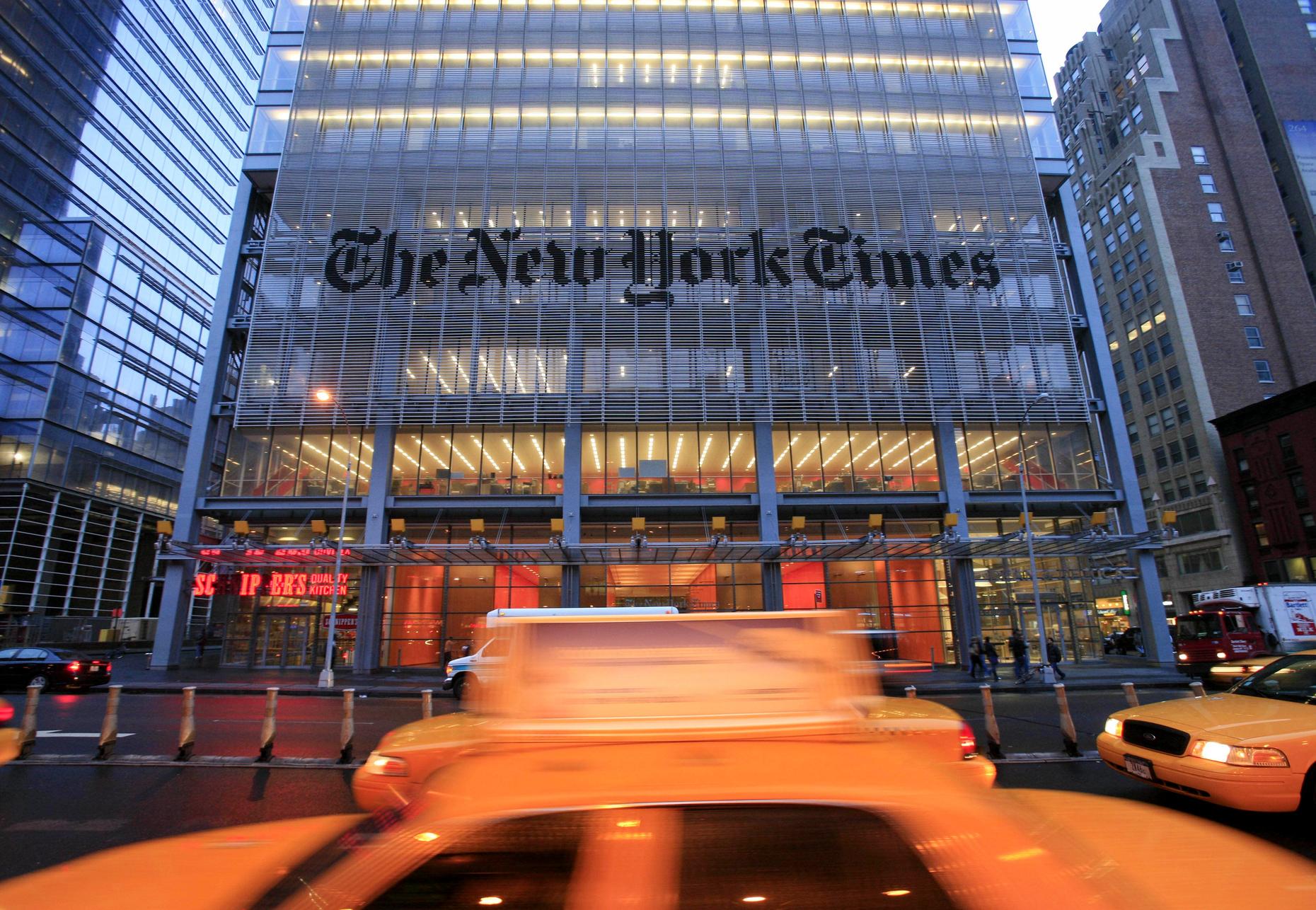
Nov 22, 2023
The Hasan Minhaj Saga and Evolving Expectations of Truth in Comedy
In September, The New Yorker published an article by Clare Malone titled “Hasan Minhaj’s Emotional Truths,” fact-checking moments from the comedian’s stand up specials. The article reportedly cost Minhaj the hosting gig for The Daily Show, and Minhaj posted a lengthy Youtube video responding to its claims. The New Yorker has stood behind its story, even after Minhaj called it misleading. The scandal, which has been covered by almost every major news outlet, brings into question what audiences expect from comedians — especially ones who do Jon-Stewart-style political commentary. T his week, Brooke speaks to Jesse David Fox , author of Comedy Book: How Comedy Conquered Culture and the Magic That Makes It Work , about why the saga provoked such a strong reaction. Plus, Fox explains the changing role of truth in comedy: from the authentic acts of Lenny Bruce and Richard Pryor, to the vulnerability of Tig Notaro. Fox also notes that the fall from grace of Louis C.K., who pre-#MeToo was often proclaimed the "most honest" comedian, informs the rise of the hyper-performative, absurdist comedy of John Early and Kate Berlant. On the Media is supported by listeners like you. Support OTM by donating today ( https://pledge.wnyc.org/support/otm ). Follow our show on Instagram , Twitter and Facebook @onthemedia, and share your thoughts with us by emailing onthemedia@wnyc.org.
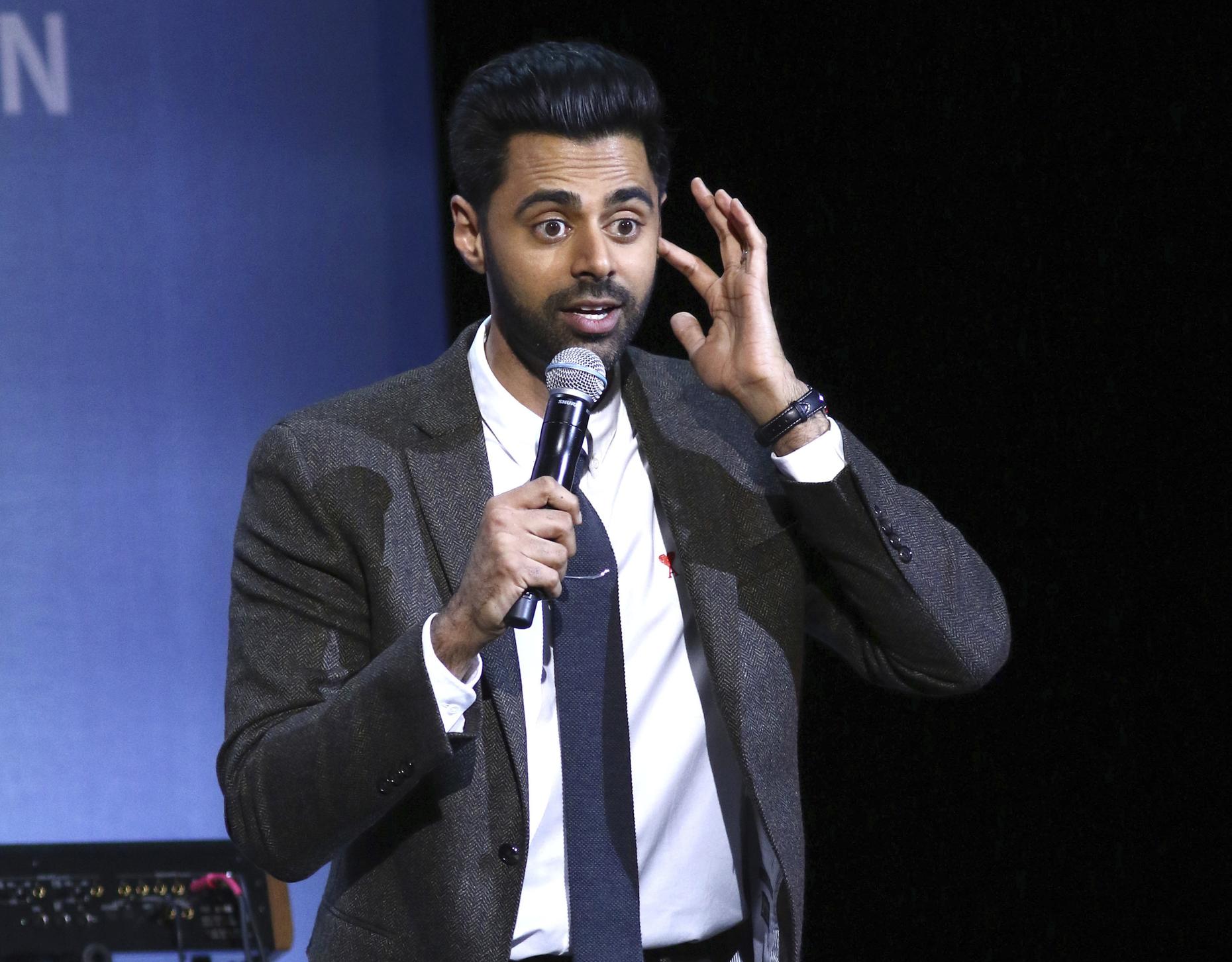
Nov 17, 2023
TikTok In the Crosshairs... Again. And Saying Goodbye to Jezebel
President Joe Biden and Xi Jinping just recently met face-to-face for the first time in a year. On this week’s On the Media, a look at why Chinese state media released glowing content about the U-S leading up to the summit. Plus, the rise and fall of the online feminist publication Jezebel. 1. Daniel Sneider [ @DCSneider ], lecturer in East Asian Studies and international policy at Stanford University, on what the media made of President Biden's meeting with President Xi Jinping. Listen. 2. Drew Harwell [ @drewharwell ], tech reporter for The Washington Post, on TikTok's place in the Israel-Hamas war. Listen. 3. Anna Holmes [ @AnnaHolmes ], founding editor of Jezebel, on the birth, life, and death of a website devoted to women. Listen. Music from this week's show: It's Beginning to Look a Lot Like Christmas - Avalon Skylark - Anita O’Day What's That Sound - Michael Andrews Jesusland - Ben Folds Tilliboyo - Kronos Quartet On the Media is supported by listeners like you. Support OTM by donating today ( https://pledge.wnyc.org/support/otm ). Follow our show on Instagram , Twitter and Facebook @onthemedia, and share your thoughts with us by emailing onthemedia@wnyc.org.
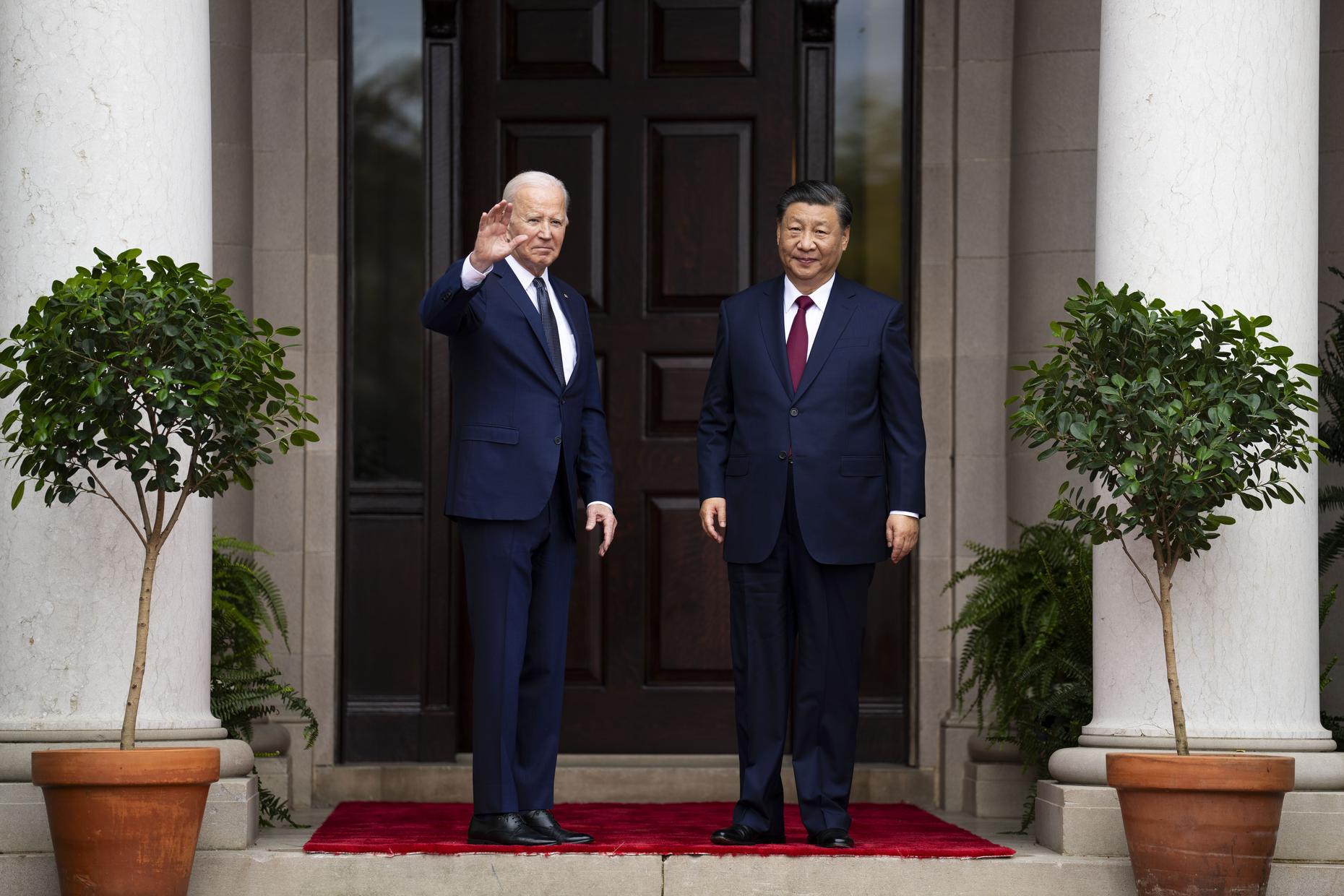
Nov 15, 2023
FTC chair Lina Khan is Kicking A** and Taking Names
As we've discussed on the show at length, most recently with Cory Doctorow in our series The Enshittification of Everything , Amazon has slowly been inserting itself into seemingly every facet of our lives. All the while using its status as a monopoly in the market to squash competition, take advantage of its users and skew prices for everyone. At the end of our series Doctorow described how he has hope in among other people, Lina Khan, the chair of the Federal Trade Commission. Says Khan; “Amazon has actually quietly been hiking prices for consumers in ways that are not always clearly visible but at the end of the day can result in consumers paying billions of dollars more than they would if there was actually competition in the market.” In this midweek episode, we are airing a conversation our colleague and host of the New Yorker Radio Hour , David Remnick had with Lina Khan about her plan to sue Amazon for violating antitrust laws. On the Media is supported by listeners like you. Support OTM by donating today ( https://pledge.wnyc.org/support/otm ). Follow our show on Instagram , Twitter and Facebook @onthemedia, and share your thoughts with us by emailing onthemedia@wnyc.org.
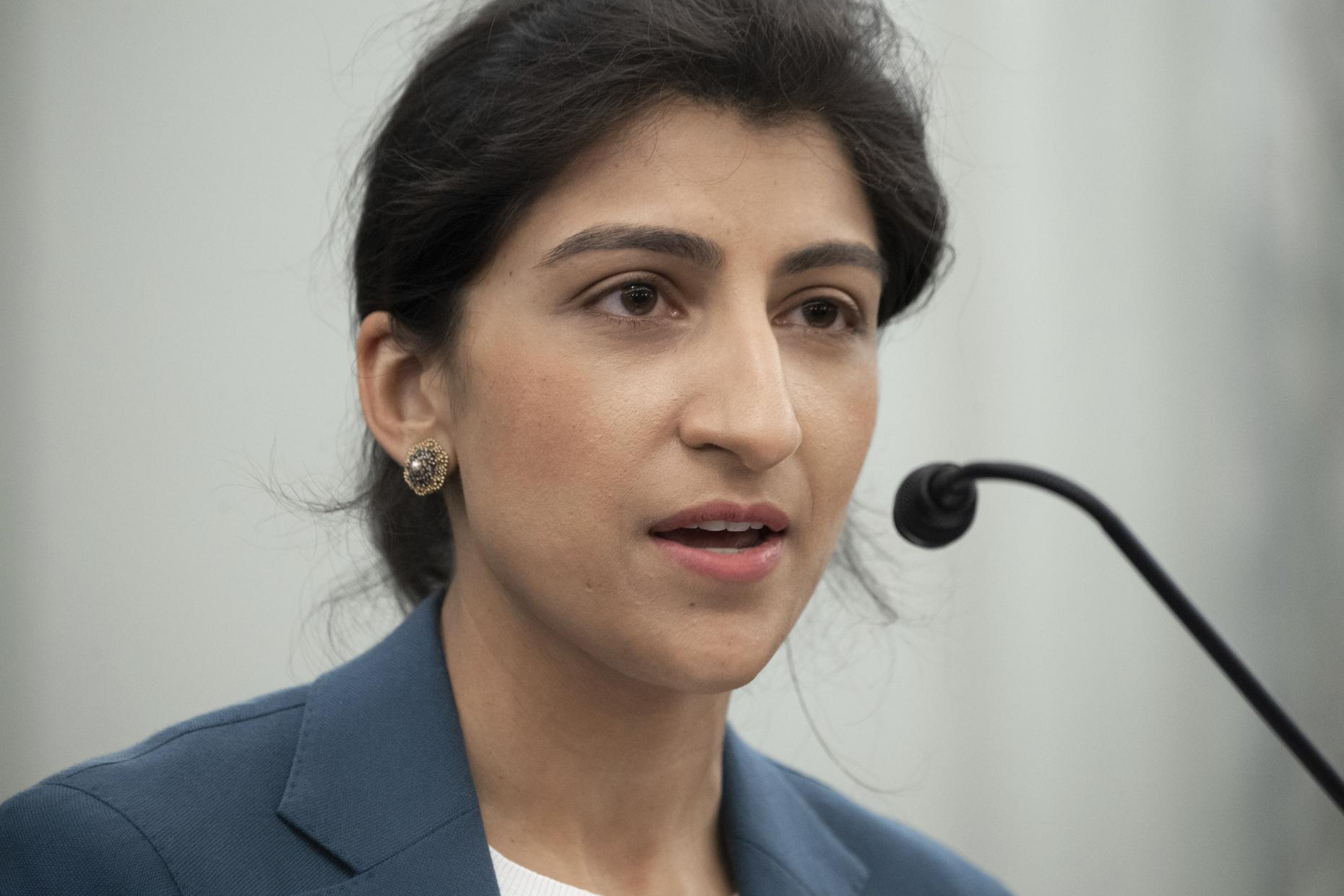
Nov 10, 2023
Trump Coverage is Still Terrible. Plus, Podcasting’s First Boom and Bust
Donald Trump was out of sight at the GOP presidential primary debate – but definitely not out of mind. On this week’s On the Media, a look at how the press is covering the former president and his threats against democracy. Plus, a deep dive into the meteoric rise and stumble of the podcast industry. 1. Dan Froomkin [ @froomkin ], editor of presswatchers.org, on how the press is failing the public in covering Donald Trump in this moment. Listen . 2. OTM Producer Molly Rosen [ @mollyfication ] with Kevin Marks [ @kevinmarks ], a software engineer who wrote the first script that downloaded "audio blogs" onto iTunes, and Rob Walch, VP of Podcaster Relations at Libsyn, on Apple's power over podcasts. Listen . 3. Micah Loewinger [ @MicahLoewinger ] takes stock of how we got to this moment in podcasting and the role public radio stations will play in the future, feat: Alex Sujong Laughlin [ @alexlaughs ], supervising producer and co-owner at Defector Media, Anna Sale [ @annasale ] host of Death, Sex & Money, Felix Salmon [ @felixsalmon ], host of Slate Money, and Nick Quah [ @nwquah ], podcast critic for Vulture and New York Magazine. Listen . On the Media is supported by listeners like you. Support OTM by donating today ( https://pledge.wnyc.org/support/otm ). Follow our show on Instagram , Twitter and Facebook @onthemedia, and share your thoughts with us by emailing onthemedia@wnyc.org.
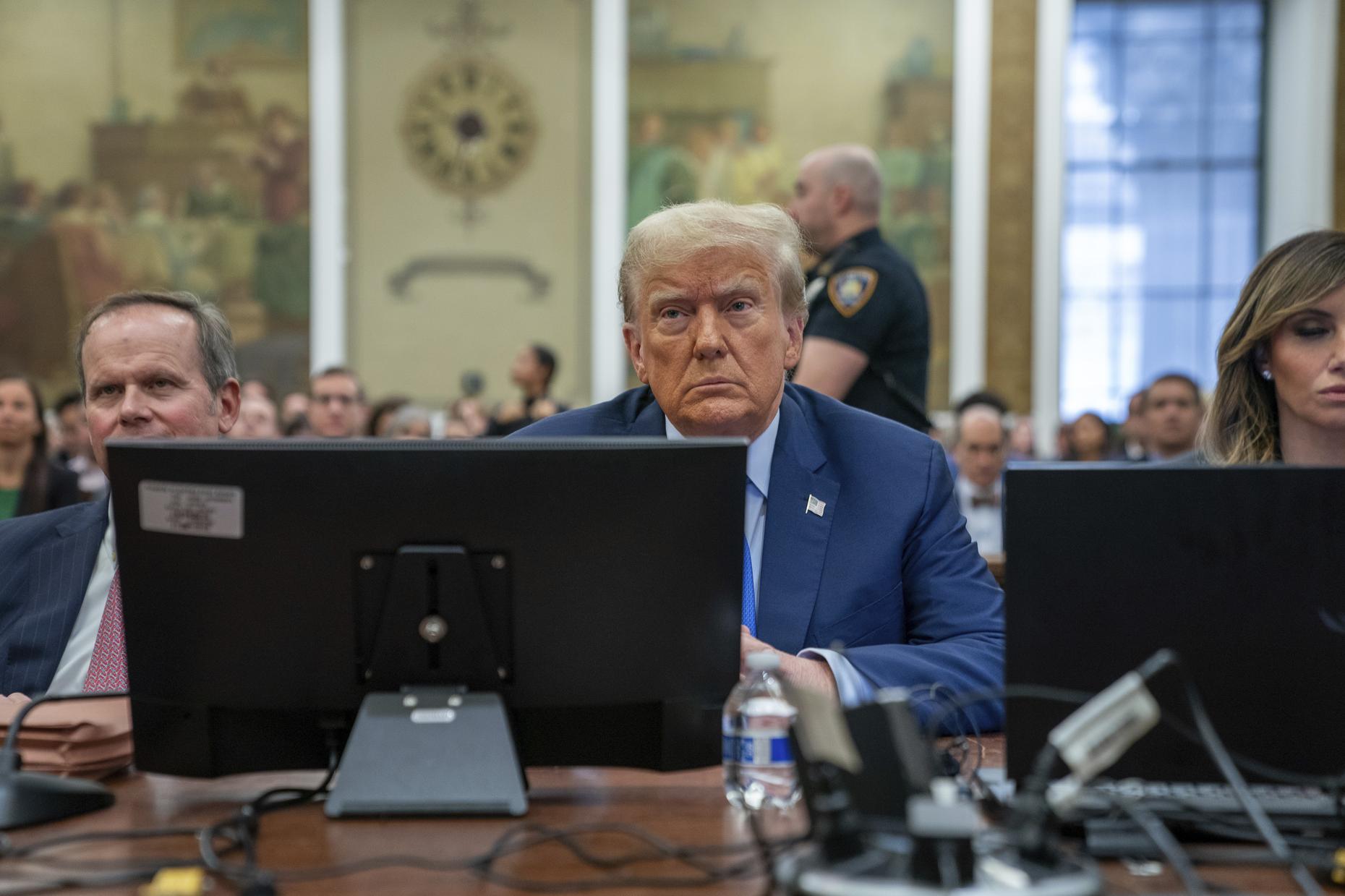
Nov 8, 2023
Making Television After #MeToo
Last week on the show, Brooke spoke to two writers about new wrinkles in the now 6-year-old #MeToo movement. But we had one additional interview that we wanted to share. In this midweek podcast extra, Brooke sits down with Lili Loofbourow , Washington Post television critic, to discuss three phases of TV post-#MeToo. Plus, Loofbourow explains how series like "Fleabag," "The Morning Show," and "Unbelievable" have internalized lessons from the movement, and what we can expect going forward. On the Media is supported by listeners like you. Support OTM by donating today ( https://pledge.wnyc.org/support/otm ). Follow our show on Instagram , Twitter and Facebook @onthemedia, and share your thoughts with us by emailing onthemedia@wnyc.org.
Nov 3, 2023
Warring Narratives in the Israel-Gaza Conflict and a New #MeToo Movement
Israel began a ground operation in Gaza as a conflict that’s already left thousands dead continues to escalate. On this week’s On the Media, reflections on the unique difficulty of covering this war. Plus, six years after explosive allegations against Harvey Weinstein helped launch a movement, how MeToo lives on in the media. 1. David Remnick, editor of The New Yorker, on striving to balance perceptions and narratives, and the challenges posed to a reporter covering the Israel-Hamas war. Listen . 2. Vickie Wang [ @VickieDeTaiwan ] is an interpreter, writer, and stand-up comic, on how one television show sparked a movement in Taiwan. Listen . 3. Yomi Adegoke [ @yomiadegoke ], columnist for The Guardian and British Vogue, on the powerful intersection of #MeToo and the internet. Listen . Music: Frail as a Breeze - Erik Friedlander Whispers of a Heavenly Death - John Zorn Fallen Leaves - Marcos Ciscar I Am - India Arie Boy Moves the Sun - Michael Andrews Quizas Quizas Quizas - Ramon Sole On the Media is supported by listeners like you. Support OTM by donating today ( https://pledge.wnyc.org/support/otm ). Follow our show on Instagram , Twitter and Facebook @onthemedia, and share your thoughts with us by emailing onthemedia@wnyc.org.

Oct 31, 2023
The Evolution of Opinions Online and "Statementese"
There's been no shortage of opinions across the globe as the Israel-Hamas conflict rages on. But stateside, there's also been an abundance of statements: from individuals, brands, and even colleges and universities. That isn't uncommon in the social-media age, but do all those words actually tell us something? In this midweek podcast extra, Brooke sits down with Sam Adler-Bell , writer and co-host of the podcast “Know Your Enemy,” to talk about the phenomena of "statementese," when we started expecting comments from institutions, and the potential downside of thinking that Instagram posts are all we can do. On the Media is supported by listeners like you. Support OTM by donating today ( https://pledge.wnyc.org/support/otm ). Follow our show on Instagram , Twitter and Facebook @onthemedia, and share your thoughts with us by emailing onthemedia@wnyc.org.

Oct 27, 2023
Breaking News Consumer's Handbook: Israel/Gaza Edition
Experts say disinformation around the Israel-Hamas war is running rampant. On this week’s On the Media, a guide to understanding your feed in the midst of armed conflict. Plus, a deep dive into Saudi Arabia’s rebranding experiment. 1. Mike Caulfield [ @uwcip ] , a research scientist at the University of Washington’s Center for an Informed Public, Aric Toler [ @AricToler ], a reporter at the visual investigations team at the New York Times, and Shayan Sadarizadeh [ @Shayan86 ], a journalist at BBC Monitoring and BBC Verify, on how to navigate your social media feed in the midst of the war in Israel and Gaza. Listen . 2. OTM correspondent Micah Loewinger [ @MicahLoewinger ] looks at Saudi Arabia's strategy to shore up its power, and the role the nation could play in negotiations for peace between Israel and Palestine. Featuring: Justin Scheck [ @ScheckNYTimes ], a reporter at the New York Times, and co-author of Blood and Oil: Mohammed Bin Salman’s Ruthless Quest For Global Power , Ahmed Al Omran [ @ahmed ], a reporter based in Saudi Arabia, and Kim Ghattas [ @KimGhattas ], a writer at The Atlantic and author of Black Wave: Saudi Arabia, Iran, and the Forty-Year Rivalry That Unraveled Culture, Religion, and Collective Memory in the Middle East . Listen . On the Media is supported by listeners like you. Support OTM by donating today ( https://pledge.wnyc.org/support/otm ). Follow our show on Instagram , Twitter and Facebook @onthemedia, and share your thoughts with us by emailing onthemedia@wnyc.org.

Oct 25, 2023
How Right Wing Media Created The House Speaker Fiasco
It's been over 20 days since the United States has had a Speaker of the House. Republican Kevin McCarthy was ousted by the right flank of his party earlier this month, and the tumultuous race for a new Speaker has revealed deep divisions in the Republican party. On Tuesday morning, House Republicans selected Tom Emmer, the majority whip from Minnesota, as their next man up. He's the third nominee the GOP has offered up in the past three weeks, after Steve Scalise and Jim Jordan each failed to secure enough Republican votes to win on the House floor. And with conflict brewing in the Middle East and government shutdown looming on the horizon, House Republicans have left Congress in paralysis with their inability to elect a speaker. For the midweek podcast, OTM correspondent Micah Loewinger speaks with Brian Rosenwald , a Scholar in Residence at the University of Pennsylvania and author of Talk Radio’s America: How an Industry Took Over a Political Party That Took Over the United States , about how the long-deteriorating relationship between conservative media and the GOP led us to this point. On the Media is supported by listeners like you. Support OTM by donating today ( https://pledge.wnyc.org/support/otm ). Follow our show on Instagram , Twitter and Facebook @onthemedia, and share your thoughts with us by emailing onthemedia@wnyc.org.
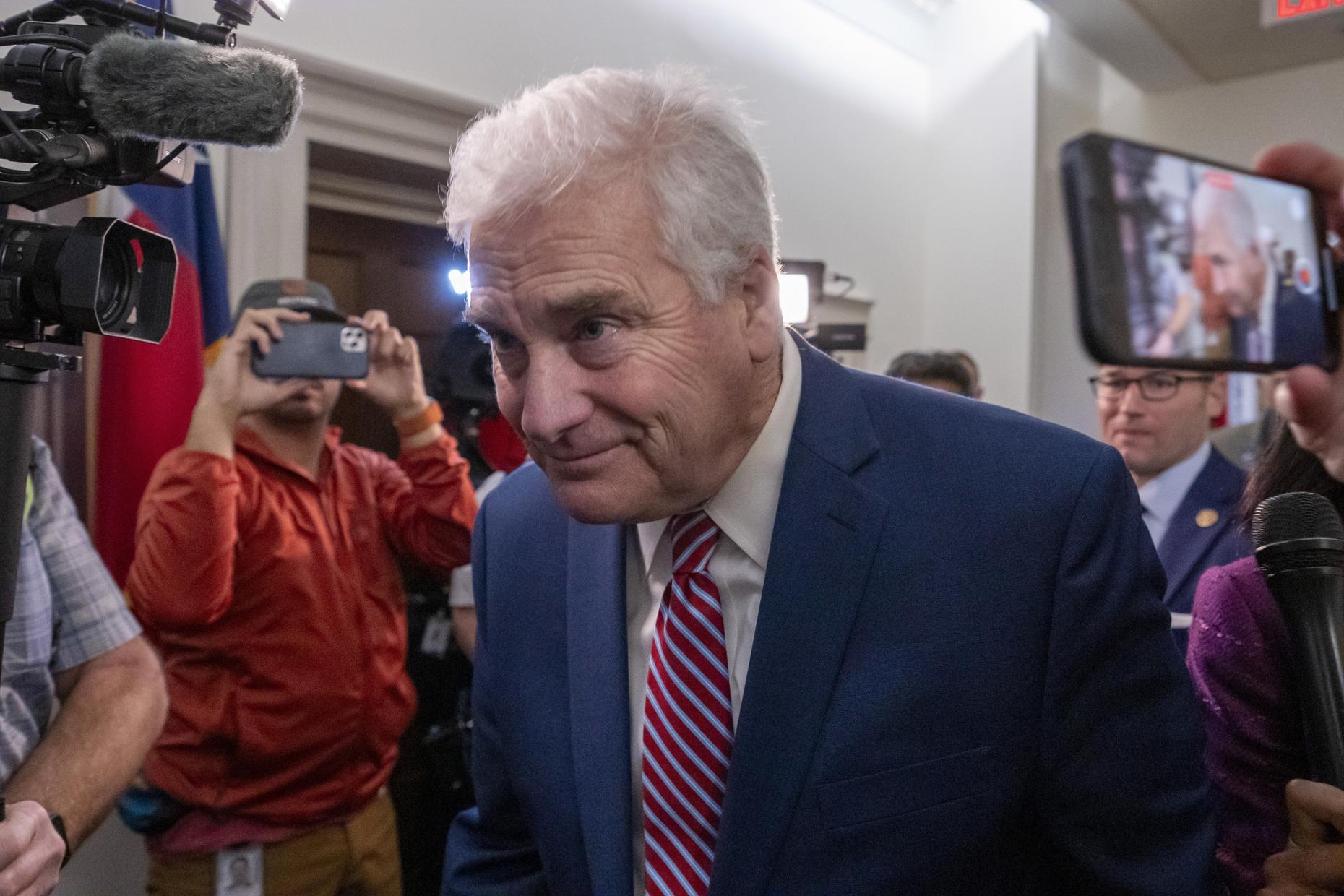
Oct 20, 2023
The Fog of War, and the Deadly Toll of Reporting from Gaza and Israel
More than twenty journalists have been killed during the recent Israel-Hamas conflict. On this week’s On the Media, hear about the deadly challenges facing reporters on the ground. Plus, why comparisons of the Hamas attack on October 7th to September 11th serve as a warning for the geopolitical fallout that may lie ahead. 1. OTM host Brooke Gladstone [ @OTMBrooke ] on the worsening fog of war surrounding Israel and Palestine, and the confusion and disinformation in the coverage of the conflict. Listen . 2. OTM correspondent Micah Loewinger [ @MicahLoewinger ] and Sherif Mansour, the Middle East and North Africa Program Coordinator for the Committee to Protect Journalists, on the sharp rise in cases of violence against reporters in Gaza and Israel. Listen . 3. Tareq Baconi, president of the board of Al-Shabaka, the Palestinian Policy Network , and David Klion [ @DavidKlion ], contributing editor at Jewish Currents, on why comparisons of 9/11 to the Hamas attack forewarn us of geopolitical conflict. Listen . On the Media is supported by listeners like you. Support OTM by donating today ( https://pledge.wnyc.org/support/otm ). Follow our show on Instagram , Twitter and Facebook @onthemedia, and share your thoughts with us by emailing onthemedia@wnyc.org.

Oct 18, 2023
What Comparisons to 9/11 Tell Us about the Israel-Hamas Conflict
This week, amid the deluge of coverage of the Israel-Hamas conflict following Hamas’ surprise attack on October 7th, a certain historical analogy kept coming up: "this is Israel's 9/11." The analogy has been widely repeated, by officials abroad and stateside. For some invoking 9/11 explains Israel's retaliation. For others, the analogy is a warning, a reminder of the still unfolding violence and death that the American response wrought around the globe. This week, Brooke sits down with David Klion , contributing editor at Jewish Currents, who wrote about the analogy for n+1 magazine, to discuss why we should see it the invocation of 9/11 as a lesson and a warning. On the Media is supported by listeners like you. Support OTM by donating today ( https://pledge.wnyc.org/support/otm ). Follow our show on Instagram , Twitter and Facebook @onthemedia, and share your thoughts with us by emailing onthemedia@wnyc.org.

Oct 13, 2023
We Don't Talk About Leonard: Episode 3
In the third episode of "We Don't Talk About Leonard," Leonard Leo is in Maine, a man in his castle, at the height of his powers. He has helped remake the American judicial system, and now he has a plan to do the same for society and politics — to make a Federalist Society for everything. ProPublica reporters Andrea Bernstein, Andy Kroll, and Ilya Marritz drill even further into the fight to gain influence over state courts, and reveal what Leo and his allies are planning for the future. 1. Big money starts pouring into state Supreme Court races in Wisconsin and across the country. Listen . 2. Leonard Leo takes over a network of conservatives trying to shape American culture. Listen . 3. Leonard Leo faces pushback in a town where people know who he is. Listen . This podcast was created in partnership with ProPublica, a nonprofit newsroom that investigates abuses of power . Sign up to receive their biggest stories as soon as they’re published. On the Media is supported by listeners like you. Support OTM by donating today ( https://pledge.wnyc.org/support/otm ). Follow our show on Instagram , Twitter and Facebook @onthemedia, and share your thoughts with us by emailing onthemedia@wnyc.org.
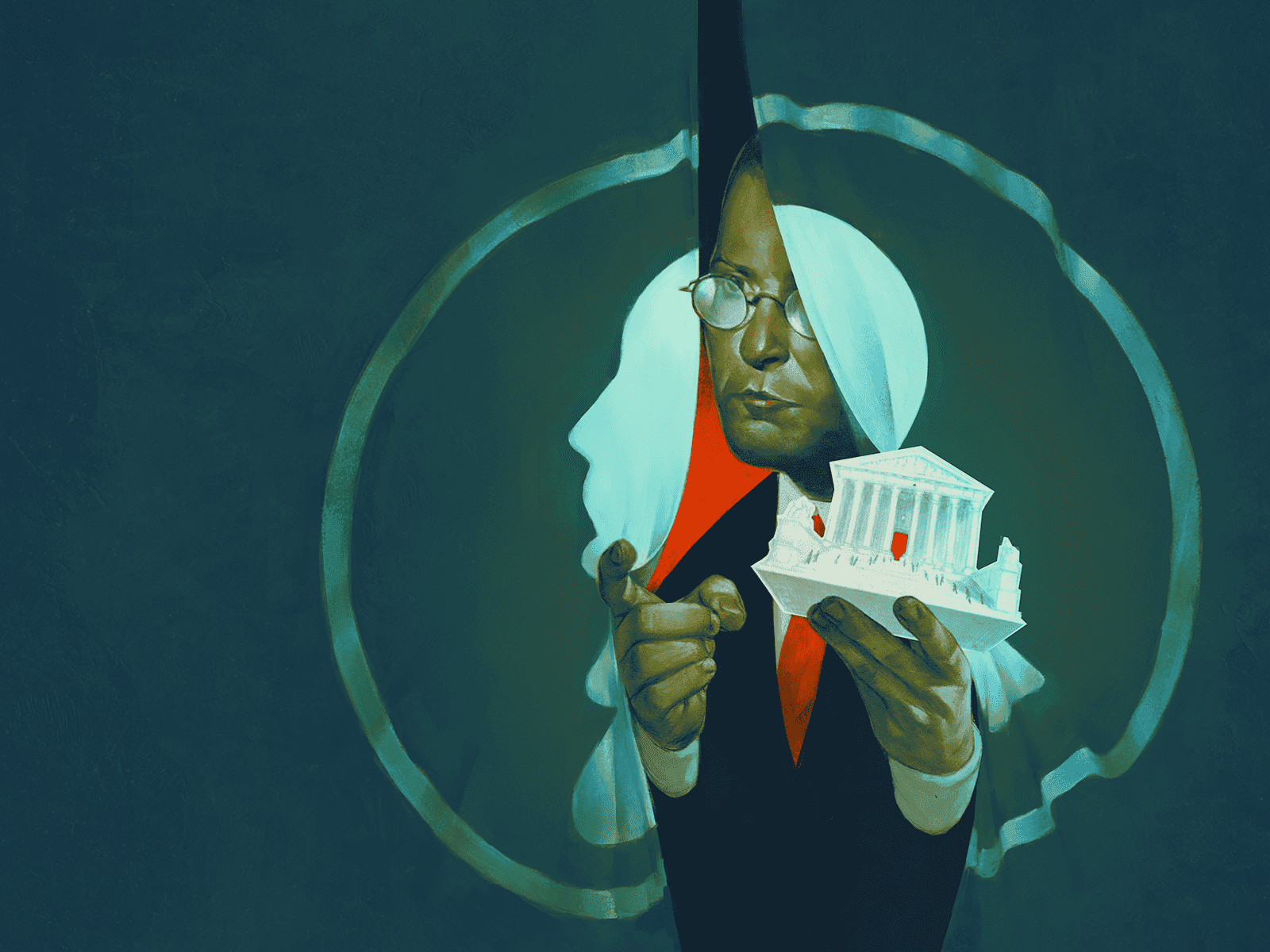
Oct 11, 2023
How Elon Musk's X Failed During the Israel-Hamas Conflict
This week, Bloomberg reported that social media posts about the Israel-Hamas conflict have led to a sticky cesspool of confusion and conflict on Elon Musk’s X, formerly known as Twitter. On Saturday, just hours after Hamas fighters from Gaza surged into Israel, unverified photos and videos of missile air strikes, buildings and homes being destroyed and other posts depicting military violence — in Israel and Gaza — crowded the platform. But some of the horror, not all of course, were old images passed off as new. Some of this content was posted by anonymous accounts that carried blue checkmarks , which signals that they had purchased verification under X’s “premium” subscription service . Some military footage circulating on X were drawn from video games, and some of the lies were, as usual, pushed by far-right pundits on the platform, for clicks or, possibly, ulterior motives. For the midweek podcast, Brooke speaks with Avi Asher-Schapiro , who covers tech for the Thomson Reuters Foundation, about how Musk's policy changes at X have led to a stronger initial surge of misinformation than usual during this conflict, and how an algorithmically-driven "fog of war" impacts our historical record of this conflict. On the Media is supported by listeners like you. Support OTM by donating today ( https://pledge.wnyc.org/support/otm ). Follow our show on Instagram , Twitter and Facebook @onthemedia, and share your thoughts with us by emailing onthemedia@wnyc.org.

Oct 6, 2023
We Don't Talk About Leonard: Episode 2
Leonard Leo realized that in order to generate conservative rulings, the Supreme Court needs the right kind of cases. In this episode of “We Don’t Talk About Leonard,” ProPublica reporters Andrea Bernstein, Andy Kroll, and Ilya Marritz investigate the machine that Leonard Leo built across the country to bring cases to the Supreme Court and fill vacant judgeships, and the web of nonprofits he’s created through which to funnel dark money into judicial races. 1. The rise of a conservative lawyer through the ranks demonstrates the growing importance of state solicitors general. Listen . 2. Leonard Leo cultivates wealthy donors, and a fishing trip sets off a Supreme Court ethics scandal. Listen . 3. Leonard Leo gains power and prominence as the author of former President Trump's list of potential Supreme Court appointees, and a Federalist Society donor becomes disillusioned. Listen . This podcast was created in partnership with ProPublica, a nonprofit newsroom that investigates abuses of power . Sign up to receive their biggest stories as soon as they’re published. On the Media is supported by listeners like you. Support OTM by donating today ( https://pledge.wnyc.org/support/otm ). Follow our show on Instagram , Twitter and Facebook @onthemedia, and share your thoughts with us by emailing onthemedia@wnyc.org.
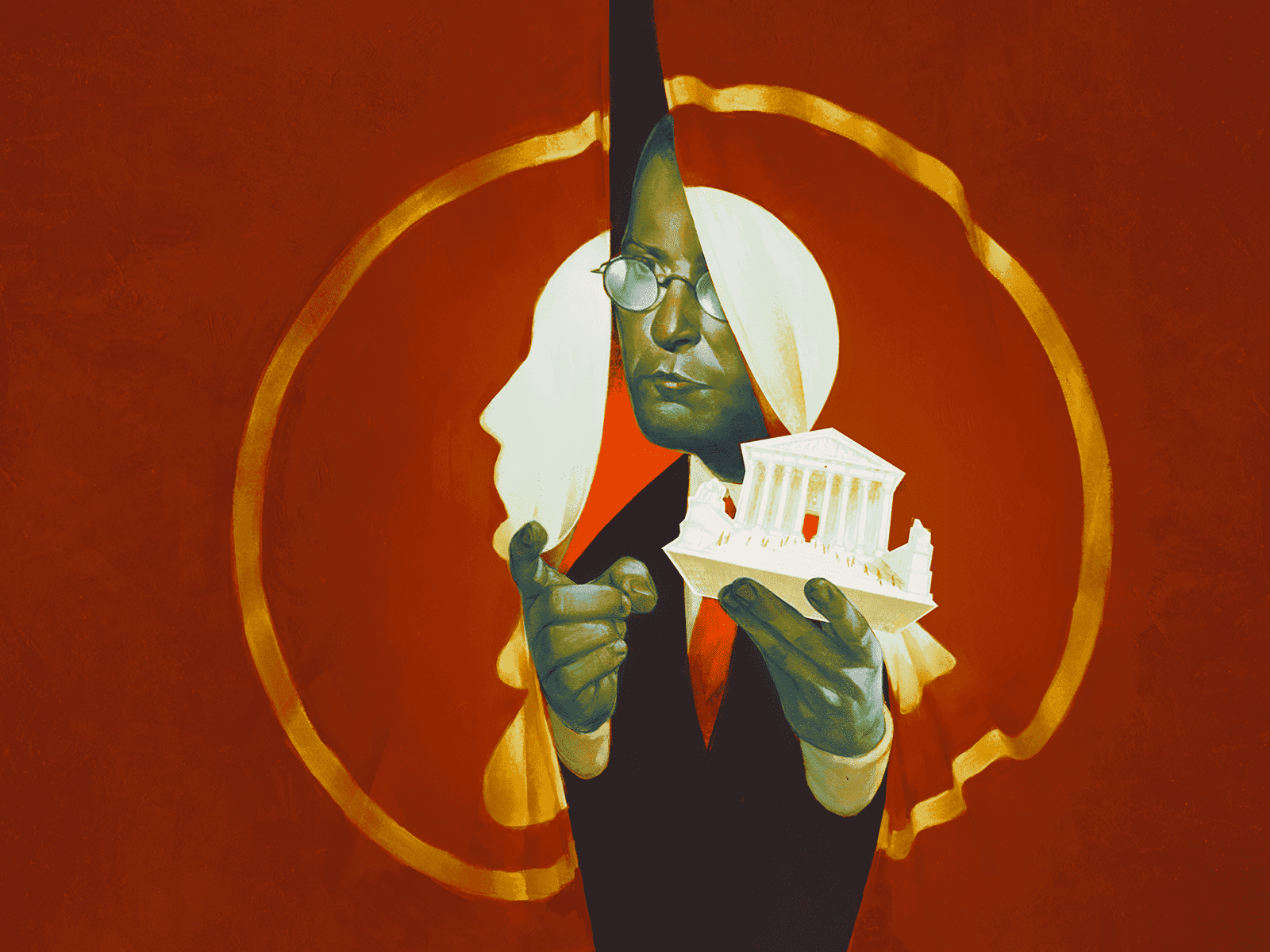
Oct 4, 2023
Why You Should Pay Attention to Trump's Civil Fraud Case
Donald Trump is in court this week in New York City, again, for a multimillion dollar civil fraud trial. He, his sons, and the Trump organization have been accused of using false financial statements and inflating their net worth by billions. In addition to this case, Trump is facing four criminal indictments: the January 6th insurrection case in DC, the Stormy Daniels hush money case in New York, the classified documents case in Florida, and the political interference case in Georgia. It’s a lot to keep track of, but this civil trial is worth one's attention. If NY State Attorney General Letitia James succeeds, Trump could lose control of his businesses and his most valuable assets, like Trump Tower — along with whatever’s left of the public image he spent decades constructing on television and in the press. Russ Buettner is a reporter on the New York Times Investigation Desk, the team that hunted down Trump’s tax returns and other elusive financial documents, in an effort to understand how exactly the former president got his money and how he lost so much of it. For the midweek podcast, OTM correspondent Micah Loewinger called Russ to learn about what Trump’s history of fraud means for his future, the revelations of the trial so far, and what details have gotten lost in the deluge of coverage. On the Media is supported by listeners like you. Support OTM by donating today ( https://pledge.wnyc.org/support/otm ). Follow our show on Instagram , Twitter and Facebook @onthemedia, and share your thoughts with us by emailing onthemedia@wnyc.org.
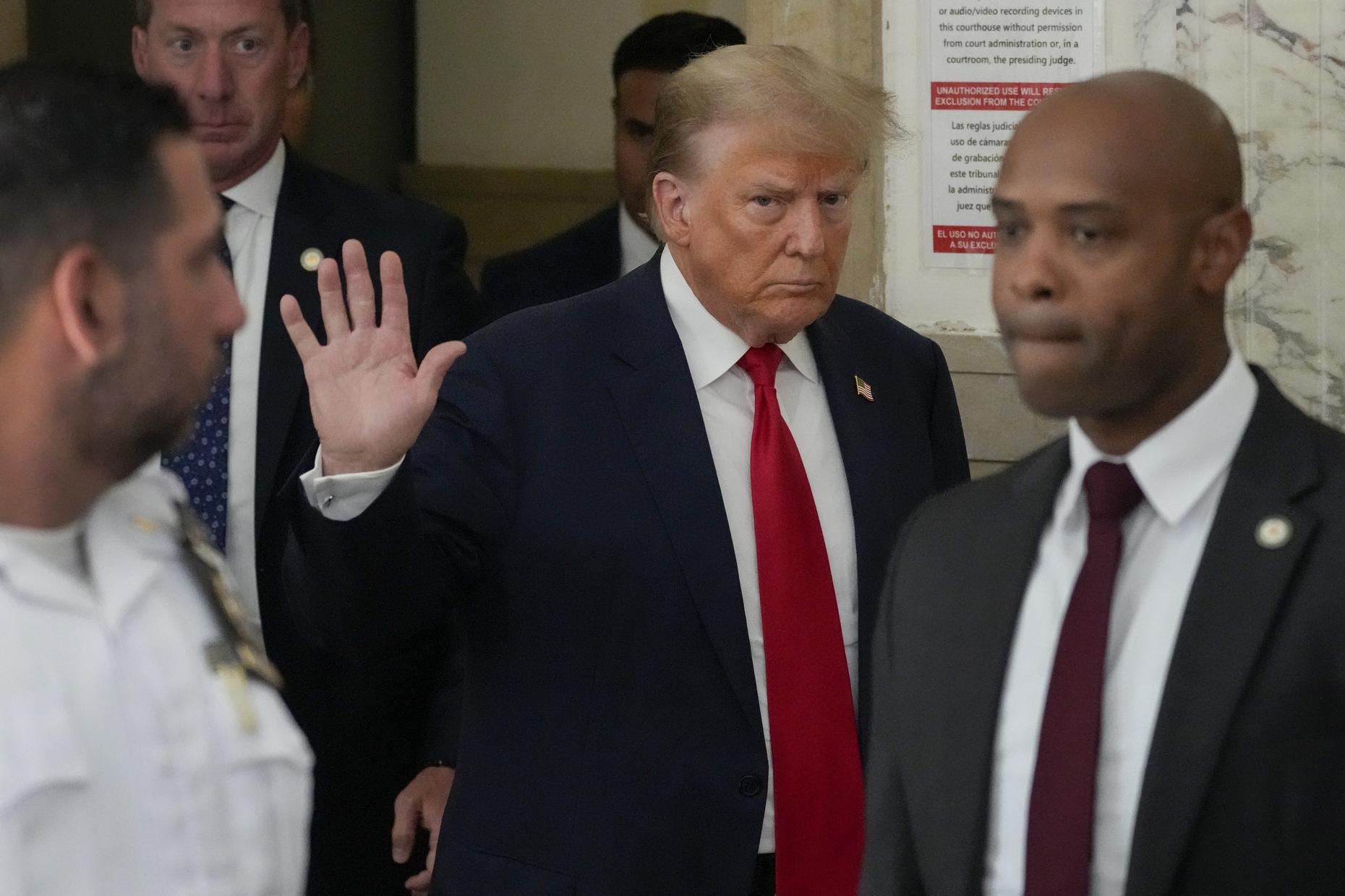
Sep 29, 2023
We Don't Talk About Leonard: Episode 1
In this first episode of our new miniseries, We Don't Talk About Leonard , ProPublica reporters Andrea Bernstein, Andy Kroll, and Ilya Marritz investigate the background of the man who has played a critical role in the conservative takeover of America's courts — Leonard Leo. From his humble roots in middle class New Jersey, to a mansion in Maine where last year he hosted a fabulous party on the eve of the Supreme Court decision to tank “Roe.” 1. The night before the Supreme Court overturned Roe v. Wade, Leonard Leo threw a lavish party at his house in Maine . Listen . 2. Leonard Leo's journey from a high-schooler with the nickname "Moneybags Kid" to a high-ranking member of the Federalist Society. Listen . 3. Leonard Leo and the Federalist Society turn their attention to the state supreme courts. Listen . This podcast was created in partnership with ProPublica, a nonprofit newsroom that investigates abuses of power . Sign up to receive their biggest stories as soon as they’re published. On the Media is supported by listeners like you. Support OTM by donating today ( https://pledge.wnyc.org/support/otm ). Follow our show on Instagram , Twitter and Facebook @onthemedia, and share your thoughts with us by emailing onthemedia@wnyc.org.
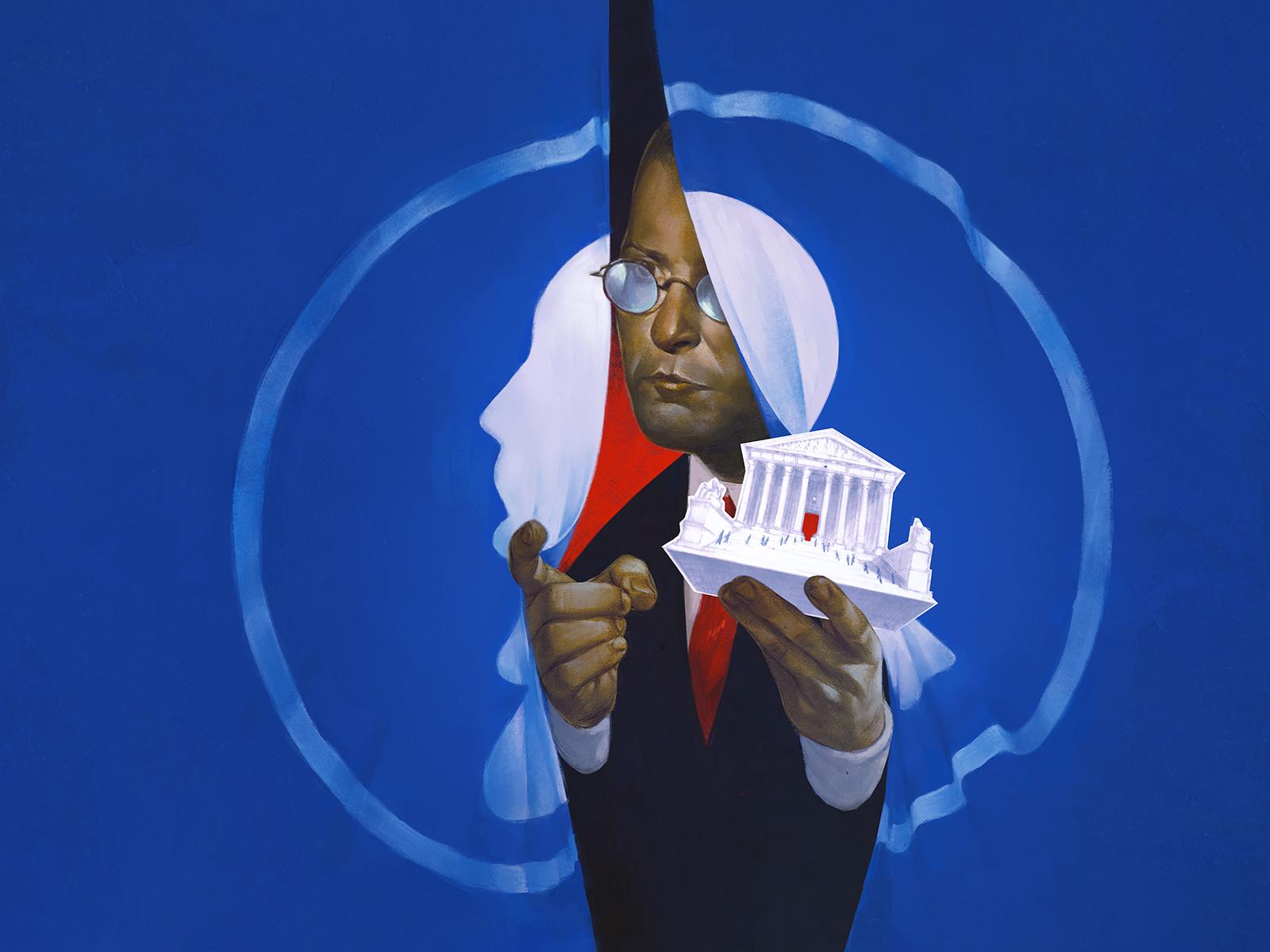
Sep 27, 2023
The Story Behind Gannett's AI Debacle
In late August, Gannett, the country’s largest newspaper company, rolled out a new artificial intelligence service that promised to automate high school sports coverage across the country. And within a matter of days it had gone horribly wrong. People on Twitter quickly discovered that bizarre phrases like “close encounters of the athletic kind,” or how one team “took victory away” from another, had shown up on Gannett news sites in Florida, Indiana, Georgia, Ohio, Kentucky, and Tennessee. As Scott Simon explained on NPR , in some of these AI articles there were robotic place holders where there should’ve been a mascot’s name. Jay Allred is the CEO of Source Media Properties, which includes Richland Source, a local news organization in Ohio, and LedeAI, the company that built the technology that Gannett was using to automate its high school coverage. For the midweek podcast, OTM correspondent Micah Loewinger speaks with Jay about what went wrong, why he wanted to build this technology in the first place, and whether this disaster had shaken his belief in its potential. On the Media is supported by listeners like you. Support OTM by donating today ( https://pledge.wnyc.org/support/otm ). Follow our show on Instagram , Twitter and Facebook @onthemedia, and share your thoughts with us by emailing onthemedia@wnyc.org.
Sep 22, 2023
Suing to Save the Planet, and How Climate Activism Got a Bad Rap
Thousands of protesters descended on New York as the United Nations convened its Climate Summit. On this week’s On the Media, hear how Big Oil is being taken to court for lying to the public about fossil fuels. Plus, a look at a global network of think tanks that’s been vilifying climate activism for decades. 1. Rebecca Leber [ @rebleber ], senior climate reporter at Vox, on why some climate activists are turning to lawsuits to make change. Listen . 2. Amy Westervelt [ @amywestervelt ], host and producer of the podcast Drilled , on how a network of think tanks is shaping perceptions of peaceful climate activism as dangerous and extreme. Listen . 3. Leah Sottile [ @Leah_Sottile ], extremism reporter and the host of the podcast Burn Wild , on how eco-terrorism became security priority for the U.S. government. Listen . Music: Il Casanova de Federico Fellini - Nino Rota Prelude 8: The Invisibles - John Zorn It’s Raining - Irma Thomas Middlesex Times - Donnie Darko - Michael Andrews Way Down in the Hole - Tom Waits Puck - John Zorn Final Retribution -John Zorn On the Media is supported by listeners like you. Support OTM by donating today ( https://pledge.wnyc.org/support/otm ). Follow our show on Instagram , Twitter and Facebook @onthemedia, and share your thoughts with us by emailing onthemedia@wnyc.org.
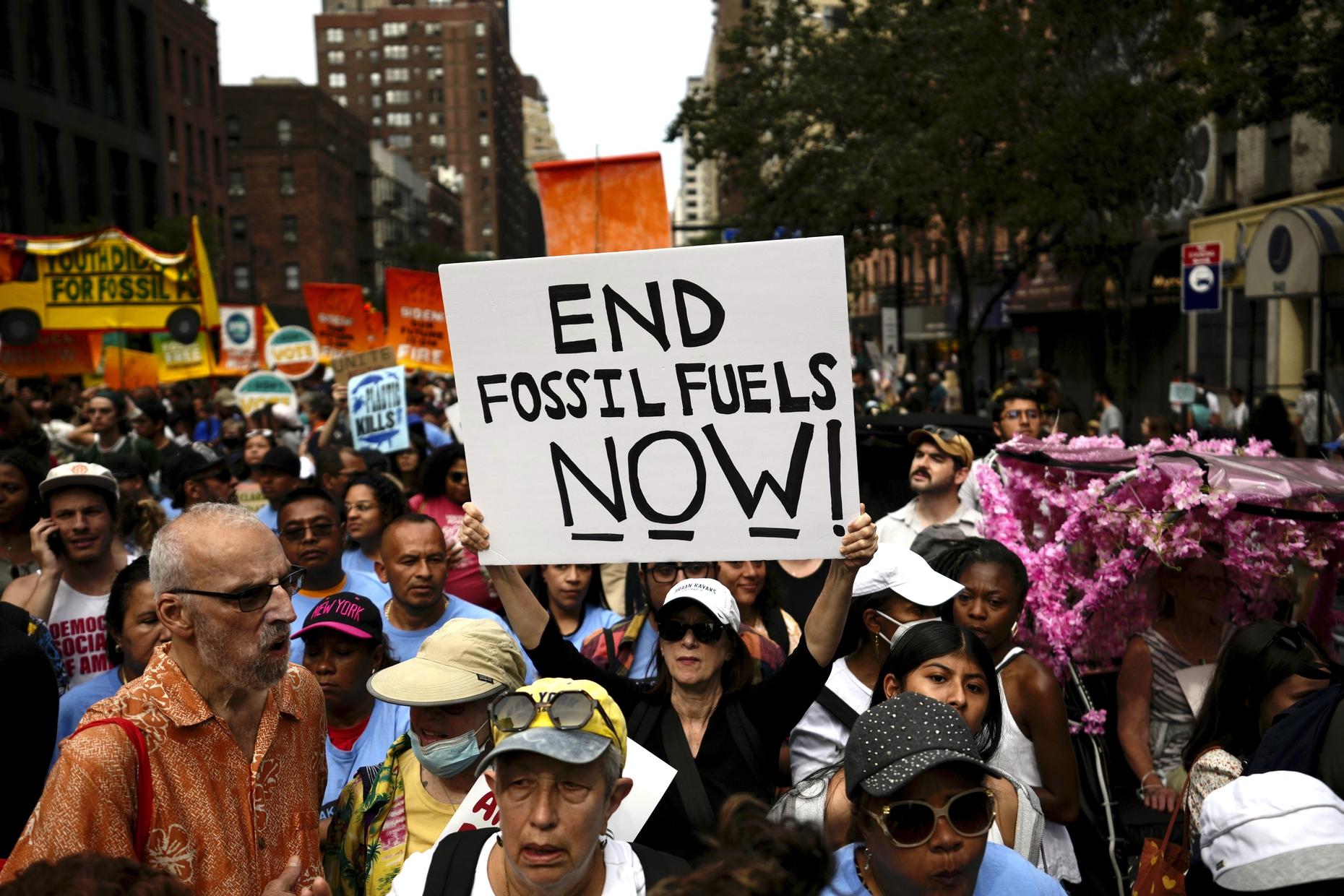
Sep 20, 2023
How the Food Industry is Influencing Your TikTok Feed
In July, the World Health Organization issues a report indicating that aspartame, an artificial sweetener used in many low calorie sodas and snacks, was "possibly carcinogenic to humans." The new statement on a widely utilized artificial sweetener led to controversy in the medical community, with the Federal Drug Administration saying they saw no concern over aspartame consumption. Some dietitians even took to social media to voice their contradicting opinions. Anahad O’Connor , a health columnist at The Washington Post, the response to the announcement on social media smelled a bit fishy. In a report released earlier this month with colleagues Caitlin Gilbert and Sasha Chavkin, O’Connor found that dozens of registered dietitians, some with more than 2 million followers each, were paid to counter the WHO’s announcement. He and his colleagues followed the money back to industry groups like American Beverage, which represents companies like Coca-Cola and PepsiCo. This week, OTM correspondent Micah Loewinger sits down O'Connor to learn more about the growing trend of influencer dietitians and the long history of food and beverage lobbies attempting to influence our eating habits. On the Media is supported by listeners like you. Support OTM by donating today ( https://pledge.wnyc.org/support/otm ). Follow our show on Instagram , Twitter and Facebook @onthemedia, and share your thoughts with us by emailing onthemedia@wnyc.org.
Sep 15, 2023
The “Too Old” President and Political Doppelgängers
The House has opened a formal impeachment inquiry into President Biden. On this week’s On the Media, find out exactly what Republicans are looking for–and why they should’ve already found it. Plus, geriatric men are the likely presidential nominees. Is there such a thing as “too old” for the job? 1. Stephen Collinson [ @StCollinson ], CNN senior political reporter, on the impact of a baseless impeachment inquiry on the institution of Presidential impeachments. Listen . 2. James Fallows [ @JamesFallows ], writer of the “Breaking the News'' newsletter on Substack, and the former chief speechwriter for the Carter administration, on if the press is tackling the age question correctly. Listen . 3. Dr. Steven N. Austad [ @StevenAustad ], The University of Alabama at Birmingham’s Protective Life Endowed Chair in Healthy Aging Research, on what the science of aging can tell us about a potential Biden second term. Listen . 4. Naomi Klein [ @NaomiAKlein ], journalist and author of Doppelganger: A Trip into the Mirror World , on being confused for writer and conspiracist Naomi Wolf for much of her career, and her exploration of doppelgangers and the mirror world the other Naomi inhabits. Listen . Music: 72 Degrees and Sunny - Thomas Newman Eye Surgery - Thomas Newman Lost Night - Bill Frisell Young at Heart - Brad Mehldau Trio Disfarmer Little Girl - Bill Frissell Pavane, Op. 50 - Gabriel Faure - Academy of St. Martin in the Fields The First Time Ever I saw Your Face - Bert Jansch On the Media is supported by listeners like you. Support OTM by donating today ( https://pledge.wnyc.org/support/otm ). Follow our show on Instagram , Twitter and Facebook @onthemedia, and share your thoughts with us by emailing onthemedia@wnyc.org.
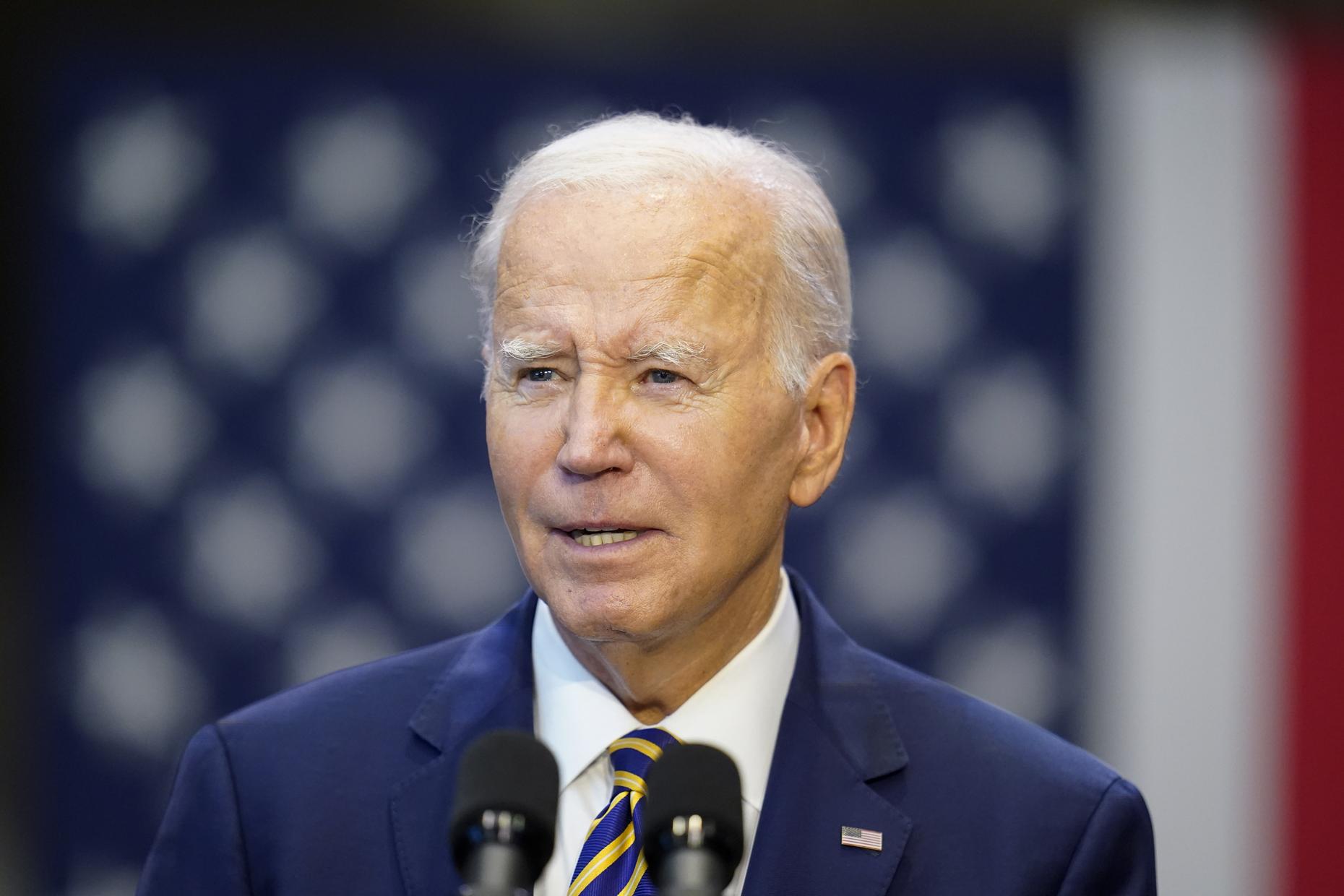
Sep 11, 2023
How 9/11 Broke Our Brains
Twenty-two years ago, two planes crashed into the Twin Towers. Another plane hit the Pentagon, and another crashed in Pennsylvania — killing nearly 3,000 people in total. The attacks became the pretense for a sprawling, ongoing war on terror that has directly and indirectly claimed some 4.5 million lives in post-9/11 war zones, including Afghanistan, Pakistan, Iraq, Syria, and Yemen, according to a 2023 estimate from Brown University. In his 2021 podcast, 9/12 , Dan Taberski brought us the story of a documentary filmmaker named Dylan Avery, whose 2005 film Loose Change helped embolden the 9/11 Truther Movement. In this piece, OTM reporter Micah Loewinger speaks with Taberski about Loose Change, and the complicated notoriety it brought to Avery. He also interviews Korey Rowe, a producer on Loose Change, about how Google Video helped it become the internet's first viral film. Then, Micah speaks with Charles B Strozier , author of Until the Fires Stopped Burning: 9/11 and New York City in the Words and Experiences of Survivors and Witnesses , about the moment when exactly 9/11 conspiracy theories broke into the mainstream. This segment originally aired in our September 10th, 2021 program, Aftershocks . On the Media is supported by listeners like you. Support OTM by donating today ( https://pledge.wnyc.org/support/otm ). Follow our show on Instagram , Twitter and Facebook @onthemedia, and share your thoughts with us by emailing onthemedia@wnyc.org.
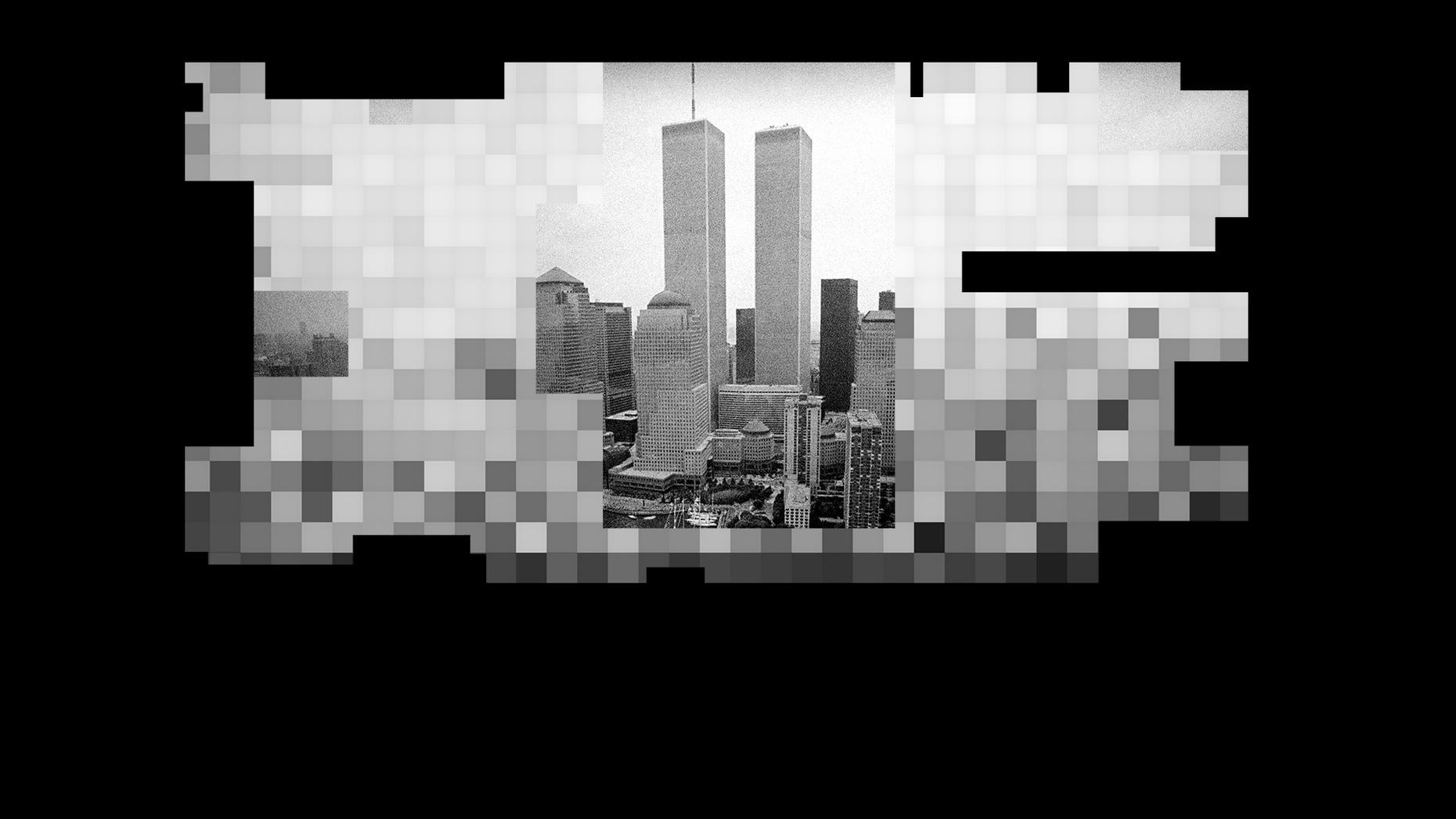
Sep 8, 2023
Another Proud Boy Goes to Jail and A Media War in 1980's NYC
This week a former Proud Boys leader received the longest prison sentence for the insurrection so far. On this week’s On the Media, why conspiracy theories that the FBI planned January 6 live on. Plus, in the aftermath of a 1984 subway shooting, hear how the New York press crowned the gunman a hero. 1. Tess Owen [ @misstessowen ], senior reporter at Vice News, on the latest fallout from the January 6th insurrection. Listen. 2. Leon Neyfakh [ @leoncrawl ], host of the podcast Fiasco: Vigilante , available exclusively on Audible, on how the press covered a notorious and divisive 1984 New York City subway shooting. Listen . On the Media is supported by listeners like you. Support OTM by donating today ( https://pledge.wnyc.org/support/otm ). Follow our show on Instagram , Twitter and Facebook @onthemedia, and share your thoughts with us by emailing onthemedia@wnyc.org.

Sep 7, 2023
Is "Rich Men North of Richmond" a MAGA Anthem or Nah?
In early August, Christopher Anthony Lunsford, who goes by Oliver Anthony, quietly released a song called "Rich Men North of Richmond." A week later, the folk song had rocketed to the top of the Billboard charts — a historic feat for someone with no chart history to speak of. But the ascent wasn't without controversy. The song, to some, sounded like a right-wing anthem . And it was heralded as such online by right wing pundits, and included as a part of the first question of the opening Republican presidential primary debate. But Oliver Anthony's politics, and the song's appeal, have turned out to be a little more complicated. This week, OTM correspondent Micah Loewinger sits down with Chris Molanphy , Slate’s pop-chart columnist, and author of the forthcoming book " Old Town Road ," to talk about how such an unlikely song rose to the top. Micah speaks to Molanphy about how the Billboard charts have gotten weirder, and more anarchic, and what "Rich Men North of Richmond" has in common with "Ballad of the Green Berets," a song released almost 60 years prior. On the Media is supported by listeners like you. Support OTM by donating today ( https://pledge.wnyc.org/support/otm ). Follow our show on Instagram , Twitter and Facebook @onthemedia, and share your thoughts with us by emailing onthemedia@wnyc.org.
Sep 1, 2023
How Big Tech Went to Sh*t
Why does every social media platform seem to get worse over time? This week’s On the Media explores an expansive theory on how we lost a better version of the internet, and the systems that insulate Big Digital from competition. Plus, some solutions for fixing the world wide web. 1. Cory Doctorow [ @doctorow ], journalist, activist, and the author of Red Team Blue, on his theory surrounding the slow, steady descent of the internet. Listen. 2. Brooke asks Cory if the troubles that plague some corners of the internet are specific to Big Digital, rather than the economy at large-- and how our legal systems enabled it all. Listen. 3. Cory and Brooke discuss possible solutions to save the world wide web, and how in a sea of the enshittified there's still hope. Listen. Music: I’m Not Following You - Michael Andrews I’m Forever Blowing Bubbles The Desert and Two Grey Hills - Gerry O’Beirne La vie en rose - Toots Thielemans All I Want (Joni Mitchel) - Fred Hersch On the Media is supported by listeners like you. Support OTM by donating today ( https://pledge.wnyc.org/support/otm ). Follow our show on Instagram , Twitter and Facebook @onthemedia, and share your thoughts with us by emailing onthemedia@wnyc.org.
Aug 30, 2023
Lina Khan Is in the Hot Seat
In March 2021, when President Joe Biden announced the nomination of Lina Khan to be a commissioner at the Federal Trade Commission, the decision was met with a rare kind of excitement for the otherwise sleepy agency. The excitement seemed bipartisan as 21 Republican senators voted to confirm the commissioner. Not long after, then 32-year-old Khan was promoted to chairperson of the agency, making her the youngest chair in the FTC's history. Since then the tone around Khan has changed dramatically, as Republican commissioners at the agency have pushed back against what they see as a radical agenda. Back in March, OTM correspondent Micah Loewinger spoke to Emily Birnbaum , technology and lobbying reporter for Bloomberg, about a growing anti-antitrust movement emerging in the press and in Washington, and why Khan has become its main target. On the Media is supported by listeners like you. Support OTM by donating today ( https://pledge.wnyc.org/support/otm ). Follow our show on Instagram , Twitter and Facebook @onthemedia, and share your thoughts with us by emailing onthemedia@wnyc.org.
Aug 25, 2023
Mysteries of Sound
In late 2016, American diplomats in Havana, Cuba started hearing a mysterious buzzing sound and experiencing debilitating symptoms. On this week’s On the Media, why the government now disputes theories that it was a secret Russian weapon. Plus, what the electric hum of your refrigerator and the uncanny hearing ability of pigeons reveal about the world we live in. 1. Adam Entous, staff writer at The New York Times , Jon Lee Anderson, staff writer at The New Yorker , and Robert Bartholomew, sociologist and author of Havana Syndrome: Mass Psychogenic Illness and the Real Story Behind the Embassy Mystery and Hysteria, on the investigation into the mysterious affliction that spread across the globe. Listen . 2. Jennifer Munson, OTM Technical Director, and Nasir Memon, New York University professor of computer science and engineering, on the obscure technology called electrical network frequency analysis, or ENF, and the world of audio forensics. Listen . 3. Robert Krulwich [ @rkrulwich ], co-creator and former co-host of Radiolab, and John Hagstrum, a geophysicist emeritus at the U.S. Geological Survey, on the mysterious avian disappearance that rocked world headlines. Listen . Music: Meet Tina - Havana Syndrome History Lesson - Havana Syndrome Okami - Nicola Cruz Electricity - OMD Wallpaper - Woo On the Media is supported by listeners like you. Support OTM by donating today ( https://pledge.wnyc.org/support/otm ). Follow our show on Instagram , Twitter and Facebook @onthemedia, and share your thoughts with us by emailing onthemedia@wnyc.org.
Aug 23, 2023
The Wilhelm Scream
When two blockbuster movies, Barbie and Oppenheimer, premiered in U.S. theaters on the same day in July 2023, they ushered in a renewed enthusiasm for the double feature, and introduced the word "Barbenheimer" to moviegoers' vocabularies. For this midweek podcast, we’re returning to an old OTM piece by David Serchuk about a sound— more specifically, a scream —that's lived an amazingly long and storied life on the silver screen. On the Media is supported by listeners like you. Support OTM by donating today ( https://pledge.wnyc.org/support/otm ). Follow our show on Instagram , Twitter and Facebook @onthemedia, and share your thoughts with us by emailing onthemedia@wnyc.org.

Aug 18, 2023
Read All About It
This summer’s extreme heat has contributed to disasters around the world--but some of them are hard to see. On this week’s On the Media, why extreme heat is one of the most challenging climate disasters for reporters to cover. Plus, the story of how historical fiction became the unexpected darling of the literary world. 1. Jake Bittle [ @jake_bittle ], staff writer at Grist, on this year's scarily hot summer and the impacts of extreme heat . Listen . 2. OTM producer Eloise Blondiau [ @eloiseblondiau ] takes a deep dive into how historical fiction became a rich resource for reckoning with our past, feat: Alexander Manshel, assistant professor of English at McGill University [ @xandermanshel ], and novelists Alexander Chee [ @alexanderchee ] and Min Jin Lee [ @minjinlee11 ]. Listen . 3. Tiya Miles [ @TiyaMilesTAM ] , professor of history at Harvard University and author of All That She Carried: The Journey of Ashley’s Sack, a Black Family Keepsake , on rediscovering lost histories. Listen . Music: Misterioso - (Monk) - Kronos Quartet Non Pusc Sofir Principio di Virtu Going Home - Hank Jones, Charlie Haden The Beatitudes - Kronos Quartet Tilliboyo - Kronos Quartet Traveling Music - Kronos Quartet On the Media is supported by listeners like you. Support OTM by donating today ( https://pledge.wnyc.org/support/otm ). Follow our show on Instagram , Twitter and Facebook @onthemedia, and share your thoughts with us by emailing onthemedia@wnyc.org.
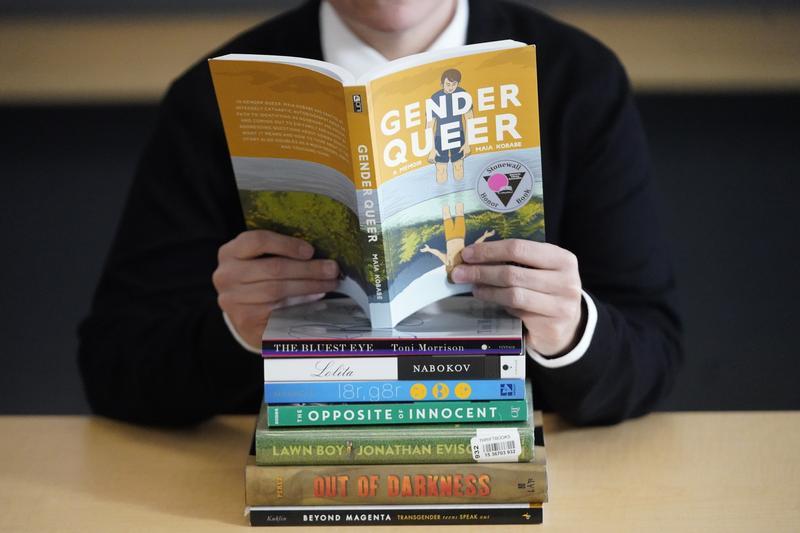
Aug 16, 2023
The Lasting Impact of the Library of Alexandria
In the first half of the last school year, PEN America has recorded almost 900 different books pulled from library shelves across the country. As long as libraries have existed, people have tried to police what goes in them. The burning of the Library of Alexandria is a metaphor that gets invoked any time we lose access to a treasure trove of books. But for centuries it has also inspired scientists and inventors, philosophers and programmers to dream about creating an ideal library, one that provides access to all the knowledge in the world. OTM producer Molly Schwartz goes to a birthday party for Wikidata at the Brooklyn Public Library, where she talks to Wikimedia New York City president Richard Knipel, Wikimedia software engineer James Forrester, and long-time Wikipedia editor Jim Henderson about how the free online encyclopedia has made strides toward providing knowledge to the sum of human knowledge. She also speaks with library historian Alex Wright , author of the book Glut: Mastering Information Through the Ages , and software engineering consultant Gyula Lakatos, creator of the Library of Alexandria application suite , about the history of universal library projects and what keeps the dream alive. On the Media is supported by listeners like you. Support OTM by donating today ( https://pledge.wnyc.org/support/otm ). Follow our show on Instagram , Twitter and Facebook @onthemedia, and share your thoughts with us by emailing onthemedia@wnyc.org.
Aug 11, 2023
Go Woke, Go Broke
When the US women’s soccer team was knocked out of the world cup, they became the latest target of a right-wing media campaign. On this week’s On the Media, the state of discourse around gender. Plus, the quality of coverage around trans rights, and how it’s changed. 1. Alex Abad-Santos [ @alex_abads ], senior correspondent at Vox, on the right-wing outrage against the US women's national soccer team after their elimination from the World Cup. Listen . 2. Micah Loewinger [ @MicahLoewinger ], OTM correspondent, on the state of coverage of trans rights, and how it has changed since New York Times contributors wrote an open letter to the paper accusing it of biased reporting several months ago. Listen. On the Media is supported by listeners like you. Support OTM by donating today ( https://pledge.wnyc.org/support/otm ). Follow our show on Instagram , Twitter and Facebook @onthemedia, and share your thoughts with us by emailing onthemedia@wnyc.org.
Aug 9, 2023
The Trump Case Against E. Jean Carroll and The Progress of #MeToo
This week, another legal blow for former president Donald Trump after a judge ruled to dismiss Trump's counter defamation lawsuit against E Jean Carroll for statements she made about a ruling on civil case earlier this year. Back in May, a Manhattan federal jury found that former president Donald Trump sexually abused writer E. Jean Carroll in a luxury department store dressing room in the mid 1990s, and awarded her $5 million for defamation and battery. The jurors, however, rejected Carroll's claim that she was raped. This came at the end of a seven-day trial, during which Carroll testified against Trump's claims that she was lying, and that he had never met her. The day of the verdict, Carroll strolled out of the courtroom onto the New York City sidewalk, sunglass-clad and triumphant. Rebecca Traister is a writer-at-large for New York magazine, and author of “Good and Mad: The Revolutionary Power of Women’s Anger.” This week, she speaks with Brooke about the place that this nearly thirty-year-old case holds in the landscape of Me Too, the premature death bells of the movement, and just how long it takes for movements to fully permeate laws, practices, and attitudes. This is segment originally aired in our May 12, 2023 show, Her Day in Court . On the Media is supported by listeners like you. Support OTM by donating today ( https://pledge.wnyc.org/support/otm ). Follow our show on Instagram , Twitter and Facebook @onthemedia, and share your thoughts with us by emailing onthemedia@wnyc.org.
Aug 4, 2023
Making History
This year, the Department of Defense began renaming military bases that honor the Confederacy. On this week’s On the Media, a former general explains why the reckoning with the myth of the “lost cause” is overdue. Plus, hear how Russian propaganda about the war in Ukraine has been hundreds of years in the making. 1. Ty Seidule [ @Ty_Seidule ], the Vice Chair of the National Commission on Base Renaming, on the military's efforts to reckon with the "Lost Cause." Listen . 2. Alexis Akwagyiram [ @alexisak ], Managing Editor of Semafor Africa and former Reuters bureau chief in Nigeria , on the potential widespread impact of the coup in Niger . Listen . 3. Mikhail Zygar [ @zygaro ], investigative journalist and founder of the independent Russian TV channel Rain, on debunking some of Russia's most powerful myths about itself. Listen . Music: The Last Bird - Zoe Keating Tomorrow Never Knows - Quartetto D’Archi Dell’orchestra Sinfonia di Milano Giuseppi Verdi Winter Sun - Gerry O’Beirne Ali Farka Toucche - Jenny Scheinman Airborne Toxic Event - Danny Elfman Lieutenenent Kije - Sergei Prokofiev Lieutenenent Kije - Sergei Prokofiev On the Media is supported by listeners like you. Support OTM by donating today ( https://pledge.wnyc.org/support/otm ). Follow our show on Instagram , Twitter and Facebook @onthemedia, and share your thoughts with us by emailing onthemedia@wnyc.org.
Aug 2, 2023
Presidential Debates: Yay or Nay?
According to a New York Times-Siena poll released this week 54 percent of republican voters said if the election were held today they would vote for Donald Trump. DeSantis trails by 37 percentage points and the others in the field are in single digits. Despite, (or because of?) his solid lead, Trump is wavering on whether he will show his face at the first Republican presidential debate set for August 23rd. As he told Maria Bartiromo on Fox; “You’re leading people by 50 or 60 points, you say, why would you be doing a debate? It’s actually not fair. Why would you let someone who’s at zero or one or two or three be popping you with questions?” Trump’s debate snubbing is just the latest example of the GOP resistance to a longstanding political norms. refusal by Republicans to meet political norms. Last year Ronna McDaniel, chairwoman of the Republican National Committee, wrote a letter to the commission on presidential debates, the independent, bipartisan organization that has convened general election debates since the 80s. In her letter, she said that the RNC would boycott the presidential debates during the upcoming election cycle. That is, unless the commission was willing to meet its demands. Between the RNC’s demands and now the potential absence of the Republican front-runner the question is; what, if anything, would be lost if the presidential debates didn't happen? Brooke spoke to Alex Shephard - senior editor at The New Republic, last year after he wrote an article titled, Let the Presidential Debates Die. On the Media is supported by listeners like you. Support OTM by donating today ( https://pledge.wnyc.org/support/otm ). Follow our show on Instagram , Twitter and Facebook @onthemedia, and share your thoughts with us by emailing onthemedia@wnyc.org.
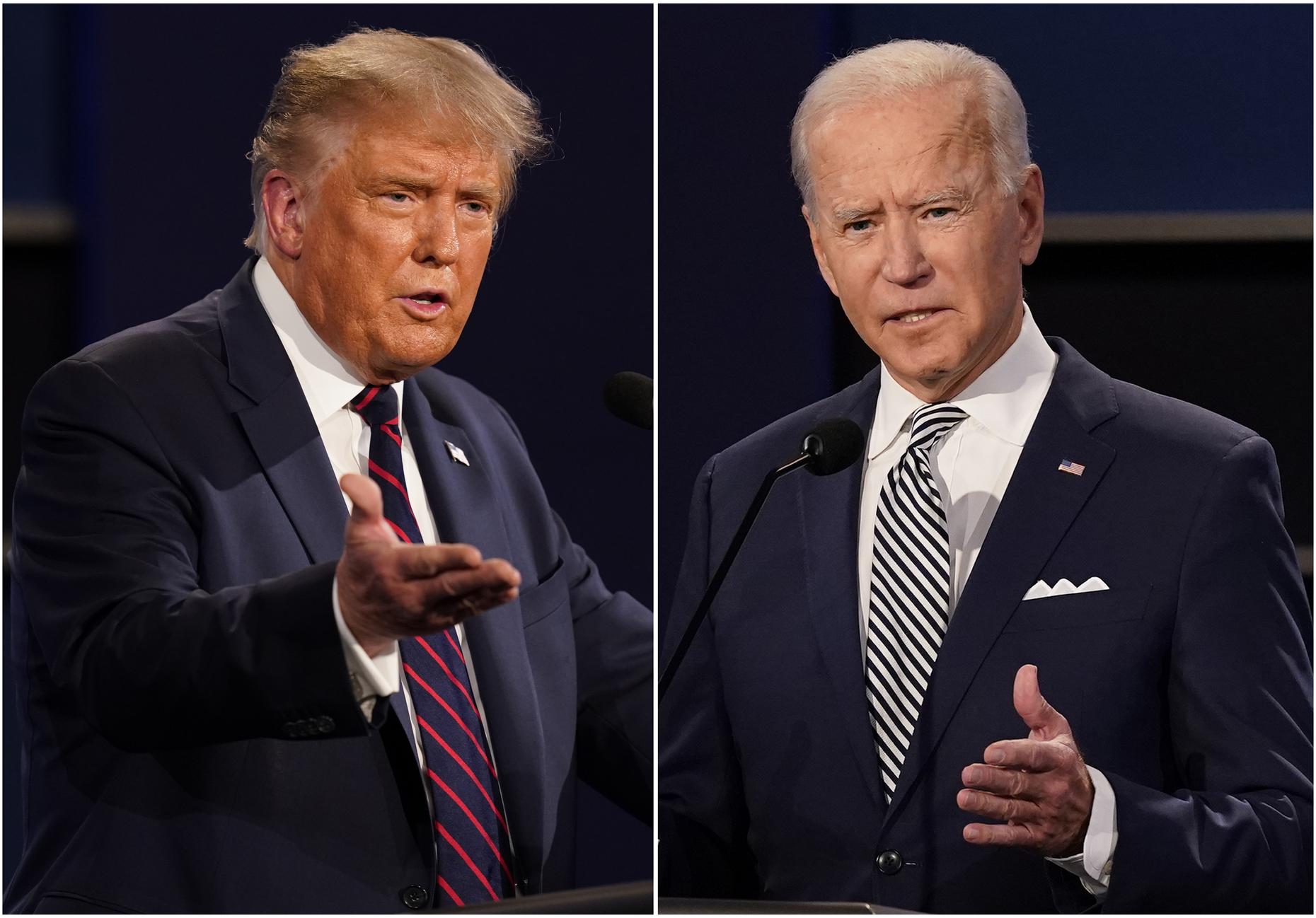
Jul 28, 2023
To Catch a War Criminal
Click here to support this work. President Biden just ordered U.S. investigators to share evidence of Russian war crimes with The International Criminal Court. On this week’s On the Media, what will it take to secure justice for Ukraine? Plus, a moving look back at the early days of the conflict. 1. Mstyslav Chernov [ @mstyslav9 ], a video journalist for the Associated Press and director, on the making of the documentary, "20 Days in Mariupol," and what footage from Ukrainian frontlines didn't make it to American newsreels. Listen . 2. Deborah Amos [ @deborahamos ], a veteran Middle East correspondent and this week's guest co-host, on how war crime investigators focusing on Ukraine first learned how to document war crimes in Syria, and what this means for holding Russia accountable . Listen . 3. Nathaniel Raymond [ @nattyray11 ], war crimes investigator and Executive Director of Yale's Humanitarian Research Lab, about his report confirming the Russian government held at least six thousand Ukrainian children in re-education camps. Listen . 4. Philippe Sands [ @philippesands ], professor of law at University College London, on why Western nations are hesitant to charge Putin for the “crime of aggression.” Listen . Music: The Glass House (End Title) -David Bergeaud Yesterdays - Fred Hersch and Bill Frizell When Doves Cry (Prince) -Starr Parodi Whispers of a Heavenly Death - John Zorn Bertotim - John Zorn Night Thoughts - John Zorn Robert’s Sermon - John Renbourn On the Media is supported by listeners like you. Support OTM by donating today ( https://pledge.wnyc.org/support/otm ). Follow our show on Instagram , Twitter and Facebook @onthemedia, and share your thoughts with us by emailing onthemedia@wnyc.org.
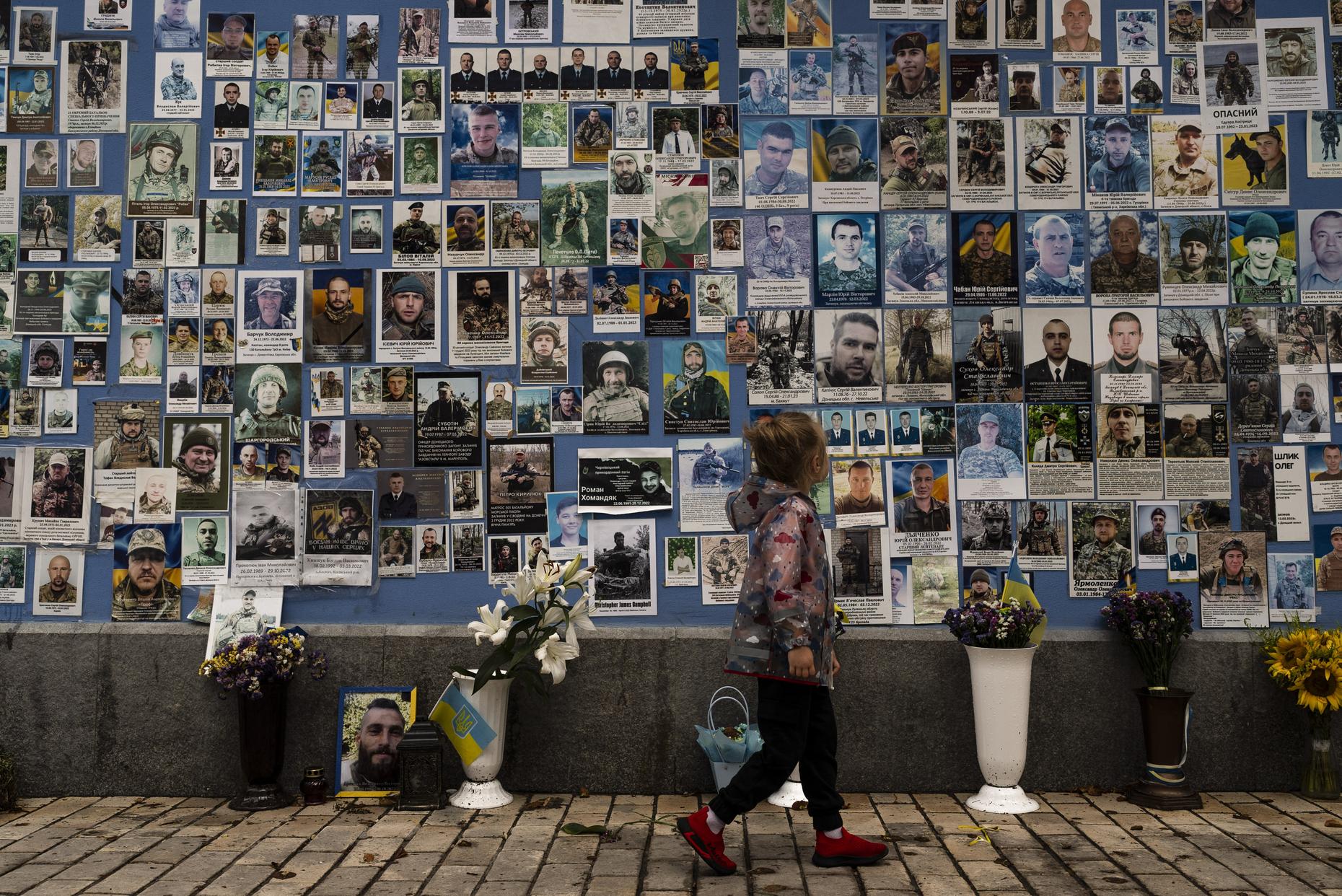
Jul 26, 2023
Investigating Russia's War Crimes Against Ukrainian Children
The researchers at Yale's Humanitarian Research Lab gather in a carpeted underground bunker, beneath the campus library, to steadily gather evidence of Russia's alleged war crimes. In a report published earlier this year, in collaboration with the State Department, they presented evidence of the Russian government operating more than 40 child custody centers for Ukrainian children who have been forcibly removed from their homes to Russia. On the other hand, Russia's embassy in Washington has claimed that the children were forced to flee to safety due to the war. About a month later, on March 17, the International Criminal Court issued an arrest warrant for Russian president Vladimir Putin, accusing him of the war crime of illegally deporting children from Ukraine. For this week's midweek podcast, we're airing a piece by our guest co-host Deborah Amos , first broadcast by NPR's Morning Edition in February, in which she reported on the devastating evidence unearthed by the Yale researchers, and what this means for leveraging accountability against Putin. On the Media is supported by listeners like you. Support OTM by donating today ( https://pledge.wnyc.org/support/otm ). Follow our show on Instagram , Twitter and Facebook @onthemedia, and share your thoughts with us by emailing onthemedia@wnyc.org.
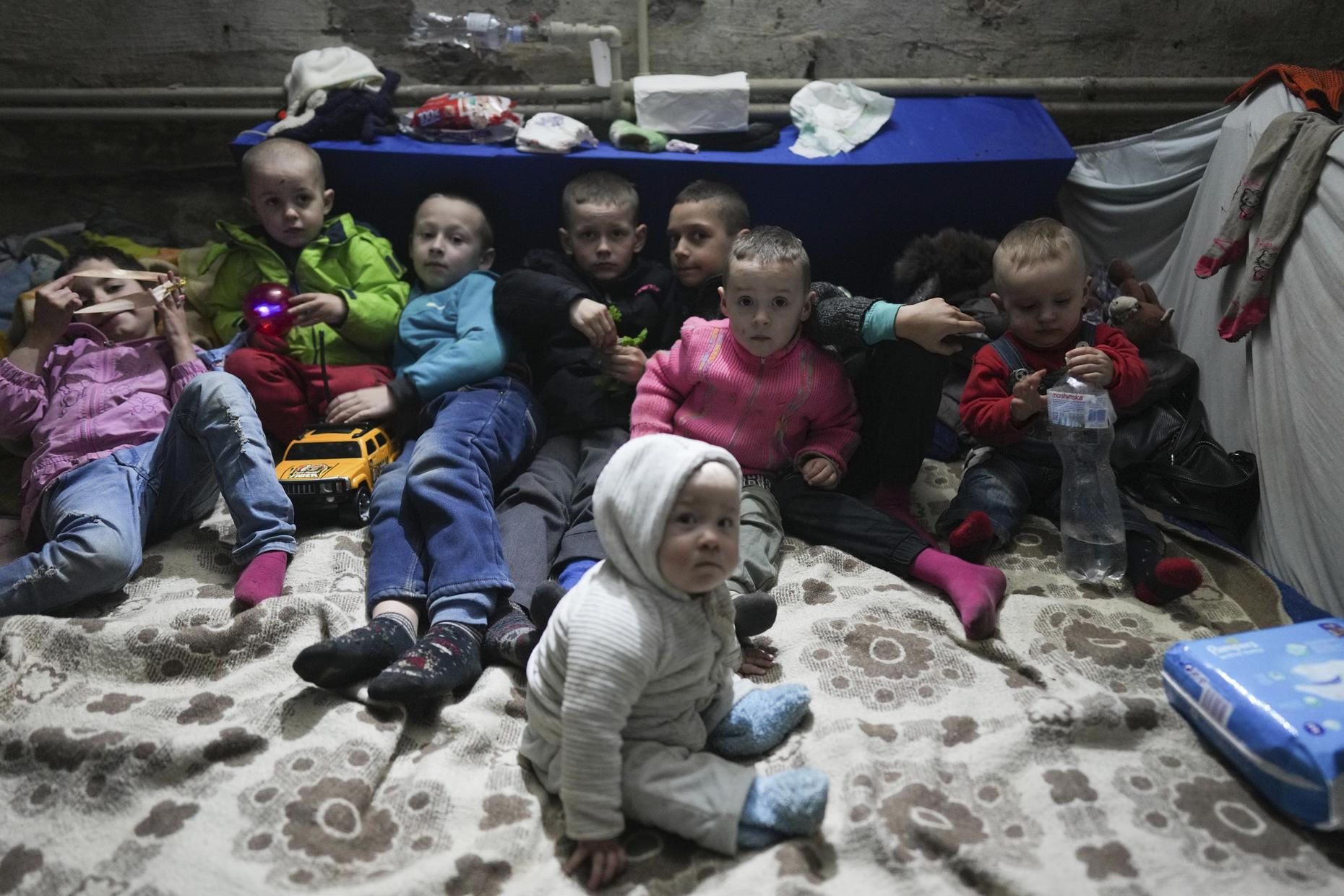
Jul 21, 2023
Staying Alive
This year has seen record layoffs in the media industry, with some digital news giants closing down altogether. On this week’s On the Media, how did The New York Times rise to the top of the bleeding news business? Plus, instead of reaching for top profits, some new publications have opted for a humbler mission: survival. 1. Ben Smith [ @semaforben ], editor-in-chief and co-founder of Semafor, on what went wrong for BuzzFeed News, and why digital media is splintering. Listen . 2. OTM correspondent Micah Loewinger [ @MicahLoewinger ] examines why The New York Times is expanding, and thriving, even amongst record layoffs at other media outlets . Listen . 3. OTM correspondent Micah Loewinger [ @MicahLoewinger ] takes a look at a growing cohort of new outlets around the US trying to wrestle journalism away from big capital through a co-operative business model. Listen . On the Media is supported by listeners like you. Support OTM by donating today ( https://pledge.wnyc.org/support/otm ). Follow our show on Instagram , Twitter and Facebook @onthemedia, and share your thoughts with us by emailing onthemedia@wnyc.org.
Jul 18, 2023
A. G. Sulzberger on Bias and Objectivity at The New York Times
For the big show this weekend OTM correspondent Micah Loewinger is working on a piece about the extraordinary transformation of the New York Times from a struggling newspaper into a digital behemoth. In the meantime, and as kind of background research for you guys, we’re airing a fascinating interview about the Grey Lady from our colleagues at the New Yorker Radio Hour. Host David Remnick spoke to A. G. Sulzberger, the publisher of The New York Times , whose family has owned the paper since 1896. Sulzberger says he wants to push back on a culture of “certitude” in journalism. “In this hyper-politicized, hyper-polarized moment, is society benefiting from every single player getting deeper and deeper, and louder and louder, about declaring their personal allegiances and loyalties and preferences?” he asks. On the Media is supported by listeners like you. Support OTM by donating today ( https://pledge.wnyc.org/support/otm ). Follow our show on Instagram , Twitter and Facebook @onthemedia, and share your thoughts with us by emailing onthemedia@wnyc.org.
Jul 14, 2023
Money, Money, Money
Over the past year, the federal reserve has raised interest rates repeatedly in its attempt to curb inflation. On this week’s On The Media, is greed to blame for our inflation woes? Plus, how a century-long PR campaign taught Americans to love the free market and loathe their own government. 1. Lydia DePillis [ @lydiadepillis ], economy reporter at The New York Times, on what "greedflation" actually is. Listen . 2. Naomi Oreskes [ @NaomiOreskes ] , professor of the history of science at Harvard University and the co-author, with Erik M. Conway, of “ The Big Myth: How American Business Taught Us to Loathe Government and Love the Free Market ,” on century-old PR campaign, conducted by big business, to imbue Americans with a quasi-religious belief in the free market. Listen . 3. China Miéville , a speculative fiction writer and author of the recent book, " A Spectre, Haunting: On the Communist Manifesto ," on the ebb and flow of the text’s popularity through the decades, and what we might draw from it today. Listen . Music: Nocturne No.1 in B-Flat Major Op.9. No1 (Chopin) - Ivan Moravec Ballade No. 2 in F, Op. 38 (Chopin) - Maurizio Pollini March for the 3rd Regiment of Foot - Liberty Tree Wind Players The New East Louis Toodle-Oo (Duke Ellington) The People United Will Never Be Defeated - Carla Bley, Charlie Haden, Don Cherry Stolen Moments - Ahmad Jamal Trio On the Media is supported by listeners like you. Support OTM by donating today ( https://pledge.wnyc.org/support/otm ). Follow our show on Instagram , Twitter and Facebook @onthemedia, and share your thoughts with us by emailing onthemedia@wnyc.org.
Jul 12, 2023
The Decline of AM Radio Will Hurt More Than Conservative Talk Shows
This spring, Volkswagen and Mazda announced that they will be removing AM radios from their upcoming fleets of electric vehicles.Tesla, BMW, Audi, and Volvo have already gotten rid of AM radios in their electric fleet. The automakers cited engineering difficulties. AM's already crackly reception is vulnerable to even more buzz and interference when installed near an electric motor. This announcement, however, incited a burst of outrage from conservative talk radio hosts, such as Charlie Kirk, who called it an "all-out attack on AM radio," and Mark Levin, who claimed, "they finally figured out how to attack conservative talk radio." But it isn't just conservatives lambasting the automakers' moves — a bipartisan group of lawmakers are joining forces to stop the exclusion of AM radios from these cars. I n May, Senator Ed Markey and Representative Josh Gottheimer , both Democrats, helped introduce bills that would require car companies to include AM radios. And i n late June, Senators Ted Cruz and Ed Markey co-wrote a letter to seven major automakers asking them to commit by July 7 to keep radios in new vehicles. For the midweek podcast, OTM correspondent Micah Loewinger speaks with Katie Thornton , a freelance journalist and host of OTM's Peabody Award-winning miniseries, " The Divided Dial ," about the dangerous myth of AM radio's reputation as a solely conservative platform, the medium's potential as a highly accessible source of local news, and what this story means for the future of AM radio. On the Media is supported by listeners like you. Support OTM by donating today ( https://pledge.wnyc.org/support/otm ). Follow our show on Instagram , Twitter and Facebook @onthemedia, and share your thoughts with us by emailing onthemedia@wnyc.org.
Jul 7, 2023
I, Robot
This year, headlines have been dominated by claims that artificial intelligence will either save humanity – or end us. On this week’s On the Media, a reckoning with the capabilities of programs like ChatGPT, and declarations that machines can think. Plus, the potential implications of handing over decision-making to computers. 1. Tina Tallon [ @ttallon ], assistant professor of A.I. and the Arts at the University of Florida, on the love-hate relationship with AI technology over the past 70 years, and Nitasha Tiku [ @nitashatiku ], tech culture reporter for The Washington Post , on what ChatGPT can actually do . Listen . 2. Geoffrey Hinton [ @geoffreyhinton ], a cognitive psychologist and computer scientist , on holograms, memories, and the origins of neural networks. Listen . 3. Matt Devost [ @MattDevost ] , international cybersecurity expert and CEO and co-founder of the global strategic advisory firm OODA llc., on the rise of AI-powered weapons and what it means for the future of warfare. Listen . Music: Original music by Tina Tallon Horizon 12.2 by Thomas Newman Bubble Wrap by Thomas Newman Seventy-two Degrees and Sunny by Thomas Newman Eye Surgery by Thomas Newman Final Retribution by John Zorn Lachrymose Fairy by Thomas Newman On the Media is supported by listeners like you. Support OTM by donating today ( https://pledge.wnyc.org/support/otm ). Follow our show on Instagram , Twitter and Facebook @onthemedia, and share your thoughts with us by emailing onthemedia@wnyc.org.

Jul 5, 2023
Why the Supreme Court Broke Up Hollywood's Studio System
The dominance of giant streaming services like Netflix and Disney Plus has led to the current strike by television writers, who say their ubiquity has led to lower pay, shakier job security, and perhaps even worse writing. In order to understand our current media moment, historian Peter Labuza directs us to a pivotal time for the film industry, when the government successfully broke up the major studios that ruled Hollywood in the 1930s and ‘40s. Earlier this year, OTM correspondent Micah Loewinger asked Labuza about how independent film flourished in the aftermath, and the lessons that apply to media in 2023. On the Media is supported by listeners like you. Support OTM by donating today ( https://pledge.wnyc.org/support/otm ). Follow our show on Instagram , Twitter and Facebook @onthemedia, and share your thoughts with us by emailing onthemedia@wnyc.org.
Jun 30, 2023
On the Trail With RFK Jr.
Almost as soon as an armed rebellion flared in Russia last week, it fizzled. On this week’s On the Media, how the brief revolt compares to military coups from history, and how it’s different. Plus, how to cover a new kind of conspiracy theory candidate, and what it might mean for the country. 1. Naunihal Singh [ @naunihalpublic ], author of "Seizing Power: The Strategic Logic of Military Coups," on the brief rebellion in Russia, and how paying attention to the narratives in the aftermath of the mutiny is equally as important as the mutiny itself. Listen . 2. Anna Merlan [ @annamerlan ], author of "Republic of Lies: American Conspiracy Theorists and Their Surprising Rise to Power," on the mistake the media have made in covering RFK Jr. Listen . 3. Claire Wardle [ @cward1e ], co-founder and co-director of the Information Futures Lab at the Brown School of Public Health, on the backlash to content moderation, and the impacts of these changes as candidates like RFK Jr., an anti-vaccine activist, enter the 2024 presidential race. Listen . 4. Paul Offit [ @DrPaulOffit ], a pediatrician specializing in infectious diseases, vaccines, immunology, and virology and the co-inventor of a rotavirus vaccine, on the science community's response to RFK Jr. over the years, and the dangers of elevating such conspiracies to the White House. Listen . On the Media is supported by listeners like you. Support OTM by donating today ( https://pledge.wnyc.org/support/otm ). Follow our show on Instagram , Twitter and Facebook @onthemedia, and share your thoughts with us by emailing onthemedia@wnyc.org.
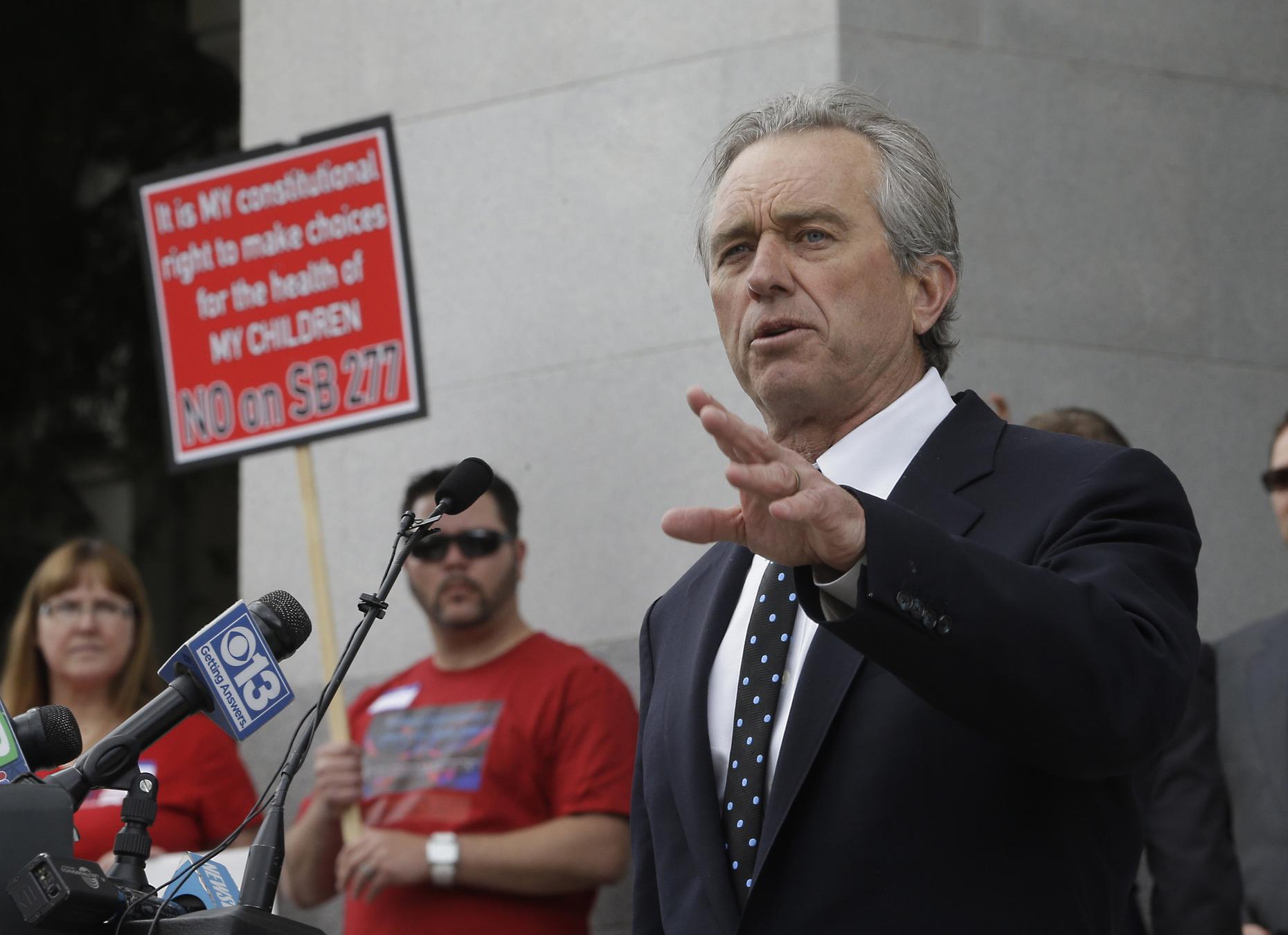
Jun 28, 2023
Trump Caught On Tape Talking About Classified Documents
On Monday, CNN aired a bombshell recording in the classified documents case against former president Donald Trump. The recording, released to CNN by the special counsel working on the Department of Justice’s indictment of Trump, is reportedly of a 2021 meeting in Bedminster, New Jersey, where Trump discussed and seemingly showed secret documents to a group of onlookers. It was just the latest revelation in the government's case against the former president. Classified documents that belonged to former high-level government officials, including but not limited to former President Trump, former Vice President Pence, and President Biden, have been found in unauthorized locations in recent months. These cases vary greatly in volume and severity, but they point to a larger, systemic problem in the American government: the problem of overclassification. The latest data that the government released, in 2017, showed that around 50 million government documents are classified a year by over four million people, including outside government contractors, costing American taxpayers around $18 million, says Oona Hathaway , professor of law at Yale Law School, former special counsel to the Pentagon, and author of the Foreign Affairs article " Keeping the Wrong Secrets ." In this conversation with Brooke, Hathaway talks about the incentives driving government employees to classify so many documents, the differences between the Trump and Biden document dramas, and why labeling so many things as "secret" makes these secrets less safe. This is a segment originally aired on our January 27, 2023 show, Sorry, That’s Classified. On the Media is supported by listeners like you. Support OTM by donating today ( https://pledge.wnyc.org/support/otm ). Follow our show on Instagram , Twitter and Facebook @onthemedia, and share your thoughts with us by emailing onthemedia@wnyc.org.
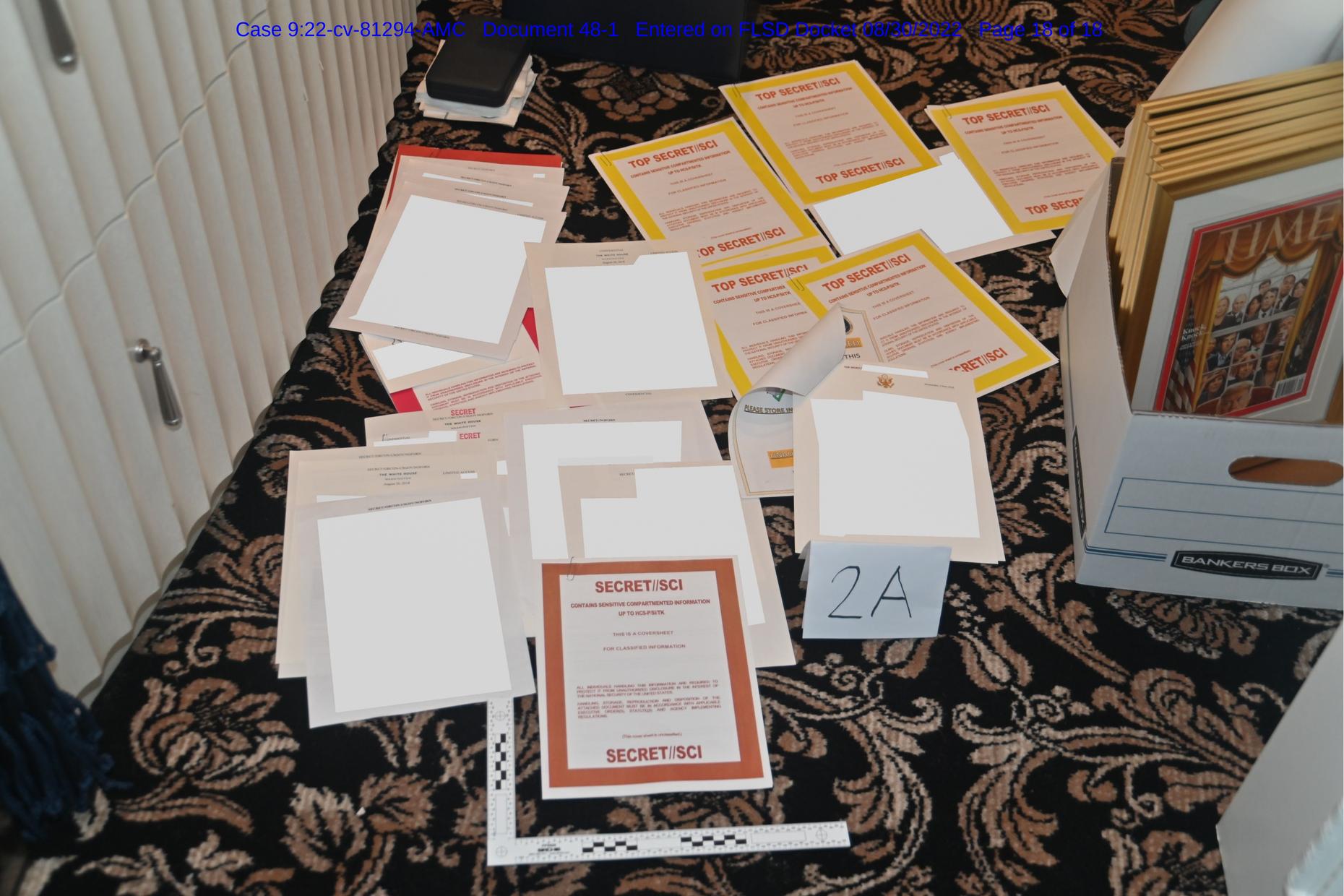
Jun 23, 2023
The Whistleblower Who Changed History
Daniel Ellsberg, the famed whistleblower who leaked the Pentagon Papers to the Washington Post, has died. On this week’s On the Media, hear about his life, how the Pentagon Papers made it to print, and the impact he had on generations of whistleblowers. Plus, the women who covered the War in Vietnam. 1. Tom Devine, legal director for the Government Accountability Project , on Daniel Ellsberg's legacy and the ways he changed public perception of whistleblowers in the U.S. Listen . 2. Les Gelb, former columnist and former Defense Department official, on his experience leading the team that wrote the Pentagon Papers, subject of the Hollywood drama, "The Post." Listen. 3. Seymour Hersh, on how he broke the story of My Lai — the massacre now regarded as the single most notorious atrocity of the Vietnam war. Listen. 4. Reporters Kate Webb, Jurate Kazickas [@juratekazickas], and Laura Palmer on how they covered the Vietnam War and why they went. Listen. On the Media is supported by listeners like you. Support OTM by donating today ( https://pledge.wnyc.org/support/otm ). Follow our show on Instagram , Twitter and Facebook @onthemedia, and share your thoughts with us by emailing onthemedia@wnyc.org.
Jun 21, 2023
The Battle to Save Reddit
Last Monday, Reddit moderators from nearly 9,000 subreddits shut down their forums in what might be the largest moderator-coordinated social media protest in internet history. They're battling against Reddit CEO Steve Huffman's decision to start charging for access to the platform's software framework, or API, in an attempt to spin a profit, woo investors, and eventually IPO in the second half of 2023. Although the blackout began to die down within 48 hours of its inception, over 3,000 subreddits, such as those with over 30 million followers each like r/funny, r/gaming, and r/music are still dark to this day. On this week's podcast extra, OTM correspondent Micah Loewinger speaks with Jason Koebler , the editor-in-chief at Motherboard, Vice’s tech section, to discuss the intricacies of the protest and why he dubbed it "a battle for the soul of the human internet.” On the Media is supported by listeners like you. Support OTM by donating today ( https://pledge.wnyc.org/support/otm ). Follow our show on Instagram , Twitter and Facebook @onthemedia, and share your thoughts with us by emailing onthemedia@wnyc.org.
Jun 16, 2023
Indicted (again)
On Tuesday, former president Trump was arraigned following his federal indictment. On this week’s On the Media, debunking claims that the former president is being targeted for his politics. Plus, one reporter’s cross-country examination of fascism in the United States. 1. Eric Levitz, [ @EricLevitz ], features writer covering politics and economics for New York Magazine, on the political narratives around Trump's federal indictment . Listen . 2. Jeff Sharlet [ @JeffSharlet ], journalist and author of The Undertow: Scenes from a Slow Civil War , on the rhetoric, aesthetics, and myth-making of Trump and a rising fascist movement in the United States. Listen . 3. Jim Fallows [ @JamesFallows ], this week's co-host and writer of the “ Breaking the News ” newsletter on Substack, speaks with OTM host Brooke Gladstone [ @OTMBrooke ] about the journalistic portrayal of middle America and how not to cover presidential elections. Listen . On the Media is supported by listeners like you. Support OTM by donating today ( https://pledge.wnyc.org/support/otm ). Follow our show on Instagram , Twitter and Facebook @onthemedia, and share your thoughts with us by emailing onthemedia@wnyc.org.
Jun 14, 2023
Understanding "Greedflation"
In late 2021, Isabella Weber, an economist at University of Massachusetts, Amherst published a paper with a new idea. The theory, what she called "seller's inflation," sought to address the confounding fact that the economy was seeing rising high prices and skyrocketing corporate profits. The idea quickly moved from the halls of academia to the political arena. And quicker still, it was dismissed—at one point called a "conspiracy theory." But now, in 2023, "greedflation" is popping up across headlines. This week, OTM correspondent Micah Loewinger sits down with Lydia DePillis , a reporter on the business desk at The New York Times, to talk about her 2022 article dissecting the arguments for and against greedflation’s impact on the economy, and everything that's happened since. On the Media is supported by listeners like you. Support OTM by donating today ( https://pledge.wnyc.org/support/otm ). Follow our show on Instagram , Twitter and Facebook @onthemedia, and share your thoughts with us by emailing onthemedia@wnyc.org.
Jun 9, 2023
CNN’s No Good, Very Bad Year
CNN recently ousted CEO Chris Licht after a bombshell profile brought up questions about CNN’s editorial direction. On this week’s On the Media, what the turmoil at CNN can teach us about how to cover politicians who continually lie on air. Plus, a deep dive into newspaper archives reveals that we’ve been having the same debates for over a century. 1. Brian Stelter [ @brianstelter ], former anchor of CNN's now-discontinued Reliable Sources, on the origins of CNN's tumultuous year and the ongoing fallout inside the network. Listen . 2. Jay Rosen [ @jayrosen_nyu ], a press critic and professor of journalism at New York University, on CNN's dilemma of trying to both interview GOP candidates and pursue accuracy, and how networks should learn how to cover Trump in 2024. Listen . 3. OTM correspondent Micah Loewinger [ @MicahLoewinger ] speaks with political scientist Paul Fairie [ @paulisci ] about the big media narratives that still animate online debates and press coverage, and how little has changed in our political discourse from decade to decade . Listen . On the Media is supported by listeners like you. Support OTM by donating today ( https://pledge.wnyc.org/support/otm ). Follow our show on Instagram , Twitter and Facebook @onthemedia, and share your thoughts with us by emailing onthemedia@wnyc.org.
Jun 7, 2023
TAYLOR SWIFT TICKETS!
On January 24, the Senate Judiciary Committee held a hearing on Ticketmaster. The hearing followed in the aftermath Taylor Swift's "Eras Tour" tickets going on sale last November, a debacle during which Ticketmaster broke down during the presale, leaving millions of fans without tickets. Senators convened to hear testimony from a top Live Nation executive (Ticketmaster’s parent company), competitors in ticketing and concert promotion, antitrust experts, and a musician. The hearing represented a step toward a potential antitrust case against Live Nation and Ticketmaster, which merged in 2010. Moe Tkacik and Krista Brown are researchers at the American Economic Liberties Project, a left-leaning think tank which is part of a consortium that is pushing for the DOJ to break up the Live Nation monopoly. In February Micah Loewinger spoke to them about an article they co-wrote for The American Prospect about Ticketmaster’s forty -plus -year-history, and how the company came to dominate, and in some ways reshape, the live music landscape. This is a segment from our February 3, 2023 show, Too Big to Fail? . On the Media is supported by listeners like you. Support OTM by donating today ( https://pledge.wnyc.org/support/otm ). Follow our show on Instagram , Twitter and Facebook @onthemedia, and share your thoughts with us by emailing onthemedia@wnyc.org.
Jun 2, 2023
Objection!
This week, the White House agreed to restart student loan payments to broker the debt ceiling deal. On the latest On the Media, hear how a prominent lawsuit against Biden’s student debt relief plan falls apart under scrutiny. Plus, a look at ways journalists have faltered in covering the Supreme Court. 1. Eleni Schirmer [ @EleniSchirmer ], writer and research associate with the Future of Finance Initiative at UCLA's Luskin Institute on Inequality and Democracy, on the legal battle being waged against relieving student debt. Listen. 2. Dahlia Lithwick [ @Dahlialithwick ], lawyer and writer at Slate, on how we cover the Supreme Court when it doesn't act like one. Listen. 3. Dan Charnas [ @dancharnas ], associate arts professor at NYU, on how music copyright law suppresses the artistic voices of hip hop producers. Listen. On the Media is supported by listeners like you. Support OTM by donating today ( https://pledge.wnyc.org/support/otm ). Follow our show on Instagram , Twitter and Facebook @onthemedia, and share your thoughts with us by emailing onthemedia@wnyc.org.
May 31, 2023
Leaving the Extreme Right, and a Marriage, Behind
Last week, Tasha Adams watched her ex-husband, Stewart Rhodes, get sentenced to 18 years in prison for seditious conspiracy. Rhodes both founded and led the Oath Keepers, a far-right anti-government militia group that marched on the Capitol during the January 6th insurrection. E arlier the same week, Adams also finalized her divorce proceedings against Rhodes — ending over twenty years of a marriage that culminated in abuse and isolation. In our last episode, OTM correspondent Micah Loewinger and Anna Sale , host of Death, Sex & Money , traveled to Montana to speak to Adams about her marriage with Rhodes. Now we're giving you an extended look at that conversation through a segment that originally aired on Death, Sex & Money . Anna and Micah talk to Tasha about her decades-long marriage with Stewart, from their courtship in a ballroom dance class in Las Vegas, to abuse and isolation as Stewart became transfixed on politics and apocalyptic ideas. Plus, Tasha sits down with Kelly Jones, ex-wife of far-right radio host Alex Jones, and they compare notes on their marriages, and reflect on their secret text exchanges from 2018, when Tasha was plotting her escape from Stewart with her six kids. On the Media is supported by listeners like you. Support OTM by donating today ( https://pledge.wnyc.org/support/otm ). Follow our show on Instagram , Twitter and Facebook @onthemedia, and share your thoughts with us by emailing onthemedia@wnyc.org.
May 26, 2023
Seditious Conspiracy
On Thursday May 25, founder of the Oath Keepers Stewart Rhodes was sentenced to 18 years in prison for his role in the January 6th attack on the Capitol. On this week’s On the Media, hear how OTM correspondent Micah Loewinger’s reporting became evidence in a federal trial. Plus, what can history tell us about when journalists are called to testify. 1. OTM reporter Micah Loewinger [ @MicahLoewinger ] speaks with senior editor of Lawfare, Roger Parloff [ @rparloff ], about becoming a federal witness in the trial of Oath Keeper Stewart Rhodes. Listen . 2. Micah talks to Lee Levine, first amendment lawyer, about the case of civil rights reporter Earl Caldwell and the impact it continues to have on journalists testifying in court. Listen . 3. Micah and Death, Sex, & Money host, Anna Sale [ @annasale ], speak with Stewart Rhodes' ex-wife Tasha Adams [ @That_Girl_Tasha ] on her relationship with Rhodes and the impact of his 18-year prison sentence. Listen . On the Media is supported by listeners like you. Support OTM by donating today ( https://pledge.wnyc.org/support/otm ). Follow our show on Instagram , Twitter and Facebook @onthemedia, and share your thoughts with us by emailing onthemedia@wnyc.org.
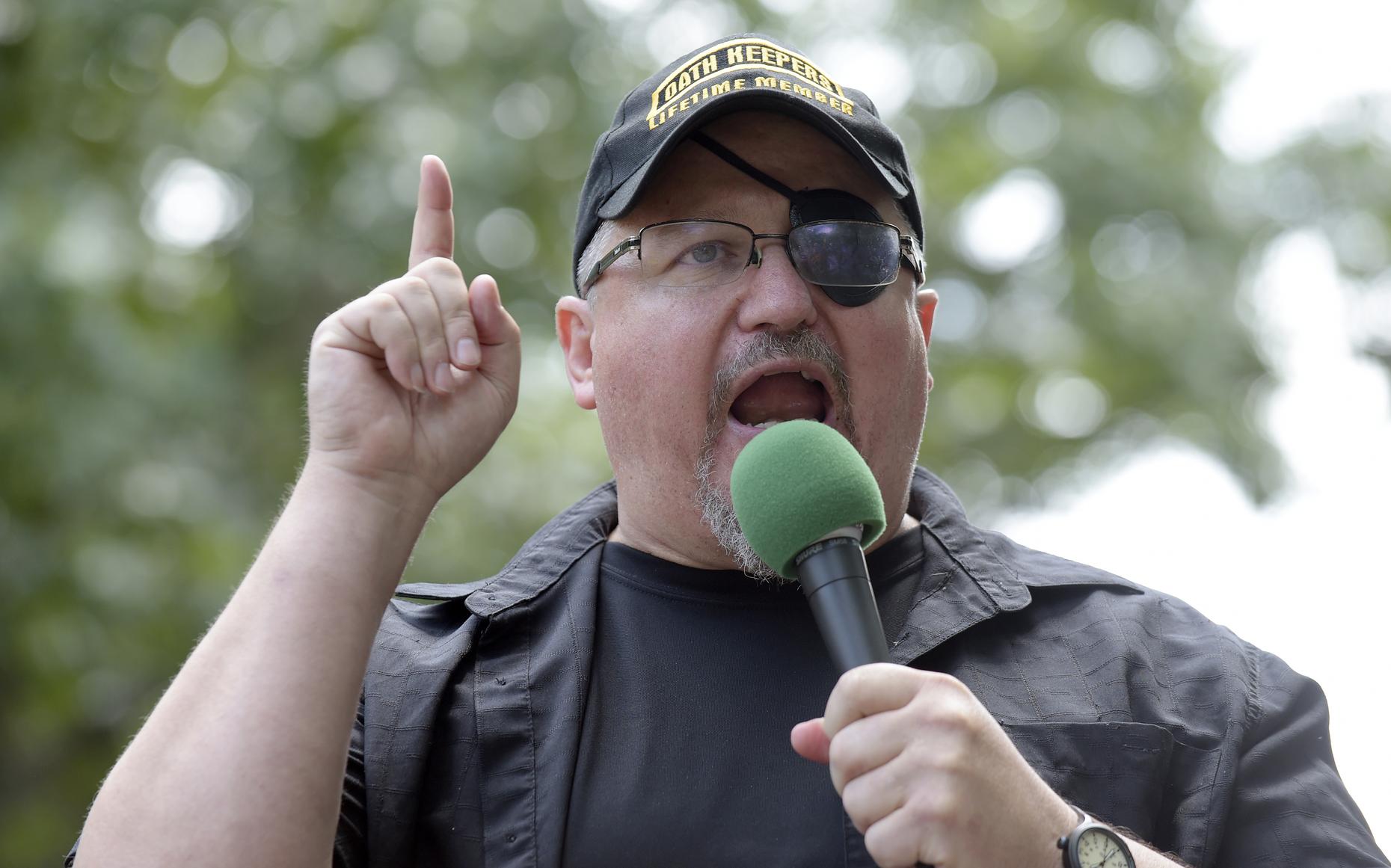
May 24, 2023
Ben Smith on the Death of BuzzFeed News
On April 20, 2023, BuzzFeed CEO Jonah Peretti announced that BuzzFeed would be closing down its newsroom and laying off 15 percent of its staff. The news came amidst a deluge of headlines about struggles in the media industry, including: layoffs at NBC, Vox, NPR, Spotify, Insider, News Corp, ABC, and Gannett; the closure of MTV news; bankruptcy at Vice. But the end of BuzzFeed News in particular symbolized the end of an era. BuzzFeed's rapid rise and success in the late aughts and 2010s helped define the style and format of digital media. In 2013, BuzzFeed was getting 130 million unique viewers a month. Disney made an offer to buy BuzzFeed for half a billion dollars that same year, which Peretti turned down. In 2016, BuzzFeed was valued at $1.7 billion. And then, last fiscal quarter, BuzzFeed reported $106 million in net losses . In this conversation, Brooke talks with Ben Smith , the Editor-in-Chief and co-founder of Semafor and author of the new book, Traffic: Genius, Rivalry, and Delusion in the Billion-Dollar Race to Go Viral , about his goals in building a newsroom at BuzzFeed, the lessons he learned, and what he thinks about the future of of news. On the Media is supported by listeners like you. Support OTM by donating today ( https://pledge.wnyc.org/support/otm ). Follow our show on Instagram , Twitter and Facebook @onthemedia, and share your thoughts with us by emailing onthemedia@wnyc.org.
May 19, 2023
REGULATE ME
This week, the CEO of OpenAI testified at a senate hearing about the dangers of artificial intelligence and called for its regulation. On this week’s On the Media, how long-term fears about AI are shaping perceptions of the technology today, and steps Congress could take to fix problems with internet platforms. Plus, debunking myths about the writers’ strike. 1. Will Oremus [ @WillOremus ], technology and the digital world reporter for The Washington Post, on the fears and hopes circulating around AI in Congress and Silicon Valley . Listen . 2. Emily St. James [ @emilystjams ] , TV critic turned TV writer, on the age-old myths around Hollywood writers' strikes . Listen . 3. Cory Doctorow [ @doctorow ], journalist, activist, and the author of Red Team Blue , on solutions to the enshittification of the internet . Listen . On the Media is supported by listeners like you. Support OTM by donating today ( https://pledge.wnyc.org/support/otm ). Follow our show on Instagram , Twitter and Facebook @onthemedia, and share your thoughts with us by emailing onthemedia@wnyc.org.
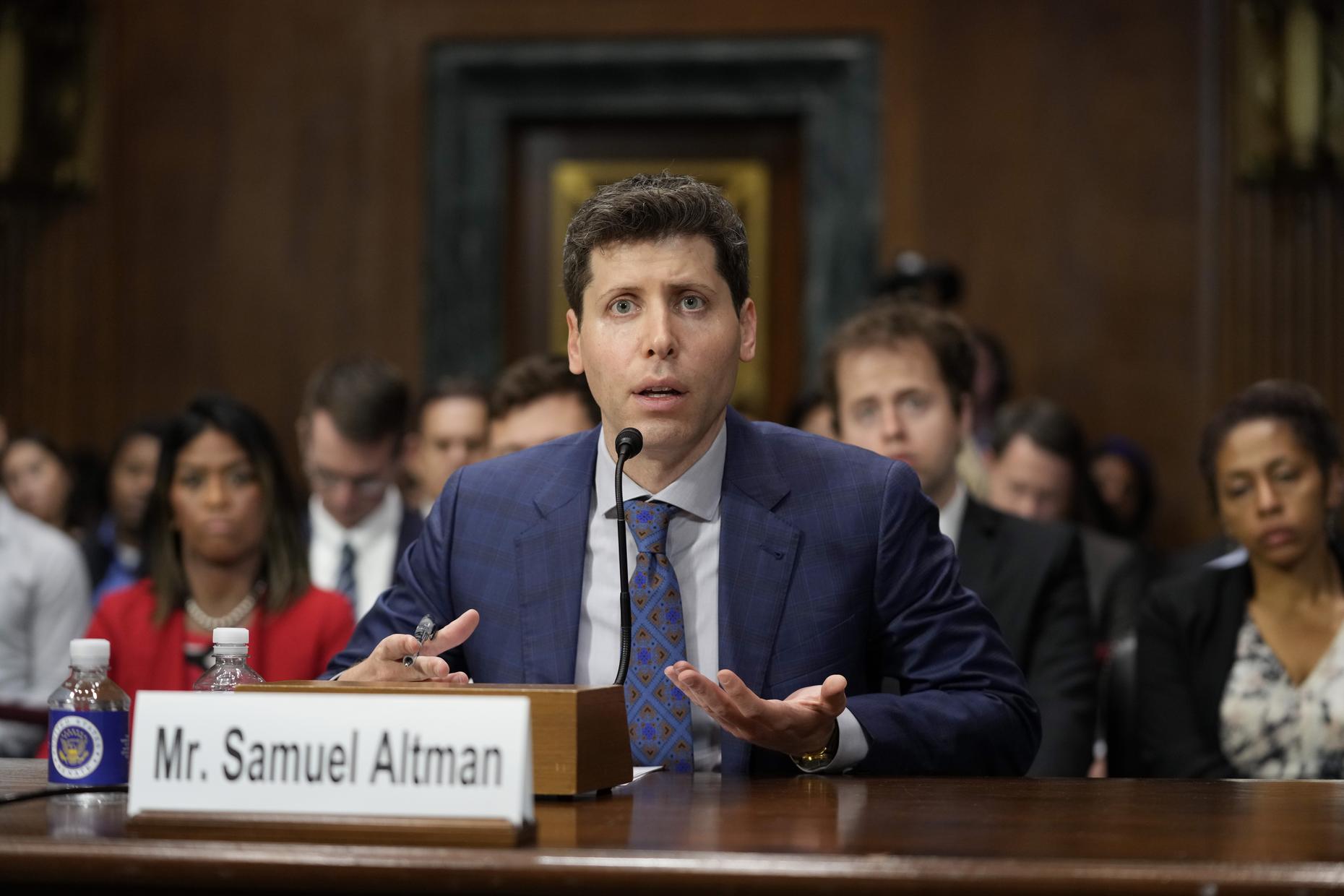
May 17, 2023
Debunking Myths About the Writers' Strike
On Tuesday we entered the third week of one of the largest entertainment strikes in recent memory, the first TV writer's strike since 2007. More than 11,000 people are participating in the action by the Writers Guild of America , resulting in shows like The Tonight Show and Last Week Tonight going dark. At the heart of the strike are concerns about the changes streamers like Netflix have presented for writer pay and career development. For one, the streamers don’t pay writers residuals, the cut of money they would traditionally get every time their show was rerun on television. Now writers are more likely to be paid for the number of days they work on any given show. But while writer's fight for a new contract some old myths are resurfacing about the strike's impact, including the idea that when writers stopped working in 2007, there was an explosion of reality tv shows. For this week's podcast extra, Brooke speaks with former TV critic turned TV writer Emily St. James about some of the less than true notions about the current strike and previous strikes and why they keep circulating. On the Media is supported by listeners like you. Support OTM by donating today ( https://pledge.wnyc.org/support/otm ). Follow our show on Instagram , Twitter and Facebook @onthemedia, and share your thoughts with us by emailing onthemedia@wnyc.org.
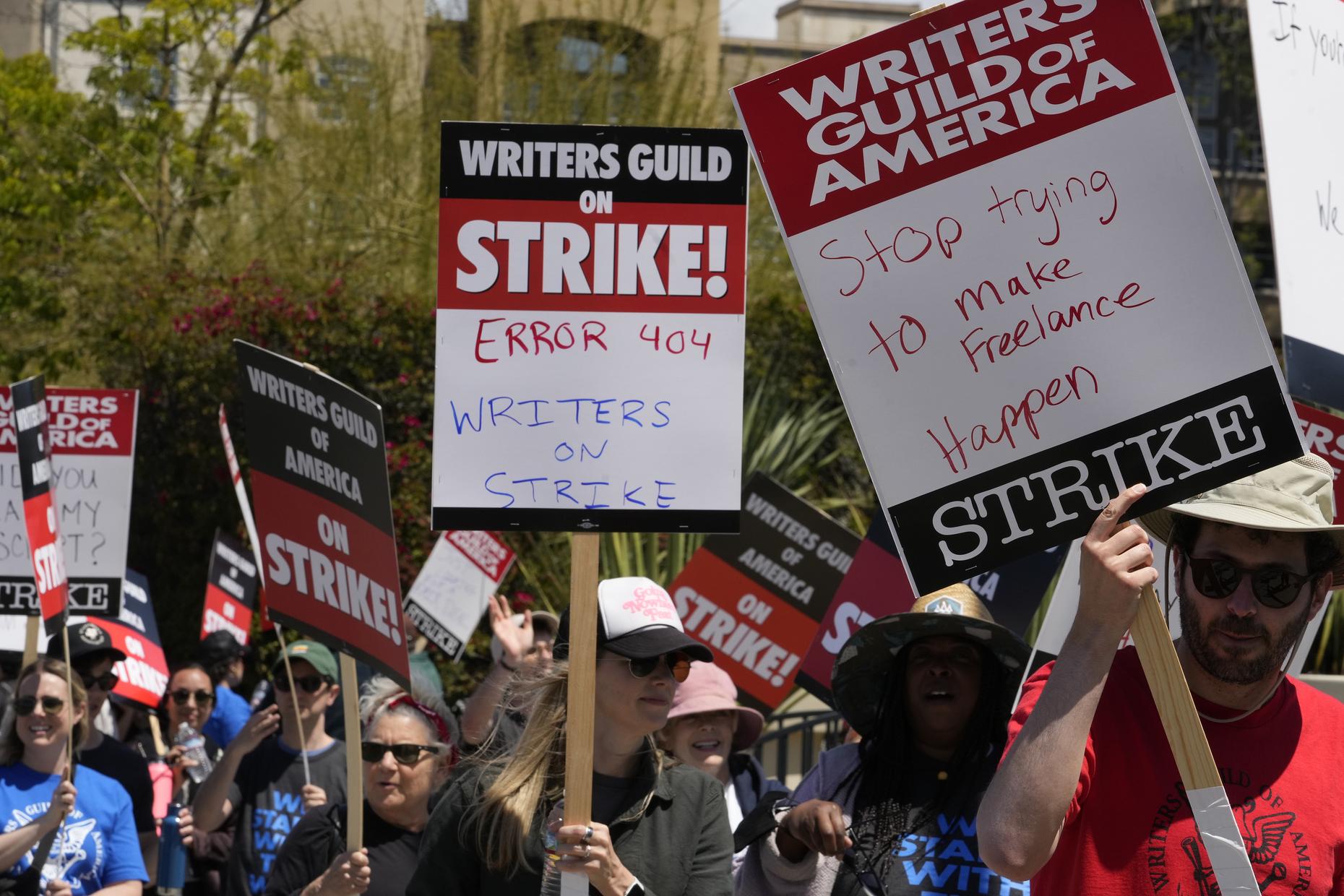
May 12, 2023
Her Day in Court
This week, E. Jean Carroll was awarded 5 million dollars in damages in a trial that found Donald J. Trump liable for sexual abuse and defamation. Shortly after, Trump mocked Carroll in a town hall on CNN. On this week’s On the Media, hear what Carroll’s case, and its coverage, tells us about the progress of the Me Too Movement. Plus, how Big Tech has made the internet harder to use. 1. Our host Brooke Gladstone [ @OTMBrooke ] on what the CNN town hall actually revealed . Listen . 2. Rebecca Traister [ @rtraister ], writer-at-large for New York Magazine, and author of Good and Mad: The Revolutionary Power of Women’s Anger , on what E. Jean Carroll's case can tell us about the #MeToo movement . Listen . 3. Cory Doctorow [ @doctorow ], journalist, activist, and the author of Red Team Blue, on the political attitudes and technical mechanisms that lead to the decline of platforms online. Listen . On the Media is supported by listeners like you. Support OTM by donating today ( https://pledge.wnyc.org/support/otm ). Follow our show on Instagram , Twitter and Facebook @onthemedia, and share your thoughts with us by emailing onthemedia@wnyc.org.
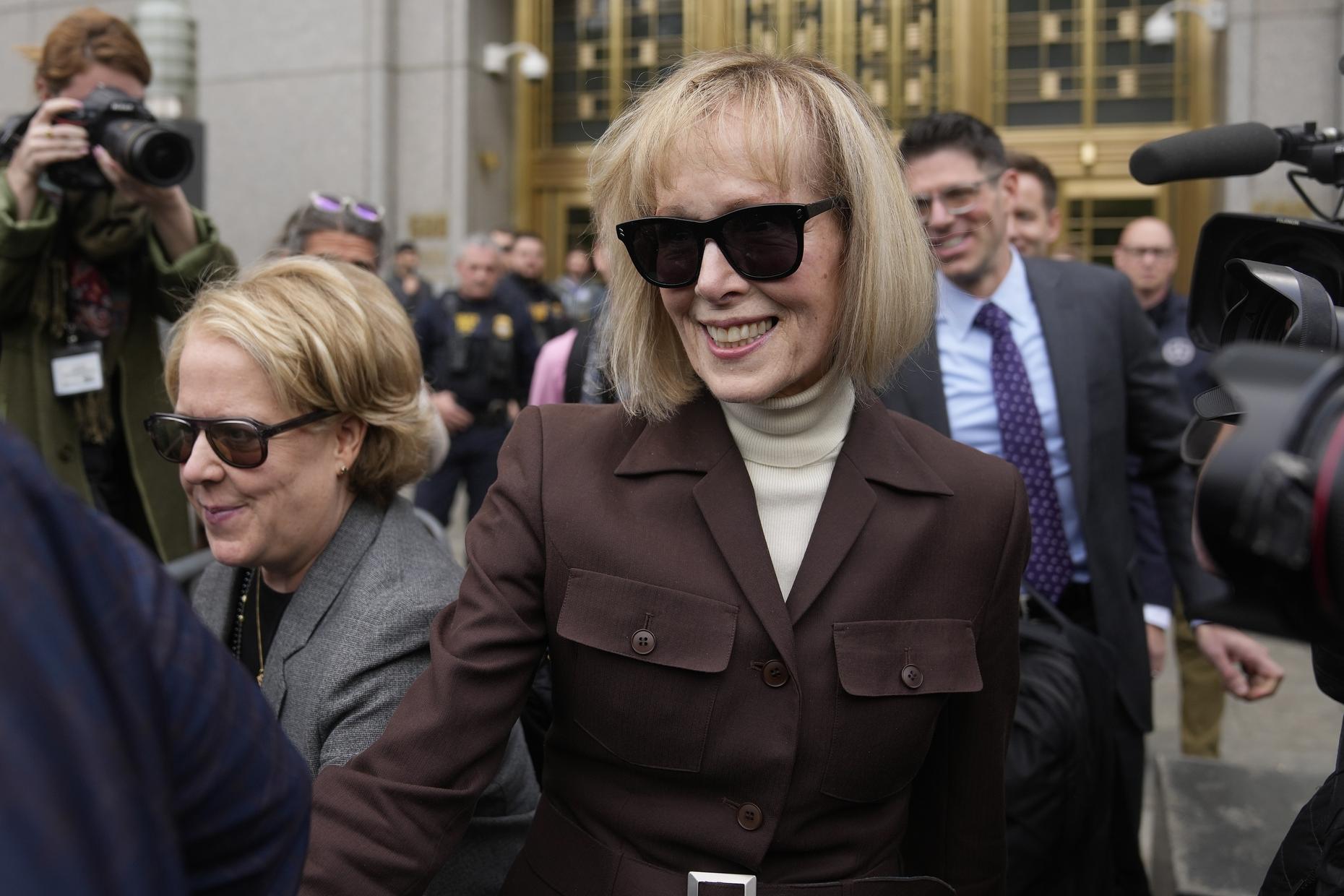
May 10, 2023
Episode 5 - The Divided Dial
If you discovered this series through Apple podcasts, or because you heard that we won a Peabody Award for our work; WELCOME! For our longtime listeners who have heard these episodes before, your weekly dose of On the Media will be available as ever, on Friday afternoon. Enjoy! Episode 5: There's Something About Radio Highly politicized, partisan companies like Salem have a hold on the airwaves — and they don’t plan to give it up. Senior Vice President of Salem, Phil Boyce speaks candidly to Katie about the personalities he handpicked to spread Salem’s message and about the company’s plans to expand into the media world off the airwaves. And in this final episode of the series we ask the perennial question: peddling election denialism seems to be a solid business model — but is it legal? The Divided Dial is hosted by journalist and Fulbright Fellow Katie Thornton. Her written articles and audio stories have appeared in The Atlantic, 99% Invisible, The Washington Post, BBC, NPR, WNYC, Minnesota Public Radio, The Guardian, Bloomberg’s CityLab, National Geographic, and others. She is a lifelong radio nerd who got her start in media as a teenager, volunteering and working behind the scenes at radio stations for many years. You can follow her work on Instagram or on her website . The Divided Dial was edited by On the Media's executive producer, Katya Rogers. With production support from Max Balton and fact-checking by Tom Colligan, Sona Avakian, and Graham Hacia. Music and sound design by Jared Paul. Jennifer Munson is our technical director. Art by Michael Brennan . With support from the Fund for Investigative Journalism . On the Media is supported by listeners like you. Support OTM by donating today ( https://pledge.wnyc.org/support/otm ). Follow our show on Instagram , Twitter and Facebook @onthemedia, and share your thoughts with us by emailing onthemedia@wnyc.org.
May 9, 2023
Episode 4 - The Divided Dial
If you discovered this series through Apple podcasts, or because you heard that we won a Peabody Award for our work; WELCOME! For our longtime listeners who have heard these episodes before, your weekly dose of On the Media will be available as ever, on Friday afternoon. Enjoy! Episode 4: From The Extreme to The Mainstream In the 1970s, talk radio was hitting its stride, with hosts and listeners from all political persuasions. But the radio dial was about to change forever. Community needs assessments, requirements to offer public service programs and multiple perspectives, and limits on how many stations a single company could own were all eradicated. Technological and legal changes would consolidate the radio industry exponentially, allowing conservative talk radio hosts like Rush Limbaugh to take over the airwaves. In this episode, we look at radio’s last four decades to understand how we got to where we are today, and how conservative talk radio came to dominate a medium that once thrived on varied viewpoints. The Divided Dial is hosted by journalist and Fulbright Fellow Katie Thornton. Her written articles and audio stories have appeared in The Atlantic, 99% Invisible, The Washington Post, BBC, NPR, WNYC, Minnesota Public Radio, The Guardian, Bloomberg’s CityLab, National Geographic, and others. She is a lifelong radio nerd who got her start in media as a teenager, volunteering and working behind the scenes at radio stations for many years. You can follow her work on Instagram or on her website . The Divided Dial was edited by On the Media's executive producer, Katya Rogers. With production support from Max Balton and fact-checking by Tom Colligan, Sona Avakian, and Graham Hacia. Music and sound design by Jared Paul. Jennifer Munson is our technical director. Art by Michael Brennan . With support from the Fund for Investigative Journalism . On the Media is supported by listeners like you. Support OTM by donating today ( https://pledge.wnyc.org/support/otm ). Follow our show on Instagram , Twitter and Facebook @onthemedia, and share your thoughts with us by emailing onthemedia@wnyc.org.

May 8, 2023
Episode 3 - The Divided Dial
If you discovered this series through Apple podcasts, or because you heard that we won a Peabody Award for our work; WELCOME! For our longtime listeners who have heard these episodes before, your weekly dose of On the Media will be available as ever, on Friday afternoon. Enjoy! Episode 3: The Liberal Bias Boogeyman How did the right get their vice grip of the airwaves, all the while arguing that they were being silenced and censored by a liberal media? In this episode we look at the early history of American radio to reveal that censorship of far-right and progressive voices alike was once common on radio. And we learn how, in the post-war and Civil Rights period, the US government encouraged more diverse viewpoints on the airwaves — until it didn’t. The Divided Dial is hosted by journalist and Fulbright Fellow Katie Thornton. Her written articles and audio stories have appeared in The Atlantic, 99% Invisible, The Washington Post, BBC, NPR, WNYC, Minnesota Public Radio, The Guardian, Bloomberg’s CityLab, National Geographic, and others. She is a lifelong radio nerd who got her start in media as a teenager, volunteering and working behind the scenes at radio stations for many years. You can follow her work on Instagram or on her website . The Divided Dial was edited by On the Media's executive producer, Katya Rogers. With production support from Max Balton and fact-checking by Tom Colligan, Sona Avakian, and Graham Hacia. Music and sound design by Jared Paul. Jennifer Munson is our technical director. Art by Michael Brennan . Special thanks this episode to Tianyi Wang. With support from the Fund for Investigative Journalism . On the Media is supported by listeners like you. Support OTM by donating today ( https://pledge.wnyc.org/support/otm ). Follow our show on Instagram , Twitter and Facebook @onthemedia, and share your thoughts with us by emailing onthemedia@wnyc.org.
May 7, 2023
Episode 2 - The Divided Dial
If you discovered this series through Apple podcasts, or because you heard that we won a Peabody Award for our work; WELCOME! For our longtime listeners who have heard these episodes before, your weekly dose of On the Media will be available as ever, on Friday afternoon. Enjoy! Episode 2: From Pulpit to Politics How did the little-known Salem Media Group come to have an outsized political influence? In this episode we trace the company’s rise to power from its scrappy start in the 1970s to the present day — a growth that paralleled and eventually became inextricable from the growth of the Religious Right. We learn that Salem is tightly networked with right wing political strategists, pollsters, big donors, far right leaders and Republican party mainstays thanks to their involvement with the Council for National Policy — a secretive group of Evangelical and conservative leaders. For decades, the CNP has been working behind the scenes to get a specific, highly influential subset of voters to act. And Salem has been a megaphone for their cause. The Divided Dial is hosted by journalist and Fulbright Fellow Katie Thornton. Her written articles and audio stories have appeared in The Atlantic, 99% Invisible, The Washington Post, BBC, NPR, WNYC, Minnesota Public Radio, The Guardian, Bloomberg’s CityLab, National Geographic, and others. She is a lifelong radio nerd who got her start in media as a teenager, volunteering and working behind the scenes at radio stations for many years. You can follow her work on Instagram or on her website . The Divided Dial was edited by On the Media's executive producer, Katya Rogers. With production support from Max Balton and fact-checking by Tom Colligan, Sona Avakian, and Graham Hacia. Music and sound design by Jared Paul. Jennifer Munson is our technical director. Art by Michael Brennan . With support from the Fund for Investigative Journalism . On the Media is supported by listeners like you. Support OTM by donating today ( https://pledge.wnyc.org/support/otm ). Follow our show on Instagram , Twitter and Facebook @onthemedia, and share your thoughts with us by emailing onthemedia@wnyc.org.
May 6, 2023
Episode 1 - The Divided Dial
If you discovered this series through Apple podcasts, or because you heard that we won a Peabody Award for our work; WELCOME! SUBSCRIBE TO ON THE MEDIA TO LISTEN TO THE OTHER 4 EPISODES IN THE SERIES Episode 1: The True Believers In 2016, Christian talk radio host Eric Metaxas begrudgingly encouraged his listeners to vote for then-presidential candidate Donald Trump. By 2020, he pledged his life to fighting the “stolen election” while talking with Trump on the air. Ahead of the midterm elections, Metaxas and many of his fellow talk radio hosts made sure the falsehood of massive 2020 election fraud was top of mind — on the airwaves and beyond. And while election-denying candidates didn't do as well as many on the right had hoped, at least 170 such candidates have been elected to state and national offices, some of whom will be in charge of future elections. We meet the company whose hosts never backed down from the lies of the stolen 2020 election: Salem Media Group, the largest Christian, conservative multimedia company in the country – and perhaps the most influential media company you’ve never heard of. The Divided Dial is hosted by journalist and Fulbright Fellow Katie Thornton. Her written articles and audio stories have appeared in The Atlantic, 99% Invisible, The Washington Post, BBC, NPR, WNYC, Minnesota Public Radio, The Guardian, Bloomberg’s CityLab, National Geographic, and others. She is a lifelong radio nerd who got her start in media as a teenager, volunteering and working behind the scenes at radio stations for many years. You can follow her work on Instagram or on her website . The Divided Dial was edited by On the Media's executive producer, Katya Rogers. With production support from Max Balton and fact-checking by Tom Colligan, Sona Avakian, and Graham Hacia. Music and sound design by Jared Paul. Jennifer Munson is our technical director. Art by Michael Brennan . With support from the Fund for Investigative Journalism . On the Media is supported by listeners like you. Support OTM by donating today ( https://pledge.wnyc.org/support/otm ). Follow our show on Instagram , Twitter and Facebook @onthemedia, and share your thoughts with us by emailing onthemedia@wnyc.org.
May 5, 2023
Once Upon A Dream
Two decades have passed since George W. Bush gave his “Mission Accomplished” speech about the U.S. invasion of Iraq. On this week’s On the Media, hear how Iraqi journalists have fought to tell their stories over the last twenty years. Plus, what coverage of the Disney v. Florida lawsuits is missing, and a theory to account for the internet’s creeping demise. 1. Mark Joseph Stern [ @mjs_DC ], a senior writer covering courts and the law for Slate, on Disney taking Ron DeSantis to court. Listen. 2. OTM producer Suzanne Gaber [ @SuzanneGaber ] takes a closer look the troubles and triumphs of Iraqi journalism, twenty years after George W. Bush delivered his famous “Mission Accomplished” speech. Listen. 3. Cory Doctorow [ @doctorow ], journalist, activist, and the author of Red Team Blue, on his theory surrounding the slow, steady descent of the internet. Listen. Music from this week's show: I’m Not Following You - Michael Andrews I'm Forever blowing bubbles We Insist - Zoe Keating The Glass House - David Bergau The Hammer of Los - John Zorn On the Media is supported by listeners like you. Support OTM by donating today ( https://pledge.wnyc.org/support/otm ). Follow our show on Instagram , Twitter and Facebook @onthemedia, and share your thoughts with us by emailing onthemedia@wnyc.org.

May 3, 2023
The Day Saddam Hussein’s Statue Came Down
On April 9, 2003, a US marine battalion rolled triumphantly into Firdos Square, in the center of Baghdad, two and a half weeks after the US invasion of Iraq began. Hours later, the marines toppled a statue of Saddam Hussein, amongst what seemed like a roaring, jubilant crowd of Iraqis. It became, perhaps, the most televised image of the Iraq War — and it seared itself into the minds of its viewers. Twenty years later, that image is still circulated, and sometimes celebrated. Peter Maass , then a contributing writer for the New York Times Magazine, stood at the edge of Firdos Square that day. What he witnessed, was vastly different from what viewers were seeing on their television screens across the world. Years later, Maass reconstructed the chain of events that led to the toppling to see what went wrong. For this week's podcast extra, he speaks with Brooke about how the media subconsciously creates events for itself to cover — and how the rampant misconceptions that followed in the wake of the toppling led to a pernicious view of the Iraq War that we're still trying to divorce from today. On the Media is supported by listeners like you. Support OTM by donating today ( https://pledge.wnyc.org/support/otm ). Follow our show on Instagram , Twitter and Facebook @onthemedia, and share your thoughts with us by emailing onthemedia@wnyc.org.
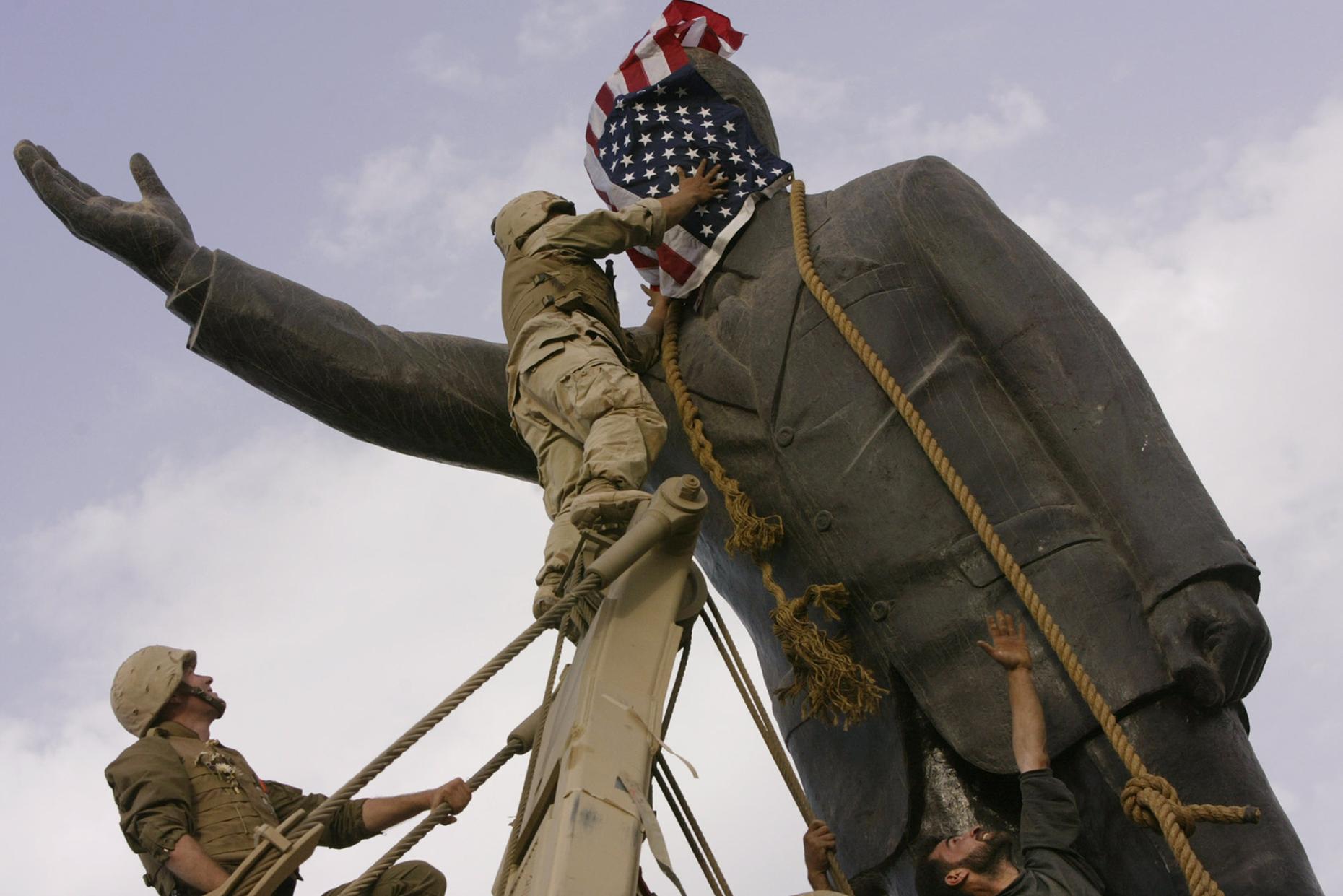
Apr 28, 2023
Boom!
In late 2016, American diplomats in Havana, Cuba started hearing a mysterious buzzing sound, followed by debilitating symptoms. On this week’s On the Media, why the government now disputes theories that it was a secret Russian weapon. Plus, what the electric hum of your refrigerator and the uncanny hearing ability of pigeons reveal about the world we live in. 1. Adam Entous, staff writer at The New York Times , Jon Lee Anderson, staff writer at The New Yorker , and Robert Bartholomew, sociologist and author of Havana Syndrome: Mass Psychogenic Illness and the Real Story Behind the Embassy Mystery and Hysteria, on the investigation into the mysterious affliction that spread across the globe. Listen. 2. Jennifer Munson, OTM Technical Director, and Nasir Memon, New York University professor of computer science and engineering, on the obscure technology called electrical network frequency analysis, or ENF, and the world of audio forensics. Listen. 3. Robert Krulwich [ @rkrulwich ], co-creator and former co-host of Radiolab, and John Hagstrum, a geophysicist emeritus at the U.S. Geological Survey, on the mysterious avian disappearance that rocked world headlines. Listen . On the Media is supported by listeners like you. Support OTM by donating today ( https://pledge.wnyc.org/support/otm ). Follow our show on Instagram , Twitter and Facebook @onthemedia, and share your thoughts with us by emailing onthemedia@wnyc.org.
Apr 26, 2023
Meet the Redstones, the Complicated Family Behind a Media Empire
The Redstone family controls Paramount Global, formerly known as ViacomCBS, Inc., — one of the biggest entertainment companies out there. (Think CBS entertainment, MTV, Nickelodeon.) The family is also one of the inspirations for HBO's Succession , which makes sense the more you get to know them. Sure, Rupert Murdoch plays his kids off each other and broke up with one wife on email. But Sumner Redstone, who died at 97 in 2020, had a love life that shook his media empire to its core, never mind the tabloids. This week, Brooke speaks to Rachel Abrams, a senior producer and reporter for The New York Times Presents, and the co-author with James B. Stewart of Unscripted: The Epic Battle for a Media Empire and the Redstone Family Legacy . On the Media is supported by listeners like you. Support OTM by donating today ( https://pledge.wnyc.org/support/otm ). Follow our show on Instagram , Twitter and Facebook @onthemedia, and share your thoughts with us by emailing onthemedia@wnyc.org.
Apr 21, 2023
Rupert. Logan. Clarence.
Fox News settled with Dominion Voting Systems for over 780 million dollars on Tuesday. On this week’s On the Media, the impact media moguls, and their families, have had on our culture at large. Plus, the bigger lessons we can learn about money and free speech from the revelations surrounding Clarence Thomas. 1. Jim Rutenberg [ @jimrutenberg ], writer-at-large for the New York Times and its Sunday magazine, on the Dominion lawsuit settlement and what's next for Fox News. Listen. 2. Robert Thompson, professor of television, radio, and film at Syracuse University, on the impact of the Murdoch family and their media empire, and what can be learned about their real-life power from the fictional tv show. Listen. 3. Corey Robin [ @CoreyRobin ], professor of political science at Brooklyn College and the CUNY Graduate Center, on what bigger lesson we can learn from the newest controversy around Justice Clarence Thomas. Listen. Music from this week's show: Finding Mink - Danny Elfman Eye Surgery - Thomas Newman Succession (Main Title Theme) Time is Late - Marcos Ciscar String Quartet No. 5 - Philip Glass - Kronos Quartet Tateh’s Picture Book - Randy Newman On the Media is supported by listeners like you. Support OTM by donating today ( https://pledge.wnyc.org/support/otm ). Follow our show on Instagram , Twitter and Facebook @onthemedia, and share your thoughts with us by emailing onthemedia@wnyc.org.
Apr 19, 2023
The Life and Times of the FDA
Earlier this month, a Texas judge issued a contentious decision about a drug named Mifepristone, widely used as an abortion pill and a medication to aid treatment of people who suffer miscarriages. U.S. District Judge Matthew Kacsmaryk, a Trump-appointee with documented anti-abortion views, ruled to suspend use of the drug across the entire country, saying that the Food and Drug Administration didn't properly vet the drug when it was cleared for market over twenty years ago. The FDA has spent quite a bit of time in the national limelight the past few years, largely due to the pandemic. But despite its occupation of headlines, the FDA’s history–and at times contentious relationship with the government that created it–aren’t always as widely covered. This week, Brooke sits down with Daniel Carpenter, the Allie S. Freed Professor of Government at Harvard University and author of the book, “ Reputation and Power: Organizational Image and Pharmaceutical Regulation at the FDA ,” to talk about the agency's origins and complicated task in the face of our modern political arena. On the Media is supported by listeners like you. Support OTM by donating today ( https://pledge.wnyc.org/support/otm ). Follow our show on Instagram , Twitter and Facebook @onthemedia, and share your thoughts with us by emailing onthemedia@wnyc.org.

Apr 14, 2023
Inside Russia’s Crackdown on Journalists
For the first time since the Cold War, an American reporter has been charged with espionage in Russia. On this week’s On the Media, hear about one journalist who stayed to cover Putin’s invasion, and from one who left. Plus, a look at why NPR has sworn off Twitter for good, and how it will affect people who get their news from the app. 1. OTM producer Molly Schwartz [ @mollyfication ], takes a deep dive into the imprisonment of Wall Street Journal reporter Evan Gershkovich, and the challenges of reporting on the ground in Russia right now. Listen. 2. Nikita Kondratyev , reporter for Novaya Gazeta Europe, on leaving Russia and covering Putin's invasion in exile. Listen . 3. Zoe Schiffer [ @ZoeSchiffer ], managing editor of Platformer, on Elon Musk's newest fight with the press and the departure of NPR from Twitter. Listen . Music from this week's show: Berotim - John Zorn We Insist - Zoe Keating April - Kino Fellini’s Waltz - Enrico Pieranunzi Bryter Layter - Nick Drake Blue Monk - Jimmy Giuffre Cello Song - Nick Drake On the Media is supported by listeners like you. Support OTM by donating today ( https://pledge.wnyc.org/support/otm ). Follow our show on Instagram , Twitter and Facebook @onthemedia, and share your thoughts with us by emailing onthemedia@wnyc.org.
Apr 12, 2023
How (Not) to Cover Trump’s Indictment
Donald Trump is the first ever president to be charged with criminal activity . And leading up to his arraignment, cable news has dug in, breathlessly tracing his every movement — his jet touching down in LaGuardia, his short journey from Trump Tower to the courthouse, and even his expressions and body language inside the courtroom. TV news hosts left no detail unturned, offering up 24/7, wall-to-wall coverage. According to Alex Shephard , staff writer at The New Republic, the coverage saw media outlets stumbling back into some of its "worst habits." In this week's podcast, Shephard tells Brooke about what reporters missed about the indictment. On the Media is supported by listeners like you. Support OTM by donating today ( https://pledge.wnyc.org/support/otm ). Follow our show on Instagram , Twitter and Facebook @onthemedia, and share your thoughts with us by emailing onthemedia@wnyc.org.
Apr 7, 2023
Made In America
Today, more than 37 million Americans live in poverty. The problem has been addressed countless times since the nation’s founding, but it persists, and for the poorest among us, it gets worse. America has not been able to find its way to a sustainable solution, because most of its citizens see the problem of poverty from a distance, through a distorted lens. So in 2016, we presented "Busted: America's Poverty Myths," a series exploring how our understanding of poverty is shaped not by facts, but by private presumptions, media narratives, and the tales of the American Dream. This week we're revisiting part of that series. 1. Matthew Desmond [ @just_shelter ], author of " Evicted: Poverty and Profit in the American City " and the new book " Poverty, by America ," on the myriad factors that perpetuate wealth inequality and Jack Frech [ @FrechJack ], former Athens County Ohio Welfare Director, on how the media's short attention span for covering inequality stymies our discourse around poverty. Listen. 2. Jill Lepore, historian and staff writer for the New Yorker , on the long history of America's beloved "rags to riches" narrative and Natasha Boyer, a Ohio woman whose eviction was initially prevented thanks to a generous surprise from strangers, on the reality of living in poverty and the limitations of "random acts of kindness." Listen. 3. Brooke considers the myth of meritocracy and how it obscures the reality: that one's economic success is more due to luck than motivation. Listen. You can find all 5 episodes of the series on our website . On the Media is supported by listeners like you. Support OTM by donating today ( https://pledge.wnyc.org/support/otm ). Follow our show on Instagram , Twitter and Facebook @onthemedia, and share your thoughts with us by emailing onthemedia@wnyc.org.
Apr 5, 2023
When Presidents Go to Trial
On Tuesday, April 4, former President Donald Trump was arrested and appeared in court for his arraignment in New York. The charges stem from hush money paid to Stormy Daniels in 2016, allegedly to cover up an extramarital affair. T he entire case leads to larger questions about how democracies, where everyone is supposed to be equal under the law, do or don’t hold their leaders to account. Guest host Ilya Marritz spoke with Rick Perlstein , a journalist, historian, and author of T he Invisible Bridge: The Fall of Nixon and the Rise of Reagan , about perhaps the most famous case of a former US president alluding punishment. On September 8, 1974, President Gerald Ford pardoned his predecessor, Richard Nixon, who resigned from office one month earlier. The pardon rocked a nation still in the throes of the Watergate scandal, and perhaps permanently altered the trust of the public in the executive branch. But a quieter, separate movement had begun within the Republican Party. Perlstein explains how the groundwork for our struggle to prosecute, even the most guilty seeming presidents, can be traced back to that fateful fall day in 1974. This is a segment from our September 9, 2022 show , Lock Him Up? . On the Media is supported by listeners like you. Support OTM by donating today ( https://pledge.wnyc.org/support/otm ). Follow our show on Instagram , Twitter and Facebook @onthemedia, and share your thoughts with us by emailing onthemedia@wnyc.org.
Mar 31, 2023
Indicted
For the first time in our history, a former U.S. president has been indicted. On this week’s On the Media, what Israel can teach us about when a nation’s leader runs afoul of the law. Plus, social media companies are back in the hot seat, facing serious legal threats at the local and national levels. 1. Yael Freidson [ @YaelFreidson ], legal correspondent for the Israeli newspaper Haaretz , on why the crisis in Israel reached a boiling point after Prime Minister Netanyahu's attempts to cut down systems of accountability. Listen . 2. Julia Bacha [ @juliabacha ], the director of the documentary film ‘ Boycott ’ and the creative director at Just Vision, a nonprofit media organization that creates content about Israel and Palestine, on how Israel’s Ministry of Strategic Affairs was created to combat the boycott movement—first within borders, then overseas. Listen . 3. Avi Asher-Schapiro [ @AASchapiro ], tech reporter at the Thomson Reuters Foundation, on the surge of bills across the United States aiming to reduce the impact of social media on the mental health of children and teens. Listen . 4. Jacqueline Nesi [ @JacquelineNesi ], assistant professor of Psychiatry and Human Behavior at Brown University, on the murkiness of the data on teen mental health and social media, and the possible consequences of restricting screen time. Listen . Music: We Insist - Zoe Keating The Glass House - Going to Tehran How Strange - Nicole Cruz Remix Ototoa - Malphino Equinox - John Coltrane On the Media is supported by listeners like you. Support OTM by donating today ( https://pledge.wnyc.org/support/otm ). Follow our show on Instagram , Twitter and Facebook @onthemedia, and share your thoughts with us by emailing onthemedia@wnyc.org.
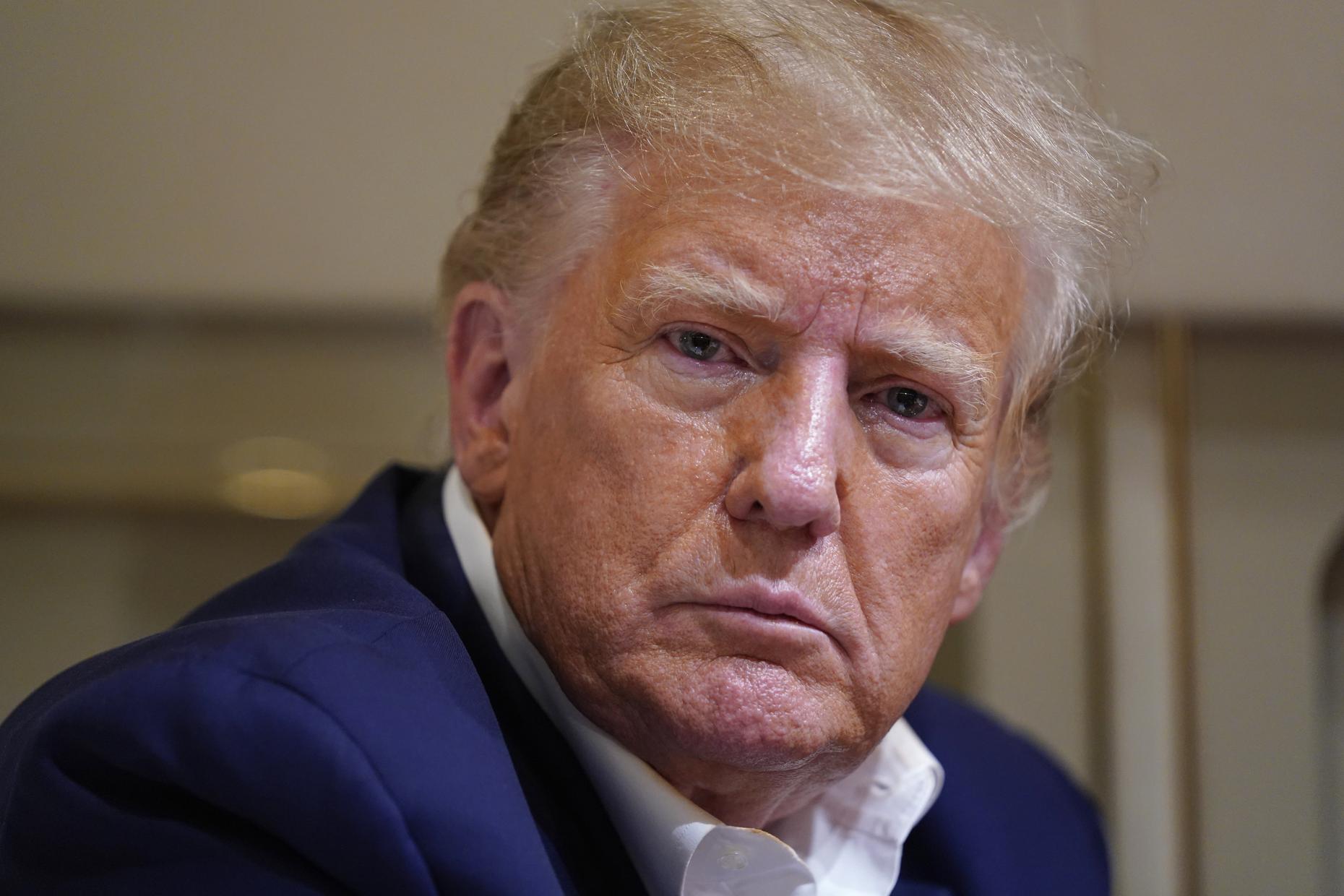
Mar 29, 2023
It's not TV it's...
In 2022 HBO picked up nearly forty Emmy awards — many of which went to The White Lotus. That year also happened to be the Home Box Office's 50th birthday. John Koblin co-wrote the book It's Not TV: The Spectacular Rise, Revolution, and Future of HBO with Felix Gillette . Last winter, g uest host Ilya Marritz spoke to Koblin , who covers the television industry for The New York Times, about how the network came to be a critical darling, and HBO's fraught future under its new owner, Discovery+. This is a segment from our December 9, 2022 show, Still Watching? . On the Media is supported by listeners like you. Support OTM by donating today ( https://pledge.wnyc.org/support/otm ). Follow our show on Instagram , Twitter and Facebook @onthemedia, and share your thoughts with us by emailing onthemedia@wnyc.org.
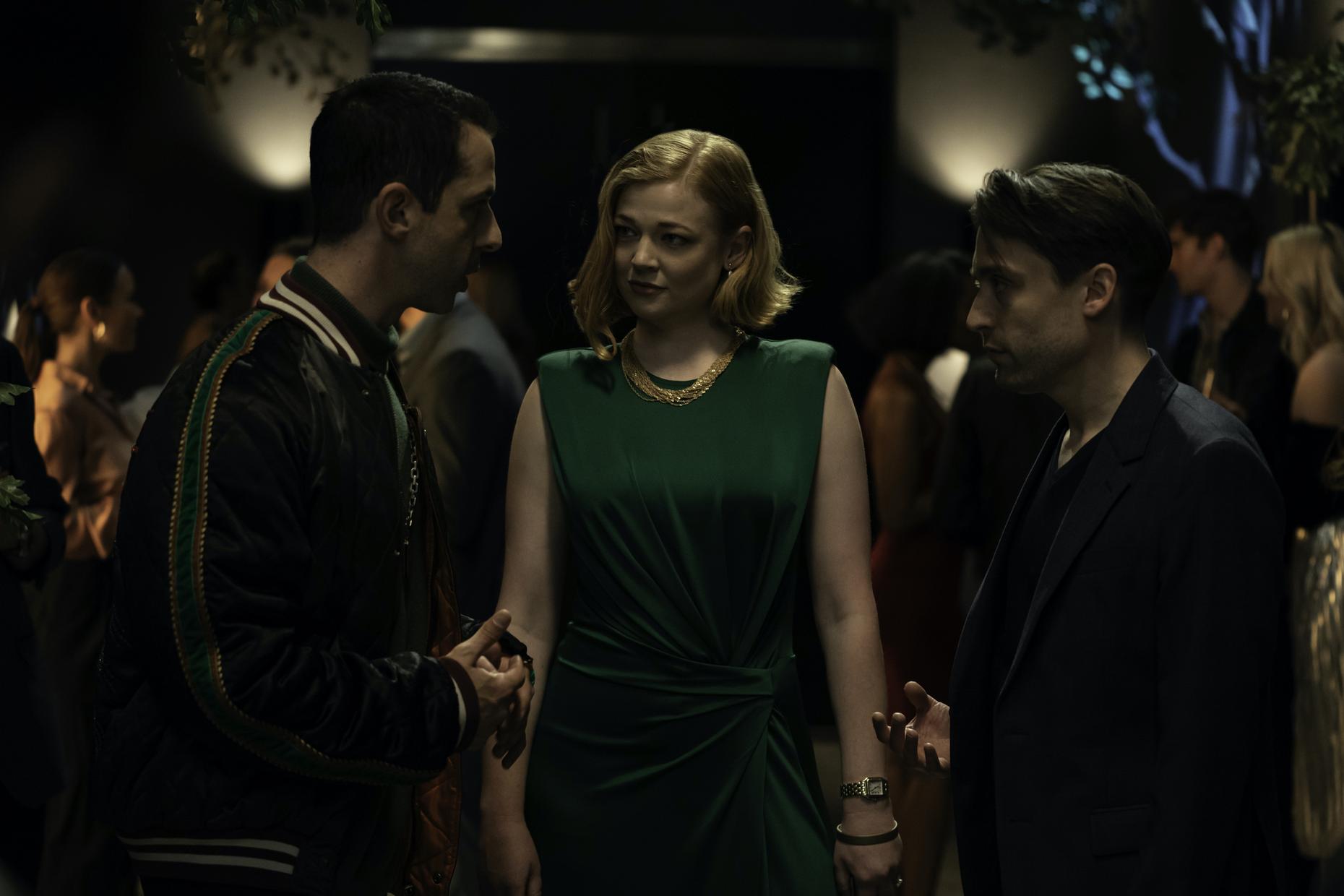
Mar 24, 2023
Is Lying On the Radio...Legal?
Highly politicized, partisan companies like Salem Media Group have a hold on the airwaves — and they don’t plan to give it up. This week, Senior Vice President of Salem Phil Boyce speaks candidly to reporter Katie Thornton about the personalities he handpicked to spread Salem’s message and about the company’s plans to expand into the media world off the airwaves. Peddling election denialism seems to be a solid business model — but is it legal? This episode is an adaptation of our latest series, The Divided Dial. You can listen to the full series here . The Divided Dial is reported and hosted by journalist and Fulbright Fellow Katie Thornton. You can follow her work on Instagram or on her website . The Divided Dial was edited by On the Media's executive producer, Katya Rogers. With production support from Max Balton and fact-checking by Tom Colligan, Sona Avakian, and Graham Hacia. Music and sound design by Jared Paul. Jennifer Munson is our technical director. Art by Michael Brennan . With support from the Fund for Investigative Journalism . On the Media is supported by listeners like you. Support OTM by donating today ( https://pledge.wnyc.org/support/otm ). Follow our show on Instagram , Twitter and Facebook @onthemedia, and share your thoughts with us by emailing onthemedia@wnyc.org.
Mar 22, 2023
How Neoconservatism Led the US to Invade Iraq
If you ask Democrats why the US invaded Iraq in 2003, many will say that President George W. Bush cynically lied about weapons of mass destruction. Meanwhile, some Republicans will say that President Bush meant well, but had been led astray by faulty intelligence. As we pass the 20th anniversary of the US invasion of Iraq, both of these narratives persist — and both distort the past, according to New York Times columnist Max Fisher . Fisher argues that the invasion was instead simply the natural unfolding of the neoconservative worldview . In this week's pod, we revisit his 2018 conversation with Brooke to unpack the hubris behind this worldview and examine how it grew from an esoteric, academic ideology into a force that still shapes American policies and minds today. On the Media is supported by listeners like you. Support OTM by donating today ( https://pledge.wnyc.org/support/otm ). Follow our show on Instagram , Twitter and Facebook @onthemedia, and share your thoughts with us by emailing onthemedia@wnyc.org.
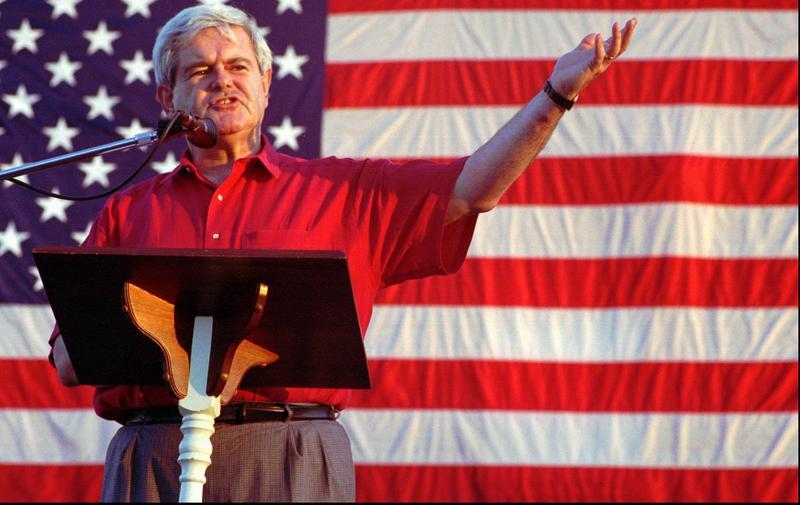
Mar 17, 2023
How did Talk Radio Get So Politically Lop-Sided?
How did the right get their vice grip of the airwaves, all the while arguing that they were being silenced and censored by a liberal media? This week, we look at the early history of American radio to reveal that censorship of far-right and progressive voices alike was once common on radio. And reporter Katie Thornton explains how, in the post-war and Civil Rights period, the US government encouraged more diverse viewpoints on the airwaves — until it didn’t. Plus, the t echnological and legal changes that led to conservative talk radio hosts like Rush Limbaugh taking over the airwaves. This episode is an adaptation of our latest series, The Divided Dial. You can listen to the full series here . The Divided Dial is reported and hosted by journalist and Fulbright Fellow Katie Thornton. You can follow her work on Instagram or on her website . The Divided Dial was edited by On the Media's executive producer, Katya Rogers. With production support from Max Balton and fact-checking by Tom Colligan, Sona Avakian, and Graham Hacia. Music and sound design by Jared Paul. Jennifer Munson is our technical director. Art by Michael Brennan . With support from the Fund for Investigative Journalism . On the Media is supported by listeners like you. Support OTM by donating today ( https://pledge.wnyc.org/support/otm ). Follow our show on Instagram , Twitter and Facebook @onthemedia, and share your thoughts with us by emailing onthemedia@wnyc.org.
Mar 15, 2023
Silenced Samples: How Copyright Laws Infringe on Hip Hop
Iconic hip hop group De La Soul's music is finally available on streaming platforms, just in time for the fiftieth anniversary of hip hop. T o say listeners are overjoyed is an understatement. Only a few days after their streaming debut, De La Soul's 1989 debut album, 3 Feet High and Rising, soared to no. 5 on the UK album chart, even topping their original 1990 high of no. 13. For fans this was a long time coming. The hip hop group had a towering presence in the 80s and 90s, their playful ingenuity and eccentricity even inspired other greats like the Beastie Boys, Childish Gambino, OutKast, and the Pharcyde. But what kept De La Soul's tunes out of rotation for decades — and thus, largely out of the public imagination — was an infuriating entanglement of legal restrictions surrounding sampling, an art form where producers take snippets of songs and stitch them together to form sonic collages . For this week's pod extra, OTM Correspondent Micah Loewinger speaks to Dan Charnas , an associate arts professor at NYU and author of the book " Dilla Time: The Life and Afterlife of J Dilla, the Hip-Hop Producer Who Reinvented Rhythm ," about how music copyright law suppresses the artistic voices of hip hop producers. On the Media is supported by listeners like you. Support OTM by donating today ( https://pledge.wnyc.org/support/otm ). Follow our show on Instagram , Twitter and Facebook @onthemedia, and share your thoughts with us by emailing onthemedia@wnyc.org.
Mar 10, 2023
The Most Influential Christian Talk Radio Network You've Probably Never Heard of
In 2016, Christian talk radio host Eric Metaxas begrudgingly encouraged his listeners to vote for then-presidential candidate Donald Trump. By 2020, he pledged his life to fighting the “stolen election” while talking with Trump on the air. Ahead of the midterm elections, Metaxas and many of his fellow talk radio hosts made sure the falsehood of massive 2020 election fraud was top of mind — on the airwaves and beyond. And while election-denying candidates didn't do as well as many on the right had hoped, at least 170 such candidates have been elected to state and national offices, some of whom will be in charge of future elections. This week, reporter Katie Thornton introduces us to the company whose hosts never backed down from the lies of the stolen 2020 election: Salem Media Group, the largest Christian, conservative multimedia company in the country – and perhaps the most influential media company you’ve never heard of. Thornton traces the company’s rise to power from its scrappy start in the 1970s to the present day — a growth that paralleled and eventually became inextricable from the growth of the Religious Right. This episode is an adaptation of our latest series, The Divided Dial. You can listen to the full series here . The Divided Dial is reported and hosted by journalist and Fulbright Fellow Katie Thornton. You can follow her work on Instagram or on her website . The Divided Dial was edited by On the Media's executive producer, Katya Rogers. With production support from Max Balton and fact-checking by Tom Colligan, Sona Avakian, and Graham Hacia. Music and sound design by Jared Paul. Jennifer Munson is our technical director. Art by Michael Brennan . With support from the Fund for Investigative Journalism . On the Media is supported by listeners like you. Support OTM by donating today ( https://pledge.wnyc.org/support/otm ). Follow our show on Instagram , Twitter and Facebook @onthemedia, and share your thoughts with us by emailing onthemedia@wnyc.org.
Mar 8, 2023
How Lina Khan Became Antitrust Critics' Favorite Target
In March 2021, when President Joe Biden announced the nomination of Lina Khan to be a commissioner at the Federal Trade Commission, the decision was met with a rare kind of excitement for the otherwise sleepy agency. The excitement seemed bipartisan as 21 Republican senators voted to confirm the commissioner. Not long after, then 32-year-old Khan was promoted to chairperson of the agency, making her the youngest chair in the FTC's history. Since then the tone around Khan has changed dramatically, as Republican commissioners at the agency have pushed back against what they see as a radical agenda. For this week's pod OTM correspondent Micah Loewinger speaks with Emily Birnbaum , a technology and lobbying reporter for Bloomberg, about a growing anti-antitrust movement emerging in the press and in Washington and why Khan has become its main target. On the Media is supported by listeners like you. Support OTM by donating today ( https://pledge.wnyc.org/support/otm ). Follow our show on Instagram , Twitter and Facebook @onthemedia, and share your thoughts with us by emailing onthemedia@wnyc.org.
Mar 3, 2023
Historical Fictions
A billion dollar defamation lawsuit has given the public an unprecedented view into the inner workings of Fox News. On this week’s On the Media, how the network’s election falsehoods reveal the company’s commitment to profit over truth. Plus, the story of how historical fiction became the unexpected darling of the literary world. And, how a historian grapples with gaps in our historical record. 1. Andrew Prokop [ @awprokop ], senior politics correspondent at Vox , and David Folkenflik [ @mjs_DC ], m edia correspondent for NPR News , on the latest revelations in Dominion Voting Systems' lawsuit against Fox News. Listen. 2. OTM producer Eloise Blondiau [ @eloiseblondiau ] takes a deep dive into how historical fiction became a rich resource for reckoning with our past, feat: Alexander Manshel, assistant professor of English at McGill University [ @xandermanshel ], and novelitsts Alexander Chee [ @alexanderchee ] and Min Jin Lee [ @minjinlee11 ]. Listen. 3. Tiya Miles [ @TiyaMilesTAM ] , professor of history at Harvard University and author of All That She Carried: The Journey of Ashley’s Sack, a Black Family Keepsake , on rediscovering lost histories. Listen . On the Media is supported by listeners like you. Support OTM by donating today ( https://pledge.wnyc.org/support/otm ). Follow our show on Instagram , Twitter and Facebook @onthemedia, and share your thoughts with us by emailing onthemedia@wnyc.org.
Mar 1, 2023
The OTHER Lawsuit Involving the Murdochs
Fox News is in the fight of its legal life right now. Dominion is suing Fox News for 1.6 billion dollars in damages over false claims that it helped rig the 2020 elections for President Biden. Dominion’s legal team draws a direct line from the heated rhetoric of Fox hosts to the January 6, 2021 protests that became a violent siege of the US Capitol. And that forms the basis of an entirely different defamation suit, filed roughly 10,000 miles away. This time, the suit was filed by Lachlan Murdoch against a small Australian paper for an opinion piece that implied the Murdochs had some responsibility in the events of the January 6 insurrection. Guest host David Folkenflik speaks with Lachlan Cartwright , the Editor at Large of the Daily Beast where he covers power, crime, celebrity and justice, to get a look into the lawsuits and what they mean for the future of the Fox empire. This is a segment from our October 7th, 2022 program, So Sue Me . On the Media is supported by listeners like you. Support OTM by donating today ( https://pledge.wnyc.org/support/otm ). Follow our show on Instagram , Twitter and Facebook @onthemedia, and share your thoughts with us by emailing onthemedia@wnyc.org.
Feb 24, 2023
Who Profits?
The Supreme Court heard two cases this week that could upend Silicon Valley. On this week’s On The Media, a look at the fragile law holding the modern internet together. Plus, how a century-long PR campaign taught Americans to love the free market and loathe their own government. 1. Emily Birnbaum [ @birnbaum_e ], tech lobbying reporter with Bloomberg, Mark Joseph Stern [ @mjs_DC ], senior writer at Slate, and Emma Llanso [ @ellanso ], director of the Free Expression Project at the Center for Democracy and Technology, on two cases argued in front of the Supreme Court this week and how they could impact the future of the internet. Listen . 2. Naomi Oreskes [ @NaomiOreskes ] , professor of the history of science at Harvard University and the co-author, with Erik M. Conway, of “ The Big Myth: How American Business Taught Us to Loathe Government and Love the Free Market ,” on century-old PR campaign, conducted by big business, to imbue Americans with a quasi-religious belief in the free market. Listen . 3. China Miéville , a speculative fiction writer and author of the recent book, " A Spectre, Haunting: On the Communist Manifesto ," on the ebb and flow of the text’s popularity through the decades, and what we might draw from it today. Listen . Music: Nocturne No.1 in B-Flat Major Op.9. No1 (Chopin) - Ivan Moravec Ballade No. 2 in F, Op. 38 (Chopin) - Maurizio Pollini March for the 3rd Regiment of Foot - Liberty Tree Wind Players The New East Louis Toodle-Oo (Duke Ellington) The People United Will Never Be Defeated - Carla Bley, Charlie Haden, Don Cherry Stolen Moments - Ahmad Jamal Trio On the Media is supported by listeners like you. Support OTM by donating today ( https://pledge.wnyc.org/support/otm ). Follow our show on Instagram , Twitter and Facebook @onthemedia, and share your thoughts with us by emailing onthemedia@wnyc.org.
Feb 22, 2023
Brooke on the Press in Times of War
This week we're airing an interview that Brooke did while on a fellowship at the American Academy in Rome. She and her husband Fred Kaplan (author of the War Stories column in Slate), sat down with Mark Hannah, host of the podcast " None of the Above ," produced by the Eurasia Group Foundation . From the Crimean War of 1853 to Russia’s invasion of Ukraine this year, journalists, reporters, and the media have shaped the public’s understanding of war. But do the stories we read and the photos we see provide an impartial picture of the wars they document? As Hannah explained in Foreign Policy , certain aspects of American war coverage—reliance on government sources and incentives to simplify geopolitics as battles between good and evil—have long compelled news organizations to tilt toward military action. This interview originally aired on May 18, 2022. On the Media is supported by listeners like you. Support OTM by donating today ( https://pledge.wnyc.org/support/otm ). Follow our show on Instagram , Twitter and Facebook @onthemedia, and share your thoughts with us by emailing onthemedia@wnyc.org.
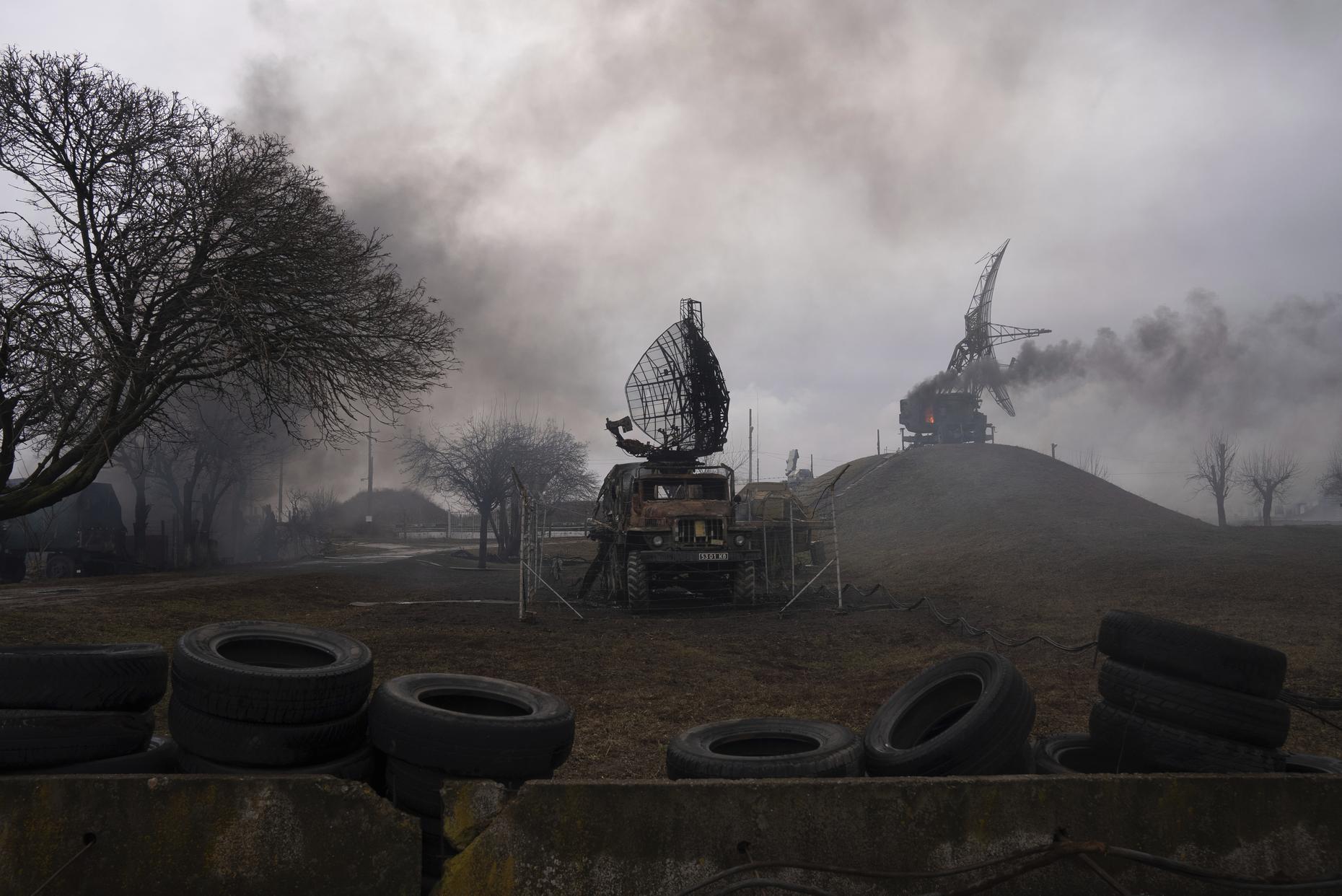
Feb 17, 2023
Off the Rails
1. Julia Rock [ @jul1arock ] , reporter at the The Lever, and Allison Fisher [ @citizenfisher ], director of the Climate and Energy Program for Media Matters for America, on why the Ohio derailment was a foreseeable disaster and how dearth of early media coverage, which failed to hold parties accountable, left space for distrust. Listen. 2. Gönül Tol [ @gonultol ] , the founding director of the Middle East Institute's Turkey program and author of "Erdoğan’s War: A Strongman’s Struggle at Home and in Syria," on the impact of government corruption on Turkey's death toll after this month's earthquake . Listen. 3. Natasha Hall [ @NatashaHallDC ] , a senior fellow at the Middle East Program at the Center for Strategic and International Studies, on the ways politics have played into a delay in aid in Syria. Listen. 4. Keren Landman [ @landmanspeaking ] , senior reporter covering public health and emerging infectious diseases at Vox, on the risks of bird flu and if we should be worried about another pandemic. Listen. Music: Fallen Leaves - Marcos Ciscar Invitation to a Suicide - John Zorn Berceuse In D Flat Major, Op. 57 - Ivan Moravec Time Is Late - Marcos Ciscar When Doves Cry Airborne Toxic Event Lachrymae Antiquae - Kronos Quartet White Man Sleeps - Kronos Quartet The Old House - Marcos Ciscar On the Media is supported by listeners like you. Support OTM by donating today ( https://pledge.wnyc.org/support/otm ). Follow our show on Instagram , Twitter and Facebook @onthemedia, and share your thoughts with us by emailing onthemedia@wnyc.org.
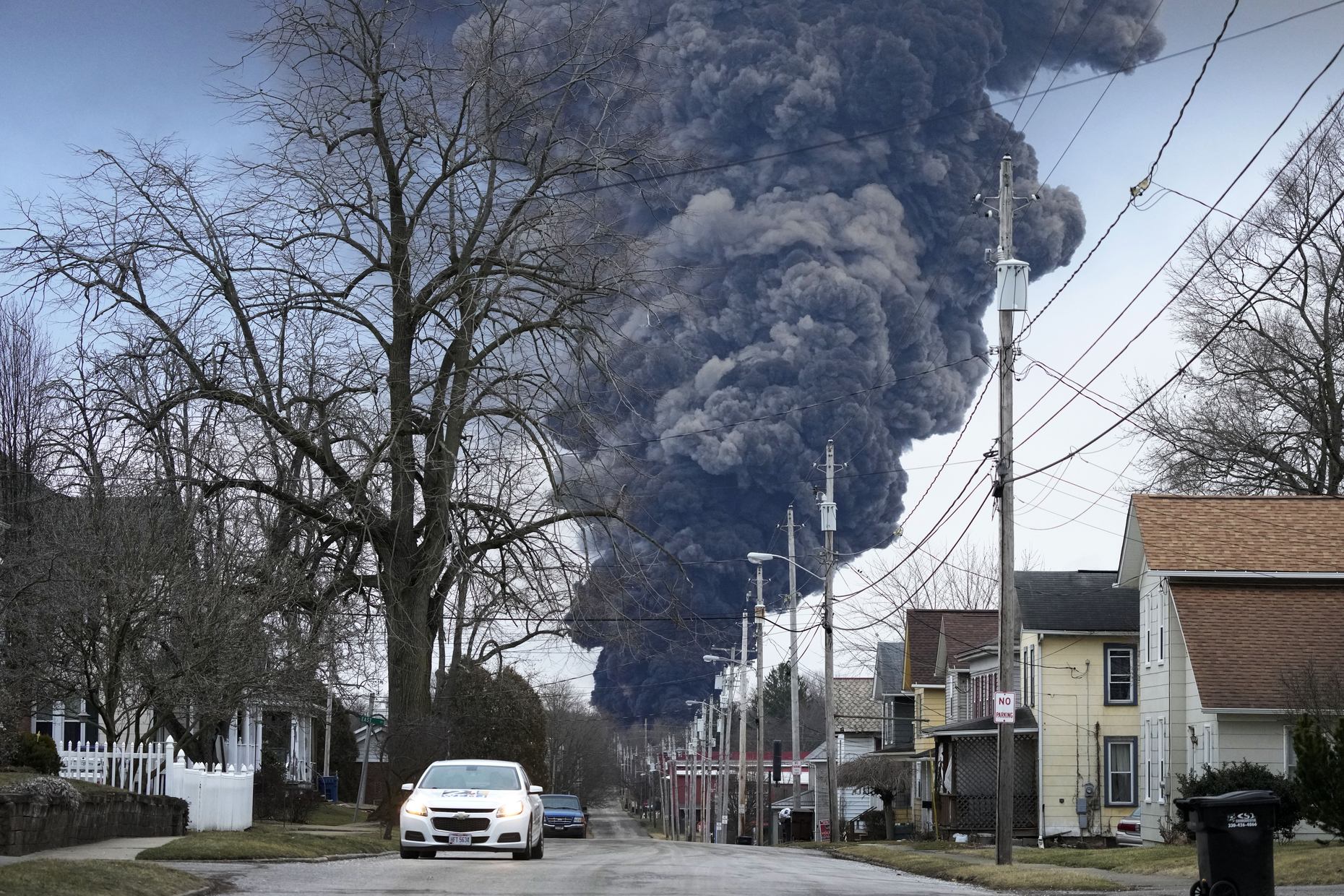
Feb 15, 2023
Joke, Threat, Obvious
YouTube is one of the biggest media companies in the world. In 2020, we uploaded 500 hours of footage to the site every minute. And on average we watched over 5 billion videos every day. It’s a broadcasting machine so complex, it would make Marshall McLuhan’s head explode. OTM Correspondent Micah Loewinger has been obsessed with YouTube since he was 13. Last fall he sat down with journalist Mark Bergen to discuss his new book, Like, Comment, Subscribe: Inside YouTube’s Chaotic Rise to World Domination . According to Bergen, the founders of the site originally envisioned something more akin to Tinder than homemade TV. This is a segment from our September 30, 2022 program, Still Loading… . On the Media is supported by listeners like you. Support OTM by donating today ( https://pledge.wnyc.org/support/otm ). Follow our show on Instagram , Twitter and Facebook @onthemedia, and share your thoughts with us by emailing onthemedia@wnyc.org.
Feb 10, 2023
Hide and Seek
It’s a bird, it’s a plane… no, it’s a spy balloon. On this week’s On the Media, how to grasp a news event that’s equal parts concerning and absurd. Plus, the hunt for who poisoned the Russian dissident Alexei Navalny, and re-reading classic Russian novels in the shadow of the Ukraine war. 1. Jon Allsop [ @Jon_Allsop ], freelance journalist and author of the Columbia Journalism Review's newsletter The Media Today, on how to understand polarizing reactions to the Chinese spy balloon. Listen . 2. Christo Grozev [ @christogrozev ], lead Russia investigator at Bellingcat, and Daniel Roher [ @DanielRoher ], director of the documentary "Navalny ," on investigating, and filming, Alexei Navalny's search for the truth behind his own poisoning. Listen . 3. Elif Batuman [ @BananaKarenina ], novelist and staff writer at The New Yorker , on revisiting classic Russian literature in times of war . Listen . On the Media is supported by listeners like you. Support OTM by donating today ( https://pledge.wnyc.org/support/otm ). Follow our show on Instagram , Twitter and Facebook @onthemedia, and share your thoughts with us by emailing onthemedia@wnyc.org.
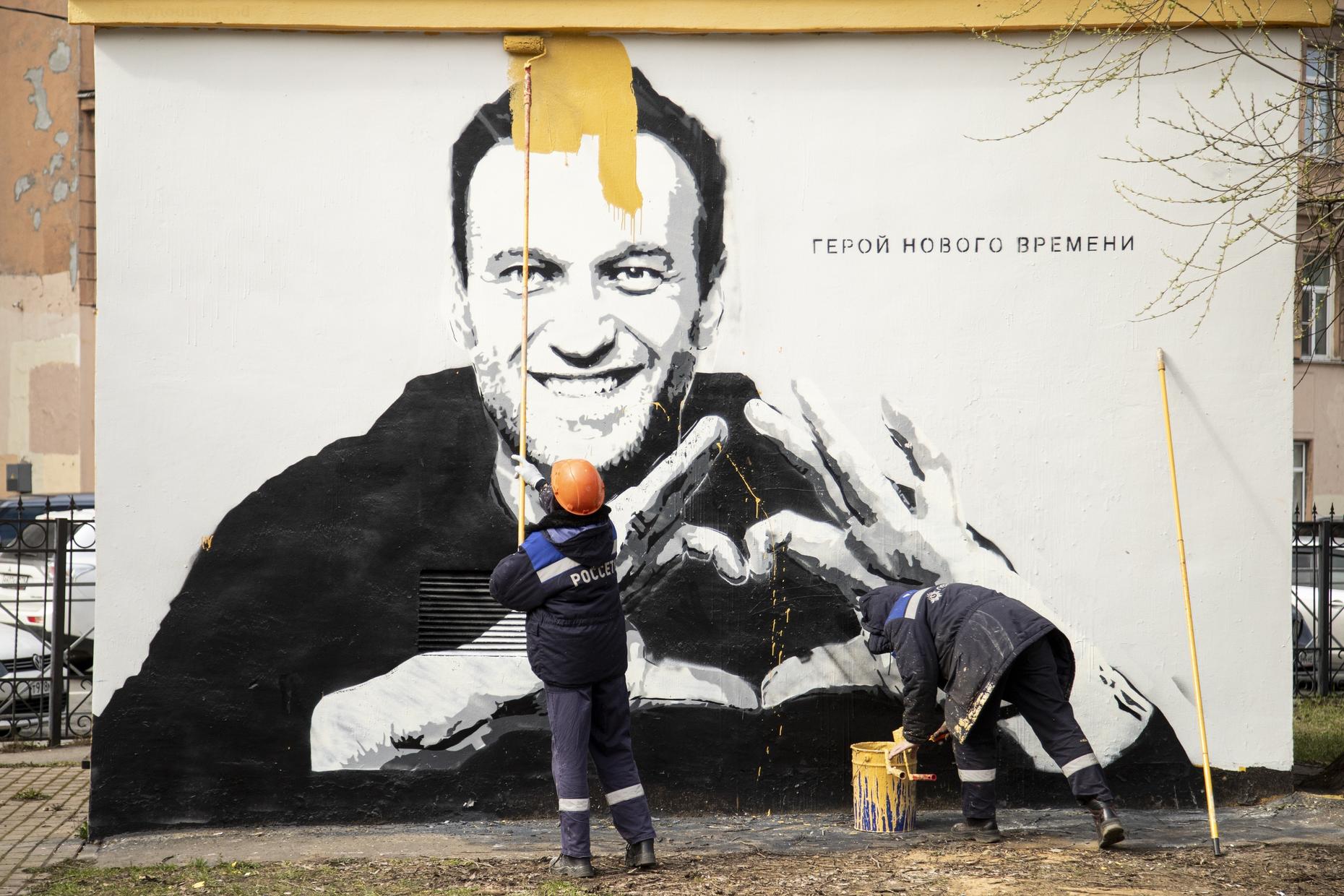
Feb 8, 2023
David Remnick Speaks to Salman Rushdie About Surviving the Fatwa
Thirty-four years ago, the Ayatollah Khomeini, the Supreme Leader of Iran, issued a fatwa calling for the assassination of the novelist Salman Rushdie, whose book “The Satanic Verses” Khomeini declared blasphemous. It caused a worldwide uproar. Rushdie lived in hiding in London for a decade before moving to New York, where he began to let his guard down. “I had come to feel that it was a very long time ago and, and that the world moves on,” he tells David Remnick . “That’s what I had agreed with myself was the case. And then it wasn’t.” In August of last year, a man named Hadi Matar attacked Rushdie onstage before a public event, stabbing him about a dozen times. Rushdie barely survived. Now, in his first interview since the assassination attempt, Rushdie discusses the long shadow of the fatwa; his recovery from extensive injuries; and his writing. It was “just a piece of fortune, given what happened,” that Rushdie had finished work on a new novel, “Victory City,” weeks before the attack. The book is being published this week. “I’ve always thought that my books are more interesting than my life,” he remarks. “Unfortunately, the world appears to disagree.” David Remnick’s Profile of Rushdie appears in the February 13th & 20th issue of The New Yorker. On the Media is supported by listeners like you. Support OTM by donating today ( https://pledge.wnyc.org/support/otm ). Follow our show on Instagram , Twitter and Facebook @onthemedia, and share your thoughts with us by emailing onthemedia@wnyc.org.
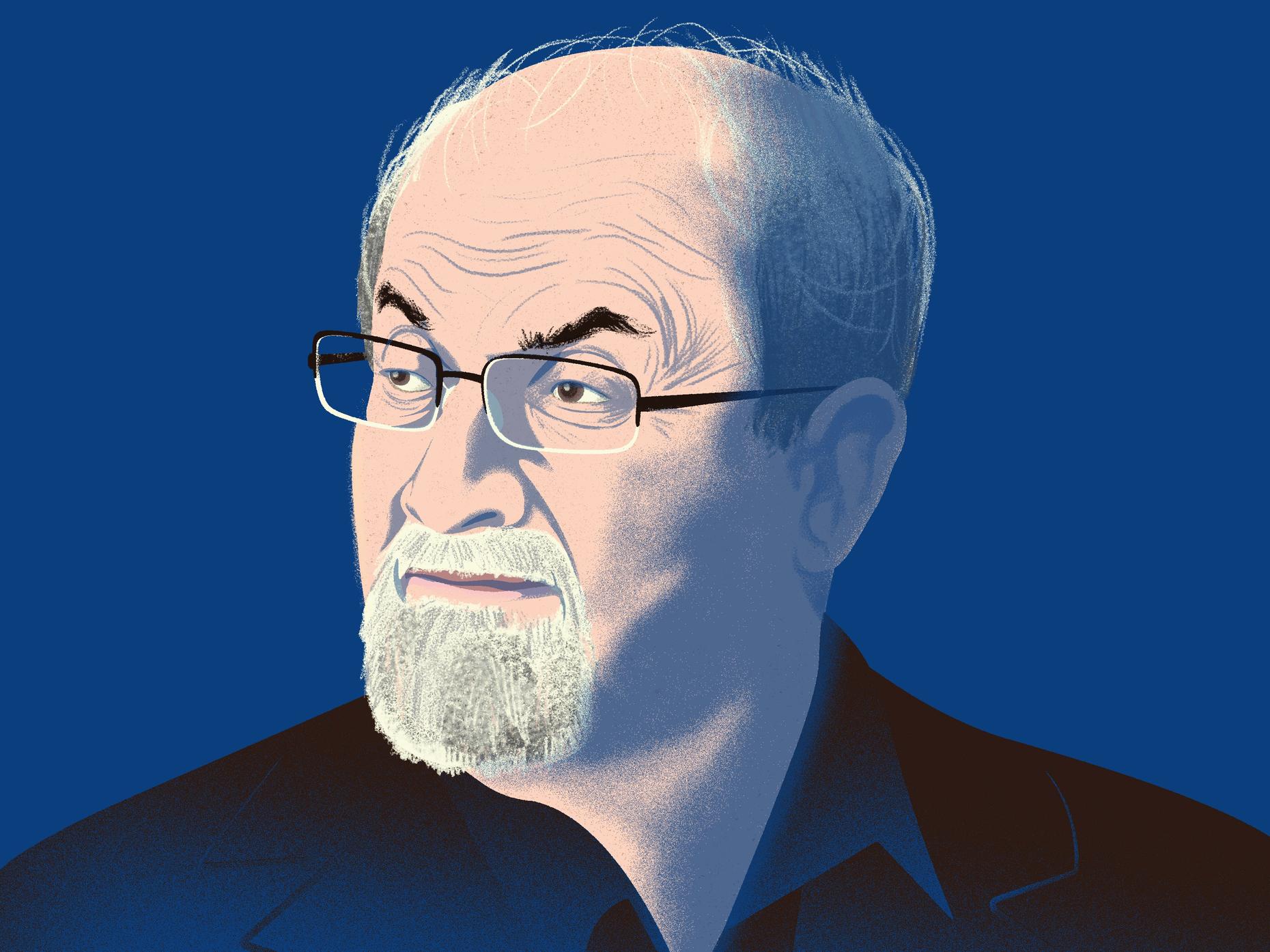
Feb 3, 2023
Too Big to Fail?
On this week’s On the Media, what the data says about how boys and men are struggling today. Plus, the history behind Ticketmaster’s dominance in the live music industry, and how Hollywood trust-busting in the 1930s and 1940s unleashed an era of indie films. 1. Richard Reeves [ @RichardvReeves ], a senior fellow in Economic Studies at the Brookings Institution and author of the book Of Boys and Men: Why the Modern Male Is Struggling, Why It Matters, and What to Do About It , on the research that shows gender disparities growing in a surprising direction. Listen . 2. Moe Tkacik and Krista Brown [ @moetkacik and @KristaKBrown ], researchers at the American Economic Liberties Project , on how the grunge band Pearl Jam tried to take on Ticketmaster in the 1990s. Listen . 3. Peter Labuza [ @labuzamovies ], a film historian and researcher with the International Cinematographers Guild , on how a Supreme Court case broke up Hollywood's studio system and what this history can teach us about the present moment. Listen . On the Media is supported by listeners like you. Support OTM by donating today ( https://pledge.wnyc.org/support/otm ). Follow our show on Instagram , Twitter and Facebook @onthemedia, and share your thoughts with us by emailing onthemedia@wnyc.org.
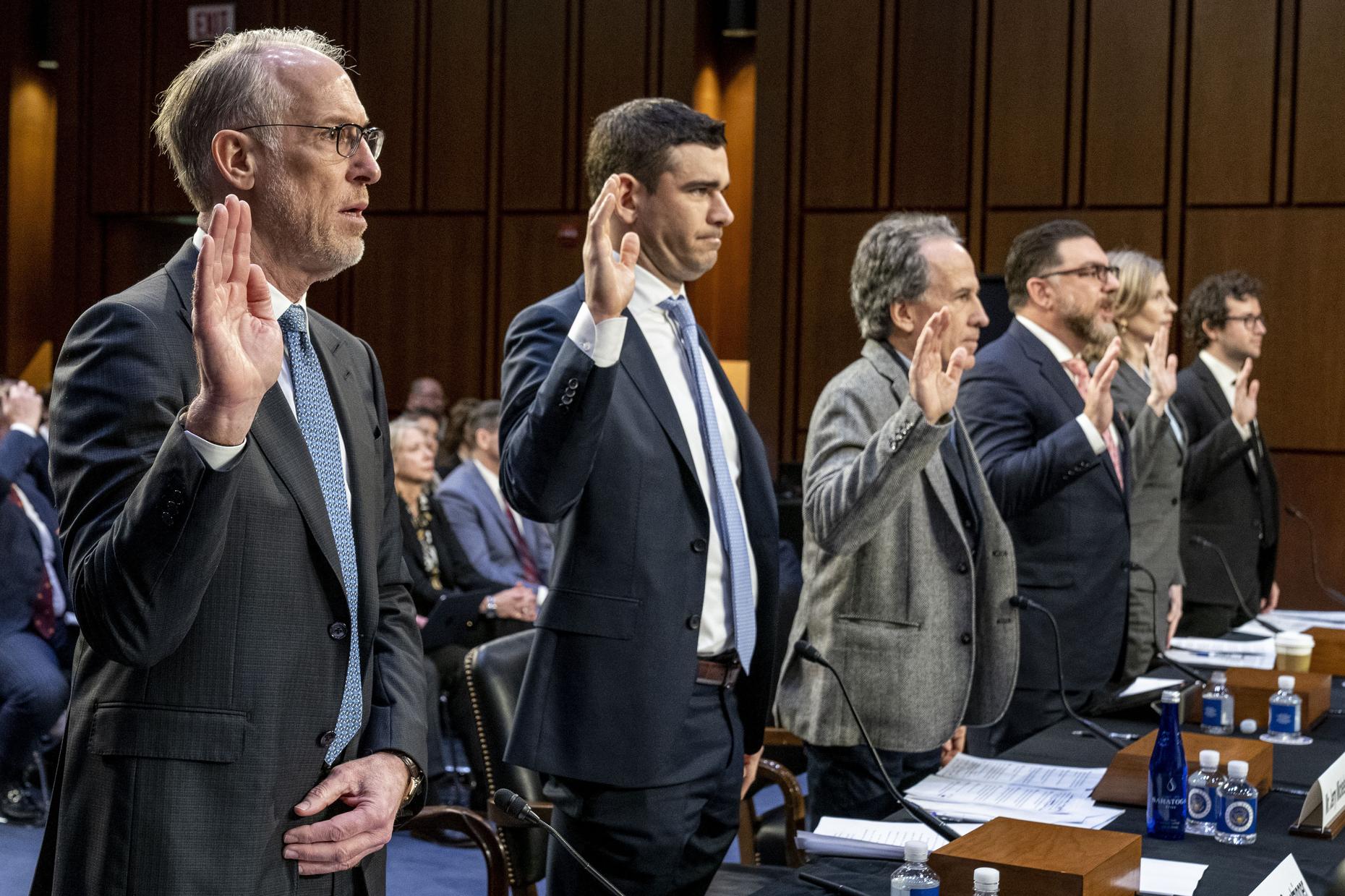
Feb 1, 2023
Puerto Rico in 8 Songs
Former OTM producer Alana Casanova-Burgess is back with season 2 of her critically acclaimed podcast series, La Brega. This one is all about the music! For over a century, Puerto Rican musicians have been influential across the hemisphere. From the Harlem Hellfighters of WWI who helped develop jazz to the reggaetoneros who dominate today’s charts, Puerto Rican music is everywhere. We start the season with the island’s most celebrated composer Rafael Hernandez, who wrote beloved songs like “Lamento Borincano,” “Ahora Seremos Felices,” and “Perfume de Gardenias” – and one of the island’s unofficial anthems, “Preciosa.” It’s a love song written for Puerto Rico that praises the island’s beauty and, remarkably, also calls out the forces that oppress it. When Bad Bunny exploded onto the scene and became the most-streamed artist in the history of the world, it became undeniable that Puerto Rican lyrics – the poetry of what people sing about, the bregas in every chorus – resonate all over the hemisphere. In September, he put out a music video for his hit “El Apagón,” (“The Blackout,”) which then turned into a mini-documentary about gentrification – the way people from the states are taking advantage of tax benefits and displacing Boricuas. It’s called “Aqui Vive Gente" ("People Live Here"). “El Apagón,” has become somewhat of an anthem – an installment in the long tradition of Puerto Ricans singing about home, longing and belonging, popularized by Rafael Hernandez. But Bad Bunny isn’t singing about yearning for Puerto Rico – his music is often about never even leaving in the first place. It’s about staying, and creating a future for Puerto Ricans in Puerto Rico. If the video’s Youtube comments – declarations of solidarity – are any indication, his music has touched on something deeply relatable across Latin America. Learn more about the voices in this episode: • Myzo , the singer from the plane • Bobby Sanabria , Grammy-nominated bandleader and educator • Elena Martínez , folklorist at City Lore and the Bronx Music Heritage Center • Watch Marc Anthony’s performance of “Preciosa” • Watch Bianca Graulau’s documentary “Aquí Vive Gente” (“People Live Here”) Our cover of “Preciosa” is by the artist Xenia Rubinos (out in March). You can listen to first season of La Brega and hear new episodes from this season here . Listen to the La Brega Spotify playlist , featuring music from this episode – and this season. It will be added to each week as new episodes come out. On the Media is supported by listeners like you. Support OTM by donating today ( https://pledge.wnyc.org/support/otm ). Follow our show on Instagram , Twitter and Facebook @onthemedia, and share your thoughts with us by emailing onthemedia@wnyc.org.
Jan 27, 2023
Sorry, That's Classified
If millions of Americans have access to classified documents, can we really call them secrets? On this week's On the Media, a former Pentagon official explains how America’s bloated classification system came to be. Plus, a look at the stories we tell about Baby Boomers, and how our country might change after they’re gone. 1. Oona Hathaway [ @oonahathaway ], professor at Yale Law School and former special counsel at the Pentagon, on the complicated nature of classified documents. Listen . 2. Noah Smith [ @VildeHaya ], contributing reporter for The Washington Post , on how a video game led to leaks of military documents. Listen . 3. Philip Bump [ @pbump ], national columnist at The Washington Post , on his latest book 'The Aftermath: The Last Days of the Baby Boom and the Future of Power in America .' Listen . 4. Brian Lehrer [ @BrianLehrer ], host of WNYC's The Brian Lehrer Show , on the news events that defined generations . Listen . Music: Passing Time by John Renbourn Atlantic City by Randy Newman Eye Surgery by Thomas Newman Young at Heart by Brad Mehldau Your Mother Should Know by Brad Mehldau When I'm 64 by Fred Hersch On the Media is supported by listeners like you. Support OTM by donating today ( https://pledge.wnyc.org/support/otm ). Follow our show on Instagram , Twitter and Facebook @onthemedia, and share your thoughts with us by emailing onthemedia@wnyc.org.
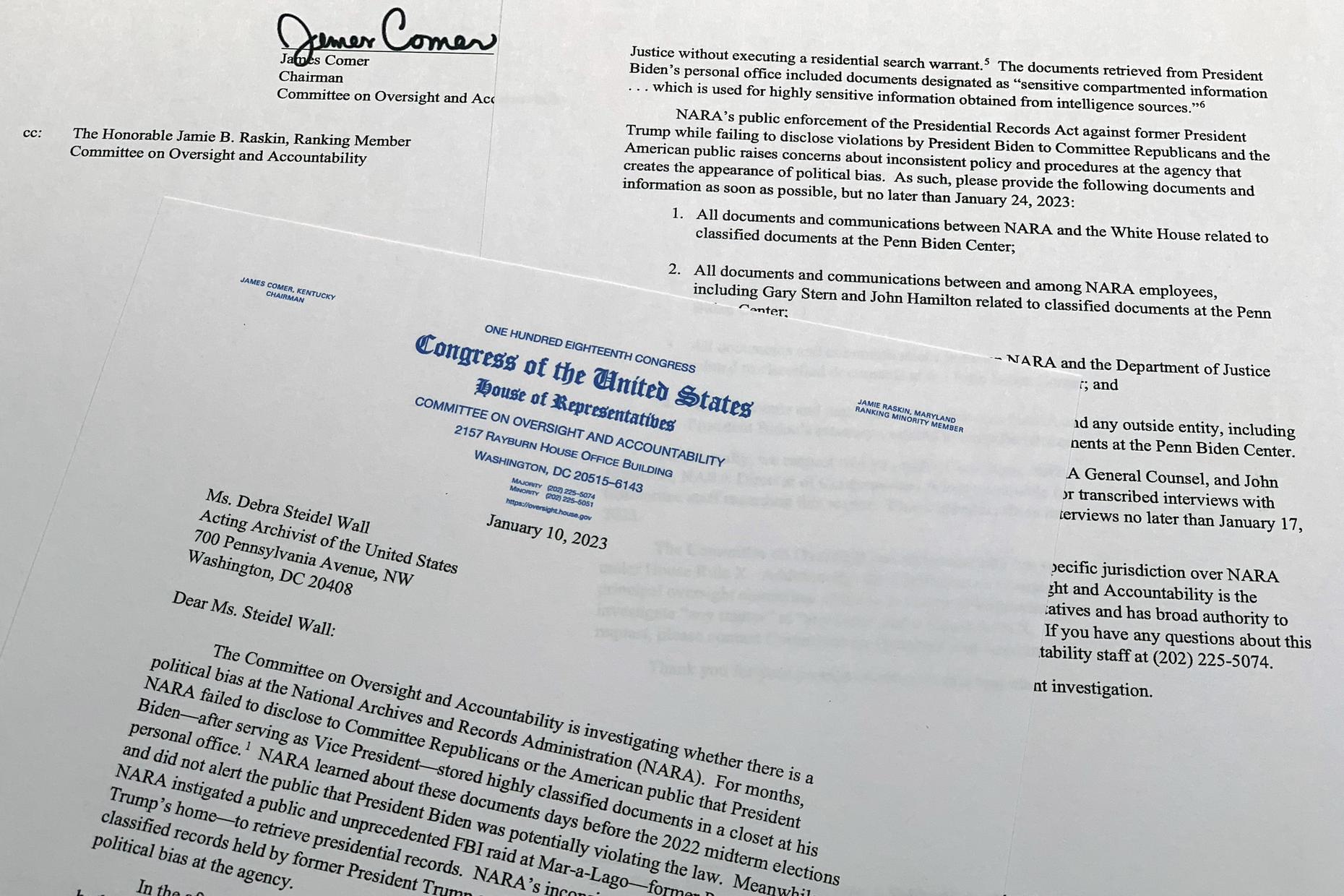
Jan 24, 2023
Operation Podcast: What the CIA's Latest Media Venture Can Teach Us About the Agency
For decades, the Central Intelligence Agency has cultivated its appeal as an organization shrouded in secrecy, engaged in cutting edge tech and no-holds-barred espionage in defense of the US. It’s an image that sells in Hollywood. The CIA also assisted in the making of some movies about some real life operations. But as the agency ages, it continues to strive to stay up to date. In 2022 , when the CIA turned 75, the agency launched operation:podcast. Brooke speaks with David Shamus McCarthy, author of Selling the CIA: Public Relations and the Culture of Secrecy , about the latest venture for the agency and the CIA's long history of public relations initiatives. On the Media is supported by listeners like you. Support OTM by donating today ( https://pledge.wnyc.org/support/otm ). Follow our show on Instagram , Twitter and Facebook @onthemedia, and share your thoughts with us by emailing onthemedia@wnyc.org.
Jan 20, 2023
Great Expectations
Many of us are still cookin’ with gas, but should we? On this week’s On the Media, a look at why gas stoves, and the political flame-war over appliances, are back in the news. Plus, why new research says we’ve left the golden age of science and technology. 1. Paris Marx [ @parismarx ], the host of the podcast ‘Tech Won’t Save Us,’ and the author of ‘Road to Nowhere: What Silicon Valley Gets Wrong about the Future of Transportation,' on the longstanding debate on electric cars in the US, and whether they really do enough to lower carbon emissions. Listen . 2. Rebecca Leber [ @rebleber ], a senior reporter covering climate at Vox, on how the controversy surrounding gas stoves is nothing new, and the gas industry's long PR campaign to convince the public that "cooking was gas" is just better. Listen . 3. William Broad [ @WilliamJBroad ], a science journalist and senior writer at The New York Times, on new research published in Nature that suggests that our mad sprint for scientific breakthroughs has slowed significantly, and what this might mean for science. Listen . On the Media is supported by listeners like you. Support OTM by donating today ( https://pledge.wnyc.org/support/otm ). Follow our show on Instagram , Twitter and Facebook @onthemedia, and share your thoughts with us by emailing onthemedia@wnyc.org.
Jan 18, 2023
Salvation Through Technology?
Human aspirations for technology are vast. One day, maybe we'll develop technologies that cure cancer. Rid us of viruses. Perhaps fix that pesky climate change. Even, deliver us from death altogether.... But i s the increasing belief in salvation through technology just religion in new clothes? Meghan O'Gieblyn is the author of the book God, Human, Animal, Machine: Technology, Metaphor, and the Search for Meaning . In the fall of 2021 Brooke spoke to O'Gieblyn about the shared assumptions of Christian creationists and transhumanist tech leaders, the flawed metaphor of the mind as a computer, and the relationships of humans to the machines we build. This is a segment from our October 15th, 2021 program, Against the Machine. On the Media is supported by listeners like you. Support OTM by donating today ( https://pledge.wnyc.org/support/otm ). Follow our show on Instagram , Twitter and Facebook @onthemedia, and share your thoughts with us by emailing onthemedia@wnyc.org.
Jan 13, 2023
It’s a Machine’s World
Schools across the country are considering whether to ban the new AI chatbot, ChatGPT. On this week’s On the Media, a look at the ever-present hype around AI and claims that machines can think. Plus, the potential implications of handing over decision-making to computers. 1. Tina Tallon [ @ttallon ], assistant professor of A.I. and the Arts at the University of Florida, on the love-hate relationship with AI technology over the past 70 years, and Nitasha Tiku [ @nitashatiku ], tech culture reporter for The Washington Post , on history of the tech itself . Listen . 2. Geoffrey Hinton [ @geoffreyhinton ], a cognitive psychologist and computer scientist , on holograms, memories, and the origins of neural networks. Listen . 3. Matt Devost [ @MattDevost ] , international cybersecurity expert and CEO and co-founder of the global strategic advisory firm OODA llc., on the rise of AI-powered weapons and what it means for the future of warfare. Listen . Music: Original music by Tina Tallon Horizon 12.2 by Thomas Newman Bubble Wrap by Thomas Newman Seventy-two Degrees and Sunny by Thomas Newman Eye Surgery by Thomas Newman Final Retribution by John Zorn Lachrymose Fairy by Thomas Newman On the Media is supported by listeners like you. Support OTM by donating today ( https://pledge.wnyc.org/support/otm ). Follow our show on Instagram , Twitter and Facebook @onthemedia, and share your thoughts with us by emailing onthemedia@wnyc.org.
Jan 11, 2023
HBO's "The Last of Us" and The Curse of Video Game Adaptations
This week HBO is set to release its latest show, The Last Of Us, about two strangers, who end up on a perilous journey together through a zombie-infested post-apocalyptic America. The show, starring Pedro Pascal and Bella Ramsey, is based on a hit video game series of the same name. It should be an easy hit for the network. Yet, the show's creators have had to contend with what's known as the “ video game curse .” Dating back to the 1993 Super Mario Bros. movie, adaptations of video games into film and television have left us with a long list of critical failures. From 2022's Uncharted, to the 2021 Mortal Kombat, a nd the 2016 Assassin’s Creed movie, which earned a whopping 19% on Rotten Tomatoes. This week, OTM Correspondent Micah Loewinger speaks with New Yorker writer and editor, Alex Barasch , about his latest piece ‘ Can a Video Game Be Prestige TV? ,’ if HBO's latest venture could finally break the infamous curse, and why studios continue to make productions based on video games. On the Media is supported by listeners like you. Support OTM by donating today ( https://pledge.wnyc.org/support/otm ). Follow our show on Instagram , Twitter and Facebook @onthemedia, and share your thoughts with us by emailing onthemedia@wnyc.org.
Jan 6, 2023
Caution: Fragile!
The start of a new year is a time to look both forward and back. On this week’s On the Media, hear how facing our climate’s fragility could inspire hope, instead of despair. Plus, a physicist explains how creation stories help us understand our place in the universe. 1. Luke Kemp [ @LukaKemp ], a Research Associate at Cambridge’s Centre for the Study of Existential Risk, on a new study that says we need to put more attention on the possibility of human extinction and other climate catastrophes . Bryan Walsh [ @bryanrwalsh ], editor of Vox’s ‘Future Perfect,’ also explains why our brains have a hard time processing catastrophes like climate change. Listen . 2. Mark Blyth [ @MkBlyth ], professor of International Economics and Public Affairs at Brown University, on how the economy is ultimately a mirror of our accomplishments, advances, fears, and mistakes. Listen . 3. Guido Tonelli, a particle physicist at CERN, the European Organization for Nuclear Research, on the importance of creation myths, and what scientists can tell us about the fragility of the universe. Listen . Music in this week's show: Merkabah - John Zorn Carmen Fantasy - Anderson & Roe The Stone - The Chieftains Suite for Solo Cello No. 6 in D Major (Bach) - Yo Yo Ma Sentimental Journey - The Sydney Dale Orchestra Peace Piece (Bill Evans) - Kronos Quartet Love Theme from Spartacus - Yusef Lateef On the Media is supported by listeners like you. Support OTM by donating today ( https://pledge.wnyc.org/support/otm ). Follow our show on Instagram , Twitter and Facebook @onthemedia, and share your thoughts with us by emailing onthemedia@wnyc.org.

Jan 4, 2023
A Taxonomy of TikTok Panics
At the end of 2022, Congress passed legislation to ban TikTok from all government devices, citing data privacy concerns and potential ties between the app and the Chinese government. But this isn't the first time the incredibly popular social media platform occupied headlines. Ever since TikTok exploded worldwide in 2018, news outlets across the country have breathlessly reported on TikTok challenges, which they claim range from the bizarre (licking toilet seats) to the dangerous ("National School Shooting Day"). However, the actual reach and impact of these challenges remain mysterious — or, more often, minimal. On the Media correspondent Micah Loewinger breaks down a short history of these TikTok panics, and looks into the failures of news outlets to judiciously report on overblown TikTok virality, as well as the cyclic paranoia that arises when we face new technology (think: comic books corrupting youth in the 1950s). He poses the question: haven't we been through this already? Special thanks to New York City Municipal Archives for providing archival audio related to the effects of radio and comics books on children. This segment originally aired on our May 13th, 2022 program, Seeing is Believing. On the Media is supported by listeners like you. Support OTM by donating today ( https://pledge.wnyc.org/support/otm ). Follow our show on Instagram , Twitter and Facebook @onthemedia, and share your thoughts with us by emailing onthemedia@wnyc.org.
Dec 30, 2022
Bookish
In October, a court ruled in favor of the Department of Justice and blocked the merging of two publishing giants: Penguin Random House and Simon & Schuster. On this week’s On the Media, hear what readers will lose if conglomerates further monopolize the market. Plus, it turns out readers do not want to curl up with a good ebook. 1. Alexandra Alter [ @xanalter ], reporter at the New York Times, on how the booming publishing industry is wrestling with supply chain nightmares and more to meet reader demand. Listen . 2. Katy Waldman [ @xwaldie ], writer at The New Yorker, explains what's at stake in the DOJ v. Penguin Random House case. Listen . 3. Margot Boyer-Dry [ @M_BigDeal ] , freelance culture writer, on why book covers are looking more and more similar, blobs and all. Listen . 4. John B. Thompson, Professor of Sociology at the University of Cambridge, on how Amazon changed the book market for good, and why the appeal of the print book persists. Listen . Music in this week's show: Paperback Writer - Quartetto d’Archi Dell'Orchestra Sinfonica di Milano Guiseppe Verdi Tymperturbably Blue - Duke Ellington I Could Write A Book - Miles Davis Tateh’s Picture Book - Randy Newman My Baby Loves A Bunch of Authors - Moxy Fruvous On the Media is supported by listeners like you. Support OTM by donating today ( https://pledge.wnyc.org/support/otm ). Follow our show on Instagram , Twitter and Facebook @onthemedia, and share your thoughts with us by emailing onthemedia@wnyc.org.
Dec 28, 2022
The Origins of America's White Jesus
During this holiday season, you likely encountered public nativity scenes depicting the birth of Jesus, presenting the family with very rare exceptions as white. And the same can be said of his ubiquitous adult portrait –– with fair skin and hair a radiant gold, and eyes fixed on the middle distance. In this segment from 2020, Eloise talks to Mbiyu Chui, pastor at the Shrine of the Black Madonna in Detroit, about unlearning Jesus's whiteness. She also hears from Edward Blum , author of The Color of Christ: The Son of God and the Saga of Race in America , about how the image came dominate in the U.S., and psychologist Simon Howard on how White Jesus has infiltrated our subconsciouses. Lastly, Eloise speaks to Rev. Kelly Brown Douglas , womanist theologian and Dean of the Episcopal Divinity School at Union Theological Seminary, about the theology of the Black Christ. This is segment first aired in our October 1st, 2020 program, God Bless . On the Media is supported by listeners like you. Support OTM by donating today ( https://pledge.wnyc.org/support/otm ). Follow our show on Instagram , Twitter and Facebook @onthemedia, and share your thoughts with us by emailing onthemedia@wnyc.org.
Dec 23, 2022
In Retrospect
And just like that, 2022 is coming to a close. On this week's On the Media, a look back at our year of coverage, from Russia’s war on Ukraine, to an unprecedented rise in book bannings at home. Tune in to hear about the fights, fictions, and things we’re still figuring out. With excerpts from: Is Talk of a Possible 'New' Civil War Useful? The Perils of a Gauzy History How Meduza is Adapting to Russia's Crackdown on Speech When the World Starts to Look Away Joe Rogan's Podcast isn't Just 'Entertainment' Musk And The International Reach of Twitter How Anti-LGBTQ Rhetoric Foreshadowed a Deadly Shooting Republicans' Latest Go-To Dog Whist le How to Interview a 'Big Lie' Believer In Georgia, a Conservative Elections Official Stands Up to the Big Lie How Books Get Removed from Classrooms and Libraries Parents vs. Democracy Libraries Under Attack The Big Sigh: An Assessment of Our Economic Futur e This Much Death is Not 'Normal' The State of Our Immunity Should the Country See What an Assault Rifle Does to the Body of a Child? How Racism Ended a Renaissance of Weight Donald Trump, Ye, and The New Old Anti-Semitism Music: What's That Sound by Michael Andrews Lost, Night by Bill Frisell Fallen Leaves by Marcos Ciscar Eye Surgery by Thomas Newman German Lullaby by The Kiboomers Gormenghast by John Zorn Berotim by John Zorn featuring Bill Frisell, Carol Emanuel, and Kenny Wollesen Cellar Door by Michael Andrews Liquid Spear Waltz by Michael Andrews Harpsichord by Four Tet On the Media is supported by listeners like you. Support OTM by donating today ( https://pledge.wnyc.org/support/otm ). Follow our show on Instagram , Twitter and Facebook @onthemedia, and share your thoughts with us by emailing onthemedia@wnyc.org.
Dec 21, 2022
The Divided Dial - BONUS EPISODE!
We covered a lot of ground in the series, so in this bonus episode we wanted to give space to some of the voices we couldn’t fit into the story; a concerned citizen who tried to take the issue of combatting on-air conspiracy theories into her own hands, a journalist who went into the belly of the beast, a former talk radio host and some of the people on the receiving end of the right wing broadcasts...the listeners. On the Media is supported by listeners like you. Support OTM by donating today ( https://pledge.wnyc.org/support/otm ). Follow our show on Instagram , Twitter and Facebook @onthemedia, and share your thoughts with us by emailing onthemedia@wnyc.org.
Dec 16, 2022
The Good Ol' Days
This year, right-wing groups at home and abroad were animated by wistful recollections of the past. On this week's On the Media, hear how nostalgia is weaponized in politics. Plus, a deep dive into newspaper archives reveals that we’ve been having the same debates for over a century. 1. Sophia Gaston [ @sophgaston ], social researcher and the Head of Foreign Policy & UK Resilience at UK think tank Policy Exchange , on t he use of nostalgia as a cultural and political force in Europe . Listen . 2. Adam Serwer [ @AdamSerwer ], staff writer at The Atlantic, and the author of “The Cruelty Is the Point ," on weaponized nostalgia in American discourse. Listen . 3. OTM correspondent Micah Loewinger [ @MicahLoewinger ] speaks with political scientist Paul Fairie [ @paulisci ] about at some of the big media narratives that felt representative of 2022 and how little has changed in our political discourse . Listen . Music: Berceuse in D Flat Major by Ivan Moravec On the Media is supported by listeners like you. Support OTM by donating today ( https://pledge.wnyc.org/support/otm ). Follow our show on Instagram , Twitter and Facebook @onthemedia, and share your thoughts with us by emailing onthemedia@wnyc.org.
Dec 15, 2022
The Divided Dial: Episode 5 - There's Something About Radio
Highly politicized, partisan companies like Salem have a hold on the airwaves — and they don’t plan to give it up. Senior Vice President of Salem, Phil Boyce speaks candidly to Katie about the personalities he handpicked to spread Salem’s message and about the company’s plans to expand into the media world off the airwaves. And in this final episode of the series we ask the perennial question: peddling election denialism seems to be a solid business model — but is it legal? The Divided Dial is hosted by journalist and Fulbright Fellow Katie Thornton. Her written articles and audio stories have appeared in The Atlantic, 99% Invisible, The Washington Post, BBC, NPR, WNYC, Minnesota Public Radio, The Guardian, Bloomberg’s CityLab, National Geographic, and others. She is a lifelong radio nerd who got her start in media as a teenager, volunteering and working behind the scenes at radio stations for many years. You can follow her work on Instagram or on her website . The Divided Dial was edited by On the Media's executive producer, Katya Rogers. With production support from Max Balton and fact-checking by Tom Colligan, Sona Avakian, and Graham Hacia. Music and sound design by Jared Paul. Jennifer Munson is our technical director. Art by Michael Brennan . With support from the Fund for Investigative Journalism . On the Media is supported by listeners like you. Support OTM by donating today ( https://pledge.wnyc.org/support/otm ). Follow our show on Instagram , Twitter and Facebook @onthemedia, and share your thoughts with us by emailing onthemedia@wnyc.org.
Dec 9, 2022
Still Watching?
A 2020 story about Hunter Biden's hacked laptop keeps finding its way back into the news cycle. On this week's On the Media, a look at Elon Musk's so-called Twitter Files and whether they’re newsworthy. Plus, the meteoric rise and fraught future of HBO, which turned 50 this year. 1. Blake Montgomery [ @blakersdozen ], tech news editor at Gizmodo, and Olivia Nuzzi [ @Olivianuzzi ], Washington correspondent for New York Magazine, on the Twitter Files and their relationship to the story of Hunter Biden's laptop. Listen . 2. Christopher Grimes [ @grimes_ce ], correspondent for the Financial Times , on Disney's foray into the culture wars and its ongoing battle with the governor of Florida. Listen . 3. John Koblin [ @koblin ], co-author of It's Not TV: The Spectacular Rise, Revolution, and Future of HBO , on the history and lasting impact of HBO. Listen . On the Media is supported by listeners like you. Support OTM by donating today ( https://pledge.wnyc.org/support/otm ). Follow our show on Instagram , Twitter and Facebook @onthemedia, and share your thoughts with us by emailing onthemedia@wnyc.org.
Dec 6, 2022
The Divided Dial: Episode 4 - From The Extreme to The Mainstream
In the 1970s, talk radio was hitting its stride, with hosts and listeners from all political persuasions. But the radio dial was about to change forever. Community needs assessments, requirements to offer public service programs and multiple perspectives, and limits on how many stations a single company could own were all eradicated. Technological and legal changes would consolidate the radio industry exponentially, allowing conservative talk radio hosts like Rush Limbaugh to take over the airwaves. In this episode, we look at radio’s last four decades to understand how we got to where we are today, and how conservative talk radio came to dominate a medium that once thrived on varied viewpoints. The Divided Dial is hosted by journalist and Fulbright Fellow Katie Thornton. Her written articles and audio stories have appeared in The Atlantic, 99% Invisible, The Washington Post, BBC, NPR, WNYC, Minnesota Public Radio, The Guardian, Bloomberg’s CityLab, National Geographic, and others. She is a lifelong radio nerd who got her start in media as a teenager, volunteering and working behind the scenes at radio stations for many years. You can follow her work on Instagram or on her website . The Divided Dial was edited by On the Media's executive producer, Katya Rogers. With production support from Max Balton and fact-checking by Tom Colligan, Sona Avakian, and Graham Hacia. Music and sound design by Jared Paul. Jennifer Munson is our technical director. Art by Michael Brennan . With support from the Fund for Investigative Journalism . On the Media is supported by listeners like you. Support OTM by donating today ( https://pledge.wnyc.org/support/otm ). Follow our show on Instagram , Twitter and Facebook @onthemedia, and share your thoughts with us by emailing onthemedia@wnyc.org.
Dec 2, 2022
The Oldest Trick
An ancient scapegoat for society’s woes is back in the news. On this week’s On the Media, a deeper look at the confusing landscape of modern anti-semitism. Plus, a conversation with some of the dogged reporters who spent years uncovering the truth behind the 2014 Malaysia Airlines crash in Ukraine. 1. Leo Ferguson [ @LeoFergusonnyc ], the Director of Strategic Projects for the Jews for Racial & Economic Justice, on the rise of modern anti-Semitism. Listen . 2. Aric Toler [ @AricToler ], Director of Research and Training at Bellingcat , an investigative news outlet, and Roman Dobrokhotov [ @Dobrokhotov ], the Founder and Editor-in-Chief of The Insider , a Russian investigative online news outlet, on what it took to uncover the truth behind the 2014 Malaysia Airlines crash in eastern Ukraine. Listen . 3. Christo Grozev [ @christogrozev ], the lead Russia investigator with Bellingcat , about how he uncovered the real identity of a Russian "sleeper" agent who went by the name Maria Adela . Listen . On the Media is supported by listeners like you. Support OTM by donating today ( https://pledge.wnyc.org/support/otm ). Follow our show on Instagram , Twitter and Facebook @onthemedia, and share your thoughts with us by emailing onthemedia@wnyc.org.
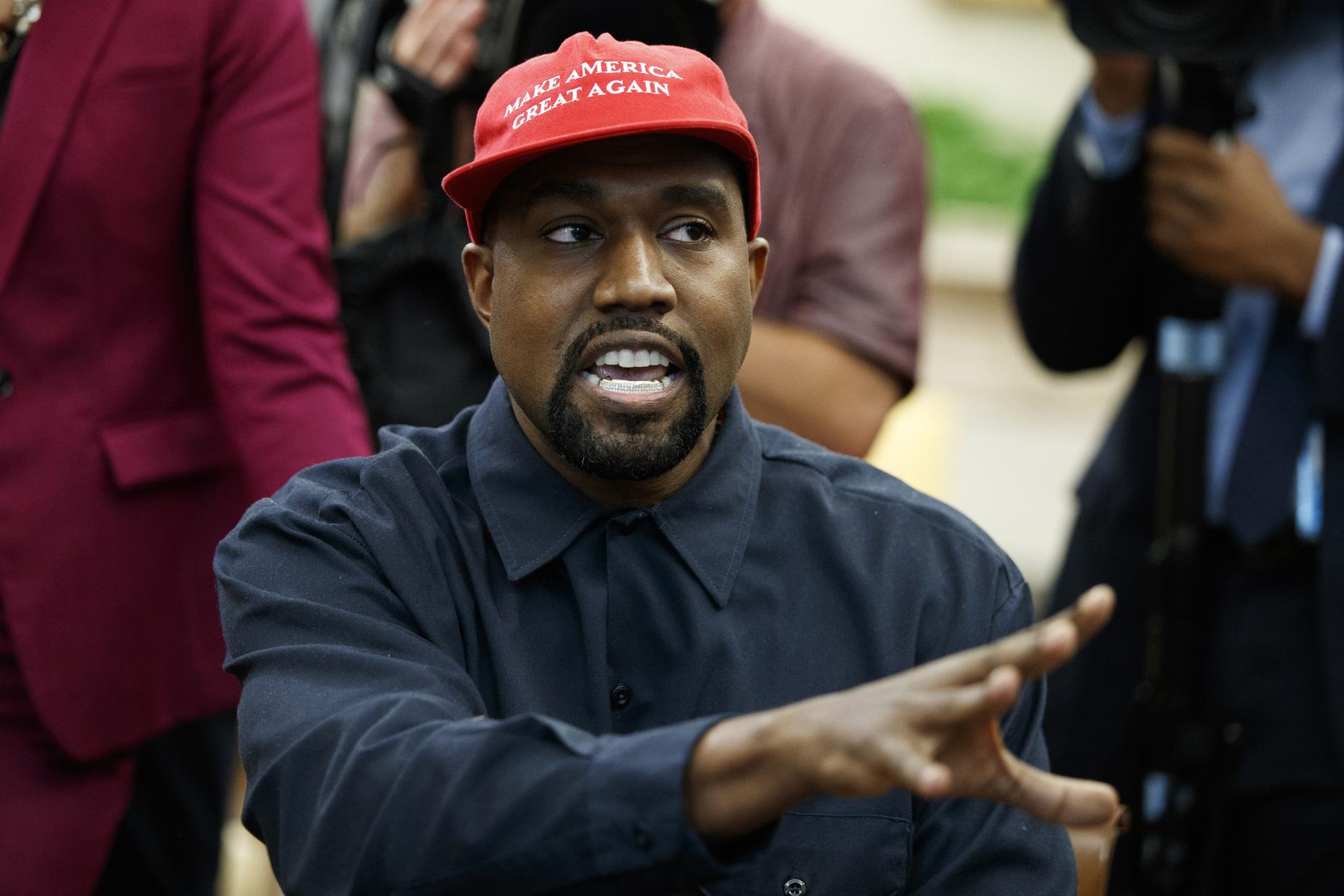
Dec 1, 2022
Brooke and Brian Lehrer Interview Each Other
This week, we’re sharing a chat Brooke had with her longtime colleague Brian Lehrer for Interview Magazine. Brian hosts his inimitably thoughtful daily talk show for WNYC, where he rallies a community of callers and experts to talk about the issues they care about most. But you may not know that Brian was once the first ever host of this very show. In this conversation, Brooke and Brian discuss how they made their ways into public radio, parasocial relationships, and the difference between accuracy and objectivity. This conversation appears in full on Interview Magazine's website, with the headline "Brian Lehrer Points the Mic at Brooke Gladstone." On the Media is supported by listeners like you. Support OTM by donating today ( https://pledge.wnyc.org/support/otm ). Follow our show on Instagram , Twitter and Facebook @onthemedia, and share your thoughts with us by emailing onthemedia@wnyc.org.
Nov 29, 2022
The Divided Dial: Episode 3 - The Liberal Bias Boogeyman
How did the right get their vice grip of the airwaves, all the while arguing that they were being silenced and censored by a liberal media? In this episode we look at the early history of American radio to reveal that censorship of far-right and progressive voices alike was once common on radio. And we learn how, in the post-war and Civil Rights period, the US government encouraged more diverse viewpoints on the airwaves — until it didn’t. The Divided Dial is hosted by journalist and Fulbright Fellow Katie Thornton. Her written articles and audio stories have appeared in The Atlantic, 99% Invisible, The Washington Post, BBC, NPR, WNYC, Minnesota Public Radio, The Guardian, Bloomberg’s CityLab, National Geographic, and others. She is a lifelong radio nerd who got her start in media as a teenager, volunteering and working behind the scenes at radio stations for many years. You can follow her work on Instagram or on her website . The Divided Dial was edited by On the Media's executive producer, Katya Rogers. With production support from Max Balton and fact-checking by Tom Colligan, Sona Avakian, and Graham Hacia. Music and sound design by Jared Paul. Jennifer Munson is our technical director. Art by Michael Brennan . Special thanks this episode to Tianyi Wang. With support from the Fund for Investigative Journalism . On the Media is supported by listeners like you. Support OTM by donating today ( https://pledge.wnyc.org/support/otm ). Follow our show on Instagram , Twitter and Facebook @onthemedia, and share your thoughts with us by emailing onthemedia@wnyc.org.
Nov 25, 2022
Bark and Bite
Conspiracy theories and disinformation have found a home on right-wing talk radio, where falsehoods often escape scrutiny from regulators and fact-checkers. On this week’s On the Media, hear how one Christian radio network grew a gargantuan audience and served up the Big Lie. Plus, a look at how the rise in LGBTQ hate online is connected to the deadly shooting in Colorado. 1. Jo Yurcaba [ @JoYurcaba ], a journalist focused on LGBTQ+ issues for NBC News, on how anti-trans rhetoric contributed to increasing fears in the queer community in the days leading up to the shooting in Colorado Springs. Plus, Sophie Bjork-James [ @sbjorkjames ], Assistant Professor of Anthropology at Vanderbilt University, on the impact of religious fundamentalism in supporting ant-LGBTQ+ talking points. Listen . 2. Journalist Katie Thornton, host of "The Divided Dial," on the how right-wing talk radio embraced election lies. Part 1 & Part 2 . On the Media is supported by listeners like you. Support OTM by donating today ( https://pledge.wnyc.org/support/otm ). Follow our show on Instagram , Twitter and Facebook @onthemedia, and share your thoughts with us by emailing onthemedia@wnyc.org.
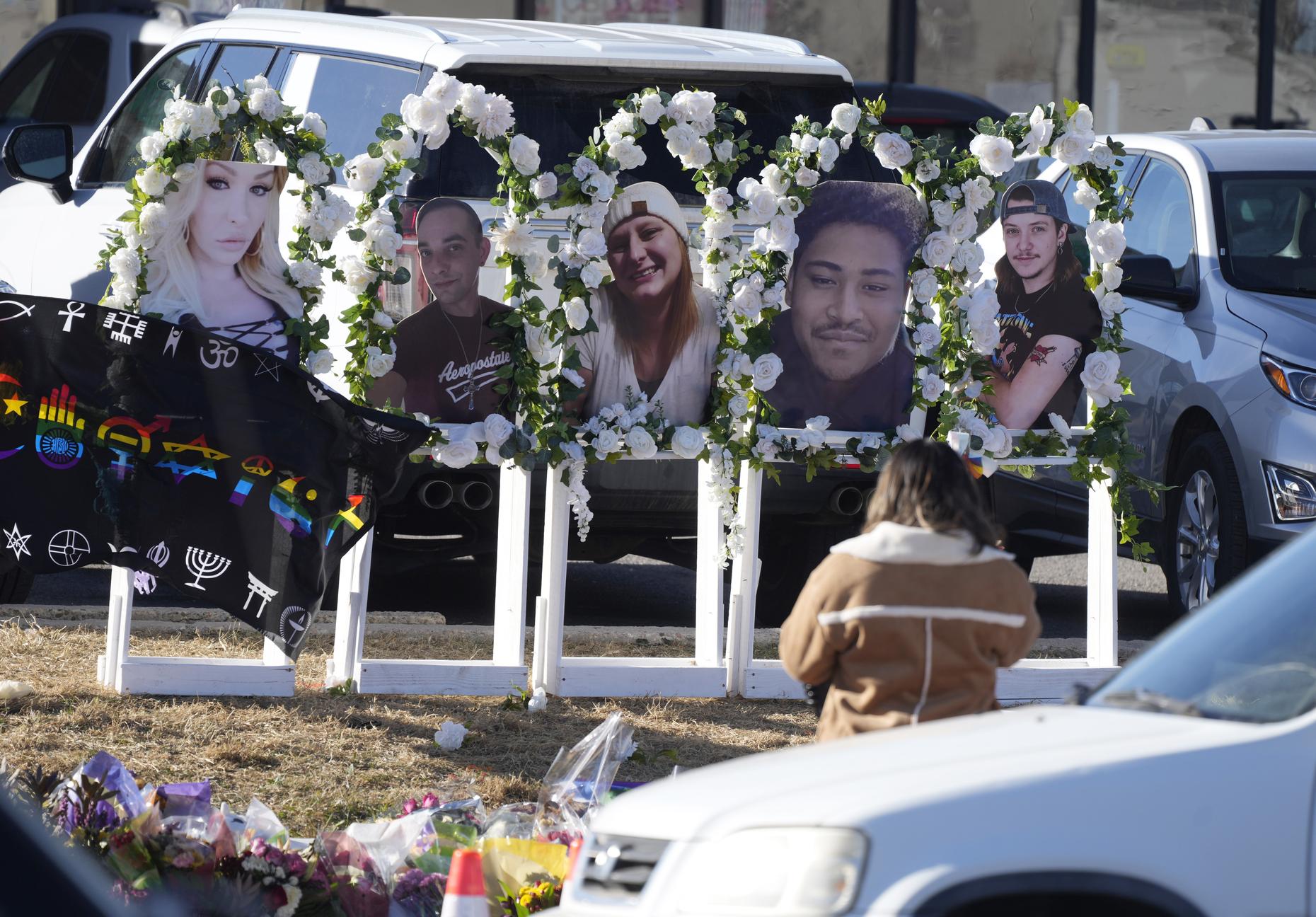
Nov 23, 2022
11/22/63
In television's younger days, going live was extremely difficult, costly and rare. But in November of 1963 a monumental tragedy made live coverage essential, no matter the cost, whenever a president left the White House. WNYC’s Sara Fishko recollects those dreadful days in November when everyone was paralyzed in front of the small screen. On the Media is supported by listeners like you. Support OTM by donating today ( https://pledge.wnyc.org/support/otm ). Follow our show on Instagram , Twitter and Facebook @onthemedia, and share your thoughts with us by emailing onthemedia@wnyc.org.

Nov 21, 2022
The Divided Dial: Episode 2 - From Pulpit to Politics
Episode 2: From Pulpit to Politics How did the little-known Salem Media Group come to have an outsized political influence? In this episode we trace the company’s rise to power from its scrappy start in the 1970s to the present day — a growth that paralleled and eventually became inextricable from the growth of the Religious Right. We learn that Salem is tightly networked with right wing political strategists, pollsters, big donors, far right leaders and Republican party mainstays thanks to their involvement with the Council for National Policy — a secretive group of Evangelical and conservative leaders. For decades, the CNP has been working behind the scenes to get a specific, highly influential subset of voters to act. And Salem has been a megaphone for their cause. The Divided Dial is hosted by journalist and Fulbright Fellow Katie Thornton. Her written articles and audio stories have appeared in The Atlantic, 99% Invisible, The Washington Post, BBC, NPR, WNYC, Minnesota Public Radio, The Guardian, Bloomberg’s CityLab, National Geographic, and others. She is a lifelong radio nerd who got her start in media as a teenager, volunteering and working behind the scenes at radio stations for many years. You can follow her work on Instagram or on her website . The Divided Dial was edited by On the Media's executive producer, Katya Rogers. With production support from Max Balton and fact-checking by Tom Colligan, Sona Avakian, and Graham Hacia. Music and sound design by Jared Paul. Jennifer Munson is our technical director. Art by Michael Brennan . With support from the Fund for Investigative Journalism . On the Media is supported by listeners like you. Support OTM by donating today ( https://pledge.wnyc.org/support/otm ). Follow our show on Instagram , Twitter and Facebook @onthemedia, and share your thoughts with us by emailing onthemedia@wnyc.org.
Nov 18, 2022
Flipping The Bird
Since Elon Musk took over Twitter, there has been nothing short of crisis — leading to massive layoffs and lost advertisers. On this week’s On the Media, what this chaos means for activists worldwide who used the platform as a public square. Plus, how political predictions distort coverage of elections. 1. James Fallows [ @JamesFallows ], writer of the “ Breaking the News ” newsletter on Substack, on the political press' obsession with telling the future and the narratives that have a chokehold on elections coverage. Listen . 2. Zoë Schiffer [ @ZoeSchiffer ], Managing Editor of Platformer, on the mass exodus of employees from one of the world's most significant social media sites. Listen . 3. Avi Asher-Schapiro [ @AASchapiro ], tech reporter for the Thomson Reuters Foundation, on the impact of Musk's leadership on Twitter users around the world. Listen . 4. Clive Thompson [ @pomeranian99 ], journalist and author of Coders: The Making of a New Tribe and the Remaking of the World , on the website many are fleeing to amid chaos at Twitter. Listen . On the Media is supported by listeners like you. Support OTM by donating today ( https://pledge.wnyc.org/support/otm ). Follow our show on Instagram , Twitter and Facebook @onthemedia, and share your thoughts with us by emailing onthemedia@wnyc.org.
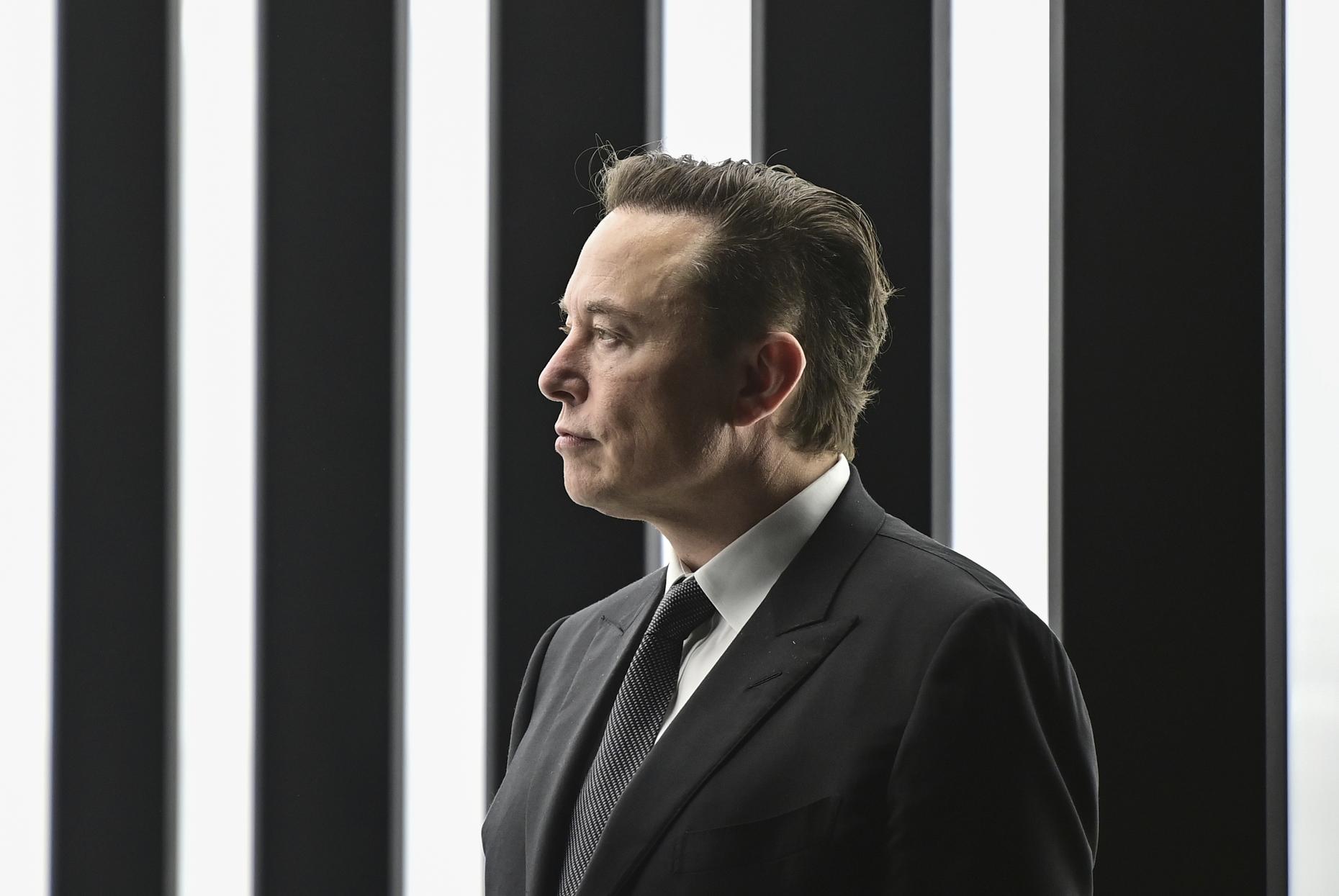
Nov 16, 2022
Mastodon: The Platform Taking Twitter's Worn and Weary
In the wake of the five alarm fire at Twitter, a small, quiet social media alternative has been quietly attracting the tweeting weary. Mastodon, named for the prehistoric elephant relatives, was o riginally created by a German programmer named Eugen Rochko i n 2016. And even though it shares similarities to its blue bird peer, the two platforms possess many differences. For one, Mastodon is organized by groups called "servers" or "instances," there's no universal experience like on Twitter. It's also completely decentralized — each server is run by individuals or small groups — with no overseeing company. But is it here to stay? This week, Brooke sits down with Clive Thompson , a tech j ournalist and author of the book Coders: The Making of a New Tribe and the Remaking of the World , to talk about why people like Mastodon, who it's for, and why we should watch its latest evolution. You can find Clive Thompson on Mastodon at @clive@saturation.social and OTM by searching @onthemedia@journa.host. On the Media is supported by listeners like you. Support OTM by donating today ( https://pledge.wnyc.org/support/otm ). Follow our show on Instagram , Twitter and Facebook @onthemedia, and share your thoughts with us by emailing onthemedia@wnyc.org.
Nov 15, 2022
The Divided Dial: Episode 1 - The True Believers
Episode 1: The True Believers In 2016, Christian talk radio host Eric Metaxas begrudgingly encouraged his listeners to vote for then-presidential candidate Donald Trump. By 2020, he pledged his life to fighting the “stolen election” while talking with Trump on the air. Ahead of the midterm elections, Metaxas and many of his fellow talk radio hosts made sure the falsehood of massive 2020 election fraud was top of mind — on the airwaves and beyond. And while election-denying candidates didn't do as well as many on the right had hoped, at least 170 such candidates have been elected to state and national offices, some of whom will be in charge of future elections. We meet the company whose hosts never backed down from the lies of the stolen 2020 election: Salem Media Group, the largest Christian, conservative multimedia company in the country – and perhaps the most influential media company you’ve never heard of. The Divided Dial is hosted by journalist and Fulbright Fellow Katie Thornton. Her written articles and audio stories have appeared in The Atlantic, 99% Invisible, The Washington Post, BBC, NPR, WNYC, Minnesota Public Radio, The Guardian, Bloomberg’s CityLab, National Geographic, and others. She is a lifelong radio nerd who got her start in media as a teenager, volunteering and working behind the scenes at radio stations for many years. You can follow her work on Instagram or on her website . The Divided Dial was edited by On the Media's executive producer, Katya Rogers. With production support from Max Balton and fact-checking by Tom Colligan, Sona Avakian, and Graham Hacia. Music and sound design by Jared Paul. Jennifer Munson is our technical director. Art by Michael Brennan . With support from the Fund for Investigative Journalism . On the Media is supported by listeners like you. Support OTM by donating today ( https://pledge.wnyc.org/support/otm ). Follow our show on Instagram , Twitter and Facebook @onthemedia, and share your thoughts with us by emailing onthemedia@wnyc.org.
Nov 11, 2022
Infinite Scroll
Across the county, librarians are fighting to keep libraries open and books on the shelves. On this week’s show, hear what the American Library Association is doing to stand up to unprecedented challenges, and what a suit against the Internet Archive could mean for the future of e-books. Plus, how the legend of the ancient Library of Alexandria continues to inspire utopian projects today. 1. Emily Drabinski [ @edrabinski ], incoming President of the American Library Association, on the greatest threats to libraries today, and how to fight them. Listen . 2. Nitish Pahwa [ @pahwa_nitish ], web editor at Slate, on how a lawsuit against the Internet Archive could affect how libraries lend out e-books for good. Listen . 2. Molly Schwartz [ @mollyfication ], OTM producer, takes us inside the quest for a "universal library," from the Library of Alexandria to today. Listen . On the Media is supported by listeners like you. Support OTM by donating today ( https://pledge.wnyc.org/support/otm ). Follow our show on Instagram , Twitter and Facebook @onthemedia, and share your thoughts with us by emailing onthemedia@wnyc.org.
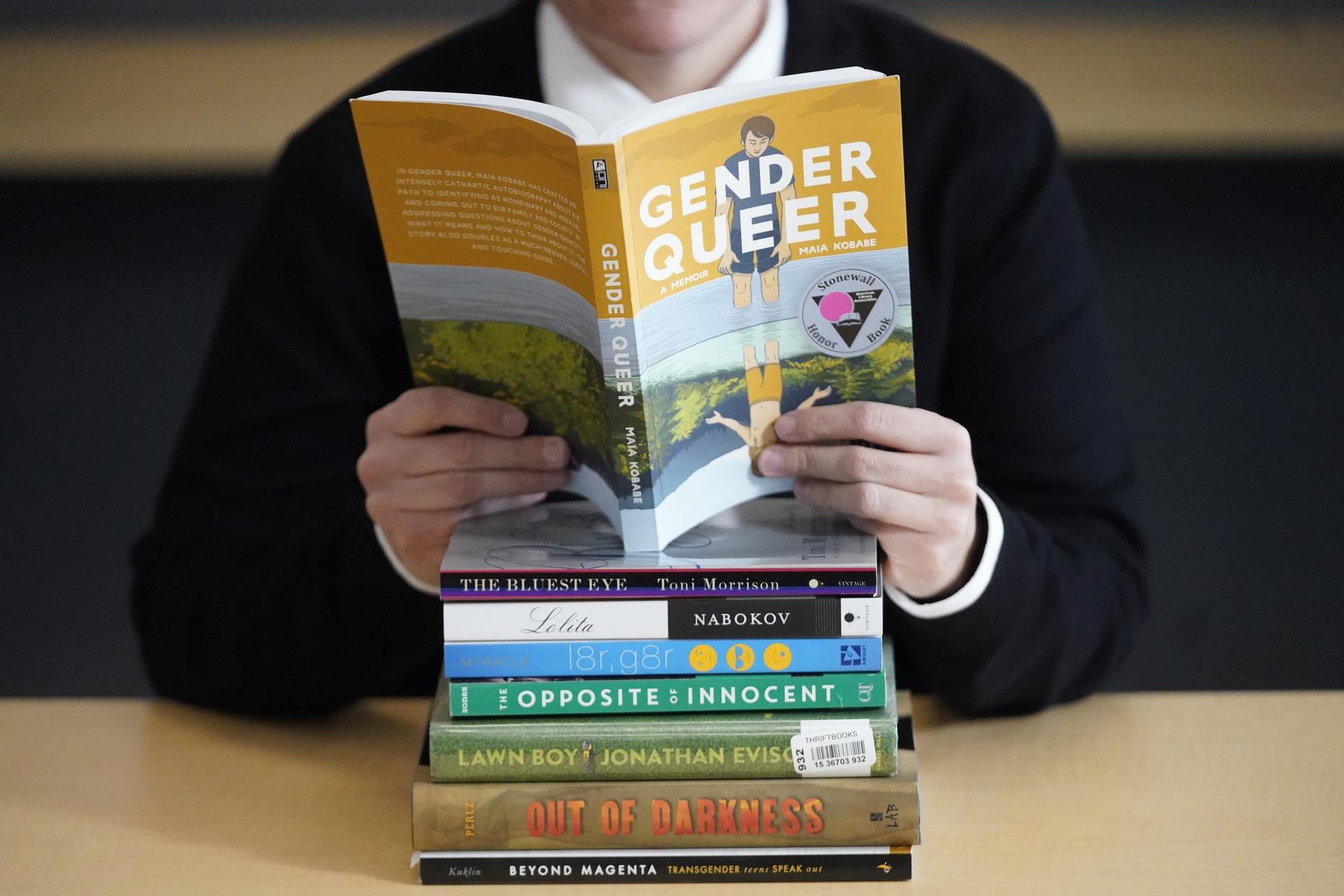
Nov 9, 2022
Re-Sorting the Shelves: A Look at Bias In the Dewey Decimal System
Jess deCourcy Hinds is the solo librarian at the Bard High School, Early College library in Queens, New York. In 2010, she received a new order of books about the civil rights movement, but Hinds noticed something strange: all of the books had Dewey Decimal numbers in the 300s, meaning they were supposed to be shelved in the social sciences section. She thought that some of the books belonged in the 900s, the history section. Like books on President Obama. Because texts about the 44th President were classified as social science, he would be separated from all the other books about U.S. presidents in her library. It seemed like part of a trend. "When it came to the LGBTQ books, and the women's history books, and books on immigrant history, all of those were in the 300s as well," says Hinds. So she and her students decided to rebel, to put books about President Obama into the history section: "we just started moving them." The Dewey Decimal Classification System is a method that dates back to 1876 and is used by most libraries around the world. The second most popular system, the Library of Congress Classification System, was published in the early 1900s and based on the organization of Thomas Jefferson's personal library. These systems help patrons find books on the shelves and facilitate resource-sharing between libraries. But they also encode bias into the structure of libraries. To understand what that means for our current collections, On the Media producer Molly Schwartz spoke with Wayne A. Wiegand , a library historian and author of Irrepressible Reformer: A Biography of Melvil Dewey , Caroline Saccucci , former Dewey Program Manager at the Library of Congress, Emily Drabinski interim chief librarian of the Mina Rees Library at CUNY, and Dartmouth librarian Jill Baron from the documentary Change the Subject . This segment originally aired in our September 3, 2021 program, Organizing Chaos . On the Media is supported by listeners like you. Support OTM by donating today ( https://pledge.wnyc.org/support/otm ). Follow our show on Instagram , Twitter and Facebook @onthemedia, and share your thoughts with us by emailing onthemedia@wnyc.org.

Nov 4, 2022
Free and Fair
As the midterms approach, conspiracy theories about election fraud are shaping some races. On this week’s On the Media, a deep dive into the impact of the Big Lie on local elections, and the people who run them. Plus, how misinformation about the attack on Paul Pelosi spread like wildfire. 1. Angelo Carusone [ @GoAngelo ], President and CEO of Media Matters, on how conspiracy theories around the attack on Paul Pelosi spread all the way up to Fox News. Listen . 2. OTM Correspondent Micah Loewinger[ @MicahLoewinger ] traveled to Georgia to speak to activists who are challenging peoples' right to vote, those who've been challenged, and election workers caught in the crosshairs of conspiracy theories about election fraud in Georgia. Listen . 3. OTM correspondent Micah Loewinger [ @MicahLoewinger ] traveled to Georgia to talk with Anne Dover, a Republican in charge of elections in one of Atlanta's most conservative areas, about how her role has changed since the rise of the Big Lie, and what she's doing to stand up to it. Listen . On the Media is supported by listeners like you. Support OTM by donating today ( https://pledge.wnyc.org/support/otm ). Follow our show on Instagram , Twitter and Facebook @onthemedia, and share your thoughts with us by emailing onthemedia@wnyc.org.
Nov 2, 2022
Inside the Sunken Place: A Conversation with Betty Gabriel
When Jordan Peele’s horror film Get Out hit theaters in 2017, it became an unexpected blockbuster and cultural phenomenon. The movie follows a black man named Chris, played by Daniel Kaluuya, who goes to visit his white girlfriend’s family in the country. Shortly after arriving, Chris starts to notice that something seems off and the other black people he encounters act... strangely. Slowly it’s revealed that Chris’ girlfriend, Rose Armitage, played by Allison Williams, and her family are a part of a cult that hijacks black people’s bodies and transplants the brains of their white members inside them. Their victims are still conscious but trapped in "The Sunken Place,” alive but unable to change their fate. Betty Gabriel played Georgina the maid, whose body is possessed by the white matriarch of the Armitage family. Gabriel, in a sense, played two characters at once. This Halloween, OTM producer Rebecca Clark-Callender did a deep dive on the history of Black horror movies , and sat down with Gabriel to ask about how she prepared to play a woman possessed. F or this midweek podcast we’re bringing you an extended cut of their conversation. On the Media is supported by listeners like you. Support OTM by donating today ( https://pledge.wnyc.org/support/otm ). Follow our show on Instagram , Twitter and Facebook @onthemedia, and share your thoughts with us by emailing onthemedia@wnyc.org.
Oct 28, 2022
Fear Itself
With early midterm voting underway, Fox News has been increasing crime coverage to drive voters to the polls. On this week’s On the Media, a look at the ways fear impacts our minds and bodies, both on and off screen. Plus, how filmmakers like Jordan Peele have inspired a renaissance of the Black Horror genre. 1. Philip Bump [ @pbump ], national correspondent at The Washington Post, on what Fox News' focus on crime can tell us about the Republican party's midterm strategy. Listen . 2. Nina Nesseth [ @cestmabiologie ], science writer and author of "Nightmare Fuel: The Science of Horror Films," on the neuroscience behind horror films. Listen . 3. OTM producer Rebecca Clark-Callender [ @Rebecca_CC_ ] takes a deep dive into the history of Black horror to see what it is and who it is for, featuring: Robin R. Means Coleman , Ida B. Wells and Ferdinand Barnett Professor of Communication Studies at Northwestern University and author of Horror Noire: A History of Black American Horror from the 1890s to Present; Tananarive Due , an author, screenwriter, and lecturer on Afrofuturism and Black Horror at University of California, Los Angeles; Rusty Cundieff , writer and director of Tales from the Hood (1995); and Betty Gabriel, actor widely known for her acclaimed performance as "Georgina" in Jordan Peele's blockbuster Get Out (2017). Listen . On the Media is supported by listeners like you. Support OTM by donating today ( https://pledge.wnyc.org/support/otm ). Follow our show on Instagram , Twitter and Facebook @onthemedia, and share your thoughts with us by emailing onthemedia@wnyc.org.
Oct 27, 2022
The Digital Divide
An investigation by nonprofit newsroom The Markup found that four internet providers disproportionately offered lower-income and least-White neighborhoods slow internet service for the same price as speedy connections they offered in other areas. According to Leon Yin , Investigative Data Journalist at The Markup, homes in historically redlined areas were offered internet speeds so slow, the FCC doesn’t consider it to be broadband. This week, guest host Micah Loewinger asks Yin how he trawled through more than 800,000 internet service offers with his team to arrive at his findings, and what's at stake. (Responses from the internet providers that Yin surveyed can be found in The Markup article, here .) On the Media is supported by listeners like you. Support OTM by donating today ( https://pledge.wnyc.org/support/otm ). Follow our show on Instagram , Twitter and Facebook @onthemedia, and share your thoughts with us by emailing onthemedia@wnyc.org.
Oct 21, 2022
The F Word (Rebroadcast)
Early in the pandemic, weight was named a risk factor for severe covid-19. But what if the greater risk is poor medical treatment for fat people? This week, On the Media dives into the fictions, feelings, and fraught history of fat. Including how sugar and the slave trade laid the groundwork for American beauty standards. 1. Dr. Yoni Freedhoff [ @YoniFreedhoff ], Associate Professor of Family Medicine at University of Ottawa, on what we do and don't know about the relation of weight and the severity of a Covid infection. Listen . 2. Katherine Flegal [ @CeriseFlegal ], epidemiologist and former senior scientist at the Centers For Disease Control, on our flawed understanding of the data around weight and death, and Katie Lebesco [ @KatieLeBesco ], researcher focusing on food, pop culture, and fat activism, on why the "obesity epidemic" is a moral panic hiding behind a thin veil of scientific language. Listen . 3. Sabrina Strings [ @SaStrings ], sociologist at the University of California, Irvine , on how European attitudes about fat dramatically changed in the 18th century. and set the standards Americans still see today. Listen . Music in this Week's Show: Slim Jenkins Place - Booker T and the MGs Eye Surgery- Thomas Newman String Quartet No. 5 (Phillip Glass) - Kronos Quartet Disfarmer - Bill Frisell Lost, Night - Bill Frisell In the Bath - Randy Newman The De Lessup’s Dance - Gavin Wright Breakaway - Regina Carter On the Media is supported by listeners like you. Support OTM by donating today ( https://pledge.wnyc.org/support/otm ). Follow our show on Instagram , Twitter and Facebook @onthemedia, and share your thoughts with us by emailing onthemedia@wnyc.org.
Oct 19, 2022
SPECIAL OFFER! ONLY 50 LEFT!!!
What counts as media? For us, its any medium through which we express ourselves — whether from one to one, from one to many, or just from one... to one’s own self. We can do it with our style. Our hair. Even our glasses. They're choices that express not just our aesthetics, but our politics, too. It was the idea of Poppy King , lipstick designer extraordinaire, whose Frog Prince lipstick was listed by Elle Australia as one of the most iconic lipstick shades of all time. King's a devoted listener, so, in collaboration with the show, she designed a special lipstick. It's called Well Red and she offered a batch of them to us as a donation so that we can pass them on to you. We are offering these very special lipsticks to you for a donation of $12 a month or $144 for a year's worth of support for this show. Go to onthemedia.org/donate or text lipstick to 70101. Thank you so much! PS here's a video we made of all of us trying it on On the Media is supported by listeners like you. Support OTM by donating today ( https://pledge.wnyc.org/support/otm ). Follow our show on Instagram , Twitter and Facebook @onthemedia, and share your thoughts with us by emailing onthemedia@wnyc.org.
Oct 14, 2022
At What Cost?
A jury recently ordered Alex Jones to pay nearly one billion dollars to the families of the victims of the Sandy Hook shooting. On this week’s On the Media, a former Alex Jones staffer struggles with the damage his participation wrought. Plus, does social media really turn nice people into trolls? 1. Elizabeth Williamson [ @NYTLiz ], features writer for The New York Times, on the Sandy Hook defamation trials against Alex Jones and what the trials taught us about the spread of misinformation . Listen . 2. Josh Owens [ @JoshuaHOwens ], a former InfoWars employee, on what can be done to help people who have become consumed by conspiracy theories. Listen . 3. Michael Bang Petersen [ @M_B_Petersen ], political science professor at Aarhus University, on the difference (or lack thereof) between on and offline behaviors, and how social media might not be affecting us in the ways we think. Listen . Music: The Artifact and Living by Michael Andrews Cellar Door by Michael Andrews Boy Moves the Sun by Michael Andrews Exit Music (For A Film) by Brad Mehldau Trio Eye Surgery by Thomas Newman Hammer of Los by John Zorn On the Media is supported by listeners like you. Support OTM by donating today ( https://pledge.wnyc.org/support/otm ). Follow our show on Instagram , Twitter and Facebook @onthemedia, and share your thoughts with us by emailing onthemedia@wnyc.org.
Oct 12, 2022
The Heartbeat of Wounded Knee
Monday was Indigenous People’s Day, renamed from Columbus day to honor the lives and history lost to centuries of colonization. Often the stories shared about the first people here are those of loss, like the Trail of Tears and the Massacre at Wounded Knee. This week, David Treuer, an Ojibwe professor of literature at the University of Southern California, offers a counter-narrative to this tragic account in his book, The Heartbeat of Wounded Knee: Native America From 1890 to the Present. On the Media is supported by listeners like you. Support OTM by donating today ( https://pledge.wnyc.org/support/otm ). Follow our show on Instagram , Twitter and Facebook @onthemedia, and share your thoughts with us by emailing onthemedia@wnyc.org.
Oct 7, 2022
So Sue Me
This week, two cases headed to the Supreme Court that could change the internet as we know it. On this week’s On the Media, a look at the legal gray areas of how news gets shared online . Plus, how one reporter’s prolific coverage of Trump earned her friends and enemies alike. 1. Daphne Keller [ @daphnek ], director of the Program on Platform Regulation at Stanford University's Cyber Policy Center, on how two new Supreme Court cases may reshape social media as we know it. Listen . 2. Lachlan Cartwright [ @LachCartwright ], editor at large at the Daily Beast, on the recent lawsuits plaguing Fox News, and how they reveal glimpses of a future news empire. Listen . 3. Maggie Haberman [ @maggieNYT ], senior political correspondent for the New York Times, on her extensive reporting on Donald Trump, and why it has inspired strong reactions in journalistic circles. Listen . 3. Dave Enrich [ @davidenrich ], the business investigations editor at The New York Times, on how Big Law attorneys can still fly under the media's radar. Listen . Music: Fallen Leaves by Marcos Ciscar Night Thoughts by John Zorn Solace by The Sting Main Title by Randy Newman Bubble Wrap by Thomas Newman Newsreel by Randy Newman Accentuate the Positive by Syd Dale Orchestra On the Media is supported by listeners like you. Support OTM by donating today ( https://pledge.wnyc.org/support/otm ). Follow our show on Instagram , Twitter and Facebook @onthemedia, and share your thoughts with us by emailing onthemedia@wnyc.org.
Sep 30, 2022
Still Loading...
Are the women-led protests in Iran powerful enough to force change when past attempts have failed? On this week’s On the Media, a look at the moments that ignite movements, both online and in the streets. Plus, how silly videos built one of the largest media companies in the world, and the story of how one Twitch streamer successfully took down an army of harassers. 1. Fatemeh Shams [ @ShazzShams ], poet and professor of Persian literature at the University of Pennsylvania, on how the recent wave of protests in Iran differs from previous movements . Listen. 2. Ben Collins [ @oneunderscore__ ], senior reporter for NBC, on how a famous Twitch streamer got an online forum taken down. Listen. 3. Mark Bergen [ @mhbergen ], journalist and author of Like, Comment, Subscribe: Inside YouTube’s Chaotic Rise to World Domination, on how YouTube transformed from a dating site to an essential part of society. Listen. On the Media is supported by listeners like you. Support OTM by donating today ( https://pledge.wnyc.org/support/otm ). Follow our show on Instagram , Twitter and Facebook @onthemedia, and share your thoughts with us by emailing onthemedia@wnyc.org.

Sep 28, 2022
In John Waters' Home (But Not In His Colon)
John Waters is the writer and director of such cult classics like Pink Flamingos , Serial Mom , and his biggest mainstream success, Hairspray . He’s been making movies since the 1960s and this year he released his debut novel, Liarmouth: A Feel Bad Romance . The novel is an incredibly dirty romp filled with the kind of taboo storytelling that John Waters revels in. In his work, he shines a light on the worst of us but rarely to ridicule, more as a reminder of how gloriously sinful we can be, as we discussed when I spoke with him in his Manhattan home. His interest in the carnal, though, has its limits. “When I got a colonoscopy, they said, do you wanna watch? No!” he told us. “Why do I wanna go on a fantastic voyage up my a–hole?” We also talked about money management, aging, and his secret to maintaining his many long friendships. “I do stay in touch and if anything bad happens to you, I call. If you get a bad review, I call. If you go to jail, I definitely am your first visit,” he laughed. “I never don't come visit you if you're in jail.” On the Media is supported by listeners like you. Support OTM by donating today ( https://pledge.wnyc.org/support/otm ). Follow our show on Instagram , Twitter and Facebook @onthemedia, and share your thoughts with us by emailing onthemedia@wnyc.org.
Sep 23, 2022
Case Closed?
Adnan Syed, the subject of the hit podcast Serial , left prison this week after serving two decades for a murder conviction. On this week’s On the Media, Brooke speaks to the friend whose call to the podcast producers started the chain of events that ended this week with Syed's release. Plus, how Ron DeSantis’ decision to fly migrants to Martha’s Vineyard was a made-for-Fox News event. 1. Philip Bump [ @pbump ], national correspondent The Washington Post, on the manipulative plan for 48 Venuzulean migrants sent to Martha’s Vineyard. Listen. 2. Rabia Chaudry [ @rabiasquared ], attorney and friend of Adnan Syed, on Syed's recent release and what was left out of his story on Serial. Listen. On the Media is supported by listeners like you. Support OTM by donating today ( https://pledge.wnyc.org/support/otm ). Follow our show on Instagram , Twitter and Facebook @onthemedia, and share your thoughts with us by emailing onthemedia@wnyc.org.
Sep 21, 2022
No. The Medieval Times Were Not All Game of Thrones
Today, when we encounter the medieval world it’s mostly a dark time. Un -enlightened by reason, but also literally gl o omy – all bare stone and grey skies. We know it as a brutal time, dominated by white men with steeds and swords, or drenched in blood by marauding Vikings. But in their new book, The Bright Ages: A New History of Medieval Europe , historians Matthew Gabriele and David M. Perry trace the harm of the myths of the “D ark Ages,” and illuminate the medieval stories that have mostly escaped our modern gaze. This is a segment from our January 14th, 2022 program A Question of War . On the Media is supported by listeners like you. Support OTM by donating today ( https://pledge.wnyc.org/support/otm ). Follow our show on Instagram , Twitter and Facebook @onthemedia, and share your thoughts with us by emailing onthemedia@wnyc.org.
Sep 16, 2022
The Fine Print
The federal court is hearing a case that could change the publishing industry as we know it. On this week’s show, hear what readers will lose if conglomerates further monopolize the market. Plus , print sales far exceed expectations — it turns out readers do not want to curl up with a good ebook. 1. Alexandra Alter [ @xanalter ], reporter at the New York Times, on how the booming publishing industry is wrestling with supply chain nightmares and more to meet reader demand. Listen . 2. Katy Waldman [ @xwaldie ], writer at The New Yorker, explains what's at stake in the DOJ v. Penguin Random House case. Listen . 3. Margot Boyer-Dry [ @M_BigDeal ] , freelance culture writer, on why book covers are looking more and more similar, blobs and all. Listen . 4. John B. Thompson, Professor of Sociology at the University of Cambridge, on how Amazon changed the book market for good, and why the appeal of the print book persists. Listen . Music in this week's show: Paperback Writer - Quartetto d’Archi Dell'Orchestra Sinfonica di Milano Guiseppe Verdi Tymperturbably Blue - Duke Ellington I Could Write A Book - Miles Davis Tateh’s Picture Book - Randy Newman My Baby Loves A Bunch of Authors - Moxy Fruvous On the Media is supported by listeners like you. Support OTM by donating today ( https://pledge.wnyc.org/support/otm ). Follow our show on Instagram , Twitter and Facebook @onthemedia, and share your thoughts with us by emailing onthemedia@wnyc.org.
Sep 14, 2022
How a Russian Sleeper Agent Charmed Her Way Onto NATO's Social Scene
This week, Brooke talks to Christo Grozev , lead Russia investigator with Bellingcat, about how he uncovered the real identity of a Russian "sleeper" agent who went by the name Maria Adela . Grozev tells Brooke about how rarely these kinds of spies are discovered, what made "Maria Adela" an unlikely spy and what kind of information she could have gathered on NATO. On the Media is supported by listeners like you. Support OTM by donating today ( https://pledge.wnyc.org/support/otm ). Follow our show on Instagram , Twitter and Facebook @onthemedia, and share your thoughts with us by emailing onthemedia@wnyc.org.

Sep 9, 2022
Lock Him Up?
As the government continues its investigation into classified documents found at former President Donald Trump’s home, a tough question has emerged. On this week’s On the Media, hear how democracies around the world have grappled with whether to prosecute a former leader. Plus, why new leadership at CNN is reigniting the debate over the place of objectivity in journalism. 1. James D. Long [ @prof_jameslong ], associate professor of political science at the University of Washington, on the consequences of modern democracies across the globe prosecuting — or choosing not to prosecute — their former leaders. Listen . 2. Rachel Donadio [ @RachelDonadio ], a journalist and contributing writer for The Atlantic , discusses what we can learn from Italy’s experience with trying Silvio Berlusconi for crimes relating to his business and personal life . Listen . 3. Yael Freidson [ @YaelFreidson ], the Legal and Jerusalem affairs correspondent for Haaretz, on Israel's struggle around prosecuting a sitting prime minister. Listen . 4. Rick Perlstein [ @rickperlstein ], a journalist and author of T he Invisible Bridge: The Fall of Nixon and the Rise of Reagan , explains the continuing impact of Gerald Ford's decision to pardon Richard Nixon for his crimes. Listen . 5. Jon Allsop [ @Jon_Allsop ], a freelance journalist and author of a daily newsletter for Columbia Journalism Review titled, The Media Today, on CNN's new leadership and the long-reigning debate over impartiality in political journalism . Listen . On the Media is supported by listeners like you. Support OTM by donating today ( https://pledge.wnyc.org/support/otm ). Follow our show on Instagram , Twitter and Facebook @onthemedia, and share your thoughts with us by emailing onthemedia@wnyc.org.
Sep 7, 2022
"Library With A Turret On Top"
This week saw the conclusion of the campaign to shut down one of the internet’s most toxic forums, Kiwi Farms. Twitch streamer Clara Sorrenti aka “ Keffals ” led the charge against the site after she was targeted by anonymous users of Kiwi Farms for being a trans woman and speaking out against anti-LGBTQ laws. Stalkers repeatedly doxxed her and her family members, and left them threatening voicemail messages. Harassment campaigns against trans people, journalists, influencers, activists, sex workers, all sorts of people, effectively became the site’s raison d'etre after it was founded in 2013. OTM correspondent Micah Loewinger spoke to NBC's Ben Collins about the life and death of Kiwi Farms . On the Media is supported by listeners like you. Support OTM by donating today ( https://pledge.wnyc.org/support/otm ). Follow our show on Instagram , Twitter and Facebook @onthemedia, and share your thoughts with us by emailing onthemedia@wnyc.org.

Sep 2, 2022
Ukraine's Fight
Six months into Russia’s invasion, Ukrainians are still fighting back on all fronts. On this week’s show, hear how Ukraine’s newest struggle is for our attention, and how Big Tech is letting Russian propaganda spread. Plus, the story of a Ukrainian gaming influencer who turned to video games and his internet community to survive the conflict. 1. Olga Tokariuk [ @olgatokariuk ], Ukrainian journalist, describes watching international attention on the war wane in real time, and its consequences. Listen . 2. Andrey Boborykin [ @mediaborscht ], Executive Director of Ukrainska Pravda, one of Ukraine's biggest independent outlets, speaks with Brooke about how big tech companies continue to platform Russian propaganda. Listen . 3. Micah Loewinger [ @MicahLoewinger ], OTM correspondent, on the Ukrainian Twitch streamer who used his virtual military skills and online community to get his family to safety when the invasion began (Part One). Listen . 4. Micah Loewinger revisits his reporting on Bobi, the Twitch streamer who escaped war in Ukraine, to learn what has happened since (Part Two). Listen . On the Media is supported by listeners like you. Support OTM by donating today ( https://pledge.wnyc.org/support/otm ). Follow our show on Instagram , Twitter and Facebook @onthemedia, and share your thoughts with us by emailing onthemedia@wnyc.org.
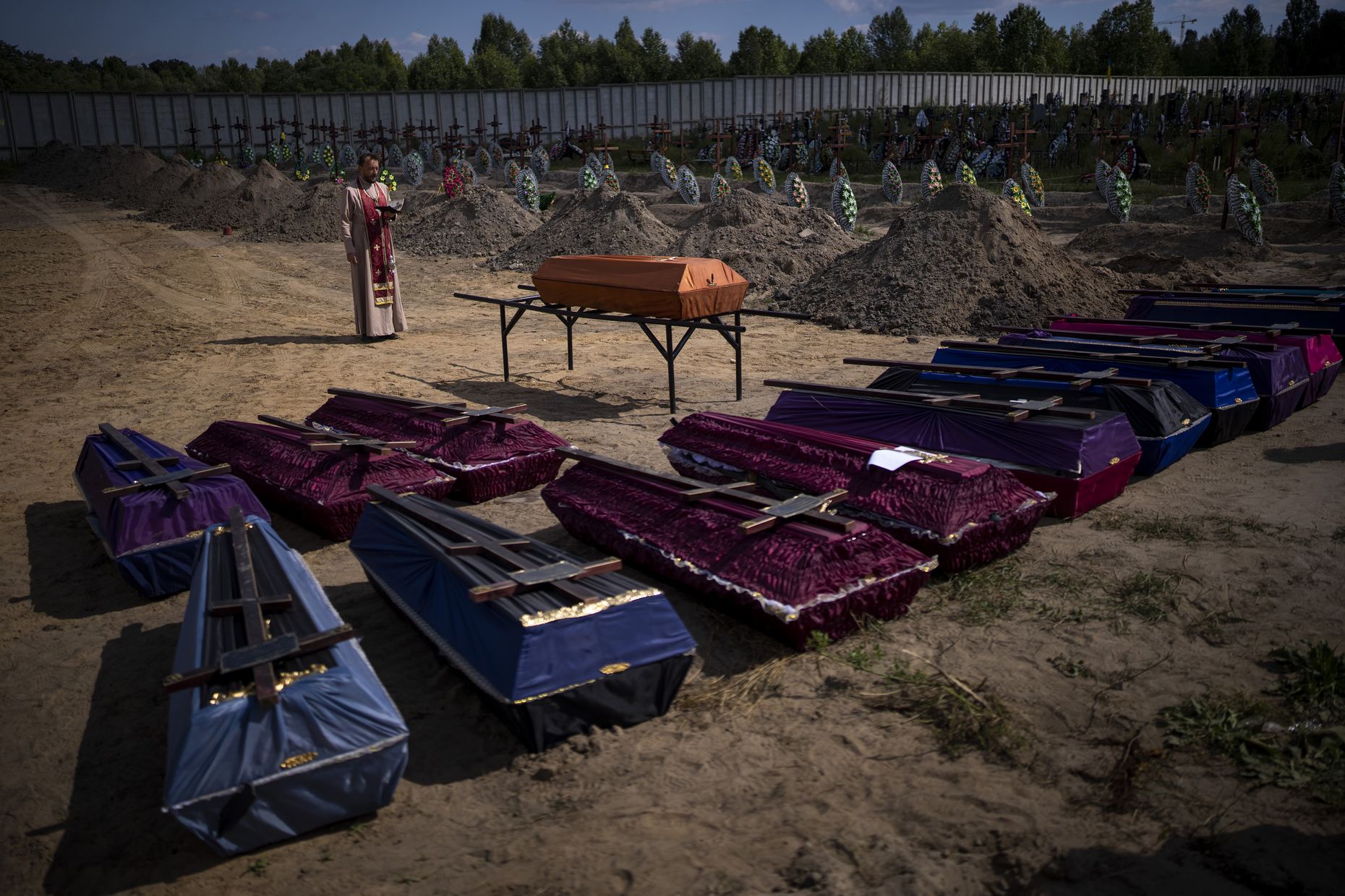
Sep 1, 2022
Big Tech vs. Ukraine's Local Media
For most of the 20th century, during which time it was the control of a Moscow-based government for nearly 70 years, Ukraine didn't have an independent press. Over the past two decades, an ecosystem of independent press has grown in Ukraine. This Ukrainian press corps has been tirelessly covered the Russia's invasion of Ukraine over the past six months. But even as their audiences grow, funding from advertising for their reporting has dried up as Ukraine's economy struggles. Ukrainian media have also been subject content bans on Facebook for "glorifying violence" as they report on the war. Andrey Boborykin, Executive Director of Ukrainska Pravda, one of Ukraine's biggest independent outlets, speaks with Brooke about the ongoing information war between Ukraine and Russia, how big tech companies continue to platform Russian propaganda, and what local Ukrainian media outlets are doing to keep their doors open. On the Media is supported by listeners like you. Support OTM by donating today ( https://pledge.wnyc.org/support/otm ). Follow our show on Instagram , Twitter and Facebook @onthemedia, and share your thoughts with us by emailing onthemedia@wnyc.org.
Aug 26, 2022
Russia's War
Six months after the Russian invasion of Ukraine, President Putin has rallied the Russian population around the brutal conflict. On this week’s On the Media, hear how the Kremlin’s crackdown on the press paved the way for war. Plus, a look inside the world of Russian propaganda, and how it influences people. 1. OTM Producer Molly Schwartz [ @mollyfication ] speaks with Alec Luhn [ @ASLuhn ] and Veronika Silchenko [ @NikaSilchenko ], freelance journalists for Vice, on reporting in Russia under repressive new laws. And Kirill Martynov [ @kmartynov ], Editor-in-Chief of Novaya Gazeta Europe, and Katerina Kotrikadze [ @katyakotrikadze ], news director and anchor at TV Rain, and Roman Dobrokhotov [ @Dobrokhotov ], Editor-in-Chief of The Insider, on working as Russian journalists-in-exile. Listen . 2. Thomas Rid [ @RidT ], author of the book Active Measures , on the the long ancestry of modern-day Russian info ops, and Francis Scarr [ @francis_scarr ], senior digital journalist at BBC Monitoring, on the false narratives that Russian state TV broadcasts about the war in Ukraine. Listen . 3. Anastasiia Carrier [ @carrierana22 ], freelance journalist, on growing up with Russian propaganda and unlearning the Kremlin's lies. Listen . Music: String Quartet No. 3 by Henryk Gorecki Exurgency by Zoe Keating We Insist by Zoe Keating The Artifact & Living by Michael Andrews I Got a Right to Sing the Blues by Billy Kyle Dance of the Sugar Plum Fairy by Pyotr Tchaikovsky The Hammer of Los - John Zorn Khovanshchina Overture (remix) Blackbird by Brad Mehldau On the Media is supported by listeners like you. Support OTM by donating today ( https://pledge.wnyc.org/support/otm ). Follow our show on Instagram , Twitter and Facebook @onthemedia, and share your thoughts with us by emailing onthemedia@wnyc.org.
Aug 24, 2022
Softening Expectations
This week OTM shares the third and final episode of Hard, a series about Viagra from our colleagues at Death, Sex & Money. In this episode we hear from Viagra users past and present whose ideas about sex have shifted—from being a goal-oriented pursuit to one that is much more about pleasure and acceptance. You can hear more from Death, Sex & Money here . On the Media is supported by listeners like you. Support OTM by donating today ( https://pledge.wnyc.org/support/otm ). Follow our show on Instagram , Twitter and Facebook @onthemedia, and share your thoughts with us by emailing onthemedia@wnyc.org.

Aug 19, 2022
We Are Family
When you hear the word “Neanderthal,” you probably picture a mindless, clumsy brute. It’s often used as an insult — even by our president, who last year called anti-maskers “Neanderthals.” But what if we have more in common with our ancestral cousins than we think? On this week’s On the Media, hear how these early humans have been unfairly maligned in science and in popular culture. 1. John Hawks [ @johnhawks ], professor of anthropology at the University of Wisconsin–Madison, on our biological family tree—and the complicated branch that is Neanderthals. Listen . 2. Rebecca Wragg Sykes [ @LeMoustier ], archeologist and author of Kindred: Neanderthal Life, Love, Death and Art, on and what we know about how they lived. Listen . 3. Clive Finlayson [ @CliveFinlayson ], Director, Chief Scientist, and Curator of the Gibraltar National Museum, on how studying what’s inside Gorham and Vanguard caves can help reconstruct Neanderthal life beyond them. Listen . 4. Angela Saini , science journalist, on how Neanderthals have been co-opted to push mythologies about the genetic basis of race. Listen . Music: Boy Moves the Sun by Michael Andrews Young Heart by Brad Mehldau Sacred Oracle by John Zorn Tomorrow Never Knows by Quartetto d’ Archi Di Dell’Orchestra di Milano Guiseppe Verdi Investigations by Kevin MacLeod On the Media is supported by listeners like you. Support OTM by donating today ( https://pledge.wnyc.org/support/otm ). Follow our show on Instagram , Twitter and Facebook @onthemedia, and share your thoughts with us by emailing onthemedia@wnyc.org.
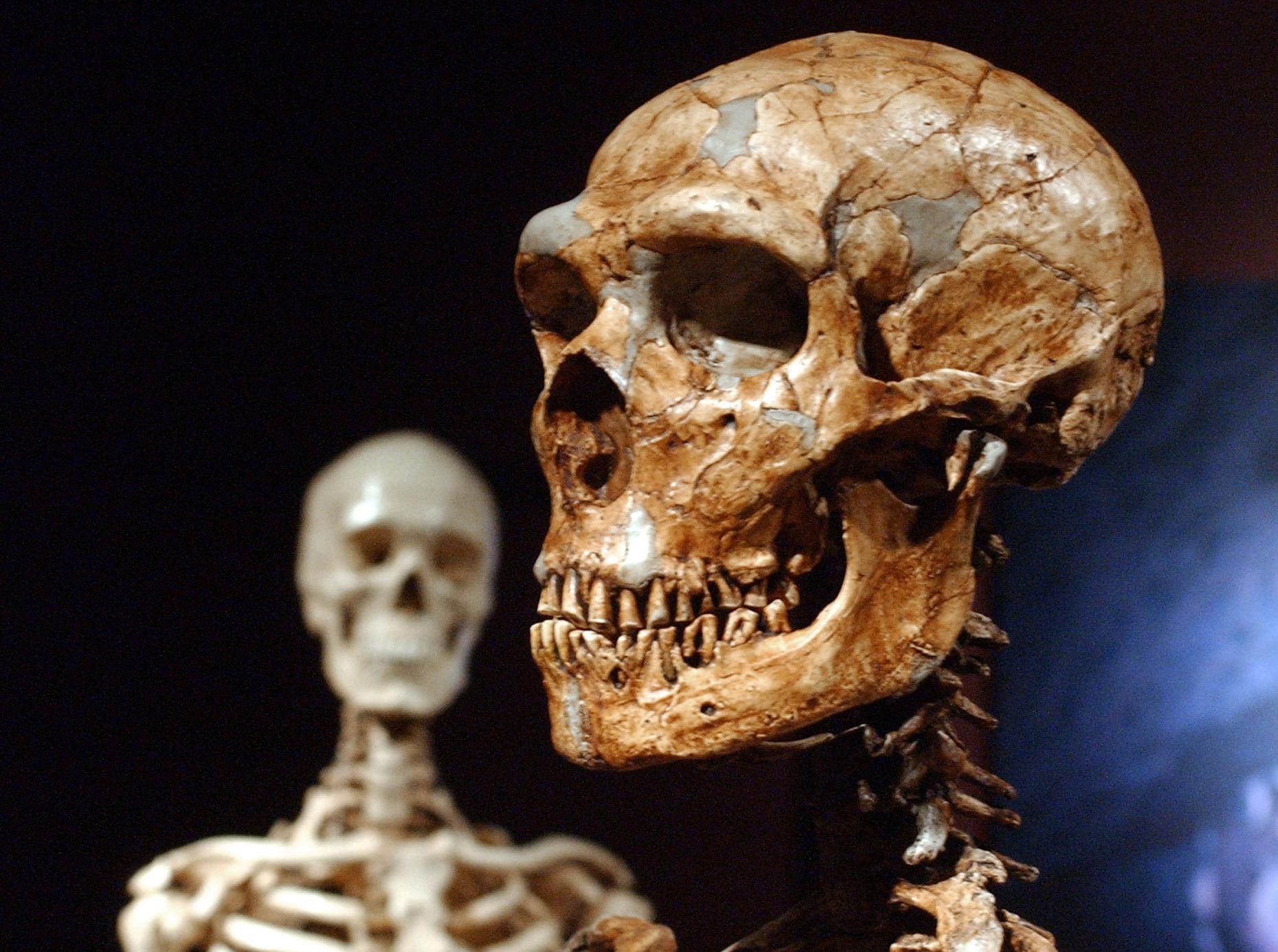
Aug 17, 2022
Little Pill, Big Pharma
This week OTM shares the second episode of the three-part series, Hard , produced by our WNYC colleagues at Death, Sex & Money. In this installment, the team dives into the scientific advancements that led to Viagra's FDA approval in 1998. From an unforgettable conference presentation...to an overnight drug study, where an unexpected side effect kept popping up. Also the intentionality around the early marketing of Viagra—when former Senate Majority Leader Bob Dole encouraged men to summon the bravery to talk to their doctors—and how that message has shifted over the years. You can hear more from Death, Sex & Money here . On the Media is supported by listeners like you. Support OTM by donating today ( https://pledge.wnyc.org/support/otm ). Follow our show on Instagram , Twitter and Facebook @onthemedia, and share your thoughts with us by emailing onthemedia@wnyc.org.
Aug 12, 2022
Reading the Room
An old threat has returned to classrooms across the country — and it’s made of pages and ink. On this week’s On the Media, hear what it means to ban a book, and who has the right to choose what kids learn. Plus, meet the student who took his school board all the way to the Supreme Court in the 80s. 1. Kelly Jensen, editor for Book Riot who writes a weekly update on “book censorship news,” on what it means to ban a book. Listen. 2. Jennifer Berkshire [ @BisforBerkshire ] and Jack Schneider [ @Edu_Historian ] , hosts of the education podcast “Have You Heard,” on the rights—both real and fictional—of parents to shape what their kids learn. Listen . 3. OTM reporter Micah Loewinger [ @MicahLoewinger ] takes a deep dive into our nations history of taking books off shelves, with the 1982 Supreme Court decision in Island Trees School District v Pico. Featuring: Steven Pico, then student and plaintiff in the case and Arthur Eisenberg, New York Civil Liberties lawyer, who represented him. Listen. Music: Tymperturbably Blue by Duke Ellington York Fusiliers by Douglas Monroe & Yorktown Fife and Drums Eye Surgery by Thomas Newman Viderunt Omnes by The Kronos Quartet On the Media is supported by listeners like you. Support OTM by donating today ( https://pledge.wnyc.org/support/otm ). Follow our show on Instagram , Twitter and Facebook @onthemedia, and share your thoughts with us by emailing onthemedia@wnyc.org.
Aug 10, 2022
Erectile Disappointment
In 1998, when Viagra was approved by the FDA, it suddenly opened up new sexual possibilities for people who had previously had none. The drug also sparked an earnest and very public conversation about erectile dysfunction — one that quickly veered toward late-night punchlines. And yet, despite the millions of prescriptions written during its nearly 25 years of existence, for some, Viagra did not prove to be the quick fix they had hoped for. T his month, OTM shares the first episode of a compelling 3-part series about the drug from our colleagues at Death, Sex & Money . You can hear more from Death, Sex & Money here . On the Media is supported by listeners like you. Support OTM by donating today ( https://pledge.wnyc.org/support/otm ). Follow our show on Instagram , Twitter and Facebook @onthemedia, and share your thoughts with us by emailing onthemedia@wnyc.org.

Aug 5, 2022
Handle with Care
A group of climate scientists warn that the potential for humanity's mass extinction has been dangerously underexplored. On this week’s On the Media, we hear how facing our planet’s fragility could inspire hope, instead of despair, and a physicist explains how creation stories are essential for understanding our place in the universe. Luke Kemp [ @LukaKemp ], a Research Associate at Cambridge’s Centre for the Study of Existential Risk, on a new study that says we need to put more attention on the possibility of human extinction and other climate catastrophes . Bryan Walsh [ @bryanrwalsh ], editor of Vox’s ‘Future Perfect,’ also explains why our brains have a hard time processing catastrophes like climate change. Listen . Charles Piller [ @cpiller ], investigative reporter for Science Magazine , on his six month investigation into how faulty images may invalidate groundbreaking advancements in Alzheimer's research. Listen . Guido Tonelli, a particle physicist at CERN, the European Organization for Nuclear Research, on the importance of creation myths, and what scientists can tell us about the fragility of the universe. Listen . On the Media is supported by listeners like you. Support OTM by donating today ( https://pledge.wnyc.org/support/otm ). Follow our show on Instagram , Twitter and Facebook @onthemedia, and share your thoughts with us by emailing onthemedia@wnyc.org.
Aug 4, 2022
Under The Table
This week’s podcast extra is about podcasts , but this story has its roots in the early days of rock 'n' roll. Alan Freed was a celebrity DJ on WINS in New York, famous for helping popularize the nascent genre through the 1950s. But, unbeknownst to his listeners, record promoters were secretly bribing Freed and other popular disc jockeys across the country for extra air time for their artists — in a rampant practice known as “payola,” which eventually caught the eye of regulators. In 1960, the Federal Communications Commission (FCC) outlawed payola, requiring broadcasters to disclose any payments received. However, members of the music industry would continue to blow the whistle on similar behavior in the decades that followed. According to Bloomberg reporter Ashley Carman , a similar culture of pay-to-play is taking hold in the world of podcasting. Her latest piece is titled, “Podcast Guests Are Paying Up to $50,000 to Appear on Popular Shows.” On the Media is supported by listeners like you. Support OTM by donating today ( https://pledge.wnyc.org/support/otm ). Follow our show on Instagram , Twitter and Facebook @onthemedia, and share your thoughts with us by emailing onthemedia@wnyc.org.
Jul 29, 2022
The Cold Shoulder
Former president Donald Trump is trying to bury the January 6th committee’s findings, but his old allies aren’t helping. Meanwhile, we take a look at the governor of Florida’s polarizing press strategy, and why reporters think presidential hopefuls are no longer returning their calls. David Folkenflik [ @davidfolkenflik ], media correspondent for NPR, on the resurgence of Trump-related news. Listen . David Freedlander [ @freedlander ], freelance political journalist, on why he thinks Republicans are no longer speaking to the press. Listen . Dexter Filkins, staff writer at The New Yorker, on Ron DeSantis’ press strategy and where politicians' relationship with the press went wrong. Listen . Kate Kelly [ @Kate_Kelly_Esq ], human rights attorney, on the importance of the the Equal Rights Amendment and how it can protect abortion rights. Listen . On the Media is supported by listeners like you. Support OTM by donating today ( https://pledge.wnyc.org/support/otm ). Follow our show on Instagram , Twitter and Facebook @onthemedia, and share your thoughts with us by emailing onthemedia@wnyc.org.
Jul 28, 2022
Great White Lies
It's Shark Week. This year's Discovery programs boast flashy titles like Stranger Sharks, Air Jaws, Great White Serial Killer, and Rise of the Monster Hammerheads, and feature sharks writhing through murky water, their jaws clenching on dead fish bait, sharp teeth snapping at divers. Sharks first splashed into Hollywood — and widespread infamy — with the 1975 blockbuster Jaws . It's the type of horror film that sticks with you, especially when you're on a swim at the beach and think, what's out there? Over the last few decades, beachgoers have encountered a slight uptick in shark sightings and incidents. This summer is no exception. But even as these predators shut down beaches, many marine biologists have waged a counter PR campaign for sharks, arguing that popular media have far overstated their danger. Chris Pepin-Neff is a senior lecturer of Public Policy at the University of Sydney, and author of the book Flaws: Shark Bites and Emotional Public Policymaking . They say that the maligning of these fish harms not only sharks — but humans as well. On the Media is supported by listeners like you. Support OTM by donating today ( https://pledge.wnyc.org/support/otm ). Follow our show on Instagram , Twitter and Facebook @onthemedia, and share your thoughts with us by emailing onthemedia@wnyc.org.
Jul 22, 2022
In This Economy?
Gas prices are coming down. Inflation is still going up. Jobs are strong, yet recession fears abound. This week, On the Media dives into the contradictory mess of money news – and what it ultimately says about us. 1. John Cassidy [ @JohnCassidy ], staff writer at the New Yorker, on why Americans feel gloomy about the economy, even when it isn't affecting their spending. Listen. 2. Rani Molla [ @ranimolla ], senior data reporter at Vox's Recode, on the data behind today's weird job market. Listen. 3. Felix Salmon [ @felixsalmon ], chief financial correspondent at Axios, on the power of the price of gas. Listen. 4. Mark Blyth [ @MkBlyth ], professor of International Economics and Public Affairs at Brown University, on how the economy is ultimately a mirror of our accomplishments, advances, fears, and mistakes. Listen. On the Media is supported by listeners like you. Support OTM by donating today ( https://pledge.wnyc.org/support/otm ). Follow our show on Instagram , Twitter and Facebook @onthemedia, and share your thoughts with us by emailing onthemedia@wnyc.org.
Jul 21, 2022
Escaping the Kremlin's Propaganda Machine
This weekend marks five brutal months since Russia invaded Ukraine — with no end in sight. And in Russia, support for the war has remained high. 77% approve of Putin’s actions in Ukraine, according to a survey conducted in late May by the Levada Center, Russia’s only remaining independent pollster. The war, at least in its neatly repackaged, Kremlin-approved form, is somewhat popular amongst Russians. On March 4th, Putin signed a "fake news" law, which threatens imprisonment for any journalist who deviates from the Kremlin's depiction of the war in Ukraine, shielding the operation of a durable and effective propaganda machine — which has been turning its gears for decades. Independent journalist Anastasiia Carrier was born and raised in Russia. She’s spent the last few years in the US working as a reporter, and actively wrenching herself away from the propaganda she grew up believing about Russia’s unequal prominence . In this episode of On the Media, Carrier talks about breaking away from her past as a Putin supporter. On the Media is supported by listeners like you. Support OTM by donating today ( https://pledge.wnyc.org/support/otm ). Follow our show on Instagram , Twitter and Facebook @onthemedia, and share your thoughts with us by emailing onthemedia@wnyc.org.
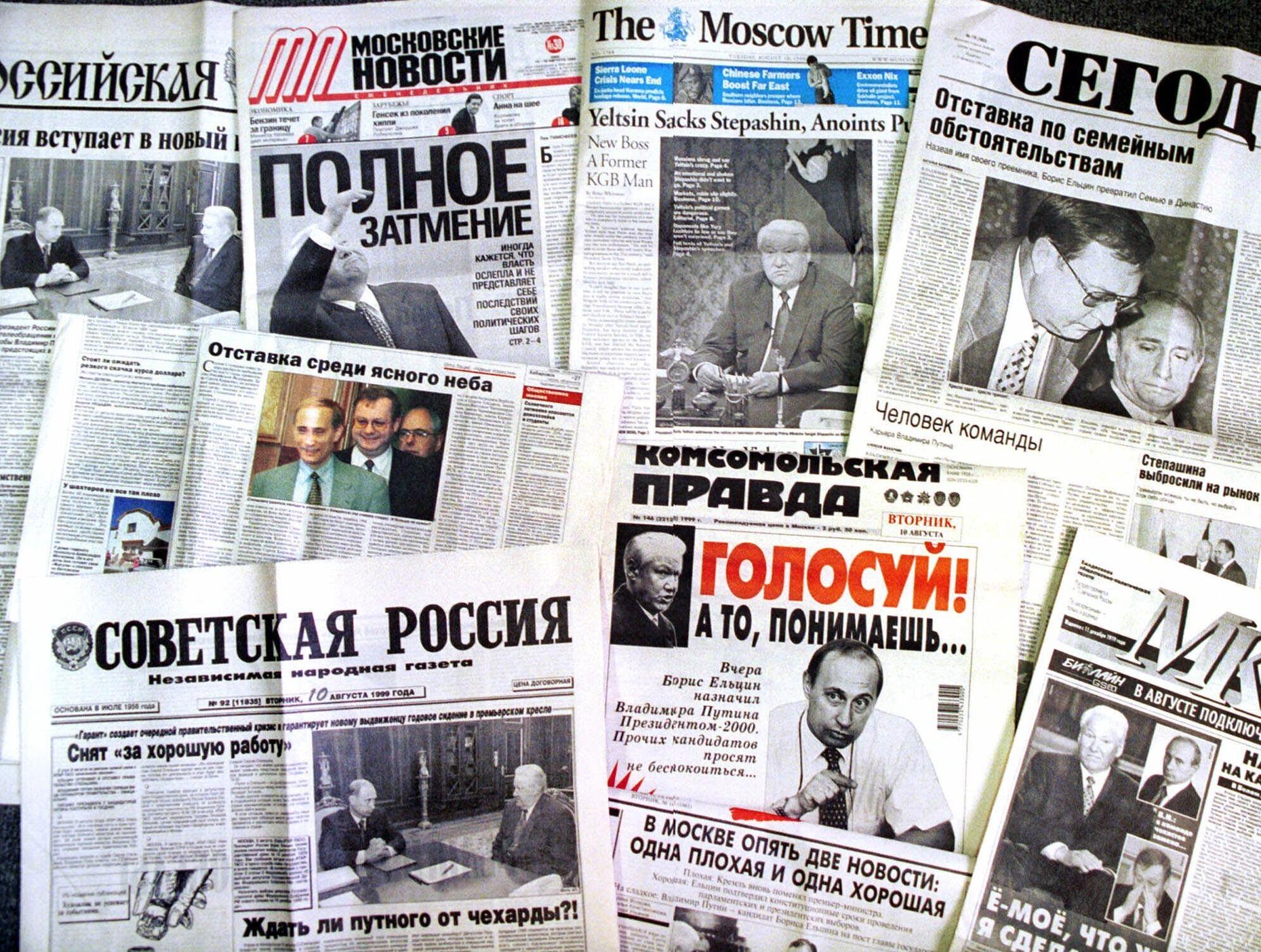
Jul 15, 2022
How to Report a Cold Case
In 2014, the brutal killing of John and Joyce Sheridan, a prominent couple with personal ties to three governors, shocked even the most cynical operatives. In February 2015, the Somerset prosecutor announced that John Sheridan had murdered his wife in cold blood and then killed himself. In 2017, the manner of death was updated to “undetermined.” In this episode of On the Media, hear Nancy Solomon's investigation into their brutal deaths, and the damning evidence of corruption she found at the highest levels in the Garden State. Dead End: A New Jersey Political Murder Mystery is hosted by Nancy Solomon. You can (and you should!) listen to all 8 episodes here On the Media is supported by listeners like you. Support OTM by donating today ( https://pledge.wnyc.org/support/otm ). Follow our show on Instagram , Twitter and Facebook @onthemedia, and share your thoughts with us by emailing onthemedia@wnyc.org.
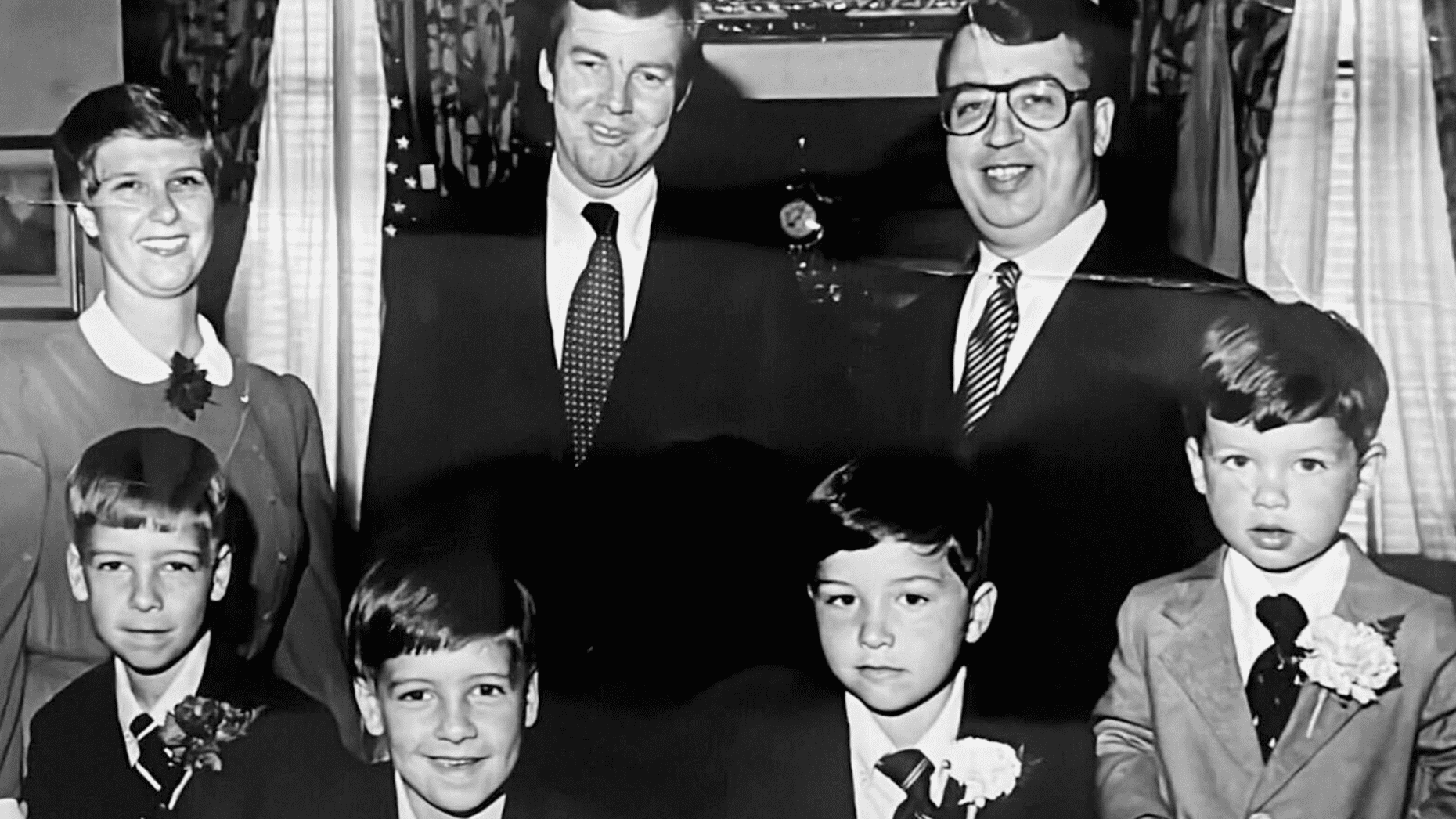
Jul 13, 2022
Why Reporter Nancy Solomon Chose True Crime
Earlier this year, the New Jersey Attorney General opened up an investigation into the killings of John and Joyce Sheridan, a well known couple with personal ties to three governors. In 2014, they were found stabbed to death, and their home set on fire. Local police thought that John Sheridan murdered his wife and then killed himself. That was eight years ago. So why is the Attorney General revisiting the case now? Well, this year, our WNYC colleague Nancy Solomon released an investigation into their brutal deaths, and found damning evidence of corruption at the highest levels in the Garden State. The series is called Dead End: A New Jersey Political Murder Mystery . In this midweek podcast, Nancy tells Brooke how she used the true crime format to get listeners to care about corruption in New Jersey. On the Media is supported by listeners like you. Support OTM by donating today ( https://pledge.wnyc.org/support/otm ). Follow our show on Instagram , Twitter and Facebook @onthemedia, and share your thoughts with us by emailing onthemedia@wnyc.org.
Jul 8, 2022
The F-Word
Early in the pandemic, weight was named a risk factor for severe covid-19. But what if the greater risk is poor medical treatment for fat people? This week, On the Media dives into the fictions, feelings, and fraught history of fat. Including how sugar and the slave trade laid the groundwork for American beauty standards. 1. Dr. Yoni Freedhoff [ @YoniFreedhoff ], Associate Professor of Family Medicine at University of Ottawa, on what we do and don't know about the relation of weight and the severity of a Covid infection. Listen. 2. Katherine Flegal [ @CeriseFlegal ], epidemiologist and former senior scientist at the Centers For Disease Control, on our flawed understanding of the data around weight and death, and Katie Lebesco [ @KatieLeBesco ], researcher focusing on food, pop culture, and fat activism, on why the "obesity epidemic" is a moral panic hiding behind a thin veil of scientific language. Listen. 3. Sabrina Strings [ @SaStrings ], sociologist at the University of California, Irvine , on how European attitudes about fat dramatically changed in the 18th century. and set the standards Americans still see today. Listen. Music in this Week's Show: Slim Jenkins Place - Booker T and the MGs Eye Surgery- Thomas Newman String Quartet No. 5 (Phillip Glass) - Kronos Quartet Disfarmer - Bill Frisell Lost, Night - Bill Frisell In the Bath - Randy Newman The De Lessup’s Dance - Gavin Wright Breakaway - Regina Carter On the Media is supported by listeners like you. Support OTM by donating today ( https://pledge.wnyc.org/support/otm ). Follow our show on Instagram , Twitter and Facebook @onthemedia, and share your thoughts with us by emailing onthemedia@wnyc.org.
Jul 6, 2022
Hong Kong's Rewritten Histories
This fall, students in Hong Kong will learn a new version of history — one that erases the fact the region was ever a British colony. According to four history textbooks currently under development in China, Hong Kong has always been a part of China, despite over a century of British dominion. And so continues a pattern of effacing and repainting histories. During her years as a reporter in Hong Kong, Louisa Lim , author of the new book Indelible City: Dispossession and Defiance in Hong Kong , stumbled across shards of her city's various, conflicting histories — some imposed by colonial forces, others originating from Hong Kongers themselves. This week, Annalee Newitz talks to Lim about the myths that obscure the region's past, and the impact this myriad of histories has had on Hong Kongers' sense of political and cultural identity. On the Media is supported by listeners like you. Support OTM by donating today ( https://pledge.wnyc.org/support/otm ). Follow our show on Instagram , Twitter and Facebook @onthemedia, and share your thoughts with us by emailing onthemedia@wnyc.org.
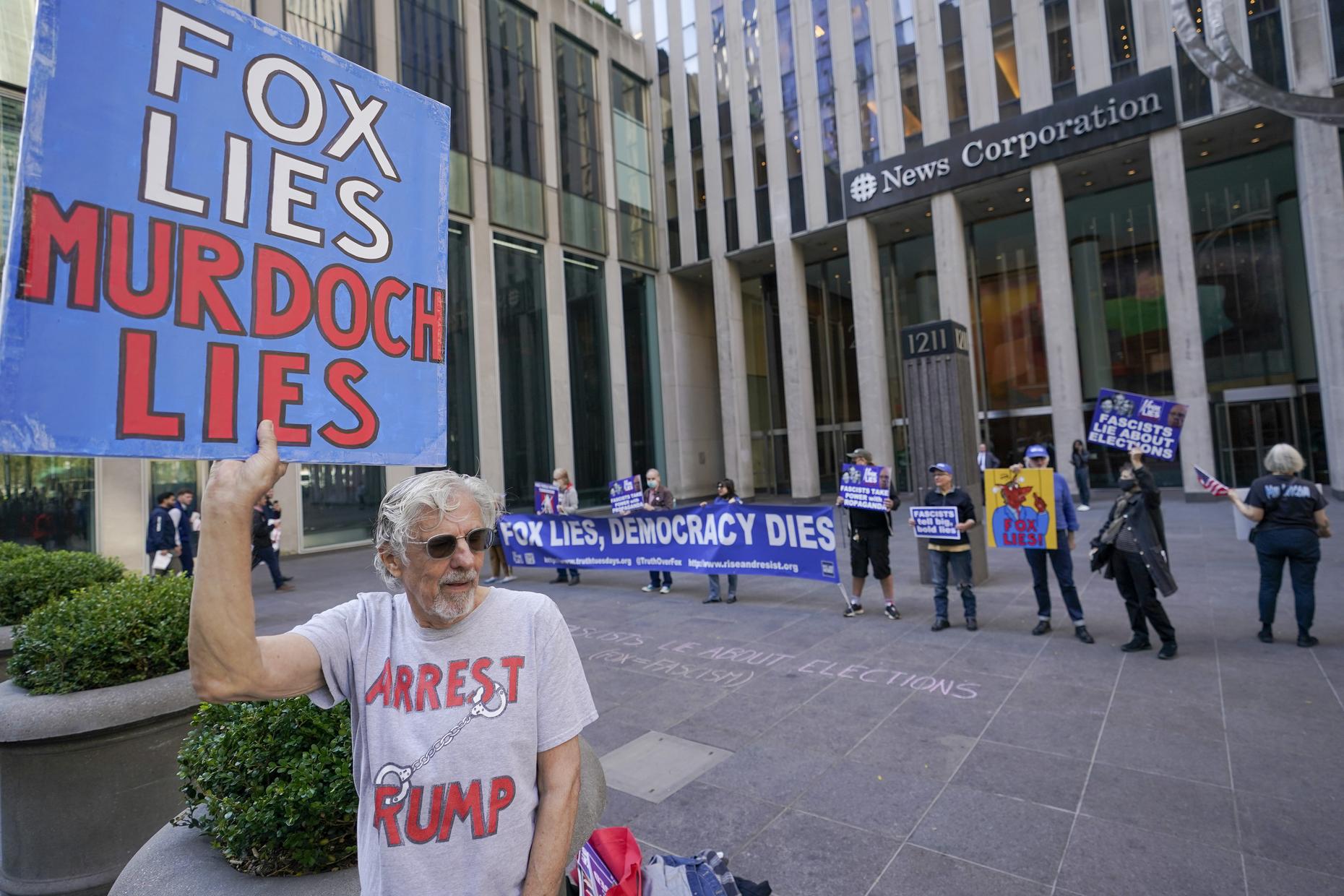
Jul 1, 2022
Locked and Loaded
The overturning of Roe v. Wade will remain the most discussed opinion of this Supreme Court term . But just a day earlier, the high court issued another monumental opinion — this one on guns. On this week's On the Media, hear why this latest ruling will send lawyers scrambling into historical archives. Plus, an inside look at Justice Clarence Thomas' unique strain of conservatism. 1. Timothy Zick , professor of law at William and Mary Law School, about what's next in the debate over gun control, and why it will be all about history. Listen . 2. Corey Robin [ @CoreyRobin ], writer and professor of political science at Brooklyn College and the CUNY Graduate Center, on all that we've missed (or ignored) about Justice Clarence Thomas. Listen . Music: Dream Machine - John Zorn Sign and Sigil - John Zorn Whispers of A Heavenly Death - John Zorn On the Media is supported by listeners like you. Support OTM by donating today ( https://pledge.wnyc.org/support/otm ). Follow our show on Instagram , Twitter and Facebook @onthemedia, and share your thoughts with us by emailing onthemedia@wnyc.org.

Jun 30, 2022
The End of Roe in the Armed Forces
As the country reels from last Friday’s decision by the Supreme Court to overturn Roe v. Wade , people, politicians, and health care providers are scrambling to figure out what’s next. But pregnancy was already an especially complicated process, full of rules and regulations, for one particular sector of the population — the military. According to a 2018 report by the U.S. Government Accountability Office, women made up just 16.5% of active-duty service members in the Department of Defense; however, military women are more likely than their civilian counterparts to have unintended pregnancies. They’re also more likely to suffer a miscarriage or ectopic pregnancy, making medical care an essential should the department continue to diversify. This week, Brooke sits down with Kyleanne Hunter , senior political scientist at the RAND Corporation and a Marine Corps combat veteran, to talk about how the department had just begun to make positive changes, and now sits in a complex limbo. On the Media is supported by listeners like you. Support OTM by donating today ( https://pledge.wnyc.org/support/otm ). Follow our show on Instagram , Twitter and Facebook @onthemedia, and share your thoughts with us by emailing onthemedia@wnyc.org.
Jun 24, 2022
Struck From the Record
This week, the Supreme Court officially struck down Roe v. Wade, overturning fifty years of legal precedent and abortion rights across the country. On this week’s On the Media, hear about the case that almost defined the abortion debate instead. Plus, the Jan 6 committee’s latest bombshell evidence of Trump’s manipulation of the justice department. 1. Alana Casanova-Burgess [ @Alanallama ], former OTM producer, and Jessica Glenza [ @JessicaGlenza ], health reporter at the Guardian, look at the case that Ruth Bader Ginsburg wished the Court heard instead of Roe v. Wade. Neil Siegel, a professor of law and political science at Duke University School of Law, puts the Susan Struck v. Secretary of Defense case in context . Dahlia Lithwick [ @Dahlialithwick ] , who writes about the courts at Slate , untangles what the justices actually decided in Roe . Listen . 2. Michael Waldman [ @mawaldman ], president of the Brennan Center for Justice at NYU School of Law, discusses how the January 6 committee's findings could aid a Justice Department indictment. Listen . Music: The Water Rises (Laurie Anderson) - The Kronos Quartet John’s Book of Alleged Dances - The Kronos Quartet Tateh's Picture Book - Randy Newman Atlantic City - Randy Newman On the Media is supported by listeners like you. Support OTM by donating today ( https://pledge.wnyc.org/support/otm ). Follow our show on Instagram , Twitter and Facebook @onthemedia, and share your thoughts with us by emailing onthemedia@wnyc.org.
Jun 23, 2022
The 'Country Queers' Who Don't Want to Flee Rural America
All across the country this month, people are celebrating queer and trans pride with parades, cookouts, dances, and family gatherings. And yet the future of the community feels darker than it has in a long time. Threats from Proud Boys and elected officials seem to reinforce the idea that LGBT people cannot survive or thrive in places outside a few coastal cities. But a study from the Movement Advancement Project in 2019 revealed that at least 3 million queer people live in rural America. And many have no interest in fleeing to big cities for protection. This week, Annalee Newitz sits in for Brooke, and talks to Rae Garringer about their oral history project, Country Queers . W hen Garringer was attending college in the early 2000s, the only queer rural representation they saw was in crime stories. Country Queers features LGBT people who are living in rural parts of the United States, in small towns and remote farms, and they’re often taking great joy in it. On the Media is supported by listeners like you. Support OTM by donating today ( https://pledge.wnyc.org/support/otm ). Follow our show on Instagram , Twitter and Facebook @onthemedia, and share your thoughts with us by emailing onthemedia@wnyc.org.
Jun 17, 2022
The Conspiracy Machine
In this week's January 6th committee hearings, a documentary selling election conspiracies was laughed off by the likes of Bill Barr. But myths about a stolen election are no joke. On this week’s On the Media, hear about a pundit's efforts to revitalize and repackage The Big Lie. Plus, one man’s escape from the conspiracy theory machine. 1. Philip Bump [ @pbump ], national correspondent at The Washington Post, on debunking election myths made for the silver screen. Listen . 2. Nina Jankowicz [ @wiczipedia ], former head of the Disinformation Governance Board , on the lessons learned from government-led attempts to counter disinformation. Listen . 3. Josh Owens [ @JoshuaHOwens ], former staff member at InfoWars, on what made him leave, and how he's come to terms with his past role in dangerous movement. Listen . Music in this Week's Show: Ava Maria D. 839 - Pascal Jean and Jean Brenders First Drive - Clive Carroll and John Renbourn Boy Moves the Sun - Michael Andrews Exit Music (For A Film) - Brad Mehldau Trio On the Media is supported by listeners like you. Support OTM by donating today ( https://pledge.wnyc.org/support/otm ). Follow our show on Instagram , Twitter and Facebook @onthemedia, and share your thoughts with us by emailing onthemedia@wnyc.org.
Jun 16, 2022
Alex Jones Doesn't Care About You
Josh Owens was an InfoWars employee from 2013 to 2017. In an essay published on CNN.com this week, Owens described his deep regret over the past 5 years as he grappled with the damage his work caused. OTM reporter Micah Loewinger spoke to Owens this week about Jones' role in the dissemination of disinformation in the light of what we are learning about the January 6th insurrection. On the Media is supported by listeners like you. Support OTM by donating today ( https://pledge.wnyc.org/support/otm ). Follow our show on Instagram , Twitter and Facebook @onthemedia, and share your thoughts with us by emailing onthemedia@wnyc.org.
Jun 10, 2022
Worth a Thousand Words
Gun control legislation appears doomed once again, even as Congress heard heartbreaking testimony from parents of the children killed in Uvalde. On the latest episode of On the Media, why some activists and journalists now advocate for publishing the gruesome photos of victims. Plus, how one family grappled with the brutal video of their loved one's death in prison. 1. Susie Linfield , professor of journalism at New York University, on the push to share photographs of victims, and the limited political power of an image. Listen. 2. Spencer and Gail Booker, family of Marvin Booker, who was killed by police in 2010, share what their family went through, and why Marvin's death being caught on camera remains so difficult. Listen. 3. Lois Beckett [ @loisbeckett ], senior reporter for The Guardian, on why our coverage of gun violence tends to focus on just one kind tragedy, and how we could make it better. Listen. On the Media is supported by listeners like you. Support OTM by donating today ( https://pledge.wnyc.org/support/otm ). Follow our show on Instagram , Twitter and Facebook @onthemedia, and share your thoughts with us by emailing onthemedia@wnyc.org.
Jun 8, 2022
The Messy Politics of Oprah and Dr. Oz
Back in the before-times, when we used to go into the radio station every day, our office next-door neighbor was WNYC host Brian Lehrer. He hosts a 2 hour live radio call-in show every day from 10 to noon in New York city. In this segment from his show he examines the relationship between Dr. Oz and Oprah Winfrey. The Trump-endorsed Dr. Oz recently won the Republican Senate primary in Pennsylvania. One reason the doctor is so popular, despite the many critics who say he promotes unscientific therapies and cures, is his many appearances on Oprah Winfrey's long-running daytime talk show. Kellie Jackson, historian, associate professor of African Studies, Wellesley College and host and executive producer of the Oprahdemics podcast, and Leah Wright Rigueur, associate professor of history, Johns Hopkins University and co-host of the Oprahdemics podcast, talk to Brian about Oprah's role in giving Dr. Oz a platform, what he became and if she has any responsibility to speak out. On the Media is supported by listeners like you. Support OTM by donating today ( https://pledge.wnyc.org/support/otm ). Follow our show on Instagram , Twitter and Facebook @onthemedia, and share your thoughts with us by emailing onthemedia@wnyc.org.
Jun 3, 2022
When the Fog Clears
This week, On the Media looks ahead to the January 6th committee hearings that will air live in primetime this month. Find out which questions reporters hope the hearings will answer — like what really happened inside the White House that day. Plus, how a lie about a suitcase full of fake ballots took on a life of its own. 1. Ilya Marritz [ @ilyamarritz ] and Andrea Bernstein [ @AndreaBNYC ], creators of the award-winning series Trump, Inc. , break down why the upcoming January 6th committee hearings could be the most consequential yet. Listen. 2. Ilya Marritz [ @ilyamarritz ] and Andrea Bernstein [ @AndreaBNYC ] return in an excerpt from their new show Will Be Wild , examining the forces behind the January 6th insurrection with stories from those who tried to stop the attack, and those who took part. Plus, some pineapple. Listen. For transcripts, see individual segment pages. On the Media is supported by listeners like you. Support OTM by donating today ( https://pledge.wnyc.org/support/otm ). Follow our show on Instagram , Twitter and Facebook @onthemedia, and share your thoughts with us by emailing onthemedia@wnyc.org.
Jun 2, 2022
How The Media Failed Amber Heard
This Wednesday afternoon, in Fairfax County Circuit Court in Virginia, a jury awarded Johnny Depp $15 million in damages in libel suit against Amber Heard, and gave her $2 million in her countersuit against him. All this, over a December 2018 op-ed she wrote in The Washington Post describing herself as "a public figure representing domestic abuse." Depp’s lawyers say he was defamed by the article even though it never mentioned his name. This case, argued over six weeks before a seven-person jury and judge, and a noisily expanding online audience, drove much of the internet crazy with guilty pleasure. Thus ensued a collective hurling of feces at Amber Heard, despite the evidence gathered meticulously in a 2020 British libel case also focused on Depp’s spousal abuse. The only quarter of the media that seemed reluctant to engage in the facts of the case was the progressive press, or the liberal media. There you could find coverage of the social media chaos, but not the underlying reality. This bothered journalist Michael Hobbes , host of the podcast Maintenance Phase, who observed that usually reliable outlets tended to steer around the facts, and sold an already victimized woman down the river. On the Media is supported by listeners like you. Support OTM by donating today ( https://pledge.wnyc.org/support/otm ). Follow our show on Instagram , Twitter and Facebook @onthemedia, and share your thoughts with us by emailing onthemedia@wnyc.org.
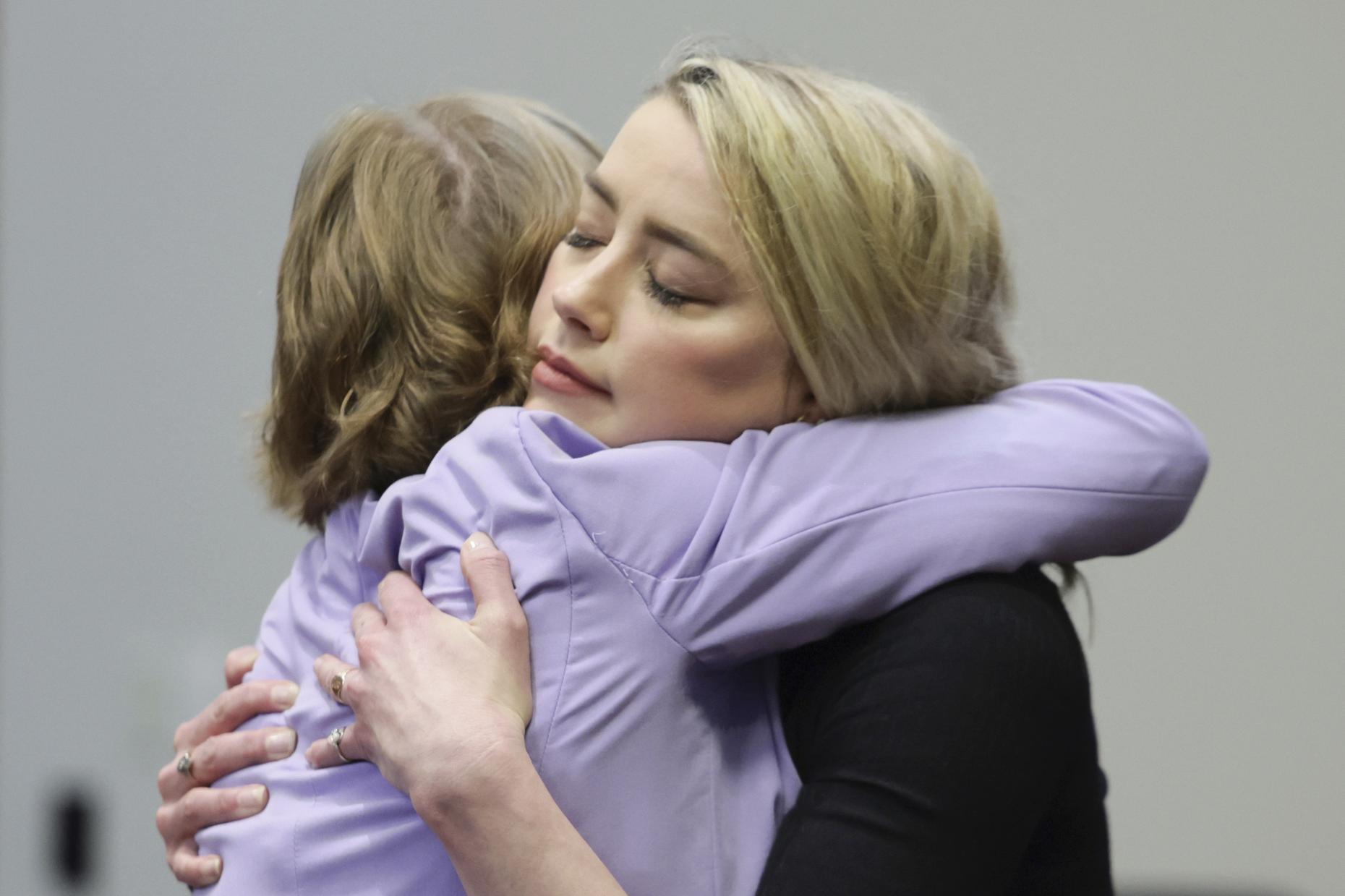
May 27, 2022
Imperfect Immunity
As we trudge through our third year of the pandemic, what is the state of our immunity to COVID? On this week’s On the Media, hear how vaccines and reinfections interact with fast-evolving variants. Plus, why we should take the recent monkeypox outbreak seriously, but avoid panicking. 1. Katherine Wu [ @KatherineJWu ], staff writer for The Atlantic, on building immunity three years into the pandemic. Listen . 2. David Robertson, doctoral candidate at Princeton University, on what the press got wrong when covering herd immunity. Listen . 3. Fiona Lowenstein [ @fi_lowenstein ], journalist and founder of Body Politic, on how to write about Long Covid. Listen . 4. Jon Cohen [ @sciencecohen ], writer at Science, on why we shouldn't compare the recent monkeypox outbreak to Covid. Listen . Music: Sleep Talking by Ornette Coleman Sonata for Violin and Guitar (Mauro Giuliani) by Itzhak Perlman and John Williams Superstition (Stevie Wonder) by Jung Sungha I Got A Right To Sing the Blues by Billy Kyle John’s Book of Alleged Dances by The Kronos Quartet For transcripts, see individual segment pages. On the Media is supported by listeners like you. Support OTM by donating today ( https://pledge.wnyc.org/support/otm ). Follow our show on Instagram , Twitter and Facebook @onthemedia, and share your thoughts with us by emailing onthemedia@wnyc.org.
May 25, 2022
Again and Again and Again and Again (and Again)
Last week’s show was titled “Again and Again” and it led with an essay about the then latest devastating mass shooting, in Buffalo. We combed our archives for all those people we’d spoken to in the past about the tropes and mistakes that litter the coverage of these abominations. We didn’t gather new tape because...honestly? We’ve said it all before. And then it happened again. This time in Texas at an elementary school. August of 2019 saw another moment where 2 shooting rampages occurred within days of each other; one in El Paso, Texas and the next in Dayton, Ohio. At the time, Washington Post columnist Margaret Sullivan wrote , “When a mass shooting happens, even when it happens twice in a 24-hour period — even when the death tolls soars into the dozens — we reflexively spring into action. We describe the horror of what happened, we profile the shooter, we tell about the victims’ lives, we get reaction from public officials. It’s difficult, gut-wrenching work for journalists on the scene. And then there’s the next one. And the next one. If journalism is supposed to be a positive force in society — and we know it can be — this is doing no good.” Lois Beckett is a senior reporter for The Guardian. She covered gun violence for many years, now gun policy. She says that mainstream coverage of the issue is flawed because it's focused mainly on one type of tragedy. She explained to me when I spoke to her 3 years ago, how better coverage would mean focusing on the root causes of gun violence. This is a segment from our September 6th, 2019 program, Pressure Drop . On the Media is supported by listeners like you. Support OTM by donating today ( https://pledge.wnyc.org/support/otm ). Follow our show on Instagram , Twitter and Facebook @onthemedia, and share your thoughts with us by emailing onthemedia@wnyc.org.
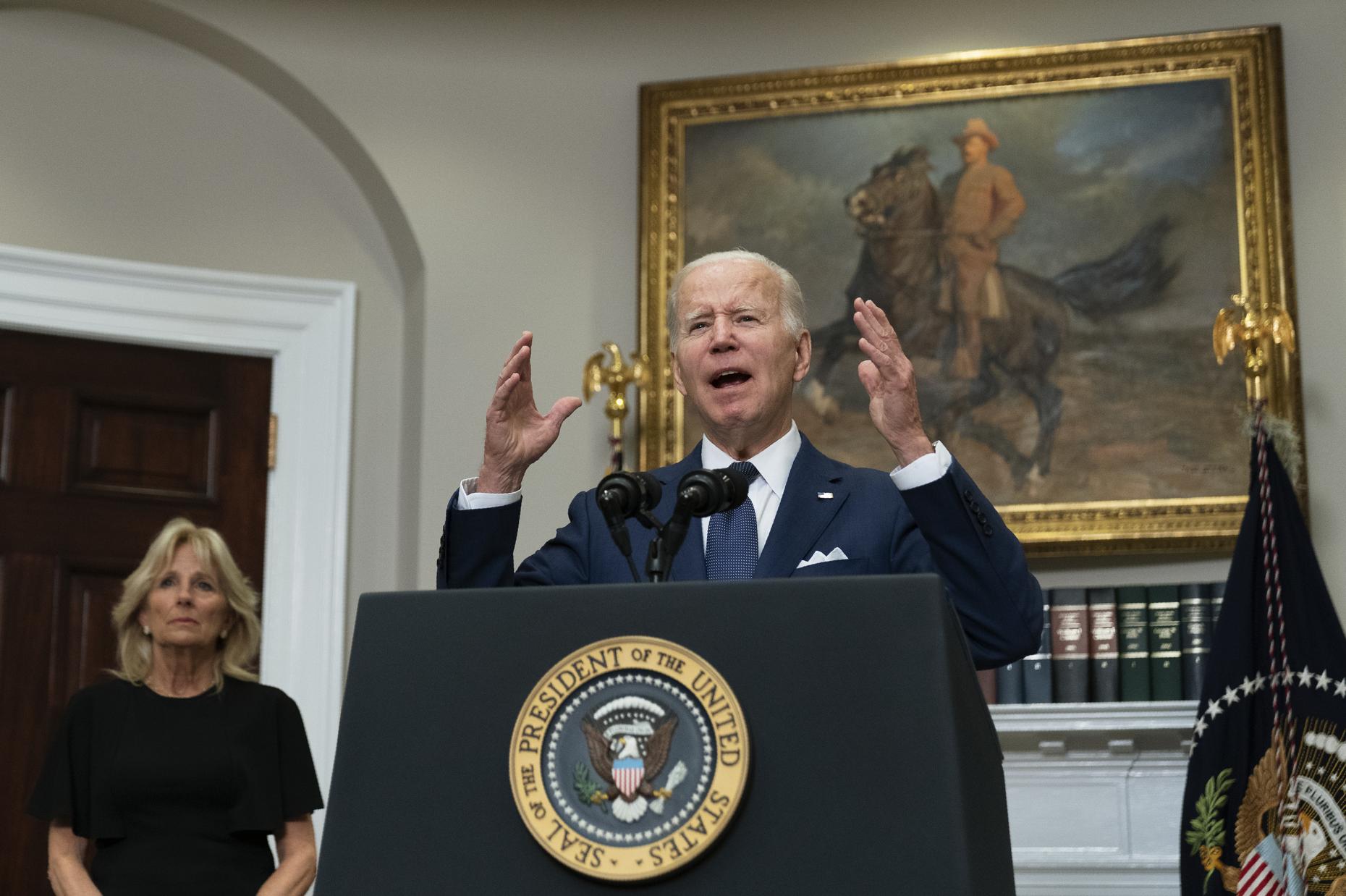
May 20, 2022
Again and Again
In the wake of yet another racist mass shooting, this time in Buffalo, New York, media outlets are churning out heartbreakingly familiar stories, with the same tropes and the same helplessness. On this week's On the Media, how we've become mired in patterns and lost sight of the potential solutions. Plus, how journalists should cover the ongoing siege on democracy. Then, a deep dive into the forgotten legacy of one of America's most influential writers. 1. Brooke Gladstone [ @OTMBrooke ], OTM host, on the tropes that choke coverage of every mass shooting, and why we should focus on consequences and the 'rot at the root.' Listen . 2. Jay Rosen [ @jayrosen_nyu ], professor of journalism at New York University and media critic for PressThink, on why journalists should still be in "emergency mode." Listen . 3. Paul Auster, acclaimed novelist and author of Burning Boy: The Life and Work of Stephen Crane, on the 19th century writer's forgotten legacy . Listen . Music: White Man Sleeps by The Kronos Quartet Fergus River Roundelay by Gerry O’Beirne Middlesex Times by Michael Andrews A Ride with Polly Jean by Jenny Scheinman Cellar Door by Michael Andrews On the Media is supported by listeners like you. Support OTM by donating today ( https://pledge.wnyc.org/support/otm ). Follow our show on Instagram , Twitter and Facebook @onthemedia, and share your thoughts with us by emailing onthemedia@wnyc.org.
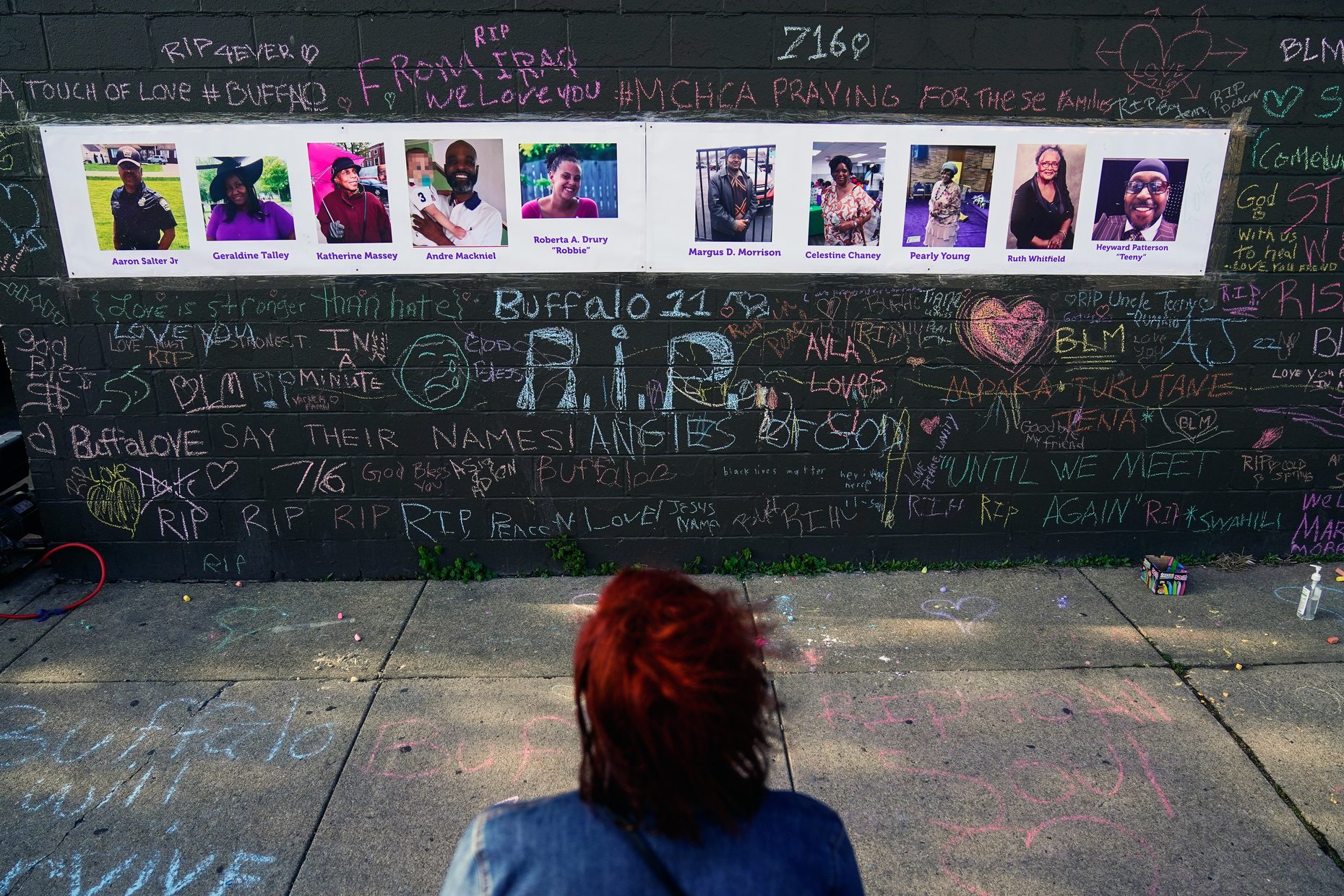
May 18, 2022
Where in the World is Brooke?
This week we're airing an interview that Brooke did while on a fellowship at the American Academy in Rome. She and her husband Fred Kaplan (author of the War Stories column in Slate), sat down with Mark Hannah, host of the podcast " None of the Above ," produced by the Eurasia Group Foundation . From the Crimean War of 1853 to Russia’s invasion of Ukraine this year, journalists, reporters, and the media have shaped the public’s understanding of war. But do the stories we read and the photos we see provide an impartial picture of the wars they document? As Hannah recently explained in Foreign Policy , certain aspects of American war coverage—reliance on government sources and incentives to simplify geopolitics as battles between good and evil—have long compelled news organizations to tilt toward military action. On the Media is supported by listeners like you. Support OTM by donating today ( https://pledge.wnyc.org/support/otm ). Follow our show on Instagram , Twitter and Facebook @onthemedia, and share your thoughts with us by emailing onthemedia@wnyc.org.
May 13, 2022
Seeing Is Believing
With Roe v Wade under threat, some politicians and media outlets are trying to turn the national conversation away from abortion and toward civility. On this week’s On the Media, how the GOP has mastered the art of setting the narrative. Plus, how moral panics surrounding dangerous TikTok trends follow a century-old pattern of blaming new technology for the deviant behavior of teenagers. 1. Paul Waldman [ @paulwaldman1 ], opinion writer for the Washington Post, on Republicans decrying the draft opinion leak and protests to motivate their base ahead of the midterms. Listen . 2. Micah Loewinger [ @MicahLoewinger ], OTM correspondent, on alarmist news coverage of TikTok challenges and its misleading influence on panicked parents. Listen. 3. Brandy Zadrozny [ @BrandyZadrozny ], senior reporter for NBC News, on the story of Tiffany Dover, and how misinformation about her death fueled anti-vax messaging. Listen . Music: Fallen Leaves by Marcos Ciscar The Camping Store by Clive Carroll and John Renbourn Middlesex Times by Michael Andrews On the Media is supported by listeners like you. Support OTM by donating today ( https://pledge.wnyc.org/support/otm ). Follow our show on Instagram , Twitter and Facebook @onthemedia, and share your thoughts with us by emailing onthemedia@wnyc.org.
May 12, 2022
How the Depp v. Heard Trial Became a Meme
This week, we take a look at the latest celebrity trial to ensnare the national attention. Johnny Depp is suing Amber Heard, his ex-wife, for defamation, and she’s counter suing him for the same. Depp’s suit takes issue with an op-ed Heard wrote back in 2018 for the Washington Post in which she identifies herself as a survivor of domestic violence. She first came forward with allegations against Depp in 2016. In 2018, Depp sued British tabloid, The Sun, for defamation over headlines that accused him of abuse, but he lost that case. Given the history, you might expect to see fewer headlines over this latest trial. But, not so. The ratings for Court TV, which is broadcasting every moment of the trial, have more than doubled. Pair the live visuals with Depp’s rabid online fanbase, and you’ve got a case being watched billions of times over — in fact, the #JusticeforJohnnyDepp hashtag has upwards of 10 billion views on TikTok and it’s spawned several viral sounds and trends and … comedy sketches. Guest host Brandy Zadrozny asks EJ Dickson , senior writer for Rolling Stone, about how pro-Depp coverage of the case took over TikTok, and its consequences. On the Media is supported by listeners like you. Support OTM by donating today ( https://pledge.wnyc.org/support/otm ). Follow our show on Instagram , Twitter and Facebook @onthemedia, and share your thoughts with us by emailing onthemedia@wnyc.org.
May 6, 2022
Crime and Punishment
Across news outlets, crime reporting often relies on police sources and incomplete data. On this week’s show, hear how to spot bias in crime stories and what more nuanced coverage looks like. And, the struggle to protect whistleblowers calling out police abuse. Plus, the story of one powerful tabloid that has stymied bail reform for decades. 1. Laura Bennett, the co-author of “Freedom, Then the Press: New York Media and Bail Reform,” on how to read a crime story. Listen. 2. Matt Katz [ @mattkatz00 ] WNYC reporter, on what bad coverage of bail reform looks like. Listen. 3. Tom Devine, legal director of the Government Accountability Project, on how to protect whistleblowers on police misconduct. Listen. 4. Tauhid Chappell [ @TauhidChappell ], Philadelphia Project Manager for Free Press, on abolishing the crime beat. Listen. On the Media is supported by listeners like you. Support OTM by donating today ( https://pledge.wnyc.org/support/otm ). Follow our show on Instagram , Twitter and Facebook @onthemedia, and share your thoughts with us by emailing onthemedia@wnyc.org.
May 4, 2022
The Abortion Underground
This week, OTM presents a story from our colleagues at The Experiment. There’s a common story about abortion in this country, that people have only two options to intentionally end a pregnancy: the clinic or the coat hanger. They can choose the safe route that’s protected by Roe v. Wade— a doctor in a legal clinic—or, if Roe is overturned, endure a dangerous back-alley abortion, symbolized by the coat hanger. But a close look at the history of abortion in this country shows that there’s much more to this story. As a draft of the majority opinion overruling Roe v. Wade was leaked to the media this week, activists are once again preparing to take abortion into their own hands. Reporter Jessica Bruder explores the abortion underground to learn about the movement’s origins, and reveals how activists today are mobilizing around effective and medically safe abortion methods that can be done at home. A transcript of this episode is available. Further reading: “A Covert Network of Activists Is Preparing for the End of Roe ” On the Media is supported by listeners like you. Support OTM by donating today ( https://pledge.wnyc.org/support/otm ). Follow our show on Instagram , Twitter and Facebook @onthemedia, and share your thoughts with us by emailing onthemedia@wnyc.org.
Apr 29, 2022
Ghost in the Machine
After news broke that Elon Musk is likely to purchase Twitter later this year, the billionaire began sharing a controversial vision for the app. On this week’s On the Media, hear why Musk’s plan to turn Twitter into a so-called free speech platform could spiral out of control and how urban planning can make safer digital spaces. Plus, how science fiction inspired some of Silicon Valley’s most powerful men. 1. Anand Giridharadas [ @AnandWrites ], author of Winners Take All: The Elite Charade of Changing the World, Erika D. Smith [ @Erika_D_Smith ], LA Times columnist, and Natalie Wynn [ @ContraPoints ], YouTuber and political commentator, on the implications and possible outcomes of Elon Musk's potential purchase of Twitter. Listen . 2. Eli Pariser [ @elipariser ], co-director of Civic Signals, on how urban planning can manage the problems of social programing to create digital spaces that don't exploit us. Listen . 3. Jill Lepore, Harvard historian and staff writer at the New Yorker, Annalee Newitz [ @Annaleen ], former Editor-in-Chief of Gizmodo and science fiction author, and Gene Seymour [ @GeneSeymour ], longtime cultural critic, on tech moguls' obsession with science fiction. Listen . On the Media is supported by listeners like you. Support OTM by donating today ( https://pledge.wnyc.org/support/otm ). Follow our show on Instagram , Twitter and Facebook @onthemedia, and share your thoughts with us by emailing onthemedia@wnyc.org.

Apr 27, 2022
Dead End
On this week's podcast extra we present episode 1 of a new series from our colleague, Nancy Solomon. She’s our New Jersey specialist at WNYC and she’s got quite the tale to tell. It’s about a murder on a Jersey cul de sac that was never solved. And it involves some of the most powerful people in the state. It’s even got a waterfront land deal. It’s sort of like Chinatown meets American Hustle. It’s a seven episode podcast, and we think you’ll like it. Listen and subscribe here: https://link.chtbl.com/M_a20dat?sid=otmwebsite On the Media is supported by listeners like you. Support OTM by donating today ( https://pledge.wnyc.org/support/otm ). Follow our show on Instagram , Twitter and Facebook @onthemedia, and share your thoughts with us by emailing onthemedia@wnyc.org.
Apr 22, 2022
Work Work Work Work Work
Checking in on the so-called Great Resignation. On this week’s On The Media, hear why the trend is a logical response to the cult of work. Plus, when technology makes our jobs harder, maybe being a 'luddite' isn't such a bad thing. 1. Sarah Jaffe [ @sarahljaffe ] , journalist and author of Work Won't Love You Back: How Devotion to Our Jobs Keeps Us Exploited, Exhausted, and Alone , on how love and meaning became intertwined with our jobs. Listen . 2. Anne Helen-Peterson [ @annehelen ], writer and journalist, and Charlie Warzel [ @cwarzel ] , contributing writer at The Atlantic, on how technology is — or, dramatically is not — making life easier at work. Listen . 3. Gavin Mueller [ @gavinmuellerphd ] , assistant professor of New Media and Digital Culture at the University of Amsterdam in the Netherlands, on what modern lessons can be learned from the Luddite workers of 19th century England . Listen . Music from this week's show: Sign and Sigil by John Zorn BROKE by Modest Mouse Middlesex Times by Michael Andrews Blues by La Dolce vita Dei Nobili Liquid Spear Waltz by Michael Andrews Stolen Moments by Ahmed Jamal Trio On the Media is supported by listeners like you. Support OTM by donating today ( https://pledge.wnyc.org/support/otm ). Follow our show on Instagram , Twitter and Facebook @onthemedia, and share your thoughts with us by emailing onthemedia@wnyc.org.
Apr 20, 2022
The Holiday You May Have Missed
International Workers' Day is celebrated with rallies and protests all over the world on May 1, but it's not a big deal in the United States. Back in 2018, Brooke spoke with Donna Haverty-Stacke of Hunter College, CUNY about the American origin of May Day — and about how it has come to be forgotten. The first national turnout for worker's rights in the U.S. was on May 1, 1886; contrary to what you may have heard elsewhere, it wasn't the same thing as the Haymarket Affair. Haverty-Stacke is also author of America’s Forgotten Holiday: May Day and Nationalism, 1867–1960 , and she explains that the fight over May 1, or May Day, is also about the fight for American identity and what it means to be radical and patriotic at the same time. The OTM crew (in 2018) sings "Into The Streets May First," a never-before-professionally-recorded 1935 Aaron Copland anthem: On the Media is supported by listeners like you. Support OTM by donating today ( https://pledge.wnyc.org/support/otm ). Follow our show on Instagram , Twitter and Facebook @onthemedia, and share your thoughts with us by emailing onthemedia@wnyc.org.
Apr 15, 2022
How Cassettes Changed the World
Cassette tapes mostly gather dust these days. But back in their heyday, they fundamentally changed how we communicate, in ways we’re still making sense of today. On this week’s On the Media, hear how the cassette tape fueled the Iranian revolution, helped pierce the Iron Curtain, and put human connection in the palm of our hands. 1. Simon Goodwin on his innovation to broadcast computer software over the radio back in 1983. Listen . 2. Computer programmer Fuxoft explains his role in 'Sneakernet,' which saw pirated material of all types smuggled into 1980s Czechoslovakia via cassette tape. Listen . 3. The role of cassette tapes in the Iranian Revolution. Listen . This episode was reported, produced, scored and sound designed for Radiolab by Simon Adler with original music throughout by Simon. Top tier reporting and production assistance was provided by Eli Cohen. On the Media is supported by listeners like you. Support OTM by donating today ( https://pledge.wnyc.org/support/otm ). Follow our show on Instagram , Twitter and Facebook @onthemedia, and share your thoughts with us by emailing onthemedia@wnyc.org.
Apr 13, 2022
It's Tax Season!
Few clich é s are as well-worn, and grounded in reality, as the dread many Americans feel towards doing their taxes and the loathing they have for the IRS. But as much as the process is despised, relatively little is known about how it could be improved. Pro Publica's Jessica Huseman said that's largely because tax prep companies keep it that way . Brooke spoke to Huseman in 2017 about what an improved system might look like and how tax prep companies work to thwart any such changes. One of the primary roadblocks to change, said Huseman, is an organization called the Free File Alliance, a public-private partnership whereby private tax companies agree to provide a free service for most Americans in exchange for the IRS not offering any such service itself. Brooke spoke with Tim Hugo , Executive Director of the Free File Alliance, about whether it is really the best way to help American taxpayers. On the Media is supported by listeners like you. Support OTM by donating today ( https://pledge.wnyc.org/support/otm ). Follow our show on Instagram , Twitter and Facebook @onthemedia, and share your thoughts with us by emailing onthemedia@wnyc.org.
Apr 8, 2022
Our Unfinished Pandemic
Congress is threatening to cut billions in COVID aid even as a new variant emerges. On this week’s On the Media, how our policy debate reveals an indifference for long COVID disabilities and death on a staggering scale. And, how that apathy tracks with a pattern of past pandemics. Plus, a look at the novelist Kurt Vonnegut’s theory of storytelling, and what it tells us about why so many Americans have stopped paying attention to the virus. Ed Yong [ @edyong209 ], staff writer at The Atlantic, on why mass deaths from COVID have failed to provoke a strong political and social reckoning. Listen . Laura Spinney, [ @lfspinney ], author and science journalist on how pandemics have historically disabled people, and what this teaches us about Covid long-haulers. Listen . Micah Loewinger [ @MicahLoewinger ], OTM correspondent, on how to make sense of Covid's ever-changing plot, using Kurt Vonnegut's theory of "the shapes of stories." Listen . Music: Agnus Dei by Martin Palmeri Love Theme from Spartacus by Fred Hersch Passing Time by John Renbourn Misterioso by Kronos Quartet Bewitched, Bothered and Bewildered by Brad Mehldau Trio On the Media is supported by listeners like you. Support OTM by donating today ( https://pledge.wnyc.org/support/otm ). Follow our show on Instagram , Twitter and Facebook @onthemedia, and share your thoughts with us by emailing onthemedia@wnyc.org.
Apr 6, 2022
New Variant on the Block
Hey waddayaknow? There are more variants in the news. Back when Omicron was first making headlines at the end of last year, we made a Breaking News Consumer's Handbooks: Variant Edition. Brooke spoke to Katherine J. Wu , a staff writer at The Atlantic who covers science, to review the steps a news consumer can take to stay informed minus the anxiety. Breaking News Consumer's Handbook: Variant Edition (Andrea Latimer/WNYC) For a linkable text equivalent, a pdf version is available here. This is a segment from our December 3rd, 2021 program, Pigeon With A Mustache . On the Media is supported by listeners like you. Support OTM by donating today ( https://pledge.wnyc.org/support/otm ). Follow our show on Instagram , Twitter and Facebook @onthemedia, and share your thoughts with us by emailing onthemedia@wnyc.org.
Apr 1, 2022
Still Armed, Still Dangerous
More than a month into Putin’s invasion, Ukrainian resistance has proved mightier than the Russian leader seems to have anticipated. On this week’s On the Media, hear how Russia is following the well-established American track record of entering wars without plans for ending them. Plus, a sober look at Russia’s nuclear strategy. And, how the threat of nuclear apocalypse has shaped American culture since World War II. Then, a look at the 1983 made-for-TV film that spurred a national conversation about disarmament. 1. Gideon Rose, author of How Wars End , on what Russia should've learned from America's misadventures in Vietnam, Iraq, and Afghanistan. Listen . 2. Kristin Ven Bruusgaard[ @ KBruusgaard ], postdoctoral fellow at the University of Oslo, on the actual threat of Russia's nuclear arsenal. Listen . 3. Alex Wellerstein [ @ wellerstein ], historian of science at Stevens Institute of Technology, on why the threat of nuclear apocalypse can be hard to comprehend. Listen . 4. Marsha Gordon [ @MarshaGGordon ], professor of film studies at North Carolina State University, on one of the most important films about nukes. Listen . Music: Sacred Oracle by John Zorn Horizon by Thomas Newman In The Bath by Randy Newman La Vie En Rose by Toots Thielemans Gormenghast by John Zorn White Lotus Theme by Cristobal Tapia De Veer 99 Luftballoons by Nena On the Media is supported by listeners like you. Support OTM by donating today ( https://pledge.wnyc.org/support/otm ). Follow our show on Instagram , Twitter and Facebook @onthemedia, and share your thoughts with us by emailing onthemedia@wnyc.org.
Mar 30, 2022
The Simpsons in a Time of Nuclear War
A new poll this week from AP-NORC found that when asked, close to half of Americans say they are very concerned that Russia would directly target the U.S. with nuclear weapons, and an additional 3 in 10 are somewhat concerned. Given that Vladimir Putin put his nuclear forces on high alert at the start of his invasion of Ukraine, and with the rhetoric heating up as the war continues, it's hardly surprising that people are worried. All the talk of nukes got us thinking about a segment from a few years back in which Brooke spoke to playwright Anne Washburn, about her work Mr. Burns: A Post-Electric Play . In it she imagines a world that has been devastated by a nuclear incident and how the remaining civilization would process the destruction over time...by retelling an episode of The Simpsons and about what the episode's evolution over the decades says about society's need for stories and about the role of comedy in the face of tragedy. Excerpts taken from the 2013 production at Playwrights Horizons, directed by Steve Cosson, and a 2017 production at Amherst Regional High School, directed by Nathan Baron-Silvern. Music by Michael Friedman. On the Media is supported by listeners like you. Support OTM by donating today ( https://pledge.wnyc.org/support/otm ). Follow our show on Instagram , Twitter and Facebook @onthemedia, and share your thoughts with us by emailing onthemedia@wnyc.org.

Mar 25, 2022
All the World's a Stage
This week’s confirmation hearings for Supreme Court Nominee Judge Ketanji Brown Jackson were filled with dog whistles and distractions. On our latest episode, hear how Republicans are using rhetoric about pedophiles to discredit their opponents. Plus, the story of an American author who learned and unlearned Putin’s myth about Ukrainian nazification. 1. Melissa Gira Grant [ @melissagira ], staff writer at The New Republic, on the cruel new Republican buzzword: "grooming." Listen . 2. Lili Loofbourow [ @Millicentsomer ], staff writer at Slate, on the eerie experience of watching Zelesnsky act in the television show, "Servant of the People" and more. Listen . 3. OTM presents a story from The Experiment, featuring Franklin Foer [ @franklinfoer ], on his family's debt to Ukrainians. Listen . Music: Sarabande (Barry Lyndon OST) by National Philharmonic Orchestra German Lullaby by The Kiboomers Juliet of the Spirits (Main Theme) by Nino Rota Heroes by David Bowie Lost, Night by Bill Frisell On the Media is supported by listeners like you. Support OTM by donating today ( https://pledge.wnyc.org/support/otm ). Follow our show on Instagram , Twitter and Facebook @onthemedia, and share your thoughts with us by emailing onthemedia@wnyc.org.
Mar 23, 2022
A Handy Guide to How the Supreme Court Works
The Supreme Court is an opaque and difficult to understand institution. Luckily, drawing on the expertise of seasoned SCOTUS reporters, we've put together a handy guide for the discerning news consumer to make sense of the court, its decisions, and its coverage. Song: "Jeopardy! (Theme and Variations)" by the Resonance Flute Consort On the Media is supported by listeners like you. Support OTM by donating today ( https://pledge.wnyc.org/support/otm ). Follow our show on Instagram , Twitter and Facebook @onthemedia, and share your thoughts with us by emailing onthemedia@wnyc.org.
Mar 18, 2022
We Were Warned
As the horrific violence in Ukraine escalates, the global far-right is justifying Russia’s invasion with outlandish conspiracy theories. On this week’s On the Media, guest host Matt Katz digs into one viral lie that went mainstream. Plus, how internet sleuths are collecting digital evidence of alleged Russian war crimes to be used in international courts. And, we hear from the author of a new book about four foreign correspondents who shaped early American coverage of World War II. 1. Ben Collins [ @oneunderscore__ ], senior reporter with NBC News, on the viral Ukrainian "bioweapon labs" conspiracy theory. Listen. 2. Eliot Higgins [ @EliotHiggins ], founder of Bellingcat, on how his organization uses open source investigations to track alleged Russian war crimes. And Alexa Koenig [ @KAlexaKoenig ], Executive Director of the Human Rights Center at the UC Berkeley School of Law, on how such digital evidence may be used by future war crime tribunals. Listen. 4. Deborah Cohen [ @DeborahACohen ], professor of history at Northwestern University , on her new book about four foreign correspondents who sounded the alarm on WWII. Listen . On the Media is supported by listeners like you. Support OTM by donating today ( https://pledge.wnyc.org/support/otm ). Follow our show on Instagram , Twitter and Facebook @onthemedia, and share your thoughts with us by emailing onthemedia@wnyc.org.
Mar 16, 2022
The Death of Historical Memory in Russia
Russia's Memorial International maintained an archive whose purpose was to amass and preserve the crimes against humanity committed in the Soviet Union . On March 3rd it was closed down by order of the Kremlin. It was only a month ago that we first aired this piece about the threats to the archive, but already the information and media landscape in Russia is unrecognizable. Unknown numbers of journalists have fled draconian new laws that could land them in prison for 15 years for contradicting the party line on the war in Ukraine and state controlled media has has tightened its stranglehold l of the airwaves. In the chaos of the past few weeks, Memorial’s closing was - tragically, just another data point…another nail in the coffin for truth seekers. OTM producer Molly Schwartz - who was in Moscow but has since left, visited Memorial International and spoke with archivist Nikita Lomakin about the importance of preserving Russia’s oldest Human Rights organization. In this piece, Molly also interviews historian Ivan Kurilla, author of The Battle for the Past: How Politics Changes History , about how the attacks on the archive resonate with Russia's invasion of Ukraine. This is a segment from our February 11, 2022 program I’m No Expert. On the Media is supported by listeners like you. Support OTM by donating today ( https://pledge.wnyc.org/support/otm ). Follow our show on Instagram , Twitter and Facebook @onthemedia, and share your thoughts with us by emailing onthemedia@wnyc.org.
Mar 11, 2022
The Escape
The refugee crisis sparked by Russia’s invasion of Ukraine may be the fastest-growing displacement of people in Europe since World War II. On this week’s On the Media, hear the story of an internet community that guided an influencer and his family through the warzone. Plus, how Russia’s draconian anti-press laws have driven journalists out of the country. 1. Michael Wasiura [ @michael_wasiura ], writer and former pundit, on how his role giving the American perspective on Russian state TV became obsolete and what he's doing now. Listen . 2. Alexey Kovalev [ @Alexey__Kovalev ], investigative editor at Meduza, on his experience fleeing Russia after the Kremlin tightened it's grip on information about the war, choking out independent media. Listen . 3. Micah Loewinger [ @MicahLoewinger ], OTM correspondent, on the Ukrainian Twitch streamer who used his virtual military skills and online community to get his family to safety when the invasion began. Listen . Music: Frail as a Breeze by Erik Friedlander Glass House (End Title) by David Bergeaud Time is Late by Marcos Ciscar Horizon 12.2 by Thomas Newman Peace Piece (Bill Evans) by Kronos Quartet On the Media is supported by listeners like you. Support OTM by donating today ( https://pledge.wnyc.org/support/otm ). Follow our show on Instagram , Twitter and Facebook @onthemedia, and share your thoughts with us by emailing onthemedia@wnyc.org.
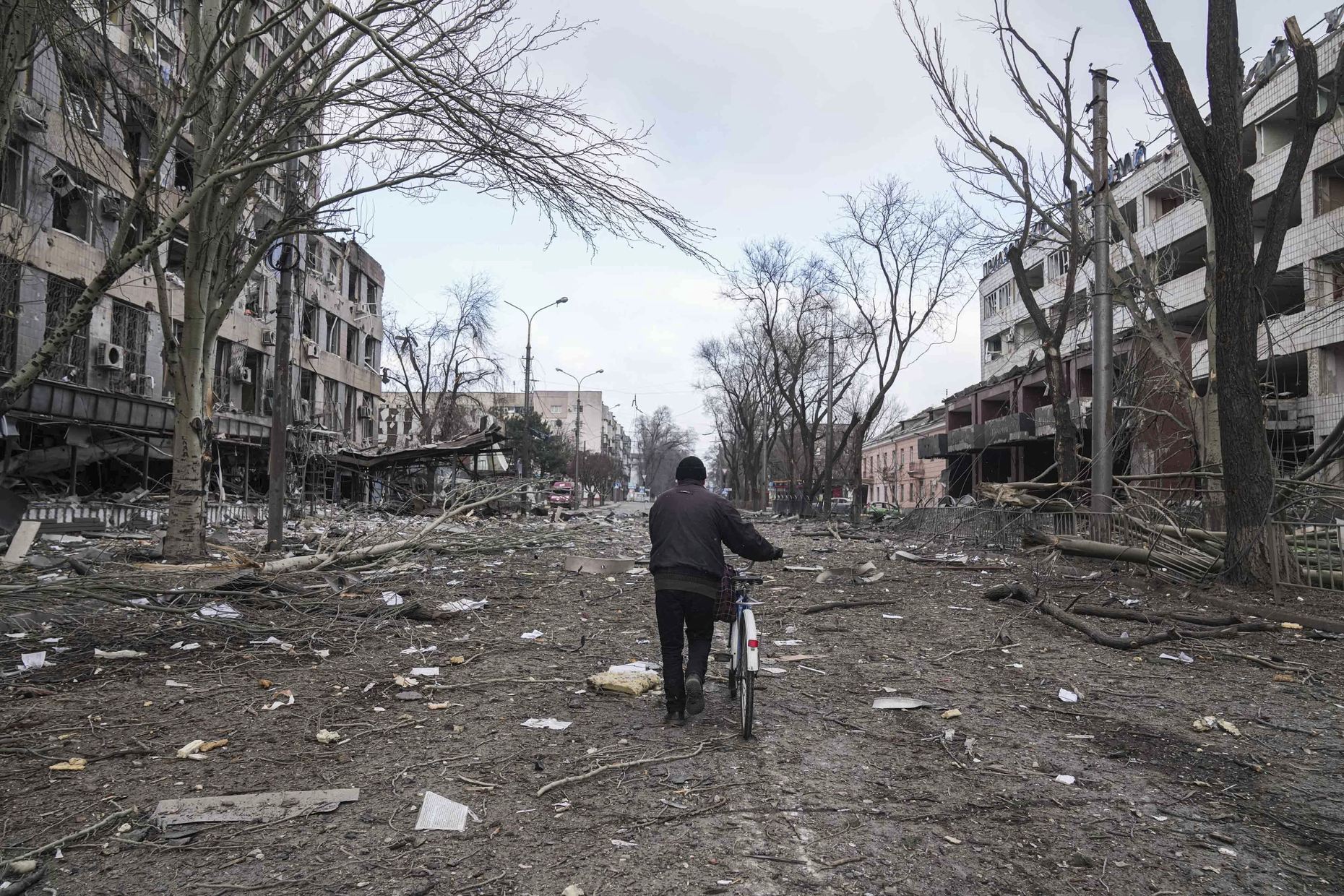
Mar 9, 2022
The Kremlin's M.O.
This is a piece we first ran last September. It's reported by OTM producer Molly Schwartz who until the war in Ukraine started was a fellow on a journalism program in Moscow. Molly’s recounted for us the effects of a bizarre and cumbersome law - one of the many tactics used by the Kremlin to silence dissenting voices. Following widespread protests across Russia last year in support of jailed opposition leader Alexey Navalny, Putin's government has engaged in a wave of crackdowns on dissent, expelling and imprisoning opposition leaders, and shutting down independent news outlets . They've also, since April 2021, added 30 Russian journalists or news outlets to the government's list of "foreign agents." Journalists or news organizations who are labeled as "foreign agents" don't have to to shut down or stop publishing. Instead, they have to jump through various bureaucratic hoops — like reporting all their income and expenses to the Ministry of Justice (to be publicly posted on its website), and, perhaps most Kafkaesque of all, including a 24-word legal disclaimer on top of everything they publish. This includes every article, every advertisement, every tweet, every Instagram story, every response to a friend's comment on social media. This is a segment from our September 24th, 2021 program, The Subversion Playbook . On the Media is supported by listeners like you. Support OTM by donating today ( https://pledge.wnyc.org/support/otm ). Follow our show on Instagram , Twitter and Facebook @onthemedia, and share your thoughts with us by emailing onthemedia@wnyc.org.
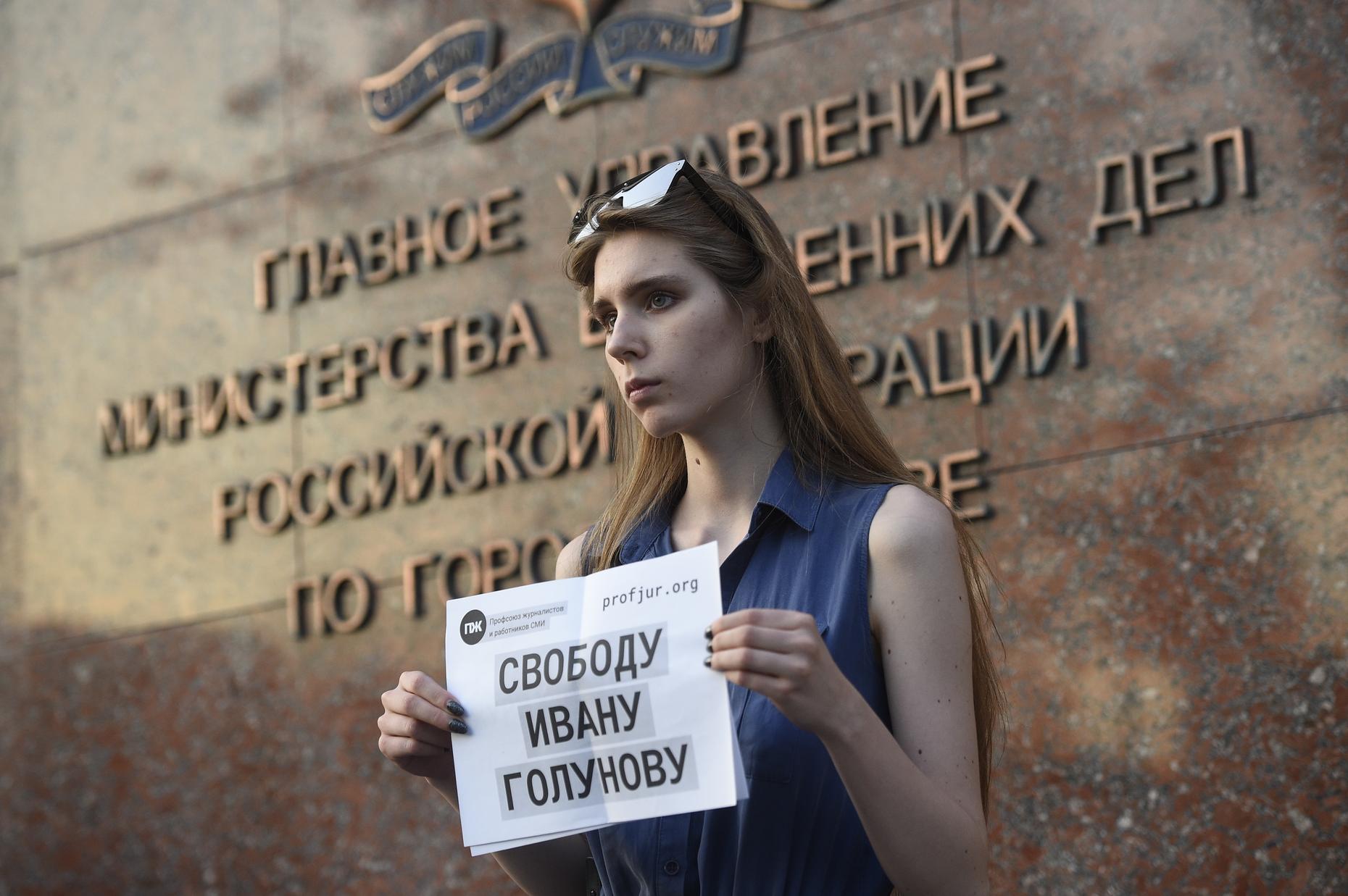
Mar 4, 2022
The Fog of War
Footage captured and shared by Ukrainian civilians is helping the world see through the fog of war. But not every video in your news feed is the real deal. On this week’s On the Media, how to sift fact from fiction with our new Breaking News Consumer's Handbook: Ukraine Edition . Plus, how journalists and analysts are using OSINT to track the war. Then, how an international white Christian nationalist movement is fueling Putin’s views and violence. 1. Jane Lytvynenko [ @JaneLytv ] , senior research fellow at the Technology and Social Change Project at Harvard University’s Shorenstein Center, on how to sort out the real from the fake while keeping up with the news from Ukraine. Listen. 2. Peter Aldhous [ @paldhous ], science reporter at Buzzfeed, on how open-source intelligence is changing how we all experience war. Listen. 3. Casey Michel [ @cjcmichel ], writer and investigative journalist, on white Christian nationalism—here and in Russia. Listen. 4. Jason Stanley [ @jasonintrator ], professor of philosophy at Yale University, on the anti-Semitic conspiracy theories that plague eastern Europe. Listen. Music: Exit Music For A Film by Brad Mehldau Motherless Child by LaTonya Peoples Eye Surgery by Thomas Newman The Artifact & Living by Michael Andrews Trance Dance by John Zorn Using the Apostate Tyrant as His Tool by Kronos Quartet Final Retribution by John Zorn Waltz (From Swan Lake) by Europa Philharmonic Orchestra On the Media is supported by listeners like you. Support OTM by donating today ( https://pledge.wnyc.org/support/otm ). Follow our show on Instagram , Twitter and Facebook @onthemedia, and share your thoughts with us by emailing onthemedia@wnyc.org.
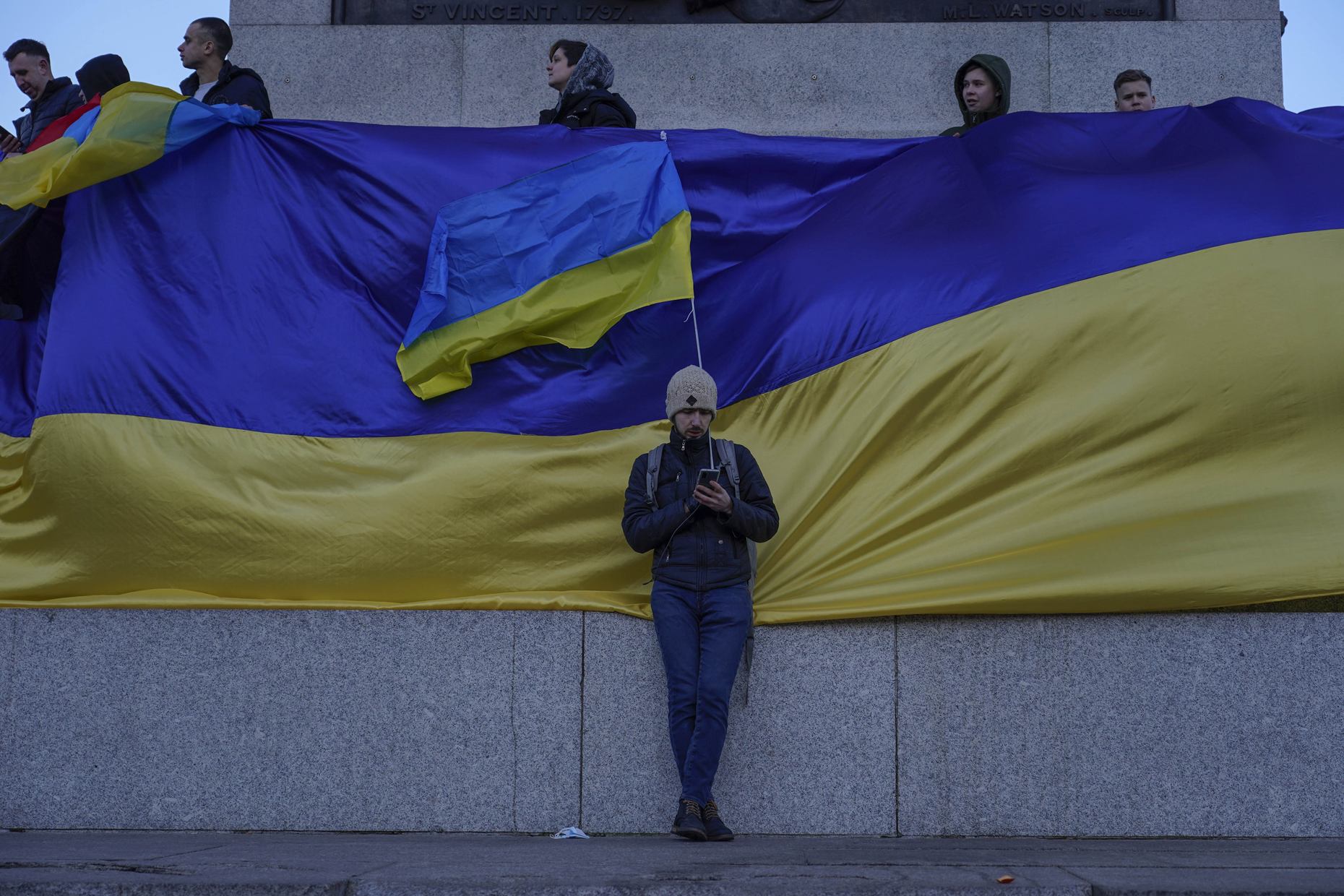
Feb 25, 2022
'La Brega' in Puerto Rico
This week, OTM presents stories from Puerto Rico as told in a podcast series called "La Brega," hosted by Alana Casanova-Burgess . Hear what that term means, how it's used, and what it represents. Also, how one of the most famous homebuilding teams in American history tried to export American suburbanism to Puerto Rico... as a bulwark against Cuban communism. 1. Alana [ @AlanaLlama ] explores the full meaning(s) of la brega, which has different translations depending on who you ask. According to s cholar and professor emeritus at Princeton, Arcadio Diaz Quiñonez , the closest English word is "to grapple." Alana also speaks to Cheo Santiago [ @adoptaunhoyo ], creator of " Adopta Un Hoyo " (Adopt a Pothole), which encourages people to paint around and photograph potholes to alert other drivers. Because the roads are rarely fixed properly, the challenges of potholes and what people do to get around them is a metaphorical and literal brega in Puerto Rico. Listen. 2. Next, Alana turns to the boom and bust of Levittown, a suburb that was founded on the idea of bringing the American middle-class lifestyle to Puerto Rico during a time of great change on the island. Alana (herself the granddaughter of an early Levittown resident) explores what the presence of a Levittown in Puerto Rico tells us about the promises of the American Dream in Puerto Rico. Listen. Created by a team of Puerto Rican journalists, producers, musicians, and artists from the island and diaspora, "La Brega" uses narrative storytelling and investigative journalism to reflect and reveal how la brega has defined so many aspects of life in Puerto Rico. All episodes are out now, and available in English and Spanish. Listen to the full series : Apple Podcasts | Spotify | Stitcher | Google Podcasts Music in this series comes from Balún and ÌFÉ On the Media is supported by listeners like you. Support OTM by donating today ( https://pledge.wnyc.org/support/otm ). Follow our show on Instagram , Twitter and Facebook @onthemedia, and share your thoughts with us by emailing onthemedia@wnyc.org.
Feb 23, 2022
How SPAM built a town—and tore it apart
This week, OTM presents the second installment of a new series by our colleagues at The Experiment. In this episode, we learn that SPAM is at the center of one of the longest and most contentious labor battles in U.S. history. In 1985, workers at the Hormel Foods plant in Austin, Minnesota, went on strike, demanding better working conditions and stable wages. Generations of meatpackers had worked at the plant, some for most of their lives—and that gruesome, difficult work afforded them a sustainable, middle-class life. So when that way of life was threatened, they fought back. SPAM boycotts spread to cities and towns around the world. The strike went on for almost two years, pit neighbor against neighbor, and turned violent; the National Guard was called in to protect those who crossed the picket line. In the end, the strike is a Rorschach test: either a lesson in what is possible when workers unite, or a cautionary tale about biting the SPAM that feeds. This episode is the second in a new three-part miniseries from The Experiment— “ SPAM: How the American Dream Got Canned .” On the Media is supported by listeners like you. Support OTM by donating today ( https://pledge.wnyc.org/support/otm ). Follow our show on Instagram , Twitter and Facebook @onthemedia, and share your thoughts with us by emailing onthemedia@wnyc.org.
Feb 18, 2022
Good As Gold
Mainstream journalists keep falling for crypto scams that can end up costing their audiences a fortune. On this week’s On the Media, hear why all of us might want to become at least a bit literate in crypto-technology. Plus, the story of an American pundit living in Moscow, who’s being paid to be Russian TV’s favorite punching bag. 1. Adam Davidson [ @adamdavidson ], founder of NPR's Planet Money, on the need for market context when reporting on cryptocurrency. Listen. 2. Katie Notopoulos [ @katienotopoulos ], senior tech reporter at BuzzFeed and Maxwell Strachan [ @maxwellstrachan ], features writer and editor at Motherboard at VICE, on the backlash from covering crypto investors who'd rather remain anonymous. Listen. 3. OTM producer Molly Schwartz [ @mollyfication ], on how Russian TV downplays talk of war using an American as a straw man. Listen. Music: I’m Forever Blowing Bubbles by Classic Carnival Circus Calliope Music Newsreel by Randy Newman Ave Maria - Pascal Jean & Jean Brenders Avalon by Randy Newman Fergus Roundelay by Gerry O'Beirne Sonata for Violin and Guitar (Mauro Giuliani) by Itzhak Perlman & John Williams Peter and the Wolf (Prokofiev) by Mario Rossi & Wiener Opernochester On the Media is supported by listeners like you. Support OTM by donating today ( https://pledge.wnyc.org/support/otm ). Follow our show on Instagram , Twitter and Facebook @onthemedia, and share your thoughts with us by emailing onthemedia@wnyc.org.
Feb 16, 2022
All about SPAM (the meaty kind)
On this week's podcast we’re bringing you a story from our colleagues at The Experiment . It’s about SPAM: the meaty kind. During World War II, wherever American troops spread democracy, they left the tinned pork-mix in their wake; tossing cans of SPAM out of trucks to the hungry people they sought to liberate. That’s how Experiment producer Gabrielle Berbey’s grandfather first came to know and love SPAM as a kid in the Philippines. Once a classic American product, 80 years later it is now a staple Filipino food: a beloved emblem of Filipino identity. In this episode Gabrielle sets out to understand how SPAM made its way into the hearts of generations of Pacific Islanders, and ends up opening a SPAM can of worms. This episode is the first in a new three-part miniseries from The Experiment— “ SPAM: How the American Dream Got Canned . ” On the Media is supported by listeners like you. Support OTM by donating today ( https://pledge.wnyc.org/support/otm ). Follow our show on Instagram , Twitter and Facebook @onthemedia, and share your thoughts with us by emailing onthemedia@wnyc.org.
Feb 11, 2022
I'm No Expert
Joe Rogan’s fans, critics, and everyone in between have spent weeks hearing his name plastered on the news. On this week’s On the Media, a look at the real lessons emerging from the debate about the debate. Plus, what Putin’s attack on Russia’s past might tell us about Ukraine’s future. 1. Greg Bensinger [ @GregBensinger ], member of New York Times editorial board, Peter Kafka [ @pkafka ], host of the Vox podcast Recode Media, Andy Campbell [ @AndyBCampbell ], senior editor at HuffPost, and Tom Webster [ @webby2001 ], senior vice president at Edison Research, on why we're all talking about Joe Rogan. Listen. 2. Jill Filipovic [ @JillFilipovic ], attorney and writer, on who holds responsibility for misinformation. Listen. 3. Gita Jackson [ @xoxogossipgita ], on the misguided defenses of Joe Rogan's racist comments. Listen. 4. OTM producer Molly Schwartz [ @mollyfication ], on Russia's newest effort to erase the past. Listen. Music: Blue Monk by Jimmy Giuffre Ain't Misbehavin’ by Hank Jones Investigations by Kevin MacLeod I Am by India Arie Breathe by India Arie String Quartet No.5 (Philip Glass) by Kronos Quartet Peace Piece (Bill Evans) by Kronos Quartet On the Media is supported by listeners like you. Support OTM by donating today ( https://pledge.wnyc.org/support/otm ). Follow our show on Instagram , Twitter and Facebook @onthemedia, and share your thoughts with us by emailing onthemedia@wnyc.org.
Feb 9, 2022
Man of the Left
Todd Gitlin - writer, academic, media analyst, sociologist and lifelong activist died on February 5th. In his youth he helped organize the first national demonstration against the Vietnam War , held in Washington in 1965. He organized rallies against South Africa aparthied and for civil rights in America. Later as an educator and author and media critic of the left and right, worked as both an observer and shaper of thoughts about media narrative until the end of his life. Gitlin was also a mentor to many and a huge influence on many who came to the nascent field of media criticism. Among them, New York University journalism professor and Media critic Jay Rosen, writer of the oft-quoted pressthink blog, and a regular here on our show. Brooke spoke with Rosen this week about the influence Gitlin had on his career. On the Media is supported by listeners like you. Support OTM by donating today ( https://pledge.wnyc.org/support/otm ). Follow our show on Instagram , Twitter and Facebook @onthemedia, and share your thoughts with us by emailing onthemedia@wnyc.org.
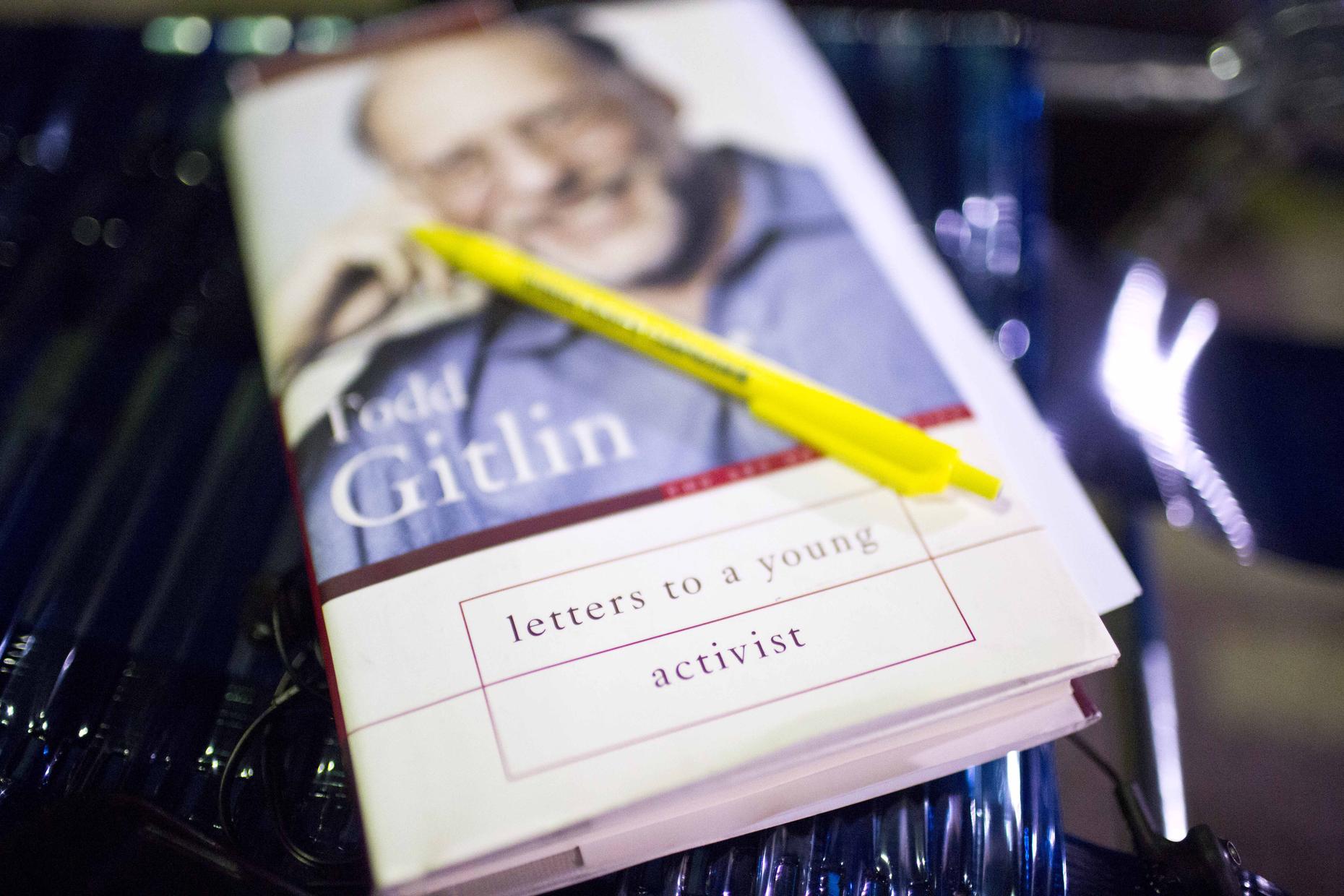
Feb 4, 2022
Read the Room
An old threat has returned to classrooms across the country — and it’s made of pages and ink. On this week’s On the Media, hear what it means to ban a book, and who has the right to choose what kids learn. Plus, meet the student who took his school board all the way to the Supreme Court in the 80s. 1. Kelly Jensen, editor for Book Riot who writes a weekly update on “book censorship news,” on what it means to ban a book. Listen. 2. Jennifer Berkshire [ @BisforBerkshire ] and Jack Schneider [ @Edu_Historian ] , hosts of the education podcast “Have You Heard,” on the rights—both real and fictional—of parents to shape what their kids learn. Listen . 3. OTM reporter Micah Loewinger [ @MicahLoewinger ] takes a deep dive into our nations history of taking books off shelves, with the 1982 Supreme Court decision in Island Trees School District v Pico. Featuring: Steven Pico, then student and plaintiff in the case and Arthur Eisenberg, New York Civil Liberties lawyer, who represented him. Listen . Music: Tymperturbably Blue by Duke Ellington York Fusiliers by Douglas Monroe & Yorktown Fife and Drums Eye Surgery by Thomas Newman Viderunt Omnes by The Kronos Quartet On the Media is supported by listeners like you. Support OTM by donating today ( https://pledge.wnyc.org/support/otm ). Follow our show on Instagram , Twitter and Facebook @onthemedia, and share your thoughts with us by emailing onthemedia@wnyc.org.
Feb 2, 2022
Barney Rosset Never Backed Down
In 1951, Grove Press was a tiny, almost-defunct independent publisher, with just three titles in its catalog, including Herman Melville’s The Confidence Man. But then Barney Rosset took over and, with a few choice books, helped push America past its Puritanical roots and into the sexual revolution. He died in 2012 and we are re-airing this interview I did with him many years back, to set up this week’s show in which we’ll be trying to unpack the latest round of book banning in America. On the Media is supported by listeners like you. Support OTM by donating today ( https://pledge.wnyc.org/support/otm ). Follow our show on Instagram , Twitter and Facebook @onthemedia, and share your thoughts with us by emailing onthemedia@wnyc.org.
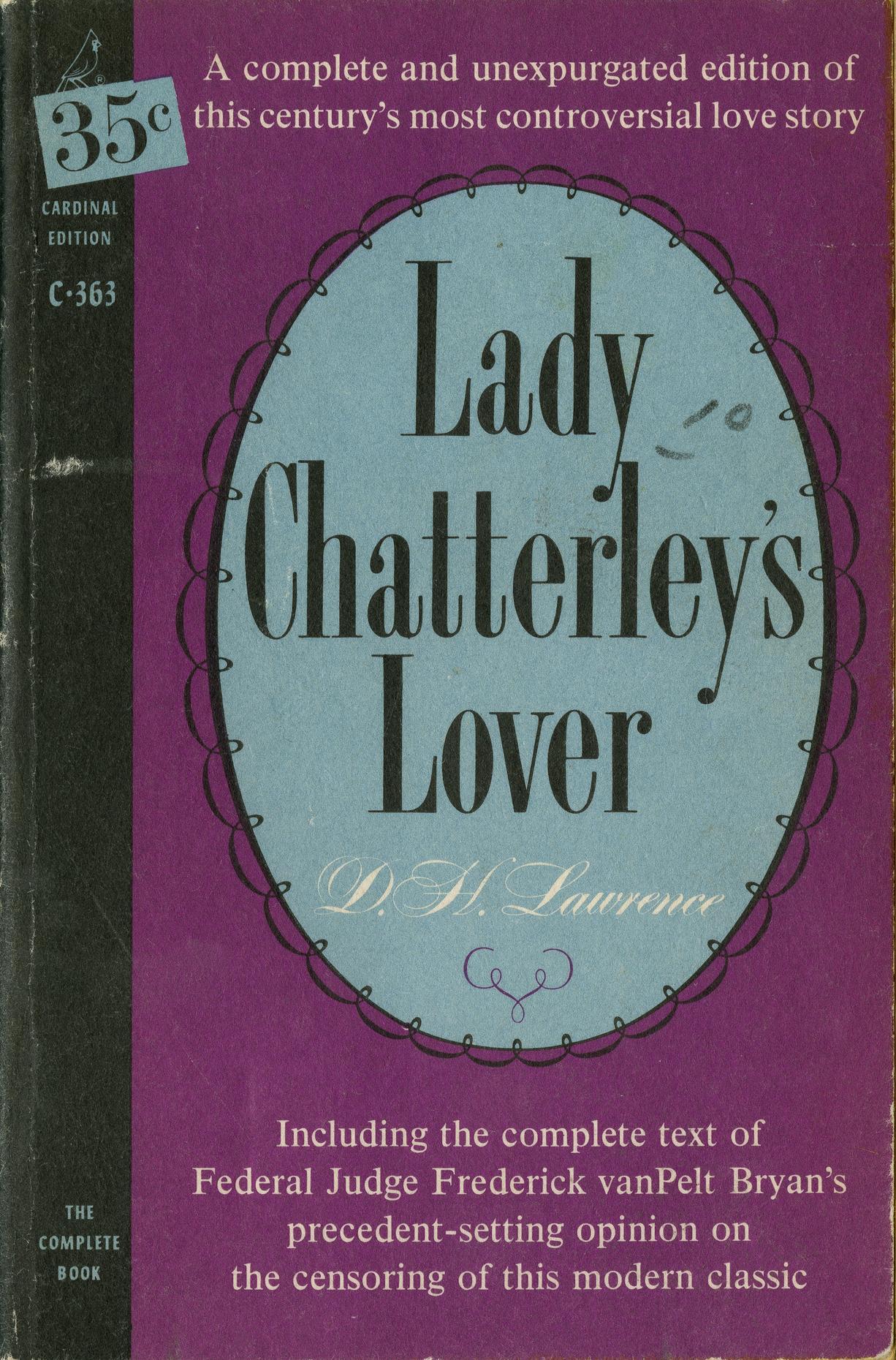
Jan 28, 2022
Humans, Being
When you hear the word “Neanderthal,” you probably picture a mindless, clumsy brute. It’s often used as an insult — even by our president, who last year called anti-maskers “Neanderthals.” But what if we have more in common with our ancestral cousins than we think? On this week’s On the Media, hear how these early humans have been unfairly maligned in science and in popular culture. 1. John Hawks [ @johnhawks ], professor of anthropology at the University of Wisconsin–Madison, on our biological family tree—and the complicated branch that is Neanderthals. Listen . 2. Rebecca Wragg Sykes [ @LeMoustier ], archeologist and author of Kindred: Neanderthal Life, Love, Death and Art, on and what we know about how they lived. Listen . 3. Clive Finlayson [ @CliveFinlayson ], Director, Chief Scientist, and Curator of the Gibraltar National Museum, on how studying what’s inside Gorham and Vanguard caves can help reconstruct Neanderthal life beyond them. Listen . 4. Angela Saini , science journalist, on how Neanderthals have been co-opted to push mythologies about the genetic basis of race. Listen . Music: Boy Moves the Sun by Michael Andrews Young Heart by Brad Mehldau Sacred Oracle by John Zorn Tomorrow Never Knows by Quartetto d’ Archi Di Dell’Orchestra di Milano Guiseppe Verdi Investigations by Kevin MacLeod On the Media is supported by listeners like you. Support OTM by donating today ( https://pledge.wnyc.org/support/otm ). Follow our show on Instagram , Twitter and Facebook @onthemedia, and share your thoughts with us by emailing onthemedia@wnyc.org.
Jan 26, 2022
Debate This!
Earlier this month, Ronna McDaniel, Chairwoman of the Republican National Committee, wrote a letter to the Commission on Presidential Debates—the independent, bipartisan organization that has convened general election debates since the 1980's. In her letter, McDaniel said that the RNC would boycott the presidential debates during the upcoming election cycle. That is – unless the commission was willing to meet its demands. The move is the latest refusal by Republicans to meet political norms. And it also poses the question: What – if anything – would be lost if the presidential debates didn’t happen? Brooke spoke to Alex Shephard, staff writer at The New Republic who's article on the subject was titled: “Let the Presidential Debates Die.” On the Media is supported by listeners like you. Support OTM by donating today ( https://pledge.wnyc.org/support/otm ). Follow our show on Instagram , Twitter and Facebook @onthemedia, and share your thoughts with us by emailing onthemedia@wnyc.org.
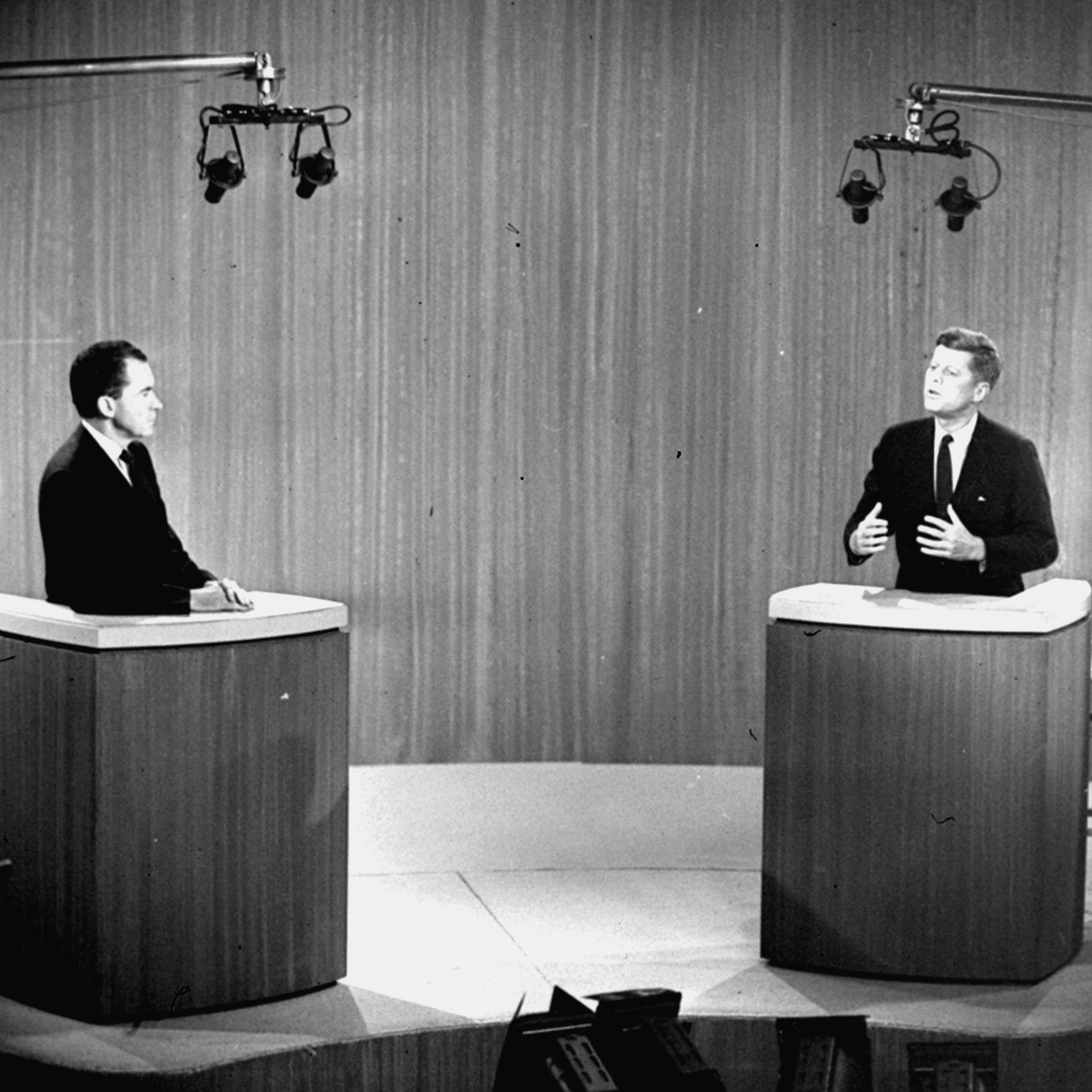
Jan 21, 2022
Political Fictions
It’s been over a year since Donald Trump was defeated fair and square in the 2020 election, but polling shows that belief in the Big Lie is as strong as ever. On this week’s On the Media, hear journalists debate how to interview Americans convinced by this dangerous myth. Plus, find out why one political linguist isn’t sure the press can pull democracy back from the brink. 1. Matthew Sitman [ @MatthewSitman ], host of the Know Your Enemy podcast, shares his tips for interviewing right-wing intellectuals. Listen . 2. Bill Kristol [ @BillKristol ], editor-at-large of The Bulwark, reckons with 'Stop the Steal'-ers in his party. Listen . 3. Astead Herndon [@ AsteadWesley ], national politics reporter at the The New York Times, on why he'd rather interview a 'Big Lie'-believing voter than a politician. Listen . 4. George Lakoff [ @GeorgeLakoff ], linguist and cognitive scientist, reflects on the "truth sandwich." Listen . Music: Bewitched, Bothered and Bewildered by Brad Mehldau Cellar Door by Michael Andrews Cello Song by Nick Drake Boy Moves the Sun by Michael Andrews I’m Not Following You by Michael Andrews White Man Sleeps I by Kronos Quarte t Love Angel by Marcos Ciscar Traveling Music by Kronos Quartet On the Media is supported by listeners like you. Support OTM by donating today ( https://pledge.wnyc.org/support/otm ). Follow our show on Instagram , Twitter and Facebook @onthemedia, and share your thoughts with us by emailing onthemedia@wnyc.org.
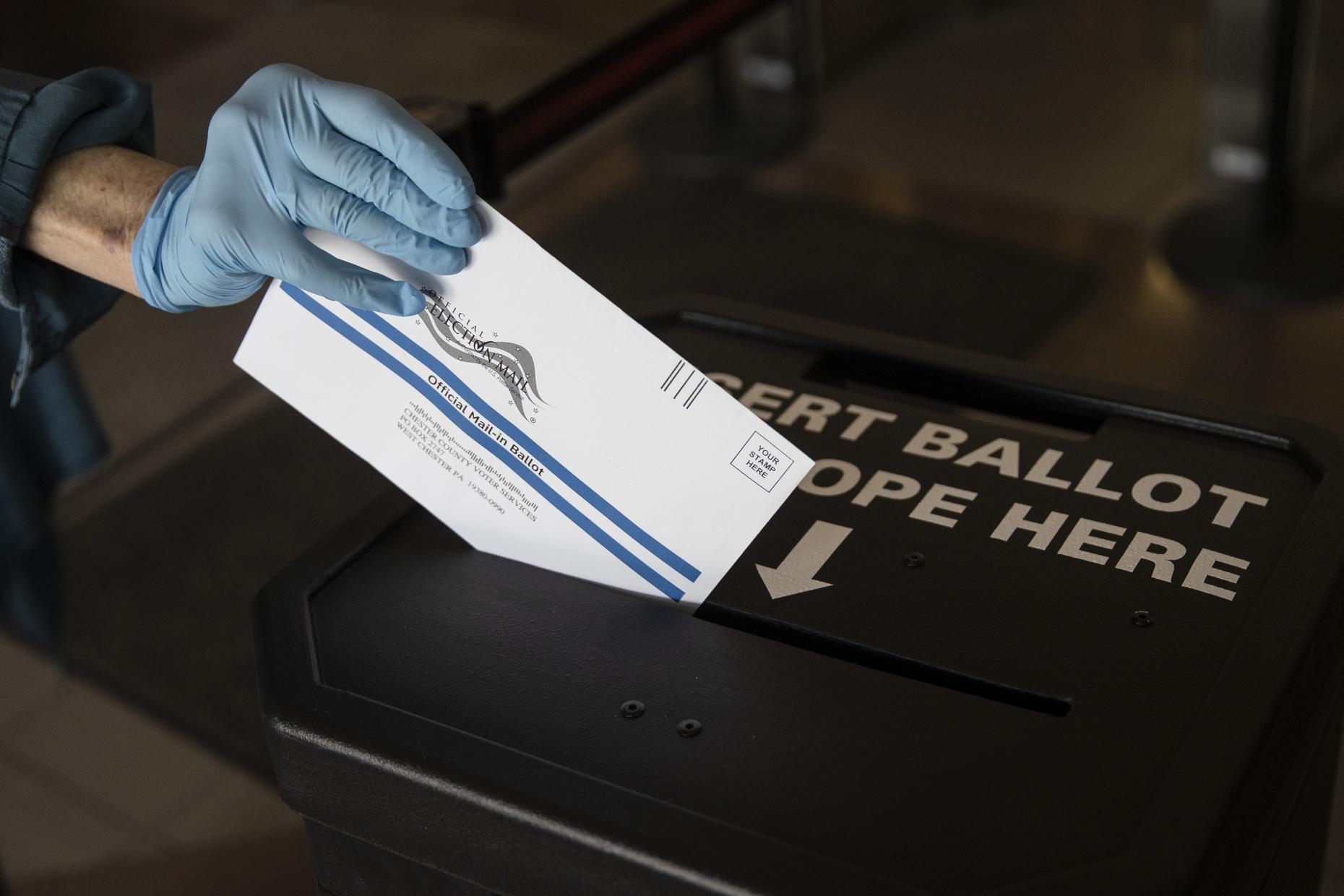
Jan 19, 2022
Snow...in the tropics?
This week we are airing another episode from the show "La Brega"a podcast about life in Puerto Rico and hosted by former OTM producer Alana Casanova-Burgess. During the early 1950s, the children of Puerto Rico were invited to an icy winter spectacle. Mayor Felisa Rincón de Gautier, the charismatic mayor of San Juan, arranged for Eastern Airlines to bring a plane-load of snow for a snowball fight in the city. It was a feat that has become legend for a whole generation. But while this winter wonderland came to San Juan free of charge, it wasn't without a cost. In this special episode of La Brega, we learn how the snow was actually transported to San Juan from Hilda Jimenez, Doña Fela’s assistant. And we hear from some of the people who experienced it up-close. Ignacio Rivera (of the radio program Fuego Cruzado) was 8 years old and threw snowballs; the artist Antonio Martorell remembers that too, but also sees the event as part of Puerto Rico’s troubling colonial relationship with the United States. Seventy years later – when ice is at an even greater premium – journalist and author Ana Teresa Toro says Puerto Rico is still grappling with how to understand that special delivery. To learn more about Doña Fela, we recommend a visit to the Casa Museo Felisa Rincón de Gautier . You can learn more about Antonio Martorell in a recent documentary called El Accidente Feliz . His portrait of the mayor is here . The snowball fight is also the subject of a piece by the artist Sofía Gallisá Muriente , called Lluvia con nieve , now part of Whitney's collection. Ana Teresa Toro ’s new book of poetry is “ Flora animal .” On the Media is supported by listeners like you. Support OTM by donating today ( https://pledge.wnyc.org/support/otm ). Follow our show on Instagram , Twitter and Facebook @onthemedia, and share your thoughts with us by emailing onthemedia@wnyc.org.
Jan 14, 2022
A Question of War
Since the insurrection on January 6, warnings of a second American Civil War have been sounded. This week, On the Media explores whether the civil war talk is an alarmist cry, or actually a sober assessment. Plus, hear how the myth of “the Dark Ages” paints an unfair portrait of medieval times. 1. David Remnick , editor of The New Yorker and host of the New Yorker Radio Hour, on the risk of second civil war. Listen. 2. Barbara Walter [ @bfwalter ], professor of International Relations at the University of California, San Diego, on the tell-tale signs that a country is headed for insurgence. Listen. 3. Charlie Warzel [ @cwarzel ], journalist and contributing writer at The Atlantic, on when journalists should sound the alarm (and how loud we should ring it). Listen. 4. David M. Perry [ @Lollardfish ] and Matthew Gabriele [ @prof_gabriele ], authors of The Bright Ages: A New History of Medieval Europe, on how the Dark Ages might have not been so dark. Listen. Music: Wade in the Water by Hank Jones and Charlie Haden The Glass House - Marjane’s Inspiration by David Bergeaud Seinfeld Theme - Jonathan Wolff Lowland’s Away by Gregory Blavenz - The Us Army Fife And Drum Corps Harpsichord - Four T et Ad summan missam: Santus II by Ensemble Aeolus On the Media is supported by listeners like you. Support OTM by donating today ( https://pledge.wnyc.org/support/otm ). Follow our show on Instagram , Twitter and Facebook @onthemedia, and share your thoughts with us by emailing onthemedia@wnyc.org.
Jan 13, 2022
Is New York Times v Sullivan on the Chopping Block?
Revisiting the crucial case law "NYT v Sullivan." On the Media is supported by listeners like you. Support OTM by donating today (https://pledge.wnyc.org/support/otm). Follow our show on Instagram, Twitter and Facebook @onthemedia, and share your thoughts with us by emailing onthemedia@wnyc.org.
Jan 7, 2022
Road To Insurrection
It’s been one year since the armed insurrection at the Capitol, what do we know now about how it happened? On this week’s On the Media, hear about the signs that reveal militia groups were preparing for that day — or something like it — long before January 6th. Plus, how the attack may have transformed the far-right in America. 1. OTM reporter Micah Loewinger [ @MicahLoewinger ] on the efforts to shape the media narrative among gun rights activists at Virginia's Lobby Day. Listen. 2. OTM reporter Micah Loewinger [ @MicahLoewinger ] and Militia Watch founder Hampton Stall [ @HamptonStall ] investigate how a walkie-talkie app called Zello is enabling armed white supremacist groups to gather and recruit. Featuring: Joan Donovan [ @BostonJoan ] Research Director of the Shorenstein Center at Harvard University, and Megan Squire [ @MeganSquire0 ] Professor of Computer Science at Elon University. Listen. 3. OTM reporter Micah Loewinger [ @MicahLoewinger ] on Zello's role in the January 6th insurrection, and what the app is finally doing about its militia members. Featuring: Marcy Wheeler [ @emptywheel ] national security reporter for Emptywheel , and Cynthia Miller-Idriss [ @milleridriss ] Director of Polarization and Extremism Research and Innovation Lab at American University, and Jared Holt [ @JaredHolt ] Resident Fellow at the Atlantic Council's Digital Forensic Research Lab. Listen. Music: Tick Of The Clock by Chromatics Cyclic Bit by Raymond Scott Genocide by Link Wray Procession Of The Grand Moghul by Korla Pandit Gormenghast by John Zorn On the Media is supported by listeners like you. Support OTM by donating today ( https://pledge.wnyc.org/support/otm ). Follow our show on Instagram , Twitter and Facebook @onthemedia, and share your thoughts with us by emailing onthemedia@wnyc.org.
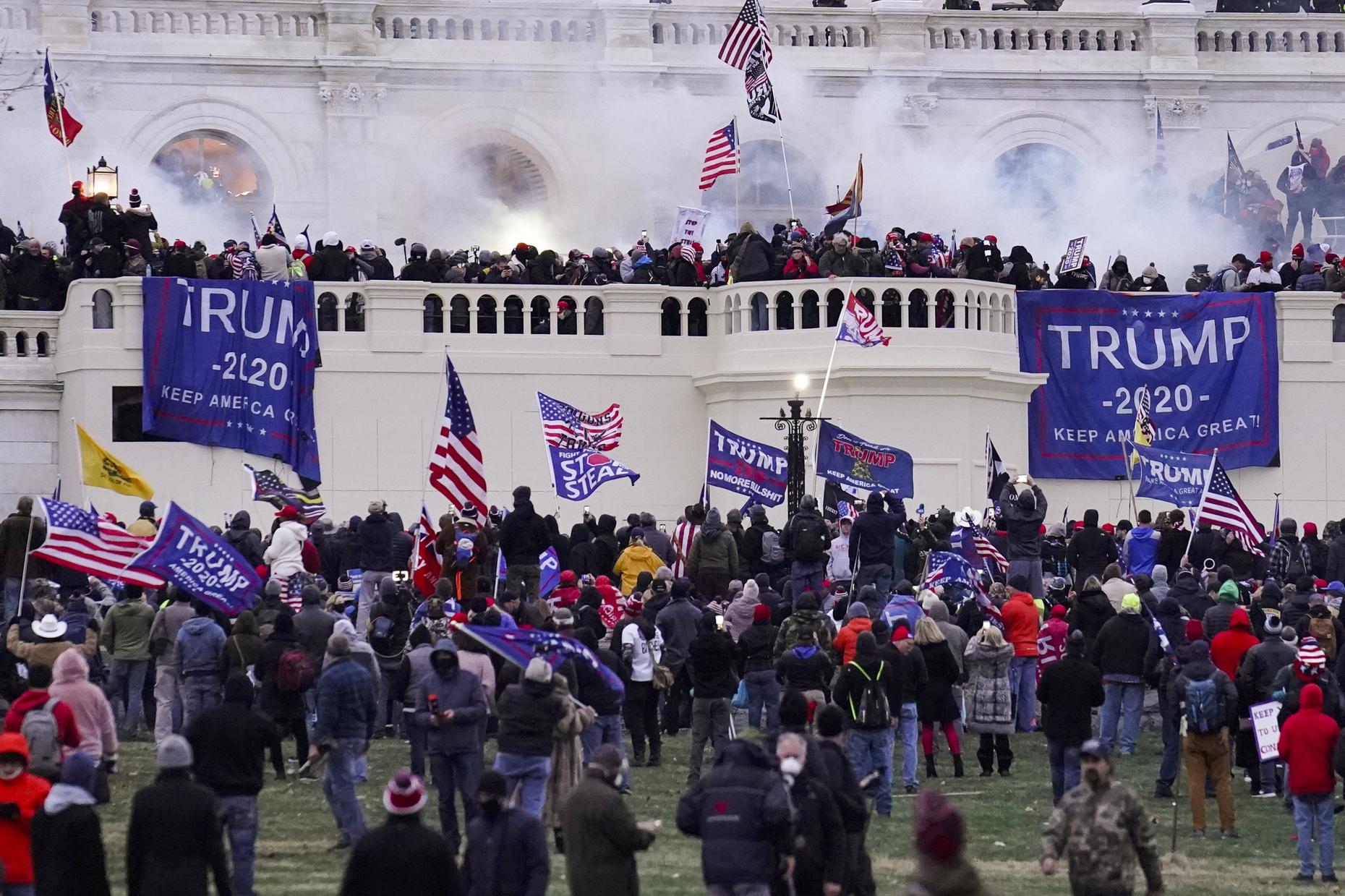
Jan 5, 2022
Aaron Swartz: The Wunderkind of the Free Culture Movement
In 2013, 26-year-old software developer and political activist Aaron Swartz died by suicide. He had been indicted on federal charges after illegally downloading 4.8 million articles from JSTOR, a database of academic journals, and potentially faced a million dollar fine and decades in jail. While his death made headline news, Swartz had long been an Internet folk hero and a fierce advocate for the free exchange of information. In his book, The Idealist , writer Justin Peters places Swartz within the fraught, often colorful, history of copyright in America. Brooke talks with Peters about Swartz's legacy and the long line of "data moralists" who came before him. Music in this podcast extra: "Moss Garden" by David Bowie "Heroes" by David Bowie; performed by The Meridian String Quartet "Life On Mars?" by David Bowie; performed by The Meridian String Quartet. This segment originally aired in our January 15, 2016 program, " Terms of Engagement ." On the Media is supported by listeners like you. Support OTM by donating today ( https://pledge.wnyc.org/support/otm ). Follow our show on Instagram , Twitter and Facebook @onthemedia, and share your thoughts with us by emailing onthemedia@wnyc.org.
Dec 31, 2021
Reputation
Should we cancel the word “cancel”? On this week’s On the Media, find out who benefits from the newest culture scare, and a history of "cancellation." Plus, hear how three women reporters covered the Vietnam War against all odds. 1. Michael Hobbes [ @RottenInDenmark ], co-host of Maintenance Phase, on the anecdotes that fuel "political correctness" and "cancel culture" panics. Listen. 2. Erec Smith [ @Rhetors_of_York ], associate professor of rhetoric and composition at the York College of Pennsylvania, on his experience being "cancelled" within an academic context. Listen. 3. Clyde McGrady [ @CAMcGrady ], features writer for T he Washington Post , on the derivation and misappropriation of the word "cancelled." Listen. 4. Elizabeth Becker [ @Elizbeckerwrite ], author of You Don't Belong Here , on how women journalists covered the Vietnam War in groundbreaking ways, and yet were forgotten by history. Listen . Music: Middlesex Times by Michael Andrews Bubble Wrap by Thomas Newman You Sexy Thing (Remix) by Hot Chocolate John’s Book Of Alleged Dances by Kronos Quartet Carmen Fantasy by Anderson & Row On the Media is supported by listeners like you. Support OTM by donating today ( https://pledge.wnyc.org/support/otm ). Follow our show on Instagram , Twitter and Facebook @onthemedia, and share your thoughts with us by emailing onthemedia@wnyc.org.
Dec 29, 2021
An Interview With Basketball Great Walt "Clyde" Frazier
Basketball Hall of Famer Walt "Clyde" Frazier made a successful transition from NBA star to sports broadcaster on the MSG Network. With his cool rhymes and even cooler clothes, Frazier sat down with Brooke for a live event in 2013 to discuss basketball, broadcasting, and the art of being cool. This segment originally aired in our March 29, 2013 program, "Culture and the Courts, The Legacy of Rand Paul's Filibuster, and More." On the Media is supported by listeners like you. Support OTM by donating today ( https://pledge.wnyc.org/support/otm ). Follow our show on Instagram , Twitter and Facebook @onthemedia, and share your thoughts with us by emailing onthemedia@wnyc.org.
Dec 24, 2021
Scene of the Crime
On this week’s On the Media, a look at the journalists and newspapers we lost in 2021, and hopes for the press in the year ahead. Plus, is the ever-popular genre of true crime good for us? And the mob gets a podcast. 1. Micah Loewinger [ @micahloewinger ], tells Brooke about a year of newspaper closures, murdered journalists, and the end of the Trump Bump. Listen. 2. Emma Berquist [ @eeberquist ], author of Devils Unto Dust , on how the true crime genre can rot our brains. Listen. 3. Rachel Corbett [ @RachelNCorbett ], author of You Must Change Your Life: The Story of Rainer Maria Rilke and Auguste Rodin , on why the feds love podcasts by mobsters. Listen. Music: After The Fact by John Scofield The Hammer of Los by John Zorn Smooth Criminal by 2Cellos On the Media is supported by listeners like you. Support OTM by donating today ( https://pledge.wnyc.org/support/otm ). Follow our show on Instagram , Twitter and Facebook @onthemedia, and share your thoughts with us by emailing onthemedia@wnyc.org.
Dec 22, 2021
Ten Things That Scare Brooke Gladstone
Merry Christmas, to those who celebrate! To those who don't (and, aw heck, to those who do too) we offer a very special end-of-year gift: fear. More specifically, Brooke's greatest fears, courtesy of our WNYC colleagues 10 Things That Scare Me . Fear is a subject — and experience — near and dear to our beloved Brooke, so we can assure you that this is not a conversation to skip. On the Media is supported by listeners like you. Support OTM by donating today ( https://pledge.wnyc.org/support/otm ). Follow our show on Instagram , Twitter and Facebook @onthemedia, and share your thoughts with us by emailing onthemedia@wnyc.org.
Dec 17, 2021
Fame and Misfortune
Text messages obtained by the January 6 commission revealed the panic of Fox News hosts — even as they downplayed the insurrection on camera. On this week’s On the Media, how to hold the news station accountable. Plus, an investigation of the celebrity profile – from the biting to the banal. Angelo Carusone [ @GoAngelo ], President and CEO of Media Matters, explains what the new January 6th revelations say about the state of Fox News. Listen . Anne Helen-Peterson [ @annehelen ], writer and journalist, on why the profile of Jeremy Strong in The New Yorker struck a chord. Listen . Bobby Finger [ @bobbyfinger ] and Lindsey Weber [ @lindseyweber ], co-hosts of the podcast "Who? Weekly," talk about the scrappy, B-list celebrities do for fame. Listen . Music: Il Casanova di Federico Fellini by Nina Rota Paperback Writer by Quartetto dell'Orchestra Sinfonica di Milano Giuseppe Verdi The Art Of War by Richard Beddow Investigations by Kevin MacLeod Newsreel by Randy Newman Hard Times by Leftover Salmon On the Media is supported by listeners like you. Support OTM by donating today ( https://pledge.wnyc.org/support/otm ). Follow our show on Instagram , Twitter and Facebook @onthemedia, and share your thoughts with us by emailing onthemedia@wnyc.org.
Dec 15, 2021
Everything You Never Knew About Movie Novelizations
Write a great book and you're a genius. Turn a book into a great film and you're a visionary. Turn a great film into a book...that's another story. Novelizations of films are regular best-sellers with cult followings -- some are even more beloved than the films that spawned them -- but respected they are not. Instead, they're assumed to be the literary equivalent of merchandise: a way for the movie studios to make a few extra bucks, and a job for writers who aren't good enough to do anything else. But the people who write them beg to differ. Back in 2016, former OTM producer Jesse Brenneman went inside the world of novelizations; featuring authors Max Allan Collins , Alan Dean Foster , Elizabeth Hand , and Lee Goldberg . Songs: "The Blue Danube Waltz" by Johann Strauss "The Throne Room and End Title" by John Williams (from the film "Star Wars") *Correction: In the piece it is stated that the Star Wars novelization begins, "Another time, another galaxy." In fact it begins, "Another galaxy, another time." On the Media is supported by listeners like you. Support OTM by donating today ( https://pledge.wnyc.org/support/otm ). Follow our show on Instagram , Twitter and Facebook @onthemedia, and share your thoughts with us by emailing onthemedia@wnyc.org.
Dec 10, 2021
Take This Job and Shove It
Amid the so-called Great Resignation, nearly 39 million Americans have left their jobs. On this week’s On The Media, hear why this trend is a logical response to the cult of work. Plus, when technology makes our jobs harder, maybe being a 'luddite' isn't such a bad thing. 1. Sarah Jaffe [ @sarahljaffe ] , journalist and author of Work Won't Love You Back: How Devotion to Our Jobs Keeps Us Exploited, Exhausted, and Alone , on how love and meaning became intertwined with our jobs. Listen. 2. Anne Helen-Peterson [ @annehelen ], writer and journalist, and Charlie Warzel [ @cwarzel ] , contributing writer at The Atlantic, on how technology is — or, dramatically is not — easing our lives at work. Listen. 3. Gavin Mueller [ @gavinmuellerphd ] , assistant professor of New Media and Digital Culture at the University of Amsterdam in the Netherlands, on what modern lessons can be learned from the Luddite workers of 19th century England . Listen. Music from this week's show: Sign and Sigil by John Zorn BROKE by Modest Mouse Middlesex Times by Michael Andrews Blues by La Dolce vita Dei Nobili Liquid SpearWaltz by Michael Andrews Stolen Moments by Ahmed Jamal Trio On the Media is supported by listeners like you. Support OTM by donating today ( https://pledge.wnyc.org/support/otm ). Follow our show on Instagram , Twitter and Facebook @onthemedia, and share your thoughts with us by emailing onthemedia@wnyc.org.
Dec 7, 2021
Log On For OTM Trivia Tonight!
Tonight at 7pm ET, join Brooke, the OTM staff, and other listeners from around the country for our first ever Zoom trivia night! Flex your knowledge of the show for a chance to win some sweet prizes including hats hand-crocheted by Brooke herself. All you gotta do to participate is become a sustaining member. Click this link. Or, text the letters O T M to 70101. That’s the money that powers our journalism and keeps the show pumping through your speakers each week. If you're already a sustaining member, check your email. You've already received a Zoom link for the event. See you tonight! On the Media is supported by listeners like you. Support OTM by donating today ( https://pledge.wnyc.org/support/otm ). Follow our show on Instagram , Twitter and Facebook @onthemedia, and share your thoughts with us by emailing onthemedia@wnyc.org.
Dec 3, 2021
Pigeon with A Mustache
By now, the new coronavirus variant has been detected in dozens of countries – including the U.S. On this week’s On the Media, hear what pigeons can tell us about how to react to the omicron variant. Plus, why we should know the names of the scientists in Botswana, South Africa, and Hong Kong who found the new strain. And what rights we do, and don't, have when it comes to when we die. 1. Katherine J. Wu [ @KatherineJWu ] , staff writer at The Atlantic covering science, on what we do (and mostly don't) know about t he new omicron variant. Listen. 2. Jeremy Kamil [ @macroliter ], a ssociate professor of microbiology and immunology at Louisiana State University Health Shreveport, on the scientists who found omicron, and why we should know their names. Listen. 3. Katie Engelhart [ @katieengelhart ], journalist and New America fellow, on the complicated right to die. Listen. Music from this week's show: Horizon 12.2 - Thomas Newman Eye Surgery - Thomas Newman Slow Pulse Conga - William Pasley Cello Song - Nick Drake Berceuse in D Flat Major, Op. 57 (Chopin) - Ivan Moravec Time After Time (Cyndi Lauper) - Miles Davis On the Media is supported by listeners like you. Support OTM by donating today ( https://pledge.wnyc.org/support/otm ). Follow our show on Instagram , Twitter and Facebook @onthemedia, and share your thoughts with us by emailing onthemedia@wnyc.org.
Dec 1, 2021
A Different Hanukkah Story
This week is Hanukkah, Judaism’s eight-day festival of lights. With its emphasis on present-giving, dreidel games and sweet treats, the holiday seems to be oriented towards kids. Even the story of Hanukkah has had its edges shaved down over time. Ostensibly, the holiday is a celebration of a victory against an oppressive Greek regime in Palestine over two thousand years ago, the miracle of oil that lit Jerusalem's holy temple for 8 days and nights, and the perseverance of the Jewish faith against all odds. According to Rabbi James Ponet , Emeritus Howard M. Holtzmann Jewish Chaplain at Yale University, the kid-friendly Hanukkah mythology has obscured the thorny historical details that offer deeper truths about what it means to be a Jew. In his 2005 Slate piece, "Hanukkah as Jewish Civil War," Ponet looked at the often-overlooked Jew-on-Jew violence that under-girds the Hanukkah story. He and Brooke discuss how this civil war lives on in Jewish views on Israel, and how the tension between assimilation and tradition came to define the Jewish people. (this is a rebroadcast of a story we first ran in 2018) On the Media is supported by listeners like you. Support OTM by donating today ( https://pledge.wnyc.org/support/otm ). Follow our show on Instagram , Twitter and Facebook @onthemedia, and share your thoughts with us by emailing onthemedia@wnyc.org.

Nov 26, 2021
How Cassette Tapes Changed the World
Cassette tapes mostly gather dust these days. But back in their heyday, they fundamentally changed how we communicate, in ways we’re still making sense of today. On this week’s On the Media, hear how the cassette tape fueled the Iranian revolution, helped pierce the Iron Curtain, and put human connection in the palm of our hands. 1. Simon Goodwin on his innovation to broadcast computer software over the radio back in 1983. Listen. 2. Computer programmer Fuxoft explains his role in 'Sneakernet,' which saw pirated material of all types smuggled into 1980s Czechoslovakia via cassette tape. Listen. 3. The role of cassette tapes in the Iranian Revolution. Listen. This episode was reported, produced, scored and sound designed for Radiolab by Simon Adler with original music throughout by Simon. Top tier reporting and production assistance was provided by Eli Cohen. On the Media is supported by listeners like you. Support OTM by donating today ( https://pledge.wnyc.org/support/otm ). Follow our show on Instagram , Twitter and Facebook @onthemedia, and share your thoughts with us by emailing onthemedia@wnyc.org.
Nov 24, 2021
Chasing Dash
Last year at this time, 9 months into the pandemic, so many of us stayed separated from one another, missing out on all the gathering, yam-eating, relative-screaming, football-watching, insert-holiday-themed-cliche-here, of Thanksgiving. Not so this year. This year, vaxxed and tested and maybe even boosted, we gather once more. Like a bunch of gosh-darn superheroes. And so, for this very special Thanksgiving-edition podcast extra, we’re re-airing the story of another lovable, dysfunctional family full of superheroes: The Incredibles . Back in 2005, the Academy Award-winning animated Pixar film took the world by storm, with its campy 60s noir aesthetic, its nuanced portrayal of family gender roles, and its memorable cast of superheroes. And one of those superheroes, the gifted son named Dash, was played by a real-life kid, the former child actor Spencer Fox . The film would radically change Fox's life, for better and worse. Some 17 years later, Spencer speaks with OTM reporter Micah Loewinger about his complex relationship to the role and why he spent years refusing to watch its sequel. This is segment originally aired as part of the April 23, 2021 program, Not Ready For That Conversation . On the Media is supported by listeners like you. Support OTM by donating today ( https://pledge.wnyc.org/support/otm ). Follow our show on Instagram , Twitter and Facebook @onthemedia, and share your thoughts with us by emailing onthemedia@wnyc.org.
Nov 19, 2021
Bait the Nation
Politicians and pundits on the right are eager to pin rising rates of inflation on President Biden — but that misses the bigger picture. Plus, how scaremongering over 'critical race theory' is impacting elections, school boards and classrooms. And, how the stories we tell about our present shape what's possible for the future, from paid parental leave to immigration policy and beyond. 1. John Cassidy [ @JohnCassidy ], staff writer at The New Yorker , on the real story behind the inflation numbers. Listen . 2. Adam Harris [ @AdamHSays ], staff writer at The Atlantic , on what the elections can and can't tell us about the impact of 'critical race theory' scaremongering, and why the debate over race has landed in schools. Listen . 3. Alan Jenkins [ @Opportunity1 ], professor at Harvard Law School and co-founder of the Opportunity Agenda, on how powerful stories, effectively communicated, have shaped what's possible for the future. Listen . On the Media is supported by listeners like you. Support OTM by donating today ( https://pledge.wnyc.org/support/otm ). Follow our show on Instagram , Twitter and Facebook @onthemedia, and share your thoughts with us by emailing onthemedia@wnyc.org.
Nov 17, 2021
The Climate Summit Blues
The U.N. climate summit in Glasgow, Scotland concluded last weekend—the 26th “Conference of Parties.” After more than two decades of these promises, it’s worth wondering how much of this is all just hot air. According to the non-profit Climate Action Tracker, not a single country is on target to meet the COP21 pledge, also known as the Paris Climate Accords, and many aren’t even on target for their COP3 pledge, the Kyoto Protocol. And yet, these summits are often still covered with breathless play-by-play analysis: all the juicy details about diplomatic attaches, late-night negotiation, and backroom deals. Which is not without value, but it’s worth asking: what are the stories being missed when all eyes are on the summit? To answer that, we called Nathaniel Rich, writer-at-large for the New York Times Magazine, who takes a markedly different approach. On the Media is supported by listeners like you. Support OTM by donating today ( https://pledge.wnyc.org/support/otm ). Follow our show on Instagram , Twitter and Facebook @onthemedia, and share your thoughts with us by emailing onthemedia@wnyc.org.
Nov 12, 2021
Cha-ching!
Twenty months since the start of the pandemic, economic recovery has been uneven at best. This week, On the Media takes a look at one sector that’s been booming: cryptocurrency and, in particular, NFTs. Hear how a technology invented to give artists more control over their work has become a tool for speculators hoping to win big. 1. Anil Dash [ @anildash ], CEO of Glitch, helps explain the origin of NFTs. Listen. 2. OTM Correspondent Micah Loewinger [ @MicahLoewinger ] attends an NFT auction featuring Carlos Matos, one of crypto's most unlikely proponents. Listen . 3. Anil Dash [ @anildash ] on his ambivalence of what has come from his creation. Listen. Music: 72 Degrees and Sunny by Thomas Newman Eye Surgery by Thomas Newman Horizon 12.2 by Thomas Newman Okami by Nicola Cruz Bitconnect Carlos Matos (What Is Love) by Psychol Penguins by Michael Hurley Solice by Scott Joplin Carlos Matos (Take On Me) by Memeski Bubblewrap by Thomas Newman Vie En Rose by Toots Thielemans On the Media is supported by listeners like you. Support OTM by donating today ( https://pledge.wnyc.org/support/otm ). Follow our show on Instagram , Twitter and Facebook @onthemedia, and share your thoughts with us by emailing onthemedia@wnyc.org.
Nov 10, 2021
OTM presents The Experiment: Who Would Jesus Mock?
The satire site The Babylon Bee, a conservative Christian answer to The Onion, stirred controversy when some readers mistook its headlines for misinformation. In this episode of WNYC/The Atlantic's The Experiment , religion reporter Emma Green sits down with the editor-in-chief, Kyle Mann, to talk about where he draws the line between making a joke and doing harm, and to understand what humor can reveal about American politics. Further reading: “ Who Would Jesus Mock? ” On the Media is supported by listeners like you. Support OTM by donating today ( https://pledge.wnyc.org/support/otm ). Follow our show on Instagram , Twitter and Facebook @onthemedia, and share your thoughts with us by emailing onthemedia@wnyc.org.
Nov 5, 2021
The History of Tomorrow
For decades, Silicon Valley leaders have been borrowing ideas from science fiction — from the metaverse to the latest tech gadgets. On this week’s show, hear why they might need to start reading their source material more closely. Also, why the midterm election results tell us so little about what’s coming next in American politics. And a forgotten behemoth of American literature gets a closer look. 1. Paul Waldman [ @paulwaldman1 ], opinion columnist at the Washington Post and senior writer for The American Prospect, on why off-year elections need historical context. Listen. 2. Jill Lepore, Harvard historian and New Yorker staff writer; Gene Seymour [ @GeneSeymour ], culture critic with work in Newsday, the Nation, the Baffler, and more; and Annalee Newitz [ @Annaleen ], science fiction author and science journalist, on the makings (and potential mishaps) of the metaverse. Listen. 3. Paul Auster, acclaimed novelist and author of Burning Boy: The Life and Work of Stephen Crane, on the 19th century writer's forgotten legacy . Listen. Music in this week's show: Whistle While You Work - Artie Shaw and his New Music You’re Getting to be a Habit with Me - Guy Lombardo Do Nothin’ Till You Hear from Me - Ben Webster Boy Moves the Sun - Michael Andrews A Ride with Polly Jean - Jenny Scheinman Gerry O'Beirne’s album “The Bog Bodies and other Stories: Music for Guitar" On the Media is supported by listeners like you. Support OTM by donating today ( https://pledge.wnyc.org/support/otm ). Follow our show on Instagram , Twitter and Facebook @onthemedia, and share your thoughts with us by emailing onthemedia@wnyc.org.
Nov 3, 2021
The Only Inevitability
700,000. That’s the latest COVID death count to dominate a headline in the United States. Over the last 19 months, we’ve seen a steady trickle of these morbid milestones in the news. They are one way to measure, and try to understand, the COVID-19 pandemic. In the world of journalism, death is a metric that’s important. It indicates significance, newsworthiness, and tragedy. But death is also an inevitable part of the human experience. This is a fact that journalist Katie Engelhart highlights in the title of her new book The Inevitable: Dispatches on the Right to Die . Brooke Gladstone spoke to Engelhart about the complicated ethics of physician-assisted deaths and the surprising parameters within which people can end their lives. On the Media is supported by listeners like you. Support OTM by donating today ( https://pledge.wnyc.org/support/otm ). Follow our show on Instagram , Twitter and Facebook @onthemedia, and share your thoughts with us by emailing onthemedia@wnyc.org.

Oct 29, 2021
A Rift In the Gun World
This week, On the Media takes a deep dive into the "No Compromise" gun rights movement. Its members see the NRA as too amenable to gun control measures. Follow reporters Lisa Hagen and Chris Haxel on their journey to understand how 3 brothers used a network of Facebook pages to grow their following with some startling results. Part 1: A World Where The NRA Is Soft On Guns. Listen. Part 2: The Facebook Flock. Listen. Part 3: A One-Man Propaganda Band. Listen. No Compromise is hosted by Chris Haxel and Lisa Hagen, produced by Graham Smith and edited by Robert Little and is a production of NPR, KCUR, WABE, and WAMU. To listen to all 6 episodes (and you should!) go to NPR.org or wherever you get your podcasts. Music from this week's show: Stormy Weather - Franck Pourcel Washington’s March - Liberty Tree Wind Players Country outro All other music written and performed by Humpmuscle On the Media is supported by listeners like you. Support OTM by donating today ( https://pledge.wnyc.org/support/otm ). Follow our show on Instagram , Twitter and Facebook @onthemedia, and share your thoughts with us by emailing onthemedia@wnyc.org.
Oct 28, 2021
When The Mob Gets a Podcast
True crime is incredibly popular. Whether it's books, movies, television shows, or podcasts, stories that play to our deepest fears and most sensational imaginations command large audiences. The genre, when done poorly, can also aggravate our misconceptions and biases about crime. But true crime, at its best, offers something most of us can’t turn down, despite our better instincts — the chance to understand a master criminal mind. That’s what writer Rachel Corbett stumbled upon while working on an upcoming book about criminal profiling. The former FBI agents she called up kept talking about a new kind of podcast that they were listening to — where the mobsters of a bygone era were speaking for themselves. This week Corbett, author of a recent article in The New Yorker called “ Why the FBI Loves Mob Podcasts ,” sits down with Brooke to talk about these new shows and who's listening. On the Media is supported by listeners like you. Support OTM by donating today ( https://pledge.wnyc.org/support/otm ). Follow our show on Instagram , Twitter and Facebook @onthemedia, and share your thoughts with us by emailing onthemedia@wnyc.org.
Oct 22, 2021
Plot Twist
From boosters to breakthrough infections, pandemic vocabulary is still all over the news. On this week’s On the Media, why the terms we use to talk about the virus obscure as much as they reveal. And, why the history of medical progress is filled with so many twists and turns. Plus, why a preference for simple stories has made it so hard to keep track of the pandemic. 1. Katherine J. Wu [ @KatherineJWu ], staff writer at The Atlantic, on the slippery definitions of our pandemic vocabulary. Listen. 2. Dr. Paul Offit [ @DrPaulOffit ], professor of pediatrics at the Perelman School of Medicine at the University of Pennsylvania, on why medical progress always carries risk. Listen. 3. OTM correspondent Micah Loewinger [ @MicahLoewinger ] speaks with Soren Wheeler [ @SorenWheeler ] and Rachael Piltch-Loeb [ @Rpiltchloeb ] about why the narrative arc of the COVID-19 pandemic has been deeply unsatisfying. With some help from Kurt Vonnegut. Listen. Music: In the Bath - Randy Newman Milestones - Bill Evans Trio Paperback Writer - Quartetto d'Archi Dell'orchestra Sinfonica di Giuseppe Verdi Quizas Quizas Quizas - Ramon Sole Misterioso - Kronos Quartet Bewitched, Bothered and Bewildered - Brad Mehldau Trio On the Media is supported by listeners like you. Support OTM by donating today ( https://pledge.wnyc.org/support/otm ). Follow our show on Instagram , Twitter and Facebook @onthemedia, and share your thoughts with us by emailing onthemedia@wnyc.org.
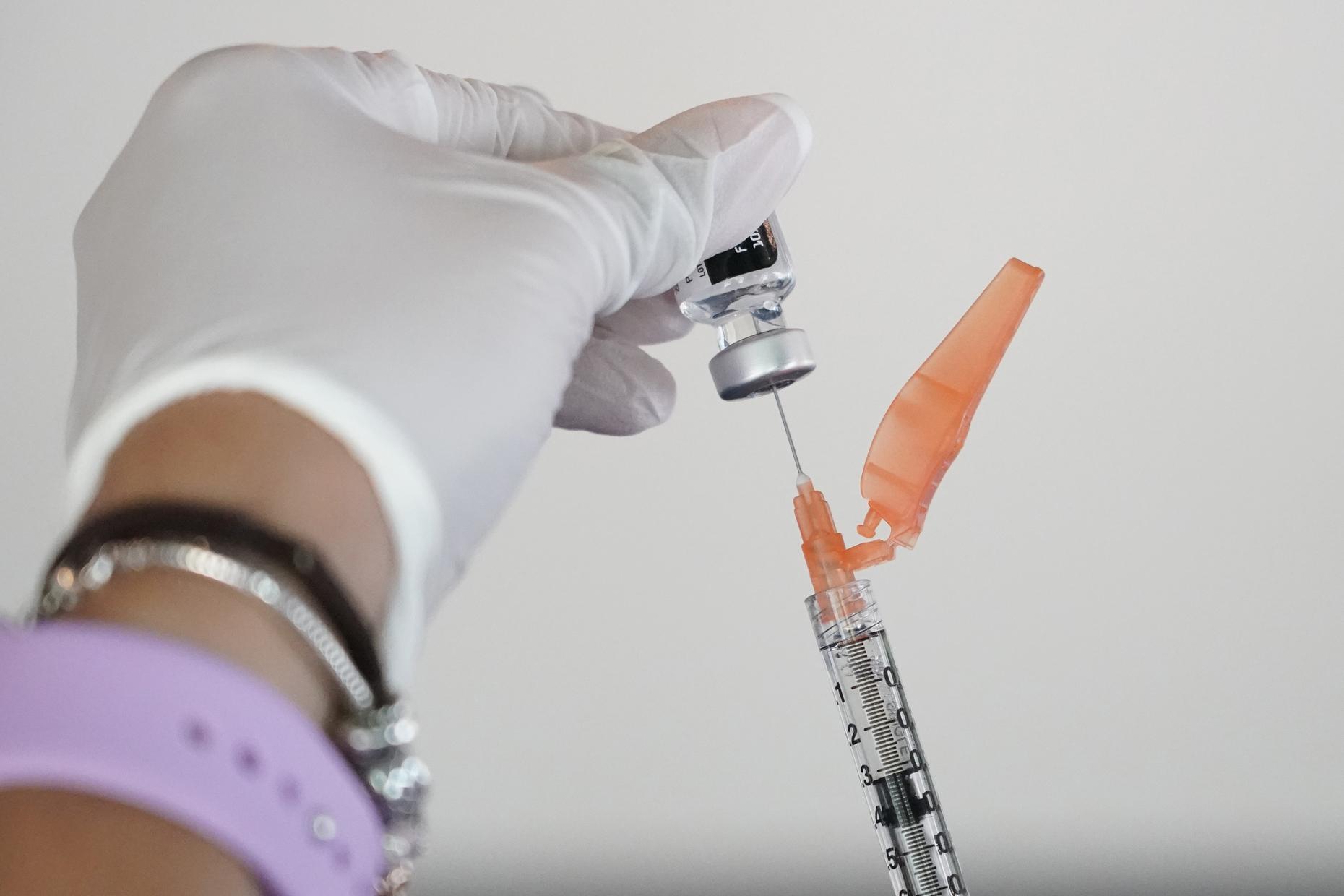
Oct 20, 2021
Colin Powell's Pivotal Moment That Wasn't
Colin Powell, former Secretary of State, Joint Chiefs chairman, and omnipresence in American foreign policy for the past 20 years, died on Monday from complications from COVID-19. He was 84-years-old and been sick for years with multiple myeloma, a rare blood cancer. Colin Powell was many things to many people. A symbol of the American dream. The public voice — for a time — of the Iraq War. A so-called “RINO,” or Republican-in-name-only. A good soldier . Though widely remembered as a barrier-breaking hero by folks across the aisle, in his death, as in life, there are those who are using Colin Powell as an opportunity for scoring political points . Looking back at the life of Colin Powell, it is worth recalling that he was once one of America's most popular public officials, polling favorably among 85 percent of Americans in a 2002 Gallup poll. But what Colin Powell is perhaps most remembered for is his 2003 presentation to the UN Security Council explaining the existence of weapons of mass destruction in Iraq. A little over a year later, Powell went on NBC's Meet the Press and essentially retracted his assertion, saying it "t urned out that the sourcing was inaccurate and wrong and in some cases deliberately misleading." Brooke speaks with Fred Kaplan , a veteran reporter on foreign policy and national security, long-time writer of Slate’s "War Stories" column , and even longer-time husband of Brooke, about the life and legacy of Colin Powell. On the Media is supported by listeners like you. Support OTM by donating today ( https://pledge.wnyc.org/support/otm ). Follow our show on Instagram , Twitter and Facebook @onthemedia, and share your thoughts with us by emailing onthemedia@wnyc.org.
Oct 15, 2021
Against the Machine
Have you been wondering exactly what it means to Build Back Better? On this week’s On the Media, hear why political coverage seems to address everything about Joe Biden’s bill--except what’s in it. Plus, find out if social media really does turn nice people into trolls. 1. Andrew Prokop [ @awprokop ], Senior Politics Correspondent at Vox, on the gap between political coverage of the Build Back Better Act, and what the bill actually says. Listen. 2. Michael Bang Petersen [ @M_B_Petersen ], political science professor at Aarhus University, on the difference (or lack thereof) between on and offline behaviors, and how Facebook might not be affecting us in the ways we think. Listen. 3. Meghan O’Gieblyn, writer and author of God, Human, Animal, Machine, on the ever-deeper entwining of humanity and technology, and what it might mean for our future. Listen. Music from this week's show: Passing Time - John Renbourn Clap Hands - Tom Waits Okami - Nicola Cruz Carmen Fantasy - Anderson and Roe Young at Heart - Brad Mehldau For the Creator - Richard Souther On the Media is supported by listeners like you. Support OTM by donating today ( https://pledge.wnyc.org/support/otm ). Follow our show on Instagram , Twitter and Facebook @onthemedia, and share your thoughts with us by emailing onthemedia@wnyc.org.
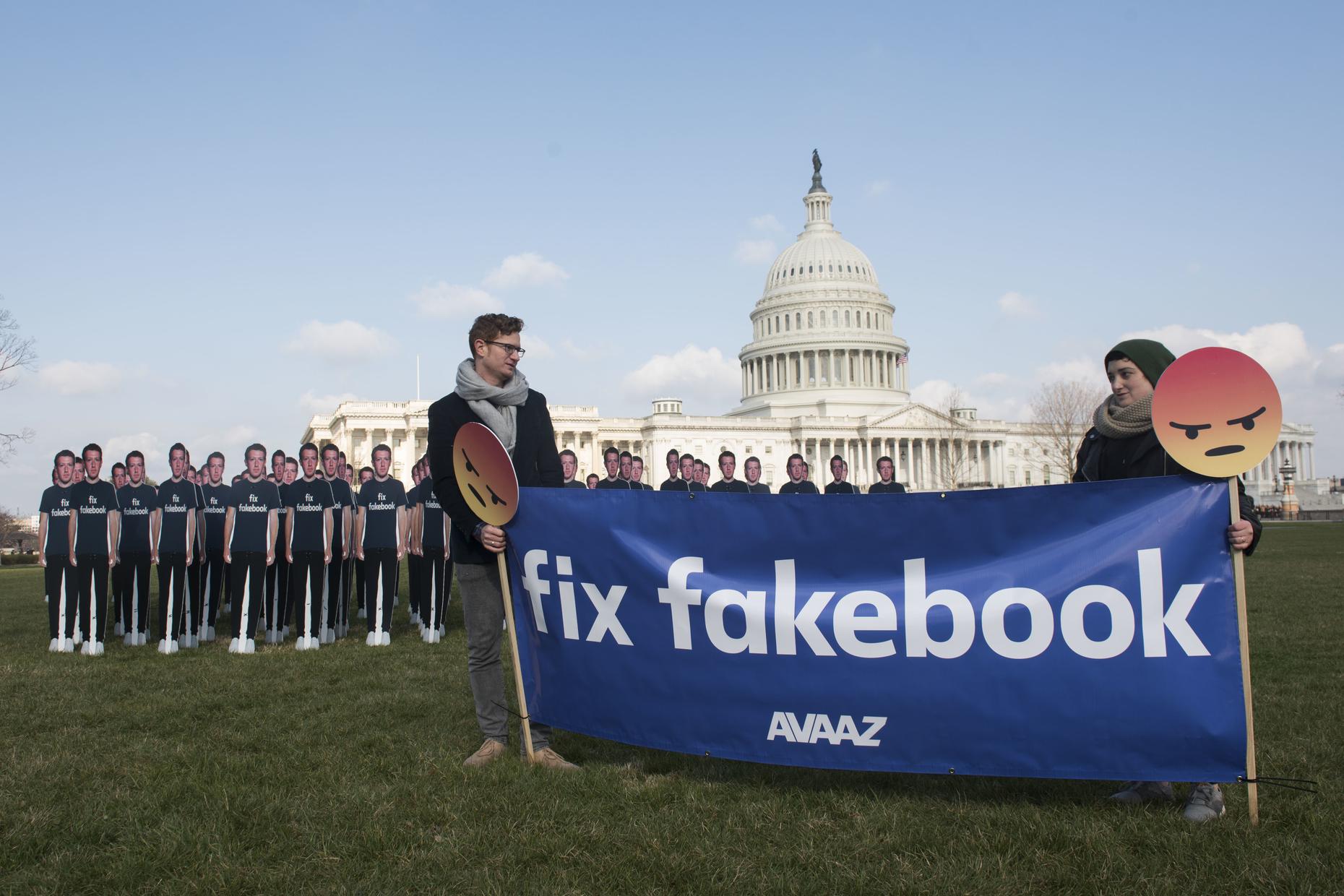
Oct 14, 2021
Who Is The Bad Art Friend? Why Not Both?
To watch the rise of viral content is always an interesting exercise. From "Charlie bit my finger" to the " Lulz That Broke Wall Street ," the internet is capable of elevating any story, meme, joke, or idea through the ranks of digital fame. This week, we unpack one story, and one question, that took twitter by storm: " Who is the Bad Art Friend? ". The Robert Kolker piece from The New York Times Magazine proved digital catnip, but why? Brooke sits down with Michael Hobbes , journalist and host of the podcast Maintenance Phase , to discuss his review of the story , the Twitter storm, and why we're even talking about all this in the first place. On the Media is supported by listeners like you. Support OTM by donating today ( https://pledge.wnyc.org/support/otm ). Follow our show on Instagram , Twitter and Facebook @onthemedia, and share your thoughts with us by emailing onthemedia@wnyc.org.
Oct 8, 2021
The Big Reveal
From a six hour service outage to a senate whistleblower hearing, the PR disasters keep mounting for Facebook. On this week’s show, hear how the tech giant might be following a well-worn pattern of decline. And, the so-called "Pandora Papers" reveal dirty financial secrets, dwarfing the Panama Papers in the size, scope, and reach. Plus, how a new data leak shows links between law enforcement and far-right militia groups. 1. Makena Kelly [ @kellymakena ], policy reporter for The Verge, on the perils of focusing on politicians' flubs during tech regulation hearings. Listen . 2. Kevin Roose [ @kevinroose ], tech columnist for The New York Times , on the harbingers of Facebook's demise. Listen . 3. Gerard Ryle [ @RyleGerard ], director of the International Consortium of Investigative Journalists, on how the Pandora Papers unmask hidden owners of offshore companies. Plus, what the papers might mean for the future of cooperative journalism. Listen . 4. OTM correspondent Micah Loewinger [ @MicahLoewinger ], on how he and Gothamist's George Joseph uncovered evidence that active police officers are connected to the Oath Keepers, a far-right militia group. Listen . Music from this week's show: Chicago Sunset - Musselwhite Tilliboyo - Kronos Quartet Gormenghast - John Zorn String Quartet No. 5 II Movement 2 -Phillip Glass - Kronos Quartet On the Media is supported by listeners like you. Support OTM by donating today ( https://pledge.wnyc.org/support/otm ). Follow our show on Instagram , Twitter and Facebook @onthemedia, and share your thoughts with us by emailing onthemedia@wnyc.org.
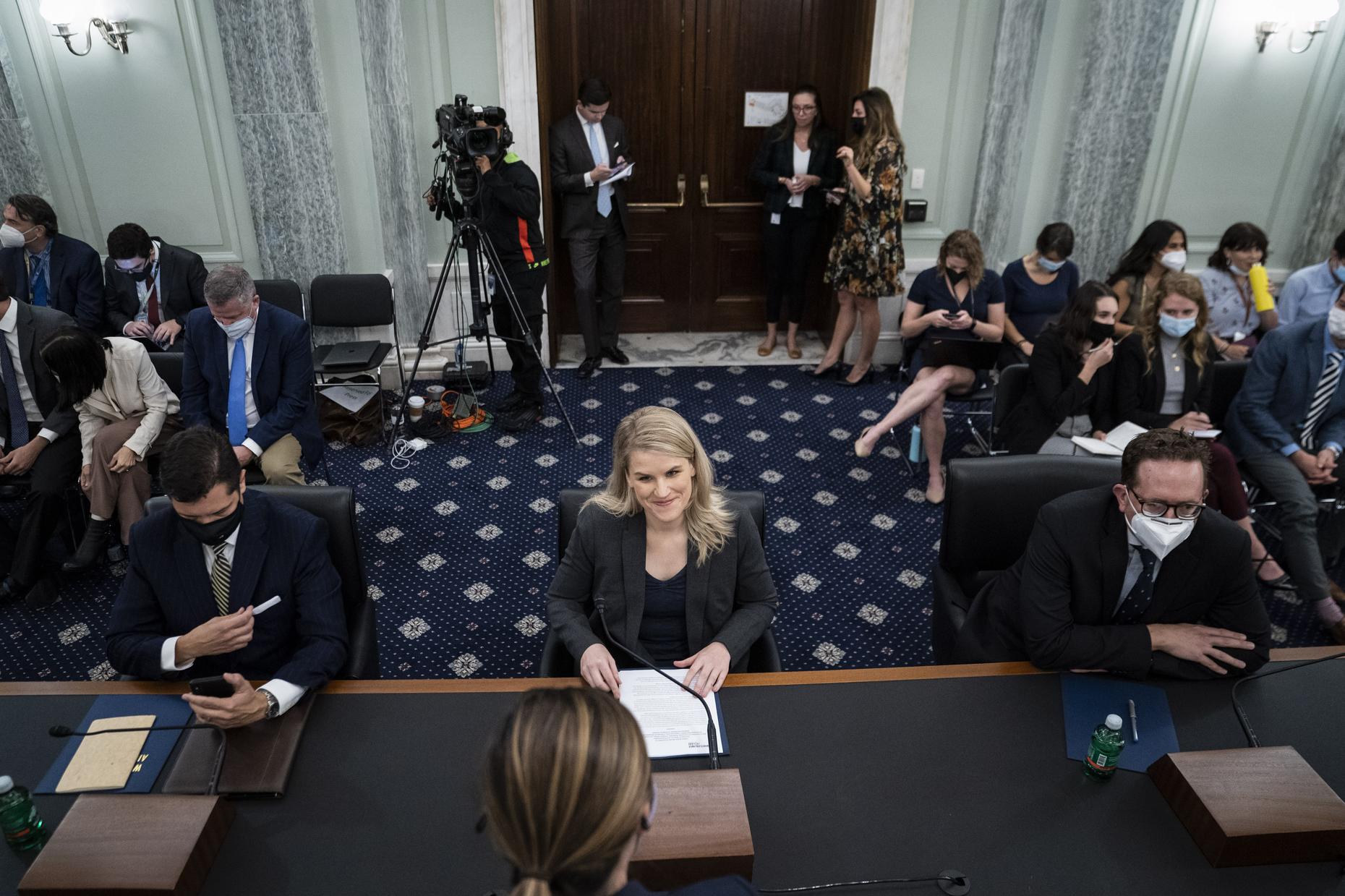
Oct 6, 2021
It's Debt Ceiling Time Again!
While Democrats fight amongst themselves over getting their legislative agenda passed, Senate majority leader Chuck Schumer is locked in his own battle with minority leader Mitch McConnell over raising the country’s debt ceiling. Democrats need ten Senate Republicans to join them in voting to raise the debt limit to avoid, as the Washington Post put it, “ catapulting the country into an economic recession.” The Post also cited the potential for quote, “widespread financial havoc," while the New York Times noted widespread warnings of “global economic calamity” If all of this sounds familiar, that's because... it is. For years, the media have treated the perennial debt ceiling debate like hurricane season. Is disaster heading to our shores? When will calamity strike? What's the projected damage? Often lost in the coverage is why we have to keep reliving this crisis in the first place. Zachary Karabell is host of the podcast “What Could Go Right” and president of River Twice Capital. He’s also the author of The Leading Indicators: A Short History of the Numbers That Rule Our World . Brooke spoke to him in 2017 about this very subject. On the Media is supported by listeners like you. Support OTM by donating today ( https://pledge.wnyc.org/support/otm ). Follow our show on Instagram , Twitter and Facebook @onthemedia, and share your thoughts with us by emailing onthemedia@wnyc.org.
Oct 1, 2021
Out of Sight
Facebook and Instagram are harming young users, according to leaked research discussed in a Senate hearing this week. On this week’s On the Media, hear why lawmakers are chasing the white whale that is tech accountability. Also, how do we cover the tightly guarded, and complicated, news that comes from Guantanamo Bay? And, as the documentary industry booms, its ethics standards lag far behind. 1. Brandy Zadrozny [ @BrandyZadrozny ] , NBC senior reporter, unpacks the evolving responsibilities of social media companies for our health. Listen. 2. Jess Bravin [ @JessBravin ], Supreme Court reporter for The Wall Street Journal, and Michel Paradis [ @MDParadis ], senior attorney for the Department of Defense, on the lasting difficulties of covering one of America's most notorious military prisons, Guantanamo Bay. Listen. 3. Muira McCammon [ @muira_mccammon ], doctoral candidate at the University of Pennsylvania's Annenberg School of Communications, on what the library at Guantamo Bay can tell us about the place and the media's coverage. Listen. 4. Patricia Aufderheide [ @paufder ], University Professor of Communication Studies in the School of Communication at American University, on the tension between production and ethics in the world of documentaries. Listen. Music from this week's show: Nino Rota - Juliet of Spirits Nicola Cruz - Colibria Kronos - Flugufrelsarinn Vijay Iyer - Human Nature Merkabah - John Zorn Booker T and The MG's - Slim Jenkins Place Alex Wurman - Going Home for the First Time On the Media is supported by listeners like you. Support OTM by donating today ( https://pledge.wnyc.org/support/otm ). Follow our show on Instagram , Twitter and Facebook @onthemedia, and share your thoughts with us by emailing onthemedia@wnyc.org.
Sep 29, 2021
The Big Screen version of Boom and Bust
It was 13 years ago this month when news broke that the Wall Street investment firm Lehman Brothers collapsed, setting in motion the financial crisis that devastated the world’s economy. For all the misery the financial meltdown caused, Americans have never balked at opportunities to relive the crisis through hundreds of films , books and even plays . But while greedy investment bankers have become a staple archetype of recent movies like The Wolf of Wall Street , The Big Short , and Margin Call , Hollywood hasn't always portrayed Wall Street with such cynicism. In 2018 Brooke spoke to Per Hansen , professor of business history at the Copenhagen Business School, about his study examining cinematic depictions of big business and financial institutions. Hansen sifted through 81 films to understand how America's volatile attitudes on capitalism have evolved through other periods of boom and bust. He and Brooke discussed how classics like Wall Street , It's a Wonderful Life , and The Apartment have reflected and actively shaped the way we feel about money. This segment is from our September 14th, 2018 episode, Doomed to Repeat . On the Media is supported by listeners like you. Support OTM by donating today ( https://pledge.wnyc.org/support/otm ). Follow our show on Instagram , Twitter and Facebook @onthemedia, and share your thoughts with us by emailing onthemedia@wnyc.org.
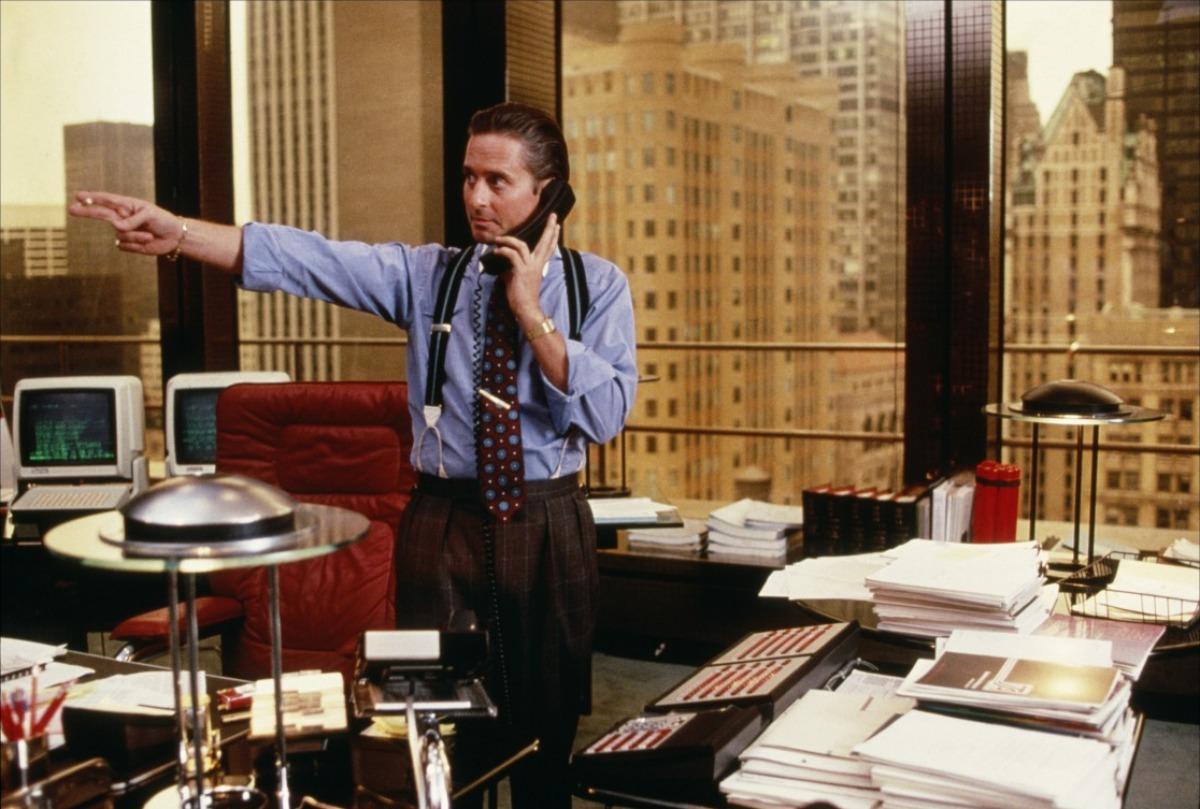
Sep 24, 2021
The Subversion Playbook
By now, we’re familiar with voter suppression tactics, from long voting lines to voter ID laws. On this week’s On the Media, hear how election subversion takes the anti-democratic playbook to the next level. Plus, how the Russian government is using bureaucracy to stifle elections — and the press. 1. Dan Hirschhorn [ @Inky_Dan ], assistant managing editor at The Philadelphia Inquirer , on why his paper won't use the word "audit" to describe the wave of partisan "election reviews." Listen. 2. Rick Hasen, [ @rickhasen ], professor of law and political science at the University of California Irvine, on why election subversion is such a dangerous threat to our democracy. Listen. 3. Tanya Lokot [ @tanyalokot ] , media scholar and associate professor at the Dublin City University School of Communications, on why Google and Apple caved to the Kremlin on fair election technology. Listen. 4. OTM producer Molly Schwartz [ @mollyfication ] on the lives and trials of Russian journalists under siege, featuring: Sonya Groysman [ @sonyagro ], Russian journalist and podcaster; Joshua Yaffa [ @yaffaesque ] Moscow correspondent for The New Yorker; Tikhon Dzyadko [ @tikhondzyadko ], editor-in-chief of TV Rain; and Alexey Kovalyov [ @Alexey__Kovalev ], investigations editor at the news outlet Meduza. Listen. Music from this week's show: Chicago Sunset - Charlie Musselwhite Time is Late ft. Joakim Johans Unnamed Track - Mark Henry Philips Unnamed Track - Mark Henry Philips Baba O'Rilеy - The Who From Russia With Love - Huma-Huma Дальше действовать будем мы (“We will continue to act”) - Kino On the Media is supported by listeners like you. Support OTM by donating today ( https://pledge.wnyc.org/support/otm ). Follow our show on Instagram , Twitter and Facebook @onthemedia, and share your thoughts with us by emailing onthemedia@wnyc.org.
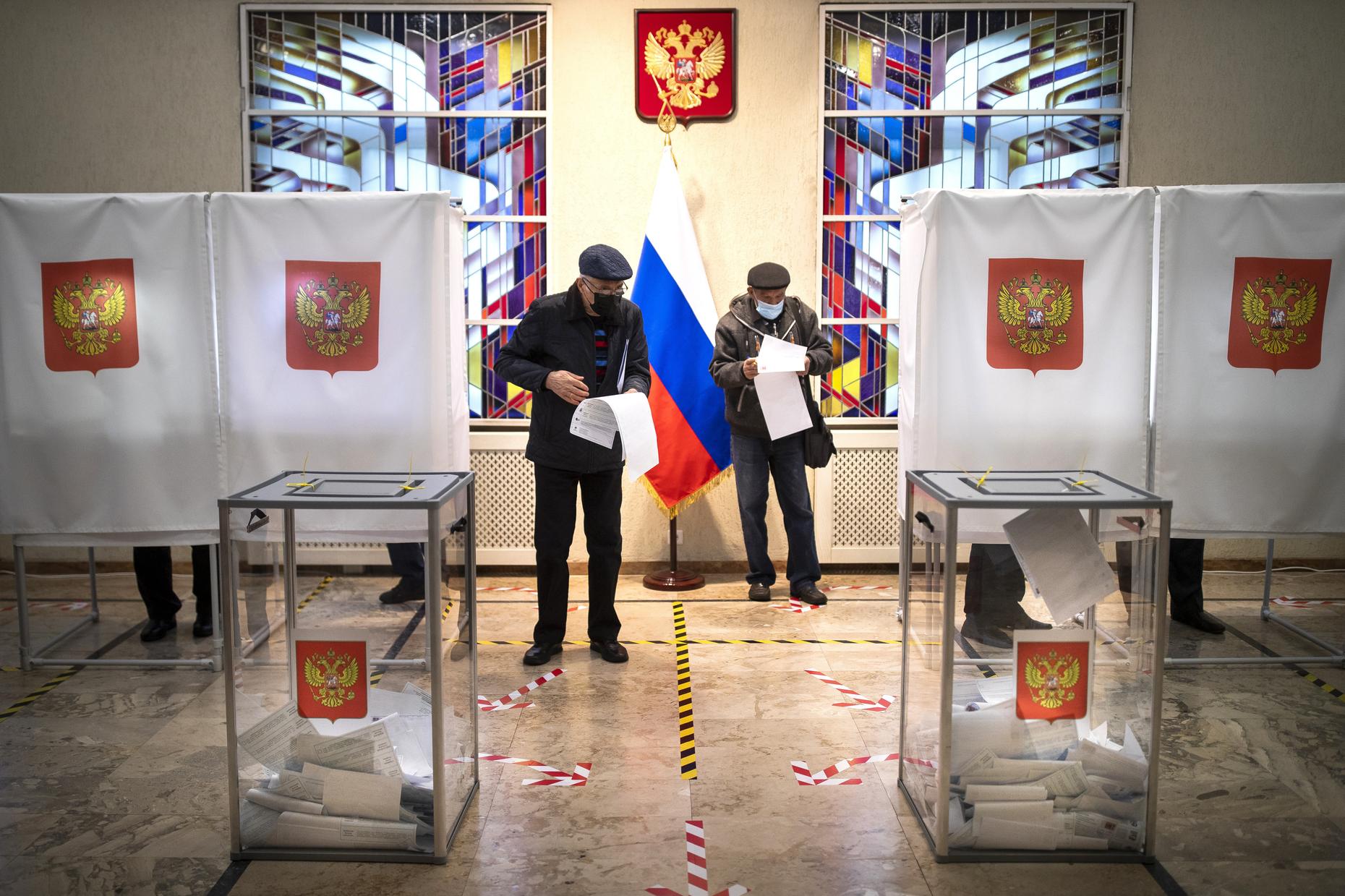
Sep 22, 2021
From Birtherism to Election Theft
In their new book "Peril," Bob Woodward and Robert Costa released a previously unpublished memo by a man named John Eastman, who served as an attorney advising President Trump during the 2020 election. That memo outlined an anti-democratic six-step plan for Vice President Pence to overturn the election results — stealing the election in favor of Trump — by refusing to tally votes from states with "multiple slates of electors," throwing the final decision to the House of Representatives. It was presented to Pence by Trump and Eastman in the Oval Office during the days leading up to January 6th, and offers a chilling look at the lengths to which Trump was prepared to go in order to maintain power. It also offers a new opportunity to examine the activities of John Eastman, who entered the spotlight in 2020 when he published an op-ed in Newsweek making the false claim that Kamala Harris was ineligible for the Vice Presidency. Back then, Brooke spoke with Slate’s Mark Joseph Stern , who described the origins of this birtherism falsehood and how Eastman and his organization, the Claremont Institute, used the media to spread it. On the Media is supported by listeners like you. Support OTM by donating today ( https://pledge.wnyc.org/support/otm ). Follow our show on Instagram , Twitter and Facebook @onthemedia, and share your thoughts with us by emailing onthemedia@wnyc.org.
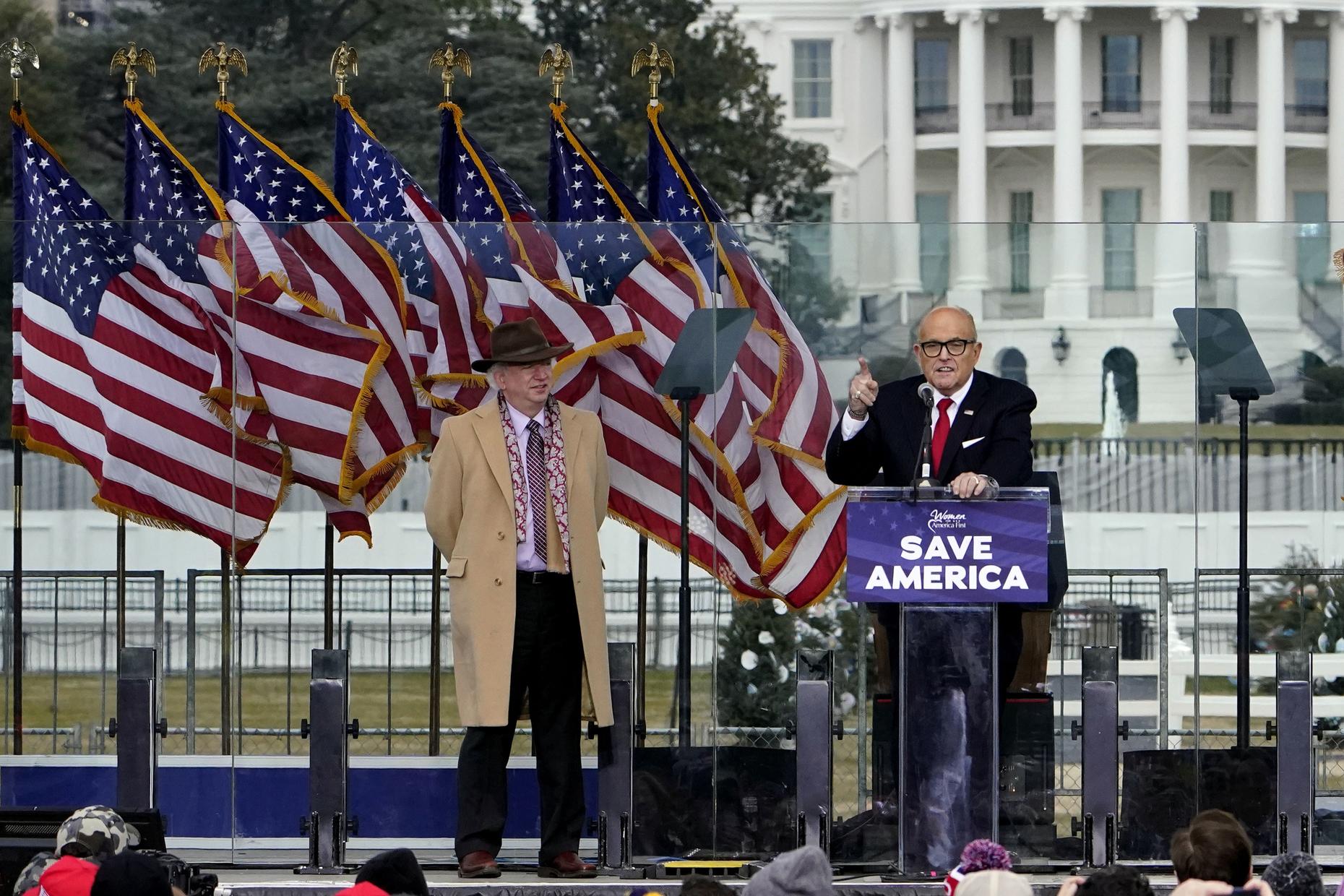
Sep 17, 2021
Fire and Brimstone
Throughout the pandemic, religious rights advocates have protested some public health measures like bans on large gatherings. Now, some Americans are making the case for religious exemptions to President Biden's new workplace vaccine mandate. On this week’s On the Media, why religious protections are deliberately vague. Plus, hear how the current Supreme Court has been quietly bolstering the power of Christian interest groups. And, a look at climate coverage during storm season, and how the fossil fuel industry became so good at selling its own story. 1. Winnifred Sullivan [ @WinniSullivan ], Indiana University Bloomington professor of law and religious studies, explains why the constitution doesn't define "religion." Listen. 2. Linda Greenhouse, writer and c linical lecturer at Yale Law School, on the Supreme Court's recent rulings on religious liberties. Listen. 3. Mark Hertsgaard [ @markhertsgaard ] , executive director of Covering Climate Now, on why the press should remind us of climate change's impact on so-called "natural disasters." Listen. 4. Amy Westervelt [ @amywestervelt ], climate writer and host of the podcast Drilled, on how fossil fuels companies advertised their way out of a public backlash. Listen. Music from this week's show: In the Hall of the Mountain King - Kevin MacLeod Smells like Teen Spirit - The Bad Plus Equinox - John Coltrane Sacred Oracle - Bill Frisell Roary’s Waltz - John Zorn Cops or Criminals - The Departed Soundtrack On the Media is supported by listeners like you. Support OTM by donating today ( https://pledge.wnyc.org/support/otm ). Follow our show on Instagram , Twitter and Facebook @onthemedia, and share your thoughts with us by emailing onthemedia@wnyc.org.
Sep 16, 2021
The Trial of Elizabeth Holmes
In 2014, Fortune magazine ran a cover story featuring Elizabeth Holmes: a blonde woman wearing a black turtleneck, staring deadpan at the camera, with the headline, “ This CEO is out for blood .” A decade earlier, Holmes had founded Theranos, a company promising to “revolutionize” the blood testing industry, initially using a microfluidics approach — moving from deep vein draws to a single drop of blood. It promised easier, cheaper, more accessible lab tests — and a revolutionized healthcare experience. But it turns out that all those lofty promises were empty. There was no revolutionary new way to test blood. And now, years later, Holmes is being charged with 10 counts of wire fraud and two counts of conspiracy to commit wire fraud. Two weeks into the trial, we're re-airing a conversation from 2018 between Brooke and John Carreyrou , host of the narrative podcast Bad Blood: The Final Chapter and the investigative journalist who exposed Holmes's alleged fraud. On the Media is supported by listeners like you. Support OTM by donating today ( https://pledge.wnyc.org/support/otm ). Follow our show on Instagram , Twitter and Facebook @onthemedia, and share your thoughts with us by emailing onthemedia@wnyc.org.
Sep 10, 2021
Aftershocks
Twenty years after the Twin Towers came down, we’re still wrestling over how to make sense of what happened. On this week’s On the Media, how the conspiracies birthed in the aftermath of 9/11 set the stage for the paranoia to come. Plus, how Afghanistan’s thriving new media scene hopes to survive Taliban rule. And, how Ivermectin became politicized. 1. Tolo founder Saad Mohseni [ @saadmohseni ] on the mounting threat to journalism in Afghanistan. Listen. 2. NYTimes television critic James Poniewozik [ @poniewozik ] on the documentary styles used to remember 9/11. Listen. 3. OTM's Micah Loewinger [ @MicahLoewinger ] reports on the legacy of Loose Change. Listen. 4. Mother Jones senior editor Kiera Butler [ @kieraevebutler ] on how Ivermectin became so politicized. Listen. On the Media is supported by listeners like you. Support OTM by donating today ( https://pledge.wnyc.org/support/otm ). Follow our show on Instagram , Twitter and Facebook @onthemedia, and share your thoughts with us by emailing onthemedia@wnyc.org.

Sep 8, 2021
Hey Everyone, Meet Sacha Pfeiffer!
By way of introduction to the person who will be sitting in for Brooke for a few weeks, we are revisiting our interview about " Spotlight . " The 2015 movie depicts the Boston Globe's Pulitzer Prize-winning investigation that uncovered the systemic sexual abuse and widespread cover up in the Catholic church. Brooke spoke with Walter Robinson, who headed the investigation and is played by Michael Keaton in the film, and Sacha Pfeiffer, who was one of the four reporters on the team and is played by Rachel McAdams and who is.....drumroll, going to guest-host OTM! You're in safe hands, listeners. On the Media is supported by listeners like you. Support OTM by donating today ( https://pledge.wnyc.org/support/otm ). Follow our show on Instagram , Twitter and Facebook @onthemedia, and share your thoughts with us by emailing onthemedia@wnyc.org.
Sep 3, 2021
Organizing Chaos
A debate has been raging among the librarians of the world, and it's all about order. The Dewey Decimal System became our way of managing information long ago, but it may be time to reassess. Plus, how one man’s obsession with ordering the natural world took a very dark turn. 1. Lulu Miller [ @lmillernpr ], author of Why Fish Don't Exist and co-host of WNYC's Radiolab, charts the quest of taxonomist David Starr Jordan to categorize the world. Listen. 2. On the Media producer Molly Scwartz [ @mollyfication ] takes a deep dive into one imposition of human order so commonplace most of us never notice: the library. But the famed Dewey Decimal System is not an unbiased ordering machine. Featuring: Jess deCourcy Hinds [ @HindsJess ] librarian at the Bard High School, Early College library in Queens, New York, Wayne A. Wiegand a library historian and author of Irrepressible Reformer: A Biography of Melvil Dewey , Caroline Saccucci , the former Dewey Program Manager at the Library of Congress, Emily Drabinski [ @edrabinski ] interim chief librarian of the Mina Rees Library at CUNY, and Dartmouth librarian Jill Baron [ @jillebaron ] from the documentary Change the Subject . Listen. Music from this week's show: Nocturne For Piano in B flat minor- Frédéric Chopin Il Casanova di Federico Fellini Tomorrow Never Knows - Quartetto D’archi dell Orchestra Sinfonica Songs of War - US Army Old Guard Fife and Drum Corps The Dewey Decimal System - Jason Munday On the Media is supported by listeners like you. Support OTM by donating today ( https://pledge.wnyc.org/support/otm ). Follow our show on Instagram , Twitter and Facebook @onthemedia, and share your thoughts with us by emailing onthemedia@wnyc.org.
Sep 1, 2021
Biased Algorithms, Biased World
Algorithms are everywhere, making crucial decisions at almost every juncture of our lives. But, while we may believe in the objectivity of these mathematical models, they're made from and produce far more bias than we think. Mathematician and former Wall Street quant, Cathy O'Neil wants us to question our unexamined faith in predictive algorithms. Her book, Weapons of Math Destruction , calls out an urgent need to investigate these black box constructions that govern so much of our lives, from going to college and getting a job, to online advertising and criminal sentencing. She and Brooke discuss the science behind predictive algorithms and how they can go terribly wrong. This segment originally aired on our November 22, 2019 program, The Disagreement is the Point . On the Media is supported by listeners like you. Support OTM by donating today ( https://pledge.wnyc.org/support/otm ). Follow our show on Instagram , Twitter and Facebook @onthemedia, and share your thoughts with us by emailing onthemedia@wnyc.org.
Aug 27, 2021
Constitutionally Speaking
“The right to throw a punch ends at the tip of someone’s nose.” It’s the idea that underlies American liberties — but does it still fit in 2021? We look back at our country’s radical — and radically inconsistent — tradition of free speech. Plus, a prophetic philosopher predicts America 75 years after Trump. 1. Andrew Marantz [ @andrewmarantz ], author of Anti-Social: Online Extremists, Techno-Utopians, and the Hijacking of the American Conversation — and our guest host for this hour — explains what he sees as the problem with free speech absolutism. Listen . 2. John Powell [ @profjohnapowell ], law professor at UC Berkeley, P.E. Moskowitz [ @_pem_pem ], author of The Case Against Free Speech: The First Amendment, Fascism, and the Future of Dissent , and Susan Benesch [ @SusanBenesch ], Director of the Dangerous Speech Project, on our complicated legal right to speak. Listen . 3. Andrew and Brooke discuss the philosopher Richard Rorty, whose work can teach us much about where the present approach to speech might take us, as a nation. Listen . Music from this week's show: Jeopardy: Think Music - Malcolm Hamilton Fallen Leaves - Marcos Ciscar Time is Late - Marcos Ciscar On the Media is supported by listeners like you. Support OTM by donating today ( https://pledge.wnyc.org/support/otm ). Follow our show on Instagram , Twitter and Facebook @onthemedia, and share your thoughts with us by emailing onthemedia@wnyc.org.
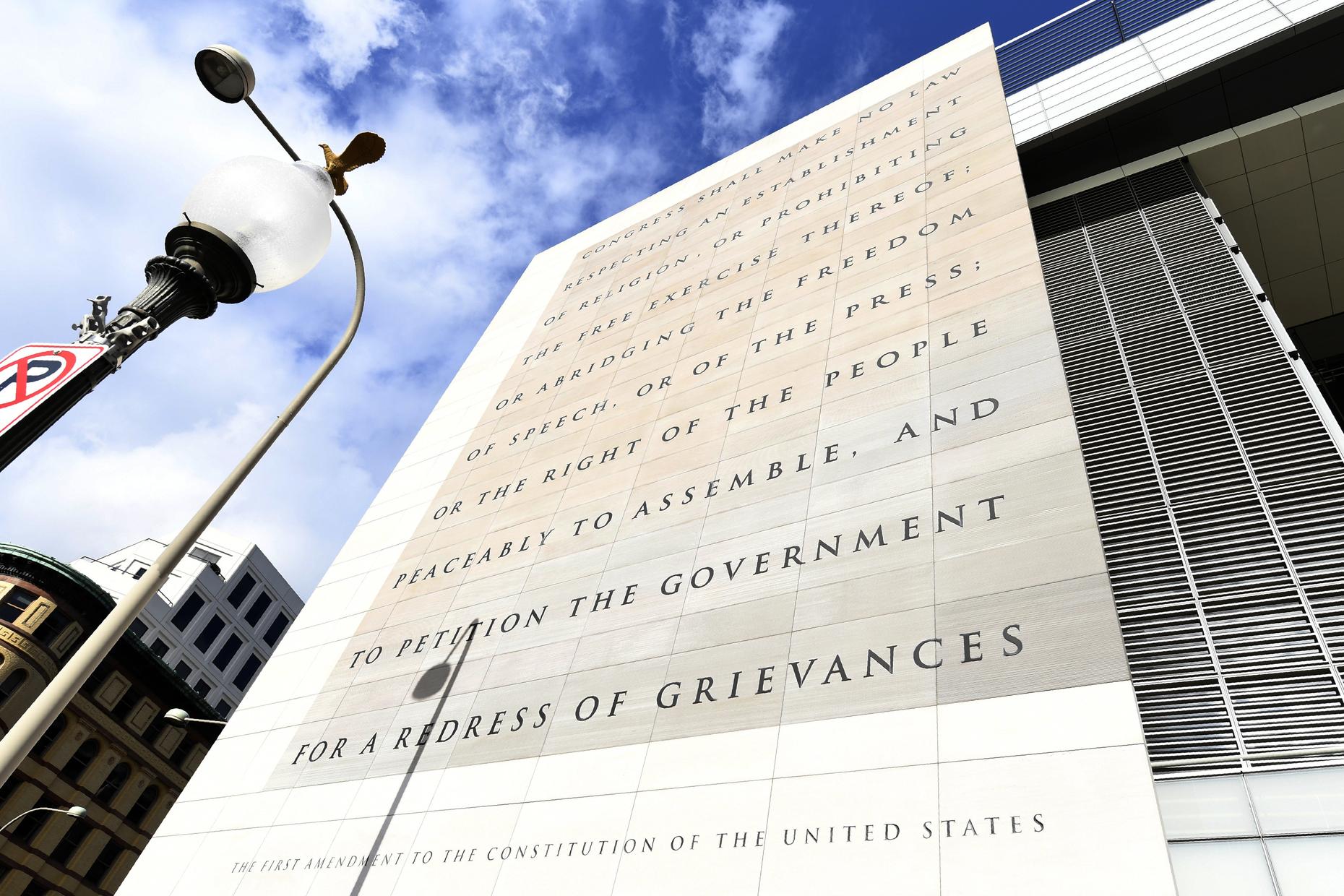
Aug 25, 2021
A New First Amendment
Nearly six decades ago, the Supreme Court made a decision in the case New York Times v. Sullivan that would forever alter the way journalists practiced journalism. Brooke spoke with Andrew Cohen , senior editor at The Marshall Project and fellow at the Brennan Center for Justice, about the decision's impact on the First Amendment . Supreme Court audio courtesy of Oyez® , a multimedia judicial archive at IIT Chicago-Kent College of Law. On the Media is supported by listeners like you. Support OTM by donating today ( https://pledge.wnyc.org/support/otm ). Follow our show on Instagram , Twitter and Facebook @onthemedia, and share your thoughts with us by emailing onthemedia@wnyc.org.
Aug 20, 2021
Maligned Women
Cries to free Britney Spears from her conservatorship this summer have prompted a reevaluation of how the pop star was covered by the press decades ago. This week, On the Media looks at how the maligned women of the 90s and 2000s help us understand our media — and ourselves. 1. Joshua Rofé [ @joshua_rofe ], filmmaker, and Lorena Gallo (FKA Lorena Bobbitt) on the documentary "Lorena." Listen. 2. Sarah Marshall [ @Remember_Sarah ] and Michael Hobbes [ @RottenInDenmark ], hosts of the You're Wrong About podcast, on how coverage of maligned women in the 1990s fueled lasting and harmful myths. Listen. Music: Okami — Nicola Cruz River Man — Brad Mehldaw Trio Fellini’s Waltz — Nino Rota La Vie En Rose — Toots Thielemans On the Media is supported by listeners like you. Support OTM by donating today ( https://pledge.wnyc.org/support/otm ). Follow our show on Instagram , Twitter and Facebook @onthemedia, and share your thoughts with us by emailing onthemedia@wnyc.org.
Aug 18, 2021
How Radio Makes Female Voices Sound Shrill
"Shrill" popped back up in the national lexicon in the coverage of Hillary Clinton's 2016 presidential bid, and again, in a 2020 race filled with female candidates. " This spike in usage is hardly a revelation," writes University of Florida professor Tina Tallon, in a piece for The New Yorker . "Women who speak publicly and challenge authority have long been dismissed as 'shrill' or 'grating.'" But these slurs are not just the product of age-old misogynistic stereotypes. Biases against female voices were perniciously exacerbated by the broadcast technology that powers radio and audio recording technology. They're designed to thin higher frequency voices and enrich lower ones. In this interview from 2019, she and Brooke revisit the proliferation of radio in the 1920's and 1930's, when our ears were trained to prefer listening to men talk, and reflect on how societal gender standards have been shaped since. On the Media is supported by listeners like you. Support OTM by donating today ( https://pledge.wnyc.org/support/otm ). Follow our show on Instagram , Twitter and Facebook @onthemedia, and share your thoughts with us by emailing onthemedia@wnyc.org.
Aug 13, 2021
A 40 Acre Promise
Last week, the federal government, in a limited way, extended the eviction moratorium in place since the start of the pandemic. It's a temporary solution to a long-looming crisis — a crisis we explored in our series " The Scarlet E: Unmasking America’s Eviction Crisis " back in 2019. In this excerpt from that series, we catalog the long line of thefts and schemes — most of which were perfectly legal at the time — that led to where we are today: a system, purpose-built, that extracts what it can, turning black and brown renters into debtors and evictees. Matthew Desmond [ @just_shelter ], founder of The Eviction Lab and our partner in this series, and Marty Wegbreit, director of litigation for the Central Virginia Legal Aid Society , point us toward the legal and historical developments that evolved into the present crisis. And WBEZ’s Natalie Moore [ @natalieymoore ] , whose grandparents moved to Chicago during the Great Migration, shows us around a high-eviction area on Chicago’s South Side. On the Media is supported by listeners like you. Support OTM by donating today ( https://pledge.wnyc.org/support/otm ). Follow our show on Instagram , Twitter and Facebook @onthemedia, and share your thoughts with us by emailing onthemedia@wnyc.org.
Aug 11, 2021
I'm Brooke Gladstone and I Am a Trekker
In September 1966, Gene Roddenberry dispatched the crew of the Starship Enterprise on its maiden voyage through space and time and into the American living room. In a vintage OTM piece, Brooke explores the various television incarnations of the franchise and the infinitely powerful engine behind it all: the fan. On the Media is supported by listeners like you. Support OTM by donating today ( https://pledge.wnyc.org/support/otm ). Follow our show on Instagram , Twitter and Facebook @onthemedia, and share your thoughts with us by emailing onthemedia@wnyc.org.

Aug 6, 2021
Bad Idea Machine
With Delta Variant cases surging, public health officials are pleading with Americans to get vaccinated ASAP. This week, we examine at how some journalists are turning anti-vaxxer deaths into COVID-19 fables. Plus, we hear from the reporter who tracked down Jeffrey Epstein’s victims. 1. Rebecca Onion [ @rebeccaonion ], historian and staff writer at Slate, on her latest article " The Fable of the Sick Anti-Vaxxer ," and how stories of remorse may only appeal to the vaccinated. Plus, NBC senior reporter and OTM guest host Brandy Zadrozny [ @BrandyZadrozny ] traces the roots of anti-vaxx propaganda, from the 1980s to today. Listen . 2. Lois Beckett [ @loisbeckett ], senior reporter at the Guardian , on how a viral anti-trans Instagram video led to a street brawl, and Julia Serano [ @JuliaSerano ], author of "Whipping Girl, A Transsexual Woman on Sexism and the Scapegoating of Femininity," on where the anti-trans movement gets its playbook. Listen . 3. Julie K. Brown [ @jkbjournalist ], investigative reporter at the Miami Herald , on her new book, " Perversion of Justice: The Jeffrey Epstein Story ," detailing what she saw missing in the decade of Epstein coverage before her own investigative series at the Herald which brought his victims' voices on the record for the first time. Listen . On the Media is supported by listeners like you. Support OTM by donating today ( https://pledge.wnyc.org/support/otm ). Follow our show on Instagram , Twitter and Facebook @onthemedia, and share your thoughts with us by emailing onthemedia@wnyc.org.
Aug 4, 2021
"Haiti Needs a New Narrative"
In the wake of the assassination of Haiti’s President Jovenel Moïse on July 7th, international media rushed to cover Haiti’s latest political crisis — painting a familiar picture of a nation in turmoil, Haitians in need, and an international community offering rescue. In this week's podcast extra, Nathalie Cerin , co-founder and lead editor of the online Haitian media project Woy Magazine , argues that news consumers just tuning in after the assassination after may miss the bigger picture. Haiti is a country with strong grassroots, pro-democracy movements. But it simultaneously remains plagued by a past ( and present ) of United States and United Nations' invasion, occupation, and election meddling. To understand the whole story, guest host Brandy Zadrozny talks to Gina Athena Ulysse , Professor of Feminist Studies at UC Santa Cruz and author of Why Haiti Needs New Narratives , about how the international media too often spreads dehumanizing narratives of perpetual chaos — setting the stage for intervention — and then looks away. On the Media is supported by listeners like you. Support OTM by donating today ( https://pledge.wnyc.org/support/otm ). Follow our show on Instagram , Twitter and Facebook @onthemedia, and share your thoughts with us by emailing onthemedia@wnyc.org.
Jul 30, 2021
Undercover and Over-Exposed
This week, we consider whether information should ever be off-limits to journalists. It’s a thorny ethical question raised by FBI informants, hacked sources and shockingly intimate personal data. Plus, why a conservative Catholic publication’s outing of a gay priest has garnered criticism from all sides. 1. Ken Bensinger [ @kenbensinger ], investigative reporter for Buzzfeed News , on what new evidence surrounding the plot to kidnap Michigan governor Gretchen Whitmer says about the how the government defines, and attacks, domestic terrorism. Listen. 2. OTM reporter Micah Loewinger [ @MicahLoewinger ] and guest host Brandy Zadrozny [ @BrandyZadrozny ] examine whether or not it's possible to ethically use information from data breaches. Featuring: Kevin Collier [ @kevincollier ], cybersecurity and privacy reporter for NBC News, Kim Zette r [ @KimZetter ] , a journalist covering cybersecurity and the author of Countdown to Zero Day: Stuxnet and the Launch of the World's First Digital Weapon , and Lorax Horne [ @bbhorne ], writer with Distributed Denial of Secrets . Listen. 3. Sara Morrison [ @SaraMorrison ], data and privacy reporter at Recode at Vox, discusses the dangers information for sale after a Catholic priest was outed by a newsletter that obtained his location data from an app. Listen. 4. Mike O’Loughlin [ @MikeOLoughlin ] , national correspondent at Catholic media organization America, reflects on how new methods are stoking old fights in the Catholic Church. Listen. Music: Invitation To A Suicide by John Zorn Non, Je Ne Regrette Rien by François Plaf, Blue Radio Orchestra How Strange by Nicola Cruz Natural Light by Bill Frisell Slow Pulse Conga by William Pasley Wallpaper by Woo On the Media is supported by listeners like you. Support OTM by donating today ( https://pledge.wnyc.org/support/otm ). Follow our show on Instagram , Twitter and Facebook @onthemedia, and share your thoughts with us by emailing onthemedia@wnyc.org.
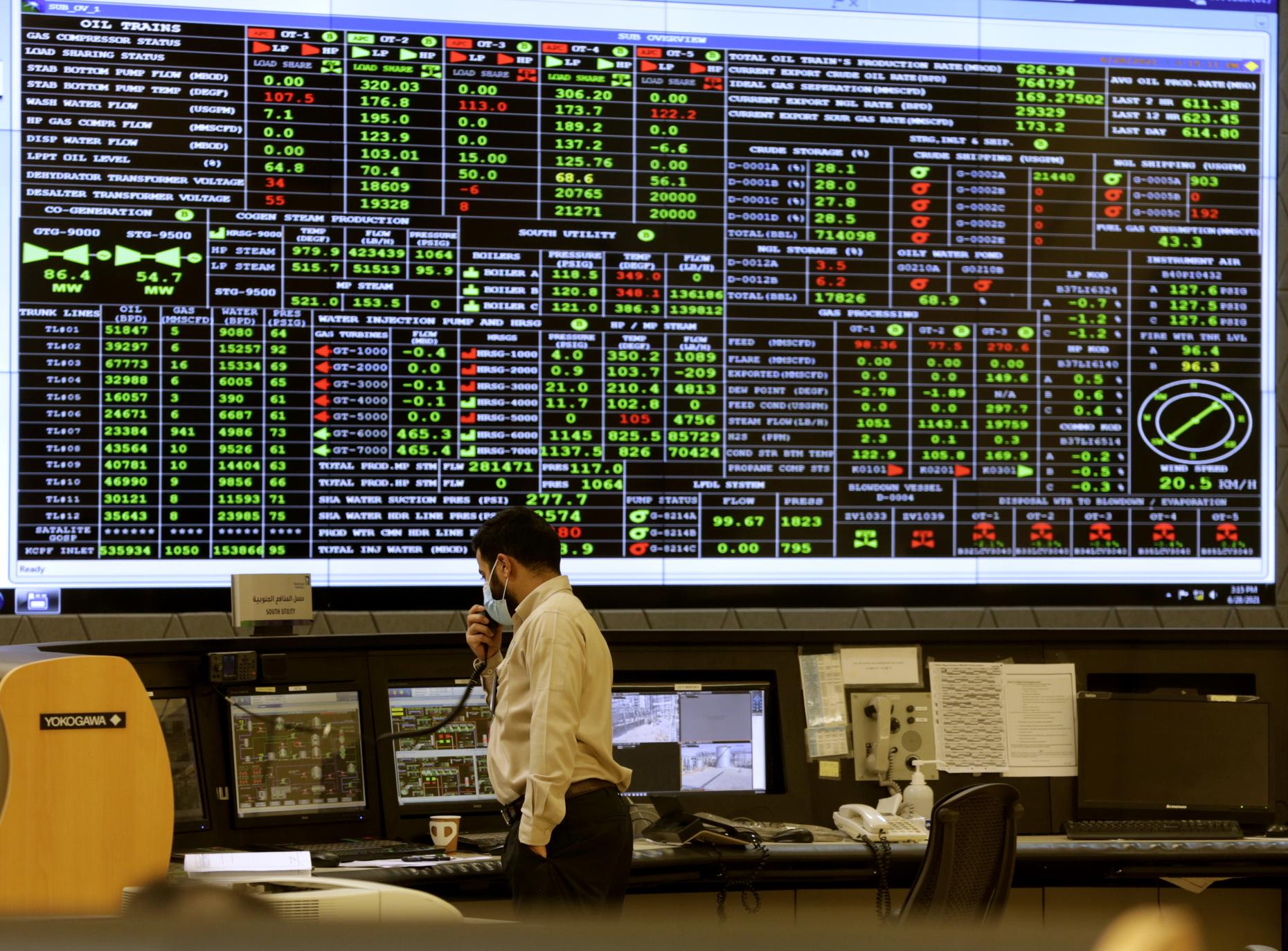
Jul 23, 2021
Occupational Hazards
A look at how journalism selectively judges objectivity and bias… Which produces better reporting: proximity to the community you cover? Or distance? Who gets to decide? 1. Joel Simon [ @Joelcpj ], outgoing executive director of the The Committee to Protect Journalists, on why it's a dangerous time to be a journalist. Listen. 2. Bruce Shapiro [ @dartcenter ], executive director of the Dart Center for Journalism and Trauma at Columbia Journalism School, on why trauma shouldn't disqualify reporters from reporting on topics into which they have insight. Listen. 3. Ernest Owens [ @mrernestowens ], Philadelphia Association of Black Journalists president, about the double-standards facing journalists who have identities or lived experiences that are different from editors who still determine what constitutes "objectivity." Listen. 4. Steve Friess [ @stevefriess ], editor at Hour Detroit and contributor for Newsweek, looks back at how he covered gay marriage when his own marriage hung in the balance. Listen. 5. Lewis Raven Wallace [ @lewispants ], author of The View from Somewhere , on why what we call "neutrality" so often reflects the ideological assumptions of the status quo. Listen. Music from this week's show: Frail As a Breeze — Erik Friedlander Night Thoughts — John Zorn Fallen Leaves — Marcos Ciscar Middlesex Times — Michael Andrews Bubble Wrap — Thomas Newman Transparence — Charlie Haden & Gonzalo Rubalcaba Carmen Fantasy — Anderson + Row Tribute to America — The O’Neill Brothers On the Media is supported by listeners like you. Support OTM by donating today ( https://pledge.wnyc.org/support/otm ). Follow our show on Instagram , Twitter and Facebook @onthemedia, and share your thoughts with us by emailing onthemedia@wnyc.org.
Jul 21, 2021
How a Nightclub Fire Brought Down a Government
In 2015, a tragedy gripped Romanian consciousness when a fire at a popular club in the country's capital killed 27 people, injured nearly 200 more, and sparked national protests about corruption. In the weeks following the fire, 37 of those injured died in hospitals — a statistic that authorities and doctors claimed was simply a result of their injuries. But the victims' families and a small team of reporters at the Romanian daily paper the Sports Gazette had their doubts — doubts that were confirmed when the Gazette learned that a national supplier of medical disinfectants was diluting their products, nearly ten times over, to reap profits and pad the pockets of its CEO. The burn victims of the fire hadn't died from injuries; they died from preventable bacterial infections, a consequence of malpractice that stemmed from doctors, hospital managers and the highest officials in government. In 2019, filmmaker Alexander Nanau wrote, produced and directed the film Collective , chronicling this saga. Last year, the film was released in the US, and in early 2021 it received two Academy Award nominations. In this podcast extra, recorded in March, Nanau speaks with Brooke about why he decided to follow the story, how the pieces fell into place, and how this single story changed Romania's relationship with the press — possibly for good. Watch Collective here . On the Media is supported by listeners like you. Support OTM by donating today ( https://pledge.wnyc.org/support/otm ). Follow our show on Instagram , Twitter and Facebook @onthemedia, and share your thoughts with us by emailing onthemedia@wnyc.org.
Jul 16, 2021
As You Like It
As numbers of the vaccinated rise, theaters around the country are once again opening. In celebration, this week’s show is all about Shakespeare, including how the quintessentially English Bard became an American icon, and what a production in Kabul, Afghanistan meant to the community that produced it. 1. James Shapiro, Professor of English and Comparative Literature at Columbia University, explains how Shakespeare was absorbed into American culture and identity. Listen. 2. Qais Akbar Omar, author of A Fort of Nine Towers , on how a production of Shakespeare resonated in Kabul, Afghanistan. Listen. Music: The Dancing Master: Maiden Lane (John Playford) - The Broadside Band & Jeremy Barlow John’s Book of Alleged Dances (John Adams) - Kronos Quartet Fife Feature: Lowland’s Away (Roy Watrous) - Gregory S. Balvanz & The US Army Fife and Drum Corps Ballad No. 2 in F, Op. 38 (Chopin) - Ivan Moravec Little Rose is Gone/Billy in the Lowground - Jim TaylorCollection Frail As a Breeze - Erik Friedlander The De Lesseps' Dance - Shakespeare in Love Soundtrack Kiss Me Kate Overture - Kiss Me Kate Soundtrack Brush Up Your Shakespeare - Kiss Me Kate Soundtrack Love & the Rehearsal - Shakespeare in Love Soundtrack Harpsichord - Four Tet Timber Town - Derek and Brandon Fiechter On the Media is supported by listeners like you. Support OTM by donating today ( https://pledge.wnyc.org/support/otm ). Follow our show on Instagram , Twitter and Facebook @onthemedia, and share your thoughts with us by emailing onthemedia@wnyc.org.
Jul 14, 2021
Painting for the Future and Talking to the Dead
Hilma af Klint was a Swedish painter born in 1862 who painted big, bold canvases suffused with rich, strange colors denoting masculine and feminine, the gush of life and the serenity of cosmic order. She found inspiration in unorthodox places, including the spirit realm. And she had a vision: that her work would one day be displayed in a spiral temple. For decades after her death, her work was hidden away — at first by her request, and then because it couldn't find an audience. Now that it's on display in a building like the one she imagined, her work is a sensation that has invited a radical re-imagining of the history of abstract art. In 2019, Brooke walked through the exhibit with senior curator Tracey Bashkoff, who brought af Klint's work to the Guggenheim after discovering it in a catalogue. Next, Brooke explores Spiritualism — a movement that shaped af Klint's life and work. Broadly defined as a religious movement based on the idea that the living can communicate with spirits dwelling in the afterlife — that we can talk to the dead — Spiritualism grew quickly. After all, the telegraph was allowing people to communicate across time and space; why not spiritual realms? At the time, the ideal spirit medium was thought to be an adolescent girl, unencumbered by education and thoughts of her own. But a curious thing happened as women started speaking as spirit mediums: they became accustomed to speaking in public, and others became accustomed to hearing them. And on top of that, the spirits had some radically progressive ideas about individual self-sovereignty, abolition and women's rights. Brooke speaks with Ann Braude , director of the Women's Studies in Religion Program at Harvard Divinity School and author of Radical Spirits: Spiritualism and Women's Rights in Nineteenth-Century America , about this curious moment in American history, and how it helped bring women — and reformist ideas — into the public sphere. On the Media is supported by listeners like you. Support OTM by donating today ( https://pledge.wnyc.org/support/otm ). Follow our show on Instagram , Twitter and Facebook @onthemedia, and share your thoughts with us by emailing onthemedia@wnyc.org.
Jul 9, 2021
Blame It On the Booze
Nearly a quarter of American adults reported drinking more at home to cope with their pandemic blues. This week, we take a deep dive into the ancient history of booze, how Americans normalized drinking alone, and how the media shaped the shifting reputation of red wine. Plus, can scientists cook up a synthetic alcohol with all its perks, and none of its dangers? 1. Kate Julian [ @katejulian ], senior editor at the Atlantic, on America's long and fraught history with solitary drinking. Listen . 2. Iain Gately, author of Drink: A Cultural History of Alcohol, on the ancient origins of our core beliefs about booze. Listen . 3. Robert Taylor, managing editor at Wine Spectator Video , on red wine's constantly changing reputation as a healthy substance. Listen . 4. David Nutt [ @ProfDavidNutt ], psychologist at Imperial College London, on his alcohol substitute, once called "alcosynth," now rebranded as "alcarelle." Listen . Music: When I Get Low I Get High - Ella Fitzgerald Tomorrow Never Knows - Quartetto D/Archi Dell'Orchestra Sinfonica Di Milano Il Casanova Di Federico Fellini - Solisti E Orchestre Del Cinema Italiano Option with Variations - Kronos Quartet/composer Rhiannon Giddens On the Media is supported by listeners like you. Support OTM by donating today ( https://pledge.wnyc.org/support/otm ). Follow our show on Instagram , Twitter and Facebook @onthemedia, and share your thoughts with us by emailing onthemedia@wnyc.org.

Jul 7, 2021
Aaron Copland's Sound of America
There are many Americas. Nowadays they barely speak to each other. But during the most perilous years of the last century, one young composer went in search of a sound that melded many of the nation's strains into something singular and new. He was a man of the left, though of no political party: gay, but neither closeted nor out; Jewish, but agnostic, unless you count music as a religion. This independence day (or near enough!), we revisit Sara Fishko 's 2017 piece on the story of Aaron Copland . On the Media is supported by listeners like you. Support OTM by donating today ( https://pledge.wnyc.org/support/otm ). Follow our show on Instagram , Twitter and Facebook @onthemedia, and share your thoughts with us by emailing onthemedia@wnyc.org.
Jul 2, 2021
The Road to Insurrection
This week marks six months since January 6th, the day a pro-Trump mob stormed the US Capitol. Over 500 rioters have since been arrested, but the legal consequences of what they did are only just beginning to roll in. In this hour, we revisit reporting by OTM's Micah Loewinger surrounding the organizing tactics, media narratives, and evolution of far-right militias. 1. OTM reporter Micah Loewinger [ @MicahLoewinger ] on the efforts to shape the media narrative among gun rights activists at Virginia's Lobby Day. Listen . 2. OTM reporter Micah Loewinger [ @MicahLoewinger ] and Militia Watch founder Hampton Stall [ @HamptonStall ] investigate how a walkie-talkie app called Zello is enabling armed white supremacist groups to gather and recruit. Featuring: Joan Donovan [ @BostonJoan ] Research Director of the Shorenstein Center at Harvard University, and Megan Squire [ @MeganSquire0 ] Professor of Computer Science at Elon University. Listen . 3. OTM reporter Micah Loewinger [ @MicahLoewinger ] on Zello's role in the January 6th insurrection, and what the app is finally doing about its militia members. Featuring: Marcy Wheeler [ @emptywheel ] national security reporter for Emptywheel , and Cynthia Miller-Idriss [ @milleridriss ] Director of Polarization and Extremism Research and Innovation Lab at American University. Listen . Music: Tick Of The Clock by Chromatics Cyclic Bit by Raymond Scott Genocide by Link Wray Procession Of The Grand Moghul by Korla Pandit Gormenghast by John Zorn On the Media is supported by listeners like you. Support OTM by donating today ( https://pledge.wnyc.org/support/otm ). Follow our show on Instagram , Twitter and Facebook @onthemedia, and share your thoughts with us by emailing onthemedia@wnyc.org.
Jun 30, 2021
Is 'The Night They Drove Old Dixie Down' a Neo-Confederate Anthem?
It's been noted that Trump’s Big Lie and the violence it produced is reminiscent of the Lost Cause of the Confederacy — a potent narrative of grievance after the Civil War recasting the South’s stand as heroic and patriotic. Undergirded by racism, the Lost Cause apologia would stymie Reconstruction, justify decades of lynching and throughout the South, and prove as impossible to uproot as Kudzu. When it comes to art identified with the Lost Cause of the Confederacy, “ The Night They Drove Old Dixie Down ” by The Band may be pop culture’s most celebrated, and misunderstood, contribution. Despite its charged subject matter, the song is rock-and-roll canon, listed as one of the best of all time by Time Magazine and Rolling Stone . On paper, its lyrics read as if lifted from the Lost Cause playbook: a nostalgic retelling of the end of the Civil War history seen through the eyes of a downtrodden Southern farmer, laden with grief but not a trace of white supremacy. But the song is not what it seems, or what it seemed when it was first loosed upon the world. The Band’s lead guitarist Robbie Robertson, a Canadian, hadn’t logged much time in the South when he penned “The Night They Drove Old Dixie Down” in 1969. But in the ensuing decades, some have claimed it as a Neo-Confederate anthem. This uncomfortable fact led Early James, a songwriter from Alabama, to alter the lyrics when he performed the song at an annual The Band tribute concert last summer. Inspired by last summer's racial reckoning, James sang about toppling Confederate monuments. According to Jack Hamilton , Slate pop critic and author of Just Around Midnight: Rock and Roll and the Racial Imagination , the meaning behind the song is both more and less complex than many fans know. On the Media is supported by listeners like you. Support OTM by donating today ( https://pledge.wnyc.org/support/otm ). Follow our show on Instagram , Twitter and Facebook @onthemedia, and share your thoughts with us by emailing onthemedia@wnyc.org.
Jun 25, 2021
"We Are Putting Out A Damn Paper"
June 28th marks the anniversary of a mass shooting that took place inside a newsroom in Annapolis, Maryland, killing five journalists. On this week's On the Media, an intimate portrait of the staff of the Capital Gazette in the immediate aftermath of the death of their colleagues — and then over the next several years as they contend with a corporate takeover, buyouts, and the loss of their newsroom. Reported by Chris Benderev of NPR's Embedded . Part 1: The Attack. Listen. Part 2: The Aftermath. Listen. Part 3: The Layoffs. Listen. Music in this week's show: Time Is Late — Marcos Ciscar feat. Joakim Johansson We Insist — Zoë Keating On the Media is supported by listeners like you. Support OTM by donating today ( https://pledge.wnyc.org/support/otm ). Follow our show on Instagram , Twitter and Facebook @onthemedia, and share your thoughts with us by emailing onthemedia@wnyc.org.
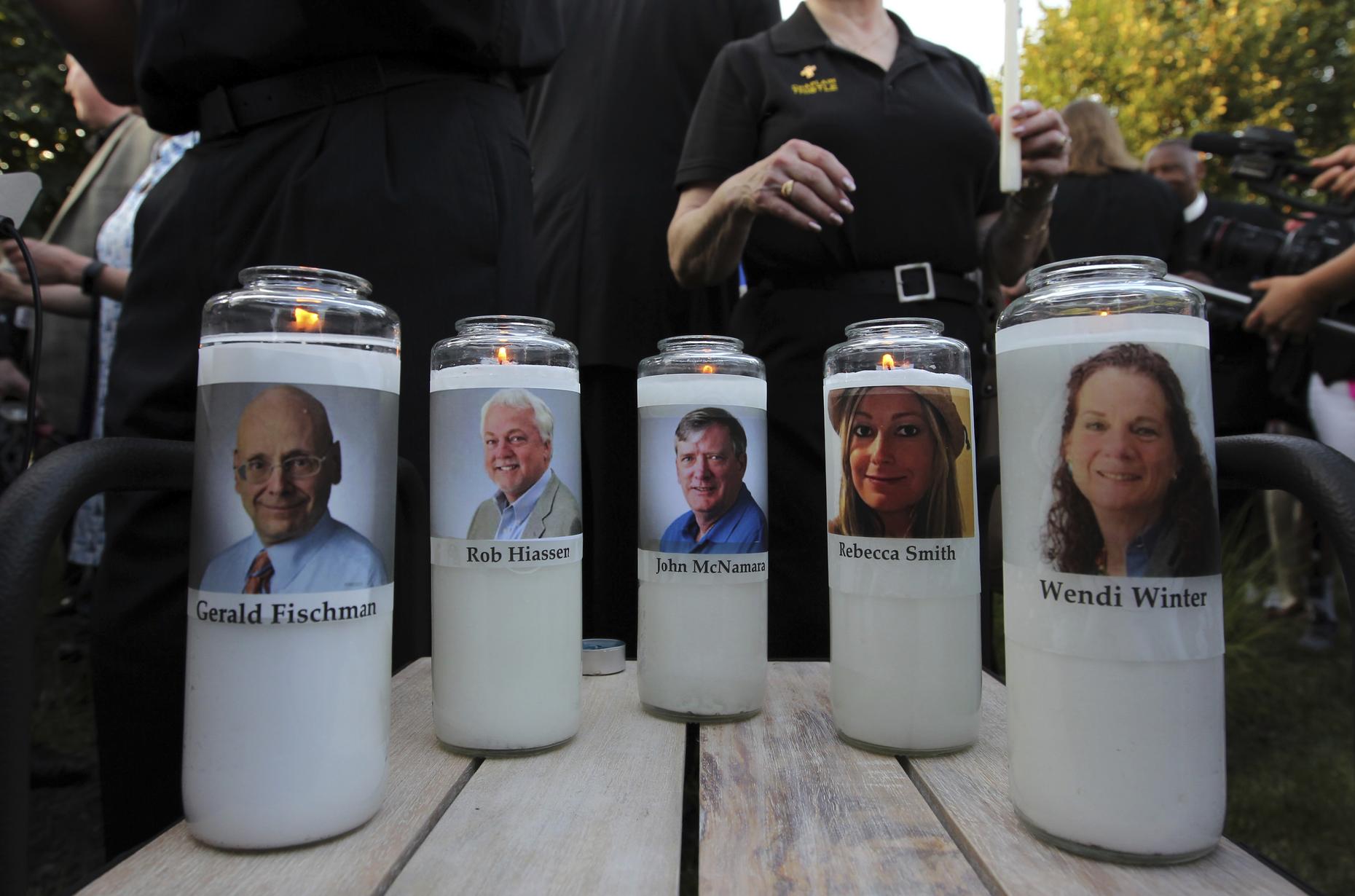
Jun 23, 2021
A New Model for Local Journalism?
In the 1800s, New Bedford, Massachusetts was the world’s “center of whaling.” More than half of the world’s whaling ships in the 1840s came from New Bedford. The small city was so emblematic of a New England whaling town that it served as the setting for Herman Melville’s novel Moby Dick . According to the New York Times , it was then the richest city per capita on the continent. Now, more than a fifth of its approximately 95,000 citizens live in poverty. But this exceptional historic town is representative of a phenomenon happening in small towns across the United States. It’s local daily newspaper, The Standard-Times , has been bought by Gannett, a hedge fund-backed news conglomerate and stripped down to barebones. It’s become what’s known as a “ ghost newspaper, " called such for its trimmed down staff and scant original reporting. The mayor of New Bedford was quoted in the New York Times saying: “It used to be that I couldn’t sneeze without having to explain myself. Now, I have to beg people to show up at my press conferences. Please, ask me questions!” A year and a half ago, a small group of concerned community members gathered to try to address this dearth of local journalism. The result? A new, non-profit news outlet called The New Bedford Light . Brooke talks to Barbara Roessner, the founding editor of The New Bedford Light , about the challenges facing the fledgling outlet and the benefits that local journalism brings to the civic health of a community. On the Media is supported by listeners like you. Support OTM by donating today ( https://pledge.wnyc.org/support/otm ). Follow our show on Instagram , Twitter and Facebook @onthemedia, and share your thoughts with us by emailing onthemedia@wnyc.org.
Jun 18, 2021
Behind Closed Doors
New reports show that the Trump Department of Justice spied on reporters. But that’s just a small part of a much longer story, going back decades. This week, we examine when and why the government surveils journalists. And, following their first meeting this week, is there a headline beyond “Putin and Biden talked to each other?” Plus, on the 50th anniversary of the Pentagon Papers, how the story’s biggest lessons were lost to time. 1. Alexey Kovalev [ @Alexey__Kovalev ], investigative editor at Meduza , on what Russian and American media got right and wrong about Putin and Biden's first meeting. Listen . 2. Matt Apuzzo [ @mattapuzzo ], New York Times reporter, on how the government seizes journalists’ records and chills speech under guise of protecting national security. Listen . 3. Kurt Andersen [ @KBAndersen ], host of Nixon At War , says Watergate might have been Nixon's downfall, but the Vietnam War was his real undoing. Listen . 4. The late Les Gelb, the man who supervised the team that compiled the Pentagon Papers, explains how the media misinterpreted the documents. Listen . Music: Tymperturbably Blue by Duke Ellington Fergus River Roundelay by Gerry O’Beirne Whispers of a Heavenly Death by John Zorn Trance Dance by John Zorn Middlesex Times by Michael Andrews Tribute to America (Medley) by The O’Neill Brothers Group On the Media is supported by listeners like you. Support OTM by donating today ( https://pledge.wnyc.org/support/otm ). Follow our show on Instagram , Twitter and Facebook @onthemedia, and share your thoughts with us by emailing onthemedia@wnyc.org.
Jun 16, 2021
From Public Shaming To Cancel Culture
Over the last couple of weeks we’ve taken on some of the battles in the ongoing culture war. The granddaddy of them all is cancel culture . Michael Hobbes, co-host of the podcast You’re Wrong About, told us that there isn’t a situation that has been labeled a cancellation that couldn’t benefit from a more accurate word to describe what had happened. So and so was fired...such and such was met with disagreement on twitter. Cancel need not apply. He also explained on his own podcast with Sarah Marshall that there were a few pivotal events along the way that led to the term cancel culture becoming the moral panic that it is today. One of them was the 2015 release of Jon Ronson’s book “So You’ve Been Publicly Shamed.” A series of case studies of people who were canceled before we started using that word. On the Media is supported by listeners like you. Support OTM by donating today ( https://pledge.wnyc.org/support/otm ). Follow our show on Instagram , Twitter and Facebook @onthemedia, and share your thoughts with us by emailing onthemedia@wnyc.org.
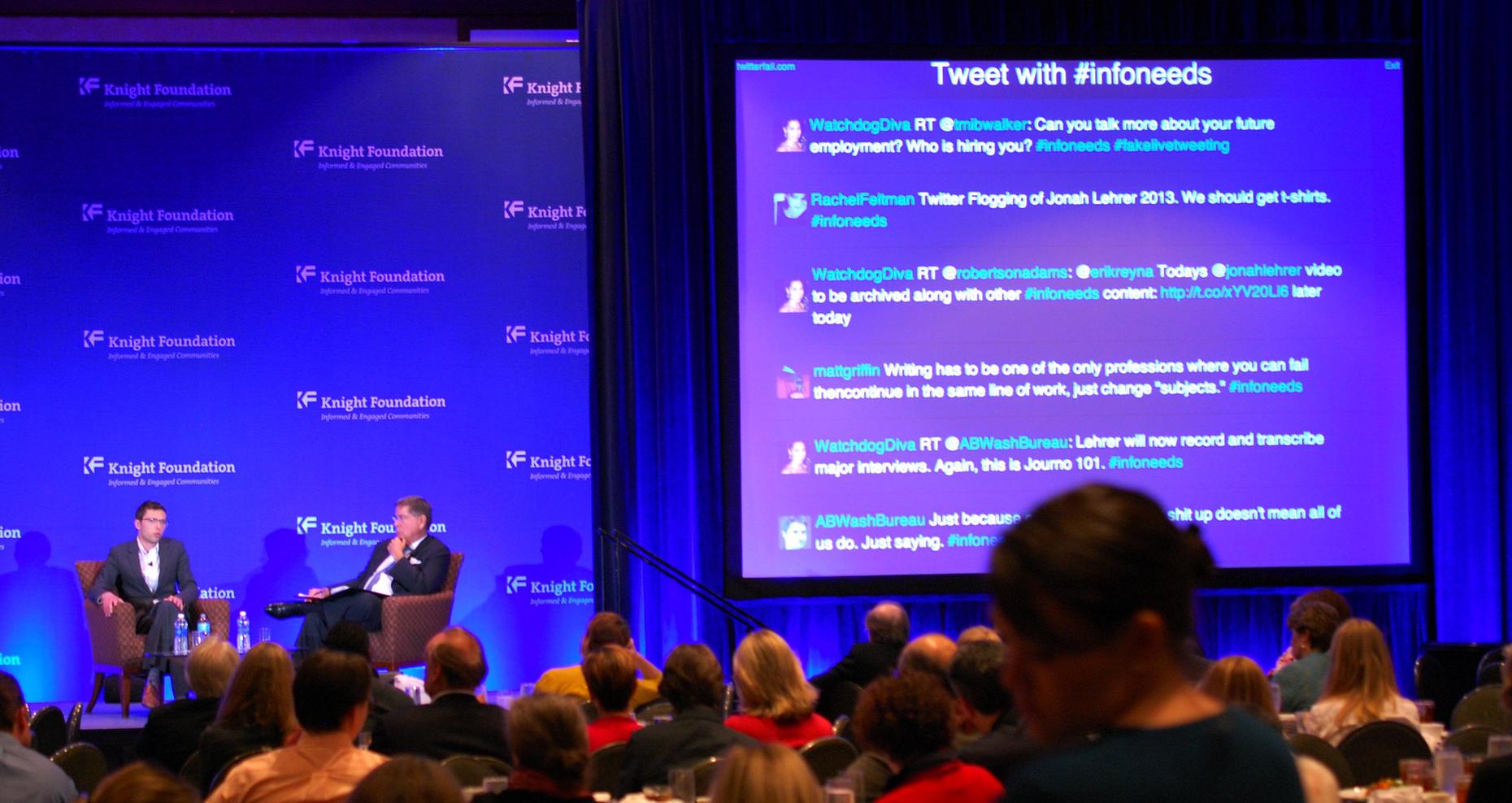
Jun 11, 2021
Little Fires Everywhere
Trump may be out of office, but the GOP's campaign to limit voting rights, free speech, and reproductive rights is still in full-swing. On this week’s On the Media, where do you focus your attention when there are little fires everywhere? Plus, a look at a chilling new look for America: the "authoritarian mullet" — culture war in the front, the destruction of democracy in the back. And, how critical race theory became a right-wing bogeyman. 1. Jay Rosen [ @jayrosen_nyu ], professor of journalism at New York University and media critic for PressThink, on why journalists should still be in "emergency mode." Listen . 2. Jake Grumbach [ @JakeMGrumbach ], assistant professor of political science at the University of Washington, on how Republican state lawmakers reduce "democratic performance" when they take power. Listen . 3. Ryan P. Delaney [ @rpatrickdelaney ], education reporter for St. Louis Public Radio, on a Missouri school district's debate over Critical Race Theory, and Adam Harris [ @AdamHSays ], staff writer at The Atlantic, on how conservatives constructed the critical race theory boogeyman. Listen . Music: Little Motel - Modest Mouse Auld Lang Syne - Salsa Celtica L’Illusionista - Nino Rota Paperback Writer - Quartetto d'Archi Dell'orchestra Sinfonica di Milano Guiseppe Verdi Milestones - Bill Evans Trio Going Home - Hank Jones & Charlie Haden (post at 2:24 or 3:07) Quizás, Quizás, Quizás - Ramón Solé (back time this) In the Bath - Randy Newman On the Media is supported by listeners like you. Support OTM by donating today ( https://pledge.wnyc.org/support/otm ). Follow our show on Instagram , Twitter and Facebook @onthemedia, and share your thoughts with us by emailing onthemedia@wnyc.org.
Jun 9, 2021
One of the Most Influential Black Journalists You Probably Never Heard Of
Record numbers of journalists formed unions over the last few years, surpassing data even from the surges of labor organizing in the 1930s. And the pandemic didn't slow the trend. Just this week journalists at the Atlantic announced that they were forming a union affiliated with the News Guild. But even with all the recent coverage, it's unlikely that you've heard of the very first person to lead a journalism unionization effort. Marvel Cooke was a crusading Black journalist who organized one of the first chapters of the Newspaper Guild...and she reported on labor and race until she was pushed out of journalism by redbaiting. Lewis Raven Wallace is the creator of The View from Somewhere , a podcast about journalism with a purpose, and author of the book T he View from Somewhere: Undoing the Myth of Journalistic Objectivity . For years he’s been researching journalists in U.S. history whose stories haven’t been thoroughly told — because they were marginalized by a structure that didn’t see them as “real” “objective” reporters. And that’s what happened to Marvel Cooke... On the Media is supported by listeners like you. Support OTM by donating today ( https://pledge.wnyc.org/support/otm ). Follow our show on Instagram , Twitter and Facebook @onthemedia, and share your thoughts with us by emailing onthemedia@wnyc.org.
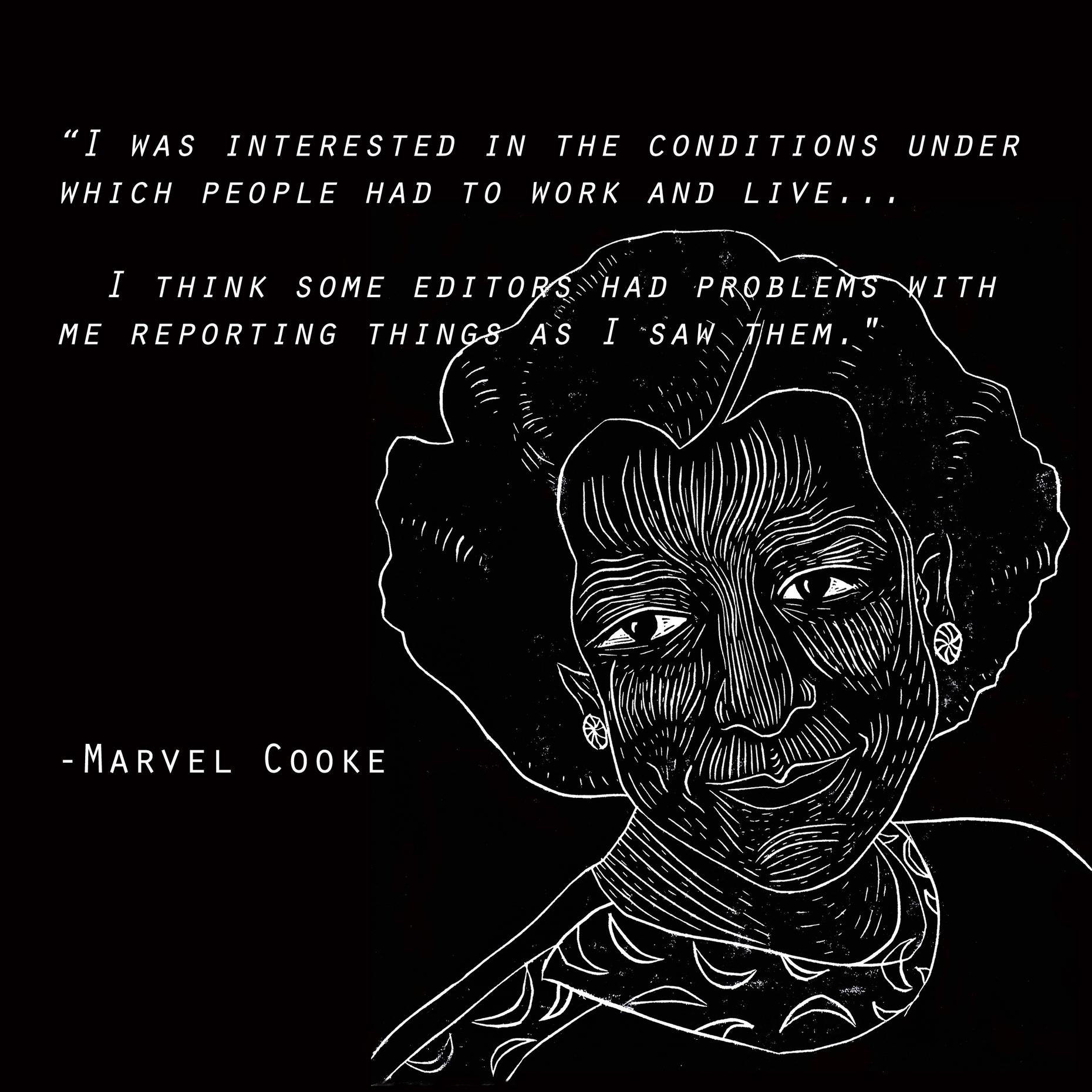
Jun 4, 2021
Shamed and Confused
After a young Associated Press journalist lost her job last month following online attacks, On the Media considers how bad faith campaigns against the media have become an effective weapon for the far right. Plus, should we cancel the word “cancel”? One journalist argues, yes, and one academic says, no. Plus, the origins of "cancelled" in Black culture. 1. OTM reporter Micah Loewinger [ @MicahLoewinger ] on the A.P.'s firing of Emily Wilder, and how newsrooms can learn to respond to right-wing smears without firing valued journalists. Listen . 2. Michael Hobbes [ @RottenInDenmark ], co-host of You're Wrong About, on the anecdotes that fuel "political correctness" and "cancel culture" panics. Listen . 3. Erec Smith [ @Rhetors_of_York ], associate professor of rhetoric and composition at the York College of Pennsylvania, on his experience being "cancelled" within an academic context. Listen . 4. Clyde McGrady [ @CAMcGrady ], features writer for T he Washington Post , on the derivation and misappropriation of the word "cancelled." Listen . Music from this week's show: Main Title, Ragtime - Randy Newman What’s that Sound? - Thomas Newman Middlesex Times - Michael Andrews Bubble Wrap - Thomas Newman Blues: La Dolce Vita dei Nobili - Nino Rota Bubble Wrap - Thomas Newman You Sexy Thing - Hot Chocolate On the Media is supported by listeners like you. Support OTM by donating today ( https://pledge.wnyc.org/support/otm ). Follow our show on Instagram , Twitter and Facebook @onthemedia, and share your thoughts with us by emailing onthemedia@wnyc.org.

Jun 2, 2021
OTM Presents: "Blindspot: Tulsa Burning"
On May 31, 1921, Tulsa, Oklahoma’s Greenwood District was a thriving Black residential and business community — a city within a city. By June 1, a white mob, with the support of law enforcement, had reduced it to ashes. And yet the truth about the attack remained a secret to many for nearly a century. Chief Egunwale Amusan grew up in Tulsa — his grandfather survived the attack — and he’s dedicated his life to sharing the hidden history of what many called “ Black Wall Street .” But Dr. Tiffany Crutcher , also a descendant of a survivor, didn’t learn about her family history or the massacre until she was an adult. Together, they’re trying to correct the historical record. As Greenwood struggles with the effects of white supremacy 100 years later, people there are asking: in this pivotal moment in American history, is it possible to break the cycle of white impunity and Black oppression? Our WNYC colleague KalaLea tells the story. This podcast contains descriptions of graphic violence and racially offensive language. This is the first episode of Blindspot: Tulsa Burning , a new series from WNYC Studios and The HISTORY Channel. On the Media is supported by listeners like you. Support OTM by donating today ( https://pledge.wnyc.org/support/otm ). Follow our show on Instagram , Twitter and Facebook @onthemedia, and share your thoughts with us by emailing onthemedia@wnyc.org.

May 28, 2021
Not a Perfect Science
COVID-19 deaths in the U.S. are falling and the number of the vaccinated continue to rise, but the pandemic’s harm to our mental health is still beyond measure. This week, On the Media explores how society is describing its pandemic state of mind. Plus, a look at the high-stakes fight to drag science out from behind paywalls. 1. Roxanne Khamsi [ @rkhamsi ] speaks with Science Magazine staff writer Meredith Wadman [ @meredithwadman ] on the Global Initiative On Sharing All Influenza Data, known as GISAID . Listen. 2. Roxanne Khamsi [ @rkhamsi ] speaks with Bloomberg's Justin Fox [ @foxjust ] and Josh Sommer [ @sommerjo ] about the movement to make science journals open access. Listen . 3. Roxanne Khamsi [ @rkhamsi ] speaks with The Cut's Molly Fischer [ @mollyhfischer ] about the rise of therapy apps. Listen . 4. OTM producer Eloise Blondiau [ @eloiseblondiau ] with Jerry Useem, Adam Grant [ @AdamMGrant ], Dr. Laurence Kirmayer , Anne Harrington and Dr. Monnica Williams [ @DrMonnica ] on naming and soothing our pandemic mental health woes. Listen . Music from this week's show: John Zorn — Prelude 4: Diatesseron Jack Body/Kronos Quartet — Long-Ge Unknown — Solo Cello Suite No. 1 John Zorn — Night Thoughts Marcos Ciscar — Time Is Late Kronos Quartet — Misteriosos Franck Pourcel — Story Weather On the Media is supported by listeners like you. Support OTM by donating today ( https://pledge.wnyc.org/support/otm ). Follow our show on Instagram , Twitter and Facebook @onthemedia, and share your thoughts with us by emailing onthemedia@wnyc.org.
May 26, 2021
I Would Prefer Not To
We live in a time of sensory overload and overwhelm. A global pandemic, an ongoing climate catastrophe, and online discourse run amok. And a sense that we are powerless to do anything about any of it. In response, artist and writer Jenny Odell has a curious prescription: do nothing. In her 2019 book How to Do Nothing: Resisting the Attention Economy , Odell advocates for occupying a space of "critical refusal": rejecting the terms of engagement as they're handed down to us and removing ourselves from the clamor and undue influence of public opinion. With lessons from ecology, art, history and beyond, Odell tells Brooke about her own journey toward more context and contemplation, and offers listeners an alternative way to think and be in relation to an overstimulating world. This segment is from our July 12th, 2019 program, Uncomfortably Numb . On the Media is supported by listeners like you. Support OTM by donating today ( https://pledge.wnyc.org/support/otm ). Follow our show on Instagram , Twitter and Facebook @onthemedia, and share your thoughts with us by emailing onthemedia@wnyc.org.
May 21, 2021
How It Started, How It's Going
A year and a half into the pandemic, we still don’t know how it began. This week, a look at how investigating COVID-19’s origins became a political and scientific minefield. Plus, how a mistake of microns caused so much confusion about how COVID spreads. And, making sense of the "metaverse." 1. Alina Chan [ @Ayjchan ], postdoctoral researcher at the Broad Institute of MIT and Harvard, on the lack of investigation into COVID's origins. Listen. 2. Megan Molteni [ @MeganMolteni ], science writer at Stat News, on the 60-year-old mix-up that helped COVID-10 kill. Listen. 3. Gene Park [ @GenePark ], gaming reporter for The Washington Post , on what the "metaverse" really means. Listen. 4. Margaret Atwood [ @MargaretAtwood ], novelist, on submitting a manuscript to a library of the future. Listen . Music from this week's show: Sacred Oracle - John Zorn Eye Surgery - Thomas Newman The Old House - Marcos Ciscar Tomorrow Never Knows - Quartetto d’ Archi Dell'orchestra Sinfonica di Milano Giuseppe Verdi 72 Degrees and Sunny - Thomas Newman Viderunt Omnes - Kronos Quartet Once in a Lifetime - Talking Heads On the Media is supported by listeners like you. Support OTM by donating today ( https://pledge.wnyc.org/support/otm ). Follow our show on Instagram , Twitter and Facebook @onthemedia, and share your thoughts with us by emailing onthemedia@wnyc.org.
May 14, 2021
The Ghosts of the Rust Belt
The old US Steel building in Pittsburgh, PA is a black monolith, symbol and fortress of industrial power, soaring above the confluence of three mighty rivers. But its vista has changed. Gone is the golden, sulfurous haze. Gone are the belching smokestacks, blazing furnaces and slag-lined river valleys snaking along Appalachian foothills. The industry that sustained a region, girded the world’s infrastructure and underwrote a now-vanished way of life has long since crossed oceans. S teel City is now Healthcare City, representing almost 1 in 4 jobs in the region. Some 92,000 of them work for just one employer, the sprawling, omnivorous University of Pittsburgh Medical Center, whose logo now adorns the black-skyscraper sentinel of the Three Rivers. But this is not just a case of a clean economy displacing a filthy one. To Gabriel Winant , author of The Next Shift: The Fall of Industry and the Rise of Health Care in Rust Belt America , the story of economic transformation in the Rust Belt is the story of disparity — of wealth, income and political power — that didn't vanish when the smokestacks came down. In this special hour, Winant tells Bob the real story behind the economic transformation that took place in the rust belt, and what it tells us about our economy, and our future, more broadly. Music from this week's show: Flugufrelsarinn — Kronos Quartet Steel Mill Blues — Joe Glazer Liquid Spear Waltz — Michael Andrews Sacred Oracle — John Zorn ( feat. Bill Frisell, Carol Emanuel & Kenny Wollesen) Human Nature — Vijay Iyer Pittsburgh—Joe Glazer On the Media is supported by listeners like you. Support OTM by donating today ( https://pledge.wnyc.org/support/otm ). Follow our show on Instagram , Twitter and Facebook @onthemedia, and share your thoughts with us by emailing onthemedia@wnyc.org.
May 13, 2021
The Price of a Free Market
Last Friday, the Department of Labor released its monthly jobs report, and the numbers were...disappointing. Expectations had rested around adding approximately a million jobs, and April yielded a meager 266,000. In a rare moment of genuine surprise in Washington, some economists said they didn’t know the exact cause of the drop. But for weeks prior to the report, the press had offered stories across the country with a simple explanation: there are jobs, but no one wants them. The great labor shortage. And as anecdotes of fast food chains begging for workers and local restaurants limiting hours poured in, so did theories of an alleged culprit keeping potential employees away: covid-era unemployment benefits were depressing America’s work ethic. Bob spoke with Heidi Shierholz , director of policy at the Economic Policy Institute, and former chief economist for the Department of Labor during the Obama administration, to find out what the numbers can really tell us, and what they can't. On the Media is supported by listeners like you. Support OTM by donating today ( https://pledge.wnyc.org/support/otm ). Follow our show on Instagram , Twitter and Facebook @onthemedia, and share your thoughts with us by emailing onthemedia@wnyc.org.
May 7, 2021
Trans* Formations
There’s a long history of campaigns to “save the children,” whether they need saving or not. This week, On the Media looks at the latest: an effort to block access to medical care for trans kids. Plus, how years of Hollywood representation — from The Crying Game to Transparent — have shaped the public’s ideas about trans people. 1. Katelyn Burns [ @transscribe ], freelance journalist and co-host of the "Cancel Me, Daddy!" podcast, on the the politics and propaganda behind the recent wave of anti-trans legislation, and Jack Turban [ @jack_turban ], fellow in child and adolescent psychiatry at Stanford University School of Medicine, on what the science tells us about gender affirming care in adolescence. Listen. 2. Jules Gill-Petersen [ @gp_jls ], professor of english and gender, sexuality, and women's studies at the University of Pittsburgh and author of Histories of the Transgender Child , on the long history of trans children. Listen. 3. Imara Jones [ @imarajones ], creator of TransLash media and host of the TransLash podcast, on how trans visibility paves the way toward trans liberation. Listen. 4. Sam Feder [ @SamFederFilm ], director of the Netflix documentary “Disclosure," on how Hollywood representations of trans lives have shaped the public understanding of who trans people are. Listen. Music: Prelude 7: Sign and Sigil - John Zorn Totem Ancestor - John Cage Blackbird - Brad Mehldau Harpsichord - Four Tet Peace Piece - Bill Evans - Kronos Quartet Black Is the Color / Theme from "Spartacus" - Fred Hersch After the Fact - John Scofield On the Media is supported by listeners like you. Support OTM by donating today ( https://pledge.wnyc.org/support/otm ). Follow our show on Instagram , Twitter and Facebook @onthemedia, and share your thoughts with us by emailing onthemedia@wnyc.org.
May 5, 2021
Still Processing the MOVE Bombing, 36 Years Later
Last Friday , remains of at least one victim of the infamous 1985 MOVE bombing were turned over to a Philadelphia funeral home, capping more than a week of confusion and re-opened wounds. MOVE members claim the remains were those of 14-year-old Tree Africa and 12-year-old Delisha Africa, among the five children and six adults killed 36 years ago this month after an anti-government, pro-environment, Black liberation group called MOVE defied arrest warrants and barricaded themselves in a West Philadelphia rowhouse. On May 13, 1985, C-4 explosives dropped on that home by Philadelphia police led to a fire that destroyed 61 homes in a predominantly Black neighborhood. Though consciousness of the bombing seems to have grown in recent years, when native Philadelphian and NPR correspondent Gene Demby reported on the 30th anniversary of the bombing back in 2015, he got a reaction he wasn't expecting: much of his audience hadn't heard of it before. On the Media is supported by listeners like you. Support OTM by donating today ( https://pledge.wnyc.org/support/otm ). Follow our show on Instagram , Twitter and Facebook @onthemedia, and share your thoughts with us by emailing onthemedia@wnyc.org.

Apr 30, 2021
War of the Words
This week we take a close look at how the words we choose can unknowingly condemn people caught up in the criminal justice system. Plus, the costs and complications of working as a journalist while incarcerated. And, the overlooked, self-trained women journalists of the Vietnam War. 1. Brooke tracks the evolution of language in the early days of Biden's presidency. Listen . 2. Akiba Solomon [ @akibasolomon ], senior editor at The Marshall Project, explains how terms like "inmate" and "offender" can distract, dehumanize, and mislead, and why "people-first" language is more appropriate for journalists. Listen . 3. John J. Lennon [ @johnjlennon1 ], contributing writer at The Marshall Project and contributing editor Esquire , tells us what it's like to read and report the news while inside prison. Listen . 4. Elizabeth Becker , author of You Don't Belong Here , on how women journalists covered the Vietnam War in groundbreaking ways, and yet were forgotten by history. Listen . Music from this week's show: Tilliboyo (“Sunset”) — Kronos Quartet Bewitched, Bothered and Bewildered — Brad Mehldau The Butterfly — The Bothy Band Clonycavan Man — Gerry O’Beirne John’s Book Of Alleged Dances — Kronos Quartet Carmen Fantasy — Anderson & Row On the Media is supported by listeners like you. Support OTM by donating today ( https://pledge.wnyc.org/support/otm ). Follow our show on Instagram , Twitter and Facebook @onthemedia, and share your thoughts with us by emailing onthemedia@wnyc.org.
Apr 28, 2021
It's Gonna Be May Day
International Workers' Day is celebrated with rallies and protests all over the world on May 1, but it's not a big deal in the United States. Back in 2018 , Brooke spoke with Donna Haverty-Stacke of Hunter College, CUNY about the American origin of May Day — and about how it has come to be forgotten. The first national turnout for worker's rights in the U.S. was on May 1, 1886; contrary to what you may have heard elsewhere, it wasn't the same thing as the Haymarket Affair. Haverty-Stacke is also author of America’s Forgotten Holiday: May Day and Nationalism, 1867–1960 , and she explains that the fight over May 1, or May Day, is also about the fight for American identity and what it means to be radical and patriotic at the same time. The OTM crew (in 2018) sings "Into The Streets May First," a never-before-professionally-recorded 1935 Aaron Copland anthem: On the Media is supported by listeners like you. Support OTM by donating today ( https://pledge.wnyc.org/support/otm ). Follow our show on Instagram , Twitter and Facebook @onthemedia, and share your thoughts with us by emailing onthemedia@wnyc.org.
Apr 23, 2021
Not Ready For That Conversation
A jury has found Derek Chauvin guilty in the case that sparked a historic wave of protests last summer. This week we examine how fears over those protests are being channeled into restrictive new legislation across the country. And, what it’s like to drive the Mars rover from your childhood bedroom. Plus, a former child actor grapples with how his character defined him. 1. Tami Abdollah [ @latams ], national correspondent for USA Today , on how Republican-controlled legislatures across the country have been introducing bills to criminalize protests — or as they put it, to stop the rioting. Listen. 2. Brendan Chamberlain-Simon , a robotics technologist at NASA's Jet Propulsion Laboratory, explains what it's like to live on Mars Time, and the questions that led him to space. Avi Loeb , Frank B. Baird, Jr., Professor of Science at Harvard University, makes a compelling case for intelligent life beyond Earth. Listen. 3. OTM Reporter Micah Loewinger [ @micahloewinger ] presents the case of Spencer Fox, the former child actor who played Dash in the first Incredibles film, but not the second. Listen . Music from this week's show: Equinox - John Coltrane Night Thoughts - John Zorn 72 Degrees and Sunny - Thomas Newman Horizon 12.2 - Thomas Newman Eye Surgery - Thomas Newman The Glory Days - Michael Giacchino On the Media is supported by listeners like you. Support OTM by donating today ( https://pledge.wnyc.org/support/otm ). Follow our show on Instagram , Twitter and Facebook @onthemedia, and share your thoughts with us by emailing onthemedia@wnyc.org.
Apr 20, 2021
A Little-Known Statute Compels Medical Research Transparency. Compliance Is Pretty Shabby.
Evidence-based medicine requires just that: evidence. Access to the collective pool of knowledge produced by clinical trials is what allows researchers to safely and effectively design future studies. It's what allows doctors to make the most informed decisions for their patients. Since 2007, researchers have been required by law to publish the findings of any clinical trial with human subjects within a year of the trial's conclusion. Over a decade later, even the country's most well-renown research institutions sport poor reporting records. This week, Bob spoke with Charles Piller , an investigative journalist at Science Magazine who's been documenting this dismal state of affairs since 2015 . He recently published an op-ed in the New York Times urging President Biden to make good on his 2016 "promise" to start withholding funds to force compliance. On the Media is supported by listeners like you. Support OTM by donating today ( https://pledge.wnyc.org/support/otm ). Follow our show on Instagram , Twitter and Facebook @onthemedia, and share your thoughts with us by emailing onthemedia@wnyc.org.
Apr 16, 2021
You Better Work!
From the Johnson & Johnson pause to talk of “break-through cases” among the already-vaccinated, we’re facing an onslaught of dispiriting and confusing vaccine news. On this week’s On The Media, a guide to separating the facts from the noise. Plus, why pro-labor journalists got the story of an Amazon warehouse union drive so wrong. And, how media coverage of labor movements has morphed over the past century. 1. Nsikan Akpan [ @MoNscience ], health and science editor at WNYC, and Kai Kupferschmidt [ @kakape ], contributing correspondent at Science Magazine, on how best to consume the non-stop vaccine news. Listen. 2. Jane McAlevey [ @rsgexp ], labor organizer and senior policy fellow at the University of California at Berkeley’s Labor Center, on how the mood in Bessemer, Alabama turned from optimism to defeat. Listen. 3. Chris Martin [ @chrismartin100 ], professor of digital journalism at the University of Northern Iowa, on the historical devolution of the labor beat. Listen. Music from this week's show: Fallen Leaves - Marcos Ciscar Let’s Face The Music & Dance - Harry Roy & His Orchestra On the Media is supported by listeners like you. Support OTM by donating today ( https://pledge.wnyc.org/support/otm ). Follow our show on Instagram , Twitter and Facebook @onthemedia, and share your thoughts with us by emailing onthemedia@wnyc.org.
Apr 14, 2021
On the Inside Looking Out
The past year most of us were awash in a news cycle driven by the pandemic. Daily we grappled with infection data, vaccine updates, social restrictions, and public officials trying to balance fatigue, facts, and safety. But there are some in the country cut off from the deluge, offered instead, merely a trickle. Obviously the American prison system wasn’t built with a pandemic in mind — with inadequate spacing for quarantine, cleaning supplies, and access to healthcare, but the pandemic has focused a brighter light on decades-old issues surrounding incarceration. Including access to information about news and policies that could be matters of life and death. John J. Lennon has been especially concerned, he’s written about prison life under Covid in the New York Times Magazine and he’s contributing writer for the Marshall Project, contributing editor at Esquire, and an adviser to the Prison Journalism Project. He’s also serving an aggregate sentence of 28 years to life at Sullivan Correctional Facility in New York. That accounts for the qu ality of the phone line when he spoke to Brooke this week. On the Media is supported by listeners like you. Support OTM by donating today ( https://pledge.wnyc.org/support/otm ). Follow our show on Instagram , Twitter and Facebook @onthemedia, and share your thoughts with us by emailing onthemedia@wnyc.org.
Apr 9, 2021
Broken Promise
With Congress set to consider bills next week that could set the future of Puerto Rican self-determination, we consider how a 70-year-old promise to decolonize the island keeps getting broken. Plus, how Puerto Ricans notched a hugely symbolic victory over the U.S. — during the 2004 Olympics. 1. Yarimar Bonilla [ @yarimarbonilla ], political anthropologist at Hunter College, examines the afterlife of Puerto Rico's political experiment. Listen. 2. Julio Ricardo Varela [ @julito77 ], co-host of In the Thick and editorial director at Futuro Media, on what the showdown between the Puerto Rican and U.S. Olympic basketball teams in 2004 meant to him then and now. Listen. Music: We Insist by Zoe Keating YUMAVISION by ÌFÉ Malphino by Ototoa La Brega is a podcast series hosted by OTM producer/reporter Alana Casanova-Burgess. The series uses narrative storytelling and investigative journalism to reflect and reveal how la brega has defined so many aspects of life in Puerto Rico, and is available in English and Spanish . On the Media is supported by listeners like you. Support OTM by donating today ( https://pledge.wnyc.org/support/otm ). Follow our show on Instagram , Twitter and Facebook @onthemedia, and share your thoughts with us by emailing onthemedia@wnyc.org.
Apr 7, 2021
SLAPP Un-Happy
For over four years, Reveal , an award-winning program from the Center for Investigative Reporting, was embroiled in a multimillion-dollar libel suit. Planet Aid, a non-profit known for clothing collection, had sued the podcast over an intensive two-year investigation that " tied the charity to an alleged cult and raised significant questions about whether the funds from the U.S. and other governments actually were reaching the people they were intended to help. " Two weeks ago, a judge in California dismissed the case. Here's the judge's full ruling. Despite being a fairly straightforward SLAPP case — the case required dozens of reporter hours that took away from crucial reporting work— the newsroom only managed to stay afloat long enough to fight the suit because of generous pro-bono support. This week, Bob spoke to Victoria Baranetsky , general counsel at Reveal, about what small newsrooms stand to lose in court battles with wealthy public figures and organizations. EDITOR'S NOTE: After publication, we were contacted by a PR firm representing Planet Aid. They took issue with our characterization of Reveal’s reporting on “abuse of US Foreign Aid by the charity and its subcontractors.” Although the Reveal series reported on Planet Aid’s use of grant money, following a two-year investigation, and the judge dismissed Planet Aid’s lawsuit with prejudice under California’s anti-SLAPP statute, we acknowledge, at the request of Planet Aid, that the judge also held in the recent ruling (full decision available above) that Planet Aid had demonstrated that a number of specific factual assertions made by the Center of Investigative Reporting presented triable issues of fact. While Planet Aid failed to respond to Reveal's repeated requests for comment prior to publication, Planet Aid reached out to the Center of Investigative Reporting prior to filing its lawsuit asking for a retraction and correction. On the Media is supported by listeners like you. Support OTM by donating today ( https://pledge.wnyc.org/support/otm ). Follow our show on Instagram , Twitter and Facebook @onthemedia, and share your thoughts with us by emailing onthemedia@wnyc.org.
Apr 6, 2021
The End Of The Promises
La Brega is a seven-part podcast series hosted by OTM producer/reporter Alana Casanova-Burgess. The series uses narrative storytelling and investigative journalism to reflect and reveal how la brega has defined so many aspects of life in Puerto Rico, and is available in English and Spanish . This is episode seven. Puerto Rico’s relationship with the United States has long been a subject of intense debate. In 1952, Puerto Rico adopted a new status that was meant to decolonize the island. In English, we call it a “Commonwealth.” In Spanish, it’s called “Estado Libre Asociado”, or ELA. Puerto Ricans were promised for decades that this unique status meant they had a special kind of sovereignty while maintaining ties to the US. Now, a series of recent crises on the island have led many to question that promise, and to use the word “colony” more and more. In this episode, political anthropologist and El Nuevo Día columnist Yarimar Bonilla looks for those who still believe in the ELA, and asks what happens when a political project dies. You can get more resources for related issues at the Puerto Rico Syllabus website . On the Media is supported by listeners like you. Support OTM by donating today ( https://pledge.wnyc.org/support/otm ). Follow our show on Instagram , Twitter and Facebook @onthemedia, and share your thoughts with us by emailing onthemedia@wnyc.org.
Apr 2, 2021
The View From Everywhere
The trial of the former police officer charged in the death of George Floyd has been broadcasting live all this week. This week, we examine what effect the cameras in the court can have on the verdict and on us, watching from home. Plus, how striving for the appearance of journalistic “objectivity” can make newsrooms less diverse, and how trauma informs journalism. 1. Steven Zeitchik [ @ZeitchikWaPo ], entertainment business reporter at the Washington Post, explains how Court TV became the world’s window into the Derek Chauvin trial. Listen . 2. Ishena Robinson [ @ishenarobinson ], staff writer at The Root, about the mounting toll of watching Black people lose their lives on camera. Listen . 3. Bruce Shapiro [ @dartcenter ], executive director of the Dart Center for Journalism and Trauma at Columbia Journalism School, on why trauma shouldn't disqualify reporters from reporting on topics into which they have insight. Listen . 4. Ernest Owens [ @mrernestowens ], Philadelphia Association of Black Journalists president, about the double-standards facing journalists who have identities or lived experiences that are different from editors who still determine what constitutes "objectivity." Listen . 5. Steve Friess [ @stevefriess ], editor at Hour Detroit and contributor for Newsweek, looks back at how he covered gay marriage when his own marriage hung in the balance. Listen . 6. Lewis Raven Wallace [ @lewispants ], author of The View from Somewhere , on why what we call "neutrality" so often reflects the ideological assumptions of the status quo. Listen . Music from this week's show: Frail As a Breeze — Erik Friedlander The Artifact and the Living — Michael Andrews Night Thoughts — John Zorn Fallen Leaves — Marcos Ciscar Middlesex Times — Michael Andrews Bubble Wrap — Thomas Newman Carmen Fantasy — Anderson + Row Tribute to America — The O’Neill Brothers On the Media is supported by listeners like you. Support OTM by donating today ( https://pledge.wnyc.org/support/otm ). Follow our show on Instagram , Twitter and Facebook @onthemedia, and share your thoughts with us by emailing onthemedia@wnyc.org.
Mar 31, 2021
"You Don't Belong Here"
Before the Vietnam War there was a law that banned women from reporting on the frontlines of any war for the U.S. When President Johnson refused to officially declare a state of war in Vietnam, an opening appeared: no war, no ban. A handful of pioneering women bought one-way tickets into the battlefield. They had no editors, no health insurance and little or no formal training. This week, Brooke spoke about this time to reporter Elizabeth Becker, formerly a Washington Post war correspondent in Cambodia, NPR's foreign editor and then national security correspondent for the New York Times. Becker is the author of a new book: You Don't Belong Here: How Three Women Rewrote the Story of War . On the Media is supported by listeners like you. Support OTM by donating today ( https://pledge.wnyc.org/support/otm ). Follow our show on Instagram , Twitter and Facebook @onthemedia, and share your thoughts with us by emailing onthemedia@wnyc.org.
Mar 30, 2021
The Bankruptcy Letters
La Brega is a seven-part podcast series hosted by OTM producer/reporter Alana Casanova-Burgess. The series uses narrative storytelling and investigative journalism to reflect and reveal how la brega has defined so many aspects of life in Puerto Rico, and is available in English and Spanish . This is episode six. Luis J. Valentín Ortiz from the Centro de Periodismo Investigativo tells a hidden story from Puerto Rico’s debt crisis, that of the micro-creditors — thousands of low-income retirees and former public employees with claims that the government may never pay, ranging from hundreds to thousands of dollars. As a federal judge prepares to make a decision on whether they’ll get paid, this episode asks: how can the government settle its many debts — not just monetary — with its citizens? You can read more about micro-creditors in this piece from CPI. We also recommend this Radio Ambulante episode , produced by Luis Trelles, for more context about the debt crisis. On the Media is supported by listeners like you. Support OTM by donating today ( https://pledge.wnyc.org/support/otm ). Follow our show on Instagram , Twitter and Facebook @onthemedia, and share your thoughts with us by emailing onthemedia@wnyc.org.
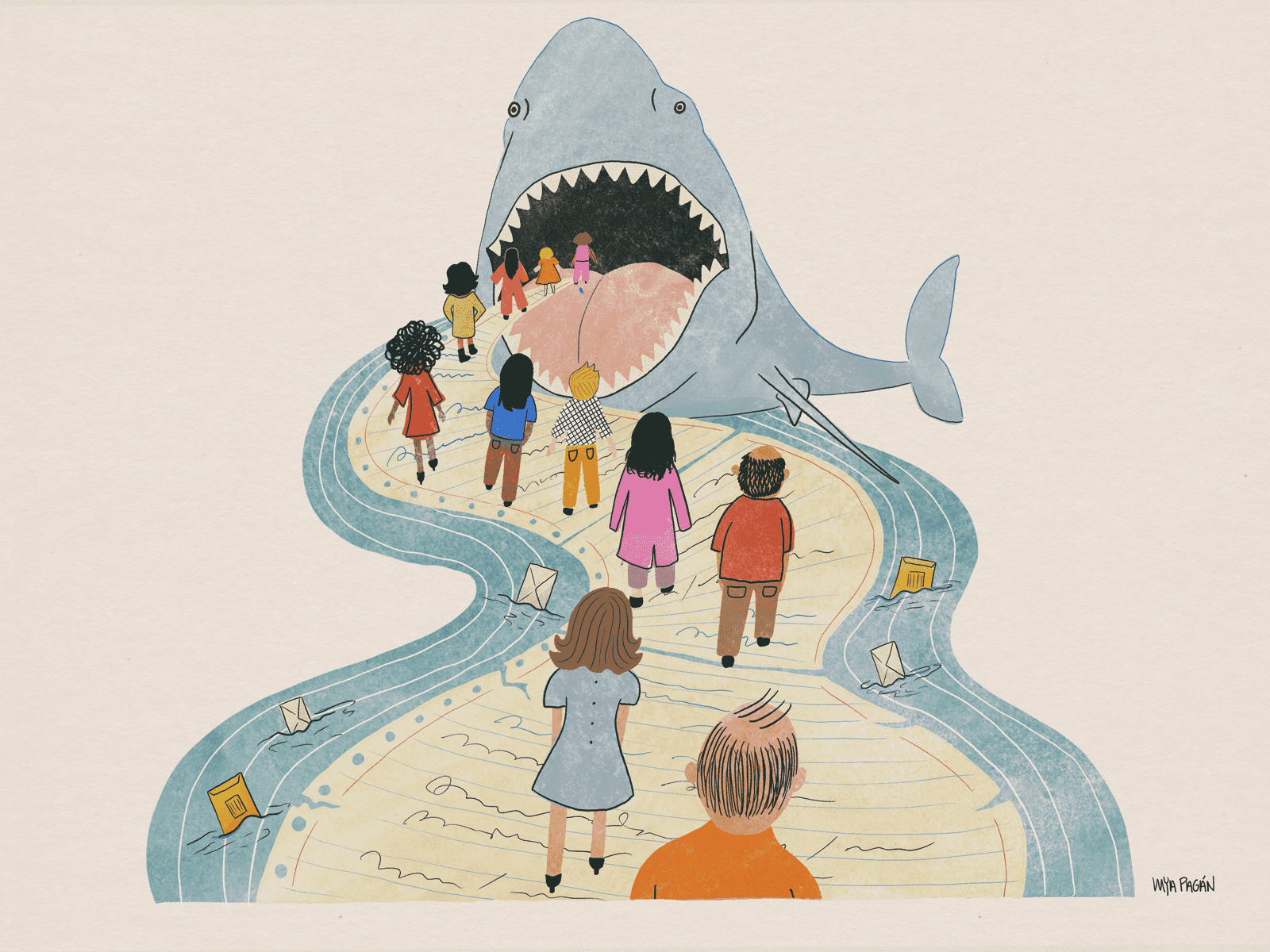
Mar 26, 2021
How to Lose Friends and Influence People
A so-called surge of migrants at the southern border has caught the attention of immigration reform advocates, conservative trolls, and TV news crews, but alarming headlines may not tell the full story. Plus, a #MeToo reckoning on YouTube has caused a new media empire to crumble. Then, a look at the controversy surrounding the newsletter site Substack, home to "sustainable journalism" and culture war punditry. And, the internet's most innovative observer on the cultivation of her misunderstood beat. 1. Tom K. Wong [ @TomWongPhD ], founding director of the U.S. Immigration Policy Center , on misleading coverage about the southern border. Listen. 2. Kat Tenbarge [ @kattenbarge ], digital culture reporter at Insider, and Taylor Lorenz [ @TaylorLorenz ], tech reporter for The New York Times, on the exploitation behind YouTube's viral prank culture. Listen. 3. Peter Kakfa [ @pkafka ], senior correspondent at Recode, and Taylor Lorenz [ @TaylorLorenz ], tech reporter for The New York Times, on the promises and controversies at the heart of Substack. Listen. 4. Taylor Lorenz [ @TaylorLorenz ], tech reporter for The New York Times, on how she keeps her finger on the internet's pulse. Listen. Music from this week's show: Whispers of a heavenly death — John Zorn The Desert and Two Grey Hills — Gerry O’Beirne Investigations — Kevin MacLeod Il Casanova de Frederico Fellini — Nino Rota String Quartet No. 5 - Philip Glass — Kronos Quartet What’s that Sound — Michael Andrews Trance Dance — John Zorn On the Media is supported by listeners like you. Support OTM by donating today ( https://pledge.wnyc.org/support/otm ). Follow our show on Instagram , Twitter and Facebook @onthemedia, and share your thoughts with us by emailing onthemedia@wnyc.org.

Mar 25, 2021
Corruption At the Highest Levels, Exposed
In 2015, a tragedy gripped Romanian consciousness when a fire at a popular club in the country's capital killed 27 people, injured nearly 200 more, and sparked national protests about corruption. In the weeks following the fire, 37 of those injured died in hospitals — a statistic that authorities and doctors claimed was simply a result of their injuries. But the victims' families and a small team of reporters at the Romanian daily paper the Sports Gazette had their doubts — doubts that were confirmed when the Gazette learned that a national supplier of medical disinfectants was diluting their products, nearly ten times over, to reap profits and pad the pockets of its CEO. The burn victims of the fire hadn't died from injuries; they died from preventable bacterial infections, a consequence of malpractice that stemmed from doctors, hospital managers and the highest officials in government. In 2019, filmmaker Alexander Nanau wrote, produced and directed the film Collective , chronicling this saga. Last year, the film was released in the US, and, this month, it received two Academy Award nominations. In this podcast extra, Nanau speaks with Brooke about why he decided to follow the story, how the pieces fell into place, and how this single story changed Romania's relationship with the press — possibly for good. Watch Collective here . On the Media is supported by listeners like you. Support OTM by donating today ( https://pledge.wnyc.org/support/otm ). Follow our show on Instagram , Twitter and Facebook @onthemedia, and share your thoughts with us by emailing onthemedia@wnyc.org.
Mar 23, 2021
Basketball Warriors
La Brega is a seven-part podcast series hosted by OTM producer/reporter Alana Casanova-Burgess. The series uses narrative storytelling and investigative journalism to reflect and reveal how la brega has defined so many aspects of life in Puerto Rico, and is available in English and Spanish . This is episode five. In this episode: David and Goliath play basketball in Athens. Despite being a U.S. colony, Puerto Rico competes in sports as its own country on the world stage. Since the 70s, Puerto Rico’s national basketball team has been a pride of the island, taking home trophy after trophy. But in the 2004 at the Athens Olympics, the team was up against the odds, with an opening game against a U.S. Dream Team stacked with players like Lebron James and Allen Iverson. Futuro Media’s Julio Ricardo Varela tells the story of a basketball game that Puerto Ricans will never forget, and why he thinks now, more than ever, is a crucial moment to remember it. The documentary "Nuyorican Basquet" is here . If you want to see the famous photo of Carlos Arroyo, click here . To read more about sovereignty and sports, we recommend The Sovereign Colony: Olympic Sport, National Identity, and International Politics in Puerto Rico , by Antonio Sotomayor. On the Media is supported by listeners like you. Support OTM by donating today ( https://pledge.wnyc.org/support/otm ). Follow our show on Instagram , Twitter and Facebook @onthemedia, and share your thoughts with us by emailing onthemedia@wnyc.org.
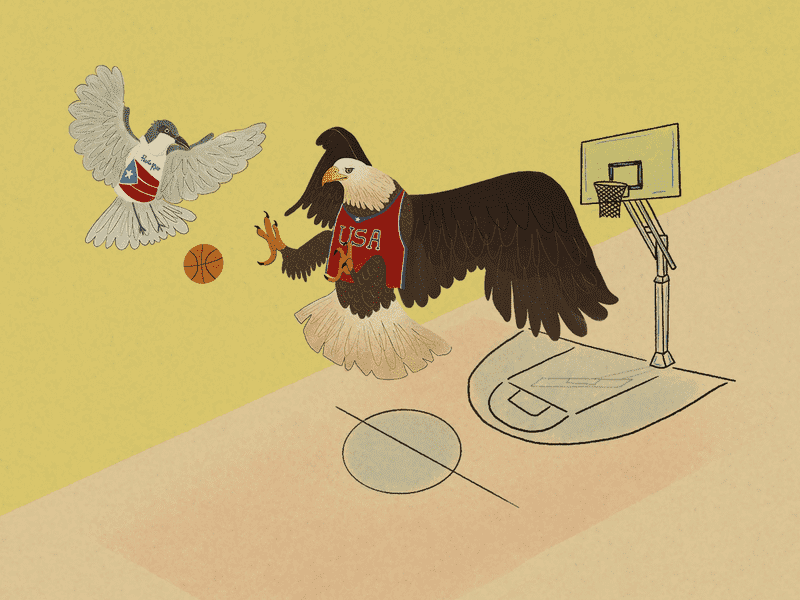
Mar 19, 2021
Pain, Power, Poets
Police statements about the Atlanta shooter’s motives defined early media reports and earned swift derision. This week, we examine how bad habits in the press undermined coverage of the tragedy. Plus, how we equate presidential power with presidential will power. And a behind-the-scenes look at a new radio play that interweaves Shakespeare’s English with its Spanish translation. 1. Erika Lee [ @prof_erikalee ] Regents Professor of History and Asian American Studies at the University of Minnesota, on how Asian women have been targets of exclusion in the U.S ever since they first arrived in the United States. And Jason Oliver Chang [ @chinotronic ] , A ssociate Professor of History and Asian/Asian American Studies at the University of Connecticut, explains how the model minority myth has cloaked patterns of brutality against Asian-Americans in the U.S. long before Tuesday's tragedy. Listen . 2. Brendan Nyhan , [ @brendannyhan ] professor of government at Dartmouth College, on his "Green Lantern theory of the presidency," the limits on executive power, and the history of presidents who thought they could expand it. Listen . 3. Saheem Ali, director of Romeo y Julieta from New York’s Public Theater and WNYC Studios, on the aim to both entertain and show that language need not divide us. Listen . Music from this week's show: The Glass House — David Bergeaud Misterioso (Thelonoius Monk) — Kronos Quartet Someday My Prince Will Come — Fred Hersch Uluwati — John Zorn On the Media is supported by listeners like you. Support OTM by donating today ( https://pledge.wnyc.org/support/otm ). Follow our show on Instagram , Twitter and Facebook @onthemedia, and share your thoughts with us by emailing onthemedia@wnyc.org.
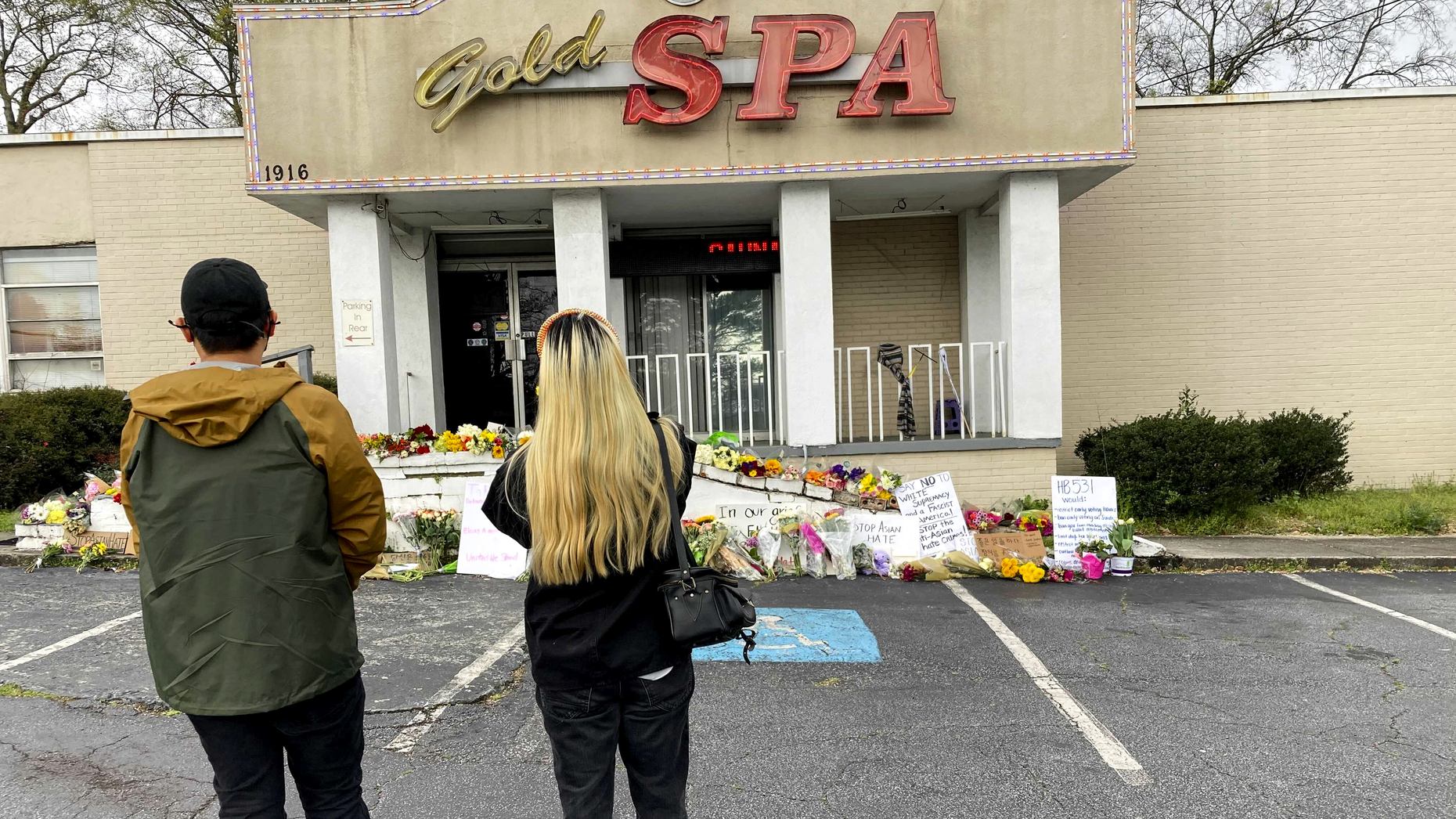
Mar 17, 2021
The Summer Camp That Inspired A Disability Rights Movement
The movement surrounding the passage of the Americans with Disabilities Act introduced some ubiquitous elements of our public infrastructure, but many of the activists who were key players in lobbying for the law's passage met in an unlikely way: as campers at Camp Jened, or lovingly, "Crip Camp," a place of liberation for disabled kids and teenagers. A Netflix documentary called Crip Camp , nominated for an Oscar on Monday, explores the history of the movement and its leaders, including Judy Heumann , a Jened camper turned lifelong disability rights activist. S he served as Special Advisor for International Disability Rights for the Obama administration and wrote the book Being Heumann: An Unrepentant Memoir of a Disability Rights Activist . In July, on the anniversary of the ADA, Judy and Brooke discussed how the egalitarian values of Camp Jened helped inspire the ADA, and how social and political change takes shape. This segment originally aired in our July 24th, 2020 program, If You Build It... . On the Media is supported by listeners like you. Support OTM by donating today ( https://pledge.wnyc.org/support/otm ). Follow our show on Instagram , Twitter and Facebook @onthemedia, and share your thoughts with us by emailing onthemedia@wnyc.org.
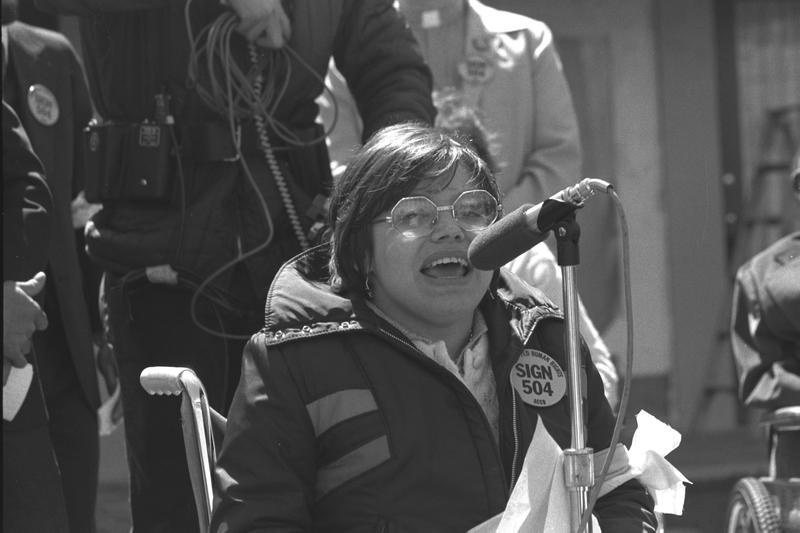
Mar 16, 2021
Vieques and the Promise To Build Back Better
La Brega is a seven-part podcast series hosted by OTM producer/reporter Alana Casanova-Burgess. The series uses narrative storytelling and investigative journalism to reflect and reveal how la brega has defined so many aspects of life in Puerto Rico, and is available in English and Spanish . This is episode four. Weeks after Hurricane Maria, the Government of Puerto Rico accepted an emphatic suggestion from officials of the Federal Emergency Management Agency (FEMA), put it in writing as if it were its own decision, and celebrated it would be used to rebuild in a “resilient” way. On the island of Vieques — which has a very high rate of cancer — they were supposed to rebuild its only hospital, destroyed by the hurricane in 2017. Now, a young girl has died from lack of care, and a neglected community fights for their basic human right: access to quality medical services. Reporter Cristina del Mar Quiles from El Centro de Periodismo Investigativo explains how federal red tape has hindered hurricane recovery. A guide to understanding the bureaucracy around "recovery" in Puerto Rico, including Section 428, is here . You can read more about the lawsuit brought by the family of Jaideliz Moreno Ventura against the government of Puerto Rico here. On the Media is supported by listeners like you. Support OTM by donating today ( https://pledge.wnyc.org/support/otm ). Follow our show on Instagram , Twitter and Facebook @onthemedia, and share your thoughts with us by emailing onthemedia@wnyc.org.
Mar 12, 2021
Home Green Home
As Biden-era climate policy begins to take shape, many corporations assure the public that they’re all-in on going green. This week, On The Media considers whether pledges from energy utilities, plastics manufacturers, natural gas providers, and fake meat wunderkinds are all they’re cracked up to be. 1. Alicia Kennedy [ @aliciakennedy ], food, drink, and climate writer, on the overly-ambitious promises of alt-meat. Listen . 2. Leah Stokes [ @leahstokes ], energy policy expert at the University of California, Santa Barbara, on “The Dirty Truth About Climate Pledges,” specifically from energy companies. Listen . 3. Rebecca Leber [ @rebleber ], reporter at Mother Jones , on empty promises of "clean natural gas" for the home. Listen. 4. Laura Sullivan [ @LauraSullivaNPR ], NPR investigative correspondent, explains why plastic recycling rarely works. Listen . Songs: In The Bath by Randy Newman Harpsichord by Four Tet Crow Of Homer by Gerry O’Beirne Accentuate The Positive by Syd Dale Double Dozen & Alex Gould Young At Heart by Brad Mehldau On the Media is supported by listeners like you. Support OTM by donating today ( https://pledge.wnyc.org/support/otm ). Follow our show on Instagram , Twitter and Facebook @onthemedia, and share your thoughts with us by emailing onthemedia@wnyc.org.

Mar 11, 2021
To Name, or Not to Name
It's been a staple of local, nightly news for decades: while an anchor recites a vivid crime report, sometimes embellished with security footage or street interviews, a name and mugshot flash across the screen. Then, in the paper the next day, a column full of all the details a reporter could obtain on the alleged culprit appears. Beyond our own hometowns, national news often gives us the names of criminals before they give us anything else —sometimes that's all they've got. But is that right? This week, Bob spoke with Romayne Smith Fullerton, a journalism professor at the University of Western Ontario, and Maggie Jones Patterson, a journalism professor at Duquesne University, to talk about their book “ Murder in Our Midst: Comparing Crime Coverage Ethics in an Age of Globalized News.” Fullerton and Patterson spent a decade studying how ten different countries publicize criminals and crime. And what they found was a world of journalists unaware that everyone does it differently. On the Media is supported by listeners like you. Support OTM by donating today ( https://pledge.wnyc.org/support/otm ). Follow our show on Instagram , Twitter and Facebook @onthemedia, and share your thoughts with us by emailing onthemedia@wnyc.org.
Mar 9, 2021
Encyclopedia of Betrayal
La Brega is a seven-part podcast series hosted by OTM producer/reporter Alana Casanova-Burgess. The series uses narrative storytelling and investigative journalism to reflect and reveal how la brega has defined so many aspects of life in Puerto Rico, and is available in English and Spanish . This is episode three. Photographer Chris Gregory-Rivera examines the legacy of the surveillance files known in Puerto Rico as las carpetas — produced from a decades-long secret government program aimed at fracturing the pro-independence movement. Gregory-Rivera looks at las carpetas through the story of one activist family, the traitor they believed was close to them, and the betrayal that holds more mystery than they realize. Chris' photographs and photos the police took as part of their surveillance are here . If you're in the New York area, you can see his show at the Abrons Art Center until March 14, 2021. The documentary " Las Carpetas " is here. On the Media is supported by listeners like you. Support OTM by donating today ( https://pledge.wnyc.org/support/otm ). Follow our show on Instagram , Twitter and Facebook @onthemedia, and share your thoughts with us by emailing onthemedia@wnyc.org.
Mar 5, 2021
Are We There Yet? Are We There Yet?
The Johnson and Johnson vaccine was approved this week, expanding the nation’s supply and moving us closer to the end of the pandemic. On this week’s On the Media, why unvaccinated people should resist the urge to comparison shop. And, how will we know when, if ever, the pandemic is over? Plus, how New York Governor Andrew Cuomo’s TV persona has helped him skate past previous scandals in the past — and why it’s not working as well this time. 1. Rachael Piltch-Loeb, p reparedness fellow at the Harvard T.H. Chan School of Public Health and associate research scientist at the NYU School of Global Public Health, on when the pandemic will be over, and what people can safely do now. Listen . 2. Helen Branswell [ @HelenBranswell ], senior writer about infectious diseases at STAT, on why people should resist the impulse to "vaccine shop" for a seemingly superior vaccine. Listen . 3. Derek Thompson [ @DKThomp ], staff writer at The Atlantic , on overcoming vaccine hesitancy. Listen . 4. Alex Pareene [ @pareene ], staff writer at T he New Republic , on how the recent reporting about New York Governor Andrew Cuomo has allowed television news consumers to see what close readers of newspaper coverage of the governor have been seeing for some time. Listen . Music: Prelude 7: Sign and Sigil - John Zorn Tilliboyo (Sunset) - Kronos Quartet Ain’t Misbehavin’ - Hank Jones Tomorrow Never Knows - Quartetto d'Archi Dell’Orchestra Sinfonica di Milano Giuseppe Verdi On the Media is supported by listeners like you. Support OTM by donating today ( https://pledge.wnyc.org/support/otm ). Follow our show on Instagram , Twitter and Facebook @onthemedia, and share your thoughts with us by emailing onthemedia@wnyc.org.
Mar 3, 2021
The Decline of Cuomo, the TV Personality
During the pandemic, New York Governor Andrew Cuomo transformed into a fully fledged TV star — propelled by his daily coronavirus briefings, which reassured an anxious, leaderless public. Comedians fawned over him. New fans declared their adoration in TikTok videos, memes, and... song . And the chummy treatment of the governor of course extended to news networks like CNN, where his brother asked him the tough questions . But in the past few weeks, Cuomo’s television persona as the deeply principled, self-aware fatherly truth-talker has faltered. A report from the state attorney general and a court order found the official count of deaths of nursing home residents was nearly double the figure first reported by Cuomo’s administration. Plus, so far three women have accused the governor of sexual harassment, including two former aides. But for close readers of reporting on the governor in print media, this fall from grace is less surprising. This week, Alex Pareene , staff writer at The New Republic, talks to Brooke about the collision of Cuomo’s “newspaper” and “television” personas in this moment. On the Media is supported by listeners like you. Support OTM by donating today ( https://pledge.wnyc.org/support/otm ). Follow our show on Instagram , Twitter and Facebook @onthemedia, and share your thoughts with us by emailing onthemedia@wnyc.org.
Feb 26, 2021
OTM Presents: La Brega
This week, OTM presents stories from a new series hosted by our own Alana Casanova-Burgess, called "La Brega." Hear what that term means, how it's used, and what it represents. Also, how one of the most famous homebuilding teams in American history tried to export American suburbanism to Puerto Rico... as a bulwark against Cuban communism. 1. Alana [ @AlanaLlama ] explores the full meaning(s) of la brega, which has different translations depending on who you ask. According to s cholar and professor emeritus at Princeton, Arcadio Diaz Quiñonez , the closest English word is " to grapple." Alana also speaks to Cheo Santiago [ @adoptaunhoyo ], creator of " Adopta Un Hoyo " (Adopt a Pothole), which encourages people to paint around and photograph potholes to alert other drivers. Because the roads are rarely fixed properly, the challenges of potholes and what people do to get around them is a metaphorical and literal brega in Puerto Rico. Listen. 2. Next, Alana turns to the boom and bust of Levittown, a suburb that was founded on the idea of bringing the American middle-class lifestyle to Puerto Rico during a time of great change on the island. Alana (herself the granddaughter of an early Levittown resident) explores what the presence of a Levittown in Puerto Rico tells us about the promises of the American Dream in Puerto Rico. Listen. Created by a team of Puerto Rican journalists, producers, musicians, and artists from the island and diaspora, "La Brega" uses narrative storytelling and investigative journalism to reflect and reveal how la brega has defined so many aspects of life in Puerto Rico. All episodes are out now, and available in English and Spanish. Listen to the full series : Apple Podcasts | Spotify | Stitcher | Google Podcasts Music in this series comes from Balún and ÌFÉ On the Media is supported by listeners like you. Support OTM by donating today ( https://pledge.wnyc.org/support/otm ). Follow our show on Instagram , Twitter and Facebook @onthemedia, and share your thoughts with us by emailing onthemedia@wnyc.org.
Feb 24, 2021
Beware Trump Investigation Big-Talk
With the news this week that the Supreme Court gave the go-ahead for Manhattan District Attorney Cy Vance to obtain key financial documents relating to Donald Trump, some news consumers may find themselves wrapped up in the delectable prospect of seeing a rule-breaking, tax-dodging, Constitution-shedding president on trial. They have been encouraged by commentators who claim that every little investigatory development is " very, very bad for Trump "; that the prosecution of Donald Trump "could go to trial sooner than you think"; and that Trump's post-election behavior "basically guarantees" criminal charges. Writer, lawyer, and former federal prosecutor Ankush Khardori has his critiques of this genre of punditry — in August he described some of it as "insane" in the Wall Street Journal — but he has also published his own theory for prosecuting the president. In this interview, originally recorded in December, he and Brooke discuss what he sees as the "structural flaws" in most discussions of post-presidential prosecution. This interview originally aired as part of our December 11th, 2020 program, Last Wish . On the Media is supported by listeners like you. Support OTM by donating today ( https://pledge.wnyc.org/support/otm ). Follow our show on Instagram , Twitter and Facebook @onthemedia, and share your thoughts with us by emailing onthemedia@wnyc.org.
Feb 19, 2021
No Silver Bullets
In a reversal of the past four years, President Biden has vowed to take on the violent threat posed by the far-right. But how? On this week’s On the Media, a look at the techniques and tactics used to undermine extremism, here and abroad. 1. Brad Galloway [ @bjgalloway1717 ], a former neo-Nazi and now case manager with Life After Hate and ExitUSA and coordinator at the Center on Hate, Bias and Extremism at Ontario Tech University, on how he and his colleagues work to get far-right extremists to accept responsibility for their choices and move beyond hate. Listen. 2. Kurt Braddock [ @KurtBraddock ], professor of communications at American University , and the author of Weaponized Words: The Strategic Role of Persuasion in Violent Radicalization and Counter-Radicalization , on messaging campaigns designed to neutralize rightwing propaganda, conspiracy theories, and calls to action. Listen. 3. Ross Frenett [ @rossfrenett ], co-founder of Moonshot CVE , on redirecting people away from extremist search results online. Listen. 4. Stig Jarle Hansen [ @stigjarlehansen ], co-editor of the Routledge Handbook for Deradicalisation and Disengagement on the long, checkered history of global de-radicalization efforts, and Michael German [ @rethinkintel ], fellow with the Brennan Center for Justice ’s Liberty & National Security Program, and author of Disrupt, Discredit, and Divide: How the New FBI Damages Democracy , on how the term "radical" has always swayed in the wind of power and the perils of the "de-radicalization" framing. Listen. Music: Schubert — Piano Trio No. 2 in E-Flat Major, Op. 100 Khaled Mouzanar — Cockroachman Marcos Ciscar — The Old House Tom Waits — Way Down in the Hole Chopin — Berceuse In D Flat Major, Op. 57 On the Media is supported by listeners like you. Support OTM by donating today ( https://pledge.wnyc.org/support/otm ). Follow our show on Instagram , Twitter and Facebook @onthemedia, and share your thoughts with us by emailing onthemedia@wnyc.org.
Feb 17, 2021
How Rush Limbaugh Paved The Way For Trump REBROADCAST
What more can we say: El Rushbo is dead. He died Wednesday after a months-long bout of lung cancer, and following decades of racist invective, misogynistic bombast, and other assorted controversy. He had become the most listened-to voice on talk radio, wielding a towering, destructive influence on the American body politic. He was 70. Early last year, President Donald Trump awarded Limbaugh the Presidential Medal of Freedom, inducting him into a gilded class of American history alongside Norman Rockwell, Maya Angelou, Thurgood Marshall, and Martin Luther King, Jr. We spoke then with Matt Gertz , a senior fellow at Media Matters for America, who explained how the award could be seen as the culmination of the GOP's transformation, precipitated by Limbaugh and solidified by Trump. On the Media is supported by listeners like you. Support OTM by donating today ( https://pledge.wnyc.org/support/otm ). Follow our show on Instagram , Twitter and Facebook @onthemedia, and share your thoughts with us by emailing onthemedia@wnyc.org.
Feb 12, 2021
Toxic
It’s been a week of legal battles, from Donald Trump’s second impeachment to Britney Spears’s fight for control over her finances and her career. On this week's On the Media, a look at the new documentary that’s put the pop star back in the spotlight. Plus, how revisiting stories of maligned women from the 90s can help us understand our media — and ourselves. 1. Brooke considers the developments this week in the impeachment trial, and also its wild distortion in some corners of the media. Listen. 2. Samantha Stark [ @starksamantha ], director of the New York Times documentary “Framing Britney Spears,” on the #FreeBritney movement and the #WeAreSorryBritney reckoning. Listen. 3. Sarah Marshall [ @Remember_Sarah ] and Michael Hobbes [ @RottenInDenmark ], hosts of the You're Wrong About podcast, on how coverage of maligned women in the 1990s fueled lasting and harmful myths. Listen. Music from this week's show: Equinox — John Coltrane Invitation to a Suicide — John Zorn Baby One More Time — Britney Spears Cello Song — Nick Drake Fellini’s Waltz — Nino Rota La Vie En Rose — Toots Thielemans On the Media is supported by listeners like you. Support OTM by donating today ( https://pledge.wnyc.org/support/otm ). Follow our show on Instagram , Twitter and Facebook @onthemedia, and share your thoughts with us by emailing onthemedia@wnyc.org.
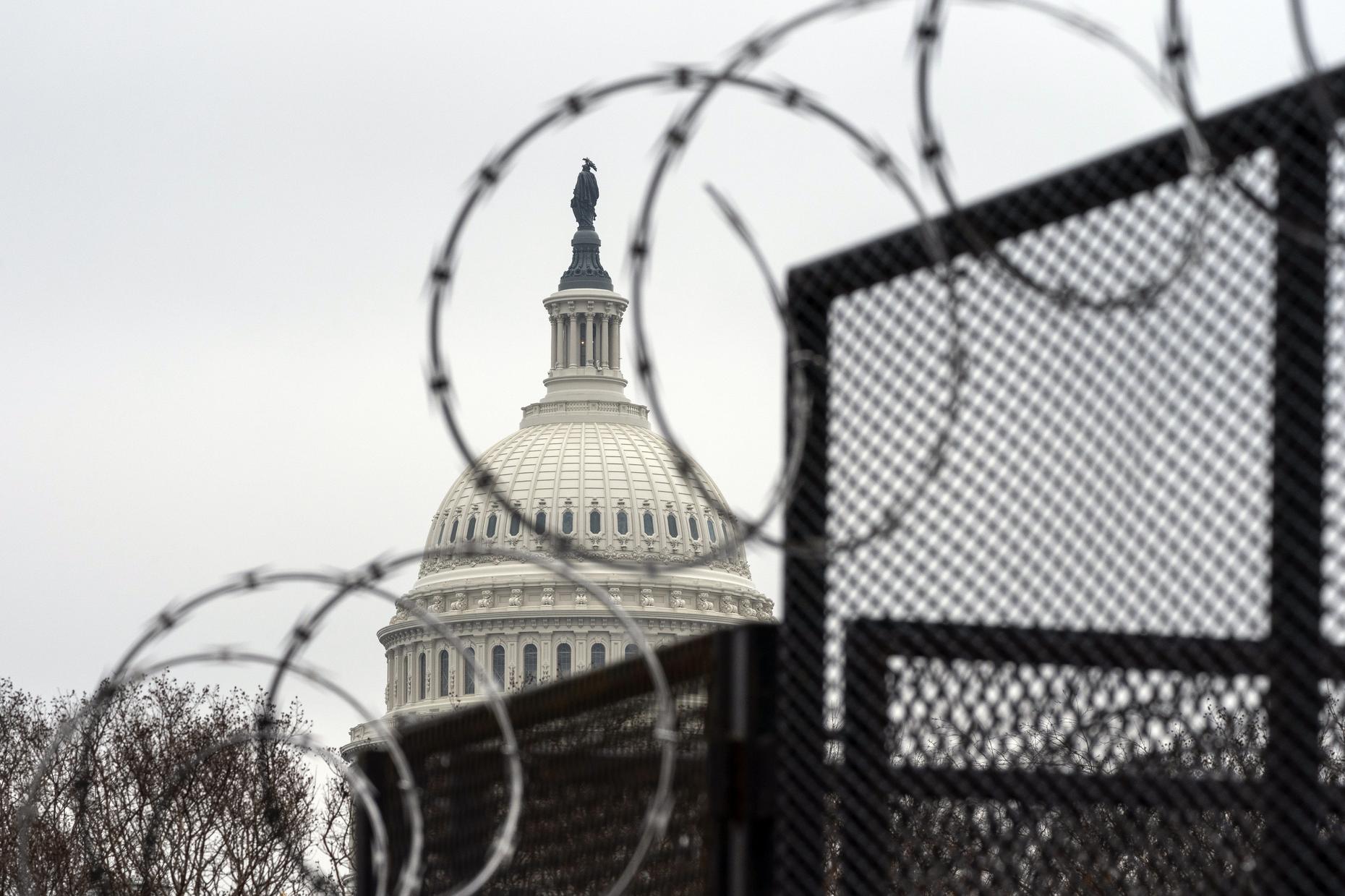
Feb 10, 2021
Its Tax Time!
Few clich é s are as well-worn, and grounded in reality, as the dread many Americans feel towards doing their taxes and the loathing they have for the IRS. But as much as the process is despised, relatively little is known about how it could be improved. Pro Publica's Jessica Huseman said that's largely because tax prep companies keep it that way . Brooke spoke to Huseman in 2017 about what an improved system might look like and how tax prep companies work to thwart any such changes. One of the primary roadblocks to change, said Huseman, is an organization called the Free File Alliance, a public-private partnership whereby private tax companies agree to provide a free service for most Americans in exchange for the IRS not offering any such service itself. Brooke spoke with Tim Hugo , Executive Director of the Free File Alliance, about whether it is really the best way to help American taxpayers. On the Media is supported by listeners like you. Support OTM by donating today ( https://pledge.wnyc.org/support/otm ). Follow our show on Instagram , Twitter and Facebook @onthemedia, and share your thoughts with us by emailing onthemedia@wnyc.org.
Feb 5, 2021
Slaying the Fox Monster
Fox News has been stoking rage on the right for decades. As the former president faces an impeachment trial for his role in the invasion of the Capitol, some are asking whether Fox News also bears responsibility for the violence. On this week’s On the Media, a look at the arguments for and against the de-platforming of Fox News. 1. Bob [ @bobosphere ] talks to Angelo Carusone [ @GoAngelo ], Nandini Jammi [ @nandoodles ], Jason Hirschhorn [ @JasonHirschhorn ] and Steven Barnett [ @stevenjbarnett ] about the ethics and efficacy of the "deplatform Fox" movement. Listen. 2. Rod Smolla , dean and professor of law at the Delaware Law School of Widener University, on the free speech protections afforded by a classic first amendment case, Brandenburg v. Ohio . Listen. 3. Nicole Hemmer [ @pastpunditry ], Columbia University research scholar, on why the Fairness Doctrine won't fix Fox News. Listen. Music: Mysterioso - Kronos Quartet Oboe Mambo - Machito & His Afro-Cuban Orchestra Stormy Weather - Franck Pourcel Night Thoughts - John Zorn On the Media is supported by listeners like you. Support OTM by donating today ( https://pledge.wnyc.org/support/otm ). Follow our show on Instagram , Twitter and Facebook @onthemedia, and share your thoughts with us by emailing onthemedia@wnyc.org.
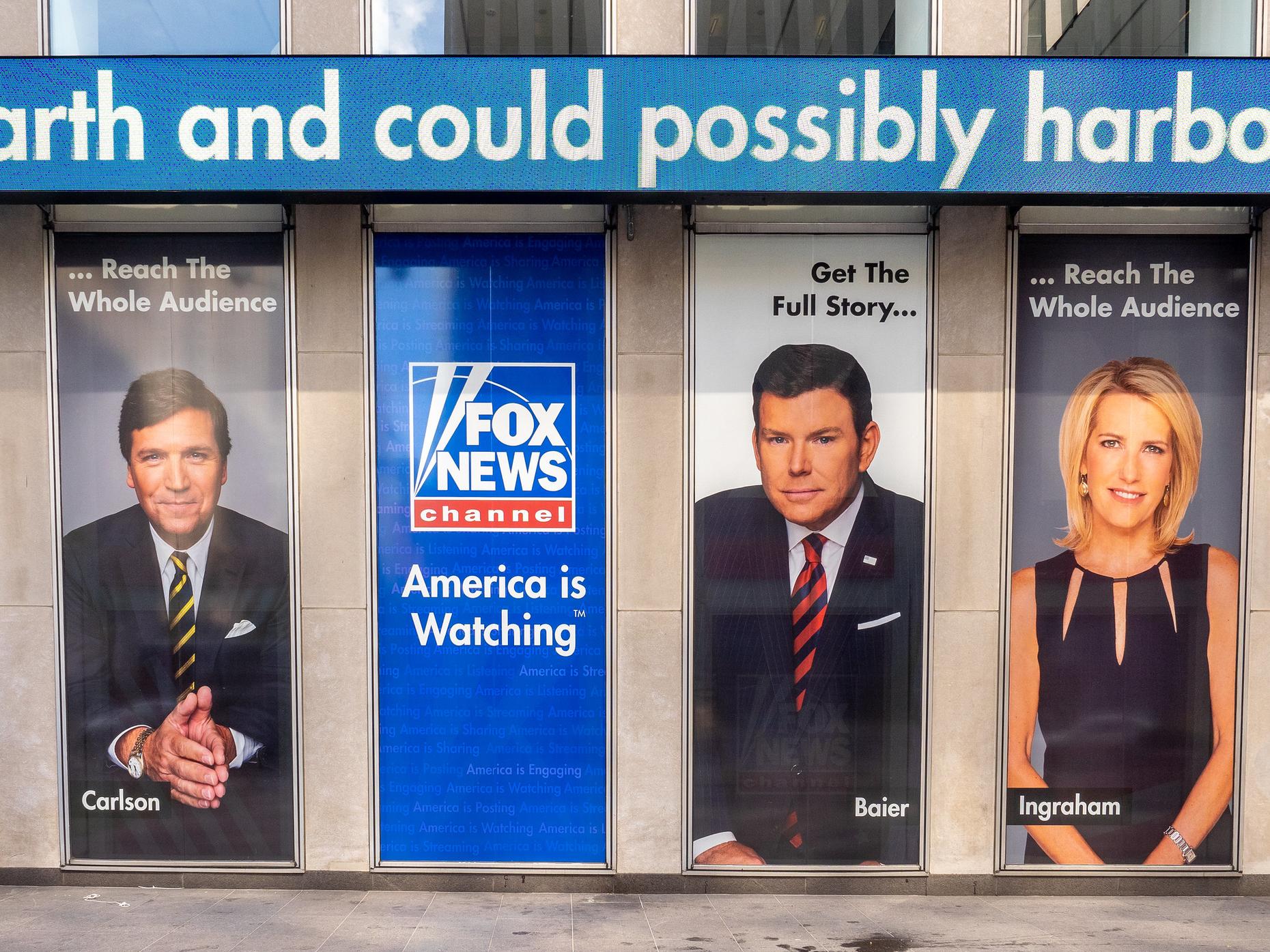
Feb 4, 2021
OTM Presents - The Experiment: The Loophole
This week, OTM presents the first episode of a new weekly show hosted by our WNYC colleague Julia Longoria: The Experiment . When Mike Belderrain hunted down the biggest elk of his life, he didn’t know he’d stumbled into a “zone of death,” the remote home of a legal glitch that could short-circuit the Constitution—a place where, technically, you could get away with murder. At a time when we’re surrounded by preventable deaths, The Experiment documents one journey to avert disaster. • Mike Belderrain is a hunter and former outfitter in Montana. • C. J. Box is the author of more than 20 novels, including Free Fire , a thriller set in Yellowstone National Park. • Brian Kalt teaches law at Michigan State University. He wrote a 2005 research paper titled “The Perfect Crime. • Ed Yong is a staff writer for The Atlantic . Here's the link to the episode at The Atlantic Be part of The Experiment . Use the hashtag #TheExperimentPodcast or write to us at theexperiment@theatlantic.com . Listen and subscribe : Apple Podcasts | Spotify | Stitcher | Google Podcasts This episode was produced by Julia Longoria and Alvin Melathe, with editing by Katherine Wells and sound design by David Herman. On the Media is supported by listeners like you. Support OTM by donating today ( https://pledge.wnyc.org/support/otm ). Follow our show on Instagram , Twitter and Facebook @onthemedia, and share your thoughts with us by emailing onthemedia@wnyc.org.
Jan 29, 2021
Billion Dollar Idea
On this week’s show, we look at what happens when scientists try to save the public...from itself. Plus, why vaccine distribution might be slowed down by intellectual property rights. And how, memers and righteous redditors used GameStop to upend Wall Street. 1. Zeynep Tufecki [ @zeynep ], associate professor at the University of North Carolina, Chapel Hill, explains why public health officials send mixed messages on everything from masks to variants. Listen. 2. Dean Baker [ @DeanBaker13 ], senior economist at the Center for Economic and Policy Research , on why intellectual property may be getting in the way of vaccine distribution. Listen. 3. James Surowiecki [ @JamesSurowiecki ], unpacks what GameStop's wild week reveals about Wall Street, the economy, and memes. Listen. Music: Liquid Spear Waltz by Michael Andrews Life on Mars (David Bowie) by Meridian String Quartet The Artifact and Living by Michael Andrews Shoot the Piano Player by Georges Delerue Uluwati by John Zorn On the Media is supported by listeners like you. Support OTM by donating today ( https://pledge.wnyc.org/support/otm ). Follow our show on Instagram , Twitter and Facebook @onthemedia, and share your thoughts with us by emailing onthemedia@wnyc.org.
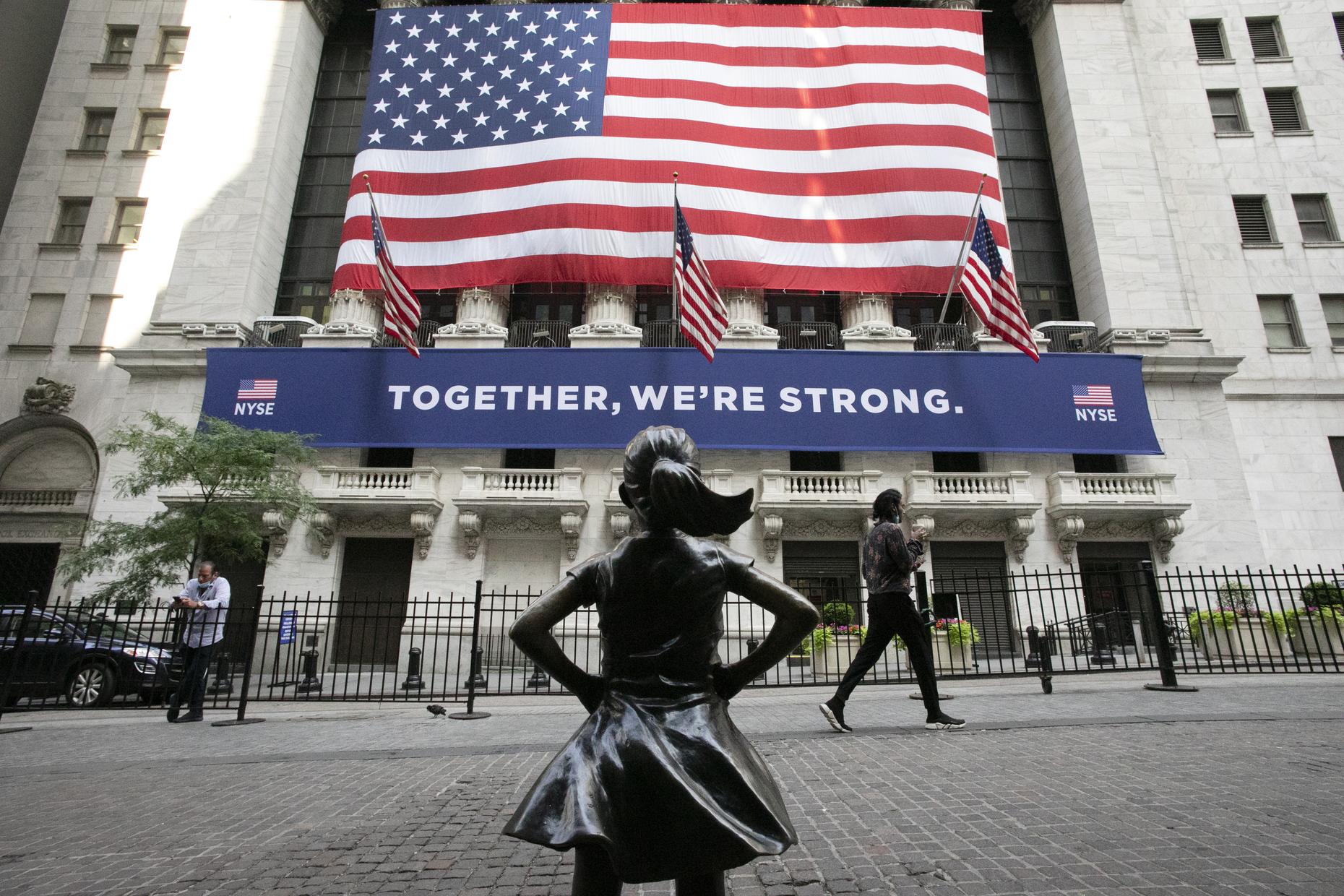
Jan 28, 2021
Did Lulz Break Wall Street?
GameStop is a corporation that sells digital cartridges containing video games, and also video game consoles and other fun widgets, from brick-and-mortar stores to flesh-and-blood consumers. It is a thing of the natural world, and so must abide by its fundamental, physical laws. GamesStop’s stock, on the other hand... well, f or most of last year, the company was “worth” a pretty dismal 250 million dollars. But you may have heard that lately GameStop stock has soared upward into the exosphere, ballooning the company’s “worth” to somewhere in the ballpark of 20 billion dollars. That is, last we checked. How this happened — how the very laws of gravity seemed to break this week on Wall Street — is best explained not by corporate actions or the current milieu of the actual American economy, but rather, as writer James Surowiecki explained this week in Marker , as a meme. In this podcast extra, Surowiecki explains how the on-going short squeeze originated on forums like r/WallStreetBets, and how it reminds us of the internet's ability to meme itself into reality. CORRECTION: As Brooke said, she paid so little attention to her investment in GameStop that she misremembered the exact size of her holdings. She owned 42 shares of GameStop, not 65, and sold them for a total of $4,200, not $6,500. She deeply regrets the error. On the Media is supported by listeners like you. Support OTM by donating today ( https://pledge.wnyc.org/support/otm ). Follow our show on Instagram , Twitter and Facebook @onthemedia, and share your thoughts with us by emailing onthemedia@wnyc.org.

Jan 22, 2021
Well, That Was Some Weird Sh*t
On this week’s show, we take a deep breath. Plus, journalists reflect on the deep damage done to our information ecosystem and how we can begin to repair it. And, Brooke and Bob take a journey through 20 years of OTM. 1. Brooke and Bob on the (short-lived) reprieve following the 45th president's departure, and McKay Coppins [ @mckaycoppins ], staff writer at The Atlantic , on how the environment for "elite" journalists has changed in the past four years. Listen. 2. Yamiche Alcindor [ @Yamiche ], White House correspondent for the PBS NewsHour, Jay Rosen [ @jayrosen_nyu ], media critic and journalism professor at New York University, and Karen Attiah [ @KarenAttiah ], global opinions editor at the Washington Post , on what they've learned as journalists from the Trump era, and what comes next. Listen. 3. Bob and Brooke reflect on more than a thousand shows together, and twenty years of On the Media. Listen. Music from the show: Misterioso — Kronos Quartet Passing Time — John Renbourn Newsreel — Randy Newman A Ride with Polly Jean — Jenny Scheinman You're Getting to be a Habit with Me — Bing Crosby & Guy Lombardo and His Royal Canadians On the Media is supported by listeners like you. Support OTM by donating today ( https://pledge.wnyc.org/support/otm ). Follow our show on Instagram , Twitter and Facebook @onthemedia, and share your thoughts with us by emailing onthemedia@wnyc.org.
Jan 20, 2021
The Trump Inc. Podcast Made a Time Capsule
This story was co-published with ProPublica . A birth certificate, a bar receipt, a newspaper ad, a board game, a Ziploc bag of shredded paper, a pair of museum tickets, some checks, and a USB drive. The series finale of Trump, Inc. This episode was reported by Andrea Bernstein, Meg Cramer, Anjali Kamat, Ilya Marritz, Katherine Sullivan, Eric Umansky, and Heather Vogell. We assembled our time capsule at Donald J. Trump State Park; it will be stored until 2031 with WNYC's archives department. This is the last episode of Trump, Inc. But it's not the end of our reporting: subscribe to our newsletter for updates on what we're doing next. Show your support with a donation to New York Public Radio . On the Media is supported by listeners like you. Support OTM by donating today ( https://pledge.wnyc.org/support/otm ). Follow our show on Instagram , Twitter and Facebook @onthemedia, and share your thoughts with us by emailing onthemedia@wnyc.org.
Jan 15, 2021
You Missed a Spot
Evidence shows that insurrectionists used the walkie-talkie app Zello to help organize the riot at the capitol. On this week’s On the Media, a look at how the platform has resisted oversight, despite warnings that it was enabling right-wing extremism. Plus, how to sniff out the real corporate boycotts from the PR facades. And, how to build social media that doesn't exploit users for profit. 1. OTM reporter Micah Loewinger [ @MicahLoewinger ] on Zello's role in last week's insurrection, and what the app is finally doing about its militia members. Listen . 2. Casey Newton [ @CaseyNewton ], writer for Platformer , on why this wave of social media scrubbing might not be such a bad thing. Listen. 3. Siva Vaidhyanathan [ @sivavaid ] , professor of media studies at the University of Virginia, and Americus Reed II [ @amreed2 ] , professor of marketing at the Wharton School of Business, on the true costs of corporate boycotts. Listen . 4. Eli Pariser [ @elipariser ], co-director of Civic Signals , on how to build digital spaces that do not monetize our social activity or spy on us for profit. Listen. Music from the show: Fallen Leaves — Marcos Ciscar The Hammer of Loss — John Zorn — A Vision in Blakelight Hard Times — Nashville Sessions — Songs of the Civil War What’s that Sound? — Michael Andrews In the Bath — Randy Newman Boy Moves the Sun — Michael Andrews Ain’t Misbehavin’ — Hank Jones On the Media is supported by listeners like you. Support OTM by donating today ( https://pledge.wnyc.org/support/otm ). Follow our show on Instagram , Twitter and Facebook @onthemedia, and share your thoughts with us by emailing onthemedia@wnyc.org.
Jan 12, 2021
How the School Transmission Conversation Became So Muddled
Over the past 10 months, debates have raged over how to keep the coronavirus in check. What to open? What to close? Where does the virus spread, and where are we relatively safe? Through it all, one kind of space in particular has been the subject of vigorous debate — and, starting a few months into the virus, a kind of unexpected conventional wisdom emerged: that schools were relatively safe. In the midst of the darkness, it brought some welcome light: kids are safe! They can go to school! While other institutions closed, countries around the world — particularly in Europe and the UK — kept their schools open. And yet, in response to rising rates and a new, more contagious variant, many of those same countries have since closed their school doors. It turns out that, if you believe the epidemiologists , schools do, in fact, bring risk of transmission. How could we ever have thought otherwise? Rachel Cohen has been covering the debates around school closings and openings, most recently at The Intercept . In this week's podcast extra, she tells Brooke about how the school transmission narrative has evolved since the beginning of the pandemic, and how our understanding of the issue came to be so muddled. On the Media is supported by listeners like you. Support OTM by donating today ( https://pledge.wnyc.org/support/otm ). Follow our show on Instagram , Twitter and Facebook @onthemedia, and share your thoughts with us by emailing onthemedia@wnyc.org.
Jan 8, 2021
Breaking the Myth
On this week’s On The Media, journalists struggle to find the words to describe what happened at the capitol on Wednesday. Was it a riot? A mob? An insurrection? Plus, why supporters of the president’s baseless election fraud theories keep invoking the “lost cause” myth of the confederacy. And, taking a second look at "The Night They Drove Old Dixie Down." 1. Brooke [ @OTMBrooke ] and Bob [ @bobosphere ] on the events at the Capitol on Wednesday. Listen. 2. Caroline Janney [ @CarrieJanney ], h istorian of the Civil War at University of Virginia, on the evolution of the post-Civil War Lost Cause mythology. Listen. 3. Kimberlé Williams Crenshaw [ @sandylocks ], p rofessor of law at UCLA and Columbia Law School, on how post-Civil War appeasement allowed for the perpetuation of white supremacy in the United States. Listen. 4. Jack Hamilton [ @jack_hamilton ] , associate professor of American studies and media studies at the University of Virginia, on the mixed and missed messages in the rock anthem "The Night They Drove Old Dixie Down" by The Band. Listen. Music from this week's show: Invitation to a Suicide — John Zorn Sneaky Adventure — Kevin MacLeod Glass House/Curtains — David Bergeaud The Last Bird — Zoe Keating Lost, Night — Bill Frisell Using the Apostate Tyrant as His Tool — Kronos Quartet The Night They Drove Ol' Dixie Down — The Band The Night They Drove Ol' Dixie Down — Richie Havens On the Media is supported by listeners like you. Support OTM by donating today ( https://pledge.wnyc.org/support/otm ). Follow our show on Instagram , Twitter and Facebook @onthemedia, and share your thoughts with us by emailing onthemedia@wnyc.org.
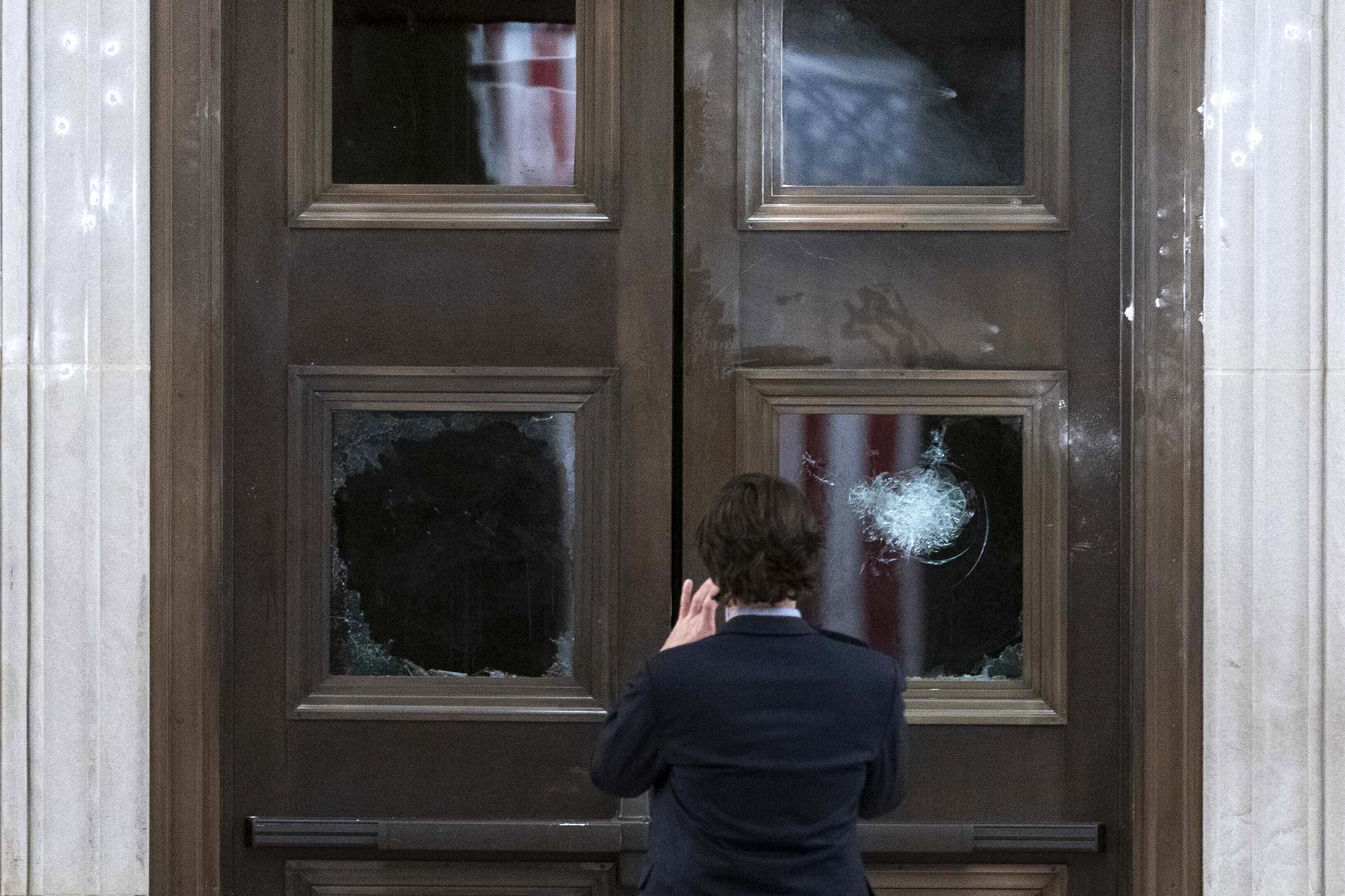
Jan 1, 2021
The World, Remade
With vaccinations underway, we’re edging closer and closer to the end of the pandemic. This week, On The Media looks at how the pandemic has shaped what’s possible for the future — from the built environment to the way we work to the way we learn. 1. Sam Kling [ @SamKling2 ], American Council of Learned Societies public fellow, on whether cities like New York were bound to become hubs for disease. Listen. 2. Vanessa Chang [ @vxchang ] , lecturer at California College of the Arts, explains how pandemics of the past have been instrumental in shaping architecture; Mik Scarlet [ @MikScarlet ] delineates the social model of disability; and Sara Hendren [ @ablerism ], author of What Can A Body Do?: How We Meet the Built World, describes how the wisdom of people with disabilities can inform the redesign our post-pandemic world. Listen. 3. OTM reporter Micah Loewinger [ @micahloewinger ] tells the story of how distance learning saved his friend's life. Listen. On the Media is supported by listeners like you. Support OTM by donating today ( https://pledge.wnyc.org/support/otm ). Follow our show on Instagram , Twitter and Facebook @onthemedia, and share your thoughts with us by emailing onthemedia@wnyc.org.
Dec 30, 2020
A Brief History of Timekeeping
We spend our lives bound to a clock and calendar that tell us what to do and what to expect. But now, millions of Americans are newly jobless, untethered from structure and predictability. Hundreds of of thousands fight a virus that could cut their time on earth dramatically short. And all of us wait out a life-stoppage of unknown duration. And so, we may find ourselves outside of time. Passing it, but no longer marking it. Anthony F. Aveni , professor emeritus of astronomy, anthropology, and Native American studies at Colgate University, says that to understand our current time consciousness, we have to return to a land before time — or at least, time as we know it. Aveni and Bob talk about the history of timekeeping , and how we might find our orientation during this collective time-out. This is a segment from our April 24th, 2020 program, On Matters of Time and Space . On the Media is supported by listeners like you. Support OTM by donating today ( https://pledge.wnyc.org/support/otm ). Follow our show on Instagram , Twitter and Facebook @onthemedia, and share your thoughts with us by emailing onthemedia@wnyc.org.
Dec 25, 2020
What Just Happened?!
The new year approaches, marking an end to a truly unexpected trip around the sun. This week, On the Media reflects on our 2020 coverage, from the pandemic to the global uprising to the rise of the anti-majoritarian right. With excerpts from: The Virality of Virality, January 31, 2020 Epid emic Voyeurs No More, February 28, 2020 Infectious Diseases Show Societies Who They Really Are, March 6, 2020 Why The Toilet Paper Shortage Makes More Sense Than You Think, April 10, 2020 Is The Pandemic Making Us Numb To One Another's Pain?, December 11, 2020 Is This 'Unrest' or an 'Uprising'?, June 5, 2020 Why Activists Are Demanding That Cities "Defund the Police", June 12, 2020 Movements, Sanitized In Hindsight, June 19, 2020 Imprecision 2020, November 5, 2020 They Prepared for War With Antifa. Antifa Never Came., June 12, 2020 With #SaveTheChildren Rallies, QAnon Sneaks Into The Offline World, August 26, 2020 The Ancient Heresy That Helps Us Understand QAnon, November 20, 2020 The Right's Long History of Ignoring the Will of the People, November 6, 2020 Against Democracy, October 9, 2020 On the Media is supported by listeners like you. Support OTM by donating today ( https://pledge.wnyc.org/support/otm ). Follow our show on Instagram , Twitter and Facebook @onthemedia, and share your thoughts with us by emailing onthemedia@wnyc.org.
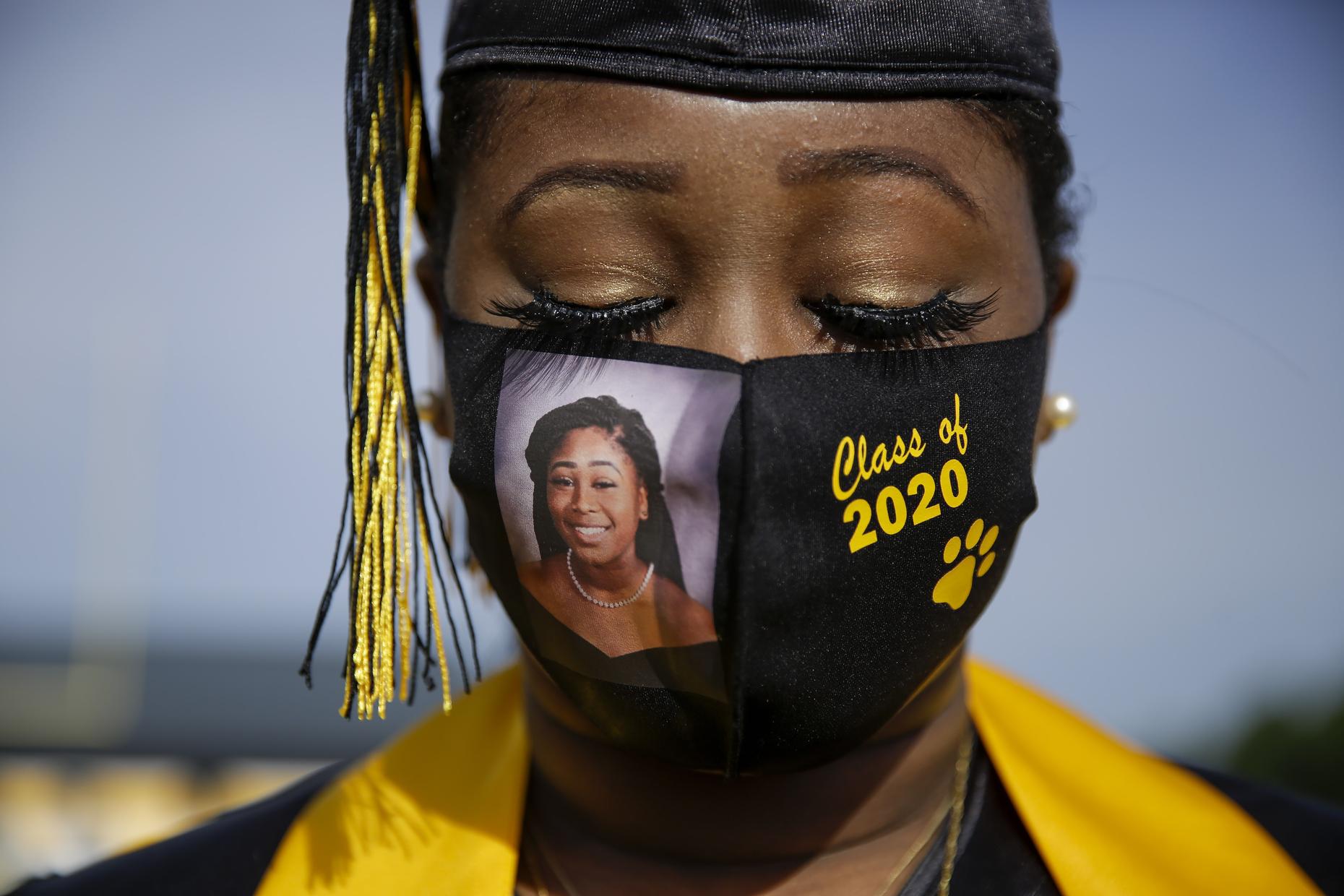
Dec 23, 2020
Unlearning White Jesus
In a time where monuments are being toppled, institutions and icons reconsidered, we turn to a portrait encountered by every American: "White Jesus." You know, that guy with sandy blond hair and upcast blue eyes. For On the Media, Eloise Blondiau traces the history of how the historically inaccurate image became canon, and why it matters. In this segment, Eloise talks to Mbiyu Chui, pastor at the Shrine of the Black Madonna in Detroit, about unlearning Jesus's whiteness. She also hears from Edward Blum , author of The Color of Christ: The Son of God and the Saga of Race in America , about how the image came dominate in the U.S., and psychologist Simon Howard on how White Jesus has infiltrated our subconsciouses. Lastly, Eloise speaks to Rev. Kelly Brown Douglas , womanist theologian and Dean of the Episcopal Divinity School at Union Theological Seminary, about the theology of the Black Christ. This is a segment from our October 1st, 2020 program, God Bless . On the Media is supported by listeners like you. Support OTM by donating today ( https://pledge.wnyc.org/support/otm ). Follow our show on Instagram , Twitter and Facebook @onthemedia, and share your thoughts with us by emailing onthemedia@wnyc.org.
Dec 18, 2020
Who Owns the Future?
Facebook has already been accused of spreading lies and polarizing society. Now, the federal government says it illegally crushed competition. On this week’s On the Media, how to roll back a global power that has transformed our economy and warped our democracy. 1. Dina Srinivasan [ @DinaSrinivasan ], author of the 2019 paper, “The Antitrust Case Against Facebook,” on digital-age interpretations of the Sherman Antitrust Act. Listen . 2. Carole Cadwalladr [ @carolecadwalla ], journalist for The Guardian and The Observer, on the harms of Facebook unaddressed by both antitrust law and the company's own attempts at self-regulation. Listen . 3. Shoshana Zuboff [ @shoshanazuboff ], professor emeritus at Harvard Business School and author of The Age of Surveillance Capitalism , on the data extraction and human futures markets that comprise much of our economy. Listen . Music: J oeira by Kurup Capernaum by Khaled Mouzanar Okami by Nicola Cruz P eer Gynt Suite No. 1 by Edvard Grieg On the Media is supported by listeners like you. Support OTM by donating today ( https://pledge.wnyc.org/support/otm ). Follow our show on Instagram , Twitter and Facebook @onthemedia, and share your thoughts with us by emailing onthemedia@wnyc.org.
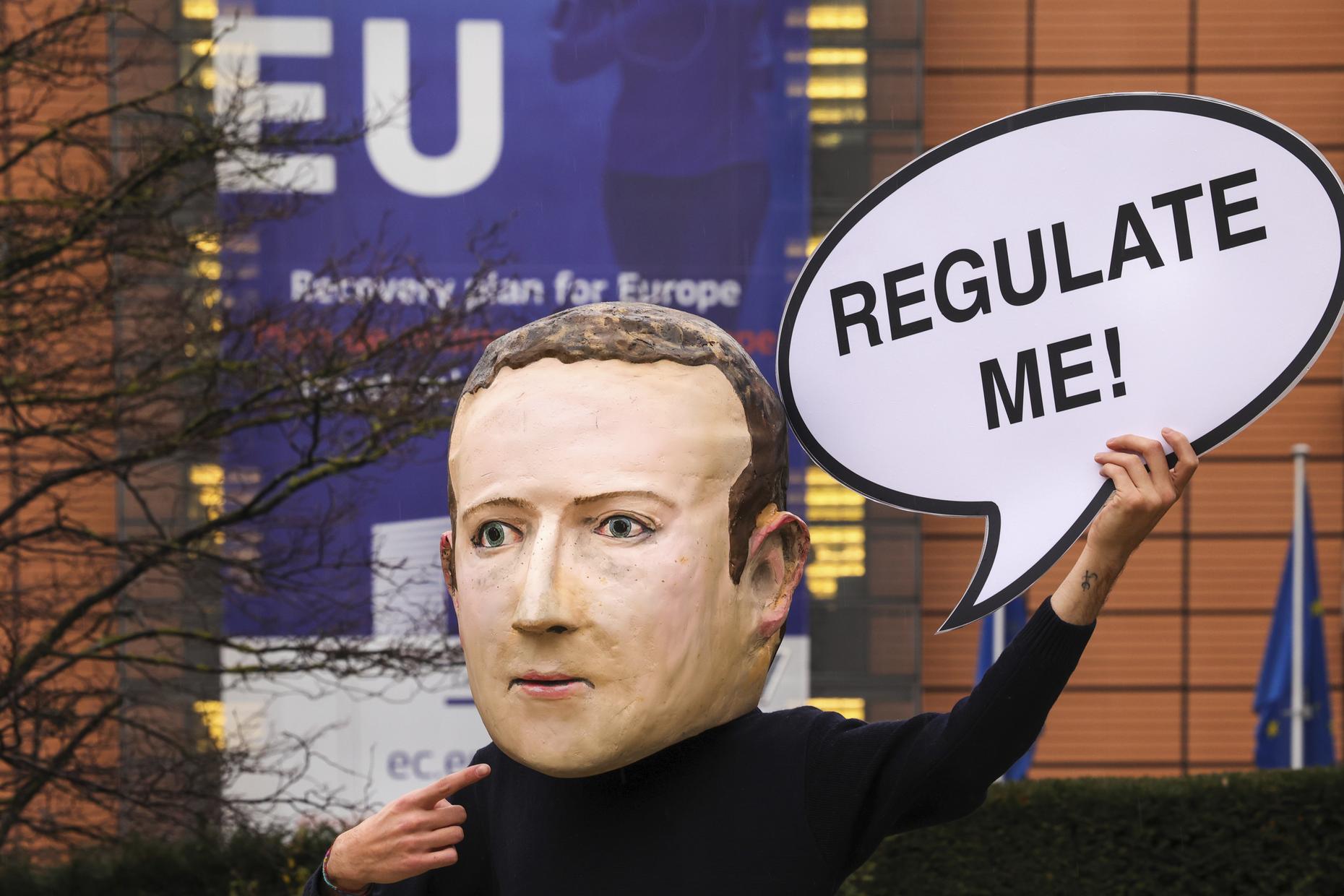
Dec 16, 2020
Investigating the Toll of 2-Day Shipping
Last year, the investigative podcast Reveal documented an extraordinary number of workplace injuries at Amazon warehouses around the country. It was a huge national story, bigger now because of the soaring reliance of Amazon amid pandemic conditions and with it Amazon's growing impact on the labor market. But the national story was essentially compilation of a hundred-some local stories. If broken out and reported locally, communities can be informed of the collateral damage attendant to new jobs dangled by a commercial colossus. So Reveal -- a product of the Center for Investigative Reporting -- built the “ Behind the Smiles Network ” enlisting local news organizations to investigate their own Amazon facilities with the help of date supplied to them by Reveal. In this podcast extra, Bob talks with Byard Duncan, Reveal's engagement and collaborations reporter and the liaison between his team's national reporters and the local reporting network. On the Media is supported by listeners like you. Support OTM by donating today ( https://pledge.wnyc.org/support/otm ). Follow our show on Instagram , Twitter and Facebook @onthemedia, and share your thoughts with us by emailing onthemedia@wnyc.org.

Dec 11, 2020
Last Wish
Scientists and policymakers are hopeful about a slate of vaccines, but it may be a long time before everyone has access. This week, On the Media explores the ethical questions around vaccine distribution. Plus, how some pundits are inflating the odds of Donald Trump facing criminal charges. And, how death rituals can help us face our mounting grief. 1. Ankush Khardori, writer and former federal prosecutor, explains why we need to stop speculating about a post-presidency downfall for Trump. Listen . 2. Jordan Kisner [ @jordan_kisner ], author of "What the Chaos in Hospitals Is Doing to Doctors" for The Atlantic , on the burden of moral decision-making in the pandemic, and how it relates to the vaccine rollout. Listen . 3. Micah Loewinger [ @MicahLoewinger ], OTM reporter/producer, talks to Brooke about how an article in the Washington Post shook him out of pandemic-induced numbness. Listen . 4. Amy Cunningham [ @BrooklynFuneral ], death educator and funeral director, on how to repair our relationship with death amid the pandemic. Listen . Music: Dance of the Sugar Plum Fairy/Tchaikovsky — Kevin Mcleod Anything for Love — Daniel Birch Quizas Quizas Quizas — Ramon Sole Cellar Door — Michael Andrews What’s that Sound — Michael Andrews Boy Moves the Sun — Michael Andrews The Beatitudes — Kronos Quartet On the Media is supported by listeners like you. Support OTM by donating today ( https://pledge.wnyc.org/support/otm ). Follow our show on Instagram , Twitter and Facebook @onthemedia, and share your thoughts with us by emailing onthemedia@wnyc.org.

Dec 9, 2020
Shifting Baselines
David Roberts wrote for Vox.com in July, about the mental phenomenon of “shifting baselines,” in which we calibrate our expectations to the world we were born into, irrespective of what came before. And in so doing, he wrote, we unintentionally discount the severity of threats to our well-being. The term first came into fashion in 1995, when fisheries scientist Daniel Pauly observed that each generation of fisheries scientists accepts as a baseline the number of fish and the species composition at the beginning of their careers and uses that baseline to evaluate changes. Roberts spoke with Bob in the summer, about the social science of shifting baselines, generational amnesia and the psychological immune system — and what it all means for how we communicate about climate change. This is a segment from our July 17th program, “This Is Fine” . On the Media is supported by listeners like you. Support OTM by donating today ( https://pledge.wnyc.org/support/otm ). Follow our show on Instagram , Twitter and Facebook @onthemedia, and share your thoughts with us by emailing onthemedia@wnyc.org.
Dec 4, 2020
A Dose Of Reality
With the pandemic’s second wave in full-swing, two vaccine makers are seeking emergency use authorization from the FDA. This week, On The Media explores how to convince enough Americans to take a coronavirus vaccine so that the country can reach herd immunity. First we look to past vaccine rollouts for lessons, and then to how to identify and reach current skeptics. Plus, how a new voting conspiracy is taking hold on the right. 1. Michael Kinch [ @MichaelKinch ], author of Between Hope and Fear: A History of Vaccines and Human Immunity, on lessons from vaccines past; and Matt Motta [ @Matt_Motta ], assistant professor of political science at Oklahoma State University, explains how to reach vaccine skeptics. Listen . 2. The Rev. Paul Abernathy on his work addressing vaccine skepticism in Black communities, starting by earning trust and recruiting vaccine trial volunteers in predominantly Black neighborhoods in Pittsburgh. Listen . 3. Brandy Zadrozny [ @BrandyZadrozny ], investigative reporter for NBC News, tells Bob about how science quackery transformed into a booming anti-vax industry. Listen . 4. In an essay, Bob explores the baseless Dominion Voting Systems conspiracy, and looks at the bizarre characters who have been embraced by an increasingly desperate right-wing media. Listen . On the Media is supported by listeners like you. Support OTM by donating today ( https://pledge.wnyc.org/support/otm ). Follow our show on Instagram , Twitter and Facebook @onthemedia, and share your thoughts with us by emailing onthemedia@wnyc.org.
Dec 3, 2020
"Defund the Police" revisited
On Wednesday morning, former president Barack Obama appeared on “Snap Original Good Luck America,” which is an interview program on Snapchat — and thus a proper setting to chasten the young . He warned young activists, " I guess you can use a snappy slogan like 'defund the police,' but you know you've lost a big audience the minute you say it, which makes it a lot less likely that you're actually going to get the changes you want done." When the idea — not slogan — first became audible to the mainstream this summer, some politicians immediately sought to water it down , reinterpreting abolition as just another go at reform. P roponents, though, say that they mean exactly what they say. They also emphasize that the demand to remove money from police departments and redistribute it to improve the social conditions that drive criminality isn't new. In June, Bob spoke with Amna Akbar , law professor at The Ohio State University , about where the demand comes from, and what "abolition" really means. This interview originally aired as part of our June 12, 2020 program, It’s Going Down . On the Media is supported by listeners like you. Support OTM by donating today ( https://pledge.wnyc.org/support/otm ). Follow our show on Instagram , Twitter and Facebook @onthemedia, and share your thoughts with us by emailing onthemedia@wnyc.org.
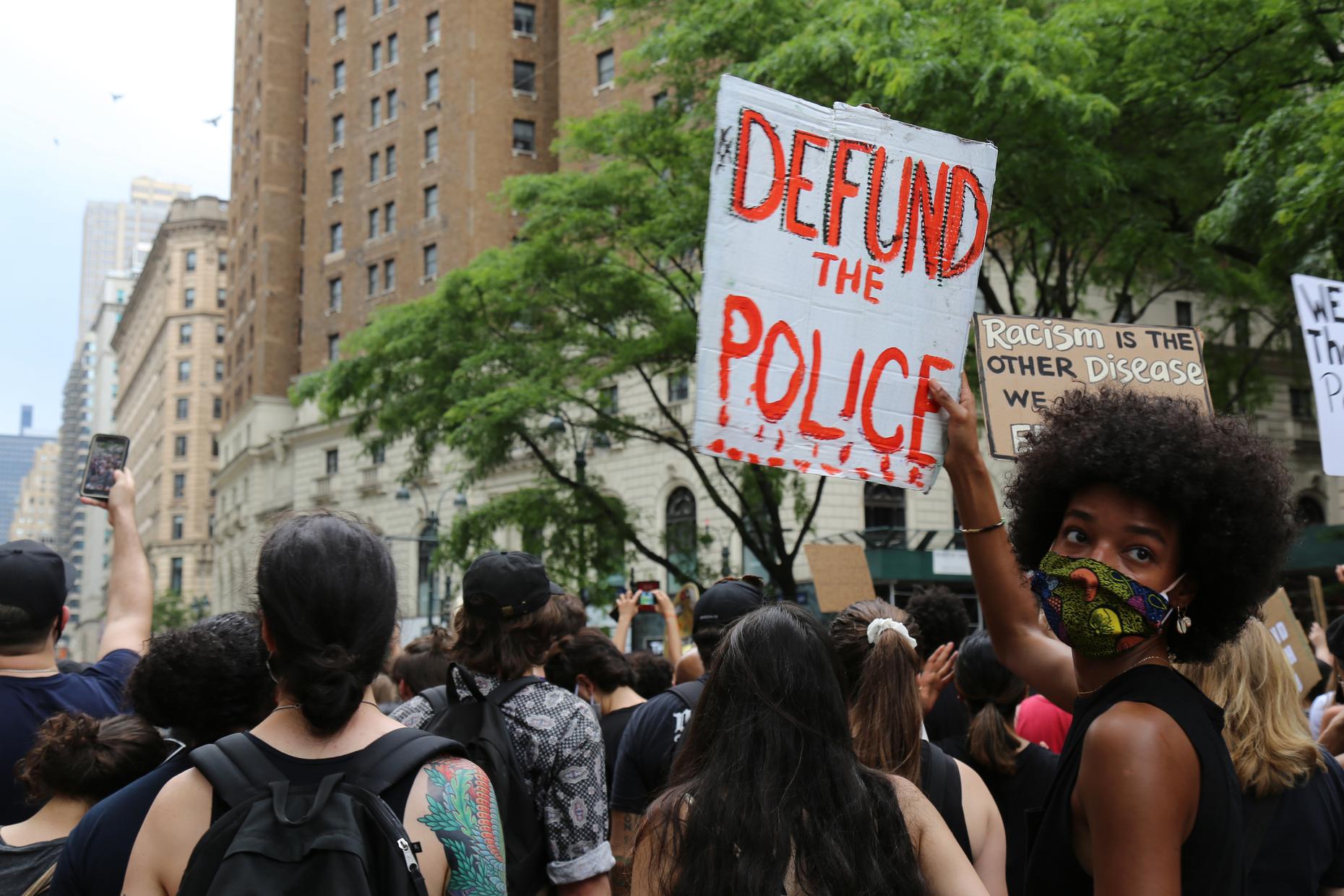
Nov 27, 2020
No Ado About Much
With the an apparent second wave of COVID-19 in full force, the media are sounding the alarm on a deadly virus growing out of control. But during the Spanish Flu 100 years ago, the media downplayed the pandemic. On this week's show, a look at how the Spanish Flu vanished from our collective memory. Then, how Shakespeare, a British icon, became an American hero. 1. John Barry [ @johnmbarry ] , author of The Great Influenza , on how America forgot about the pandemic of 1918. Listen . 2. James Shapiro, author of Shakespeare in a Divided America , on what the Brit's plays teach us about life in the US . Listen . Music: Berceuse in D Flat Major, Op. 57 Chopin - Ivan Moravec Crows of Homer - Gerry O'Beirne The Dancing Master: Maiden Lane (John Playford) - The Broadside Band & Jeremy Barlow John’s Book of Alleged Dances (John Adams) - Kronos Quartet Fife Feature: Lowland’s Away (Roy Watrous) - Gregory S. Balvanz & The US Army Fife and Drum Corps Ballad No. 2 in F, Op. 38 (Chopin) - Ivan Moravec Little Rose is Gone/Billy in the Lowground - Jim TaylorCollection Frail As a Breeze - Erik Friedlander The De Lesseps' Dance - Shakespeare in Love Soundtrack Kiss Me Kate Overture - Kiss Me Kate Soundtrack Brush Up Your Shakespeare - Kiss Me Kate Soundtrack Love & the Rehearsal - Shakespeare in Love Soundtrack Harpsichord - Four Tet On the Media is supported by listeners like you. Support OTM by donating today ( https://pledge.wnyc.org/support/otm ). Follow our show on Instagram , Twitter and Facebook @onthemedia, and share your thoughts with us by emailing onthemedia@wnyc.org.
Nov 25, 2020
Epidemics Show Societies Who They Really Are
Communicable disease has haunted humanity for all of history. As such, the responses to coronavirus in our midst have a grimly timeless quality. In fact, to one scholar, epidemics are a great lens for peering into the values, temperament, infrastructures and moral structures of the societies they attack. Frank M. Snowden is a professor emeritus of the history of medicine at Yale and author of Epidemics and Society: From the Black Death to the Present . An epidemic, he writes, “holds a mirror” to the civilization in which it occurs. In this podcast extra, he speaks to Bob about what we can learn about ourselves from the infectious diseases we've faced, from the bubonic plague in the 14th century to the Ebola outbreak in 2014 to COVID-19 today. This interview originally aired as a segment in our March 6, 2020 program, Our Bodies, Ourselves . On the Media is supported by listeners like you. Support OTM by donating today ( https://pledge.wnyc.org/support/otm ). Follow our show on Instagram , Twitter and Facebook @onthemedia, and share your thoughts with us by emailing onthemedia@wnyc.org.
Nov 23, 2020
EXTENDED VERSION The Ancient Heresy That Helps Us Understand QAnon
EXTENDED VERSION (includes content we had to leave on the cutting room floor to make the interview fit into the broadcast) It’s been two weeks since Trump lost the election to Biden. But he and his followers are still claiming victory. Jeff Sharlet , who has been covering the election for Vanity Fair , credits two Christian- adjacent ideas for these claims. The first is the so-called “prosperity gospel”: the notion that, among other things, positive thinking can manifest positive consequences. Even electoral victory in the face of electoral loss. But the problem with prosperity gospel, like day-and-date rapture prophecies, is that when its bets don’t pay off, it’s glaringly obvious. As prosperity thinking loses its edge for Trump, another strain of fringe Christianity — dating back nearly two millennia — is flourishing. Jeff Sharlet says an ancient heresy, Gnosticism, can help us understand the unifying force of pseudo-intellectualism on the right. Sharlet explains how a gnostic emphasis on "hidden" truths has animated QAnon conspiracies and Trump’s base. This is the extended version of a segment from our November 20th, 2020 program, Believe It Or Not . On the Media is supported by listeners like you. Support OTM by donating today ( https://pledge.wnyc.org/support/otm ). Follow our show on Instagram , Twitter and Facebook @onthemedia, and share your thoughts with us by emailing onthemedia@wnyc.org.
Nov 20, 2020
Believe It Or Not
As the pandemic spreads, officials are imposing new public health policies. On this week’s On the Media, why so many of the new rules contradict what science tells us about the virus. Plus, what a fringe early Christian movement can tell us about QAnon. And, a former White House photographer reflects on covering presidents in the pre-Trump era. 1. Roxanne Khamsi [ @rkhamsi ], science journalist, on how political leaders have failed to consistently explain the science behind their policies. Listen . 2. Jeff Sharlet [ @jeffsharlet ], professor of English at Dartmouth College and author of This Brilliant Darkness: A Book of Strangers , explains how an ancient heresy serves as a blueprint for right wing conspiracies. Listen . 3. Pete Souza [ @petesouza ] examines the role of the chief White House photographer. Listen . Music from this week's show: Chopin — Nocturne for piano in B flat minor Gotan Project — Vuelvo al Sur Hans Zimmer/The Da Vinci Code soundtrack — There Has To Be Mysteries Michael W. Smith — Agnus Dei Sentimental journey (instrumental) On the Media is supported by listeners like you. Support OTM by donating today ( https://pledge.wnyc.org/support/otm ). Follow our show on Instagram , Twitter and Facebook @onthemedia, and share your thoughts with us by emailing onthemedia@wnyc.org.

Nov 18, 2020
Rewatching "Contagion" in a Pandemic
Back in February we spoke to Pulitzer Prize–winning science writer Laurie Garrett , author of The Coming Plague , in an episode we called "Black Swans" . The coronavirus had yet to make landfall in the US but the anxiety was building. After the segment aired, New York Times critic Wesley Morris told us that after he heard the part where Garrett described her role as a consultant on the movie, " Contagion " he felt compelled to rewatch the 2011 thriller. In the film, competency — specifically, within federal government agencies — is the solution to a destructive crisis. This is comforting to watch, like a sort of public health "West Wing." It is also unnerving, and heavy, to watch the thrilling procedural un-spool as people, on- and off-screen, die. Brooke spoke to Morris in March about how for him, it was the pandemic film that most perfectly fit with the current moment — down to Kate Winslet, playing a dogged pathogenic detective, reminding her colleague to stop touching his face. On the Media is supported by listeners like you. Support OTM by donating today ( https://pledge.wnyc.org/support/otm ). Follow our show on Instagram , Twitter and Facebook @onthemedia, and share your thoughts with us by emailing onthemedia@wnyc.org.
Nov 13, 2020
Another World Entirely
With President Trump refusing to accept the results of the election, analysts are asking if he’s trying to wage a coup. On this week’s On the Media, why so many Republicans support the president’s claims, despite the evidence. Don’t miss On the Media, from WNYC Studios. 1. Bob on the latest Trumpian Big Lie, concerning the very foundation of democracy. Listen. 2. Casey Newton [ @CaseyNewton ], author of the Platformer newsletter, on the surging post-election popularity of the social media platforms Parler and MeWe. Listen. 3. Matthew Sheffield [ @mattsheffield ], former conservative journalist and host of the Theory Of Change podcast, on why he hopes to "free people" from the very media ecosystem he helped build. Listen. 4. Samanth Subramanian [ @Samanth_S ], journalist, on the Trump administration's assault on public data. Listen. Music: Hidden Agenda - Kevin MacLeod Slow Pulse Conga - William Pasley Accentuate the Positive - Syd Dale Double Dozen and Alec Gould Blues: La dolce vita dei Nobili - Nino Rota On the Media is supported by listeners like you. Support OTM by donating today ( https://pledge.wnyc.org/support/otm ). Follow our show on Instagram , Twitter and Facebook @onthemedia, and share your thoughts with us by emailing onthemedia@wnyc.org.

Nov 11, 2020
The Pfizer Vaccine Isn't a Home Run Yet
Pfizer announced Monday that its coronavirus vaccine demonstrated more than 90% effectiveness and no serious bad reactions in trial results — an outcome that should enable the company to obtain an emergency authorization soon. Between the vaccine and the unveiling, also on Monday, of a Biden-led coronavirus task force, it seemed like the rare pandemic-era day in which the good news could compete with the tragic. But Pulitzer Prize–winning science writer Laurie Garrett wrote this week in Foreign Policy that even if this vaccine works as advertised, there are still plenty of reasons to worry about much good it can do. In this podcast extra, Garrett tells Brooke about what she views as caveats to the potential breakthrough. CORRECTION: This podcast contains an error concerning the timing of testing after the second dose of Pfizer's coronavirus vaccine candidate. According to a protocol released by Pfizer , Phase 3 study participants were tested for coronavirus " at least 7 days after receipt of the second dose," [emphasis added]. In this interview, Garrett says, "7 days after [the second dose], [participants] got a COVID test. The results presented are what was found at that seven-day point." Rather, the results announced by Pfizer earlier this month were based on testing conducted at least one week after the second dose. We reached out to Garrett for additional comment, and she added this: "All [Pfizer's] protocol required was a single test at the 7 day point. Eventually, Pfizer has extended that to 14 days. Since we don’t have any breakdown on numbers in the only published info — press release — we don’t know what % of the vax recipients were tested at 7 days, 8 days, 12 days…..no idea. So all we CAN say is that they all got a minimum of response time before testing. It’s a glass half full, half empty issue." On the Media is supported by listeners like you. Support OTM by donating today ( https://pledge.wnyc.org/support/otm ). Follow our show on Instagram , Twitter and Facebook @onthemedia, and share your thoughts with us by emailing onthemedia@wnyc.org.
Nov 6, 2020
This Is Us
With Joe Biden approaching victory, Donald Trump and his political allies flooded the internet with conspiracy theories. This week, On the Media examines the misinformation fueling right-wing demonstrations across the country. Plus, why pollsters seemed to get the election wrong — again. And, how the history of the American right presaged the Republican Party's anti-majoritarian turn. 1. John Mark Hansen, professor of political science at the University of Chicago, explains what exactly it would take to steal a presidential election. Listen. 2. Zeynep Tufecki [ @zeynep ], associate professor at the University of North Carolina, Chapel Hill, argues in favor of doing away with election forecasting models. Listen. 3. Rick Perlstein [ @rickperlstein ], author of Reaganland: America's Right Turn 1976-1980 , on the history of anti-majoritarian politics on the American right. Listen. Music from this week's show: White Man Sleeps — Kronos Quartet L’Illusionista — Nino Rota German Lullaby — The Kiboomers Frail as a Breeze, Part 2 — Erik Friedlander Wouldn’t It Be Loverly — Fred Hersh On the Media is supported by listeners like you. Support OTM by donating today ( https://pledge.wnyc.org/support/otm ). Follow our show on Instagram , Twitter and Facebook @onthemedia, and share your thoughts with us by emailing onthemedia@wnyc.org.
Nov 6, 2020
Imprecision 2020
For election night 2020, while cable news had white boards and talking heads, the OTM crew hosted comedians, singers and friends for some great conversation with occasional updates on what was happening in the presidential race. In this podcast extra we highlight one of those conversations. Mychal Denzel Smith is a writer and fellow at Type Media Center. Brooke spoke to him about his most recent book titled Stakes Is High: After The American Dream which focuses on the perils, for the individual, and the nation of embracing the American myth, better known as the American Dream, the idea that everything is possible for those who work hard. And she asked him what kind of changes the outcome of this election might herald. To round out the broadcast, Bob and Brooke answered some audience questions...and revisited some of the issues in the conversation they had the day after the 2016 election, Now What? On the Media is supported by listeners like you. Support OTM by donating today ( https://pledge.wnyc.org/support/otm ). Follow our show on Instagram , Twitter and Facebook @onthemedia, and share your thoughts with us by emailing onthemedia@wnyc.org.
Oct 30, 2020
Chaos Reigns
The past few decades have been a time of deep partisan animosity. On this week’s On The Media, how we might move beyond the current polarization. Plus, how one man’s obsession with organizing the natural world led him down a dark path. 1. Lilliana Mason [ @lilymasonphd ], political psychologist at the University of Maryland, on why our political landscape became so polarized, and where we might go from here. Listen . 2. Lulu Miller [ @lmillernpr ], author of Why Fish Don't Exist and co-host of WNYC's Radiolab, charts the quest of taxonomist David Starr Jordan to categorize the world. Listen . Music: Songs of War - US Army Old Guard Fife and Drum Corps John’s Book of Alleged Dances - Kronos Quartet Nocturne for Piano in B flat minor - Chopin Il Casanova di Federico Fellini Death Have Mercy/Breakaway - Regina Carter On the Media is supported by listeners like you. Support OTM by donating today ( https://pledge.wnyc.org/support/otm ). Follow our show on Instagram , Twitter and Facebook @onthemedia, and share your thoughts with us by emailing onthemedia@wnyc.org.
Oct 28, 2020
The Amazing Randi (just don't call him a magician)
Famed conjurer, illusionist -- and even more famously exposer of supernatural fraud -- James Randi died last week at his Florida home at the age of 92. Co-founder of the Committee for Skeptical Inquiry the Amazing Randi tirelessly exposed the deceit behind (as his New York Times obituary summarized): " spoon bending, mind reading, fortunetelling, ghost whispering, water dowsing, faith healing, U.F.O.-spotting and sundry varieties of bamboozlement, bunco, chicanery, flimflam, flummery, humbuggery, mountebankery, pettifoggery and out-and-out quacksalvery." He’s lauded as a great “debunker,” but he didn’t like that descriptor, preferring “investigator.” And if you didn’t wish to be corrected, it was also wise not to call him a magician. Because “magic” isn’t really magic, is it? For The Genius Dialogues (Bob's Audible.com podcast series of interviews with MacArthur Genius Grant laureates) Bob visited the then 87-year-old Randi in Plantation, Florida. Here is that conversation. On the Media is supported by listeners like you. Support OTM by donating today ( https://pledge.wnyc.org/support/otm ). Follow our show on Instagram , Twitter and Facebook @onthemedia, and share your thoughts with us by emailing onthemedia@wnyc.org.
Oct 23, 2020
The Games We Play
With the election underway, both camps are pushing their “get out the vote” messages. This week, On the Media looks at the origins of the modern presidential campaign, and how livestream technology is transforming the look and feel of voter outreach. Plus, how a mysterious network of fake news sites duped real journalists into creating propaganda. And, the empty, recurring trope of Republicans "distancing" themselves from Trump. 1. Makena Kelly [ @kellymakena ] explains the rising role of fandom in politics, and how Alexandria Ocasio-Cortez's event on Twitch this week was a landmark in online organizing. Listen . 2. Greg Mitchell [ @GregMitch ] and Jill Lepore on how modern methods of seeding lies and hysteria into a campaign can be traced back to a single race in 1934. Listen . 3. Priyanjana Bengani [ @acookiecrumbles ] on the emergence of "pink slime" news outlets, which take legitimate journalism and use it as a cover for more nefarious goals at home and abroad. Also featuring Pat Morris and Laura Walters [ @walterslaura ]. Listen . 4. Bob [ @Bobosphere ] explains why outlets need to stop saying Republicans like Ben Sasse are "breaking" with Trump. Listen . On the Media is supported by listeners like you. Support OTM by donating today ( https://pledge.wnyc.org/support/otm ). Follow our show on Instagram , Twitter and Facebook @onthemedia, and share your thoughts with us by emailing onthemedia@wnyc.org.
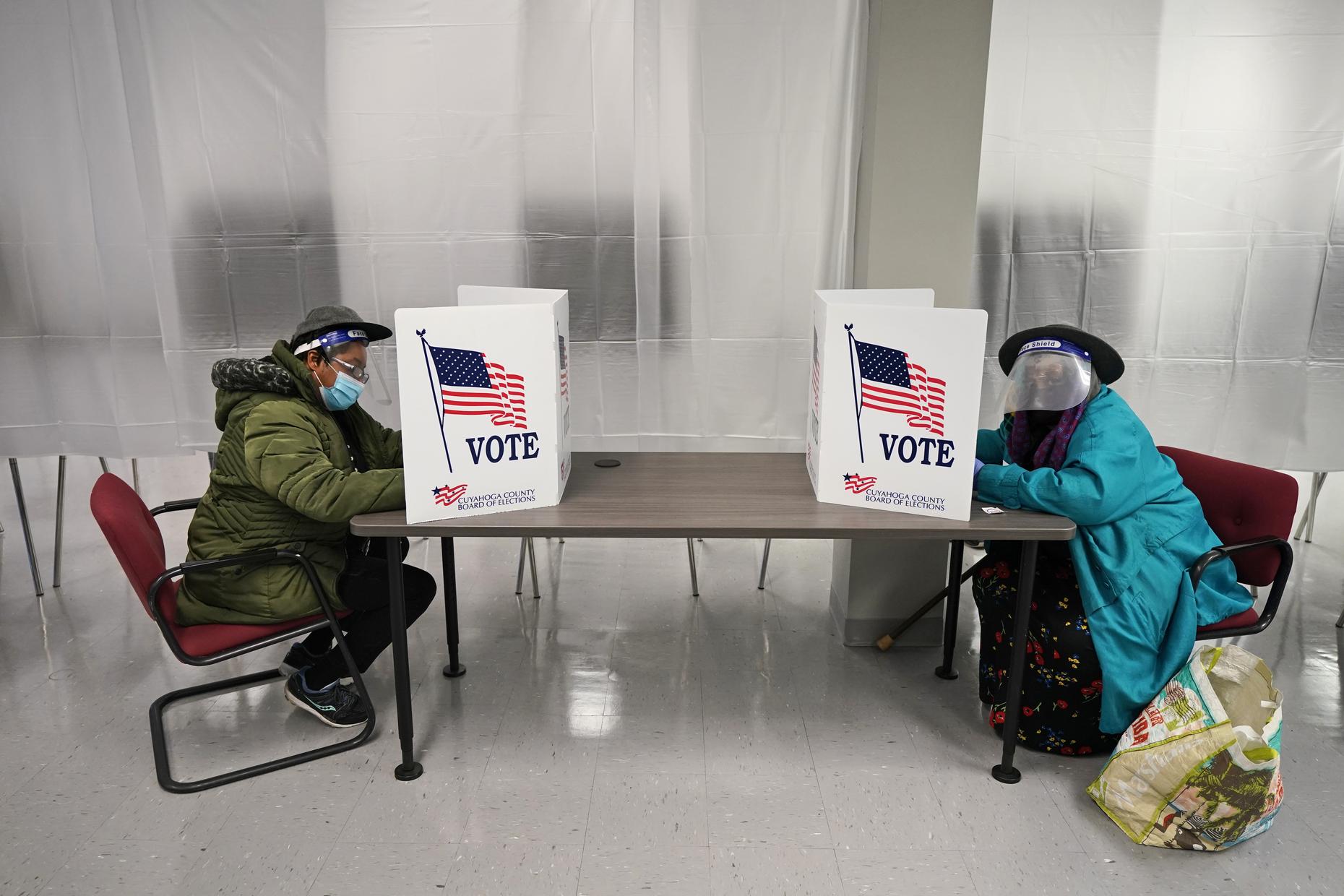
Oct 21, 2020
OTM presents - Blindspot Ep. 5: The Idea
For this week's podcast extra, we're once more highlighting the work of our colleague Jim O'Grady and his brilliant podcast "Blindspot: The Road to 9/11." This is episode 5: The Idea. The World Trade Center was built with soaring expectations. Completed in 1973, its architect, Minoru Yamasaki, hoped the towers would stand as “a representation of man’s belief in humanity ” and “world peace.” He even took inspiration from the Great Mosque in the holy city of Mecca with its tall minarets looking down on a sprawling plaza. What he did not expect was that the buildings would become a symbol to some of American imperialism and the strangling grip of global capitalism. Our story picks up in Manila — January 6th, 1995 — where police respond to an apartment fire and uncover a plot to assassinate the Pope. A suspect gives up his boss in the scheme: Ramzi Yousef, the mastermind of the 1993 World Trade Center bombing. Yousef has been on the run for two years and has disappeared again. Port Authority Detective Matthew Besheer and FBI Special Agent Frank Pellegrino fly to Manila to follow his trail. They learn that Yousef has a horrifying attack in the works involving bombs on a dozen airplanes, rigged to explode simultaneously. President Bill Clinton grounds all U.S. flights from the Pacific as the era of enhanced airline security begins. Yousef’s plot is foiled. But what it reveals about his intentions is chilling. On the Media is supported by listeners like you. Support OTM by donating today ( https://pledge.wnyc.org/support/otm ). Follow our show on Instagram , Twitter and Facebook @onthemedia, and share your thoughts with us by emailing onthemedia@wnyc.org.
Oct 16, 2020
Emergency Mode
Premonitions of Election Day violence abound, especially with the growing visibility of extremist militia groups. This week, On The Media looks at a little-known app fueling those groups’ recruitment and organizing. Plus, why skepticism of election forecasts might be a good thing. And, how election coverage has changed (and stagnated) since 2016. 1. Jay Rosen [ @jayrosen_nyu ], media critic and author of the blog PressThink , on how political journalism needs to switch to an "emergency" setting. Listen . 2. Nate Silver [ @NateSilver538 ], founder and editor-in-chief at FiveThirtyEight , on how his election forecast model has changed (and remained the same) since 2016. Listen . 3. Sam Jackson [ @sjacks26 ], professor at University of Albany, on the debate over "militia member" vs. "domestic terrorist." Listen . 4. OTM reporter Micah Loewinger [ @MicahLoewinger ] investigates how a walkie-talkie app called Zello is enabling armed white supremacist groups to gather and recruit. Listen . Music from this week's show: Mysterioso — Kronos Quartet Full Tense — Clint Mansell and Kronos Quartet I Saw The Light — Hank Williams I Saw The Light — Hank Williams (reprise) On the Media is supported by listeners like you. Support OTM by donating today ( https://pledge.wnyc.org/support/otm ). Follow our show on Instagram , Twitter and Facebook @onthemedia, and share your thoughts with us by emailing onthemedia@wnyc.org.

Oct 14, 2020
Brooke speaks with Lulu Miller about her new book, "Why Fish Don't Exist"
Earlier this month, Stanford University announced it would rename Jordan Hall , named for David Starr Jordan, noted natural historian, ichthyologist, and Stanford's founding president back in 1891. Jordan's name is also coming off of several sites at Indiana University, where he also served as president. So who is this long-heralded, lately-demoted David Starr Jordan? He was, among many other things, a great obsession of Lulu Miller , co-host of Radiolab and author of the book, Why Fish Don't Exist: A Story of Loss, Love, and the Hidden Order of Life . In this podcast extra, Brooke and Lulu discuss Jordan's history, as well as the author's obsession with him, as a supreme taxonomist who sought determinedly to order the natural world — at least, in part, by finding and naming its fish and later, notoriously, by ranking its people. On the Media is supported by listeners like you. Support OTM by donating today ( https://pledge.wnyc.org/support/otm ). Follow our show on Instagram , Twitter and Facebook @onthemedia, and share your thoughts with us by emailing onthemedia@wnyc.org.

Oct 9, 2020
The Unlucky Many
GOP Senator Mike Lee tweeted this week that “we are not a democracy.” On this week’s On the Media, why the Republican party’s political future may depend upon anti-democratic — small-’d’ — ideas. Plus, how the good luck of the so-called “silent” generation has shaped the politics of Joe Biden. And, how the bad luck of the millennial generation might shape our collective future. 1. Nicole Hemmer [ @pastpunditry ], Columbia University research scholar and author of Messengers of the Right: Conservative Media and the Transformation of American Politics , on the origins and evolution of the "republic, not a democracy" slogan. Listen. 2. Matthew Sitman [ @MatthewSitman ], associate editor at the Catholic journal Commonweal and co-host of the Know Your Enemy podcast, on the anti-democratic state of the Republican party. Listen. 3. Elwood Carlson, sociology professor at Florida State University, on the "silent generation," members of which comprise much of the governing elite. Listen. 4. Anne Helen Petersen [ @annehelen ], author of Can’t Even: How Millennials Became the Burnout Generation , on the downwardly mobile millennial generation. Listen. Music from this week's show: Prelude of Light — John Zorn Invitation to a Suicide — John Zorn The Glass House - Curtains — David Bergeaud Trance Dance — John Zorn Whistle While You Work — Bunny Berigan And His Orchestra Young At Heart — Brad Mehldau The Invisibles — John Zorn On the Media is supported by listeners like you. Support OTM by donating today ( https://pledge.wnyc.org/support/otm ). Follow our show on Instagram , Twitter and Facebook @onthemedia, and share your thoughts with us by emailing onthemedia@wnyc.org.

Oct 8, 2020
Trump's War on Critical Race Theory
The Trump administration issued executive orders last month that ban federal workers from participating in anti-racism trainings. Under the orders, such phrases as “critical race theory” and “white privilege” are verboten during executive branch on-boardings. The White House has previously issued guidance meant to stifle the teaching of negative aspects of American history — spurred, at least in part, by the overwhelmingly racist backlash to the New York Times ' 1619 project. In this podcast extra, Bob talks with Georgetown law professor Paul Butler about how the president is using executive authority to curate a culture of white ignorance . On the Media is supported by listeners like you. Support OTM by donating today ( https://pledge.wnyc.org/support/otm ). Follow our show on Instagram , Twitter and Facebook @onthemedia, and share your thoughts with us by emailing onthemedia@wnyc.org.

Oct 2, 2020
God Bless
President Trump has once more tried to cast himself as an ally of the Christian right — this time, by nominating Amy Coney Barrett to the Supreme Court. This week, On the Media explains how the religious right goes beyond white evangelicals and the persistent allure of persecution narratives in Christianity. Plus, we examine the overlooked religious left. And, we explore how the image of Jesus as a white man was popularized in the 20th century, and why it matters. 1. Andrew Whitehead [ @ndrewwhitehead ], professor of sociology at Indiana University – Purdue University Indianapolis, explains how Christian nationalism holds the religious right together. Listen . 2. Candida Moss [ @candidamoss ], professor of theology and religion at the University of Birmingham in the U.K., on how false claims of persecution date back centuries, to the early Christian church. Listen . 3. Jack Jenkins [ @jackmjenkins ], national reporter at Religion News Service, explains why the religious left is harder to define, and its influence more difficult to measure, than its right-wing counterpart. Listen . 4. OTM reporter Eloise Blondiau [ @eloiseblondiau ] examines how "White Jesus" came to America, how the image became ubiquitous, and why it matters. Listen . Music from this week's show: Ave Maria — Pascal Jean and Jean Brenders Amazing Grace — Robert D. Sands, Jr. I Got a Right to Sing the Blues — Billy Kyle What’s That Sound? — Michael Andrews Wade in the Water — Charlie Haden and Hank Jones For the Creator — Hildegard von Bingen Walking by Flashlight — Maria Schneider (The Thompson Fields) On the Media is supported by listeners like you. Support OTM by donating today ( https://pledge.wnyc.org/support/otm ). Follow our show on Instagram , Twitter and Facebook @onthemedia, and share your thoughts with us by emailing onthemedia@wnyc.org.

Oct 1, 2020
Covering the Proud Boys, Without Platforming Them
At the debate between Joe Biden and President Trump in Cleveland this Tuesday, moderator Chris Wallace of Fox News gave the president an explicit opportunity to condemn white supremacy and white supremacist organizations. Trump deflected, but when Wallace and Biden prompted him to denounce the Proud Boys — a far-right fraternal organization known for enacting political violence — the president instructed the group members to "stand back and stand by." The fiasco raises a question the press has been grappling with for the better part of four years: how does one report on a moment like that responsibly? Bob speaks with Dr. Joan Donovan , Research Director of the Shorenstein Center on Media, Politics and Public Policy at Harvard University, about how the press can cover the president's remarks without amplifying far-right ideologies. On the Media is supported by listeners like you. Support OTM by donating today ( https://pledge.wnyc.org/support/otm ). Follow our show on Instagram , Twitter and Facebook @onthemedia, and share your thoughts with us by emailing onthemedia@wnyc.org.

Sep 30, 2020
The Politicization of the Justice Department Press Shop
Federal investigations seldom begin with an uproar. Internal rules keep fledgling probes on the down-low, lest evidence — or reputations — be destroyed. Before elections the Justice Department is (historically) especially mum, so as not to influence voters on the basis of mere suspicion. Not lately, however. In this pod extra, Bob talks with writer and former federal prosecutor Ankush Khardori about the transformation of a historically circumspect Justice Department press office into a Trump propaganda machine . On the Media is supported by listeners like you. Support OTM by donating today ( https://pledge.wnyc.org/support/otm ). Follow our show on Instagram , Twitter and Facebook @onthemedia, and share your thoughts with us by emailing onthemedia@wnyc.org.

Sep 25, 2020
Spheres of Influence
Conspiracy theories are spreading like wildfire on YouTube, Twitter, and Facebook. This week, On the Media examines the role their slicker sister site Instagram plays in spreading disinformation online. Plus, a look at the "real" Paris Hilton in a new documentary. And, what the world of reality dating shows can teach us about America’s tenuous grasp on the truth. 1. OTM Reporter Leah Feder [ @leahfeder ] investigates how QAnon has infiltrated and donned the Instagram aesthetic, contributing to a toxic stew known as " conspirituality . " Listen . 2. Director Alexandra Dean [ @alexhaggiagdean ] explains the process of making a new Youtube documentary called This is Paris, which paints a wholly unrecognizable portrait of the mogul. Listen. 3. OTM Producer Xandra Ellin [ @xandraellin ], tells us what watching reality dating shows has taught her about the truth. Listen . On the Media is supported by listeners like you. Support OTM by donating today ( https://pledge.wnyc.org/support/otm ). Follow our show on Instagram , Twitter and Facebook @onthemedia, and share your thoughts with us by emailing onthemedia@wnyc.org.

Sep 24, 2020
Better Questions About Amy Coney Barrett's Faith
As Republicans rush to nominate a judge to fill the late Ruth Bader Ginsburg's seat, Amy Coney Barrett has emerged as a frontrunner. Democrats have plenty to fear about her appointment. But instead of poring over her judicial record, many of Barrett’s critics are making assumptions about how she might preside on the court based on her faith. Newsweek published a piece — now corrected — that claimed Barrett's faith community, called People of Praise, inspired Margaret Atwood's The Handmaid's Tale. Others inferred that when Barrett used the Christian phrase "Kingdom of God" she meant that she favored a theocracy. It’s a replay of sorts of her confirmation hearing for her appeals court seat in 2017. Whether or not Barrett is revealed to be Trump's pick, she will be remembered for inspiring some bad takes on religion. So what assumptions about religion are distracting journalists? And what better questions should be put to Barrett about her faith and its role in her judicial decision making? In this podcast extra, Brooke speaks to Michael O'Loughlin, national correspondent at America Media , a Catholic news organization, and host of the podcast Plague: Untold Stories of AIDS and the Catholic Church . On the Media is supported by listeners like you. Support OTM by donating today ( https://pledge.wnyc.org/support/otm ). Follow our show on Instagram , Twitter and Facebook @onthemedia, and share your thoughts with us by emailing onthemedia@wnyc.org.
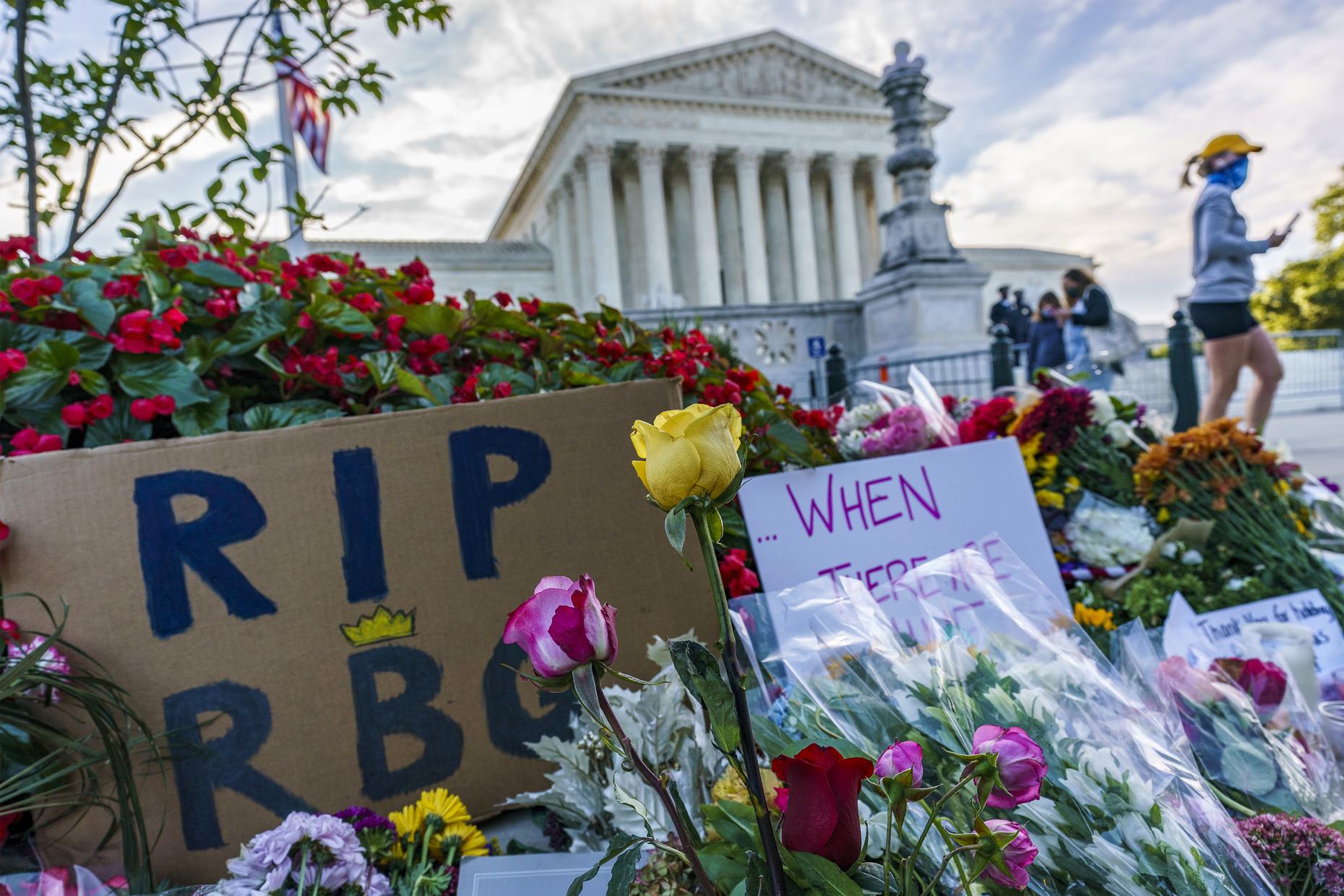
Sep 18, 2020
The Wrong Fires
As wildfires blaze across the United States, some right-wing politicians and pundits are blaming racial justice protesters. On this week’s On the Media, how to stay focused on the realities of climate change when everything is politicized. Plus, the mistakes we make when we talk about human trafficking. And, the Gamergate playbook is the template for a coordinated attack on Netflix and an indie film on its platform. 1. Dave Karpf [ @davekarpf ], professor at George Washington University's School of Media and Public Affairs, on the tension between business-as-usual campaign coverage and serious concerns about election integrity. Listen. 2. Kate Knibbs [ @Knibbs ], senior writer at Wired, on the Cuties controversy. Listen. 3. Michael Hobbes [ @RottenInDenmark ], senior enterprise reporter at Huffington Post, on the disastrous effects of misreporting on child trafficking. Listen. 4. Amy Westervelt [ @amywestervelt ], climate journalist and host of the podcast "Drilled," on wildfire misinformation. Listen. On the Media is supported by listeners like you. Support OTM by donating today ( https://pledge.wnyc.org/support/otm ). Follow our show on Instagram , Twitter and Facebook @onthemedia, and share your thoughts with us by emailing onthemedia@wnyc.org.

Sep 16, 2020
Joe Rogan: Debate Moderator?
Earlier this year we aired a profile of Joe Rogan. The unbelievably popular podcast host was in the headlines because then-presidential candidate Bernie Sanders had gone on his show — resulting in a kerfuffle in the progressive camp, because of Rogans misogyny and racism. He's back in the headlines again this week after Trump tweeted that he would gladly participate in a debate hosted by Rogan. The fact that Joe Rogan wields so much influence is itself a kind of a head-scratcher for many coastal media observers. “Why Is Joe Rogan So Popular?” is the title of a profile in The Atlantic by Devin Gordon, a writer who immersed himself in Joe Rogan's podcast and lifestyle to understand his enormous popularity. In this segment, first aired in January, he and Brooke discuss Rogan's complicated appeal. On the Media is supported by listeners like you. Support OTM by donating today ( https://pledge.wnyc.org/support/otm ). Follow our show on Instagram , Twitter and Facebook @onthemedia, and share your thoughts with us by emailing onthemedia@wnyc.org.

Sep 11, 2020
What To Expect When You’re Electing
Voters looking for a quick resolution this November might have to wait longer than usual to learn who won the presidency. On this week’s On the Media, a look at what we might expect as election night approaches. Plus, lessons on electoral chaos from presidential contests past. And, how QAnon is moving from the web to the streets. 1. Walter Shapiro [ @MrWalterShapiro ], fellow at the Brennan Center, on why TV news outlets need to be more comfortable with uncertainty on election night. Listen. 2. Renee DiResta [ @noUpside ], Stanford Internet Observatory research manager, on how social media chaos sown by domestic actors could have disastrous consequences on election night. Listen. 3. Ed Kilgore [ @Ed_Kilgore ], political columnist at New York Magazine , on the what we can learn from the contentious election of 1876. Listen. 4. Brandy Zadrozny [ @BrandyZadrozny ], NBC News investigative reporter, on how QAnon falsehoods are motivating seemingly innocuous protests to "save our children" nationwide. Listen. Music from this week's show: Sneaky Snitch — Kevin MacLeod The Builder — Kevin MacLeod In the Hall of the Mountain King — Kevin MacLeod Hidden Agenda — Kevin MacLeod Dance of the Sugar Plum Fairies — Kevin MacLeod On the Media is supported by listeners like you. Support OTM by donating today ( https://pledge.wnyc.org/support/otm ). Follow our show on Instagram , Twitter and Facebook @onthemedia, and share your thoughts with us by emailing onthemedia@wnyc.org.
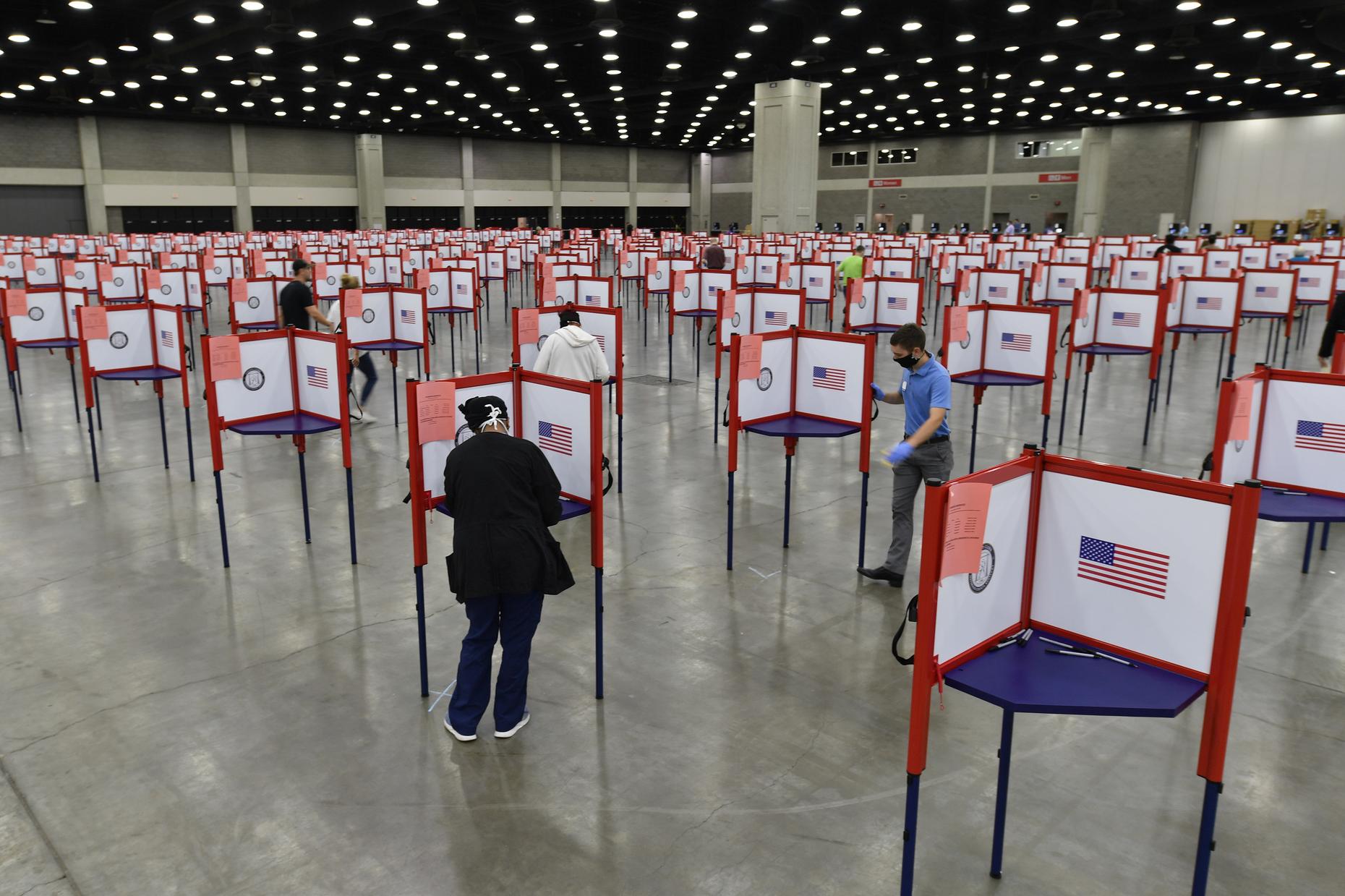
Sep 9, 2020
OTM presents - Blindspot: The Road to 9/11
Every now and then we like to feature the work of our colleagues here at our producing station, WNYC. This week we want to introduce you to a new podcast a co-production of HISTORY and WNYC hosted by reporter, Jim O'Grady. Blindspot: Road to 9/11 is an eight part series that uses the voices of U.S. government and intelligence officials, national security experts, reporters, informants, and associates of the terrorists to tell the little-known story of the lead up to the events of September 11th 2001. This is episode one: The Bullet. The 9/11 attacks were so much more than a bolt from the blue on a crisp September morning. They were more than a decade in the making. The story starts in a Midtown Manhattan hotel ballroom in 1990. Shots ring out and the extremist rabbi, Meir Kahane, lies mortally wounded. His assassin, El-Sayyid Nosair, is connected to members of a Brooklyn mosque who are training to fight with Islamic freedom fighters in Afghanistan. NYPD Detective Louis Napoli and FBI Special Agent John Anticev catch the case, and start unraveling a conspiracy that is taking place in plain sight by blending into the tumult of the city. It is animated by an emerging ideology: violent jihad. Listen wherever you get your podcasts. On the Media is supported by listeners like you. Support OTM by donating today ( https://pledge.wnyc.org/support/otm ). Follow our show on Instagram , Twitter and Facebook @onthemedia, and share your thoughts with us by emailing onthemedia@wnyc.org.

Sep 4, 2020
Armed and Dangerous
Armed right-wingers are stoking violence in cities across the country. On this week’s On the Media, a look at the origins of the American militia movement. Plus, as things heat up, Facebook is fanning the flames. And, in the face of an incendiary headline from the Kenosha News , a digital editor resigns. 1. John Temple [ @johntemplebooks ], author of Up in Arms: How the Bundy Family Hijacked Public Lands, Outfoxed the Federal Government, and Ignited America’s Patriot Movement , on the evolution of right-wing militias in the United States. Listen. 2. Julia Carrie Wong [ @juliacarriew ], senior technology reporter for The Guardian, on how Facebook is creating the conditions for violence on the streets. Listen. 3. Daniel Thompson [ @olfashionednews ], former digital editor for the Kenosha News , on his decision to resign over an editorial stand-off. Listen. On the Media is supported by listeners like you. Support OTM by donating today ( https://pledge.wnyc.org/support/otm ). Follow our show on Instagram , Twitter and Facebook @onthemedia, and share your thoughts with us by emailing onthemedia@wnyc.org.

Sep 2, 2020
The Urban Exodus That Wasn't
As the president continues his verbal assault on America's urban centers, presenting nightmare scenarios of what will happen to the suburbs absent his protection, the story of a pandemic-induced mass migration from cities has proliferated in the media: families fleeing increasingly hellish virus-infested urban wastelands, making their way into the safe, idyllic suburbs where bluebirds sing, kids roam free and there’s a Mattress Firm in every strip mall. It all makes so much sense. But it's not true. Jeff Andrews wrote about this media myth in a recent Curbed article called No, the Pandemic Is Not Emptying Out America’s Cities . In this podcast extra, Andrews joined Bob to dissect the tale of the urban flight that wasn't. On the Media is supported by listeners like you. Support OTM by donating today ( https://pledge.wnyc.org/support/otm ). Follow our show on Instagram , Twitter and Facebook @onthemedia, and share your thoughts with us by emailing onthemedia@wnyc.org.

Aug 28, 2020
Bizarro World
At the Republican National Convention, Trump advisor Larry Kudlow said the pandemic “ was awful.” On this week’s On the Media, why some politicians and educators are using the past tense to describe an active threat. Plus, how COVID could prompt long-term changes to American higher ed. 1. James Fallows [ @JamesFallows ] on the contrasting spectacles of this year's virtual Democratic and Republican National Conventions. Listen. 2. Scott Galloway [ @profgalloway ], professor of marketing at NYU and host of Pivot Podcast, on why so many colleges and universities decided to reopen despite the pandemic, and what it tells us about the future of higher education. Listen. 3. OTM producer/reporter Micah Loewinger [ @MicahLoewinger ] tells the story of how remote learning saved his friend’s life. Listen. On the Media is supported by listeners like you. Support OTM by donating today ( https://pledge.wnyc.org/support/otm ). Follow our show on Instagram , Twitter and Facebook @onthemedia, and share your thoughts with us by emailing onthemedia@wnyc.org.
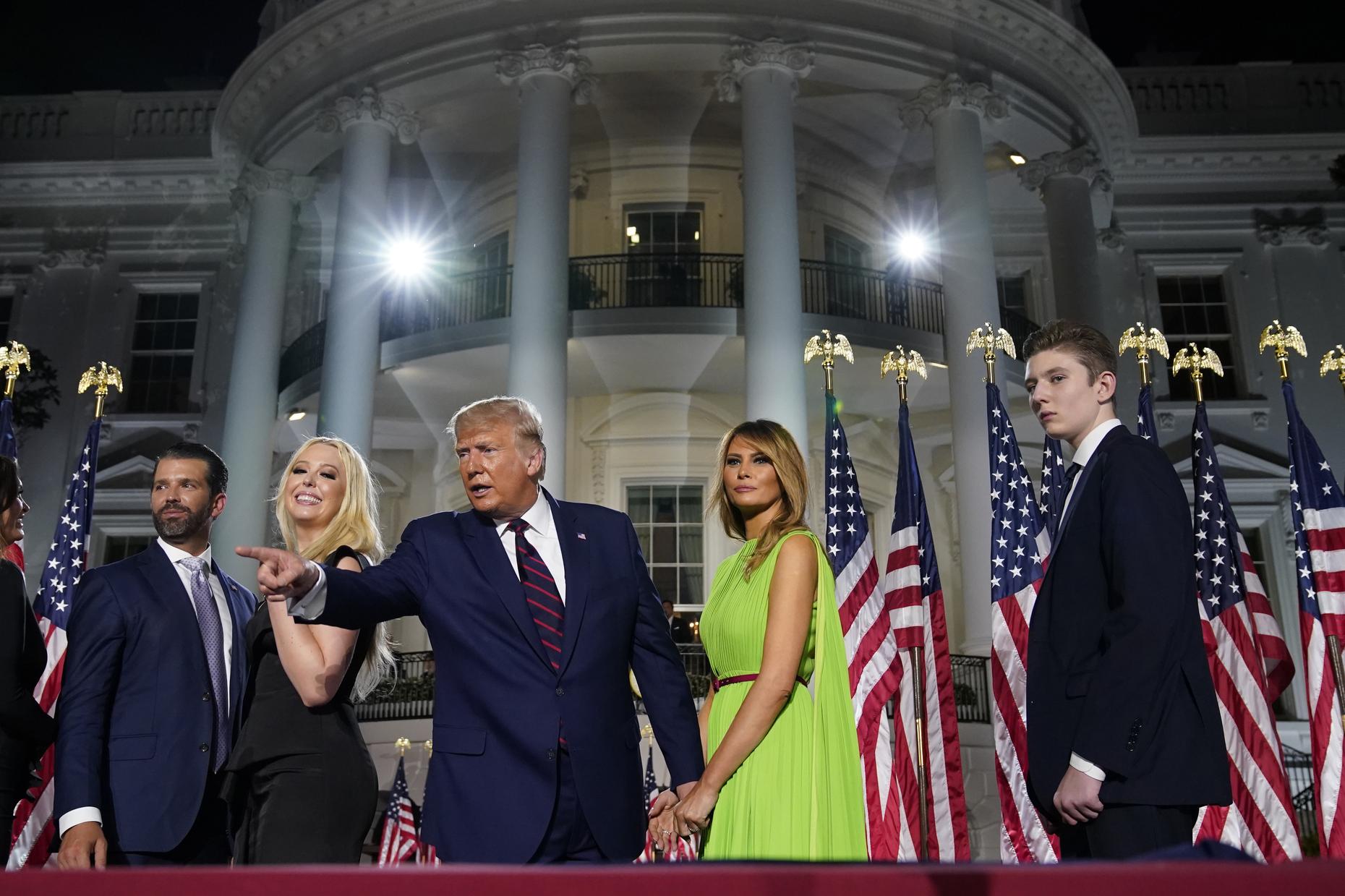
Aug 26, 2020
With #SaveTheChildren Rallies, QAnon Sneaks Into The Offline World
On Saturday, more than 200 cities from Spokane to Scranton saw modest rallies for a cause so pure, so unifying, that who in their right mind wouldn’t want to join in? "Save the children" was the chant and child trafficking the scourge. But lately it is a movement being hijacked from within, which is just the latest instance of the QAnon conspiracy theory spilling out of its online domain. This we know from reporting by NBC News investigative reporter Brandy Zadrozny, along with reporter Ben Collins . In this podcast extra, Zadrozny explains how these rallies function as "information laundering," and how local journalists have inadvertantly taken part in QAnon's recruitment strategy . On the Media is supported by listeners like you. Support OTM by donating today ( https://pledge.wnyc.org/support/otm ). Follow our show on Instagram , Twitter and Facebook @onthemedia, and share your thoughts with us by emailing onthemedia@wnyc.org.

Aug 21, 2020
Don't Fall For It
Recently, the president threatened the post office — and with it, the November elections. On this week's On The Media, a look at how decades of cuts to the mail system led to this emergency. Plus, the “birther” lie reared its ugly head once more — but this time, journalists were ready for it. And, the so-called "rising stars" of the Republican Party. 1. Alex Shephard [ @alex_shephard ], staff writer at the New Republic , on the conservative tropes often employed by journalists covering the public sector — including the USPS. Listen. 2. Charlie Warzel [ @cwarzel ], opinion writer-at-large at the New York Times , on the deluge of information and misinformation unleashed by the post office scandal. Listen. 3. Mark Joseph Stern [ @mjs_DC ], staff writer at Slate, on the “ think tank ” behind the Kamala Harris "birther" lie. Listen. 4. Eugene Scott [ @Eugene_Scott ], political reporter at the Washington Post , on how journalists have covered the latest unfounded “ birther ” conspiracy, compared with the original one nearly a decade ago. Listen. 5. Alex Pareene [ @pareene ], staff writer at the New Republic , on far-right fringe candidates finding a serious foothold in the Republican Party. Listen. Music from this week's show: Passing Time - John Renbourn Cellar Door - Michael Andrews Turnaround - Ornette Colema Shoot the Piano Player Player - Georges Delarue Sleep Talking - Ornette Coleman Mysterioso - Thelonius Monk/Kronos Quartet Middlesex Times - Michael Andrews On the Media is supported by listeners like you. Support OTM by donating today ( https://pledge.wnyc.org/support/otm ). Follow our show on Instagram , Twitter and Facebook @onthemedia, and share your thoughts with us by emailing onthemedia@wnyc.org.

Aug 19, 2020
The Covid Conspiracy Boom on Facebook
During the COVID-19 pandemic, Facebook has taken a public stance against bogus health claims that discourage people from taking proper precautions against the virus. The company even gave the World Health Organization free advertising to help fight misinformation. But research from Avaaz , a global non-profit that works to protect democracies from disinformation on social media, shows that global health misinformation accumulated an estimated 3.8 billion views on Facebook in the past year. The conspiracies circulating on Facebook can be fatal — some of them suggest ingesting poisonous substances, while others tell people not to wear masks or to shun vaccines. In this podcast extra, Bob talks to Fadi Quran , campaign director at Avaaz , about the "superspreader" pages that are amassing these page views, the most popular health conspiracies on Facebook, and whether there's any hope that Facebook will address the proliferation of disinformation on its site. On the Media is supported by listeners like you. Support OTM by donating today ( https://pledge.wnyc.org/support/otm ). Follow our show on Instagram , Twitter and Facebook @onthemedia, and share your thoughts with us by emailing onthemedia@wnyc.org.
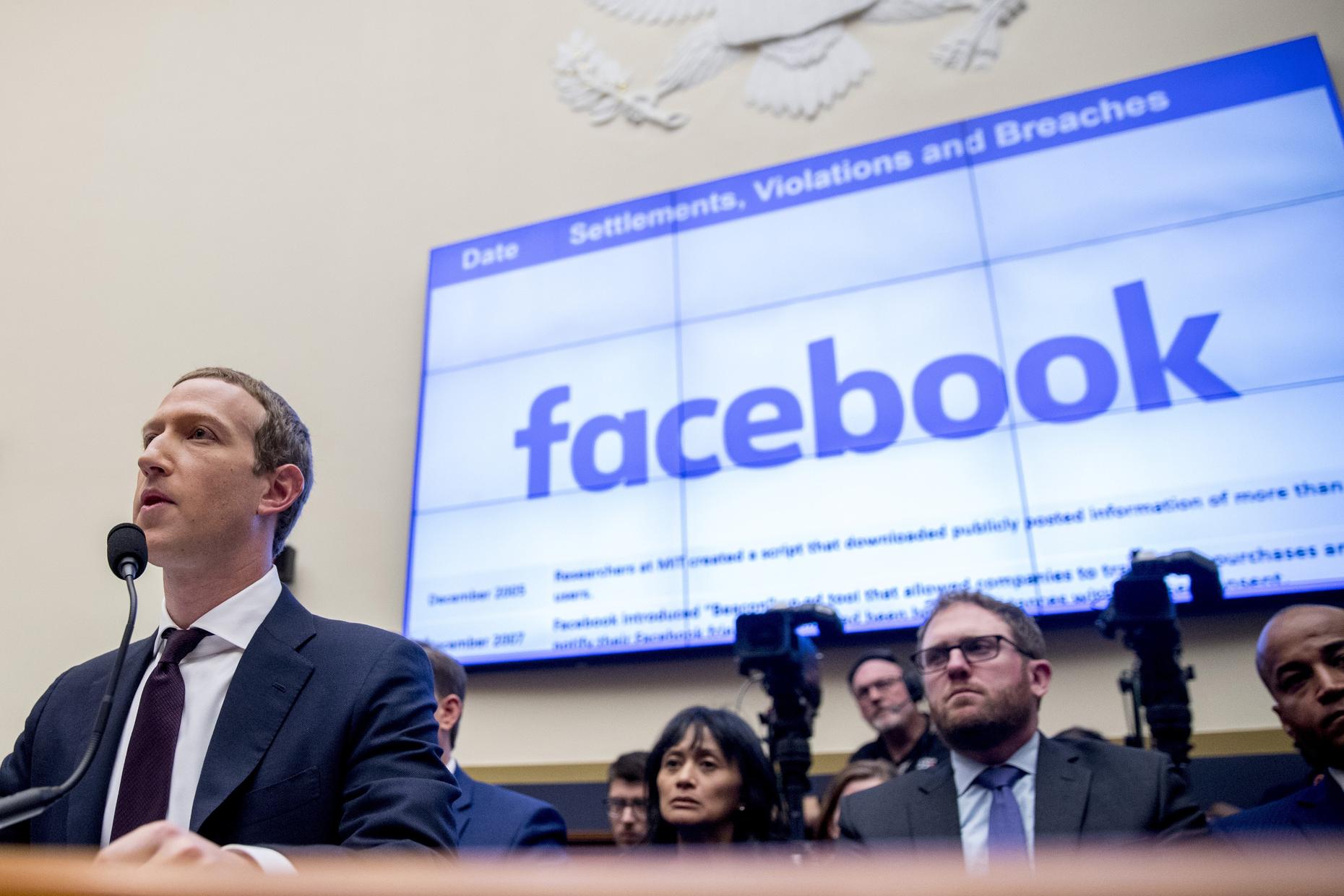
Aug 14, 2020
Apocalypse Now
Science fiction has always been an outlet for our greatest anxieties. This week, we delve into how the genre is exploring the reality of climate change. Plus: new words to describe the indescribable. 1. Jeff VanderMeer @jeffvandermeer , author of the Southern Reach Trilogy and Borne , on writing about the relationships between people and nature. 2. Claire Vaye Watkins @clairevaye talks about Gold Fame Citrus , her work of speculative fiction in which an enormous sand dune threatens to engulf the southwest. 3. Kim Stanley Robinson discusses his latest work, New York 2140 . The seas have risen 50 feet and lower Manhattan is submerged. And yet, there's hope. 4. British writer Robert Macfarlane @RobGMacfarlane on new language for our changing world. **The recording of huia imitation heard in this segment was performed in 1949 by Henare Hāmana and narrated by Robert A. L. Batley at Radio Station 2YA in Aotearoa New Zealand. Julianne Lutz Warren, a fellow at the Center for Humans and Nature, has written about it in "Hopes Echo" available here . Her work was also described by Macfarlane in his piece "Generation Anthropocene.” Throughout the show: listeners offer their own new vocabulary for the Anthropocene era. Many thanks to everyone who left us voice memos! Support On the Media by becoming a member today at OntheMedia.org/donate . On the Media is supported by listeners like you. Support OTM by donating today ( https://pledge.wnyc.org/support/otm ). Follow our show on Instagram , Twitter and Facebook @onthemedia, and share your thoughts with us by emailing onthemedia@wnyc.org.
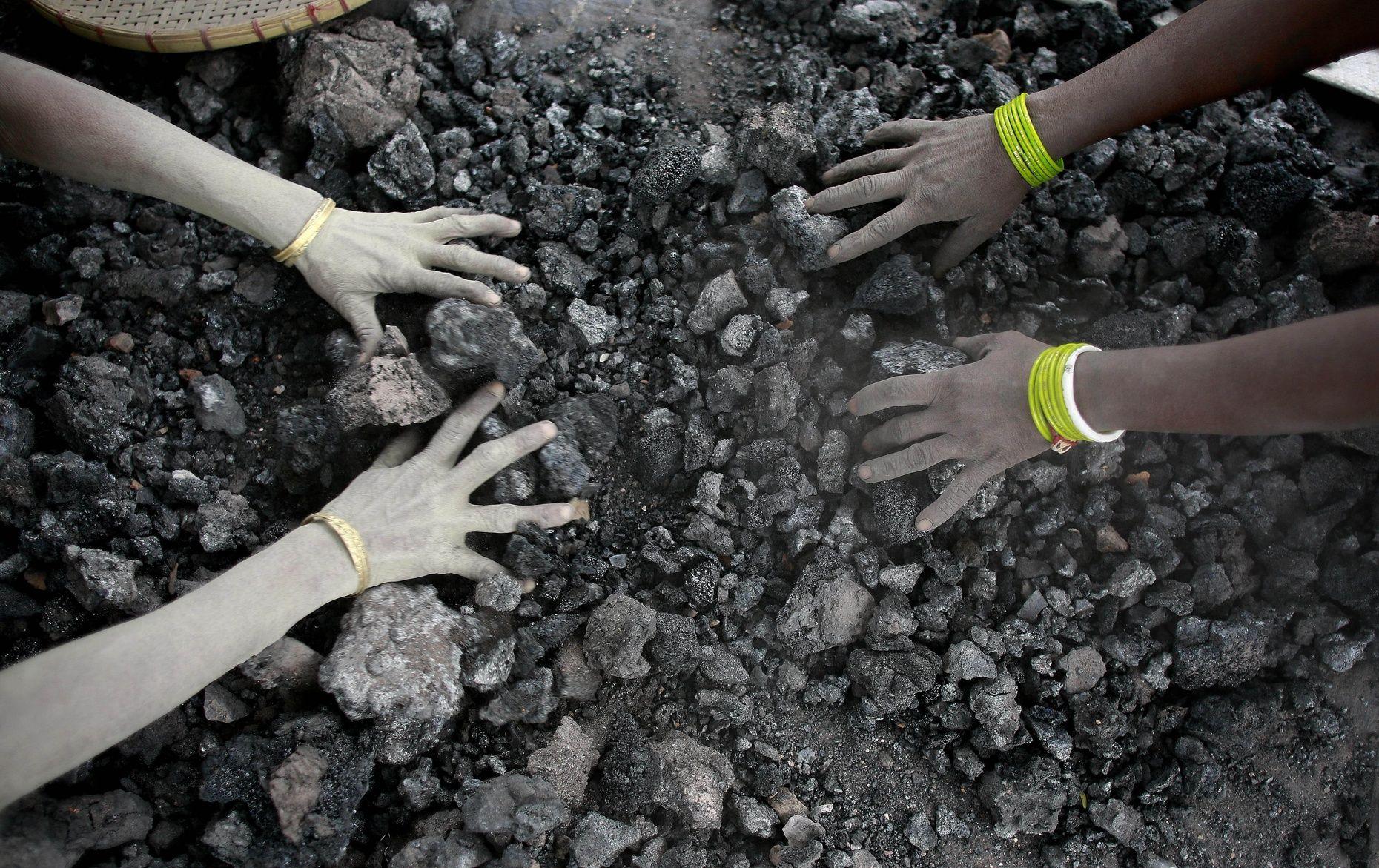
Aug 12, 2020
How Close is the End?
In this episode (which first aired in January), Brooke talks to journalist and devoted amateur historian Dan Carlin, the creator of the podcast, Hardcore History , and the author of a new book The End is Always Near: Apocalyptic Moments, from the Bronze Age Collapse to Nuclear Near Misses about how history treats apocalypse. Carlin explores what can seem impossible to us: that we might suffer the same fate that all previous eras did. On the Media is supported by listeners like you. Support OTM by donating today ( https://pledge.wnyc.org/support/otm ). Follow our show on Instagram , Twitter and Facebook @onthemedia, and share your thoughts with us by emailing onthemedia@wnyc.org.

Aug 7, 2020
"A Kind of Permanent Battle"
As we approach November’s contentious presidential election, what lessons can we learn from divided societies abroad? This week, On the Media travels to Poland, where conspiracy, xenophobia and the rise of illiberalism have the country in an existential fight for its future. On the Media producer Leah Feder reports. 1. Anne Applebaum [ @anneapplebaum ] on the conspiracy theories around a 2010 plane crash that redrew lines in Polish politics. Listen. 2. Pawel Machcewicz on the Law & Justice party's takeover of the Museum of the Second World War in Gdansk. Also featuring Anne Applebaum [ @anneapplebaum ] , Janine Holc and Angieszka Syroka. Listen. 3. An exploration of left and right strategies in contemporary Poland, with Igor Stokfiszewski of [ @krytyka ], Anne Applebaum [ @anneapplebaum ] and Jaroslaw Kuisz of [ @kultliberalna ]. Listen. This episode originally aired on November 29th, 2019. Music: Krzysztof Penderecki - 3 miniature: per clarinetto e pianoforte Chopin - Nocturne en mi Bémol Majeur op 9 no° 2 Wojciech Kilar, Tadeusz Strugala, The Warsaw Philharmonic National Orchestra of Poland - Moving to the Ghetto Oct 31, 1940 Chopin - Nocturne no° 1 in B Flat Major Chopin, Ivan Moravec - Berceuse in D Flat Minor, Op. 57 Przepis Po Polsku (Polish Recipe) BOKKA - Town of Strangers On the Media is supported by listeners like you. Support OTM by donating today ( https://pledge.wnyc.org/support/otm ). Follow our show on Instagram , Twitter and Facebook @onthemedia, and share your thoughts with us by emailing onthemedia@wnyc.org.

Aug 5, 2020
Making Sense of 'Cancel Culture'
There’s a standard way the conversation on "cancel culture" goes: on the one side, male comedians and right-wingers saying cancel culture is out of control, you can't say anything anymore without getting dragged. On the other, progressive think piece writers saying cancel culture is blown way out of proportion, and is really just powerful people finally being held accountable for their actions. But according to YouTuber Natalie Wynn, creator of the channel ContraPoints , neither of these argument is quite correct. Wynn herself has been canceled. Many times over. For a host of offenses. And it’s given her plenty of time to reflect on all the ways the dominant conversations around cancel culture miss the particular pernicious effects of the phenomenon. In her video, " Canceling ," she takes an honest look at her own cancellations and its effects, and outlines a set of principles around cancel culture to help clarify what, exactly, it is — and what it can lead to. In this conversation, Wynn breaks those principles down for Brooke. This is a longer version of an interview that originally in our January 31st, 2020 program, “Cancel This!” On the Media is supported by listeners like you. Support OTM by donating today ( https://pledge.wnyc.org/support/otm ). Follow our show on Instagram , Twitter and Facebook @onthemedia, and share your thoughts with us by emailing onthemedia@wnyc.org.
Jul 31, 2020
Break Your Silence
Despite defiance from police departments and police unions, efforts to limit police secrecy have notched at least one recent victory. On this week’s On The Media, hear how the public can now view misconduct records that had long been closely guarded by the nation’s largest police force. Plus, how America's most famous cop-whistleblower views the present moment. And, the Black nationalist origins of Justice Clarence Thomas’s legal thinking. 1. Eric Umansky [ @ericuman ], deputy managing editor at ProPublica, on never-before-seen New York Police Department misconduct records. Listen. 2. Tom Devine, legal director of the Government Accountability Project [ @GovAcctProj ], and Frank Serpico [ @SerpicoDet ], former New York Police Department detective, on the whistleblower protections necessary in any police reform. Listen. 3. Corey Robin [ @CoreyRobin ], writer and political scientist at Brooklyn College and the CUNY Graduate Center, on all that we've missed (or ignored) about Justice Clarence Thomas. Listen. On the Media is supported by listeners like you. Support OTM by donating today ( https://pledge.wnyc.org/support/otm ). Follow our show on Instagram , Twitter and Facebook @onthemedia, and share your thoughts with us by emailing onthemedia@wnyc.org.
Jul 29, 2020
Why is Trump’s Campaign Suing a Small TV Station in Wisconsin?
In this week's pod extra, we bring you an episode from Trump, Inc. , a podcast from our friends at WNYC Studios, about a new threat to press freedom. This year, President Donald Trump’s reelection campaign filed defamation lawsuits against three of the country’s most prominent news organizations: the New York Times , the Washington Post and CNN. Then it filed another suit against a somewhat lower-profile news organization: northern Wisconsin’s WJFW-TV, which serves the 134th-largest market in the country. In this piece, Trump, Inc. reporters Meg Cramer and Katherine Sullivan tell the story of the Trump campaign's aggressive and exceedingly expensive legal operation. On the Media is supported by listeners like you. Support OTM by donating today ( https://pledge.wnyc.org/support/otm ). Follow our show on Instagram , Twitter and Facebook @onthemedia, and share your thoughts with us by emailing onthemedia@wnyc.org.
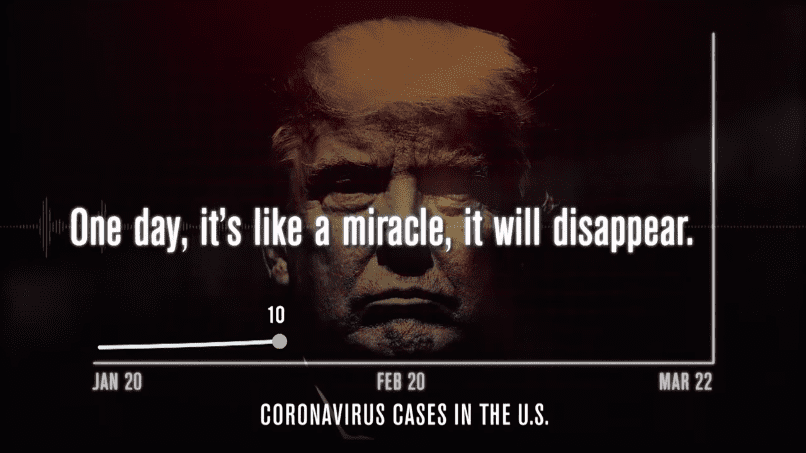
Jul 24, 2020
If You Build It...
The White House is sending troops into cities with the stated goal of protecting monuments. On this week's On The Media, a look at the clash over memorials going back to the American revolution. Plus, lessons for redesigning our post-pandemic built environment — from the disability rights movement. And, a conversation about the new documentary "Crip Camp" and the history of the disability rights movement. 1. Kirk Savage, professor of history of art and architecture at University of Pittsburgh, on the early origins of American anti-monument sentiment. Listen. 2. Vanessa Chang [ @vxchang ], lecturer at California College of the Arts; Mik Scarlet [ @ MikScarlet ]; and Sara Hendren [ @ablerism ], on issues of accessibility and health in design — past, present, and future. Listen. 3. Judy Heumann [ @judithheumann ], disability rights activist, on the 30th anniversary of the Americans with Disabilities Act and the documentary "Crip Camp." Listen. On the Media is supported by listeners like you. Support OTM by donating today ( https://pledge.wnyc.org/support/otm ). Follow our show on Instagram , Twitter and Facebook @onthemedia, and share your thoughts with us by emailing onthemedia@wnyc.org.
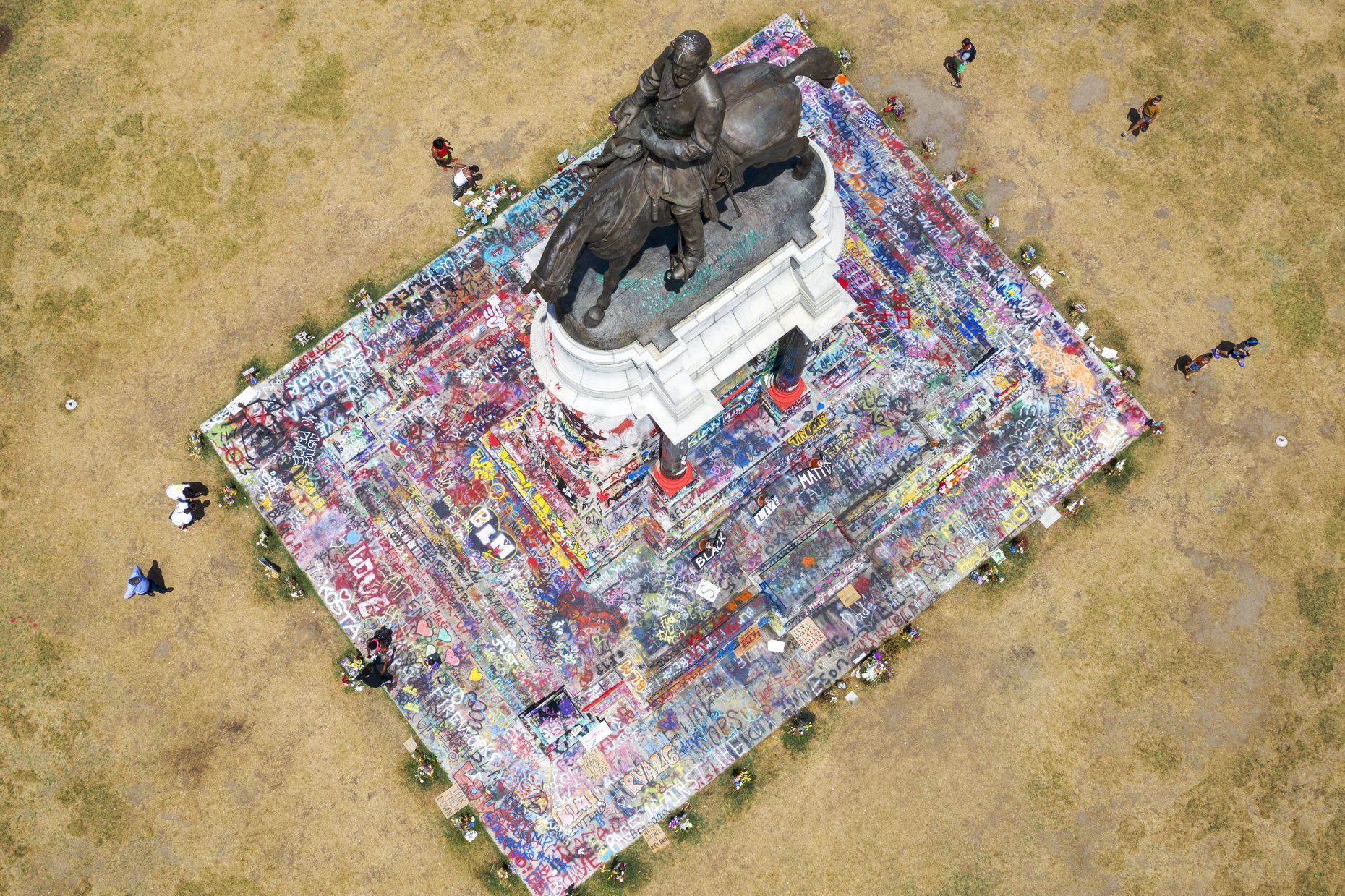
Jul 23, 2020
The Lincoln Project Is Sorry About All That
It’s yet another day in Trump-era America. You know what that means: Another Lincoln Project ad going viral on Twitter, bound for the evening news. The anti-Trump political action committee's ads have been subject of much praise in the areas of the media that are generally skeptical of the president. Those mainstream media milieus have showed precious little skepticism, though, of the project itself. The president’s defenders on Fox have provided some critical coverage, but one of the few examples of such coverage from elsewhere in the televised political media came from a cartoon news show, Tooning Out The News, executive produced by Stephen Colbert. The Lincoln Project also received a sideways glance earlier this month from Jeet Heer , national affairs correspondent for The Nation . In this podcast extra, Jeet and Brooke discuss the Lincoln Project's funding, spending, style, politics, and its co-founders origins in Republican politics. On the Media is supported by listeners like you. Support OTM by donating today ( https://pledge.wnyc.org/support/otm ). Follow our show on Instagram , Twitter and Facebook @onthemedia, and share your thoughts with us by emailing onthemedia@wnyc.org.
Jul 16, 2020
"This is Fine"
As climate catastrophe marches apace and the nation's public health infrastructure continues to unravel, we take stock of how we got here and what it might be like to look back on this year in the future. Plus, the frightening encroachment of QAnon conspiracy theorists into mainstream politics. 1. David Roberts [ @drvox ], staff writer at Vox.com, on how "shifting baselines syndrome" clouds our perspective on climate chaos. Listen. 2. Sarah Kliff [ @sarahkliff ], investigative reporter at the New York Times , on the obstacles to effective sharing of health data, from politics to fax machines. Listen. 3. Anthea M. Hartig [ @amhistdirector ], director of the Smithsonian's National Museum of American History, on archivists' efforts to document 2020 in real time. Listen. 4. Alex Kaplan [ @AlKapDC ], senior researcher at Media Matters, on how fringe conspiracy theory QAnon rose to prominence and has consumed segments of the political right. Listen. On the Media is supported by listeners like you. Support OTM by donating today ( https://pledge.wnyc.org/support/otm ). Follow our show on Instagram , Twitter and Facebook @onthemedia, and share your thoughts with us by emailing onthemedia@wnyc.org.
Jul 15, 2020
Sorry Not Sorry
Fox Primetime host Tucker Carlson has already had quite the July. On the plus side, the latest ratings for his show have made him officially the most watched cable news host. On the other side of the ledger, advertisers are fleeing his show on the grounds of not wishing to be associated with lies and hate speech. Oh, also, his head writer Blake Neff, was forced out after his explicitly racist and misogynist social media posts were unmasked online. And now Tucker is off the show for two weeks, as he put it “on a long-planned vacation.” The last time Carlson was in the headlines — with the March 2019 resurrection of his very own hate speech — we spoke to writer Lyz Lenz, who wrote a profile of Carlson for CJR. On the Media is supported by listeners like you. Support OTM by donating today ( https://pledge.wnyc.org/support/otm ). Follow our show on Instagram , Twitter and Facebook @onthemedia, and share your thoughts with us by emailing onthemedia@wnyc.org.
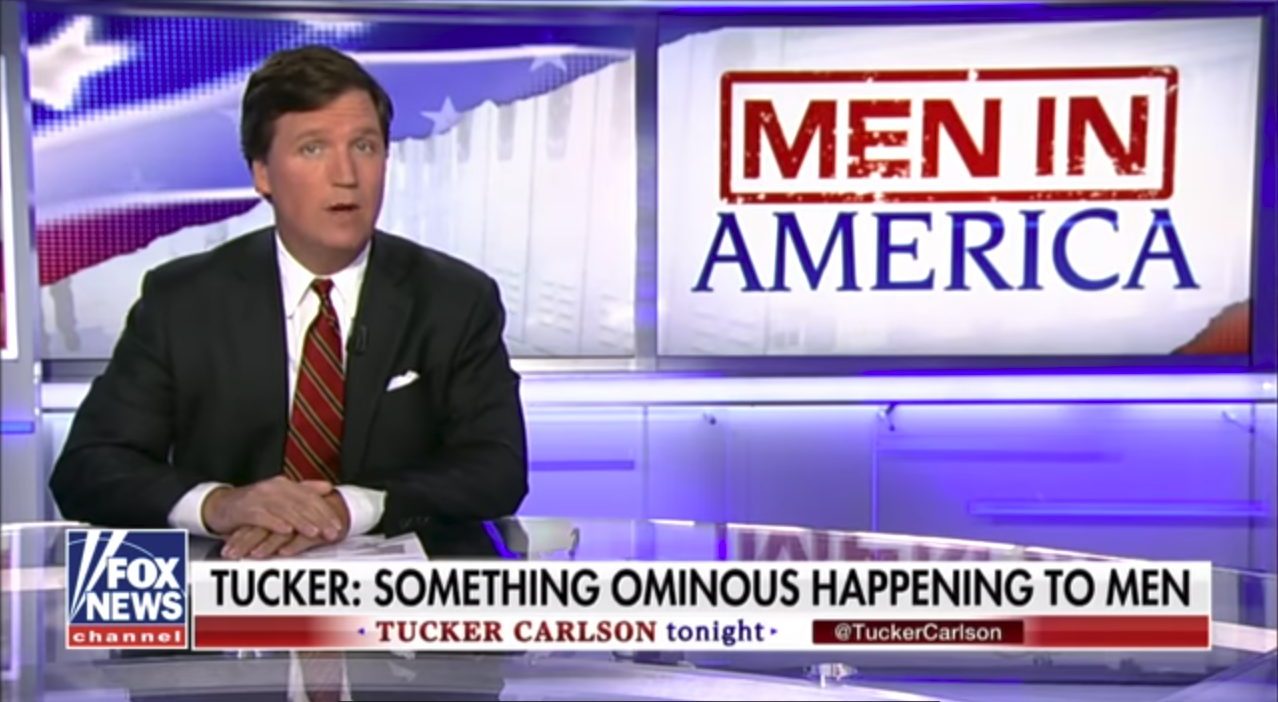
Jul 10, 2020
40 Acres
Home is in your heart and in your head, but mostly home is on land — acreage parceled out, clawed at, stolen, denied for decades and decades. First, there was Field Order No. 15, the Union Army’s plan to distribute 40-acre plots to the newly emancipated. That was a promise broken almost immediately. Later, there was the Great Migration, in which millions of African Americans fled north, where governments, lenders, and white neighbors would never let them own their land and build their own wealth. And now a system, purpose-built, extracts what it can, turning black and brown renters into debtors and evictees. In this excerpt from our series, The Scarlet E: Unmasking America’s Eviction Crisis, we catalog the thefts and the schemes — most of which were perfectly legal — and we ask how long this debt will fester. Matthew Desmond, founder of The Eviction Lab and our partner in this series, and Marty Wegbreit, director of litigation for the Central Virginia Legal Aid Society , point us toward the legal and historical developments that evolved into the present crisis. And WBEZ’s Natalie Moore , whose grandparents moved to Chicago during the Great Migration, shows us around a high-eviction area on Chicago’s South Side. On the Media is supported by listeners like you. Support OTM by donating today ( https://pledge.wnyc.org/support/otm ). Follow our show on Instagram , Twitter and Facebook @onthemedia, and share your thoughts with us by emailing onthemedia@wnyc.org.
Jul 8, 2020
Who Is Lady Liberty, And What Does She Want?
The Statue of Liberty is nearly 140 years old, but she's enjoying renewed relevance in the Trump era. In announcing hostile immigration policies, Trump administration officials have been questioned about Emma Lazarus' famous poem "The New Colossus" and its message about the monument in New York Harbor. Last year, Acting Citizenship and Immigration Services Director Ken Cuccinelli said on NPR’s Morning Edition, " Give me your tired and your poor who can stand on their own two feet and will not become a public charge. That plaque was put on the Statue of Liberty at almost the same time as the first public charge law was passed. " That's a common nativist response to both the statue and poem, and it reveals some of the different ways the Statue of Liberty has reflected different attitudes towards migrants since 1886. Paul Kramer is a professor of history at Vanderbilt University who has written about the symbolism of the Statue of Liberty and how it intersects with views of immigration in US history. Last year, he and Brooke visited Liberty Island and reflected on her different meanings and portrayals in American history. For this week's podcast extra, we're re-airing that segment. You can read Professor Kramer's piece in Slate on President Reagan and the Statue of Liberty here . You can watch his presentation on the history of the three statues (The Guardian Statue, the Exile Statue, and the Imperial Statue) here . On the Media is supported by listeners like you. Support OTM by donating today ( https://pledge.wnyc.org/support/otm ). Follow our show on Instagram , Twitter and Facebook @onthemedia, and share your thoughts with us by emailing onthemedia@wnyc.org.
Jul 3, 2020
The Worst Thing We've Ever Done
After World War II, Germany and the Allied powers took pains to make sure that its citizens would never forget the country’s dark history. But in America, much of our past remains hidden or rewritten. This week, Brooke visits Montgomery, Alabama, home to The Legacy Museum and the National Memorial for Peace and Justice , a new museum and memorial created by the Equal Justice Initiative that aim to bring America’s history of segregation and racial terror to the forefront. 1. Brooke talks to the Equal Justice Initiative's [ @eji_org ] Bryan Stevenson about what inspired him to create The Legacy Museum and memorial and to historian Sir Richard Evans [ @RichardEvans36 ] about the denazification process in Germany after World War II. Listen . 2. Brooke visits The Legacy Museum and National Memorial for Peace and Justice. Listen . 3. Brooke speaks again with Bryan Stevenson about his own history and America's ongoing struggle to confront our racist past and present. Listen . This episode originally aired on June 1st, 2018. It was re-broadcast on July 3rd, 2020. On the Media is supported by listeners like you. Support OTM by donating today ( https://pledge.wnyc.org/support/otm ). Follow our show on Instagram , Twitter and Facebook @onthemedia, and share your thoughts with us by emailing onthemedia@wnyc.org.
Jul 1, 2020
United States of Conspiracy
For much of the past month, a new addition has joined the audioscape of cities across the country: fireworks. Loud ones. Keep-you-up-all-night-ones. And during those sleepless hours in the dark of night, the brain can do some remarkable dot-connecting . One Twitter thread went mega-viral, conjecturing: “My neighbors and I believe that this is part of a coordinated attack on Black and Brown communities by government forces. [...] It’s meant to sound like a war zone because a war zone is what it’s about to become.” That the fireworks were being supplied by the NYPD to cause chaos and provide pretext for a violent police crackdown sounds unlikely. And people reporting out the story have found little evidence to back it up, finding instead that vendors in neighboring states were selling the fireworks in bulk, at a discount, to young people looking to blow off steam. But those drawing connections between fireworks and law enforcement should perhaps be given a pass. After all, some of the most outlandish-sounding conspiracy theories in American history have, after a time, proven to be true. For this week's podcast extra, we're revisiting a conversation from last year between Bob and journalist Anna Merlan , author of Republic of Lies , who explained that conjuring up conspiracies is a pastime as old as history. On the Media is supported by listeners like you. Support OTM by donating today ( https://pledge.wnyc.org/support/otm ). Follow our show on Instagram , Twitter and Facebook @onthemedia, and share your thoughts with us by emailing onthemedia@wnyc.org.

Jun 26, 2020
Your Lying Eyes
In recent weeks, the Trump administration has removed multiple people from key watchdog roles. On the week’s On the Media: how the president keeps weakening the tools meant to hold him accountable. Plus, looking for truth when police keep lying. 1. Liz Hempowicz [ @lizhempowicz ] of the Project on Government Oversight on the breakdown of the accountability state under President Trump. Listen. 2. Eric Boehlert [ @EricBoehlert ] on what stories that frame cops as victims teach us about the relationship between police and the press. Listen. 3. Kevin Riley [ @ajceditor ], Atlanta Journal Constitution editor, on what happens when reporters demand more skeptical coverage of law enforcement. Listen. 4. Dan T aberski [ @dtaberski ] on his podcast series “ Running From Cops ,” which interrogated how the newly-cancelled series COPS made the world seem like a more crime-ridden place. Listen. On the Media is supported by listeners like you. Support OTM by donating today ( https://pledge.wnyc.org/support/otm ). Follow our show on Instagram , Twitter and Facebook @onthemedia, and share your thoughts with us by emailing onthemedia@wnyc.org.
Jun 25, 2020
"Abstinence-Only" Coronavirus Guidance Won't Save Us
When the US entered the early stages of the pandemic, federal and municipal leaders maintained that the best way to prevent the spread of the pandemic was for as many people as possible to "Stay Home." Technically, that advice was sound: the only surefire way to prevent illness is to eliminate contact with all possible vectors. Still, that advice was impossible to heed perfectly and indefinitely, and people almost immediately began taking risks to fulfill their basic wants and needs. Unfortunately, as a public health strategy, "Stay Home" offered no guidance for how to most safely take particular risks — as a consequence making already high-risk behaviors even less safe. For public health professionals whose work involves sex safety, drug and alcohol use, and HIV/AIDS prevention, the discourse surrounding coronavirus — the absolutism, the moralism, the shaming and the open hostility towards public health recommendations — is familiar. As epidemiologist Julia Marcus wrote in a recent piece for The Atlantic , the "Stay Home" edict bears striking resemblance to that famous mantra preached by abstinence advocates: "Just Say No." In this podcast extra, Marcus and Brooke consider the shortcomings of an abstinence-only response to the pandemic, and how harm-reduction approaches could better serve the public. On the Media is supported by listeners like you. Support OTM by donating today ( https://pledge.wnyc.org/support/otm ). Follow our show on Instagram , Twitter and Facebook @onthemedia, and share your thoughts with us by emailing onthemedia@wnyc.org.
Jun 19, 2020
The Undertow
We visualize the coronavirus pandemic as coming in waves, but the national picture of new cases shows no sign of abating. This week, On the Media examines the lack of urgency around upwards of 20,000 confirmed daily cases. And, making sense of how the current social uprisings fit into a cycle of social movements. Then, how the messiness of protests can be easily forgotten. Plus, efforts to remember one of the single worst incidents of racist violence in American history. 1. Caitlin Rivers [ @cmyeaton ], researcher at Johns Hopkins University, on the messaging surrounding the "second wave" of the pandemic. Listen . 2. Allen Kwabena Frimpong [ @a_kwabena ] , co-founder of the AdAstra Collective, on how to situate the current uprisings for racial justice in the cycle of social movements. Listen . 3. Maggie Astor [ @MaggieAstor ], reporter at the New York Time s, on how protest movements can be sanitized by history. Listen. 4. Russell Cobb [ @scissortail74 ], author of The Great Oklahoma Swindle , on remembering the Tulsa Massacre. Listen . Music from this week's show: Let Yourself Go- Fred Hersch Auf Einer Burg - Don Byron Transparence - Charlie Haden & Gonzalo Rubalcaba Love Theme from Spartacus - Fred Hersch Middlesex Times - Michael Andrews... Young at Heart - Brad Mehldau On the Media is supported by listeners like you. Support OTM by donating today ( https://pledge.wnyc.org/support/otm ). Follow our show on Instagram , Twitter and Facebook @onthemedia, and share your thoughts with us by emailing onthemedia@wnyc.org.

Jun 18, 2020
The Military Stands Up To Trump
It began with the President’s notorious bible photo-op, preceded by a military crackdown north of the White House clearing protesters from Lafayette Square. Several days later, General Mark Milley, chairman of the Joint Chiefs of Staff, publicly renounced his role in enabling the June 1st incident. Secretary of Defense Mark Esper also spoke out, undercutting the president's apparent desire to use the Insurrection Act to quell protests across the country. And just days before Trump’s commencement speech at West Point, several hundred alumni of the military academy signed an open letter urging new West Point graduates to approach future orders from the president, especially those concerning military force against civilians, with caution. According to Slate writer Fred Kaplan (full disclosure: he's married to Brooke), author of The Bomb: Presidents, Generals, and the Secret History of Nuclear War , such public insubordination from the general class down to the rank and file, is highly unusual. He and Bob discuss what these unprecedented events might tell us about Trump's standing. On the Media is supported by listeners like you. Support OTM by donating today ( https://pledge.wnyc.org/support/otm ). Follow our show on Instagram , Twitter and Facebook @onthemedia, and share your thoughts with us by emailing onthemedia@wnyc.org.
Jun 17, 2020
The Milkshake Duck-ing of Bon Appetit
There’s this old internet fable about a duck who liked milkshakes. Everyone loved the Milkshake Duck, until it turned out to be racist. The moral of the story is that everything online either turns to caca, or we learn it always was. The latest example, we submit, is the so-called Food Media — or at least its most prominent avatar, Bon Appetit. Adam Rapoport resigned last Monday after weeks of furious attention to systemic racial inequality nation-wide, and after a month of similar scrutiny within food media, beginning last month with the tumble of viral-recipe-author Alison Roman. It was around then that technology and culture writer Navneet Alang wrote an essay for Eater titled “Stewed Awakening: Alison Roman, Bon Appetit, and the Global Pantry Problem.” In this podcast extra, Brooke and Navneet discuss the faulty editorial decisions and disastrous, un-inspected assumptions that led to food media's recent failings. On the Media is supported by listeners like you. Support OTM by donating today ( https://pledge.wnyc.org/support/otm ). Follow our show on Instagram , Twitter and Facebook @onthemedia, and share your thoughts with us by emailing onthemedia@wnyc.org.
Jun 12, 2020
It's Going Down
As public opinion catches up to the Black Lives Matter movement, some activists are calling to “defund the police.” On this week’s On the Media, the debate over whether to take that slogan literally. Plus, what investigative reporting tells us about how police departments protect abusive cops. And, the case for canceling movies and TV shows with police protagonists. Then, the story of a small town that prepared to go to war with imaginary Antifa hordes. 1. Amna Akbar [ orangebegum ], law professor at The Ohio State University , on the origins of the police abolition movement. Listen. 2. George Joseph [ @georgejoseph94 ], investigative reporter for WNYC and Gothamist, on how police departments skirt accountability. Listen. 3. Alyssa Rosenberg [ @AlyssaRosenberg ], Washington Post culture columnist, on why Hollywood should rethink cop-focused entertainment. Listen. 4. Brandy Zadrozny [ @BrandyZadrozny ], NBC News reporter, on how Antifa became the right's boogeyman du jour. Listen. On the Media is supported by listeners like you. Support OTM by donating today ( https://pledge.wnyc.org/support/otm ). Follow our show on Instagram , Twitter and Facebook @onthemedia, and share your thoughts with us by emailing onthemedia@wnyc.org.
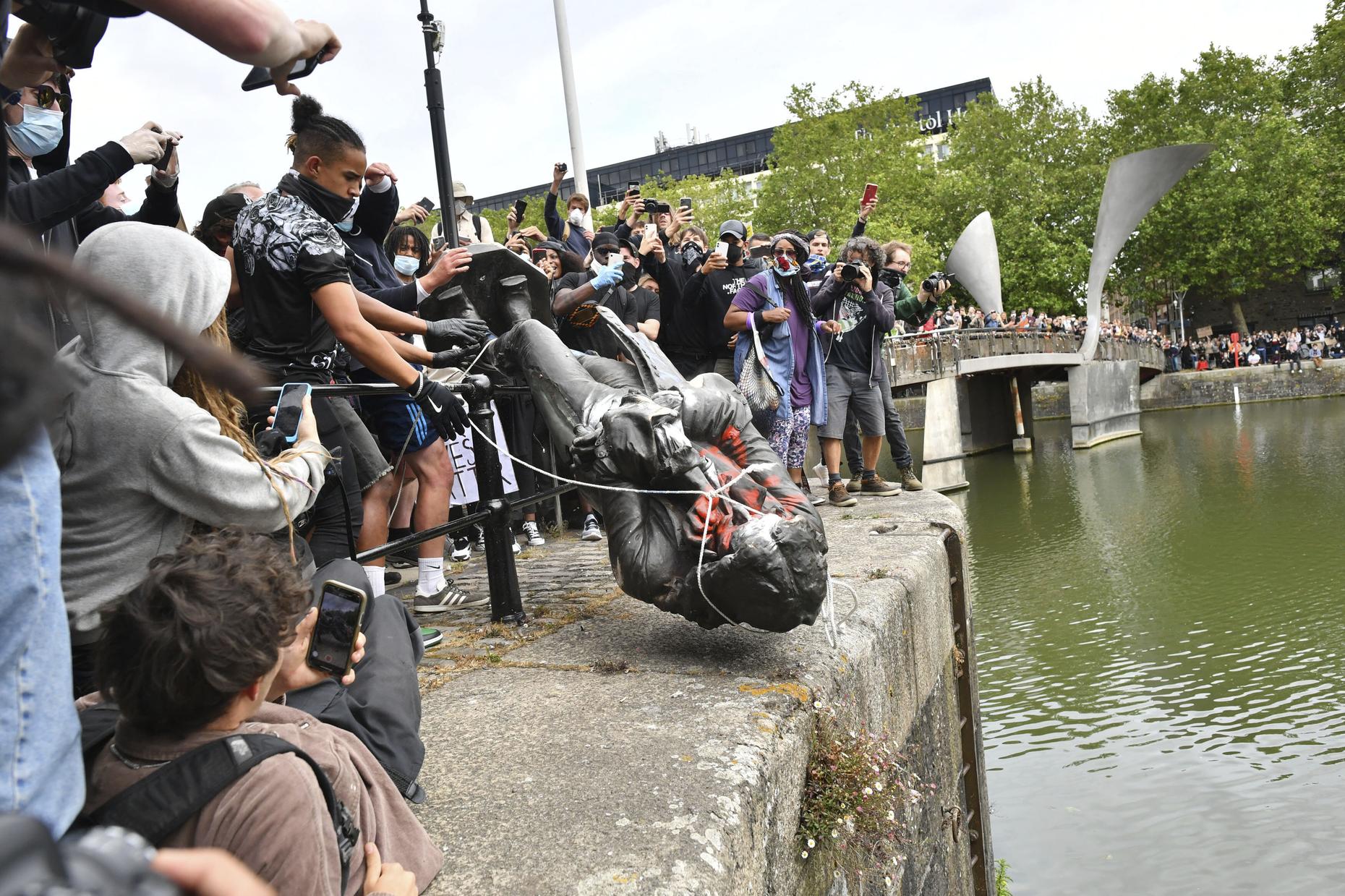
Jun 10, 2020
All The Opinion That's Fit To Print?
Two years ago, Vox's David Roberts wrote a piece arguing that The New York Times opinion section is not honest about the state of American conservatism . The animating force behind conservative politics in this country, he wrote, is Trumpism. Therefore, to invite conservative writers who truly articulated Trump's views to readers would mean inviting a strain of authoritarianism and illiberalism that would never actually be welcome in its opinion pages. Instead, they invite relatively palatable conservatives who make irrelevant arguments about politics. It's a losing game. Last week, however, the paper invited Senator Tom Cotton, R-Ark., to write an opinion piece arguing for the military to be sent to American streets to "restore order." Former Times opinion editor James Bennet (who has since resigned) also admitted that he had not read it before it was published. So, what does this latest episode tell us about the media's role in upholding America's values? This week, David Roberts once again wrote about the Times opinion section for Vox , in a post arguing that the Cotton op-ed "revealed a pathology on the editorial side... an insistence on extending the presumption of good faith to the GOP, even in the face of its rising authoritarianism." On the Media is supported by listeners like you. Support OTM by donating today ( https://pledge.wnyc.org/support/otm ). Follow our show on Instagram , Twitter and Facebook @onthemedia, and share your thoughts with us by emailing onthemedia@wnyc.org.
Jun 5, 2020
No Justice, No Peace
In the midst of a historic week of protests, the national conversation about police is quickly transforming. This week, On the Media looks at the language used here and abroad to describe the "civil unrest" in America. Then, we explore how decades of criminal justice policy decisions brought us to this boiling point. Plus, are human beings, against all odds, actually pretty decent? 1. Karen Attiah [ @KarenAttiah ], The Washington Post Global Opinions Editor, on how our media would cover American police brutality protests if they were happening abroad. Listen . 2. Elizabeth Hinton [ @elizabhinton ], historian at Yale University, on the historical roots of American law enforcement. Listen. 3. Rutger Bregman [ @rcbregman ], author of Humankind: A Hopeful History , on what our policies would like if we believed in the decency of people. Listen. On the Media is supported by listeners like you. Support OTM by donating today ( https://pledge.wnyc.org/support/otm ). Follow our show on Instagram , Twitter and Facebook @onthemedia, and share your thoughts with us by emailing onthemedia@wnyc.org.
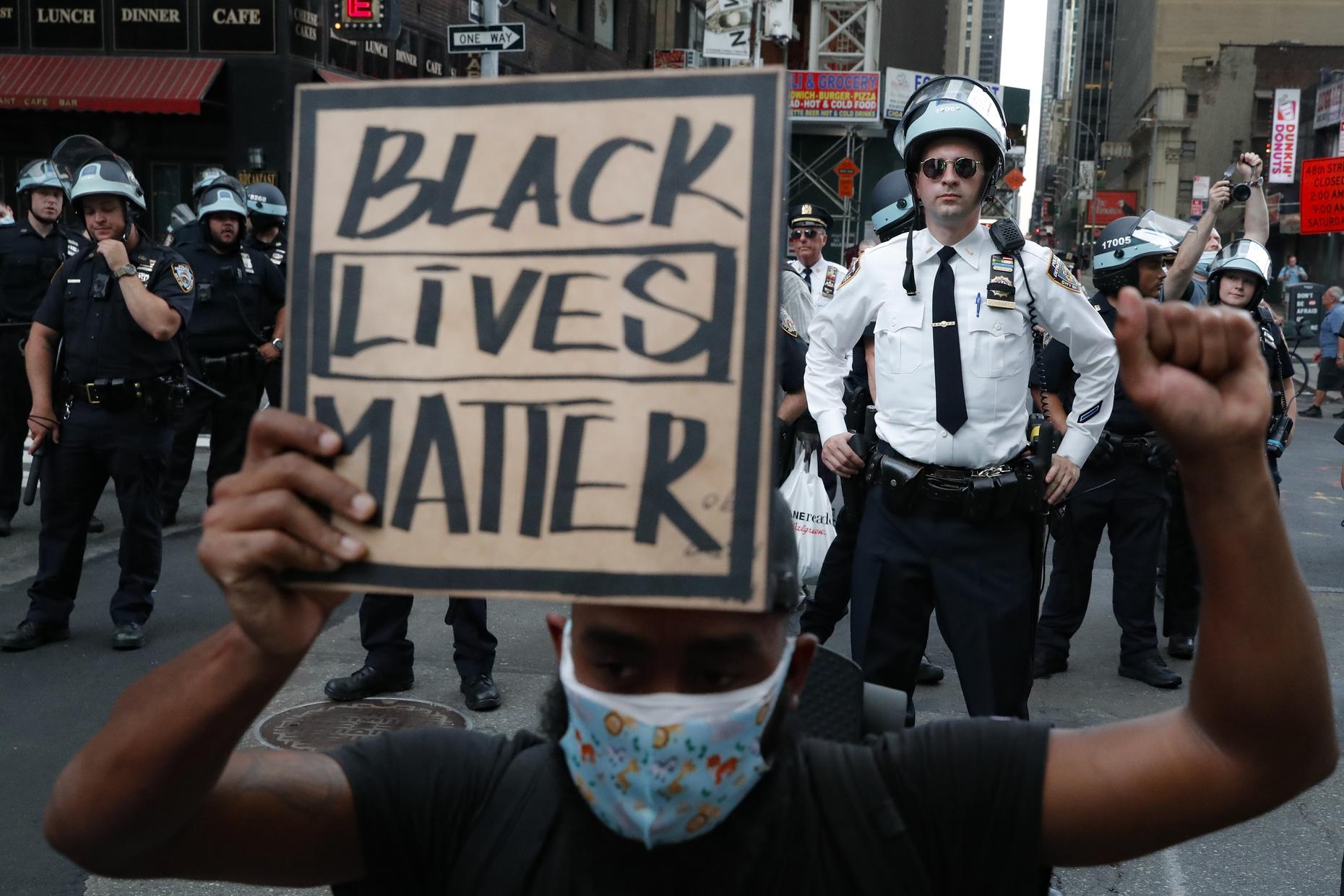
Jun 3, 2020
Trump and the Christian Persecution Complex
On Monday, President Trump stood outside St. John's Episcopal Church, which had caught fire the day prior in protests for racial justice. When he brandished a Bible before photographers, Trump knew exactly what message he was sending: Christianity is under siege and the president is the defender of the faith. Never mind the fact that peaceful protesters, clergy among them, were driven from the area minutes before with tear gas to make way for the photoshoot. The narrative of Christianity under attack is a familiar one. Just a few weeks ago, Trump declared that houses of worship should open amid the pandemic on the grounds of religious liberty — despite the public health risk. But it turns out, the myth of Christian persecution can be traced far further back than the Culture Wars. In fact, according to Candida Moss , Christian historians coined the idea that to be persecuted was to be righteous in the 4th Century and they exaggerated claims that Christians were persecuted in the first place. Moss is a professor of theology and religion at Birmingham University in the U.K., and author of The Myth of Persecution: How Early Christians Invented a Story of Martyrdom. Moss spoke to Bob just after Trump has announced his call for churches to open. In this week's Pod Extra she explains how Christian history has been revised for political means, from the early church to present day. On the Media is supported by listeners like you. Support OTM by donating today ( https://pledge.wnyc.org/support/otm ). Follow our show on Instagram , Twitter and Facebook @onthemedia, and share your thoughts with us by emailing onthemedia@wnyc.org.
May 29, 2020
Boiling Point
Protestors are expressing outrage over police brutality while the p resident is threatening violence against them on Twitter. We follow how this latest chapter of unrest follows generations of pain, and how the Karen meme is shedding light on racism and entitlement during the pandemic. Plus: how do we get to a better place? And, Bob examines Twitter's efforts to address Trump's use of the platform. 1. Apryl Williams [ @AprylW ] of the University of Michigan examines the Karen meme and what it tells us about criticism of privilege in the pandemic. Listen here . 2. Jessie Daniels [ @JessieNYC ] of the CUNY Graduate Center on the history of white women in racial dynamics. Listen here . 3. Kara Swisher [ @karaswisher ] of Record Decode discusses Twitter's efforts this week, and attorney Bradley Moss [ @BradMossEsq ] on why Trump can't be sued for his tweets. Listen here . **NOTE: In this episode, Bob refers to Jack Dorsey as "interim" CEO of Twitter. He is co-founder and CEO. Bob also refers to "common carriers" in a description of threatened changes to Section 230. "Common carriers" are not relevant to the subject at hand and we regret the errors. The sentence should have read: "Publishers, like the New York Times or Star magazine, can be sued over the content they print, but online platforms from Reddit to Pinterest to Wikipedia have immunity from that through Section 230. Without that protection, Twitter, Facebook and so on would have to either delete much of their content for fear of being sued, or simply stop policing it altogether." For more information on Section 230 can be found in this handy explainer from Verge . Please see the transcript tab for precise locations about about where those mistakes are in the show. On the Media is supported by listeners like you. Support OTM by donating today ( https://pledge.wnyc.org/support/otm ). Follow our show on Instagram , Twitter and Facebook @onthemedia, and share your thoughts with us by emailing onthemedia@wnyc.org.
May 27, 2020
Chase Woodruff is angry and he thinks you should be too
As an On the Media listener, you follow the news - probably more so during this pandemic. And you will have noted articles filled with compassion for the families of those who have died, perhaps cynicism in the coverage of politicians’ motives and a ton of data analysis to interpret the numbers we’re bombarded with. Chase Woodruff, a journalist who was recently laid off from his alt-weekly job in Denver, Colorado thinks that’s all fine...but not enough. What’s missing from the media’s content checklist, he says, is anger . In an essay on the place of r ighteous indignation as a staple of the alt-weekly world he once inhabited, he wrote about his fears that as the so-called "rude press" die off at an even more rapid pace than dailies, vital outlets for resistance and emotion will be lost too. On the Media is supported by listeners like you. Support OTM by donating today ( https://pledge.wnyc.org/support/otm ). Follow our show on Instagram , Twitter and Facebook @onthemedia, and share your thoughts with us by emailing onthemedia@wnyc.org.

May 22, 2020
Mourning in America
As the Covid-19 death toll continues to climb, many Americans are struggling to mourn in the middle of an ongoing tragedy. This week, On the Media examines how ambitious obituary campaigns may allow our fractured country to grieve together, and help future generations tell the story of our chaotic moment. Plus, why stifled press coverage may have erased the 1918 flu from our collective memory. 1. Terry Parris Jr. [ @terryparrisjr ], engagement editor at THE CITY , on the importance and challenge of building a citywide obituary archive for New York. Listen . 2. Janice Hume, author of Obituaries in American Culture , on the how obituaries will help historians make sense of our pandemic. Listen . 3. Colin Dickey [ @colindickey ], author of Ghostland & The Unidentified, on national grieving in a time of hyper-partisanship. Listen . 4. John Barry [ @johnmbarry ], author of The Great Influenza , on how the 1918 pandemic vanished from our collective memory. Listen . On the Media is supported by listeners like you. Support OTM by donating today ( https://pledge.wnyc.org/support/otm ). Follow our show on Instagram , Twitter and Facebook @onthemedia, and share your thoughts with us by emailing onthemedia@wnyc.org.
May 20, 2020
Brooke speaks with "Mrs. America" creator Dahvi Waller
"Mrs. America," now streaming on Hulu, depicts the near-passage of the Equal Rights Amendment in the 1970s and portrays the preeminent voice of the opposition, Phyllis Schlafly. Brooke spoke with the show's creator and executive producer, Dahvi Waller , about what drew her to the era and what lessons she takes from that contentious decade. On the Media is supported by listeners like you. Support OTM by donating today ( https://pledge.wnyc.org/support/otm ). Follow our show on Instagram , Twitter and Facebook @onthemedia, and share your thoughts with us by emailing onthemedia@wnyc.org.
May 15, 2020
Communication Breakdown
In this episode, a tale of two cities. It turns out there’s a literal playbook for communications during an epidemic. Seattle followed it. New York didn’t. And, how incomplete information from leaders has created room for conspiracies to flourish — and what we can do about them. 1. Phil McCausland [ @PhilMcCausland ], NBC News reporter, on how, absent federal data and directives about coronavirus, civilians in the American heartland are being left largely in the dark about the severity of their circumstances. Listen . 2. Charles Duhigg [ @cduhigg ] , host of How To! With Charles Duhigg , on how Seattle and NYC's communications strategies following their Covid-19 outbreaks differed so widely — and what we can learn from the results. Listen . 3. Daily Beast reporter Kelly Weill [ @KELLYWEILL ] on how Covid-19 disinformation may be leading some Americans to other dangerous conspiracy theories like QAnon. And, Atlantic staff writer Joe Pinsker [ @jpinsk ] on how to cautiously confront friends and family who may be in the early stages of a conspiracy theory kick. Listen . Music from this week's show: Zoe Keating - The Last Bird Four Tet - Two thousand and Seventeen John Renbourne - Passing Time The Bad Plus - Time After Time On the Media is supported by listeners like you. Support OTM by donating today ( https://pledge.wnyc.org/support/otm ). Follow our show on Instagram , Twitter and Facebook @onthemedia, and share your thoughts with us by emailing onthemedia@wnyc.org.
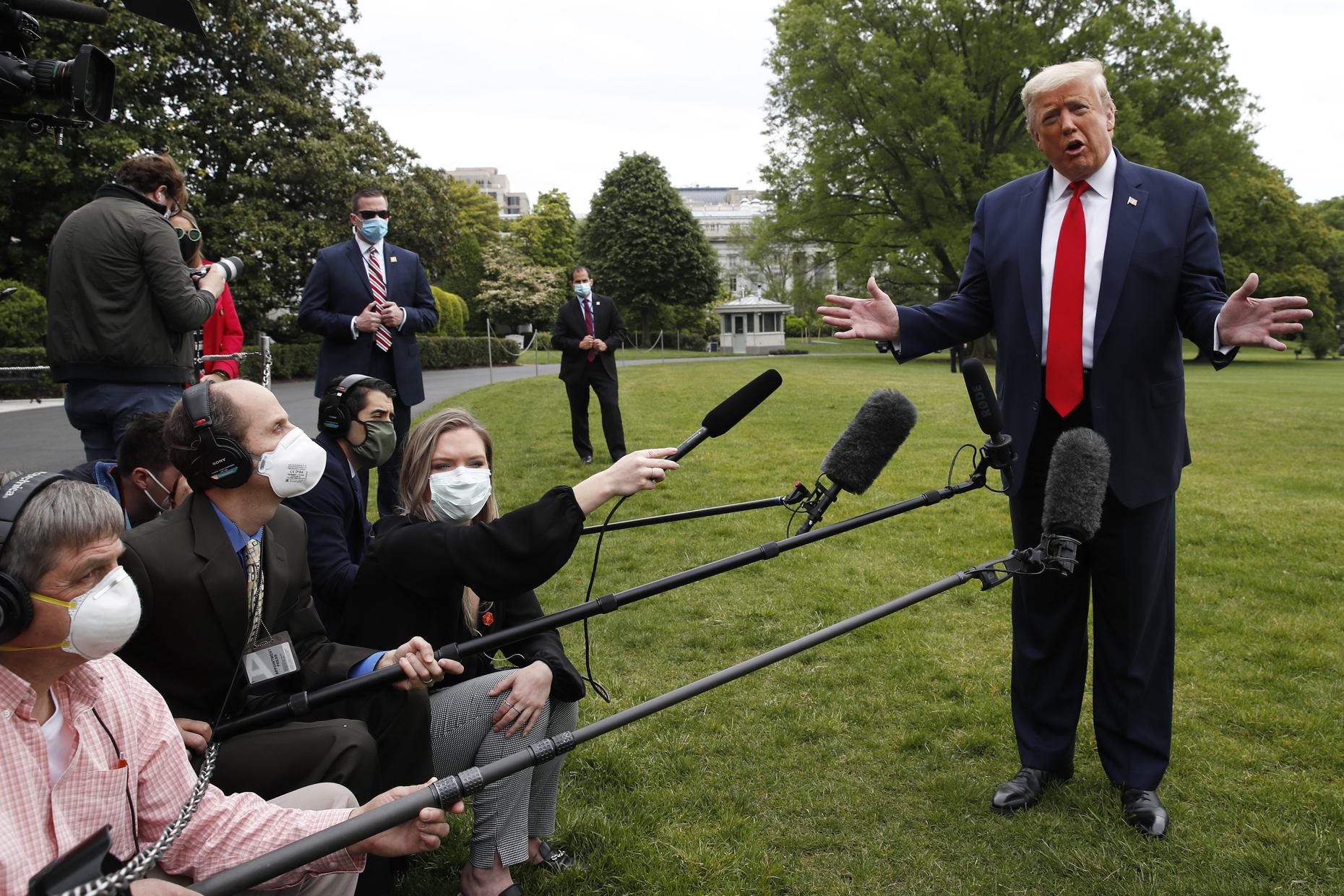
May 13, 2020
Are Online Courts Less Fair?
The pandemic has forced even the most technophobic online. After refusing for years, the Supreme Court is now hearing oral arguments over the phone and live streaming them, an initiative that — aside from the awkwardness that comes with conference calls — seems to be going well. On May 12, the public was able to tune in to hear arguments about whether or not the president's tax returns should be released. Advocates for online courts cite low costs and efficiency. But in some cases, online courts can prove less fair than the courthouses people have historically visited in person. Public defenders say that they can't do their jobs online, and not all of their clients even have internet access, let alone a smartphone. Some research suggests that at hearings conducted by video, asylum applicants are twice as likely to be denied asylum and defendants are more likely to be deported. Douglas Keith is counsel in the Democracy Program at The Brennan Center for Justice at New York University Law School. Keith says that if online courts are the future of justice, we need to set better guidelines to make sure they're fair. On the Media is supported by listeners like you. Support OTM by donating today ( https://pledge.wnyc.org/support/otm ). Follow our show on Instagram , Twitter and Facebook @onthemedia, and share your thoughts with us by emailing onthemedia@wnyc.org.
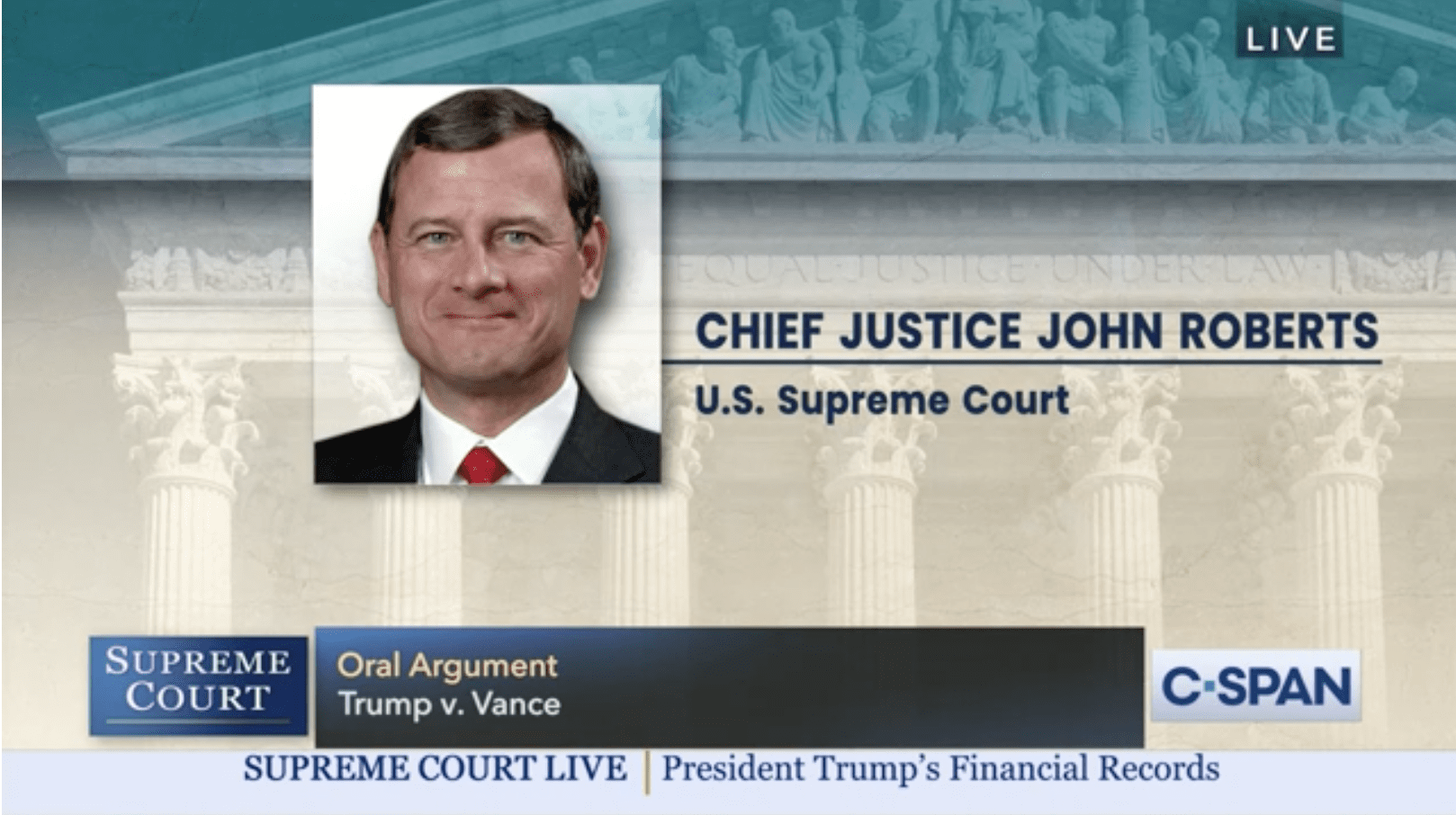
May 8, 2020
No News Is Bad News
The news breaking every day and every minute makes it possible to miss the local news drought advancing all around us. Hundreds of papers have closed and tens of thousands of reporting jobs have been cut to satisfy a starving bottom line. On this week’s On The Media: the local news business, at the intersection of transformation and annihilation. 1. Penny Abernathy [ @businessofnews ], Knight Chair in Journalism and Digital Media Economics at the University of North Carolina, on America's "local news deserts." Listen. 2. Bob [ @Bobosphere ], on the rise and fall of the ad revenue–supported newspaper business model, with Cynthia B. Meyers [ @AnneHummert ], Craig Forman [ @cforman ], Jeff Jarvis [ @jeffjarvis ], and Siva Vaidhyanathan [ @sivavaid ]. Listen. 3. Rachel Dissell [ @RachelDissell ], investigative reporter, spoke to us on April 21 about what her sudden joblessness means for her beat and her community. Listen. 4. Steven Waldman [ @stevenwaldman ], president and co-founder of Report For America, on his efforts to funnel non-profit money into much-needed reporting jobs across the country. Listen. Music from the show: Newsreel - Randy Newman / Cello Song - Nick Drake Death Have Mercy/BreakAway - Regina Carter I Moaned and Moaned - Regina Carter Totem Ancestor - Kronos Liquid Spear Waltz - Michael Andrews Tribute to America (Medley)- The O’Neill Brothers A Ride with Polly Jean- Jenny Scheinman On the Media is supported by listeners like you. Support OTM by donating today ( https://pledge.wnyc.org/support/otm ). Follow our show on Instagram , Twitter and Facebook @onthemedia, and share your thoughts with us by emailing onthemedia@wnyc.org.
May 5, 2020
Waiting For a Game-Changer
Over the past few weeks, the public has been introduced — by way of Gilead Science, and a l eaked video of doctors discussing their preliminary trial data — to a new potential therapy for Covid-19. Remdesivir , a broad-spectrum antiviral medication, was cleared by the FDA this week to treat severely ill Covid-19 patients, despite limited preliminary results from a handful of clinical trials. Some in the media initially touted the drug as a potential miracle cure. But as the mounting pressure to cope with an increasingly dire pandemic makes anything less than a silver bullet difficult to swallow, Derek Lowe, the organic chemist behind the science blog In the Pipeline, urges caution. He speaks with Bob about how to report on the so-called "game changer" drugs, and where he believes reporting on the "race for a cure" falls short. On the Media is supported by listeners like you. Support OTM by donating today ( https://pledge.wnyc.org/support/otm ). Follow our show on Instagram , Twitter and Facebook @onthemedia, and share your thoughts with us by emailing onthemedia@wnyc.org.
May 1, 2020
Open Season
Pressure is mounting for journalists to cover sexual assault allegations against Joe Biden. This week on On the Media, we consider how the Democrats once on the front lines of the #MeToo movement are being forced to answer for their presumptive nominee. Plus, fringe groups are calling to reopen the economy early — but what does that even mean? 1. Rebecca Traister [ @rtraister ], writer-at-large at New York Magazine and The Cut, on who will have to answer for Joe Biden. Listen. 2. Emma Grey Ellis [ @EmmaGreyEllis ], writer WIRED, on the media's focus on anti-lockdown protests. Listen. 3. Timothy Mitchell, historian and political theorist at Columbia University, on how our understanding of "the economy" came to be. Listen. 4. Derek Thompson [ @DKThomp ], staff writer at The Atlantic , on how the pandemic could change the shape of the American marketplace. Listen. On the Media is supported by listeners like you. Support OTM by donating today ( https://pledge.wnyc.org/support/otm ). Follow our show on Instagram , Twitter and Facebook @onthemedia, and share your thoughts with us by emailing onthemedia@wnyc.org.
Apr 29, 2020
The Art of Disastertising
Want to do your part in this pandemic? Why don't you try becoming a Couch Potatotriot , someone who stays home to save lives, but also eats Burger King? It's part of the company's brand pivot — one of many that companies have performed in order to keep their goods and services relevant. Another trend? Lots of somber piano music . Despite the fact that most people are stuck at home watching Netflix, advertisers are still vying for their bucks — p romising that consumers can buy what they’re selling without winding up on a ventilator. This stark change in tone and approach is what Amanda Mull, staff writer at The Atlantic, dubbed "disaster-tising" in her recent piece, " How to Advertise In a Pandemic ." On the Media is supported by listeners like you. Support OTM by donating today ( https://pledge.wnyc.org/support/otm ). Follow our show on Instagram , Twitter and Facebook @onthemedia, and share your thoughts with us by emailing onthemedia@wnyc.org.
Apr 24, 2020
On Matters of Time and Space
Over the past two months, packed cities have been repeatedly blamed for the rapid spread of coronavirus. Meanwhile, in jails and prisons, incarcerated people have been contracting the virus at alarming rates, in no small part due to their own overcrowded conditions. On this week's On the Media, we explore what gets lost in conversations about urban density, prisons and the climate amid coronavirus. Plus, what the history of timekeeping can teach us about our current disorientation. 1. Sam Kling [ @SamKling2 ], Global Cities Fellow at the Chicago Council on Global Affairs, on why anti-urbanist tropes come up again and again in the fight against disease. Listen. 2. Ashley Rubin [ @ashleytrubin ], sociology professor at the University of Hawai'i at Mānoa, on how American jails and prisons became coronavirus epicenters. Listen. 3. Brian Kahn [ @blkahn ], editor at Earther , on the flawed and dangerous notion that coronavirus is good for the environment. Listen. 4. Anthony Aveni, professor emeritus of astronomy, anthropology and Native American studies at Colgate University, on the invention of time as we know it. Listen. Music from the show: Frail as a Breeze - Erik Friedlander Prelude light - John Zorn I’m Not Following You - Michael Andrews River Man/Nick Drake - Brad Mehldau The Glass House (Marjaine’s Inspiration) - Daniel Bergeaud What’s that Sound - Michael Andrews After the Fact - John Scofield On the Media is supported by listeners like you. Support OTM by donating today ( https://pledge.wnyc.org/support/otm ). Follow our show on Instagram , Twitter and Facebook @onthemedia, and share your thoughts with us by emailing onthemedia@wnyc.org.
Apr 22, 2020
How The Environment Got Political
To mark the 50th Earth Day, we’re re-airing a piece from 2017. In his proposed 2021 fiscal year budget, Trump has asked Congress for the fourth year in a row to slash funding for the Environmental Protection Agency, essentially stripping away the last remaining programs aimed at curbing climate change. E arlier this month, as Americans were transfixed by the pandemic, EPA director (and former coal lobbyist) Andrew Wheeler announced that coal- and oil-fired power plants would no longer need to comply with regulations designed to reduce mercury and other toxic pollutants. But flash back to the late 1960s and it's a very different story. The environment was a bipartisan issue, and a Republican president created the EPA in 1970 in response to public pressure. So how did we get here? How did the environment go from universal concern to political battleground — with the EPA caught in the crossfire? With the help of Richard Andrews , professor emeritus of environmental policy at UNC Chapel Hill, and William Ruckelshaus , EPA administrator under presidents Richard Nixon and Ronald Reagan, Brooke considers the tumultuous history of the EPA, its evolving relationship with the public, and its uncertain future. On the Media is supported by listeners like you. Support OTM by donating today ( https://pledge.wnyc.org/support/otm ). Follow our show on Instagram , Twitter and Facebook @onthemedia, and share your thoughts with us by emailing onthemedia@wnyc.org.
Apr 17, 2020
Model Behavior
As the coronavirus continues to devastate communities across the globe, the Trump administration and right-wing propagandists work to recast the White House response and redirect the blame. This week, On The Media considers partisan revisionist history in the White House briefing room and beyond. Plus, a peek inside the thorny world of infectious disease modeling. 1. McKay Coppins [ @mckaycoppins ], staff writer at The Atlantic , on the latest pivots in the Trump administration's ever-evolving "disinformation architecture." Listen. 2. David Siders [ @davidsiders ], national political correspondent at Politico, on how coronavirus models became a partisan point of contention. Listen. 3. Joshua Epstein, director of New York University’s Agent-Based Modeling Lab, on how to best interpret and apply infectious disease modeling. Listen. Music from the show: The Glass House - Marjane’s Inspiration - Daniel Bergeaud The Hammer of Los - John Zorn Jeopardy (Think Music In the Style of Handel) - Malcolm Hamilton Jesusland - Ben Folds Stay Away - Randy Newman On the Media is supported by listeners like you. Support OTM by donating today ( https://pledge.wnyc.org/support/otm ). Follow our show on Instagram , Twitter and Facebook @onthemedia, and share your thoughts with us by emailing onthemedia@wnyc.org.
Apr 15, 2020
Virtual Worship Is Older Than You Think
Spring is peak holy season in the United States: Easter and Passover are underway and Ramadan starts next week. While most faith communities have moved worship online, a small number have refused to stop in-person services, with deadly consequences. (Jack Jenkins at Religion News Service is tracking which states have religious exemptions from their stay-at-home orders on a map you can find here .) Samuel Boyd is assistant professor of Religious Studies and Jewish Studies at the University of Colorado, Boulder. He explains that there’s a tension common across faith traditions between the idea that God dwells in specific holy places, and the idea that God can be found in all places and things. According to Boyd, Zoom seders, Facebook Live Jummah prayers and online Mass all feel new, but virtual worship has historic roots . There’s a long tradition of religious communities adapting when they’re denied access to their houses of worship — like when, say, the temple in Jerusalem was destroyed. Twice. On the Media is supported by listeners like you. Support OTM by donating today ( https://pledge.wnyc.org/support/otm ). Follow our show on Instagram , Twitter and Facebook @onthemedia, and share your thoughts with us by emailing onthemedia@wnyc.org.
Apr 10, 2020
Blindsided
As the number of COVID cases rises, why are there still so many unknowns about its reach? This week, On the Media explores the lack of government transparency — and how third parties are filling in the gaps. Plus, as sports give way to socially distant e-sports, how broadcasters are adapting their playbooks to suit the moment. Don’t miss On The Media from WNYC Studios. 1. Alexis Madrigal [ @alexismadrigal ], staff writer at The Atlantic, tells us why the federal government's release of data has been in short supply. Listen . 2. Noam Levy [ @NoamLevey ] , staff writer for the Los Angeles Times, on the questions of efficacy and transparency surrounding the federal government's efforts to distribute medical supplies. Listen . 3. Will Oremus [ @WillOremus ], senior writer at OneZero, on why the toilet paper shortage makes more sense than you think. Listen . 4. Micah Loewinger [ @MicahLoewinger ], on the experimental state of no-sports sports TV. And, Ian Bogost [ @ibogost ], professor of media studies at Georgia Tech, on what this moments tells us about what sports really mean to America. Listen . Music from the show: Fellini’s Waltz — Nino Rota The Artifact and Living — Michael Andrews What’s That Sound — Michael Andrews Cellar Door — Will Oremus Liquid Spear Waltz — Michael Andrews Kernkraft 400 — Zombie Nation On the Media is supported by listeners like you. Support OTM by donating today ( https://pledge.wnyc.org/support/otm ). Follow our show on Instagram , Twitter and Facebook @onthemedia, and share your thoughts with us by emailing onthemedia@wnyc.org.
Apr 9, 2020
How Hydroxychloroquine Became A Thing
President Trump has continued to push the anti-malarial drug hydroxychloroquine as a potential treatment for Covid-19, even though scientists say more research is needed to prove that it is safe and effective. But how'd we get here in the first place? Julia Carrie Wong is a reporter for The Guardian who has traced how a misleading, flawed study from France has become a widely-cited piece of evidence by media personalities on Fox and elsewhere. In this podcast extra, she explains what's deeply wrong with the study's conclusions and what happened when it got to be featured prominently by Trump's preferred television network . Wong talks to Bob about what's so appealing about the hydroxychloroquine narrative and why the administration might be so attracted to it. On the Media is supported by listeners like you. Support OTM by donating today ( https://pledge.wnyc.org/support/otm ). Follow our show on Instagram , Twitter and Facebook @onthemedia, and share your thoughts with us by emailing onthemedia@wnyc.org.

Apr 3, 2020
War, What Is It Good For?
Many elected officials have declared metaphorical war against the coronavirus. On this week’s show, On The Media examines the historical risks and benefits of relying on bombastic cliches. Plus, quarantined celebrities are revealing how they are and, more often, aren’t just like us. 1. Jeet Heer [@HeerJeet], correspondent at The Nation, explains why treating the pandemic like a war might benefit essential workers on the frontline. Listen . 2. Nicholas Mulder [ @njtmulder ], historian at Cornell University, on how wartime economic policies change societies. Listen . 3. Eula Biss, author of On Immunity , on the perils of painting public health crises with the broad brush of war. Listen . 4. Bob [@bobosphere] reflects on famesplaining celebs, using their platforms for good and for not-good. Listen . On the Media is supported by listeners like you. Support OTM by donating today ( https://pledge.wnyc.org/support/otm ). Follow our show on Instagram , Twitter and Facebook @onthemedia, and share your thoughts with us by emailing onthemedia@wnyc.org.
Apr 2, 2020
We Live On Zoom Now – And That Might Be a Problem
Since many of us have retreated to our homes in the past month, we’ve been connected to each other mostly through our screens. Work meetings, dinners, catch-ups with old friends, classes, religious ceremonies, weddings, funerals. They’re all taking place in one location: our computers. And often, over an app called Zoom. A piece of software that until recently was mostly used for business-to-business conversations, Zoom has taken over lives... and, given the company's track record of misrepresenting its data and encryption policies, that might be a bit of a problem. For this podcast extra, Bob speaks with Motherboard journalist Joseph Cox , who recently broke the story that Zoom was sharing user data with Facebook . On the Media is supported by listeners like you. Support OTM by donating today ( https://pledge.wnyc.org/support/otm ). Follow our show on Instagram , Twitter and Facebook @onthemedia, and share your thoughts with us by emailing onthemedia@wnyc.org.
Mar 27, 2020
Playing The Hero
Elected officials offer a flood of facts and spin in daily coronavirus briefings. On this week’s On the Media, hear how the press could do a better job separating vital information from messaging. Plus, a look at the unintended consequences of armchair epidemiology. And, how one watchdog journalist has won paid sick leave for thousands of workers during the pandemic. 1. Bob [ @bobosphere ] on the challenges of covering the pandemic amidst a swirl of political messaging. Listen . 2. Ivan Oransky [ @ivanoransky ], professor of medical journalism at New York University, on the rapidly-changing ways that medical scientists are communicating with each other. Listen . 3. Ryan Broderick [ @broderick ], senior reporter at Buzzfeed News, on "coronavirus influencers." Listen . 4. Judd Legum [ @JuddLegum ], author of the Popular Information newsletter, on pressing large corporations to offer paid sick leave. Listen . 5. Brooke [ @OTMBrooke ] on the cost-benefit analysis being performed with human lives. Listen . On the Media is supported by listeners like you. Support OTM by donating today ( https://pledge.wnyc.org/support/otm ). Follow our show on Instagram , Twitter and Facebook @onthemedia, and share your thoughts with us by emailing onthemedia@wnyc.org.
Mar 24, 2020
When Coronavirus Isn't The Only Crisis
Last week, roughly 400 Israelis got an alert on their cell phone: “You must immediately go into isolation [for 14 days] to protect your relatives and the public.” Data-tracking suggested that they had recently spent time near someone who had tested positive for Covid-19. The next day, hundreds of Israelis set up a convoy of cars to demonstrate outside the Knesset, the Israeli parliament (since mass gatherings are prohibited, to slow the spread of the virus). Protestors said that the surveillance measures were just one of a series of undemocratic actions taken by Benjamin Netanyahu's government in a power grab that uses the coronavirus as a cover. So what happens when a country faces a series of crises on top of a pandemic? Bob spoke with Steve Hendrix, Jerusalem bureau chief for The Washington Post , about what the virus has meant for Israelis in the midst of a politically polarized maelstrom. On the Media is supported by listeners like you. Support OTM by donating today ( https://pledge.wnyc.org/support/otm ). Follow our show on Instagram , Twitter and Facebook @onthemedia, and share your thoughts with us by emailing onthemedia@wnyc.org.
Mar 20, 2020
Bracing for Impact
As a global pandemic threatens to upend life as we know it, the future is becoming increasingly difficult to grapple with. On this week's On the Media, we turn to people who have been spent years readying themselves for societal collapse: doomsday preppers. Plus, how a different disaster — Hurricane Katrina — revealed inconsistencies in how we care for one another in times of crisis. 1. As the pandemic continues to disrupt our communities and daily routines, the very passage of time feels distorted. Brooke [ @otmbrooke ] examines how covid-19 is warping a sense of chronology. Listen here. 2. OTM Producer Micah Loewinger [ @MicahLoewinger ] immerses himself in the survivalist media sphere, and talks to Richard Mitchell Jr., professor emeritus of sociology at Oregon State University, about how preppers are reacting to news that the moment they've been planning for may finally be here. Listen here. 3. Rebecca Onion [ @rebeccaonion ] , staff writer at Slate, on survivalist novelist and blogger John Wesley Rawles and the rise of prepper fiction. Listen here. 4. Vann Newkirk II, staff writer at The Atlantic and host of the new podcast " Floodlines ," on the lessons of Hurricane Katrina. Listen here. Music from this week's show: Time is Late by Marcos Ciscar PRELUDE 8: The Invisibles by John Zorn Slow Pulse Conga by William Pasley Down to Earth by Peter Gabriel "Auf einer Burg" by Don Byron Melancolia by Marcos Ciscar On the Media is supported by listeners like you. Support OTM by donating today ( https://pledge.wnyc.org/support/otm ). Follow our show on Instagram , Twitter and Facebook @onthemedia, and share your thoughts with us by emailing onthemedia@wnyc.org.

Mar 18, 2020
Can Eviction Moratoriums Stop The Bleeding?
From Miami to Massachusetts, from San Francisco to Pittsburgh to New York, housing courts are closing up and marshals are standing down as various eviction moratoriums provide at least one answer to the mounting economic uncertainties caused by the coronavirus. In this podcast extra, Brooke and Matthew Desmond ( Evicted author and producing partner of our series, The Scarlet E: Unmasking America's Eviction Crisis ) discuss whether the policy changes we've seen can avert a total housing catastrophe — and whether the present crisis might cause us to ask deeper questions about housing affordability in America. On the Media is supported by listeners like you. Support OTM by donating today ( https://pledge.wnyc.org/support/otm ). Follow our show on Instagram , Twitter and Facebook @onthemedia, and share your thoughts with us by emailing onthemedia@wnyc.org.
Mar 13, 2020
Civilization, Interrupted
The World Health Organization has officially declared the spread of COVID-19 a global pandemic. On this week's On the Media, how coverage of the virus in the United States, overseas and onscreen is informing how we cope with the threat of infection. 1. McKay Coppins [ @mckaycoppins ], staff writer at The Atlantic , on right-wing media's coronavirus misinformation campaign. Listen. 2. Rachel Donadio [ @RachelDonadio ], European politics and culture reporter for The Atlantic, on how the Italian media have been keeping a nation under lockdown informed. Listen. 3. Christopher Miller [ @ChristopherJM ], Buzzfeed News correspondent, on how coronavirus rumors decimated a small Ukrainian village. Listen. 4. Gideon Lasco [ @gideonlasco ] , medical anthropologist at the University of the Philippines Diliman, on the symbolism of surgical masks. Listen. 5. Wesley Morris [ @Wesley_Morris ] of the New York Times , on rewatching the movie Contagion. Listen. On the Media is supported by listeners like you. Support OTM by donating today ( https://pledge.wnyc.org/support/otm ). Follow our show on Instagram , Twitter and Facebook @onthemedia, and share your thoughts with us by emailing onthemedia@wnyc.org.
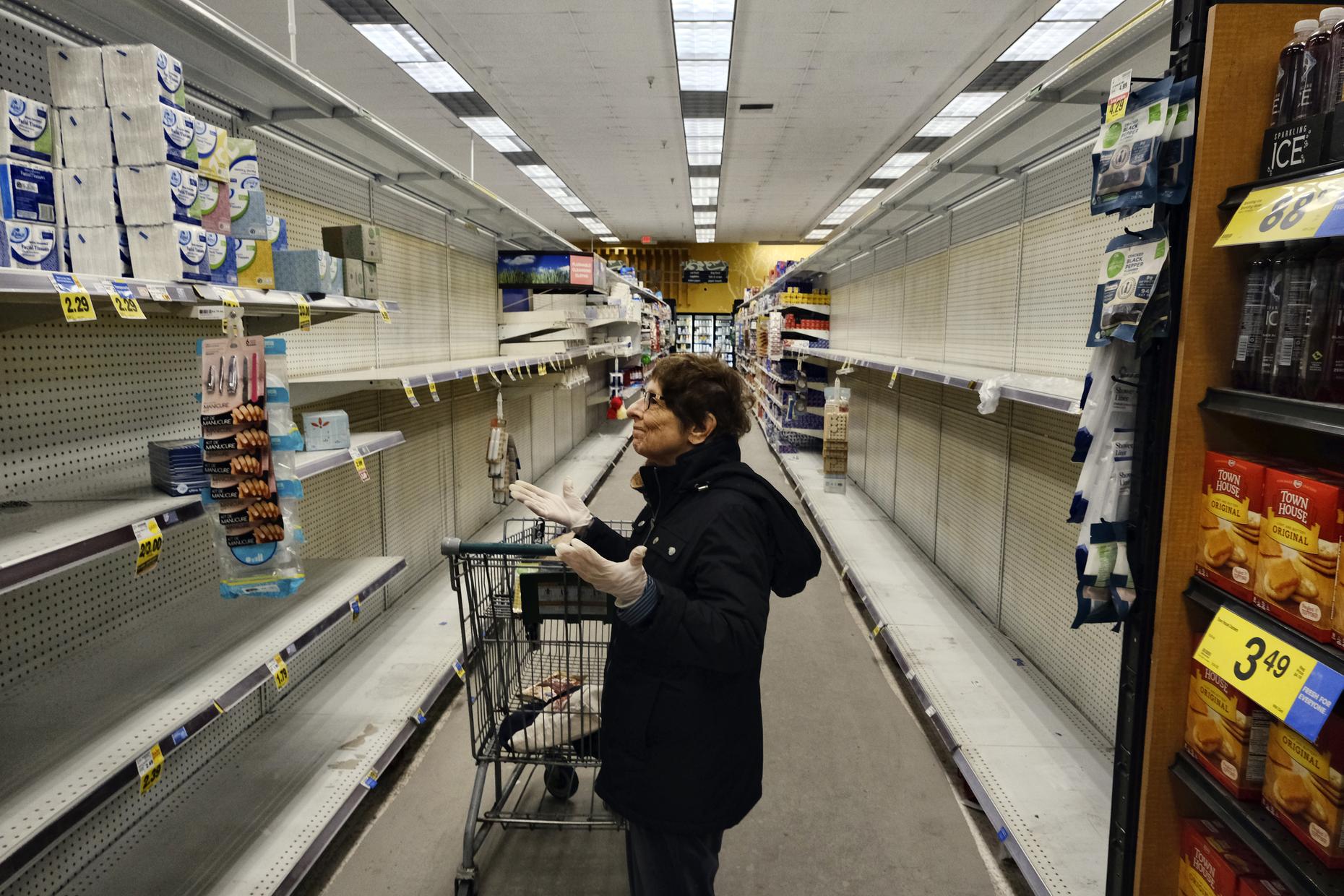
Mar 12, 2020
A Unique Petri Dish
The COVID-19 pandemic has expanded our vocabulary with terms like “social distancing” and “self-isolation.” In an article in Slate, physician and Harvard Medical School instructor Jeremy Samuel Faust gave us one more: “case fatality rate,” or CFR. Initial reports have the CFR for this disease at 2 to 3 percent — but Faust writes that the actual numbers could in fact be much lower. Faust analyzes the "unique petri dish" that is the Diamond Princess cruise ship, and explains that, of the 3,711 people on board, at least 705 tested positive for the virus and 6 people have died...indicating a CFR of 0.85 percent. On the Media is supported by listeners like you. Support OTM by donating today ( https://pledge.wnyc.org/support/otm ). Follow our show on Instagram , Twitter and Facebook @onthemedia, and share your thoughts with us by emailing onthemedia@wnyc.org.

Mar 11, 2020
Why Nonvoters Choose to Opt Out
In advance of yesterday’s primaries, we saw some electoral anxieties of a slightly new variety: would voters turn out in the face of COVID-19? In the end, over 3.5 million people voted — not an appreciable decline, but then, the virus is still relatively limited here in the US. And even under the best of circumstances, over 40 percent of American citizens don’t vote. In fact, in November 2016, around 100 million eligible voters passed on the opportunity. That’s more people who voted for either Hillary Clinton or Donald Trump. And it might be even more than that, since nonvoter statistics seem often to be underreported. Eitan Hersh , associate professor of political science at Tufts , was an academic adviser on a new Knight Foundation study, The 100 Million Project: The Untold Story of American Non-voters . It was t he largest survey of chronic nonvoters in history — and it overturned some age-old conventional wisdom. On the Media is supported by listeners like you. Support OTM by donating today ( https://pledge.wnyc.org/support/otm ). Follow our show on Instagram , Twitter and Facebook @onthemedia, and share your thoughts with us by emailing onthemedia@wnyc.org.
Mar 6, 2020
Our Bodies, Ourselves
The press called out President Trump after he dismissed an alarming coronavirus statistic on – quote – a “hunch.” On this week’s On The Media, what both Trump and his critics miss in their pursuit of certainty. Plus, why the political scientist who predicted the 2018 midterms thinks Democrats will beat Trump in 2020. And, how the White House is seeking to re-write international norms about “ women’s health,” “women’s rights,” and “gender equality” by avoiding those very words. 1. Jon Cohen [ @sciencecohen ], staff writer for Science , on the various difficulties of reporting on COVID-19. Listen. 2. Frank Snowden , professor emeritus of medical history at Yale University, on the lessons from historical epidemics. Listen. 3. Rachel Bitecofer [ @RachelBitecofer ], political scientist at Christopher Newport University, on what she sees as Super Tuesday's clear lessons. Listen. 4. Jessica Glenza [ @JessicaGlenza ], health reporter for The Guardian, on the embattled language of women's health. Listen . Music from this week's show: Accentuate the Positive by Syd Dale Double Dozen and Alec Gould Carmen Fantasy by Anderson and Roe Cellar Door by Michael Andrews Chicago Sunset by Charlie Musselwhite First Drive by Clive Carroll and John Renbourn Fallen Leaves by Marcus Ciscar Starlings by Vijay Iyer Trio On the Media is supported by listeners like you. Support OTM by donating today ( https://pledge.wnyc.org/support/otm ). Follow our show on Instagram , Twitter and Facebook @onthemedia, and share your thoughts with us by emailing onthemedia@wnyc.org.

Mar 4, 2020
Covering a Pandemic When Institutions Go Dark
As the global death toll from novel coronavirus continues to increase, the American media are looking to national public health institutions to make sense of the scope and severity of the damage. Much reporting has come from semi-regular phone pressers with the Center for Disease Control and Prevention. But over the past week, the CDC telebriefings have shifted — in tone, substance and frequency. Gothamist senior editor Elizabeth Kim has listened in on the CDC coronavirus press briefings since the outbreak began in January. For this podcast extra, Kim joins Brooke to discuss what she and other reporters need from the CDC right now to keep the public informed in the face of a possible pandemic. On the Media is supported by listeners like you. Support OTM by donating today ( https://pledge.wnyc.org/support/otm ). Follow our show on Instagram , Twitter and Facebook @onthemedia, and share your thoughts with us by emailing onthemedia@wnyc.org.
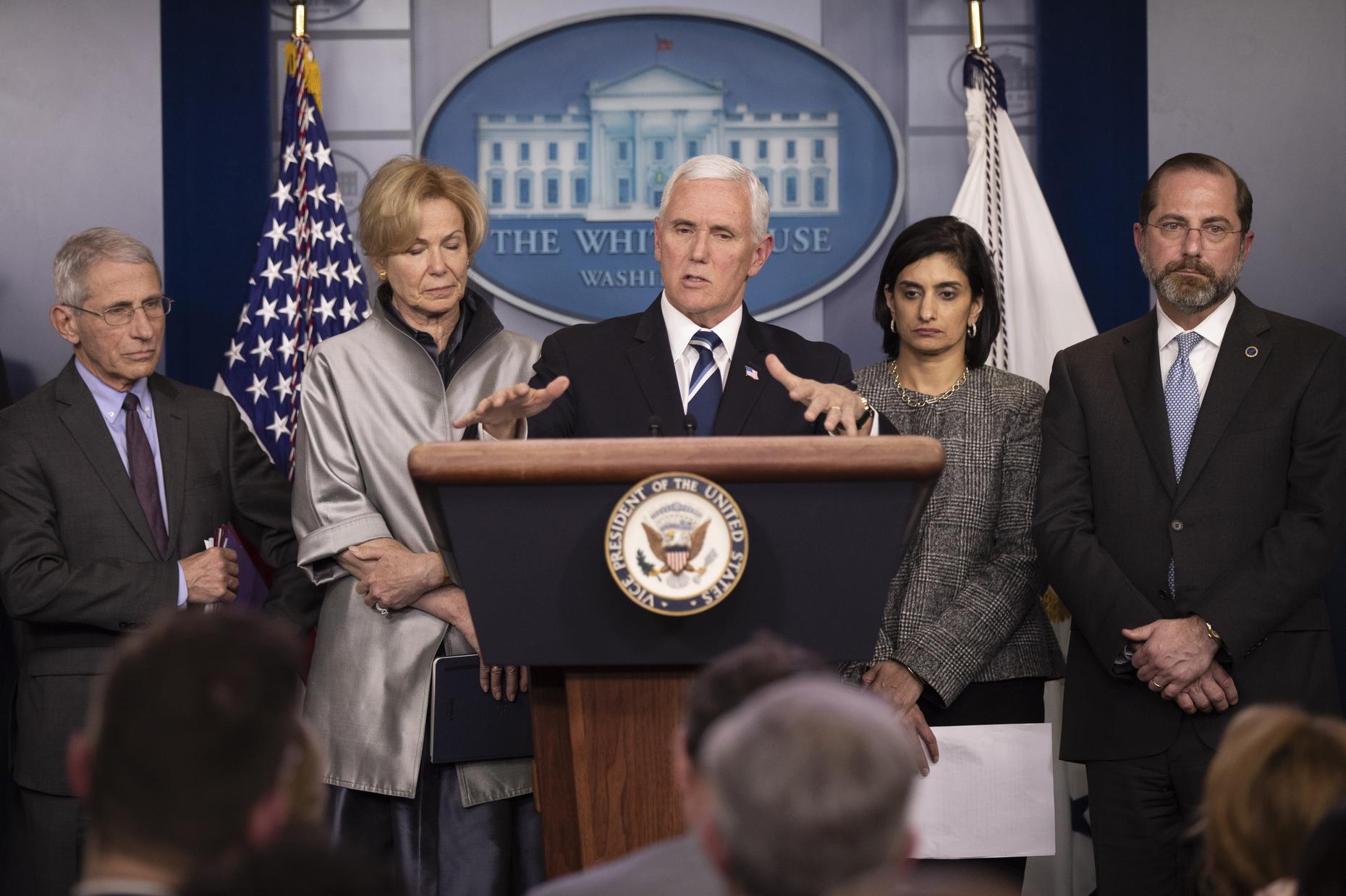
Feb 28, 2020
Black Swans
As coronavirus spreads, the Center for Disease Control is warning Americans to take urgent precautions. Meanwhile, the White House says tune out and calm down. On this week’s On the Media, what to expect as COVID-19 threatens to make its way through a ruptured body politic. Plus, amid so much focus on electability, a look at the millions of voters who swing from voting “blue” to simply not voting at all. 1. Journalist [ @Laurie_Garrett ] on the nature of contagions and how a nation of so-called “epidemic voyeurs” is reacting to a possible pandemic on American soil. Listen . 2. Farhad Manjoo [ @fmanjoo] , New York Times opinion columnist, on making prediction in an unpredictable world. Listen. 3. Ibram X. Kendi [ @DrIbram ], executive director of the Antiracist Research and Policy Center at American University and author of How to be an Antiracist , on the "other swing voter." Listen. Further reading: "The Wuhan Virus: How To Stay Safe," by Laurie Garrett, published by Foreign Policy on January 25, 2020. Garrett also recommends reading coronavirus coverage and commentary from STAT's Helen Branswell , Science Mag's Jon Cohen and Kai Kupferschmidt , and John Hopkins's Tom Inglesby . Music: John Zorn - Berotim Cling Mansell & Kronos Quartet - Full Tense Nino Rota/Enrico Peranunzi & Charlie Haden - Fellini’s Waltz Martyn Axe - German Lullaby Nino Rota - Il Casanova de Frederico Fellini David Bowie/Meridian String Quartet - Heroes On the Media is supported by listeners like you. Support OTM by donating today ( https://pledge.wnyc.org/support/otm ). Follow our show on Instagram , Twitter and Facebook @onthemedia, and share your thoughts with us by emailing onthemedia@wnyc.org.

Feb 26, 2020
MSNBC Is Being Very, Very Calm About Bernie Sanders
On Saturday, what most pollsters, politicos, and Bernie Sanders campaign organizers had been saying for days, if not weeks, proved true: namely, that the Democratic Socialist candidate for president had been well-poised for victory in Nevada, the most diverse state in the race thus far. Since the AP was able to call the race early in the day, the punditry had all the time they needed to speak to the moment. But, Columbia Journalism Review's Jon Allsop observed, despite the fact that Sanders's win had been predicted by analysts across the board, the day-of analysis had an unmistakable vibe of alarm . In this podcast extra, Bob and Allsop discuss the latest friction between the Sanders campaign and MSNBC, and what the network is doing — and can do moving forward — to avoid any repeat of Saturday's blunders. CORRECTION: Iowa, not Nevada, is the most populous state to have already cast votes in the 2020 election. On the Media is supported by listeners like you. Support OTM by donating today ( https://pledge.wnyc.org/support/otm ). Follow our show on Instagram , Twitter and Facebook @onthemedia, and share your thoughts with us by emailing onthemedia@wnyc.org.
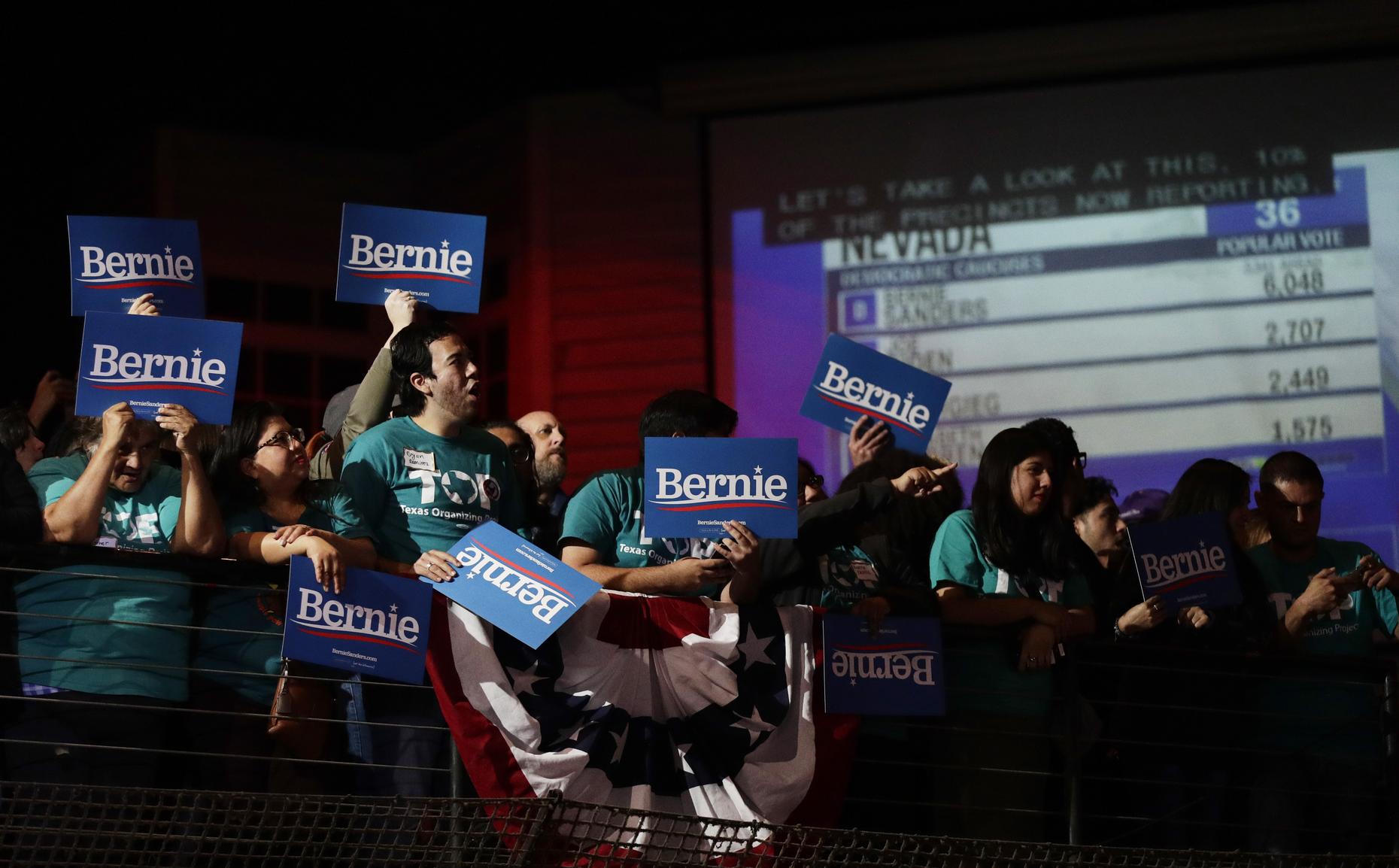
Feb 21, 2020
Money, Power, Glory
The showdown for the Democratic nomination continues, and the gloves have come off. This week, On the Media examines the conflicting narratives around how each candidate raises money. Plus, how changes at the National Archives could distort the historical record of the Trump administration. 1. Michael Grynbaum [ @grynbaum ], media correspondent for The New York Times, and Kathy Kiely [ @kathykiely ], former news director at Bloomberg Politics and journalism professor at University of Missouri School of Journalism, on how Bloomberg News is — and isn't — covering the candidacy of its owner. Listen. 2. Taylor Lorenz [ @TaylorLorenz ], reporter for The New York Times, on Bloomberg's meme-ification. Listen. 3. Sarah Bryner [ @AKSarahB ], Director of Research & Strategy at Open Secrets, on the state of campaign financing, ten years after Citizens United . Listen. 4. Matthew Connelly [ @mattspast ], history professor at Columbia University, explains how policy changes at the National Archives could distort the historical record about the Trump Administration. Listen. Music from this week's show: David Holmes — $160 Million Chinese Man Adrian Younge — Turn Down the Sound Billy Bragg and Wilco — Union Prayer Antibalas — Dirty Money Bill Frisell — Lost, Night Califone — Burned by the Christians On the Media is supported by listeners like you. Support OTM by donating today ( https://pledge.wnyc.org/support/otm ). Follow our show on Instagram , Twitter and Facebook @onthemedia, and share your thoughts with us by emailing onthemedia@wnyc.org.

Feb 19, 2020
Corporations Were Always People
No discussion of money and politics is complete without a tip of the hat to Citizens United , the landmark Supreme Court ruling of 10 years ago that recognized corporations as people and their money as speech. That ruling was followed a few years ago by the Hobby Lobby decision, giving business owners the right to flout federal law based on their religious beliefs. To many Americans, particularly on the left, both rulings were bizarre and ominous expansions of corporate rights. But, if you think this is the novel handiwork of a uniquely conservative Supreme Court, you haven't been paying attention to the past three or four hundred years of court cases and American history. Adam Winkler, professor of law at UCLA, is the author of We the Corporations: How American Business Won Their Civil Rights . He told us in 2018 that the principle of corporate rights has been litigated forever and predates our very founding. On the Media is supported by listeners like you. Support OTM by donating today ( https://pledge.wnyc.org/support/otm ). Follow our show on Instagram , Twitter and Facebook @onthemedia, and share your thoughts with us by emailing onthemedia@wnyc.org.
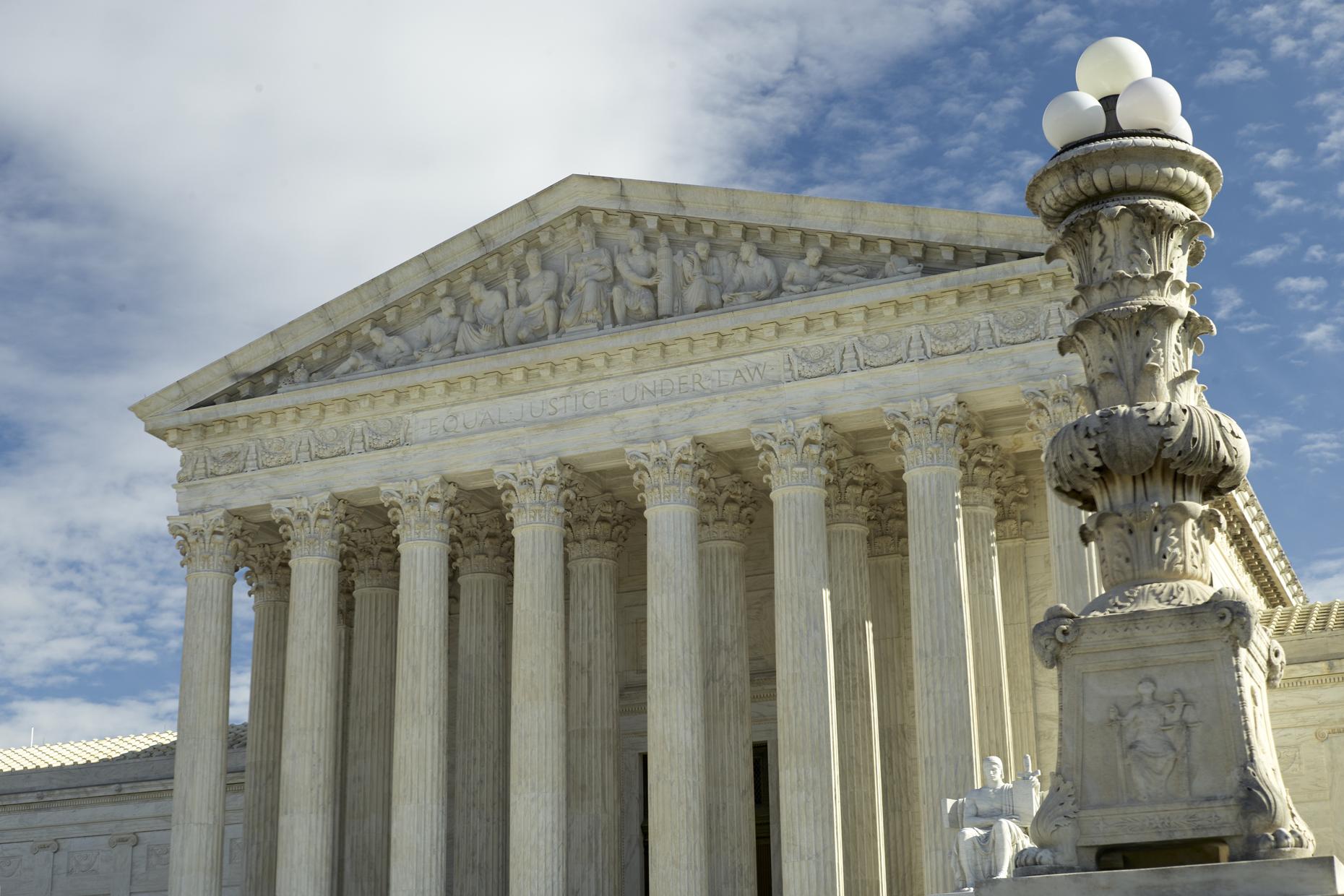
Feb 14, 2020
Norm!
Attorney General Bill Barr appeared to spar with Donald Trump in the latest chapter of the Roger Stone case. On this week’s On the Media, why the apparent interference in the Justice Department’s work should cause concern. Plus, Customs and Border Patrol builds a new bulwark against disclosure and transparency. And, a family migration story three decades in the making. 1. Dahlia Lithwick , writer for Slate, on what the latest Dept. of Justice news tells us about the fragility of American justice. Listen. 2. Susan Hennessey [ @Susan_Hennessey ], executive editor at Lawfare, on the latest threats to "prosecutorial independence." Listen. 3. Ken Klippenstein [ @kenklippenstein ], DC correspondent at The Nation , on Customs and Border Patrol (CBP)'s re-designation as a "security agency." Listen. 4. Jason DeParle [ @JasonDeParle ], author of A Good Provider Is One Who Leaves , on the 32-year process of reporting one family's migration story. Listen. Music from this week's show: In The Bath — Randy Newman The Artifact & Living — Michael Andrews String Quartet No. 5 — Philip Glass, performed by Kronos Quartet The Glass House - Marjanes's Inspiration — David Bergeaud Frail as a Breeze, Pt. 2 — Erik Friedlander The Thompson Fields — Maria Schneider On the Media is supported by listeners like you. Support OTM by donating today ( https://pledge.wnyc.org/support/otm ). Follow our show on Instagram , Twitter and Facebook @onthemedia, and share your thoughts with us by emailing onthemedia@wnyc.org.
Feb 12, 2020
OTM Presents: U.S. of Anxiety's "40 Acres in Mississippi"
Elbert Lester has lived his full 94 years in Quitman County, Mississippi, on land he and his family own. That’s exceptional for black people in this area, and some family members even say the land came to them through “40 acres and a mule.” But that's pretty unlikely, so our WNYC colleague Kai Wright , host of The United States of Anxiety , went on a search for the truth and uncovered a story about an old and fundamental question in American politics, one at the center of the current election: Who are the rightful owners of this country’s staggering wealth? - John Willis is author of Forgotten Time - Eric Foner is author of The Second Founding - The National Memorial for Peace and Justice is located in Montgomery, Alabama. For more information about documented lynchings in Mississippi, and elsewhere, visit the Equal Justice Initiative's interactive report, Lynching in America . You can navigate to each county to learn about documented lynchings there. On the Media is supported by listeners like you. Support OTM by donating today ( https://pledge.wnyc.org/support/otm ). Follow our show on Instagram , Twitter and Facebook @onthemedia, and share your thoughts with us by emailing onthemedia@wnyc.org.
Feb 7, 2020
Picture-Perfect Democracy
The sloppy roll-out of Iowa results prompted disinformation and confusion over the mechanics of the caucus system. This week, On the Media looks at the origins of the nomination process to explain how we got here. Plus, local reporters in New Hampshire examine the power struggle at the heart of the upcoming contest. 1. Galen Druke [ @galendruke ] on the history of America's unique primary system. Listen. 2. Stranglehold reporters Jack Rodolico [ @JackRodolico ] , Lauren Chooljian [ @laurenchooljian ], and Casey McDermott [ @caseymcdermott ] on Dixville Notch's mythical status. Listen. 3. Lauren Chooljian [ @laurenchooljian ] examines how New Hampshire's local press benefits from being a first-in-the-nation primary. Listen. Music from this week's show: Sacred Oracle by John Zorn Young at Heart by Brad Mehldau The Camping Store by Clive Carroll and John Renbourn Milestones by Bill Evan Trio On the Media is supported by listeners like you. Support OTM by donating today ( https://pledge.wnyc.org/support/otm ). Follow our show on Instagram , Twitter and Facebook @onthemedia, and share your thoughts with us by emailing onthemedia@wnyc.org.
Feb 6, 2020
How Rush Limbaugh Paved The Way For Trump
A lot was reported about Tuesday night's State of the Union address. President Trump's characteristic self-congratulation, the fact-checking of his error-filled speech, and Nancy Pelosi's sensational paper rip stunt. Tuesday night also solidified Rush Limbaugh's ascent to Republican royalty. By awarding him the Presidential Medal of Freedom, Trump inducted Limbaugh into a gilded class of American history, featuring Norman Rockwell, Maya Angelou, Thurgood Marshall, and Martin Luther King Jr. According to Matt Gertz , a senior fellow at Media Matters for America, the award could be seen as the culmination of the GOP's transformation, precipitated by Limbaugh and solidified by Trump. On the Media is supported by listeners like you. Support OTM by donating today ( https://pledge.wnyc.org/support/otm ). Follow our show on Instagram , Twitter and Facebook @onthemedia, and share your thoughts with us by emailing onthemedia@wnyc.org.
Jan 31, 2020
Cancel This!
As the coronavirus continues to spread, the World Health Organization has declared a state of emergency. This week, On the Media looks at how panic and misinformation are going viral, too. Plus, a controversial endorsement for Bernie Sanders puts the spotlight on Joe Rogan, and has renewed the debate over "cancel culture." And, the impeachment proceedings continue to move toward a conclusion. 1. Brooke [ @OTMBrooke ] reflects on the impeachment proceedings as they come to an anti-climactic ending. Listen . 2. Alexis Madrigal [ @alexismadrigal ] of The Atlantic explains how panic online is spreading faster than the coronavirus itself. Listen . 3. Devin Gordon [ @DevinGordonX ] talks about why Joe Rogan is so popular, and reflects on the controversy surrounding his tentative endorsement of Bernie Sanders. Listen . 4. Natalie Wynn, creator of the Youtube channel ContraPoints, lays out her criticism of "cancel culture" and takes an honest look at her own "cancellations." Listen . Music: Roary's Waltz by John Zorn Psychotic Girl by Black Keys Baba O'Reilly by The Who Life on Mars by David Bowie (covered by Meridian String Quartet) River Man by Brad Mehldau On the Media is supported by listeners like you. Support OTM by donating today ( https://pledge.wnyc.org/support/otm ). Follow our show on Instagram , Twitter and Facebook @onthemedia, and share your thoughts with us by emailing onthemedia@wnyc.org.
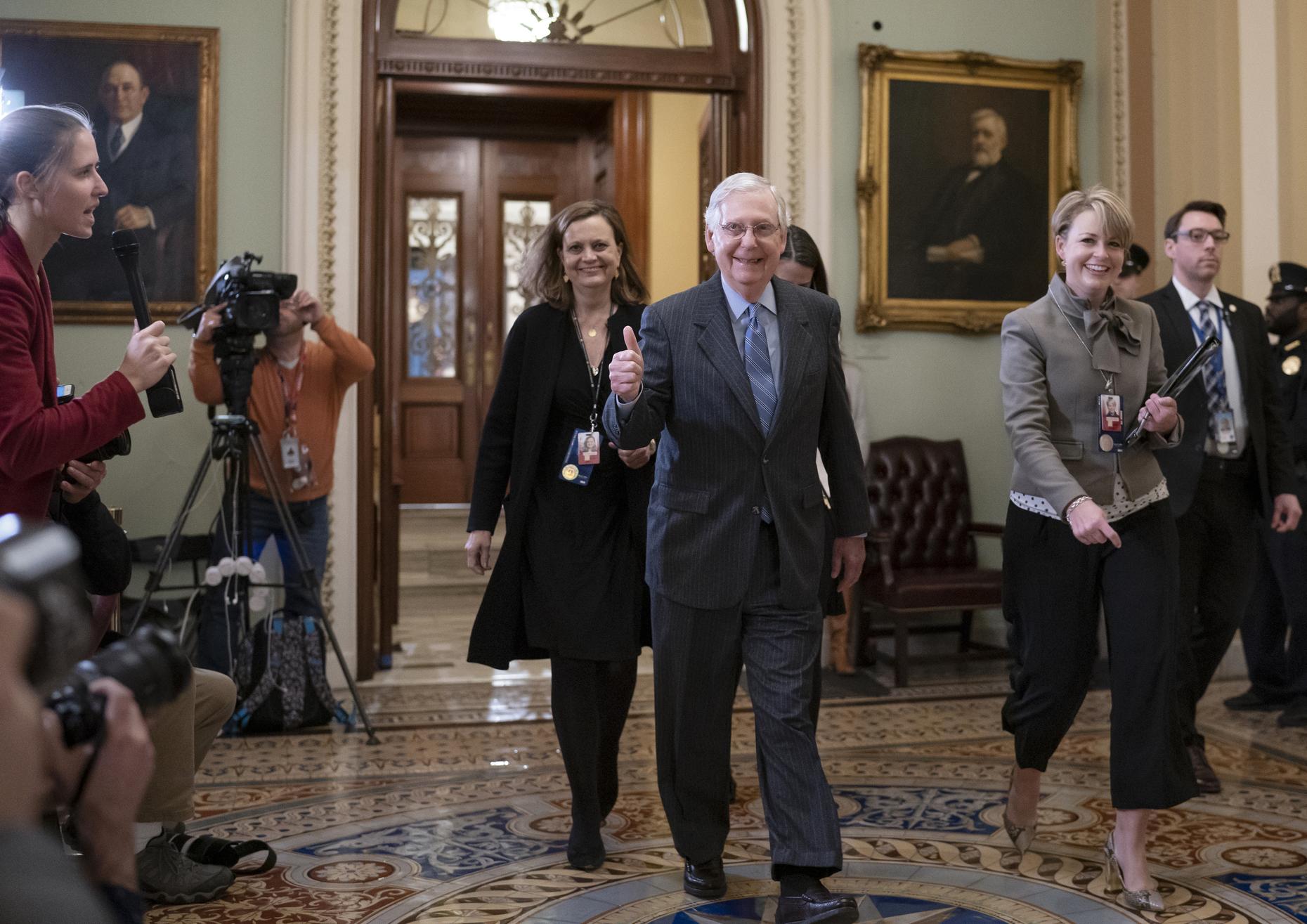
Jan 29, 2020
OTM presents: Here's the Thing with Megan Twohey and Jodi Kantor
Our colleagues at "Here's the Thing" produced a great episode this week that we think you'll enjoy: Jodi Kantor and Megan Twohey are the New York Times reporters who broke the Harvey Weinstein story. For five months -- perpetually in danger of losing the scoop -- they cultivated and cajoled sources ranging from the Weinsteins’ accountant to Ashley Judd. The article that emerged on October 5th, 2017, was a level-headed and impeccably sourced exposé, whose effects continue to be felt around the world. Their conversation with Alec Baldwin covers their reporting process, and moves on to a joint wrestling with Alec’s own early knowledge of one of the Weinstein allegations, and his ongoing friendship with accused harasser James Toback. The guests ask Alec questions about the movie industry’s ethics about sex and “the casting couch.” Over a respectful and surprising half-hour, host and guests together talk through the many dilemmas posed by the #MeToo movement that Kantor and Twohey did so much to unleash. On the Media is supported by listeners like you. Support OTM by donating today ( https://pledge.wnyc.org/support/otm ). Follow our show on Instagram , Twitter and Facebook @onthemedia, and share your thoughts with us by emailing onthemedia@wnyc.org.
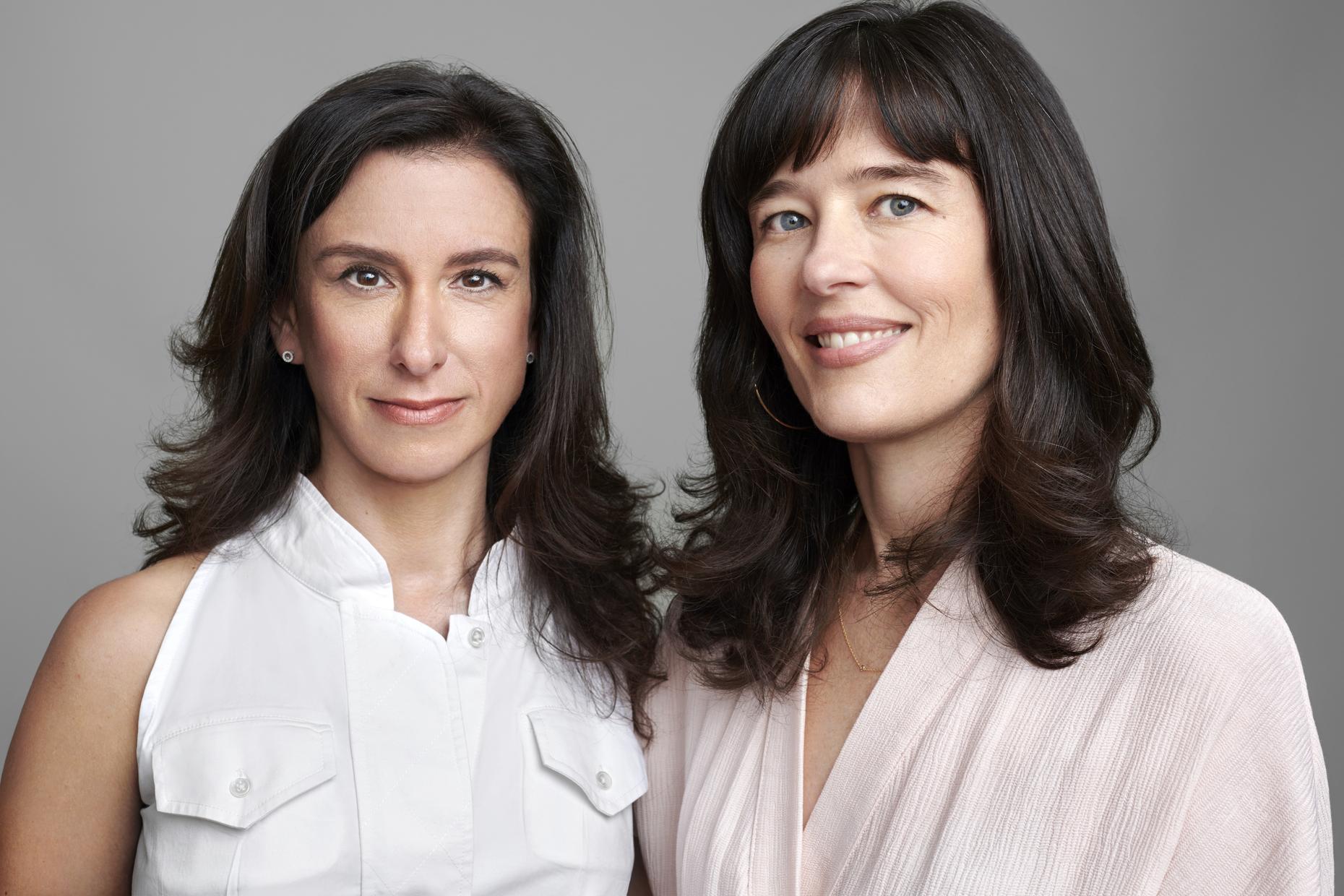
Jan 24, 2020
Optical Delusion
A gathering of thousands of armed protesters in Virginia last weekend prompted fears of mass violence. On this episode of On the Media, how some militia groups are spinning the lack of bloodshed as victory. Plus, fresh demands for accountability in Puerto Rico, and why the senate impeachment trial feels so predictable. 1. Bob Garfield [ @Bobosphere ] on the present moment in the impeachment trial. Listen. 2. Lois Beckett [ @loisbeckett ], reporter at the Guardian, and OTM producer Micah Loewinger [ @MicahLoewinger ] on the efforts to shape the media narrative among gun rights activists at Virginia's Lobby Day. Listen . 3. OTM producer Alana Casanova-Burgess [ @AlanaLlama ] on the "double-bind" Puerto Rico faces as earthquakes shake the state. Listen here. Music: All the President's Men Theme by Nini Rosso Joeira by Kurup General Scott's March by Liberty Tree Wind Players Original music by Mark Henry Phillips Cantus for Bob Hardison by Michael Linnen Kerala by Bonobo On the Media is supported by listeners like you. Support OTM by donating today ( https://pledge.wnyc.org/support/otm ). Follow our show on Instagram , Twitter and Facebook @onthemedia, and share your thoughts with us by emailing onthemedia@wnyc.org.
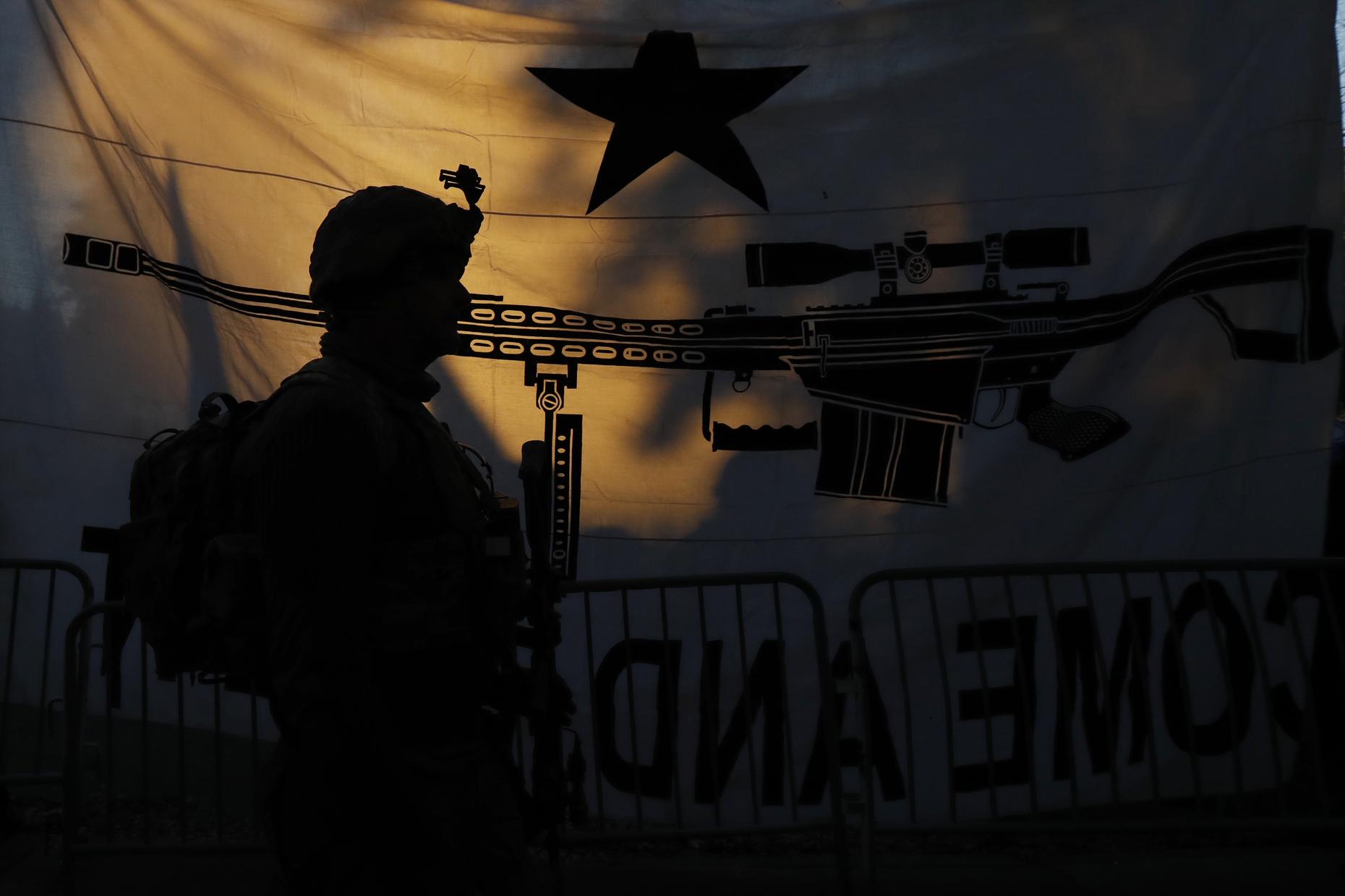
Jan 22, 2020
The Alleged Crimes of Greenwald
The Brazilian federal government on Tuesday revealed charges of cybercrimes against Pulitzer Prize–winning journalist Glenn Greenwald, for his alleged role in the leaking of explosive messages written by high-ranking law enforcement officials. Press freedom advocates immediately decried the charges as a dangerous blow to basic press freedoms; Greenwald himself told Washington Post cybersecurity reporter Joseph Marks , "Governments [are] figuring out how they can criminalize journalism based on large-scale leaks." In this podcast extra, Marks breaks down the charges and draws comparisons (and contrasts) with the American government's prosecution of Wikileaks founder Julian Assange. On the Media is supported by listeners like you. Support OTM by donating today ( https://pledge.wnyc.org/support/otm ). Follow our show on Instagram , Twitter and Facebook @onthemedia, and share your thoughts with us by emailing onthemedia@wnyc.org.
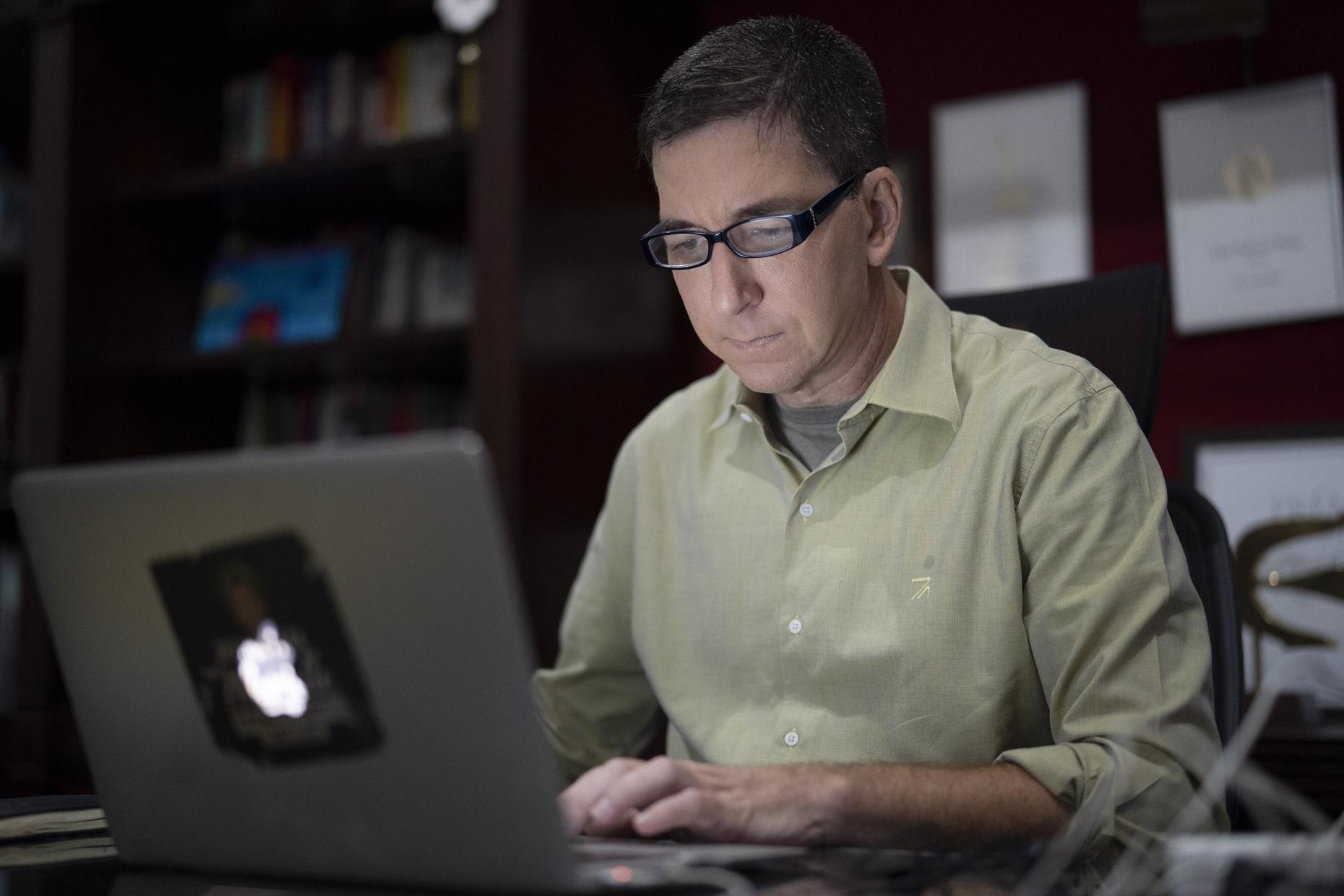
Jan 17, 2020
Family Feud
A pre-debate news drop from CNN threatened the relative peace between Bernie Sanders and Elizabeth Warren. On this week’s On the Media, why the feud is more distracting than illuminating. Plus, why paying close attention to political news is no substitute for civic participation. And, the origins of two oligarchic dynasties: the Trumps and the Kushners. 1. Rebecca Traister [ @rtraister ], writer for New York Magazine , on the inevitability of the questions facing women in politics. Listen . 2. Eitan Hersh [ @eitanhersh ], political scientist at Tufts University, on the political hobbyism and news consumption. Listen . 3. Andrea Bernstein [ @AndreaWNYC ], co-host of WNYC's Trump, Inc. podcast, on the corruption, improbabilities, and ironies of the Trump and Kushner family histories. Listen . On the Media is supported by listeners like you. Support OTM by donating today ( https://pledge.wnyc.org/support/otm ). Follow our show on Instagram , Twitter and Facebook @onthemedia, and share your thoughts with us by emailing onthemedia@wnyc.org.
Jan 15, 2020
Climate Change, News Corp, and the Australian Fires
For years, climate change experts have said that hotter and drier summers would exacerbate the threat of bushfires in Australia. Fires have been raging since September and a prolonged drought and record-breaking temperatures mean the blazes won't stop for weeks — if not months. But to read or watch or listen to the conservative press in Australia is to get an altogether different story: that it's arson, not climate change, that's mainly responsible for the deaths of nearly 30 humans and an estimated one billion animals. Damien Cave is the New York Times bureau chief in Sydney, and he recently wrote about " How Rupert Murdoch Is Influencing Australia's Bushfire Debate ." He spoke to Bob about the media landscape of denial and deflection, and why critics say it's making it harder to hold the government accountable. On the Media is supported by listeners like you. Support OTM by donating today ( https://pledge.wnyc.org/support/otm ). Follow our show on Instagram , Twitter and Facebook @onthemedia, and share your thoughts with us by emailing onthemedia@wnyc.org.

Jan 10, 2020
Hurtling Toward Catastrophe
After the US military assassinated an Iranian military general, war propaganda kicked into overdrive. On this week’s On the Media, how news consumers can cut through the misleading claims and dangerous frames. Plus, how Generation Z is interpreting the geopolitical crisis through memes. And, how apocalyptic thinking is a near-constant through history. 1. Nathan Robinson [ @NathanJRobinson ], editor of Current Affairs , on the most suspect tropes in war coverage. Listen. 2. Lee Fang [ @lhfang ], investigative journalist at The Intercept, on the pundits with unacknowledged conflicts of interest. Listen. 3. Ian Bogost [ @ibogost ], contributing writer at The Atlantic , on #WorldWar3 memes. Listen. 4. Dan Carlin [ @HardcoreHistory ], host of "Hardcore History," on apocalyptic moments throughout human history. Listen. Music from this week's show: Nirvana/The Bad Plus — Smells Like Teen Spirit Michael Andrews — The Artifact & Living Unknown — March for the 3 Regt. of Foot Thin Lizzy — The Boys Are Back In Town John Zorn — Prelude 3: Prelude of Light Hank Jones — Wade in the Water John Zorn — Gormenghast On the Media is supported by listeners like you. Support OTM by donating today ( https://pledge.wnyc.org/support/otm ). Follow our show on Instagram , Twitter and Facebook @onthemedia, and share your thoughts with us by emailing onthemedia@wnyc.org.
Jan 8, 2020
The Weinstein Trial Begins
In New York this week, jury selection began in the trial of former Hollywood titan Harvey Weinstein. News of his alleged sexual predations launched the #MeToo movement in October 2017, through investigative reporting from both The New York Times and The New Yorker. Even as he prepares to stand trial in New York, sexual assault charges were filed against him in Los Angeles. To date, over eighty women in the film industry have accused him of rape and sexual assault and abuse. Weinstein claims they were all consensual acts. The reporting has been groundbreaking in its detail, laying out the allegations for the public. But in Hollywood, Weinstein’s abuses already were an open secret. In 2017 , Brooke spoke with Buzzfeed senior culture writer Anne Helen Petersen about the essential role of gossip and whisper networks in protecting the vulnerable and spreading news that threatens the powerful. On the Media is supported by listeners like you. Support OTM by donating today ( https://pledge.wnyc.org/support/otm ). Follow our show on Instagram , Twitter and Facebook @onthemedia, and share your thoughts with us by emailing onthemedia@wnyc.org.
Jan 3, 2020
Can Restorative Justice Save The Internet?
As prison populations soar, advocates on both side of the spectrum agree that the law-and-order approach to criminal justice is not making us safer. On this week's On the Media, we look at restorative justice, an alternative to prison that can provide meaningful resolution and rehabilitation. Meanwhile, harassment and bullying are plaguing our online lives, but social media companies seem fresh out of solutions. OTM brings you the story of a reporter and a researcher who teamed up to test whether restorative justice can be used to help detoxify the web. 1. Danielle Sered [ @daniellesered ], author of Until We Reckon: Violence, Mass Incarceration, and a Road to Repair , on her promising foray into restorative justice. Listen. 2. Lindsay Blackwell [ @linguangst ], UX researcher at Facebook, and OTM reporter Micah Loewinger [ @micahloewinger ] share the story of their online restorative justice experiment. Plus, Jack Dorsey [ @jack ], CEO of Twitter, and Ashley Feinberg [ @ashleyfeinberg ], a senior writer at Slate, on the toxic state of Twitter. Listen. On the Media is supported by listeners like you. Support OTM by donating today ( https://pledge.wnyc.org/support/otm ). Follow our show on Instagram , Twitter and Facebook @onthemedia, and share your thoughts with us by emailing onthemedia@wnyc.org.

Jan 1, 2020
Ken Kesey's Acid Quest
Happy New Year! In this pod extra, we're celebrating what might be your first hangover of 2020 — whether it's fueled by alcohol or just the thought of the year ahead. So, we thought we'd bring you the story of an odd holiday known as Bicycle Day, April 19: the day in 1943, when Swiss scientist Albert Hofmann rode his bike home from work after dosing himself with his lab concoction, lysergic acid diethylamide, or LSD. The first acid trip . Hofmann’s wobbly ride is what launches us into an exploration of a moment, when Ken Kesey, an evangelist of acid would emerge from a Menlo Park hospital lab, and plow through the nation’s gray flannel culture in a candy colored bus. Some know Kesey as the enigmatic author behind One Flew Over the Cuckoo’s Nest — others, as the driving force in The Electric Kool-Aid Acid Test , Tom Wolfe ’s seminal work in New Journalism. In honor of the 50th anniversary of the release of Acid Test , Brooke spoke in 2018 with Wolfe (since deceased) and writer River Donaghey about how acid shaped Kesey, spawned the book and de-normalized American conformity. This segment is from our April 20, 2018 show, Moving Beyond the Norm . Songs: Holidays B by Ib Glindemann Im Glück by Neu! Apache '65 by Davie Allan and the Arrows Selections from "The Acid Tests Reels" by The Merry Pranksters & The Grateful Dead Alicia by Los Monstruos The Days Between by The Grateful Dead (Live 6/24/95) On the Media is supported by listeners like you. Support OTM by donating today ( https://pledge.wnyc.org/support/otm ). Follow our show on Instagram , Twitter and Facebook @onthemedia, and share your thoughts with us by emailing onthemedia@wnyc.org.

Dec 27, 2019
Hindsight Is 2019
2019 started on a note of fakery, as we made sense of the conspiracies and simulacra that distort our information field. It's ending with a similar air of surreality, with impeachment proceedings bringing the dynamics of the Trump presidency into stark relief. Along the way, we've examined forces, deconstructed narratives, and found the racist core at the heart of so much of the American project. And as we've come to look differently at the world, we've come to look differently at ourselves. With excerpts from: When The Internet is Mostly Fake, January 11th, 2019 United States of Conspiracy, May 17th, 2019 Trump Sees Conspiracies Everywhere, October 4th, 2019 Understanding the White Power Movement, March 22nd, 2019 Why "Send Her Back" Reverberated So Loudly, July 19th, 2019 The Scarlet E, Part II: 40 Acres, June 14th, 2019 Part 1: The Myth Of The Frontier, March 29th, 2019 Empire State of Mind, April 5th, 2019 The Perils of Laundering Hot Takes Through History, March 1st, 2019 Music: Sentimental Journey by Hal McIntyre and his Orchestra Newsreel by Randy Newman String Quartet No. 5 (II) by Kronos Quartet & Philip Glass 8½ by Rino Nota Songs of War by United States Old Guard fife and Drum Corps The Water Rises / Our Street Is a Black River by Laurie Anderson & Kronos Quartet Marc Phillips Tribute To America (Medley) by The O’Neill Brothers Tomorrow Never Knows by Quartetto d’Archi Dell’Orchestra Sinfonica di Milano Giuseppe Verdi Merkabah by John Zorn On the Media is supported by listeners like you. Support OTM by donating today ( https://pledge.wnyc.org/support/otm ). Follow our show on Instagram , Twitter and Facebook @onthemedia, and share your thoughts with us by emailing onthemedia@wnyc.org.

Dec 25, 2019
The Hidden Truths of Hanukkah
Today is Christmas, but it's also Hanukkah — the Jewish festival of lights. With its emphasis on present-giving, dreidel games and sweet treats, the holiday seems to be oriented towards kids. Even the story of Hanukkah has had its edges shaved down over time. Ostensibly, the holiday is a celebration of a victory against an oppressive Greek regime in Palestine over two thousand years ago, the miracle of oil that lit Jerusalem's holy temple for 8 days and nights, and the perseverance of the Jewish faith against all odds. According to Rabbi James Ponet , Emeritus Howard M. Holtzmann Jewish Chaplain at Yale University, the kid-friendly Hanukkah mythology has obscured the thorny historical details that offer deeper truths about what it means to be a Jew. In his 2005 Slate piece, "Hanukkah as Jewish Civil War," Ponet looked at the often-overlooked Jew-on-Jew violence that under-girds the Hanukkah story. In 2018, he and Brooke discussed how this civil war lives on in Jewish views on Israel, and how the tension between assimilation and tradition came to define the Jewish people. We're re-releasing it today in time for the holidays. On the Media is supported by listeners like you. Support OTM by donating today ( https://pledge.wnyc.org/support/otm ). Follow our show on Instagram , Twitter and Facebook @onthemedia, and share your thoughts with us by emailing onthemedia@wnyc.org.
Dec 20, 2019
Let The Record Show
For only the third time in U.S. history, the American press is covering a presidential impeachment. On this week’s On the Media, a look at a few of the coverage missteps made along the way. And, the reporting process behind the Washington Post "Afghanistan Papers" scoop. Plus, the story of an unprecedented trove of TV news history, and the media activist who made it possible. 1. Jon Allsop [ @Jon_Allsop ], writer for Columbia Journalism Review, on the impeachment coverage that's been less-than-perfect. Listen. 2. Craig Whitlock [ @CraigMWhitlock ], investigative reporter for the Washington Post , on a once-secret internal government history of the Afghanistan War. Listen. 3. Matt Wolf, documentarian, on the life and work of the activist-archivist Marion Stokes. Listen. On the Media is supported by listeners like you. Support OTM by donating today ( https://pledge.wnyc.org/support/otm ). Follow our show on Instagram , Twitter and Facebook @onthemedia, and share your thoughts with us by emailing onthemedia@wnyc.org.
Dec 18, 2019
Sons of the Soil
Last week, India’s ruling party (the BJP) passed the Citizenship Amendment Act. The legislation grants a clear path to Indian citizenship to non- Muslim refugees from Bangladesh, Pakistan and Afghanistan. Opponents pointed out flaws in the law almost as soon as it was introduced. The law fails to mention Muslim minorities who face persecution in their own countries, such as the Rohingyas in Myanmar. Critics see it as the latest step in the Hindu nationalist government’s steady march toward a Hindu nation-state. The move follows the revocation of Kashmir’s autonomy this summer, and two million people losing statehood in Northeast India after being left off of a national register of citizens. The list requires citizens to provide documents to prove Indian ancestry. Many Muslims fear that the National Register of Citizens will be enacted across India, leaving religious minorities in the world’s largest democracy in danger of losing their home. Union Home Minister Amit Shah twisted history to provide justification for the Citizenship Amendment Act, shouting to his colleagues in Parliament that decades ago it was the now opposition, Congress Party, that divided India and Pakistan along religious lines. As Indian historian Romila Thapar wrote in The New York Times earlier this year, “extreme nationalists require their own particular version of the past to legitimize their actions in the present.” This week, we go back to a piece reported by OTM Producer Asthaa Chaturvedi . She examines how Hindu nationalists are rewriting Indian history in the world’s largest democracy, with journalist Shoaib Daniyal , political scientist Christophe Jaffrelot , and sociology professor Nandini Sundar . On the Media is supported by listeners like you. Support OTM by donating today ( https://pledge.wnyc.org/support/otm ). Follow our show on Instagram , Twitter and Facebook @onthemedia, and share your thoughts with us by emailing onthemedia@wnyc.org.
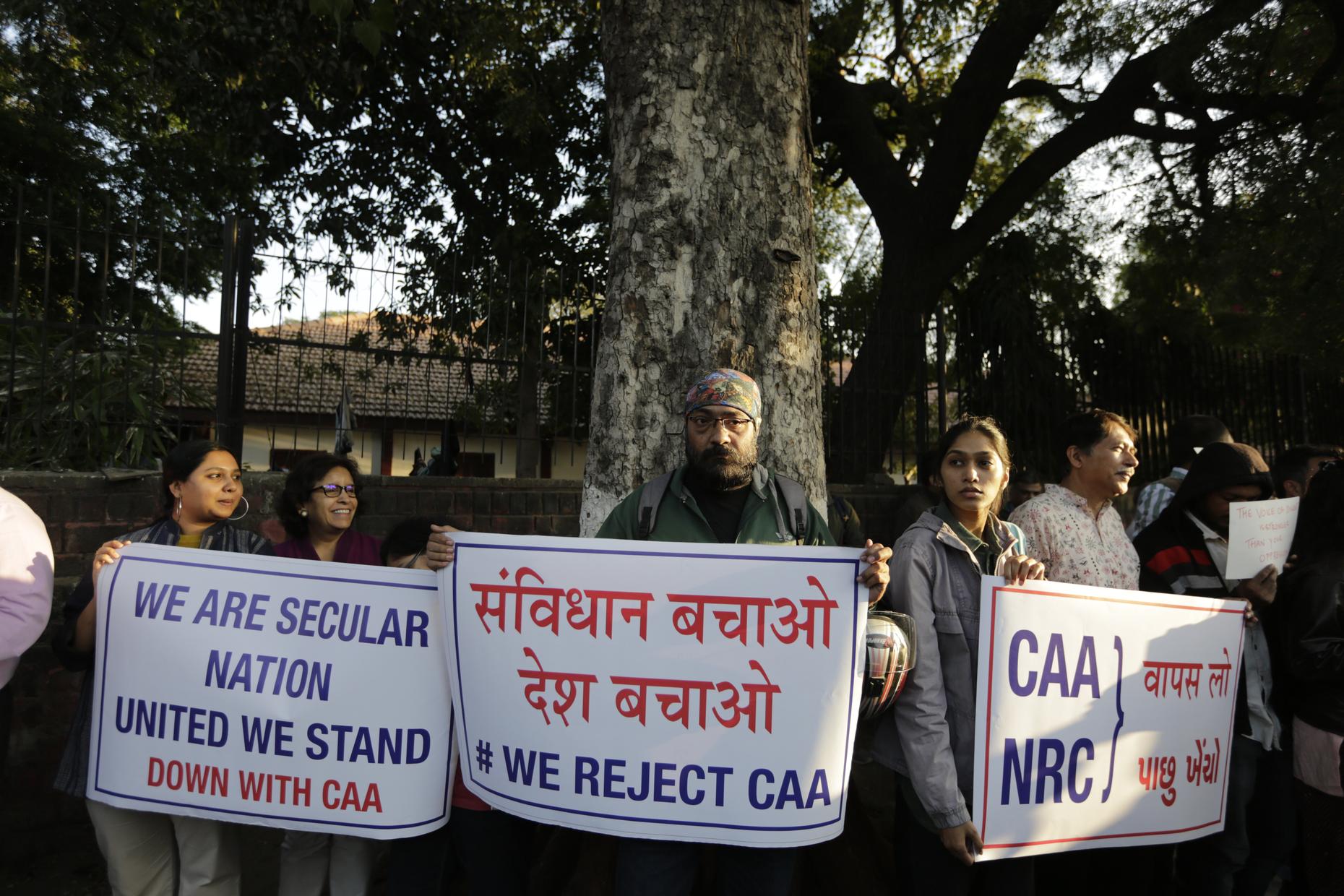
Dec 13, 2019
Body of Law: Beyond Roe
A majority of Americans polled by CSPAN last year couldn't name a Supreme Court case. Of those who could, Roe v. Wade was by far the most familiar, with 40 percent able to name it. (Only five percent could name Brown v. Board of Education. ) And since it was decided in 1973, a majority — roughly 70 percent — have consistently said they want Roe upheld, albeit with some restrictions on legal abortion. But what do we really know about Roe ? Justice Ruth Bader Ginsburg has often said she wishes it had been another case that the Supreme Court heard as the first reproductive freedom case instead. It was Susan Struck v. Secretary of Defense , and it came to the high court during the same term as Roe . The year was 1970, and the Air Force (like the other branches of the military) had a regulation banning female service members from having a family. If a servicewoman got pregnant, she would get discharged. Captain Susan Struck was a nurse serving in Vietnam, and she challenged the decision in court with Ginsburg as her lawyer. However, the court never heard the case because the Air Force changed their policy first. For this week's show, we partnered with The Guardian ( read their story here ) to learn more about Susan Struck’s fight and its bigger lessons for reproductive freedom and for women in the workplace. Our producer Alana Casanova-Burgess and The Guardian's health reporter Jessica Glenza spoke to Struck about the difficult decision she made to give her baby up for adoption in order to fight the regulation. Plus, we hear why legal scholars think this case "deserves to be honored by collective memory," and how Ginsburg's arguments to the Supreme Court differed from what the justices decided in Roe . Then: - Slate's Dahlia Lithwick explains the threats to reproductive rights in the court right now; - Neil Siegel of Duke Law School puts the Struck case in context and discusses what better questions we could be asking about women's equality; - activist and scholar Loretta Ross explains the tenets of reproductive justice and how they expand the frame beyond Roe and abortion; - and Reva Siegel of Yale Law School tells the story of how abortion was discussed before 1973, including during the Women's Strike of 1970. And she describes the framework of ProChoiceLife , which expands the idea of what pro-life policy is. She is also the co-editor of Reproductive Rights and Justice Stories . Read The Guardian ’s print version here , and share your story with Jessica Glenza if you were a woman serving in the military before 1976 . Music by Nicola Cruz, Kronos Quartet, and Mark Henry Phillips On the Media is supported by listeners like you. Support OTM by donating today ( https://pledge.wnyc.org/support/otm ). Follow our show on Instagram , Twitter and Facebook @onthemedia, and share your thoughts with us by emailing onthemedia@wnyc.org.
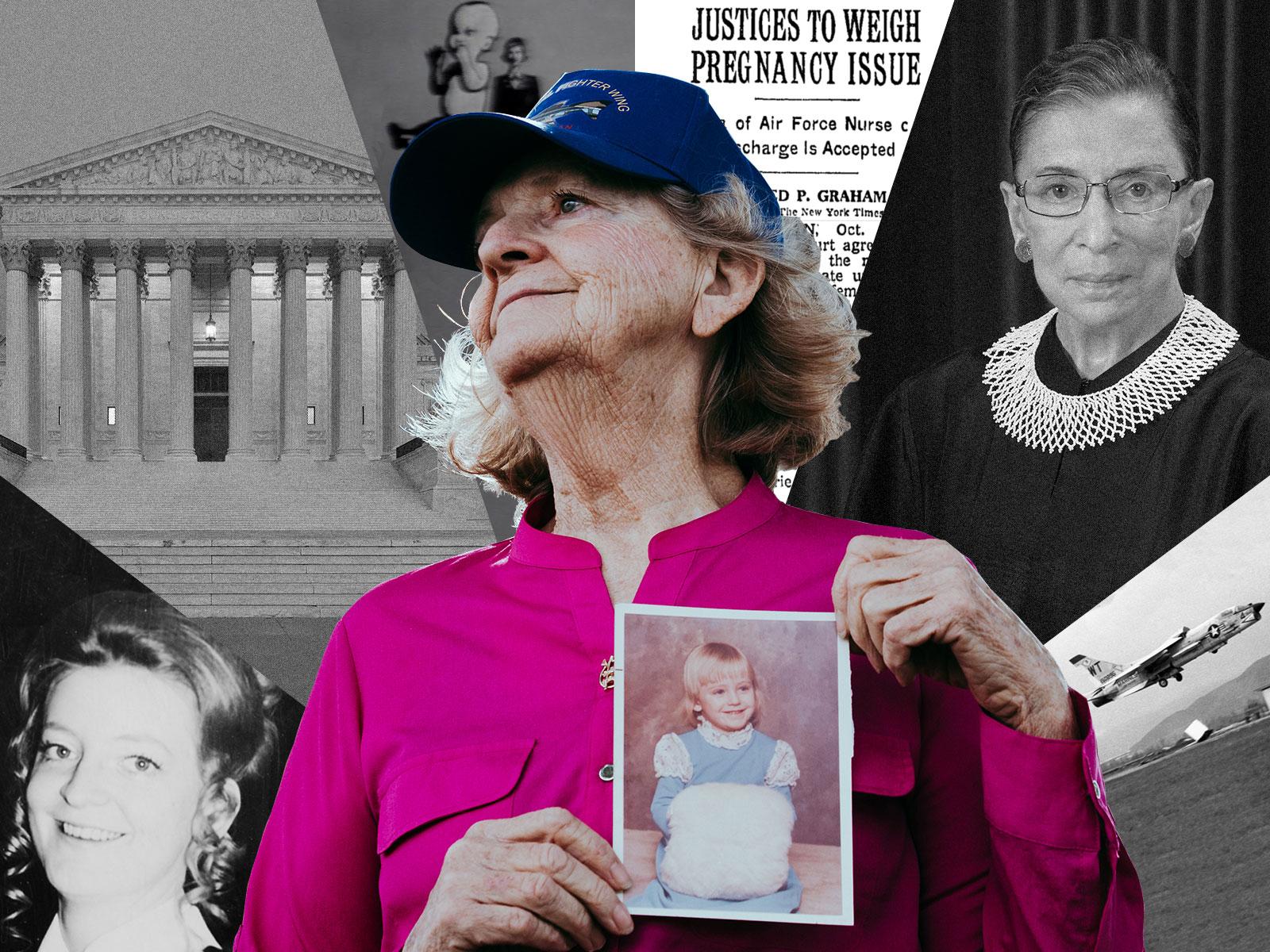
Dec 11, 2019
The "Pentagon Papers" Of Our Time
On Monday, the Washington Post released the fruits of a three-year investigative effort: the "Afghanistan Papers," a once-secret internal government history of a deadly, costly, and ultimately futile entanglement. The hundreds of frank, explosive interviews — along with a new tranche of memos written by the former Secretary of Defense Donald Rumsfeld — revealed the extent to which American leaders misled the public on their efforts to hunt down Osama Bin Laden, rout the Taliban, expel Al Qaeda, install democracy, and undo corruption. In this podcast extra, investigative reporter Craig Whitlock tells Bob about the monumental story that the Post uncovered — and the extraordinary effort it took to report it out. On the Media is supported by listeners like you. Support OTM by donating today ( https://pledge.wnyc.org/support/otm ). Follow our show on Instagram , Twitter and Facebook @onthemedia, and share your thoughts with us by emailing onthemedia@wnyc.org.
Dec 6, 2019
The Dead Consensus
As House leaders begin drafting articles of impeachment, examples from the Nixon and Clinton eras abound. This week, On the Media rewinds to the 19th century — and the turbulent impeachment of Andrew Johnson. Plus, what a debate between two right-wing intellectuals means for the future of conservatism. 1. Brenda Wineapple, author of The Impeachers , on the acrimonious trial of Andrew Johnson. Listen . 2. Matthew Sitman [ @MatthewSitman ], co-host of the Know Your Enemy podcast , on the rise of illiberalism among the conservative intelligentsia. Listen . Music: It's Beginning To Look A Lot Like Christmas by Black Dyke Band Gormenghast by John Zorn Passing Time by John Renbourn Prelude of Light by John Zorn Psalom by Kronos Quartet Purple Haze by Kronos Quartet On the Media is supported by listeners like you. Support OTM by donating today ( https://pledge.wnyc.org/support/otm ). Follow our show on Instagram , Twitter and Facebook @onthemedia, and share your thoughts with us by emailing onthemedia@wnyc.org.
Dec 4, 2019
Tribalism, Anger and the State of Our Politics
If solidarity and the recognition of mutual self-interest are the keys to moving past our fractious moment, it can be hard to see how we'll get there. Anger and tribalism appear to be at an all-time high, creating political and societal rifts that seem unbridgeable. Indeed, it is hard to believe that only 70 years ago, the country was deemed by political scientists to be not polarized enough. I n 1950, the American Political Science Association put out a report that suggested that the parties were not distinct enough and that it was making people's political decision making too difficult. Over the next few decades, they became distinct alright. Lilliana Mason is a political psychologist at the University of Maryland. When we spoke to her last fall, she told us that most people think they know exactly what each party stands for — leaving us with two camps that both seek to destroy the other. On the Media is supported by listeners like you. Support OTM by donating today ( https://pledge.wnyc.org/support/otm ). Follow our show on Instagram , Twitter and Facebook @onthemedia, and share your thoughts with us by emailing onthemedia@wnyc.org.
Nov 29, 2019
We Need To Talk About Poland
With the US deep in questions of impeachment, what lessons can we learn from divided societies abroad? This week, On the Media travels to Poland, where conspiracy, xenophobia and the rise of illiberalism have the country in an existential fight for its future. On the Media producer Leah Feder reports. 1. Anne Applebaum [ @anneapplebaum ] on the conspiracy theories around a 2010 plane crash that redrew lines in Polish politics. Listen. 2. Pawel Machcewicz on the Law & Justice party's takeover of the Museum of the Second World War in Gdansk. Also featuring Anne Applebaum [ @anneapplebaum ] , Janine Holc and Angieszka Syroka. Listen. 3. An exploration of left and right strategies in contemporary Poland, with Igor Stokfiszewski of [ @krytyka ], Anne Applebaum [ @anneapplebaum ] and Jaroslaw Kuisz of [ @kultliberalna ]. Listen. Music: OldNova - Taniec Kikimory Chopin - Nocturne en mi Bémol Majeur op 9 no° 2 Wojciech Kilar, Tadeusz Strugala, The Warsaw Philharmonic National Orchestra of Poland - Moving to the Ghetto Oct 31, 1940 Chopin - Nocturne no° 1 in B Flat Major Chopin, Ivan Moravec - Berceuse in D Flat Minor, Op. 57 Przepis Po Polsku (Polish Recipe) BOKKA - Town of Strangers On the Media is supported by listeners like you. Support OTM by donating today ( https://pledge.wnyc.org/support/otm ). Follow our show on Instagram , Twitter and Facebook @onthemedia, and share your thoughts with us by emailing onthemedia@wnyc.org.
Nov 26, 2019
PURPLE EPISODE 4: Media to the Rescue?
As part of a month-long campaign called the Purple Project for Democracy , (a strictly non-partisan, apolitical effort that a number of other large news organizations have also contributed to) we are featuring a series of conversations about an alarming loss of trust, faith and devotion by Americans for American democracy — and what to do about it. Bob is one of the Purple Project organizers. In episode four, Bob examines the media’s responsibility for instilling devotion, or at least perspective, for our democracy. A 2014 National Assessment of Educational Progress, or NAEP, showed only 23 percent of eighth graders in the United States attained “proficient” status in civics. A 2011 Newsweek survey found that 70 percent of Americans didn’t even know that the Constitution is the supreme law of the land. And only 26% of those surveyed in 2017 by the University of Pennsylvania could name all three branches of government. And no wonder: with STEM curriculum and standardized testing squeezing the school day, civics has become the snow leopard of the social studies curriculum. So if the knowledge vacuum is otherwise filled by misinformation and disinformation, and the result is a loss of faith and trust in democracy itself, who is left to intervene? Jan Schaffer — ombudsman for the Corporation of Public Broadcasting, Pulitzer Prize–winning former journalist and founder of The Institute for Interactive Journalism — talks to Bob about w hat responsibility the media have to become educators, and maybe even re-assurers, of last resort. Music: Ashokan Farewell by Jay Ungar On the Media is supported by listeners like you. Support OTM by donating today ( https://pledge.wnyc.org/support/otm ). Follow our show on Instagram , Twitter and Facebook @onthemedia, and share your thoughts with us by emailing onthemedia@wnyc.org.
Nov 25, 2019
PURPLE EPISODE 3: Let’s Not Discount Reality
As part of a month-long campaign called the Purple Project for Democracy, OTM is using its podcast feed for a series of conversations about an alarming loss of trust, faith and devotion by Americans for American democracy — and what to do about it. Bob himself is one of the Purple Project organizers. We recommend that you listen to this four-part mini-series in order. In this third episode he explores some of the causes for disaffection. One of the reasons so many Americans have lost trust and faith is democratic institutions is simple misunderstanding about how the system is designed to work. Another, however, is familiarity with how the system does work — which isn’t exactly of, by and for the People. Anand Giridharadas is author of Winners Take All: The Elite Charade of Changing the World . He says t he founders also didn’t plan on politicians constantly trash-talking government itself and that a decline in trust in government is the result of a concerted, private sector propaganda war waged over the last four decades. Music: Purple Haze by Jimi Hendrix On the Media is supported by listeners like you. Support OTM by donating today ( https://pledge.wnyc.org/support/otm ). Follow our show on Instagram , Twitter and Facebook @onthemedia, and share your thoughts with us by emailing onthemedia@wnyc.org.
Nov 24, 2019
PURPLE EPISODE 2: “Low Information, High Misinformation Voters"
As part of a month-long campaign called the Purple Project for Democracy , (a strictly non-partisan, apolitical effort that a number of other large news organizations have also contributed to) we are featuring a series of conversations about an alarming loss of trust, faith and devotion by Americans for American democracy –– and what to do about it. Bob is one of the Purple Project organizers. The Pizzagate pedophile conspiracy, crisis actors at Sandy Hook, the flat Earthers...and on and on. Absolute nonsense peddled by the cynical and the naive, and eagerly lapped up by the gullible. Misinformation is a problem that Brendan Nyhan , professor of government at Dartmouth College, has studied for years. In this interview, Brendan and Bob discuss new research on how Americans form their political beliefs and how civic institutions may begin to win back their trust. Song: Il Casanova di Federico Fellini by Nino Rota On the Media is supported by listeners like you. Support OTM by donating today ( https://pledge.wnyc.org/support/otm ). Follow our show on Instagram , Twitter and Facebook @onthemedia, and share your thoughts with us by emailing onthemedia@wnyc.org.

Nov 23, 2019
PURPLE EPISODE 1: “Is Democracy up for grabs?”
As part of a month-long campaign called the Purple Project for Democracy , (a strictly non-partisan, apolitical effort that a number of other large news organizations have also contributed to) we are featuring a series of conversations about an alarming loss of trust, faith and devotion by Americans for American democracy -- and what to do about it. Bob is one of the Purple Project organizers. Democracy is in trouble. Not necessarily because of our current political mayhem, or even because of the accumulated sins and failures of American society, but because vast swaths of the public are giving up on the system that has governed us for 243 years. Here are some alarming data points: One, in 2018 only 33% of the general population expressed trust for government. Two, among 1400 adults asked about the importance of democracy, only 39% of younger participants said “absolutely important.” Three, in a 2018 Democracy Fund surve y of 5000 Americans, 24% of respondents expressed support for “a strong leader who doesn’t have to bother with Congress or elections,” and either a “strong leader” and 18% for “army rule. The more complicated question is what as a society we are to do about it? In this mini-series we’ll be talking that over, but we’ll begin with the actual state of public sentiment and public participation. Eric Liu is the co-founder and CEO of Citizen University and Co-chair of the American Academy of Arts and Sciences Commission on the Practice of Democratic Citizenship. He and Bob discuss potential solutions for taking on widespread disaffection. Music: We Insist by Zoë Keating On the Media is supported by listeners like you. Support OTM by donating today ( https://pledge.wnyc.org/support/otm ). Follow our show on Instagram , Twitter and Facebook @onthemedia, and share your thoughts with us by emailing onthemedia@wnyc.org.
Nov 22, 2019
The Disagreement Is The Point
In hearings this week, House Democrats sought to highlight an emerging set of facts concerning the President’s conduct. On this week’s On the Media, a look at why muddying the waters remains a viable strategy for Trump’s defenders. Plus, even the technology we trust for its clarity isn’t entirely objective, especially the algorithms that drive decisions in public and private institutions. And, how early radio engineers designed broadcast equipment to favor male voices and make women sound "shrill." 1. David Roberts [ @drvox ], writer covering energy for Vox, on the "epistemic crisis" at the heart of our bifurcated information ecosystem. Listen . 2. Cathy O'Neil [ @mathbabedotorg ], mathematician and author of Weapons of Math Destruction: How Big Data Increases Inequality and Threatens Democracy, on the biases baked into our algorithms. Listen . 3. Tina Tallon [ @ttallon ], musician and professor, on how biases built into radio technology have shaped how we hear women speak. Listen . Music: Misterioso by Kronos Quartet Human Nature by Vijay Iyer Trio Il Casanova di Federico Fellini by Nino Rota Whispers of Heavenly Death by John Zorn These Boots Are Made For Walkin' by Nancy Sinatra On the Media is supported by listeners like you. Support OTM by donating today ( https://pledge.wnyc.org/support/otm ). Follow our show on Instagram , Twitter and Facebook @onthemedia, and share your thoughts with us by emailing onthemedia@wnyc.org.
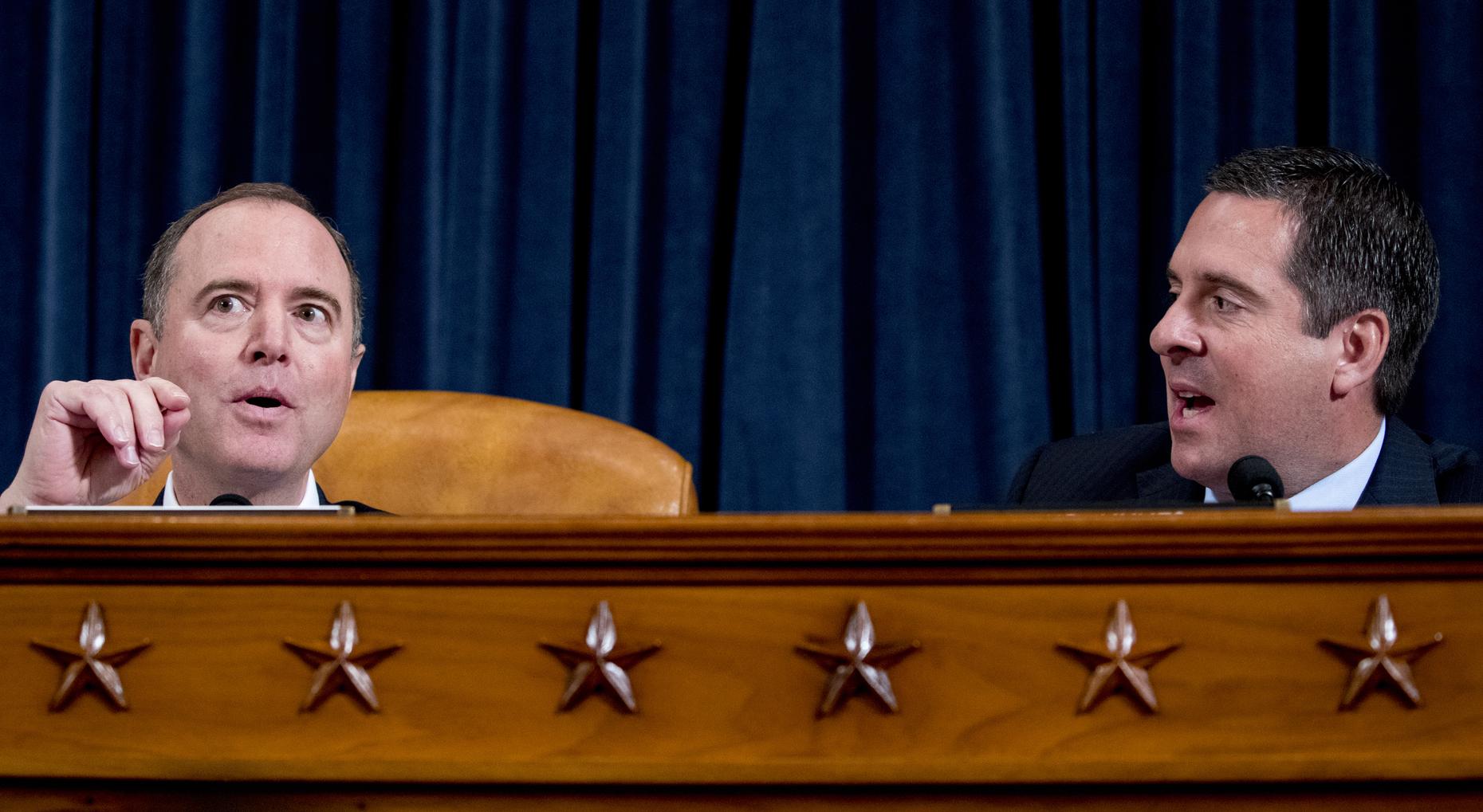
Nov 19, 2019
We Made a Lipstick For You!
What counts as media? For us, its any medium through which we express ourselves — whether from one to one, from one to many, or just from one... to one’s own self. We can do it with our style. Our hair. Even our glasses. They're choices that express not just our aesthetics, but our politics, too. And so for this seasonal fundraising effort, we are offering something new. It was the idea of Poppy King , lipstick designer extraordinaire, whose Frog Prince lipstick was last year listed by Elle Australia as one of the most iconic lipstick shades of all time. King's a devoted listener, so, in collaboration with the show, she designed a special lipstick. It's called Well Red and she offered a batch of them to us as a donation so that we can pass them on to you. We are offering these very special lipsticks to you for a donation of $12 a month or $144 for a year's worth of support for this show. If you donate by December 6th, we can guarantee delivery in time for the holidays. Christmas, Hanukkah, Kwanzaa? We have your lipstick gifting needs covered. When you get this lipstick as a thank-you gift, you’re checking two important year-end items off your list: you’re supporting OTM to help fund another year of reporting and you’re getting a unique gift for yourself or a loved one. Go to onthemedia.org/donate or text lipstick to 70101. Thank you so much! On the Media is supported by listeners like you. Support OTM by donating today ( https://pledge.wnyc.org/support/otm ). Follow our show on Instagram , Twitter and Facebook @onthemedia, and share your thoughts with us by emailing onthemedia@wnyc.org.
Nov 15, 2019
Designed to Intimidate
Millions tuned into impeachment hearings this week — the first two of five already scheduled. On this week’s show, why shifts in public opinion may not necessarily sway the GOP. Plus, what we can learn from the predatory tactics that enriched Bill Gates. 1. Nicole Hemmer [ @pastpunditry ], author of Messengers of the Right: Conservative Media and the Transformation of American Politics , on the false premise underlying hope for President Trump's removal. Listen. 2. John Dean [ @JohnWDean ] former White House counsel, on the lessons he's applying from Watergate to the impeachment hearings for President Trump. Listen. 3. Former Labor Secretary Rob Reich [ @RBReich ] and Goliath author Matt Stoller [ @matthewstoller ] on how billionaires like Bill Gates use their power and wealth to force their vision on society. Listen. Music: Zoe Keating — We Insist Donnie Darko — Cellar Door Chicago Sunset — Charlie Musselwhite Carmen Fantasy — Anderson and Row Tongue in cheek — Gaurav Raina Tarana Marwah Ototoa — Malphino On the Media is supported by listeners like you. Support OTM by donating today ( https://pledge.wnyc.org/support/otm ). Follow our show on Instagram , Twitter and Facebook @onthemedia, and share your thoughts with us by emailing onthemedia@wnyc.org.
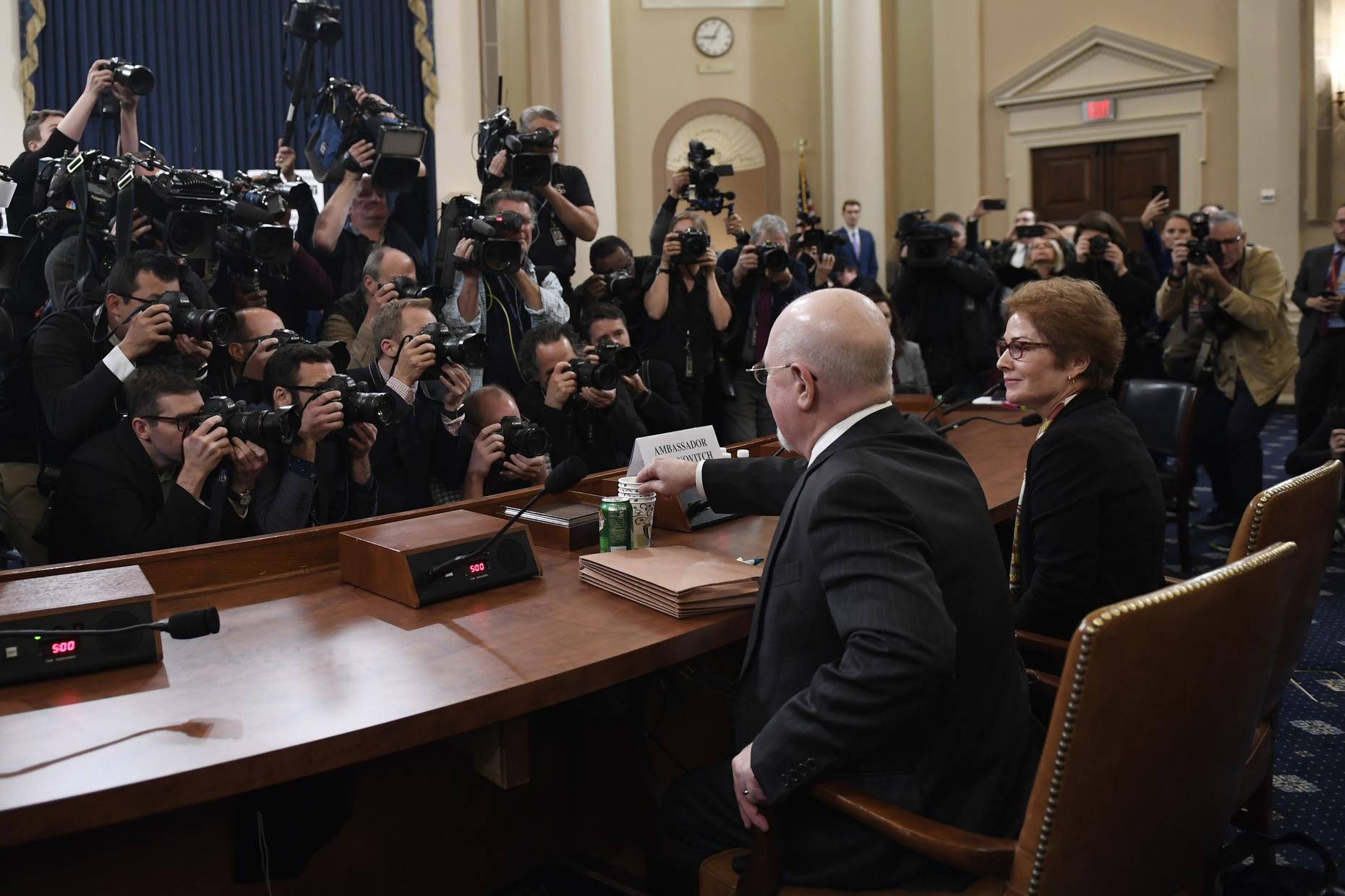
Nov 13, 2019
OTM presents: Shell Shock 1919: How the Great War Changed Culture
You really have a feeling that here is a building that looks fantastically beautiful, and it’s got its whole façade simply blown off by this war. -Philipp Blom World War I presented civilization with unprecedented violence and destruction. The shock of the first modern, “industrial” war extended far into the 20th century and even into the 21st, and changed how people saw the world and themselves. And that was reflected in the cultural responses to the war – which included a burgeoning obsession with beauty and body image, the birth of jazz, new thinking about the human psyche, the Harlem Renaissance, Surrealism...and more. WNYC's Sara Fishko and guests sift through the lingering effects of the Great War on modern art and life in Shell Shock 1919: How the Great War Changed Culture . Guests include Jon Batiste, Ann Temkin, David Lubin, Philipp Blom, Jay Winter, Ana Carden-Coyne, Sabine Rewald, David Levering Lewis, Emma Chambers, Marion von Osten, Emily Bernard, and Gail Stavitsky ‘L.H.O.O.Q.’ by Marcel Duchamp; readymade [postcard reproduction of Leonardo da Vinci’s Mona Lisa] and pencil (1919) (Philadelphia Museum of Art) James Reese Europe and the 369th Regiment band, also known as the Harlem Hellfighters (1918) (U.S. National Archives and Record Administration) Margaret Gorman, the first Miss America, on the Atlantic City boardwalk (1921) (Wikimedia Commons) Still from Wallace Worsley’s The Hunchback of Notre Dame (1923, Universal) starring Lon Chaney as Quasimodo and Patsy Ruth Miller as Esmeralda (Universal Pictures) The Cenotaph in Whitehall, London on November 9, 2015, surrounded by poppy wreaths for Remembrance Day (Bailey-Cooper Photography / Alamy Stock Photo) Producer/Host: Sara Fishko Associate Producer: Olivia Briley Technical Director: Ed Haber Editor: Karen Frillmann Production help from Terence Mickey, Meara Sharma, and Frederic Castel With the voices of Michael Wist and Alexis Cuadrado Thanks to Loren Schoenberg, Jennifer Keene, Jo Fox, Katy Wan, Marion von Osten, Marion Kiesow II, Patrick Helber, Shannon Connolly, and Natalia Ramirez Shell Shock 1919 is supported by the Revada Foundation of the Logan Family On the Media is supported by listeners like you. Support OTM by donating today ( https://pledge.wnyc.org/support/otm ). Follow our show on Instagram , Twitter and Facebook @onthemedia, and share your thoughts with us by emailing onthemedia@wnyc.org.
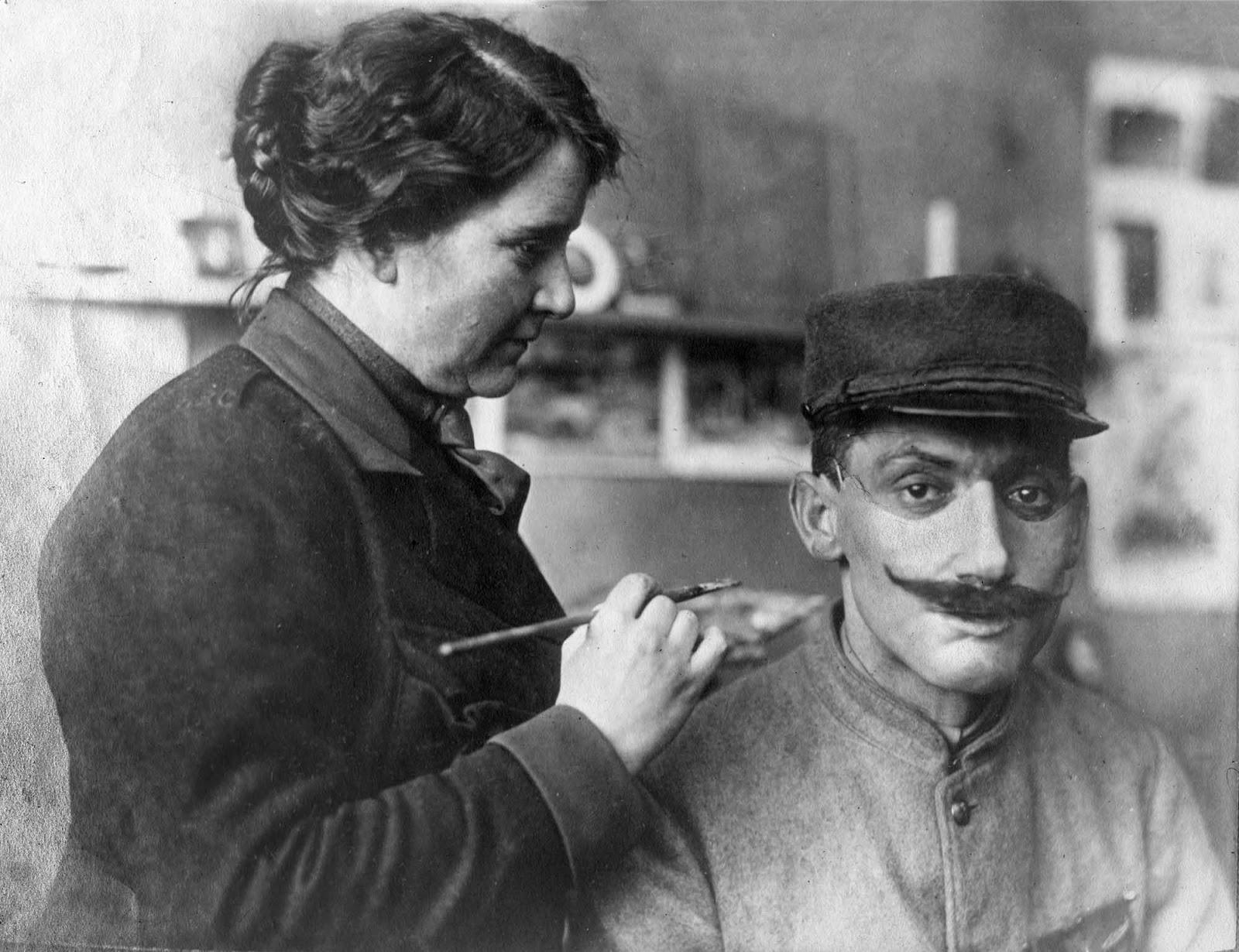
Nov 8, 2019
Curiouser and Curiouser
President Trump’s concerns about corruption in Ukraine began, in part, with a series of articles in a publication called The Hill. On this week’s On the Media, a close-up on the columnist whose dubious tales may lead to an impeachment. Plus, the black nationalist origins of Justice Clarence Thomas’s legal thinking. 1. Paul Farhi [ @farhip ], Washington Post media reporter, and Mike Spies [ @mikespiesnyc ], ProPublica reporter, on John Solomon's role in the impeachment saga. Listen . 2. Corey Robin [ @CoreyRobin ], writer and political scientist at Brooklyn College and the CUNY Graduate Center, on all that we've missed (or ignored) about Justice Clarence Thomas. Listen . Music from this week's show: How Strange by Nicola Cruz I'm the Slime By Frank Zappa Suite for Solo Cello No. 6 in D Major, BWV 1012: I. Prelude by Yo Yo Ma Lachrymae Antiquae by Kronos Quartet Two Thousand Seventeen by Four Tet On the Media is supported by listeners like you. Support OTM by donating today ( https://pledge.wnyc.org/support/otm ). Follow our show on Instagram , Twitter and Facebook @onthemedia, and share your thoughts with us by emailing onthemedia@wnyc.org.
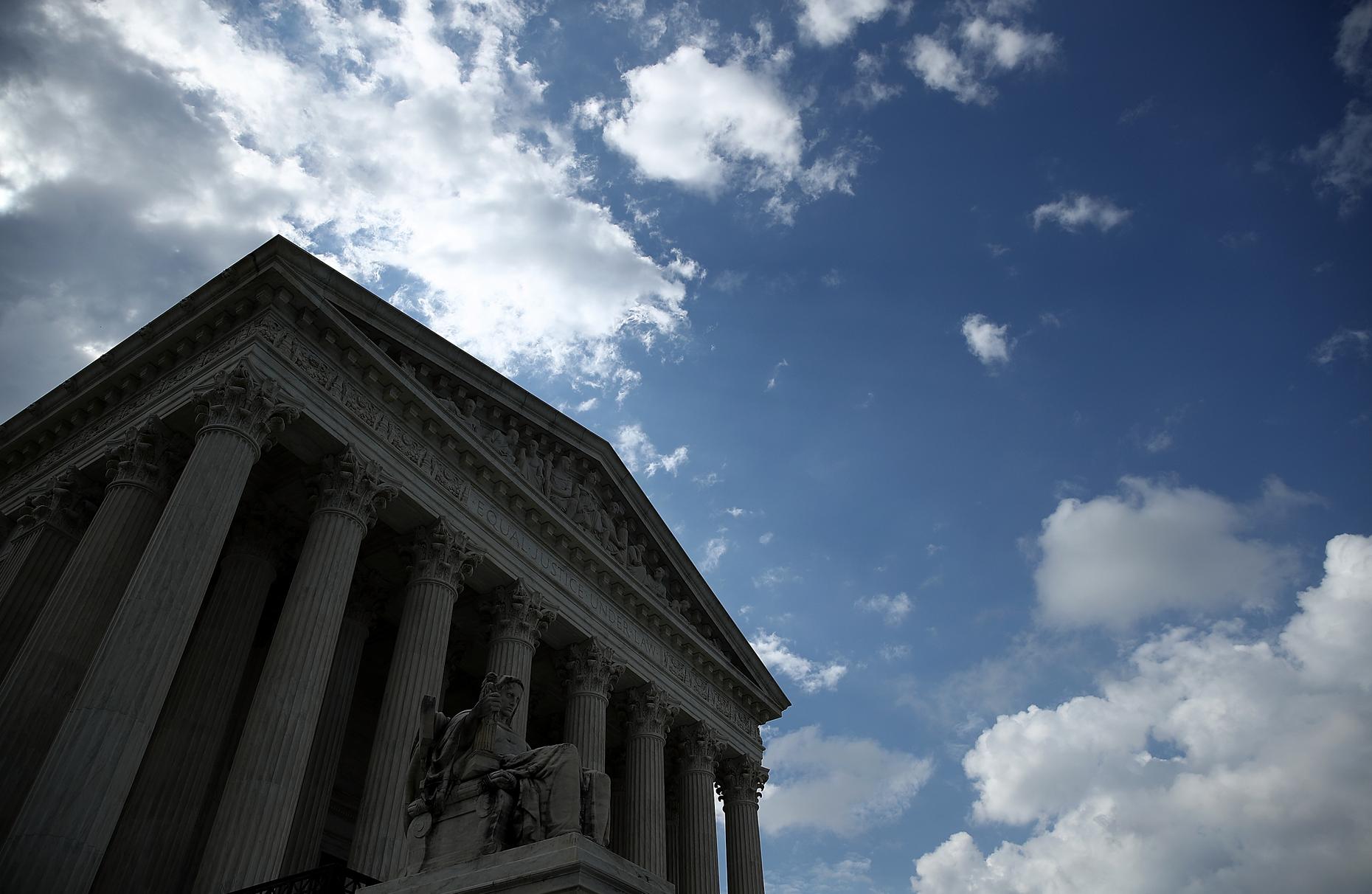
Nov 6, 2019
Can We Govern Ourselves?
As Americans battle for control of the future of the United States, it seems that we're always going back to founding documents and core principles: relying on them and reinterpreting them, in what seems to be an increasingly arduous effort to govern ourselves. It all starts to beg an uncomfortable question: in the end, can we govern ourselves? John Adams didn’t think so. He said that all political systems, whether monarchy, democracy, aristocracy, were equally prey to the brutish nature of mankind. Harvard historian Jill Lepore wrote a sweeping history of the American experiment called These Truths: A History of the United States . Brooke spoke with Lepore about this country's history and the history of the contested — and supposedly self-evident — truths under-girding our shaky democracy. This segment is from our November 9th, 2018 episode, We're Not Very Good At This . On the Media is supported by listeners like you. Support OTM by donating today ( https://pledge.wnyc.org/support/otm ). Follow our show on Instagram , Twitter and Facebook @onthemedia, and share your thoughts with us by emailing onthemedia@wnyc.org.
Nov 1, 2019
Band-Aid On A Bulletwound
As wildfires tear through California, our decades-old infrastructure comes back to bite us. On this week’s On the Media, how we can understand this latest climate catastrophe through a metaphor from the computer world. Plus, the on-going struggle over the fate of the internet message board 8chan. And, Radiolab's Molly Webster digs into the right to be forgotten. 1. Writer Quinn Norton [ @quinnnorton ] on how California's wildfires are caused in large part by infrastructure decays, or the "technical debt" being accumulated by the state, and governments around the country. Listen . 2. Producer Micah Loewinger [ @MicahLoewinger ] reports on whether 8chan can remain dead after being de-platformed in August, featuring a conversation with the founder of the site Frederick Brennan [@ HW_BEAT_THAT ], who now advocates for shutting it down. Listen . 3. Radiolab [ @Radiolab ] producer Molly Webster on a group of journalists in Ohio trying an experiment: unpublishing content they’ve already published. Listen . Music from this week's show: John Zorn — Prelude 7: Sign and Sigil John Zorn — Night Thoughts Clint Mansell & Kronos Quartet: Coney Island Dreaming Korla Pandit — Procession of the Grand Moghul Michael Andrews: The Artifact and Living On the Media is supported by listeners like you. Support OTM by donating today ( https://pledge.wnyc.org/support/otm ). Follow our show on Instagram , Twitter and Facebook @onthemedia, and share your thoughts with us by emailing onthemedia@wnyc.org.
Oct 30, 2019
OTM presents Trump Inc: All the President's Memes
This week on the OTM pod we feature another episode from Trump Inc. Read more about who makes money when a bunch of conspiracy theorists throw a party at Trump's hotel. Stay up to date with email updates about WNYC and ProPublica's investigations into the president's business practices. President Trump's Doral resort has been in the news a lot lately. His chief of staff announced from the White House that America would host the next G-7 summit there. Then, Trump backed off. We're looking at a conference that did happen at Doral. A conference that attracted conspiracy theorists, where a violent video featuring a fake Trump massacring members of the media was shown. (The conference organizers say they "condemn political violence.") Trump, Inc. was there. So was the President’s son, Donald Trump, Jr. This week: The business of conspiracies. On the Media is supported by listeners like you. Support OTM by donating today ( https://pledge.wnyc.org/support/otm ). Follow our show on Instagram , Twitter and Facebook @onthemedia, and share your thoughts with us by emailing onthemedia@wnyc.org.
Oct 25, 2019
When They Come For You
There’s a growing movement on the left and right for prison reform. On this week’s On the Media, a deep dive into the strange bedfellows coalition working to close prisons down. Also, in speeches, testimony, and leaked audio, Mark Zuckerberg has been trying to make a case for free expression — and for Facebook. Plus, what the TV show COPS reveals about our fascination with punishment. 1. Kate Klonick [ @Klonick ], assistant professor at St. John's Law School, on Mark Zuckerberg's pronouncements this month on democracy, free expression, and the future of Facebook. Listen. 2. David Dagan [ @DavidDagan ], post-doctoral political science scholar at George Washington University; Mark Holden, senior vice president of Koch Industries; and Brittany Williams, activist with No New Jails in New York City, on the closing down of prisons and jails. 3. Dan Taberski [ @dtaberski ], host of the podcast "Running From Cops," on what he and his team learned from watching hundreds of episodes of "COPS." Listen. Music: Okami - Nicola Cruz Dirty Money - Antibalas Chez Le Photographe Du Motel - Miles Davis I Feel Fine - Bela Fleck and Tony Trishka On the Media is supported by listeners like you. Support OTM by donating today ( https://pledge.wnyc.org/support/otm ). Follow our show on Instagram , Twitter and Facebook @onthemedia, and share your thoughts with us by emailing onthemedia@wnyc.org.
Oct 23, 2019
OTM presents: Impeachment Pod, the Taylor Testimony
This week's OTM pod extra is another episode from the new podcast hosted by WNYC's Brian Lehrer: Where are we on impeachment today? Yesterday evening, the public got the chance to read the opening statement of U.S. emissary to Ukraine William Taylor's testimony. In it, he described " two channels of U.S. policy-making" in Ukraine, official State Department and security channels, and the "highly irregular" efforts by others in the President's circle to undermine the longstanding policy in Ukraine. Taylor laid out the most complete timeline of those efforts available thus far, and cited contacts he'd had with others that indicate President Trump's direct involvement. On today’s episode: Michael Isikoff , chief investigative correspondent for Yahoo! News, host of the podcast "Conspiracyland," co-host of the "Skullduggery" podcast and co-author of Russian Roulette: The Inside Story of Putin's War on America and the Election of Donald Trump On the Media is supported by listeners like you. Support OTM by donating today ( https://pledge.wnyc.org/support/otm ). Follow our show on Instagram , Twitter and Facebook @onthemedia, and share your thoughts with us by emailing onthemedia@wnyc.org.
Oct 18, 2019
Hanging In The Balance
In covering President Trump’s decision to stop protecting Kurdish fighters in Syria, press reports have focused on the Kurds as US allies and tools in fighting ISIS. This week, On the Media looks at a different aspect of Kurdish life: the experiment in direct democracy that has flourished in northern Syria for the past five years. Plus: how debate moderators fail audiences when they focus on taxes. And, how reporters have negotiated dangerous conditions while reporting on the Turkish operation in Syria. 1. Daniel Estrin [ @DanielEstrin] , NPR international correspondent, on the difficulties in reporting from Syria, from outside Syria. Listen . 2. Jenna Krajeski [ @Jenna_Krajeski] , a journalist with the Fuller Project for International Reporting, on the Kurdish political project, and Rapareen abd Elhameed Hasn, a 27-year-old activist and co-president of her local health authority in Rojava, on what it's been like on the ground. Listen . 3. Arthur Delaney [ @ArthurDelaneyHP ], on the worst debate question moderators keep asking. Listen . Music from this week's show: Marcus Ciscar — “Fallen Leaves” Michael Linnen — “Cantus for Bob Hardison” Zoe Keating — “We Insist” Mark Henry Phillips — [untitled track] Mark Henry Phillips — [untitled track] Gaurav Raina and Tarana Marwah — “Tongue in Cheek” Howard Shore — “Cops or Criminals” On the Media is supported by listeners like you. Support OTM by donating today ( https://pledge.wnyc.org/support/otm ). Follow our show on Instagram , Twitter and Facebook @onthemedia, and share your thoughts with us by emailing onthemedia@wnyc.org.
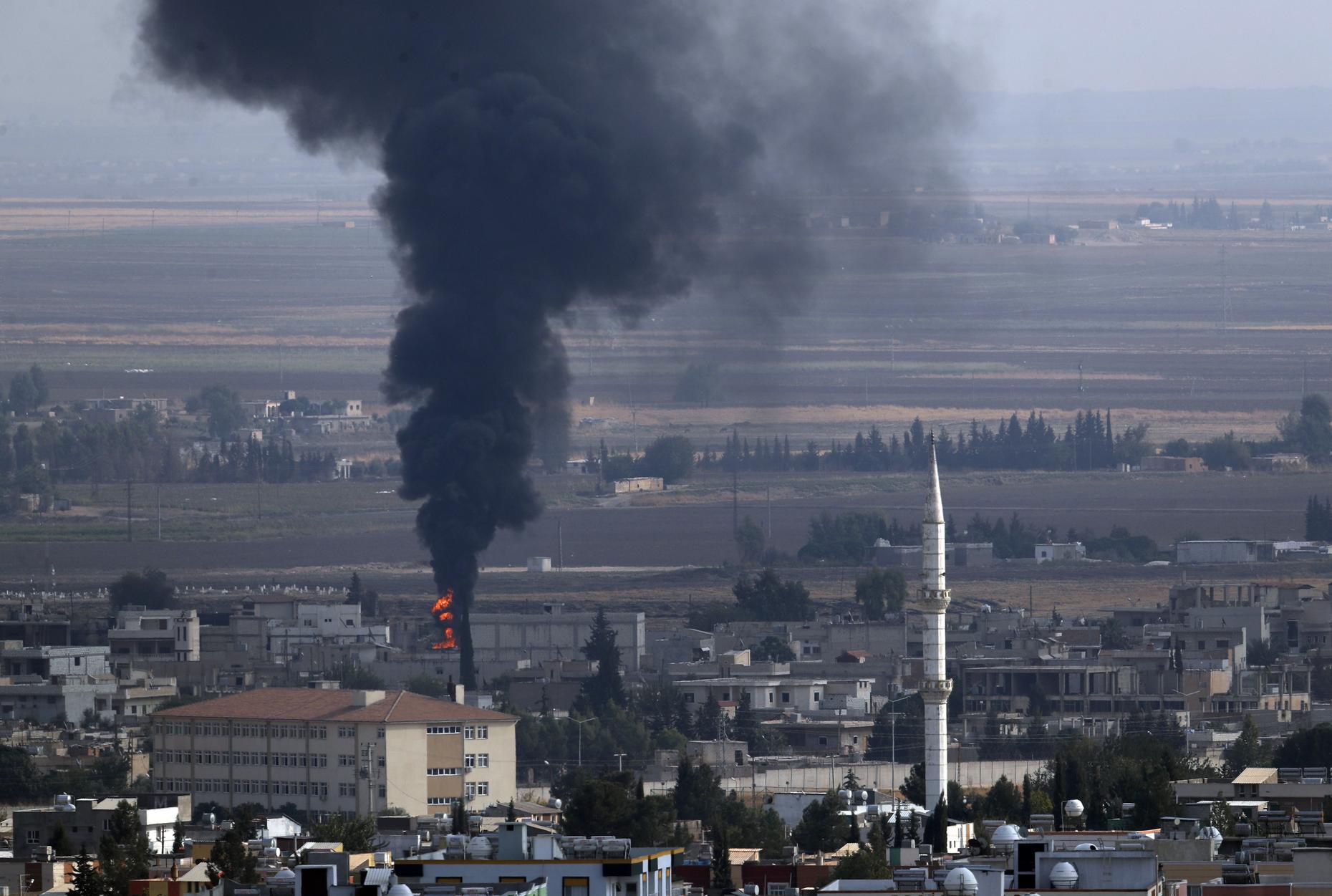
Oct 16, 2019
Introducing... Impeachment: A Daily Podcast
The pace of impeachment-related revelations is breathtaking, and it isn't slowing yet. With each day comes yet another executive branch staffer defying the White House by testifying behind closed doors on Capitol Hill — new names, fresh allegations, and ever more twists and turns. To help us follow the developments, Brian Lehrer — whose office here at WNYC is mere steps away from OTM HQ — has started a daily podcast: Impeachment . In this second episode of the podcast, New York Times reporter Katie Benner explains why George Kent, a senior State Department official for Ukraine policy, told Congressional investigators that he was instructed by a supervisor to "lie low" after raising concerns about the Trump administration's conduct. On the Media is supported by listeners like you. Support OTM by donating today ( https://pledge.wnyc.org/support/otm ). Follow our show on Instagram , Twitter and Facebook @onthemedia, and share your thoughts with us by emailing onthemedia@wnyc.org.
Oct 11, 2019
Sticks and Stones
“The right to throw a punch ends at the tip of someone’s nose.” It’s the idea that underlies American liberties — but does it still fit in 2019? This week, On the Media looks back at our country’s radical — and radically inconsistent — tradition of free speech. Plus, a prophetic philosopher predicts America 75 years after Trump. 1. Andrew Marantz [ @andrewmarantz ], author of Anti-Social: Online Extremists, Techno-Utopians, and the Hijacking of the American Conversation — and our guest host for this hour — explains what he sees as the problem with free speech absolutism. Listen . 2. John Powell [ @profjohnapowell ], law professor at UC Berkeley, P.E. Moskowitz [ @_pem_pem ], author of The Case Against Free Speech: The First Amendment, Fascism, and the Future of Dissent , and Susan Benesch [ @SusanBenesch ], Director of the Dangerous Speech Project, on our complicated legal right to speak. Listen . 3. Andrew and Brooke discuss the philosopher Richard Rorty, whose work can teach us much about where the present approach to speech might take us, as a nation. Listen . On the Media is supported by listeners like you. Support OTM by donating today ( https://pledge.wnyc.org/support/otm ). Follow our show on Instagram , Twitter and Facebook @onthemedia, and share your thoughts with us by emailing onthemedia@wnyc.org.
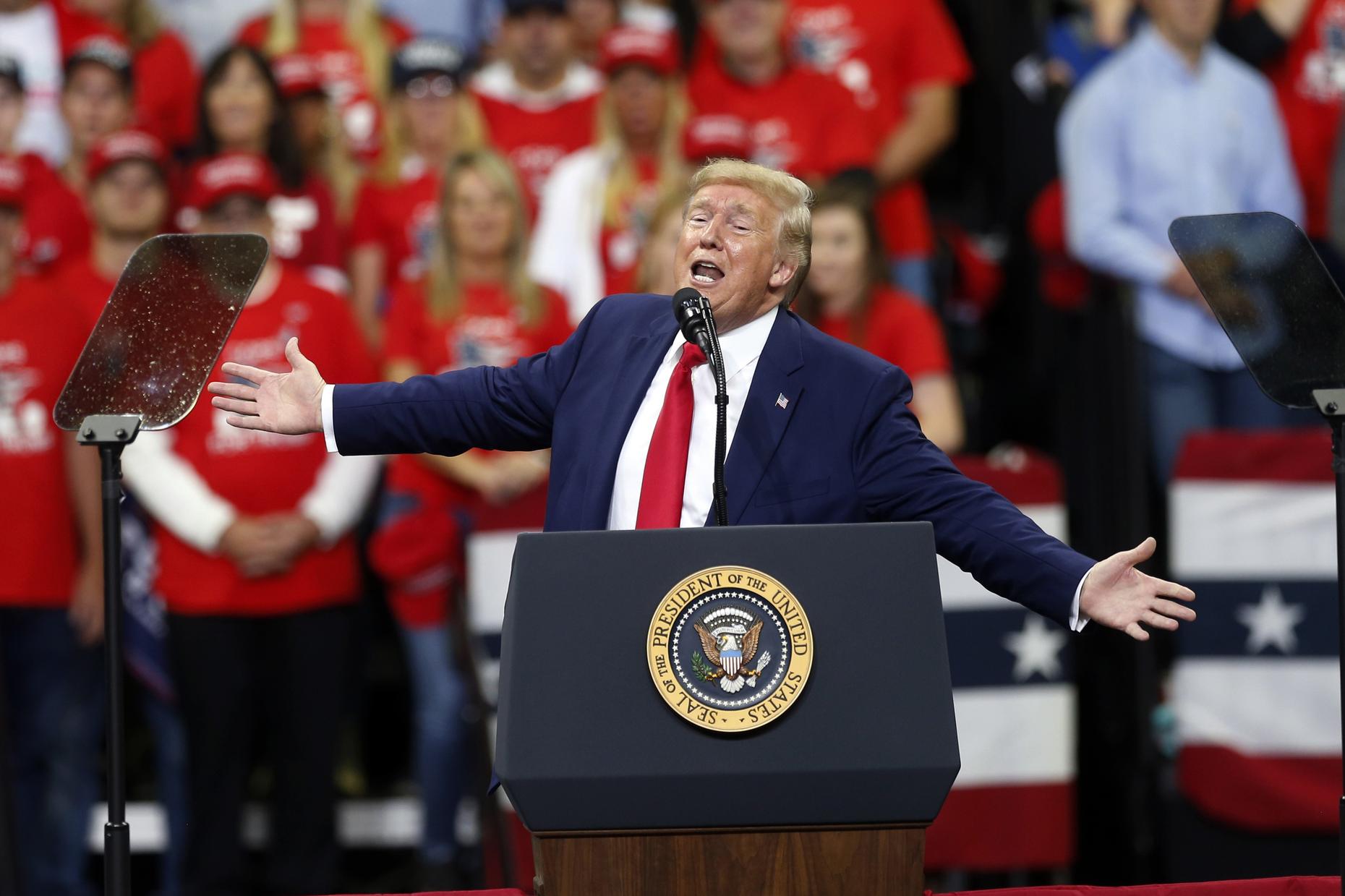
Oct 9, 2019
"The Heartbeat of Wounded Knee"
This coming Monday, some states and cities will celebrate Indigenous People’s Day, renamed from Columbus Day to honor the lives and history lost due to centuries of colonialism. Meanwhile, the few American Indian stories most Americans learn in school, like those found in Dee Brown's best-selling Bury My Heart at Wounded Knee, only reinforce simplistic narratives of genocide, disease, and suffering. David Treuer , an Ojibwe professor of literature at the University of Southern California, offers a counter-narrative to this tragic account of Indian life in his book, The Heartbeat of Wounded Knee: Native America From 1890 to the Present . In this interview from fall of 2018, he and Brooke discuss the overlooked American Indian Movement that informed the viral 2016 protest at Standing Rock, and the means by which Indians have been fighting for social and political change for centuries. This is a segment from our October 5, 2018 program, The Victimhood . On the Media is supported by listeners like you. Support OTM by donating today ( https://pledge.wnyc.org/support/otm ). Follow our show on Instagram , Twitter and Facebook @onthemedia, and share your thoughts with us by emailing onthemedia@wnyc.org.
Oct 4, 2019
A Likely Story
The talk from the Trump team is becoming increasingly hard to follow. This week, On the Media takes a look at the conspiracy thinking that’s taken over the executive branch. Plus, leaders at Fox News search for a path forward amidst infighting and impeachment drama. And, a deep dive into Ukrainian politics and the Trump connection. 1. Alex Ward [ @AlexWardVox ], staff writer at Vox, and Jeet Heer [ @HeerJeet ], national affairs correspondent at The Nation , on the conspiracies fueling Trump's policies and behaviors. Listen. 2. Gabriel Sherman [ @GabrielSherman ], special correspondent at Vanity Fair , on the chaos at Fox News. Listen. 3. Trump, Inc.'s Andrea Bernstein [ @AndreaWNYC ] and Ilya Marritz [ @ilyamarritz ] take a deep dive into Ukrainian politics and the origins of Giuliani's "investigations." Listen. On the Media is supported by listeners like you. Support OTM by donating today ( https://pledge.wnyc.org/support/otm ). Follow our show on Instagram , Twitter and Facebook @onthemedia, and share your thoughts with us by emailing onthemedia@wnyc.org.
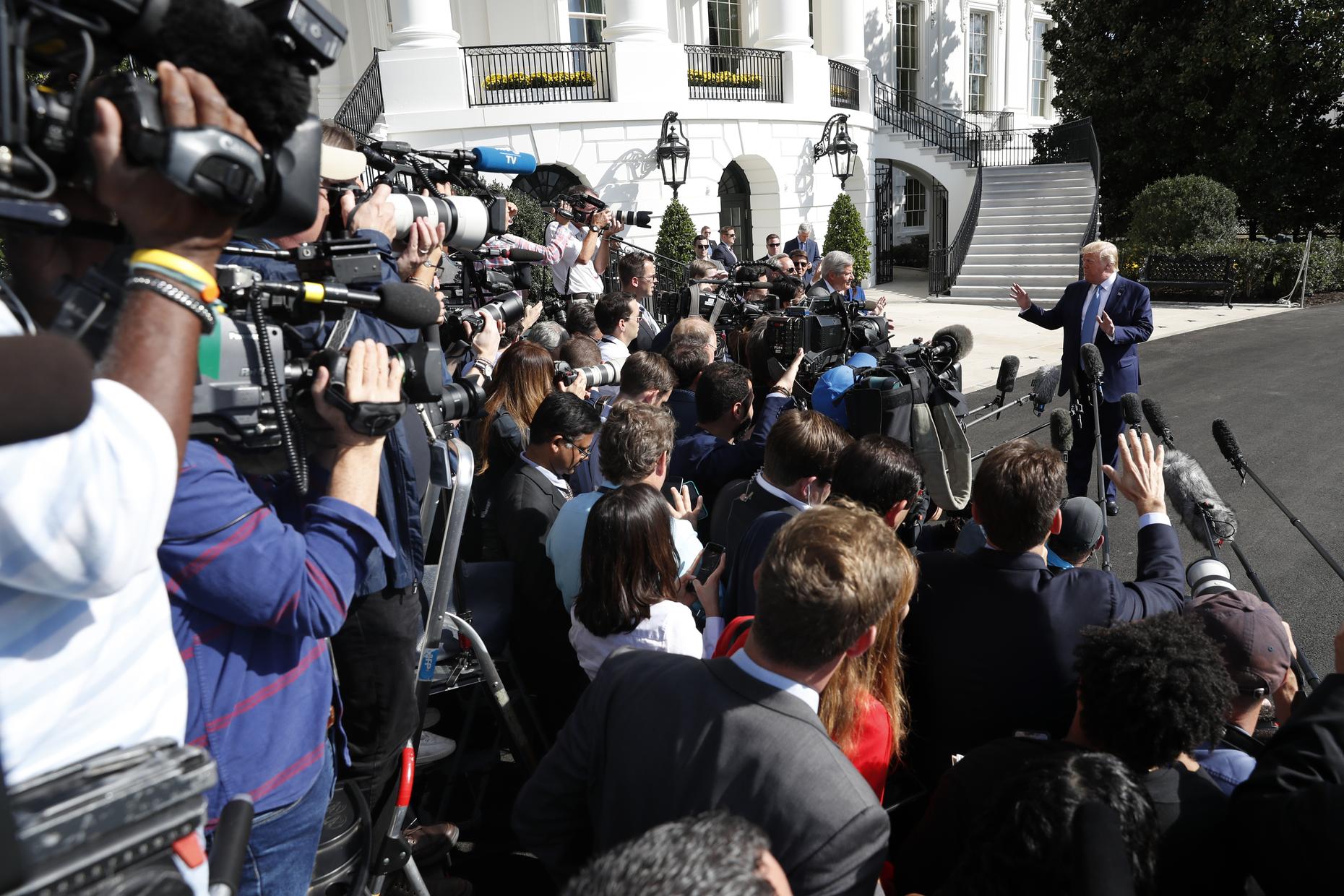
Oct 2, 2019
Go and Get Yourself a Whistle and Blow
Ever present in the Snowden and Manning era, the word "whistleblower" is again dominating the airwaves. But where exactly did the word come from? Who gets to decide who qualifies as a whistleblower? Back in 2015, Brooke spoke to language columnist Ben Zimmer, legal director for the Government Accountability Project Tom Devine, and progressive icon Ralph Nader--who "rehabilitated" the word in the 1970's--about the history of the popular epithet. On the Media is supported by listeners like you. Support OTM by donating today ( https://pledge.wnyc.org/support/otm ). Follow our show on Instagram , Twitter and Facebook @onthemedia, and share your thoughts with us by emailing onthemedia@wnyc.org.
Sep 27, 2019
Nice Democracy You've Got There...
The impeachment inquiry into President Trump is tangled up in Ukrainian politics, but few Washington reporters understand the dynamics at play. This week, On the Media looks at what we all need to know to make sense of the news. Plus, why there are no whistle-blower protections for those in the intelligence community. And, how the Nixon impeachment makes a case for a more deliberate Trump inquiry. Don't miss... 1. Tim Naftali [ @TimNaftali ], historian at New York University, on what the Nixon impeachment teaches us about the need for a deliberate process. Listen . 2. Tom Devine, legal director at the Government Accountability Project, on the poor protections for intelligence community whistle-blowers. Listen . 3. Adam Entous [ @adamentous ], staff writer at The New Yorker, on the patchy validity of Trump's Hunter Biden accusations. Listen . 4. Kyrylo Loukerenko [ @K_Loukerenko ], executive director at Hromadske Radio, helps us make sense of the misinformation about Ukraine. Listen . Music: Nuages (Clouds) by James Carter Life On Mars? by Meridian String Quarter A Ride With Polly Jean by Jenny Scheinman Nocturne for piano in B flat minor On the Media is supported by listeners like you. Support OTM by donating today ( https://pledge.wnyc.org/support/otm ). Follow our show on Instagram , Twitter and Facebook @onthemedia, and share your thoughts with us by emailing onthemedia@wnyc.org.
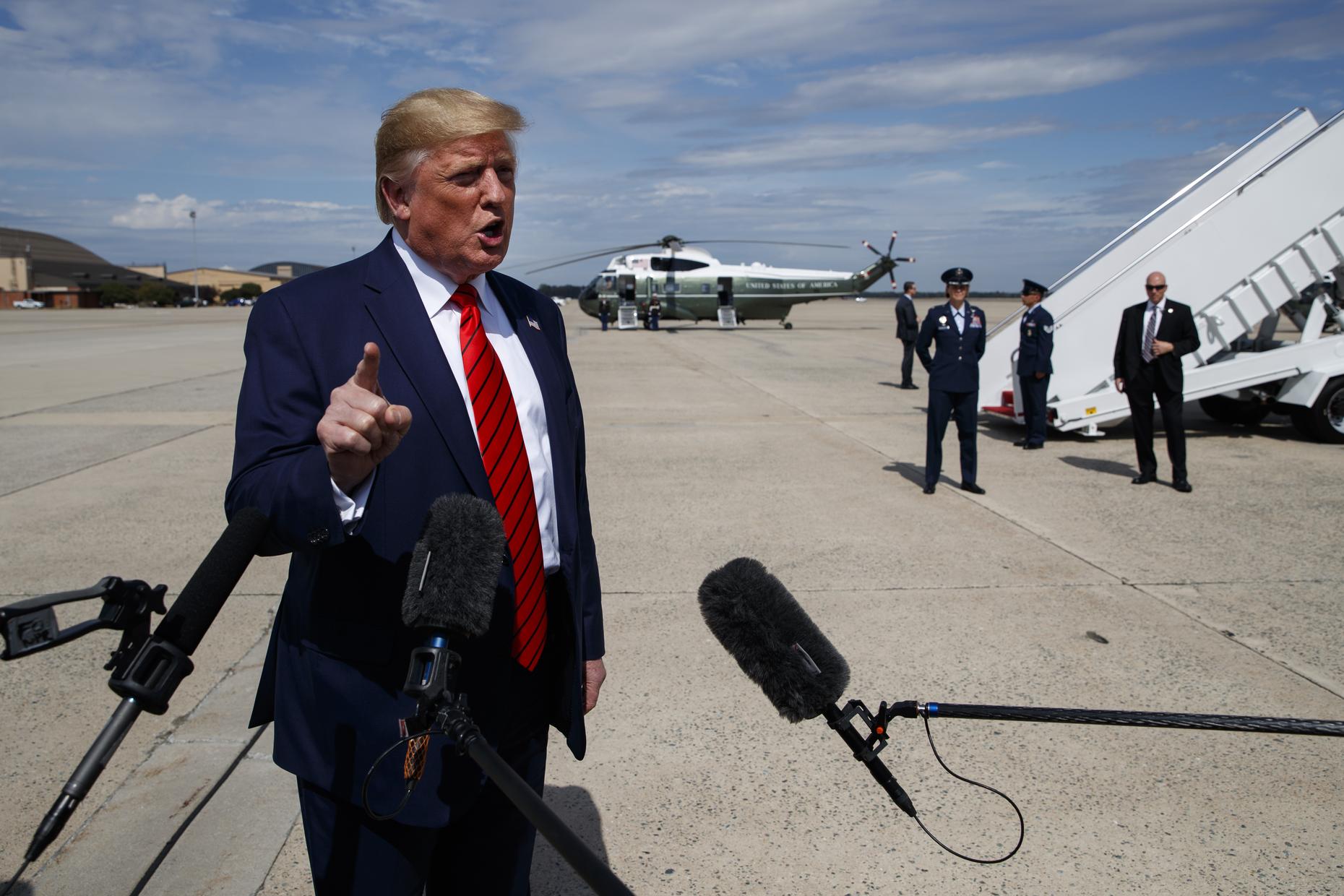
Sep 25, 2019
Live Streaming Truth and Reconciliation
It's been two years since the brutal and bloody 22-year reign of Gambian leader Yahya Jammeh ended and the country is now embroiled in a uniquely transparent truth and reconciliation process. Officials are interviewing killers and victims about the deaths and disappearances of hundreds of people and it's all being live streamed on YouTube, Facebook and traditional media. Bob spoke to New York Times correspondent Julie Turkewitz, who wrote about how t he process has become must-see-tv in The Gambia. On the Media is supported by listeners like you. Support OTM by donating today ( https://pledge.wnyc.org/support/otm ). Follow our show on Instagram , Twitter and Facebook @onthemedia, and share your thoughts with us by emailing onthemedia@wnyc.org.

Sep 19, 2019
Too Hot For School
Roosevelt’s New Deal remade American society, and now climate activists are pushing for a Green New Deal to do it again. This week, On the Media looks at the attacks from conservatives against both projects, and why congress underestimates support for climate action. Plus, how a wave of labor strikes might be a crucial component in building momentum towards Green New Deal adoption. And, the teenage girls spreading climate awareness on Tik-Tok. 1. Jane McAlevey [ @rsgexp ] , writer and organizer, on why striking is essential to effect meaningful social change. Listen. 2. Kim Phillips-Fein, historian at New York University , on lessons from the origins of and fights against the original New Deal. Listen. 3. Kate Aronoff [ @KateAronoff ] , writer at The Intercept, on what a popular meme tells us about climate activism permeating youth culture. Listen. 4. Leah Stokes [ @leahstokes ], professor at the University of California at Santa Barbara , on the misunderstandings about public opinion and climate action. Listen. On the Media is supported by listeners like you. Support OTM by donating today ( https://pledge.wnyc.org/support/otm ). Follow our show on Instagram , Twitter and Facebook @onthemedia, and share your thoughts with us by emailing onthemedia@wnyc.org.
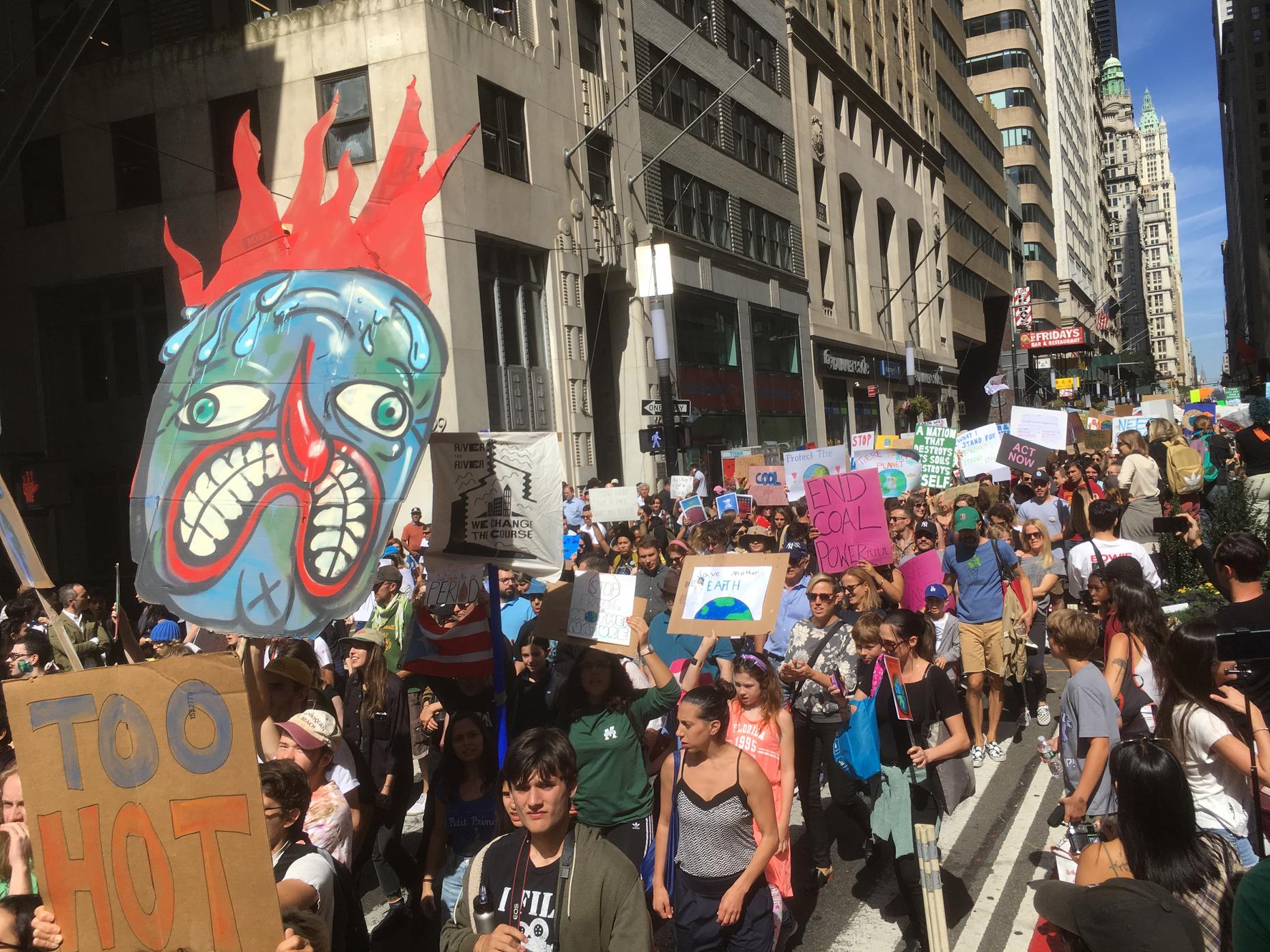
Sep 18, 2019
OTM presents Trump Inc: The Family Business
This week we are featuring a brand new episode from our friends at Trump Inc, a podcast produced here at WNYC. Here's a message from Trump Inc's producers: When we started all the way back in early 2018, we laid out how we'd be digging into the mysteries around President Donald Trump's business . After all, by keeping ownership of that business, Trump has had dueling interests: the country and his pocketbook. We've done dozens of episodes over the past 18 months, detailing how predatory lenders are paying the president , how Trump has profited from his own inauguration and how Trump's friends have sought to use their access in pursuit of profit . We've noticed something along the way. It's not just that the president has mixed his business and governing. It's that the way Trump does business is spreading across the government. Trump's company isn't like most big businesses. It is accountable to only one man, it has broken the rules , and those promoting it have long engaged in what Trump has dubbed" truthful hyperbole ." Those traits are now popping up in the government. It may seem like the news from Washington is a cacophony of scandals. But they fit clear patterns — patterns that Trump has brought with him from his business. On the Media is supported by listeners like you. Support OTM by donating today ( https://pledge.wnyc.org/support/otm ). Follow our show on Instagram , Twitter and Facebook @onthemedia, and share your thoughts with us by emailing onthemedia@wnyc.org.
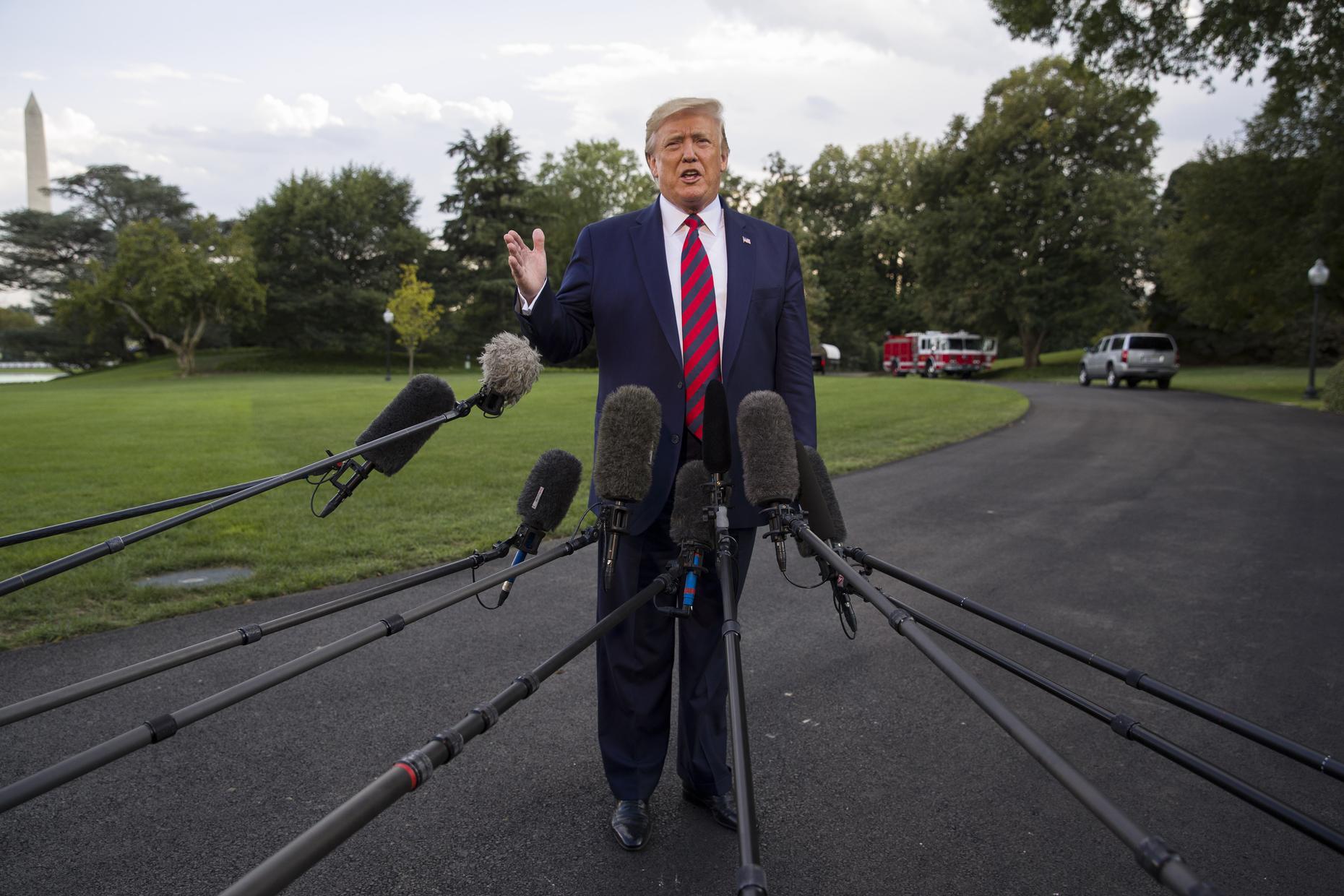
Sep 13, 2019
A Very Bitter Joke
Good riddance, John Bolton! By dismissing his third National Security Advisor, President Trump prompted renewed concern over White House instability. This week, On the Media makes the case that John Bolton’s outster is good news for the republic. Plus, after four decades of progress, domestic abuse is on the rise and Senate Republicans are stymieing the Violence Against Women Act. And, Brooke visits Lady Liberty to learn about the 130-year political war over the meaning of the statue. 1. Fred Kaplan [ @fmkaplan ], writer at Slate, on the press coverage surrounding John Bolton's ouster. Listen . 2. Rachel Louise Snyder [ @RLSWrites ], author of No Visible Bruises , on the legacy and future of the Violence Against Women Act. Listen . 3. Paul Kramer, history professor at Vanderbilt University, on the conflicting depictions and interpretations of the Statue of Liberty. Listen . Music: Frail as a Breeze by Erik Friedlander The New Colossus by Saunder Choi Toccata and fugue in D minor by J. S. Bach played on glass harp by Robert Tiso River Man by Brad Mehldau Trio On the Media is supported by listeners like you. Support OTM by donating today ( https://pledge.wnyc.org/support/otm ). Follow our show on Instagram , Twitter and Facebook @onthemedia, and share your thoughts with us by emailing onthemedia@wnyc.org.
Sep 10, 2019
Why Many Afghans Don't Understand 9/11
This weekend in a series of tweets, President Trump both disclosed and scrapped secret talks with the Taliban in Camp David. Of course, the Taliban did not perpetrate 9/11. But they did offer safe haven in Afghanistan to Al Qaeda, whose hijackers turned passenger airplanes into bombs in the most deadly act of terrorism on US soil. A few weeks later, America invaded the central Asian crossroads whose history has been one of occupation. "Today we focus on Afghanistan, but the battle is broader," President George Bush said at the time. " Every nation has a choice to make. In this conflict, there is no neutral ground. If any government sponsors the outlaws and killers of innocence, they have become outlaws and murderers themselves. And they will take that lonely path at their own peril." The whole world understood. Or, almost the whole world. One country that was unclear about the US mission and its motives was Afghanistan itself. According to a November 2010 study by the International Council on Security and Development, during the height of fighting in Helmand and Kandahar, 92 percent of southern Afghan males there had never heard of 9/11. The staggering statistic caught the eye of Stars & Stripes reporter J.P. Lawrence — himself a Iraq-war veteran; to mark the anniversary of 9/11 he decided to conduct his own survey last year . In this podcast extra, he and Bob talk about why misconceptions persist about the 18-year war in Afghanistan. On the Media is supported by listeners like you. Support OTM by donating today ( https://pledge.wnyc.org/support/otm ). Follow our show on Instagram , Twitter and Facebook @onthemedia, and share your thoughts with us by emailing onthemedia@wnyc.org.
Sep 6, 2019
Pressure Drop
As Hurricane Dorian devastated the Bahamas, Democratic presidential candidates promised climate action in an unprecedented televised event. On this week’s On the Media, how CNN’s town hall advances the climate conversation. Plus, how the bulk of gun violence coverage fails to address the root causes of the crisis. 1. David Roberts [ @drvox ], writer at Vox, on how the CNN climate town hall advances the conversation on climate change. 2. John Morales [ @JohnMoralesNBC6 ], chief meteorologist at WTVJ NBC-6 Miami, on how a meteorologist reports the weather as the climate changes. 3. Lois Beckett [ @loisbeckett ], senior reporter at The Guardian, on how covering of gun violence obscures the path to optimal solutions. On the Media is supported by listeners like you. Support OTM by donating today ( https://pledge.wnyc.org/support/otm ). Follow our show on Instagram , Twitter and Facebook @onthemedia, and share your thoughts with us by emailing onthemedia@wnyc.org.
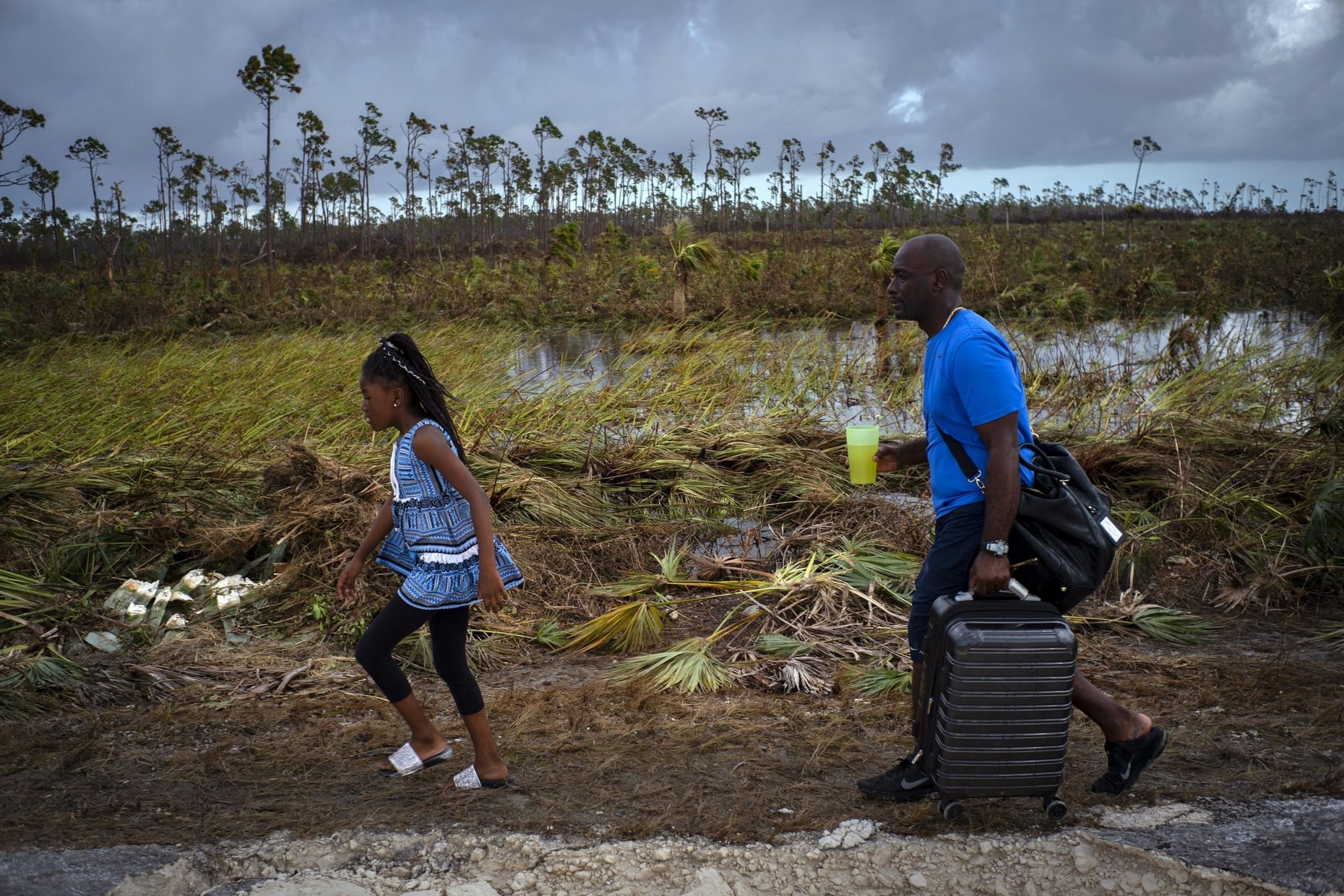
Sep 4, 2019
Remembering Les Gelb
On Saturday, Leslie Gelb died at the age of 82. Gelb was a Senate aide in his 20s, a New York Times correspondent in his 30s, an assistant Secretary of State as he neared 40, then back to the Times as national security correspondent, editor, columnist, part of a Pulitzer Prize–winning team and finally, rounding out his career, president of the Council on Foreign Relations. He also made several memorable appearances on On the Media. Brooke remembers him this week and we revisit a conversation they had back in 2018 about the Pentagon Papers. On the Media is supported by listeners like you. Support OTM by donating today ( https://pledge.wnyc.org/support/otm ). Follow our show on Instagram , Twitter and Facebook @onthemedia, and share your thoughts with us by emailing onthemedia@wnyc.org.
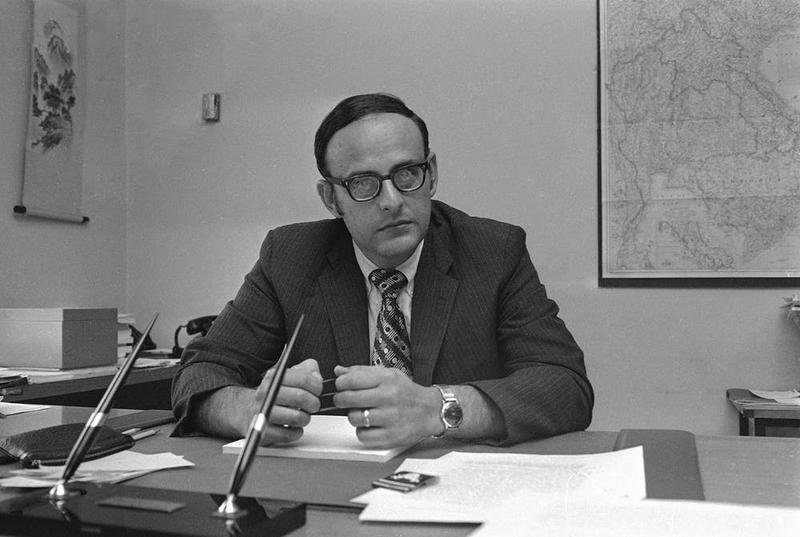
Aug 30, 2019
Whose Streets?
The message from Silicon Valley seems to be that self-driving cars are the way of the future. This week, On the Media considers the history behind the present-day salesmanship. Plus, why transit rights mean much more than point-A-to-point-B mobility. Also, a new opera about Robert Moses and Jane Jacobs. 1. Angie Schmitt [ @schmangee ], national reporter at Streetsblog, on the "heartwarming" stories of Americans who walk miles and miles to work . Listen. 2. Peter Norton , professor of history at University of Virginia's Department of Engineering and Society, and Emily Badger , urban policy reporter for the New York Times, on the past, present and dazzling future of self-driving car salesmanship. Listen. 3. Judd Greenstein [ @juddgreenstein ], composer, on the in-progress opera, A Marvelous Order. Listen. 4. Kafui Attoh , professor of urban studies at the CUNY Graduate Center, on the deeper political meanings of "transit rights." Listen. This episode originally aired on November 23, 2018. Music from this week's show: Dan Deacon — USA III: Rail Iggy Pop — The Passenger Gary Numan — Cars Judd Greenstein — Change Judd Greenstein — A Marvelous Order Brian Eno — Music For Airports On the Media is supported by listeners like you. Support OTM by donating today ( https://pledge.wnyc.org/support/otm ). Follow our show on Instagram , Twitter and Facebook @onthemedia, and share your thoughts with us by emailing onthemedia@wnyc.org.

Aug 28, 2019
A History of Persuasion: Part 3
Silicon Valley’s so-called “millionaire maker” is a behavioral scientist who foresaw the power of putting persuasion at the heart of the tech world’s business model. But pull back the curtain that surrounds the industry’s behemoths, and you'll find a cadre of engineers and executives that's small enough to rein in. This is the final installment of a three-part series from The Stakes . If you haven't heard parts one and two , start there first. In this episode, we hear from: - Alexandra Rutherford , Professor in the Department of Psychology at York University in Toronto and author of Beyond the Box: B.F. Skinner's Technology of Behaviour from Laboratory to Life, 1950s-1970s - Ian Leslie , author of “ The Scientists Who Make Apps Addictive ” - B.J. Fogg , Director of the Stanford University "Behavior Design Lab” - Tristan Harris , Co-Founder & Executive Director of the Center for Humane Technology - Dorothy Glancy , Professor of Law at Santa Clara University - Senator Mark Warner of Virginia Hosted by Kai Wright . Reported by Amanda Aronczyk . On the Media is supported by listeners like you. Support OTM by donating today ( https://pledge.wnyc.org/support/otm ). Follow our show on Instagram , Twitter and Facebook @onthemedia, and share your thoughts with us by emailing onthemedia@wnyc.org.
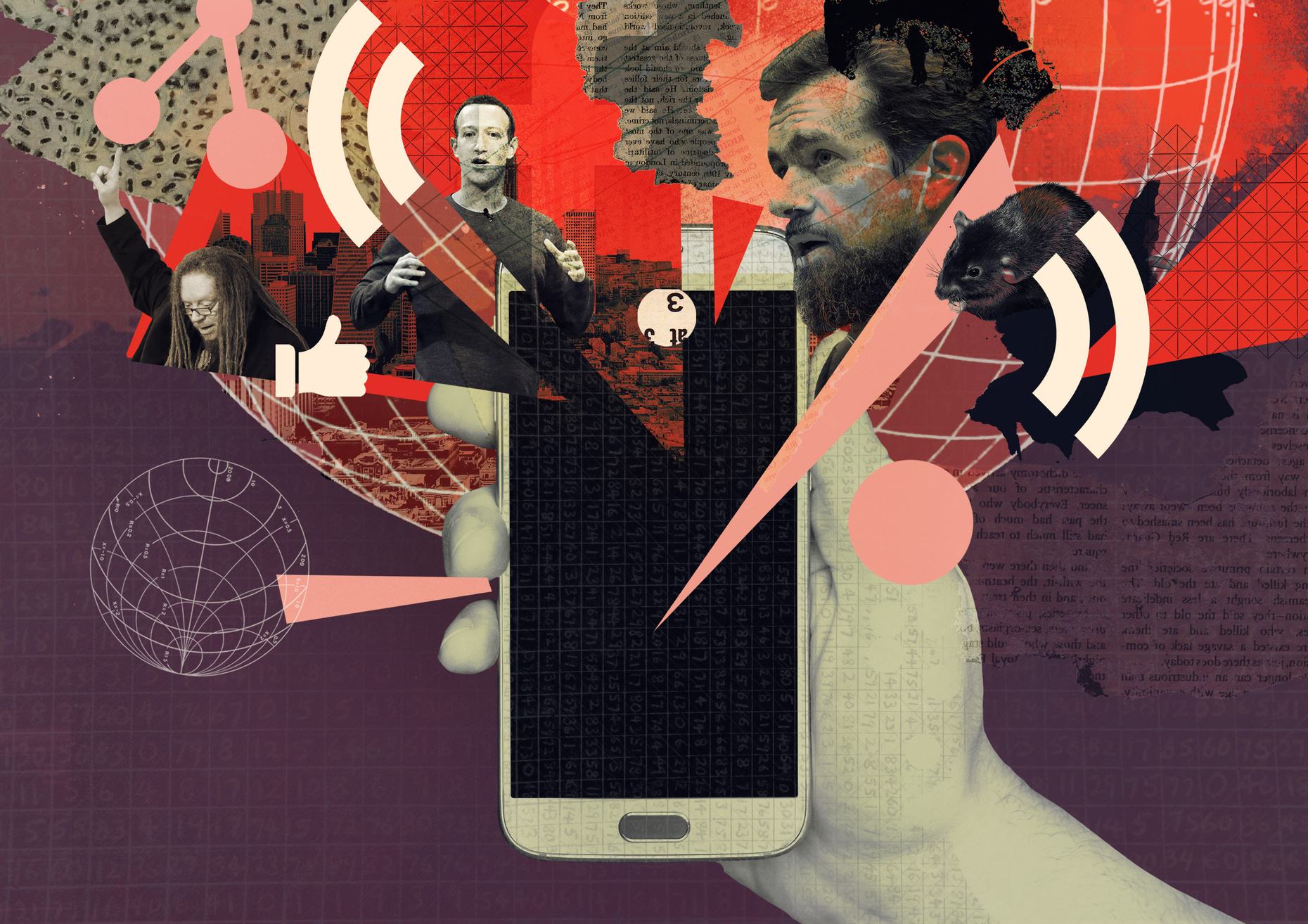
Aug 23, 2019
Empire State of Mind
In a special hour this week, On the Media examines the history of US imperialism — and why the familiar US map hides the true story of our country. Brooke spends the hour with Northwestern University historian Daniel Immerwahr , author of How to Hide an Empire: A History of the Greater United States . This is Part 2 of our series "On American Expansion." This episode originally aired April 5th, 2019. Music: Bill Frisell - Lost Night The O’Neil Brothers - Tribute to America Eileen Alannah - Original recording from 1908 Ali Primera - Yankee Go Home Michael Andrews - The Artifact and Living Michael Andrews - Liquid Spear Waltz Matt Farley - Bird Poop Song On the Media is supported by listeners like you. Support OTM by donating today ( https://pledge.wnyc.org/support/otm ). Follow our show on Instagram , Twitter and Facebook @onthemedia, and share your thoughts with us by emailing onthemedia@wnyc.org.
Aug 21, 2019
A History of Persuasion: Part 2
Ted Kaczynski had been a boy genius. Then he became the Unabomber. After years of searching for him, the FBI finally caught him in his remote Montana cabin, along with thousands of pages of his writing. Those pages revealed Kaczynski's hatred towards a field of psychology called "behaviorism," the key to the link between him and James McConnell. This is part two of a three-part series from our colleagues at The Stakes . If you haven't heard part one, listen here first . In this episode, we hear from: - Philip Bradley, Harvard contemporary of Ted Kaczynski - Alston Chase, author of A Mind for Murder: The Education of the Unabomber and the Origins of Modern Terrorism - Donald Max Noel, former FBI agent and author of UNABOMBER: How the FBI Broke Its Own Rules to Capture the Terrorist Ted Kaczynski - Dr. Charles Seigerman, former student of James McConnell and Certified Neuropsychologist - Greg Stejskal, former FBI agent - Larry Stern , Professor of Sociology at Collin College Hosted by Kai Wright . Reported by Amanda Aronczyk . On the Media is supported by listeners like you. Support OTM by donating today ( https://pledge.wnyc.org/support/otm ). Follow our show on Instagram , Twitter and Facebook @onthemedia, and share your thoughts with us by emailing onthemedia@wnyc.org.
Aug 16, 2019
A Civilization As Great As Ours
The Indian government has revoked autonomy for the Muslim-majority region of Kashmir. This week, a close look at how Hindu nationalists are rewriting Indian history in the world's largest democracy. Plus: what are the stories that America has told about itself? 1. Producer Asthaa Chaturvedi [ @Pasthaaa ] examines the ways Hindu nationalists have sought to rewrite history in and outside the classroom in an effort to glorify India's Hindu past, and what this movement means for a country founded on principles of multiculturalism. Listen . 2. What are the stories that America has told about itself? Historian Greg Grandin [ @GregGrandin ] talks about his book, The End of the Myth: From the Frontier to the Border Wall in the Mind of America, and the old idea about limitless growth that influenced American policy and psychology. Listen . On the Media is supported by listeners like you. Support OTM by donating today ( https://pledge.wnyc.org/support/otm ). Follow our show on Instagram , Twitter and Facebook @onthemedia, and share your thoughts with us by emailing onthemedia@wnyc.org.

Aug 14, 2019
A History of Persuasion: Part 1
Infinite scrolling. Push notifications. Autoplay. Our devices and apps were designed to keep us engaged and looking for as long as possible. Now, we’ve woken up from years on social media and our phones to discover we've been manipulated by unaccountable powers using persuasive psychological tricks. But this isn’t the first time. In this three-part series from our colleagues at The Stakes , a look at the winding story of the science of persuasion — and our collective reaction to it. In part one, a once-famous psychologist who became embroiled in controversy, and how the Unabomber tried to kill him. We hear from: - Larry Stern , Professor of Sociology at Collin College - Nicklaus Suino , writer, martial arts expert, attorney and business consultant Hosted by Kai Wright . Reported by Amanda Aronczyk . On the Media is supported by listeners like you. Support OTM by donating today ( https://pledge.wnyc.org/support/otm ). Follow our show on Instagram , Twitter and Facebook @onthemedia, and share your thoughts with us by emailing onthemedia@wnyc.org.
Aug 9, 2019
The Democracy We Think We Live In
The pathways and origins of white nationalist thought were a matter of deadly importance in coverage of last weekend’s shootings. On this week’s On the Media, how mainstream punditry launders a tolerance for xenophobia. Also, the history of American presidents and media figures dismissing black and brown claims to power in a democracy. Plus, what calls for additional federal oversight in Puerto Rico mean for Puerto Ricans. 1. Tom Scocca [ @tomscocca ], politics editor at Slate, on the journalists, writers and political figures who cater to America's racist id. Listen. 2. Adam Serwer [ @AdamSerwer ], staff writer at The Atlantic , on the catastrophic, deadly idea that "only white people are fit for self-government." Listen. 3. OTM producer Alana Casanova-Burgess [ @AlanaLlama ] reports on the conversations some Puerto Ricans are having in Puerto Rico in a historic moment for the island, including demands more democracy -- and what that means in a colonial context. Listen. Music Exurgency by Zoe Keating On the Media is supported by listeners like you. Support OTM by donating today ( https://pledge.wnyc.org/support/otm ). Follow our show on Instagram , Twitter and Facebook @onthemedia, and share your thoughts with us by emailing onthemedia@wnyc.org.
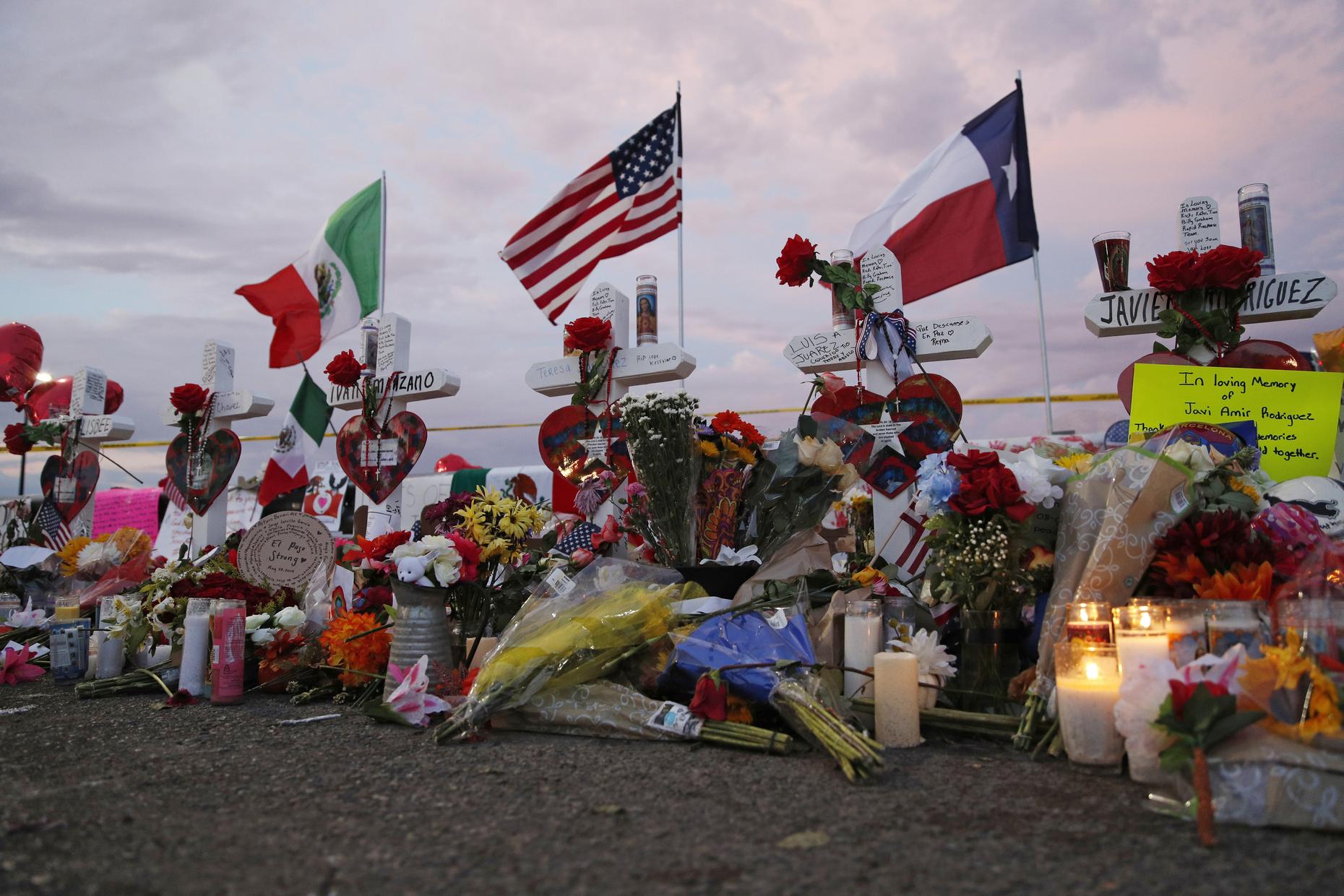
Aug 6, 2019
Deciphering the White Power Movement
When events like the shooting in El Paso happen, the elements may indeed be obvious: Guns. Sociopathy. Alienation. But the obvious is also reductive, and risks obscuring larger forces at play. The same goes with the vocabulary of race violence: White nationalist. White identity. Alt-right. White supremacy. White power. They’re used interchangeably, which further clouds the picture. Following the events in Christchurch, New Zealand earlier this year, we spoke to University of Chicago professor Kathleen Belew . She told us that the shooting was not just born of resentment and paranoia, or even radical racism, but of a clearly defined revolutionary movement: the white power movement. Belew is author of Bring the War Home: The White Power Movement and Paramilitary America , which describes the history of the white power movement that consolidated after the Vietnam War. She argues that if society is to wage an effective response to the white power threat, we need to work to understand it. This segment is from our March 22nd, 2019 program, Hating In Plain Sight . On the Media is supported by listeners like you. Support OTM by donating today ( https://pledge.wnyc.org/support/otm ). Follow our show on Instagram , Twitter and Facebook @onthemedia, and share your thoughts with us by emailing onthemedia@wnyc.org.
Aug 2, 2019
Repairing Justice: How to Fix the Internet
Harassment and bullying are plaguing our online lives, but social media companies seem fresh out of solutions. This week, On the Media experiments with a radical approach for detoxifying the web. Can theories of criminal justice reform rehabilitate trolls and fix the internet? 1. Lindsay Blackwell [ @linguangst ], Facebook user experience researcher and PhD student at the University of Michigan School of Information, on the source of online harassment. Plus, Jack Dorsey [ @jack ], CEO of Twitter, and Ashley Feinberg [ @ashleyfeinberg ], a senior writer at Slate, on how Twitter can improve. Listen . 2. Danielle Sered [ @daniellesered ], executive director of Common Justice, on the power of replacing punishment with restoration. Producer Micah Loewinger [ @MicahLoewinger ] and Lindsay Blackwell [ @linguangst ] team up to implement a "restorative justice" approach in r/ Christianity, one of the largest forums for discussing the religion. Listen . This is the 3rd and final part in our “ Repairing Justice ” series. For transcripts, see individual segment pages. On the Media is supported by listeners like you. Support OTM by donating today ( https://pledge.wnyc.org/support/otm ). Follow our show on Instagram , Twitter and Facebook @onthemedia, and share your thoughts with us by emailing onthemedia@wnyc.org.
Jul 31, 2019
Repairing Justice: An Alternative to Prison
Last week on the show, we examined the power of the prosecutor in our justice system, and how voters are electing a new wave of so-called “progressive prosecutors” to try to turn the tide on mass incarceration. If you haven’t heard it yet, be sure to check it out. It was part one of a three-part series we’re calling “Repairing Justice”; this is part two. We’ve talked about how the law-and-order approach doesn’t work, and that we don’t want to keep locking people in jail for every infraction. But that raises the question: what, then, do we do to address injustice when it appears? Rather than the isolation and violence that prison breeds, some advocates are pushing for a new approach… one based not on punishment, but on truth and reconciliation. It’s called "restorative justice," and in this podcast extra, Bob speaks with Danielle Sered , executive director of Common Justice and a pioneer of the practice . This is Part 2 of our “ Repairing Justice ” series. On the Media is supported by listeners like you. Support OTM by donating today ( https://pledge.wnyc.org/support/otm ). Follow our show on Instagram , Twitter and Facebook @onthemedia, and share your thoughts with us by emailing onthemedia@wnyc.org.
Jul 26, 2019
Repairing Justice: The Prosecutor
It was the week of the prosecutor, with Special Counsel Robert Mueller grabbing most of the attention. But on this week’s On the Media, a closer look at the progressive prosecutor movement — from neighborhood politics to local media to the presidential debate stage. 1. Lara Bazelon [ @larabazelon ], law professor at the University of San Francisco School of Law and former director of the Loyola Law School Project for the Innocent in Los Angeles, on Sen. Kamala Harris's record as a prosecutor. Listen. 2. Emily Bazelon [ @emilybazelon ], staff writer at The New York Times Magazine and author of Charged: The New Movement to Transform American Prosecution and End Mass Incarceration , on how the power of the prosecutor has grown to be so big. Listen. 3. Emily Bazelon [ @emilybazelon ] on the national movement to elect progressive prosecutors. Plus, progressive prosecutors Philadelphia DA Larry Krasner [ @DA_LarryKrasner ] and Suffolk County, MA DA Rachael Rollins [ @DARollins ] on their time in office and the pushback they've received. Plus, Staten Island DA Michael McMahon [ @StatenIslandDA ] on his skepticism about the movement. Listen. This is Part 1 of our “ Repairing Justice ” series. Music Fellini’s Waltz - Enrico Pieranunzi and Charlie Haden Misterioso - Kronos Quartet and Ron Carter Young At Heart - Brad Mehldau White Man Sleeps I - Kronos Quartet Smells Like Teen Spirit - The Bad Plus For transcripts, see individual segment pages. On the Media is supported by listeners like you. Support OTM by donating today ( https://pledge.wnyc.org/support/otm ). Follow our show on Instagram , Twitter and Facebook @onthemedia, and share your thoughts with us by emailing onthemedia@wnyc.org.
Jul 24, 2019
What, Me Worry?
Earlier this month, DC Comics announced that MAD Magazine will mostly stop doing what it’s done for some six decades, which is to pointedly mock American politics and culture. Barring the occasional end-of-year special, future copies of MAD will consist solely of old material. The publication, which first appeared in 1957 and hit a peak circulation of 2.8 million in 1973, has been in decline since. MAD Magazine defined an entire generation’s distrust in the media, politicians, advertisers, and all forms of authority. For this podcast extra, Brooke spoke to Jeet Heer, national affairs correspondent for The Nation , about his recent article on the history of MAD . On the Media is supported by listeners like you. Support OTM by donating today ( https://pledge.wnyc.org/support/otm ). Follow our show on Instagram , Twitter and Facebook @onthemedia, and share your thoughts with us by emailing onthemedia@wnyc.org.
Jul 19, 2019
Internal Scream
Puerto Ricans packed the streets night after night this week to call for Governor Ricardo Rosselló’s resignation. On this week’s On the Media, what happens when a leader’s mockery becomes too much for citizens to bear — in San Juan, and in Washington. Plus, coming-of-age on the far-right and far-left, on YouTube. 1. Ibram X. Kendi [ @DrIbram ], founding director of American University’s Antiracist Research and Policy Center, on who gets to be American. Listen. 2. Pedro Reina-Pérez [ @pedroreinaperez ], journalist and historian with both the University of Puerto Rico and Harvard University, and Jay Fonseca [ @jayfonsecapr ], television and radio host, on the profane, homophobic and sexist chat messages that pushed Puerto Rico to the breaking point. Listen . 3. OTM Producer Micah Loewinger [ @MicahLoewinger ] considers how YouTube creators on the left, like Natalie Wynn [ @ContraPoints ], are challenging the platform’s surge of far right extremism. Listen. On the Media is supported by listeners like you. Support OTM by donating today ( https://pledge.wnyc.org/support/otm ). Follow our show on Instagram , Twitter and Facebook @onthemedia, and share your thoughts with us by emailing onthemedia@wnyc.org.
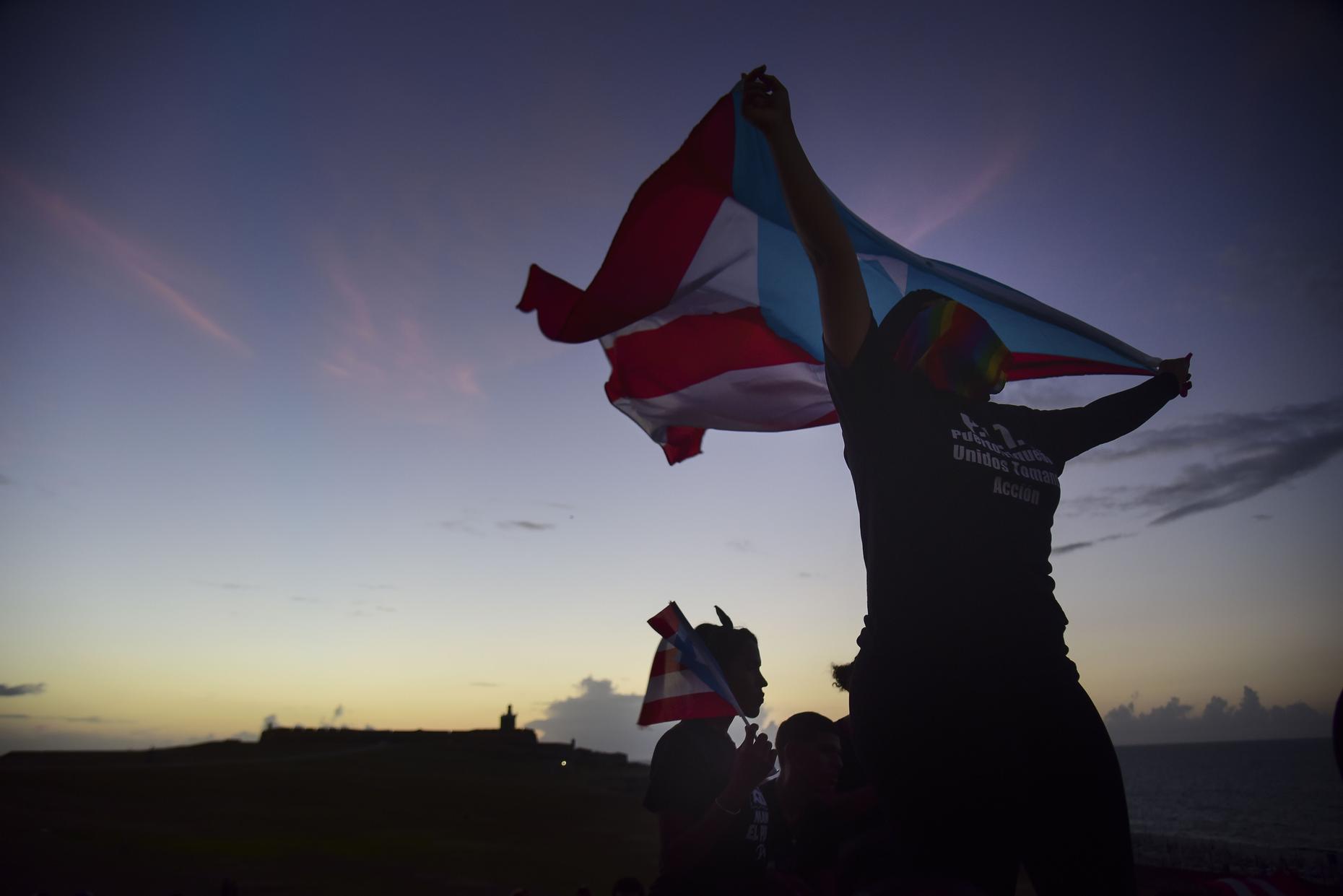
Jul 17, 2019
The Right-Wing Web Goes to the White House
On this show, we’ve often observed that what happens online rarely stays online. In the age of Pizzagate, Trump tweets and Wiki Leaks data dumps, it is obvious that conversations online increasingly dominate, even define, our politics — a fact demonstrated yet again last Thursday when the president invited his favorite online trolls, memers and political operatives to clink champagne glasses in the White House and discuss an alleged anti-conservative bias on social media. Will Sommer , tech reporter for The Daily Beast, wrote about the odd cast of characters and what this social media summit tells us about the president’s 2020 re-election strategy. On the Media is supported by listeners like you. Support OTM by donating today ( https://pledge.wnyc.org/support/otm ). Follow our show on Instagram , Twitter and Facebook @onthemedia, and share your thoughts with us by emailing onthemedia@wnyc.org.
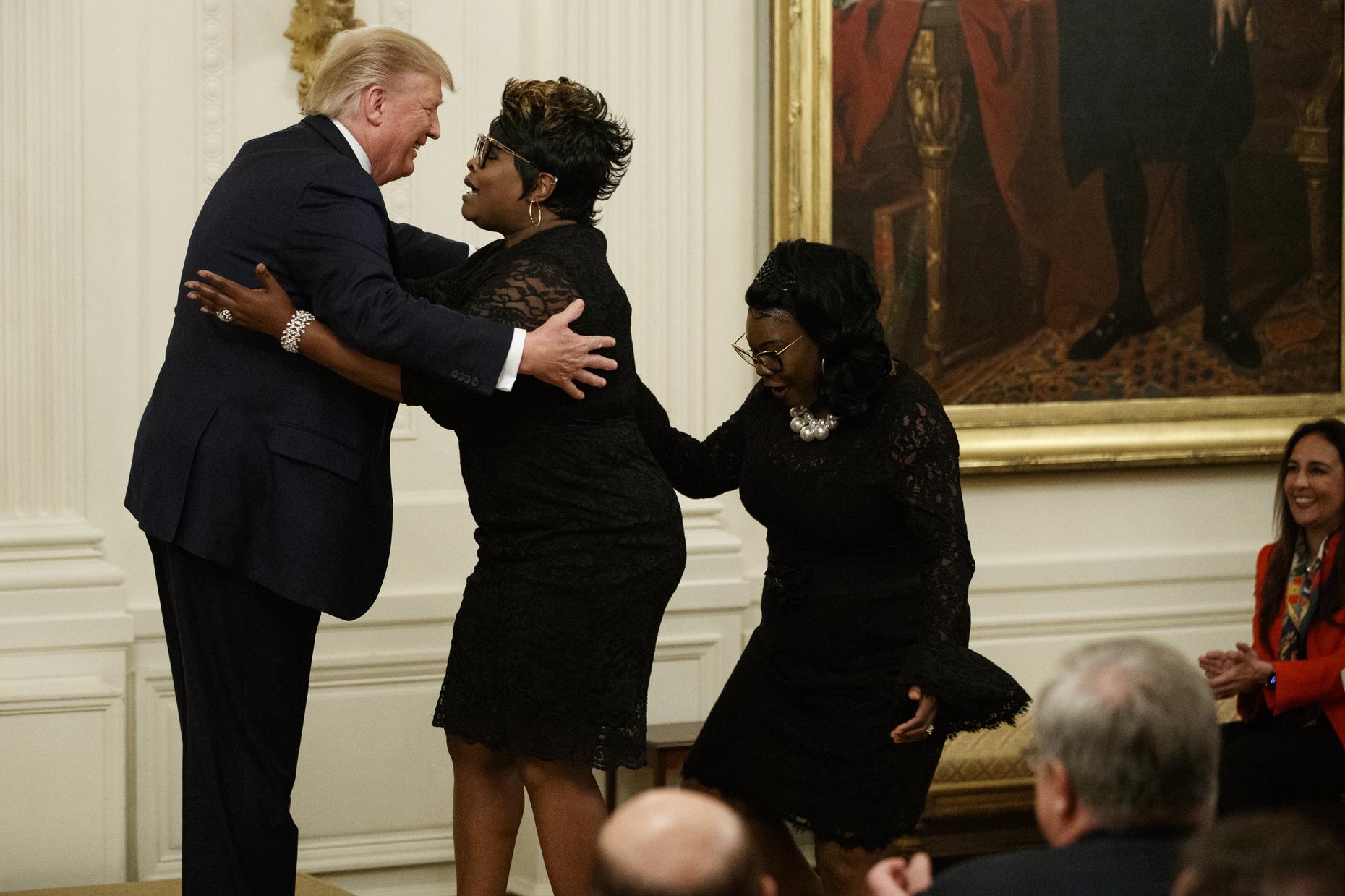
Jul 12, 2019
Uncomfortably Numb
Migrants in detention centers, another assault allegation against the President, and the start to a potentially devastating hurricane season… On this week’s On the Media, how painful news might be making America numb. And, why sometimes it’s okay to tune out. Plus, what Jeffrey Epstein's arrest teaches us about the Q-Anon conspiracy theory. 1. Max Read [ @max_read ],writer and editor at New York Magazine , on the partial fulfillment of a "message-board prophecy." Listen. 2. David Corn [ @DavidCornDC ], Washington bureau chief for Mother Jones , and Priya Shukla [ @priyology ], PhD candidate at the University of California-Davis, on the psychological effects of climate change on those who study it. Listen. 3. Dan Degerman [ @ddegerman ], philosophy researcher at Lancaster University, on the political implications of "Brexit anxiety." Listen. 4. Jenny Odell [ @the_jennitaur ], author of How to Do Nothing: Resisting the Attention Economy , on how to protect our attention in the face of information overload . Listen. On the Media is supported by listeners like you. Support OTM by donating today ( https://pledge.wnyc.org/support/otm ). Follow our show on Instagram , Twitter and Facebook @onthemedia, and share your thoughts with us by emailing onthemedia@wnyc.org.
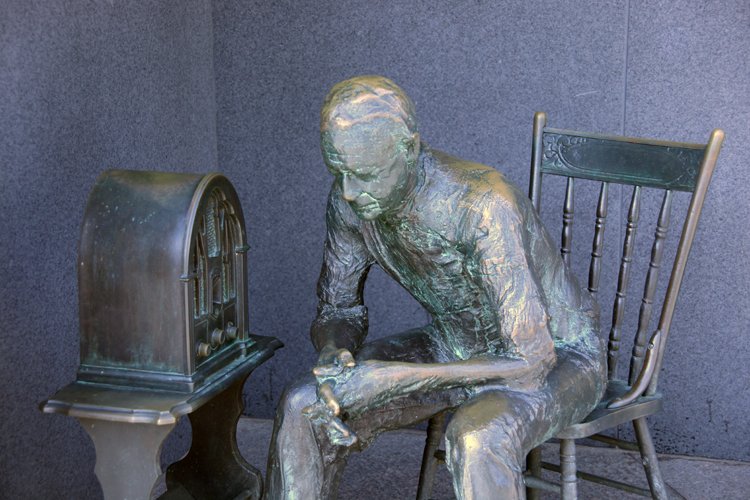
Jul 10, 2019
The Epstein Story Didn't Just Happen Overnight
Julie Brown of the Miami Herald conceived, reported, and wrote one of the most explosive criminal justice stories in recent memory. She revealed the shutting down of an FBI investigation that may have been on the verge of discovering the full extent of a child-sex-trafficking operation run by politically-connected billionaire Jeffrey Epstein. The prosecutor allegedly behind that decision, Alex Acosta, is now President Trump's Secretary of Labor. Acosta offered Epstein a plea deal in which Epstein pleaded guilty to recruiting underage girls for sex and spent about a year in the local lockup, with work release. The deal also proactively protected from prosecution any potential co-conspirators. Brown pored over internal emails to see exactly how Acosta and other powerful law-enforcement officials made these decisions. While in New York to receive a Polk Award for her work, Brown stopped by WNYC's Greene Space to talk to the host of "Here's the Thing" Alec Baldwin about her reporting. On the Media is supported by listeners like you. Support OTM by donating today ( https://pledge.wnyc.org/support/otm ). Follow our show on Instagram , Twitter and Facebook @onthemedia, and share your thoughts with us by emailing onthemedia@wnyc.org.
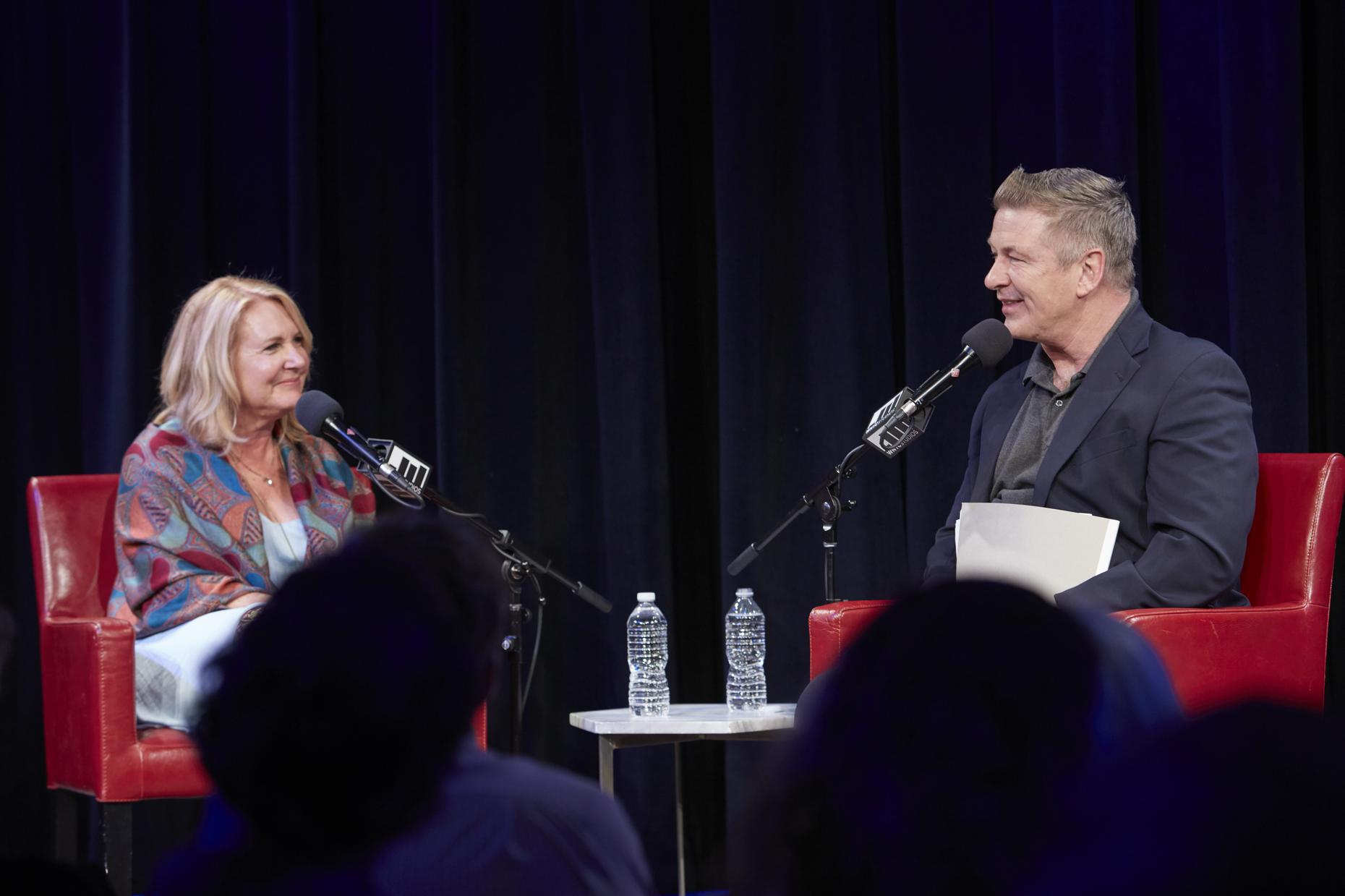
Jul 5, 2019
Full Faith & Credit
Ten autumns ago came two watershed moments in the history of money. In September 2008, the bankruptcy of Lehman Brothers triggered a financial meltdown from which the world has yet to fully recover. The following month, someone using the name Satoshi Nakamoto introduced BitCoin, the first cryptocurrency. Before our eyes, the very architecture of money was evolving — potentially changing the world in the process. In this hour, On the Media looks at the story of money, from its uncertain origins to its digital reinvention in the form of cryptocurrency. 1. The life and work of JSG Boggs, the artist who created hand-drawn replicas of currency that he used to buy goods and services. With Lawrence Weschler and MIT's Neha Narula [ @neha ]. Listen. 2. A brief history of money with UC Irvine 's Bill Maurer and Mark Blyth [ @MkBlyth ] from Brown University . Listen. 3. How cryptocurrency could shape the future of money, with MIT's Neha Narula [ @neha ], New York Times ' Nathaniel Popper [ @nathanielpopper ] , Vinay Gupta [ @leashless ] of Mattereum, Brown University's Mark Blyth [ @MkBlyth ] and artist Kevin Abosch [ @kevinabosch ] . Listen. On the Media is supported by listeners like you. Support OTM by donating today ( https://pledge.wnyc.org/support/otm ). Follow our show on Instagram , Twitter and Facebook @onthemedia, and share your thoughts with us by emailing onthemedia@wnyc.org.
Jul 3, 2019
The Sound of America
There are many Americas. Nowadays they barely speak to each other. But during the most perilous years of the last century, one young composer went in search of a sound that melded many of the nation's strains into something singular and new. He was a man of the left, though of no political party: gay, but neither closeted nor out; Jewish, but agnostic, unless you count music as a religion. His name was Aaron Copland. On this July 4th weekend, WNYC’s Sara Fishko tells his story. On the Media is supported by listeners like you. Support OTM by donating today ( https://pledge.wnyc.org/support/otm ). Follow our show on Instagram , Twitter and Facebook @onthemedia, and share your thoughts with us by emailing onthemedia@wnyc.org.
Jun 28, 2019
The Scarlet E, Part IV: Solutions
We have an eviction crisis, which is really just one part of a broader housing affordability crisis. Incomes are too low for rents. Rents are too high for incomes. The barriers to home-buying are growing, especially for younger Americans. The wealth gap between black and white Americans is spreading, driven largely by inequalities in housing. The shockwaves from the foreclosure crisis continue. And in some cities, gentrification drives up costs and drives away low-income families. Luckily enough, there are solutions — quite a few of them, in fact. In this fourth and final episode of The Scarlet E: Unmasking America’s Eviction Crisis , we evaluate the proposals, which range from subtle to significant. First, a look back on a solution that worked in some places and was allowed to fail in many others. We visit Atlanta, home to the nation’s first public housing projects. We learn how the city has since destroyed or converted all of its public housing. And with the help of Lawrence Vale, author of Purging the Poorest: Public Housing and the Design Politics of Twice-Cleared Communities , we look at one public housing project, in Boston, that continues to thrive. And then we look at solutions, both proposed and in-play. Again in Atlanta, we meet landlord Marjy Stagmeier, whose unique model improves nearby schools’ performance — and still turns a profit. We speak with sociologist Matt Desmond about the need to fully fund our Section 8 housing voucher program, and to encourage, or compel, landlords to accept voucher-holders. And we touch on the housing proposals from several Democratic candidates for president . Matt wonders whether our federal housing policies — for instance, the mortgage interest deduction — are subsidizing those most in need. We also ask New York City Councilmember Mark Levine and South Carolina legislator Marvin Pendarvis about possible reforms in our housing courts. We hear from Marty Wegbreit , director of litigation for the Central Virginia Legal Aid Society, about how Richmond turned its shame over its high eviction rates into policy. And we consider ways that some cities might increase their affordable housing supply by doing away with restrictive, exclusionary zoning policies . Music by Mark Henry Phillips. To hear other episodes of The Scarlet E and to learn about the eviction stats in your own state, visit onthemedia.org/eviction . Support for “The Scarlet E” is provided by the Bill & Melinda Gates Foundation, the John S. and James L. Knight Foundation, and the Melville Charitable Trust. Additional support is provided by the Economic Hardship Reporting Project, and “Chasing the Dream,” a WNET initiative reporting on poverty and opportunity in America. Support for On the Media is provided by the Ford Foundation and the listeners of WNYC Radio. On the Media is supported by listeners like you. Support OTM by donating today ( https://pledge.wnyc.org/support/otm ). Follow our show on Instagram , Twitter and Facebook @onthemedia, and share your thoughts with us by emailing onthemedia@wnyc.org.
Jun 21, 2019
The Scarlet E, Part III: Tenants and Landlords
This is episode three in our series, “The Scarlet E: Unmasking America’s Eviction Crisis.” It’s the dollars-and-cents episode, in which we account for what we know and don’t know about those who own and those who rent. We digest some new data — compiled and analyzed, in part, by our collaborator, Matthew Desmond — that demonstrate the extent to which landlords often profit in impoverished communities. We speak with the founder of a massive online eviction platform, who defends his company’s “standardized process.” In Camden, New Jersey we hear the story of Destiny, a social worker whose corporate landlord showed no reluctance to bring her to housing court, month after month. In Indianapolis we meet a mom-and-pop landlord who doesn’t deny her profits in the low-income market — she’s a businesswoman, after all — but who also has often given delinquent tenants the chance to get caught up. And in Richmond, Virginia we learn the hard truth about landlords’ comfortable place in the American legal system — even in spite of unmistakable neglect. Music by Mark Henry Phillips, except for "Indiana," sung by Straight No Chaser . To hear other episodes of The Scarlet E and to learn about the eviction stats in your own state, visit onthemedia.org/eviction . Support for “The Scarlet E” is provided by the Bill & Melinda Gates Foundation, the John S. and James L. Knight Foundation, and the Melville Charitable Trust. Additional support is provided by the Economic Hardship Reporting Project, and “Chasing the Dream,” a WNET initiative reporting on poverty and opportunity in America. Support for On the Media is provided by the Ford Foundation and the listeners of WNYC Radio. On the Media is supported by listeners like you. Support OTM by donating today ( https://pledge.wnyc.org/support/otm ). Follow our show on Instagram , Twitter and Facebook @onthemedia, and share your thoughts with us by emailing onthemedia@wnyc.org.

Jun 20, 2019
Coming Out Posthumously
June marks LGBTQ Pride month, and fifty years since the Stonewall riots. In the past five decades, the conversation around gay rights has moved so quickly that it can be hard to remember where it was in the very recent past. After the 2012 death of Sally Ride, the first American woman to go to space, the world learned something new about the pioneering astronaut: she was gay, and was survived by her partner Tam O'Shaughnessy. This previously unknown detail of Ride's life was mentioned in one line at the end of a lengthy obituary in The New York Times , and the reaction from readers ranged from criticism for posthumously outing Ride to criticism for not honoring the detail enough. Bob spoke with Bill McDonald , the obituary editor at The New York Times , about the ethics and obligations of obituary writers in creating a bigger picture of the lives of the dead. On the Media is supported by listeners like you. Support OTM by donating today ( https://pledge.wnyc.org/support/otm ). Follow our show on Instagram , Twitter and Facebook @onthemedia, and share your thoughts with us by emailing onthemedia@wnyc.org.
Jun 17, 2019
How to Influence US Iran Policy ... Without Actually Existing
Heshmat Alavi , an Iranian commentator, has been portrayed as a courageous dissident with a broad constituency and rare insight into the inner workings of the Iranian theocracy. His columns have been printed in Forbes, The Diplomat, The Federalist, Voice of America, The Daily Caller and The Hill. And his analysis, such as his assertion that Obama’s nuclear deal with Iran pumped money into the mullah's military budget, has been cited by the White House to justify leaving the agreement. But what if...he doesn't actually exist? The Intercept's Murtaza Hussain reported on Heshmat Alavi, and found that the columnist is not who he purports to be. On the Media is supported by listeners like you. Support OTM by donating today ( https://pledge.wnyc.org/support/otm ). Follow our show on Instagram , Twitter and Facebook @onthemedia, and share your thoughts with us by emailing onthemedia@wnyc.org.
Jun 14, 2019
40 Acres
President Trump claims to have struck a deal with Mexico to settle a dispute of his own making. On this week’s On the Media, a look at the lives of the people who stand to suffer most. Plus, how the path to America’s eviction crisis begins, in part, with the Great Migration. 1. Bob Moore [ @BobMooreNews ], freelance reporter based in El Paso, on the human reality at the border amidst the latest Trumpian mendacity. Listen . 2. We continue our four-part series on eviction by charting the persistent line between racist housing policies, localized profiteering and the devastating plunder of generations of wealth. Guests include Matt Desmond [ @just_shelter ], founder of the Eviction Lab ; Natalie Moore [ @natalieymoore ], reporter for WBEZ; and Marty Wegbreit , director of litigation for the Central Virginia Legal Aid Society. Listen . On the Media is supported by listeners like you. Support OTM by donating today ( https://pledge.wnyc.org/support/otm ). Follow our show on Instagram , Twitter and Facebook @onthemedia, and share your thoughts with us by emailing onthemedia@wnyc.org.
Jun 12, 2019
What "Running From Cops" Learned From "Cops"
The first episode of the TV show "Cops " aired thirty years ago, and in the ensuing decades it's become influential enough to mold the attitudes of new aspiring police officers. But if the show holds up a mirror to law enforcement in this country, it shows a warped reflection. In the podcast series "Running from Cops" , host Dan Taberski and his team watched nearly 850 episodes of the show and tallied what they saw: roughly four times the amount of violent crime than there is in real life, three times as many drug crimes, and ten times the amount of prostitution. "Cops", as the podcast points out, makes the world seem more crime-ridden than in reality. It has also inspired copy-cat shows, like the popular "Live PD," that also warp depictions of what's appropriate (and legal) in policing. In this OTM podcast extra, Bob talks to Dan Taberski about the podcast 's findings and what the popularity of these shows says about viewers. On the Media is supported by listeners like you. Support OTM by donating today ( https://pledge.wnyc.org/support/otm ). Follow our show on Instagram , Twitter and Facebook @onthemedia, and share your thoughts with us by emailing onthemedia@wnyc.org.
Jun 6, 2019
Introducing: The Scarlet E
Millions of rent-burdened Americans face eviction filings and proceedings every year. On this week’s On the Media, what we think we know, and what we definitely don’t know, about America’s eviction crisis. Plus, how local journalists failed the Central Park Five. 1. Jim Dwyer [ @jimdwyernyt ], columnist for The New York Times, on his experience reporting on the Central Park Five trial. 2. We hear the story of Jeffrey, a security guard in Richmond, Virginia whose severe rent burden caused his family to be evicted. 3. Matthew Desmond [ @just_shelter ], founder of the Eviction Lab , explains what he and his fellow researchers have learned from their massive collection of eviction data. On the Media is supported by listeners like you. Support OTM by donating today ( https://pledge.wnyc.org/support/otm ). Follow our show on Instagram , Twitter and Facebook @onthemedia, and share your thoughts with us by emailing onthemedia@wnyc.org.
Jun 5, 2019
Making America Antitrust Again
This week, the US House Antitrust subcommittee announced a probe into the mainly-unchecked power of tech giants like Google, Facebook, Apple and Amazon . The investigation could include public hearings and subpoenas toward antitrust intervention into the businesses of Silicon Valley leviathans. The news came on the same day that The Wall Street Journal reported that the Federal Trade Commission and the Justice Department are expanding their oversight into Facebook and Google's anti-competitive practices. Last November, Brooke spoke with Stacy Mitchell , co- director of the Institute for Local Self-Reliance , about Amazon’s domination over industry after industry and where we stand in the arc of antitrust regulation. In 2018, Mitchell wrote an article for The Nation called “ Amazon Doesn't Just Want to Dominate the Market — It Wants to Become the Market .” On the Media is supported by listeners like you. Support OTM by donating today ( https://pledge.wnyc.org/support/otm ). Follow our show on Instagram , Twitter and Facebook @onthemedia, and share your thoughts with us by emailing onthemedia@wnyc.org.
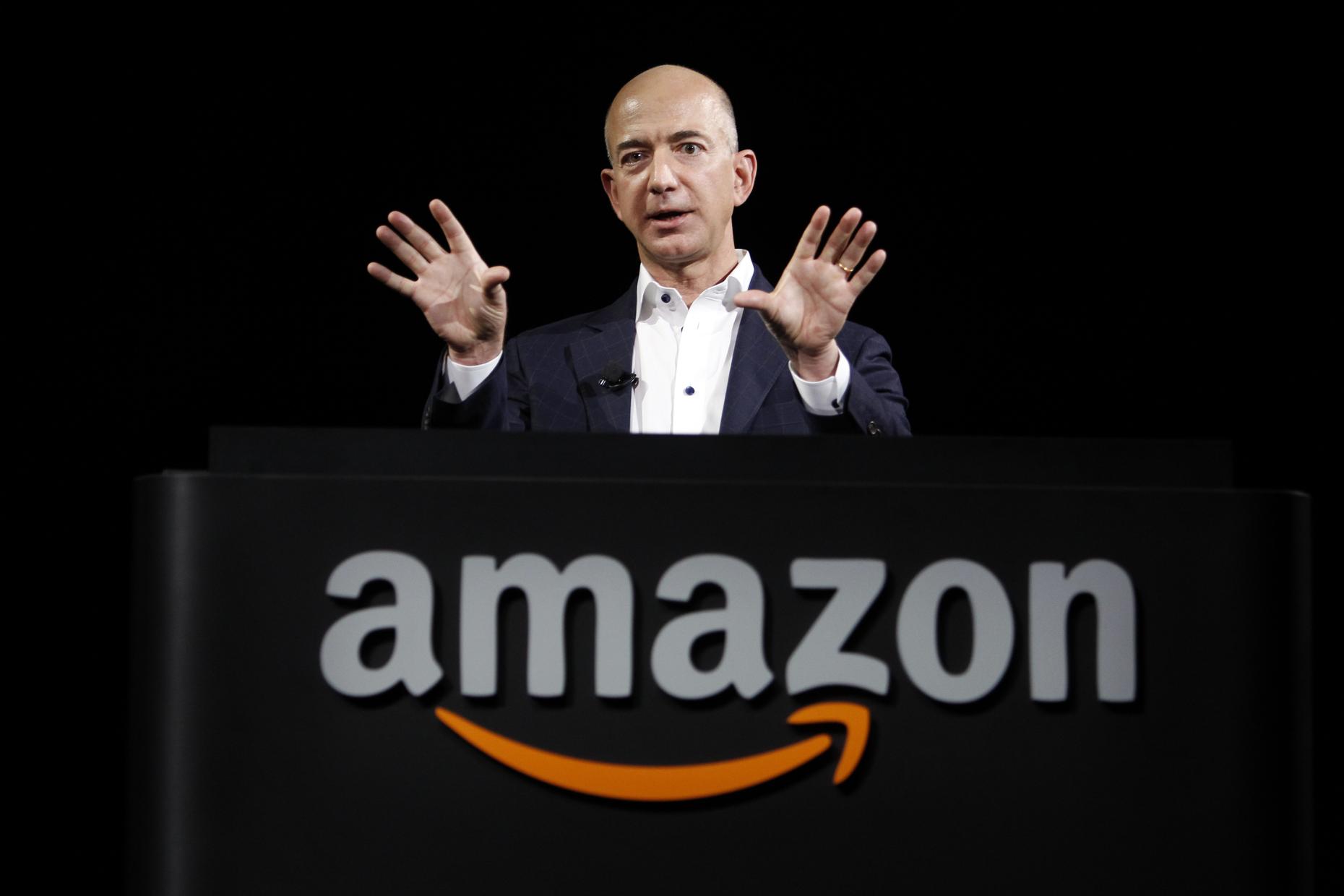
May 31, 2019
Climate Obscura
The Trump administration has ordered federal agencies to stop publishing worst-case scenario projections of climate change. This week, On the Media examines the administration’s pattern of attacks on climate science. Plus, a look at the dark money behind environmental deregulation. 1. Kate Aronoff [ @KateAronoff ] , fellow at the Type Media Center, on the White House's suppression of climate warnings. Listen . 2. Jane Mayer [ @JaneMayerNYer ], staff writer at The New Yorker and author of Dark Money: The Hidden History of the Billionaires Behind the Rise of the Radical Right, on the billionaires supporting the modern conservative intellectual framework. Listen . 3. Jan Zalasiewicz, Anthropocene Working Group Chair, on the traces that today's humans might leave behind for future civilizations, and Benjamin Kunkel [ @ kunktation ] on whether the Age of Capitalism might be a more appropriate term to describe our epoch. Listen . On the Media is supported by listeners like you. Support OTM by donating today ( https://pledge.wnyc.org/support/otm ). Follow our show on Instagram , Twitter and Facebook @onthemedia, and share your thoughts with us by emailing onthemedia@wnyc.org.
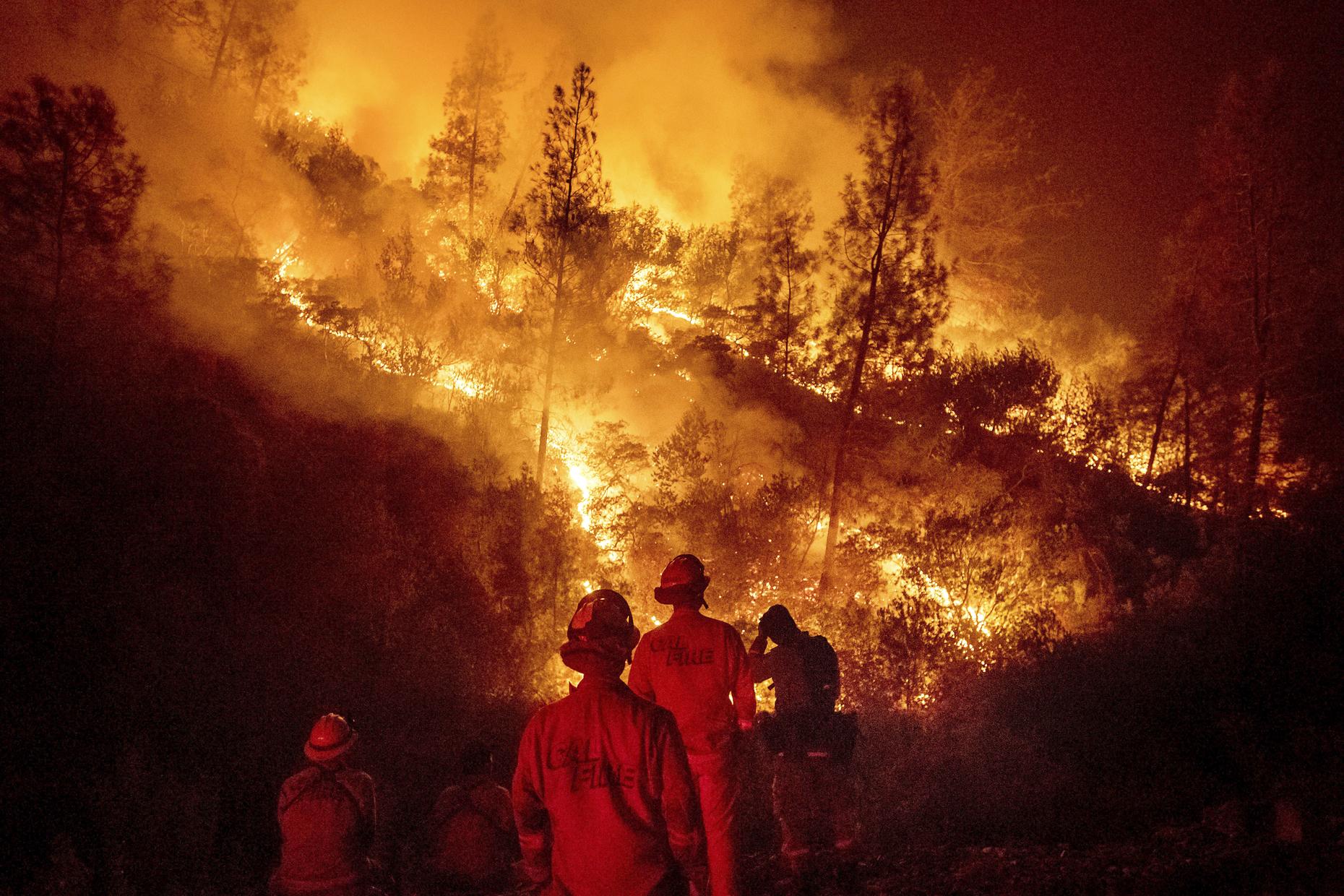
May 29, 2019
Hurricane Season is Nearly Here. Brace Yourself for the Coverage.
Tornadoes ripped across multiple states on Tuesday, killing at least one person. It was the twelfth straight day of tornado activity in the U.S. — a new record, according to the National Weather Service. But as the New York Times reported yesterday, limited data make it difficult to draw explicit connections between a warming climate and trends in tornadic activity. Even in our hyper-quantified time, there's still an element of mystery to where, why, and how twisters strike. And then there are hurricanes. For media professionals, hurricanes offer the very best kind of bad news, because the story arc is predictable, and invariably compelling. In our Breaking News Consumer’s Handbooks, we examine the myths, misleading language, and tired media narratives that clog up news coverage at a time when clarity can be a matter of life and death. Since the Atlantic hurricane season begins this week, we're republishing our guide to consuming the coverage to come. In this segment, which originally aired in Sept. 2017, Brooke speaks with Dr. Robert Holmes , National Flood Hazard Coordinator for the U.S. Geological Survey; Gina Eosco , a risk communication consultant; and Scott Gabriel Knowles of Drexel University, author of The Disaster Experts: Mastering Risk in Modern America . Add Caption Here (On the Media/WNYC) On the Media is supported by listeners like you. Support OTM by donating today ( https://pledge.wnyc.org/support/otm ). Follow our show on Instagram , Twitter and Facebook @onthemedia, and share your thoughts with us by emailing onthemedia@wnyc.org.
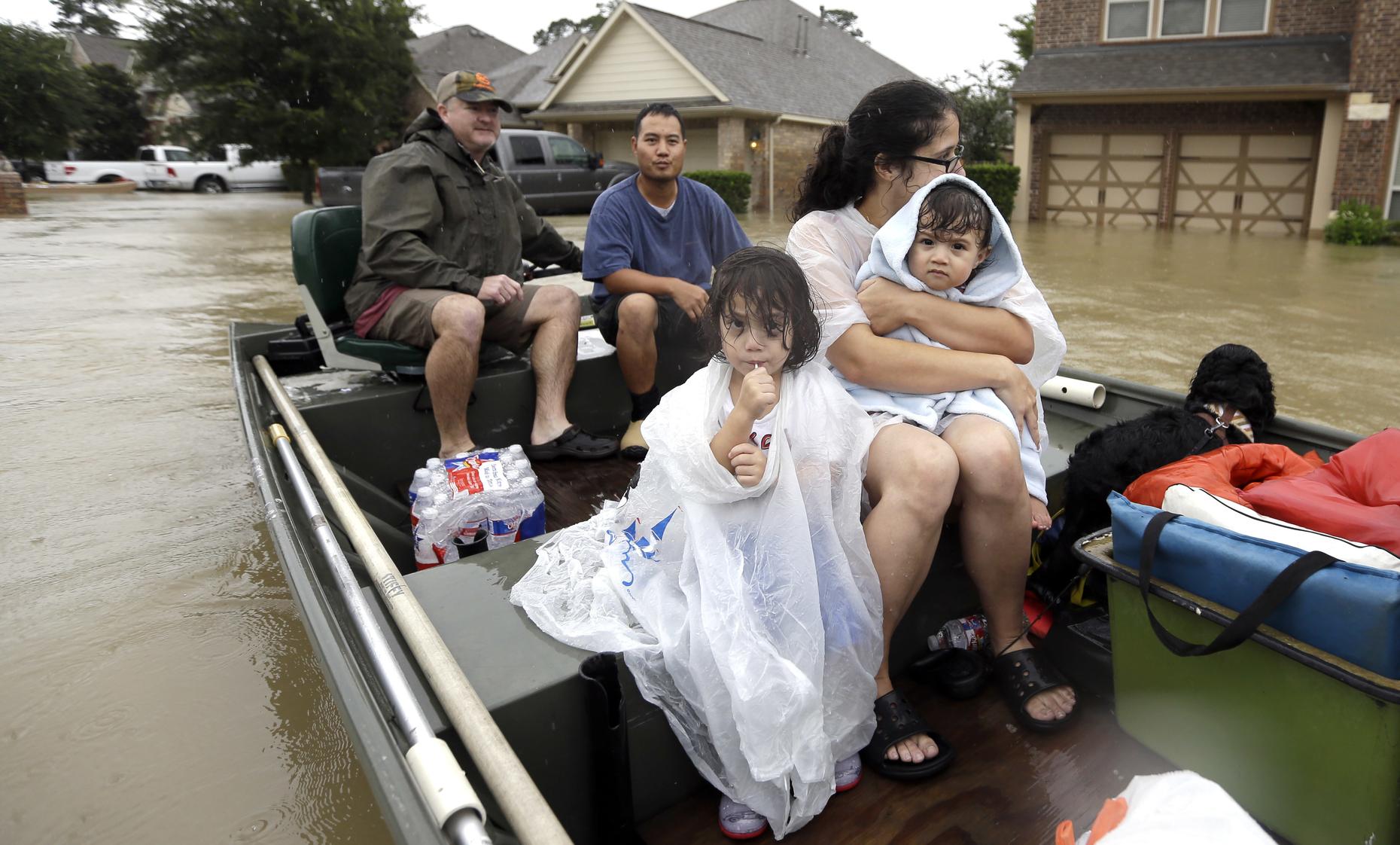
May 24, 2019
On Matters of War
Controversy erupted over news that President Trump may grant more pardons for alleged war criminal Edward Gallagher and others. This week, On the Media looks at Fox News’s influence on the president’s decision. And, how the Navy may be spying on a reporter who's tracked Gallagher's case. Plus, how the latest Julian Assange indictment could spell disaster for the future of investigative journalism. 1. James Goodale, former General Counsel for The New York Times and author of Fighting For The Press , on the disastrous new Julian Assange indictments. Listen . 2. Adam Weinstein [ @AdamWeinstein ], an editor with The New Republic , on the unofficial Fox News campaign to push the president to pardon alleged war criminals. Listen . 3. Andrew Tilghman [ @andrewtilghman ], Executive Editor of the Military Times, on the Navy's troubling assault on press freedom. Listen . 4. Scott J. Shapiro [ @scottjshapiro ], professor of philosophy and law at Yale, on how militaries across the globe navigate the horrors of war. Listen . Songs: All the Presidents Men Theme by David Shire Okami by Nicola Cruz Capharnaüm by Khaled Mouzanar R+B = ? by Aeroc Farewell My Good One Forever by Phantasm Agnus Dei by Martín Palmeri On the Media is supported by listeners like you. Support OTM by donating today ( https://pledge.wnyc.org/support/otm ). Follow our show on Instagram , Twitter and Facebook @onthemedia, and share your thoughts with us by emailing onthemedia@wnyc.org.
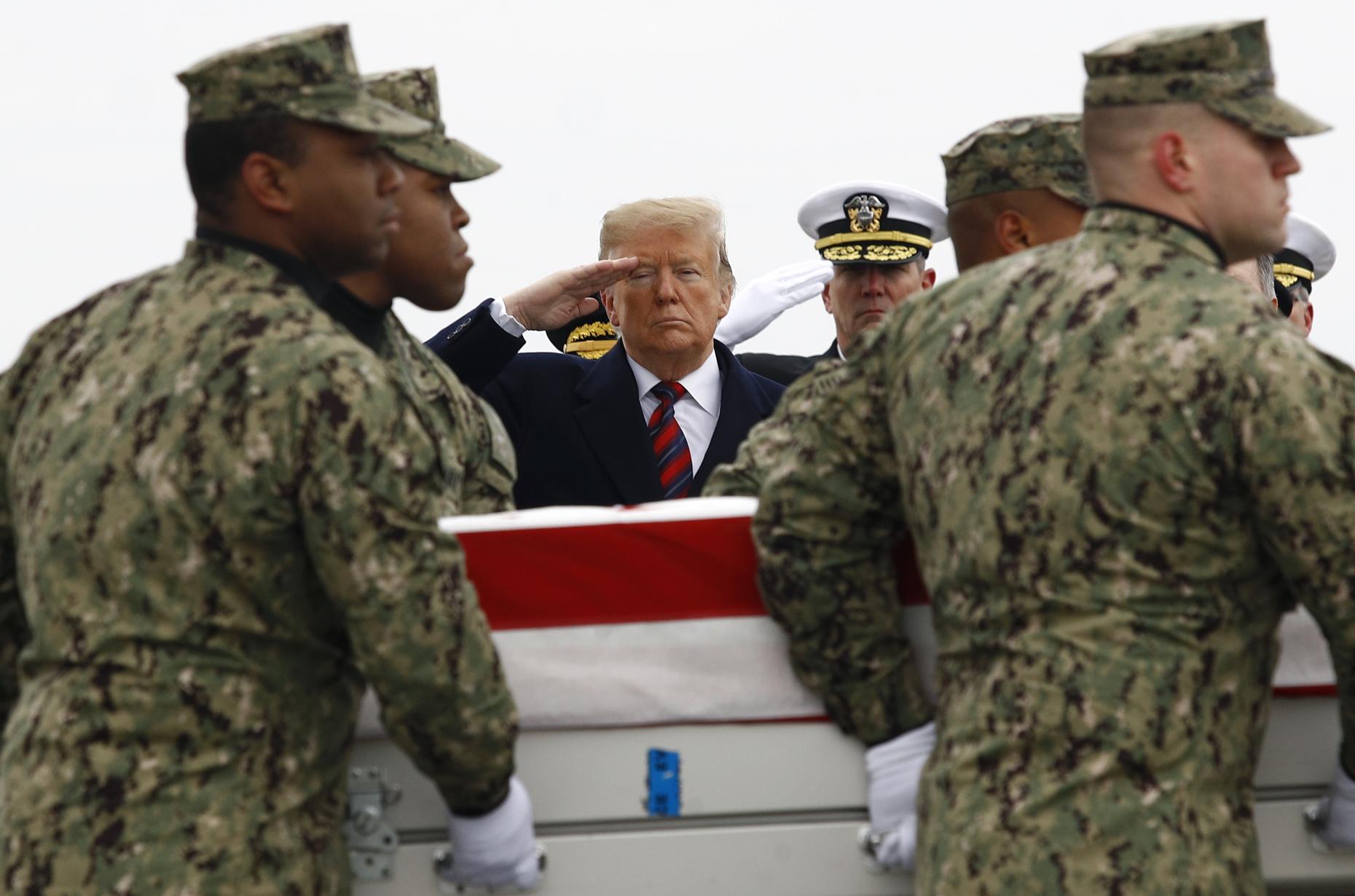
May 23, 2019
Solving the Facebook Problem at Home and Abroad
When former Facebook co-founder Chris Hughes penned a New York Times op-ed calling for the breakup of the platform, he was lauded by anti-corporate politicians and the press. Then came a series of hard questions: how exactly would breaking up Facebook, which owns WhatsApp and Instagram, address free speech concerns? Or help stifle the spread of propaganda on the platform? And how would American regulations affect the majority of Facebook users, who live in the global south? According to Michael Lwin , an American-born antitrust lawyer living in Yangon, Myanmar, US regulators should tread lightly. He and Bob speak about how calls to break up Facebook could have wide ranging unintended consequences, especially outside of the US. On the Media is supported by listeners like you. Support OTM by donating today ( https://pledge.wnyc.org/support/otm ). Follow our show on Instagram , Twitter and Facebook @onthemedia, and share your thoughts with us by emailing onthemedia@wnyc.org.
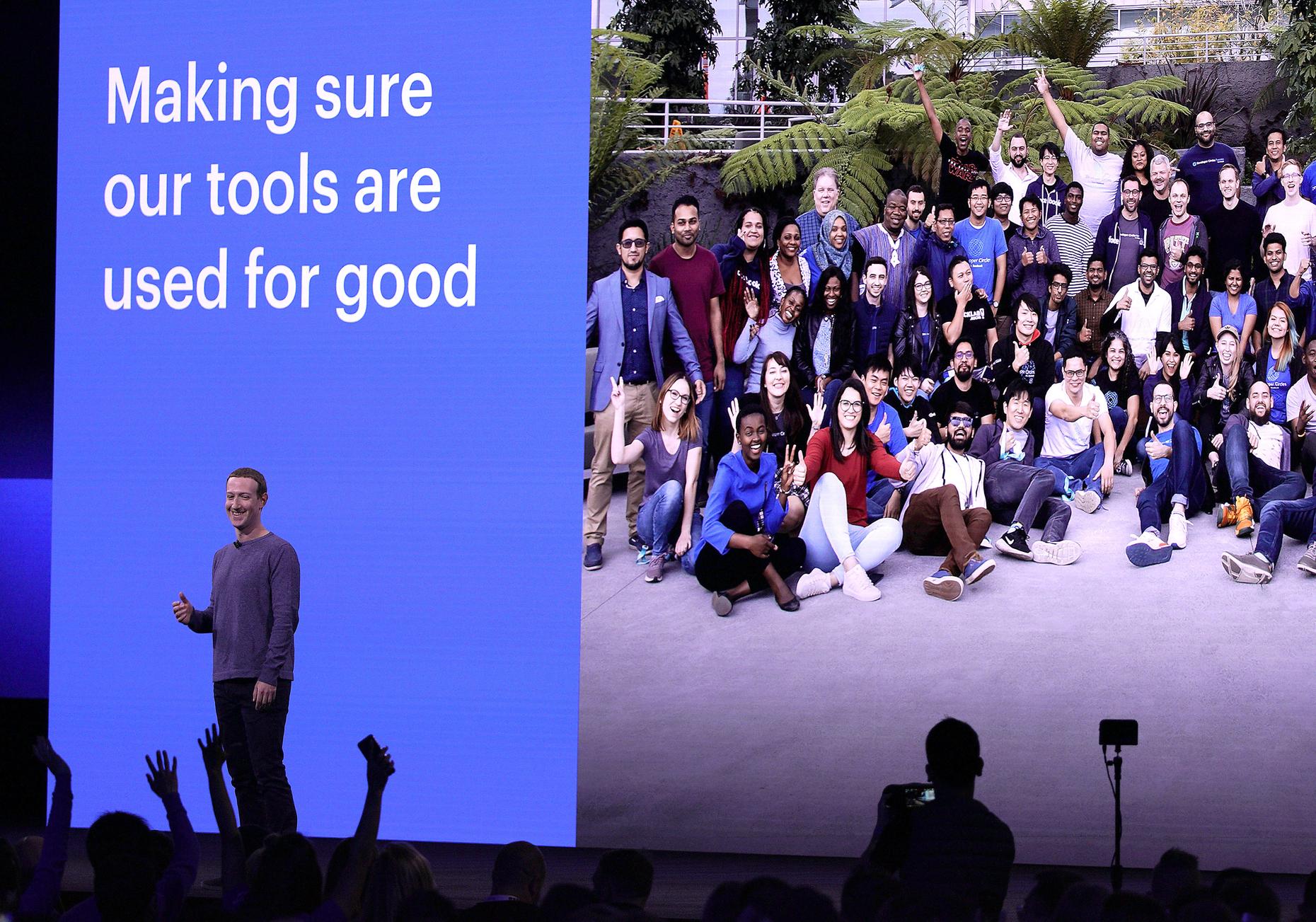
May 17, 2019
Constellation of Secret Evil
A controversial bill in Alabama is the latest in a wave of different abortion bans sweeping the country. This week, On the Media looks at the influence of Janet Porter, a little-known lobbyist who has been pushing what are misleadingly referred to as “heartbeat” laws. And, a deep dive into the rise of Hungarian Prime Minister Viktor Orbán, and what his autocratic regime tells us about the future of Europe. Plus, a new book reveals how conspiracy theories became a fact of American life. 1. Jessica Glenza [ @JessicaGlenza ], health reporter at the Guardian US, on the influence of Janet Porter, the lobbyist behind the so-called "heartbeat" abortion laws. Listen. 2. Paul Lendvai, author of Orbán: Hungary's Strongman , on the rise of Hungarian Prime Minister Viktor Orbán. Listen. 3. Anna Merlan [ @annamerlan ], author of Republic of Lies , on the long arc of conspiratorial thinking in the United States. Listen. Support On the Media today at o nthemedia.org/donate . Songs: Dame tu Mano by Combo Chimbita Passing Time by John Renbourn The Glass House by Marjane's Inspiration Califone by Burned by Christians We Insist by Zoe Keating Green Onions by Booker T. and The MG's X-File Theme High Water Everywhere Part 1 by Charlie Patton Bullwinkle, Part II by The Centurians On the Media is supported by listeners like you. Support OTM by donating today ( https://pledge.wnyc.org/support/otm ). Follow our show on Instagram , Twitter and Facebook @onthemedia, and share your thoughts with us by emailing onthemedia@wnyc.org.
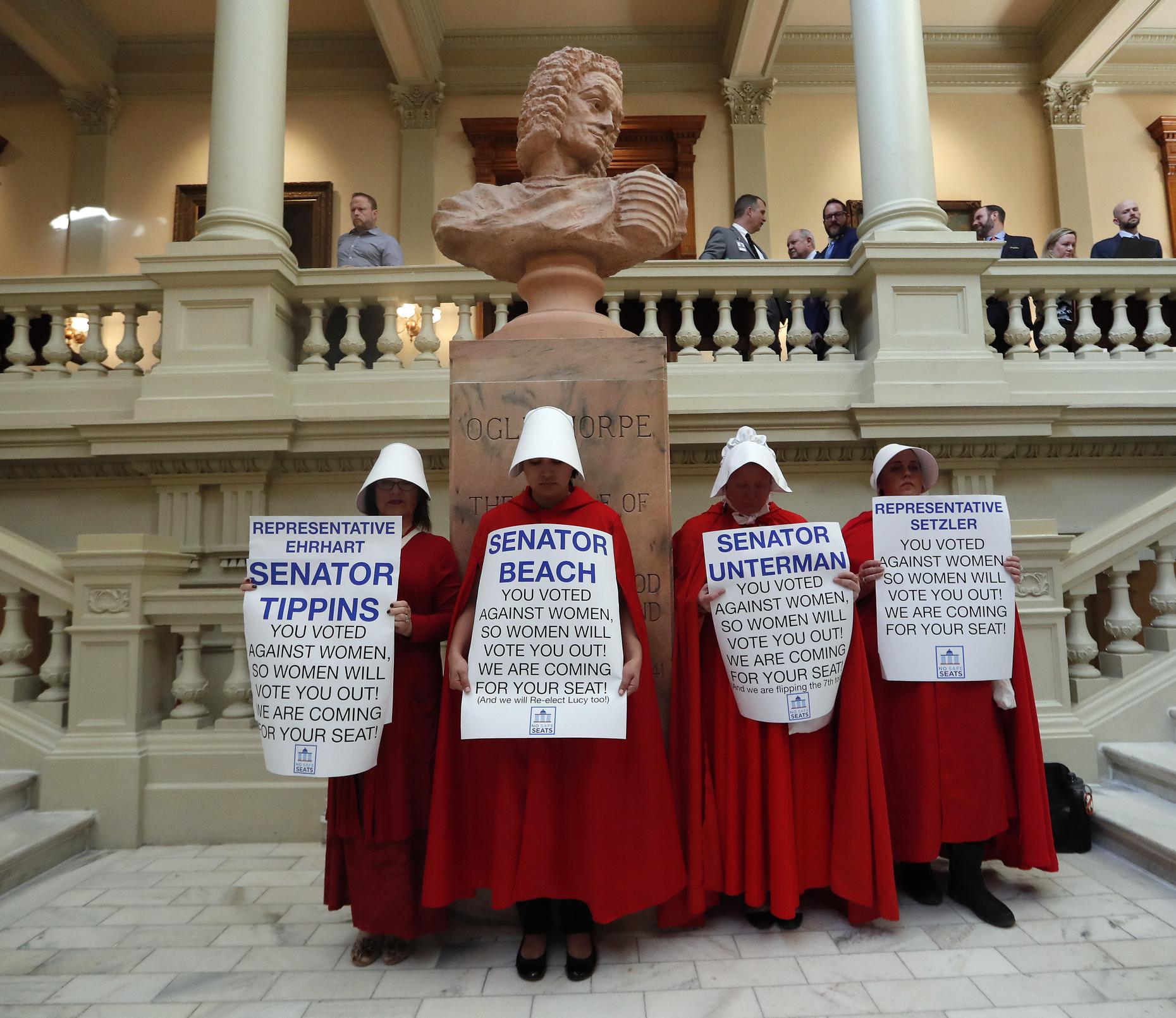
May 14, 2019
The Past, Present and Future of Nikole Hannah-Jones
This week, we want to bring you a terrific new episode of Death, Sex and Money , another WNYC show that we think our listeners will appreciate . The show's host, Anna Sale, is on maternity leave, and an exciting cohort of former guests and friends of the show are hosting in her absence, talking with the people they're most curious about. The episode this week is hosted by Al Letson . Normally he hosts the podcast Reveal , but here he’s talking with Nikole Hannah-Jones , an award-winning investigative reporter covering racial injustice for the New York Times Magazine . If you’re familiar with Nikole’s reporting (and even if you're not), we think you’ll enjoy this conversation about how her life brought her to the work she does today. On the Media is supported by listeners like you. Support OTM by donating today ( https://pledge.wnyc.org/support/otm ). Follow our show on Instagram , Twitter and Facebook @onthemedia, and share your thoughts with us by emailing onthemedia@wnyc.org.

May 10, 2019
Impossible!
The political press has long used the vague notion of “electability” to drive horserace coverage of presidential candidates. This week, On the Media considers how the emphasis on electability takes the focus away from the issues and turns voters into pundits. Plus, the shady dealings of the tax preparation industry, and how FOIA has been weaponized. And, how Trump duped financial journalists about his net worth in the 1980s. 1. Investigative journalist Jonathan Greenberg [ @JournalistJG ] on how Trump obscured his finances to wind up on the Forbes list of richest Americans — and why it mattered so much to him. 2. Dennis Ventry, professor at UC Davis School of Law, on how the tax preparation industry united to shield themselves from a publicly-funded alternative. 3. OTM producer Alana Casanova-Burgess [ @AlanaLlama ] speaks with Dennis Ventry, Michael Halpern [ @ halpsci ], Eric Lipton [ @ EricLiptonNYT ] and Claudia Polsky about a bill in California that seeks to curb the weaponization of FOIA. 4. Alex Pareene [ @pareene ], staff writer at The New Republic , on how the idea of "electability" has metastasized among democratic voters. On the Media is supported by listeners like you. Support OTM by donating today ( https://pledge.wnyc.org/support/otm ). Follow our show on Instagram , Twitter and Facebook @onthemedia, and share your thoughts with us by emailing onthemedia@wnyc.org.
May 8, 2019
Werner Herzog on Gorbachev
Renowned director and documentarian Werner Herzog's latest filmmaking endeavor examines the legacy of the eighth and final leader of the Soviet Union, Mikhail Gorbachev. For the film, Herzog sat down with the 88 year-old former General Secretary for a candid conversation about his complicated legacy. In the latest installment of Bob's Docs, Herzog joins Bob to discuss his filmmaking process and the history of the man he profiled. On the Media is supported by listeners like you. Support OTM by donating today ( https://pledge.wnyc.org/support/otm ). Follow our show on Instagram , Twitter and Facebook @onthemedia, and share your thoughts with us by emailing onthemedia@wnyc.org.
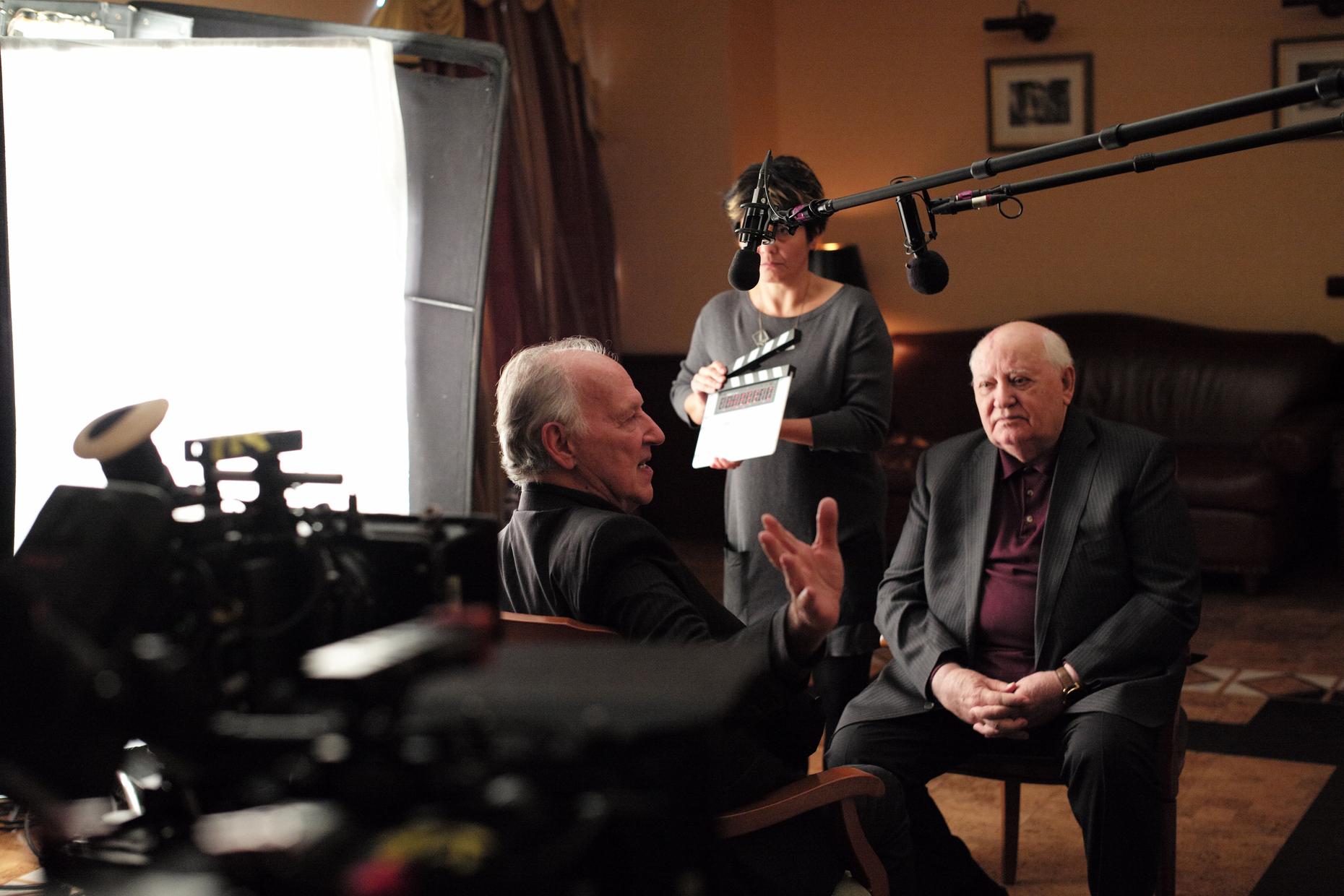
May 3, 2019
A High State of Agitation
After accusations that he mischaracterized the Mueller investigation’s findings, Attorney General William Barr blames the media for muddling the story. This week, On the Media dissects Barr’s deflections. And, how a Jewish satirist uses grotesque caricatures to cut to the heart of the discourse on antisemitism and why effectively combating hate requires building coalitions. Plus, how ABC's The View became one of the biggest political stages on television. 1. Dahlia Lithwick [ @Dahlialithwick ], host of the Amicus podcast and writer at Slate, on Barr's mischaracterization of the Mueller report. 2. Leo Ferguson [ @LeoFergusonnyc ], organizer with Jews for Racial and Economic Justice , on the ways to understand and combat antisemitism. 3. Eli Valley [ @elivalley ], comic artist and satirist, on feeling gaslit by the antisemitism debate. 4. Ramin Setoodah [ @RaminSetoodeh ], author of L adies Who Punch: The Explosive Inside Story of The View and the New York bureau chief for Variety , on The View's surprising role in American politics. On the Media is supported by listeners like you. Support OTM by donating today ( https://pledge.wnyc.org/support/otm ). Follow our show on Instagram , Twitter and Facebook @onthemedia, and share your thoughts with us by emailing onthemedia@wnyc.org.
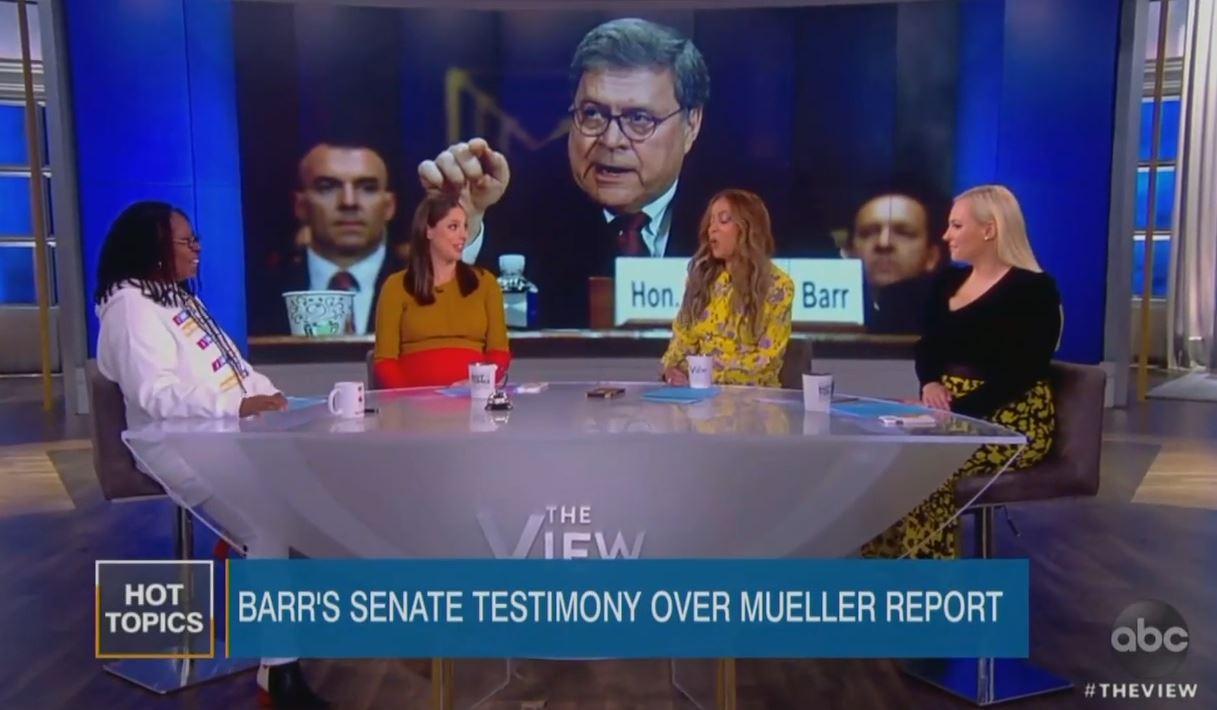
May 2, 2019
Is True Crime Jinxed?
Whether Robert Durst confessed on camera will become a relevant legal matter in the real estate figure's upcoming trial. The supposed confession — "What the hell did I do? Killed them all, of course." — at the end of HBO's The Jinx: The Life and Deaths of Robert Durst has recently been revealed to have been seriously, deceptively edited. In 2015 Bob spoke with documentary filmmaker Joe Berlinger , co-creater of the Paradise Lost trilogy, about modern filmmaker, the responsibility of the artist and different interpretations of "truth." It's a relevant conversation to revisit, this week in particular. On the Media is supported by listeners like you. Support OTM by donating today ( https://pledge.wnyc.org/support/otm ). Follow our show on Instagram , Twitter and Facebook @onthemedia, and share your thoughts with us by emailing onthemedia@wnyc.org.
Apr 26, 2019
Justice Interruptus
A week after the redacted Mueller report’s release, Democrats weigh the risks — and imperatives — of impeachment. On this week’s On the Media, why our founders gave congress the power to oust the president in the first place. Plus, the forgotten roots of May Day, the international workers’ holiday. 1. Paul Waldman [ @paulwaldman1 ], columnist and senior writer for the American Prospect and the Washington Post , on the politics and virtues of impeachment. Listen . 2. Jeffrey Engel [ @jeffreyaengel ], the founding director of the Center for Presidential History at Southern Methodist University, and coauthor of Impeachment: An American History on the the history of impeachment . Listen . 3. Zephyr Teachout [ @ZephyrTeachout ], author of Corruption in America , on h ow our nation lost its original anti-corruption zeal . Listen . 4. Donna Haverty-Stacke, [ @DHavertyStacke ], professor of History at Hunter College, CUNY, on the U.S. origin of May Day and how it has come to be forgotten. Listen . Music: Time Is Late by Marcos Ciscar Jeopardy: Think Music (in style of Handel) by Donald Fraser, Merv Griffin, Donald Fraser Here It Comes by Modest Mouse Liquid Spear Waltz by Michael Andrews Tymperturbably Blue (Live 1959) by Duke Ellington Into the Streets May First: written by Aaron Copland; performed by Jon Hanrahan (direction, piano); vocals by Alana Casanova-Burgess, Leah Feder, Micah Loewinger, Brooke Gladstone, Karen Frillman, Jim O’Grady, Philip Yiannopoulos, engineered by Irene Trudel On the Media is supported by listeners like you. Support OTM by donating today ( https://pledge.wnyc.org/support/otm ). Follow our show on Instagram , Twitter and Facebook @onthemedia, and share your thoughts with us by emailing onthemedia@wnyc.org.
Apr 24, 2019
How Is Lead Still A Problem?
Once in a while, in this space, we offer you an episode of another podcast that we think is pretty aligned with our goals here at On the Media. This week, we’re offering you the first episode of a new podcast from WNYC Studios, called The Stakes . The angle is: we built the society we've got. And maybe it's time to build a new one. You can and should subscribe to The Stakes wherever you get your podcasts (we are). But in the meantime, here's their first episode all about the pervasive problem of lead paint still poisoning children. The ancient Greeks knew lead is poisonous. Ben Franklin wrote about its dangers. So how did it end up being all around us? And how is it still a problem? On the Media is supported by listeners like you. Support OTM by donating today ( https://pledge.wnyc.org/support/otm ). Follow our show on Instagram , Twitter and Facebook @onthemedia, and share your thoughts with us by emailing onthemedia@wnyc.org.
Apr 18, 2019
Harm To Ongoing Matter
After years of waiting, journalists finally began digging into the redacted version of the Mueller report. On this week’s On the Media, how the special counsel’s findings confirm years of reporting about turmoil within the White House. Plus, what the Notre Dame fire and the Sacklers show us about the dark side of philanthropy, and how the Justice Department stopped prosecuting executives. And, an undercover investigation shines a light on the NRA’s PR machinery. 1. Eric Umansky [ @ericuman ], deputy editor at ProPublica and co-host of the Trump Inc. podcast, on the Mueller revelations. Listen . 2. Anand Giridharadas [ @AnandWrites ], author of Winners Take All: The Elite Charade of Changing the World , on the dark side of philanthropy. Listen . 3. Jesse Eisinger [ @eisingerj ], author of The Chickenshit Club , on how the Justice Department stopped prosecuting executives . Listen . 4. Peter Charley , executive producer of Al Jazeera's "How To Sell a Massacre," on the NRA's PR machinery. Listen . Songs: Okami by Nicola Cruz Capicua by Animal Chuki Colibria by Nicola Cruz Let's Face the Music and Dance by Harry Roy Lost, Night by Bill Frissell This is NRA Country by Justin Moore On the Media is supported by listeners like you. Support OTM by donating today ( https://pledge.wnyc.org/support/otm ). Follow our show on Instagram , Twitter and Facebook @onthemedia, and share your thoughts with us by emailing onthemedia@wnyc.org.
Apr 16, 2019
Who Profits When You File Your Taxes?
Tax Day is behind us, but the Taxpayer First Act is not. The bipartisan proposal passed the House last week and is now under consideration in the Senate — and one of the provisions is exactly what the for-profit tax preparation industry has been pushing for. Through an agreement with the IRS, companies like H&R Block and Intuit currently offer free tax filing services to taxpayers making less than $66,000 dollars a year. But only 1.6 percent of taxpayers actually use Free File, and critics say that the companies engage in aggressive up-selling through the portal. A provision in the Taxpayer First Act would bar the IRS from developing their own free system. Dennis Ventry is a tax scholar at the University of California, Davis. He has written about the shortcomings of the Free File program, and explains to Bob why he thinks the IRS isn't doing enough to protect taxpayers who try to use it. He wrote an opinion piece last year titled " Free File providers scam taxpayers; Congress shouldn't be fooled " — which made him the target of a public records request from an industry group. On the Media is supported by listeners like you. Support OTM by donating today ( https://pledge.wnyc.org/support/otm ). Follow our show on Instagram , Twitter and Facebook @onthemedia, and share your thoughts with us by emailing onthemedia@wnyc.org.
Apr 12, 2019
Wake Up, Sheeple!
WikiLeaks founder Julian Assange was arrested in London, and now faces prosecution. On this week’s On the Media, a look at what Assange’s arrest may mean for press freedom. Plus, what the new image of a black hole tell us about the power of science in the face of a conspiracy theory minefield. And, a look at a new documentary about former Trump strategist Steve Bannon. 1. Bob [ @bobosphere ] opines about what Julian Assange's arrest means — and doesn't mean — for the future of press freedom. Listen . 2. Yale astronomy and physics professor Priyamvada Natarajan [ @SheerPriya ] finally gets a glimpse at what she's spent years theorizing about: a black hole. Listen . 3. New York Magazine's Madison Malone Kircher [ @4evrmalone ] on how YouTuber Logan Paul stokes the conspiracy flames. Listen . 4. New York Magazine's Max Read [ @max_read ] on how the Matrix's "red pill" idea has been so foundational for modern-day skeptics. Listen . 5. Alison Klayman [ @aliklay ], director of "The Brink," a new documentary about Steve Bannon, on what we can learn by looking at Bannon's role in our political and media world. Listen . On the Media is supported by listeners like you. Support OTM by donating today ( https://pledge.wnyc.org/support/otm ). Follow our show on Instagram , Twitter and Facebook @onthemedia, and share your thoughts with us by emailing onthemedia@wnyc.org.
Apr 10, 2019
Spy vs. Spy
New York Times reporter Michael Schwirtz set out to investigate a series of assassinations in Ukraine with low expectations. Reporting on a homicide as a member of the foreign press is daunting enough to begin with. His assignment was formidable beacuse many of the murders were linked to Russia — a government hostile to the media at best and notorious for murdering foreign journalists at worst. But when Schwirtz approached alleged Russian assassin Oleg Smorodinov to question him about a murder, the accused provided an unexpected bit of testimony: a confession. And on top of that, Smorodinov disclosed the specific role the Kremlin played in ordering and directing his crime. Schwirtz published his findings in a New York Times feature last week. Bob spoke with Schwirtz about spies, state-facilitated assassination and the experience of following a true story that reads like a Russian mystery novel. On the Media is supported by listeners like you. Support OTM by donating today ( https://pledge.wnyc.org/support/otm ). Follow our show on Instagram , Twitter and Facebook @onthemedia, and share your thoughts with us by emailing onthemedia@wnyc.org.

Apr 5, 2019
Empire State of Mind
Recently, a member of the Trump administration called Puerto Rico “that country,” obscuring once more the relationship between the island colony and the American mainland. In a special hour this week, On the Media examines the history of US imperialism — and why the familiar US map hides the true story of our country. Brooke spends the hour with Northwestern University historian Daniel Immerwahr , author of How to Hide an Empire: A History of the Greater United States . This is Part 2 of our series, "On American Expansion." Music: Bill Frisell - Lost Night The O’Neil Brothers - Tribute to America Eileen Alannah - Original recording from 1908 Ali Primera - Yankee Go Home Michael Andrews - The Artifact and Living Michael Andrews - Liquid Spear Waltz Matt Farley - Bird Poop Song On the Media is supported by listeners like you. Support OTM by donating today ( https://pledge.wnyc.org/support/otm ). Follow our show on Instagram , Twitter and Facebook @onthemedia, and share your thoughts with us by emailing onthemedia@wnyc.org.
Apr 2, 2019
Policing the Police
California recently passed a law that eliminates some of the barriers to accessing records on egregious police misconduct and deadly use of force. W ith the floodgates open, journalists, like KPCC investigative reporter Annie Gilbertson , are elated and terrified. Just one police violation can come with hundreds of associated documents for journalists to comb through. So, instead of fighting tooth and nail for the scoop, over 30 media organizations across the state are teaming up to share resources, bodies and insight as they begin the arduous task of combing through the newly-available records. The coalition is called the California Reporting Project . Bob Garfield talked with Gilbertson about what the project is uncovering. On the Media is supported by listeners like you. Support OTM by donating today ( https://pledge.wnyc.org/support/otm ). Follow our show on Instagram , Twitter and Facebook @onthemedia, and share your thoughts with us by emailing onthemedia@wnyc.org.
Mar 28, 2019
The End of Magical Thinking
With the Mueller investigation complete, talking heads have given the short public summary their usual spin. This week, On the Media looks at why the framing of the report produced so much misunderstanding. Plus, how historical amnesia and old ideas about limitless growth have influenced American psychology and foreign policy. 1. Dahlia Lithwick [ @Dahlialithwick ], writer for Slate and host of the Amicus podcast, on how the summary of Mueller's findings is being spun. Listen . 2. Corey Robin [ @CoreyRobin ], political science professor at Brooklyn College, on Americans' flawed historical memories . Listen . 3. Greg Grandin [ @GregGrandin ], history professor at New York University, on his latest book, The End of The Myth: From Frontier to the Border Wall in the Mind of America . Listen . MUSIC: Prelude 8: The Invisibles - John Zorn Trance Dance - John Zorn Kronos - Purple Haze Sacred Oracle - John Zorn Rebel Soldier - The Nashville Sessions On the Media is supported by listeners like you. Support OTM by donating today ( https://pledge.wnyc.org/support/otm ). Follow our show on Instagram , Twitter and Facebook @onthemedia, and share your thoughts with us by emailing onthemedia@wnyc.org.
Mar 27, 2019
The Opioid Narratives
Purdue Pharma has settled a lawsuit with the state of Oklahoma for $270 million, a larger figure than two other cases the company has settled with other states. In doing so, the company also avoided a televised trial in May at a time when there's been growing public pressure on Purdue and its owners, the Sackler family, amid allegations that they misled the public about the dangers of OxyContin. Back in 2017, Bob spoke with Barry Meier about how public discourse about chronic pain and treatment have been shaped by companies like Purdue with help from physicians, consultants, and the media. Meier is a former reporter for The New York Times and author of Pain Killer: A "Wonder" Drug's Trail of Addiction and Death . Bob also interviewed journalist Anna Clark about her reporting for the Columbia Journalism Review on opioid-related death notices . Sites like Legacy.com , she explained, have often chronicled the crisis' individual human toll. On the Media is supported by listeners like you. Support OTM by donating today ( https://pledge.wnyc.org/support/otm ). Follow our show on Instagram , Twitter and Facebook @onthemedia, and share your thoughts with us by emailing onthemedia@wnyc.org.
Mar 22, 2019
Hating In Plain Sight
In the aftermath of white supremacist attacks in New Zealand, there's a tension between reporting on the shooter's motivations and not amplifying his message. This week, On the Media examines how the press can navigate that persistent dilemma. Plus, the debate over whether online archives of jihadi terrorist propaganda should be open to the public. 1. Joan Donovan [ @ BostonJoan ] describes the way the press has evolved in its responses to far-right terrorism, and argues for continued caution in coverage of white supremacists. Listen . 2. Kathleen Belew [ @ kathleen_belew ] describes the White Power roots of the Christchurch attack, and argues that to effectively fight this hate, we must understand the movement in which it grows. Listen . 3. Dan Feidt [ @ HongPong ] of Unicorn Riot [ @ UR_Ninja ] on what alt-right groups are discussing in their secret online chatrooms, and what we learn by reading them. Listen. 4. Charlie Winter [ @ charliewinter ], Rukmini Callimachi [ @ rcallimachi ], Ali Fisher [ @ WandrenPD ], Amarnath Amarasingam [ @ AmarAmarasingam ], Pieter Van Ostaeyen [ @ p_vanostaeyen ], and Seamus Hughes [ @ SeamusHughes ] on the debate over whether online archives of jihadi terrorist propaganda should be open to the public. Listen. Songs: Capicua by Animal Chuki Untitled by Aphex Twin (Four Tet remix) Chrysanthemum Complex (Contagion OST) by Cliff Martinez Capernaum OST by Khaled Mouzanar Meg Erase Meta by Qasim Naqvi Its Motion Keeps by Caroline Shaw Lo by Dawn of Midi Transcripts for this episode are available on individual segment pages. On the Media is supported by listeners like you. Support OTM by donating today ( https://pledge.wnyc.org/support/otm ). Follow our show on Instagram , Twitter and Facebook @onthemedia, and share your thoughts with us by emailing onthemedia@wnyc.org.
Mar 19, 2019
No Notoriety
The details are different but the story is the same. A mass shooting, scores of people dead, another nation traumatized. Although in the aftermath of the events in New Zealand last week there is a wrinkle. In her first speech to parliament since the attacks, Prime Minister Jacinda Ardern declared that she will never speak the killer's name and she asked the press and others to follow suit. Ardern said the shooter would not get notoriety, perhaps a nod to the group “No Notoriety” started by Tom Teves and his wife Caren. The Teves lost their son in the 2012 shooting rampage in an Aurora, Colorado movie theater and later formed the group to beseech news outlets not to turn mass killers into media icons. Bob spoke to Tom back in 2015 as jury selection was beginning for the trial of his son’s killer. On the Media is supported by listeners like you. Support OTM by donating today ( https://pledge.wnyc.org/support/otm ). Follow our show on Instagram , Twitter and Facebook @onthemedia, and share your thoughts with us by emailing onthemedia@wnyc.org.
Mar 13, 2019
Tucker Was Tucker All Along
To suggest that Tucker Carlson has a tendency to hint at deeply discriminatory tropes would be clich é — but also dead-on. Just this week, thanks to newly unearthed audio released by Media Matters, the Fox News darling ditches his signature dog whistle in exchange for unmistakable and unapologetic hate speech. Who is Tucker Carlson, really? In this week's pod extra, Bob delves into the origins of the now-notorious commentator with Lyz Lenz , a writer for Columbia Journalism Review who profiled Carlson in September. On the Media is supported by listeners like you. Support OTM by donating today ( https://pledge.wnyc.org/support/otm ). Follow our show on Instagram , Twitter and Facebook @onthemedia, and share your thoughts with us by emailing onthemedia@wnyc.org.
Mar 13, 2019
The Myth of Meritocracy
A college admissions scandal has highlighted what people refer to as "the myth of meritocracy." But actually, meritocracy itself is a myth. This week, On the Media looks at the satirical origins of the word and what they tell us about why the US embraces it. Plus, the messaging for and against Medicare for All, as well as a historical look at why we don't have universal healthcare. And economic historian and Tucker Carlson antagonist Rutger Bregman. 1. John Patrick Leary [ @JohnPatLeary ], professor at Wayne State University, on the history of the satirical origins of the word "meritocracy". Listen. 2. Paul Waldman [ @paulwaldman1 ] of The Washington Post on the messaging war over Medicare for All and what the media is getting wrong about the proposal. Listen. 3. Jill Quadagno of [ @floridastate ] on the history of why the U.S. has shunned universal healthcare. Listen. 4. Rutger Bregman [ @rcbregman ] on the myths about wealth and who creates it. Listen. On the Media is supported by listeners like you. Support OTM by donating today ( https://pledge.wnyc.org/support/otm ). Follow our show on Instagram , Twitter and Facebook @onthemedia, and share your thoughts with us by emailing onthemedia@wnyc.org.

Mar 8, 2019
Crossing the Line
Mexican officials and U.S. Customs and Border Protection are using a secret database to target journalists and advocates at the southern border. This week, On the Media speaks with a reporter on the list who was detained for questioning by Mexican authorities. Plus, what the Obama Library’s unique arrangement with the National Archives means for the future of presidential history. And, the grotesque origins of segregation. 1. Mari Payton [ @MariNBCSD ], reporter at NBC 7 in San Diego, and Kitra Cahana , freelance photojournalist, on the secret government database of immigration reporters and advocates. Listen. 2. Tim Naftali [ @TimNaftali ], historian at New York University and former director of the Nixon Presidential Library and Museum, and Louise Bernard , director of the museum at the Obama Presidential Center, on the Obama Foundation's decision to curate its own presidential museum. Listen. 3. Steve Luxenberg [ @SLuxenberg ], author of Separate , on the history of Plessy v. Ferguson . Listen. Music in this week's show: Fallen Leaves by Marcos Ciscar Gormenghast by John Zorn With Plenty of Money and You by Hal Kemp And His Orchestra Let's Face This Music And Dance by Roy Fox And His Orchestra Wade in the Water by Charlie Haden and Hank Jones Get Back - Black, Brown And White by Big Bill Broonzy Moulin Rouge by Toots Thielemans On the Media is supported by listeners like you. Support OTM by donating today ( https://pledge.wnyc.org/support/otm ). Follow our show on Instagram , Twitter and Facebook @onthemedia, and share your thoughts with us by emailing onthemedia@wnyc.org.
Mar 6, 2019
The Myth That Fuels the Anti-Vaxx Agenda
This Tuesday, lawmakers in Washington heard from an 18-year-old who, against all odds, got his shots. Ethan Lindenberger, who fought with his own mother to get vaccinated , told senators, "for my mother, her love, affection, and care as a parent was used to push an agenda to create a false distress." That "anti-vaxx" agenda, the dangerous legacy of a thoroughly debunked 1998 study in the British medical journal Lancet , was dealt yet another devastating — though not mortal — blow this week, courtesy of epidemiologists from Denmark’s Staten Serum Institute. Their new study, which included more than 650,000 children, found that the MMR vaccine did not raise the risk of developing autism . And yet, even in the face of study after study, and even as websites like Pinterest have moved to stamp out the spread of anti-vaxx materials on their websites , the debunked vaccine-autism link and its impact on public health live on. In this 2012 interview, Brooke spoke with Seth Mnookin , author of The Panic Virus: A True Story of Medicine, Science and Fear , about why these myths persist. On the Media is supported by listeners like you. Support OTM by donating today ( https://pledge.wnyc.org/support/otm ). Follow our show on Instagram , Twitter and Facebook @onthemedia, and share your thoughts with us by emailing onthemedia@wnyc.org.
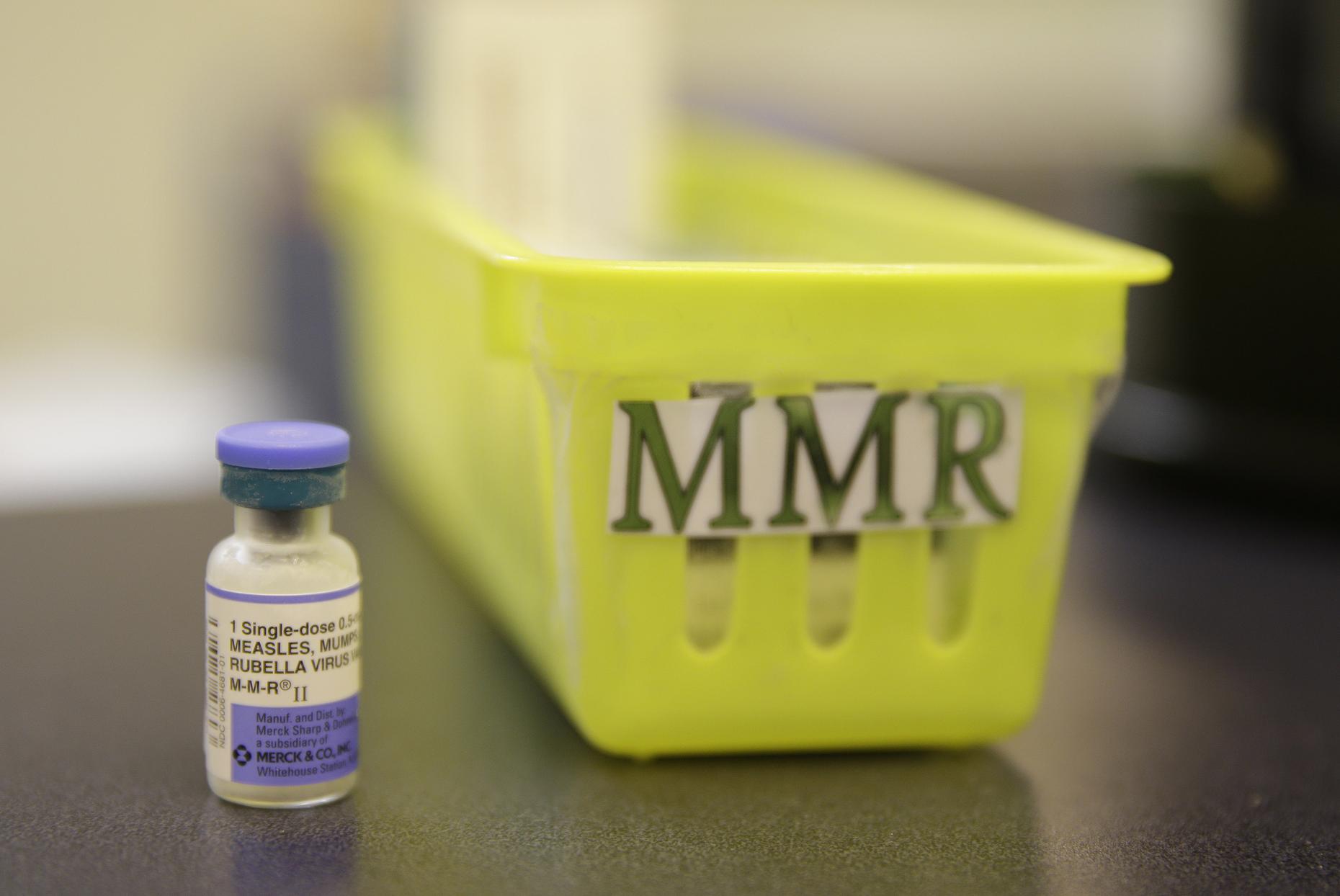
Mar 1, 2019
Look Back in Anger
When President Trump’s former personal lawyer testified in front of Congress this week, it was both captivating and oddly familiar. This week, On the Media looks at the tropes that ran through the hearings, and offers a guide to news consumers trying to understand the tangled threads of the Mueller investigation. Plus, a sideways glance at historical hot takes and a second look at an infamous Nazi rally in the heart of New York City. 1. Bob and Brooke on Michael Cohen's enthralling testimony this week. Listen . 2. Eric Umansky [ @ericuman ], co-host of Trump, Inc. from WNYC Studios and ProPublica, on how news consumers can best understand Mueller-related news. Listen . 3. Corey Robin [ @CoreyRobin ], political theorist, on the tendency for journalists to launder their hot takes through history. Listen . 4. Marshall Curry [ @marshallcurry ], documentary filmmaker, on his Oscar-nominated short, A Night At The Garden . Listen . CORRECTION: In the opening segment, we describe U.S. Representative Jim Cooper, of Tennessee, as belonging to the wrong political party. Rep. Cooper is a Democrat. Music in this week's show: Enrico Pieranunzi: Fellini's Waltz Angelo Badalamenti: Audrey's Dance John Zorn: The Hammer of Los Stonemason’s March The Kiboomers: German Lullaby On the Media is supported by listeners like you. Support OTM by donating today ( https://pledge.wnyc.org/support/otm ). Follow our show on Instagram , Twitter and Facebook @onthemedia, and share your thoughts with us by emailing onthemedia@wnyc.org.
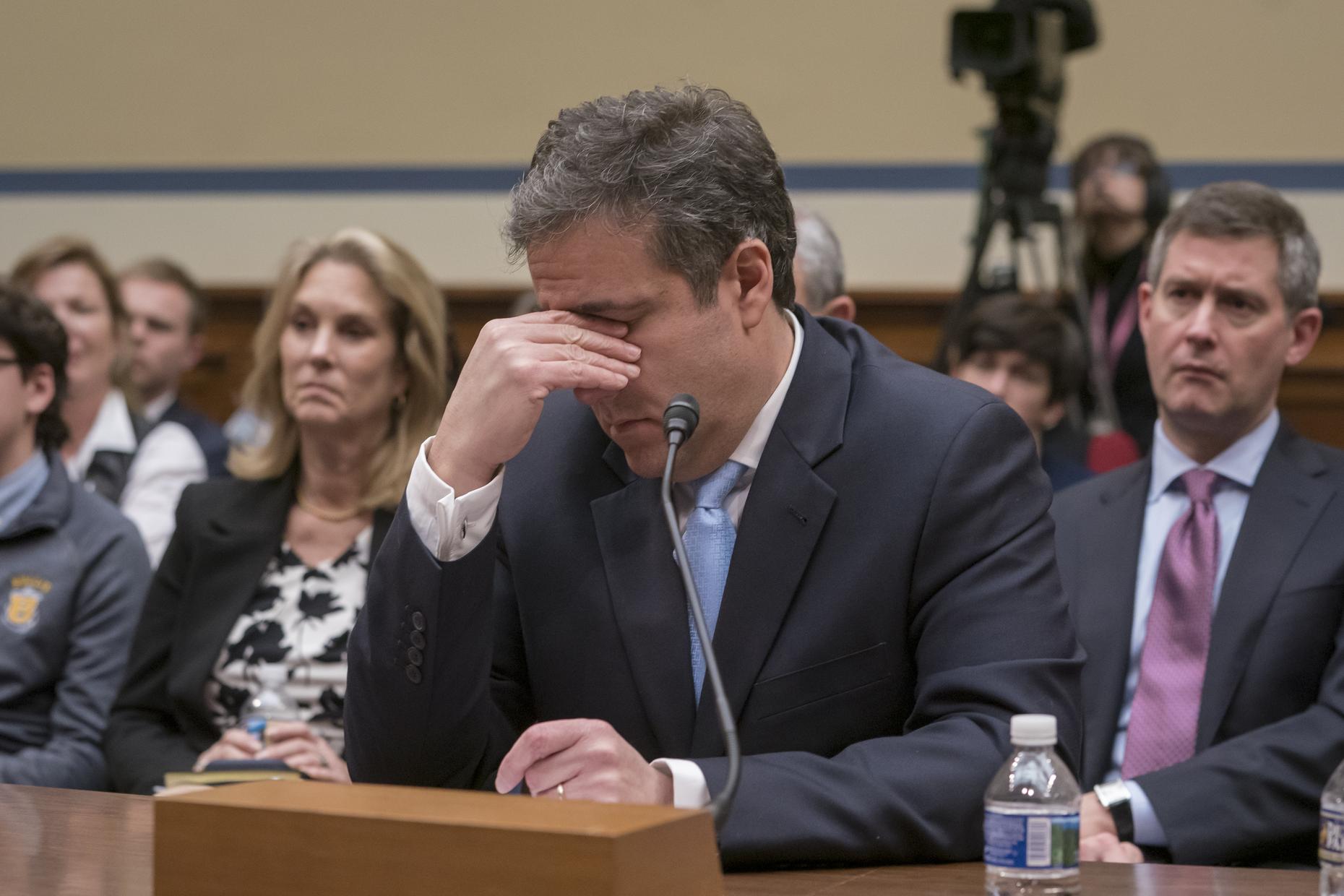
Feb 26, 2019
Longing for Wakanda
On Sunday night, Marvel’s Black Panther film won the Oscar for three of its six Academy Award nominations: Ludwig Göransson for Best Original Score, Ruth E. Carter for Best Costume Design and Hannah Beachler and Jay R. Hart for Best Production design — just a few of the artists who helped bring Wakanda, the Black Panther’s mythical homeland, to life. A persistent site for utopian longing, Wakanda has once more captured the public imagination: endowed with unlimited access to the most precious natural resource in the world, unsullied by the ravages of colonialism , Wakanda has reignited conversations about what black liberation can and should look like. According to Johns Hopkins University history professor Nathan Connolly, this latest chapter is part of a much longer tradition of imagining and reimagining black utopia s . Connolly speaks with Brooke about how Wakanda arises from a 500-year history — from Maroon communities to Haiti to the actual Black Panther movement — a journey that takes us from "dreams to art to life, and back again." This segment originally aired on February 23rd, 2018. On the Media is supported by listeners like you. Support OTM by donating today ( https://pledge.wnyc.org/support/otm ). Follow our show on Instagram , Twitter and Facebook @onthemedia, and share your thoughts with us by emailing onthemedia@wnyc.org.
Feb 22, 2019
Twitch and Shout
Twitch .tv is a video streaming platform where millions of people broadcast their lives and video game action in real-time. It's like unedited, real , reality TV. This week, On the Media digs into why so many people want to share so much on Twitch, and what it tells us about the future of entertainment. First, a look at a couple of the biggest streamers of the platform, Ninja and Dr. Disrespect, who command devoted audiences and giant paychecks. Then, Bob dives into the inaugural season of the Overwatch League, the most expensive and highly produced pro gaming venture to date. Finally, Brooke speaks with Radiolab's Jad Abumrad about the life of a homeless streamer who's life was saved by Twitch. 1. Julia Alexander [ @loudmouthjulia ] and Allegra Frank [ @LegsFrank ], two writers with Polygon , on the pitfalls and para-social allure of Twitch. Listen . 2. Cecilia D'Anastasio [ @cecianasta ] a reporter with Kotaku, Saebyeolbe [ @saebyeolbe ] and Pine [ @tf2pine ], two pro gamers, and Farzam Kamel, a venture capitalist with Sterling VC, on the inaugural season of the Overwatch League. Listen . 3. Jad Abumrad [ @JadAbumrad ] of Radiolab and VP Gloves, a homeless Twitch streamer, on the murky ethics of Twitch's IRL (in real life) section. Listen . This hour was originally broadcast on August 18th, 2018. On the Media is supported by listeners like you. Support OTM by donating today ( https://pledge.wnyc.org/support/otm ). Follow our show on Instagram , Twitter and Facebook @onthemedia, and share your thoughts with us by emailing onthemedia@wnyc.org.
Feb 20, 2019
When 20,000 Nazis Gathered in New York
Founded in 1936, the German-American Bund had approximately 25,000 members and 70 chapters around the country. While the Nazis were building concentration camps, the Bund held pro-Hitler retreats and summer camps. February 20th marks the 80th anniversary of the Bund’s most notorious event when 20,000 of its members gathered at Madison Square Garden for a "Pro - American Rally" featuring speeches and performances, staged in front of a 30-foot-high portrait of George Washington. The rally is the subject of the Oscar-nominated documentary short " A Night at The Garden " by filmmaker Marshall Curry . In this On the Media podcast extra, Brooke talks with Curry about how the film's themes resonate today and how a 30-second broadcast spot has had a media moment of its own. On the Media is supported by listeners like you. Support OTM by donating today ( https://pledge.wnyc.org/support/otm ). Follow our show on Instagram , Twitter and Facebook @onthemedia, and share your thoughts with us by emailing onthemedia@wnyc.org.
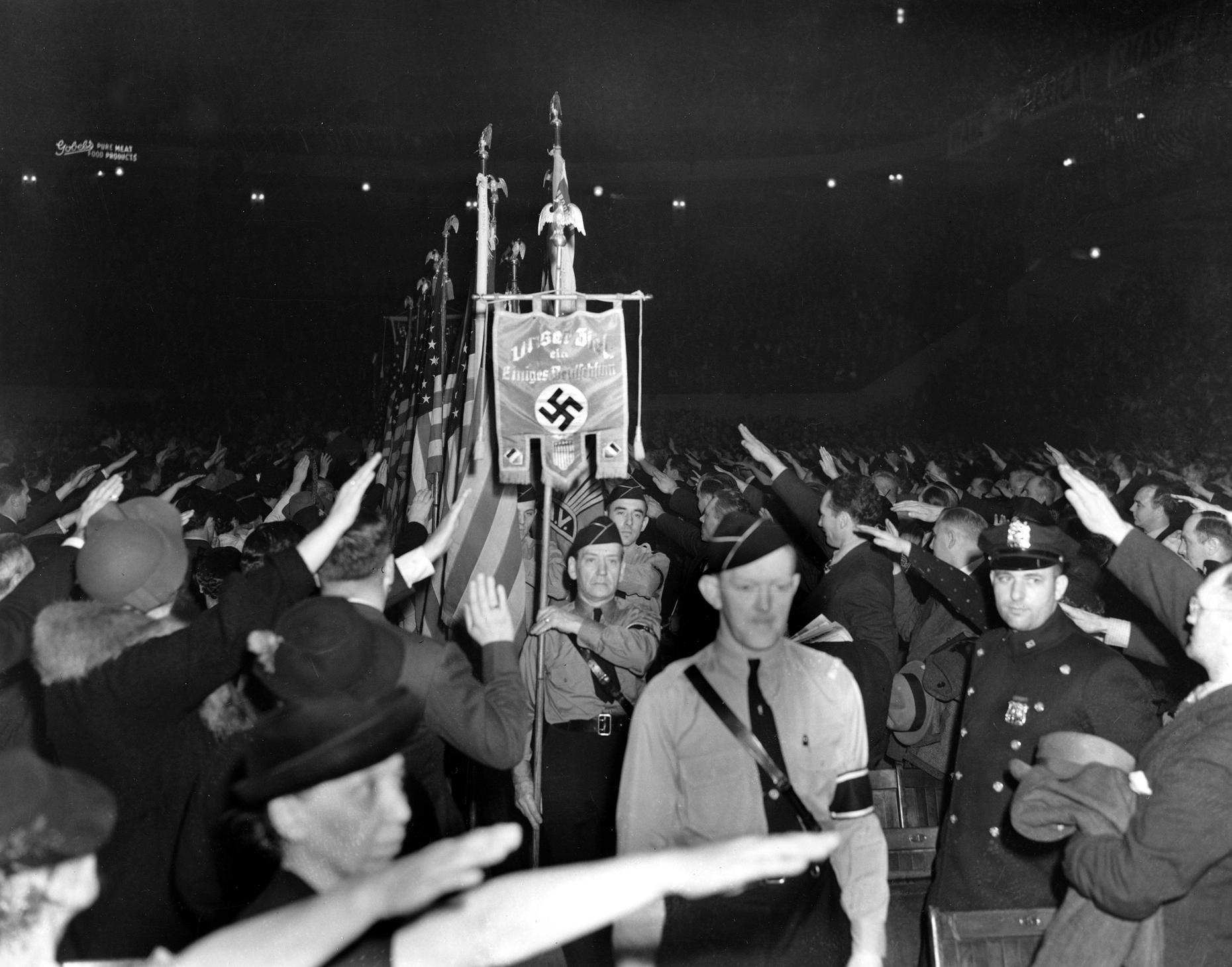
Feb 15, 2019
Bad Reputation
The 2020 Democratic field is the most diverse ever, and five women are running to be the party’s presidential nominee. This week, we look at the sexist coverage of female candidates with a new Breaking News Consumer's Handbook: Gender and Politics Edition. Then, a re-examination of a 90's tabloid spectacle, Lorena Gallo (Lorena Bobbitt), arrested for cutting her husband's penis off after he raped her. Plus, how Black History Month undermines black history. 1. Lili Loofbourow [ @Millicentsomer ], staff writer at Slate, on the sexist coverage of women in politics. Listen. 2. Joshua Rofé [ @joshua_rofe ], filmmaker, and Lorena Gallo (FKA Lorena Bobbitt) on the new documentary "Lorena." Listen. 3. Doreen St. Félix [ @dstfelix ], staff writer at T he New Yorker , on the commercialization of Black History Month . Listen. Songs: The Crave by Jelly Roll Morton Juliet of Spirits by Nino Rota and Eugene Walter Okami by Nicola Cruz River Man by Brad Mehldaw Trio Mai Nozipo by Kronos Quartet On the Media is supported by listeners like you. Support OTM by donating today ( https://pledge.wnyc.org/support/otm ). Follow our show on Instagram , Twitter and Facebook @onthemedia, and share your thoughts with us by emailing onthemedia@wnyc.org.
Feb 13, 2019
A Century of Free Speech
For this week's pod extra, we feature a conversation from WNYC'S Brian Lehrer Show . Brian talked with Columbia University President Lee Bollinger and University of Chicago Law Professor Geoffrey Stone , editors of The Free Speech Century , a collection of essays by leading scholars, marking 100 years since the Supreme Court issued the three decisions that established the modern notion of free speech. Whether it’s fake news or money in politics, we’re still arguing over the First Amendment, and their book lays out the origins of the argument just after the first World War. On the Media is supported by listeners like you. Support OTM by donating today ( https://pledge.wnyc.org/support/otm ). Follow our show on Instagram , Twitter and Facebook @onthemedia, and share your thoughts with us by emailing onthemedia@wnyc.org.
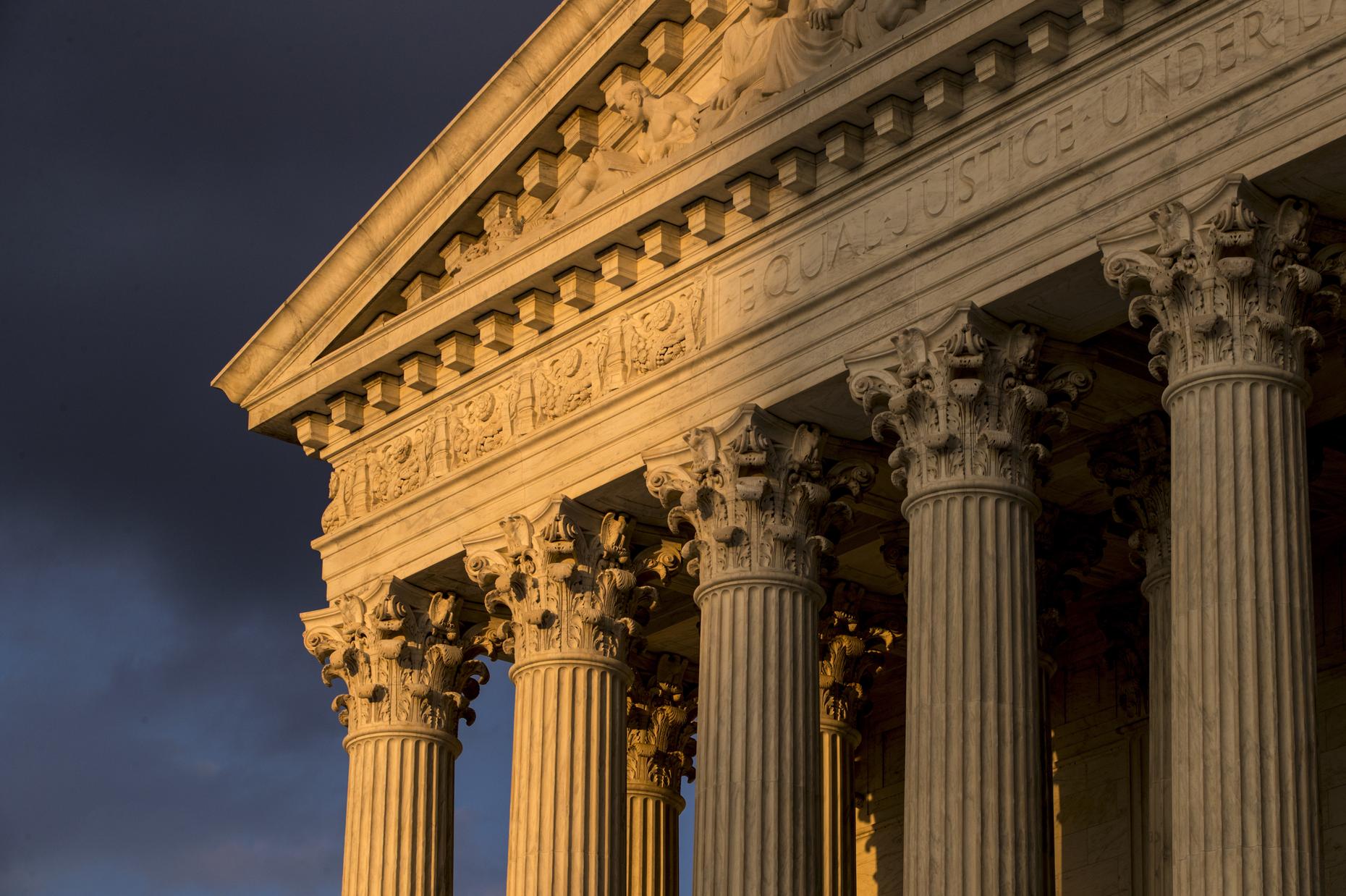
Feb 8, 2019
The World's Biggest Problem
At Tuesday's State of the Union, President Trump continued to call for a wall at the southern border. Meanwhile, some Democrats point to the real crisis: climate change. A look at the messaging of urgency and hope around the Green New Deal. And, a former mentor to Mark Zuckerberg lays out his deep criticisms of Facebook. Then, a Facebook employee makes the case for one potential solution. Plus, a new documentary about Pete Hamill and Jimmy Breslin, two New York City reporters, who helped turn column writing into an art form. 1. Kate Aronoff [ @KateAronoff ], contributing writer with The Intercept, on how Democrats are selling the urgent need to address climate change. Listen . 2. Roger McNamee [ @Moonalice ], author of Zucked: Waking Up to the Facebook Catastrophe , on the damage that Facebook has done. Listen . 3. Andy O'Connell [ @facebook ], m anager of content distribution and algorithm policy at Facebook , on the network's new "Supreme Court" for content moderation. Listen. 4. Jonathan Alter [ @jonathanalter ], filmmaker and journalist, on the legacy of two masterful newspaper columnists. Listen . Songs: Mermelada by Como Las Movies I Am Not A Farmer by Bill Frisell Coconut Wireless by Moonalice Fallen Leaves by Marcos Ciscar Superstition by Sungha Jung Chez Le Photographe Du Motel by Miles Davis Dinner Music For A Pack Of Hungry by Raymond Scott On the Media is supported by listeners like you. Support OTM by donating today ( https://pledge.wnyc.org/support/otm ). Follow our show on Instagram , Twitter and Facebook @onthemedia, and share your thoughts with us by emailing onthemedia@wnyc.org.
Feb 5, 2019
The Too-Good-To-Be-True Cancer Cure
Despite steadily declining rates of cancer deaths over the past two decades, cancer remains responsible for 1 in every 6 deaths worldwide. It’s a scourge. So when, this week, an Israeli company called Accelerated Evolution Biotechnologies captured the news cycle with promises of a complete cure for cancer within the year, the story caught fire. The company’s technology is called “MuTaTo” — that's multi-target toxin. And, to judge from the news media this week, it seems vetted, verified and veering us all toward a cancer-free future. Reports began in the Jerusalem Post , but quickly took off, making their way into various Murdoch-owned publications like FOX and the New York Post and landing in local news outlets around the country and the globe. A couple days into the fanfare, the skeptics started coming out: for one thing, as oncologist David Gorski points out in his blog “ Respectful Insolence ,” the claims are based on experiments with mice : no human trials have yet started. For another, they haven’t been sufficiently peer reviewed. In fact, the company won’t share its research, claiming it can’t afford the expense . The too-good-to-be-true story appears to be just that, built on PR puffery. But who can resist a good cancer cure? With Mutato in mind, for this week’s podcast extra, we revisit our Breaking News Consumer’s Handbook: Health News edition, with Gary Schwitzer, publisher & founder of HealthNewsReview.org . On the Media is supported by listeners like you. Support OTM by donating today ( https://pledge.wnyc.org/support/otm ). Follow our show on Instagram , Twitter and Facebook @onthemedia, and share your thoughts with us by emailing onthemedia@wnyc.org.
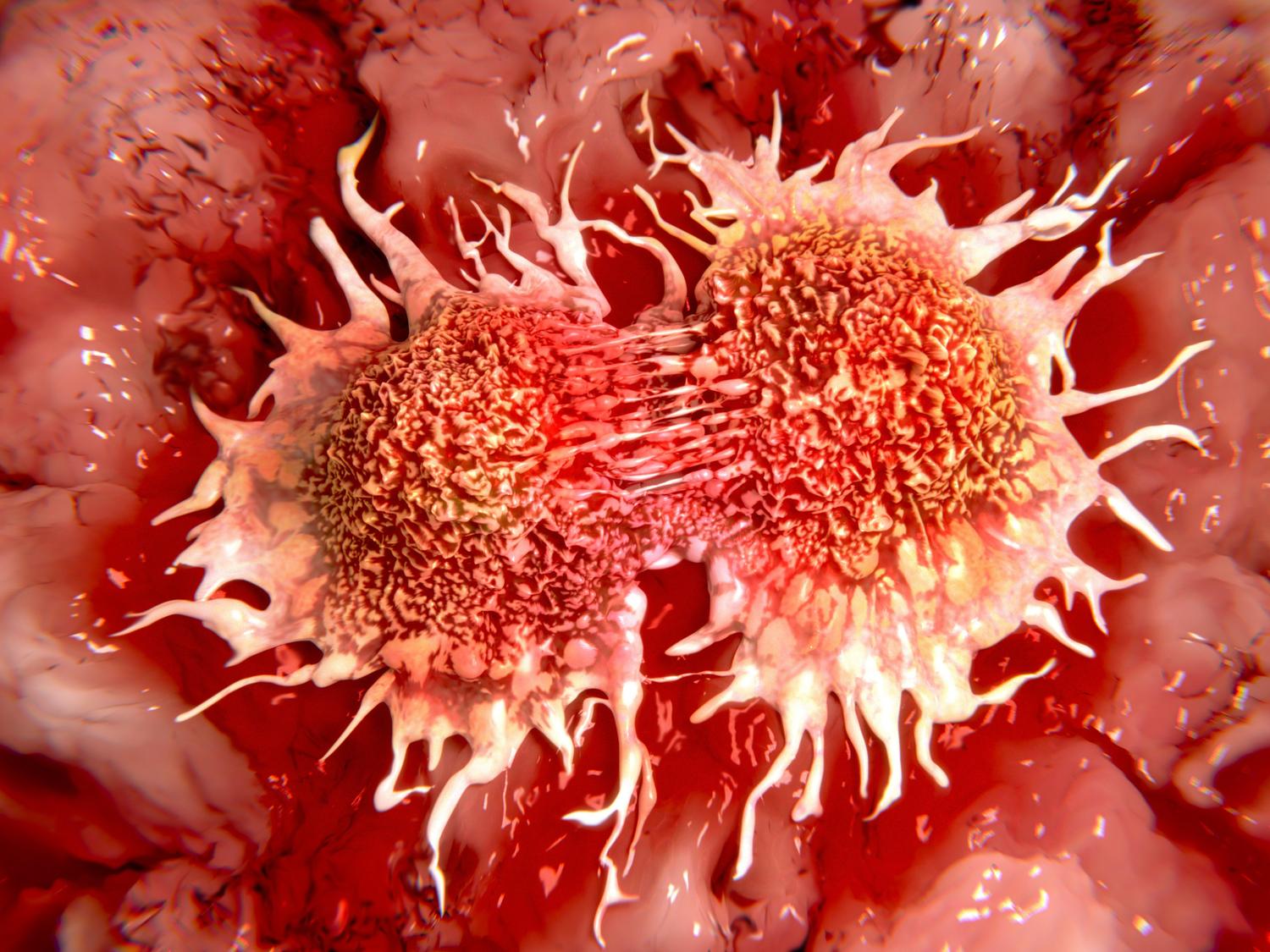
Feb 1, 2019
Misery in the Name of Liberty
The Venezuelan press has been facing repression for years. This week, On the Media explores how journalists in the country are struggling to cover the standoff between two men who claim to be president. Also, how both the history of American interventionism and the legacy of Simón Bolívar color coverage of Venezuela. Plus, a critical look at the images coming out of Chinese internment camps. 1. Mariana Zuñiga [ @ marazuniga ], freelance reporter based in Caracas, on her experience covering Venezuela's presidential standoff. Listen . 2. Miguel Tinker Salas [ @ mtinkersalas ], professor of history at Pomona College, on the legacy of Simón Bolívar. Listen. 3. Stephen Kinzer [ @ stephenkinzer ], professor of international relations at Brown University, on the history of American intervention in Latin America. Listen . 4. Rian Thum [ @ RianThum ], senior research fellow at the University of Nottingham, on the internment of Uighurs by the Chinese government. Listen . Songs: Sueno en Paraguay by Chancha Via Circuito Mermelada by Como Las Movies Contradanza Del Espíritu by Roberto Fonseca La Canción Bolivariana by Alí Primera Slow Pulse Conga by William Pasley Mi Guitarrita by Manuel Silva Chrysanthemum Complex (Contagion OST) by Cliff Martinez Bizning Naxshimiz by Ayshemgul Memet, Shohrat Tursun & Ilyar Ayup On the Media is supported by listeners like you. Support OTM by donating today ( https://pledge.wnyc.org/support/otm ). Follow our show on Instagram , Twitter and Facebook @onthemedia, and share your thoughts with us by emailing onthemedia@wnyc.org.
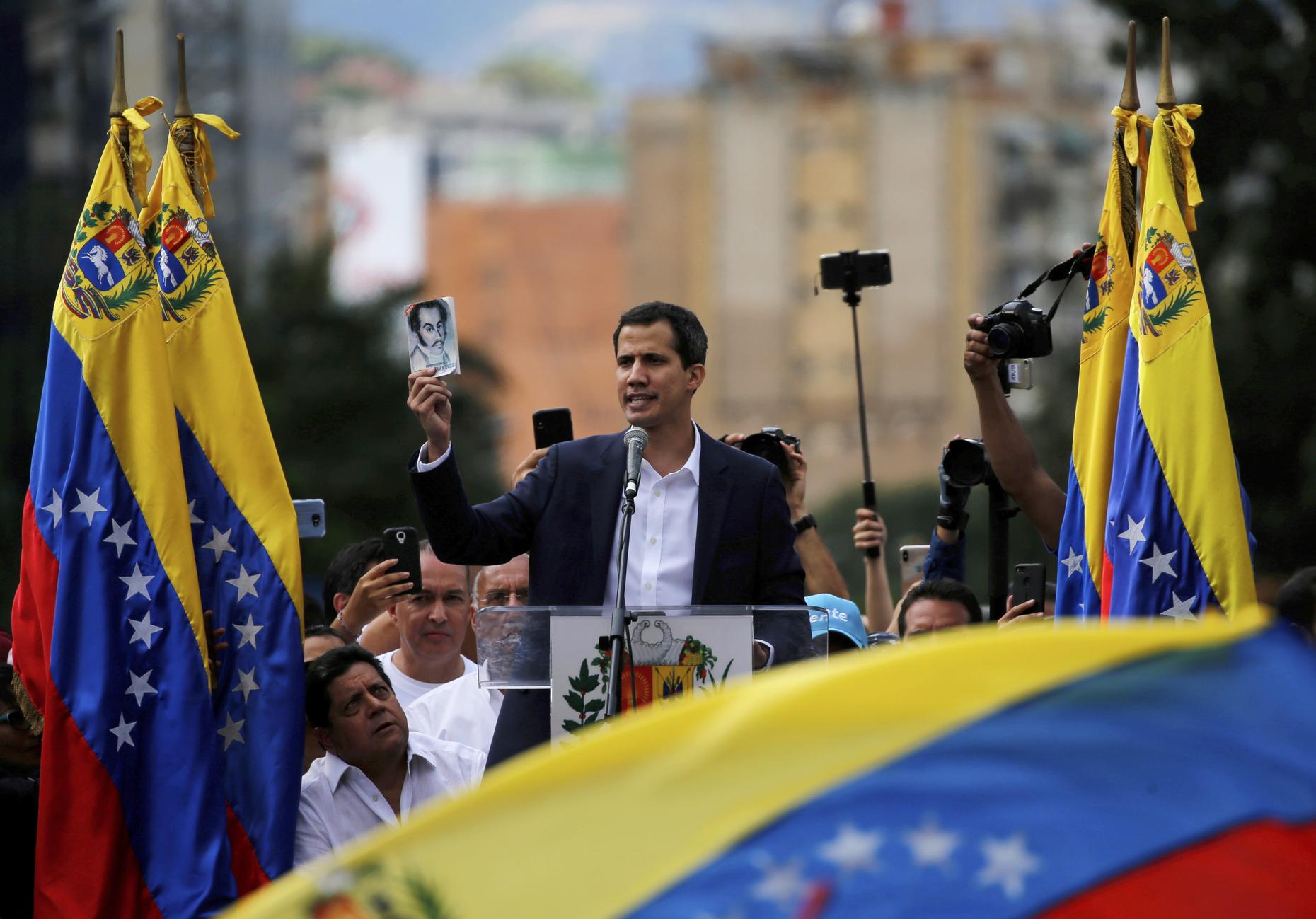
Jan 30, 2019
A Tell-All Memoir And An NDA
This week, the latest tell-all memoir from a former White House staffer hit bookstores. Team of Vipers: My 500 Extraordinary Days in the Trump White House is by Cliff Sims — who was, depending on who you ask, either key player as Director of Message Strategy or, as Trump tweeted this week, “nothing more than a gofer.” The book, of course, is a landfill of trash and dirt on his former colleagues. And e ven as Sims toured the morning shows, the late shows and the everything-else shows to hawk his book, Trump Campaign COO Michael Glassner was threatening to sue him for violating the campaign's n on disclosure agreement. Sims says he remembers signing some paperwork, but doesn’t remember if there was an NDA in there and, as other lawyers have since chimed in, there is established precedent that would make it very hard for the campaign to silence a former federal employee. The subject of NDAs comes up a lot for people in Trump’s orbit — which is why the team at Trump, Inc. (produced here at our station, WNYC) did a whole episode on the topic. We present that episode for you as our podcast extra this week. Enjoy! On the Media is supported by listeners like you. Support OTM by donating today ( https://pledge.wnyc.org/support/otm ). Follow our show on Instagram , Twitter and Facebook @onthemedia, and share your thoughts with us by emailing onthemedia@wnyc.org.
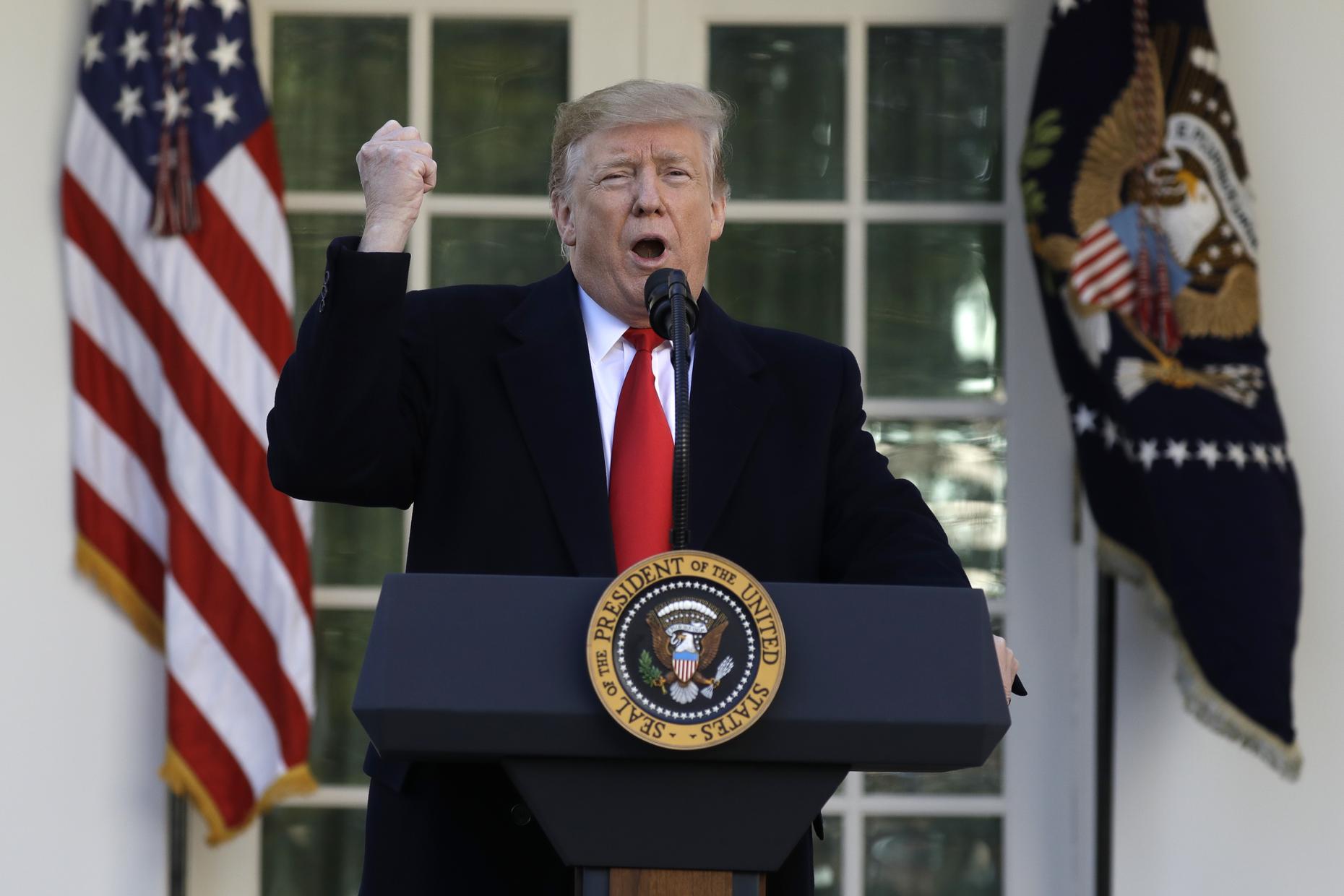
Jan 25, 2019
Close Encounters
The Lincoln Memorial debacle showed how vulnerable the press are to a myriad of social and political forces. This week, we examine how the outrage unfolded and what role MAGA hat symbolism might have played. And, a graphic photo in the New York Times spurs criticism. Plus, a reality show that attempts to bridge the gap between indigenous people and white Canadians. 1. Bob's thoughts on where the Lincoln Memorial episode has left us. Listen. 2. Charlie Warzel [ @ cwarzel ], tech writer, on the zig-zagging meta-narratives emerging from the Lincoln Memorial episode, and the role played by right-wing operatives. Listen. 3. Jeannine Bell [ @ jeanninelbell ], professor at Indiana University's Maurer School of Law, on MAGA hat symbology. Listen. 4. Kainaz Amaria [ @ kainazamaria ], visuals editor at Vox, on the Times' controversial decision to publish a bloody photo following the January 15 attack in Nairobi, Kenya. Listen. 5. Vanessa Loewen, executive producer of the Canadian documentary series First Contact and Jean La Rose, CEO of the Aboriginal Peoples Television Network, on their televised effort to bridge the gap between indigenous and settler Canadians. Listen On the Media is supported by listeners like you. Support OTM by donating today ( https://pledge.wnyc.org/support/otm ). Follow our show on Instagram , Twitter and Facebook @onthemedia, and share your thoughts with us by emailing onthemedia@wnyc.org.
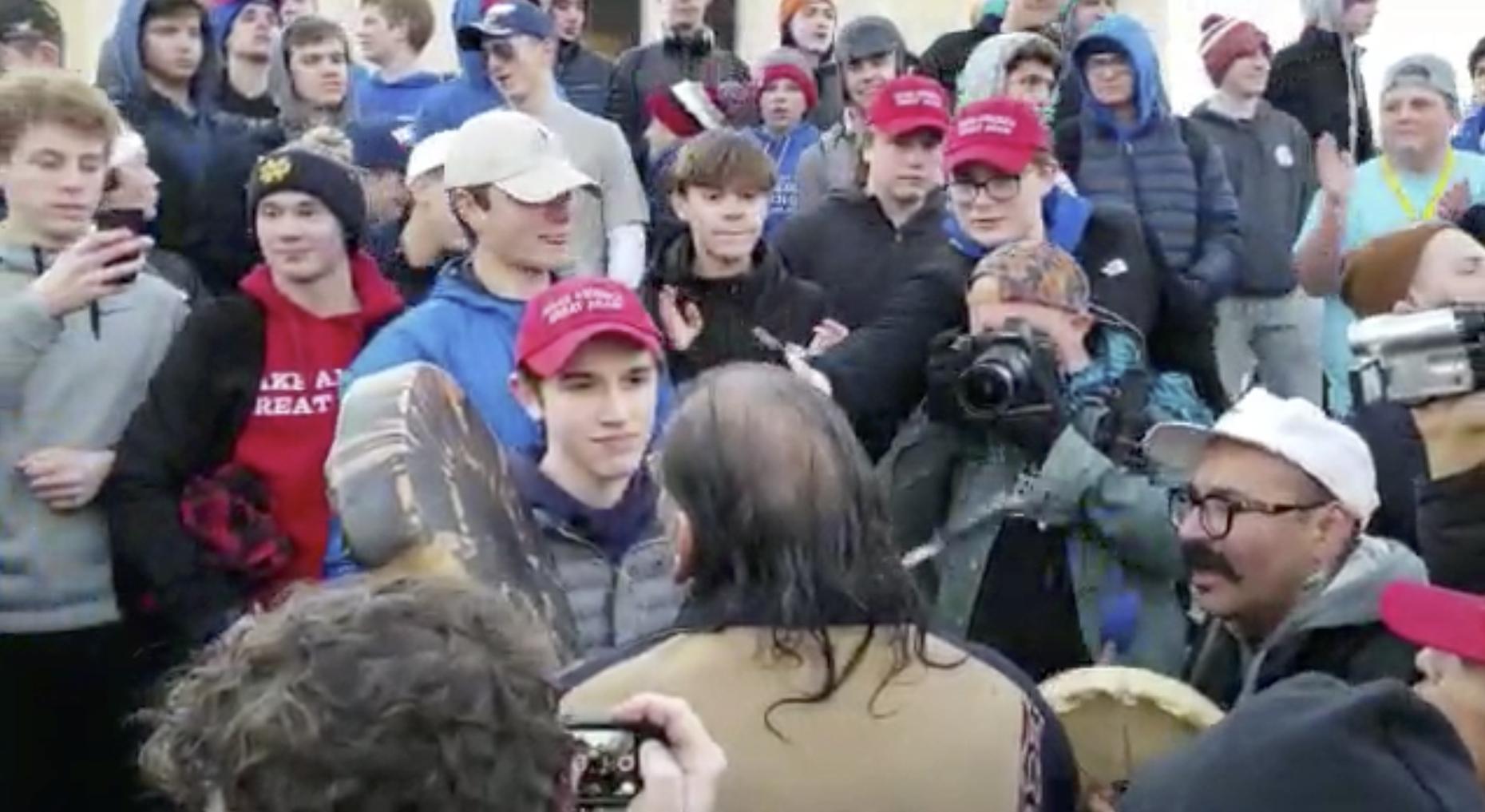
Jan 22, 2019
Rethinking MLK Day
When he was still in his twenties, Martin Luther King Jr. was, among other things, an advice columnist for Ebony magazine. Writer Mychal Denzel Smith studied those columns for an article this week in The Atlantic , and he found that readers asked the civil rights leader about everything from race relations to marriage problems. In some instances Dr. King was surprisingly unorthodox — the preacher's thoughts on birth control are particularly eloquent — and in others, his advice was less than sage. When one reader complained about her philandering husband, he told her to self-reflect: "Are you careful with your grooming? Do you nag? Do you make him feel important?" When another described her husband as a "complete tyrant," self-reflection on the part of the woman was, again, the answer. Denzel Smith joins Brooke to discuss Dr. King's mid-century masculinity, how it is still wielded as a cudgel against young black Americans, and why he thinks Americans — black and white — are due for a vacation from MLK-mania. This segment is from our April 6, 2018 program, Paved With Good Intentions . On the Media is supported by listeners like you. Support OTM by donating today ( https://pledge.wnyc.org/support/otm ). Follow our show on Instagram , Twitter and Facebook @onthemedia, and share your thoughts with us by emailing onthemedia@wnyc.org.
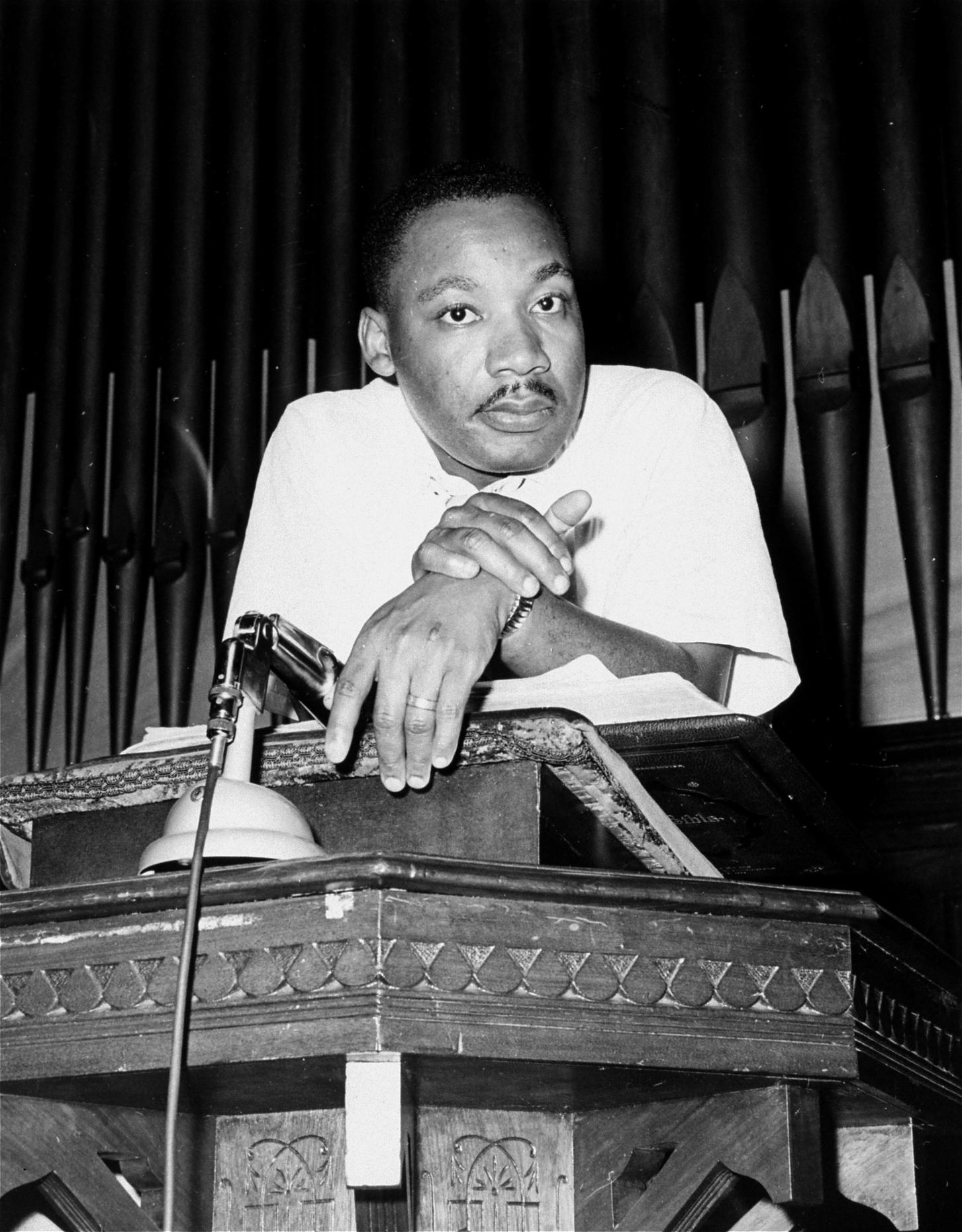
Jan 18, 2019
The Giant Referendum On Everything
For the past month, journalists have been reporting on the anxieties of furloughed federal workers. This week, On the Media learns that many reporters face a new threat to their own job security. Plus, an on-screen dramatization of Brexit, and a likely sea-change in Youtube's rankings. 1. Dave Krieger [ @DaveKrieger ], former editorial page director of the Boulder Daily Camera, on the latest newspaper target of vulture capitalism. Listen. 2. James Graham [@mrJamesGraham], screenwriter of "Brexit," on his star-studded depiction of an urgent, present-day dispute. Listen. 3. Matthew Goodwin [ @GoodwinMJ ], professor of politics and international relations at the University of Kent, on why so many people got the Brexit narrative wrong. Listen. 4. Clay Shirky [ @cshirky ], Ajey Nagar [ @CarryMinati ], Sarah Moore [ @sarahlynn_1995 ] and others on the global culture war over PewDiePie and T-Series. Listen. On the Media is supported by listeners like you. Support OTM by donating today ( https://pledge.wnyc.org/support/otm ). Follow our show on Instagram , Twitter and Facebook @onthemedia, and share your thoughts with us by emailing onthemedia@wnyc.org.
Jan 15, 2019
That time Brooke met Rosanne Cash
Rosanne's Cash's new album features 10 new songs, all written and co-written by Cash, that find her "speaking out and looking inward" ( The Boston Globe ) from a uniquely female perspective. It features contributions from Elvis Costello, Kris Kristofferson, Colin Meloy and Sam Phillips, plus three extra tracks that appear on the deluxe edition of the record. The album's title track was just named one of the Top 5 songs of 2018 by The New York Times . She sat down with Brooke for an evening of talk and music at WNYC's very own theater, The Greene Space. On the Media is supported by listeners like you. Support OTM by donating today ( https://pledge.wnyc.org/support/otm ). Follow our show on Instagram , Twitter and Facebook @onthemedia, and share your thoughts with us by emailing onthemedia@wnyc.org.
Jan 11, 2019
Everything Is Fake
On Thursday, President Trump flew down to McAllen, Texas to push his pro-wall, anti-immigrant narrative. This week, On the Media examines how the community tells a more welcoming story about the border — and a dogged presidential fact-checker joins us to pick apart the Oval Office address. Plus, how some progressives used Russian election interference tactics against a right-wing senate campaign. Also, is everything online fake? 1. Lorenzo Zazueta [ @lorenzozazueta ], immigration reporter for The Monitor in McAllen, Texas, on the theatrics of a political border visit. Listen . 2. Daniel Dale [ @ddale8 ], Washington bureau chief for the Toronto Star , fact-checks President Trump's Oval Office address. L isten . 3. Scott Shane [ @ScottShaneNYT ], national security reporter for the New York Times , on the Russian interference social media tactics used by some progressives in the run-up to the 2017 Alabama special senate election. Listen . 4. Matt Osborne [ @OsborneInk ], progressive Alabama activist, on his own deceptive role in the political battle between Roy Moore and now–Senator Doug Jones. Listen . 5. Max Read [ @max_read ], writer and editor at New York Magazine , on the overwhelming fakeness of the internet. Listen . On the Media is supported by listeners like you. Support OTM by donating today ( https://pledge.wnyc.org/support/otm ). Follow our show on Instagram , Twitter and Facebook @onthemedia, and share your thoughts with us by emailing onthemedia@wnyc.org.
Jan 9, 2019
10 Things That Scare Jeff VandeMeer
Is it too ordinary to be afraid of your cat dying? Jeff VanderMeer is an author based in Tallahassee, Florida. This week he is the featured guest on the podcast "10 things that scare me: a tiny podcast about our biggest fears," produced by WNYC Studios. We spoke to Jeff a year ago about the impending climate change disaster for a show we called Apocalypse, Now . His award-winning Southern Reach trilogy has been published in over 35 languages. Join the 10 Things That Scare Me conversation, and tell them your fears here . And follow 10 Things That Scare Me on Instagram , Twitter and Facebook . On the Media is supported by listeners like you. Support OTM by donating today ( https://pledge.wnyc.org/support/otm ). Follow our show on Instagram , Twitter and Facebook @onthemedia, and share your thoughts with us by emailing onthemedia@wnyc.org.
Jan 4, 2019
Africatown
Just outside of Mobile, Alabama, sits the small community of Africatown, a town established by the last known slaves brought to America, illegally, in 1860. Decades after that last slave ship, The Clotilde , burned in the waters outside Mobile, Africatown residents are pushing back against the forces of industrial destruction and national amnesia. Local struggles over environmental justice, land ownership, and development could determine whether Africatown becomes an historical destination, a living monument to a lingering past — or whether shadows cast by highway overpasses and gasoline tanks will erase our country's hard-learned lessons. Brooke spoke with Deborah G. Plant , editor of a new book by Zora Neale Hurston about a founder of Africatown, Joe Womack , environmental activist and Africatown resident, Vickii Howell , president and CEO of the MOVE Gulf Coast Community Development Corporation , Charles Torrey, research historian for the History Museum of Mobile , and others about the past, present, and future of Africatown, Alabama. **This episode was originally aired in May of 2018.** Songs: Traditional African Nigerian Music of the Yoruba Tribe Death Have Mercy by Regina Carter Sacred Oracle by John Zorn and Bill Frisell Passing Time by John Renbourn The Thompson Fields by Maria Schneider Jazz Orchestra On the Media is supported by listeners like you. Support OTM by donating today ( https://pledge.wnyc.org/support/otm ). Follow our show on Instagram , Twitter and Facebook @onthemedia, and share your thoughts with us by emailing onthemedia@wnyc.org.

Jan 1, 2019
Remembering Joe Frank
Joe Frank -- the radio producer’s radio producer, the ultimate acquired taste -- died last January. He was 79. For over four decades Frank hosted late-night shows that could float between hilarious dreams and suspenseful nightmares, between fact and fiction. And though his shows were rarely mainstream hits, cultural figures like Ira Glass of This American Life a nd film director Alexander Payne consider Frank a major influence on their own work. Brooke discussed Joe Frank's life, style and legacy with Jad Abumrad , co-host of WNYC's Radiolab, and Mark Oppenheimer, host of Tablet magazine's Unorthodox podcast, who wrote an article in Slate titled "Joe Frank Signs Off." On the Media is supported by listeners like you. Support OTM by donating today ( https://pledge.wnyc.org/support/otm ). Follow our show on Instagram , Twitter and Facebook @onthemedia, and share your thoughts with us by emailing onthemedia@wnyc.org.
Dec 28, 2018
The Worst Thing We've Ever Done
After World War II, Germany and the Allied powers took pains to make sure that its citizens would never forget the country’s dark history. But in America, much of our past remains hidden or rewritten. This week, Brooke visits Montgomery, Alabama, home to The Legacy Museum and the National Memorial for Peace and Justice , a new museum and memorial created by the Equal Justice Initiative that aim to bring America’s history of segregation and racial terror to the forefront. 1. Brooke talks to the Equal Justice Initiative's [ @eji_org ] Bryan Stevenson about what inspired him to create The Legacy Museum and memorial and to historian Sir Richard Evans [ @RichardEvans36 ] about the denazification process in Germany after World War II. Listen . 2. Brooke visits The Legacy Museum and National Memorial for Peace and Justice. Listen . 3. Brooke speaks again with Bryan Stevenson about his own history and America's ongoing struggle to confront our racist past and present. Listen . This episode originally aired on June 1st, 2018. It was re-broadcast on December 28, 2018. On the Media is supported by listeners like you. Support OTM by donating today ( https://pledge.wnyc.org/support/otm ). Follow our show on Instagram , Twitter and Facebook @onthemedia, and share your thoughts with us by emailing onthemedia@wnyc.org.
Dec 25, 2018
10 Things That Scare Brooke
Merry Christmas, to those who celebrate! To those who don't (and, aw heck, to those who do too) we offer a very special end-of-year gift: fear. More specifically, Brooke's greatest fears, courtesy of our WNYC colleagues, 10 Things That Scare Me . Fear is a subject — and experience — near and dear to our beloved Brooke, so we can assure you that this is not a conversation to skip. On the Media is supported by listeners like you. Support OTM by donating today ( https://pledge.wnyc.org/support/otm ). Follow our show on Instagram , Twitter and Facebook @onthemedia, and share your thoughts with us by emailing onthemedia@wnyc.org.
Dec 21, 2018
The Seen and the Unseen
Two weeks ago, a seven-year-old girl died in Customs and Border Patrol custody. This week, On the Media considers how coverage of her death has resembled previous immigration story cycles. Plus, we make an year-end review of cabinet officials shown the door as the result of investigative reporting — and we honor the 80 journalists killed around the globe this year. Also, we explore the subversive, revolutionary art of Hilma af Klint. Aura Bogado [ @aurabogado ], immigration reporter at Reveal , on the conditions migrants experience when they cross the border and the importance of hearing them in their own words. Listen. Columbia Journalism Review's Jon Allsop [ @Jon_Allsop ] on how reporters have cut through the noise of the Trump administration to uncover stories with impact. Listen. Brooke on this year's slain journalists and the risks they took in pursuit of their reporting. Listen. Tracey Bashkoff, curator at the Guggenheim Museum, walks Brooke through an exhibition of Hilma af Klint's work. Listen. Harvard University historian Ann Braude on the relationship between 19th century spiritualism and the women's rights movement. Listen. On the Media is supported by listeners like you. Support OTM by donating today ( https://pledge.wnyc.org/support/otm ). Follow our show on Instagram , Twitter and Facebook @onthemedia, and share your thoughts with us by emailing onthemedia@wnyc.org.
Dec 19, 2018
What We Learned — And Didn't Learn — From the Pentagon Papers
In 1971, federal investigators convened two grand juries to investigate, among other things, the publishing, by major newspapers, of thousands of pages of secret government documents reviewing the history from 1945 on, of the still ongoing war in Vietnam. The Pentagon Papers' consequences were vast — including that historic effort by the federal government to investigate — under the Espionage Act — staffers at the Washington Post, the New York Times, and the Boston Globe. As tends to be the case with sprawling grand jury cases, the investigators’ questions and methods remain a secret. But Jill Lepore hopes to change that. On Monday of this week, Lepore — Harvard historian, New Yorker staff writer, and author of These Truths: A History of the United States — asked a federal court to order the release of documents related to those grand juries. “Why and when was the investigation opened?” Lepore demands in court documents. “Why was it closed? To what lengths did the government go in conducting the investigation?” A half-century after Pentagon analyst Daniel Ellsberg’s mammoth revelations, questions still linger. Earlier this year, Brooke spoke with Les Gelb, one of the drafters of the original papers, about what journalists and historians previously failed to understand about the Pentagon Papers. On the Media is supported by listeners like you. Support OTM by donating today ( https://pledge.wnyc.org/support/otm ). Follow our show on Instagram , Twitter and Facebook @onthemedia, and share your thoughts with us by emailing onthemedia@wnyc.org.
Dec 14, 2018
Plague of Suspicion
It’s been 100 years since one of the deadliest diseases... well, ever. The 1918-1919 flu pandemic (usually and mistakenly called the “Spanish Flu”) infected roughly a third of the world’s population and killed somewhere on the order of 50-100 million people, leaving no corner of the world untouched. It came just as the world was beginning its recovery from the other global catastrophe of the time — the First World War. The pandemic is sometimes referred to as the “Forgotten Plague” because the extent of the devastation wasn’t realized at the time, and it’s been missing from most history books since. This week on On the Media, we look back at what happened and ask: could it, would it happen again? This hour of On the Media is part of “ Germ City ” a series produced by the WNYC newsroom in collaboration with the Museum of the City of New York and the New York Academy of Medicine . Laurie Garrett [ @Laurie_Garrett ], author and infectious disease expert, and Nancy Tomes, historian at Stony Brook University, on the 1918 flu pandemic. Listen. Dr Harvey V. Fineberg, president of the Gordon and Betty Moore Foundation, on the 1976 swine flu fiasco. L isten. Matthew Gertz [ @MattGertz ], senior fellow at Media Matters, on the media’s coverage of the 2014 Ebola outbreak. L isten. Dr Amesh Adalja [ @AmeshAA ], Senior Scholar at the John Hopkins Center for Health Security and Dr Hoe Nam Leong, an infectious disease specialist at Mount Elizabeth Novena Hospital in Singapore, on airplanes and infectious disease. L isten . Professor Dominique Brossard [ @brossardd ], Chair of the Department of Life Sciences Communication at the University of Wisconsin-Madison, on how media covers pandemics. L isten . On the Media is supported by listeners like you. Support OTM by donating today ( https://pledge.wnyc.org/support/otm ). Follow our show on Instagram , Twitter and Facebook @onthemedia, and share your thoughts with us by emailing onthemedia@wnyc.org.
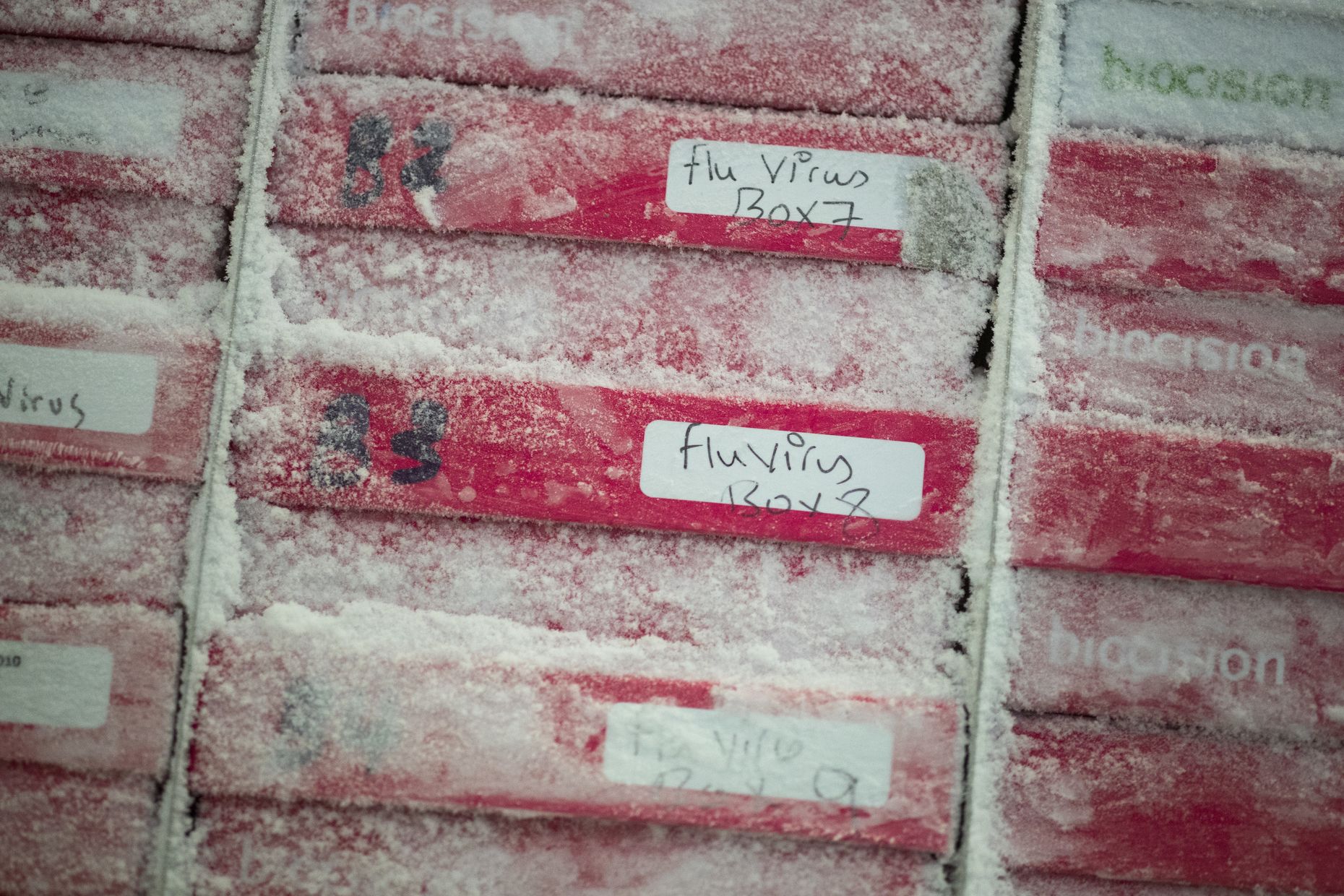
Dec 12, 2018
Three Years for Michael Cohen
Michael Cohen, President Trump’s former lawyer, was sentenced Wednesday to three years in prison for financial crimes and for lying to Congress. In rendering the sentence, Judge William H. Pauley said Cohen’s crimes — among them, tax evasion and campaign finance violations — were “motivated by personal greed and ambition.” The case has implications for Trump himself; Judge Pauley noted at the sentencing that Cohen's campaign finance crimes were designed to affect the outcome of the election. But court filings from this case and from the separate case against Paul Manafort offer many, many threads to follow. In this podcast extra, we turn to our colleagues at the Trump Inc. podcast , an open investigation from a team of ProPublica and WNYC journalists. This week, they unpacked what can be learned from the sentencing memos and what remains a mystery. Also, they just won a prestigious Dupont award! On the Media is supported by listeners like you. Support OTM by donating today ( https://pledge.wnyc.org/support/otm ). Follow our show on Instagram , Twitter and Facebook @onthemedia, and share your thoughts with us by emailing onthemedia@wnyc.org.
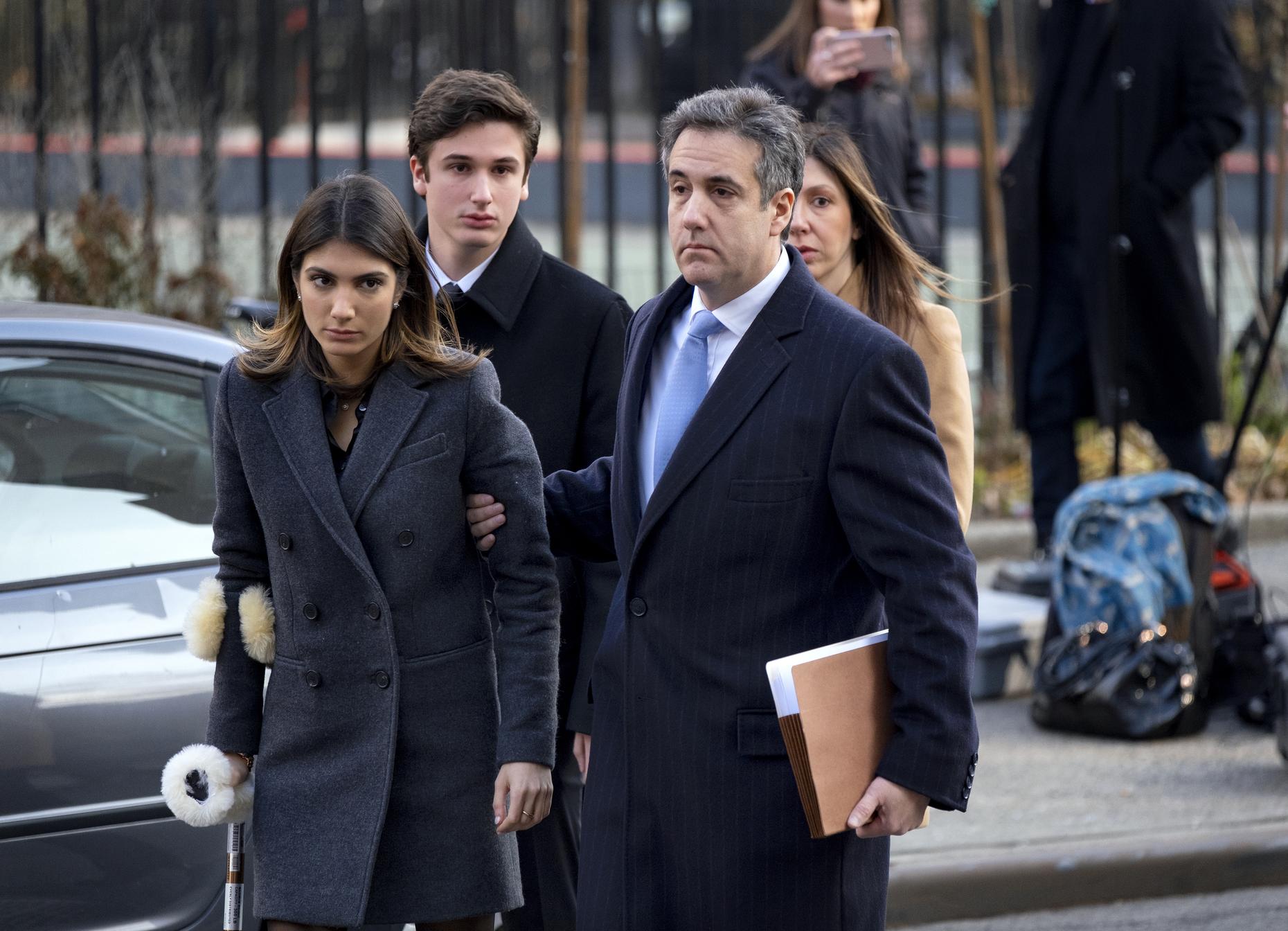
Dec 7, 2018
How Quickly We Forget
The death of George H.W. Bush brought us a week’s worth of ceremony, eulogy and wall-to-wall coverage. This week, a look at the choices journalists made when they set out to memorialize the president. And, immigration stories in our media focus on the U.S.–Mexico border — but what about immigration elsewhere in Latin America? Is there a journalistic solution to the scale of global immigration? Plus, a baseball metaphor and a bit of forgotten Hanukkah history. 1. Anne Helen Petersen [ @annehelen ], senior culture writer at Buzzfeed, and David Greenberg [ @republicofspin ], historian at Rutgers University, on the history — and pitfalls — of presidential eulogies. Listen. 2. Bob on the speculation surrounding Robert Mueller's investigation. Listen. 3. Diego Salazar [ @disalch ], journalist, on the immigration crisis within Latin America. Listen. 4. Masha Gessen [ @mashagessen ], staff writer at The New Yorker, on her modest proposal for immigration coverage. Listen. 5. Rabbi James Ponet, Jewish chaplain emeritus at Yale University, on the historical origins of Hanukkah. Listen. Songs: Ototoa by Malphino Fallen Leaves by Marcos Ciscar Wallpaper by Woo String Quartet, No. 2 by Kronos Quartet Viderunt Omnes by Kronos Quartet On the Media is supported by listeners like you. Support OTM by donating today ( https://pledge.wnyc.org/support/otm ). Follow our show on Instagram , Twitter and Facebook @onthemedia, and share your thoughts with us by emailing onthemedia@wnyc.org.
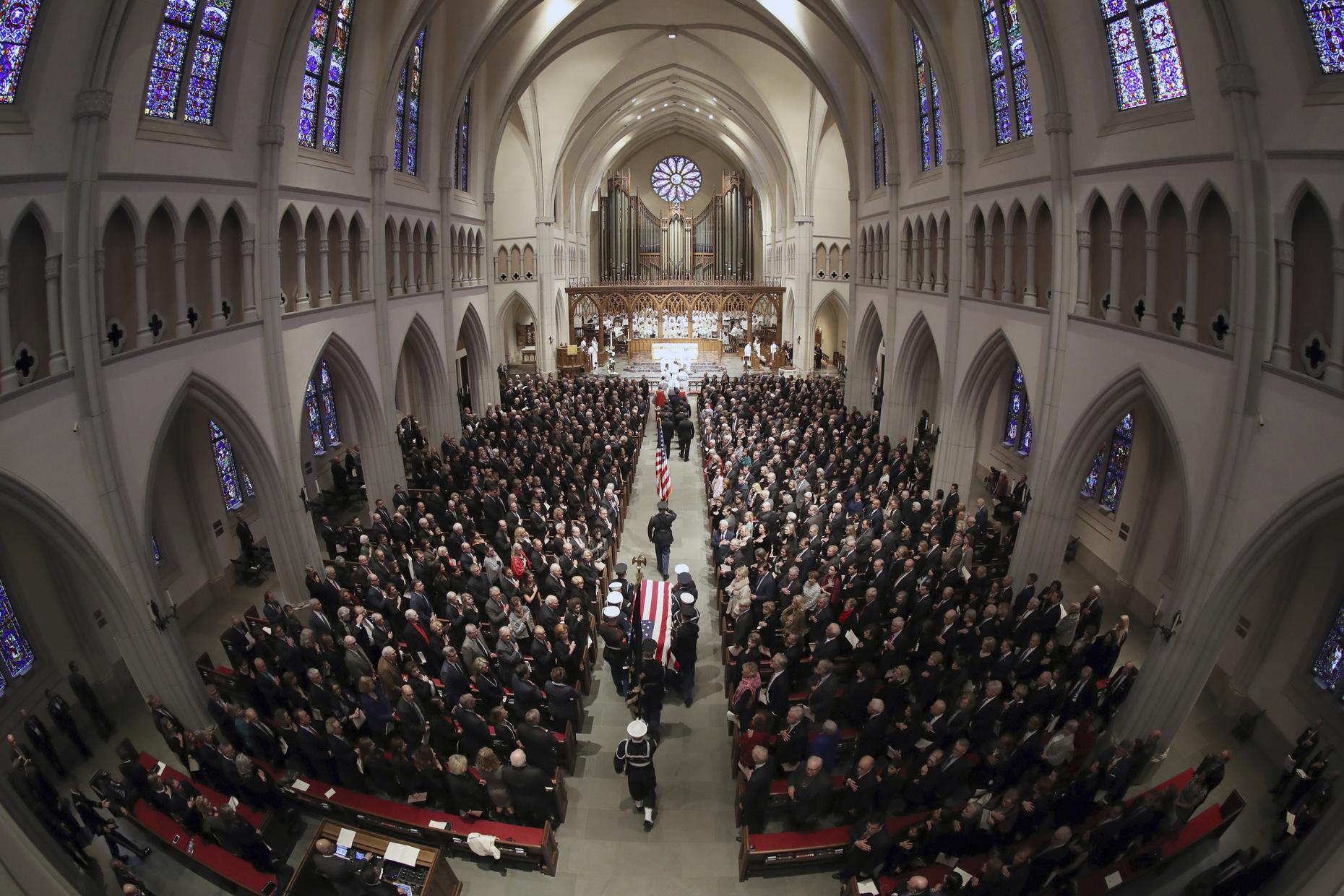
Dec 5, 2018
The Centuries-Old Practice of "Slaying Lewks"
Satisfaction at the political enemy’s hypocrisy can be so rich that partisan critics strain — sometimes absurdly — to locate it. Such is the case with Alexandria Ocasio-Cortez, newly elected member of Congress from New York and avowed democratic socialist. How to prove she is a phony? Why, her clothes, of course. It’s an absurd attempt at gotcha, but not an uncommon one. Bob spoke with Einav Rabinovitch-Fox , historian at Case Western Reserve University, about the long history of media obsession with the clothing of outspoken women — in particular, the thousands of garment workers who went on strike in 1909. On the Media is supported by listeners like you. Support OTM by donating today ( https://pledge.wnyc.org/support/otm ). Follow our show on Instagram , Twitter and Facebook @onthemedia, and share your thoughts with us by emailing onthemedia@wnyc.org.
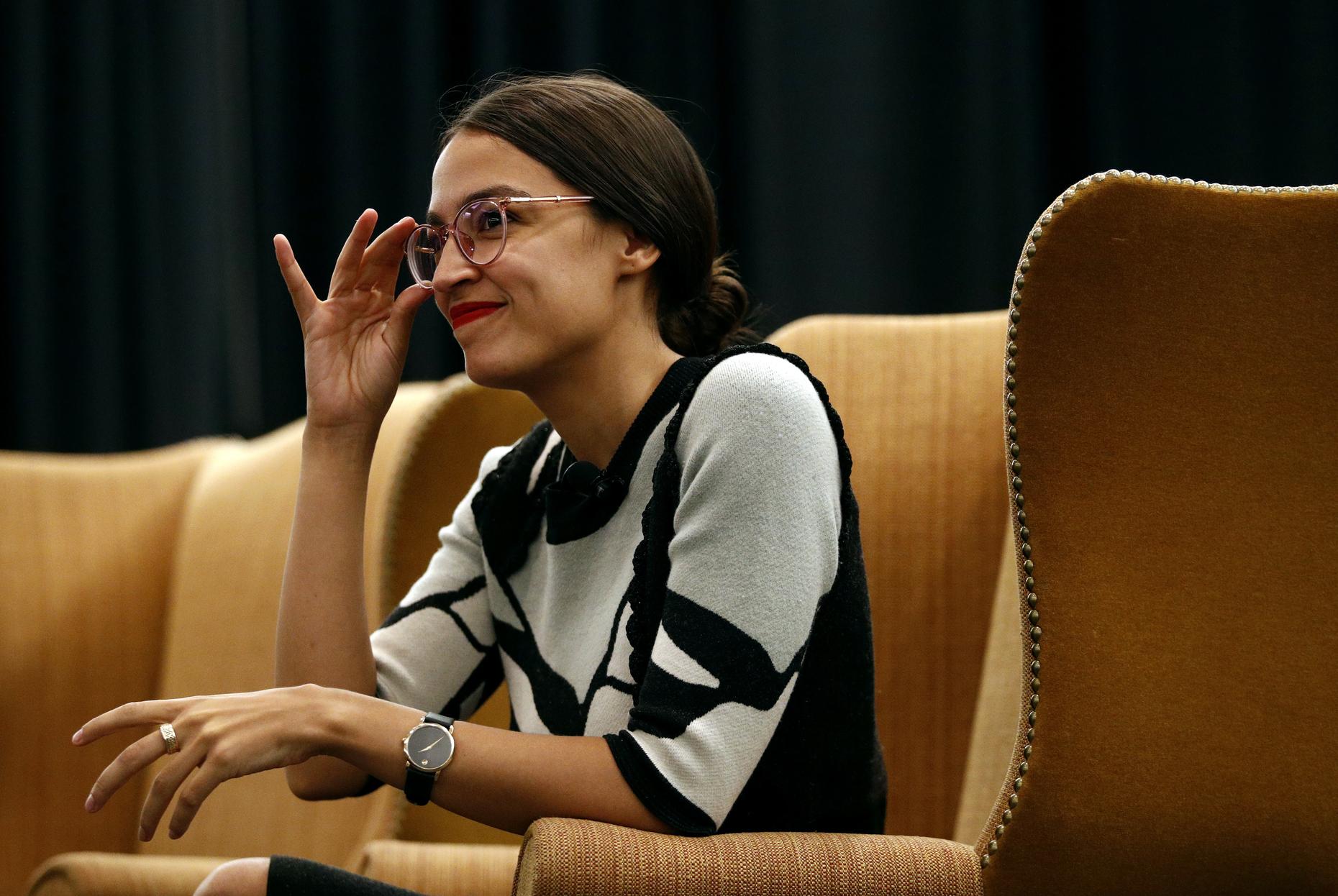
Nov 30, 2018
Laugh Until You Cry
The White House tried to bury a devastating climate assessment on Black Friday; this week, On the Media documents how TV talk shows gave climate change deniers a platform to spin the report for their own ends. We look back on Fox News' coming-of-age under Roger Ailes and we consider what comes next for the company amidst pressure, transition and unprecedented proximity to power. Plus, a pro-migration video goes viral in Honduras for all the wrong reasons. 1. Lisa Hymas [ @lisahymas ], director of the climate and energy program at Media Matters for America, on climate denialism in environmental coverage. Listen . 2. Alexis Bloom, director of Divide and Conquer: The Story of Roger Ailes [ @rogerailesfilm ], on Ailes' role as newsman and political kingmaker. Listen . 3. Sarah Ellison [ @Sarahlellison ], staff writer at the Washington Post, on what comes next for "New Fox." Listen . 4. Alana Casanova-Burgess [ @AlanaLlama ], producer for On the Media, on how a pro-migration satire got out of its creators' hands. Listen . Songs: Ototoa by Malphino Fallen Leaves by Marcos Ciscar String Quartet No. 2 (Company) by Kronos Quartet Viderunt Omnes by Kronos Quartet On the Media is supported by listeners like you. Support OTM by donating today ( https://pledge.wnyc.org/support/otm ). Follow our show on Instagram , Twitter and Facebook @onthemedia, and share your thoughts with us by emailing onthemedia@wnyc.org.
Nov 28, 2018
The Long History of Ignoring Climate Scientists
A government climate change report was released last week and summarily dismissed...by the government. It was a worrying development, to be sure — but it was also only the latest chapter in the long history of scientists' unheeded warnings. Back in 1988, Andrew Revkin started covering global warming, beginning with a cover piece for Discover Magazine (and later for The New York Times ). Last summer, he spoke with Brooke about the lessons he's learned in thirty years of coverage — and what they mean for how humankind might be able to navigate a much warmer future. Revkin's piece on thirty years of climate change reporting wa s in the July issue of National Geographic . He is also the co-author of Weather: An Illustrated History: From Cloud Atlases to Climate Change . He is now Strategic Adviser for Environmental and Science Journalism at the National Geographic Society. On the Media is supported by listeners like you. Support OTM by donating today ( https://pledge.wnyc.org/support/otm ). Follow our show on Instagram , Twitter and Facebook @onthemedia, and share your thoughts with us by emailing onthemedia@wnyc.org.
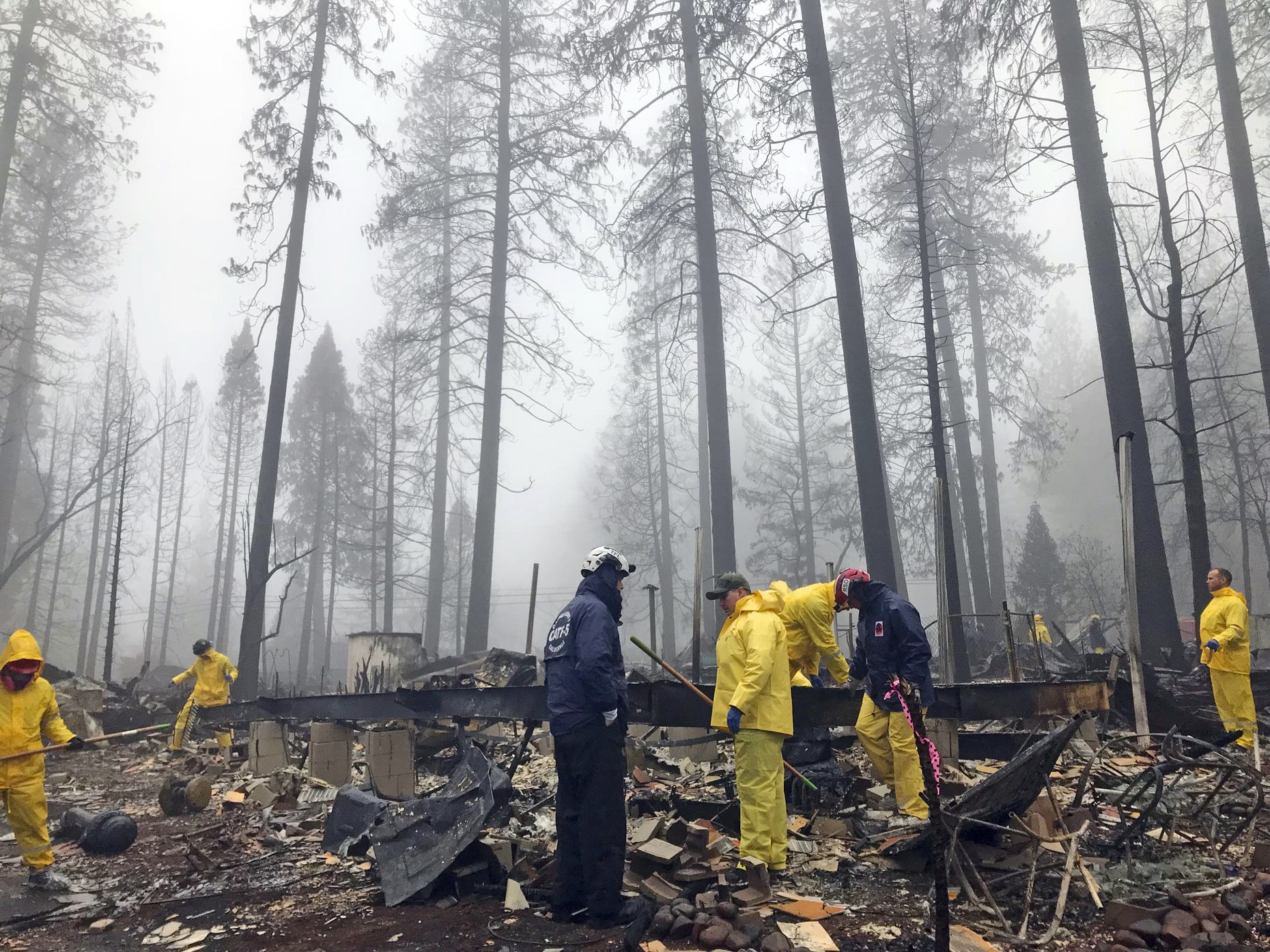
Nov 23, 2018
Whose Streets?
The message from Silicon Valley seems to be that self-driving cars are the way of the future. This week, On the Media considers the history behind the present-day salesmanship. Plus, why transit rights mean much more than point-A-to-point-B mobility. Also, a new opera about Robert Moses and Jane Jacobs. 1. Angie Schmitt [ @schmangee ], national reporter at Streetsblog, on the "heartwarming" stories of Americans who walk miles and miles to work . Listen. 2. Peter Norton , professor of history at University of Virginia's Department of Engineering and Society, and Emily Badger , urban policy reporter for the New York Times, on the past, present and dazzling future of self-driving car salesmanship. Listen. 3. Judd Greenstein [ @juddgreenstein ], composer, on the in-progress opera, A Marvelous Order. Listen. 4. Kafui Attoh , professor of urban studies at the CUNY Graduate Center, on the deeper political meanings of "transit rights." Listen. Music from this week's show: Dan Deacon — USA III: Rail Iggy Pop — The Passenger Gary Numan — Cars Judd Greenstein — Change Judd Greenstein — A Marvelous Order Brian Eno — Music For Airports On the Media is supported by listeners like you. Support OTM by donating today ( https://pledge.wnyc.org/support/otm ). Follow our show on Instagram , Twitter and Facebook @onthemedia, and share your thoughts with us by emailing onthemedia@wnyc.org.
Nov 20, 2018
The Civil War, One Day at a Time
On the 155th anniversary of The Gettysburg Address, we bring you a conversation with Professor Adam Goodheart . He ran The New York Times blog, Disunion , which covers the American Civil War as if it were a real-time event unfolding today. Goodheart's used Civil War Era journalism as one of his primary sources and says that sharing updates about the war gives his readers a sense of immediacy that a traditional history book can't provide. He spoke to Brooke in 2010, also on November 19th, the anniversary of The Gettysburg Address. On the Media is supported by listeners like you. Support OTM by donating today ( https://pledge.wnyc.org/support/otm ). Follow our show on Instagram , Twitter and Facebook @onthemedia, and share your thoughts with us by emailing onthemedia@wnyc.org.
Nov 16, 2018
Do Not Pass Go
Over a week after the midterms, there's uncertainty in key races in Florida and Georgia. We examine the pervasive conspiracy theories around vote counting. Plus, Amazon has concluded their infamous HQ2 search. At the time, it seemed like a reality show contest. What did it cost the participants? Also, how Amazon fits into a history of anti-trust attitudes in the U.S. And, a look back at a time when capitalism squared off against Jim Crow — and won. 1. Will Sommer [ @ willsommer ] digs into the conspiratorial buzz around the Florida recounts and how right-wing media is fueling doubt. Listen. 2. David Dayen [ @ ddayen ] talks about Amazon's HQ2 sweepstakes and what the contest may have cost participants and the public. Listen. 3. Stacy Mitchell [ @ stacyfmitchell ] goes through the history of anti-trust regulation and where Amazon fits in as a monopoly. Listen. 4. Sears once disrupted the power structure of Jim Crow with a mail-order catalog. Louis Hyman [ @ louishyman ] tells the story of how American consumerism squared off against racism. Listen. Songs: The Pink Panther Theme by Henry Mancini & His Orchestra Through the Street by David Bergeaud With Plenty Of Money And You by Hal Kemp Don't Dream It's Over by The Bad Plus Avalon by Randy Newman On the Media is supported by listeners like you. Support OTM by donating today ( https://pledge.wnyc.org/support/otm ). Follow our show on Instagram , Twitter and Facebook @onthemedia, and share your thoughts with us by emailing onthemedia@wnyc.org.
Nov 13, 2018
The Stories Fires Tell
The Camp Fire in California is the deadliest in the state's history, leaving the entire city of Paradise in ashes. Parts of Malibu were destroyed by the Woolsey Fire, which firefighters are still trying to bring under control as of this writing. Every year, the press rushes to the scene to capture the fury and the heroic images of efforts to manage fires, but we may be missing a deeper, more dangerous story. In August, when the Mendocino Complex Fire was raging, Bob spoke to historian Stephen J. Pyne about what the typical media narratives overlook and how we can rethink them. On the Media is supported by listeners like you. Support OTM by donating today ( https://pledge.wnyc.org/support/otm ). Follow our show on Instagram , Twitter and Facebook @onthemedia, and share your thoughts with us by emailing onthemedia@wnyc.org.
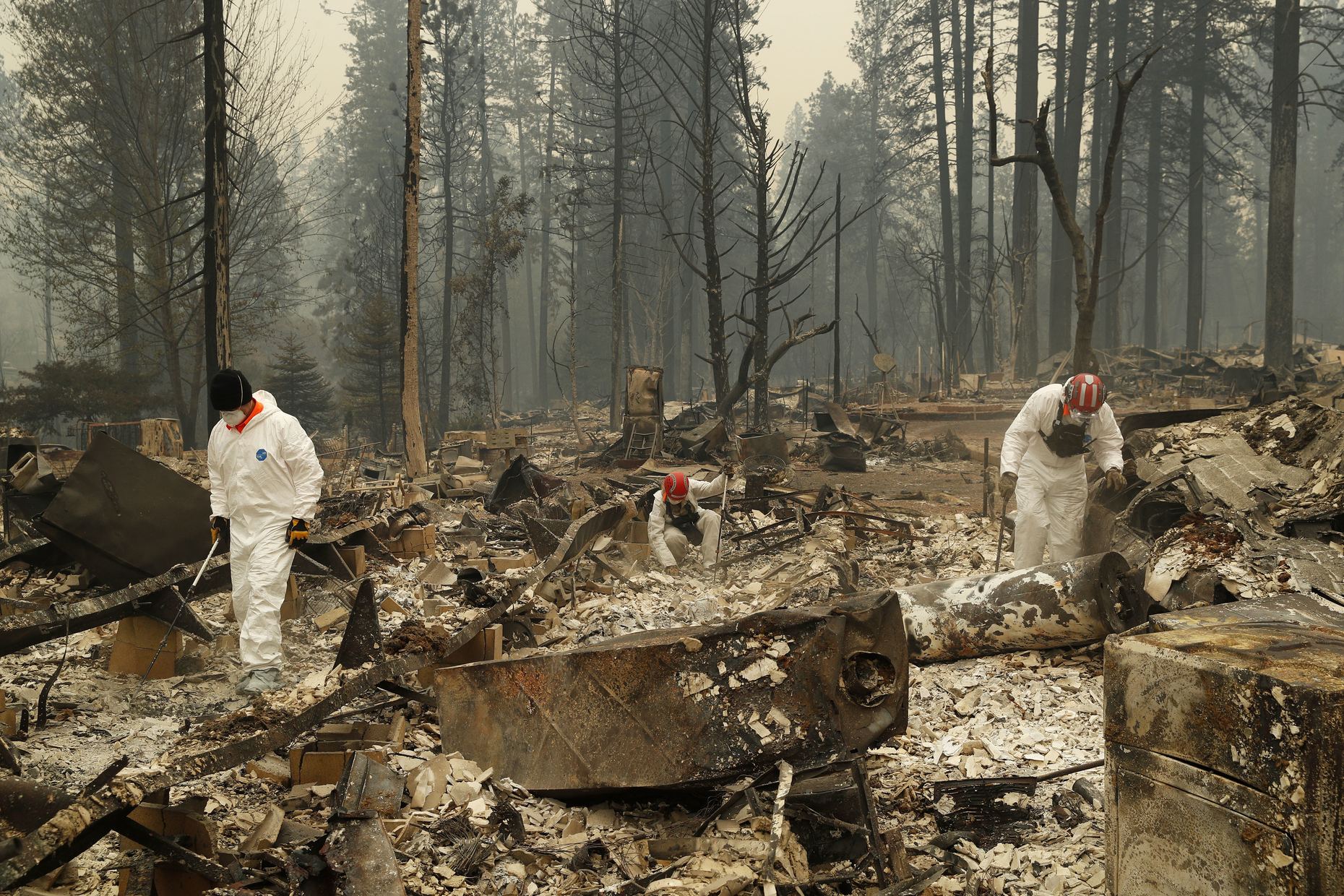
Nov 9, 2018
We're Not Very Good At This
America’s divisions are all the more clear after another frenzied news cycle. This week, we ask a historian and a data scientist whether we humans are capable of governing ourselves. Plus, the post-midterm prognosis on climate change, and how our media have often complicated our country’s founding spirit of self-reflection. 1. Brooke [ @OTMBrooke ] looks at the Shepard tone of anti-democratic news developments over the past week. Listen . 2. Kate Aronoff [ @KateAronoff ], contributing writer at the Intercept, on how climate change fared in this week's midterms. Listen. 3. Mary Christina Wood, University of Oregon law professor, on the public trust doctrine. Listen . 4. Jill Lepore, Harvard historian and New Yorker staff writer, on the enduring argument over the role of government in American life. Listen. 5. Joshua M. Epstein, director of NYU's Agent-Based Modeling Lab, on the computerized models that can teach us about how we behave in groups. Listen. On the Media is supported by listeners like you. Support OTM by donating today ( https://pledge.wnyc.org/support/otm ). Follow our show on Instagram , Twitter and Facebook @onthemedia, and share your thoughts with us by emailing onthemedia@wnyc.org.
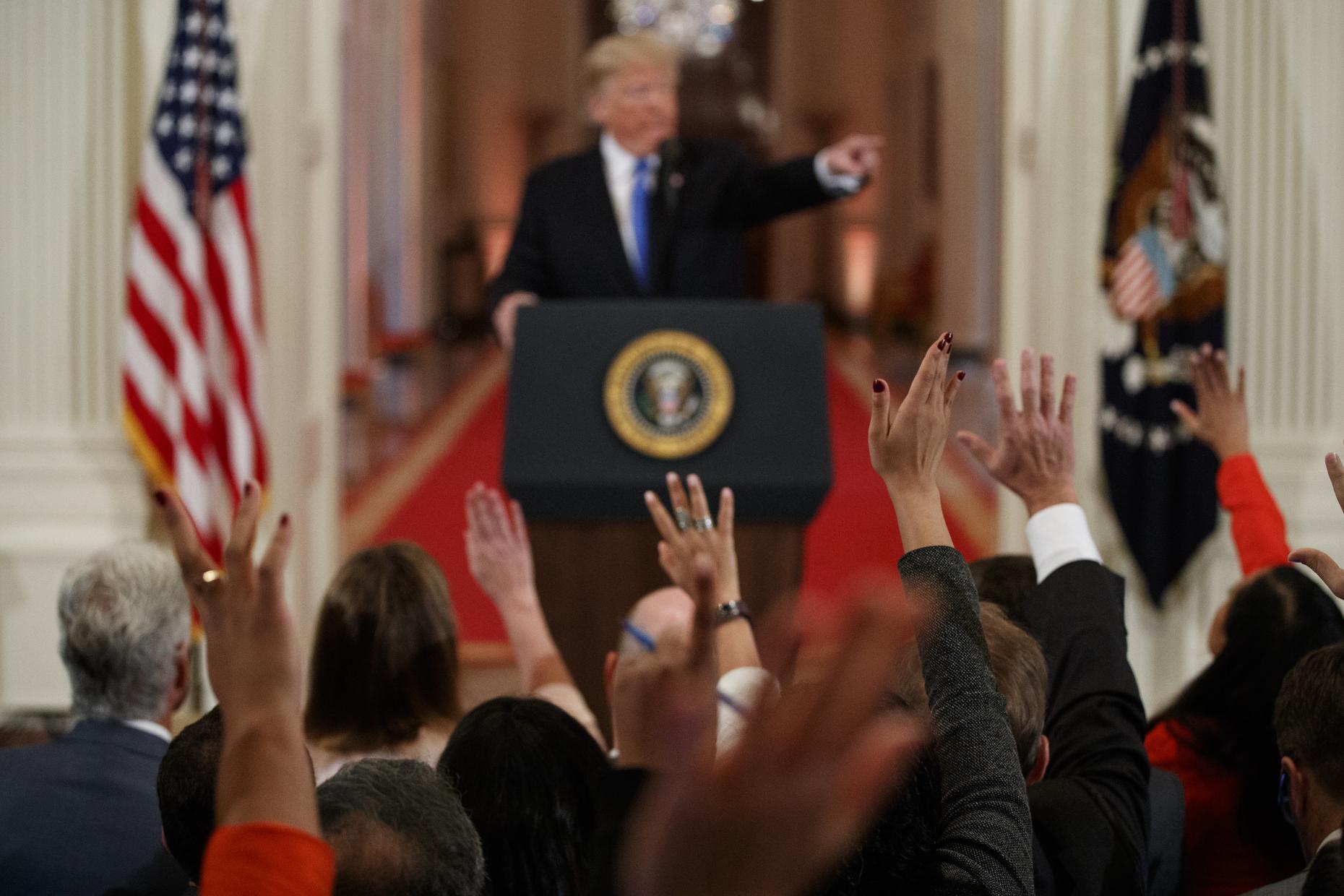
Nov 6, 2018
Why We're So Polarized
Last week on our show, Bob spoke with Lilliana Mason , a University of Maryland political psychologist and author of Uncivil Agreement: How Politics Became Our Identity , about the reasons behind the tribalism and enmity that characterize our politics. The conversation covered a lot of ground, and much of it — including the political decisions that have shaped the two major parties over the past 50 years, as well as the distinct ways that Republicans and Democrats deploy partisan rage — didn’t make it into our tightly packed show. But, it’s too interesting and important to leave on the cutting room floor, so we’re sharing it as this week’s midterm edition podcast extra. Enjoy! On the Media is supported by listeners like you. Support OTM by donating today ( https://pledge.wnyc.org/support/otm ). Follow our show on Instagram , Twitter and Facebook @onthemedia, and share your thoughts with us by emailing onthemedia@wnyc.org.
Nov 2, 2018
The Others
After a week of hate-fueled attacks, we examine the "dotted line" from incitement to violence. We dig deep into tribalism and how it widens the gulf between Republicans and Democrats. Plus, the history of antisemitic propaganda and how it inspires modern-day violence. Also, why is the GOP running against California in midterm races around the country? 1. A look at the possible connections between hateful rhetoric and violent acts, with law professor Garrett Epps [ @Profepps ] , historian Michael Beschloss , and writer Amanda Robb. Listen. 2. Leo Ferguson [ @LeoFergusonnyc ] of Jews for Racial & Economic Justice on the history of antisemitic propaganda. Listen. 3. Lilliana Mason [ @LilyMasonPhD ], author of Uncivil Agreement: How Politics Became Our Identity, on tribalism and partisanship. Listen. 4. Why is California the bogeyman in the midterms? Lawrence Wright [ @lawrence_wright ] on the California/Texas relationship, KQED's Marisa Lagos [ @mlagos ] with the view from California, and Seth Masket [ @smotus ] of the University of Denver on the Californication of Colorado. Listen. On the Media is supported by listeners like you. Support OTM by donating today ( https://pledge.wnyc.org/support/otm ). Follow our show on Instagram , Twitter and Facebook @onthemedia, and share your thoughts with us by emailing onthemedia@wnyc.org.
Oct 30, 2018
Gab is Back in the Headlines and Off the Web
The social media website Gab has faced sanction and scorn in the days since one of its active users killed 11 members of Pittsburgh's Jewish community. Gab had, for the past few years, made itself out as a "free speech" harbor, safe from the intellectual strictures of the mainstream web. That is to say, it attracted — and very rarely rejected — hordes of neo-nazis, anti-PC provocateurs and right-wing trolls. When Brooke interviewed Gab's then-COO Utsav Sanduja last fall, the company was in the midst of an anti-trust lawsuit against Google, claiming the the tech titan had wielded its monopoly power to silence a competitor. Brooke spoke with Sanduja about that lawsuit — and about his website's frequently deplorable content. On the Media is supported by listeners like you. Support OTM by donating today ( https://pledge.wnyc.org/support/otm ). Follow our show on Instagram , Twitter and Facebook @onthemedia, and share your thoughts with us by emailing onthemedia@wnyc.org.

Oct 25, 2018
Knock, Knock
With the midterms approaching, Democrats and Republicans are fighting to control the national conversation. This week, On the Media looks at how to assess the predictions about a blue or red wave this November. Republican messaging — especially from the White House — has emphasized the dangers presented by the so-called caravan. How did that caravan begin? And, what is the history behind the documents that regulate international travel? Plus, how transgender rights activists in Massachusetts are deploying a counter-intuitive door-to-door tactic. 1. Clare Malone [ @ClareMalone ], senior political writer for FiveThirtyEight, on the electoral reporting tropes that dominate midterm coverage. Listen . 2. Sarah Kinosian [ @skinosian ], freelance reporter, on the origins of the current Central American caravan. Listen . 3. John Torpey [ @JohnCTorpey ], historian at the CUNY Graduate Center, on the history of passports. Listen . 4. David Broockman [ @dbroockman ], political scientist at the Stanford Graduate School of Business, and Matt Collette [ @matt_pc ], producer of WNYC's Nancy, on the activism surrounding a transgender rights referendum in Massachusetts. Listen . On the Media is supported by listeners like you. Support OTM by donating today ( https://pledge.wnyc.org/support/otm ). Follow our show on Instagram , Twitter and Facebook @onthemedia, and share your thoughts with us by emailing onthemedia@wnyc.org.

Oct 24, 2018
West Virginia's "Genius" Watchdog
Nearly two years since the 2016 Presidential Election, much of the press are still covering so-called "Trump country" using a series of simplistic narratives, blaming these states for Trump and portraying them as irrevocably scarred by the decline of the coal industry. That doesn't mean there aren't real problems surrounding the fossil fuel industry. Ken Ward Jr. is a reporter at West Virginia’s Charleston Gazette-Mail , where since 1991 he’s been covering the coal, chemical and natural gas industries, and their impact on communities that were promised a better future. Bob speaks with Ken about the reporting that earned him a 2018 “genius grant” from the MacArthur Foundation, and how West Virginia's coal country is moving forward. On the Media is supported by listeners like you. Support OTM by donating today ( https://pledge.wnyc.org/support/otm ). Follow our show on Instagram , Twitter and Facebook @onthemedia, and share your thoughts with us by emailing onthemedia@wnyc.org.

Oct 19, 2018
Bloodlines
In using a genetic test to try to prove her Native ancestry, Senator Elizabeth Warren inadvertently stepped into a quagmire. This week, we examine the tensions around DNA and identity. Plus, after Jamal Khashoggi’s death, revisiting the trope of the so-called reformist Saudi royal. And, a look at what we can learn — and how we've tried to learn it — from twins, triplets and other multiple births. 1. Abdullah Al-Arian, [ @anhistorian ] professor of Middle East History at Georgetown University, on the decades-long trope in American op-ed pages about reformist Saudi royals. Listen. 2. Kim TallBear, [ @KimTallBear ] professor of Native Studies at the University of Alberta and author of Native American DNA: Tribal Belonging and the False Promise of Genetic Science , on the way "blood" has been used to undermine tribal sovereignty. Listen. 3. Alondra Nelson, [ @alondra ] president of the Social Science Research Council, professor of sociology at Columbia University and author of The Social Life of DNA: Race, Reparations, and Reconciliation After the Genome , on why DNA testing has been so valuable to African-American communities. Listen. 4. Nancy Segal, [ @nlsegal ] director of the Twin Studies center at California State University at Fullerton and author of Accidental Brothers: The Story of Twins Exchanged at Birth and the Power of Nature and Nurture , on what we've learned about human nature from the study of twins. Listen . Songs: The Glass House (End Title) by David Bergeaud Liquid Spear Waltz by Michael Andrews Slow Pulse Conga by William Pasley Turn Down the Sound by Adrian Younge I Wish I Had An Evil Twin by The Magnetic Fields On the Media is supported by listeners like you. Support OTM by donating today ( https://pledge.wnyc.org/support/otm ). Follow our show on Instagram , Twitter and Facebook @onthemedia, and share your thoughts with us by emailing onthemedia@wnyc.org.

Oct 17, 2018
The Radical Catalog
Another chapter in the history of American consumerism came to a close this week when the retail giant Sears announced it was filing for bankruptcy and closing 142 of its unprofitable stores. As experts sifted through the details about what doomed Sears , we found ourselves reading a Twitter thread about a little-known bit of shopping history. Louis Hyman is an economic historian and professor at Cornell University’s School of Industrial and Labor Relations. He tweeted: "In my history of consumption class, I teach about Sears, but what most people don't know is just how radical the catalogue was in the era of Jim Crow." In this week's podcast extra, Hyman talks to Brooke about what we can learn from the way Sears upended Jim Crow power dynamics, and what lessons it offers about capitalism more broadly. His latest book is Temp: How American Work, American Business, and the American Dream Became Temporary . On the Media is supported by listeners like you. Support OTM by donating today ( https://pledge.wnyc.org/support/otm ). Follow our show on Instagram , Twitter and Facebook @onthemedia, and share your thoughts with us by emailing onthemedia@wnyc.org.
Oct 12, 2018
Full Faith & Credit
Ten autumns ago came two watershed moments in the history of money. In September 2008, the bankruptcy of Lehman Brothers triggered a financial meltdown from which the world has yet to fully recover. The following month, someone using the name Satoshi Nakamoto introduced BitCoin, the first cryptocurrency. Before our eyes, the very architecture of money was evolving — potentially changing the world in the process. In this hour, On the Media looks at the story of money, from its uncertain origins to its digital reinvention in the form of cryptocurrency. 1. The life and work of JSG Boggs, the artist who created hand-drawn replicas of currency that he used to buy goods and services. With Lawrence Weschler and MIT's Neha Narula [ @neha ]. Listen. 2. A brief history of money with UC Irvine 's Bill Maurer and Mark Blyth [ @MkBlyth ] from Brown University . Listen. 3. How cryptocurrency could shape the future of money, with MIT's Neha Narula [ @neha ], New York Times ' Nathaniel Popper [ @nathanielpopper ] , Vinay Gupta [ @leashless ] of Mattereum, Brown University's Mark Blyth [ @MkBlyth ] and artist Kevin Abosch [ @kevinabosch ] . Listen. On the Media is supported by listeners like you. Support OTM by donating today ( https://pledge.wnyc.org/support/otm ). Follow our show on Instagram , Twitter and Facebook @onthemedia, and share your thoughts with us by emailing onthemedia@wnyc.org.
Oct 10, 2018
Reimagining History
Last week, the MacArthur Foundation awarded genius grants to 25 creatives in art, literature, science and music. John Keene , a writer of poetry, fiction and cultural criticism, was one of them. He was recognized for his innovative use of language and form, and the way his work “exposes the social structures that confine, enslave, or destroy” people of color and queer people. Keene spoke to Brooke back in 2015 about his story collection, Counternarratives , which centers the voices of the marginalized in both imagined and reimagined historical moments. On the Media is supported by listeners like you. Support OTM by donating today ( https://pledge.wnyc.org/support/otm ). Follow our show on Instagram , Twitter and Facebook @onthemedia, and share your thoughts with us by emailing onthemedia@wnyc.org.
Oct 5, 2018
The Victimhood
On Thursday in the Wall Street Journal , Supreme Court nominee Brett Kavanaugh acknowledged his sharp tone in recent hearings. This week, we examine the anger and resentment driving the #MeToo backlash. Plus, a deep dive into into our flawed narratives about Native American history, and a close look at the role problematic fantasies about indigenous people play in German culture. 1. Lili Loofbourow [ @Millicentsomer ], staff writer at Slate, on the purposeful role of male anger in the Kavanaugh nomination process . Listen . 2. David Treuer [ @DavidTreuer ], writer and historian, on the simplistic, flawed narratives tied up in popular Native American history . Listen . 3. Frank Usbeck , historian and researcher-curator at the State Ethnographic Collections of Saxony, and Evan Torner , German Studies professor at the University of Cincinnati, on the fantasies about indigenous people involved in German politics and culture. Listen . Songs: Rebel Soldier by Nashville Sessions Prelude of Light by John Zorn Puck by John Zorn Tribute to America by The O'Neill Brothers Group Her Avwerah by Norfolk and Western Lost, Night by Bill Frisell On the Media is supported by listeners like you. Support OTM by donating today ( https://pledge.wnyc.org/support/otm ). Follow our show on Instagram , Twitter and Facebook @onthemedia, and share your thoughts with us by emailing onthemedia@wnyc.org.
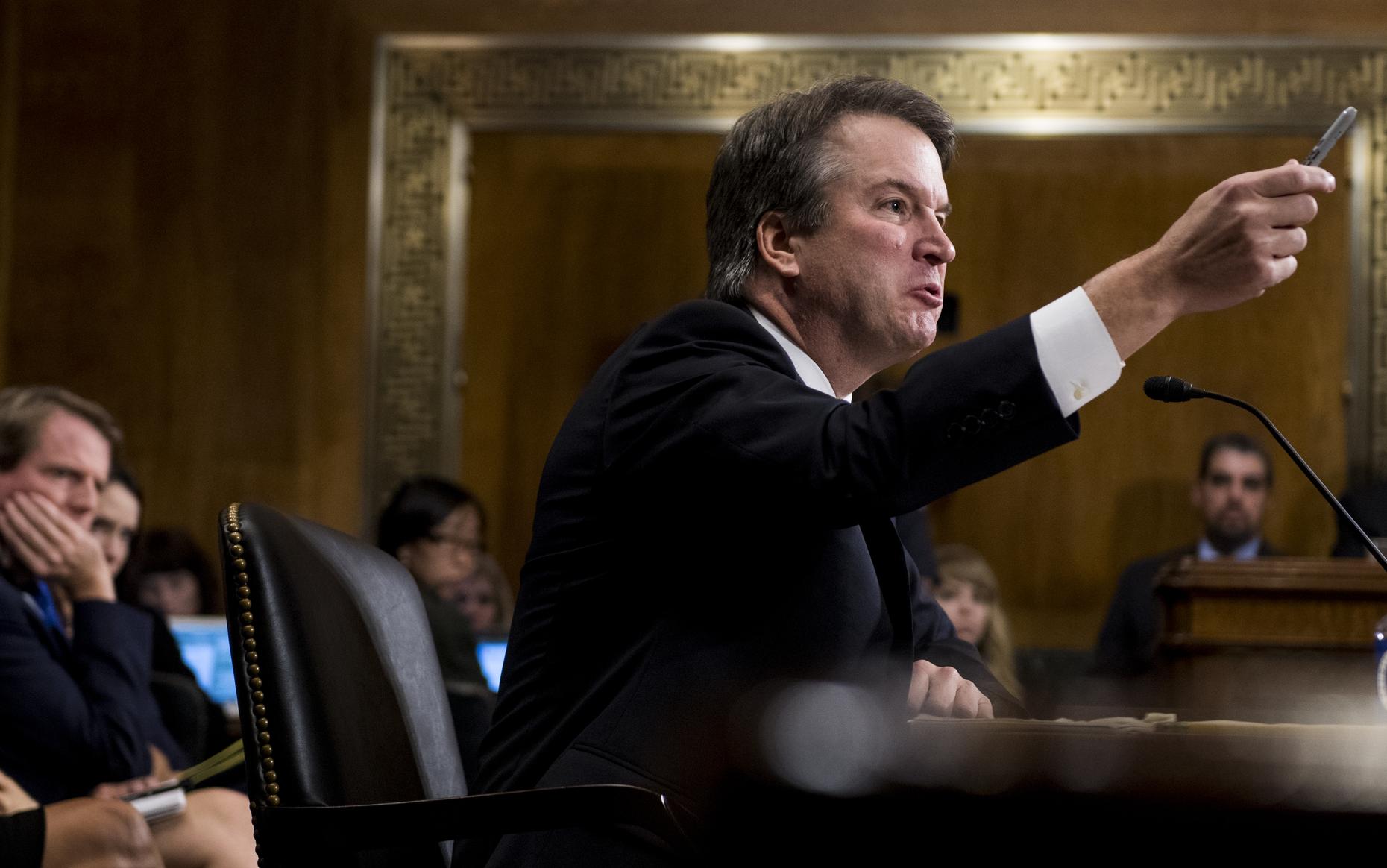
Oct 3, 2018
Trump, Inc.: The Business of Silence
President Donald Trump has had many roles in his life: Real estate scion, reality show star, Oval Office holder. But through it all, one thing has remained consistent. He tries to control what information becomes public about himself and his business. In the latest episode of Trump, Inc., a WNYC collaboration with ProPublica , our colleagues look at the ways Trump has tried to buy and enforce silence — and how it matters more than ever now that he’s president. They talk to The New Yorker’s Ronan Farrow about just one of the tactics used by those helping the president: the “catch and kill.” On the Media is supported by listeners like you. Support OTM by donating today ( https://pledge.wnyc.org/support/otm ). Follow our show on Instagram , Twitter and Facebook @onthemedia, and share your thoughts with us by emailing onthemedia@wnyc.org.
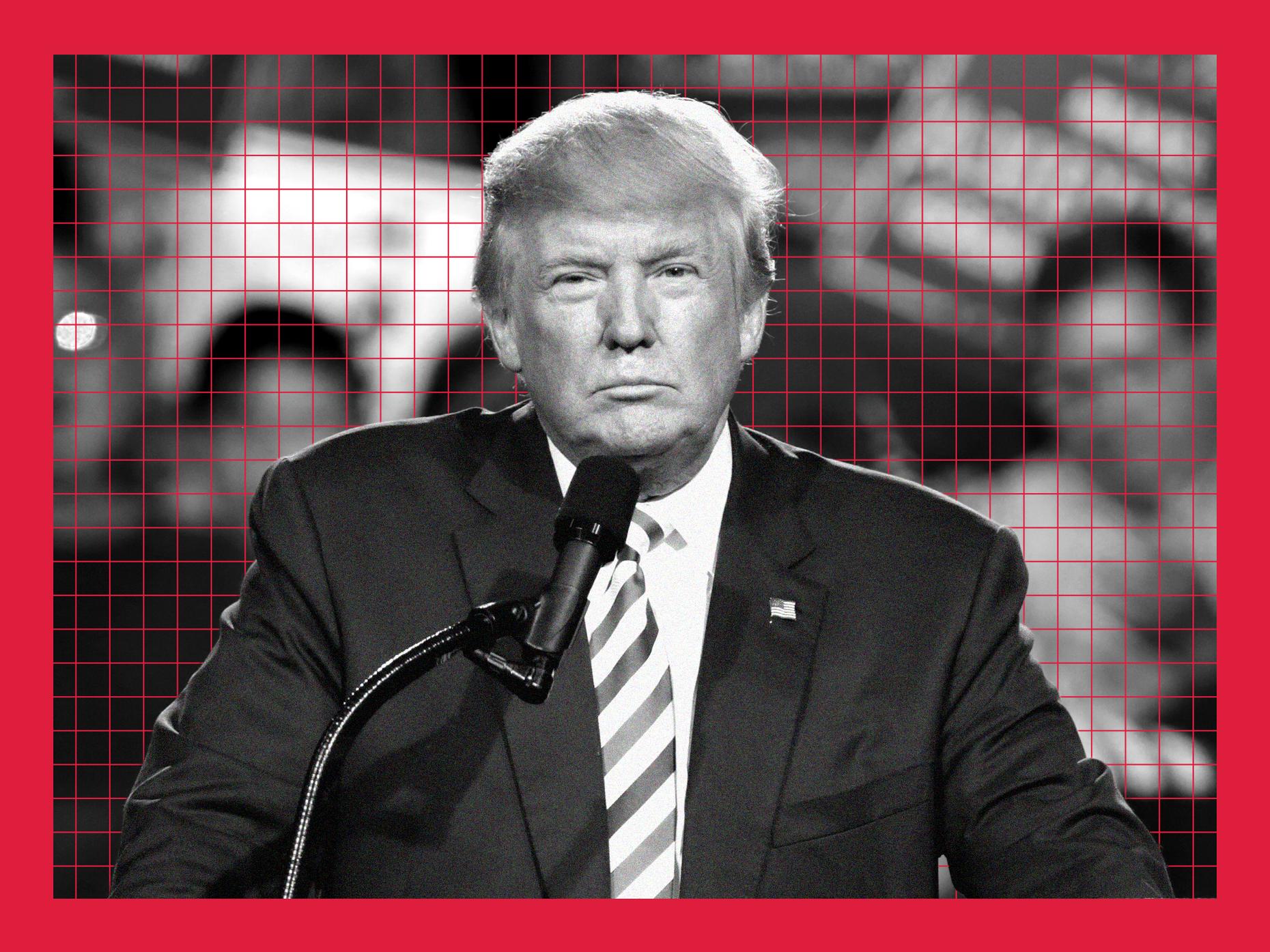
Sep 28, 2018
What Goes Around, Comes Around?
The Kavanaugh-Ford hearings this week felt like a watershed moment — but it’s not yet clear what long-term impact they’ll have. This week, we examine some of the policies that could be affected by the Supreme Court if Kavanaugh is confirmed, including dark money disclosure and voting rights. Plus, a moment of zen during trying times. 1. Brooke on this week's Kavanaugh-Ford hearings. Listen. 2. Carol Anderson [ @ProfCAnderson ], professor of history at Emory University, on how voter suppression is destroying democracy . Listen. 3. Michelle Ye Hee Lee [ @myhlee ], national reporter for the Washington Post, on the recent Supreme Court action regarding the disclosure of dark money donations . Listen. 4. Robert Wright [ @robertwrighter ], author and professor at Union Seminary, on how living a mindful life can make us savvier, saner news consumers. Listen. Songs: Melancholia by Marcos Ciscar On the Media is supported by listeners like you. Support OTM by donating today ( https://pledge.wnyc.org/support/otm ). Follow our show on Instagram , Twitter and Facebook @onthemedia, and share your thoughts with us by emailing onthemedia@wnyc.org.
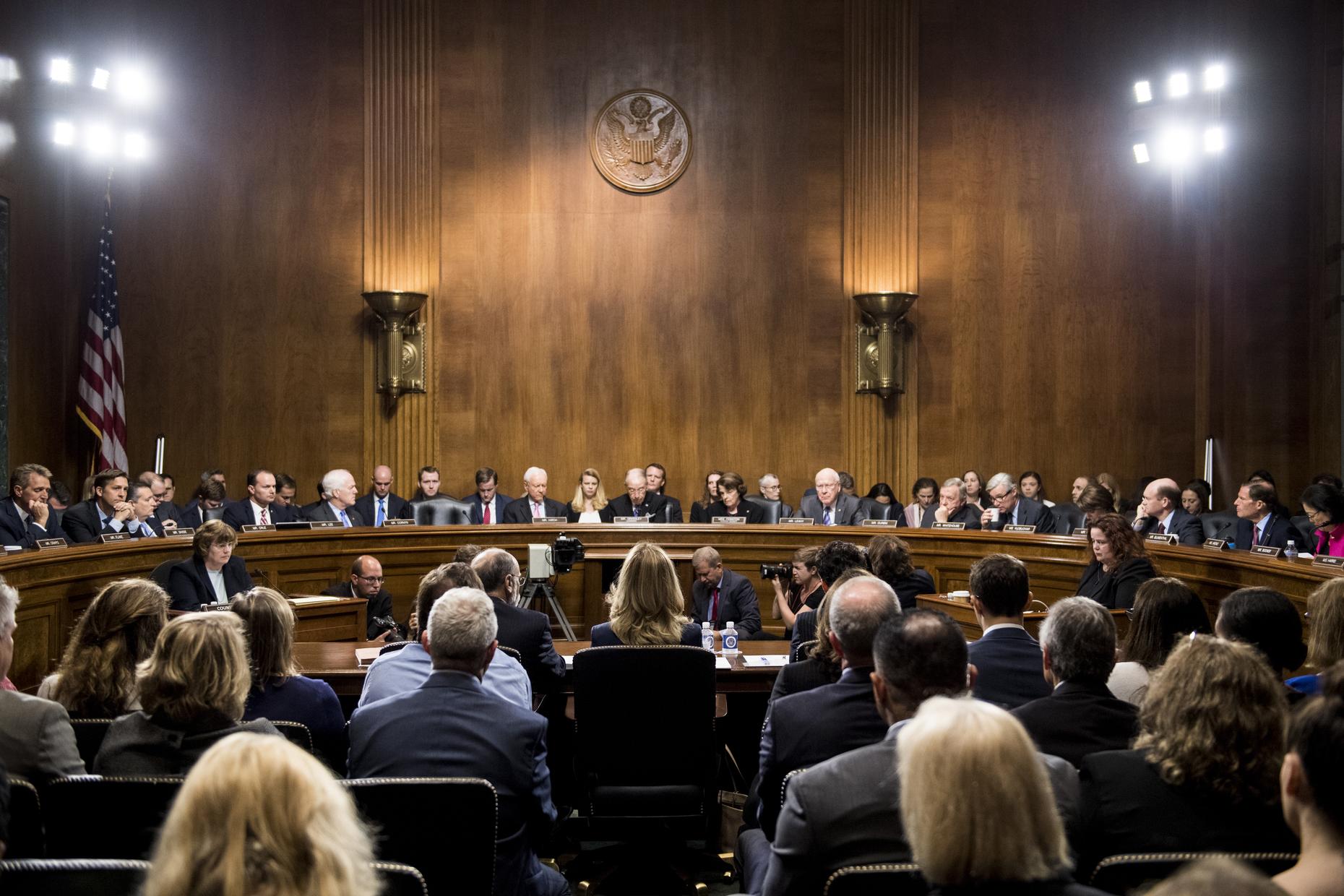
Sep 26, 2018
It's Time for Justice
On Tuesday, nearly four years since a viral comedy routine helped usher a long list of rape and sexual assault allegations against Bill Cosby into the fore, the once-beloved artist was sentenced to three to 10 years in a state prison. Years before Cosby's predatory behavior became public knowledge, rumors circulated in Hollywood and privileged circles, well within earshot of journalist Ta-Nehisi Coates. But, in a 2008 profile of Cosby for The Atlantic , Coates merely mentioned some of the sexual assault accusations in passing, without digging into the damning details. Whether willful denial or reckless mistake, this oversight would come to haunt him — so much that he fessed up and agreed to mull it all over with Bob back in 2014. On the Media is supported by listeners like you. Support OTM by donating today ( https://pledge.wnyc.org/support/otm ). Follow our show on Instagram , Twitter and Facebook @onthemedia, and share your thoughts with us by emailing onthemedia@wnyc.org.
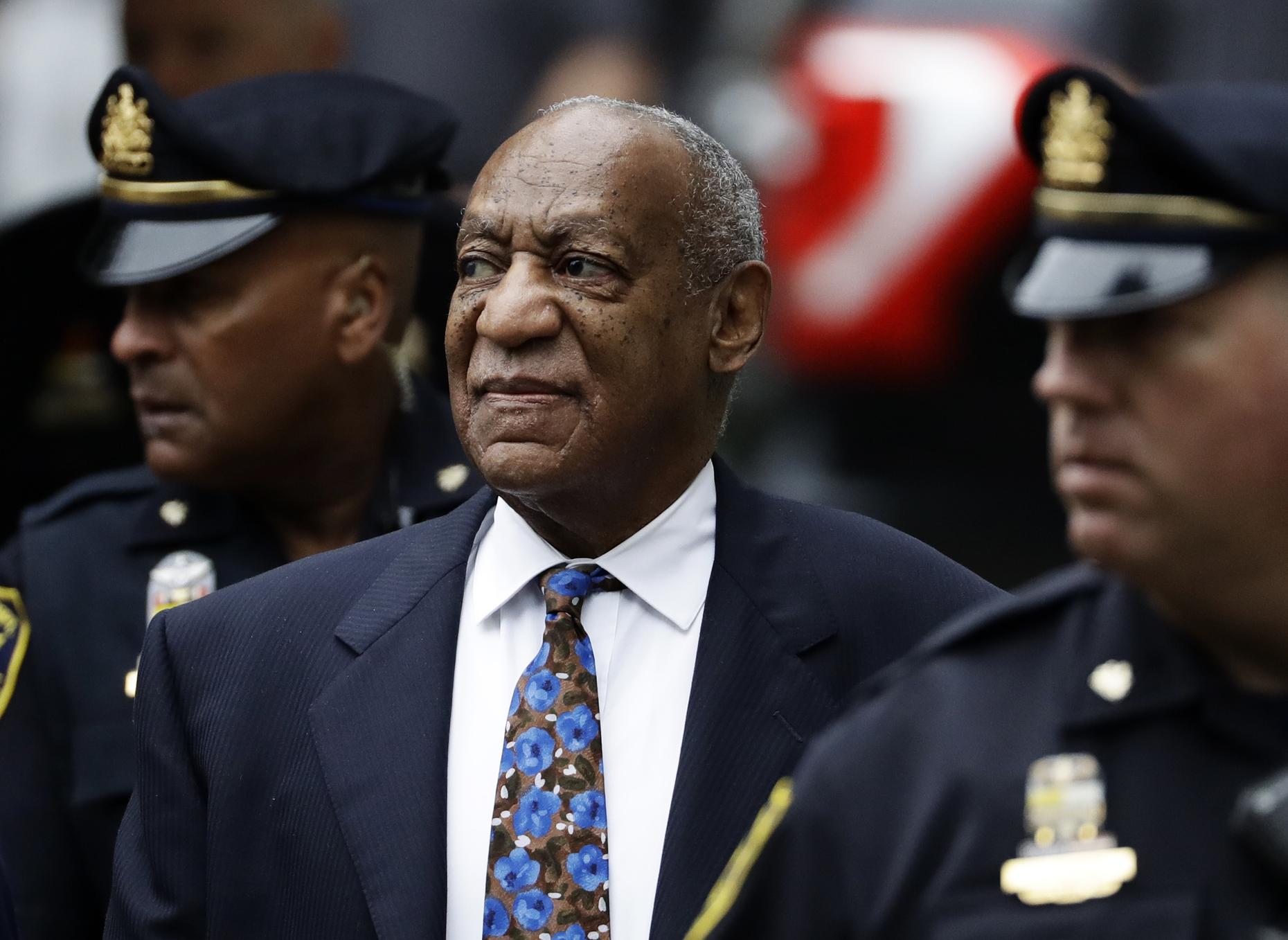
Sep 21, 2018
Make Amends
Senators are weighing serious allegations of attempted rape as they consider Judge Kavanaugh's nomination to the Supreme Court. Meanwhile, McDonald's employees in ten cities went on strike to bring attention to sexual harassment at the fast food chain. This week, we look at the ripples from the #MeToo movement and how much further they have to go. 1. Dr. Christine Blasey Ford's expected testimony against Supreme Court nominee Brett Kavanaugh has echoes of Anita Hill's testimony against Clarence Thomas in 1991. Kai Wright [ @kai_wright ] of the podcast The United States of Anxiety revisits how that moment led to a "Year of the Woman" in 1992. Listen. 2. Disgraced former radio hosts Jian Ghomeshi and John Hockenberry recently wrote essays reflecting on their lost status after #MeToo allegations. Slate's Laura Miller [ @magiciansbook ] discusses the serious shortcomings of those essays. Listen. 3. Rabbi Danya Ruttenberg [ @TheRaDR ] explains what atonement and repentance actually mean, and why a clear definition matters in the context of the #MeToo movement. Listen. 4. History professor Annelise Orleck [ @AnneliseOrleck1 ] puts this week's McDonald's strike over sexual harassment allegations in its global and historical context. Listen. Songs: Middlesex Times by Michael Andrews Bubble Wrap by Thomas Newman Liquid Spear Waltz by Michael Andrews John’s Book of Alleged Dances by Kronos Quartet Human Nature by Steve Porcaro, John Bettis, Vijay Iyer Love Theme from Spartacus by Yusef Lateef On the Media is supported by listeners like you. Support OTM by donating today ( https://pledge.wnyc.org/support/otm ). Follow our show on Instagram , Twitter and Facebook @onthemedia, and share your thoughts with us by emailing onthemedia@wnyc.org.
Sep 18, 2018
An Obit, This Time For Real
This past week’s coverage of Hurricane Florence has had all the trappings of a terrible storm: the satellite images, the sandbags and empty grocery stores, the newscasters dressed in flood gear. One recurring side character we seem to have avoided this time around, though, is the doctored image of a shark swimming on a flooded highway. It’s a preposterous hoax that succeeds, occasionally, on the merits of some kernel of truth; for instance, whole swathes of interstate highway in North Carolina are , as of this moment, covered with water. That kernel of truth is what hoaxers and jokers build their handiwork upon — as did the veteran hoaxer Alan Abel, who passed away late last week at the age of 94 . Abel made a name for himself inventing characters and causes and turning the joke on the media; in 1980 he staged his own death and got himself an obituary in the New York Times. Brooke spoke to Abel — and his daughter, Jenny Abel, the director of the documentary, " Abel Raises Cain " — in 2008. On the Media is supported by listeners like you. Support OTM by donating today ( https://pledge.wnyc.org/support/otm ). Follow our show on Instagram , Twitter and Facebook @onthemedia, and share your thoughts with us by emailing onthemedia@wnyc.org.

Sep 14, 2018
Doomed to Repeat
The anniversary of a disaster gives us a moment to reflect on whether we have learned the right lessons — or any at all. This week, we examine the narratives that have solidified ten years after the financial crisis, and one year after Hurricane Maria. 1. Political anthropologist Yarimar Bonilla [ @yarimarbonilla ] on how we can focus our attention on Puerto Rico's structural challenges even as the president spouts falsities about the "unsung success" of the federal response to Hurricane Maria. Listen. 2. Dean Starkman [ @deanstarkman ], author of The Watchdog That Didn't Bark: The Financial Crisis and the Disappearance of Investigative Journalism , on how the signs of the financial crisis had been visible leading up to it but many journalists were looking elsewhere. Listen. 3. Brown University professor Mark Blyth [ @MkBlyth ] takes on the most popular narratives of the financial crash. Listen. 4. Copenhagen Business School business historian Per Hansen on Hollywood's depiction of the board room and Wall Street from 1928 to 2015. Listen. Songs: Marjane's Inspiration by David Bergeaud Glass House by Bonobo Dinner Music For A Pack of Hungry Cannibals by Raymond Scott With Plenty Of Money And You by Hal Kemp Modern Times OST by Charlie Chaplin On the Media is supported by listeners like you. Support OTM by donating today ( https://pledge.wnyc.org/support/otm ). Follow our show on Instagram , Twitter and Facebook @onthemedia, and share your thoughts with us by emailing onthemedia@wnyc.org.
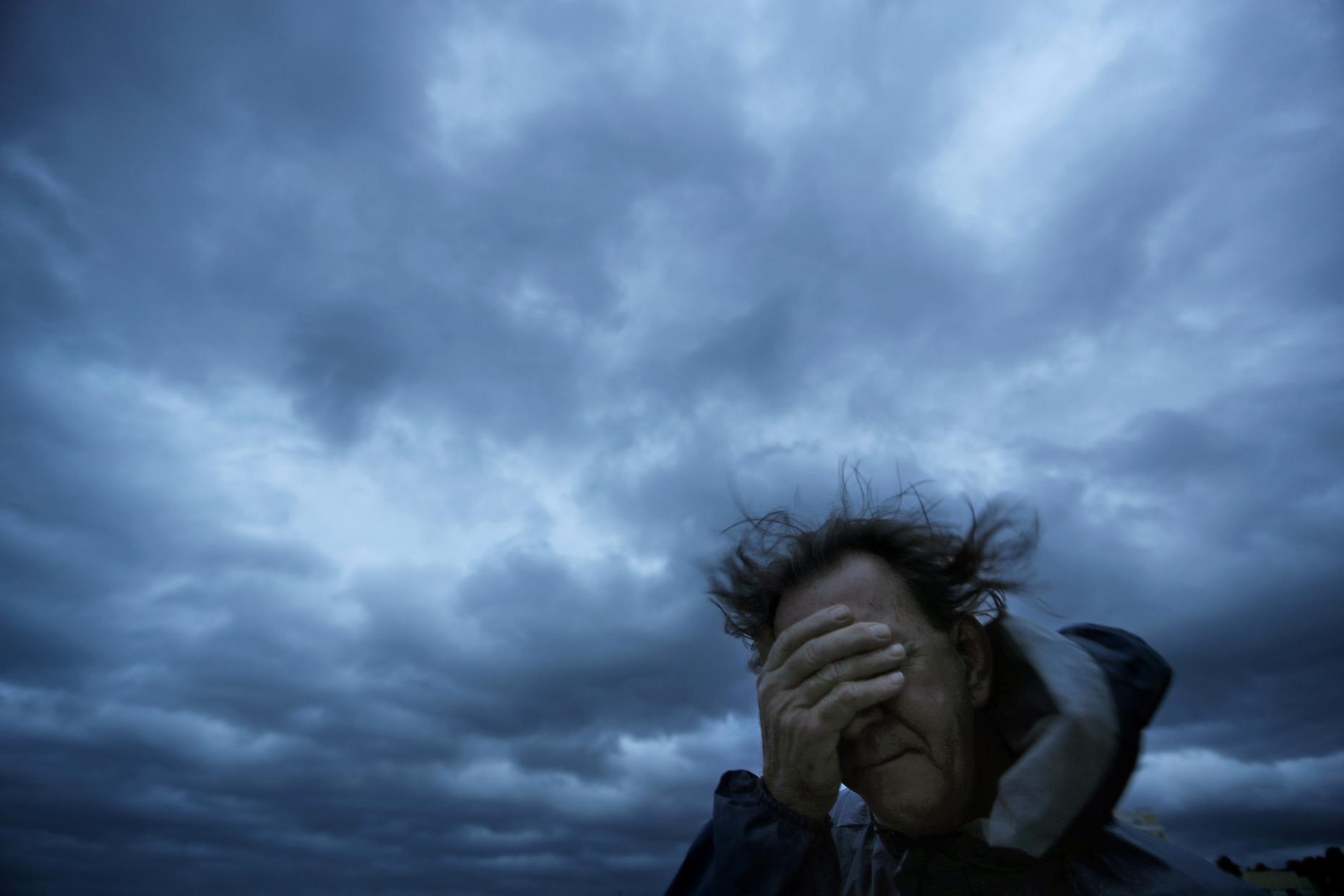
Sep 12, 2018
FEMA Time
On Wednesday, as Florence swirled ominously off the coast of the Carolinas, and states prepared for imminent disaster, Senator Jeff Merkley (D-OR) thought it would be a good time to draw everyone’s attention to the shifting priorities of this administration. Specifically, he released a budget that showed the Department of Homeland Security had transferred nearly 10 million dollars from the Federal Emergency Management Agency to Immigration and Customs Enforcement to pay for detention and removal operations. FEMA officials maintain that the smaller budget won’t hinder their operations, but as wildfires rage and hurricanes make landfall, they have a lot on their plate. We don't think about FEMA much, until that's all we think about. Historian Garrett Graff says the agency’s, quote, “under-the-radar nature” was originally a feature, not a bug. Graff wrote about " The Secret History of FEMA " for Wired last September and he spoke to Bob about the agency's Cold War origins as civil defense in the event of a nuclear attack and how it transitioned to "natural" disaster response. Plus, they discuss the limitations to FEMA's capabilities and why it has such a spotty record. Graff is also author of Raven Rock: The Story of the U.S. Government's Secret Plan to Save Itself -- While The Rest of Us Die . On the Media is supported by listeners like you. Support OTM by donating today ( https://pledge.wnyc.org/support/otm ). Follow our show on Instagram , Twitter and Facebook @onthemedia, and share your thoughts with us by emailing onthemedia@wnyc.org.
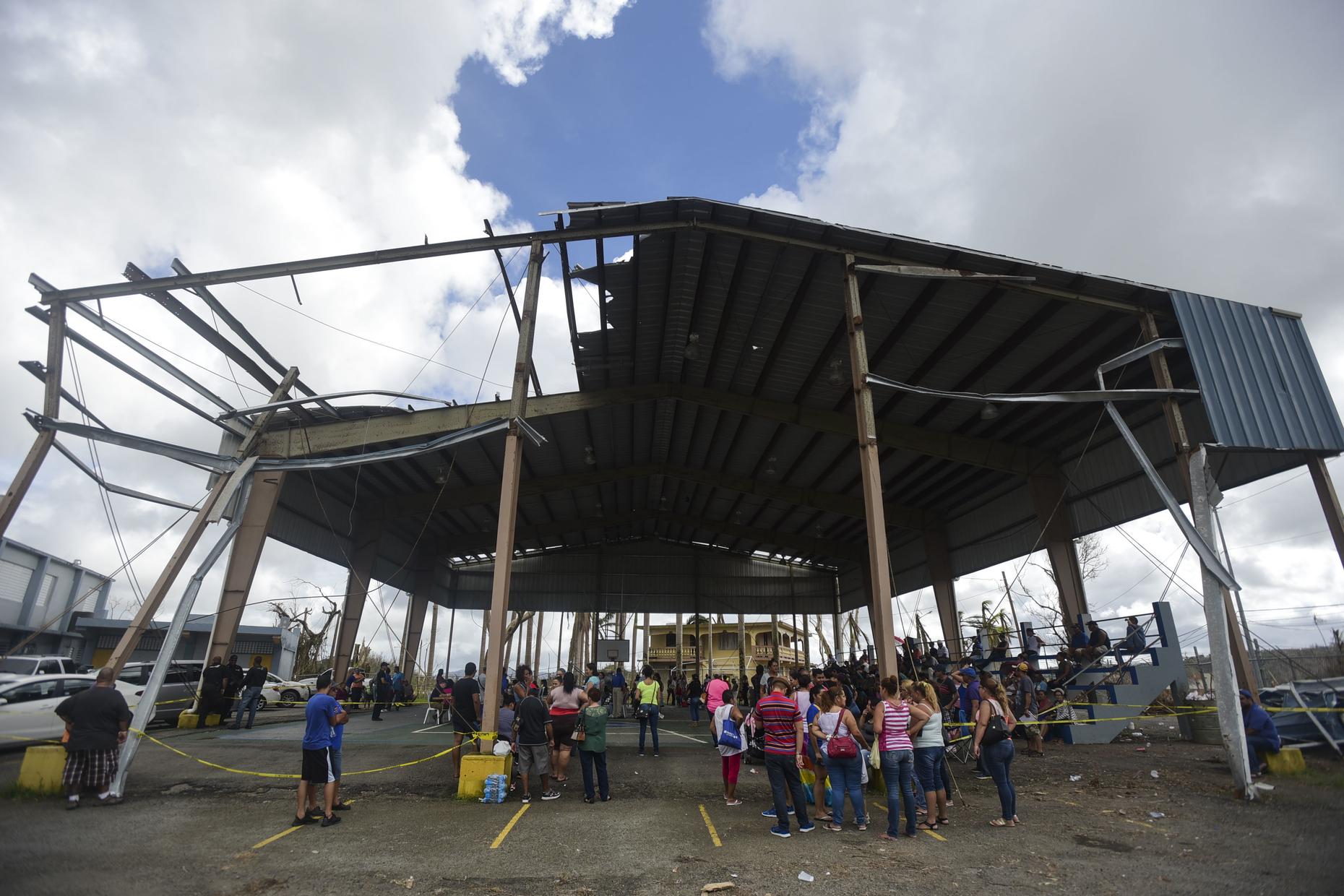
Sep 7, 2018
O See, Can You Say
Between the Kavanaugh confirmation hearings on Capitol Hill and an anonymous op-ed from within the Trump White House, a wave of rule-bending and -breaking has crashed on Washington. This week, we explore how political decorum and popular dissent have evolved since the early days of our republic — and how the legal protections for those core freedoms could transform our future. 1. Brooke and Bob on how best to cover the anonymous op/ed written by a "senior official in the Trump administration." Listen. 2. Geoffrey Stone, professor of law at University of Chicago, on our evolving — and occasionally faulty — interpretations of the first amendment. And, Laura Weinrib, professor of law at University of Chicago, on how early-20th century labor struggles gave birth to our modern ideas about freedom of speech. Listen. 3. Tim Wu [ @superwuster ], professor of law at Columbia University, on how the first amendment could inform new regulations for Silicon Valley. Listen. Music: John Renbourn - Passing Time Puck - John Zorn Joeira - Kurup Mulatu Astatke - Tezeta On the Media is supported by listeners like you. Support OTM by donating today ( https://pledge.wnyc.org/support/otm ). Follow our show on Instagram , Twitter and Facebook @onthemedia, and share your thoughts with us by emailing onthemedia@wnyc.org.
Sep 5, 2018
CNN's Lanny Davis Problem
Six weeks ago, CNN broke a blockbuster story : According to several anonymous sources, President Trump had advance knowledge of the infamous Trump Tower meeting. It was a potential smoking gun, until one of those sources — Lanny Davis, attorney for Michael Cohen — recanted. Beyond that headache for CNN, there was another. The original article had claimed, "Contacted by CNN, one of Cohen's attorneys, Lanny Davis, declined to comment." Depending on how you understand the word "comment," and depending your general disposition, that claim could be technically true or woefully, mendaciously disingenuous. Bob spoke with Washington Post media reporter Paul Farhi about the implications — and dangers — of this latest media mishap. On the Media is supported by listeners like you. Support OTM by donating today ( https://pledge.wnyc.org/support/otm ). Follow our show on Instagram , Twitter and Facebook @onthemedia, and share your thoughts with us by emailing onthemedia@wnyc.org.
Aug 31, 2018
Face the Racist Nation
For more than a year, Lois Beckett [ @loisbeckett ], senior reporter at The Guardian US , has been showing up at white nationalist rallies, taking their pictures, writing down what they say. And she finds herself thinking: How did we get here? How did her beat as a political reporter come to include interviewing Nazis? And what are the consequences of giving these groups this much coverage? In this week's program, we revisit this deep dive into what the news media often get wrong about white supremacists, and what those errors expose about the broader challenge of confronting racism in America. 1. Elle Reeve [ @elspethreeve ], correspondent for VICE News , Anna Merlan [ @annamerlan ], reporter for Gizmodo Media ’s special projects desk, Vegas Tenold [ @Vegastenold ], journalist and author of Everything You Love Will Burn , and Al Letson [ @Al_Letson ], host of Reveal , from The Center for Investigative Reporting, on the pitfalls and perils of covering white supremacist groups. Listen . 2. Felix Harcourt [ @FelixHistory ], professor of history at Austin College and author of " Ku Klux Kulture ," on the history of the Ku Klux Klan in the press in the 1920s. Listen . 3. Anna Merlan, Elle Reeve, Al Letson, Gary Younge [ @garyyounge ], editor-at-large for The Guardian, and Josh Harkinson [ @joshharkinson ], former senior writer at Mother Jones, on how individual identity impacts reporting on discriminatory movements. Listen . 4. Ibram X. Kendi [ @DrIbram ], professor of history and international relations at American University and author of " Stamped from the Beginning: The Definitive History of Racist Ideas in America ," on the enduring myths surrounding the perpetuation of racist ideas and whose interests these misconceptions serve. Listen . Songs: Lost, Night by Bill Frisell Disfarmer Theme by Bill Frisell I Am Not a Farmer by Bill Frisell Gone Tomorrow by Lambchop On the Media is supported by listeners like you. Support OTM by donating today ( https://pledge.wnyc.org/support/otm ). Follow our show on Instagram , Twitter and Facebook @onthemedia, and share your thoughts with us by emailing onthemedia@wnyc.org.
Aug 29, 2018
Summer Series Episode 4: Tectonic Edition
After an earthquake struck Nepal in April of 2015, the post-disaster media coverage followed a trajectory we'd seen repeated after other earth-shaking events. We put together a template to help a discerning news consumer look for the real story. It's our Breaking News Consumer's Handbook: Tectonic Edition. Brooke spoke to Jonathan M. Katz , who wrote " How Not to Report on an Earthquake " for the New York Times Magazine . On the Media is supported by listeners like you. Support OTM by donating today ( https://pledge.wnyc.org/support/otm ). Follow our show on Instagram , Twitter and Facebook @onthemedia, and share your thoughts with us by emailing onthemedia@wnyc.org.

Aug 24, 2018
Fallout
End-of-times narratives themselves are nothing new; only the means have changed. While once a few horsemen and a river of blood were enough to signal the dusk of man, apocalypse now requires the imaginations of entire atomic laboratories — or roving squads of special effects crews. This week we look through a few recent highlights from the genre: from a 1980's made-for-TV spectacle, to a new piece of speculative fiction documenting a hypothetical nuclear conflict with North Korea. 1. Jeffrey Lewis [ @ArmsControlWonk ], author of "The 2020 Commission Report," on what we might say to ourselves after a devastating war with North Korea. Listen. 2. Marsha Gordon [ @MarshaGGordon ], film studies professor at North Carolina State University, on the 1983 film "The Day After," which imagines a massive nuclear strike in the Midwestern U.S. Listen. 3. Anne Washburn, playwright, on "Mr. Burns: A Post-Electric Play," in which she imagines American cultural life after a devastating nuclear event. Listen. 4. Andrew Fitzgerald [ @magicandrew ], chief digital content officer at Hearst TV, on what journalists, seven years ago, thought about the prospect of covering the end of the world. Listen . On the Media is supported by listeners like you. Support OTM by donating today ( https://pledge.wnyc.org/support/otm ). Follow our show on Instagram , Twitter and Facebook @onthemedia, and share your thoughts with us by emailing onthemedia@wnyc.org.
Aug 22, 2018
Summer Series Episode 3: Airline Crash Edition
When a commercial plane goes down, media speculation ensues. With the help of The Atlantic 's James Fallows , we give you some tips that can help you comb through the coverage. On the Media is supported by listeners like you. Support OTM by donating today ( https://pledge.wnyc.org/support/otm ). Follow our show on Instagram , Twitter and Facebook @onthemedia, and share your thoughts with us by emailing onthemedia@wnyc.org.

Aug 17, 2018
Twitch And Shout
Twitch .tv is a video streaming platform where tens of thousands people broadcast their lives and video game game-play in real-time. It's like unedited, real , reality TV. This week, On the Media digs into why so many people want to share so much on Twitch, and why the site draws more than 15 million viewers. First, a look at a couple of the biggest streamers of the platform, Ninja and Dr. Disrespect, who command devoted audiences and giant paychecks. Then, Bob dives into the inaugural season of the Overwatch League, the most expensive and highly produced pro gaming venture to date. Finally, Brooke speaks with Radiolab's Jad Abumrad about the life of a homeless streamer who's life was saved by Twitch. 1. Julia Alexander [ @loudmouthjulia ] and Allegra Frank [ @LegsFrank ], two writers with Polygon , on the pitfalls and para-social allure of Twitch. Listen. 2. Cecilia D'Anastasio [ @cecianasta ] a reporter with Kotaku, Saebyeolbe [ @saebyeolbe ] and Pine [ @tf2pine ], two pro gamers, and Farzam Kamel, a venture capitalist with Sterling VC, on the inaugural season of the Overwatch League. Listen. 3. Jad Abumrad [ @JadAbumrad ] of Radiolab and VP Gloves, a homeless Twitch streamer, on the murky ethics of Twitch's IRL (in real life) section. Listen. Correction: The original broadcast of this hour includes the statistic that Twitch draws more viewers than HBO and Netflix. Upon request for comment, Twitch did not offer sufficient information to confirm that figure. On the Media is supported by listeners like you. Support OTM by donating today ( https://pledge.wnyc.org/support/otm ). Follow our show on Instagram , Twitter and Facebook @onthemedia, and share your thoughts with us by emailing onthemedia@wnyc.org.
Aug 15, 2018
Summer Series Episode 2: Military Coup Edition
Back in the summer of 2016, Turkish putschists shut down highways, attacked government buildings and took broadcasters hostage, world media outlets struggled to provide sober reports of the coup. During the chaos, some listeners told us on Twitter that they’d appreciate an OTM Breaking News Consumer's Handbook: Coup Edition. Coups are especially tricky to report on because they're mainly about perception and narrative. Plotters and the government are both trying to establish dominance, and misreporting can determine whether the attempt succeeds or not. Naunihal Singh , author of Seizing Power: The Strategic Logic of Military Coups , says the first step for a successful military coup is to take control of radio and tv broadcasters. From there, they can literally and figuratively control the narrative. Brooke spoke to Singh about how to understand coups through the media, and how to understand whether an attempt will succeed or fail. Song: "Cops or Criminals" by Howard Shore Breaking News Consumer's Handbook: Military Coup Edition (On The Media/WNYC) On the Media is supported by listeners like you. Support OTM by donating today ( https://pledge.wnyc.org/support/otm ). Follow our show on Instagram , Twitter and Facebook @onthemedia, and share your thoughts with us by emailing onthemedia@wnyc.org.

Aug 10, 2018
Planet Fire
People like neo-nazi Andrew Anglin and conspiracy theorist Alex Jones have long tested the limits of permissible speech. On this week’s On the Media, hear from a lawyer who defends the First Amendment rights of society’s worst actors. Plus, a lawyer suing in defense of government transparency, a fire historian weighs in on the coverage of the California wildfires, and a Texas journalist who has reported on hundreds of executions. 1. Marc Randazza [ @marcorandazza ], first amendment lawyer, on Alex Jones, the Unite the Right rally, and free speech. Listen. 2. Mark Pedroli [@MarkPedroli], attorney, on the technology used by former Missouri governor Eric Greitens to skirt transparency laws . Listen. 3. Stephen Pyne, fire historian and professor at Arizona State University, on the tropes, faults, and failings of wildfire coverage . Listen. 4. Michael Graczyk, recently retired A.P. reporter, on his experience covering more than 400 executions in Texas . Listen. Frail as a Breeze, Erik Friedlander Solace, The Sting Soundtrack Mulatu Astatke, Tezeta (Nostalgia) Kokoroke, Abusey Junction, We Out Here On the Media is supported by listeners like you. Support OTM by donating today ( https://pledge.wnyc.org/support/otm ). Follow our show on Instagram , Twitter and Facebook @onthemedia, and share your thoughts with us by emailing onthemedia@wnyc.org.
Aug 8, 2018
Summer Series Episode 1: US Storm Edition
For media professionals, hurricanes offer the very best kind of bad news because the story arc is predictable and invariably compelling. In this summer series revisiting some of our Breaking News Consumer’s Handbooks, we examine the myths, misleading language, and tired media narratives that clog up news coverage at a time when clarity can be a matter of life and death. Brooke speaks with Dr. Robert Holmes , National Flood Hazard Coordinator for the U.S. Geological Survey; Gina Eosco , a risk communication consultant; and Scott Gabriel Knowles of Drexel University, author of The Disaster Experts: Mastering Risk in Modern America . On the Media is supported by listeners like you. Support OTM by donating today ( https://pledge.wnyc.org/support/otm ). Follow our show on Instagram , Twitter and Facebook @onthemedia, and share your thoughts with us by emailing onthemedia@wnyc.org.
Aug 3, 2018
Enemy of the People
At a rally in Tampa, Florida, Trump supporters attacked CNN reporter Jim Acosta, prompting the president to double down on his anti-press "Enemy of the People" rhetoric. A look at how and why the president incites his base — and where it all might lead. And, as the regulatory battle surrounding 3D gun blueprints rages on, we dive into the worldview of Cody Wilson, the man who started the controversy. Plus, why we’re still living in the aftermath of Trayvon Martin’s killing, six years later. 1. Greg Sargent [ @ThePlumLineGS ], columnist at the Washington Post , on the president's dangerous anti-press rhetoric. Listen. 2. Andy Greenberg [ @a_greenberg ], reporter for Wired , on the regulatory battles surrounding 3D gun blueprints. And, Cody Wilson [ @Radomysisky ], founder of Defense Distributed, speaking on his vision for an open source library for gun schematics. Listen. 3. Benjamin Crump [ @AttorneyCrump ], civil rights attorney, and Jenner Furst, one of the filmmakers behind the docu-series "Rest in Power: The Trayvon Martin Story," on Trayvon Martin's legacy. Listen. Songs: Sacred Oracle by John Zorn (feat. Bill Frisell) String Quartet No. 5 (II) by Kronos Quartet & Philip Glass Fallen Leaves by Marcos Ciscar Cellar Door by Michael Andrews Walking By Flashlight by Maria Schneider Melancolia by Marcos Ciscar On the Media is supported by listeners like you. Support OTM by donating today ( https://pledge.wnyc.org/support/otm ). Follow our show on Instagram , Twitter and Facebook @onthemedia, and share your thoughts with us by emailing onthemedia@wnyc.org.
Aug 2, 2018
Journalism To The Rescue
This summer, in a project designed by ProPublica , 10 news organizations are sharing information to flesh out the hidden details of families separated by the Trump administration's zero tolerance immigration policy. Bob speaks with Selymar Colón, digital managing editor at Univision News , one of the organizations involved in the collaboration, about how the consortium has investigated and reported on some of the 200 tips it has received —and about the four families that were reunited after their stories were published. On the Media is supported by listeners like you. Support OTM by donating today ( https://pledge.wnyc.org/support/otm ). Follow our show on Instagram , Twitter and Facebook @onthemedia, and share your thoughts with us by emailing onthemedia@wnyc.org.
Jul 27, 2018
The Center Folds
Socialism is having a moment in the sunlight — that is, on daytime television. Yet at the same time that the left earns a closer look from political pundits, Democrats and Republicans still fail to understand each other with nuance. Plus, after newspaper layoffs and a White House lockout this week, we assess the press’s appetite for solidarity. 1. Nathan Robinson [ @NathanJRobinson ], editor-in-chief at Current Affairs, on socialism's renewed place in mainstream political discourse . Listen . 2. Perry Bacon Jr. [ @perrybaconjr ], political writer at FiveThirtyEight, on the misconceptions Democrats and Republicans have about each other . Listen. 3. Pete Vernon [ @byPeteVernon ], writer at the Columbia Journalism Review, on the White House's decision this week to bar a CNN reporter from a press event . Listen . 4. Chelsia Rose Marcius [ @chelsiamarchius ], former staff reporter at the New York Daily News, Tom Laforgia [ @thomaslaforgia ], former editor at the NYDN, and Molly Crane-Newman [ @molcranenewman ], reporter at the NYDN, on the layoffs at the tabloid earlier this week . Listen. 5. Felix Salmon [ @felixsalmon ], financial journalist, on the motivations — and, he says, incompetence — behind tronc's business decisions . Listen. Songs: Carnival of Souls by Verne Langdon Uluwati by John Zorn Going Home for the First Time by Alex Wurman Frail as a Breeze, Pt. 2 by Erik Friedlander Fellini's Waltz by Enrico Pieranunzi & the Charlie Haden Do Nothin' Till You Hear From Me by Ben Webster On the Media is supported by listeners like you. Support OTM by donating today ( https://pledge.wnyc.org/support/otm ). Follow our show on Instagram , Twitter and Facebook @onthemedia, and share your thoughts with us by emailing onthemedia@wnyc.org.
Jul 25, 2018
On the Media presents Episode 1 of The Realness
This week On the Media recommends a new podcast from our colleagues at WNYC. Check it out. Prodigy and Havoc begin laying down rhymes together in high school. When their first album flops, they come up with a new sound that's directly influenced by P's sickle cell, and it helps define a generation of hip hop. Plus: Big Twins talks about the sickle cell attack he’ll never forget. LANGUAGE WARNING: The Realness contains strong language that some listeners may find offensive. WNYC’s health coverage and The Realness by Only Human is supported in part by the Robert Wood Johnson Foundation, Jane and Gerald Katcher and the Katcher Family Foundation, Science Sandbox, an initiative of the Simons Foundation, and the Alfred P. Sloan Foundation. Audio of Prodigy on Questlove Supreme is provided by Pandora, which also has a recording of Mobb Deep's classic hit " Shook Ones (Part II) " performed by Nas. On the Media is supported by listeners like you. Support OTM by donating today ( https://pledge.wnyc.org/support/otm ). Follow our show on Instagram , Twitter and Facebook @onthemedia, and share your thoughts with us by emailing onthemedia@wnyc.org.
Jul 20, 2018
Blah Blah Blah... BANG
In a matter of months, we've moved from bipartisan immigration talks to calls to abolish ICE. On this week’s On the Media, a look at how leftists are employing a right-wing communications strategy in order to change the national debate. Plus, thirty years into the conversation on global warming, what have we really learned? And in the days following the Trump-Putin summit, what did we miss? 1. Brooke on this week's coverage of the Trump-Putin summit, and on a new metaphor for the Trump era: the Shepard tone . Listen. 2. Joseph Lehman , president of the Mackinac Center for Public Policy; Laura Marsh [ @lmlauramarsh ], literary editor at The New Republic; and Sean McElwee [ @SeanMcElwee ], activist and contributor at The Nation, on the Overton Window . Listen. 3. Andrew Revkin [ @Revkin ] of the National Geographic Society on thirty years of global warming coverage . Listen. Music from this week's program: Whispers of Heavenly Death — John Zorn String Quartet No. 5 — Philip Glass The Mole — Hans Zimmer Flugufrelsarinn — Kronos Quartet Long Ge — Kronos Quartet A Ride With Polly Jean — Jenny Scheinman On the Media is supported by listeners like you. Support OTM by donating today ( https://pledge.wnyc.org/support/otm ). Follow our show on Instagram , Twitter and Facebook @onthemedia, and share your thoughts with us by emailing onthemedia@wnyc.org.
Jul 17, 2018
I Can't Breathe
Four years ago this week, on July 17, 2014, Eric Garner died in Staten Island at the hands of a New York City police officer. We probably wouldn't have known if it hadn't been for a cellphone video that captured his arrest, the excessive force that killed him, and his final words. The national media couldn’t look away, until they did look away. Matt Taibbi is a journalist and author of the book, I Can't Breathe: A Killing on Bay Street , an exploration of Eric Garner’s life and death in the media — and of his real life, too. Brooke spoke to him last year. On the Media is supported by listeners like you. Support OTM by donating today ( https://pledge.wnyc.org/support/otm ). Follow our show on Instagram , Twitter and Facebook @onthemedia, and share your thoughts with us by emailing onthemedia@wnyc.org.
Jul 13, 2018
Russian Dressing On Everything
Reporting on the Russia investigation is not for the faint of heart. This week, a look at how a journalist became entangled in the investigation when she turned her source over to the FBI. Plus, how another reporter avoided common journalistic mistakes during the Iraq War and a conversation with the director of the new documentary The Other Side of Everything about the end of Yugoslavia. 1. Tom Nichols [ @RadioFreeTom ], professor of national security at the Naval War College, on separating the signal from the noise in stories about Trump's relations with Russia . Listen. 2. Marcy Wheeler [ @emptywheel ], national security blogger, on her decision to out a source to the FBI . Listen. 3. Jonathan Landay [ @JonathanLanday ], national security correspondent at Reuters, on his reporting at the outset of the Iraq War . Listen. 4. Mila Turajlić, director of "The Other Side of Everything," on her mother's dissent against the former Yugoslavian government . Listen. On the Media is supported by listeners like you. Support OTM by donating today ( https://pledge.wnyc.org/support/otm ). Follow our show on Instagram , Twitter and Facebook @onthemedia, and share your thoughts with us by emailing onthemedia@wnyc.org.
Jul 10, 2018
Big Sky, Dark Money
With President Trump's nomination of federal judge Brett Kavanaugh, the Supreme Court will likely be locked up by the political right for a generation. This is in large part thanks to a historic decision made in 2010 by the court’s then-shakier conservative majority: the Citizens United ruling, which fundamentally reshaped the political landscape of the United States by unleashing floods of political spending, particularly in the form of untraceable "dark money." For the state of Montana, the post- Citizens United world has brought back old memories: over a century ago, copper kings like William A. Clark used their vast wealth to control the state and buy up political power. In 1912, the state responded by passing one of the first campaign finance laws in the nation, banning corporate political spending entirely. That law was struck down by the Supreme Court in 2012, but Montanans have continued to push back against corporate political spending using other means. A new documentary, Dark Mone y , uses Montana as a microcosm to explain the reality of campaign finance in the United States today. Bob speaks with director Kimberly Reed about the documentary and why she's hopeful that, despite the unbalanced playing field, positive change is possible. On the Media is supported by listeners like you. Support OTM by donating today ( https://pledge.wnyc.org/support/otm ). Follow our show on Instagram , Twitter and Facebook @onthemedia, and share your thoughts with us by emailing onthemedia@wnyc.org.
Jul 6, 2018
Blame It On The Alcohol
This week, we devote an entire hour to what one important scholar deemed “the cause of and solution to all of life’s problems.” From its earliest role as a source of nourishment to its depictions in ancient literature, we examine the roots of mankind’s everlasting drinking problems. Plus, how a bizarre 60 Minutes piece spread the idea that red wine has medicinal effects. Then, a look at how popular culture has incorrectly framed Alcoholics Anonymous as the best and only option for addiction recovery. And, a scientist cooks up a synthetic substitute for booze. 1. Iain Gately, author of Drink: A Cultural History of Alcohol, on the ancient origins of our core beliefs about booze. Listen . 2. Robert Taylor, assistant managing editor at Wine Spectator , on red wine's constantly changing reputation as a healthy substance. Listen . 3. Gabrielle Glaser [ @GabrielleGlaser ], author of Her Best-Kept Secret: Why Women Drink - And How They Can Regain Control , on the history and P.R. methods of Alcoholics Anonymous. Listen . 4. David Nutt [ @ProfDavidNutt ], psychologist at Imperial College London, on his new alcohol substitute, "alcosynth." Listen . Songs: When I Get Low I Get High by Ella Fitzgerald Tomorrow Never Knows by Quartetto D/Archi Dell'Orchestra Sinfonica Di Milano Il Casanova Di Federico Fellini by Solisti E Orchestre Del Cinema Italiano Option with Variations by Kronos Quartet/composer Rhiannon Giddens On the Media is supported by listeners like you. Support OTM by donating today ( https://pledge.wnyc.org/support/otm ). Follow our show on Instagram , Twitter and Facebook @onthemedia, and share your thoughts with us by emailing onthemedia@wnyc.org.
Jun 29, 2018
Polite Oppression
Following a string of landmark Supreme Court rulings and a surprise retirement, this week On the Media examines the conservative culture on the bench and wonders what we can expect from the court going forward. Plus, is civility really dead or only sleeping? And what is the view from small-town America? 1. Adam Serwer [ @AdamSerwer ], senior editor at The Atlantic , on the Supreme Court's decision to uphold the Trump administration's travel ban decision . Listen . 2. Teresa Bejan [ @tmbejan ], professor of political theory at the University of Oxford, on the historical origins of our "crisis of civility." Listen . 3. Keith Bybee, professor of judiciary studies at Syracuse University, on the oft-repeated deaths of American civility — and how notions of civility can be a tool of oppression. Listen . 4. Deborah Fallows, author and linguist, and James Fallows [ @JamesFallows ], national correspondent at The Atlantic , on the societies thriving outside the media lens . Listen . On the Media is supported by listeners like you. Support OTM by donating today ( https://pledge.wnyc.org/support/otm ). Follow our show on Instagram , Twitter and Facebook @onthemedia, and share your thoughts with us by emailing onthemedia@wnyc.org.
Jun 27, 2018
A Guide To SCOTUS News
There’s a reason why Supreme Court reporters know to never to take a vacation in June. The end of this season’s term brought us a head-spinning drumbeat of huge 5-4 decisions, from upholding the Muslim travel ban to dealing a huge blow to organized labor to siding with anti-abortion pregnancy centers. Understanding the Supreme Court is difficult for myriad reasons. So, with the expertise of seasoned SCOTUS reporters, in 2015 we put together a handy guide for the discerning news consumer to make sense of the court, its decisions, and its coverage. We're revisiting it this week. Add Caption Here (Breaking News Consumer's Handbook: SCOTUS Edition/WNYC) On the Media is supported by listeners like you. Support OTM by donating today ( https://pledge.wnyc.org/support/otm ). Follow our show on Instagram , Twitter and Facebook @onthemedia, and share your thoughts with us by emailing onthemedia@wnyc.org.

Jun 22, 2018
Chaos Agents
Family separation, a re-framed immigration debate and Trump's misleading executive order: why news fatigue about the border isn’t an option. This week, we explore multiple sides of the asylum policy — including the view from Central America. Plus, a look back at US repatriation policy in the 1930's, and six decades of American culture wars. 1. Dara Lind [ @DLind ] and Dahlia Lithwick [ @Dahlialithwick ] on how Trump's family separation policy attempts to re-frame the immigration debate, and why news fatigue isn't an option. Listen . 2. Carlos Dada [ @CarlosDada ] on the way the family separation and zero-tolerance asylum policy are changing the way Central Americans see the United States. Listen . 3. Francisco Balderrama on the mass expulsion of Mexican immigrants and their American-born children from the United States during the Great Depression. Listen . 4. Brian Lehrer [ @BrianLehrer ] on six decades of culture wars in the United States. Listen . Songs: Texas Polka by Bonnie Lou Marjane’s Inspiration by David Bergeaud The Invisibles by John Zorn Maria Christina by Los Lobos Blackbird by Brad Mehldau On the Media is supported by listeners like you. Support OTM by donating today ( https://pledge.wnyc.org/support/otm ). Follow our show on Instagram , Twitter and Facebook @onthemedia, and share your thoughts with us by emailing onthemedia@wnyc.org.
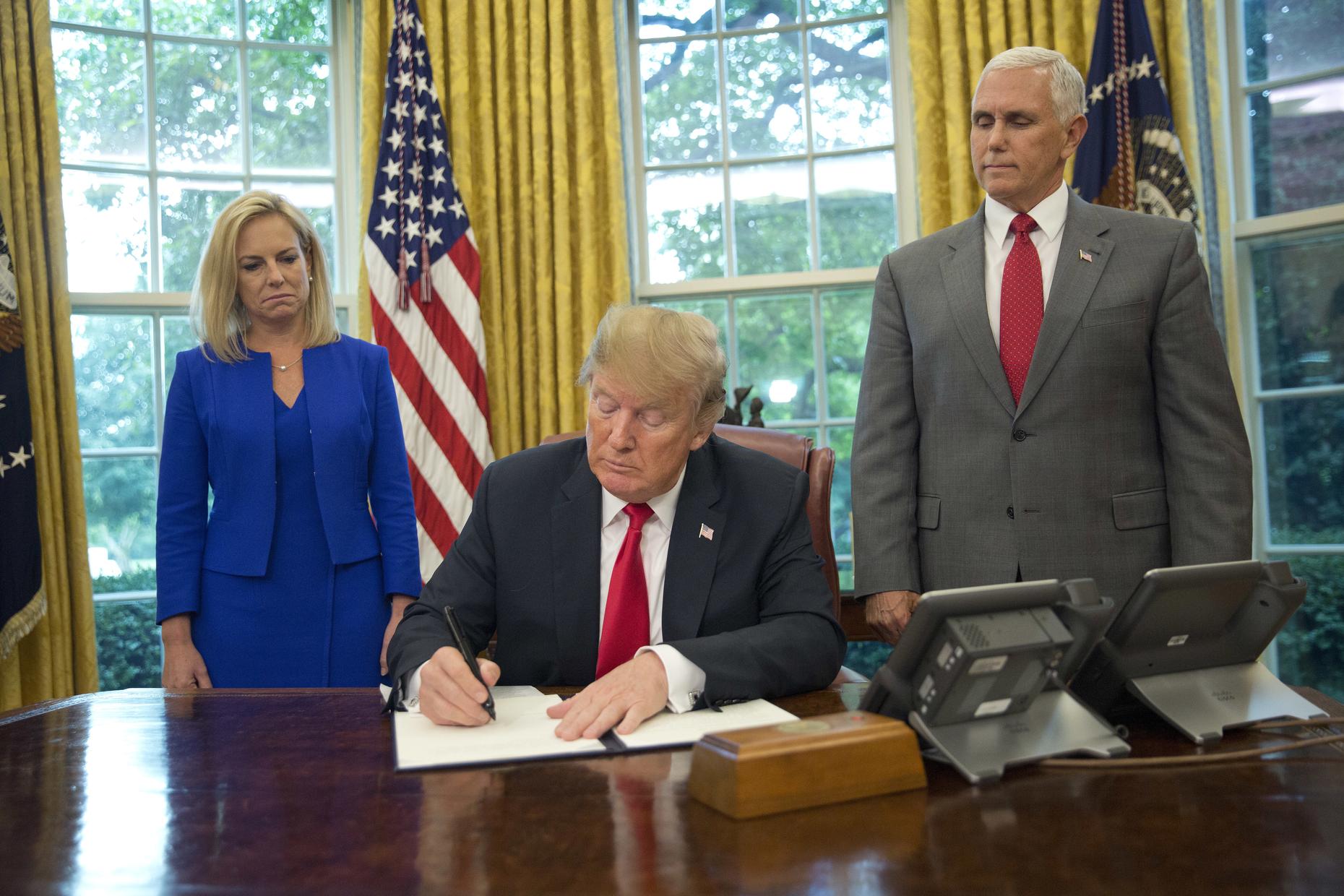
Jun 19, 2018
The Rise and Fall of Elizabeth Holmes
In 2014, Fortune magazine ran a cover story featuring Elizabeth Holmes: a blonde woman wearing a black turtleneck, staring deadpan at the camera, with the headline, “ This CEO’s out for blood .” A decade earlier, Holmes had founded Theranos, a company promising to “revolutionize” the blood testing industry, initially using a microfluidics approach — moving from deep vein draws to a single drop of blood. It promised easier, cheaper, more accessible lab tests — and a revolutionized healthcare experience. But it turns out that all those lofty promises were empty. There was no revolutionary new way to test blood. This past spring, Holmes settled a lawsuit with the Securities and Exchange Commission, though admitted no wrongdoing. La st Friday, another nail in the coffin for Theranos came in the form of federal charges of wire fraud, filed against Holmes and the company's former president, Ramesh “Sunny” Balwani. The alleged fraud was uncovered by the dogged reporting of John Carreyrou , an investigative journalist at the Wall Street Journal and author of " Bad Blood: Secrets and Lies in a Silicon Valley Startup ." On the Media is supported by listeners like you. Support OTM by donating today ( https://pledge.wnyc.org/support/otm ). Follow our show on Instagram , Twitter and Facebook @onthemedia, and share your thoughts with us by emailing onthemedia@wnyc.org.
Jun 15, 2018
Using My Religion
More than two thousand reporters went to Singapore to cover the summit between President Trump and Kim Jong-un. This week, we examine how so much coverage can lead to so little understanding. Plus, at long last, Justin Trudeau is subjected to media scrutiny in the US. And, the latest threat to American newspapers, the trouble with a new bill meant to battle anti-Semitism, and Jeff Session's fraught theology. 1. Noah Bierman [ @Noahbierman ], White House correspondent for the Los Angeles Times, on his experience reporting from Singapore . Listen . 2. Margaret Sullivan [ @Sulliview ], media columnist for the Washington Post, on American media falling for Trumpian stagecraft at the summit . Listen . 3. Jesse Brown [ @JesseBrown ], host of the CANADALAND podcast, on U.S. media's renewed interest in Justin Trudeau . Listen . 4. Erin Arvedlund [ @erinarvedlund ], reporter for the Philadelphia Inquirer, on the dangers of a tariff on Canadian newsprint . Listen . 5. Michael Lieberman [ @ADLWashCounsel ], Washington counsel for the Anti-Defamation League, and Kenneth Stern, executive director of the Justus & Karin Rosenberg Foundation, on the proposed Anti-Semitism Awareness Act ; Brooke on Jeff Sessions biblical defense of the Trump administration's immigration policies . Listen . Songs: Puck by John Zorn (feat. Bill Frisell, Carol Emanuel & Kenny Wollesen) Dinner Music for a Pack of Hungry by Raymond Scott The Party's Over by Dick Hyman Paperback Writer by Quartetto d'Archi Dell'Orchestra Sinfonica di Milano Guiseppe Verdi Tilliboyo by Kronos Quartet On the Media is supported by listeners like you. Support OTM by donating today ( https://pledge.wnyc.org/support/otm ). Follow our show on Instagram , Twitter and Facebook @onthemedia, and share your thoughts with us by emailing onthemedia@wnyc.org.
Jun 12, 2018
Seymour Hersh Looks Back (extended mix)
For decades, Seymour Hersh has been an icon of muckraking, investigative reporting: his work exposed such atrocities as the massacre of Vietnamese civilians in My Lai and the torture of Iraqis in Abu Ghraib . He also documented the US's development of chemical weapons in the 60s, CIA domestic spying in the 70s, wrote a highly critical piece on the raid that killed Osama bin Laden in 2015 and did a whole lot more. Hersh speaks with Brooke about his latest book, Reporter: A Memoir , which chronicles his half century of reporting and the various obstacles he's encountered along the way. We spoke to Hersh in 2008 about his My Lai reporting. Listen here. We spoke to Hersh in 2015 about his bin Laden reporting. Listen here. This segment is from our June 8th, 2018 program, " Perps Walk ." On the Media is supported by listeners like you. Support OTM by donating today ( https://pledge.wnyc.org/support/otm ). Follow our show on Instagram , Twitter and Facebook @onthemedia, and share your thoughts with us by emailing onthemedia@wnyc.org.
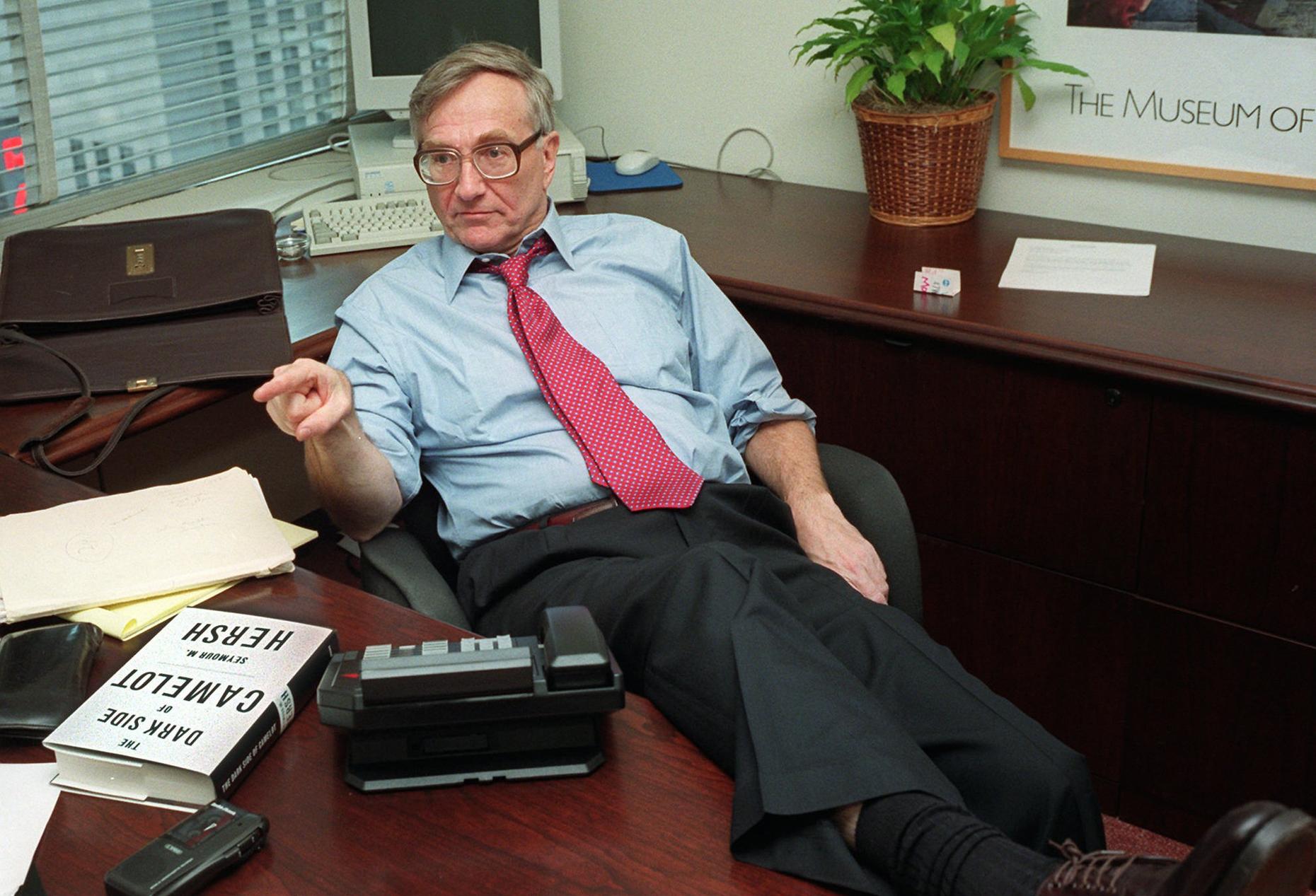
Jun 8, 2018
Perps Walk
Justice for whom? President Trump’s controversial pardoning spree has benefited political allies and nonviolent drug offenders alike. This week, we look at whether the President’s unorthodox use of clemency might not be such a bad thing. Plus, why the Justice Department curbed prosecution of white collar crime, and Seymour Hersh revisits highlights from his storied investigative reporting career. 1. Mark Osler [ @Oslerguy ], Professor of Law at the University of St. Thomas, on why President Trump's unorthodox approach to clemency might not be such a bad thing. Listen. 2. Jesse Eisenger [ @ eisingerj ], senior reporter at ProPublica , on why federal prosecutors have adopted such a lenient approach to white collar crime. Listen. 3. Seymour Hersh, investigative journalist, on some of the personal experiences and incredible stories that have defined his half-century-long reporting career. Listen. Music: "Going Home for the First Time" by Alex Wurman "Tymperturbably Blue" by Duke Ellington "Let's Face the Music and Dance" by Duke Ellington "Purple Haze" by Kronos Quartet On the Media is supported by listeners like you. Support OTM by donating today ( https://pledge.wnyc.org/support/otm ). Follow our show on Instagram , Twitter and Facebook @onthemedia, and share your thoughts with us by emailing onthemedia@wnyc.org.
Jun 6, 2018
Hurricane Season
Puerto Rico was (briefly) back in the news this week when a Harvard study shed more light on many people died in the aftermath of Hurricane Maria. The study has a wide range of estimated deaths, but the mid-point is stunning: 4,645 people died as a result of the storm, the researchers found. Meanwhile, a judge on the island ruled that the Puerto Rican government has seven days to release death certificates and data related to the death toll of Hurricane Maria. The ruling was in response to a lawsuit filed by CNN and the Puerto Rican-based Center for Investigative Journalism , or CPI. Both organizations have been investigating the death toll following the storm and question the government’s official tally of 64. CPI's estimate is that 1,065 more people than usual died in the weeks after the storm. We take this opportunity to revisit our reporting from the island in the aftermath of that devastating storm. Hurricane Maria's category-five winds and torrential rain stripped away much of the island's lush vegetation, leaving behind a strange and alien landscape. But more was exposed than barren tree branches. The storm also called attention to, and exacerbated, the island's high poverty rate. Further-flung regions, outside of metropolitan San Juan, found themselves in the spotlight. And longstanding questions of identity and relationship to the mainland U.S. were brought to the fore. In the three months since Hurricane Maria, those who have remained on the island have faced a choice. They could face Puerto Rico as Maria left it—stripped away of vegetation, infrastructure, and assumptions—and rebuild the island and its society anew. Or they could become acostumbrados : accustomed to a frustrating new normal. Alana Casanova-Burgess looks at what the storms have exposed and at a path forward through a thicket of fear, adaptation, and hope, featuring: Benjamin Torres Gotay [ @TorresGotay ], columnist for the newspaper El Nuevo Día Walter Ronald Gonzalez Gonzalez, director of Art, Culture and Tourism for the region of Utuado Yarimar Bonilla [ @yarimarbonilla ], anthropologist at Rutgers University Alfredo Corrasquillo [ @alcarrpr ], psychoanalyst and expert on leadership at the University of the Sacred Heart in San Juan Sandra Rodriguez Cotto [ @srcsandra ], host at WAPA Radio On the Media is supported by listeners like you. Support OTM by donating today ( https://pledge.wnyc.org/support/otm ). Follow our show on Instagram , Twitter and Facebook @onthemedia, and share your thoughts with us by emailing onthemedia@wnyc.org.
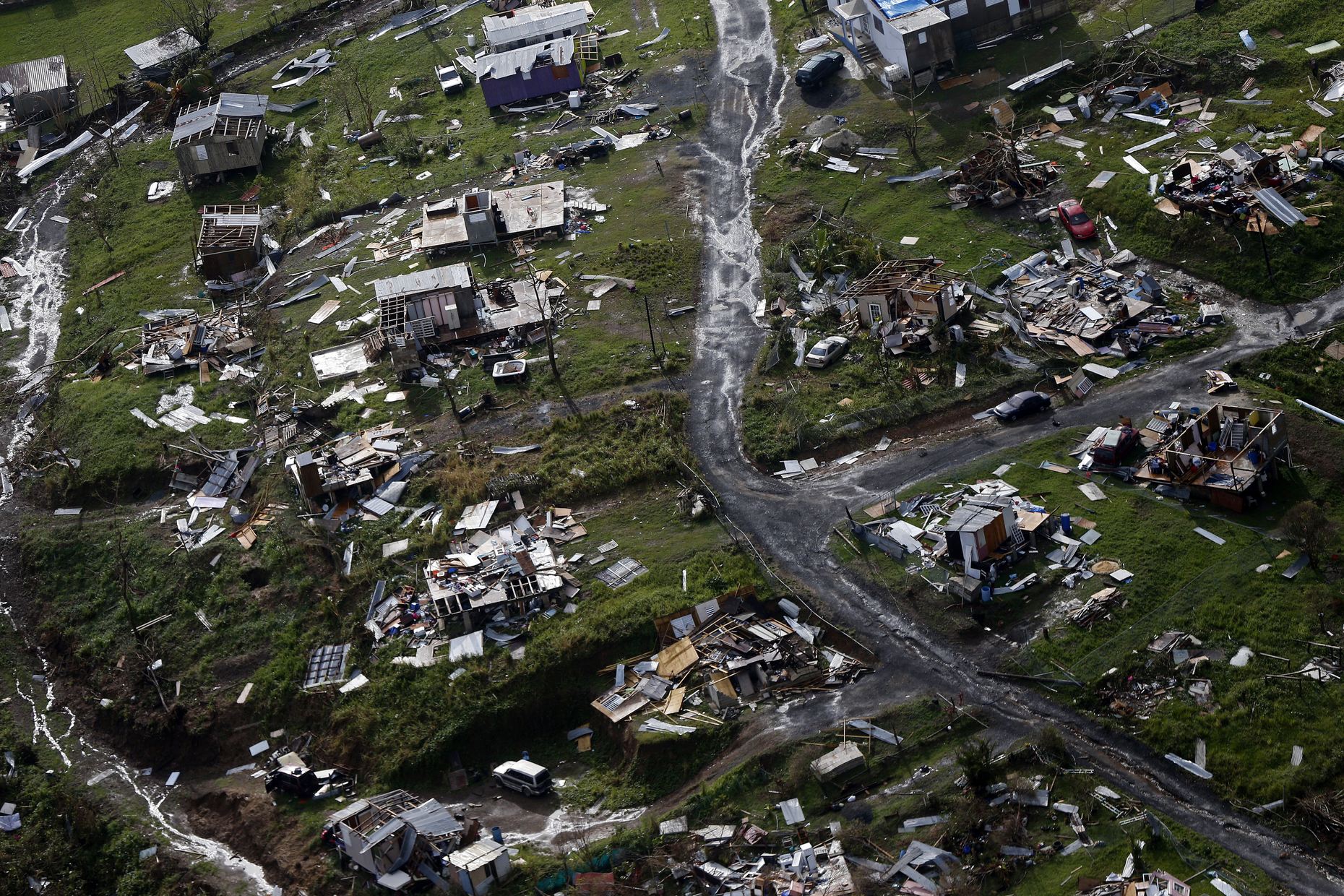
Jun 1, 2018
The Worst Thing We've Ever Done
After World War II, Germany and the Allied powers took pains to make sure that its citizens would never forget the country’s dark history. But in America, much of our past remains hidden or rewritten. This week, Brooke visits Montgomery, Alabama, home to The Legacy Museum and the National Memorial for Peace and Justice , a new museum and memorial created by the Equal Justice Initiative that aim to bring America’s history of segregation and racial terror to the forefront. 1. Brooke talks to the Equal Justice Initiative's [ @eji_org ] Bryan Stevenson about what inspired him to create The Legacy Museum and memorial and to historian Sir Richard Evans [ @RichardEvans36 ] about the denazification process in Germany after World War II. Listen. 2. Brooke visits The Legacy Museum and National Memorial for Peace and Justice. Listen. 3. Brooke speaks again with Bryan Stevenson about his own history and America's ongoing struggle to confront our racist past and present. Listen. On the Media is supported by listeners like you. Support OTM by donating today ( https://pledge.wnyc.org/support/otm ). Follow our show on Instagram , Twitter and Facebook @onthemedia, and share your thoughts with us by emailing onthemedia@wnyc.org.
May 30, 2018
Fact Checking #WhereAreTheChildren
We talk a lot about right wing news outlets picking up out-of-context facts and amplifying them in their outrage machine, so as to infuriate and validate their angry audiences. But this phenomenon is not solely the province of the political right, as we saw last week when two separate stories about immigration policy in the Trump era morphed into one outrage-inspiring tale. Paige Austin is an immigration lawyer for the New York Civil Liberties Union. She explains to Bob how liberals came to believe that the Trump administration had torn nearly 1,500 children from their parents' arms, and then lost them — and how this conflation presents potential dangers for the very population that she hopes to defend. On the Media is supported by listeners like you. Support OTM by donating today ( https://pledge.wnyc.org/support/otm ). Follow our show on Instagram , Twitter and Facebook @onthemedia, and share your thoughts with us by emailing onthemedia@wnyc.org.

May 25, 2018
Technical Foul
Rudy Giuliani has been warning the press that the president may not testify in the Russia investigation, but Trump has signaled otherwise. This week, we untangle the White House’s mixed-up messaging on the Russia investigation. Plus, after reports that companies like Amazon and Google are seeking, or have received, massive contracts with the Pentagon, we take a look at the internet’s forgotten military origins. And, a new book re-imagines major moments in athletics history. 1. Dahlia Lithwick [ @Dahlialithwick ], legal correspondent at Slate, on Giuliani's claim of a Mueller "perjury trap." Listen. 2. Kate Conger [ @kateconger ], senior reporter at Gizmodo, on partnerships between tech titans and the US military . Listen. 3. Yasha Levine [ @yashalevine ], investigative journalist, on the internet's forgotten military origins . Listen. 4. Mike Pesca [ @pescami ], host of Slate's The Gist , on his new book, Upon Further Review: The Greatest What-Ifs in Sports History . Listen. On the Media is supported by listeners like you. Support OTM by donating today ( https://pledge.wnyc.org/support/otm ). Follow our show on Instagram , Twitter and Facebook @onthemedia, and share your thoughts with us by emailing onthemedia@wnyc.org.
May 24, 2018
Glenn Beck Reverses His Reversal
In November 2016, Bob spoke to Blaze bloviator Glenn Beck to hear about how he was a changed man. More compassionate, a better listener and very opposed to Donald Trump. This weekend, Beck proudly donned a MAGA hat. Why the turnaround? According to Beck, it was in reaction to the media's reaction to something Trump said about immigrants. So the old Beck is back. But to Bob, he'd been there all along. Enjoy. On the Media is supported by listeners like you. Support OTM by donating today ( https://pledge.wnyc.org/support/otm ). Follow our show on Instagram , Twitter and Facebook @onthemedia, and share your thoughts with us by emailing onthemedia@wnyc.org.
May 18, 2018
Africatown
Just outside of Mobile, Alabama, sits the small community of Africatown, a town established by the last known slaves brought to America, illegally, in 1860. Decades after that last slave ship, The Clotilde , burned in the waters outside Mobile, Africatown residents are pushing back against the forces of industrial destruction and national amnesia. Local struggles over environmental justice, land ownership, and development could determine whether Africatown becomes an historical destination, a living monument to a lingering past — or whether shadows cast by highway overpasses and gasoline tanks will erase our country's hard-learned lessons. Brooke spoke with Deborah G. Plant , editor of a new book by Zora Neale Hurston about a founder of Africatown, Joe Womack , environmental activist and Africatown resident, Vickii Howell , president and CEO of the MOVE Gulf Coast Community Development Corporation , Charles Torrey, research historian for the History Museum of Mobile , and others about the past, present, and future of Africatown, Alabama. Songs: Traditional African Nigerian Music of the Yoruba Tribe Death Have Mercy by Regina Carter Sacred Oracle by John Zorn and Bill Frisell Passing Time by John Renbourn The Thompson Fields by Maria Schneider Jazz Orchestra On the Media is supported by listeners like you. Support OTM by donating today ( https://pledge.wnyc.org/support/otm ). Follow our show on Instagram , Twitter and Facebook @onthemedia, and share your thoughts with us by emailing onthemedia@wnyc.org.
May 16, 2018
The Recording of America
Studs Terkel , born 106 years ago on this date, May 16 , spent the majority of his life documenting the lives of others – very often everyday, working-class people he believed were “uncelebrated and unsung.” From coal miners and sharecroppers to gangsters and prostitutes, every American had a story to tell and Terkel wanted to hear it. After Terkel died in 2008, publisher Andre Schiffrin , who edited Terkel's writing for more than four decades, spoke with Bob about Terkel's singular gift for oral history. On the Media is supported by listeners like you. Support OTM by donating today ( https://pledge.wnyc.org/support/otm ). Follow our show on Instagram , Twitter and Facebook @onthemedia, and share your thoughts with us by emailing onthemedia@wnyc.org.

May 11, 2018
This Is America
Today, more than 45 million Americans live in poverty. The problem has been addressed countless times since the nation’s founding, but it persists, and for the poorest among us, it gets worse. America has not been able to find its way to a sustainable solution, because most of its citizens see the problem of poverty from a distance, through a distorted lens. So in 2016, we presented "Busted: America's Poverty Myths," a series exploring how our understanding of poverty is shaped not by facts, but by private presumptions, media narratives, and the tales of the American Dream. This week we're revisiting part of that series. 1. Matthew Desmond [ @just_shelter ], author of " Evicted: Poverty and Profit in the American City ," on the myriad factors that perpetuate wealth inequality and Jack Frech [ @FrechJack ], former Athens County Ohio Welfare Director, on how the media's short attention span for covering inequality stymies our discourse around poverty. Listen. 2. Jill Lepore, historian and staff writer for the New Yorker , on the long history of America's beloved "rags to riches" narrative and Natasha Boyer, a Ohio woman whose eviction was initially prevented thanks to a generous surprise from strangers, on the reality of living in poverty and the limitations of "random acts of kindness." Listen. 3. Brooke considers the myth of meritocracy and how it obscures the reality: that one's economic success is more due to luck than motivation. Listen. “Busted: America’s Poverty Myths” is produced by Meara Sharma and Eve Claxton, with special thanks to Nina Chaudry. This series is produced in collaboration with WNET in New York as part of “Chasing the Dream: Poverty and Opportunity in America.” Major funding for “Chasing the Dream” is provided by the JPB Foundation, with additional funding from the Ford Foundation. On the Media is supported by listeners like you. Support OTM by donating today ( https://pledge.wnyc.org/support/otm ). Follow our show on Instagram , Twitter and Facebook @onthemedia, and share your thoughts with us by emailing onthemedia@wnyc.org.
May 8, 2018
An Extended Trip Through Wild Wild Country
Back in the early 1980s, thousands of followers of the Indian guru Bhagwan Shree Rajneesh descended upon a 64,000 acre piece of land in central Oregon to found their utopia. The Rajneeshees had millions of dollars at their disposal and an ideology based on meditation, raising consciousness and free love — one that Bhagwan’s young American and European followers found seemingly irresistible. And one that the local people in the adjacent town of Antelope, Oregon, population 40, saw as an evil threat. Cult or utopian project? Menace or marvel? Brothers MacLain and Chapman Way, directors of the new Netflix documentary series Wild Wild Country , leave it to their viewers to decide, presenting the story in a way that illuminates how the conventions of documentary shape our perceptions. In this expanded version of the interview, Bob speaks with the Way brothers about the challenges they faced and choices they made in presenting wildly conflicting narratives about this truly bizarre chapter in Oregonian history. On the Media is supported by listeners like you. Support OTM by donating today ( https://pledge.wnyc.org/support/otm ). Follow our show on Instagram , Twitter and Facebook @onthemedia, and share your thoughts with us by emailing onthemedia@wnyc.org.

May 4, 2018
Dark Twisted Fantasy
After last month’s terrorist attack in Toronto, the media attempted to make sense of the term “incel,” or involuntary celibate. We situate the subculture within the complex ecosystem of aggrieved men online. Plus, a conversation with the directors of the new Netflix documentary series " Wild Wild Country ," about their experience revisiting a forgotten utopian project. And, a look at how the press has responded to repeated attacks from President Trump. 1. Jay Rosen [ @jayrosen_nyu ], professor of journalism at New York University, on the media losing the battle for the freedom of the press . Listen . 2. Will Sommer [ @willsommer ], editor at The Hill and author of Right Richter, on the complex ecosystem of aggrieved men online. Listen . 3. Michael Kimmel [ @MichaelS_Kimmel ], professor of sociology and gender studies at Stony Brook University, on the roots of masculine frustration . Listen . 4. MacLain Way and Chapman Way, directors of the new Netflix documentary series "Wild Wild Country," on the brief and infamous story of the Rajneesh commune . Listen . On the Media is supported by listeners like you. Support OTM by donating today ( https://pledge.wnyc.org/support/otm ). Follow our show on Instagram , Twitter and Facebook @onthemedia, and share your thoughts with us by emailing onthemedia@wnyc.org.
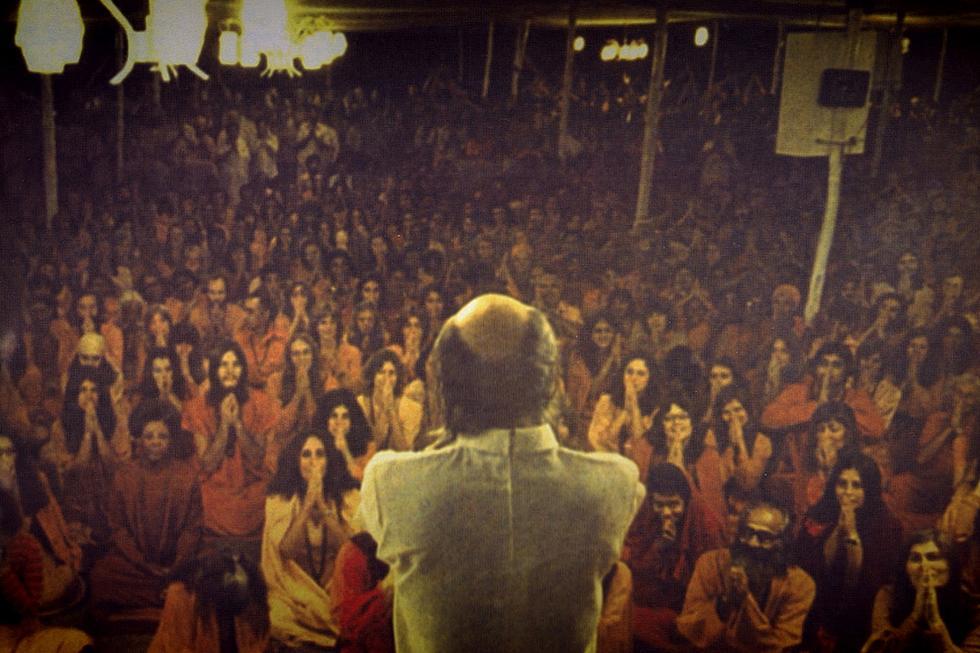
May 2, 2018
Mayday, May Day
International Workers' Day is celebrated with rallies and protests all over the world on May 1st, but it's not a big deal in the United States. In this podcast extra, Brooke speaks to Donna Haverty-Stacke of Hunter College, CUNY about the U.S. origin of May Day and how it has come to be forgotten. The first national turnout for worker's rights in the U.S. was on May 1, 1886 -- and contrary to what you've heard elsewhere, it wasn't the same thing as the Haymarket Affair. Haverty-Stacke is also author of America’s Forgotten Holiday: May Day and Nationalism, 1867–1960 , and she explains that the fight over May 1st, or May Day, is also about the fight for American identity and what it means to be radical and patriotic at the same time. The OTM crew sings "Into The Streets May First," a never-before-professionally-recorded 1935 Aaron Copland anthem in honor of May Day: On the Media is supported by listeners like you. Support OTM by donating today ( https://pledge.wnyc.org/support/otm ). Follow our show on Instagram , Twitter and Facebook @onthemedia, and share your thoughts with us by emailing onthemedia@wnyc.org.
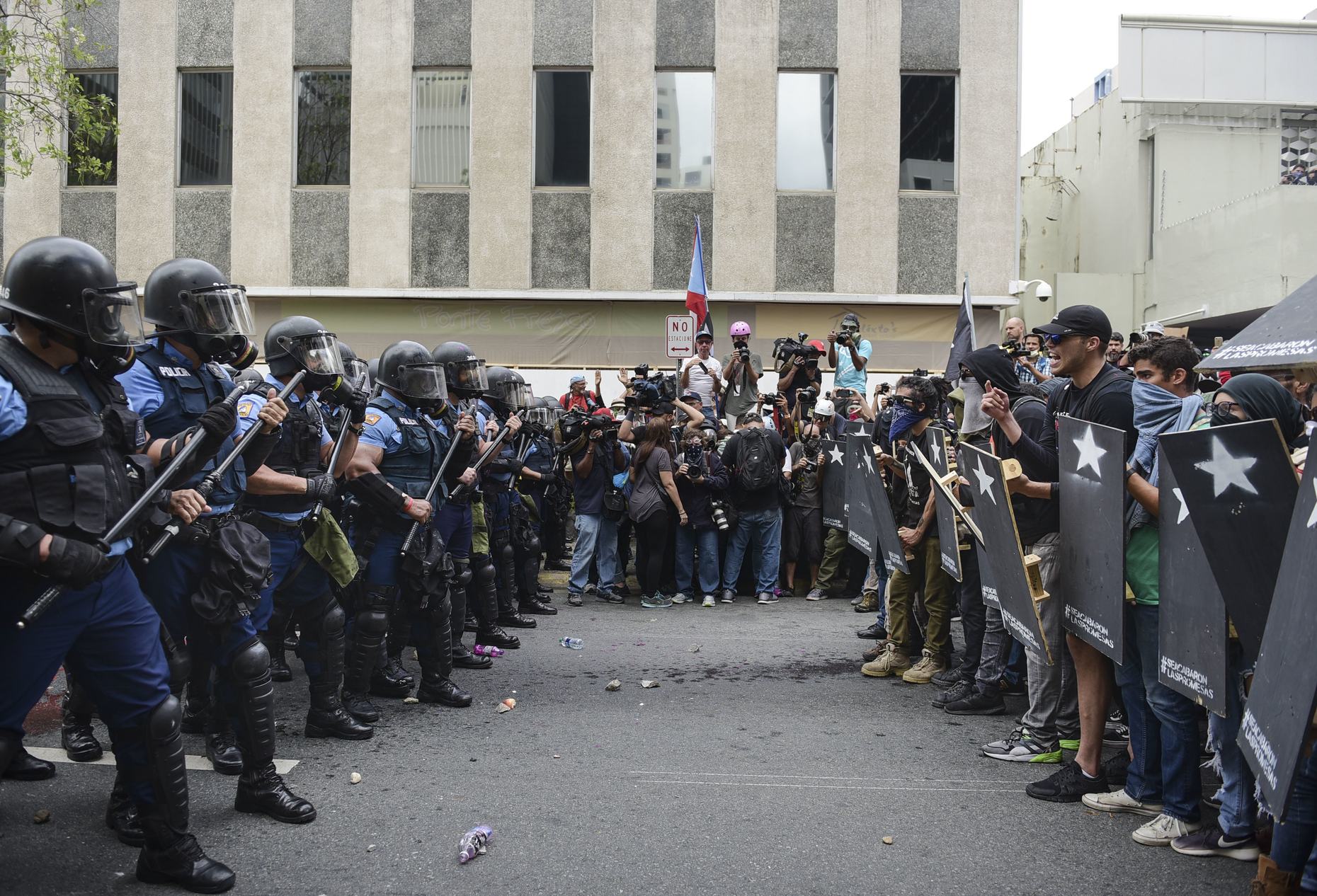
Apr 27, 2018
Dog Whistle
This week, we explore the ways white Americans — in the voting booth, and on T.V. — deal with a changing society. A new study finds that many white voters supported Donald Trump out of a fear of losing their place in the world. "Roseanne" gets a reboot, and "The Simpsons" reacts poorly under pressure. Plus, a closer look at the company Trump kept and the deals he sought before his presidency, with the hosts of the WNYC podcast "Trump, Inc." 1. Thomas Frank [ @thomasfrank_ ], author of Listen, Liberal , on the economic factors that could lead to a second term of Trump . Listen . 2. Diana Mutz , political science professor at the University of Pennsylvania, on the fears and anxieties that motivated Trump voters . Listen . 3. Willa Paskin [ @willapaskin ], T.V. critic at Slate, on the Roseanne reboot . Listen . 4. Hari Kondabolu [ @harikondabolu ], comedian, on sloppy cultural representation in "The Simpsons." Listen . 5. Ilya Marritz [ @ilyamarritz ] and Andrea Bernstein [ @AndreaWNYC ], reporters at WNYC, and Eric Umansky [ @ericuman ], deputy managing editor at ProPublica, on the company Trump kept and the business deals he sought before his presidency . Listen . Music: Puck (feat. Bill Frisell, Carol Emanuel & Kenny Wollesen) by John Zorn Baba O'Riley by The Who Life on Mars? by Meridian String Quartet Roseanne Theme Song by Dan Foliart and Howard Pearl Apu's Theme from The Simpsons: Hit and Run by Marc Baril, Allan Levy, and Jeff Tymoschuk Here It Comes by Modest Mouse Cops or Criminals by Howard Shore On the Media is supported by listeners like you. Support OTM by donating today ( https://pledge.wnyc.org/support/otm ). Follow our show on Instagram , Twitter and Facebook @onthemedia, and share your thoughts with us by emailing onthemedia@wnyc.org.
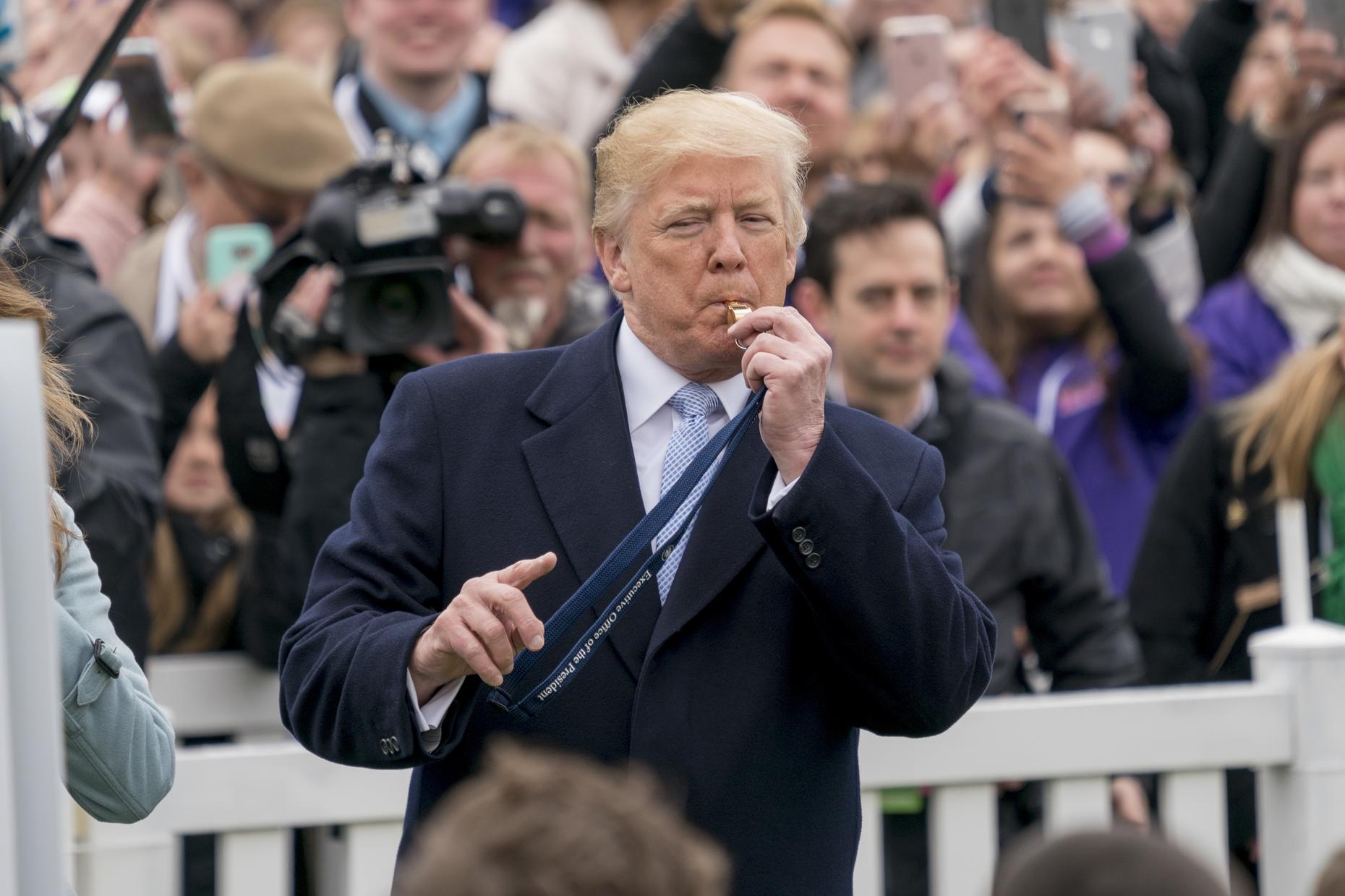
Apr 24, 2018
Introducing Nancy: a podcast about all things LGBTQ
This week we want to introduce you to some friends of ours at WNYC. Nancy is a podcast hosted by best friends Tobin Low and Kathy Tu and its about all things LGBTQ. This week’s episode has Kathy solving a mystery on behalf of our WNYC colleague Kai Wright. As a young, black, gay man living in Washington DC around 2000, Kai saw a film called Punks. It was a movie about gay life but it wasn’t just about white people and it wasn’t rooted in tragedy. It was a romantic comedy about men like him – something he’d never seen before. But when he tried to track down the film almost 20 years later, he couldn’t find it anywhere. This episode has Kathy on the case to track down the film, and find out how a piece of media can essentially disappear. Want to see Punks? Claim tickets now for the one-night-only screening, featuring a Q&A with director Patrik-Ian Polk. You can also join Tobin and Kathy for a special pre-screening reception . Special thanks to the ONE National Gay & Lesbian Archives at USC. Original music by Jeremy Bloom with additional music by Ultracat ( "Little Happenings" ). Theme by Alex Overington. Support our work! Become a Nancy member today at Nancypodcast.org/donate . On the Media is supported by listeners like you. Support OTM by donating today ( https://pledge.wnyc.org/support/otm ). Follow our show on Instagram , Twitter and Facebook @onthemedia, and share your thoughts with us by emailing onthemedia@wnyc.org.
Apr 20, 2018
Moving Beyond the Norm
Alex Jones built his Infowars brand on conspiratorial thinking and table-pounding rage. This week, we look at the three lawsuits testing whether Jones can sustain his business on lies alone. After the LGBT-rights advocate David Buckel committed suicide in Brooklyn's Prospect Park this past weekend, we review the difficult history of self-immolation and we zoom in on one such incident, in Texas in 2014. Plus, an LSD retrospective, featuring never-before-heard audio from author Ken Kesey's acid-fueled hijinks. 1. Lyrissa Lidsky [ @LidskyLidsky ], professor at University of Missouri's School of Law, on the legal threats to Alex Jones' conspiratorial media business . Listen . 2. Andrew Poe, professor of political science at Amherst College, on the history of self-immolation. Listen . 3. Michael Hall [ @mikehalltexas ], executive editor at Texas Monthly, on the life and death of pastor Charles Moore . Listen . 4. River Donaghey and Tom Wolfe, author of The Electric Kool-Aid Acid Test , on the legacy of author and LSD evangelist Ken Kesey . Listen . Music: Lost, Night by Bill Frisell Whispers of Heavenly Death by John Zorn Unaccompanied Cello Suite No.4 in E-Flat Major by Yo-Yo Ma Walking by Flashlight by Maria Schneider Tomorrow Never Knows by Quartetto D'Archi Dell'Orchestra Sinfonica Di Milano On the Media is supported by listeners like you. Support OTM by donating today ( https://pledge.wnyc.org/support/otm ). Follow our show on Instagram , Twitter and Facebook @onthemedia, and share your thoughts with us by emailing onthemedia@wnyc.org.

Apr 18, 2018
The One and Only, Carl Kasell
This week the venerable Carl Kasell, legendary newscaster and Wait, Wait Don’t Tell Me scorekeeper, died aged 84, from complications related to Alzheimer's. Brooke sat down with Carl back in 2014 on the occasion of his retirement to commemorate a distinguished, and deeply baritone, public radio career. On the Media is supported by listeners like you. Support OTM by donating today ( https://pledge.wnyc.org/support/otm ). Follow our show on Instagram , Twitter and Facebook @onthemedia, and share your thoughts with us by emailing onthemedia@wnyc.org.
Apr 13, 2018
Who's In Charge Here?
After Mark Zuckerberg's two-day testimony before Congress, we consider whether a reckoning for the social media giant might finally be on the horizon. A new documentary looks at how the state of Montana has been fighting back against dark money ever since the Supreme Court's Citizens United decision, and a legal scholar explains the unlikely history of corporations' rights. Plus, a second look at two infamous, misunderstood crimes: the Pulse Nightclub shooting and the Steubenville rape case. 1. Bob on Mark Zuckerberg's testimony this week, with anti-trust expert Matt Stoller [ @matthewstoller ]. Listen . 2. Kimberly Reed [ @_kimreed ], filmmaker, on her new documentary, Dark Money . Listen . 3. Adam Winkler [ @adamwinkler ], professor of law at UCLA, on the history of corporations' legal rights . Listen . 4. Melissa Jeltsen [ @quasimado ], senior reporter at the Huffington Post, on the mistaken narratives that followed the Pulse Nightclub shooting . Listen . 5. Derek L. John [ @DerekLJohn ], radio producer and reporter, on what internet vigilantes got wrong about the Steubenville rape case . Listen . On the Media is supported by listeners like you. Support OTM by donating today ( https://pledge.wnyc.org/support/otm ). Follow our show on Instagram , Twitter and Facebook @onthemedia, and share your thoughts with us by emailing onthemedia@wnyc.org.
Apr 10, 2018
Trump Inc.: Trump, the Ex-Lobbyist and 'Chemically Castrated' Frogs
From our colleagues in the WNYC newsroom who produce Trump Inc.: This week, we’re doing a couple of things differently on Trump, Inc. Instead of focusing on President Trump’s businesses, we’re looking more broadly at business interests in the Trump administration. We’re also giving you, our listeners, homework. Last month, ProPublica published the first comprehensive and searchable database of Trump’s 2,685 political appointees , along with their federal lobbying and financial records. It’s the result of a year spent filing Freedom of Information Act requests, collecting staffing lists and publishing financial disclosure reports. We’ve found plenty in the documents. We know there are lots of lobbyists now working at agencies they once lobbied (including one involving an herbicide that could affect the sexual development of frogs). We know there are dozens of officials who’ve received ethics waivers from the White House. We know there are “special-government employees” who are working in the private sector and the government at the same time. But there’s so much more to do. Remember, we have multiple documents for nearly 2,700 appointees. And we need your help. For example, you can help us unmask who is actually behind LLCs listed in officials’ financial disclosures. (A reader did that last year and turned us on to an interesting below-market condo sale the president made to his son, Eric Trump.) Here’s step-by-step-instructions on how you can dig in . You can also contact us via Signal, WhatsApp or voicemail at 347-244-2134. Here’s more about how you can contact us securely. You can always email us at tips@trumpincpodcast.org . On the Media is supported by listeners like you. Support OTM by donating today ( https://pledge.wnyc.org/support/otm ). Follow our show on Instagram , Twitter and Facebook @onthemedia, and share your thoughts with us by emailing onthemedia@wnyc.org.
Apr 6, 2018
Paved With Good Intentions
With a caravan of activists making its way through Mexico, President Trump signed a proclamation to send troops to defend the border. This week we examine that caravan’s unintended consequences, as well as the unintended consequences of a bill, recently passed by Congress, to combat online sex trafficking. Sounds like a no-brainer, right? Maybe. Plus, we take a judicious look back at Martin Luther King Jr.'s legacy. 1. Carrie Kahn [ @ckahn ], international correspondent for NPR, Alberto Xicotencatl [ @BETTOXICO ], director of Saltillo Migrant House, and Alex Mensing [ @alex_mensing ], organizer for Pueblo Sin Fronteras, on the stories and faulty narratives coming out of Mexico over the past week. Listen. 2. Carolyn Maloney [ @RepMaloney ], congresswoman from New York's 12th district, Elliot Harmon [ @elliotharmon ], from the Electronic Frontier Foundation, and Kate D'Adamo [ @KateDAdamo ], sex worker rights advocate, on the Fight Online Sex Trafficking Act , which currently awaits President Trump's signature. Listen. 3. Mychal Denzel Smith [ @mychalsmith ], writer, on how Martin Luther King Jr.'s masculinity impacts young black Americans today . Listen. On the Media is supported by listeners like you. Support OTM by donating today ( https://pledge.wnyc.org/support/otm ). Follow our show on Instagram , Twitter and Facebook @onthemedia, and share your thoughts with us by emailing onthemedia@wnyc.org.
Apr 3, 2018
TV News Anchors Speaking From the Heart — Uh, TelePrompter
Did you see the video that was making the rounds this weekend? It features a seemingly endless parade of Sinclair Broadcast Group TV news anchors — those smiley folks so trusted by their local audiences — speaking from the heart. OK, not from the heart, necessarily, but from the TelePrompter, all with the same script. The video was put together by Timothy Burke at Deadspin , and to date it’s been viewed over 7.5 million times. And it has put the spotlight back on Sinclair's political activism. Its 2016 election coverage fawned over Trump and its ongoing White House coverage still does. Meanwhile, Sinclair is in negotiations with the FCC and the Department of Justice over its purchase of Tribune Media, a deal that would expand its reach to 72% of US households, and with it a vast platform — over public airwaves — for its conservative message. Last summer Bob spoke to Felix Gillette, who profiled Sinclair for Bloomberg News , about the company's focus on profit above all. On the Media is supported by listeners like you. Support OTM by donating today ( https://pledge.wnyc.org/support/otm ). Follow our show on Instagram , Twitter and Facebook @onthemedia, and share your thoughts with us by emailing onthemedia@wnyc.org.
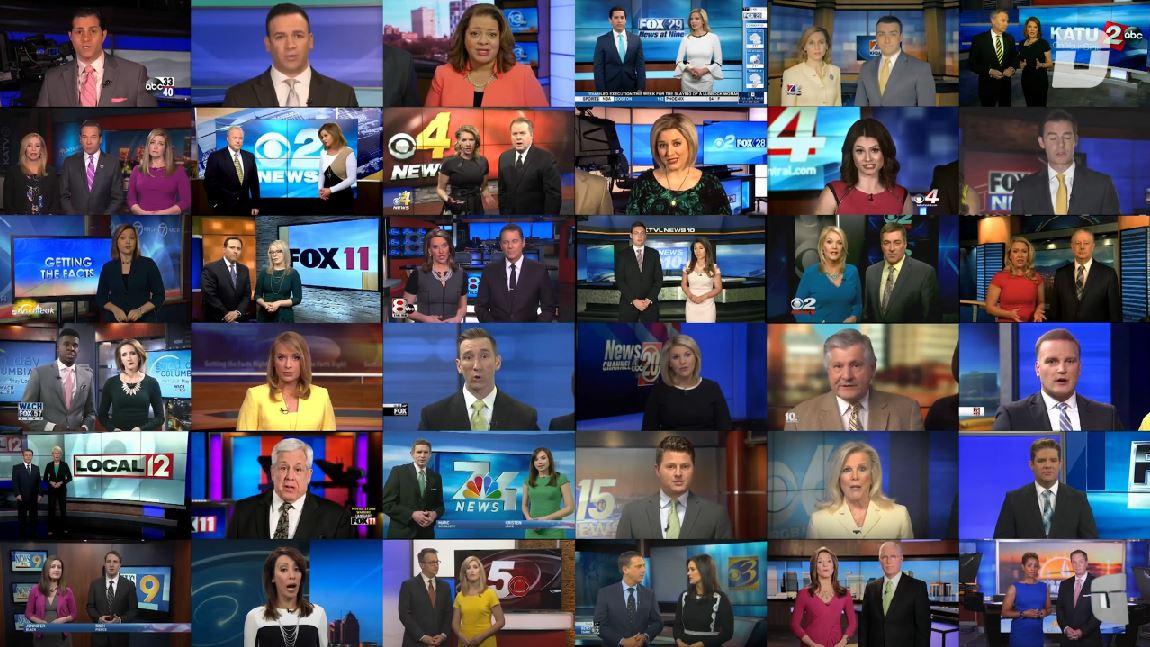
Mar 30, 2018
We, the Liberators
In March of 2003, U.S.–led coalition forces invaded Iraq, sparking a seemingly endless conflagration that claimed tens of thousands of lives and continues to shape events both international and domestic. Fifteen years later, what have we forgotten? What lessons can we carry forward? And what, if anything, of life in pre-invasion Iraq remains? 1. Max Fischer [ @Max_Fisher ], editor and writer at the New York Times , on the ideologies that led the U.S. to invade Iraq in 2003 . Listen. 2. Deb Amos [ @deborahamos ], international correspondent for NPR, and John Burnett [ @radiobigtex ], Southwest correspondent for NPR, on their experiences reporting on the early months of the Iraq War . Listen. 3. Sinan Antoon [ @sinanantoon ], writer and New York University professor, on watching from afar as the Iraq War destroyed his home country . Listen. 4. Corey Robin [ @CoreyRobin ], political science professor at Brooklyn College, on Americans' flawed historical memories . Listen. Music: Lost, Night by Bill Frisell Berotim by John Zorn featuring Bill Frisell, Carol Emanuel, and Kenny Wollesen Long-Ge by Kronos Quartet Frail As A Breeze, Part 2 by Erik Friedlander Whispers of Heavenly Death by John Zorn Purple Haze by Kronos Quartet On the Media is supported by listeners like you. Support OTM by donating today ( https://pledge.wnyc.org/support/otm ). Follow our show on Instagram , Twitter and Facebook @onthemedia, and share your thoughts with us by emailing onthemedia@wnyc.org.
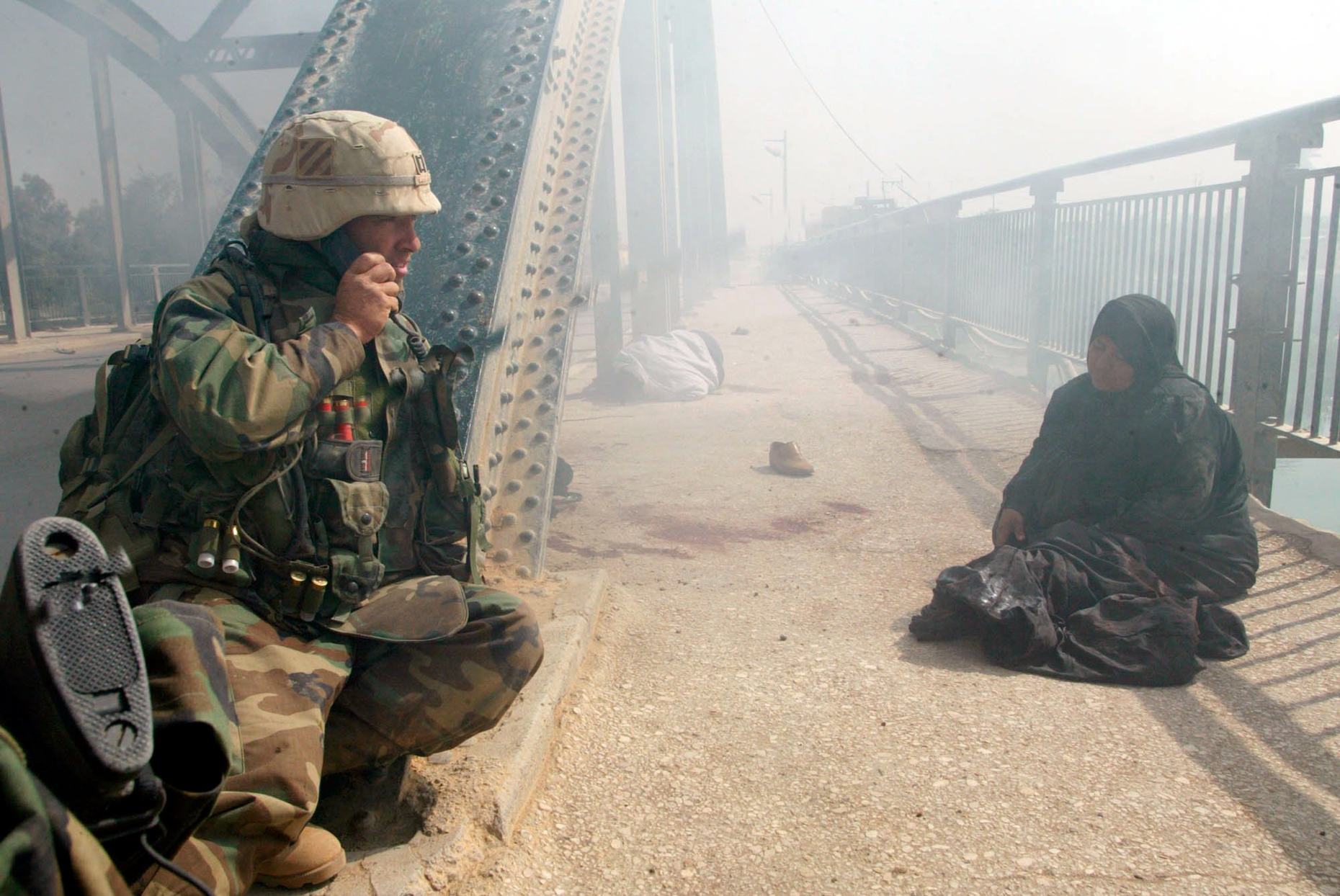
Mar 28, 2018
Iraq's Accidental Journalists
Last week marked the fifteenth anniversary of the night of “Shock and Awe” exploding across the night sky over Baghdad, the opening salvo in an ongoing war. It was a deadly conflict to cover and foreign reporters increasingly relied on Iraqis to take the risks on the ground. Back in 2006, Brooke spoke to three Iraqis who were pulled into journalism by a trick of fate and caught up in the wave of correspondents pouring in from the West. Then, we caught up with them years later. On the Media is supported by listeners like you. Support OTM by donating today ( https://pledge.wnyc.org/support/otm ). Follow our show on Instagram , Twitter and Facebook @onthemedia, and share your thoughts with us by emailing onthemedia@wnyc.org.

Mar 23, 2018
Big, If True
Cambridge Analytica claims that, with the help of 50 million Facebook users' data, it was able to target ads so specifically and so effectively that it helped swing the election for Donald Trump. The media have been more than happy to boost the claim, but many experts are skeptical. This week, a look at what exactly went on with Cambridge Analytica and whether we shouldn't be focusing more on Facebook. Plus, how social media works to undermine free will and what the future might hold for Facebook. 1. Antonio García Martínez , columnist at WIRED and former tech entrepreneur, on Cambridge Analytica's "psychographic" techniques . Listen . 2. Siva Vaidhyanathan , director of University of Virginia's Center for Media and Citizenship, on past regulatory efforts to reign in Facebook . Listen . 3. Franklin Foer , staff writer at The Atlantic, on what he sees as Facebook's war on free will . Listen . 4. Clay Shirky , author, educator and tech writer, on what real change for Facebook might look like and why he is still an optimist when it comes to the internet. Listen . Music: Tomorrow Never Knows by Quartetto D'Archi Dell'Orchestra Sinfonica Di Milano Slow Pulse Conga by William Pasley Passing Time by John Renbourn Transparence (Instrumental) by Charlie Haden On the Media is supported by listeners like you. Support OTM by donating today ( https://pledge.wnyc.org/support/otm ). Follow our show on Instagram , Twitter and Facebook @onthemedia, and share your thoughts with us by emailing onthemedia@wnyc.org.
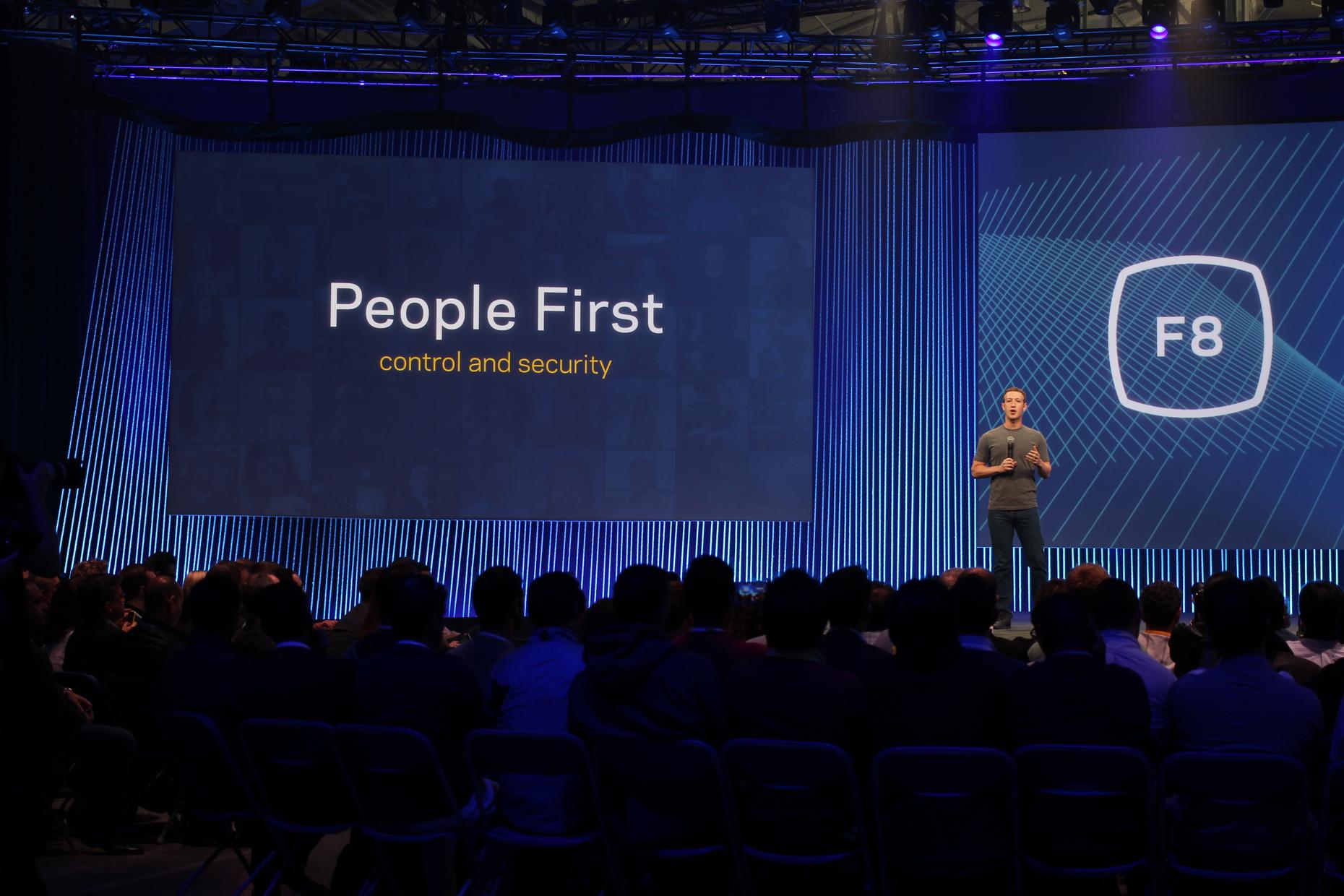
Mar 20, 2018
Crowdsourcing Justice: The Truth Behind the Steubenville Rape
Five years ago, two high school football players in Steubenville, Ohio were found responsible in juvenile court for the rape of a 16-year-old girl. For much of the national media, that was the end of the story — but for those in Steubenville who lived through it, the truth never caught up to the lies that spread online and the vigilante terror that resulted. A new, three-part audio documentary from Audible examines the case and the danger of crowd-sourcing justice to online activists. Bob spoke to producer Derek John who, along with Anders Kelto , reported the series for Audible’s new podcast, “ Gamebreaker .” On the Media is supported by listeners like you. Support OTM by donating today ( https://pledge.wnyc.org/support/otm ). Follow our show on Instagram , Twitter and Facebook @onthemedia, and share your thoughts with us by emailing onthemedia@wnyc.org.
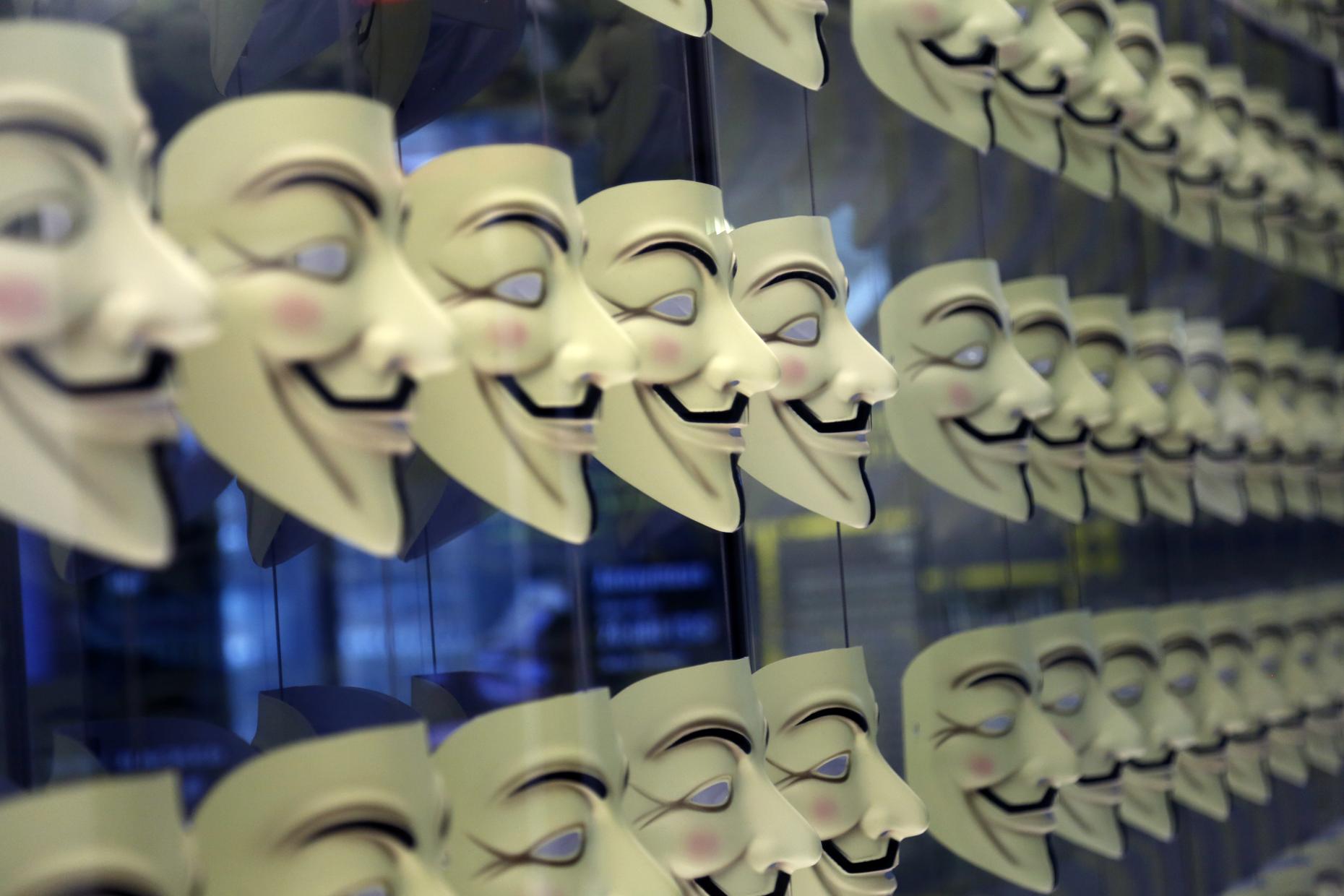
Mar 16, 2018
The Past Is Never Dead
This week, we look at how selective coverage shapes our view of foreign borders, conflicts and historical figures — from Syria to Winston Churchill. Plus, a conversation with the editor-in-chief of National Geographic about their latest issue unpacking tricky issues of race, starting with the magazine's troubled past . 1. Thalia Beaty [ @tkbeaty ], reporter for Storyful, on the latest coverage of the war in Syria. 2. Miranda Bogen [ @mbogen ], policy analyst at Upturn, on the perilous geopolitics of Google Maps . 3. Susan Goldberg [ @susanbgoldberg ], editor-in-chief of National Geographic , on how the magazine is reckoning with racist coverage in its past. 4. Madhusree Mukerjee [ @Madhusree1984 ], author of Churchill's Secret War, on the ruthless legacy of Winston Churchill you didn't see in his latest Hollywood treatment. Songs: Psalom by NYYD Quartet and Paul Hillier Collected Songs Where Every Verse Is Filled With Grief by Kronos Quartet Mazen Dha Nahar El Youm by Abdeslam Khaloufi Her Averah by Norfolk & Western Auf Einer Burg by Robert Schumann Flugufrelsarinn by Kronos Quartet On the Media is supported by listeners like you. Support OTM by donating today ( https://pledge.wnyc.org/support/otm ). Follow our show on Instagram , Twitter and Facebook @onthemedia, and share your thoughts with us by emailing onthemedia@wnyc.org.
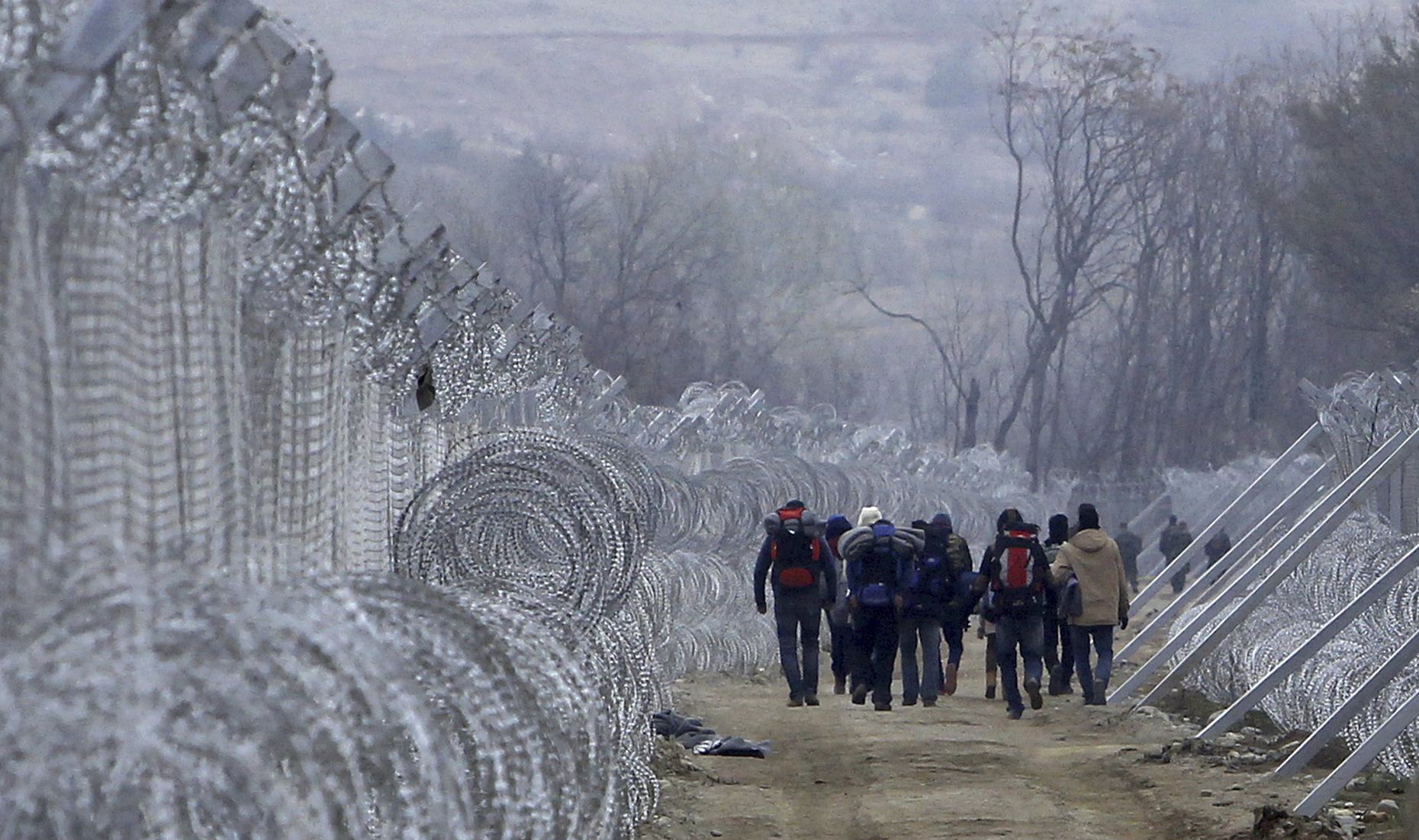
Mar 13, 2018
Did Farhad "Unplug"?
Last week we spoke with New York Times tech columnist Farhad Manjoo after he published an article titled, “For two months, I got my news from print newspapers. Here’s what I learned.” He wrote that, earlier this year, "after the breaking-newsiest year in recent memory, I decided to travel back in time. I turned off my digital news notifications, unplugged from Twitter and other social networks, and subscribed to home delivery of three print newspapers.” It was a crash diet. Lots of healthy analog, and just a little digital — podcasts, email newsletters — for dessert. Farhad found the experience so uplifting and liberating that he was moved to evangelize. He told Bob during their conversation, which you can still listen to , "I boiled it down into three Michael Pollan-esque prescriptions: Get news, not too quick, avoid social." The only problem was, according to analysis by Dan Mitchell in the Columbia Journalism Review and Joshua Benton of Harvard’s Nieman Lab , Farhad spent most of his 48-day diet sneaking into the fridge. In the time that he was supposedly “unplugged” from Twitter news, he had tweeted hundreds and hundreds of times. Not the crime of the century — but still, oops. And so Farhad spoke with Bob once more, to explain his rather involved definition of the word "unplugged," and to admit that old habits die hard. On the Media is supported by listeners like you. Support OTM by donating today ( https://pledge.wnyc.org/support/otm ). Follow our show on Instagram , Twitter and Facebook @onthemedia, and share your thoughts with us by emailing onthemedia@wnyc.org.
Mar 9, 2018
Like We Used To Do
In an age of constant breaking news, it can be hard to tell what matters and what’s just noise. This week, a look at what we’ve learned from recent coverage of the Russia investigation, and what we’ve missed everywhere else — particularly in West Virginia, where a recent teachers' strike made history. Plus, a dive into the complicated history of country music and why we so often get it wrong. 1. Marcy Wheeler [ @emptywheel ], independent investigative reporter, on decontextualized Mueller scooplets. Listen . 2. Sarah Jaffe [ @sarahljaffe ], journalist and co-host of the podcast Belabored, on the teachers' strike in West Virginia , and Elizabeth Catte [ @elizabethcatte ], historian and writer, on the news media's narratives regarding Appalachia. Listen . 3. J. Lester Feder [ @jlfeder ], world correspondent for Buzzfeed News, on the political history of country music. Listen . 4. Nadine Hubbs [ @nadinehubbs ], author of Rednecks, Queers and Country Music , on our assumptions about the working class. Listen . **Note: This program originally contained an interview with the New York Times' Farhad Manjoo discussing an experiment in which he got his news only from print journalism and "unplugged from Twitter and other social networks" for two months. That interview was pulled after further reporting revealed that he did no such thing.** Music: "Tipico" by Miguel Zenon "Susan (The Sage)" by The Chico Hamilton Quintet "Death Have Mercy / Breakaway" by Regina Carter "Dinner Music for a Pack" of Hungry Cannibals by Raymond Scott "Okie from Muskogee" by Merle Haggard "Fightin' Side of Me" by Merle Haggard "The Pill" by Loretta Lynn "Watching You" by Rodney Atkins "Pictures from Life's Other Side" by Hank Williams, Sr. "Friends In Low Places" by Garth Brooks "Redneck Woman" by Gretchen Wilson "Take This Job and Shove It" by Johnny Paycheck "F— Aneta Briant" by David Allan Coe "Irma Jackson" by Merle Haggard "They Don't Know" by Jason Aldean "Wild Mountain Thyme" by Buddy Emmons On the Media is supported by listeners like you. Support OTM by donating today ( https://pledge.wnyc.org/support/otm ). Follow our show on Instagram , Twitter and Facebook @onthemedia, and share your thoughts with us by emailing onthemedia@wnyc.org.
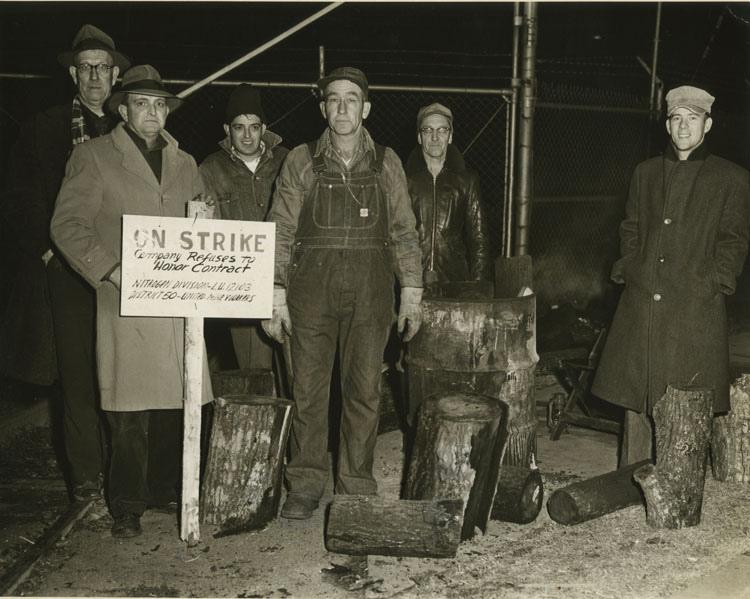
Mar 7, 2018
Everything You Love Will Burn
Last week, we put out a special show hosted by The Guardian US ’s Lois Beckett , devoted to how reporters should approach the alt-right, and white supremacy, in America, called "Face the Racist Nation." As a bonus, we're putting out a full interview with one of the voices in that show: Norwegian journalist Vegas Tenold , whose new book, “Everything You Love Will Burn” chronicles his time covering the far right, up close and personal, for close to a decade. Lois talks to Vegas about how he has seen the far right evolve, the mistakes he sees journalists making and his relationship with the co-founder of the racist Traditionalist Worker Party, Matthew Heimbach. In addition to listening to the full show , make sure to go to our website to check out the special quizzes we made that delve further into the sticky issues in this hour. On the Media is supported by listeners like you. Support OTM by donating today ( https://pledge.wnyc.org/support/otm ). Follow our show on Instagram , Twitter and Facebook @onthemedia, and share your thoughts with us by emailing onthemedia@wnyc.org.

Mar 2, 2018
Face the Racist Nation
For the past year, Lois Beckett [ @loisbeckett ], senior reporter at The Guardian US , has been showing up at white nationalist rallies, taking their pictures, writing down what they say. And she finds herself thinking: How did we get here? How did her beat as a political reporter come to include interviewing Nazis? And what are the consequences of giving these groups this much coverage? In this week's program — the culmination of a months-long collaboration between On the Media and The Guardian US — we take a deep dive into what the news media often get wrong about white supremacists, and what those errors expose about the broader challenge of confronting racism in America. 1. Elle Reeve [ @elspethreeve ], correspondent for VICE News , Anna Merlan [ @annamerlan ], reporter for Gizmodo Media ’s special projects desk , Vegas Tenold [ @Vegastenold ], journalist and author of Everything You Love Will Burn , and Al Letson [ @Al_Letson ], host of Reveal , from The Center for Investigative Reporting, on the pitfalls and perils of covering white supremacist groups. 2. Felix Harcourt [ @FelixHistory ], professor of history at Austin College and author of " Ku Klux Kulture ," on the history of the Ku Klux Klan in the press in the 1920s. 3. Anna Merlan, Elle Reeve, Al Letson, Gary Younge [ @garyyounge ], editor-at-large for The Guardian, and Josh Harkinson [ @joshharkinson ], former senior writer at Mother Jones, on how individual identity impacts reporting on discriminatory movements. 4. Ibram X. Kendi [ @DrIbram ], professor of history and international relations at American University and author of " Stamped from the Beginning: The Definitive History of Racist Ideas in America ," on the enduring myths surrounding the perpetuation of racist ideas and whose interests these misconceptions serve. Songs: Lost, Night by Bill Frisell Disfarmer Theme by Bill Frisell I Am Not a Farmer by Bill Frisell Gone Tomorrow by Lambchop One crucial question during the Trump presidency has been whether racist rhetoric has influenced public policy. And so we put together a quiz! Is it just a germ of a garbage idea? Or is it wriggling its way into our laws? Click "Start" below to, you know, start. And if you're really hoping to lose faith in our historical figures, you're in luck — we made a second quiz! Who said it: An elder statesman? Or a reviled white supremacist? // (function() { var qs,js,q,s,d=document, gi=d.getElementById, ce=d.createElement, gt=d.getElementsByTagName, id="typef_orm", b="https://embed.typeform.com/"; if(!gi.call(d,id)) { js=ce.call(d,"script"); js.id=id; js.src=b+"embed.js"; q=gt.call(d,"script")[0]; q.parentNode.insertBefore(js,q) } })() // ]]> On the Media is supported by listeners like you. Support OTM by donating today ( https://pledge.wnyc.org/support/otm ). Follow our show on Instagram , Twitter and Facebook @onthemedia, and share your thoughts with us by emailing onthemedia@wnyc.org.
Feb 28, 2018
Follow The Money
The podcast Trump Inc. is a collaboration between WNYC Studios and ProPublica. A team of investigative reporters is examining whether and how the Trump family is profiting from the presidency, and they've organized the show around an "open investigation" so listeners and tipsters can contribute and follow along. We featured the first episode on our podcast feed a few weeks ago, and this week we're checking back with Episode 4. Ilya Marritz of WNYC and Eric Umansky of ProPublica speak with David Farenthold of The Washington Post about what he's been able to learn about President Trump's business dealings, and take calls from listeners with questions about possible profits and motives. On the Media is supported by listeners like you. Support OTM by donating today ( https://pledge.wnyc.org/support/otm ). Follow our show on Instagram , Twitter and Facebook @onthemedia, and share your thoughts with us by emailing onthemedia@wnyc.org.
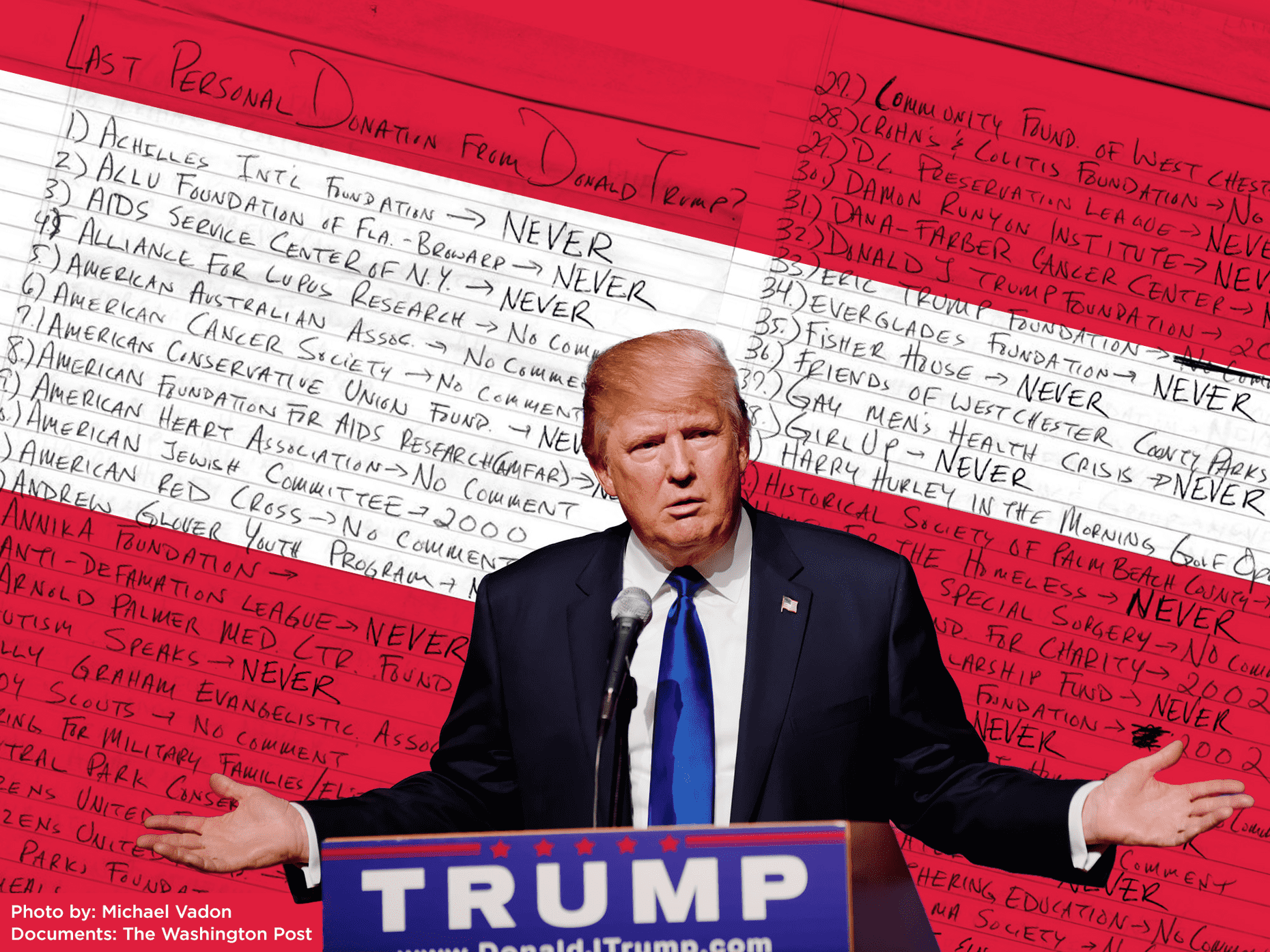
Feb 23, 2018
Back to the Future
Since the Parkland school shooting, the student-led #NeverAgain movement has kept gun control in the headlines. This week, we look at how the movement began — and how pro-gun internet trolls have tried to undermine its message. Plus, how the world of Black Panther taps into a long history of black liberation struggles, and why Black History Month, in the Trump era, can feel both righteous and corporate, dignified and farcical. 1. Emily Witt [ @embot ], writer and reporter at the New Yorker , on the genesis of the #NeverAgain movement . 2. Jason Koebler [ @jason_koebler ], editor-in-chief at Motherboard, on the "crisis actor" conspiracy . 3. Adam Fletcher [ @bicyclingfish ], co-founder of the Freechild Project, on the history of student-led movements. 4. Doreen St. Félix [ @dstfelix ], staff writer at the New Yorker , on the commercialization of Black History Month . 5. Nathan Connolly [ @ndbconnolly ], history professor at John Hopkins University, on the origins of "Black Panther"'s Wakanda . Songs: The Glass House - End Title by David Bergeaud The Stone by The Chieftains Trance Dance by John Zorn Smells Like Teen Spirit by The Bad Plus Rescue Me by Fontella Bass Mai Nozipo by Kronos Quartet On the Media is supported by listeners like you. Support OTM by donating today ( https://pledge.wnyc.org/support/otm ). Follow our show on Instagram , Twitter and Facebook @onthemedia, and share your thoughts with us by emailing onthemedia@wnyc.org.
Feb 22, 2018
Rinse and Repeat
In the wake of the school shooting in Florida we are recycling two interviews that we recorded following two other mass shooting tragedies. The first is about a chapter in the NRA's history that not many people know about. We’ve become accustomed in the past 20 years to seeing the issue of guns in America broken down into two camps: gun control advocates — led by police chiefs and Sarah Brady — and the all-powerful National Rifle Association. In an interview that originally aired after Sandy Hook in 2012, Bob talks to Adam Winkler, author of Gunfight: The Battle Over the Right to Bear Arms In America , who says there was a time , relatively recently, in fact, when the NRA supported gun control legislation, and the staunchest defenders of so-called "gun rights" were on the radical left. The second interview we thought deserved another airing is about the dearth of research into these events. Hours before the 2015 mass shooting in San Bernardino, California, a group of physicians petitioned Congress to end the so-called Dickey Amendment, a nearly twenty-year-old ban that effectively prevents the CDC from researching gun violence. Brooke spoke to Todd Zwillich , acting host of The Takeaway , about the history of the ban and its current political state. On the Media is supported by listeners like you. Support OTM by donating today ( https://pledge.wnyc.org/support/otm ). Follow our show on Instagram , Twitter and Facebook @onthemedia, and share your thoughts with us by emailing onthemedia@wnyc.org.
Feb 16, 2018
Devil in the Details
This week, we dive headfirst into the uncomfortable and the untrue — on the international stage, in the White House, and in your local newspaper. How claims from Immigration and Customs Enforcement [ICE] press releases sometimes end up, almost verbatim, in local reporting on deportations; why a New York City immigration advocate's history muddies the waters around his advocacy; what Poland's new Holocaust law really means for the country; and how personal stakes can shape our understanding of the plight of the Rohingya in Myanmar. Featuring: 1. Bob, on the Trump White House getting caught up in lies once again. 2. Gaby Del Valle [ @gabydvj ], staff writer for The Outline, on how ICE press releases make their way into local news reporting . 3. Errol Louis [ @errollouis ], host of Inside City Hall on NY1, on the press's coverage of immigration advocate Ravi Ragbir . 4. Geneviève Zubrzycki, sociology professor at the University of Michigan, on Poland's new law regarding the Holocaust. 5. Hannah Beech [ @hkbeech ], Southeast Asia Bureau Chief for the New York Times , on her experience reporting on the Rohingya crisis in Myanmar. Songs: The Street by Elmer Bernstein Susan the Stage by Chico Hamilton III. White Man Sleeps by Kronos Quartet Totem Ancestor by Kronos Quartet Slow Pulse Conga by William Pasley The Glass House - Mitra's Sadness by David Bergeaud On the Media is supported by listeners like you. Support OTM by donating today ( https://pledge.wnyc.org/support/otm ). Follow our show on Instagram , Twitter and Facebook @onthemedia, and share your thoughts with us by emailing onthemedia@wnyc.org.
Feb 14, 2018
The Safety Net Just Got a Little Less Safe
On Monday, Donald Trump released the second budget proposal of his presidency. There’s lots in it — more money for defense, veterans and border security and some tax changes too. But what really jumps out is the proposal to cut funding for federal assistance programs including a 20 percent cut to Section 8 housing, a 22 percent cut to Medicaid and a brutal 27 percent cut to SNAP (the benefit formerly known as food stamps). Bobby Kogan, who on Twitter identifies himself as “chief number cruncher for the Senate budget committee”, points out that SNAP benefits are already small at just $1.40 per meal, and that “cutting the program by a quarter is extremely cruel.” The proposed cuts did trigger outrage from advocates for the poor, who have also noted that the social safety net has big holes and vulnerable people have been falling through them for years. In the fall of 2016, Brooke reported a series we called “Busted: America’s Poverty Myths.” Over five episodes she explored the central myths of poverty as we see them: that the poor deserve to be poor, that you can pull yourself up by your bootstraps and (the one we are re-airing now), that the safety net can catch you. With the help of Linda Tirado , author of Hand to Mouth: Living in Bootstrap America , and Matthew Desmond , author of Evicted: Poverty and Profit in the American City , we consider how anti-poverty programs can actually keep people poor and offer little hope for a way out. Also, Brooke meets Margaret Smith, a Columbus woman made homeless after a violent crime derailed the life she'd carefully built with her six children. And we visit an Athens County food pantry that provides not just meals to the community, but also school supplies, clothing, furniture, job training, home repairs, disaster relief... even burial plots. On the Media is supported by listeners like you. Support OTM by donating today ( https://pledge.wnyc.org/support/otm ). Follow our show on Instagram , Twitter and Facebook @onthemedia, and share your thoughts with us by emailing onthemedia@wnyc.org.
Feb 9, 2018
Blame It On The Alcohol
This week, we devote an entire hour to what one important scholar deemed “the cause of and solution to all of life’s problems.” From its earliest role as a source of nourishment to its depictions in ancient literature, we examine the roots of mankind’s everlasting drinking problems. Plus, how a bizarre 60 Minutes piece spread the idea that red wine has medicinal effects. Then, a look at how popular culture has incorrectly framed Alcoholics Anonymous as the best and only option for addiction recovery. And, a scientist cooks up a synthetic substitute for booze. 1. Iain Gately, author of Drink: A Cultural History of Alcohol, on the ancient origins of our core beliefs about booze. 2. Robert Taylor, assistant managing editor at Wine Spectator, on red wine's constantly changing reputation as a healthy substance. 3. Gabrielle Glaser [ @GabrielleGlaser ], author of Her Best-Kept Secret: Why Women Drink - And How They Can Regain Control , on the history and P.R. methods of Alcoholics Anonymous. 4. David Nutt [ @ProfDavidNutt ], psychologist at Imperial College London, on his new alcohol substitute, "alcosynth." Songs: When I Get Low I Get High by Ella Fitzgerald Tomorrow Never Knows by Quartetto D/Archi Dell'Orchestra Sinfonica Di Milano Il Casanova Di Federico Fellini by Solisti E Orchestre Del Cinema Italiano Option with Variations by Kronos Quartet/composer Rhiannon Giddens On the Media is supported by listeners like you. Support OTM by donating today ( https://pledge.wnyc.org/support/otm ). Follow our show on Instagram , Twitter and Facebook @onthemedia, and share your thoughts with us by emailing onthemedia@wnyc.org.
Feb 7, 2018
Trump Inc.
Back in January last year, Donald Trump, newly elected, not yet sworn in, tried to quell concerns about his many conflicts of interest by declaring he would turn over the day-to-day running of his company to his sons. Did he follow through on that? Has he leveraged the presidency to enrich himself? Who are his partners? Who does he take money from? Trump has rejected the advice of ethics experts to divest himself from his enterprises. He’s also refused to release details about his finances (including, of course, his tax records). Our colleagues in the WNYC newsroom. Ilya Marritz and Andrea Bernstein together with Pro Publica’s Eric Umansky, experienced investigative journalists all, were researching these questions when they slammed into a wall: The documents with the answers were not available. Their solution? A new weekly podcast of course, called: Trump Inc. They’re calling it an “open investigation” because they’ll be laying out what they know and what they don’t. And they’re inviting everyone — fellow reports, experts, tipsters and listeners — to join them in the quest for answers. Check out the website ...and listen to the podcast . On the Media is supported by listeners like you. Support OTM by donating today ( https://pledge.wnyc.org/support/otm ). Follow our show on Instagram , Twitter and Facebook @onthemedia, and share your thoughts with us by emailing onthemedia@wnyc.org.
Feb 2, 2018
This Is Not A Test
It was yet another week of will-he-won't-he: Will President Donald Trump authorize the release of the House Intelligence Committee's "memo," in spite of senior FBI and Justice Dept. officials' warnings not to do so? (Spoiler alert: He did.) Will he continue to edge the U.S. closer to a devastating military encounter with North Korea — as he did for the first year of his presidency, and as he did during his State of the Union address earlier this week? And if the United States finds itself engaged in the unimaginable — nuclear conflict — what lessons will we learn from those who have already tried to imagine just that? 1. Steven Aftergood [ @saftergood ], transparency advocate, on the House Intelligence Committee's notorious "memo." 2. Lawrence Krauss [ @LKrauss1 ], theoretical physicist and chair of the Bulletin of Atomic Scientists’ Board of Sponsors, on the Doomsday Clock's latest move toward midnight. 3. Marsha Gordon [ @MarshaGGordon ], film studies professor at North Carolina State University, on the 1983 film "The Day After," which imagines a massive nuclear strike in the Midwestern U.S. 4. Anne Washburn, playwright, on "Mr. Burns: A Post-Electric Play," in which she imagines American cultural life after a devastating nuclear event. Songs: Liquid Spear Waltz by Michael Andrews White Man Sleeps by Kronos Quartet String Quartet No. 5 by Kronos Quartet The Glass House - Marjane's Inspiration by David Bergeaud German Lullaby by The Kiboomers On the Media is supported by listeners like you. Support OTM by donating today ( https://pledge.wnyc.org/support/otm ). Follow our show on Instagram , Twitter and Facebook @onthemedia, and share your thoughts with us by emailing onthemedia@wnyc.org.
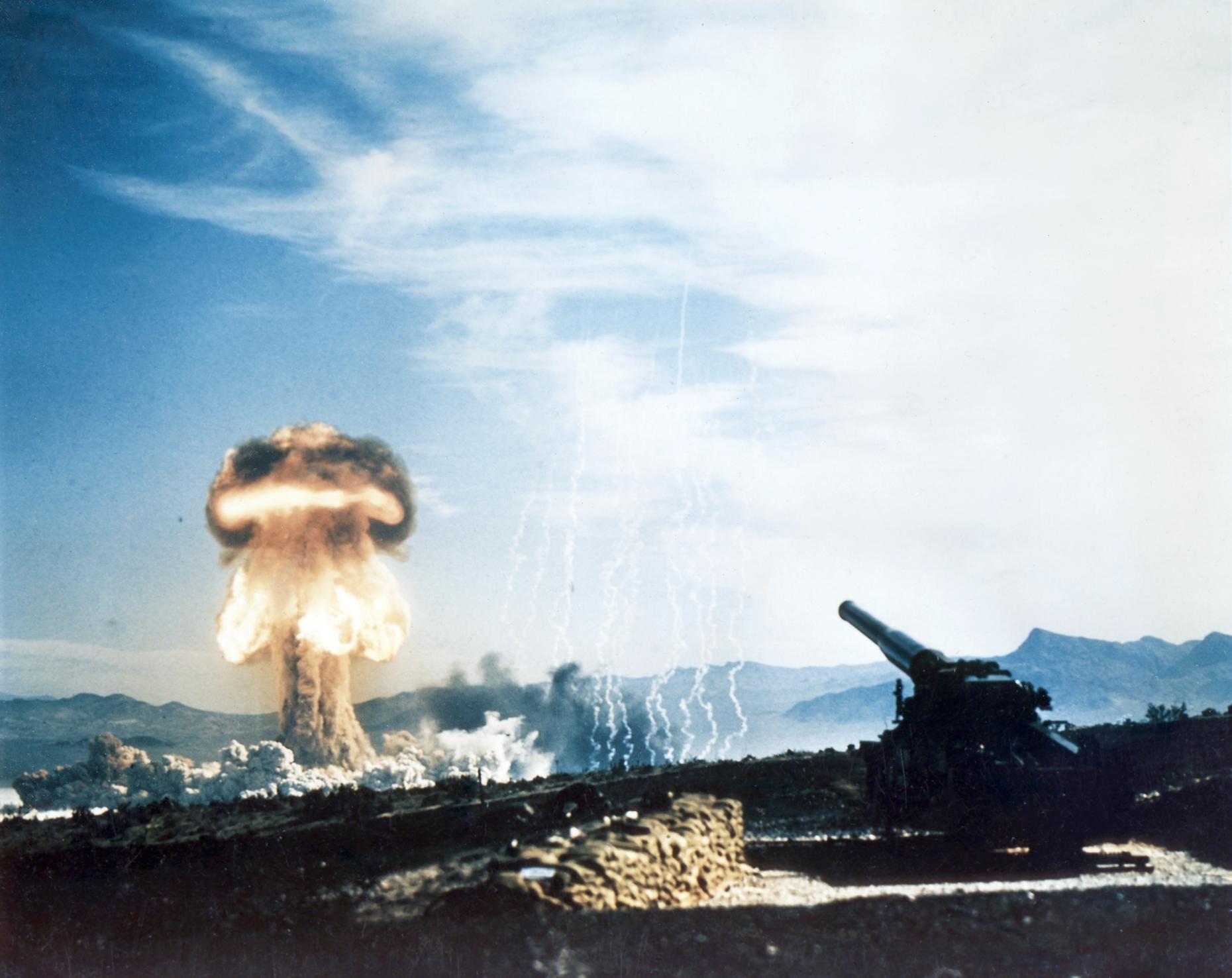
Jan 31, 2018
Gitmo Is Back in Business
In his State of the Union speech this week the president announced - to rapturous applause from congressional Republicans, that he had just signed an order to keep open the detention facilities in Guantanamo Bay. When Mohamedou Ould Slahi was released from the prison in 2016, after 14 years behind bars, he was finally able to read Guantanamo Diary , the bestselling book he had written while imprisoned. And for the first time, he saw the thousands of black bars the FBI had placed over much of his account of capture, torture, and interrogation. Late last year, Slahi and his original editor, writer and activist Larry Siems, set to work unredacting his work . Bob spoke to Siems last fall about their efforts to finally release the full Guantanamo Diary. He also spoke to Slahi via Skype from his home in Mauritania to discuss his book, his experience behind bars and what he wants people to learn about the American political and justice systems. On the Media is supported by listeners like you. Support OTM by donating today ( https://pledge.wnyc.org/support/otm ). Follow our show on Instagram , Twitter and Facebook @onthemedia, and share your thoughts with us by emailing onthemedia@wnyc.org.
Jan 26, 2018
Rallying Cry
A year into the Trump Administration, thousands continue to take to the streets but has the press lost interest? This week we look at the nature of protest in an era of never-ending distraction. We also take a deep dive into the world of right-wing conspiracies, as well as meme culture as a whole. Plus, we remember Ursula Le Guin, the monumental science fiction author who passed away earlier this week. 1. Will Sommer [ @willsommer ], author of of the Right Richter newsletter and editor at The Hill, on the latest right-wing conspiracies. 2. Amanda Hess [ @amandahess ], internet critic at the New York Times, on the dynamics and politics of meme culture. 3. Zeynep Tufekci [ @zeynep ], professor at the University of North Carolina, on coverage of protest movements like the Women's March. 4. David S. Meyer [ @davidsmeyer1 ], sociology professor at the University of California at Irvine, on tropes and faults to look out for in coverage of protests. 5. Julie Phillips [ @jcfphillips ], biographer and critic, on the life and writings of author Ursula K. Le Guin. Songs: Fallen Leaves by Marcos Ciscar Berotim by John Zorn Uluwati by John Zorn Tilliboyo by Kronos Quartet Love Theme from Spartacus by Yusef Lateef On the Media is supported by listeners like you. Support OTM by donating today ( https://pledge.wnyc.org/support/otm ). Follow our show on Instagram , Twitter and Facebook @onthemedia, and share your thoughts with us by emailing onthemedia@wnyc.org.
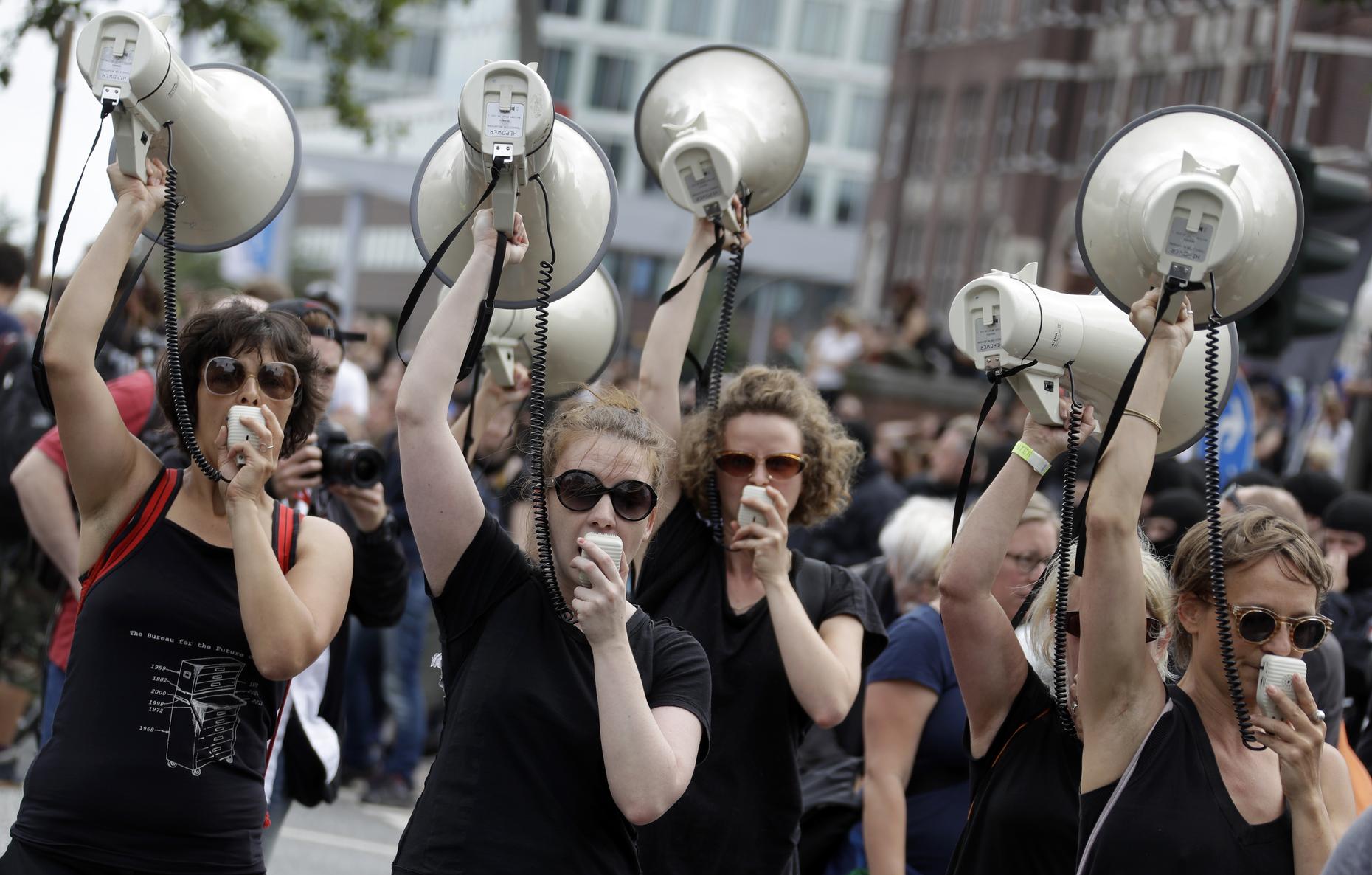
Jan 23, 2018
Unsettled: A Story from the Global Refugee Crisis
Over these last few months, WNYC reporter Matt Katz has been reporting the story of a congolese man named Andre and his wife, Lisette. They were living in a Malawi refugee camp, but then Andre was given the chance to be resettled in Elizabeth New Jersey. And he had to leave Lisette behind. When Matt started researching this story he was struck by the fact that in the last 3 years the largest number of refugees to the US were not from Syria or any of the other majority Muslim countries named in Trump’s “extreme vetting” list but from the Democratic Republic of Congo. President Trump came into office promising a wholesale remaking of U.S. immigration policy - there was the travel ban and, of course, the border wall. But what's gotten less attention is the dramatic shift in refugee policy, like slashing the number of refugees allowed into the country and changing security procedures. Luckily for Andre, he made it to New Jersey right before things started to change. Click here to see photos of Andre and Lisette and learn more about their story. On the Media is supported by listeners like you. Support OTM by donating today ( https://pledge.wnyc.org/support/otm ). Follow our show on Instagram , Twitter and Facebook @onthemedia, and share your thoughts with us by emailing onthemedia@wnyc.org.
Jan 19, 2018
The End Is the Beginning
Recent accusations of sexual misconduct have led some to claim that the #MeToo movement has gone too far. We break down the arguments and look back at a 1994 conversation about feminism to explore where the movement might be headed next. Plus, a change to Facebook's News Feed algorithm has those in the media worried: a newspaper editor voices her frustration over what it means for the spread of information and a Serbian reporter discusses how the social network is marginalizing journalism in his country. Then, radio giant Joe Frank died this week. How his bizarre style influenced important voices you know today, including Radiolab's Jad Abumrad. 1. Caroline Framke [ @carolineframke ] of Vox examines the various arguments and conversations taking place around a report of sexually inappropriate behavior by the comedian Aziz Ansari. 2. Rebecca Walker [ @rebeccawalker ] talks to Brooke about how Third Wave Feminism intersects with the #MeToo movement, and reflects on the conversations about consent and pleasure taking place in the early 1990s when she coined the phrase 'Third Wave.' 3. Audrey Cooper [ @audreycoopersf ], Editor-in-Chief of The San Francisco Chronicle, voices her frustration over Facebook's algorithmic decisions and what they mean for media outlets. Stevan Dojčinović [@ StevanOCCRP ], Editor-in-Chief of the Serbian website KRIK [ @KRIKrs ], an independent nonprofit news organization in Belgrade, talks to Bob about how Facebook's decision to move Serbian news into a separate feed called Explore has marginalized independent journalism there. 4. Jad Abumrad [ @JadAbumrad ] of Radiolab [ @Radiolab ] reflects on how Joe Frank's late-night shows influenced his work. Then, Mark Oppenheimer, host of Tablet's Unorthodox podcast, discusses his recent interview with Frank and his piece for Slate [ @Slate ]. On the Media is supported by listeners like you. Support OTM by donating today ( https://pledge.wnyc.org/support/otm ). Follow our show on Instagram , Twitter and Facebook @onthemedia, and share your thoughts with us by emailing onthemedia@wnyc.org.
Jan 17, 2018
A Journalist of Consequence
During his career as a national security reporter for The New York Times , James Risen reported several major scoops about the CIA. Risen exposed the Bush administration's phone surveillance program and misrepresentations of weapons of mass destruction in the Iraq War. He also published big revelations about botched national security operations in The State of War: The Secret History of the CIA and the Bush Administration . Risen recently reflected on his career for The Intercept . He talks to Bob about how difficult it was to get important stories into the Times in the lead up to the Iraq War, and why his editors sat on an important piece about warrantless wiretapping for 13 months -- and what it all says about the relationship between the press and the government. On the Media is supported by listeners like you. Support OTM by donating today ( https://pledge.wnyc.org/support/otm ). Follow our show on Instagram , Twitter and Facebook @onthemedia, and share your thoughts with us by emailing onthemedia@wnyc.org.
Jan 12, 2018
Outrage Machine
The book that took D.C. by storm; evaluating our first year under President Trump; the story of the Pentagon Papers, from someone who helped write them; and the latest scholarly research on "fake news" — that is, using the original, vintage meaning of the term. Plus, a live report from the Fake News Awards. 1. Michael Wolff [ @MichaelWolffNYC ], columnist and author, on his latest book Fire & Fury and the dysfunctional Trump White House from whence it came. 2. Masha Gessen [ @mashagessen ], journalist and The New Yorker contributor, on her rules for surviving autocracies , one year into the Trump presidency. 3. Les Gelb, former columnist and former Defense Department official, on his experience leading the team that wrote the Pentagon Papers, subject of the new Hollywood drama, "The Post." 4. Brendan Nyhan [ @BrendanNyhan ], professor of government at Dartmouth College, on his latest research on fake news consumption in 2016 . 5. Bob Garfield [ @Bobosphere ], OTM's glamour correspondent, reports live from the red carpet at the 2017 Fake News Awards and, folks, the stars are as stunning as the stories are shoddy. On the Media is supported by listeners like you. Support OTM by donating today ( https://pledge.wnyc.org/support/otm ). Follow our show on Instagram , Twitter and Facebook @onthemedia, and share your thoughts with us by emailing onthemedia@wnyc.org.
Jan 11, 2018
What 'The Post' Missed
Leslie Gelb, the man who supervised the team that compiled the Pentagon Papers, wasn't a character in the new Hollywood drama, "The Post." He is rarely called for comment in documentaries and films about the Pentagon Papers leak. Back in 1971, Gelb was against the publication of the Papers by both the New York Times and the Washington Post, but he came to see that they demonstrated the major flaws of the Vietnam War effort. In this podcast extra, Brooke talks to Gelb about what the Pentagon Papers were trying to achieve in the first place, how they're understood by the public, and what stories "The Post" missed in its interpretation. On the Media is supported by listeners like you. Support OTM by donating today ( https://pledge.wnyc.org/support/otm ). Follow our show on Instagram , Twitter and Facebook @onthemedia, and share your thoughts with us by emailing onthemedia@wnyc.org.
Jan 5, 2018
"Shmashmortion"
The surprising political history of abortion in America; how the language of the abortion debate impacts us all; state lawmakers are tightening the rules around how doctors communicate with their patients about abortion; and more. 1. Jill Lepore, staff writer at the New Yorker and professor of American history at Harvard, on how the American debate about abortion became so politicized. 2. Sherri Chessen, former star of the 1960s hit children's show Romper Room, on the story of her own abortion and the media firestorm that surrounded it. 3. WNYC's Mary Harris [ @marysdesk ] with Utah-based OB-GYN Dr. Leah Torres [ @LeahNTorres ] and others on the state rules that determine what medical professionals can and can't say to patients seeking abortions. 4. Sociologist Dorothy Roberts [ @DorothyERoberts ] on how the term "pro-choice" has limited the abortion rights movement and created problems for those looking to advance women's health. On the Media is supported by listeners like you. Support OTM by donating today ( https://pledge.wnyc.org/support/otm ). Follow our show on Instagram , Twitter and Facebook @onthemedia, and share your thoughts with us by emailing onthemedia@wnyc.org.
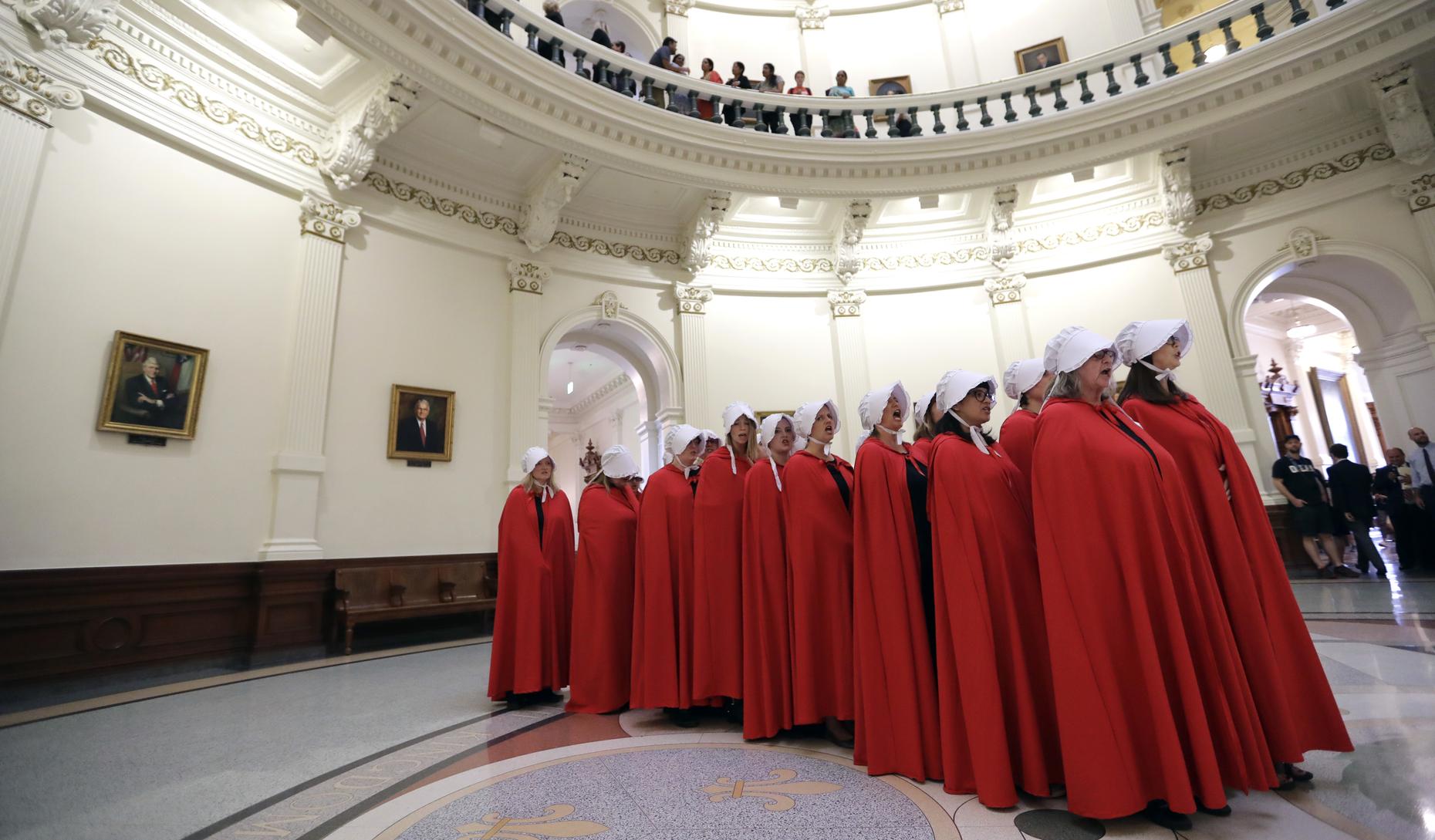
Jan 3, 2018
The Man Behind Black Mirror
When the British TV show Black Mirror first arrived in the US in late 2014, it was applauded for imagining dystopian, technology-centric scenarios that did not seem terribly far off. Now, as the show launches its fourth season, real life seems to be working hard to surpass the strangeness, and sense of dread, that the show continues to inspire. In January of 2015, Brooke spoke with the creator of Black Mirror , Charlie Brooker, about how the show came about and what it seeks to show us about our technological future...and present. Songs: "Auld Lang Syne" "15 Million Merits" by Stephen McKeon "Bing Abi" by Stephen McKeon On the Media is supported by listeners like you. Support OTM by donating today ( https://pledge.wnyc.org/support/otm ). Follow our show on Instagram , Twitter and Facebook @onthemedia, and share your thoughts with us by emailing onthemedia@wnyc.org.

Dec 29, 2017
The Feelings Show
Father Time — his 2017 sash bloodied and muddied, no doubt — will soon hand off the baton to Baby New Year and, like the reluctant old fellow reaching the end of his tenure, we have some feelings about it. It's been a weird one, and we're obviously not holding our breaths hoping for a respite in the next calendar year. So in anticipation of emotions of all kinds, we present The Feelings Show: three interviews from that past that helped us deal with, you know — things. 1. Rebecca Solnit, writer and historian, on her impatience with despair and her insistence that the future is unknowable — and therefore full of potential. 2. Robert Wright [ @robertwrighter ], writer and theologian, on how adopting basic mindfulness techniques could improve our lives and help us avoid outrage fatigue. 3. Jad Abumrad [ @JadAbumrad ], host of WNYC's Radiolab , and Eugene Thacker, professor of media studies at The New School, on nihilism's powerful grip on our culture. On the Media is supported by listeners like you. Support OTM by donating today ( https://pledge.wnyc.org/support/otm ). Follow our show on Instagram , Twitter and Facebook @onthemedia, and share your thoughts with us by emailing onthemedia@wnyc.org.

Dec 21, 2017
Fire With Fire
When it comes to fighting fire with fire, common knowledge would have us leave the pyrotechnics to the trained professionals. This week, though, we take a look at those taking matters into their own hands, no matter the heat. With far-right internet trolls publishing the phone numbers and addresses of their "antifa" enemies, leftists are weighing the merits of returning the favor. CNN gets caught up in the frenetic energy of the Twitter presidency and the Russia investigations — and completely misfires. Plus, how Detroit's "chief storyteller" plans to counter incomplete narratives with more genuine — and government-funded — stories of his own. 1. Brooke on Fox News's and congressional Republicans' recent attacks on the FBI and special counsel Robert Mueller. 2. Glenn Greenwald [ @ggreenwald ], editor at The Intercept, on CNN's mistaken reporting on Wikileaks and Donald Trump, Jr. last week, and the media's seeming frenzy to get the goods on President Trump. 3. Bob examines the ethics of doxxing with Decca Muldowney [ @deccamuldowney ], reporter at ProPublica, Elie Mystal [ @ElieNYC ], legal editor for WNYC's More Perfect, and Jessica Nocero, non-profit healthcare administrator and antifa militant. 4. Aaron Foley [ @aaronkfoley ], Detroit's Chief Storyteller, on his new responsibility to transform his city's narrative. 5. Sara Fishko [ @FishkoFiles ], host of WNYC 's Fishko Files, looks back on a time in film history when lies and misdirection were a forgivable delight. On the Media is supported by listeners like you. Support OTM by donating today ( https://pledge.wnyc.org/support/otm ). Follow our show on Instagram , Twitter and Facebook @onthemedia, and share your thoughts with us by emailing onthemedia@wnyc.org.
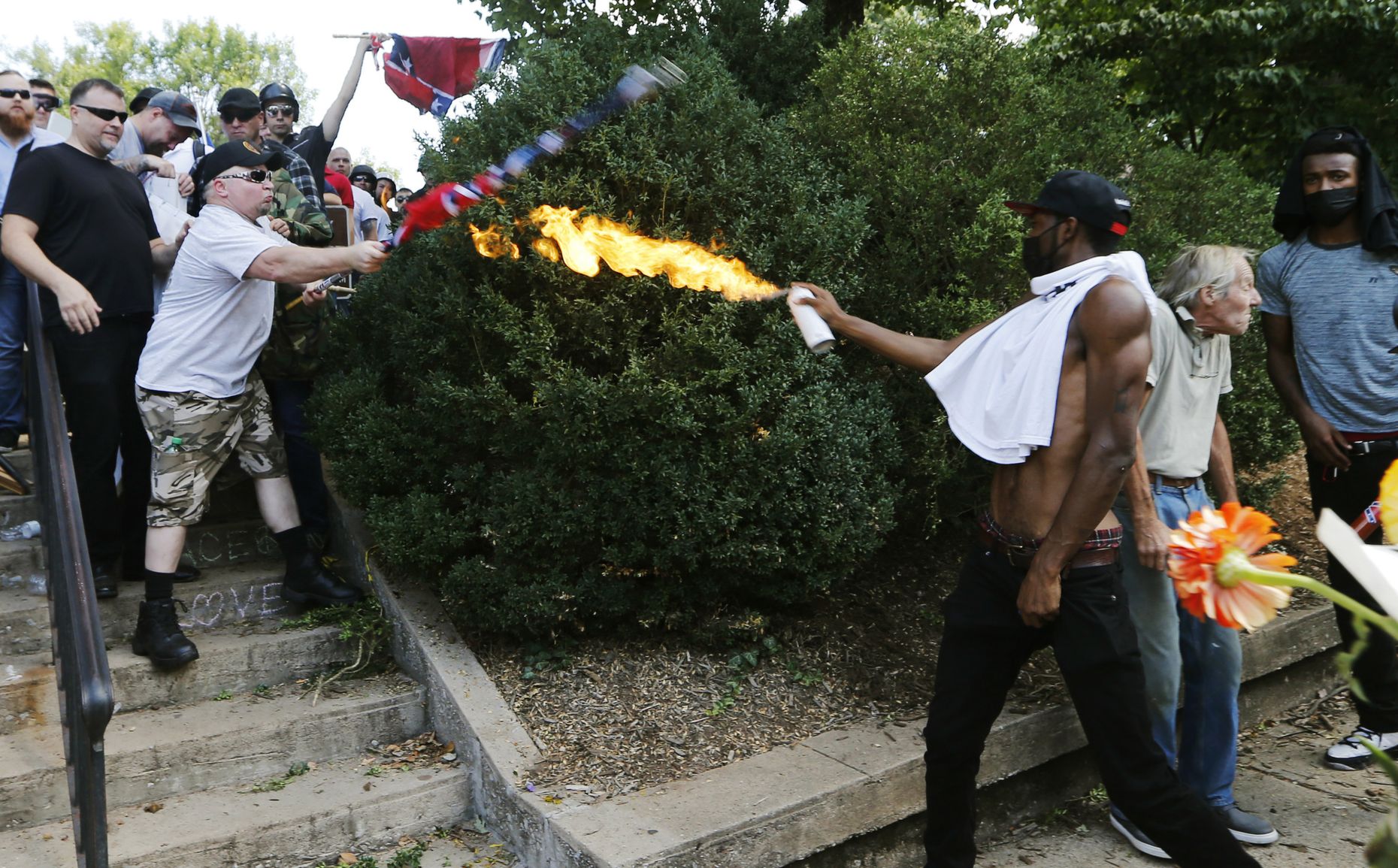
Dec 20, 2017
Don't Expect Filing Your Taxes to Get Any Easier
In selling their new tax bill to the public, Republicans have leaned heavily on the theme of simplification. According to them, one of the primary benefits of overhauling our mammoth tax code is that it would make the dreaded filing process easier for Americans. But in reality the new tax bill does little to address the confusion that plagues the tax filing process...or the tax preparation companies like H&R Block that make millions off of that confusion. Last April, Brooke spoke with ProPublica's Senior Reporting Fellow Jessica Huseman about the role the tax preparation lobby has played in keeping our code so complicated and why it doesn't have to be that way. With the passage of the Republican tax bill, we're re-airing that interview. On the Media is supported by listeners like you. Support OTM by donating today ( https://pledge.wnyc.org/support/otm ). Follow our show on Instagram , Twitter and Facebook @onthemedia, and share your thoughts with us by emailing onthemedia@wnyc.org.

Dec 15, 2017
After the Storm
Three months after Hurricane Maria, Puerto Rico's recovery story is far from over and far from simple. For some, it's a story of resilience. Others, resignation. For all, it is a story of frustration. Where some adapt, or become acostumbrados , and others demand political solutions. Where tragedy and privation is relieved not just by clean tap water or dependable electricity, but by jokes, music and defiance. This week, we look at the on-the-ground reality of Puerto Rico's recovery and explore all that has been exposed by the storm and its aftermath. 1. Sandra Rodriguez Cotto [ @srcsandra ], host at WAPA Radio, on community radio's role in supporting Puerto Rico's recovery. Omaya Sosa Pascual [ @omayasosa ], investigative journalist and co-founder of the Center for Investigative Journalism, on Maria's death count and understanding who is really in charge of Puerto Rico. 2. OTM producer Alana Casanova-Burgess [ @alanallama ] speaks with Benjamin Torres Gotay [ @TorresGotay ], columnist for the newspaper El Nuevo D í a; Walter Ronald Gonzalez Gonzalez, director of Art, Culture, and Tourism for the region of Utuado; Yarimar Bonilla [ @yarimarbonilla ], anthropologist at Rutgers University; psychoanalyst Alfredo Carrasquillo [ @alcarrpr ]; and Sandra Rodriguez Cotto [ @srcsandra ], host at WAPA Radio, about what was exposed by the storm. 3. Lucienne Hernandez [ @lucibreve ], performer with the Teatro Breve comedy group in San Juan, on processing the disaster through humor. 4. Alana considers what might come next for the island and on the fact that Puerto Rico's problems, before and after Hurricane Maria, are America's problems writ large: inequality, addiction, and the growing dangers of climate change. Support our work with your donation today at OntheMedia.org/donate . On the Media is supported by listeners like you. Support OTM by donating today ( https://pledge.wnyc.org/support/otm ). Follow our show on Instagram , Twitter and Facebook @onthemedia, and share your thoughts with us by emailing onthemedia@wnyc.org.
Dec 8, 2017
Power Trip
From Capitol Hill to the workplace to the darkest corners of the internet, it can feel like our world is increasingly being manipulated by threats and intimidation. This week we look at the role of bullies in our lives and how we should and shouldn’t respond. Plus, as the GOP tax bill moves through Congress, a look back at the historical struggle over taxation in America. And finally, the story of an MSNBC contributor fired and rehired within the past two weeks and the far-right troll who was responsible. 1. Brooke on WNYC's own revelations of sexual misconduct and bullying and Dahlia Lithwick [ @Dahlialithwick ], writer for Slate and host of the Amicus podcast, on the potential danger for Democrats when they take the "moral high ground" on sexual misconduct. 2. Molly Michelmore [ @MollyMichelmore ], historian at Washington & Lee University, on the history and evolution of political rhetoric surrounding American tax policy. 3. Sam Seder [ @SamSeder ], MSNBC contributor and host of the Majority Report podcast, on his temporary firing from the network, and Mike Cernovich, "mens-rights" activist and far-right conspiracy theorist, on his reasons for trolling MSNBC—that is, until he hung up on us. 4. Emily Bazelon [ @emilybazelon ], staff writer for the New York Times Magazine , on what schoolyard dynamics can teach us about adult bullies and how to confront them. On the Media is supported by listeners like you. Support OTM by donating today ( https://pledge.wnyc.org/support/otm ). Follow our show on Instagram , Twitter and Facebook @onthemedia, and share your thoughts with us by emailing onthemedia@wnyc.org.
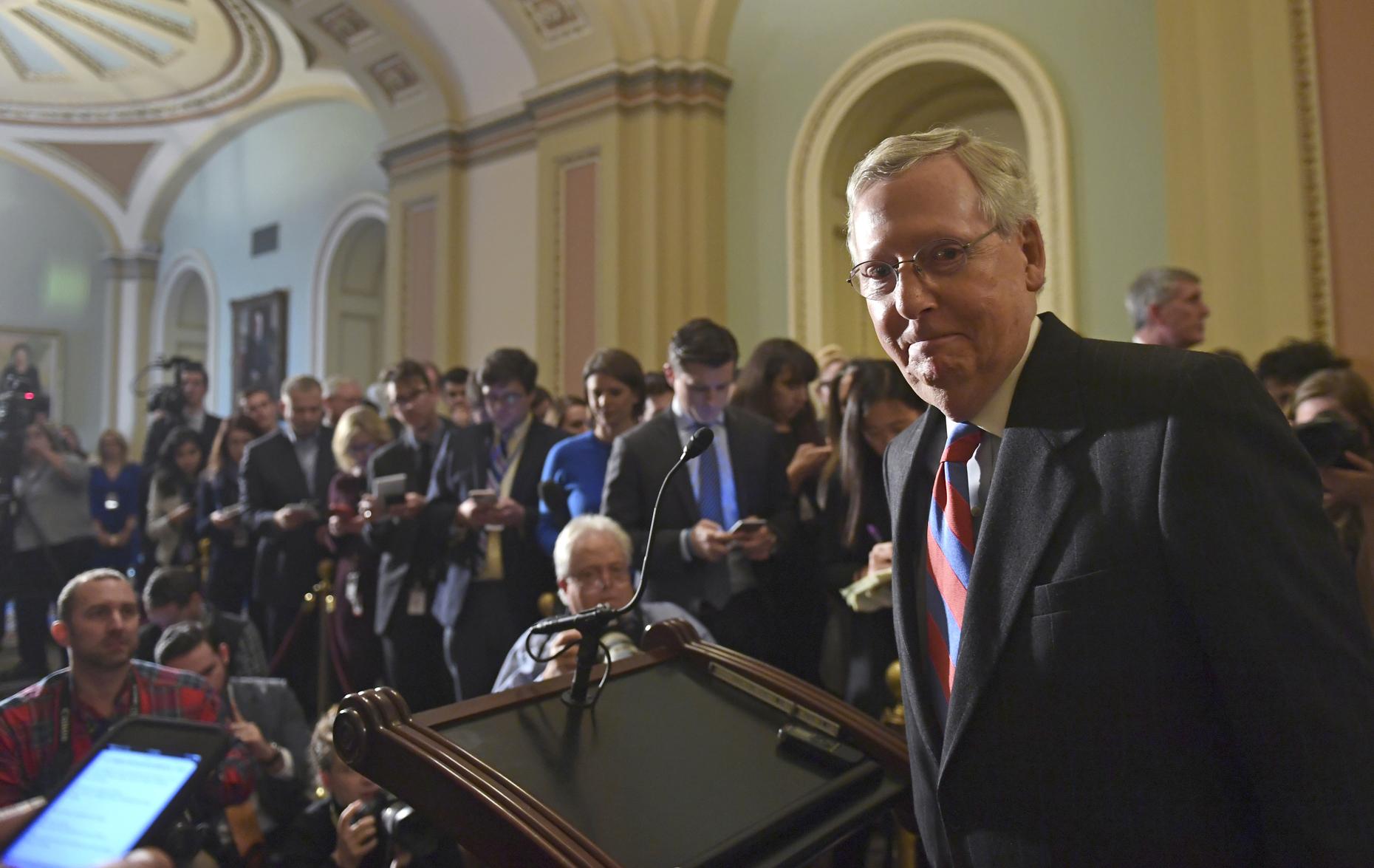
Dec 5, 2017
A Reckoning in Our Own House
Update: On Wednesday, following the release of this pod extra, New York Public Radio announced that Jonathan Schwartz and Leonard Lopate had been placed on indefinite leave as the station investigates " accusations of inappropriate conduct" filed against the two long-time hosts. This weekend, New York Magazine published investigative reporter Suki Kim's personal experiences and reporting on sexual harassment by John Hockenberry, former host of the WNYC program, "The Takeaway." The article alleges that over the past decade, Hockenberry sexually harassed interns, producers, and a guest on "The Takeaway." It also details a culture of bullying; in particular Hockenberry's behavior towards three female co-hosts, none of whom remained on the show. In August 2017, John Hockenberry retired from WNYC as a highly regarded, award-winning broadcast and radio journalist. Most staff members at WNYC were unaware of his alleged behavior until we read Suki Kim's article. This podcast is a tick-tock of a station reckoning with its own sexual harassment allegations; the on-air conversations between hosts, reporters, listeners and WNYC management. On the Media is supported by listeners like you. Support OTM by donating today ( https://pledge.wnyc.org/support/otm ). Follow our show on Instagram , Twitter and Facebook @onthemedia, and share your thoughts with us by emailing onthemedia@wnyc.org.
Dec 1, 2017
Flim-Flam Nation
It was yet another week of outrageous and consequential stories piling on top of one another at a head-spinning pace. A failed attempt to discredit the Washington Post. A bombshell plea from a former Trump official. A secret button. Poison in the Hague. A computer glitch that could ruin Christmas. And the FCC's upcoming vote on "net neutrality," a bureaucratic thicket with potentially catastrophic consequences. All of this, plus radical transparency in journalism, bots bringing down public comment and the history of America's love of hoaxes. 1. Brooke leads us through a week that was, as she says, a " ceaseless and accelerating volume of crazy"—coming both from the news at large and the Oval Office. 2. Margaret Sullivan [ @Sulliview ], columnist for the Washington Post , on how her colleagues' adroit response to the failed Project Veritas "sting" could help rehabilitate the public's faith in news organizations. 3. Tom Wheeler [ @tewheels ], former Chairman of the FCC, and Nick Gillespie [ @nickgillespie ], Editor-in-Chief of Reason.com, debate the FCC's upcoming vote on whether to repeal Obama-era regulations for internet service providers known as net neutrality. 4. Issie Lapowsky [ @issielapowsky ], Senior Writer for Wired, on how networks of bots and bad actors have thrown the federal government's public comment process into jeopardy. 5. Kevin Young [ @Deardarkness ], director of the Schomburg Center for Research in Black Culture and author of Bunk , on A merican hoaxes have long played on deep divisions in our society. On the Media is supported by listeners like you. Support OTM by donating today ( https://pledge.wnyc.org/support/otm ). Follow our show on Instagram , Twitter and Facebook @onthemedia, and share your thoughts with us by emailing onthemedia@wnyc.org.
Nov 27, 2017
About that Nazi Next Door
The New York Times' profile of Tony Hovater , a white nationalist and Nazi sympathizer, set Twitter on fire last weekend — and not in a good way. Bob speaks with Charlie Warzel, senior technology writer at Buzzfeed, about what the story got wrong. As Warzel wrote earlier this week, in a piece titled " The New York Times Can't Figure Out Where Nazis Come From in 2017. Pepe Has an Answer ": "Save for a passing mention of 4chan and some description of Hovater's more contentious Facebook posts, the Times piece does little to describe the online ecosystem that has helped white nationalists, neo-Nazis, and the alt-right organize, amplify its message, and thrive in recent years. And, simply put, any attempt to answer what exactly led Hovater to "gravitate toward the furthest extremes of American political discourse" is incomplete without it." On the Media is supported by listeners like you. Support OTM by donating today ( https://pledge.wnyc.org/support/otm ). Follow our show on Instagram , Twitter and Facebook @onthemedia, and share your thoughts with us by emailing onthemedia@wnyc.org.

Nov 24, 2017
Apocalypse, Now
Science fiction has always been an outlet for our greatest anxieties. This week, we delve into how the genre is exploring the reality of climate change. Plus: new words to describe the indescribable. 1. Jeff VanderMeer [ @jeffvandermeer ], author of the Southern Reach Trilogy and Borne , on writing about the relationships between people and nature. 2. Claire Vaye Watkins [ @clairevaye ] talks about Gold Fame Citrus , her work of speculative fiction in which an enormous sand dune threatens to engulf the southwest. 3. Kim Stanley Robinson discusses his latest work, New York 2140 . The seas have risen 50 feet and lower Manhattan is submerged. And yet, there's hope. 4. British writer Robert Macfarlane [ @RobGMacfarlane ] on new language for our changing world. Throughout the show: listeners offer their own new vocabulary for the Anthropocene era. Many thanks to everyone who left us voice memos! On the Media is supported by listeners like you. Support OTM by donating today ( https://pledge.wnyc.org/support/otm ). Follow our show on Instagram , Twitter and Facebook @onthemedia, and share your thoughts with us by emailing onthemedia@wnyc.org.
Nov 21, 2017
Brooke Gets Mindful
If you find yourself fuming at the Thanksgiving table this week when the conversation turns political, rather than losing your cool in front of your friends and family, consider pausing and taking a deep breath . According to Robert Wright , author of Why Buddhism is True: The Science and Philosophy of Meditation and Enlightenment , so much of the tribalism and animosity that fuels our political moment could be mitigated if more Americans adopted mindfulness techniques. In this podcast extra, Brooke speaks with Wright about how living a mindful life can make us savvier, saner news consumers and help us avoid outrage fatigue. On the Media is supported by listeners like you. Support OTM by donating today ( https://pledge.wnyc.org/support/otm ). Follow our show on Instagram , Twitter and Facebook @onthemedia, and share your thoughts with us by emailing onthemedia@wnyc.org.

Nov 17, 2017
The Reckoning
As allegations of sexual misconduct continue to dominate the news, a look at how we are dealing with high-profile offenders and who is being ignored. Plus, a critical reexamination of Bill Clinton's reputation, the difficulty of processing good art made by bad people, and how to brace ourselves for the potential backlash. 1. Rebecca Traister [ @rtraister ], writer-at-large for New York Magazine , on how sexual harassment stories at the national level resonate with our own familiar relationships to power and gender. 2. Michelle Goldberg [ @michelleinbklyn ], columnist for The New York Times , on the claims of sexual misconduct made against Bill Clinton. 3. Sarah Smarsh [ @Sarah_Smarsh ], writer and reporter, on the sexual harassment accusations that won't make the news, especially those of the working poor. 4. Lily Loofbourow [ @Millicentsomer ], culture critic for The Week , on preparing for a public backlash against the post-Weinstein moment. 5. Kathryn VanArendonk [ @kvanaren ], TV critic for Vulture , on how to parse the fraught relationship between artists and their art, particularly when those artists are accused of violence or abuse. On the Media is supported by listeners like you. Support OTM by donating today ( https://pledge.wnyc.org/support/otm ). Follow our show on Instagram , Twitter and Facebook @onthemedia, and share your thoughts with us by emailing onthemedia@wnyc.org.
Nov 14, 2017
Rebecca Traister Says 'the Anger Window' Is Open
New York Magazine writer Rebecca Traister says that every new revelation about sexual harassment confirms what women have always known. In her most recent article she asks "a s stories about abuse, assault, and complicity come flooding out, how do we think about the culprits in our lives? Including, sometimes, ourselves." Brooke spoke with Rebecca on Tuesday; it was a long and impassioned interview, a shorter version of which will be in this week's show (a full hour about the "#metoo" moment), but in the meantime, here is a *lightly* edited version of their conversation. On the Media is supported by listeners like you. Support OTM by donating today ( https://pledge.wnyc.org/support/otm ). Follow our show on Instagram , Twitter and Facebook @onthemedia, and share your thoughts with us by emailing onthemedia@wnyc.org.
Nov 10, 2017
The Ecstasy of Gold
Another massive data leak has cast scrutiny on the world of the ultra-wealthy, but some doubt whether much will change. A look inside the Paradise Papers and at the secretive industry of "wealth management" that makes sure the wealthy remain rich and hidden. Also, in the wake of the shuttering of Gothamist and DNAinfo, how journalism is contending with its "billionaire problem," and a look at the recent standoff between Disney and journalists. Finally, the story of how a Syrian man's journey to the West found him experiencing America's Wild West in Sweden. 1. Marina Walker Guevara [ @MarinaWalkerG ], Deputy Director at The International Consortium of Investigative Journalists , on how the group reported the Paradise Papers . 2. Brooke Harrington , author of Capital without Borders , on the secretive industry of "wealth management" and the real threat of offshore wealth. 3. Julia Wick [ @sherlyholmes ], former editor-in-chief of LAist , on the perilous position in which many small news sites find themselves due to billionaire influence. 4. Bob [ @bobosphere ] on the recent showdown between Disney, the LA Times and a collection of film journalists. 5. Micah Loewinger [ @MicahLoewinger ], OTM producer, on how a Wild West theme park in Sweden became a haven for refugees, and what it tells us about America's own Wild West fixation. On the Media is supported by listeners like you. Support OTM by donating today ( https://pledge.wnyc.org/support/otm ). Follow our show on Instagram , Twitter and Facebook @onthemedia, and share your thoughts with us by emailing onthemedia@wnyc.org.

Nov 8, 2017
12 Months Later: Brooke and Bob on Covering Trump
It's now a year since Election Day 2016, and a year since we gathered in our office the day after Election Day to figure out what exactly had happened. The mood was tense, and our Executive Producer Katya Rogers seized the opportunity to offer listeners some ultra transparency, documenting a moment when Brooke and Bob were at their most doubting. The result: a raw podcast extra , in which the hosts argued about what had gone down and how the show should cover the Trump administration. Flash forward to this summer, when Bob and Brooke re-listened to their November conversation and then turned on the mics to reflect on their thoughts and speculations from eight months earlier. Both conversations are collected here for this weeks podcast extra. On the Media is supported by listeners like you. Support OTM by donating today ( https://pledge.wnyc.org/support/otm ). Follow our show on Instagram , Twitter and Facebook @onthemedia, and share your thoughts with us by emailing onthemedia@wnyc.org.
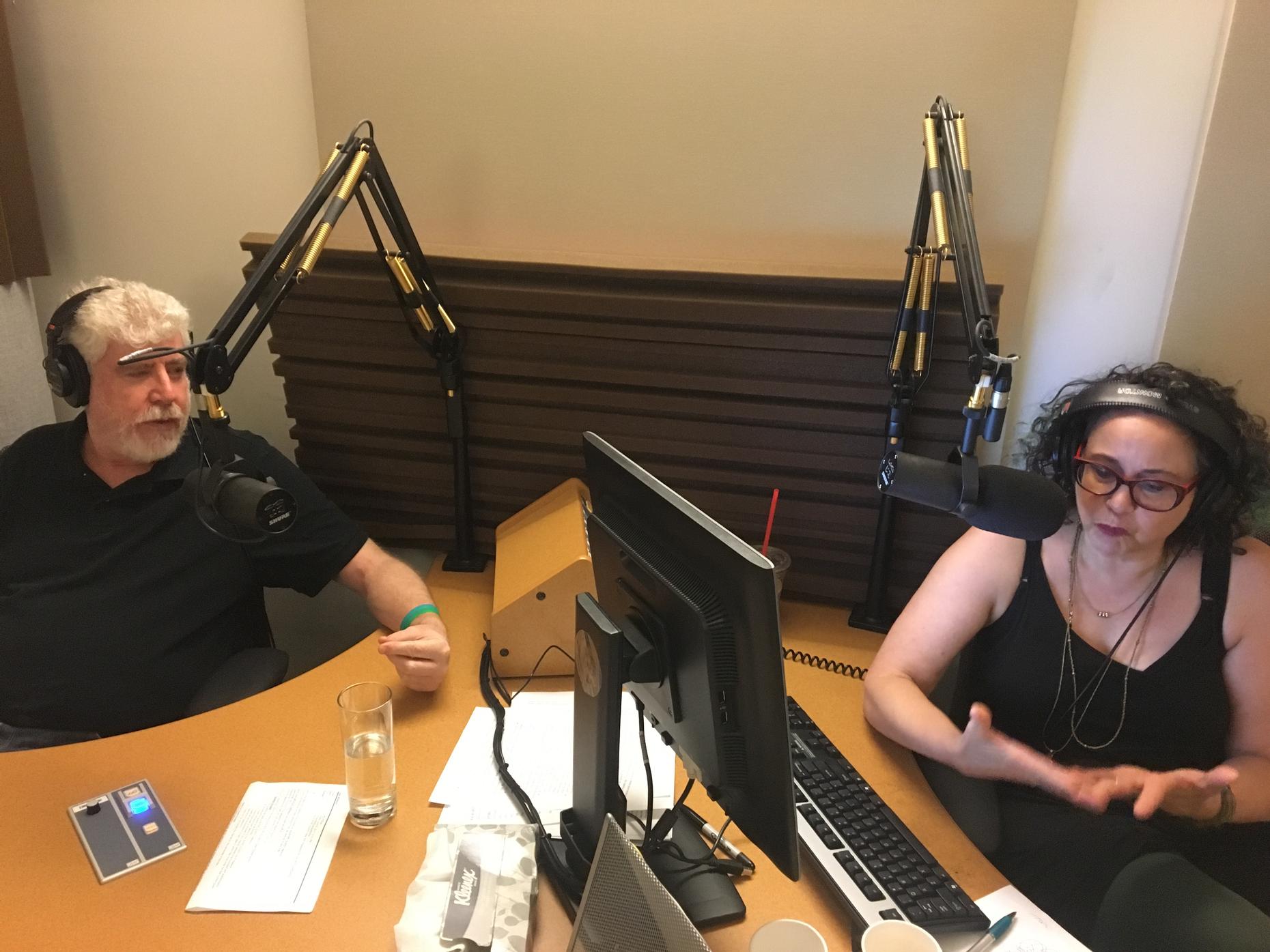
Nov 3, 2017
Off the Radar
Following the announcement of the first indictments in Robert Mueller's special investigation, the media were scrambling to put together the pieces...or else ignoring the news completely. How to make sense of the details, and the silences, in Mueller's first public release and in some of the media's apparent apathy. Also, how the NPR newsroom responded when one of its own was brought down for sexual harassment. And a former Guantanamo Bay prisoner talks about unredacting the bestseller he wrote behind bars and what he's learned about America's opaque military and justice systems. 1. Bob looks at how Rupert Murdoch's media empire spins all things Trump. And Sarah Ellison [ @sarahlellison ], special correspondent for Vanity Fair , helps to explain the mogul's long game. 2. Marcy Wheeler [ @emptywheel ], independent investigative journalist , breaks down what we know from the first Mueller indictments, what we can surmise and what the media need to be careful of. 3. David Folkenflik [ @davidfolkenflik ], NPR's media correspondent, about how the network handled the accusations against, and eventual resignation of, NPR's head of news, Michael Oreskes. 4. Larry Siems [ @LarrySiems ], editor of Guantanamo Diary , about his experience helping the newly freed Mohamedou Ould Slahi create an unredacted version of his bestseller. 5. Mohamedou Ould Slahi, author of Guantanamo Diary , about the unredacting process and what he took away from his nightmarish experience behind bars. On the Media is supported by listeners like you. Support OTM by donating today ( https://pledge.wnyc.org/support/otm ). Follow our show on Instagram , Twitter and Facebook @onthemedia, and share your thoughts with us by emailing onthemedia@wnyc.org.
Oct 31, 2017
Monumental Questions
Speaking this week on Fox News, White House Chief of Staff John Kelly warned against the removal of Confederate monuments on the grounds that it would erase important history. But the statues in question have never been about preserving a neutral version of history but rather about perpetuating a series of narratives and myths about slavery and the Civil War. Earlier this year we spoke to Malcolm Suber, historian and co-founder of the group Take 'Em Down NOLA , about the significance of removing monuments to white supremacy. And we spoke to Bryan Stevenson, director of the Equal Justice Initiative , about his work documenting the thousands of lynchings that took place in the South from 1877 to 1950, and the significance of remember and reckoning with the realities of our shameful past. On the Media is supported by listeners like you. Support OTM by donating today ( https://pledge.wnyc.org/support/otm ). Follow our show on Instagram , Twitter and Facebook @onthemedia, and share your thoughts with us by emailing onthemedia@wnyc.org.
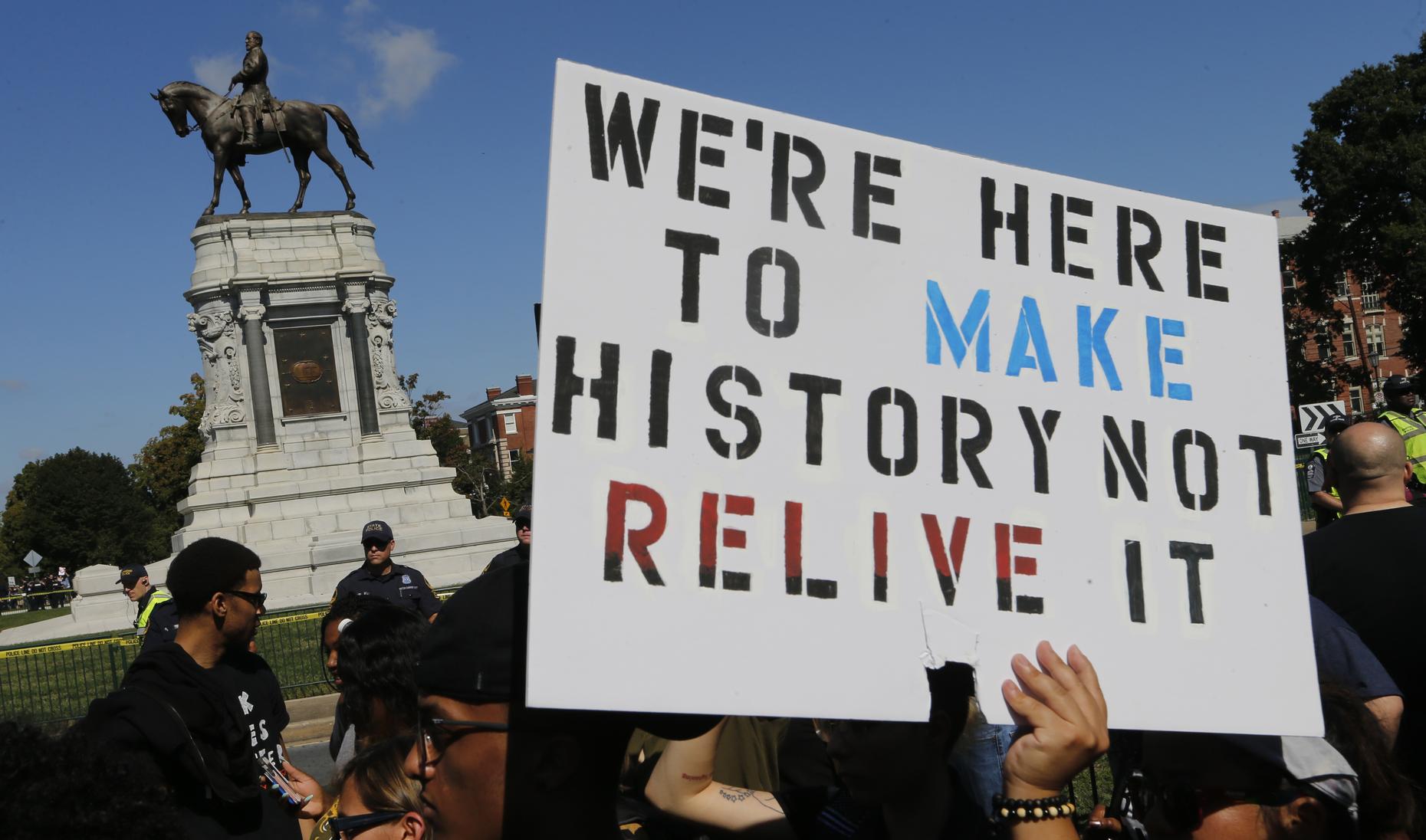
Oct 27, 2017
Chokehold
Since the news about Harvey Weinstein’s sexual predations, allegations have surfaced against other powerful men. We look back at the early days in the fight against sexual harassment with the woman who coined the term. Plus: journalist Matt Taibbi examines the life, death and legacy of Eric Garner; and the release of new JFK files brings the mother of all conspiracy theories back into the spotlight. 1. Lin Farley, author of The Sexual Shakedown: The Sexual Harassment of Women On the Job , talks about the term she coined in the mid-70s: 'sexual harassment'. 2. Matt Taibbi [ @mtaibbi ], journalist and author of I Can't Breathe: A Killing on Bay Street , discusses his exploration of Eric Garner's life and death in the media. 3. Ron Rosenbaum [ @RonRosenbaum1 ] talks about his long-time interest in the JFK assassination and how the conspiracy theories changed "the landscape of the American mind." 4. Sara Fishko [ @FishkoFiles ] reports on how TV anchors used the new medium to cover the JFK assassination, the president's funeral, and the attack on Lee Harvey Oswald in real time. On the Media is supported by listeners like you. Support OTM by donating today ( https://pledge.wnyc.org/support/otm ). Follow our show on Instagram , Twitter and Facebook @onthemedia, and share your thoughts with us by emailing onthemedia@wnyc.org.
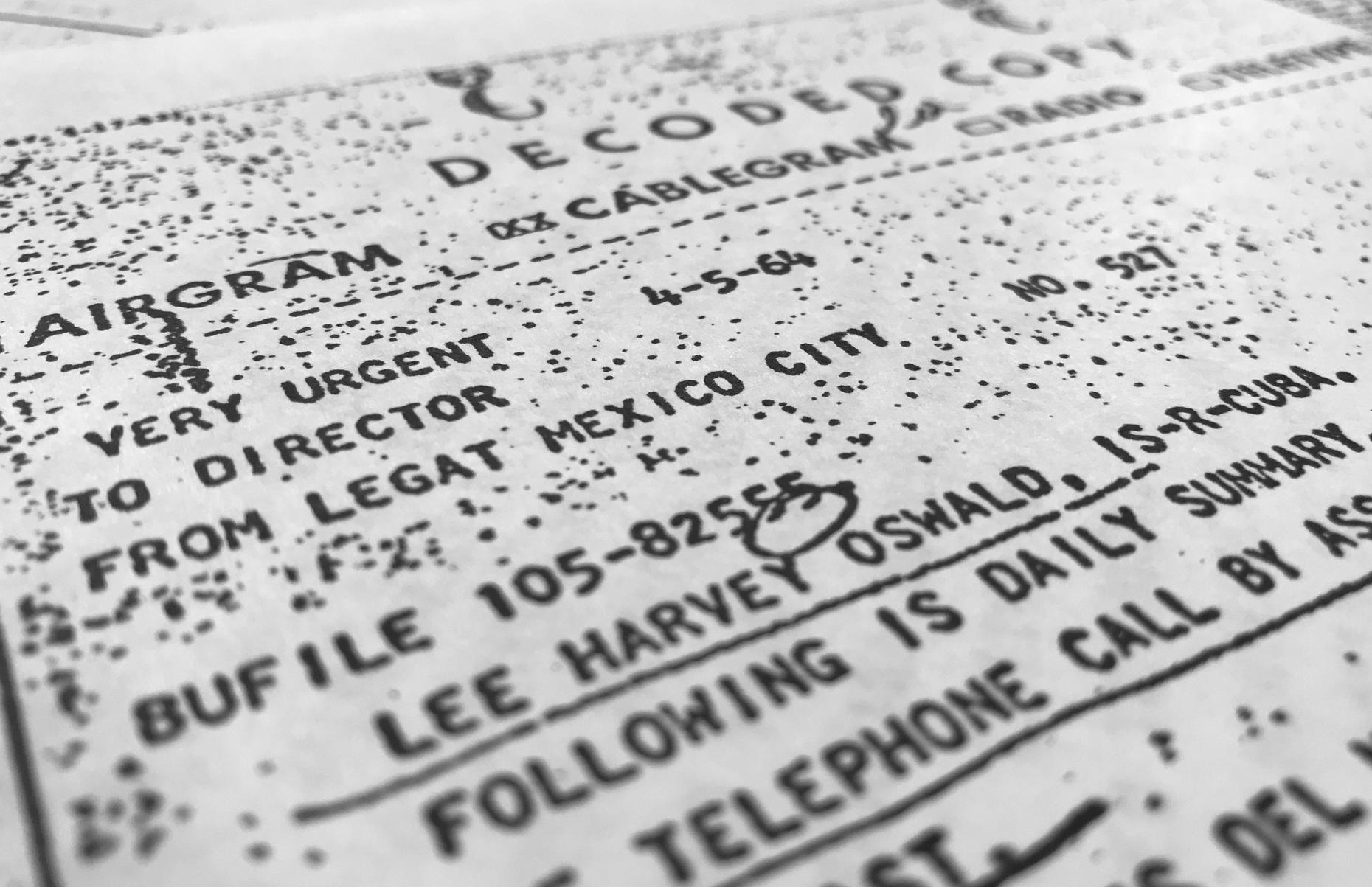
Oct 25, 2017
Scary Clowns
The days are getting shorter, the leaves are changing and Halloween is on its way. And with these annual rites comes another yearly tradition: the coming of the clowns. Last year at this time, to believe the reporting, the country was overrun with so-called “evil clowns,” terrorizing communities across the United States. At the time, Bob spoke with Benjamin Radford , author of Bad Clowns and a research fellow with the Committee for Skeptical Inquiry about our historic and cultural relationship with clown sightings. With clowns again making their resurgence, we’re sharing that interview as this week's podcast extra. On the Media is supported by listeners like you. Support OTM by donating today ( https://pledge.wnyc.org/support/otm ). Follow our show on Instagram , Twitter and Facebook @onthemedia, and share your thoughts with us by emailing onthemedia@wnyc.org.

Oct 20, 2017
Under the Influence
As the opioid crisis in America rages, the government struggles to react. A look at how a 2016 bill weakened the Drug Enforcement Agency and why nobody noticed. Also, how painkillers took off in America, thanks to industry-sponsored junk science; the power of addict death notices to spread understanding about the depths of the crisis; and inside a new report exposing the exploitation faced by many senior citizens. 1. Lenny Bernstein [ @LennyMBernstein ], health and medicine reporter for The Washington Post , on a new report exposing how the drug industry helped push through a 2016 bill that undercut the DEA's ability to fight against opioid abuse. 2. Barry Meier [ @BarryMeier ], New York Times reporter and author of " Pain Killer: A 'Wonder' Drug's Trail of Addiction and Death ," on how pharmaceutical companies like Purdue pushed painkillers as "wonder" drugs, based on junk science. 3. Anna Clark [ @annaleighclark ], Detroit-based journalist, on how obituaries and death notices for addicts are providing some of the most valuable insight into the epidemic and helping to reduce stigma. 4. Rachel Aviv [ @rachelaviv ], staff writer for The New Yorker, on how she reported her recent story on the way a system of guardianship is leaving many elderly people exploited. On the Media is supported by listeners like you. Support OTM by donating today ( https://pledge.wnyc.org/support/otm ). Follow our show on Instagram , Twitter and Facebook @onthemedia, and share your thoughts with us by emailing onthemedia@wnyc.org.

Oct 18, 2017
Raqqa Liberated
News came this week that the US backed Syrian Democratic Forces had finally liberated the city of Raqqa from the grip of ISIS. For the past three years the people trapped inside the oppressive ISIS regime suffered daily. Yet, reports of torture and assassination in the terrorized city did not come from traditional outlets. Rather, Raqqa is Being Slaughtered Silently , a band of citizen journalists led by Abdel Aziz al-Hamza , risked their lives to report the egregious conditions in a place that was notoriously difficult to enter or escape. Matthew Heineman followed this group in his new documentary, City of Ghosts . Bob speaks with Heineman and al-Hamza about their experiences in Raqqa and how these journalists found inspiration to continue their work. Also, Iraq’s nine-month operation to push ISIS out of Mosul yielded bittersweet news this summer: the liberation of a starved and terrorized city. Over the previous three years, ISIS sought to completely isolate the people of Mosul by shutting off access to the internet and outside media. Radio Al-Ghad, a community radio station, defied the media blackout and risked death to give a voice to the civilian population. Brooke speaks to Al-Ghad’s founder Mohammed Al-Musali about how his heroic team managed to shine a light into Mosul, win over ISIS supporters, and save countless lives. On the Media is supported by listeners like you. Support OTM by donating today ( https://pledge.wnyc.org/support/otm ). Follow our show on Instagram , Twitter and Facebook @onthemedia, and share your thoughts with us by emailing onthemedia@wnyc.org.

Oct 13, 2017
Losing Power
The President is once again threatening the press, but it's unclear whether he will be able to follow through. A look at which threats to the First Amendment we should be taking seriously. Also, looking beyond the "adults in the room" trope; reporting on the worsening situation in Puerto Rico; the role of gossip and whisper networks in protecting women; and the story of one of the original godfathers of gossip. 1. David Snyder , executive director of the First Amendment Coalition, on threats to the First Amendment under the Trump Administration. 2. James Mann , author of "Rise of the Vulcans: The History of Bush's War Cabinet," on why we should be wary of the military personnel who are increasingly in charge of our government. 3. David Begnaud , CBS news correspondent, on the work of covering Puerto Rico and the deteriorating situation on the ground. 4. Anne Helen Petersen , Buzzfeed senior culture writer, on the history of gossip and its essential role in the saga of Harvey Weinstein. 5. Neal Gabler, author of "Winchell: Gossip, Power and the Culture of Celebrity" on the story of Walter Winchell, one of the godfathers of gossip journalism. On the Media is supported by listeners like you. Support OTM by donating today ( https://pledge.wnyc.org/support/otm ). Follow our show on Instagram , Twitter and Facebook @onthemedia, and share your thoughts with us by emailing onthemedia@wnyc.org.
Oct 10, 2017
Puerto Rico's Never-ending Emergency
David Begnaud of CBS was in Puerto Rico before Hurricane Maria hit on September 20. Then, he and his team reported for two weeks straight, posting videos on Twitter and sending dispatches to the network. He tracked the logjam of aid stuck in ports, the snaking lines for water, the utter chaos at the San Juan airport. In response, Puerto Ricans of the diaspora have begun nominating him for honorary status as one of their own . After a short break, he's back on the island and still reporting. Begnaud speaks to Bob about how a recent rainstorm has made conditions even worse than they were before he left, and how he is serving as a conduit between Puerto Rican officials and FEMA. On the Media is supported by listeners like you. Support OTM by donating today ( https://pledge.wnyc.org/support/otm ). Follow our show on Instagram , Twitter and Facebook @onthemedia, and share your thoughts with us by emailing onthemedia@wnyc.org.
Oct 6, 2017
More Human Than Human
The news has been awash in reports of the rising death tolls for the Las Vegas shooting and the ongoing devastation in Puerto Rico. This week, why the media's emphasis on the numbers distorts our understanding of tragedies. Also, a case for using the word "terrorism" more cautiously; what we get wrong when we make assumptions about country music; and a look what it means to be human in the context of Blade Runner. 1. Bob ruminates on the media's knee-jerk attempts to quantify a crisis. And Omaya Sosa Pascual , a journalist with the Center for Investigative Journalism in Puerto Rico, discusses the scale of devastation on the island. 2. New Yorker columnist Masha Gessen explains why the media should apply the term "terrorism" with care. 3. Buzzfeed News's world correspondent J. Lester Feder on how country music went conservative. 4. Historian Nadine Hubbs examines generic assumptions about country music, and how they betray an underlying discomfort with the working class in America. 5. Historian Alison Landsberg speaks with Brooke about Blade Runner and human memory. On the Media is supported by listeners like you. Support OTM by donating today ( https://pledge.wnyc.org/support/otm ). Follow our show on Instagram , Twitter and Facebook @onthemedia, and share your thoughts with us by emailing onthemedia@wnyc.org.
Oct 2, 2017
After Vegas
On Sunday night, a gunman opened fire on an outdoor music festival in Las Vegas, NV. Since then, reports of deaths and injuries have been mounting, making for what's being called "the deadliest mass shooting" in modern American history. Amid the tragedy, we're seeing a spate of familiar media tropes: from offers of "thoughts and prayers" and tussles over the appropriate time to talk about gun control to mis-identification of perpetrators and publication of unconfirmed reports. Brooke recalls some points from On the Media's Breaking News Consumer's Handbook: Active Shooter Edition to remind us that, while this latest tragedy might feel unique, the media is recycling a playbook that we've seen all-too-many times before. On the Media is supported by listeners like you. Support OTM by donating today ( https://pledge.wnyc.org/support/otm ). Follow our show on Instagram , Twitter and Facebook @onthemedia, and share your thoughts with us by emailing onthemedia@wnyc.org.

Sep 29, 2017
Insult to Injury
As Puerto Rico rations resources and seeks help from the US government, the mainland media has mostly been preoccupied with Donald Trump's provocations towards the NFL. This week, what's actually happening on the island (and with the NFL). Also, a look at the radical history of the Star-Spangled Banner; how the Catalan independence referendum is being suppressed by the Spanish government; decoding the FBI's new crime statistics; and a look back at Hugh Hefner's impact on American culture. 1. Puerto Rican columnist Sandra Rodriguez Cotto [ @SRCSandra ] talks about how the local press are handling the wreckage following Hurricane Maria. 2. Brooke examines this week's NFL news frenzy. 3. University of Maryland assistant professor of musicology Will Robin [ @seatedovation ] reveals the national anthem's long history of musical defiance and radicalism. 4. Thomas Abt [ @Abt_Thomas ], a senior fellow at the Harvard Kennedy School and Harvard Law School and a former deputy secretary for public safety for New York State, talks about the politicization of violent crime data. 5. Vicent Partal [ @vpartal ], founder and editor of VilaWeb, a Catalan news outlet based in Barcelona, explains the modern Catalan separatist movement and the Spanish government's efforts to suppress this weekend's referendum. 6. A look back on Hugh Hefner's legacy through two interviews with and about him. On the Media is supported by listeners like you. Support OTM by donating today ( https://pledge.wnyc.org/support/otm ). Follow our show on Instagram , Twitter and Facebook @onthemedia, and share your thoughts with us by emailing onthemedia@wnyc.org.
Sep 28, 2017
Among Many Victims in Mexico, There Was One Who Never Existed
In Central Mexico, rescuers continue to sift through piles of rubble left by last week's 7.1 magnitude earthquake. Hundreds of volunteers have joined the rescue effort. One of the most widely reported stories from the earthquake reveals how the people in Mexico are coping with the earthquake. In the first couple days after it struck, media in Mexico and around the world focused on the story of a 12-year-old girl. She was trapped in the rubble of school building, communicating with rescuers, wiggling her fingers, and asking rescuers for water. She said her name was Frida Sofia, and she didn't exist at all. Brooke talks with Rodrigo Cervantes , the Mexico City bureau chief for KJZZ, about his reporting from rescue sites in the city, the mystery of Frida Sofia, and what the confusion reveals about distrust in media and the government. On the Media is supported by listeners like you. Support OTM by donating today ( https://pledge.wnyc.org/support/otm ). Follow our show on Instagram , Twitter and Facebook @onthemedia, and share your thoughts with us by emailing onthemedia@wnyc.org.

Sep 27, 2017
OTM live at the Texas Tribune Festival: The Politicians
When Brooke was at the Texas Tribune festival in Austin last week, she moderated two sessions, one with reporters and one with couple of US Representatives from Texas. Democrat Beto O’Rourke of El Paso, and Republican Will Hurd of Helotes. The two - who didn’t much know each other a year ago - made headlines in their state when, stranded by a snowstorm, they found themselves sharing a rented Chevy Impala for the sixteen-hundred mile drive from San Antonio to Washington. Brooke asked them roughly the same question she asked the reporters; how do the constant attacks by the President on journalism, on facts, influence how you do your job and how you deal with the press? Does it affect your point of view? **Correction: At one point, Representative Will Hurd refers to a recent missile launch by Iran as an example real news that is worth reporting. In fact, it was the opposite. ** On the Media is supported by listeners like you. Support OTM by donating today ( https://pledge.wnyc.org/support/otm ). Follow our show on Instagram , Twitter and Facebook @onthemedia, and share your thoughts with us by emailing onthemedia@wnyc.org.
Sep 27, 2017
OTM live at the Texas Tribune Festival: The Journalists
Last week Brooke was at the Texas Tribune Festival, an annual event that gathers hundred of speakers and thousands of citizens to discuss big issues of the day, ranging from education to climate change to politics. She moderated a couple of sessions: One with two great journalists from two very different places with two very different briefs. One of those journalists was Amy Chozick, a national political reporter for the New York Times, the other was Evan Smith, the co-founder and CEO of the Texas Tribune. The question at issue turned on President Trumps continuous attacks on the press, and on truth, basic facts. Does it affect the way they practice journalism? And if so, how? On the Media is supported by listeners like you. Support OTM by donating today ( https://pledge.wnyc.org/support/otm ). Follow our show on Instagram , Twitter and Facebook @onthemedia, and share your thoughts with us by emailing onthemedia@wnyc.org.
Sep 22, 2017
Trust Issues
Facebook is under fire for allowing Russian propagandists to buy ads during the 2016 election. This week, how we do and don't hold tech giants accountable. 1. Max Seddon [ @maxseddon ], Moscow correspondent for The Financial Times , on the push by the US government to register RT and Sputnik under the Foreign Agents Relations Act and why the effort to "do something" about Russian propaganda is misguided. 2. Julia Angwin [ @juliaangwin ], investigative journalist for ProPublica , on their new crowdsourcing project that aims to monitor otherwise inscrutable Facebook political advertisements. 3. Matt Stoller [ @matthewstoller ], Fellow at the Open Markets Institute , on understanding Silicon Valley's behavior through the lens of monopoly and why he believes Americans can, and must, demand more. 4. Utsav Sanduja [ @u ], Chief Operating Officer of the alt-right-favored social media network Gab , on their antitrust lawsuit against Google and why they see a need for a pro-free speech social media platform. 5. Paul Ford [ @ftrain ], tech author and commentator, on the difficult ethical questions that surround massive tech platforms. On the Media is supported by listeners like you. Support OTM by donating today ( https://pledge.wnyc.org/support/otm ). Follow our show on Instagram , Twitter and Facebook @onthemedia, and share your thoughts with us by emailing onthemedia@wnyc.org.
Sep 21, 2017
What Lies Ahead For Puerto Rico
Following Hurricane Maria’s landfall on Wednesday morning, we have only scarce images and reports from which to comprehend the scale of devastation in Puerto Rico right now. Perhaps due to disaster fatigue, perhaps due to the territory’s second-class status, the media coverage has been perfunctory. While the coverage to date has focused on the flooding and widespread power outages on the ravaged island, Rutgers professor Yarimar Bonilla says there's an important context to the problems with the electric grid. She and Bob discuss how the damage from Maria is related to the debt crisis, and how it may provide an excuse to justify another wave of privatization on the island. On the Media is supported by listeners like you. Support OTM by donating today ( https://pledge.wnyc.org/support/otm ). Follow our show on Instagram , Twitter and Facebook @onthemedia, and share your thoughts with us by emailing onthemedia@wnyc.org.
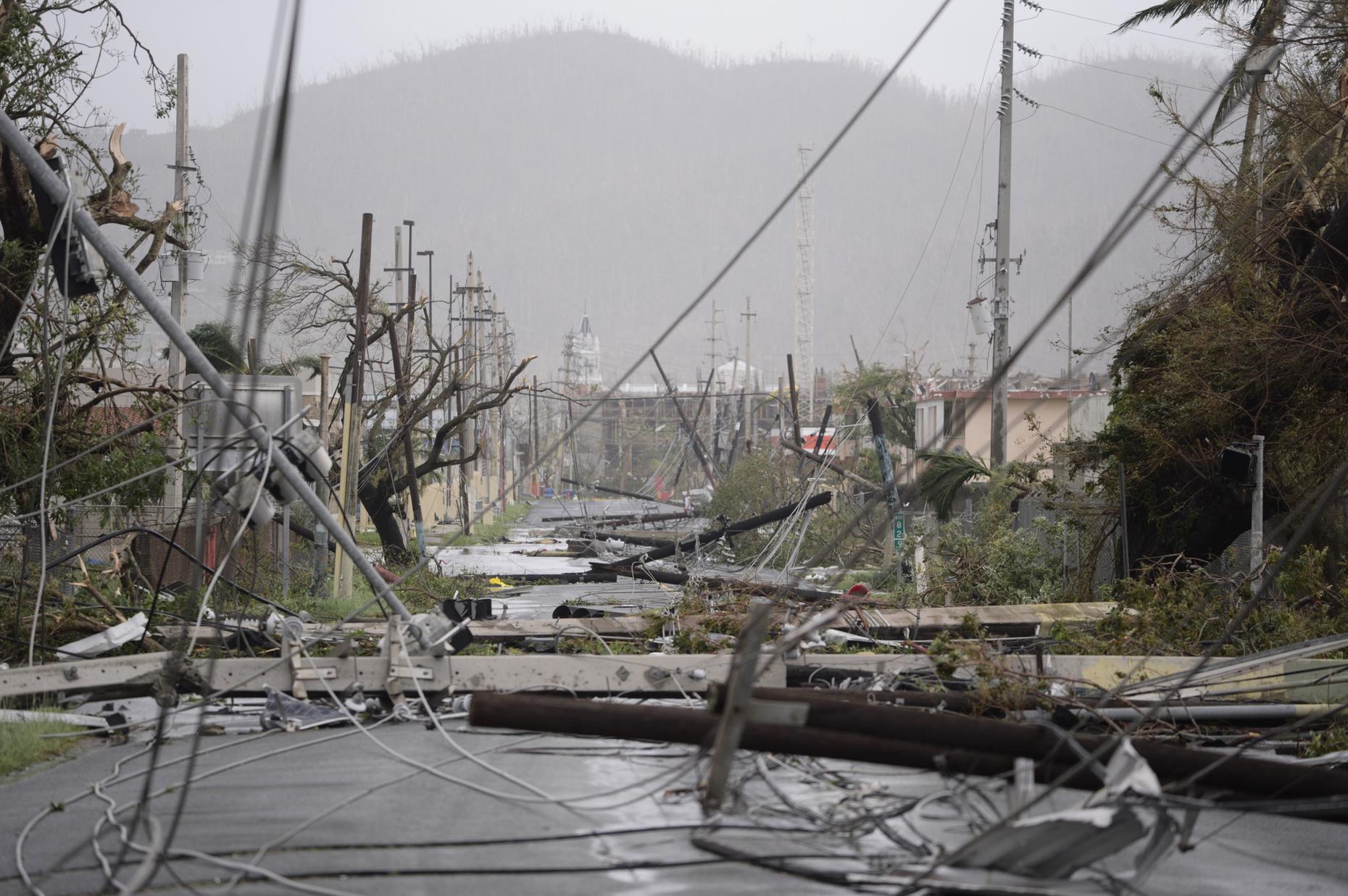
Sep 20, 2017
"Free Speech Week" Puts Berkeley Back in the Crosshairs
Alt-right provocateur Milo Yiannopoulos recently released a list of speakers for his upcoming "Free Speech Week" at University of California Berkeley, a four-day event featuring Steve Bannon, Ann Coulter, and a host of other conservative voices. Yet, according to Berkeley officials, the Berkeley Patriot, the on-campus student publication that invited Yiannopoulos in the first place, has flubbed basic logistical planning and put "Free Speech Week" in jeopardy. And if it falls apart, says historian Angus Johnston , then it will look like Berkeley had planned to censor the event all along. He and Brooke speak about why news consumers should focus less on the issue of campus free speech and more on Yiannopoulos’s PR strategy. On the Media is supported by listeners like you. Support OTM by donating today ( https://pledge.wnyc.org/support/otm ). Follow our show on Instagram , Twitter and Facebook @onthemedia, and share your thoughts with us by emailing onthemedia@wnyc.org.

Sep 15, 2017
Look What You Made Me Do
A week after President Trump cut a surprise deal with Democrats, and 100 years after it was created, is the debt ceiling still serving its intended purpose? Plus, inside the alt-right idolization of Taylor Swift and medieval history and how some are trying to fight back. Finally, a new book argues that we may need less technology, even--or especially--if it means we become more bored. 1. Zachary Karabell , author of "The Leading Indicators: A Short History of the Numbers that Rule Our World," discusses the debt ceiling's history and frequent use as political football. 2. Mitchell Sunderland , Senior Staff Writer at Vice , on Taylor Swift's fascist following . 2. Historian David M. Perry on how medieval historians should respond to white supremacist affection for their field. 4. Manoush Zomorodi , host of the WNYC's Note to Self , on her new book, "Bored and Brilliant," and the dire need to disengage from technology. On the Media is supported by listeners like you. Support OTM by donating today ( https://pledge.wnyc.org/support/otm ). Follow our show on Instagram , Twitter and Facebook @onthemedia, and share your thoughts with us by emailing onthemedia@wnyc.org.
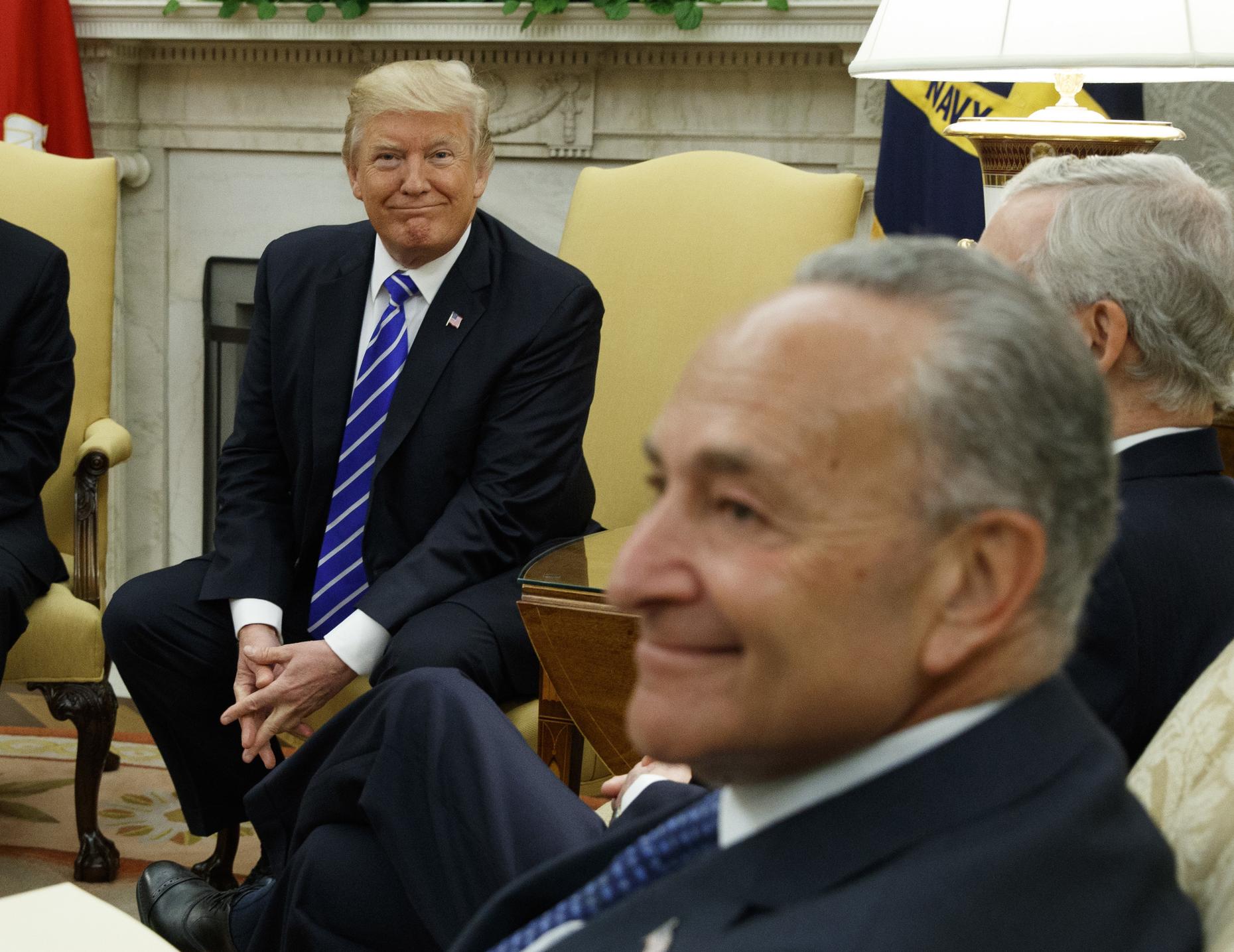
Sep 12, 2017
The Counter-Jihad Movement & the Making of a President
President George W. Bush, speaking at a mosque on Sept. 17, 2001: "The face of terror is not the true faith of Islam. That’s not what Islam is all about. Islam is peace." Donald Trump, campaigning for president on March 9, 2016: "I think Islam hates us." David Yerushalmi was living in an Israeli settlement near Jerusalem speaking on the phone with his father when the planes hit the towers on Sept. 11, 2001. "We got it wrong," Yerushalmi remembers telling his father. Before Sept. 11th, Yerushalmi thought terrorism was about nationalism, a fight over land. Afterward, he decided terrorism committed by Muslim extremists was driven by Islam itself -- and underpinned by Islamic Shariah law. Pamela Geller and David Yerulshami (Pamela Geller) So he packed up his family and moved to New York to become part of a fledgling community of conservatives who would come to be known as counter-jihadists. They had an uphill battle to fight: In the aftermath of Sept. 11, President Bush and most Americans, according to polls, did not equate Islam with terrorism. But 16 years later, even though there hasn't been another large-scale terrorist attack on American soil committed by a Muslim, America's perspective on Islam has changed -- evidenced most notably by the election of a president who believes the religion itself hates the country. Yerushalmi is a big reason for this change of heart. He's a behind-the-scenes leader of the counter-jihad movement, filing lawsuits pushing back against the encroachment of Islam in the public sphere and crafting a series of anti-Sharia laws that Muslims and civil rights groups decry as Islamophobic. "Do I think that the United States is weak enough to collapse either from a kinetic Jihad, meaning war, or even a civilizational Jihad that the Muslim Brotherhood talks about? No. At least not in my lifetime. But do I think it's an existential threat that allows for sleeper cells and the Internet-grown Jihadist that we see day in and day out wreaking so much havoc here and in Europe? Yes. Do I see it as a threat to our freedoms and liberties incrementally through their so-called civilizational Jihad where they use our laws and our freedoms to undermine our laws and our freedoms? Absolutely." WNYC reporter Matt Katz speaks to Yerulshami about what he thinks is the creeping threat of Sharia law for the podcast "The United States of Anxiety" produced by New York Public Radio. On the Media is supported by listeners like you. Support OTM by donating today ( https://pledge.wnyc.org/support/otm ). Follow our show on Instagram , Twitter and Facebook @onthemedia, and share your thoughts with us by emailing onthemedia@wnyc.org.
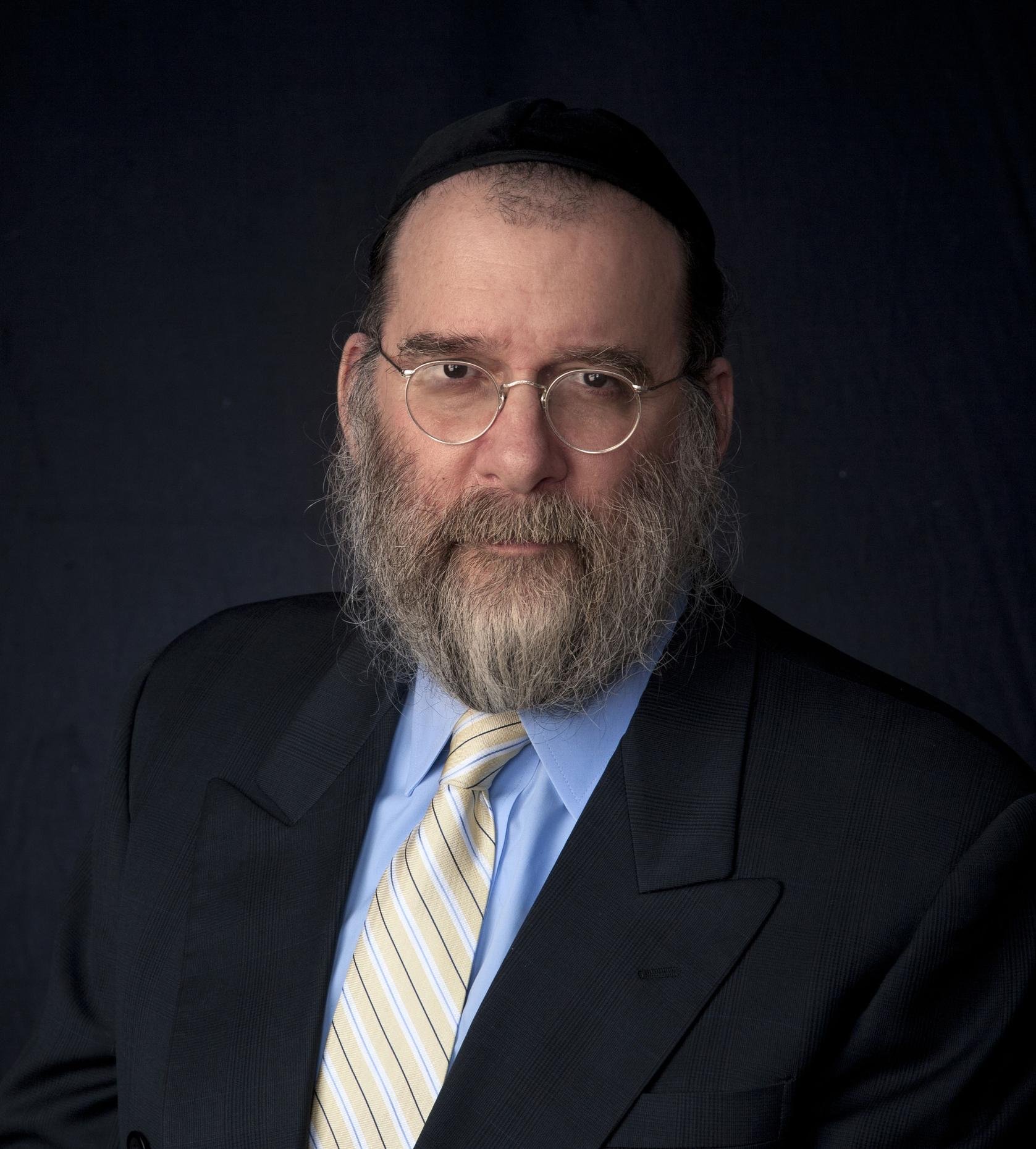
Sep 8, 2017
Duck and Cover
The Trump administration has announced the end of the DACA program. We examine the rhetoric used to justify the decision. Plus: the Southern Poverty Law Center faces questions from across the political spectrum about its messaging and fundraising; and the surprising history of FEMA's Cold War origins and what it means for emergency response today. 1. Mark Joseph Stern [ @mjs_DC ] of Slate dissects the rhetoric used by the Trump administration to justify ending the DACA program. 2. Peter Beinart [ @PeterBeinart ] of The Atlantic on how Democrats frame immigration and what gets ignored in the discussion. 3. The Southern Poverty Law Center has faced criticism from the left and the right. Ben Schreckinger [ @SchreckReports ] of Politico breaks down concerns surrounding the group's messaging and fundraising. Then, SPLC President Richard Cohen [ @splcenter ] responds to the criticism and rebuts recent, dubious accusations from right-leaning media outlets. 4. Garrett Graff [ @vermontgmg ] wrote about "The Secret History of FEMA" for Wired this week. He explains FEMA's origins as a Cold War civil defense agency and how its mission has evolved. On the Media is supported by listeners like you. Support OTM by donating today ( https://pledge.wnyc.org/support/otm ). Follow our show on Instagram , Twitter and Facebook @onthemedia, and share your thoughts with us by emailing onthemedia@wnyc.org.

Sep 1, 2017
Unnatural Disaster
Hurricane Harvey makes landfall, bringing with it a familiar set of reporting tropes. We unpack the language of storm reporting and why it falls short, and why these disasters expose a society's priorities. Plus: why there's no such thing as a "natural" disaster; and a conservative commentator on what would really bring a "breaking point" to Trump's relationship with Republicans. 1. Neena Satija of The Texas Tribune and Reveal discusses last year's investigative report, " Boomtown, Flood Town ," about Houston's risk for flooding. 2. The American Storm Edition of the Breaking News Consumer's Handbook, with: Robert Holmes , national flood hazard specialist and coordinator for the U.S.G.S.; risk communication consultant Gina Eosco ; and disaster historian Scott Knowles . 3. One of the most widely misreported stories of Hurricane Katrina involved deaths at St. Rita's nursing home in a New Orleans suburb. James Cobb , their lawyer, talked to Brooke about media scapegoating in disasters. 4. Noah Rothman of Commentary Magazine on why the Republican party isn't distancing itself more from President Trump. On the Media is supported by listeners like you. Support OTM by donating today ( https://pledge.wnyc.org/support/otm ). Follow our show on Instagram , Twitter and Facebook @onthemedia, and share your thoughts with us by emailing onthemedia@wnyc.org.
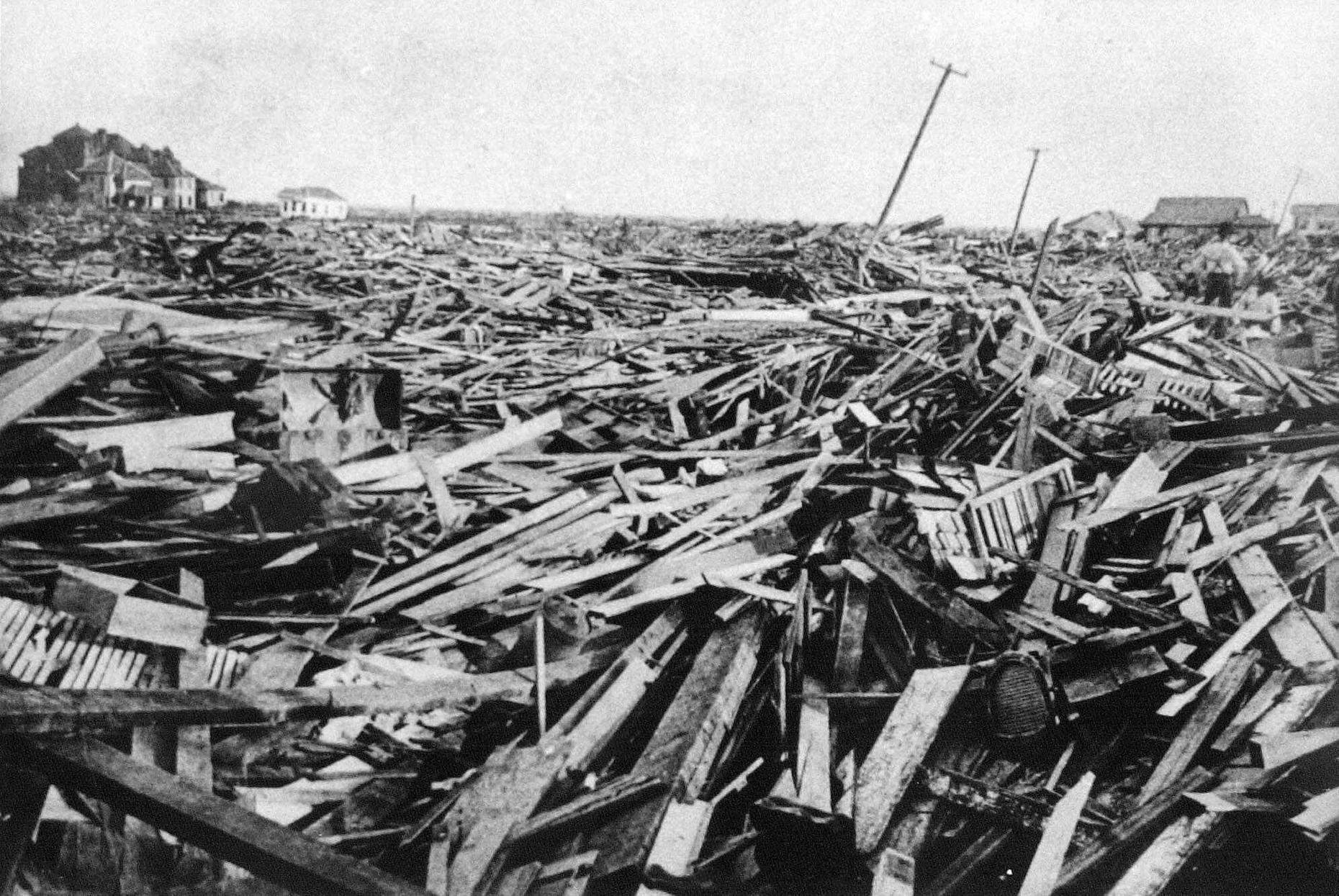
Aug 30, 2017
Bob's Docs Finale: Conflicting Narratives
For the month of August, we’ve been running a series of interviews Bob has done with documentary filmmakers. We’ve been calling it “Bob’s Docs," and each we’ve week we’ve gone through some of the themes of documentary filmmaking — from the personal journey to the gift of extraordinary access. We have one more bonus episode of “Bob’s Docs," and this one is about what happens when documentaries dig into conflicting narratives. In 1977, a former beauty queen with a 168 IQ named Joyce McKinney became British tabloid fodder when she supposedly kidnapped her Mormon boyfriend at gunpoint and, for four days, kept him as her sex slave. Documentary filmmaker Errol Morris' 2011 documentary Tabloid looked into the claims and the tabloid coverage. Brooke spoke with Morris six years ago about what he learned about sensational reporting and the trouble of getting to the bottom of a he-said, she-said. On the Media is supported by listeners like you. Support OTM by donating today ( https://pledge.wnyc.org/support/otm ). Follow our show on Instagram , Twitter and Facebook @onthemedia, and share your thoughts with us by emailing onthemedia@wnyc.org.
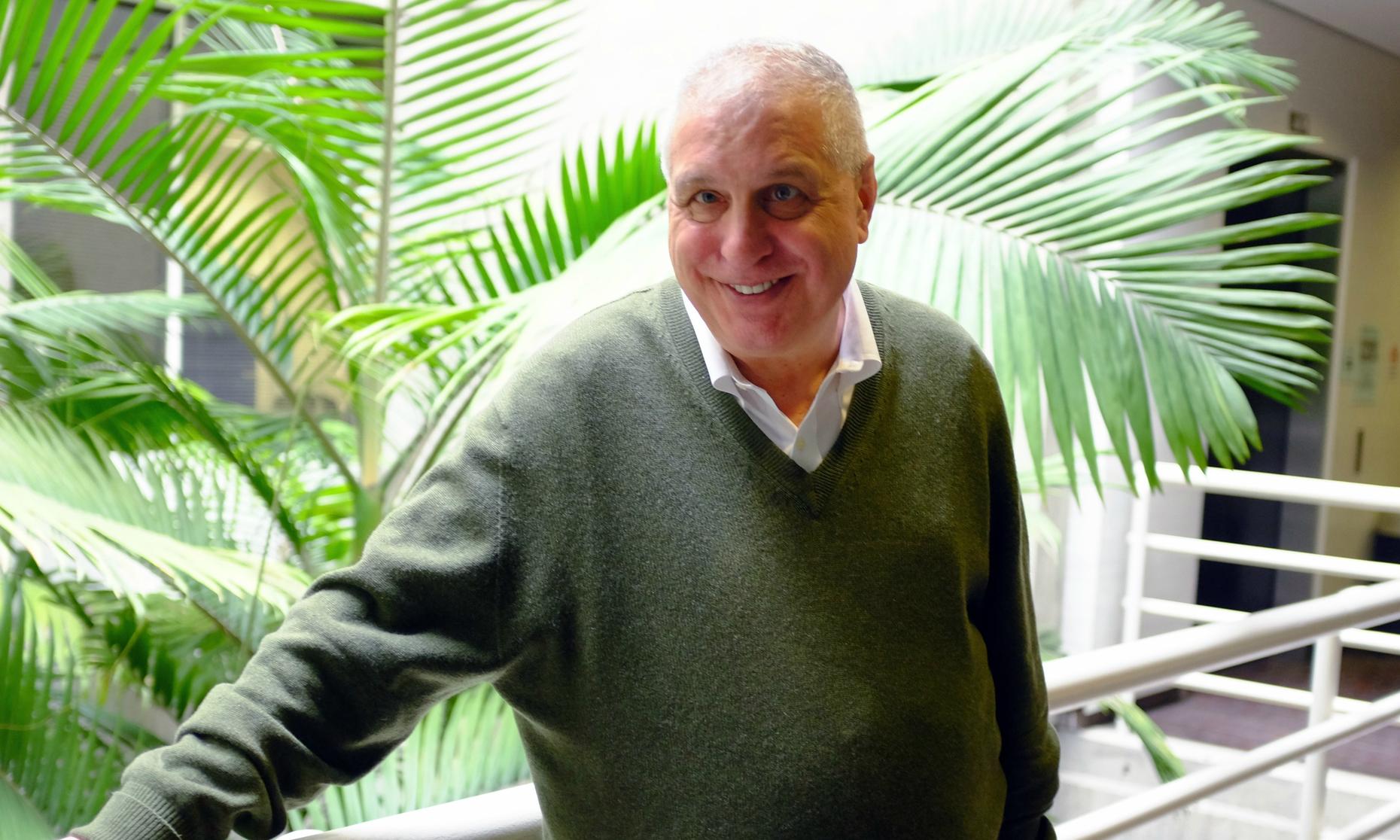
Aug 25, 2017
This American War on Drugs
Attorney General Jeff Sessions has signaled that he'd like to revamp the war on drugs. We take a look at the history of the battle, and how sensational media depictions of crack, heroin, and meth have helped fuel it. Plus: our Breaking News Consumer’s Handbook: Drugs Edition. Then, a look at how America’s first drug czar used racist propaganda to outlaw marijuana. And why the debate between treatment and law enforcement is blurrier than you might think. 1. Our Breaking News Consumer's Handbook: Drugs Edition: a critical look at what the press gets wrong about drugs and drug addiction, featuring Dr. Debbie Dowell of the Centers for Disease Control and Prevention , Dr. Carl Hart of Columbia University , and author Maia Szalavitz . 2. Historian Alexandra Chasin and author Johann Hari tell the story of Harry Anslinger, the man who set our seeming eternal drug war in motion, and his ruthless pursuit of jazz singer Billie Holiday. 3. University of California Santa Cruz 's Dr. Craig Reinarman examines how American presidents encouraged and harnessed hysteria around drugs for political gain. 4. Journalist Sam Quinones argues for the importance of aggressive policing in the effort to end America's opioid crisis. On the Media is supported by listeners like you. Support OTM by donating today ( https://pledge.wnyc.org/support/otm ). Follow our show on Instagram , Twitter and Facebook @onthemedia, and share your thoughts with us by emailing onthemedia@wnyc.org.
Aug 23, 2017
Bob's Docs Episode Four: It's Personal
For the month of August we've been running a series of interviews Bob has done over the years with documentary filmmakers. In the OTM office, the producers have been referring to the collection as "Bob's Docs." Over the past few weeks, we've gone through some of the themes of documentary film-making, from prurience to access to manipulation. This week we conclude with the personal journey. This episode features two interviews, and the first is actually a guest spot from Brooke Gladstone. Last year, Brooke spoke with James Solomon about his documentary, "The Witness", about the story of Kitty Genovese -- a young woman who was famously murdered on a New York City street in 1964. Her murder came to symbolize urban apathy and the "bystander effect". Solomon documents Kitty's brother Bill Genovese's lengthy pursuit to discover the truth behind her life and murder. Then, Bob speaks with filmmaker Ken Dornstein about his three-part series on PBS's Frontline called "My Brother's Bomber" about his investigation into the 1988 Lockerbie airplane bombing. Dornstein's brother died in the attack, and Dornstein spent years trying to locate other figures who were suspects. On the Media is supported by listeners like you. Support OTM by donating today ( https://pledge.wnyc.org/support/otm ). Follow our show on Instagram , Twitter and Facebook @onthemedia, and share your thoughts with us by emailing onthemedia@wnyc.org.

Aug 18, 2017
Gutted
In the 1960s, pollution was a visible, visceral problem, and public pressure led a Republican president to create the Environmental Protection Agency. Now, the GOP wants to slash the agency's budget and roll back "burdensome" environmental regulations. The story of how the environment went from bipartisan issue to political battleground. Also, journalists and politicians have long avoided drawing a straight line between natural disasters and climate change. How that's changing, thanks to new "extreme weather attribution" science. And, the myth of the Great Pacific Garbage Patch, a useful — yet misleading — container for our collective anxieties about the planet. 1. Sinclair Broadcasting is poised to expand to more households. Felix Gillette of Bloomberg discusses the company's frugal — and right-wing — approach to local news. 2. Richard Andrews , Professor Emeritus of Environmental Policy at UNC Chapel Hill, and William Ruckelshaus , former EPA administrator, help us understand the history of the EPA and how the environment became a political battleground. 3. Heidi Cullen , chief scientist at Climate Central , explains how climate attribution science can help us better describe global warming’s role in extreme weather events. 4. Slate columnist Dan Engber explores how the idea of a great garbage patch in the Pacific has helped us make sense of a changing climate that can be hard to visualize. On the Media is supported by listeners like you. Support OTM by donating today ( https://pledge.wnyc.org/support/otm ). Follow our show on Instagram , Twitter and Facebook @onthemedia, and share your thoughts with us by emailing onthemedia@wnyc.org.
Aug 16, 2017
Bob's Docs Episode Three: Prurience
For the month of August we’ll be running a series of interviews Bob has done over the years with documentary filmmakers. In the OTM office, the producers have been referring to the collection as “Bob’s docs.” Over the next few weeks we’ll go through some themes of documentary film-making, from prurience to access to the personal journey. This week's theme is prurience. This episode features Bob's interview about the documentary "Weiner" , about the disgraced former Congressman Anthony Weiner's attempt at redemption with an attempt at running for mayor of New York City. Weiner had agreed to let a pair of documentary filmmakers record his campaign (and his entire life) in the hopes that they would capture his triumph. Instead, the cameras were rolling as he faced yet another slew of sexting allegations. Elyse Steinberg is a writer and documentary film director. Josh Kriegman is a director and former political political consultant. Together, they produced and directed "Weiner". Since this interview, Weiner has pled guilty to a felony obscenity charge for sending pictures and messages to a 15-year-old girl. His sentencing hearing is scheduled for September. On the Media is supported by listeners like you. Support OTM by donating today ( https://pledge.wnyc.org/support/otm ). Follow our show on Instagram , Twitter and Facebook @onthemedia, and share your thoughts with us by emailing onthemedia@wnyc.org.
Aug 11, 2017
You've Been Warned
After a week of fury and fire, On the Media takes a chill pill. We look at chilling warnings and opaque impediments, from reporters working with whistleblowers or trying to cover immigration courts, to media organizations reckoning with their future in the post-Gawker era. 1. Dana Gold of the Government Accountability Project speaks with us about the incomplete patchwork of legal protections for journalists in light of the government’s newfound zeal for cracking down on “leakers.” 2. Immigration reporter Julia Preston of the Marshall Project discusses the challenges journalists face covering immigration courts. Then, Judge Dana Leigh Marks, President of the National Association of Immigration Judges , describes the unique challenges facing judges in the immigration court system. 3. InSight Crime ’s Steven Dudley debunks some of the myths around the notorious MS-13 and explains why it’s not all that the Trump administration describes. 4. Brian Knappenberger , producer and director of Nobody Speak: The Trials of the Free Press , gives us a behind-the-scenes look at his film, and describes the role of big money and morality in commanding the free press. On the Media is supported by listeners like you. Support OTM by donating today ( https://pledge.wnyc.org/support/otm ). Follow our show on Instagram , Twitter and Facebook @onthemedia, and share your thoughts with us by emailing onthemedia@wnyc.org.
Aug 9, 2017
Bob's Docs Episode Two: Access
For the month of August we’ll be running a series of interviews Bob has done over the years with documentary filmmakers. In the OTM office, the producers have been referring to the collection as “Bob’s docs.” Over the next few weeks we’ll go through some themes of documentary film-making, from prurience to access to the personal journey. This episode is about the gift of access. This episode features Bob's interview with the filmmaker Dan Reed about his 2003 documentary "Terror in Moscow" , about the 2002 attack by Chechen terrorists on a Moscow Theater. Reed had access to remarkable footage filmed by the terrorists themselves and used it to present an extraordinary view of the crisis. Then, Bob revisits his interview with Matthew Heineman about his documentary "Cartel Land" in 2015 . Heineman's relationship with his subjects allowed him to capture moments of violence, corruption, and even adultery -- all recorded with the subjects' full participation. On the Media is supported by listeners like you. Support OTM by donating today ( https://pledge.wnyc.org/support/otm ). Follow our show on Instagram , Twitter and Facebook @onthemedia, and share your thoughts with us by emailing onthemedia@wnyc.org.
Aug 4, 2017
"Shmashmortion"
The surprising political history of abortion in America; how the language of the abortion debate impacts us all; state lawmakers are tightening the rules around how doctors communicate with their patients about abortion; and more. Support On the Media by becoming a member today at OntheMedia.org/donate . On the Media is supported by listeners like you. Support OTM by donating today ( https://pledge.wnyc.org/support/otm ). Follow our show on Instagram , Twitter and Facebook @onthemedia, and share your thoughts with us by emailing onthemedia@wnyc.org.
Aug 1, 2017
Bob's Docs Episode One: Manipulation
For the month of August we’ll be running a series of interviews Bob has done over the years with documentary filmmakers. In the OTM office, the producers have been referring to the collection as “Bob’s Docs.” Over the next few weeks we’ll go through some tropes of documentary film-making, from prurience to access to the personal journey. Episode one is about the deadly sin of manipulation. Documentaries are supposed to represent the truth. But who decides what the truth is exactly? Patricia Aufderheide, professor and documentarian, who looked into some suspicious instances of manipulation in wildlife docs, explained her effort to interview documentary film-makers anonymously about their ethical lapses. This episode also features an interview about the timeline manipulating HBO series, "The Jinx," directed by Andrew Jarecki. Bob spoke with documentary film-maker Joe Berlinger, co-creator of the "Paradise Lost" trilogy, about modern film-making, the responsibility of the artist, and different interpretations of "truth." On the Media is supported by listeners like you. Support OTM by donating today ( https://pledge.wnyc.org/support/otm ). Follow our show on Instagram , Twitter and Facebook @onthemedia, and share your thoughts with us by emailing onthemedia@wnyc.org.
Jul 28, 2017
Essential Coverage
The battle over Republican Senators' most recent attempt at repealing and replacing the Affordable Care Act dominated the media this week, and seemingly at all hours of the day. We take a look at a few players in the saga, from the putative maverick who brought the process to a halt with a quick thumbs-down, to a reporter trying to follow a process somewhat devoid of transparency, to the war of words that could determine the future of the American health care system. Plus, a retrospective view on the media's role in Charlie Gard's life. 1. The Atlantic 's James Fallows explores Senator John McCain's long history in the media spotlight — a story of dualities, cozy jokes, and the occasional, genuine maverick choice. 2. Kaiser Health News 's Julie Rovner describes the opaque and convoluted experience of covering the GOP process to repeal and replace Obamacare. 3. The Daily Beast 's Sam Stein examines the new anti-Obamacare propaganda coming from within the Trump Administration. 4. Florida State University 's Jill Quadagno leads us through the hundred-year messaging war over universal healthcare in the U.S., including a recent rise in public support for a single-payer system. 5. The Times of London 's Melanie Phillips discusses the role the American right-wing media played in the media storm surrounding Charlie Gard's tragic, short life. Support On the Media by becoming a member today at OntheMedia.org/donate . On the Media is supported by listeners like you. Support OTM by donating today ( https://pledge.wnyc.org/support/otm ). Follow our show on Instagram , Twitter and Facebook @onthemedia, and share your thoughts with us by emailing onthemedia@wnyc.org.
Jul 26, 2017
Armchair diagnosing do's and don'ts
In March, the American Psychoanalytic Association emailed its 3500 members giving them the go ahead to bring their professional judgement to bear in commenting publicly about the president’s words and deeds. But Tuesday, the much larger American Psychiatric Association was obliged to reiterate its so-called Goldwater Rule, it’s ethics policy forbidding members to diagnose or speculate on anyone who they haven’t examined. The rule sprang from a Fact Magazine article claiming that 1189 psychiatrists found hawkish 1964 presidential candidate Barry Goldwater psychologically unfit to be president. Last summer Bob spoke to Paul Appelbaum, a professor of Psychiatry, Medicine and Law at Columbia University, who explained that he is a strong proponent of mental health experts staying out of the pundit business. And to Bill Doherty, a therapist and Psychology professor at the University of Minnesota, who believes the integrity of the profession depends precisely on speaking out. He’s the creator of the online manifesto, Citizen Therapists Against Trumpism, which garnered thousands of signatures from mental health specialists. On the Media is supported by listeners like you. Support OTM by donating today ( https://pledge.wnyc.org/support/otm ). Follow our show on Instagram , Twitter and Facebook @onthemedia, and share your thoughts with us by emailing onthemedia@wnyc.org.
Jul 21, 2017
Doubt It
There’s new research about how people process information, errors, and corrections. A look at what those findings tell us about the efficacy of journalism. Plus, how unethical research practices and liberal bias have created a cloud of doubt in the world of social science research. And, eight months after the election, Brooke and Bob reflect on OTM’s coverage of the Trump administration. 1. Dartmouth College 's Brendan Nyhan on new research that challenges the "backfire effect," the theory that make people double-down on their false ideas. 2. University of Toronto 's Uli Schimmack on the replication crisis throughout the field of psychology, and the effort to promote more ethical research practices. 3. New York University 's Jay Van Bavel on how social psychology is trying to face the possibility of a liberal slant, both in research subjects and in the system itself. 4. Brooke and Bob revisit their post-Election Day confrontation , and discuss how best to cover Trump going forward. Support On the Media by becoming a member today at OntheMedia.org/donate . On the Media is supported by listeners like you. Support OTM by donating today ( https://pledge.wnyc.org/support/otm ). Follow our show on Instagram , Twitter and Facebook @onthemedia, and share your thoughts with us by emailing onthemedia@wnyc.org.
Jul 19, 2017
Not Repealed, Not Replaced
After the Republican Party’s seven-year attempt to dismantle the Affordable Care Act kicked the bucket this week, Donald Trump declared that he would “let Obamacare fail.” He has plenty of options for moving that failure along and his actions inevitably would hit poor people the hardest, a fact that does not surprise Jack Frech who spent 30 years serving the poor in Appalachian Ohio. Frech was saddened but not surprised by the proposals put forward by house and Senate Republicans. He says such ideas are both perennial and bipartisan. For example the Clinton administration bundled what was once federal welfare assistance into block grants to states where the money often is misdirected or hoarded by the states, even as its shriveled by inflation. For context in the ensuing healthcare battles we are replaying a conversation Brooke had with Jack just after the house bill was passed. On the Media is supported by listeners like you. Support OTM by donating today ( https://pledge.wnyc.org/support/otm ). Follow our show on Instagram , Twitter and Facebook @onthemedia, and share your thoughts with us by emailing onthemedia@wnyc.org.
Jul 14, 2017
Three-Dimensional Chess
The press are calling Don Jr.’s meeting with a Russian lawyer a “smoking gun.” Why Trump supporters see it otherwise. Plus, the White House’s plan to cement the voter fraud narrative in service of future voter suppression. And, an Iraqi radio broadcaster puts his life on the line fighting ISIS propaganda in Mosul and a group of Syrian citizen journalists push back on the narratives about Raqqa. 1. Buzzfeed 's Charlie Warzel on how the right-wing media is spinning the Don Jr. emails — and how it reveals something deeper about the pro-Trump media ecosystem. 2. Russian journalist Alexey Kovalev on what the American media get wrong in its reporting on Vladimir Putin. 3. ProPublica 's Jessica Huseman on the mistaken reporting on the backlash to the "election integrity" commission's attempt to gather data about voters from the states. 4. City of Ghosts director Matthew Heineman describes the efforts of Raqqa is Being Slaughtered Silently , a band of citizen journalists led by Abdel Aziz al-Hamza who risk their lives to report on conditions in Raqqa, Syria. 5. Radio Al-Ghad's Mohammad Al-Musali describes how his pirate radio station defied the media blackout in Mosul under ISIS rule in order to shine a light onto the city. Support On the Media by becoming a member today at OntheMedia.org/donate . On the Media is supported by listeners like you. Support OTM by donating today ( https://pledge.wnyc.org/support/otm ). Follow our show on Instagram , Twitter and Facebook @onthemedia, and share your thoughts with us by emailing onthemedia@wnyc.org.
Jul 12, 2017
In Which Brooke Explains OTM's Secret Sauce To Jesse Thorn
Bullseye host Jesse Thorn has just launched a new podcast called The Turnaround. It’s a series of longform interviews with interviewers about interviewing, with people ranging from Ira Glass to Larry King to Marc Maron and this week, with Brooke. Jesse really wanted to get into how On The Media is made, and why it sounds the way it does. On the Media is supported by listeners like you. Support OTM by donating today ( https://pledge.wnyc.org/support/otm ). Follow our show on Instagram , Twitter and Facebook @onthemedia, and share your thoughts with us by emailing onthemedia@wnyc.org.
Jul 7, 2017
Apocalypse, Now
Science fiction has always been an outlet for our greatest anxieties. This week, we delve into how the genre is exploring the reality of climate change. Plus: new words to describe the indescribable. 1. Jeff VanderMeer @jeffvandermeer , author of the Southern Reach Trilogy and Borne , on writing about the relationships between people and nature. 2. Claire Vaye Watkins @clairevaye talks about Gold Fame Citrus , her work of speculative fiction in which an enormous sand dune threatens to engulf the southwest. 3. Kim Stanley Robinson discusses his latest work, New York 2140 . The seas have risen 50 feet and lower Manhattan is submerged. And yet, there's hope. 4. British writer Robert Macfarlane @RobGMacfarlane on new language for our changing world. **The recording of huia imitation heard in this segment was performed in 1949 by Henare Hāmana and narrated by Robert A. L. Batley at Radio Station 2YA in Aotearoa New Zealand. Julianne Lutz Warren, a fellow at the Center for Humans and Nature, has written about it in "Hopes Echo" available here . Her work was also described by Macfarlane in his piece "Generation Anthropocene.” Throughout the show: listeners offer their own new vocabulary for the Anthropocene era. Many thanks to everyone who left us voice memos! Support On the Media by becoming a member today at OntheMedia.org/donate . On the Media is supported by listeners like you. Support OTM by donating today ( https://pledge.wnyc.org/support/otm ). Follow our show on Instagram , Twitter and Facebook @onthemedia, and share your thoughts with us by emailing onthemedia@wnyc.org.
Jul 5, 2017
It's the End of the World and We Know It
In our upcoming episode we’ll examine how science fiction has taken on the challenge of imagining life after global warming. There’s drought, flood, grievous loss and even some optimism. So with that in mind, we thought we’d whet your appetite for annihilation by replaying this interview Brooke did with author Ben Winters a few years back. In his trilogy “The Last Policeman” it isn’t the slow creep of melting glaciers and devastating drought that heralds the end of the world, it’s an asteroid. All the action takes place in the 6 final months before the the date of impact which spurs responses ranging from frolicking on beaches to suicide to murder. But the central character in Winter’s trilogy is a policeman who just wants to do his job. On the Media is supported by listeners like you. Support OTM by donating today ( https://pledge.wnyc.org/support/otm ). Follow our show on Instagram , Twitter and Facebook @onthemedia, and share your thoughts with us by emailing onthemedia@wnyc.org.

Jun 30, 2017
What Ails America
Our northern neighbor is celebrating its 150th birthday this weekend, yet many Canadians don’t care. Why Canada’s lack of patriotism might be a good thing. Also, how families of black people killed by police often have to grieve under the media spotlight. And the tale of a composer's search for the sound of America. 1. Canadian writer Stephen Marche @StephenMarche on the differences between Canadian and American views on diversity and culture. 2. Writer Mychal Denzel Smith @mychalsmith on the "obligation for black families to mourn in public." 3. WNYC's Sara Fishko on composer Aaron Copland's quest to capture American identity in music. Support On the Media by becoming a member today at OntheMedia.org/donate . On the Media is supported by listeners like you. Support OTM by donating today ( https://pledge.wnyc.org/support/otm ). Follow our show on Instagram , Twitter and Facebook @onthemedia, and share your thoughts with us by emailing onthemedia@wnyc.org.
Jun 29, 2017
"The American people elected a fighter"
Bob's take on this week's back and forth between the President and the press who cover him. On the Media is supported by listeners like you. Support OTM by donating today ( https://pledge.wnyc.org/support/otm ). Follow our show on Instagram , Twitter and Facebook @onthemedia, and share your thoughts with us by emailing onthemedia@wnyc.org.
Jun 28, 2017
Newton Minow Still Cares About the Media
This week, at the annual conference of the National Association for Media Literacy Education , Bob sat down with former FCC chairman Newton Minow to survey the "vast wasteland" of television. They discuss the Kennedy administration, the changing landscape of TV, and... Gilligan's Island. On the Media is supported by listeners like you. Support OTM by donating today ( https://pledge.wnyc.org/support/otm ). Follow our show on Instagram , Twitter and Facebook @onthemedia, and share your thoughts with us by emailing onthemedia@wnyc.org.
Jun 23, 2017
Stand And Be Counted
Following the Republican victory in Georgia this week, a look at how gerrymandering makes some political outcomes inevitable — and why the media aren't talking about it. Also, the US Census is on the rocks, and the repercussions could be severe. Plus, how Mexico's most prominent journalists and activists have been targeted by sophisticated government spyware. 1. FairVote's David Daley (@davedaley3) on the vast influence of gerrymandering on American politics. 2. Former Census director Kenneth Prewitt on recent shakeups at the Bureau and the implications of a crippled Census. 3. Sociologist Cristina Mora (@GCristinaMora) on how Univision helped create a new Census category for the 1980 survey: "Hispanic." 4. Citizen Lab senior researcher John Scott-Railton (@jsrailton) on the use of spyware against Mexican activists and reporters, and Mexican journalist Salvador Camarena (@SalCamarena) on being targeted firsthand. Support On the Media by becoming a member today at OntheMedia.org/donate . On the Media is supported by listeners like you. Support OTM by donating today ( https://pledge.wnyc.org/support/otm ). Follow our show on Instagram , Twitter and Facebook @onthemedia, and share your thoughts with us by emailing onthemedia@wnyc.org.
Jun 21, 2017
The Slants Win the Day!
On Monday, the Supreme Court ruled that a law denying federal trademark protection to names deemed disparaging is unconstitutional. Justice Samuel Alito wrote in the unanimous decision that “it offends a bedrock First Amendment principle: speech may not be banned on the ground that it expresses ideas that offend.” The suit was brought by the Portland dance-rock band The Slants, a group of Asian-American musicians who have taken their name from an ethnic slur and worn it with pride. The musicians sued because when they tried to register trademark for their name, the US Patent and Trademark Office said, “The Slants? No no no no no no." Bob spoke to the founder of The Slants, Simon Tam, exactly 2 years ago, when the band had just lost its appeal at the Federal Circuit Court. On the Media is supported by listeners like you. Support OTM by donating today ( https://pledge.wnyc.org/support/otm ). Follow our show on Instagram , Twitter and Facebook @onthemedia, and share your thoughts with us by emailing onthemedia@wnyc.org.
Jun 16, 2017
Sterner Stuff
After the politically charged shooting at a Virginia baseball field this week, a look at how politicians and the press blamed everyone from Democrats to William Shakespeare. Plus, trying to get behind the secret deliberation over the Republican healthcare bill with Senator Ron Wyden, and Puerto Rico's search for new words and symbols to define itself. 1. Following the shooting in Virginia, Bob offers a Breaking News Consumer's Handbook: Political Violence Edition. 2. The Guardian's Lois Beckett on what critics of The Public Theater's production of "Julius Caesar" get wrong and why theater is so essential in our current political moment. 3. Senator Ron Wyden on attempts by Republicans to form healthcare policy in secret. 4. Bob on the Trump administration's adherence to talking points regarding ongoing investigations. 5. Slate's Dahlia Lithwick on how the courts are contending with Trump's tweets. 6. On the Media producer Alana Casanova-Burgess on Puerto Rico's attempt to clarify its identity through new words and symbols. Support On the Media by becoming a member today at OntheMedia.org/donate . On the Media is supported by listeners like you. Support OTM by donating today ( https://pledge.wnyc.org/support/otm ). Follow our show on Instagram , Twitter and Facebook @onthemedia, and share your thoughts with us by emailing onthemedia@wnyc.org.
Jun 14, 2017
No One Is Above the Law
This week Attorneys General from DC and Maryland alleged in a lawsuit that payments by foreign governments to President Trump's businesses violate anti-corruption clauses in the Constitution. With a president who is also a real estate tycoon, reality TV star, and personal brand -- and who actively receives revenue via each of these personae -- the possibilities seem endless for political corruption, particularly in light of the Emoluments Clause of the Constitution, which forbids the receiving of gifts, titles, and emoluments from foreign countries without Congress's consent. The problem, according to law professor Jed Shugerman , is that without access to Donald Trump's tax documents, it's impossible to know the full extent of his financial dealings -- and thus difficult to move forward on any potential corruption charges. Bob talks with Shugerman about a legal strategy that could bring Trump's entanglements into the light. But Trump's taxes are only necessary if we define "corruption" as the explicit exchange of payments for favor, or "quid pro quo." This definition, which the Supreme Court used in the controversial Citizens United ruling and which countless politicians have leaned on ever since, argues that unless you can demonstrate explicit exchange, you can't prove, or prosecute, corruption. But according to Zephyr Teachout , author of Corruption in America , this was never what America's founders envisioned when they set out to fight corruption. Brooke talks with Teachout about the overwhelming passion for anti-corruption present at the founding of the nation, the "bright line" rules it inspired, and how we have drifted so far from our original understanding of the concept. Support On the Media as a Sustaining Member today! Sign up to give just $7 send you Brooke's new book "The Trouble with Reality". Donate now . On the Media is supported by listeners like you. Support OTM by donating today ( https://pledge.wnyc.org/support/otm ). Follow our show on Instagram , Twitter and Facebook @onthemedia, and share your thoughts with us by emailing onthemedia@wnyc.org.
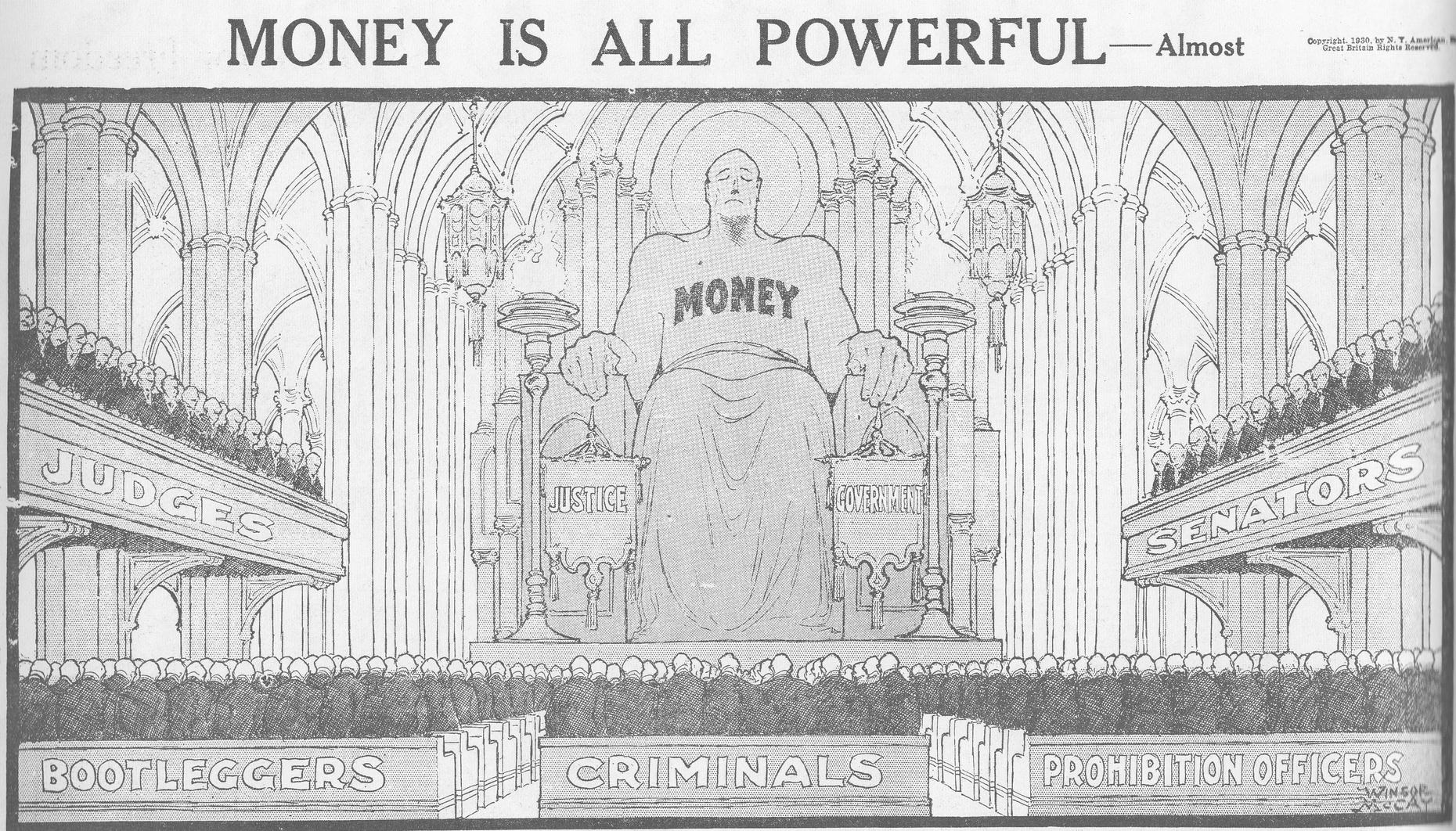
Jun 9, 2017
Enough With Reality
The Trump administration has been threatening to crack down on leakers for months, and this week, it did. We examine how a news outlet inadvertently helped the government arrest a 25-year-old NSA contractor. Also, the story of how the AP made deals with Nazi Germany for journalistic access. And, a deep look at the dystopian potential of augmented reality. 1. Security expert Barton Gellman on how The Intercept may have led the NSA to its source and what leakers need to do to be as safe as possible. 2. Journalist Matti Friedman on what a recent report detailing the Associated Press's compromises with Nazi Germany can teach us about reporting today; and the Associated Press's John Daniszewski on whether the AP's Nazi cooperation wasn't justified. 3. Janet Murray , Ken Perlin , Ryan Pamplin , Robin Alter , John Werner , Keith Boesky and Bob on the future of augmented reality, for better or worse. Support On the Media by becoming a member today at OntheMedia.org/donate . On the Media is supported by listeners like you. Support OTM by donating today ( https://pledge.wnyc.org/support/otm ). Follow our show on Instagram , Twitter and Facebook @onthemedia, and share your thoughts with us by emailing onthemedia@wnyc.org.
Jun 7, 2017
Doug Stamper Is A Very Bad Man
Help us meet the OTM listener challenge by becoming a member today! Sign up to donate just $7 a month and you'll unlock $25,000 from the Tow Foundation to support On the Media. Donate now . A couple of years back Brooke did On House of Cards , a recap show of season 3 of House of Cards. We invited political scientists, journalists, old white house hands and actors from the show to join her to talk about each episode. If you haven’t listened, it definitely holds up (if we say so ourselves). On the occasion of the release last week of season five of House of Cards, we thought we’d throwback to the episode where Brooke sat down with Michael Kelly who plays Frank Underwood’s lethally dedicated chief of staff, Doug Stamper. On the Media is supported by listeners like you. Support OTM by donating today ( https://pledge.wnyc.org/support/otm ). Follow our show on Instagram , Twitter and Facebook @onthemedia, and share your thoughts with us by emailing onthemedia@wnyc.org.
Jun 2, 2017
Mind the Gap
A recent anti-Muslim hate crime in Portland has sparked a debate about free speech. Plus: conspiracy theories that appeal to liberals; the media's obsession with the Trump-Russia story; and what drives hyper-partisan clickbait. 1. Corey Pein @coreypein, reporter for Willamette Week in Portland, on the recent hate crime in that city and what the national media are missing. 2. Jonathan Martin @jmartNYT, correspondent for the New York Times , discusses the disconnect between national priorities (the Russia investigation) and local ones (healthcare, environment, etc.) 3. Thomas Patterson @tompharvard of Harvard's Shorenstein Center discusses a recent report dissecting the coverage trends of Trump's first 100 days (it's mostly negative). 4. Craig Silverman @craigsilverman, media editor for Buzzfeed, digs into the world of hyperpartisan news sites and the outrage that drives them. 5. Zack Beauchamp @zackbeauchamp of Vox on the left-wing conspiracy sites that peddle misinformation about the Trump-Russia story. Support On the Media by becoming a member today at OntheMedia.org/donate . On the Media is supported by listeners like you. Support OTM by donating today ( https://pledge.wnyc.org/support/otm ). Follow our show on Instagram , Twitter and Facebook @onthemedia, and share your thoughts with us by emailing onthemedia@wnyc.org.

May 31, 2017
The United States of Anxiety: America's Allergy to Intellectualism
Help us meet the OTM listener challenge by becoming a member today! Sign up to donate just $7 a month and you'll unlock $25,000 from the Tow Foundation to support On the Media. Donate now . During the last election, when asked his opinion about experts and intellectuals, Trump supporter Fiore Napolitano voiced a fairly common sentiment from his cohort, "I've got more brains in my little thumb." That led the United States of Anxiety team to wonder whether hostility to intellect is an underestimated feature of American politics. Where does this wariness spring from, and what role did it play in the rise of Donald Trump — who was opposed by just about every intellectual associated with either party but whose supporters simply did not care about that issue? Reporter Jim O'Grady talks to the learned and those who loathe them, including writers and commentators, a neuroscientist, and a gun shop owner in a red-voting part of upstate New York. He quotes a fiery pamphlet penned by a yeoman farmer from the Revolutionary Era, and delves into the 1963 book that describes and frames this issue better and more enduringly than any other. On the Media is supported by listeners like you. Support OTM by donating today ( https://pledge.wnyc.org/support/otm ). Follow our show on Instagram , Twitter and Facebook @onthemedia, and share your thoughts with us by emailing onthemedia@wnyc.org.
May 26, 2017
Focus
In the wake of the Manchester attack, tech companies are again under pressure to fight extremism online. A look at whether they’re really doing all that they can. Also, can reporters inform the public about terrorist attacks without supplying the very notoriety the killers crave? Plus: how the South is grappling with taking down monuments to the Confederacy -- and what to put in their place. Support On the Media by becoming a member today at OntheMedia.org/donate . On the Media is supported by listeners like you. Support OTM by donating today ( https://pledge.wnyc.org/support/otm ). Follow our show on Instagram , Twitter and Facebook @onthemedia, and share your thoughts with us by emailing onthemedia@wnyc.org.
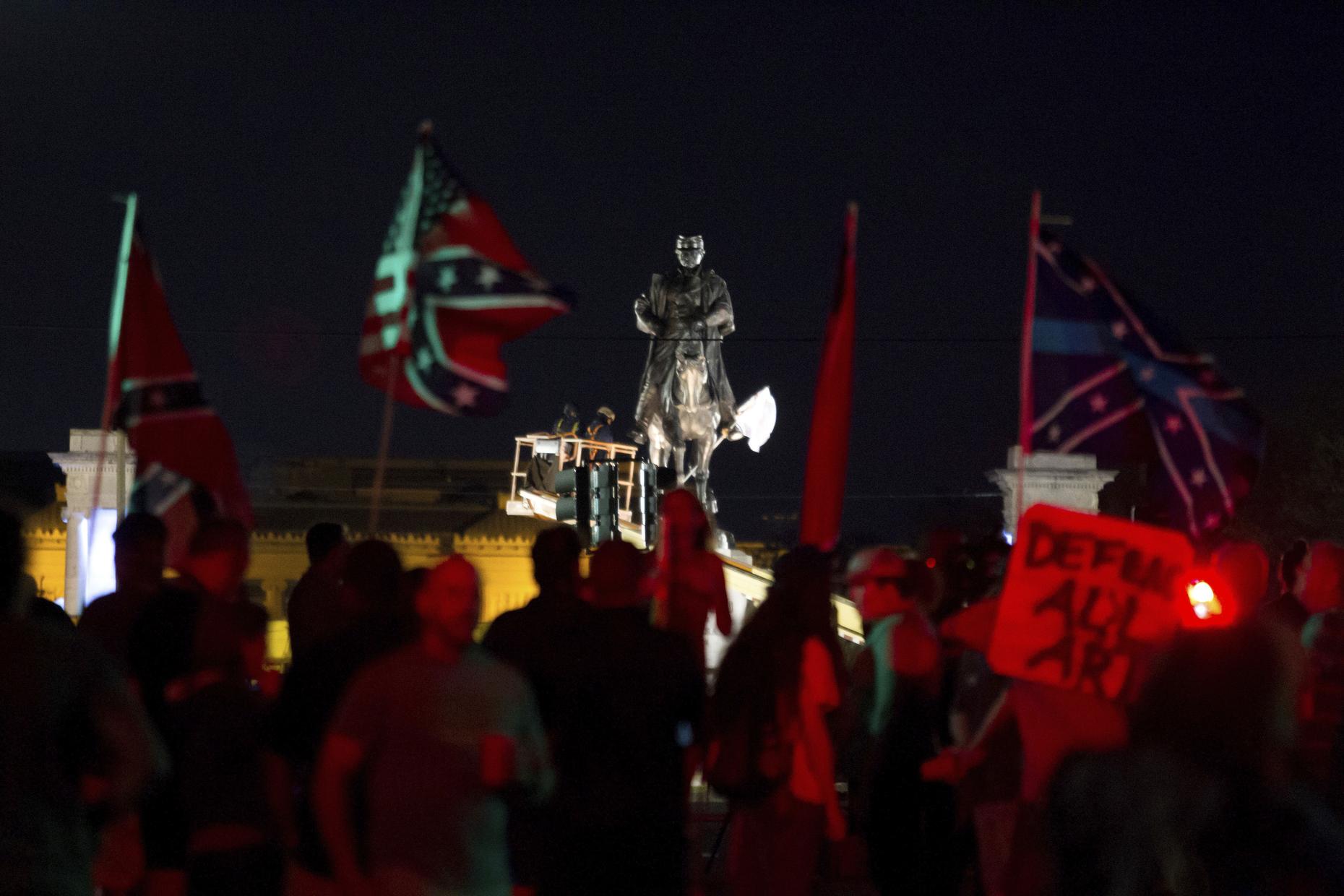
May 24, 2017
Drawing New Lines
This week, the Supreme Court struck down two congressional districts in North Carolina , deciding that the majority-black districts were created to diminish the voting strength of African American democrats in the state. It's an opinion that opens the door for more challenges to gerrymandering at a time when civil rights advocates are looking for legal avenues to fight the redistricting system and when Republicans control most state legislatures. We're taking the opportunity to revisit a conversation we had in October with David Daley , author of the book, Ratf**ked: The True Story Behind the Secret Plan to Steal America's Democracy . He spoke with Bob about the history of gerrymandering and how Republican strategists have taken the practice to new levels in the last decade. On the Media is supported by listeners like you. Support OTM by donating today ( https://pledge.wnyc.org/support/otm ). Follow our show on Instagram , Twitter and Facebook @onthemedia, and share your thoughts with us by emailing onthemedia@wnyc.org.
May 19, 2017
Curtains!
The Trump-Comey story is largely missing from the far right-wing media. A look at how pro-Trump outlets choose to cover, or ignore, unfavorable news. Plus: the Montana special election has been described as a "referendum" on Trump... but the truth is actually more interesting. And we hear from a reporter who is training citizen journalists in Syria to cover life, not just war. Support On the Media by becoming a member today at OntheMedia.org/donate . On the Media is supported by listeners like you. Support OTM by donating today ( https://pledge.wnyc.org/support/otm ). Follow our show on Instagram , Twitter and Facebook @onthemedia, and share your thoughts with us by emailing onthemedia@wnyc.org.
May 16, 2017
The Trouble With Reality
We're living in an era of smoke and mirrors as never before. Do you find yourself wondering how we reached this pass, where basic facts have no impact and fundamental norms are violated at will? Or, at the very least, would you like to follow Brooke down a rabbit hole as she searches for an explanation? Because after the election, in what amounted to a two-week fever dream, she wrote "The Trouble with Reality: A Rumination on Moral Panic in Our Time," and came to a kind of answer. As this week's podcast extra, we have for you a conversation Brooke had about her book with our colleague, WNYC morning show host Brian Lehrer . On the Media is supported by listeners like you. Support OTM by donating today ( https://pledge.wnyc.org/support/otm ). Follow our show on Instagram , Twitter and Facebook @onthemedia, and share your thoughts with us by emailing onthemedia@wnyc.org.
May 11, 2017
Shiny Objects
With an administration that seems to break new traditions every day, we look at the rapid-fire changes to the White House story about Comey's firing. What they mean for communications between the President and the public. Plus, some worry that the media are too reliant on old tricks to keep up. How is the press adapting? And, why local TV news may soon take on a more conservative agenda. Support On the Media by becoming a member today at OntheMedia.org/donate . On the Media is supported by listeners like you. Support OTM by donating today ( https://pledge.wnyc.org/support/otm ). Follow our show on Instagram , Twitter and Facebook @onthemedia, and share your thoughts with us by emailing onthemedia@wnyc.org.
May 10, 2017
The United States of Anxiety is Back!
Our colleagues in the WNYC news department are back with season 2 of The United States of Anxiety. We liked the first episode so much we're bringing it to you as this week's podcast extra. Here's how they describe the new series: "If you want to control the debate over how to build say, a health care system, you first have to capture our political culture -- our values, norms, shared assumptions, what we feel and believe about ourselves. And the battle to capture America’s political culture has a long history. On race and gender, science and religion, matters of sex and media and war and peace — all of it — there's a backstory, and characters like Donald Trump. Somebody who went all in to change what Americans feel and believe about a given issue. The United States of Anxiety: Culture Wars introduces listeners to people who have been battling to shape America’s political culture for decades. We profile culture warriors, past and present, who have shaped debates over race, religion, science, sexuality, gender and more. We connect those debates to real people, with real stakes in the outcome. We’re filling in the blanks--hopefully answering questions you didn’t even know you had--and we’re asking, what are you willing to fight for? Because if you want to control American politics, you’ve first got to capture American culture." The United States of Anxiety is hosted by Kai Wright and produced by WNYC Studios . On the Media is supported by listeners like you. Support OTM by donating today ( https://pledge.wnyc.org/support/otm ). Follow our show on Instagram , Twitter and Facebook @onthemedia, and share your thoughts with us by emailing onthemedia@wnyc.org.
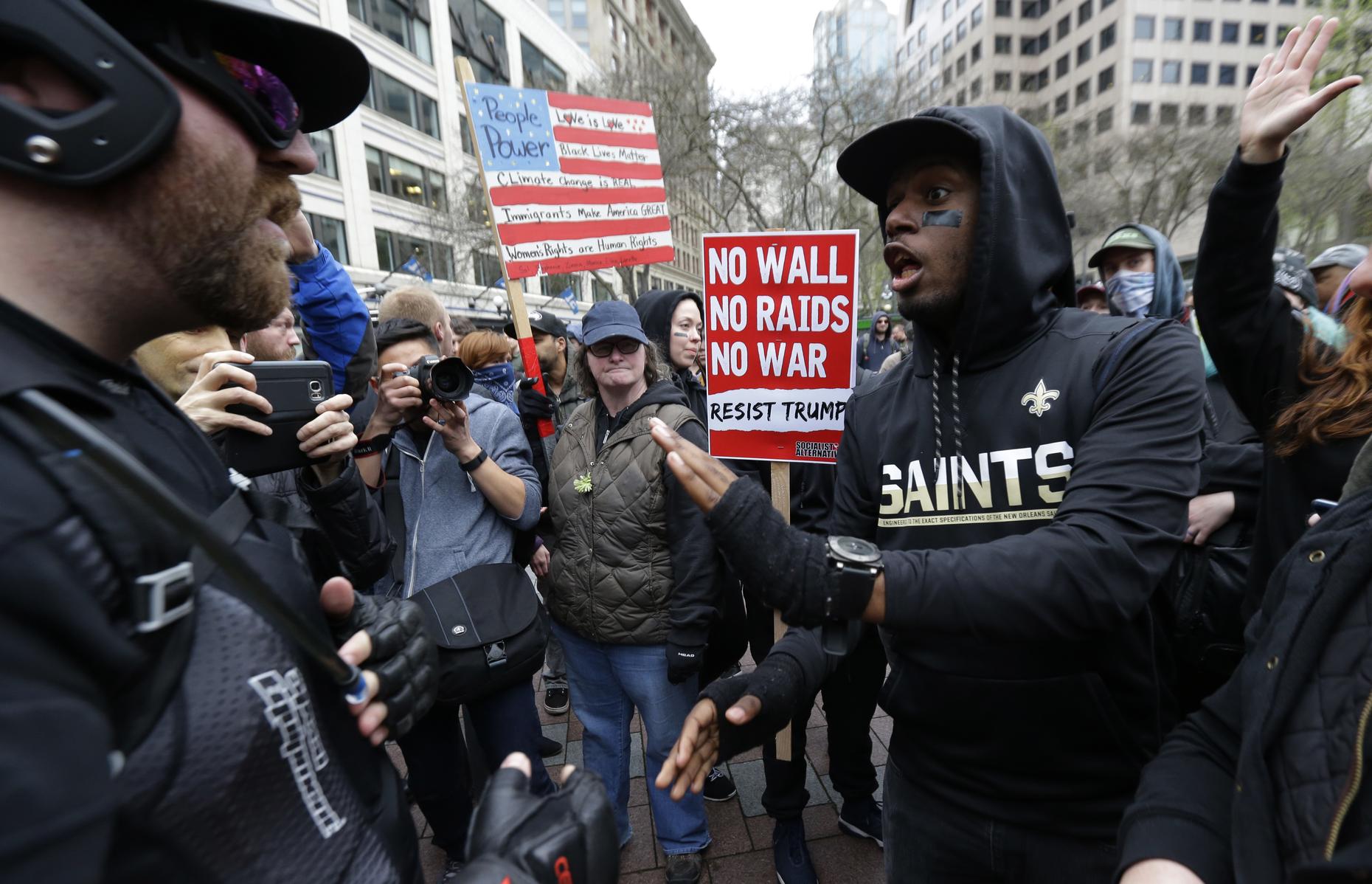
May 5, 2017
Rewriting the Right
The passage of the Obamacare repeal bill this week — hailed as a triumph of conservative ideology — didn’t come out of nowhere. We examine the decades-long, carefully orchestrated right-wing campaign to influence academia and politics. Plus: what's going on with the Heritage Foundation and other conservative think tanks in the Trump era, how a climate change skeptic became an advocate, and what the media miss about health care. Support On the Media by becoming a member today at OntheMedia.org/donate . On the Media is supported by listeners like you. Support OTM by donating today ( https://pledge.wnyc.org/support/otm ). Follow our show on Instagram , Twitter and Facebook @onthemedia, and share your thoughts with us by emailing onthemedia@wnyc.org.
May 4, 2017
Climate of Poor Rhetoric
The New York Times ' new conservative columnist, Bret Stephens, immediately stirred up controversy when he used his inaugural column to criticize liberals for being too "certain" about climate change. But while many piled on Stephens for seemingly undermining the seriousness of climate change, the New Republic 's Brian Beutler wrote that it wasn't Stephens' opinions that we should be worried about . Bob talks to Beutler about the failure of Stephens' rhetoric and why we should ask for more from our columnists and the papers that hire them. On the Media is supported by listeners like you. Support OTM by donating today ( https://pledge.wnyc.org/support/otm ). Follow our show on Instagram , Twitter and Facebook @onthemedia, and share your thoughts with us by emailing onthemedia@wnyc.org.
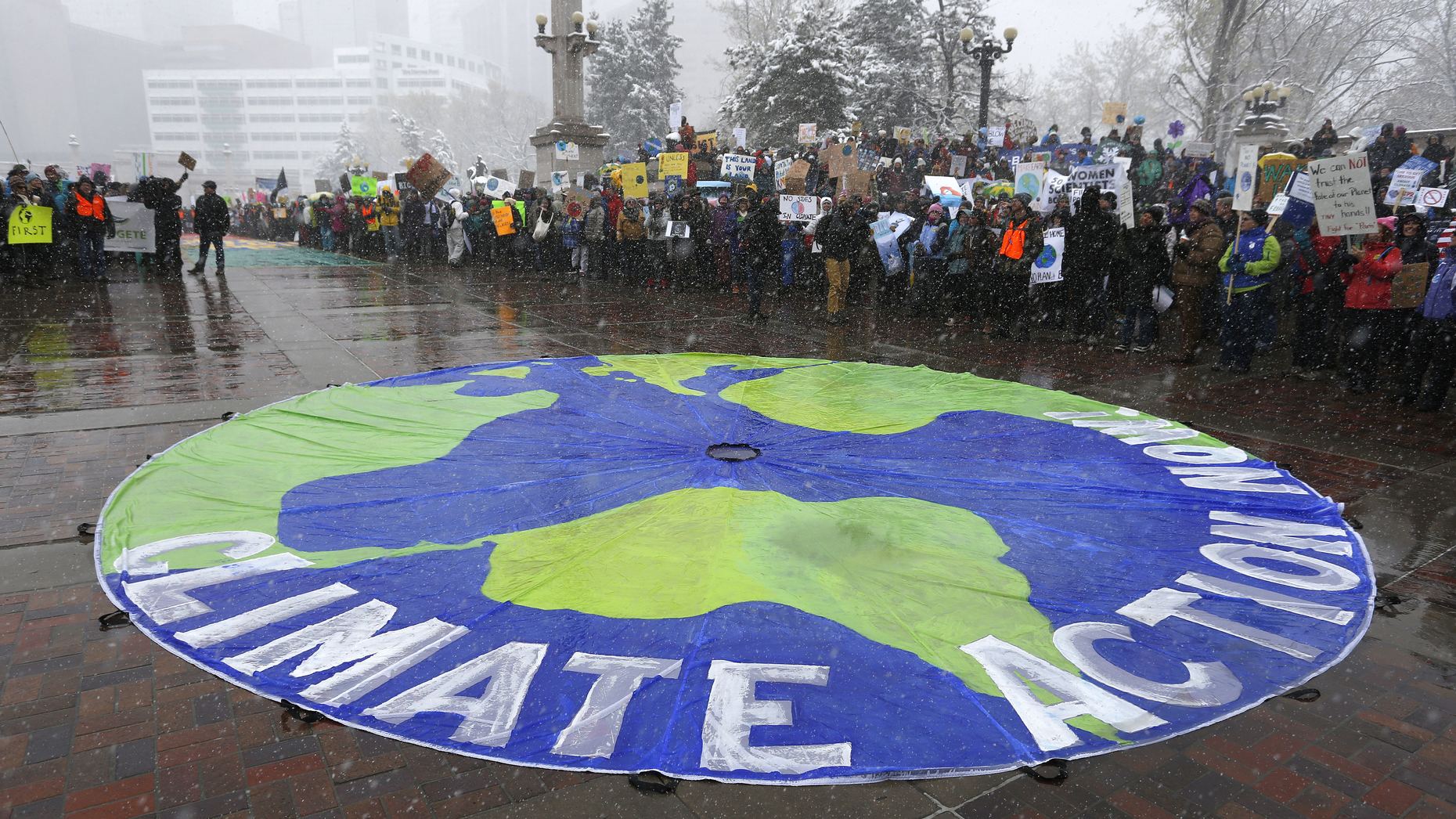
Apr 28, 2017
In Other Words
Trump has backed off his signature campaign promise to build a border wall right away. We look at the symbolism of a barrier on the southern border, and how it obscures the truth about immigration. Also, how our president has long managed to succeed without actually succeeding, the challenges of tracking hate crimes without good data, and an attempt to reclaim the word "Jew." Support On the Media by becoming a member today at OntheMedia.org/donate . On the Media is supported by listeners like you. Support OTM by donating today ( https://pledge.wnyc.org/support/otm ). Follow our show on Instagram , Twitter and Facebook @onthemedia, and share your thoughts with us by emailing onthemedia@wnyc.org.
Apr 26, 2017
The Art of Winning a Pulitzer
Northwestern Iowa’s Storm Lake Times is a twice-weekly county newspaper with a circulation of 3,330. It has a staff of about 10, including the recipes editor. Its top advertiser is "Builders Sharpening and Service." And it just... won the Pulitzer Prize for editorial writing , taking on three sets of county commissioners and Big Agriculture in one fell swoop. Bob speaks with Art Cullen, editor and co-owner of the paper, about the editorials that won him the award -- and what it's like to argue for progressive aims in a bastion of conservatism. On the Media is supported by listeners like you. Support OTM by donating today ( https://pledge.wnyc.org/support/otm ). Follow our show on Instagram , Twitter and Facebook @onthemedia, and share your thoughts with us by emailing onthemedia@wnyc.org.
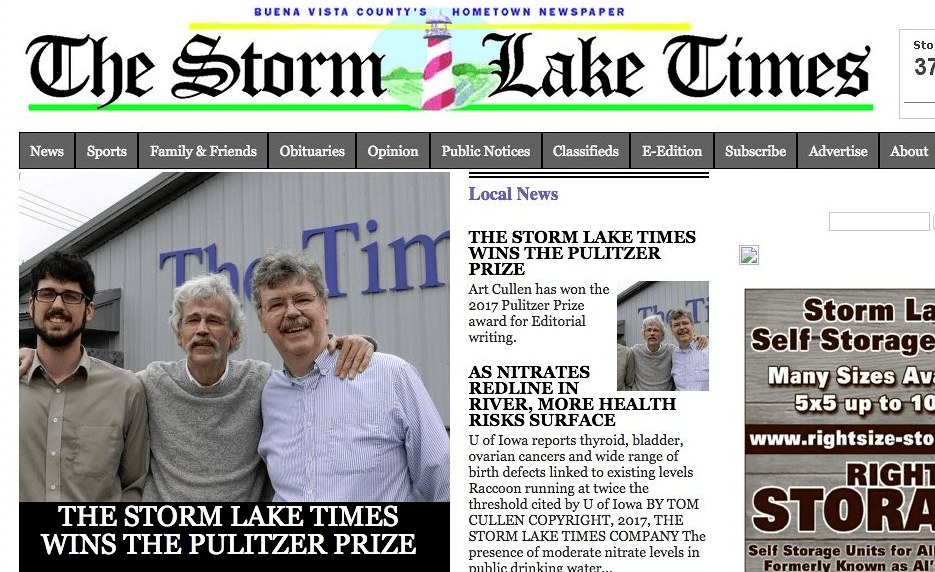
Apr 21, 2017
"We'll Do It Live!"
Bill O'Reilly was the bombastic, blustery face of Fox News. Now that he's out, what happens to the identity and future of the channel? Plus, how to read the scary headlines about US-North Korea relations; why erratic foreign policy can be effective foreign policy; how China sees Trump; and what role do referendums really have in shaping our democracy? Support On the Media by becoming a member today at OntheMedia.org/donate . On the Media is supported by listeners like you. Support OTM by donating today ( https://pledge.wnyc.org/support/otm ). Follow our show on Instagram , Twitter and Facebook @onthemedia, and share your thoughts with us by emailing onthemedia@wnyc.org.
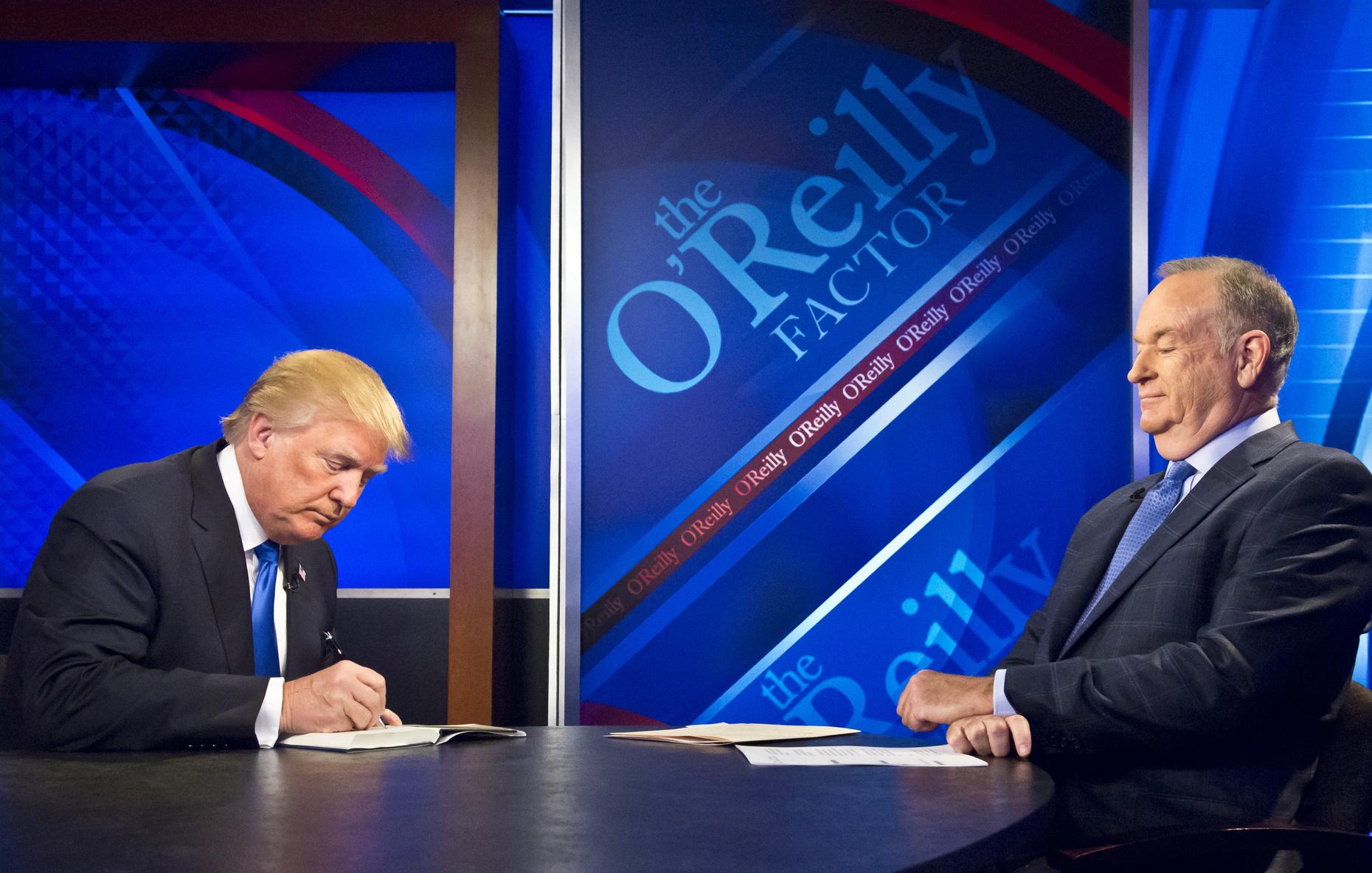
Apr 20, 2017
Closing the Blinds
Breaking from an open government initiative started by President Obama, the White House announced last Friday that visitor logs will no longer be published due to "national security concerns." It's the latest move in a plethora of actions the White House has taken to make historically public data, private. Bob speaks to Alex Howard , Deputy Director of the Sunlight Foundation , a non-profit advocate of open government, about the newly privatized logs, covert meetings at Mar-a-Lago, and secret ethics waivers that are allowing former lobbyists to shape policy from within the administration. On the Media is supported by listeners like you. Support OTM by donating today ( https://pledge.wnyc.org/support/otm ). Follow our show on Instagram , Twitter and Facebook @onthemedia, and share your thoughts with us by emailing onthemedia@wnyc.org.
Apr 14, 2017
This American War on Drugs
Attorney General Jeff Sessions has signaled that he'd like to revamp the War on Drugs. We take a look at the history of the battle, and how sensational media depictions of crack, heroin, and meth have helped fuel it. Plus: our Breaking News Consumer’s Handbook: Drugs Edition. Then, a look at how America’s first drug czar used racist propaganda to outlaw marijuana. And why the debate between treatment and law enforcement is blurrier than you might think. 1. Our Breaking News Consumer's Handbook: Drugs Edition: a critical look at what the press gets wrong about drugs and drug addiction, featuring Dr. Debbie Dowell of the Centers for Disease Control and Prevention , Dr. Carl Hart of Columbia University , and author Maia Szalavitz . 2. Historian Alexandra Chasin and author Johann Hari tell the story of Harry Anslinger, the man who set our seeming eternal drug war in motion, and his ruthless pursuit of jazz singer Billie Holiday. 3. University of California Santa Cruz 's Dr. Craig Reinarman examines how American presidents encouraged and harnessed hysteria around drugs for political gain. 4. Journalist Sam Quinones argues for the importance of aggressive policing in the effort to end America's opioid crisis. On the Media is supported by listeners like you. Support OTM by donating today ( https://pledge.wnyc.org/support/otm ). Follow our show on Instagram , Twitter and Facebook @onthemedia, and share your thoughts with us by emailing onthemedia@wnyc.org.
Apr 12, 2017
How the Press Gets Seduced By War
Last week, President Trump ordered the firing of 59 Tomahawk cruise missiles on Syria in retaliation against the chemical attack allegedly committed by Syrian President Bashar al-Assad against his own people. The coverage of the strikes appeared to present a stark choice between good and evil, rather than a Gordian knot of geopolitics, regional politics, domestic politics, and the proliferation of terror. But is it really that easy? Bob speaks with Stephen Kinzer , Senior Fellow at the Watson Institute for International and Public Affairs at Brown University and a columnist at the Boston Globe , who argues that the public is being presented with a deceptively simple version of reality because the media aren't asking the right questions. On the Media is supported by listeners like you. Support OTM by donating today ( https://pledge.wnyc.org/support/otm ). Follow our show on Instagram , Twitter and Facebook @onthemedia, and share your thoughts with us by emailing onthemedia@wnyc.org.
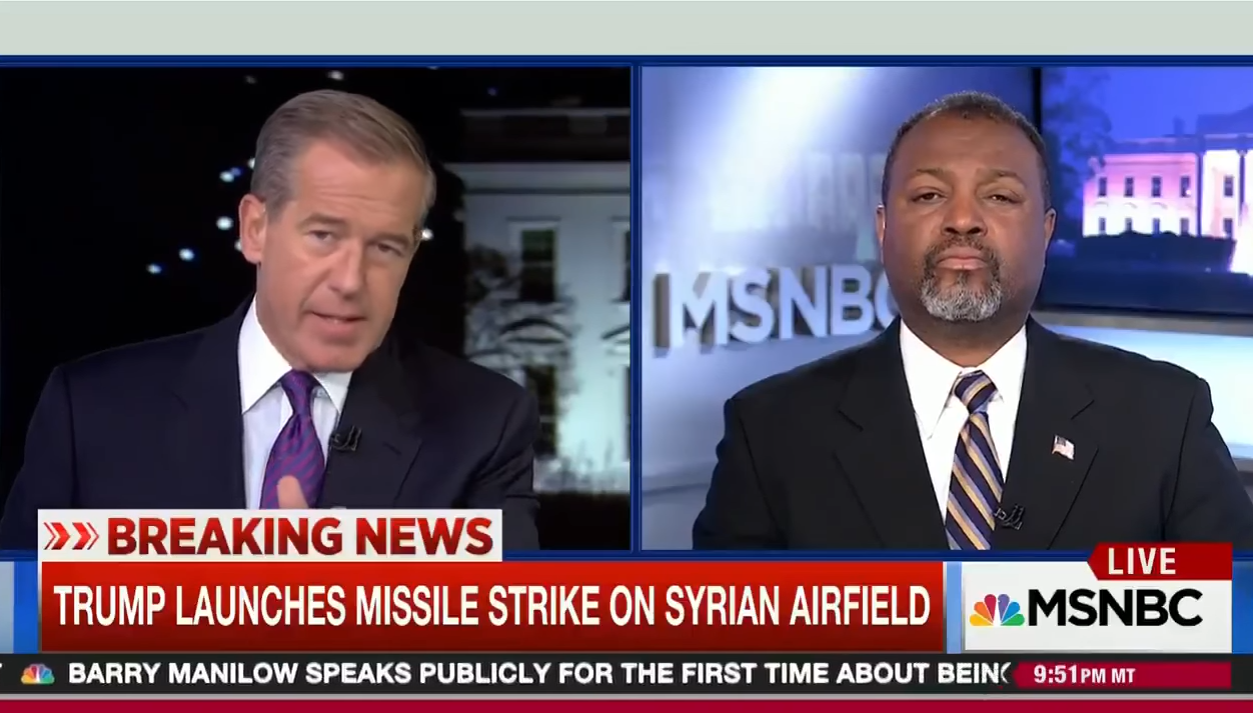
Apr 7, 2017
Out With The Old...
Neil Gorsuch is the newest Supreme Court Justice and all it took was the destruction of a Senate tradition. A look at the colorful history of filibustering. Also, how tax season could potentially be more pleasant and why tax companies don't want it to be. And, how human impact on the planet has sparked a debate about what to name our current geological era. Support On the Media by becoming a member today at OntheMedia.org/donate . On the Media is supported by listeners like you. Support OTM by donating today ( https://pledge.wnyc.org/support/otm ). Follow our show on Instagram , Twitter and Facebook @onthemedia, and share your thoughts with us by emailing onthemedia@wnyc.org.
Apr 4, 2017
The (Nonexistent) Good Old Days
In the midst of several days of his Supreme Court confirmation hearings last week, Judge Neil Gorsuch took a moment to wax nostalgic for the days when the process took only 90 minutes and a nominee could relax, even smoke cigarettes, throughout the process. Later, one of Gorsuch's interrogators, Vermont Senator Patrick Leahy, did some reminiscing of his own, pointedly recalling a time when nominees offered up useful answers to questions and engaged in sincere discussion. Ah, the good old days. But was it ever thus? Slate's Dahlia Lithwick took up the question on the most recent episode of her Amicus podcast, speaking with Supreme Court scholar Lori Ringhand about the actual history of Supreme Court confirmation hearings. We loved it and we think you will too. You can find more episodes of Slate's Amicus on iTunes or wherever else you get your podcasts. You can find more of Dahlia's writing here , and follow her on Twitter here . On the Media is supported by listeners like you. Support OTM by donating today ( https://pledge.wnyc.org/support/otm ). Follow our show on Instagram , Twitter and Facebook @onthemedia, and share your thoughts with us by emailing onthemedia@wnyc.org.
Mar 31, 2017
It's Just Business
When President Trump signed an order dismantling environmental protections, the photo-op included coal miners. We consider the symbolism and reality of coal country, and what the stereotypes miss. Plus, Congress revoked a rule banning ISPs from selling your browsing; what's really at stake? And, a look at the shift in the True Crime genre, from proving guilt to proving innocence. Support On the Media by becoming a member today at OntheMedia.org/donate . On the Media is supported by listeners like you. Support OTM by donating today ( https://pledge.wnyc.org/support/otm ). Follow our show on Instagram , Twitter and Facebook @onthemedia, and share your thoughts with us by emailing onthemedia@wnyc.org.
Mar 28, 2017
We'll Always Have Paris
Donald Trump made many, many pronouncements on the campaign trail, one of them was that he would " cancel the Paris climate agreement". While he can’t cancel the Paris agreement, he can and has walked away from it with an executive order this week substantially erasing President Obama’s climate legacy and signaling to the world that the US is not going to meet its carbon emission goals set in Paris. So what exactly was agreed upon in Paris? To find clarity among the conflicting commentary Brooke spoke in 2015 with Andrew Revkin who writes the Dot Earth blog for the New York Times, and Jonathan Katz who covered the talks in Paris for the New Republic. On the Media is supported by listeners like you. Support OTM by donating today ( https://pledge.wnyc.org/support/otm ). Follow our show on Instagram , Twitter and Facebook @onthemedia, and share your thoughts with us by emailing onthemedia@wnyc.org.
Mar 24, 2017
Highly Irregular
An expensive TV ad campaign has been selling Supreme Court nominee Neil Gorsuch to the American people. We speak with the group behind the effort. Plus, Trump's accusations of wiretapping may be false, but they remind us that someone is always listening. And, decoding North Korea panic; and why the diplomatic press corps helps actual diplomacy. Support On the Media by becoming a member today at OntheMedia.org/donate . On the Media is supported by listeners like you. Support OTM by donating today ( https://pledge.wnyc.org/support/otm ). Follow our show on Instagram , Twitter and Facebook @onthemedia, and share your thoughts with us by emailing onthemedia@wnyc.org.
Mar 22, 2017
Better Know a Justice
At his confirmation hearing this week, supreme court nominee Neil Gorsuch - according to the New York Times - cast himself as "a humble Westerner, reared on fly-fishing.” And yet, for all the care put into his biography, Judge Gorsuch also seemed to say… nevermind . He rules on the law, not on people. It’s a needle that’s been tricky for judicial nominees to thread: they want to seem human, but not too human. In this podcast extra, taken from a show we aired last year , Brooke and Thane Rosenbaum , Director of the Forum on Law, Culture and Society at NYU, examine some art and culture about the Supreme Court, and consider just how human we want our justices to be. On the Media is supported by listeners like you. Support OTM by donating today ( https://pledge.wnyc.org/support/otm ). Follow our show on Instagram , Twitter and Facebook @onthemedia, and share your thoughts with us by emailing onthemedia@wnyc.org.
Mar 17, 2017
Doesn't Add Up
The President’s proposed budget seems to prioritize national security over pretty much everything else. We examine how the lowest-income Americans could be affected, and what's missing from the media debate. Also, how the White House might be manipulating data to forecast unrealistic economic growth, and why the Congressional Budget Office is so central to the American legislative process. Plus, how Wikileaks played the media with the recent CIA data dump. Support On the Media by becoming a member today at OntheMedia.org/donate . On the Media is supported by listeners like you. Support OTM by donating today ( https://pledge.wnyc.org/support/otm ). Follow our show on Instagram , Twitter and Facebook @onthemedia, and share your thoughts with us by emailing onthemedia@wnyc.org.
Mar 14, 2017
This Is Not a Safe Space
Earlier this month libertarian political scientist Charles Murray and author of the book “the Bell Curve,” derided by many as a racist take on the relationship between genetics and intelligence, was invited to speak at Middlebury College in Vermont. Murray only made it a couple of words into his talk when more than half of those crowding the hall stood up, turned their backs on him and proceeded to read a long prepared remark, en masse. When Murray and the liberal professor who was to interview him after his talk were walking to the car, the crowds jostled him, and injured her. Thus, with violence, liberal students curtailed the free speech rights of a visitor. We dove into the issue of political correctness on campus last September after noticing a letter sent to incoming freshmen at the University of Chicago that said, quote, “We do not support so-called ‘trigger warnings,’ The university's position, the letter insisted, was based on the administration's "commitment to academic freedom" and their dedication to "fostering the free exchange of ideas" and "diversity of opinion and background." we spoke to former Uchicago student, Cameron Okeke, professor of philosophy at Cornell University Kate Manne, and Geoffrey Stone, professor of Law at the University of Chicago, On the Media is supported by listeners like you. Support OTM by donating today ( https://pledge.wnyc.org/support/otm ). Follow our show on Instagram , Twitter and Facebook @onthemedia, and share your thoughts with us by emailing onthemedia@wnyc.org.
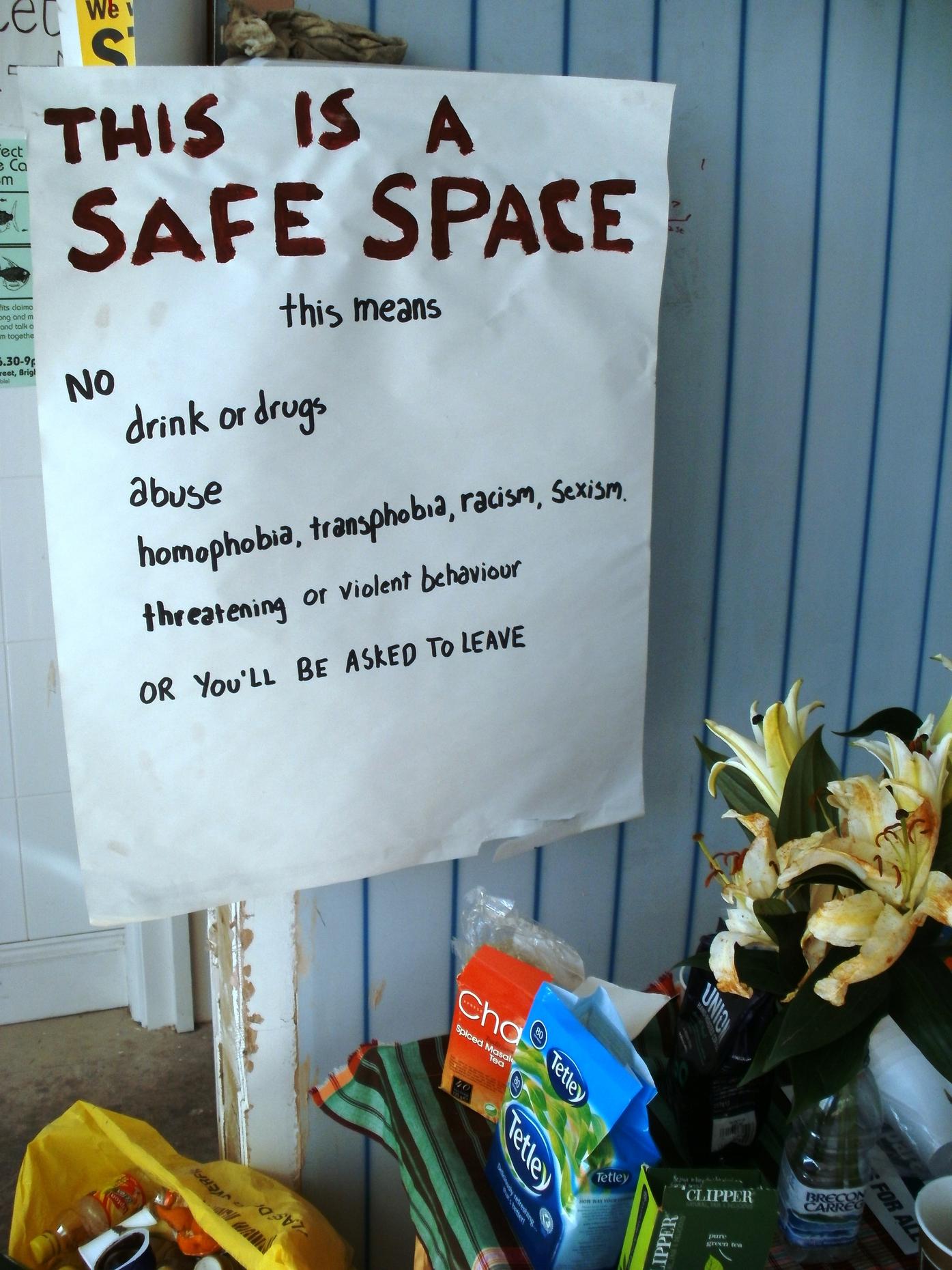
Mar 10, 2017
Seeing Is Believing
In the 1960s, pollution was a visible, visceral problem, and public pressure led a Republican president to create the Environmental Protection Agency. Now, the GOP wants to slash the agency's budget and roll back "burdensome" environmental regulations. The story of how the environment went from bipartisan issue to political battleground. Also, journalists and politicians have long avoided drawing a straight line between natural disasters and climate change. How that's changing, thanks to new "extreme weather attribution" science. And, the myth of the Great Pacific Garbage Patch, a useful—yet misleading—container for our collective anxieties about the planet. Plus, President Trump’s new ban on travelers from Muslim-majority countries was released with little fanfare—intentionally. What the optics tell us, and what the law tells us. Support On the Media by becoming a member today at OntheMedia.org/donate . On the Media is supported by listeners like you. Support OTM by donating today ( https://pledge.wnyc.org/support/otm ). Follow our show on Instagram , Twitter and Facebook @onthemedia, and share your thoughts with us by emailing onthemedia@wnyc.org.
Mar 7, 2017
When the Press Sues Over "Fake News"
“Fake news.” What began as a description of utterly false articles, fabricated for political advantage or profit, was immediately co-opted by Donald Trump to attack any story or opinion piece in the mainstream media that has the temerity to correct him. Back in November, famed First Amendment attorney Floyd Abrams said that in the age of Trump the press should consider a form of defense it has long avoided: suing its opponents for libel. The Grand Junction Daily Sentinel , a small paper in Colorado, may act on that advice. Accused by a Colorado state senator of publishing fake news, Jay Seaton, the paper's publisher , has threatened to retaliate with a libel suit, the very legal weapon that news organizations have historically fended off. Bob speaks with Seaton about this new strategy and how it could backfire on the rest of the media. On the Media is supported by listeners like you. Support OTM by donating today ( https://pledge.wnyc.org/support/otm ). Follow our show on Instagram , Twitter and Facebook @onthemedia, and share your thoughts with us by emailing onthemedia@wnyc.org.
Mar 3, 2017
Follow the Money
As the Trump-Russia saga continues to unfold, how the Obama administration spent its final days scrambling to preserve evidence of Russian interference in the election. Also, the old Soviet-era art of "kremlinology" is back -- but does it really help us understand what Putin is thinking? Plus, a potential key to unveiling Trump’s tax returns, how our understanding of corruption has strayed from the vision of the founders, and more. Support On the Media by becoming a member today at OntheMedia.org/donate . On the Media is supported by listeners like you. Support OTM by donating today ( https://pledge.wnyc.org/support/otm ). Follow our show on Instagram , Twitter and Facebook @onthemedia, and share your thoughts with us by emailing onthemedia@wnyc.org.
Mar 1, 2017
This Gene Was Edited By Brooke
CRISPR is a new technology that enables scientists to quickly alter the genetic makeup of the entire population of a species. It's so powerful that just one genetically-modified mosquito could eradicate malaria. It's so easy to do that a grad student could (accidentally) enact these global ecological changes from their kitchen. It's also under-regulated. Under science's current culture of secrecy, ensuring that scientists are taking necessary precautions with gene-drive research is next to impossible, says CRISPR innovator Kevin Esvelt. Writing in Nature last summer, Esvelt urged the scientific community to open all experiments to public scrutiny, beginning with the revolutionary and potentially world-changing gene-editing research he helped advance. Also in the podcast, the idea of human cloning captivates and terrifies. Depictions of human clones in science fiction reflect some of our deepest fears about what it means to be human. But not everyone shares those anxieties. For example, the creators of the hit BBC series Orphan Black have developed a show which decidedly diverges from the canon of popular culture clone portrayals. Brooke talks with bioethicist Gregory Pence, author of What We Talk About When We Talk About Clone Club , about how Orphan Black reflects and challenges dominant ideas in the debate on human cloning. On the Media is supported by listeners like you. Support OTM by donating today ( https://pledge.wnyc.org/support/otm ). Follow our show on Instagram , Twitter and Facebook @onthemedia, and share your thoughts with us by emailing onthemedia@wnyc.org.
Feb 23, 2017
Smoke & Handcuffs
With a president who would rather watch TV than receive intelligence briefings, CNN’s Brian Stelter helps unpack the symbiotic relationship between Fox News and the White House. Plus, whether Trump’s new guidelines for mass deportation of undocumented immigrants are more PR than sound policy, how the term “sanctuary cities” may oversell how much safety is actually provided, and the Supreme Court sheds light on violence at the US border. Also, a former FEC Commissioner explains why the Commission has ceased to function as intended. Support On the Media by becoming a member today at OntheMedia.org/donate . On the Media is supported by listeners like you. Support OTM by donating today ( https://pledge.wnyc.org/support/otm ). Follow our show on Instagram , Twitter and Facebook @onthemedia, and share your thoughts with us by emailing onthemedia@wnyc.org.
Feb 17, 2017
Leak State
Republicans decry the leakers; Democrats applaud them...oh, how the tables have turned. How to make sense of the Flynn affair and revelations about the Trump team's communications with Russia. Plus, the steady stream of information from within the government has the media debating the power of the so-called “Deep State” -- invisible officials pulling the strings. Also, deploying the word "treason" with care, what Slobodan Milošević teaches us about Donald Trump, and what Hugo Chávez does not. Support On the Media by becoming a member today at OntheMedia.org/donate . On the Media is supported by listeners like you. Support OTM by donating today ( https://pledge.wnyc.org/support/otm ). Follow our show on Instagram , Twitter and Facebook @onthemedia, and share your thoughts with us by emailing onthemedia@wnyc.org.
Feb 14, 2017
Out Like Flynn
In response to scandals large and small, first the Trump campaign and now the Trump White House has relied on the fact that each successive lie or outrage will be washed over by the next and the next. And its worked. Until now. Bob ponders whether this week's resignation of General Flynn from his position as National Security Adviser has thrown the White House media machine (momentarily) off its axis. On the Media is supported by listeners like you. Support OTM by donating today ( https://pledge.wnyc.org/support/otm ). Follow our show on Instagram , Twitter and Facebook @onthemedia, and share your thoughts with us by emailing onthemedia@wnyc.org.
Feb 10, 2017
See You In Court
With the president and the judiciary at odds over the travel ban, the term "constitutional crisis" is ubiquitous. Why it should be deployed carefully. Plus, protests are sweeping the nation – but so are efforts to crack down on free speech. How lawmakers are trying to curtail the rights of demonstrators, and how cities can push back. Also, the surprising history of the “anti-fascist” movement, a guide for making sense of protest coverage, and more. Support On the Media by becoming a member today at OntheMedia.org/donate . On the Media is supported by listeners like you. Support OTM by donating today ( https://pledge.wnyc.org/support/otm ). Follow our show on Instagram , Twitter and Facebook @onthemedia, and share your thoughts with us by emailing onthemedia@wnyc.org.
Feb 8, 2017
What We Know About the Border
The Trump administration's so-called "Muslim ban" has created chaos and confusion at airports around the country, but horror stories at the border go back much further than this year. In 2014, we devoted an hour to trying to shred the veil of secrecy obscuring Customs and Border Protection, the huge police force tasked with guarding our borders. We discovered a lack of basic rights and accountability, along with countless stories of dehumanizing detentions and intrusions that thrive within a massive legal grey area. On the Media is supported by listeners like you. Support OTM by donating today ( https://pledge.wnyc.org/support/otm ). Follow our show on Instagram , Twitter and Facebook @onthemedia, and share your thoughts with us by emailing onthemedia@wnyc.org.
Feb 3, 2017
The Ties That Bind
From incendiary phone calls with world leaders to a sloppy military operation in Yemen, a look at what we've learned so far from "the leakiest White House in a very long time." Also, in a week when one journalist was fired for declaring that "objectivity is dead," we examine whether traditional standards of journalistic neutrality need to be re-imagined for a new era. And how the utopian promise of the Internet was overtaken by algorithms and monopolies that threaten to erode our democracy. Support On the Media by becoming a member today at OntheMedia.org/donate . On the Media is supported by listeners like you. Support OTM by donating today ( https://pledge.wnyc.org/support/otm ). Follow our show on Instagram , Twitter and Facebook @onthemedia, and share your thoughts with us by emailing onthemedia@wnyc.org.

Jan 31, 2017
#PresidentBannon
WH chief strategist Steve Bannon is credited with influencing the president's every move, from speeches to executive orders. This week it was announced that he will take the place of the chairman of the Joint Chiefs of Staff on the National Security Council principals committee so we thought it was a good time to revisit an interview Brooke did with Joshua Green who profiled Bannon for Bloomberg News. On the Media is supported by listeners like you. Support OTM by donating today ( https://pledge.wnyc.org/support/otm ). Follow our show on Instagram , Twitter and Facebook @onthemedia, and share your thoughts with us by emailing onthemedia@wnyc.org.

Jan 27, 2017
New Reality
The first week of the Trump administration was a frenzy of executive actions, falsehoods, and attacks on the media. Bob goes to the White House to talk with the press corps about how they're handling a moving target. Plus, how Trump's first executive action on abortion is a symbolic continuation of the decades-long war over reproductive rights. And , the swift rise and fall of the term "fake news." Support On the Media by becoming a member today at OntheMedia.org/donate . On the Media is supported by listeners like you. Support OTM by donating today ( https://pledge.wnyc.org/support/otm ). Follow our show on Instagram , Twitter and Facebook @onthemedia, and share your thoughts with us by emailing onthemedia@wnyc.org.
Jan 24, 2017
Week One
White House Press Secretary Sean Spicer and his boss have had a rough first few days in their new jobs. Historian Martha Joynt Kumar explains that the relationship between the press secretary and the press has always been a tricky one. On the Media is supported by listeners like you. Support OTM by donating today ( https://pledge.wnyc.org/support/otm ). Follow our show on Instagram , Twitter and Facebook @onthemedia, and share your thoughts with us by emailing onthemedia@wnyc.org.
Jan 20, 2017
Future Tense
President Trump may be the most vocal with his disdain, but he's hardly the first president to have a rocky relationship with the press. Plus, why the White House press corps is so frustrating for everyone involved, and whether Trump's open animosity could actually be a blessing in disguise for the media. And, how the Obama administration’s last-minute expansion of surveillance powers might function in new hands. Support On the Media by becoming a member today at OntheMedia.org/donate . On the Media is supported by listeners like you. Support OTM by donating today ( https://pledge.wnyc.org/support/otm ). Follow our show on Instagram , Twitter and Facebook @onthemedia, and share your thoughts with us by emailing onthemedia@wnyc.org.
Jan 17, 2017
"Busted" #5: Breaking News Consumer's Handbook: Poverty in America Edition
When reporting on poverty, the media fall into familiar traps and pundits make prescriptions that disregard the facts. So, in the fifth and final installment of our series, " Busted: America's Poverty Myths ," we present a Breaking News Consumer's Handbook: Poverty in America Edition . It'll equip you with the tools to spot shoddy reporting and the knowledge to identify coverage with insight. With help from Jack Frech , former Athens County welfare director; Kathryn Edin , co-author of $2.00 A Day: Living on Almost Nothing in America ; Greg Kaufmann , editor of TalkPoverty.org ; Matthew Desmond , author of Evicted: Poverty and Profit in the American City ; and Linda Tirado , author of Hand To Mouth: Living in Bootstrap America . On the Media is supported by listeners like you. Support OTM by donating today ( https://pledge.wnyc.org/support/otm ). Follow our show on Instagram , Twitter and Facebook @onthemedia, and share your thoughts with us by emailing onthemedia@wnyc.org.
Jan 17, 2017
"Busted" #4: When the Safety Net Doesn't Catch You
UPDATE: OTM has received numerous inquiries from listeners who want to help Margaret Smith. If you’d like to donate, she has set up a PayPal account here . Please note that neither OTM nor WNYC is affiliated with this account. We do not control the money nor do we monitor how it is spent. Donations are considered a gift to Smith, and are not tax-deductible. *** In the fourth installment of our series " Busted: America's Poverty Myths ," we examine the strengths and shortcomings of our nation's safety net. Government assistance does help lift millions out of poverty each year -- indeed, without it, poverty would be twice as high -- but those in the most dire circumstances often slip through the cracks. With the help of Linda Tirado , author of Hand to Mouth: Living in Bootstrap America , and Matthew Desmond , author of Evicted: Poverty and Profit in the American City , we consider how anti-poverty programs can actually keep people poor and offer little hope for a way out. Also, Brooke meets Margaret Smith, a Columbus woman made homeless after a violent crime derailed the life she'd carefully built with her six children. And we visit an Athens County food pantry that provides not just meals to the community, but also school supplies, clothing, furniture, job training, home repairs, disaster relief...even burial plots. Songs: Invitation to a Suicide by John Zorn Equinox by John Coltrane Passing Time by John Renbourn Peace Piece by Kronos Quartet On the Media is supported by listeners like you. Support OTM by donating today ( https://pledge.wnyc.org/support/otm ). Follow our show on Instagram , Twitter and Facebook @onthemedia, and share your thoughts with us by emailing onthemedia@wnyc.org.
Jan 17, 2017
"Busted" #3: Rags to Riches
In the third installment of our series, "Busted: America's Poverty Myths," we take on one of our country's most fundamental notions: that America is a land of equal opportunity and upward mobility for all. And we ask why, in spite of a wealth of evidence to the contrary, does this idea persist? With the help of historian Jill Lepore , Brooke traces the history of the "rags to riches" narrative, beginning with Benjamin Franklin, whose 18th century paper manufacturing business literally turned rags into riches. We hear from Natasha Boyer, a young Ohio woman who was saved from eviction by a generous surprise from strangers... only for the miracle to prove fleeting. And we consider the efficacy of "random acts of kindness" and the fateful role of luck -- where you're born, and to whom -- in determining success. Songs: "Rags To Riches" by Tony Bennett "Adagio K. 617a For Glass Armonica" by Christa and Gerald Schönfeldinger "Shine (Reprise)" by Roger Anderson & Lee Goldsmith "Rondoletto" by Margaret Lion "Avocet" by Bert Jansch "This Old House" by Marcos Ciscar "Melancolia" by Marcos Ciscar On the Media is supported by listeners like you. Support OTM by donating today ( https://pledge.wnyc.org/support/otm ). Follow our show on Instagram , Twitter and Facebook @onthemedia, and share your thoughts with us by emailing onthemedia@wnyc.org.
Jan 17, 2017
"Busted" #2: Who Deserves To Be Poor?
UPDATE: Since this series began, OTM has received numerous inquiries from listeners who want to help Carla Scott. If you’d like to donate, she has set up a PayPal account here . Please note that neither OTM nor WNYC is affiliated with this account. We do not control the money nor do we monitor how it is spent. Donations are considered a gift to Scott, and are not tax-deductible. *** In the second installment of our series on poverty myths , we trace the history of welfare in America, from aid to widows after the Civil War to Lyndon Johnson's War on Poverty to Bill Clinton's pledge to "end welfare as we know it." With the help of Kathy Edin , co-author of $2.00 a Day: Living on Almost Nothing in America , we consider how the notion of government assistance sapping people of initiative has long shaped policy...and permitted many in poverty to fall through the cracks. And Brooke meets Carla Scott, a young woman in Cleveland forced to sell her plasma for bus fare after a series of events derailed her life, as well as Carla's nonagenarian grandmother, Grace, a hard-line believer in "personal responsibility." Carla and her grandmother Grace on Grace's porch in Cleveland. (Brooke Gladstone/WNYC) Grandmother Grace with a photo of herself from earlier days. (Brooke Gladstone/WNYC) Songs: Marjane's Inspiration by David Bergeaud Slow Pulse Conga by William Pasley Chicago Sunset by Charlie Musselwhite Carmen Fantasy by Anderson & Roe Fondu 5 by Ballet Dance Jazz J. Company John's Book of Alleged Dances by Kronos Quartet The Thompson Fields by Maria Schneider Orchestra Stolen Moments by Ahmad Jamal “Busted: America’s Poverty Myths” is produced by Meara Sharma and Eve Claxton, with special thanks to Nina Chaudry. This series is produced in collaboration with WNET in New York as part of “Chasing the Dream: Poverty and Opportunity in America.” Major funding for “Chasing the Dream” is provided by the JPB Foundation, with additional funding from the Ford Foundation. On the Media is supported by listeners like you. Support OTM by donating today ( https://pledge.wnyc.org/support/otm ). Follow our show on Instagram , Twitter and Facebook @onthemedia, and share your thoughts with us by emailing onthemedia@wnyc.org.

Jan 17, 2017
"Busted" #1: The Poverty Tour
Today, more than 45 million Americans live in poverty. The problem has been addressed countless times since the nation’s founding, but it persists, and for the poorest among us, it gets worse. America has not been able to find its way to a sustainable solution, because most of its citizens see the problem of poverty from a distance, through a distorted lens. So we present "Busted: America's Poverty Myths," a series exploring how our understanding of poverty is shaped not by facts, but by private presumptions, media narratives, and the tales of the American Dream. Brooke traveled to Ohio, a state that reflects the varied nature of poverty, to talk directly with people who are poor and understand how they got that way, and why, under current policies, they are likely to stay that way. You'll hear from them over the next several weeks. But first, we examine how the story of poverty gets told -- and whether media attention makes any difference -- with the help of Jack Frech , a longtime Athens County welfare director who has been leading reporters on "poverty tours" of Appalachia for decades. “Busted: America’s Poverty Myths” is produced by Meara Sharma and Eve Claxton, with special thanks to Nina Chaudry. This series is produced in collaboration with WNET in New York as part of “Chasing the Dream: Poverty and Opportunity in America.” Major funding for “Chasing the Dream” is provided by the JPB Foundation, with additional funding from the Ford Foundation. Songs: "Ec-Stacy" by Jess Stacy "Gavotte in A Minor" by Matthew Camidge, arr. by Andy Boden "Youkali Tango-Habanera" by Kurt Weill; performed by the Armadillo String Quartet On the Media is supported by listeners like you. Support OTM by donating today ( https://pledge.wnyc.org/support/otm ). Follow our show on Instagram , Twitter and Facebook @onthemedia, and share your thoughts with us by emailing onthemedia@wnyc.org.
Jan 13, 2017
The Game Has Changed
As tensions between the press and the president-elect continue to mount, a look at why some news outlets chose to publish a salacious but unverified set of allegations about Donald Trump. Plus, how the rules of journalism may change in the Era of Trump and what journalists need to do to adjust; and writer Rebecca Solnit on finding hope in dark and uncertain places. Support On the Media by becoming a member today at OntheMedia.org/donate . On the Media is supported by listeners like you. Support OTM by donating today ( https://pledge.wnyc.org/support/otm ). Follow our show on Instagram , Twitter and Facebook @onthemedia, and share your thoughts with us by emailing onthemedia@wnyc.org.
Jan 11, 2017
January Surprise
For weeks now, journalists have been aware of a dossier circulating among top officials and the media; it alleges among other things, that Russia has compromising (Kompromat) information on President Elect Donald Trump. But it wasn't until a chain of events set off by a presidential briefing about the contents of the dossier that the media felt free to talk about what they knew. Brooke speaks with Slate's Will Oremus about Buzzfeed's (and Slate's) decision to publish the anonymous (and unverified) Russia memos in full. On the Media is supported by listeners like you. Support OTM by donating today ( https://pledge.wnyc.org/support/otm ). Follow our show on Instagram , Twitter and Facebook @onthemedia, and share your thoughts with us by emailing onthemedia@wnyc.org.
Jan 6, 2017
No End In Sight
British journalist John Cantlie has been a prisoner of ISIS for more than four years. Throughout his captivity, he's been forced to act as a sort of warped foreign correspondent, extolling the virtues of the group in propaganda videos. With every appearance, he looks weaker and gaunter. In this special hour, we consider how Cantlie's plight is a window into the challenges of reporting on Syria, and why the world's tangled policy on hostages means that some live to tell the tale, and others don't. Support On the Media by becoming a member today at OntheMedia.org/donate . On the Media is supported by listeners like you. Support OTM by donating today ( https://pledge.wnyc.org/support/otm ). Follow our show on Instagram , Twitter and Facebook @onthemedia, and share your thoughts with us by emailing onthemedia@wnyc.org.
Dec 30, 2016
To Thine Own Self Be True
It's been four hundred years since the death of William Shakespeare, and the Bard is as popular as ever... and just as mysterious. For centuries, a war has raged over the question: who is Shakespeare? We explore how the answer has evolved through the ages, and what that tells us about our changing perceptions of class, art, genius, and religion. Plus, a look at Shakespeare's enduring global relevance, with an inspiring and perilous performance of Love's Labor's Lost in Afghanistan. On the Media is supported by listeners like you. Support OTM by donating today ( https://pledge.wnyc.org/support/otm ). Follow our show on Instagram , Twitter and Facebook @onthemedia, and share your thoughts with us by emailing onthemedia@wnyc.org.
Dec 28, 2016
Donald Trump is not Hitler
The Man in the High Castle, the Emmy Award winning TV series, imagines a world in which the Nazi’s won WWII. Set in the 1960s, the show blends actual pop cultural imagery and artifacts with fictional interpretations of an alternative ending to the war. When its first season debuted, the show’s ad campaign in New York City subways hit a little too close to home. And the show’s second season, which dropped last week, is resonating in a similar way, although this time not so intentionally, just as white nationalists gain exposure in the lead-up to the Trump presidency. “But if it would be hyperbole to treat the series like a documentary, it would be denial to say it plays no differently now than it did before,” says James Poniewozik the chief television critic for The New York Times. He joined Studio 360 host Kurt Andersen in the studio to talk about his most recent article on the series which points to the parallels between fiction and reality. On the Media is supported by listeners like you. Support OTM by donating today ( https://pledge.wnyc.org/support/otm ). Follow our show on Instagram , Twitter and Facebook @onthemedia, and share your thoughts with us by emailing onthemedia@wnyc.org.
Dec 23, 2016
Hurry Up!
None of us know what Donald Trump will do once he becomes President Trump. What we do know is what he has said he wants to do and what powers he will have, should he choose to act. That's why activists are urging President Obama to do all that he can in the weeks he has left to leave the presidency nicer than he found it and to place some limits on the abilities of a potentially reckless new ruler. Brooke and Bob talk to advocates and experts who have compiled a "must-do" list for Obama's final month in office, ranging from surveillance oversight to digital preservation to clemency to climate action. Then, we hear from the White House itself about what the administration actually plans to do with the limited time. Finally, a discussion with writer James Gleick about the nature of time and how our understanding of it has evolved over time. On the Media is supported by listeners like you. Support OTM by donating today ( https://pledge.wnyc.org/support/otm ). Follow our show on Instagram , Twitter and Facebook @onthemedia, and share your thoughts with us by emailing onthemedia@wnyc.org.
Dec 20, 2016
Michigan's Muckraker
This week four more officials were charged in the Flint, Michigan water crisis, bringing the total to charged to 13. But the story initially unfolded largely without national attention. State officials denied and dismissed claims that city water was poisoned with lead, even as evidence mounted from independent water researchers , a pediatrician, and a muckraker from a non-profit advocacy group. Curt Guyette is an investigative reporter for the ACLU of Michigan, he told Brooke how his reporting helped get the story out, and why it took so long for Flint to make headlines. On the Media is supported by listeners like you. Support OTM by donating today ( https://pledge.wnyc.org/support/otm ). Follow our show on Instagram , Twitter and Facebook @onthemedia, and share your thoughts with us by emailing onthemedia@wnyc.org.

Dec 16, 2016
Spy vs. Spy
The saga over Russian interference in the election has been marked by secrecy, rumor, and contradictory evidence. We try to bring some clarity to a cloudy narrative. Also, the CIA says Russian hackers deliberately helped Donald Trump win the election but the FBI wasn't initially convinced. We consider the long and tumultuous rivalry between the two agencies, and how spies and G-men have been depicted in popular culture. Plus, how the US propaganda agency “Voice of America” might function under President Trump. On the Media is supported by listeners like you. Support OTM by donating today ( https://pledge.wnyc.org/support/otm ). Follow our show on Instagram , Twitter and Facebook @onthemedia, and share your thoughts with us by emailing onthemedia@wnyc.org.
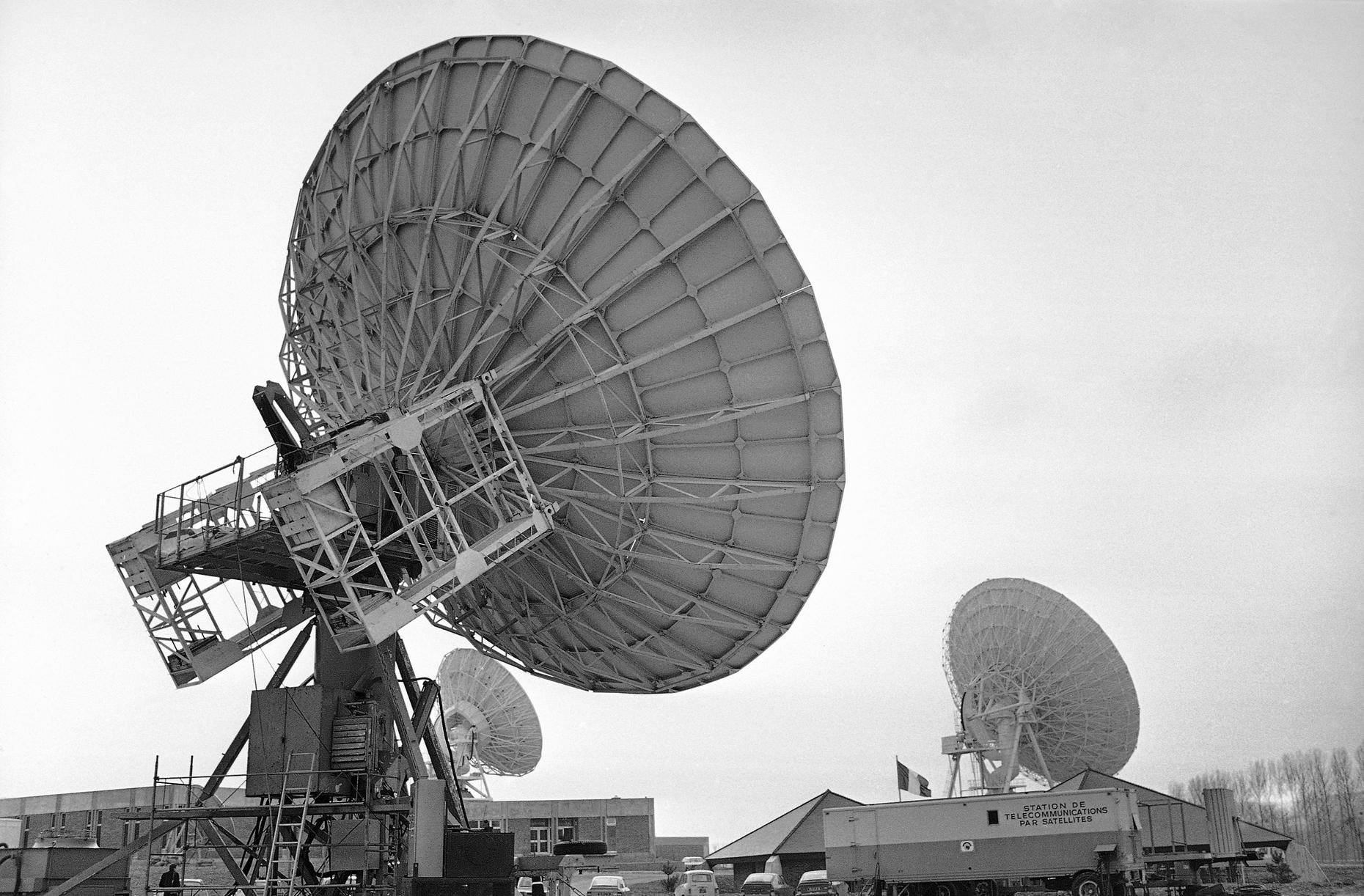
Dec 13, 2016
The Art of the Follow-Up
Recently CNN's Jake Tapper asked VPEOTUS Mike Pence the same question over and over again, hoping for an answer. Bob spoke to Tapper back in June about the art of the follow-up . On the Media is supported by listeners like you. Support OTM by donating today ( https://pledge.wnyc.org/support/otm ). Follow our show on Instagram , Twitter and Facebook @onthemedia, and share your thoughts with us by emailing onthemedia@wnyc.org.
Dec 9, 2016
Imagine That
The Justice Department just vastly expanded the government’s power to hack into your devices... but you probably haven't heard about it. We examine how this change flew under the radar, and why it could be dangerous. Also, a growing threat to free speech: billionaires using libel suits to damage and destroy media outlets. And, how a fringe conspiracy theory involving pizza is a parable for our time. On the Media is supported by listeners like you. Support OTM by donating today ( https://pledge.wnyc.org/support/otm ). Follow our show on Instagram , Twitter and Facebook @onthemedia, and share your thoughts with us by emailing onthemedia@wnyc.org.

Dec 7, 2016
The Mistrial of Michael Slager
After a mistrial this week in the case of Michael Slager, the police officer caught on camera shooting Walter Scott in the back as he ran away, we revisit two interviews we did this summer. Patrice Cullors is the co-founder of Black Lives Matter and Eugene O'Donnell is a former police officer, we spoke to them after two deadly shooting incidents involving young black men targeting police officers. On the Media is supported by listeners like you. Support OTM by donating today ( https://pledge.wnyc.org/support/otm ). Follow our show on Instagram , Twitter and Facebook @onthemedia, and share your thoughts with us by emailing onthemedia@wnyc.org.
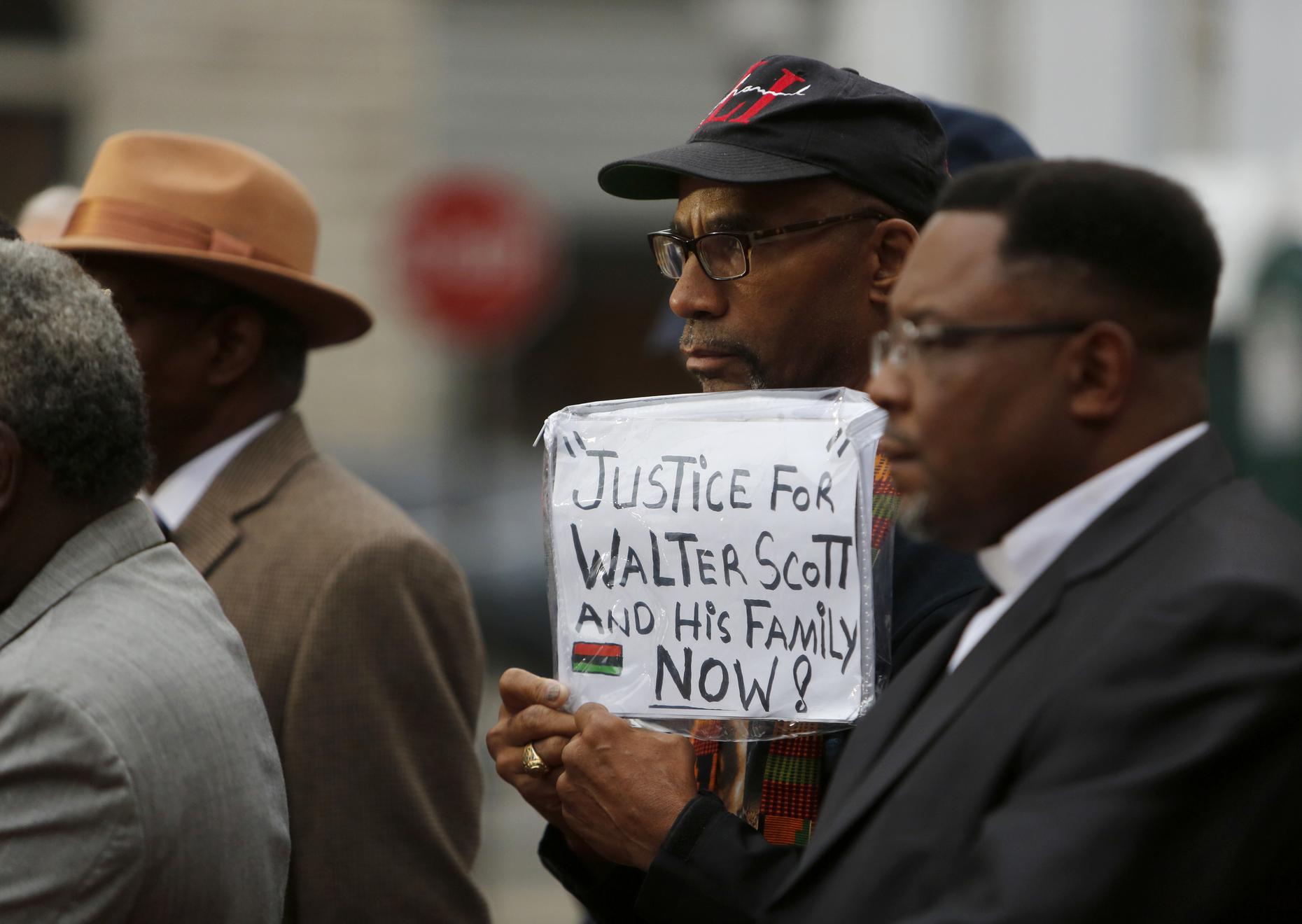
Dec 2, 2016
Normalize This!
We devote this hour to a question put to us pretty much daily since election day: How to cover President Trump? First, we ask the AP, Univision, NPR, USA Today, and other news outlets about how they are defining a relationship with a president-elect who flouts traditional rules, spreads misinformation, and criticizes the press. Then we turn to language. Listeners help us highlight moments in media coverage that obscure the truth, and journalist Masha Gessen warns of the "impulse to normalize." Plus, linguist John McWhorter describes the phenomenon of partisan words, and cognitive scientist George Lakoff argues that the principles of journalism need to be redefined... because of how our brains work. On the Media is supported by listeners like you. Support OTM by donating today ( https://pledge.wnyc.org/support/otm ). Follow our show on Instagram , Twitter and Facebook @onthemedia, and share your thoughts with us by emailing onthemedia@wnyc.org.
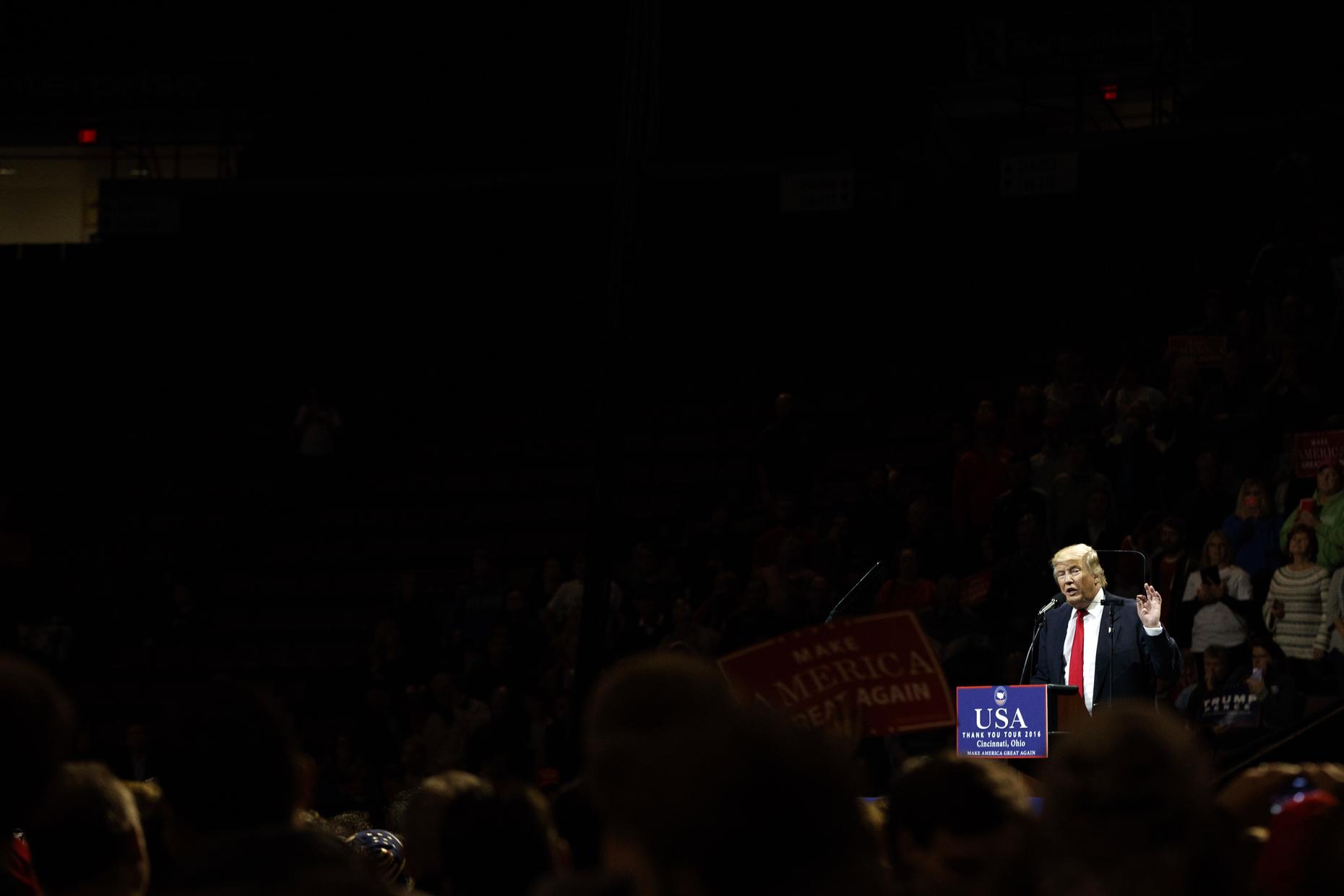
Nov 29, 2016
How (NOT) to Cover Cuba!
In 1957, Fidel Castro was believed to be dead -- until New York Times writer Herbert L. Matthews conducted an interview with Castro in the Cuban jungle. Matthews' portrayal of a romantic figure and a promising leader was trusted, until Castro revealed himself and his planned revolution as communist. Brooke speaks with Anthony DePalma , author of The Man Who Invented Fidel: Castro, Cuba, and Herbert L. Matthews of The New York Times , about the infamous coverage of Cuba's infamous leader. Also, the OTM guide on how (not) to cover Cuba. On the Media is supported by listeners like you. Support OTM by donating today ( https://pledge.wnyc.org/support/otm ). Follow our show on Instagram , Twitter and Facebook @onthemedia, and share your thoughts with us by emailing onthemedia@wnyc.org.
Nov 25, 2016
Ghosts
This election season, the media frequently looked to history in an attempt to explain the rise of Donald Trump. We consider how historical parallels don't always serve us well. Plus, revisiting a notorious murder that the press got wrong; the long reach of a WWII slogan; and attempts in Ukraine to whitewash the nation's history. A special hour on memory, both historical and personal, and how what we remember shapes our world. On the Media is supported by listeners like you. Support OTM by donating today ( https://pledge.wnyc.org/support/otm ). Follow our show on Instagram , Twitter and Facebook @onthemedia, and share your thoughts with us by emailing onthemedia@wnyc.org.

Nov 23, 2016
Thanks for Everything, Bing
A few years ago, Brooke spoke with the writer Paul Ford about the remarkable connection between Bing Crosby, magnetic tape, Nazi technology, and the computer hard drive. We're putting it down the podcast feed again this week, just before the Thanksgiving holiday, to get you in the mood. You can read Ford's post about Crosby on the New Yorker Elements blog . On the Media is supported by listeners like you. Support OTM by donating today ( https://pledge.wnyc.org/support/otm ). Follow our show on Instagram , Twitter and Facebook @onthemedia, and share your thoughts with us by emailing onthemedia@wnyc.org.
Nov 18, 2016
Unreal
In the months leading up to the election, some fake news stories generated more engagement on Facebook than real news stories. We consider the landscape of misinformation and how to separate truth from fiction. Plus: Steve Bannon, Trump's chief strategist, hasn't just influenced political discourse through the incendiary Breitbart News -- he's also sabotaged his chosen politicians through investigative journalism. And we interview a man who the Southern Poverty Law Center calls the “cultivated, cosmopolitan face of white supremacy” to find out what he wants wants from the Trump administration. On the Media is supported by listeners like you. Support OTM by donating today ( https://pledge.wnyc.org/support/otm ). Follow our show on Instagram , Twitter and Facebook @onthemedia, and share your thoughts with us by emailing onthemedia@wnyc.org.
Nov 16, 2016
When Real Police Shootings Look Nothing Like The Movies
According to The Washington Post , more than 800 people have been shot and killed by police officers in the United States this year. As videos of many of these shootings-- especially ones depicting confrontations between police officers and black men-- go viral, Alyssa Rosenberg , opinion writer at The Washington Post , examines how different they look from the portrayals of police shootings that we're used to seeing in films and on TV. Her series, Dragnets, Dirty Harrys and Dying Hard examines the ways in which police officers are portrayed in pop culture. She talks to Bob about her third installment of the series: "In Pop Culture, There Are No Bad Police Shootings." SUBSCRIBE TO OUR PODCAST on iTunes or your platform of choice. You'll receive these behind-the-curtain extras and more right in your feed. (And -- as always -- support your local public radio station.) On the Media is supported by listeners like you. Support OTM by donating today ( https://pledge.wnyc.org/support/otm ). Follow our show on Instagram , Twitter and Facebook @onthemedia, and share your thoughts with us by emailing onthemedia@wnyc.org.

Nov 11, 2016
Wrong Number
The press didn’t see it coming. Or did they? This week, we examine the role of data – and delusion – in this election. Nate Silver reflects on the promise and pitfalls of polling, and Zachary Karabell discusses how financial indicators gloss over the gritty realities of American life. Plus: how a plan to dismantle the electoral college could make elections more democratic, and election coverage more interesting. On the Media is supported by listeners like you. Support OTM by donating today ( https://pledge.wnyc.org/support/otm ). Follow our show on Instagram , Twitter and Facebook @onthemedia, and share your thoughts with us by emailing onthemedia@wnyc.org.
Nov 9, 2016
Now What?
It's the morning after in the offices of On the Media. Usually editorial meetings take place in Brooke's office with Bob dialed in on the conference phone. This week we did it in the studio so you can hear the hosts talk about how they are feeling and how they envision the direction of the show in the Trump presidency. SUBSCRIBE TO OUR PODCAST on iTunes or your platform of choice. You'll receive these behind-the-curtain extras and more right in your feed. (And -- as always -- support your local public radio station.) On the Media is supported by listeners like you. Support OTM by donating today ( https://pledge.wnyc.org/support/otm ). Follow our show on Instagram , Twitter and Facebook @onthemedia, and share your thoughts with us by emailing onthemedia@wnyc.org.
Nov 4, 2016
On Shaky Ground
The months-long protest against the North Dakota Access Pipeline finally received mainstream attention this week after a misdirection campaign on Facebook, but to what end? Plus, making sense of what you've been told about Russia's role in the election; Bob talks to Glenn Beck about his recent transformation; and the all-too-predictable fallout from hiring partisans as cable news pundits. On the Media is supported by listeners like you. Support OTM by donating today ( https://pledge.wnyc.org/support/otm ). Follow our show on Instagram , Twitter and Facebook @onthemedia, and share your thoughts with us by emailing onthemedia@wnyc.org.

Nov 2, 2016
Debunking the AIDS "Patient Zero" Myth
One of the most enduring myths of HIV/AIDS history has finally been laid to rest. The so-called "patient zero," a Canadian flight attendant named Gaétan Dugas, was once blamed for igniting the entire AIDS epidemic in America. Media outlets fixated on his sexual promiscuity; the New York Post called him "The Man Who Gave Us Aids." But new research published in the journal Nature reexamined the original blood samples taken from Dugas in 1983 and found that the strain of the virus he was infected with was already present in the country years before Dugas frequented the gay scene in New York and San Francisco. Bob talks with Michael Worobey , evolutionary biologist and lead author of the Nature paper, about how the patient zero story is an ongoing black comedy of mischaracterization. On the Media is supported by listeners like you. Support OTM by donating today ( https://pledge.wnyc.org/support/otm ). Follow our show on Instagram , Twitter and Facebook @onthemedia, and share your thoughts with us by emailing onthemedia@wnyc.org.
Oct 28, 2016
Poor Judgment
The Trump camp is pointing to "oversampling" in the polls as the latest sign that the election is rigged against him. But the pollsters say that's not how polling works. FiveThirtyEight helps separate the conspiratorial from the commonplace in election polls. Plus, a look at what the media get wrong about Trump supporters, a controversial capital punishment rule gets taken up by the Supreme Court, and a Breaking News Consumer's Handbook for poverty. On the Media is supported by listeners like you. Support OTM by donating today ( https://pledge.wnyc.org/support/otm ). Follow our show on Instagram , Twitter and Facebook @onthemedia, and share your thoughts with us by emailing onthemedia@wnyc.org.
Oct 25, 2016
FiveThirtyEight presents: The Perot Condundrum
Ever since his 1992 dark horse candidacy captured nearly 19% of the popular vote, there have been arguments over the real role of Ross Perot. Was he a spoiler candidate, stealing the election from Bush? Did he de-legitimize Clinton's victory by keeping him from winning a majority of the popular vote? Was there anything to learn from Perot's popularity, or was the unpredictable, charismatic, idiosyncratic billionaire just a fluke? These are the questions our friends at FiveThirtyEight ponder in this week's excellent documentary podcast, "Long Before Trump, There Was Ross Perot." We like it and we think you will too. We encourage you to check out all of FiveThirtyEight's other podcasts- -including their daily election series that will be putting out an episode--that's right--every day until election day. On the Media is supported by listeners like you. Support OTM by donating today ( https://pledge.wnyc.org/support/otm ). Follow our show on Instagram , Twitter and Facebook @onthemedia, and share your thoughts with us by emailing onthemedia@wnyc.org.
Oct 21, 2016
The System Is Rigged
By now you know that Donald Trump likes to claim that the media, the Hillary Clinton campaign, and dead voters are among those rigging the election against him. But he's not the only politician during this campaign to claim the system is manipulated to favor some over others. This week, we explore how elections are and are not rigged. Also, the fourth installment of our poverty series focuses on the strengths and shortcomings of our nation's safety net. On the Media is supported by listeners like you. Support OTM by donating today ( https://pledge.wnyc.org/support/otm ). Follow our show on Instagram , Twitter and Facebook @onthemedia, and share your thoughts with us by emailing onthemedia@wnyc.org.
Oct 20, 2016
Mike Pesca Goes Back to the Spin Room
Mike Pesca is the host of Slate's "The Gist." He braved the post-debate spin room again to bring us this report. On the Media is supported by listeners like you. Support OTM by donating today ( https://pledge.wnyc.org/support/otm ). Follow our show on Instagram , Twitter and Facebook @onthemedia, and share your thoughts with us by emailing onthemedia@wnyc.org.
Oct 19, 2016
Race, Class, and the United States of Anxiety
In the midst of an election that has exposed deep and sometimes ugly rifts in American society, WNYC and The Nation have partnered for a new podcast series called "The United States of Anxiety." Each week they look to understand how we arrived at this point by diving deep into the polarized economic, social and political landscape as it exists in communities on Long Island, New York. This week, we're sharing their latest episode which is all about the politics of being white, male, and working class in 2016. WNYC reporter, Jim O'Grady, takes a road trip through Long Island with writer and former bond trader Chris Arnade about how male Trump supporters are feeling emasculated by the current economic and political climate. Then, The Nation's Kai Wright talks to Italian-American Long Islanders about their families' journeys to whiteness. You can (and should) find more episodes of The United States of Anxiety on iTunes or by going to their website. On the Media is supported by listeners like you. Support OTM by donating today ( https://pledge.wnyc.org/support/otm ). Follow our show on Instagram , Twitter and Facebook @onthemedia, and share your thoughts with us by emailing onthemedia@wnyc.org.

Oct 14, 2016
Race to the Bottom
Donald Trump deflected questions about sexual assault allegations at the second presidential debate by bringing up the ever-looming threat of ISIS. Yet, a new report on the group's dwindling propaganda output suggests ISIS may be losing its grip in the region. Also, how American media and the Kennedy administration became entangled in a network of tunnels beneath the Berlin Wall. And the third installment of our poverty series focuses on the age-old myth of upward mobility in America. On the Media is supported by listeners like you. Support OTM by donating today ( https://pledge.wnyc.org/support/otm ). Follow our show on Instagram , Twitter and Facebook @onthemedia, and share your thoughts with us by emailing onthemedia@wnyc.org.
Oct 12, 2016
The United States of Anxiety
In the midst of an election that has exposed deep and sometimes ugly rifts in American society, WNYC and The Nation have partnered for a new podcast series called "The United States of Anxiety." Each week they look to understand how we arrived at this point by diving deep into the polarized economic, social and political landscape as it exists in communities on Long Island, New York. This week, we're sharing their latest episode,which looks at the role of the media in creating a narrative of anxiety in the U.S -- particularly conservative talk radio. First, WNYC's Arun Venugopal visits Patty, a Donald Trump supporter who lives in Long Island, to find out about her media diet and how Trump's messaging speaks to her. Then, WNYC's Matt Katz talks to The Nation's Kai Wright about how conservative media reflects the changes taking place in our country and why its followers are distrustful of mainstream news. You can (and should) find more episodes of The United States of Anxiety on iTunes or by going to their website. On the Media is supported by listeners like you. Support OTM by donating today ( https://pledge.wnyc.org/support/otm ). Follow our show on Instagram , Twitter and Facebook @onthemedia, and share your thoughts with us by emailing onthemedia@wnyc.org.
Oct 7, 2016
Personal Responsibility
Donald Trump and his surrogates say he's a genius for using the tax code to avoid paying taxes. Does the public agree? We examine the complicated history around fairness and taxes in America. Plus, our series on poverty continues with a look at the notion of the "deserving" and "undeserving" poor, and how our welfare policies have been shaped by faulty presumptions. On the Media is supported by listeners like you. Support OTM by donating today ( https://pledge.wnyc.org/support/otm ). Follow our show on Instagram , Twitter and Facebook @onthemedia, and share your thoughts with us by emailing onthemedia@wnyc.org.
Oct 5, 2016
War, Peace... and Clowns
In this bite-sized OTM, Bob looks at two important news stories that we won't be able to fit into the full-sized OTM this weekend. First: this weekend, voters in Colombia rejected a peace agreement with the rebel group FARC. It would have brought to end over 50 years of fighting, and polling suggested that Colombians would have approved the deal. The vote has been explained as the triumph of bitterness over common sense, but it could also be seen as a failure of media messaging. Bob talks to Alex Fattal , Assistant Professor in the Department of Film-Video and Media Studies at Penn State University , about the role that media has played in Colombia's armed conflict. Fattal is also author of the forthcoming book Guerrilla Marketing: Capitalism and Counterinsurgency in Colombia , from University of Chicago Press. Then: a rash of clown sightings has spread since the first report of creepy clowns in Greenville, South Carolina in late August. They've been seen from Oregon to New York, from Florida to Missouri. Or have they? Turns out these "phantom clown" sightings have been happening in waves for decades, and they tell us a lot about our own fears. Bob speaks with Benjamin Radford , author of Bad Clowns and a research fellow with the Committee for Skeptical Inquiry , about our historic and cultural relationship with phantom clown sightings. On the Media is supported by listeners like you. Support OTM by donating today ( https://pledge.wnyc.org/support/otm ). Follow our show on Instagram , Twitter and Facebook @onthemedia, and share your thoughts with us by emailing onthemedia@wnyc.org.
Sep 30, 2016
Do Better
Five years into the war in Syria, we examine whether calling the latest horrors "war crimes" will have any effect. Also, why the biggest story following the first presidential debate is about Miss Universe; the un-examined candidacy of Libertarian Gary Johnson; and curbing inmates' rights online. Finally, our series on myths about poverty in America begins in Athens, Ohio, a timeworn stop on the "poverty tour" for politicians and reporters alike. On the Media is supported by listeners like you. Support OTM by donating today ( https://pledge.wnyc.org/support/otm ). Follow our show on Instagram , Twitter and Facebook @onthemedia, and share your thoughts with us by emailing onthemedia@wnyc.org.

Sep 27, 2016
Mike Pesca Went to the Spin Room
Mike Pesca is the host of Slate's "The Gist." He braved the post-debate spin room to bring us this report. On the Media is supported by listeners like you. Support OTM by donating today ( https://pledge.wnyc.org/support/otm ). Follow our show on Instagram , Twitter and Facebook @onthemedia, and share your thoughts with us by emailing onthemedia@wnyc.org.
Sep 23, 2016
Freedom of Information
Three weeks into what’s being called the US’s biggest prison strike ever, very little information has trickled through the razor wire. We examine the challenges of reporting on prisons. Plus, a look at the coverage of protests in Charlotte after a police shooting; the cell phone alerts that drew New Yorkers into a manhunt for a terror suspect; the digital afterlife of an Al Qaeda propagandist; and a quest to examine the life of Peter Thiel. On the Media is supported by listeners like you. Support OTM by donating today ( https://pledge.wnyc.org/support/otm ). Follow our show on Instagram , Twitter and Facebook @onthemedia, and share your thoughts with us by emailing onthemedia@wnyc.org.

Sep 21, 2016
The Short-Fingered Vulgarian!
Spy magazine coined the term "short-fingered vulgarian" in the 80's to describe Donald Trump and it still really, really annoys him. On this podcast extra, we share a segment from an upcoming show produced by our friends at Studio 360 in which current 360 host, and former Spy founder Kurt Andersen reminisces with former Spy editor Susan Morrison about their enduring habit of name-calling. On the Media is supported by listeners like you. Support OTM by donating today ( https://pledge.wnyc.org/support/otm ). Follow our show on Instagram , Twitter and Facebook @onthemedia, and share your thoughts with us by emailing onthemedia@wnyc.org.
Sep 16, 2016
Damned If You Do...
This election may be remembered as the moment when a nebulous and formerly obscure white supremacist movement known as the "alt-right" was launched into the mainstream. A look at their ascendancy, their role, and their memes. Plus, fact-checking Hillary Clinton's "basket of deplorables" comment; struggling to define Facebook; and the challenges of covering the North Dakota pipeline protests. On the Media is supported by listeners like you. Support OTM by donating today ( https://pledge.wnyc.org/support/otm ). Follow our show on Instagram , Twitter and Facebook @onthemedia, and share your thoughts with us by emailing onthemedia@wnyc.org.
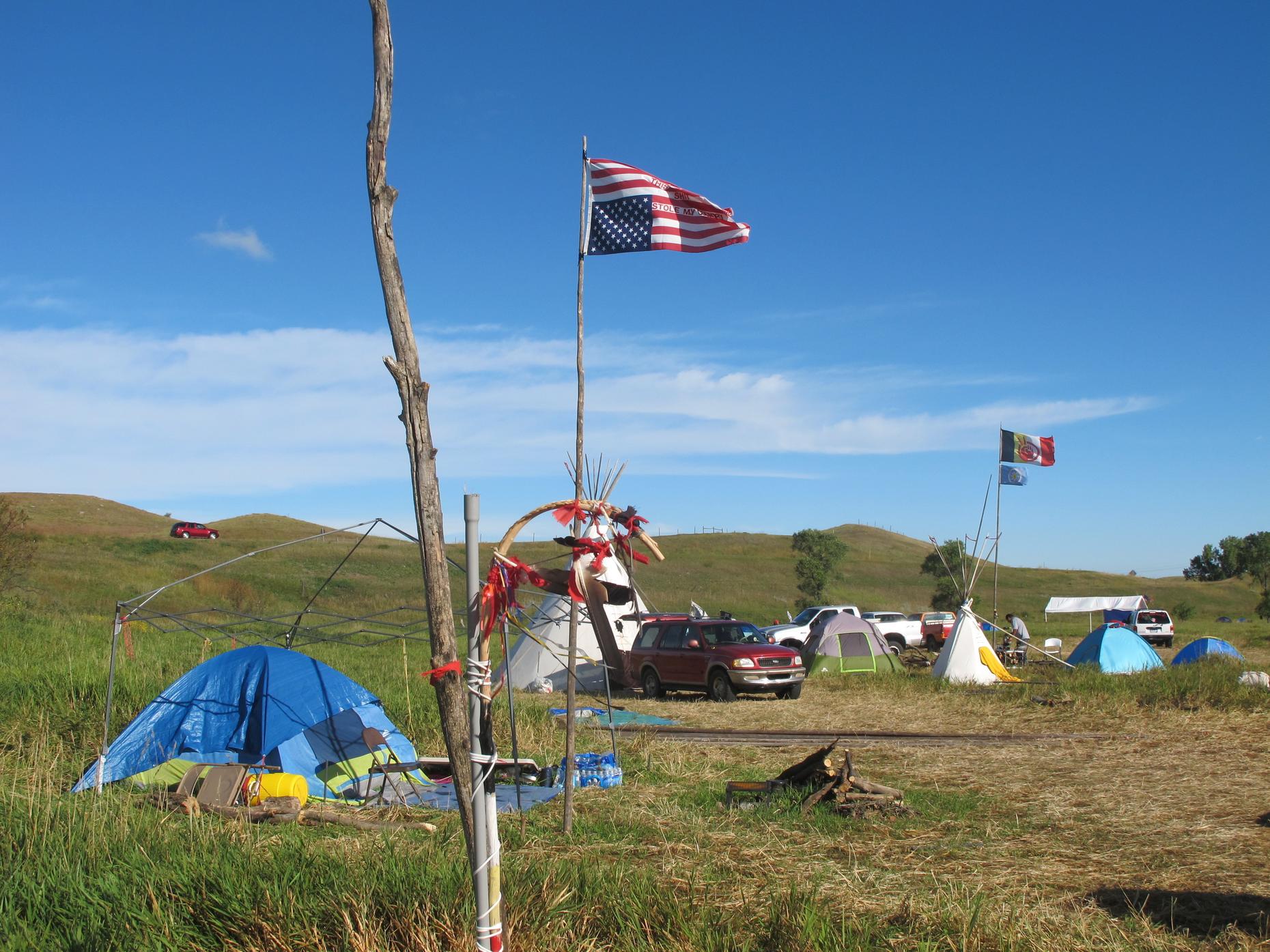
Sep 14, 2016
After 9/11, Nothing Was Funny
In the days and weeks after the towers fell, nothing felt funny anymore. Comedians on late night TV and in the comedy clubs of New York questioned their own judgement. Brooke spoke to Will Ferrell back in 2001 and Marc Maron on the tenth anniversary of the attacks about the place of humor in tragedy. We revisit both conversations on this podcast extra. On the Media is supported by listeners like you. Support OTM by donating today ( https://pledge.wnyc.org/support/otm ). Follow our show on Instagram , Twitter and Facebook @onthemedia, and share your thoughts with us by emailing onthemedia@wnyc.org.
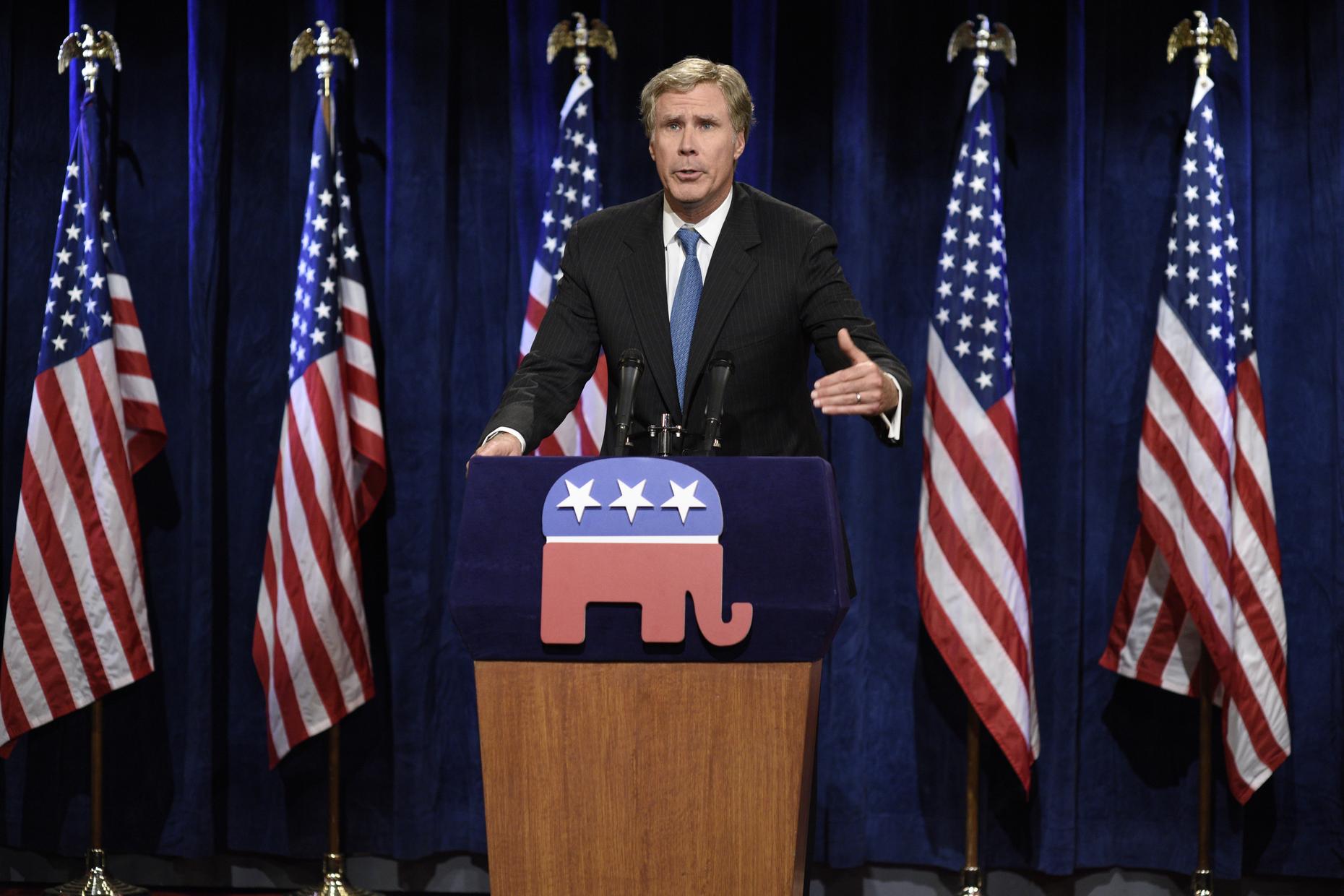
Sep 9, 2016
After The Facts
Critics have long viewed Hillary Clinton as untrustworthy and dishonest. This week, we revisit a crucial moment nearly 25 years ago that helped set that narrative in motion. Also, pundits say this election season has ushered in the era of "post-fact" politics, but history tells us it's always been that way. Plus, a guide for making sense of Islamophobic media coverage, and a German TV show trying to teach refugees how to fit in. On the Media is supported by listeners like you. Support OTM by donating today ( https://pledge.wnyc.org/support/otm ). Follow our show on Instagram , Twitter and Facebook @onthemedia, and share your thoughts with us by emailing onthemedia@wnyc.org.
Sep 7, 2016
Brooke Gladstone Is a Trekker
In September 1966, Gene Roddenberry dispatched the crew of the Starship Enterprise on its maiden voyage through space and time and into the American living room. It was an inauspicious start, but fifty years later the Star Trek universe is still expanding, with a new movie out this summer, Star Trek Beyond. In a vintage OTM piece, Brooke explores the various television incarnations of the franchise and the infinitely powerful engine behind it all: the fan. On the Media is supported by listeners like you. Support OTM by donating today ( https://pledge.wnyc.org/support/otm ). Follow our show on Instagram , Twitter and Facebook @onthemedia, and share your thoughts with us by emailing onthemedia@wnyc.org.
Sep 1, 2016
Kids These Days
A University of Chicago welcome letter criticizing political correctness on college campuses reignited vigorous debate. An examination of the value of tools like trigger warnings and safe spaces. Plus, with just two months until election day, a new Breaking News Consumer’s Handbook for making sense of the polls. And, a history of music in presidential campaigns. On the Media is supported by listeners like you. Support OTM by donating today ( https://pledge.wnyc.org/support/otm ). Follow our show on Instagram , Twitter and Facebook @onthemedia, and share your thoughts with us by emailing onthemedia@wnyc.org.
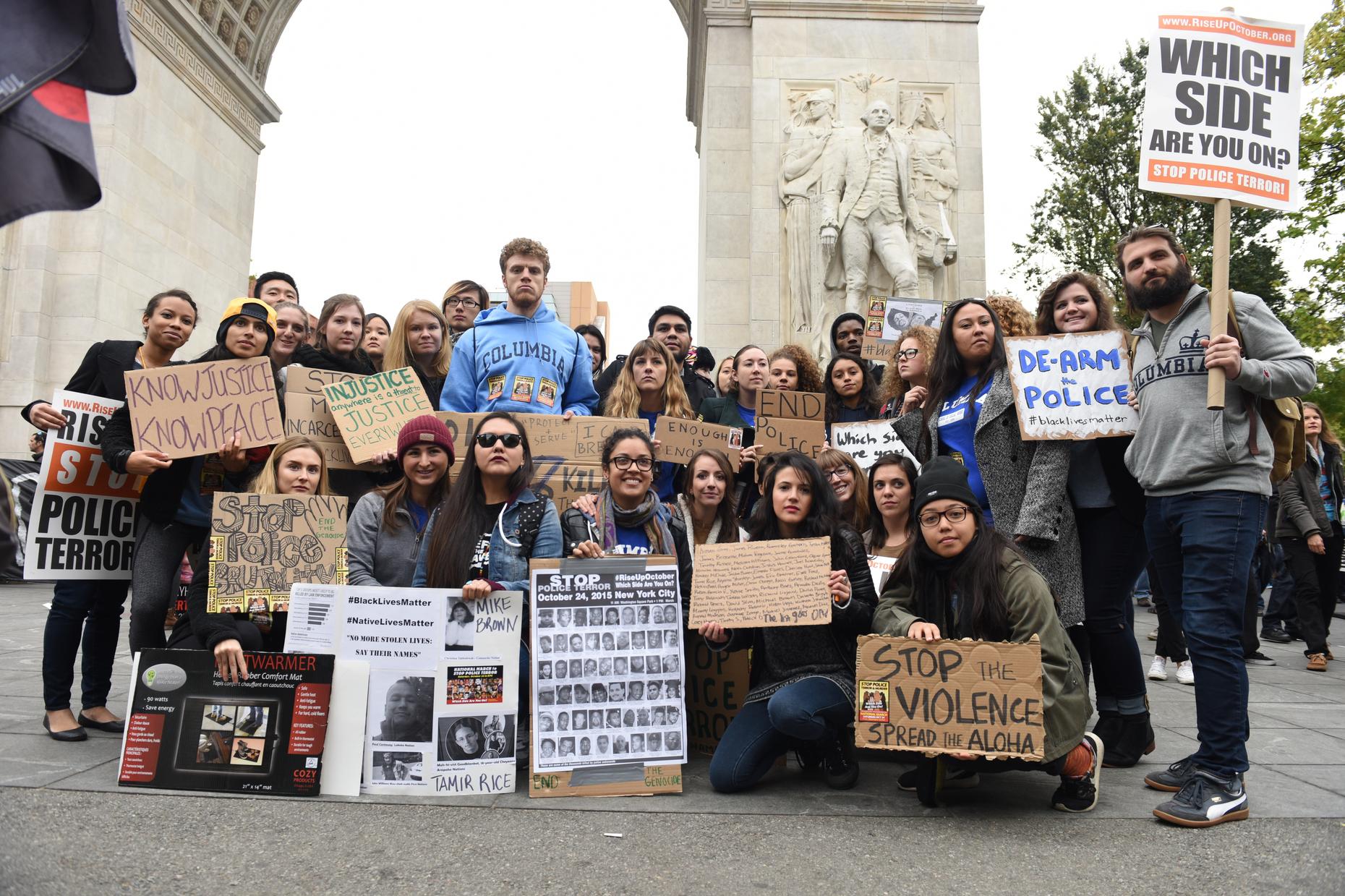
Aug 31, 2016
Bob's Grill #5: Former CNN President Jon Klein
It's the latest and last installment of Bob's Grill, and we've got a special guest chef (it's Brooke). The year was 2005, and CNN was focused on a big story with wall-to-wall coverage. The story was, of course, The Runaway Bride . Jennifer Milbanks had cold feet and disappeared a few days before her wedding. She made tabloid headlines and left tracks all over the cable news channels, including CNN - which covered her day and night for a week. Coincidentally, the network’s new president Jonathan Klein, had just months before been promising more rigorous journalism and less sensationalism. So OTM called him up. In this interview, Klein and Brooke butt heads over what constitutes news, and whether stories need justification. Post-script: Jon Klein left CNN in 2010. On the Media is supported by listeners like you. Support OTM by donating today ( https://pledge.wnyc.org/support/otm ). Follow our show on Instagram , Twitter and Facebook @onthemedia, and share your thoughts with us by emailing onthemedia@wnyc.org.
Aug 26, 2016
Define "Normal"
Right-wing rumors about Hillary Clinton's health have made their way into the mainstream media, but it's hardly the first time a candidate's health has been in the headlines this year: the press has been scrutinizing Donald Trump's mental state for months. This week, examining the arguments for and against speculating about a candidate's health. Plus, how the dominant media narratives after the Rio Olympics obscure real problems, and how climate change is reshaping the country as we know it. On the Media is supported by listeners like you. Support OTM by donating today ( https://pledge.wnyc.org/support/otm ). Follow our show on Instagram , Twitter and Facebook @onthemedia, and share your thoughts with us by emailing onthemedia@wnyc.org.
Aug 24, 2016
Bob's Grill #4: ExxonMobil's Richard Keil
We return to Bob's Grill this week with a 2015 interview with ExxonMobil's Richard Keil, the company's senior adviser for global public affairs. Last year, the website InsideClimate News published an investigative series examining ExxonMobil’s rich history of scientific study on fossil fuels and global warming. The series, called " Exxon: The Road Not Taken ", found that the company was at the forefront of climate change research in the 1970s and 80s -- before pivoting to funding climate change denial groups in 1989. At the time, Bob spoke with Richard Keil of Exxon about why the company disputed the reporting, and about the company's history of funding climate change denial front groups. Stay tuned next week for more from the Grill. On the Media is supported by listeners like you. Support OTM by donating today ( https://pledge.wnyc.org/support/otm ). Follow our show on Instagram , Twitter and Facebook @onthemedia, and share your thoughts with us by emailing onthemedia@wnyc.org.

Aug 19, 2016
Print Is Back, Back Again
A special hour on the publishing industry and the resurgence of print--from Amazon’s flirtation with brick-and-mortar bookstores to the success of wholesale suppliers shilling books by the foot as decorative objects. Plus, the mysterious world of novelizations, the subversive history of adult coloring books, and more. On the Media is supported by listeners like you. Support OTM by donating today ( https://pledge.wnyc.org/support/otm ). Follow our show on Instagram , Twitter and Facebook @onthemedia, and share your thoughts with us by emailing onthemedia@wnyc.org.

Aug 17, 2016
Bob's Grill #3: James O'Keefe
We return to Bob’s Grill this week with a 2011 interview with “sting operation” videographer James O’Keefe, best known for his efforts to discredit institutions such as Planned Parenthood, NPR, the Open Society Foundations, and the community organizing group ACORN. O'Keefe says he's using the tools of investigative journalism, but his videos are full of distorted quotes, manipulated footage, and in some cases outright lies. Bob spoke with O’Keefe shortly after the release of his undercover video of NPR executive Ron Schiller, and took him to task for his, shall we say, creative editorializing. Stay tuned next week for more from the Grill. On the Media is supported by listeners like you. Support OTM by donating today ( https://pledge.wnyc.org/support/otm ). Follow our show on Instagram , Twitter and Facebook @onthemedia, and share your thoughts with us by emailing onthemedia@wnyc.org.
Aug 12, 2016
Magic 8 Ball
Political commentators have repeatedly, reliably, been wrong this election season. There was the improbable Bernie Sanders. The inevitable Jeb Bush. The passing-fad Donald Trump. Now that we've landed so far from where we began, we examine why pundits make such bad predictions, and why they probably won't stop. On the Media is supported by listeners like you. Support OTM by donating today ( https://pledge.wnyc.org/support/otm ). Follow our show on Instagram , Twitter and Facebook @onthemedia, and share your thoughts with us by emailing onthemedia@wnyc.org.
Aug 10, 2016
Bob's Grill #2: Hunter Moore
Welcome to Bob’s grill! Each week this August, you’re invited to join Bob in his backyard to fire up the barbecue and turn up the heat. But, on occasion, a burger and a cold one just won’t suffice. So this week we’re roasting a whole pig. Hunter Moore is the creator of the now-defunct website IsAnyoneUp.com, an amateur "revenge porn" site with an insidious social networking component. The site featured nude photos submitted anonymously, usually by angry exes looking for vengeance. But rather than just publishing the photos online for the world to see, Moore’s site also included links to the naked person's social networking profiles, further amplifying the shame. In this interview from 2011, Bob grills Moore on why he does what he does. On the Media is supported by listeners like you. Support OTM by donating today ( https://pledge.wnyc.org/support/otm ). Follow our show on Instagram , Twitter and Facebook @onthemedia, and share your thoughts with us by emailing onthemedia@wnyc.org.

Aug 5, 2016
There Must Be Another Way
The Democratic Party and the media are fretting about whether the Green Party will splinter Democratic votes in November. This week, we look at the myths and realities surrounding third parties and consider how "strategic voting" could figure into the coming election. Also, a deep look at the oft-cited narrative that Ralph Nader spoiled the 2000 election for Al Gore. Plus, Donald Trump's latest skirmish with Khizr and Ghazala Khan has prompted the media to clamor yet again over whether Trump has finally gone too far. Are they missing the point? On the Media is supported by listeners like you. Support OTM by donating today ( https://pledge.wnyc.org/support/otm ). Follow our show on Instagram , Twitter and Facebook @onthemedia, and share your thoughts with us by emailing onthemedia@wnyc.org.

Aug 3, 2016
Bob's Grill #1: Judith Miller
Ahhh, summer and grilling. They’re made for each other, right? That’s why all this August you're invited to Bob’s grill: a collection of interviews from over the years when one person takes the role of the chef -- that’s Bob, in the apron -- and the other person….well, you know. We launch the series with an interview Bob did in 2005 with former New York Times journalist Judith Miller, who became mired in controversy after her faulty reporting on alleged weapons of mass destruction in Iraq and for refusing to testify in the leak investigation of former CIA operative Valerie Plame. Stay tuned next week for more grilling with Bob. On the Media is supported by listeners like you. Support OTM by donating today ( https://pledge.wnyc.org/support/otm ). Follow our show on Instagram , Twitter and Facebook @onthemedia, and share your thoughts with us by emailing onthemedia@wnyc.org.
Jul 29, 2016
A Failure of Imagination
In the wake of the DNC email scandal, reports are surfacing that Russian hackers are behind the hack. But as the media runs with a narrative about Donald Trump's connections to Vladimir Putin, we ask: is it misleading? Plus: a Breaking News Consumer's Handbook on reporting about migration, both across US borders and around the world -- and what myths persist about the large-scale movement of people. And reporter Ilya Marritz goes to Germany to learn about how that country's media is reacting to one million refugees and migrants who have arrived in the last year. On the Media is supported by listeners like you. Support OTM by donating today ( https://pledge.wnyc.org/support/otm ). Follow our show on Instagram , Twitter and Facebook @onthemedia, and share your thoughts with us by emailing onthemedia@wnyc.org.
Jul 27, 2016
The Sporkful: Campaign Edition
Eating like a regular person when you’re on the campaign trail is hard. The cameras are in your face and they really, really want to see you drip grease on your shirt or eat a slice of pizza with a knife and fork or take a big ol’ bite out of a (let's face it) totally phallic corn-dog. In the coming months, as we watch the Hillary Clinton and Donald Trump bandwagons go from town to town --from diners to BBQ’s to hog roasts -- Dan Pashman, host of The Sporkful podcast , wants you to know that every choice the candidates make about food (to slurp or not to slurp), is a thoroughly vetted process. On the Media is supported by listeners like you. Support OTM by donating today ( https://pledge.wnyc.org/support/otm ). Follow our show on Instagram , Twitter and Facebook @onthemedia, and share your thoughts with us by emailing onthemedia@wnyc.org.
Jul 22, 2016
Hostile Takeover
The divide between the Black Lives Matter movement and the police is often portrayed as unbridgeable. This week: finding common ground and working on addressing the real problems of policing in America. Plus, reviewing the Republican National Convention as well as conventions past. And, after Turkey’s failed coup, a Breaking News Consumer's Handbook for how to successfully cover, and carry out, a military coup. And a Turkish journalist talks about what happened when the coup plotters took over his newspaper's offices. On the Media is supported by listeners like you. Support OTM by donating today ( https://pledge.wnyc.org/support/otm ). Follow our show on Instagram , Twitter and Facebook @onthemedia, and share your thoughts with us by emailing onthemedia@wnyc.org.
Jul 20, 2016
You Have To Laugh Not To Cry
Brazil's crises have been very good for Sensacionalista , a site that's based on The Onion and now one of the most popular "news" sites in the country. Two years ago, the group had 30,000 likes on Facebook. Today, it has 2.8 million . At times, real Brazilian headlines can seem absurd. For example, military police killed a jaguar, the national animal, at an Olympic-torch lighting ceremony; the interim president's new cabinet only has white men; and just weeks before the Olympics, the tourism minister has resigned. Bob met co-founders Nelito Fernandes and Martha Mendonca at their home in Rio de Janeiro (they're married) to hear about how the Brazilian public has been reading the news through the lens of satire -- and what news is too awful even for jokes. On the Media is supported by listeners like you. Support OTM by donating today ( https://pledge.wnyc.org/support/otm ). Follow our show on Instagram , Twitter and Facebook @onthemedia, and share your thoughts with us by emailing onthemedia@wnyc.org.

Jul 15, 2016
The Country of the Future
OTM is in Brazil this week. We delve into the web of challenges ensnaring the country: a recession, crime waves, corruption scandals, the Zika virus... all in the run-up to the Olympic Games. Plus, the complex crises facing the media industry at a time when rigorous reporting is more essential than ever. And, when 30,000 journalists descend on the country from around the world in just a couple of weeks, many will likely produce facile reports about Rio's notorious favelas. We hear from activists and community journalists trying to wrest back the narrative and spark a debate about policing and race not unlike what's unfolding in America. On the Media is supported by listeners like you. Support OTM by donating today ( https://pledge.wnyc.org/support/otm ). Follow our show on Instagram , Twitter and Facebook @onthemedia, and share your thoughts with us by emailing onthemedia@wnyc.org.
Jul 11, 2016
Breaking News Consumer's Handbook: Bearing Witness Edition
The deaths of Alton Sterling in Baton Rouge, Louisiana, and Philando Castile in Falcon Heights, Minnesota, were both captured on video. So were the deaths of Walter Scott, Eric Garner, and so many others. That’s not new. But technology has become more and more sophisticated, and so have the bystanders using it, primed by grim history to turn the camera on, and, increasingly, involve an audience. We explore the role of Facebook Live in the events of the last week and offer you our Breaking News Consumer's Handbook: Bearing Witness Edition, for guidance on how to film the police, wisely and within your rights. Brooke speaks with journalist Carlos Miller of Photography is Not A Crime, former police officer and current law professor Seth Stoughton , and Jennifer Carnig, former communications director for the New York Civil Liberties Union . Find the ACLU's apps for recording police action here . (WNYC) On the Media is supported by listeners like you. Support OTM by donating today ( https://pledge.wnyc.org/support/otm ). Follow our show on Instagram , Twitter and Facebook @onthemedia, and share your thoughts with us by emailing onthemedia@wnyc.org.
Jul 8, 2016
Lies, Lies, Lies
This election season has been rife with misinformation, half-truths, and pure deceit... but lying in politics dates back centuries. This week we devote a whole hour to LIES: the ones our leaders tell us, and the ones we tell ourselves and each other. On the Media is supported by listeners like you. Support OTM by donating today ( https://pledge.wnyc.org/support/otm ). Follow our show on Instagram , Twitter and Facebook @onthemedia, and share your thoughts with us by emailing onthemedia@wnyc.org.
Jul 1, 2016
Now You See Me
The Brexit fallout continues. Before he was mayor of London, Boris Johnson covered the EU... badly. We hear how his reporting created a caricature of Europe, and why that story about Brits Googling the EU is too good to be true. Plus: two stories of transparency -- good news on FOIA, and bad news on dark money. And speaking of transparency: do we know enough about the gene editing program CRISPR? Plus, Brooke explores what we learn about cloning from movies and t.v. shows, including Orphan Black (!) On the Media is supported by listeners like you. Support OTM by donating today ( https://pledge.wnyc.org/support/otm ). Follow our show on Instagram , Twitter and Facebook @onthemedia, and share your thoughts with us by emailing onthemedia@wnyc.org.
Jun 29, 2016
From Rubella to Roe v. Wade
This week, the Supreme Court upheld constitutional protections for abortion rights. To mark the occasion we have a story about the history of abortion in the US that first aired last winter, when the spread of Zika and the resulting deformities in newborns was causing panic across South and Central America. Abortion is illegal in those traditionally Catholic countries, but so many women were giving birth to babies with microcephaly and the brain damage associated with it, that the UN high commissioner for human rights urged a widespread repeal of abortion bans. You may be surprised to know this wasn’t the first time an epidemic influenced the abortion debate. Leslie Reagan of the University of Illinois says it happened in the US, 50 years ago -- and the epidemic was Rubella, or German measles . On the Media is supported by listeners like you. Support OTM by donating today ( https://pledge.wnyc.org/support/otm ). Follow our show on Instagram , Twitter and Facebook @onthemedia, and share your thoughts with us by emailing onthemedia@wnyc.org.
Jun 24, 2016
The Great Divide
Democrats in the House of Representatives staged a dramatic sit-in this week to protest inaction on gun legislation, but are they just preaching to the choir? This week, we look at bridging the gap over guns in America and how the media can better understand both sides. Plus, new algorithms claim to provide more accurate models for policing and sentencing, but they actually might be making things worse. On the Media is supported by listeners like you. Support OTM by donating today ( https://pledge.wnyc.org/support/otm ). Follow our show on Instagram , Twitter and Facebook @onthemedia, and share your thoughts with us by emailing onthemedia@wnyc.org.
Jun 22, 2016
'White Trash' and Class in America
As the media have watched the ascent of Donald Trump with disbelief-going-on-horror, pundits have returned frequently to the question of who exactly his supporters are. Terms like "angry" and "white working class" are mentioned frequently, but the National Review several months ago put it the most pointedly and viciously. In an article lambasting Trump supporters, Kevin Williamson characterized them as lazy drug addicts, compared them to animals, and even suggested that they deserved to die. Though he did not say it directly, the implication was clear: these people were white trash. We took that opportunity to take a deeper look at the idea of "white trash," with the help of writer and professor Nancy Isenberg , author of the forthcoming book, White Trash: The 400-Year Untold History of Class in America. Isenberg described to Brooke how the notion of "white trash" has been around for a long time, belying the idea that America is a "classless" society. White Trash comes out this week, and we're re-running our conversation in honor of it. On the Media is supported by listeners like you. Support OTM by donating today ( https://pledge.wnyc.org/support/otm ). Follow our show on Instagram , Twitter and Facebook @onthemedia, and share your thoughts with us by emailing onthemedia@wnyc.org.
Jun 17, 2016
Never Again, Again
The aftermath of the Orlando shootings has been marked by grief...and also politics, with LGBT rights, gun control, and terrorism all vying for center stage. We talk with a gay Muslim writer who found himself in "double jeopardy" this week, delve into the semantic tousle over the words "radical Islam," and consider whether forgetting is an appropriate response to violent extremism. Plus, as the debate over gun control ratchets up again, a look at how the meaning of the Second Amendment has evolved over time. And, what lies at the heart of Britain's "Brexit" campaign (hint: it's not economics). On the Media is supported by listeners like you. Support OTM by donating today ( https://pledge.wnyc.org/support/otm ). Follow our show on Instagram , Twitter and Facebook @onthemedia, and share your thoughts with us by emailing onthemedia@wnyc.org.
Jun 15, 2016
The Challenge of Fighting Terrorism Online
The attack on Pulse nightclub in Orlando has renewed calls for anti-terrorist action from politicians across the board. For presumptive Democratic nominee Hillary Clinton, this has meant a revival of her call for a government/Silicon Valley alliance that would analyze social networks in order to thwart terrorist plots and impede potential radicalization. It's an attractive solution but one, as we've explored before, that is far more complicated than it might sound. This week we revisit two conversations we had last January, when a US government delegation met with Silicon Valley executives to discuss just such an approach. Karen Greenberg , director of the Center on National Security at Fordham University School of Law, talks about how a neutral-sounding algorithm for scanning radicalization raises numerous legal red flags. And terrorist behavior expert John Horgan explains how this approach fundamentally misunderstands how radicalization happens and why we must be careful distinguishing between those who consume extremist content and those who intend to act on it. On the Media is supported by listeners like you. Support OTM by donating today ( https://pledge.wnyc.org/support/otm ). Follow our show on Instagram , Twitter and Facebook @onthemedia, and share your thoughts with us by emailing onthemedia@wnyc.org.
Jun 10, 2016
Sad!
The Associated Press declared Hillary Clinton the presumptive Democratic nominee the night before voters went to polls. We hear from the AP and consider the ethics behind their decision. Plus: How should journalists be treating Donald Trump? The presumptive GOP nominee has had a year-long codependent relationship with the media, but we may be at a turning point. Paul Waldman of The American Prospect argues that old-school investigative reporting is the best way to engage with Trump's sketchy claims and inflammatory rhetoric. Then, CNN's Jake Tapper reflects on how to press the candidate effectively in interviews and whether the conventional tools of broadcast journalism are enough. Political theorist Michael Signer defined "demagogue" for us six months ago. We check back in on how the term applies to Trump now. And: fiction writer and essayist Aleksandar Hemon argues that novelists should be further probing contemporary politics in their work. On the Media is supported by listeners like you. Support OTM by donating today ( https://pledge.wnyc.org/support/otm ). Follow our show on Instagram , Twitter and Facebook @onthemedia, and share your thoughts with us by emailing onthemedia@wnyc.org.
Jun 8, 2016
Two Years in the Life of a Saudi Girl
This week we want to share with you a piece that we really liked from our friends at Radio Diaries . It’s a personal, revealing, surprising story told by a teen from a region that usually gets discussed only in terms of oil and conflict. For two years, Majd Abdulghani recorded an audio diary of her life in Riyadh, Saudi Arabia -- where women cannot drive, and where they only make up 16 percent of the workforce. But the society is changing, and Majd's story of studying to be a scientist, learning karate, and ultimately navigating the world of arranged marriages is a glimpse into a world rarely seen by outsiders. Radio Diaries' Joe Richman and Sarah Kramer introduce this audio diary, and conduct an additional interview at the end. You can learn more about Saudi women and see photos of Majd on radiodiaries.org , where you'll also find other great stories. On the Media is supported by listeners like you. Support OTM by donating today ( https://pledge.wnyc.org/support/otm ). Follow our show on Instagram , Twitter and Facebook @onthemedia, and share your thoughts with us by emailing onthemedia@wnyc.org.

Jun 3, 2016
When To Believe
This week, a baby girl was born in New Jersey with microcephaly, a reminder that the Zika virus is not a distant threat. What is known and still unknown about Zika has fueled pseudoscience and paranoia. We look at a study about Zika-related conspiracy theories online, and how to debunk them. Plus: The Obama administration may soon release 28 remaining pages of the Congressional 9/11 report -- and they're likely about Saudi Arabia's role in the attacks. We dig into what's in there and why it matters. And, the story of New York Times reporter Jeffrey Schmalz, who transformed public perception of AIDS and the gay men and women dying from the disease. On the Media is supported by listeners like you. Support OTM by donating today ( https://pledge.wnyc.org/support/otm ). Follow our show on Instagram , Twitter and Facebook @onthemedia, and share your thoughts with us by emailing onthemedia@wnyc.org.
Jun 1, 2016
The #FreeAustinTice Campaign
Last week’s show, “ Kidnapped ,” featured an interview with Debra and Marc Tice , parents of Austin Tice, the freelance American journalist who disappeared in Syria nearly four years ago. We received many comments from people who were deeply moved by that conversation, so we thought we’d offer you a longer version. At age thirty, Austin Tice went to Syria with the purest of intentions: to report, firsthand, what befell the people there. He had little experience but a lot of verve, and nerve, venturing deeper into the country than nearly any other western journalist. Soon he was filing stories for McClatchy and the Washington Post, appearing on CBS, and giving interviews to public radio. Then, in August 2012, he vanished. Six weeks later, his family saw evidence of life: a video showing him being led blindfolded up a hillside by armed, masked men. Since that video, the Tices have had no communication with Austin or his captors. But they have what they call credible, recent reports that Austin is still alive. Bob talks with Debra and Marc Tice about their tireless efforts to draw attention to Austin's plight. On the Media is supported by listeners like you. Support OTM by donating today ( https://pledge.wnyc.org/support/otm ). Follow our show on Instagram , Twitter and Facebook @onthemedia, and share your thoughts with us by emailing onthemedia@wnyc.org.
May 27, 2016
Kidnapped
The threat of kidnapping in Syria has made it one of the most dangerous places in the world for journalists. A special hour on how we get our news from a country that's nearly impossible to visit, and why the world's tangled policy on hostages means that some live to tell the tale, and others don't. On the Media is supported by listeners like you. Support OTM by donating today ( https://pledge.wnyc.org/support/otm ). Follow our show on Instagram , Twitter and Facebook @onthemedia, and share your thoughts with us by emailing onthemedia@wnyc.org.
May 25, 2016
Covering the First Atomic Bombs
This week, President Obama will become the first sitting US president to visit Hiroshima. To mark the occasion, we're revisiting two segments we produced in 2005 relating to the dropping of the atomic bombs on Japan. First, author and journalist Greg Mitchell discusses the case of George Weller, the first reporter on the scene after the bombings, whose first-hand accounts of the aftermath, and the mysterious illness that followed, were never published, only to be discovered in 2005. Then, David Goodman, co-author of "Exception to the Rulers," tells the story of New York Times reporter William L. Laurence, who witnessed the dropping of the atomic bomb on Nagasaki and won a Pulitzer for his heavily pro-bombing reporting -- only for it to be revealed that he was working for the US War Department all along. On the Media is supported by listeners like you. Support OTM by donating today ( https://pledge.wnyc.org/support/otm ). Follow our show on Instagram , Twitter and Facebook @onthemedia, and share your thoughts with us by emailing onthemedia@wnyc.org.
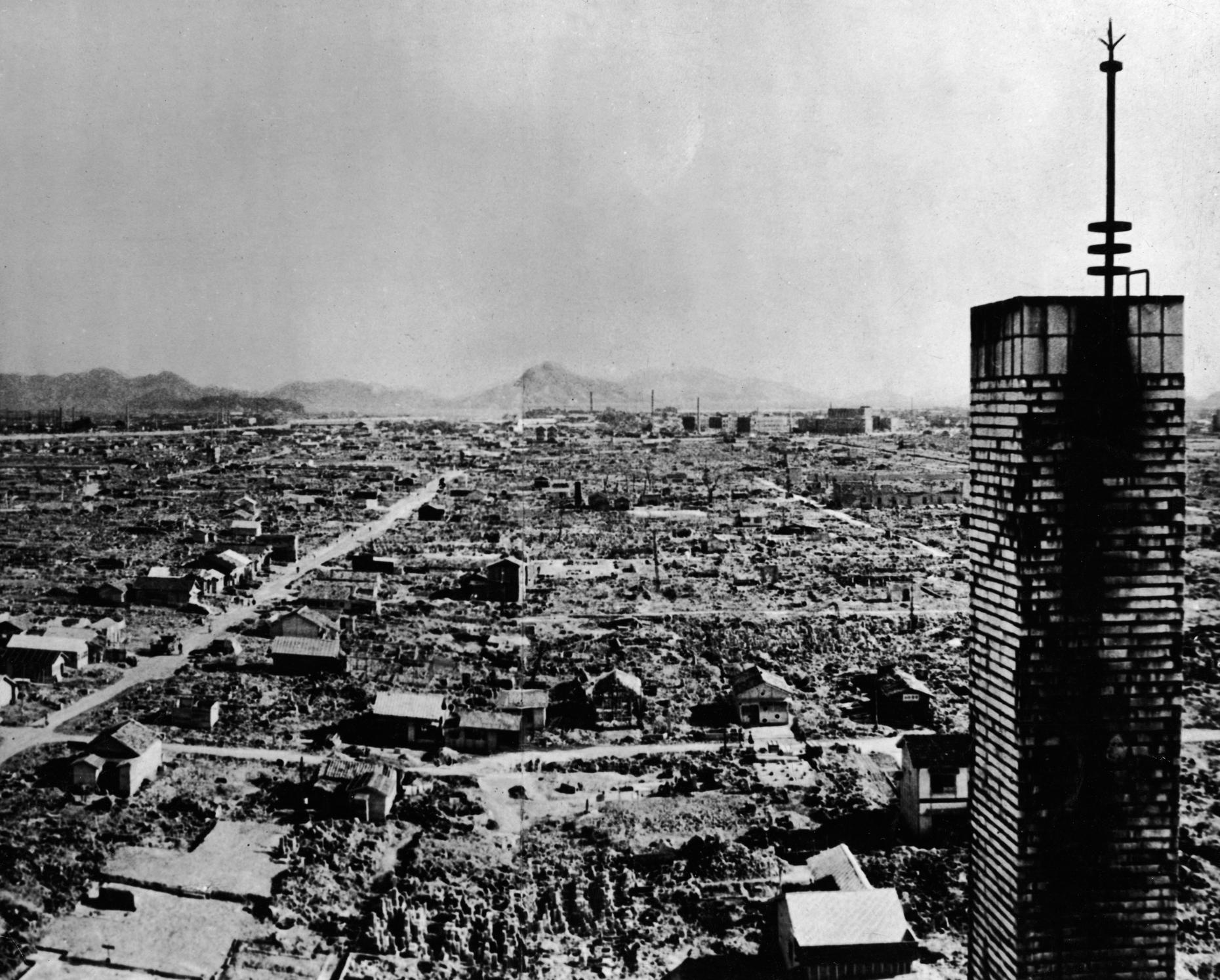
May 20, 2016
Ghosts
Seventy-one years after the bombing, President Obama is set to be first sitting US president to visit Hiroshima, raising questions that many are keen to avoid. Plus, revisiting a notorious murder that the press got wrong; the long reach of a WWII slogan; and attempts in Ukraine to whitewash the nation's history. A special hour on memory, both historical and personal, and how what we remember shapes our world. On the Media is supported by listeners like you. Support OTM by donating today ( https://pledge.wnyc.org/support/otm ). Follow our show on Instagram , Twitter and Facebook @onthemedia, and share your thoughts with us by emailing onthemedia@wnyc.org.
May 18, 2016
How The "Fake News" Gets Made
There’s comedy, and there’s news, and then there’s that amalgamation of the two -- call it satire or lampoonery or, in the parlance of Jon Stewart, “Fake news.” But how does it get made? And does it help or hurt if your background is in real news? Last month Brooke moderated a discussion put on by the Journalism + Design program at The New School in New York City featuring writers and producers from The Daily Show with Trevor Noah , The Nightly Show with Larry Wilmore , and Full Frontal with Samantha Bee . Representing The Daily Show are journalists and bloggers Daniel Radosh and Dan Amira ; for The Nightly Show , writer Cord Jefferson (who actually just left the show to be a writer on Aziz Ansari’s Master of None); and for Full Frontal, producers Sanya Dosani and Naureen Khan , both of whom came directly from Al Jazeera America. On the Media is supported by listeners like you. Support OTM by donating today ( https://pledge.wnyc.org/support/otm ). Follow our show on Instagram , Twitter and Facebook @onthemedia, and share your thoughts with us by emailing onthemedia@wnyc.org.
May 13, 2016
Trending Topics
What's worse: potentially biased humans controlling the news you see or a "neutral" algorithm? Accusations that Facebook's Trending Topics feature isn't purely data-driven have highlighted the platform's power. Plus: Margaret Sullivan, the former public editor of The New York Times , is on her way to the Washington Post . How much did she change at the paper of the record? Also: Bob's take on how the political press is normalizing the presumptive GOP nominee; and a new documentary looks at Anthony Weiner's failed run for mayor. On the Media is supported by listeners like you. Support OTM by donating today ( https://pledge.wnyc.org/support/otm ). Follow our show on Instagram , Twitter and Facebook @onthemedia, and share your thoughts with us by emailing onthemedia@wnyc.org.
May 11, 2016
FiveThirtyEight vs. the Data Detractors
Last Tuesday Donald Trump won the Indiana primary and became the presumptive nominee of the Republican party. In the days that followed, hands were wrung over the question “how did we get this so wrong?” New York Times columnist Jim Rutenberg was particularly critical of data journalism , which one election cycle ago seemed so heroic but in Trumpworld turned out to have feet of clay. Singling out Nate Silver’s FiveThirtyEight (our partner this election cycle), Rutenberg wrote that in relying on polling data that gave Trump a 2% chance of winning the nomination 6 months ago, FiveThirtyEight “sapped the journalistic will to scour his record as aggressively as those of his supposedly more serious rivals. In other words, predictions can have consequences.” Nate Silver on his podcast this week had a response to Rutenberg (and all the other data detractors). Here is an excerpt from that episode in which you’ll also hear Silver’s FiveThirtyEight colleagues Harry Enten, Clare Malone, and Jody Avirgan. On the Media is supported by listeners like you. Support OTM by donating today ( https://pledge.wnyc.org/support/otm ). Follow our show on Instagram , Twitter and Facebook @onthemedia, and share your thoughts with us by emailing onthemedia@wnyc.org.
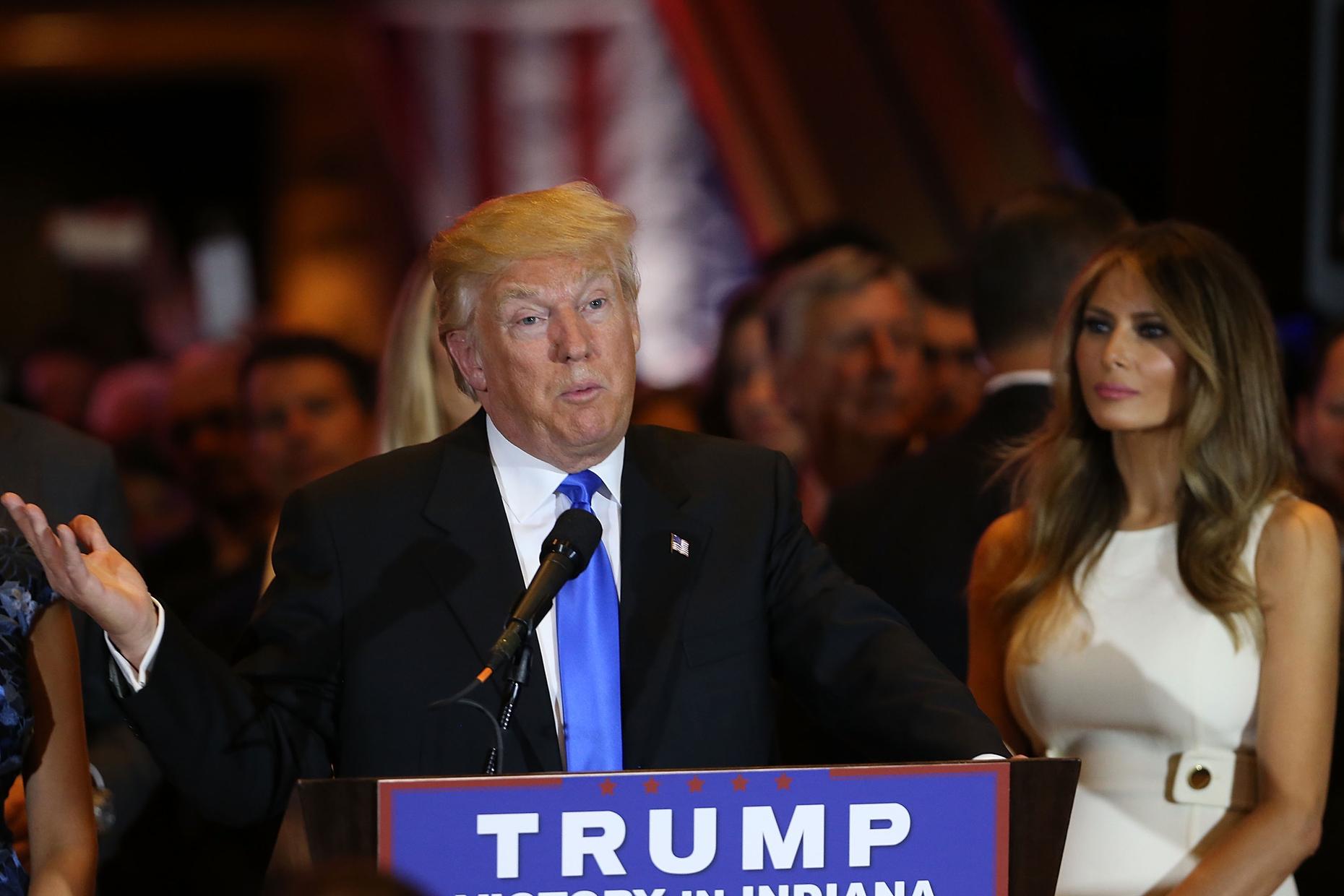
May 6, 2016
The Center Cannot Hold
Now that Donald Trump is the presumptive Republican nominee, the nay-saying pundits have one last-ditch idea: a centrist third party candidate to save the day! Just like they said in the last election, and the one before that... This week On the Media explores the media's recurring fixation on a technocratic third party candidate and why exactly it's bogus. Plus, how the US helped create Puerto Rico's crushing debt crisis and revisiting the Iranian Revolution via video game. On the Media is supported by listeners like you. Support OTM by donating today ( https://pledge.wnyc.org/support/otm ). Follow our show on Instagram , Twitter and Facebook @onthemedia, and share your thoughts with us by emailing onthemedia@wnyc.org.
May 4, 2016
A Face in the Crowd
The story of a man's rise from local media firebrand to out-sized TV personality superstar to political demagogue. Sound familiar? It's actually the plot of Elia Kazan's 1957 film "A Face in the Crowd", which charts the dramatic ascent of Larry "Lonesome" Rhodes, played by Andy Griffith. WNYC's Sara Fishko, host of the Fishko Files, explores what the film's story about a rise and fall can tell us about our current political moment. You can find more Fishko Files at wnyc.org/shows/fishko . On the Media is supported by listeners like you. Support OTM by donating today ( https://pledge.wnyc.org/support/otm ). Follow our show on Instagram , Twitter and Facebook @onthemedia, and share your thoughts with us by emailing onthemedia@wnyc.org.
Apr 29, 2016
In The Shadows
The alliance between Ted Cruz and John Kasich to stop Trump was over before it began, but it's just the latest in a long history of political plots. We examine the shadowy history of election scheming, and trace the origins of the notion that the people, not politicians, should get to pick the president. Plus, how the haunting disappearance of 43 students in Mexico may finally prompt a reckoning with institutionalized violence and corruption. Also, disturbing collusion between super PACs and presidential campaigns, and drawing meaning from the deep, dark world of the comments section. On the Media is supported by listeners like you. Support OTM by donating today ( https://pledge.wnyc.org/support/otm ). Follow our show on Instagram , Twitter and Facebook @onthemedia, and share your thoughts with us by emailing onthemedia@wnyc.org.
Apr 27, 2016
Revisiting the Belfast Project
The Belfast Project is an archive of interviews with militia members from both sides of Ireland's "Troubles," the war that raged in Northern Ireland from the 1970s to the 1990s. The archives, which are housed at Boston College Library, are off-limits to the public and law enforcement, due to the fact that those interviewed agreed to speak on the condition that their testimonies not be published until their deaths. But since 2011, British authorities have launched a series of attempts to get their hands on the records, most recently this week when they subpoenaed Boston College for the files pertaining to lead researcher and former militant Anthony McIntyre. Brooke spoke to McIntyre in 2014, during the last subpoena, about the Belfast Project and his frustration with what he saw as the College's capitulation to authorities. She also spoke with Boston College's Jack Dunn, who defended the College's commitment to oral history and its attempts to protect the records of the Belfast Project. On the Media is supported by listeners like you. Support OTM by donating today ( https://pledge.wnyc.org/support/otm ). Follow our show on Instagram , Twitter and Facebook @onthemedia, and share your thoughts with us by emailing onthemedia@wnyc.org.
Apr 18, 2016
On Shakespeare
It's been four hundred years since the death of William Shakespeare, and the Bard is as popular as ever... and just as mysterious. For centuries, a war has raged over the question: who is Shakespeare? We explore how the answer has evolved through the ages, and what that tells us about our changing perceptions of class, art, genius, and religion. Plus, a look at Shakespeare's enduring global relevance, with an inspiring and perilous performance of Love's Labor's Lost in Afghanistan. On the Media is supported by listeners like you. Support OTM by donating today ( https://pledge.wnyc.org/support/otm ). Follow our show on Instagram , Twitter and Facebook @onthemedia, and share your thoughts with us by emailing onthemedia@wnyc.org.
Apr 15, 2016
That NPR Thing
With an aging listenership and the rise of podcasts, the future of NPR is thrown into question. Bob digs into the recent conversation about how the public broadcasting giant is reacting to changes in the industry, and what member stations want from the network. Then, a work of lewd satire has strained Germany's understanding of free speech -- and highlighted an uneasy relationship with Turkey. And, twenty-five years ago, the testimony of Anita Hill turned the Supreme Court confirmation hearings of Clarence Thomas into must-see TV. A new HBO movie, "Confirmation" portrays the history, and reopens old wounds. Plus: the curious world of the novelization industry. On the Media is supported by listeners like you. Support OTM by donating today ( https://pledge.wnyc.org/support/otm ). Follow our show on Instagram , Twitter and Facebook @onthemedia, and share your thoughts with us by emailing onthemedia@wnyc.org.
Apr 13, 2016
Little Pink Pill
Last August, Flibanserin -- or "Addyi" -- became the first FDA-approved drug aimed at treating sexual dysfunction in women. Sprout, the company that developed the so-called “female Viagra” was understandably excited, and even more so the next day when they were bought by pharmaceutical giant Valeant, for one billion dollars. But after a rocky year, Valeant announced Monday that they had dismissed the entire sales force associated with Flibanserin and would reintroduce the drug later in the year. When Flibanserin first hit the shelves last year, we took a deep dive into its marketing message and the nebulous world of prescription drugs and female desire. On the Media is supported by listeners like you. Support OTM by donating today ( https://pledge.wnyc.org/support/otm ). Follow our show on Instagram , Twitter and Facebook @onthemedia, and share your thoughts with us by emailing onthemedia@wnyc.org.

Apr 8, 2016
Rolling In It
One week after the Panama Papers thrust the shadowy world of the ultra-rich into the spotlight, the massive trove of data is still being sifted as world leaders scramble to explain-away offshore accounts. How 400 journalists from 76 countries worked in secret for over a year to decipher the largest leak ever, and how we got here in the first place. On the Media is supported by listeners like you. Support OTM by donating today ( https://pledge.wnyc.org/support/otm ). Follow our show on Instagram , Twitter and Facebook @onthemedia, and share your thoughts with us by emailing onthemedia@wnyc.org.

Apr 6, 2016
Behind the Panama Papers
The Panama Papers is by sheer volume of documents the largest whistle-blower leak in history. With over 100 news organizations from over 80 countries involved it is also the largest journalistic collaboration ever. And it has already claimed its first scalp. On Tuesday, Iceland Prime Minister Sigmundur Gunnlaugsson resigned over revelations of undisclosed investments in three of Iceland’s failed banks. But the 11.5 million documents from the Panama law-firm Mossack Fonseca also expose shadowy dealings surrounding dictators and kleptocrats worldwide -- with 99% of the iceberg still submerged. The material has been scrutinized by some 400 reporters for the past year, under the coordination of the International Consortium of Investigative Journalists . Bob speaks with the consortium's director, Gerard Ryle, about how the global investigation came together. On the Media is supported by listeners like you. Support OTM by donating today ( https://pledge.wnyc.org/support/otm ). Follow our show on Instagram , Twitter and Facebook @onthemedia, and share your thoughts with us by emailing onthemedia@wnyc.org.
Apr 1, 2016
We Gotta Try Harder
This week President Obama criticized journalistic irresponsibility in a speech, but critics note that he has consistently worked to block press access. We take a look at the plight of public information under an opaque administration. Plus, the ethics of reading the news; dissecting the notion of "momentum" in election seasons; seeking posthumous fame for a cult filmmaker; and a Ghanaian undercover journalist fights for justice using every tool, and disguise, at his disposal. On the Media is supported by listeners like you. Support OTM by donating today ( https://pledge.wnyc.org/support/otm ). Follow our show on Instagram , Twitter and Facebook @onthemedia, and share your thoughts with us by emailing onthemedia@wnyc.org.
Mar 30, 2016
Is This Food Racist?
How do our assumptions about people affect our assumptions about their food? And how do their assumptions about our food affect how we feel about ourselves? What happens when chefs cook a cuisine they weren’t born into? And what happens when there’s a backlash? Our friend Dan Pashman, host of WNYC Studio's The Sporkful , has launched a special series of episodes called "Other People's Food ," which aims to explore exactly these questions. Dan talks with Brooke about the project so far. On the Media is supported by listeners like you. Support OTM by donating today ( https://pledge.wnyc.org/support/otm ). Follow our show on Instagram , Twitter and Facebook @onthemedia, and share your thoughts with us by emailing onthemedia@wnyc.org.

Mar 25, 2016
Anywhere But Here
European Union leaders declared this week’s attack in Brussels an act of war; one former ISIS hostage says those declarations play into the terrorist group’s game plan. We look at what’s behind an unprecedented crackdown on press freedom in Turkey, and examine the significance of President Obama's "other" Latin America trip-- to Argentina. Plus, a special On the Media guide to how not to cover Cuba. On the Media is supported by listeners like you. Support OTM by donating today ( https://pledge.wnyc.org/support/otm ). Follow our show on Instagram , Twitter and Facebook @onthemedia, and share your thoughts with us by emailing onthemedia@wnyc.org.
Mar 24, 2016
Gawker, Hulk Hogan, and the First Amendment
A jury in St. Petersburg, Florida, found that Gawker Media must pay $140 million in damages to the wrestler Hulk Hogan (real name Terry Bollea). The case is about Gawker publishing an excerpt of a tape showing Hogan having sex with his friend's then-wife -- a tape Hogan claims he did not know his friend was filming. The case has raised concerns about First Amendment protections because Gawker is claiming the post was newsworthy and in the public interest -- and Hulk Hogan is claiming that Gawker caused him emotional distress by invading his privacy. Gawker Media's President and General Counsel, Heather Dietrick, talks to Bob about the company's plan to appeal the decision , why the jury awarded Hogan such a huge sum, and why the public's appetite for sex tapes has waned. On the Media is supported by listeners like you. Support OTM by donating today ( https://pledge.wnyc.org/support/otm ). Follow our show on Instagram , Twitter and Facebook @onthemedia, and share your thoughts with us by emailing onthemedia@wnyc.org.
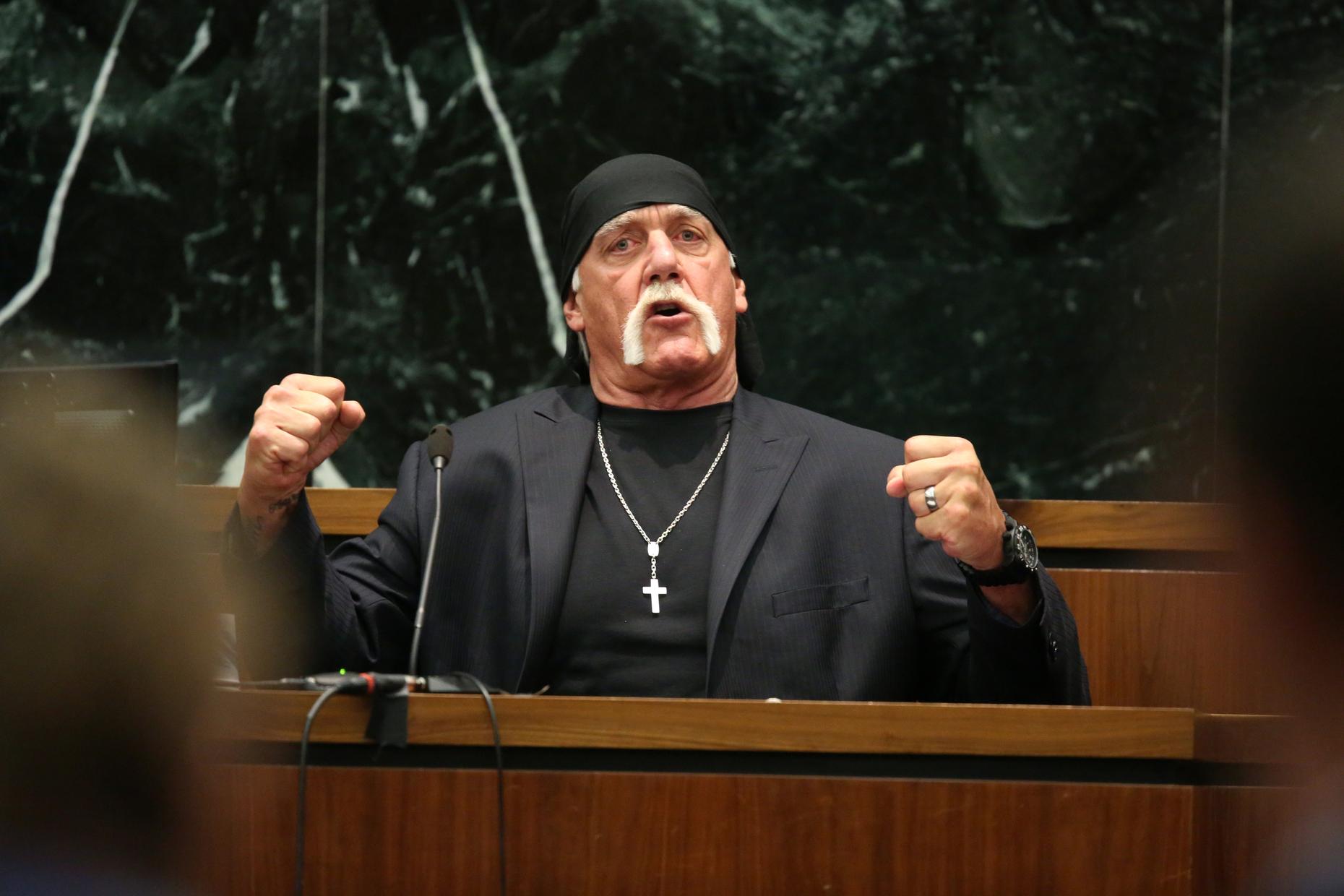
Mar 18, 2016
Party People
For the first months of the Trump campaign, the media wondered incredulously, "What kind of person thinks he can act like that and get elected?" Now that Trump is the presumptive Republican nominee, a new question has arisen: "What kind of people could support a person who acts like that?" We take a look at how the media have attempted to understand (and suppress) the mythical Trump supporter -- and how some of the more damning conclusions reflect a deep-seated discomfort with class in America. Plus, how a "broken" campaign finance system perpetually enriches the consultant class and how Trump 2016 is being received around the world. On the Media is supported by listeners like you. Support OTM by donating today ( https://pledge.wnyc.org/support/otm ). Follow our show on Instagram , Twitter and Facebook @onthemedia, and share your thoughts with us by emailing onthemedia@wnyc.org.
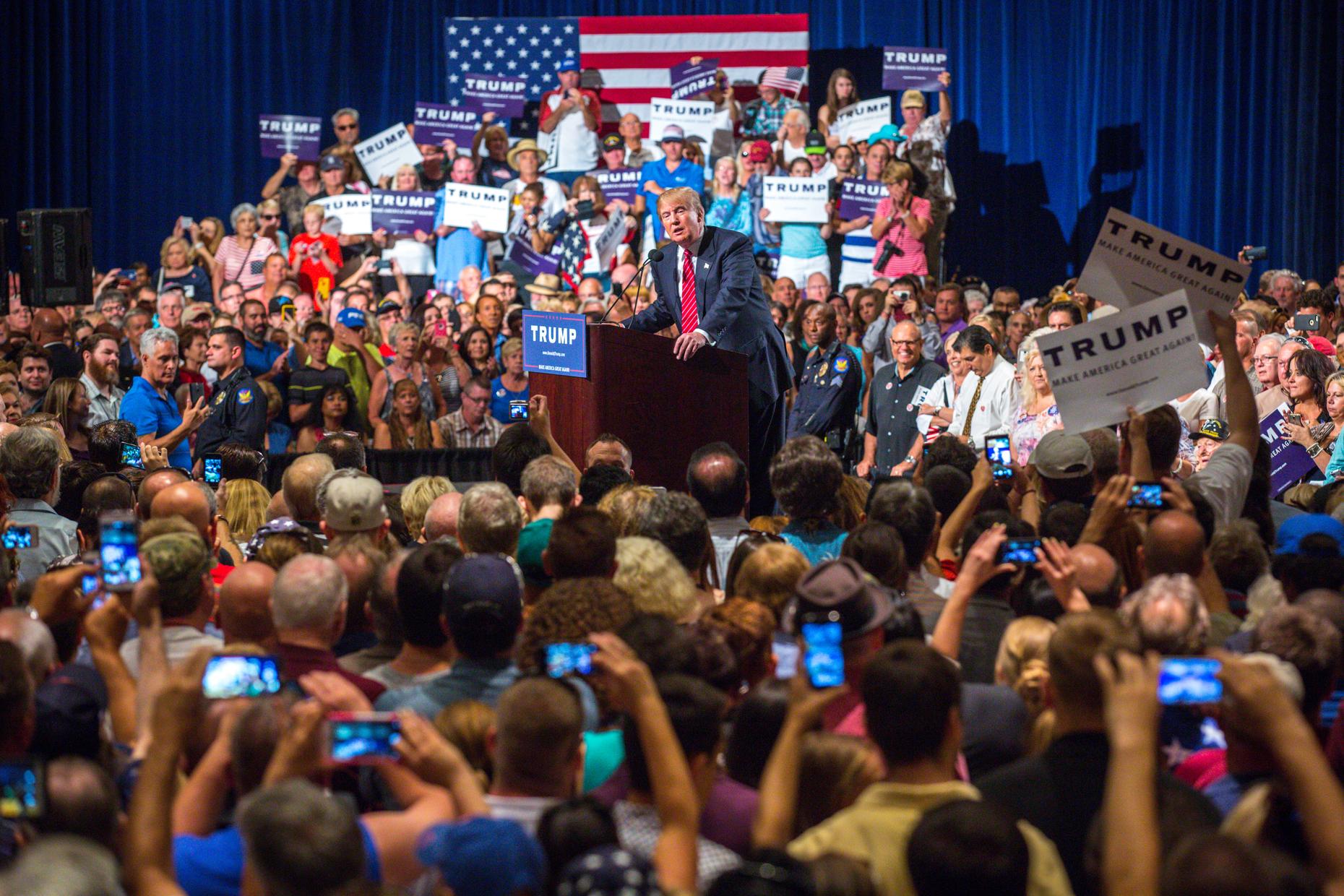
Mar 16, 2016
The Body Of An American
In 1993, the photojournalist Paul Watson took three photographs of Somali dragging the body of an American soldier through the streets of Mogadishu. As he took the shots, he thought he heard the soldier, William David Cleveland, whisper: "If you do this, I will own you forever." The moment and its aftermath is the subject of a play, "The Body of An American", on through March 20 at the Cherry Lane Theatre. Brooke speaks with the playwright, Dan O'Brien, and with Watson about the photographs, the play, and their friendship. Information about 'The Body of An American' is available through the Cherry Lane Theatre's website . For more On the Media, follow us on Twitter @OnTheMedia , and subscribe to our newsletter on our website, www.onthemedia.org/newsletter . On the Media is supported by listeners like you. Support OTM by donating today ( https://pledge.wnyc.org/support/otm ). Follow our show on Instagram , Twitter and Facebook @onthemedia, and share your thoughts with us by emailing onthemedia@wnyc.org.
Mar 11, 2016
Print Is Back, Back Again
A special hour on the publishing industry and the resurgence of print--from Amazon’s flirtation with brick-and-mortar bookstores to the success of wholesale suppliers shilling books by the foot as decorative objects. Plus, South Korea’s well-funded quest for a Nobel Prize in Literature, the subversive history of adult coloring books, and more. On the Media is supported by listeners like you. Support OTM by donating today ( https://pledge.wnyc.org/support/otm ). Follow our show on Instagram , Twitter and Facebook @onthemedia, and share your thoughts with us by emailing onthemedia@wnyc.org.
Mar 4, 2016
Predictile Dysfunction
Political commentators have repeatedly, reliably, been wrong this election season. There was the improbable Bernie Sanders. The inevitable Jeb Bush. The passing-fad Donald Trump. Now that we've landed so far from where we began, we examine why pundits make such bad predictions, and why they probably won't stop. On the Media is supported by listeners like you. Support OTM by donating today ( https://pledge.wnyc.org/support/otm ). Follow our show on Instagram , Twitter and Facebook @onthemedia, and share your thoughts with us by emailing onthemedia@wnyc.org.
Feb 26, 2016
Second Comes Right After First!
President Obama's latest attempt to close Guantanamo Bay prison has been met with fierce opposition from Congress. We look at what the prison has come to mean to the American public...and what it means for jihadists. Plus: a look at vigilante groups fighting to uphold their version of the law on both sides of the US-Mexico border, the Apple/FBI showdown, and the GOP "front-runner" who has yet to actually win a primary or caucus. On the Media is supported by listeners like you. Support OTM by donating today ( https://pledge.wnyc.org/support/otm ). Follow our show on Instagram , Twitter and Facebook @onthemedia, and share your thoughts with us by emailing onthemedia@wnyc.org.
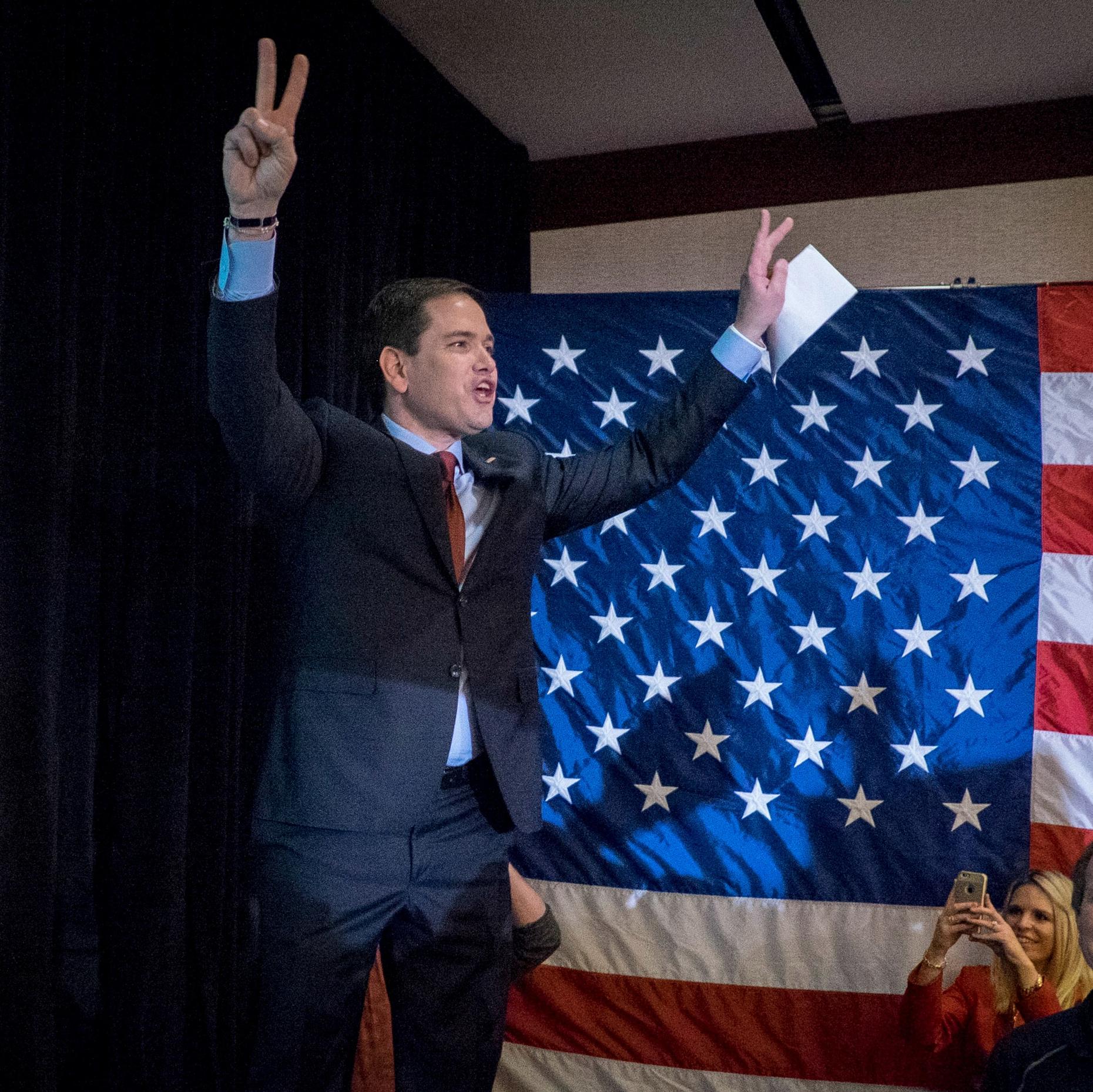
Feb 18, 2016
The Supreme Court, Explained
A political battle is raging over Justice Scalia's replacement on the high court. But what does the public really know about how the court operates? We revisit our special hour on the Supreme Court, from the unknowable impact of the decisions to the justices' peculiar traditions. Plus: how popular culture frames our understanding and the not-so-evolving position on cameras in the courtroom. On the Media is supported by listeners like you. Support OTM by donating today ( https://pledge.wnyc.org/support/otm ). Follow our show on Instagram , Twitter and Facebook @onthemedia, and share your thoughts with us by emailing onthemedia@wnyc.org.
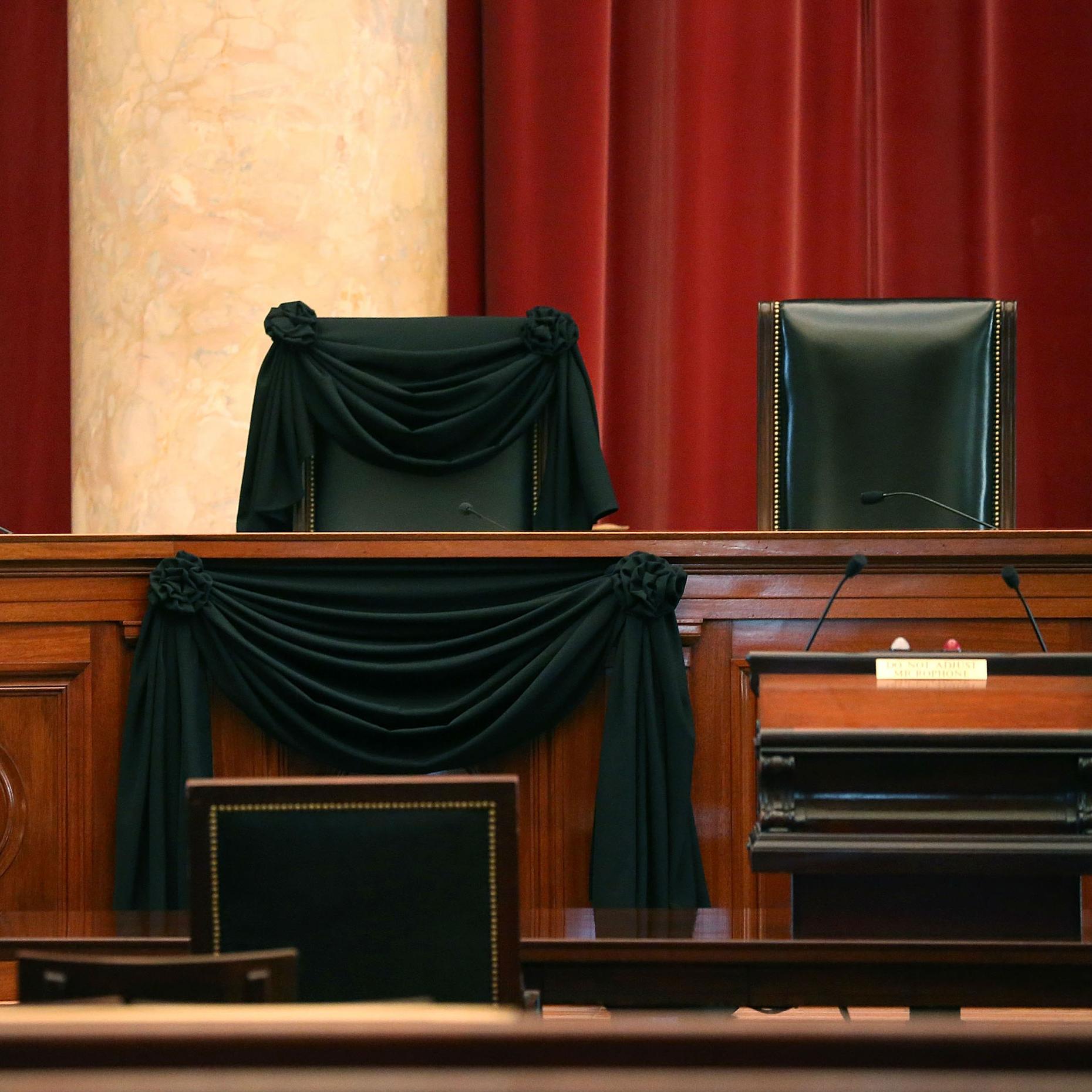
Feb 12, 2016
The Zika Effect
The threat of the Zika virus has been covered extensively, but the reality is still largely unknown. A look away from the panicked headlines at what we know and don't know about the virus, as well as how Zika serves as a window into global questions surrounding climate change and reproductive rights. On the Media is supported by listeners like you. Support OTM by donating today ( https://pledge.wnyc.org/support/otm ). Follow our show on Instagram , Twitter and Facebook @onthemedia, and share your thoughts with us by emailing onthemedia@wnyc.org.
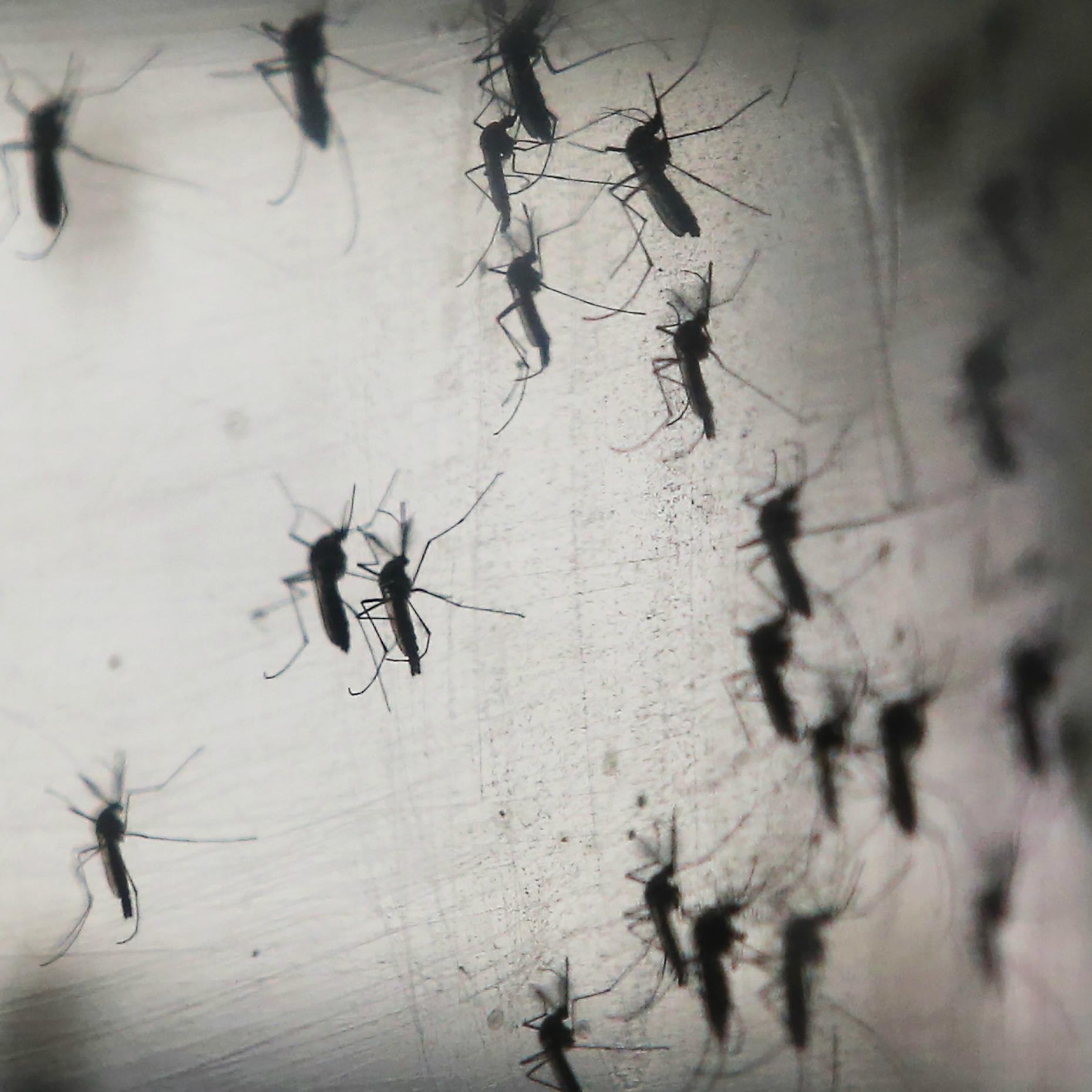
Feb 5, 2016
Dark Arts
A former reporter turned opposition researcher offers an insider’s perspective on the work of unearthing political dirty secrets. Also, the real story of the Dean Scream-- the unforgettable, unscripted moment blamed for ending Howard Dean’s 2004 presidential bid. And, a new documentary chronicles the life of the late conflict correspondent James Foley. On the Media is supported by listeners like you. Support OTM by donating today ( https://pledge.wnyc.org/support/otm ). Follow our show on Instagram , Twitter and Facebook @onthemedia, and share your thoughts with us by emailing onthemedia@wnyc.org.
Jan 29, 2016
The Elephant in the Room
A certain candidate was conspicuously absent from this week's Republican debate. But Donald Trump's presence on conservative talk radio has never flagged. We look at the influence of Rush Limbaugh and his cohorts on this election season. Plus, why the government's plan to build an algorithm to spot terrorists is doomed to fail, and a deep dive into the legal controversies surrounding Planned Parenthood. On the Media is supported by listeners like you. Support OTM by donating today ( https://pledge.wnyc.org/support/otm ). Follow our show on Instagram , Twitter and Facebook @onthemedia, and share your thoughts with us by emailing onthemedia@wnyc.org.
Jan 22, 2016
Bernie Sanders Is Running For President!
Why did it take so long for Flint's water crisis to be acknowledged by local officials, let alone the national media? Plus: how '13 Hours' frames partisan discussion about Benghazi; and how the political press has struggled to understand the Bernie Sanders' campaign. On the Media is supported by listeners like you. Support OTM by donating today ( https://pledge.wnyc.org/support/otm ). Follow our show on Instagram , Twitter and Facebook @onthemedia, and share your thoughts with us by emailing onthemedia@wnyc.org.
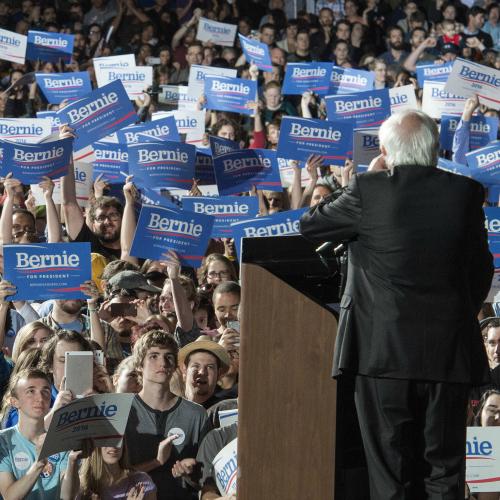
Jan 15, 2016
Terms of Engagement
A Mexican journalist reacts to Sean Penn's interview with the drug kingpin El Chapo; Bob offers his own thoughts, too. Plus: We check back in with the Pentagon on rules concerning journalists in wartime. And the history of copyright, from dictionary pioneer Noah Webster to digital crusader Aaron Swartz. On the Media is supported by listeners like you. Support OTM by donating today ( https://pledge.wnyc.org/support/otm ). Follow our show on Instagram , Twitter and Facebook @onthemedia, and share your thoughts with us by emailing onthemedia@wnyc.org.
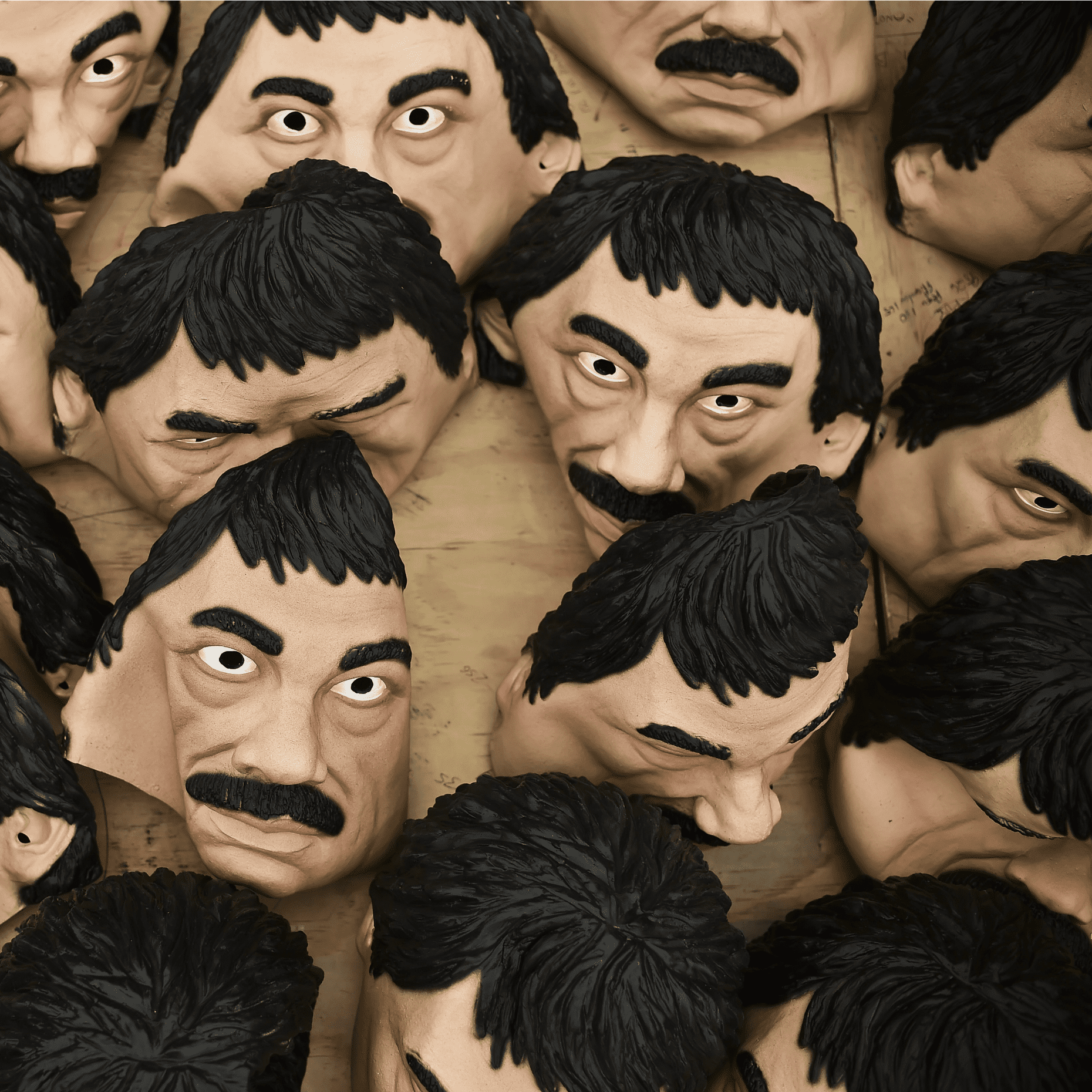
Jan 8, 2016
Common Sense
President Obama began the year with a plea for "common sense" gun safety but admitted that it won't be easy. We examine the myths and messages that surround, and often obscure, the national conversation on gun safety. Plus, do most Americans really support reform? And, if so, does it matter? On the Media is supported by listeners like you. Support OTM by donating today ( https://pledge.wnyc.org/support/otm ). Follow our show on Instagram , Twitter and Facebook @onthemedia, and share your thoughts with us by emailing onthemedia@wnyc.org.

Jan 1, 2016
Digital Dark Age
What if, either by the slow creep of technological obsolescence or sudden cosmic disaster, we were cut off from our electronic records? On the Media is supported by listeners like you. Support OTM by donating today ( https://pledge.wnyc.org/support/otm ). Follow our show on Instagram , Twitter and Facebook @onthemedia, and share your thoughts with us by emailing onthemedia@wnyc.org.
Dec 18, 2015
Politically Correct
What you hear about the Paris climate agreement depends on whom you ask. We sort through the competing messages about what was achieved. Plus, how to spot an accurate election poll as the primaries edge closer; and what the GOP presidential candidates' war on "political correctness" really means. On the Media is supported by listeners like you. Support OTM by donating today ( https://pledge.wnyc.org/support/otm ). Follow our show on Instagram , Twitter and Facebook @onthemedia, and share your thoughts with us by emailing onthemedia@wnyc.org.
Dec 17, 2015
Breaking News Consumer's Handbook: Infectious Disease Edition
When diseases like Swine Flu and Ebola infect cable news, panic takes over. We put together a template to help the discerning news consumer see through the media's over-the-top coverage. Breaking News Consumer's Handbook: Infectious Disease Edition (WNYC/WNYC) On the Media is supported by listeners like you. Support OTM by donating today ( https://pledge.wnyc.org/support/otm ). Follow our show on Instagram , Twitter and Facebook @onthemedia, and share your thoughts with us by emailing onthemedia@wnyc.org.
Dec 17, 2015
To Your Health!
A special hour on the dodgy world of health news, from scary studies and so-called “medical breakthroughs” to celebrity-endorsed miracle cures and people who fake illness online. On the Media is supported by listeners like you. Support OTM by donating today ( https://pledge.wnyc.org/support/otm ). Follow our show on Instagram , Twitter and Facebook @onthemedia, and share your thoughts with us by emailing onthemedia@wnyc.org.
Dec 11, 2015
Take Responsibility
Some of Donald Trump's opponents have labeled him a demagogue - but are they right? And, if so, what is there to be done? Plus: Bob reflects on the media feeding frenzy in the house of the San Bernardino shooters; and the life, and self-documented death, of New York Times reporter and AIDS victim Jeffrey Schmalz. On the Media is supported by listeners like you. Support OTM by donating today ( https://pledge.wnyc.org/support/otm ). Follow our show on Instagram , Twitter and Facebook @onthemedia, and share your thoughts with us by emailing onthemedia@wnyc.org.
Dec 4, 2015
Lies, Lies, Lies
Donald Trump’s statements about Muslims cheering after 9/11 are just the latest in a long record of false claims. But if Trump is the most recent, maybe most flamboyant, falsifier to enter US politics, he's not the first and won't be the last. OTM takes a look at political lies, including a taxonomy and history of political untruths; a psychological examination of how and why we lie; and whether, at the end of the day, the most damaging lies aren't the ones we tell ourselves about our fellow citizens. Discuss on Twitter: #OTMlies On the Media is supported by listeners like you. Support OTM by donating today ( https://pledge.wnyc.org/support/otm ). Follow our show on Instagram , Twitter and Facebook @onthemedia, and share your thoughts with us by emailing onthemedia@wnyc.org.
Nov 27, 2015
6 Months Later...
In the wake of the attacks in Paris, global terror threats, and renewed debate about mass surveillance and national security, we revisit our special hour on the origins of the infamous Patriot Act, born in a post-9/11 climate of fear. We examine what's in the act: warrantless search and seizure, bulk collection of personal data, intelligence sharing, and more...as well as how much of what we associate with the Patriot Act actually lies in a wild-west of lesser-known programs. Plus, new conversations about France's current state of emergency and a frank look at the sheer ineffectiveness of mass surveillance in fighting terrorism since 9/11. On the Media is supported by listeners like you. Support OTM by donating today ( https://pledge.wnyc.org/support/otm ). Follow our show on Instagram , Twitter and Facebook @onthemedia, and share your thoughts with us by emailing onthemedia@wnyc.org.
Nov 20, 2015
The Language of Terror
Amid the emotion, fear, and confusion following an attack, a Breaking News Consumer's Handbook for the coverage of terrorism. Plus, the semantics surrounding acts of war and terror, and a look back at lessons learned, and forgotten, in the years since 9/11. On the Media is supported by listeners like you. Support OTM by donating today ( https://pledge.wnyc.org/support/otm ). Follow our show on Instagram , Twitter and Facebook @onthemedia, and share your thoughts with us by emailing onthemedia@wnyc.org.

Nov 13, 2015
Feel This
OTM examines how the media try to reach us on an emotional level. We look at the New York Times ' dive into virtual reality-inspired empathy, and Europe's "compassion fatigue" with migration. Plus: why clickbait is king, the lucrative "hate read", why the University of Missouri protesters' media-free zone is about more than press freedom, and more. Discuss on Twitter: #OTMempathy, #OTMmissouri, #OTMvr, #OTMaylan, #OTMupworthy, #OTMcarebot, #OTMheart, #OTMclickbait, #OTMhatereads On the Media is supported by listeners like you. Support OTM by donating today ( https://pledge.wnyc.org/support/otm ). Follow our show on Instagram , Twitter and Facebook @onthemedia, and share your thoughts with us by emailing onthemedia@wnyc.org.

Nov 11, 2015
What Did Exxon Know?
ExxonMobil is under investigation by the New York State Attorney General for potentially misleading shareholders about the threat of climate change. The subpoena comes after reports, including from InsideClimate News , about Exxon's pivot from supporting state-of-the-art research to funding a network of climate denial groups. Observers have noted that Exxon's campaign of misinformation mirrors what Big Tobacco did about the risks of smoking. That industry is still paying a $246 billion settlement. Bob discusses the pattern, the two prosecutions, and what might come next with Naomi Oreskes of Harvard, co-author of Merchants of Doubt : How a Handful of Scientists Obscured the Truth on Issues from Tobacco Smoke to Global Warming . Then, Bob revisits his conversation earlier this fall with ExxonMobil's Richard Keil , who responded to the InsideClimate News reporting . For more OTM follow us on Twitter, @OnTheMedia , and subscribe to our newsletter . On the Media is supported by listeners like you. Support OTM by donating today ( https://pledge.wnyc.org/support/otm ). Follow our show on Instagram , Twitter and Facebook @onthemedia, and share your thoughts with us by emailing onthemedia@wnyc.org.
Nov 6, 2015
Gotcha!
Republican presidential candidates try to reassert control over the debate process, but they can't quite agree on how. Plus: in praise of the "gotcha" question; some optimism on the newspaper industry; and Bob talks with Alec Baldwin on all things media. Discuss on Twitter: #OTMDebate, #OTMGotcha, #OTMLessig, #OTMbiz, #OTMespn, #OTMBaldwin On the Media is supported by listeners like you. Support OTM by donating today ( https://pledge.wnyc.org/support/otm ). Follow our show on Instagram , Twitter and Facebook @onthemedia, and share your thoughts with us by emailing onthemedia@wnyc.org.
Oct 30, 2015
Inside/Outside
The launch of a collaboration between On the Media and Nate Silver’s 538 to track the push and pull between polling, media coverage, and public interest in candidates. Plus: a look at the long history of savvy political candidates campaigning as Washington "outsiders"; debunking the supposed "Ferguson effect"; and Spotlight , a new movie about the Boston Globe's investigation into the Catholic Church sex scandal, celebrates the power of the press. Discuss on Twitter : #OTMRubio, #OTM_538, #OTMOutsiders, #OTMFerguson, #OTMSpotlight On the Media is supported by listeners like you. Support OTM by donating today ( https://pledge.wnyc.org/support/otm ). Follow our show on Instagram , Twitter and Facebook @onthemedia, and share your thoughts with us by emailing onthemedia@wnyc.org.
Oct 23, 2015
Truth(ish)
A farewell to coverage of Joe Biden's non-existent presidential campaign. Plus: clarifying the misleading language of drone warfare and what it says about policy; a new film examines Dan Rather's downfall at CBS; the Lockerbie bombing investigation gets leads from a documentary; and a story about the Benghazi attack that you didn't hear at the committee hearing this week. On the Media is supported by listeners like you. Support OTM by donating today ( https://pledge.wnyc.org/support/otm ). Follow our show on Instagram , Twitter and Facebook @onthemedia, and share your thoughts with us by emailing onthemedia@wnyc.org.

Oct 16, 2015
Porn Politik
Playboy has announced it will soon stop publishing full nudes. We look at the history of men's magazines and what it means that sex doesn't sell in print for the magazine anymore. Plus: "who won the debate?"; Bernie Sanders versus the media; a new privacy win in Europe; and more. Discuss on Twitter: #OTMdebate, #OTMbernie, #OTMgallup, #OTMprivacy, #OTMplayboy On the Media is supported by listeners like you. Support OTM by donating today ( https://pledge.wnyc.org/support/otm ). Follow our show on Instagram , Twitter and Facebook @onthemedia, and share your thoughts with us by emailing onthemedia@wnyc.org.
Oct 9, 2015
Bench Press
OTM digs into the Supreme Court, an institution as secretive as it is powerful -- and how we understand it through the media. Plus: how regular people become poster children for thorny legal issues, potential press influence on the court, and cameras in the courtroom: now set to music. Discuss on Twitter: #OTMSCOTUS On the Media is supported by listeners like you. Support OTM by donating today ( https://pledge.wnyc.org/support/otm ). Follow our show on Instagram , Twitter and Facebook @onthemedia, and share your thoughts with us by emailing onthemedia@wnyc.org.
Oct 2, 2015
The Cancer Show
Over the last 2,500 years, cancer has shifted from a disease in the shadows to one at the center of scientific research and public discussion. On the Media dives deep into the way we talk about cancer: in the news, in the hospital, and in our private lives. This episode is the first of a two-part series: find our second hour on cancer here . On the Media is supported by listeners like you. Support OTM by donating today ( https://pledge.wnyc.org/support/otm ). Follow our show on Instagram , Twitter and Facebook @onthemedia, and share your thoughts with us by emailing onthemedia@wnyc.org.
Sep 25, 2015
Pope-ular Opinion
With Pope Francis in the US this week, we examine why pundits try so hard to assess the pontiff’s remarks through the lens of 2016 politics. Plus: why the AP is scrapping the term “climate change denier” – and a new collection of fiction gives voices to figures sidelined by history. Discuss on Twitter: #OTMpope, #OTMclimate, #OTMpolling, #OTMhoax, #OTMnarrative On the Media is supported by listeners like you. Support OTM by donating today ( https://pledge.wnyc.org/support/otm ). Follow our show on Instagram , Twitter and Facebook @onthemedia, and share your thoughts with us by emailing onthemedia@wnyc.org.
Sep 23, 2015
Pope Primer
Unless you've been hiding under a rock, you've probably heard that Pope Francis is in the U.S. this week. To celebrate His Holiness's arrival, we thought we'd give you a pope primer. Back in December of 2013, when Pope Francis first became a media darling, Brooke examined what makes his messaging so viral-friendly. If you like what we do, please rate us on iTunes! And as always, follow us on Twitter @onthemedia. On the Media is supported by listeners like you. Support OTM by donating today ( https://pledge.wnyc.org/support/otm ). Follow our show on Instagram , Twitter and Facebook @onthemedia, and share your thoughts with us by emailing onthemedia@wnyc.org.

Sep 18, 2015
Facts, Schmacts
This week’s GOP presidential debate was full of barbs, zingers, and over talk but was severely lacking in the fact-checking department. We consider the role of journalists when they play debate moderator. Plus, as the European refugee crisis continues, a debunking of the viral images that are channeling hatred and xenophobia. And, exposing Exxon's flip floppery on climate change. Discuss on Twitter: #OTMdebate #OTMexxon #OTMrefugees On the Media is supported by listeners like you. Support OTM by donating today ( https://pledge.wnyc.org/support/otm ). Follow our show on Instagram , Twitter and Facebook @onthemedia, and share your thoughts with us by emailing onthemedia@wnyc.org.
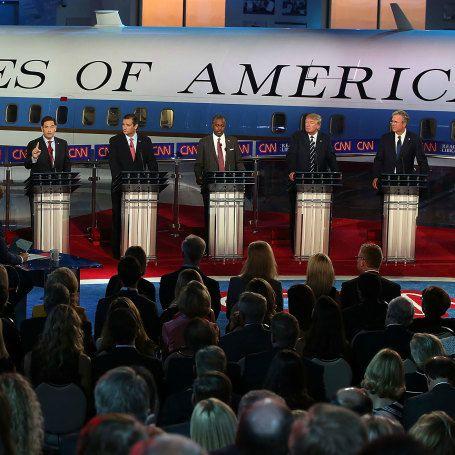
Sep 11, 2015
Enter and Return
On the language debate surrounding the Mediterranean crisis, debunking migration myths both foreign and domestic, and a visit to the 9/11 museum. On the Media is supported by listeners like you. Support OTM by donating today ( https://pledge.wnyc.org/support/otm ). Follow our show on Instagram , Twitter and Facebook @onthemedia, and share your thoughts with us by emailing onthemedia@wnyc.org.
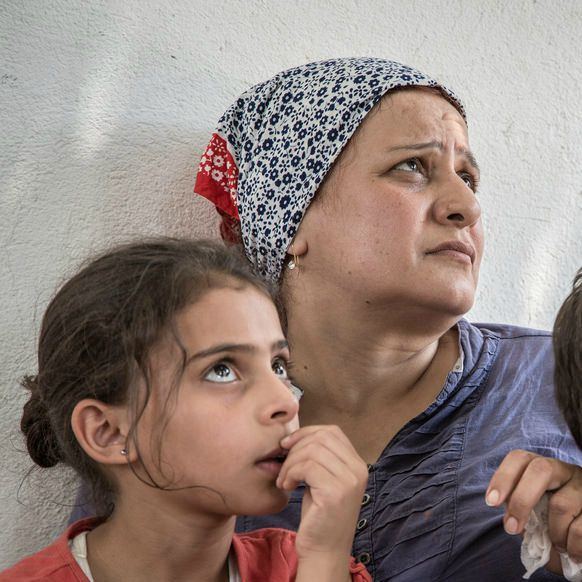
Sep 4, 2015
Open Closure
The rhetoric of ads on the Iran nuclear agreement, the ongoing fall out of the Ashley Madison hack, and the end of an iconic Spanish language variety show. On the Media is supported by listeners like you. Support OTM by donating today ( https://pledge.wnyc.org/support/otm ). Follow our show on Instagram , Twitter and Facebook @onthemedia, and share your thoughts with us by emailing onthemedia@wnyc.org.

Sep 2, 2015
Summer Listens #9: Pledge This!
Each week through Labor Day, we'll be pulling an OTM gem from our vast archives for you to enjoy on the beach, in a park... or on a sticky subway, while imagining you're on a beach. For the last episode of our summer listening series, we present our first and only effort at full-fledged radio theatre: Pledge This! To hear more of our summer listening, don't forget to subscribe to our podcast on iTunes , or wherever you get your podcasts, and leave a review while you're there! And as always, follow us on twitter @OnTheMedia. On the Media is supported by listeners like you. Support OTM by donating today ( https://pledge.wnyc.org/support/otm ). Follow our show on Instagram , Twitter and Facebook @onthemedia, and share your thoughts with us by emailing onthemedia@wnyc.org.
Aug 27, 2015
Broad Questions
The push for a female libido pill reveals misunderstandings about female sexuality. Plus: Jorge Ramos' confrontation with the GOP front-runner; a guide to parsing stock market coverage; and an Instagram star is revealed as a joke-thief. On the Media is supported by listeners like you. Support OTM by donating today ( https://pledge.wnyc.org/support/otm ). Follow our show on Instagram , Twitter and Facebook @onthemedia, and share your thoughts with us by emailing onthemedia@wnyc.org.

Aug 26, 2015
Summer Listens #8: Crackerjack
Each week through Labor Day, we'll be pulling an OTM gem from our vast archives for you to enjoy on the beach, in a park... or on a sticky subway, while imagining you're on a beach. For the eighth episode of our summer listening series, former producer-at-large Mike Pesca (now host of the Gist ) takes a look at the sweetest part of America's favorite pastime. To hear more of our summer listening, don't forget to subscribe to our podcast on iTunes , or wherever you get your podcasts, and leave a review while you're there! And as always, follow us on twitter @OnTheMedia. On the Media is supported by listeners like you. Support OTM by donating today ( https://pledge.wnyc.org/support/otm ). Follow our show on Instagram , Twitter and Facebook @onthemedia, and share your thoughts with us by emailing onthemedia@wnyc.org.
Aug 21, 2015
Lies and Spies
A decade after Hurricane Katrina, the story of two nursing home owners who became media scapegoats for the tragedy in New Orleans. Plus, a bit of indulgent speculation about a Trump presidency, the NSA's "house philosopher," and activists protesting new surveillance technologies with a tool of the past: faxes. On the Media is supported by listeners like you. Support OTM by donating today ( https://pledge.wnyc.org/support/otm ). Follow our show on Instagram , Twitter and Facebook @onthemedia, and share your thoughts with us by emailing onthemedia@wnyc.org.
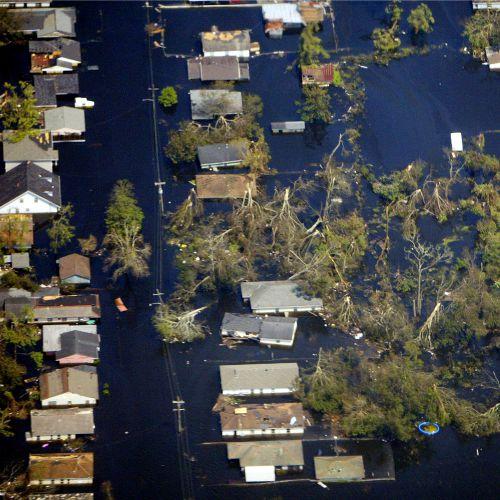
Aug 20, 2015
Looking Backward On The Presidency Of Donald Trump
On January 20, 2017, Donald Trump was sworn in as the 45th President of the United States. Impossible? Sure. But it happened anyway. From the not too distant future, we relive the shock and confusion of those early days and trace the path, tragically predictable but not without surprises, of the next four years. How could such a thing happen? What did it mean? And is it possible that it wasn't all bad? Adapted from the article by Jon Lovett for The Atlantic. Narration by Andy Lanset Trump impersonation by Ed Kelly On the Media is supported by listeners like you. Support OTM by donating today ( https://pledge.wnyc.org/support/otm ). Follow our show on Instagram , Twitter and Facebook @onthemedia, and share your thoughts with us by emailing onthemedia@wnyc.org.
Aug 19, 2015
Summer Listens #7: Playing One On TV
Each week through Labor Day, we'll be pulling an OTM gem from our vast archives for you to enjoy on the beach, in a park... or on a sticky subway, while imagining you're on a beach. For the seventh episode of our summer listening series, one man heads on a quixotic quest to become a TV pundit. Some television talking heads seem born for the job; others needs a little more help, as you'll soon see. To hear more of our summer listening, don't forget to subscribe to our podcast on iTunes , or wherever you get your podcasts, and leave a review while you're there! And as always, follow us on twitter @OnTheMedia. On the Media is supported by listeners like you. Support OTM by donating today ( https://pledge.wnyc.org/support/otm ). Follow our show on Instagram , Twitter and Facebook @onthemedia, and share your thoughts with us by emailing onthemedia@wnyc.org.
Aug 14, 2015
A Vulgar Spectacle
After Donald Trump insulted Fox News' Megyn Kelly, the network made a strange deal with the GOP front runner. We hear what it says about media relationships with candidates in this election cycle. Plus, an anniversary in Ferguson, and writer David Lipsky on his interviews with the late David Foster Wallace. On the Media is supported by listeners like you. Support OTM by donating today ( https://pledge.wnyc.org/support/otm ). Follow our show on Instagram , Twitter and Facebook @onthemedia, and share your thoughts with us by emailing onthemedia@wnyc.org.
Aug 13, 2015
'We've Sort of Become Friends': The Original Tapes from David Foster Wallace's '96 Book Tour
Brooke sat down with writer David Lipsky, whose "reporter tennis" interviews with author David Foster Wallace are dramatized in the film The End of The Tour . With the movie out in wide release this week, he and Brooke listen back to the original tapes Lipsky made over five days in 1996, and which formed the basis of his book Although Of Course You End Up Becoming Yourself: A Road Trip with David Foster Wallace . They discuss the delicate bond the writers formed, and what it's like to hear his interview tapes acted out by Jesse Eisenberg (Lipsky) and Jason Segal (Wallace). Plus, their takes on Baywatch, success, and (yes) women. On the Media is supported by listeners like you. Support OTM by donating today ( https://pledge.wnyc.org/support/otm ). Follow our show on Instagram , Twitter and Facebook @onthemedia, and share your thoughts with us by emailing onthemedia@wnyc.org.
Aug 12, 2015
Summer Listens #6: Pitchmen
Each week through Labor Day, we'll be pulling an OTM gem from our vast archives for you to enjoy on the beach, in a park... or on a sticky subway, while imagining you're on a beach. For the sixth episode of our summer listening series, we take a deep dive into the world of television pitchmen and the fine art of the infomercial. All we can say here is, you won't believe it does that. To hear more of our summer listening, don't forget to subscribe to our podcast on iTunes , or wherever you get your podcasts, and leave a review while you're there! And as always, follow us on twitter @OnTheMedia. On the Media is supported by listeners like you. Support OTM by donating today ( https://pledge.wnyc.org/support/otm ). Follow our show on Instagram , Twitter and Facebook @onthemedia, and share your thoughts with us by emailing onthemedia@wnyc.org.

Aug 7, 2015
True Crime
A special hour on the enthralling genre of true crime. On the Media is supported by listeners like you. Support OTM by donating today ( https://pledge.wnyc.org/support/otm ). Follow our show on Instagram , Twitter and Facebook @onthemedia, and share your thoughts with us by emailing onthemedia@wnyc.org.

Jul 30, 2015
Summer Listens #5: Uncanny Valley
Each week through Labor Day, we'll be pulling an OTM gem from our vast archives for you to enjoy on the beach, in a park... or on a sticky subway, while imagining you're on a beach. For the fifth episode of our summer listening series, we offer an exploration of the fear-inducing "uncanny valley," to help you pinpoint what's so creepy about some of your favorite summer blockbusters. To hear more of our summer listening, don't forget to subscribe to our podcast on iTunes , or wherever you get your podcasts, and leave a review while you're there! And as always, follow us on twitter @OnTheMedia. On the Media is supported by listeners like you. Support OTM by donating today ( https://pledge.wnyc.org/support/otm ). Follow our show on Instagram , Twitter and Facebook @onthemedia, and share your thoughts with us by emailing onthemedia@wnyc.org.

Jul 30, 2015
Take the OTM Health News Consumer Quiz
On this week's show , we feature a segment on the rampant exaggerations, deceptions, and outright lies flourishing across the health media landscape. Take our quiz and find out how smart a health news consumer you really are. // (function(){ var pymParent = new pym.Parent( "datanews-health-tomfoolery", "http://project.wnyc.org/health-tomfoolery/?wnyc=true", {} ); })(); // ]]> On the Media is supported by listeners like you. Support OTM by donating today ( https://pledge.wnyc.org/support/otm ). Follow our show on Instagram , Twitter and Facebook @onthemedia, and share your thoughts with us by emailing onthemedia@wnyc.org.

Jul 30, 2015
Send In The Clowns
The booms and busts of political reporting, a skeptical look into health and diet news, and an indie throwback film gets the red carpet treatment. On the Media is supported by listeners like you. Support OTM by donating today ( https://pledge.wnyc.org/support/otm ). Follow our show on Instagram , Twitter and Facebook @onthemedia, and share your thoughts with us by emailing onthemedia@wnyc.org.
Jul 29, 2015
Summer Listens #4: The Anthem
Each week through Labor Day, we'll be pulling an OTM gem from our vast archives for you to enjoy on the beach, in a park... or on a sticky subway, while imagining you're on a beach. For the fourth episode of our summer listening series, a look at corporate anthems: what are they, and who are they for? Plus, an earworm of an anthem you won't be able to shake. To hear more of our summer listening, don't forget to subscribe to our podcast on iTunes , or wherever you get your podcasts, and leave a review while you're there! And as always, follow us on twitter @OnTheMedia. On the Media is supported by listeners like you. Support OTM by donating today ( https://pledge.wnyc.org/support/otm ). Follow our show on Instagram , Twitter and Facebook @onthemedia, and share your thoughts with us by emailing onthemedia@wnyc.org.

Jul 24, 2015
Havana, Hacks, and Shame Attacks
Revisiting the Elián González story as the US embassy reopens in Havana. Plus: Paul Ford examines the various issues raised by the Ashley Madison hack, and Jon Ronson on public shaming. On the Media is supported by listeners like you. Support OTM by donating today ( https://pledge.wnyc.org/support/otm ). Follow our show on Instagram , Twitter and Facebook @onthemedia, and share your thoughts with us by emailing onthemedia@wnyc.org.
Jul 22, 2015
Summer Listens #3: The World is a Morgue
Each week through Labor Day, we'll be pulling an OTM gem from our vast archives for you to enjoy on the beach, in a park... or on a sticky subway, while imagining you're on a beach. For the third episode of our summer listening series, Brooke shadows a former New York Post reporter with a singular beat. If you've seen the movie Nightcrawler , this one's for you. To hear more of our summer listening, don't forget to subscribe to our podcast on iTunes , or wherever you get your podcasts, and leave a review while you're there! And as always, follow us on twitter @OnTheMedia. On the Media is supported by listeners like you. Support OTM by donating today ( https://pledge.wnyc.org/support/otm ). Follow our show on Instagram , Twitter and Facebook @onthemedia, and share your thoughts with us by emailing onthemedia@wnyc.org.
Jul 17, 2015
A National Conversation
Listening in on the national conversation about race, two years after the launch of the #BlackLivesMatter movement. Plus, the LA Times hires a reporter to cover #BlackTwitter, and the re-release of a satirical novel about bi-racial identity. On the Media is supported by listeners like you. Support OTM by donating today ( https://pledge.wnyc.org/support/otm ). Follow our show on Instagram , Twitter and Facebook @onthemedia, and share your thoughts with us by emailing onthemedia@wnyc.org.
Jul 15, 2015
Summer Listens #2: The Wilhelm Scream
Welcome to our new summer series! Each week through Labor Day, we'll be pulling an OTM gem from our vast archives for you to enjoy on the beach, in a park... or on a sticky subway, while imagining you're on a beach. For our second installment of our summer listening series, the story of an actor who's appeared in Raiders of the Lost Ark, Star Wars, and Toy Story, to name a few. Well, not quite an actor, but a star nonetheless. To hear more of our summer listening, don't forget to subscribe to our podcast on iTunes , or wherever you get your podcasts, and leave a review while you're there! And as always, follow us on twitter @OnTheMedia. On the Media is supported by listeners like you. Support OTM by donating today ( https://pledge.wnyc.org/support/otm ). Follow our show on Instagram , Twitter and Facebook @onthemedia, and share your thoughts with us by emailing onthemedia@wnyc.org.

Jul 10, 2015
Polls Are Stupid
Bob dissects the media's sloppy and disingenuous use of polls to fill air time and manufacture conflict. Plus: how the Dominican press is covering a a looming humanitarian crisis there; blocking ad-blockers; DuckDuckGo; and more. On the Media is supported by listeners like you. Support OTM by donating today ( https://pledge.wnyc.org/support/otm ). Follow our show on Instagram , Twitter and Facebook @onthemedia, and share your thoughts with us by emailing onthemedia@wnyc.org.
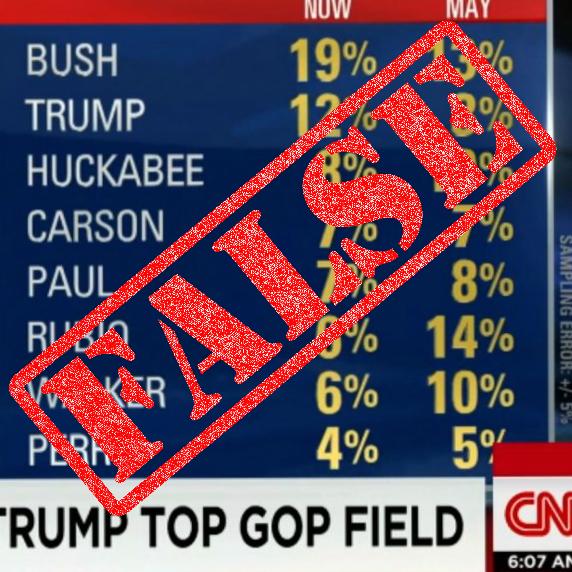
Jul 8, 2015
Summer Listens #1
Welcome to our new summer series! Each week through Labor Day, we'll be pulling an OTM gem from our vast archives for you to enjoy on the beach, in a park... or on a sticky subway, while imagining you're on a beach. For our first installation, a very classic and very special piece from one of our favorite contributors, John Solomon. If you've ever wondered about the inner workings of On the Media , you'll be sure to enjoy this one. In 2010, John passed away from complications with leukemia, but his witty, incisive voice can be heard in many of his OTM pieces, like this one called "Playing One on TV" and many more . To hear more of our summer listening, don't forget to subscribe to our podcast on iTunes , or wherever you get your podcasts, and leave a review while you're there! And as always, follow us on twitter @OnTheMedia. On the Media is supported by listeners like you. Support OTM by donating today ( https://pledge.wnyc.org/support/otm ). Follow our show on Instagram , Twitter and Facebook @onthemedia, and share your thoughts with us by emailing onthemedia@wnyc.org.

Jul 2, 2015
Greeks, Dingoes, and Robots
On the popular misconceptions surrounding the Greek debt crisis, women whose lives were mistold by the media, and humor, both robotic and Soviet. On the Media is supported by listeners like you. Support OTM by donating today ( https://pledge.wnyc.org/support/otm ). Follow our show on Instagram , Twitter and Facebook @onthemedia, and share your thoughts with us by emailing onthemedia@wnyc.org.

Jun 24, 2015
Digital Dark Age
On this week’s episode of On the Media, we’re engaging in some chillingly informed speculation: what would happen if we, as a species, lost access to our electronic records? What if, either by the slow creep of technological obsolescence or sudden cosmic disaster, we no longer could draw from the well of of knowledge accrued through the ages? What if we fell into...a digital dark age? One scenario we explore isn’t speculative: it’s real. In the 1990’s, NASA experienced its own version of a digital dark age, when more than a million reels of data -- including the 1969 Apollo Moonwalk video and Earthrise, the iconic picture of our planet floating above the surface of the moon -- were either destroyed or rendered unreadable. We hear from Keith Cowing, a former NASA employee and co-founder of an initiative to rescue images and readings from the Lunar Orbiter missions, including that 1966 Earthrise photo: the first view of Earth from the moon. Earth taken from Lunar Orbiter 1 in 1966. This is the poor-quality image originally shown to the public. (wikimedia commons) Internet pioneer and Google’s Chief Internet Evangelist Vint Cerf says we’ve grown complacent in our approach to media storage. If we don’t take action now, he warns, we may find ourselves lost in a future where we can’t access important media documents, scientific data, or treasured family photos. He tells us about combating the phenomenon he calls “bit rot,” as well as the role he thinks Google ought to play in the fight. Vint Cerf, one of the Internet's many fathers. (flickr) Meanwhile, in outer space, we look at the possibility of digital disruption from an unexpected source: the sun. Earlier this week, a solar flare caused auroras in the night sky as far south as Georgia. And in 1859, a huge flare caused telegraph machines to spontaneously catch fire. Astronomer Lucianne Walkowicz tells us that story, and explains the science behind it. A solar flare! (wikimedia commons) If we’ve gotten you sufficiently concerned about your personal histories falling victim to defunct hard drives and ephemeral cloud storage, never fear, DNA is here! We hear from Dr. Nick Goldman , a genome scientist who thinks coding information inside DNA is the best way to apocalypse-proof the world’s data. Plus, Margaret Atwood , chronicler of all things dystopian, tells us about her latest work… which won’t be published for 99 years. A specially planted forest in Norway will eventually supply the paper for Atwood’s book. (Shutterstock) We also have a resource guide to help you protect (or recover) your media from obsolescence. Subscribe to the On the Media podcast on iTunes or wherever you get your podcasts, or listen on our website . On the Media is supported by listeners like you. Support OTM by donating today ( https://pledge.wnyc.org/support/otm ). Follow our show on Instagram , Twitter and Facebook @onthemedia, and share your thoughts with us by emailing onthemedia@wnyc.org.
Jun 23, 2015
Digital Dark Age
What if, either by the slow creep of technological obsolescence or sudden cosmic disaster, we were cut off from our electronic records? On the Media is supported by listeners like you. Support OTM by donating today ( https://pledge.wnyc.org/support/otm ). Follow our show on Instagram , Twitter and Facebook @onthemedia, and share your thoughts with us by emailing onthemedia@wnyc.org.
Jun 19, 2015
Foreign & Domestic
In the wake of another mass shooting tragedy, Brooke looks back at a history of racially-motivated hate crimes. Plus, the strength and responsibility of comedy in the face of extremism, misconceptions about the future of the Affordable Care Act, and the climate change deniers' "I'm not a scientist" defense. On the Media is supported by listeners like you. Support OTM by donating today ( https://pledge.wnyc.org/support/otm ). Follow our show on Instagram , Twitter and Facebook @onthemedia, and share your thoughts with us by emailing onthemedia@wnyc.org.

Jun 12, 2015
Codes of Conduct
As videos of police violence continue to make headlines, a guide to filming the police as a bystander. Plus, making sense of data breaches, a lesson in coding, and a trip into the future of storytelling, where virtual reality makes journalism a bodily experience. On the Media is supported by listeners like you. Support OTM by donating today ( https://pledge.wnyc.org/support/otm ). Follow our show on Instagram , Twitter and Facebook @onthemedia, and share your thoughts with us by emailing onthemedia@wnyc.org.

Jun 5, 2015
Checking The Books
Two newspapers' quests to count every person killed by police in 2015, how librarians shaped the original debate over the Patriot Act , and more. On the Media is supported by listeners like you. Support OTM by donating today ( https://pledge.wnyc.org/support/otm ). Follow our show on Instagram , Twitter and Facebook @onthemedia, and share your thoughts with us by emailing onthemedia@wnyc.org.
May 29, 2015
The Bill That Nobody Read
Congress is locked in a battle over the future of the Patriot Act. This special hour of OTM reveals the origins of the act in a post-9/11 climate of fear... and considers whether it really is at the heart of the nation's struggle between security and privacy. On the Media is supported by listeners like you. Support OTM by donating today ( https://pledge.wnyc.org/support/otm ). Follow our show on Instagram , Twitter and Facebook @onthemedia, and share your thoughts with us by emailing onthemedia@wnyc.org.
May 21, 2015
If We Knew Then...
A surprisingly difficult -- and misleading -- question about the Iraq War, the police bombing that no one remembers, and the struggle of ownership in the age of the "Internet of Things." On the Media is supported by listeners like you. Support OTM by donating today ( https://pledge.wnyc.org/support/otm ). Follow our show on Instagram , Twitter and Facebook @onthemedia, and share your thoughts with us by emailing onthemedia@wnyc.org.

May 15, 2015
Seymour Hersh, NYC Nail Salons, and Ebola-Free Liberia
Seymour Hersh talks about his article claiming that the White House version of how Osama Bin Laden was killed is a lie. Plus, how a New York City nail salon expose went viral, and Liberia is finally declared Ebola-free. On the Media is supported by listeners like you. Support OTM by donating today ( https://pledge.wnyc.org/support/otm ). Follow our show on Instagram , Twitter and Facebook @onthemedia, and share your thoughts with us by emailing onthemedia@wnyc.org.
May 13, 2015
Podcast Extra: Seymour Hersh
This week legendary investigative journalist Seymour Hersh published an account of the killing of Osama bin Laden that directly contradicts the official narrative. Hersh’s use of anonymous sources have led many to cast doubt on the assertions in the article; CNN’s Peter Bergen called his story a “farrago of nonsense”. Bob talks with Hersh about the swirling controversy in this On the Media special podcast. On the Media is supported by listeners like you. Support OTM by donating today ( https://pledge.wnyc.org/support/otm ). Follow our show on Instagram , Twitter and Facebook @onthemedia, and share your thoughts with us by emailing onthemedia@wnyc.org.
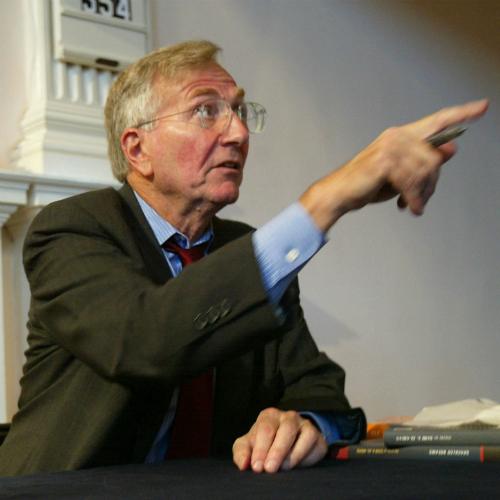
May 8, 2015
After An Earthquake, Body Cams, and Veep
What the media get wrong about earthquakes, surveillance the public loves and hates, and the creator of HBO's Veep. On the Media is supported by listeners like you. Support OTM by donating today ( https://pledge.wnyc.org/support/otm ). Follow our show on Instagram , Twitter and Facebook @onthemedia, and share your thoughts with us by emailing onthemedia@wnyc.org.

May 1, 2015
Unseen & Inscrutable
The deep historical roots of the Baltimore protests, shedding light on drone strikes, and combating sex worker stereotypes. On the Media is supported by listeners like you. Support OTM by donating today ( https://pledge.wnyc.org/support/otm ). Follow our show on Instagram , Twitter and Facebook @onthemedia, and share your thoughts with us by emailing onthemedia@wnyc.org.
Apr 24, 2015
Dr. Oz, Narratives of Migration, and Cosmic Colors
Hundreds of refugees drowned recently when their boat capsized in the Mediterranean. We examine the dangers of false narratives of migration pushed by politicians and the media. Plus, Dr. Oz defends his credibility and a look at the Hubble space telescope’s lasting impact on popular culture. On the Media is supported by listeners like you. Support OTM by donating today ( https://pledge.wnyc.org/support/otm ). Follow our show on Instagram , Twitter and Facebook @onthemedia, and share your thoughts with us by emailing onthemedia@wnyc.org.

Apr 16, 2015
"Young, Charismatic, & Ambitious"
As the 2016 campaign season begins, we discuss the words used repeatedly to describe candidates, and how to cover those who are unlikely to win. Plus: the uncertain right to record police; a critical examination of Washington's "nerd prom"; and more. On the Media is supported by listeners like you. Support OTM by donating today ( https://pledge.wnyc.org/support/otm ). Follow our show on Instagram , Twitter and Facebook @onthemedia, and share your thoughts with us by emailing onthemedia@wnyc.org.
Apr 10, 2015
Blame, Shame, or Deny?
Climate change is arguably the most urgent story in human history, but journalism has struggled to address the threat. This week, an exploration of new efforts by the press to understand and explain the science – and to get you involved. Plus: what the report on Rolling Stone’s retracted story means for the UVA campus, and the anatomy of another story that’s hard to check. On the Media is supported by listeners like you. Support OTM by donating today ( https://pledge.wnyc.org/support/otm ). Follow our show on Instagram , Twitter and Facebook @onthemedia, and share your thoughts with us by emailing onthemedia@wnyc.org.

Apr 3, 2015
The Cancer Show: Part 2
Today, the impact of cancer is not limited to patients and loved ones, not confined to hospital wards and research labs . It's a powerful symbol appropriated by Hollywood, the news media, and every realm of expression to signify what we most fear. In the second hour of "The Cancer Show," the stories we tell about cancer: on stage, on the big screen, and online. This week’s On The Media is part of WNYC’s Living Cancer Series, a radio companion to “Ken Burns Presents Cancer: The Emperor of All Maladies, coming to PBS March 30th. Support for Living Cancer is provided by the Susan and Peter Solomon Family Foundation. Additional funding for WNYC’s medical science reporting is provided by the Iris and Junming Le Foundation. On the Media is supported by listeners like you. Support OTM by donating today ( https://pledge.wnyc.org/support/otm ). Follow our show on Instagram , Twitter and Facebook @onthemedia, and share your thoughts with us by emailing onthemedia@wnyc.org.
Apr 2, 2015
Podcast Extra: Jon Ronson and Public Shaming
In his new book, So You've Been Publicly Shamed, Jon Ronson tackles the phenomenon of internet-fueled public shaming, which has ruined many a career and life in an era of the enormous, and un-erasable, digital footprint. Brooke talks with Ronson in this On the Media podcast extra. On the Media is supported by listeners like you. Support OTM by donating today ( https://pledge.wnyc.org/support/otm ). Follow our show on Instagram , Twitter and Facebook @onthemedia, and share your thoughts with us by emailing onthemedia@wnyc.org.
Mar 23, 2015
The Cancer Show: Part I
Over the last 2,500 years , cancer has shifted from a disease in the shadows to one at the center of scientific research and public discussion. In the first of two special episodes, On the Media dives deep into the way we talk about cancer: in the news, in the hospital, and in our private lives. This week’s On The Media is part of WNYC’s Living Cancer Series, a radio companion to “Ken Burns Presents Cancer: The Emperor of All Maladies, coming to PBS March 30th. Support for Living Cancer is provided by the Susan and Peter Solomon Family Foundation. Additional funding for WNYC’s medical science reporting is provided by the Iris and Junming Le Foundation. On the Media is supported by listeners like you. Support OTM by donating today ( https://pledge.wnyc.org/support/otm ). Follow our show on Instagram , Twitter and Facebook @onthemedia, and share your thoughts with us by emailing onthemedia@wnyc.org.
Mar 20, 2015
Confession and Suppression
Last week, suspected murderer Robert Durst was arrested the day before an HBO film aired his apparent confession. On the Media examines the line between making great documentary and staying on the right side of the law. Also, why you won't catch a Florida official using the term "climate change." Plus , Wikipedia takes on the NSA. On the Media is supported by listeners like you. Support OTM by donating today ( https://pledge.wnyc.org/support/otm ). Follow our show on Instagram , Twitter and Facebook @onthemedia, and share your thoughts with us by emailing onthemedia@wnyc.org.
Mar 13, 2015
#49 - Do URL Believe in Magic?
What happens when you buy a magic spell on Etsy? Writer Jaya Saxena and her husband Matt Lubchansky recently tested one witch's wares, and they talk to TLDR about being careful what you wish for. Plus, TLDR hires our own spellcaster, a mystic named Melenia O'Breasal, to talk about how a person comes to cast spells, where all that incense comes from, and the difference between peddling magic online and off. To read Jaya's original Daily Dot piece, click here . To check out Melenia's Etsy store and personal website, click here and here , respectively. I f you like our show, please subscribe and review us on iTunes , or wherever you get your podcasts. You can also follow Meredith and TLDR on Twitter. On the Media is supported by listeners like you. Support OTM by donating today ( https://pledge.wnyc.org/support/otm ). Follow our show on Instagram , Twitter and Facebook @onthemedia, and share your thoughts with us by emailing onthemedia@wnyc.org.
Mar 13, 2015
Cashing in on Ferguson, That Letter to Iran, and Nihilism's Allure
This week, two police officers were shot in Ferguson, MO, bringing in yet another wave of reporters. We examine whether the constant media presence has turned the town of Ferguson into a symbol and a brand. Plus: Brooke charts the history of nihilism. On the Media is supported by listeners like you. Support OTM by donating today ( https://pledge.wnyc.org/support/otm ). Follow our show on Instagram , Twitter and Facebook @onthemedia, and share your thoughts with us by emailing onthemedia@wnyc.org.
Mar 6, 2015
On the Rocks
We’ve seen more horrific videos from ISIS, but this time the cruelty is directed at priceless artifacts. This week we examine the media's reaction to the videos after it turns out that most of the smashed antiquities were fakes. Also, Hillary Clinton’s email habits as secretary of state have reporters scrambling to understand the Federal Records Act. On the Media is supported by listeners like you. Support OTM by donating today ( https://pledge.wnyc.org/support/otm ). Follow our show on Instagram , Twitter and Facebook @onthemedia, and share your thoughts with us by emailing onthemedia@wnyc.org.

Feb 27, 2015
Secure Connections
This week, after years of debate, the FCC voted to treat the internet like a public utility. On the Media examines what the decision means for the data flowing through our devices. Also, as the situation in Libya continues to deteriorate, a look back at the people who helped end Muammar Qaddafi's rule in 2011. On the Media is supported by listeners like you. Support OTM by donating today ( https://pledge.wnyc.org/support/otm ). Follow our show on Instagram , Twitter and Facebook @onthemedia, and share your thoughts with us by emailing onthemedia@wnyc.org.
Feb 20, 2015
Safe Words
W hy the language of terrorism is so divisive. Also, how Fifty Shades of Grey introduced America to the kink community. On the Media is supported by listeners like you. Support OTM by donating today ( https://pledge.wnyc.org/support/otm ). Follow our show on Instagram , Twitter and Facebook @onthemedia, and share your thoughts with us by emailing onthemedia@wnyc.org.

Feb 13, 2015
Whistleblowers, the Legacy of Lynching, and Vintage Jon Stewart
An exploration of the term “whistleblower”, from its origins as a sports reference to its current status as a moral mantle. Plus, reframing the legacy Jim Crow-era lynchings. And a farewell to venerable media satirist Jon Stewart. On the Media is supported by listeners like you. Support OTM by donating today ( https://pledge.wnyc.org/support/otm ). Follow our show on Instagram , Twitter and Facebook @onthemedia, and share your thoughts with us by emailing onthemedia@wnyc.org.
Feb 6, 2015
On the Anti-Vax Non-troversy
In the wake of a US measles outbreak, the media, politicians, and even celebrities have quarantined the country in a vortex of paranoia and fear. The combination of false science and government distrust has given a pedestal to the irrational, and the self-evident necessity of vaccines has come under attack. Bob inoculates with a little history and a lot of common sense on the anti-vaccination "controversy." On the Media is supported by listeners like you. Support OTM by donating today ( https://pledge.wnyc.org/support/otm ). Follow our show on Instagram , Twitter and Facebook @onthemedia, and share your thoughts with us by emailing onthemedia@wnyc.org.
Feb 6, 2015
Threat Assessment
The content of a new ISIS video shocks the world. Also, vaccinating children stokes faux controversy, again, and a new documentary has the Church of Scientology on the offensive. On the Media is supported by listeners like you. Support OTM by donating today ( https://pledge.wnyc.org/support/otm ). Follow our show on Instagram , Twitter and Facebook @onthemedia, and share your thoughts with us by emailing onthemedia@wnyc.org.
Feb 5, 2015
The Case for Boredom
Meet our friends from down the hall. The podcast New Tech City about technology and human behavior has kicked off a fascinating project that anyone can join in on. And, we want you to know about it. This episode of New Tech City kicks off the Bored and Brilliant Project . The goal is to get you rethinking your relationship with technology and to start thinking more creatively by testing your tech habits in a series of challenges . Since the spread of smartphones began, boredom has become an endangered species. Spare moments where daydreaming used to manifest have become extra email checks or candies crushed. That might be a problem, because, as you will hear in the audio, boredom can in fact beget creativity. You can join the Bored and Brilliant Project, take the challenges, and even track your phone usage as you go through the process here . On the Media is supported by listeners like you. Support OTM by donating today ( https://pledge.wnyc.org/support/otm ). Follow our show on Instagram , Twitter and Facebook @onthemedia, and share your thoughts with us by emailing onthemedia@wnyc.org.
Jan 30, 2015
Naming the Shooter, the Law of the Internet, and More
Whether to name the perpetrators of mass shootings, the myth of defensive gun ownership, and the "Ebola Doctor" Craig Spencer. On the Media is supported by listeners like you. Support OTM by donating today ( https://pledge.wnyc.org/support/otm ). Follow our show on Instagram , Twitter and Facebook @onthemedia, and share your thoughts with us by emailing onthemedia@wnyc.org.

Jan 23, 2015
Japanese Captives, the diary of a Guantanamo Bay inmate, and more
A video threat from ISIS to Japan , debunking conventional wisdom in Congress, and a newly published memoir from a Guantanamo Bay inmate. On the Media is supported by listeners like you. Support OTM by donating today ( https://pledge.wnyc.org/support/otm ). Follow our show on Instagram , Twitter and Facebook @onthemedia, and share your thoughts with us by emailing onthemedia@wnyc.org.
Jan 16, 2015
Terror Reporting and Technological Paranoia
On the narratives we expect after a terrorist event, double standards for free speech in France, and the eerie technology of Black Mirror' s not-so-distant future. On the Media is supported by listeners like you. Support OTM by donating today ( https://pledge.wnyc.org/support/otm ). Follow our show on Instagram , Twitter and Facebook @onthemedia, and share your thoughts with us by emailing onthemedia@wnyc.org.

Jan 9, 2015
The Attack on Charlie Hebdo, Reckoning with Free Speech, and More
After the massacre at the French weekly Charlie Hebdo, a look at the symbolic weight of French satire and true freedom of speech. On the Media is supported by listeners like you. Support OTM by donating today ( https://pledge.wnyc.org/support/otm ). Follow our show on Instagram , Twitter and Facebook @onthemedia, and share your thoughts with us by emailing onthemedia@wnyc.org.
Jan 2, 2015
True Crime
A special hour on the enthralling genre of true crime. On the Media is supported by listeners like you. Support OTM by donating today ( https://pledge.wnyc.org/support/otm ). Follow our show on Instagram , Twitter and Facebook @onthemedia, and share your thoughts with us by emailing onthemedia@wnyc.org.
Dec 26, 2014
Deadbeats
OTM looks at the great decline in beat reporting. On the Media is supported by listeners like you. Support OTM by donating today ( https://pledge.wnyc.org/support/otm ). Follow our show on Instagram , Twitter and Facebook @onthemedia, and share your thoughts with us by emailing onthemedia@wnyc.org.
Dec 19, 2014
Hacks, Cats, & Colbert
The ethics of publicly exposing private emails, the demise of Cat Fancy magazine, and a farewell to the Colbert Report. On the Media is supported by listeners like you. Support OTM by donating today ( https://pledge.wnyc.org/support/otm ). Follow our show on Instagram , Twitter and Facebook @onthemedia, and share your thoughts with us by emailing onthemedia@wnyc.org.
Dec 12, 2014
OTM goes to Liberia
A special hour from Liberia, where Ebola figures into every issue, in ways both painful and profound. Brooke and OTM producer Meara Sharma shadow reporters at FrontPage Africa, the country's finest paper, to see how Liberia's story is reported by Liberians themselves. On the Media is supported by listeners like you. Support OTM by donating today ( https://pledge.wnyc.org/support/otm ). Follow our show on Instagram , Twitter and Facebook @onthemedia, and share your thoughts with us by emailing onthemedia@wnyc.org.
Dec 5, 2014
Cameras, Conservatives, Con Men, and More
On police body cameras, the conservative reaction to events in Ferguson, and the con men who charm the media. On the Media is supported by listeners like you. Support OTM by donating today (https://pledge.wnyc.org/support/otm). Follow our show on Instagram, Twitter and Facebook @onthemedia, and share your thoughts with us by emailing onthemedia@wnyc.org.
Dec 1, 2014
Where Is Liberia?
Here's FrontPage Africa reporter Mae Azango commenting on Liberia's low profile in the United States. On the Media is supported by listeners like you. Support OTM by donating today ( https://pledge.wnyc.org/support/otm ). Follow our show on Instagram , Twitter and Facebook @onthemedia, and share your thoughts with us by emailing onthemedia@wnyc.org.
Nov 28, 2014
Breaking Bad in Spanish, the "Hispanic Walter Cronkite", and More
An exploration of Hispanic media today On the Media is supported by listeners like you. Support OTM by donating today (https://pledge.wnyc.org/support/otm). Follow our show on Instagram, Twitter and Facebook @onthemedia, and share your thoughts with us by emailing onthemedia@wnyc.org.

Nov 25, 2014
On Ferguson
A special edition of On the Media examining the media's reaction to the grand jury decision not to indict Ferguson police Officer Darren Wilson in the shooting death of Michael Brown. On the Media is supported by listeners like you. Support OTM by donating today ( https://pledge.wnyc.org/support/otm ). Follow our show on Instagram , Twitter and Facebook @onthemedia, and share your thoughts with us by emailing onthemedia@wnyc.org.
Nov 20, 2014
Hijacked Narratives, Coates on Cosby, George Takei and More
How media narratives ha ve irreversible effects, a prominent journalist describes his editorial regret regarding the Bill Cosby rape allegations, and a conversation with George Takei. On the Media is supported by listeners like you. Support OTM by donating today ( https://pledge.wnyc.org/support/otm ). Follow our show on Instagram , Twitter and Facebook @onthemedia, and share your thoughts with us by emailing onthemedia@wnyc.org.

Nov 13, 2014
The FBI Blackmails MLK, A Comet's Song, and Reviving Net Neutrality
A newly released letter reveals the FBI's attempt to blackmail MLK into committing suicide. Plus, the song of the 67P comet. On the Media is supported by listeners like you. Support OTM by donating today (https://pledge.wnyc.org/support/otm). Follow our show on Instagram, Twitter and Facebook @onthemedia, and share your thoughts with us by emailing onthemedia@wnyc.org.
Nov 6, 2014
Midterm Myths, Emotional Algorithms, and More
An unpacking of the post-midterm election myths, whether algorithms can intuit emotions, and 25 years after the Berlin Wall. On the Media is supported by listeners like you. Support OTM by donating today (https://pledge.wnyc.org/support/otm). Follow our show on Instagram, Twitter and Facebook @onthemedia, and share your thoughts with us by emailing onthemedia@wnyc.org.
Oct 31, 2014
Behind The Curtain
The corrosive influence of money in politics post Citizens United, and the dark task of online content moderation. On the Media is supported by listeners like you. Support OTM by donating today (https://pledge.wnyc.org/support/otm). Follow our show on Instagram, Twitter and Facebook @onthemedia, and share your thoughts with us by emailing onthemedia@wnyc.org.
Oct 24, 2014
Sanity on Ebola, Money and Midterms, & #GamerGate
A Breaking News Consumer's Handbook: Infectious Disease Edition, "dark money" in midterm elections, and demystifying #GamerGate. On the Media is supported by listeners like you. Support OTM by donating today (https://pledge.wnyc.org/support/otm). Follow our show on Instagram, Twitter and Facebook @onthemedia, and share your thoughts with us by emailing onthemedia@wnyc.org.

Oct 17, 2014
Unveiling CitizenFour, Inside Ferguson, and Protesting Outside SCOTUS
A look at Laura Poitras' new documentary about Edward Snowden, "CitizenFour," a view from inside the continued protests in Ferguson, and barring political protesters outside SCOTUS. On the Media is supported by listeners like you. Support OTM by donating today (https://pledge.wnyc.org/support/otm). Follow our show on Instagram, Twitter and Facebook @onthemedia, and share your thoughts with us by emailing onthemedia@wnyc.org.
Oct 10, 2014
Ebola in Liberia, Outbreak Narratives, and Covering Israel-Palestine
A Liberian journalist on covering a deadly epidemic, how Hollywood influences our understanding of Ebola, and a debate between two journalists about the press and Israel-Palestine. On the Media is supported by listeners like you. Support OTM by donating today (https://pledge.wnyc.org/support/otm). Follow our show on Instagram, Twitter and Facebook @onthemedia, and share your thoughts with us by emailing onthemedia@wnyc.org.
Oct 3, 2014
Nothing But The Truth
The splintering image of the Secret Service, why rumors are more interesting than fact, and an atheist tome for kids. On the Media is supported by listeners like you. Support OTM by donating today (https://pledge.wnyc.org/support/otm). Follow our show on Instagram, Twitter and Facebook @onthemedia, and share your thoughts with us by emailing onthemedia@wnyc.org.
Sep 26, 2014
Message Wars
A cartoon aimed to deter potential ISIS recruits, using prisoners to deliver propaganda, and correcting the Ebola numbers. On the Media is supported by listeners like you. Support OTM by donating today (https://pledge.wnyc.org/support/otm). Follow our show on Instagram, Twitter and Facebook @onthemedia, and share your thoughts with us by emailing onthemedia@wnyc.org.
Sep 19, 2014
Confronting the Unknown
Why most Americans fear ISIS, politicians and pundits stoking terror panic on the US-Mexico border, and Nihilism: now and forever. On the Media is supported by listeners like you. Support OTM by donating today (https://pledge.wnyc.org/support/otm). Follow our show on Instagram, Twitter and Facebook @onthemedia, and share your thoughts with us by emailing onthemedia@wnyc.org.

Sep 12, 2014
Deadbeats
OTM looks at the great decline in beat reporting. On the Media is supported by listeners like you. Support OTM by donating today (https://pledge.wnyc.org/support/otm). Follow our show on Instagram, Twitter and Facebook @onthemedia, and share your thoughts with us by emailing onthemedia@wnyc.org.
Sep 5, 2014
Media Kidnapping Blackouts, A Conversation With Carl Kasell, and More
Gruesome murders of American journalists by ISIS militants have raised serious questions about the way the media should cover these acts of terrorism. On the Media is supported by listeners like you. Support OTM by donating today (https://pledge.wnyc.org/support/otm). Follow our show on Instagram, Twitter and Facebook @onthemedia, and share your thoughts with us by emailing onthemedia@wnyc.org.
Aug 28, 2014
OTM Goes Inside Washington
On the Media travels to Washington, DC to investigate perception and reality, money and celebrity, and the evolving role of the media in the nation’s capital. On the Media is supported by listeners like you. Support OTM by donating today (https://pledge.wnyc.org/support/otm). Follow our show on Instagram, Twitter and Facebook @onthemedia, and share your thoughts with us by emailing onthemedia@wnyc.org.
Aug 21, 2014
Dissecting the Media After Michael Brown
From Trayvon Martin to Michael Brown, how media coverage unspools. Also, the #ISISmediablackout after James Foley's murder, and how the music of reality TV manipulates viewers. On the Media is supported by listeners like you. Support OTM by donating today (https://pledge.wnyc.org/support/otm). Follow our show on Instagram, Twitter and Facebook @onthemedia, and share your thoughts with us by emailing onthemedia@wnyc.org.
Aug 14, 2014
Tweets and Vines change Ferguson Coverage, Cameras in the Courtroom, and More
On the Media is supported by listeners like you. Support OTM by donating today (https://pledge.wnyc.org/support/otm). Follow our show on Instagram, Twitter and Facebook @onthemedia, and share your thoughts with us by emailing onthemedia@wnyc.org.
Aug 1, 2014
Breaking News Consumers Handbook, Slow TV, and more
How to parse early coverage of breaking news events, Norway's slow TV phenomenon, and a report on the streaming-video revolution. On the Media is supported by listeners like you. Support OTM by donating today ( https://pledge.wnyc.org/support/otm ). Follow our show on Instagram , Twitter and Facebook @onthemedia, and share your thoughts with us by emailing onthemedia@wnyc.org.
Jul 30, 2014
THIS WEEK ROBOTS! (AND ARTIFICIAL INTELLIGENCE)
A special theme hour - starring a computer competing against a comedian for laughs, the Army's recruitment chatbot, and Google crushing on robots. On the Media is supported by listeners like you. Support OTM by donating today ( https://pledge.wnyc.org/support/otm ). Follow our show on Instagram , Twitter and Facebook @onthemedia, and share your thoughts with us by emailing onthemedia@wnyc.org.

Jul 25, 2014
War of Words In Israel-Palestine, Downed Planes, and Dark Humor
On the Media is supported by listeners like you. Support OTM by donating today (https://pledge.wnyc.org/support/otm). Follow our show on Instagram, Twitter and Facebook @onthemedia, and share your thoughts with us by emailing onthemedia@wnyc.org.
Jul 18, 2014
A Breakthrough HIV Drug, Chronicling Gun Violence, and SIMS
On the Media is supported by listeners like you. Support OTM by donating today (https://pledge.wnyc.org/support/otm). Follow our show on Instagram, Twitter and Facebook @onthemedia, and share your thoughts with us by emailing onthemedia@wnyc.org.

Jul 11, 2014
Getting Fired for a FOIA, A Chicago Crime Reporter, Cold Cases and More
A CIA agent gets fired over a FOIA request, the truth behind the current immigration crisis, and the Chicago Tribune’s overnight crime reporter on covering endless shootings. On the Media is supported by listeners like you. Support OTM by donating today ( https://pledge.wnyc.org/support/otm ). Follow our show on Instagram , Twitter and Facebook @onthemedia, and share your thoughts with us by emailing onthemedia@wnyc.org.

Jul 1, 2014
Breaking Bad in Spanish, the "Hispanic Walter Cronkite", and More
On the Media is supported by listeners like you. Support OTM by donating today (https://pledge.wnyc.org/support/otm). Follow our show on Instagram, Twitter and Facebook @onthemedia, and share your thoughts with us by emailing onthemedia@wnyc.org.
Jun 27, 2014
Hey, Alex, This is NOT NPR
On the Media is supported by listeners like you. Support OTM by donating today (https://pledge.wnyc.org/support/otm). Follow our show on Instagram, Twitter and Facebook @onthemedia, and share your thoughts with us by emailing onthemedia@wnyc.org.
Jun 26, 2014
Egypt's Press Suppression, True Crime, and More
How the suppression of a free press in Egypt is reversing the course of the Arab Spring, challenging the conventional wisdom on student debt, a defense of True Crime, and more. On the Media is supported by listeners like you. Support OTM by donating today ( https://pledge.wnyc.org/support/otm ). Follow our show on Instagram , Twitter and Facebook @onthemedia, and share your thoughts with us by emailing onthemedia@wnyc.org.
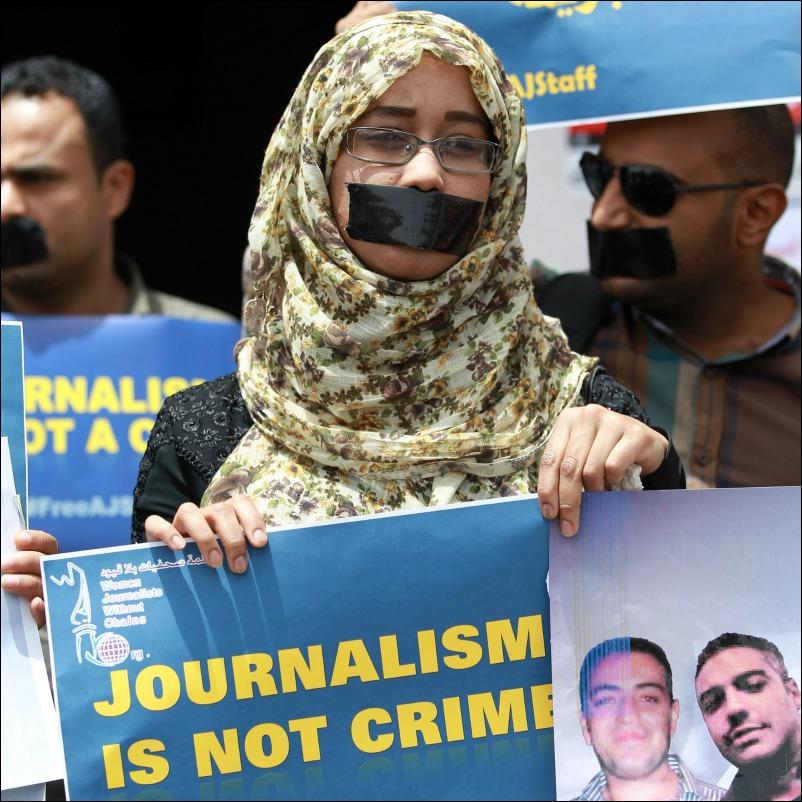
Jun 20, 2014
ISIS's Media Offensive, Online Death Threats, and What NPR Is (and Isn't)
ISIS's Twitter and television offensive, the effects of language on your morals, and what NPR is and what it isn't. On the Media is supported by listeners like you. Support OTM by donating today ( https://pledge.wnyc.org/support/otm ). Follow our show on Instagram , Twitter and Facebook @onthemedia, and share your thoughts with us by emailing onthemedia@wnyc.org.

Jun 13, 2014
The Bergdahl Controversy, The Slenderman Panic, and a Cantor Narrative
On the Media is supported by listeners like you. Support OTM by donating today (https://pledge.wnyc.org/support/otm). Follow our show on Instagram, Twitter and Facebook @onthemedia, and share your thoughts with us by emailing onthemedia@wnyc.org.
Jun 6, 2014
The Snowden Leaks One Year Later
Our fluctuating interest in Snowden and his leaks one year later, your digital life after death, and the viral photo fiction that changed Tom Cruise's career. On the Media is supported by listeners like you. Support OTM by donating today ( https://pledge.wnyc.org/support/otm ). Follow our show on Instagram , Twitter and Facebook @onthemedia, and share your thoughts with us by emailing onthemedia@wnyc.org.
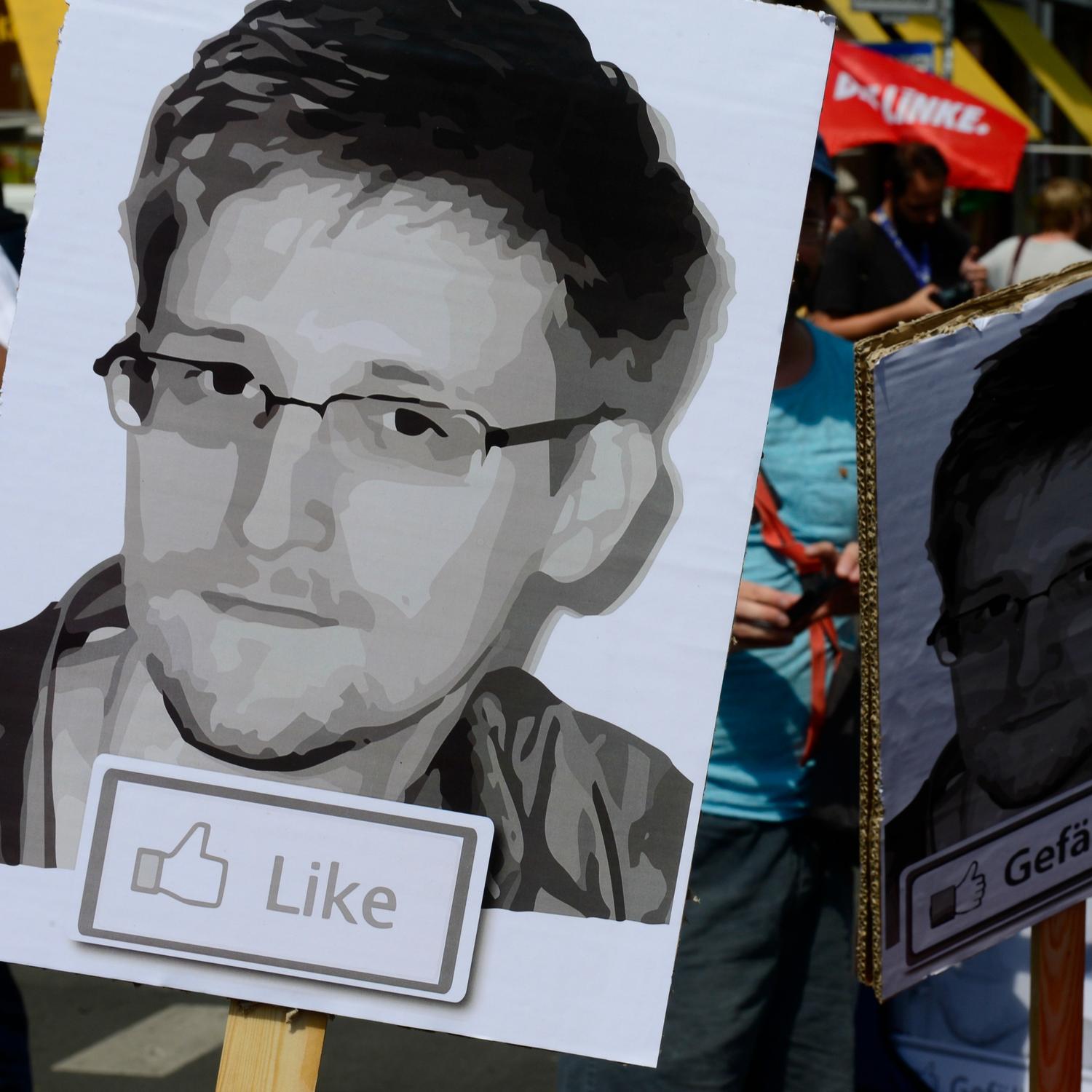
May 30, 2014
The Media after a Massacre, Amazon’s War, and Confessions of a Tabloid Hack
The eerie digital afterlife Elliot Rodger left behind, a former "tabloid hack" dishes about tabloids, and the brains behind #YesAllWomen On the Media is supported by listeners like you. Support OTM by donating today ( https://pledge.wnyc.org/support/otm ). Follow our show on Instagram , Twitter and Facebook @onthemedia, and share your thoughts with us by emailing onthemedia@wnyc.org.
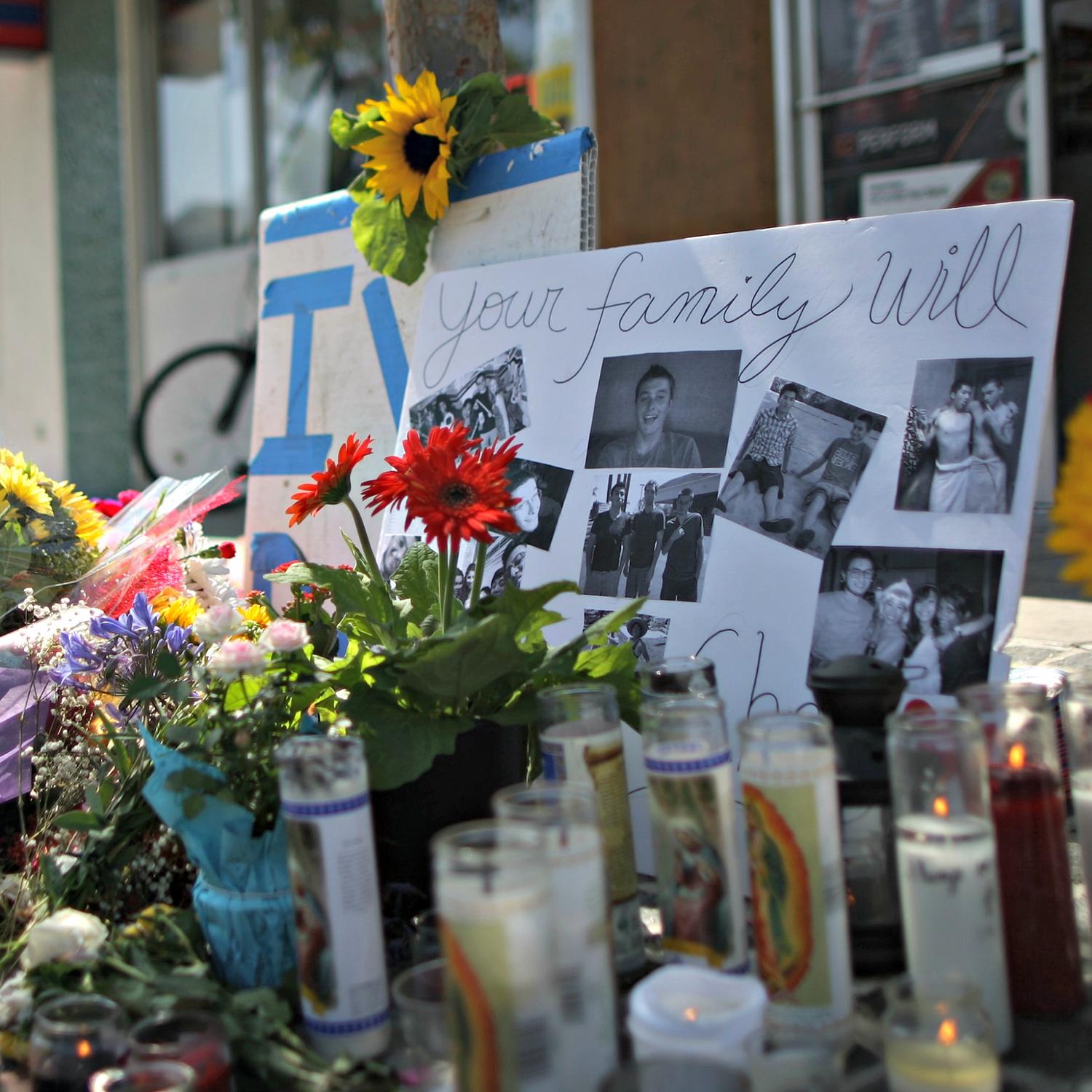
May 23, 2014
Experiencing Tragedy at the 9/11 Museum
On the Media is supported by listeners like you. Support OTM by donating today (https://pledge.wnyc.org/support/otm). Follow our show on Instagram, Twitter and Facebook @onthemedia, and share your thoughts with us by emailing onthemedia@wnyc.org.
May 16, 2014
Covering Nigeria, Russian Censorship, and More
On the Media is supported by listeners like you. Support OTM by donating today (https://pledge.wnyc.org/support/otm). Follow our show on Instagram, Twitter and Facebook @onthemedia, and share your thoughts with us by emailing onthemedia@wnyc.org.

May 12, 2014
TLDR Public Service Announcement
We've been getting reports of technical issues from TLDR fans. Apparently some people are accidentally following Alex Goldman on Twitter and then being deluged with a torrent of awful tweets about cats and boring cultural ephemera. This piece of audio includes steps for troubleshooting this problem, as well as musical accompaniment from Matt Farley. On the Media is supported by listeners like you. Support OTM by donating today ( https://pledge.wnyc.org/support/otm ). Follow our show on Instagram , Twitter and Facebook @onthemedia, and share your thoughts with us by emailing onthemedia@wnyc.org.
May 7, 2014
OTM Goes Inside Washington
On the Media is supported by listeners like you. Support OTM by donating today (https://pledge.wnyc.org/support/otm). Follow our show on Instagram, Twitter and Facebook @onthemedia, and share your thoughts with us by emailing onthemedia@wnyc.org.
May 2, 2014
Portraying Medicine: The Perils of Painting By Numbers
On the Media is supported by listeners like you. Support OTM by donating today (https://pledge.wnyc.org/support/otm). Follow our show on Instagram, Twitter and Facebook @onthemedia, and share your thoughts with us by emailing onthemedia@wnyc.org.

Apr 25, 2014
CNN's Malaysia Air Obsession, Bad Political Memoirs, and More
On the Media is supported by listeners like you. Support OTM by donating today (https://pledge.wnyc.org/support/otm). Follow our show on Instagram, Twitter and Facebook @onthemedia, and share your thoughts with us by emailing onthemedia@wnyc.org.
Apr 18, 2014
ROBOTS! (and artificial intelligence)
On the Media is supported by listeners like you. Support OTM by donating today (https://pledge.wnyc.org/support/otm). Follow our show on Instagram, Twitter and Facebook @onthemedia, and share your thoughts with us by emailing onthemedia@wnyc.org.

Apr 11, 2014
Attacking the Koch Brothers, Remembering Rwandan Genocide, and More
A fond farewell to Stephen Colbert's character, remembering the genocide in Rwanda 20 years ago, and a report on the skin lightening industry. On the Media is supported by listeners like you. Support OTM by donating today ( https://pledge.wnyc.org/support/otm ). Follow our show on Instagram , Twitter and Facebook @onthemedia, and share your thoughts with us by emailing onthemedia@wnyc.org.

Apr 4, 2014
Punishing Propagandists, Covering Climate Change, and More
On the Media is supported by listeners like you. Support OTM by donating today (https://pledge.wnyc.org/support/otm). Follow our show on Instagram, Twitter and Facebook @onthemedia, and share your thoughts with us by emailing onthemedia@wnyc.org.

Mar 28, 2014
Obamacare In Spanish, Cartographers vs. The World, and More
On the Media is supported by listeners like you. Support OTM by donating today (https://pledge.wnyc.org/support/otm). Follow our show on Instagram, Twitter and Facebook @onthemedia, and share your thoughts with us by emailing onthemedia@wnyc.org.

Mar 21, 2014
Cold War 2.0, The Guardians of the Internet, and More
On the Media is supported by listeners like you. Support OTM by donating today (https://pledge.wnyc.org/support/otm). Follow our show on Instagram, Twitter and Facebook @onthemedia, and share your thoughts with us by emailing onthemedia@wnyc.org.
Mar 14, 2014
Covering a missing airplane, Copyright in outer space, and more
On the Media is supported by listeners like you. Support OTM by donating today (https://pledge.wnyc.org/support/otm). Follow our show on Instagram, Twitter and Facebook @onthemedia, and share your thoughts with us by emailing onthemedia@wnyc.org.
Mar 7, 2014
The Crisis in Crimea, Dissent on Russia Today, Streaming Media and More
On the Media is supported by listeners like you. Support OTM by donating today (https://pledge.wnyc.org/support/otm). Follow our show on Instagram, Twitter and Facebook @onthemedia, and share your thoughts with us by emailing onthemedia@wnyc.org.

Feb 27, 2014
Secrecy at the Border
On the Media is supported by listeners like you. Support OTM by donating today (https://pledge.wnyc.org/support/otm). Follow our show on Instagram, Twitter and Facebook @onthemedia, and share your thoughts with us by emailing onthemedia@wnyc.org.
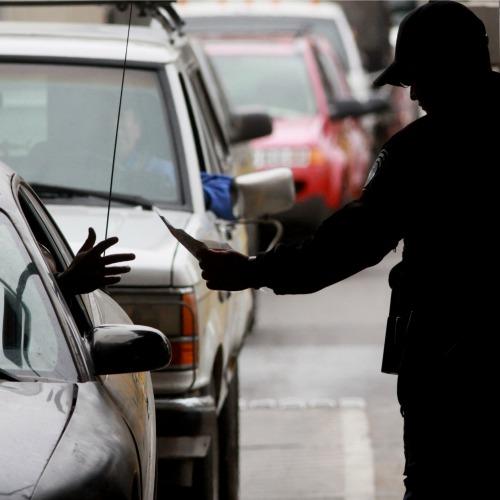
Feb 21, 2014
Protests in Ukraine, A Broadband Behemoth, and A Vile Rat
On the Media is supported by listeners like you. Support OTM by donating today (https://pledge.wnyc.org/support/otm). Follow our show on Instagram, Twitter and Facebook @onthemedia, and share your thoughts with us by emailing onthemedia@wnyc.org.
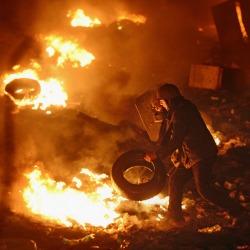
Feb 14, 2014
Bridgegate, Inside the TSA, Japan's Beethoven's Fall from Grace, and More
A look at Chris Christie's struggle to control his own narrative, an inside look into the TSA, and a musical scandal at the Olympics. On the Media is supported by listeners like you. Support OTM by donating today ( https://pledge.wnyc.org/support/otm ). Follow our show on Instagram , Twitter and Facebook @onthemedia, and share your thoughts with us by emailing onthemedia@wnyc.org.
Feb 7, 2014
Crushing Dissent in Sochi, Banning the R-Word, and More
A look at media dissent in Sochi, scrubbing the R-word from the Washington Redskins, and Game Theory on Jeopardy. On the Media is supported by listeners like you. Support OTM by donating today ( https://pledge.wnyc.org/support/otm ). Follow our show on Instagram , Twitter and Facebook @onthemedia, and share your thoughts with us by emailing onthemedia@wnyc.org.
Jan 31, 2014
The Media Crisis in Egypt, Instant Replay and More
A look at the deteriorating media environment in Egypt, bans on e-cigarettes, and the technology that allow s you to see those Super Bowl highlights over and over … and over. On the Media is supported by listeners like you. Support OTM by donating today ( https://pledge.wnyc.org/support/otm ). Follow our show on Instagram , Twitter and Facebook @onthemedia, and share your thoughts with us by emailing onthemedia@wnyc.org.

Jan 24, 2014
Snowden's Beliefs, Banning the word "Nazi" in Israel, and More
On the Media is supported by listeners like you. Support OTM by donating today (https://pledge.wnyc.org/support/otm). Follow our show on Instagram, Twitter and Facebook @onthemedia, and share your thoughts with us by emailing onthemedia@wnyc.org.
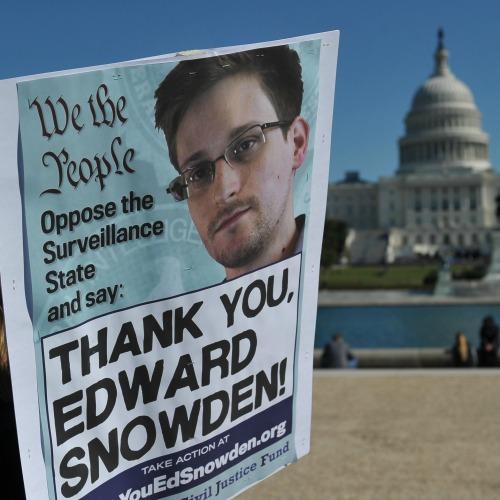
Jan 17, 2014
Obama’s NSA Surveillance Orders, the Uncertain Future of Net Neutrality, and more
On the Media is supported by listeners like you. Support OTM by donating today (https://pledge.wnyc.org/support/otm). Follow our show on Instagram, Twitter and Facebook @onthemedia, and share your thoughts with us by emailing onthemedia@wnyc.org.
Jan 10, 2014
The Myth of 'Blue Monday,' The Campaign for Creationism, and a Lying Cyborg Telemarketer
On the Media is supported by listeners like you. Support OTM by donating today (https://pledge.wnyc.org/support/otm). Follow our show on Instagram, Twitter and Facebook @onthemedia, and share your thoughts with us by emailing onthemedia@wnyc.org.

Jan 3, 2014
The Biggest Media Errors of 2013, the Never Ending Debate about Benghazi, and More
On the Media is supported by listeners like you. Support OTM by donating today (https://pledge.wnyc.org/support/otm). Follow our show on Instagram, Twitter and Facebook @onthemedia, and share your thoughts with us by emailing onthemedia@wnyc.org.
Dec 27, 2013
The Past, Present, and Future of Ownership
On the Media is supported by listeners like you. Support OTM by donating today (https://pledge.wnyc.org/support/otm). Follow our show on Instagram, Twitter and Facebook @onthemedia, and share your thoughts with us by emailing onthemedia@wnyc.org.
Dec 20, 2013
The NSA's PR Offensive, The State of Hyperlocal Reporting, and More
On the Media is supported by listeners like you. Support OTM by donating today (https://pledge.wnyc.org/support/otm). Follow our show on Instagram, Twitter and Facebook @onthemedia, and share your thoughts with us by emailing onthemedia@wnyc.org.
Dec 12, 2013
The Media Savvy Pope, Overblown "Selfie-Gate," and More
On the Media is supported by listeners like you. Support OTM by donating today (https://pledge.wnyc.org/support/otm). Follow our show on Instagram, Twitter and Facebook @onthemedia, and share your thoughts with us by emailing onthemedia@wnyc.org.
Dec 6, 2013
Covering the Newtown Shooting Anniversary, Fighting Revenge Porn, and More
On the Media is supported by listeners like you. Support OTM by donating today (https://pledge.wnyc.org/support/otm). Follow our show on Instagram, Twitter and Facebook @onthemedia, and share your thoughts with us by emailing onthemedia@wnyc.org.
Nov 21, 2013
Economics of Thanksgiving Dinner, Going Viral Pre-Internet, and More
On the Media is supported by listeners like you. Support OTM by donating today (https://pledge.wnyc.org/support/otm). Follow our show on Instagram, Twitter and Facebook @onthemedia, and share your thoughts with us by emailing onthemedia@wnyc.org.

Nov 20, 2013
Inside NFL Football, The Journalist Behind Jackie Robinson, and More
On the Media is supported by listeners like you. Support OTM by donating today (https://pledge.wnyc.org/support/otm). Follow our show on Instagram, Twitter and Facebook @onthemedia, and share your thoughts with us by emailing onthemedia@wnyc.org.

Nov 15, 2013
Premature Predictions for 2016, Guns as Free Speech, and More
On the Media is supported by listeners like you. Support OTM by donating today (https://pledge.wnyc.org/support/otm). Follow our show on Instagram, Twitter and Facebook @onthemedia, and share your thoughts with us by emailing onthemedia@wnyc.org.
Nov 8, 2013
Murdoch's Media Empire, NFL Bullying and More
On the Media is supported by listeners like you. Support OTM by donating today (https://pledge.wnyc.org/support/otm). Follow our show on Instagram, Twitter and Facebook @onthemedia, and share your thoughts with us by emailing onthemedia@wnyc.org.
Oct 31, 2013
Misleading Obamacare Promises, The Original 'Nigerian' Scam Letter, and More
The media start challenging Obama's "you can keep it" promise about health care, a man who challenged hackers to hack him, and a predecessor to "Nigerian" scam emails. On the Media is supported by listeners like you. Support OTM by donating today (https://pledge.wnyc.org/support/otm). Follow our show on Instagram, Twitter and Facebook @onthemedia, and share your thoughts with us by emailing onthemedia@wnyc.org.
Oct 11, 2013
A Major Data Breach, the Media Spotlight on Victims of Tragedy, and More
On the Media is supported by listeners like you. Support OTM by donating today (https://pledge.wnyc.org/support/otm). Follow our show on Instagram, Twitter and Facebook @onthemedia, and share your thoughts with us by emailing onthemedia@wnyc.org.
Oct 11, 2013
The Government Shutdown's Damage, Brooke's DNA, and More
On the Media is supported by listeners like you. Support OTM by donating today (https://pledge.wnyc.org/support/otm). Follow our show on Instagram, Twitter and Facebook @onthemedia, and share your thoughts with us by emailing onthemedia@wnyc.org.
Oct 11, 2013
Obama and the Press, a Wikileaks movie, and Brooke Talks with an iPhone.
On the Media is supported by listeners like you. Support OTM by donating today (https://pledge.wnyc.org/support/otm). Follow our show on Instagram, Twitter and Facebook @onthemedia, and share your thoughts with us by emailing onthemedia@wnyc.org.
Oct 4, 2013
Coverage of the Government Shutdown, Tweeting TV Audiences, and More
On the Media is supported by listeners like you. Support OTM by donating today (https://pledge.wnyc.org/support/otm). Follow our show on Instagram, Twitter and Facebook @onthemedia, and share your thoughts with us by emailing onthemedia@wnyc.org.
Sep 27, 2013
Obamacare Messaging, Fake Reviews Online, and More
On the Media is supported by listeners like you. Support OTM by donating today (https://pledge.wnyc.org/support/otm). Follow our show on Instagram, Twitter and Facebook @onthemedia, and share your thoughts with us by emailing onthemedia@wnyc.org.

Sep 19, 2013
Breaking News Consumer's Handbook, Detainment at US Borders, and More
Earlier this month, OTM producer Sarah Abdurrahman, her family, and her friends were detained for hours by US Customs and Border Protection on their way home from Canada. On the Media is supported by listeners like you. Support OTM by donating today (https://pledge.wnyc.org/support/otm). Follow our show on Instagram, Twitter and Facebook @onthemedia, and share your thoughts with us by emailing onthemedia@wnyc.org.

Sep 12, 2013
Battling media narratives over Syria, a terrible anniversary, and more
On the Media is supported by listeners like you. Support OTM by donating today (https://pledge.wnyc.org/support/otm). Follow our show on Instagram, Twitter and Facebook @onthemedia, and share your thoughts with us by emailing onthemedia@wnyc.org.
Sep 6, 2013
Syria Coverage, Nazi Collaborations with Hollywood, and More
On the Media is supported by listeners like you. Support OTM by donating today (https://pledge.wnyc.org/support/otm). Follow our show on Instagram, Twitter and Facebook @onthemedia, and share your thoughts with us by emailing onthemedia@wnyc.org.
Aug 30, 2013
Who’s gonna pay for this stuff?
On the Media is supported by listeners like you. Support OTM by donating today (https://pledge.wnyc.org/support/otm). Follow our show on Instagram, Twitter and Facebook @onthemedia, and share your thoughts with us by emailing onthemedia@wnyc.org.
Aug 20, 2013
The Importance of Foreign Reporting
On the Media is supported by listeners like you. Support OTM by donating today (https://pledge.wnyc.org/support/otm). Follow our show on Instagram, Twitter and Facebook @onthemedia, and share your thoughts with us by emailing onthemedia@wnyc.org.
Aug 9, 2013
Bezos Buys the Washington Post, and Why Jerks Make the Best TV, and More
Amazon founder Jeff Bezos buys the Washington Post, and the story of the (incredibly) difficult men behind the golden age of television. On the Media is supported by listeners like you. Support OTM by donating today (https://pledge.wnyc.org/support/otm). Follow our show on Instagram, Twitter and Facebook @onthemedia, and share your thoughts with us by emailing onthemedia@wnyc.org.
Jul 11, 2013
A New Security Standard For Journalists, Al Jazeera America, and More
On the Media is supported by listeners like you. Support OTM by donating today (https://pledge.wnyc.org/support/otm). Follow our show on Instagram, Twitter and Facebook @onthemedia, and share your thoughts with us by emailing onthemedia@wnyc.org.
Jul 5, 2013
Portraying Medicine: The Perils of Painting By Numbers
On the Media is supported by listeners like you. Support OTM by donating today (https://pledge.wnyc.org/support/otm). Follow our show on Instagram, Twitter and Facebook @onthemedia, and share your thoughts with us by emailing onthemedia@wnyc.org.
Jun 28, 2013
Public Opinion on Gay Marriage, America's Most Notorious Gangster, and More
On the Media is supported by listeners like you. Support OTM by donating today (https://pledge.wnyc.org/support/otm). Follow our show on Instagram, Twitter and Facebook @onthemedia, and share your thoughts with us by emailing onthemedia@wnyc.org.
Jun 28, 2013
Aftermath of the Zimmerman Verdict, American Propaganda, and More
Discussions of race following George Zimmerman's acquittal, anti-vaccine activist Jenny McCarthy joins "The View," and American propaganda allowed stateside. On the Media is supported by listeners like you. Support OTM by donating today (https://pledge.wnyc.org/support/otm). Follow our show on Instagram, Twitter and Facebook @onthemedia, and share your thoughts with us by emailing onthemedia@wnyc.org.
Jun 28, 2013
Another Weiner Scandal, Opting in to Watch Porn, and More
On the Media is supported by listeners like you. Support OTM by donating today (https://pledge.wnyc.org/support/otm). Follow our show on Instagram, Twitter and Facebook @onthemedia, and share your thoughts with us by emailing onthemedia@wnyc.org.
Jun 28, 2013
Calling a Coup a Coup, The George Zimmerman Trial and More
On the Media is supported by listeners like you. Support OTM by donating today (https://pledge.wnyc.org/support/otm). Follow our show on Instagram, Twitter and Facebook @onthemedia, and share your thoughts with us by emailing onthemedia@wnyc.org.
Jun 28, 2013
This week in national security, unpaid internships in the media, and more
On the Media is supported by listeners like you. Support OTM by donating today (https://pledge.wnyc.org/support/otm). Follow our show on Instagram, Twitter and Facebook @onthemedia, and share your thoughts with us by emailing onthemedia@wnyc.org.
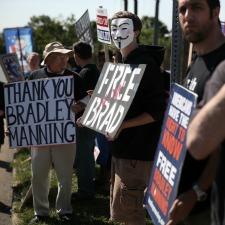
Jun 21, 2013
Calling for a National Conversation, Offshore Leaks, and More
On the Media is supported by listeners like you. Support OTM by donating today (https://pledge.wnyc.org/support/otm). Follow our show on Instagram, Twitter and Facebook @onthemedia, and share your thoughts with us by emailing onthemedia@wnyc.org.
Jun 14, 2013
The Edward Snowden Narrative, Privacy vs. Convenience, and More
The media's turn from the value of Edward Snowden's leaks to the nature of his character, the evolving story of the PRISM program, and privacy in the age of the internet. On the Media is supported by listeners like you. Support OTM by donating today (https://pledge.wnyc.org/support/otm). Follow our show on Instagram, Twitter and Facebook @onthemedia, and share your thoughts with us by emailing onthemedia@wnyc.org.
Jun 7, 2013
Surveillance Revelations, Turkish Media Looks Away, and More
On the Media is supported by listeners like you. Support OTM by donating today (https://pledge.wnyc.org/support/otm). Follow our show on Instagram, Twitter and Facebook @onthemedia, and share your thoughts with us by emailing onthemedia@wnyc.org.
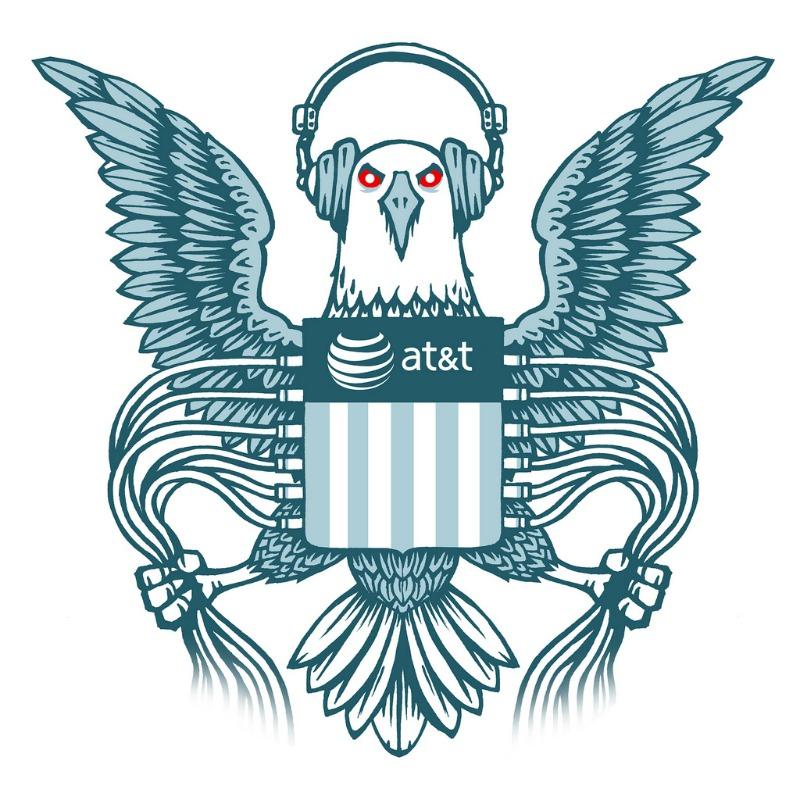
May 31, 2013
Broadcasting the Woolwich Video, George Plimpton's Legacy and More
On the Media is supported by listeners like you. Support OTM by donating today (https://pledge.wnyc.org/support/otm). Follow our show on Instagram, Twitter and Facebook @onthemedia, and share your thoughts with us by emailing onthemedia@wnyc.org.
May 24, 2013
A Week of Scandals, Catholic Whistleblowers, and More
On the Media is supported by listeners like you. Support OTM by donating today (https://pledge.wnyc.org/support/otm). Follow our show on Instagram, Twitter and Facebook @onthemedia, and share your thoughts with us by emailing onthemedia@wnyc.org.
May 17, 2013
Conservative Bloggers Vindicated, Advice for Leakers, and More
On the Media is supported by listeners like you. Support OTM by donating today (https://pledge.wnyc.org/support/otm). Follow our show on Instagram, Twitter and Facebook @onthemedia, and share your thoughts with us by emailing onthemedia@wnyc.org.
May 10, 2013
Who’s gonna pay for this stuff?
On the Media is supported by listeners like you. Support OTM by donating today (https://pledge.wnyc.org/support/otm). Follow our show on Instagram, Twitter and Facebook @onthemedia, and share your thoughts with us by emailing onthemedia@wnyc.org.
May 3, 2013
Jason Collins Comes Out, Patenting Genes And More
On the Media is supported by listeners like you. Support OTM by donating today (https://pledge.wnyc.org/support/otm). Follow our show on Instagram, Twitter and Facebook @onthemedia, and share your thoughts with us by emailing onthemedia@wnyc.org.
Apr 26, 2013
Surveillance After The Marathon Bombing, The Kill Team and More
On the Media is supported by listeners like you. Support OTM by donating today (https://pledge.wnyc.org/support/otm). Follow our show on Instagram, Twitter and Facebook @onthemedia, and share your thoughts with us by emailing onthemedia@wnyc.org.
Apr 19, 2013
Coverage Of The Boston Bombing, Undercover Reporting, and MORE
On the Media is supported by listeners like you. Support OTM by donating today (https://pledge.wnyc.org/support/otm). Follow our show on Instagram, Twitter and Facebook @onthemedia, and share your thoughts with us by emailing onthemedia@wnyc.org.

Apr 12, 2013
Gun Anecdotes, What To Know about the Avian Flu, and Grindr.
On the Media is supported by listeners like you. Support OTM by donating today (https://pledge.wnyc.org/support/otm). Follow our show on Instagram, Twitter and Facebook @onthemedia, and share your thoughts with us by emailing onthemedia@wnyc.org.

Apr 5, 2013
The Future Of Egyptian Media, the Bitcoin Bubble, and More
On the Media is supported by listeners like you. Support OTM by donating today (https://pledge.wnyc.org/support/otm). Follow our show on Instagram, Twitter and Facebook @onthemedia, and share your thoughts with us by emailing onthemedia@wnyc.org.
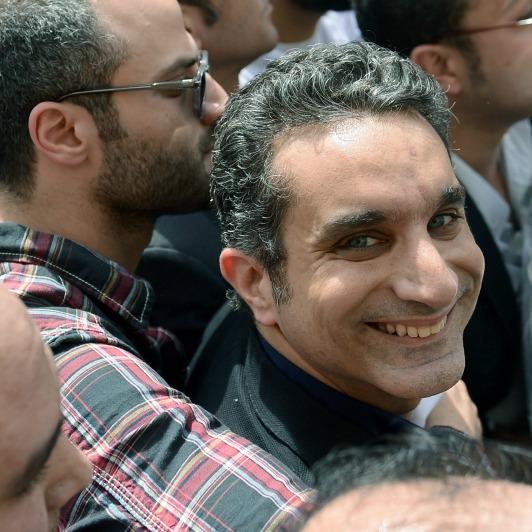
Mar 22, 2013
Rape coverage after Steubenville, the false promise of the personal finance industry and more.
On the Media is supported by listeners like you. Support OTM by donating today (https://pledge.wnyc.org/support/otm). Follow our show on Instagram, Twitter and Facebook @onthemedia, and share your thoughts with us by emailing onthemedia@wnyc.org.
Mar 15, 2013
10 Years After The Iraq War and Big Threat to Whistleblowers
On the Media is supported by listeners like you. Support OTM by donating today (https://pledge.wnyc.org/support/otm). Follow our show on Instagram, Twitter and Facebook @onthemedia, and share your thoughts with us by emailing onthemedia@wnyc.org.

Mar 8, 2013
The Past, Present, and Future of Ownership
On the Media is supported by listeners like you. Support OTM by donating today (https://pledge.wnyc.org/support/otm). Follow our show on Instagram, Twitter and Facebook @onthemedia, and share your thoughts with us by emailing onthemedia@wnyc.org.
Feb 28, 2013
Frustration in the White House Press Corps and More
On the Media is supported by listeners like you. Support OTM by donating today (https://pledge.wnyc.org/support/otm). Follow our show on Instagram, Twitter and Facebook @onthemedia, and share your thoughts with us by emailing onthemedia@wnyc.org.
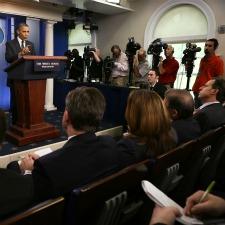
Feb 22, 2013
The Latest Federal Budget Crisis, Predicting the Oscars, and More
On the Media is supported by listeners like you. Support OTM by donating today (https://pledge.wnyc.org/support/otm). Follow our show on Instagram, Twitter and Facebook @onthemedia, and share your thoughts with us by emailing onthemedia@wnyc.org.

Feb 15, 2013
Truman Capote's Lies, Cybersecurity and More
On the Media is supported by listeners like you. Support OTM by donating today (https://pledge.wnyc.org/support/otm). Follow our show on Instagram, Twitter and Facebook @onthemedia, and share your thoughts with us by emailing onthemedia@wnyc.org.

Feb 8, 2013
The First Viral Video, New Drone Disclosures, and Reclaiming the Word Jihad.
On the Media is supported by listeners like you. Support OTM by donating today (https://pledge.wnyc.org/support/otm). Follow our show on Instagram, Twitter and Facebook @onthemedia, and share your thoughts with us by emailing onthemedia@wnyc.org.
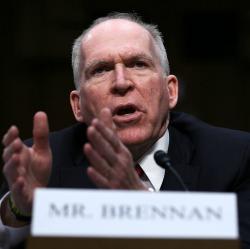
Feb 1, 2013
Hacking the New York Times, Tweeting Revolutions, and More
On the Media is supported by listeners like you. Support OTM by donating today (https://pledge.wnyc.org/support/otm). Follow our show on Instagram, Twitter and Facebook @onthemedia, and share your thoughts with us by emailing onthemedia@wnyc.org.
Jan 25, 2013
The Church of Scientology, Facebook Goes Searching, and More
On the Media is supported by listeners like you. Support OTM by donating today (https://pledge.wnyc.org/support/otm). Follow our show on Instagram, Twitter and Facebook @onthemedia, and share your thoughts with us by emailing onthemedia@wnyc.org.

Jan 18, 2013
Violent Video Games, Lying Athletes, and More
On the Media is supported by listeners like you. Support OTM by donating today (https://pledge.wnyc.org/support/otm). Follow our show on Instagram, Twitter and Facebook @onthemedia, and share your thoughts with us by emailing onthemedia@wnyc.org.
Jan 11, 2013
Mapping Gun Owners, International Journalists Fight Censorship, and More
On the Media is supported by listeners like you. Support OTM by donating today (https://pledge.wnyc.org/support/otm). Follow our show on Instagram, Twitter and Facebook @onthemedia, and share your thoughts with us by emailing onthemedia@wnyc.org.

Dec 21, 2012
The Television Show!
On the Media is supported by listeners like you. Support OTM by donating today (https://pledge.wnyc.org/support/otm). Follow our show on Instagram, Twitter and Facebook @onthemedia, and share your thoughts with us by emailing onthemedia@wnyc.org.
Dec 21, 2012
The Surprising History of Gun Control, School Shooting Myths, and More
On the Media is supported by listeners like you. Support OTM by donating today (https://pledge.wnyc.org/support/otm). Follow our show on Instagram, Twitter and Facebook @onthemedia, and share your thoughts with us by emailing onthemedia@wnyc.org.
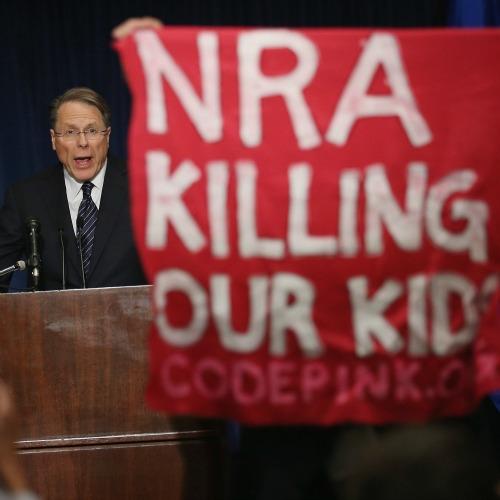
Dec 21, 2012
The Privacy Show
A special hour on privacy - license plate readers, national security letters, surveilling yourself so the government doesn't have to, and OTM producer Sarah Abdurrahman on just how much we misunderstand our privacy online. On the Media is supported by listeners like you. Support OTM by donating today ( https://pledge.wnyc.org/support/otm ). Follow our show on Instagram , Twitter and Facebook @onthemedia, and share your thoughts with us by emailing onthemedia@wnyc.org.
Dec 14, 2012
Depictions of Torture in "Zero Dark Thirty," John McAfee's Media Manipulations, and More
On the Media is supported by listeners like you. Support OTM by donating today (https://pledge.wnyc.org/support/otm). Follow our show on Instagram, Twitter and Facebook @onthemedia, and share your thoughts with us by emailing onthemedia@wnyc.org.
Dec 7, 2012
Photographing Tragedy, the Risk of Killer Robots, and More
On the Media is supported by listeners like you. Support OTM by donating today (https://pledge.wnyc.org/support/otm). Follow our show on Instagram, Twitter and Facebook @onthemedia, and share your thoughts with us by emailing onthemedia@wnyc.org.

Nov 30, 2012
A Stolen Face, The Leveson Report, and More
On the Media is supported by listeners like you. Support OTM by donating today (https://pledge.wnyc.org/support/otm). Follow our show on Instagram, Twitter and Facebook @onthemedia, and share your thoughts with us by emailing onthemedia@wnyc.org.
Nov 19, 2012
Publishing: Adapt or Die
On the Media's annual look at the publishing industry, including fears of Amazon becoming a monopoly and the little publishing house standing up to it. On the Media is supported by listeners like you. Support OTM by donating today (https://pledge.wnyc.org/support/otm). Follow our show on Instagram, Twitter and Facebook @onthemedia, and share your thoughts with us by emailing onthemedia@wnyc.org.

Nov 16, 2012
Seduced by Petraeus, Israel's Twitter Offensive, and More
On the Media is supported by listeners like you. Support OTM by donating today (https://pledge.wnyc.org/support/otm). Follow our show on Instagram, Twitter and Facebook @onthemedia, and share your thoughts with us by emailing onthemedia@wnyc.org.

Nov 9, 2012
Assessing Obama's First Term, Covering China's 'Election,' and More
On the Media is supported by listeners like you. Support OTM by donating today (https://pledge.wnyc.org/support/otm). Follow our show on Instagram, Twitter and Facebook @onthemedia, and share your thoughts with us by emailing onthemedia@wnyc.org.
Nov 2, 2012
Misinformation Around Sandy, Calling the Election, and More
On the Media is supported by listeners like you. Support OTM by donating today (https://pledge.wnyc.org/support/otm). Follow our show on Instagram, Twitter and Facebook @onthemedia, and share your thoughts with us by emailing onthemedia@wnyc.org.

Oct 26, 2012
The Facebook Show
An Austrian man who got Facebook to give him everything they had on him, a writer whose rapist friended her on Facebook, the value of a "Like." On the Media is supported by listeners like you. Support OTM by donating today (https://pledge.wnyc.org/support/otm). Follow our show on Instagram, Twitter and Facebook @onthemedia, and share your thoughts with us by emailing onthemedia@wnyc.org.

Oct 19, 2012
The Taliban's Media Problem, Ending Newspaper Political Endorsements, and More
On the Media is supported by listeners like you. Support OTM by donating today (https://pledge.wnyc.org/support/otm). Follow our show on Instagram, Twitter and Facebook @onthemedia, and share your thoughts with us by emailing onthemedia@wnyc.org.

Oct 12, 2012
All About Elections
On the Media is supported by listeners like you. Support OTM by donating today (https://pledge.wnyc.org/support/otm). Follow our show on Instagram, Twitter and Facebook @onthemedia, and share your thoughts with us by emailing onthemedia@wnyc.org.
Oct 5, 2012
Anatomy of a Publicity Stunt, The Problem with 'Muslim Rage', and more
On the Media is supported by listeners like you. Support OTM by donating today (https://pledge.wnyc.org/support/otm). Follow our show on Instagram, Twitter and Facebook @onthemedia, and share your thoughts with us by emailing onthemedia@wnyc.org.
Sep 28, 2012
Russia's Broadening Definition of Treason, Manipulating Science Journalists, and More
On the Media is supported by listeners like you. Support OTM by donating today (https://pledge.wnyc.org/support/otm). Follow our show on Instagram, Twitter and Facebook @onthemedia, and share your thoughts with us by emailing onthemedia@wnyc.org.
Sep 21, 2012
Just The Facts, Please
This week's show is dedicated to the search for truth. Or, in journalism terms, fact-checking. On the Media is supported by listeners like you. Support OTM by donating today (https://pledge.wnyc.org/support/otm). Follow our show on Instagram, Twitter and Facebook @onthemedia, and share your thoughts with us by emailing onthemedia@wnyc.org.
Sep 7, 2012
Covering Conventions, the Legacy of Sun Myung Moon, and More
On the Media is supported by listeners like you. Support OTM by donating today (https://pledge.wnyc.org/support/otm). Follow our show on Instagram, Twitter and Facebook @onthemedia, and share your thoughts with us by emailing onthemedia@wnyc.org.
Sep 6, 2012
Does NPR Have a Liberal Bias?
Brooke talks to NPR listeners, pollsters, media watchers, and This American Life's Ira Glass in search of an answer to the question: does NPR have a liberal bias? On the Media is supported by listeners like you. Support OTM by donating today (https://pledge.wnyc.org/support/otm). Follow our show on Instagram, Twitter and Facebook @onthemedia, and share your thoughts with us by emailing onthemedia@wnyc.org.
Aug 31, 2012
Fact-Checkers in the Spotlight, Why Nigerian Prince Scams Work, And More.
On the Media is supported by listeners like you. Support OTM by donating today (https://pledge.wnyc.org/support/otm). Follow our show on Instagram, Twitter and Facebook @onthemedia, and share your thoughts with us by emailing onthemedia@wnyc.org.
Aug 24, 2012
No More Tailoring Political Messages, Communicating the Libyan Revolution, and More
On the Media is supported by listeners like you. Support OTM by donating today (https://pledge.wnyc.org/support/otm). Follow our show on Instagram, Twitter and Facebook @onthemedia, and share your thoughts with us by emailing onthemedia@wnyc.org.

Aug 17, 2012
Ayn Rand's Political Influence, Presidential Political Ad Season, and More
On the Media is supported by listeners like you. Support OTM by donating today (https://pledge.wnyc.org/support/otm). Follow our show on Instagram, Twitter and Facebook @onthemedia, and share your thoughts with us by emailing onthemedia@wnyc.org.
Aug 10, 2012
Losing Everything to Hackers, the Pussy Riot Trial and More
On the Media is supported by listeners like you. Support OTM by donating today (https://pledge.wnyc.org/support/otm). Follow our show on Instagram, Twitter and Facebook @onthemedia, and share your thoughts with us by emailing onthemedia@wnyc.org.

Aug 3, 2012
NBC's Olympics Woes, Posthumous Outing, and More
Criticism for how NBC is broadcasting the Olympics, the difference between venture capital and private equity, and revealing a public person's sexual orientation after death On the Media is supported by listeners like you. Support OTM by donating today (https://pledge.wnyc.org/support/otm). Follow our show on Instagram, Twitter and Facebook @onthemedia, and share your thoughts with us by emailing onthemedia@wnyc.org.

Jul 27, 2012
Olympic Branding Police, Confessions of a Media Manipulator, and More
On the Media is supported by listeners like you. Support OTM by donating today (https://pledge.wnyc.org/support/otm). Follow our show on Instagram, Twitter and Facebook @onthemedia, and share your thoughts with us by emailing onthemedia@wnyc.org.
Jul 20, 2012
Richard Nixon: Transparency Champion, Endangered Sounds, and more
On the Media is supported by listeners like you. Support OTM by donating today (https://pledge.wnyc.org/support/otm). Follow our show on Instagram, Twitter and Facebook @onthemedia, and share your thoughts with us by emailing onthemedia@wnyc.org.
Jul 13, 2012
Romney's Bain Departure Date, E-books That Read You, And More...
On the Media is supported by listeners like you. Support OTM by donating today (https://pledge.wnyc.org/support/otm). Follow our show on Instagram, Twitter and Facebook @onthemedia, and share your thoughts with us by emailing onthemedia@wnyc.org.
Jul 6, 2012
CNN's Big Mistake, Buzzfeed's Big Success and More
On the Media is supported by listeners like you. Support OTM by donating today (https://pledge.wnyc.org/support/otm). Follow our show on Instagram, Twitter and Facebook @onthemedia, and share your thoughts with us by emailing onthemedia@wnyc.org.

Jun 29, 2012
The Data Show
Data. We’re awash in it, we make it, we save it, computers crunch it at an unprecedented rate. Radiolab’s Jad Abumrad talks with Brooke about how data inform us and can lead us astray. On the Media is supported by listeners like you. Support OTM by donating today ( https://pledge.wnyc.org/support/otm ). Follow our show on Instagram , Twitter and Facebook @onthemedia, and share your thoughts with us by emailing onthemedia@wnyc.org.
Jun 22, 2012
Mexican Media: Es Muy Complicado
On the Media is supported by listeners like you. Support OTM by donating today (https://pledge.wnyc.org/support/otm). Follow our show on Instagram, Twitter and Facebook @onthemedia, and share your thoughts with us by emailing onthemedia@wnyc.org.
Jun 15, 2012
Public Relations for Dictators, Photographing Death, and More
On the Media is supported by listeners like you. Support OTM by donating today (https://pledge.wnyc.org/support/otm). Follow our show on Instagram, Twitter and Facebook @onthemedia, and share your thoughts with us by emailing onthemedia@wnyc.org.
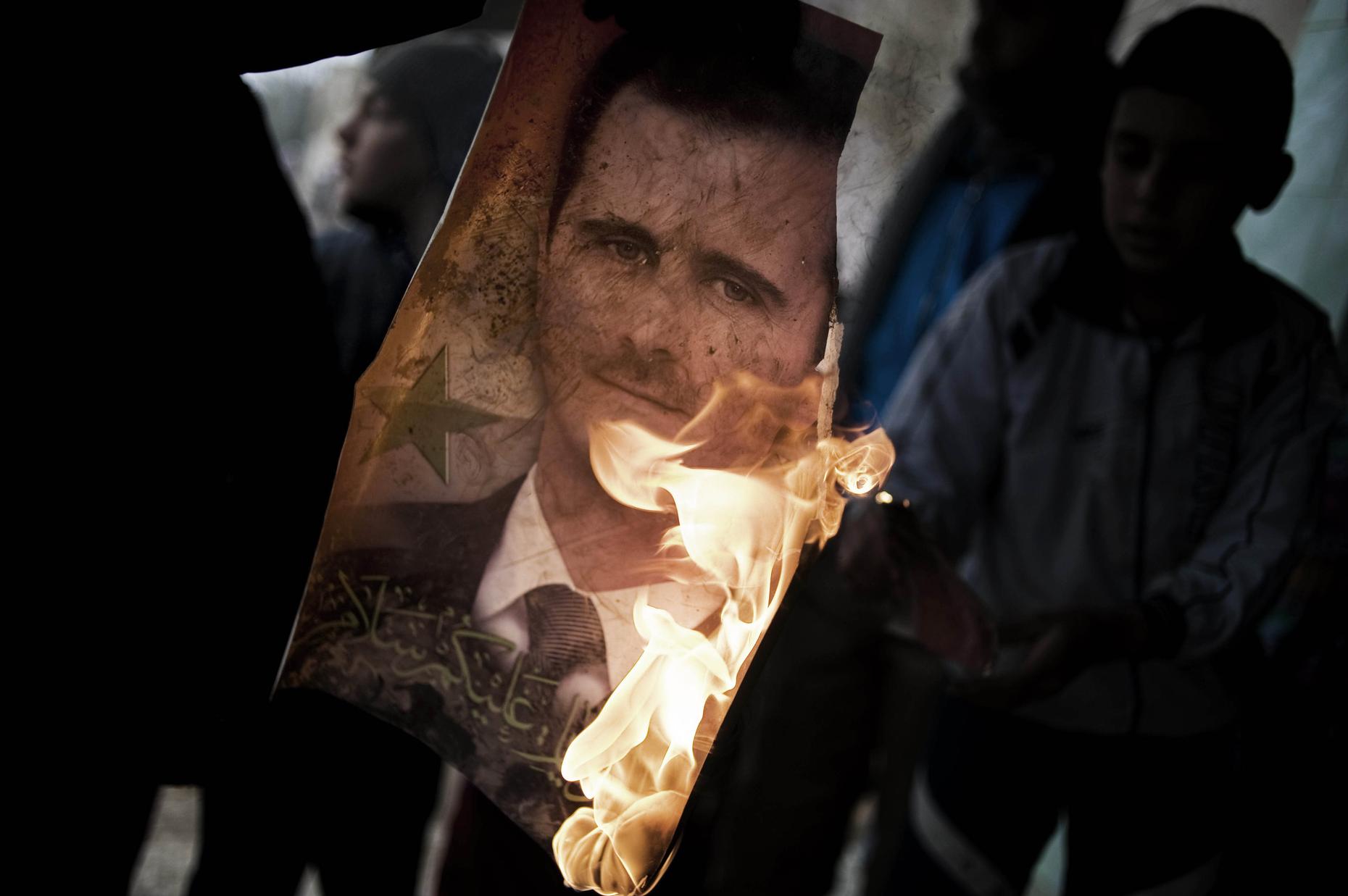
Jun 8, 2012
Drone 'Secrets,' The Right To Petition, and Ray Bradbury
On the Media is supported by listeners like you. Support OTM by donating today (https://pledge.wnyc.org/support/otm). Follow our show on Instagram, Twitter and Facebook @onthemedia, and share your thoughts with us by emailing onthemedia@wnyc.org.

Jun 1, 2012
Tallying Civilian Drone Casualties, China's Influence on Hollywood, and More
On the Media is supported by listeners like you. Support OTM by donating today (https://pledge.wnyc.org/support/otm). Follow our show on Instagram, Twitter and Facebook @onthemedia, and share your thoughts with us by emailing onthemedia@wnyc.org.
May 25, 2012
Television's Trying Times
On the Media is supported by listeners like you. Support OTM by donating today (https://pledge.wnyc.org/support/otm). Follow our show on Instagram, Twitter and Facebook @onthemedia, and share your thoughts with us by emailing onthemedia@wnyc.org.
May 18, 2012
Phone Calls in the Age of the Text Message, A New Speech Law in Libya, and More
On the Media is supported by listeners like you. Support OTM by donating today (https://pledge.wnyc.org/support/otm). Follow our show on Instagram, Twitter and Facebook @onthemedia, and share your thoughts with us by emailing onthemedia@wnyc.org.

May 11, 2012
Obama's Historic Statement, the False Statistic on "Boomerang" Kids, and More
On the Media is supported by listeners like you. Support OTM by donating today (https://pledge.wnyc.org/support/otm). Follow our show on Instagram, Twitter and Facebook @onthemedia, and share your thoughts with us by emailing onthemedia@wnyc.org.
May 4, 2012
Political Misdirection, A Raid on Palestinian TV, and More
On the Media is supported by listeners like you. Support OTM by donating today (https://pledge.wnyc.org/support/otm). Follow our show on Instagram, Twitter and Facebook @onthemedia, and share your thoughts with us by emailing onthemedia@wnyc.org.
Apr 27, 2012
The Ongoing Impact of Kony 2012, Fact Checking Gossip and More
On the Media is supported by listeners like you. Support OTM by donating today (https://pledge.wnyc.org/support/otm). Follow our show on Instagram, Twitter and Facebook @onthemedia, and share your thoughts with us by emailing onthemedia@wnyc.org.
Apr 20, 2012
Publishing: Adapt or Die
On the Media is supported by listeners like you. Support OTM by donating today (https://pledge.wnyc.org/support/otm). Follow our show on Instagram, Twitter and Facebook @onthemedia, and share your thoughts with us by emailing onthemedia@wnyc.org.
Apr 13, 2012
Reporting in North Korea, Open Season for Political Scandals, and More
On the Media is supported by listeners like you. Support OTM by donating today (https://pledge.wnyc.org/support/otm). Follow our show on Instagram, Twitter and Facebook @onthemedia, and share your thoughts with us by emailing onthemedia@wnyc.org.
Apr 9, 2012
Culture and the Courts, The Legacy of Rand Paul's Filibuster, and More
On the Media is supported by listeners like you. Support OTM by donating today (https://pledge.wnyc.org/support/otm). Follow our show on Instagram, Twitter and Facebook @onthemedia, and share your thoughts with us by emailing onthemedia@wnyc.org.

Apr 6, 2012
Obama's Lesson for the Media, the First Cell Phone Call, and More
On the Media is supported by listeners like you. Support OTM by donating today (https://pledge.wnyc.org/support/otm). Follow our show on Instagram, Twitter and Facebook @onthemedia, and share your thoughts with us by emailing onthemedia@wnyc.org.

Mar 30, 2012
Obamacare at the Supreme Court, Speculating about Trayvon Martin, and More
The mainstreaming of the constitutional argument against Obamacare, speculating about Trayvon Martin and George Zimmerman, and controversial programming on National Geographic On the Media is supported by listeners like you. Support OTM by donating today (https://pledge.wnyc.org/support/otm). Follow our show on Instagram, Twitter and Facebook @onthemedia, and share your thoughts with us by emailing onthemedia@wnyc.org.
Mar 23, 2012
Trayvon Martin, Divorcing Google, and More
On the Media is supported by listeners like you. Support OTM by donating today (https://pledge.wnyc.org/support/otm). Follow our show on Instagram, Twitter and Facebook @onthemedia, and share your thoughts with us by emailing onthemedia@wnyc.org.
Mar 16, 2012
Kony 2012 Backlash, Graphic Anti-Smoking Ads, and More
On the Media is supported by listeners like you. Support OTM by donating today (https://pledge.wnyc.org/support/otm). Follow our show on Instagram, Twitter and Facebook @onthemedia, and share your thoughts with us by emailing onthemedia@wnyc.org.
Mar 9, 2012
Tracking Pundit Predictions, Correcting Wikipedia, and More
On the Media is supported by listeners like you. Support OTM by donating today (https://pledge.wnyc.org/support/otm). Follow our show on Instagram, Twitter and Facebook @onthemedia, and share your thoughts with us by emailing onthemedia@wnyc.org.
Mar 2, 2012
Rocking the Vote in Iran, Faking Sounds of Violence in Movies, and More
On the Media is supported by listeners like you. Support OTM by donating today (https://pledge.wnyc.org/support/otm). Follow our show on Instagram, Twitter and Facebook @onthemedia, and share your thoughts with us by emailing onthemedia@wnyc.org.
Feb 24, 2012
Reporting from Syria, the lifespan of a fact, and More
On the Media is supported by listeners like you. Support OTM by donating today (https://pledge.wnyc.org/support/otm). Follow our show on Instagram, Twitter and Facebook @onthemedia, and share your thoughts with us by emailing onthemedia@wnyc.org.
Feb 17, 2012
Linsanity, Why Adele makes us cry, and more
On the Media is supported by listeners like you. Support OTM by donating today (https://pledge.wnyc.org/support/otm). Follow our show on Instagram, Twitter and Facebook @onthemedia, and share your thoughts with us by emailing onthemedia@wnyc.org.

Feb 10, 2012
Graphic videos from Syria, covering the political horse race, and more
On the Media is supported by listeners like you. Support OTM by donating today (https://pledge.wnyc.org/support/otm). Follow our show on Instagram, Twitter and Facebook @onthemedia, and share your thoughts with us by emailing onthemedia@wnyc.org.

Feb 1, 2012
The Facebook Show
On the Media is supported by listeners like you. Support OTM by donating today (https://pledge.wnyc.org/support/otm). Follow our show on Instagram, Twitter and Facebook @onthemedia, and share your thoughts with us by emailing onthemedia@wnyc.org.
Jan 27, 2012
Supreme Court Justices at the State of the Union Address, Internet as Human Right, and more
On the Media is supported by listeners like you. Support OTM by donating today (https://pledge.wnyc.org/support/otm). Follow our show on Instagram, Twitter and Facebook @onthemedia, and share your thoughts with us by emailing onthemedia@wnyc.org.
Jan 20, 2012
Online Piracy, Superpacs and More
On the Media is supported by listeners like you. Support OTM by donating today (https://pledge.wnyc.org/support/otm). Follow our show on Instagram, Twitter and Facebook @onthemedia, and share your thoughts with us by emailing onthemedia@wnyc.org.

Jan 12, 2012
Telegraph Hackers, Naked Statues, and More
On the Media is supported by listeners like you. Support OTM by donating today (https://pledge.wnyc.org/support/otm). Follow our show on Instagram, Twitter and Facebook @onthemedia, and share your thoughts with us by emailing onthemedia@wnyc.org.

Jan 6, 2012
Disclosing Political Ad Buys, Gambling Online and More
On the Media is supported by listeners like you. Support OTM by donating today (https://pledge.wnyc.org/support/otm). Follow our show on Instagram, Twitter and Facebook @onthemedia, and share your thoughts with us by emailing onthemedia@wnyc.org.

Dec 23, 2011
Last Year's Errors, Next Year's Predictions and More
On the Media is supported by listeners like you. Support OTM by donating today (https://pledge.wnyc.org/support/otm). Follow our show on Instagram, Twitter and Facebook @onthemedia, and share your thoughts with us by emailing onthemedia@wnyc.org.

Dec 23, 2011
Egyptian Military Brutality, misleading political polls and more
On the Media is supported by listeners like you. Support OTM by donating today (https://pledge.wnyc.org/support/otm). Follow our show on Instagram, Twitter and Facebook @onthemedia, and share your thoughts with us by emailing onthemedia@wnyc.org.

Dec 16, 2011
Texting While Driving, Space Madness and More
On the Media is supported by listeners like you. Support OTM by donating today (https://pledge.wnyc.org/support/otm). Follow our show on Instagram, Twitter and Facebook @onthemedia, and share your thoughts with us by emailing onthemedia@wnyc.org.

Dec 9, 2011
Fox News Gets Tough on Candidates and More
On the Media is supported by listeners like you. Support OTM by donating today (https://pledge.wnyc.org/support/otm). Follow our show on Instagram, Twitter and Facebook @onthemedia, and share your thoughts with us by emailing onthemedia@wnyc.org.
.jpg?aid=rss_feed)
Dec 2, 2011
Revenge Porn, Cyber Warfare and More
Posting nude picture of others online for revenge, a former News of the World reporter exposes underhanded tabloid techniques, and the real threat of cyber warfare. On the Media is supported by listeners like you. Support OTM by donating today (https://pledge.wnyc.org/support/otm). Follow our show on Instagram, Twitter and Facebook @onthemedia, and share your thoughts with us by emailing onthemedia@wnyc.org.

Nov 22, 2011
The SuperCommittee, scandals and more
On the Media is supported by listeners like you. Support OTM by donating today (https://pledge.wnyc.org/support/otm). Follow our show on Instagram, Twitter and Facebook @onthemedia, and share your thoughts with us by emailing onthemedia@wnyc.org.
Nov 18, 2011
Covering the NBA Lockout and More
On the Media is supported by listeners like you. Support OTM by donating today (https://pledge.wnyc.org/support/otm). Follow our show on Instagram, Twitter and Facebook @onthemedia, and share your thoughts with us by emailing onthemedia@wnyc.org.

Nov 11, 2011
Murdochs in the Hot Seat and More
On the Media is supported by listeners like you. Support OTM by donating today (https://pledge.wnyc.org/support/otm). Follow our show on Instagram, Twitter and Facebook @onthemedia, and share your thoughts with us by emailing onthemedia@wnyc.org.

Nov 4, 2011
Journalists Holding Signs and More
On the Media is supported by listeners like you. Support OTM by donating today (https://pledge.wnyc.org/support/otm). Follow our show on Instagram, Twitter and Facebook @onthemedia, and share your thoughts with us by emailing onthemedia@wnyc.org.
Oct 28, 2011
NPR Controversy , TV News and More
On the Media is supported by listeners like you. Support OTM by donating today (https://pledge.wnyc.org/support/otm). Follow our show on Instagram, Twitter and Facebook @onthemedia, and share your thoughts with us by emailing onthemedia@wnyc.org.

Oct 21, 2011
Occupy Everything and More
On the Media is supported by listeners like you. Support OTM by donating today (https://pledge.wnyc.org/support/otm). Follow our show on Instagram, Twitter and Facebook @onthemedia, and share your thoughts with us by emailing onthemedia@wnyc.org.
Oct 14, 2011
The Tea Party vs. Occupy Wall Street and More
On the Media is supported by listeners like you. Support OTM by donating today (https://pledge.wnyc.org/support/otm). Follow our show on Instagram, Twitter and Facebook @onthemedia, and share your thoughts with us by emailing onthemedia@wnyc.org.
Oct 7, 2011
Occupy Wall Street and More
On the Media is supported by listeners like you. Support OTM by donating today (https://pledge.wnyc.org/support/otm). Follow our show on Instagram, Twitter and Facebook @onthemedia, and share your thoughts with us by emailing onthemedia@wnyc.org.
Sep 30, 2011
On the Media: September 30, 2011
On the Media is supported by listeners like you. Support OTM by donating today (https://pledge.wnyc.org/support/otm). Follow our show on Instagram, Twitter and Facebook @onthemedia, and share your thoughts with us by emailing onthemedia@wnyc.org.
Sep 22, 2011
On the Media: September 23, 2011
On the Media is supported by listeners like you. Support OTM by donating today (https://pledge.wnyc.org/support/otm). Follow our show on Instagram, Twitter and Facebook @onthemedia, and share your thoughts with us by emailing onthemedia@wnyc.org.

Sep 16, 2011
On the Media: September 16, 2011
On the Media is supported by listeners like you. Support OTM by donating today (https://pledge.wnyc.org/support/otm). Follow our show on Instagram, Twitter and Facebook @onthemedia, and share your thoughts with us by emailing onthemedia@wnyc.org.

Sep 9, 2011
On the Media: September 9, 2011
On the Media is supported by listeners like you. Support OTM by donating today (https://pledge.wnyc.org/support/otm). Follow our show on Instagram, Twitter and Facebook @onthemedia, and share your thoughts with us by emailing onthemedia@wnyc.org.

Sep 2, 2011
On the Media: September 2, 2011
On the Media is supported by listeners like you. Support OTM by donating today (https://pledge.wnyc.org/support/otm). Follow our show on Instagram, Twitter and Facebook @onthemedia, and share your thoughts with us by emailing onthemedia@wnyc.org.
Aug 26, 2011
On the Media: August 26, 2011
On the Media is supported by listeners like you. Support OTM by donating today (https://pledge.wnyc.org/support/otm). Follow our show on Instagram, Twitter and Facebook @onthemedia, and share your thoughts with us by emailing onthemedia@wnyc.org.

Aug 18, 2011
August 19, 2011
On the Media is supported by listeners like you. Support OTM by donating today (https://pledge.wnyc.org/support/otm). Follow our show on Instagram, Twitter and Facebook @onthemedia, and share your thoughts with us by emailing onthemedia@wnyc.org.

Aug 8, 2011
August 12, 2011
On the Media is supported by listeners like you. Support OTM by donating today (https://pledge.wnyc.org/support/otm). Follow our show on Instagram, Twitter and Facebook @onthemedia, and share your thoughts with us by emailing onthemedia@wnyc.org.
Aug 5, 2011
August 5, 2011
On the Media is supported by listeners like you. Support OTM by donating today (https://pledge.wnyc.org/support/otm). Follow our show on Instagram, Twitter and Facebook @onthemedia, and share your thoughts with us by emailing onthemedia@wnyc.org.
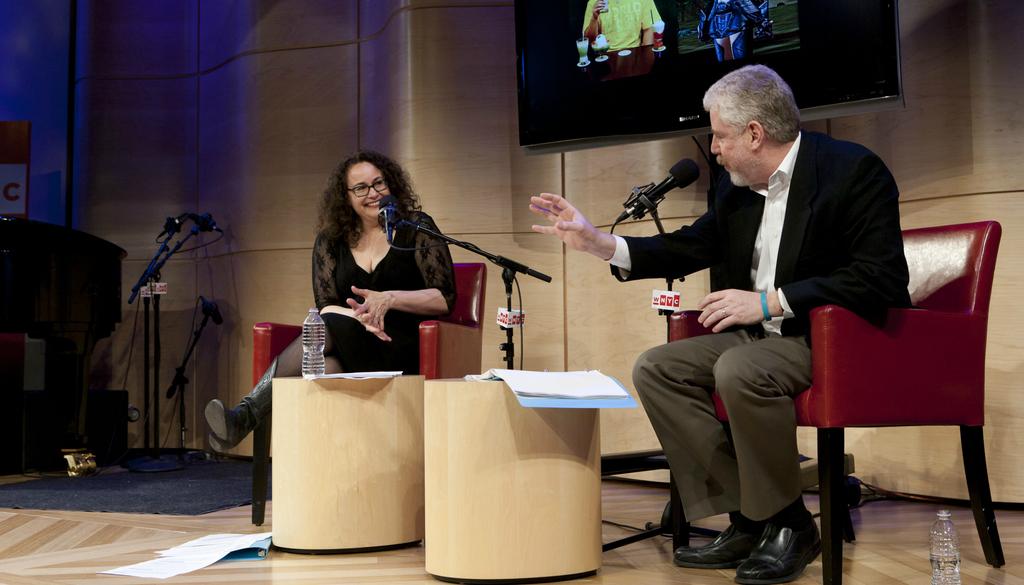
Jul 29, 2011
July 29, 2011
On the Media is supported by listeners like you. Support OTM by donating today (https://pledge.wnyc.org/support/otm). Follow our show on Instagram, Twitter and Facebook @onthemedia, and share your thoughts with us by emailing onthemedia@wnyc.org.

Jul 22, 2011
July 22, 2011
On the Media is supported by listeners like you. Support OTM by donating today (https://pledge.wnyc.org/support/otm). Follow our show on Instagram, Twitter and Facebook @onthemedia, and share your thoughts with us by emailing onthemedia@wnyc.org.
Jul 15, 2011
July 15, 2011
This week we explore the 'debt ceiling', internet self-regulation and tabloids - both now and in the 1970's. On the Media is supported by listeners like you. Support OTM by donating today ( https://pledge.wnyc.org/support/otm ). Follow our show on Instagram , Twitter and Facebook @onthemedia, and share your thoughts with us by emailing onthemedia@wnyc.org.
Jul 7, 2011
July 8, 2011
On the Media is supported by listeners like you. Support OTM by donating today (https://pledge.wnyc.org/support/otm). Follow our show on Instagram, Twitter and Facebook @onthemedia, and share your thoughts with us by emailing onthemedia@wnyc.org.

Jun 29, 2011
July 1, 2011
An encore broadcast of our one-hour look at the history, the culture and the future of video games. Whether you know it or not you're likely a gamer and games are creeping into nearly every aspect of life; an hour on how far video games have come and where they're going. On the Media is supported by listeners like you. Support OTM by donating today ( https://pledge.wnyc.org/support/otm ). Follow our show on Instagram , Twitter and Facebook @onthemedia, and share your thoughts with us by emailing onthemedia@wnyc.org.

Jun 28, 2011
June 17, 2011
A hacker's insight into recent hacks; Libya's unrest becomes a civil war in the media; Brooke's journey through the echo chamber debate On the Media is supported by listeners like you. Support OTM by donating today ( https://pledge.wnyc.org/support/otm ). Follow our show on Instagram , Twitter and Facebook @onthemedia, and share your thoughts with us by emailing onthemedia@wnyc.org.

Jun 24, 2011
June 24, 2011
The rules of cyber war, how "conventional wisdom" comes to be, and remembering E Street Band saxophonist Clarence Clemons. Guest hosted by Mike Pesca. On the Media is supported by listeners like you. Support OTM by donating today ( https://pledge.wnyc.org/support/otm ). Follow our show on Instagram , Twitter and Facebook @onthemedia, and share your thoughts with us by emailing onthemedia@wnyc.org.
Jun 15, 2011
June 10, 2011
A Texas massacre that wasn't, a visit to internet week and a new movie about the extremes of virtual life. On the Media is supported by listeners like you. Support OTM by donating today ( https://pledge.wnyc.org/support/otm ). Follow our show on Instagram , Twitter and Facebook @onthemedia, and share your thoughts with us by emailing onthemedia@wnyc.org.
Jun 15, 2011
June 3, 2011
Rumors pervade the media, journalists caught in Pakistan information war and tattoo copyrights On the Media is supported by listeners like you. Support OTM by donating today ( https://pledge.wnyc.org/support/otm ). Follow our show on Instagram , Twitter and Facebook @onthemedia, and share your thoughts with us by emailing onthemedia@wnyc.org.
Jun 10, 2011
May 27, 2011
Patriot Act renewal, sex robots disguised as people On the Media is supported by listeners like you. Support OTM by donating today ( https://pledge.wnyc.org/support/otm ). Follow our show on Instagram , Twitter and Facebook @onthemedia, and share your thoughts with us by emailing onthemedia@wnyc.org.
Jun 10, 2011
May 20, 2011
French media reacts to DSK, the Syrian regime's digital dirty tricks On the Media is supported by listeners like you. Support OTM by donating today ( https://pledge.wnyc.org/support/otm ). Follow our show on Instagram , Twitter and Facebook @onthemedia, and share your thoughts with us by emailing onthemedia@wnyc.org.
Jun 10, 2011
May 13, 2011
Data Show. On the Media is supported by listeners like you. Support OTM by donating today ( https://pledge.wnyc.org/support/otm ). Follow our show on Instagram , Twitter and Facebook @onthemedia, and share your thoughts with us by emailing onthemedia@wnyc.org.
Jun 1, 2011
May 6, 2011
Bin Laden exits the scene On the Media is supported by listeners like you. Support OTM by donating today ( https://pledge.wnyc.org/support/otm ). Follow our show on Instagram , Twitter and Facebook @onthemedia, and share your thoughts with us by emailing onthemedia@wnyc.org.
May 5, 2011
April 29, 2011
PlayStation's breach, iPhone's privacy issues, WikiLeaks' Guantanamo leak and Obama's birth certificate. On the Media is supported by listeners like you. Support OTM by donating today ( https://pledge.wnyc.org/support/otm ). Follow our show on Instagram , Twitter and Facebook @onthemedia, and share your thoughts with us by emailing onthemedia@wnyc.org.
May 5, 2011
April 22, 2011
Copyright trolling, sock puppets and invisible ink On the Media is supported by listeners like you. Support OTM by donating today ( https://pledge.wnyc.org/support/otm ). Follow our show on Instagram , Twitter and Facebook @onthemedia, and share your thoughts with us by emailing onthemedia@wnyc.org.
May 5, 2011
April 15, 2011
On the Media reports from Cairo, Egypt! On the Media is supported by listeners like you. Support OTM by donating today ( https://pledge.wnyc.org/support/otm ). Follow our show on Instagram , Twitter and Facebook @onthemedia, and share your thoughts with us by emailing onthemedia@wnyc.org.
May 5, 2011
April 8, 2011
For the love of slang, reporting from Libya and defending the First On the Media is supported by listeners like you. Support OTM by donating today ( https://pledge.wnyc.org/support/otm ). Follow our show on Instagram , Twitter and Facebook @onthemedia, and share your thoughts with us by emailing onthemedia@wnyc.org.
May 5, 2011
April 1, 2011
The conclusion of our Blow the Whistle investigation of the secret hold that killed the Whistle Blower Protection Act On the Media is supported by listeners like you. Support OTM by donating today ( https://pledge.wnyc.org/support/otm ). Follow our show on Instagram , Twitter and Facebook @onthemedia, and share your thoughts with us by emailing onthemedia@wnyc.org.
May 5, 2011
March 25, 2011
Bias and public radio, part 3; how wars get named; pundits fill the information vacuum on Libya On the Media is supported by listeners like you. Support OTM by donating today ( https://pledge.wnyc.org/support/otm ). Follow our show on Instagram , Twitter and Facebook @onthemedia, and share your thoughts with us by emailing onthemedia@wnyc.org.
May 5, 2011
March 18, 2011
Investigating whether NPR has a liberal bias and James O'Keefe on James O'Keefe On the Media is supported by listeners like you. Support OTM by donating today ( https://pledge.wnyc.org/support/otm ). Follow our show on Instagram , Twitter and Facebook @onthemedia, and share your thoughts with us by emailing onthemedia@wnyc.org.
May 5, 2011
March 11, 2011
NPR under fire On the Media is supported by listeners like you. Support OTM by donating today ( https://pledge.wnyc.org/support/otm ). Follow our show on Instagram , Twitter and Facebook @onthemedia, and share your thoughts with us by emailing onthemedia@wnyc.org.
May 5, 2011
March 4, 2011
A hacker anthropologist on the shadowy internet group Anonymous; why there may never be a Canadian Fox News; a prison inmate becomes Bernie Madoff's PR guy On the Media is supported by listeners like you. Support OTM by donating today ( https://pledge.wnyc.org/support/otm ). Follow our show on Instagram , Twitter and Facebook @onthemedia, and share your thoughts with us by emailing onthemedia@wnyc.org.
May 5, 2011
February 25, 2011
Inside the Libyan diaspora's resistance movement; cheating Google's algorithm; secrets of "most e-mailed" stories On the Media is supported by listeners like you. Support OTM by donating today ( https://pledge.wnyc.org/support/otm ). Follow our show on Instagram , Twitter and Facebook @onthemedia, and share your thoughts with us by emailing onthemedia@wnyc.org.
May 5, 2011
February 18, 2011
A special, live broadcast of On the Media. Brooke, Bob, Ethan Zuckerman and other guests on the question: will the internet deliver us or destroy us? On the Media is supported by listeners like you. Support OTM by donating today ( https://pledge.wnyc.org/support/otm ). Follow our show on Instagram , Twitter and Facebook @onthemedia, and share your thoughts with us by emailing onthemedia@wnyc.org.
May 5, 2011
February 11, 2011
Egypt's leading newspaper speaks. Hip Hop's contributes to Middle East protests. And are scandalous stories bad for us? On the Media is supported by listeners like you. Support OTM by donating today ( https://pledge.wnyc.org/support/otm ). Follow our show on Instagram , Twitter and Facebook @onthemedia, and share your thoughts with us by emailing onthemedia@wnyc.org.
May 5, 2011
February 4, 2011
Al Jazeera in Cairo. What is the "Arab street" anyway? And an update on our "Blow the Whistle" project. On the Media is supported by listeners like you. Support OTM by donating today ( https://pledge.wnyc.org/support/otm ). Follow our show on Instagram , Twitter and Facebook @onthemedia, and share your thoughts with us by emailing onthemedia@wnyc.org.
May 5, 2011
January 28, 2011
Newspaper special: are papers really dead? Can Google bring them back to life? On the Media is supported by listeners like you. Support OTM by donating today ( https://pledge.wnyc.org/support/otm ). Follow our show on Instagram , Twitter and Facebook @onthemedia, and share your thoughts with us by emailing onthemedia@wnyc.org.
May 5, 2011
January 21, 2011
Tunisian protests, social media and Al Jazeera; Twitter fights the Justice Department and wins!; NPR's big reporting mistake On the Media is supported by listeners like you. Support OTM by donating today ( https://pledge.wnyc.org/support/otm ). Follow our show on Instagram , Twitter and Facebook @onthemedia, and share your thoughts with us by emailing onthemedia@wnyc.org.
May 5, 2011
January 14, 2011
On the Media is supported by listeners like you. Support OTM by donating today (https://pledge.wnyc.org/support/otm). Follow our show on Instagram, Twitter and Facebook @onthemedia, and share your thoughts with us by emailing onthemedia@wnyc.org.
May 5, 2011
January 7, 2011
On the Media is supported by listeners like you. Support OTM by donating today (https://pledge.wnyc.org/support/otm). Follow our show on Instagram, Twitter and Facebook @onthemedia, and share your thoughts with us by emailing onthemedia@wnyc.org.
May 5, 2011
December 31, 2010
On the Media is supported by listeners like you. Support OTM by donating today (https://pledge.wnyc.org/support/otm). Follow our show on Instagram, Twitter and Facebook @onthemedia, and share your thoughts with us by emailing onthemedia@wnyc.org.
May 5, 2011
December 24, 2010
On the Media is supported by listeners like you. Support OTM by donating today (https://pledge.wnyc.org/support/otm). Follow our show on Instagram, Twitter and Facebook @onthemedia, and share your thoughts with us by emailing onthemedia@wnyc.org.
May 5, 2011
December 17, 2010
The New York Times is re-reporting a story about a plane crash from fifty years ago. On the Media is supported by listeners like you. Support OTM by donating today ( https://pledge.wnyc.org/support/otm ). Follow our show on Instagram , Twitter and Facebook @onthemedia, and share your thoughts with us by emailing onthemedia@wnyc.org.
May 5, 2011
December 10, 2010
A group of hackers known collectively as "Anonymous" have been launching online attacks against the perceived enemies of WikiLeaks On the Media is supported by listeners like you. Support OTM by donating today ( https://pledge.wnyc.org/support/otm ). Follow our show on Instagram , Twitter and Facebook @onthemedia, and share your thoughts with us by emailing onthemedia@wnyc.org.
May 5, 2011
December 3, 2010
Bill Keller of the NY Times discusses WikiLeaks, and the Arab world responds to the controversial cable dump. On the Media is supported by listeners like you. Support OTM by donating today ( https://pledge.wnyc.org/support/otm ). Follow our show on Instagram , Twitter and Facebook @onthemedia, and share your thoughts with us by emailing onthemedia@wnyc.org.
May 5, 2011
November 26, 2010
The internet is full, know your meme and zero views On the Media is supported by listeners like you. Support OTM by donating today ( https://pledge.wnyc.org/support/otm ). Follow our show on Instagram , Twitter and Facebook @onthemedia, and share your thoughts with us by emailing onthemedia@wnyc.org.
May 5, 2011
November 19, 2010
"Don't touch my junk" and blogging the Civil War On the Media is supported by listeners like you. Support OTM by donating today ( https://pledge.wnyc.org/support/otm ). Follow our show on Instagram , Twitter and Facebook @onthemedia, and share your thoughts with us by emailing onthemedia@wnyc.org.
May 5, 2011
November 12, 2010
Garry Trudeau on 40 years of Doonesbury On the Media is supported by listeners like you. Support OTM by donating today ( https://pledge.wnyc.org/support/otm ). Follow our show on Instagram , Twitter and Facebook @onthemedia, and share your thoughts with us by emailing onthemedia@wnyc.org.
May 5, 2011
November 5, 2010
Taking the public out of public broadcasting! Plus, journalists are people too On the Media is supported by listeners like you. Support OTM by donating today ( https://pledge.wnyc.org/support/otm ). Follow our show on Instagram , Twitter and Facebook @onthemedia, and share your thoughts with us by emailing onthemedia@wnyc.org.
May 5, 2011
October 29, 2010
Money, disclosure and messaging in the Midterm elections On the Media is supported by listeners like you. Support OTM by donating today ( https://pledge.wnyc.org/support/otm ). Follow our show on Instagram , Twitter and Facebook @onthemedia, and share your thoughts with us by emailing onthemedia@wnyc.org.
May 5, 2011
October 22, 2010
On the Media is supported by listeners like you. Support OTM by donating today (https://pledge.wnyc.org/support/otm). Follow our show on Instagram, Twitter and Facebook @onthemedia, and share your thoughts with us by emailing onthemedia@wnyc.org.
May 5, 2011
October 15, 2010
People in holes, plus candidates who lie and reporters who recap On the Media is supported by listeners like you. Support OTM by donating today ( https://pledge.wnyc.org/support/otm ). Follow our show on Instagram , Twitter and Facebook @onthemedia, and share your thoughts with us by emailing onthemedia@wnyc.org.
May 5, 2011
October 8, 2010
The head of the BBC, warrantless GPS tracking and copyright in the fashion industry On the Media is supported by listeners like you. Support OTM by donating today ( https://pledge.wnyc.org/support/otm ). Follow our show on Instagram , Twitter and Facebook @onthemedia, and share your thoughts with us by emailing onthemedia@wnyc.org.
May 5, 2011
October 1, 2010
The Stuxnet worm, adult services and the first televised presidential debate On the Media is supported by listeners like you. Support OTM by donating today ( https://pledge.wnyc.org/support/otm ). Follow our show on Instagram , Twitter and Facebook @onthemedia, and share your thoughts with us by emailing onthemedia@wnyc.org.
May 5, 2011
September 24, 2010
Drug warriors target journalists, Congress fights piracy and gossip heads west On the Media is supported by listeners like you. Support OTM by donating today ( https://pledge.wnyc.org/support/otm ). Follow our show on Instagram , Twitter and Facebook @onthemedia, and share your thoughts with us by emailing onthemedia@wnyc.org.
May 5, 2011
September 17, 2010
A Tea Party primary, media self-monitoring and Hollywood's accent problem On the Media is supported by listeners like you. Support OTM by donating today ( https://pledge.wnyc.org/support/otm ). Follow our show on Instagram , Twitter and Facebook @onthemedia, and share your thoughts with us by emailing onthemedia@wnyc.org.
May 5, 2011
September 10, 2010
Koran burning, laptop searching and broadcast emoting On the Media is supported by listeners like you. Support OTM by donating today ( https://pledge.wnyc.org/support/otm ). Follow our show on Instagram , Twitter and Facebook @onthemedia, and share your thoughts with us by emailing onthemedia@wnyc.org.
May 5, 2011
September 3, 2010
Mideast peace talks, counting crowds and the Great Moon Hoax On the Media is supported by listeners like you. Support OTM by donating today ( https://pledge.wnyc.org/support/otm ). Follow our show on Instagram , Twitter and Facebook @onthemedia, and share your thoughts with us by emailing onthemedia@wnyc.org.
May 5, 2011
August 27, 2010
Debunking popular myths about President Obama, Kitty Genovese and the Cuban Missile Crisis On the Media is supported by listeners like you. Support OTM by donating today ( https://pledge.wnyc.org/support/otm ). Follow our show on Instagram , Twitter and Facebook @onthemedia, and share your thoughts with us by emailing onthemedia@wnyc.org.
May 5, 2011
August 20, 2010
The Death of the Internet, the misnamed "Ground Zero Mosque," and breaking up over new media. On the Media is supported by listeners like you. Support OTM by donating today ( https://pledge.wnyc.org/support/otm ). Follow our show on Instagram , Twitter and Facebook @onthemedia, and share your thoughts with us by emailing onthemedia@wnyc.org.
May 5, 2011
August 13, 2010
A look at net neutrality and what we've learned about the reporting of the dropping of the atomic bomb, 65 years later. On the Media is supported by listeners like you. Support OTM by donating today ( https://pledge.wnyc.org/support/otm ). Follow our show on Instagram , Twitter and Facebook @onthemedia, and share your thoughts with us by emailing onthemedia@wnyc.org.
May 5, 2011
August 6, 2010
The pursuit of leakers and the state of the Iraq media On the Media is supported by listeners like you. Support OTM by donating today ( https://pledge.wnyc.org/support/otm ). Follow our show on Instagram , Twitter and Facebook @onthemedia, and share your thoughts with us by emailing onthemedia@wnyc.org.
May 5, 2011
July 30, 2010
The WikiLeaks document dump, the politics of numbers and Henry Luce On the Media is supported by listeners like you. Support OTM by donating today ( https://pledge.wnyc.org/support/otm ). Follow our show on Instagram , Twitter and Facebook @onthemedia, and share your thoughts with us by emailing onthemedia@wnyc.org.
May 5, 2011
July 23, 2010
The growing U.S. intelligence industry, controversy at Google Maps, remembering Daniel Schorr. On the Media is supported by listeners like you. Support OTM by donating today ( https://pledge.wnyc.org/support/otm ). Follow our show on Instagram , Twitter and Facebook @onthemedia, and share your thoughts with us by emailing onthemedia@wnyc.org.
May 5, 2011
July 16, 2010
Newspaper special: are papers really dead? Can Google bring them back to life? Plus, vote for our new jingle! On the Media is supported by listeners like you. Support OTM by donating today ( https://pledge.wnyc.org/support/otm ). Follow our show on Instagram , Twitter and Facebook @onthemedia, and share your thoughts with us by emailing onthemedia@wnyc.org.
May 5, 2011
July 9, 2010
Torture in Chicago, hearts and minds in Pakistan On the Media is supported by listeners like you. Support OTM by donating today ( https://pledge.wnyc.org/support/otm ). Follow our show on Instagram , Twitter and Facebook @onthemedia, and share your thoughts with us by emailing onthemedia@wnyc.org.
May 5, 2011
July 2, 2010
The past, present and future of the books and the publishing industry. On the Media is supported by listeners like you. Support OTM by donating today ( https://pledge.wnyc.org/support/otm ). Follow our show on Instagram , Twitter and Facebook @onthemedia, and share your thoughts with us by emailing onthemedia@wnyc.org.
May 5, 2011
June 25, 2010
Confessions of a video game addict and Sebastian Junger on Restrepo On the Media is supported by listeners like you. Support OTM by donating today ( https://pledge.wnyc.org/support/otm ). Follow our show on Instagram , Twitter and Facebook @onthemedia, and share your thoughts with us by emailing onthemedia@wnyc.org.
May 5, 2011
June 18, 2010
Inaccurate oil spill numbers past and present; why Radiolab's Jad Abumrad can't use the word "sperm" on iTunes; the world's most popular tweet? On the Media is supported by listeners like you. Support OTM by donating today ( https://pledge.wnyc.org/support/otm ). Follow our show on Instagram , Twitter and Facebook @onthemedia, and share your thoughts with us by emailing onthemedia@wnyc.org.
May 5, 2011
June 11, 2010
Say goodbye to unlimited data plans; reporters get super-soaked at the Bidens' beach party; an Iranian journalist risks his life to report on post-election violence On the Media is supported by listeners like you. Support OTM by donating today ( https://pledge.wnyc.org/support/otm ). Follow our show on Instagram , Twitter and Facebook @onthemedia, and share your thoughts with us by emailing onthemedia@wnyc.org.
May 5, 2011
June 4, 2010
The Coast Guard, BP, and media access to the Gulf oil spill; Al Qaeda's #3 man killed! (again); a illustrated book tells the gruesome story of the US-Mexico border drug war On the Media is supported by listeners like you. Support OTM by donating today ( https://pledge.wnyc.org/support/otm ). Follow our show on Instagram , Twitter and Facebook @onthemedia, and share your thoughts with us by emailing onthemedia@wnyc.org.
May 5, 2011
May 28, 2010
The price of privacy, Rand Paul and the national media spotlight, Arizona's immigration law On the Media is supported by listeners like you. Support OTM by donating today ( https://pledge.wnyc.org/support/otm ). Follow our show on Instagram , Twitter and Facebook @onthemedia, and share your thoughts with us by emailing onthemedia@wnyc.org.
May 5, 2011
May 21, 2010
Cell phone safety (or lack there of), Facebook privacy (or lack there of), video games for the disabled On the Media is supported by listeners like you. Support OTM by donating today ( https://pledge.wnyc.org/support/otm ). Follow our show on Instagram , Twitter and Facebook @onthemedia, and share your thoughts with us by emailing onthemedia@wnyc.org.
May 5, 2011
May 14, 2010
Reporter barred from Guantanamo, fact checking political talk shows, anti-censorship software for Iran On the Media is supported by listeners like you. Support OTM by donating today ( https://pledge.wnyc.org/support/otm ). Follow our show on Instagram , Twitter and Facebook @onthemedia, and share your thoughts with us by emailing onthemedia@wnyc.org.
May 5, 2011
May 7, 2010
Oil spill coverage, ROFLCon and Hitler On the Media is supported by listeners like you. Support OTM by donating today ( https://pledge.wnyc.org/support/otm ). Follow our show on Instagram , Twitter and Facebook @onthemedia, and share your thoughts with us by emailing onthemedia@wnyc.org.
May 5, 2011
April 30, 2010
Shield laws, cyber war and bridging the online language barrier On the Media is supported by listeners like you. Support OTM by donating today ( https://pledge.wnyc.org/support/otm ). Follow our show on Instagram , Twitter and Facebook @onthemedia, and share your thoughts with us by emailing onthemedia@wnyc.org.
May 5, 2011
April 23, 2010
Geoff Stone on free speech and animal cruelty, the GAO accounts for piracy, Bob finds out the point of Twitter On the Media is supported by listeners like you. Support OTM by donating today ( https://pledge.wnyc.org/support/otm ). Follow our show on Instagram , Twitter and Facebook @onthemedia, and share your thoughts with us by emailing onthemedia@wnyc.org.
May 5, 2011
April 16, 2010
The President versus the media, NPR's woman problem, Brooke and Dave Eggers On the Media is supported by listeners like you. Support OTM by donating today ( https://pledge.wnyc.org/support/otm ). Follow our show on Instagram , Twitter and Facebook @onthemedia, and share your thoughts with us by emailing onthemedia@wnyc.org.
May 5, 2011
April 9, 2010
The Catholic Church and the media, how war can look like a video game, copyrighting jokes On the Media is supported by listeners like you. Support OTM by donating today ( https://pledge.wnyc.org/support/otm ). Follow our show on Instagram , Twitter and Facebook @onthemedia, and share your thoughts with us by emailing onthemedia@wnyc.org.
May 5, 2011
April 2, 2010
"Militia" vs "terrorist" and lawsuits that stifle First Amendment rights On the Media is supported by listeners like you. Support OTM by donating today ( https://pledge.wnyc.org/support/otm ). Follow our show on Instagram , Twitter and Facebook @onthemedia, and share your thoughts with us by emailing onthemedia@wnyc.org.
May 5, 2011
March 26, 2010
The ill coverage of the health care bill, plus "baby killers" On the Media is supported by listeners like you. Support OTM by donating today ( https://pledge.wnyc.org/support/otm ). Follow our show on Instagram , Twitter and Facebook @onthemedia, and share your thoughts with us by emailing onthemedia@wnyc.org.
May 5, 2011
March 19, 2010
States trying to ban release of 911 tapes, plagiarism detection software for newspapers, the FCC's new broadband plan On the Media is supported by listeners like you. Support OTM by donating today ( https://pledge.wnyc.org/support/otm ). Follow our show on Instagram , Twitter and Facebook @onthemedia, and share your thoughts with us by emailing onthemedia@wnyc.org.
May 5, 2011
March 12, 2010
Special: The Future of the Music Industry (originally broadcast 10/23/2009) On the Media is supported by listeners like you. Support OTM by donating today ( https://pledge.wnyc.org/support/otm ). Follow our show on Instagram , Twitter and Facebook @onthemedia, and share your thoughts with us by emailing onthemedia@wnyc.org.
May 5, 2011
March 5, 2010
Human flesh search engines, the First Amendment right to flip the bird, Hollywood's "uncanny valley" On the Media is supported by listeners like you. Support OTM by donating today ( https://pledge.wnyc.org/support/otm ). Follow our show on Instagram , Twitter and Facebook @onthemedia, and share your thoughts with us by emailing onthemedia@wnyc.org.
May 5, 2011
February 26, 2010
Political theater, sex.com and A Tool to Deceive and Slaughter On the Media is supported by listeners like you. Support OTM by donating today ( https://pledge.wnyc.org/support/otm ). Follow our show on Instagram , Twitter and Facebook @onthemedia, and share your thoughts with us by emailing onthemedia@wnyc.org.
May 5, 2011
February 19, 2010
Iceland is paradise for journalists and librarians rule! On the Media is supported by listeners like you. Support OTM by donating today ( https://pledge.wnyc.org/support/otm ). Follow our show on Instagram , Twitter and Facebook @onthemedia, and share your thoughts with us by emailing onthemedia@wnyc.org.
May 5, 2011
February 12, 2010
How to handle a recall and what you learn from listening to thousands of hours of Bin Laden tapes. Plus, does it matter that the son of the NY Times Jerusalem Bureau chief recently joined the Israel Defense Forces? On the Media is supported by listeners like you. Support OTM by donating today ( https://pledge.wnyc.org/support/otm ). Follow our show on Instagram , Twitter and Facebook @onthemedia, and share your thoughts with us by emailing onthemedia@wnyc.org.
May 5, 2011
February 5, 2010
On the Media is supported by listeners like you. Support OTM by donating today (https://pledge.wnyc.org/support/otm). Follow our show on Instagram, Twitter and Facebook @onthemedia, and share your thoughts with us by emailing onthemedia@wnyc.org.
May 5, 2011
January 29, 2010
The meaning of "middle class"; covering Haiti after the initial crisis; iPad: awesome or...meh? On the Media is supported by listeners like you. Support OTM by donating today ( https://pledge.wnyc.org/support/otm ). Follow our show on Instagram , Twitter and Facebook @onthemedia, and share your thoughts with us by emailing onthemedia@wnyc.org.
May 5, 2011
January 22, 2010
The ethics of medical journalism in Haiti; searching for meaning in the Massachusetts election; tabloids, then and now On the Media is supported by listeners like you. Support OTM by donating today ( https://pledge.wnyc.org/support/otm ). Follow our show on Instagram , Twitter and Facebook @onthemedia, and share your thoughts with us by emailing onthemedia@wnyc.org.
May 5, 2011
January 15, 2010
Trying to rebuild the Haitian media; Guantanamo like we've never seen before; the fight over cameras in the Prop 8 court battle On the Media is supported by listeners like you. Support OTM by donating today ( https://pledge.wnyc.org/support/otm ). Follow our show on Instagram , Twitter and Facebook @onthemedia, and share your thoughts with us by emailing onthemedia@wnyc.org.
May 5, 2011
January 8, 2010
On the Media is supported by listeners like you. Support OTM by donating today (https://pledge.wnyc.org/support/otm). Follow our show on Instagram, Twitter and Facebook @onthemedia, and share your thoughts with us by emailing onthemedia@wnyc.org.
May 5, 2011
January 1, 2010
The year's most flagrant (and entertaining) newspaper mistakes; the Washington press corps' 19-year-old copy editor; the art of the ambush interview On the Media is supported by listeners like you. Support OTM by donating today ( https://pledge.wnyc.org/support/otm ). Follow our show on Instagram , Twitter and Facebook @onthemedia, and share your thoughts with us by emailing onthemedia@wnyc.org.
May 5, 2011
December 25, 2009
An anniversary of Y2K panic; a history of horror films; how Hitchcock's "Psycho" changed everything On the Media is supported by listeners like you. Support OTM by donating today ( https://pledge.wnyc.org/support/otm ). Follow our show on Instagram , Twitter and Facebook @onthemedia, and share your thoughts with us by emailing onthemedia@wnyc.org.
May 5, 2011
December 18, 2009
Our life stories both on and offline: a history of the memoir, plus how journalists, sources and newspapers reckon with the ubiquity of online archives in the age of Google On the Media is supported by listeners like you. Support OTM by donating today ( https://pledge.wnyc.org/support/otm ). Follow our show on Instagram , Twitter and Facebook @onthemedia, and share your thoughts with us by emailing onthemedia@wnyc.org.
May 5, 2011
December 11, 2009
Show Summary: climate change doubt spikes up On the Media is supported by listeners like you. Support OTM by donating today ( https://pledge.wnyc.org/support/otm ). Follow our show on Instagram , Twitter and Facebook @onthemedia, and share your thoughts with us by emailing onthemedia@wnyc.org.
May 5, 2011
December 4, 2009
Show Summary: presidential speeches not so influential On the Media is supported by listeners like you. Support OTM by donating today ( https://pledge.wnyc.org/support/otm ). Follow our show on Instagram , Twitter and Facebook @onthemedia, and share your thoughts with us by emailing onthemedia@wnyc.org.
May 5, 2011
November 27, 2009
Special: The past, present and future of the book. On the Media is supported by listeners like you. Support OTM by donating today ( https://pledge.wnyc.org/support/otm ). Follow our show on Instagram , Twitter and Facebook @onthemedia, and share your thoughts with us by emailing onthemedia@wnyc.org.
May 5, 2011
November 20, 2009
The media's coverage of the President's trip to China; a blow to investigative journalism in China; a play about a Seattle newsroom. On the Media is supported by listeners like you. Support OTM by donating today ( https://pledge.wnyc.org/support/otm ). Follow our show on Instagram , Twitter and Facebook @onthemedia, and share your thoughts with us by emailing onthemedia@wnyc.org.
May 5, 2011
November 13, 2009
The dismal state of health and medical reporting on morning news shows; why the internet is not a doctor; Venezuela bans violent video games On the Media is supported by listeners like you. Support OTM by donating today ( https://pledge.wnyc.org/support/otm ). Follow our show on Instagram , Twitter and Facebook @onthemedia, and share your thoughts with us by emailing onthemedia@wnyc.org.
May 5, 2011
November 6, 2009
The ethical dilemma of reporting from Waziristan; say hello to pay walls; the real story of a famous Berlin Wall moment On the Media is supported by listeners like you. Support OTM by donating today ( https://pledge.wnyc.org/support/otm ). Follow our show on Instagram , Twitter and Facebook @onthemedia, and share your thoughts with us by emailing onthemedia@wnyc.org.
May 5, 2011
October 30, 2009
A judge demands to see the grades of journalism students working to free prisoners; A local TV news director explains why she had to air footage of a savage murder and what happens to the unfinished work of famous authors after they die. On the Media is supported by listeners like you. Support OTM by donating today ( https://pledge.wnyc.org/support/otm ). Follow our show on Instagram , Twitter and Facebook @onthemedia, and share your thoughts with us by emailing onthemedia@wnyc.org.
May 5, 2011
October 23, 2009
Special: The Future of the Music Industry On the Media is supported by listeners like you. Support OTM by donating today ( https://pledge.wnyc.org/support/otm ). Follow our show on Instagram , Twitter and Facebook @onthemedia, and share your thoughts with us by emailing onthemedia@wnyc.org.
May 5, 2011
October 16, 2009
The media's renewed focus on the war in Afghanistan; The White House's war of words with Fox News; researchers using video games to study human nature On the Media is supported by listeners like you. Support OTM by donating today ( https://pledge.wnyc.org/support/otm ). Follow our show on Instagram , Twitter and Facebook @onthemedia, and share your thoughts with us by emailing onthemedia@wnyc.org.
May 5, 2011
October 9, 2009
Vaccine scares and the media; an NHL team hires its own reporter; people are being too nice on the net On the Media is supported by listeners like you. Support OTM by donating today ( https://pledge.wnyc.org/support/otm ). Follow our show on Instagram , Twitter and Facebook @onthemedia, and share your thoughts with us by emailing onthemedia@wnyc.org.
May 5, 2011
October 2, 2009
Proposed changes to The Patriot Act; Italy's not-so-free press; J.J. Abrams on how "The Twilight Zone" has influenced his work. On the Media is supported by listeners like you. Support OTM by donating today ( https://pledge.wnyc.org/support/otm ). Follow our show on Instagram , Twitter and Facebook @onthemedia, and share your thoughts with us by emailing onthemedia@wnyc.org.
May 5, 2011
September 25, 2009
A bailout for newspapers?; documentary ethics; "ruin" porn On the Media is supported by listeners like you. Support OTM by donating today ( https://pledge.wnyc.org/support/otm ). Follow our show on Instagram , Twitter and Facebook @onthemedia, and share your thoughts with us by emailing onthemedia@wnyc.org.
May 5, 2011
September 18, 2009
The evolution of the ACORN story; a call to action for government whistle blowers; America's first internet addiction recovery program On the Media is supported by listeners like you. Support OTM by donating today ( https://pledge.wnyc.org/support/otm ). Follow our show on Instagram , Twitter and Facebook @onthemedia, and share your thoughts with us by emailing onthemedia@wnyc.org.
May 5, 2011
September 11, 2009
Reading (or not reading) the health care bill; controversy over a picture of a soldier in his dying moments; Hollywood and 9/11 On the Media is supported by listeners like you. Support OTM by donating today ( https://pledge.wnyc.org/support/otm ). Follow our show on Instagram , Twitter and Facebook @onthemedia, and share your thoughts with us by emailing onthemedia@wnyc.org.
May 5, 2011
September 4, 2009
On the Media is supported by listeners like you. Support OTM by donating today (https://pledge.wnyc.org/support/otm). Follow our show on Instagram, Twitter and Facebook @onthemedia, and share your thoughts with us by emailing onthemedia@wnyc.org.
May 5, 2011
August 28, 2009
Stars and Stripes charges the military with punishing reporters for negative stories; how to cover the debate over the efficacy of torture; the ethics of undercover reporting On the Media is supported by listeners like you. Support OTM by donating today ( https://pledge.wnyc.org/support/otm ). Follow our show on Instagram , Twitter and Facebook @onthemedia, and share your thoughts with us by emailing onthemedia@wnyc.org.
May 5, 2011
August 21, 2009
Fact-checking health care ads; Iraq's media crackdown; find a reporter, win $5000. On the Media is supported by listeners like you. Support OTM by donating today ( https://pledge.wnyc.org/support/otm ). Follow our show on Instagram , Twitter and Facebook @onthemedia, and share your thoughts with us by emailing onthemedia@wnyc.org.
May 5, 2011
August 7, 2009
The YouTube-ization of health care hecklers; the military and the media; the psychology of reporters who die for their stories. On the Media is supported by listeners like you. Support OTM by donating today ( https://pledge.wnyc.org/support/otm ). Follow our show on Instagram , Twitter and Facebook @onthemedia, and share your thoughts with us by emailing onthemedia@wnyc.org.
May 5, 2011
August 14, 2009
The future of the internet: from cyber security to online bullying to what the internet is doing to our brains. On the Media is supported by listeners like you. Support OTM by donating today ( https://pledge.wnyc.org/support/otm ). Follow our show on Instagram , Twitter and Facebook @onthemedia, and share your thoughts with us by emailing onthemedia@wnyc.org.
May 5, 2011
July 31, 2009
Conspiracy theories: how they spread and how to stop them, tracking if and how the government is spending the stimulus, the many myths of Walter Cronkite. On the Media is supported by listeners like you. Support OTM by donating today ( https://pledge.wnyc.org/support/otm ). Follow our show on Instagram , Twitter and Facebook @onthemedia, and share your thoughts with us by emailing onthemedia@wnyc.org.
May 5, 2011
July 24, 2009
The language of health care, Amazon's Kindle buyback, and Al Franken's funny again On the Media is supported by listeners like you. Support OTM by donating today ( https://pledge.wnyc.org/support/otm ). Follow our show on Instagram , Twitter and Facebook @onthemedia, and share your thoughts with us by emailing onthemedia@wnyc.org.
May 5, 2011
July 17, 2009
Show Summary: Sotomayor hearings, online ads and Food, Inc. On the Media is supported by listeners like you. Support OTM by donating today ( https://pledge.wnyc.org/support/otm ). Follow our show on Instagram , Twitter and Facebook @onthemedia, and share your thoughts with us by emailing onthemedia@wnyc.org.
May 5, 2011
July 10, 2009
Show Summary: MJ mania, Wiki collusion and Khrushchev's wild ride around America On the Media is supported by listeners like you. Support OTM by donating today ( https://pledge.wnyc.org/support/otm ). Follow our show on Instagram , Twitter and Facebook @onthemedia, and share your thoughts with us by emailing onthemedia@wnyc.org.
May 5, 2011
June 26, 2009
Charges of coziness between the news networks and the White House; NPR's policy on the word "torture"; adventures in ambushing potential interviewees On the Media is supported by listeners like you. Support OTM by donating today ( https://pledge.wnyc.org/support/otm ). Follow our show on Instagram , Twitter and Facebook @onthemedia, and share your thoughts with us by emailing onthemedia@wnyc.org.
May 5, 2011
July 3, 2009
Debunking popular myths about President Obama, Kitty Genovese and the Cuban Missile Crisis On the Media is supported by listeners like you. Support OTM by donating today ( https://pledge.wnyc.org/support/otm ). Follow our show on Instagram , Twitter and Facebook @onthemedia, and share your thoughts with us by emailing onthemedia@wnyc.org.
May 5, 2011
June 19, 2009
On the Media is supported by listeners like you. Support OTM by donating today (https://pledge.wnyc.org/support/otm). Follow our show on Instagram, Twitter and Facebook @onthemedia, and share your thoughts with us by emailing onthemedia@wnyc.org.
May 5, 2011
June 12, 2009
The Globe in crisis, mapping North Korea and Tetris turns 25 On the Media is supported by listeners like you. Support OTM by donating today ( https://pledge.wnyc.org/support/otm ). Follow our show on Instagram , Twitter and Facebook @onthemedia, and share your thoughts with us by emailing onthemedia@wnyc.org.
May 5, 2011
June 5, 2009
On the Media is supported by listeners like you. Support OTM by donating today (https://pledge.wnyc.org/support/otm). Follow our show on Instagram, Twitter and Facebook @onthemedia, and share your thoughts with us by emailing onthemedia@wnyc.org.
May 5, 2011
May 29, 2009
A look at Seattle now that it's a one-paper town and the support and attack machines working for and against Sonia Sotomayor. Plus, are bunk credit reports protected by the First Amendment? On the Media is supported by listeners like you. Support OTM by donating today ( https://pledge.wnyc.org/support/otm ). Follow our show on Instagram , Twitter and Facebook @onthemedia, and share your thoughts with us by emailing onthemedia@wnyc.org.
May 5, 2011
May 22, 2009
Cheney's makeover, the Pentagon's charm offensive and the pitchman's day in the sun. On the Media is supported by listeners like you. Support OTM by donating today ( https://pledge.wnyc.org/support/otm ). Follow our show on Instagram , Twitter and Facebook @onthemedia, and share your thoughts with us by emailing onthemedia@wnyc.org.
May 5, 2011
May 15, 2009
The significance of images of torture; the search for the next Google; Craigslist now comes with chaperons On the Media is supported by listeners like you. Support OTM by donating today ( https://pledge.wnyc.org/support/otm ). Follow our show on Instagram , Twitter and Facebook @onthemedia, and share your thoughts with us by emailing onthemedia@wnyc.org.
May 5, 2011
May 8, 2009
Is price-fixing the only way to save the newspaper industry?; the wealthy have a PR problem; the new Kindle and its impact on all things paper and publishing. On the Media is supported by listeners like you. Support OTM by donating today ( https://pledge.wnyc.org/support/otm ). Follow our show on Instagram , Twitter and Facebook @onthemedia, and share your thoughts with us by emailing onthemedia@wnyc.org.
May 5, 2011
January 6, 2001
The changing of the guard in the White House press corps. Ben Bradlee says the whiners in the briefing room should take a walk. And a day with reporter who walks the "bad luck" beat on the streets of New York. On the Media is supported by listeners like you. Support OTM by donating today ( https://pledge.wnyc.org/support/otm ). Follow our show on Instagram , Twitter and Facebook @onthemedia, and share your thoughts with us by emailing onthemedia@wnyc.org.
May 5, 2011
January 13, 2001
This week, we look forward to the future of music on the Internet and back to a day in radio September 21st, 1939. Also, the Elvis of cable news: bill O'Reilly. On the Media is supported by listeners like you. Support OTM by donating today ( https://pledge.wnyc.org/support/otm ). Follow our show on Instagram , Twitter and Facebook @onthemedia, and share your thoughts with us by emailing onthemedia@wnyc.org.
May 5, 2011
January 20, 2001
The ascension of Texas, a look at the word Luddite, and a question: what exactly is IT? On the Media is supported by listeners like you. Support OTM by donating today ( https://pledge.wnyc.org/support/otm ). Follow our show on Instagram , Twitter and Facebook @onthemedia, and share your thoughts with us by emailing onthemedia@wnyc.org.
May 5, 2011
January 27, 2001
Why don't football and culture mix? That, new FCC rules regarding the blind, and more this week on On the Media. On the Media is supported by listeners like you. Support OTM by donating today ( https://pledge.wnyc.org/support/otm ). Follow our show on Instagram , Twitter and Facebook @onthemedia, and share your thoughts with us by emailing onthemedia@wnyc.org.
May 5, 2011
February 3, 2001
This week on On the Media: the new face of CNN, China's campaign against Falun Gong, and Oedipus told through vanity plates. On the Media is supported by listeners like you. Support OTM by donating today ( https://pledge.wnyc.org/support/otm ). Follow our show on Instagram , Twitter and Facebook @onthemedia, and share your thoughts with us by emailing onthemedia@wnyc.org.
May 5, 2011
February 17, 2001
The issues faced in covering Israel. Lynn Cheney takes on Eminem. And Brooke visits with some online gamers. On the Media is supported by listeners like you. Support OTM by donating today ( https://pledge.wnyc.org/support/otm ). Follow our show on Instagram , Twitter and Facebook @onthemedia, and share your thoughts with us by emailing onthemedia@wnyc.org.
May 5, 2011
February 10, 2001
Al Gore takes a whack at teaching at J-School. And OTM talks sex. On the Media is supported by listeners like you. Support OTM by donating today ( https://pledge.wnyc.org/support/otm ). Follow our show on Instagram , Twitter and Facebook @onthemedia, and share your thoughts with us by emailing onthemedia@wnyc.org.
May 5, 2011
February 24, 2001
The February sweeps are almost over. Take a look at gays and blacks on television...are the portrayals fair, or merely fashionable? On the Media is supported by listeners like you. Support OTM by donating today ( https://pledge.wnyc.org/support/otm ). Follow our show on Instagram , Twitter and Facebook @onthemedia, and share your thoughts with us by emailing onthemedia@wnyc.org.
May 5, 2011
March 3, 2001
This week, how DVD's are changing the way we watch movies. On the Media is supported by listeners like you. Support OTM by donating today ( https://pledge.wnyc.org/support/otm ). Follow our show on Instagram , Twitter and Facebook @onthemedia, and share your thoughts with us by emailing onthemedia@wnyc.org.
May 5, 2011
March 10, 2001
On The Media goes to Anchor School. On the Media is supported by listeners like you. Support OTM by donating today ( https://pledge.wnyc.org/support/otm ). Follow our show on Instagram , Twitter and Facebook @onthemedia, and share your thoughts with us by emailing onthemedia@wnyc.org.
May 5, 2011
March 24, 2001
The U.S. Senate passed a bill that would give cheap ad rates for pols.... On the Media is supported by listeners like you. Support OTM by donating today ( https://pledge.wnyc.org/support/otm ). Follow our show on Instagram , Twitter and Facebook @onthemedia, and share your thoughts with us by emailing onthemedia@wnyc.org.
May 5, 2011
March 31, 2001
Should audiences be as concerned about foundation grants as they are about corporate money? On the Media is supported by listeners like you. Support OTM by donating today ( https://pledge.wnyc.org/support/otm ). Follow our show on Instagram , Twitter and Facebook @onthemedia, and share your thoughts with us by emailing onthemedia@wnyc.org.
May 5, 2011
April 7, 2001
Corporate anthems, Dan Rather's possible liberal bias and British electioneering.. On the Media is supported by listeners like you. Support OTM by donating today ( https://pledge.wnyc.org/support/otm ). Follow our show on Instagram , Twitter and Facebook @onthemedia, and share your thoughts with us by emailing onthemedia@wnyc.org.
May 5, 2011
April 14, 2001
We look into the latest in reality TV…and the rise of the scary female game show host and Mr. Clippy… On the Media is supported by listeners like you. Support OTM by donating today ( https://pledge.wnyc.org/support/otm ). Follow our show on Instagram , Twitter and Facebook @onthemedia, and share your thoughts with us by emailing onthemedia@wnyc.org.
May 5, 2011
April 21, 2001
Jets, lies and video tape as OTM asks can we trust the State Department's version of events. Plus, nothingness. On the Media is supported by listeners like you. Support OTM by donating today ( https://pledge.wnyc.org/support/otm ). Follow our show on Instagram , Twitter and Facebook @onthemedia, and share your thoughts with us by emailing onthemedia@wnyc.org.
May 5, 2011
April 28, 2001
This week on On the Media: marketing prescription drugs, the first 100 days, and ESPN goes fishin'. On the Media is supported by listeners like you. Support OTM by donating today ( https://pledge.wnyc.org/support/otm ). Follow our show on Instagram , Twitter and Facebook @onthemedia, and share your thoughts with us by emailing onthemedia@wnyc.org.
May 5, 2011
May 5, 2001
This week On the Media focuses on the debate over whether or not to broadcast executions. On the Media is supported by listeners like you. Support OTM by donating today ( https://pledge.wnyc.org/support/otm ). Follow our show on Instagram , Twitter and Facebook @onthemedia, and share your thoughts with us by emailing onthemedia@wnyc.org.
May 5, 2011
May 12, 2001
A local Denver organization is petitioning the Federal Trade Commission to force Denver Area News Stations to drop the word “news” from their advertising and promotions. On the Media is supported by listeners like you. Support OTM by donating today ( https://pledge.wnyc.org/support/otm ). Follow our show on Instagram , Twitter and Facebook @onthemedia, and share your thoughts with us by emailing onthemedia@wnyc.org.
May 5, 2011
May 26, 2001
Jackass, Scandal in Gracie Manor, and "Vandal-Gate". A week of high-brow topics on On the Media. On the Media is supported by listeners like you. Support OTM by donating today ( https://pledge.wnyc.org/support/otm ). Follow our show on Instagram , Twitter and Facebook @onthemedia, and share your thoughts with us by emailing onthemedia@wnyc.org.
May 5, 2011
May 19, 2001
The appeal of urban culture, the question of what is appropriate reporting when a child is on trial, and OTM takes a whack at making an Alcatel commercial. On the Media is supported by listeners like you. Support OTM by donating today ( https://pledge.wnyc.org/support/otm ). Follow our show on Instagram , Twitter and Facebook @onthemedia, and share your thoughts with us by emailing onthemedia@wnyc.org.
May 5, 2011
June 2, 2001
This week on On the Media: Why the media has a soft spot for the FBI, and Bob digs for the latest techniques in writing obituaries. On the Media is supported by listeners like you. Support OTM by donating today ( https://pledge.wnyc.org/support/otm ). Follow our show on Instagram , Twitter and Facebook @onthemedia, and share your thoughts with us by emailing onthemedia@wnyc.org.
May 5, 2011
June 9, 2001
A kerfuffle in the White House over what has been deemed an inappropriate question asked of Ari Fleischer by a reporter, and how the media has covered AIDS over the past 2 decades. On the Media is supported by listeners like you. Support OTM by donating today ( https://pledge.wnyc.org/support/otm ). Follow our show on Instagram , Twitter and Facebook @onthemedia, and share your thoughts with us by emailing onthemedia@wnyc.org.
May 5, 2011
June 16, 2001
President Bush crosses the Atlantic, and how Motley Crue is defying the formula for the rise and fall of a rock band. That and more, this week on On the Media. On the Media is supported by listeners like you. Support OTM by donating today ( https://pledge.wnyc.org/support/otm ). Follow our show on Instagram , Twitter and Facebook @onthemedia, and share your thoughts with us by emailing onthemedia@wnyc.org.
May 5, 2011
June 23, 2001
Two murderers about to be released must face the wrath of London's press, and how the editors of niche magazines keep stories fresh. On the Media is supported by listeners like you. Support OTM by donating today ( https://pledge.wnyc.org/support/otm ). Follow our show on Instagram , Twitter and Facebook @onthemedia, and share your thoughts with us by emailing onthemedia@wnyc.org.
May 5, 2011
July 7, 2001
This week On the Media looks into the dangers and challenges facing reporters in the Middle East, a new service in journalism: an ethics hotline, and a sound effect which you've probably heard, but the name of which you've probably never known. On the Media is supported by listeners like you. Support OTM by donating today ( https://pledge.wnyc.org/support/otm ). Follow our show on Instagram , Twitter and Facebook @onthemedia, and share your thoughts with us by emailing onthemedia@wnyc.org.
May 5, 2011
May 1, 2009
Journalists can't resist a panic story; the Obama Administration gets an F on its transparency report card; the first 100 Days of media tactics. On the Media is supported by listeners like you. Support OTM by donating today ( https://pledge.wnyc.org/support/otm ). Follow our show on Instagram , Twitter and Facebook @onthemedia, and share your thoughts with us by emailing onthemedia@wnyc.org.
May 5, 2011
July 14, 2001
A look at televisions love for courtroom dramas, and training children and adults to be media literate. On the Media is supported by listeners like you. Support OTM by donating today ( https://pledge.wnyc.org/support/otm ). Follow our show on Instagram , Twitter and Facebook @onthemedia, and share your thoughts with us by emailing onthemedia@wnyc.org.
May 5, 2011
July 21, 2001
How does Henry Kissinger woo American media so well? Plus, Holden Caulfield hits 50. That's this week on On the Media. On the Media is supported by listeners like you. Support OTM by donating today ( https://pledge.wnyc.org/support/otm ). Follow our show on Instagram , Twitter and Facebook @onthemedia, and share your thoughts with us by emailing onthemedia@wnyc.org.
May 5, 2011
July 28, 2001
MTV turns 20, a look at the lives of Mayan scribes, and saying goodbye to the man who, quite literally, wrote the book on the media. On the Media is supported by listeners like you. Support OTM by donating today ( https://pledge.wnyc.org/support/otm ). Follow our show on Instagram , Twitter and Facebook @onthemedia, and share your thoughts with us by emailing onthemedia@wnyc.org.
May 5, 2011
August 4, 2001
This week on On the Media: Crackerjack, but no peanuts. And how CNN is changing it's theme music. On the Media is supported by listeners like you. Support OTM by donating today ( https://pledge.wnyc.org/support/otm ). Follow our show on Instagram , Twitter and Facebook @onthemedia, and share your thoughts with us by emailing onthemedia@wnyc.org.
May 5, 2011
August 11, 2001
This week, On the Media explores the new weapons of choice in the Middle East: words. Also, which TV characters should be considered female role models? On the Media is supported by listeners like you. Support OTM by donating today ( https://pledge.wnyc.org/support/otm ). Follow our show on Instagram , Twitter and Facebook @onthemedia, and share your thoughts with us by emailing onthemedia@wnyc.org.
May 5, 2011
August 18, 2001
A look at China's controls on the web, a hero of the environmental movement attacking environmental groups, and a question: where have all the British celebrities gone? That and more, this week on On the Media. On the Media is supported by listeners like you. Support OTM by donating today ( https://pledge.wnyc.org/support/otm ). Follow our show on Instagram , Twitter and Facebook @onthemedia, and share your thoughts with us by emailing onthemedia@wnyc.org.
May 5, 2011
September 1, 2001
What's the number one channel in prime time? That plus saying goodbye to Mr. Rogers. On the Media is supported by listeners like you. Support OTM by donating today ( https://pledge.wnyc.org/support/otm ). Follow our show on Instagram , Twitter and Facebook @onthemedia, and share your thoughts with us by emailing onthemedia@wnyc.org.
May 5, 2011
September 8, 2001
Why does the media tend to ignore the competence of public officials? And why has the term schizophrenic become so popular? That and more this week on On the Media. On the Media is supported by listeners like you. Support OTM by donating today ( https://pledge.wnyc.org/support/otm ). Follow our show on Instagram , Twitter and Facebook @onthemedia, and share your thoughts with us by emailing onthemedia@wnyc.org.
May 5, 2011
September 22, 2001
This week on On the Media: how did the media handle the first 48 hours of coverage following September 11th? That, plus the international reaction to the attacks and Will Ferrell on what comedy is appropriate following the attacks. On the Media is supported by listeners like you. Support OTM by donating today ( https://pledge.wnyc.org/support/otm ). Follow our show on Instagram , Twitter and Facebook @onthemedia, and share your thoughts with us by emailing onthemedia@wnyc.org.
May 5, 2011
September 29, 2001
The Pentagon's relationship with the press, how September 11th is changing Broadway,and how the internet has been dealing with tragedy. On the Media is supported by listeners like you. Support OTM by donating today ( https://pledge.wnyc.org/support/otm ). Follow our show on Instagram , Twitter and Facebook @onthemedia, and share your thoughts with us by emailing onthemedia@wnyc.org.
May 5, 2011
October 6, 2001
Defining terrorism, a journalist killed in Northern Ireland, and how urban legends are growing out of September 11th. On the Media is supported by listeners like you. Support OTM by donating today ( https://pledge.wnyc.org/support/otm ). Follow our show on Instagram , Twitter and Facebook @onthemedia, and share your thoughts with us by emailing onthemedia@wnyc.org.
May 5, 2011
October 20, 2001
How the news media balances its role as media with its role of crime victim in the light of anthrax scares. Also, a discussion with Surgeon General David Satcher, and, the difference in U.S. and British censorship. On the Media is supported by listeners like you. Support OTM by donating today ( https://pledge.wnyc.org/support/otm ). Follow our show on Instagram , Twitter and Facebook @onthemedia, and share your thoughts with us by emailing onthemedia@wnyc.org.
May 5, 2011
October 27, 2001
Reading between the lines when dealing with the Pentagon, and a look at the mayoral races that haven't been covered due to anthrax scares, bombings, and more. On the Media is supported by listeners like you. Support OTM by donating today ( https://pledge.wnyc.org/support/otm ). Follow our show on Instagram , Twitter and Facebook @onthemedia, and share your thoughts with us by emailing onthemedia@wnyc.org.
May 5, 2011
November 3, 2001
Why charities tend to escape the notice of the media, how Jesse Ventura wants YOU to get your news, and the viral spread of information online. On the Media is supported by listeners like you. Support OTM by donating today ( https://pledge.wnyc.org/support/otm ). Follow our show on Instagram , Twitter and Facebook @onthemedia, and share your thoughts with us by emailing onthemedia@wnyc.org.
May 5, 2011
November 10, 2001
This week On the Media asks whose side the media is on. Also, we take a look at how the election of Michael Bloomberg to Mayor of New York caught some reporters off guard, and Bob tries the Microsoft thesaurus. On the Media is supported by listeners like you. Support OTM by donating today ( https://pledge.wnyc.org/support/otm ). Follow our show on Instagram , Twitter and Facebook @onthemedia, and share your thoughts with us by emailing onthemedia@wnyc.org.
May 5, 2011
Novermber 17, 2001
Bob speaks with LA Times reporter Paul Watson about the difficulties of reporting from Afghanistan. Plus, why audiences love violent films, and how to really read movie reviews. That's this week on On the Media. On the Media is supported by listeners like you. Support OTM by donating today ( https://pledge.wnyc.org/support/otm ). Follow our show on Instagram , Twitter and Facebook @onthemedia, and share your thoughts with us by emailing onthemedia@wnyc.org.
May 5, 2011
November 24, 2001
A history of propaganda in the 20th century, talking about the Voice of America, and a report from the front lines of the war on spam. On the Media is supported by listeners like you. Support OTM by donating today ( https://pledge.wnyc.org/support/otm ). Follow our show on Instagram , Twitter and Facebook @onthemedia, and share your thoughts with us by emailing onthemedia@wnyc.org.
May 5, 2011
December 1, 2001
A look at the media's coverage of cloning, Southern California as a hub for...Iranian television, and why American consumers are turning to British papers for their news. On the Media is supported by listeners like you. Support OTM by donating today ( https://pledge.wnyc.org/support/otm ). Follow our show on Instagram , Twitter and Facebook @onthemedia, and share your thoughts with us by emailing onthemedia@wnyc.org.
May 5, 2011
December 8, 2001
Meeting the only active PsyOps unit in the U.S. military. And the revival of an old Christmas tradition on New York TV. On the Media is supported by listeners like you. Support OTM by donating today ( https://pledge.wnyc.org/support/otm ). Follow our show on Instagram , Twitter and Facebook @onthemedia, and share your thoughts with us by emailing onthemedia@wnyc.org.
May 5, 2011
December 15, 2001
This week On the Media looks at September 11th and how it's affecting advertising. And, we have the tale of Bob's personal anthrax scare. On the Media is supported by listeners like you. Support OTM by donating today ( https://pledge.wnyc.org/support/otm ). Follow our show on Instagram , Twitter and Facebook @onthemedia, and share your thoughts with us by emailing onthemedia@wnyc.org.
May 5, 2011
December 22, 2001
Accusations of a pro-Palestinian bias at NPR, the repercussions of a horrific photograph, and how Afghanistan's interim government is trying to boost its public image. On the Media is supported by listeners like you. Support OTM by donating today ( https://pledge.wnyc.org/support/otm ). Follow our show on Instagram , Twitter and Facebook @onthemedia, and share your thoughts with us by emailing onthemedia@wnyc.org.
May 5, 2011
December 29, 2001
Looking back at the first two days of coverage after September 11th. And how Madison Avenue dabbles in necromancy to move goods. On the Media is supported by listeners like you. Support OTM by donating today ( https://pledge.wnyc.org/support/otm ). Follow our show on Instagram , Twitter and Facebook @onthemedia, and share your thoughts with us by emailing onthemedia@wnyc.org.
May 5, 2011
January 5, 2002
The appearance of liquor ads on TV, media coverage of the conflict between India and Pakistan, and Harvard meets hip-hop. On the Media is supported by listeners like you. Support OTM by donating today ( https://pledge.wnyc.org/support/otm ). Follow our show on Instagram , Twitter and Facebook @onthemedia, and share your thoughts with us by emailing onthemedia@wnyc.org.
May 5, 2011
January 12, 2002
Major media outlets are trying to expand their coverage of gay life. This week on On the Media, we take a look at how they're trying to do this, and Bob takes on, well, Bob over Paula Zahn. On the Media is supported by listeners like you. Support OTM by donating today ( https://pledge.wnyc.org/support/otm ). Follow our show on Instagram , Twitter and Facebook @onthemedia, and share your thoughts with us by emailing onthemedia@wnyc.org.
May 5, 2011
January 19, 2002
Can the political media give the Enron situation the type of coverage it deserves? That plus the future of Spanish-language television and teens teaching other teens sex-ed. That's this week on On the Media. On the Media is supported by listeners like you. Support OTM by donating today ( https://pledge.wnyc.org/support/otm ). Follow our show on Instagram , Twitter and Facebook @onthemedia, and share your thoughts with us by emailing onthemedia@wnyc.org.
May 5, 2011
April 24, 2009
Talking about torture without using the word "torture"; getting inside the mind of someone getting inside the mind of someone on TV; some of our favorite past segments. On the Media is supported by listeners like you. Support OTM by donating today ( https://pledge.wnyc.org/support/otm ). Follow our show on Instagram , Twitter and Facebook @onthemedia, and share your thoughts with us by emailing onthemedia@wnyc.org.
May 5, 2011
January 26, 2002
This week: copyright law on the internet, how Somalis are reacting to Black Hawk Down, and OTM takes on the man (or rather, the mouse). On the Media is supported by listeners like you. Support OTM by donating today ( https://pledge.wnyc.org/support/otm ). Follow our show on Instagram , Twitter and Facebook @onthemedia, and share your thoughts with us by emailing onthemedia@wnyc.org.
May 5, 2011
February 9, 2002
How the government is using CNN as evidence against John Walker Lindh, and Charlie Pierce labels the pundits. On the Media is supported by listeners like you. Support OTM by donating today ( https://pledge.wnyc.org/support/otm ). Follow our show on Instagram , Twitter and Facebook @onthemedia, and share your thoughts with us by emailing onthemedia@wnyc.org.
May 5, 2011
February 23, 2002
How pop culture combats anti-American sentiment in the Middle East, and remembering two journalists who died this past week: Daniel Pearl and Howard K. Smith. On the Media is supported by listeners like you. Support OTM by donating today ( https://pledge.wnyc.org/support/otm ). Follow our show on Instagram , Twitter and Facebook @onthemedia, and share your thoughts with us by emailing onthemedia@wnyc.org.
May 5, 2011
February 16, 2002
The stir caused by the phrase "axis of evil", and the outrage scientists are expressing over misuse of their work by the media. On the Media is supported by listeners like you. Support OTM by donating today ( https://pledge.wnyc.org/support/otm ). Follow our show on Instagram , Twitter and Facebook @onthemedia, and share your thoughts with us by emailing onthemedia@wnyc.org.
May 5, 2011
March 2, 2002
Was Thomas Friedman acting as diplomat in his column by floating a peace plan? That, as well as FOX heading to England this week on On the Media. On the Media is supported by listeners like you. Support OTM by donating today ( https://pledge.wnyc.org/support/otm ). Follow our show on Instagram , Twitter and Facebook @onthemedia, and share your thoughts with us by emailing onthemedia@wnyc.org.
May 5, 2011
March 16, 2002
This week on On the Media: state-run radio and newspaper employees from Rwanda stand trial for helping to incite genocide, and the financial troubles of a well-known Irish newspaper. On the Media is supported by listeners like you. Support OTM by donating today ( https://pledge.wnyc.org/support/otm ). Follow our show on Instagram , Twitter and Facebook @onthemedia, and share your thoughts with us by emailing onthemedia@wnyc.org.
May 5, 2011
March 9, 2002
Is there any truth to the axiom that 18-to-34 year olds are the most profitable age range to market to? That and The McLaughlin Group for kids this week on On the Media. On the Media is supported by listeners like you. Support OTM by donating today ( https://pledge.wnyc.org/support/otm ). Follow our show on Instagram , Twitter and Facebook @onthemedia, and share your thoughts with us by emailing onthemedia@wnyc.org.
May 5, 2011
March 23, 2002
A look at the catholic press- and how it covers the church it works for- as well analysis of sports clichés. On the Media is supported by listeners like you. Support OTM by donating today ( https://pledge.wnyc.org/support/otm ). Follow our show on Instagram , Twitter and Facebook @onthemedia, and share your thoughts with us by emailing onthemedia@wnyc.org.
May 5, 2011
March 30, 2002
Recent controversy over the Pulitzer Prizes, slate.com's Walter Shapiro on campaign finance reform, and a woman who writes letters to the editor of papers criticizing democrats...every night. On the Media is supported by listeners like you. Support OTM by donating today ( https://pledge.wnyc.org/support/otm ). Follow our show on Instagram , Twitter and Facebook @onthemedia, and share your thoughts with us by emailing onthemedia@wnyc.org.
May 5, 2011
April 6, 2002
How Israel has been cracking down on journalists, C-SPAN's take on the morning show, and a new twist on video game consoles. On the Media is supported by listeners like you. Support OTM by donating today ( https://pledge.wnyc.org/support/otm ). Follow our show on Instagram , Twitter and Facebook @onthemedia, and share your thoughts with us by emailing onthemedia@wnyc.org.
May 5, 2011
April 13, 2002
Restrictions on the press in the Middle East, the rise of the word terrorist, and the ultimate question: what's to be done about Speedy Gonzalez? On the Media is supported by listeners like you. Support OTM by donating today ( https://pledge.wnyc.org/support/otm ). Follow our show on Instagram , Twitter and Facebook @onthemedia, and share your thoughts with us by emailing onthemedia@wnyc.org.
May 5, 2011
April 20, 2002
The repercussions for the media of an attempted coup in Venezuela, implications of a plot within the Bush administration, and how new pop songs are being tested- that's this week on On the Media. On the Media is supported by listeners like you. Support OTM by donating today ( https://pledge.wnyc.org/support/otm ). Follow our show on Instagram , Twitter and Facebook @onthemedia, and share your thoughts with us by emailing onthemedia@wnyc.org.
May 5, 2011
April 27, 2002
Silvio Berlusconi's reactions to criticism of Italian state-run TV, a journalist takes justice into her own hands, and Mr. Elmo goes to Washington. On the Media is supported by listeners like you. Support OTM by donating today ( https://pledge.wnyc.org/support/otm ). Follow our show on Instagram , Twitter and Facebook @onthemedia, and share your thoughts with us by emailing onthemedia@wnyc.org.
May 5, 2011
May 4, 2002
The financial troubles of recent media mergers, and meet the man who was censor for Saturday Night Live. On the Media is supported by listeners like you. Support OTM by donating today ( https://pledge.wnyc.org/support/otm ). Follow our show on Instagram , Twitter and Facebook @onthemedia, and share your thoughts with us by emailing onthemedia@wnyc.org.
May 5, 2011
May 11, 2002
How has Hong-Kong being handed over to China changed it's media? That and a look at priests in the media this week on On the Media. On the Media is supported by listeners like you. Support OTM by donating today ( https://pledge.wnyc.org/support/otm ). Follow our show on Instagram , Twitter and Facebook @onthemedia, and share your thoughts with us by emailing onthemedia@wnyc.org.
May 5, 2011
May 17, 2002
Coverage of the Middle-East by the U.S. media catches flak at home, also: the journalistic ethics of Spiderman and Superman. On the Media is supported by listeners like you. Support OTM by donating today ( https://pledge.wnyc.org/support/otm ). Follow our show on Instagram , Twitter and Facebook @onthemedia, and share your thoughts with us by emailing onthemedia@wnyc.org.
May 5, 2011
May 25, 2002
The media onslaught involving President Bush's alleged prior knowledge, a look at the state of the free press in Zimbabwe, and the disappearance of instrumental rock. On the Media is supported by listeners like you. Support OTM by donating today ( https://pledge.wnyc.org/support/otm ). Follow our show on Instagram , Twitter and Facebook @onthemedia, and share your thoughts with us by emailing onthemedia@wnyc.org.
May 5, 2011
June 1, 2002
How overstatements easily gain acceptance in the media, the media's soft spot for the FBI, and a look at the portrayal of cops on TV and in the movies. On the Media is supported by listeners like you. Support OTM by donating today ( https://pledge.wnyc.org/support/otm ). Follow our show on Instagram , Twitter and Facebook @onthemedia, and share your thoughts with us by emailing onthemedia@wnyc.org.
May 5, 2011
June 8, 2002
How the ambiguities of the Koran are being used to further political agendas, and the public image of the CIA. On the Media is supported by listeners like you. Support OTM by donating today ( https://pledge.wnyc.org/support/otm ). Follow our show on Instagram , Twitter and Facebook @onthemedia, and share your thoughts with us by emailing onthemedia@wnyc.org.
May 5, 2011
June 14, 2002
Brooke is away, and that means that it's sports city this week on On the Media. On the Media is supported by listeners like you. Support OTM by donating today ( https://pledge.wnyc.org/support/otm ). Follow our show on Instagram , Twitter and Facebook @onthemedia, and share your thoughts with us by emailing onthemedia@wnyc.org.
May 5, 2011
June 21, 2002
Four reporters fined for talking to a jury after a case was closed, and a look at the history of advertising Cracker Jack. That's this week on On the Media. On the Media is supported by listeners like you. Support OTM by donating today ( https://pledge.wnyc.org/support/otm ). Follow our show on Instagram , Twitter and Facebook @onthemedia, and share your thoughts with us by emailing onthemedia@wnyc.org.
May 5, 2011
June 28, 2002
How the Arab press is reacting to President Bush's ideas for change in Middle East policy, and the kerfuffle being caused by a "hip" depiction of the Thai king. On the Media is supported by listeners like you. Support OTM by donating today ( https://pledge.wnyc.org/support/otm ). Follow our show on Instagram , Twitter and Facebook @onthemedia, and share your thoughts with us by emailing onthemedia@wnyc.org.
May 5, 2011
July 5, 2002
Newspapers take sides on capital punishment, PSAs reminding Americans to love freedom, and Bob Garfield trying to be the next big hit in country music. On the Media is supported by listeners like you. Support OTM by donating today ( https://pledge.wnyc.org/support/otm ). Follow our show on Instagram , Twitter and Facebook @onthemedia, and share your thoughts with us by emailing onthemedia@wnyc.org.
May 5, 2011
July 12, 2002
An Israeli government run T.V. station-in Arabic, a history of war corespondents, and a look at the media diet of a teenager in the Bronx. That's this week on On the Media. On the Media is supported by listeners like you. Support OTM by donating today ( https://pledge.wnyc.org/support/otm ). Follow our show on Instagram , Twitter and Facebook @onthemedia, and share your thoughts with us by emailing onthemedia@wnyc.org.
May 5, 2011
July 19, 2002
A leaky administration, China's very own Harry Potter, and how to REALLY make a movie pitch. On the Media is supported by listeners like you. Support OTM by donating today ( https://pledge.wnyc.org/support/otm ). Follow our show on Instagram , Twitter and Facebook @onthemedia, and share your thoughts with us by emailing onthemedia@wnyc.org.
May 5, 2011
July 26, 2002
This week at On the Media: A look into the media's role in covering corporate scandals, the term "So-Called 20th Hijacker", and the latest in T.V. programming- for cats. On the Media is supported by listeners like you. Support OTM by donating today ( https://pledge.wnyc.org/support/otm ). Follow our show on Instagram , Twitter and Facebook @onthemedia, and share your thoughts with us by emailing onthemedia@wnyc.org.
May 5, 2011
August 2, 2002
The Bush Administration rethinks it's image abroad, and The Thing receives a message from his mother. On the Media is supported by listeners like you. Support OTM by donating today ( https://pledge.wnyc.org/support/otm ). Follow our show on Instagram , Twitter and Facebook @onthemedia, and share your thoughts with us by emailing onthemedia@wnyc.org.
May 5, 2011
August 9, 2002
What the month of August can bring out in journalists, and a report on a revealing television show airing in Hungary. On the Media is supported by listeners like you. Support OTM by donating today ( https://pledge.wnyc.org/support/otm ). Follow our show on Instagram , Twitter and Facebook @onthemedia, and share your thoughts with us by emailing onthemedia@wnyc.org.
May 5, 2011
August 16, 2002
Does the FBI ever intentionally tip off the press to help a case? Plus a look at the new kid on the block in television ratings. On the Media is supported by listeners like you. Support OTM by donating today ( https://pledge.wnyc.org/support/otm ). Follow our show on Instagram , Twitter and Facebook @onthemedia, and share your thoughts with us by emailing onthemedia@wnyc.org.
May 5, 2011
August 23, 2002
Why is CNN broadcasting Al Qaeda videos? Also, how investigative journalism can close tax loopholes. On the Media is supported by listeners like you. Support OTM by donating today ( https://pledge.wnyc.org/support/otm ). Follow our show on Instagram , Twitter and Facebook @onthemedia, and share your thoughts with us by emailing onthemedia@wnyc.org.
May 5, 2011
August 30, 2002
Trucker music meets club music, and meeting a man who novelizes movies. On the Media is supported by listeners like you. Support OTM by donating today ( https://pledge.wnyc.org/support/otm ). Follow our show on Instagram , Twitter and Facebook @onthemedia, and share your thoughts with us by emailing onthemedia@wnyc.org.
May 5, 2011
September 6, 2002
A discussion about news coverage of 9/11 with the families of some of those who died in the attacks, and selling brand U.S.A. On the Media is supported by listeners like you. Support OTM by donating today ( https://pledge.wnyc.org/support/otm ). Follow our show on Instagram , Twitter and Facebook @onthemedia, and share your thoughts with us by emailing onthemedia@wnyc.org.
May 5, 2011
September 13, 2002
A consideration of coverage of 9/11, both on the day of and one year later. Also, a look back at the history of USA Today. On the Media is supported by listeners like you. Support OTM by donating today ( https://pledge.wnyc.org/support/otm ). Follow our show on Instagram , Twitter and Facebook @onthemedia, and share your thoughts with us by emailing onthemedia@wnyc.org.
May 5, 2011
April 17, 2009
Fox News' tea party coverage; Moldova's Twitter revolution; do-it-yourself video games On the Media is supported by listeners like you. Support OTM by donating today ( https://pledge.wnyc.org/support/otm ). Follow our show on Instagram , Twitter and Facebook @onthemedia, and share your thoughts with us by emailing onthemedia@wnyc.org.
May 5, 2011
September 20, 2002
How 9/11 is changing television, and Glenn Gould on live versus recorded music. On the Media is supported by listeners like you. Support OTM by donating today ( https://pledge.wnyc.org/support/otm ). Follow our show on Instagram , Twitter and Facebook @onthemedia, and share your thoughts with us by emailing onthemedia@wnyc.org.
May 5, 2011
September 27, 2002
A history of the jukebox, and a deeper look at the word "Homeland". On the Media is supported by listeners like you. Support OTM by donating today ( https://pledge.wnyc.org/support/otm ). Follow our show on Instagram , Twitter and Facebook @onthemedia, and share your thoughts with us by emailing onthemedia@wnyc.org.
May 5, 2011
October 4, 2002
A new paper- specially for the executive branch- and Gandhi as salesperson. On the Media is supported by listeners like you. Support OTM by donating today ( https://pledge.wnyc.org/support/otm ). Follow our show on Instagram , Twitter and Facebook @onthemedia, and share your thoughts with us by emailing onthemedia@wnyc.org.
May 5, 2011
October 11, 2002
How journalists gear up for war, remembering coverage of the Cuban Missile Crisis, and an introduction to the largest movie screen...of 1952. On the Media is supported by listeners like you. Support OTM by donating today ( https://pledge.wnyc.org/support/otm ). Follow our show on Instagram , Twitter and Facebook @onthemedia, and share your thoughts with us by emailing onthemedia@wnyc.org.
May 5, 2011
October 18, 2002
The role of the Pakistani press in growing anti-U.S. sentiment in that nation, and the question of what is to become of TiVo. On the Media is supported by listeners like you. Support OTM by donating today ( https://pledge.wnyc.org/support/otm ). Follow our show on Instagram , Twitter and Facebook @onthemedia, and share your thoughts with us by emailing onthemedia@wnyc.org.
May 5, 2011
October 25, 2002
The difficulties of reporting from Iraq, and a way to watch T.V. shows you'll never see- if you're willing to go to the theater. On the Media is supported by listeners like you. Support OTM by donating today ( https://pledge.wnyc.org/support/otm ). Follow our show on Instagram , Twitter and Facebook @onthemedia, and share your thoughts with us by emailing onthemedia@wnyc.org.
May 5, 2011
November 1, 2002
A reporter is accused of fabricating sources, and the Army goes into the video game industry. On the Media is supported by listeners like you. Support OTM by donating today ( https://pledge.wnyc.org/support/otm ). Follow our show on Instagram , Twitter and Facebook @onthemedia, and share your thoughts with us by emailing onthemedia@wnyc.org.
May 5, 2011
November 8, 2002
Elections, Independent films, and celebrities (or the lack thereof) from across the pond. On the Media is supported by listeners like you. Support OTM by donating today ( https://pledge.wnyc.org/support/otm ). Follow our show on Instagram , Twitter and Facebook @onthemedia, and share your thoughts with us by emailing onthemedia@wnyc.org.
May 5, 2011
November 15, 2002
Books for the troops, England's new Harry Potter tours...how do you visit places that don't exist? On the Media is supported by listeners like you. Support OTM by donating today ( https://pledge.wnyc.org/support/otm ). Follow our show on Instagram , Twitter and Facebook @onthemedia, and share your thoughts with us by emailing onthemedia@wnyc.org.
May 5, 2011
April 10, 2009
The Obama Administration's invokes the state secrets privilege for the third time; an imprisoned Iranian-American reporter is charged with spying; the AP says no more free content. On the Media is supported by listeners like you. Support OTM by donating today ( https://pledge.wnyc.org/support/otm ). Follow our show on Instagram , Twitter and Facebook @onthemedia, and share your thoughts with us by emailing onthemedia@wnyc.org.
May 5, 2011
April 3, 2009
Show Summary: creationists win a battle over textbooks in Texas; how is the internet affecting our brains?; an argument in favor of yellow journalism. On the Media is supported by listeners like you. Support OTM by donating today ( https://pledge.wnyc.org/support/otm ). Follow our show on Instagram , Twitter and Facebook @onthemedia, and share your thoughts with us by emailing onthemedia@wnyc.org.
May 5, 2011
March 27, 2009
The Obama Administration hard-sells its economic policy and a journalist blogs the stimulus bill. Plus the war on "War on.." and the coming digitization of all the world's books. On the Media is supported by listeners like you. Support OTM by donating today ( https://pledge.wnyc.org/support/otm ). Follow our show on Instagram , Twitter and Facebook @onthemedia, and share your thoughts with us by emailing onthemedia@wnyc.org.
May 5, 2011
March 20, 2009
The AIG outrage-off, thousands of doctors are organizing to keep patients from writing online reviews and reputation protection on the web. On the Media is supported by listeners like you. Support OTM by donating today ( https://pledge.wnyc.org/support/otm ). Follow our show on Instagram , Twitter and Facebook @onthemedia, and share your thoughts with us by emailing onthemedia@wnyc.org.
May 5, 2011
March 13, 2009
Two political media memes, one from the right and one from the left; a newspaper that's actually thriving; and do security threats online mean we need a whole new internet? On the Media is supported by listeners like you. Support OTM by donating today ( https://pledge.wnyc.org/support/otm ). Follow our show on Instagram , Twitter and Facebook @onthemedia, and share your thoughts with us by emailing onthemedia@wnyc.org.
May 5, 2011
March 6, 2009
The future of conservatism (as told by conservatives), NPR's new boss, two finical reporters get two different stories from their sources, and an enduring American archetype: The Confidence Man. On the Media is supported by listeners like you. Support OTM by donating today ( https://pledge.wnyc.org/support/otm ). Follow our show on Instagram , Twitter and Facebook @onthemedia, and share your thoughts with us by emailing onthemedia@wnyc.org.
May 5, 2011
February 27, 2009
The Pentagon reverses an 18 year old ban on photographing the war dead, new developments in a case that could decide the future legality of leaks, and the anniversary of one of the first major food scares of American history. On the Media is supported by listeners like you. Support OTM by donating today ( https://pledge.wnyc.org/support/otm ). Follow our show on Instagram , Twitter and Facebook @onthemedia, and share your thoughts with us by emailing onthemedia@wnyc.org.
May 5, 2011
February 20, 2009
Analog TV starts its slow fadeout and Comcast is as strong as ever. Also, can the newspaper industry come up with a new online business? If not, does it matter if newspapers die? On the Media is supported by listeners like you. Support OTM by donating today ( https://pledge.wnyc.org/support/otm ). Follow our show on Instagram , Twitter and Facebook @onthemedia, and share your thoughts with us by emailing onthemedia@wnyc.org.
May 5, 2011
February 13, 2009
The Obama Administration's not so new position on the State Secrets Privilege; criticism of NBC's new To Catch a Predator style reality show; how reporters misunderstand religion On the Media is supported by listeners like you. Support OTM by donating today ( https://pledge.wnyc.org/support/otm ). Follow our show on Instagram , Twitter and Facebook @onthemedia, and share your thoughts with us by emailing onthemedia@wnyc.org.
May 5, 2011
February 6, 2009
Show Summary: It's official - the NSA was eavesdropping on journalists; plus ads that watch you back. On the Media is supported by listeners like you. Support OTM by donating today ( https://pledge.wnyc.org/support/otm ). Follow our show on Instagram , Twitter and Facebook @onthemedia, and share your thoughts with us by emailing onthemedia@wnyc.org.
May 5, 2011
January 30, 2009
Show Summary: President Obama's first one-on-one interview with a reporter; plus, OTM's Mark Phillips says "Moshi Moshi" On the Media is supported by listeners like you. Support OTM by donating today ( https://pledge.wnyc.org/support/otm ). Follow our show on Instagram , Twitter and Facebook @onthemedia, and share your thoughts with us by emailing onthemedia@wnyc.org.
May 5, 2011
January 23, 2009
The challenges of updating White House technology; Child pornography laws used against children who create porn; how watching Al Jazeera changed one American's ideas about war On the Media is supported by listeners like you. Support OTM by donating today ( https://pledge.wnyc.org/support/otm ). Follow our show on Instagram , Twitter and Facebook @onthemedia, and share your thoughts with us by emailing onthemedia@wnyc.org.
May 5, 2011
January 16, 2009
Media milestones of the Bush era; hyper local newspapers made up of blog posts; everything changes at Guantanamo except for the PR On the Media is supported by listeners like you. Support OTM by donating today ( https://pledge.wnyc.org/support/otm ). Follow our show on Instagram , Twitter and Facebook @onthemedia, and share your thoughts with us by emailing onthemedia@wnyc.org.
May 5, 2011
January 9, 2009
Covering the Israeli offensive in Gaza; a paradigm shift in how we use the internet; 150 years of The New York Times On the Media is supported by listeners like you. Support OTM by donating today ( https://pledge.wnyc.org/support/otm ). Follow our show on Instagram , Twitter and Facebook @onthemedia, and share your thoughts with us by emailing onthemedia@wnyc.org.
May 5, 2011
January 2, 2009
Show Summary: A rebroadcast of OTM in China: Pre-Olympic preparations to sell China to the world; the art of Chinese journalism; and a talk with the young urban elite. On the Media is supported by listeners like you. Support OTM by donating today ( https://pledge.wnyc.org/support/otm ). Follow our show on Instagram , Twitter and Facebook @onthemedia, and share your thoughts with us by emailing onthemedia@wnyc.org.
May 5, 2011
December 26, 2008
On the Media is supported by listeners like you. Support OTM by donating today (https://pledge.wnyc.org/support/otm). Follow our show on Instagram, Twitter and Facebook @onthemedia, and share your thoughts with us by emailing onthemedia@wnyc.org.
May 5, 2011
December 19, 2008
Show Summary: Comprehending all the numbers in the news; The Obama Administration and the media; the essays of George Orwell. On the Media is supported by listeners like you. Support OTM by donating today ( https://pledge.wnyc.org/support/otm ). Follow our show on Instagram , Twitter and Facebook @onthemedia, and share your thoughts with us by emailing onthemedia@wnyc.org.
May 5, 2011
December 12, 2008
On the Media is supported by listeners like you. Support OTM by donating today (https://pledge.wnyc.org/support/otm). Follow our show on Instagram, Twitter and Facebook @onthemedia, and share your thoughts with us by emailing onthemedia@wnyc.org.
May 5, 2011
December 5, 2008
Show Summary: the press in Mumbai, the MySpace suicide and the Birchers turn 50 On the Media is supported by listeners like you. Support OTM by donating today ( https://pledge.wnyc.org/support/otm ). Follow our show on Instagram , Twitter and Facebook @onthemedia, and share your thoughts with us by emailing onthemedia@wnyc.org.
May 5, 2011
November 28, 2008
Show Summary: the ethics of journalistic portrait photography and a major conflict of interest in the public radio world On the Media is supported by listeners like you. Support OTM by donating today ( https://pledge.wnyc.org/support/otm ). Follow our show on Instagram , Twitter and Facebook @onthemedia, and share your thoughts with us by emailing onthemedia@wnyc.org.
May 5, 2011
November 21, 2008
Show Summary: Journalist Michael Lewis on the unintended consequences of his book Liar's Poker ; the future of the Bloomberg News empire; why outlandish studies make their way into scientific journals. On the Media is supported by listeners like you. Support OTM by donating today ( https://pledge.wnyc.org/support/otm ). Follow our show on Instagram , Twitter and Facebook @onthemedia, and share your thoughts with us by emailing onthemedia@wnyc.org.
May 5, 2011
November 14, 2008
Show Summary: Bloomberg News sues the Federal Reserve; Detroit's decline and our collective psyche; The Supreme Court weighs in on Enya in the courtroom On the Media is supported by listeners like you. Support OTM by donating today ( https://pledge.wnyc.org/support/otm ). Follow our show on Instagram , Twitter and Facebook @onthemedia, and share your thoughts with us by emailing onthemedia@wnyc.org.
May 5, 2011
November 7, 2008
On the Media is supported by listeners like you. Support OTM by donating today (https://pledge.wnyc.org/support/otm). Follow our show on Instagram, Twitter and Facebook @onthemedia, and share your thoughts with us by emailing onthemedia@wnyc.org.
May 5, 2011
October 31, 2008
Show Summary: confessions from the back of the campaign bus; the important political stories that never got told; is photographing your ballot illegal? On the Media is supported by listeners like you. Support OTM by donating today ( https://pledge.wnyc.org/support/otm ). Follow our show on Instagram , Twitter and Facebook @onthemedia, and share your thoughts with us by emailing onthemedia@wnyc.org.
May 5, 2011
October 24, 2008
Show Summary: the curse of the exit poll; the myth of the Bradley effect; do newspaper endorsements actually matter? On the Media is supported by listeners like you. Support OTM by donating today ( https://pledge.wnyc.org/support/otm ). Follow our show on Instagram , Twitter and Facebook @onthemedia, and share your thoughts with us by emailing onthemedia@wnyc.org.
May 5, 2011
October 17, 2008
Show Summary: the ethics of undercover reporting On the Media is supported by listeners like you. Support OTM by donating today ( https://pledge.wnyc.org/support/otm ). Follow our show on Instagram , Twitter and Facebook @onthemedia, and share your thoughts with us by emailing onthemedia@wnyc.org.
May 5, 2011
October 10, 2008
On the Media is supported by listeners like you. Support OTM by donating today (https://pledge.wnyc.org/support/otm). Follow our show on Instagram, Twitter and Facebook @onthemedia, and share your thoughts with us by emailing onthemedia@wnyc.org.
May 5, 2011
October 3, 2008
Show Summary: the veep debate, online search habits and blogger insurance On the Media is supported by listeners like you. Support OTM by donating today ( https://pledge.wnyc.org/support/otm ). Follow our show on Instagram , Twitter and Facebook @onthemedia, and share your thoughts with us by emailing onthemedia@wnyc.org.
May 5, 2011
September 26, 2008
Show Summary: the McCain campaign and the media; coverage of the bailout; political speech in church On the Media is supported by listeners like you. Support OTM by donating today ( https://pledge.wnyc.org/support/otm ). Follow our show on Instagram , Twitter and Facebook @onthemedia, and share your thoughts with us by emailing onthemedia@wnyc.org.
May 5, 2011
September 19, 2008
Financial reporters, old and new, try to get to the truth of the current crisis, while the truth does nothing when it comes to correcting political misinformation and the truth comes out on the Rosenbergs. Plus, wiretapping the internet, the hottest rhetorical device in Washington, and a look back at David Foster Wallace. On the Media is supported by listeners like you. Support OTM by donating today ( https://pledge.wnyc.org/support/otm ). Follow our show on Instagram , Twitter and Facebook @onthemedia, and share your thoughts with us by emailing onthemedia@wnyc.org.
May 5, 2011
September 12, 2008
Show Summary: privacy in the age of Google and "lipstick on a pig" On the Media is supported by listeners like you. Support OTM by donating today ( https://pledge.wnyc.org/support/otm ). Follow our show on Instagram , Twitter and Facebook @onthemedia, and share your thoughts with us by emailing onthemedia@wnyc.org.
May 5, 2011
September 5, 2008
Show Summary: McCain v Media; poor marks for coverage of No Child Left Behind; teachers on film On the Media is supported by listeners like you. Support OTM by donating today ( https://pledge.wnyc.org/support/otm ). Follow our show on Instagram , Twitter and Facebook @onthemedia, and share your thoughts with us by emailing onthemedia@wnyc.org.
May 5, 2011
August 29, 2008
Show Summary: Cable news talks about and over the DNC; The first couple of health care ads return to the small screen; What even you don't know about your racial bias On the Media is supported by listeners like you. Support OTM by donating today ( https://pledge.wnyc.org/support/otm ). Follow our show on Instagram , Twitter and Facebook @onthemedia, and share your thoughts with us by emailing onthemedia@wnyc.org.
May 5, 2011
August 22, 2008
Show Summary: boycotting the political conventions; Olympics coverage we didn't see; a fact checking abomination On the Media is supported by listeners like you. Support OTM by donating today ( https://pledge.wnyc.org/support/otm ). Follow our show on Instagram , Twitter and Facebook @onthemedia, and share your thoughts with us by emailing onthemedia@wnyc.org.
May 5, 2011
August 8, 2008
Show Summary: the anthrax case, a reporter reports his own wild years and 3D movies On the Media is supported by listeners like you. Support OTM by donating today ( https://pledge.wnyc.org/support/otm ). Follow our show on Instagram , Twitter and Facebook @onthemedia, and share your thoughts with us by emailing onthemedia@wnyc.org.
May 5, 2011
August 1, 2008
Show Summary: China's failed attempt at openness pre-Olympics, the CIA recruiting journalists, people powered search engines. On the Media is supported by listeners like you. Support OTM by donating today ( https://pledge.wnyc.org/support/otm ). Follow our show on Instagram , Twitter and Facebook @onthemedia, and share your thoughts with us by emailing onthemedia@wnyc.org.
May 5, 2011
August 15, 2008
Show Summary: A show dedicated to investigative reporting and the journalists whose job it is to break big scoops. On the Media is supported by listeners like you. Support OTM by donating today ( https://pledge.wnyc.org/support/otm ). Follow our show on Instagram , Twitter and Facebook @onthemedia, and share your thoughts with us by emailing onthemedia@wnyc.org.
May 5, 2011
July 25, 2008
Campaigning against the media, commenting on comments and Chandra Levy revisited On the Media is supported by listeners like you. Support OTM by donating today ( https://pledge.wnyc.org/support/otm ). Follow our show on Instagram , Twitter and Facebook @onthemedia, and share your thoughts with us by emailing onthemedia@wnyc.org.
May 5, 2011
November 22, 2002
A reporter who was in Rwanda at the time of the genocide, struggles to tell the story of what he saw. On the Media is supported by listeners like you. Support OTM by donating today ( https://pledge.wnyc.org/support/otm ). Follow our show on Instagram , Twitter and Facebook @onthemedia, and share your thoughts with us by emailing onthemedia@wnyc.org.
May 5, 2011
November 29, 2002
It's all about sex on On The Media this week.... On the Media is supported by listeners like you. Support OTM by donating today ( https://pledge.wnyc.org/support/otm ). Follow our show on Instagram , Twitter and Facebook @onthemedia, and share your thoughts with us by emailing onthemedia@wnyc.org.
May 5, 2011
December 6, 2002
The real life story behind the fictional "Live from Baghdad," analysing the portrayals of psychiatrists in the movies and more! On the Media is supported by listeners like you. Support OTM by donating today ( https://pledge.wnyc.org/support/otm ). Follow our show on Instagram , Twitter and Facebook @onthemedia, and share your thoughts with us by emailing onthemedia@wnyc.org.
May 5, 2011
December 13, 2002
Global information war in the works? On the Media is supported by listeners like you. Support OTM by donating today ( https://pledge.wnyc.org/support/otm ). Follow our show on Instagram , Twitter and Facebook @onthemedia, and share your thoughts with us by emailing onthemedia@wnyc.org.
May 5, 2011
December 20, 2002
A new look at Channel One, the television outlet for public schools. It's attracting more criticism for its rampant commercialism. On the Media is supported by listeners like you. Support OTM by donating today ( https://pledge.wnyc.org/support/otm ). Follow our show on Instagram , Twitter and Facebook @onthemedia, and share your thoughts with us by emailing onthemedia@wnyc.org.
May 5, 2011
January 4, 2003
Bob and Brooke celebrate their two years on the job, skewering the rest of the media, by turning the scalpel on ourselves, public radio. On the Media is supported by listeners like you. Support OTM by donating today ( https://pledge.wnyc.org/support/otm ). Follow our show on Instagram , Twitter and Facebook @onthemedia, and share your thoughts with us by emailing onthemedia@wnyc.org.
May 5, 2011
December 27, 2002
Hot topics in the European press and why war is hell. On the Media is supported by listeners like you. Support OTM by donating today ( https://pledge.wnyc.org/support/otm ). Follow our show on Instagram , Twitter and Facebook @onthemedia, and share your thoughts with us by emailing onthemedia@wnyc.org.
May 5, 2011
January 10, 2003
Gored by the media bull and much much much much more. On the Media is supported by listeners like you. Support OTM by donating today ( https://pledge.wnyc.org/support/otm ). Follow our show on Instagram , Twitter and Facebook @onthemedia, and share your thoughts with us by emailing onthemedia@wnyc.org.
May 5, 2011
January 17, 2003
Nike, Mickey Mouse and PR Freud.... On the Media is supported by listeners like you. Support OTM by donating today ( https://pledge.wnyc.org/support/otm ). Follow our show on Instagram , Twitter and Facebook @onthemedia, and share your thoughts with us by emailing onthemedia@wnyc.org.
May 5, 2011
February 7, 2003
The interview with Saddam that wasn't heard around the world....and more. On the Media is supported by listeners like you. Support OTM by donating today ( https://pledge.wnyc.org/support/otm ). Follow our show on Instagram , Twitter and Facebook @onthemedia, and share your thoughts with us by emailing onthemedia@wnyc.org.
May 5, 2011
January 24, 2003
Gay NFL and political astroturf.... On the Media is supported by listeners like you. Support OTM by donating today ( https://pledge.wnyc.org/support/otm ). Follow our show on Instagram , Twitter and Facebook @onthemedia, and share your thoughts with us by emailing onthemedia@wnyc.org.
May 5, 2011
July 18, 2008
Show Summary: under-reporting health plans; saving the newspaper business; and genetic testing over the internet. On the Media is supported by listeners like you. Support OTM by donating today ( https://pledge.wnyc.org/support/otm ). Follow our show on Instagram , Twitter and Facebook @onthemedia, and share your thoughts with us by emailing onthemedia@wnyc.org.
May 5, 2011
January 31, 2003
Missing pregnant woman, anti-war ad..... On the Media is supported by listeners like you. Support OTM by donating today ( https://pledge.wnyc.org/support/otm ). Follow our show on Instagram , Twitter and Facebook @onthemedia, and share your thoughts with us by emailing onthemedia@wnyc.org.
May 5, 2011
February 14, 2003
When at war, shoot the messenger? And much more! On the Media is supported by listeners like you. Support OTM by donating today ( https://pledge.wnyc.org/support/otm ). Follow our show on Instagram , Twitter and Facebook @onthemedia, and share your thoughts with us by emailing onthemedia@wnyc.org.
May 5, 2011
February 21, 2003
We cover the coverage of the war at home, a screenwriter who tried to pitch a script at Sundance and more. On the Media is supported by listeners like you. Support OTM by donating today ( https://pledge.wnyc.org/support/otm ). Follow our show on Instagram , Twitter and Facebook @onthemedia, and share your thoughts with us by emailing onthemedia@wnyc.org.
May 5, 2011
February 28, 2003
Actors agains the war and Godzilla! On the Media is supported by listeners like you. Support OTM by donating today ( https://pledge.wnyc.org/support/otm ). Follow our show on Instagram , Twitter and Facebook @onthemedia, and share your thoughts with us by emailing onthemedia@wnyc.org.
May 5, 2011
March 7, 2003
Dispatches from an embed and reading over your shoulder.... On the Media is supported by listeners like you. Support OTM by donating today ( https://pledge.wnyc.org/support/otm ). Follow our show on Instagram , Twitter and Facebook @onthemedia, and share your thoughts with us by emailing onthemedia@wnyc.org.
May 5, 2011
March 14, 2003
The balking hawks talk and a TV expert tells us what he did for money... On the Media is supported by listeners like you. Support OTM by donating today ( https://pledge.wnyc.org/support/otm ). Follow our show on Instagram , Twitter and Facebook @onthemedia, and share your thoughts with us by emailing onthemedia@wnyc.org.
May 5, 2011
March 21, 2003
Journalists appeal to the governments of Iraq and the U.S., to be allowed to do their jobs without being targeted… On the Media is supported by listeners like you. Support OTM by donating today ( https://pledge.wnyc.org/support/otm ). Follow our show on Instagram , Twitter and Facebook @onthemedia, and share your thoughts with us by emailing onthemedia@wnyc.org.
May 5, 2011
March 28, 2003
An early assessment of the coverage of the second war against Saddam and more.... On the Media is supported by listeners like you. Support OTM by donating today ( https://pledge.wnyc.org/support/otm ). Follow our show on Instagram , Twitter and Facebook @onthemedia, and share your thoughts with us by emailing onthemedia@wnyc.org.
May 5, 2011
April 4, 2003
Bridges to Baghdad and more! On the Media is supported by listeners like you. Support OTM by donating today ( https://pledge.wnyc.org/support/otm ). Follow our show on Instagram , Twitter and Facebook @onthemedia, and share your thoughts with us by emailing onthemedia@wnyc.org.
May 5, 2011
April 11, 2003
Lies of World War Two and more.... On the Media is supported by listeners like you. Support OTM by donating today ( https://pledge.wnyc.org/support/otm ). Follow our show on Instagram , Twitter and Facebook @onthemedia, and share your thoughts with us by emailing onthemedia@wnyc.org.
May 5, 2011
April 18, 2003
The second draft of history, the "patient channel" and more... On the Media is supported by listeners like you. Support OTM by donating today ( https://pledge.wnyc.org/support/otm ). Follow our show on Instagram , Twitter and Facebook @onthemedia, and share your thoughts with us by emailing onthemedia@wnyc.org.
May 5, 2011
July 11, 2008
Show Summary: FISA becomes law, again; what to do about Google; and a look at the Fox News-New York Times fight. On the Media is supported by listeners like you. Support OTM by donating today ( https://pledge.wnyc.org/support/otm ). Follow our show on Instagram , Twitter and Facebook @onthemedia, and share your thoughts with us by emailing onthemedia@wnyc.org.
May 5, 2011
May 2, 2003
It's been two months since the department of Homeland Security launched its multi-media campaign to promote readiness among the citizens. Does anyone feel more prepared? On the Media is supported by listeners like you. Support OTM by donating today ( https://pledge.wnyc.org/support/otm ). Follow our show on Instagram , Twitter and Facebook @onthemedia, and share your thoughts with us by emailing onthemedia@wnyc.org.
May 5, 2011
May 9, 2003
Joe McCarthy was one of the first producers of reality TV, and how a modern reality show about the Danish prime minister has undone his diplomacy throughout Europe. On the Media is supported by listeners like you. Support OTM by donating today ( https://pledge.wnyc.org/support/otm ). Follow our show on Instagram , Twitter and Facebook @onthemedia, and share your thoughts with us by emailing onthemedia@wnyc.org.
May 5, 2011
May 16, 2003
Plagiarism, and financial collusion-- and that's only some of what's ailing American news papering. Also the FCC gears up to dump some old rules. On the Media is supported by listeners like you. Support OTM by donating today ( https://pledge.wnyc.org/support/otm ). Follow our show on Instagram , Twitter and Facebook @onthemedia, and share your thoughts with us by emailing onthemedia@wnyc.org.
May 5, 2011
May 23, 2003
An assessment of departing White House Spokesman Ari Fleischer and more ways Washington shapes news coverage. Plus a look at the rescue of Private Lynch, was the story we heard fact or fiction? On the Media is supported by listeners like you. Support OTM by donating today ( https://pledge.wnyc.org/support/otm ). Follow our show on Instagram , Twitter and Facebook @onthemedia, and share your thoughts with us by emailing onthemedia@wnyc.org.
May 5, 2011
May 30, 2003
Does yelling about deregulation have any impact on the FCC? Also, safeguarding journalism’s ethics: a look at ombudsmen, news councils and do-it-yourself fact-checking. On the Media is supported by listeners like you. Support OTM by donating today ( https://pledge.wnyc.org/support/otm ). Follow our show on Instagram , Twitter and Facebook @onthemedia, and share your thoughts with us by emailing onthemedia@wnyc.org.
May 5, 2011
June 6, 2003
Wither the weapons of mass destruction, and why U.S. media is just now asking that question. Also, we follow the future of broadcast regulation out of the FCC, into the Courts and in Congress.And of course, we follow the heads rolling out of the offices of the New York Times. On the Media is supported by listeners like you. Support OTM by donating today ( https://pledge.wnyc.org/support/otm ). Follow our show on Instagram , Twitter and Facebook @onthemedia, and share your thoughts with us by emailing onthemedia@wnyc.org.
May 5, 2011
July 4, 2008
Show Summary: Tyranny in Zimbabwe, the evangelical avant-garde and border radio On the Media is supported by listeners like you. Support OTM by donating today ( https://pledge.wnyc.org/support/otm ). Follow our show on Instagram , Twitter and Facebook @onthemedia, and share your thoughts with us by emailing onthemedia@wnyc.org.
May 5, 2011
June 13, 2003
Three million deaths later, Congo makes headlines; we consider Africa and the U.S. press. Also, TV after TIVO: once we all can skip over the ads, how will free media pay for itself? Plus, the weather news wars in Minnesota. On the Media is supported by listeners like you. Support OTM by donating today ( https://pledge.wnyc.org/support/otm ). Follow our show on Instagram , Twitter and Facebook @onthemedia, and share your thoughts with us by emailing onthemedia@wnyc.org.
May 5, 2011
June 27, 2003
Walmart, Painstation and more. On the Media is supported by listeners like you. Support OTM by donating today ( https://pledge.wnyc.org/support/otm ). Follow our show on Instagram , Twitter and Facebook @onthemedia, and share your thoughts with us by emailing onthemedia@wnyc.org.
May 5, 2011
June 27, 2008
Show summary: Indecency over the air and the man who created the infamous Daisy Girl ad On the Media is supported by listeners like you. Support OTM by donating today ( https://pledge.wnyc.org/support/otm ). Follow our show on Instagram , Twitter and Facebook @onthemedia, and share your thoughts with us by emailing onthemedia@wnyc.org.
May 5, 2011
July 4, 2003
Corporate anthems and On The Media's own little diddy.... On the Media is supported by listeners like you. Support OTM by donating today ( https://pledge.wnyc.org/support/otm ). Follow our show on Instagram , Twitter and Facebook @onthemedia, and share your thoughts with us by emailing onthemedia@wnyc.org.
May 5, 2011
July 11, 2003
BBC v. Blair, BBC v. Israel and more.... On the Media is supported by listeners like you. Support OTM by donating today ( https://pledge.wnyc.org/support/otm ). Follow our show on Instagram , Twitter and Facebook @onthemedia, and share your thoughts with us by emailing onthemedia@wnyc.org.
May 5, 2011
July 18, 2003
A conversation with the new editor of the New York Times and more. On the Media is supported by listeners like you. Support OTM by donating today ( https://pledge.wnyc.org/support/otm ). Follow our show on Instagram , Twitter and Facebook @onthemedia, and share your thoughts with us by emailing onthemedia@wnyc.org.
May 5, 2011
July 25, 2003
A look at conspiracy theories in the Arab press, and is the tide turning in the battle over big media regulation? On the Media is supported by listeners like you. Support OTM by donating today ( https://pledge.wnyc.org/support/otm ). Follow our show on Instagram , Twitter and Facebook @onthemedia, and share your thoughts with us by emailing onthemedia@wnyc.org.
May 5, 2011
August 1, 2003
Can the investor's mind be plumbed to predict terrorist attacks? Did government researchers have it right when they proposed a terrorist futures market? Plus, the failed efforts of Congress to squeeze facts from the White House, On the Media is supported by listeners like you. Support OTM by donating today ( https://pledge.wnyc.org/support/otm ). Follow our show on Instagram , Twitter and Facebook @onthemedia, and share your thoughts with us by emailing onthemedia@wnyc.org.
May 5, 2011
August 8, 2003
Race, a new media study, kickers. On the Media is supported by listeners like you. Support OTM by donating today ( https://pledge.wnyc.org/support/otm ). Follow our show on Instagram , Twitter and Facebook @onthemedia, and share your thoughts with us by emailing onthemedia@wnyc.org.
May 5, 2011
August 15, 2003
A re-run, due to the blackout. On the Media is supported by listeners like you. Support OTM by donating today ( https://pledge.wnyc.org/support/otm ). Follow our show on Instagram , Twitter and Facebook @onthemedia, and share your thoughts with us by emailing onthemedia@wnyc.org.
May 5, 2011
August 22, 2003
The arab press and the summer of gays. On the Media is supported by listeners like you. Support OTM by donating today ( https://pledge.wnyc.org/support/otm ). Follow our show on Instagram , Twitter and Facebook @onthemedia, and share your thoughts with us by emailing onthemedia@wnyc.org.
May 5, 2011
September 12, 2003
The pre-internet internet, financial reporting and more! On the Media is supported by listeners like you. Support OTM by donating today ( https://pledge.wnyc.org/support/otm ). Follow our show on Instagram , Twitter and Facebook @onthemedia, and share your thoughts with us by emailing onthemedia@wnyc.org.
May 5, 2011
September 19, 2003
Amid all the reporting from Iraq, we've rarely seen the face of the enemy. One reporter recently went behind their lines and brought back a portrait. On the Media is supported by listeners like you. Support OTM by donating today ( https://pledge.wnyc.org/support/otm ). Follow our show on Instagram , Twitter and Facebook @onthemedia, and share your thoughts with us by emailing onthemedia@wnyc.org.
May 5, 2011
September 26, 2003
Candidate Wes Clark just entered the ring and already one expert says he'll be k-o'ed by the media in the first round. On the Media is supported by listeners like you. Support OTM by donating today ( https://pledge.wnyc.org/support/otm ). Follow our show on Instagram , Twitter and Facebook @onthemedia, and share your thoughts with us by emailing onthemedia@wnyc.org.
May 5, 2011
June 20, 2008
Show Summary: OTM goes to China: Pre-Olympic preparations to sell China to the world; the art of Chinese journalism; and a talk with the young urban elite. On the Media is supported by listeners like you. Support OTM by donating today ( https://pledge.wnyc.org/support/otm ). Follow our show on Instagram , Twitter and Facebook @onthemedia, and share your thoughts with us by emailing onthemedia@wnyc.org.
May 5, 2011
October 3, 2003
Much of the media seemed to greet General Wesley Clark with a red carpet when he entered the presidential race last week.... On the Media is supported by listeners like you. Support OTM by donating today ( https://pledge.wnyc.org/support/otm ). Follow our show on Instagram , Twitter and Facebook @onthemedia, and share your thoughts with us by emailing onthemedia@wnyc.org.
May 5, 2011
October 17, 2003
Dubyaman, clearing Clear Channel's name and more! On the Media is supported by listeners like you. Support OTM by donating today ( https://pledge.wnyc.org/support/otm ). Follow our show on Instagram , Twitter and Facebook @onthemedia, and share your thoughts with us by emailing onthemedia@wnyc.org.
May 5, 2011
October 10, 2003
The truth about covering Iraq. On the Media is supported by listeners like you. Support OTM by donating today ( https://pledge.wnyc.org/support/otm ). Follow our show on Instagram , Twitter and Facebook @onthemedia, and share your thoughts with us by emailing onthemedia@wnyc.org.
May 5, 2011
October 24, 2003
The horror of last year's hostage siege at the Moscow Theater will be brought to you this week on cable, we talk with the director about how he got the tape. Also, is TV dying before our eyes? On the Media is supported by listeners like you. Support OTM by donating today ( https://pledge.wnyc.org/support/otm ). Follow our show on Instagram , Twitter and Facebook @onthemedia, and share your thoughts with us by emailing onthemedia@wnyc.org.
May 5, 2011
October 31, 2003
This week we talk to a reporter who has already gotten off the campaign bus. On the Media is supported by listeners like you. Support OTM by donating today ( https://pledge.wnyc.org/support/otm ). Follow our show on Instagram , Twitter and Facebook @onthemedia, and share your thoughts with us by emailing onthemedia@wnyc.org.
May 5, 2011
November 7, 2003
We consider sand in the gas tank of media and democracy... On the Media is supported by listeners like you. Support OTM by donating today ( https://pledge.wnyc.org/support/otm ). Follow our show on Instagram , Twitter and Facebook @onthemedia, and share your thoughts with us by emailing onthemedia@wnyc.org.
May 5, 2011
November 14, 2003
It's war...again. Plus, royal blackout, media titans and pulling back the curtain on NPR. On the Media is supported by listeners like you. Support OTM by donating today ( https://pledge.wnyc.org/support/otm ). Follow our show on Instagram , Twitter and Facebook @onthemedia, and share your thoughts with us by emailing onthemedia@wnyc.org.
May 5, 2011
November 21, 2003
British media flip-flops on Bush’s visit, Jacko hijacks all coverage at home. Funding movies on both sides of the Rio Grande, and Vietnam War atrocities uncovered 36 years later. On the Media is supported by listeners like you. Support OTM by donating today ( https://pledge.wnyc.org/support/otm ). Follow our show on Instagram , Twitter and Facebook @onthemedia, and share your thoughts with us by emailing onthemedia@wnyc.org.
May 5, 2011
November 28, 2003
A reporter who was in Rwanda at the time of the genocide, struggles to tell the story of what he saw. On the Media is supported by listeners like you. Support OTM by donating today ( https://pledge.wnyc.org/support/otm ). Follow our show on Instagram , Twitter and Facebook @onthemedia, and share your thoughts with us by emailing onthemedia@wnyc.org.
May 5, 2011
December 5, 2003
We consider the twin forces behind the liberal radio network, and conservative campus newspapers. Also, how Georgia's free press sent Edvard Shevardnadze packing. On the Media is supported by listeners like you. Support OTM by donating today ( https://pledge.wnyc.org/support/otm ). Follow our show on Instagram , Twitter and Facebook @onthemedia, and share your thoughts with us by emailing onthemedia@wnyc.org.
May 5, 2011
June 13, 2008
Show Summary: taking the networks out of the presidential debates; a New Jersey paper searches for liberal bias in its newsroom; treating PTSD with a virtual reality program On the Media is supported by listeners like you. Support OTM by donating today ( https://pledge.wnyc.org/support/otm ). Follow our show on Instagram , Twitter and Facebook @onthemedia, and share your thoughts with us by emailing onthemedia@wnyc.org.
May 5, 2011
December 26, 2003
The year in government secrecy and more! On the Media is supported by listeners like you. Support OTM by donating today ( https://pledge.wnyc.org/support/otm ). Follow our show on Instagram , Twitter and Facebook @onthemedia, and share your thoughts with us by emailing onthemedia@wnyc.org.
May 5, 2011
January 2, 2004
We consider the media year here and in Britain, also Court TV's upcoming casefiles.... On the Media is supported by listeners like you. Support OTM by donating today ( https://pledge.wnyc.org/support/otm ). Follow our show on Instagram , Twitter and Facebook @onthemedia, and share your thoughts with us by emailing onthemedia@wnyc.org.
May 5, 2011
January 9, 2004
Snooping in the dark and more! On the Media is supported by listeners like you. Support OTM by donating today ( https://pledge.wnyc.org/support/otm ). Follow our show on Instagram , Twitter and Facebook @onthemedia, and share your thoughts with us by emailing onthemedia@wnyc.org.
May 5, 2011
January 16, 2004
Iowa embeds and more! On the Media is supported by listeners like you. Support OTM by donating today ( https://pledge.wnyc.org/support/otm ). Follow our show on Instagram , Twitter and Facebook @onthemedia, and share your thoughts with us by emailing onthemedia@wnyc.org.
May 5, 2011
January 23, 2004
The media love a winner, and love to hate a loser. On the Media is supported by listeners like you. Support OTM by donating today ( https://pledge.wnyc.org/support/otm ). Follow our show on Instagram , Twitter and Facebook @onthemedia, and share your thoughts with us by emailing onthemedia@wnyc.org.
May 5, 2011
January 30, 2004
We consider the BBC in hot water... On the Media is supported by listeners like you. Support OTM by donating today ( https://pledge.wnyc.org/support/otm ). Follow our show on Instagram , Twitter and Facebook @onthemedia, and share your thoughts with us by emailing onthemedia@wnyc.org.
May 5, 2011
February 6, 2004
Tat for tit at the superbowl, cybercriminals....and more. On the Media is supported by listeners like you. Support OTM by donating today ( https://pledge.wnyc.org/support/otm ). Follow our show on Instagram , Twitter and Facebook @onthemedia, and share your thoughts with us by emailing onthemedia@wnyc.org.
May 5, 2011
February 13, 2004
New rules on government secrecy and more outrage over a woman's breast on television. On the Media is supported by listeners like you. Support OTM by donating today ( https://pledge.wnyc.org/support/otm ). Follow our show on Instagram , Twitter and Facebook @onthemedia, and share your thoughts with us by emailing onthemedia@wnyc.org.
May 5, 2011
February 20, 2004
Was Dean ever even in the lead? And much more. On the Media is supported by listeners like you. Support OTM by donating today ( https://pledge.wnyc.org/support/otm ). Follow our show on Instagram , Twitter and Facebook @onthemedia, and share your thoughts with us by emailing onthemedia@wnyc.org.
May 5, 2011
February 27, 2004
What ho Disney? And much more! On the Media is supported by listeners like you. Support OTM by donating today ( https://pledge.wnyc.org/support/otm ). Follow our show on Instagram , Twitter and Facebook @onthemedia, and share your thoughts with us by emailing onthemedia@wnyc.org.
May 5, 2011
March 5, 2004
Garfield on Bush's attack ads and much more. On the Media is supported by listeners like you. Support OTM by donating today ( https://pledge.wnyc.org/support/otm ). Follow our show on Instagram , Twitter and Facebook @onthemedia, and share your thoughts with us by emailing onthemedia@wnyc.org.
May 5, 2011
March 12, 2004
More political ads hit the silver screen. On the Media is supported by listeners like you. Support OTM by donating today ( https://pledge.wnyc.org/support/otm ). Follow our show on Instagram , Twitter and Facebook @onthemedia, and share your thoughts with us by emailing onthemedia@wnyc.org.
May 5, 2011
March 19, 2004
Video news releases and more!! On the Media is supported by listeners like you. Support OTM by donating today ( https://pledge.wnyc.org/support/otm ). Follow our show on Instagram , Twitter and Facebook @onthemedia, and share your thoughts with us by emailing onthemedia@wnyc.org.
May 5, 2011
March 26, 2004
Goodbye Bob Edwards and more.... On the Media is supported by listeners like you. Support OTM by donating today ( https://pledge.wnyc.org/support/otm ). Follow our show on Instagram , Twitter and Facebook @onthemedia, and share your thoughts with us by emailing onthemedia@wnyc.org.
May 5, 2011
April 2, 2004
FCC deregulation and more! On the Media is supported by listeners like you. Support OTM by donating today ( https://pledge.wnyc.org/support/otm ). Follow our show on Instagram , Twitter and Facebook @onthemedia, and share your thoughts with us by emailing onthemedia@wnyc.org.
May 5, 2011
April 9, 2004
War porn and more! On the Media is supported by listeners like you. Support OTM by donating today ( https://pledge.wnyc.org/support/otm ). Follow our show on Instagram , Twitter and Facebook @onthemedia, and share your thoughts with us by emailing onthemedia@wnyc.org.
May 5, 2011
April 16, 2004
The latest on Iraq in the Arab press, Gmail and more... On the Media is supported by listeners like you. Support OTM by donating today ( https://pledge.wnyc.org/support/otm ). Follow our show on Instagram , Twitter and Facebook @onthemedia, and share your thoughts with us by emailing onthemedia@wnyc.org.
May 5, 2011
April 23, 2004
Reporting the news from North Korea and more... On the Media is supported by listeners like you. Support OTM by donating today ( https://pledge.wnyc.org/support/otm ). Follow our show on Instagram , Twitter and Facebook @onthemedia, and share your thoughts with us by emailing onthemedia@wnyc.org.
May 5, 2011
April 30, 2004
Media apologies? And more... On the Media is supported by listeners like you. Support OTM by donating today ( https://pledge.wnyc.org/support/otm ). Follow our show on Instagram , Twitter and Facebook @onthemedia, and share your thoughts with us by emailing onthemedia@wnyc.org.
May 5, 2011
May 7, 2007
How the prison abuse story plays in Iraq and Godzilla turns 50. On the Media is supported by listeners like you. Support OTM by donating today ( https://pledge.wnyc.org/support/otm ). Follow our show on Instagram , Twitter and Facebook @onthemedia, and share your thoughts with us by emailing onthemedia@wnyc.org.
May 5, 2011
May 14, 2004
The King of All Media takes on President Bush. On the Media is supported by listeners like you. Support OTM by donating today ( https://pledge.wnyc.org/support/otm ). Follow our show on Instagram , Twitter and Facebook @onthemedia, and share your thoughts with us by emailing onthemedia@wnyc.org.
May 5, 2011
May 21, 2004
The media management of Colin Powell, the expulsion of a New York Times reporter from Brazil and more. On the Media is supported by listeners like you. Support OTM by donating today ( https://pledge.wnyc.org/support/otm ). Follow our show on Instagram , Twitter and Facebook @onthemedia, and share your thoughts with us by emailing onthemedia@wnyc.org.
May 5, 2011
June 6, 2008
Show Summary: Scott McClellan, Arianna Huffington, Guantanamo and Abu Ghraib On the Media is supported by listeners like you. Support OTM by donating today ( https://pledge.wnyc.org/support/otm ). Follow our show on Instagram , Twitter and Facebook @onthemedia, and share your thoughts with us by emailing onthemedia@wnyc.org.
May 5, 2011
May 28, 2004
The New York Times says "I'm sorry!" On the Media is supported by listeners like you. Support OTM by donating today ( https://pledge.wnyc.org/support/otm ). Follow our show on Instagram , Twitter and Facebook @onthemedia, and share your thoughts with us by emailing onthemedia@wnyc.org.
May 5, 2011
June 04, 2004
We take the political temperature of PBS and peer inside Karl Rove’s brain. On the Media is supported by listeners like you. Support OTM by donating today ( https://pledge.wnyc.org/support/otm ). Follow our show on Instagram , Twitter and Facebook @onthemedia, and share your thoughts with us by emailing onthemedia@wnyc.org.
May 5, 2011
June 11, 2004
Remembering Reagan and forgetting everything else! On the Media is supported by listeners like you. Support OTM by donating today ( https://pledge.wnyc.org/support/otm ). Follow our show on Instagram , Twitter and Facebook @onthemedia, and share your thoughts with us by emailing onthemedia@wnyc.org.
May 5, 2011
June 25, 2004
It's not that John Kerry is invisible. But Howard Dean says his former opponent is too preoccupied stating his positions to be of much media interest. On the Media is supported by listeners like you. Support OTM by donating today ( https://pledge.wnyc.org/support/otm ). Follow our show on Instagram , Twitter and Facebook @onthemedia, and share your thoughts with us by emailing onthemedia@wnyc.org.
May 5, 2011
June 18, 2004
Political documentaries do some heavy lifting this election cycle and much more. On the Media is supported by listeners like you. Support OTM by donating today ( https://pledge.wnyc.org/support/otm ). Follow our show on Instagram , Twitter and Facebook @onthemedia, and share your thoughts with us by emailing onthemedia@wnyc.org.
May 5, 2011
July 02, 2004
Michael Moore's Fahrenheit 9/11 opened and much more! On the Media is supported by listeners like you. Support OTM by donating today ( https://pledge.wnyc.org/support/otm ). Follow our show on Instagram , Twitter and Facebook @onthemedia, and share your thoughts with us by emailing onthemedia@wnyc.org.
May 5, 2011
July 09, 2004
John Kerry picks John Edwards as his running mate and much... On the Media is supported by listeners like you. Support OTM by donating today ( https://pledge.wnyc.org/support/otm ). Follow our show on Instagram , Twitter and Facebook @onthemedia, and share your thoughts with us by emailing onthemedia@wnyc.org.
May 5, 2011
July 16, 2004
We consider the media strategies of the candidates, and more! On the Media is supported by listeners like you. Support OTM by donating today ( https://pledge.wnyc.org/support/otm ). Follow our show on Instagram , Twitter and Facebook @onthemedia, and share your thoughts with us by emailing onthemedia@wnyc.org.
May 5, 2011
July 23, 2004
The year of the web log at the DNC and more. On the Media is supported by listeners like you. Support OTM by donating today ( https://pledge.wnyc.org/support/otm ). Follow our show on Instagram , Twitter and Facebook @onthemedia, and share your thoughts with us by emailing onthemedia@wnyc.org.
May 5, 2011
July 30, 2004
What really happened at the DNC? On the Media is supported by listeners like you. Support OTM by donating today ( https://pledge.wnyc.org/support/otm ). Follow our show on Instagram , Twitter and Facebook @onthemedia, and share your thoughts with us by emailing onthemedia@wnyc.org.
May 5, 2011
August 06, 2004
How medical journals are manipulated by drug companies to churn out good research news and more! On the Media is supported by listeners like you. Support OTM by donating today ( https://pledge.wnyc.org/support/otm ). Follow our show on Instagram , Twitter and Facebook @onthemedia, and share your thoughts with us by emailing onthemedia@wnyc.org.
May 5, 2011
August 13, 2004
National preparedness month and the media! On the Media is supported by listeners like you. Support OTM by donating today ( https://pledge.wnyc.org/support/otm ). Follow our show on Instagram , Twitter and Facebook @onthemedia, and share your thoughts with us by emailing onthemedia@wnyc.org.
May 5, 2011
August 20, 2004
An identity crisis in New Jersey and more! On the Media is supported by listeners like you. Support OTM by donating today ( https://pledge.wnyc.org/support/otm ). Follow our show on Instagram , Twitter and Facebook @onthemedia, and share your thoughts with us by emailing onthemedia@wnyc.org.
May 5, 2011
August 27, 2004
The controversy around the "Swift Boat Veterans for Truth" ads and more! On the Media is supported by listeners like you. Support OTM by donating today ( https://pledge.wnyc.org/support/otm ). Follow our show on Instagram , Twitter and Facebook @onthemedia, and share your thoughts with us by emailing onthemedia@wnyc.org.
May 5, 2011
September 3, 2004
Democratic senator Zell Miller spoke at the RNC to praise President Bush and condemn John Kerry. On the Media is supported by listeners like you. Support OTM by donating today ( https://pledge.wnyc.org/support/otm ). Follow our show on Instagram , Twitter and Facebook @onthemedia, and share your thoughts with us by emailing onthemedia@wnyc.org.
May 5, 2011
September 10, 2004
How to cover a hurricane, and more! On the Media is supported by listeners like you. Support OTM by donating today ( https://pledge.wnyc.org/support/otm ). Follow our show on Instagram , Twitter and Facebook @onthemedia, and share your thoughts with us by emailing onthemedia@wnyc.org.
May 5, 2011
September 24, 2004
This week - the Conservative take on government secrecy. Also the trials of Dan Rather go on, and on. On the Media is supported by listeners like you. Support OTM by donating today ( https://pledge.wnyc.org/support/otm ). Follow our show on Instagram , Twitter and Facebook @onthemedia, and share your thoughts with us by emailing onthemedia@wnyc.org.
May 5, 2011
September 17, 2004
But while the talking heads went back and forth over the authenticity of the CBS documents, did they lose sight of the bigger picture? On the Media is supported by listeners like you. Support OTM by donating today ( https://pledge.wnyc.org/support/otm ). Follow our show on Instagram , Twitter and Facebook @onthemedia, and share your thoughts with us by emailing onthemedia@wnyc.org.
May 5, 2011
October 1, 2004
We reflect on the spin of the first debate between the candidates. On the Media is supported by listeners like you. Support OTM by donating today ( https://pledge.wnyc.org/support/otm ). Follow our show on Instagram , Twitter and Facebook @onthemedia, and share your thoughts with us by emailing onthemedia@wnyc.org.
May 5, 2011
October 15, 2004
The President's bulge, looking back at the October Surprise and more... On the Media is supported by listeners like you. Support OTM by donating today ( https://pledge.wnyc.org/support/otm ). Follow our show on Instagram , Twitter and Facebook @onthemedia, and share your thoughts with us by emailing onthemedia@wnyc.org.
May 5, 2011
October 22, 2004
Why polls are bad and newspaper endorsements don't matter! On the Media is supported by listeners like you. Support OTM by donating today ( https://pledge.wnyc.org/support/otm ). Follow our show on Instagram , Twitter and Facebook @onthemedia, and share your thoughts with us by emailing onthemedia@wnyc.org.
May 5, 2011
October 29, 2004
Brooke reviews coverage of the explosive explosive case and why some journalists just can't get away from the horserace. On the Media is supported by listeners like you. Support OTM by donating today ( https://pledge.wnyc.org/support/otm ). Follow our show on Instagram , Twitter and Facebook @onthemedia, and share your thoughts with us by emailing onthemedia@wnyc.org.
May 5, 2011
November 5, 2004
A President is re-elected and TV doesn't screw up the numbers…much. On the Media is supported by listeners like you. Support OTM by donating today ( https://pledge.wnyc.org/support/otm ). Follow our show on Instagram , Twitter and Facebook @onthemedia, and share your thoughts with us by emailing onthemedia@wnyc.org.
May 5, 2011
November 12, 2004
The information war in Iraq and more. On the Media is supported by listeners like you. Support OTM by donating today ( https://pledge.wnyc.org/support/otm ). Follow our show on Instagram , Twitter and Facebook @onthemedia, and share your thoughts with us by emailing onthemedia@wnyc.org.
May 5, 2011
November 19, 2004
A brand new Wordwatch, plus: was the election really all about moral values? On the Media is supported by listeners like you. Support OTM by donating today ( https://pledge.wnyc.org/support/otm ). Follow our show on Instagram , Twitter and Facebook @onthemedia, and share your thoughts with us by emailing onthemedia@wnyc.org.
May 5, 2011
November 26, 2004
Theo Van Gogh, earworms and much, much more!! On the Media is supported by listeners like you. Support OTM by donating today ( https://pledge.wnyc.org/support/otm ). Follow our show on Instagram , Twitter and Facebook @onthemedia, and share your thoughts with us by emailing onthemedia@wnyc.org.
May 5, 2011
May 16, 2008
Show Summary: Hezbollah targets the Lebanese media: the real definition of "green collar"; and Bob's hate love relationship with the new Newseum. On the Media is supported by listeners like you. Support OTM by donating today ( https://pledge.wnyc.org/support/otm ). Follow our show on Instagram , Twitter and Facebook @onthemedia, and share your thoughts with us by emailing onthemedia@wnyc.org.
May 5, 2011
May 30, 2008
Show summary: A special OTM devoted entirely to issues of space and media On the Media is supported by listeners like you. Support OTM by donating today ( https://pledge.wnyc.org/support/otm ). Follow our show on Instagram , Twitter and Facebook @onthemedia, and share your thoughts with us by emailing onthemedia@wnyc.org.
May 5, 2011
May 23, 2008
Show Summary: The forces tugging at the book industry, an ATM-like machine for literature, and the rise of E-paper. On the Media is supported by listeners like you. Support OTM by donating today ( https://pledge.wnyc.org/support/otm ). Follow our show on Instagram , Twitter and Facebook @onthemedia, and share your thoughts with us by emailing onthemedia@wnyc.org.
May 5, 2011
May 9, 2008
Show Summary: The Internet Archive challenges a secret FBI demand and wins; a peek inside the mind of an MSNBC pundit; the enduring legacy of Ayn Rand. On the Media is supported by listeners like you. Support OTM by donating today ( https://pledge.wnyc.org/support/otm ). Follow our show on Instagram , Twitter and Facebook @onthemedia, and share your thoughts with us by emailing onthemedia@wnyc.org.
May 5, 2011
May 2, 2008
Show Summary: the women of the Fundamentalist Church of Latter Day Saints fight back; segregated search engines; and a look back on the history of LSD. On the Media is supported by listeners like you. Support OTM by donating today ( https://pledge.wnyc.org/support/otm ). Follow our show on Instagram , Twitter and Facebook @onthemedia, and share your thoughts with us by emailing onthemedia@wnyc.org.
May 5, 2011
April 25, 2008
This Week: military analysts on the air, Nazi prison-guard porn and a forgotten New Orleans newspaper On the Media is supported by listeners like you. Support OTM by donating today ( https://pledge.wnyc.org/support/otm ). Follow our show on Instagram , Twitter and Facebook @onthemedia, and share your thoughts with us by emailing onthemedia@wnyc.org.
May 5, 2011
April 18, 2008
Show Summary: Why journalists report on the Pope-Mobile rather than asking tough questions when the Pontiff comes to town; what we sacrifice in the long run if we opt for a secure, reliable internet now; and the editor in chief of the Journal of the American Medical Association calls for new standards for medical journals. On the Media is supported by listeners like you. Support OTM by donating today ( https://pledge.wnyc.org/support/otm ). Follow our show on Instagram , Twitter and Facebook @onthemedia, and share your thoughts with us by emailing onthemedia@wnyc.org.
May 5, 2011
April 11, 2008
Show Summary: The reporter who broke the warrantless wiretapping story; technology recommendations for the next president; Pundimonium! 24 hours trapped in the world of punditry. On the Media is supported by listeners like you. Support OTM by donating today ( https://pledge.wnyc.org/support/otm ). Follow our show on Instagram , Twitter and Facebook @onthemedia, and share your thoughts with us by emailing onthemedia@wnyc.org.
May 5, 2011
April 4, 2008
Show Summary: Can a magazine piece be a human rights violation in Canada; and why are media still covering the race for the Democratic nomination? On the Media is supported by listeners like you. Support OTM by donating today ( https://pledge.wnyc.org/support/otm ). Follow our show on Instagram , Twitter and Facebook @onthemedia, and share your thoughts with us by emailing onthemedia@wnyc.org.
May 5, 2011
March 28, 2008
Show Summary: The past and present of the Olympic brand; a conflict of interest at ESPN; and Bhutanese journalists learn how to cover their country's first election. On the Media is supported by listeners like you. Support OTM by donating today ( https://pledge.wnyc.org/support/otm ). Follow our show on Instagram , Twitter and Facebook @onthemedia, and share your thoughts with us by emailing onthemedia@wnyc.org.
May 5, 2011
March 21, 2008
Show Summary: On the Media's Iraq War Anniversary Special On the Media is supported by listeners like you. Support OTM by donating today ( https://pledge.wnyc.org/support/otm ). Follow our show on Instagram , Twitter and Facebook @onthemedia, and share your thoughts with us by emailing onthemedia@wnyc.org.
May 5, 2011
March 14, 2008
Show Summary: Seymour Hersh on breaking the My Lai story; the prototypical war photographer; and mourning the end of The Wire. On the Media is supported by listeners like you. Support OTM by donating today ( https://pledge.wnyc.org/support/otm ). Follow our show on Instagram , Twitter and Facebook @onthemedia, and share your thoughts with us by emailing onthemedia@wnyc.org.
May 5, 2011
March 7, 2008
Show Summary: McCain's rocky rapport with his hometown paper; beware the bedbug story!; and cruciverbalists compete On the Media is supported by listeners like you. Support OTM by donating today ( https://pledge.wnyc.org/support/otm ). Follow our show on Instagram , Twitter and Facebook @onthemedia, and share your thoughts with us by emailing onthemedia@wnyc.org.
May 5, 2011
February 29, 2008
Show Summary: The media's love affair with Obama; the irresistible urge to call elections before they're over; the Smurfs turn 50! On the Media is supported by listeners like you. Support OTM by donating today ( https://pledge.wnyc.org/support/otm ). Follow our show on Instagram , Twitter and Facebook @onthemedia, and share your thoughts with us by emailing onthemedia@wnyc.org.
May 5, 2011
February 22, 2008
Show Summary: The New York Times v McCain; Barack Obama's war of words; cartoonists and comedians struggle with satirizing Obama On the Media is supported by listeners like you. Support OTM by donating today ( https://pledge.wnyc.org/support/otm ). Follow our show on Instagram , Twitter and Facebook @onthemedia, and share your thoughts with us by emailing onthemedia@wnyc.org.
May 5, 2011
February 15, 2008
Show Summary: Congress stages a walk out; a post writer's strike deal is struck; and the Transportation Security Administration sets up a blog. On the Media is supported by listeners like you. Support OTM by donating today ( https://pledge.wnyc.org/support/otm ). Follow our show on Instagram , Twitter and Facebook @onthemedia, and share your thoughts with us by emailing onthemedia@wnyc.org.
May 5, 2011
February 8, 2008
Show Summary: First Amendment: fact or fiction; hackers mark their turf; and an e-mail blunder ends up on the front page of the New York Times. On the Media is supported by listeners like you. Support OTM by donating today ( https://pledge.wnyc.org/support/otm ). Follow our show on Instagram , Twitter and Facebook @onthemedia, and share your thoughts with us by emailing onthemedia@wnyc.org.
May 5, 2011
February 1, 2008
Show Summary: how earmarks became pork; the politics of high fashion; and betting on the election On the Media is supported by listeners like you. Support OTM by donating today ( https://pledge.wnyc.org/support/otm ). Follow our show on Instagram , Twitter and Facebook @onthemedia, and share your thoughts with us by emailing onthemedia@wnyc.org.
May 5, 2011
January 25, 2008
Show Summary: the narrative of the returned soldier; the new FBI Most Wanted; and Bobby Fischer remembered On the Media is supported by listeners like you. Support OTM by donating today ( https://pledge.wnyc.org/support/otm ). Follow our show on Instagram , Twitter and Facebook @onthemedia, and share your thoughts with us by emailing onthemedia@wnyc.org.
May 5, 2011
January 18, 2008
Show Summary: Dennis Kucinich on being shut out of the MSNBC debate; 'Filipino monkey' makes mischief?; and the UK's fascination with the U.S. primaries On the Media is supported by listeners like you. Support OTM by donating today ( https://pledge.wnyc.org/support/otm ). Follow our show on Instagram , Twitter and Facebook @onthemedia, and share your thoughts with us by emailing onthemedia@wnyc.org.
May 5, 2011
January 11, 2008
Show Summary: reporting recession, the death of the Daily Worker and a year of murders On the Media is supported by listeners like you. Support OTM by donating today ( https://pledge.wnyc.org/support/otm ). Follow our show on Instagram , Twitter and Facebook @onthemedia, and share your thoughts with us by emailing onthemedia@wnyc.org.
May 5, 2011
January 4, 2008
Show Summary: Iowa's aftermath, Bhutto's martyrdom and writers (still) on strike On the Media is supported by listeners like you. Support OTM by donating today ( https://pledge.wnyc.org/support/otm ). Follow our show on Instagram , Twitter and Facebook @onthemedia, and share your thoughts with us by emailing onthemedia@wnyc.org.
May 5, 2011
December 28, 2007
Show Summary: Presidential candidates and their autobiographies, a gossip columnist turns Iraq war correspondent, plus some of our favorite books of 2007. On the Media is supported by listeners like you. Support OTM by donating today ( https://pledge.wnyc.org/support/otm ). Follow our show on Instagram , Twitter and Facebook @onthemedia, and share your thoughts with us by emailing onthemedia@wnyc.org.
May 5, 2011
December 21, 2007
Show Summary: Keeping the presidential candidates and the networks honest, plus the grim routine of covering capital punishment in Texas. On the Media is supported by listeners like you. Support OTM by donating today ( https://pledge.wnyc.org/support/otm ). Follow our show on Instagram , Twitter and Facebook @onthemedia, and share your thoughts with us by emailing onthemedia@wnyc.org.
May 5, 2011
December 14, 2007
Show Summary: Brooke goes to New Hampshire, pre-primary; soldiers blog; and sneaky advertising. On the Media is supported by listeners like you. Support OTM by donating today ( https://pledge.wnyc.org/support/otm ). Follow our show on Instagram , Twitter and Facebook @onthemedia, and share your thoughts with us by emailing onthemedia@wnyc.org.
May 5, 2011
December 7, 2007
Show Summary: Using psychology 101 on President Bush; putting the press back in a White House press conference plus we revisit OTM's trip to Russia. On the Media is supported by listeners like you. Support OTM by donating today ( https://pledge.wnyc.org/support/otm ). Follow our show on Instagram , Twitter and Facebook @onthemedia, and share your thoughts with us by emailing onthemedia@wnyc.org.
May 5, 2011
November 30, 2007
Why local stories about presidential candidates don’t make it into the national press, how to address the junior senator from New York, and the word of the year! On the Media is supported by listeners like you. Support OTM by donating today ( https://pledge.wnyc.org/support/otm ). Follow our show on Instagram , Twitter and Facebook @onthemedia, and share your thoughts with us by emailing onthemedia@wnyc.org.
May 5, 2011
November 23, 2007
Show Summary: The forces tugging at the book industry, an ATM-like machine for literature, and the rise of E-paper. On the Media is supported by listeners like you. Support OTM by donating today ( https://pledge.wnyc.org/support/otm ). Follow our show on Instagram , Twitter and Facebook @onthemedia, and share your thoughts with us by emailing onthemedia@wnyc.org.
May 5, 2011
November 16, 2007
Show Summary: the surge; the conservative email forward; and border radio On the Media is supported by listeners like you. Support OTM by donating today ( https://pledge.wnyc.org/support/otm ). Follow our show on Instagram , Twitter and Facebook @onthemedia, and share your thoughts with us by emailing onthemedia@wnyc.org.
May 5, 2011
November 9, 2007
Show Summary: Defining waterboarding, naming droughts and OTM's novel challenge. On the Media is supported by listeners like you. Support OTM by donating today ( https://pledge.wnyc.org/support/otm ). Follow our show on Instagram , Twitter and Facebook @onthemedia, and share your thoughts with us by emailing onthemedia@wnyc.org.
May 5, 2011
November 2, 2007
Show Summary: Karen Hughs resigns; the myth of Che Guevarra; and the obsession with polls. On the Media is supported by listeners like you. Support OTM by donating today ( https://pledge.wnyc.org/support/otm ). Follow our show on Instagram , Twitter and Facebook @onthemedia, and share your thoughts with us by emailing onthemedia@wnyc.org.
May 5, 2011
October 26, 2007
Show Summary: California burning; news as art at the New York York Times Building; and a new documentary tackles LARPing On the Media is supported by listeners like you. Support OTM by donating today ( https://pledge.wnyc.org/support/otm ). Follow our show on Instagram , Twitter and Facebook @onthemedia, and share your thoughts with us by emailing onthemedia@wnyc.org.
May 5, 2011
October 19, 2007
Show Summary: Iraqi Kurds' PR campaign, the fate of municipal wi-fi and Mitt Romney's makeover On the Media is supported by listeners like you. Support OTM by donating today ( https://pledge.wnyc.org/support/otm ). Follow our show on Instagram , Twitter and Facebook @onthemedia, and share your thoughts with us by emailing onthemedia@wnyc.org.
May 5, 2011
October 12, 2007
Show Summary: Brian De Palma on Redacted; the federal shield law moves through the Senate; celeb profiles contaminate journalism On the Media is supported by listeners like you. Support OTM by donating today ( https://pledge.wnyc.org/support/otm ). Follow our show on Instagram , Twitter and Facebook @onthemedia, and share your thoughts with us by emailing onthemedia@wnyc.org.
May 5, 2011
October 5, 2007
Show Summary: Radiohead to fans: pay what you will; reporting the Supreme Court; plus Thank You, Dan Rather On the Media is supported by listeners like you. Support OTM by donating today ( https://pledge.wnyc.org/support/otm ). Follow our show on Instagram , Twitter and Facebook @onthemedia, and share your thoughts with us by emailing onthemedia@wnyc.org.
May 5, 2011
September 28, 2007
Show Summary: News organizations try to cover global stories with very little access, the United Nations as off Broadway theater, and nuclear power gets an image makeover. On the Media is supported by listeners like you. Support OTM by donating today ( https://pledge.wnyc.org/support/otm ). Follow our show on Instagram , Twitter and Facebook @onthemedia, and share your thoughts with us by emailing onthemedia@wnyc.org.
May 5, 2011
September 21, 2007
Show Summary: Cambodian youth turn a blind eye to the past, a con man fakes it as a journalist and a con woman gives her audience just what they want to hear On the Media is supported by listeners like you. Support OTM by donating today ( https://pledge.wnyc.org/support/otm ). Follow our show on Instagram , Twitter and Facebook @onthemedia, and share your thoughts with us by emailing onthemedia@wnyc.org.
May 5, 2011
September 14, 2007
Show Summary: The image war over the War in Iraq, the British withdrawal from Basra Palace and pop-cultural allusions to Gitmo On the Media is supported by listeners like you. Support OTM by donating today ( https://pledge.wnyc.org/support/otm ). Follow our show on Instagram , Twitter and Facebook @onthemedia, and share your thoughts with us by emailing onthemedia@wnyc.org.
May 5, 2011
September 7, 2007
Show Summary: Oprah enters politics, porn loses its mojo as a tech innovator & the Russians are hacking! On the Media is supported by listeners like you. Support OTM by donating today ( https://pledge.wnyc.org/support/otm ). Follow our show on Instagram , Twitter and Facebook @onthemedia, and share your thoughts with us by emailing onthemedia@wnyc.org.
May 5, 2011
Dec 3, 2004
Ukraine contends with people power amplified by a suddenly mutinous media... On the Media is supported by listeners like you. Support OTM by donating today ( https://pledge.wnyc.org/support/otm ). Follow our show on Instagram , Twitter and Facebook @onthemedia, and share your thoughts with us by emailing onthemedia@wnyc.org.
May 5, 2011
December 10, 2004
Reporters are sentenced for withholding the names of their sources, and the Governor of Maryland is sued for ordering his staff not to speak to some reporters.... On the Media is supported by listeners like you. Support OTM by donating today ( https://pledge.wnyc.org/support/otm ). Follow our show on Instagram , Twitter and Facebook @onthemedia, and share your thoughts with us by emailing onthemedia@wnyc.org.
May 5, 2011
August 31, 2007
Show Summary: A senator and a food critic are outed, a messenger is murdered, and an attorney general may or may not have bent the truth. On the Media is supported by listeners like you. Support OTM by donating today ( https://pledge.wnyc.org/support/otm ). Follow our show on Instagram , Twitter and Facebook @onthemedia, and share your thoughts with us by emailing onthemedia@wnyc.org.
May 5, 2011
Dec 17, 2004
A case study in character assassination by newspaper. Also, an Israeli reality show that sends teams of amateur diplomats to compete abroad. On the Media is supported by listeners like you. Support OTM by donating today ( https://pledge.wnyc.org/support/otm ). Follow our show on Instagram , Twitter and Facebook @onthemedia, and share your thoughts with us by emailing onthemedia@wnyc.org.
May 5, 2011
Dec 24, 2004
An exit interview with White House reporter Dana Milbank. Plus, when Washington reporters quote that mysterious yet omnipresent, 'senior administration official,' who do they really mean? On the Media is supported by listeners like you. Support OTM by donating today ( https://pledge.wnyc.org/support/otm ). Follow our show on Instagram , Twitter and Facebook @onthemedia, and share your thoughts with us by emailing onthemedia@wnyc.org.
May 5, 2011
Dec. 31, 2004
Arun has left the building and more! On the Media is supported by listeners like you. Support OTM by donating today ( https://pledge.wnyc.org/support/otm ). Follow our show on Instagram , Twitter and Facebook @onthemedia, and share your thoughts with us by emailing onthemedia@wnyc.org.
May 5, 2011
August 24, 2007
Show Summary: Mortgage panic hits page one, the sanctimony over sanctuary cities, and a newspaper calls for a corporate boycott On the Media is supported by listeners like you. Support OTM by donating today ( https://pledge.wnyc.org/support/otm ). Follow our show on Instagram , Twitter and Facebook @onthemedia, and share your thoughts with us by emailing onthemedia@wnyc.org.
May 5, 2011
January 7, 2005
A tidal wave of media coverage and the attack of the podcasting people. On the Media is supported by listeners like you. Support OTM by donating today ( https://pledge.wnyc.org/support/otm ). Follow our show on Instagram , Twitter and Facebook @onthemedia, and share your thoughts with us by emailing onthemedia@wnyc.org.
May 5, 2011
January 14, 2005
The Democrats form a year-round war room to counter the Republican’s message machine plus much more! On the Media is supported by listeners like you. Support OTM by donating today ( https://pledge.wnyc.org/support/otm ). Follow our show on Instagram , Twitter and Facebook @onthemedia, and share your thoughts with us by emailing onthemedia@wnyc.org.
May 5, 2011
January 21, 2005
A look back on media behavior in the President’s first term, the rise and fall of the mainstream media, and what makes Bob Novak so "special?" On the Media is supported by listeners like you. Support OTM by donating today ( https://pledge.wnyc.org/support/otm ). Follow our show on Instagram , Twitter and Facebook @onthemedia, and share your thoughts with us by emailing onthemedia@wnyc.org.
May 5, 2011
January 28, 2005
A review of the controversial reign of FCC Chief Michael Powell… Also, the semantics of Social Security. Plus, reporters who tell government secrets. On the Media is supported by listeners like you. Support OTM by donating today ( https://pledge.wnyc.org/support/otm ). Follow our show on Instagram , Twitter and Facebook @onthemedia, and share your thoughts with us by emailing onthemedia@wnyc.org.
May 5, 2011
February 4, 2005
How the State of the Union played across the water, why Al Jazeera is looking for a new home, and the myriad meanings of the term 'mainstream media.' On the Media is supported by listeners like you. Support OTM by donating today ( https://pledge.wnyc.org/support/otm ). Follow our show on Instagram , Twitter and Facebook @onthemedia, and share your thoughts with us by emailing onthemedia@wnyc.org.
May 5, 2011
February 11, 2005
The ballistics of radio, the space race and more. On the Media is supported by listeners like you. Support OTM by donating today ( https://pledge.wnyc.org/support/otm ). Follow our show on Instagram , Twitter and Facebook @onthemedia, and share your thoughts with us by emailing onthemedia@wnyc.org.
May 5, 2011
February 18, 2005
Blog mobs, ethics and more. On the Media is supported by listeners like you. Support OTM by donating today ( https://pledge.wnyc.org/support/otm ). Follow our show on Instagram , Twitter and Facebook @onthemedia, and share your thoughts with us by emailing onthemedia@wnyc.org.
May 5, 2011
February 25, 2005
We consider the pros and cons of conspiracy theories. On the Media is supported by listeners like you. Support OTM by donating today ( https://pledge.wnyc.org/support/otm ). Follow our show on Instagram , Twitter and Facebook @onthemedia, and share your thoughts with us by emailing onthemedia@wnyc.org.
May 5, 2011
March 4, 2005
Hollywood’s approach – avoidance relationship with the Holocaust and more. On the Media is supported by listeners like you. Support OTM by donating today ( https://pledge.wnyc.org/support/otm ). Follow our show on Instagram , Twitter and Facebook @onthemedia, and share your thoughts with us by emailing onthemedia@wnyc.org.
May 5, 2011
August 10, 2007
Show summary: Nuclear weapons, on and off the table, smoking, on and off the silver screen, and the scent of an anchorman. On the Media is supported by listeners like you. Support OTM by donating today ( https://pledge.wnyc.org/support/otm ). Follow our show on Instagram , Twitter and Facebook @onthemedia, and share your thoughts with us by emailing onthemedia@wnyc.org.
May 5, 2011
August 17, 2007
Show summary: New Orleans revisited, the campaign narrative, and a Christian reporter loses religion On the Media is supported by listeners like you. Support OTM by donating today ( https://pledge.wnyc.org/support/otm ). Follow our show on Instagram , Twitter and Facebook @onthemedia, and share your thoughts with us by emailing onthemedia@wnyc.org.
May 5, 2011
August 3, 2007
On the Media is supported by listeners like you. Support OTM by donating today (https://pledge.wnyc.org/support/otm). Follow our show on Instagram, Twitter and Facebook @onthemedia, and share your thoughts with us by emailing onthemedia@wnyc.org.
May 5, 2011
March 11, 2005
Two issues that journalists just don't understand - guns and the budget. On the Media is supported by listeners like you. Support OTM by donating today ( https://pledge.wnyc.org/support/otm ). Follow our show on Instagram , Twitter and Facebook @onthemedia, and share your thoughts with us by emailing onthemedia@wnyc.org.
May 5, 2011
March 18th, 2005
Video news releases and more!! On the Media is supported by listeners like you. Support OTM by donating today ( https://pledge.wnyc.org/support/otm ). Follow our show on Instagram , Twitter and Facebook @onthemedia, and share your thoughts with us by emailing onthemedia@wnyc.org.
May 5, 2011
July 27, 2007
Show Summary: The Bancrofts ruminate on Rupert Murdoch's offer, the only journalist imprisoned in Guantanamo, and the army reevaluates its influence around the world. On the Media is supported by listeners like you. Support OTM by donating today ( https://pledge.wnyc.org/support/otm ). Follow our show on Instagram , Twitter and Facebook @onthemedia, and share your thoughts with us by emailing onthemedia@wnyc.org.
May 5, 2011
July 20, 2007
Show Summary: The curious timing of the N.I.E., trouble on the Mexican border, and piracy comes to the publishing world. On the Media is supported by listeners like you. Support OTM by donating today ( https://pledge.wnyc.org/support/otm ). Follow our show on Instagram , Twitter and Facebook @onthemedia, and share your thoughts with us by emailing onthemedia@wnyc.org.
May 5, 2011
March 25, 2005
Whither the whistle-blower? Some charge the government with failing to protect truth-tellers, this week we hear from both sides. On the Media is supported by listeners like you. Support OTM by donating today ( https://pledge.wnyc.org/support/otm ). Follow our show on Instagram , Twitter and Facebook @onthemedia, and share your thoughts with us by emailing onthemedia@wnyc.org.
May 5, 2011
April 1, 2005
Extreme makeover, White House edition and more! On the Media is supported by listeners like you. Support OTM by donating today ( https://pledge.wnyc.org/support/otm ). Follow our show on Instagram , Twitter and Facebook @onthemedia, and share your thoughts with us by emailing onthemedia@wnyc.org.
May 5, 2011
April 15, 2005
Tom "The Hammer" Delay is establishing his own media war-room and more! On the Media is supported by listeners like you. Support OTM by donating today ( https://pledge.wnyc.org/support/otm ). Follow our show on Instagram , Twitter and Facebook @onthemedia, and share your thoughts with us by emailing onthemedia@wnyc.org.
May 5, 2011
July 13, 2007
Show Summary: The invisibility of military contractors, Cold War radio grows up, and the history of the People's Gun. On the Media is supported by listeners like you. Support OTM by donating today ( https://pledge.wnyc.org/support/otm ). Follow our show on Instagram , Twitter and Facebook @onthemedia, and share your thoughts with us by emailing onthemedia@wnyc.org.
May 5, 2011
July 6, 2007
Show Summary: A Rwandan love story, corporate green-washing, and why people agree to be humiliated on TV. On the Media is supported by listeners like you. Support OTM by donating today ( https://pledge.wnyc.org/support/otm ). Follow our show on Instagram , Twitter and Facebook @onthemedia, and share your thoughts with us by emailing onthemedia@wnyc.org.
May 5, 2011
June 29, 2007
Show Summary: Tony Blair's spinner-in-chief, the ethics of undercover reporting, and the enduring relevance of Blade Runner. On the Media is supported by listeners like you. Support OTM by donating today ( https://pledge.wnyc.org/support/otm ). Follow our show on Instagram , Twitter and Facebook @onthemedia, and share your thoughts with us by emailing onthemedia@wnyc.org.
May 5, 2011
June 22, 2007
On The Media travels to Russia for an in-depth look at the state of Russian freedom of the press. On the Media is supported by listeners like you. Support OTM by donating today ( https://pledge.wnyc.org/support/otm ). Follow our show on Instagram , Twitter and Facebook @onthemedia, and share your thoughts with us by emailing onthemedia@wnyc.org.

May 5, 2011
June 15, 2007
Show Summary: Getting the story wrong in Samarra, and in Somalia. Also, the enduring allure of Tintin... and Googley eyes are watching you. On the Media is supported by listeners like you. Support OTM by donating today ( https://pledge.wnyc.org/support/otm ). Follow our show on Instagram , Twitter and Facebook @onthemedia, and share your thoughts with us by emailing onthemedia@wnyc.org.
May 5, 2011
June 8, 2007
Show Summary: Al Gore’s influence on President Bush, a Dutch television executive explains why he lied to his viewers for a good cause, and Hustler's Larry Flynt offers cash for political dirt. On the Media is supported by listeners like you. Support OTM by donating today ( https://pledge.wnyc.org/support/otm ). Follow our show on Instagram , Twitter and Facebook @onthemedia, and share your thoughts with us by emailing onthemedia@wnyc.org.
May 5, 2011
June 1, 2007
Show Summary: The contended history of the Six-Day War, commie-hunting in the broadcast industry, and the mistaken notion that the Right owns religion. On the Media is supported by listeners like you. Support OTM by donating today ( https://pledge.wnyc.org/support/otm ). Follow our show on Instagram , Twitter and Facebook @onthemedia, and share your thoughts with us by emailing onthemedia@wnyc.org.
May 5, 2011
April 22, 2005
The new food pyramid and more... On the Media is supported by listeners like you. Support OTM by donating today ( https://pledge.wnyc.org/support/otm ). Follow our show on Instagram , Twitter and Facebook @onthemedia, and share your thoughts with us by emailing onthemedia@wnyc.org.
May 5, 2011
May 25, 2007
Show Summary: The fog of fighting in Lebanon, a Pulitzer mystery solved, and behind the scenes at OTM. On the Media is supported by listeners like you. Support OTM by donating today ( https://pledge.wnyc.org/support/otm ). Follow our show on Instagram , Twitter and Facebook @onthemedia, and share your thoughts with us by emailing onthemedia@wnyc.org.
May 5, 2011
May 18, 2007
On the Media is supported by listeners like you. Support OTM by donating today (https://pledge.wnyc.org/support/otm). Follow our show on Instagram, Twitter and Facebook @onthemedia, and share your thoughts with us by emailing onthemedia@wnyc.org.
May 5, 2011
May 11, 2007
Show Summary On the Media is supported by listeners like you. Support OTM by donating today ( https://pledge.wnyc.org/support/otm ). Follow our show on Instagram , Twitter and Facebook @onthemedia, and share your thoughts with us by emailing onthemedia@wnyc.org.
May 5, 2011
May 4, 2007
Show Summary: The Iraqi government's silence on civilian dead, new threats to military bloggers, and the mixed messages of Bollywood. On the Media is supported by listeners like you. Support OTM by donating today ( https://pledge.wnyc.org/support/otm ). Follow our show on Instagram , Twitter and Facebook @onthemedia, and share your thoughts with us by emailing onthemedia@wnyc.org.
May 5, 2011
April 27, 2007
Show Summary: Parsing the deaths of Boris Yeltsin, David Halberstam, and Pat Tillman. And, the long history of racist caricatures in American advertising. On the Media is supported by listeners like you. Support OTM by donating today ( https://pledge.wnyc.org/support/otm ). Follow our show on Instagram , Twitter and Facebook @onthemedia, and share your thoughts with us by emailing onthemedia@wnyc.org.
May 5, 2011
April 20, 2007
Show Summary: The debate over the Virginia Tech shooter video, ad-free Sao Paolo, and the uses and abuses of LSD. On the Media is supported by listeners like you. Support OTM by donating today ( https://pledge.wnyc.org/support/otm ). Follow our show on Instagram , Twitter and Facebook @onthemedia, and share your thoughts with us by emailing onthemedia@wnyc.org.
May 5, 2011
April 13, 2007
Show Summary: Mormons in the media, a farewell to Kurt Vonnegut, and why Don Imus lasted as long as he did. On the Media is supported by listeners like you. Support OTM by donating today ( https://pledge.wnyc.org/support/otm ). Follow our show on Instagram , Twitter and Facebook @onthemedia, and share your thoughts with us by emailing onthemedia@wnyc.org.
May 5, 2011
April 6, 2007
Show Summary: The press responds to hostages in Tehran and Palestine, evangelical media then and now, and Mark Twain has Walt Whitman's back. On the Media is supported by listeners like you. Support OTM by donating today ( https://pledge.wnyc.org/support/otm ). Follow our show on Instagram , Twitter and Facebook @onthemedia, and share your thoughts with us by emailing onthemedia@wnyc.org.
May 5, 2011
April 29, 2005
Blogging from the front lines and more... On the Media is supported by listeners like you. Support OTM by donating today ( https://pledge.wnyc.org/support/otm ). Follow our show on Instagram , Twitter and Facebook @onthemedia, and share your thoughts with us by emailing onthemedia@wnyc.org.
May 5, 2011
May 6, 2005
Making what bleeds, lead and much more On the Media is supported by listeners like you. Support OTM by donating today ( https://pledge.wnyc.org/support/otm ). Follow our show on Instagram , Twitter and Facebook @onthemedia, and share your thoughts with us by emailing onthemedia@wnyc.org.
May 5, 2011
May 13, 2005
Last year, it was revealed that a number of prominent newspapers were exaggerating their circulation numbers to boost advertising revenue. On the Media is supported by listeners like you. Support OTM by donating today ( https://pledge.wnyc.org/support/otm ). Follow our show on Instagram , Twitter and Facebook @onthemedia, and share your thoughts with us by emailing onthemedia@wnyc.org.
May 5, 2011
May 20, 2005
Globalization. Can individual nations control the information flow in a wired world? Or, should a global community govern the net? On the Media is supported by listeners like you. Support OTM by donating today ( https://pledge.wnyc.org/support/otm ). Follow our show on Instagram , Twitter and Facebook @onthemedia, and share your thoughts with us by emailing onthemedia@wnyc.org.
May 5, 2011
March 30, 2007
Show Summary: London tabloids get tough on Iran, how earlier presidential primaries affect press coverage, and newspaper hoaxes through the ages. On the Media is supported by listeners like you. Support OTM by donating today ( https://pledge.wnyc.org/support/otm ). Follow our show on Instagram , Twitter and Facebook @onthemedia, and share your thoughts with us by emailing onthemedia@wnyc.org.
May 5, 2011
May 27, 2005
When is it okay to show graphic war photos? On the Media is supported by listeners like you. Support OTM by donating today ( https://pledge.wnyc.org/support/otm ). Follow our show on Instagram , Twitter and Facebook @onthemedia, and share your thoughts with us by emailing onthemedia@wnyc.org.
May 5, 2011
June 3, 2005
The brave new world of open source programming: why it pays to give it away. Also, regional broadcasting worked in the Arab world, but failed in Africa. Can Latin America pull it off? On the Media is supported by listeners like you. Support OTM by donating today ( https://pledge.wnyc.org/support/otm ). Follow our show on Instagram , Twitter and Facebook @onthemedia, and share your thoughts with us by emailing onthemedia@wnyc.org.
May 5, 2011
June 10, 2005
The Los Angeles Times re-imagines the editorial so now you too can be the voice of the paper. Plus, what zombie movies tell us about our inner selves. On the Media is supported by listeners like you. Support OTM by donating today ( https://pledge.wnyc.org/support/otm ). Follow our show on Instagram , Twitter and Facebook @onthemedia, and share your thoughts with us by emailing onthemedia@wnyc.org.
May 5, 2011
March 23, 2007
Show Summary: The Iraq war on YouTube, "genocide" reconsidered, and McDonalds tries to clear its name. On the Media is supported by listeners like you. Support OTM by donating today ( https://pledge.wnyc.org/support/otm ). Follow our show on Instagram , Twitter and Facebook @onthemedia, and share your thoughts with us by emailing onthemedia@wnyc.org.
May 5, 2011
March 16, 2007
Show Summary: Politics at Justice, payola and internet radio, and Bill Gates speaks. On the Media is supported by listeners like you. Support OTM by donating today ( https://pledge.wnyc.org/support/otm ). Follow our show on Instagram , Twitter and Facebook @onthemedia, and share your thoughts with us by emailing onthemedia@wnyc.org.
May 5, 2011
June 24, 2005
Two journalistic sinners who took different paths to reportorial redemption. Plus, observing the twists and turns in the political dance of Rupert Murdoch and Hillary Clinton. On the Media is supported by listeners like you. Support OTM by donating today ( https://pledge.wnyc.org/support/otm ). Follow our show on Instagram , Twitter and Facebook @onthemedia, and share your thoughts with us by emailing onthemedia@wnyc.org.
May 5, 2011
March 9, 2007
Show Summary: Locking out reporters at Gitmo, the (not so) final verdict on Libby, and Captain America is no more. On the Media is supported by listeners like you. Support OTM by donating today ( https://pledge.wnyc.org/support/otm ). Follow our show on Instagram , Twitter and Facebook @onthemedia, and share your thoughts with us by emailing onthemedia@wnyc.org.
May 5, 2011
July 1, 2005
Two journalistic sinners who took different paths to reportorial redemption. On the Media is supported by listeners like you. Support OTM by donating today ( https://pledge.wnyc.org/support/otm ). Follow our show on Instagram , Twitter and Facebook @onthemedia, and share your thoughts with us by emailing onthemedia@wnyc.org.
May 5, 2011
July 8, 2005
A wrangle over confidential sources ends with one reporter in jail. Was it worth it? Plus, OTM critiques three major newspapers' takes on the issue of class. On the Media is supported by listeners like you. Support OTM by donating today ( https://pledge.wnyc.org/support/otm ). Follow our show on Instagram , Twitter and Facebook @onthemedia, and share your thoughts with us by emailing onthemedia@wnyc.org.
May 5, 2011
July 15, 2005
signs of Achill: the Cleveland Plain Dealer decides not to print a story because of the Valerie Plame case. On the Media is supported by listeners like you. Support OTM by donating today ( https://pledge.wnyc.org/support/otm ). Follow our show on Instagram , Twitter and Facebook @onthemedia, and share your thoughts with us by emailing onthemedia@wnyc.org.
May 5, 2011
July 22, 2005
The language of the Supreme Court and more! On the Media is supported by listeners like you. Support OTM by donating today ( https://pledge.wnyc.org/support/otm ). Follow our show on Instagram , Twitter and Facebook @onthemedia, and share your thoughts with us by emailing onthemedia@wnyc.org.
May 5, 2011
August 5, 2005
We dust off a 60-year old case of wartime censorship. Also a quick history of American media since the revolution. On the Media is supported by listeners like you. Support OTM by donating today ( https://pledge.wnyc.org/support/otm ). Follow our show on Instagram , Twitter and Facebook @onthemedia, and share your thoughts with us by emailing onthemedia@wnyc.org.
May 5, 2011
July 29, 2005
Why the Bush administration has given the "war on terror" a new name. Plus, media dispatches from Africa, Haiti and Ukraine. On the Media is supported by listeners like you. Support OTM by donating today ( https://pledge.wnyc.org/support/otm ). Follow our show on Instagram , Twitter and Facebook @onthemedia, and share your thoughts with us by emailing onthemedia@wnyc.org.
May 5, 2011
August 12, 2005
The FCC wanted advice on broadcast indecency, so it put a Christian crusader on the payroll. Plus, The Daily Show's endless search for chumps On the Media is supported by listeners like you. Support OTM by donating today ( https://pledge.wnyc.org/support/otm ). Follow our show on Instagram , Twitter and Facebook @onthemedia, and share your thoughts with us by emailing onthemedia@wnyc.org.
May 5, 2011
August 26, 2005
New efforts by Google to take over the world! Plus, famous authors who auction their characters’ names, for charity. And, a fresh take on the old museum audio guide On the Media is supported by listeners like you. Support OTM by donating today ( https://pledge.wnyc.org/support/otm ). Follow our show on Instagram , Twitter and Facebook @onthemedia, and share your thoughts with us by emailing onthemedia@wnyc.org.
May 5, 2011
March 2, 2007
Show Summary: Looking for the real Louis Farrakhan, and the wounded soldiers hidden in plain view. On the Media is supported by listeners like you. Support OTM by donating today ( https://pledge.wnyc.org/support/otm ). Follow our show on Instagram , Twitter and Facebook @onthemedia, and share your thoughts with us by emailing onthemedia@wnyc.org.
May 5, 2011
February 23, 2007
Show Summary: Evangelicals in the press, the satellite radio monopoly deal, and the myth of the longest campaign ever. On the Media is supported by listeners like you. Support OTM by donating today ( https://pledge.wnyc.org/support/otm ). Follow our show on Instagram , Twitter and Facebook @onthemedia, and share your thoughts with us by emailing onthemedia@wnyc.org.
May 5, 2011
February 16, 2007
Show Summary: Debating Israel, reporting hate crimes, and the NYT on Iranian weapons: deja vu all over again? On the Media is supported by listeners like you. Support OTM by donating today ( https://pledge.wnyc.org/support/otm ). Follow our show on Instagram , Twitter and Facebook @onthemedia, and share your thoughts with us by emailing onthemedia@wnyc.org.
May 5, 2011
February 9, 2007
Show Summary: The Giuliani Beat... remembering the Khmer Rouge... and why helicopters matter. On the Media is supported by listeners like you. Support OTM by donating today ( https://pledge.wnyc.org/support/otm ). Follow our show on Instagram , Twitter and Facebook @onthemedia, and share your thoughts with us by emailing onthemedia@wnyc.org.
May 5, 2011
February 2, 2007
Show Summary: Muslims in the Media, from Washington to Doha. And spitting on soldiers -- the myth that just won't die. On the Media is supported by listeners like you. Support OTM by donating today ( https://pledge.wnyc.org/support/otm ). Follow our show on Instagram , Twitter and Facebook @onthemedia, and share your thoughts with us by emailing onthemedia@wnyc.org.
May 5, 2011
January 26, 2007
Show Summary: The media miss the "Surge," and behind the scenes at Al Manar. On the Media is supported by listeners like you. Support OTM by donating today ( https://pledge.wnyc.org/support/otm ). Follow our show on Instagram , Twitter and Facebook @onthemedia, and share your thoughts with us by emailing onthemedia@wnyc.org.
May 5, 2011
January 19, 2007
Show Summary: Scooter Libby on trial, high-def looks to porn, and what's so funny about Dennis Kucinich? On the Media is supported by listeners like you. Support OTM by donating today ( https://pledge.wnyc.org/support/otm ). Follow our show on Instagram , Twitter and Facebook @onthemedia, and share your thoughts with us by emailing onthemedia@wnyc.org.
May 5, 2011
January 12, 2007
Show Summary: Apple's genius at turning marketing into news, social networking to beat the censors, and the state of the cable news hate-fest. On the Media is supported by listeners like you. Support OTM by donating today ( https://pledge.wnyc.org/support/otm ). Follow our show on Instagram , Twitter and Facebook @onthemedia, and share your thoughts with us by emailing onthemedia@wnyc.org.
May 5, 2011
September 23, 2005
The future of television networks (here's a hint, the programs are more valuable than the pipes.) And, the future ON television: a new series puts the star of "Earth Girls Are Easy" in the Oval Office so we can all sit back and get used having a woman in the White House. On the Media is supported by listeners like you. Support OTM by donating today ( https://pledge.wnyc.org/support/otm ). Follow our show on Instagram , Twitter and Facebook @onthemedia, and share your thoughts with us by emailing onthemedia@wnyc.org.
May 5, 2011
September 30, 2005
The New Orleans Times Picayune launches its own portraits of grief. The problem? Finding the people who remember the dead. Also, an Al-Jazeera reporter is convicted of collaborating with al-Qaeda. On the Media is supported by listeners like you. Support OTM by donating today ( https://pledge.wnyc.org/support/otm ). Follow our show on Instagram , Twitter and Facebook @onthemedia, and share your thoughts with us by emailing onthemedia@wnyc.org.
May 5, 2011
October 21, 2005
Serious self-analysis at the New York Times, and Katrina leaves an odd alliance of broadcasters in its wake. On the Media is supported by listeners like you. Support OTM by donating today ( https://pledge.wnyc.org/support/otm ). Follow our show on Instagram , Twitter and Facebook @onthemedia, and share your thoughts with us by emailing onthemedia@wnyc.org.
May 5, 2011
October 28, 2005
The vast lawless frontier of cyberspace needs governing, but whose job is it? We'll look at who rules the internet now, and who used to. On the Media is supported by listeners like you. Support OTM by donating today ( https://pledge.wnyc.org/support/otm ). Follow our show on Instagram , Twitter and Facebook @onthemedia, and share your thoughts with us by emailing onthemedia@wnyc.org.
May 5, 2011
October 14, 2005
A conversational presidential video conference with soldiers that needed a rehearsal and more... On the Media is supported by listeners like you. Support OTM by donating today ( https://pledge.wnyc.org/support/otm ). Follow our show on Instagram , Twitter and Facebook @onthemedia, and share your thoughts with us by emailing onthemedia@wnyc.org.
May 5, 2011
October 7, 2005
A federal judge recently ordered the Defense Department to release a second batch of photos from Iraq's Abu Ghraib prison The wave of exodus: journalists from Iraq, Howard Stern from terrrestrial radio, and much more. On the Media is supported by listeners like you. Support OTM by donating today ( https://pledge.wnyc.org/support/otm ). Follow our show on Instagram , Twitter and Facebook @onthemedia, and share your thoughts with us by emailing onthemedia@wnyc.org.
May 5, 2011
November 25, 2005
Almost three years into the war in Iraq and the debate over whether to go into that war is raging in the media. Why now? And, putting a new head on Beer. On the Media is supported by listeners like you. Support OTM by donating today ( https://pledge.wnyc.org/support/otm ). Follow our show on Instagram , Twitter and Facebook @onthemedia, and share your thoughts with us by emailing onthemedia@wnyc.org.
May 5, 2011
November 18, 2005
The earthquake in Pakistan vanished from the headlines after barely a week. If thousands more die because no one is paying attention, are the media to blame? Also, malfeasance at the CPB. On the Media is supported by listeners like you. Support OTM by donating today ( https://pledge.wnyc.org/support/otm ). Follow our show on Instagram , Twitter and Facebook @onthemedia, and share your thoughts with us by emailing onthemedia@wnyc.org.
May 5, 2011
November 11, 2005
Former New York Times reporter Judith Miller talks about Scooter Libby, weapons of mass destruction, and her former colleagues at the Times. Plus, the other leak On the Media is supported by listeners like you. Support OTM by donating today ( https://pledge.wnyc.org/support/otm ). Follow our show on Instagram , Twitter and Facebook @onthemedia, and share your thoughts with us by emailing onthemedia@wnyc.org.
May 5, 2011
November 4, 2005
On the Media is supported by listeners like you. Support OTM by donating today (https://pledge.wnyc.org/support/otm). Follow our show on Instagram, Twitter and Facebook @onthemedia, and share your thoughts with us by emailing onthemedia@wnyc.org.
May 5, 2011
January 5, 2007
Show summary: Watching Saddam's execution here and in the Arab world, and the Future of the Internet. On the Media is supported by listeners like you. Support OTM by donating today ( https://pledge.wnyc.org/support/otm ). Follow our show on Instagram , Twitter and Facebook @onthemedia, and share your thoughts with us by emailing onthemedia@wnyc.org.
May 5, 2011
December 29, 2006
This week on On the Media, an examination of the NPR listener, and, a radioplay send-up public radio itself. On the Media is supported by listeners like you. Support OTM by donating today ( https://pledge.wnyc.org/support/otm ). Follow our show on Instagram , Twitter and Facebook @onthemedia, and share your thoughts with us by emailing onthemedia@wnyc.org.
May 5, 2011
December 22, 2006
Show Summary: Unpacking "troop surge" and the N-word. Also, how the civil rights movement was covered, and a fond look at Christmas specials of yore. On the Media is supported by listeners like you. Support OTM by donating today ( https://pledge.wnyc.org/support/otm ). Follow our show on Instagram , Twitter and Facebook @onthemedia, and share your thoughts with us by emailing onthemedia@wnyc.org.
May 5, 2011
December 15, 2006
Show summary: Atheists in the press, Pinochet's propaganda and Luddite spies. On the Media is supported by listeners like you. Support OTM by donating today ( https://pledge.wnyc.org/support/otm ). Follow our show on Instagram , Twitter and Facebook @onthemedia, and share your thoughts with us by emailing onthemedia@wnyc.org.
May 5, 2011
December 8, 2006
Show summary: Bush cements his image as the decider. Plus, the popular image of spies... and penguins. On the Media is supported by listeners like you. Support OTM by donating today ( https://pledge.wnyc.org/support/otm ). Follow our show on Instagram , Twitter and Facebook @onthemedia, and share your thoughts with us by emailing onthemedia@wnyc.org.
May 5, 2011
December 1, 2006
Show Summary: New York Times editor Bill Keller weighs in on "civil war" semantics. And, the subpoenas rain down on the Times' reporters. On the Media is supported by listeners like you. Support OTM by donating today ( https://pledge.wnyc.org/support/otm ). Follow our show on Instagram , Twitter and Facebook @onthemedia, and share your thoughts with us by emailing onthemedia@wnyc.org.
May 5, 2011
November 24, 2006
Show Summary: Why Democratic leadership is good for journalism. And, Bob takes the temperature of press freedom in Turkey. On the Media is supported by listeners like you. Support OTM by donating today ( https://pledge.wnyc.org/support/otm ). Follow our show on Instagram , Twitter and Facebook @onthemedia, and share your thoughts with us by emailing onthemedia@wnyc.org.
May 5, 2011
November 17, 2006
Show Summary: Is redeployment just a euphemism? Also, Lou Dobbs defends his method, and Al Jazeera English goes live... finally. On the Media is supported by listeners like you. Support OTM by donating today ( https://pledge.wnyc.org/support/otm ). Follow our show on Instagram , Twitter and Facebook @onthemedia, and share your thoughts with us by emailing onthemedia@wnyc.org.
May 5, 2011
November 3, 2006
How YouTube has the law on its side, why the media falls so hard for Borat, and John Kerry steps in it again. On the Media is supported by listeners like you. Support OTM by donating today ( https://pledge.wnyc.org/support/otm ). Follow our show on Instagram , Twitter and Facebook @onthemedia, and share your thoughts with us by emailing onthemedia@wnyc.org.
May 5, 2011
November 10, 2006
Rumsfeld's out, Pelosi's in. We survey reactions in the Arab press and the right-wing media. Also, should journalists vote? On the Media is supported by listeners like you. Support OTM by donating today ( https://pledge.wnyc.org/support/otm ). Follow our show on Instagram , Twitter and Facebook @onthemedia, and share your thoughts with us by emailing onthemedia@wnyc.org.
May 5, 2011
December 2, 2005
The hidden world of Iraq war psy-ops, and Googlezon – a vision of the brave new media world. On the Media is supported by listeners like you. Support OTM by donating today ( https://pledge.wnyc.org/support/otm ). Follow our show on Instagram , Twitter and Facebook @onthemedia, and share your thoughts with us by emailing onthemedia@wnyc.org.
May 5, 2011
December 9, 2005
Katrina journalism, Iraqi campaigning, and, The War on The War on Christmas. On the Media is supported by listeners like you. Support OTM by donating today ( https://pledge.wnyc.org/support/otm ). Follow our show on Instagram , Twitter and Facebook @onthemedia, and share your thoughts with us by emailing onthemedia@wnyc.org.
May 5, 2011
December 16, 2005
TV technology experts hawking cool stuff on TV may be paid to pitch those items, also genetically modified food grabs headlines in the rest of the world, why not here? On the Media is supported by listeners like you. Support OTM by donating today ( https://pledge.wnyc.org/support/otm ). Follow our show on Instagram , Twitter and Facebook @onthemedia, and share your thoughts with us by emailing onthemedia@wnyc.org.
May 5, 2011
December 23, 2005
Why The New York Times held its fire, and the books we love to steal. On the Media is supported by listeners like you. Support OTM by donating today ( https://pledge.wnyc.org/support/otm ). Follow our show on Instagram , Twitter and Facebook @onthemedia, and share your thoughts with us by emailing onthemedia@wnyc.org.
May 5, 2011
December 30, 2005
Aceh’s media rebuilds, one year after the tsunami, and the best journalistic error of 2005 On the Media is supported by listeners like you. Support OTM by donating today ( https://pledge.wnyc.org/support/otm ). Follow our show on Instagram , Twitter and Facebook @onthemedia, and share your thoughts with us by emailing onthemedia@wnyc.org.
May 5, 2011
January 6, 2006
Another year another leak investigation! And, the media criticism beat grows up, it’s OTM’s anniversary show. On the Media is supported by listeners like you. Support OTM by donating today ( https://pledge.wnyc.org/support/otm ). Follow our show on Instagram , Twitter and Facebook @onthemedia, and share your thoughts with us by emailing onthemedia@wnyc.org.
May 5, 2011
January 13, 2006
Judge Samuel Alito in the hot seat, the ethics of memoir writing, and self-reporting as misreporting. On the Media is supported by listeners like you. Support OTM by donating today ( https://pledge.wnyc.org/support/otm ). Follow our show on Instagram , Twitter and Facebook @onthemedia, and share your thoughts with us by emailing onthemedia@wnyc.org.
May 5, 2011
January 20, 2006
Was the press a little too bi-partisan when it described who pocketed a lobbyist’s money? Also, a media health-care huckster becomes a free-speech champion. Plus, farewell to one of history’s most effective ad campaigns, it was Absolut perfection. On the Media is supported by listeners like you. Support OTM by donating today ( https://pledge.wnyc.org/support/otm ). Follow our show on Instagram , Twitter and Facebook @onthemedia, and share your thoughts with us by emailing onthemedia@wnyc.org.
May 5, 2011
January 27, 2006
Online anonymity is closer then ever and Hamas attempts an extreme makeover. On the Media is supported by listeners like you. Support OTM by donating today ( https://pledge.wnyc.org/support/otm ). Follow our show on Instagram , Twitter and Facebook @onthemedia, and share your thoughts with us by emailing onthemedia@wnyc.org.
May 5, 2011
February 3, 2006
A recap of the Danish cartoon controversy, and Bob vies for the title of Funniest Reporter on the Planet. On the Media is supported by listeners like you. Support OTM by donating today ( https://pledge.wnyc.org/support/otm ). Follow our show on Instagram , Twitter and Facebook @onthemedia, and share your thoughts with us by emailing onthemedia@wnyc.org.
May 5, 2011
February 10, 2006
OTM Goes to the Middle East! On the Media is supported by listeners like you. Support OTM by donating today ( https://pledge.wnyc.org/support/otm ). Follow our show on Instagram , Twitter and Facebook @onthemedia, and share your thoughts with us by emailing onthemedia@wnyc.org.
May 5, 2011
February 17, 2006
Cheney in the crosshairs and the South wins the Civil War On the Media is supported by listeners like you. Support OTM by donating today ( https://pledge.wnyc.org/support/otm ). Follow our show on Instagram , Twitter and Facebook @onthemedia, and share your thoughts with us by emailing onthemedia@wnyc.org.
May 5, 2011
February 24, 2006
A secret program to (re)make government secrets, and the inventor of Flash Mobs tells all. On the Media is supported by listeners like you. Support OTM by donating today ( https://pledge.wnyc.org/support/otm ). Follow our show on Instagram , Twitter and Facebook @onthemedia, and share your thoughts with us by emailing onthemedia@wnyc.org.
May 5, 2011
March 3, 2006
Veterans running for Congress as Democrats, Oil's PR campaign, and theatrics in the WH briefing room. On the Media is supported by listeners like you. Support OTM by donating today ( https://pledge.wnyc.org/support/otm ). Follow our show on Instagram , Twitter and Facebook @onthemedia, and share your thoughts with us by emailing onthemedia@wnyc.org.
May 5, 2011
March 10, 2006
AT&T's image problem, historical fiction on trial, and the battle between Olbermann and O'Reilly. On the Media is supported by listeners like you. Support OTM by donating today ( https://pledge.wnyc.org/support/otm ). Follow our show on Instagram , Twitter and Facebook @onthemedia, and share your thoughts with us by emailing onthemedia@wnyc.org.
May 5, 2011
March 17, 2006
Censorship in China, the Knight Ridder newspapers deal, and the history of war reporting. On the Media is supported by listeners like you. Support OTM by donating today ( https://pledge.wnyc.org/support/otm ). Follow our show on Instagram , Twitter and Facebook @onthemedia, and share your thoughts with us by emailing onthemedia@wnyc.org.
May 5, 2011
March 24, 2006
Dirty words, war crimes on TV, and Helen Thomas asks a question. On the Media is supported by listeners like you. Support OTM by donating today ( https://pledge.wnyc.org/support/otm ). Follow our show on Instagram , Twitter and Facebook @onthemedia, and share your thoughts with us by emailing onthemedia@wnyc.org.
May 5, 2011
March 31, 2006
Judges under fire in the no-spin-zone, Immigration in the Spanish language media, Islam in the movies. On the Media is supported by listeners like you. Support OTM by donating today ( https://pledge.wnyc.org/support/otm ). Follow our show on Instagram , Twitter and Facebook @onthemedia, and share your thoughts with us by emailing onthemedia@wnyc.org.
May 5, 2011
April 7, 2006
The Iraqi document dump, Fake News is Everywhere, Crossword Puzzlers' War of Words. On the Media is supported by listeners like you. Support OTM by donating today ( https://pledge.wnyc.org/support/otm ). Follow our show on Instagram , Twitter and Facebook @onthemedia, and share your thoughts with us by emailing onthemedia@wnyc.org.
May 5, 2011
April 14, 2006
Iran and the U.S. play a game of chicken, static-free radio, plus the dirt on gossip. On the Media is supported by listeners like you. Support OTM by donating today ( https://pledge.wnyc.org/support/otm ). Follow our show on Instagram , Twitter and Facebook @onthemedia, and share your thoughts with us by emailing onthemedia@wnyc.org.
May 5, 2011
April 21, 2006
The Scott McClellan era comes to a close, and the media that Chernobyl left in its wake. On the Media is supported by listeners like you. Support OTM by donating today ( https://pledge.wnyc.org/support/otm ). Follow our show on Instagram , Twitter and Facebook @onthemedia, and share your thoughts with us by emailing onthemedia@wnyc.org.
May 5, 2011
April 28, 2006
Special Report: How a devastated New Orleans became a testing ground for new kinds of media. On the Media is supported by listeners like you. Support OTM by donating today ( https://pledge.wnyc.org/support/otm ). Follow our show on Instagram , Twitter and Facebook @onthemedia, and share your thoughts with us by emailing onthemedia@wnyc.org.
May 5, 2011
May 5, 2006
Colbert goes to Washington, Psychoanalysis and cinema, Health news gets a check-up On the Media is supported by listeners like you. Support OTM by donating today ( https://pledge.wnyc.org/support/otm ). Follow our show on Instagram , Twitter and Facebook @onthemedia, and share your thoughts with us by emailing onthemedia@wnyc.org.
May 5, 2011
May 12, 2006
Watching the government watching us- and American pollsters sell negativity south of the border. On the Media is supported by listeners like you. Support OTM by donating today ( https://pledge.wnyc.org/support/otm ). Follow our show on Instagram , Twitter and Facebook @onthemedia, and share your thoughts with us by emailing onthemedia@wnyc.org.
May 5, 2011
May 19, 2006
Global warming as comedy, fair use is fair, more on phone tracking. On the Media is supported by listeners like you. Support OTM by donating today ( https://pledge.wnyc.org/support/otm ). Follow our show on Instagram , Twitter and Facebook @onthemedia, and share your thoughts with us by emailing onthemedia@wnyc.org.
May 5, 2011
May 26, 2006
2008 presidential candidates and the media who love them, a look back at Hustler magazine and must-watch-television … for infants. On the Media is supported by listeners like you. Support OTM by donating today ( https://pledge.wnyc.org/support/otm ). Follow our show on Instagram , Twitter and Facebook @onthemedia, and share your thoughts with us by emailing onthemedia@wnyc.org.
May 5, 2011
June 2, 2006
Chaos in the TV business, early American propagandists, a supreme blow to whistleblowers On the Media is supported by listeners like you. Support OTM by donating today ( https://pledge.wnyc.org/support/otm ). Follow our show on Instagram , Twitter and Facebook @onthemedia, and share your thoughts with us by emailing onthemedia@wnyc.org.
May 5, 2011
June 16, 2006
How the world covers the World Cup, every month is awareness month, 19,000 new sources for journalists On the Media is supported by listeners like you. Support OTM by donating today ( https://pledge.wnyc.org/support/otm ). Follow our show on Instagram , Twitter and Facebook @onthemedia, and share your thoughts with us by emailing onthemedia@wnyc.org.
May 5, 2011
June 9, 2006
Al-Zarqawi as memento mori, and why baseball writers aren’t juiced about steroids. On the Media is supported by listeners like you. Support OTM by donating today ( https://pledge.wnyc.org/support/otm ). Follow our show on Instagram , Twitter and Facebook @onthemedia, and share your thoughts with us by emailing onthemedia@wnyc.org.
May 5, 2011
June 23, 2006
Cut and Run wins the language debate, freedom in the Saudi Press, the poetry of Michael Gerson On the Media is supported by listeners like you. Support OTM by donating today ( https://pledge.wnyc.org/support/otm ). Follow our show on Instagram , Twitter and Facebook @onthemedia, and share your thoughts with us by emailing onthemedia@wnyc.org.
May 5, 2011
June 30, 2006
President Bush’s speech outlining the administration’s shift in Middle East policy drew big headlines across the world this week. On the Media is supported by listeners like you. Support OTM by donating today ( https://pledge.wnyc.org/support/otm ). Follow our show on Instagram , Twitter and Facebook @onthemedia, and share your thoughts with us by emailing onthemedia@wnyc.org.
May 5, 2011
July 7, 2006
The Freedom of Information Act turns 40 and Mexican media grapple with a contested election. On the Media is supported by listeners like you. Support OTM by donating today ( https://pledge.wnyc.org/support/otm ). Follow our show on Instagram , Twitter and Facebook @onthemedia, and share your thoughts with us by emailing onthemedia@wnyc.org.
May 5, 2011
July 14, 2006
Mid East press round-up, TV sparks change in Pakistan, The ribald father of civil liberties. On the Media is supported by listeners like you. Support OTM by donating today ( https://pledge.wnyc.org/support/otm ). Follow our show on Instagram , Twitter and Facebook @onthemedia, and share your thoughts with us by emailing onthemedia@wnyc.org.
May 5, 2011
July 21, 2006
Covering the Middle East, from NY to Jakarta. Stem cell mixed messages. Tabloid wars. On the Media is supported by listeners like you. Support OTM by donating today ( https://pledge.wnyc.org/support/otm ). Follow our show on Instagram , Twitter and Facebook @onthemedia, and share your thoughts with us by emailing onthemedia@wnyc.org.
May 5, 2011
July 28, 2006
The psychology of the partisan news consumer, blackmailer journalists, and how to interview a celebrity. On the Media is supported by listeners like you. Support OTM by donating today ( https://pledge.wnyc.org/support/otm ). Follow our show on Instagram , Twitter and Facebook @onthemedia, and share your thoughts with us by emailing onthemedia@wnyc.org.
May 5, 2011
August 4, 2006
Perilous times for a wartime president, porn, baseball announcers, the atomic bomb and bombshells. On the Media is supported by listeners like you. Support OTM by donating today ( https://pledge.wnyc.org/support/otm ). Follow our show on Instagram , Twitter and Facebook @onthemedia, and share your thoughts with us by emailing onthemedia@wnyc.org.
May 5, 2011
August 11, 2006
What the Connecticut primary means about Internet organizing, and conspiracy theorizing from Mexico City to Ground Zero. On the Media is supported by listeners like you. Support OTM by donating today ( https://pledge.wnyc.org/support/otm ). Follow our show on Instagram , Twitter and Facebook @onthemedia, and share your thoughts with us by emailing onthemedia@wnyc.org.
May 5, 2011
August 25, 2006
The loneliest Iranian correspondent, the child porn beat, poor marks for economic columnists. On the Media is supported by listeners like you. Support OTM by donating today ( https://pledge.wnyc.org/support/otm ). Follow our show on Instagram , Twitter and Facebook @onthemedia, and share your thoughts with us by emailing onthemedia@wnyc.org.
May 5, 2011
August 18, 2006
Writing the first draft of the Lebanon war, and getting the story out of – and into – Cuba. On the Media is supported by listeners like you. Support OTM by donating today ( https://pledge.wnyc.org/support/otm ). Follow our show on Instagram , Twitter and Facebook @onthemedia, and share your thoughts with us by emailing onthemedia@wnyc.org.
May 5, 2011
September 1, 2006
Lonelygirl15 and her fans, Armitage enters the Plame investigation, NPR listeners profiled. On the Media is supported by listeners like you. Support OTM by donating today ( https://pledge.wnyc.org/support/otm ). Follow our show on Instagram , Twitter and Facebook @onthemedia, and share your thoughts with us by emailing onthemedia@wnyc.org.
May 5, 2011
September 8, 2006
9/11 then and now, the convergence of content producers and content users, and Star Trek turns 40. On the Media is supported by listeners like you. Support OTM by donating today ( https://pledge.wnyc.org/support/otm ). Follow our show on Instagram , Twitter and Facebook @onthemedia, and share your thoughts with us by emailing onthemedia@wnyc.org.
May 5, 2011
September 15, 2006
The politics of Bush’s non-political 9/11 speech, the outing of lonelygirl and Shalom TV On the Media is supported by listeners like you. Support OTM by donating today ( https://pledge.wnyc.org/support/otm ). Follow our show on Instagram , Twitter and Facebook @onthemedia, and share your thoughts with us by emailing onthemedia@wnyc.org.
May 5, 2011
September 22, 2006
Daniel Ellsberg on leaking, Michael Pollan on spinach, and Mark Warner on virtual campaigning. On the Media is supported by listeners like you. Support OTM by donating today ( https://pledge.wnyc.org/support/otm ). Follow our show on Instagram , Twitter and Facebook @onthemedia, and share your thoughts with us by emailing onthemedia@wnyc.org.
May 5, 2011
September 29, 2006
Civil war in Iraq? Plus, Tokyo Rose. On the Media is supported by listeners like you. Support OTM by donating today ( https://pledge.wnyc.org/support/otm ). Follow our show on Instagram , Twitter and Facebook @onthemedia, and share your thoughts with us by emailing onthemedia@wnyc.org.
May 5, 2011
October 6, 2006
How the Foley scandal went from rumor to news, and director Michael Apted on latest installment in the 7UP series. On the Media is supported by listeners like you. Support OTM by donating today ( https://pledge.wnyc.org/support/otm ). Follow our show on Instagram , Twitter and Facebook @onthemedia, and share your thoughts with us by emailing onthemedia@wnyc.org.
May 5, 2011
October 13, 2006
Falling down on fact checking the North Korea story, Learning from The Daily Show, Google eats YouTube, pop songs in the law. On the Media is supported by listeners like you. Support OTM by donating today ( https://pledge.wnyc.org/support/otm ). Follow our show on Instagram , Twitter and Facebook @onthemedia, and share your thoughts with us by emailing onthemedia@wnyc.org.
May 5, 2011
October 20, 2006
Iraqi pros turned reporters, getting stories out of Gitmo, Vietnamese spy reporter. On the Media is supported by listeners like you. Support OTM by donating today ( https://pledge.wnyc.org/support/otm ). Follow our show on Instagram , Twitter and Facebook @onthemedia, and share your thoughts with us by emailing onthemedia@wnyc.org.
May 5, 2011
October 27, 2006
Obama's week in the press, voting machines in the news, NBC's primetime changes. On the Media is supported by listeners like you. Support OTM by donating today ( https://pledge.wnyc.org/support/otm ). Follow our show on Instagram , Twitter and Facebook @onthemedia, and share your thoughts with us by emailing onthemedia@wnyc.org.