6d ago
School refusal vs. sick days: What’s really going on?
In this episode, Julian breaks down “chronic absenteeism.” What is that, you ask? As parents, you’re probably familiar with kids avoiding school. But when does a feeling turn into a pattern? And what can that tell us about a child’s school experience? Julian will explain the difference between occasional sick days and ongoing patterns, what true school refusal really looks like, and what you can do about it. For more on this topic: Listen: School refusal (when kids say “no”) Read: How to help kids cope with school refusal Download: Find out why your child doesn’t want to go to school For a transcript and more resources, visit the episode page on Understood.org . We love hearing from our listeners! Email us at opportunitygap@understood.org . Understood.org is a nonprofit organization dedicated to empowering people with learning and thinking differences, like ADHD and dyslexia. If you want to help us continue this work, donate at understood.org/give Hosted by Simplecast, an AdsWizz company. See pcm.adswizz.com for information about our collection and use of personal data for advertising.
Dec 3
How “bad behavior” may signal anxiety in kids with ADHD
Many kids with ADHD also deal with anxiety. Together, this can end up looking like defiance, avoidance, or just acting out at school. In this episode, we’re breaking down what’s really going on behind these behaviors. And we share practical ways that parents can support their kids — at home and at school — through clear communication, behavior plans, and strategies that actually work. For more on this topic: Listen: How can you help an anxious child Read: 6 things I wish I’d known about my son’s anxiety Download: Anxiety tracker for kids Timestamps: (05:40) Why teachers misinterpret ADHD behavior as defiance (10:30) Behavior is communication: Decoding what kids are really saying (16:00) How behavior intervention plans (BIPs) support kids with ADHD (22:30) Motivating kids: Rewards, buy-in, and real-world success For a transcript and more resources, visit the episode page on Understood.org . We love hearing from our listeners! Email us at opportunitygap@understood.org . Understood.org is a nonprofit organization dedicated to empowering people with learning and thinking differences, like ADHD and dyslexia. If you want to help us continue this work, donate at understood.org/give Hosted by Simplecast, an AdsWizz company. See pcm.adswizz.com for information about our collection and use of personal data for advertising.
Nov 19
Is special education in crisis? Federal layoffs explained
We know the headlines around special education these days are hard to take in. Federal layoffs in the Office of Special Education Programs (OSEP) could affect oversight of $15 billion in IDEA funding, putting some services your child may be receiving at risk. In this episode, former OSEP chief of staff Meghan Whittaker joins host Julian and journalist Ray Jacobson from the Hyperfocus podcast to explain what this means for schools, IEPs, and families. Learn how funding, vouchers, and state control could impact your child — and what parents can do to protect their rights. For more on this topic: What the special education layoffs mean for your child’s IEP and school services What happens to my child’s IEP if the U.S. Department of Education closes? The R-word is back: How do you get people to care? Special education: Federal law vs. state law Timestamps: (02:00) Federal layoffs at OSEP: What happened and why it matters (06:00) Understanding IDEA and federal oversight (11:00) Real-life impact on schools and students (18:00) Vouchers vs. public school funding: What families should know (26:00) States taking over: Risks and challenges (30:00) Equity concerns and how parents can advocate For a transcript and more resources, visit the episode page on Understood.org. We love hearing from our listeners! Email us at opportunitygap@understood.org. Understood.org is a nonprofit organization dedicated to empowering people with learning and thinking differences, like ADHD and dyslexia. If you want to help us continue this work, donate at understood.org/give Hosted by Simplecast, an AdsWizz company. See pcm.adswizz.com for information about our collection and use of personal data for advertising.

Nov 5
What to do when parent-teacher relationships go wrong
Sometimes parent-teacher relationships don’t go as smoothly as we hope. And when conflicts happen, it can make school harder for both students and adults. In this episode, Julian shares practical advice for dealing with parent-teacher tension. Learn how to fix misunderstandings and rebuild trust to help create a more positive connection. For more on this topic: Families of color and communicating with teachers 7 tips for building a good relationship with your child’s teacher Why and how to partner with your child’s teacher Race and Ethnicity of Public School Teachers and Their Students Timestamps: (00:00) Intro (00:55) Why parent-teacher dynamics are hard (03:44) How race influences these relationships (06:40) Julian’s tips for working with your child’s teacher For a transcript and more resources, visit the episode page on Understood.org . We love hearing from our listeners! Email us at opportunitygap@understood.org . Understood.org is a nonprofit organization dedicated to empowering people with learning and thinking differences, like ADHD and dyslexia. If you want to help us continue this work, donate at understood.org/give Hosted by Simplecast, an AdsWizz company. See pcm.adswizz.com for information about our collection and use of personal data for advertising.
Oct 22
Trouble with reading? Is it dyslexia?
Is your child having trouble with reading? Could it be dyslexia? Expert Shira Moskowitz shares what parents need to know. Dyslexia is more than just letter mix-ups. It’s a learning difference that affects how kids read and understand words. In this episode, you’ll learn: How to spot early signs of dyslexia in kids The truth about letter reversals And how technology can help support kids For more on this topic: When dyslexia is missed: The impact on students of color What is dyslexia? Dyslexia: More than mixing up letters Timestamps: (00:00) Intro (01:00) What is dyslexia? (02:05) The truth about letter reversals (03:30) How early can kids show signs of dyslexia? (05:40) How dyslexia affects kids beyond just reading (08:05) How parents can support kids with dyslexia (08:55) How technology can help For a transcript and more resources, visit the episode page on Understood.org . We love hearing from our listeners! Email us at opportunitygap@understood.org . Understood.org is a nonprofit organization dedicated to empowering people with learning and thinking differences, like ADHD and dyslexia. If you want to help us continue this work, donate at understood.org/give Hosted by Simplecast, an AdsWizz company. See pcm.adswizz.com for information about our collection and use of personal data for advertising.
Oct 8
How to talk to your child about microaggressions in the classroom
What do you do when your child says, “I think my teacher hates me”? In this episode, Julian breaks down what that really means. Learn how to spot signs of microaggressions in the classroom. Get simple ways to support your child and speak up when something feels wrong. And find out how to address microaggressions in a calm, clear way. For more on this topic: Families of color and communicating with teachers Perspectives: How to make sure families of color are heard by the school The hard truth about racism in special education: Part 1 Timestamps: (00:00) Intro (00:40) What is a microaggression? (02:44) Julian’s personal experience (07:37) How to talk to your child about microaggressions For a transcript and more resources, visit The Opportunity Gap on Understood.org . You can also email us at opportunitygap@understood.org . Understood.org is a nonprofit organization dedicated to empowering people with learning and thinking differences, like ADHD and dyslexia. If you want to help us continue this work, donate at understood.org/give Hosted by Simplecast, an AdsWizz company. See pcm.adswizz.com for information about our collection and use of personal data for advertising.
Sep 24
Parent-teacher conference tips: What to say and ask
Ever leave a parent-teacher conference feeling more confused than informed? Dr. Andy Kahn joins us to help you prepare and make the most of these important conversations. For many parents, these meetings can feel like a quick whirlwind, leaving unanswered questions. In this episode, you’ll discover: How to set clear, focused goals before your meeting Strategies for making the most of limited time with your child’s teacher How Understood’s new resource, “Through My Eyes,” offers valuable insight into your child’s learning experience Experience how it feels to learn differently. Step into real-life simulations of kids with ADHD, dyslexia, and dyscalculia with “Through My Eyes” by Understood.org. For more on this topic Parent-teacher conferences: How to get ready for your next meeting What to do after a parent-teacher conference Timestamps (00:00) Intro (01:23) Goals parents should have for the parent-teacher conference (05:47) How to raise concerns with your child’s teacher (09:00) Ways parents can make the most of their conference (11:56) What is “Through My Eyes?” For a transcript and more resources, visit the Opportunity Gap page on Understood.org . We love hearing from our listeners! Email us at opportunitygap@understood.org . Understood.org is a nonprofit organization dedicated to empowering people with learning and thinking differences, like ADHD and dyslexia. If you want to help us continue this work, donate at understood.org/give Hosted by Simplecast, an AdsWizz company. See pcm.adswizz.com for information about our collection and use of personal data for advertising.
Sep 10
Kids struggling with math? It could be dyscalculia
Some kids work hard in math but still struggle to keep up. Even with extra practice, the numbers just don’t click. This might be a sign of dyscalculia, a learning disability that makes it difficult to understand and use numbers. In this episode, we’re joined by math teacher Brendan Hodnett. Hear as Brendan explains what dyscalculia is and how it can affect a student’s confidence. Then find out what families can do to help support their child. For more on this topic What is dyscalculia? Dyscalculia or math anxiety? Compare the signs in kids Timestamps (0:00) Intro (01:12) What is dyscalculia? (06:39) Signs a child may have dyscalculia (11:46) Consequences of undiagnosed dyscalculia (17:15) What families can do For a transcript and more resources, visit the Opportunity Gap page on Understood.org . We love hearing from our listeners! Email us at opportunitygap@understood.org . Understood.org is a nonprofit organization dedicated to empowering people with learning and thinking differences, like ADHD and dyslexia. If you want to help us continue this work, donate at understood.org/give Hosted by Simplecast, an AdsWizz company. See pcm.adswizz.com for information about our collection and use of personal data for advertising.
Aug 27
What is an “opportunity gap”? (and how it impacts kids)
Not all students get the same chance to succeed. Things like where they live, how much money their family has, or the language they speak at home can create unfair differences. These differences can create what is called an “opportunity gap.” In this episode, learn what the opportunity gap really means and how it affects students. Discover why this issue matters. And hear why closing the gap is about more than just test scores. For more on this topic What is the “opportunity gap”? A discussion about race, income, and disability ADHD and race: What Black families need to know Timestamps (00:00) Intro (00:55) What is an opportunity gap? (06:45) How opportunity gaps show up in schools (12:07) Why this show exists For a transcript and more resources, visit the Opportunity Gap page on Understood.org . We love hearing from our listeners! Email us at opportunitygap@understood.org . Understood.org is a nonprofit organization dedicated to empowering people with learning and thinking differences, like ADHD and dyslexia. If you want to help us continue this work, donate at understood.org/give Hosted by Simplecast, an AdsWizz company. See pcm.adswizz.com for information about our collection and use of personal data for advertising.
Aug 13
Ask Me Anything: Your back-to-school questions answered
Back-to-school season can bring a mix of excitement and stress for parents and kids. From adjusting sleep schedules to managing new routines, there’s a lot to prepare. In this episode, Julian Saavedra answers common questions parents have about getting their kids ready for the school year. Get his tips for how to ease first-day nerves and create calm morning routines. For more on this topic: Back-to-school support guide Back-to-school: A 4-week plan for a great start Back-to-school checklist: Everything but the books Timestamps: (01:56) How to create smoother mornings for your child (05:56) How to help your child manage first day of school anxiety (15:47) How to help your child master homework For a transcript and more resources, visit the Opportunity Gap page on Understood.org. We love hearing from our listeners! Email us at opportunitygap@understood.org . Understood.org is a nonprofit organization dedicated to empowering people with learning and thinking differences, like ADHD and dyslexia. If you want to help us continue this work, donate at understood.org/give Hosted by Simplecast, an AdsWizz company. See pcm.adswizz.com for information about our collection and use of personal data for advertising.
Jul 30
Julian Saavedra talks supporting your child on The Mama’s Den podcast
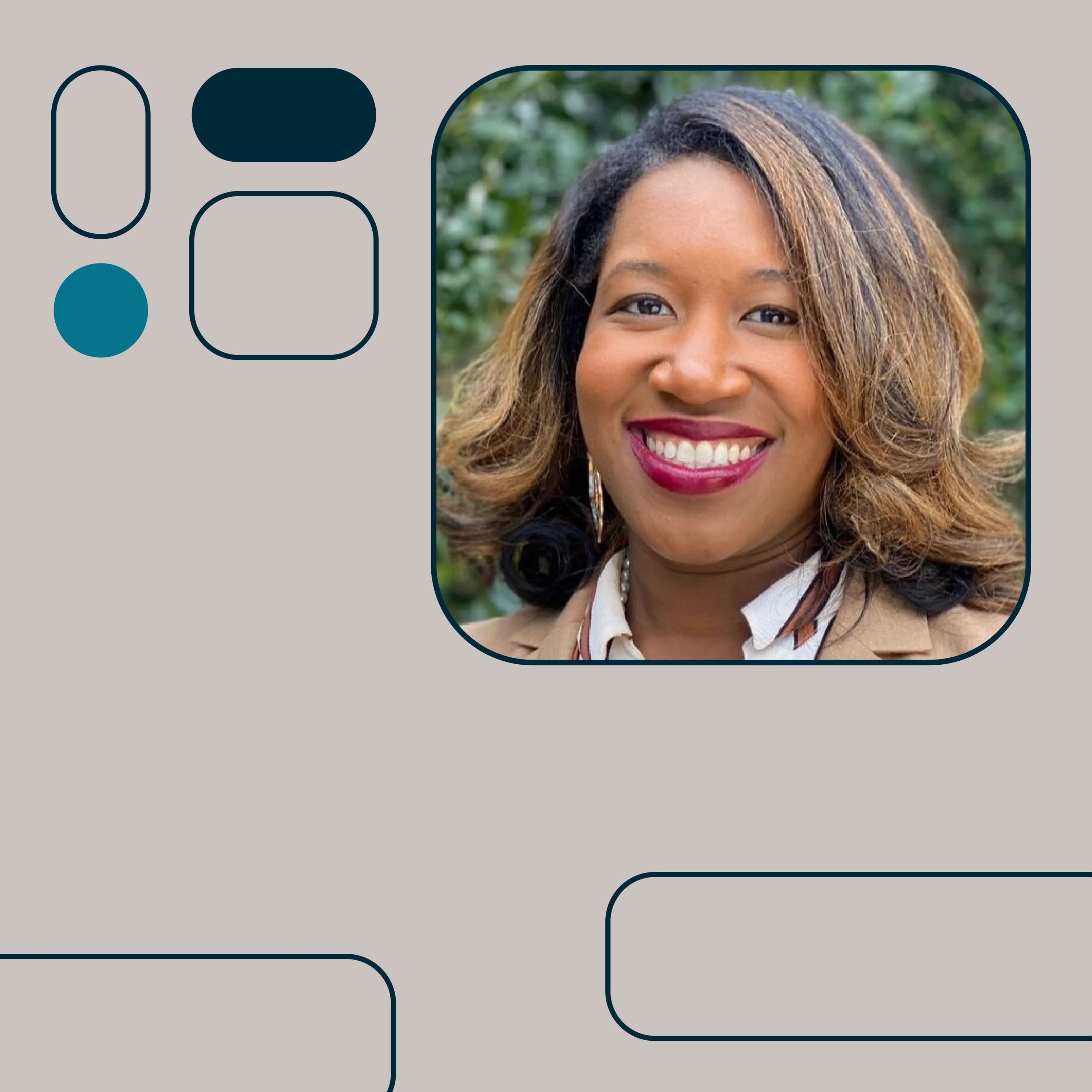
Julian Saavedra joins The Mama’s Den podcast for an honest conversation about learning and thinking differences in kids of color. Listen as he shares how families can support their kids’ needs at home and in school. And get tips for how to work alongside your child’s teacher. The Mama’s Den is hosted by Codie Elaine Oliver, Melanie Fiona, Ashley Chea, and Felicia LaTour. Related resources Watch The Mama’s Den on YouTube 8 steps to advocating for your child at school Need help advocating for your kid at school? We talk to a pro Timestamps (14:23) Why talking about learning disabilities in diverse communities is important (19:06) How educators can best support struggling students (22:33) When should parents seek support for their child? We love hearing from our listeners! Email us at opportunitygap@understood.org . Understood.org is a nonprofit organization dedicated to empowering people with learning and thinking differences, like ADHD and dyslexia. If you want to help us continue this work, donate at understood.org/give Hosted by Simplecast, an AdsWizz company. See pcm.adswizz.com for information about our collection and use of personal data for advertising.

Jul 16
Best of: Unpacking viral ADHD myths on social media with Dr. Kristin Carothers
ADHD is getting a lot of attention on social media. Some posts share helpful tips from experts. But many others share false information. In this episode, we look at how social media spreads harmful myths about ADHD. Listen as Dr. Kristin Carothers, a psychologist, talks about why these myths are dangerous and how they add to stigma and shame. Then get her advice on what parents can do to help set the record straight. Related resources: 8 common myths about ADHD How social media changed ADHD forever The Opportunity Gap show page Timestamps: (04:17) Why we should be careful about spreading myths (18:56) Tips for debunking ADHD myths We love hearing from our listeners! Email us at opportunitygap@understood.org . Understood.org is a nonprofit organization dedicated to empowering people with learning and thinking differences, like ADHD and dyslexia. If you want to help us continue this work, donate at understood.org/give Hosted by Simplecast, an AdsWizz company. See pcm.adswizz.com for information about our collection and use of personal data for advertising.
Jul 2
What is a “good summer” for kids with learning disabilities?
In this episode, Julian Saavedra breaks down what makes a good summer for kids with learning differences. Find out why rest is important for kids. And learn simple activities to help kids stay active and involved during the break. Related resources 6 summer learning apps and games for tweens and teens Summer guide for families Summer survival guide: Hacks to help your family thrive For a transcript and more resources, visit the Opportunity Gap page on Understood.org . We love hearing from our listeners! Email us at opportunitygap@understood.org . Understood.org is a nonprofit organization dedicated to empowering people with learning and thinking differences, like ADHD and dyslexia. If you want to help us continue this work, donate at understood.org/give Hosted by Simplecast, an AdsWizz company. See pcm.adswizz.com for information about our collection and use of personal data for advertising.
Jun 18
8 key special education terms parents should know
Special education has many terms that can be hard to understand. You may hear them often at school meetings or even see them in learning plans. And learning what they mean can help you best support your child. In this episode, host Julian Saavedra breaks down 8 key special education terms in simple, clear language. Learn what these terms mean and how they relate to the support kids receive at school. Related resources Learning disability and ADHD glossary Disability inclusion glossary Opportunity Gap podcast page Timestamps (00:33) What is a learning disability? (01:37) What is ADHD? (02:59) What is special education? (04:54) What is an IEP? For a transcript and more resources, visit the Opportunity Gap page on Understood.org . We love hearing from our listeners! Email us at opportunitygap@understood.org . Understood.org is a nonprofit organization dedicated to empowering people with learning and thinking differences, like ADHD and dyslexia. If you want to help us continue this work, donate at understood.org/give Hosted by Simplecast, an AdsWizz company. See pcm.adswizz.com for information about our collection and use of personal data for advertising.
Jun 4
What you need to know about federal funding for special education
The U.S. Department of Education makes sure federal education laws are followed. It allocates funds to help schools provide special education programs. And it ensures that schools follow rules that protect students’ rights and give all students a fair chance at learning. Find out how federal funding supports special education programs. And learn what to do if your child’s school isn’t providing support. Related resources What does the Department of Education do for special education? The teacher isn’t following my child’s IEP. What can I do? What to include in a state complaint for IEP dispute resolution Timestamps (00:53) What the department does not do for special education (2:47) How the department oversees special education (06:23) How the department protects students’ rights For a transcript and more resources, visit the Opportunity Gap page on Understood.org . We love hearing from our listeners! Email us at opportunitygap@understood.org . Understood.org is a nonprofit organization dedicated to empowering people with learning and thinking differences, like ADHD and dyslexia. If you want to help us continue this work, donate at understood.org/give Hosted by Simplecast, an AdsWizz company. See pcm.adswizz.com for information about our collection and use of personal data for advertising.

May 21
What to do when kids are feeling depressed or anxious
When a child seems sad, anxious, or distant, it can be hard to know how to help. But learning how to recognize signs like changes in mood, sleep, or behavior is a great first step. Karen Wilson, PhD, joins the show to break down the connection between mental health and kids with learning and thinking differences. Find out how learning challenges can cause feelings of anxiety or depression. And get tips on how to support your child through tough times. Related resources Typical sadness or depression? How to tell the difference in your child Signs of depression at different ages ADHD and depression Signs of anxiety in young kids National Alliance on Mental Illness Timestamps (01:02) The relationship between learning disabilities and feeling depressed (06:18) How to recognize signs of depression and anxiety in kids (15:15) Support for managing feelings of depression and anxiety For a transcript and more resources, visit the Opportunity Gap page on Understood.org . We love hearing from our listeners! Email us at opportunitygap@understood.org . Understood.org is a nonprofit organization dedicated to empowering people with learning and thinking differences, like ADHD and dyslexia. If you want to help us continue this work, donate at understood.org/give Hosted by Simplecast, an AdsWizz company. See pcm.adswizz.com for information about our collection and use of personal data for advertising.

May 7
When dyslexia is missed: The impact on students of color
Join health and science journalist Danielle Elliot as she investigates the rise of women recently diagnosed with ADHD. Listen to Climbing the Walls now. Dyslexia is a common learning and thinking difference that makes it difficult for kids to read and process words. And in communities of color, these challenges are often missed for many reasons. Lack of teacher training and limited access to early testing are just a few examples. In this episode, we talk to Shaquala Holmes, MEd. Shaquala has spent her career helping students become better readers. Listen as she breaks down what can happen when dyslexia isn’t diagnosed early and why testing matters. Then find out how parents can support their children at home and in school. Related resources Dyslexia Signs of dyslexia at different ages Timestamps (00:55) How dyslexia affects students in the classroom (03:47) What can happen if dyslexia is left undiagnosed (07:38) Next steps after a dyslexia diagnosis (11:52) How parents can support their child with dyslexia For a transcript and more resources, visit our episode page on Understood.org . We love hearing from our listeners! Email us at opportunitygap@understood.org . Understood.org is a nonprofit organization dedicated to empowering people with learning and thinking differences, like ADHD and dyslexia. If you want to help us continue this work, donate at understood.org/give Hosted by Simplecast, an AdsWizz company. See pcm.adswizz.com for information about our collection and use of personal data for advertising.

Apr 23
Navigating your child’s diagnosis: Self-care tips for parents
When a child is diagnosed with a learning and thinking difference, their parents often focus all their energy on helping. Like advocating for their child, or figuring out what support is needed. With so much to juggle, it's easy for parents to lose sight of their own mental well-being. In this episode, Julian talks with Dr. Monica Johnson. Dr. Johnson, also known as “Dr. J,” is a psychologist and the host of Understood.org’s ADHD and podcast. Listen as Dr. J breaks down emotions parents may experience after receiving their child’s diagnosis. And get her advice on how to set boundaries and make time for self-care while still supporting your child. Related resources Parental burnout? What to do before you lose it Guided meditation for stressed parents CHADD LD OnLine Timestamps (01:20) Common emotions parents experience after their child’s diagnosis (03:52) How parents can balance self-care and supporting their child (04:10) What self-care can look like for parents For a transcript and more resources, visit our episode page on Understood.org . We love hearing from our listeners! Email us at opportunitygap@understood.org . Understood.org is a nonprofit organization dedicated to empowering people with learning and thinking differences, like ADHD and dyslexia. If you want to help us continue this work, donate at understood.org/give Hosted by Simplecast, an AdsWizz company. See pcm.adswizz.com for information about our collection and use of personal data for advertising.

Apr 9
4 tips to help kids cope with uncertainty and anxiety
Join health and science journalist Danielle Elliot as she investigates the rise of women recently diagnosed with ADHD. Listen to Climbing the Walls now. It’s normal for kids to feel uncertain sometimes as they grow and learn about the world. However, there’s a big difference between feeling nervous once in a while and dealing with constant uncertainty. So, how can parents notice these moments and offer support? Listen as host Julian Saavedra explains why it’s normal for kids to feel uncertain. Learn how to spot signs of anxiety and uncertainty in your child. And get helpful tips for supporting your child through these feelings. Related resources 7 tips to help your child self-soothe Is the news stressing your kids out? Tips for getting through it Stress and anxiety Timestamps (01:25) Why kids may feel uncertain at times (03:14) Signs of uncertainty and anxiety in kids (04:07) Julian’s tips for helping kids manage uncertainty To get a transcript and check out more episodes, visit the Opportunity Gap episode page at Understood . We love to hear from our listeners. Email us at opportunitygap@understood.org . Understood.org is a nonprofit organization dedicated to empowering people with learning and thinking differences, like ADHD and dyslexia. If you want to help us continue this work, donate at understood.org/give Hosted by Simplecast, an AdsWizz company. See pcm.adswizz.com for information about our collection and use of personal data for advertising.

Mar 26
How to build strong parent-child bonds
Join health and science journalist Danielle Elliot as she investigates the rise of women recently diagnosed with ADHD. Listen to Climbing the Walls now. A strong parent-child relationship is key to helping children with learning disabilities succeed. Building this bond takes time, patience, and being open with each other. And when done thoughtfully, it can make a huge difference in a child’s life. In this episode, we talk to clinical psychologist Dr. Kristin Carothers. She discusses how building trust can improve a child’s behavior and emotional well-being. Tune in to get tips on building a strong bond with your child and learn how to create a supportive home environment to help them succeed. To get a transcript and check out more episodes, visit the Opportunity Gap episode page at Understood . We love to hear from our listeners. Email us at opportunitygap@understood.org . Related resources ADHD parenting tips from a Black clinical psychologist How to get your child to talk about school Timestamps (01:46) Why building strong parent-child bonds is important (09:02) How to create open lines of communication with kids Understood.org is a nonprofit organization dedicated to empowering people with learning and thinking differences, like ADHD and dyslexia. If you want to help us continue this work, donate at understood.org/give Hosted by Simplecast, an AdsWizz company. See pcm.adswizz.com for information about our collection and use of personal data for advertising.

Mar 12
The hard truth about racism in special education: Part 2
Join health and science journalist Danielle Elliot as she investigates the rise of women recently diagnosed with ADHD. Listen to Climbing the Walls now. For many families of color, navigating the world of special education can be overwhelming. Understanding students’ legal rights in the classroom adds another challenge, often leaving parents uncertain about how to secure the right support for their child. In this episode, we continue our conversation about racism in special education. Listen as Malhar Shah, an education attorney, shares the legal rights parents have when getting help for their child. And get tips on how to effectively advocate for your child’s needs. Related resources The hard truth about racism in special education: Part 1 Confronting racial bias within special education Timestamps (01:39) Legal rights parents have to ensure their child is receiving support (05:11) How to know when a school isn’t meeting legal requirements (07:25) What parents should do to advocate for their child’s needs To get a transcript and check out more episodes, visit the Opportunity Gap episode page at Understood . We love to hear from our listeners. Email us at opportunitygap@understood.org . Understood.org is a nonprofit organization dedicated to empowering people with learning and thinking differences, like ADHD and dyslexia. If you want to help us continue this work, donate at understood.org/give Hosted by Simplecast, an AdsWizz company. See pcm.adswizz.com for information about our collection and use of personal data for advertising.

Feb 26
The hard truth about racism in special education: Part 1
Join health and science journalist Danielle Elliot as she investigates the rise of women recently diagnosed with ADHD. Listen to Climbing the Walls now. Every parent wants the best for their child with learning and thinking differences. But for many families of color, the road to getting that support can feel like an uphill battle. In this episode, we talk to Christopher Cola. Christopher is the father of a son with ADHD and dyslexia. Listen as he opens up about navigating a school district that didn’t always listen to his concerns. And find out why he wants to help other families avoid the struggles he endured. Related resources Families of color and communicating with teachers Confronting racial bias within special education Timestamps (01:35) How Chris first noticed his child’s struggles (06:24) Chris on the email that changed his life (09:37) Chris on racism in special education To get a transcript and check out more episodes, visit the Opportunity Gap episode page at Understood . We love to hear from our listeners. Email us at opportunitygap@understood.org . Understood.org is a nonprofit organization dedicated to empowering people with learning and thinking differences, like ADHD and dyslexia. If you want to help us continue this work, donate at understood.org/give Hosted by Simplecast, an AdsWizz company. See pcm.adswizz.com for information about our collection and use of personal data for advertising.

Feb 12
The power of culturally responsive teaching
Join health and science journalist Danielle Elliot as she investigates the rise of women recently diagnosed with ADHD. Listen to Climbing the Walls now. Imagine a classroom where every student feels represented. Where their backgrounds, learning styles, and individual strengths are valued. For many students of color with learning differences, that’s not always the case. But what if it could be? In this episode, we talk to author and education consultant Afrika Afeni Mills. Listen as she breaks down why it’s important for kids of color with learning disabilities to feel represented in the classroom. Learn the powerful ways inclusive teaching can reshape their journey. And get tips for how to apply this mindset at home. Related resources What is culturally responsive teaching? Families of color and communicating with teachers Confronting racial bias within special education Timestamps (01:50) What does it mean to be culturally responsive? (03:48) Why is this approach important? (08:32) How can educators build a culturally responsive classroom? (14:56) How parents can create or support cultural responsiveness at home To get a transcript and check out more episodes, visit the Opportunity Gap episode page at Understood . We love to hear from our listeners. Email us at opportunitygap@understood.org . Understood.org is a nonprofit organization dedicated to empowering people with learning and thinking differences, like ADHD and dyslexia. If you want to help us continue this work, donate at understood.org/give Hosted by Simplecast, an AdsWizz company. See pcm.adswizz.com for information about our collection and use of personal data for advertising.

Jan 29
How to get over the “mid-year slump”
The middle of the year can feel like a crossroads. Distractions are creeping in, and the energy kids started the school year with seems to fade like a distant memory. But what if this moment isn't a sign to slow down but an opportunity to reset? In this episode, we talk to Kate Garcia, MEd. Listen as Kate explains how parents can turn the mid-year slump into a launchpad for success for their kids with learning and thinking differences. And get tips on how to help kids overcome distractions and refocus for the school year. Related resources 7 ways to help your grade-schooler develop good study habits IXL Quizlet Timestamps (01:15) What is the “mid-year slump?” (04:59) Ways study habits change during the “mid-year slump” (09:12) How parents can help to improve study habits (14:12) Strategies for overcoming the “mid-year slump” To get a transcript and check out more episodes, visit the Opportunity Gap episode page at Understood. We love to hear from our listeners. Email us at opportunitygap@understood.org . Understood.org is a nonprofit organization dedicated to empowering people with learning and thinking differences, like ADHD and dyslexia. If you want to help us continue this work, donate at understood.org/give Hosted by Simplecast, an AdsWizz company. See pcm.adswizz.com for information about our collection and use of personal data for advertising.

Jan 15
What families wish you knew about learning disabilities
Navigating learning and thinking differences can be tough for both kids and their families. Neurodivergent children can feel misunderstood both at home and in the classroom. And their parents often struggle to know how best to help. In this episode of Opportunity Gap , parents and kids share their experiences with learning and thinking differences. Listen as they break down what they wish others understood. Then, hear from psychologist Christina Cipriano, PhD, MEd about how both parents and kids can approach these challenges with patience and support. Related resources 8 things I wish people knew about parenting a child with ADHD 7 things I wish people knew about parenting kids with dyslexia Parenting the kids you have: One mom’s story Timestamps (01:22) Megan’s story (03:35) Reese’s story (04:32) Nancy’s story (05:21) Clara’s story (06:10) Dr. Christina weighs in To get a transcript and check out more episodes, visit the Opportunity Gap episode page at Understood. We love to hear from our listeners. Email us at opportunitygap@understood.org . Understood.org is a nonprofit organization dedicated to empowering people with learning and thinking differences, like ADHD and dyslexia. If you want to help us continue this work, donate at understood.org/give Hosted by Simplecast, an AdsWizz company. See pcm.adswizz.com for information about our collection and use of personal data for advertising.

Jan 1
Building strong reading skills in kids
Does your child avoid reading, get easily frustrated, or stumble over familiar words? These may be signs they’re having trouble with reading. In this episode, we talk to literacy expert Shaquala Holmes, MEd. Shaquala has dedicated her career to helping students become better readers. Listen as she shares: Tips for what to look for when reading with your child Ways to help kids grow their confidence, one word at a time Related resources How to help kids with reading at home Understanding why kids struggle with reading 7 tips to help kids understand what they read Timestamps (01:20) Ways to assess a child’s reading level (08:55) How to spark an interest in reading (11:55) What families can do during reading time To get a transcript and check out more episodes, visit the Opportunity Gap episode page at Understood . We love to hear from our listeners. Email us at opportunitygap@understood.org . Understood.org is a nonprofit organization dedicated to empowering people with learning and thinking differences, like ADHD and dyslexia. If you want to help us continue this work, donate at understood.org/give Hosted by Simplecast, an AdsWizz company. See pcm.adswizz.com for information about our collection and use of personal data for advertising.

Dec 18, 2024
How I’d parent my ADHD kids differently
Parenting a child with ADHD can feel like a constant balancing act — juggling patience, understanding, and supporting your child’s unique needs. It often leads to questions like, Am I doing enough? What can I do better? In this episode, we talk with Dr. Larry Jones, a retired pediatrician and father of sons with ADHD. Listen as Dr. Larry reflects on: Navigating his own ADHD diagnosis What he’s learned about raising kids with ADHD And what he might have done differently in hindsight Related resources Larry A. Jones, MD, MBA Parenting Tips When You and Your Child Have ADHD Understanding ADHD in your child Timestamps (01:42) Dr. Larry on raising kids with ADHD (05:25) Dr. Larry on receiving his own ADHD diagnosis (08:37) Navigating ADHD and its stigma (10:04) What Dr. Larry would do differently raising kids with ADHD To get a transcript and check out more episodes, visit the Opportunity Gap episode page at Understood. We love to hear from our listeners. Email us at opportunitygap@understood.org . Understood.org is a nonprofit organization dedicated to empowering people with learning and thinking differences, like ADHD and dyslexia. If you want to help us continue this work, donate at understood.org/give Hosted by Simplecast, an AdsWizz company. See pcm.adswizz.com for information about our collection and use of personal data for advertising.

Dec 4, 2024
Helping kids navigate the holiday season
The holiday season is filled with joy and spending time with loved ones. But the festivities with their big gatherings, bright lights, and loud noises can be a lot for kids with learning and thinking differences to handle. So, how can parents help kids prepare for the busy holiday season? Listen as Julian shares: Tips to help kids prepare for social interactions Ways to create calm spaces for when kids begin to feel overwhelmed Reasons why setting clear expectations can help kids feel more secure and prepared Related resources 5 tips to get ready for the holidays 8 tips for helping kids with social skills challenges cope with the holiday season 8 difficult holiday situations that make some kids anxious Timestamps (00:38) Understanding holiday overwhelm for kids (01:44) Ways to practice social scenarios (03:28) Tips on how to teach kids to share (05:17) How to create a calm space for kids (07:16) Why it’s important to set clear expectations To get a transcript and check out more episodes, visit the Opportunity Gap episode page at Understood. We love to hear from our listeners. Email us at opportunitygap@understood.org . Understood.org is a nonprofit organization dedicated to empowering people with learning and thinking differences, like ADHD and dyslexia. If you want to help us continue this work, donate at understood.org/give Hosted by Simplecast, an AdsWizz company. See pcm.adswizz.com for information about our collection and use of personal data for advertising.

Nov 20, 2024
How I’m navigating my child’s two diagnoses
Parenting kids with multiple learning and thinking differences is often filled with many twists and turns. It’s a journey that requires a strong support system, resilience, and hope. And each day calls for patience and understanding from both parents and their children. In this episode, we welcome Jennifer Bywaters. Jennifer is the proud mom of a son with dyslexia, dysgraphia, and ADHD. Listen as she shares: Her family’s journey of receiving multiple diagnoses The uplifting moments that have kept her family strong And what this experience has taught her about resilience Related resources Parenting guilt: Tips to get past it Guided meditation for stressed parents 7 things I wish people knew about parenting kids with dyslexia Timestamps (2:20) How Jennifer noticed her child’s learning challenges (4:41) How receiving multiple diagnoses impacted Jennifer and her child (8:44) What Jennifer has found most helpful when advocating for her child’s needs (10:49) What Jennifer’s parenting journey has taught her about resilience To get a transcript and check out more episodes, visit the Opportunity Gap episode page at Understood. We love to hear from our listeners. Email us at opportunitygap@understood.org . Understood.org is a nonprofit organization dedicated to empowering people with learning and thinking differences, like ADHD and dyslexia. If you want to help us continue this work, donate at understood.org/give Hosted by Simplecast, an AdsWizz company. See pcm.adswizz.com for information about our collection and use of personal data for advertising.

Nov 6, 2024
Game on! Teaching kids sportsmanship
Sportsmanship is not just about winning or losing. It’s also about character, respect, and treating others well. It’s an important skill to develop. But mastering it can be challenging for some kids with learning and thinking differences. In this episode of Opportunity Gap , we dive into the heart of sportsmanship. Listen as our guest, Dr. Andy Kahn explains the importance of sportsmanship in youth sports. Learn ways to teach kids these essential values. And find out how instilling a strong sense of sportsmanship can transform not just the game, but kids’ lives both on and off the field. Related resources How to get your child involved in sports 5 ways to work with your child’s coach 5 fun sports for kids who struggle with motor skills Timestamps (1:02) What is sportsmanship? (7:51) Challenges kids with learning and thinking differences face when practicing sportsmanship (12:20) Ways to teach kids sportsmanship To get a transcript and check out more episodes, visit the Opportunity Gap episode page at Understood . We love to hear from our listeners. Email us at opportunitygap@understood.org . Understood.org is a nonprofit organization dedicated to empowering people with learning and thinking differences, like ADHD and dyslexia. If you want to help us continue this work, donate at understood.org/give Hosted by Simplecast, an AdsWizz company. See pcm.adswizz.com for information about our collection and use of personal data for advertising.

Oct 23, 2024
What to do after a parent-teacher conference
Have you ever left a parent-teacher conference feeling both hopeful and unsure? Many parents of kids with learning and thinking differences have felt this way. Especially when the meeting brought to light their child’s trouble with reading or math. In this episode, Julian Saavedra talks with Kareem Neal, a special education teacher from Arizona. Listen as Kareem shares: How parents can use important points from these meetings to create an action plan to help their child succeed Ways for improving communication with the teacher Why it’s important to monitor a child’s progress To get a transcript and check out more episodes, visit the Opportunity Gap episode page at Understood. We love to hear from our listeners. Email us at opportunitygap@understood.org . Related resources Parent-teacher conferences: How to get ready for your next meeting Parent-teacher conferences: Toolkit for families 9 tips to make the most of your parent-teacher conference Timestamps (01:28) What parents can do to enhance their child’s learning (03:10) Steps to take after meeting with your child’s teacher (09:48) How parents and teachers can work together to create goals (12:50) Ways to keep track of your child’s progress Understood.org is a nonprofit organization dedicated to empowering people with learning and thinking differences, like ADHD and dyslexia. If you want to help us continue this work, donate at understood.org/give Hosted by Simplecast, an AdsWizz company. See pcm.adswizz.com for information about our collection and use of personal data for advertising.

Oct 9, 2024
How to build a supportive village for kids
Creating a “village,” or a group of supportive people, can really boost kids’ confidence and help them thrive. This village doesn’t have to consist of only parents and family. But it can also include teachers, therapists, and doctors who care about your child. Listen as host Julian Saavedra highlights the kinds of people who can make a big difference in your child’s life. And get practical tips on how to build these important connections. To get a transcript and check out more episodes, visit the Opportunity Gap episode page at Understood. We love to hear from our listeners. Email us at opportunitygap@understood.org . Related resources 4 ways to help your child build a support network How to find more support when you have kids who learn and think differently Timestamps (01:46) What are the benefits of having a supportive village? (03:46) Should a child’s village only include family members? (07:35) People to consider when building your child’s village (10:05) Tips on how to build your child’s village Understood.org is a nonprofit organization dedicated to empowering people with learning and thinking differences, like ADHD and dyslexia. If you want to help us continue this work, donate at understood.org/give Hosted by Simplecast, an AdsWizz company. See pcm.adswizz.com for information about our collection and use of personal data for advertising.

Sep 25, 2024
Navigating fatherhood with ADHD
Ever thought about what it’s like to raise kids with ADHD while also having ADHD yourself? Dion Chavis, the host of the Black People Parenting podcast, understands this experience very well. In this episode, listen as Dion shares how he’s juggling parenting kids with ADHD and his own ADHD diagnosis. Find out when he started noticing the unique needs of his kids. And hear why he believes in the importance of responsible fatherhood. To get a transcript and check out more episodes, visit the Opportunity Gap episode page at Understood. We love to hear from our listeners. Email us at opportunitygap@understood.org . Related resources Dion Chavis Black People Parenting podcast Black People Parenting podcast episode, "Mastering Tantrums and Meltdowns: Strategies for Parents of Black Children." ADHD and race: What Black families need to know ADHD parenting tips from a Black clinical psychologist Timestamps (03:32) Dion talks parenting a child with ADHD (05:26) Dion talks early signs of learning differences in his daughter (12:49) Dion reflects on his own ADHD diagnosis (22:21) Dion’s “Dads In The Class” initiative (28:26) Dion’s advice to other dads Understood.org is a nonprofit organization dedicated to empowering people with learning and thinking differences, like ADHD and dyslexia. If you want to help us continue this work, donate at understood.org/give Hosted by Simplecast, an AdsWizz company. See pcm.adswizz.com for information about our collection and use of personal data for advertising.

Sep 11, 2024
What to do when school supports fall short
What can parents do when the school falls short in providing the right support for their child’s learning differences? How can parents avoid burning bridges while still advocating for change for their child? In this episode of Opportunity Gap , host Julian Saavedra talks with Jamilah Bashir. Jamilah is an education consultant and IEP coach. Listen as Jamilah explains why a school may not be providing adequate support. And why having a detailed record of a child’s struggles is key when meeting with the school. To get a transcript and check out more episodes, visit the Opportunity Gap episode page at Understood. We love to hear from our listeners. Email us at opportunitygap@understood.org . Related resources Jamilah F. Bashir, MEd, The IEP Coach LLC Master the IEP Course by Jamilah F. Bashir, MEd Unilateral placement: Moving from public to private school Timestamps (02:23) Ways to tell if the school is providing the right support (04:34) Ways to tell if your child needs more support (07:40) Reasons why a school may have trouble providing support (11:28) Why documenting your child’s struggles is important (15:46) How to communicate with the school effectively (18:14) What do you do when you’ve exhausted all efforts to get your child the right support? (28:30) What is unilateral placement? Understood.org is a nonprofit organization dedicated to empowering people with learning and thinking differences, like ADHD and dyslexia. If you want to help us continue this work, donate at understood.org/give Hosted by Simplecast, an AdsWizz company. See pcm.adswizz.com for information about our collection and use of personal data for advertising.

Aug 28, 2024
How to teach kids independence
For some parents, building independence in kids with learning and thinking differences might feel overwhelming. But it’s an important part of kids’ growth. Because when kids learn to do things on their own, they begin to feel more confident. Listen as Julian explains how learning and thinking differences can impact kids’ ability to build independence. Learn why teaching kids how to navigate the world with confidence is key. And get tips on how to teach independence at home. To get a transcript and check out more episodes, visit the Opportunity Gap episode page at Understood. We love to hear from our listeners. Email us at opportunitygap@understood.org . Related resources 5 ways to help tweens and teens be independent learners Let Grow Timestamps (01:13) Why is independence important? (06:18) What is a growth mindset? (06:56) Why parents should praise kids’ efforts (11:01) Ways to teach kids independence at home (14:15) How Julian teaches his children independence (16:39) Tips for parents Understood.org is a nonprofit organization dedicated to empowering people with learning and thinking differences, like ADHD and dyslexia. If you want to help us continue this work, donate at understood.org/give Hosted by Simplecast, an AdsWizz company. See pcm.adswizz.com for information about our collection and use of personal data for advertising.

Aug 14, 2024
Empowering kids for school success
Going back to school can be an exciting time for kids and parents. But for some kids, it can also be full of stress and uncertainty. Especially if the previous school year had its share of ups and downs. Maybe your child had a tough time in math class? Or maybe making friends was a challenge? Listen as host Julian Saavedra explains how parents can get kids ready for the new school year with confidence. Hear why it’s important for parents and kids to reflect on the previous year. And learn ways to help kids manage challenges in the classroom. We love to hear from our listeners. Email us at opportunitygap@understood.org . To get a transcript and check out more episodes, visit The Opportunity Gap episode page at Understood. Related resources Back-to-school making you and your child anxious? These strategies can help What to say when your child doesn’t want to go to school Julian’s book recommendation: The Magical Yet by Angela DiTerlizzi Timestamps (00:47) Why is it important for parents and kids to talk about school? (02:37) Questions to ask your child about school (09:00) How to handle challenges in the classroom with confidence (12:16) “The Magical Yet” Understood.org is a nonprofit organization dedicated to empowering people with learning and thinking differences, like ADHD and dyslexia. If you want to help us continue this work, donate at understood.org/give Hosted by Simplecast, an AdsWizz company. See pcm.adswizz.com for information about our collection and use of personal data for advertising.

Jul 31, 2024
How to make summer learning fun
Summer break can be a great time to learn new skills. And to keep old ones from getting rusty. But how so? In this episode, Julian shares how to prevent the “summer slide.” And gives tips on how to create moments for learning. Related resources Stopping “summer slide” Summer survival guide: Hacks to help your family thrive Summer learning programs for kids who learn and think differently To get a transcript of this show and check out more episodes, visit The Opportunity Gap podcast page at Understood.org. We love to hear from our listeners. Email us at opportunitygap@understood.org . Understood.org is a nonprofit organization dedicated to empowering people with learning and thinking differences, like ADHD and dyslexia. If you want to help us continue this work, donate at understood.org/give Hosted by Simplecast, an AdsWizz company. See pcm.adswizz.com for information about our collection and use of personal data for advertising.

Jul 17, 2024
Parenting Behavior: What is behavior?
Some parents think about behavior in a negative way, like a problem they don’t want to deal with. But the truth is, behavior is just a form of communication. On this bonus episode of The Opportunity Gap, we’re sharing an episode from another Understood podcast, Parenting Behavior with Dr. Andy Kahn. Listen as Dr. Andy explains the truth behind kids’ actions. And gives tips for how parents can respond to their kids’ challenging behaviors. Visit the episode page for a transcript and links to helpful resources. We’d love to hear from you. Write to us at opportunitygap@understood.org . Related resources Listen: Understanding your child’s behavior as communication How to manage behavior problems in young kids The difference between discipline and punishment Understood.org is a nonprofit organization dedicated to empowering people with learning and thinking differences, like ADHD and dyslexia. If you want to help us continue this work, donate at understood.org/give Hosted by Simplecast, an AdsWizz company. See pcm.adswizz.com for information about our collection and use of personal data for advertising.

Jul 3, 2024
Creating teachable moments
Parents play a big role in continuing a child’s learning journey outside of the classroom. These opportunities for learning are often called teachable moments. And they can happen anywhere from the grocery store to even at the park. Listen as Julian explains what teachable moments are. And how they help kids build important life skills. Then get tips on how to create these moments at home. Visit the episode page for a transcript and links to helpful resources. We’d love to hear from you. Write to us at opportunitygap@understood.org . Related resources Summer learning: How to help your child keep skills strong 7 ways to encourage your child to read over the summer Understood.org is a nonprofit organization dedicated to empowering people with learning and thinking differences, like ADHD and dyslexia. If you want to help us continue this work, donate at understood.org/give Hosted by Simplecast, an AdsWizz company. See pcm.adswizz.com for information about our collection and use of personal data for advertising.

Jun 19, 2024
Understanding preschool services
Early intervention refers to services that help kids from birth to age three with developmental delays. But what services are available after kids turn 3? The answer: preschool services. In this episode, we welcome Elisa Lundy. Elisa is a special education teacher who works in preschool classrooms in the New York City area. Listen as she: Explains the similarities between preschool services and early intervention Shares how preschool services can help a child’s social, emotional, and physical development And tells us how families can access these services in their school Related resources What is early intervention? Support for kids who struggle in school How to get your child help in school without an evaluation Visit the episode page for a transcript and links to helpful resources. We’d love to hear from you. Write to us at opportunitygap@understood.org . Understood.org is a nonprofit organization dedicated to empowering people with learning and thinking differences, like ADHD and dyslexia. If you want to help us continue this work, donate at understood.org/give Hosted by Simplecast, an AdsWizz company. See pcm.adswizz.com for information about our collection and use of personal data for advertising.

Jun 5, 2024
Understood Explains IEPs: Special education terms and your legal rights
When a child qualifies for an IEP, one of the first things schools give parents is a packet. In that packet is information that breaks down the legal rights parents and kids have during the special education process. The packet can be really long and filled with lots of terms that can be confusing. Still, it’s important for parents to understand these terms. Listen as host Juliana Urtubey breaks down some key terms in this episode of Understood Explains . She also explains the legal rights that come with an IEP. Visit the episode page for a transcript and links to helpful resources. We’d love to hear from you. Write to us at opportunitygap@understood.org . Related resources What are your rights in the IEP process? Download: Endrew R. advocacy toolkit How to consent to some parts of an IEP and not others Guidance letter from the U.S. Department of Education for schools to translate IEPs Understood.org is a nonprofit organization dedicated to empowering people with learning and thinking differences, like ADHD and dyslexia. If you want to help us continue this work, donate at understood.org/give Hosted by Simplecast, an AdsWizz company. See pcm.adswizz.com for information about our collection and use of personal data for advertising.

May 22, 2024
IEPs and English language learners
The IEP process can leave English language learners and their families with lots of questions. But the more families know about the purpose of IEPs, the more involved they can be in getting their child the best support. In this episode, we speak with Juliana Urtubey. Juliana is a special education teacher. She was named the 2021 National Teacher of the Year. Listen as Juliana explains: Challenges English language learners face during the IEP process Why culturally-responsive IEPs are important And ways parents can actively participate in supporting their child Related resources Are IEPs different for English language learners? How to help if English language learners are struggling in school English language learners in special education: 4 things to know about partnering with families Visit the episode page for a transcript and links to helpful resources. We’d love to hear from you. Write to us at opportunitygap@understood.org . Understood.org is a nonprofit organization dedicated to empowering people with learning and thinking differences, like ADHD and dyslexia. If you want to help us continue this work, donate at understood.org/give Hosted by Simplecast, an AdsWizz company. See pcm.adswizz.com for information about our collection and use of personal data for advertising.

May 8, 2024
What teachers want parents to know
Teachers play a huge role in shaping the future of their students. And they often wear many hats in the classroom to provide the best learning experience for kids. Especially kids with learning and thinking differences. In this episode, we speak with Kareem Neal, MA. Kareem is a special education teacher in Phoenix, Arizona. And he’s been teaching for more than 25 years. Listen as Kareem gives a glimpse into the classroom and explains: The importance of partnership between teachers and parents The impact this relationship has on kids And what he wants parents to know about special education Related resources 7 tips for building a good relationship with your child’s teacher Why and how to partner with your child’s teacher Perspectives: How to make sure families of color are heard by the school Visit the episode page for a transcript and links to helpful resources. We’d love to hear from you. Write to us at opportunitygap@understood.org . Understood.org is a nonprofit organization dedicated to empowering people with learning and thinking differences, like ADHD and dyslexia. If you want to help us continue this work, donate at understood.org/give Hosted by Simplecast, an AdsWizz company. See pcm.adswizz.com for information about our collection and use of personal data for advertising.

Apr 24, 2024
In It: Olympian Michelle Carter talks ADHD and dyslexia
Michelle Carter believes sports can be a big help for kids with learning differences. She's an athlete and a businessperson. And track and field was a game-changer for her ADHD and dyslexia. In this episode, listen as Michelle talks about the challenges she faced in the classroom and on the field. How she discovered her talents in track and field. And then learn how she's helping kids build confidence. Visit the episode page for a transcript and links to helpful resources. We’d love to hear from you. Write to us at opportunitygap@understood.org. Related resources How to get your child involved in sports Video: Michelle Carter wins Olympic gold with dyslexia and ADHD Podcast: Understood Explains on evaluations for special education Read: All about careers for kids who learn and think differently Understood.org is a nonprofit organization dedicated to empowering people with learning and thinking differences, like ADHD and dyslexia. If you want to help us continue this work, donate at understood.org/give Hosted by Simplecast, an AdsWizz company. See pcm.adswizz.com for information about our collection and use of personal data for advertising.

Apr 10, 2024
Social media and toxic myths about ADHD
ADHD has gotten a lot of attention on social media lately. From videos about personal experiences to experts sharing tips, some posts hold truth, but many are misleading. In this episode of The Opportunity Gap , we take a closer look at the influence social media has on toxic myths about ADHD. Listen as Dr. Kristin Carothers, a clinical psychologist, explains: The dangers of myths and misinformation How myths lead to increasing stigma and shame Ways parents can do their part in debunking these myths Related resources: 8 common myths about ADHD 10 special education myths you may hear Visit the episode page for a transcript and links to helpful resources. We’d love to hear from you. Write to us at opportunitygap@understood.org . Understood.org is a nonprofit organization dedicated to empowering people with learning and thinking differences, like ADHD and dyslexia. If you want to help us continue this work, donate at understood.org/give Hosted by Simplecast, an AdsWizz company. See pcm.adswizz.com for information about our collection and use of personal data for advertising.

Mar 27, 2024
Growing up with ADHD: An interview with René Brooks
René Brooks was diagnosed with ADHD twice during her childhood. But stigma and shame kept her family from learning more and getting her the right support. So when she was diagnosed with ADHD for a third time at age 25, she decided to take control of her own journey. In this episode, René unpacks her experiences growing up with ADHD. Listen as she explains: The impact of delayed intervention What she wishes the adults in her life did differently And why it’s important to build support systems for kids with ADHD Visit the episode page for a transcript and links to helpful resources. We’d love to hear from you. Write to us at opportunitygap@understood.org . Related resources René Brooks’ podcast: Life With Lost Keys Children and Adults with Attention-Deficit/Hyperactivity Disorder Masking ADHD symptoms to go above and beyond (René Brooks’ story) Understood.org is a nonprofit organization dedicated to empowering people with learning and thinking differences, like ADHD and dyslexia. If you want to help us continue this work, donate at understood.org/give Hosted by Simplecast, an AdsWizz company. See pcm.adswizz.com for information about our collection and use of personal data for advertising.

Mar 13, 2024
Understanding the IEP process
It’s common for parents to wonder how the IEP process works and how to best advocate for their child’s needs. The truth is, the more parents know about IEPs and how they’re put into place, the more active a role they can take in the process. In this episode, Julian speaks with IEP expert Jamilah F. Bashir, MEd. Listen as Jamilah explains: What the IEP process looks like Common challenges families of color often experience when advocating for their child And ways schools and families can build positive relationships Visit the episode page for a transcript and links to helpful resources. We’d love to hear from you. Write to us at opportunitygap@understood.org . Related resources What is an IEP? Jamilah F. Bashir, MEd, The IEP Coach LLC Master the IEP Course by Jamilah F. Bashir, MEd How to get an IEP Understood.org is a nonprofit organization dedicated to empowering people with learning and thinking differences, like ADHD and dyslexia. If you want to help us continue this work, donate at understood.org/give Hosted by Simplecast, an AdsWizz company. See pcm.adswizz.com for information about our collection and use of personal data for advertising.

Feb 28, 2024
Talking to your child’s pediatrician about learning differences
If your child is struggling at school or at home, you may be wondering whether or not it’s related to a learning difference. Talking with your child’s pediatrician can be a good first step to getting support. But how do you start the talk? Listen as behavioral pediatrician Dr. Nerissa Bauer visits our friends at In It and gives tips for talking with your child’s pediatrician about learning differences like ADHD and more. Visit the In It episode page for a transcript and links to helpful resources. We’d love to hear from you. Write to us at opportunitygap@understood.org . Related resources 5 steps to work with your pediatrician when your child is struggling How to organize your child’s IEP binder Learning disabilities and ADHD: Resources for patient education Take N.O.T.E.: Are you wondering why your child is struggling? Check out Dr. Nerissa’s website, Let’s Talk Kids Health Understood.org is a nonprofit organization dedicated to empowering people with learning and thinking differences, like ADHD and dyslexia. If you want to help us continue this work, donate at understood.org/give Hosted by Simplecast, an AdsWizz company. See pcm.adswizz.com for information about our collection and use of personal data for advertising.

Feb 14, 2024
Diverse impact: Champions of change at Understood
In celebration of Black History Month, Julian highlights four members of the Understood team: Berman Fenelus, Senior Content Producer Livingston Steele, Social Media Manager Misha Williams, Grants and Relationships Manager Deb Wilson, Chief People & Culture Officer Each of them is making an impact in the lives of people with learning and thinking differences, from silencing shame and stigma to promoting inclusion. Learn the reasons why they choose to do this work. Visit the episode page for a transcript and links to helpful resources. We’d love to hear from you. Write to us at opportunitygap@understood.org . Related resources Black History Month: Celebrating Lois, Solange, and Octavia Wisdom for families from LeDerick Horne, poet with dyslexia To be Black in America with a learning disability Understood.org is a nonprofit organization dedicated to empowering people with learning and thinking differences, like ADHD and dyslexia. If you want to help us continue this work, donate at understood.org/give Hosted by Simplecast, an AdsWizz company. See pcm.adswizz.com for information about our collection and use of personal data for advertising.

Jan 31, 2024
Preparing kids for life after high school
For kids with learning and thinking differences, preparing for life after high school is often met with many emotions and questions. “What’s next for me?” “Will I have the same accommodations?” “Will I be successful in my studies?” In this episode, Julian talks with Sudi Shayesteh. Sudi is the director of the Office of AccessABILITY at Hunter College. Learn about the challenges students face when transitioning out of high school. And get tips on how to team up with the school to better prepare students for this transition. Visit the episode page for a transcript and links to helpful resources. We’d love to hear from you. Write to us at opportunitygap@understood.org . Related resources After high school: Different ways to thrive 7 things to know about college disability services Life after high school: Tips to get your child ready Understood.org is a nonprofit organization dedicated to empowering people with learning and thinking differences, like ADHD and dyslexia. If you want to help us continue this work, donate at understood.org/give Hosted by Simplecast, an AdsWizz company. See pcm.adswizz.com for information about our collection and use of personal data for advertising.
Jan 17, 2024
How to get kids to talk about school
Some kids love talking about school. But some don’t— especially when something is upsetting them, like bullying or struggling with a specific subject. If your child is a bit quiet about how things are going in school, there are ways to encourage them to open up more. In this episode, learn some key things to keep in mind. Listen as host Julian Saavedra explains: Ways to ask kids open-ended questions How to be vulnerable with kids And why knowing when to stop asking questions can make all the difference Visit the episode page for a transcript and links to helpful resources. We’d love to hear from you. Write to us at opportunitygap@understood.org . Related resources How to get your child to talk about school Get tips on how to respond when your child is frustrated about school Understood.org is a nonprofit organization dedicated to empowering people with learning and thinking differences, like ADHD and dyslexia. If you want to help us continue this work, donate at understood.org/give Hosted by Simplecast, an AdsWizz company. See pcm.adswizz.com for information about our collection and use of personal data for advertising.

Jan 3, 2024
What is the school-to-prison pipeline?
The school-to-prison pipeline has been hidden in the shadows of our educational systems for way too long. It’s a series of policies that have targeted kids of color, pulling them out of schools and into the legal system. And now, more than ever, it requires our fight to end. Listen as Malhar Shah, an education attorney at the Disability Rights Education and Defense Fund explains: The school-to-prison pipeline How it impacts school discipline and special education laws And the role teachers and parents can play in dismantling it Visit the episode page for a transcript and links to helpful resources. We’d love to hear from you. Write to us at opportunitygap@understood.org . Related resources Disability Rights Education and Defense Fund Find the Parent Training and Information Centers (PTIs) in your state or territory Find the Protection and Advocacy agency (P&A) in your state or territory Helping Traumatized Children Learn Understood.org is a nonprofit organization dedicated to empowering people with learning and thinking differences, like ADHD and dyslexia. If you want to help us continue this work, donate at understood.org/give Hosted by Simplecast, an AdsWizz company. See pcm.adswizz.com for information about our collection and use of personal data for advertising.

Dec 20, 2023
In It: How to tame tantrums and meltdowns with Dr. Andrew Kahn
Tantrums and meltdowns are challenges all parents face. But for families of kids who learn and think differently, they can be even more of a struggle. Listen as Dr. Andrew Kahn gives expert advice on how to deal with tantrums and meltdowns with our friends at the In It podcast. Learn how practicing strategies ahead of time can help you manage outbursts in the moment. And find out what calming techniques can help. Visit the In It episode page for a transcript and links to helpful resources. We’d love to hear from you. Write to us at opportunitygap@understood.org . Related resources What Now? A Parent’s Guide to Tantrums and Meltdowns 5 tips for taking a mutual time-out with your child Check out Understood’s guide to tantrums and meltdowns Understood.org is a nonprofit organization dedicated to empowering people with learning and thinking differences, like ADHD and dyslexia. If you want to help us continue this work, donate at understood.org/give Hosted by Simplecast, an AdsWizz company. See pcm.adswizz.com for information about our collection and use of personal data for advertising.

Dec 6, 2023
Talking to your family about your child’s differences
The holidays can be the most wonderful time of the year. But they can also be the most stressful for families with kids who learn differently. That’s because, for some, the holidays mean telling relatives about their child’s learning differences for the very first time. Sometimes, this talk goes smoothly — other times, there are a few bumps in the road. In this episode, listen as Julian explains: Steps parents should take to prepare for the talk Why parents should avoid using technical terms when telling relatives And the importance of setting boundaries Visit the episode page for a transcript and links to helpful resources. We’d love to hear from you. Write to us at opportunitygap@understood.org . Related resources 8 tips for telling family members about your child’s challenges Download: Tips on how to tell family members In It: Holiday survival guide Understood.org is a nonprofit organization dedicated to empowering people with learning and thinking differences, like ADHD and dyslexia. If you want to help us continue this work, donate at understood.org/give Hosted by Simplecast, an AdsWizz company. See pcm.adswizz.com for information about our collection and use of personal data for advertising.

Nov 22, 2023
In It: How to make the most of parent-teacher conferences
Wondering how to make the most of parent-teacher conferences? Planning ahead can help you walk into the next meeting with confidence. In this episode from our friends at In It , get advice on how to prepare for parent-teacher conferences from DeJunne’ Clark Jackson. Hear how DeJunne’ prepares herself — and her kids — for parent-teacher conferences. Plus, get tips on how to help your child talk with you about school. Visit the episode page for a transcript and links to helpful resources. We’d love to hear from you. Write to us at opportunitygap@understood.org . Related resources 3 ways I engage my child in parent-teacher conferences 9 tips to make the most of your parent-teacher conference 7 questions to ask your child about how school is going Understood.org is a nonprofit organization dedicated to empowering people with learning and thinking differences, like ADHD and dyslexia. If you want to help us continue this work, donate at understood.org/give Hosted by Simplecast, an AdsWizz company. See pcm.adswizz.com for information about our collection and use of personal data for advertising.

Nov 8, 2023
Confronting racial bias within special education
Some teachers, despite their best efforts, bring their own biases into the classroom. And their beliefs impact how they interact with students and their families in a major way. Racial bias in education is a common experience — and it shouldn’t be. In this episode, we address a pressing issue with guest Afrika Afeni Mills, MEd. Listen as Afrika explains: How racial bias can influence relationships between parents and the school The importance of teachers and schools promoting equity in education Steps students and parents can take to address racial bias effectively Visit the episode page for a transcript and links to helpful resources. We’d love to hear from you. Write to us at opportunitygap@understood.org . Related resources Afrika’s TED-Ed Talk: 4 ways to have healthy conversations about race Understood’s article: How to make sure families of color are heard by the school Afrika’s book: Open Windows, Open Minds: Developing Antiracist, Pro-Human Students Understood.org is a nonprofit organization dedicated to empowering people with learning and thinking differences, like ADHD and dyslexia. If you want to help us continue this work, donate at understood.org/give Hosted by Simplecast, an AdsWizz company. See pcm.adswizz.com for information about our collection and use of personal data for advertising.

Oct 25, 2023
Dyslexia Awareness Month
The signs of dyslexia are often overlooked. And there’s so much parents of kids of color can do to advocate for the right support for this learning difference. Our guest is Dyslexia Mom Boss host Lauren McClenney-Rosenstein, EdD. Listen as Dr. Lauren explains: Her own personal experience with learning and thinking differences What parents need to know about Orton-Gillingham Ways parents and schools can work together to help kids of color thrive Visit the episode page for a transcript and links to helpful resources. We’d love to hear from you. Write to us at opportunitygap@understood.org . Related resources Dr. Lauren’s podcast, Dyslexia Mom Boss Dyslexia basics What is Orton–Gillingham? Understood.org is a nonprofit organization dedicated to empowering people with learning and thinking differences, like ADHD and dyslexia. If you want to help us continue this work, donate at understood.org/give Hosted by Simplecast, an AdsWizz company. See pcm.adswizz.com for information about our collection and use of personal data for advertising.

Oct 18, 2023
Bonus: Introducing “What Now?”
Bonus episode! Introducing Understood’s newest podcast: What Now? A Parent’s Guide . Tune in for a peek at Season 1, which is all about tantrums and meltdowns. We’re sharing Episode 6, “Identifying your child’s behavior triggers.” Listen to host Dr. Andrew Kahn as he explains how to find your child’s behavior triggers to prevent tantrums and meltdowns. Get a transcript of this show and check out more episodes from What Now? A Parent’s Guide at u.org/podcasts . We’d love to hear from you. Write to us at opportunitygap@understood.org . Understood.org is a nonprofit organization dedicated to empowering people with learning and thinking differences, like ADHD and dyslexia. If you want to help us continue this work, donate at understood.org/give Hosted by Simplecast, an AdsWizz company. See pcm.adswizz.com for information about our collection and use of personal data for advertising.
Oct 11, 2023
What is a learning disability?
Learning disabilities are real challenges that are not related to intelligence. They impact millions of kids and adults in the United States. And people who have them are not at all “lazy.” Learning disabilities are caused by differences in the brain. And they often are hereditary. These challenges can impact people at school, at work, and in everyday life. But the good news is there are strategies and supports that can help people with learning disabilities thrive. In this episode, listen as Julian explains: What learning disabilities are and how they are diagnosed The differences between an IEP and a 504 plan Ways to tell if a child is struggling with a learning disability Visit the episode page for a transcript and links to helpful resources. We’d love to hear from you. Write to us at opportunitygap@understood.org . Related resources Understood Explains podcast episode: How to decide if your child needs a special education evaluation What are learning disabilities? Learning about evaluations Understood.org is a nonprofit organization dedicated to empowering people with learning and thinking differences, like ADHD and dyslexia. If you want to help us continue this work, donate at understood.org/give Hosted by Simplecast, an AdsWizz company. See pcm.adswizz.com for information about our collection and use of personal data for advertising.

Sep 27, 2023
En español: Preguntas y respuestas sobre la educación especial
We recorded this episode in Spanish, in celebration of Hispanic Heritage Month. Los padres suelen tener muchas preguntas referentes a la educación especial. En el proceso de entender y aprender de qué se trata, se topan con términos y una jerga con los que no están familiarizados. Ante esto, cualquiera se podría sentir abrumado. Pero las dificultades pueden ser aún mayores para muchas familias hispanas. El acceso a la información es limitado o difícil de encontrar para algunas familias hispanas. También las barreras lingüísticas y las diferencias culturales juegan un papel muy importante. Estos factores pueden hacer que los padres se sientan inseguros sobre cuál es la mejor manera de ayudar a sus hijos. En este episodio respondemos preguntas sobre la educación especial. Explicamos qué son las discapacidades del aprendizaje y cómo pueden afectar la vida diaria. Examinanos en detalle los apoyos que brindan las escuelas para ayudar a los niños a progresar en el aula. Escuche a la educadora Claudia Rinaldi (PhD) explicar: Las diferencias entre el IEP y el plan 504 Cómo saber si un niño tiene una diferencia de aprendizaje o problemas para aprender un nuevo idioma Los derechos legales que tienen las familias al solicitar una evaluación Visite la página del episodio para obtener la transcripción y enlaces a recursos útiles. Nos encantaría saber de usted. Escríbanos a opportunitygap@understood.org. Recursos relacionados Cómo solicitar una evaluación gratuita en la escuela Preguntas de las familias hispanas sobre la educación especial Nuestra comunidad en español en Facebook -- When it comes to special education, parents often have many questions. While learning the ins and outs, they come across terms and jargon that they’re not familiar with. This can leave any parent feeling overwhelmed. But for many Hispanic families, it can feel like an even bigger challenge. For some Hispanic families, access to this information is limited. Or even hard to find. For others, language barriers and cultural differences play a huge role. These factors can make parents feel unsure about how to best support their child’s needs. In this episode, we answer questions about special education. We break down what learning disabilities are and how they can impact daily life. We take a closer look at supports schools provide to help kids make progress in the classroom. Listen as Dr. Claudia Rinaldi, an educator, explains: The difference between IEP and 504 plans Ways to figure out if a child has a learning difference or trouble learning a new language Legal rights families have when requesting an evaluation We recorded this episode in Spanish, in celebration of Hispanic Heritage Month. Visit the episode page for a transcript and links to helpful resources. We’d love to hear from you. Write to us at opportunitygap@understood.org. Understood.org is a nonprofit organization dedicated to empowering people with learning and thinking differences, like ADHD and dyslexia. If you want to help us continue this work, donate at understood.org/give Hosted by Simplecast, an AdsWizz company. See pcm.adswizz.com for information about our collection and use of personal data for advertising.

Sep 13, 2023
Empowering English language learners
English language learners bring unique perspectives to the classroom. And their diverse backgrounds and experiences often impact how they learn. So, it’s important for teachers to take the time to learn about their strengths and challenges. Learning a new language is hard work. And multilingual students are often learning how to read, write, and do math in that new language all at the same time. In this episode, listen as Understood expert Dr. Claudia Rinaldi explains: How teachers can create inclusive learning environments Why ELL are both overrepresented and underrepresented in special education Ways schools can build stronger partnerships with ELL and their families Visit the episode page for a transcript and links to helpful resources. We’d love to hear from you. Write to us at opportunitygap@understood.org . Related resources Understood’s article 4 challenges of English language learners who learn and think differently Understood’s article: Learning and thinking differences in the Hispanic community In It episode: Joy and justice with Juliana Urtubey, National Teacher of the Year Understood.org is a nonprofit organization dedicated to empowering people with learning and thinking differences, like ADHD and dyslexia. If you want to help us continue this work, donate at understood.org/give Hosted by Simplecast, an AdsWizz company. See pcm.adswizz.com for information about our collection and use of personal data for advertising.

Aug 2, 2023
Supporting self-esteem and confidence in kids
When kids with learning and thinking differences have positive self-esteem, they feel more confident. They try their best. They value themselves. And they’re proud of the things they can do. Kids with learning differences develop positive self-esteem by working hard toward a goal — and then seeing their hard work pay off. But failure builds confidence in kids too. In this episode of The Opportunity Gap , listen as Julian explains: How encouraging feedback builds positive self-esteem What kids can learn from experiencing failure Ways to praise kids and teach them to be proud of their efforts Visit the episode page for a transcript and links to helpful resources. We’d love to hear from you. Write to us at opportunitygap@understood.org . Related resources Understood’s article on the importance of positive self-esteem for kids Harvard Business Review’s article: The Power of Small Wins Teach Like a Champion’s article: Narrating Positive Behavior Understood.org is a nonprofit organization dedicated to empowering people with learning and thinking differences, like ADHD and dyslexia. If you want to help us continue this work, donate at understood.org/give Hosted by Simplecast, an AdsWizz company. See pcm.adswizz.com for information about our collection and use of personal data for advertising.

Jul 5, 2023
In It: Discipline, ADHD, and learning differences
How do you discipline kids who have trouble with the skills they need to behave? What strategies work best for kids with learning differences? Many parents struggle with how to discipline their kids. And for families of kids with ADHD or learning differences, it can be even harder to know what to do. Get discipline tips from clinical psychologist Dr. Kristin Carothers in this episode of In It , another podcast in the Understood Podcast Network, hosted by Rachel Bozek and Gretchen Vierstra. Listen as Dr. Carothers explains why it can be hard for kids with learning differences to follow rules. Hear answers to questions like: What do we do when kids with learning differences forget their homework? Learn how positive discipline can help. Visit the In It episode page for a transcript and links to helpful resources. We’d love to hear from you. Write to us at opportunitygap@understood.org . Related resources 7 discipline tips when your child has ADHD The difference between discipline and punishment Understanding trouble following directions Understood.org is a nonprofit organization dedicated to empowering people with learning and thinking differences, like ADHD and dyslexia. If you want to help us continue this work, donate at understood.org/give Hosted by Simplecast, an AdsWizz company. See pcm.adswizz.com for information about our collection and use of personal data for advertising.

Jun 7, 2023
Stopping “summer slide”
Many kids with learning challenges love summer vacation — and their parents do, too. It’s a nice long break from studying, homework, and the classroom. And it can leave kids feeling relaxed and better equipped to learn once fall arrives. But when kids press “pause” on learning altogether, they may lose some of what they’ve learned throughout the year and experience the “summer slide.” In this episode of The Opportunity Gap , we break down the summer slide. And we explore how parents and educators can prevent it from happening. Listen as special education teacher Kate García, MEd, explains: Why parents should meet with their child’s teacher before summer break How following a summer routine can help kids stay on track Ways to help kids learn without sacrificing fun Visit the episode page for a transcript and links to helpful resources. We’d love to hear from you. Write to us at opportunitygap@understood.org . Related resources Summer learning: How to help your child keep skills strong Extended school year services: What you need to know Mommy Poppins Understood.org is a nonprofit organization dedicated to empowering people with learning and thinking differences, like ADHD and dyslexia. If you want to help us continue this work, donate at understood.org/give Hosted by Simplecast, an AdsWizz company. See pcm.adswizz.com for information about our collection and use of personal data for advertising.

May 17, 2023
Supporting kids’ mental health: Tim Massaquoi on shame, stigma, and asking for help
It’s becoming more common for kids and their parents to open up and share their struggles with mental health. But this openness isn’t always welcomed in communities of color. In this episode of The Opportunity Gap , we talk about the importance of mental health. We explore its stigma in communities of color and share tips for how to respond to life’s twists and turns. Listen as Tim Massaquoi, a licensed professional counselor and retired NFL player, explains: Why it’s OK for kids of color and their parents to ask for help How he uses sports to help kids think about their own mental health Ways positive self-talk can boost kids’ self-esteem Visit the episode page for a transcript and links to helpful resources. We’d love to hear from you. Write to us at opportunitygap@understood.org . Related resources Tim Massaquoi’s podcast, Mind Ya Mentals Therapy for Black Girls Therapy for Black Men Understood.org is a nonprofit organization dedicated to empowering people with learning and thinking differences, like ADHD and dyslexia. If you want to help us continue this work, donate at understood.org/give Hosted by Simplecast, an AdsWizz company. See pcm.adswizz.com for information about our collection and use of personal data for advertising.

May 3, 2023
Supporting kids’ mental health: Kier Gaines on fatherhood, self-care, and social media
From the decisions they make to the words they say, parents play a huge role in supporting their child’s mental health. Kids may not always be looking to their parents to be perfect or pillars of strength. But they are looking for healthy ways to cope when life treats them unfairly. So, it’s essential for parents and caregivers to make mental wellness a priority. This episode of The Opportunity Gap explores the importance of good mental health for kids who learn and think differently and their parents. Listen as Kier Gaines, a licensed therapist and digital creator, explains: The unique challenges of parenting and how it impacts kids’ mental health Social media’s influence on kids’ self-esteem and social interactions Ways parents can promote good mental health to their child Visit the episode page for a transcript and links to helpful resources. We’d love to hear from you. Write to us at opportunitygap@understood.org . Related resources How does social media affect mental health? It’s complicated. UCLA Health MARC Guided Meditations Mental Health America: Self-help tools Kier Gaines’ Instagram and YouTube channels Understood.org is a nonprofit organization dedicated to empowering people with learning and thinking differences, like ADHD and dyslexia. If you want to help us continue this work, donate at understood.org/give Hosted by Simplecast, an AdsWizz company. See pcm.adswizz.com for information about our collection and use of personal data for advertising.

Apr 5, 2023
Trauma, learning differences, and kids of color
Societal trauma, like school shootings and racial injustice, have become all too commonplace in our kids’ lives. It’s tough for families to help any child process the feelings that come along with these traumatic events. And it can be extra challenging for families of kids of color with learning and thinking differences like ADHD. In this episode of The Opportunity Gap , we explore trauma: its causes, how to identify it, and how it impacts us. Listen as Dr. Kristin Carothers, a clinical psychologist, explains: How trauma shows up in kids’ behavior Supports for parents and educators of kids of color Tips for talking to your child Visit the episode page for a transcript and links to helpful resources. We’d love to hear from you. Write to us at opportunitygap@understood.org . Related resources How to have hard but necessary conversations with your child Learn how scary news can impact kids who learn and think differently The National Child Traumatic Stress Network Understood.org is a nonprofit organization dedicated to empowering people with learning and thinking differences, like ADHD and dyslexia. If you want to help us continue this work, donate at understood.org/give Hosted by Simplecast, an AdsWizz company. See pcm.adswizz.com for information about our collection and use of personal data for advertising.

Mar 2, 2023
What is a special education evaluation? (from “Understood Explains”)
Bonus episode! Learn about special education evaluations from the hosts of two podcasts from the Understood Podcast Network. Julian Saavedra is an assistant principal and the host of The Opportunity Gap . Dr. Andrew Kahn is a psychologist and the host of Understood Explains . Together, they explain how and why schools evaluate kids for special education. The episode also includes tips from parenting expert Amanda Morin on what to say to your child about getting evaluated. Get a transcript for this show and check out more Understood Explains episodes . We’d love to hear from you. Write to us at opportunitygap@understood.org . Related resources What is an evaluation for special education? 6 benefits of having your child evaluated Different terms you may hear for evaluations Parent training centers: A free resource in your state Understood.org is a nonprofit organization dedicated to empowering people with learning and thinking differences, like ADHD and dyslexia. If you want to help us continue this work, donate at understood.org/give Hosted by Simplecast, an AdsWizz company. See pcm.adswizz.com for information about our collection and use of personal data for advertising.
Feb 15, 2023
Black History Month: Celebrating Lois, Solange, and Octavia
For Black History Month, we’re celebrating three pioneering Black women with disabilities: science-fiction author Octavia E. Butler, who had undiagnosed dyslexia; Grammy winner Solange Knowles, who has ADHD; and activist Lois Curtis, who won a landmark Supreme Court case about disability rights. Visit the episode page for a transcript and links to helpful resources. We’d love to hear from you. Write to us at opportunitygap@understood.org . Related resources The official site of Octavia E. Butler Octavia E. Butler as an author of disability literature Solange Knowles: Role model for African American performers with disabilities Lois Curtis, whose lawsuit secured disability rights, dies at 55 Understood.org is a nonprofit organization dedicated to empowering people with learning and thinking differences, like ADHD and dyslexia. If you want to help us continue this work, donate at understood.org/give Hosted by Simplecast, an AdsWizz company. See pcm.adswizz.com for information about our collection and use of personal data for advertising.
Feb 1, 2023
IEP meeting tips for parents of kids of color
Meeting with the school to plan your child’s Individualized Education Program (IEP) can be intimidating. This is true for any parent or guardian. But you may feel an extra layer of unease if you’re the only Black or brown person in the room. Listen to this episode of The Opportunity Gap t o get IEP meeting tips for parents of kids of color. Learn from Taína Coleman, a mom of two and an education specialist at the Child Mind Institute. See how she uses her experience in special education to explain: Which documents you have the right to see before the meeting How to ask if the IEP’s annual goals are aiming high enough What to do if you don’t feel ready to sign the IEP Visit the episode page for a transcript and links to helpful resources. We’d love to hear from you. Write to us at opportunitygap@understood.org . Related resources How to tell if your child’s IEP goals are SMART (Explainer with lots of examples) IEP goal tracker (Printable worksheet) 10 tips for a better IEP meeting (Video) How to organize your child’s IEP binder (Includes video and printable checklist) Understood.org is a nonprofit organization dedicated to empowering people with learning and thinking differences, like ADHD and dyslexia. If you want to help us continue this work, donate at understood.org/give Hosted by Simplecast, an AdsWizz company. See pcm.adswizz.com for information about our collection and use of personal data for advertising.

Jan 4, 2023
Growth mindset and the power of “yet”
What is growth mindset? How can you shift your thinking from “I can’t do it” to “I can’t do it yet?” And why is mindset extra important for kids who learn and think differently? This episode explains key concepts through the life experiences of Savannah Treviño-Casias, a young adult who was diagnosed with dyscalculia in sixth grade. Find out how she went from believing she could never do math to powering her way through a college statistics course so she could become a psychologist. Learn about the intersection of growth mindset, learning disabilities, and kids of color. And get tips to help struggling students: Understand the power of “yet” Set specific goals that they want to reach Visualize their mindsets by drawing and naming them Visit the episode page for a transcript and links to growth mindset worksheets and other helpful resources. We’d love to hear from you. Write to us at opportunitygap@understood.org . Understood resources What is growth mindset? Growth mindset activities for kids Meet Savannah Treviño-Casias, college student with dyscalculia Related resources Developing a growth mindset with Carol Dweck Mindset , by Carol Dweck The Magical Yet , by Angela DiTerlizzi Teaching students of color: Looking race in the face SDSU professor challenges concept widely embraced by educators Understood.org is a nonprofit organization dedicated to empowering people with learning and thinking differences, like ADHD and dyslexia. If you want to help us continue this work, donate at understood.org/give Hosted by Simplecast, an AdsWizz company. See pcm.adswizz.com for information about our collection and use of personal data for advertising.

Dec 7, 2022
ADHD and race: What Black families need to know
Is ADHD more likely to be overlooked in Black kids? Or is it overdiagnosed? In this episode, pediatrician Dr. Tumaini Coker shares insights on ADHD and race. Learn about Dr. Coker’s research into health equity and how clinics can help reduce the racial disparities in diagnosing and treating ADHD in children of color. You’ll also get practical tips for parents from an expert who has a personal connection to ADHD. Listen as Dr. Coker talks about stigma and other challenges her family faced when her twin boys showed signs of ADHD in grade school. Get a transcript for this episode and check out more Opportunity Gap episodes at u.org/opportunitygap . Comments? Email us at opportunitygap@understood.org . Research cited in this podcast Diagnostic and Medication Treatment Disparities in African American Children with ADHD: A Literature Review Racial and Ethnic Disparities in ADHD Diagnosis and Treatment Related resources for families Common signs of ADHD at different ages What an in-depth ADHD evaluation should look like How can I find out if my child was misdiagnosed with ADHD? Understood.org is a nonprofit organization dedicated to empowering people with learning and thinking differences, like ADHD and dyslexia. If you want to help us continue this work, donate at understood.org/give Hosted by Simplecast, an AdsWizz company. See pcm.adswizz.com for information about our collection and use of personal data for advertising.

Nov 2, 2022
Bias in school discipline: When the teacher says your child is “acting out”
It’s an all too familiar situation for many families of color. The phone rings. It’s the school calling to say your child has been “acting out” in class. Again. In this episode about bias in school discipline, host Julian Saavedra talks with Busola Saka, a parent and creator of Instagram’s @BlackBoyThrive , and Jolie Battista, a former special education teacher who’s an expert on positive behavioral interventions and supports (PBIS). Listen as they discuss key terms like implicit bias , significant disproportionality , and manifestation determination . Find out why these terms are extra important to know if you’re the parent of a child of color. And get actionable tips to help advocate for kids who have learning and thinking differences like ADHD and dyslexia. Get a transcript for this episode and check out more Opportunity Gap episodes at u.org/opportunitygap . Comments? Email us at opportunitygap@understood.org . Related resources from Understood Why kids act out and how to help Why some kids play the “class clown” Understanding your child’s behavior as communication (podcast) What is PBIS (positive behavioral interventions and supports)? School discipline: What are the rights of kids with IEPs and 504 plans? Data sources and other information Bias isn’t just a police problem — it’s a preschool problem (NPR) Why, really, are so many Black kids suspended? (Education Week) Pandemic-era civil rights data is essential to inform special education equity (K–12 Dive) Significant disproportionality in special education: Trends among Black students (National Center for Learning Disabilities) New guidance helps schools support students with disabilities and avoid discriminatory use of discipline (U.S. Department of Education) Understood.org is a nonprofit organization dedicated to empowering people with learning and thinking differences, like ADHD and dyslexia. If you want to help us continue this work, donate at understood.org/give Hosted by Simplecast, an AdsWizz company. See pcm.adswizz.com for information about our collection and use of personal data for advertising.

Oct 5, 2022
Myths about special education
Debunked! Learn five common myths about special education that can keep kids from getting the support they deserve. Host Julian Saavedra and expert guest Christina Gutierrez explain common misconceptions and offer tips on how to help your child thrive. Christina is the mom of a child with an IEP. She is also a former special educator. Find out which of the five top myths “gets under her skin” the most and which one crept into her own thinking when her son was struggling. Get a transcript for this episode and check out more Opportunity Gap episodes at u.org/opportunitygap . Comments? Email us at opportunitygap@understood.org . Related resources Common myths about special education What to do when people don’t believe your child has a learning or thinking difference How to get past parenting guilt Wunder, the first community app for parents of kids with learning and thinking differences, like ADHD and dyslexia Understood.org is a nonprofit organization dedicated to empowering people with learning and thinking differences, like ADHD and dyslexia. If you want to help us continue this work, donate at understood.org/give Hosted by Simplecast, an AdsWizz company. See pcm.adswizz.com for information about our collection and use of personal data for advertising.

Sep 28, 2022
“The Opportunity Gap” Season 2
Listen to the trailer for Season 2 of The Opportunity Gap , a podcast for parents of kids of color who learn and think differently. Season 2 digs deeper into ADHD and other learning differences and offers tips on how to advocate for your child. Host Julian Saavedra is a father of two. He’s also an assistant principal who has spent nearly 20 years working in public schools. Get a transcript for this episode and check out more Opportunity Gap episodes at u.org/opportunitygap . Comments? Email us at opportunitygap@understood.org . Understood.org is a resource dedicated to shaping the world so the 70 million people in the U.S. with learning and thinking differences can thrive. Learn more about The Opportunity Gap and all our podcasts at u.org/podcasts . Copyright © 2022 Understood for All, Inc. All rights reserved. Understood.org is a nonprofit organization dedicated to empowering people with learning and thinking differences, like ADHD and dyslexia. If you want to help us continue this work, donate at understood.org/give Hosted by Simplecast, an AdsWizz company. See pcm.adswizz.com for information about our collection and use of personal data for advertising.

Jun 9, 2022
A mom of 8 with limited resources on advocating for her son with ADHD, and feeling judged
Melissa is a single mom from Philadelphia. She faced many challenges while raising her son Abdullah, who has ADHD and other learning differences. A second-generation Puerto Rican and a high school graduate, Melissa faced stigma, limited resources, and a knowledge barrier. But she dedicated herself to making sure her son could learn and self-advocate — all while juggling seven other kids. This week, Julian Saavedra and Marissa Wallace welcome Melissa, who they’ve been friends with ever since they taught her son. Listen in to hear how this mom beat the odds by being her son’s best advocate. Hear the advice she has for parents like herself. And find out what Abdullah is up to now. To find a transcript for this episode and more resources, visit the episode page at Understood . You can also download Wunder by Understood . This free app includes exercises that can help you track your child's behavior, look for patterns, and get personalized tips along the way. We love hearing from our listeners. Email us at opportunitygap@understood.org . Related resources 8 steps to advocating for your child at school How to find more support when you have kids who learn and think differently Perspectives: How to make sure families of color are heard by the school Understood.org is a nonprofit organization dedicated to empowering people with learning and thinking differences, like ADHD and dyslexia. If you want to help us continue this work, donate at understood.org/give Hosted by Simplecast, an AdsWizz company. See pcm.adswizz.com for information about our collection and use of personal data for advertising.

May 26, 2022
Bullying, shame, and parenting guilt: Reacting to real stories
Has your child ever been called names because they struggle to read? Do you worry that your child’s learning differences are your fault? This episode features three audio stories from the Understood family about bullying, shame, and parenting guilt around learning differences and ADHD. Hosts Julian Saavedra and Marissa Wallace react to each story, and offer their thoughts and advice for parents and caretakers. Listen in for practical strategies from our teacher hosts on how to respond. Find out what a “lunch bunch” is and how it can help kids gain friends and confidence, even in virtual settings. And feel less alone by hearing what you might share in common with others. To find a transcript for this episode and more resources, visit the episode page at Understood . You can also download Wunder by Understood . This free app includes exercises that can help you track your child's behavior, look for patterns, and get personalized tips along the way. We love hearing from our listeners. Email us at opportunitygap@understood.org . Related resources Video: Jade, an eighth grader, talks about how it feels to have reading challenges Manju Banerjee on how stigma impacts the Asian American community Video: Collin Diedrich on imposter syndrome and learning differences Understood.org is a nonprofit organization dedicated to empowering people with learning and thinking differences, like ADHD and dyslexia. If you want to help us continue this work, donate at understood.org/give Hosted by Simplecast, an AdsWizz company. See pcm.adswizz.com for information about our collection and use of personal data for advertising.

May 12, 2022
Wisdom for families from LeDerick Horne, poet with dyslexia
LeDerick Horne is a Black man, poet, activist, and person with dyslexia. He’s spoken at the White House. And he wrote a definitive book on hidden disabilities. But his life could have all turned out differently. As a child, LeDerick couldn’t read. He was labeled “neurologically impaired” and was put in separate special education classes. And he struggled to find his place as a Black man in America with learning differences. He says one mistake could have led him to prison or worse, like many of his classmates. In this episode of The Opportunity Gap , hosts Julian Saavedra and Marissa Wallace talk with LeDerick about all the people who made a difference in his life. LeDerick shares his advice on how to help kids of color with learning differences thrive. Stay tuned until the end of the episode for a special reading by LeDerick of a poem that will inspire your family. To find a transcript for this episode and more resources, visit the episode page at Understood . We love hearing from our listeners. Email us at opportunitygap@understood.org . Related resources Video: The challenges of being an African American who learns and thinks differently Video: LeDerick Horne, poet and activist with learning disabilities To be Black in America with a learning disability Understood.org is a nonprofit organization dedicated to empowering people with learning and thinking differences, like ADHD and dyslexia. If you want to help us continue this work, donate at understood.org/give Hosted by Simplecast, an AdsWizz company. See pcm.adswizz.com for information about our collection and use of personal data for advertising.

Apr 28, 2022
Understanding your child’s behavior as communication
As in-person learning gets underway across the country, schools are seeing an increase in disengagement and even disrespect from some students. After two years of learning online and often alone, socializing and sitting still in the classroom can be challenging for kids. Add in learning and thinking differences like ADHD, and it’s a recipe for behavior issues. This week on The Opportunity Gap , hosts Julian Saavedra and Marissa Wallace challenge listeners to think of “misbehavior” as a form of communication. They share their experiences as educators and parents, and they offer their advice on how to help kids with their behavior. Julian and Marissa also talk about how culture can determine which behaviors are seen as “good” or “bad.” And they discuss why so many kids of color are misunderstood by white teachers. To find a transcript for this episode and more resources, visit the episode page at Understood . We love hearing from our listeners. Email us at opportunitygap@understood.org . Related resources The difference between discipline and punishment How to help young kids with behavior challenges Understanding behavior as communication: A teacher’s guide Understood.org is a nonprofit organization dedicated to empowering people with learning and thinking differences, like ADHD and dyslexia. If you want to help us continue this work, donate at understood.org/give Hosted by Simplecast, an AdsWizz company. See pcm.adswizz.com for information about our collection and use of personal data for advertising.

Apr 14, 2022
How “The Talk” changes with disability and learning differences
Black parents and families of color know about “The Talk”: the conversation they must have with their kids about the dangers posed by racism and injustice in society. But how does this conversation change when learning differences and disability are part of the picture? This week, The Opportunity Gap tackles how to talk with your child about learning and thinking differences and why this is a critical conversation to have for kids of all ages. Hosts Julian Saavedra and Marissa Wallace discuss how to avoid shame around differences and disability, and what words you can use. Listen for tips and advice on how to prepare for the conversation. To find a transcript for this episode and more resources, visit the episode page at Understood . We love hearing from our listeners. Email us at opportunitygap@understood.org . Related resources How to talk to your child about learning and thinking differences Video: LeDerick Horne on being Black and learning differently ADHD parenting tips from a Black clinical psychologist Understood.org is a nonprofit organization dedicated to empowering people with learning and thinking differences, like ADHD and dyslexia. If you want to help us continue this work, donate at understood.org/give Hosted by Simplecast, an AdsWizz company. See pcm.adswizz.com for information about our collection and use of personal data for advertising.

Mar 31, 2022
Why Black girls with learning disabilities need more visibility
Atira Roberson says she’s Black, female, and has a learning disability. And if you don’t see all three, you don’t see her . The Opportunity Gap welcomes Atira to the show for a special conversation about what it means to be a Black girl with learning differences in the United States. Atira shares her journey — from a student with an IEP, unaware of her differences, to a candidate for a master’s in public administration. She talks about the strong Black mother who advocated for her, and the church community that supported her along the way. And she shares her number one priority for educational change in this country: stopping the criminalization of Black girls with ADHD and learning disabilities. To find a transcript for this episode and more resources, visit the episode page at Understood . We love hearing from our listeners. Email us at opportunitygap@understood.org . Related resources To be Black in America with a learning disability Video: An African American poet who learns differently Two Black women discuss the teen with ADHD put in juvie for not doing her homework Understood.org is a nonprofit organization dedicated to empowering people with learning and thinking differences, like ADHD and dyslexia. If you want to help us continue this work, donate at understood.org/give Hosted by Simplecast, an AdsWizz company. See pcm.adswizz.com for information about our collection and use of personal data for advertising.

Mar 17, 2022
Early intervention and kids of color
Thousands of kids of color from marginalized communities are already behind when they start kindergarten. One cause: Families often don’t know about free help for babies and toddlers with developmental delays. In this episode, co-host Marissa Wallace opens up about her biracial son who had language delays as a toddler. Even though Marissa is a teacher, she didn’t know exactly what to do. Luckily, her doctor recommended free early intervention services. To make sure other families don’t miss out, Marissa and co-host Julian Saavedra raise awareness about early childhood intervention services. They also discuss the barriers to access that kids in low-income areas face. And they share tips for how families can seek out early intervention. To find a transcript for this episode and more resources, visit the episode page at Understood . We love hearing from our listeners. Email us at opportunitygap@understood.org . Reports mentioned in this episode Our Youngest Learners: Increasing Equity in Early Intervention , by The Education Trust Early Inequities: How Underfunding Early Intervention Leaves Low-Income Children of Color Behind , by Citizens’ Committee for Children of New York Related resources What is early intervention? How to get an early intervention evaluation Federal government developmental milestones Understood.org is a nonprofit organization dedicated to empowering people with learning and thinking differences, like ADHD and dyslexia. If you want to help us continue this work, donate at understood.org/give Hosted by Simplecast, an AdsWizz company. See pcm.adswizz.com for information about our collection and use of personal data for advertising.

Mar 3, 2022
Teacher shortages, special education, and kids of color
Schools around the country are facing a huge shortage of special education teachers and other staff. How is the teacher shortage impacting kids with disabilities or learning and thinking differences? What about kids who are marginalized? Co-host Marissa Wallace starts the episode with a story about how her husband, a Black man, was offered a special education teaching job even though he’s in the field of finance. This kicks off a discussion with co-host Julian Saavedra about why there’s a teacher shortage — and its impact. Julian and Marissa share their experiences as parents and teachers, and they react to news stories from around the country. They also share tips for families on what to do when schools say they can’t deliver services because of staff shortages. To find a transcript for this episode and more resources, visit the episode page at Understood . We love hearing from our listeners. Email us at opportunitygap@understood.org . Related resources 10 smart responses when a school cuts or denies services 7 tips to improve your relationship with your child’s teacher Podcast: Are IEPs different in wealthy schools? Understood.org is a nonprofit organization dedicated to empowering people with learning and thinking differences, like ADHD and dyslexia. If you want to help us continue this work, donate at understood.org/give Hosted by Simplecast, an AdsWizz company. See pcm.adswizz.com for information about our collection and use of personal data for advertising.

Feb 17, 2022
How to teach Black history to kids with learning differences and ADHD
Everyone agrees it’s critical to teach Black history to kids with learning differences and ADHD, as well as to students who get special education. But what’s the best way to teach it? How can families engage their kids in Black history — as well as in current events in the Black community? This episode features Kimberly Eckert, 2018 Louisiana Teacher of the Year, in a conversation about race, parenting, and Black history. Kimberly shares her personal experience growing up as a biracial Black woman in a bayou in the South, and how she talks about race with her daughter today. She describes “80/20 time,” a method to get kids engaged in learning. Co-hosts Julian Saavedra and Marissa Wallace also share their picks for books and activities for kids — especially Black boys — to learn about Black history. To find a transcript for this episode and more resources, visit the episode page at Understood . We love hearing from our listeners. Email us at opportunitygap@understood.org . Resources for teaching Black history to kids “ Young, Gifted, and Black: Meet 52 Black Heroes From Past and Present ,” by Jamia Wilson (Julian’s pick) “ I Am... (Positive Affirmations for Brown Boys) ,” by Aeysha Rodriguez (Marissa’s pick) “ Teaching Your Child About Black History ,” from PBS (Marissa’s pick) “ Black American History ,” a Crash Course on YouTube (Producer’s pick) Harriett's Bookshop (Julian’s pick) Uncle Bobbie's Bookshop (Julian’s pick) Understood.org is a nonprofit organization dedicated to empowering people with learning and thinking differences, like ADHD and dyslexia. If you want to help us continue this work, donate at understood.org/give Hosted by Simplecast, an AdsWizz company. See pcm.adswizz.com for information about our collection and use of personal data for advertising.

Feb 3, 2022
ADHD parenting tips from a Black clinical psychologist
What should families of color know about ADHD? The podcast welcomes Kristin Carothers, PhD, a Black clinical psychologist who specializes in working with families of kids who have ADHD and learning differences. “Dr. Kristin” shares why ADHD — and ADHD medication — hold such a heavy place in the hearts of Black families. The discussion focuses on the cultural conversation around ADHD. Dr. Kristin also gives practical tips to families on what they can do if they think a child might have ADHD. And she offers strategies for families who don’t have resources or health insurance to get professional help. Finally, she reflects on Black Lives Matter and her personal experience of being a Black doctor. To find a transcript for this episode and more resources, visit the episode page at Understood . We love hearing from our listeners. Email us at opportunitygap@understood.org . Websites and approaches discussed by Dr. Kristin in this episode: Child Mind Institute American Academy of Child and Adolescent Psychiatry Parent Child Interaction Therapy The Incredible Years Alan Kazdin Parenting Approach Related resources ADHD fact sheet What I tell Black parents who worry about labels like ADHD for their child How to get a free or low-cost evaluation for your child Understood.org is a nonprofit organization dedicated to empowering people with learning and thinking differences, like ADHD and dyslexia. If you want to help us continue this work, donate at understood.org/give Hosted by Simplecast, an AdsWizz company. See pcm.adswizz.com for information about our collection and use of personal data for advertising.

Jan 20, 2022
Omicron, special education, and marginalized communities
Schools are reeling from the impact of the new Omicron variant of COVID-19. But what does it mean for special education, kids with learning and thinking differences, and marginalized communities? Hosts Julian Saavedra and Marissa Wallace discuss how they’re managing the new COVID wave as both parents and teachers. They get an update on how schools around the country are responding, with some going virtual, others staying in-person, and — in a few cases — even closing because of a lack of staff. Marissa shares about how her virtual charter school is approaching the Omicron wave and special education. And Julian shares a poignant story about a student who ran away from home and for whom in-person school is a safe place. To find a transcript for this episode and more resources, visit the episode page at Understood . We love hearing from our listeners. Email us at opportunitygap@understood.org . Related resources Listen to a podcast on parent fears in the COVID epidemic . Get eight tips to help your child learn at home . Check out 20 learning activities to keep kids busy at home . Understood.org is a nonprofit organization dedicated to empowering people with learning and thinking differences, like ADHD and dyslexia. If you want to help us continue this work, donate at understood.org/give Hosted by Simplecast, an AdsWizz company. See pcm.adswizz.com for information about our collection and use of personal data for advertising.

Jan 6, 2022
Twice-exceptional Black and brown kids
Kids who have learning and thinking differences or other disabilities can also be gifted. This is known as being “twice exceptional,” or “2e.” But what does twice exceptional mean for Black and brown kids? In this episode, hosts Julian Saavedra and Marissa Wallace explore how kids who struggle with learning can also have incredible talents and skills. However, for marginalized kids, these abilities are often overlooked. Gifted testing may be biased against them. The hosts also react to startling statistics about how few kids of color are in gifted programs. Listen for thoughts and advice on how families can get schools to focus on their kids’ exceptional abilities, not just their challenges. To find a transcript for this episode and more resources, visit the episode page at Understood . We love hearing from our listeners. Email us at opportunitygap@understood.org . Related resources Gifted children’s challenges with learning and thinking differences 12 questions to ask your school about 2e students When gifted kids need accommodations, too ( In It podcast episode) National Center for Education Statistics Public school gifted or 2e programs mentioned in this episode: Montgomery County Public Schools twice exceptional students and services Chicago’s U-46 gifted and talented academy (in process of renaming) Aurora Public Schools definition of gifted and talented Arizona Public Media news article on Southwest Junior High Understood.org is a nonprofit organization dedicated to empowering people with learning and thinking differences, like ADHD and dyslexia. If you want to help us continue this work, donate at understood.org/give Hosted by Simplecast, an AdsWizz company. See pcm.adswizz.com for information about our collection and use of personal data for advertising.

Dec 16, 2021
IEP meeting tips for undocumented families
Advocating for your kids in an IEP meeting can be scary for any family. Now imagine that the family is undocumented and worried about immigration enforcement as they try to get help for their kids with learning and thinking differences. In this episode, hosts Julian Saavedra and Marissa Wallace talk to Kareem Neal, a Black special education teacher in Arizona. Kareem shares his experiences with kids with IEPs from undocumented families. He explains how parents can find champions within the school system to help them advocate for their kids. Finally, he and Julian talk about what it means to be a Black educator. To find a transcript for this episode and more resources, visit the episode page at Understood . We love hearing from our listeners. Email us at opportunitygap@understood.org . Related resources Learn about the rights of undocumented families to special education . Check out eight steps to advocating for your child at school . Not sure why your child is struggling? Check out Take N.O.T.E. Understood.org is a nonprofit organization dedicated to empowering people with learning and thinking differences, like ADHD and dyslexia. If you want to help us continue this work, donate at understood.org/give Hosted by Simplecast, an AdsWizz company. See pcm.adswizz.com for information about our collection and use of personal data for advertising.

Dec 2, 2021
Is special education different in wealthy schools?
Choosing a school is a huge decision for families with kids who learn and think differently. One concern is whether special education is better in high-income schools. Another is how IEPs serve kids in racially diverse or low-income schools. Hosts Julian Saavedra and Marissa Wallace take on tough questions from Understood users about how IEPs differ between schools based on income. They discuss how race, diversity, and wealth play a role in the special education services that kids get. To find a transcript for this episode and more resources, visit the episode page at Understood . We love hearing from our listeners. Email us at opportunitygap@understood.org . Related resources Learn about school options like neighborhood and charter schools . Avoid 5 common mistakes that families make when choosing a school . Understood.org is a nonprofit organization dedicated to empowering people with learning and thinking differences, like ADHD and dyslexia. If you want to help us continue this work, donate at understood.org/give Hosted by Simplecast, an AdsWizz company. See pcm.adswizz.com for information about our collection and use of personal data for advertising.

Nov 18, 2021
ADHD as a “white boy problem”
What prevents young people of color from recognizing their learning differences and ADHD? According to user researcher Yasmeen Adams, there’s a perception by some that ADHD is a “white boy problem.” Hosts Julian Saavedra and Marissa Wallace welcome Yasmeen to the show to discuss the results of interviews with dozens of young people of color with ADHD. The hosts ask pointed questions about how experiences differ between Black youth and other people of color. And Yasmeen shares why, as a Black person with ADHD, this research is personally meaningful. To find a transcript for this episode and more resources, visit the episode page at Understood . We love hearing from our listeners. Email us at opportunitygap@understood.org . Related resources See the trailer for “Vivo,” the Netflix film the hosts talk about in the episode. Watch a video with poet LeDerick Horne on being Black with a learning disability . Worried about labeling your child with ADHD? Read this teacher’s message to Black parents . Read why young Black writer Ryan Douglass couldn’t ask for help as a young child . Understood.org is a nonprofit organization dedicated to empowering people with learning and thinking differences, like ADHD and dyslexia. If you want to help us continue this work, donate at understood.org/give Hosted by Simplecast, an AdsWizz company. See pcm.adswizz.com for information about our collection and use of personal data for advertising.

Nov 18, 2021
Simone Biles and why role models are hard to find
Simone Biles is the most decorated female gymnast in history. She’s also a Black woman and an advocate for people with ADHD. So why don’t more students of color know her story? Hosts Julian Saavedra and Marissa Wallace explore what being a role model means and why some stories rise up more than others. They also talk about how shame and stigma prevent more people of color from talking about their challenges. Finally, the hosts share thoughts on how parents and schools can help kids with learning and thinking differences find role models to look up to. To find a transcript for this episode and more resources, visit the episode page at Understood . We love hearing from our listeners. Email us at opportunitygap@understood.org . Related resources Read what Simone Biles tweeted about ADHD . Check out Tupac Shakur’s poem, “The Rose That Grew From Concrete.” Watch videos about athletes who learn and think differently, like Olympian Michelle Carter and NFL player Lawrence Guy . Get tips on finding mentors for kids with learning and thinking differences . Understood.org is a nonprofit organization dedicated to empowering people with learning and thinking differences, like ADHD and dyslexia. If you want to help us continue this work, donate at understood.org/give Hosted by Simplecast, an AdsWizz company. See pcm.adswizz.com for information about our collection and use of personal data for advertising.

Nov 11, 2021
Introducing The Opportunity Gap
Listen to The Opportunity Gap , a new podcast for families about kids of color with learning and thinking differences, like dyslexia, ADHD, and more. Host Julian Saavedra is a Black parent and assistant principal in an urban public school, and host Marissa Wallace is a special education teacher with a multiracial child. Listen as Julian and Marissa explore issues of privilege, race, and identity — and talk about ways parents can advocate for their kids. Understood is a nonprofit and social impact organization dedicated to shaping a world where the 1 in 5 people who learn and think differently can thrive. Learn more about The Opportunity Gap and all our podcasts at u.org/podcasts . Copyright © 2021 Understood for All, Inc. All rights reserved. Understood.org is a nonprofit organization dedicated to empowering people with learning and thinking differences, like ADHD and dyslexia. If you want to help us continue this work, donate at understood.org/give Hosted by Simplecast, an AdsWizz company. See pcm.adswizz.com for information about our collection and use of personal data for advertising.