Opportunity Gap: For Families Navigating Special Education
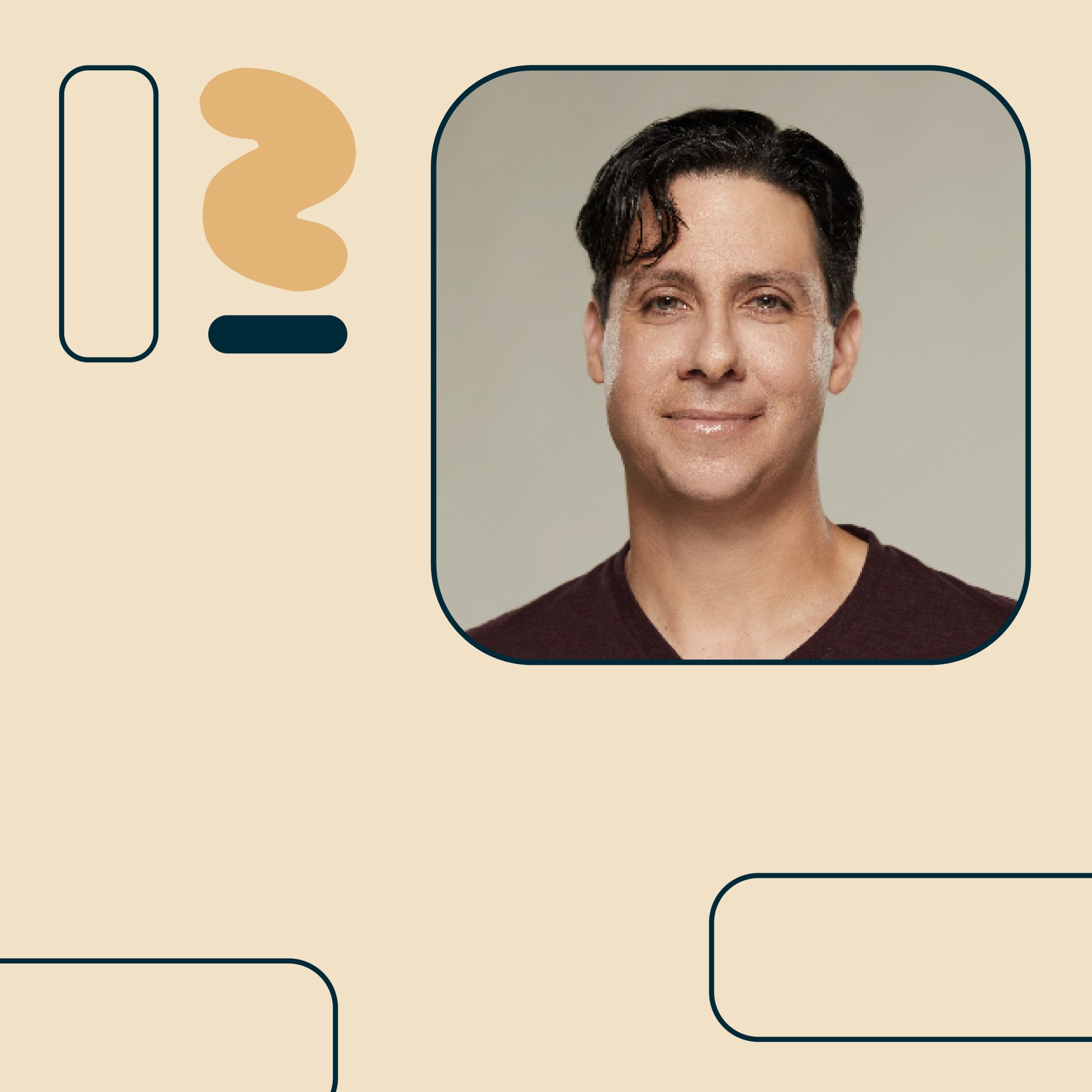
Understood.org, Julian Saavedra
Understood.org, Julian Saavedra
Navigating the education system can be overwhelming for families whose children have ADHD, dyslexia, or other learning and thinking differences. Opportunity Gap is a podcast that sheds light on the real challenges families face when trying to get the right support for their kids. On this show, we explore how identity, race, disability, and access to resources can make the education journey more challenging — and what parents can do about it. Join host Julian Saavedra, an assistant principal and father of two, as he shares real stories, expert insights, and practical strategies to help you advocate for your child.
5d ago
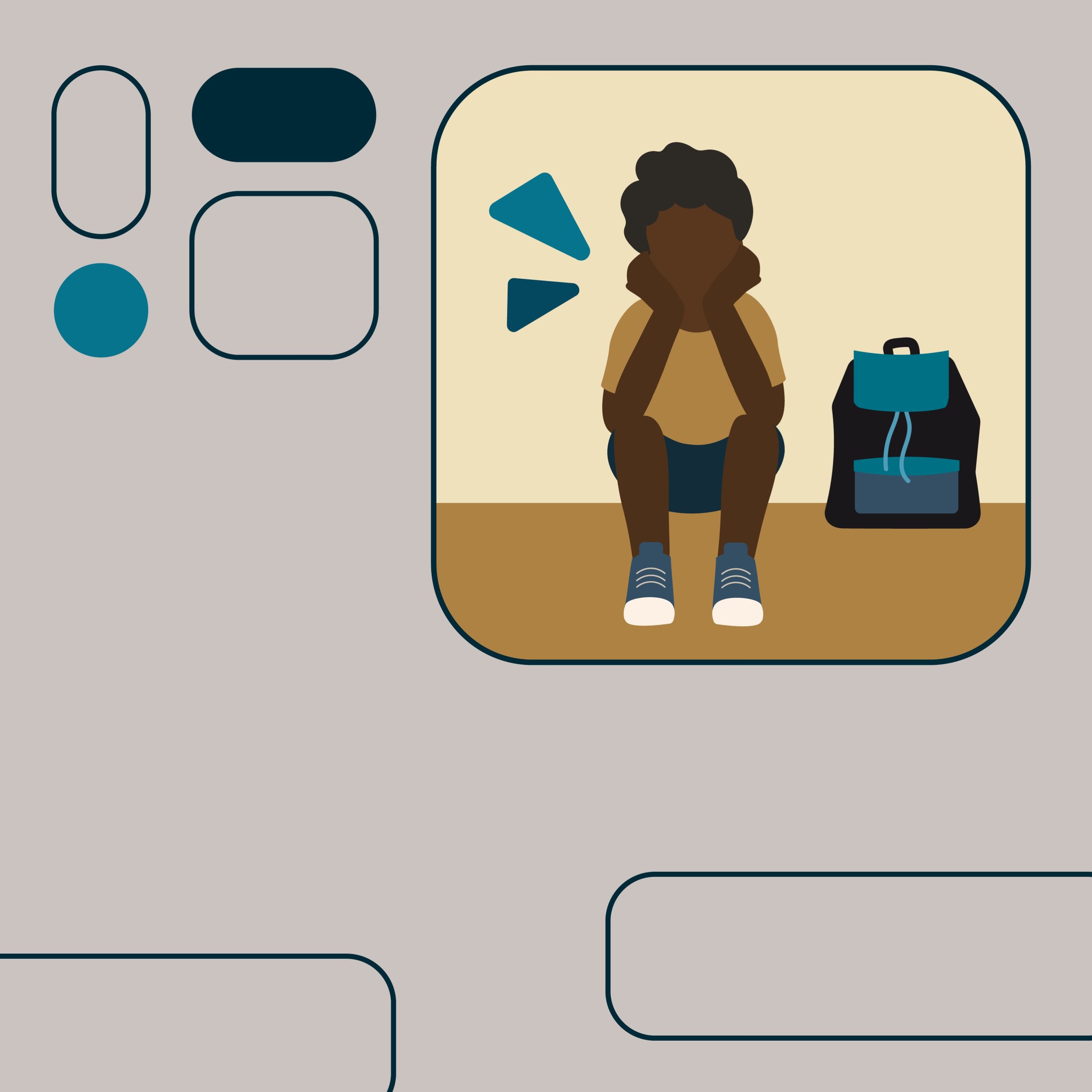
In this episode, Julian breaks down “chronic absenteeism.” What is that, you ask? As parents, you’re probably familiar with kids avoiding school. But when does a feeling turn into a pattern? And what can that tell us about a child’s school experience? Julian will explain the difference between occasional sick days and ongoing patterns, what true school refusal really looks like, and what you can do about it. For more on this topic: Listen: School refusal (when kids say “no”) Read: How to help kids cope with school refusal Download: Find out why your child doesn’t want to go to school For a transcript and more resources, visit the episode page on Understood.org . We love hearing from our listeners! Email us at opportunitygap@understood.org . Understood.org is a nonprofit organization dedicated to empowering people with learning and thinking differences, like ADHD and dyslexia. If you want to help us continue this work, donate at understood.org/give Hosted by Simplecast, an AdsWizz company. See pcm.adswizz.com for information about our collection and use of personal data for advertising.
Dec 3
Many kids with ADHD also deal with anxiety. Together, this can end up looking like defiance, avoidance, or just acting out at school. In this episode, we’re breaking down what’s really going on behind these behaviors. And we share practical ways that parents can support their kids — at home and at school — through clear communication, behavior plans, and strategies that actually work. For more on this topic: Listen: How can you help an anxious child Read: 6 things I wish I’d known about my son’s anxiety Download: Anxiety tracker for kids Timestamps: (05:40) Why teachers misinterpret ADHD behavior as defiance (10:30) Behavior is communication: Decoding what kids are really saying (16:00) How behavior intervention plans (BIPs) support kids with ADHD (22:30) Motivating kids: Rewards, buy-in, and real-world success For a transcript and more resources, visit the episode page on Understood.org . We love hearing from our listeners! Email us at opportunitygap@understood.org . Understood.org is a nonprofit organization dedicated to empowering people with learning and thinking differences, like ADHD and dyslexia. If you want to help us continue this work, donate at understood.org/give Hosted by Simplecast, an AdsWizz company. See pcm.adswizz.com for information about our collection and use of personal data for advertising.
Nov 19
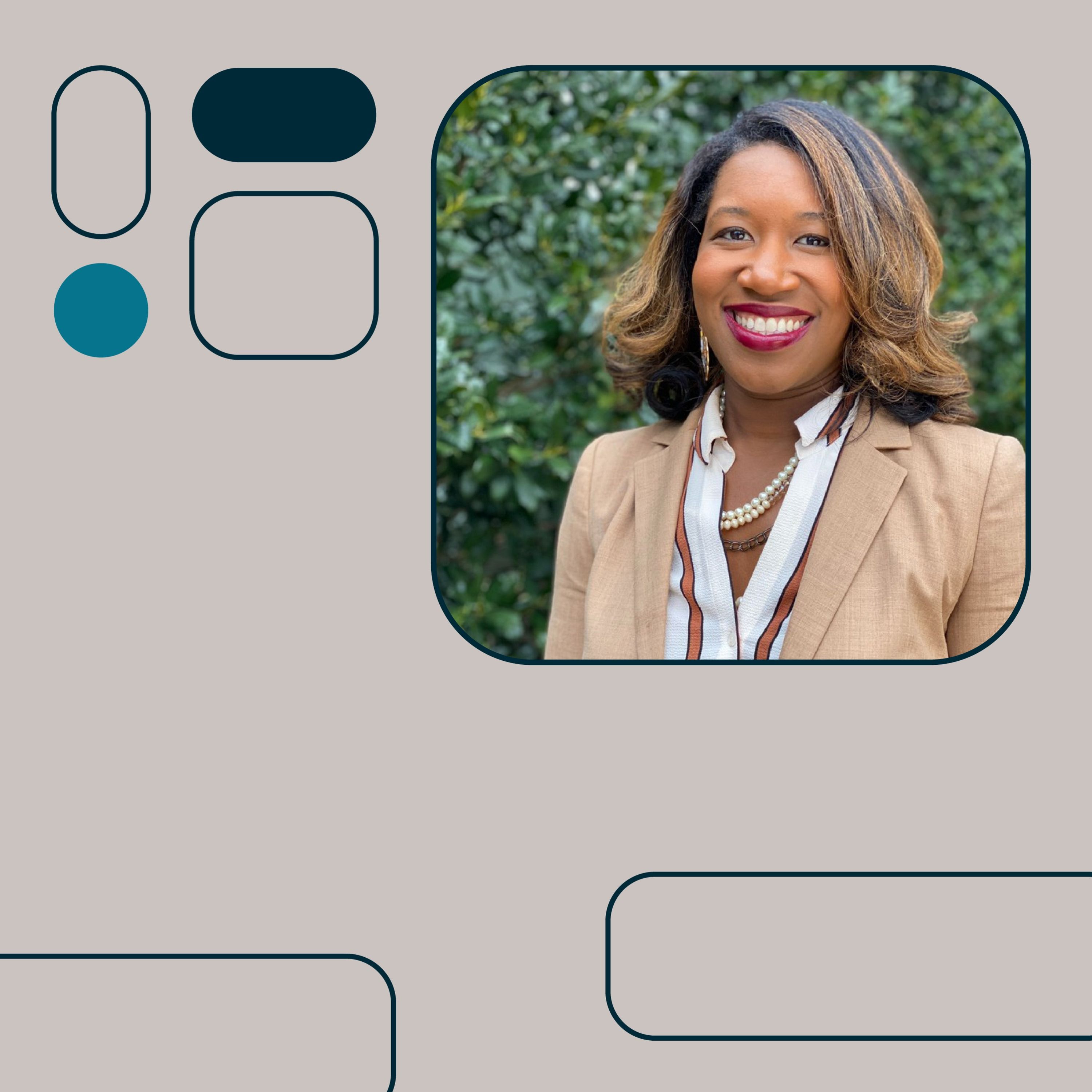
We know the headlines around special education these days are hard to take in. Federal layoffs in the Office of Special Education Programs (OSEP) could affect oversight of $15 billion in IDEA funding, putting some services your child may be receiving at risk. In this episode, former OSEP chief of staff Meghan Whittaker joins host Julian and journalist Ray Jacobson from the Hyperfocus podcast to explain what this means for schools, IEPs, and families. Learn how funding, vouchers, and state control could impact your child — and what parents can do to protect their rights. For more on this topic: What the special education layoffs mean for your child’s IEP and school services What happens to my child’s IEP if the U.S. Department of Education closes? The R-word is back: How do you get people to care? Special education: Federal law vs. state law Timestamps: (02:00) Federal layoffs at OSEP: What happened and why it matters (06:00) Understanding IDEA and federal oversight (11:00) Real-life impact on schools and students (18:00) Vouchers vs. public school funding: What families should know (26:00) States taking over: Risks and challenges (30:00) Equity concerns and how parents can advocate For a transcript and more resources, visit the episode page on Understood.org. We love hearing from our listeners! Email us at opportunitygap@understood.org. Understood.org is a nonprofit organization dedicated to empowering people with learning and thinking differences, like ADHD and dyslexia. If you want to help us continue this work, donate at understood.org/give Hosted by Simplecast, an AdsWizz company. See pcm.adswizz.com for information about our collection and use of personal data for advertising.
Nov 5
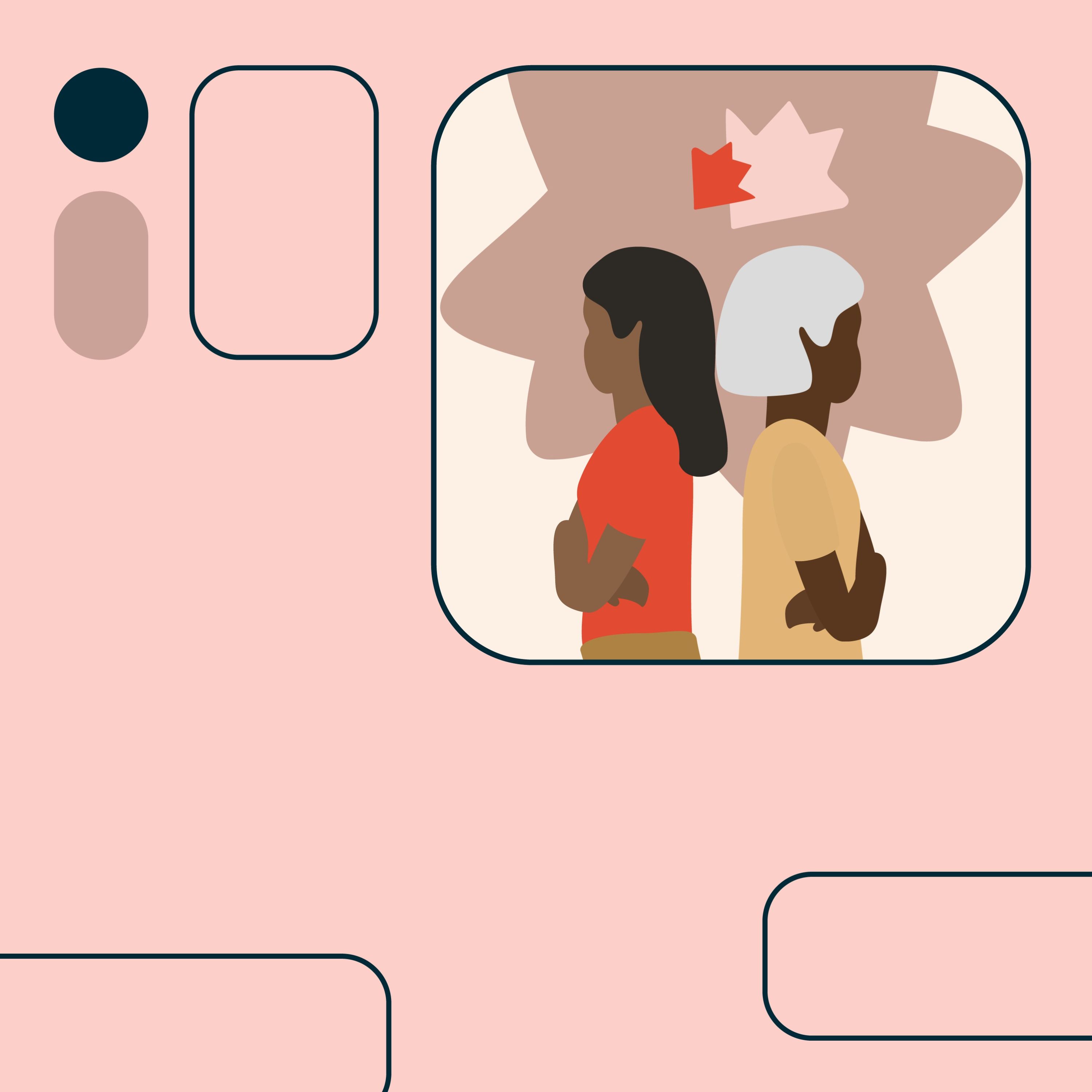
Sometimes parent-teacher relationships don’t go as smoothly as we hope. And when conflicts happen, it can make school harder for both students and adults. In this episode, Julian shares practical advice for dealing with parent-teacher tension. Learn how to fix misunderstandings and rebuild trust to help create a more positive connection. For more on this topic: Families of color and communicating with teachers 7 tips for building a good relationship with your child’s teacher Why and how to partner with your child’s teacher Race and Ethnicity of Public School Teachers and Their Students Timestamps: (00:00) Intro (00:55) Why parent-teacher dynamics are hard (03:44) How race influences these relationships (06:40) Julian’s tips for working with your child’s teacher For a transcript and more resources, visit the episode page on Understood.org . We love hearing from our listeners! Email us at opportunitygap@understood.org . Understood.org is a nonprofit organization dedicated to empowering people with learning and thinking differences, like ADHD and dyslexia. If you want to help us continue this work, donate at understood.org/give Hosted by Simplecast, an AdsWizz company. See pcm.adswizz.com for information about our collection and use of personal data for advertising.
Oct 22
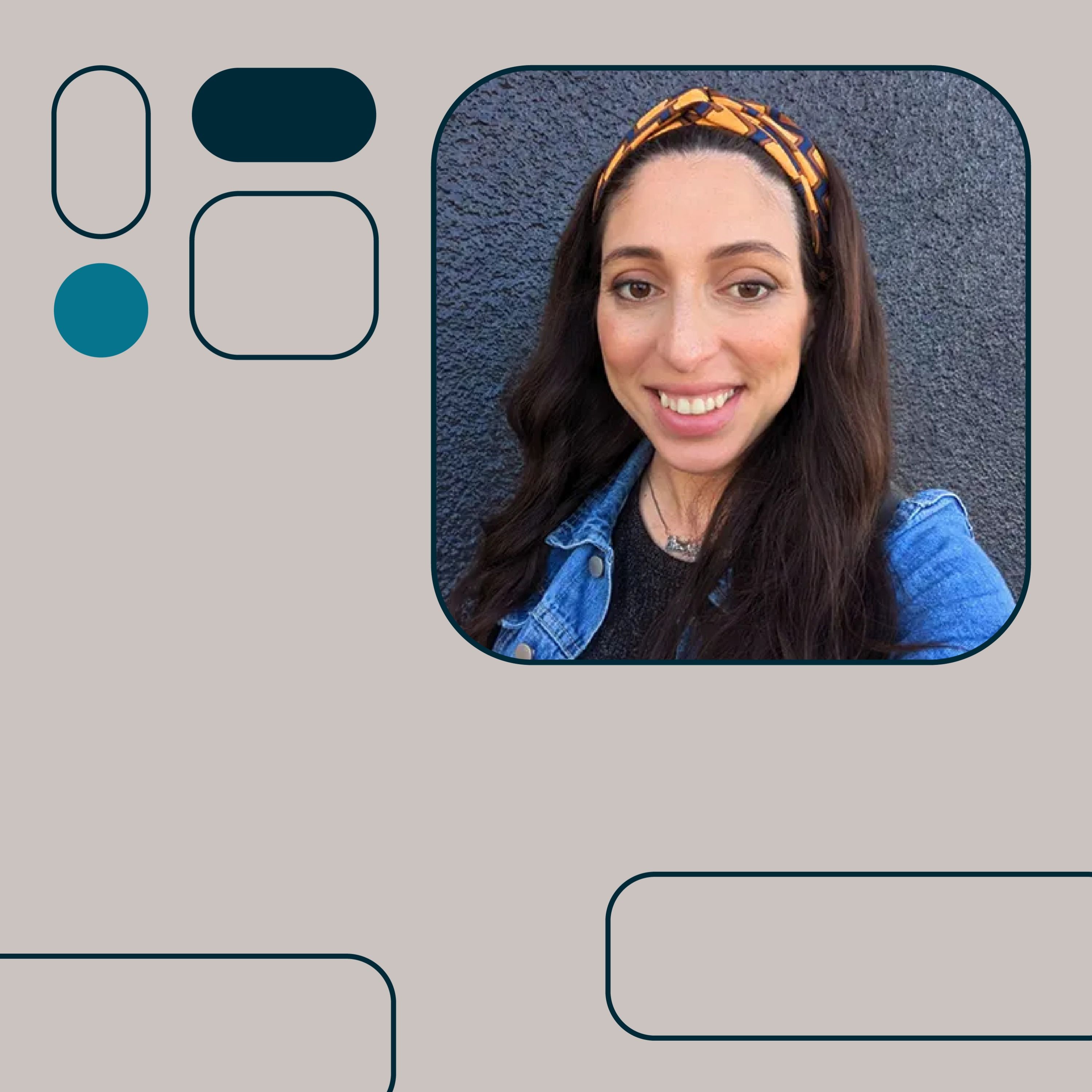
Is your child having trouble with reading? Could it be dyslexia? Expert Shira Moskowitz shares what parents need to know. Dyslexia is more than just letter mix-ups. It’s a learning difference that affects how kids read and understand words. In this episode, you’ll learn: How to spot early signs of dyslexia in kids The truth about letter reversals And how technology can help support kids For more on this topic: When dyslexia is missed: The impact on students of color What is dyslexia? Dyslexia: More than mixing up letters Timestamps: (00:00) Intro (01:00) What is dyslexia? (02:05) The truth about letter reversals (03:30) How early can kids show signs of dyslexia? (05:40) How dyslexia affects kids beyond just reading (08:05) How parents can support kids with dyslexia (08:55) How technology can help For a transcript and more resources, visit the episode page on Understood.org . We love hearing from our listeners! Email us at opportunitygap@understood.org . Understood.org is a nonprofit organization dedicated to empowering people with learning and thinking differences, like ADHD and dyslexia. If you want to help us continue this work, donate at understood.org/give Hosted by Simplecast, an AdsWizz company. See pcm.adswizz.com for information about our collection and use of personal data for advertising.
Oct 8
What do you do when your child says, “I think my teacher hates me”? In this episode, Julian breaks down what that really means. Learn how to spot signs of microaggressions in the classroom. Get simple ways to support your child and speak up when something feels wrong. And find out how to address microaggressions in a calm, clear way. For more on this topic: Families of color and communicating with teachers Perspectives: How to make sure families of color are heard by the school The hard truth about racism in special education: Part 1 Timestamps: (00:00) Intro (00:40) What is a microaggression? (02:44) Julian’s personal experience (07:37) How to talk to your child about microaggressions For a transcript and more resources, visit The Opportunity Gap on Understood.org . You can also email us at opportunitygap@understood.org . Understood.org is a nonprofit organization dedicated to empowering people with learning and thinking differences, like ADHD and dyslexia. If you want to help us continue this work, donate at understood.org/give Hosted by Simplecast, an AdsWizz company. See pcm.adswizz.com for information about our collection and use of personal data for advertising.
Sep 24
Ever leave a parent-teacher conference feeling more confused than informed? Dr. Andy Kahn joins us to help you prepare and make the most of these important conversations. For many parents, these meetings can feel like a quick whirlwind, leaving unanswered questions. In this episode, you’ll discover: How to set clear, focused goals before your meeting Strategies for making the most of limited time with your child’s teacher How Understood’s new resource, “Through My Eyes,” offers valuable insight into your child’s learning experience Experience how it feels to learn differently. Step into real-life simulations of kids with ADHD, dyslexia, and dyscalculia with “Through My Eyes” by Understood.org. For more on this topic Parent-teacher conferences: How to get ready for your next meeting What to do after a parent-teacher conference Timestamps (00:00) Intro (01:23) Goals parents should have for the parent-teacher conference (05:47) How to raise concerns with your child’s teacher (09:00) Ways parents can make the most of their conference (11:56) What is “Through My Eyes?” For a transcript and more resources, visit the Opportunity Gap page on Understood.org . We love hearing from our listeners! Email us at opportunitygap@understood.org . Understood.org is a nonprofit organization dedicated to empowering people with learning and thinking differences, like ADHD and dyslexia. If you want to help us continue this work, donate at understood.org/give Hosted by Simplecast, an AdsWizz company. See pcm.adswizz.com for information about our collection and use of personal data for advertising.
Sep 10
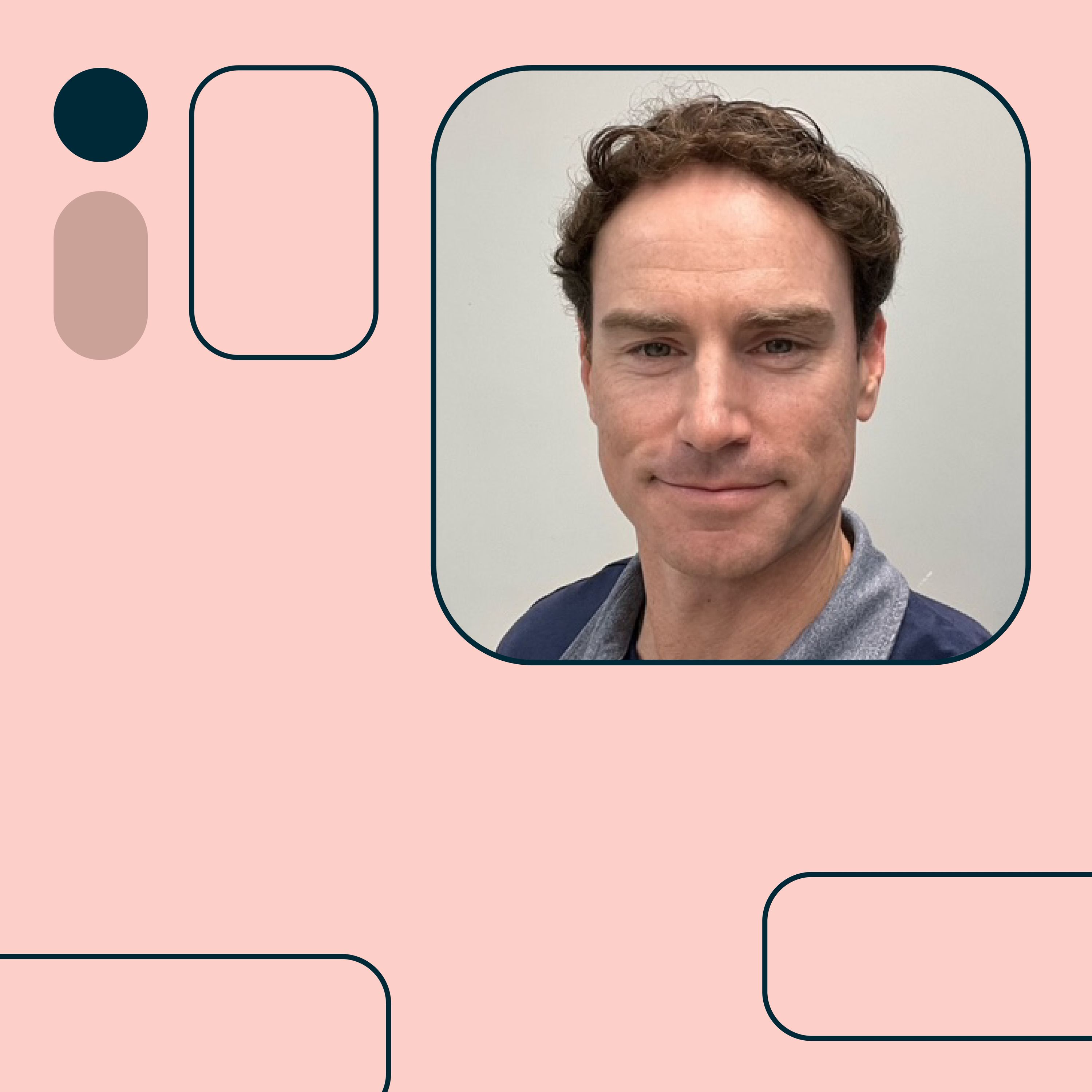
Some kids work hard in math but still struggle to keep up. Even with extra practice, the numbers just don’t click. This might be a sign of dyscalculia, a learning disability that makes it difficult to understand and use numbers. In this episode, we’re joined by math teacher Brendan Hodnett. Hear as Brendan explains what dyscalculia is and how it can affect a student’s confidence. Then find out what families can do to help support their child. For more on this topic What is dyscalculia? Dyscalculia or math anxiety? Compare the signs in kids Timestamps (0:00) Intro (01:12) What is dyscalculia? (06:39) Signs a child may have dyscalculia (11:46) Consequences of undiagnosed dyscalculia (17:15) What families can do For a transcript and more resources, visit the Opportunity Gap page on Understood.org . We love hearing from our listeners! Email us at opportunitygap@understood.org . Understood.org is a nonprofit organization dedicated to empowering people with learning and thinking differences, like ADHD and dyslexia. If you want to help us continue this work, donate at understood.org/give Hosted by Simplecast, an AdsWizz company. See pcm.adswizz.com for information about our collection and use of personal data for advertising.