Second Nature
Commons·Hosted by Katelan Cunningham·65 episodes
How can we live sustainably in an unsustainable world? Second Nature is a podcast by Commons exploring how our sustainable choices impact our lives and the planet. Every week hear how listeners are taking public transit, composting food waste, eating more plant-based meals and practicing deconsumption to create the kind of world they want to live in. We'll calculate the carbon impact of collective action and get expert answers to your burning climate questions. Everyone’s sustainable life is unique. Tell us about yours. thecommons.earth/podcast 🌎 Join a community of tens of thousands of people using the Commons app to tr...
Why listen
Second Nature turns sustainable living into something practical, personal, and less lonely. Host Katelan Cunningham blends listener stories, expert interviews, and carbon-impact context, so you hear both the everyday choices people are making and the bigger systems those choices push against. It is a strong fit for listeners who care about climate action but want grounded ideas instead of guilt or abstract doom.
Episodes
It seems that the modern world is in its isolation era, leaving us craving the easy comfort of irl camaraderie. Ideally, the kind that comes without the need to buy a ticket or split a bill. Because becoming a villager isn't just a salve for loneliness, it's a rebellion against consumerism.After a whole season of following the money, we're wrapping up our finale contemplating how we can create community without it. We're hearing from our community about how they show up as villagers, and how they start their own villages. Turns out you don't need to bean extrovert, have a huge group chat, or be a pillar in your community. You just have to show up. These relationships we make with our community create bonds that strengthen our ability to adapt in climate disasters, financial instability, and even supply chain woes. And getting started is easier than you think.📱 Want to make your money count? Download the Commons app .🌎 Find citations and further reading in the full show notes.📞 Want to submit to the show? We'd love to hear from you!📷 Follow Second Nature on Instagram.Episode CreditsListener contributions: Nick Blocha, Elena Demireva, Tavia, Camila Bronson, Jen Horn, LenaResearch: Makenna McBriertyEditing and engineering: Evan GoodchildHosting and production: Katelan Cunningham

When data centers come to town, power bills go up, the water supply gets squeezed, and emissions start to rise. It's no wonder seven in ten Americans don't want one in their backyard. In the midst of this AI gold rush, many tech companies are taking advantage of communities, health, wealth, and safety for promises of a better future. But communities aren't taking the bait. In this episode, we talk about the real life effects of AI infrastructure and hear how it's affecting folks in our community. We get the stats on this booming industry and what's at stake. We hear from Abre' Connor, the civil rights attorney leading the NAACP's lawsuit against Elon Musk's xAI — a data center that's now running 59 methane gas turbines in a Mississippi community, breaking a law that's been on the books since the 1970s.And we ask the uncomfortable question: could all this energy hunger actually accelerate the renewable transition? Is the AI revolution happening to us or for us? And what can we do about it? Episode rundown: (00:53) - On thing we can agree on (09:14) - The ripple effects of the AI boom (14:35) - The NAACP Lawyer Taking Elon Musk's xAI (27:59) - Can the Grid Save Us? (43:52) - Keep Making Noise 📱 Want to make your money count? Download the Commons app .🌎 Find citations and further reading in the full show notes.📞 Want to submit to the show? We'd love to hear from you!📷 Follow Second Nature on Instagram.Episode CreditsListener contributions: Artie Sadahiro, Birdie Peelman, Amanda DoughtyResearch: Makenna McBriertyEditing and engineering: Evan GoodchildHosting and production: Katelan Cunningham


You don't have to look much further than your grocery receipt to see how climate change can affect our food supply chain. But some of the key drivers of climate change are sitting right in our carts. It's a chicken-or-egg debacle that we're happy to explore on this episode if it means understanding how we can create a more adaptable, equitable food supply chain. Farms are dealing with historic heat waves slashing wheat and maize yields, record rainfall collapsing corn harvests, sea level rise swallowing farmland on the East Coast, and disappearing pollinators that one-third of our food supply depends on. And we're paying the price. We hear from our community about how the rising price of groceries has meant making sustainability tradeoffs on what they buy at the store. Food insecurity and the climate crisis are also intertwined. Maggie Baird, founder of Support and Feed, helps us understand how the animal agriculture industry is at the center of many climate (and health woes), challenging us to rethink food traditions rooted in culture and family identity. To better understand how we got here, Commons founder Sanchali Seth Pal follows the money through animal agriculture subsidies. Episode rundown: (00:54) - How our food choices and the climate crisis feed each other (02:30) - How climate change is affecting food prices (04:41) - When sustainable food becomes a luxury you can't afford (09:07) - Animal agriculture, culinary tradition, and food inequity with Maggie Baird (27:49) - Our tax dollars are making meat cheaper? (33:59) - Changing what we eat can change the climate 📱 Want to make your money count? Download the Commons app .🌎 Find citations and further reading in the full show notes.📞 Want to submit to the show? We'd love to hear from you!📷 Follow Second Nature on Instagram.Episode CreditsListener contributions: Sophia Anderson, Jeanne, Mary Klene, Molly Barton, Katherine, Dom AltomariResearch : Makenna McBriertyEditing and engineering: Evan GoodchildHosting and production: Katelan Cunningham
Government seems to move slower than the pace of climate change, so do our votes for climate candidates and policies actually make a difference? In this episode, we're connecting the dots between climate and policy and hearing from people around the world about how their governments’ policies are affecting their lives and their regions. We're also catching up with HEATED editor-in-chief Emily Atkin to hear how climate reporting has changed over the past couple of presidential terms and how she keeps her head above water after a decade of reporting on climate. We'll also talk to Commons founder Sanchali Seth Pal about climate policies around the world that have actually worked. If you're looking for resources to help you vote for the planet in the 2024 U.S. presidential election, or any upcoming U.S. election, here are some resources that could help: Vote Climate U.S. PAC's Voter Guide, Climate Cabinet's Climate Scorecard, League of Conservation Voter Scorecard.📱 Want to make your money count? Download the Commons app .🌎 Find citations and further reading in the full show notes.📞 Want to submit to the show? We'd love to hear from you!📷 Follow Second Nature on Instagram.Episode CreditsListener contributions: Anandi Yadav, Clara, Danielle Bird, Lindsay Kerns, Michael Chase, Nick Blocha, ShaiEditing and engineer: Evan GoodchildHosting and production: Katelan CunninghamEpisode rundown: (01:29) - Every vote you cast is a climate vote (03:34) - The price tag on our planet's worst year yet (10:46) - Emily Atkin won't let Big Oil off the hook (30:06) - Which climate laws are actually working? (39:30) - Local elections are crucial
The word "clean" on your shampoo bottle means exactly nothing — legally, anyway. The U.S. has taken so long to update regulations that it's created a huge gap between what consumers want — products without toxic chemicals — and what the government regulates. This means only a small portion of toxic chemicals used in manufacturing are actually regulated at a national level. Folks like advocate and author Lindsay Dahl have been working for decades to close this gap, passing dozens of laws in the process. But the regulatory gap has left space for a "clean" industry to emerge, and rack up lots of cash. The "clean" beauty industry alone is worth $7 billion. In this episode, we talk to Lindsay Dahl about how we've gone this far without adequate toxicity regulation and how to shop smarter, we hear how big beauty brands have pushed back against regulation, we find out how to use our voices for federal-level change, and we hear how our community is navigating this tricky landscape.If you want to check out any of the orgs Lindsay mentioned, you can find some here, and the full list is in her book, Cleaning House: Toxic Free FutureNatural Resources Defense CouncilEnvironmental Defense Fund<a href="https://www.google.com/aclk?sa=L&pf=1&ai=DChsSEwjerLSHjcaUAxVITkcBHbY2L5YYACICCAEQABoCcXU&co=1&ase=2&gclid=Cj0KC
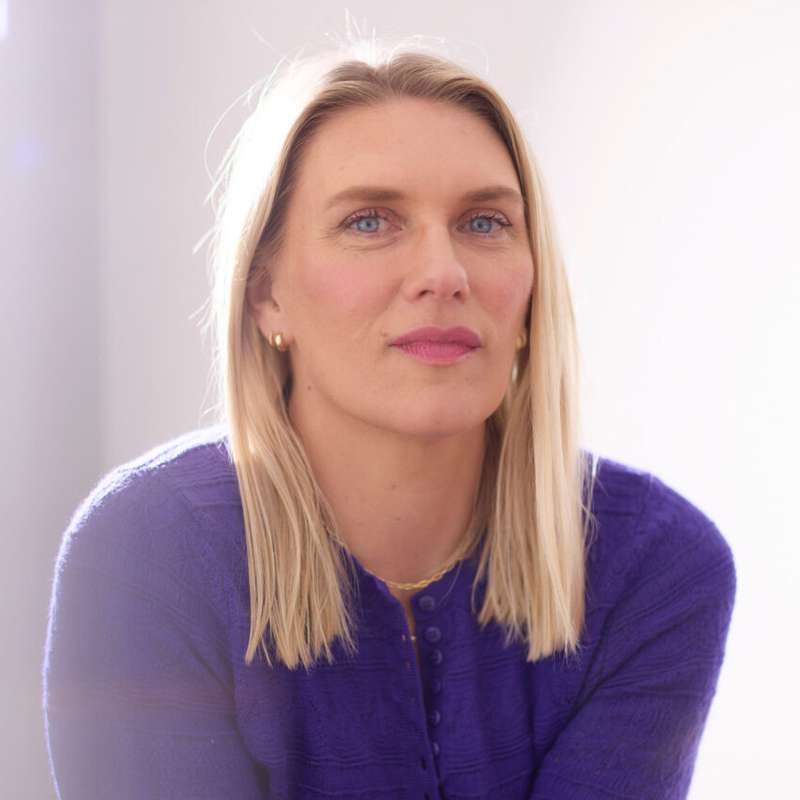
Your workout leggings, your morning commute, and the fertilizer to grow your food — what do they have in common? They're all fossil fuel legacies of war. In this episode, we connect the dots between the military and the climate crisis, tracing how wartime decisions made decades ago still shape and pollute our everyday lives.We sit down with Neta C. Crawford, professor of international relations at the University of St. Andrews and author of The Pentagon, Climate Change, and War, to unpack a staggering blind spot in our global emissions picture: the military. We also follow the money with Commons co-founder Sanchali Pal to understand how the U.S. kept military missions out of the Kyoto Protocol, and what that means for climate targets today. We also hear how our community feels about using their money to avoid funding wars they don't support. Episode rundown: (00:22) - The US military is the world's single largest institutional fossil fuel consumer. (01:31) - War's Industrial Afterlife: Nylon, fertilizer, and freeways. (05:55) - Community action: from campus divestment campaigns to rethinking their everyday spending. (09:02) - A deep dive into military emissions, hidden history, and the case for diplomacy. (38:07) - Following the Money: How Big Oil lobbied to keep military emissions off the global books (44:18) - Your vote and your wallet are more powerful climate tools than you think. (46:10) - Community Classified: Citizens’ Climate Lobby 📱 Want to make your money count? Download the Commons app .🌎 Find citations and further reading in the full show notes.📞 Want to submit to the show? We'd love to hear from you!📷 Follow Second Nature on Instagram.Episode CreditsListener contributions: Braden Marazzo-Nowicki, Diana Holguin, Drew, Julia Nolasco, Fionaa Bhatia, Nicole CollinsResearch: Makenna McBriertyEditing and engineering: Evan GoodchildHosting and production: Katelan Cunningham
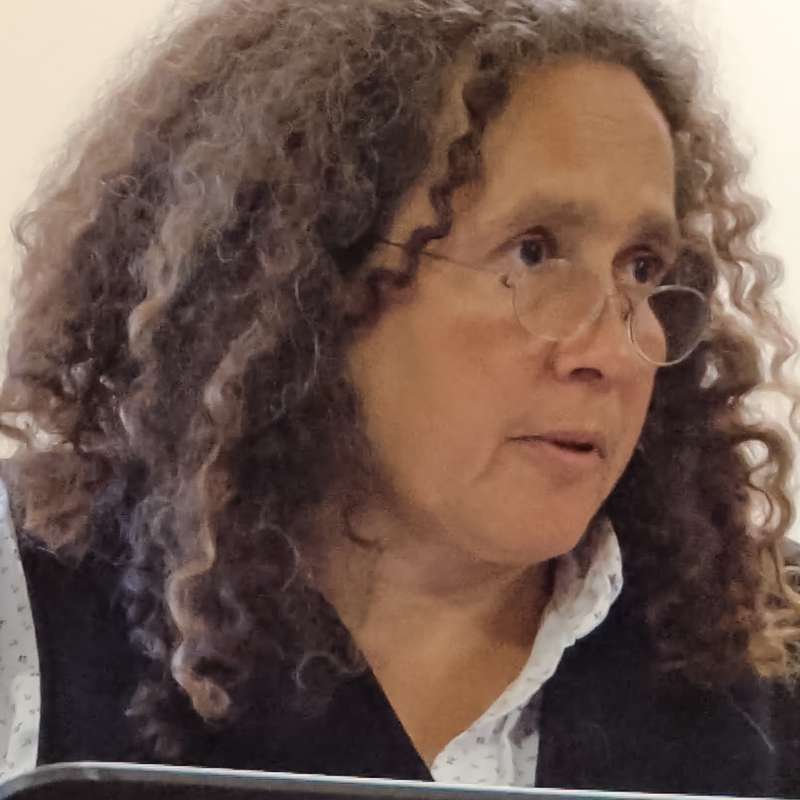
[This episode originally aired June 19, 2024] Composting is one of the easiest, most rewarding climate actions. You get to repurpose food waste, save money on fertilizer, and give back to the soil. Plus, there are so many ways to do it! On this episode, you'll get a straightforward explanation of how composting works and all the inspiration and guidance you need to start composting — no matter where you live. Listen in to hear:Our community's firsthand advice for composting in any living situationYour composting questions answered by Dr. Sheridan Ross of Compton Community GardenThe carbon impact of composting our food waste📱 Want to make your money count? Download the Commons app .🌎 Find citations and further reading in the full show notes.📞 Want to submit to the show? We'd love to hear from you!📷 Follow Second Nature on Instagram.Episode creditsListener contributions: Nicole Collins, Joëlle Provost , Lindsay Kerns, Bo Meisl, Sameera Mokkarala, Melissa Athina, Yolanda Gonzalez, Gracon Ladd, and Daniel GohFeatured guests: Dr. Sheridan Ross and Sanchali Seth PalEditing and engineer: Evan GoodchildHosting and production: Katelan Cunningham
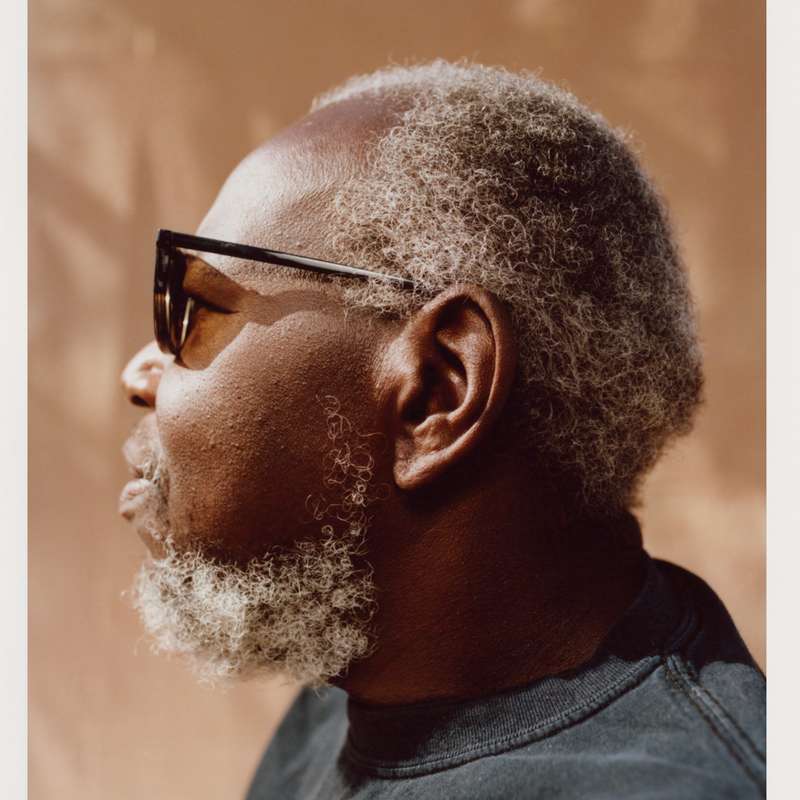
In a world that tries to get us to shop fast, slowing down our shopping is an act of resistance. In this community episode, our listeners share how slowing down their shopping habits saved them money, cut down on waste, and made them appreciate their stuff any more. Episode rundown: (00:00) - Why is slow shopping important? (03:07) - Slow shopping tips from our community (11:25) - Reflections on slow shopping 📱 Want to make your money count? Download the Commons app .🌎 Find citations and further reading in the full show notes.📞 Want to submit to the show? We'd love to hear from you!📷 Follow Second Nature on Instagram.Episode CreditsListener contributions: Grace Kinney-Broderick, Grace Hebert, Molly Barton, Sophia Anderson, Keionna Spalding, Gaby BeaudoinResearch: Makenna McBriertyEditing and engineering: Evan GoodchildHosting and production: Katelan Cunningham
The aviation industry has gotten twice as fuel-efficient since 1990, and emissions have still quadrupled. In this episode, we reckon with the guilt of flying, tracing it from economy class all the way up to private jets, where a handful of ultra-wealthy passengers emit up to 500 times more carbon than the average person annually. Plus, we dig into sustainable aviation fuel with Alyssa Norris from Aether Fuels and what it would actually take to make flying something we don't have to feel guilty about. Episode rundown: (00:35) - Should we feel guilty about flying? (03:12) - Our flying footprint (05:17) - Reckoning with guilty consciences (09:52) - What is SAF and why aren’t all planes using it? (27:19) - Following the money from private jets to economy (37:08) - Individual actions for systemic change 📱 Want to make your money count? Download the Commons app .🌎 Find citations and further reading in the full show notes.📞 Want to submit to the show? We'd love to hear from you!📷 Follow Second Nature on Instagram.Episode CreditsListener contributions: Lorena, Morgan Gallagher, Bruno Olmedo Quiroga, Darice Chang, Jessica Tucker, Kayla Joy , Lena, Dom AltomariResearch: Makenna McBriertyEditing and engineering: Evan GoodchildHosting and production: Katelan Cunningham
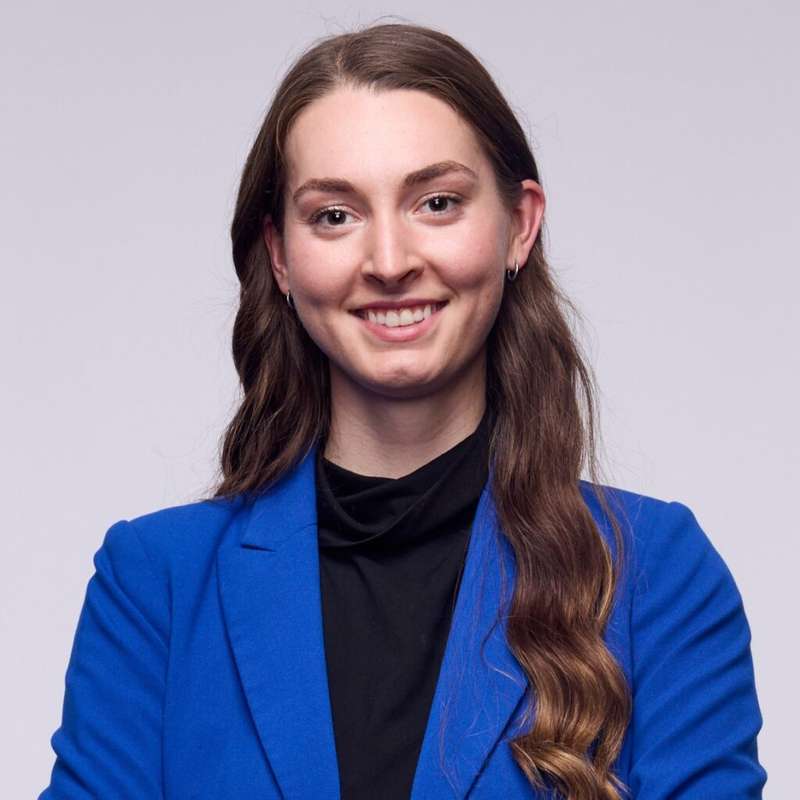
Lawns cover more American soil than any other irrigated crop — but who decided they should look this way, and at what cost? In this episode, we trace the centuries-old aristocratic tradition behind the modern lawn, expose the billion-dollar industry profiting from invasive grasses and toxic chemicals, and with the help of nature educator Jason Wise (aka Journeyman), we’ll explore how your patch of green could become something far more prosperous. If you've ever questioned the monoculture outside your front door, this one's for you. Episode rundown: (00:00) - Chapter 1 (00:49) - Why are lawns a climate issue? (02:38) - How did lawns become popular? (06:05) - How is our community adapting their lawns? (12:34) - Tips to rewind your lawn from Jason Wise (aka Journeyman) (34:02) - Who’s profiting off the lawn industry? (43:07) - Imagining a lawn-free future 📱 Want to make your money count? Download the Commons app .🌎 Find citations and further reading in the full show notes.📞 Want to submit to the show? We'd love to hear from you!📷 Follow Second Nature on Instagram.Episode CreditsListener contributions: Craig Brown, Nick Blocha, Lena, Grace Kinney-Broderick, Haley MurphyResearch: Makenna McBriertyEditing and engineering: Evan GoodchildHosting and production: Katelan Cunningham
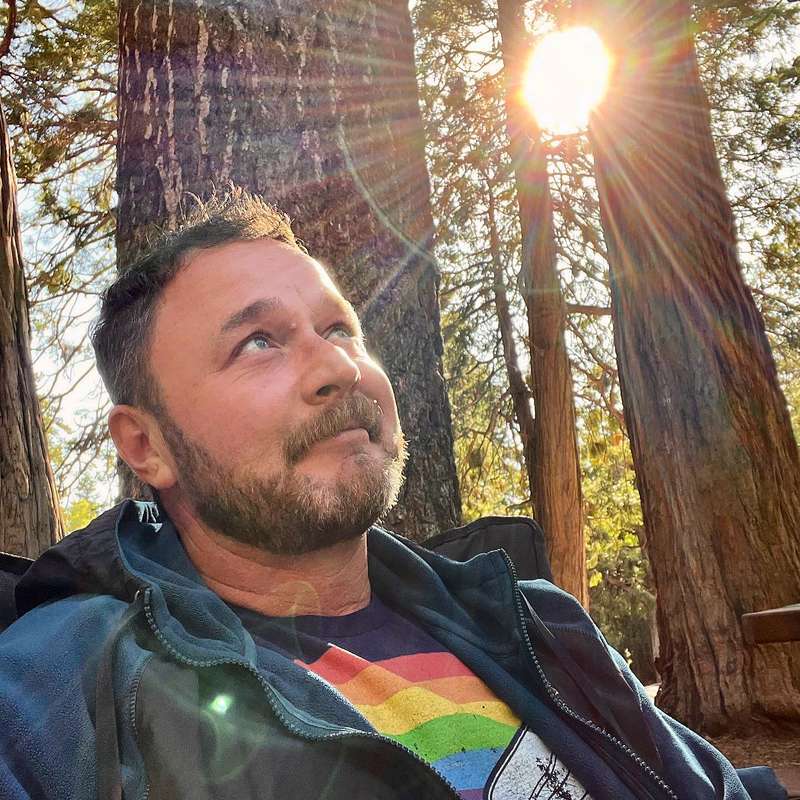
Season 5 is coming very soon and this season, we're talking about the thing that's on everyone's mind (whether we like or not) — money. Maybe you've heard that Native American proverb, “Only when the last tree has been cut down, the last fish been caught, and the last stream poisoned, will we realize we cannot eat money.”But, the way we spend our money matters, and as a mindful consumer, financial decisions can feel like a burden — especially when we don’t have much control over them. We can often choose where to spend our money, but we can’t choose what companies do with that money. Our society doesn’t run on money, it runs on the earth— water, soil, plants, air. As of late — we’ll call it the past 300 years — we’ve had a pretty one-sided relationship with these essentials we need to live and that largely has to do with the fact that what we value and the way we value it is measured in dolla dolla bills.This season we’re talking about — How the rising cost of groceries is threatening food security in ways you might not expect If giving our money to offsets is actually worth itThe companies that are lobbying for fossil fuelsHow everyday people are footing the bill for data centersDecades of war propping up the fossil fuel industry, and how that extends to our front lawns.What it’s going to take to get proper investment in sustainable aviation fuelSubscribe so you don't miss an episode!📱 Want to make your money count? Download the Commons app .📞 Want to submit to the show? We'd love to hear from you!📷 Follow Second Nature on Instagram.Episode CreditsEditing and engineering: Evan GoodchildHosting and production: Katelan Cunningham
Have you always wanted to be one of the worldwide community of voices you hear on Second Nature? Now's the time! We're accepting submissions for season 5 and we can't wait to hear from you. For the best shot at getting on season 5, please send in your submissions by April 3. But feel free to continue submitting through April as well. Submitting to the show is easy!Fill out this form to start your submission to Second Nature.After you fill out the form, you'll receive questions based on the topics you chose, with details about how to submit your audio.Record your audio and send it our way! (00:00) - We want to hear from you on season 5! (00:40) - How to submit
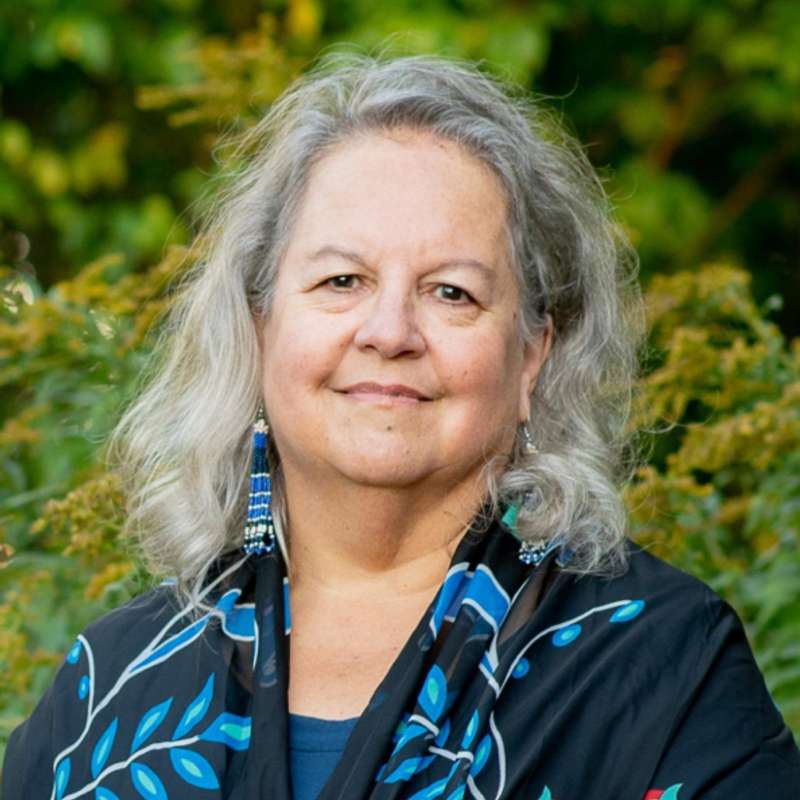
All season, we’ve rooted ourselves in community. Inspired by vast, underground webs of mycellium we’ve shared ways to create local networks of support, information, and resilience. We’ve talked about how we can use our collective power to prep for climate disasters, protect the water, and use our dollars to resist consumption and combat greenwashing. On this episode, we're ending the season by reminding ourselves that we’re part of nature and that we can look to our fellow animals, as well as plants and fungi, at any time for lessons in community, resilience, and patience. 📱 Download the Commons app.🌎 Find citations and further reading in the full show notes.📞 Want to submit your Community Classified? We'd love to hear from you!📷 Follow Second Nature on Instagram.Episode CreditsListener contributions: Amber Sit, Ashley Walker, Grace Hebert, Justina, Leena Joshi, Kasia Hertz, Inanna McCarty, Gabrielle Gustilo, Janna, Hockenjos, Mary KleneEditing and engineering: Evan GoodchildHosting and production: Katelan Cunningham (00:00) - Introduction (01:41) - We’re all connected (03:40) - What our community has learned from nature (09:17) - Tracing back the thread of life with Robin Wall Kimmerer (29:14) - Looking back at season 4 and what’s to come
Humans have a way of abstracting nature so far from its source that we take something as huge and powerful as water and isolate it, viewing it only as a resource for ourselves rather than an integral part of something much, much bigger than our sinks, showers, and dishwashers.On this episode, we’re going to try to shrink the distance between ourselves and the water that keeps us alive, we’re going to hear how you’re connecting with water, and we're going to take stock of the ecological and financial impacts of trying to control water. Plus, we’re going to talk to journalist Erica Gies about how we need to change our relationship with water for our safety, our health, and the health of the ecosystems we’re a part of.📱 Download the Commons app.🌎 Find citations and further reading in the full show notes.📞 Want to submit your Community Classified? We'd love to hear from you!📷 Follow Second Nature on Instagram.Episode CreditsListener contributions: Ally, Braden Marazzo-Nowicki, Leïla Six, Louka, Markos Delaportas, Nick Blocha, Sunseed Desert Technology, Tavia, Danielle BirdEditing and engineering: Evan GoodchildHosting and production: Katelan Cunningham (00:20) - Where does our water come from? (01:45) - What is water bankruptcy? (04:35) - Our relationship with water (09:37) - How did we get here? (31:48) - How much is our water neglect costing us? (34:19) - Community classifieds
The chemical industry is a cornerstone of modern American farming. It helps grow the food billions of people eat. It’s also causing vast environmental damage. In this episode of REAP/SOW, produced in collaboration with WWNO’s Sea Change podcast, you’re going to hear the story of synthetic fertilizer, and how this powerful concoction of chemicals has radically reshaped how we farm and what we eat – and how it’s poisoning communities, upending livelihoods, and choking the life out of a huge swath of the ocean. Reported by Garrett Hazelwood and Eric Schmid, hosted by WWNO’s Carlyle Calhoun and FERN’s Teresa Cotsirilos.
With the price of everything on the rise, can you live sustainably without spending more money? In fact, frugal living has always been sustainable. Clothes drying on the line, a cookie tin reused as a sewing kit, a Cool Whip tub filled with leftovers. Choosing stuff that lasts over stuff that's designed to be trashed, choosing to reuse before buying new, and choosing to skip stuff that doesn't serve us — these money-saving tips are also tips to live sustainably. Not only that, they liberate us to exist outside a world centered on consumption. In this episode, you'll get all kinds of tips from our community on how to save on everything from groceries to electricity.🌎 Find citations and further reading in the full show notes.📞 Want to submit your Community Classified? We'd love to hear from you!📱 Want to be a part of the Commons community? Download the app.📷 Follow Second Nature on Instagram.Episode CreditsListener contributions: Amandine Thomas, Amber Sit, Anna, Brian Stancheski, Grace Hebert, Justina, Madeline, Melissa Tan, Nicole Collins, Robbie AhmedEditing and engineering: Evan GoodchildHosting and production: Katelan Cunningham (00:27) - Sustainable living has always been rooted in frugality. (03:30) - One razor is saving me hundreds. (05:19) - Our community’s favorite sustainable savings tips (23:49) - There’s more where that came fom (00:25) - 48 Community Classifieds
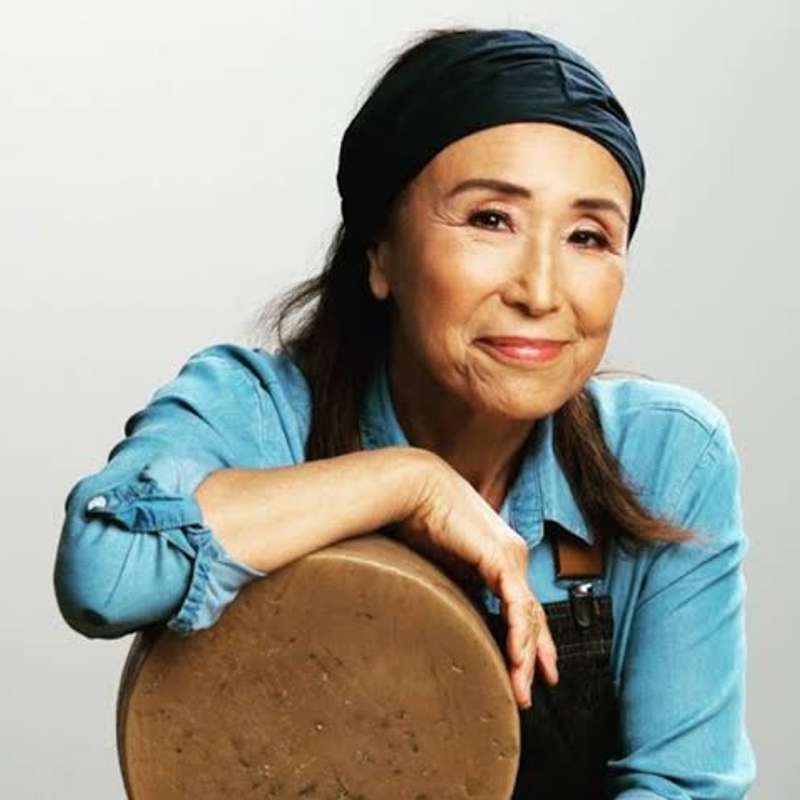
[This episode originally aired October 16, 2024] Plant-based cheese is better than ever, but can we expand our expectations of cheese to ease our reliance on Big Dairy?Cheese is delicious. Even aspiring vegans find cheese hard to quit. But making dairy cheese is not only rough on the planet — the dairy cows’ lives aren’t great either. In this episode, we’re getting the full picture of the impact of dairy cheese, including the United States’ decades-long surplus cycle with the cheese industry and how it’s connected to Pizza Hut’s Summer of Cheese. We’re chatting with famed vegan chef and cheese icon, Miyoko Schinner about how far plant-based cheese has come and her favorite plant-based cheese bases. We’re learning practical tips to learn to love plant-based cheese, and having our very own cheese taste test.🌎 For photos of our contributors and further reading, check the full show notes.📞 We'd love to hear from you! Submit to the show.📱 To join the Commons community, download the app.📷 Follow Second Nature on Instagram.Episode CreditsListener contributions: Amea Wadsworth, Diana Holguin, Drew Crabtree, Kenzie Rattray, Melissa Athina, Miriam JornetEditing and engineer: Evan GoodchildHosting and production: Katelan Cunningham (01:41) - Our community loves cheese (03:28) - Big Dairy, cheese caves, adn America’s decades-long milk obligation (07:35) - We’re drinking less milk than we used to, but we’re eating more cheese. Let’s talk about it. (10:54) - If one person can teach us to learn plant-based cheese, it’s famed chef, Miyoko Schinner (25:37) - How does cheese production impact the planet? (33:50) - Is it all or nothing?
In the midst of the one-year anniversary of LA’s devastating, off-season wildfires, we’re reminded that to live in a time of drastic climate change is to prepare for the improbable. From bigger tornadoes and more severe floods to prolonged droughts and deadly heatwaves, no region is immune to the increasing intensity of natural disasters driven by climate change. The rest of the world is coming face-to-face with the brutal reality that people in the Global South have faced for years — when it comes to climate disasters, it's not a matter of if they'll hit you, but when. But there are things we can do at home and in our communities to adapt before, during, and after disasters. On this episode, we hear from community members around the world about the climate disasters they’ve experienced and how their communities are adapting. We’re speaking with meteorologist Chase Chain about how discussing the weather means discussing climate change. And, we’re talking about how to make ourselves and our communities less vulnerable to the effects of climate disasters. 👉🏽 And don't miss Chase Cain's on-the-ground, behind-the-scenes coverage of the LA wildfires.🌎 Find citations and further reading in the full show notes.📞 Want to submit your Community Classified? We'd love to hear from you!📱 Want to be a part of the Commons community? Download the app.📷 Follow Second Nature on Instagram.Episode CreditsListener contributions: Airlea Rasul, Anandi Yadav, Anna , Elisabeth , Tessa Maurer, Tiffany, Zayna ZubairEditing and engineering: Evan GoodchildHosting and production: Katelan Cunningham (00:09) - No one is immune to natural disasters. (02:40) - How can we better prepare for climate disasters, at home and in our communities? (05:52) - How people around the world are adapting to a new normal (12:44) - Interview with meteorologist and climate reporter, Chase Cain (36:15) - Your prep to-do list. (38:00) - Community Classifieds

Do you feel like you’re drowning in advertisements, clutter, or debt? A no-buy year could help. In a capitalistic society, we're brainwashed to default to buying our way out of our problems. That's what makes a no-buy challenge so much more than a New Year's resolution or an extreme budget. A no-buy or low-buy challenge not only gives you permission to hop off the buy-buy-buy hamster wheel — it also makes you more privy to sneaky marketing and helps you put your money toward what actually makes you happy. These are the kinds of mental shifts that could stick with you for life. In this episode, we hear from listeners about the different ways to do a no-buy or low-buy year, and what they've learned about themselves and their finances in the process.🌎 Find citations and further reading in the full show notes.📞 Want to submit your Community Classified? We'd love to hear from you!📱 Want to try no-buy challenge join the Commons community, download the app.📷 Follow Second Nature on Instagram.Episode CreditsListener contributions: Amandine Thomas, Cara Sanford, Daria, Justina, Melissa TanEditing and engineering: Evan GoodchildHosting and production: Katelan Cunningham (00:00) - What is a no-buy year? (03:18) - A no-buy new year’s resolution made Amandine more stylish and saved her lots of money. (06:43) - Melissa has found freedom and simplicity in her no-buy challenge. (11:20) - Daria’s secondhand challenge rippled out from clothes to other parts of her life. (13:15) - After switching to part-time work, Cara was still able to live comfortably due to the success of her no-buy challenge.
[This episode originally aired April 2,2025] The secondhand clothing market isn't equipped for textile recycling. So when your donated clothes don't sell, where do they end up?With the rise of overconsumption and fast fashion, clothes have piled up in thrift stores, landfills, and incinerators around the world. Countries like Ghana and Chile are dealing with fashion waste from countries like the U.S., UK, and China, and the impacts are vast. Mountains of clothes lead to fires, polluted waterways, dying ocean life, and lost livelihoods. So how do we stop the cycle? How can we donate with purpose and dignity, and get fashion brands to actually take accountability for the full lifecycle of their clothes?Listen to hear what our community does with their used clothes, how a new law could force companies to clean up their act, and how Los Angeles's Suay Sew Shop is dealing with the untenable amount of clothing donations from wildfire relief. ➡️ If you want to support Suay Sew Shop, you can browse their site here and contribute to their Textiles Aren't Trash fire relief campaign. By the way, you can earn rewards for Suay purchases and donations in the Commons app!🌎 See photos of our contributors and find further reading in the full show notes.📞 Want to submit your Community Classified? We'd love to hear from you!📱 To join the Commons community, download the app.📷 Follow Second Nature on Instagram.Episode CreditsListener contributions: Holly Kane, Maya Roman, Nate Rauh-Bieri, NickEditing and engineer: Evan GoodchildHosting and production: Katelan Cunningham (00:00) - Introduction (02:45) - Mirrored catastrophes in Ghana and California amplify the clothing crisis (06:43) - Community voices: What do you do with clothes you don't want anymore? (12:00) - n interview with Sumaq Alvarado del Aguila, one of the leaders at SUAY Sew Shop — an LA-based vertical sewing and production shop that's recycling millions of pieces of clothing (30:17) - Sanchali shares progress for clothing company regulation and responsibility (35:12) - Last looks and points to remember
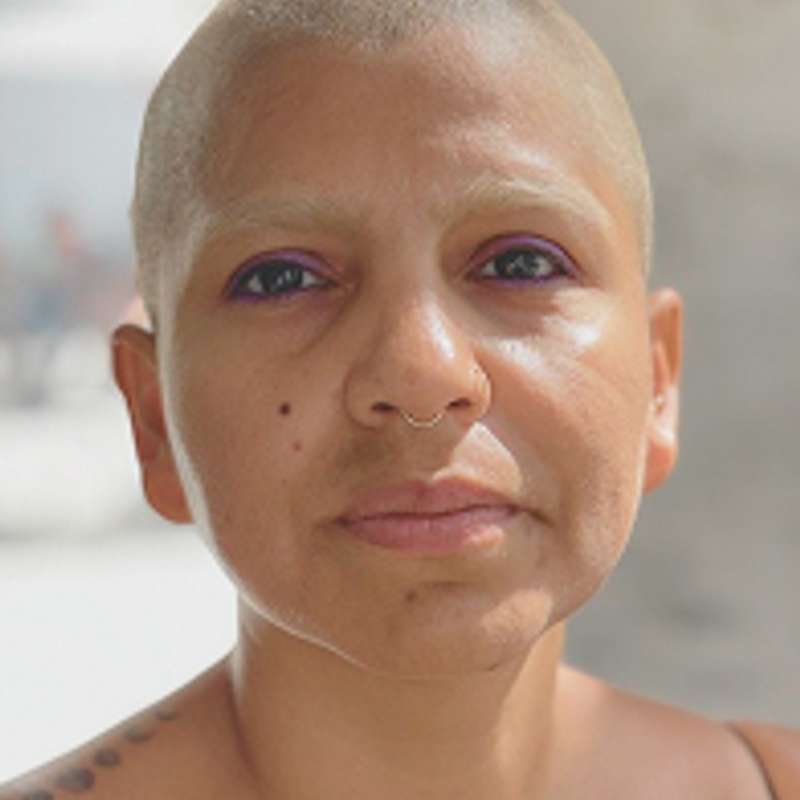
From the halls of government to the depths of the ocean, how deep does the plastic crisis go, and can we recycle our way out of this mess?Plastic has completely permeated our existence, and its effects are far-reaching, from soil to glaciers. Recycling was supposed to take care of this mess — or was it? In this episode, we’ll figure out how the plastic industry is behind one of the biggest greenwashing schemes of all time, the current state of recycling, and why Big Oil is banning big on plastic. We’ll also hear from our plastic-perplexed-but-optimistic community and our expert, Head of Research at The Ocean Cleanup, Laurent Lebreton. Episode CreditsListener contributions: Anna, Mac Hansen, Sawyer, Sobia Zaidi, Tiffany, Valli Divya, Rachel RadvanyEpisode expert: Laurent Lebreton, Head of Research at The Ocean CleanupEditing and engineering: Evan GoodchildHosting and production: Katelan Cunningham (00:17) - Intro (08:12) - How does our community handle plastic recycling? (12:31) - Interview with Laurent Lebreton, Head of Research at The Ocean Cleanup (32:22) - How Big Oil is banking on plastic. (39:54) - Outro
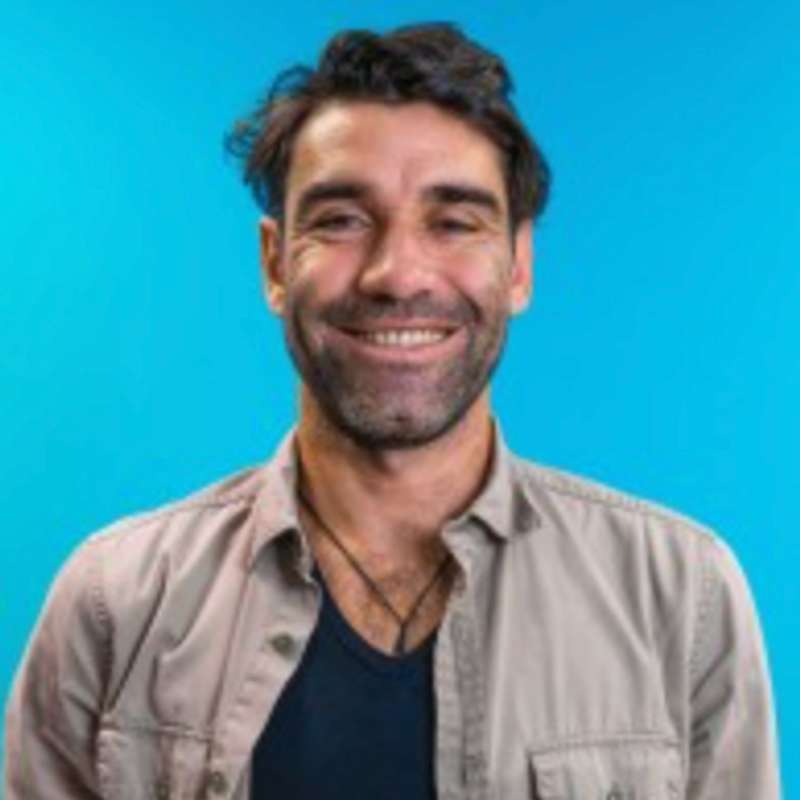
We see greenwashing everywhere — from product labels to fossil fuel ads. But it goes even deeper than that. Greenwashing gets in the way of climate policy changes too!On this episode of Second Nature, we’re hearing how our community dodges greenwashing, talking through 4 questions to ask yourself to see if a brand is greenwashing, and we’re talking to Dr. Mara Einstein about how greenwashing has evolved with the rise of social media. 📱 To join the Commons community and see our expert brand ratings, download the app.🚫 Check out the Dirty Money list.📞 Want to submit your Community Classified? We'd love to hear from you!🌎 Find further reading and citations in the full show notes.📷 Follow Second Nature on Instagram.Episode CreditsListener contributions: Obehi Ehimen, Louka, Leïla Six, Nicole Collins, Verity, Danielle Bird [s2], Bo Meisl, Kenzie Rattray, Grace HebertEpisode expert: Dr. Mara EinsteinEditing and engineering: Evan GoodchildHosting and production: Katelan Cunningham (00:00) - Companies have gotten really good at greenwashing (02:43) - How to know if a company is greenwashing (07:54) - How our community finds and avoids greenwashing (11:57) - Interview with Dr. Mara Einstein about the background go greenwashing and how social media has perpetuated it. (36:00) - Taking collective action against greenwashing
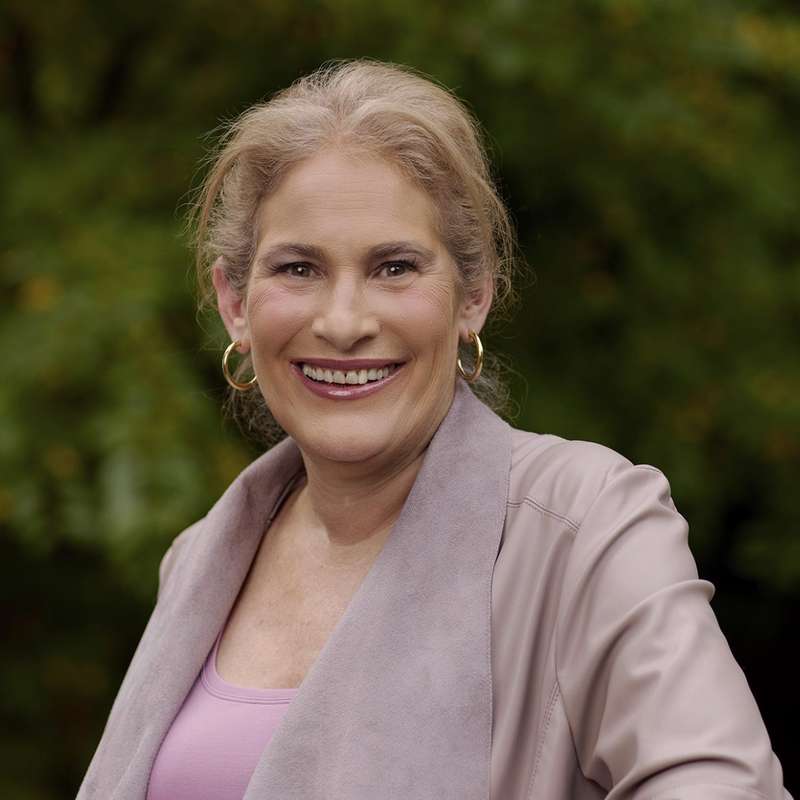
For the past three seasons of the Second Nature, hundreds of you have shared climate actions you take in our own homes — composting, avoiding overconsumption, eating less meat. These practices give us a strong foundation for what comes next. This season, we’re focusing our energy outward and making our efforts bigger by proxy with the help of community. This first episode serves as a mission statement for our season of community and connection, and we are extremely honored to have our first guest of the season be the one and only Dr. Ayana Elizabeth Johnson.Be sure to listen to the end of the episode to hear our first-ever Community Classifieds — an audio bulletin board of community climate efforts to join around the world. Want to submit your Community Classified? We'd love to hear from you!🌎 See photos of our contributors and find further reading and citations in the full show notes.📱 To join the Commons community, download the app.📷 Follow Second Nature on Instagram.Episode CreditsListener contributions: Amandine Thomas,Braden Marazzo-Nowicki, Liv, Melissa Tan, Willa StoutenbeekEpisode expert: Dr. Ayana Elizabeth JohnsonEditing and engineering: Evan GoodchildHosting and production: Katelan Cunningham (00:00) - Intro (02:32) - How our community is taking collective action (05:45) - Transition to systemic thinking (07:36) - Interview with Dr. Ayana Elizabeth Johnson (23:55) - Outro (26:05) - Community Classifieds
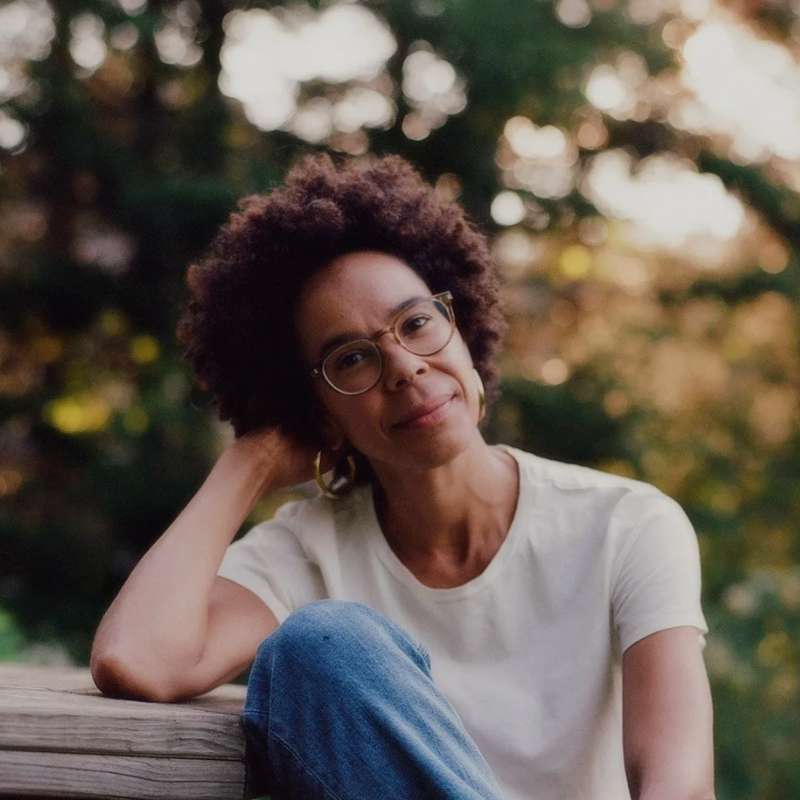
Season four is coming soon, and this season, we're thinking big. Like the ever-connected mycelium networks beneath the world's greatest forests, we're reaching out to one another and finding ways to sync up with community and make efforts bigger than ourselves. This season, we're coming together to focus our we're efforts where we have the most collective impact — from boycotting greenwashing to building resilience in climate disaster. With perspectives of our worldwide community, top-of-their-field experts, and of course some history and data, we're going to make this a season to remember.Subscribe so you don't miss an episode!
We're one week out from a new season of Second Nature! Before our season 4 launch, we wanted to bring it back to one of the community's favorite episodes from last season: Why Don't We Fix Things Anymore?Planned obsolescence and perceived obsolescence have us in a disposable consumption cycle. But it hasn't always been this way. When and why did we stop thinking things were worth fixing?In this episode, we get a history lesson in planned obsolescence, visit Adrienne Ferre, who is helping run a Makers Hub in LA, complete with a tool library and repair cafes. And we catch up on Right to Repair legislation with Commons' founder and CEO Sanchali Seth Pal. 🌎 See photos of our contributors and find further reading in the full show notes.📞 We'd love to hear from you! Season 3 submissions coming soon!📱 To join the Commons community, download the app.📷 Follow Second Nature on Instagram.Episode CreditsListener contributions: Holly Kane, Katrina Rodabaugh, Maya Roman, Sare, Taylor Barkley, VerityEpisode expert: Adrienne FerreEditing and engineer: Evan GoodchildHosting and production: Katelan Cunningham (00:00) - Intro (04:29) - History of planned obsolescence (09:10) - From clothes to toys, our community shares what they're repairing (15:26) - Interview with Adrianne Ferree, executive director of the Maker's Hub in Compton (30:42) - Looking at the latest strides in Right to Repair (38:02) - Outro
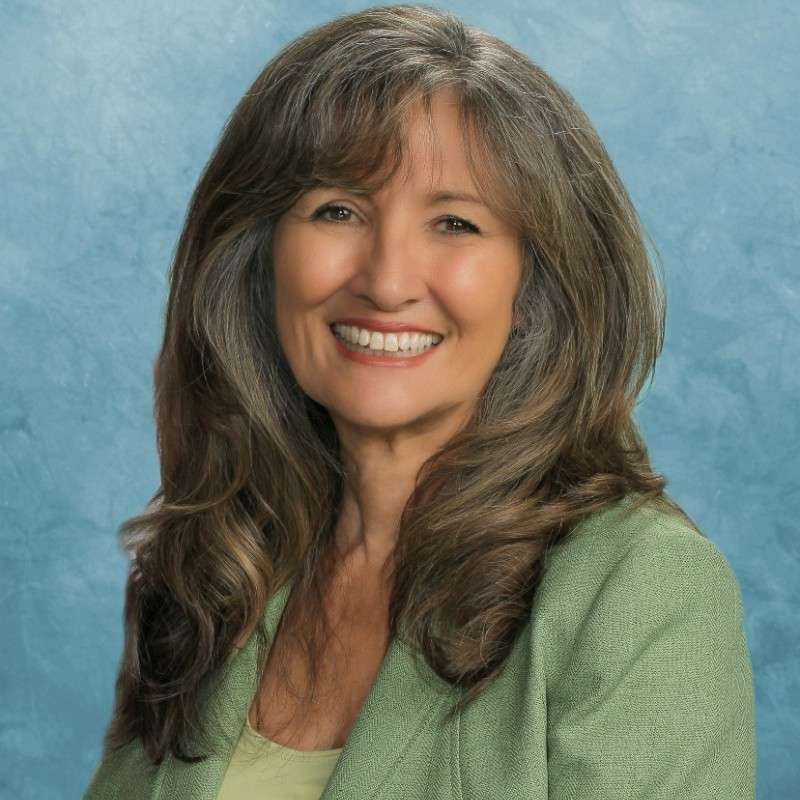
Season 4 is underway! We’re hard at work on the new season and we can’t wait to hear your contributions. For the best shot at getting on season 4, please send in your submissions before November. But feel free to continue submitting through November as well. Submitting to the show is easy!Fill out this form to start your submission to Second Nature.After you fill out the form, you'll receive questions based on the topics you chose, with details about how to submit your audio.Record your audio and send it our way!Call for Submissions: Contribute to Season 4!
-> Short Survey: Tell us what you think of Second NatureWhether you're a parent, an auntie, a coach, a godfather — there's a lot to think about when it comes to raising a more sustainable generation. How can we raise young people to take better care of the planet than the generations before them? For our last episode of season 3, we're looking into the future to see how younger generations are thinking about climate change. From plant-based eating to civic engagement, we’re talking to our community, Moms Clean Air Force, and Commons founder Sanchali Seth Pal to find out how folks are raising kids to take action.🌎 See photos of our contributors and find further reading an citations in the full show.📱 To join the Commons community, download the app.📷 Follow Second Nature on Instagram.🐣 Here's Sanchali's list of sustainable baby stuff!Episode CreditsListener contributions: Amea Wadsworth, Brian Stancheski, Elisabeth, Federica, Jacqueline Elliott, Liv, Sara Rego, Sare, Tiffany, Willa Stoutenbeek, Paloma, Stevia, Ezra, Ace, Aza, Stella, EmmettEpisode expert: Alexandra ZissuEditing and engineering: Evan GoodchildHosting and production: Katelan Cunningham

-> 🚨 Tell your U.S. reps not to cut federal funding for public libraries.-> Short Survey: Tell us what you think of Second NatureLibraries are icons of the sharing economy. When we borrow books, media, and tools from the library, we save ourselves from needing to buy new stuff. But did you know that libraries are also community hubs for climate resilience? From heatwaves to hurricanes, thousands of people have used libraries as free spaces to escape the elements and find respite. In this community episode, we're everything that our listeners get from their local libraries. 🌎 See photos of our contributors and find further reading in the full show notes and citations. 📱 To join the Commons community, download the app.📷 Follow Second Nature on Instagram.Episode CreditsListener contributions: Kelly Kandra Hughes, PhD, Alexa Rivera, Sare, Shaila, Taylor Barkley, Evan GoodchildEditing and engineering: Evan GoodchildHosting and production: Katelan Cunningham
Microplastics seem to be everywhere, inside and outside our bodies. These micro and nano particles are shedding from our clothes, our tires, food packaging — basically anywhere there's plastic. People, animals, and plants are consuming these microplastics, thereby complicating the issue and contributing to health problems. But what health issues? And how do we avoid them? The science is still a work in progress, but today, we're finding out what we know so far. We’re going to find out from an actual scientist what we know and don’t know about the health implications of microplastics and what we can do about it. And we’re going to try our best to find our way to a place of understanding without complete overwhelm. 🌎 See photos of our contributors and find further reading in the full show notes and citations. Here's the MPI paper Barbro shared!📱 To join the Commons community, download the app.📷 Follow Second Nature on Instagram.Episode CreditsListener contributions: Kylie Kovatch, Artie Sadahiro, Nicole Collins, Parisa Golchoubian, Brian StancheskiEpisode expert: Prof. Dr. Barbro MelgertEditing and engineer: Evan GoodchildHosting and production: Katelan Cunningham

NOTE: An early version of this audio has an error around 4:50. If you hear that error, it's likely because your podcast player downloaded the first version. Please re-download the episode to hear the correct version! And forgive us, as we're merely human beans 🫘 . Is climate news stressing you out? Same. We're experiencing funding cuts to environmental agencies, while climate disasters like heatwaves and storms persist, and wildlife and environmental protections are at risk. It's a tough time to be an environmentalist, and all this stress and sadness can lead to climate anxiety (aka eco-anxiety).If you've felt anxious about the state of our climate, you're not alone. We thought it was a perfect time to bring back this episode from last season, where we hear from you our listeners, to hear various ways to cope with climate anxiety through nature, community, and gratitude.If you're looking for more resources to help with climate anxiety, we highly recommend this list from the team at All We Can Save.🌎 For photos of our contributors and further reading, check the full show notes.📞 We'd love to hear from you! Submit to the show.📱 To join the Commons community, download the app.📷 Follow Second Nature on Instagram.Episode CreditsListener contributions: Adyasha, Artie Sadahiro, Camille, Liv, Natalie Pullen, Nick Blocha, Savannah VizeEditing and engineering: Evan GoodchildHosting and production: Katelan Cunningham
🔗 TAKE ACTION: Stop State AI Regulation Ban in the "One Big Beautiful Bill" ActWhen you ask ChatGPT to write a cover letter, make your grocery list, or edit an image, what's actually happening in the real world? As AI gets bigger by the day, it's requiring more and more energy, water, and land in communities around the world. Tech companies are investing billions of dollars in data centers and technologies to power AI, but are they also investing in sustainable and equitable resources to keep it going?Today, we’re going to take a step back from the chatbots to understand the true impact of AI, how we’re tracking and regulating that impact, and we’ll find out what it will take to build a sustainable future for AI with Shalolei Ren — associate professor of electrical and computer engineering at the University of California Riverside whose work focuses on AI for good. 🌎 See photos of our contributors and find further reading in the full show notes.📱 To join the Commons community, download the app.📷 Follow Second Nature on Instagram.Episode CreditsListener contributions: Kylie Kovatch, Artie Sadahiro, Nicole Collins, Parisa Golchoubian, Brian StancheskiEpisode expert: Shaolei RenEditing and engineer: Evan GoodchildHosting and production: Katelan Cunningham
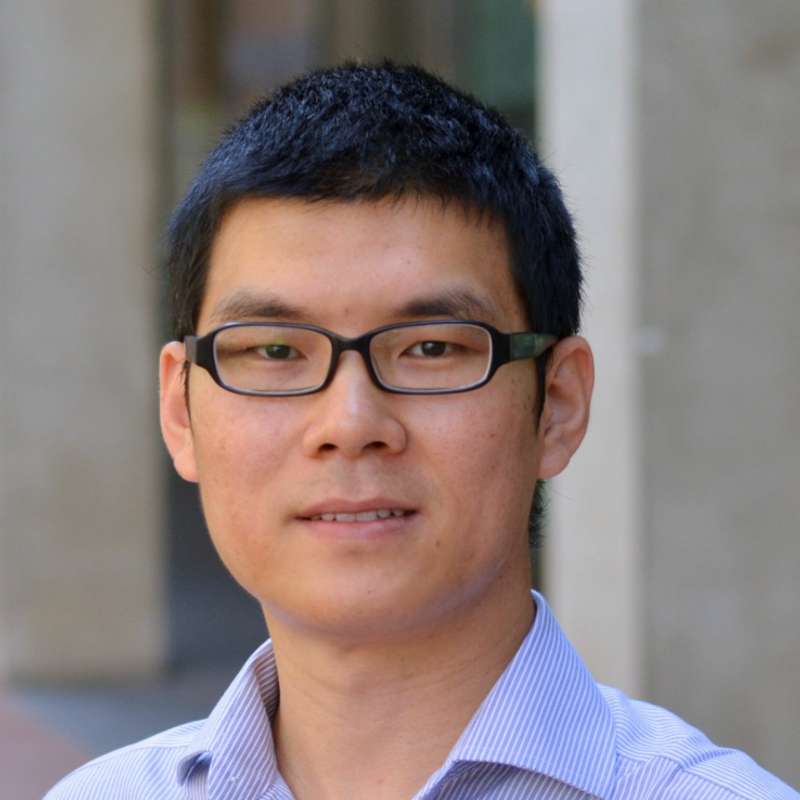
Farmers market season is upon us! As we've started seeing spring crops here at markets in the Northern Hemisphere, we're thinking about the power of locally grown food. As our food supply chains have gone global — we’ve gained more access to nutritious foods in areas where they may be hard to grow — but we’ve lost touch with seasonality and the source of our food. And we’ve lost touch with plenty of foods altogether. Locally grown food not only gives us more nutrients, but done right, it can bring biodiversity to local land, build climate resilience, and even offer diversity and economic resilience in our communities.Today we're reconnecting to local food through our global community, learning more about how our food system favors big agriculture, and with connecting the dots between food justice and equity Tagan Engel — a chef, food justice organizer and host of the podcast/radio show Table Underground. 🌎 See photos of our contributors and find further reading in the full show notes: www.thecommons.earth/episode/6-connection-and-resilience-through-local-food📱 To join the Commons community, download the app: https://www.thecommons.earth/second-nature📷 Follow Second Nature on Instagram @secondnatureearthEpisode CreditsListener contributions: Elizabeth, Stella, Joao Vilca Soto, Lin Diaz Maceo, Airlea Rasul, JessikaEpisode expert: Tagan EngelEditing and engineering: Evan GoodchildHosting and production: Katelan Cunningham
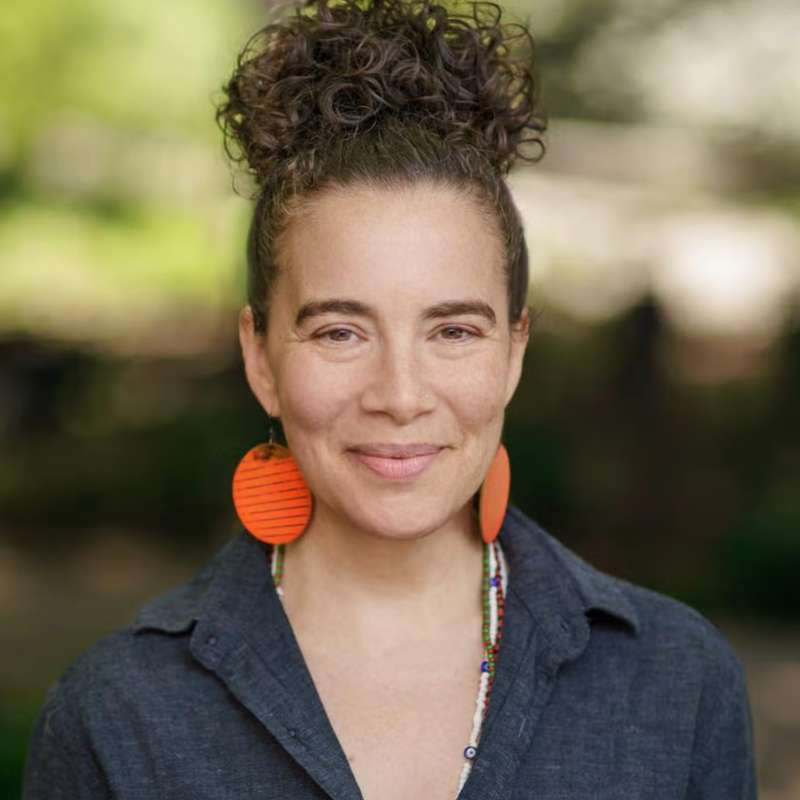
Microplastics are seemingly everywhere, even our clothes. From production through wash days, synthetic fabrics are shedding microplastics into the air and water. It's a big issue that's going to take shifts from manufacturing to our own homes, and we wanted to start tackling this big discussion with the help of our friends at the podcast, Conscious Chatter. Earlier this year, host Kestrel Jenkins spoke with Dana Zhaxylykova. Dana is an environmental scientist and microplastics researcher, who's originally from Kazakhstan and currently based in Germany. She uses Instagram to share practical and actionable tips about microplastics through a scientific lens.👖 Hear more from Kestrel and Conscious Chatter here.📷 Follow Conscious Chatter on Instagram.📱 To join the Commons community, download the app.📷 Follow Second Nature on Instagram. (00:00) - Tempo: 120.0
The climate crisis has a way of making hard things even harder — and that includes gender disparities. From their professional lives to their personal lives, climate change has left many women vastly under-resourced and at risk, all while taking on the heavy toll of caring for their families and communities through climate mitigation and resilience. In this episode, we hear how the climate gender gap is affecting our community, talk to WOCAN founder Jeannette Gurung about how women continue to work through vast climate inequities around the world, and we hear from Commons' founder and CEO Sanchali Seth Pal about how health disparities women face as a result of climate disaster. 🌎 See photos of our contributors and find further reading in the full show notes.📱 To join the Commons community, download the app.📷 Follow Second Nature on Instagram.Episode CreditsListener contributions: Aliya Hirji, Lin Diaz Maceo, Nicole Collins, Sobia Zaidi Episode expert: Jeannette GurungEditing and engineer: Evan GoodchildHosting and production: Katelan Cunningham (00:00) - Introduction (01:57) - How gender perceptions affect sustainable behavior (04:50) - How our community experiences the climate gender gap (10:50) - Interview with WOCAN founder, Jeannette Gurung (25:21) - How climate change is disproportionately affecting women's health (31:52) - Outro
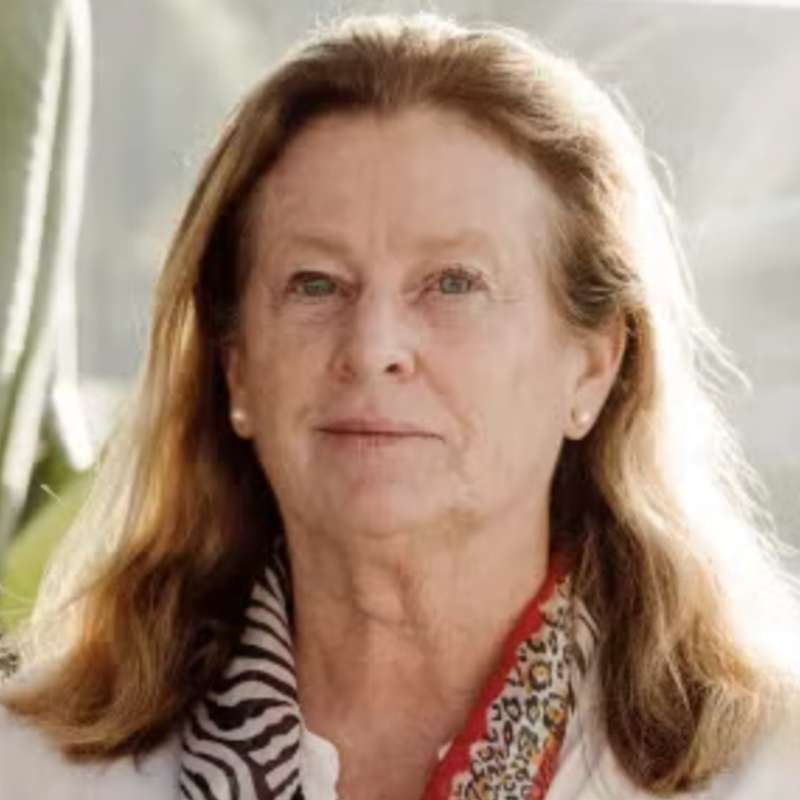
Planned obsolescence and perceived obsolescence have us in a disposable consumption cycle. But it hasn't always been this way. When and why did we stop thinking things were worth fixing?In this episode, we get a history lesson in planned obsolescence, visit Adrienne Ferre, who is helping run a Makers Hub in LA, complete with a tool library and repair cafes. And we catch up on Right to Repair legislation with Commons' founder and CEO Sanchali Seth Pal. 🌎 See photos of our contributors and find further reading in the full show notes.📞 We'd love to hear from you! Season 3 submissions coming soon!📱 To join the Commons community, download the app.📷 Follow Second Nature on Instagram.Episode CreditsListener contributions: Holly Kane, Katrina Rodabaugh, Maya Roman, Sare, Taylor Barkley, VerityEpisode expert: Adrienne FerreEditing and engineer: Evan GoodchildHosting and production: Katelan Cunningham (00:00) - Tempo: 120.0
This episode originally aired on June 12, 2024. Becoming more conscious consumers is a pivotal step in building a more sustainable economy, but how do we deconsume in a consumerist world? When we buy less, we save money, cut down on clutter, and lower our emissions. This collective shift has another big impact — helping us to steer the economy away from disposable products, unsustainable resource use, and dangerous supply chains.On this episode of Second Nature, we hear listeners' take on overconsumption and their tips for deconsumption. We also chat with climate activist and educator Lauren Bash about Buy Nothing groups, Repair Cafes, and her own deconsumption journey. Plus, we find out who's doing all this overconsuming and the impact it's having on the rest of the world.🌎 To see photos of our contributors as well as citations, and further reading, check the full show notes.📞 We'd love to hear from you! Submit to the show.📱 To join the Commons community, download the app.📷 Follow Second Nature on Instagram.A great way to cut down on overconsumption is to get a handle on what you’re consuming. If you want a sustainable spending buddy to help you track the emissions of every purchase and gives you personalized tips, try the Commons app.Episode creditsListener contributions: Alyssa Barber, Amea Wadsworth, Andrea Reno, Caitlyn Luitjens, Daria Panova, Jonas Schäfer, Mac Hansen, Madeline Streilein, Nicole Collins, Rachel Orenstein, Timmin Vooijs, Willa StoutenbeekFeaturing: Lauren Bash and Sanchali Seth PalEditing and engineer: Evan GoodchildHosting and production: Katelan Cunningha (00:00) - Introduction (04:06) - Overconsumption is everywhere (06:47) - Why does stuff make us so happy? We ask our community (10:05) - How do we overcome overconsumption? We ask Lauren Bash. (22:33) - What is the big-picture impact of all this stuff we’re buying? And what are we doing with it? (28:16) - Outro
Help us win a Webby! It only takes a minute to vote. Vote here!Often on urban lots, behind chain link fences, adorned with hand-painted signs, plots burgeoning with fruits, vegetables, and flowers, flanked by compost piles — the humble community garden feels like a salve for so much that ails us. On this Community Voices episode, we're going from Los Angeles to Brazil to hear how community gardens have brought people much more than fresh fruits and vegetables. With food prices on the rise and so many of us losing touch with the abundance of our communities, we thought it’d be nice to hear how community gardens have helped you, our community.🌎 See photos of our contributors and find further reading in the full show notes.📞 We'd love to hear from you! Season 3 submissions coming soon!📱 To join the Commons community, download the app.📷 Follow Second Nature on Instagram.Episode CreditsListener contributions: Dr. Sheridan Ross, Alexa Rivera, Clara, Nick Blocha, CamilleEditing and engineer: Evan GoodchildHosting and production: Katelan Cunningham (00:00) - Introduction and the origin of community gardens (03:49) - Dr. Sheridan Ross in Compton Community Garden (06:54) - Nick in Illinois (09:05) - Camille in San Diego, California (10:29) - Alexa in Los Angeles, California (13:10) - Clara in Floripa, Brazil
The secondhand clothing market isn't equipped for textile recycling. So when your donated clothes don't sell, where do they end up?With the rise of overconsumption and fast fashion, clothes have piled up in thrift stores, landfills, and incinerators around the world. Countries like Ghana and Chile are dealing with fashion waste from countries like the U.S., UK, and China, and the impacts are vast. Mountains of clothes lead to fires, polluted waterways, dying ocean life, and lost livelihoods. So how do we stop the cycle? How can we donate with purpose and dignity, and get fashion brands to actually take accountability for the full lifecycle of their clothes?Listen to hear what our community does with their used clothes, how a new law could force companies to clean up their act, and how Los Angeles's Suay Sew Shop is dealing with the untenable amount of clothing donations from wildfire relief. ➡️ If you want to support Suay Sew Shop, you can browse their site here and contribute to their Textiles Aren't Trash fire relief campaign. By the way, you can earn rewards for Suay purchases and donations in the Commons app!🌎 See photos of our contributors and find further reading in the full show notes.📞 We'd love to hear from you! Season 3 submissions coming soon!📱 To join the Commons community, download the app.📷 Follow Second Nature on Instagram.Episode CreditsListener contributions: Holly Kane, Maya Roman, Nate Rauh-Bieri, NickEditing and engineer: Evan GoodchildHosting and production: Katelan Cunningham (00:01) - Introduction (02:45) - Mirrored catastrophes in Ghana and California amplify the clothing crisis (06:43) - Community voices: What do you do with clothes you don't want anymore? (10:00) - Direct vs indirect donations (12:00) - An interview with Sumaq Alvarado del Aguila, one of the leaders at SUAY Sew Shop — an LA-based vertical sewing and production shop that's recycling millions of pieces of clothing (30:17) - Sanchali shares progress for clothing company regulation and responsibility (35:12) - Last looks and points to remember
In a capitalist society, value is measured in dollars and cents. But the resources we take from planet Earth can't be repaid in any kind of financial currency, and we're already paying the price for the debt we owe. So the question on many people's minds is "Can we even have ethical consumption under capitalism?" In this episode, we find out that despite having differing opinions on the answer to that question, we often agree on the solutions for what comes next.Listen to hear how our community answers the title question, economist and sociologist Juliet Schor helps us plan for what comes next, and Commons founder and CEO Sanchali Seth Pal explains how modern and historical boycotts can be tools for collective action.➡️ If you want to vote with your dollar, join our April challenge in the Commons app (available in U.S. and Canada) This Earth Month, we're avoiding the brands spending millions to block climate progress. 🌎 See photos of our contributors and find further reading in the full show notes.📞 We'd love to hear from you! Season 3 submissions coming soon!📱 To join the Commons community, download the app.📷 Follow Second Nature on Instagram.Episode CreditsListener contributions: Shai, Nicole Wiegman, Tessa Maurer, Paulina Acosta, Haley Kline Murphy, Marina Savarese, Bhaskar, Haley, Maya Roman, Marta De PriscoEditing and engineer: Evan GoodchildHosting and production: Katelan Cunningham (00:00) - Introduction (04:58) - Community montage: "Can we have ethical consumption under capitalism?" (08:36) - Earth Overshoot Day (10:11) - Interview with Juliet Schor, economist and sociologist (24:13) - Interview with Sanchali Seth Pal on the power of collective action and boycotts (32:19) - Outro
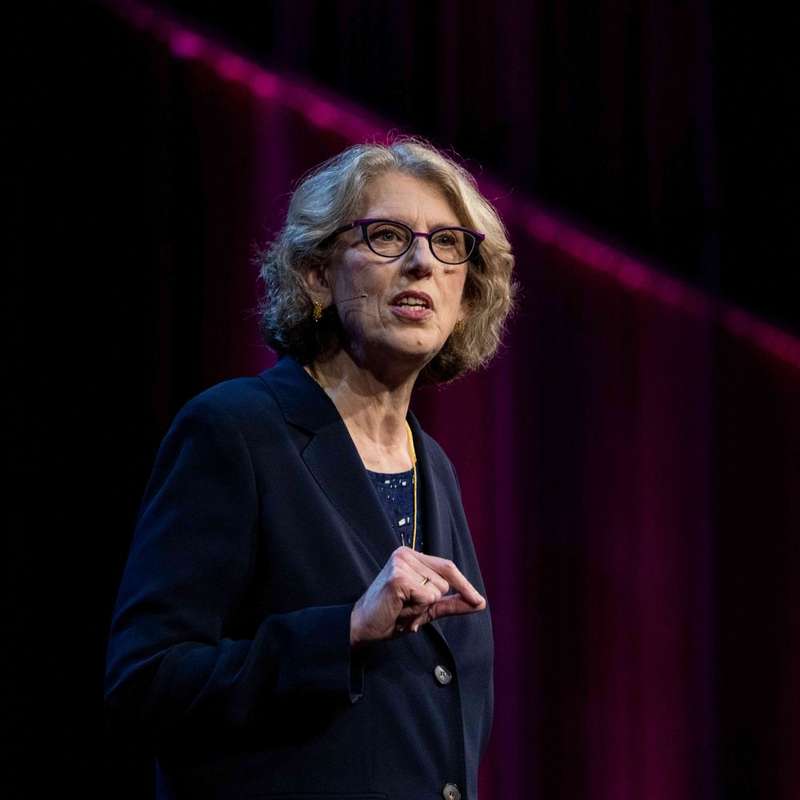
Feeling bummed out by climate setbacks? Or maybe you're outright angry? We're here for you. With 40% of Americans starting to align their money with their views, it's clear that we're ready to push back on recent climate challenges.In season 3 of Second Nature, we're balancing hope and action — from company boycotts to community gardens. With the help of community voices from around the world, top-tier experts, and a dose of history and data, we'll give you all the motivation and inspiration you need to take climate action that matters. Subscribe so you don't miss an episode! (00:00) - Trailer
This episode originally aired on June 4, 2024. We're about to break ground on season three, the soil outside is warming up and we're ready to get our hands in the dirt. So we wanted to revisit this episode as we prep our gardens for spring.Stoops, balconies, and windowsills are ripe for growing food. Today, we're riding out the ripple effect that urban gardening can have on our lives and the planet.Second Nature is your community for practical, sustainable living. On this episode, we're getting inspiration and practical tips to start small, fruitful home gardens in urban spaces. We're also talking about the carbon footprint of home gardens and realizing the ripple effect that growing our own food can have on our lives and the environment.🌎 To see photos of our contributors and their gardens as well as citations, and further reading, check the full show notes.📞 We'd love to hear from you! Submit to the show.📱 To join the Commons community, download the app.📷 Follow Second Nature on Instagram.Second Nature is a podcast by Commons, the sustainable spending app that tens of thousands of people use to track their footprint. Earn rewards for climate-friendly purchases and find new, action-based content in the app every week. Download the app and join our June Collective Challenge: Sustainable Transit. Episode creditsListener contributions: Sameera Mokkarala, Lindsay Kerns, Daria Panova, Brian Stancheski, Tara Haug, RooeyFeaturing: Nelson ZêPequéno and Sanchali Seth PalEditing and engineer: Evan GoodchildHosting and production: Katelan Cunningham (00:00) - Tempo: 120.0
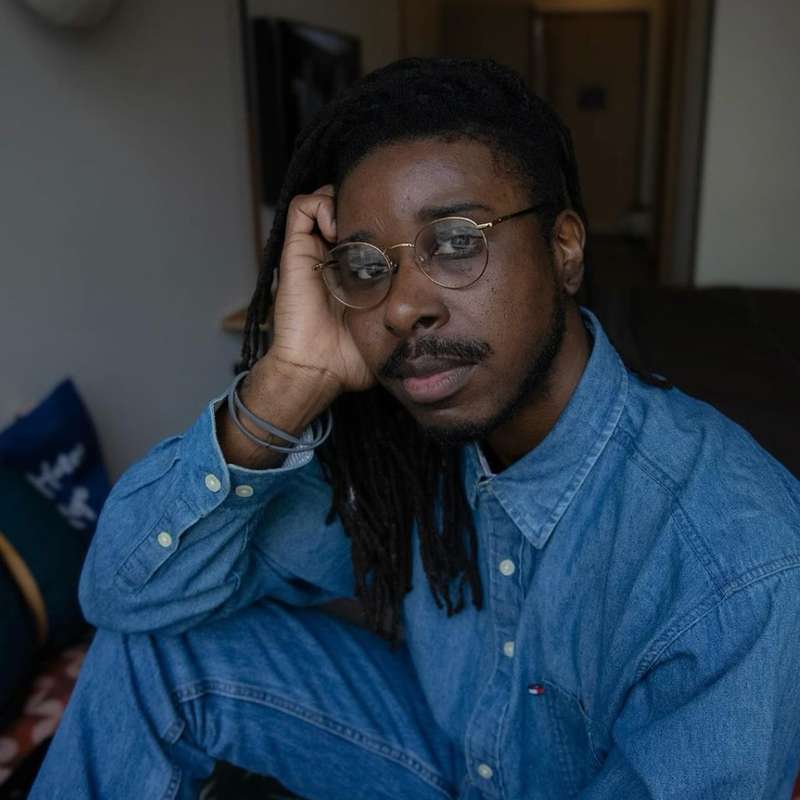
This episode originally aired on July 9, 2024. As more and more people are boycotting big brands like Amazon, we thought it was the perfect time to bring back this episode about how ditching convenience culture can actually make us more sustainable citizens.Since the start of the COVID-19 pandemic, our use of Amazon has skyrockted, making the company the second biggest U.S. parcel carrier after the US Postal Service. Amazon has become the poster child for convenience culture, but the time we save for the sake of convenience is putting us in financial and carbon debt. In this episode, we're grappling with our fraught relationship with our Amazon Prime subscriptions and getting practical tips to break free from convenience culture and start shopping more sustainably. On this episode, you'll hear:Listeners share their complex, conflicted feelings about using Amazon. MIT research scientist Erez Yoeli shares how we can have a more sustainable relationship with Amazon and how to close the action vs intent gap.How Amazon gets you to buy so much stuff and how its fast-paced shipping comes at the cost of workers' health and pay.🌎 For resources, photos of our contributors citations, and further reading, check the full show notes.📞 We'd love to hear from you! Submit to the show.📱 To join the Commons community, download the app.📷 Follow Second Nature on Instagram.Episode creditsListener contributions: Daria Panova, Diana Holguin, Freya Dumasia, Karen Jean and Rachel Martinson, Katee Hui, Kimberly Foley, Lawrence Hott, Miriam Jornet, Nicole Collins, Rozalia Agioutanti Featuring: Erez Yoeli and Sanchali Seth Pal Editing and engineer: Evan Goodchild Hosting and production: Katelan Cunningham (00:00) - Tempo: 120.0

This episode originally aired on May 29, 2024. As we're prepping for season 3, we're revisiting this episode in honor of our February Collective Challenge in the Commons app: Boycott Fast Fashion. Join us!Fast fashion is cheap, but the low cost to customers comes at a high cost to garment workers, communities, and the environment. So, how do we break free from the fast fashion cycle?Second Nature is your community for practical, sustainable living. On this episode, we're commiserating with listeners over the allure of fast fashion and getting real tips to break free from it. Plus, we're doing the math on the impact of buying less fast fashion and talking to Kestrel Jenkins (journalist and host of Conscious Chatter) about the human cost of fast fashion. On this episode, you'll hear:Practical guidance from real-life, former fast fashion shopaholics. An interview with journalist and Conscious Chatter host Kestrel Jenkins about the human cost of fast fashion and how to recenter the supply chain in our buying habits. What happens when get this right? Commons CEO and founder Sanchali Seth Pal does the math on how ditching fast fashion can make a real carbon impact. 🌎 To see photos of our contributors, citations, and further reading, check the full show notes.📞 We'd love to hear from you! Submit to the show.📱 To join the Commons community, download the app.📷 Follow Second Nature on Instagram.Second Nature is a podcast by Commons, the sustainable spending app that tens of thousands of people use to track their footprint. Earn rewards for climate-friendly purchases like plant-based restaurants, and join collective challenges. Download the app and join May's collective challenge, Secondhand Shopping.Episode creditsListener contributions: Alyssa Barber, Drew Crabtree, Freya Dumasia, Hattie Webb, Kellie Rana, Lawrence Hott, Madeline Streilein, Miriam Jornet, Romina Román, Rozalia Agioutanti, Tavia Anon, Willa Stoutenbeek Featuring: Kestrel Jenkins and Sanchali Sate PalEditing and engineer: Evan GoodchildFact checking: Sophie JanaskieHosting and production: Katelan Cunningham (00:00) - Tempo: 120.0
We're excited to hear from your for season 3! Fill out this form to start your submission to Second Nature: https://j09c5.app.link/e/KfZvWw9izPbAfter you fill out the form, you'll receive questions based on the topics you chose, with details about how to submit your audio.At the end of this call for submissions, you heard the voices of listeners Jordan Webb, Cindy, and Artie Sadahiro. (00:00) - Tempo: 120.0
When you’re trying to live more sustainably, fashion can be hard to navigate. The industry is ripe with greenwashing that masks exploitative practices for people and planet. But sustainable fashion is an expansive, exciting world of circularity, repair, and trustworthy, responsible brands.On this episode (our season 2 finale!), we’re coming face-to-face with the cost conversation when it comes to sustainable fashion, getting real about overconsumption, envisioning a practical future for the industry with fashion expert Samata Pattinson, and finding out what sustainable fashion means to you. Plus, we’re talking to Commons’ Carbon Strategy Manager Sophie Janaskie about what to look for in a sustainable brand. ➡️ If you’re struggling to find sustainable fashion brands that you can trust, we got you. The Commons team has researched and rated hundreds of fashion brands so you can skip the greenwashing. Check it out here: thecommons.earth🌎 For photos of our contributors and further reading, check the full show notes.📞 We'd love to hear from you! Season 3 submissions coming soon!📱 To join the Commons community, download the app.📷 Follow Second Nature on Instagram.Episode CreditsListener contributions: Alexa Rivera, Cindy, Danielle Bird, Faith Winston, Liv, Obehi Ehimen, Verity Editing and engineer: Evan GoodchildHosting and production: Katelan Cunningham (00:00) - Tempo: 120.0 (00:00) - Marker 1

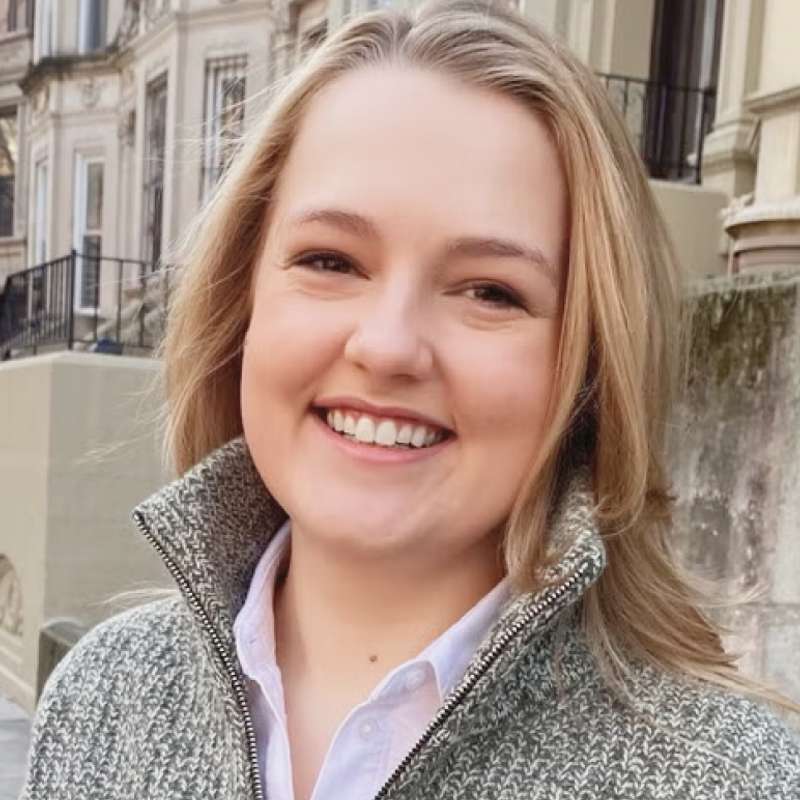
A third of the food we produce goes to waste, and a shocking amount of that waste happens in our own homes. The good news is that fighting food waste is easy with a few life hacks up your sleeve. And even better, it'll save you money too. In this episode, we hear what types of food our community struggles with and get their tips to curb the waste. We're asking plastic-free, low-waste chef Anne-Marie Bonneau about her recipes and tips to eat our food before it becomes waste. We're also reckoning with the amount of money we're tossing out with our food waste and finding out some surprising upsides to food delivery. 🌎 For photos of our contributors and further reading, check the full show notes.📞 We'd love to hear from you! Submit to the show.📱 To join the Commons community, download the app.📷 Follow Second Nature on Instagram.Episode CreditsListener contributions: Amea Wadsworth, Anandi Yadav, Cindy, Jessica Tucker, Jordan Webb, Nick Blocha, Shayda Soleiman, Sierra Editing and engineer: Evan GoodchildHosting and production: Katelan Cunningham (00:00) - Tempo: 120.0 (00:00) - Marker 1
We’re eating way too much meat. An unsustainable, unhealthy amount of meat. If you’re looking for one way to drastically improve your health and carbon footprint — plant-based eating is it. But even if you’re not going fully plant-based, reducing your meat intake is a huge step in the right direction. In this episode, we hear how our community has noticed a difference in their health since eating more plant-based, how much of an emissions impact we can make by eating fewer hamburgers, and we’re talking to Professor and Nutrition Scientist Christopher Gardner about exactly how meat impacts our bodies. 🌎 For photos of our contributors and further reading, check the full show notes.📞 We'd love to hear from you! Submit to the show.📱 To join the Commons community, download the app.📷 Follow Second Nature on Instagram.Episode CreditsListener contributions: Diana Holguin, Drew Crabtree, Elisabeth, Miriam Jornet, Will, Willa Stoutenbeek, Brian StancheskiEditing and engineer: Evan GoodchildHosting and production: Katelan Cunningham (00:00) - Tempo: 120.0
When we need or want something, our first thought is often, "Where can I buy it?" But what if our first thought was: "I wonder if my neighbors have it?" Buy Nothing groups and free groups are community-rooted solutions for overconsumption and how much overconsumption costs us and the planet. Whether you're looking for empty plastic containers for a craft or you want to give away an old Kindle you don't use, these groups are a great way to realize the resources and generosity of our neighbors. On this Community Voices episode of Second Nature, we're diving into the generous, thrifty, free world of free groups and Buy Nothing groups to discover new opportunities to connect with community and find new value in our stuff.🌎 For photos of our contributors and further reading, check the full show notes. 📞 We'd love to hear from you! Submit to the show.📱 To join the Commons community, download the app.📷 Follow Second Nature on Instagram.Episode CreditsListener contributions: Taylor Barkley, Morgan Gallagher, Diana Holguin, Madeline Streilein, Nick BlochaEditing and engineer: Evan GoodchildHosting and production: Katelan Cunningham (00:00) - Tempo: 120.0
Government seems to move slower than the pace of climate change, so do our votes for climate candidates and policies actually make a difference? In this episode, we're connecting the dots between climate and policy and hearing from people around the world about how their governments’ policies are affecting their lives and their regions. We're also catching up with HEATED editor-in-chief Emily Atkin to hear how climate reporting has changed over the past couple of presidential terms and how she keeps her head above water after a decade of reporting on climate. We'll also talk to Commons founder Sanchali Seth Pal about climate policies around the world that have actually worked. If you're looking for resources to help you vote for the planet in the 2024 U.S. presidential election, or any upcoming U.S. election, here are some resources that could help: Vote Climate U.S. PAC's Voter Guide, Climate Cabinet's Climate Scorecard, League of Conservation Voter Scorecard.🌎 For photos of our contributors and further reading, check the full show notes.📞 We'd love to hear from you! Submit to the show.📱 To join the Commons community, download the app.📷 Follow Second Nature on Instagram.Episode CreditsListener contributions: Anandi Yadav, Clara, Danielle Bird, Lindsay Kerns, Michael Chase, Nick Blocha, ShaiEditing and engineer: Evan GoodchildHosting and production: Katelan Cunningham (00:29) - Every vote you cast is a climate vote (02:34) - The price tag on our planet's worst year yet (09:46) - Emily Atkin won't let Big Oil off the hook (29:06) - Which climate laws are actually working? (38:30) - Local elections are crucial
Plant-based cheese is better than ever, but can we expand our expectations of cheese to ease our reliance on Big Dairy?Cheese is delicious. Even aspiring vegans find cheese hard to quit. But making dairy cheese is not only rough on the planet — the dairy cows’ lives aren’t great either. In this episode, we’re getting the full picture of the impact of dairy cheese, including the United States’ decades-long surplus cycle with the cheese industry and how it’s connected to Pizza Hut’s Summer of Cheese. We’re chatting with famed vegan chef and cheese icon, Miyoko Schinner about how far plant-based cheese has come and her favorite plant-based cheese bases. We’re learning practical tips to learn to love plant-based cheese, and having our very own cheese taste test.🌎 For photos of our contributors and further reading, check the full show notes.📞 We'd love to hear from you! Submit to the show.📱 To join the Commons community, download the app.📷 Follow Second Nature on Instagram.Episode CreditsListener contributions: Amea Wadsworth, Diana Holguin, Drew Crabtree, Kenzie Rattray, Melissa Athina, Miriam JornetEditing and engineer: Evan GoodchildHosting and production: Katelan Cunningham (00:00) - Tempo: 120.0
Reviews
No reviews yet.
If you like this...

How to Save a Planet
Same topic · Same tone · Same audience

Outside/In
Same topic · Same format · Same audience

The Climate Question
Same topic · Same audience

Drilled
Same topic · Same audience

Life Kit
Same format · Same vibe · Same audience

The Interior Collective
Same audience · Same vibe

The Great Indoors
Same vibe · Same audience

Dear Alice | Interior Design
Same audience · Same vibe

The CPG Guys
Same topic · Same audience

My Dear Alice
Same tone · Same audience

Omni Talk Retail
Same audience · Same vibe

The Retail Focus Podcast
Same audience
Explore more like this
Listening context
Discussion (0)
No comments yet. Be the first to start the discussion!