Nov 25
The Hairdresser Who Took Over Hollywood: Jon Peters, Part 1 "Making the Cut"
In this special bonus episode of Technically Creative , Orlando Wood sits down with one of the most mythologized and misunderstood figures in modern Hollywood: Jon Peters . Jon’s life story reads like a Hollywood screenplay — from being pulled out of a troubled childhood and thrust into beauty school, to running a chain of iconic LA salons in the 1970s, to meeting Barbra Streisand and producing A Star Is Born , to orchestrating the Sony Pictures takeover, to holding the rights to Superman for nearly 25 years. His fingerprints are on Batman , Rain Man , Flashdance , The Color Purple , American Werewolf in London and more. This first conversation is wide-ranging, messy, intimate, and completely Jon . We explore: His unlikely path from hairdresser to Hollywood power player His time with Barbra Streisand and the origin of their creative partnership The chaos and brilliance of his producing years His relationships with Peter Guber and studio heads like Steve Ross His battles with addiction, his recovery, and the love that grounded him Why his confidence — and instinct — became his superpowers This is part one of a multi-episode series diving into the real story behind the legend, pulling apart what’s myth, what’s true, and what only Jon could possibly describe. If you’re fascinated by Hollywood history, improbable careers, or the personalities behind the films that shaped generations, this is the beginning of a remarkable ride. Stay tuned — the next chapters go even deeper.
Nov 4
The Man Preparing Hollywood for the Future, Yves Bergquist of ETC and CortoAI
🎙️ Meet the Man Shaping Hollywood's Future In this season finale of Technically Creative , Orlando Wood sits down with Yves Bergquist — Director of the AI & Media Project at USC’s Entertainment Technology Center (where every major studio, from Warner Bros. to Netflix to Sony, collaborates on the future of storytelling), and CEO of Corto AI , a company decoding the narrative DNA of films, ads, and media. Yves is one of Hollywood’s leading voices in AI — helping the industry understand how technology, data, and culture intersect. But this conversation isn’t just about algorithms or analytics. It’s about stories: the ones that shape audiences, and the ones we tell ourselves. In a remarkably candid exchange, Yves shares how his work mapping creative data has paralleled his own journey of reinvention — from public failure to personal growth. It’s a rare, human look at how the next wave of creativity will be built on both intelligence and empathy. 🎧 Highlights include: ● How USC’s Entertainment Technology Center is redefining AI for Hollywood ● The “Content Fingerprinting Initiative” — using math to protect IP in generative media ● Corto AI and the narrative DNA of storytelling ● Why Gen Z wants a John Hughes-style revival of “people misbehaving” movies ● What Yellowstone and House of Guinness teach us about storytelling as marketing ● Yves’ personal story of failure, forgiveness, and self-discovery ● Why the next Golden Age of creativity will be the most human yet 🔗 Learn more about USC’s Entertainment Technology Center: https://www.etcenter.org 🔗 Explore Corto AI: https://www.corto.ai 🔗 Visit KoobrikLabs: https://www.koobriklabs.com 🔗 Connect with Orlando: https://www.linkedin.com/in/orlando-wood 📍 Chapters: [00:00] Introducing Yves Bergquist — data, culture, and storytelling [04:00] Inside USC’s AI & Media Project [07:00] The “Content Fingerprinting Initiative” and copyright in the AI era [12:00] Decoding the narrative DNA of stories [17:00] Global storytelling trends and the Gen Z renaissance [25:00] Corto AI and the future of brand storytelling [34:00] How data and emotion drive creativity [44:00] Yves’ candid story of failure and redemption [57:00] Why the future of creativity is deeply human #TechnicallyCreative #YvesBergquist #USC #EntertainmentTechnologyCenter #CortoAI #AIinHollywood #Storytelling #DataScience #CreativeTechnology #Innovation #FilmIndustry #KoobrikLabs #OrlandoWood
Oct 28
Inside Goodby Silverstein’s AI R&D Lab
Every few years, advertising reinvents itself. This time, it’s happening from the inside out. In this episode of Technically Creative , Orlando Wood sits down with Martin Pagh Ludvigsen , Director of AI and Creative Technology at Goodby Silverstein , one of the most iconic agencies in the world. Martin leads The Labs , a department that lives inside the creative floor (not the IT wing) and prototypes the impossible. His team bridges imagination and production, helping GSP’s creatives turn wild ideas into tangible reality. From the “Ask Dalí” project; where museum visitors could literally talk to Salvador Dalí, to the BMW “Real for Real” campaign that tackled AI Slop head-on, Martin explains how creativity and technology can coexist when AI becomes the subject of the idea, not just the software behind it. Together, Orlando and Martin explore how The Labs operates inside a 40-year-old agency that still acts like a startup, and what happens when creative technologists are trusted as artists, not just engineers. This is a conversation about curiosity, craft, and culture in an age where “trust is the new oil.” Orlando and Martin explore: ● How Goodby Silverstein built a creative R&D department inside its creative floor ● Why “Ask Dalí” became one of the most talked-about AI art experiences in the world ● The making of BMW’s “Real for Real” and the cultural backlash against AI Slop ● Why great creative technology starts with why , not how ● How AI can elevate creativity when it’s part of the idea, not just production ● Why “trust” and “authenticity” will define the next era of advertising
Oct 21
The Modern Producer: Kati Haberstock on Building Smarter, Faster Workflows
In this episode of Technically Creative , Orlando Wood sits down with Kati Haberstock , Head of Production at Erich & Kallman and Ad Age’s 2024 Small Agency Producer of the Year , for a refreshingly real conversation about what it means to be a modern producer. Kati’s career reads like a masterclass in production: from Smuggler , The Directors Bureau , and Buck to Framestore and now agency-side leadership at Erich & Kallman . She’s seen every angle of the process—live action, post, animation, and business affairs—and she brings that experience to bear on every project. Together, Orlando and Kati explore how producers are evolving from project managers to creative problem-solvers, why curiosity is the secret weapon of good production, and how AI-driven bidding tools are changing workflows. Kati also reveals her “unsiloed” approach to running a lean, high-output agency where everyone moves faster, smarter, and with more freedom. It’s a celebration of production fundamentals that never change—hard work, diligence, creativity—and how they’re being reimagined for 2025. What Orlando and Kati Cover: Why great producers never stop learning (and never say no) The evolution of the producer’s role from last call to first collaborator How Erich & Kallman punches above its weight on every project Why efficiency and creativity can coexist The rise of AI-assisted bidding and data-driven operations Building a modern, unsiloed production culture How to train the next generation of producers for speed and independence Why client trust still matters more than any tool or tech
Oct 14
Inside USC’s Entertainment Tech Lab: Erik Weaver on AI, Virtual Production, and the Future of Story
In this episode of Technically Creative, Orlando sits down with Erik Weaver, Head of Virtual and Adaptive Production at the Entertainment Technology Center at USC, a studio-funded R&D group founded at the request of George Lucas. Erik explains how ETC bridges Hollywood and Silicon Valley, from drafting the first pass at digital cinema standards to today’s work on studio-grade AI pipelines. The goal is simple, make new tech practical, controllable, and copyrightable for professional storytellers. Erik shares how the team moved from on-set virtual production to AI-first workflows, why control, consistency, and quality matter more than novelty, and how their short The Bends used custom LoRAs, zero-trust cloud, and 32-bit EXR outputs to hit professional finishing standards. He breaks down provenance tracking for copyright, clean model tiers, and why performance will be the next frontier for AI in production. The conversation stays focused on story, culture, and the people on set, technology is a toolbox, not the point. Orlando and Erik explore What ETC at USC is, who funds it, and why it exists for the industry Lessons from digital cinema, volumes, and the VAD that still matter in AI pipelines AI as a professional toolbox, not a shortcut, control, consistency, quality Clean models, provenance, and the current path to copyright for AI works Building secure, on-prem or cloud zero-trust environments for training private LoRAs The Bends case study, custom blobfish assets, LoRA training at high VRAM, 32-bit EXR delivery OSVP to AI first, where Blender, Nuke, ShotGrid, and gen tools meet Cost, compute, and why practical workflows still need real artists in the loop Why multimodal will win, and why performance capture and synthesis are the next edge How to keep cinema culturally relevant for a generation that wants interactivity
Oct 10
The Future Is Untold: Darren O’Kelly on Creativity, Culture, and Cloud-Native Storytelling
In this episode of Technically Creative , Orlando Wood sits down with Darren O’Kelly, CEO and co-founder of Untold Studios, to explore how one of the most forward-thinking creative companies in the world is reshaping the future of entertainment, VFX, and storytelling. After 15 years leading The Mill, Darren left to build something radically different—a studio built entirely in the cloud, powered by artistry, and born out of independence. From creature design in Mission Impossible and The Crown to developing music shows with Billie Eilish and Imagine Dragons , Untold has quickly become a creative force across film, television, advertising, and music. Darren shares the story behind Untold’s creation, how the fall of Technicolor reshaped the industry, and what it took to onboard 550 VFX shots from Alien Earth within 10 days—all thanks to their cloud-native infrastructure. He also dives into how Untold uses AI not as a replacement for creativity, but as a tool for precision control —from de-aging models to relighting live-action scenes without breaking cinematic integrity. But at its core, this episode is about something deeper: Why human connection, story, and emotion will always outlast any technology. Orlando and Darren explore: How Untold became the world’s first fully cloud-native studio What the fall of Technicolor revealed about legacy models in VFX The role of adversity and adaptability in building new creative cultures Why “precision control” is non-negotiable for high-end storytelling Untold’s approach to AI—solving real problems, not hype-driven ones The power of blending music, production, and technology under one creative roof Why art and commerce aren’t enemies—and why culture is Untold’s secret weapon.
Sep 30
Benji Rogers on Attribution, AI, and the Next Napster Moment
In this episode of Technically Creative , Orlando sits down with Benji Rogers , Founder of Lark 42 and Co-President of Surreal AI , for a candid conversation about music, media, and the looming AI revolution. Benji, a “recovering musician” turned entrepreneur, has spent his career helping technology companies understand music — and music companies understand technology. Now, through Surreal AI, he’s building an attribution framework designed to ensure artists are paid fairly when their work trains or inspires AI systems. Together, Orlando and Benji unpack: Why AI could spark a crisis in music rights as seismic as the Napster wars. How attribution chains can safeguard creators — and unlock new business models. The parallels between addiction, algorithms, and daily active users. What the entertainment industry risks if it licenses away its value — again. Why the future may split between infinite AI “slop” and authentic, human work. This is more than a conversation about music tech. It’s a call to rethink how we protect creativity itself in the age of generative AI.
Sep 23
Why Modern Athletes Must Be Creators: Lessons from Max Fleming and the Savannah Bananas
If you’re a creative company looking to future-proof your business, book a free consultation call at https://koobriklabs.com/contact/ In this episode of Technically Creative , Orlando Wood speaks with Max Fleming, founder of Motive LA, who represents standout athletes and creators—exploring how NIL deals, TikTok, and entertainment-first sports are reshaping the trajectory of modern athletic careers. From repping the iconic Savannah Bananas players as they sell out Fenway Park to shaping the brand of creators like the Pointer Brothers, Max is at the crossroads of sports, entertainment, and the creator economy . His mantra ( community, consistency, relatability ) guides a new model of management built for athletes and creators who are as viral online as they are talented on the field. We dig into how Motive LA helps athletes fight burnout, build long-term careers, and turn fleeting viral moments into sustainable opportunities. Max explains why today’s athletes can’t afford to ignore social media, how NIL is changing the game for college stars, and why entertainment-first teams like the Savannah Bananas may hold the blueprint for the future of sports. Max also shares: How the Savannah Bananas reinvented baseball for the TikTok era Why NIL deals make social presence essential for college athletes The strategy behind building “internet homies” like the Pointer Brothers How to fight imposter syndrome and burnout in the creator economy Why brand partnerships must serve the person, not just the algorithm The difference between being a manager and being a teammate Why community, consistency, and relatability are the keys to a 30-year career
Sep 16
Hollywood’s AI Classroom: Verena Puhm on Dream Lab LA
If you’re a creative company looking to future-proof your business, book a free consultation call at https://koobriklabs.com/contact/ In this episode of Technically Creative, Orlando Wood sits down with Verena Puhm — Head of Studio at Dream Lab LA, the R&D arm of Luma AI, and a writer-producer-director turned AI pioneer. Verena shares how she went from independent filmmaking — a world constrained by gatekeepers, budgets, and slow-moving studios — to helping shape the very AI tools that will define the next era of filmmaking. At Dream Lab LA, she and her team work directly with both creators and major Hollywood studios to test, refine, and reimagine workflows for an AI-first future. With an insider’s view of how studios are cautiously adopting AI and how independent artists are rapidly experimenting with it, Verena explains why this moment is unlike any shift before — and why it represents both an incredible opportunity and a cultural responsibility. She also breaks down: Why AI gives independent creators agency and bypasses Hollywood gatekeepers How Dream Lab LA partners with studios to design workflows, not just tools The real legal and ethical challenges around copyright, and how to navigate them Why documentation, transparency, and trust are essential for creators using AI How AI artists and traditional crew roles can collaborate in hybrid productions Why this era could finally democratize storytelling — making way for voices far beyond Hollywood Whether you’re an artist trying to understand how to adapt your craft, or an executive looking at the future of studio production, Verena offers a candid, inspiring look at the creative playground AI is opening up. Technically Creative by KoobrikLabs explores how technology and creativity collide to shape the future of entertainment.
Sep 9
Why Disney vs. MidJourney Could Rewrite Hollywood’s IP Playbook
In this episode of Technically Creative , Orlando Wood sits down with Rob Rosenberg , partner at Moses Singer and managing director of MS Strategic Solutions. With a career spanning advertising, entertainment, and more than two decades at Showtime, including most recently as EVP and General Counsel, Rosenberg brings a rare perspective to the frontlines of law, media, and digital transformation. From the rise of streaming to today’s battles over copyright, AI, and deepfakes, Rosenberg has been at the intersection of every major entertainment shift. He now shares his insights in The Technotainment Scorecard , a weekly Substack where he unpacks the industry’s thorniest questions. In this conversation, Rosenberg explains why “asking for forgiveness, not permission” won’t work in the age of generative AI, how Disney’s lawsuit against MidJourney could reset legal precedent, and what kinds of deals studios should be striking right now to protect their crown jewels of IP. He also warns of the risks: from deepfake abuse to AI models threatening job pipelines, and explores whether a federal “compulsory licensing” law might be the only way forward. Orlando and Rob uncover: Why copyright law must serve both protection and inspiration How the Disney v. MidJourney case could redefine fair use Why deepfakes represent the next major legal battlefront How studios can strike smart AI licensing deals without repeating the Netflix mistake What new contract clauses and union provisions mean for actors and creators The hidden opportunities in cable spinoffs and the coming return of bundles
Sep 2
Cracking the LinkedIn Algorithm: Alicia Teltz on Building a Six-Figure Funnel in Public
In this episode of Technically Creative, Orlando talks with Alicia Teltz, the former LinkedIn strategist who left her corporate role, built a personal brand from scratch, and turned her audience into a business. With over 20,000 followers, a thriving WhatsApp community, and a growing list of paid clients, Alicia breaks down what actually works on LinkedIn in 2025. Alicia shares the real story behind the algorithm, explains why LinkedIn prioritizes recent content and real people, and walks us through her now-famous “20-20-20” method. From live product testing in her DMs to monetizing content with no newsletter, Alicia gives a rare look at how to build a creator-led funnel that doesn’t rely on virality. She also explains why AI-generated content is hurting your brand, what most creators are doing wrong, and how to think like a strategist instead of an influencer. This episode is a crash course in building a business on LinkedIn that actually works.
Aug 26
The Future of Advertising Production: Sergio Lopez on AI, Scale, and Creativity at Omnicom
In this episode of Technically Creative , Orlando sits down with Sergio Lopez, CEO of Omnicom Productions, to explore how one of the world’s largest advertising networks is rethinking production for the future. With over 76 production units unified under a single global structure, Sergio shares how Omnicom is building a scalable model that balances efficiency, brand consistency, and creative excellence. From consolidating fragmented supply chains to embracing data-driven modular content, Lopez explains why production is the new creative frontier. The conversation unpacks: Why production has a seat at the strategy table in a fragmented media landscape How Omnicom uses AI, automation, and data to scale personalization without losing creativity The balance between efficiency and creative freedom when working with global brands Why Lopez believes agencies need both creatives and creators to thrive in the future Lessons learned from failure, and why “failing fast” is critical in today’s industry Whether you’re a marketer, creative, or brand leader, this episode is a masterclass in navigating the complexity of modern advertising — and what the next decade of production will look like.
Aug 20
Infinite Content: Doug Shapiro on Media in the Age of Disruption
In this episode of Technically Creative, Orlando Wood sits down with Doug Shapiro — former Wall Street analyst, Time Warner strategist, author of the upcoming book Infinite Content, and one of the most respected media futurists in the business. With more than three decades studying disruption across Wall Street, Hollywood, and Silicon Valley, Doug unpacks the tectonic shifts reshaping entertainment today: from the fall of cable bundles and Hollywood studios to the rise of the creator economy, YouTube, and generative AI. Doug reveals why media’s old playbook no longer works, and why the future won’t just be about making movies cheaper with AI, but about inventing entirely new forms of storytelling. He also breaks down: How digitization and the internet dismantled distribution monopolies Why YouTube now dwarfs Hollywood by 20,000x in hours produced The difference between “creatives” and “creators” — and why bargaining power has shifted How Netflix followed Clay Christensen’s disruption curve — and why YouTube + GenAI are the next wave Why legacy media’s last weapon may be trust in a world drowning in content The lessons he learned from his biggest failures — including betting on Adelphia before its infamous collapse Whether you’re a studio executive, a creator, or simply someone trying to understand why Hollywood feels broken, Doug offers a clear-eyed map of where media is headed — and why the next golden age might not come from Los Angeles at all Technically Creative by KoobrikLabs explores how technology and creativity collide to shape the future of entertainment.
Aug 12
Bryn Mooser: Moonvalley, Asteria, and the Art of Ethical AI
In this episode of Technically Creative , Orlando Wood sits down with Bryn Mooser — Oscar-nominated documentary filmmaker, co-founder of Asteria, and partner at Moon Valley — to discuss the creation of the world’s first commercially safe, fully licensed AI model built specifically for filmmakers. From his early days making documentaries on Canon 5Ds with maxed-out credit cards to developing Moon Valley’s groundbreaking “clean” AI visual intelligence model, Bryn has always been driven by a single goal: breaking down the walls that keep new voices out of Hollywood. We talk about how AI is transforming the film industry — from animation and VFX workflows to pre-visualization and custom models for individual projects — while still keeping artists at the center. Bryn explains why copyright compliance is the real battleground for AI in Hollywood, and how his team engineered a model that could pass studio legal tests without sacrificing creative power. Bryn also shares: How a single piece of camera tech democratized documentary filmmaking Why Moon Valley’s “clean” AI model is a legal and creative breakthrough How real-time rendering is rewriting film production timelines Why small, agile teams could lead the next cinematic revolution The risks of AI-generated “slop” — and how to fight it Lessons from Hollywood’s past tech disruptions, from sound to streaming
Aug 5
Behind Reality TV’s Biggest Hits: Jeff Jenkins on Paris Hilton, Kim Kardashian, and Storytelling That Sells
In this episode of Technically Creative , Orlando Wood sits down with Jeff Jenkins; Founder and President of Jeff Jenkins Productions, and the producer behind The Simple Life , Keeping Up with the Kardashians , Bling Empire , and Hulu’s Secret Lives of Mormon Wives , to unpack the craft of reality TV from the man who helped define it. From creating Paris Hilton and Nicole Richie’s comedic playground to capturing the Kardashian family’s transformation into a billion-dollar brand, Jeff shares the instincts, casting secrets, and creative pivots that have kept him at the top of the game for over two decades. Jeff’s career spans from his early days at Bunim/Murray Productions (the birthplace of The Real World ) to running his own company and producing hit shows across Netflix, Hulu, and Peacock. Along the way, he’s witnessed the genre’s evolution; from pure documentary to guided storytelling to a return to vérité and reveals why social media has pushed reality TV back toward raw, unfiltered moments. He also opens up about: How The Simple Life and Keeping Up with the Kardashians changed the definition of fame What makes someone “lean in” to the camera — and why not everyone can do it The art of shaping story without breaking authenticity How to spot the “anchor” personality in an ensemble cast Why filming outside LA is changing the types of stories we see on screen The tech upgrades that made reality TV look like cinema His philosophy on failure and the $200,000 lesson that shaped his career From Utah mom-fluencers to Missouri cattle ranchers to yacht-based dating shows, Jeff is still proving that the most compelling reality TV comes from putting the right people in the right setting - and letting real life take it from there. Technically Creative by KoobrikLabs explores how technology and creativity collide to shape the future of entertainment.
Jul 29
Inside Roblox’s Brand Strategy: Sue Anderson on Gen Z, Creativity, and UGC at Scale
In this episode of Technically Creative , Orlando sits down with Sue Anderson, VP of Creative at Roblox and former agency veteran, to unpack what happens when the creative lead of one of the most visited platforms on Earth doesn’t make any of the content. With over 98 million daily users and more than 40 million user-generated experiences, Roblox isn’t just a game — it’s a decentralized creative economy. Sue breaks down how her team is building a brand inside a world that was built entirely by its users, and what that means for the future of marketing, creativity, and Gen Z engagement. From leaving ad agencies for Meta and eventually landing at Roblox, Sue explains why the best creative ideas often die at the agency briefing stage — and how being closer to the product unlocked the kind of thinking she once had to hide at the back of a pitch deck. She also shares why Roblox never tests creativity, why legacy brands fail to grasp user-generated content, and what every marketer can learn from a platform where fans earn $1M+ building experiences with their friends. Orlando and Sue explore: Why Roblox doesn’t buy media, but is media How to build a brand when your users create the product What creative leadership looks like inside a tech company Why agencies are often pitching to the wrong problem The three audiences Roblox creates for: players, creators, and parents What adland can learn from a platform with 98M daily active users Why Gen Z “sniffs out” inauthentic marketing faster than any generation before What Cannes Lions judging taught Sue about creativity in a post-platform era Her biggest creative failure — and the email that turned it around
Jul 22
Where the Robots Grow: The First AI Feature Built Without a Studio
In this episode of Technically Creative , Orlando sits down with filmmaker and technologist Tom Paton , founder of AImation , to explore how AI is already disrupting the entertainment industry — and why the next generation of filmmakers won’t need studios, crews, or even cameras. From releasing the first feature-length AI film Where the Robots Grow to building a closed-beta streaming platform for gamified video-on-demand ( GVOD ), Tom lays out a radically efficient future for storytelling. A future where two people can make a full film in six weeks, powered by generative tools and creative instinct. He also explains why legacy Hollywood is so unprepared for what’s coming: decentralized creators, genre-bending formats, and a new pipeline where production starts after post. The old model? It’s not just outdated — it’s already being replaced. Orlando and Tom uncover: Why AI filmmaking is like Sundance in the Handycam era How Where the Robots Grow was built by 9 people in under 90 days The new economics of post-first production and studio-less pipelines What GVOD means for content distribution after the death of subscription models How AImation is positioning as the “AMC Theatres of AI” Why the industry’s obsession with “tools” misses the point of agentic collaboration
Jul 15
Inside CAA Intell: André Vargas on Fighting AI Hype with Artist-First Data
In the Season 2 premiere of Technically Creative , we sit down with André Vargas , Chief Data Officer at CAA , to talk about why data (and the people behind it) matter more than ever in the entertainment industry. From redefining AI as “augmented intuition” to building CAA Intell , a machine learning platform designed for artist representation, André breaks down what it really takes to integrate technology into one of the most human industries in the world. Hint: it starts with trust, ethics, and a relentless focus on the client. Vargas shares stories from the frontlines of negotiating with streamers, the art of measuring black holes with proxy data, and why generative AI is both powerful and perilous. Most importantly, he makes a compelling case for what data should be: not a shortcut, but a supercharger for creative success. Orlando and André explore: Why client-centricity is the only real AI strategy in entertainment What happens when a Chief Data Officer thinks like an artist, not just a technologist How CAA Intell closes the negotiation gap with actionable insights The real risks of generative AI—and how CAA is staying ethical in a hype-driven industry The power of feedback loops and co-design with agents What it means to say “ the AI is guilty until proven innocent ”
Jun 10
Rob Minkoff On the Future of Animation in the Age of AI
In the SEASON FINALE of Technically Creative , we close out with a true legend. Orlando Wood sits down with director Rob Minkoff , the visionary behind The Lion King , Stuart Little , and The Forbidden Kingdom — for a wide-ranging conversation about legacy, authorship, AI, and the future of animation. With decades of experience across both animated and live-action storytelling, Rob reflects on how creative risk shaped his career, why emotional structure is central to great animation, and how emerging technologies like AI are reshaping what it means to tell stories. It’s an insightful & heartfelt conversation to close out the season, and one you don’t want to miss! 🔍 Highlights include: How The Lion King nearly didn’t happen — and why it did The narrative timing of animation vs. live action Mentorship, creative resilience, and staying inspired AI’s growing role in the future of animation and storytelling.
Jun 3
From Love Island to The Crown: Inside Spain's Production Revolution
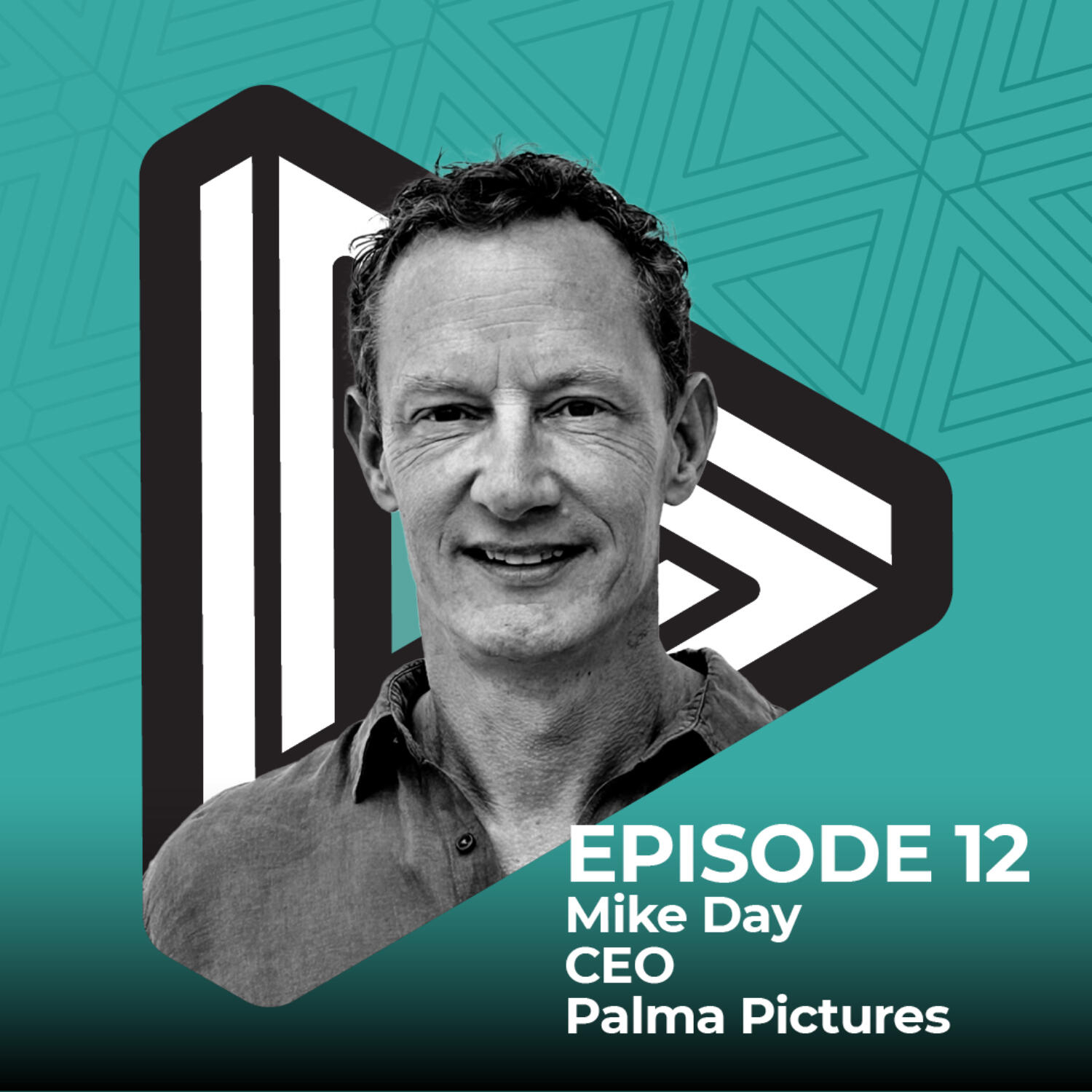
In this episode of Technically Creative by KoobrikLabs, Orlando Wood sits down with Mike Day, CEO of Palma Pictures, to unpack what it really takes to run one of Europe’s top production service companies. Mike shares the story behind Palma Pictures’ growth from its roots in Mallorca to a major player across Spain and Portugal – helping studios, production houses, and brands bring complex creative visions to life. From doubling Spain as every country under the sun for The Crown to pioneering the production logistics behind reality juggernauts like Love Island , Mike offers a masterclass in creative problem-solving at scale. The conversation explores the evolving role of service companies, the hidden logistics behind seamless shoots, and how production ecosystems survive – and even thrive – through crises like the 2008 crash and COVID. Mike also reflects on the balancing act of building a business with ‘four engines’ – scripted, unscripted, commercial, and digital content – and why the best briefs are the ones that make you a little scared. Whether you’re a producer, a creative, or just fascinated by what it takes to keep the wheels turning behind the scenes, this episode is a deep dive into the unglamorous, indispensable world of production logistics – with a view from paradise. Orlando and Mike discuss: How Palma Pictures grew into one of Europe’s leading production service companies Why Spain’s versatility makes it a global production magnet The hidden complexity behind shows like The Crown and Love Island Lessons in resilience: surviving the 2008 crash, COVID, and industry strikes What production service teams see before the rest of the industry does
May 27
Hollywood is Dying: Inside Stay in LA
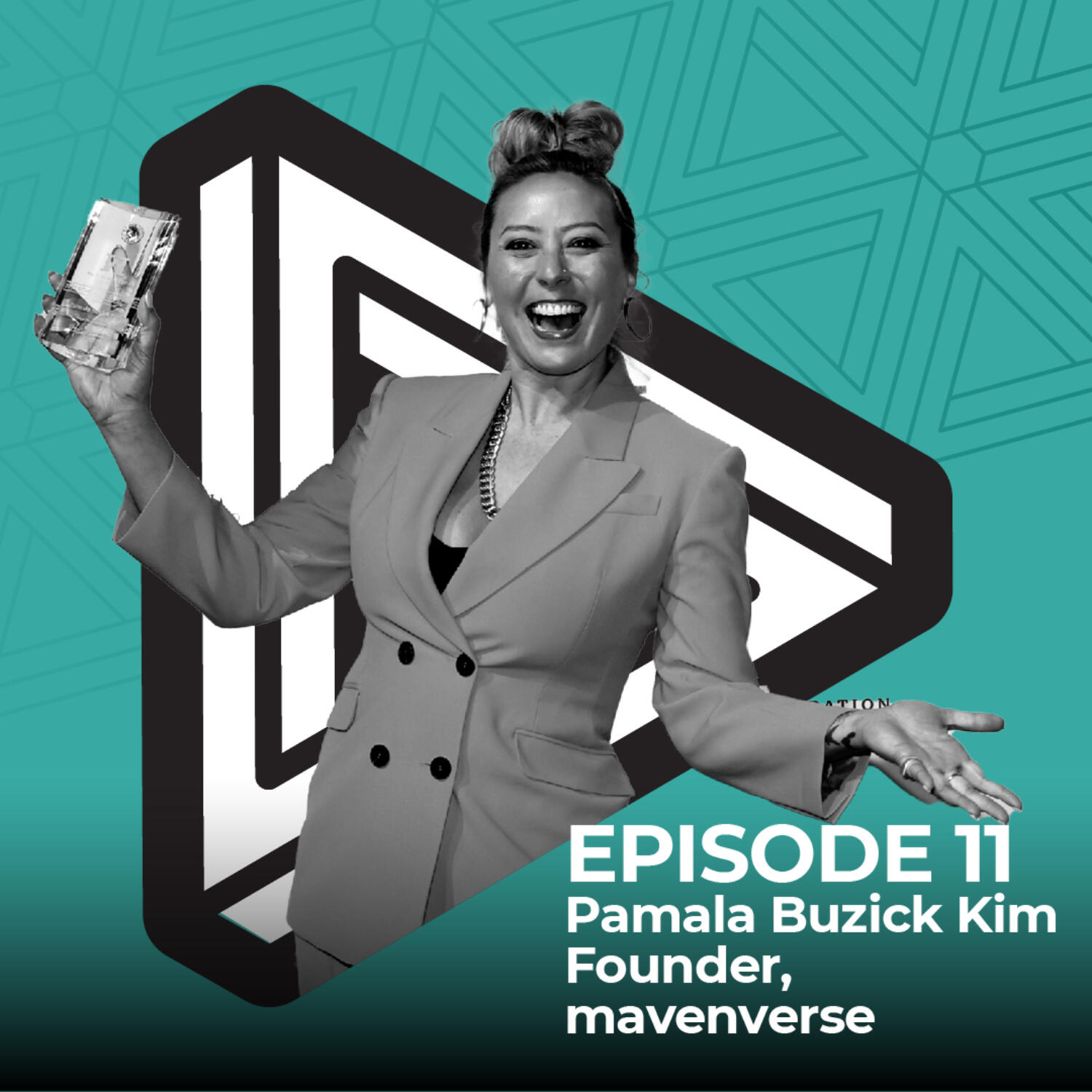
In this episode of Technically Creative by KoobrikLabs, Orlando speaks with Pamala Buzick Kim – creative producer, entrepreneur, and community organizer – about her work championing inclusion behind the camera and fighting to keep production jobs in Los Angeles. Pamala reflects on her career journey from repping top-tier directors to launching tech platforms for creative talent, and how her role as a “bridge between art and commerce” has taken her from ad agencies to advocacy. She shares how Free the Bid evolved into Free the Work , why representation in production still lags behind, and what it takes to shift the needle at scale. The conversation dives deep into her latest work as a co-founder of Stay in LA , a grassroots coalition tackling outdated permitting, red tape, and dwindling tax incentives that threaten LA’s status as a production hub. Pamala lays bare the human cost of a shrinking creative economy – from job losses to neighbourhood impacts – and argues for a federal approach to supporting U.S. creative labor in the age of globalization and AI. We also get a preview of mavenverse , her new platform aimed at professionalizing communities and fandoms for authentic brand engagement. And in a raw, honest moment, Pamala shares how perfectionism held her back from launching – and what finally pushed her to hit go. Orlando and Pamala explore: Why representation behind the camera still isn’t where it needs to be How Free the Work helped open doors for underrepresented creatives What Stay in LA is doing to cut red tape and protect production jobs The human cost of industry decline – and why it matters beyond Hollywood How mavenverse is rethinking community, commerce, and brand access from the ground up
May 21
Epic Fails in Film, Media, and Advertising – Stories From the Cutting Room Floor
As we near the end of Season One, we’re doing something different. In this special compilation episode, host Orlando Wood revisits one of the most revealing questions he asks every guest: What’s the biggest f**k-up you’ve ever made — and what did you learn from it? From feature directors to post-production heads, casting giants to brand leaders at Google, this episode is a raw, funny, and unexpectedly moving look at the failures that shaped some of the most respected voices in the creative industries. What starts as a conversation about mistakes becomes something deeper: about instinct, grace, ego, money, burnout, and the terrifying freedom of getting it wrong. Featuring stories from: – Eran Creevy ( Welcome to the Punch , The Gentlemen ) – Ralph Taylor (Bonhams) – Kate Morrison (Google) – Lee Pavey (Electric Theatre Collective) – John Papsidera & Kim Winther ( Oppenheimer , Tenet , Yellowstone ) Orlando and guests explore: 🔹 Why failure is often the prerequisite to doing great work 🔹 The cost of ignoring your creative instincts 🔹 How vulnerability and leadership go hand in hand 🔹 The email that almost leaked a major studio film 🔹 The real lessons behind losing half a million — or half a continent Whether you’ve made your first mistake or your fiftieth, this one’s for you. Useful Links: 🔎 Visit KoobrikLabs: https://koobriklabs.com/ 🔎 Connect with Orlando Wood: https://www.linkedin.com/in/orlando-wood/
May 13
You Can't Automate Taste: Editing, AI, and Creative Survival
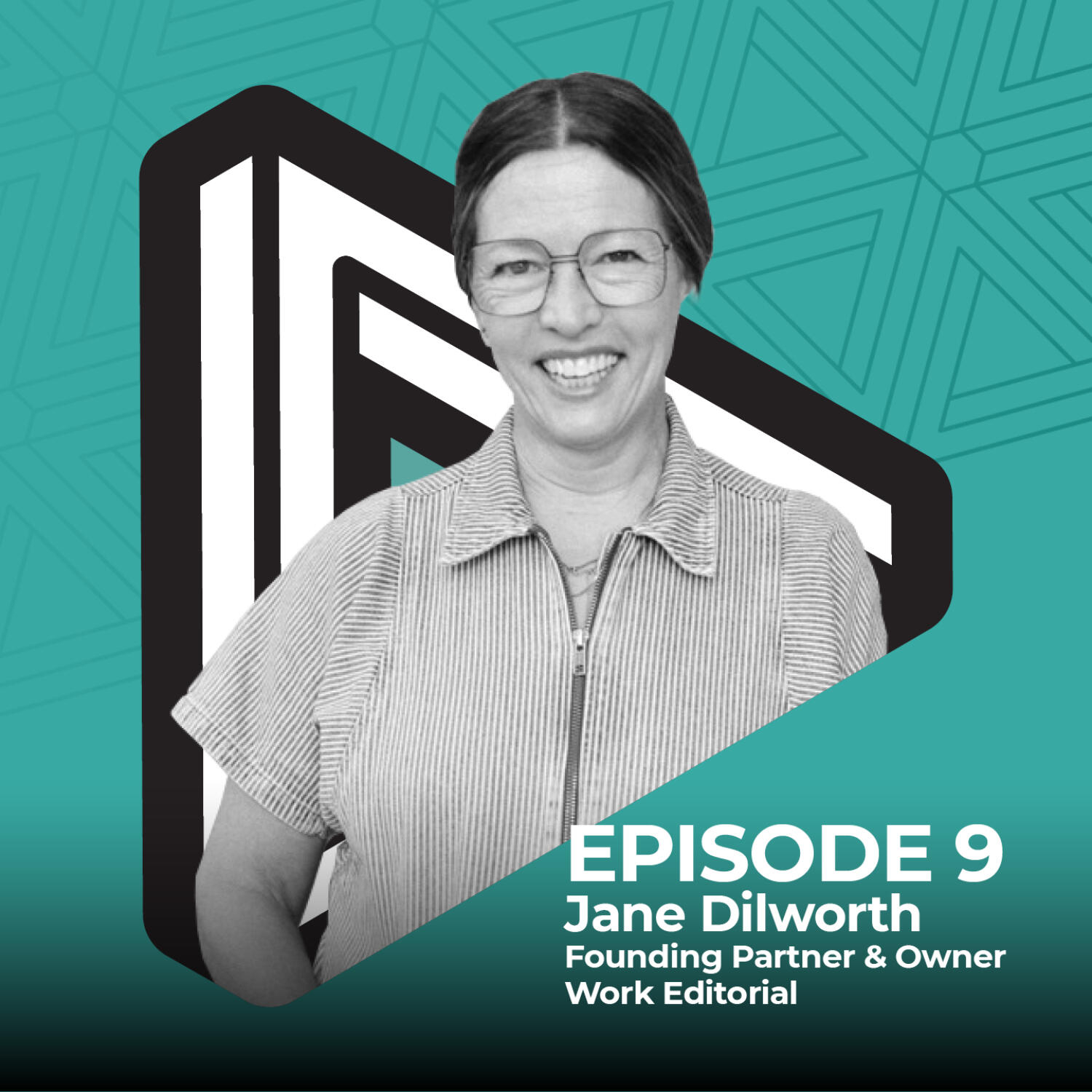
In this episode, Orlando Wood sits down with Jane Dilworth – co-founder of the award-winning post-production company Work Editorial – for a wide-ranging, honest conversation on longevity, leadership, and the invisible art of editing. From navigating the shift to remote collaboration during lockdown to building a post house grounded in trust and shared ownership, Jane shares what it really takes to run a world-class editorial company for over 20 years. They explore the subtle dance between director and agency, the editor’s role as storyteller and diplomat, and why real creative magic happens when ego steps aside. This episode is a deep dive into the evolution of the post industry – from DigiBeta machines and film negs to the rise of Evercast and AI-assisted workflows – and what’s been lost (time, trust, long lunches) and what still matters most (taste, care, and craft). Orlando and Jane cover: Why the best editors are invisible storytellers and emotional translators How Work Editorial built a global company without losing its soul What the UK and US post cultures get wrong – and right – about collaboration Why generosity and culture-building are the real secrets to longevity How the economics of post are shifting, and why good work still leads the way Whether you're a creative leader, editor, or just someone fascinated by the craft behind great storytelling, this is a masterclass in what it takes to build something that lasts. 🔗 Learn more about Work Editorial: https://www.workeditorial.tv/ 🔗 Connect with Jane: https://www.linkedin.com/in/jane-dilworth-9713791/ 🔗 Visit KoobrikLabs: https://koobriklabs.com 🔗 Connect with Orlando: https://www.linkedin.com/in/orlando-wood/
May 6
When Production is Paramount: How Superbloom Rebuilt the Creative Pipeline
In this episode, Orlando speaks with Tom Dunlap, Co-Founder and Chief Content Officer of Superbloom House — a creative collective, agency, and production company built for a new era of content creation. With a background that spans Wieden+Kennedy, RSA Films, and 72andSunny, Tom shares how Superbloom emerged during the pandemic with a simple but powerful goal: to bring the best parts of entertainment and advertising into one cohesive, culture-first ecosystem. They discuss the power of putting producers at the center, why Superbloom doesn’t separate art from commerce, and how to build fast, secure, scalable production without sacrificing creative integrity. The conversation explores Superbloom’s unique structure, how they tap unexpected creative voices, and why speed isn’t just a tech feature — it’s a creative advantage. Tom also reflects on a formative career lesson about missing an opportunity he didn’t realize he was in the running for — and how that changed the way he works forever. Whether you’re in branded content, entertainment, or agency work, this is an episode about rethinking the pipeline from the inside out — and building a model that actually works for the people making the work. Orlando and Tom explore: 🔹 Why Superbloom blends agency, collective, and production under one roof 🔹 How to structure for speed, security, and collaboration 🔹 The creative producer’s evolving role in branded entertainment 🔹 Why producers should be at the strategy table 🔹 The moment Tom learned the value of never underestimating your shot Useful Links: 🔎 Find out more about Superbloom: https://superbloomhouse.com/ 🔎 Connect with Tom on LinkedIn: https://www.linkedin.com/in/tom-dunlap-76a2696/ 🔎 Visit KoobrikLabs: https://koobriklabs.com/ 🔎 Connect with Orlando Wood: https://www.linkedin.com/in/orlando-wood/
Apr 29
Hacking The Heart: Creative Technologist on Emotional Digital Intelligence, Omar Karim
In this week’s episode, Orlando sits down with AI Creative Technologist (Ex Meta, Ex R/GA, Ex Anomaly) and artist Omar Karim to explore the messy, playful, and sometimes deeply personal intersection of human emotion and machine intelligence. Omar, whose unconventional career has taken him from groundbreaking ad agencies to leading creative tech at Meta, discusses the art of experimentation – why it’s the secret sauce in a world of generative AI, and how he’s turned tools meant for productivity into vessels for performance art and emotional exploration. The conversation delves into Omar’s viral “Mum AI” project – a digital companion built not just to automate, but to nurture and heal – and what it taught him about the limits and potential of emotional AI. Orlando and Omar unpack the punk, pirate attitude behind creative repurposing of technology, the value of lateral thinking, and why failure is a necessary ingredient for innovation. The episode moves fluidly from the philosophical (what kind of questions are worth asking AI?) to the practical (the wild world of 3D printing, emotional feedback loops, and museum “heists” made possible by generative models). Expect candid insights on what makes creativity truly human, how digital tools can be bent into unexpected shapes, and why the most interesting uses of AI are often the least expected. Orlando & Omar cover: How Omar’s playful approach to experimentation unlocks new possibilities for tech, art, and emotion The story behind Mum AI - building a digital companion that offered real support and sparked global conversations Why failure, creative risk, and lateral thinking are essential in an era of generative tools The ethics and artistry behind Omar’s digital “museum heist” and 3D-printed artifacts Why emotional intelligence, intuition, and a punk attitude matter more than ever in creative technology Useful Links Omar Karim’s website: https://omarkarim.party/ Follow Omar on Instagram: Omar Karim (@arthur_chance) • Instagram photos and videos KoobrikLabs website: KoobrikLabs - KoobrikLabs Connect with Orlando on LinkedIn: https://www.linkedin.com/in/orlando-wood/
Apr 22
Making Noise: Creative Production for the Age of Everywhere with Dav Karbassioun, Magna Studios
In this episode, Orlando speaks with Dav Karbassioun , CEO and Co-Founder of Magna Studios , about the shifting tides in production and what it takes to build a creative company that thrives across disciplines – without losing the humanity that creates it. With a background spanning global advertising agencies and leading production companies, Dav shares how Magna is reimagining the role of the producer in a world where commercials, features, music videos, and branded content all blur together. He reflects on his journey from BBH to Pulse Films, and now Magna, where the mission is simple: let the work be your noise. The conversation explores the economics of creativity – from helping Oscar-nominated directors like Brady Corbet and James Marsh make ends meet through commercial work, to Magna’s breakthrough Oasis documentary. Dav and Orlando delve into why emotional investment and care are the foundation of great production, how AI is reshaping post-production and voice work, and what it means to protect artistic integrity in a world obsessed with content. They discuss the hidden value of advertising as a training ground for innovation, the danger of turning production into a commoditised service, and why fostering culture and community – inside a company and across industries – matters more than ever. Whether you’re in film, advertising, or creative production, this is a conversation about staying human in the age of algorithms and building a system that lets artistry flourish. Orlando and Dav explore: How Magna helps directors move between film, commercials, and content without losing their voice Why betting on multidisciplinary creativity is the only way to stay relevant The surprising role commercials play in keeping indie film afloat What AI really means for post-production, performance, and the creative process Why culture, care, and community still matter more than ever in production Useful Links Find out more about Magna Studios: https://magnastudios.com/ Connect with Dav on LinkedIn: https://www.linkedin.com/in/dav-karbassioun-2701766a/ Follow Dav on Instagram: https://www.instagram.com/davud_k/ Follow Magna on Instagram: https://www.instagram.com/magna.studios/ Visit KoobrikLabs: https://koobriklabs.com/ Connect with Orlando Wood: https://www.linkedin.com/in/orlando-wood/
Apr 15
Oppenheimer Casting Director: The New Rules of Casting
In this episode of the KoobrikLabs Podcast, Orlando Wood sits down with casting legends John Papsidera and Kim Winther, the team behind Oppenheimer , Tenet , Yellowstone , and the upcoming Superman , to unpack how casting is evolving in a world of data, algorithms, and digital disruption. John and Kim share how their work balances artistic instinct with industry demands, championing vulnerable, human performances while navigating the growing influence of AI, self-tapes, and international box office data. They discuss the shift from in-person auditions to global casting via video, the tension between creative freedom and financing pressures, and why empathy, presence, and emotional connection still matter most. From the politics of casting credit to the realities of social media metrics, this conversation explores what technology can’t replicate – and why the soul of a performance will always defy spreadsheets. Whether you’re in film, media, or tech, this episode offers a timely reflection on the human edge in a changing creative economy. Orlando, John and Kim discuss: How data, box office analytics, and global financing are influencing casting strategy The rise of self-tapes and how tech is opening doors to more diverse, international talent Why emotional intelligence and human connection remain irreplaceable in creative workflows The evolving balance between artistic instinct and commercially driven decision-making How casting professionals are adapting to disruption with empathy, creativity, and resilience Useful Links Find out more about John on IMDb: John Papsidera - IMDb Find out more about Kim on IMDb: Kim Winther - IMDb Visit KoobrikLabs: https://koobriklabs.com/ Connect with Orlando on LinkedIn: https://www.linkedin.com/in/orlando-wood/
Apr 8
Technicolor's Legacy: A Post-Production Veteran’s Take on the Future of VFX
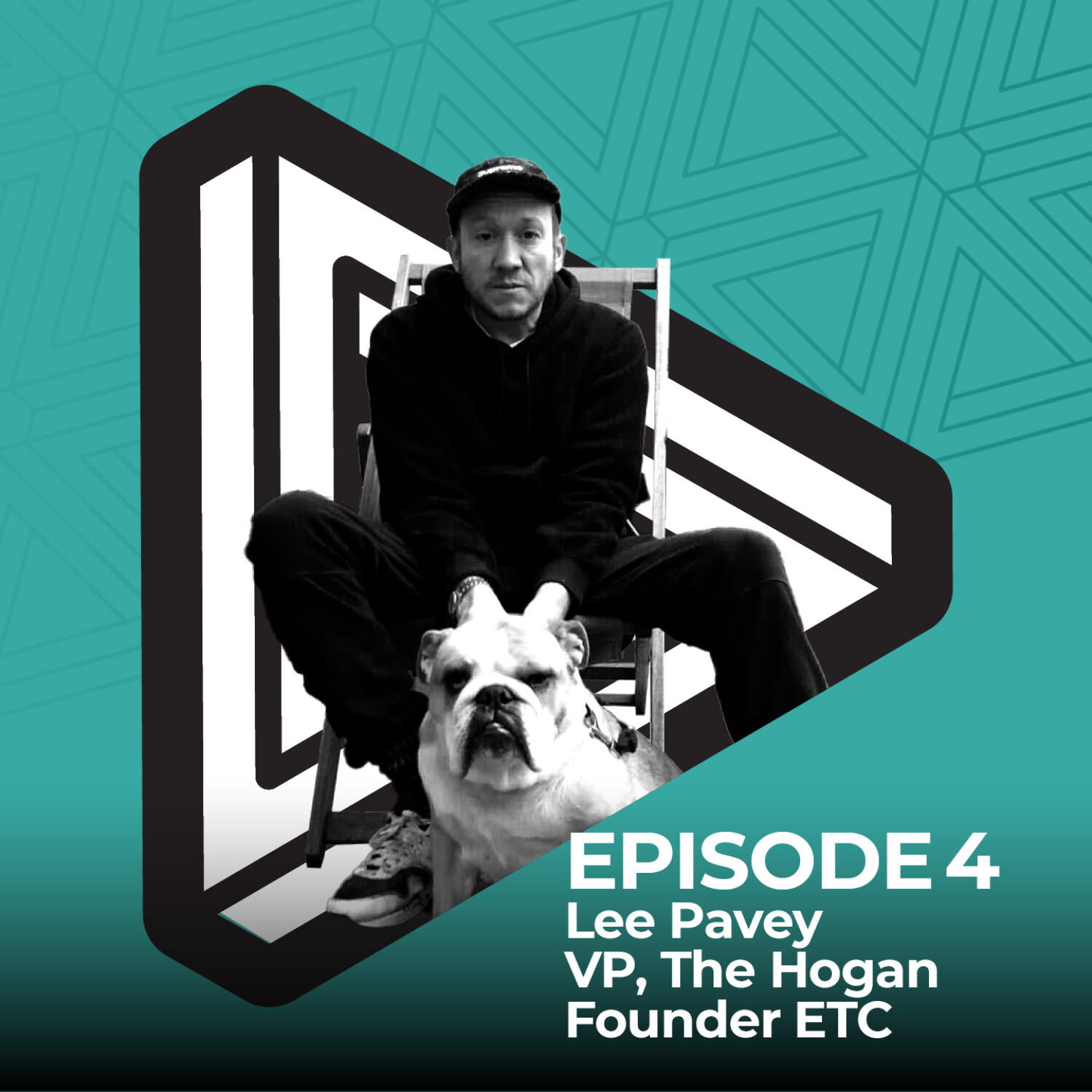
In this episode of the KoobrikLabs podcast, Orlando Wood sits down with Lee Pavey, founder of Electric Theatre Collective and Vice President at The Hogan, to talk about the economics, emotion, and enduring craft behind post-production – and why it might be the creative industry’s canary in the coal mine. Lee reflects on his journey from sketching during lunch breaks at M&S to becoming a key figure at legendary post houses like The Mill and co-founding one of the most culturally influential VFX studios in London. With characteristic warmth and insight, he discusses what made places like The Mill special – not just the work, but the people – and why that kind of culture is so hard to scale. The conversation unpacks the collapse of Technicolor, and what it signals about a broader shift in the creative economy. Lee’s perspective is honest but never doomsday – shedding light on how studios, agencies, and vendors are navigating tighter budgets, talent pressures, and structural change. They also explore the role of AI in visual effects – both its promise as a tool and the unintended impact it may have on early-career artists. Lee doesn’t just see technology as disruption – he sees it as a mirror of values, and asks what kind of creative future we want to build together. Whether you’re a producer, founder, or creative leader, this episode offers a candid and timely look at what it really takes to build something resilient in an industry that never stops evolving. Orlando and Lee explore: The soul of post-production – why culture, craft, and community matter more than ever Inside Technicolor’s collapse – what it says about creative industries and consolidation Rethinking studio growth – hard-won lessons from launching and closing an LA office AI’s real impact – how automation is disrupting the entry path for future talent Creative leadership – navigating burnout, pressure, and staying inspired in tough times Useful Links: Connect with Lee on LinkedIn: https://www.linkedin.com/in/lee-pavey-5b755524/ Follow The Hogan on Instagram: https://www.thehogan.co/ Follow The Hogan on LinkedIn: https://www.linkedin.com/company/the-hogan/?originalSubdomain=uk Visit KoobrikLabs: https://koobriklabs.com/ Connect with Orlando on LinkedIn: https://www.linkedin.com/in/orlando-wood/
Apr 1
The Future of Filmmaking: AI, Human Emotion, and Visual Storytelling with Eran Creevy
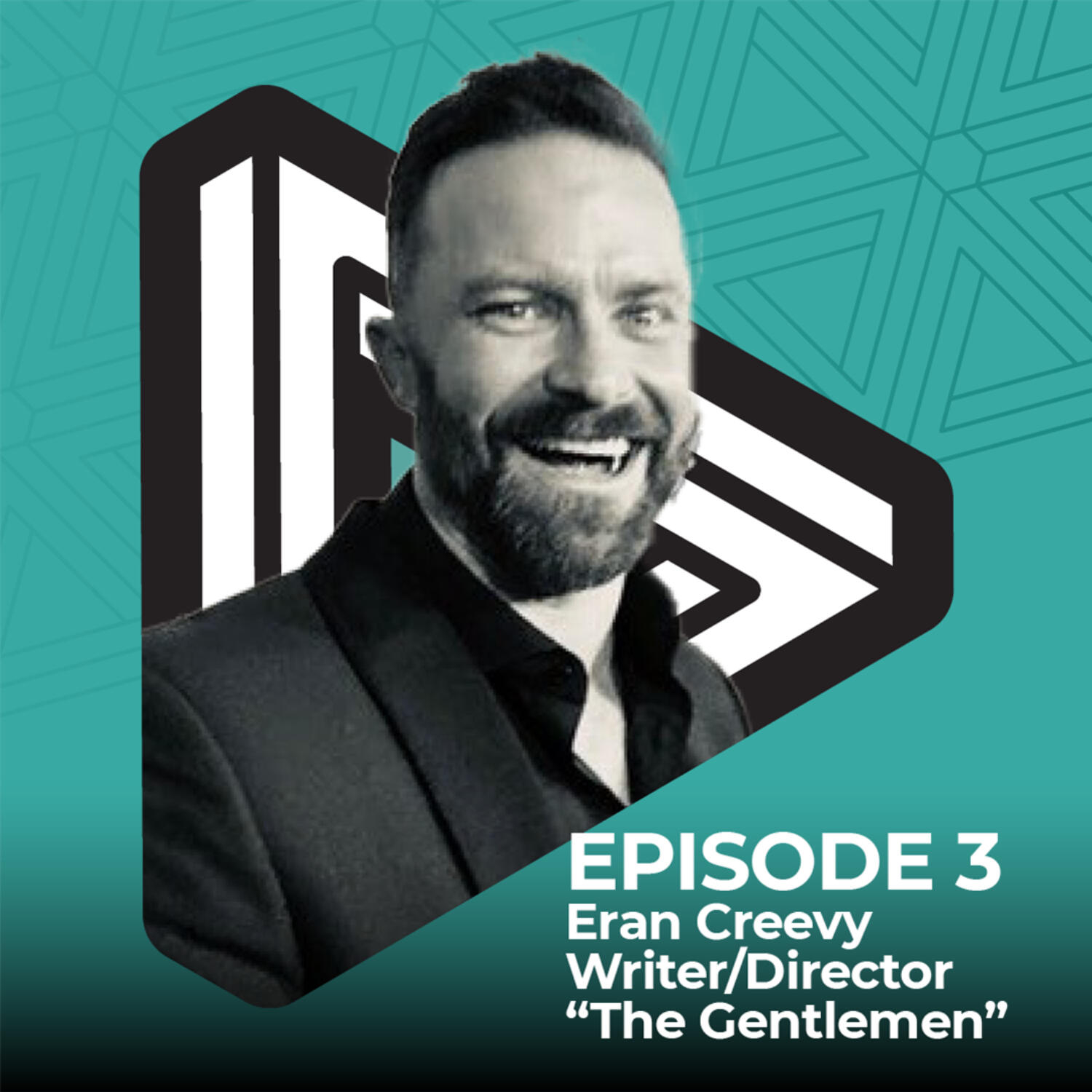
The Future of Filmmaking: AI, Human Emotion, and Visual Storytelling In this episode of the KoobrikLabs Podcast, Orlando speaks with filmmaker and writer-director Eran Creevy about the creative chaos, craft, and collaboration behind modern filmmaking – from music videos and commercials to major feature films and Netflix hits like The Gentleman. Eran shares how growing up in a working-class household, absorbing ‘90s action movies, and starting out as a runner shaped his storytelling instincts and visual style. The conversation explores the evolution of his career, lessons from high-pressure directing environments, and the collaborative dynamics of working with actors like James McAvoy and Ray Winstone. They dive into the role of AI in film and TV production – from co-writing and concept generation to its impact on VFX and budget decisions. Eran reflects on the nuances AI still can’t replicate, including performance direction, emotional resonance, and improvisation on set. The episode also touches on the difference between UK and US writing rooms, the pressures of balancing creativity and scheduling, and why professional failure can be a turning point in defining your voice and values as a director. Orlando and Eran uncover: Why AI can't replace human storytelling – the limits of nuance, taste, and emotional truth Directing under pressure – balancing performances, rewrites, and real-world chaos on set From music videos to Netflix – how early visual instincts shaped big-screen storytelling Lessons from failure – how Collide reshaped Eran’s creative compass UK vs US writers’ rooms – contrasting approaches to collaboration and script development Chapter markers [00:00] Getting nervous: Eran’s thoughts on AI, Affleck’s comments, and Schrader’s experiments [02:59] From runner to Ridley Scott: Eran’s path from music videos to feature films [06:50] The AI conversation: VFX, cost, and why taste still matters [10:39] Writing nuance: Why co-writing is still a human task, even with AI tools [14:36] Directing actors: Set stories from Ray Winstone to Riz Ahmed [21:34] Writer-director challenges: From Shifty to Collide to The Gentleman [26:30] Writers’ rooms: UK vs US approaches and what Eran learned in LA [33:27] Visuals and influence: Music video instincts and stealing shots from KFC [39:34] Shooting London like Hong Kong: How Welcome to the Punch shifted the visual tone [44:43] Failing big: How Collide changed Eran’s mindset and sharpened his instincts Useful Links KoobrikLabs website: KoobrikLabs - KoobrikLabs KoobrikLabs YouTube: KoobrikLabs - YouTube
Mar 25
AI, Creativity, and Production at Scale, Kate Morrison, Global Head of Production at Google
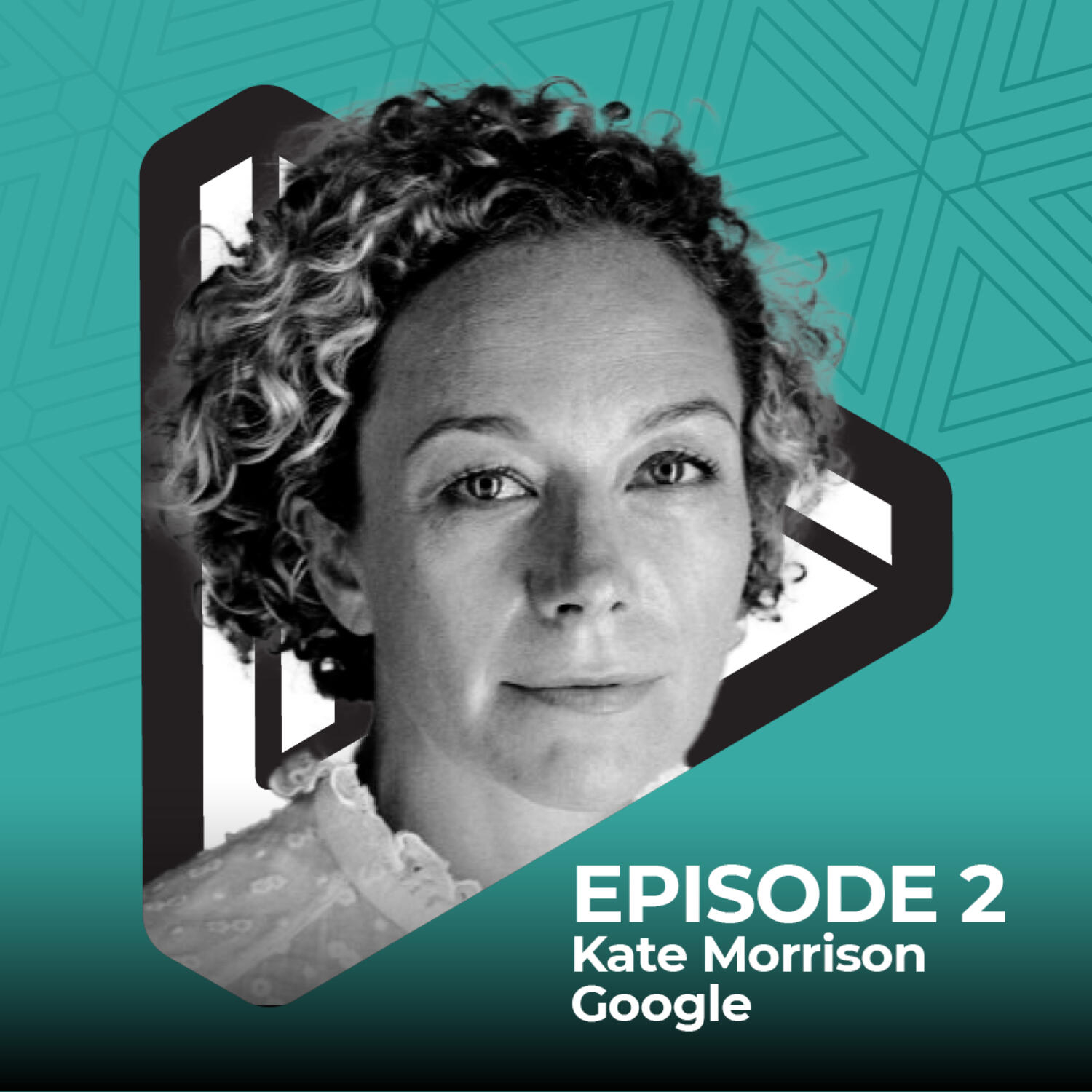
In this episode of the KoobrikLabs podcast, Orlando Wood speaks with Kate Morrison, Global Head of Production for Products and Services at Google, about the evolving role of AI in creative workflows, production, and marketing strategy. Kate shares her journey from political science at Georgetown to leading global production at Google, reflecting on the unique path that took her through Amsterdam’s advertising world to some of the biggest creative operations in the industry. She provides insights into how AI is shaping content production, from automation in workflows to personalized marketing at scale. Beyond AI, the conversation explores the balance between creativity and operations, the power of mentorship in career growth, and the challenges of leadership in fast-moving, high-stakes environments. Kate also shares lessons from her biggest career mistakes, how AI is changing consumer behavior, and why human potential remains at the heart of great storytelling. Whether you’re in media, tech, or creative production, this episode offers a fascinating look into the future of AI-driven content creation and the evolving landscape of marketing at one of the world’s biggest companies. Orlando and Kate explore: Navigating career transitions – from law and business affairs to global production leadership AI’s role in marketing and content creation – automation, localization, and personalized consumer experiences Challenges in brand storytelling – balancing creative vision with short-form content and evolving digital platforms Lessons from failure – the importance of asking questions, making data-driven decisions, and adapting to industry shifts The human factor in AI – why technology should enhance human potential rather than replace creativity Subscribe for more conversations with leaders in tech, creativity, and AI innovation. Connect with Kate on LinkedIn: Kate Morrison | LinkedIn Visit KoobrikLabs website: KoobrikLabs - KoobrikLabs Chapter markers [00:00] Introduction – Kate’s background in law, business affairs, and transition to production [02:12] From legal to creative – Navigating a career shift into global content production [05:48] AI in storytelling – Personalised content, localisation, and automation in marketing [09:25] The creative challenge – Balancing storytelling with short-form and platform demands [14:10] Lessons from failure – Data-driven decision making and learning through missteps [19:03] Human creativity vs AI – Why technology should support, not replace, the creative process [22:47] Cultural nuance in global content – How to tailor storytelling for international audiences [27:15] Agency life vs in-house – Perspectives on collaboration, ownership, and structure [31:00] Mentorship and leadership – Building teams and supporting diverse creative talent [35:22] Closing reflections – Evolving roles, industry change, and staying creatively inspired
Mar 25
Street Art, Auctions & NFTs: How Tech Is Transforming the Art World, Ralph Taylor, Head of Contemporary Art at Bonhams
In this episode of the KoobrikLabs podcast, Orlando Wood speaks with Ralph Taylor, Global Head of 20th and 21st Century Art at Bonhams, about the intersection of street art, technology, and the global art market. Ralph shares his journey from Sotheby’s to the Lazarides Gallery – home to Banksy, JR, and Invader – before returning to the auction world to lead Bonhams’ contemporary art division. He reflects on the early street art movement, its crossover into mainstream culture, and the tensions between authenticity, commercialization, and legacy. The conversation delves into how blockchain and NFTs could reshape art authentication and secondary market royalties, why artists are still wary of digital provenance, and how Bonhams scaled from a £200 million to £1 billion business through a tech overhaul during the pandemic. Ralph also shares thoughts on AI art, digital scarcity, the cyclical nature of artistic value, and what it really means to own a piece of culture. Whether you’re a collector, curator, or just curious about the future of creativity and commerce, this episode offers a rare inside look at how technology is reframing art’s value – from spray-painted streets to global auction houses. Orlando and Ralph explore: Shifting roles in the art world – from Sotheby’s to street art galleries to leading global auctions at Bonhams The rise of street art – how Banksy, JR, and Invader bridged underground culture with mainstream recognition Technology’s impact on art – from social media and digital prints to NFTs and blockchain authentication Challenges in resale and royalties – navigating artists’ relationships with the secondary market and protecting their legacy The future of creative value – why authorship, authenticity, and cultural relevance still matter in an AI-driven world Subscribe for more conversations with leaders in art, AI, and innovation. Connect with Ralph on LinkedIn: Ralph Taylor | LinkedIn Visit Bonhams website: Bonhams : Home Visit KoobrikLabs website: KoobrikLabs - KoobrikLabs Chapter markers [00:00] Introduction to Ralph Taylor – From Sotheby’s to Bonhams and the journey through the art world. [01:39] Breaking tradition – Leaving auction houses to work with street artists at Lazarides Gallery. [04:23] Street art’s rise – Banksy, social media, and the appeal of accessible, message-driven art. [07:24] Prints, resin, and Invader – Making ephemeral work collectible and the gamification of art. [11:18] JR, tech, and storytelling – Street art beyond the wall and into digital content and social impact. [16:36] The street art label – Why artists reject the term and how context in contemporary art matters. [21:03] Auction dynamics – How artists react to secondary market sales and the importance of curation. [26:26] NFTs and authentication – Smart contracts, blockchain, and the future of provenance in art. [35:45] AI-generated art – Historic resistance to new tech and the creative opportunities AI presents. [40:12] Inside the auction room – The mechanics, tech, and showmanship behind modern art auctions.