2d ago
Challenge Accepted: Filling the Big Data Void in Aquatics
Nicole's heavy lift. A vision for data collection for swimming instruction. Nicole Fairfield explains why the aquatic education field lacks solid research data and how her Joyful Waters curriculum craved that data. She aims to fill the research gap and is planting seeds for scientific validation for all types of aquatic developmental benchmarks. She also outlines the vision for a secure, comprehensive database to track developmental and adaptive outcomes. In this episode, #76, of Heavy Or Not, The OG Swim Guide, you'll hear from the ambitious instructor in Georgia and learn: Why current swim‑lesson reporting (e.g., Red Cross) misses critical information like caregiver involvement and birth order. How Joyful Waters combines trauma‑aware, developmentally‑informed methods for babies, kids, and adults. The plan to build a secure, national database that collects detailed learner and instructor data for IRB‑level research. Real‑world applications: adaptive swimming for children with special needs and preparation for Customs & Border Patrol swim tests. Steps instructors and parents can take today to start contributing data and improving aquatic education outcomes.

5d ago
This Polo Coach Cracked the Code to Athlete Growth (No Pool Needed)
The 30-Day System That's Transforming Young Athletes – Here's How "Everyone says hard work is the key… but what if that's not enough? In this episode, we unpack a 30-day system that's turning water polo players into unstoppable athletes — and it might just change how you train forever." In this episode of Heavy Or Not , we dive deep into Coach Ron Usher's 30-day growth system built for young water polo players but powerful for any athlete striving to improve. From mindset to skill development to daily habits, this episode unpacks the core principles behind real athletic progress — consistency, clarity, and character. Whether you're in the pool, on the field, or chasing personal goals, this playbook offers a step-by-step approach to getting better without burning out. 🧠 Discover how to: Take an honest self-assessment Turn vague dreams into actionable goals Build daily momentum through check-ins Make progress that actually sticks SUBSCRIBE to the Heavy Or Not Podcast for more elite mindset and training insights 📤 Send this episode to a teammate or coach who needs to hear it 📘 Grab the journal Coach Usher created → Link in the show notes! Buy the ebook on Gumroad.com.

6d ago
400 IM - How Phelps and Marchand set records and insights from India's Coach Partha. Negative SPLIT
Unlock the secrets behind mastering the 400 IM with elite coach from India, Partha Pratim Majumdar. Learn the strategic, aerobic, and mental tools that power world‑record swims like Phelps and Marchand. In this video you'll discover: Why the 400 IM is a strategic race, not just brute strength nor conditioning, and how the "lactate penalty" impacts performance. How to build a massive aerobic engine by focusing on long‑axis strokes (freestyle & backstroke). The "200‑meter rule" and why mastering each 200 -meter stroke guarantees a smoother 400 IM. Training methods for negative splits, including progressive 400 IM intervals and race‑pace simulations. Mental‑strength drills that turn physical training into unstoppable confidence for race day. The full seminar and clinic on the 400 IM is in the course of bygone sessions at WAFSU.org . Be sure to check out and subscribe to the World Aquatic Federation of Schools & Universities at WAFSU.org -- supported by the International Swim Coaches Association at SwimISCA.org and also by UCSSC.

Dec 12
Rich Coach or Poor Coach -- Get a Learn To Swim Lesson Program and UCANSwim.org can help
"From Drowning Stats to Million‑Dollar Swim Schools: How Coaches Turn Pools into Profit (and Safety)‑First Empires" Swim Coaches Can Earn Six Figures by Adding Structured Lesson Sessions The Australian Success Secret: Integrated Lesson Programs Drive Performance and Profit In this episode, Steve Friederang breaks down why every swim coach should run a lesson program—and how it can become a serious revenue stream while boosting safety and recruitment. He shares real‑world numbers, proven strategies, and the pitfalls to watch out for. Why lesson programs are essential for recruiting elite swimmers and keeping kids safe. The financial upside: a simple model that can generate six‑figures annually. How to structure lessons (group size, pricing, scheduling) for maximum profit. Leveraging partnerships with organizations like ASCA and the American Swim Teachers Association. Navigating insurance and legal hurdles to set up a successful swim school. See: https://UCANSwim.org
Dec 10
Negotiated Surrender - Vote‑of‑No‑Confidence for the Head Coach Highlights Team's end-of-season Banquet
Safety Dilemma and League Issues. Have mercy on the Foxes as they are sly! In episode #72 of Heavy or Not we break down the bizarre "vote‑of‑no‑confidence" resignation tactic of a Fox Chapel Area high‑school coach and its athletic department. Sure, there is a deeper safety and fairness crisis driving it. Plus, I'm certain some wire pullers are lurking like sly foxes do. We also explore the district's league‑restructuring proposal and why athletic reform matters now more than ever. What you'll learn: How a coach's "negotiated surrender" forces parents to vote on his job. The safety risks caused by extreme roster size mismatches in high‑school football. Fox Chapel's three‑step data‑driven plan to create balanced, safer leagues. Why some districts are considering alternative fall sports like water polo and swim. Ongoing calls for broader athletic reform—from high‑school leagues to college‑level playoffs.

Dec 10
How Insurance Gaps and Governance Failures Threaten Swim Coaches' Careers
How Insurance Gaps and Governance Failures Threaten Swim Coaches' Careers Uninsured. Unheard. Undervalued. Real challenges facing swim coaches are pondered. Why they're left out of the decision‑making table, the insurance maze, and what's needed to keep the sport of swimming (and others) thriving. Coach Barry Healey, BC, Canada, and Mark Rauterkus, International Swim Coaches Association in the USA, break down the roadblocks and propose concrete steps. Why coaches aren't at the table with health and policy makers. The tangled insurance landscape (LEI, Lloyd's, Marker, SwimBC, Swim Canada, Club Policies) and coverage gaps. Three major risks for professional coaches: intimidation, defamation, and performance issues. Strategies for coach retention, education, and making the profession sustainable. Action items: advocacy, quizzes, and partnerships to drive change in the swimming community. More at the course, CYA at Read.SwimISCA.org. Inside the Coaching Crisis: Insurance Loopholes, Board Exclusion, and the Fight for Fairness. Free CYA Course with additional details is at https://Read.SwimISCA.org

Dec 8
Swimming's Geo Political $.02 - Tiny snip of a conversation with Jonty, Dennis and Mark
Take a peek at Coach Jonty's holistic approach to athlete development and the geopolitical factors shaping swimming. This clip highlights a few insights from Jonty Skinner's recent WAFSU seminar. In this video you'll learn: How Coach Jonty connects with kids and leverages holistic development. The genetic and regional patterns that produce world‑class runners and swimmers. South Africa's historical impact on elite athletics and its modern swimming scene. Emerging swimming talent from Tunisia and broader African nations. Where to watch the full two‑hour seminar on wafsu.org and how to stay updated. https://WAFSU.org

Dec 4
Christmas Break Just Got Lit - AI generated anthem to launch your holiday training with serious vibes. (#Plan Now)
The Swim Team Song You Didn't Know You Needed An AI Made This Swim Team Song You won't believe what happens when AI writes a holiday anthem for swim teams heading into Christmas break! Christmas Break Planning Happens NOW. Swimmers, this one's for YOU. Episode #68 of Heavy Or Not, The OG Swim Guide drops a brand new AI-generated song to launch your holiday training with serious vibes! This AI-generated track is about to become your new favorite swim team anthem for winter break. Okay, we let AI take over the studio. Do you have room on your holiday training playlist, for travels, for guilt trips, for staying motivated? Happy to give you all something fun to kick off your Christmas season. Don't skip this episode. AI + swim culture = a podcast moment you'll never forget. Steve Friederang drops in to share his wisdom. Thanks to Coach Kile for raising this concern of winter breaks in a prior episodes.

Dec 2
Hire Coach Terry Smith, says a PSU fan, because ... (Know your why) Heavy Or Not, #67
Matt made signs and took them to the recent games and sent a letter to the President of Penn State University to support Terry Smith. It seems like you are under a lot of pressure to deliver a national championship. You may not remember me, but we met briefly in the Marriott lobby the day before the Rose Bowl. You were kind enough to record a quick, encouraging message for my friend's wife while she was battling cancer. That moment stayed with me—and with my friend—for a very long time. That video meant more to their family than you could ever know. From a fan of over 30 years who embodies what it means to be a true Penn State supporter, I'll be brave enough to say this: it is okay if we do not win a national championship. If we define success solely—or even primarily—by that single standard, we risk losing the joy, purpose, and identity of what it truly means to be a Penn Stater. If we stay true to the mission and values Penn State Football has always stood for, the results—and the championships—will come in time. I say that not because I don't want to see Penn State win a national championship in my lifetime. I absolutely do. I say it because of what I've observed across the college football landscape—the game I love—where an unreasonable belief has taken hold among countless fan bases, a belief that has distorted—and in many cases captured—the love, enjoyment, and true purpose of what college football is all about. There is a growing notion that because of the transfer portal and constant player movement, national championships can be won overnight. And if they are not, then the season—and even the purpose of a football program—is labeled a failure. That belief is utterly false. Would it be the worst thing in the world to pause for a moment and reflect on what our true mission is for Penn State Football in this process? Is it to win at all costs? Is it to make every last penny possible? Or is it to build something we can proudly tell our kids—and the next generation—about, something "We Are" proud to protect and build? I've been a Penn State fan for over 30 years. I've collected more than 100 game-worn jerseys, flown all over the country for bowl games, and flown back several times a year while living in Hawaii—often a 35-hour round trip—just to be in Beaver Stadium supporting my team. I also took my son to his first Penn State game at just five months old—the Rose Bowl. Along the way, I've formed genuine relationships with other fans, coaches, and players because my support has always been authentic and rooted in love for this program. Some people know me simply as Matt from pennstatejerseys on Instagram. After tough losses, I still find myself asking a familiar question: Why do I watch Penn State Football? The answer never changes—it's the people, not just the outcome. Every fall Saturday, Beaver Stadium is packed, and "We Are" chants unite this community in a way nothing else can. I also want to be transparent. I am the individual who printed 150 "Hire Terry Smith" signs and personally handed them out at the Nebraska game—followed by another 500 signs at the Rutgers game. I did this for one reason only: to show visible, genuine support for a man who has spent his career serving Penn State without fanfare, leverage, or entitlement. This was not about attention, pressure, or influence. It was about standing up for a coach who does not have a powerful agent shaping his narrative, who is not represented by a major agency, but who has consistently served this university with humility and loyalty—without asking much of anything in return. It was a simple gesture of respect—for service, commitment, and belief in what Penn State Football is supposed to represent. I want my children to care deeply about things—and to see that their father did everything he could to stand up for someone he believed needed a true voice, simply to get the conversation started about being seriously considered for this job. Over time, the bigger picture has become clearer to me, and that clarity has only made Penn State Football more meaningful. Purpose Before Position: We tell Penn State students—and our kids—all the time: find something you truly love, and you'll never work a day in your life. When someone is driven by passion and purpose, that energy leads not only themselves, but everyone around them, toward success. The opposite is also true. When someone is motivated primarily by money, titles, promotions, or simply the next job on the résumé, they often find themselves stuck in a constant cycle—one that is never fully satisfying and never deeply purposeful. When I look around college football today, that is exactly what I see in many coaching searches and coaching careers. Too often, coaches are not building something—they are chasing something. The result is constant turnover, fractured locker rooms, and programs that never quite know who they are. Purpose matters. Motivation matters. And who a leader is when no one is watching eventually shows up everywhere. Culture, Fit, and Why It Matters More Than Ever: One of the biggest mistakes across college football today is schools cycling through head coaches like cheap shoes—constantly chasing the next résumé, the next scheme, the next quick fix—while ignoring the most important characteristic of a head coach: the ability to understand culture, lead people, mentor, and motivate young boys into men. As the saying goes in business, culture eats strategy for breakfast. College football is no different. Look at Kirby Smart at Georgia. He played there. He understands the expectations, standards, and identity of that program. His success is amplified because his leadership is rooted in authentic connection—something that cannot be replicated by someone passing through. The same is true with Brent Key at Georgia Tech. He played there. He knows the institution. The culture he is rebuilding is credible because it's personal—and it's working. And consider Kalani Sitake at BYU. He played there, served a mission, and embodies the values of the school. His ability to lead, motivate, and develop young men is amplified precisely because he fits the culture. In every one of these cases, coaching ability is magnified by cultural alignment. These leaders are not installing culture—they are living it. That brings me to Penn State. Terry Smith is Penn State. He represents service, success, honor, integrity, humility, and stewardship. He understands what it means to lead young men at this university—not just as athletes, but as people. He has earned trust through years of quiet, consistent leadership. He mentors. He motivates. He holds standards. And he treats coaching not as entitlement, but as a privilege. In an era when college football feels increasingly transactional, Penn State has the opportunity to choose alignment over impulse—leadership over trend—culture over constant churn. If you choose to hire him and give him the time and opportunity to lead, and for some reason it ultimately does not work out, you will still have my full support—and the support of the people who matter most—to make another hire. You should not be held to the same unreasonable, reactionary standards that athletic directors across the country are holding themselves and their coaches to. No one is asking for promises or guarantees. We are simply asking for an opportunity; an opportunity to let a leader who understands this program, this culture, and this responsibility be given a chance to succeed. History shows us that the greatest athletic directors and leaders—the ones who are ultimately remembered—are those who had the courage to take chances and the conviction to believe in their own people. In Closing: Dr. Pat Kraft, you have a unique opportunity in front of you—one that very few athletic directors truly recognize while they are living it. By choosing to prioritize culture and purpose over short-term pressure and outside noise, you have the chance to build something at Penn State that endures far beyond any single season, record, or headline. If you choose that path, it will define your legacy here in a way championships alone never could. While many of your peers across college football continue to miss this moment—cycling through coaches, chasing trends, and slowly losing their identity—you have the opportunity to lead differently. To protect what makes Penn State special and to build something rooted in belief, alignment, and integrity. That kind of leadership does more than shape a program; it leaves a lasting legacy—one that your family can be proud of long after your time in this position has passed, and one that will be remembered at Penn State for generations. From a fan who cares, Matt Wolosz
Dec 1
Recruiting Heart Over Hype
Episode #66 of Heavy Or Not, The OG Swim Guide Small-school recruiting, inspiring youth through swimming, international outreach, and Kyle's unique journey in swim development. UPJ Might Be the Best Kept Secret in College Swimming. D2 schools can attract elite talent, and Coach Kile Zimmer is building at UPJ. He might change your mind about the value of a branch campus! From Dubai to Johnstown – This Coach is Recruiting Worldwide too. Coach Kile Zimmer isn't just building a swim team, he's crafting a campus community. Hear how he's reaching athletes from India, France, Brazil, and beyond. Many Coaches Don't Talk About This. Understand what makes a coach go from good to unforgettable. Coach Zimmer reveals the one thing most coaches overlook, but he lives by. The #1 Cause of Death for Kids Under 8… And What This Coach is Doing About It This episode goes deeper than college competition. Coach Zimmer is on a mission from God to prevent childhood drowning. In his past position in an assistant at a rural college campus, he taught 200 kids to swim. How a Small Swim Team went on a Pathway to National Recognition One of his prior club swim teams, with just 48 swimmers, produced elite athletes who dominated at Spring Juniors? Coach Zimmer shares how he built a powerhouse in a tiny town. Now he is gearing up for the next challenge of building a program at D2 UPJ. The one thing Coach Kile Zimmer seems to live by, and emphasizes throughout the interview, is this: "Serve selflessly and inspire through swimming." This philosophy shows up repeatedly in his words and actions: He volunteers with USA Swimming and values giving back without expecting anything in return. He emphasizes building relationships, not just recruiting stats. He talks about instilling a love of swimming and helping others reach their potential—whether that's coaching kids, mentoring coaches, or serving underserved communities. He refers to his mission as a "calling from God" to help people through swimming—from preventing childhood drownings to developing elite athletes. In his own words: "When you're blessed to help people… you instill the love of swimming and inspire them. It's my mission from God. That's what I do in life." . That's the heartbeat of his message—and it's powerful.

Dec 1
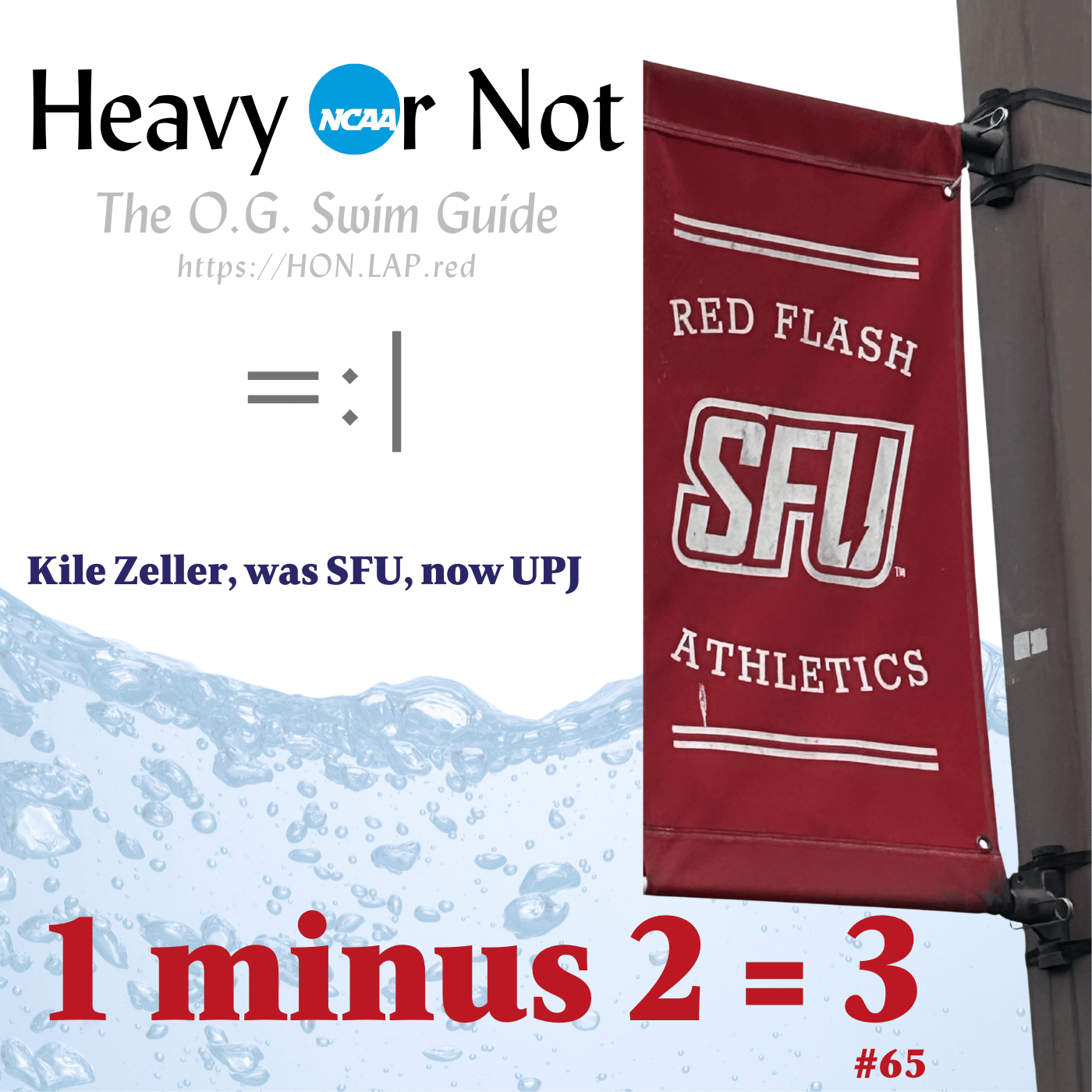
Navigating Division Shifts: Swim Coach, Kile Zeller on St. Francis's Move from D1 to D3
Now at UPJ and focused on recruiting with a local priority but international hopes. Building a Competitive Swim Program at UPJ: Scholarships, Recruiting, and Team Culture From Tears to Triumph: How St. Francis Swimmers Stayed Strong After Division Change There is no playbook on that heavy administrative downgrade. The Coach‑Athlete Relationship: Trust, Recovery, and Performance in Collegiate Swimming Balancing Academics and Athletics: Affordable Tuition and Scholarship Strategies at UPJ Recruiting with Heart: Why Coach Zeller Prioritizes Team Fit Over Finances Taper Strategies Across Sports: Lessons from Wrestling Applied to Swimming Success Embracing D3 Opportunities: Why St. Francis's Division Drop May Benefit Swimmers Inside a Growing Swim Team: Challenges, Bus Rides, and Community Support at UPJ Staying Present in a Distracted World: Coach Zeller's Advice for Young Athletes Coach Kile Zeller talks about the heavy news from the shift and St. Francis' move to Division III. He was in the process of getting hired as the new and original coach at Univ of Pittsburgh Johnstown, of D2. Learn how a funds its swim team, and what his day‑to‑day coaching philosophy looks like. He also shares insights on recruiting, athlete‑coach relationships, and campus collaboration. The transition of St. Francis from D1 to D3 and its impact on swimmers UPJ tuition costs, academic aid, and the limited athletic scholarships available Recruiting approach: honesty, fit, and keeping athletes on campus for the long term Coaching style: trust, communication, recovery work, and individualized stroke analysis Cross‑sport support at UPJ: working with wrestling, soccer, compliance, and campus resources
Nov 27
Head Swim Coach Kile Zeller, launching new NCAA M&W D2 squads at UPJ - Open for Opportunities
Life at University of Pittsburgh Johnstown: Campus Beauty, Close‑Knit Community, and Opportunities for Athletes Get a behind‑the‑scenes look at Coach Kyle Zeller's first year building a D‑II men's & women's swim program at UPJ— from historic PSAC meet wins to the next‑gen recruiting playbook. Watch how he turns a modest pool into a squad where the person comes first. He is keeping student‑athletes front of mind. What's Covered: Building a competitive PSAC program and historic meet qualification Recruiting tactics: internal talent, high‑school stars & value propositions Marketing & outreach: podcasts, local media, coach networking Campus & facility snapshot: 25‑yard pool, Appalachian views, small‑school perks Break‑time training, student‑athlete balance & growth roadmap for 2026 / 2027 Some mentions in this, part one of three, episode, #64 of Heavy Or Not, The OG Swim Guide: The PSAC is fast – our UPJ swimmers just made history with our first PSAC qualifier, Mark DePalma, who smashed the cut by two seconds. Recruiting started late April 2025, but we've already secured the valedictorian of Marion Center High, a 4.8‑GPA swimmer, as our inaugural college recruit. We're promoting the men's and women's teams across PA, hitting high‑school meets, club events, and even a Fox 8 interview to spread the word. Our facility is a basic six‑lane, 25‑yard pool with stunning Appalachian Mountain views, fresh tiling, and a million‑dollar recent renovation. Campus life: 729 acres of woods, ski‑chalet dorms, top engineering and nursing programs, and a close‑knit community where the AD knows every student's name.
Nov 23
Elite Coaching (and Athletics) is a Heavy Lifestyle
Elite coaching isn't a myth. It's a choice and science built on relentless work, crystal‑clear goals, and total alignment of mind, heart, and body. In this episode of Heavy Or Not, The OG Swim Guide, #63, we break down some of the bits of what it takes to train like the world's top athletes. What "elite" really means and why it's a whole different universe from ordinary competition The brutal training load: 12 sessions/week, 6 hours/day, 24,000 m of swimming daily The three‑key framework: mind (goal clarity), heart (inner drive), body (smart recovery) The seven pillars of elite coaching—from active listening to adaptive programming The deeper motivators beyond money: honor, legacy, and self‑mastery The Brutal (and Beautiful) Truth About What It Really Takes to Be Elite in Sport Also see the full seminar called Elite Coaching, level 1, from Dennis Antonio Cordova in the course at WAFSU.org. From Vision to Victory: Craft Crystal‑Clear Goals for High‑Performance Success Subscribe to this podcast and share with others.
Nov 21
The Gift of Swimming Propulsion with Dr. Maglischo's insight
Swimming Mechanics: Heavy Or Not, The OG Swim Guide The Science of Speed: Unpacking Resistance and Propulsion in Elite Swimming Doctor Ernie Maglischo is an ISCA & ASCA Hall of Fame Coach and still updating his most recent ebooks. Understand the biomechanics of swimming and explore how elite athletes generate propulsive force and minimize water resistance in the pool. Drawing on expert analysis, we examine the fundamental characteristics of water flow, classifying water as a semi-solid whose density is over 800 times greater than air. Learn how competitive swimmers battle resistive drag—including form drag (profile drag) and lateral form drag—by maintaining laminar flow and optimal horizontal alignment. This analysis confronts common misconceptions in stroke mechanics: • Is Hip Rotation Propulsive? We challenge the popular notion that hip rotation is a source of propulsion in long-axis strokes (like the front crawl), arguing instead that it primarily serves to reduce water resistance and increase the effectiveness of arm and leg propulsion. • The Best Arm Stroke: Compare the controversial deep-catch, straight-back pull (which some researchers suggest is superior for generating propulsive thrust) with the widely preferred curvilinear stroking and shoulder adduction used by the majority of elite swimmers in all four competitive strokes. We explore why the shoulder-adducting style may be universally used in longer events, while the deep catch may be superior for sprints (50m/yd). Discover the true sources of speed: • Vortex Theory: Understand how swimmers create vortices and a pressure differential to propel themselves forward. Propulsive thrust is generated because the pressure on the palm side of the hand is higher relative to the dorsal side, where pressure decreases due to vortex formation. • The Catch: Learn why elite swimmers intentionally decelerate their hand speed to near zero during the crucial catch phase, positioning the arm backward before applying propulsive force. • Wave Propulsion: Investigate unique propulsive concepts like wave propulsion (or "body wave") and the importance of undulation in short-axis strokes (butterfly and breaststroke). See how breaststrokers like Mike Barrowman utilize streamlined positioning during the arm recovery to benefit from this wave phase, accelerating continuously for a short time. The analysis in the ebook uses visualizations, including actual photographs of elite swimmers like Grant Hackett, Martin Lopez-Zubero, Mary T. Meagher, and video simulations/CFD renderings of water flow around limbs. Get the ebook from the link at SwimISCA.com .

Nov 17
Coaches Don't Just Win Games. They Build Brands.
From Locker Room to Loyalty Loop: The Sports Marketing Journey of Purpose. Coaches must handle the technical side, the physical side and all the Xs and Os. But let's Think again about sports marketing. Dr. Olena Timasheva, sports marketing professor in the university presented to the international audience at WAFSU.org and was able to reveal the coaches roles in digital strategy, sponsorship, and fan engagement. More than motivators, coaches today are key to driving revenue, fan connection, and team brand identity. Blending the intensity of the game with the science of segmentation is where coaching meets modern sports marketing. Get all the slides, discussion questions and the full 70-minute seminar in the free course at https://WAFSU.org -- World Aquatic Federation for Schools and Universities. In episode #61 of Heavy Or Not, The OG Swim Guide, we peek into the playbook for turning a local sports team into a global brand. Learn the proven framework that top clubs like Liverpool and Manchester City use to drive fan loyalty and revenue. The three‑pillar framework: market segmentation, research & targeting, and the 80/20 loyalty investment rule. How to segment fans by demographics, geography, psychographics and behavior for maximum impact. Digital tactics that work: social media two‑way dialogue, user‑generated content, and hyper‑personalized email campaigns. Building authentic sponsorships and partnerships that align with your brand's core values. The top three challenges facing sports marketers today: tech & data privacy, shifting fan preferences, and economic/social issues. This episode is just a short invite to explore the full seminar by Dr. Olena Timasheva of the Ukraine. How do your Coaches, Players, and Data Drive Loyalty‑Focused Marketing in your Sports Organizations? We want to hear from you. Keywords: sports marketing, coach role, market segmentation, age groups, gender targeting, income levels, geographic segmentation, psychographic segmentation, behavioral segmentation, loyalty tiers, branding, brand identity, brand positioning, brand loyalty, marketing mix, product price place promotion, digital marketing, social media, content marketing, email marketing, fan engagement, loyalty programs, sponsorship partnerships, community outreach, case study Liverpool, case study NBA, case study Manchester City, case study NFL, case study Barcelona, case study Manchester United, case study Red Bull, case study Under Armour, Ukraine sports market, low income audience, high income audience, mid income audience, fan demographics, fan psychology, community-driven fans, status seekers, VIP experiences, family packages, merchandise strategy, interactive technology, virtual events, customized sponsorship, ROI metrics, marketing challenges, trends

Nov 14
Shoulder Rotation Is a Key to Unlocking Swimming Speed
Hidden Biomechanics of Shoulder Medial Rotation That Separate Good Swimmers From Great Alert: This episode is better if viewed with the video due to the descriptive words used by Coach Steve. See: https://youtu.be/VazazjPHUOc?si=rXhOX8V5liI-Uc-N Swim faster by mastering shoulder medial rotation. Coach Steve Friederang breaks down why this subtle cue makes or breaks your pull in all four strokes. Join Coach in a lesson with two aspiring swimmers and hear how he thinks and explains this vital move. Why medial shoulder rotation is the key to an early vertical forearm and a powerful catch. How outward‑rotated shoulders prevent forward pull and waste energy. Visual cues to spot improper rotation on the deck and in video. Practical drills to train the rotator cuff for inward shoulder positioning. How balanced shoulder‑rotator strength affects stroke efficiency and injury prevention. Join Coaches, Steve Friederang and Mark Rauterkus on a weekly chat at 1:30 pm EASTERN every Wednesday. We're online and your input is welcome as well. Use the link at the correct time! https://HON.LAP.red https://Meetn.com/wafsu

Nov 8
Empowering Female Athletes - Course. Plus a Grant and VC pitch for investment
Unlocking Potential with girls, grants and angel investors in Youth Coaching Discover how to coach girls effectively and learn about a new scalable aquatic platform, all in this episode, #59, of Heavy Or Not. Quick updates on multiple topics. CoachingHer supplies the free digital toolkit, created by Dr. Nicole LaVoi and the Tucker Center, by visiting Read.SwimISCA.org . Core psychological needs for female athletes: competence, choice, and care – presented as a simple cycle. The CoachingHer pyramid: physiological basics → safety → belonging → esteem → self‑actualization. Then, the second application for the $50,000 Moonshot Aquatics Grant. There is still hope for the funding for the AI Coaching Wizard. Lastly, we seek assistance from Angel investors to launch of a media‑first aquatic lifestyle brand that turns swimming into a scalable, inclusive community. Access the free resources: https://read.swimisca.org 1. Introduction to the CoachingHer Program Purpose & Vision – A free video and course designed to help coaches effectively coach girls and women. Why Coaching Matters – Coaches are a key factor in whether girls enter, stay, or drop out of sport. Creator Background – Dr. Nicole M. LaVoi: former tennis coach, scholar‑educator, Director of the Tucker Center for Research on Girls & Women in Sport. Core Issue Highlighted – Unconscious gender bias & stereotypes that hurt girls' self‑perceptions. Toolkit Features – Evidence‑based, on‑demand digital resources; bookmarkable, pause‑and‑play, device‑agnostic. Upcoming Modules – Body‑confident coaching, de‑stigmatizing menstruation, mental‑health, body‑image. Community Call‑to‑Action – Join, spread the word, become "her reason" to stay in sport. 2. Accessing the Materials & Learning Management System (LMS) Link Provided –read.swimisca.org(redirects to the International Swim Coaches Association LMS). Free Availability – All CoachingHer resources are offered at no charge. Support & Funding – Program supported by the University of Minnesota, Nike, and other major sponsors. 3. Mark Rauterkus's Personal Coaching Context Location & Setting – Coach in Pittsburgh, PA; Assistant Coach at an independent girls‑only private school (akin to an international school). Observations on Coaching Girls vs. Boys/Co‑ed – Distinct approaches needed; emphasis on psychological needs. 4. Psychological Needs Framework for Coaching Girls Three Core Needs (Cycle) Competence – Development and improvement of sport‑specific skills. Choice – Empowering athletes with self‑determination (e.g., attendance, skill focus, event selection). Care – Demonstrating genuine value and individualized attention. Reverse Ordering Mentioned – Care → Choice → Competence, emphasizing the cyclical nature. 5. Pyramid of Athlete Needs (Adapted from CoachingHer/Tucker Center) Base Layer – Physiological Needs Food, water, warmth, safety, appropriate pool environment, locker‑room logistics, travel considerations, weather conditions. Second Layer – Psychological/Safety Needs Sense of belonging, love, relationships, team bonding, camaraderie, inclusion. Third Layer – Esteem Needs Self‑pride, prestige, accomplishment, building confidence, avoiding belittlement. Top Layer – Self‑Actualization/Fulfillment Achieving full potential, creative expression, personal growth. 6. Grant & Funding Opportunities Moonshot Aquatics Grant – Version 2 $50,000 Letter‑of‑Intent (LOI) round; previous attempt unsuccessful, now re‑submitted with additional partners. AI assistance used in drafting the application. Insights from Barry Healey "If you don't ask, you don't get." – Emphasis on persistence. Grant outcomes often depend on reviewer bias, regional trends, and timing. 7. Challenges Facing the Aquatic Industry Current Issues Pool closures, disengaged parents, coach turnover, lack of unified brand, fragmented solutions, weak industry voices. Market Gap – No scalable, cohesive platform that ties together content, community, and commerce for swimming. 8. Proposed Solution: A Scalable Aquatic Lifestyle Brand Concept Overview Podcast → Platform → Evergreen training → National TV rollout. Leadership & Credentials Mark Rauterkus (50+ years in swimming, 100+ published titles) backed by International Swim Coaches Association. Business Model Highlights Media‑first approach targeting youth sport but extending across a lifetime. Early‑bird opportunity: 150,000 USD for early entry; existing content & network already in place. Scalability & Execution No prior aquatics experience required for participants. Demonstrated metrics and rapid momentum. Positioning "Ted Lasso for the pools" – delivering fun, sticky, inclusive swimming experiences. 9. Closing Call‑to‑Action Invitation to Investors & Partners – "Let's talk… big gusts of wind in our sails." Final Thanks – Appreciation for the audience's time and attention.
Nov 5
Was Illegal, Now Genius? This Backstroke Move Is Finishing Fast
Coach Steve Friederang unpacks a technique with private-lesson athletes that's bending by-gone rules without breaking them. Could this be the biggest backstroke breakthrough since dolphin kicks off the wall? In this episode of Heavy Or Not - The OG Swim Guide , biomechanist and elite swim coach Steve Friederang breaks down a newly misunderstood, and presently underused, backstroke finishing technique in forward thinking swimming: the underwater kicking returns at the finish for speedy backstroke. With a recent rule change allowing swimmers to submerge in the final 5 meters of a backstroke race, Steve shares how he's helping top-tier athletes legally use dolphin kicks all the way to the touch on the wall, and gain a serious edge. You'll learn: Why this backstroke rule exists (and how it's misunderstood) How elite swimmers train underwater finishes without losing speed The biomechanics behind maximizing your dolphin kick Drills, tools, and safety tips to train like a pro Real results from swimmers dropping seconds, not tenths Whether you're a coach, swimmer, or swim parent, this episode is packed with practical insights and race-changing techniques. Subscribe to catch our weekly swim strategy sessions and training deep dives. New episodes are going to be open for live discussions every Wednesday at 1:30 PM ET. Got questions or ideas? Drop them in the comments. We might feature them next week! Opt in at https://HON.LAP.red or else at Steve's Competitive Swimmer magazine. Transcript in PDF.
Nov 4
Protecting Swim Coaches: Insurance Solutions for Peace of Mind and Retention
In this episode of Heavy Or Not, The OG Swim Guide, we discuss why insurance coverage is a critical need for swimming coaches and how Barry Healey with ISCA and the BC Swimming Coaches Association are working on the discovery for solutions to fortify the profession and passions of coaches. What you'll learn: What if every coach had $1‑2 M in liability insurance and lawyer support. Let's consider all the modern risks of going uninsured. Real‑world scenarios that have cost coaches financially and mentally. How advocates are negotiating insurance options and potential membership fees. Plans for a joint venture to embed insurance education and mental‑health training into coach certification. How you can get involved – sign up on the Heavy Or Not form to stay informed and help shape the solution. Turning Insurance Into Retention: Keeping Coaches in Competitive Swimming and Sport

Oct 28
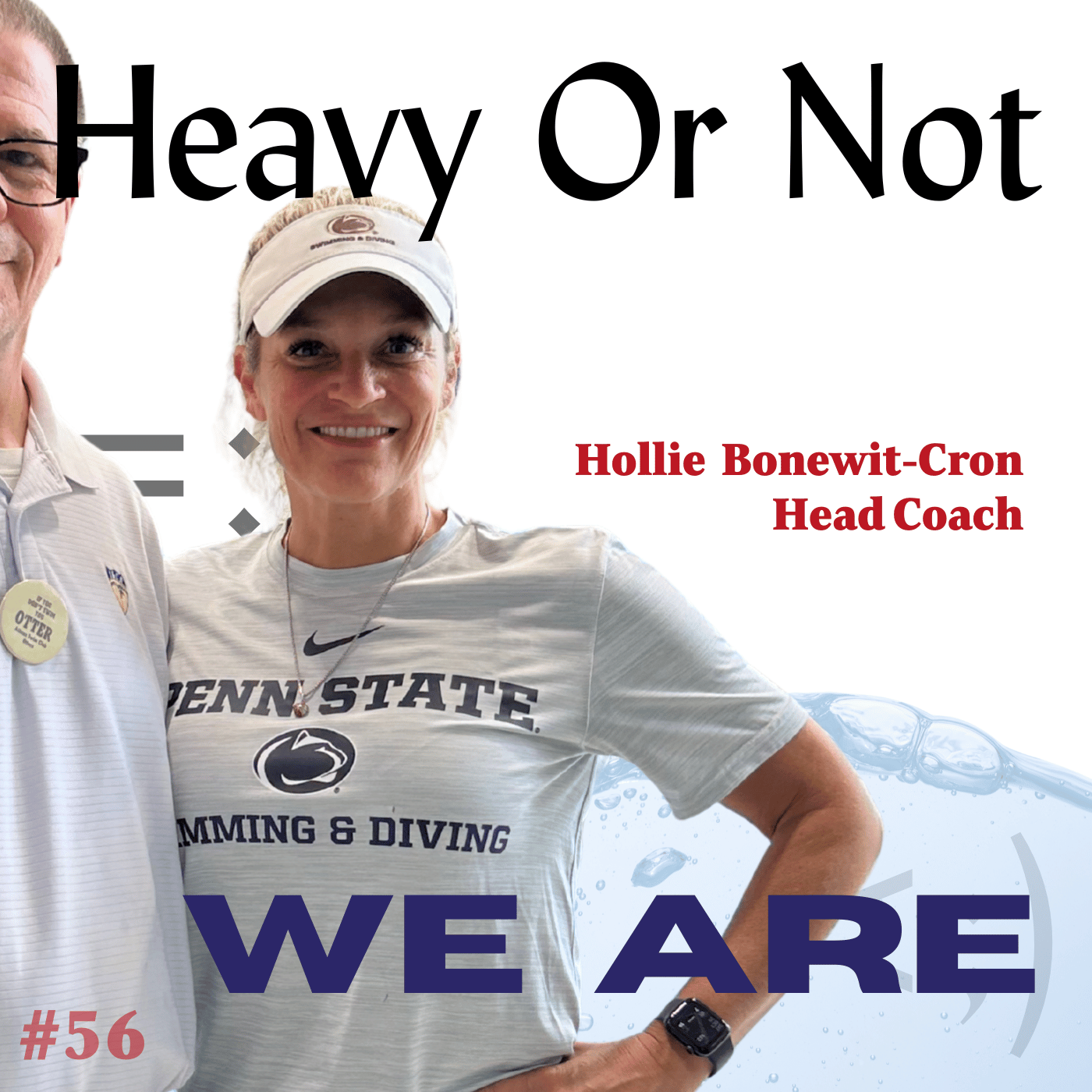
We Are: College Swimming 101 with Penn State's Hollie Bonewit-Cron
Catch the latest deep‑dive with Penn State swimming head coach Hollie Bonewit‑Cron as she breaks down recruiting, training schedules, and the evolving college‑swim landscape. From dual‑meet highlights against Pitt to her career path and future plans, get the key takeaways from a clinic to coaches when she was in her first season as the head coach in Happy Valley. In this video you'll learn: How Penn State structures its practice groups, pool assignments, and daily training blocks. The current recruiting pipeline, international talent, and scholarship timelines for the classes. Holly's coaching philosophy on culture, accountability, and balancing academics with athletics. Insights on the transfer portal, roster caps, and how the program navigates NCAA rule changes. A quick recap of Hollie's career journey, from Athens, Ohio, and an OU swimmer to coaching as a Florida assistant and then to Miami of Ohio to Penn State head coach. Penn State Swimming's Fresh Vision: Coaching, Recruiting, and Culture Under Hollie Bonewit‑Cron Questions from the audience too. Managing Burnout, Time, and Recovery for Elite College Swimmers at Penn State
Oct 13
Swim Data Crisis Looms Large with USA Swimming Time Sharing
Is USA Swimming Holding the Sport Hostage? USA Swimming's data drama is setting the sport back decades — and it's hurting athletes, families, and innovation. Here's what they're not telling you... Why Swim Times Are Disappearing Imagine training all year only for your swim times to vanish into thin air. This podcast exposes the growing blackout and the fight for data transparency. The Swim Data Crisis No One Is Talking About Developers are quitting. Parents are confused. Swimmers are in the dark. The future of competitive swimming depends on solving this data nightmare. In this candid conversation we hear about the growing crisis around swim meet result data—why PDF‑only posting is hurting athletes, coaches, and developers. Michael Krone explains the barriers, the mis‑interpretations of privacy rules, and what's on the horizon. What you'll learn: Why parsing PDFs for meet times is a dead‑end solution for the sport. How LSEs misread USA Swimming's privacy policy and are removing raw result files. The impact on third‑party tools like MySwim IO and Swim Standards. USA Swimming's planned API rollout (estimated 4‑5 months) and its limitations. Action steps for coaches, parents, and developers to push for open, accessible meet data.

Oct 8
The Single: Vintage Vibes, Machine Made
After repeated requests, this single is being lifted from the rewind show, #50, at the end of season one and put into its own episode. CDs were pressed and offered at The Eastern States Clinic and elsewhere, but too few have CD players. Go figure. Enjoy the tune delivered by recycled electrons. Its message is a calling for you to do a complete rewind of the prior episodes. Binge on the content and skip into the future with confidence! But no running on the pool deck. This song shows what happens when AI writes a track for a gritty show about real human struggle in swimming and coaching. Heavy Or Not: The Single is a machine-made, vintage-inspired musical experiment that hits like a lost 45 RPM classic—pressed with purpose, soaked in soul, and spun by artificial intelligence. This isn't just another song release. It's what happens when emotion meets algorithm. And it's about to change how we think about music, storytelling, and tech. Want to feel vintage vibes without breaking the bank? Ever wonder what it sounds like when AI creates art that hits you in the gut? Think old-school records are dead? Let this track prove you wrong. If you love real music with a twist you won't see coming—keep listening. Warning: You may not believe a machine made this… Whether you're a nostalgic crate-digger, a future-focused creator, or just someone who loves a good story set to music—this one's for you. Hit play. Heavy Or Not… you decide. And, let us know. If you want help in crafting your own song for your team, an ISCA travel meet, senior night or the team banquet, then subscribe and then attend our roundtable discussions. We would love to share your song in a future episode. #preach #sing #coach #play

Oct 6
Five+ Game-Changing Ideas You Haven't Heard Yet -- just revealed at the Eastern States Clinic
New Roundtable Series for for Aquatic Professionals and Coaches: Insurance, Intellectual Property, Technology, Fun & Games, and Broadcasting What Every Coach Needs to Hear From the OG Swim Guy Coach Mark Rauterkus breaks down new coaching resources, roundtables, and media opportunities for swim professionals. Watch to learn how you can get involved, access free content, and stay ahead in the industry. Overview of the five weekly roundtables: CYA (insurance), IP in the pool, Tech, Fun & Games, and Broadcasting. Details on WAFSU.org webinars and seminars for schools, universities, and international coaches. Pathways to present your own content on the podcast or at roundtable events. Quick look at the TV show vision and some related media projects (Apple TV's "Stick," local Pittsburgh shows). Got ideas? Live from the Eastern States Clinic – Featuring Mark Rauterkus Get ready to rethink community and what you thought you knew about swim coaching. In this episode of Heavy or Not , Mark Rauterkus — the OG Swim Guy and ISCA webmaster — drops five powerful ideas that challenge the status quo of competitive swimming, youth sports, and coach development. From water safety to podcasting, tech tools to mental health for young athletes, this talk at the Eastern States Clinic is packed with insight, experience, and vision for the future of aquatic leadership. Topics Covered: The future of swim education Tech innovation in coaching Mental skills training for young athletes Live streaming and media in aquatic sports The global coaching community via WAFSU Whether you're a high school swim coach, swim parent, or athlete — this is a must-listen. Subscribe to the podcast: https://HON.LAP.red Learn more at ISCA: https://swimisca.org Full archive of episodes available wherever you get your podcasts. #SwimCoach #SwimmingPodcast #MarkRauterkus #EasternStatesClinic #HeavyOrNot #AquaticLeadership #ISCA #SwimTraining #YouthSports

Sep 19
Navigating Aquatics with Mark Rauterkus: Water Polo, AI Tools, and Community Coaching Strategies
This episode of Heavy Or Not, The OG Swim Guide, jumps into a podcast from friend and we replay a recent releaseof Navigating Neva. We had a sit down interview with Nicole and Wes -- and myself, Mark Rauterkus. The coach, podcaster, and ISCA contributor comes gushing about and we explore how swimming, water polo, and tech are reshaping aquatics today. We cover: How Mark launched the "Heavy Or Not" podcast and his vision for expanding its reach. Using water polo to keep swimmers engaged and create a pipeline for lifelong aquatic participation. Mark's diverse coaching background—from high‑school and college pools to community programs and the Pittsburgh Public Schools "Summer Dreamers." The role of the International Swim Coaches Association (ISCA) in hosting meets, providing education, and upcoming AI‑driven tools. Practical AI & CRM solutions that streamline pool operations, sponsor outreach, and coach‑parent communications.

Sep 12
#52 - Must hear stories of a Football QB, Fall Baseball and first words from the new CEO at USA Swimming
It is a great time to be alive and there are some cliff hangers within! David, a devoted athlete turned Doctor and researcher is deploying AI in off-brand discoveries. This is a peek at a MUST HEAR podcast from another source, Radiolab . Experience a flashback to tracks from a campaign CD with a fall baseball story from Meg Barnhouse. It is chilly and dark under the lights and parents are watching. In the final segment, new USA Swimming CEO issued his first statement that lost me on the "one of" part. May the wind be at his back. Show pointer: https://radiolab.org/podcast/the-medical-matchmaking-machine A quarterback's love of football turned into a medical mission after his mom's brain cancer diagnosis, and now AI is helping him chase new treatments. Listen to the full conversation for the highs, the lows, and the tech driving the fight. David's roller‑coaster journey from college quarterback to aspiring oncologist. The impact of his mother's grade‑4 glioblastoma and the promise he made to her. How athletic discipline translates into medical study and research. AI‑powered drug repurposing and off‑label uses discussed in the Radiolab interview. Meg Barnhouse story, Diamonds, was included in a past campaign CD when standing for public office. She gives a parent's perspective on fall baseball. A quick look at USA Swimming's new CEO, AI‑generated remarks, and the broader conversation about sports, health, and technology. He lost me at "one of" -- as it is THE best and ONLY sport! Pretty transparent isn't "ALWAYS Transparent." Rather than quck and fast meetings, try long, slow and hard meetings that happen soon. Grassroots is good! May the wind be at his back, and the BS be already sucked into the pool's filters.
Sep 5
Sports Reform: Unraveling Canada's Fragmented Sports System: Funding, Governance, and the Push for Safe Sport
From Broken Networks to Unified Protection: Reforming Canada's Sport Landscape for All Participants In this episode of Heavy or Not – Season 2 - #51 we report on Canada's fragmented sports system, its chronic funding gaps, and why safe sport is now the top priority. We also examine the current complaint mechanisms and explore concrete proposals for a unified, safer future. How Canada's multi‑layered sport governance (federal, provincial, NSOs, CSOs) creates funding and safety challenges. The link between chronic under‑funding, the "Own the Podium" model, and rising abuse scandals. Existing safe‑sport frameworks (SDRCC, OSIC, CCES) and critical gaps such as legal aid and mental‑health support. Prevention tools in play: the Rule of Two, background screening, and education/training programs. Proposed reforms: a centralized sport entity, stronger governance code, and three options for a national safe‑sport complaint authority. Canada issued a report and is working to unpack problems and find more comprehensive solutions to benefit all citizens.

Aug 26
Capstone to Season 1 of Heavy Or Not, The OG Swim Guide (podcast with folk songs)
Season 1 of Heavy Or Not proves that swimming isn't just about laps; it's a dynamic ecosystem where mindset, technology, community and history intertwine. By applying these 50 lessons / episodes / jump-cuts about training the brain, fine‑tuning the kick, welcoming AI, building inclusive programs, and defending our pools, you'll elevate not only your athletes' performance but also the entire swimming culture around you. So the next time you're planning a practice, remember: every stroke, every supplement, and every conversation can be a step toward a stronger, smarter, and more resilient swim community. Listen and react.

Aug 16
Called Out: The USA Swimming Leadership Bubble with Demands for Transparent Reform from Michael Phelps and Gold Medal Mel (SwimSwam's Mel Stewart)
Reforming USA Swimming: A Blueprint for Transparency, Athlete Services, and Grassroots Growth In episode #49 of Heavy Or Not, The OG Swim Guide, we amplify and break down the growing, explosive, criticism of USA Swimming from Michael Phelps and SwimSwam publisher, Mel Stewart. They, among many others, are exposing a leadership crisis that threatens the sport's future. Phelps points to the steep drop in U.S. Olympic medal share (57% → 44%) and blames weak board governance. He presents a coalition‑backed, three‑step reform plan: independent board review, athlete‑first services, and grassroots growth. Stewart labels the "Colorado Springs bubble," highlighting excessive executive pay, stagnant athlete stipends, and a complacent financial safety net. The board's reaction—including a CEO bonus after a failed software rollout and registration decline—is dissected as misdirection and avoidance. Concrete solutions are proposed: cap top‑executive salaries, tie bonuses to clear KPIs that also raise coach and athlete compensation, and prioritize grassroots revitalization. Links SwimSwam editorial Full statement from Michael Phelps
Aug 8
Dr. Tom's App - From Classroom to Phone: How a Real‑Life Avatar App Saves Lives in Pools
Discover how Dr. Tom Griffiths turned an eight‑year quest into a free, lifeguard‑training app that simulates real drowning scenarios. Learn why it's a game‑changer for both everyday swimmers and aquatic facilities. In this jump-cut of Heavy Or Not, #48, you'll see: The eight‑year development timeline, funding, and partnership challenges. Real‑life‑based simulation scenes that train users to spot victims instantly. Free public access and instant feedback that tracks performance and improvement. A low‑cost subscription option for facilities to monitor lifeguard training data. How the app supports drowning prevention and where to download it today. Many in the USA Swimming Community are in a funk as the CEO post remains vacant and results from the 2025 World Swim Championships were less than ideal. Michael, Ryan, Rowdy and others are sounding off. This begs the question, Heavy Or Not? Jump cut #48 begins with a visit with Dr. Tom Griffiths, retired professor from Penn State University, founder of the firm, Aquatic Safety Research Group. Check out their app! Turning Drowning Prevention into a Game: Eight Scenarios Teach Quick Victim Recognition See: https://drtomslifeguardvision.com/ https://aquaticsafetygroup.com/

Aug 5
Free: Coaching, NIL, and the Real Meaning of Growth
Episode 47 – Free: Coaching, NIL, and the Real Meaning of Growth Podcast: Heavy Or Not – The OG Swim Guide Presented by ISCA & U Can Swim In this episode, we take a wide-angle view of the word "free"—through the lens of coaching, NIL decisions, and athlete development. We begin with insights from Coach Nick Saban on recruiting and the dangers of chasing money over long-term development. Saban reminds us: when pro teams call about a player, they don't ask how much he played as a freshman—they ask, "What kind of person is he?" Character, leadership, trustworthiness. That's what matters most. Coaches: build value in all those areas. We also highlight NIL.LO.org—a place for coaches, athletes, and educators to explore and discuss NIL (Name, Image, and Likeness). It's a valuable resource, and we invite you to get involved. Then we shift into the deeper meanings of "free." Yes, the podcast is free to listen, share, and discuss. But "free" also reflects how we coach, what we teach, and how we grow. Remember freeteam.org? That was about free and open-source software—code you can read, remix, and reuse. That spirit of freedom lives on in how we train and teach. But not all "free" is helpful. At swim camps, we phased out the term "free time" because too often it led to boredom and passive downtime. We prefer structured play, learning, and meaningful recovery. The main feature of this episode is a look at How to Be Free by Shaka Senghor. Shaka is a resilience expert and bestselling author who knows what it means to overcome barriers. He brings his experience—from prison to the page—and offers lessons coaches can use with athletes. One story: a Porsche driving instructor covers the rearview mirror and says, "Look where you want to go, not at what you're afraid of." That simple mental shift—looking ahead, not back—is key for athletes recovering from setbacks, injuries, or failure. Don't live in the past. Learn from it, then move forward. Another moment: Senghor recalls snorkeling in Maui, panicking from saltwater in his snorkel, then deliberately calming himself. That kind of physiological control—breathing, resetting—is critical in sport. Coaches can teach it. Make it a habit. We discuss resilience —the kind forged by adversity. Senghor shares how Derek Redmond finished an Olympic race with a torn hamstring, leaning on his father. And how Shaka, while incarcerated, transformed his physical strength from nothing to 455-pound deadlifts. All of it required mental strength first. We also explore Senghor's self-belief formula, even if the acronym is a little rough: S.H.I.T. = Success, Hustle, Intelligence, Talent. It's about owning your growth—celebrating small wins, learning from losses, recognizing your worth. Coaches can use this framework to help athletes build internal validation, not just chase external praise. Whether you're a coach, educator, or athlete, How to Be Free is more than a book title—it's a coaching framework. It's about shifting perspectives, building resilience, teaching composure, and unlocking human potential. Referenced Book: How to Be Free by Shaka Senghor ISBN: 9798893310511 | Releases September 9, 2025 More at SwimISCA.org and NIL.CLOH.org Share this episode. Subscribe. And bring your wisdom to the next conversation. A final jump-cut segment is from a swim school owner and author from Cape Town, South Africa, Kathryn Nurse of fundamentalswimming.com . She bases her swim education on teaching principles to stroke development. Their method focuses on understanding concepts, breaking down movements, and teaching with purpose—on land and in water. They use mirrors, structure, and education techniques to develop skills from age 5 through adults. More from her in the near future.

Jul 22
AI in Sports: Bridging the Gap Between Human Intuition and Machine Precision
The evolving world of sports coaching hits into AI with our latest jump cut, where technology meets tradition. Discover how AI is reshaping the landscape of swimming and athletic performance. Explore the integration of AI in sports coaching and its impact on performance. Learn about the role of AI in analyzing biomechanics and providing real-time feedback. Understand the balance between human coaching instincts and machine precision. Discover the future of coaching with AI-driven tools and their benefits. Get insights into the latest tech acquisitions in the AI search space, including Apple's rumored purchase of Perplexity AI. Subscribe and stay tuned in for more insights and updates in the world of sports and technology! Keywords: AI in sports, coaching evolution, swimming technology, performance analytics, YMCA film, Below Surface, aquatics engagement, AI-driven tools, athlete improvement, coaching precision, Apple acquisition, Perplexity AI, tech integration, swim coaching, data-driven training, sports transformation, AI search engine, big tech acquisitions, coaching adaptation, future of sports, Heavy or Not podcast, ISCA, LAP.red, swim guide, athlete protection, coaching leadership. "AI in Sports: The Game-Changer You Can't Ignore" Quote: "AI isn't just a tool; it's the silent coach that never blinks, never guesses, and always delivers precision." More at https://Go.LAP.red

Jul 20
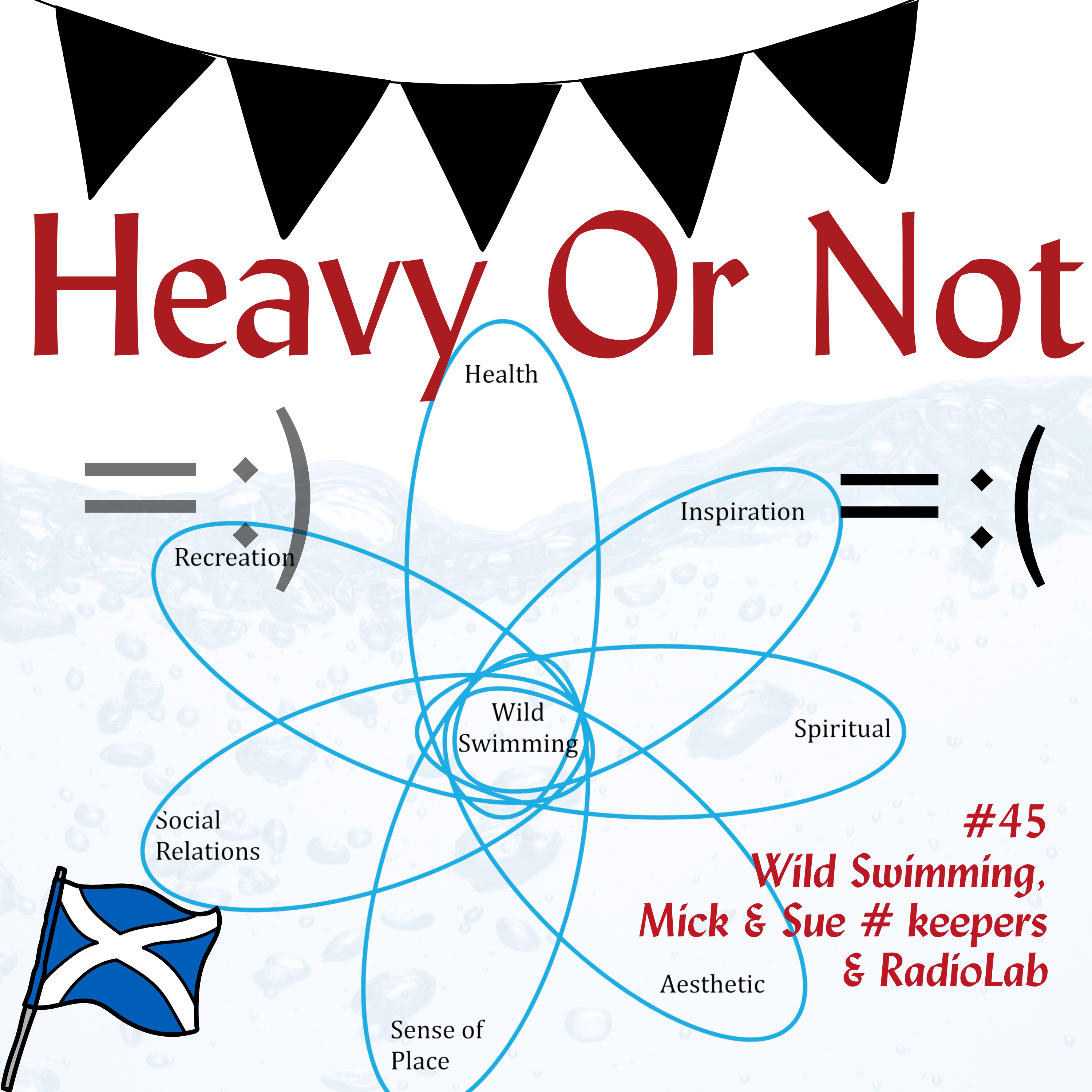
Exploring the Emotional and Social Benefits of Wild Swimming in Scotland + Counting Losses and Radio Lab story
Get a peek at the fascinating world of wild swimming in Scotland and explore some academic research that ponders the unique values and community connections it fosters. Discover how the Act Framework offers a fresh perspective on understanding human-nature interactions. Explore the concept of wild swimming and its cultural ecosystem services. Learn about an Open Water Group of mostly women and its role in valuing nature interactions. Discover the four personas of wild swimmers and their unique community dynamics. Understand the challenges and benefits of wild swimming for women in Scotland. Examine how current policies might unintentionally hinder the growth of wild swimming communities. "It's not just about the swim; it's about the profound connections we forge with nature and each other, all emerging from a the experience of an open-water swim in the wild." Learn how Mick and Sue Nelson of Total Aquatic Programming manage data collection of important facts for the greater aquatic community. https://TotalAquatic.llc This is a heavy job that is handled masterfully. Jump to a mainstream podcast snip from Radio Lab Jim's life story took a turn when he was seven-years-old and his brother didn't come back to the surface in the Mississippi River. See https://radiolab.org/podcast/a-flock-of-two #Keywords #Wild swimming, #Scotland, #open water, cultural ecosystem services, Facilitating Act Framework, nature connection, community, women's empowerment, social values, safety, risk, mental well-being, non-competitive, environmental respect, local knowledge, policy challenges, social media, nature interaction, place attachment, meditative calm, body positivity, inclusivity, support networks, human-nature relationships, swimming personas, empowerment, nature immersion.
Jul 14
Hyper Care and Out of the Woods Story & Pointer to DrownedBaby.org
A.I. is On Fire First, a bit of an A.I. success story of a company less than 3 years old, and operated by one founder and a handful of others called Base 44. The company was acquired by WIX for millions. A.I. is hot, and this is proof. Source on the Base 44 acquisition is Nomi, Nomiki Petrolla at or of The SaaS Accelerator for Women , and Instagram at nomikipetrolla . A seldom told Story of Hyperbaric Therapy: A Lifeline for Drowning Victims In this jump cut, #44, we visit an episode of the Tom Woods Show to hear from Will, a show guest there. Will shares the remarkable story of Robert, his son, a young boy who defied the odds after a near-fatal incident. Discover the treatments and advocacy efforts that have sparked a conversation about medical protocols and patient rights. The harrowing experience of Robert's drowning and the initial medical response. The role of hyperbaric therapy in Robert's recovery and its potential for treating brain injuries. Challenges faced by parents in advocating for alternative treatments in hospitals. The creation of drownedbaby.org as a resource for parents of drowned children. The broader implications of Robert's story on medical practices and right-to-try laws. A Parent's Journey to Save His Child See the podcast on YouTube of the Tom Woods episode, #2665 . Tom Woods Show main page See DrownedBaby.org . Keywords Drowning, Hyperbaric Therapy, Robert's Recovery, Organ Donation, Medical Protocols, Inflammation, Brain Injury, Pediatric Care, Solo Founders, Base 44 Acquisition, Wix, Tom Woods Show, Right-to-Try Laws, Hyperbaric Oxygen Therapy, Reperfusion Injury, Neurological Storming, Alternative Medicine, Parental Advocacy, DrownedBaby.org, Medical Suppression, Early Intervention, Healthcare Challenges, Pediatric Brain Injury, Hyperbaric Chamber, Medical Innovation.

Jul 9
Flooding Emotions, Queen and Worker Bees, Enhanced Games and Supplementing Your Income with Feel Good, Natural Supplements
Heavy Or Not, The OG Swim Guide, #43 Lots are jamming into this jump cut, as the range of topics spans from the emotional impact of the flash flooding in Texas to the impact of nutrition on bees to the potential benefits of health activators. Explore an intersection of science, health, and personal growth. The fascinating role of diet in determining the fate of queen bees and worker bees. The serious concerns surrounding the Enhanced Games and those anti-doping regulations have teeth worth avoiding. The potential health benefits of NRF2 activators and their impact on oxidative stress. Personal stories of improved health and vitality through natural supplements. Opportunities for coaches and teachers to enhance their income through direct sales. Sequence of topics Queen Bee and Worker Bee Same DNA but different roles Role of food in determining their development Example of epigenetics Flash Flooding in Texas Impact on camps and loss of life Importance of camp experiences for personal growth and community building Expression of condolences and hope for safety Enhanced Games and Anti-Doping Concerns USA Swimming's concerns about the Enhanced Games Potential risks of participating in the Enhanced Games WADA's stance on the Enhanced Games Advice for athletes and support staff regarding media inquiries Supplements and Activation Explanation of supplements and their benefits Introduction to the concept of activation NRF2 activator and its health benefits Personal experiences and testimonials LifeVantage and Business Model Transition from traditional sales to direct sales Success of the direct sales model Public trading and recognition on NASDAQ Historical context and media coverage Personal Testimonies and Experiences Bob Kane's personal health improvements Impact of ProTandem on energy and well-being Experiences with driving and physical activities Coaching and Financial Challenges Bob Kane's background as a swimming coach and teacher Financial challenges faced by coaches and teachers Desire to help coaches and teachers achieve financial abundance Business Opportunities with LifeVantage Sharing the benefits of activation with others Tools and resources for sharing the opportunity Subscription model and retention rates Options for generating additional income Success Stories and Testimonials Examples of individuals benefiting from LifeVantage products Personal weight loss and health improvements Stories of individuals transitioning to full-time involvement Contact and Information Sharing Encouragement to reach out for more information Approach to sharing information without pressure Potential financial benefits of sharing the products Queen bee next to worker bee. Both have the same DNA. Reach out to Bob Kane, guest expert about LifeVantage Bob@Horsemanship.com 412-860-9516 https://Horsemanship.com

Jul 5
Direct River Abstraction to Vertical Aquatic and Invites to Real Talk and Growth
42 is with a call to action and some calls to meet. More from Mick & Sue. Protecting the Thames River near London A much-loved open water swimming spot near Teddington on the River Thames is at risk. Thames Water's proposed Teddington Direct River Abstraction (TDRA) scheme plans to remove up to 75 million liters of river water daily during droughts, replacing it with treated sewage effluent pumped year-round from the Mogden Sewage Treatment Works. This spot is more than just a body of water. It's a sanctuary for swimmers, paddlers, rowers, dogs, and entire communities. Thousands rely on it for physical health, mental wellbeing, and meaningful connection. Simon Griffiths's call in Outdoor Swimmer made this call to stop that plan. Here's how you can help: Deadline: August 26, 2025 ✅ Send an email to: TDRA@ipsos.com Use your own words, or adapt this message: I object to Thames Water's TDRA scheme. Discharging treated sewage into a treasured recreational stretch of the Thames, year-round, is unacceptable. This river supports thousands of water users and wildlife. Sustainable solutions like fixing existing leakage—currently over 600 million liters per day—should come first. Please register my objection formally with the Planning Inspectorate. Let's protect what matters. Share this episode. Take action today Mick & Sue Nelson, Colorado Springs, CO, USA, owners of Total Aquatic Programming, https://TotalAquatic.LLC Check out the business meeting after the ASCA World Clinic and the Build-a-Pool event in early 2026 at AOAP event. From open water swimming alerts to business workshops, we've got you covered. Discover the threats facing a cherished stretch of the Thames and how you can help. Learn about the Aquatic Health Club model initiative and its impact on private and nonprofit sectors. Get insights into the upcoming coaches Aquatic Business Workshop and its benefits. Explore the importance of purpose-driven business in the aquatics industry. Find out about the All Things Aquatics event on September 20th and how it can be a fun networking event for your aquatic career. The series with Mick & Sue started on episode #37. Feel free to play prior interview parts.

Jun 30
Know the ways are the winds are blowing: Saving grace on lessons, schools, a kayaker and AI
Heavy Or Not #41 explores four critical topics. Concise discussion on pressing issues and innovative solutions. Exploring how NZ Drowning Prevention went into a floating frenzy. School closures and Equity Concerns raised in public comment by a parent with cutting perspective to Pittsburgh Public Schools. Canadian teen makes a heroic water rescue. She saves a kayaker in Georgian Bay, Ontario. AI Innovations: Real-Time Speech Translation and Accent Conversion in Google Meet and Krisp.

Jun 23
Exploring Sustainable Pool Models: Balancing Subsidies and Private Sector Initiatives in Aquatics
Heavy Or Not, The OG Swim Guide, #40. Innovative Pool and Team Management: Leveraging Private Sector and Community Partnerships Enhancing Aquatic Programs: Integrating Fitness and Health for Sustainable Pool Operations Insightful discussion with Swim OGs, Mick and Sue Nelson, as they delve into the challenges and solutions surrounding pool, team and aquatic management, planning and programming. Discover how innovative approaches can transform the future of swimming facilities. Explore the financial fears and sustainability issues of subsidized pool models. Learn about the role of private sector and entrepreneurial coaches in pool management. Understand the importance of bridging the gap between swim schools and high school programs. Discover strategies for effective use of underutilized pools across the country. Gain insights into drowning prevention and the broader impact on aquatic health and wellness. Don't forget to subscribe for more episodes and join the conversation! Introduction of Sue happened on #37. More artwork on the Substack pages. See https://Substack.com/@rauterkus . Total Aquatic Programming is at https://TotalAquatics.llc

Jun 22
Experience the Adventure of Open Water Swimming with ISCA's Events + Stroke Counting
Open water swimming insights from the International Swim Coaches Association's upcoming festivals. Discover why these events are more than just races and how they can enhance your swimming skills. Overview of the East Coast Open Water Festival and the new Jamestown Open Water Festival. Detailed race formats, including The Great Knockout and family-friendly options. Comprehensive safety measures and protocols in place for participants. Benefits of open water swimming, from endurance to mental resilience. Practical tips for transitioning from pool swimming to open water challenges. Join us as we explore the opportunities these festivals offer to swimmers of all ages and abilities. Learn More & Sign Up Plus, Andrew Sheaff, coach, author, consultant, shares some insights on a great tip that can be applied to everyone's swimming.
Jun 16
Swimming's Local Initiatives Must Drive Downing Prevention and Water Safety Awareness
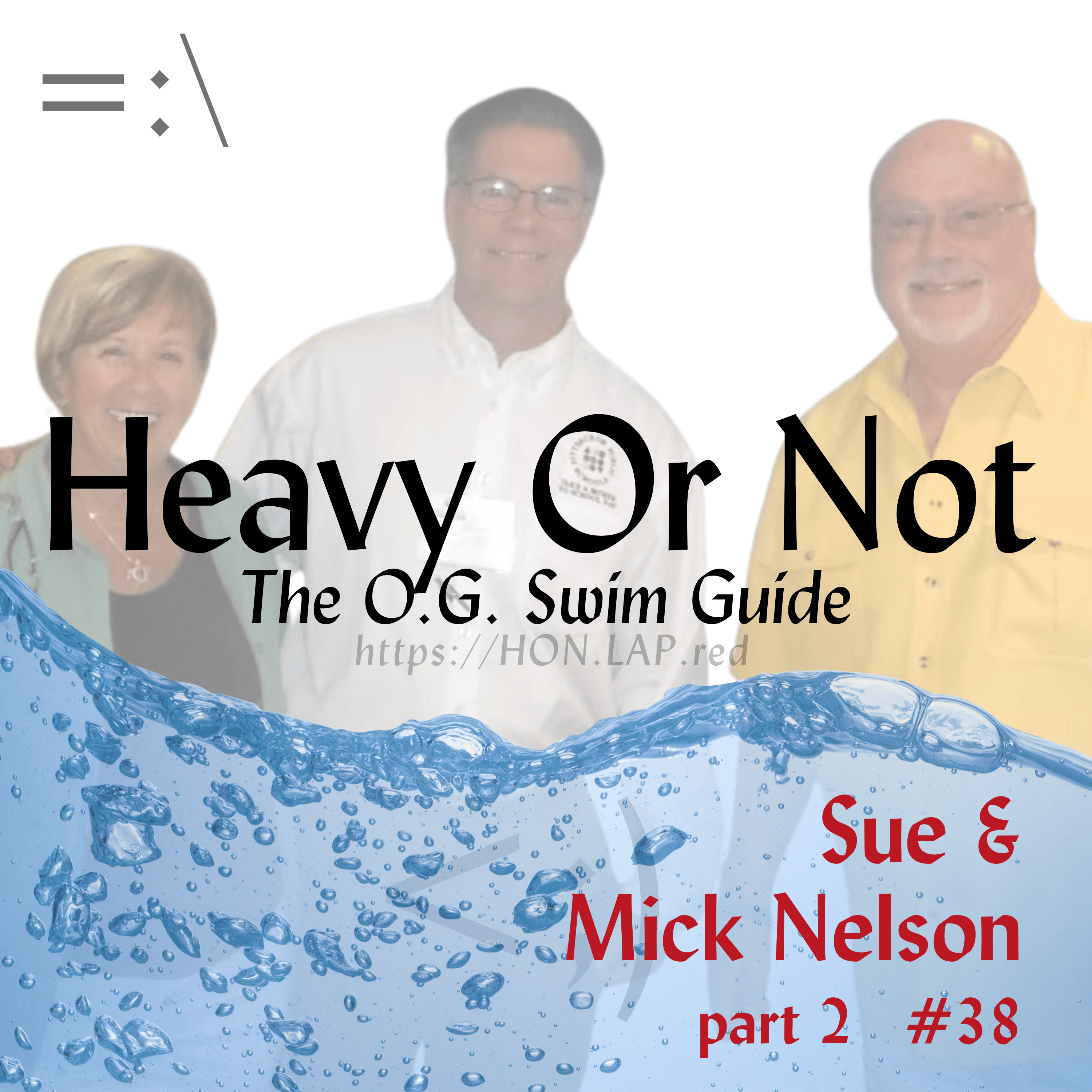
#38 Navigating the Complexities of Drowning Prevention in a Changing Political Climate - part 2 with Sue and Mick Nelson The critical issues surrounding swimming, coaching and community recreation is water safety, and less so the making of gold-medal champions. The challenges faced by aquatic facilities today are on the rise. Closing pools. Indifferent politicians. Tighter budgets. Busy families. Covid too. Discover the trends, obstacles, and solutions in the world of swimming and drowning prevention. The impact of COVID-19 on drowning statistics and swimming lessons. Challenges in maintaining and operating commercial swimming pools. The shortage of qualified lifeguards and its implications. The role of local organizations versus national support in drowning prevention. The importance of educating communities and politicians about the value of aquatic facilities. Half of Americans don't know how to swim, yet they're the ones making decisions about our pools. It's time to educate our communities and politicians on the true value of water safety." - Sue Nelson Key concepts: Drowning prevention, data analysis, CDC, Consumer Product Safety Commission, trends, COVID impact, swimming pools, lifeguards, aquatic programming, local advocacy, ethnic disparities, pool closures, maintenance issues, swimming lessons, community education, USA Swimming, private sector, public sector, water safety, Mick Nelson, Sue Nelson, Mark Rauterkus, podcast, aquatics, governmental challenges. Notes of Merit Data Usage and Comparison Difference between data usage by Mick Nelson's organization and the CDC. Importance of current data for local advocacy and marketing. Trends identification and the limitations of data collection. Impact of Political and Economic Changes Effects of layoffs and budget cuts on data collection and analysis. The role of local organizations versus national support. The importance of local action plans in drowning prevention. Trends in Drowning and Water Safety The impact of COVID-19 on drowning statistics and swimming lessons. Increase in backyard pools and their safety concerns. Ethnic disparities in drowning rates, particularly among Hispanics. Swimming Pool Closures and Maintenance Issues Tracking of commercial pool closures and reasons behind them. Challenges in pool maintenance and the role of trained personnel. Financial constraints and their impact on pool operations. Lifeguard Shortages and Training Difficulty in recruiting lifeguards and the reasons behind it. The need for qualified lifeguards due to increased recreational facilities. The impact of work ethics and financial incentives on lifeguard availability. Community Education and Political Influence The lack of swimming skills among Americans and its implications. The role of community and political education in valuing aquatic facilities. Misconceptions about the financial operations of swimming pools. Future Discussions and Podcast Continuation Introduction to upcoming topics in the next podcast episode. The need for increased swimming education and awareness. The role of the private sector in addressing aquatic needs. Learn more Link to the business of Sue and Mick Nelson, Total Aquatic Programming, https://TotalAquatic.llc Heavy Or Not podcast International Swim Coaches Association Heavy Or Not #37, and Part 1, and Introduction to Sue Nelson's Career Journey on Substack.
Jun 12
Career pivots and expansion of services. Sue Nelson's journey to diversify leads to satisfaction and stability.
An introducation to Sue Nelson, part 1. Explore the inspiring career-journey of Sue Nelson and her husband, Mick, who transformed their coaching careers by thinking beyond traditional competitive swimming. Discover how they built a thriving aquatics business by embracing innovation and community needs. Learn about the pivotal moment that led Sue to shift from competitive swimming to aquatic fitness and therapy. Explore how they launched Waterway Therapy, a Medicare-certified outpatient agency, and expanded their services. Understand the strategic partnerships they formed with hospitals and fitness organizations. USA Swimming hired the for important work to support coaches and clubs in their efforts to build their own facilities Discover the importance of creating multiple revenue streams for a stable and sustainable business model. Gain insights into how their approach to coaching can be adapted by others to build a successful career. In future episodes, we'll hear more from Mick and Sue as they've been key players in keeping statistics on water safety. Their business is Total Aquatic Programming, LLC at https://totalaquatic.llc/ .

Jun 9
Meta Review: Exploring Themes in Heavy Or Not's first 35 podcast episodes. The OG Swim Guide's Rewind!
#36 A Tour of Insights and Coaching Wisdom Episode 36 of "Heavy Or Not, The OG Swim Guide," presents comprehensive tour of the podcast archives from Coach Mark Rauterkus. Whether you're a new listener or a long-time fan, this episode is your chance to catch up on all the valuable insights shared so far. Explore the importance of mindset in sports and how mental reps can enhance athletic performance. Dive into the mechanics of swimming, focusing on kicking, body position, and stroke efficiency. Discover the role of artificial intelligence in sports and how it can revolutionize coaching and performance tracking. Learn about the challenges and potential solutions for revitalizing aquatic programs in Pittsburgh Public Schools. Gain insights into the history of swimming coaching, including Cold War secrets and innovative training techniques. Subscribe to the podcast for more episodes packed with swimming wisdom and coaching strategies! Go back and replay the laps you skipped. Every dozen episodes, it is time for a review. Our content is evergreen, as we develop our voice and encourage you to absorb the archives. The walkthrough hits every episode released so far. Catch up on all the swimming wisdom we've shared. Mindset Mastery: Revisit the importance of mental reps in sports and how to train the space between your ears just like your physical skills. Kicking Techniques: Dive into the mechanics of kicking and learn how to design practices that build effective swimming skills. AI in Sports: Discover how artificial intelligence is revolutionizing sports coaching and performance tracking. Aquatic Education: Explore the challenges and potential of revitalizing aquatic programs in urban school districts. Cultural Perspectives: Gain insights into global coaching practices and how they differ from the US approach. Episode #06 is the shortest one, clocking in at just under three minutes. It's a quick yet profound reflection on life, coaching, and passion that's definitely worth a replay! We're excited to have you with us on this journey through our podcast archives. Each episode is packed with insights, tips and inspiring stories that are as fresh today as when they were first released. Thanks for being part of our community. Have a wonderful, safe time at the pool! Check out all the episodes in a course at WAFSU.org . Join the conversation!
Jun 2
Understanding the Mind-Body Connection in Sport Injury Recovery and Rehabilitation
35, The Importance of Social Support in Overcoming Sport Injuries Recap of the ebook, Psychology of Sport Injury, edited by Dr. John Heil, that explores the multifaceted impact of injury on athletes. The book emphasizes the critical role of psychological care alongside physical treatment for successful recovery and performance. It covers various aspects of sport injury, including the athlete's perspective, psychological risk factors, assessment and intervention strategies, and biomedical issues like pain management and medication. The ebook and this podcast highlights the importance of a team-based approach involving physicians, sports medicine specialists, and psychologists, and discusses challenges such as chronic pain, fear of reinjury, and managing the transition out of competitive sport. Ultimately, the ebook advocates for a comprehensive, psychologically-informed approach to injury management that can extend beyond the athletic realm. Structured overview of the topics and sub-topics discussed in the jump cut #35 of Heavy Or Not Psychological Approach in Rehab Education for the patient Setting clear goals Using mental training techniques Leveraging social support Podcast and E-book Introduction Mention of "The Ready Room" podcast Introduction to the e-book "The Psychology of Sport Injury" by Dr. John Heil Summer McIntosh's Interview sample snip Excitement about moving to Texas Trust in training and potential unknowns Future educational plans Psychology of Sport Injury Physical vs. mental and emotional aspects of injury Importance of addressing psychological side in treatment Dr. John Heil's personal story illustrating psychological impact Broader Application of Insights Application beyond traditional athletes Relevance to performing artists and musicians Unique Needs of Athletes and Performers Differentiation between normal and high-demand performance settings Emergence of sports medicine and sports psychology Team-Based Approach in Sports Medicine Multi-specialty involvement Psychological impact of all team members Athlete's Experience with Injury Internal and external pressures Complexity of pain for athletes Decision-making in return to play Career Termination Due to Injury Life transition and identity adjustment Importance of counseling Pre-Injury Psychological Factors Influence of stress and focus on injury risk Stress model and its implications Psychological Assessment and Tools Comprehensive assessment approach Use of pain scales, psych tests, and diaries Intervention and Team Approach Psychological intervention based on distress and commitment Importance of developmental stage Chronic Pain Management Multidisciplinary approach Synergistic effects of coordinated care Role of Social Support Types of social support Importance of maintaining team connection Mental Training Techniques Relaxation, imagery, and biofeedback Pain management strategies Rehabilitation Challenges Muscular guarding and compliance issues Overcompliance and related risks Severe and Catastrophic Injuries Intensive intervention needs Career-ending injuries and identity loss Psychological and Medical Integration Multidisciplinary team value Proactive prevention and early intervention Patient-Athlete Metaphor Application of principles to all injured patients Broader role of psychologists in the team Remarkable Recovery and Growth Commitment and hard work in recovery Sport as a microcosm of life Final Thoughts and Takeaways Sport injury as a mind-body challenge Transferable skills for life challenges Call to Action Encouragement to join the International Swim Coaches Association Subscription and sharing of the podcast Links: Get the ebook: https://psp.sendowl.com/s/ebook/psych/psychology-of-sport-injury-by-international-swim-coaches-assocation To the full interview with Summer McIntosh on The Ready Room.
May 30
At the Table - or Not - Power and Purpose within Swimming and Sports with Barry Healey
Saving Swimming Pools: The Battle for Community Resources and Health Benefits The Role of Sports in Social Services and Community Development The pressing issues facing the world of sports and swimming today needs YOU at the TABLE. From the closure of swimming pools to the role of sports in education, we must lead and seek power for more those beyond the championship meets. The potential closure of over 30 swimming pools in Toronto and its implications. The launch of enhanced games and the controversy surrounding supplement use. The importance of sports being included in discussions on health and education. The impact of budget cuts on drowning prevention efforts and opportunities for intervention. The role of community engagement and innovative solutions in promoting sports and safety. We made a call out for Sue and Mick Nelson to join in future discussions. An interview is expected. But sadly, there were a few mistakes. Corrections: Mick and Sue Nelson worked at USA Swimming, not for the Foundation. Their company, Total Aquatic Programming, (see https://totalaquatic.llc/) is still an independent contractors for USA Swimming. Since 2008, they have been collecting data on fatal drownings. Their goal is to help individuals, cities, foundations, and others identify their risks and understand where drownings are occurring. This information enables them to develop strategies and campaigns to raise awareness and inform their communities. They also have kept records on pool closings. Sequence of topics covered in the transcript, with sub-topic bullets below each primary topic: Challenges in Sports and Swimming Closing of swimming pools in Toronto Launch of enhanced games and concerns about supplement use Efforts to get a big picture view of the situation Child Protection and Social Services in the UK Comparison of information quality between the UK and Canada Role of Sport for Life in Canada Importance of sport in reintegrating kids into school Sport's Role in Health and Education Lack of representation of sport at decision-making tables Conversation with a developer about community needs and tax concerns Importance of selling the benefits of sports to health and education sectors Efforts to Save Swimming Pools in Ontario Battles to save school swimming pools Changing public perception about the value of swimming pools The role of swimming pools in community service and safety Integration of Sport in Social Services Challenges in aligning sport with social services, police, and hospitals Importance of understanding and meeting the needs of different stakeholders Starting small and expanding successful programs Selling Sport as a Community Builder The concept of "our gang" in sports Using sport to change lives and build community Creative ways to engage volunteers and participants Impact of Policy Changes on Drowning Prevention Effects of budget cuts on drowning prevention efforts Opportunities for sports organizations to fill the gap Importance of maintaining and expanding drowning prevention initiatives Data Collection and Analysis on Drowning Incidents Mick Nelson's work on tracking drowning statistics The need for comprehensive data to inform prevention strategies Potential collaboration with Mick Nelson for insights and business opportunities Future of Swimming and Sports Post-COVID Challenges in swimming education and access post-COVID The impact of COVID on sports participation and development Exploring alternatives and new sports trends Engagement and Community Building through Media Promotion of the "Heavy or Not" TV show and podcast Invitation for audience participation with school or team mascots Use of mascots in promoting mental skills for young athletes Each topic and sub-topic provides a detailed look into the various discussions and concerns raised in Heavy Or Not, jump-cut #34.

May 28
CDC's Drowning Prevention Team Layoffs: Implications for Communities, New AI tricks and a Grad Speech
In #33 of the Heavy Or Not podcast get a, peek into critical issues surrounding recent CDC cuts and explore the intriguing insights from a comedian's graduation speech. Hear about essential topics on public health with swimming and life lessons with a touch of humor. CDC's Drowning Prevention Team Cuts Article from Politico discussing the cuts. Layoffs at the CDC affecting the drowning prevention team. Loss of dedicated expertise and focus within the agency. Timing of cuts during increased drowning deaths. Impact on children ages one to four. Possible reasons: fewer lifeguards, canceled lessons. Challenges in rebuilding water safety skills post-COVID. Importance of CDC's role in data analysis and partnerships. Impact on local groups and funding without national data. Unfinished research and projects halted. Artificial Intelligence Advancements Google Meet's real-time speech translation. Allows natural conversation in different languages. Initial rollout in English and Spanish, with more languages to follow. KRISP tool for meetings. Offers silent recording, transcription, and note-taking. Background noise reduction and accent conversion features. Integration with CRM for task tracking and action items. Custom vocabulary for workspace terms. Graduation Speech by a Comedian Life lessons shared by the comedian. You don't have to have a dream; focus on short-term goals. Don't seek happiness directly; aim to make others happy. Acknowledge the role of luck in life. Importance of exercise for mental and physical health. Be critical of your opinions and beliefs. The value of teaching and sharing knowledge. Define yourself by what you love, not what you oppose. Respect people with less power than you. Don't rush life decisions; embrace learning and experiences.
May 19
From Loyalty to Leadership: Essential Elements for Sports Programing Success & Culture
Jim Lutz's Guide to Building a Strong Coaching and Team Foundation Our Heavy Or Not insightful discussion, #32, cultivates the culture, strategies and principles for building a successful program, as outlined within an ebook by author and coach, Jim Lutz. Discover how loyalty, recruitment, and development play crucial roles in creating a thriving team environment. Explore the foundational role of loyalty and its five key aspects, including honesty and consistency. Learn about the importance of recruiting the right fit, focusing on character and passion. Understand the ongoing effort required in development, addressing both strengths and weaknesses. Gain insights into effective time management and the significance of setting priorities. Discover how artificial intelligence can streamline processes for coaches and program coordinators. The ebook is available at https://sendowl.com/s/ebook/culture/decide-your-culture-build-your-team-by-international-swim-coaches-assocation for only $8.00. We're thrilled to release these thought-provoking episodes -- and this one that features another OG swim coach, Jim Lutz. If you're looking to establish quality swim, sports and youth programs -- or just want to soak up some wisdom on leadership and personal growth, this one covers lots of hot yet timeless topics. What You'll Learn a Pathway and Suite of Priorities: Loyalty as a Foundation: Discover how honesty, consistency, and the desire to excel can transform your team dynamics. Recruiting the Right Fit: It's not just about talent; it's about character and passion. Learn how to find those who align with your culture and goals. Development Strategies: Uncover the secrets to nurturing strengths and addressing weaknesses, ensuring your team members reach their full potential. Responsibility and Integrity: Understand the importance of handling yourself well, even when no one's watching, and how to empower your team through trust. Mastering Time Management: Get tips on planning and controlling your time effectively, ensuring you and your team stay on top of your game. Fun Fact from the Episode: Did you know that Jim Lutz has spent more than 50 years in competitive swimming? From clubs to NCAA and USA swimming, his hands-on leadership experience is inspiring! We hope you enjoy heavy issues and a glimps of Jim Lutz's principles. Whether you're a coach, team manager, or just someone looking to improve your leadership skills, there's something here for everyone. Call to Action: Don't miss out on this opportunity to learn from a true OG swim coach! Head over to SwimISCA.com to check out Jim's e-book and explore more of his insights. And if you have any thoughts or feedback, we'd love to hear from you. Share your comments, audio, or even video with us! Thanks for being part of our community. We can't wait to hear how these insights resonate with you!
May 16
Riding the Waves of Mentorship: Coaching, Culture & Weathering the Storm
Heavy Or Not – The O.G. Swim Guide, Episode #31 https://HON.LAP.red "You can prepare for the work, but you can't always predict the weather." In this episode of Heavy Or Not , we explore the real-world parallels between weathering literal storms and facing the emotional and professional trials coaches endure over time. Coaches Jim Lutz and Barry Healy share hard-won lessons from the deck and beyond. Featured Voices: Jim Lutz: Coach, author, and Arizona sunshine philosopher Barry Healy: Veteran Canadian coach and lifelong mentor Special reference: Dr. John Hogg , sport psychologist and author Legacy lens: Insights from Cecil Colwin , author and coach Highlights from Episode #31: 1. Navigating Life's Storms Jim Lutz opens with a sunlit reflection—literally. While others face dark skies and sleet, he frames life's changing circumstances through the lens of perspective. "The storm is the same for everyone," he says, "but the way you show up in it… that's what coaching is." 2. The Role of Mentorship Barry Healy dives into how mentorship shaped his decades in the pool and the classroom. His admiration for Dr. John Hogg—especially Hogg's calm and clarity under pressure—anchors a wider conversation on coach development. 3. Team Culture Is Built, Not Inherited Both coaches emphasize culture as an intentional, daily act. Whether it's a handshake after practice or informal "fireplace sessions" like those hosted by Cecil Colwin, the rituals matter more than the rules. 4. Mental Health, Balance, and Coaching Today Today's coaches are stretched thin. The emotional weight of leading young athletes, managing expectations, and staying grounded is greater than ever. This episode doesn't shy away from that truth—but it offers hopeful, practical encouragement. 5. The Next Generation Deserves Our Best Jim and Barry both express a shared purpose: helping the next wave of coaches find clarity sooner. "You don't have to suffer to be good," says Barry. "You need guidance, not just grind." Mentioned in This Episode Check out the companion book and course: Mental Skills for Young Athletes by Dr. John Hogg https://Read.SwimISCA.org/why/mental-skills-for-young-athletes/ Watch or Listen Now Final Word Whether you're coaching a national team or leading a youth rec league, this conversation will speak to the heart of why you do what you do. It's about mentorship. It's about resilience. And it's about the big picture—beyond medals and swim times. Subscribe at https://HON.LAP.red and be part of the growing Heavy Or Not coaching and sports-minded community. Further Resources: More episodes: https://WAFSU.org ISCA Membership: https://Read.SwimISCA.org Send your mascot pics: https://YOUCANswim.wetransfer.com
May 13
Myth of Young Champions and College Sports Cuts: Heartbreaking Impact on Athletes
In this episode of the podcast, Heavy Or Not, we kick off with friend and O.G., Wayne Goldsmith. His rant delves into the unsettling mark of young champions at the age of 8 and 9. His podcast is called, Sports Thoughts. Then we pivot to talk about two successful college sports programs that have been abruptly cut. Oh no! Cal Polly Swimming, Men & Women's Teams, plus Grand Canyon University Men's Volleyball suffered unexpected and unexplainable cuts. Heavy topics. Abrupt losses. Heartbreaks. Links: https://waynegoldsmith.substack.com/ https://Substack.com/@rauterkus https://HON.LAP.red https://Go.LAP.red Notes: The opening segment supplied by Wayne is a fine example of a "Heavy Or Not Jump Cut Rant." Rather than doing typical podcast interviews, this first-person rant is desired and welcome. You too can send in your messages to be included as well. Upload to https://UCANSwim.WeTransfer.com . Share a story. Sound off on a topic. Cut to the chase and use your phone to make a recording. Of course, a video is fine too, but the audio needs to be present. A couple of photos work well too.
May 8
Mental Skills Make the Difference: Training the Mind Like a Muscle by ACTING with Script ebook
Full team and coaches role play activities in 10 scenes that progress in a full-blown story. Heavy Or Not – The O.G. Swim Guide | Episode 29 A peek inside Dr. John Hogg's Mental Skills for Young Athletes - course and ebooks Take the time and boost performance, focus, and confidence in your athletes. This episode of Heavy Or Not dives into the often overlooked but game-changing world of mental skills training. We explore the groundbreaking work of Dr. John M. Hogg and the "Script and Screenplay" eBook, where athletes develop self-awareness, goal-setting, and emotional control — all through imaginative role-playing and practical exercises. It's more than theory — it's a coachable, learnable system that integrates seamlessly into physical training that teams can deploy. In this episode, you'll discover: Why mental skills are the missing piece in many training programs How to use structured role-play to teach self-awareness and motivation Practical tools for goal setting, relaxation, and energizing techniques Ways to help young athletes turn mindset into their competitive advantage Explore the Mental Skills full LMS course: https://Read.SwimISCA.org/why/mental-skills-for-young-athletes/ Whether you coach swimmers, water polo teams, or any competitive youth athletes, this approach gives you tools to support the whole athlete—body and mind. Buy the Script & Screenplay book. https://sowl.co/p/jwaLm

May 5
Culture, Character, and Coverage: A Coach's Guide to Building Safer, Stronger Teams
Why proactive insurance planning and team culture matter more than ever Announcing Monthly CYA Calls to stay protected and informed – sign up at LAP.red and subscribe to the Substack.com/@rauterkus. In Episode 28 of Heavy or Not: The OG Swim Guide , we tackle two core issues shaping the future of coaching: Where to find a great resource on how to build a winning swim team culture rooted in character and shared responsibility. Where to jump start conversations that at every coach and organization should know about insurance, liability, and proactive planning. This episode features practical takeaways drawn from the book The Coach's Starter Guide by Swim Smart, now available: The Swim Coach's Starter Guide – Swim Smart Whether you're a head coach, assistant, administrator, or parent volunteer, this conversation gives you a framework for strengthening your team—both in spirit and in structure. In This Episode, You'll Learn: How team culture impacts performance – and why character development often outperforms just chasing results The role of clear expectations and communication between coaches, swimmers, and parents Why monthly insurance conversations matter, especially in today's shifting legal and volunteer landscape Tips for preventing the "satisfaction of search" so your team doesn't stagnate after early wins A compelling look at genetics, coaching, and what really drives long-term success "One person's success is everyone's joy. One person's failure is everyone's fault." This mantra shifts teams away from blame and toward shared accountability. Stay Connected – Join the Monthly CYA Conference Calls If you're a coach or volunteer, protecting yourself and your team starts with staying informed. Join our free monthly CYA (Cover Your Assets) calls to talk insurance, risk, and strategy with peers and experts. 📍 Sign up now at LAP.red Listen or Watch the Full Episode: Catch the full episode on your favorite podcast platform or watch the video version on YouTube. Whether you're in the office, on deck, or in the car—this one's worth a listen. 👉 Don't forget to like, subscribe, and share with a colleague who needs to hear this. Subscribed

May 2
Deep Sleep Strategies: Boosting Athletic and Academic Success
Achieving Optimal Rest: Deep Sleep Techniques for Busy Athletes and Students Enhance Recovery and Focus with Deep Sleep Techniques Secrets to Deep Sleep for Peak Performance! Delve into the essential role of deep sleep for athletes, students, and coaches, offering practical techniques to enhance rest and recovery. Discover the science and art of mindfulness to trigger the parasympathetic response for optimal relaxation. Learn focused breathing exercises to calm stress and mental chatter. Explore the use of imagery and language to reinforce relaxation and mental stillness. Understand the Muscle Relaxation 1-10 technique to connect mind and body for deeper rest. Gain insights into structuring a deep sleep session that fits into even the busiest schedules. Prioritize deep sleep as your ultimate competitive advantage for sports, studies, and overall well-being. We hope you're doing well and getting quality pillow time. Sleep is truly transformative! Respect it. This episode, #27, builds from the prior ones on mental health and goes to a universal topic that's often overlooked but absolutely essential—deep sleep. Whether you're a competitive athlete, a dedicated student, or a coach guiding others, this episode is packed with insights to help you optimize your rest and recovery. Let's learn about Deep Sleep with an OG, Doctor John Heil: Importance of Deep Sleep: Discover why deep sleep isn't just a luxury but a fundamental human need, especially for those pushing their physical and mental limits. Mindfulness Meets Science: Learn how the art of mindfulness and scientific techniques can trigger the parasympathetic response, helping you achieve that much-needed rest. Breathing Techniques: Find out how specific breathing exercises can calm stress and mental chatter, setting the stage for a restful night. Imagery and Language: Explore how focused imagery and language can shift your mental state, helping you let go of stress and enhance relaxation. Muscle Relaxation Techniques: Get introduced to the Muscle Relaxation 1-10 method, a guided practice to relax your body and calm your nervous system. Fun Fact: Deep Sleep aids in muscle repair but also enhances your imagination and problem-solving skills. It's like a secret weapon for both your body and mind! As you listen, think about how prioritizing deep sleep could become your ultimate competitive advantage — not just in sports or studies, but in life. If you are ready to transform your sleep routine, tune in and incorporating these techniques into your daily life. Plus, check out Dr. John Heil's resources: https://ZenZoneDigital.net https://SwimSportPsychology.com/ https://FencingSportPsychology.com/ There are plenty of additional tools and tips at those websites. Sweet dreams! In other news: Plus, we are seeking photos of you and your mascot! https://UCANSwim.WeTransfer.com Water Polo! The course is extensive and a treasure for those looking to expand their community aquatics programs with water polo. https://Read.SwimISCA.org/why/water-polo
Apr 29
Mental Health Support - Strategies for Coaches and Young Athletes #26
Supporting Student Athletes: Mental Health Challenges and Solutions from Experts Delve into the mental health challenges faced by student-athletes, drawing insights from experts and real-life experiences. Discover practical strategies to support young athletes in navigating their complex environments. Explore the unique pressures student-athletes face, from academic stress to social media influences. Learn about the ACT framework for recognizing and addressing mental health concerns. Understand the impact of smartphones and social media on young athletes' mental well-being. Discover the seven C's model for building resilience and promoting positive mental health. Gain practical tips for fostering a purpose-based identity and encouraging healthy coping mechanisms. New Call to Action Alert at the end. We're thrilled to announce the release of our latest episode, diving deep into the world of mental health and student-athletes. This episode is packed with insights from experts like Dr. Kevin Wildenhouse and a psychiatrist from the Resolve Crisis Center, who share their wisdom on supporting young athletes through the ups and downs of sports and life. Learn: Spotting the Signs: Discover how to identify early behavioral changes in student-athletes that might indicate mental health struggles. The ACT Framework: Learn about the ACT model—Acknowledge, Collect, Take steps—to effectively support someone in need. Social Media's Impact: Understand the profound effects of social media on young athletes' mental health and how to mitigate them. Building Resilience: Explore the seven C's model for resilience, focusing on competence, confidence, connection, and more. Practical Strategies: Get actionable tips like the circle of control exercise and the circle of appreciation to foster a supportive team environment. Did you know that the fear of other people's opinions (FOP) is a real thing? Social media acts as a Petri dish for this fear, affecting self-worth and mental health. But don't worry, we've got strategies to combat it! This episode provides valuable insights and practical tools to help you support the young athletes in your life. Remember, you don't have to be a therapist to make a difference — just being there and knowing what to look for can be a game-changer. While you're here, share the show with a friend or coach who might find it helpful. Plus, we'd love to see your school or team mascot! Send us a photo and be part of our upcoming collection in "Mental Skills for Young Athletes." Thanks for being part of our community. Your support means the world to us! Link Be certain to listen to or watch the prior episode, #25 , as it is the first part of the special event. Upload photos to: https://UCANSwim.WeTransfer.com

Apr 24
Mental Health for Student Athletes - Meeting: Red Flags, Roles, Responses
Jump cut #25 The topic of mental health among student-athletes comes into focus with insights and notes from a meeting hosted by UPMC Sports Medicine and the Pittsburgh Penguins Foundation. This is part one of two and it covered the first three presentations. Also see jump cut #26. Discover practical strategies and expert advice to support the well-being of young athletes. Understanding the importance of a student-athlete's "why" and its impact on motivation and connection. Recognizing mental health challenges like anxiety, depression, and eating disorders, and the importance of seeking help. Addressing the pressures of athletic identity and the risks of early sports specialization. Exploring the role of mindfulness in building resilience and reducing injury risk. Practical advice for parents, coaches, and athletes on fostering a supportive environment and proactive mental health strategies. Understanding Mental Health Challenges and Support for Student-Athletes Navigating Mental Health: Key Strategies for Student-Athletes and Coaches Building Resilience: Mental Health Insights for Student-Athletes The Role of Mental Health in Student-Athlete Performance and Well-being Addressing Anxiety and Depression in Student-Athletes: Expert Insights Cultivating Well-Being: Mental Health Strategies for Student-Athletes Breaking the Stigma: Mental Health Support for Student-Athletes From Anxiety to Resilience: Mental Health Tools for Student-Athletes Mental Health and Student-Athletes: Recognizing Red Flags and Providing Support Enhancing Student-Athlete Well-being: A Holistic Approach to Mental Health Whether you're a coach, parent, or athlete, there's something valuable here for everyone! Keys: Understanding the "Why": Discover how understanding a student-athlete's motivation can be a game-changer, as shared by former student-athlete Jay Dar. Mental Health Challenges: Learn about the critical mental health issues student-athletes face, including anxiety, depression, and eating disorders, with insights from Piper Carroll. The Power of Words: Explore how language can either support or hinder athletes' mental health, emphasizing authenticity and vulnerability. Injury and Identity: James Tu sheds light on the mental health impact of sports injuries and the concept of athlete identity. Mindfulness and Resilience: Uncover the benefits of mindfulness in reducing injury risk and fostering resilience, with practical tips to get started. Mindfulness was used, proudly, by Steelers and NFL star Troy Polamalu. He practiced meditation to enhance his focus and calm on the field. This episode is a treasure trove of strategies and insights that can help navigate the pressures of being a student-athlete. We hope it sparks meaningful conversations and actions in your community. Explore the course "Mental Skills for Young Athletes" at Read.swimisca.org . Plus, don't miss past episodes of "Heavy or Not." Stay connected and share your thoughts with us. We'd love to hear how these insights resonate with you!

Apr 22
New Olympic Swim Events for LA28 + Pool Energy & a recap of 2 dozen jump cuts
In "Heavy or Not #24," we explore the evolving landscape of swimming and sports leadership. From Olympic changes to community challenges. - Discussion on the inclusion of 50-meter stroke events in the Olympic program and its implications. - Insights from Dr. G on the importance of developing an aerobic base for young swimmers. - Barry Healey's thoughts on sustainable pool management and community impact. - A recap of the first 24 episodes of "Heavy or Not" and the journey so far. - Upcoming focus on mental health for student-athletes and its significance beyond the pool. Join us as we continue to navigate the waters of sports, technology, and community leadership. Our 24th episode of Heavy or Not! The Evolution of Olympic Swimming: Discover the exciting changes coming to the Olympic swim program, including the addition of the 50 fly, 50 back, and 50 breast events. What does this mean for future athletes? Building an Aerobic Base: Dr. G shares his expertise on why developing an aerobic base in young swimmers is crucial for long-term success. Spoiler: It's not just about speed! Power and Innovation in Swimming: Barry Healey dives into the power dynamics of swimming and how innovation can transform the sport. Plus, a look at how the UK harnesses power from nature. Community and Pool Sustainability: Explore the challenges and solutions for keeping community pools open and accessible. What happens when pools close, and how can we prevent it? Mental Health Spotlight: Get a sneak peek into our upcoming episodes focusing on mental health for student-athletes. It's a conversation that goes beyond the pool. Fun Fact from the Episode: Did you know that the UK generates power from tidal movements and sea waves? Barry Healey shares this fascinating tidbit while discussing the potential of harnessing power in unexpected ways for aquatic facilities. But, sadly, it doesn't seem to be a priority. The trend is to close pools. Connections! We're just getting started, and we're so grateful to have you along for the ride. Whether you're listening for the first time or have been with us since episode one, your support means the world to us. We hope this episode inspires you to think, laugh, and maybe even rethink how you approach your work, team, and community. Call to Action: Don't forget to share your thoughts with us on social media or by replying to this email. We love hearing from you! Thanks for being part of the aquatic community. Let's keep moving forward together!

Apr 18
Reflections from Three Diverse Wave Makers
A heartfelt farewell of a dedicated water safety advocate, Bob Pratt. Plus, we'll explore insights from the world of competitive swimming. This is NOT okay! Join us as we uncover the challenges and triumphs faced by those committed to making a difference. Bob Pratt's emotional farewell and reflections on his water safety advocacy journey. The impact of organizational politics on rescue operations and public safety. The challenges of misinformation in the water safety community. Katinka Hosszu's journey and experiences came into focus on another podcast that should not be missed. Dr. Genedijus Sokolovas discusses the importance of aerobic development in young athletes. That sets the stage for talk about the expansion of the Olympic Swimming Events to include the 50-meter back, 50-meter breast and the 50-meter fly for LA28. Doctor G said: There are some so-called sensitive periods of development in long-term training, and I was discussing all that in my course. If we are missing aerobic development sensitive period,,, we are done. It will be very hard to develop good aerobic fitness. And that sensitive period of development for kids starts at age 11 for girls, and 12 for boys. How many coaches are know about that and focusing on aerobic development at that age? I don't know how many. Based on my conversations with coaches, very little. I'm going to show them models of how much you should reach with aerobic swimming at sensitive period of development. Ron Aitken from Sandpipers, he told me, oh, we're exactly on this volume, sir. But how many other teams are? I think they're much lower. From my experience, teams that I was working with, 70%, 80% of them are NOT reaching this volumes. And they're not developing good aerobic conditioning in that age. And that transfers to elite also, actually. They never will be good if they didn't do good aerobic training. They're not recovering well, because aerobic training improves muscular capillarization. More oxygen is coming, more nutrients coming. Metabolic products are removed faster. And if we are not developing that, we can work as hard as we want later on. And we'll not develop middle distance. Also Watch: YouTube of Unfiltered Waters with guest, Katinka Hosszu Join Katie and Elizabeth with their podcast, Unfiltered Waters, as they share great moments with superstar Katinka Hosszu in Hungary. Whether you're a seasoned swimmer or just love a good story, there's something here for everyone. You'll Learn: The Importance of Water Safety Advocacy: Hear Bob Pratt's heartfelt farewell and his lifelong dedication to drowning prevention. Discover why this mission is more crucial than ever. The Peter Principle in Action: Learn about Bob Pratt's experiences with organizational challenges and how they can impact effectiveness and morale. Olympic Insights from Katinka Hosszu: Get a behind-the-scenes look at Katinka's journey with a brief pointer to her mental strategies she used to handle the pressure of being a top contender. Go listen to that other podcast next. The Role of Aerobic Development in Swimming: Dr. Genedijus Sokolovas shares insights on the critical periods for developing aerobic fitness in young swimmers and why it's essential for long-term success. Fun Fact from the Episode: Did you know that Katinka Hosszu has competed in five Olympic Games? Her journey is inspiring, and she shares some of her most memorable moments in a fun interview. Call to Action: Ready to dive in? Click to https://Read.SwimISCA.org and check out the free and open course, Water Safety Jam from the Great Lakes Consortium which includes a taste of Bob's impact. Bob Pratt's Legacy: A Lifelong Commitment to Water Safety and Advocacy https://Read.SwimISCA.org/

Apr 14
Travel nightmare and its violence prevention plus interview Qs for would-be HS swim coaches
Big travel headaches confront Barry in Canada, again. Ponder insights of organizing and coaching at an international swim meet with logistical hurdles to the broader impact of sports on youth, this discussion covers it all. The struggle of finding accommodations and dealing with high costs for swim meets. The importance of exposing young athletes to high-level competitions. Navigating logistical challenges like parking and transportation at large events. The role of sports in youth development and community engagement. Strategies for advocating for better sports facilities and resources. We're back with "Heavy or Not," where we tackle the big questions in the world of sports and coaching. This time, we're offering prep for you and yours to consider being a high school varsity swim coach. Get ready with these questions. Whether you're a seasoned coach or just starting out, this episode is packed with insights and tips that you won't want to miss! Keys You'll Learn Defining Success: Discover how to define a successful swim program and what metrics really matter. How can we all elevate swimming so it is considered a compulsory skill in all communities? If you can't swim, you might miss out on outdoor education courses or school trips involving water activities. Talk about motivation to learn! Whether you're on the pool deck or just a fan of the sport, there's something in this episode for everyone. After you've listened, we'd love to hear your thoughts! Will you join us in new discussions? What's your take on the questions we posed? Share this episode with your fellow coaches and sports enthusiasts! Thanks for being part of our community.

Apr 10
Strategies for Enhancing Olympic Swimming Performance: Insights from Top Coaches and Experts, #21
In this coaches clinic panel discussion, top coaches and experts uncover some issues from Paris Olympics. Of course the Team USA had its challenges. Future opportunities facing the world of competitive swimming are uncovered. Discover their thoughts on improving performance and fostering a winning culture. The importance of relationships in achieving top athletic performance. Challenges faced by coaches in feeling valued and respected. The role of resources and support in international competition. Strategies for long-term planning and athlete development. The impact of sports science on future swimming success. Explore these critical topics and more, shaping the future of swimming excellence. Call this Heavy Or Not episode, the 3rd of 3: Strategies for Enhancing Olympic Swimming Performance: Insights from Top Coaches and Experts Elevating USA Swimming: Expert Panel Discusses Challenges and Opportunities for Future Success Building Stronger Olympic Teams: The Role of Relationships and Resources in Swimming Overcoming Challenges in Competitive Swimming: Expert Insights on Training and Development The Path to Olympic Gold: Coaches Discuss Long-Term Planning and Athlete Development Enhancing Swimming Performance: The Importance of Sports Science and Strategic Planning From Training to Triumph: Expert Panel on Improving USA Swimming's Olympic Performance The Future of Competitive Swimming: Insights from Coaches on Training, Resources, and Strategy Achieving Excellence in Swimming: Expert Panel Discusses Key Factors for Olympic Success The Road to Los Angeles: Strategies for Enhancing USA Swimming's Competitive Edge We're thrilled for this released talk and want others in the community to give their time to listen. The USA competitive swimming world and its leadership was rocked at the end of 2024 and the waves are still flowing. Hear from some of the most respected voices in the sport. This episode is packed with insights from the expert panel discussion at the Eastern States Clinic in eastern PA following the Paris Olympics. Whether you're a coach, athlete, or just a fan of the sport, there's something here for everyone! You'll Learn, beside Carol being a team player: The Importance of Relationships in Coaching: Coach Carol Capitani shares how building strong relationships can lead to achieving great times in the pool. Resource Allocation and Respect: Discover the challenges faced by coaches in the USA and how they compare to their Canadian counterparts in terms of support and resources. The Value of Long Course Racing: Brent Arckey emphasizes the need for more long course racing opportunities to enhance athlete performance. Strategic Planning for Olympic Success: Bob Bowman discusses the importance of long-term planning and how it can lead to sustained success at the Olympics. Innovative Approaches to Swimming Competitions: Learn about creative ways to make swim meets more engaging and watchable, as shared by Carol Capitani and Bob Bowman. Fun Fact from the Episode: Did you know that in Australia, every day at practice, they talk about beating the Americans? Talk about motivation! Mark Schubert shares this intriguing tidbit and more about the competitive spirit Down Under. Outro: We hope you enjoy this episode as much as we enjoyed putting it together. It's packed with valuable insights and inspiring stories that will surely motivate you to dive deeper into the world of swimming. Call to Action: Don't miss out on this enlightening conversation! Tune in now and let us know your thoughts. Share your favorite moments on social media and tag us. We'd love to hear from you! Stay tuned for more exciting episodes and updates. If this is the first peek, you might want to go back to #19 and #20, as this, #21, is part three of three. Until then, keep swimming strong! P.S. Stay safe and keep an eye out for new services coming soon from ISCA with a new sub-brand at Go.LAP.red .

Apr 7
Mindful Swimming + Expert Panel on Grassroots to LA28 #20 of Heavy Or Not
In this episode of the "Heavy or Not" podcast, we dive into Mindful Swimming with Brian Holliday. Plus, we pick up again on part two of an earth shattering expert panel that gathered after the Paris Olympics to talk about USA Swimming. As is always the case, both the mental and physical aspects of the sport come into focus. Join us as we explore insightful discussions from top coaches and experts. Discover the concept of mindful swimming with Brian Holliday and how it can enhance your swimming experience. Learn about the importance of goal setting for young athletes and how it varies with age. Understand the impact of motivational time standards and their role in competitive swimming. Explore the significance of aerobic development in young swimmers and its long-term benefits. Hear from top coaches about the challenges and strategies in training elite swimmers for international competitions. Tune in to gain valuable insights and improve your swimming journey! 1. **Introduction to the Podcast Episode** - Jump cut number 20 of the podcast "Heavy or Not" - Continuation of a clinic discussion from a prior episode - Mention of the availability of the entire episode and transcripts online 2. **Mindful Swimming by Brian Holliday** - Benefits of swimming for physical health - Mental health challenges associated with swimming - Inner monologue and self-criticism during swimming - Comparison with other swimmers and personal best obsession - Solution: Mindful swimming and being present in the moment - Three key aspects for mindful swimming: balance, whole-body swimming, and controlled breathing 3. **Mental Skills for Young Athletes** - Mention of a resource by John Hoag, a PhD sports psychologist and swim coach - Availability in the ISCA Learning Management System - Encouragement to explore and learn from the resource 4. **Panel Discussion with Coach Brent Arckey** - Goal setting process for young athletes - Ownership of goals by athletes - Discussion on motivational time standards and their impact - Importance of speed and endurance in swimming - Strategies for improving performance in races 5. **Discussion on Swimming Standards and Training** - Historical perspective on time standards and their impact - Importance of aerobic development in young swimmers - Challenges in developing middle-distance swimmers - Role of endurance training in overall performance 6. **Coaching Strategies and Philosophies** - Importance of being real and providing constructive feedback to athletes - Role of club coaches in developing endurance and capacity - Discussion on age group competitions and event offerings - Debate on the teachability of speed versus endurance 7. **International Swimming Success and Cooperation** - Success of international swimmers trained by American coaches - Importance of cooperation among coaches for athlete success - Challenges faced by Team USA in terms of coach collaboration 8. **Conclusion and Call for Audience Feedback** - Invitation for audience feedback on the frequency of podcast episodes - Encouragement for audience interaction and contribution to future episodes.

Apr 4
Grass Roots Swimming to the 2028 Games, from Eastern States Clinic, #19 jump cut
In this insightful discussion, top swim coaches and sports scientists delve into the evolving landscape of coaching and athlete development. They explore the challenges and opportunities in preparing athletes for peak performance on the world stage. Their stage was the Eastern States Clinic after the 2024 Olympic Games. The importance of explaining coaching philosophies and the science behind them to engage today's intelligent and skeptical athletes. Strategies for fostering athlete autonomy and responsibility, and the role of mental health resources in athlete development. The significance of endurance training and aerobic development in young athletes for long-term success. The impact of collaboration and resource sharing among coaches on international success. The role of sports science and biomechanics in enhancing athletic performance and setting new world records. The video allows visual clues as to the various speakers. See the entire presentation at the Substack.com/@rauterkus. Bob Bowman, University of Texas, coach of Leon Maqrchand of France Tom Himes, NBAC Head Coach and ISCA Hall of Fame Brent Archey, Sarasota Sharks and Coach of Summer MacIntosh of Canada Carol Capitani, Univ of Texas Women and USA Olympic Coach Dr. Zac Hojnacki, sports psych and former coach in Metro LSC Dr. Genadijus Sokolovas, sport science, formerly with USA Swimming Mark Schubert, 8-time USA Olympic Coach

Apr 1
Aquatic Moonshot, Grant Letter Of Intent, jump cut #18
The Coaching Wizard: Guiding and Motivating Generations of Aquatic and Civic Learners Through AI-Powered Mentorship That Transforms Water-Based Wisdom Into Waves of Lifelong Leadership, Personalized Learning, and Community Impact. The Coaching Wizard is a bold new initiative to prototype an AI-powered mentorship and learning platform that transforms how aquatic instructors, youth leaders, and civic educators grow, teach, and lead. Designed to work within and across schools, community pools, recreation centers, and underutilized civic spaces, this idea reimagines the role of coaching as a personalized, lifelong, and community-embedded learning journey. At its core, the Coaching Wizard blends emerging technologies with proven pedagogical approaches. The platform delivers AI-generated insights, adaptive learning content, and motivational nudges to coaches and youth in real time—helping them refine skills, develop leadership capacities, and support others. From new swim instructors seeking certification to youth transitioning into mentorship roles, the Coaching Wizard guides learners along individualized pathways that emphasize both personal mastery and public impact. The initiative integrates with the proposed ISCA's I-League, which activates schools and pools lacking robust programming, and with U CAN Swim, which supplies professional development and mentoring for aquatic educators. Together, these elements create a complete ecosystem for lifespan learning -- from learning to swim, to leading swim teams, to applying those leadership skills in civic, entrepreneurial, or public health contexts. If you want to help, contact Coach Mark at Mark@Rauterkus.com . With full funding, ($50K), we would scale The Coaching Wizard into a multi-site, multi-platform pilot that engages a diverse network of learners, coaches, and civic partners across western Pennsylvania and the broader ISCA ecosystem. This expanded version would activate the full potential of our digital infrastructure and programmatic partnerships to rigorously test the transformational power of AI-enhanced mentorship. https://HON.LAP.red

Mar 24
Technology Shapes Childhood: Insights from Coach Mark and Sophie Winkleman
Jump Cut #17 dives into the intriguing intersection of technology and childhood development. The digital age is reshaping the way kids grow and learn, and Ed Tech is not a healthy trend, as per a wonderful speech by Sophie Winkleman of the UK. Play water polo and put down the mobile device! Gain insights from Coach Mark on empowering adults to guide the younger generation. Understand the impact of constant device presence on social skill development. Learn about Sophie Winkleman's observations on screens affecting classroom and social interactions. Consider the long-term effects of technology-induced isolation on children. Link to Sophie Winklemn's talk on YouTube. In today's digital world, technology is an integral part of our daily lives. Children are growing up in an era where digital devices are ubiquitous. But what does this mean for their development? A recent discussion delved into this topic, using the seemingly simple rule of "no phones in the water polo pool" as a springboard to explore the broader implications of technology on childhood development. Let's consider how we can better navigate this digital age for the benefit of our children and still use AI. The Role of Technology in Kids' Lives The conversation began with a seemingly straightforward rule: no phones in the water polo pool. While this rule is practical, it opens up a deeper discussion about the role of technology in children's lives. The presence of digital devices is not just limited to structured settings like sports games; it permeates every aspect of their daily interactions. This constant connectivity raises questions about how technology is shaping the social skills and development of young people. Empowering Adults to Guide the Next Generation One of the key insights from the discussion was the importance of empowering adults—teachers, coaches, and mentors—rather than focusing solely on providing the latest gadgets to children. Coach Mark, a featured speaker, emphasized the need to equip adults with the skills and confidence to guide young people effectively. By doing so, we can ensure that technology is used as a tool for empowerment rather than a distraction. For instance, Coach Mark highlighted the shortage of swimming coaches as a practical example. By training more adults to become effective coaches, we can use technology to enhance their teaching methods and ultimately benefit the children they mentor. This approach shifts the focus from technology itself to the people who can make a meaningful impact on children's lives. The Importance of Social Skills in the Digital Age Another critical point raised was the impact of technology on social skills. The constant presence of devices, even outside formal settings, can hinder the development of crucial social skills. Coach Mark's podcast, "Heavy or Not," explores the idea that playing well with others is a skill that needs to be taught, reinforced, and valued. The initial image of no phones in the water polo pool serves as a metaphor for the broader issue of how technology affects social interactions. When children are glued to their screens, they miss out on learning essential social cues, reading body language, and negotiating face-to-face interactions. This shift from the exuberance of youth to what Sophie Winkleman describes as "anxious, irritable insularity" is concerning. It raises questions about the long-term effects of such isolation on children's ability to navigate social situations. As we continue to embrace technology in our lives, it's crucial to consider its impact on the next generation. The discussion highlighted the importance of empowering adults to guide children and the need to prioritize the development of social skills in the digital age. By focusing on these aspects, we can ensure that technology serves as a tool for growth rather than a barrier to development. In conclusion, the rule of no phones in the water polo pool is more than just a guideline for a game; it's a reminder of the broader implications of technology on childhood development. By understanding and addressing these issues, we can create a balanced approach that allows children to thrive in a digital world while preserving the essential skills they need to succeed in life.

Mar 17
Journey & Travel - to meets and throughout a practice and season. #16
In this episode of the Heavy Or Not podcast, Coach Barry Healey shares his travel experiences as a coach in B.C., Canada, heading to the recent Provincial Championships Meet. The challenges make for a Zombie upon returning home. Plus, join us as we dive into the intricacies of training and coaching from an Australian swim coach who grew up in NED and has guided Olympians. - The taxing nature of travel for athletes and coaches. - Insights from Coach Barry's recent trip to provincial championships. - The importance of personalized training plans for different swimming events. - Techniques for addressing weaknesses and enhancing mental resilience in athletes. - A detailed look at Sander Ganzevels' coaching methodology and its impact on swimmer performance. Plus, a big call out to listeners to share your travel stories. Send to UCANSwim dot WeTransfer dot com.
Mar 13
OG, Coach Ernie Maglischo, Ph.D, has updated his PROPULSION info in his ebook
The ebook from the great Ernie Maglischo, author and coach -- as well as ISCA Hall of Fame members, is releasing an update to his coaching manual focused on the science of swimming. It examines the hydrodynamics of various strokes to optimize performance. The author analyzes techniques used by elite swimmers, considering factors like water resistance, propulsion, and body position. The manual also discusses debatable aspects of swimming, including breathing techniques and kicking styles. It emphasizes the importance of understanding the underlying physics to inform coaching decisions and stroke modifications. Ultimately, the goal is to provide coaches with insights to help competitive swimmers improve their efficiency and speed. Get it at https://SwimISCA.com . keepSave to notecopy_all docsAdd noteaudio_magic_eraserAudio OverviewschoolBriefing doc
Mar 10
The O.G. Mind Journey, Heavy Or Not
Mastering the Mind: Unlocking Peak Performance Explore the psychological and physiological aspects of peak performance, aiming to equip athletes with mental techniques to enhance enjoyment and awareness of the power of our minds. We recount steps in an O.G.'s journey on the pathway to harnessing the power of the mind. We examine stress management, relaxation techniques such as deep muscle relaxation and visualization, and strategies to optimize arousal levels before competition. It also discusses practical considerations for swim coaches and swimmers.
Mar 7
Epic Insights from OG, Wayne Goldsmith plus Heavy Or Not clarifications, flashback and previews for #13
We have a 13th episode. We were blessed and fortunate and made a trip to Equator and the Galapagos Islands – and our ship, the Isabella II, had no cabin #13. Stay tuned for some housekeeping on past and future content – after we hear some epic content from an O.G. – Wayne Goldsmith. The essence of coaching is an art and its roots are in changes. People of sports are change makers. The heavy part of sports and coaching is emphasizing that it's not just about the technical aspects like volume, intensity, and frequency. Sports and coaching is about inspiring athletes through emotional connections. Anyone can access workout content. The true difference between a good coach and an exceptional one lies in the intent behind the coaching. Let's focus on building relationships among athletes and people of sport. Leaders and coaches are great at inspiring people to make choices that elevate their performance. More from Wayne Goldsmith Let's take a look at the first dozen jump cuts for Heavy Or Not. Allow a moment for clarification and housekeeping. I'm Mark Rauterkus, long-time journeyman coach, publisher and advocate in Pittsburgh, PA, USA. Jump Cuts are not SHOW episodes. The long-term destiny for Heavy Or Not is as a SHOW with a production team and broadcast quality episodes. The show treatment is published at U CAN Swim. Org / heavy-or-not. If those in Hollywood or at ESPN or Disney are interest – give me a call. These jump cuts are delivered with a number, more like a lap in our journey of life. Another aim of the jump cuts is to find our voice, use the tools and AI and engage with our aquatic community. Subscribe. Review. Refer to others. Heavy Or Not is now available on all podcast outlets. Do wade into the archives of these timeless and evergreen bits of wisdom. Jump Cut #01 covered the mindset for an athlete. #02 was more technical with swim drills and kicking #03 peeked into AI in sports #04 went hyper-local into aquatics in Pittsburgh Public Schools #05 covered Maglischo's and Daylands intel gathering in Europe #06 made us think about mentors and work and play #07 asked about lifting and what ages to starting #08 was a recap from Steve's Competitive Swimmer Magazine #09 peeked into the ebook, Readings from the Book of Coach Mark #10 was a beat down on the 20-minute film, A Swim Lesson. #11 introduced Barry Healey from BC – much more with him is upcoming. #12 covered supplements #13 – OG Wayne Goldsmith, always a source of wisdom. The next jump cut #14 presents a mind journey. A recent panel discussion from big-time coaches at the Eastern States Clinic is worth listening in a future LAP. Considering what Wayne Goldsmith preached as the technical aspects: Volume, Intensity and Frequency. These jump cuts for Heavy Or Not could strive for a daily frequency – but that would cause burnout. That's a golden rule of mine – Don't Burn Out. Live to fight another day. We have enough content to make this daily, but then nothing else would get done with those other looming, big projects. So, expect Heavy Or Not to drop two times a week, on Mondays and Thursday, moving into the future. We'll also be turning up the intensity with IT solutions. Our digital world in swimming and sports is pretty wacked. I'm not happy with the tools we have throughout our shared landscape. We're going to bring new solutions to the marketplace and we'll talk about them here, within these jump cuts. You, your teams, your schools and your athletes are going to want to say in the loop. Just hours ago I got some great news from an O.G. that all of your you should know, Doctor Ernie Maglischo. He is a member of the ISCA Hall of Fame – and he has been one of our greatest authors. Well, he just re-wrote and delivered[to me a whole new section, fully updated on PROPULSION. Wow. We will bring that out as soon as possible. The next huge upcoming event is the release of a set of books from Sport Psychologist from Canada, John Hogg. His Mental Skills for Young Athletes is a universal book for all youngsters. Furthermore, he has specific books geared to those of different age groups for swimming. Have you seen or heard the other ISCA supported podcast from Summer Fink called Lane One? She talks with coach and dad, Joe Finke and another episode is with Mark Berandino. The interactive parts of Heavy Or Not are coming soon. Think about what you'd like to share. Clinics. The Eastern States Clinic in the Philly area, Central States Clinic in Chicago-land and the International Swimming Hall of Fame Clinics in Fort Lauderdale have had a change of ownership, again. Sue Davis, long time coach at Swarthmore, retired, was a cornerstone of those events for decades along with others – such as Peter Dayland. Mark Schubert has partial ownership – and recently, other fractional owners of Doug Fonder and Brad Glenn have departed and Coach Schubert has picked up ASCA, the American Swim Coaches Association as a partner. More on clinics and from clinics are sure to be woven into future jump cuts. A three part series for starting and coaching water polo, geared especially to swim coaches, is coming with the seminars of WAFSU.org – World Aquatic Federation of Schools & Universities. See W-A-F-S-U dot Org. Dozens of past seminars are in the WAFSU.org LMS already. Parting question. What other podcasts do you listen too? In our family, we're sad to hear of the termination of the ABC / Disney pod, 538. Personally, I was also sad to miss the big high school swim meet in my backyard – the WPIAL Swimming Championship – District 7 of the PIAA. I had been lucky to serve as the color broadcaster in past seasons. How did Westmorland Sports Network do? The NFHS Network has been gobbling up the rights to high school meets. So, next question. How is the NFHS doing with the promotion of high school swimming and diving (as well as other sports) in your neck of the woods? Chime in.
Feb 24
Sports Supplements - #12 Jump Cut for Heavy Or Not
Sports Supplements from the presentation to the audience at WAFSU.org from Rahul Saini. This analysis of Sports Supplements covers supplements by athletes. It examines both manufactured supplements and natural alternatives, including their benefits and potential risks. The podcast includes data on the usage rates of different supplements among athletes. It discusses common types of supplements, such as protein, creatine, and vitamins, as well as their recommended dosages and timing. The presentation also touches on supplement regulation, the danger of banned substances, and guidelines for safe use. Get all the slides when you login at https://wafsu.org/course/sports-nutri... . Explore the use of sports supplements by athletes. Examine both manufactured supplements and natural alternatives, including their benefits and potential risks. The usage rates of different supplements among athletes is high. Learn of the common types of supplements, such as protein, creatine, and vitamins, as well as their recommended dosages and timing. Supplement regulation, the danger of banned substances, and guidelines for safe use are mentioned too. The primary types of sports supplements and their functions are: Protein supplements include whey, casein, and plant-based options for muscle growth. Amino acids like BCAAs and L-glutamine aid in muscle recovery. Creatine enhances strength and improves performance. Vitamins and minerals like Vitamin D and calcium are essential for overall health. Electrolytes such as sodium, potassium, and magnesium are important for muscle function, hydration, and preventing cramps. Pre-workout formulas are designed to boost energy and focus before workouts. Recovery supplements support post-exercise muscle recovery to enhance training. Sports supplements generally aim to enhance athletic performance, recovery, and health. They can provide nutritional support by filling nutritional gaps to ensure optimal performance and can improve performance metrics such as strength and endurance.

Feb 24
Meet Barry Healey #11 Jump Cut
Coach Barry is an O.G. that gets it. His and the Heavy Or Not mission can be #preached with these topics: Embracing Diversity: Understanding Unique Needs in Education and Coaching for All Students Connecting with Kids: Strategies for Engaging Students with Different Learning Styles and Challenges The Power of Understanding: Supporting Students with ADHD and Autism in Sports and Education Building Bridges: How Coaches Can Connect with Diverse Learners in Competitive Environments Celebrating Differences: The Importance of Inclusivity in Coaching and Teaching Young Athletes From Challenges to Triumphs: Inspiring Stories of Young Athletes Overcoming Personal Obstacles Engaging Every Learner: Tailoring Coaching Techniques to Meet Individual Needs in Sports The Art of Connection: Fostering Relationships with Students to Enhance Learning and Performance Understanding the Spectrum: Strategies for Supporting Autistic Athletes in Competitive Settings Creating Inclusive Environments: Best Practices for Coaches Working with Diverse Student
Feb 24
What to AVOID @ A Swim Lesson - #10 jump cut
Beat down of the 20-minute film called, "A Swim Lesson" -- and why. In this Jump Cut, Coach Mark shares his insights on the 20-minute film, "A Swim Lesson," available for free on YouTube. He discusses both the positive aspects and the concerning practices depicted in the film. Running Mates, and Coach Barry Healey of Canada and U CAN Swim chime in along with chunks of the letter delivered to the Motion Picture Academy asking for pass in terms of Oscar nomination. Safety concerns regarding the handling of children in the water are worrisome. Recommendations for improving swim instruction, including the use of fins and goggles and the importance of shallow water for wee ones are described. Young learners need fun swim experiences without trauma and effective teaching methods. Discussion on the broader implications of water safety education and trauma-free pedagogy enliven the discussions.
Feb 24
#09 - Starting with God - Readings from the Book of Coach Mark
Tidbits of Wisdom of Coach Mark Rauterkus Hey there, Swim Fam! Our latest episode is featuring the one and only Coach Mark Rauterkus! If you've ever wondered about the ins and outs of swimming, training, and the mental game, this episode is your all-access pass to Coach Mark's unique insights. Here are 5 key takeaways you won't want to miss: Winning vs. Losing Mindset: Discover why talented athletes view losses as puzzles to solve rather than punishments. It's all about learning and growing! Innovative Ideas for Swimming: Coach Mark shares bold concepts like SwimX—a swimming decathlon that could attract a whole new crowd of athletes. Think outside the pool! Breaking Through Plateaus: Stuck in a rut? Learn how to shift your focus from the clock to your body, creating a flow state that can help you break through those mental barriers. Handling Parental Pressure: Coaches, this one's for you! Get practical advice on managing unrealistic expectations from parents while keeping the athlete's well-being in mind. Breathing Techniques for Sprinters: Should you hold your breath during a 50-meter sprint? Coach Mark's humorous take on this common question will have you laughing while you learn! Fun Fact: Did you know that Coach Mark jokingly attributes faster swim times in a New Zealand pool to the "exceedingly pleasing top-end lifeguards"? It's a lighthearted reminder of how the mental game can play a huge role in performance! As we wrap up this episode, we hope you find inspiration and practical tips to enhance your swimming journey. Call to Action: Don't forget to check out the full version of the ebook at the website and share your thoughts! We'd love to hear how you tackle challenges in your swimming experience. And if you have questions for Coach Mark, head over to the International Swim Coaches Association Facebook page! Thanks for tuning in, and until next time, keep swimming!
Feb 24
#08 - Steve's Competitive Swimmer Magazine, Rate of Improvement
Get some insights as to what is featured in the Competitive Swimmer Magazine in the January 2025 issue. The magazine is a free resource. Get the whole issue at the ISCA Blog. See https://blog.swimisca.org/competitive-swimmer-magazine-january-2025/.
Feb 24
#07 - What age 2 start lifting? Heavy Or Not
Presenter to WAFSU.org seminar was asked about the ages kids should begin powerlifting. The answer was a shocker. There are kids at the age of 2 in China who are lifting a bar over their heads. The speaker, Enoc Francisco of the Philippines recently saw a boy, age 9, compete in a national powerlifting event. Does this mean it is time to think again for American athletes? The full presentation of nearly 45 minutes on Sport Conditioning, with a quiz, is at WAFSU.org.
Feb 24
#06 Jump Cut on Distictions of How You Work and How You Play
Thoughts on work and play from a podcast from Dan Kennedy snipped from a drive to the state swimming championships. Swim Coaches are great at their work -- but the work / life balance is up for debate. Let's consider the distinctions between work and play. Let's also think about who you let into your life as mentors. Do they honor and cherish the values that you hold dear?
Feb 24
OGs bring USA insights from European Swim Championships - #05 - Report from Maglischo & Daland
Groundbreaking insights obtained from American swimming coaches Peter Daland and Ernie Maglischo, PhD. during their 1987 European adventure are revealed. Discover how their findings continue to shape modern swimming training techniques. The obsession with anaerobic threshold and its impact on training plans. High-intensity training methods adopted by the Romanians. The importance of periodization and optimizing training intensity. Unique East German techniques, including alternate breathing patterns. How these Cold War discoveries influence swimming strategies today. The full report is part of the Global Library for ISCA Members at Read.SwimISCA.org.

Feb 22
Brain Dump for new PPS Admin for PE at Pgh Public Schools, #04, Heavy Or Not Jump Cut
Revitalizing Aquatic Programs in Pittsburgh Public Schools, a hyper-local conversation, is going to take lots of cooperation with outside helpers and a new attitude from the Superintendent. Critical Need for Aquatic Education: Swimming is a vital life skill, but access to programs in Pittsburgh Public Schools (PPS) is severely limited, particularly for underserved communities. Barriers to Participation: Limited staffing, resources, outdated infrastructure, and negative perceptions of swimming act as barriers to student engagement. Innovative Solutions: Leveraging existing resources through collaboration with community organizations, implementing game-based learning, and empowering older students as instructors are key to revitalizing programs. Most Important Ideas/Facts: Current State of Aquatics: Limited Exposure: Many secondary students receive only 3-4 weeks of swimming instruction annually, while elementary exposure is even more scarce. Outdated Infrastructure: "Large, single-space locker rooms lack the privacy many prefer. Consequently, students opt to change into and out of swim suits within bathroom/toilet stalls." This discourages participation. Underutilized Facilities: PPS has 12+ pools, mostly unused outside school hours, representing a significant missed opportunity. Lack of Summer Programming: The absence of summer programs in 2025 will contribute to learning loss. Barriers to Participation: Staffing and Resources: Overwhelmed teachers, scheduling conflicts, and limited funding hinder program expansion. Negative Perceptions: Swimming is often seen as unappealing or intimidating, particularly for students with limited prior exposure. Logistical Challenges: Securing long-term pool permits and fostering collaboration between PPS and stakeholders present significant hurdles. Innovative Solutions: Collaboration: Partnering with Citiparks for All-City Sports Camps and leveraging resources from organizations like The Ellis School can expand program reach. Game-Based Learning: Incorporating games like SKWIM, as noted by Mark Rauterkus, can make swimming enjoyable and foster skill development. Student Empowerment: Training older students as swim instructors and lifeguards can create a sustainable model and provide job skills. Maximizing Pool Usage: Expanding activities to evenings, weekends, holidays, and summer breaks can optimize existing facilities. Key Recommendations: Create an "Aquatics Czar" position: A dedicated department within PPS can strategically address the challenges and opportunities related to aquatics. Invest in Game-Based Learning: Implement SKWIM and similar activities to enhance engagement and skill development. Prioritize Older Students: Focus on programs for older students initially to build a strong foundation for future expansion to younger grades. Secure Long-Term Pool Permits: Advocate for policies that allow for consistent scheduling and program planning. Develop a Holistic Approach: Cater to various skill levels and interests, including competitive swimming, instructor training, and lifeguarding. Quotes: "The full potential of our school pools remains untapped due to a lack of priorities and decisive leadership from the mayor and superintendent." Mark Rauterkus "The pools are already paid for. More swimmers won't wear out the water." Revitalizing Aquatic Programs: A Call to Action for Our Schools and Communities "We need a model that has the older kids teaching the younger kids. Then the program can blossom with fewer adult teachers and coaches." Revitalizing Aquatic Programs: A Call to Action for Our Schools and Communities "In a real-world, dynamic setting, an aquatics program should strive to get the older kids to be the ones teaching the younger kids. Everyone wins and likes to get involved." Mark Rauterkus Conclusion: Revitalizing aquatic programs in PPS requires a collaborative effort between the school district, community organizations, and city leadership. By prioritizing aquatic education, implementing innovative solutions, and addressing existing barriers, PPS can ensure that all students have the opportunity to learn this essential life skill.
Feb 22
Artificial Intelligence and the Future of Sports, #03 of Heavy Or Not - Jump Cut
AI is poised to transform the sports landscape, offering unprecedented opportunities for athlete development, performance enhancement, and fan engagement. However, it is crucial to approach this technology with careful consideration for ethical concerns and strive for equitable access to ensure that its benefits are shared across all levels of sport. The future of sports will likely involve a dynamic partnership between human expertise and AI capabilities, leading to a more data-driven, personalized, and engaging sporting experience.
Feb 21
Kicking and other Gems for Swimming - Heavy Or Not Jump Cut #02
Heavy Or Not Jump Cut that offers coaching advice for swimming, focusing on skill development and workout design. Key skills discussed include kicking techniques, efficient breathing, body positioning, and arm movements in various strokes. Emphasize the importance of progressive overload in drills and the need for clear goals in workout planning. Effective communication strategies between coaches and swimmers are also highlighted, advocating for a balanced approach using both drills and full-stroke swimming to improve performance. The segment promotes problem-solving and experimentation to find optimal training methods for individual swimmers. More at https://UCANSwim.org/heavy-or-not.
Feb 21
Mindset for Sports, Heavy Or Not Jump Cut #01
This segment of Heavy Or Not offers a coach's advice to athletes on managing performance anxiety. It emphasizes the importance of mindset, suggesting techniques like positive self-talk, visualization, and present-moment focus to overcome fear and tension. The jump cut uses storytelling and exercises to illustrate how inner dialogue and mental imagery directly impact physical performance, advocating for replacing negative thoughts with empowering beliefs and practicing mental strategies alongside physical training. The overall goal is to help divers achieve effortless performance through self-awareness and mental control. More at https://UCANSwim.org/heavy-or-not
Feb 21
#00 - Heavy Or Not Jump Cut, Well Begun is Half Done
Hey there Sports Fans, Aquatic Enthusiasts, and A.I. Tech Weenies: We're excited to announce the release of our jump cut episodes of the podcast Heavy Or Not. We'll dive together into aquatics, AI, and everything in between! Coach Mark Rauterkus is hell-bent on making waves, and he's ready to share some incredible insights from the poolside in Pittsburgh -- as well as elsewhere with friends and running mates. We'll go to B.C. Canada frequently. Whether you're a seasoned coach, a passionate swimmer, or just curious about not making the same mistakes we've made, join in. Subscribe. There's something for everyone! Keys you'll learn in this episode: Finding Your Voice is part academic and tech tools: Discover how we aim to effectively communicate thoughts and ideas in the aquatic community. Jump Cuts Explained: Learn about the creative process behind our jump cuts and how they serve as windows into our facility. Community Contributions: Understand the importance of sharing your dreams and aspirations with us and how you can get involved. Coaching Experiences: Hear real-life stories from coaches on how they've navigated challenges in the water. Future of the Podcast: Get a sneak peek into what's next for our podcast and how we plan to grow with your support! Thank you for being part of our community. Your support means the world to us, and we can't wait to hear your thoughts and ideas. Call to Action: Don't forget to check out the video and share your feedback! If you have your own stories or videos to share, you can easily upload them at UCANswim.WeTransfer.com . Let's keep the conversation going! Thanks for tuning in, and remember—stay safe and keep swimming! Warm regards, The Heavy or Not Team https://HON.LAP.red