Leadership on the Links
Tyler Bloom
Tyler Bloom
Welcome to Leadership on the Links, the essential podcast for golf course superintendents, general managers, and executives who are passionate about mastering the art of golf course management. Hosted by Tyler Bloom, this podcast brings you into the world of golf course leadership with insightful interviews, expert advice, and actionable strategies designed to help you excel in your role. Each episode features in-depth conversations with industry experts who share their knowledge on a wide range of topics, from turf management and sustainability to team leadership and operational efficiency. Tyler's engaging style ensures that every discussion is not only informative but also enjoyable, capturing the spirit of a casual yet insightful chat as if you're walking the course with a trusted mentor.
4d ago
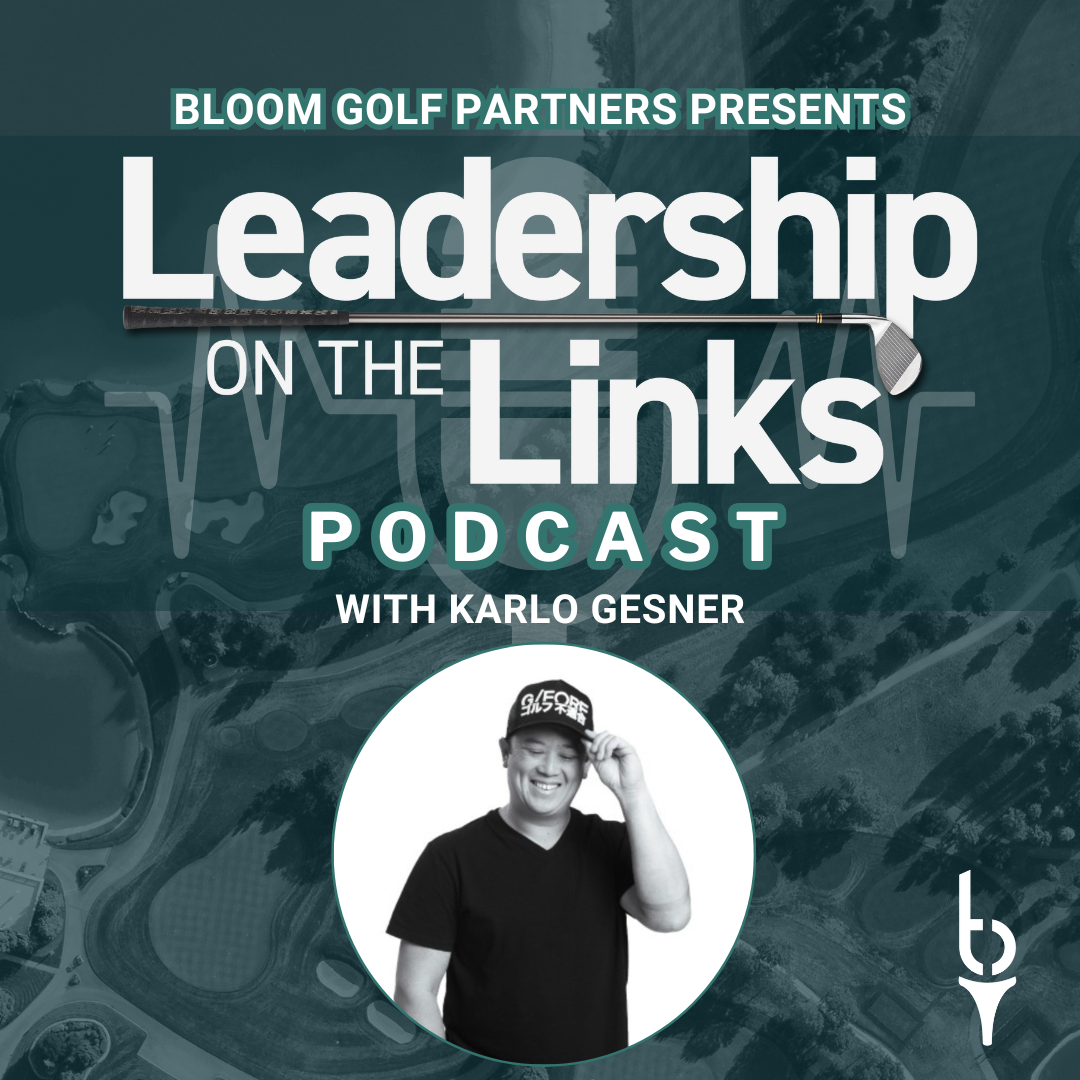
Summary Book a Free Talent Strategy Call Most clubs are trying to sell a premium experience with bargain-bin visuals and then they're shocked when membership leads stall and candidate pools stay shallow. In this episode, Tyler Bloom sits down with photographer/videographer Karlo Gesner (Golf Club Visuals) to unpack what great club imagery actually does, what most clubs miss, and why "digital first impression" is now a real business and recruiting lever especially when you're competing for talent who doesn't know your property, culture, or team. What You'll learn Why dated photos + dated websites quietly kill conversion (memberships, events, and hiring) The difference between "content" and story and why the story often reveals itself on-site What Karlo learned filming the 2024 U.S. Women's Open at Lancaster CC and why the grounds crew became the centerpiece A practical approach to building a 3–6 month visual content library (not random one-offs) What clubs should prioritize first: course, amenities, staff, leadership portraits, food, aerials The #1 mistake planners make when hiring photographers/videographers (over-controlling the outcome) The non-negotiable on drones: Part 107 licensing + risk (and why "my buddy has a drone" is a liability) A behind-the-scenes look at Bloom Golf Partners' team shoot in Hershey and what strong culture looks like on camera Links Karlo Gesner: https://www.karlogesner.com/ Follow Karlo on Instagram: https://www.instagram.com/golfclubvisuals/ Book a Free Talent Strategy Call
Dec 11
*]:pointer-events-auto scroll-mt-[calc(var(--header-height)+min(200px,max(70px,20svh)))]" dir="auto" tabindex="-1" data-turn-id= "f38e1543-ebb8-4b3d-afbd-34cc58ed1238" data-testid= "conversation-turn-4" data-scroll-anchor="true" data-turn= "assistant"> Summary Book a Free Talent Strategy Call In this episode of Leadership on the Links , Tyler sits down with David Hardesty of Capillary Flow to unpack two big themes shaping the turf side of the golf industry: non-traditional career paths and technology that actually makes superintendents' lives easier. David walks through his journey from turf school and construction projects with Jack Nicklaus and Big Cedar, to his current role helping clubs rethink bunkers, water management, and labor through Capillary's solutions. Along the way, he and Tyler dig into how roles are evolving, what it really takes to transition out of a traditional superintendent track, and how Bloom Golf Partners recently partnered with Capillary to build and fill a brand-new "Field Technology & Quality Manager" position. Whether you're a superintendent, assistant, vendor, or club leader, this conversation is a real-world look at where the industry is headed and how to position yourself and your team to keep up. What You'll Learn How David navigated a non-linear career path from superintendent to a technology- and construction-focused role with Capillary Flow. Why you shouldn't box yourself into one "traditional" turf role and what to consider when exploring alternative paths. What Capillary Flow actually does beyond bunker liners, and how hydroponic and water management solutions are changing expectations on the ground. How independent data and university research are helping validate water savings and drive smarter adoption of new technology. How Bloom Golf Partners helped Capillary design and recruit for a brand-new Field Technology & Quality Manager role from scratch. Why clarity in role design (especially around second assistants and emerging positions) is critical for recruiting, retention, and long-term team performance. Practical advice on authenticity in interviews and leadership why being yourself is an advantage, not a liability, in today's market. Links Connect with David on LinkedIn: https://www.linkedin.com/in/david-hardesty-93469861 Learn more about Capillary Flow: https://www.capillaryflow.com/
Dec 4
Summary Book a Free Talent Strategy Call In this episode, Tyler sits down with Ryan Karapas of QualiPro to unpack the launch of QP2U, a new virtual education platform designed to democratize access to high-level agronomic, leadership, and industry-wide insights. From the tournament-tested culture at Oakmont to the evolving expectations of today's assistants and superintendents, Tyler and Ryan explore why mentorship, exposure, and real-world learning are becoming non-negotiables for the next generation of turf leaders. They discuss the origins of QP2U, the industry challenges that inspired it, and why QualiPro is investing heavily in education as a brand pillar. This episode provides a transparent look at how the role of the superintendent is changing and what future leaders must do to stay ahead. If you're a superintendent, assistant, GM, or club leader who cares about talent development and elevating operational standards, this conversation sets the tone for where our industry is heading. What You'll Learn Why QP2U was created and why access, mentorship, and exposure are the missing links in superintendent development today. Hear the story behind QualiPro's shift from traditional marketing to a true investment in the next generation of turf leaders. Key takeaways from the 2025 season including turf loss, pressure points, and the "you don't know what you don't know" problem. Ryan shares what he heard from superintendents, assistants, and reps across the country — and why the industry needs more intentional education. The culture and operational excellence behind Oakmont's U.S. Open preparation. A behind-the-scenes reflection on leadership, clarity, and the power of intentional team culture at one of the most iconic clubs in golf. How today's superintendent role is evolving and why technical skills alone are no longer enough. Construction planning. Member relations. Cross-functional communication. Trend forecasting. Leadership. The job is changing, fast. A preview of the QP2U education lineup including topics and speakers shaping the future of the industry. From renovation and construction insights with top architects… to GM perspectives… to research roundtables with leading PhDs… the sessions are built for real-world application. Why QualiPro is choosing partnership over promotion. Ryan outlines the company's commitment to being more than a product provider — but a true industry partner focused on elevating the profession. ______________________________________________________________________________________________________ Links QualiPro: https://www.controlsolutionsinc.com/quali-pro Register for QP2U: https://info.controlsolutionsinc.com/registration-qp2u-dec25 Connect with Ryan on LinkedIn: https://www.linkedin.com/in/ryan-karapas-94b507132/
Nov 26
Summary: Book a Free Talent Strategy Call In this episode, Tyler Bloom sits down with Ryan Bain, one of the very first NYSTA Greenskeeper apprentices, and Sue VanAmburgh from the New York State Turfgrass Association to unpack how the apprenticeship program is reshaping career pathways in golf course maintenance. They walk through Ryan's non-traditional journey from business/marketing graduate and landscaper to assistant and emerging leader in turf, and how an "open-minded" superintendent at Noyac Golf Club took a chance on potential over pedigree. Sue then pulls back the curtain on what it really takes to administer a statewide apprenticeship: communication with employers and SUNY Delhi, onboarding expectations, time management, and what happens when apprentices fall behind… or move on. Together, they tackle the questions superintendents and club leaders quietly worry about: Who is actually a good fit for an apprenticeship? What kind of employer environment is necessary? What if it doesn't work out? Along the way, you'll hear how the program balances classroom learning with on-course reps and how networking, peer support, and vendor participation can turn apprenticeship into a true workforce-development engine for the industry. What You'll Learn: Non-traditional backgrounds can be high-ceiling hires. Ryan had limited turf experience but a formal business degree, landscaping background, and clear drive - exactly the kind of profile most clubs overlook but this program is built to serve. Apprenticeship is a partnership, not a recruitment gimmick. NYSTA and SUNY Delhi emphasize that employers should identify someone already on their team they want to grow, then wrap structure, education, and support around that person. Structure + communication make the program work. Clear expectations (3–5 hours of coursework per week, a dedicated apprenticeship director, check-ins between employers, SUNY Delhi, and apprentices) keep the workload manageable and progress on track. It's not for everyone - on both sides. Apprentices need motivation, self-awareness, and a long-term growth mindset. Employers need the bandwidth and desire to mentor, not just get another set of hands on a mower. The hidden ROI is networking and leadership development. Cohort connections, in-person labs at SUNY Delhi, and peer group texts help apprentices feel less isolated — and give emerging leaders like Ryan a platform to coach the next class. Links: Learn More about the NYSTA Apprenticeship Program: https://nystaapprenticeship.com/
Nov 20
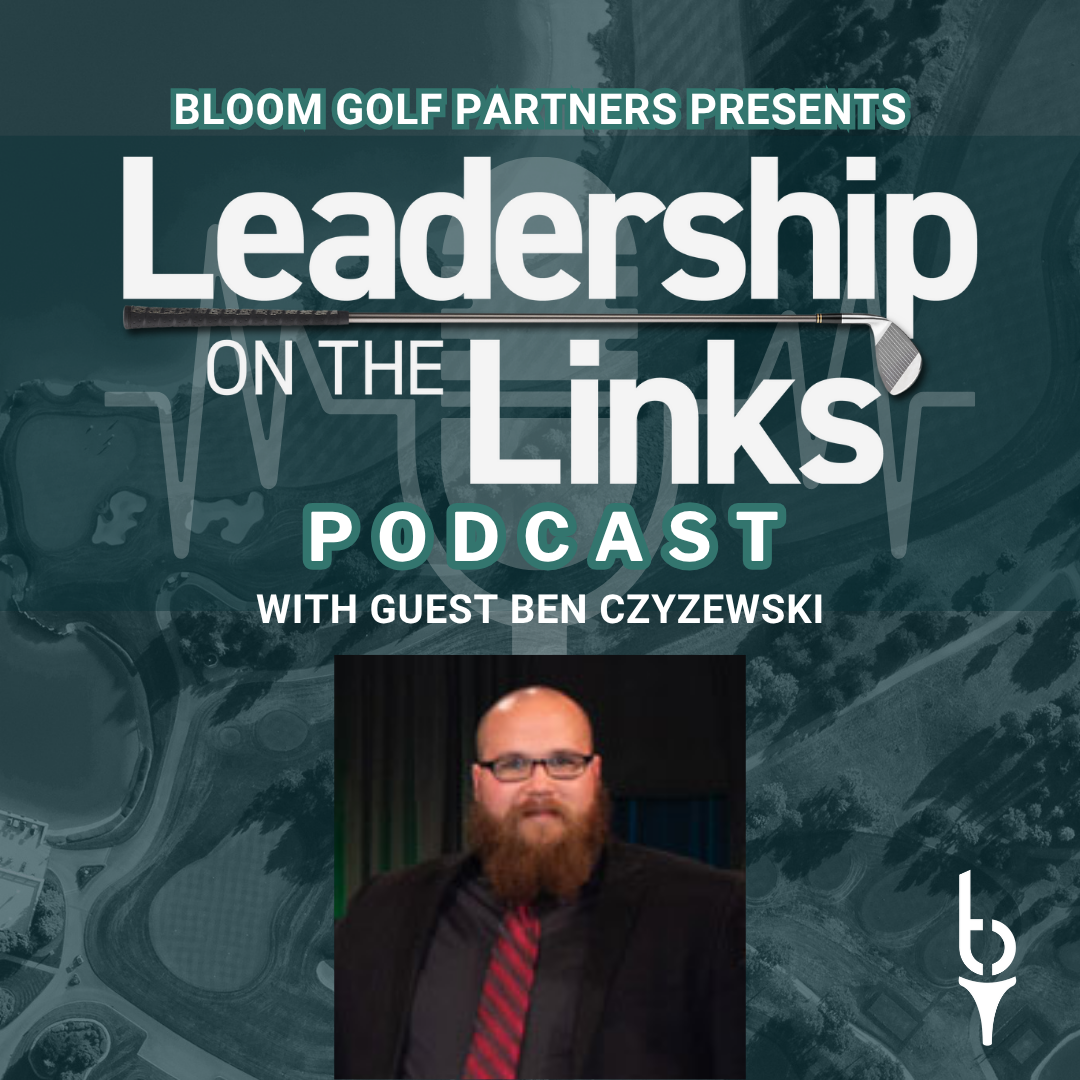
Summary: Book a Free Talent Strategy Call In this episode, Tyler is joined by Ben Czyzewski, who has been foundational in building the related instruction component of the New York State Greenskeeper Apprenticeship Program in partnership with SUNY Delhi and the New York State Department of Labor. Ben walks through his own journey from internships across the Northeast and time at Pine Valley, to a master's degree at Penn State and ultimately returning to SUNY Delhi as faculty. If you're trying to build a stronger pipeline of assistants and future leaders and you've got team members who are curious, engaged, and ready for more - this episode will help you see what's possible when education meets real-world work. What You'll Learn: How the two-year program combines full-time employment with 19 college credits What apprentices actually study: plant science, turf fundamentals, pests and pesticide applications, irrigation, first aid/CPR, and more How the January hands-on lab week in Delhi gives apprentices access to sharpening, grinding, and technical training they may never see on the job Why the program is tuition-free for employers and apprentices through state support How apprenticeships can act as a feeder into associate and bachelor's degrees, not a competitor Where Ben sees opportunities for equipment companies and industry partners to plug into the training Links: Learn More about the NYSTA Apprenticeship Program: https://nystaapprenticeship.com/
Nov 13
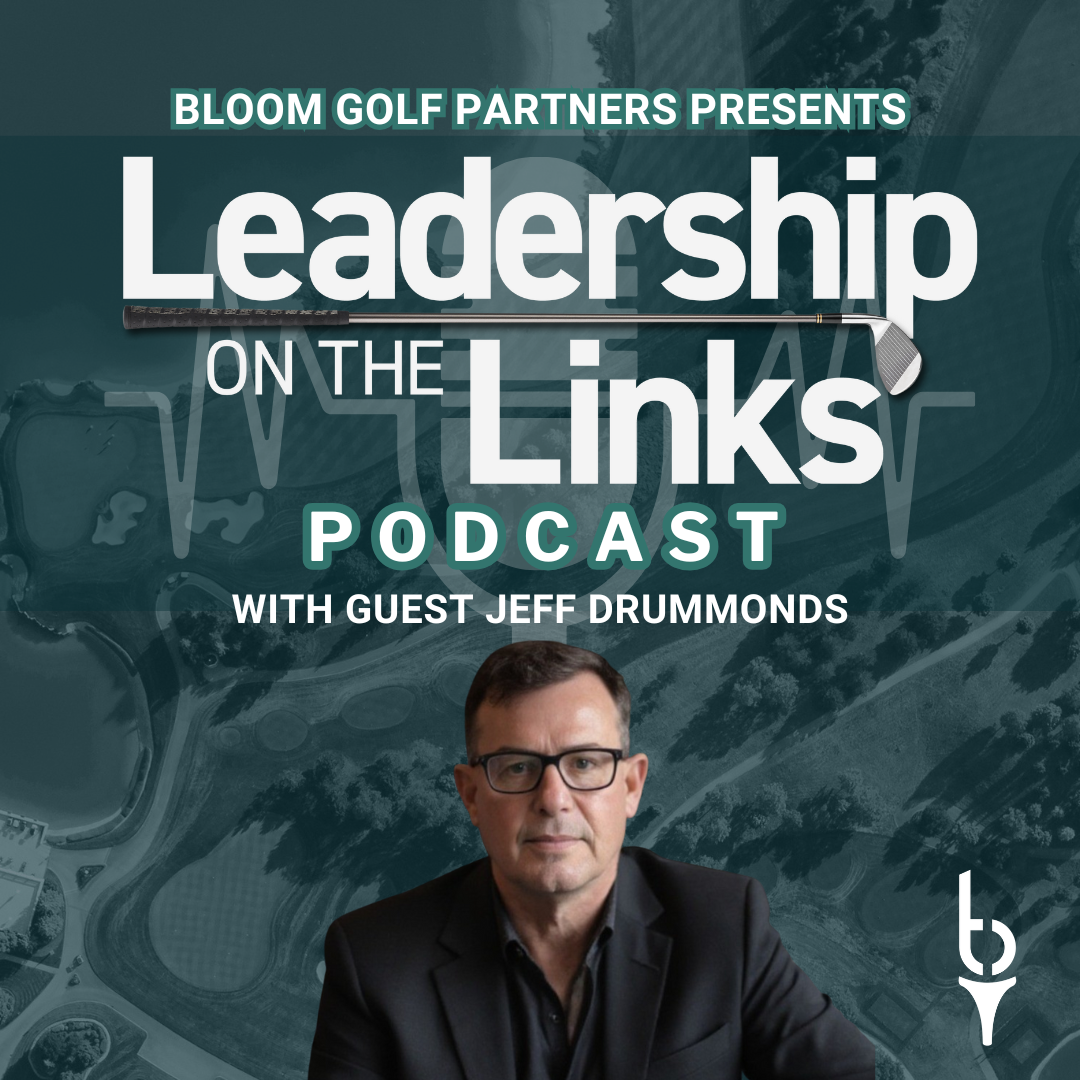
Care, Help, Trust: The New Leadership Playbook with Jeff Drummonds Summary: Book a Free Talent Strategy Call Former Marine and veteran executive coach Jeff Drummonds joins Tyler to unpack how leadership has shifted from intimidation and control to influence and emotional intelligence. Jeff shares his "big three" questions teams are silently asking—Do you care about me? Can you help me? Can I trust you?—and why answering them earns the right to lead. We dig into the EQ-i 2.0 model, why many high performers struggle after promotion, the hard ROI of EQ (turnover, conflict, productivity), and practical ways private clubs can upskill managers in a changing workforce. What You'll Learn Modern leadership is influence, not intimidation—especially with Millennial & Gen Z teams. Employees are screening leaders with three questions: care, capability to help, and trust. Many leaders were promoted for technical excellence, not prepared to lead people. EQ is trainable (unlike IQ). The EQ-i 2.0 framework maps strengths & gaps across 5 scales/15 subscales. EQ lowers turnover and conflict and improves productivity—there's clear business ROI. Clear expectations + respect for time off + fair give-back (pay or time) beats "sunup to sundown." Communication clarity is the single highest-leverage leadership skill. Links: Learn more about Jeff: drummondsleadership.com Connect with Jeff on LinkedIn: https://www.linkedin.com/in/jeff-drummonds/ Explore BGP Leadership Development for Clubs: bloomgolfpartners.com
Nov 6
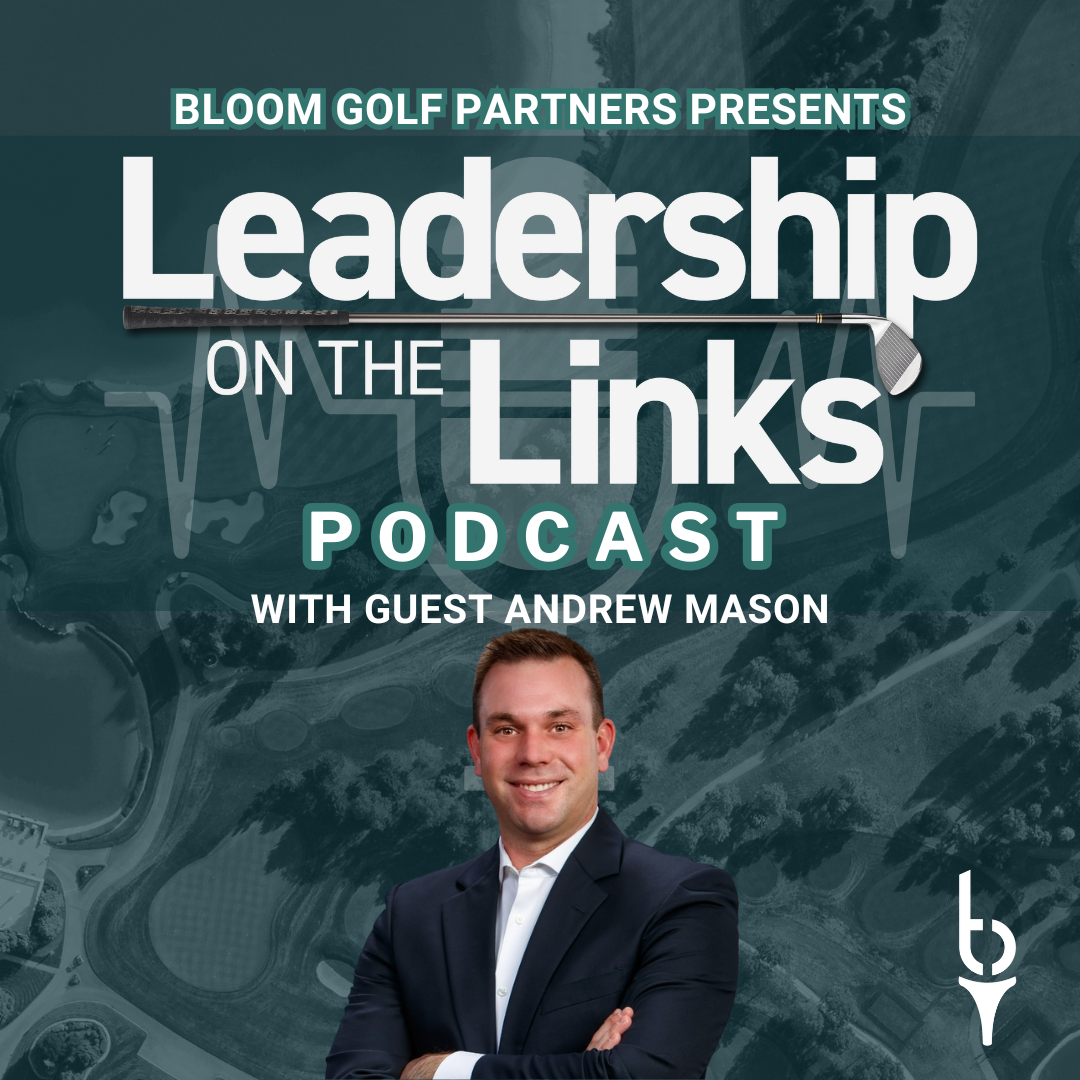
Summary Book a Free Talent Strategy Call Former elite amateur Andrew Mason joins Tyler to tell the origin story of the Super-Scratch Foundation : what began as a superintendent-am event at Huntington Valley has become a national scholarship engine for turf students. Andrew shares how the team grew from giving $1,500 in year one to more than $160,000 this year, why club engagement is the unlock, how funds are awarded, and what's next: regional qualifiers, national championship, and a vision to support almost every turf student in the country. If you're a superintendent, club leader, or industry partner wondering "How do we help?", this is your playbook. What You'll Learn The simple insight that sparked Super-Scratch—and why "super-am" events resonate How scholarships scaled from $1.5K to $160K+ in six years (and ~$400K annual revenue) The funding mix: industry sponsors vs. growing club/member donations How schools and sponsors help select recipients (need + merit + intent to stay in turf) Why member education and superintendent communication are competitive advantages The career arc no one talks about: superintendent → entrepreneur/executive How any club can participate: per-member dues, cart-fee add-ons, foundations, events Links Super-Scratch Foundation: http://superscratchfoundation.org/ Connect with Andrew on LinkedIn: https://www.linkedin.com/in/andrew-mason--/ Bloom Golf Partners Research: https://bloomgolfpartners.com/research
Oct 23
Summary Book a Free Talent Strategy Call Kristen, Executive Director of the Philadelphia Association of Golf Course Superintendents (PAGCS), joins Tyler Bloom to unpack why many women never consider golf careers, and how to change that. They dig into real barriers (limited exposure, unclear career paths, confidence gaps) and the practical fixes clubs can deploy now: First Green and school partnerships, transparent roles/pay, parental-leave and flexibility that signal belonging, and putting more women in board and management seats. Kristen shares a standout story of a new female assistant superintendent stepping into leadership and winning over the crew, plus how associations amplify progress through advocacy like Pennsylvania National Golf Day. A candid, actionable playbook for boards, GMs, and supers who want women's leadership to be the norm, not the exception. What You'll Learn Access precedes interest: If women never see the workplace, they won't picture themselves in it. Information builds confidence: Spell out roles, pay, pathways, and training. Policies signal belonging: Parental leave, flexibility, and clear job security invite women to stay and lead. Representation matters: Women on boards/management widens the hiring aperture. Tell the stories: Normalize women's leadership by celebrating real examples. Associations = force multipliers: Advocacy days, school inroads, and visible coalitions expand the tent. Culture beats heroics: Team mentality and ego-checks outperform "lone-wolf" leadership. Links Philadelphia Association of Golf Course Superintendents (PAGCS): https://pagcs.org/ First Green Program: http://www.thefirstgreen.org/ Bloom Golf Partners: Workforce & Leadership Resources