20h ago
Plant Melatonin: Supercharge Roots and Stress Tolerance in Hydroponics
Dr. Russell Sharp explains how melatonin — a molecule known for human sleep and stress regulation — is produced by plants and acts as a powerful antioxidant and growth regulator. In hydroponics it can enhance root growth, improve stress tolerance under high light or unstable conditions, delay leaf senescence, and support photosynthesis and secondary metabolite production. Applied as a foliar spray, seed priming, or added to nutrient solutions at micromolar concentrations, melatonin is water-soluble and allows precise dosing in soilless systems. Research shows benefits in crops like tomato and lettuce, with increased root-to-shoot ratios and higher antioxidant levels under stress. https://eutrema.co.uk/shop/fertiliser/liquid-gold-unique-complete-fertiliser/ Russel Reiter — University of Texas Health Science Center Dun-Xian Tan — University of Texas Health Science Center Rakesh K. Singh — Banaras Hindu University Nasser Al-Aghbar — King Abdulaziz University Rajeev K. Varshney — International Crops Research Institute for the Semi-Arid Tropics (ICRISAT) Chao Zhao — Nanjing Agricultural University Wei Wei — Zhejiang University Dun-Xian Tan — University of Texas Health Science Center Russel J. Reiter — University of Texas Health Science Center Sergiu F. Chivu — University of Bucharest Guang-Yu Chen — Zhejiang University Xing-Guo Lu — South China Botanical Garden, Chinese Academy of Sciences Shuang-Qing Peng — South China Agricultural University Dun-Xian Tan — University of Texas Health Science Center Russel Reiter — University of Texas Health Science Center Wei Meng — Zhejiang University Natalia Reiter — University of Texas Health Science Center Chunhua Zhao — Nanjing Agricultural University Javier Martinez — University of Granada Ana Cano — University of Granada Russel J. Reiter — University of Texas Health Science Center Dun-Xian Tan — University of Texas Health Science Center Debabrata Chattopadhyay — Bose Institute Fanyue Meng — Zhejiang University Chao Zhao — Nanjing Agricultural University Bin Xu — Nanjing Agricultural University Wei Wei — Zhejiang University Maria Reiter — University of Texas Health Science Center Sergey Kvetnoy — Russian Academy of Sciences Jian-Kang Zhu — University of California, Riverside Chunhua Zhao — Nanjing Agricultural University Xiaohong Zhu — South China Botanical Garden Dun-Xian Tan — University of Texas Health Science Center Russel Reiter — University of Texas Health Science Center Iwona Zielenkiewicz — Polish Academy of Sciences Yali Zhang — Zhejiang University Fang Fang — Nanjing Agricultural University Xinyue Wang — South China Botanical Garden Sonia Reiter — University of Texas Health Science Center Gonzalo Reiter — University of Texas Health Science Center Javier Martinez — University of Granada Ana Cano — University of Granada Dun-Xian Tan — University of Texas Health Science Center Russel Reiter — University of Texas Health Science Center Yi Li — Zhejiang University Chunhua Zhao — Nanjing Agricultural University Wei Wei — Zhejiang University Dun-Xian Tan — University of Texas Health Science Center Russel J. Reiter — University of Texas Health Science Center Rajeev K. Varshney — ICRISAT Rafael Guerrero — University of Granada Juan Pablo Martínez — University of Granada Natalia Reiter — University of Texas Health Science Center Chunhua Zhao — Nanjing Agricultural University Wei Wei — Zhejiang University Dun-Xian Tan — University of Texas Health Science Center Russel Reiter — University of Texas Health Science Center Javier Martinez — University of Granada Ana Cano — University of Granada Chao Zhao — Nanjing Agricultural University Fang Fang — Nanjing Agricultural University Xinyue Wang — South China Botanical Garden Maria Reiter — University of Texas Health Science Center Sergey Kvetnoy — Russian Academy of Sciences Jian-Kang Zhu — University of California, Riverside Fanyue Meng — Zhejiang University Guang-Yu Chen — Zhejiang University Shuang-Qing Peng — South China Agricultural University Debabrata Chattopadhyay — Bose Institute Iwona Zielenkiewicz — Polish Academy of Sciences Yali Zhang — Zhejiang University Xiaohong Zhu — South China Botanical Garden Fang Fang — Nanjing Agricultural University Yi Li — Zhejiang University Rafael Guerrero — University of Granada Juan Pablo Martínez — University of Granada Russel Reiter — University of Texas Health Science Center Dun-Xian Tan — University of Texas Health Science Center Javier Martinez — University of Granada Ana Cano — University of Granada Natalia Reiter — University of Texas Health Science Center Maria Reiter — University of Texas Health Science Center Chao Zhao — Nanjing Agricultural University Wei Wei — Zhejiang University Chunhua Zhao — Nanjing Agricultural University Guang-Yu Chen — Zhejiang University Fanyue Meng — Zhejiang University Sergey Kvetnoy — Russian Academy of Sciences Jian-Kang Zhu — University of California, Riverside Debabrata Chattopadhyay — Bose Institute Iwona Zielenkiewicz — Polish Academy of Sciences Fang Fang — Nanjing Agricultural University Xinyue Wang — South China Botanical Garden Yi Li — Zhejiang University Rafael Guerrero — University of Granada Juan Pablo Martínez — University of Granada Russel Reiter — University of Texas Health Science Center Dun-Xian Tan — University of Texas Health Science Center Javier Martinez — University of Granada Ana Cano — University of Granada

1d ago
Are Soilless Crops Artificially Flavoured? Hydroponics Myth Busted
Host Dr. Russell Sharp tackles a Twitter claim that hydroponic crops lack micronutrients and are artificially flavoured, explaining why those assertions are incorrect and how micronutrient levels can be measured (e.g., atomic absorption spectroscopy). He reviews research on manipulating flavor through nutrient levels, light, and biostimulants, notes the limited and mixed evidence, and concludes there is no solid proof of intentional artificial flavouring in hydroponic produce; soilless systems can match or even enhance some flavour-related compounds. https://eutrema.co.uk/shop/fertiliser/liquid-gold-unique-complete-fertiliser/ Gary Reineccius — University of Minnesota Andrew Taylor — University of Nottingham Russell Keast — Deakin University Charles Spence — University of Oxford Harrison Schmitt — Virginia Tech Morten Møller — University of Copenhagen John Hayes — Penn State University Qian Janice Wang — Aarhus University Marcia Pelchat — Monell Chemical Senses Center Barry Smith — University of London Linda Bartoshuk — University of Florida Paul Breslin — Monell Chemical Senses Center Danielle Reed — Monell Chemical Senses Center Barry Green — Monell Chemical Senses Center Thomas Hummel — Technical University of Dresden Alan Hirsch — Smell & Taste Treatment and Research Foundation Susan Schiffman — Duke University Molly Birnbaum — Freelance Food Writer Harold McGee — Freelance Food Writer Kantha Shelke — Corvus Blue Tim Hanni — Master of Wine Institute Geoffrey Talavera — Freelance Flavor Consultant Peter Schieberle — Technical University of Munich Thomas Hofmann — Technical University of Munich Corinna Dawid — Technical University of Munich Veronika Somoza — University of Vienna Morten Andersen — University of Copenhagen Christophe Lavalle — AgroParisTech Stéphane Guichard — INRAE Thierry Thomas-Danguin — INRAE Erich Leitner — Graz University of Technology Hans-Georg Schmarr — University of Hohenheim Elke Pawelzik — University of Göttingen Michael Witting — Helmholtz Zentrum München Ralf Zimmermann — University of Rostock Francesco Capozzi — University of Bologna Giovanni Capuano — University of Naples Federico II Maurizio Servili — University of Perugia Rosa Lo Scalzo — CREA Italy Paolo Masella — University of Parma Fidel Toldrá — Instituto de Agroquímica y Tecnología de Alimentos María Dolores del Castillo — Spanish National Research Council Dolores Coreta-Gomis — University of Valencia Juan Fernández-García — University of Granada Ana Bayarri — University of Valencia Marta Corredig — Aarhus University Marina Heinonen — University of Helsinki Anu Hopia — University of Turku Kees de Graaf — Wageningen University & Research Gerry Barker — University of Leeds Jean-Marie Lehn — Max Planck Institute for Polymer Research Wilfried Meyerhof — German Institute of Human Nutrition Maik Behrens — German Institute of Human Nutrition John Prescott — University of Otago Anna M. Di Monaco — University of Naples Federico II Catherine Barry — University College Dublin Aurelio Lopez-Malo — Universidad de las Américas Puebla Rosario Zamora — Institute of Advanced Chemistry of Catalonia Isabel Hernando — Polytechnic University of Valencia Dolores Torres — University of Zaragoza Jean-Pierre Cotter — International Organization of the Flavor Industry Robert Hall — Flavor and Extract Manufacturers Association Hervé This — AgroParisTech Arielle Johnson — Independent Flavor Researcher Dave Arnold — Museum of Food and Drink Ali Bouzari — Pilot R&D Peter Barham — University of Bristol François Chartier — INRAE Gérard Trystram — AgroParisTech
2d ago
UK Energy Shock: 94% Rise in Standing Charges Threatens Vertical Farms
Dr. Russell Sharp examines a warning from the UK Urban AgriTech group that a planned 94% increase in electricity network standing charges from April 2026 could dramatically raise operating costs for vertical farms and greenhouses, risking business failures, reduced domestic produce and higher food prices. The episode explains how horticulture is excluded from the energy-intensive industries exemption, compares UK energy costs with EU competitors, and outlines how razor-thin margins make indoor growers particularly vulnerable; calling for urgent policy review and industry engagement. https://eutrema.co.uk/shop/fertiliser/liquid-gold-unique-complete-fertiliser/ Leo Marcelis — Wageningen University & Research Erik Runkle — Michigan State University Neil Mattson — Cornell University Bruce Bugbee — Utah State University Roberto Lopez — Michigan State University Chieri Kubota — Ohio State University Youbin Zheng — University of Guelph Toyoki Kozai — Chiba University Genhua Niu — Texas A&M AgriLife Research A.J. Both — Rutgers University Peter van Weel — Wageningen University & Research Eugene Jones — University of Arizona Cary Mitchell — Purdue University Klaus Stanghellini — Wageningen University & Research Bert van Ruijven — Wageningen University & Research Frank Kempkes — Wageningen University & Research Ep Heuvelink — Wageningen University & Research Silvia Pampuri — Wageningen University & Research Simon Pearson — University of Lincoln David Llewellyn — Harper Adams University Paul Hadley — University of Reading Jeremy Burdon — Harper Adams University Mark Else — Cranfield University Graham Wallace — James Hutton Institute James Locke — USDA Agricultural Research Service Dewayne Ingram — University of Kentucky Michelle Jones — Ohio State University Kevin Folta — University of Florida Michele Montero — University of Almería Juan Fernández — University of Almería Kees van der Velden — Wageningen University & Research Artemis Koukounaras — Aristotle University of Thessaloniki Giacomo Tosti — University of Bologna Rita Maggini — University of Pisa Paolo Sambo — University of Padua Lorenzo Pardossi — University of Pisa Alessandro Ferrante — University of Milan Gabriele Costa — University of Bologna Luigi De Bellis — University of Salento Francesco Orsini — University of Bologna Michael Struik — Wageningen University & Research Andrew Neilson — University of Nottingham Zhenhua He — University of Florida Haijun Liu — Zhejiang University Yuanhui Zhang — University of Illinois Qingwu Guan — Chinese Academy of Agricultural Sciences Xiuming Hao — Agriculture and Agri-Food Canada Bob Hansen — Agriculture and Agri-Food Canada Xiaohong Yang — Nanjing Agricultural University Jianjun Chen — University of Florida Pramod Pandey — University of Illinois Arun Kumar — Indian Agricultural Research Institute Sanjay Kumar — Indian Institute of Horticultural Research Rajesh Kumar — Punjab Agricultural University Hiroshi Shimizu — Kyoto University Masaharu Kitano — Kyushu University Yasushi Ishigami — University of Tokyo Toshihiko Kozai — Chiba University Keisuke Omasa — University of Tokyo Hirokazu Takahashi — Tohoku University
3d ago
Carnivorous Plants & Bonsai - a potential hack for using Coco Grow Media
In this episode we examine why carnivorous plants and bonsai often struggle in coco grow media — coco (coir) can contain high sodium and is frequently buffered with calcium nitrate, resulting in elevated calcium and nitrogen compared with peat. The host suggests a fix: use raw high-sodium coco and flush it with Liquid Gypsum (calcium sulfate) to remove sodium without adding nitrogen, creating a peat-free grow medium suited to carnivorous plants and bonsai and a potential niche business idea. https://eutrema.co.uk/shop/soil-conditioners/liquid-gypsum/ Ryan Neil — Bonsai Mirai Bjorn Bjorholm — Eisei-en Bonsai Michael Hagedorn — Crataegus Bonsai Peter Chan — Herons Bonsai Walter Pall — Freelance Bonsai Artist Mauro Stemberger — Italian Bonsai Academy Kimura Masahiko — Kinbon Bonsai Garden Takeyama Takashi — Fujikawa Kouka-en Shinji Suzuki — Kaizen Bonsai Boon Manakitivipart — Bonsai Boon Jonas Dupuich — Bonsai Tonight Sergio Cuan — Bonsai Empire Colin Lewis — Freelance Bonsai Artist Kevin Willson — Bonsai Willson David Easterbrook — Freelance Bonsai Artist Graham Potter — Freelance Bonsai Artist Mauro Di Lorenzo — Bonsai Studio Italiano Eric Schrader — Bonsaify Andy Smith — Golden Arrow Bonsai Tony Tickle — Yardley Bonsai Jim Doyle — Bonsai Garden at Lake Merritt Kathy Shaner — Bonsai Garden at Lake Merritt Kathy and Jim Doyle — Bonsai Garden at Lake Merritt Bill Valavanis — International Bonsai Arboretum Frank Mihalic — Bonsai Artist Nick Lenz — Freelance Bonsai Artist Dan Robinson — Elandan Gardens David Benavente — Bonsai Kai Pedro Morales — Bonsai Sur Salvatore Liporace — UBI Bonsai Jan Schlauer — Carnivorous Plant Society Europe Barry Rice — Carnivorous Plant Society Stewart McPherson — Redfern Natural History Andreas Fleischmann — Botanische Staatssammlung München Charles Clarke — Monash University Fernando Rivadavia — Universidade Estadual de Campinas Robert Cantley — Borneo Exotics Alastair Robinson — Royal Botanic Gardens Victoria Andreas Wistuba — Wistuba Carnivorous Plants Lubomír Adamec — Institute of Botany, Czech Academy of Sciences Peter D’Amato — California Carnivores Barry Meyers-Rice — International Carnivorous Plant Society Richard Nunn — Freelance Carnivorous Plant Grower Ivan Snyder — Freelance Carnivorous Plant Grower Thomas Carow — Green Jaws Marcel van den Broek — Carnivorous Plant Nursery Christian Klein — Kleins Carnivorous Plants Marcel van den Berg — Dutch Carnivorous Plant Society Brian Barnes — California Carnivores Tamlin Magee — Meadowview Biological Research Station Aaron Ellison — Harvard University Paulo Gonella — Universidade de São Paulo Kai Müller — University of Würzburg François Mey — Société Botanique de France Nicolas Riddick — Freelance Carnivorous Plant Grower Adam Karremans — Lankester Botanical Garden Kamil Pásek — Best Carnivorous Plants Christian Dietz — Freelance Carnivorous Plant Researcher Adrian Slack — Carnivorous Plant Author Paul McMillan — Freelance Carnivorous Plant Researcher Tony Tickle — Bonsai Artist Koji Hiramatsu — Shunkaen Bonsai Museum Kunio Kobayashi — Shunkaen Bonsai Museum Masahiko Kimura — Kinbon Bonsai Garden Naoki Maeoka — Japanese Bonsai Artist Taiga Urushibata — Japanese Bonsai Artist Ryuji Suzuki — Japanese Bonsai Artist David De Groot — Bonsai De Groot Andrew Robson — Rakuyo Bonsai Leo Eshkenazi — Freelance Bonsai Artist Jason Chan — Eastern Leaf Kevin Wilson — Bonsai Willson Mark Fields — Evergreen Gardenworks Brent Walston — Evergreen Gardenworks Michael Tran — Muranaka Bonsai Nursery Roy Nagatoshi — Royal Bonsai Garden Mas Iida — Iida Bonsai Nursery Peter Tea — Freelance Bonsai Artist Tony Remington — Freelance Bonsai Artist Harry Harrington — Bonsai4Me Damon Collingsworth — California Carnivores Mike King — Carnivorous Plant Nursery Andreas Fleischmann — Munich Botanical Collection Stewart McPherson — Redfern Natural History Productions Matt Opel — International Carnivorous Plant Society Bob Ziemer — Meadowview Biological Research Station Ron Determann — Meadowview Biological Research Station Tom Luecking — Freelance Carnivorous Plant Grower Richard Myers — Carnivorous Plant Society UK Adrian Yeo — Singapore Botanic Gardens Ch’ng Khoon Meng — Singapore Botanic Gardens Paul Harwood — Carnivorous Plant Society UK Jan Schlauer — Botanical Researcher Barry Rice — ICPS Peter D’Amato — California Carnivores Ryan McEnaney — Chicago Botanic Garden Kevin Wilson — Bonsai Willson Jonas Dupuich — Bonsai Tonight Bjorn Bjorholm — Eisei-en Bonsai Stewart McPherson — Redfern Natural History
4d ago
Alternatives to Dosatrons: Which Fertigation Tool Wins?
In this episode Dr. Russell Sharp explains how dosatrons work and compares practical alternatives for run‑to‑waste hydroponic systems, including Venturi injectors, electric metering pumps, and simple fertigation tanks. He outlines the pros and cons of each option — cost, accuracy, power needs, maintenance, and scale — and covers considerations about recirculation, environmental impact, and regulatory risk. Ideal for growers choosing the right dosing method for medium to large greenhouse operations. https://eutrema.co.uk/shop/fertiliser/liquid-gold-unique-complete-fertiliser/ Jean-François Hannequart — Dosatron International Eric Roudaut — Dosatron International Philippe Martin — Dosatron International Pascal Lacroix — Dosatron International David Hull — Dosatron USA Bill Toler — Hydrofarm John Lindemann — Hydrofarm Terry Fitch — Hydrofarm Peter Wardenburg — Hydrofarm Gaby Miodownik — Netafim Ran Bar-Tal — Netafim Eliezer Zilberman — Netafim Poul Due Jensen — Grundfos Anne Grønbjerg — Grundfos Morten Bach Jensen — Grundfos Mikael Geday — Grundfos Bent Jensen — Grundfos Jeremy Brown — Iwaki America John Miersma — Iwaki America Andreas Kleimann — Iwaki Europe Marco Gandolfi — SEKO Davide Galli — SEKO Roberto Mantovani — SEKO Carlo Pizzocaro — SEKO Jim Lauria — Blue-White Industries Brian E. Cooney — Blue-White Industries Paul Van der Wal — Autogrow Systems Chris White — Autogrow Systems Shaun Whiteman — Autogrow Systems Scott Peters — Growlink Ted Tanner — Growlink Ryan Boyle — Growlink Ross Sherwood — Bluelab Darryn Keiller — Bluelab Colin Jennings — Bluelab John Kinsella — Hanna Instruments Oscar Llobet — Hanna Instruments Mark Johnson — Stenner Pump Company Kevin Perry — Stenner Pump Company Paul Riley — Walchem Kevin McDonnell — Walchem Dan Myers — Milton Roy (LMI) Thomas Pfitzner — Milton Roy Maurizio Bianchini — EMEC Marco Bernardini — EMEC Giorgio Bassi — Doseuro Stefano Bertolini — Doseuro Yossi Tal — Tefen Eyal Cohen — Tefen Hanu Pappu — Jain Irrigation Anil Jain — Jain Irrigation Naresh Patel — Jain Irrigation Harmen van der Meer — Priva Rick Van Der Zanden — Priva Erik Jansen — Priva Ben Nijland — Argus Controls Rick Mosher — Argus Controls Pat McIntyre — Argus Controls Don Janssen — AmHydro Gary Hickman — AmHydro Steven Bacon — CropKing Mark Doherty — CropKing Brian Young — General Hydroponics Ron Wold — General Hydroponics James Thompson — Netafim USA Steve Bradley — Netafim USA Mike McDonald — Dosatron USA Tom Ball — Dosatron USA Chris Higgins — Hort Americas Jeff Timmons — Hort Americas Scott Lowry — Current Culture H2O Derek Ruschmann — Current Culture H2O Mark Tracey — Nutriculture Graham Smith — Nutriculture Andrew Turnbull — HydroGarden Lee Stephenson — HydroGarden Nick Brook — Pure Hydroponics Oliver Edwards — Pure Hydroponics Matthew Hay — Autogrow Systems Ben Parsons — Autogrow Systems Chris Higgins — Lumigrow Ryan Donovan — LumiGrow James Eaves — Rivulis Itzhak Nir — Rivulis Moshe Ben-David — Rivulis Daniel Grant — Irritec Marco Sironi — Irritec Yaron Dagan — Bermad Rami Levi — Bermad Avi Peleg — Bermad Paul Shed — Nelson Irrigation Wade Jones — Nelson Irrigation Simon van der Walt — Greencube Pieter van der Merwe — Greencube Steve Mallory — Autogrow USA Mark DeKoster — GrowControl Daniel Stacey — GrowControl Jim Pantaleo — Xylem Patrick Decker — Xylem Kenji Sato — Takemura Electric Works
5d ago
How to Save Virus-Infected Varieties; Thermotherapy for Crops
Hello there, and welcome back to Hydroponics Daily, your go-to podcast for everything soilless cultivation. I am your host, Dr. Russell Sharp, the founder of Eutrema Limited, a company that makes truly unique fertilizers, biostimulants, and biopesticides that you won't find anywhere else. The technology is completely unique. And today, the topic of the podcast is what I would do if I was faced with a virus in my crop. Specifically a crop where you want to protect the genetic material and you can't just throw the plants away often when we say when you've got a virus the first thing you should do is just destroy all plant material but what if you've got a strain a variety a cultivar that only you've got or is protected or is endangered or you need it for a breeding program or something like that and you need to get rid of the virus what are you going to do you can't give plants tamiflu that technology is not available you can't just wait for their immune system to fight the virus off because they don't have immune systems and so there's only really one option that i'm aware of and that's heat treatment so you when you're planting out cuttings tubers bulbs or seeds immersing them in hot water for a defined period can help with virus control. So we're talking about temperatures of 45 to 55 degrees Celsius. So you wouldn't keep plants, not many plants would live at that sort of temperature, they would soon die off, especially unless the humidity was really, really high. But the duration of which you give this treatment is only like 10 to 60 minutes. So in crops that's regularly, perennial crops, herbaceous perennial crops where they regularly suffer from viruses like sugar cane, sweet potato, banana, even grape vines and some ornamentals, you can do this and with success and control viruses. And you're best obviously doing it with smaller plants because smaller the plants, the more effective the treatment will be because of just the temperature profiles and things like that. Now obviously there's a big challenge there it could be phytotoxic it could just kill your plants from the heat but with a bit of experimentation you could find what is the sweet spot for your particular plant and in fact if I was going to do this if I had a plant that I needed to control the viruses I would do it until the plant breaks so I would get maybe 100 cuttings from a virus infected plant and I'd treat 10 at. What did I say the temperature was, 45 degrees Celsius for 10 minutes, and then all the way up to 10 that would be treated at 55 degrees Celsius for 60 minutes. No idea what that is in Fahrenheit, apologies for American listeners, but it's pretty warm, it's sort of like steam room temperature. So I would do a range and find out at what point did the plants die, and just go slightly below that, and really really stress it, because you don't want any virus particles in that new plant because it will be a source of infection and you will not get a chance to do this twice really so obviously seeds is the easiest but very rarely you won't go on to do that it's after that tubers something dormant a bulb they're going to be much more resistant much more tolerant of those high temperatures whereas a cutting is probably going to be the most sensitive but i would do it until it breaks if you're prepared to lose a few cuttings you could do it on unrooted cuttings and rooted cuttings i'd probably start with rooted cuttings see if you could get away with it because, severely stressing a cutting that's not rooted and then trying to get it to root you know you're not you you're in for a bad case there because you really struggle because it's all the cells are going to be weak and stressed from that heat treatment so i do it on rooted cuttings, newly rooted cuttings, not too much growing media around them. Okay, so that would be my. My suggestion, what are the success rates? If you're doing it on seeds, the sort of typical virus elimination you can achieve is 60 to 90%. Whole plant cure rate, typically around 50%. So you may need to screen the plants and quarantine and destroy any plants that are not completely successful. Micropropagation as well. There's often a technique that's used in micropropagation because you can, these plants are so much smaller than a normal cutting than a normal plant that you can quickly get them to the temperature and then back down again quickly whereas a a large corm or bulb or tuber you could think you can get in the center of that tuber to 50 degrees celsius means much longer and the outside temperature will have to be a lot warmer so so yeah that's probably going to be lower success rate there what else can we say this is sort of the term is thermotherapy by the way so what else can we say about it you can do it on whole plants large plants but you would probably need a grow room dedicated to it with a sort of a temperature of high 30s probably early 40s for two to six weeks that's a lot of heat if you're not in a tropical or arid area but you've got fruit trees large fruit trees ornamentals that are just infected then it might be worth it for targeting systemic viruses and preserving the whole plant structure rather than going back down to cuttings and starting it all over again. The heat stress will reduce the vigour and survival of the plants. You'll probably get some scorching on the leaves and things like that. So if it's an ornamental plant, you might reduce that. The success rates for whole plant thermotherapy are lower. So 30 to 70% virus elimination. And just because the temperatures are lower, so the virus isn't exposed to such a high temperature. And maybe this is why, you know, when you get a virus, like a cold or a flu, your body heats up because viruses don't like high temperatures. But, you know, tropical plants still get viruses. So I'd imagine this is harder to do on tropical plants and easier to do on temperate plants, because tropical plants are going to be exposed to these high temperatures anyway, and the viruses will be adapted to them. It will depend on the virus and its genetics, because even though they're not alive, they have genetics, they have genes, whether that's RNA or DNA. So the virus biology will have an effect and the host tolerance the ability to withstand those high temperatures will be key and the precise treatment i would probably do a water bath would probably be the easiest way to do it with cuttings now a water bath you can set to a set temperature and and dunk them in what's that thing they use in kitchens is it a bain marie when they when they're cooking steaks very precise temperatures you could potentially use one of those as well and or Or if you fail in that, a pot on a stove or something in an oven, some water in an oven that could get the plants to 50 degrees Celsius uniformly. So you don't want to put them in dry heat in an oven because they're exposed to all sorts of temperatures there. Definitely don't just put them in an oven. Definitely use a water bath for cuttings and things like that. So that would be my top tip. Just sort of Google there. You can pick up a Bain-Marie for like 100, 140 pounds. So that's not a lot considering the value if you're going to go to these lengths then the value of these plants must be considerable if you're going to spend the time and effort to try and eliminate viruses from them and potentially you know with virus testing getting better and better and more what's the word i'm looking for accessible you could potentially have a nice little hydroponic. Business selling certified virus-free heat treated cuttings that could be one of the things if you if in your industry cuttings there's a there's a business is selling cuttings and you're looking for a unique selling point then potentially you could say our product our cuttings are all heat treated and checked and checked for viruses before they leave the nursery and that could be a really good small little venture little bootstrapped hydroponic company to get you going up and running, selling, cuttings, and propagation material. Anyway, that's been Hydroponics Daily for today. If you found it interesting, please do give us an Apple podcast review because it does help spread the word of hydroponics with the wider horticultural gardening community and scientific community. If you're not an Apple, just make sure you follow the podcast so you don't miss an episode. We've got about 14 episodes left of 2025. I've done an episode every day, at the very least check out www.Eutrema.co.uk for all your amazing. Fertilizers, biostimulants and biopesticides. None of our products control viruses because you can't control a virus. You have to either destroy your plants or heat treat them. You can use insecticides to prevent the spread of aphids, which transfer the viruses. We don't sell insecticides, we sell an insecticide or soap and that's about it. So yeah, that's been Hydroponics Daily for today. Thank you very much for listening and I'll see you again tomorrow. https://eutrema.co.uk/shop/fertiliser/liquid-gold-unique-complete-fertiliser/ Roger Hull — John Innes Centre David Baulcombe — University of Cambridge James Carrington — Donald Danforth Plant Science Center Andrew O. Jackson — University of California, Berkeley B. W. Falk — University of California, Davis Anne Simon — University of Maryland Herman Scholthof — Texas A&M University Siddarame Gowda — University of Florida Ralf Georg Dietzgen — University of Queensland Ioannis E. Tzanetakis — University of Arkansas Bryce Falk — University of California, Davis Karl Maramorosch — Rutgers University John Hammond — USDA Agricultural Research Service Robert A. Owens — USDA Agricultural Research Service Véronique Brault — INRAE Thierry Candresse — INRAE Stephane Blanc — INRAE Yiguo Hong — Zhejiang University Shou-Wei Ding — University of California, Riverside W. Allen Miller — Iowa State University Karen-Beth G. Scholthof — Texas A&M University Scott Adkins — USDA Agricultural Research Service Hanu R. Pappu — Washington State University Michael J. Adams — Rothamsted Research John Walsh — University of Warwick Peter Palukaitis — Seoul National University Said Ghabrial — University of Kentucky Rajagopalbabu Srinivasan — Texas A&M University Feng Qu — Ohio State University Michael M. Goodin — University of Kentucky Yongliang Zhang — Chinese Academy of Agricultural Sciences Xueping Zhou — Zhejiang University Shahid Siddique — University of Tennessee Ping Qian — Fujian Agriculture and Forestry University Shouhua Feng — Chinese Academy of Sciences Satyanarayana Tatineni — USDA Agricultural Research Service Aiming Wang — Agriculture and Agri-Food Canada Feng Li — University of South Dakota Jinling Huang — East China Normal University Byungwook Ahn — Seoul National University Chikara Masuta — Hokkaido University Nobumichi Saitoh — University of Tokyo Tetsuo Meshi — Kyoto University Kei Fujiwara — University of Tokyo Masayuki Ishikawa — National Institute of Agrobiological Sciences (Japan) Toru Fujiwara — University of Tokyo Sung-Hwan Yun — Seoul National University Kook-Hyung Kim — Seoul National University Yijun Zhou — Nanjing Agricultural University Jianping Chen — Chinese Academy of Agricultural Sciences Fengming Song — Zhejiang University Shou-Wei Ding — University of California, Riverside Jean-Michel Hily — INRAE Christophe Ritzenthaler — CNRS Hugues Vigne — University of Strasbourg José-Antonio Daròs — IBMCP-CSIC Ricardo Flores — IBMCP-CSIC Vicente Pallás — IBMCP-CSIC Pedro Moreno — IVIA Valencia María Teresa Gutiérrez — University of Granada Eugene S. Dennis — CSIRO Peter Waterhouse — Australian National University Mikhail Pooggin — Friedrich Miescher Institute Thomas Hohn — University of Basel Michael J. Oliver — USDA Agricultural Research Service Gary P. Munkvold — Iowa State University William O. Dawson — University of Florida James Schoelz — University of Missouri Claudio L. Bassett — USDA Agricultural Research Service Jorge A. Sánchez-Navarro — IBMCP-CSIC Rongxiang Fang — Chinese Academy of Sciences Yijun Qi — Tsinghua University
6d ago
Perennial Cereals: Are Kernza and Perennial Rice the Future of Food?
Dr. Russell Sharp explores the growing interest in perennial arable crops like Kernza, perennial rice and sorghum, explaining their environmental benefits, current commercial status, and the agronomic challenges they face. The episode also discusses breeding and gene-editing opportunities to improve yield and resilience, and considers how perennial grains might fit into hydroponic and niche high-value markets. https://eutrema.co.uk/ Maqsood Ali Wagan — Sindh Agriculture University Farhan Ali Wagan — Sindh Agriculture University Andrius Grigas — Lithuanian Research Centre for Agriculture and Forestry Dainius Steponavičius — Lithuanian Research Centre for Agriculture and Forestry Indrė Bručienė — Lithuanian Research Centre for Agriculture and Forestry Ričardas Krikštolaitis — Lithuanian Research Centre for Agriculture and Forestry Tomas Krilavičius — Lithuanian Research Centre for Agriculture and Forestry Aušra Steponavičienė — Lithuanian Research Centre for Agriculture and Forestry Dainius Savickas — Lithuanian Research Centre for Agriculture and Forestry Alejandro Perdomo López — Reaseheath College / University Centre Adrienn S. — Hungarian University of Agriculture and Life Sciences S. Upreti — ICAR–Indian Agricultural Research Institute Monica Dutta — Indian Institute of Information Technology Deepali Gupta — Indian Institute of Information Technology Sumegh Tharewal — Indian Institute of Information Technology Deepam Goyal — Indian Institute of Information Technology Jasminder Kaur Sandhu — Indian Institute of Information Technology Manjit Kaur — Indian Institute of Information Technology Ahmad Ali Alzubi — Prince Sattam bin Abdulaziz University Jazem Mutared Alanazi — Prince Sattam bin Abdulaziz University Sreehitha Padala — St. Francis College for Women Saniya Vaishnav — St. Francis College for Women Revathi Saravanan — St. Francis College for Women Basanti Chintapalli — St. Francis College for Women Sandeep Indurthi — Assam Agricultural University Ira Sarma — Assam Agricultural University Chereddy Maheswarareddy — Assam Agricultural University M. R. Islam — Bangladesh Agricultural University M. A. Rahman — Bangladesh Agricultural University S. K. Paul — Bangladesh Agricultural University A. K. Singh — ICAR–Indian Agricultural Research Institute R. K. Yadav — ICAR–Indian Agricultural Research Institute P. K. Singh — ICAR–Indian Agricultural Research Institute J. L. Minhas — ICAR–Central Soil Salinity Research Institute V. P. Singh — ICAR–Central Soil Salinity Research Institute H. R. Sharma — Punjab Agricultural University S. S. Dhillon — Punjab Agricultural University M. A. Al-Khatib — King Saud University A. A. Al-Harbi — King Saud University N. H. Batool — University of Agriculture Faisalabad M. A. Nawaz — University of Agriculture Faisalabad Y. S. Kim — Seoul National University J. H. Lee — Seoul National University T. Matsuo — University of Tokyo K. Yamamoto — University of Tokyo P. J. Botha — University of Pretoria M. J. van der Merwe — University of Pretoria R. N. Singh — Banaras Hindu University S. K. Verma — Banaras Hindu University Alice Withrow — Purdue University
Dec 16
Dosatron Secrets
Dr. Russell Sharp explains how Dosatrons (water-powered dosing pumps) mix concentrated fertilizer like Gold Leaf/Liquid Gold into fertigation systems, describing the piston-driven mechanism, proportional injection, and why it maintains a constant concentration despite flow changes. The episode covers practical setup tips for off-grid hydroponics — solenoids, drippers, solar pumps, and how a Dosatron enables accurate, electricity-free dosing, along with limitations (not for powders, pressure loss, very viscous or abrasive chemicals) and a brief mention of Venturi injectors. https://eutrema.co.uk/shop/fertiliser/liquid-gold-unique-complete-fertiliser/
Dec 15
Cut-and-Come-Again: Hydroponic Hype vs. Reality
Dr. Russell Sharp of Hydroponics Daily breaks down the truth behind "cut-and-come-again" vegetables and viral social media hacks, explaining which crops genuinely regrow and which claims are misleading. Learn which leafy herbs and greens can be harvested multiple times, why most bulky vegetables won’t produce a marketable second crop, and when starting fresh is a better option for consistent yields. https://eutrema.co.uk/shop/fertiliser/liquid-gold-unique-complete-fertiliser/ Holly Wolf - Wolf of the Wild Ivy Vernalis Farmer Belle curlygardens rock.gardener TheRoseGarden Becky Houzé Abby Hughes
Dec 14
Glycerin: Flower preservation suitable for hops and legal cannabis displays?
Dr. Russell Sharp explores advanced preservation methods for flower crops; from freeze-drying and glycerin sap replacement to citric acid treatments used for hops,cand how these techniques can create premium, display-ready products for shops, dispensaries, and e-commerce. This episode offers practical ideas for ornamentals and specialty growers looking to add high-value, long-lasting products to their lineup. https://eutrema.co.uk/shop/fertiliser/liquid-gold-unique-complete-fertiliser/ Ryan Hopkins — Yakima Chief Hops Karl VanEvanHoven — Yakima Chief Hops Bryan Pierce — Yakima Chief Hops Denis Gayte — Yakima Chief Hops Missy Raver — Yakima Chief Hops Cesar Silva — Yakima Chief Hops Aric Gamache — Yakima Chief Hops Dean Monshing — Yakima Chief Hops Salvador Benitez — Yakima Chief Hops Chuck St. Mary — Yakima Chief Hops Drew Gaskell — Yakima Chief Hops Jason Champoux — Yakima Chief Ranches Jason Perrault — Yakima Chief Ranches Tom Davis — John I. Haas Stephanie Conrad — John I. Haas Alex Barth — John I. Haas Stephan Barth — BarthHaas Alexander Barth — BarthHaas Oliver Bergner — BarthHaas Peter Hintermeier — BarthHaas Prof. Dr. Mirja Steinkamp — BarthHaas Dr. Philipp Ramin — BarthHaas Thomas Raiser — BarthHaas Nic Donald — BarthHaas X David Kerr — BarthHaas X Ian Clarke — BarthHaas X Kevin McCarry — BarthHaas X Enrico Prenni — BarthHaas X Sarah Goddard — BarthHaas X Maria Bailey — BarthHaas X Jim Solberg — Indie Hops Roger Worthington — Indie Hops Matt Sage — Indie Hops Gayle Goschie — Goschie Farms Glenn Goschie — Goschie Farms Gordie Goschie — Goschie Farms John Coleman — Coleman Agriculture Brandon Davidson — BC Hop Farms Ben Smith — B & D Hop Farms Dave Smith — B & D Hop Farms Blair Stewart — New Zealand Hops Glynn Rowell — New Zealand Hops Devin Biondi — New Zealand Hops Kerry Sutcliffe — New Zealand Hops Dr. Ron Beatson — New Zealand Hops Owen Johnston — Hop Products Australia Chris Price — Hop Products Australia Grace Irwin — Hop Products Australia Paul Corbett — Charles Faram Will Rogers — Charles Faram
Dec 13
Dates for your diary for 2026 in Hydroponics: Must-Attend Events
Dr. Russell Sharp outlines the key 2026 dates affecting hydroponic growers (equinoxes, longest day) and recommends major trade shows and conferences worldwide — from IPM Essen and Fruit Logistica to Greentech Amsterdam, Indoor AgCon and MJBizCon. He also highlights UK and crop-specific events, tips for timing indoor grows, and invites listeners to suggest other shows for an updated diary. Tue–Fri 27–30 Jan 2026 — IPM ESSEN (Essen, Germany) IPM ESSEN Wed–Thu 11–12 Feb 2026 — Indoor Ag-Con (Las Vegas, USA) Indoor Ag-Con+1 Tue–Thu 9–11 Jun 2026 — GreenTech Amsterdam (RAI Amsterdam) GreenTech Sat–Sun 8–9 Aug 2026 — UK Hydro Expo (Somerset) (tickets noted as available from 1 Jan 2026 on their site) Uk Hydro Expo+1 Wed–Thu 2–3 Sept 2026 — Four Oaks Trade Show (Cheshire, UK) fouroaks-tradeshow.com https://eutrema.co.uk/shop/fertiliser/liquid-gold-unique-complete-fertiliser/ Simona Bassu — Technical University of Munich Sebastian Eichelsbacher — Technical University of Munich Francesco Giunta — University of Sassari Rosella Motzo — University of Sassari Corinna Dawid — Technical University of Munich Martina Gastl — Technical University of Munich Michael Schloter — Helmholtz Zentrum München Katharina A. Scherf — Leibniz Institute for Food Systems Biology at the Technical University of Munich Stefan Hör — Technical University of Munich Yuri Pinheiro Alves De Souza — Helmholtz Zentrum München Stefanie Schulz — Helmholtz Zentrum München Timo D. Stark — Technical University of Munich Volker Mohler — Bavarian State Research Center for Agriculture (LfL) Senthold Asseng — Technical University of Munich Mahmoud A. Abdelhamid — Ain Shams University Sobhy M. Mahmoud — Ain Shams University Zeinab M. Hendy — Ain Shams University Mohamed K. Abou El-Nasr — Ain Shams University Zhao Zhang — China Agricultural University Monica Dutta — Chitkara University Deepali Gupta — Chitkara University Sapna Juneja — KIET Group of Institutions Saleh AlNadhari — King Saud University Samir Brahim Belhaouari — Hamad Bin Khalifa University Wenyi Liu — Hunan Agricultural University Zhihua Zhang — Changde Tobacco Company of Hunan Province Bin Zhang — Hunan University of Science and Engineering Yi Zhu — Changde Tobacco Company of Hunan Province Chongwen Zhu — Changde Tobacco Company of Hunan Province Chaoyong Chen — Changde Tobacco Company of Hunan Province Fangxu Zhang — Changde Tobacco Company of Hunan Province Feng Liu — Changde Tobacco Company of Hunan Province Jixiang Ai — Changde Tobacco Company of Hunan Province Wei Wang — Changde Tobacco Company of Hunan Province Wuyuan Kong — Changde Tobacco Company of Hunan Province Haoming Xiang — Changde Tobacco Company of Hunan Province Weifeng Wang — Changde Tobacco Company of Hunan Province Daoxin Gong — Hunan Agricultural University Delong Meng — Hunan University of Science and Engineering Li Zhu — Changde Tobacco Company of Hunan Province Taehyun Roh — Texas A&M University Laura Ashley Verzwyvelt — Houston Methodist Hospital Anisha Aggarwal — Texas A&M University Raj Satkunasivam — Houston Methodist Hospital Nishat Tasnim Hasan — Texas A&M University Nusrat Fahmida Trisha — Texas A&M University Charles Hall — Texas A&M University Ponkamon Ruploet — Kalasin University Kathanyoo Kaewhanam — Kalasin University Sayan Phansoomboon — Kalasin University Anan Piriyaphattarakit — Thailand Institute of Science and Technological Research Amina Haider — Universiti Malaya Muhammad Faisal — Universiti Malaya Laiq Hasan — Universiti Malaya Syed Danish Yousaf — COMSATS University Islamabad Ali Raza — COMSATS University Islamabad Muhammad M. Umer — COMSATS University Islamabad Smart Idumoro Samuel — Landmark University Oluwaseun Temitope Faloye — Federal University Oye-Ekiti Abiodun Afolabi Okunola — Landmark University Adeolu Adediran — Federal University Oye-Ekiti Viroon Kamchoom — King Mongkut’s Institute of Technology Ladkrabang Natdanai Sinsamutpadung — King Mongkut’s Institute of Technology Ladkrabang Polina Kuryntseva — Kazan (Volga Region) Federal University Nataliya Pronovich — Kazan (Volga Region) Federal University Gulnaz Galieva — Kazan (Volga Region) Federal University Polina Galitskaya — Kazan (Volga Region) Federal University Svetlana Selivanovskaya — Kazan (Volga Region) Federal University Alessandro Esposito — University of Palermo Alessandra Moncada — University of Palermo Filippo Vetrano — University of Palermo Eristanna Palazzolo — University of Palermo Caterina Lucia — University of Palermo Alessandro Miceli — University of Palermo Zoe Karachaliou — University of Thessaly Ioannis Naounoulis — University of Thessaly Nikolaos Katsoulas — University of Thessaly Efi Levizou — University of Thessaly Manlio Fabio Aranda Barrera — Universidad Panamericana Hiram Ponce — Universidad Panamericana Mino Sportelli — ISTI-CNR Davide La Rosa — ISTI-CNR Antonino Crivello — ISTI-CNR Dunia Pineda-Medina — ISTI-CNR Manlio Bacco — ISTI-CNR Paolo Barsocchi — ISTI-CNR Kateryna Vasylkovska — Central Ukrainian National Technical University Mykola Kovalov — Central Ukrainian National Technical University Oleksii Vasylkovskyi — Central Ukrainian National Technical University Daria Michailova — Kropyvnytskyi Agrarian Professional College Angélica Nohemí Cardona Rodríguez — Universidad Autónoma de Zacatecas Carlos Alberto Olvera-Olvera — Universidad Autónoma de Zacatecas Santiago Villagrana-Barraza — Universidad Autónoma de Zacatecas Ma. Auxiliadora Araiza-Ezquivel — Universidad Autónoma de Zacatecas Diana I. Ortíz-Esquivel — Universidad Autónoma de Zacatecas Luis Octavio Solís-Sánchez — Universidad Autónoma de Zacatecas Germán Díaz-Flórez — Universidad Autónoma de Zacatecas Jeongwook Heo — Rural Development Administration (National Institute of Agricultural Sciences) Jeonghyun Baek — Rural Development Administration (National Institute of Agricultural Sciences) Zarin Subah — University of Idaho Boise
Dec 12
The Hydrogen Peroxide Clash Rocking European Hydroponics
Dr. Russell Sharp discusses the struggle of the UK and European hydroponic sector, focusing on recent enforcement in the Netherlands over continuous in-line dosing of hydrogen peroxide. He explains why regulators flagged the practice, the science behind peroxide breakdown, and his frustration with overly rigid enforcement. Russell also offers practical advice: avoid continuous peroxide dosing to protect roots and yields, keep systems clean, and use peroxide sparingly. He reflects on the wider impact of regulation on innovation and shares how his company adapts to EU rules. https://eutrema.co.uk/shop/fertiliser/liquid-gold-unique-complete-fertiliser/ Matthew Appleby — Horticulture Week Sally Drury — Horticulture Week Gavin McEwan — Horticulture Week Clare Foggett — The English Garden Vivienne Hambly — The English Garden Sue Fisher — BBC Gardeners’ World Magazine Emma Crawforth — BBC Gardeners’ World Magazine Kevin Smith — BBC Gardeners’ World Magazine Miranda Janatka — BBC Gardeners’ World Magazine Kay Maguire — BBC Gardeners’ World Magazine Daniel Haynes — Gardeners’ World Catherine Mansley — Gardeners’ World Sonya Patel Ellis — Gardeners’ World Kate Bradbury Greg Loades Veronica Peerless — Gardens Illustrated Kate Jacobs — Gardens Illustrated Tim Richardson — Gardens Illustrated Alys Fowler Jane Perrone Alexandra Campbell Alice Vincent Alice Lascelles — Financial Times Tom Heap — BBC James Wong Val Bourne Anne Swithinbank Bob Flowerdew Mark Diacono Cleve West Sarah Raven Annie Guilfoyle Andrew Timothy O’Brien Jonathan Buckley Tamsin Hope Thomson Nic Wilson Kim Stoddart — Amateur Gardening Alan Titchmarsh Monty Don Carol Klein Joe Swift Pippa Greenwood Paul Green Noel Kingsbury Marian Boswall Jack Wallington Alice Bowe Jane Courtier Rachel de Thame Lucy Chamberlain Carolyne Roehm Noel Kingsbury Nigel Slater — The Observer Anna Pavord Penelope Lively Beth Chatto Christopher Lloyd Vita Sackville-West Gertrude Jekyll Margery Fish Dan Pearson Tom Stuart-Smith Armitage Shanks (No, wrong) Toby Buckland Fergus Garrett Sarah Cuttle Lia Leendertz Matthew Biggs Peter Seabrook Bunny Guinness Alice Doyle Jamie Butterworth — RHS Guy Barter — RHS Helen Yemm — The Telegraph Jane Moore Debora Robertson Mary-Kay Wilmers Emma Townsend Jessica Damiano — Associated Press Adrian Higgins — The Washington Post Margaret Roach Ken Druse Jeff Lowenfels Doug Oster — Pittsburgh Post-Gazette Maria Rodale Danielle Sherry — Fine Gardening Jeremie Fant — Fine Gardening Caitlin Boyle — Fine Gardening Erin L. Schanen — Fine Gardening Lisa Negri — Fine Gardening Benjamin Vogt Roy Diblik Kelly D. Norris Nancy J. Ondra Allan Armitage Piet Oudolf Noel Kingsbury Michael Pollan Joe Lamp’l P. Allen Smith
Dec 11
E‑Commerce Strategies for Hydroponic Growers
Dr. Russell Sharp discusses e-commerce strategies for hydroponic businesses, advising against competing in commodity leafy greens and recommending niche, high‑value preserved products like freeze‑dried herbs, pickles, and gourmet fermented goods. He outlines marketing channels (social ads, trade shows, brand storytelling), logistics considerations (cold chain vs preserved goods), alternatives like ornamentals and cut flowers, and cautions about high costs and platform pitfalls such as selling on Amazon. https://eutrema.co.uk/shop/fertiliser/liquid-gold-unique-complete-fertiliser/ Greens For Good OnlyHydroponics Max Green Farms Gabbar Farms LEAFY (Leafy Scot) Oasis Hydroponics Sunway XFarms Vexotics Dizon Farms Delivers Biogrove Foodstories Kaze Living ElaGreens GetBlok Farms Greens For Good OnlyHydroponics Sunden Farms Urban Greens Revol Greens Vertical Roots Village Farms International Oishii Soli Organic Square Roots Grow Vertical Harvest Smallhold Fischer Farms Market 114 Sustainable Farm by Custom Cuisine Lettuce Grow Plenty Farm Fresh to You Live Greens Local Greens Farm Urban Sprouts Farm FreshBox Farms Green Spirit Farms Eden Green Farms Green Sense Farms LightHouse Farms Iron Ox Farms Bowery Urban Growers Goodleaf Farms Farm One VertiCrop Fresh Origins Sundrop Farms BrightFarms Hollandia Produce / Pete’s Living Greens Mae Farms CropOne Holdings City Farm Co Pure Greens Growers National Greens Eden Organic Greens HydroFarm Produce Co Blue River Farms NuLeaf Farms Urban Leaf Growers FreshField Farms Terra Greens HydroHarvest GreenLeaf Vertical Farms
Dec 10
Bootstrap to Success: Ditch credit for your customers
Dr. Russell Sharp explains why bootstrapping is the best route for many hydroponic ventures, emphasizing unique products, testing market demand, and protecting cash flow. He warns against offering customer credit—suggesting pro forma payments and using strong order books to secure bank loans if scaling is needed—plus practical tips for long-term sustainability. https://eutrema.co.uk/shop/fertiliser/liquid-gold-unique-complete-fertiliser/ Geoffrey Guy Brian Whittle Justin Gover Tom Whettem Adam Windish Paul Kenward Ben Langley Gabriel Newman Sam Ashton Jon Robson Maximillian White Mason Soiza Oliver Soar Scott Stephen Peter Zownir Graham Woodward Rupa Shah Dr Susan Jane Clenton Frances Crewdson Tom Gray Mike Morgan-Giles Nick Pateras Ricardo Geada Dr Sunil Arora Damien Bove Sam Cannon Hamish Clegg Matt Hughes James Leavesley Dr Shanna Marrinan Paul North Sonal Patel Tony Reeves Clare Holliday James Duckenfield Adam George Martin Dickie Richard Reed Christian Angermayer Maria Raga Irina Elena Haivas Sophia Bendz Fiona Pathiraja Michelle Tempest Leafy Tunnel Salica Measure 8 Venture Partners Casa Verde Capital Deepbridge Capital Kindred Capital
Dec 9
Solenoids & Drippers: Master Hydroponic Water Flow
Dr. Russell Sharp breaks down how water is controlled in hydroponic systems: pressure‑regulated drippers set the flow rate, spikes only deliver the water, and solenoid valves control timing. He explains why pipe size matters little, how blockage and water hardness affect drippers, and why pH or RO water are common choices. This short episode also previews dosing and fertigation meters to be covered next, and offers practical tips for automating reliable irrigation. https://eutrema.co.uk/shop/fertiliser/liquid-gold-unique-complete-fertiliser/ Gotham Greens FresH2O Growers Thanet Earth The Green House Ely The Green House Sussex Village Farms International Vertical Harvest Farms Eden Green Technology Plenty AeroFarms GoodLeaf Farms Just Vertical ZipGrow Harvest Today Freight Farms Smallhold Elevate Farms Raiz Vertical Farms Eden Grow Systems Homer Farms Growponics Ltd. Novagric Greener Crop Inc. Levo International Bowery Farming BrightFarms Kalera Infarm Crop One Holdings Iron Ox 80 Acres Farms Green Sense Farms Sky Greens Agritech Nordic Agricool Agrilution Systems Autogrow Systems Green Spirit Farms Farm.One Nordic Harvest SPREAD Co., Ltd. Pure Green Farms Red Sun Farms Eurofresh Farms Swiss Leaf Farms Planet Farms Future Crops Urban Crop Solutions Infinite Acres NatureFresh Farms
Dec 8
Egypt’s Greenhouse Push: Army-Driven Hydroponics vs Morocco’s Desalination Boom
Dr. Russell Sharp explores Egypt’s push into large-scale greenhouse and hydroponic production, driven in part by the military, and compares it to Morocco’s desalination-led expansion of fresh produce. The episode covers greenhouse construction, water supply challenges, berry and high-value crop ambitions, and how military involvement affects local agriculture and supply chains. It examines implications for food security, competition between countries, and the potential benefits and drawbacks of soilless cultivation when pursued at national scale. https://eutrema.co.uk/shop/ Tutankhamun Cleopatra Ramses II Nefertiti Imhotep Hatshepsut Omar Sharif Umm Kulthum Taha Hussein Naguib Mahfouz Gamal Abdel Nasser Anwar Sadat Mohamed Salah Dalida Amr Diab Ahmed Zewail Saad Zaghloul Boutros Boutros-Ghali Youssef Chahine Farouk Hosni
Dec 7
Don't Feed Dormant Plants: The Hidden Nitrite Danger
Dr. Russell Sharp explains why you should drastically reduce or stop fertilizing perennial crops during winter dormancy or cold storage. Plants take up little or no nutrients in cold conditions, and added nitrogen—especially ammonium—can convert to toxic nitrites that harm cellular respiration, photosynthesis and root health. He recommends dialling fertiliser back to near zero during dormancy, avoiding ammonium-based formulations in cold media, and resuming accurate dosing only when plants are actively growing or in heated environments. https://eutrema.co.uk/shop/fertiliser/liquid-gold-unique-complete-fertiliser/ Rattan Lal – Ohio State University Asmeret Asefaw Berhe – U.S. Department of Energy, Office of Science Johan Six – ETH Zürich Diana H. Wall – Colorado State University Johannes Lehmann – Cornell University Yakov Kuzyakov – University of Göttingen Noah Fierer – University of Colorado Boulder Mark A. Bradford – Yale University Franciska de Vries – University of Amsterdam Claire Chenu – INRAE / AgroParisTech Lorna Dawson – James Hutton Institute Bridget Emmett – UK Centre for Ecology & Hydrology David S. Powlson – Rothamsted Research Jacqueline (Jack) Hannam – Cranfield University Jonathan Sanderman – Woodwell Climate Research Center Thomas W. Crowther – ETH Zürich Carlos A. Guerra – German Centre for Integrative Biodiversity Research (iDiv) Brajesh K. Singh – Western Sydney University Fernando T. Maestre – King Abdullah University of Science and Technology Mark Kibblewhite – Cranfield University R. Michael Miller – Argonne National Laboratory Peter Smith – University of Aberdeen Kristine Nichols – Soil Regeneration Unlimited Elaine Ingham – Soil Food Web School Isabel Barros – University of Coimbra Maria J. I. Briones – University of Vigo Lucrezia Caon – Food and Agriculture Organization of the United Nations Manuel Delgado-Baquerizo – Spanish National Research Council (CSIC) Richard D. Bardgett – University of Manchester Nico Eisenhauer – Leipzig University / iDiv David J. Eldridge – University of New South Wales Ingrid Kögel-Knabner – Technical University of Munich Dominique Arrouays – INRAE, InfoSol Unit Megan Balks – University of Waikato Borris Boincean – Alecu Russo State University of Bălți Pardon Muchaonyerwa – University of KwaZulu-Natal Maja Krzic – University of British Columbia Dan Evans – Cranfield University Karl Ritz – University of Nottingham Simon Jeffery – Harper Adams University Aidan Keith – UK Centre for Ecology & Hydrology Sam Bonnett – University of the West of England (UWE Bristol) Lizzie Sagoo – ADAS Anne Bhogal – ADAS John Williams – ADAS Chris Stapleton – Independent soil consultant (formerly HS2 Ltd) Marla Riekman – Manitoba Agriculture Dianna Bagnall – Soil Health Institute Ólafur Arnalds – Agricultural University of Iceland André Bationo – African Development Bank (soil fertility specialist) Charles A. Igwe – University of Nigeria, Nsukka Lydia Jennings – Independent environmental / soil scientist Alina Widmer – University of Bern Yamina Pressler – For the Love of Soil Andie Marsh – Independent soil scientist / communicator Alexandra Muxworthy – PES Technologies Luke Harrold – Scotland’s Rural College (SRUC) Mark S. McClain – Independent soil and wetland scientist Tim Overheu – Department of Primary Industries and Regional Development, Western Australia Adrian P. Broz – Planetary Soils
Dec 6
Lease to Grow: The Rise of Rental Hydroponic Systems
In this episode Dr. Russell Sharp explores leasing and rental business models for hydroponic systems—ranging from small kitchen towers to commercial vertical farms—covering potential revenue streams, financing advantages, turnkey options for growers, and the practical risks involved. He highlights examples from the industry, discusses who benefits from rentals, and invites listeners to share their experiences or case studies. https://eutrema.co.uk/shop/fertiliser/liquid-gold-unique-complete-fertiliser/ Monty Don Alan Titchmarsh Adam Frost Frances Tophill Joe Swift Arit Anderson Carol Klein Nick Bailey Rachel de Thame Sue Kent Toby Buckland David Domoney Katie Rushworth Charlie Dimmock Christine Walkden Diarmuid Gavin Chris Beardshaw Juliet Sargeant Alys Fowler James Wong Carole Baxter Brian Cunningham Kirsty Wilson Michael Perry Roy Lancaster Chris Collins Advolly Richmond Pippa Greenwood Matthew Wilson James Alexander-Sinclair Matt Biggs Bob Flowerdew Chris Baines Bunny Guinness Jim McColl Sarah Raven Rich Brothers Anne Swithinbank Andy Sturgeon Dan Pearson Alan Gardner Kim Wilde Tommy Walsh Matt James Stefan Buczacki Lee Connolly George Hassall Tayshan Hayden-Smith Joel Bird Errol Reuben Fernandes Poppy Okotcha Manoj Malde Tom Massey Pip Probert Helen Elks-Smith Penny Lamb Colin Stafford-Johnson Camilla Bassett-Smith Anna Greenland Sarah Gerrard-Jones Scott Smith Oliver Bond Chris Hull Steve Williams Lee Burkhill Peter McDermott Richard Jackson Daisy Payne Ned Don Peter Donegan Mark Lane Danny Clarke George Anderson Calum Clunie Walter Gilmour Bill Torrance Sid Robertson Mike Dilger Nigel Colborn Nick Macer Florence Headlam Nigel Don Chris Jones John Kelly Liz Rigby Rod Saunders Rachel Saunders JJ Chalmers Clay Jones Joy Larkham Lawrence Llewellyn-Bowen Kate Humble Carol Vorderman Mark Foster Ian Hood Tony Kirkham Jamie Butterworth Tom Hart Dyke Nick Bailey Alice Vincent
Dec 5
Rats in the NFT: Rodents, Risks and Hydroponic Safety
Dr. Russell Sharp of Utrema discusses a striking Facebook post—an AI image of rat droppings on an NFT lettuce system—and asks whether rodents are a real threat in hydroponics. The episode covers the main risks rodents pose: disease transmission (salmonella, leptospirosis, hantavirus), contamination of recirculating fertigation solutions, crop damage, and quality/safety losses. Practical control advice is offered using an integrated pest management approach: seal entry points, install fine mesh on vents, reduce outdoor hiding spots, use traps (preferred over poisons), monitor and keep pest logs, and consider professional tamper-resistant services for larger operations. https://eutrema.co.uk/shop/fertiliser/liquid-gold-unique-complete-fertiliser/ Marisa Thompson — Extension Urban Horticulture Specialist, New Mexico State University, USA Abiya (Abi) Saeed — Extension Horticulture Specialist, Montana State University Extension, USA Svoboda Vladimirova Pennisi — Extension Horticulture Specialist, Department of Horticulture, University of Georgia, USA Michael Parker — Extension Horticulture Specialist (Tree Fruits & Pecans), Department of Horticultural Science, North Carolina State University, USA Kim Todd — Professor & Extension Horticulture Specialist, Agronomy & Horticulture, University of Nebraska–Lincoln, USA Karen Panter — Emeritus Extension Horticulture Specialist, Department of Plant Sciences, University of Wyoming, USA Todd Higgins — Horticulture Specialist, University of Missouri Extension, USA Linda Chalker-Scott — Extension Horticulturist, Washington State University, USA Jeff Gillman — Director, UNC Charlotte Botanical Gardens, University of North Carolina at Charlotte, USA Joe Masabni — Extension Vegetable Specialist, Texas A&M AgriLife Extension, USA Mengmeng Gu — Professor & Extension Horticulturist, Texas A&M University, USA Ajay Nair — Associate Professor & Extension Vegetable Specialist, Iowa State University, USA Chris Currey — Associate Professor of Horticulture, Iowa State University, USA Gary Bachman — Extension Horticulture Specialist, Mississippi State University Extension, USA David Trinklein — Horticulture Specialist, University of Missouri, USA Pam Bennett — Horticulture Educator, Ohio State University Extension, USA Bert Cregg — Professor of Horticulture & Forestry, Michigan State University, USA Holly Scoggins — Associate Professor of Horticulture (emerita), Virginia Tech, USA Youbin Zheng — Professor, School of Environmental Sciences (controlled environment horticulture), University of Guelph, Canada Gopinadhan Paliyath — Professor, Department of Plant Agriculture, University of Guelph, Canada John A. Cline — Professor, Department of Plant Agriculture (tree fruit horticulture), University of Guelph, Canada Mary Jane Clark — Professor of Horticulture, Niagara College, Canada David Percival — Professor & Director, Wild Blueberry Research Program, Faculty of Agriculture, Dalhousie University, Canada Rajasekaran (Raj) Lada — Professor, Horticultural Science, Faculty of Agriculture, Dalhousie University, Canada Samuel Asiedu — Professor, Plant, Food, and Environmental Sciences, Faculty of Agriculture, Dalhousie University, Canada Kate Congreves — Associate Professor, Environmental Agronomy & Horticulture, Department of Plant Sciences, University of Saskatchewan, Canada Bob Bors — Assistant Professor & Head of Fruit Program, Department of Plant Sciences, University of Saskatchewan, Canada Jackie Bantle — Greenhouse and Horticulture Facility Manager, University of Saskatchewan, Canada Clarence Swanton — Professor Emeritus, Department of Plant Agriculture, University of Guelph, Canada Jason L. McCallum — Research Scientist (Plant / Horticultural Science), Agriculture and Agri-Food Canada, Canada Alistair Griffiths — Director of Science & Collections, Royal Horticultural Society (RHS), UK Tijana Blanusa — Horticultural Scientist, School of Agriculture, Policy and Development, University of Reading & RHS, UK Jim Monaghan — Professor of Applied Horticulture / Crop Production, Harper Adams University, UK Andrew Beacham — Senior Lecturer in Horticultural Science, Harper Adams University, UK Lauren Chappell — Vegetable Crop Scientist / Plant Pathologist, Warwick Crop Centre, University of Warwick, UK Ross Cameron — Professor of Horticulture and Landscape Plant Science, University of Sheffield, UK Meirion Roberts — Lecturer involved in Horticultural Science modules, Aberystwyth University, UK Rachel Baxter — Lecturer / Researcher in Crop & Horticultural Science, Lancaster Environment Centre, Lancaster University, UK Paul Hadley — Professor of Horticultural Crop Science, University of Reading, UK David Evans — Head of Grounds and Gardens (horticultural science background), University of Exeter, UK John Mulhern — College Principal, Teagasc College of Amenity Horticulture, National Botanic Gardens, Dublin, Ireland James Brady — Lecturer, Teagasc College of Amenity Horticulture, National Botanic Gardens, Ireland Hui Xing — Lecturer, Teagasc College of Amenity Horticulture, National Botanic Gardens, Ireland Shane Brett — Lecturer, Teagasc College of Amenity Horticulture, National Botanic Gardens, Ireland Eoghan Buckley — College Lecturer – Horticulture, Teagasc Kildalton College, Ireland Grainne McMahon — Assistant Principal – Horticulture, Teagasc Kildalton College, Ireland Teri Acheson — College Lecturer – Horticulture, Teagasc (Ireland) Darren White — Technician, Teagasc College of Amenity Horticulture, National Botanic Gardens, Ireland Deirdre Walsh — Assistant Principal, Teagasc College of Amenity Horticulture, Ireland
Dec 4
Hidden Hydroponics: How Cosmetics Brands Quietly Grow Ingredients
Host Dr Russell-Sharp of Hydroponics Daily explores how hydroponics and vertical farming are widely used by non-food companies; especially cosmetics and fragrance brands, to grow active ingredients, herbs, and flowers for skincare and perfumes. The episode highlights companies in France, the US, and South Korea (including L'Oréal, Ule, Plant Advanced Technologies, and Therminic) and points out surprising uses like perfumery, medicinal herbs, and clean hydroponic skincare extracts. https://eutrema.co.uk/shop/fertiliser/liquid-gold-unique-complete-fertiliser/ The Beet: A Podcast For Plant Lovers – Kevin Espiritu; Jacques Lyakov The joe gardener Show – Joe Lamp'l The Beginner's Garden – Jill McSheehy A Way to Garden – Margaret Roach KSL Greenhouse – Maria Shilaos; Taun Beddes Garden Basics with Farmer Fred – Fred Hoffman Garden Talk with Mr. Grow It – Chris (Mr. Grow It) The Gardening with Joey & Holly Radio Show – Joey Baird; Holly Baird Flower Power Garden Hour – Marlene Simon Backyard Gardens - Gardening for Everyone – Ben Gardner; Batavia Choctaw The Gestalt Gardener – Felder Rushing Neil Sperry's Gardens – Neil Sperry Davis Garden Show and Beyond – Don Shor; Lois Richter Just Grow Something – Karin Velez South Texas Gardening with Bob Webster – Bob Webster WPTF Weekend Gardener – Mike Raley; Rufus Edmisten Garden America – John Bagnasco; Bryan Main; Tiger Palafox Garden Talk (Wisconsin Public Radio) – Larry Meiller All Things Gardening – Mary Engisch; Charlie Nardozzi Better Lawns and Gardens – Teresa Watkins Cultivating Place – Jennifer Jewell Let's Argue About Plants – Steve Aitken; Danielle Sherry Green and Growing with Ashley Frasca – Ashley Frasca GardenLine with Skip Richter – Robert “Skip” Richter The Garden Mixer – Marianne Willburn; Leslie Harris Getting Dirty – Allison Turcan; Ivana Pilarska Focus on Flowers – Moya Andrews Garden Dilemmas, Delights & Discoveries – Mary Stone Bird Hugger – Catherine Greenleaf Valley Nursery Plantcast – Justin Robbins; Erin Parker Garden Variety – Charity Nebbe New Southern Garden – Nathan Wilson Garden Talk by Walter Andersen Nursery – Susy Lopez; Walter Andersen Rose Chat Podcast – Teresa Byington Growing Joy with Plants – Maria Failla In The Garden with Ron Wilson – Ron Wilson GardenFork Radio – Eric Rochow The Dirt Doctor Radio Show – Howard Garrett GardenDC – Kathy Jentz Yard Coach – Matt (Yard Coach Matt) In The Garden (KSFO) – Bob Tanem Growing Our Future – Gardopia Gardens team Your Midwest Garden Podcast – Mike O’Rourke; Scott Sandstrom The Garden Question – Craig McManus DIY Garden Minute by Spoken Garden – Sean McManus; Allison McManus Garden Talk with Mark Webber – Mark Webber Paul Parent Garden Club Show – Paul Parent Encyclopedia Botanica – Hilary Dahl Bloomers in the Garden – Len Schroeder; Julio Zamora A Garden Runs Through It – UC Master Gardeners of Colusa County Gardeners’ Question Time – Kathy Clugston; Peter Gibbs Gardening with the RHS – Guy Barter; Gareth Richards; Jenny Laville Gardeners’ Corner – David Maxwell On The Ledge – Jane Perrone The Organic Gardening Podcast – Fiona Taylor; Chris Collins grow, cook, eat, arrange – Sarah Raven; Arthur Parkinson Talking Heads - a Gardening Podcast – Saul Walker; Lucy Chamberlain Mike The Gardener - Gardening Podcast – Mike Palmer The Veg Grower Podcast – Richard Suggett Talking Dirty – Alan Gray; Thordis Fridriksson The Happy Garden Podcast – Mollie Green; Darren Rudge Pots & Trowels - The Gardening Podcast – Martin Fish; Jill Fish; Sean Riley Field and Garden – Lisa Mason Ziegler Home Show Garden Pros Radio – Home Show Garden Pros team Gardens, Weeds & Words – Andrew O’Brien Roots and All – Sarah Wilson The Scottish Garden Podcast – Julianne Robertson Gardeners’ World Magazine Podcast – Gardeners’ World editorial team The Sodshow – Peter Donegan Gardeners of the Galaxy – Emma the Space Gardener (Emma Doughty) All The Dirt – Steve Wood; Deryn Thorpe The Garden Clinic – Graham Ross; Sandra Ross In Defense of Plants – Matt Candeias We Dig Plants – Carmen Devito; Alice Marcus Krieg Plantrama – Ellen Zachos; C.L. Fornari Gardenerd Tip of the Week – Christy Wilhelmi The Native Plant Podcast – Mike Berkley; John Magee Still Growing – Jennifer Ebeling Epic Gardening (audio show) – Kevin Espiritu Grow, Cook, Inspire – Helen Cross Into the Garden with Leslie – Leslie Harris The Flower Podcast – Scott Shepherd The Cut Flower Podcast – Nicola Dixon Slow Flowers Podcast – Debra Prinzing The Plant Based Podcast – Ellen Mary; Michael Perry Growing Together: A Gardening Podcast – Don Kinzler; John Lamb The Urban Garden Podcast – Encore Ray The Kitchen Garden Magazine Podcast – Kitchen Garden editorial team Gardening with Ben – Ben (Gardening with Ben) The Garden Log – Ben Dark RHS Gardening Podcast – Royal Horticultural Society gardening team The Dirt: the gardening podcast from Grow Your Own magazine – Grow Your Own magazine team Skinny Jean Gardener Podcast – Lee Connelly Plant Talk Radio – Fred Hower My Garden Podcast – Penny Haslam Maritime Gardening Podcast – Greg Auton Gardens Illustrated Podcast – Gardens Illustrated editorial team Cultivate Simple – Brian Chiots; Susy Chiots DIRT with Diarmuid Gavin and Paul Smyth – Diarmuid Gavin; Paul Smyth Gardenerd Podcast – Christy Wilhelmi
Dec 3
Growing the Impossible: Hydroponic Crops the UK Can't Grow Outdoors
Dr. Russell Sharp explores crops that struggle outdoors in the UK due to short, cool seasons and shows how hydroponics or protected cultivation can make them viable. He discusses sweet potato slips, cotton, jute, castor bean, rice trials, peanuts, melons, chillies and more, plus business opportunities for growers and the effects of climate change on crop potential. Listeners will learn which crops need grow rooms or greenhouses, which might be trialed outdoors, and ideas for commercial hydroponic production and supply to gardeners and farmers. https://eutrema.co.uk/shop/fertiliser/liquid-gold-unique-complete-fertiliser/ Terka Acton Henry Agg Simon Akeroyd Souren Ala Adam Alexander Rosemary Alexander James Alexander-Sinclair Zena Alkayat Zia Allaway Sharon Amos Camilla Anderson Jill Anderson Tanya Anderson Stephen Anderton Natalie Anstey Matthew Appleby Russell Attwood Claire Austin Matthew Baber Chris Baines Craig Ball Andrea Ballard Richard Barnes Camilla Bassett-Smith Nina Baxter Joanne Beattie Lucy Bellamy Pip Bensley Pernilla Bergdahl Vanessa Berridge Matthew Biggs Andrea Blackie Judith Blacklock Bridget Blair Adrian Bloom Richard Bloom Marian Boswall Julia Boulton Val Bourne Daisy Bowie-Sell Helier Bowling Edward Bowring Steven Bradley Sue Bradley Mandy Bradshaw Christopher Brickell Frances Brown Tom Brown Ursula Buchan Jonathan Buckley Stefan Buczacki Diane Budd Adriano Bulla Lee Burkhill Deborah Burn Paula Bushell Steve Bustin Lucy Butler Ciar Byrne Lorraine Caley Alexandra Campbell Lucy Chamberlain Amy Chapman Karen Chapman Michelle Chapman Ruth Chivers Shereen Chung-Blake JP Clark Francesca Clarke Victoria Clarke Richard Claxton Philip Clayton George Clowes Nigel Colborn Tom Coleman Christopher Collins Matthew Collins Vicki Cooke Hilary Course Kenneth Cox Martyn Cox Ray Cox Simon Crawford Emma Crawforth Helen Cross Sarah Croud Ken Crowther Leanne Crozier Fiona Cumberpatch Sally Cunningham Julie Dansereau Kate Dardis Ruth Darrah Dave Darwent Holly Daulby Chris Day Jo Davey Claudia de Yong Wendy Desyllas Mark Diacono
Dec 2
Hydroponics on Display: 8 Botanical Gardens to Visit
Dr. Russell Sharp tours botanical gardens around the world that feature hydroponic and aquaponic displays, from Pittsburgh and Dallas to Bethlehem, Malaysia, Dresden, Baghdad, and Irkutsk. The episode highlights these sites as educational and STEM-focused exhibits, emphasizes hydroponics' water-saving benefits, and invites listeners to suggest other gardens for future episodes. https://eutrema.co.uk/shop/fertiliser/liquid-gold-unique-complete-fertiliser/ Royal Botanic Gardens, Kew – Richard Deverell New York Botanical Garden – Jennifer Bernstein Missouri Botanical Garden – Lúcia G. Lohmann Singapore Botanic Gardens – Tan Puay Yok Royal Botanic Garden Edinburgh – Simon Milne Royal Botanic Gardens Victoria – Chris Russell Chicago Botanic Garden – Jean M. Franczyk Fairchild Tropical Botanic Garden – Carl E. Lewis Kirstenbosch National Botanical Garden – Werner Voigt Atlanta Botanical Garden – Mary Pat Matheson Longwood Gardens – Paul B. Redman Brooklyn Botanical Garden – Adrian Benepe United States Botanic Garden – Saharah Moon Chapotin The Huntington Library, Art Museum, and Botanical Gardens – Karen R. Lawrence Royal Botanic Garden Sydney – Denise Ora Auckland Botanic Gardens – Jack Hobbs UC Botanical Garden at Berkeley – Lew Feldman UC Davis Arboretum and Public Garden – Kathleen Socolofsky Arnold Arboretum of Harvard University – William (Ned) Friedman Morris Arboretum & Gardens of the University of Pennsylvania – Bill Cullina Desert Botanical Garden (Phoenix) – Ken Schutz San Diego Botanic Garden – Ari Novy Coastal Maine Botanical Gardens – Gretchen Ostherr Norfolk Botanical Garden – Michael Desplaines Montgomery Botanical Center – Patrick Griffith Phipps Conservatory and Botanical Gardens – Richard V. Piacentini Dallas Arboretum and Botanical Garden – Sabina Carr Queens Botanical Garden – Evie Hantzopoulos Lewis Ginter Botanical Garden – Brian Trader Holden Forests & Gardens (Holden Arboretum and Cleveland Botanical Garden) – Jill Koski Naples Botanical Garden – Donna McGinnis University of Oxford Botanic Garden and Arboretum – Simon Hiscock Cambridge University Botanic Garden – Beverley Glover Marie Selby Botanical Gardens – Jennifer Rominiecki Jardin botanique de Montréal – Anne Charpentier

Dec 1
Cardoon: The High‑Value Hydroponic Crop Michelin Chefs Crave
Dr Russell Sharp of Hydroponics Daily explores cardoon, a giant thistle related to globe artichoke, as a lucrative hydroponic crop ideal for small to medium grow rooms and a strong alternative to cannabis. He outlines the crop’s fast growth and large biomass, year‑round production potential under controlled conditions, easy propagation from rhizomes, and culinary demand from Lyonnaise and Michelin‑star kitchens. He also touches on pests to watch for and practical benefits of soilless cultivation. The episode includes practical cultivation notes and mentions Utrema’s fertilizers, biostimulants and biopesticides suited to cardoon production, plus a reminder to follow and review the podcast. https://eutrema.co.uk/shop/fertiliser/liquid-gold-unique-complete-fertiliser/ Mère Brazier – Mathieu Viannay Takao Takano – Takao Takano Le Neuvième Art – Christophe Roure Ombellule – Tabata Mey & Ludovic Mey Les Terrasses de Lyon – John Léon L’Atelier des Augustins – Nicolas Guilloton Prairial – Gaëtan Gentil Au 14 Février (Vieux Lyon) – Tsuyoshi Arai Têtedoie – Christian Têtedoie Burgundy by Matthieu – Matthieu Girardon Miraflores – Carlos Camino Rustique – Maxime Laurenson Michael Straumietis – Advanced Nutrients Lawrence Brooke – General Hydroponics William Texier – Terra Aquatica Noucetta Kehdi – Terra Aquatica William Van De Zwaan – House & Garden Nutrients Remo Colasanti – Remo Nutrients Sandra Colasanti – Remo Nutrients Steven Betts – GreenPlanet Nutrients Justin Cooper – GreenPlanet Nutrients Jay Jackson – Advanced Hydroponics of Holland Treg Bradley – Botanicare Stuart Dvorin – Hydrofarm Bill Toler – Hydrofarm John Lindemann – Hydrofarm Giles Gunstone – Growth Technology Greg Jarvis – Bluelab Jono Jones – Bluelab Jason Ralph-Smith – AutoPot Watering Systems Daniel Wilson – Current Culture H2O Kip Andersen – SuperCloset Eric Lang – ZipGrow Nate Storey – Bright Agrotech Kevin Jakiela – Just Vertical Conner Tidd – Just Vertical Ryan Chappell – Alien Hydroponics Louis Belloin – Techponics Adam Dixon – Phytoponics Luke Parkin – Phytoponics David Schmidmayr – Plagron Nutrients Jetze De Raad – Biobizz Luis Pinheiro – Biobizz Robert Higgins – Emerald Harvest Sharon Higgins – Emerald Harvest David Pratt – Emerald Harvest Gareth Hopcroft – Ecothrive Noah Miller – Black Dog LED Dima Chernobylski – GrowDirector Taisiya Jacobson – Pure Greens James Fleet – Bloemteknik Ted Tanner – Growlink David Holmes – Growlink Idan Avitan – Growee Controls Willy Winer – FoxFarm Jair Velleman – Gavita Jonathan Edwards – BudBox Erik H. – Secret Jardin Mike Kuma – Mills Nutrients Steve Webb – Plant Magic John Molyneux – Nutriculture Mike Biggs – CX Horticulture Kevin Richardson – Organic Plant Magic Tony – Hydrotops Steve Palmer – Bio Diesel Nutrients Mandy Jarvis – Bluelab Christian Long – Current Culture H2O Cheryl Wilson – Current Culture H2O Callie Seaman – Shogun Fertilisers Matej – Shogun Fertilisers Mark Benson – Plant Magic John Smith – Hydroeden Fran – Fran’s Hydroponics Ian – Critical Mass Systems Colin – Critical Mass Systems John Ramsey – Biobizz

Nov 30
HACK! Grow Your Own Predatory Mites: Slash Your Pest Control Costs
Dr. Russell Sharp shares a practical hack to dramatically reduce pesticide and biocontrol costs by culturing predatory mites on bran or pollen. This method lets growers seed a small container with purchased predatory mites, grow their prey mites on a feedstock, and maintain a self-sustaining predatory population to protect crops. Key steps and precautions: buy untreated bran from an animal feed store, seed a small sealed container with purchased mites, keep warm with slight moisture, rotate harvests (use ~80% for release, keep ~20% to restart), and avoid storing bran near human food or large open volumes to prevent infestations. Works for leaf and soil predators and can be scaled from houseplants to large farms. https://eutrema.co.uk/shop/pesticides-organic/lime-sulphur/ Roland De Jonghe – Biobest Group Silvia Todorova – Anatis Bioprotection Claude Robert – Anatis Bioprotection Don Elliott – Applied Bio-nomics Brian Spencer – Applied Bio-nomics José Vanzeler de Melo – Agronologica Patrick Charlot – Bioline AgroSciences David Ben-Zvi – BioBee Sde Eliyahu Moshe Sagiv – BioBee Sde Eliyahu Arnold Yasin – BioBee Sde Eliyahu Octávio Peres Neto – Biotrop Fábio Passos – Biotrop Fernando Reis – Biotrop Keith Jones – Certis Biologicals Robert G. Bouseman – Certis Biologicals Nicolas Gombault – M2i Life Sciences Philippe Guerret – M2i Life Sciences Marc Guillon – M2i Life Sciences Ted C. Jones – BioWorks Lorin R. Buhle Jr. – BioWorks Peter Quiring – A&L Biologicals Adrian Van Wyk – Real IPM Kenya Louise Labuschagne – Real IPM Kenya Paulo J. Freitas – Bug Agentes Biológicos Ruy F. Sampaio – Bug Agentes Biológicos Eric Johnson – Beneficial Insectary Doug Morrison – Beneficial Insectary Bill Grant – Rincon-Vitova Insectaries Patricia H. Hunt – Rincon-Vitova Insectaries Andreas Zimmermann – Andermatt Biocontrol Martin Andermatt – Andermatt Biovet Klaus Wyss – Biotop Axel Decourtye – Biotop Hans Peter Naef – Biohelp Jürgen Schmutterer – Biohelp Marcelo Poletti – Promip Ricardo Machione – Promip Ricardo Madureira – Koppert Biological Systems Brazil Fernando de Oliveira – Koppert Biological Systems Brazil Ken Ricker – Natural Insect Control Jim Bruce – Natural Insect Control Gavin F. Copping – Biological Services John Fien – Biological Services Mark Brownbridge – BioFungitek Phil Garrity – BioFungitek Christian Koch – E-nema Ralf-Udo Ehlers – E-nema Ravi K. Starzl – AEF Global Robert Masella – AEF Global Shachar Zehavi – Groundwork BioAg
Nov 29
The science behind pH perfect hydroponic solutions
Dr. Russell Sharp explains how to keep hydroponic solutions pH-stable, the role of balanced nitrates and ammonium, and how chemical buffers prevent pH swings. The episode also covers other pH drivers, including microbial activity, sugary additives, water hardness and plant exudates, and offers practical tips for consistent fertigation management. https://eutrema.co.uk/shop/fertiliser/liquid-gold-unique-complete-fertiliser/ Howard M. Resh – CuisinArt Hydroponic Farm Neil Willey – University of the West of England, Bristol Chungui Lu – Anglia Ruskin University Tony Ryan – University of Sheffield Eleni Stavrinidou – Linköping University Desire Djidonou – Texas A&M University–Commerce Genhua Niu – Texas A&M AgriLife Research Shuyang Zhen – Texas A&M AgriLife Research Omar Almaghrabi – Plant Factory Cornwall Paul Myers – Farm Urban Jens Thomas – Farm Urban Irving Fain – Bowery Farming Stuart Oda – Alesca Life Kimbal Musk – Square Roots Tobias Peggs – Square Roots Sriram Gopal – Future Farms Tristan Fischer – Fischer Farms Gary Grinspan – Future Crops Adam Dixon – Phytoponics Louis Belloin – Techponics Vivek Raj – Panama Group Kevin Jakiela – Just Vertical Robert Carlson – Growspace Farm Gary Lazarski – MightyVine Geoffrey Smith – Growponics Ryan Chappell – Alien Hydroponics Vijwal Vas – Green Monkey Farms Calvin Aranha – Krop AI Dara Govand Sherwani – Cihan University – Erbil Ted Caplow – New York Sun Works Alex Fisher – Saturn Bioponics David Rosenberg – AeroFarms Arama Kukutai – Plenty Viraj Puri – Gotham Greens Eric Haley – Gotham Greens Kate Hofman – GrowUp Farms Mike Hedges – GrowUp Farms Erez Galonska – Infarm Osnat Michaeli – Infarm Guy Galonska – Infarm Brad McNamara – Freight Farms Jon Friedman – Freight Farms Taisiya Jacobson – Pure Greens Robert Colangelo – Green Sense Farms Paul Sellew – Little Leaf Farms Neil Mattson – Cornell University Controlled Environment Agriculture A.J. Both – Rutgers University Murat Kacira – University of Arizona Controlled Environment Agriculture Center Chieri Kubota – The Ohio State University Controlled Environment Agriculture Mark Lefsrud – McGill University Erik Runkle – Michigan State University Roberto Lopez – Michigan State University Ricardo Hernández – North Carolina State University Gene Giacomelli – University of Arizona Controlled Environment Agriculture Center Lingying Zhao – The Ohio State University Noah Langenfeld – Utah State University Crop Physiology Laboratory Jacob Nickles – University of Sheffield Dylan Gwynn-Jones – Aberystwyth University John Doonan – National Plant Phenomics Centre Mark Kroggel – The Ohio State University Satoru Tsukagoshi – Chiba University Toyoki Kozai – Japan Plant Factory Association Henry Gordon-Smith – Agritecture Rob Laing – Farm.One Steven Dring – Growing Underground Richard Ballard – Growing Underground Michael DeGiglio – Village Farms International Casey Houweling – Houweling’s Tomatoes Eddy Badrina – Eden Green Technology Eric Lang – ZipGrow Eric Bergeron – ZipGrow Alex Tyink – Fork Farms Nona Yehia – Vertical Harvest Caroline Croft Estay – Vertical Harvest Penny McBride – Vertical Harvest Jonathan Webb – AppHarvest Mike Zelkind – 80 Acres Farms Tisha Livingston – 80 Acres Farms David Farquhar – Intelligent Growth Solutions Bruce Bugbee – Utah State University Crop Physiology Lab Nate Storey – Plenty Caleb Harper – MIT Media Lab Open Agriculture Initiative Eri Hayashi – Japan Plant Factory Association Sonia Lo – Crop One Holdings Paul Lightfoot – BrightFarms Leo F.M. Marcelis – Wageningen University & Research Eiji Goto – Chiba University Na Lu – Chiba University Michiko Takagaki – Chiba University Shigeharu Shimamura – Mirai Co. Don Taylor – AmplifiedAg Ellen Van de Velde – Ghent University Andrew Hare – Vertical Roots Matt Daniels – Vertical Roots Maarten Vandecruys – Urban Crop Solutions Tom Debusschere – Urban Crop Solutions Milan Kluko – Green Spirit Farms Bill Toler – Hydrofarm John Lindeman – Hydrofarm Jean-Pierre Coene – Urban Crop Solutions
Nov 28
Light vs Heavy Hydroponics: Why System Weight Matters
Dr. Russell Sharp explores how the weight of hydroponic systems affects portability, stability, thermal buffering and practical uses—from classrooms and balconies to cruise ships and space missions. He compares lightweight NFT setups (easy to move, low structural load) with heavy DWC reservoirs (thermal stability, theft resistance, backup water) and offers examples to help growers decide which approach fits their situation. https://eutrema.co.uk/shop/fertiliser/liquid-gold-unique-complete-fertiliser/ Carnival Corporation & plc Royal Caribbean Group Norwegian Cruise Line Holdings (NCLH) MSC Group (MSC Cruises) Disney Parks, Experiences and Products (Disney Cruise Line) Genting Hong Kong (defunct but previously major) Virgin Voyages (Virgin Group / Bain Capital) TUI Group Fred. Olsen Cruise Lines Saga Cruises Viking Cruises Azamara (Sycamore Partners) Celestyal Cruises P&O Ferries / P&O Cruises Australia (various ownership historically) Ritz-Carlton Yacht Collection (Marriott International) Compagnie Française de Croisières (CFC) Marella Cruises (TUI Group) Star Clippers Ponant (Artémis Group) Silversea Cruises (owned by Royal Caribbean Group) Seabourn (Carnival Corporation) Regent Seven Seas Cruises (NCLH) Oceania Cruises (NCLH) Norwegian Cruise Line Oceania Cruises Royal Caribbean International Celebrity Cruises Silversea Cruises TUI Cruises (joint venture) Hapag-Lloyd Cruises (via TUI JV)Regent Seven Seas Cruises Carnival Corporation & plc Carnival Cruise Line Princess Cruises Holland America Line Seabourn Cunard Line Costa Cruises AIDA Cruises P&O Cruises (UK) P&O Cruises Australia Royal Caribbean Group MSC Cruises Explora Journeys Disney Cruise Line Viking Cruises Virgin Voyages Azamara Fred. Olsen Cruise Lines Saga Cruises Marella Cruises Celestyal Cruises Ponant Ritz-Carlton Yacht Collection Star Clippers Compagnie Française de Croisières (CFC
Nov 27
How McDonald's and Fast Food Drive Hydroponics
Dr. Russell Sharp of Hydroponics Daily explores how fast food chains, from McDonald’s to Subway and Taco Bell, consume enormous volumes of fresh produce and the opportunities this creates for hydroponic growers. The episode covers surprising consumption figures, examples of high-demand chains, tips on targeting alternative buyers beyond supermarkets, and a note on Eutrema Ltd’s expansion to sell fertilisers directly in Ireland. https://eutrema.co.uk/shop/fertiliser/liquid-gold-unique-complete-fertiliser/ McDonald’s – Richard McDonald, Maurice McDonald Burger King – Keith J. Kramer, Matthew Burns KFC – Harland Colonel Sanders Subway – Fred DeLuca, Peter Buck Domino’s Pizza – Tom Monaghan, James Monaghan Pizza Hut – Dan Carney, Frank Carney Taco Bell – Glen Bell Wendy’s – Dave Thomas Starbucks – Jerry Baldwin, Zev Siegl, Gordon Bowker Dunkin’ – William Rosenberg Popeyes – Al Copeland Chick-fil-A – S. Truett Cathy Chipotle Mexican Grill – Steve Ells Five Guys – Jerry Murrell, Janie Murrell Dairy Queen – John Fremont McCullough, Alex McCullough, Sherb Noble Jack in the Box – Robert O. Peterson Carl’s Jr. / Hardee’s – Carl Karcher (Carl’s Jr.), Wilber Hardee (Hardee’s) Little Caesars – Mike Ilitch, Marian Ilitch Papa John’s – John Schnatter Tim Hortons – Tim Horton, Ron Joyce A&W – Roy W. Allen, Frank Wright Jimmy John’s – Jimmy John Liautaud Panera Bread – Ronald M. Shaich, Louis Kane, Ken Rosenthal Sonic Drive-In – Troy N. Smith Sr. In-N-Out Burger – Harry Snyder, Esther Snyder Culver’s – George Culver, Ruth Culver, Craig Culver Wingstop – Antonio Swad, Bernadette Fiaschetti Shake Shack – Danny Meyer Nando’s – Fernando Duarte, Robert Brozin Pret A Manger – Jeffrey Hyman; Julian Metcalfe, Sinclair Beecham Greggs – John Gregg Wagamama – Alan Yau Costa Coffee – Bruno Costa, Sergio Costa Hungry Jack’s – Jack Cowin Red Rooster – Peter Kailis, Theo Kailis Oporto – António (Antonio) Cerqueira Grill’d – Simon Crowe Guzman y Gomez – Steven Marks, Robert Hazan Zambrero – Sam Prince Lord of the Fries – Mark Koronczyk, Amanda Leigh Walker Jollibee – Tony Tan Caktiong Leon – John Vincent, Henry Dimbleby, Allegra McEvedy Vapiano – Kent Hahne, Gregor Gerlach, Klaus Rader, Mark Korzilius Telepizza – Leopoldo Fernández Pujals Nordsee – Adolf Vinnen MOS Burger – Satoshi Sakurada Boost Juice – Janine Allis Muffin Break – Bob Nelson Pie Face – Wayne Homschek, Betty Fong Hell Pizza – Warren Powell, Callum Davies, Stuart McMullin
Nov 26
Bootstrapping Your Hydroponic Start Up: Keep Control, Innovation, Motivation and Fun
Dr. Russell Sharp makes the case for bootstrapping hydroponic businesses instead of taking big external investment, arguing that self-funding preserves control, motivation, creativity and long-term sustainability. He explains how serendipitous innovation, family-owned advantages, and low-cost organic marketing let smaller operations grow responsibly and adaptively, offering practical examples and encouraging listeners to consider independent, profit-driven paths to scale. https://eutrema.co.uk/shop/fertiliser/liquid-gold-unique-complete-fertiliser/ Dave Chen Rory Sutherland Ogilvy Gantt Charts Dragon's Den Shark Tank Listing on Stock Market PLC Alan Sugar The Apprentice Adam Neumann WeWork Elizabeth Holmes Steve Jobs Travis Kalanick Adam Neumann Andrew Mason Jack Dorsey Noah Glass Jerry Yang Eduardo Saverin Martin Eberhard Parker Conrad Paul Graham Y Combinator Warren Buffett Charlie Munger Benjamin Graham Peter Lynch Ray Dalio George Soros Carl Icahn John Templeton Philip Fisher Stanley Druckenmiller Peter Thiel
Nov 25
Does Big Money Matter? The New Economics of CEA Investing
Dr. Russell Sharp breaks down a candid interview with Equilibrium Capital's Dave Chen on the challenges of financing and scaling controlled environment agriculture (CEA). He covers why large capital requirements, post‑COVID funding shifts, and supermarket relationships make leafy‑green CEA a high‑risk, high‑scale business. The episode also explores niche crop opportunities, the power of cooperatives and branding, and the "holy trinity" of operator, grower and retail partner needed to succeed — plus how Eutrema can help with fertilisers and biostimulants for CEA growers. https://eutrema.co.uk/shop/fertiliser/liquid-gold-unique-complete-fertiliser/ Little Leaf, Revol Greens, and Perfection Fresh Hortidaily Horticulture Week
Nov 24
More Grocery Store Hacks: Growing Exotic Rhizomes for Less
Dr. Russell Sharp explains how to use store-bought seeds, rhizomes and tubers—like spelt, mung beans, turmeric, ginger, galangal, sweet potatoes and more—as propagation material for hydroponic crops and microgreens. He covers practical tips (avoid roasted seeds, look for buds, and watch for disease risks), nutrient considerations for rhizomes, and money-saving business ideas such as producing sweet potato slips. The episode balances low-cost DIY propagation techniques with cautions about viruses, aflatoxins and when to prefer certified seed stock. https://eutrema.co.uk/shop/fertiliser/liquid-gold-unique-complete-fertiliser/ Jamaican Sprinters Chinese Yams Sweet Potato Taro Eddoe Turmeric Ginger

Nov 23
Predicting Cannabis Potency with Your Smartphone: Hyperspectral Breakthrough
Dr. Russell Sharp explores recent research showing that hyperspectral leaf scans combined with machine learning can predict cannabinoid concentrations in legal cannabis before harvest, and outlines a new technique that could let standard smartphone cameras act like hyperspectral sensors using a reference card and software. The episode covers practical applications for growers and breeders; from pre‑selling crops and ensuring hemp THC compliance to rapidly screening seedlings, and considers how these tools could be brought together in a future smartphone app. https://eutrema.co.uk/shop/biostimulants/slugger/ Compolytics fan leaf hyperspectral reflectance (FLHR) University of Adelaide's Dr Aaron Phillips Purdue University researcher Young Kim Semin Kwon of the Weldon School of Biomedical Engineering James Hutton Institute Dundee
Nov 22
How Weight-Loss Drugs Could Reshape Global Crop Demand
Dr. Russell Sharp explores how widespread use of GLP‑1 weight‑loss drugs (soon available orally) could reduce overall calorie intake and shift demand across crop types. He outlines the likely big losers (corn/maize, soybeans, sugar, palm oil) and relative winners (pulses, fibre‑rich fruits and vegetables, premium proteins), as well as crops likely to remain stable (rice, wheat, tubers) and non‑food crops largely unaffected. The episode discusses implications for hydroponics and horticulture, potential changes in the food and leisure industries, and cautions about drug side effects and broader societal impacts. https://eutrema.co.uk/shop/fertiliser/liquid-gold-unique-complete-fertiliser/ Liraglutide Victoza, Saxenda Semaglutide, Ozempic, Wegovy Tirzepatide Mounjaro Robbie Williams, Greggs the baker, McDonalds, KFC, Wendy's, Chick-fil-a, chipotle, beyond meat, impossible foods, subway, waitrose, tesco, sainsbury's, asda, aldi, lidl, hyrox, crossfit, turf games, park run, personal trainers, david lloyd gyms, jd sports, jd gyms, virgin active, vitality insurance,
Nov 21
Spain's Radical Plan: 20–30 Day Crop Shutdown to Kill Thrips
Dr. Russell Sharp explores a controversial strategy where entire growing regions pause production for 20–30 days to break pest life cycles — using crop removal, soil solarization and biological controls. He compares past field-crop proposals to recent plans in Almería to tackle thrips and discusses the economic pain, possible aid, and whether coordinated shutdowns could work for other crops. The episode weighs practical challenges, examples from rapeseed and protected crops, and asks listeners to consider if collective action can realistically eliminate stubborn pests or diseases. https://eutrema.co.uk/shop/fertiliser/liquid-gold-unique-complete-fertiliser/ Andrés Iniesta, Xavi, Sergio Ramos, Carles Puyol, Iker Casillas, lamine yamal,
Nov 20
Vanilla Cultivation - Hand-Pollinated Gold
Dr. Russell Sharp dives into the unique world of vanilla: an orchid vine that requires delicate, manual pollination outside its native range, long development times, and careful curing. Learn why vanilla farming is labor-intensive, how hydroponic tower systems are being used, and what breeders are doing to improve resilience and pollination. https://eutrema.co.uk/shop/fertiliser/liquid-gold-unique-complete-fertiliser/ Ice cream Custard Madagascar Indonesia Nepal India
Nov 19
Hydroponics on the Alkaline Edge: Crops That Cope with High pH
Dr. Russell Sharp explores plants and crops that tolerate very alkaline soils and how that knowledge applies to hydroponic systems. The episode covers common tolerant crops (barley, sugar beet, cotton, sorghum, alfalfa, buffalo/Bermuda grass) and highly tolerant species like Atriplex as a possible spinach substitute in high‑pH water. Practical tips include expected pH ranges, when alkalinity and salinity overlap, and suggestions for experimenting with gardener's orache ( Atriplex ) in hydroponics. Contact the host for advice on adapting fertigation and crop choices to alkaline conditions. https://eutrema.co.uk/shop/fertiliser/liquid-gold-unique-complete-fertiliser/

Nov 18
Why Acid-Loving Crops Thrive at pH 5.5 in Hydroponics
In this short episode Dr. Russell Sharp explores which crops naturally prefer acidic conditions and explains why, when grown hydroponically, they are typically kept around pH 5.0–5.5 rather than the much lower soil pH they prefer. He covers examples like blueberries, cranberries, pineapple, tea and potatoes, and explains the roles of nutrient availability, soil biology and fertilizer practicality. Dr. Sharp also teases the next episode contrasting acid-loving (ericaceous) plants with alkaline-loving (calcicole) species. https://eutrema.co.uk/shop/fertiliser/liquid-gold-unique-complete-fertiliser/
Nov 17
Rockwool vs Bare-Root NFT: When to Use Growing Media
Host Dr. Russell Sharp explores why some hydroponic systems use large grow media slabs (like rockwool) while others rely on bare-root NFT with small plugs, explaining the advantages and drawbacks for crops such as tomatoes, cucumbers, lettuce and herbs. The episode also includes a special offer: UK-based professional growers can request free samples of selected Eutrema biostimulants and biopesticides (pay £4.95 postage) via this link: https://eutrema.co.uk/shop/pesticides-organic/free-samples-for-professional-users-hidden-page/

Nov 16
Hydroponic Avocado Revolution: Mexico’s Soil-less Orchards
In this episode Dr. Russell Sharp of Hydroponics Daily explores the rising use of hydroponics to grow avocados in Mexico. He explains the common systems (air pots, coco, drip irrigation), the reasons growers are switching, and the practical challenges of a perennial crop. Key topics include temperature and frost sensitivity, drainage and Phytophthora root rot, nutrient and pH needs, the unusual A/B flowering pollination system, pruning and spacing, and the art of harvesting and ripening. The episode ends with a lighthearted AI tool demo. https://eutrema.co.uk/shop/fertiliser/liquid-gold-unique-complete-fertiliser/ Claudia Sheinbaum, Chicharito, Raúl Jiménez

Nov 15
Hydroponic Peanuts: Can We Grow Them Without Soil?
Dr. Russell Sharp explores experimental research on growing peanuts hydroponically, summarizing NASA studies and university trials using deep water culture (DWC) and nutrient film technique (NFT). He explains the peanut life cycle—flowering, peg (gynophore) formation, and pod development—and why pegging into a moist zone or specially designed trays is critical. The episode covers nutrient needs (especially calcium), aeration, potential water savings compared with soil, and the challenges of commercial production. It highlights peanut hydroponics' experimental status, possible benefits for water-limited farming, and opportunities for custom fertilizer development. https://eutrema.co.uk/shop/fertiliser/liquid-gold-unique-complete-fertiliser/ Planters, Jimmy Carter,

Nov 14
The International Space Station has a big Hydroponic Headache!
Dr. Russell Sharp discusses recent research (published in npj Microgravity) showing that lettuce grown on the International Space Station contains significantly less calcium and magnesium and lower antioxidant and protective compounds than Earth-grown counterparts. These nutrient changes matter for astronauts who already face bone loss, radiation stress, and digestive changes in space. The episode explores possible causes (microgravity, humidity, lighting, fertiliser), solutions such as biofortification, bioengineering, and choosing flavonoid-rich or seed/legume crops like soybeans, and outlines future research directions for producing nutritionally adequate crops on long-duration space missions. https://eutrema.co.uk/shop/fertiliser/liquid-gold-unique-complete-fertiliser/ Tim Peake, Helen Sharman, Neil Armstrong, Sally Ride, Yuri Gagarin, John Glenn, Buzz Aldrin, Valentina Tereshkova, Blue Origin, SpaceX, Elon Mush, Jeff Bezos, Heinlein, Isaac Asimov, Arthur C. Clarke, Star Trek

Nov 13
Growing Edamame Indoors: Japan's Hydroponic Breakthrough
Dr. Russell Shaw explores recent Japanese research showing that edamame can be successfully grown hydroponically under LED lighting, yielding stable, high-quality crops independent of season. The indoor methods produced stronger plants, higher sugar and isoflavone levels, and suggest a way to grow nutrient-dense, protein-rich legumes in vertical farms—opening new opportunities beyond typical leafy greens. https://eutrema.co.uk/shop/fertiliser/liquid-gold-unique-complete-fertiliser/ Professor Toshio Sano from the Faculty of Bioscience and Applied Chemistry at Hosei University University of Tokyo Wagamamas Nobu Matsuhisa Gordon Ramsay, Jamie Oliver, Heston Blumenthal, Mary Berry, Nigella Lawson, Tom Kerridge, and Rick Stein

Nov 12
Hydrofarm: A Reality Check for the Hydroponics Industry
Dr. Russell Sharp breaks down Hydrofarm’s latest results, falling sales, large write-downs and the company’s role as a barometer for the hydroponics and legal cannabis markets. The episode explores Hydrofarm’s brand portfolio, financial challenges, restructuring efforts and what the company’s struggles might mean for the wider hydroponic sector going forward. https://eutrema.co.uk/shop/fertiliser/liquid-gold-unique-complete-fertiliser/ nasdaq, new york stock exchange, london stock exchange
Nov 11
Titanium & Plant Health: Miracle Micronutrient or Risky Gamble?
Dr. Russell Sharp explores the role of titanium in plant health; what it is, how it’s used (chelated salts, titanium dioxide nanoparticles, foliar and root applications), and why it’s attracting interest in the biostimulant world. Although titanium is not an essential nutrient, low doses have sometimes boosted chlorophyll, photosynthesis, nutrient uptake and stress tolerance; effects depend strongly on species, particle form, application method and the plant’s iron and nutrient status. However, titanium shows a hormetic response: low doses can help but higher doses cause chlorosis, necrosis and growth suppression, with no clear safe thresholds—so the episode warns against using titanium fertilizers and recommends correcting core nutrient imbalances first. https://eutrema.co.uk/shop/fertiliser/liquid-gold-unique-complete-fertiliser/ Robocop, suncream, sunscreen, hip replacements, SR-71 Blackbird, Lockheed A-12 archangel, William Gregor, mannacan,

Nov 10
Direct Air Capture for CO2 in Hydroponics
Dr. Russell Sharp explores the promise of direct air capture (DAC) as a way to enrich CO2 for hydroponic and greenhouse crops without burning fossil fuels. He discusses a Japanese company (Seibu Gaiken) running successful trials that showed average yield increases of about 20%, and compares DAC to other CO2 sources like breweries and biogas. The episode highlights key caveats: DAC’s climate benefit depends on clean energy, units are currently large-scale, and they change heat management compared with gas burners. Dr. Sharp invites listener experience and feedback on whether vertical farms or large greenhouses will adopt this technology first. https://eutrema.co.uk/shop/fertiliser/liquid-gold-unique-complete-fertiliser/

Nov 9
Lamb's Lettuce: Hydroponic Gold, not just for Winter
Dr. Russell Sharp explores lamb's lettuce ( Valerianella locusta ) as an underrated hydroponic crop, highlighting its unique botanical lineage, high nutrient content, and suitability for cold or unheated systems where traditional lettuce and other warm crops struggle. The episode covers practical benefits—reduced soil contamination, potential premium market value, and successful DWC trials—as well as challenges like delicate leaves, fungal susceptibility, bolting in heat, and the need for optimized nutrition and handling. https://eutrema.co.uk/shop/fertiliser/liquid-gold-unique-complete-fertiliser/ Ersatz crops Tim Davie Deborah Turness Samir Shah Mary Keen

Nov 8
Eli Lilly's $3 BILLION Greenhouse Bet: Is Hydroponics the Next Pharma Frontier?
Host Dr. Russell Sharp discusses Eli Lilly's recent purchase of a greenhouse site in Katwijk, Netherlands, and explores possible links to botanical sourcing and GLP‑1 weight‑loss drugs. He outlines how the $3 billion investment raises questions about future use, including pharmaceutical manufacturing, botanical ingredients, and impacts on horticulture. The episode also touches on historical examples of plant‑derived medicines, the Nagoya Protocol on sharing benefits from genetic resources, and the wider implications for food demand and greenhouse agriculture. Tune in to hear the latest developments and what to watch for next. https://eutrema.co.uk/shop/fertiliser/liquid-gold-unique-complete-fertiliser/ Wegovy (also semaglutide, approved for weight loss), Mounjaro and Zepbound (tirzepatide, a dual-action drug), and Saxenda (liraglutide) Type 2 diabetes Whoopi Goldberg, Charles Barkley, Amy Schumer, Serena Williams, Oprah Winfrey, and Elon Musk
Nov 7
Cold Roots, Chilled Yields: Diagnosing Root Cold Stress in Hydroponics
Dr. Russell Sharp discusses cold root stress in hydroponics, how it causes desiccation and nutrient uptake problems, and practical mitigations like raising plants or grafting. He reviews new research showing increased plant sterols can boost cold tolerance in tomatoes, and teases a follow-up story about Eli Lilly buying a Dutch greenhouse. https://eutrema.co.uk/shop/fertiliser/liquid-gold-unique-complete-fertiliser/ Univerity of Barcelona
Nov 6
Bankruptcy in Soilless Farming: Clean Greens and Growy Singapore Fall
Dr. Russell Sharp reviews two recent failures in soilless agriculture: Swiss aeroponics firm CleanGreens went bankrupt after a promised CHF 50M investment failed to materialize, and Growy Singapore—an 8,000 m² vertical farm taken over from a US operator—entered liquidation within a year due to high costs and insufficient local investment despite government support. The episode looks at what went wrong, the impact on employees and technology, and notes Growy's Amsterdam site remains operational. Tune in for a concise breakdown and a preview of tomorrow’s episode on a cold-tolerant tomato variety. https://eutrema.co.uk/shop/fertiliser/liquid-gold-unique-complete-fertiliser/
Nov 5
Can Norway Grow Avocados? Inside the Hydroponic Experiment
Dr. Russell Sharp examines whether warm‑climate perennials like avocados can be grown economically indoors in cold countries. He reviews a Norwegian research trial using waste heat, cheap hydroelectric power, LED greenhouses, and micropropagation to produce local avocados, and discusses pollination, growth timelines, and energy costs. The episode weighs the trade-offs between long production times and local quality/supply benefits, shares practical hydroponic lessons, and invites listeners to share unusual crops they’ve grown. https://eutrema.co.uk/shop/fertiliser/liquid-gold-unique-complete-fertiliser/ Yara Oslo Jonas Gahr Støre Erna Solberg Jens Stoltenberg Erling Haaland Martin Ødegaard Ole Gunnar Solskjær John Arne Riise Svalbard Agrinos Nobel Prize Jo Nesbø Edvard Munch

Nov 4
Fertilizer Falsehoods: The Myth of 90+ Elements in a Fertiliser
Dr. Russell Sharp exposes claims that fertilizers contain 60–90+ elements, showing many listed elements are impossible, radioactive, or toxic and explaining that plants only need a small set of essential nutrients. He evaluates sea-mineral and rock dust products, warns listeners to question extravagant element lists, and urges asking manufacturers to provide an exact element breakdown. https://eutrema.co.uk/shop/fertiliser/liquid-gold-unique-complete-fertiliser/

Nov 3
Larry Ellison’s $500M Hydroponic Dream: Sensai Farms’ High-Tech Failures
Dr. Russell Sharp examines Sensai Farms, Larry Ellison’s high‑profile hydroponic project in Hawaii, funded with hundreds of millions but hampered by cost overruns, design flaws, failing AI and robots, and unreliable power systems. The episode covers how these problems drove up production costs, affected local access to affordable produce, and forced Sensai to pivot from large‑scale growing to licensing its technology, raising questions about tech solutions in agriculture. https://eutrema.co.uk/shop/fertiliser/liquid-gold-unique-complete-fertiliser/ Tony Blair Sadiq Khan Nigel Farage Kemi Badenoch
Nov 2
Meet 'Thriller' — The Pumpkin That Looks Like It's Ripped Open
Dr. Russell Sharp highlights the eye-catching new pumpkin variety "Thriller": a dual-purpose edible and decorative squash with orange interior and green-striped exterior, set for commercial release in 2026. https://eutrema.co.uk/shop/fertiliser/liquid-gold-unique-complete-fertiliser/ Halloween pumpkins Squashes and gourds Hampton Court Flower Show Soil Ninja The Plant Rescuer Tony Le Briton
Nov 1
Why Is My Rhododendron Flowering in Autumn? The Truth About Precocious Blooming
Dr. Russell Sharp explains why plants like rhododendrons and other ornamentals sometimes flower in autumn — a phenomenon called precocious flowering caused by stress or unseasonal warmth. He outlines how this early bloom reduces spring displays and can ruin fruit crops. The episode discusses implications for hydroponic and indoor growers (especially strawberries and perennial crops), the need for cold treatment in some species, and practical considerations for vertical farming and controlled environments. https://eutrema.co.uk/shop/fertiliser/liquid-gold-unique-complete-fertiliser/ Azalea Camellia Hydrangea Skimmia Pieris Skimmia Vaccinium Hosta Heuchera Astilbe Japanese Maple Acer palmatum acer japonicum Leonardslee Lakes Borde Hill Garden Sheringham Park Botanischer Garten Bremen Alan Titchmarsh Chris Beardshaw Sarah Raven Nigel Dunnett Joe Lamp’l Costa Georgiadis Peter Cundall Kazuyuki Ishihara Frank Ferragine Louis Benech Capability Brown Gertrude Jekyll Vita Sackville-West Christopher Lloyd Chelsea Flower Show Roy Lancaster

Oct 31
Ferns in Hydroponics: From Victorian Mania to Modern Houseplant Gold
Dr. Russell Sharp explores whether ferns are a viable hydroponic crop, covering their limited edibility, high value as houseplants, and conservation concerns from historic "fern mania." The episode explains fern biology and propagation—spores, gametophytes, divisions and micropropagation—plus humidity, foliar uptake, and practical hydroponic considerations for successful cultivation. https://eutrema.co.uk/shop/fertiliser/liquid-gold-unique-complete-fertiliser/ Joe Swift Home Grown Marf’s Kitchen Garden Nettles & Petals Tales from the potting shed Adam kirtland NPK Hydroponics NPK Media Kyle Kushman Advanced Nutrients Big Mike Straumietis

Oct 30
Minecraft and Vertical Farms: Harvest London's Canary Wharf Operation
Dr. Russell Sharp explores Harvest London’s open, glass-walled hydroponic farm at Canary Wharf—an accessible vertical farm supplying leafy greens and microgreens to local restaurants and food stalls. The multi-tier, pesticide-free system is visible to the public, making hydroponics educational and tangible for visitors. The episode highlights how public display boosts trust and perceived value, the site’s strict biosecurity and clean operations, and why integrating visible farms into food halls can be more effective than hidden rooftop setups. https://eutrema.co.uk/shop/fertiliser/liquid-gold-unique-complete-fertiliser/ Harvest London Canary Wharf Canada Square Pear Tree Kitchen Pizza Pilgrims Chelsea Physic Garden

Oct 29
Hydroponic Top Trumps
Russell introduces his hydroponics-themed Top Trumps card pack covering 32 pests, diseases and physiological issues, scored by damage, commonness, difficulty to treat and "bounce-back" ability. He outlines plans to print the cards, asks for feedback on entries, and notes podcast milestones and resources at eutrema.co.uk. https://eutrema.co.uk/shop/fertiliser/liquid-gold-unique-complete-fertiliser/ Donald Trump Melania Trump Baron Trump Chelsea physic garden Kew gardens Royal botanical gardens edinburgh Brooklyn botanical gardens RHS Wisley RHS bridgewater tender shoot garden club Indy Rana tender shoot garden club greenfulness

Oct 28
Secrets of Stomata: How Plants Balance Water and CO2
Dr. Russell Sharp explains how stomata—tiny pores on leaves controlled by guard cells—regulate gas exchange and water loss, why their opening matters for photosynthesis, and how stomatal conductance is measured and used to assess plant stress. He also shares a simple, practical method for growers: the clear nail varnish peel technique to capture leaf impressions and view stomata under a microscope, plus notes on measuring limitations and applications for hydroponic systems. https://eutrema.co.uk/shop/fertiliser/liquid-gold-unique-complete-fertiliser/ Chelsea Flower Show Monstera Philodendron Autoflowers Photoperiod Autoflower Alan Titchmarsh Monty Don Rachel De Thane James Wong Gardeners World Horticulture Week Gardeners Question Time RHS Royal Horticultural Society Garden Organic Joe Swift Soil Association Organic Farmers & Growers Hampton Court Flower Show

Oct 27
Hardwood Cuttings: Cheap, Simple & Often Overlooked
Dr. Russell Sharp explains hardwood cuttings for deciduous woody perennials, why they’re useful in autumn and winter, and how they’re easier and cheaper than softwood cuttings. He covers methods—using sand, perlite or a heated propagator, basal heat, rooting hormone, tips for hydroponic transfers, species that root well (willow, mulberry, hydrangea, dogwood), and how to avoid problems like pythium. Practical advice for propagating and transitioning cuttings into hydroponic systems. https://eutrema.co.uk/shop/fertiliser/liquid-gold-unique-complete-fertiliser/
Oct 26
Inside Lettuce Grow: Zooey Deschanel’s Stylish Home Hydroponics
Dr. Russell Sharp reviews Lettuce Grow, a celebrity-backed company (founded in 2019) that sells stylish, kitchen-scale hydroponic stands and kits like the Farmstand. He covers design, multi-layer systems, recirculating pumps, and accessories aimed at home growers. The episode discusses seedlings, fertilizers (A/B and one-part options), expected yields, pricing and usability for beginners, and why Lettuce Grow appeals as a direct-to-consumer, design-focused hydroponics brand. https://eutrema.co.uk/shop/fertiliser/liquid-gold-unique-complete-fertiliser/
Oct 25
The limitations of EC meters: what they can, and can't, tell you
Dr. Russell Sharp explains how EC meters work, what they’re useful for and their key limitations — including temperature sensitivity, inability to distinguish ion types, and poor detection of many organic inputs like Liquid Gold (Gold Leaf). Practical tips: always measure EC and pH in your actual water after adding the manufacturer’s recommended dose, flush runoff to prevent salt build‑up, and only use generic EC charts for standard mineral feeds — not for novel or organic fertilisers. https://eutrema.co.uk/shop/fertiliser/liquid-gold-unique-complete-fertiliser/

Oct 24
Eat Your Way to Healthier Teeth: Israeli Study Finds Brassicas Fight Cavities
In this episode Dr. Russell Sharp discusses an Israeli study showing that diindolemethane (DIM), a compound formed when we digest cruciferous vegetables like broccoli and cabbage, can inhibit Streptococcus mutans growth and disrupt dental plaque. The episode covers how DIM could be used in future oral-care products or encouraged through diet, touches on brassica benefits for soil and hydroponics, and notes related trade and supply updates affecting produce transport. https://eutrema.co.uk/shop/fertiliser/liquid-gold-unique-complete-fertiliser/

Oct 23
Developing a Biodegradable Controlled‑Release Fertiliser
Dr. Russell Sharp discusses manufacturing chitosan biofungicide and announces a lab breakthrough creating a biodegradable alternative to Osmocote, driven by concerns over microplastics and corporate practices. The episode covers trials showing hemp matting outperforms coco coir for microgreens, a failed cardboard grow‑media test, resilient ebb-and-flood clay bead trials, and planning considerations for a hydroponic shipping container. Additional notes include observations on Israeli agricultural land ownership, a European HGV driver shortage, an anecdote about Dr. Dre and 'chronic', and a promise to highlight positive hydroponic work from Israel in a future episode. https://eutrema.co.uk/shop/fertiliser/liquid-gold-unique-complete-fertiliser/
Oct 22
Why Liebig's Barrel Falls Apart: Rethinking Nutrient Limits in Hydroponics
Dr. Russell Sharp examines Liebig’s Law of the Minimum and explains why the simple barrel analogy can mislead hydroponic growers. He highlights interacting nutrients, dynamic environmental changes, physiological adaptation, thresholds and non-linear responses. The episode explores alternative frameworks—Shelford’s tolerance, multiple limitation hypotheses, dynamic system models and ecological stoichiometry—that better reflect real-world crop nutrition. Practical takeaways: use Liebig’s law only as a teaching tool, avoid overfertilizing, and consider nutrient interactions and changing conditions when managing soilless systems. Link to our Periodic Table of Plant Health: https://eutrema.co.uk/plant-health-periodic-table-poster/

Oct 21
Root Pruning: Control Growth from the Roots
Dr. Russell Sharp explores the forgotten technique of root pruning and how trimming roots helps control shoot vigour in both hydroponic and soil-grown plants. The episode explains practical uses—bonsai, nursery stock, ornamental trees, and mother plants—container options like air pots, propagation tips with root cuttings, and precautions about pathogen risk. https://eutrema.co.uk/shop/fertiliser/liquid-gold-unique-complete-fertiliser/

Oct 20
Root Cuttings: The Forgotten Propagation Technique
Dr. Russell Sharp explains root cuttings — what they are, which plants respond well (eg. sassafras, paulownia/foxglove trees, aralia, clematis, hops), and why they’re useful for removing pests or reverting mature plants to juvenile growth. He also gives practical tips: when to plant vertically or horizontally, why you should avoid rooting hormones, risks like loss of variegation and reduced hardiness in the mother plant, and why root cuttings could be a game‑changer for hop propagation. https://eutrema.co.uk/shop/equipment/auxin-super-concentrate/

Oct 19
Exposed: The Death of Journalism in Horticulture & Agriculture
Dr. Russell Sharp rips into the horticultural and agricultural press for ignoring major public-interest stories—accusing industry influence, highlighting ICL’s controversial products, the spread of microplastics from controlled-release fertilizers, and attempts to sell carcinogenic metal-based fertilizers. The episode argues for tougher investigative journalism and promotes hydroponics as a cleaner, soil-free alternative; listeners are invited to share tips and reactions. https://eutrema.co.uk/

Oct 18
Hydroponics in Schools: Growing Minds and Greens
This episode explores the pros and cons of introducing hydroponic systems in schools, highlighting educational benefits like hands-on science, engineering, chemistry and business learning, as well as practical challenges such as cost and staffing. It also covers year-round growing, cross-curricular links, community partnerships, green walls and career pathways in ag‑tech and vertical farming. https://eutrema.co.uk/plant-health-periodic-table-poster/

Oct 17
Lightning in a Bottle: Plasma-Activated Water for Hydroponics
This episode explores plasma-activated water (PAW): how ionized gas (like lightning) can be used to create reactive oxygen and nitrogen species that supply plant-available nitrogen and act as a natural sanitizer for hydroponic systems. We cover potential benefits (reduced synthetic nitrogen use, biofilm and pythium suppression, no toxic residue), practical approaches, current research and real-world trials, plus limitations such as dosing control, decay of reactive species, equipment costs and energy demands. https://eutrema.co.uk/shop/fertiliser/liquid-gold-unique-complete-fertiliser/

Oct 16
Why Ladybirds Fail in Hydroponics: The Truth About Biocontrol
This episode explains why ladybirds (ladybugs) are often poor biological control agents in hydroponic systems: adults tend to fly away, larvae may not eat aphids effectively or can die, they can clog filters, and invasive or disease issues can arise. Alternatives are discussed, including lacewings, predatory mites (which can be sustained with pollen), parasitoid wasps, entomopathogenic fungi, and other IPM strategies, plus considerations about cost, availability, and storage. https://eutrema.co.uk/shop/pesticides-organic/eutrema-insecticidal-soap-sodium-free/

Oct 15
Hydroponic Mushrooms? Inside the World of Liquid Mycelium
Dr. Russell Sharp investigates whether mushrooms can be grown without soil—covering liquid mycelium cultures, industrial mycelium bioreactors, and the limits of inert hydroponic media like rockwool. He explains that mycelium can be expanded in nutrient broths, but most mushrooms still need a solid organic substrate (straw, sawdust, or coffee grounds) to form fruiting bodies. The episode also discusses pests (fungus gnats), contamination risks, practical starter options (oyster mushrooms on pasteurized straw), and emerging applications for liquid-grown mycelium such as alternative proteins and flavourings. https://eutrema.co.uk/shop/fertiliser/liquid-gold-unique-complete-fertiliser/

Oct 15
Wetting Agents in Hydroponics
Dr. Russell Sharp breaks down the three main types of surfactants (anionic, cationic, non‑ionic), how they’re used to re-wet hydrophobic grow media, and their roles as adjuvants and insecticidal soaps. He warns against sodium-based products like sodium lauryl sulfate and recommends sodium-free alternatives, highlighting Eutrema’s clay drainer, yucca extract, and non-sodium insecticidal soap. https://eutrema.co.uk/shop/biostimulants/yucca-extract/ https://eutrema.co.uk/shop/pesticides-organic/eutrema-insecticidal-soap-sodium-free/ https://eutrema.co.uk/shop/soil-conditioners/clay-drainer/

Oct 13
Inside Growy: A Robot-Run Vertical Farm Tour in Amsterdam
Dr. Russell Sharp tours Growy’s Amsterdam vertical farm, exploring their unique fermented starch acetate growing media, automated gutter system with robots for seeding, irrigation and harvest, and energy‑efficient features like water‑cooled LEDs and heat recovery. The episode covers production figures (60 kg/m²/yr lettuce, 40 herbs, 35 microgreens), long shelf life, supply‑chain integration, crop challenges (spinach and basil), global expansion plans, and potential future mushroom projects. https://eutrema.co.uk/shop/fertiliser/liquid-gold-unique-complete-fertiliser/

Oct 12
Hydroponics vs. Field Farming: The Real Reasons Supermarkets May Switch
Dr. Russell Sharp contrasts outdoor soil-grown vegetables with hydroponic indoor production, focusing on labour differences, pest pressures, and contamination risks. He explains how the withdrawal of neonicotinoids and rising insect issues in Europe make hydroponics advantageous for pest control and cleaner produce, potentially influencing supermarket sourcing and consumer expectations. https://eutrema.co.uk/shop/fertiliser/liquid-gold-unique-complete-fertiliser/

Oct 11
Roof Irises: The Perfect Ornamental for Hydroponics
Dr. Russell Sharp discusses the potential of ornamental hydroponics and spotlights Iris tectorum (the roof iris) as an ideal species for indoor soilless cultivation due to its tolerance of low nutrients, stress, and inert media. The episode covers the plant’s historical roof cultivation in Asia and Europe, its bioactive compounds of pharmaceutical interest, and practical ideas like using reed thatch as a growing medium, urging growers to explore ornamentals as a niche in hydroponics. https://eutrema.co.uk/shop/fertiliser/liquid-gold-unique-complete-fertiliser/

Oct 10
Cardboard, Hemp & Sawdust: Unconventional Microgreens Media Trial
Dr. Russell Sharp tests unconventional, nutrient-free grow media for microgreens—hemp and microgreens matting, cardboard and coarse sawdust—comparing results for chia and onion in a hydroponic setup. The episode covers the trial design, potential issues (mould, decomposition, nutrient deficiencies, wood toxins) and invites listener feedback as the team observes outcomes. https://eutrema.co.uk/shop/fertiliser/liquid-gold-unique-complete-fertiliser/

Oct 9
Gavita Management Buyout: Hydroponics Shake‑Up After Miracle‑Gro Split
This episode reports Gavita’s management buyout following Miracle‑Gro/Hawthorne’s divestment of its hydroponics businesses and what that could mean for the industry. Also included: a production update from Eutrema on a solvent‑free, highly concentrated 12.5% indole‑butyric acid auxin solution, chitosan biofungicide shipments, and planned jasmonic acid products, with trial samples available. https://eutrema.co.uk/shop/fertiliser/liquid-gold-unique-complete-fertiliser/
Oct 8
Auxin Solutions/gels - Do you know how to use them?
Dr. Russell Sharp records a short episode to ask listeners to take a quick Instagram poll about what they know regarding auxin sprays, gels, and solutions. He teases upcoming episodes with deeper explanations of auxin uses and more insights from the congress, including a look at what a "gigafarm" is. https://eutrema.co.uk/shop/pesticides-organic/lime-sulphur/
Oct 7
Why 'Hydroponic' Doesn't Sell: Lessons from Growy
https://eutrema.co.uk/shop/fertiliser/liquid-gold-unique-complete-fertiliser/ Dr. Russell Sharp reports from the World Congress for Vertical Farming after visiting Growy. He focuses on labeling, packaging, shelf life, and why customers prioritize "pesticide-free" and "no need to wash" over the word "hydroponic." The episode also explores supermarket placement, packaging visibility, and how distribution and branding often matter more than technology when it comes to market success.
Oct 6
Stereo Microscopes - See Your Plants Like Never Before
Dr. Russell Sharp explains practical ways to inspect hydroponic plants up close, from inexpensive hand lenses and phone macro attachments to investing in a stereomicroscope. He contrasts stereomicroscopes with compound microscopes and shares buying tips like LED illumination, stable stands, and camera attachments. The episode covers how to spot pests and disease early, examine trichomes and flowers, check beneficial nematodes under a compound microscope, and use microscopes for documentation and customer engagement. Practical tips include starting at low magnification, keeping samples flat, and watching tutorials before use. https://eutrema.co.uk/shop/equipment/hand-lens-uv-led-illuminated/

Oct 5
Extinct Tomatoes & Why Species Matter More Than Varieties
Dr. Russell Sharp recounts reintroducing extinct tomato varieties like the Blaby Special and Manx Marvel, then examines the relative value of preserving heritage cultivars versus conserving whole wild species and their genetic diversity. He argues that wild species and ancestral strains often hold more crucial genetic value for future breeding and that species-level conservation should be prioritised, while inviting listener feedback and pointing to Eutrema Ltd for hydroponics resources. https://eutrema.co.uk/shop/fertiliser/liquid-gold-unique-complete-fertiliser/

Oct 4
Hydroponic Carnivores: Growing Venus Flytraps and Other Carnivorous Plants Without Soil
Dr. Russell Sharp experiments with growing carnivorous plants hydroponically—Venus flytraps, sundews, and pitcher plants. He discusses challenges like their need for nutrient-poor acidic conditions, winter dormancy, pests, and the plan to use RO water, very low nutrient solutions, peat-free media, and NFT/DWC systems, promising updates as he learns. https://eutrema.co.uk/shop/fertiliser/liquid-gold-unique-complete-fertiliser/

Oct 3
Fruit Attraction 2025: Hydroponics Discoveries and Industry Surprises
Dr. Russell Sharp reports from Fruit Attraction in Madrid, sharing key hydroponics and fresh-produce industry discoveries from the trade show. Main takeaways: large distributors dominated the show with impressive stands, biostimulant firms remain small, and a noticeable presence of vegan and microbial fertiliser companies. Hydroponic systems and lighting were scarce compared to field-grown fruit technology. Other notes include concerns about plastic-coated granular fertilisers and cobalt-containing products, interesting innovations such as microalgae biostimulants and a handheld fruit-ripeness scanner, and the underrepresentation of UK exhibitors. https://eutrema.co.uk/shop/fertiliser/liquid-gold-unique-complete-fertiliser/
Oct 2
Why Is West Virginia Missing from the Hydroponics Map?
Dr. Russell Sharp investigates why West Virginia seems to have low interest in hydroponics, examining factors like GDP, geography, cannabis laws, and local market access. The episode highlights existing efforts — NASA-funded programs at West Virginia University, community college courses, Mocks Farm, and Blue Acre Aquaponics — and discusses grants, production methods, and opportunities for local growth. https://eutrema.co.uk/claim-your-free-turf-brochure/

Oct 1
T6P: The Next Big Biostimulant?
Dr. Russell Sharp explores trehalose‑6‑phosphate (T6P) as an emerging biostimulant, its role in controlling sucrose signals, and the promising academic data—especially in wheat—showing yield and stress‑tolerance benefits. The episode compares two commercial players (SugarRox and Unium), discusses intellectual property and market positioning, and considers the challenges of turning trial results into farmer adoption and profitable businesses. https://eutrema.co.uk/category/biostimulants/
Sep 30
Growing Mistletoe Without Soil: The Strange 1991 Hydroculture Patent
Dr. Russell Sharp explores a curious 1991 patent by Gunther Mayer that claims mistletoe can be propagated in hydroponic baths using sap from host plants, noting the scant details (sap extraction, preservation, and CO2 use) and that the patent was later withdrawn. The episode also touches on commercial parasitic crops like sandalwood, the challenges and potential of soilless cultivation, and invites listeners to share any experience growing parasitic plants hydroponically. https://eutrema.co.uk/shop/fertiliser/liquid-gold-unique-complete-fertiliser/

Sep 29
Glowing Soybeans and Bee Lifesavers: News Roundup
In this episode of Hydroponics Daily, we discuss two notable agtech developments relevant to growers: InnerPlant's CropVoice—genetically engineered soybeans that light up when infected to provide early disease alerts—and GreenLight Bioscience's RNA-based treatment Noarroa, which targets varroa mites in honeybee colonies and offers extended protection. We explore implications for hydroponic and pollinated crops and point listeners to AgTech Digest for more industry news. https://eutrema.co.uk/shop/fertiliser/liquid-gold-unique-complete-fertiliser/
Sep 28
Endophytes: The Hidden Microbes Inside Plants
Dr. Russell Sharp explores endophytes—beneficial microbes that live inside plant tissues—explaining how they can boost stress tolerance, aid nutrient uptake, and protect against pests. He discusses notable companies, commercial challenges, safety concerns, and why endophyte products have seen mixed success in agriculture. Listeners will learn about practical limitations for adoption, differences from other microbial products, and the economic and regulatory realities shaping the endophyte market. https://eutrema.co.uk/shop/fertiliser/liquid-gold-unique-complete-fertiliser/

Sep 27
Legal cannabis: Why it is not inevitable that outdoor cultivation will become the norm
Dr. Russell Sharp reacts to a LinkedIn post arguing for a return to outdoor soil-grown cannabis, and explains why hydroponics and controlled indoor cultivation remain vital. He discusses sticky trichomes attracting dust, the risk of pollen contamination (including deliberate male plants placed upwind), and the economic and quality implications for legal cannabis growers. The episode weighs practical pros and cons of outdoor versus indoor growing, highlights real-world threats to crop integrity, and invites listener feedback on whether outdoor cultivation can truly replace soilless systems. https://eutrema.co.uk/shop/fertiliser/liquid-gold-unique-complete-fertiliser/
Sep 26
Banana Trunks to Grow Bags: The Future of Sustainable Hydroponic Media
Dr. Russell Sharp explores a new grow media made from banana plant trunks developed by Banana Bloom/Southeastern Fiber. The episode covers the material's hydrophilic re-wetting ability, durability, water-holding capacity, and potential as a mix with other media. Benefits include using an agricultural waste product, lower carbon footprint compared with cocoa, and reduced need for chemical processing. Dr. Sharp also clarifies this product is a growing media—not a fertilizer—and discusses practical uses and limitations for hydroponic systems. https://eutrema.co.uk/shop/fertiliser/liquid-gold-unique-complete-fertiliser/

Sep 25
Arsenic on the Menu: Is Your Rice Making You Sick?
Dr. Russell Sharp explores how arsenic gets into rice and some seaweeds, the health risks including cancer and developmental effects, and why levels vary by grain type and growing region. He offers practical steps to reduce exposure—rinse and cook rice in excess water (about 6:1), prefer basmati/jasmine or alternative grains like quinoa and millet, and for hydroponic growers ensure good root aeration to limit heavy-metal uptake. https://eutrema.co.uk/shop/fertiliser/liquid-gold-unique-complete-fertiliser/

Sep 24
Enzymes on Plants. What the heck?
Dr. Russell Sharp investigates enzyme-based hydroponic products like Plagron's Green Sensation, questioning ingredient lists and the claim that sprayed enzymes break down plant cell walls. He explains where enzymes are actually useful (breaking down dead roots and improving media nutrient availability), outlines stability limits (UV and temperature), suggests microbes or composting as better alternatives, and teases tomorrow's episode on arsenic in rice. https://eutrema.co.uk/plant-health-periodic-table-poster/

Sep 23
Tylenol (Paracetamol) causes what in plants?!?!?!?
Dr. Russell Sharp reviews research on paracetamol (acetaminophen/Tylenol) and its effects on plants in hydroponics and horticulture. He explains how the drug is taken up by roots and leaves, how plants detoxify it, and how even small amounts can trigger oxidative stress, impair photosynthesis and inhibit growth in species like lettuce and maize. The episode covers evidence of DNA methylation changes in maize, that silicon fertiliser can mitigate damage, and that paracetamol is generally detrimental rather than beneficial to plants. Practical takeaways: avoid applying paracetamol to crops, use proper water filtration, and rely on ozone/UV or RO for removing contaminants. https://eutrema.co.uk/shop/fertiliser/liquid-gold-unique-complete-fertiliser/

Sep 22
Rafflesia: The World's Hardest Plant to Grow
Dr. Russell Sharp explores why Rafflesia arnoldii — the so-called corpse flower with the world\'s largest single bloom — is likely the most difficult plant to cultivate. He explains its parasitic lifestyle, dependence on a specific Tetrastigma vine host, short flowering window, dioecious reproduction, and rarity in the wild. The episode contrasts Rafflesia with the more commonly cultivated titan arum, discusses thermogenesis and pollination strategy, and highlights why conserving native rainforests is essential for this species. https://eutrema.co.uk/shop/fertiliser/liquid-gold-unique-complete-fertiliser/

Sep 21
Are you growing a C4 crop? Maize, millet, Sorghum, Bermuda Grass etc
This episode explains C4 photosynthesis (the Hatch–Slack pathway), how it concentrates CO2 around rubisco to reduce photorespiration, and why C4 plants perform exceptionally well in hot, dry, high‑CO2 conditions. It covers common C4 crops (maize, sugarcane, sorghum, millets, tropical grasses) and practical hydroponic tips: increase light intensity, temperature, CO2 levels, and support with extra nitrogen and magnesium to maximize growth. The episode also highlights a 2024 study showing humic acids can strongly boost photosynthesis in C4 plants and encourages growers to investigate biostimulants before applying them. https://eutrema.co.uk/shop/fertiliser/liquid-gold-unique-complete-fertiliser/

Sep 20
Cyanide: The Hidden Poison in Almonds, Apples and Bamboo
This episode explores natural sources of cyanide in common plants — how cyanogenic glycosides hide cyanide in seeds and tissues, how breaking cells releases toxic hydrogen cyanide, and why the smell of almonds can be a warning sign. Examples include bitter almonds, apple and stone fruit seeds, cassava, lima beans, sorghum and bamboo shoots. The episode covers safety measures (cooking, leaching, drying, fermentation such as gari) and specific hydroponics cautions like pruning cherry laurel and growing cassava. https://eutrema.co.uk/shop/pesticides-organic/lime-sulphur/

Sep 19
Micro-plastics in Fertilisers! The Truth About Controlled-Release Fertilisers
In this episode we expose the environmental and health risks of granular controlled‑release fertilisers: non‑biodegradable resin granules often contain micro- and nanoplastics that persist in soils and can be taken up by plants. Recent research shows nanoplastics can accumulate in edible parts of crops, raising concerns for food safety. The host explains why many retail granules (e.g., Miracle‑Gro, Osmocote) aren’t truly biodegradable, discusses alternatives like plastic‑free liquid fertilisers and small, frequent feeding, and shares industry insights and Eutrema’s approach to safer options. https://eutrema.co.uk/shop/fertiliser/liquid-gold-unique-complete-fertiliser/

Sep 18
Glee Find - A Novel Propagation Tray idea - 'Bustaseed'
Dr. Russell Sharp reports from the Glee trade show, sharing highlights like a Latvian Bloom Cabin greenhouse and a standout product from Buster Seed: durable, pull-apart propagation trays designed for gentle transplanting. The episode explains how these reusable trays reduce transplant shock, let growers monitor root development, and are particularly useful for mycorrhiza-dependent plants, making them a practical choice for home gardeners and hydroponic growers alike. https://eutrema.co.uk/shop/pesticides-organic/lime-sulphur/
Sep 17
What to look for on the hydro shop shelf & surprising microgreens findings
Dr. Russell Sharp revisits fertilizer and biostimulant preservation—what shrinking, bloating, and floaty bits in bottles actually mean—and shares practical signs to watch for. He then summarizes microgreen experiments: pea shoots performed well without fertiliser or growing media, wheatgrass responded strongly to low-dose feeding, and ongoing trials include spring onions and a seed coating to deter slugs. https://eutrema.co.uk/shop/biostimulants/potassium-silicate-20-litres/
Sep 16
The Dirty (half) Dozen: Harmful Preservatives Hiding in Your Fertilizer
Dr. Russell Sharp of Hydroponics Daily exposes common and dangerous preservatives found in fertilizers and biostimulants, including formaldehyde, quaternary ammonium compounds (BAC50), copper sulfate, bronopol and silver. He explains why growers should check product labels and safety data sheets, prefer food‑grade preservatives, and be aware of impacts on human health, plant uptake and beneficial microbes. Practical tips include researching ingredient CAS/EC numbers, using reputable formulations, and choosing safer preservation strategies to protect crops and consumers. https://eutrema.co.uk/shop/fertiliser/liquid-gold-unique-complete-fertiliser/

Sep 15
Don’t Pour Food Waste on Your Plants!: The Hidden Danger
Dr. Russell Sharp explains why pouring liquidised food waste or adding uncomposted plant material to soil or lawns can harm plant growth. Microbes decomposing fresh organic matter use up available nitrogen, causing nutrient deficiency and chlorosis in plants, and the practice can also attract pests like rodents and rabbits. Advice: always compost organic waste first or boost nitrogen levels if you must add fresh material, and avoid leaving food scraps on borders to prevent pest problems. https://eutrema.co.uk/shop/fertiliser/thatch-degrader/
Sep 14
ICL, White Phosphorus and Gaza war crimes: A Follow-Up
Dr. Russell Sharp revisits previous claims about ICL (formerly Israel Chemicals Limited), clarifying that there is no evidence they manufacture white phosphorus but detailing findings that ICL supplies white phosphorus to the US Army and onward to Israel, who use White Phosphorus against civilian populations. The episode also examines ICL’s sponsorship ties to an IDF battalion that has been filmed burning greenhouses in Gaza, the high proportion of staff serving in the Israeli military. https://eutrema.co.uk/

Sep 13
Pseudo-Cereals uncovered: Hydroponics, Microgreens & Nutrition
Dr. Russell Sharp examines pseudocereals—non-grass crops like quinoa, amaranth, chia, buckwheat and fat hen—and their potential as hydroponic microgreens. The episode covers germination experiments, nutritional benefits (reduced phytic acid, increased vitamins) and the promise of microgreens for improving human and animal nutrition worldwide. https://eutrema.co.uk/shop/fertiliser/thatch-degrader/

Sep 12
Revolving Hydroponics: Inside Revoponics’ Vertical Drum Revolution
Dr. Russell Sharp explores Revoponics, a rotating vertical hydroponic system installed at Queen's University. He compares it to earlier drum-based designs, explains how the rotating towers can improve harvesting, lighting efficiency and space use, and discusses potential benefits for local food production and research. https://eutrema.co.uk/shop/fertiliser/thatch-degrader/
Sep 10
Scrog Nets & Horizontal Support: Boost Yields Without Stakes
Dr. Russell Sharp explains horizontal netting (scrog nets) for hydroponic growers and how these nets support vines and stems across crops like cannabis, tomatoes, cucumbers, chrysanthemums, and melons. Learn the benefits—better support, reduced lodging, improved airflow, and easier maintenance—plus practical tips on DIY vs. store-bought nets and when to use horizontal vs. vertical supports. https://eutrema.co.uk/shop/fertiliser/liquid-gold-unique-complete-fertiliser/

Sep 9
Acid Rain in Hydroponics: What Growers Must Know
Dr. Russell Sharp explains what acid rain is, how sulfur dioxide and nitrogen oxides form strong acids, and why this matters for plant health both outdoors and in hydroponic systems. The episode covers direct leaf damage, nutrient leaching (especially calcium), soil and root impacts, and why acidic foliar sprays can mimic acid rain and harm your crops. Practical advice: be aware of air-quality sources, test the pH of foliar sprays before use, and avoid applying highly acidic products to leaves. https://eutrema.co.uk/shop/fertiliser/liquid-gold-unique-complete-fertiliser/

Sep 8
Chinese Urban Agriculture
Dr. Russell Sharp explores unusual hydroponic projects, focusing on the Hengshui Vertical Farm in China — a multi-story, LED-assisted urban farming innovation center with rooftop greenhouses, classrooms, and water-recycling and passive cooling systems. He also covers a Canadian converted warship now growing produce in its hull, discussing the social, logistical and regulatory challenges and the potential for remote communities to gain access to fresh food through hydroponics. https://www.verticalfarmdaily.com/article/9762351/four-story-vertical-farm-integrating-cultivation-research-and-education-opens-in-china/ https://eutrema.co.uk/shop/fertiliser/liquid-gold-unique-complete-fertiliser/
Sep 7
How Bt Kills: The Science Behind Bacillus thuringiensis
Dr. Russell Sharp breaks down Bacillus thuringiensis (Bt): what it is, how Cry proteins selectively destroy insect pests, and why Bt is considered safe for humans, animals and beneficial insects. The episode also examines Bt’s use in organic and GM crops, practical considerations for hydroponics, other helpful Bacillus species, and a brief microgreens update. https://eutrema.co.uk/shop/fertiliser/liquid-gold-unique-complete-fertiliser/

Sep 6
The Secret Power of Green Light in Hydroponics
Dr. Russell Sharp explains how green light, once overlooked, improves photosynthesis deeper in crop canopies, opens stomata to aid nutrient transport, and can be used at night without triggering flowering responses in many plants. He also warns that cocoa coir prices have tripled, urging growers to consider reusable or alternative media while using green LEDs to improve crop inspection, pest detection, and worker safety. https://eutrema.co.uk/shop/fertiliser/liquid-gold-unique-complete-fertiliser/
Sep 5
Far-Red Revolution: Could Chlorophyll D/F Boost Indoor Crop Yields?
Dr. Russell Sharp reviews a new Nature Communications paper (Wang et al.) exploring the idea of adding chlorophyll d and f to crops so they can use far-red light (700–800 nm). The paper models up to a 26% increase in soybean photosynthesis and biomass if plants could absorb that spectral region. The episode discusses implications for hydroponics and indoor growing — cheaper far‑red LEDs, potential energy savings, and new crop architectures — and explores possible uses like multi‑cropping under canopy plants. Dr. Sharp notes this would require genetic modification and frames the technology as a tool with pros and cons. https://www.researchgate.net/publication/340278822_From_physics_to_fixtures_to_food_current_and_potential_LED_efficacy https://eutrema.co.uk/shop/fertiliser/liquid-gold-unique-complete-fertiliser/

Sep 4
Hidden Light Signals: How the Red:Far‑Red Ratio Controls Plant Growth
Dr. Russell Sharp explores the critical red-to-far-red (R:FR) light ratio, how phytochrome senses these wavelengths, and how that signal shapes germination, stem elongation, flowering, and canopy architecture. He reviews practical grower strategies—LED spectrum tuning, end-of-day far-red pulses, crop-specific recommendations (basil, lettuce, tomatoes, ornamentals, legal cannabis), and recent insights into far-red’s photosynthetic role. https://eutrema.co.uk/shop/soil-conditioners/organic-ph-down-2/

Sep 3
Mylar vs Matt White: The Truth About Grow Tent Reflectivity
Dr. Russell Sharp explains how different grow tent materials — metallized PET/mylar, white films, panels and paints — affect reflectivity, light uniformity and photosynthetic efficiency, and why common assumptions (mirror-like is best) can be misleading. He also shares a bold experiment: cladding a new grow room in dark maroon matte paint to optimize video contrast for microgreens, and teases future episodes on red:far‑red ratios and other lighting variables. https://eutrema.co.uk/shop/fertiliser/thatch-degrader/

Sep 2
Hydroponics Daily: No Soviet Secret Labs — Just Space Pizza
Dr. Russell Sharp presents a brief Hydroponics Daily update covering myths about Soviet hydroponics, unusual crops like dragon fruit and the Annona family, and a botanical note about magnolia tepals. He reviews England’s move to allow gene-edited crops from 2026, a Wrexham University project growing ‘space pizza’ ingredients with schools, and his ongoing microgreens and seed experiments. Listeners are invited to send questions or comments for future roundup episodes. https://eutrema.co.uk/shop/fertiliser/thatch-degrader/

Sep 1
Green Hope in the Aral Desert: Hydroponics Feed the Future
Dr. Russell Sharp examines a UNDP-led hydroponics project in the Aral Sea region that grows fast, soilless wheat and alfalfa fodder to address polluted, infertile land and livestock feed shortages. The episode covers the simple LED-and-tray systems, rapid harvest cycles, nutritional gains for animals, women-led household adoption, Japanese funding, and the project’s social and environmental benefits. https://eutrema.co.uk/shop/fertiliser/liquid-gold-unique-complete-fertiliser/

Sep 1
Whitefly Secrets Part 2 : Life Cycle, Damage & Control
Dr. Russell Sharp explains the whitefly life cycle, why they hide under leaves and how to control them in hydroponic systems. He also shares microgreen hydroponic tips and the importance of removing plant material to break pest life cycles. https://eutrema.co.uk/shop/pesticides-organic/eutrema-insecticidal-soap-sodium-free/

Aug 30
Whiteflies Part 1: Protect Your Grow
Dr Russell Sharp explains what whitefly are, why they threaten greenhouse and outdoor hydroponic crops, and how to detect them early. The episode covers monitoring methods, prevention (filters, airflow, sanitation), biological controls like Encarsia formosa , and selective chemical options including insecticidal soaps and rotation strategies. https://eutrema.co.uk/shop/pesticides-organic/eutrema-insecticidal-soap-sodium-free/

Aug 29
Sodium: The Silent Killer in Hydroponics
Dr. Russell Sharp explains why sodium is highly toxic to plants, how it damages cellular functions, causes nutrient imbalances and reduces yield, and why osmotic stress is not the only issue. He outlines common hidden sources of sodium in hydroponics — low-grade fertilizers, micronutrient chelates, grow media, water sources, insecticidal soaps and recycled inputs — and gives practical advice to avoid sodium contamination (use high-purity ingredients, potassium bicarbonate, and proper media buffering and water treatment). https://eutrema.co.uk/shop/pesticides-organic/eutrema-insecticidal-soap-sodium-free/

Aug 28
From Vertical Farm to Field: A Harsh Lesson in Transplant Shock
Dr. Russell Sharp shares a Liverpool tour and a farmer's rhubarb story that highlights how fragile indoor-grown plants can be when transplanted outdoors. The episode outlines why hardening off and weaning are critical for plants moving from hydroponic or vertical systems to field cultivation, and offers practical takeaways to avoid transplant shock. https://eutrema.co.uk/shop/fertiliser/liquid-gold-unique-complete-fertiliser/
Aug 27
Hello Darkness, My Microgreens' friend: Embracing the Dark for Bigger, Sweeter Shoots
Dr. Russell Sharp explains why deliberately growing microgreens in darkness produces taller, sweeter, and easier-to-harvest seedlings. He shares observations from trials with basil, mustard, pea shoots, spring onions and more, and explains how etiolated growth converts seed starches into sugars for better flavour. The episode also covers practical tips and trade-offs for small-scale production. https://eutrema.co.uk/
Aug 26
Free Hydroponics Samples — Review on Apple Podcasts to Claim Yours
Dr. Russell Sharp invites listeners to Hydroponics Daily to get a free sample in exchange for an Apple Podcasts review — just screenshot your review and email it to him to claim a product. Available samples include humic acid concentrate, dechlorinator, Sticky Fingers cleaner and Clear Mist humidifier treatment; international listeners can still participate with shipping arranged when the host visits their country. Short-term offer; terms may apply. https://eutrema.co.uk/
Aug 25
Growing Crops on Mars: Hydroponics Beyond Earth
In this episode Dr. Russell Sharp explores the practical science of growing crops on Mars — water sources and site choices, lighting and power options, and why indoor, LED‑lit hydroponics (NFT, aeroponics) is most likely. He examines Martian regolith as a potential grow medium (nutrient content, perchlorates and removal methods), atmospheric challenges, closed‑loop recycling, automation and 3D‑printed systems. The episode closes with priority crop choices (potatoes, leafy greens, microgreens, herbs), psychological needs for colonists, and the importance of robust, fail‑safe farm design for long‑term habitation. https://eutrema.co.uk/shop/fertiliser/liquid-gold-unique-complete-fertiliser/

Aug 24
Beat the Bloom: Practical Algae Control for Hydroponic Reservoirs
Dr. Russell Sharp of Eutrema Limited breaks down why algae is a problem in hydroponic and greenhouse reservoirs—how it competes for nutrients and oxygen, clogs lines, and risks crop and food-safety issues. He compares small-scale cleaning methods with the challenges of large-volume systems. The episode outlines chemical sterilisation options (hydrogen peroxide, peracetic acid, chlorine dioxide), what to avoid (copper, bleach, quats), and non-chemical solutions like ultrasound, UV/ozone and Eutrema’s chitosan flocculant for removing algal biomass. https://eutrema.co.uk/shop/pesticides-organic/chitosan-biofungicide/
Aug 23
Who’s Steering Hawthorne? The Mysterious Buyout of Scotts’ Hydroponics Empire
This episode of Hydroponics Daily unpacks the rise of Hawthorne Horticulture, a Scotts Miracle-Gro subsidiary (Hagedorn family) that bought major hydroponic brands like Gavita, General Hydroponics and Botanicare, and the controversies that followed. We explore post-lockdown decline, Scotts’ strategy to move Hawthorne off its balance sheet into an opaque independent partner (now Hawthorne Collective), questions about who now runs it, legal disputes around lighting, environmental concerns, and what this means for the hydroponics industry. https://eutrema.co.uk/shop/organic-fertilisers/seaweed-extract-cold-processed/

Aug 22
Belgium's Hydroponic Leek Leap: 3,000 m² Farm in Ypres
Dr. Russell Sharp explores a new 3,000 m² commercial hydroponic leek facility in Ypres, Belgium, developed by Agro Reo, Hydromasters and Endura with VLEA and EU support. The outdoor deep-water system promises faster cycles, reduced soil-borne disease, closed-loop water and automated harvesting, enabling soil-free exports and competition with traditional field-grown leeks. https://eutrema.co.uk/shop/biostimulants/sea-silica-silicon-fertiliser/

Aug 21
Game-Changer for Growers? Nordetect’s Handheld Nutrient Tester
Dr. Russell Sharp reviews Nordetect’s upcoming handheld tester that measures nitrogen, phosphorus, potassium, calcium, magnesium and sulfur in fertigation streams using a patented agrochip plus spectrophotometry, delivering lab-level results in about three minutes instead of days. https://www.nordetect.com/ The episode explains how the device could enable real-time nutrient monitoring, integrate with specialist software, help growers verify fertilizer claims, and potentially expose diluted or mislabelled products; it is not yet on sale but personalised demos are available. https://eutrema.co.uk/shop/organic-fertilisers/seaweed-extract-cold-processed/

Aug 20
When Automation Fails: Heatwave Scorches Greenhouse Grapes & Orchids
Dr. Russell Sharp discusses how environmental automation can help grow rooms and greenhouses — and what happens when it breaks. He recounts a Dutch grape nursery where vent failures during a heatwave pushed temperatures over 50°C (122°F), ruining about 95% of the harvest, and an orchid grower who lost roughly 75% of his crop after a power outage disabled vents and shade systems. The episode underlines the need for fail-safes, backup power, and contingency planning for automated systems, and notes the human and financial toll on growers, as well as potential mitigation steps like alternative revenue streams and resilient infrastructure. ----more---- https://eutrema.co.uk/shop/organic-fertilisers/seaweed-extract-cold-processed/ ----more----

Aug 19
Bee UNFRIENDLY Plants: when flowers turn toxic
Dr. Russell Sharp explores the surprising world of bee-unfriendly plants — species whose nectar or flower structure can harm bees or taint honey. Examples discussed include rhododendron and Kalmier (gravinotoxin), the strawberry tree (arbutin), tulips and lime (toxic sugars), nicotine-laced tobacco, and double/ornamental flowers that block pollinators. The episode also considers theories for why plants produce toxic nectar (defense, limiting nectar intake, or intoxicating pollinators) and highlights wind-pollinated and ancient beetle-pollinated plants that offer little to bees. Takeaway: if you want to protect pollinators or honey quality, be mindful of what you plant and prioritize diverse, bee-friendly species — and remember native wild bees matter too. https://eutrema.co.uk/shop/organic-fertilisers/seaweed-extract-cold-processed/

Aug 18
Live Births in Plants: The Strange Science of Vivipary
Dr. Russell Sharp explains vivipary, a rare form of plant propagation where seeds germinate while still attached to the parent plant, producing plantlets that drop off ready to grow. The episode covers causes (low ABA/high moisture), examples (mangroves, Kalanchoe, alliums, carnivorous plants, tomatoes, cannabis), differences from false vivipary, and practical implications for hydroponic growers. https://eutrema.co.uk/shop/organic-fertilisers/seaweed-extract-cold-processed/

Aug 17
Sea Urchin Biostimulants: A New Trend for Hydroponics?
Dr. Russell Sharp explores recent research into biostimulants made from sea urchins—created to reduce urchin overpopulation in kelp forests and potentially used in hydroponics. The episode compares sea urchin products to traditional seaweed extracts, discusses variable growth results (lettuce trials), sustainability and regulatory concerns, and concludes seaweed extracts currently outperform sea urchin biostimulants for plant growth. https://eutrema.co.uk/shop/organic-fertilisers/seaweed-extract-cold-processed/

Aug 16
Revolutionizing Tomato Harvesting: AI and Aeroponics in Action!
Explore the innovative world of soilless cultivation in this exciting episode of Hydroponics Daily. Dr. Russell Sharp delves into the state-of-the-art SAIA agro-robotics greenhouse located in the Dutch countryside, showcasing its cutting-edge aeroponic system designed for growing tomatoes without traditional media. Witness the fascinating process where tomato plants, supported by twine and moved via conveyor belts, are harvested by AI-controlled robotic pickers. This breakthrough approach significantly reduces labor costs, providing a glimpse into future agricultural technologies. Join Dr. Sharp as he uncovers the technological marvels behind this impressive facility and imagine the possibilities for commercial production worldwide. https://eutrema.co.uk/shop/organic-fertilisers/seaweed-extract-cold-processed/

Aug 15
Hydroponics in the Heart of North Dakota
Welcome to this episode of Hydroponics Daily, where Dr. Russell Sharp highlights the transformative world of hydroponics in North Dakota. This state, known for its harsh winters and reliance on imported produce, is seeing a resurgence in local, sustainable farming practices. Meet Larry Schumacher, a dedicated hydroponic pioneer in Bismarck, whose farm grows a variety of greens including lettuce, pak choy, and Russian kale. With the help of grants and innovative solutions like LED lights, Larry's initiative is contributing to affordable fresh produce for North Dakotans and beyond. Discover the efforts of North Dakota State University graduates launching Great Plains Greens in Fargo. This venture is focused on producing lettuce and herbs, selling locally and through e-commerce platforms. Together, these innovators are reshaping the state's agricultural landscape, emphasizing sustainability and community resilience. https://eutrema.co.uk/

Aug 14
Tunnel Hydroponics Across Europe
Join us in this episode of Hydroponics Daily as we delve into the exciting world of tunnel hydroponics. Discover how countries like Spain, Italy, and Finland are transforming abandoned underground spaces into thriving agricultural hubs. From aromatic herbs to leafy greens, explore the diverse array of crops being cultivated in these unique environments. Learn about the advantages of stable temperatures and pest-free growing conditions, and examine the challenges faced by tunnel farmers in competing with traditional field-scale growers. This episode sheds light on the innovative projects aligned with the EU's Farm to Fork strategy and the sustainable future of soilless cultivation. https://eutrema.co.uk/

Aug 13
Wheatgrass Wonders
In this episode of Hydroponics Daily, hosted by Dr. Russell Sharp, explore the fascinating world of wheatgrass, a versatile crop that thrives without soil, fertilizers, or nutrients. Discover the step-by-step process to grow wheatgrass indoors, and learn how to harvest it at the perfect stage for juicing. Dr. Sharp shares invaluable tips on cost-saving practices, including a clever way to source affordable wheatgrass seeds from local farmers. Whether you're looking to create a profitable business or simply want to enjoy a healthy, home-grown juice, this episode provides all the insights needed to succeed in wheatgrass cultivation. Tune in for innovative approaches to cultivation and a special experiment proposal blending wheatgrass with coffee, potentially setting a new trend. Don't miss out on this informative and engaging discussion about the easiest type of hydroponics you can try at home. https://eutrema.co.uk/shop/organic-fertilisers/seaweed-extract-cold-processed/

Aug 12
Reviving Old Seeds: Tips for Success
Welcome to another episode of Hydroponics Daily with Dr. Russell Sharp, your trusted source for soilless cultivation insights. In this episode, we delve into the intriguing process of growing plants from seeds that have been stored for a long time, focusing on the specific challenges and strategies involved. We explore the importance of purchasing more seeds due to potential low germination rates and discuss the necessity of optimizing germination conditions for these rare, often weakened seeds. Dr. Sharp shares his experience with rare tomato seeds, emphasizing the need for a well-controlled environment to ensure seedling survival and vitality. Listeners will learn about the slower growth rates of these plants caused by genetic mutations during storage, necessitating careful adjustments in nutrient, temperature, and lighting conditions. Additionally, we highlight the critical aspects of extending vegetative growth periods, especially for legal cannabis. Finally, the episode advises on managing expectations about yield in the first year and the importance of seed reproduction for future plant generations. As always, Dr. Sharp provides valuable advice on pest and disease prevention to protect these vulnerable plants. This episode is a must-listen for anyone interested in rare plant genetics and seed banking, providing key insights and practical tips for successful cultivation. https://eutrema.co.uk/shop/organic-fertilisers/seaweed-extract-cold-processed/

Aug 11
Unraveling a Hydroponics Controversy
In this episode of Hydroponics Daily, host Dr. Russell Sharp delves into the intricate web of hydroponic produce mislabeling originating from Morocco, with a focus on the controversial claims over Western Sahara. While Moroccan produce graces European supermarket shelves, questions about their true origin stir disputes across borders. The podcast provides insights into how the European Union might address these labeling violations, the historical context of Western Sahara’s control, and the impact of this situation on the wider European agricultural market. Join us as we explore a tale of decolonization, trade disagreements, and the pursuit of transparency in our food sources. https://eutrema.co.uk/

Aug 10
Edible Flowers in Hydroponics
Join Dr. Russell Sharp as he explores the fascinating niche of edible flowers in hydroponic cultivation. Discover why these vibrant blooms are not just decorative but valuable culinary ingredients, adding unique flavors and aesthetics to dishes. Learn about the specifics of growing high-quality edible flowers without pesticides, ensuring freshness and color that high-end customers crave. Dive into various techniques, tips, and challenges in hydroponic gardening, and understand the lucrative market opportunities that await. Whether you're an enthusiast or a grower, this episode sheds light on the promising potential of edible flowers in hydroponics. https://eutrema.co.uk/

Aug 9
Azolla: Hydroponic Marvel or Invasive Menace?
Welcome back to Hydroponics Daily, your ultimate source for soilless cultivation insights. In today's episode, we delve into the fascinating world of Azolla, an aquatic fern with extraordinary growth potential. Discover how Azolla's rapid biomass production and ability to fix nitrogen without flowering make it an ideal fodder for livestock. Learn about the nutrient needs, particularly phosphorus, crucial for Azolla's growth, and explore its ability to clean wastewater by removing heavy metals. With the power to double its biomass in two days under optimal conditions, Azolla offers a sustainable alternative for animal feed, especially in regions with high feed costs. Join us as we uncover Azolla's history, from its climatic impact 56 million years ago to its modern-day applications in agriculture. Whether you're considering Azolla for fodder or environmental cleaning, this episode is packed with insights and practical tips. https://eutrema.co.uk/

Aug 8
The state of the UK Hydroponic Industry: A Post-COVID Revival
Welcome to Hydroponics Daily, hosted by Dr. Russell Sharp, founder of Eutrema Limited. In today's episode, we dive into the fascinating world of the hydroponics industry in the UK, analyzing trends through a graph plotted on Google Sheets. Discover how the COVID-19 pandemic spurred a surge in hydroponic companies and how 2025 signals a turning point with more companies forming than dissolving. Dr. Sharp explores the broader industry landscape, including the downward trend in hydroponics searches on Google compared to other retail products like toilet brushes. Despite challenges, the data suggests a healthier market with larger companies leading the charge. Tune in to learn more about how the UK is a unique hub for hydroponic business data and what the future holds for this innovative cultivation method. https://eutrema.co.uk/shop/biostimulants/sea-silica-silicon-fertiliser/

Aug 7
Fancy a $790,000 hydroponic dream farm?
Welcome to Hydroponics Daily, where Dr. Russell Sharp delves into the fascinating world of soilless cultivation. In this episode, we explore a unique opportunity for those with a substantial budget: a remarkable $790,000 hydroponic farm up for grabs in Georgia, meticulously designed for high-efficiency leafy green production. Discover the features of this shipping container-based system, which offers relocation flexibility or immediate operation. Learn about Amplified Ag, the innovative company behind this turnkey facility, known for their groundbreaking work, including setting up a vertical farm within a US correctional institution. Understand the potential benefits and challenges of investing in this advanced agricultural technology. Whether you're a seasoned investor or simply intrigued by cutting-edge farming, this episode offers valuable insights into the fast-evolving world of hydroponics. https://eutrema.co.uk/shop/biostimulants/sea-silica-silicon-fertiliser/

Aug 6
The Dutch Horticulture Museum
Welcome to Hydroponics Daily, where Dr. Russell Sharp takes you on an enlightening journey through the Westlands Museum in Holland. This episode delves into the fascinating history of the Westlands area, renowned for its significant contributions to greenhouse cultivation and crop production. Learn about the evolution of greenhouse technology, from thick glass panes to modern high-volume structures, and discover unique exhibits like the mysterious Earth Ray Box. The Westlands Museum offers a rich display of historical artifacts, tools, and forgotten vegetables, illustrating the area's horticultural legacy from Roman times through the Industrial Revolution. The museum is conveniently located near Holland's key agricultural hubs, making it a must-visit for anyone interested in horticulture or waiting for a ferry. Join Dr. Sharp as he shares intriguing insights and highlights from the museum, providing listeners with a deeper appreciation for the innovations and history behind soilless cultivation and greenhouse farming. Whether you're a hydroponics enthusiast or simply curious about agricultural history, this episode offers a captivating glimpse into the past and present of Dutch crop production. https://eutrema.co.uk/shop/pesticides-organic/lime-sulphur/

Aug 5
The Secret of Day-Night Temperature Differentials
Welcome to Hydroponics Daily with Dr. Russell Sharp, where we explore the intriguing concept of day-night temperature differentials or DIF. Unearth the 1980s discovery by Dr. Royal Hines that revolutionized modern commercial growing. Understand how manipulating heat application at different times of the day can dramatically influence plant growth without the need for growth regulators. Discover how a positive DIF leads to taller plants, ideal for crops like lettuce and cut flowers, while a negative DIF keeps plants from becoming leggy, making it suitable for ornamentals. Join us to further delve into the technological advances allowing growers to control DIF and achieve optimal growth, flower quality, and aesthetic appeal. https://eutrema.co.uk/shop/fertiliser/liquid-gold-unique-complete-fertiliser/

Aug 4
"Hydroponic Fertilizers in Soil: A Growing Guide"
In this episode of Hydroponics Daily, Dr. Russell Sharp explores the common question: Can you use hydroponic fertilizers in soil cultivation? Delve into the nuances of using these nutrient-rich solutions for plants growing in gardens, farms, or containers. Discover the benefits and potential pitfalls of integrating hydroponic fertilizers in soil-based systems. Learn about the importance of proper nutrient application, pH balance, and the role of dechlorination in maximizing plant growth. Whether you're using loam-based media or dealing with challenging environmental factors, this episode provides insights to help optimize your plant's health and yield. https://eutrema.co.uk/shop/fertiliser/liquid-gold-unique-complete-fertiliser/

Aug 3
THE ABSOLUTE BARE MINIMUM HYDROPONIC CHECKLIST
Welcome to another insightful episode of Hydroponics Daily with Dr. Russell Sharp, where we delve into an essential tool for hydroponic growers: an improved and comprehensive hydroponic toolkit. This toolkit, available as a Google Sheets document, offers vital conversions, equipment checklists, and task checklists important for anyone in the field of soilless cultivation. Harness the power of data and optimize your hydroponic systems with detailed guidelines on daily, weekly, and monthly tasks to ensure healthy plants and maximize yield. Learn about the critical daily routines such as pest inspections, humidity and temperature monitoring, and irrigation management. Weekly and monthly tasks, including pruning and sanitation, are also covered to maintain a productive and hygienic growing environment. Dr. Sharp also opens the discussion about exploring soil-related topics in future episodes, inviting feedback from the hydroponic community. Don't miss this opportunity to enhance your hydroponic practice and help the community thrive. https://docs.google.com/spreadsheets/d/1FcjTeOfPF1ewkhlnwSIzZfpAs_ZwSOVHR5UEatb2o0w/edit?gid=1176000047#gid=1176000047

Aug 2
Vertical Farming Agony: Vertical Future Goes Bankrupt
Welcome to Hydroponics Daily, your trusted podcast for everything related to soilless cultivation. In this episode, Dr. Russell Sharp brings you live updates from the Scottish Highlands. He discusses a significant development in the hydroponics world as Vertical Future, a once-promising vertical farming company, faces bankruptcy. This episode delves into the challenges of the UK horticulture sector and the lessons to be learned from such corporate failures. Dr. Sharp offers insights into the intricacies of starting a successful hydroponics business and provides tips for aspiring entrepreneurs in the field. https://eutrema.co.uk/liquid-gold-gold-leaf-fertilizer-the-benefits-of-a-one-part/
Aug 1
Hydroponic Wine?!
In this episode of Hydroponics Daily, Dr. Russell Sharp delves into the revolutionary idea of growing grapes for wine production using hydroponics. A concept that challenges traditional viticulture, Dr. Sharp explores the possibilities and potential advantages of cultivating grapevines soillessly. From reducing pesticide use to optimizing growth conditions, this innovative approach could transform the wine industry, offering an exciting new venture for hydroponic growers. Join us as we discuss potential collaborations and how hydroponic wine production could shake the foundations of traditional winemaking, offering sustainability and innovation. https://eutrema.co.uk/shop/soil-conditioners/liquid-gypsum/

Jul 31
Basil's Hydroponic Secrets
Welcome back to Hydroponics Daily, hosted by Dr. Russell Sharp, where today's focus is on the lucrative yet challenging world of hydroponic basil cultivation. This episode delves into the various pitfalls that await growers new to basil farming, from selecting the right basil variety to managing pests and optimizing growing conditions for maximum aroma and flavor. Discover how different types and uses of basil, from fresh garnishes to pesto production, affect cultivation strategies. Learn why supermarket basil often fails to thrive at home and uncover the secrets to sustainable basil growth. Whether you're an aspiring basil grower or looking to refine your basil cultivation skills, this episode is packed with insights on choosing the right nutrients, maintaining proper humidity, and avoiding common mistakes. Tune in and equip yourself with the knowledge needed to excel in basil hydroponics. https://eutrema.co.uk/shop/soil-conditioners/liquid-gypsum/

Jul 30
Dutch Flower Auctions - A Day at Royal Flora Holland
Join us on an exciting episode of Hydroponics Daily as we delve into the fascinating world of Royal Flora Holland, the largest flower auction in the world located just outside Amsterdam. Our host records live from a theme park in Holland, sharing insights and experiences from visiting the massive flower market. Wander through the visitor center high above the bustling auction floors and witness millions of blooms being traded every day. Discover the unique reverse auction process and the breathtaking sight of trains filled with hydrangeas and roses. Also, explore unexpected adventures, from a drive through quaint Dutch towns to encounters with the impressive architecture of the International Criminal Court in The Hague. Tune in for a blend of horticultural insights and travel tales, perfect for anyone fascinated by the intersection of nature, technology, and culture. Whether you're a horticulture enthusiast or simply looking for travel inspiration in the Netherlands, this episode offers an engaging peek into the vibrant floral industry. https://eutrema.co.uk/shop/soil-conditioners/liquid-gypsum/

Jul 29
Mosquitoes in Your Hydroponic System: The Unexpected Threat
Welcome to Hydroponics Daily with Dr. Russell Sharp, where we delve into an unexpected issue plaguing some hydroponic systems: mosquitoes. While these pests don't typically harm plants directly, their presence in your hydroponic setup can indicate sanitation issues and pose health risks to workers and the surrounding community. In today's episode, we discuss how mosquitoes find ideal breeding conditions in stagnant water, such as open fertigation tanks and poor airflow drainage areas. You'll learn about the importance of maintaining clean, circulating systems to prevent mosquito larvae from thriving, and we offer solutions like using sterilizing agents, installing covers, and improving ventilation. Discover how to keep your hydroponic environment conducive not only to plant growth but also to a safe, mosquito-free zone. Begin implementing these practical tips to avoid an infestation and ensure a more productive and pest-free growing experience. https://eutrema.co.uk/shop/fertiliser/liquid-gold-unique-complete-fertiliser/

Jul 28
Unlocking the Secrets to Prevent Nutrient Lock-Up in Hydroponics
Welcome to Hydroponics Daily with Dr. Russell Sharp, where we explore the challenges of nutrient lock-up in soilless cultivation. Discover how to prevent nutrient deficiencies caused by chemical interactions and improper mixing in your hydroponic system. Learn about the importance of maintaining optimal pH and the benefits of using gold leaf fertilizer or liquid gold to ensure nutrient solubility. We'll delve into the various chemical reactions that lead to nutrients falling out of solution, such as calcium phosphate formation and iron precipitation. Understand the role of chelated nutrients and how to avoid common mistakes that can hinder plant growth in hydroponics, like mixing concentrated fertilizers improperly. Stay informed about the consequences of hard water, the impact of seaweed extracts, and the necessity of maintaining the right nutrient ratios. Join us as we provide insights and practical tips to ensure your hydroponic crops thrive without the worry of nutrient lock-up. https://eutrema.co.uk/shop/fertiliser/liquid-gold-unique-complete-fertiliser/

Jul 27
"Greenhouse Material Guide: Choosing the Best for Soilless Cultivation"
In this episode of Hydroponics Daily, we delve into the diverse world of greenhouse materials, crucial for optimizing your soilless cultivation setup. From polytunnels to traditional glasshouses, selecting the appropriate materials can influence factors such as insulation, light transmission, and longevity of your structure. We examine the pros and cons of various materials like single pane glass, polycarbonate, acrylic, and the innovative Keder greenhouses. Discover the unique characteristics of each, including impact resistance, insulation properties, and cost-effectiveness, vital considerations for maximizing hydroponic growth and sustainability. Join Dr. Russell Sharp as he shares insights on maintaining and enhancing greenhouse durability, contrasting traditional horticultural techniques with modern advancements. Whether you’re planning to build your hydroponic haven or upgrade existing setups, this episode offers valuable tips for achieving optimal growing conditions. https://eutrema.co.uk/shop/fertiliser/liquid-gold-unique-complete-fertiliser/

Jul 26
"Cacti and Hydroponics: An Unlikely Pair?"
In this episode of Hydroponics Daily, Dr. Russell Sharp delves into the world of growing cacti hydroponically. Despite the common challenges posed by root rot, the episode explores various methods that enthusiasts have tried, like deep water culture and ebb and flood, to successfully grow cacti without soil. Dr. Sharp also highlights the potential for commercial cultivation, especially focusing on the Opuntia species, known for its resilience. With insights into the required environmental conditions, nutrient levels, and innovative techniques for CO2 enrichment, listeners are invited to consider the untapped opportunities in hydroponic cacti cultivation. https://eutrema.co.uk/shop/fertiliser/liquid-gold-unique-complete-fertiliser/

Jul 25
"Hydroponic Solutions for Pharmaceutical Botanicals"
In this episode of Hydroponics Daily, Dr. Russell Sharp explores the fascinating intersection of hydroponics and pharmaceuticals. Discover how certain drug precursors can potentially be cultivated using soilless methods, offering consistent and higher yields of active ingredients compared to traditional farming. From the anti-cancer properties of hydroponically grown ginseng to the potential of other medicinal plants like artemisia and turmeric, the discussion delves into the science and advantages of precision nutrient control and year-round production. Dr. Sharp also addresses the challenges, such as regulatory hurdles and the need for specialized cultivation knowledge, highlighting both the opportunities and obstacles in this innovative agricultural domain. https://eutrema.co.uk/shop/fertiliser/liquid-gold-unique-complete-fertiliser/
Jul 24
Revolutionizing Zoo Nutrition with Hydroponics
Welcome back to Hydroponics Daily, where we explore innovative uses of hydroponic systems beyond traditional farming. In this episode, we delve into the fascinating integration of hydroponics within zoos across the globe, highlighting its significant impact on animal welfare and nutrition. Discover how zoos like the Cincinnati Zoo and Botanical Garden and the Philadelphia Zoo are harnessing the power of soilless cultivation to feed their hungry residents year-round. Learn about the benefits of using hydroponics in such unique settings, from ensuring a constant supply of fresh, nutrient-rich food to the educational opportunities it provides for visitors. We'll examine different hydroponic systems utilized in these environments, including vertical farms and shipping container farms, shedding light on their efficiency, sustainability, and role in conservation and education. Join Dr. Russell Sharp as he shares insights and stories from pioneering zoos that have embraced hydroponics, and discover how this approach is transforming animal care. Whether you're a hydroponics enthusiast or new to the concept, this episode offers a captivating look at the future of zoo-based agricultural innovation. https://eutrema.co.uk/shop/fertiliser/liquid-gold-unique-complete-fertiliser/

Jul 23
Harnessing the Power of CRISPR in Hydroponics
Explore the intriguing world of CRISPR gene editing in hydroponics with host Dr. Russell Sharp. This episode delves into the potential of CRISPR, also known as molecular scissors, to revolutionize soilless farming technologies. As a precise and cost-effective tool, CRISPR allows scientists to edit plant genes for enhanced nutrient uptake, stress tolerance, and disease resistance. Understand why CRISPR is not considered traditional genetic modification, and discover its promising applications for improving crop yield and quality. Discover how gene edits could lead to faster, more efficient breeding cycles, and could pave the way for optimized hydroponic systems. Dive into the debate on regulation and consumer acceptance, and imagine a future where CRISPR-engineered crops offer nutritional benefits and environmental advantages. Gain insights into the importance of embracing CRISPR advancements to meet the growing demands for sustainable food production. https://eutrema.co.uk/shop/fertiliser/liquid-gold-unique-complete-fertiliser/

Jul 22
Grey Mold in Hydroponics
Welcome back to Hydroponics Daily , hosted by Dr. Russell Sharp, where we dive deep into one of the most notorious ailments affecting indoor crops: the grey mold, or botrytis cinerea . Although it poses more of a threat in outdoor cultivation, this resilient fungus can significantly impact your hydroponic systems, especially during post-harvest stages. In this episode, Dr. Sharp explores the biology behind grey mold, its spread via airborne spores, and why it thrives under high humidity and wet conditions. He emphasizes the importance of sanitation, humidity control, and using tunnels to prevent rain splash in combating this pestilence. Discover various control strategies, including the role of fungicides, biological controls like Trichoderma harzianum , and the innovative UV irradiation methods being adopted by commercial farms. Join us as we equip you with knowledge to identify and suppress this devastating fungus, ensuring the continuous thriving of your hydroponic crops. Don't miss out on these essential tips that could save your next harvest. https://eutrema.co.uk/shop/pesticides-organic/chitosan-biofungicide/

Jul 21
Bioreactors and Microalgae
Welcome back to Hydroponics Daily with Dr. Russell Sharp, where today we delve into the fascinating world of bioreactors and microalgae. These tiny, photosynthetic powerhouses are not only crucial for biofuels and wastewater treatment but also hold significant potential in hydroponic systems. Join us as we explore the intricate systems of bioreactors, from open raceway ponds to advanced closed photobioreactors, and discover how microalgae absorb CO2 to thrive in high-density setups. We discuss the challenges and opportunities in microalgae cultivation, including the extraction of high-value pigments and omega fatty acids. Discover how facilities can link bioreactors with industrial processes to reduce greenhouse gas emissions and explore the potential for microalgae as a sustainable alternative in various industries. With insights into innovative cultivation techniques and nutrient management, this episode is a must-listen for anyone interested in the future of soilless farming. https://eutrema.co.uk/shop/soil-conditioners/ultimate-cal-mag/

Jul 20
CalMag: Essential Supplement or Overhyped Additive?
Welcome to Hydroponics Daily with your host, Dr. Russell Sharp. In this episode, we delve into one of the most frequently recommended yet often misunderstood supplements in the hydroponics world: CalMag. Join us as we explore the essential role of calcium and magnesium in plant health, the common deficiencies they address, and why choosing the right CalMag supplement is crucial for successful soilless cultivation. Dr. Sharp, the innovative mind behind Eutrema's renowned products, shares insights on the nuances of CalMag formulations. From tackling common misconceptions to revealing unique features of Utrema's own CalMag solution, this episode covers it all. Whether you're dealing with soft water challenges or aiming for optimal nutrient balance, learn how CalMag can be a game-changer in your hydroponic endeavors. https://eutrema.co.uk/shop/soil-conditioners/ultimate-cal-mag/
Jul 19
Chinese Yams: could they be a hydroponic dream crop?
Welcome to Hydroponics Daily with Dr. Russell Sharp, where we move from yesterday's discussion on nitrogen to a culturally rich exploration of Chinese yams. Dr. Sharp recounts his journey to Japan—an unexpected hotspot for this tuberous delicacy—and delves into the possibilities of growing these perennial vines hydroponically. Discover the intriguing aspects of Chinese yams: from their twin identity in Asian culture to their unique growth habits. The episode interlaces cultural insights with practical challenges and opportunities for hydroponic cultivators. Could growing Chinese yams hydroponically unlock new culinary avenues and sustainability innovations? Tune in to find out. https://eutrema.co.uk/shop/soil-conditioners/ultimate-cal-mag/ ----more----

Jul 18
Nitrogen choice: The Key to Hydroponic Success
In this episode of Hydroponics Daily, join Dr. Russell Sharp as we embark on a comprehensive exploration of nitrogen and its critical role in soilless cultivation. Discover why nitrogen is the most demanded nutrient for plant growth and learn about the different forms of nitrogen used in hydroponics like nitrates, ammonium, and urea. Each form has unique advantages and disadvantages, impacting factors such as pH balance, crop quality, and environmental footprint. Dive deep into the chemical roles these nitrogen variants play, including their effects on plant physiology and potential interactions with other nutrients. Dr. Sharp also provides insights into the use of amino acids as biostimulants, highlighting alternative sources and methods for managing nitrogen efficiently. This episode is a must-listen for hydroponic enthusiasts seeking to optimize nutrient management and enhance their understanding of nitrogen’s importance in plant health and productivity. https://eutrema.co.uk/shop/fertiliser/liquid-gold-unique-complete-fertiliser/

Jul 17
Hanging Baskets - passive hydroponics
Welcome to Hydroponics Daily with Dr. Russell Sharp, where we explore the captivating world of hanging baskets. These vibrant, flowering orbs not only adorn our outdoor spaces but also challenge our horticultural skills, resembling a simplified hydroponic system. In this episode, we delve into the essentials of watering, choosing the right grow media, selecting plants, and crafting great designs — from tomatoes to trailing petunias. Dr. Sharp shares his endeavor to use hanging baskets as a fundraising project for his son's school, proving that with minimal investment, they can be a lucrative venture. Learn about the dynamics of hanging basket care, addressing nutrient supply and pest control, and discover why automated irrigation systems are the key to thriving baskets. Tune in for expert advice on plant choices and creative arrangement techniques to make your displays stand out, all while supporting a good cause. https://eutrema.co.uk/shop/fertiliser/liquid-gold-unique-complete-fertiliser/

Jul 16
Hydroponics Revolution in Cut Flower Production
Today we delve deep into the world of hydroponic cut flower production. Today, we explore the advantages of shifting from soil to soilless cultivation for popular flowers like roses, chrysanthemums, and proteas. Discover how hydroponics enables year-round production, precise environmental control, and higher yields that enhance flower quality and vase life. Dive into the geographical hotspots of flower production, from Kenya to the Netherlands, and learn how different regions excel in growing specific varieties. Understand the intricate balance of nutrients, light, and temperature needed for successful hydroponic cultivation, and uncover unique stories, such as the rodent-pollinated Proteas of South Africa. Join us as we unravel the challenges and future opportunities in this vibrant industry, including innovative solutions like breeding for hydroponic adaptability. Whether you're a seasoned hydroponics enthusiast or a curious beginner, this episode offers valuable insights into creating a thriving floral business. ----more---- https://eutrema.co.uk/shop/fertiliser/liquid-gold-unique-complete-fertiliser/

Jul 15
Flower Colour Manipulation
Welcome to Hydroponics Daily with Dr. Russell Sharp, where today's episode delves into the fascinating world of manipulating flower colour and shape in hydroponics. While traditional methods of changing plant appearance through soil, nutrients, and light conditions exist, flowers often remain unchanged—until now. Explore how scientists have discovered groundbreaking techniques to alter flower hues by optimizing temperature, light exposure, and pH levels. From the effect of high altitudes and LED lighting to the role of anthocyanins in hydrangeas, this episode provides practical advice for growers aiming to achieve deeper, more vibrant flower colors without genetic modification. Whether you're interested in the striking blue of hydrangeas or the stunning purple of legal cannabis, learn how to harness environmental factors to enhance flower pigment intensities. Join us as Dr. Sharp discusses innovative methods and experiments, offering insights into the future of soilless flower production. https://eutrema.co.uk/shop/fertiliser/liquid-gold-unique-complete-fertiliser/
Jul 14
Seed Coatings: The Untapped Potential in Hydroponics
In this episode of Hydroponics Daily, Dr. Russell Sharp ventures into the lesser-discussed realm of seed coating within hydroponic and horticulture practices, particularly in Europe and America. Discover the untapped commercial and scientific potential of seed dressings in enhancing the growth and resilience of plants without soil. Dr. Sharp delves into various seed coating techniques that involve pigments, protective layers, and nutrient cocktails, highlighting their transformative impact on seed viability and plant vigor. The discussion spans the application of biostimulants, fungicides, and beneficial microbes, offering new possibilities for greenhouse growers and microgreen producers. Learn about innovative developments such as jasmonic acid priming and complete seed pelleting, and explore opportunities for entrepreneurial endeavors in the creation of uniquely coated seeds. With insights into commercial applications and case studies like the Slugger product for pest-resistant seedlings, this episode sheds light on how seed coatings could revolutionize modern horticulture. https://eutrema.co.uk/shop/biostimulants/slugger/
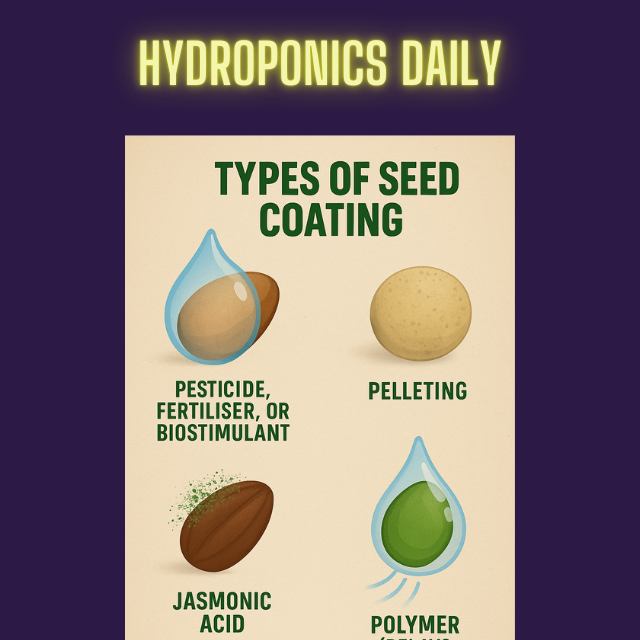
Jul 13
Unveiling the Power of Trichomes: Nature's Hairline
Welcome to Hydroponics Daily, the podcast delving into the fascinating world of soilless cultivation. In this episode, Dr. Russell Sharp explores the intricate role of trichomes, the tiny hair-like structures on plants, in crop protection and enhancement. Discover how trichomes, often mistaken simply as plant hairs, are essential in defending plants against pests, reducing water loss, and even influencing the aroma and potency of various crops. From cannabis and tomatoes to herbs like mint and basil, trichomes contribute to each plant's unique characteristics. Learn about the different types of trichomes, such as glandular and non-glandular, and their critical roles in both plant defense mechanisms and economic value. Whether you’re cultivating cannabis, tomatoes, or fiber crops like cotton and nettles, understanding trichomes is key to maximizing crop quality and value. Join us for an insightful journey into the microscopic world of trichomes, where science meets nature in a delicate balance of defense and development. Perfect for growers eager to enhance their knowledge and optimize their crops. https://eutrema.co.uk/shop/fertiliser/liquid-gold-unique-complete-fertiliser/
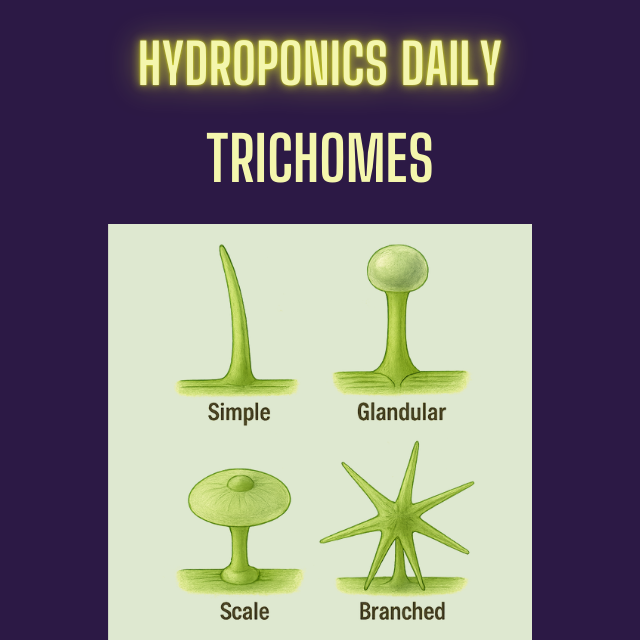
Jul 12
Bananas: A New Frontier in Hydroponic Cultivation?
Welcome back to Hydroponics Daily! In this episode, Dr. Russell Sharp breaks the news of Russia officially recognizing bananas as an agricultural crop, paving the way for research grants, commercial greenhouses, and essential subsidies. He discusses the implications for horticulturists in Russia, offering insights for those interested in growing hydroponic bananas worldwide. Dr. Sharp delves into the fascinating biology of bananas, clarifying common misconceptions and explaining their true nature. He highlights the ideal growing conditions, emphasizing the environmental control required for greenhouse cultivation, particularly in cooler climates. Despite past challenges, he explores future prospects for hydroponic bananas, inspired by historical and ongoing research. The episode also examines the potential benefits of localized banana production, such as reduced carbon footprint and fresher produce. Dr. Sharp shares tips on combating diseases and pests, essential nutrients, and practical advice for setting up a successful hydroponic banana system. Join us as we uncover the exciting possibilities of soilless banana cultivation in various climates, including potential developments in Central Asia due to Russia's recent recognition. A must-listen for anyone passionate about innovative agriculture! https://eutrema.co.uk/shop/fertiliser/liquid-gold-unique-complete-fertiliser/

Jul 11
How Plants Transform Pollution Into Nourishment
Welcome back to Hydroponics Daily! In this episode, Dr. Russell Sharp unveils a hidden dimension of plant nutrition that's transforming the way we view air pollution. While air pollution is often discussed in terms of its negative impact on health and climate, Dr. Sharp dives into the lesser-known ability of plants to absorb airborne pollutants, such as nitrogen oxides, ammonia, and sulfur compounds, directly through their leaves. Discover how these pollutants are converted into essential nutrients and how this phenomenon is particularly useful for urban and industrial farming areas. Dr. Sharp explores the historical context, detailing how some plants even thrive with pollution-derived nutrients, challenging the conventional reliance on soil-based fertilizers. Join us as we unpack the complexities of air pollution as a nutrient source, its benefits, and potential risks. From innovative urban farming insights to practical approaches on managing these inputs in hydroponic systems, this episode offers an enlightening perspective for both urban farmers and hydroponics enthusiasts alike. https://eutrema.co.uk/shop/fertiliser/sulphur-fertiliser-65-so3/

Jul 10
Free Samples and Exclusive Trade Deals with Eutrema!
Welcome to another exciting episode of Hydroponics Daily, where we delve into new opportunities for hydroponic enthusiasts and professionals alike. In this episode, discover how to get your hands on free product samples when you purchase Eutrema products in the UK. Whether you're interested in liquid gold or seaweed extract, your purchase could lead to exciting new product trials. For listeners outside of the UK, the episode highlights a significant opportunity to become a distributor or wholesaler of Eutrema's unique, premium hydroponic solutions. From innovative products like the triacontanol boost to the organic pond flocculant, there is potential to introduce something truly unique to your local market. Tune in to learn more about how you can be part of these exclusive offers and expand your involvement in the hydroponics industry. https://eutrema.co.uk/shop/

Jul 9
Hydroponic Water Treatment
Welcome to Hydroponics Daily, your go-to podcast for all things soilless cultivation. Today, we explore the crucial topic of water treatment in hydroponics. Discover the importance of pure water for plant growth and delve into three different water treatment methods: Reverse Osmosis, which offers unparalleled purity, but at a cost; the pitfalls of water softening and its detrimental effects on plants; and distillation, an old-school technique best suited for lab settings. Join us to learn which method suits your needs and why understanding water composition is vital for hydroponic success. Share this episode with friends who might be using the wrong water treatment and help them optimize their hydroponic systems. https://eutrema.co.uk/shop/fertiliser/liquid-gold-unique-complete-fertiliser/
Jul 8
Karrikins and Seed Germination
Welcome to another episode of Hydroponics Daily! Today, we dive deep into the perplexing world of Karrikins, fascinating chemicals in the smoke of burning plant materials that can significantly boost seed germination and plant development. Discover how they mimic the plant hormone strigolactone and help in forming mycorrhizal connections, potentially enhancing branching and overall plant health. We also tackle the common confusion between silica and salicylic acid among our customers, explaining their distinct roles in plant strengthening and defense activation. Finally, hear about the ongoing struggles at Eutrema HQ, from sourcing mineral wool slabs to the challenges in the hydroponics industry, and how our dedication to soilless cultivation remains unwavering. https://eutrema.co.uk/shop/fertiliser/liquid-gold-unique-complete-fertiliser/

Jul 7
Unlocking the Hydroponic Grower's Toolkit - a free resource
Welcome back to Hydroponics Daily, the ultimate podcast for soilless cultivation enthusiasts. In this episode, we introduce the Hydroponic Grower's Toolkit, a comprehensive resource crafted to ease your hydroponic journey. From daily financial conversions to essential equipment checklists, this toolkit is designed to streamline your growing process. Join us as we navigate through nutrient guidelines, equipment essentials, and resourceful links that will become your daily companions in the world of hydroponics. Don’t miss the chance to enhance your growing skills with this free and accessible spreadsheet that promises to be invaluable for both novice and seasoned growers. LINK TO TOOLKIT: https://docs.google.com/spreadsheets/d/1FcjTeOfPF1ewkhlnwSIzZfpAs_ZwSOVHR5UEatb2o0w/edit?usp=sharing

Jul 6
Unlocking Seed Potential: From Cyanide to Nitrates
Welcome back to Hydroponics Daily, the ultimate podcast for all your soilless cultivation insights. In this episode, we uncover the fascinating world of seed germination and the various chemicals that can enhance this process. From everyday compounds like bananas releasing ethylene, to unexpected elements like cyanide found naturally in seeds, we explore how these substances impact plant growth. We also discuss why some compounds such as abscisic acid inhibit germination and how to avoid growth-limiting conditions. Intrigued by the many ways to promote seed growth? Discover the potential of hydrogen peroxide, sodium hypochlorite, and even the surprising role of aspirin in plant science. Whether you're a seasoned hydroponics enthusiast or a curious newbie, this episode will equip you with the knowledge to improve your gardening techniques. https://eutrema.co.uk/shop/fertiliser/liquid-gold-unique-complete-fertiliser/
Jul 5
Chloramines - gassing off is not enough!
Welcome to another episode of Hydroponics Daily! In today's discussion, Dr. Russell Sharp delves into the often-overlooked subject of dechlorination in hydroponics. Tap water, commonly used for its convenience, contains disinfectants like chlorine and chloramines, which can negatively impact both plant growth and beneficial microbial life. The episode highlights the importance of understanding the difference between chlorines and chloramines, their role in water treatment, and the potential risks they pose to your hydroponic system. Dr. Sharp explores various methods for dechlorination, from natural gassing off to using commercial dechlorinators and carbon filters. Learn about the pros and cons of each method and why certain fertilizers, such as gold leaf and liquid gold, offer built-in dechlorination solutions. Whether you're considering harvesting rainwater or investing in reverse osmosis, this episode provides valuable insights to help optimize your plant growth. Tune in and discover how a simple step like dechlorination can significantly enhance your hydroponic results! https://eutrema.co.uk/shop/fertiliser/liquid-gold-unique-complete-fertiliser/
Jul 4
Seed 'Vigour' vs. 'Viability' - why it is crucial to know the difference
Welcome to Hydroponics Daily with Dr. Russell Sharp, where today’s episode delves into the critical differences between seed vigour and seed viability. These terms might sound similar, but they measure distinct seed characteristics essential for optimal growth in soilless cultivation systems. Dr. Sharp, developer of numerous hydroponic innovations, explains how viability reflects whether a seed is alive and capable of germination, while vigour addresses the seed’s performance under various growth conditions. Tune in to learn how these factors impact plants from germination to harvest, particularly in automated systems where rapid growth is vital. Discover practical insights into storage methods, testing techniques for seed quality, and expert tips for boosting your seed's performance, ensuring a robust yield in your hydroponic garden. https://eutrema.co.uk/shop/fertiliser/liquid-gold-unique-complete-fertiliser/
Jul 3
Inside the World of Pollen: A Deep Dive into Plant Reproduction and Hydroponics
Join Dr. Russell Sharp on Hydroponics Daily as he delves into the fascinating world of pollen. In this episode, discover the crucial role that pollen plays in plant reproduction and how you can manipulate it within your hydroponic setup. Learn about the diverse forms of pollen, from wind-dispersed grains to the intricate pollinia of orchids, and the significance of pollen in various scientific fields, including forensics. Additionally, explore common pollination methods for controlled environments, such as hand pollination and the use of insects, and understand the importance of choosing the right approach for different crops. Dr. Sharp also provides an eye-opening update on popular garden center fertilizers, revealing their hidden flaws and why they're not always the best choice for your plants. https://eutrema.co.uk/shop/fertiliser/liquid-gold-unique-complete-fertiliser/
Jul 2
Why Garden Centre Fertilizers Suck: The Truth Behind the Label
In this episode of Hydroponics Daily, Dr. Russell Sharp, the creator of renowned fertilizers "Gold Leaf" and "Liquid Gold," addresses a common inquiry about why these products aren't available in garden centers. Dr. Sharp delves into the underlying reasons, including the focus on cheap, substandard ingredients commonly found in garden center fertilizers and the lack of essential nutrients like calcium and sulfur. He highlights the misconceptions surrounding seaweed extracts and the illusion of targeted fertilizers, such as those for tomatoes and orchids, often being merely diluted versions of a base product. Dr. Sharp also emphasizes the drawbacks of buying from garden centers, like poor after-sales support and products being stored in non-optimal conditions, leading to reduced potency. He argues for the value of purchasing from specialist hydroponic stores, where quality and tailored advice are prioritized. Listeners are encouraged to seek out fertilizers with transparent ingredient lists and avoid the trap of ready-to-use, diluted products marketed for their convenience but at a cost to effectiveness. https://eutrema.co.uk/shop/fertiliser/liquid-gold-unique-complete-fertiliser/
Jul 1
MASSIVE Greenhouse Collapses & GIVEAWAY
Welcome to another episode of Hydroponics Daily! Today, we delve into three intriguing stories from the world of horticulture. First, we explore a mysterious incident in the Netherlands, where a nine-hectare modern greenhouse completely collapsed, yet miraculously, there were no injuries. What could have caused such a bizarre occurrence? https://nos.nl/video/2572821-9-hectare-aan-kassen-ingestort-in-middenmeer Next, we discuss the latest innovation from Cree LED—the X Lamp XPL Photo Red S Line, a product claiming to offer growers freedom from intellectual property disputes. This development points to a growing trend in the agricultural technology sector, responding to previous legal battles over lighting equipment. Finally, we analyze Russia's decision to close its routes for importing Dutch propagation material, citing quarantine issues. This move raises questions about the real motives and impacts on the horticulture industry, especially considering existing sanctions on Russian imports. And don't miss our exciting giveaway—grab a chance to own a periodic table of plant health poster, filled with essential knowledge to make you a master in plant care! https://eutrema.co.uk/shop/fertiliser/liquid-gold-unique-complete-fertiliser/

Jun 30
Extra Floral Nectaries - have you ever seen them?
Welcome to Hydroponics Daily, where Dr. Russell Sharp delves into the fascinating world of extra floral nectaries. Discover the botanical wonders of these small but mighty glands that secrete sugar-rich nectar and play a crucial role in plant defense and pest management. Learn how these glands, found on over 4,000 plant species including okra, sunflowers, and beans, attract beneficial insects like ants, ladybirds, and parasitic wasps. Explore the potential for hydroponic growers to reduce pesticide reliance by leveraging extra floral nectaries as natural pest control agents. This episode offers insights into the dual role of these nectaries in indicating plant stress and bolstering integrated pest management strategies. Tune in to uncover how these powerful, yet underutilized, plant allies can enhance soilless cultivation. https://eutrema.co.uk/shop/fertiliser/liquid-gold-unique-complete-fertiliser/
Jun 29
The role of Gibberellins in Hydroponics
Welcome to Hydroponics Daily, your ultimate guide to soilless cultivation, hosted by Dr. Russell Sharp. This episode dives into the fascinating world of gibberellins—plant hormones that play crucial roles in seed germination, stem elongation, flowering, and fruit development. Discover the history of gibberellins, from their early 20th-century discovery in Japan to their current applications in controlled environment agriculture. Learn about the various types of gibberellins, such as GA3, known as gibberellic acid, and how they influence different plant species depending on environmental conditions. Dr. Sharp discusses both the beneficial applications of gibberellins—such as increasing grape size and germination in barley—and the potential downsides of excessive use. Explore how growth regulators can inhibit gibberellins and their significance in ornamentals and compact crops. The podcast also sheds light on alternative methods, including CRISPR technology and using potassium silicate to strengthen plant stems while avoiding harmful synthetic growth regulators. Join us as we delve into the vast potential of gibberellin research and the innovative techniques shaping the future of hydroponics, with an emphasis on sustainability and health. Tune in for an in-depth exploration of how understanding and manipulating gibberellins can revolutionize plant growth and crop management in hydroponic systems. https://eutrema.co.uk/shop/fertiliser/liquid-gold-unique-complete-fertiliser/
Jun 28
Dyson's New Ferris Wheel Hydroponic system
In this episode of Hydroponics Daily, Dr. Russell Sharp explores the fascinating world of Ferris wheel hydroponic systems, an innovation spearheaded by Dyson Farming in the UK. Known for their cutting-edge technology in household appliances, Dyson is now making waves in agriculture by integrating their engineering expertise into vertical farming. Discover how their Ferris wheel system is redefining strawberry cultivation, promising an impressive 250% yield increase through a combination of advanced lighting and nutrient technologies. Join us as we delve into the potential of this pioneering approach to sustainable agriculture. https://eutrema.co.uk/shop/fertiliser/liquid-gold-unique-complete-fertiliser/

Jun 27
Chelation
Welcome to an exciting joint podcast episode, hosted by Dr. Russell Sharp, featured on both Hydroponics Daily and Cereal Killers. This episode delves into the fascinating world of chelation, a crucial process for maintaining nutrient availability in plant cultivation, both in soilless and traditional farming. Discover the intricacies of chelating micronutrients like iron, manganese, zinc, and copper, and the importance of choosing the right chelates to prevent nutrient deficiencies and enhance solubility in various pH environments. Learn about the common chelates like EDTA and their suitability across different systems and plants. In an exciting revelation from Utreema Labs, explore their innovative approach to boron chelation using natural sources, which promises enhanced solubility and safer environmental impact. This breakthrough holds potential for significant advancements in crop nutrition, specifically tailored for plants like brassicas. Whether you're a hydroponics enthusiast or an arable crop grower, this episode offers valuable insights into advanced nutrient management, paving the way for more sustainable and efficient farming practices. Tune in to learn more about these groundbreaking developments and how they might transform your farming methods. https://eutrema.co.uk/shop/fertiliser/liquid-gold-unique-complete-fertiliser/
Jun 26
Nanofertilizers in Hydroponics - what are their potential?
Welcome to Hydroponics Daily, where we dive deep into the world of nanofertilizers in hydroponics. Join Dr. Russell Sharp as we explore the fascinating realm of particles sized from 1 to 100 nanometers and their potential to transform soilless cultivation. This episode investigates how nanofertilizers enhance nutrient uptake efficiency, offering controlled release and greater root absorption. Discover the promising compounds like nano-silicon and boron, which strengthen plant cells and photosynthesis without pH issues or synthetic solvents. While their commercialization faces hurdles like particle aggregation and regulatory scrutiny, the potential advantages are immense. Join the conversation on the cutting-edge journey of integrating nanotechnology with plant nutrition, as we navigate its challenges and exciting possibilities. https://eutrema.co.uk/shop/fertiliser/liquid-gold-unique-complete-fertiliser/
Jun 25
Hydroponic Moss Cultivation
In this episode of Hydroponics Daily, Dr. Russell Sharp delves into the innovative world of growing moss hydroponically, a fascinating crossover between plant biology and modern indoor farming techniques. Learn about the "Moss in Prisons" project, a unique initiative aimed at engaging prisoners in sustainable moss cultivation, offering insights into the slow growth of moss and its environmental significance. Discover how moss, often used in aquascaping, terrariums, biophilic designs, and eco-friendly applications, is a cornerstone in creating sustainable solutions and reducing wild moss harvesting. With moss thriving in moisture-retentive systems and requiring precise environmental control, this episode uncovers the untapped business potential of commercial hydroponic moss farming. https://eutrema.co.uk/shop/fertiliser/liquid-gold-unique-complete-fertiliser/

Jun 24
Hydroponics for growing weed (actual weeds!)
In this episode Dr. Sharp explores the unusual topic of growing weeds — specifically black grass — using hydroponics. Key Points: Why Grow Black Grass? Black grass is the #1 arable weed in the UK, especially harmful to cereal crops like wheat and barley. It’s resistant to herbicides and there are no GM crops in the UK to help control it. Public is unaware of its impact because it doesn't affect home gardens — unlike more well-known weeds like Japanese knotweed. Eutrema’s Approach: Dr. Sharp’s company, Eutrema , is developing biological control methods using naturally occurring mildew and rust pathogens. These fungi stunt black grass growth (rather than kill it), allowing cereal crops to outcompete it. Their pathogens are highly specific (forma specialis) and pose no risk to other crops. Why Hydroponics? Black grass is difficult to grow in greenhouses and standard compost due to pests and diseases like “take-all.” Hydroponics allows for clean, controlled growth, eliminating many variables. They use NFT systems (nutrient film technique) for better consistency and plant health. Challenges in Growing Black Grass: It’s tough to germinate and cultivate due to its seed structure and sensitivity. Silicon is crucial in their nutrient mix because grasses like black grass accumulate high levels of silicon. Interesting Experiments: Testing how UV light affects spore viability. Developing plant-friendly “sunscreen” formulations to protect beneficial fungi from UV damage. Beyond Black Grass – Other Weeds for Hydroponics: Dr. Sharp muses on potential uses for other “weeds”: Fat hen (once a Roman crop), dandelions (used for medicine and drink), shepherd’s purse (edible in Asia). Mentions nettles (textile potential), Japanese knotweed (biostimulant uses), and even moss (teased for the next episode). 🔬 Takeaway: This episode flips the script — instead of eradicating weeds, it explores cultivating them as part of solving major agricultural problems. It’s a smart fusion of hydroponics, pathology, and sustainable innovation, with potential to scale. https://eutrema.co.uk/shop/fertiliser/liquid-gold-unique-complete-fertiliser/
Jun 23
Hydroponic Legumes?
Welcome to another exciting episode of Hydroponics Daily with your host, Dr. Russell Sharp. Join us as we dive into the fascinating world of legumes and their potential in hydroponic systems. In this episode, we explore the complexities and benefits of growing peas, beans, and other legumes without soil. Discover how these crops are not only a source of plant-based protein but also a solution for sustainable agriculture and food security. We also discuss the unique challenges of hydroponic legume cultivation, such as nutrient management and the role of beneficial microbes in nitrogen fixation. Learn about innovative approaches from around the world, including insights from commercial growers and groundbreaking research in Palestine. Whether you are an experienced hydroponic grower or new to soilless cultivation, this episode offers valuable insights into the potential of legumes in future food systems. Tune in for an in-depth discussion on how legumes could revolutionize agriculture and contribute to a more sustainable planet. https://eutrema.co.uk/shop/fertiliser/liquid-gold-unique-complete-fertiliser/
Jun 22
Hydroponic Potatoes: The Future of Tuber Cultivation?
In this episode of Hydroponics Daily, Dr. Russell Sharp explores the exciting potential of growing potatoes without soil. With a focus on targeting listeners in Idaho, the world center for potato production, and North Dakota, the third-largest potato producer in the United States, Dr. Sharp delves into the benefits and challenges of cultivating potatoes hydroponically. He explains the historical significance of potatoes, from the Great Famine in Ireland to their role in World War I, and discusses how pest and disease control are crucial in potato farming. Hydroponically grown potatoes can offer significant water savings and better disease resistance, potentially revolutionizing both edible and seed potato production. Dr. Sharp also highlights current research initiatives around the world, including projects in Norway, California, and even a Finnish metal mine. While hydroponically grown potatoes are not yet widely produced for commercial purposes, the episode provides a glimpse into the future possibilities of hydroponic potato farming and its potential benefits for sustainable agriculture. https://eutrema.co.uk/shop/fertiliser/liquid-gold-unique-complete-fertiliser/
Jun 21
Plastic Foams as a Hydroponic Growing Medium
In this episode of Hydroponics Daily, Dr. Russell Sharp delves into the controversial use of plastic foams as growing media in hydroponic systems. Despite their affordability, phenol formaldehyde resins come with significant environmental concerns, particularly their non-recyclability and potential to degrade into microplastics. Dr. Sharp weighs the pros and cons, comparing this material with more traditional options like cocoa and rockwool, and explores why its use remains limited. Whether you're a fan of innovative growing techniques or concerned about sustainability, this episode offers valuable insights into the complex world of soilless cultivation. https://eutrema.co.uk/shop/fertiliser/liquid-gold-unique-complete-fertiliser/
Jun 20
"Flushing" in Hydroponics: Essential Practice or Overhyped Tradition?
In this episode of Hydroponics Daily, Dr. Russell Sharp explores the controversial topic of flushing in hydroponic systems. With the sweltering UK heat as a backdrop, he delves into the reasons why growers from different backgrounds, from lettuce to legal cannabis, might choose to incorporate flushing in their practices. Dr. Sharp explains what flushing entails: running nutrient-free water through the system to remove excess salts and residues before harvest. He discusses its proposed benefits, such as improved flavor and aroma in crops, reduced harshness in smoking plants like legal cannabis, and the potential for lowering harmful nitrate levels in edible greens. The episode also covers the contents and effectiveness of popular flush products, debates surrounding their necessity, and practical flushing tips for various crops. Whether you're a seasoned hydroponics enthusiast or new to the field, tune in to weigh the pros and cons of this widely debated technique. https://eutrema.co.uk/shop/fertiliser/liquid-gold-unique-complete-fertiliser/
Jun 19
Seedling Establishment in Hydroponics: Tips and Tricks
Welcome to Hydroponics Daily! In this episode, we dive into the challenges of establishing seedlings in hydroponic systems. Explore various methods, from using mineral wool and volcanic rock to affordable DIY setups, ensuring efficient nutrient delivery and optimal growth conditions for a successful hydroponic garden. Learn how to avoid common pitfalls and maximize your plant's potential in this informative session. https://eutrema.co.uk/shop/fertiliser/liquid-gold-unique-complete-fertiliser/
Jun 18
Breaking News: Osram takes legal action against Growers!
In today's episode of Hydroponics Daily, host Dr. Russell Sharp dives into a controversial legal battle rocking the hydroponics world. Lighting giant Osram is making headlines for pursuing legal action not just against competitors but also against growers using LED products they believe infringe on their patents. This unexpected move has stirred significant debate and concern among the horticulture community. The focus centers on Osram's claims against major brands like Hawthorne Horticulture's AgriLux and Gavita, potentially affecting growers in the U.S. and Germany. With high stakes involved, the outcome of this legal saga could reshape industry dynamics and patent enforcement strategies. The episode explores the implications for growers, manufacturer responses, and the broader ramifications in the hydroponics sector. Stay tuned for more updates as this story develops. Whether you're using Osram, Gavita, or AgriLux lights, this episode is essential listening for anyone in the hydroponic and horticultural fields.

Jun 17
Downy Mildew in Hydroponics
In this episode of Hydroponics Daily, Dr. Russell Sharp delves into the challenges posed by downy mildew, a common but often misunderstood threat to hydroponic growers. Downy mildew can devastate crops like lettuce, spinach, and legal cannabis, thriving in cool, humid conditions. Dr. Sharp explains how to identify this water mold, which presents as yellow spots on leaves, and provides practical advice on prevention and treatment. From controlling humidity to selecting resistant crop varieties, learn crucial strategies to protect your yield from this parasitic invader. https://eutrema.co.uk/shop/pesticides-organic/chitosan-biofungicide
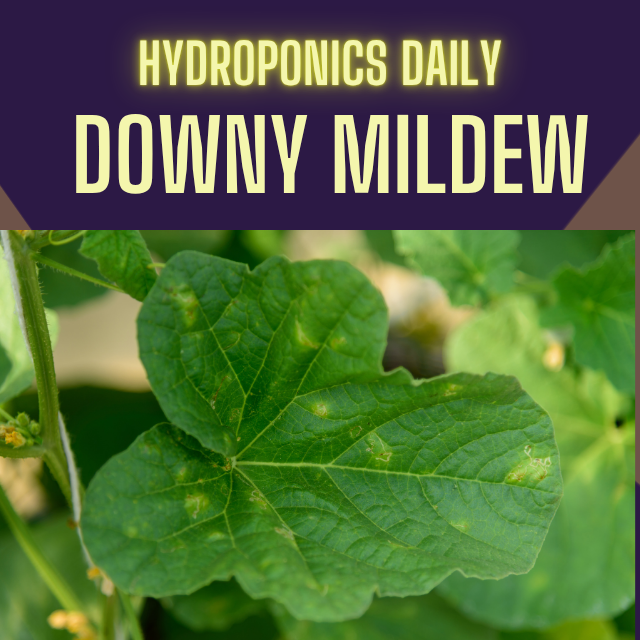
Jun 16
Graft Chimeras - Amazing botanical curiosities
Welcome to an intriguing episode of Hydroponics Daily, where we delve into the captivating world of plant chimeras. Inspired by Greek mythology, these unique plants combine genetic materials, like the head of a lion, body of a goat, and tail of a dragon, resulting in bizarre and picturesque botanical wonders. Learn about the history, formation, and propagation of chimeras, including famous examples like Adam's Laburnum and Dallimore's Chestnut. Discover how accidental genetic mixing during grafting can produce these rare phenomena and explore potential ways to creatively experiment with chimeras in your own garden. Join us as we navigate the fascinating intersection of plant science and myth, uncovering the secrets behind these extraordinary horticultural marvels. https://eutrema.co.uk/shop/fertiliser/liquid-gold-unique-complete-fertiliser/
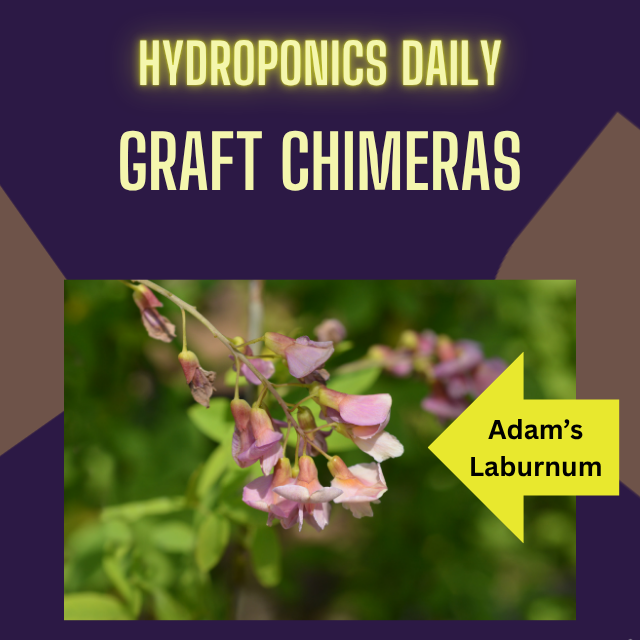
Jun 15
pH in hydroponics - essentials and master tips
Welcome back to Hydroponics Daily! In this episode, we delve into the vital topic of pH in hydroponics, a subject surprisingly yet to be covered extensively in over 150 episodes. We explore the basics of pH, from the chemistry behind it to its pivotal role in nutrient availability for plants. Discover the optimal pH range of 5.5 to 6.5 in hydroponics, where nutrients are most soluble, ensuring the health and growth of your plants. Learn how the pH scale's logarithmic nature can drastically impact nutrient absorption, why constant monitoring is crucial, and how to adjust pH levels sustainably. We also uncover the risks associated with hazardous chemicals used for pH adjustment and provide safe alternatives like citric acid. Tune in for practical tips on managing pH effectively, avoid common pitfalls, and optimize your hydroponic systems for success. Whether you're a seasoned grower or a beginner, this episode is packed with insights to help you achieve high yields and healthy plants through mastering pH control. Don't miss this essential discussion on hydroponics and the power of pH! https://eutrema.co.uk/shop/biostimulants/sea-silica-silicon-fertiliser
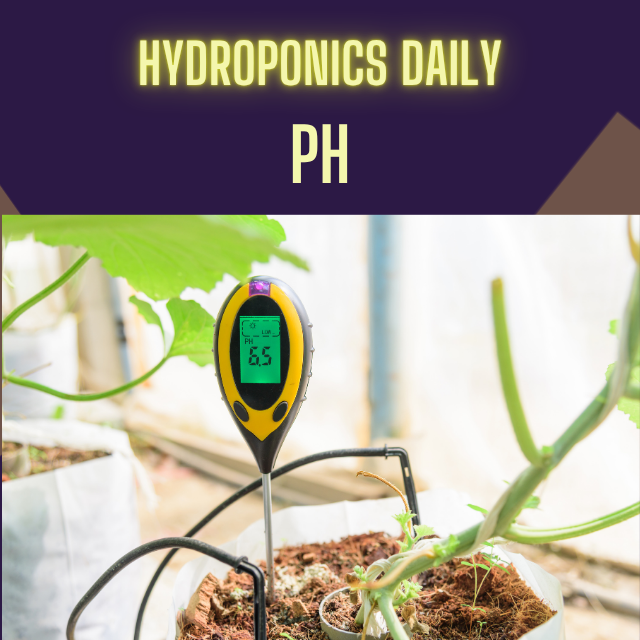
Jun 14
Variegated Plants - Charm and Challenges
Welcome to another episode of Hydroponics Daily, where Dr. Russell Sharp delves into the fascinating topic of plant variegation. Known for its unique and collectible appearance, variegation is a phenomenon cherished by houseplant enthusiasts but often shunned in outdoor gardening. In this episode, Dr. Sharp discusses the science behind variegation, including its genetic, viral, and environmental causes. He also explores the impact of variegation on plant growth and photosynthesis, sharing valuable tips on how to care for these beautiful but delicate plants. Whether you're a collector or a curious gardener, this episode offers expert insights into the world of variegated plants. https://eutrema.co.uk/shop/pesticides-organic/lime-sulphur/

Jun 13
Root Aphids - unearthing a mysterious pest
In this episode of Hydroponics Daily, Dr. Russell Sharp delves deep into the world of root aphids, an often overlooked yet significant concern for hydroponic growers. Despite being poorly studied due to their subterranean nature, root aphids pose a unique challenge, particularly for legal cannabis cultivators in regions like Spain. Dr. Sharp explores their life cycle, why they are so difficult to diagnose and eradicate, and the impact they can have on crops, from ornamental plants like roses to vital plants like hemp. The episode provides insights into identification, control measures, and prevention strategies, highlighting the importance of understanding this elusive pest. Dr. Sharp shares valuable tips on how to manage and reduce infestations, while also discussing the intriguing life cycle of aphids, including their ability to reproduce without mating. Tune in to discover the complexities of root aphids and learn how to protect your green spaces from this persistent pest. A must-listen for anyone passionate about soilless cultivation! https://eutrema.co.uk/shop/pesticides-organic/lime-sulphur/
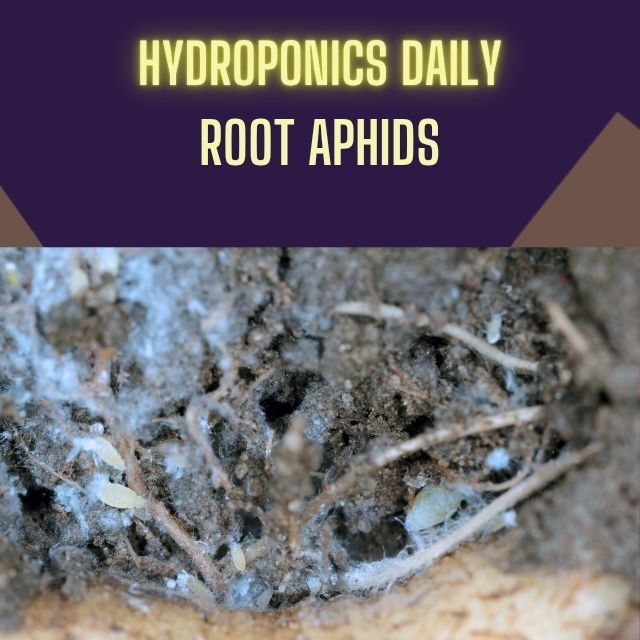
Jun 12
Drones: Revolutionizing Hydroponics & Horticulture
Welcome back to Hydroponics Daily! In this episode, we dive into the fascinating world of drones in hydroponics and horticulture, as showcased at Greentech Amsterdam. Discover how Corvus Drones and other innovators are redefining plant care with aerial technology, from monitoring germination rates to assessing environmental stress. Uncover the unexpected applications of drones, from security and greenhouse cleaning to disease detection and crop readiness. Join us as we explore the potential and limitations of drones in modern agriculture and the exciting future they promise to create for growers worldwide. https://eutrema.co.uk/shop/fertiliser/liquid-gold-unique-complete-fertiliser/
Jun 11
GreenTech 2025: What's new in the word of greenhouse technology
Welcome to Hydroponics Daily, where we explore the latest advancements in soilless cultivation. In this episode, take a journey with us to Amsterdam's GreenTech, a prominent trade show for greenhouses and hydroponics enthusiasts. Discover the shift in industry trends, from the decline of traditional fertilizer exhibitors to the rise of LED lighting manufacturers. Uncover the quirky and novel technologies that are changing the landscape of hydroponics, including biodegradable twine solutions, innovative geodesic dome displays, and nutrient-deficient plastic cannabis plants. Join us as we dive into the vibrant world of GreenTech, packed with fascinating insights and amusing anecdotes, for a compelling look at the future of sustainable agriculture. https://eutrema.co.uk/shop/fertiliser/liquid-gold-unique-complete-fertiliser/
Jun 10
'Lego' Hydroponic Products
In this episode of Hydroponics Daily, hosted by Dr. Russell Sharp, we delve into the world of 'Lego' hydroponic products, revealing why these seemingly innovative solutions are often less beneficial than they appear. Dr. Sharp cautions against the allure of multi-component products that promise extraordinary results but often just combine basic elements without truly adding value to your hydroponic system. We discuss the misconceptions surrounding "tonic" and "potion" products, which are frequently overpriced and fail to deliver the promised benefits. Dr. Sharp highlights the importance of choosing individual components, such as seaweed extract and humic acids, over their combined "Lego" counterparts, emphasizing a more strategic approach to hydroponic gardening. Join us as we uncover the truths behind these products, explore the rationale (or lack thereof) behind their popularity in both the hydroponic and broader agricultural sectors, and offer insights into making informed, value-driven choices in your gardening endeavors. https://eutrema.co.uk/shop/pesticides-organic/chitosan-biofungicide/

Jun 9
Nature's Secret Code: The Fibonacci Influence on Hydroponics
Welcome to Hydroponics Daily with Dr. Russell Sharp, where precision farming meets natural science. In this episode, we explore the intriguing influence of the Fibonacci sequence, a mathematical concept dating back to the 13th century, on modern hydroponic systems. Learn how Fibonacci's pattern, which appears throughout nature, can enhance plant growth, light capture, and spacing in your hydroponic garden. Discover practical ways to apply this natural code for optimizing plant health and yield, from leaf arrangement to fruit structure and even root branching. Join us as we delve into this fascinating intersection of mathematics and horticulture to unlock the efficiencies hidden within your plants. https://eutrema.co.uk/shop/pesticides-organic/chitosan-biofungicide/

Jun 8
Antitranspirants in Hydroponics?
Welcome to another episode of Hydroponics Daily, where Dr. Russell Sharp delves into the seldom-addressed topic of antitranspirants in hydroponics. Although primarily used in general horticulture, these products offer strategic advantages in hydroponic settings, particularly for transplant success and disease prevention. Explore the intricacies of how antitranspirants operate to reduce water loss through plant stomata and their practicality in specific scenarios, such as protecting young plants during transplantation in adverse weather. While beneficial in certain situations, the episode warns against prolonged use due to potential negative effects on photosynthesis and plant health. https://eutrema.co.uk/shop/pesticides-organic/chitosan-biofungicide/
Jun 7
Hydroponic Tomatoes 101: The Secrets for Perfect Growth
Join Dr. Russell Sharp in this exciting episode of Hydroponics Daily as he delves into the essentials of hydroponic tomato growing. Discover the importance of choosing the right tomato variety for your system, be it NFT or DWC, and learn top tips on pinching out, defoliating, and pollinating your plants for maximum yield. Understand how consistent watering is key to preventing blossom end rot and the significance of monitoring your crops daily to catch any pests like whiteflies early. Dr. Sharp also shares insights into handle pollination using practical tools and the value of supporting your plants through trellising. Whether you're a beginner or looking to improve your hydroponic techniques, this episode is packed with actionable steps to help you harvest flawless tomatoes time and time again. Don't miss the signature random facts at the end, encouraging safe practices for consuming tomatoes. Listen now and transform your hydroponic journey! https://eutrema.co.uk/shop/fertiliser/liquid-gold-unique-complete-fertiliser/
Jun 6
Hydroponic Lawns: Is Soil-Free Turf the Future?
Join Dr. Russell Sharp, the inventor of liquid gold, as he delves into the fascinating world of growing lawn grass and sports turf hydroponically. In this episode of Hydroponics Daily, discover how traditional sports pitches, typically layered with soil, can now be cultivated without it. A potential game-changer for water conservation and nutrient efficiency, dive into the possibilities of implementing recirculatory hydroponic systems on expansive sports fields, golf courses, and even tennis courts. Explore the challenges and innovations around using LED grow lights and hybrid systems already present in many premium-grade sports venues. Learn about companies like Capillary Hydroponics, pioneering closed-loop systems, potentially reshaping the landscape of sports turf management. From feeding cows with hydroponically grown grass to transforming golf greens with advanced hydroponic technology, the episode provides a comprehensive overview of this emerging field. https://eutrema.co.uk/shop/fertiliser/liquid-gold-unique-complete-fertiliser/

Jun 5
Unveiling the REAL Truth About Silicon Fertilizers
In this insightful episode of Hydroponics Daily, we delve into the world of silicon fertilizers, analyzing what's really inside them and their actual silicon contents. We investigated three popular products on the market—Eutrema's Sea-Silica, Shogun, and GrowGenius—to uncover the truth behind their labels. Discover when to use each product effectively, whether you're a beginner, an organic grower, or dealing with pH issues in hydroponics. We'll also address widespread misconceptions in the industry, particularly the overuse and misunderstanding of the term 'monosilicic acid'. Join us as we encourage peace and factual clarity in the hydroponics community, ensuring everyone is informed about the true nature of silicon fertilizers. https://eutrema.co.uk/shop/biostimulants/sea-silica-silicon-fertiliser
Jun 4
Carnivorous Plants: Can Hydroponics Support These Curious Plants?
Welcome to Hydroponics Daily with Dr. Russell Sharp. In today's episode, we delve into the intriguing world of carnivorous plants, exploring their unique adaptations and evolutionary marvels. Learn about famous species like the Venus flytrap and pitcher plants, and discover how these plants derive nutrients from trapping insects. Dr. Sharp discusses the potential and challenges of growing carnivorous plants hydroponically, offering insights into their specific environmental needs, including light, humidity, and water purity. Find out how passive wick or tray systems can support these plants in a semi-hydroponic setup. We also explore fascinating topics like convergent evolution, the ecological roles of carnivorous plants, and their potential use in natural pest control. Whether you're a seasoned botanist or a curious gardener, this episode offers a comprehensive look into the captivating world of carnivorous plants in hydroponic settings. Tune in to discover if these extraordinary plants can thrive in soilless systems! https://eutrema.co.uk/shop/organic-fertilisers/seaweed-extract-cold-processed
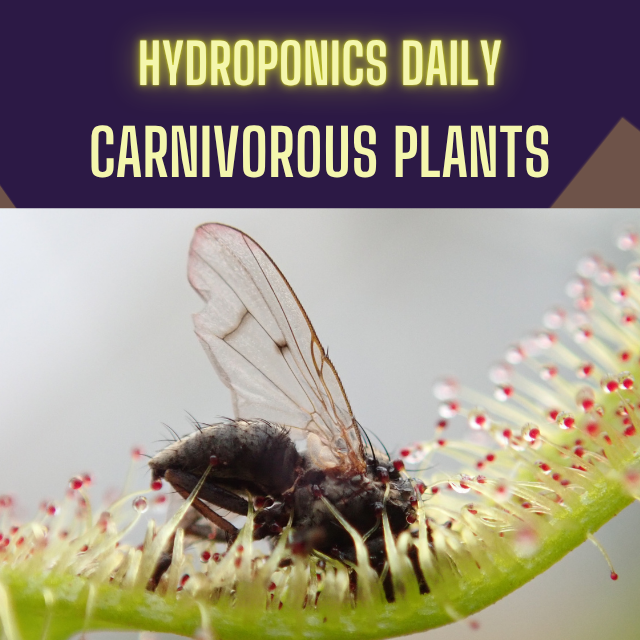
Jun 3
Guano: An Ancient Fertilizer For Organic Hydroponics
In this enlightening episode of Hydroponics Daily, Dr. Russell Sharp delves into the fascinating world of one of the oldest and most nutrient-rich natural fertilizers - guano. Discover its historical significance, from the Incas to its impact on American imperialism, and learn why it remains a potent choice in modern hydroponics, despite the rise of synthetic fertilizers. Explore the nuances of seabird and bat guano, its nutrient profile, and the sustainability issues surrounding its harvest. Understand how guano stands out as a unique organic and vegan-friendly option for hydroponic growers, offering rapid nutrient availability and beneficial organic carbon, chitin, and microbes to enhance plant growth. Dr. Sharp also discusses the potential health risks and ethical concerns related to guano use, providing valuable advice on safe handling and sourcing sustainable products. Whether you're an organic grower or just curious about alternative nutrient sources, this episode sheds light on the enduring allure and complexities of using guano in hydroponics. https://eutrema.co.uk/shop/organic-fertilisers/seaweed-extract-cold-processed
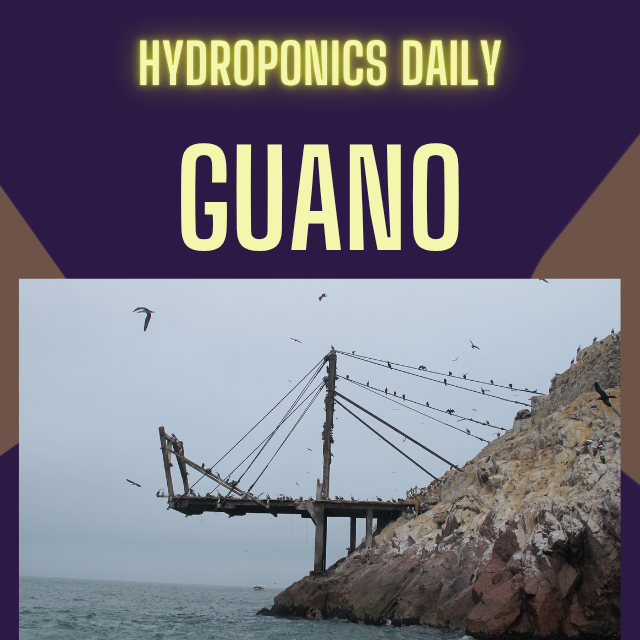
Jun 2
The Kratky Method: Is it all it is kracked up to be?
Welcome to Hydroponics Daily with Dr. Russell Sharp! In today's episode, we dive deep into the Kratky method of hydroponics, a unique system that requires no pumps or electricity. This passive, non-circulatory technique, developed by Dr. Bernard Kratky at the University of Hawaii, provides a minimal intervention approach to soilless cultivation. Listen as Dr. Sharp discusses the benefits and limitations of this simple, low-cost method, ideal for fast-growing, small plants like lettuce and basil. Despite its straightforward nature, the Kratky method poses challenges such as potential algal growth and nutrient imbalances, making it crucial for growers to be cautious. Whether you're a hobbyist, a teacher introducing students to root development, or someone challenged by limited space and resources, this episode offers valuable insights into how this method could fit your needs. Explore its potential applicability in educational, urban, and off-grid settings, and learn how it might serve as a stepping stone to more advanced hydroponic systems. https://eutrema.co.uk/shop/fertiliser/liquid-gold-unique-complete-fertiliser/
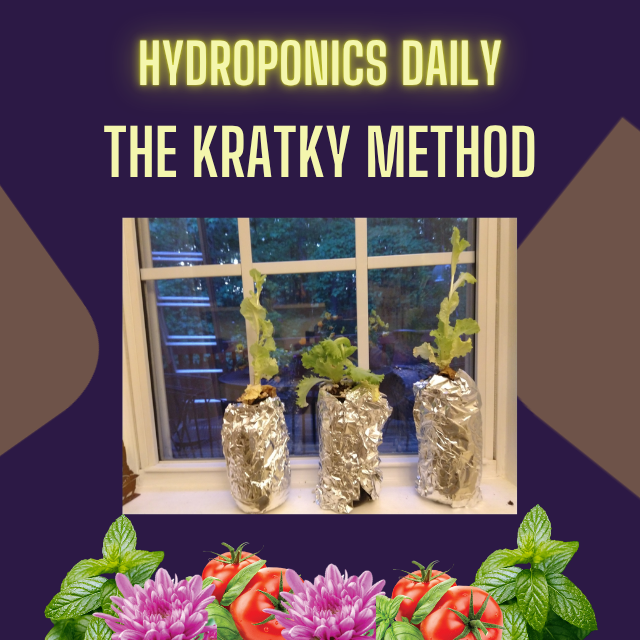
Jun 1
Dechlorination - the simplest yield hack!
In this episode of Hydroponics Daily, Dr. Russell Sharp explores the often-overlooked topic of dechlorinating tap water for hydroponic farming. Discover why chlorine, while beneficial for drinking water safety, poses significant risks to your plants and hydroponic systems. Learn the science behind the negative impact of chlorine and chloramines on plant health, including the suppression of beneficial microorganisms crucial for soil biology. Dr. Sharp discusses the geographical variations in chlorine levels and identifies common plants that are particularly sensitive to chlorine exposure. Explore practical solutions for removing chlorine from your water supply, including letting water sit, using aeration, and employing activated carbon filters. Dr. Sharp also introduces specialized dechlorination products, providing a comprehensive guide to protecting your plants and improving yield. https://eutrema.co.uk/shop/fertiliser/liquid-gold-unique-complete-fertiliser/

May 31
Powdery Mildew - The main fungal disease of hydroponics
Welcome back to Hydroponics Daily! In today's episode, we delve into the pervasive issue of powdery mildew that plagues both grow room and greenhouse hydroponics. As the most common fungal disease in soilless cultivation, powdery mildew presents unique challenges, appearing as a white growth on leaves and exacerbated by high humidity and crowded environments. Listen in as we explore the biology of this biotrophic fungus, its conditions for growth, and effective control measures. Discover how certain preventative strategies, such as quarantining new plant material and exploring biofungicides like chitosan, can keep your hydroponic systems healthy and productive. We also discuss breeding for disease resistance and why some common remedies might not be as effective as believed. Whether you're a seasoned grower or new to hydroponics, this episode offers insights and practical tips to safeguard your plants from powdery mildew threats. https://eutrema.co.uk/shop/pesticides-organic/chitosan-biofungicide/
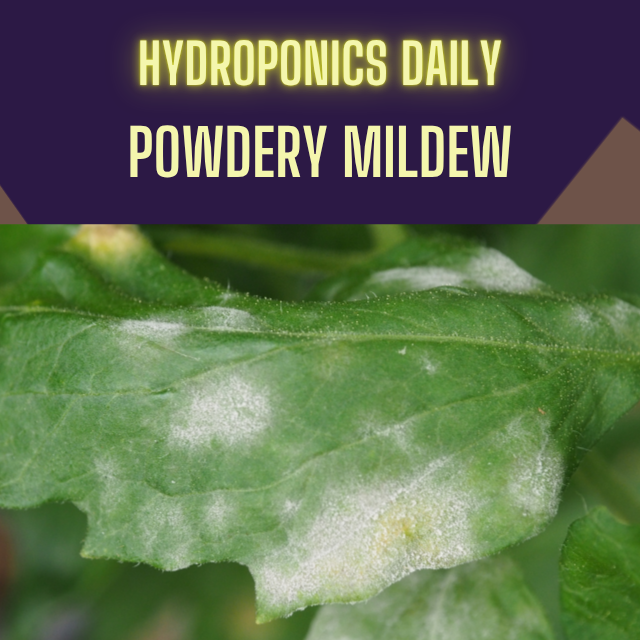
May 30
Hydroponic Saffron Cultivation
Welcome back to Hydroponics Daily! In this episode, we explore the fascinating world of saffron cultivation through hydroponics. Saffron, a highly valued spice, is grown from the stigmas and styles of the crocus flower. Our host delves into the science and process of growing saffron hydroponically, highlighting its potential for high value returns due to the efficient use of space in vertical farming. Discover how saffron’s unique growth cycle can be managed to potentially increase crop yields throughout the year. Learn about the challenges of managing pests like mites and bulb rot, and the innovative solutions being employed in places like Iran and America to boost production. Whether you’re a seasoned grower or a curious novice, this episode provides valuable insights into the world of hydroponic saffron farming. https://eutrema.co.uk/shop/organic-fertilisers/seaweed-extract-cold-processed/

May 29
Silicon in Hydroponics
In this episode of Hydroponics Daily, host Dr. Russell Sharp explores the vital yet often overlooked element of silicon in hydroponics. Discover how silicon strengthens cell walls, enhances plant stress resistance, and acts as a natural deterrent to pests. While not considered an essential nutrient, silicon proves to be a game changer in hydroponic systems, particularly for plants such as grasses and bamboos. Learn about the benefits of silicon, its role in boosting trichome production, and the importance of using silicon additives in soil-less growing media. Prepare for next week's explosive episode where Dr. Sharp will reveal surprising truths about silicon fertilizers. https://eutrema.co.uk/shop/biostimulants/sea-silica-silicon-fertiliser/

May 28
Hydroponic System Options: Recirculatory vs Run-to-Waste
Welcome to Hydroponics Daily, your ultimate source for soilless and sustainable gardening insights. In this episode, Dr. Russell Sharp, the inventor of Gold Leaf Fertiliser, dives into the debate between recirculatory and run-to-waste hydroponic systems. Discover the ins and outs of closed-loop systems, known for water efficiency and nutrient reuse, and compare them to simpler run-to-waste systems that offer ease of management and simplicity. Dr. Sharp provides a balanced view of the advantages and challenges of each, helping both commercial and amateur growers make informed decisions. Tune in to learn how to maximize efficiency, reduce environmental impact, and choose the best system for your crops. https://eutrema.co.uk/shop/fertiliser/liquid-gold-unique-complete-fertiliser/
May 27
Growing Media Options - trial update
Join Dr. Russell Sharp in this episode of Hydroponics Daily as he discusses the surprising results of a recent trial comparing different growing media for spring onions. Despite initial setbacks with coco as a substrate, it emerged as the top performer in germination tests. Dr. Sharp explores the role of water holding capacity in the success of hydroponic systems and delves into future trials with fertilizers and additives to enhance spring onion growth. Whether you're a hydroponics enthusiast or new to the field, this episode provides valuable insights into optimizing growth media for successful crops. Sneak a peek at the trial results and tune in for exciting developments at the upcoming GreenTech event in Amsterdam, where hydroponics enthusiasts from around the globe gather to share knowledge and innovation. https://eutrema.co.uk/shop/fertiliser/liquid-gold-unique-complete-fertiliser/

May 26
The Dirty Secrets of Organic Fertilizers in Hydroponics
In this episode of Hydroponics Daily, Dr. Russell Sharp explores the intricate world of organic fertilizers and their place in hydroponic systems. As the inventor of Gold Leaf Fertilizer—also known as Liquid Gold in the UK—Dr. Sharp delves into why hydroponics is conventionally not considered organic, due to its soilless cultivation method. The discussion covers the controversies and allowances within organic farming regulations, particularly focusing on the use of fish emulsion, seaweed extracts, and other plant and animal byproducts. Dr. Sharp highlights the benefits and environmental considerations of different fertilizer components, while also addressing the moral complexities faced by organic growers who are vegetarians or vegans. Join Dr. Sharp as he shares insights into sustainable practices, the drawbacks of certain common fertilizers, and the pursuit of a balanced, biorational approach in the evolving field of hydroponics. https://eutrema.co.uk/shop/biostimulants/triacontanol-boost-biostimulant/
May 25
Sunlight for hydroponic lighting in greenhouses and polytunnels
Welcome to Hydroponics Daily with Dr. Russell Sharp. In today's episode, we explore the benefits of using sunlight as the original grow light for your hydroponic setups, whether in greenhouses or polytunnels. Discover how to optimize sun exposure, considering factors like geography, shading, and photoperiodicity, to enhance photosynthesis and plant growth naturally. https://eutrema.co.uk/shop/fertiliser/liquid-gold-unique-complete-fertiliser/

May 24
LED Lighting in Hydroponics
Welcome to another episode of Hydroponics Daily! Join Dr. Russell Sharp as he delves into the world of LED lighting, a pivotal element in modern hydroponic setups. Discover why most growers are transitioning from traditional lighting methods to energy-efficient LEDs, which promise lower power consumption, extended lifespan, and targeted light spectra to optimize plant growth. Learn about the pros and cons of LED use, potential cost implications, and tips for choosing the right LED system for your indoor garden. Whether you're a seasoned hydroponic grower or just starting, this episode offers valuable insights into making the best lighting choices for sustainable agriculture. https://eutrema.co.uk/shop/fertiliser/liquid-gold-unique-complete-fertiliser/
May 23
Sodium vs. Metal Halide Lamps
In this episode of Hydroponics Daily, we delve into the roles of sodium and metal halide lamps in hydroponic growing. Discover the differences between high-pressure and low-pressure sodium lamps, and why high-pressure versions were favored for plant growth despite their heat production. Learn about the advantages and limitations of metal halide lamps, including their popularity in America and their distinct white light. We explore the implications of the LED revolution on these older technologies, including the decrease in their availability as manufacturers pivot to LED development. Despite their decline, sodium and metal halide lamps remain relevant for certain growers, offering a balance of spectrum and heat beneficial for plant growth, especially in greenhouses. Join us as we illuminate the nuances of choosing the right lighting technology for your hydroponic setup, balancing factors such as cost, efficiency, and the specific needs of your plants. https://eutrema.co.uk/shop/fertiliser/liquid-gold-unique-complete-fertiliser/
May 22
Incandescent and Fluorescent Bulbs in Hydroponics
Welcome to Hydroponics Daily! In this episode, we dive into the fascinating world of lighting, a crucial element in hydroponics. We kickstart our series with a focus on incandescent and fluorescent light bulbs. Discover how these traditional lighting options, while often replaced in homes, still hold significant value in horticulture and nurseries for influencing photoperiods and supporting plant growth, particularly for photoperiodic plants like poinsettias and chrysanthemums. Learn about the economic and practical implications of using incandescent bulbs to extend perceived daylight without triggering full photosynthesis, and the efficiency and utility of fluorescent lights in micropropagation and plant research. We explore the unique benefits and drawbacks of these lighting types, covering everything from spectrum and energy efficiency to their roles in pest spotting and stress tolerance of plants. Join us as we shed light on how traditional lighting continues to play a role in modern hydroponic practices and what that means for growers seeking optimal plant health and growth. Whether you're a hydroponic enthusiast or a gardening novice, this episode offers valuable insights into using lighting to enhance your plant's growing environment. https://eutrema.co.uk/shop/fertiliser/liquid-gold-unique-complete-fertiliser/
May 21
Terpenes, Terpenoids & Isoprenes
In this episode of Hydroponics Daily, delve into the fascinating world of plant chemistry as we explore isoprenes, terpenes, and terpenoids. Discover the roles these hydrocarbon compounds play in giving plants their unique flavors, scents, and stress responses. Understanding this chemistry can unlock new potential in modifying plant flavors and aromas, and even aid in addressing climate change by reducing isoprene emissions. Join us as we unpack these complex yet intriguing compounds, exploring their impact from natural rubber to bioactive nutrients like vitamins A and E. https://eutrema.co.uk/shop/fertiliser/liquid-gold-unique-complete-fertiliser/
May 20
Russet Mites
In this episode of Hydroponics Daily, Dr. Russell Sharp delves into the world of russet mites, particularly the hemp russet mite, which poses increasing challenges in hydroponic farming. Notoriously small and often misidentified, these arachnids demand attention for effective control. Dr. Sharp explores the lifecycle, distinctive features, and common misconceptions about russet mites, while also offering practical tips for diagnosis and management. Predatory mites, UV light, and specialized sprays are highlighted as potential control methods. The episode also offers insights into how these mites spread, emphasizing the importance of quarantine for new plants. Listeners are invited to engage further with their own experiences and questions about managing russet mite infestations. https://eutrema.co.uk/shop/pesticides-organic/eutrema-insecticidal-soap-sodium-free/
May 19
Battling Heat Stress in Hydroponics
In this episode of Hydroponics Daily, we delve into the pressing issue of heat stress as the UK experiences unseasonably warm and dry weather, with similar conditions affecting other regions as we approach summer. We explore why starting hydroponics in the winter is more advantageous, as summer poses challenges with increased environmental control needs, particularly heat stress. We discuss optimal temperature ranges for most plants and what happens when temperatures exceed these ranges. Learn about the detrimental effects on plant health, including scorched leaves, malfunctioned fruits, and halted photosynthesis. We also offer essential advice on maintaining hydration levels and preventing water deficits in your hydroponic systems. Discover methods to mitigate heat stress, such as adjusting light intensity, managing CO2 enrichment, and boosting air circulation and humidity levels. We also highlight the potential value of installing air conditioning units for medium to large-scale growers, and the role of certain biostimulants in heat stress resistance. Tune in for practical insights and strategies to protect your crops and ensure a bountiful harvest despite high temperatures. Share your experiences or suggestions if we've missed any critical heat management tips. Thank you for listening to Hydroponics Daily! https://eutrema.co.uk/shop/fertiliser/liquid-gold-unique-complete-fertiliser/
May 18
The 7 problems for legal cannabis growers on Reddit
Welcome back to Hydroponics Daily! Join us as we explore Reddit, known by some as the heart of the internet, but perhaps a different body part is more fitting (according to our colleague Matthew). We delve into the seven key issues repeatedly faced by legal cannabis growers, often asked by beginners on Reddit. Discover pitfalls like seedling stretch, calcium deficiencies, and distinguishing male flowers. Understand why knowing when to harvest is crucial, how to combat common pests like spider mites, and avoid overcrowding disasters. This episode is a must for anyone curious about the prevalent challenges in the realm of legal cannabis cultivation. Don't forget to tune in for insights and follow our journey as we transcribe these podcasts into an upcoming book. Stay informed and entertained with Hydroponics Daily! https://eutrema.co.uk/shop/fertiliser/liquid-gold-unique-complete-fertiliser/
May 17
Mastering Humidity and VPD
Welcome back to Hydroponics Daily! In this episode, we delve into the importance of managing humidity in hydroponic grow rooms and greenhouses. Discover how controlling humidity levels is crucial for preventing plant dehydration during propagation, limiting pests and diseases, and ensuring optimal growth conditions as plants mature. We also explore the significance of Vapor Pressure Difference (VPD) and how it can be automated with commercial controllers for maintaining the ideal environment for various crops. Learn about the tools and techniques that can take your growing skills to the next level, including hygrometers, VPD charts, and advanced controllers. Join us as we uncover the secrets to becoming a more professional grower by fine-tuning your understanding of humidity and VPD! https://eutrema.co.uk/shop/biostimulants/humic-and-fulvic-acid-solution/
May 16
Pesticide Residues - the hidden benefit of hydroponics
In this episode of Hydroponics Daily, explore how hydroponic gardening offers a safer, toxin-free way to grow your own produce. Delve into the challenges of conventional farming, such as pesticide and heavy metal residues, and learn how hydroponics can help control what goes into your food. Discover the benefits of cultivating plants in a controlled environment, ensuring the absence of potentially harmful chemicals. Whether you're an amateur or professional, gain insights into the advantages of hydroponics for cleaner, healthier produce. https://eutrema.co.uk/shop/
May 15
Clover Mites: ever heard of them? You've certainly seen them!
Welcome back to Hydroponics Daily, where today’s episode dives into the world of clover mites. These bright red mites are often mistaken for the more problematic red spider mites, but they belong to an entirely different species. While clover mites are usually seen on lawns, walls, and stones, red spider mites are a known pest for crops, particularly in greenhouse and indoor hydroponic settings. Despite their appearance, clover mites pose no significant threat to plants and generally stay outdoors, rarely causing indoor infestations. Host [Name] explains how these harmless mites are often wrongly feared and discusses why there's no need to eliminate them unless they're causing real problems. Tune in to discover the difference between these two mites and learn why embracing nature’s diversity is the best approach. https://eutrema.co.uk/shop/pesticides-organic/eutrema-insecticidal-soap-sodium-free/
May 14
UV Light in Hydroponic Growing
In this episode of Hydroponics Daily, we delve into the fascinating world of ultraviolet (UV) light and its diverse impacts on plant growth. While UV light can pose some risks, it also plays a vital role in enhancing plant resilience and pigmentation. Discover how plants have evolved to cope with UV exposure and the significance of defense mechanisms like trichomes and anthocyanins. Learn about the strategic use of UV light in hydroponics to influence plant traits, from controlling pollination to improving antioxidant levels. This episode sheds light on the balance between utilizing UV light as a beneficial tool in plant development and understanding its limitations and safety measures. Join us as we explore how modern growers are experimenting with UV lighting to push the boundaries of plant health, color, and nutrient content. The conversation also includes practical insights on using various UV lights and emerging trends in hydroponic technology. Don't miss out on uncovering the true potential of UV light in transforming your hydroponic setup. https://eutrema.co.uk/shop/fertiliser/liquid-gold-unique-complete-fertiliser/
May 13
What is Arabidopsis?
Welcome to Hydroponics Daily! In this episode, we dive into the fascinating world of Arabidopsis thaliana, also known as stalecress. Though often overlooked as a common weed, Arabidopsis plays a crucial role in plant science as a model species. Discover why scientists favor this unassuming plant for genetic research and how its quick life cycle and manageable genetic structure make it ideal for diverse experiments. Learn how Arabidopsis, belonging to the brassica family, contributes to advancements in both fundamental plant science and agricultural practices. Delve into its relationships with other plant species, including crops and weeds, illuminating its impact on understanding plant genetics, development, and interactions. Join us as we explore the global significance of Arabidopsis, its genetic diversity, and the incredible resources it offers to the scientific community through seed banks and mutations. Stay tuned to discover why Arabidopsis continues to be a cornerstone in the field of botany and beyond. https://eutrema.co.uk/shop/fertiliser/liquid-gold-unique-complete-fertiliser/
May 12
The Truth About Rooting Hormones: What You Need to Know for Hydroponics
Welcome to another episode of Hydroponics Daily! In this enlightening discussion, we delve into the world of hormone powders and gels, critical aides in rooting plant cuttings. However, with a myriad of products on the market, it's vital to discern which products are genuinely beneficial and which are mere gimmicks. We take a closer look at common plants like tomatoes and basil, which often don't require rooting hormones to thrive, and explore how certain plants, like rhododendrons, benefit significantly from these products. We also uncover the science behind rooting hormones, highlighting the role of auxins and the importance of proper storage and application. Moreover, the episode sheds light on the potential risks of misapplying these products, such as the use of rooting gels on plants with existing roots, which can be detrimental. With insights on various plant needs and safety protocols, this episode is a must-listen for both novice and seasoned horticulturists seeking to enhance their hydroponics practice effectively. https://eutrema.co.uk/shop/fertiliser/liquid-gold-unique-complete-fertiliser/
May 11
Hydroponic Insights from Google Trends
In this episode of Hydroponics Daily, we dive into the fascinating world of Google Trends to uncover insights about the hydroponics sector post-COVID. Our host revisits previous discussions on hydroponic trends and explores how search behaviors have shifted over the years. Find out how the pandemic influenced interest in hydroponics and germination, with notable peaks and declines in search activity. We also discuss the implications of these trends for businesses in the horticulture industry, likening them to the challenges and opportunities of sailing against the wind. Join us as we examine the rise and fall of technologies like LED and HPS lights, and compare different hydroponic systems such as DWC, NFT, aeroponics, and aquaponics. Learn how these trends can guide future innovations and strategies in hydroponics. Don't miss this episode if you're curious about how online search trends can impact your hydroponic ventures and give you a competitive edge! https://eutrema.co.uk/shop/fertiliser/liquid-gold-unique-complete-fertiliser/

May 10
Green Walls, Vertical Gardens & Green Curtains
In today's episode of Hydroponics Daily, we dive into the captivating world of green walls, also known as vertical gardens. Not to be confused with vertical farms, these innovative gardens redefine space by growing plants vertically on walls, providing a unique aesthetic and functional appeal. Originating in the late 1980s, vertical gardens gained momentum due to the pioneering work of Patrick Blanc from the French National Center for Scientific Research. Discover how these gardens, featuring ornamental and non-woody plants, integrate into indoor and outdoor settings in metropolises like Tokyo, London, and New York. As we spotlight Liverpool FC's stunning green wall at their AXA Training Centre, we explore the sophisticated irrigation systems that sustain these installations. Despite high construction and maintenance costs, green walls offer significant ecological and architectural benefits. We also touch on alternative eco-friendly trends like green curtains, popular in Japan, which provide seasonal insulation for buildings. Join us as we explore the growing popularity and technological advancements in vertical gardening, offering insights and inspiration for urban spaces worldwide. https://eutrema.co.uk/shop/fertiliser/liquid-gold-unique-complete-fertiliser/

May 9
Alternatives to Rock Wool in NFT Systems
Welcome to Hydroponics Daily! In today's episode, we delve into the world of alternatives to rock wool in NFT hydroponic systems. Originally developed for the construction industry, rock wool has its disadvantages when used in hydroponics. We explore various eco-friendly and reusable options like glass wool, volcanic rock, sand, and pumice, offering insights into their benefits and challenges. Discover how organic and synthetic-free approaches, along with innovative materials like polystyrene beads and recycled textiles, are shaping the future of sustainable hydroponic cultivation. Tune in to learn about the best practices and emerging technologies for a greener hydroponic ecosystem! https://eutrema.co.uk/shop/fertiliser/liquid-gold-unique-complete-fertiliser/
May 8
What are Stipules and Bracts?
Welcome to today's episode of Hydroponics Daily, where we delve into the fascinating world of plant anatomy. Our focus is on stipules and bracts, often mistaken for flower parts but essential components of many plants. We explore how bracts, such as those found in bougainvillaea and poinsettias, are specialized leaves associated with flowers, often more notable for their vibrant colors than the flowers they accompany. These bracts play critical roles not only in aesthetics but also in plant protection and resilience, notably in ornamentals and crops like hops and cannabis. Additionally, we examine stipules, small growths at the base of the leaf stalk, serving various functions depending on the plant species. From the protective spines in euphorbias to glandular hairs in jatropha and climbing aids in peas and beans, stipules demonstrate diverse adaptations, still not fully understood in modern botany. Join us as we uncover the importance of these often overlooked plant structures and their evolutionary advantages, enhancing both plant survival and human admiration. https://eutrema.co.uk/shop/fertiliser/liquid-gold-unique-complete-fertiliser/
May 7
Hybrid Growing Techniques
Welcome back to Hydroponics Daily with Dr. Russell Sharp as he delves into the innovative world of hybrid growing. This episode explores the concept of starting crops in a grow room and transitioning them outdoors, extending the growing season and enhancing yield. Learn about Dr. Sharp's successful experiments with tomatoes and chilies, and the potential for hybrid growing in diverse crops like strawberries and hops. Discover how this technique can offer a longer growth period and how to manage it effectively to prevent transplant shock. Tune in to explore why hybrid growing is a promising yet underutilized method in horticulture, particularly in the UK. https://eutrema.co.uk/shop/fertiliser/liquid-gold-unique-complete-fertiliser/
May 6
Shipping Container Farming and the Fait of Freight Farms
In this episode of Hydroponics Daily, Dr. Russell Sharp discusses the sudden downfall of Freight Farms, a prominent name in the controlled environment agriculture industry. Valued at 147 million dollars just this year, Freight Farms captured attention by selling modular container farms for small-scale, optimized hydroponic growth. However, aggressive scaling, financial challenges, and unfulfilled orders have driven the company into bankruptcy. With over 600 containers sold in 40 countries, Freight Farms was not only shipping innovative farming solutions but also the software to manage them. The bankruptcy has left a community of customers scrambling to maintain operations. As Dr. Sharp explores, sector-wide issues like high energy costs and fierce competition in vertical farming set the stage for Freight Farms' collapse. This episode delves into the complexities of shipping container farming, highlighting both its appealing technology and economic pitfalls. https://eutrema.co.uk/shop/fertiliser/liquid-gold-unique-complete-fertiliser/
May 5
Humic & Fulvic Acid
Welcome to another episode of Hydroponics Daily with Dr. Russell Sharp. Today's episode dives into the fascinating world of humic and fulvic acids—key biostimulants and additives in fertilizers that are capturing attention due to a surge in demand. Explore how these substances, extracted from organic matter, offer significant benefits to both soil and hydroponic environments. Learn about the unique properties of humic and fulvic acids, their roles in enhancing plant growth and soil health, and the complexities behind their chemical structures. Dr. Sharp also provides essential tips on avoiding dilute products and maximizing the effectiveness of these powerful additives. Whether you're a hydroponics enthusiast or a farmer looking to boost crop efficacy, this episode sheds light on the integration of humic and fulvic acids into your agricultural practices. https://eutrema.co.uk/shop/biostimulants/humic-and-fulvic-acid-solution/

May 4
Toadstools in your coco substrate?
Welcome back to Hydroponics Daily! In today's episode, we delve into the mysterious world of toadstools and mushrooms that can unexpectedly sprout in your grow media or compost. Many might panic, fearing disease, while some might mistakenly believe these are beneficial mycorrhizal fungi. However, the reality is different. We explore the most common species, the yellow Flowerpot Parasol, providing insights into its nature, impact, and the myths surrounding its presence. While it's toxic and not fit for consumption, it poses no threat to your plants. Instead, it feeds on decomposing organic matter in your grow media, serving as an indicator of good soil biology, free from harmful chemicals. Join us as we discuss the implications for indoor gardening and the fascinating relationship between fungi and plant biology. Discover why these fungal intruders might be more friend than foe and learn how to manage their presence effectively in your growing space. https://eutrema.co.uk/shop/fertiliser/liquid-gold-unique-complete-fertiliser/
May 3
The Microgreens Boom: From COVID Craze to Nutrient Powerhouse
Join Dr. Russell Sharp on Hydroponics Daily as he delves into the world of microgreens, a thriving sector in hydroponics and indoor growing. Discover how microgreens became a booming side hustle during COVID-19, thanks to their high nutrient value and low cultivation efforts. Learn why certain microgreens like broccoli and radish gained immense popularity after being featured on major platforms like the Joe Rogan Experience. Dr. Sharp also introduces the lesser-known golden popcorn microgreens and shares insights on growing techniques, including the benefits of using gold leaf nutrient solution. Explore the health benefits of microgreens and the importance of incorporating phytochemicals and fiber into your diet. Dr. Sharp debunks the reliance on supplements and emphasizes a plant-based approach for better health. Tune in for a balanced view on microgreens, their economic potential, and a special offer for loyal listeners. https://eutrema.co.uk/shop/fertiliser/liquid-gold-unique-complete-fertiliser/
May 2
Speed Breeding with Hydroponics
Welcome back to Hydroponics Daily! On this relaxed and festive bank holiday in the UK, as we share a strong cider, we delve into the groundbreaking concept of speed breeding using hydroponics. This episode explores how this innovative technique accelerates plant breeding, particularly presenting its significance in crop development such as wheat and other cereals. Discover how NASA's research in Utah laid a foundation for hydroponic advancements and how current researchers are pushing the boundaries with new gene-selective methods. While traditional agriculture takes years to develop new varieties, hydroponics offers a method to significantly reduce this time, potentially increasing food production to meet global demands. https://eutrema.co.uk/shop/biostimulants/triacontanol-boost-biostimulant/
May 1
Micropropagation (tissue culture)
Join Dr. Russell Sharp on Hydroponics Daily as he delves into the fascinating world of micropropagation, a powerful technique that enables the cultivation of plants from small tissue samples under sterile conditions. Learn how micropropagation is revolutionizing the propagation of rare and challenging plant species, and its vital role in increasing plant resilience against diseases. Explore the scientific intricacies of creating a micropropagation lab, the essential techniques for ensuring sterility, and the potential for inducing beneficial mutations. Discover the success stories of rare plant species brought back from the brink of extinction, and the promising future of micropropagation in enhancing plant growth and diversity. Whether you're a professional or an amateur grower, gain insights into this advanced method of plant propagation that promises to expand your horticultural horizons. https://eutrema.co.uk/shop/fertiliser/liquid-gold-unique-complete-fertiliser/
Apr 30
Polyploidy
Welcome to Hydroponics Daily with Dr. Russell Sharp. In this episode, we dive into the intriguing world of polyploidy in plants. Discover the complexities of plant chromosomes and learn how polyploidy can lead to larger, more resilient plants—at your own risk. We explore methods like ultrasound and colchicine that can induce polyploidy and discuss its potential benefits and downsides in horticulture. Dr. Sharp also shares updates on the continuing challenges with hops research and teases the upcoming topic of micropropagation. Tune in to learn, explore, and stay updated on the latest in plant science and hydroponics innovation. https://eutrema.co.uk/shop/fertiliser/liquid-gold-unique-complete-fertiliser/
Apr 29
Talking and Playing Music to Plants
In this episode of Hydroponics Daily, Dr. Russell Sharp delves into the intriguing topic of whether talking to your plants and playing music can influence their growth. The discussion reviews historical and modern perspectives, including scientific experiments by Korean and Indian researchers that suggest specific sound frequencies might affect plant genes and growth. A unique segment explores the potential of using ultrasonic frequencies as an alternative to synthetic growth regulators, based on experiments conducted in Bulgaria. The episode also provides updates on ongoing spring onion trials in different growing media, aiming to present findings at an upcoming trade show for industry insights. Tune in to learn more about the fascinating correlation between sound and plant development. https://eutrema.co.uk/shop/fertiliser/liquid-gold-unique-complete-fertiliser/
Apr 28
Seed Storage -
In this episode of Hydroponics Daily, Dr. Russell Sharp delves into the intricacies of seed storage, a topic crucial for hydroponic enthusiasts. Discover which seeds are unsuitable for storage due to their recalcitrant nature and learn how to properly store non-recalcitrant seeds to maintain their viability. Dr. Sharp guides listeners through the process of determining the ideal conditions for seed storage, emphasizing the importance of dryness, temperature, and darkness. He discusses the dangers of mutations over time and offers insights into the practices used by global seed banks. Whether for academic study or practical application, this episode provides valuable advice for anyone looking to enhance their seed storage practices. https://eutrema.co.uk/shop/fertiliser/liquid-gold-unique-complete-fertiliser/
Apr 27
"Forced" Vegetables
In this intriguing episode of Hydroponics Daily, Dr. Russell Sharp takes listeners on a fascinating journey into the world of forced vegetables. Covering the mysterious Rhubarb Triangle in Yorkshire, where 90% of all forced rhubarb is grown, Dr. Sharp explains the intriguing process of etiolation. This process turns plants white in darkness, producing deliciously succulent stems. Listeners will learn about the history and techniques behind forcing vegetables like rhubarb, asparagus, and hop asparagus, highlighting their culinary appeal and market value. The episode also sheds light on the hydroponic cultivation of chicory, known as "hydro witloof," and its significance in the world of hydroponics. Through this enlightening exploration, Dr. Sharp offers insights into the complexities and nuances of vegetable blanching and the surprising connections between traditional farming and modern hydroponic methods. https://eutrema.co.uk/shop/biostimulants/premier-lawn-bundle/
Apr 26
Top 5 Hydroponics Products to Avoid: A Critical Review
Welcome to another eye-opening episode of Hydroponics Daily. In today's discussion, we dive into personal opinions on the five worst products within the hydroponics industry. We examine unreliable eBay grow lights, sodium-based plant washes, undecipherable plant tonics, inadequately sealed grow tents, and unnecessary flush products. Each of these items is scrutinized for their flaws and potential impacts on plant growth. Join the conversation and decide for yourself whether these products are as ineffective as claimed. Don't miss out on the lively debates and insights shared in this episode. https://eutrema.co.uk/shop/pesticides-organic/eutrema-insecticidal-soap-sodium-free/
Apr 25
Slugs and Snails in Hydroponics?!?!?!
In this episode of Hydroponics Daily, Dr. Russell Sharp dives into an unexpected issue within hydroponic systems: slugs and snails. A recent inquiry from a customer highlighted these pests infiltrating a nutrient film technique (NFT) system, causing havoc despite common preventative measures. Dr. Sharp explores various solutions, from beneficial nematodes to the ferric phosphate product, "Slugger," discussing their efficacy and potential drawbacks. He also examines the role of weather and environmental conditions in the slug invasion, highlighting the challenges in controlling these pests. Listeners are encouraged to explore the differences between slug deterrents, with practical advice on how to safeguard their hydroponic gardens. Additionally, Dr. Sharp warns of the dangers of outdated toxic slug pellets and emphasizes the importance of regularly checking plants for pest activity. Tune in to discover effective strategies to protect your hydroponic plants from these persistent invaders. https://eutrema.co.uk/shop/biostimulants/slugger/
Apr 24
Scrubbers: Cleaning the Air in Hydroponics
Welcome to another episode of Hydroponics Daily with Dr. Russell Sharp. Today, we delve into the intriguing world of chemical scrubbers in horticulture. Discover the essential role these scrubbers play in removing harmful ethylene gas, a plant hormone with potential negative effects on crops like tomatoes, which may lead to wilting and leaf drop. Learn about the process of using potassium permanganate solutions to cleanse the air in greenhouses, and explore alternative methods to control ethylene levels. Dr. Sharp also discusses which crops benefit from these scrubbers and advises growers on when not to use them, especially in plants like hops and cannabis. Whether you're using CO2 enrichment burners or interested in maintaining the perfect greenhouse environment, this episode offers valuable insights into enhancing your hydroponic practices for healthier, happier plants. https://eutrema.co.uk/shop/fertiliser/liquid-gold-unique-complete-fertiliser/

Apr 23
Setting up a medium-sized NFT System
Welcome to Hydroponics Daily with Dr. Russell Sharp. In this episode, we delve into the essentials of setting up a medium-sized Nutrient Film Technique (NFT) hydroponic system in the Utrema laboratories. Dr. Sharp discusses transitioning from cocoa to NFT systems to manage aphid infestations and increase plant yield while optimizing grow space. Learn about the benefits of NFT systems, the setup process using everyday materials like guttering, and how to maintain your system to avoid common pitfalls like pump failures. Discover techniques to keep your growing environment sterile and productive, including the integration of UV filters and particle filters. This episode provides practical advice for hydroponic enthusiasts looking to solve pest issues and maximize growth efficiency. Tune in to explore the potential of NFT systems for both weed management and enhanced production in a medium-sized grow room. https://eutrema.co.uk/shop/fertiliser/liquid-gold-unique-complete-fertiliser/
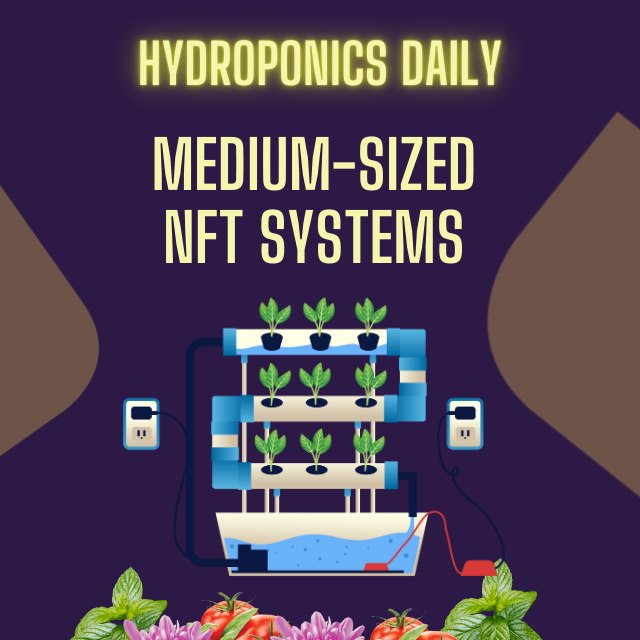
Apr 22
The True Origins of Hydroponics
In this episode of Hydroponics Daily, Dr. Russell Sharp takes us through the fascinating history of hydroponics, debunking common misconceptions along the way. Contrary to popular belief, the practice didn’t start with the Hanging Gardens of Babylon. While ancient Babylonian horticulture involved groundbreaking irrigation techniques, it lacked the soilless cultivation we associate with modern hydroponics. We travel through time, visiting 17th-century experiments with water-grown plants, to Professor William Frederick Gericke’s groundbreaking work in the 1930s that truly established hydroponics as we know it today. Gericke’s innovations paved the way for modern crop production, crucial contributions like the phosphorus priming technique for enhancing crop yields. The episode also highlights early commercial hydroponics on Ascension Island, discussing its evolution and the challenges faced, including dealing with pests and adapting to local ecosystems. Dr. Sharp provides insights into how hydroponics continue to feed remote populations and the impact of technological advancements like LED lights on the growth of vertical farming. https://eutrema.co.uk/shop/fertiliser/liquid-gold-unique-complete-fertiliser/

Apr 21
7 Game-Changing Benefits of Hydroponics
In this episode of Hydroponics Daily, we delve into the transformative benefits of hydroponic farming, setting the stage for a revolution in modern agriculture. Explore how hydroponics allows for increased crop yields and out-of-season production, positioning it as the go-to method for commercial growers seeking to maximize efficiency and profit. Learn about the significant reduction in soil-borne diseases and the optimization of fertilizer regimens, making hydroponics not only more productive but also healthier for consumers. Discover the innovative solutions hydroponics provides for contamination challenges and how its lightweight nature opens up agricultural possibilities in unexpected places. Whether you're a hobbyist or a commercial grower, this episode offers insightful perspectives on why hydroponics is not just another agricultural method, but a strikingly efficient and 'cool' approach to modern farming. https://eutrema.co.uk/shop/fertiliser/liquid-gold-unique-complete-fertiliser/
Apr 20
Re-Vegging / rejuvinating your crop
Welcome back to Hydroponics Daily! In today's episode, we explore the fascinating process of re-vegging plants. Discover how certain hydroponic crops can be reverted from their mature, flowering state back to their juvenile form. While challenging, this technique offers unique advantages, such as preserving specific genetics and optimizing desirable traits. Join us as we delve into the methods of re-vegging, including the importance of maintaining long daylight periods and carefully pruning plants to encourage the emergence of juvenile tissues. We'll also discuss the limitations and reasons why re-vegging is not commonly used for multiple crop cycles. If you've attempted re-vegging or have insights to share, we'd love to hear from you! Stay tuned for more on hydroponics and the myriad ways you can optimize plant growth and productivity. Thank you for tuning in! https://eutrema.co.uk/shop/fertiliser/liquid-gold-unique-complete-fertiliser/
Apr 19
Vertical Farming Shake-Up: Major Players Go Bust
Welcome back to Hydroponics Daily with Dr. Russell Sharp! In this episode, we delve into recent developments in the vertical farming sector, focusing on the collapse of major players like the Jones Food Company, which has gone into administration in the UK. Explore the challenges faced by unicorn companies such as Plenty and Bowery, who once led the industry but have now ceased operations. Dr. Sharp discusses the factors contributing to this trend, including shifting investment strategies and the pressing need for unique business models in an industry with tight profit margins. Join us as we analyze the future of vertical farming and what it takes to survive in this rapidly-evolving landscape. https://eutrema.co.uk/shop/fertiliser/liquid-gold-unique-complete-fertiliser/
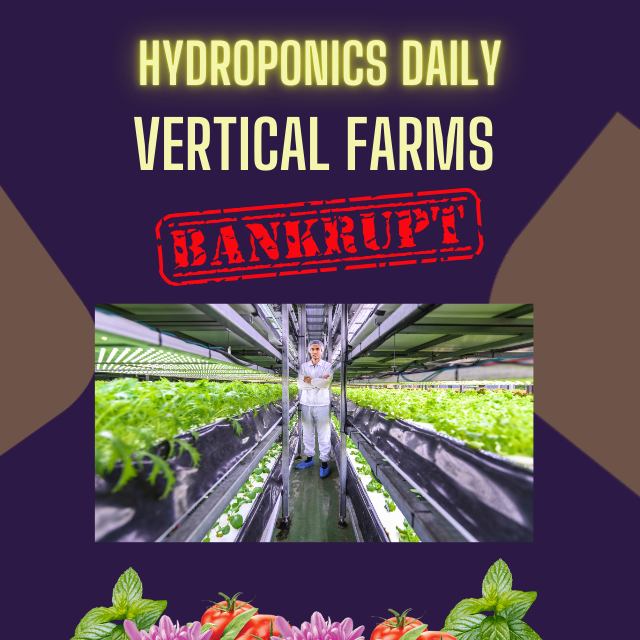
Apr 18
Growing Extreme Hot Chillies
In this episode of Hydroponics Daily, we delve into the challenging but rewarding world of growing extremely hot chilli plants, such as the notorious Carolina Reaper and other varieties boasting over a million Scoville heat units. Learn the secrets to germinating these fiery plants, including optimal temperature conditions and scarification techniques. Discover the ideal indoor environments and hydroponic systems that facilitate growth, and hear about the experiences of starting your chilies off indoors to protect them from cold damage. We'll also cover common pests like whiteflies and aphids, and how to maintain ideal airflow to promote healthy growth. Whether you're a seasoned gardener or a hydroponics novice, this episode provides valuable insights into cultivating some of the world's hottest chilis, ensuring a spicy addition to your growing repertoire. https://eutrema.co.uk/shop/fertiliser/liquid-gold-unique-complete-fertiliser/
Apr 17
Tips for your first hydroponic grow
In this episode of Hydroponics Daily, Dr. Russell Sharp continues his guidance for first-time growers. We move from the checklist of essentials to exploring the common pitfalls beginners face and the expert tips to overcome them. Dr. Sharp emphasizes the importance of establishing a good relationship with a local grow shop to benefit from their expertise, rather than relying solely on online purchases. Patience in seed germination and thorough, regular pest checks are highlighted to ensure a successful start. The episode stresses the necessity of maintaining a stable temperature and monitoring plant nutrition without excessive obsession. Safety in the grow room is crucial; vigilance towards electrical setups and air quality are key to a healthy growing environment. Finally, the podcast offers reassurance against overthinking and urges simplicity for a thriving hydroponic journey. https://eutrema.co.uk/shop/fertiliser/liquid-gold-unique-complete-fertiliser/
Apr 16
Beginner's Checklist for Hydroponic Success
Welcome to Hydroponics Daily with Dr. Russell Sharp. In today's episode, we dive into the essentials every beginner needs to kickstart their hydroponic journey. From understanding the optimal season to start your indoor grow, to choosing the right equipment like grow tents, LED lights, and circulatory fans, Dr. Sharp covers it all. Learn about the importance of using the right growing medium, selecting the best seeds, and the must-have nutrients to ensure a successful harvest. Join us as we simplify the process, helping you avoid common pitfalls, and set you on the path to becoming a confident hydroponic grower. Whether it's deciding between desirable and essential items, or understanding what to avoid in your first grow, this episode serves as a comprehensive guide for hydroponic beginners. https://eutrema.co.uk/shop/fertiliser/liquid-gold-unique-complete-fertiliser
Apr 15
Bro Science Myths - Crocks in Pots
In this episode of Hydroponics Daily, we dive into the common misconception that placing crocks (pieces of broken pot or stones) at the bottom of containers helps improve drainage. We explore why this practice, often passed down through generations or learned from magazines, may actually impede proper water flow. Through a simple experiment analogy with a sponge, we reveal how such practices can create more harm than good, leading to water retention rather than drainage. The episode highlights the importance of using rose pots, known for their upright and effective drainage design, offering an alternative to the widespread use of crocks. Join us in uncovering the truth about this bro-science myth and learn better techniques to ensure your plants thrive, while encouraging listeners to stay tuned for more horticultural insights.

Apr 14
Fungus Gnats: a major pest in hydroponics and houseplants
Join Dr. Russell Sharp on this episode of Hydroponics Daily as he delves into the world of fungus gnats, a pervasive pest in hydroponics, houseplants, and horticulture. Discover their life cycle, learn effective control methods, and explore innovative solutions in development at Eutrema laboratories. Find out how to optimize your watering techniques and choose the right soil amendments to minimize these pests. Plus, stay tuned for an exciting new invention that promises to revolutionize fungus gnat management. https://eutrema.co.uk/shop/fertiliser/liquid-gold-unique-complete-fertiliser/
Apr 13
Air Flow for Hydroponic Success
In this episode of Hydroponics Daily, Dr. Russell Sharp delves into the often overlooked yet crucial component of air movement in grow rooms and greenhouses. While many beginners focus on lighting and nutrients, Dr. Sharp emphasizes the importance of good airflow for healthy plant growth and prevention of fungal diseases. Understanding the role air movement plays in circulating stale air and maintaining uniform environmental conditions, this episode provides insights into different fan types and their applications. Dr. Sharp offers practical tips on fan placement and highlights safety issues related to electrical components in grow rooms. Additionally, the episode addresses the impact of LED lights on air movement and plant health, offering solutions to enhance LED lifespan and efficiency. Tune in to learn how to optimize airflow in your hydroponic system and ensure your plants thrive. https://eutrema.co.uk/shop/fertiliser/liquid-gold-unique-complete-fertiliser/

Apr 12
Laughable Hydroponic Fails from Dr. Russell Sharp
Join Dr. Russell Sharp on Hydroponics Daily as he candidly shares his personal hydroponic blunders, proving that even experts are not immune to mishaps. From mistaking common growing issues for unique plant features to accidentally killing rare plants, Dr. Sharp's anecdotes are both entertaining and educational. In this episode, he hilariously recounts seven epic fails, including a costly car breakdown due to transporting mulch and an unexpected aphid infestation despite following conventional wisdom. Learn from his mistakes as he provides valuable insights into avoiding these common pitfalls in your own hydroponic journey. https://eutrema.co.uk/shop/fertiliser/liquid-gold-unique-complete-fertiliser/
Apr 11
PhosPHITE: Unlocking Root Growth Secrets
In this episode of Hydroponics Daily, Dr. Russell Sharp delves into the world of phosphites, exploring their unique properties and significance in hydroponic systems. Often confused with phosphates, phosphites play a crucial role in promoting extensive root systems, particularly in crops like potatoes. While some claims suggest additional pest control benefits, the primary strength of phosphites lies in their ability to stimulate root growth effectively. Dr. Sharp also addresses the controversial aspects of phosphite usage, from EU bans to misconceptions about their role as a phosphorus source. The episode provides valuable insights into different biostimulants available for root development, emphasizing alternatives like amino acids and humic acids for those seeking organic options. https://eutrema.co.uk/shop/fertiliser/liquid-gold-unique-complete-fertiliser/
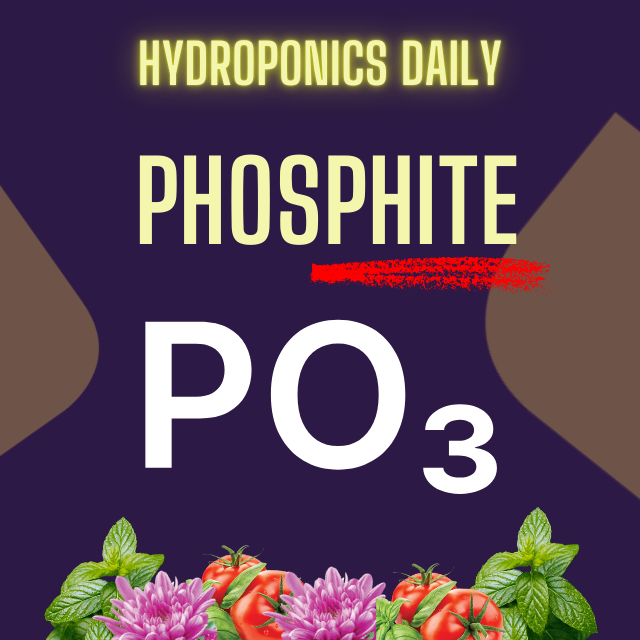
Apr 10
Exploring the Fascinating World of Fasciation
Welcome back to Hydroponics Daily with Dr. Russell Sharp, where today we delve into the intriguing phenomenon of fasciation. Fasciation occurs when a plant’s developing bud is damaged, causing abnormal and often captivating growth patterns. From bulging stems to elongated flowers, fasciation alters plant structures, sometimes turning them into fascinating collector’s items. Learn about the natural and human-induced causes of fasciation, and discover how this phenomenon is both a gardener’s challenge and a unique selling point in the horticultural world. https://eutrema.co.uk/shop/fertiliser/liquid-gold-unique-complete-fertiliser/

Apr 9
Houseplants - care at home & opportunities for commercial cultivation
Welcome to Hydroponics Daily with Dr. Russell Sharp. In this episode, Dr. Sharp dives into the world of houseplants, offering valuable advice for everyone from beginners to experienced growers. Learn how to avoid the most common mistakes, such as overwatering, and discover tips for thriving houseplants even in winter. Dr. Sharp also discusses the fascinating world of rare and variegated houseplants and shares insights for those looking to cultivate houseplants commercially. Tune in for expert advice on nutrients, pest control, and creating optimal conditions for your indoor garden. https://eutrema.co.uk/shop/fertiliser/liquid-gold-unique-complete-fertiliser
Apr 8
Did IKEA's fail at hydroponics?
Welcome back to Hydroponics Daily with Dr. Russell Sharp, the inventor of Gold Leaf fertilizer. In today's episode, Dr. Sharp explores IKEA's foray into the world of hydroponics with their 2016 launch of hydroponic equipment, including the VÄXER unit. Despite high hopes for promoting home-grown vegetables, the venture was short-lived. Dr. Sharp shares personal experiences using IKEA's kits, highlighting their quality and affordability. While the hydroponic units brought unlikely customers into IKEA, questions remain about their ultimate success. Discover why Dr. Sharp wishes for a revival of these units and the potentially missed opportunity of incorporating Gold Leaf fertilizer. https://eutrema.co.uk/shop/fertiliser/liquid-gold-unique-complete-fertiliser/

Apr 7
Sticky Solutions: the Science Behind Traps
In this insightful episode, Dr. Russell Sharp discusses the intricacies of pest control using various types of sticky traps. Discover how yellow traps play a pivotal role in attracting and controlling aphids and other flying pests due to their color, which signals plant sickness to these insects. Dr. Sharp delves into the chemistry behind the stickiness, highlighting a particular substance known as polybutene, famous for being one of the stickiest synthetic compounds. Learn about the practical applications of these traps in greenhouses and the surprising difficulties faced during their manufacturing process. The episode further expands on the use of different colored traps for diverse pests and explores fascinating innovations and setbacks in the development of new trapping technologies. Whether it's combating thrips with blue traps or monitoring wireworms and slugs in agricultural settings, Dr. Sharp illustrates the diverse applicability and challenges within the realm of pest trapping. Listen in for expert insights and inventive strategies that make up this crucial aspect of pest management, a must-hear for anyone engaged in plant care or agriculture. https://eutrema.co.uk/shop/pesticides-organic/eutrema-insecticidal-soap-sodium-free/
Apr 6
Inlet Filters- The Unsung Hero of Hydroponics?
Welcome to Hydroponics Daily, where today's brief episode delves into the importance of inlet filters in your grow room. While outlet filters are commonly used to control odors, inlet filters play a crucial role in keeping out unwanted pests and some diseases. Discover why positioning your inlet ducting high can prevent pests that can't fly very high, and learn about the simple solution of using a mesh filter made from tights to block insects. Moreover, explore how an inlet filter can prevent pest-transferred viruses from entering your grow room, ensuring a healthier environment for your plants. However, for spores, pollen, and mildew, more stringent measures might be necessary. Tune in for practical tips to maintain a pest-free hydroponic system and consider additional features for future-proofing your setup. https://eutrema.co.uk/shop/soil-conditioners/liquid-gypsum
Apr 5
How I invented Gold Leaf
Join Dr. Russell Sharp on "Hydroponics Daily" as he takes us through the fascinating journey of how he invented Gold Leaf, or Liquid Gold, revolutionizing the world of hydroponic fertilizers. This innovative product, developed out of sheer determination and serendipitous innovation, simplifies the growing process for beginners and experts alike by offering a comprehensive one-part fertilizer solution. Discover how Dr. Sharp overcame industry skepticism and numerous formulation challenges to create a highly concentrated, pH-perfect fertilizer that dechlorinates automatically and enhances plant growth with every essential nutrient. Learn about the unique properties of Gold Leaf that set it apart from conventional fertilizers and its rising popularity in the ever-evolving market. Whether you are an experienced grower or just starting, this episode reveals the remarkable story of persistence, science, and the drive to make a positive environmental impact with reduced plastic use.

Apr 4
Manipulating Sex in Plants
In this captivating episode of Hydroponics Daily, Dr. Russell Sharp dives into the fascinating world of plant sexuality and how it can be manipulated for better crop production. As spring arrives, it's a busy time for hydroponic enthusiasts seeking the perfect fertilizer. Dr. Sharp shares his experiences with plant sex changes, discussing everything from cucumbers and pumpkins to cannabis. Discover the surprising effects of environmental factors, chemicals, and even electrocution on plants and learn about unique species like the bloody arum and the challenge of conserving rare cycads. With anecdotes from Dr. Sharp's research adventures in China and Northern California, this episode blends science with adventure for hydroponics enthusiasts worldwide. https://eutrema.co.uk/shop/fertiliser/liquid-gold-unique-complete-fertiliser

Apr 3
Plant Sexuality
On today's episode of Hydroponics Daily, join Dr. Russell Sharp as we delve into the captivating world of plant sexuality. Explore the evolutionary adaptations leading to male and female plants, and how these mechanisms prevent inbreeding depression. Discover the intriguing dynamics of dioecious and monoecious plants, and their significance in horticulture. Uncover the surprising connections between plant reproduction, pollination, and even horticultural practices involving drones and synthetic hormones. From hops to kiwis, and ginkgo to holly, learn about the diverse strategies plants use to thrive and the role of human intervention in cultivating specific outcomes. Tune in for an informative journey through the lens of hydroponics. https://eutrema.co.uk/shop/fertiliser/liquid-gold-unique-complete-fertiliser/

Apr 2
Pollination: Beyond Bees and Flowers
Welcome back to another episode of Hydroponics Daily with Dr. Russell Sharp. Today's discussion centers around the intricate world of pollination, a subject rich with fascinating stories and vital for our understanding of plant reproduction. Dr. Sharp explains pollination as the simple transfer of pollen from the male to the female parts of flowers, emphasizing its role in the wider context of the plant kingdom. Throughout the episode, Dr. Sharp dispels myths about the indispensability of bees, arguing that other animals like birds, moths, and even flies also play crucial roles in this process. He delves deeper into the various methods of pollination used by different crops, from self-pollinating tomatoes to apples that require cross-pollination and pollinizers. This episode also explores intriguing facts about pollination, such as its impact on fruit quality and how some crops, like cucumbers and pineapples, actually benefit from avoiding this process altogether. Tune in to learn more about the quirks of pollination and its significance in agriculture and horticulture. https://eutrema.co.uk/shop/fertiliser/liquid-gold-unique-complete-fertiliser/

Apr 1
Growing Record Breaking Giant Vegetables
Join us in this exciting episode of Hydroponics Daily as we explore the world of giant vegetable growing. Discover the challenges and triumphs of cultivating oversized produce, such as potatoes, carrots, and pumpkins. Learn from personal experiences and gain insights into the methods and nutrients essential for success, including the use of hydroponic systems and sponsors' contributions. We also delve into the historical contexts from the UK and the US and highlight resources and competitions that nurture this intriguing horticultural hobby.

Mar 31
Decoding Sustainable Farming: Organic, Biodynamic, Vegan, and Beyond
Welcome back to Hydroponics Daily! In this episode, we dive into various environmentally friendly methods of cultivation and explore terms that often cause confusion. We discuss the principles of organic farming, highlighting differences between various regulatory standards globally. Learn about vegan fertilizers and the challenges they face in delivering essential macronutrients. We also demystify biodynamics, permaculture, and homeopathic fertilizers, addressing their practical implications and scientific criticisms. Moreover, we examine regenerative and biorational agricultural practices, focusing on the restoration of soil health and the use of biology-friendly additives. Discover how regenerative methods are gaining traction in Europe and North America, and the nuances between organic and hydroponic crops in different regions. Tune in for an insightful discussion and feel free to share your thoughts or experiences, especially if you're from countries or states where we are seeking to grow our listener base.

Mar 30
Advanced Horticultural Strategies
Join Dr. Russell Sharp, the inventor of gold leaf, as he explores ways for advanced horticulturalists to further enhance their knowledge. In this episode of Hydroponics Daily, Dr. Sharp shares his go-to resources for the latest studies and trends in plant science, ranging from prestigious journals to daily horticulture websites. Discover how applied and experimental research can push the boundaries of glasshouse horticulture and uncover new technological advancements at international conferences.
Mar 29
Crazy Roots
Join Dr. Russell Sharp on Hydroponics Daily as he delves into the world of "Crazy Roots," a bacterial disease affecting commercial greenhouses worldwide. Despite its whimsical name, this condition leads to the overproduction of unwanted plant roots, causing significant yield losses for growers, especially those utilizing rock wool or mineral wool. Discover the origin, spread, and management of this stubborn disease, and learn essential phytosanitary practices to prevent its invasion. Dr. Sharp emphasizes the importance of identifications, such as noticing abnormal root growth, and shares insights on maintaining a contaminant-free growing environment. This episode is a crucial listen for hydroponics enthusiasts and commercial growers who aim to protect their crops from this increasing threat. https://eutrema.co.uk/shop/pesticides-organic/chitosan-biofungicide/

Mar 28
Compost Teas
Welcome back to Hydroponics Daily with Dr. Russell Sharp. In today's episode, we delve into the fascinating world of compost teas. Compost teas are unique brews made from biological extracts, not suitable for drinking, but beneficial for plant growth. Discover the advantages of using these teas for ornamental plants, including enhanced nutrient absorption and protection against pests, diseases, and environmental stresses. However, caution is advised when using them on edible crops due to potential bacterial risks. Learn about the intricacies of brewing compost teas, the importance of quorum sensing, and the potential challenges, such as spray nozzle blockages. Join Dr. Sharp as he shares insights from his experiences and explores this intriguing topic. Plus, a fun side note: could there ever be a compost coffee? https://eutrema.co.uk/shop/biostimulants/yucca-extract

Mar 27
Fiber crops in hydroponics?
Welcome to another episode of Hydroponics Daily with Dr. Russell Sharp, where we delve into the intriguing world of fiber crops as sustainable alternatives to cotton. Drawing from his experience at De Montfort University's fashion department, Dr. Sharp explores the environmental challenges of traditional cotton farming and introduces bast fibers—found in crops like nettles, hemp, and flax—as promising solutions. Discover how specialized techniques such as retting and the use of enzymes are used to extract fibers from these plants, providing a greener pathway to producing textiles. Dr. Sharp shares his insights into the unique properties of these plants, including their growth habits and environmental benefits. Join us as we navigate the challenges and opportunities in fiber crop cultivation, including processing technologies and the need for specialized machinery. This episode also unpacks fascinating historical tidbits, from German nettle cultivation during World Wars to the Blaby Special tomatoes of Leicester. If you're interested in learning more about growing fiber crops or hydroponic techniques for such plants, this episode is packed with insights and practical advice. Tune in to explore the future of sustainable fashion and agriculture. https://eutrema.co.uk/shop/biostimulants/yucca-extract

Mar 26
Yucca Extracts
In this episode of Hydroponics Daily, we explore the fascinating world of yucca extracts and their vital role in hydroponic gardening. Tune in to discover why these natural soaps, derived from the Mojave yucca, are essential for improving the absorption of nutrients and water in your grow media. Learn how yucca extract can rejuvenate your plants, serve as an organic insecticidal soap, and act as a biostimulant to promote healthy growth during the flowering phase. Whether you're a hydroponic enthusiast or a traditional gardener, the benefits of yucca extract are universal. https://eutrema.co.uk/shop/biostimulants/yucca-extract

Mar 25
Topping and Fimming
In this episode of Hydroponics Daily, Dr. Russell Sharp invites Matthew Wallace to discuss the intricate techniques of topping and fimming plants. Discover how these methods can significantly impact plant growth and yield, and learn about the essential differences between the two. Matthew explains the process of topping, which involves cutting the fresh growth at the top of the plant to encourage more branching and increase the number of flowering sites, ultimately enhancing fruit production. They also delve into the technique of fimming, which, unlike topping, involves a partial cut, promoting a bushier plant structure. The episode offers insights into situations where these techniques should be avoided, such as with autoflowering strains. Join the conversation as Matthew provides expert advice on maximizing plant growth and yield through careful application of these advanced horticultural practices. https://eutrema.co.uk/shop/organic-fertilisers/seaweed-extract-cold-processed/

Mar 24
Foliar Sprays - hype or hack?
Welcome back to another insightful episode of Hydroponics Daily! Today, we delve into the world of foliar sprays, exploring both their benefits and disadvantages. As a manufacturer of foliar sprays, we have first-hand knowledge to share. Foliar sprays are an excellent way to deliver biostimulants, micronutrients, and even correct soil imbalances in plants. However, their application can also lead to increased humidity and potential leaf scorch. Learn how foliar sprays can be both beneficial and problematic, and how to avoid common pitfalls. We also provide tips on making informed purchasing decisions to ensure you're not overpaying for diluted products. Tune in for a balanced discussion on the role of foliar sprays in hydroponic gardening.

Mar 23
Integrated Pest Management in Hydroponics
Welcome to another insightful episode of Hydroponics Daily with your host, Dr. Russell Sharp, known for inventing liquid gold in the UK. In this episode, we dive into the world of Integrated Pest Management (IPM), an essential approach to maintaining healthy plants. Unlike the conventional divide between chemical and organic farming, IPM leverages diverse techniques to minimize pesticide use, promoting sustainable practices even in organic setups. Learn how location, crop selection, intercropping, and biological controls can effectively manage pests and diseases, keeping your hydroponics thriving. Dive in to explore revolutionary methods that go beyond harmful chemical dependencies, ensuring a balanced and productive growing environment.

Mar 22
Extracting gold from plants
In this intriguing episode of Hydroponics Daily, Dr. Russell Sharp delves into the remarkable story of Fritz Haber, the man behind the Haber-Bosch process. Despite saving billions from starvation through the invention of nitrogen fertilizer, Haber's reputation remains controversial due to his involvement in chemical warfare. This episode explores Haber's lesser-known venture to extract gold from seawater and his miscalculations that led to its impracticality. Dr. Sharp shifts focus to the fascinating world of hyperaccumulator plants. These unique plants can absorb significant amounts of metals, including precious ones like gold. He explains how certain species, such as the American perennial silky phacelia and Indian mustard, can be harnessed for eco-friendly mining practices. Furthermore, Dr. Sharp discusses the potential role of hydroponics in enhancing metal extraction efficiency from contaminated streams or effluents. This episode leaves listeners pondering the potential synergy between hydroponics and sustainable mining, urging innovative thinkers to explore this promising frontier further. https://eutrema.co.uk/shop/biostimulants/salicylic-acid-solution-eutrema-exclusive/
Mar 21
Trap Crops
In this episode of Hydroponics Daily, Dr. Russell Sharp delves into the intriguing world of trap crops. Unlike carnivorous plants, which evolve to gain nutrients from catching and decomposing animals, trap crops are used as a strategy to control pests within crops. Examples include radishes protecting carrots from wireworms and mustard attracting caterpillars away from cabbages. Dr. Sharp discusses the controversial nature of trap crops and the limited scientific evidence supporting their effectiveness. While they may offer benefits, such as reducing pest numbers, they also pose risks. These include attracting more pests or inadvertently increasing pest populations if not managed correctly. The episode also explores unique examples like the South American plant, Philcoxia, which attracts and decomposes nematodes using its underground sticky leaves. With insights into using plants like marigolds for aphid control, this episode offers a comprehensive view of the potential and pitfalls of trap crops in gardening and hydroponics. https://eutrema.co.uk/lawn-care/

Mar 20
Hydroponic Trends in 2025
In this episode of Hydroponics Daily, join Dr. Russell Sharp as he sits down with Matthew Wallace, to discuss the emerging trends in hydroponics for 2025. From the increasing challenges of managing spider mites and other pests to the evolving fertilizer practices causing plant burns, this episode uncovers the critical shifts in the industry. Matthew shares insights into the changing landscape of hydroponics, including the rise in houseplant diversification and the current absence of UK trade shows. Discover how the hydroponic community is adapting to these shifts and what the future holds for growers worldwide. Whether you're an experienced grower or new to the scene, this podcast provides valuable information to help you thrive in the dynamic world of hydroponics. https://eutrema.co.uk/shop/fertiliser/liquid-gold-unique-complete-fertiliser/

Mar 19
Boost Your Flower Yield with GIRDLING!
Welcome back to Hydroponics Daily with Dr. Russell Sharp. In this episode, we dive into the technique of girdling to potentially boost your crop yield and quality, particularly for flowering plants. Learn how this method helps concentrate sugars and hormones in the upper sections of the plant, enhancing flower buds, resin, and terpene production. While girdling may seem unconventional, it might be the key to a more bountiful harvest. Join us as we explore this intriguing technique and its application in hydroponics. https://eutrema.co.uk/shop/fertiliser/liquid-gold-unique-complete-fertiliser
Mar 18
Triacontanol - a powerful hydroponic boost, but how does it work????
Welcome back to Hydroponics Daily with Dr. Russell Sharp. In this episode, we delve into the intriguing world of triacontanol, a popular biostimulant in hydroponics. Often unbeknownst to users, this fatty alcohol derived from natural sources like beeswax, plays a crucial role in many growth-boosting products. Despite its widespread use, the exact mechanism of how triacontanol enhances photosynthesis remains elusive. Join us as we explore its origins, applications, and the remarkable, sometimes explosive, growth effects it achieves. Whether it's causing a sensation in Asian horticulture or quietly aiding Western small-scale growers, triacontanol proves to be a fascinating component of the hydroponic landscape. https://eutrema.co.uk/shop/fertiliser/liquid-gold-unique-complete-fertiliser

Mar 17
World's Best Fertilizer - and it is NOT Gold Leaf!
In this episode of Hydroponics Daily, Dr. Russell Sharp explores an unconventional yet highly effective approach to plant growth: using your shadow as a fertilizer. Drawing on over three decades of experience, Dr. Sharp emphasizes the importance of being physically present in your grow room or garden to monitor and address issues such as pests, diseases, and nutrient imbalances before they escalate. He highlights the limitations of automation and the value of personal engagement in enhancing plant health and yield. Dr. Sharp further contrasts the cost-free benefits of using your shadow with the premium features of Gold Leaf, also known as Liquid Gold in the UK, a top-tier fertilizer alternative. Listeners are encouraged to balance technology with time spent among their plants to enjoy and optimize their hydroponic setups. The episode also addresses common overzealous practices that can hinder growth, such as early defoliation and premature harvesting, urging growers to consider timing and patience for the best results. https://eutrema.co.uk/shop/fertiliser/liquid-gold-unique-complete-fertiliser

Mar 16
Florigen - The Flowering Hormone
In this episode of Hydroponics Daily, Dr. Russell Sharp delves into the fascinating world of florigen, the elusive hormone responsible for flowering in plants. Drawing from his extensive research, particularly on rhododendrons, Dr. Sharp explores the complexities and breakthroughs surrounding florigen's discovery. He discusses the role of the FT protein in Arabidopsis , the intriguing concept of anti-florogens, and the potential impacts of synthetic florigen on agriculture and conservation. Join Dr. Sharp as he unravels the secrets behind plant flowering, offering insights into how this knowledge might revolutionize the way we cultivate both ornamental and edible crops. https://eutrema.co.uk/shop/fertiliser/liquid-gold-unique-complete-fertiliser

Mar 15
Carcinogenic Fertilizers - A secret scandal
In this eye-opening episode of Hydroponics Daily, Dr. Russell Sharp sheds light on the alarming use of carcinogenic fertilizers in agriculture, particularly in North America. He highlights the dangers posed by cobalt and nickel-based products, which remain in the environment indefinitely, posing significant health risks. Dr. Sharp calls for awareness and action, encouraging listeners to help expose this global issue and ensure safer farming practices. Email russell@eutrema.co.uk to help fight this!

Mar 14
What does 'senescence', 'necrosis', 'abscission', and 'chlorosis' mean?
Welcome to Hydroponics Daily with Dr. Russell Sharp! In this enlightening episode, we delve into the intricate world of plant health, focusing on four key terms crucial for diagnosing leaf issues in hydroponics: chlorosis, senescence, abscission, and necrosis. Understanding these terms is essential for identifying and addressing nutrient deficiencies and environmental stressors that affect plant vitality. Chlorosis, characterized by the yellowing of leaves, often signals a nutrient deficiency such as nitrogen or iron. Senescence, the browning and dying off of leaves, can be a natural process or a result of dry soil and high fertilizer conductivity. Abscission, where leaves drop off still green, often occurs due to oxygen deprivation in the roots. Lastly, necrosis, the blackening of leaf tissues, signals calcium deficiency, notably in crops like tomatoes and lettuce. Join Dr. Sharp as he clarifies these scientific terms, helping you better understand the complex interactions in your hydroponic system and improve your crop's health. Tune in and share this valuable knowledge with fellow hydroponics enthusiasts! https://eutrema.co.uk/

Mar 13
Seed Sterilization in Hydroponics
Welcome to Hydroponics Daily! In this episode, we delve into the significance of seed sterilization for hydroponic growers. As we embrace our growing North American audience, we discuss crucial topics like quarantine practices and the importance of sterilizing seeds to prevent diseases, pests, and other issues that can arise from unreliable seed suppliers. We explore various seed sterilization methods, including acid scarification and hot water treatment, highlighting how these techniques not only ensure cleanliness but also aid in seed germination. Discover the role of ethanol and more advanced technologies such as plasma and UV light treatments in promoting seed health. With a humorous nod to spelling debates, this episode is a comprehensive guide for anyone looking to optimize their hydroponic growing practices. https://eutrema.co.uk/

Mar 12
Quarantine - Preventing Invisible Invaders
In this episode of Hydroponics Daily, Dr. Russell Sharp dives into the essential practice of quarantining plants when introducing them to your indoor growing setup. Discover why even the cleanest-looking cuttings could be harboring pests and diseases, and learn about practical quarantine methods to protect your grow room or greenhouse. Dr. Sharp shares insights from his experiences at Lancaster University's Environment Center, highlighting the risks and preventative measures to keep your plants healthy and pest-free. Whether you're a small grower or managing a research facility, this episode will guide you through the critical steps of plant quarantining to safeguard your hydroponic system. https://eutrema.co.uk/

Mar 11
Spring Onions and Hops: Revolutionizing Hydroponics in 2025
Welcome back to Hydroponics Daily. Join Dr. Russell Sharp, the inventor of liquid gold fertiliser, as he delves into the fascinating world of hydroponics and shares his focus for 2025. In this episode, Dr. Sharp unveils his plans to revolutionize the cultivation of spring onions and hops through innovative methods and cutting-edge biostimulants. Discover how the unique chemistry of alliums can be enhanced with sulfur-rich fertilisers, and why spring onions may soon be a staple British crop grown hydroponically, eliminating the need for imports. Dr. Sharp also tackles common challenges like flaccid spring onions in the UK and offers solutions through advanced agricultural techniques. Turning his attention to hops, Dr. Sharp shares the inspiring success story of a customer who became Hop Grower of the Year using their biostimulants. With plans to assist in propagation and optimize growing conditions, Dr. Sharp is on a mission to transform hop cultivation in the UK. Tune in to learn more about these exciting projects and explore the promising future of hydroponics under Dr. Sharp's expertise. www.eutrema.co.uk

Mar 10
Reusing Growing Media
In this episode of Hydroponics Daily, Dr. Russell Sharp delves into the realm of reusing growing media. Discover the environmental and economic benefits of reusing substrates, the challenges posed by residual salts, and methods to lower electrical conductivity for healthy plant growth. Explore solutions for managing root-bound media and learn how worms and composting can transform old substrate into nutrient-rich soil. Highlighting the complexity of reusing synthetic media like rockwool, Dr. Sharp offers insights into sustainable practices and invites listeners to consider future innovations in growth media reuse.

Mar 9
Notching and Nicking - Mastering Plant Architecture
Welcome back to Hydroponics Daily with Dr. Russell Sharp! In this episode, we dive into the innovative techniques of notching and nicking, essential for hydroponic growers looking to optimize plant architecture. Discover how these methods can be a game-changer, especially for those cultivating auto-flowering varieties or plants where strategic growth direction is crucial. By understanding and applying notching, you can control which branches grow and when, without sacrificing the apical bud. Learn how this approach avoids the drawbacks of traditional apical bud removal, ensuring your plants develop with increased branching opportunities and optimal exposure to light and air. Whether you're growing tomatoes or other sensitive crops, this episode is packed with insights on harnessing the power of auxin manipulation to maximize your garden's potential. Join Dr. Sharp as he explores this modern gardening science, offering tips and tricks to transform your hydroponic setup into a flourishing, efficient paradise. Have you tried notching yet? Share your experiences and let us know how it worked for you!

Mar 8
Glasshouses / Greenhouses
Welcome to Hydroponics Daily with Dr. Russell Sharp as we delve into the fascinating world of glasshouses. Learn why these structures, often referred to as greenhouses, offer superior growing conditions compared to polytunnels due to their ability to better manage infrared and ultraviolet light. Discover the advantages of controlling the environment with automated features like self-opening vents and lighting, which make glasshouses the most adaptable outdoor growing spaces. In this episode, Dr. Sharp shares insights into his own 30-year-old cedar glasshouse and explains the benefits of materials like aluminum and modern designs such as the Venlo glasshouses. Understand how glasshouses extend the growing season and improve crop quality with added CO2 and precise heating methods. Whether using electrical heaters or innovative solutions like water-filled bottles for temperature regulation, the potential for optimized plant growth in a glasshouse is vast.

Mar 7
Ozone
Welcome to Hydroponics Daily with Dr. Russell Sharp, as we delve into the fascinating world of ozone—a double-edged sword in our environment. While the ozone layer high up in the stratosphere serves as our shield against harmful UV rays, its presence in the lower troposphere poses a significant threat to both human and plant health, especially in urban areas. In this episode, Dr. Sharp discusses the unintended shift towards hydroponic farming following the ban on methyl bromide, a move that played a part in preserving the ozone layer. However, the challenges remain as urban ozone levels contribute to photochemical smog, impacting both plants and people. With insights ranging from historical figures like Margaret Thatcher to the ubiquitous yet resilient plant Buddlejia in the Doctor Who universe, Dr. Sharp sheds light on how some plants thrive despite ozone's adverse effects. Join Dr. Sharp as he explores practical measures such as using activated charcoal filters to mitigate ozone's impact in grow rooms, particularly during warm, still urban conditions. Discover how certain plants exhibit remarkable tolerance to ozone, and learn about the innovative approaches in hydroponics that could shape our urban landscapes in the future.

Mar 6
Musk's involvement in hydroponics
In this episode of Hydroponics Daily, Dr. Russell Sharp delves into the intriguing involvement of Elon and Kimball Musk in the world of hydroponics. Discover how Elon's vision for Mars colonization includes underground hydroponic farming powered by solar energy, and learn about Kimball's significant contributions through his company, Square Roots. Explore the journey of Square Roots, from its inception in Brooklyn to its expansion efforts in Japan, and the challenges it faced along the way. The episode also discusses the concept of farming as a service and its implications for vertical farming and hydroponics. Additionally, uncover Kimball's collaboration with the Gates Foundation on cutting-edge research to grow crops in the dark using gene editing and acetate feedstocks. This exploration highlights the continuous innovation and dedication of the Musk brothers towards sustainable agriculture, both on Earth and potentially, on Mars.

Mar 5
Viagra!

Mar 4
The Nagoya Protocol
In this episode of Hydroponics Daily, Dr. Russell Sharp delves into the Nagoya Protocol, a critical United Nations policy impacting environmental and genetic resource management. While it may sound like a thrilling spy novel, the protocol represents an effort in international legislation that mandates financial reinvestment to communities providing genetic materials, largely used by western corporations. Dr. Sharp discusses the real-world implications and challenges of implementing this policy, especially in relation to hydroponics, contrasting diverse international approaches and questioning its effectiveness in law enforcement. Through historical examples like the pharmaceutical use of Madagascan periwinkle, the episode illustrates the ethical considerations around equity and sustainability. Discover the complex dynamics between legislation and enforcement, and the ongoing discourse on fair compensation to original resource providers.
Mar 3
Salicylic Acid in Hydroponics
In this episode of Hydroponics Daily, Dr. Russell Sharp delves into the role of salicylic acid, a key plant hormone, in hydroponic systems. Originally extracted from willow, salicylic acid is crucial in plant defenses, helping to combat pests and pathogens. This naturally occurring compound, which can also be synthesized, activates systemic acquired resistance, making it a valuable ally for growers. Dr. Sharp explores the systemic nature of salicylic acid, highlighting its ability to move throughout the plant compared to other additives like seaweed extracts. He emphasizes its significance in managing viral threats to hydroponic crops and discusses its related compound, methyl salicylate, that mediates plant communication. Listeners are cautioned against using synthetic applications to treat existing viral infections, underscoring the importance of cleanliness and prevention. Additionally, salicylic acid's applications aren't limited to plant health; it's also prominent in skincare products. The episode concludes with insights into potential uses of salicylic acid to enhance flavor and resilience in crops, comparing its effects to known substances like aspirin. Dr. Sharp invites listeners to explore the possibilities of this versatile hormone further.

Mar 2
Vertical Farming
Welcome to Hydroponics Daily with Dr. Russell Sharp. In this episode, explore the innovative world of vertical farming—a method of growing crops hydroponically in stacked layers, ideal for large warehouses. Discover how LED lighting has enabled this agricultural revolution and learn about its key benefits and challenges. Dr. Sharp discusses the economic viability, automation, and pest control advantages of vertical farming, alongside recent industry trends and breakthroughs. Join the conversation and venture into the future of controlled environment horticulture.

Mar 1
Organoponics

Feb 28
Mycorrhizae - root fungal symbionts
In this episode of Hydroponics Daily, Dr. Russell Sharp dives deep into the fascinating world of mycorrhizal fungi and their symbiotic relationships with plant roots. Discover how these fungi receive 15% of photosynthetic sugars from plants, a contribution akin to that used for flowering and fruiting. Explore the crucial roles mycorrhizae play in stress tolerance and their essential existence for plants like orchids and pines, which rely heavily on these fungi for survival. Learn about the different types of mycorrhizal fungi, including endomycorrhizal, ectomycorrhizal, and vesicular arbuscular mycorrhizae, and how they contribute to nutrient absorption and resilience against toxins. Dr. Sharp also addresses the challenges of using mycorrhizal products, highlighting the issues of product viability and potential yield impacts. Dive into the discussion on the relevance of these fungi in hydroponics, and understand why some plants, especially brassicas and proteas, do not form mycorrhizal connections.

Feb 27
Nanobubbles in Hydroponics
In today's episode of Hydroponics Daily, we delve into the fascinating world of nanobubbles. These minuscule bubbles, only 20 to 200 nanometers in diameter, are revolutionizing how we think about hydroponic systems. Despite their small size, they play a significant role in water enhancement, contributing to increased oxygen levels and offering potential solutions for algae and bacterial issues. Join us as we explore how industries are leveraging nanobubble technology, from large-scale growers to small-scale operations utilizing advanced mineral-based generators. We discuss the promising implications this technology has on future hydroponic practices and its potential to replace conventional methods like antibiotics in livestock production. Tune in to learn more about this emerging technology, its current applications, and what the future might hold for nanobubbles in hydroponics and beyond.

Feb 26
Springtails: Hidden heroes or pest?
Welcome to Hydroponics Daily! In this episode, we delve into the world of springtails, the tiny creatures often found in various growing media like cocoa and rockwool. Despite their appearance, they are not classified as insects, though they are closely related. Springtails are often mistaken for pests like thrips or fungus gnats, but they actually play a beneficial role in your garden by consuming dead organic matter and maintaining a healthy ecosystem. Learn why having them in your grow media is a sign of a well-functioning system and why there's no need to resort to pesticides. Tune in to discover the truth about these fascinating creatures and how they contribute to your hydroponic setup.

Feb 25
Allelopathy: The Hidden Plant War
In this episode of Hydroponics Daily, we delve into the fascinating world of allelopathy, a phenomenon where plants release chemicals to inhibit the growth of competing species. This natural occurrence affects multi-cropping systems and can have both positive and negative impacts on plant growth. Learn about classic examples like the black walnut, which releases juglone to suppress nearby plants, and the complexities surrounding pine forests. Whether you're gardening or farming, understanding allelopathy can help you make informed decisions about plant pairings and crop management.

Feb 24
CO2 Enrichment - supercharge your grow
Welcome to Hydroponics Daily! In this episode, we explore the fascinating world of CO2 enrichment for plants. Discover how increasing CO2 levels can significantly enhance photosynthesis and plant growth for maximum yields. Learn about the ideal CO2 concentration of 1000 ppm and how it can increase tolerance to heat stress, especially during hot weather conditions. We also delve into various methods of CO2 enrichment, from canisters and burners to fermenters and innovative bicarbonate systems. Understand the benefits and potential risks associated with each method, ensuring you choose the best option for your growing environment. Whether you're a large-scale greenhouse operator or a small-scale grower, this episode offers invaluable insights and practical tips to optimize your grow room and achieve phenomenal plant growth.

Feb 23
Guttation: What the deuce?!
In today's episode of Hydroponics Daily, we dive into the fascinating world of guttation, a phenomenon where water droplets mysteriously appear on the edges of leaves. These droplets form due to root pressure pushing xylem sap through the leaves, especially in conditions of high humidity or early in the morning. We explore how this process is different from evaporation-driven sap movement and clarify that guttation droplets are not to be confused with honeydew, the sugary secretion from pests like aphids. The episode also touches on how guttation may hold potential for extracting active ingredients from genetically modified plants. Join us as we explore this intriguing natural process, and feel free to share your thoughts or interesting facts about guttation in the comments below!

Feb 22
Defoliation: 6 Key Benefits for Hydroponic Crops
Welcome to this episode of Hydroponics Daily, where we delve into the fascinating world of defoliation in crop management. Discover when and why defoliation can be a crucial practice, particularly for high-value crops, to enhance light penetration, improve light quality, and ensure proper air circulation around your plants. Learn about the various methods of defoliation, including both mechanical and manual techniques, and explore the reasons for employing these strategies—from boosting photosynthesis and ripening fruits to reducing humidity and pest pressures. Uncover the sometimes-outrageous benefits of simulated wounding and how it can trigger positive wounding responses in plants, leading to improved crop quality. Whether you’re aiming for a faster harvest or more manageable pest control, this episode provides valuable insights into optimizing your defoliation practices.

Feb 21
Cultivating Wasabi - it's easier than you think!
Welcome to Hydroponics Daily, where we debunk the myth that wasabi is the hardest plant to cultivate. Discover expert tips on growing wasabi successfully by understanding its preferences for calcium, sulfur, and oxygenated moisture. Learn why keeping this river plant from drying out and providing shade during intense summers are keys to thriving wasabi. Explore methods like propagation by division and optimal grow media choices to ensure a productive wasabi harvest. Join us as we dive into the fascinating world of wasabi cultivation and uncover the truth behind this misunderstood plant.

Feb 20
Pricking Out: Mastering Seedling Transplantation
Welcome back to Hydroponics Daily! In today's episode, we delve into the intriguing process of pricking out, a crucial step in the transplantation of seedlings from seed trays to individual pots. We discuss frequent mistakes like mishandling seedlings by their delicate stems instead of their cotyledons, and the potential irreversible damage this can cause. Understanding the different root systems, whether fibrous or taproot, is vital for successful transplantation and crop yield. Learn the art of timing your pricking out to avoid overcrowded conditions, ensuring healthy growth and preventing disease. Join us to become proficient in this essential hydroponics technique!

Feb 19
Autoflowering vs Photoperiodic crops
Welcome to another episode of Hydroponics Daily, where we delve into the intriguing world of plant flowering, focusing on the differences between day-neutral and photoperiodic plants. Understanding how these plants respond to light can radically impact your growing strategy. Day-neutral plants, also known as auto-flowering, bloom based on time rather than light exposure. This characteristic makes them ideal for outdoor growing, particularly when aiming for a harvest before adverse weather conditions. Photoperiodic plants, on the other hand, need specific light cycles for flowering and are often preferred indoors, where environmental conditions are controlled. Learn how critical aspects like phytochrome pigment and critical day lengths influence plant flowering, and discover the intricate relationship between light exposure and plant behavior. Join us as we explore these aspects and provide insights for both amateur and seasoned hydroponic enthusiasts.

Feb 18
Monocarpic vs Polycarpic Plants - What are they and why are they important in Hydroponics
In this episode of Hydroponics Daily, we delve into the fascinating world of plant life cycles, focusing on monocarpic and polycarpic plants. Discover what determines whether plants like wheat, lettuce, and the Himalayan lily die off after flowering, and why some species like bamboo flower all at once then perish. We explore examples from different plant families, discussing both annual and perennial plants and their unique fruiting characteristics. Learn why it's crucial to know your plant's life cycle, especially if you're maintaining them in a hydroponic setup, and uncover some intriguing examples of polycarpic plants like wasabi, plums, and hops that thrive year after year.

Feb 17
Conquering Thrips Part 2: The Supervillain in Your Hydroponic Garden
Welcome back to another episode of Hydroponics Daily! Today, we delve into the world of thrips, the ultimate supervillain of hydroponics, notorious for thriving in high temperatures and causing havoc in your growing room. In this episode, we'll explore effective strategies to prevent and manage thrip infestations. From maintaining cooler temperatures in your grainy room to using filters on inlet fans and quarantining cuttings, we cover a range of practical tips to protect your hydroponic crops. We also discuss the use of systemic and contact insecticides, including organic options like Hydro Thrips, to combat these pests. Additionally, learn about the importance of breaking the thrip life cycle by targeting eggs, adults, nymphs, and pupa, and discover how biocontrol agents, such as beneficial mites, can aid in managing thrip populations. Tune in to get insights on monitoring thrip forecasts, especially for crops like onions, and equip yourself with the knowledge to tackle thrip challenges with confidence. Join us next time for more hydroponic tips and tricks!

Feb 16
Conquering Thrips Part 1: A Major Threat in Hydroponics
Welcome to Hydroponics Daily, where we dive into the world of thrips, a major menace in the world of hydroponics. Both singular and plural, these pests are tricky to identify due to their transparent juvenile stage, which absorbs the color of their host plants. Thrips primarily attack the upper surfaces of leaves, leaving behind a distinctive silvery mottling pattern that's often mistaken for less devastating pests. Despite rigorous disinfection efforts, thrips can persist, threatening your crop. With thousands of species, like the western flower thrip and the onion thrip, they lay eggs in plant leaves, complicating the control process. Thrips undergo a rapid lifecycle, starting as eggs, advancing to wingless nymphs, pupating in the soil, and emerging as winged adults known as thunderflies, which fly inefficiently and thrive under specific weather conditions. Join us tomorrow as we explore methods to combat these destructive insects and protect your hydroponic ventures from their detrimental impact.

Feb 15
5 Non-Essential Elements with potential use in Hydroponics
In today's episode of Hydroponics Daily, we explore five non-essential elements that, while not required for plant growth, can significantly enhance the strength and resistance of plants within hydroponic systems. Discover why silicon is the standout element, improving cell wall strength and boosting plants' resilience against environmental stresses and pests. Learn about the roles and potential hazards of selenium, cobalt, vanadium, and titanium, and why they are less recommended compared to essential nutrients like iron. Join us as we delve into the science behind these elements, providing insights into when and how silicon can be safely incorporated into your hydroponic feeds, ensuring optimal pH levels and plant health. This episode not only guides you through the benefits and risks associated with non-essential elements but also empowers you to make informed decisions for a flourishing hydroponic garden.
Feb 14
Amino Acids Biostimulants in Hydroponics
In this episode of Hydroponics Daily, we delve into the fascinating world of amino acids and their role as biostimulants in plant growth. Amino acids, the building blocks of proteins, play a crucial role in enhancing plant vitality. Discover why applying a blend of amino acids, rather than a single type, is essential for optimal results, and explore various sources from which these beneficial compounds can be derived. We'll discuss the significance of glutamic acid and tryptophan in stimulating root growth and supporting nitrogen metabolism in plants. Additionally, learn about the different isomers of amino acids, the importance of using L-amino acids, and potential sources such as food byproducts. Join us to understand how these natural compounds can dramatically enhance your hydroponic system, ensuring your plants receive the nutrients they need for robust growth.
Feb 13
Seaweed Extract Biostimulants
Join us on this episode of Hydroponics Daily as we delve into the fascinating world of seaweed extracts, focusing on their role as powerful biostimulants in crop production. Our expert host shares insights from years of experience and extensive research into Ascophyllum nodosum , the primary seaweed species used globally. Discover the unique benefits these extracts offer in enhancing plant stress resistance, promoting beneficial microbes, and increasing soil water retention. We'll also explore the sustainable and effective extraction methods, shedding light on the various applications in fertilizers and the advantages of cold processing over chemical methods. Whether you're an avid gardener or a hydroponics enthusiast, this episode offers valuable information on recognizing quality seaweed extracts and leveraging them to boost your plant's health. Don't miss this deep dive into the science and benefits of seaweed as a natural tool for optimizing plant growth. 🇬🇧 https://eutrema.co.uk/shop/fertiliser/liquid-gold-unique-complete-fertiliser/ 🇺🇸 https://goldleaffertilizer.com/

Feb 12
Spider Mites - Control
Welcome to Hydroponics Daily! In this episode, we focus on strategies to combat the notorious red spider mites, a common issue among hydroponic enthusiasts. We delve into an integrated pest management approach, emphasizing the importance of not relying on a single method. Explore various techniques, including temperature control, chemical and natural treatments, and effective quarantine practices. Learn about the role of predatory mites in biological control and discover tips to monitor and maintain a pest-free hydroponic environment. Tune in to master the art of defending your plants against these formidable foes. 🇬🇧 https://eutrema.co.uk/shop/fertiliser/liquid-gold-unique-complete-fertiliser/ 🇺🇸 https://goldleaffertilizer.com/
Feb 11
SPIDER MITES!
Welcome back to Hydroponics Daily! In this episode, we delve into the world of red spider mites, known scientifically as Tetranychus urticae . These tiny arachnids pose a significant threat to hydroponic systems, often going unnoticed until they form webbing and migrate between plants. Listen in as we explore their lifecycle, feeding habits, and the havoc they wreak by causing plant deformation. Discover why early detection is key to preventing these pests from overrunning your grow room. 🇬🇧 https://eutrema.co.uk/shop/fertiliser/liquid-gold-unique-complete-fertiliser/ 🇺🇸 https://goldleaffertilizer.com/

Feb 10
Grafting curiosities
Welcome back to Hydroponics Daily! In this episode, we delve into the fascinating world of grafting, where innovation meets horticulture. Discover the concept of a "family tree" with diverse apple varieties grafted onto a single tree, ensuring a good pollen donor and maximizing variety. We explore the widespread practice of grape grafting in vineyards, crucial for overcoming root diseases like phylloxera. Learn about top-working with cherries, where ornamental foliage is grafted onto sturdy rootstocks, popular in cultural festivals. We discuss intriguing experiments like grafting hops and cannabis, highlighting the complexities of interstocks for incompatible varieties. Discover how hot pipe grafting and electrical conductivity are employed to improve grafting success rates. Uncover the vibrant world of grafted cacti, a unique aesthetic choice available in stores. We discuss grafting curiosities, like the parescia, a cold-tolerant plant from the cactus family, and why euphorbias can't be merged with cacti. Finally, we touch on the rare and extraordinary occurrences of chimeras in plants, where genetically distinct cell lines merge, creating unique flora. Tune in to explore these grafting marvels and more! In this insightful episode of Hydroponics Daily, host Russell Sharp delves into the crucial role of calcium in plant nutrition, particularly within hydroponic systems. As a secondary macronutrient, calcium is vital for the strength and growth of plant cell walls and is an essential player in cell division and signaling. Russell outlines the common problem of calcium deficiency, which often manifests as necrotic tissue in young plants, leading to issues such as "dead heart" in lettuce and blossom end rot in tomatoes. Despite appearances, these problems are typically caused not by a lack of calcium but by inconsistent water availability and environmental factors. Listeners will gain insights into maintaining calcium levels and learn the art of balancing water management to prevent deficiencies. Russel debunks common misconceptions related to one-part fertilizers and highlights the importance of selecting the right nutrients to ensure healthy, thriving plants in any hydroponic setup. 🇬🇧 https://eutrema.co.uk/shop/fertiliser/liquid-gold-unique-complete-fertiliser/ 🇺🇸 https://goldleaffertilizer.com/
Feb 9
Grafting
Join Dr. Russell Sharp, the inventor of the groundbreaking Gold Leaf fertilizer, as he delves into the fascinating world of grafting - a key propagation technique for many plants. In this episode, discover how grafting combines the best features of two different plants to create a superior organism. Dr. Sharp explains the process of using rootstock and scion to achieve desired plant characteristics, from size and resilience to flowering and fruiting potential. Learn about the importance of selecting the right rootstock and scion combinations, and how the graft union forms a vital connection that enables plants to thrive as if they were one. Dr. Sharp also covers common applications of grafting in plants such as apples, roses, cherries, and tomatoes, and highlights potential issues like graft union failures and the emergence of suckers. Gain insights into the practical aspects and benefits of grafting, and prepare to enhance your gardening skills with this essential technique. Tune in tomorrow for more intriguing updates on grafting! 🇬🇧 https://eutrema.co.uk/shop/fertiliser/liquid-gold-unique-complete-fertiliser/ 🇺🇸 https://goldleaffertilizer.com/
Feb 8
What are Petioles"
In this episode of Hydroponics Daily, we delve into the intricacies of vegetative propagation, focusing on the crucial distinction between petioles and stems. Understanding this difference is key to successful plant propagation. The discussion covers how stems and petioles can often be mistaken, leading to propagation issues, and highlights the essential role of buds in successful cuttings. Listen in to ensure you’re making the right choices in your hydroponic practice. 🇬🇧 https://eutrema.co.uk/shop/fertiliser/liquid-gold-unique-complete-fertiliser/ 🇺🇸 https://goldleaffertilizer.com/
Feb 7
Air Layering for propagating difficult to root strains in hydroponics
In this episode of Hydroponics Daily, we delve into the fascinating world of plant propagation, focusing on a technique known as air layering. This method allows for in-situ propagation on the mother plant without bending the stem beneath the soil. By removing a section of bark and packing the area with moist material like sphagnum moss, you encourage root growth directly on the stem. Air layering is ideal for reproducing significant and hard-to-clone varieties, providing a practical solution for plant enthusiasts. While it may not be suitable for mass propagation, it has proven effective for fruit crops and roses. Join us as we explore the intricacies of this remarkable technique and how you can apply it to your gardening endeavors. 🇬🇧 https://eutrema.co.uk/shop/fertiliser/liquid-gold-unique-complete-fertiliser/ 🇺🇸 https://goldleaffertilizer.com/

Feb 6
Layering propagation in hydroponics for difficult to root strains
Welcome to Hydroponics Daily! In this episode, we delve into the lesser-known propagation technique of layering, ideal for those tricky-to-root plants. If you're facing challenges with rooting certain plants, layering might be the solution you've been looking for. Our discussion covers how to keep the mother plant in place and bend a branch under the soil or growing medium. By creating a cut below a node and covering it back with soil and water, you encourage rooting over time. This method is particularly beneficial for plants with flexible lower stems that are otherwise difficult to root. 🇬🇧 https://eutrema.co.uk/shop/fertiliser/liquid-gold-unique-complete-fertiliser/ 🇺🇸 https://goldleaffertilizer.com/

Feb 5
Rooting Cuttings / clones / cuts in hydroponics - part 3
Welcome back to Hydroponics Daily! In this episode, we delve into the fascinating world of rooting hormones and their impact on plant cuttings. Discover how synthetic auxins like indole acetic acid (IAA) and indole butyric acid (IBA) can transform your hydroponic setup, especially for species that struggle with natural rooting processes. Learn about the essential role of fungicides in protecting your plants from water molds and other diseases that can devastate cuttings. Uncover the truth behind so-called "natural" rooting hormones and the importance of choosing products with synthetic hormones for best results. Additionally, explore practical tips for checking root formation, minimizing damage to delicate roots, and the crucial process of weaning plants. Optimize growth conditions by adjusting humidity, light, and air flow to avoid potential fungal diseases. Finally, enhance your plant's development by transitioning from water to nutrient-rich solutions. 🇬🇧 https://eutrema.co.uk/shop/fertiliser/liquid-gold-unique-complete-fertiliser/ 🇺🇸 https://goldleaffertilizer.com/

Feb 4
Cuttings / clones / cuts in hydroponics - part 2
Welcome back to Hydroponics Daily! In today's episode, we delve deeper into the fascinating world of plant cuttings. Discover the crucial timing for taking cuttings, depending on the type of plant and time of year, to ensure successful rooting and growth. Learn about the importance of using sharp, sterilized cutting tools to prevent viral infections that could affect your plants. We also explore cutting techniques that maximize rooting success, including where to make your cuts, how to handle leaves, and maintaining the appropriate growing environment. Stay tuned as we discuss plant hormones in future episodes to further enhance your propagation skills! 🇬🇧 https://eutrema.co.uk/shop/fertiliser/liquid-gold-unique-complete-fertiliser/ 🇺🇸 https://goldleaffertilizer.com/

Feb 3
Cuttings for propagation in hydroponics - Part 1
Welcome back to Hydroponics Daily! In this episode, we're diving into the world of plant propagation, focusing on the technique of taking cuttings. Discover how this method helps you maintain the genetics of mother plants and quickly grow young plants, making it a popular choice among hydroponics enthusiasts. We explore the importance of selecting the right part of the plant for cuttings, highlighting the role of auxin and why non-flowering, disease-free stems offer higher success rates for rooting. Learn the optimal conditions and timing for harvesting cuttings, emphasizing the significance of early morning collections when plant cells are fully turgid. We also discuss essential storage methods to prevent cuttings from drying out, ensuring their vitality during the rooting process. Additionally, we touch upon legal considerations for propagating certain plant varieties to protect breeders' rights. Join us for valuable insights and start mastering the art of cloning in your hydroponic setup. Stay tuned for our next episode where we'll delve into advanced propagation techniques. Happy growing! 🇬🇧 https://eutrema.co.uk/shop/fertiliser/liquid-gold-unique-complete-fertiliser/ 🇺🇸 https://goldleaffertilizer.com/

Feb 2
Ebb and Flow/Flood Hydroponics
Explore the intriguing world of ebb and flow hydroponics in this episode of Hydroponics Daily. The technique, also known as flood and drain or ebb and flood, has seen a decline in popularity but remains a reliable system for growing plants. Discover how this method submerges roots for a short period, providing a moist environment similar to aeroponics. Understand the mechanics behind the system, which uses a pump to flood the growing area, allowing roots to absorb nutrients and water. Learn about its application in cultivating potted plants in greenhouses and polytunnels and why it is favored for its efficiency over hand watering. Though efficient, the ebb and flow method poses challenges, such as the risk of disease spread and the necessity for accurate water levels to prevent root drought or rot. Join us as we delve into the benefits, workings, and insights into using ebb and flow for optimal plant growth. 🇬🇧 https://eutrema.co.uk/shop/fertiliser/liquid-gold-unique-complete-fertiliser/ 🇺🇸 https://goldleaffertilizer.com/

Feb 1
Aquaponics
Welcome back to Hydroponics Daily! In today's episode, we delve into the fascinating method of aquaponics – a unique blend of hydroponics and aquaculture. Unlike traditional hydroponics, aquaponics involves cultivating fish alongside plants. Why? It's a two-fold advantage, offering potential harvests of both fish and plants. The cycle works by feeding fish with organic fertilizer; their waste becomes plant food, fertilizing the vegetation. Commercial ventures, such as Aquafarm in Leicester, have faced challenges optimizing their systems for either fish or plant production. Additionally, issues with micronutrient supply, microbial contamination, and ammonia levels can complicate operations. Despite these hurdles, aquaponic systems are popular globally, thriving in both developed and developing nations. From ornamental koi to edible tilapia, aquaponics offers diverse possibilities for sustainable farming. 🇬🇧 https://eutrema.co.uk/shop/fertiliser/liquid-gold-unique-complete-fertiliser/ 🇺🇸 https://goldleaffertilizer.com/

Jan 31
Aeroponics
In today's episode of Hydroponics Daily, we explore the intriguing world of aeroponics, an advanced and efficient method for growing plants. Renowned for its productivity and rapid growth capabilities, aeroponics involves misting the plant roots with a nutrient solution, providing them with high levels of oxygen. This episode delves into the mechanics of the system, including potential setups like the popular tent frame systems used in Asia. Ideal for fast-growing plants such as lettuce and herbs, aeroponics is perfect for limited space environments due to its lightness and vertical growing structure. However, it's not without challenges. We discuss the potential downsides like root clumping and biofilm formation, as well as the risks of microbial contamination if not properly managed. Despite these, aeroponics shines as an excellent option for propagation and rooting cuttings. 🇬🇧 https://eutrema.co.uk/shop/fertiliser/liquid-gold-unique-complete-fertiliser/ 🇺🇸 https://goldleaffertilizer.com/

Jan 30
Deep Water Culture (DWC)
Welcome to Hydroponics Daily, where today's episode dives into the intriguing world of Deep Water Culture (DWC). This hydroponic method immerses plant roots directly in a nutrient-rich solution, necessitating proper aeration to prevent root rot. Learn about the system's history, common issues such as noise from air pumps, and how modern technology like 3D printing can enhance your DWC setup. Whether you're a hobbyist or a tech enthusiast, DWC offers a fascinating area to explore. Join the conversation and share your experiences with us! 🇬🇧 https://eutrema.co.uk/shop/fertiliser/liquid-gold-unique-complete-fertiliser/ 🇺🇸 https://goldleaffertilizer.com/
Jan 29
Nutrient Film Technique (NFT)
Welcome back to Hydroponics Daily! In this episode, we dive into the world of Nutrient Film Technique (NFT), a widely-used hydroponic system favored by commercial greenhouses. Discover how NFT systems operate, the benefits of their low-volume setups, and how they optimize oxygenation for rapid plant growth. We also explore their limitations, like algae build-ups and suitability for larger crops. Tune in for insights into why NFT remains a leading choice for cultivating cucumbers, tomatoes, and more in expansive setups. 🇬🇧 https://eutrema.co.uk/shop/fertiliser/liquid-gold-unique-complete-fertiliser/ 🇺🇸 https://goldleaffertilizer.com/

Jan 28
Molybdenum in Hydroponics
Welcome to another insightful session of Hydroponics Daily with Dr. Russell Sharp, the creator of Gold Leaf Fertilizer. In this episode, we shine a light on molybdenum, a vital yet often underestimated micronutrient. Dr. Sharp explores its crucial role in nitrogen metabolism and enzyme function, mapping its importance in effective plant nutrition. Though required in minute quantities, molybdenum's presence on fertilizer labels is significant, and Dr. Sharp explains why growers rarely encounter deficiencies. He also discusses the potential toxicity of molybdenum in excessive amounts and how soil pH influences its availability to plants. Join Dr. Sharp as he unpacks these complexities, and learn why recognizing molybdenum's value extends far beyond the soil, even highlighting the curious linguistic rarity in its name! 🇬🇧 https://eutrema.co.uk/shop/fertiliser/liquid-gold-unique-complete-fertiliser/ 🇺🇸 https://goldleaffertilizer.com/
Jan 27
Zinc in Hydroponics
In this episode of Hydroponics Daily, Dr. Russell Sharp explores the crucial role of zinc, a micronutrient essential for plant growth. Zinc's significant impact on auxin synthesis and function, crucial for apical dominance and rooting, is discussed. You'll also learn about zinc's role as an enzyme activity modulator and its rarity as a deficiency in plants when a good fertilizer is used. Dr. Sharp also sheds light on how zinc is present in galvanized posts, leading to interesting ecological phenomena where certain plants, such as orchids, thrive. Join us to understand why zinc is vital for hydroponics and how to ensure your plants receive this essential nutrient. Welcome to Hydroponics Daily, your go-to source for a daily snippet of hydroponic science throughout 2025. Join Dr. Russell Sharp, the inventor of the renowned product Gold Leaf, as he shares his expertise and insights into the fascinating world of hydroponics. Tune in every day for engaging content that explores the science of growing plants hydroponically, perfect for both beginners and seasoned enthusiasts. Dr. Sharp promises a deep dive into a wide range of topics, with a focus on education rather than product placement. Subscribe and stay informed with our daily updates, ensuring you never miss out on valuable horticultural knowledge. Have questions or topic suggestions? Send them in as Dr. Sharp embarks on his ambitious New Year's resolution to deliver 365 days of hydroponic wisdom! 🇬🇧 https://eutrema.co.uk/shop/fertiliser/liquid-gold-unique-complete-fertiliser/ 🇺🇸 https://goldleaffertilizer.com/
Jan 26
Copper in Hydroponics
Welcome to Hydroponics Daily with Dr. Russell Sharp. This episode delves into the critical role of copper, an essential micronutrient necessary for photosynthesis, lignin production, and enzyme functionality. Despite its importance, copper deficiency is rare in hydroponic systems due to the micronutrient's widespread availability in fertilizers, unless impacted by high pH levels. Dr. Sharp also highlights the potential dangers of copper, particularly when used as a fungicide. While effective, it poses significant environmental risks due to its toxicity to both humans and soil biology. Learn about the implications of excessive copper use in agriculture and explore more sustainable alternatives. 🇬🇧 https://eutrema.co.uk/shop/fertiliser/liquid-gold-unique-complete-fertiliser/ 🇺🇸 https://goldleaffertilizer.com/
Jan 25
Manganese in Hydroponcs
Welcome to Hydroponics Daily! In today's episode, we delve into the important but often overlooked role of manganese in plant health. Manganese is a crucial micronutrient necessary for the formation of chloroplasts, where photosynthesis takes place. Although deficiencies in manganese are rare, they may occur in conditions of high soil pH. We discuss the symptoms, such as chlorosis or yellowing, and how manganese can be added in chelated form to prevent such issues. Learn why it's essential to keep manganese levels just right for optimal plant growth and the potential risks of toxicity if overapplied. Whether you're a beginner or an experienced hydroponic gardener, this episode provides valuable insights into managing manganese in your nutrient solutions. Thanks for tuning in to Hydroponics Daily! 🇬🇧 https://eutrema.co.uk/shop/fertiliser/liquid-gold-unique-complete-fertiliser/ 🇺🇸 https://goldleaffertilizer.com/
Jan 24
Boron in Hydroponics
Welcome to Hydroponic Daily! In today's episode, we dive into the world of boron, a crucial micronutrient in plant growth, especially for flowers and fruits. Discover why boron, often overlooked, plays a vital role in the metabolism, calcium absorption, and pollen tube germination of plants. Explore common scenarios where boron might be lacking, such as when using improper fertilizers or growing in low-organic-matter soils, and learn why boron deficiencies are rare but significant. Whether you're growing lettuce or exotic fruits, understanding boron's role can prevent malformations and ensure a healthy plant yield. Join us as we unravel the mystery behind boron and its indispensable contribution to successful hydroponic systems. 🇬🇧 https://eutrema.co.uk/shop/fertiliser/liquid-gold-unique-complete-fertiliser/ 🇺🇸 https://goldleaffertilizer.com/
Jan 23
Iron in Hydroponics
In this episode of Hydroponic Daily, Dr. Russell Sharp, the inventor of Gold Leaf, dives deep into the significance of iron, or FE, in plant health. Although a micronutrient, iron is vital because it is a core component of the chlorophyll molecule, essential for photosynthesis. Dr. Sharp explains how iron deficiency leads to chlorosis or yellowing of young leaves, especially in alkaline soils. He highlights the role of chelated iron in preventing deficiency and its common use in treating citrus crops and lawns. Iron's instant greening effect on turfgrass is noted, though it's also pointed out that this is not due directly to chlorophyll production. Additionally, Dr. Sharp emphasizes the importance of iron in the flowering phase of high-value crops, explaining how increased iron contributes to greater weight and density. Discover why iron is often overlooked in hydroponics and learn about innovative iron products that can enhance your growing results. Whether you're an advanced grower or just starting out, this episode provides valuable insights into maximizing yield with the right iron balance. 🇬🇧 https://eutrema.co.uk/shop/fertiliser/liquid-gold-unique-complete-fertiliser/ 🇺🇸 https://goldleaffertilizer.com/

Jan 22
Calcium in Hydroponics
In this insightful episode of Hydroponics Daily, host Russell Sharp delves into the crucial role of calcium in plant nutrition, particularly within hydroponic systems. As a secondary macronutrient, calcium is vital for the strength and growth of plant cell walls and is an essential player in cell division and signaling. Russell outlines the common problem of calcium deficiency, which often manifests as necrotic tissue in young plants, leading to issues such as "dead heart" in lettuce and blossom end rot in tomatoes. Despite appearances, these problems are typically caused not by a lack of calcium but by inconsistent water availability and environmental factors. Listeners will gain insights into maintaining calcium levels and learn the art of balancing water management to prevent deficiencies. Russell debunks common misconceptions related to one-part fertilizers and highlights the importance of selecting the right nutrients to ensure healthy, thriving plants in any hydroponic setup. 🇬🇧 https://eutrema.co.uk/shop/fertiliser/liquid-gold-unique-complete-fertiliser/ 🇺🇸 https://goldleaffertilizer.com/
Jan 21
Magnesium in Hydroponics
In this episode of Hydroponics Daily, Dr. Russell Sharp, inventor of Gold Leaf, delves into the integral role that magnesium plays in the photosynthesis process. As the central atom in the chlorophyll molecule, magnesium is crucial for the absorption and transfer of energy. Dr. Sharp explains what happens when there is a deficiency, characterized by interveinal chlorosis, and how it impacts plant health and yield. The episode provides insights into the causes of magnesium deficiency, particularly in hydroponic systems, where excess calcium or potassium can interfere with magnesium uptake. Practical solutions such as using dolomitic lime and Epsom salts are discussed to ensure a balanced nutrient supply. Furthermore, the discussion highlights the importance of calcium and magnesium supplements, like calmag, as essential tools in maintaining crop quality. Join Dr. Sharp as he shares his expertise on preventing nutrient imbalances, ensuring you have the best practices in place for successful plant growth and health. 🇬🇧 https://eutrema.co.uk/shop/fertiliser/liquid-gold-unique-complete-fertiliser/ 🇺🇸 https://goldleaffertilizer.com/

Jan 20
Sulfur in Hydroponics
In this episode of Hydroponic Daily, Dr. Russell Sharp, the inventor of gold leaf fertilizer, delves into the crucial role of sulfur as a nutrient. Learn about sulfur's impact on protein synthesis, enzyme function, and its necessity in photosynthesis, particularly within chloroplasts. Discover the common signs of sulfur deficiency, such as light green leaves, and understand why it frequently occurs in hydroponic systems using granular fertilizers. Dr. Sharp shares insights from his experiences with hydroponic lettuce farmers, emphasizing the importance of adding sulfur back into nutrient solutions. Gain practical advice on preventing sulfur deficiency, including the potential pitfalls of using elemental and powdered sulfur in grow rooms. Tune in to ensure your plants maintain a healthy, vibrant green color. 🇬🇧 https://eutrema.co.uk/shop/fertiliser/liquid-gold-unique-complete-fertiliser/ 🇺🇸 https://goldleaffertilizer.com/
Jan 19
Potassium in hydroponics
In this episode of Hydroponics Daily, we dive deep into the essential role of potassium, symbolized as K, in plant health. We'll unravel the critical importance of potassium in enzyme activation, cell turgor maintenance, and stomata control, which are vital for plant vitality. While potassium deficiency is rare in hydroponics due to the ample presence of this nutrient in feeds, managing levels to avoid toxicity is crucial. We'll also explore the common misconception between potassium and phosphorus, sharing a memorable anecdote from academia. Understanding potassium's unique properties will enhance your hydroponic experience, ensuring your plants remain robust and full of vigor. 🇬🇧 https://eutrema.co.uk/shop/fertiliser/liquid-gold-unique-complete-fertiliser/ 🇺🇸 https://goldleaffertilizer.com/
Jan 18
Phosphorus in Hydroponics
Welcome to Hydroponics Daily! In today's episode, we explore the critical role phosphorus plays in plant growth and energy production. This essential nutrient is vital for DNA synthesis and root development, making it indispensable for healthy plants. Phosphorus deficiency can lead to stunted growth and purpling of leaves, so understanding and addressing this nutrient's role is crucial for gardeners, especially in hydroponic systems. We discuss how phosphorus interacts with calcium, potential soil pH issues, and the importance of mycorrhizae in phosphorus absorption. Learn how to identify phosphorus deficiency symptoms and take preventive measures, including soil testing and choosing the right fertilizers. Join us as we delve into the nuances of phosphorus management to ensure robust and flourishing plants. 🇬🇧 https://eutrema.co.uk/shop/fertiliser/liquid-gold-unique-complete-fertiliser/ 🇺🇸 https://goldleaffertilizer.com/
Jan 17
Plant Nutrients - Nitrogen
Welcome to Hydroponics Daily, where we delve into the crucial role of nitrogen in plant growth. Nitrogen forms a fundamental part of proteins and enzymes necessary for plants and humans, playing a vital part in development and photosynthesis. Discover why nitrogen is indispensable and how deficiencies can lead to chlorosis, hindered growth, and poor yields. Learn about the importance of maintaining the right balance of nitrate and ammonium, the risks of nitrite formation in cold conditions, and the potential for pollution from excess nitrogen. We also explore innovative sources of nitrogen such as amino acids and the significance of environmentally friendly practices in hydroponic systems. Dive in as we equip you with the knowledge to optimize nitrogen management for healthy, thriving plants. 🇬🇧 https://eutrema.co.uk/shop/fertiliser/liquid-gold-unique-complete-fertiliser/ 🇺🇸 https://goldleaffertilizer.com/
Jan 16
Biostimulants
Welcome to Hydroponics Daily! In this episode, we delve into the fascinating world of biostimulants, exploring their role in enhancing plant growth beyond nutritional means. Discover how biostimulants can boost your crops' health and yield without the use of pesticides, synthetic regulators, or fertilizers. Learn about the various types of biostimulants, such as seaweed extracts, amino acids, beneficial microbes, humic acids, and many more, each offering unique benefits. We'll also discuss how these additives work in harmony with plant nutrients to maximize output, providing insights on selecting high-quality biostimulants. Whether you're a seasoned hydroponics enthusiast or new to the field, this episode offers valuable information on integrating biostimulants into your growing practice for improved results. 🇬🇧 https://eutrema.co.uk/shop/fertiliser/liquid-gold-unique-complete-fertiliser/ 🇺🇸 https://goldleaffertilizer.com/
Jan 15
Watering Frequency
Welcome to Hydroponics Daily! In today's episode, we tackle the crucial topic of watering frequency for your hydroponic plants. While it might seem straightforward, the correct watering schedule is essential for optimal plant health. Gain insights into why daily watering might not always be the best approach, especially for most hydroponic crops. Discover how less frequent watering can prevent issues like nutrient run-off and infestations of pests such as fungus gnats. We also discuss the importance of adjusting your watering schedule based on the type of growing media and system you use. Join us as we explore the nuances of irrigation, including the benefits of proper nutrient integration and the advantages of allowing roots to dry slightly between waterings. Whether you're using cocoa growing media or experimenting with regulated deficit irrigation, these tips will help you achieve healthier and more successful hydroponic growth. 🇬🇧 https://eutrema.co.uk/shop/fertiliser/liquid-gold-unique-complete-fertiliser/ 🇺🇸 https://goldleaffertilizer.com/
Jan 14
Partial Rootzone Drying (PRD) in Hydroponics: Enhance Yield Without Growth Regulators
Welcome back to Hydroponics Daily, where today we delve into innovative alternatives to growth regulators to increase yield and control plant stretch in hydroponics. Growth regulators, while effective, pose health risks and can degrade crop quality. Join us as we explore Partial Root Zone Drying—a natural technique leveraging plant hormones to manage growth. Discover the intricacies of using split pots to create drying roots that produce essential chemicals, boosting your crop's quality. Learn about the benefits and challenges of this method, and how to implement it with specialized or DIY equipment, ensuring your plants thrive without sacrificing health or productivity. Let's grow better, together! 🇬🇧 https://eutrema.co.uk/shop/fertiliser/liquid-gold-unique-complete-fertiliser/ 🇺🇸 https://goldleaffertilizer.com/
Jan 13
Regulated Deficit Irrigation - Hack your crop quality
Welcome back to Hydroponics Daily! In today's episode, we delve into the innovative method of Regulated Deficit Irrigation (RDI), an alternative to traditional growth regulators in hydroponics. Discover how this technique can help optimize crop yield by reducing the reliance on hazardous chemicals, boosting quality, and enhancing yields. We'll explore how maintaining a mild water deficit in plants can lead to improved growth through the release of beneficial hormones, resulting in hardier plants with a better flower-to-leaf ratio, taste, and chemical concentration. Join us as we discuss the practical application of RDI in your hydroponic system and its potential effects on crop quality. 🇬🇧 https://eutrema.co.uk/shop/fertiliser/liquid-gold-unique-complete-fertiliser/ 🇺🇸 https://goldleaffertilizer.com/
Jan 12
Growth Regulators in Hydroponics
Welcome to Hydroponics Daily, where today we dive into the controversial world of growth regulators in hydroponics. Discover the role of these chemicals in limiting crop height, a crucial concern for indoor growers facing spatial restrictions. However, with their unauthorized use and potential health risks, including carcinogenic properties, the discussion takes a serious turn. Prohibited in the EU for food crops due to possible human harm, growth regulators also impact crop quality, affecting taste, shape, and aroma. Yet, hope remains with innovative techniques like partial root zone drying and beneficial microbes, offering safer alternatives for growth management. Engage with us as we explore these pressing issues and share your thoughts on the use of growth regulators in horticulture. 🇬🇧 https://eutrema.co.uk/shop/fertiliser/liquid-gold-unique-complete-fertiliser/ 🇺🇸 https://goldleaffertilizer.com/
Jan 11
The Essential Plant Nutrients
In this episode of Hydroponics Daily, we explore the essential plant nutrients crucial for successful hydroponic gardening. We dive into the world of macronutrients, including nitrogen, phosphorus, and potassium, and their vital role in plant health and growth. Understanding the distinction between soil-based and hydroponic nutrient needs, we unravel the importance of providing all 12 essential nutrients to ensure optimal growth. Discover how Goldleaf’s unique formulation overcomes challenges of nutrient interactions, offering a balanced and soluble nutrient mix. We also touch on the significance of secondary nutrients like calcium, sulfur, and magnesium, often missing from conventional fertilizers, but vital in hydroponics. Learn about other trace elements, their role in plant growth, and how to avoid common pitfalls when selecting fertilizers, emphasizing the need for trusted sources to ensure harmful elements are excluded. 🇬🇧 https://eutrema.co.uk/shop/fertiliser/liquid-gold-unique-complete-fertiliser/ 🇺🇸 https://goldleaffertilizer.com/
Jan 10
Fertigation Tanks
Welcome to the latest episode of Hydroponics Daily, where we delve into the essentials of fertigation tanks, also known as nutrient or water tanks. These tanks play a crucial role in hydroponics by storing water mixed with nutrients, ready for distribution to your plants. We explore the necessary considerations for maintaining an optimal environment in your tanks, like controlling water temperature to prevent microbial growth and ensuring your plants receive enough oxygen by regulating aeration. Discover tips for avoiding common pitfalls such as sediment build-up and the impact of chlorine on plant health. Learn how to manage your tanks effectively to prevent leaks and system failures, ensuring your hydroponic garden flourishes. Stay tuned for more insights and practical advice to perfect your hydroponics setup. As always, remember to check on your system regularly to ensure optimal plant health and growth. 🇬🇧 https://eutrema.co.uk/shop/fertiliser/liquid-gold-unique-complete-fertiliser/ 🇺🇸 https://goldleaffertilizer.com/
Jan 9
Feeding Charts: Simplifying Nutrient Management
Welcome to Hydroponics Daily! In this episode, we delve into the intricacies of hydroponic feeding charts. Learn about the importance of understanding growth stages, temperature, humidity, and the correct nutrient doses for your crops. We discuss the simplicity of using products like Liquid Gold, with its streamlined single-product approach, and contrast it with other brands that offer a plethora of options, making feeding charts more complex. Discover why it's crucial to avoid overdosing on fertilizers and how to safely manage nutrient mixtures. Join us as we explore the do's and don'ts of nutrient compatibility, including advice on incorporating common additives such as pH adjusters, silicon, seaweed, microbes, and CalMag. Get tips on how to read nutrient labels and ensure you're not doubling up on additives. Finally, learn how to obtain and interpret feeding charts, ensuring a successful hydroponic setup. 🇬🇧 https://eutrema.co.uk/shop/fertiliser/liquid-gold-unique-complete-fertiliser/ 🇺🇸 https://goldleaffertilizer.com/
Jan 8
Timing your hydroponic grow
Welcome to today's episode of Hydroponics Daily, where we delve into the critical aspect of timing your hydroponic grow. Whether you're aiming for a Christmas strawberry harvest or just beginning your hydroponic journey, understanding growth cycles is crucial. Some plants yield quickly, like lettuce in four to six weeks, while others can take up to three months. We discuss the importance of backcasting your planting dates to hit specific markets, such as the profitable Christmas period for strawberries. Avoid the heat of summer if you're a beginner, as pests thrive in warm conditions, making disease management challenging. Experienced growers can tackle summer with proper equipment, but for those just starting, consider growing in cooler months like January. January offers a fresh start and is ideal for those balancing hydroponics with other commitments, such as family and holidays. So, grab those seeds and dive into the rewarding world of hydroponics today! 🇬🇧 https://eutrema.co.uk/shop/fertiliser/liquid-gold-unique-complete-fertiliser/ 🇺🇸 https://goldleaffertilizer.com/
Jan 7
Essential Equipment and Tips for Hydroponics
In this episode of Hydroponic Daily, we dive into the essentials for starting your hydroponic grow. Learn about the crucial equipment needed to ensure a successful indoor or greenhouse setup. From the importance of grow tents and efficient lighting to the necessity of fans and ducting, we cover the basics that will help you control your environment and improve plant growth. You'll discover different types of grow media and the simple irrigation systems required for the process. We'll also discuss the significance of filters, both on your irrigation system and fans, to protect your crop from unwanted pests and aromas. Additionally, explore the world of nutrients and propagation materials essential for nurturing your plants to maturity, and consider some non-essential yet beneficial tools like timers and AI controllers that could elevate your hydroponic game. Whether you're a novice or looking to refine your setup, this guide provides a comprehensive overview to get you started on your hydroponic journey. 🇬🇧 https://eutrema.co.uk/shop/fertiliser/liquid-gold-unique-complete-fertiliser/ 🇺🇸 https://goldleaffertilizer.com/
Jan 6
Essential Tips for Setting Up Your Indoor Grow Room
Welcome to Hydroponics Daily! In today's episode, we delve into the crucial factors every indoor grower should consider when setting up their grow room. From the importance of ceiling height for plant growth to the advantages of larger grow tents for better environment control, we cover it all. Discover why air circulation and proper ventilation are vital, along with the significance of ensuring a safe and reliable electricity setup. We also discuss the challenges of water access and emphasize the importance of safety measures, particularly around electricity and hazardous chemicals. Tune in to learn how to avoid common pitfalls and set your grow room up for success! In this insightful episode of Hydroponics Daily, we delve into the significant role of grow shops in the world of horticulture and hydroponics. Discover why these local stores are invaluable for accessing unbiased expert advice, finding quality supplies, and fostering a sense of community among growers. Learn how grow shops provide an essential accountability that online sellers lack, offering peace of mind when purchasing items like soil, growing media, and lights. Explore the social and economic impact of supporting these local businesses, keeping main streets vibrant and contributing to the local economy. Join us as we emphasize the importance of maintaining a robust relationship with your local grow shop, ensuring your success and sustainability in hydroponic gardening. 🇬🇧 https://eutrema.co.uk/shop/fertiliser/liquid-gold-unique-complete-fertiliser/ 🇺🇸 https://goldleaffertilizer.com/
Jan 5
The Benefits of Grow Shops
In this insightful episode of Hydroponics Daily, we delve into the significant role of grow shops in the world of horticulture and hydroponics. Discover why these local stores are invaluable for accessing unbiased expert advice, finding quality supplies, and fostering a sense of community among growers. Learn how grow shops provide an essential accountability that online sellers lack, offering peace of mind when purchasing items like soil, growing media, and lights. Explore the social and economic impact of supporting these local businesses, keeping main streets vibrant and contributing to the local economy. Join us as we emphasize the importance of maintaining a robust relationship with your local grow shop, ensuring your success and sustainability in hydroponic gardening. 🇬🇧 https://eutrema.co.uk/shop/fertiliser/liquid-gold-unique-complete-fertiliser/ 🇺🇸 https://goldleaffertilizer.com/
Jan 4
Top 10 Plants to Avoid in Hydroponics
In this episode of Hydroponics Daily, we delve into the complexities of growing certain plants hydroponically. We explore a list of 10 plants that pose significant challenges even for experienced gardeners, highlighting aquatic plants, calcicoles, perennial trees, soft fruits, parasitic plants, cereals, carnivorous plants, root crops, arid zone plants, and halophytes. Each type presents unique obstacles that can dissuade beginners from attempting them in a hydroponic setup. Learn why aquatic plants face algae issues, the pH challenges with calcicoles and calcifuges, and the space restrictions for perennial trees. Dive into the intricate pollination needs of soft fruits and the extreme growing demands of parasitic plants. Discover the economic and biological challenges of cultivating cereals and root crops hydroponically, and understand why carnivorous and arid zone plants might be better left in their natural habitats. Finally, get insights into the complexities of maintaining halophytes in a hydroponic environment. This episode provides valuable insights for hydroponic enthusiasts looking to expand their knowledge and experiment with new plant types, despite the challenges involved. Tune in to explore the strategic, scientific approach to avoiding common pitfalls and identifying opportunities for success in hydroponic gardening. 🇬🇧 https://eutrema.co.uk/shop/fertiliser/liquid-gold-unique-complete-fertiliser/ 🇺🇸 https://goldleaffertilizer.com/
Jan 3
The Easiest Crops to Grow Hydroponically
Welcome to today's episode of Hydroponics Daily, where we explore the fascinating world of hydroponic gardening. In this segment, we'll focus on identifying crops that are effortlessly cultivated using hydroponic systems. Our first pick is leafy vegetables, such as lettuce and a variety of herbs, which thrive in hydroponic setups. These plants are ideal due to their short life cycle and rapid leaf growth, minimizing concerns about pests and diseases. With abundant resources available, growing these crops is straightforward, and they are unaffected by soil contaminants. Additionally, we discuss the ease in growing crops like tomatoes and cucumbers hydroponically. Though slightly more complex due to pollination and water requirements, they are still considered easy to grow by hydroponic growers, typically without the need for pesticides. Tune in to discover how you can successfully embark on your hydroponics journey with these recommended crops. 🇬🇧 https://eutrema.co.uk/shop/fertiliser/liquid-gold-unique-complete-fertiliser/ 🇺🇸 https://goldleaffertilizer.com/
Jan 2
Revolutionizing Hydroponics: The Power of Liquid Gold
In this episode of Hydroponics Daily, we delve into the revolutionary product, Liquid Gold, a one-part fertilizer that simplifies plant care. Known as Gold Leaf in the US, it's packed with every essential nutrient, dechlorinator, and PH perfect technology, making it safe and easy to use. Discover how Liquid Gold stands out with its non-hazardous formula, featuring biostimulants, and learn why it's hailed as the hero product revolutionizing hydroponics. 🇬🇧 https://eutrema.co.uk/shop/fertiliser/liquid-gold-unique-complete-fertiliser/ 🇺🇸 https://goldleaffertilizer.com/
Jan 1
365 Days of Hydroponics: Daily Science with Dr. Sharp
Welcome to Hydroponics Daily, your go-to source for a daily snippet of hydroponic science throughout 2025. Join Dr. Russell Sharp, the inventor of the renowned product Gold Leaf, as he shares his expertise and insights into the fascinating world of hydroponics. Tune in every day for engaging content that explores the science of growing plants hydroponically, perfect for both beginners and seasoned enthusiasts. Dr. Sharp promises a deep dive into a wide range of topics, with a focus on education rather than product placement. Subscribe and stay informed with our daily updates, ensuring you never miss out on valuable horticultural knowledge. Have questions or topic suggestions? Send them in as Dr. Sharp embarks on his ambitious New Year's resolution to deliver 365 days of hydroponic wisdom! https://eutrema.co.uk/shop/fertiliser/liquid-gold-unique-complete-fertiliser/ https://goldleaffertilizer.com/