5d ago
Fugazi - "In On The Kill Taker" with Chris Ryan
In this episode, we revisit Fugazi and take a deep dive into In On The Kill Taker , the band’s explosive 1993 follow-up to Steady Diet of Nothing and Repeater . Released on Dischord Records, In On The Kill Taker captures Fugazi at a moment of creative tension and expansion, pushing their sound toward greater complexity, aggression, and emotional intensity. The album reflects a band refining its identity while challenging both punk orthodoxy and the expectations placed on them as one of the most visible groups to emerge from DC's post-hardcore scene. By the early 1990s, Fugazi had already become a defining force in independent music, known as much for their ethics and live performances as their records. With In On The Kill Taker , Ian MacKaye, Guy Picciotto, Joe Lally, and Brendan Canty embraced sharper contrasts, darker lyrical themes, and more intricate arrangements. Songs like “Smallpox Champion,” “Rend It,” and “Cassavetes” reveal a band willing to be confrontational, vulnerable, and musically restless, mirroring the broader cultural unease of the era while remaining firmly rooted in the DC DIY tradition. For this Season 3 finale, we’re joined by Chris Ryan, journalist, author, and host of The Watch . Together, we discuss why In On The Kill Taker stands as one of Fugazi’s most exciting and enduring records, how it fits into the band’s larger arc, and why it continues to resonate decades later. While we’ve already explored Fugazi’s origins earlier in the series, this conversation serves as a bonus chapter, focusing on a pivotal album that crystallized the band’s uncompromising vision and lasting influence. Go Further: Chris Ryan – The Ringer Dischord Records – Fugazi Pitchfork Sunday Review - In On The Kill Taker Wikipedia – In On The Kill Taker Follow Us: Social media: @dcrockpod Email: dcrockpod@gmail.com Hosts: Philip Basnight – Broke Royals Alex Vidales – Pilot Waves Podcast Artwork by Rebecca Basnight

Dec 8
Shudder To Think - "Pony Express Record" with Nabil Ayers
In this episode, we explore the history and impact of Shudder to Think and their groundbreaking 1994 album Pony Express Record , a release that pushed the boundaries of what DC post-hardcore could become in the era of alternative music. Formed in 1986, Shudder to Think developed a distinctive sound across early Sammich and Dischord releases before leaning fully into the angular, theatrical, and experimental approach that defined Pony Express Record . Released on Epic Records, the album stood apart from its major-label contemporaries and became one of the most inventive records to emerge from the DC underground. Shudder to Think came out of the same community that produced Fugazi and Jawbox, yet their music challenged the expectations of the scene from the start. The band’s lineup, featuring Craig Wedren, Chris Matthews, Stuart Hill, and Mike Russell, shifted in 1992 when Nathan Larson and Adam Wade joined, setting the stage for a new phase of songwriting and national touring. Their move from Dischord to a major label was rare for a DC band and created a unique moment where the intensity of post-hardcore intersected with the wider alternative rock boom of the 1990s. In this conversation, we are joined by Nabil Ayers, label executive, author of My Life in the Sunshine , drummer, and host of the Identified podcast. We talk about the evolution of Shudder to Think, the creative leap represented by Pony Express Record , the challenges and opportunities of the early 90s music industry, and the album’s lasting influence. Nabil also shares valuable insights from his work in music, writing, and independent publishing, offering a wide-angle view of how this record fits within both DC history and the broader landscape of alternative rock. Go Further: Bandcamp – Shudder to Think Wikipedia – Shudder to Think Nabil Ayers – Website Follow Us: Social media: @dcrockpod Email: dcrockpod@gmail.com Hosts: Philip Basnight – Broke Royals Alex Vidales – Pilot Waves Podcast Artwork by Rebecca Basnight

Dec 1
Soulside - "Less Deep Inside Keeps" with Johnny Temple
In this episode, we explore the history and impact of Soulside, the influential late-80s DC post-hardcore band whose music bridged the energy of the original hardcore scene with the more groove-driven, politically minded sound that would define the next decade. Formed in 1986, Soulside crafted a bold and evolving style heard on records like Trigger and Hot Bodi-Gram , and became one of the most internationally recognized bands of the DC underground through extensive U.S. and European touring. Emerging from the same community that produced Rites of Spring, Scream, and Fire Party, Soulside brought together Bobby Sullivan, Scott McCloud, Johnny Temple, and Alexis Fleisig at an explosive moment in the scene’s evolution. Following Soulside’s breakup, McCloud, Temple, and Fleisig teamed up with Eli Janney and Brendan Canty to form Girls Against Boys, a project that evolved into one of the defining post-hardcore bands of the 1990s. In this conversation, we’re joined by Johnny Temple, bassist of both Soulside and Girls Against Boys, and the publisher behind Brooklyn-based Akashic Books. We talk about the late-80s DC punk landscape, Soulside’s musical progression, the band’s European tours, and the transition into GVSB’s dual-bass, groove-heavy sound. Johnny also shares insights into the creative and cultural shifts happening in the scene at the time, and how the same DIY principles that shaped DC punk informed his later work in independent publishing. Go Further: Bandcamp - Soulside Wikipedia – Soulside Akashic Books – Website Follow Us: Social media: @dcrockpod Email: dcrockpod@gmail.com Hosts: Philip Basnight – Broke Royals Alex Vidales – Pilot Waves Podcast Artwork by Rebecca Basnight

Nov 24
Velocity Girl - "Copacetic" with Jeffrey Everett
In this episode, we explore Copacetic , the 1993 full-length debut from Velocity Girl, a band that helped expand the definition of what Washington, DC-area indie rock could sound like in the early ’90s. Released on Sub Pop at a time when the national spotlight was widening around alternative music, Copacetic blended restless guitar textures, melodic clarity, and a confident sense of atmosphere into one of the era’s most enduring records. Formed at the turn of the decade, Velocity Girl grew out of the College Park and Silver Spring music communities, releasing early singles on Slumberland Records and steadily gaining visibility through college radio, touring, and compilation appearances. By the time they entered the studio for Copacetic , the band’s lineup — Sarah Shannon, Archie Moore, Brian Nelson, Kelly Riles, and Jim Spellman — had developed a clear artistic identity rooted in texture, harmony, and a uniquely East Coast take on shoegaze-influenced guitar music. In this conversation, we’re joined by Jeffery Everett, the award-winning designer behind Rockets Are Red. We talk about the visual culture surrounding early-’90s indie rock, the importance of design and identity in an era shaped by DIY aesthetics, and how bands like Velocity Girl balanced local roots with growing national attention. Jeffery offers insights into the intersection of music and graphic design, how posters and album art shaped the perception of scenes like D.C.’s, and why Copacetic remains a defining example of the moment when independent music and broader industry forces briefly overlapped. Go Further: Sub Pop – Copacetic Wikipedia – Velocity Girl (Copacetic) AllMusic – Velocity Girl Biography Rockets Are Red - Website Follow Us: Social media: @dcrockpod Email: dcrockpod@gmail.com Hosts: Philip Basnight – Broke Royals Alex Vidales – Pilot Waves Podcast Artwork by Rebecca Basnight

Nov 17
Unrest - "Perfect Teeth" with Mark Robinson
In this episode, we explore Perfect Teeth , the 1993 swan song from Unrest, a band that redefined what DC and Northern Virginia indie rock could be. Released on the legendary UK label 4AD, the album blended minimalist pop, rhythmic precision, and clean-toned experimentation into a concise, stylish statement that still resonates three decades later. Formed in 1983 by Mark Robinson, Philip Krauth, and Tim Moran, Unrest began as a suburban basement band in Arlington, Virginia. Over the next ten years, they evolved into one of the most distinctive voices in American indie music. Alongside their own recordings, Robinson founded Teen-Beat Records, a label that combined DIY punk values with graphic design, eccentric curation, and a numbered catalog system that became iconic in its own right. In this conversation, we’re joined by Mark Robinson, Unrest’s guitarist, co-vocalist, and Teen-Beat founder. We talk about the band’s formation in the early ’80s, the lo-fi cassette years, the arrival of bassist Bridget Cross, the band’s art-pop sensibility, and the bold recording decisions that led to Perfect Teeth including a 7-inch box set and a faux Simon Le Bon production credit. We also discuss how Unrest carved a lane completely their own within the broader DC scene. Go Further: 4AD Records – Perfect Teeth Teen-Beat Records Wikipedia – Unrest (band) Pitchfork – Perfect Teeth 30th Anniversary Review Teen-Beat Archive – Perfect Teeth Follow Us: Social Media: @dcrockpod Email: dcrockpod@gmail.com Hosts: Philip Basnight – Broke Royals Alex Vidales – Pilot Waves Podcast Artwork by Rebecca Basnight

Nov 10
Nation of Ulysees - "13-Point Program to Destroy America" with John Davis
In this episode, we explore 13-Point Program to Destroy America , the 1991 debut album from Nation of Ulysses that turned DC’s post-hardcore scene on its head. Released by Dischord Records and recorded at Inner Ear Studios with Ian MacKaye and Don Zientara, the album fused punk, free jazz, and radical politics into a chaotic and satirical critique of American conformity. Formed in 1988 by Ian Svenonius, James Canty, Steve Kroner, Steve Gamboa, and Tim Green, Nation of Ulysses presented themselves not just as a band, but as a “political party” advocating for youth liberation and creative revolution. With their sharp suits, manifesto-style lyrics, and explosive performances, they pushed the boundaries of what DC punk could sound and look like. In this conversation, we’re joined by John R. Davis, musician, curator, and author of Keep Your Ear to the Ground: A History of Punk Fanzines in Washington, D.C. (Georgetown University Press). We discuss how Nation of Ulysses reflected and redefined the DC underground at the dawn of the 1990s bridging music, politics, and performance in a way that continues to influence artists today. Go Further: Dischord Records – 13-Point Program to Destroy America Georgetown University Press – "Keep Your Ear To The Ground" Wikipedia – Nation of Ulysees Dance of Days by Mark Andersen and Mark Jenkins – Akashic Books Follow Us: Social Media: @dcrockpod Email: dcrockpod@gmail.com Hosts: Philip Basnight – Broke Royals Alex Vidales – Pilot Waves Podcast Artwork by Rebecca Basnight

Nov 3
Fugazi - "13 Songs" with Jim Saah
In this episode, we explore 13 Songs , the seminal compilation that introduced Fugazi’s raw urgency and experimental edge to a wider audience. Originally released in 1989 by Dischord Records, 13 Songs combines the band’s first two EPs Fugazi (1988) and Margin Walker (1989) and stands as a defining document of the post–Revolution Summer era in Washington, D.C. Formed by Ian MacKaye, Joe Lally, Brendan Canty, and later joined by Guy Picciotto, Fugazi built on the intensity of their hardcore roots while incorporating dub, minimalism, and socio-political critique into their sound. Recorded at Inner Ear Studios in Virginia and Southern Studios in London, the two EPs captured a band coming into their power, forging a sound that was at once confrontational and disciplined, spacious and relentless. In this conversation, we’re joined by Jim Saah, the D.C.-based photographer and filmmaker whose iconic live shots helped define DC hardcore's visual legacy. We talk about the band’s early shows, the scene that gave rise to their sound, and how 13 Songs became a blueprint for the future of independent music. Go Further: Dischord Records – 13 Songs Wikipedia – 13 Songs Fugazi Live Series Dance of Days by Mark Andersen and Mark Jenkins – Akashic Books Follow Us: Social Media: @dcrockpod Email: dcrockpod@gmail.com Hosts: Philip Basnight – Broke Royals Alex Vidales – Pilot Waves Podcast Artwork by Rebecca Basnight

Oct 27
Fire Party - "s/t" with Fire Party
In this episode, we explore Fire Party , the self-titled debut from one of the most groundbreaking bands to emerge from Washington, D.C.’s post–Revolution Summer punk scene. Formed in 1986 by Amy Pickering (vocals), Natalie Avery (guitar), Kate Samworth (bass), and Nicky Thomas (drums), Fire Party brought a new perspective to D.C. punk — politically charged, emotionally direct, and unapologetically their own. Recorded at Inner Ear Studios with Don Zientara engineering and Ian MacKaye producing, the album captures the raw energy of late ’80s Dischord Records while pushing its sound into more melodic and introspective territory. The band’s 1988 European tour with Scream marked one of the first international tours for a Dischord act and solidified Fire Party’s reputation as both trailblazers and torchbearers of a more inclusive punk movement. In this conversation, all four founding members reflect on the scene that shaped them, their first shows at D.C. Space, and how their music helped open the door for future generations of feminist and alternative punk artists. Go Further: Dischord Records – Fire Party Wikipedia – Fire Party (band) Dance of Days by Mark Andersen and Mark Jenkins – Akashic Books Follow Us: Social Media: @dcrockpod Email: dcrockpod@gmail.com Hosts: Philip Basnight – Broke Royals Alex Vidales – Pilot Waves Podcast Artwork by Rebecca Basnight

Oct 20
Embrace - "Embrace" with Mark Jenkins
In this episode, we dive into Embrace , the posthumously released self-titled album from one of the most pivotal bands of Washington, D.C.’s Revolution Summer movement. Though only active from 1985 to 1986, Embrace brought together vocalist Ian MacKaye (Minor Threat) with three former members of the Faith, guitarist Michael Hampton, bassist Chris Bald, and drummer Ivor Hanson, to create a record that helped redefine punk’s emotional and musical boundaries. Our guest is Mark Jenkins, longtime D.C. writer and co-author of Dance of Days . Together, we explore how Embrace captured a moment of transition in the D.C. hardcore scene, why the album was released a year after the band broke up, and how it reflects the shift toward personal introspection, community-minded values, and experimentation during the mid-1980s. We also look at Embrace’s role within the broader context of Revolution Summer, the media’s early attempts to label this new sound as “emocore,” and how the album connects the dots between Minor Threat’s raw energy and Fugazi’s expansive post-hardcore vision. Go Further: Dischord Records – Embrace Wikipedia – Embrace (American band) Dance of Days by Mark Andersen and Mark Jenkins – Akashic Books Follow Us: Social Media: @dcrockpod Email: dcrockpod@gmail.com Hosts: Philip Basnight – Broke Royals Alex Vidales – Pilot Waves Podcast Artwork by Rebecca Basnight

Oct 6
Dag Nasty - "Can I Say" with Broke Royals
In this episode, we dive into Can I Say , the 1986 debut album from Dag Nasty - a record that helped define melodic hardcore and mark a turning point in Washington, D.C.’s punk history. Formed in 1985 by guitarist Brian Baker after the breakup of Minor Threat, Dag Nasty united veterans of the D.C. scene including Colin Sears, Roger Marbury, and vocalist Dave Smalley. Together, they bridged the aggression of hardcore with melody and introspection, creating a sound that would influence punk and emo for decades to come. Our guests are Broke Royals, aka Philip's own band! Together, we explore how Can I Say balanced speed and precision with emotional depth, how it was recorded at Inner Ear Studios with Ian MacKaye producing and Don Zientara engineering, and why this album continues to resonate nearly forty years later. We also look at Dag Nasty’s role within the second wave of Dischord Records bands, their connection to the evolving D.C. scene of the mid-1980s, and how Can I Say laid the groundwork for future generations of melodic punk and post-hardcore. Go Further: Dischord Records – Can I Say AllMusic – Dag Nasty "Dance of Days" by Mark Andersen and Mark Jenkins - Akashic Books Follow Us: Social Media: @dcrockpod Email: dcrockpod@gmail.com Follow Us: Philip Basnight – Broke Royals Alex Vidales – Pilot Waves Podcast Artwork by Rebecca Basnight

Sep 29
Rites of Spring - "Rites of Spring" with Mark Andersen
In this episode, we explore Rites of Spring , the 1985 self-titled release that intertwined with Revolution Summer and reshaped the direction of punk in Washington, D.C. and beyond. Rites of Spring formed in 1984 with Guy Picciotto (vocals, guitar), Eddie Janney (guitar), Mike Fellows (bass), and Brendan Canty (drums). The band built on the foundation of hardcore but infused their songs with personal and emotional intensity, creating a record that is often cited as a cornerstone of post-hardcore and what would later be labeled “emo.” Our guest is Mark Andersen, co-founder of Positive Force DC and co-author of Dance of Days: Two Decades of Punk in the Nation’s Capital . Mark shares his first-hand experiences of seeing Rites of Spring live, the atmosphere of the D.C. punk community in 1985, and the ways in which the band’s performances helped spark a new sense of purpose in the scene. Together, we discuss how Rites of Spring’s music reflected a moment of transition, carrying forward the urgency of hardcore while opening space for vulnerability and connection. We also examine the album’s recording at Inner Ear Studios with Don Zientara and Ian MacKaye, the relationship of the band to contemporaries like Embrace and Beefeater, and the enduring influence of Rites of Spring as a defining work in D.C.’s underground history. Go Further: Dischord Records – Rites of Spring AllMusic – Rites of Spring Follow Us: Social Media: @dcrockpod Email: dcrockpod@gmail.com Philip Basnight – Broke Royals Alex Vidales – Pilot Waves Mark Andersen – Dance of Days , Positive Force DC Podcast Artwork by Rebecca Basnight

Sep 22
S.O.A - "No Policy" & Black Flag - "Damaged" with Jackson Sinnenberg
In this episode, we explore No Policy , the 1981 EP by SOA, and Damaged , the legendary debut LP from Black Flag. Formed in Washington, D.C. by Henry Garfield (later Henry Rollins), Michael Hampton, Wendel Blow, and Simon Jacobsen, SOA delivered ten tracks in just over eight minutes, capturing the urgency and fury of the early D.C. hardcore scene. Released as Dischord Records’ second-ever release, No Policy marks Rollins’ first recorded appearance—raw, unrelenting, and full of promise. We then follow Rollins’ transformation from a Georgetown ice cream shop worker to frontman of Black Flag. After jumping on stage at a New York City show in 1981, he was recruited to join the West Coast hardcore pioneers. The result, Damaged, is a cornerstone of American punk and a brutal, poetic chronicle of alienation, rage, and inner turmoil. Our guest is Jackson Sinnenberg, who helps us unpack the rapid evolution of Rollins’ voice, stage presence, and creative philosophy. Together, we explore the shared DNA of No Policy and Damaged , and how one D.C. kid’s journey helped fuse two punk scenes into a national hardcore movement. Go Further: Dischord Records – SOA – No Policy Wikipedia – Black Flag (band) Henry Rollins – Wikipedia "Dance of Days" - Akoshic Books Follow Us: Social Media: @dcrockpod Email: dcrockpod@gmail.com Philip Basnight – Broke Royals Alex Vidales – Pilot Waves Jackson Sinnenberg – WAMU || Capitol Bop Podcast Artwork by Rebecca Basnight

Jun 16
No Trend - "Too Many Humans.../ Teen Love" with Chris Richards
In this episode, we explore Too Many Humans and Teen Love , the 1983 release from No Trend that challenged both punk and mainstream sensibilities in DC’s underground scene. No Trend was from from Ashton, Maryland consisting of Jeff Mentges (vocals), Frank Price (guitar), Bob Strasser (bass), and Michael Salkind (drums). They took a confrontational approach to music, combining minimal, abrasive instrumentation with lyrics that satirized social norms and punk culture alike. Our guest is Chris Richards, pop music critic for The Washington Post and founding member of Q and Not U. Chris shares his perspective on No Trend’s impact and the broader context of the DC scene in the early 1980s. Together, we discuss how No Trend’s approach to music and performance reflected a unique moment in DC’s hardcore history, bridging experimental sounds and an anti-conformist ethos. We also examine the band’s recording process at Inner Ear Studios, their relationship to the wider DC scene, and the legacy of Too Many Humans and Teen Love as defining works in the city’s underground music history. Sponsor: Get 10% off New Columbia Record Club with checkout code DCROCKS Go Further: AllMusic – No Trend Touch and Go Records – No Trend Follow Us: Social Media: @dcrockpod Email: dcrockpod@gmail.com Philip Basnight - Broke Royals Alex Vidales - Pilot Waves Chris Richards - Washington Post Podcast Artwork by Rebecca Basnight

Jun 9
The Slickee Boys - "Cybernetic Dreams of Pi" with Don Zientara
In this episode, we explore Cybernetic Dreams of Pi , the 1983 release from The Slickee Boys that blends garage rock revivalism with punk attitude and sci-fi themes. The Slickee Boys had been a fixture in the DC music scene since the mid-1970s, building a dedicated following with their irreverent stage shows and DIY approach to recording. With a lineup featuring Mark Noone on vocals, Kim Kane and Marshall Keith on guitars, Dan Palenski on drums, and John Chumbris on bass, the band delivered an album that balanced catchy hooks with an adventurous spirit. Our guest is Don Zientara , founder of Inner Ear Studios and one of DC’s most influential recording engineers. Don shares insights on working with The Slickee Boys and the recording of Cybernetic Dreams of Pi , as well as the role of Inner Ear Studios in shaping the sound of DC’s music scene. Together, we discuss how The Slickee Boys’ album fits within the broader story of DC rock, from their early DIY singles to their lasting influence on the city’s underground music community. We also examine the album’s production process, the impact of Inner Ear Studios on the DC scene, and how The Slickee Boys helped expand the boundaries of what punk rock could be in the nation’s capital. Sponsor: Get 10% off New Columbia Record Club with checkout code DCROCKS Go Further: Don Zientara – Inner Ear Studios Dance of Days by Mark Andersen and Mark Jenkins Trouser Press – The Slickee Boys Follow Us: Social Media: @dcrockpod Email: dcrockpod@gmail.com Philip Basnight - Broke Royals Alex Vidales - Pilot Waves Don Zientara - Inner Ear Studios Podcast Artwork by Rebecca Basnight

Jun 2
Faith / Void Split with Thurston Moore
In this episode, we explore the Faith/Void Split , the legendary 1982 release from Dischord Records that captures the duality of the early D.C. hardcore scene. Released as Dischord Records #8 , the album pairs Faith’s tight, melodic hardcore with Void’s chaotic, genre-defying intensity. Both bands, formed by teenagers, contributed to the diverse evolution of hardcore punk in the nation’s capital. Our guest is Thurston Moore, guitarist of Sonic Youth and author of Sonic Life , whose exploration of punk’s formative years and D.C.’s unique underground scene offers insights into the album’s enduring impact. Together, we discuss how the Faith/Void Split influenced not only the local punk landscape but also laid the groundwork for the post-hardcore and noise rock movements that followed. We also examine the album’s production at Inner Ear Studios, the role of Dischord Records, and the cultural significance of the split LP format in fostering a sense of community and creative experimentation in the early 1980s. Sponsor: Get 10% off New Columbia Record Club with checkout code DCROCKS Go Further: Sonic Life by Thurston Moore Dance of Days by Mark Andersen & Mark Jenkins Dischord Records – Faith/Void Split Follow Us: Social Media: @dcrockpod Email: dcrockpod@gmail.com Philip Basnight - Broke Royals Alex Vidales - Pilot Waves Thurston Moore - Sonic Life Podcast Artwork by Rebecca Basnight

May 19
Bad Brains - "Bad Brains" with Bartees Strange
In this episode, we dive into Bad Brains’ self-titled 1982 classic, which still stands as one of the most explosive albums in punk history. Recorded at 171-A Studios in New York, the album blends elements of hardcore punk and reggae, and is widely regarded as a foundational release in the development of American hardcore. Known for its speed, technical proficiency, and incorporation of Rastafarian themes and the philosophy of Positive Mental Attitude (PMA), the album helped establish Bad Brains as a central figure in the early 1980s punk scene. Our guest is Bartees Strange, a musician whose work spans punk, indie rock, and experimental pop. In this episode, we discuss the origins of Bad Brains, their early performances in Washington, D.C., and how their fusion of genres and high-energy shows contributed to their influence on punk scenes nationwide. We also explore the circumstances surrounding the “Banned in D.C.” narrative, the production and distribution of their debut cassette, and the lasting legacy of the band across punk, hardcore, reggae, and alternative music communities. Sponsor: Get 10% off New Columbia Record Club with checkout code DCROCKS Go Further: PMA: Positive Mental Attitude by Napoleon Hill Dance of Days by Mark Andersen & Mark Jenkins Bartees Strange – Official Site Follow Us: Social Media: @dcrockpod Email: dcrockpod@gmail.com Philip Basnight – Broke Royals Alex Vidales – Pilot Waves Bartees Strange – Official Site Podcast Artwork by Rebecca Basnight

May 12
Minor Threat - "First Two 7"s" with Scott Crawford and Eduardo Nunes
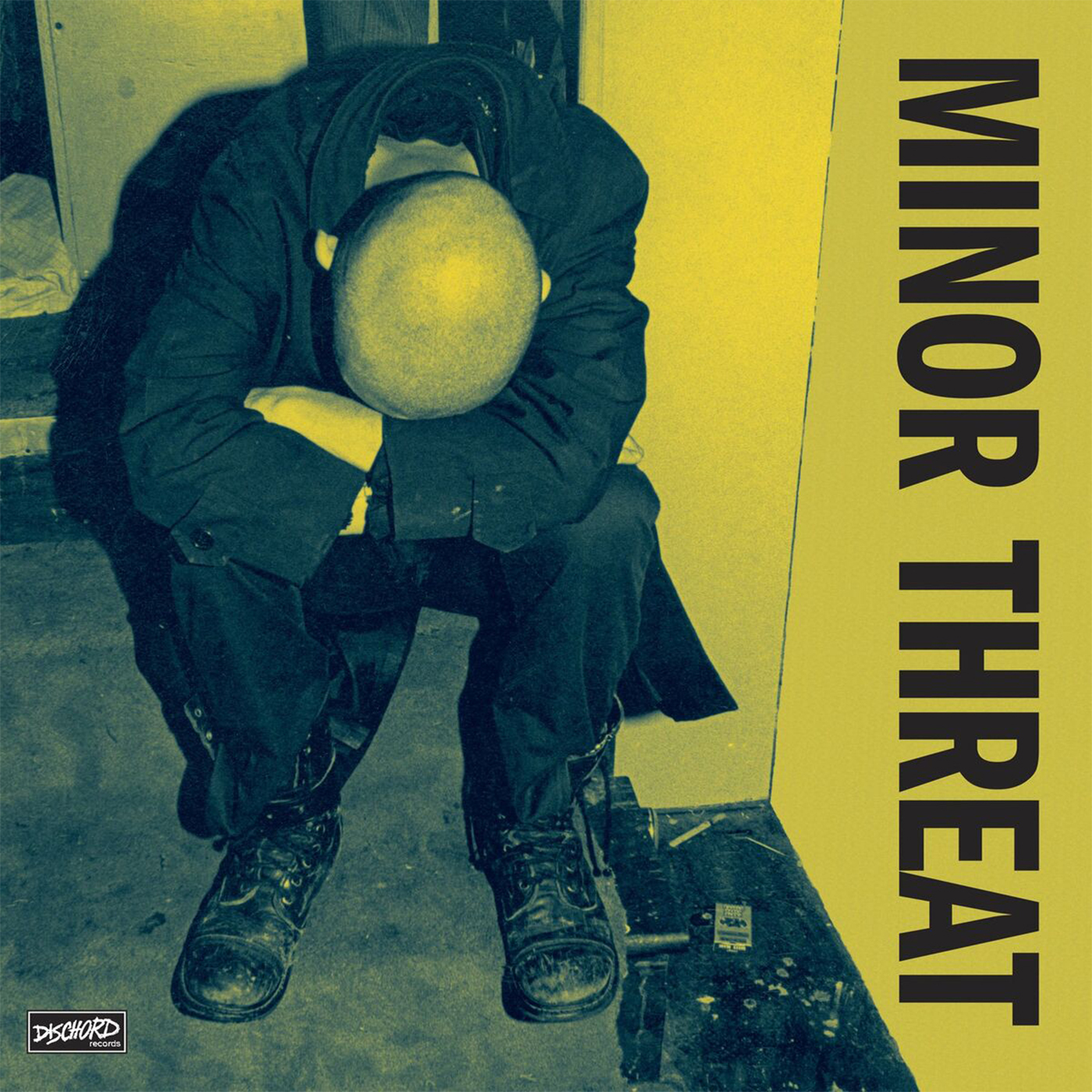
In this episode, we dig into Minor Threat and In My Eyes , the two EPs that make up First Two 7”s . Across twelve blistering tracks, Minor Threat laid down the foundation for DC hardcore with a sound that was fast, focused, and unapologetically direct. Our guests are Eduardo Nunes of Discologist and Scott Crawford, the filmmaker behind Salad Days and Creem: America’s Only Rock ’n’ Roll Magazine . Together, we explore the band’s early impact, the emergence of Straight Edge, and the lasting power of a group that never stuck around long but still changed everything. This episode centers around records produced by Skip Groff and engineered by Don Zientara at Inner Ear Studios. From the birth of Straight Edge to the tension behind “Out of Step,” we explore how these two short records created a lifelong blueprint for punk communities around the world. Sponsor: Get 10% off New Columbia Record Club with checkout code DCROCKS Go Further: Minor Threat – First Two 7”s on Dischord Salad Days (dir. Scott Crawford) Our Band Could Be Your Life by Michael Azerrad Dance of Days by Mark Andersen & Mark Jenkins Follow Us: Social Media: @dcrockpod Email: dcrockpod@gmail.com Philip Basnight – Broke Royals Alex Vidales – StageCraft Eduardo Nunes – Discologist | Wammies Scott Crawford – IMDb
May 5
Government Issue - "Legless Bull" with Paul Vodra
In this episode, we dive into the early days of Government Issue and their blistering 1981 debut EP Legless Bull . As the fourth release on Dischord Records, this 10-song, 9-minute blast helped define the label’s emerging sound and captured the chaotic energy of a scene in formation. We’re joined by Paul Vodra of Hometown Sounds to unpack how Government Issue fit into the fast-shifting DC hardcore landscape. From their unpracticed live debut to their confrontational lyrics, we explore how John Stabb and company became unlikely architects of a movement. Paul also shares the story behind Hometown Sounds , his enduring love for mashups, and the challenges of keeping your ears fresh as a longtime DC music tastemaker. This episode centers around a record produced by Ian MacKaye and engineered by Don Zientara, recorded in the earliest days of Inner Ear Studios. Tune in as we explore the impact of Legless Bull , the rise of Straight Edge, and the enduring legacy of a band that never fit the mold. Go Further: Government Issue – Legless Bull on Dischord Dance of Days by Mark Andersen & Mark Jenkins Hometown Sounds Follow Us: Social Media: @dcrockpod Email: dcrockpod@gmail.com Philip Basnight – Broke Royals Alex Vidales – StageCraft Paul Vodra – Hometown Sounds | DJ Paul Vodra on Instagram Sponsor: Get 10% off New Columbia Record Club with checkout code DCROCKS

Apr 28
Urban Verbs - "Urban Verbs" with Andrew Grossman
In this episode, we dive into the story of the Urban Verbs and their 1980 self-titled debut. One of the earliest bands to bridge punk and art rock in Washington, D.C., Urban Verbs helped set the stage for the city’s evolving underground scene. With sharp guitars, moody synths, and a theatrical presence, they brought a new wave sensibility to a city still finding its sound. We’re joined by Andrew Grossman of The North Country to explore how Urban Verbs shaped early D.C. rock history both as a band and as key players behind the founding of the Atlantis, the precursor to the legendary 9:30 Club. Together, we unpack the band’s connections to Talking Heads, their role in the Atlantis boycott divide, and why their Warner debut captured a moment when D.C. rock could have gone in many different directions. This episode centers around the 1980 album that caught Brian Eno’s attention, seeded the rise of Inner Ear Studios, and marked a turning point between the city’s punk roots and its more experimental future. Tune in as we trace the ambition, artistry, and legacy of the Urban Verbs. Go Further: Wikipedia – Urban Verbs Washington City Paper – “Backstage with Urban Verbs” Dance of Days by Mark Andersen and Mark Jenkins Follow Us: Social Media: @dcrockpod Email: dcrockpod@gmail.com Philip Basnight – Broke Royals Alex Vidales – StageCraft Andrew Grossman – The North Country Sponsor: Get 10% off New Columbia Record Club with checkout code DCROCKS

Apr 21
Teen Idles - "Minor Disturbance" with Rob Harvilla
In this episode, we dive into the beginnings of D.C. hardcore with the Minor Disturbance EP by Teen Idles. This is the very first release on Dischord Records and a flashpoint for a new musical movement. Clocking in at just over ten minutes, this ferocious debut from four D.C. high schoolers helped launch an entire scene, complete with fast riffs, hand-drawn Xs, and a new ethos of DIY independence. We’re joined by music writer and podcast host Rob Harvilla ( 60 Songs That Explain the 90s and the 2000s ) to explore how Minor Disturbance laid the groundwork for what would become one of the most influential punk communities in the world. Together, we unpack the band’s Bad Brains-fueled inspiration, their role in the rise of straight edge, and how this short, sharp record managed to say so much with so little. This episode centers around the 1980 EP that started it all... from the Wilson High School hallways to Inner Ear Studios and eventually into punk history. Tune in as we trace the energy, ideology, and legacy of the Teen Idles. Go Further: Dischord Records – Teen Idles Dischord Records – Minor Disturbance EP 60 Songs That Explain the 90s & the 2000s Dance of Days by Mark Andersen and Mark Jenkins Follow Us: Social Media: @dcrockpod Email: dcrockpod@gmail.com Philip Basnight – Broke Royals Alex Vidales – StageCraft Rob Harvilla – The Ringer Artwork by Rebecca Basnight Sponsor: Get 10% off New Columbia Record Club with checkout code DCROCKS

Apr 14
Tiny Desk Unit - "Tiny Desk Unit" with Bob Boilen and Michael Barron
In this episode (our season 2 premiere!!), we explore the boundary-pushing story of Tiny Desk Unit, one of Washington, D.C.’s most innovative and genre-defying bands. Formed in 1979 by a group of downtown artists and music obsessives, the band fused analog synths, angular guitar work, and poetic vocals into something entirely new. Long before NPR’s Tiny Desk Concerts , there was Tiny Desk Unit - an art-rock force that helped open up space for original music in the heart of the city. We’re joined by founding members Bob Boilen and Michael Barron as we trace the band’s early days at DC Space, their connection to the art world, and their legendary role as the very first band to perform at the 9:30 Club, opening for the Lounge Lizards in 1980. The episode centers around their self-titled live album, recorded during a sweltering summer night opening for Pere Ubu-capturing a raw, inventive sound that still resonates today. Tune in as we discuss their roots, the collaborative spirit behind the music, and why Tiny Desk Unit remains a singular voice in DC’s musical history. Go Further: • Tiny Desk Unit – Bandcamp • Bob Boilen’s Tiny Desk Unit History • Dance of Days by Mark Andersen and Mark Jenkins Sponsor: • Get 10% off New Columbia Record Club with checkout code DCROCKS Follow Us: • Social Media: @dcrockpod • Email us your thoughts or questions: dcrockpod@gmail.com • Philip Basnight – Broke Royals • Alex Vidales – StageCraft • Bob Boilen – Bob Boilen Artwork by Rebecca Basnight

Apr 7
Live at the DC History Conference with Mark Opsasnick
In this episode (our first-ever live taping!!), we dig into the untold story of Washington, D.C.’s pre-hardcore rock era- from 1950 to 1979—with special guest and legendary D.C. music historian Mark Opsasnick. Recorded live at the DC History Conference, this bonus episode serves as the grand finale of Season 1 and a perfect primer for what’s to come in Season 2. Mark- author of Capitol Rock and Rock the Potomac- takes us on a whirlwind tour of the clubs, characters, and cornerstones that shaped the early D.C. rock scene. From Link Wray’s groundbreaking power chords to the glam theatrics of Angel, we explore how local acts like The Chartbusters, The British Walkers, The Cherry People, Grin, and The Razz helped carve out the city’s rock identity before the explosion of punk in the ‘80s. This episode also features an extended listening session curated by Mark himself, featuring 10 essential tracks that trace the arc of D.C. rock across three decades. Plus, a lively mailbag segment, a peek behind the scenes of the podcast, and a live Q&A with the conference crowd. If you’re new to the podcast, this is the perfect place to jump in. If you’ve been rocking with us through Season 1, this is our love letter to you—and to the forgotten legends of D.C. rock. Go Further: • Books by Mark Opsasnick Follow Us: • Social Media: @dcrockpod • Email us your thoughts or questions: dcrockpod@gmail.com • Philip Basnight – Broke Royals • Alex Vidales – StageCraft Artwork by Rebecca Basnight

Dec 9, 2024
The Nighthawks - "Open All Nite" with David Goodfriend
In this episode (our season 1 finale!!), we dive into the electrifying story of The Nighthawks, one of Washington, D.C.’s most iconic blues-rock bands. Formed in 1972 by harmonica maestro Mark Wenner, the band quickly became a cornerstone of the local music scene, playing legendary venues like The Far Inn, Graffiti, and The Cellar Door. With a lineup solidified in the mid-70s—featuring Jimmy Thackery on guitar, Jan Zukowski on bass, and Pete Ragusa on drums—The Nighthawks crafted a sound that was equal parts gritty blues and high-energy rock & roll. We explore their journey leading up to the release of their 1976 album, Open All Nite, recorded at Track Recorders in Silver Spring, Maryland, with a standout live track captured at The Cellar Door. This record, a fiery mix of blues covers and rock interpretations, captures the raw essence of The Nighthawks’ live performances and their deep reverence for blues traditions. Tune in as we discuss the band’s roots, their impact on the D.C. music scene, and why Open All Nite remains a must-hear album for blues-rock fans everywhere. Go Further: • The Nighthawks – Official Website • Track Recorders – History and Legacy • Rock the Potomac by Mark Opsasnick • The Nighthawks – AllMusic Follow Us: •Social Media: @dcrockpod •Email us your thoughts or questions: dcrockpod@gmail.com •Philip Basnight – Broke Royals •Alex Vidales – StageCraft •David Goodfriend - @goodfrienddavid Artwork by Rebecca Basnight

Dec 2, 2024
Angel - "Angel" with Mystery Friends
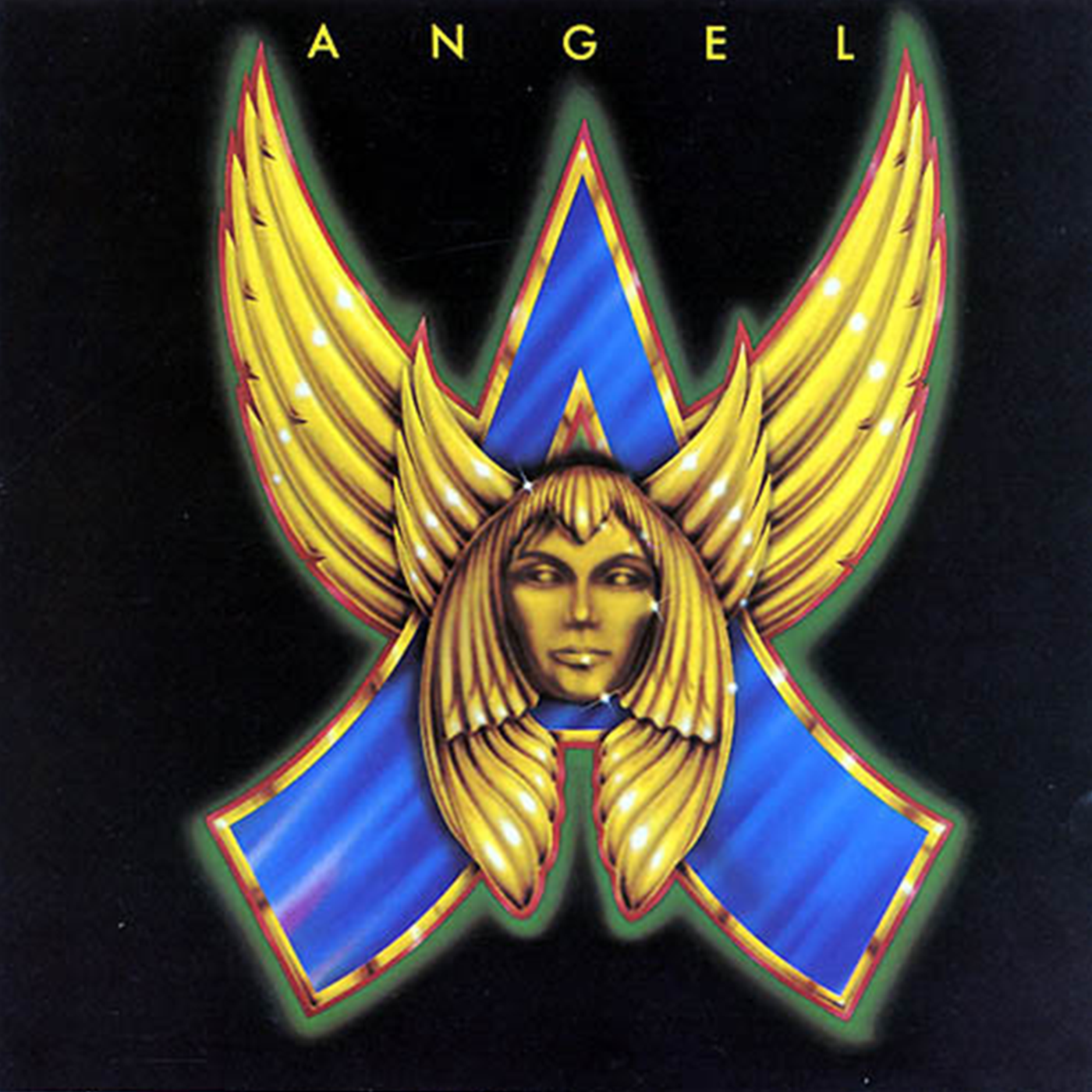
In this episode of the DC Rock History Podcast, we dive into Angel , the debut album from Washington, D.C.’s first glam rock band. Formed in 1975, Angel brought theatrical flair, symphonic rock, and arena-sized ambition to the local scene, blending it with the burgeoning glam rock movement. Their music carved a unique niche, earning them the nickname “the anti-KISS” and establishing a loyal fanbase. The story begins in the vibrant clubs of Georgetown, where guitarist Punky Meadows made his name in bands like The Cherry People. Alongside keyboardist Gregg Giuffria, bassist Mickie Jones, vocalist Frank DiMino, and drummer Barry Brandt, Meadows formed Angel at Bogie’s nightclub on Connecticut Avenue. Signed to Casablanca Records, Angel’s self-titled debut features standout tracks like “Tower” and “Rock & Rollers,” showcasing their tight musicianship and dramatic flair. Join hosts Philip Basnight and Alex Vidales as they sit down with special guests Dave and Abby from Mystery Friends, who bring their fresh perspective as synth-driven rock artists in the modern DC scene. Together, they explore Angel’s rise, their influence on glam rock, and their lasting connection to Washington, D.C.’s music history. Whether you’re discovering Angel for the first time or revisiting their groundbreaking debut, this episode celebrates a band that dared to soar and left an indelible mark on DC’s musical legacy. Go Further: Angel (American Band) – Wikipedia Angel - Discogs Mark Opsasnick – Rock the Potomac Punky Meadows – Guitar World Interview Follow Us: Social Media: @dcrockpod Email us your thoughts or questions: dcrockpod@gmail.com Philip Basnight – Broke Royals Alex Vidales – StageCraft Dave Mohl and Abby Sevcik – Mystery Friends Artwork by Rebecca Basnight
Nov 25, 2024
The Blackbyrds - "City Life" with Dr. Yanick Rice Lamb and John Daise
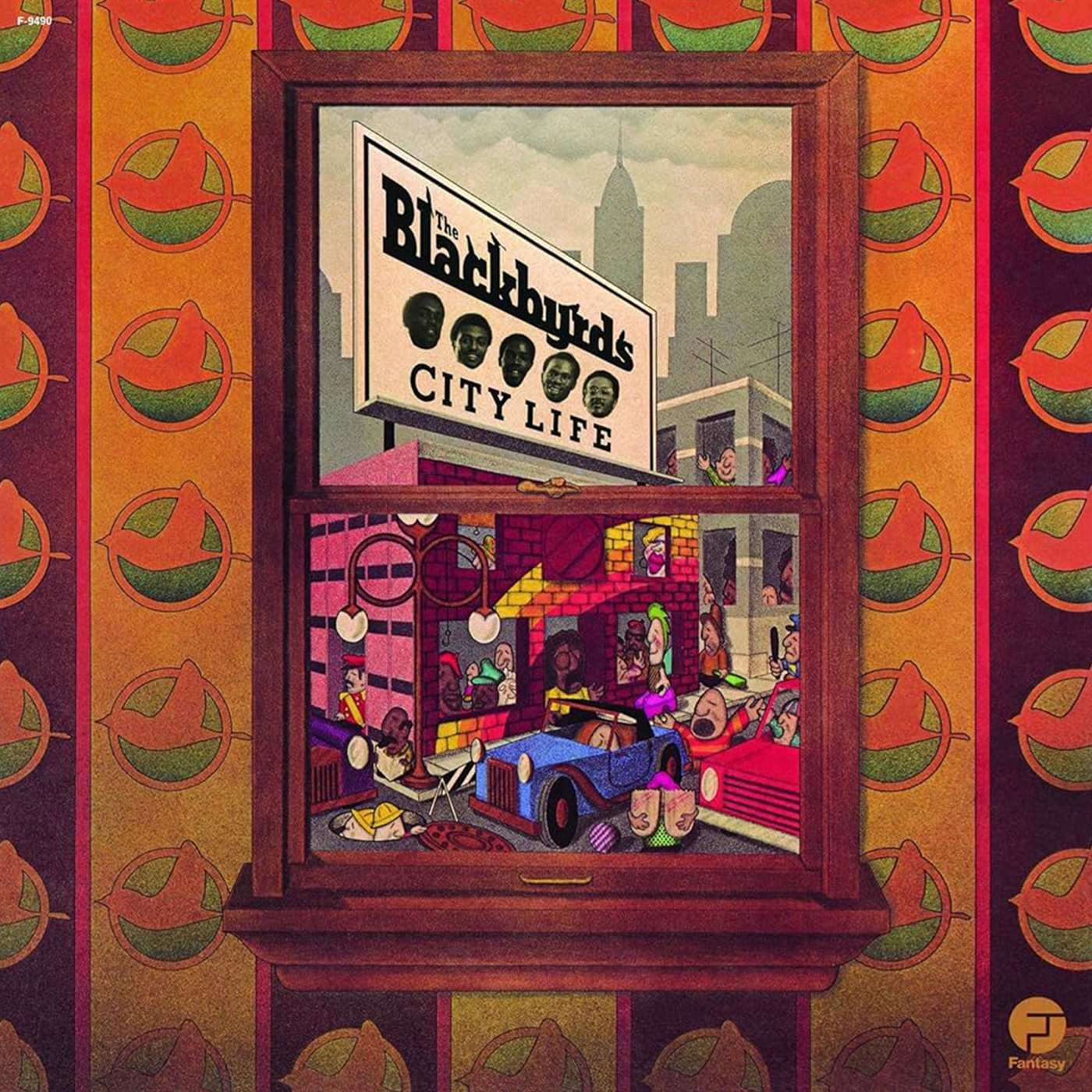
In this episode of the DC Rock History Podcast , we dive into City Life , the career-defining third album from The Blackbyrds, one of Washington, D.C.’s most iconic jazz-funk groups. Formed in 1973 at Howard University under the mentorship of jazz legend Dr. Donald Byrd, The Blackbyrds crafted a sound that fused jazz, funk, and soul into a timeless musical legacy. City Life features some of their most enduring tracks, including the anthem “Rock Creek Park,” capturing the vibrancy of 1970s D.C. Recorded at Fantasy Studios in Berkeley, California, and released in 1975, the album blends sophisticated musicianship with infectious grooves. Join hosts Philip Basnight and Alex Vidales as they sit down with two distinguished guests: •Dr. Yanick Rice Lamb, professor at Howard University and award-winning journalist, who provides a deep dive into the cultural significance of The Blackbyrds and their connection to Howard University. •John Daise, a talented musician with Oh He Dead and Bartees Strange, who shares his perspective on the album’s lasting influence and its unique place in D.C.’s musical history. Together, they explore standout tracks like “Rock Creek Park” and “Happy Music,” the innovative production techniques of Dr. Donald Byrd, and the role City Life played in cementing The Blackbyrds’ legacy in jazz and funk. They also delve into the broader D.C. music scene of the time, touching on contemporaries like Chuck Brown and Gil Scott-Heron. Whether you’re revisiting the sounds of 1970s D.C. or discovering The Blackbyrds for the first time, this episode celebrates an album that stands as a cornerstone of the city’s rich musical heritage. Go Further: •The Blackbyrds - AllMusic •Washingtonian - Kevin Toney Interview •WETA - Rock Creek Park Follow Us: •Social Media: @dcrockpod •Email us your thoughts or questions: dcrockpod@gmail.com •Philip Basnight – Broke Royals •Alex Vidales – StageCraft •Dr. Yanick Rice Lamb – Howard University Profile •John Daise – Instagram Artwork by Rebecca Basnight
Nov 18, 2024
Roy Buchanan/Danny Gatton - Anacostia Delta with Anthony Pirog
In this special episode of the DC Rock History Podcast, we take a deep dive into the lives and legacies of two extraordinary guitarists, Roy Buchanan and Danny Gatton, as well as the unique musical movement they spearheaded: the Anacostia Delta. Both Buchanan and Gatton were known for their unmatched technical skills, emotional depth, and their contributions to a distinctive blend of blues, jazz, rockabilly, and country that became the hallmark of the Anacostia Delta sound. Hailing from the Washington, DC area, these guitar virtuosos influenced generations of musicians with their groundbreaking techniques and passionate playing. Despite their local roots, Buchanan and Gatton’s reputations as cult legends have resonated globally among guitarists and music enthusiasts. Yet, their careers were marked by struggles with fame, personal demons, and a refusal to conform to the commercial expectations of the music industry. This episode also explores how the working-class neighborhoods of Southeast DC birthed a style that fused bluegrass banjo rolls, soulful blues riffs, and jazz chords into a fiery Americana gumbo. Gatton’s term "Anacostia Delta" encapsulated the area's rich musical spirit, and both he and Buchanan were its foremost ambassadors. Joining us is Anthony Pirog, a modern guitar virtuoso whose innovative work carries the legacy of the Anacostia Delta forward. Anthony’s own releases this year reflect the same adventurous spirit that defined Buchanan and Gatton’s careers. The Messthetics and James Brandon Lewis The Hunger Artist New Moon in the Evil Age Join hosts Philip Basnight and Alex Vidales, along with Anthony Pirog, as they discuss Roy Buchanan’s haunting use of controlled harmonics, Danny Gatton’s electrifying genre fusion, and the enduring cultural impact of the Anacostia Delta. Together, we celebrate two of DC’s finest guitarists and the unique musical movement they helped create. Go Further Anacostia Delta Documentary Washington Post PBS Capitol Rock – Mark Opsasnick Premier Guitar – Danny Gatton’s Musical Gumbo Louder Sound – Buchanan's Blues Legacy Follow Us Social Media: @dcrockpod Email us your thoughts or questions: dcrockpod@gmail.com Philip Basnight – Broke Royals Alex Vidales – StageCraft Anthony Pirog – Bandcamp

Nov 11, 2024
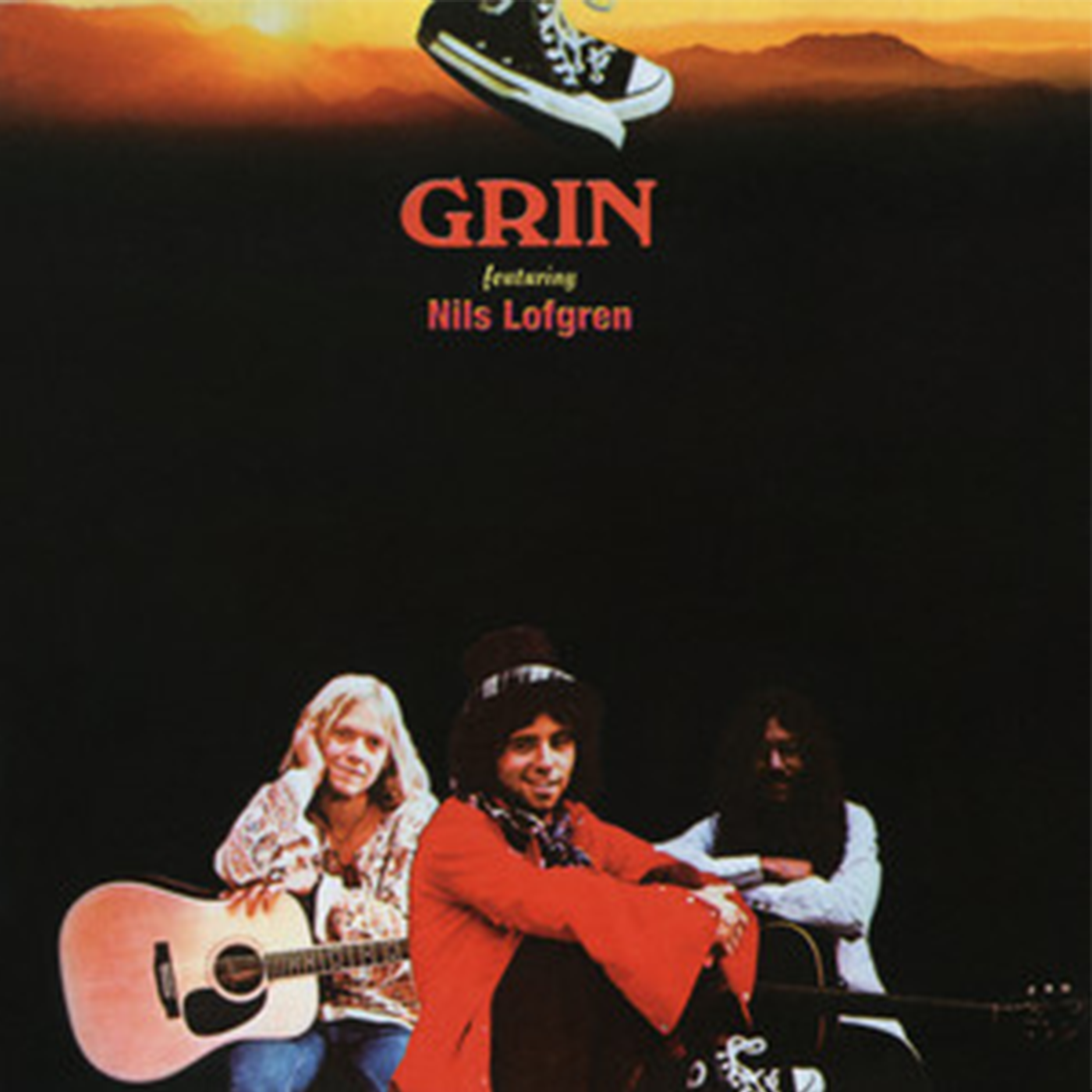
Grin - "Grin" with Brian K and the Parkway
In this episode of the DC Rock History Podcast, we dive into the career-launching debut album from one of DC’s own—Nils Lofgren—and his band Grin’s self-titled 1971 album. Known for his electrifying performances with Bruce Springsteen and Neil Young, Nils Lofgren first made his mark right here in the DC area. Growing up in Bethesda, Maryland, Nils got his start in local bands and quickly became one of the area’s most in-demand guitarists. With Grin, he created a distinct blend of rock, folk, and West Coast polish that captured a unique moment in early ’70s music. Recorded at the famed Wally Heider Studios in San Francisco, Grin’s debut album balances raw rock energy with melodic sophistication, highlighting Lofgren’s guitar prowess and lyrical depth. Join hosts Philip Basnight and Alex Vidales, along with guest Brian & Stephen of Brian K. & The Parkway , as they explore this pivotal album. They discuss standout tracks like “Like Rain” and “18 Faced Lover,” along with the influence of Lofgren’s time in DC’s vibrant teen club scene and his early collaboration with Neil Young on After the Gold Rush . We’ll also trace Grin’s impact on the DC rock landscape, reflecting on other influential bands of the era and the legacy of DC’s dynamic live music circuit. Whether you’re a longtime fan of Lofgren’s work or just discovering his roots, tune in as we celebrate Grin and its place in DC’s rock history. Go Further: •Grin – AllMusic •Classic Rock Review - Nils Lofgren & Grin •Capitol Rock – The Hangmen and DC Rock History •Washington Post - Nils Lofgren Feature Follow Us: •Social Media: @dcrockpod •Email us your thoughts or questions: dcrockpod@gmail.com •Philip Basnight – Broke Royals •Alex Vidales – StageCraft •Brian K. Pagels – Bandcamp Artwork by Rebecca Basnight
Nov 4, 2024
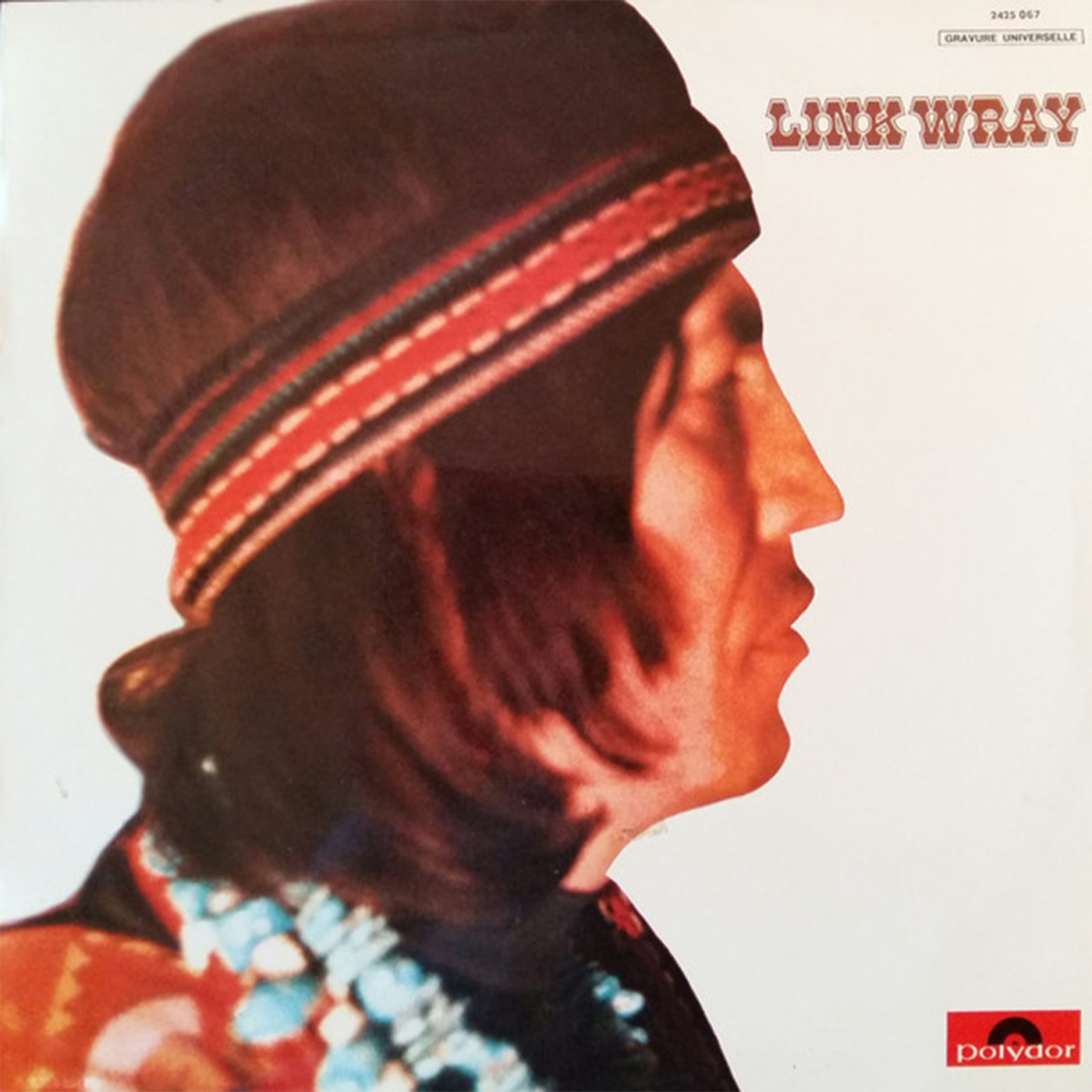
Link Wray - "Link Wray" with Liam Hughes and Don Potter
In this episode of the DC Rock History Podcast, we spotlight one of the most influential yet underrated figures in rock music—Link Wray—and his self-titled 1971 album. Known for pioneering the power chord with his seminal instrumental “Rumble,” Wray’s influence reverberates through generations of guitarists, from Jimmy Page and Pete Townshend to modern-day rockers. But there’s more to Wray’s story than the raw power of his music. Born in Dunn, North Carolina, and raised in a time of racial and cultural tension, Wray brought the struggles and resilience of his indigenous heritage into his work. Recorded at his family’s farm in Accokeek, Maryland, the Link Wray album marked a significant shift from his earlier rock-and-roll sound to a deeper, roots-driven exploration of Americana and blues. Join hosts Philip Basnight and Alex Vidales, along with guests Liam Hughes of Ekko Astral and Don Potter of Outerloop, as they dive into the making of this underappreciated gem, discussing its unique recording process, standout tracks like “Fallin’ Rain” and “Fire and Brimstone,” and the eventual critical reappraisal that has earned it a place in the pantheon of influential albums. We’ll also trace the connections between Wray’s work and the broader DC music landscape, touching on other local guitar greats like Danny Gatton and Roy Buchanan. So, whether you’re a longtime fan of Wray’s groundbreaking sound or new to the story behind this 70s classic, plug in your headphones and get ready for a journey through the raw, unfiltered spirit of DC’s rock legacy. Go Further: •Link Wray - AllMusic •Vinyl Me, Please - Link Wray Feature •Pitchfork - Pitchfork Review • Rock the Potomac Excerpts by Mark Opsasnick Follow Us: •Social Media: @dcrockpod •Email us your thoughts or questions: dcrockpod@gmail.com •Philip Basnight - Broke Royals •Alex Vidales - StageCraft •Liam Hughes - Ekko Astral | Topshelf Records •Don Potter - Outerloop Artwork by Rebecca Basnight
Oct 28, 2024
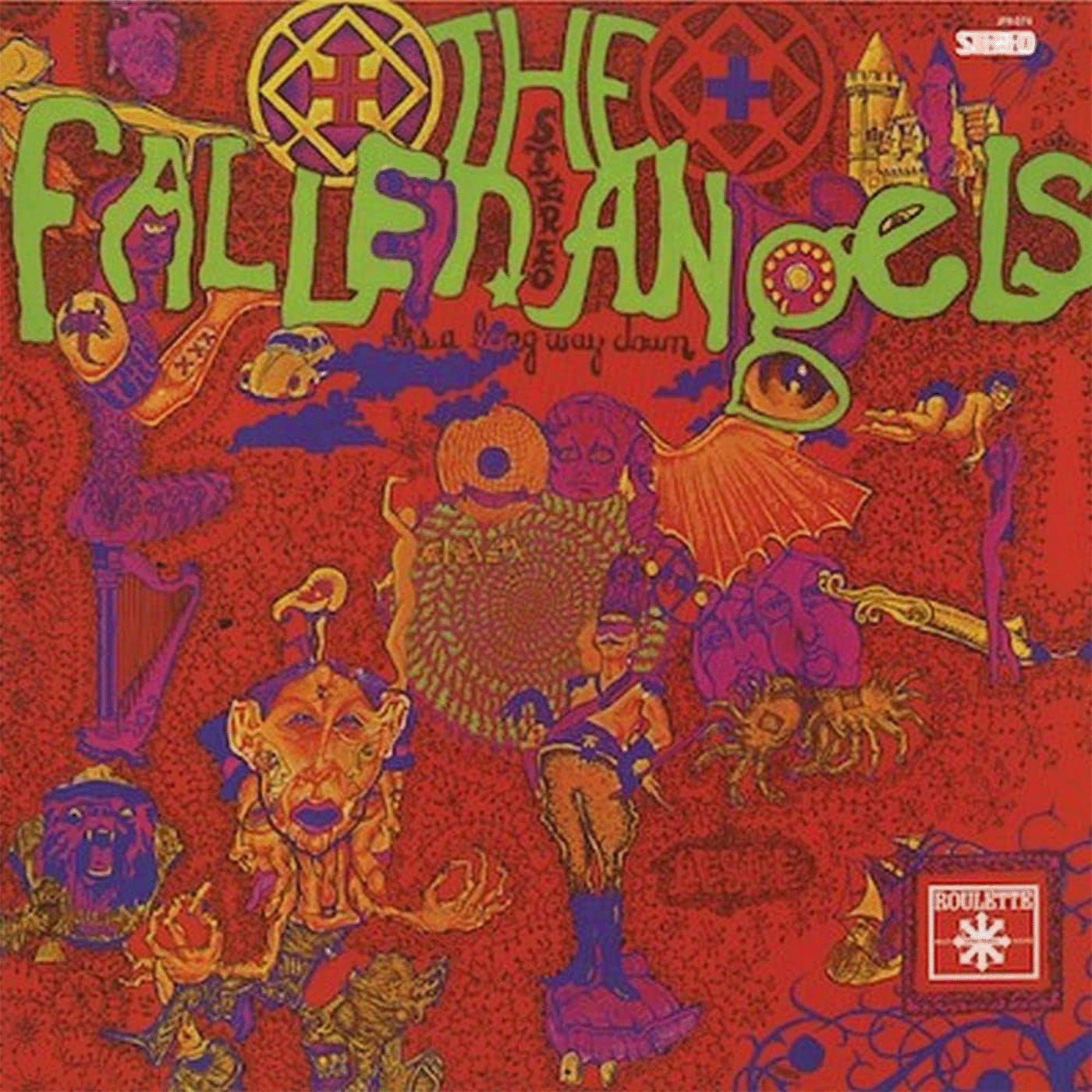
The Fallen Angels - "It's A Long Way Down" with Eduardo Nunes
The Fallen Angels’ album It’s A Long Way Down captures the dark, experimental edge of the late 60s D.C. rock scene, blending complex psych influences with themes of existentialism and societal critique. Rising alongside local contemporaries like The Cherry People, The Fallen Angels pushed the boundaries of rock, moving from Georgetown clubs to recording with the iconic Roulette Records. But how did a band so fiercely original navigate the challenges of D.C.’s underground music scene? In this episode, hosts Philip Basnight and Alex Vidales sit down with Eduardo Nunes, host of the long-running podcast Discologist and a member of the Wammies advisory committee, to discuss It’s A Long Way Down and the band’s impact on D.C. music. We explore how the album reflects the experimental influences of its time, discuss standout tracks like “Poor Old Man” and “Something New You Can Hide Behind,” and consider the band’s legacy in shaping D.C.’s unique music identity. Plus, Eduardo shares his thoughts on the psychedelic movement’s impact on bands like The Fallen Angels and their place in D.C.’s storied rock history. So, plug in your headphones and join us as we journey back to the late 60s to rediscover one of D.C.’s most groundbreaking rock bands. Go Further: • The Fallen Angels - AllMusic • Light in the Attic - The Fallen Angels Reissue • Mark Opsasnick - Rock the Potomac, Capitol Rock • Steve Hoffman Forums - The Fallen Angels Follow Us: • Social Media: @dcrockpod • Email us your thoughts or questions: dcrockpod@gmail.com • Philip Basnight - Broke Royals • Philip Basnight - Stagecraft • Eduardo Nunes - Discologist Artwork by Rebecca Basnight
Oct 21, 2024
Cherry People - "And Suddenly" with The Currys
The Cherry People’s album And Suddenly captures the energy and optimism of the 60s D.C. rock scene, blending pop, psychedelia, and rock into a sound uniquely their own. Rising to prominence in the wake of the British Invasion, The Cherry People took the nation’s capital by storm, building their reputation at local clubs before recording their debut album in New York. But what happens when a local sensation meets the challenges of national fame? In this episode, host Philip Basnight sits down with The Currys, an Americana trio from Charlottesville, VA, to dig into the band’s journey from D.C. rockers to national recording artists. We explore how And Suddenly reflected the influences of its time, discuss standout tracks like the title song “And Suddenly,” and reflect on the band’s impact on the broader 60s rock landscape. Plus, The Currys share their own thoughts on the British Invasion’s effect on American bands and how The Cherry People fit into the fabric of that era’s music. So, cue up your headphones and join us as we travel back to the swinging 60s to rediscover one of D.C.’s pioneering rock bands. Go Further: • The Cherry People - BadCat Records • The Cherry People - All But Forgotten Oldies • Punky Meadows - Washington City Paper • The Beatles First U.S. Performance - DCist • The Guardian - 101 Strangest Records Follow Us: •Social Media: @dcrockpod •Email us your thoughts or questions: dcrockpod@gmail.com •Philip Basnight - Broke Royals •The Currys - Official Website Artwork by Rebecca Basnight

Oct 14, 2024
The Hangmen - "Bitter Sweet" with Pete Stahl (Scream)
The Hangmen’s debut album Bitter Sweet is a testament to the untamed energy and raw talent of D.C.’s 60s rock scene, but it’s also a record marked by turbulence and transformation. From their early days as local favorites at Montgomery Junior College to playing at the home of Robert and Ethel Kennedy, The Hangmen pushed the boundaries of garage rock in the nation’s capital. But what happened when this promising band signed with Monument Records, known for its polished, radio-ready sound? In this episode, hosts Philip Basnight and Alex Vidales sit down with Pete Stahl of Scream to unravel the complex history behind Bitter Sweet . They dive into flash mobs in Falls Church, early DC rock clubs, and the cultural significance of songs like “What a Girl Can’t Do” and “Dream Baby.” Plus, Pete shares his personal connections to the album and reflect on The Hangmen’s enduring influence on D.C. rock. So, cue up your headphones and join us as we explore DC-area teen sensations and the swinging 60s. Go Further: Capitol Rock by Mark Opsasnick Interview with Tom Guernsey - 60s Garage Bands George Daly’s Legacy in A&R - Billboard Follow Us: Social Media: @dcrockpod Email us your thoughts or questions: dcrockpod@gmail.com Philip Basnight - Broke Royals Alex Vidales - StageCraft Pete Stahl - Scream Artwork by Rebecca Basnight

Oct 7, 2024
Bo Diddley - "Bo Diddley Is A Gunslinger" with John Kelly
In 1959, rock pioneer Bo Diddley made a surprising move from Chicago to Washington, D.C., a decision that would shape the local music scene in unexpected ways. Known for his signature beat, homemade guitars, and magnetic stage presence, Bo left an indelible mark on D.C.’s music history. But why leave Chicago for the capital? And what legacy did he build here? In this episode, Philip Basnight, Alex Vidales, and special guest John Kelly—longtime Washington Post columnist and drummer for The Airport 77s—dive into the D.C. years of Bo Diddley’s career. We’ll explore his influence on local musicians, his infamous feud with Ed Sullivan, and the overlooked brilliance of Bo Diddley Is a Gunslinger . Grab your headphones, settle in, and let’s get rocking! Go Further: Bo Diddley’s Best Albums - Louder Sound Bo Diddley on The Ed Sullivan Show (1955) Spinning Blues Into Gold by Nadine Cohodas Follow Us: Social Media: @dcrockpod Email us your thoughts or questions: dcrockpod@gmail.com Philip Basnight - Broke Royals Alex Vidales - StageCraft John Kelly - The Airport 77s Artwork by Rebecca Basnight

Sep 25, 2024
Trailer
DC Rock History- A podcast exploring Washington, D.C.’s greatest rock albums. Featuring Link Wray, The Hangmen, The Fallen Angels, and more.