Athletor Podcast with Mike Mal
The Athletor Podcast with Mike Mal
The Athletor Podcast with Mike Mal
Welcome to "The Athletor Podcast with Mike Mal" where we delve into the world of college and youth wrestling. Join Mike, the head coach of Poway RTC, as he sits down with guests from all levels of the sport, including high school, club, college, and senior-level coaches and athletes. Each week, Mike will bring you insightful discussions on the latest in college and youth wrestling, including training techniques, strategy, and everything in between. You'll hear from some of the biggest names in the sport, who will share their stories and offer their unique perspectives.
3d ago
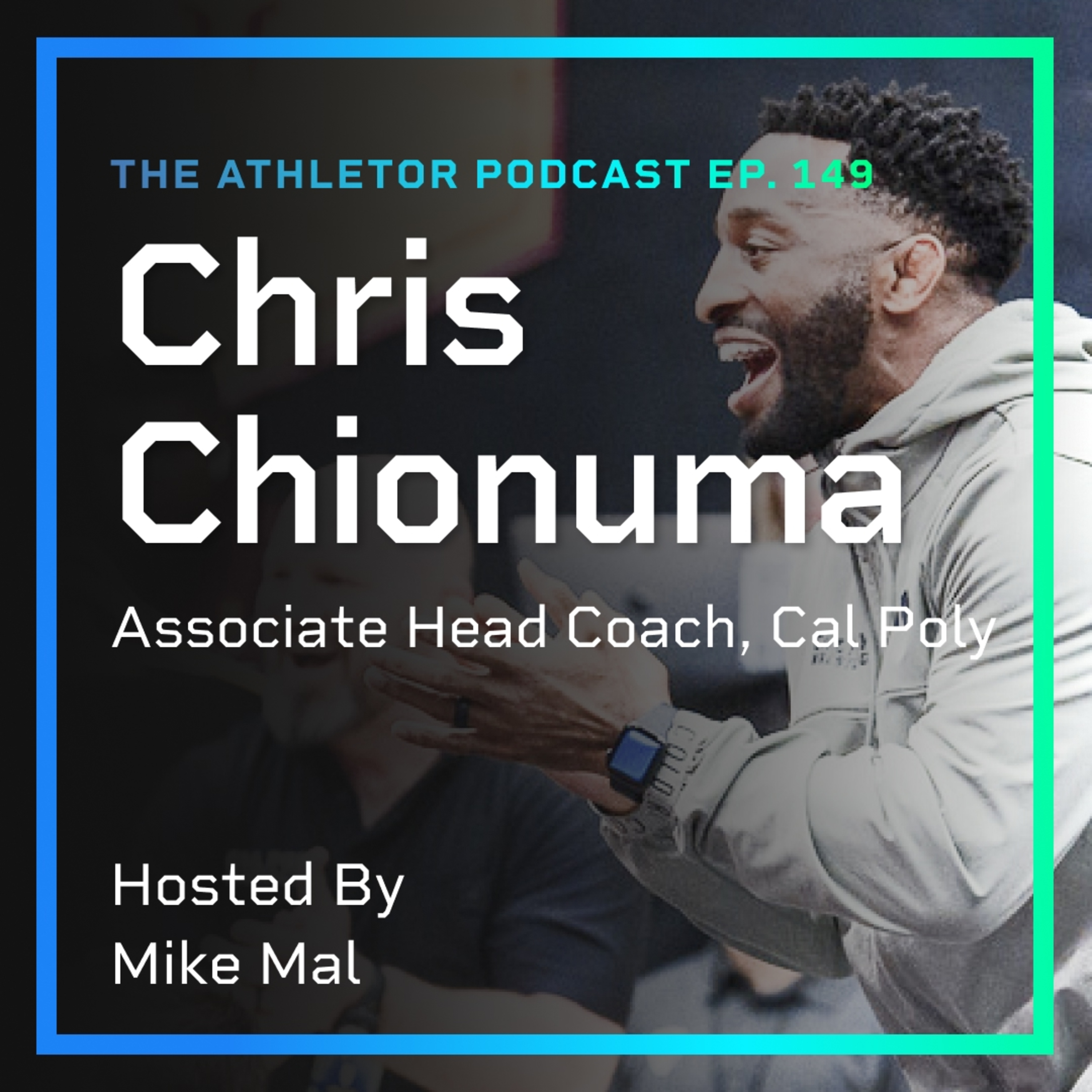
Episode 149 of the Athletor Podcast features a conversation with Chris Chionuma, Associate Head Coach at Cal Poly. Chris shares insight into his coaching journey, the standards inside the Cal Poly wrestling room, and how he approaches athlete development at the Division I level. He speaks on building trust, staying consistent as a coach, and setting clear expectations for growth on and off the mat. The episode also dives into leadership, program culture, and what matters most when preparing athletes for long-term success. Chris explains how daily habits, accountability, and communication shape competitive teams and resilient wrestlers. This episode gives coaches, athletes, and parents a clear look at how strong programs think and operate behind the scenes.
Dec 10
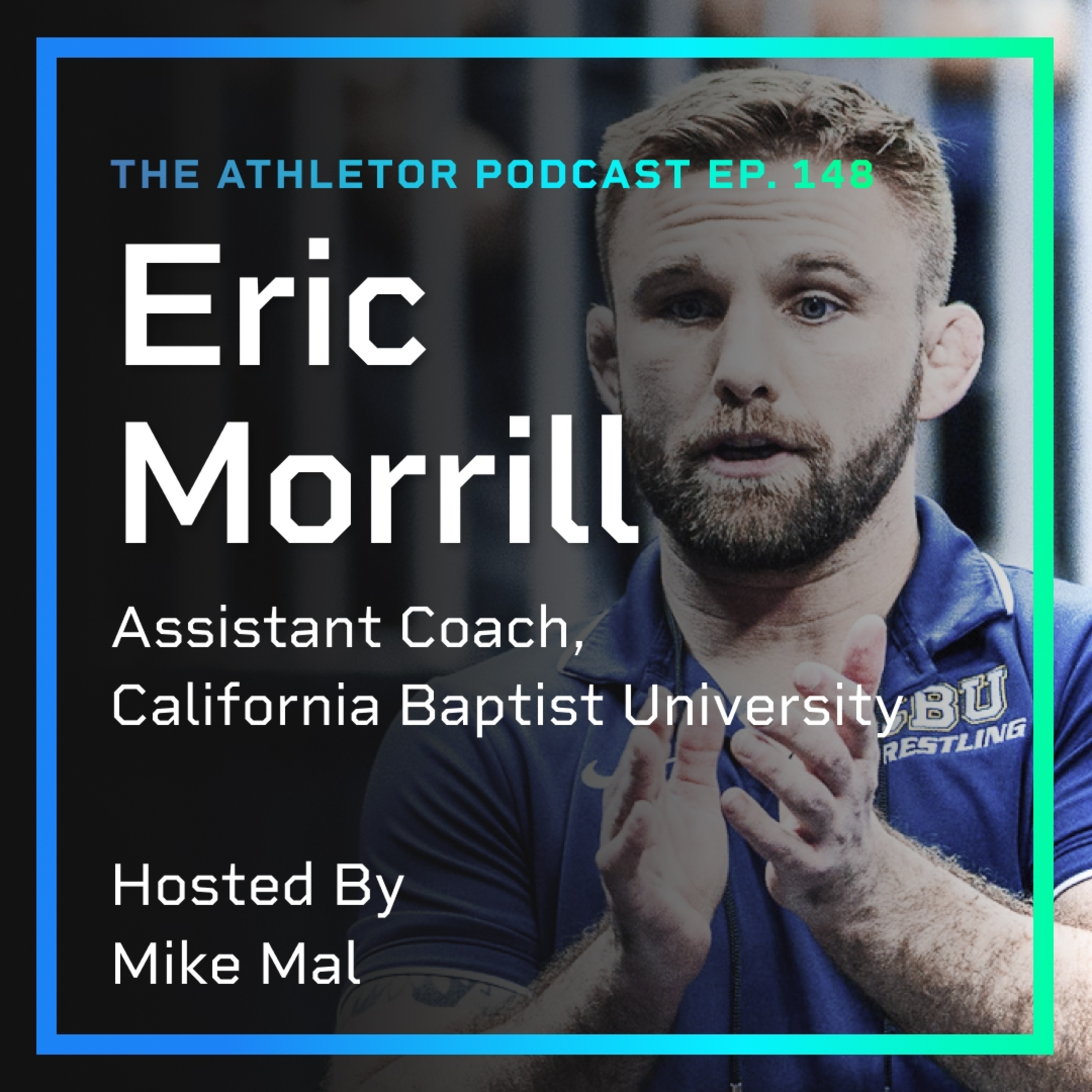
Episode 148 brings Eric Morrill to the Athletor Podcast. He shares lessons from his coaching journey and the standards he sets inside the California Baptist room. He breaks down how he approaches development, preparation, and daily habits that shape strong performers. He also talks about building trust with athletes, adjusting training to support growth, and the mindset he pushes during tough moments. His insight gives listeners a clear look at how he guides wrestlers toward consistent progress and higher expectations.
Dec 3
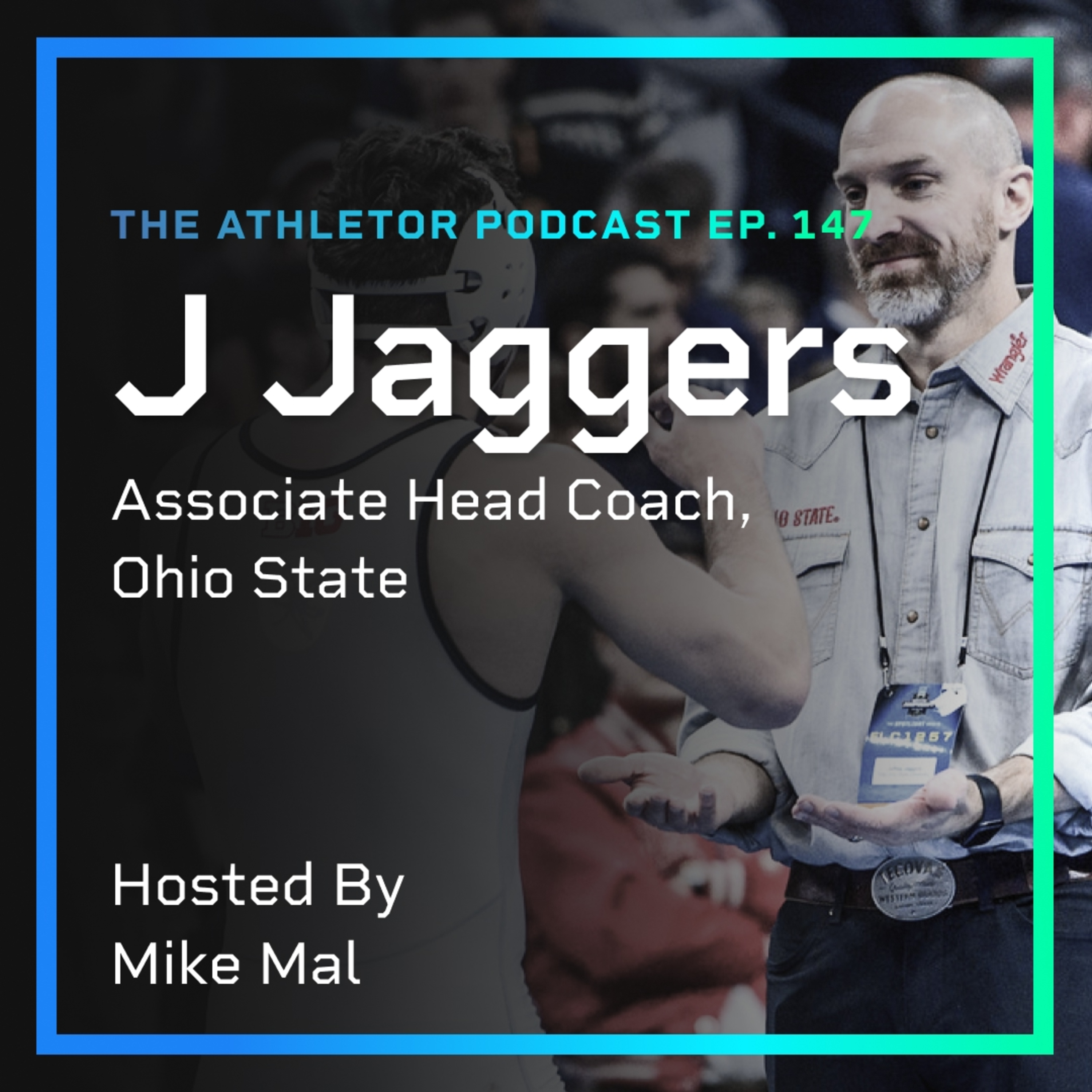
Episode 147 features a direct look into coaching, development, and performance with J Jaggers, Associate Head Coach at Ohio State. He shares how he evaluates athletes, how he approaches growth, and what he expects from wrestlers who want to rise in a tough room. You hear clear points on discipline, habits, and the standard he sets for his program. The conversation covers recruiting, daily structure, and the mindset needed to stay consistent under pressure. You get insight into how he pushes athletes to improve, how he builds trust, and how he supports long-term progress inside a Big Ten environment.
Nov 26
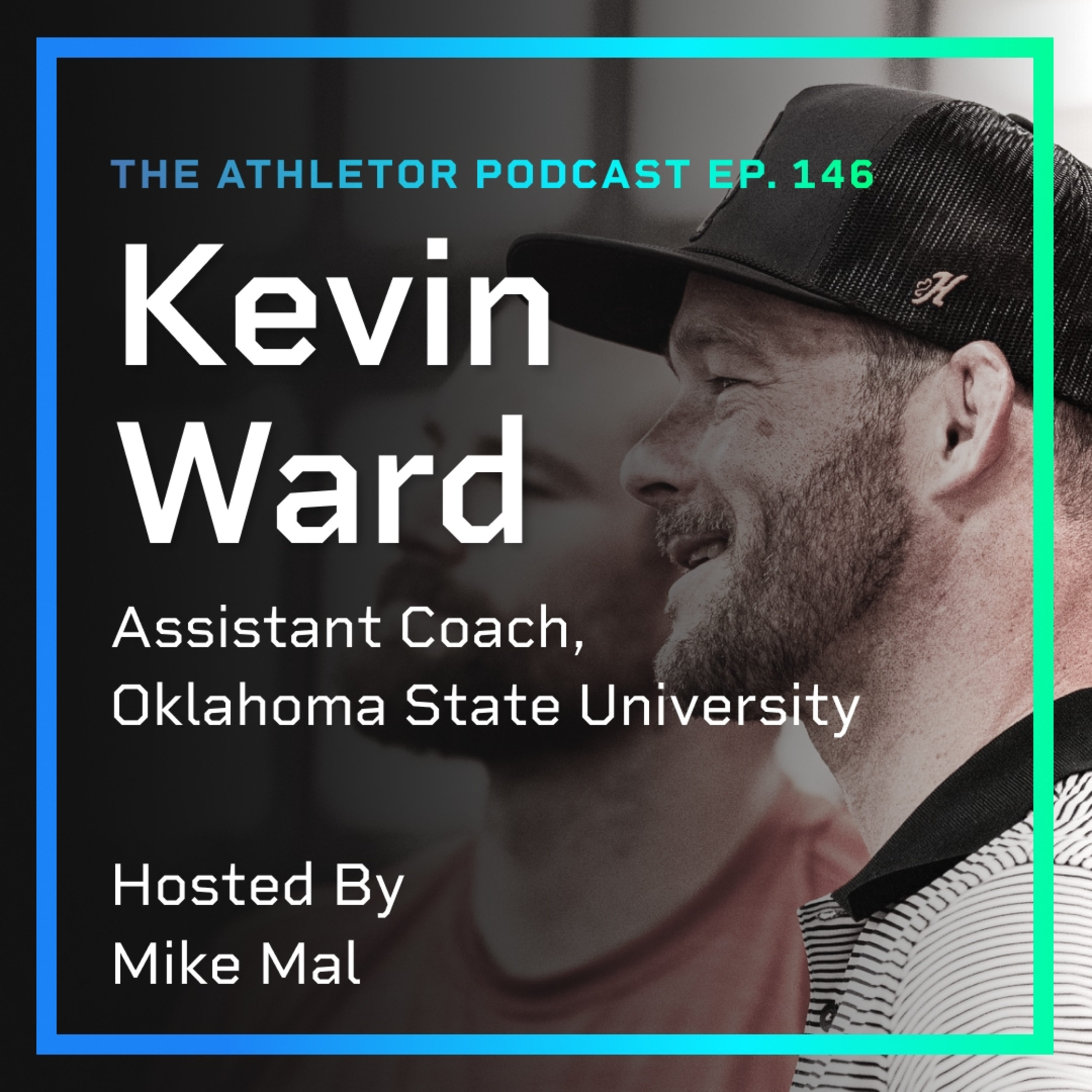
Episode 146 features Kevin Ward, Assistant Coach, Oklahoma State University. He shares insight on athlete development, daily standards, and the mindset you need to push through pressure. He speaks on building strong room culture and how consistency shapes performance at every level. Kevin also talks about leadership, personal growth, and habits that help wrestlers stay sharp through long seasons. You get direct, practical lessons you can apply in your own training, coaching, or daily life.
Nov 19
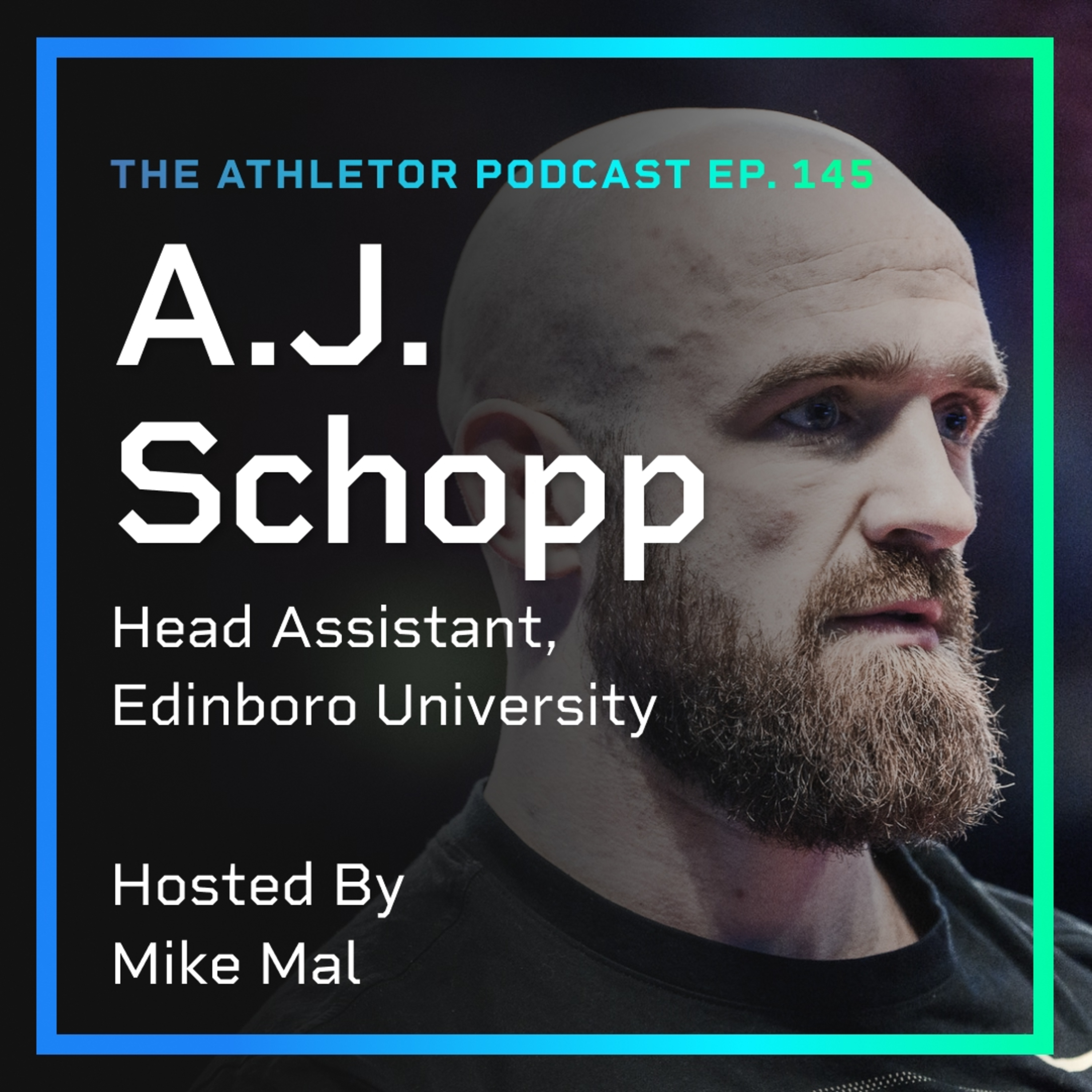
Episode 145 features A.J. Schopp, Head Assistant Coach at Edinboro University, as he walks through the mindset and technical approach that shaped his career on the mat and in the corner. Schopp shares how he developed one of the most respected top games in college wrestling and how he now teaches athletes to build discipline, confidence, and clarity in every position. He also talks through the growth of Edinboro’s program, the challenges of developing athletes in today’s landscape, and the habits he believes separate consistent winners from everyone else. This episode gives a direct look into Schopp’s coaching philosophy and the lessons he carries forward from his own competitive journey.
Nov 12
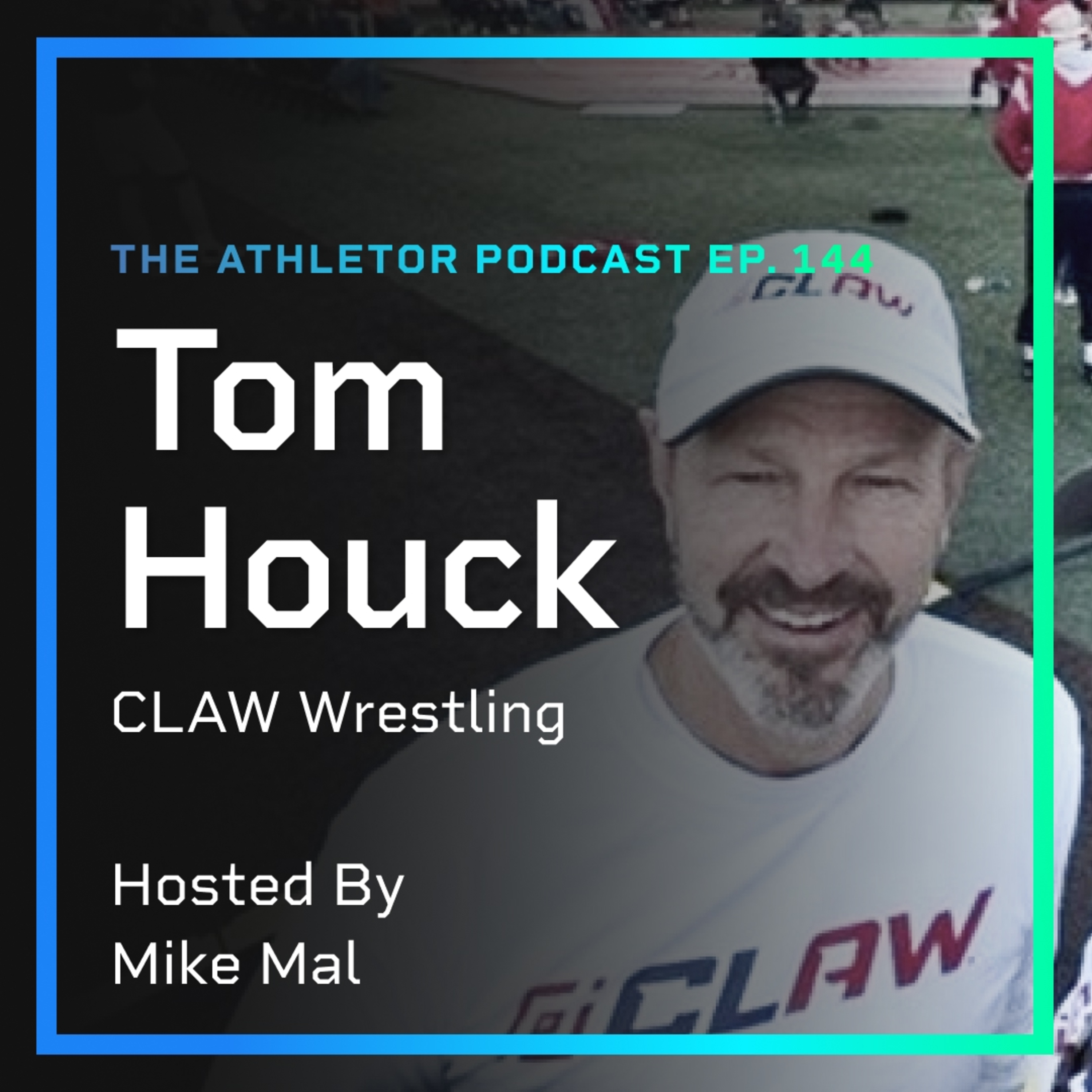
Episode 144 of the Athletor Podcast features Tom Houck, founder of CLAW Wrestling, who discusses building what could become wrestling’s first true professional league. Tom shares the three-year journey behind CLAW’s creation, from its detailed business plan to the new rules and structure designed to make wrestling more exciting and accessible to broader audiences. He breaks down how fan psychology, team dynamics, and innovative scoring systems like pylons and attack rate statistics are changing the way people experience wrestling. Tom also shares the league’s vision for the future, including local team ownership, expanded schedules, and CLAW events nationwide.
Nov 5
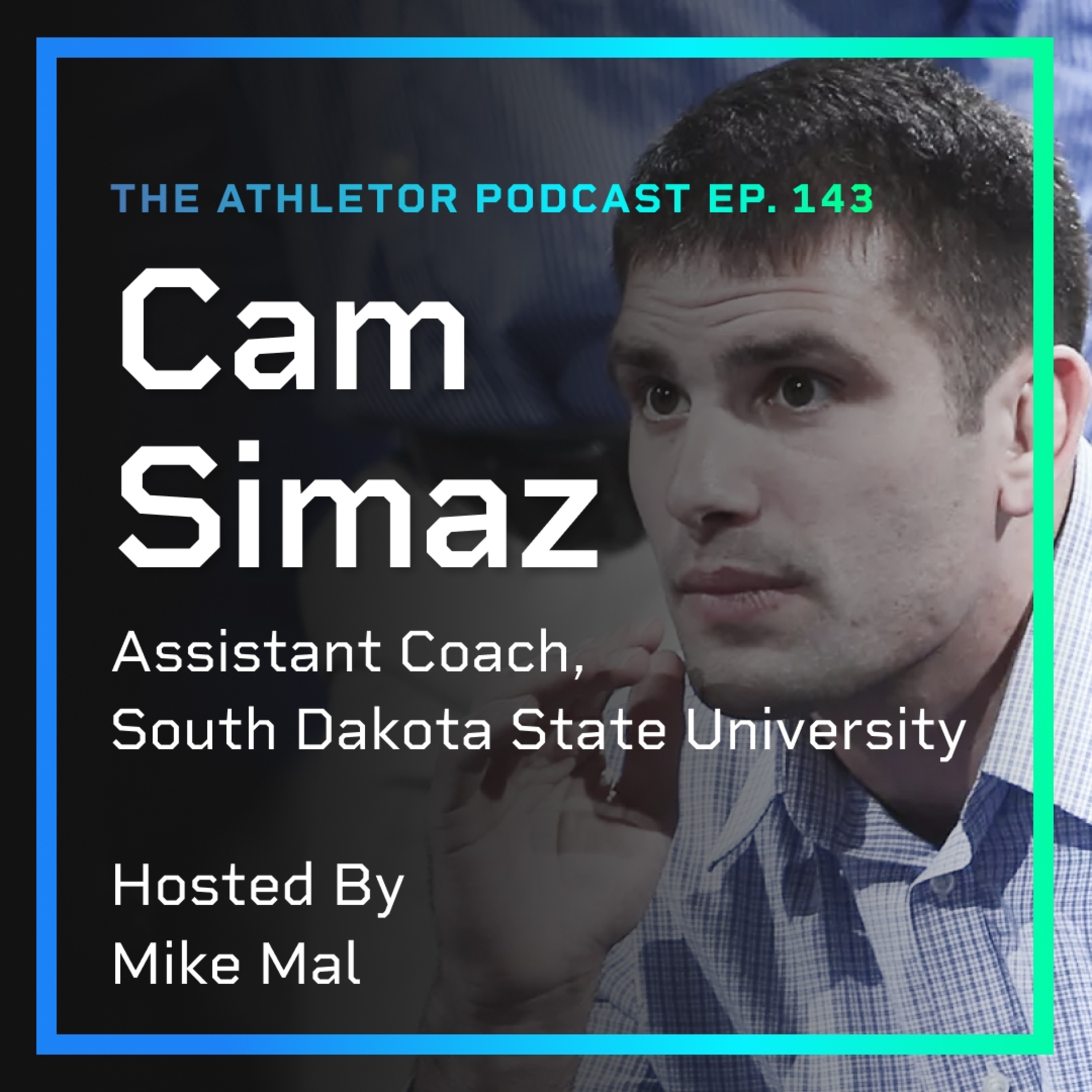
On Episode #143 of the Athletor Podcast, South Dakota State assistant coach Cam Simaz sits down with Mike Malinconico for a candid look at the evolving world of college wrestling—on and off the mat. They kick off with recovery tech and why SDSU invested in tools like a hyperbaric chamber, how athletes actually use it, and why the benefits come from consistency, not one-off sessions . From there, Cam unpacks the bigger picture: the growing tension between amateurism and professionalism, what NIL, transfers, and potential contracts could mean for non-revenue sports, and how programs like SDSU are responding with smart facilities, community buy-in, and efficiency across time and budget . Simaz also dives into recruiting and culture—why character and multi-sport backgrounds matter, how “performance” is really about daily standards across training, academics, and life, and the small, consistent actions that keep a fan base engaged in a small market. He closes with a practical fix for the spectator experience: time-limited video challenges to keep matches moving and audiences locked in . It’s a sharp, real-time snapshot of where college wrestling is headed—and what it will take to thrive there.
Oct 29
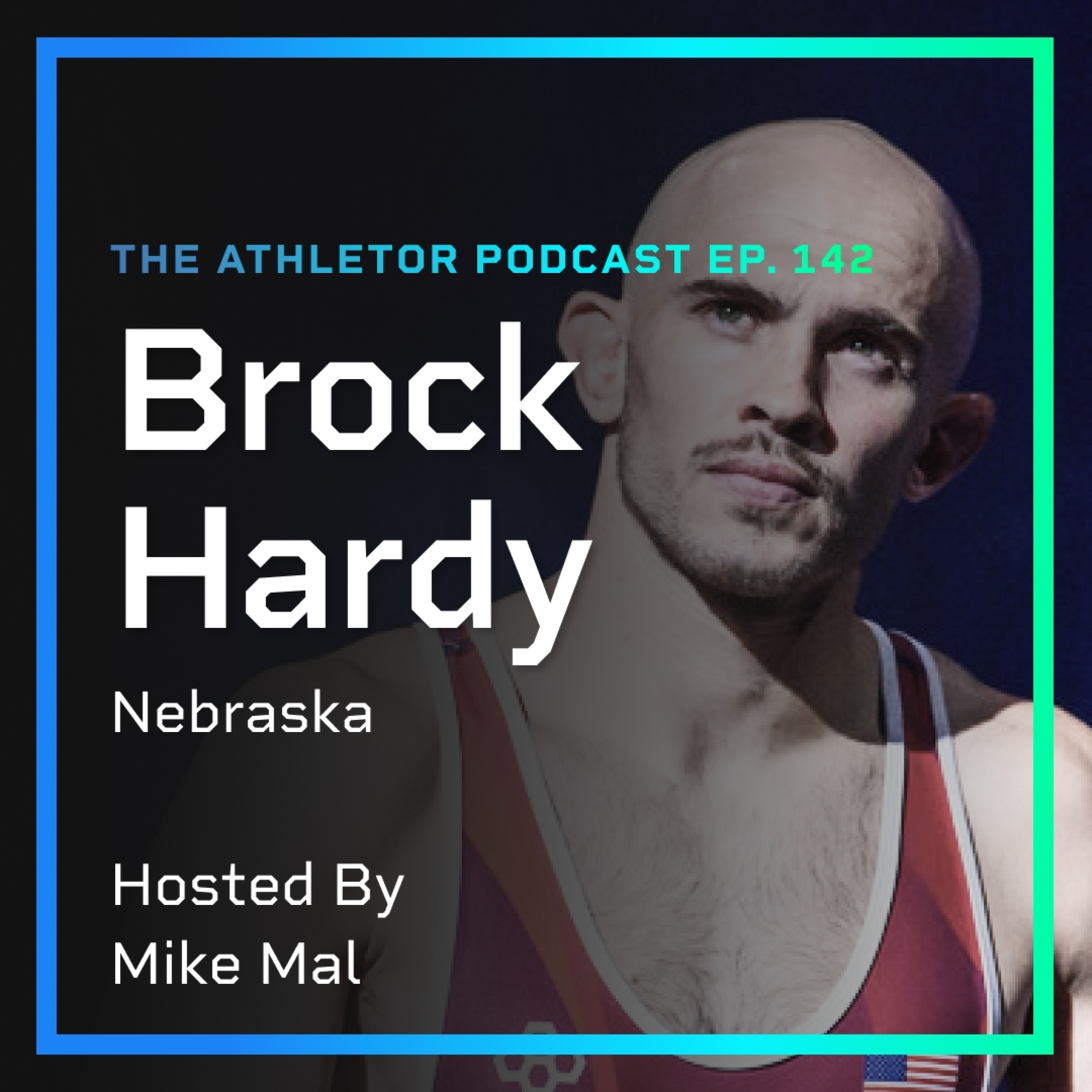
In this episode, Nebraska standout Brock Hardy joins the show to break down the details behind his wrestling style and mindset. He talks about developing his signature snap and how experimentation, repetition, and competition shaped his feel on the mat. Hardy also shares insight into his training philosophy, how he studies elite wrestlers, and the process of turning creativity in practice into confidence in competition. From high school dominance to competing at the D1 level, Hardy discusses what drives him, how he approaches technical growth, and what separates great wrestlers from good ones — both mentally and physically.