6d ago
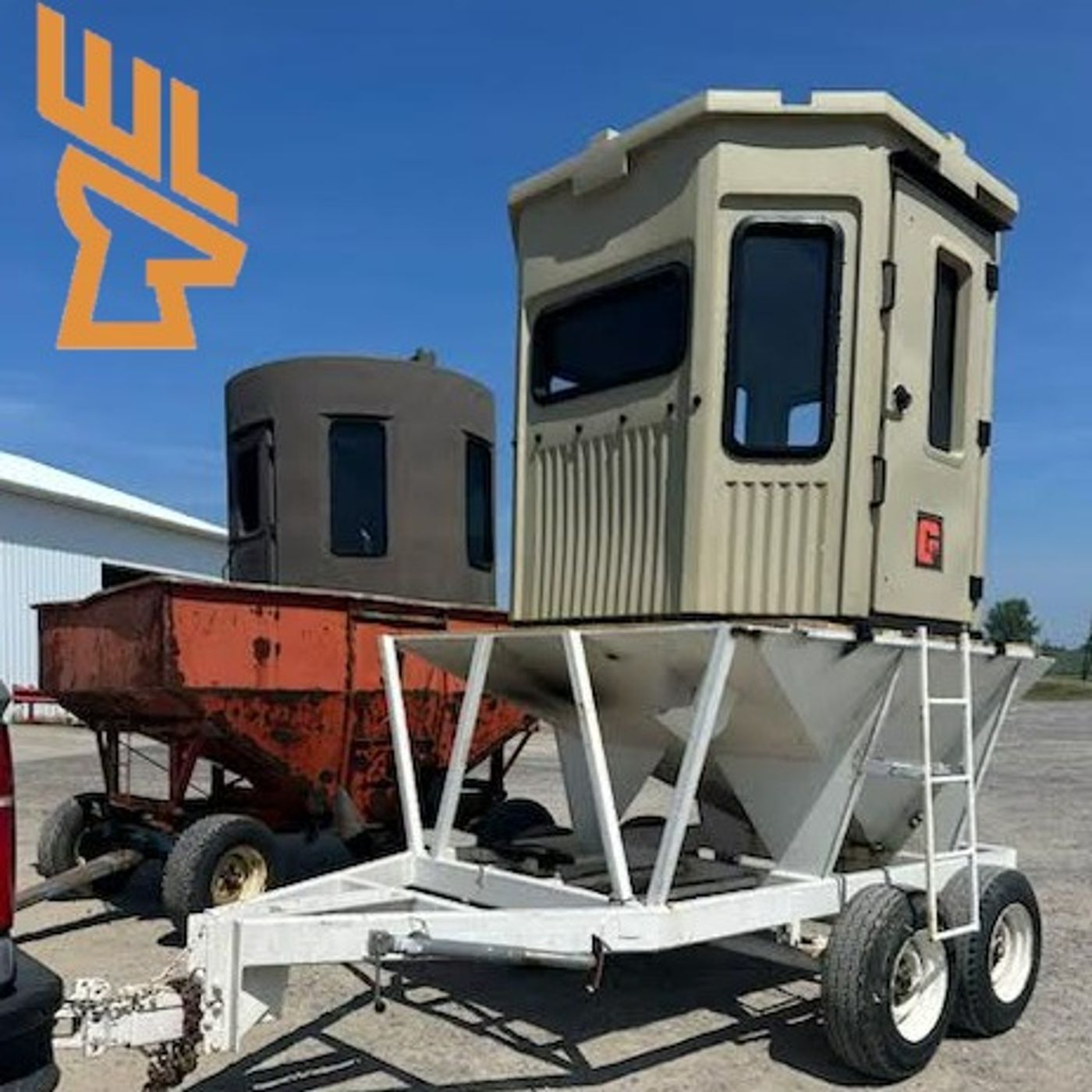
EP206 Compost Teas, Small Property Equals Big Bucks, Box Blind Setups, Scent Free Hunting
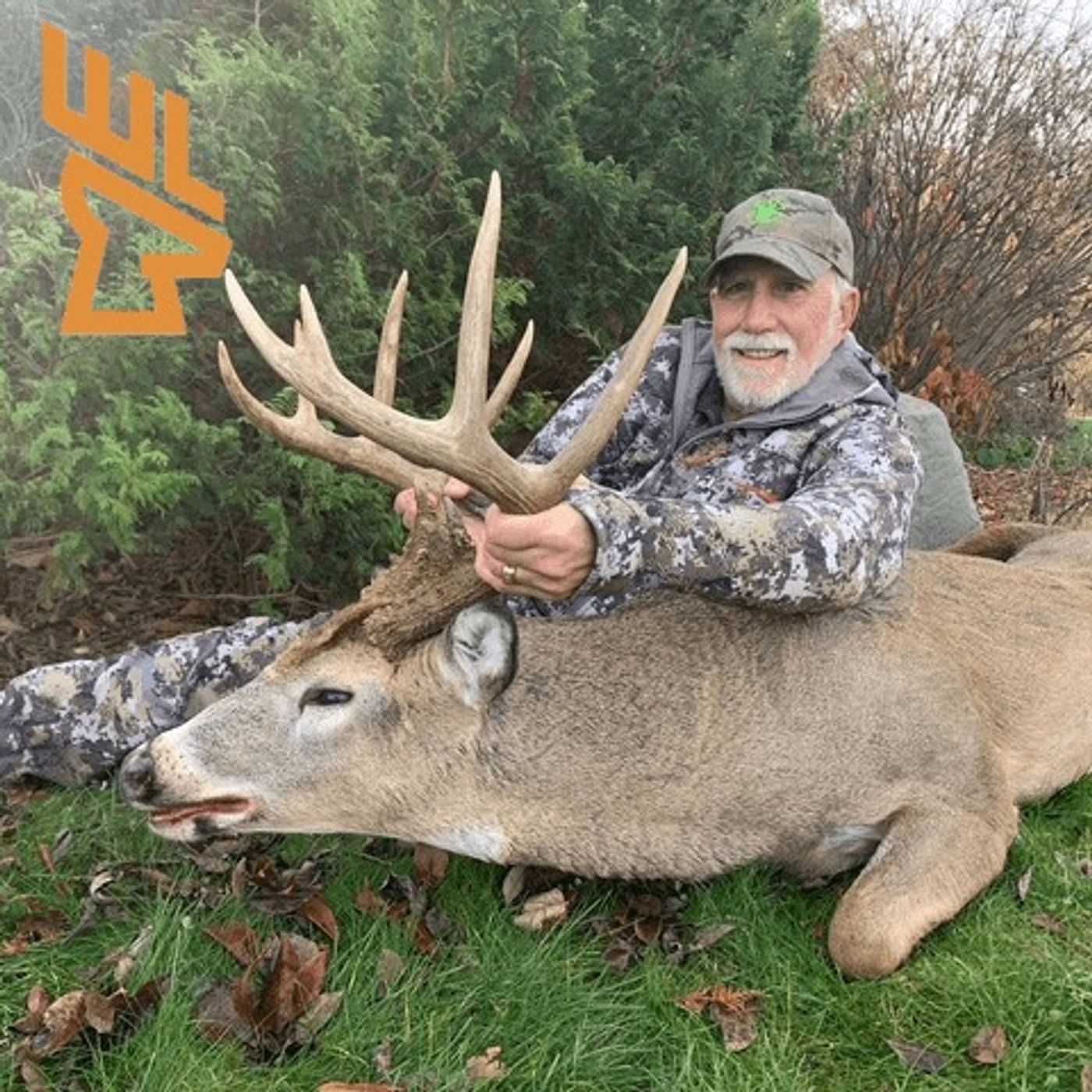
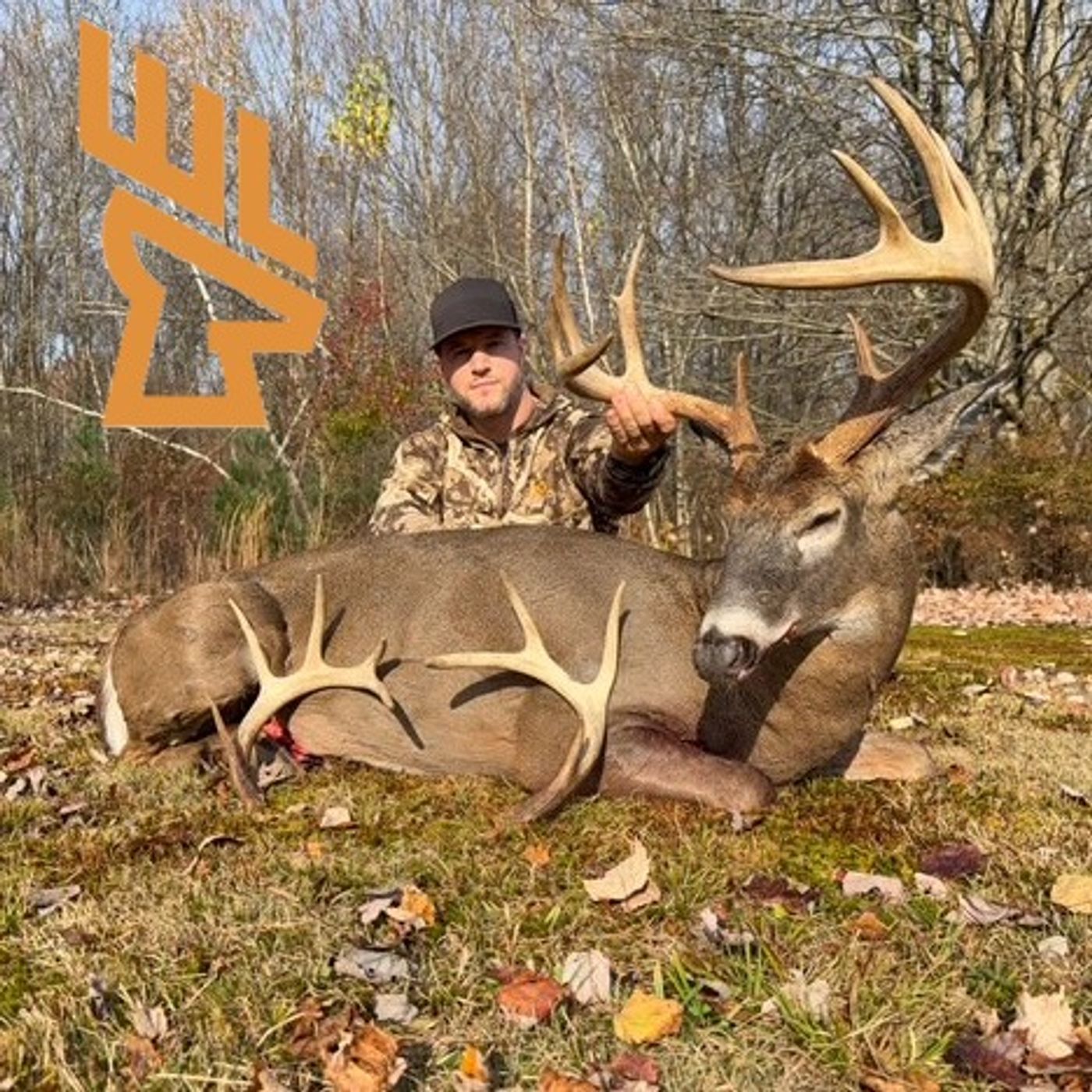
In this episode of Maximize Your Hunt, Jon Teater and guest Jake Ehlinger (Habitat Solutions 360) delve into advanced hunting strategies, focusing on compost teas for food plot production, effective box blind setups, and meticulous scent control. They share insights from Jake's recent success in harvesting a significant buck, discussing the importance of timing, environmental conditions, and strategic planning in hunting. The conversation also emphasizes the significance of hygiene and scent management, along with lessons learned from the hunting season that can inform future strategies. Takeaways: Compost teas can significantly enhance food plot production. Strategic box blind setups are crucial for successful hunts. Scent control is essential for minimizing deer detection. Timing and environmental conditions greatly influence deer movement. Understanding deer behavior is key to successful hunting. Hygiene practices can impact hunting success. Learning from past experiences can improve future strategies. The importance of patience and observation in hunting. Utilizing technology like cameras can aid in tracking deer. Building a conducive habitat is vital for attracting deer. Social Links http://habitatsolutions360.com/ https://www.facebook.com/HabitatSolutions360 https://www.youtube.com/channel/UCetSptPTK0gmg0BE5oRnTTA https://whitetaillandscapes.com/ https://www.facebook.com/whitetaillandscapes/ https://www.instagram.com/whitetail_landscapes/?hl=en Hosted by Simplecast, an AdsWizz company. See pcm.adswizz.com for information about our collection and use of personal data for advertising.
Dec 9
EP205 Small Hunting Property Design, Old Field Conversions, Late Season Food Plots
In this episode of Maximize Your Hunt, Jon Teater reflects on his hunting season and discusses land management strategies with guest Jake Ehlinger (Habitat Solutions 360). They explore the importance of habitat improvement, food plot design, and the successful combination of crops to attract deer. The conversation also touches on the sale of chestnut trees and future plans for enhancing hunting properties. In this conversation, the speakers delve into the intricacies of creating effective food plots for deer hunting, emphasizing the importance of trial and error in no-till planting, the design of food plots, and the significance of late-season food sources. They discuss the nutritional value of various crops and the role of soil health and cover crops in enhancing growth and sustainability. The conversation highlights practical strategies for maximizing hunting success through thoughtful agricultural practices. takeaways The podcast focuses on maximizing hunting properties. Jon reflects on his hunting season and shares insights. Chestnut trees are available for sale to create orchards. Jake Ehlinger shares his successful hunting strategies. Habitat management is crucial for attracting deer. Food plot design can significantly impact hunting success. Crop rotation helps maintain healthy food sources for deer. Combining soybeans and corn can optimize deer attraction. Strategic planting techniques enhance food plot effectiveness. Future plans include expanding tree sales and consulting services. Creating movement edges in food plots attracts deer. Trial and error is essential for successful planting. Designing food plots requires careful planning and measurement. Late season food sources are critical for deer nutrition. Nutritional value of crops influences deer attraction. Soil health is fundamental for crop success. Cover crops improve soil quality and moisture retention. Liquid fertilizers can enhance plant growth significantly. Understanding deer behavior aids in plot design. Monitoring soil health is crucial for long-term success. Social Links http://habitatsolutions360.com/ https://www.facebook.com/HabitatSolutions360 https://www.youtube.com/channel/UCetSptPTK0gmg0BE5oRnTTA https://whitetaillandscapes.com/ https://www.facebook.com/whitetaillandscapes/ https://www.instagram.com/whitetail_landscapes/?hl=en Tags: hunting, land management, habitat improvement, whitetail deer, food plots, crop rotation, hunting strategies, deer management, hunting success, wildlife habitat, food plots, deer hunting, no-till planting, soil health, cover crops, late season food sources, agricultural practices, wildlife management, hunting strategies, crop rotation Hosted by Simplecast, an AdsWizz company. See pcm.adswizz.com for information about our collection and use of personal data for advertising.
Dec 2
EP204 Mastering the Art of Tracking Whitetail Deer, Deer Behavior, Secrets
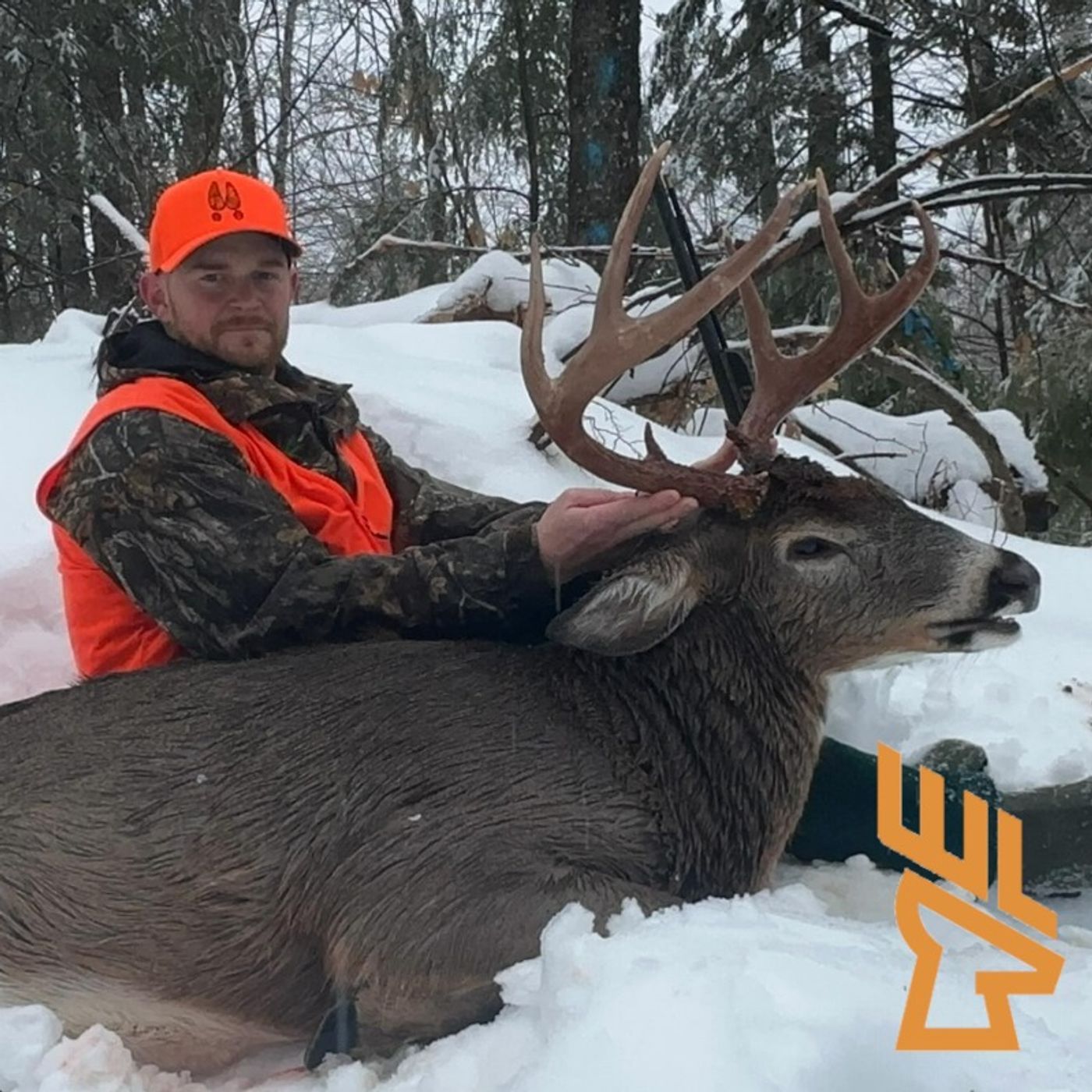
In this episode of Maximize Your Hunt, Jon Teater speaks with Nick Campagna, an experienced guide and tracker, primarily focusing on moose hunting but also sharing insights on tracking whitetail deer. The conversation delves into various aspects of tracking methodologies, the importance of understanding weather conditions, and the nuances of reading deer tracks. Nick emphasizes the significance of aging tracks, interpreting their characteristics, and the ideal conditions for tracking success. The discussion also highlights the mental and physical challenges of tracking, encouraging listeners to embrace the adventure and learn from the experience. Takeaways There's a lot of effort put into these podcasts. Tracking methodologies are essential for success. Understanding weather conditions is crucial for tracking. Aging tracks helps determine their freshness. Interpreting track characteristics can indicate maturity. Any snow day is a good snow day for tracking. Post rut is the best time to track bucks. Mindset and perseverance are key in tracking. Tracking can be rewarding even for beginners. Success in tracking often comes from being present and engaged. Social Links https://www.youtube.com/@Makin-Tracks https://www.instagram.com/nick_campagna_/?hl=en https://whitetaillandscapes.com/ https://www.facebook.com/whitetaillandscapes/ https://www.instagram.com/whitetail_landscapes/?hl=en Hosted by Simplecast, an AdsWizz company. See pcm.adswizz.com for information about our collection and use of personal data for advertising.
Nov 25
EP203 Mature Buck Success, Antlers, Design, Habitat Decisions, Organic Food
In this episode of Maximize Your Hunt, Jon Teater discusses various aspects of hunting, including the importance of land management, the cultural perspectives on hunting success, and the significance of meat quality over antler size. He shares personal hunting experiences, insights on deer breeding behavior, and the critical role of property design in achieving hunting success. The conversation emphasizes the need for ecological soundness in hunting practices and encourages listeners to engage with their communities and improve their hunting properties. Takeaways: Hunting success is often measured by cultural perspectives rather than actual quality. The focus should be on the quality of meat rather than just antler size. Designing your hunting property is crucial for maximizing success. Understanding deer breeding behavior can enhance hunting strategies. Sharing harvested meat with others is a meaningful aspect of hunting. Ecological soundness should be prioritized in hunting practices. Personal experiences in hunting can provide valuable lessons. Community engagement is important for the future of hunting. Environmental factors significantly affect deer behavior and movement. Continuous improvement of hunting properties leads to better outcomes. Social Links https://whitetaillandscapes.com/ https://www.facebook.com/whitetaillandscapes/ https://www.instagram.com/whitetail_landscapes/?hl=en Hosted by Simplecast, an AdsWizz company. See pcm.adswizz.com for information about our collection and use of personal data for advertising.
Nov 18
EP202 Rut Strategy, Enhancing Scrapes, Science of Human Odor and Deer
In this episode of Maximize Your Hunt, Jon Teater discusses various hunting strategies with Dieter Kochan (FaceOff Ebikes), focusing on rut strategies, deer behavior, and effective access to hunting areas. They explore the importance of utilizing trail cameras for gathering information, the significance of scrapes in deer social behavior, and the management of scent and footwear to improve hunting success. The conversation wraps up with reflections on the hunting season and the importance of adapting strategies based on observations and experiences. Takeaways The podcast focuses on maximizing hunting property and strategies. Understanding rut strategies is crucial for successful hunting. Accessing hunting areas effectively can improve success rates. Trail cameras provide valuable insights into deer behavior. Scrapes are important social markers for deer and should be utilized in hunting strategies. Managing scent and footwear is essential for not spooking deer. The more information you gather, the better your hunting decisions will be. Gray light access can prevent spooking deer on the way to stands. Younger deer should be able to utilize scrapes for social interaction. Reflecting on the hunting season helps improve future strategies. Social Links https://www.faceoffebikes.com/ https://www.instagram.com/rangermatthews/ https://whitetaillandscapes.com/ https://www.facebook.com/whitetaillandscapes/ https://www.instagram.com/whitetail_landscapes/?hl=en Hosted by Simplecast, an AdsWizz company. See pcm.adswizz.com for information about our collection and use of personal data for advertising.
Nov 11
EP201 The Future with Electric Bikes, Finding a Rut Location, Big Woods Browse
In this episode of Maximize Your Hunt, Jon Teater discusses various strategies for hunting success, including the use of e-bikes for efficient property management and scouting. The conversation with Dieter Kochan (FaceOff Ebikes) highlights the importance of adapting to changing conditions, learning from past hunting experiences, and understanding deer behavior during the rut. Teater emphasizes the need for continuous scouting and adjusting strategies based on fresh signs and environmental factors. takeaways The podcast focuses on maximizing hunting property through land management and habitat improvement. E-bikes can enhance scouting efficiency and reduce noise, making them a valuable tool for hunters. Scouting fresh signs is crucial for hunting success, especially during the rut. Hunters should be adaptable and willing to change strategies based on conditions and deer behavior. Understanding crop rotations can impact hunting strategies and deer movement. It's important to recognize and utilize overlooked areas that may be prime hunting spots. Trail cameras should be strategically placed to gather information during the rut. Hunters need to be aware of their surroundings and the deer’s natural tendencies. Investing in quality equipment, like e-bikes, can lead to better hunting experiences. Continuous learning and adapting from past experiences is key to improving hunting success. Social Links https://www.faceoffebikes.com/ https://www.instagram.com/rangermatthews/ https://whitetaillandscapes.com/ https://www.facebook.com/whitetaillandscapes/ https://www.instagram.com/whitetail_landscapes/?hl=en Hosted by Simplecast, an AdsWizz company. See pcm.adswizz.com for information about our collection and use of personal data for advertising.
Nov 4
EP200 Executing a Rut Plan on a Mature Buck, Influencing Neighbors, Property Design Series
In this episode of Maximize Your Hunt, host Jon Teater reflects on his journey in podcasting and hunting, sharing insights on land management, hunting strategies, and the importance of community engagement among hunters. He discusses his personal hunting experiences, tactics for success, and the significance of building a cooperative hunting community to enhance deer management and hunting success. Thomas Mlsna (Untamed Ambition) discusses his hunting tactics, breaking down deer movement, and how to influence his community for better overall deer quality. takeaways The podcast focuses on maximizing hunting properties. Jon reflects on his growth in podcasting and hunting. Community engagement is crucial for successful hunting. Scouting and hunting from the outside in is effective. Building relationships with neighbors can improve hunting success. Communication creates common goals among hunters. Fear tactics are ineffective in encouraging better hunting practices. Hunting serves as a valuable management tool for wildlife. Creating opportunities requires collaboration with the community. Success in hunting is a marathon, not a sprint. Social Social Links https://whitetaillandscapes.com/ https://www.facebook.com/whitetaillandscapes/ https://www.instagram.com/whitetail_landscapes/?hl=en https://www.theuntamedambition.com/ https://www.theuntamedambition.com/whitetailambition Hosted by Simplecast, an AdsWizz company. See pcm.adswizz.com for information about our collection and use of personal data for advertising.
Oct 28
EP199 Box Blind Decisions, Perfect Scrape Locations, Treestands Access
In this episode of Maximize Your Hunt Jon Teater and guest Eric Hansen (just hunt club) discuss various hunting strategies, focusing on deer behavior, food sources, and effective hunting setups. They explore the importance of managing deer populations, the significance of food plots, and the impact of hunting pressure in different areas. The conversation also delves into personal reflections on hunting success and the responsibilities of hunters in maintaining healthy deer populations. Takeaways: The importance of executing a well-planned hunting strategy. Understanding deer behavior is crucial for successful hunting. Food sources significantly influence deer movement and hunting tactics. Hunting setups should be adapted based on environmental conditions. Effective use of blinds can enhance hunting success. Creating and maintaining food plots is essential for attracting deer. Scrape setups can be a game-changer for deer attraction. Hunting pressure varies by location and affects deer survival rates. Personal enjoyment and responsibility in hunting are key to a fulfilling experience. Calculated risks can lead to greater hunting success. Social Links: https://whitetaillandscapes.com/ https://www.facebook.com/whitetaillandscapes/ https://www.instagram.com/whitetail_landscapes/?hl=en https://www.justhuntclub.com/ https://www.youtube.com/c/justhuntclub https://www.facebook.com/justhuntclub/ Hosted by Simplecast, an AdsWizz company. See pcm.adswizz.com for information about our collection and use of personal data for advertising.
Oct 21
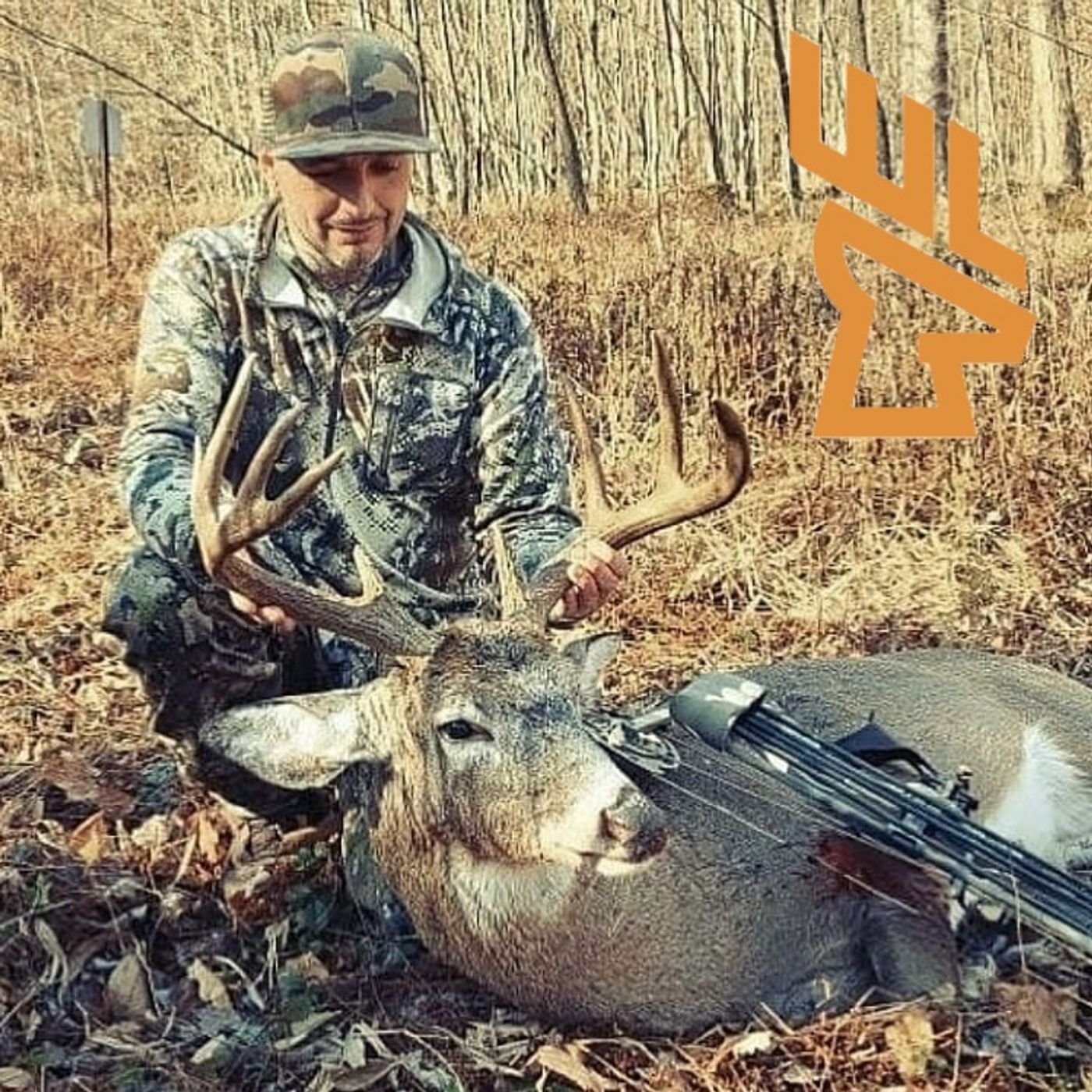
EP198 Chasing Deer, Funnels, Hill Country, Historical Data
In this conversation, Jon Teater discusses various hunting strategies, the importance of woodsmanship, and the role of technology in modern hunting. Joined by Greg Litzinger (Bowhunting Fiend), they explore the nuances of deer movement, the effectiveness of cameras, and the significance of understanding the land. The conversation emphasizes the need for adaptability, instinctual decision-making, and the balance between technology and traditional hunting skills. Takeaways: Maximizing your hunting property requires a comprehensive approach. Consulting with agronomists can enhance land management strategies. Experience in diverse hunting environments provides valuable insights. Cameras can sometimes mislead hunters about deer movement. Woodsmanship is crucial for successful hunting outcomes. Trusting your instincts can lead to better hunting decisions. Understanding deer movement patterns is essential for success. Reading the land helps identify ideal hunting spots. Mobility in hunting is key to adapting to changing conditions. A good mindset and approach can enhance the hunting experience. Social Links https://www.instagram.com/bowhunting_fiend/?hl=en https://www.youtube.com/watch?v=9-RMHGxtq-0 https://whitetaillandscapes.com/ https://www.facebook.com/whitetaillandscapes/ Hosted by Simplecast, an AdsWizz company. See pcm.adswizz.com for information about our collection and use of personal data for advertising.
Oct 14
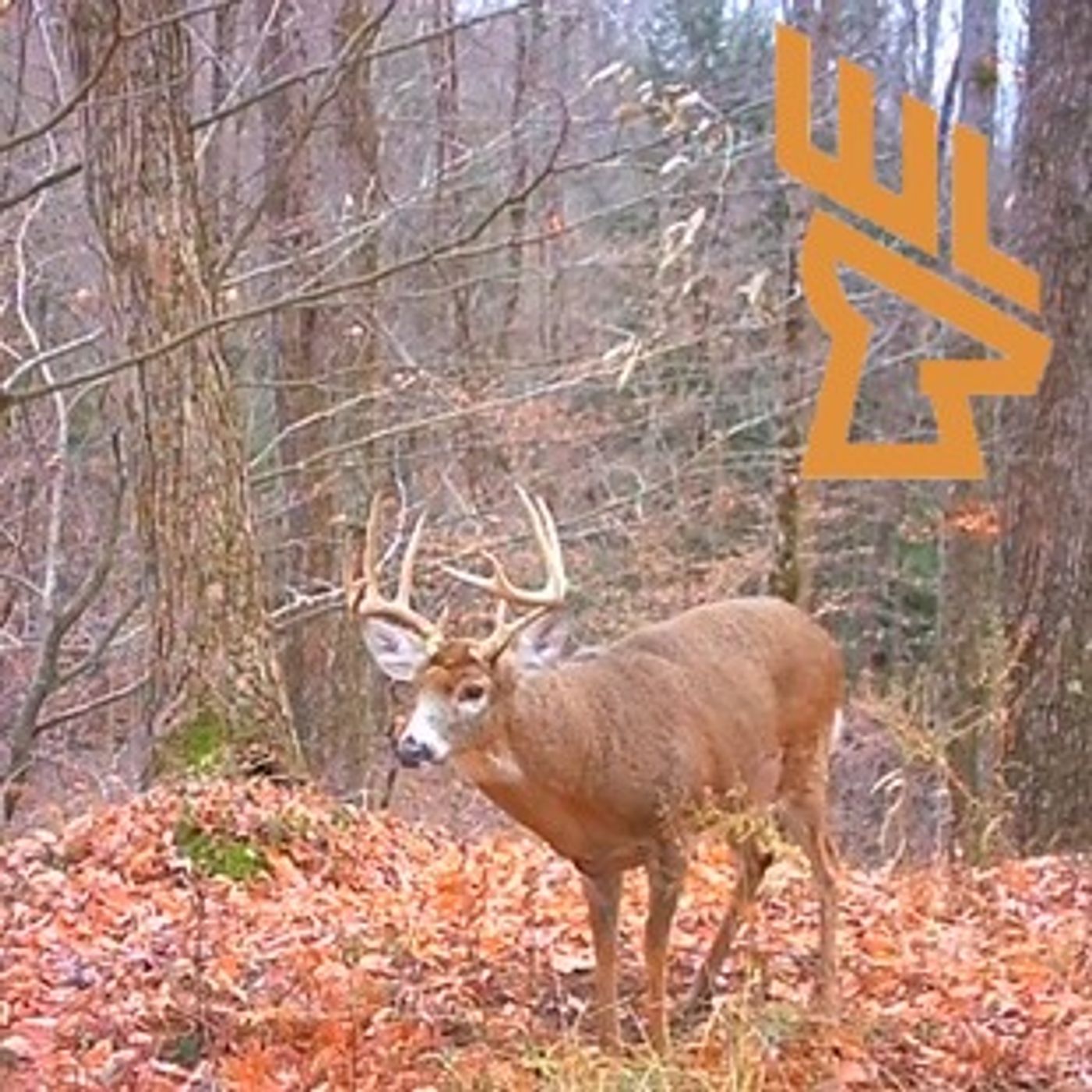
EP197 Where Deer Bed, Morning Hunts in Bedding Areas, Landscape Design
In this episode of Maximize Your Hunt, host Jon Teater (Whitetail Landscapes) discusses effective strategies for maximizing hunting success, focusing on whitetail deer. He emphasizes the importance of preparation, understanding deer behavior, and adapting to environmental changes. Steve Sherk (Sherk’s Guide Service) conversation covers early season tactics, the significance of bedding areas, and the impact of weather on deer movement. Additionally, they discuss the importance of conservation and managing deer populations for sustainable hunting practices. takeaways Maximizing your hunting property requires strategic planning. Preparation for the hunting season includes gear and scouting. Drought conditions can significantly alter deer behavior and movement. Identifying water sources is crucial for hunting success this season. Deer tend to concentrate in specific areas due to environmental factors. Understanding bedding areas is key to early season hunting success. Temperature and weather changes greatly affect deer movement patterns. Evening hunts are often more productive than morning hunts in the early season. Conservation efforts are essential for maintaining healthy deer populations. Pay attention to small changes in the landscape for better hunting opportunities. Social Links Sherk's Guide Service – Guided Deer Hunts (sherksguideservice.com) Sherk's Guide Service - Home | Facebook Steve Sherk Jr. (@sherksguideservice) • Instagram photos and videos https://whitetaillandscapes.com/ https://www.facebook.com/whitetaillandscapes/ https://www.instagram.com/whitetail_landscapes/?hl=en Hosted by Simplecast, an AdsWizz company. See pcm.adswizz.com for information about our collection and use of personal data for advertising.
Oct 7
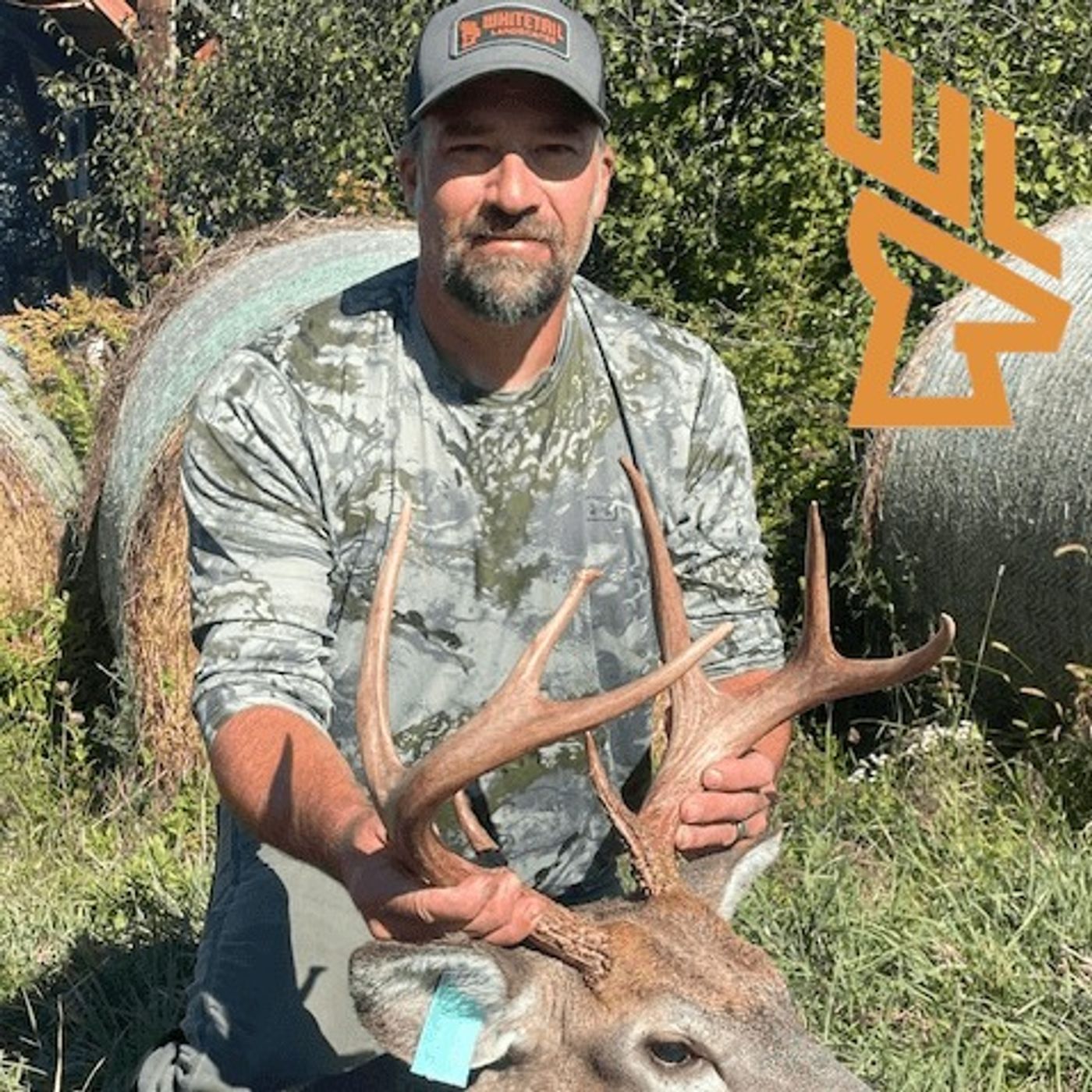
EP196 Strategy for Early Season Deer Harvest, Mature Buck Down, Stop Drought
In this episode of Maximize Your Hunt, host Jon Teater (Whitetail Landscapes) discusses effective hunting strategies, particularly focusing on early season deer behavior and the importance of understanding local conditions. He shares insights from a successful client, Jon Audet, who navigated challenging weather to harvest a mature buck. The conversation also delves into innovative land management techniques, including water capture strategies, and emphasizes the significance of a strategic mindset in hunting. Listeners are encouraged to adapt their approaches based on environmental factors and to appreciate the rewards of diligent land management. takeaways Hunting strategies should adapt to local deer behavior and environmental conditions. Understanding the social dynamics of deer can enhance hunting success. Weather challenges can significantly impact crop establishment and deer movement. Innovative water management techniques can improve land productivity during droughts. Diversity in food plots can attract deer even in adverse conditions. Harvesting a target buck requires strategic planning and preparation. Maintaining a tactical mindset is crucial for successful hunting. Client success stories can provide motivation and insights for other hunters. Effective land management can lead to better hunting outcomes over time. Continuous learning and adaptation are key to maximizing hunting success. Social Links https://whitetaillandscapes.com/ https://www.facebook.com/whitetaillandscapes/ https://www.instagram.com/whitetail_landscapes/?hl=en https://www.instagram.com/thewhitetailproject/?hl=en Hosted by Simplecast, an AdsWizz company. See pcm.adswizz.com for information about our collection and use of personal data for advertising.
Sep 30
EP195 Technical Whitetail Shift, How to Move Like a Mature Buck
In this episode of Maximize Your Hunt, host Jon Teater (Whitetail Landscapes) discusses various strategies and insights for successful deer hunting with expert Ty Jennings. They cover early season preparation, understanding deer behavior, effective observation techniques, and the importance of mindset and gear. The conversation emphasizes the need for adaptability in changing conditions and the significance of being intentional in hunting practices. Both speakers share personal experiences and insights on what defines success in hunting, highlighting the balance between the journey and the goal of harvesting a deer. takeaways The podcast focuses on maximizing hunting property through land management and strategies. Early season preparation is crucial for successful hunting. Understanding deer behavior and movement patterns is essential for effective hunting. Observation techniques can significantly increase hunting success. Adapting to changes in hunting conditions is necessary for success. A strong mindset and tactical approach are vital for effective hunting. Choosing the right gear can enhance stealth and movement in the field. Defining success in hunting varies from person to person, focusing on personal goals. Balancing the challenges of hunting with the enjoyment of the process is important. Continuous learning and adapting strategies based on experiences lead to better outcomes. Social Links https://whitetaillandscapes.com/ https://www.facebook.com/whitetaillandscapes/ https://www.instagram.com/whitetail_landscapes/?hl=en https://www.instagram.com/thewhitetailproject/?hl=en Hosted by Simplecast, an AdsWizz company. See pcm.adswizz.com for information about our collection and use of personal data for advertising.
Sep 23
EP194 Designing Deer Habitat from the Treestand, Field Conversions, Fruit Trees
In this episode of Maximize Your Hunt, host Jon Teater (Whitetail Landscapes) discusses strategies for maximizing hunting success through effective land management and habitat improvement. He shares insights on deer behavior, the importance of soil and water management, and the need for biodiversity in ecosystems. The conversation emphasizes the significance of understanding the dynamics of the landscape and creating productive environments for wildlife. takeaways Deer behavior is influenced by environmental conditions and hunting culture. Understanding the pecking order among deer can aid in hunting strategies. Quality management of deer populations involves monitoring age classes and ratios. Designing landscapes for hunting requires a holistic approach to ecology. Soil health and water management are critical for productive habitats. Biodiversity enhances ecosystem resilience and supports wildlife. Natural methods of land management can yield better results than chemical interventions. Creating organized chaos in landscapes can benefit wildlife habitats. Simpler management systems can be more effective than complex monocultures. Engaging with the community and sharing knowledge can enhance hunting success. Social Links https://whitetaillandscapes.com/ https://www.facebook.com/whitetaillandscapes/ https://www.instagram.com/whitetail_landscapes/?hl=en Hosted by Simplecast, an AdsWizz company. See pcm.adswizz.com for information about our collection and use of personal data for advertising.
Sep 16
EP193 Building Nutrient Dense Food Plots Now, Germination Tactics, Drought
In this episode of Maximize Your Hunt, host Jon Teater (Whitetail Landscapes) and Albert Tomechko (Vitalize Seed) discuss various strategies for optimizing hunting properties through effective land management and habitat improvement. The conversation covers designing frameworks for hunting, late-season planting strategies, enhancing germination techniques, and the importance of cold hardiness in plants. Additionally, the episode delves into the significance of foliar applications for plant health and the integration of soil health and nutrition in achieving optimal growth. The episode concludes with a discussion on seed selection tailored to specific soil types, emphasizing the need for diversity in planting to mitigate risks and enhance resilience. takeaways The podcast focuses on maximizing hunting properties through land management. Designing effective hunting frameworks requires a deep understanding of environmental complexities. Diversity in planting strategies can significantly mitigate risks associated with crop failure. Cold hardiness is essential for ensuring plant survival during harsh winter conditions. Foliar applications can enhance nutrient uptake and overall plant health. Soil health is a critical factor in successful planting and crop yield. Germination techniques play a vital role in the success of food plots. Understanding soil chemistry is crucial for effective land management. Selecting the right seeds based on soil type can optimize growth and resilience. Integrating various planting strategies can lead to more productive hunting environments. Social Links https://whitetaillandscapes.com/ https://www.facebook.com/whitetaillandscapes/ https://www.instagram.com/whitetail_landscapes/?hl=en Home | Vitalize Seed Company Hosted by Simplecast, an AdsWizz company. See pcm.adswizz.com for information about our collection and use of personal data for advertising.
Sep 9
EP192 Design Flow, Layered Bedding, Trail Cameras for Big Bucks
In this episode of Maximize Your Hunt, host Jon Teater (Whitetail Landscapes) discusses various strategies for managing hunting properties, improving habitats, and understanding deer behavior. He emphasizes the importance of acclimating deer to human activity, creating effective flow movement, and utilizing trail cameras strategically. The conversation with Colin Koskinen (Legendary Habitat) covers the significance of layering cover and creating hubs for deer movement, as well as tips for concealing trail cameras to minimize disturbance. As the hunting season approaches, Jon Teater encourages listeners to be patient and make positive impacts on their properties to enhance deer activity. Takeaways Maximizing your hunting property requires active management. Deer can acclimate to human activity if managed properly. Food plots can be beneficial if done correctly. Flow movement is essential for deer behavior. Creating hubs can enhance deer movement and activity. Trail cameras should be integrated into the landscape. Concealment of cameras is crucial for accurate data. Layering cover can improve deer bedding areas. Do not rely solely on camera data; observe the field. Every action taken on the property should be a positive impact. Social Links https://whitetaillandscapes.com/ https://www.facebook.com/whitetaillandscapes/ https://www.legendaryhabitat.com/ https://www.youtube.com/channel/UCbIsv6Orm9cD025IBFx8DWA https://podcasts.apple.com/us/podcast/legendary-habitat-podcast/id1613808320 https://www.facebook.com/LegendaryHabitat/ Hosted by Simplecast, an AdsWizz company. See pcm.adswizz.com for information about our collection and use of personal data for advertising.
Sep 2
EP191 Deer Habitat, Wetlands, Ducks, Better Water, Hunting Pressure
This episode of 'Maximize Your Hunt' features a discussion on the importance of wetlands in hunting properties, focusing on their role in deer habitat and waterfowl management. Jon Teater (Whitetail Landscapes) and Eric Lance (Hunt Science) focus their conversation on food plot management, soil remediation, and the significance of plant selection for maintaining water quality and biodiversity. The speakers emphasize the need for careful planning and management of wetland areas, including the challenges posed by invasive species and the benefits of controlled burning. The episode concludes with encouragement for listeners to engage with local conservation agencies to enhance their wetland areas. Takeaways: Wetlands provide essential habitat for both deer and waterfowl. Food plots should be managed with attention to soil health and plant diversity. Emergent species in wetlands can serve as forage for deer. Water quality is critical for the health of wetland ecosystems. Invasive species management is a key aspect of wetland maintenance. Controlled burning can help reset plant communities and promote growth. Hunting pressure can negatively impact wildlife populations. Engaging with local conservation agencies can provide valuable resources. Diversity in plant life enhances habitat quality for wildlife. Wetland restoration is a worthwhile investment for landowners. Social Links https://whitetaillandscapes.com/ https://www.facebook.com/whitetaillandscapes/ https://www.instagram.com/whitetail_landscapes/?hl=en https://podcasts.apple.com/us/podcast/the-huntscience-podcast/id1646115040 https://www.instagram.com/huntscience_podcast/ Hosted by Simplecast, an AdsWizz company. See pcm.adswizz.com for information about our collection and use of personal data for advertising.

Aug 26
EP190 Burning, Oak Wilt, Forest Openings, Tree Planting and Fruit Grafting
In this episode of 'Maximize Your Hunt', host Jon Teater (Whitetail Landscapes) and guest Jaden Bjorklund (Northland Habitat), discuss habitat and timber management, and government programs related to trees and overall management strategies to improve hunting properties. This podcast episode explores various aspects of land management, focusing on habitat improvement, tree diseases like oak wilt, and effective tree planting strategies. The conversation emphasizes the importance of community building among landowners, the role of forest health specialists, and the need for diversity in tree species to enhance forest ecosystems. Listeners will gain insights into practical management techniques, including grafting and creating tree nurseries, as well as understanding the economic aspects of tree planting. Takeaways Maximize Your Hunt focuses on habitat management for hunting properties. Using fire as a weeding method can be effective but time-consuming. Oak wilt is a significant concern for forest health. Red oaks are more susceptible to oak wilt than other species. Fungicide injections can help save affected trees if caught early. Community building is essential for sharing knowledge in land management. Diversity in tree species can enhance forest resilience. Planting trees should be done in manageable quantities. Creating a tree nursery can be a cost-effective strategy. Cost share funding is available for tree planting initiatives. Social Links https://whitetaillandscapes.com/ https://www.facebook.com/whitetaillandscapes/ https://www.instagram.com/whitetail_landscapes/?hl=en https://northlandhabitat.com/ https://www.instagram.com/northland.habitat/ Hosted by Simplecast, an AdsWizz company. See pcm.adswizz.com for information about our collection and use of personal data for advertising.
Aug 19
EP189 Designing Wildlife Travel Corridors and Hedgerows
In this episode of 'Maximize Your Hunt', host Jon Teater (Whitetail Landscapes) discusses the importance of effective land management and habitat improvement for hunting properties. He emphasizes the design philosophy of fit, form, and function, and the critical role of water management in maintaining healthy landscapes, especially during droughts. John shares personal experiences connecting with nature and the significance of hedgerows in providing wildlife corridors and supporting biodiversity. He offers insights into selecting plants for hedgerows and the long-term planning necessary for sustainable landscapes. Takeaways Having a plan of action is crucial for property management. Fit, form, and function are key design principles. Water management systems are essential for drought resilience. Connecting with nature enhances the hunting experience. Hedgerows serve as vital travel corridors for wildlife. Diversity in plant selection promotes a healthier ecosystem. Long-term planning is necessary for sustainable landscapes. Engaging with your environment can lead to better outcomes. Designing hedgerows requires understanding animal behavior. Patience and time investment yield better property management results. Social Links https://whitetaillandscapes.com/ https://www.facebook.com/whitetaillandscapes/ https://www.instagram.com/whitetail_landscapes/?hl=en Hosted by Simplecast, an AdsWizz company. See pcm.adswizz.com for information about our collection and use of personal data for advertising.
Aug 12
EP188 From The Vault: Habitat Solutions, Adaptive Management and Food Plots
FROM THE VAULT: In this episode, Jon Teater (Whitetail Landscapes) and Jake Ehlinger (Habitat Solutions 360) discuss food plots, property management, design, maintenance, and new property layout techniques. Jake explains his no till, food source options and how to reshape your property based on the neighborhood. Jake discusses his neighborhood and how to approach changes on a yearly basis. Jake's adaptive management style and his ability to be consistent and grow more tonnage per acre, allows him to pull in more deer and be less susceptible to over browse. Jake discusses his current food plot regime, and breaks down why this is the better late season food plot option when trying to manage a larger deer herd. Jake details his property layout and how deer congregate on his property when he creates “green plots” and how his food plots will outcompete other options like soybeans. Jake discusses a combination of soybeans and corn and what ratio he plants each in to get maximum results. Jake provides an option for annual plants and other options you have for late season food. Jake explains his neighborhood situation and what his neighbors are doing from a harvest to food perspective and how this impacts his property. Jake discusses the importance of his observation treestand and how you can observe much more through your own eyes as compared to trail cameras. Jake explains how trail systems he lays out will lead deer through his property for better hunting opportunities. Jon discusses the importance of observation data and why we should not ignore this information when evaluating deer movement. Jake explains his observation data and how bucks use cover and how deer move based on densities and wind direction. Jake explains how deer can avoid trail cameras and sometimes our reliance on trail cameras can be fraught with lack of or misinformation. Jon and Jake discuss how deer are individualistic and how data from trail cameras and observation lead to more information on deer behavior. Jon explains a strategy to pull a mature buck onto your property and the bits of information he relies on to ensure deer are going have increased interest in a property. Jake discusses changes over time and how he handles the maintenance and improvement side of his property as succession occurs. Jon explains what we need to consider as we are making changes on our property as we go through seral stages over time. Jake explains a recent change he has made to his property to ensure deer utilization is high. Jake discusses normal maintenance and specific changes that may be needed to ensure bedding areas remain permanent fixtures in a deer’s movement. Jake explains how to cut a focal area on his property through creating walls of cover, travel corridors, open and closed areas in the best locations. Jake continues to improve his and his client’s properties through these detailed methods of cutting and how he emphasizes diversity on the landscape. Check out the Sportsmen's Empire Podcast Network for more relevant, outdoor content! Social Links http://habitatsolutions360.com/ https://www.facebook.com/HabitatSolutions360 https://www.youtube.com/channel/UCetSptPTK0gmg0BE5oRnTTA https://whitetaillandscapes.com/ https://www.facebook.com/whitetaillandscapes/ https://www.instagram.com/whitetail_landscapes/?hl=en Hosted by Simplecast, an AdsWizz company. See pcm.adswizz.com for information about our collection and use of personal data for advertising.
Aug 5
EP187 Elevated Ponds, Building Berms for Access, and Enhancing Deer Movement
In this episode of 'Maximize Your Hunt', host Jon Teater (Whitetail Landscapes) and Jake Blow (Habitat Pro) discuss effective strategies for land management and habitat improvement to enhance deer hunting experiences. They delve into the importance of managing predators, the strategic placement of water sources like ponds, and the construction of berms to improve deer movement and hunting success. The conversation emphasizes the need for practical action in land management and the value of learning from the land and its wildlife. takeaways Managing predators is crucial for effective land management. Ponds can significantly enhance deer movement and attract them. Deer prefer easy routes; understanding their behavior is key. Water sources are often the best initial investment for attracting deer. Berms can effectively stop sight and sound, improving hunting success. Building berms can be a quick and effective solution for screening. Deer are purposeful in their movements; design your property accordingly. Don't let analysis paralysis prevent you from taking action. Your deer will teach you about their habits and preferences. Taking action is essential for successful land management. Social Links https://www.habitatprollc.com/ https://www.youtube.com/c/HabitatProLLC https://whitetaillandscapes.com/ https://www.facebook.com/whitetaillandscapes/ https://www.instagram.com/whitetail_landscapes/?hl=en Hosted by Simplecast, an AdsWizz company. See pcm.adswizz.com for information about our collection and use of personal data for advertising.
Jul 29
EP186 Building a Hunting Property with Heavy Equipment, Design Against Predators
In this episode of 'Maximize Your Hunt', host Jon Teater (Whitetail Landscapes) discusses land design and implementation with Jake Blow (Habitat Pro). They delve into the importance of infrastructure, the design and execution of food plots, the impact of wolves on deer hunting, and strategies for managing predator movement. The conversation also touches on the significance of elevated ponds for water management in hunting properties, emphasizing the need for careful planning and execution in land management projects. Takeaways: The value of property is increasing, making land management crucial. Proper planning is essential for effective food plot placement. Infrastructure work can significantly enhance hunting properties. Wolves can impact deer populations, requiring management strategies. Predator management is vital for maintaining deer herds. Elevated ponds can improve water distribution in dry areas. Designing for deer movement is key to successful hunting. Investing in land management can yield long-term benefits. Understanding the relationship between predators and prey is essential. Hands-on involvement in projects can lead to better outcomes. Social Links https://www.habitatprollc.com/ https://www.youtube.com/c/HabitatProLLC https://whitetaillandscapes.com/ https://www.facebook.com/whitetaillandscapes/ https://www.instagram.com/whitetail_landscapes/?hl=en Hosted by Simplecast, an AdsWizz company. See pcm.adswizz.com for information about our collection and use of personal data for advertising.
Jul 22
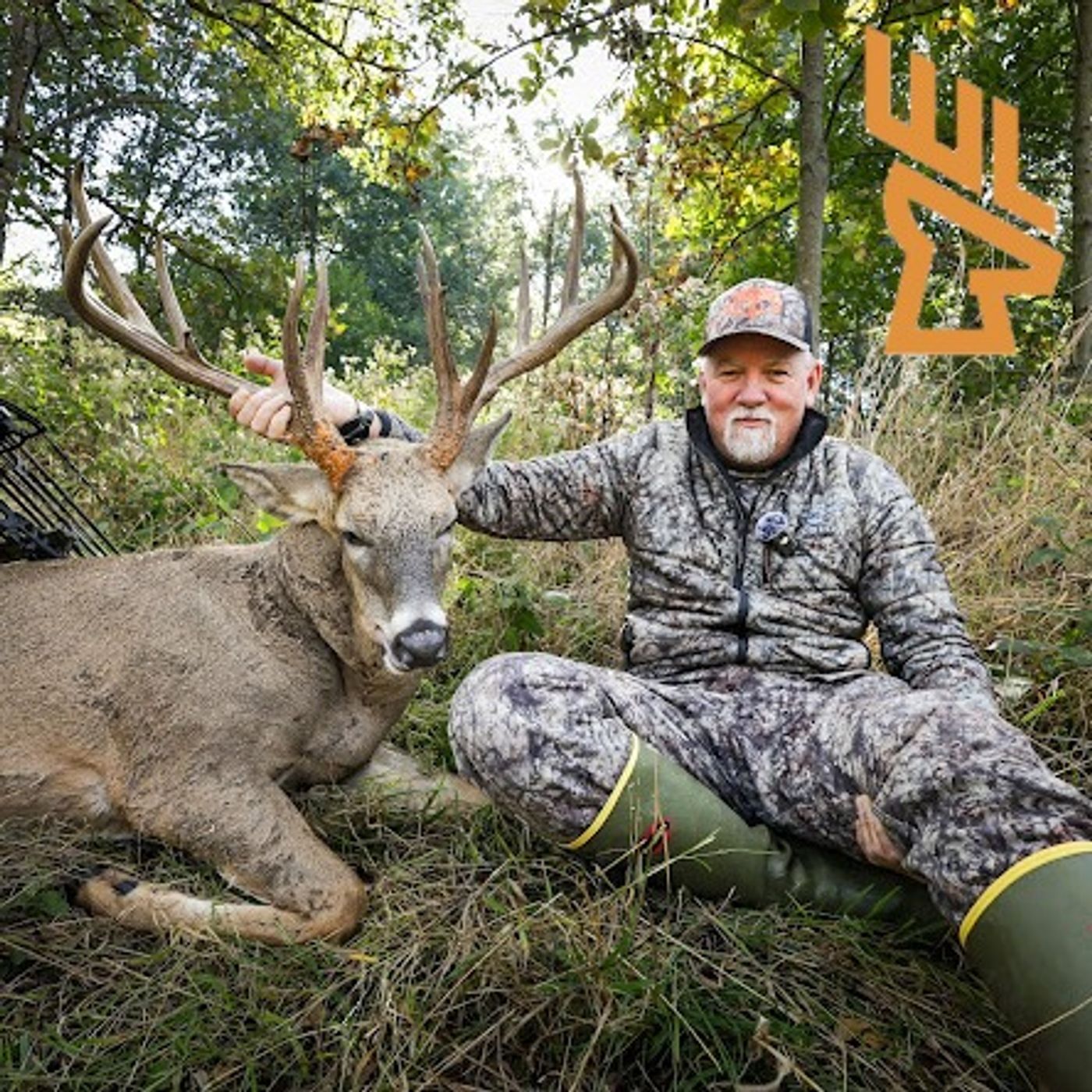
EP185 Big Buck Paradise, Top Hunting Properties, Designing the Plan
In this episode of 'Maximize Your Hunt', host Jon Teater (Whitetail Landscapes) discusses land management and hunting strategies with guest Don Higgins (Higgins Outdoors), an experienced consultant in the outdoor industry. They explore the importance of habitat improvement, the mistakes made in property management, and the nuances of deer behavior and movement. The conversation emphasizes the significance of property layout, social dynamics among deer, and the need for effective communication between consultants and clients. Listeners are encouraged to take action in improving their hunting properties for better success. Takeaways The podcast focuses on maximizing hunting properties through land management. Consultants should be engaged actively in the implementation process. Quality habitat is essential for attracting deer. Mistakes in property management can lead to years of lost opportunities. Understanding deer movement is crucial for successful hunting. The layout of a property can significantly impact hunting success. Social dynamics among deer are complex and individualistic. Setting a property apart from neighbors can enhance hunting success. Effective communication between consultants and clients is vital. Improving properties takes time and effort, but the rewards are worth it. Social Links https://www.youtube.com/channel/UCPE_A0TvKY5Hoe78xlrH6BA https://www.facebook.com/higginsoutdoors/ https://www.realworldwildlifeproducts.com/ https://whitetaillandscapes.com/ https://www.facebook.com/whitetaillandscapes/ https://www.instagram.com/whitetail_landscapes/?hl=en Hosted by Simplecast, an AdsWizz company. See pcm.adswizz.com for information about our collection and use of personal data for advertising.
Jul 15
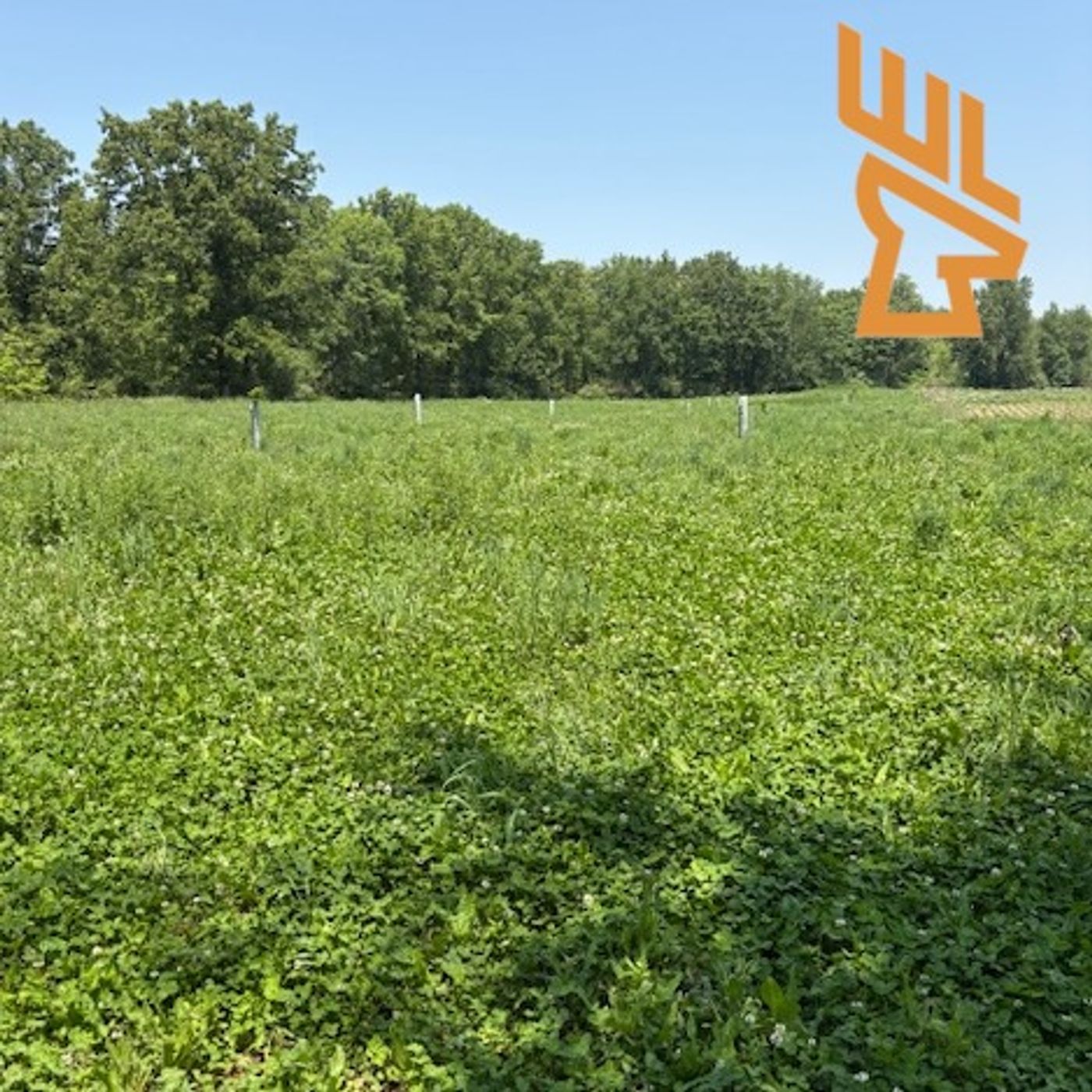
EP184 Turkey Brood Habitat, Spatial Movement, Land Management
In this episode of 'Maximize Your Hunt', host Jon Teater (Whitetail Landscapes) and guest Andrew Little (AWESM Lab) delve into habitat management strategies for hunting properties, focusing on soil health, turkey habitats, and the importance of neighboring land management. The conversation highlights the significance of nesting and brooding cover for turkeys, seasonal management strategies, and the ongoing journey of conservation. Listeners are encouraged to take simple steps to improve their land and learn about their properties to maximize wildlife success. Takeaways Creating compost tea improves soil structure. Granular fertilizers can harm the microbiome. Understanding turkey habitats is crucial for management. Neighboring land management impacts wildlife success. Nesting cover is essential for turkey broods. Visual obstruction helps protect nesting turkeys. Management should consider seasonal changes. Conservation is a continuous journey. Simple steps can lead to significant improvements. Engaging with local landowners enhances habitat management. Social Links https://awesmlab.unl.edu/ https://awesmlab.unl.edu/wildag-podcast/ https://whitetaillandscapes.com/ https://www.facebook.com/whitetaillandscapes/ https://www.instagram.com/whitetail_landscapes/?hl=en Hosted by Simplecast, an AdsWizz company. See pcm.adswizz.com for information about our collection and use of personal data for advertising.
Jul 8
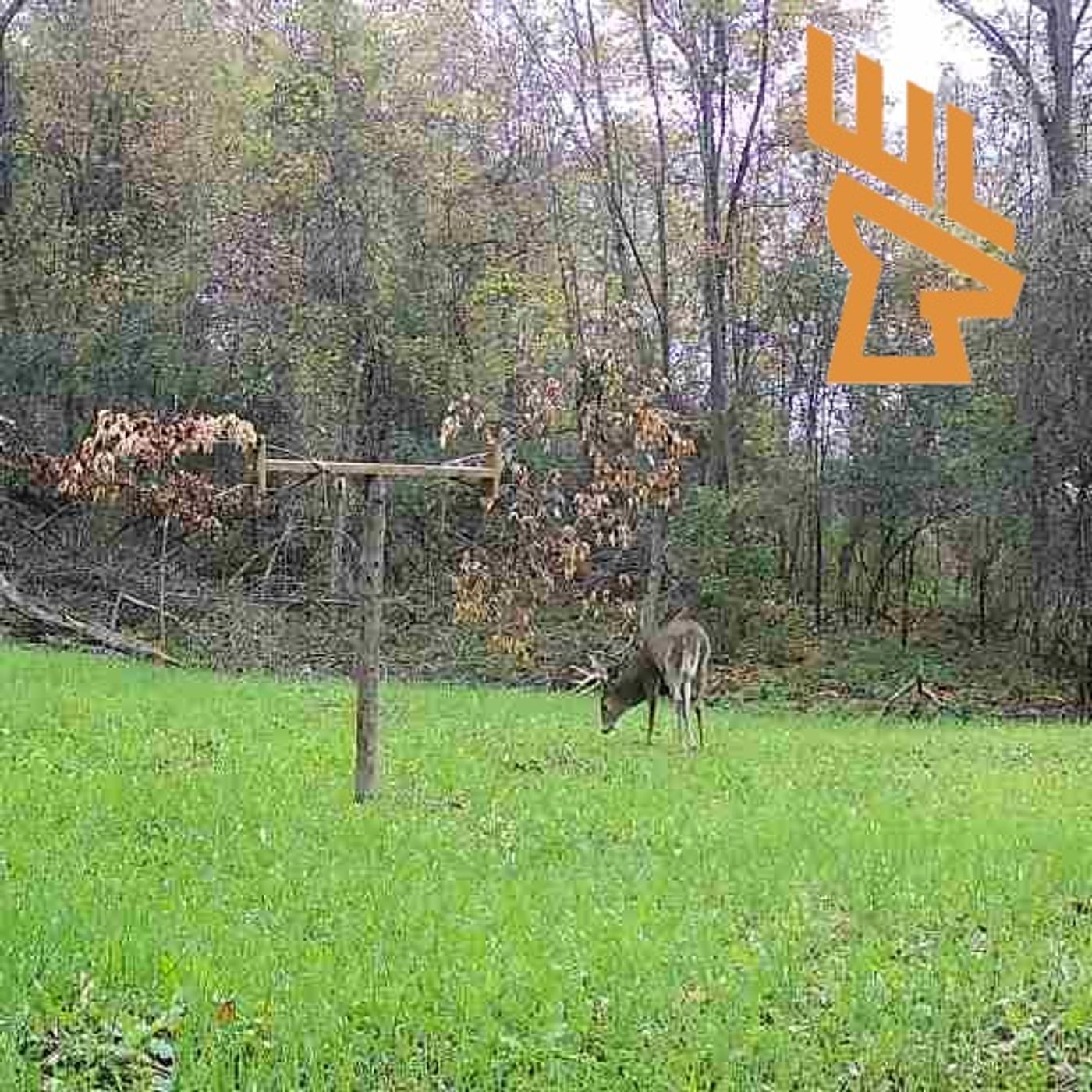
EP183 Advancing Food Plots, Clover, Aeration, Holding More Deer
In this episode of 'Maximize Your Hunt', host Jon Teater (Whitetail Landscapes) discusses various strategies for improving hunting properties, including land management, habitat improvement, food plot strategies, and deer behavior with Perry Battin (Drury Outdoors). The conversation emphasizes the importance of nutrient management, soil health, and timber stand improvement techniques. Additionally, Perry and Jon explore the use of technology in hunting, summer preparations for the upcoming season, and the significance of safety and proper equipment. The episode concludes with thoughts on community and networking within the hunting world, as well as final preparations for a successful hunting season. Takeaways Maximizing hunting properties requires effective land management. Engaging college students can provide valuable help in the field. Food plots should be strategically designed for deer movement. Nutrient management is crucial for healthy crops. Soil health impacts the success of food plots. Timber stand improvement can be done effectively in summer. Understanding deer behavior is key to successful hunting. Technology can enhance hunting strategies and property management. Safety equipment is essential during timber management. Networking with other hunters can provide valuable insights and opportunities. Social Links https://www.instagram.com/perrybattin_druryoutdoors/?hl=en https://www.druryoutdoors.com/ https://whitetaillandscapes.com/ https://www.facebook.com/whitetaillandscapes/ https://www.instagram.com/whitetail_landscapes/?hl=en DruryOutdoors - YouTube Get Ahead of Your Game | DeerCast Hosted by Simplecast, an AdsWizz company. See pcm.adswizz.com for information about our collection and use of personal data for advertising.
Jul 1
EP182 Real-time Land Mapping, High Resolution Imagery, Drone Deer Survey, Thermal
In this episode, Jon Teater (Whitetail Landscapes) and Lee Vandenbrink (Aerial Wildlife Solutions) explore drones, their benefits and how these tools can change your perspective on hunting and wildlife. This podcast episode explores the intersection of technology and hunting, focusing on the use of drones for land management, habitat mapping, and deer recovery. The host and guest discuss the importance of quality equipment, the benefits of using drones for surveying and mapping properties, and the ethical considerations surrounding deer recovery. They emphasize the need for accurate data to make informed decisions about land management and hunting strategies, while also addressing the evolving role of technology in the hunting industry. Takeaways: Good quality equipment is essential for effective land management. Drones can provide high-resolution maps for property analysis. Thermal imaging technology is valuable for deer surveys and recovery. Understanding deer behavior is crucial for effective hunting strategies. Seasonality affects deer movement and habitat usage. Mapping can help identify vegetation types and health. Drones can assist in ethical deer recovery efforts. Technology should enhance, not replace, traditional hunting skills. Every property has unique characteristics that affect deer usage. The future of hunting will increasingly rely on technological advancements. Social Links https://aerialwildlifesolutions.net/ https://whitetaillandscapes.com/ https://www.facebook.com/whitetaillandscapes/ https://www.instagram.com/whitetail_landscapes/?hl=en Hosted by Simplecast, an AdsWizz company. See pcm.adswizz.com for information about our collection and use of personal data for advertising.

Jun 24
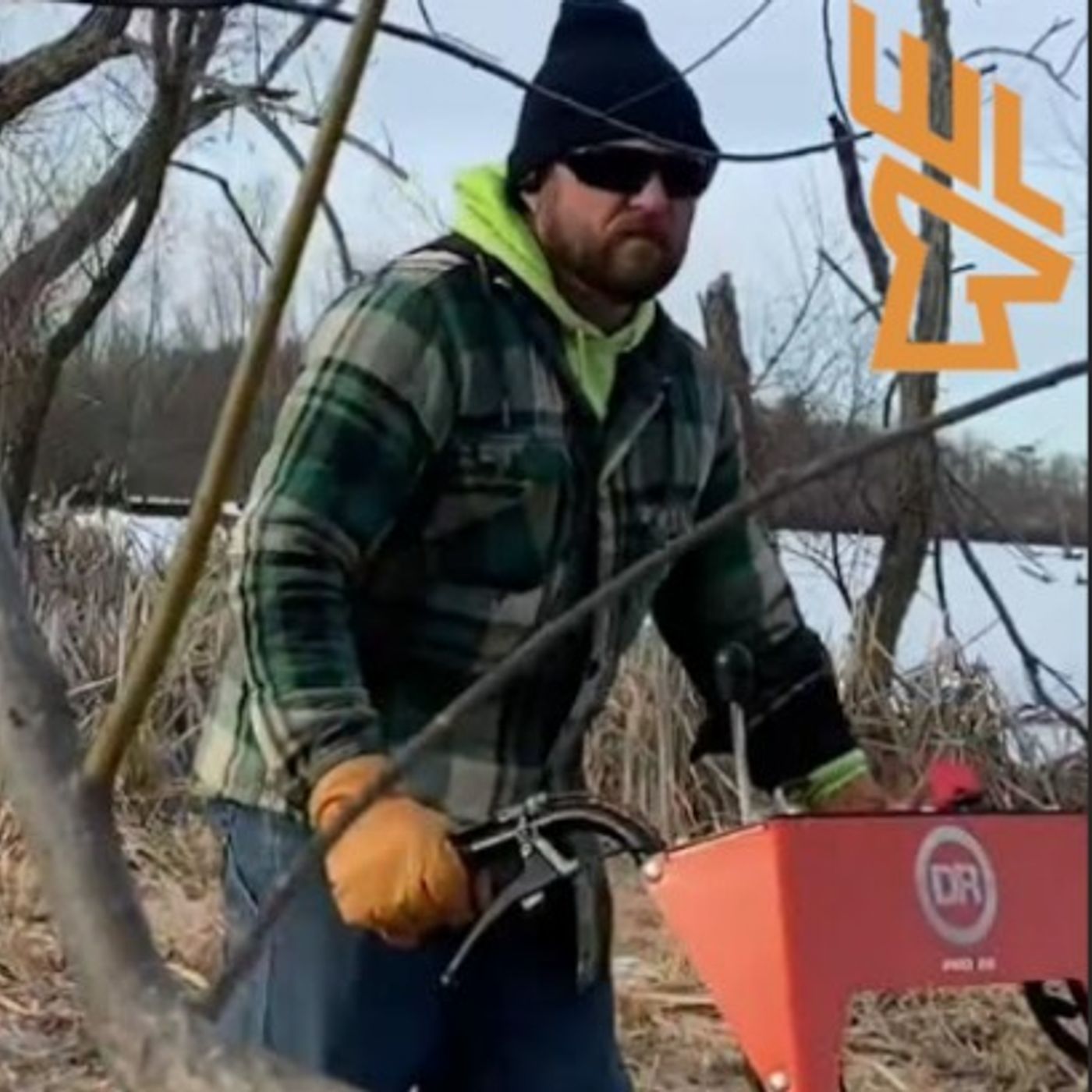
EP181 Improving Deer and Pheasant Habitat, Building Sanctuaries, More Bucks
In this episode, Jon Teater (Whitetail Landscapes) discusses various strategies for managing hunting properties with guest Travis Harmon (Creative Habitat. They explore habitat improvement techniques, the importance of patience in property management, and specific strategies for creating effective habitats for pheasants and quail. The conversation emphasizes the significance of understanding plant purposes, the timing of management activities, and the need for flexibility in planning. Additionally, they discuss the creation of sanctuaries for wildlife and the importance of maintaining diverse habitats. Takeaways Every plant has a purpose in the landscape. Mowing is an effective tool for managing food plots. Patience is crucial in habitat management. Timing of management activities is critical for success. Stay flexible with your management plan as conditions change. Creating effective sanctuaries is essential for wildlife. Diversity in habitat improves wildlife populations. Understanding animal behavior aids in property management. Utilizing the right tools can enhance habitat improvement efforts. Don't rush improvements; observe and adapt over time. Social Links https://www.facebook.com/creatingwildlifehabitat/ http://creativehabitatllc.com/ https://www.instagram.com/creativehabitatllc/?hl=en https://whitetaillandscapes.com/ https://www.facebook.com/whitetaillandscapes/ https://www.instagram.com/whitetail_landscapes/?hl=en Hosted by Simplecast, an AdsWizz company. See pcm.adswizz.com for information about our collection and use of personal data for advertising.
Jun 17
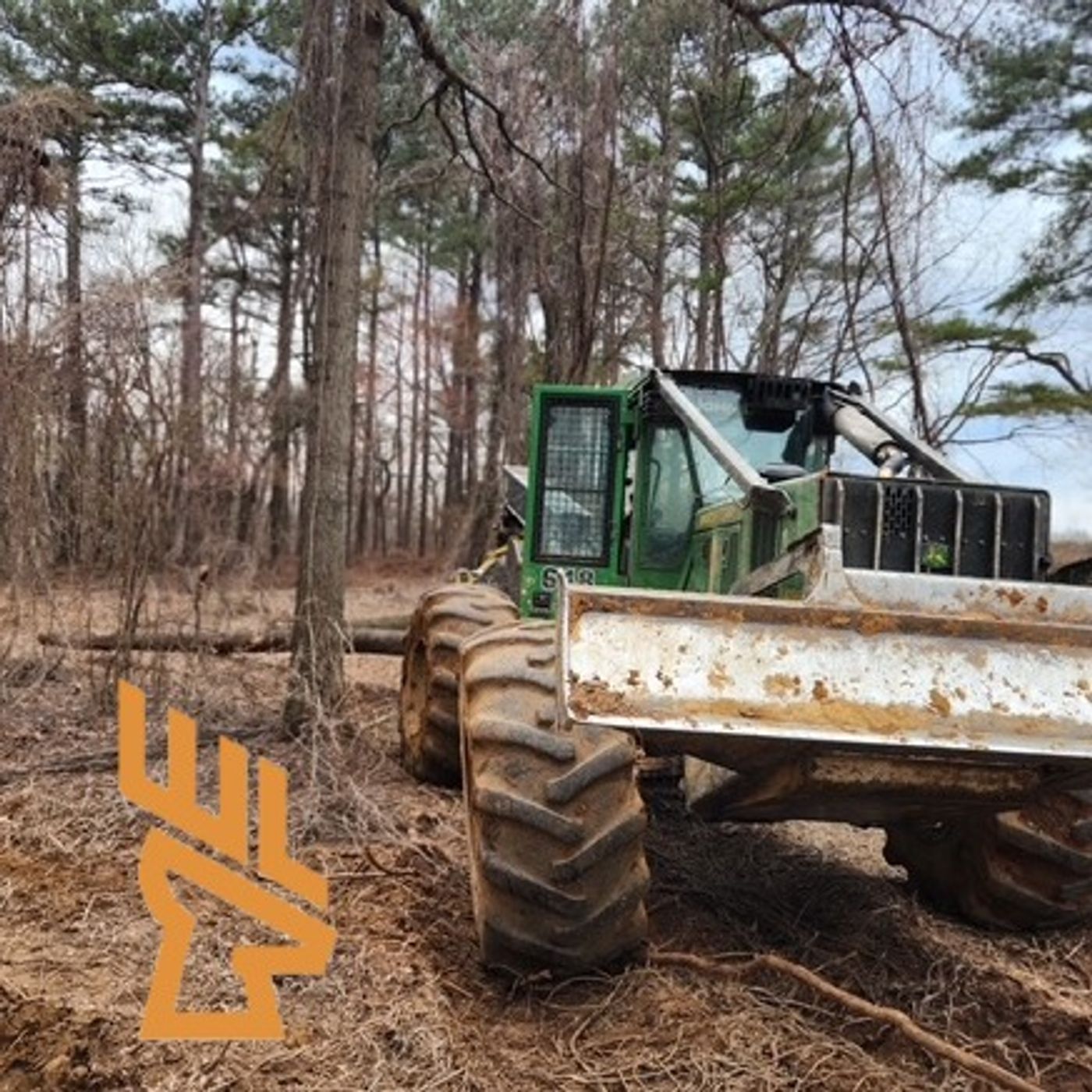
EP180 Strategic Logging, Natural Disasters, Firebreaks, Fencing, Providing Wildlife Cover
In this episode of Maximize Your Hunt, host Jon Teater discusses Rocky Burrus SA Farms discusses various strategies for improving hunting properties, including habitat management, timber management, and the impact of solar farms on wildlife. Jon and Rocky Burrus (SA Farms Management) emphasize the importance of understanding deer behavior and creating effective access and road systems to enhance hunting success. The conversation also touches on community concerns regarding land use and the economic implications of solar farms. In this conversation, the speakers discuss various strategies for managing deer habitats to enhance hunting success. They explore the importance of molding deer behavior through habitat management, the strategic use of road systems to influence deer movement, and the creation of safe zones for mature deer. The conversation also touches on the significance of post-season assessments for habitat planning and the ethical considerations surrounding hunting practices, including fair chase principles. Takeaways: Maximizing hunting properties involves strategic land management. Field conversions can significantly improve deer habitat. Timber management should prioritize wildlife over profit. Access roads are crucial for effective hunting strategies. Creating food sources can attract deer to specific areas. Solar farms can fragment wildlife habitats and impact deer movement. Community concerns about land use are important for local ecosystems. Understanding deer behavior is key to successful hunting. Effective road systems can enhance deer movement and access. Monitoring deer activity through technology can improve hunting success. Molding deer behavior is essential for effective hunting. Strategic road systems can influence deer movement patterns. Creating safe zones can attract mature deer to desired areas. Post-season assessments are crucial for refining habitat management strategies. Ethics in hunting practices should prioritize fair chase and animal welfare. Using natural features can enhance deer movement and access points. Monitoring deer behavior helps in understanding their patterns. Habitat management can lead to increased mature buck sightings. Effective hunting requires a balance between access and deer safety. Utilizing fencing and screens can direct deer movement effectively. Social Links SA FARMS Management Service | Facebook https://www.instagram.com/safarmmanagementservice/?hl=en https://whitetaillandscapes.com/ https://www.facebook.com/whitetaillandscapes/ https://www.instagram.com/whitetail_landscapes/?hl=en Hosted by Simplecast, an AdsWizz company. See pcm.adswizz.com for information about our collection and use of personal data for advertising.
Jun 10
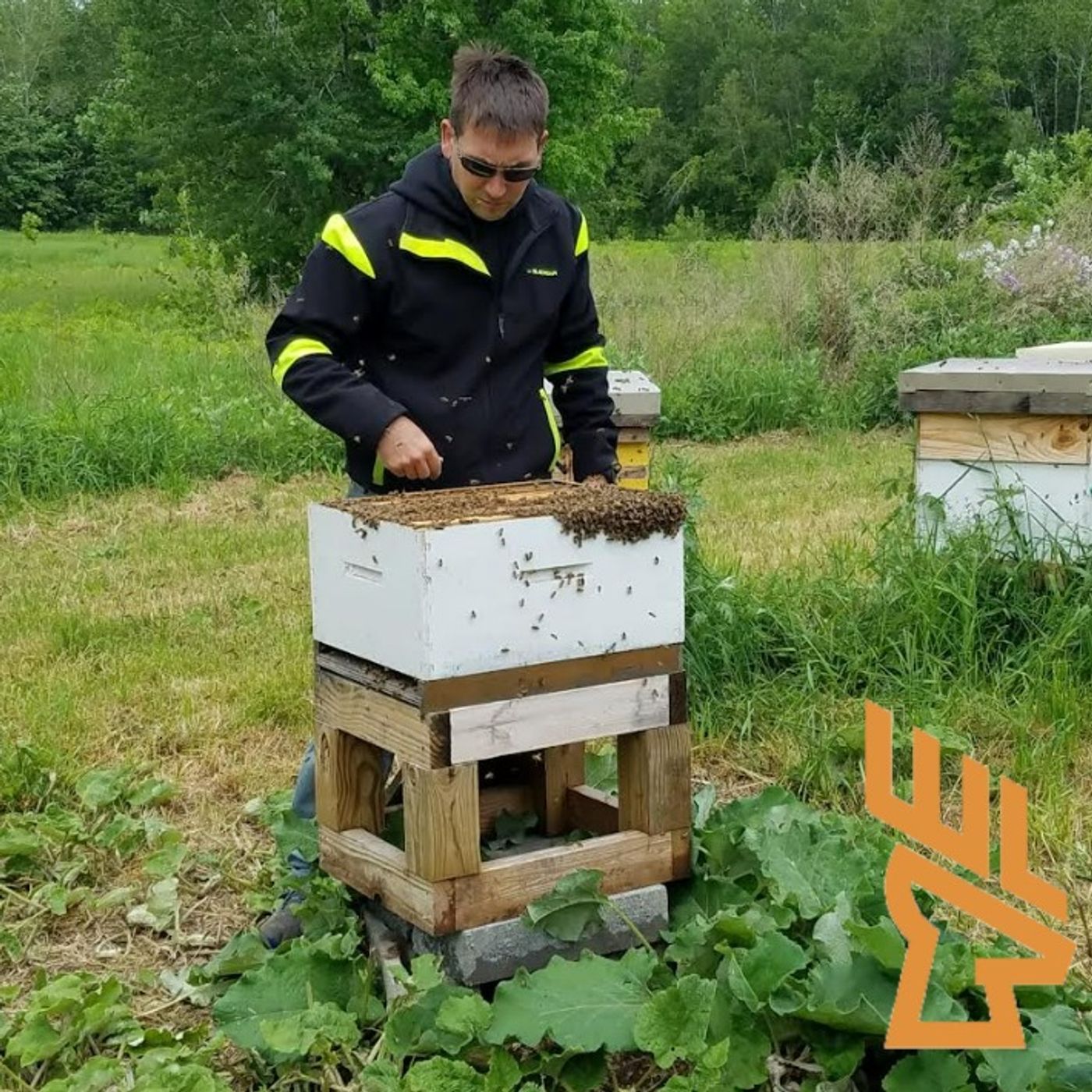
Ep 179 Introducing Bees To Your Hunting Property, Food Plots, Pollinators
In this episode of Maximize Your Hunt, host Jon Teater discusses the importance of land management and habitat improvement for hunting properties. He emphasizes the significance of soil amendments and the role of beekeeping in enhancing the landscape. The conversation with Bill Kaufman explores how to create a bee-friendly environment and the diversity of pollinators that contribute to a thriving ecosystem. In this conversation, the speakers discuss the importance of maintaining bee habitats, the impact of non-native bees, and the human influence on bee populations. They explore the concept of rewilding and how to create sustainable environments for bees and other pollinators. The discussion emphasizes the need for ecological balance and the role of local communities in supporting beekeeping efforts. Takeaways Soil amendments are crucial for successful food plots. Beekeeping can enhance biodiversity on hunting properties. Diversity in plant life supports various pollinators. Natural habitats should be preserved for bees and other wildlife. Mowing practices can impact bee populations positively or negatively. Understanding the role of different bee species is essential. Creating a balanced ecosystem benefits both hunters and wildlife. Collaboration with local beekeepers can enhance land management. Bees require diverse food sources for optimal health. Land management should focus on sustainability and ecological balance. Mowing around beehives helps prevent ticks and bee loss. Maintaining fields prevents encroachment of trees and supports bee foraging. Non-native bees can coexist with local species if managed properly. Human practices like herbicide use negatively impact bee populations. Rewilding can help restore ecological balance in landscapes. Creating diverse habitats supports a variety of insect life. Local communities can connect with beekeepers for support. Every plant in the ecosystem has a purpose and contributes to biodiversity. Invasive species can indicate nutrient deficiencies in the soil. Bees are efficient foragers and prefer to collect resources close to home. Social Links https://www.itsallbetter.com/contact https://www.facebook.com/billthebeekeeper/ https://whitetaillandscapes.com/ https://www.facebook.com/whitetaillandscapes/ https://www.instagram.com/whitetail_landscapes/?hl=en Hosted by Simplecast, an AdsWizz company. See pcm.adswizz.com for information about our collection and use of personal data for advertising.
Jun 3
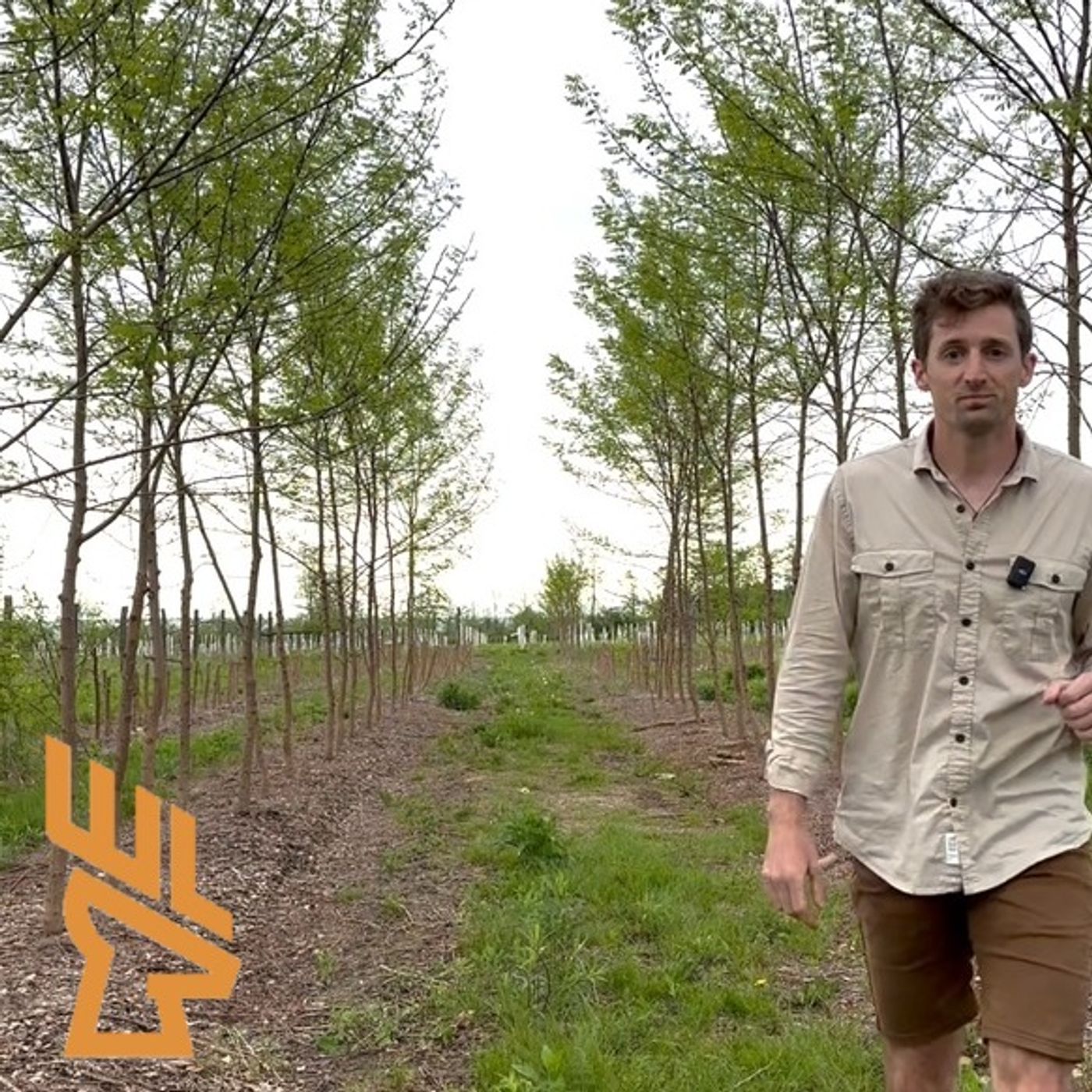
EP178 Reshaping Your Farm with Trees, Income Generators, Fruit, Chestnuts, Attracting Deer
In this episode of Maximize Your Hunt, host Jon Teater discusses innovative strategies for managing hunting properties, focusing on the integration of native and non-native plants, agroforestry systems, and effective tree planting techniques. Guest Harry Green shares insights on his farm's layout, irrigation systems, and the benefits of specific tree species like black locust and chestnuts for attracting deer. The conversation emphasizes the importance of creating a sustainable and productive landscape that benefits both wildlife and human enjoyment. In this conversation, the speakers delve into the complexities of native versus non-native plants, exploring their origins and ecological impacts. They discuss the importance of agroforestry in creating sustainable landscapes that support both food production and ecosystem services. The conversation also highlights the significance of designing landscapes for wildlife, particularly deer and turkeys, and emphasizes community engagement through upcoming events and courses. Takeaways: The world is always changing; adapting is key. Non-native plants can provide unique benefits. Agroforestry systems can yield economic and ecological benefits. Farm layout and irrigation are crucial for tree health. Black locust is a sustainable choice for fencing. Chestnuts are highly attractive to deer and a viable cash crop. Mowing practices can help manage tree growth effectively. Simple propagation methods can lead to successful nurseries. Consider the human value of plants in your landscape. Engaging family in gardening enhances the experience. Native plants can enhance biodiversity but non-native plants also have their place. Understanding the origins of plants helps in landscape design. Black currants are a great choice for family-friendly fruiting. Designing landscapes should reflect personal and family values. Agroforestry systems can yield both food and ecosystem services. Different crops have varying economic viability over time. The eight forms of capital can guide sustainable farming practices. Community engagement is vital for successful agroforestry. Access and layout are critical in landscape design for wildlife. Upcoming events provide opportunities for hands-on learning and community building. Social Links https://www.propagateag.com/ https://www.propagateag.com/rambleon https://www.instagram.com/_harry_greene/ https://whitetaillandscapes.com/ https://www.facebook.com/whitetaillandscapes/ https://www.instagram.com/whitetail_landscapes/?hl=en Hosted by Simplecast, an AdsWizz company. See pcm.adswizz.com for information about our collection and use of personal data for advertising.
May 27
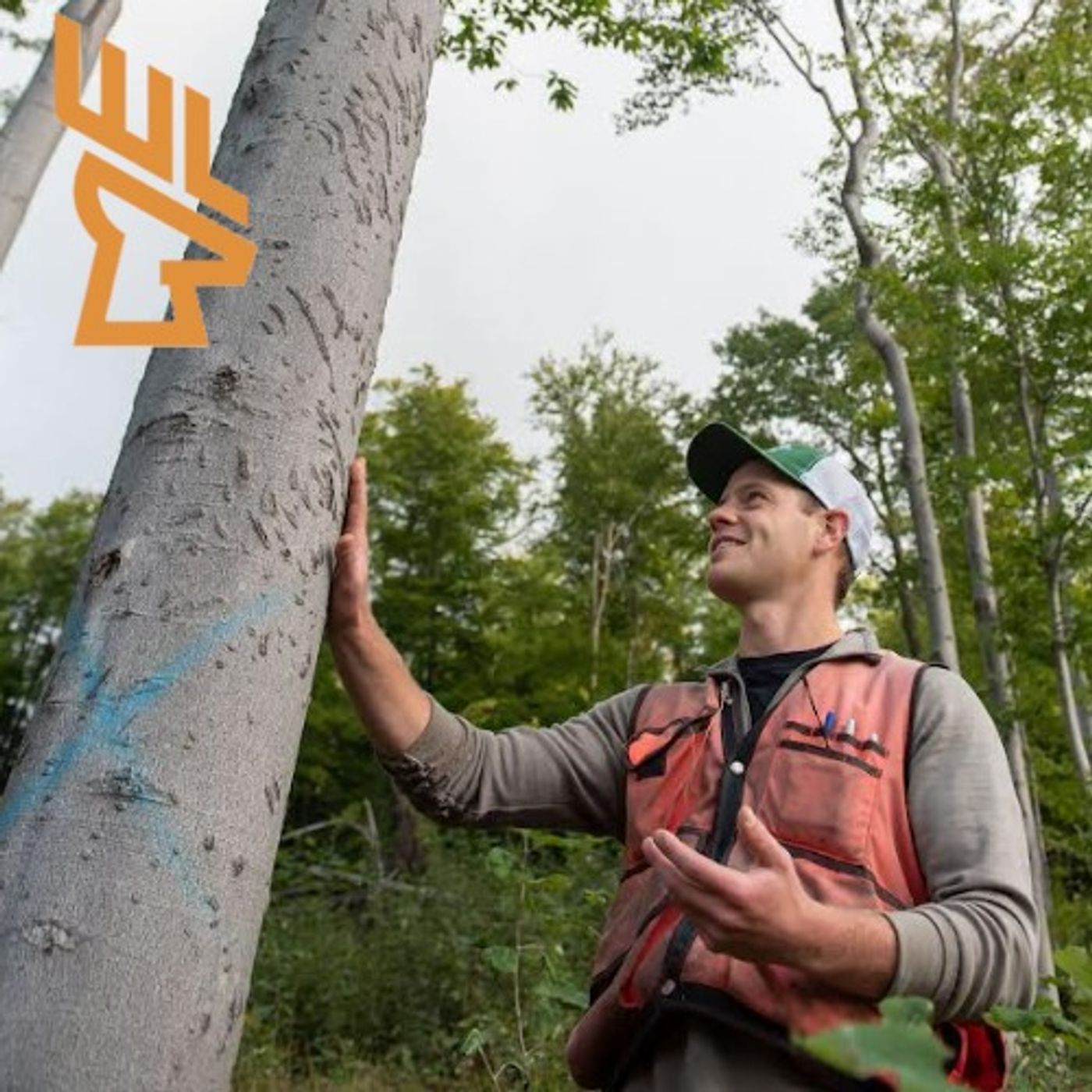
EP177 Healthy Forest, Tree Decisions, Better Deer Habitat
In this episode of Maximize Your Hunt, host Jon Teater discusses the importance of land management and habitat improvement for hunting properties. He emphasizes the various stressors that can impact property health, such as deer overpopulation and non-native species. The conversation transitions to forest management with guest Ethan Tapper, who shares insights from his book 'How to Love a Forest'. They explore the definition of a healthy forest, the importance of biodiversity, and strategies for balancing ecosystems to promote thriving habitats. In this conversation, the speakers delve into the intricacies of forest management, focusing on the importance of tree species diversity, effective management prescriptions, and enhancing soil quality. They discuss the concept of crop tree release, the significance of creating diverse habitats for wildlife, and innovative strategies for landscape management. The dialogue emphasizes the interconnectedness of forest health, soil quality, and wildlife habitats, providing insights into sustainable forestry practices. Takeaways: The changes you make can improve or degrade your property. Understanding stressors is critical for effective land management. Population fitness is key to deer survival and reproduction. Healthy habitats support higher quality deer populations. Carrying capacity is a dynamic measure of habitat health. Source habitats provide high-quality resources for wildlife. Diversity in tree species enhances forest resilience. Dead wood and snags are essential for ecosystem health. Balancing species composition is crucial for forest management. Soil type influences the success of tree species in a forest. Diversity in tree structure is essential for ecosystem health. Crop tree release focuses on encouraging healthy trees rather than removing unhealthy ones. Species diversity should be promoted in forest management. A crop tree can serve multiple functions, including habitat. Regular regeneration opportunities enhance food sources for wildlife. Creating messy understory conditions benefits wildlife habitats. Deadwood plays a crucial role in soil health and hydrology. Effective road and trail management prevents soil erosion. Water management is vital for maintaining forest health. Non-native plants can be repurposed to improve landscape conditions. Social Links https://ethantapper.com/ https://www.bearislandforestry.com/ https://www.instagram.com/howtoloveaforest/?hl=en https://www.youtube.com/channel/UCG5pCDPHUyOiA2vW1l7L6oA https://www.facebook.com/howtoloveaforest/ https://whitetaillandscapes.com/ https://www.facebook.com/whitetaillandscapes/ https://www.instagram.com/whitetail_landscapes/?hl=en Hosted by Simplecast, an AdsWizz company. See pcm.adswizz.com for information about our collection and use of personal data for advertising.
May 20
EP176 Deer Hunting Scopes, Bullets, and Guns
In this episode of Maximize Your Hunt, host Jon Teater discusses various aspects of hunting, focusing on shooting events, scopes, and bullets. Joined by guests Mark Cobb and Josh Streichert, they share insights from a recent shooting event, emphasizing the importance of equipment selection, particularly scopes and reticles. The conversation delves into practical considerations for hunters, including the significance of comfort and familiarity with firearms, as well as the technical aspects of optics. The episode concludes with a discussion on reticle choices and their impact on shooting accuracy. In this conversation, the speakers delve into the intricacies of bullet selection and design for hunting. They discuss the importance of choosing the right bullet type, including solid core, cup and core, and bonded bullets, and how these choices impact performance in various hunting scenarios. The conversation also covers the significance of bullet weight, ballistic coefficient, and the effects of shooting through brush. Additionally, they share personal experiences and insights on using pump guns and the strategies for effective hunting. Takeaways The podcast focuses on maximizing hunting property and strategies. Shooting events provide valuable insights into equipment performance. Investing in quality optics is crucial for precision shooting. Comfort with your firearm is essential for effective hunting. Understanding magnification and its practical applications is important. Reticle choices can significantly affect shooting accuracy. Good customer service from optics companies is a key factor. The objective lens plays a vital role in light gathering. Practicality in equipment selection is necessary for hunters. Familiarity with your gear enhances overall hunting success. Choosing the right bullet is critical for hunting success. Higher cost of ammunition does not guarantee better performance. Solid core bullets are reliable for consistent performance. Cup and core bullets are economical but may fragment. Bonded bullets are designed for better penetration and expansion. Copper bullets require specific velocities to perform effectively. Ballistic coefficient (BC) affects bullet performance in wind. Heavier bullets tend to retain speed better over distance. Understanding your rifle's twist rate is essential for bullet selection. Tougher bullets are necessary for shooting through brush effectively. Social Links https://whitetaillandscapes.com/ https://www.facebook.com/whitetaillandscapes/ https://www.instagram.com/whitetail_landscapes/?hl=en Hosted by Simplecast, an AdsWizz company. See pcm.adswizz.com for information about our collection and use of personal data for advertising.

May 13
EP175 Hedgerow Enhancements, Willows, Orchard Edge, Client Property Fixes, Agroforestry
In this episode of Maximize Your Hunt, host Jon Teater and Thomas Mlsna (Untamed Ambition) delve into the intricacies of land management and habitat improvement for hunting properties. They discuss the concept of agroforestry, emphasizing the importance of integrating agricultural and forestry practices to enhance biodiversity and productivity. The conversation highlights the significance of hedgerows and willows in creating effective travel corridors for deer, as well as the necessity of edge habitats for wildlife movement. The episode concludes with a focus on sustainable practices that can transform hunting properties into thriving ecosystems. In this conversation, the speakers delve into the complexities of landscape management, emphasizing the importance of understanding plant quality, soil health, and sustainable practices. They discuss the role of consultants in guiding clients through the intricacies of landscape planning, the necessity of long-term thinking, and the challenges posed by invasive species. The conversation highlights the necessity of remediating soil before planting, the challenges of managing invasive species, and the commitment required for successful landscape management. Ultimately, the speakers advocate for a holistic approach that balances ecological health with client objectives. The dialogue highlights the need for a commitment to ongoing education and adaptation in landscape management, as well as the significance of ecological balance and wildlife interactions. Takeaways: Agroforestry combines agricultural and forestry practices for better land management. Increasing plant diversity enhances ecosystem resilience and productivity. Hedgerows serve as vital travel corridors for wildlife. Willows can be used for living fences and habitat enhancement. Edge habitats are crucial for deer movement and hunting success. Creating complex systems improves wildlife management and habitat quality. Sustainable practices are essential for the future of hunting properties. Understanding soil health is key to successful land management. Integrating animals into land management can enhance soil quality. Every feature in the landscape can be optimized for better ecological function. Assess the quality of mother plants before making decisions. Consultants must tailor solutions to individual client situations. Short-term solutions may not address underlying problems. Soil health is crucial for long-term landscape success. Remediation of soil should precede planting efforts. Understanding pollination is key to successful fruit tree planting. Commitment to long-term outcomes is essential in landscape management. Invasive species management requires strategic planning. Wildlife interactions should inform landscape design. Education and adaptability are vital for successful landscape management. Social Social Links https://whitetaillandscapes.com/ https://www.facebook.com/whitetaillandscapes/ https://www.instagram.com/whitetail_landscapes/?hl=en https://www.theuntamedambition.com/ Hosted by Simplecast, an AdsWizz company. See pcm.adswizz.com for information about our collection and use of personal data for advertising.
May 6
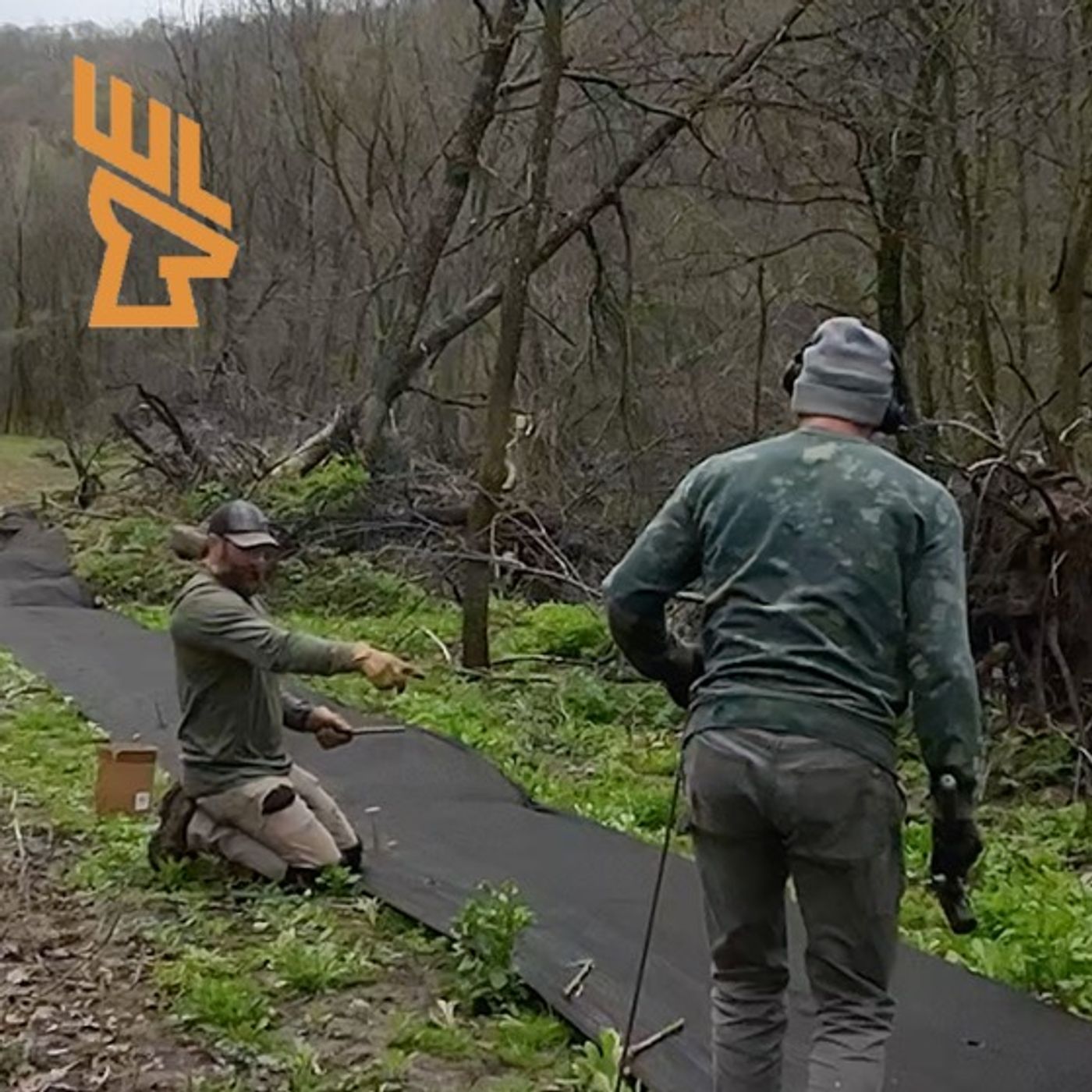
Deer Habitat Management, Tree Plantings and Protection, Conifers Part 1
In this episode of Maximize Your Hunt, host Jon Teater and Thomas Mlsna (Untamed Ambition) discuss various aspects of managing hunting properties, focusing on soil analysis, planting strategies, and the importance of conifer planting. He emphasizes the need for proper soil preparation and the use of specific tools for effective tree planting. The conversation also covers the significance of tree spacing and long-term planning for successful habitat management. In this conversation, the speakers delve into various aspects of tree planting, focusing on techniques, strategies for orchard planting, innovative mulching methods, and the importance of fencing and protection for young trees. They also discuss the significance of selecting quality seed stock to ensure successful growth and production in the future. Takeaways: Soil analysis is critical for successful planting. Understanding soil pH is essential for plant health. Conifer planting requires careful consideration of species and size. Equipment plays a vital role in efficient tree planting. Subsoiling can improve water infiltration and root growth. Tree spacing impacts long-term growth and maintenance. Staggered planting can enhance visual appeal and management. Conifers provide excellent screening but require time to mature. Regular maintenance is necessary to manage invasive species. Planning for the future is crucial in habitat management. Consider spacing and tree size when planting. Plan for potential loss in tree survival. Wood mulch enhances soil health and moisture retention. Fencing strategies can protect young trees from deer and rodents. Planting in blocks can streamline maintenance and resource use. Quality seed stock is essential for successful tree growth. Orchard planting requires careful planning and protection. Innovative mulching techniques can improve planting success rates. Understanding deer preferences can inform planting choices. Layering plants in an ecosystem can maximize biodiversity. Social Social Links https://whitetaillandscapes.com/ https://www.facebook.com/whitetaillandscapes/ https://www.instagram.com/whitetail_landscapes/?hl=en https://www.theuntamedambition.com/ Hosted by Simplecast, an AdsWizz company. See pcm.adswizz.com for information about our collection and use of personal data for advertising.
Apr 29
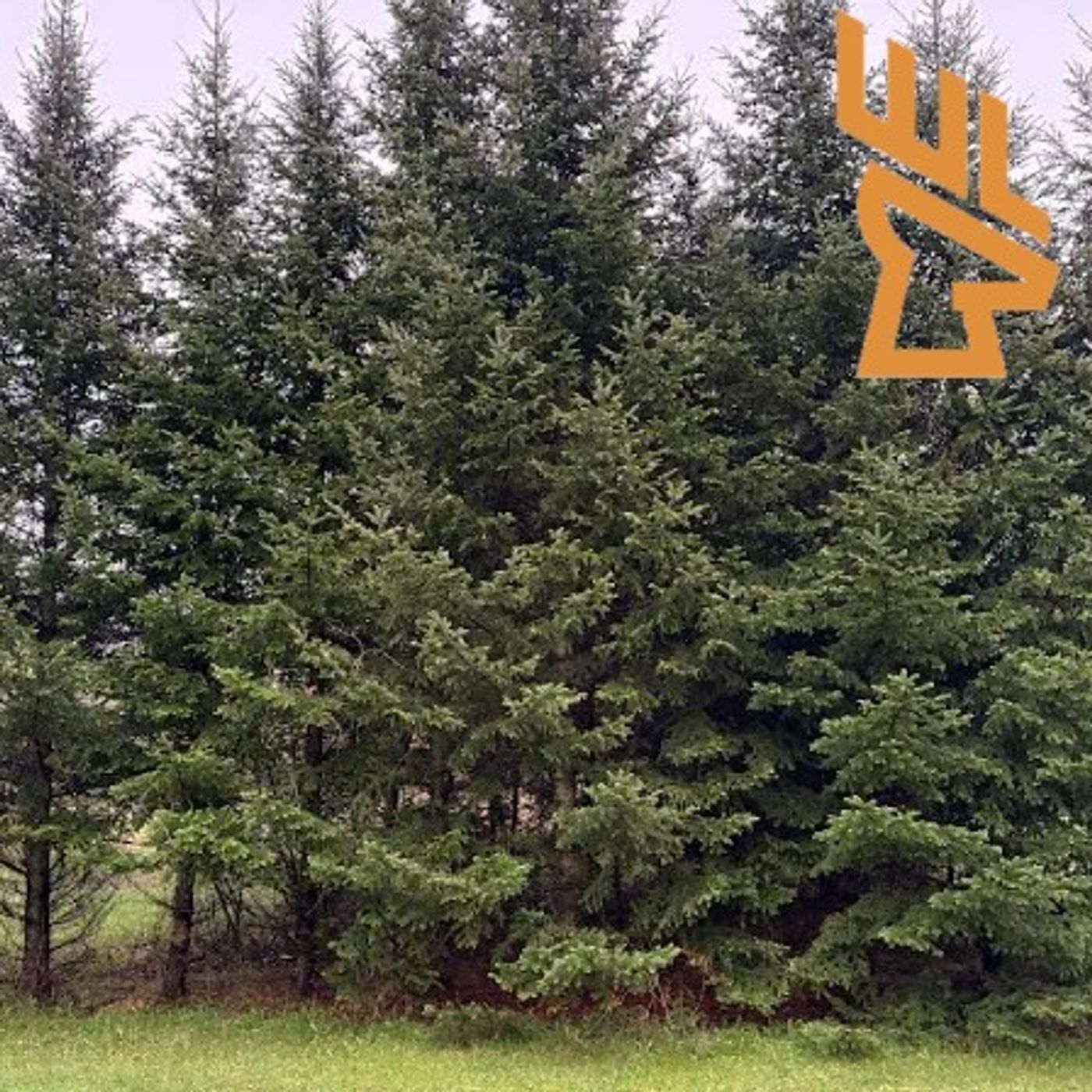
Seed Selection, Deer Eating Mushrooms, Bad Forestry, Trees to Harvest, Better Soils, Regeneration, Wattles
In this episode of Maximize Your Hunt, host Jon Teater and Matt Williams (Myco-Habitat) discuss various strategies for improving hunting properties through land management and regenerative agriculture. He emphasizes the importance of soil health, the role of fungi in ecosystems, and the need for sustainable practices in food plot management. The conversation also touches on the significance of local resources, simplifying soil management practices, and the impact of soil biology on fertility. In this conversation, the speakers delve into innovative design concepts for habitat management, emphasizing the importance of nutrition, particularly through fungi, in deer health. They discuss the role of environmental needs, genetic expression, and the significance of biodiversity in soil health. The concept of 'mother trees' and their impact on surrounding ecosystems is explored, alongside the challenges posed by fertilizers in fungal networks. The discussion culminates in the introduction of Myco Habitat, a project focused on utilizing fungi to enhance wildlife habitats and promote sustainable ecosystems. takeaways Creating environments where animals and humans thrive is essential. Soil health is critical for successful land management. Fungi play a foundational role in ecosystem health. Soft harvesting techniques can prevent soil compaction. Soil biology is more important than soil chemistry. Feeding soil with sugars enhances plant growth. Utilizing local resources like wood chips can improve soil health. Simplifying soil management practices makes them more accessible. Regenerative agriculture can lead to abundant food sources for wildlife. Understanding the interconnectedness of soil, plants, and animals is vital. Revolutionary design concepts can change perspectives on habitat management. Understanding environmental needs is crucial for effective design. Nutrition is foundational for deer health and genetic expression. Fungi play a vital role in deer nutrition and ecosystem health. Biodiversity in soil is essential for sustainable habitats. Mother trees influence the health of surrounding plants and trees. Fertilizers can destabilize fungal networks in ecosystems. Jumpstarting the food web can enhance habitat productivity. Utilizing natural structures can promote growth and sustainability. Myco Habitat focuses on integrating fungi into wildlife management. Social https://myco-habitat.com/ https://www.facebook.com/mycohabitat/ https://whitetaillandscapes.com/ https://www.facebook.com/whitetaillandscapes/ https://www.instagram.com/whitetail_landscapes/?hl=en Hosted by Simplecast, an AdsWizz company. See pcm.adswizz.com for information about our collection and use of personal data for advertising.
Apr 22
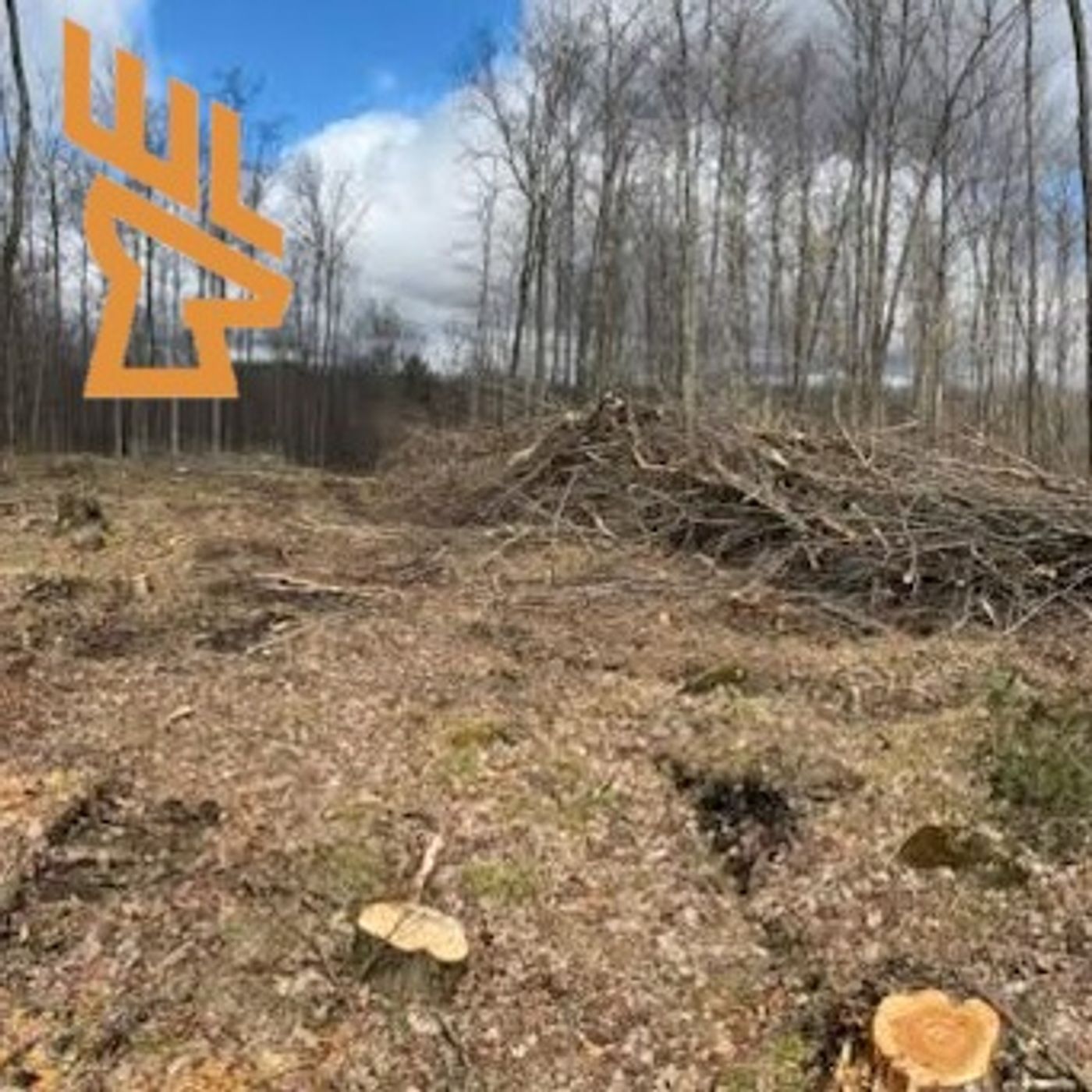
Switchgrass, Forester Selection, Mushrooms, Slash Walls, Food Forest for Deer
In this episode of Maximize Your Hunt, host Jon Teater discusses the intricacies of managing hunting properties with guest Matt Williams (Mushroom Matt). They explore the importance of habitat complexity, particularly the role of switchgrass, and delve into Matt's personal experience of acquiring a 40-acre property. The conversation highlights the challenges of selecting the right logger and forester, as well as the significance of terrain features in deer movement and habitat management. In this conversation, the speakers delve into the intricacies of property management, focusing on habitat management, tree selection, and the economic implications of land use. They discuss the importance of strategic tree tagging, the value of ironwoods, and the creation of food plots and food forests to enhance biodiversity and sustainability. The dialogue emphasizes the need for thoughtful planning and management to create resilient ecosystems that support wildlife and provide resources for future generations. Takeaways: Landscape complexity is crucial for effective habitat management. Switchgrass can be beneficial but lacks food value for deer. Understanding local deer populations is essential for property management. Terrain features significantly influence deer movement and behavior. Selecting the right logger and forester is vital for property success. Creating physical barriers can help manage deer access and pressure. Planning and execution are key to successful land management. Compartmentalization can reduce social pressure on deer populations. Regeneration of native browse is important for wildlife health. Effective property management requires ongoing observation and adaptation. Property safety is paramount in land management. Economic factors play a crucial role in forestry decisions. Tree selection impacts habitat and wildlife positively. Ironwood trees are valuable for food and ecosystem health. Mushroom growth indicates a thriving ecosystem. Food plots can enhance wildlife management strategies. Diversity in tree species promotes resilience in ecosystems. Creating a food forest can provide sustainable resources. Layering plants in a food forest maximizes ecological services. Effective land management requires a holistic approach. Social https://myco-habitat.com/ https://www.facebook.com/mycohabitat/ https://whitetaillandscapes.com/ https://www.facebook.com/whitetaillandscapes/ https://www.instagram.com/whitetail_landscapes/?hl=en Hosted by Simplecast, an AdsWizz company. See pcm.adswizz.com for information about our collection and use of personal data for advertising.
Apr 15
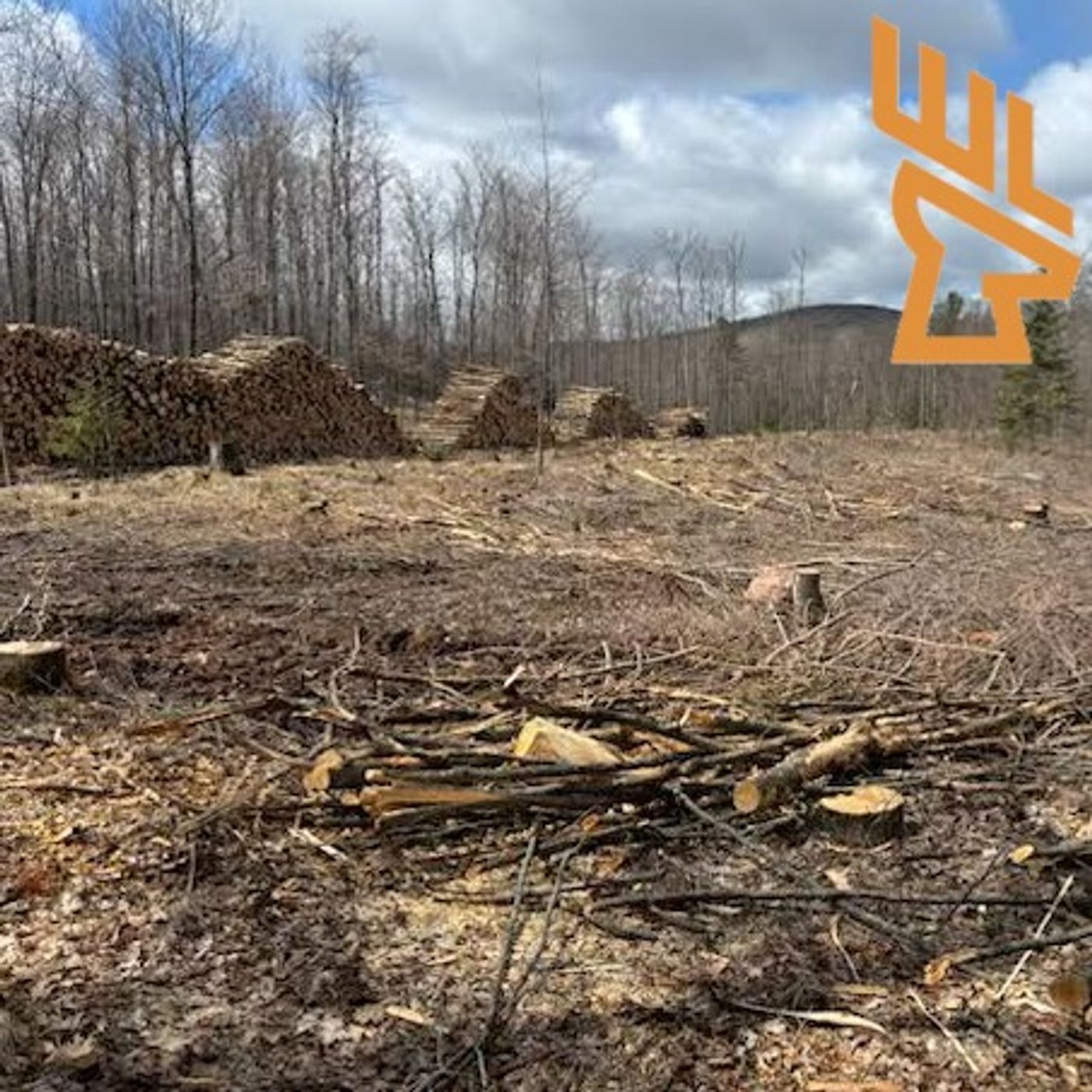
Breaking Down Deer Movement and Habitat, Trail Camera Data, Stacking Factors
In this episode of Maximize Your Hunt, host Jon Teater and guest Steve Sherk (Sherk’s Guide Service) discuss the importance of postseason scouting and habitat management for improving hunting success. They share insights on analyzing trail camera data, understanding deer movement patterns, and the significance of comfort factors in deer behavior. The conversation emphasizes the need for hunters to adapt their strategies based on changing environmental conditions and to continuously learn from their experiences in the field. In this conversation, the speakers delve into the intricacies of hunting, emphasizing the importance of data analysis, adaptability to nature's changes, and the passion that drives hunters. They discuss the significance of understanding deer behavior, the necessity of hard work in hunting, and the mindset required to stay engaged in the sport. The dialogue highlights the balance between setting goals and appreciating the journey of hunting, encouraging listeners to embrace challenges and learn from their experiences Takeaways: Maximizing time in the field is essential for hunters. Postseason scouting helps in understanding deer movement. Mid-October showed unexpected buck movement patterns. Comfort factors significantly influence deer behavior. Trail camera data can be analyzed throughout the season. Scouting reveals new insights about the hunting area. Thick cover is crucial for deer bedding preferences. Every hunting season presents unique challenges. Understanding landscape features aids in deer management. Data collection can enhance the hunting experience. Investing in data is crucial for effective hunting. Trail cameras provide valuable insights into deer behavior. Adapting to environmental changes can lead to hunting success. Understanding deer movement requires attention to various factors. Passion for hunting goes beyond just killing big bucks. Mindset plays a significant role in a hunter's experience. Embracing hard work enhances the hunting journey. Setting realistic goals can improve hunting satisfaction. Learning from nature helps in making informed decisions. Continuous improvement is key to becoming a better hunter. Social Links Sherk's Guide Service – Guided Deer Hunts (sherksguideservice.com) Sherk's Guide Service - Home | Facebook Steve Sherk Jr. (@sherksguideservice) • Instagram photos and videos https://whitetaillandscapes.com/ https://www.facebook.com/whitetaillandscapes/ Hosted by Simplecast, an AdsWizz company. See pcm.adswizz.com for information about our collection and use of personal data for advertising.

Apr 8
Seeking Mature Whitetails Now, Sheds, Spring Planning, Habitat Focused
In this episode of Maximize Your Hunt, host Jon Teater discusses various strategies for effective hunting, focusing on land management, water management, and the importance of scouting. Joined by Ty Jennings, they delve into the significance of understanding deer behavior, core areas, and the best practices for accessing hunting spots. The conversation emphasizes the need for a comprehensive approach to hunting that combines knowledge, observation, and strategic planning. In this conversation, the speakers delve into advanced hunting strategies, focusing on deer behavior, terrain features, and the importance of stealth and patience. They discuss the concept of the 'fatal funnel' where deer position themselves for safety, the significance of understanding bedding areas, and the role of weather in hunting success. The conversation emphasizes the need for careful observation and scouting, as well as the mental discipline required to execute a successful hunt. Takeaways: Water management is crucial for habitat improvement. Understanding deer behavior is key to successful hunting. Spring scouting helps in planning for the upcoming season. Food and cover are essential for creating effective habitats. Trail cameras provide valuable insights into deer movement. Accessing hunting areas from multiple directions is beneficial. Observing deer behavior can inform hunting strategies. Planning should be based on historical data and current conditions. Utilizing maps can help in visualizing deer movements. Maintaining flexibility in hunting strategies is important. Aggressive hunting requires flexibility and awareness of surroundings. Understanding deer behavior is crucial for effective hunting strategies. The 'fatal funnel' concept helps hunters predict deer movement. Identifying bedding areas is key to successful hunting. Scouting involves analyzing tracks and scat rather than just rubs. Stealth and access are critical components of a successful hunt. Deer have unique alarm responses that hunters must learn to interpret. Weather conditions can significantly impact deer behavior and hunting success. Training your observation skills enhances your ability to spot deer. Patience and focus are essential for executing a successful shot. Social Links https://www.instagram.com/thewhitetailproject/ https://whitetaillandscapes.com/ https://www.facebook.com/whitetaillandscapes/ Hosted by Simplecast, an AdsWizz company. See pcm.adswizz.com for information about our collection and use of personal data for advertising.

Apr 1
Replacing Non-Native Plants, Reed Canary Grass, Creating Bedding in Wet Areas, Chainsaw Tactics
In this episode of Maximize Your Hunt, host Jon Teater discusses various strategies for managing hunting properties, including tree planting, addressing storm damage, managing invasive species, and enhancing wildlife habitats. The conversation features insights from guest Todd Shippee (Empire Land Management), who shares his experiences and recommendations for effective land management practices. Topics include the importance of native plants, the use of herbicides, and innovative techniques like drone spraying to combat invasive species. The episode emphasizes the need for thoughtful planning and execution in habitat improvement to maximize hunting success. In this conversation, the speakers discuss various strategies for enhancing deer habitats, focusing on the use of specific plant species, the importance of creating cover, and innovative hunting techniques. They emphasize the significance of variety in habitat, the role of cattails and eastern gamagrass, and the benefits of using chainsaws to create deer-friendly environments. The discussion also covers how to improve deer flow and access in wetland areas, providing practical tips for land management and hunting success. Takeaways Maximizing hunting property requires effective land management. Tree planting is essential for habitat improvement. Storm damage can impact deer trails and movement. Invasive species management is crucial for healthy ecosystems. Native plants should replace invasive species for better wildlife support. Drone technology can aid in land management efforts. Cereal herbicide applications are necessary for invasive eradication. Never allow invasive species to go to seed to prevent spread. Enhancing buck beds can improve hunting success. Diverse plantings support a healthier wildlife habitat. Creating ideal deer habitats involves using specific plant species. Cattails provide excellent cover for deer during pressure. Eastern gamagrass is a digestible grass that deer consume. Removing reed canary grass can enhance wildlife value. Creating pathways encourages deer movement through areas. Deer can navigate wet areas surprisingly well. Chainsaws can be used to create noise that reassures deer. Enhancing wetland areas can improve deer browsing opportunities. Fencing off sections can help establish new plant growth. Using natural features can guide deer flow effectively. Social Links https://whitetaillandscapes.com/ https://www.facebook.com/whitetaillandscapes/ https://www.instagram.com/whitetail_landscapes/?hl=en Empire Land Management (@empirelandmgmt) • Instagram photos and videos Whitetail Institute - Food Plots - Deer Food Plot Seeds - Soil Testing Hosted by Simplecast, an AdsWizz company. See pcm.adswizz.com for information about our collection and use of personal data for advertising.

Mar 25
Bedding Thickets, Hinge cuts, Deer Habitat
In this episode of 'Maximize Your Hunt', host Jon Teater and Colin Koskinen (Legendary Habitat) discuss the intricacies of managing hunting properties, focusing on habitat improvement, logging, and food plot strategies. He emphasizes the importance of client relationships and the transformative power of effective land management. The conversation also delves into the challenges faced by property owners, the significance of soil health, and the role of biodiversity in creating sustainable hunting environments. Listeners are encouraged to think critically about their land management practices and consider innovative solutions for enhancing wildlife habitats. In this conversation, the speakers delve into various aspects of deer habitat management, focusing on creating safe spaces for deer, enhancing wildlife habitats, and the intricacies of hinge cutting techniques. They discuss the importance of understanding deer behavior, the challenges of managing small properties, and the revitalization of challenging landscapes. The conversation emphasizes the journey of habitat improvement and the need for patience and learning in the process. Takeaways: The opportunity to change properties is invaluable. Habitat transformation requires thoughtful planning and execution. Logging can enhance sunlight and improve habitat quality. Client success is paramount in habitat consulting. Soil health is critical for effective food plots. Clover can negatively impact soil aggregation. Layering in habitat design increases biodiversity. Timber bottom lands are essential for wildlife. Effective management requires understanding of ecological systems. Innovative food plot strategies can enhance deer attraction. Creating multiple layers of cover can help deer feel safe. Stable climates are crucial for wildlife habitats. Revitalizing properties requires removing non-preferred plants. Bedding areas should have a mix of food and cover. Small properties need careful management to direct deer movement. Hinge cutting can create effective travel corridors for deer. Understanding tree species is vital for successful hinge cutting. Patience is key in habitat management and improvement. Diversity in plant species enhances habitat quality. Habitat management is a journey that requires ongoing learning. Social Links: https://whitetaillandscapes.com/ https://www.facebook.com/whitetaillandscapes/ https://www.legendaryhabitat.com/ https://www.youtube.com/channel/UCbIsv6Orm9cD025IBFx8DWA https://podcasts.apple.com/us/podcast/legendary-habitat-podcast/id1613808320 https://www.facebook.com/LegendaryHabitat/ Hosted by Simplecast, an AdsWizz company. See pcm.adswizz.com for information about our collection and use of personal data for advertising.

Mar 18
Choosing a Deer Hunting Rifle, Caliber, Long Range Shooting
In this episode of 'Maximize Your Hunt', host Jon Teater discusses various aspects of hunting, including land management, habitat improvement, and the selection of deer rifles. Joined by expert Mark Cobb, they delve into the intricacies of choosing the right caliber and cartridge, the importance of gun fit, and the evaluation of new versus traditional cartridges. The conversation emphasizes practical considerations for hunters, such as shooting distance, accuracy, and the significance of comfort and familiarity with firearms. In this conversation, the speakers delve into various aspects of firearms, focusing on popular platforms, customization options, reloading techniques, and the importance of selecting the right caliber and ammunition. They discuss personal experiences with different firearms, emphasizing the significance of finding a balance between comfort, performance, and budget. The dialogue also highlights the necessity of quality optics and accessories to enhance shooting accuracy and overall experience. Takeaways: Maximizing hunting property involves effective land management. Choosing the right deer rifle is crucial for success. Don't get caught up in the latest trends in cartridges. The 270 Winchester is a reliable choice for deer hunting. Understanding shooting distance is key to selecting a rifle. Gun fit and comfort significantly impact shooting performance. Moderate recoil is important for effective hunting. Test driving a gun is akin to test driving a car. Consider the energy and velocity of bullets for effective hunting. A well-chosen cartridge can enhance hunting success. Bergara offers a range of firearms that cater to different budgets. Customization is key to achieving the best shooting experience. Reloading can significantly improve precision and performance. Choosing the right caliber is crucial for effective hunting. Quality optics can greatly enhance shooting accuracy. A one MOA gun is ideal for deer hunting. Practice is essential for proficiency in shooting. Understanding the harmonics of a barrel can improve accuracy. Selecting the right accessories can impact shooting performance. Personal experience and research are vital in firearm selection. Social Links https://whitetaillandscapes.com/ https://www.facebook.com/whitetaillandscapes/ https://www.instagram.com/whitetail_landscapes/?hl=en Hosted by Simplecast, an AdsWizz company. See pcm.adswizz.com for information about our collection and use of personal data for advertising.

Mar 11
More Habitat Work Better Hunting, Tree and Shrub Seed, Switchgrass, Alfalfa Bales
In this episode of 'Maximize Your Hunt', hosts Jon Teater discusses habitat management and hunting strategies with guest Jake Blow (Habitat Pro). They explore the importance of investing time in habitat work to enhance hunting success, share personal hunting experiences, and emphasize the need for a strategic approach to property management. The conversation also covers the significance of tree and shrub planting for creating effective deer habitats and the challenges faced in northern climates. In this conversation, the speaker discusses the intricacies of planting tree and shrub seeds, emphasizing the importance of understanding natural processes and the patience required for successful growth. They explore suitable locations for planting, the challenges faced with certain plant species, and innovative strategies for winter feeding of deer, particularly the use of alfalfa bales. The discussion highlights the need for effective habitat management and the lessons learned from past planting failures. Takeaways Maximizing time in the field is crucial for hunters. Habitat days provide hands-on learning experiences. Early hunting experiences shape future strategies. Investing time in habitat work leads to better hunting success. Client engagement is key to effective property management. A one-to-three or greater ratio of hunting to habitat work is ideal. Tree and shrub planting is essential for habitat improvement. Understanding deer behavior is vital for successful hunting. Diversity in habitat is necessary for attracting deer. Learning from experiences and adapting strategies is important. Tree and shrub seeds require specific conditions to germinate effectively. Natural processes for seed germination are often overlooked in artificial planting. Managing weeds and maintaining soil moisture is crucial for tree and shrub growth. Patience is essential when planting trees and shrubs; results take time. Identifying the right locations for planting can enhance deer habitat. Switchgrass may not be reliable for habitat on small properties. Alfalfa bales can be an effective winter-feeding strategy for deer. Deer prefer food sources that are accessible above the snow. Consistent food sources are vital for deer health during winter months. Understanding local soil and weather conditions is key to successful planting. Social Links https://www.habitatprollc.com/ https://www.youtube.com/c/HabitatProLLC https://whitetaillandscapes.com/ https://www.facebook.com/whitetaillandscapes/ https://www.instagram.com/whitetail_landscapes/?hl=en Hosted by Simplecast, an AdsWizz company. See pcm.adswizz.com for information about our collection and use of personal data for advertising.

Mar 4
Regenerative Food Plots, Corn, Better Plants, Deer Nutrition Part 2
In this episode of 'Maximize Your Hunt', hosts Jon Teater and John Kempf (Advancing Eco Agriculture), delve into the intricacies of soil health, photosynthesis, and effective land management strategies for hunting properties. They discuss the importance of optimizing photosynthesis for better plant health, the challenges of soil compaction, and the role of corn in food plots. The conversation also touches on the nutritional quality of deer forage and the relationship between soil quality and plant nutrition, emphasizing the need for a deeper understanding of these factors to enhance deer habitat and hunting success. Takeaways: Photosynthesis is crucial for bringing new energy into ecosystems. Most plants are underperforming in their photosynthetic capacity due to nutrient deficiencies. Corn can be a valuable crop for food plots if managed correctly. Soil compaction can be addressed with appropriate machinery and plant management. Nutritional quality of forage is more important than soil productivity for deer. Genetic selection of plants is important, but management can enhance attractiveness to deer. Understanding trace minerals is key to improving plant and animal health. Effective land management requires a holistic approach to soil and plant health. The design of food plots should consider plant interactions and ecosystem dynamics. Continuous observation and adaptation are essential for successful land management. Social Links: https://advancingecoag.com/ https://whitetaillandscapes.com/ https://www.facebook.com/whitetaillandscapes/ https://www.instagram.com/whitetail_landscapes/?hl=en Hosted by Simplecast, an AdsWizz company. See pcm.adswizz.com for information about our collection and use of personal data for advertising.

Feb 25
Regenerative Food Plots, More Deer, Quality Nutrition Part 1
In this episode of Maximize Your Hunt, host Jon Teater discusses effective land management and hunting strategies with guest John Kempf (Advancing Eco Agriculture), an expert in soil health and plant nutrition. They explore innovative approaches to improving soil health, the importance of seed treatments like BioCoat Gold and SeedFlare, and the relationship between fertilizers and plant palatability. The conversation also delves into evaluating soil health, understanding plant nutrient absorption, and the Plant Health Pyramid, which outlines the stages of plant health and their implications for attracting deer. Takeaways: Observation is crucial for effective land management. Regenerative agriculture can enhance profitability for growers. Seed treatments can significantly improve plant health. Soil biology plays a key role in plant nutrition. High brixs content in plants attracts deer from afar. Mineral deficiencies in soil must be addressed for optimal growth. Plant sugars feed soil biology, enhancing nutrient availability. Diverse plant species improve soil health and resilience. The Plant Health Pyramid outlines stages of plant health. Phytonutrients increase plant attractiveness to wildlife. Social Links https://advancingecoag.com/ https://whitetaillandscapes.com/ https://www.facebook.com/whitetaillandscapes/ https://www.instagram.com/whitetail_landscapes/?hl=en Hosted by Simplecast, an AdsWizz company. See pcm.adswizz.com for information about our collection and use of personal data for advertising.

Feb 18
The Missing Deer Food Plot Ingredient
In this episode of Maximize Your Hunt, host Jon Teater discusses the importance of planning ahead for hunting season and introduces guest Kelpie Wilson, a consultant and biochar expert. They delve into the history and benefits of biochar, its applications in agriculture and animal health, and the process of making biochar effectively. The conversation highlights innovative uses of biochar in enhancing soil health, composting, and even animal feed, emphasizing its role in sustainable land management and food security. This conversation delves into the multifaceted benefits and processes of biochar production, including quenching techniques, the use of woody materials, and its integration into soil management practices. The discussion also touches on the potential role of biochar in addressing environmental challenges, such as chronic wasting disease, and emphasizes the importance of education and community engagement in promoting sustainable practices. Takeaways: Planning ahead is crucial for successful hunting seasons. Biochar has historical significance and modern applications. It improves soil health and nutrient retention. Biochar fixes drought conditions by holding water in soil. Biochar fixes carbon. Biochar can enhance composting processes. Using biochar in animal feed can improve health. The Ring of Fire is an effective biochar production method. Biochar can be made from small brush and waste materials. It helps in managing soil acidity and fertility. Biochar can aid in food security by improving gardening practices. Innovative uses of biochar can lead to sustainable land management. Quenching biochar requires significant water, about 100 gallons for a cubic yard. Open flame production of biochar is more size efficient than using retort kilns. Woody materials, especially non-native plants, can be repurposed for biochar. Incorporating biochar into compost enhances its benefits for soil health. Biochar can improve water retention and nutrient availability in soil. Using biochar in no-till systems can enhance crop growth. Challenges in biochar production include managing moisture and dust. Biochar may help mitigate the spread of chronic wasting disease in deer populations. Educational resources and community networks are vital for promoting biochar practices. Biochar can be a cost-effective solution for improving soil quality on a large scale. Social Links https://wilsonbiochar.com/ https://whitetaillandscapes.com/ https://www.facebook.com/whitetaillandscapes/ https://www.instagram.com/whitetail_landscapes/?hl=en Hosted by Simplecast, an AdsWizz company. See pcm.adswizz.com for information about our collection and use of personal data for advertising.

Feb 11
Advanced Strategies for Switchgrass, Better Stands, Fire, Habitat and Maintenance
In this episode of 'Maximize Your Hunt', host Jon Teater (Whitetail Landscapes) and Roger Samson (REAP-Canada) discuss effective strategies for managing hunting properties, focusing on the use of switchgrass. The conversation covers the importance of soil health, the establishment of switchgrass, varietal differences, planting techniques, maintenance, and herbicide management. Expert Roger Sampson shares insights from his extensive experience in agronomy and switchgrass breeding, emphasizing the plant's resilience and adaptability. The episode provides practical advice for landowners looking to enhance their properties for hunting and wildlife habitat. This conversation delves into the effective management and planting techniques for switchgrass, highlighting innovative methods, improved varieties, and the importance of understanding planting density. The speakers discuss the role of burning in enhancing switchgrass growth, strategies for creating diverse habitats, and the safe use of herbicides for weed control. They emphasize the need for careful planning and scouting to ensure successful switchgrass establishment and management, while also providing resources for habitat managers. Takeaways Be patient; land management is a journey. Switchgrass can thrive in marginal soils. Soil health is crucial for successful switchgrass growth. Choose adapted varieties for your specific area. Planting techniques can significantly affect standability. Burning should be a last resort for young switchgrass for maintenance. Frost seeding is an effective method for establishing switchgrass. Herbicide management is essential for site preparation. Timing of planting and maintenance activities is critical. Switchgrass can improve soil health over time. Plant switchgrass early to ensure moisture resources. Improved switchgrass varieties can yield impressive growth. Planting density should be adjusted based on site conditions. Burning switchgrass can enhance soil warmth and nutrient availability. Creating diverse habitats benefits wildlife populations. Fire management is crucial for safety and effective growth. Herbicide application timing is critical for switchgrass health. Scout your fields regularly to assess weed pressure. Engage with local habitat managers for practical advice. Utilize online resources for peer support and education. Social Links https://www.facebook.com/groups/1274817483284551 https://whitetaillandscapes.com/ https://www.facebook.com/whitetaillandscapes/ https://www.instagram.com/whitetail_landscapes/?hl=en Hosted by Simplecast, an AdsWizz company. See pcm.adswizz.com for information about our collection and use of personal data for advertising.

Feb 4
From 5 Deer to 5 Shooter Bucks, Adaptive Management Client 3
In this episode of Maximize Your Hunt, host Jon Teater discusses land management and hunting strategies with client Gary Swan and Josh Streichert (JWS Logging). They explore Gary's journey in hunting, the challenges of managing small properties, and the importance of timber marking and habitat improvement. The conversation highlights the impact of these strategies on deer populations and hunting success, as well as future plans for property management. Takeaways: The importance of planning in timber marking. Increased deer populations can result from effective land management. Small properties present unique challenges for hunting. Neighboring properties can influence deer movement significantly. Food plots play a crucial role in attracting deer. Regular maintenance is essential for property management. Population management is key to maintaining a healthy deer habitat. Hunting strategies should adapt based on observed deer behavior. Timber management can enhance habitat quality for wildlife. Engaging with experts can lead to significant improvements in hunting success. Social Links https://whitetaillandscapes.com/ https://www.facebook.com/whitetaillandscapes/ https://www.instagram.com/whitetail_landscapes/?hl=en Hosted by Simplecast, an AdsWizz company. See pcm.adswizz.com for information about our collection and use of personal data for advertising.

Jan 28
More Deer, Bigger Bucks, Food Plots, Bedding, and Screening Client 2
In this episode of Maximize Your Hunt, host Jon Teater discusses the importance of land management and habitat improvement for whitetail deer hunting. He emphasizes the significance of understanding food plots, timber cutting, and the overall journey of property improvement through the experiences of his client, Joe Sancho. The conversation also highlights the collaborative efforts of Jon and his partner Josh Streichert (JWS Logging) in executing property management strategies, as well as Joe's personal growth and enjoyment in the process of enhancing his hunting property. In this conversation, Jon Teater shares his experiences and insights from the hunting season, discussing trail management, deer behavior, innovative hunting strategies, and the health of deer populations. Joe emphasizes the importance of the journey in hunting, the joy of hunting with family, and the satisfaction of seeing the results of careful planning and management in wildlife habitats. Takeaways: Food plots should be approached with clear goals in mind. Timber cutting can significantly improve deer habitat. Understanding the purpose of each plant in food plots is crucial. Client engagement is essential for successful property management. The journey of property improvement is as rewarding as the results. Screening and layout changes can enhance deer visibility and movement. Collaboration between clients and consultants leads to better outcomes. Soil health is foundational for successful land management. Continuous learning and adaptation are key in property management. Enjoying the process of land management enhances the overall hunting experience. The importance of trail management in directing deer movement. Innovative strategies can enhance hunting success. Hunting is about the journey and experiences shared with family. Healthy deer populations are a sign of good habitat management. Controlling the environment can lead to better hunting outcomes. The emotional rewards of hunting with children are invaluable. Understanding deer behavior is crucial for successful hunts. The health of deer can be assessed by their fat content. Community feedback reflects the positive impact of habitat improvements. Personal philosophy in hunting evolves over time. Social Links https://whitetaillandscapes.com/ https://www.facebook.com/whitetaillandscapes/ https://www.instagram.com/whitetail_landscapes/?hl=en Hosted by Simplecast, an AdsWizz company. See pcm.adswizz.com for information about our collection and use of personal data for advertising.

Jan 21
Hunting Property Transformation, Highly Pressured Deer, Better Bucks Client 1
In this episode of Maximize Your Hunt, host Jon Teater discusses the importance of land management and habitat improvement for successful deer hunting with his client in Vermont. He shares insights from his consulting experiences and emphasizes the significance of observation and strategic planning in enhancing hunting properties. The conversation also highlights the transformation of hunting strategies over time, particularly in relation to family involvement and the changing perspectives of hunters. In this conversation, Jon Teater shares his experiences and insights on hunting strategies, land management, and the importance of family involvement in outdoor activities. He discusses the challenges and successes he faced while implementing changes to enhance deer activity on his property, the significance of patience in hunting, and the evolution of his approach to land stewardship. The conversation emphasizes the joy of hunting, the value of mentorship, and the importance of adapting to environmental changes. Takeaways: The importance of sharing knowledge in hunting. Creating a strategic plan for property management is crucial. Observation is key to understanding deer behavior. Family involvement enhances the hunting experience. Habitat improvements can drastically change deer movement. Transitioning from filling tags to quality hunting experiences. The significance of managing deer flow on properties. Understanding the local environment is essential for success. Building relationships with clients fosters better outcomes. Adapting hunting strategies based on personal growth and family needs. Patience is crucial in hunting; sometimes it's about waiting for the right moment. Implementing screening can significantly increase deer activity and visibility. Challenging common assumptions about deer behavior can lead to better hunting strategies. Environmental factors like weather and sound play a critical role in hunting success. Celebrating personal triumphs in hunting can enhance the overall experience. Involving family in hunting and land management fosters appreciation and understanding of nature. The journey of a land steward involves continuous learning and adaptation. Fine-tuning strategies based on experience can lead to greater success in hunting. Building strong client relationships is essential for effective land management support. The joy of hunting lies in the experiences and memories created, not just the trophies. Social Links https://whitetaillandscapes.com/ https://www.facebook.com/whitetaillandscapes/ https://www.instagram.com/whitetail_landscapes/?hl=en Hosted by Simplecast, an AdsWizz company. See pcm.adswizz.com for information about our collection and use of personal data for advertising.

Jan 14
Late Season Wildlife Trees, Silvopasture, Land Management, Tree Protection
In this episode of Maximize Your Hunt, host Jon Teater discusses (Whitetail Landscapes) various aspects of land management and hunting strategies, focusing on the benefits of honey locust trees in silvopasture systems. Joined by guest Austin Unruh (Trees for Graziers) and Thomas Mlsna (Untamed Ambition), they explore the ecological services provided by these trees, their nutritional value for wildlife, and practical applications for integrating them into hunting properties. The conversation emphasizes the importance of patience and strategic planning in land management to enhance hunting success. In this conversation, the group discusses the integration of trees in silvopasture systems, focusing on the benefits of various tree species, particularly mulberries, for wildlife and livestock. The discussion emphasizes the importance of effective tree protection methods, the role of tree gender in fruit production, and introduces his new tree nursery business aimed at providing high-quality trees for sustainable farming practices. Takeaways Maximize Your Hunt focuses on land management and hunting strategies. Winter severity can impact deer populations and habitat management. Silvopasture integrates trees into pasture systems for livestock and wildlife. Honey locust trees provide late-season food sources for deer. Dappled shade from honey locust benefits both livestock and wildlife. Honey locust pods are high in sugar and energy, crucial for winter nutrition. Designing landscapes with honey locust can create consistent deer movement. Patience is essential for seeing results in land management. Honey locust, Persimmon, Mulberry can be a valuable resource for bees and other wildlife. Understanding the ecological benefits of trees is key to effective land management. Five to eight years is a guideline for tree yield. Silvopasture integrates trees for shade and forage. Fiberglass stakes are durable and cost-effective. Mulberries provide high protein feed for wildlife. Tree protection is essential for successful growth. Growing trees above browse height reduces costs. Mulberry trees are resilient and easy to manage. Tree gender affects fruit and pod production. A new nursery focuses on silvopasture trees. Effective tree management enhances ecosystem benefits. Social Links https://whitetaillandscapes.com/ https://www.facebook.com/whitetaillandscapes/ https://www.instagram.com/whitetail_landscapes/?hl=en https://www.theuntamedambition.com/ https://treesforgraziers.com/austin-unruh/ Hosted by Simplecast, an AdsWizz company. See pcm.adswizz.com for information about our collection and use of personal data for advertising.
Jan 7
Small Hunting Property Design and Layout, Access, Wetlands
In this episode of Maximize Your Hunt, Jon Teater and Jake Ehlinger (Habitat Solutions 360) discuss various aspects of managing hunting properties, focusing on design concepts, challenges faced, and strategies for successful hunting. He emphasizes the importance of integrating food sources into property layouts and the need for careful planning to enhance hunting experiences. The conversation also touches on the unpredictability of weather and its impact on property management, as well as the significance of reading the landscape to optimize hunting success. In this conversation, Jake Ehlinger shares his extensive experience in habitat management and hunting strategies, focusing on the importance of understanding the landscape, particularly wetlands, and how to manage edges for wildlife diversity. Jake and Jon emphasize the balance between economic considerations and ecological stewardship, highlighting the need for patience and observation in land management practices. Teater also discusses the excitement of new projects and the continuous learning that comes with managing land effectively. Takeaways: The importance of integrating food sources into property design. Understanding the ecological function of plants is crucial. Unpredictable weather can significantly impact hunting plans. Small property design requires careful planning and layout. Access management is key to successful hunting. Balancing human activity and deer movement is essential. Utilizing edible plants can enhance property value. Reading the landscape helps in making informed decisions. Diversity in plant selection improves habitat quality. Planning for seasonal changes is vital for property management. Reading the landscape is crucial for successful hunting. Wetlands can be complex ecosystems that require specific management strategies. Managing edges can enhance habitat diversity and attract wildlife. Economic factors play a significant role in habitat management decisions. Patience is essential in observing and understanding land management outcomes. Diversity in plant species is vital for a healthy ecosystem. Experience in habitat management leads to better decision-making over time. Safety is paramount when working in potentially hazardous environments. Innovative approaches can lead to improved land management practices. Smaller properties can be just as successful as larger ones in habitat management. Social Links http://habitatsolutions360.com/ https://www.facebook.com/HabitatSolutions360 https://www.youtube.com/channel/UCetSptPTK0gmg0BE5oRnTTA https://whitetaillandscapes.com/ https://www.facebook.com/whitetaillandscapes/ https://www.instagram.com/whitetail_landscapes/?hl=en Hosted by Simplecast, an AdsWizz company. See pcm.adswizz.com for information about our collection and use of personal data for advertising.

Dec 31, 2024
Maximize Deer Populations, More Does, Balance, Better Rut
In this episode of Maximize Your Hunt, host Jon Teater discusses the complexities of deer management with Rocky Burruss (SA Farm Management Service). They explore the responsibilities of hunters in managing both deer populations and habitats, share personal hunting success stories, and delve into the dynamics of deer populations and management strategies. The conversation emphasizes the importance of creating ideal habitats for deer while balancing populations with neighboring hunters' practices. In this conversation, Teater and Burruss discuss the complexities of deer management, emphasizing the importance of habitat quality, understanding deer behavior, and tailoring management strategies to local conditions. Both argue against a one-size-fits-all approach to deer management, advocating for a more nuanced understanding of population dynamics and the impact of environmental factors. Teater highlights the need for education in the hunting community to promote sustainable practices and improve hunting success. Takeaways: Hunters have a responsibility to manage both deer populations and habitats. Successful deer management requires understanding the dynamics of herd populations. Creating a balanced forage environment is crucial for deer health. Personal hunting success stories can provide insights into effective management strategies. The best hunting properties often have minimal human interference. Controlling daylight movement of deer can enhance hunting success. Deer populations can self-regulate under certain conditions. Habitat quality directly impacts deer health and population dynamics. Strategic doe management can lead to healthier buck populations. Collaboration with neighboring hunters is essential for effective deer management. Managing deer populations requires understanding local conditions. Habitat quality directly influences deer health and hunting success. Population dynamics are affected by environmental factors and hunting pressure. Education is crucial for effective deer management strategies. Tailoring management practices to specific properties can yield better results. Deer behavior varies significantly based on habitat and hunting pressure. Sustainable hunting practices can lead to healthier deer populations. Collaboration with neighbors can enhance deer management efforts. Selective harvesting can improve the quality of deer in an area. A balanced approach to doe and buck management is essential for population growth. Social Links https://whitetaillandscapes.com/ https://www.facebook.com/whitetaillandscapes/ https://www.instagram.com/whitetail_landscapes/?hl=en SA FARMS Management Service | Facebook https://www.instagram.com/safarmmanagementservice/?hl=en Hosted by Simplecast, an AdsWizz company. See pcm.adswizz.com for information about our collection and use of personal data for advertising.

Dec 24, 2024
Regenerating Deer Hunting Properties, Natural Ecosystems, High Caliber Deer
In this episode of Maximize Your Hunt, host Jon Teater and Thomas Mlsna, founder of Untamed Ambition, discuss various aspects of hunting property management, including reflections on the current hunting season, the importance of ecological systems, and strategies for improving habitat diversity. The conversation emphasizes the significance of understanding deer physiology, the role of soil health, and the application of permaculture principles to enhance landscape design. Teater and his guest explore how to raise the potential of hunting properties through effective management practices and the creation of ecological refugia. In this conversation, Teater and Mlsna discuss the importance of enhancing landscape design to improve ecological systems, emphasizing soil health and the role of food plots. Both highlight the significance of observation and perception in landscape management, advocating for a rethinking of traditional orchard systems to create resilient landscapes. The discussion culminates in a call to push the limits of land management practices and to adopt a new perspective that focuses on sustainability and abundance. Takeaways: Maximizing hunting property requires understanding ecological systems. Client success stories provide valuable insights for future management. Every property has a ceiling that can be raised with proper management. Diversity in habitat is crucial for attracting wildlife. Soil health is a fundamental aspect of habitat management. Creating ecological refugia enhances wildlife interest in an area. Focus on the health of does for better fawn development. Permaculture principles can improve landscape design and function. Fire can be used strategically to reset and improve soil health. Understanding deer physiology helps in creating better habitats. Enhancing landscape design can improve ecological systems. Soil health is fundamental for successful food plots. Observation and perception are critical in land management. Rethinking traditional orchard systems can lead to resilience. Pushing the limits of land management can yield better results. Creating resilient systems reduces maintenance needs. Understanding your property as a whole system is essential. Maximizing abundance requires a shift in perspective. Investing in soil health benefits wildlife and ecosystems. Sustainable practices lead to long-term success in land management. Hosted by Simplecast, an AdsWizz company. See pcm.adswizz.com for information about our collection and use of personal data for advertising.

Dec 17, 2024
Doe Numbers, Mature Buck Equation, Population Control
In this episode of Maximize Your Hunt, host Jon Teater (Whitetail Landscapes) discusses various strategies for managing hunting properties, focusing on deer population dynamics, habitat improvement, and effective harvest strategies. Joined by Mark Haslam (Southeast Whitetail), they delve into the importance of record-keeping, understanding deer ratios, and the impact of food plots on deer health. The conversation emphasizes the need for a strong management plan to achieve sustainable hunting and conservation goals. Takeaways: Maximizing hunting property requires effective land management. Understanding deer population dynamics is crucial for successful hunting. Record-keeping is essential for tracking deer health and population. Harvest strategies should be based on population metrics and ratios. Food plots play a significant role in deer nutrition and habitat. Sustainable hunting practices contribute to whitetail conservation. Monitoring buck maturity helps in managing age classes effectively. Early doe harvest can minimize disturbance during the rut. Utilizing local resources for deer density studies can aid management. Creating diverse habitats enhances deer cover and forage availability. Social Links https://whitetaillandscapes.com/ https://www.facebook.com/whitetaillandscapes/ https://www.instagram.com/whitetail_landscapes/?hl=en Southeast Whitetail – Habitat, Conservation & Venison Southeast Whitetail (@southeast.whitetail) • Instagram photos and videos Hosted by Simplecast, an AdsWizz company. See pcm.adswizz.com for information about our collection and use of personal data for advertising.

Dec 10, 2024
Trespassing, Hunter Conflict, Poaching, Technology
In this episode of Maximize Your Hunt, host Jon Teater and Perry Battin (Drury Outdoors) discuss various aspects of hunting, including personal experiences, the challenges of trespassing, and the importance of maintaining good relationships with neighbors. The conversation highlights the use of technology, such as cell cameras, to monitor properties and manage trespassing issues. Battin and Teater share stories of both humorous and serious encounters with trespassers, emphasizing the need for respectful communication and understanding in the hunting community. The episode concludes with insights on navigating property purchases and leases, and the significance of building positive relationships with fellow hunters. Takeaways The importance of land management and habitat improvement. Big deer can lead to risky behavior among hunters. Trespassing can have serious consequences for both parties. Using technology like cell cameras can help monitor properties. Building relationships with neighbors is crucial for a harmonious hunting experience. Respectful communication can prevent conflicts over property lines. Tracking deer across property lines requires cooperation and understanding. Social media can exacerbate trespassing issues. Humor can be found in challenging situations with trespassers. Navigating property purchases requires sensitivity to existing relationships. Social Links https://www.instagram.com/perrybattin_druryoutdoors/?hl=en https://www.druryoutdoors.com/ https://www.plantbiologic.com/ https://whitetaillandscapes.com/ https://www.facebook.com/whitetaillandscapes/ https://www.instagram.com/whitetail_landscapes/?hl=en DruryOutdoors - YouTube DeerCast | Get Ahead of Your Game Hosted by Simplecast, an AdsWizz company. See pcm.adswizz.com for information about our collection and use of personal data for advertising.

Dec 3, 2024
Fundamentals of Deer Property Design and Landscape Management
In this episode of Maximize Your Hunt, Jon Teater discusses the current state of deer activity, the importance of landscape management, and the impact of weather and soil quality on hunting success. He reflects on personal hunting experiences, emphasizing the need for patience and observation in understanding deer behavior. The conversation also covers practical strategies for improving hunting properties through effective water management and understanding geological factors. Teater encourages listeners to focus on the overall health of their hunting environments to ensure future success. Takeaways Deer activity peaks in November, requiring careful observation. Mature deer may be in poor condition due to heavy breeding. Letting younger deer go can improve future hunting opportunities. Feeling defeated in hunting can be a learning experience. Observation of deer movement patterns is crucial for success. Weather significantly impacts deer behavior and habitat quality. Soil quality and terrain features are essential for effective land management. Water management is critical for maintaining healthy ecosystems. Understanding geology helps in assessing soil composition and health. Planning for future seasons is key to long-term hunting success. Social Links https://whitetaillandscapes.com/ https://www.facebook.com/whitetaillandscapes/ https://www.instagram.com/whitetail_landscapes/?hl=en Hosted by Simplecast, an AdsWizz company. See pcm.adswizz.com for information about our collection and use of personal data for advertising.

Nov 26, 2024
How to Design and Build the Best Deer Hunting Property
In this episode of Maximize Your Hunt, host Jon Teater discusses the intricacies of designing a hunting property. He emphasizes the importance of understanding personal resources, limitations, and the ecological aspects of the land. The conversation covers the significance of asking the right questions when hiring consultants, the potential pitfalls of purchasing a property that requires extensive work, and the need for a thorough site assessment. Teater encourages listeners to connect with their property and consider their goals and vision for the future. In this conversation, Jon Teater discusses the essential steps for effectively managing and designing a property. He emphasizes the importance of mapping, observation, and understanding the climate and geography of the land. Teater outlines how to set clear goals for property use and the significance of design principles, including patterns, zones, and sectors. He also highlights the necessity of building infrastructure to support land management and wildlife, ultimately guiding listeners toward a successful property design. Takeaways: Maximizing your hunting experience requires thoughtful land management. Asking the right questions is crucial when hiring a consultant. Understanding your personal resources can guide property decisions. Buying a property that requires a lot of work may not be wise. Connecting with your property enhances your hunting experience. Designing your property involves understanding its ecological potential. Personal limitations can impact property management decisions. A thorough site assessment is essential for effective planning. Your vision for the property should align with your goals. Building relationships with consultants can lead to better outcomes. Start to develop a cadence and understanding of what you want. Observation is key to success in property management. Always start with climate when analyzing your property. Define your goals clearly for better outcomes. Everything on the landscape is patternable and interconnected. Focus on the edges and margins for biodiversity. You can change some features of the landscape, but not the climate. Each piece of your design should connect to one another. A well-structured design minimizes risk and enhances creativity. Next week will cover more detailed fundamentals of property assessment. Social Links: https://whitetaillandscapes.com/ https://www.facebook.com/whitetaillandscapes/ https://www.instagram.com/whitetail_landscapes/?hl=en Hosted by Simplecast, an AdsWizz company. See pcm.adswizz.com for information about our collection and use of personal data for advertising.
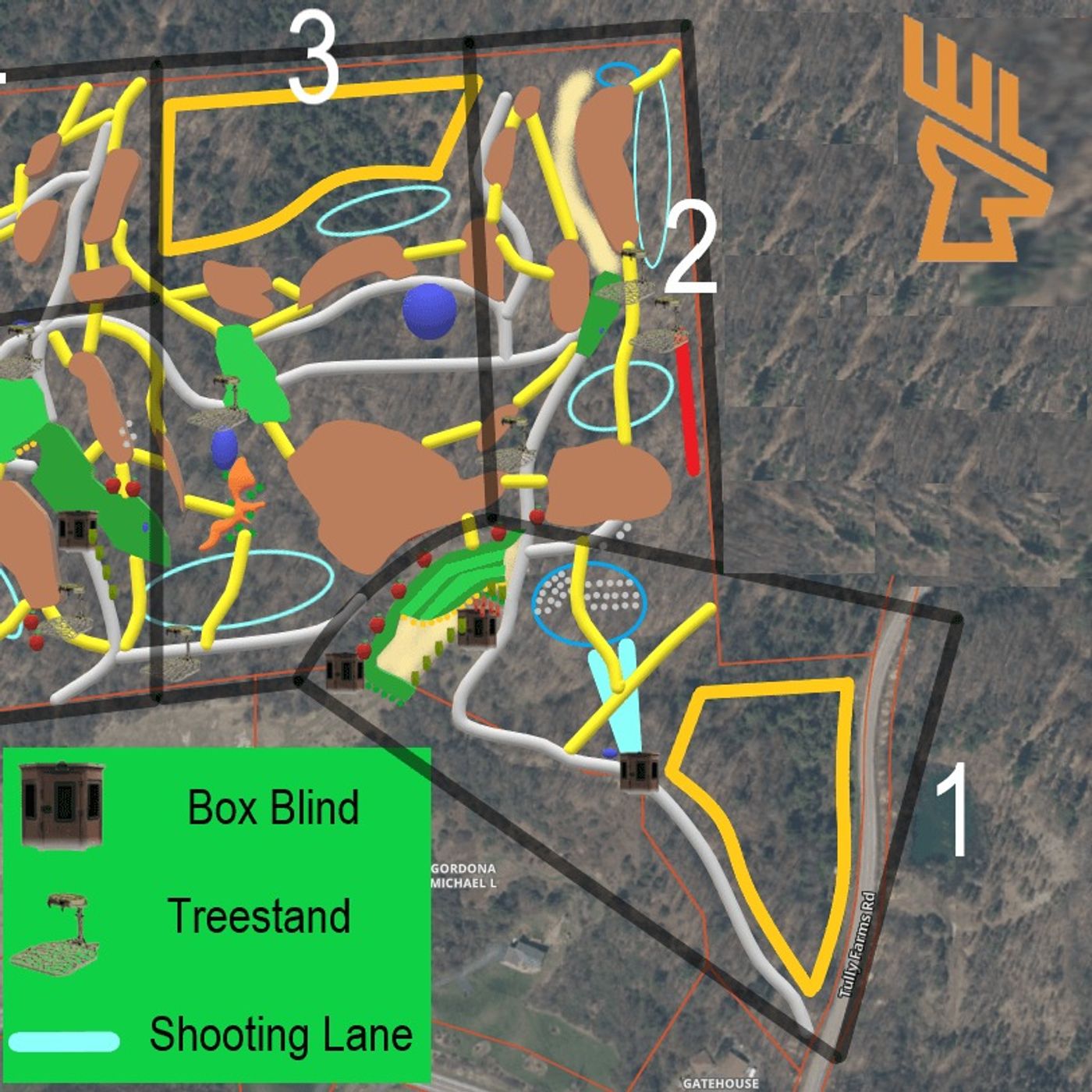
Nov 19, 2024
Small Acreage Habitat Improvement, Open Spaces, Holding Better Deer
In this episode of 'Maximize Your Hunt', host Jon Teater shares insights on improving hunting properties through effective land management and habitat improvement strategies. He discusses personal hunting experiences, the importance of soil health, and how to design backyards to attract deer. The conversation delves into regenerative agriculture, creating hospitable environments for plants, and the significance of ecological systems in enhancing wildlife habitats. Teater emphasizes the need for thoughtful design that works with nature to maximize sunlight, photosynthesis, and overall ecosystem health. Takeaways: Hunting success stories can inspire and motivate others. Soil health is the foundation for successful land management. Designing your backyard can create opportunities for deer sightings. Creating hospitable environments for plants enhances growth. Regenerative agriculture focuses on restoring soil health and function. Effective design should consider sunlight, moisture, and wind. Ecological systems can support diverse wildlife habitats. Maximizing sunlight exposure is crucial for plant health. Guilds of plants can create beneficial relationships in ecosystems. Thoughtful design can lead to sustainable and productive landscapes. Social Links https://whitetaillandscapes.com/ https://www.facebook.com/whitetaillandscapes/ https://www.instagram.com/whitetail_landscapes/?hl=en Hosted by Simplecast, an AdsWizz company. See pcm.adswizz.com for information about our collection and use of personal data for advertising.

Nov 12, 2024
Decoding Deer Movement During the Rut and Habitat Management
In this episode of Maximize Your Hunt, host John Teater shares insights from his recent hunting experiences, discussing deer movement patterns, breeding behavior, and the importance of observation in hunting. He emphasizes the need for persistence and adaptability in hunting strategies, as well as the significance of having the right equipment and setup for success. The conversation delves into the dynamics of deer behavior during the breeding season and how hunters can better understand and capitalize on these patterns to improve their chances of success in the field. In this conversation, Jon Teater shares his insights on tactical hunting strategies, emphasizing the importance of mindset, preparation, and understanding deer movement. He discusses the significance of having a well-designed hunting property and reflects on his successful hunting season, highlighting the lessons learned along the way. Teater encourages hunters to adopt a purposeful approach and to be adaptable in their methods, while also recognizing the value of distractions and maintaining a positive attitude in the field. Takeaways The podcast focuses on land management and habitat improvement for hunting. Jon has been hunting for 17 consecutive days, sharing his experiences. Observation is crucial for understanding deer movement and behavior. Deer exhibit three modes of movement: breeding, exploratory, and observational. Hunters should be deliberate and slow when accessing their stands to avoid spooking deer. Persistence and consistency are key to successful hunting. Deer behavior can be erratic, requiring hunters to adapt their strategies. Equipment choice is important for comfort and effectiveness in the field. Understanding deer dynamics during the breeding season can enhance hunting success. Trail cameras may miss a significant amount of deer activity. Use observation and data to improve hunting success. Mindset and attitude are crucial for a positive hunting experience. Preparation and the right equipment can enhance your hunt. Understanding deer movement is key to effective hunting. Designing your property can significantly impact deer activity. Success in hunting can take many forms, not just kills. Distractions in the stand can be beneficial for mental health. Unevenness in habitat can create better conditions for deer. A well-managed property can hold more deer and improve hunting outcomes. Reflecting on past hunts can inform future strategies. Social Links https://whitetaillandscapes.com/ https://www.facebook.com/whitetaillandscapes/ https://www.instagram.com/whitetail_landscapes/?hl=en Hosted by Simplecast, an AdsWizz company. See pcm.adswizz.com for information about our collection and use of personal data for advertising.
Nov 5, 2024
Technical Hunting Series Executing on Mature Bucks, Rut, Moving Treestands
In this episode of Maximize Your Hunt, host Jon Teater shares insights from his hunting season, emphasizing the importance of strategy, patience, and understanding deer behavior. He discusses his experiences and the tactics he employs to maximize hunting success. Guest Ty Jennings shares his recent successful harvest and the details of his hunting approach, including the significance of scouting and adapting to changing conditions. The conversation delves into the nuances of deer movement, the importance of stealth, and the decision-making process when hunting. Listeners are encouraged to engage deeply with their hunting environments and to be open to new strategies for success. Takeaways Embrace the hunting process and enjoy the journey. Getting ahead of deer is crucial for success. Scouting is essential during the hunting season. Understanding deer movement patterns can improve hunting success. Stealth and access are key components of effective hunting. Weather conditions can significantly impact deer behavior. Do not be afraid to move and adapt during a hunt. Invest time in understanding the landscape and deer habits. Be open-minded and willing to adjust strategies as needed. Hunting is as much about patience as it is about action. Social Links https://www.instagram.com/thewhitetailproject/ https://whitetaillandscapes.com/ https://www.facebook.com/whitetaillandscapes/ Hosted by Simplecast, an AdsWizz company. See pcm.adswizz.com for information about our collection and use of personal data for advertising.
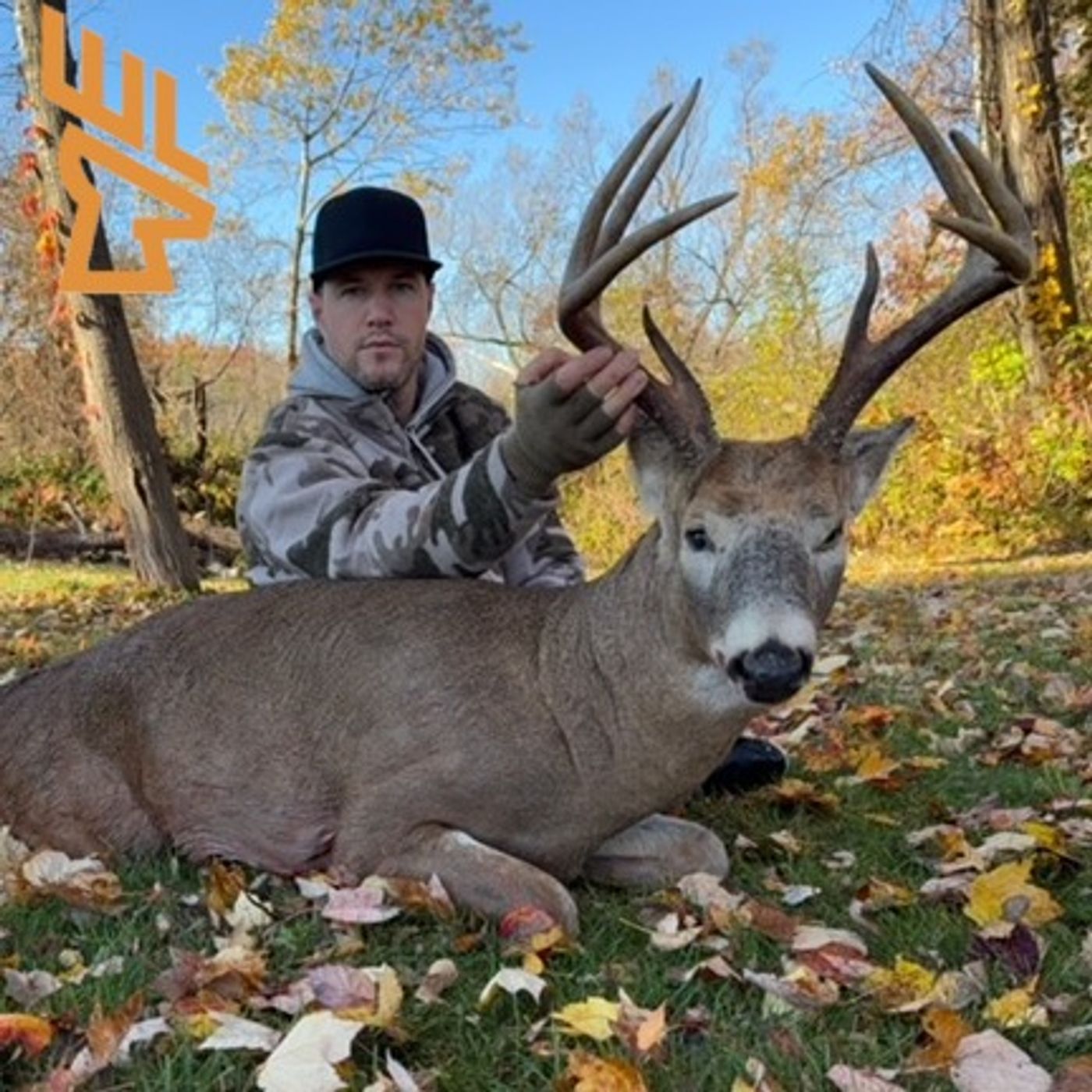
Oct 29, 2024
Technical Hunting Series Chasing Mature Bucks, Hot Weather, Deer Behavior
In this episode of Maximize Your Hunt, host Jon Teater and Johnny Stewart share insights on hunting strategies, lessons learned from missed opportunities, and effective scouting techniques. Jon and Johnny discuss the importance of understanding deer behavior, adapting to weather conditions, and finding the perfect hunting spots. The conversation emphasizes the need for knowledge and strategic planning in order to maximize success in the field. In this conversation, Jonathan Teater shares his insights on deer hunting, focusing on understanding deer behavior, habitat selection, and the importance of utilizing technology for hunting success. Johnny discusses the significance of water sources, terrain features, and the movement patterns of deer, emphasizing the need for patience and strategic planning. Jon and Johnny also highlight the importance of maintaining passion for hunting and avoiding burnout, encouraging hunters to enjoy the process and learn from their experiences. Takeaways It's important to be vulnerable and open about hunting experiences. Knowledge and preparation are key to successful hunting. Scouting should be strategic, not just hopeful. Understanding deer behavior is crucial for effective hunting. Weather conditions can significantly impact deer movement. Fine-tuning hunting strategies is essential for success. Realism in hunting expectations helps in planning. Adapting to changing conditions is part of the hunting process. Finding the right spot requires experience and intuition. Patience and persistence are vital in hunting. Water sources are critical for deer during dry conditions. Diversity and cover in habitat enhance deer movement. Patience is key when approaching deer. Understanding deer movement requires knowledge of their habits. Weather conditions significantly impact deer behavior. Utilizing technology can enhance hunting strategies. Terrain features play a crucial role in deer movement. Maintaining a positive mindset is essential for enjoyment in hunting. Avoid burnout by balancing intensity and rest during the season. Learning from experiences and adapting strategies is vital for success. Social Links https://www.instagram.com/thejohnnystewart/?hl=en https://spartanforge.ai/ https://whitetaillandscapes.com/ https://www.facebook.com/whitetaillandscapes/ Hosted by Simplecast, an AdsWizz company. See pcm.adswizz.com for information about our collection and use of personal data for advertising.
Oct 22, 2024
Technical Hunting Series Living with Mature Bucks
In this episode of Maximize Your Hunt, Jon Teater and Ty Jennings discuss various hunting strategies, focusing on deer behavior, weather patterns, and the importance of in-season scouting. He shares insights from his experiences hunting on public land, emphasizing the need for adaptability, and understanding deer movement. The conversation also touches on the significance of gathering intel on deer, the challenges of navigating dense vegetation, and the importance of being aggressive in hunting tactics. Teater reflects on a personal encounter with a deer, discussing the lessons learned from failure and the value of persistence in hunting. Ty and Jon discuss being aggressive and going after mature bucks and key points that will help you this fall. Ty discusses balancing and recalibrating his tactics to be successful, and going after mature bucks on the ground. Ty explains his tactics to access and identify bedding locations, and how deer are using wind. Jon and Ty explain how vegetation funnels air flow to deer bedding locations. Jon discusses hunting funnels and a misnomer of hunting funnels during the rut. Takeaways: Pay attention to weather systems for hunting success. Understanding deer behavior is crucial for effective hunting. Gathering intel on deer can significantly improve your chances. Aggressive hunting tactics can lead to better outcomes. Navigating dense vegetation requires careful planning and patience. In-season scouting is essential for adapting to changing conditions. Deer often prefer open cover for safety and visibility. Access routes should be varied to avoid patterning by deer. The relationship between food sources and deer movement is complex. Learning from failures is a key part of becoming a better hunter. Social Links https://www.instagram.com/thewhitetailproject/ https://whitetaillandscapes.com/ https://www.facebook.com/whitetaillandscapes/ Hosted by Simplecast, an AdsWizz company. See pcm.adswizz.com for information about our collection and use of personal data for advertising.
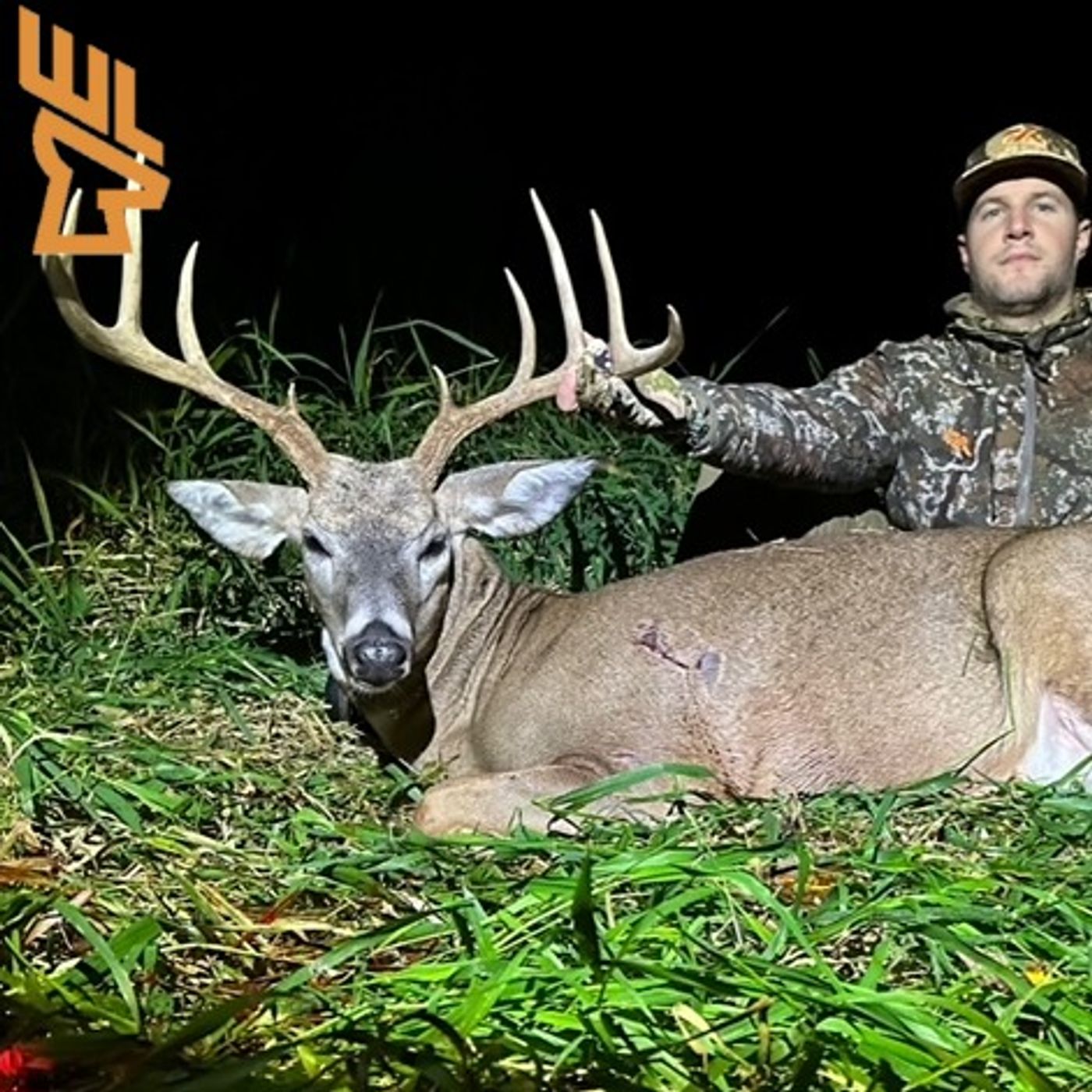
Oct 15, 2024
Technical Hunting Series Acorns, Persimmons, Crabapples, Mid-October Mature Bucks
In this conversation, Jon Teater and Greg Litzinger (Bowhunting Fiend) discuss the preparations and strategies for the upcoming deer hunting season. They cover various topics including scouting, food availability for deer, hunting techniques, and the importance of understanding deer movement patterns. Greg shares his personal challenges with a wrist injury and how it has influenced his hunting approach, particularly focusing on mid-October strategies. The discussion also delves into the nutritional preferences of deer, the significance of acorns, and the effectiveness of different camouflage techniques for ground hunting. Greg explains hunting directly over or near beds and what locations he has had the most luck in locating deer. Greg explains why he is aggressive and what success he has had in hunting over bedding areas. Greg provides specific information on how mature deer enter bedding areas and how close he can be to bedding areas. Takeaways Preparation is key for a successful deer season. Scouting helps identify deer locations and food sources. Understanding deer movement patterns is crucial for hunting success. Nutritional preferences of deer can change based on food availability. Mid-October is a prime time for hunting deer. Ground hunting requires different strategies than tree stand hunting. Camo and concealment are essential for staying undetected. Bottlenecks and travel corridors can increase shot opportunities. Adapting to physical limitations can lead to new hunting techniques. Observation hunts can provide valuable intel on deer behavior. Social Links https://www.instagram.com/bowhunting_fiend/?hl=en https://www.youtube.com/watch?v=9-RMHGxtq-0 https://whitetaillandscapes.com/ https://www.facebook.com/whitetaillandscapes/ https://www.instagram.com/whitetail_landscapes/?hl=en Hosted by Simplecast, an AdsWizz company. See pcm.adswizz.com for information about our collection and use of personal data for advertising.
Oct 8, 2024
Technical Hunting Series: Whitetail Addiction, Mobile Hunting, Moon, Mornings, Mature Bucks
In this episode, Jon Teater (Whitetail Landscapes) and Dieter Kochan (Face Off Bikes) discuss various aspects of hunting, focusing on strategies for reading the landscape, gathering intel, and understanding deer movement. They delve into the importance of weather and moon phases, the effectiveness of scrapes, and the role of trail cameras in hunting success. Dieter shares his recent hunting experiences in North Dakota and Michigan, emphasizing the need for adaptability and a well-rounded approach to hunting. The discussion highlights the complexities of hunting in different environments and the importance of continuous learning and sharing knowledge within the hunting community. Takeaways: The podcast has grown significantly in popularity. Reading the landscape is crucial for successful hunting. Gathering intel through scouting is essential. Creating effective scrapes can attract deer. Weather and moon phases significantly impact deer movement. Understanding deer vulnerability is key to successful hunting. Adapting to changing conditions is important for success. Recent hunting experiences can inform future strategies. Trail cameras can provide valuable intel but may also scare deer. A well-rounded hunting approach increases chances of success. Social Links https://www.faceoffebikes.com/ https://www.instagram.com/rangermatthews/ https://whitetaillandscapes.com/ https://www.facebook.com/whitetaillandscapes/ https://www.instagram.com/whitetail_landscapes/?hl=en Hosted by Simplecast, an AdsWizz company. See pcm.adswizz.com for information about our collection and use of personal data for advertising.
Oct 1, 2024
Technical Hunting Series - Using Data To Drive Management Decisions
In this episode of Maximize Your Hunt, host Jon Teater discusses various aspects of deer management and hunting strategies with Kip Adams from the National Deer Alliance. They explore the importance of habitat quality, the impact of deer life cycles on development, and effective population management techniques. The conversation delves into age class determination, the significance of balanced age structures, and the monitoring of recruitment rates. Additionally, they discuss the role of antler characteristics in age estimation, the importance of data collection for informed management decisions, and practical advice for hunters during the season. Takeaways: Investing effort in property management yields better hunting results. Habitat quality directly influences deer growth and health. Shooting enough does is crucial for population balance. Protecting yearling bucks promotes a healthy age structure. Monitoring recruitment rates helps assess habitat quality. Harvesting strategies should adapt to local deer populations. Understanding tarsal glands can aid in age estimation. Antler growth trends correlate with overall deer health. Identifying individual deer enhances hunting experiences. Data collection is essential for effective deer management. Social Links https://deerassociation.com/ https://www.instagram.com/kipadams_nda/ https://whitetaillandscapes.com/ https://www.facebook.com/whitetaillandscapes/ https://www.instagram.com/whitetail_landscapes/?hl=en Hosted by Simplecast, an AdsWizz company. See pcm.adswizz.com for information about our collection and use of personal data for advertising.
Sep 24, 2024
Technical Hunting Series the October Shift
In this episode of Maximize Your Hunt, host Jon Teater and Steve Sherk (Sherk’s Guide Service) reflect on the past hunting season, discuss the importance of land management and habitat improvement, and share insights on hunting strategies. Steve discusses pursuing an individual mature buck. Jon discusses his objective for the hunting season and goals for harvest as it pertains to does and bucks. Steve and Jon emphasize the significance of creating the right atmosphere for hunting. Steve discusses the challenges of not hunting in October, and the strategies for guiding clients effectively. The conversation also delves into the importance of understanding wind and thermals, building confidence in hunting locations, and ultimately enjoying the hunting experience. Steve discusses being the timber all year long and assessing the landscape, why deer are shifting earlier into fall ranges, acorn production, the importance of red oaks on the landscape and the ideal locations for early season hunting. Steve discusses the best locations and when to hunt deer in October. Steve ends with an important aspect of their only being a handful of days to hunt deer in October and be successful and picking the right times is critical to success. Jon Teater concludes with valuable tips for a successful hunting season. Steve and Jon reflect on the hunting season, emphasizing the importance of proper setup and strategies for hunting in October. He discusses the significance of scouting, understanding deer behavior, and the impact of wind and thermals on hunting success. The conversation highlights the need for hunters to enjoy the experience and be grateful for the opportunity to connect with nature, rather than solely focusing on the kill. Takeaways: Investing in land management enhances the hunting experience. Creating the right atmosphere is crucial for successful hunting. October is a prime month for hunting, especially with cold fronts. Guiding clients requires a strategic approach to hunting locations. Understanding deer behavior is key to effective hunting. Wind and thermals play a significant role in hunting success. Enjoying the hunting experience is as important as the outcome. Flexibility in hunting schedules can lead to better opportunities. Building confidence in setups can improve hunting effectiveness. Gratitude for the hunting experience enhances overall enjoyment. Building a management plan is key for sustainable hunting. Social Links Sherk's Guide Service – Guided Deer Hunts (sherksguideservice.com) Sherk's Guide Service - Home | Facebook Steve Sherk Jr. (@sherksguideservice) • Instagram photos and videos https://whitetaillandscapes.com/ https://www.facebook.com/whitetaillandscapes/ https://www.instagram.com/whitetail_landscapes/?hl=en Hosted by Simplecast, an AdsWizz company. See pcm.adswizz.com for information about our collection and use of personal data for advertising.
Sep 17, 2024
Drones for Habitat Management
In this conversation, Moriah Borgess (Wildlife Investments, Hollow Tooth Aerial, LLC), and Jon Teater discuss the importance of soil management in hunting property, the innovative use of drones for habitat management, and the critical timing and techniques for effective herbicide application. The conversation delves into managing invasive species, the precision required in herbicide application, and the environmental considerations that must be taken into account. Moriah goes through common and more specific herbicides that meet specific prescriptions for site and managing objectives. Moriah discusses the efficiency of using drones to manage plants like phragmites, sweet gum, winged elm, autumn olive. Moriah discusses on the ground spray options and what concerns are created when debris is present. Moriah discusses old field management and benefits to wildlife. Moriah emphasizes the role of drones as a valuable tool for private landowners looking to enhance their hunting properties. Moriah goes through his process of cleaning his drone and managing tank applications and cleaning tanks. Moriah discusses his business name and its origin. Moriah suggests drone work that can be done right now just before and during hunting season. Takeaways: Soil management is the foundation of habitat improvement. Drones provide a less invasive method for herbicide application. Timing is crucial for effective herbicide use. Specific herbicides can target invasive species without harming natives. Wind conditions can affect herbicide application efficacy. Drones can cover significant acreage efficiently. Herbicide prescriptions should be tailored to the specific site. Understanding plant ecology is essential for successful management. Drones are becoming increasingly accessible for private landowners. Effective management requires a combination of techniques and tools. https://whitetaillandscapes.com/ https://www.facebook.com/whitetaillandscapes/ Wildlife Investments – We apply scientifically proven, time-tested, methods to meet your management objectives and increase the recreational value of your property. Hollow Tooth Aerial | Facebook Hosted by Simplecast, an AdsWizz company. See pcm.adswizz.com for information about our collection and use of personal data for advertising.
Sep 10, 2024
Maximizing Hunting Property Value through Logging and Obstacles
In this conversation, Jaden Bjorklund (Northland Habitat), Josh Streichert (JWS Logging) and Jon Teater discussion revolves around making hunting properties more appealing for logging. The main themes discussed include access to the property, volume and value of timber, and the role of landowners in facilitating the logging process. The guests emphasize the importance of factors such as property size, access, and timber contracts in attracting loggers. They also discuss potential pitfalls, such as dealing with pipelines and wetlands, that can complicate logging operations. The conversation highlights the need for clear communication and setting realistic expectations between landowners and loggers. The guests also touch on the benefits of having a professional forester or consultant involved in the process and the importance of flexibility on the part of landowners. In this conversation, Jon Teater, Josh Streichert, and Jaden Bjorklund discuss various strategies for making timber cutting more valuable and beneficial for landowners. They explore the use of government funding programs, such as EQIP funding from the USDA or NRCS, to supplement the income from logging. They also emphasize the importance of considering the long-term goals of the property and the potential impact of invasive species on timber regeneration. The conversation concludes with a discussion on the value of firewood and the potential benefits of cutting mature trees to promote forest health and increase wildlife forage. Takeaways: Access and property size are important factors in attracting loggers to a hunting property. Dealing with pipelines, wetlands, and other obstacles can complicate logging operations. Clear communication and setting realistic expectations are crucial for a successful logging process. Having a professional forester involved can ensure efficient and effective timber management. Landowners should be flexible and willing to make compromises to facilitate the logging process. Government funding programs, such as EQUIP funding from the USDA or NRCS, can provide additional income for landowners who are cutting timber. It is important to consider the long-term goals of the property when making decisions about timber cutting. Invasive species, such as buckthorn, can hinder timber regeneration and should be addressed before logging. Firewood can be a valuable resource and a way to remove non-preferred tree species from the property. Cutting mature trees can promote forest health and increase wildlife forage. Social Links https://whitetaillandscapes.com/ https://www.facebook.com/whitetaillandscapes/ https://northlandhabitat.com/ https://www.instagram.com/northland.habitat/ Hosted by Simplecast, an AdsWizz company. See pcm.adswizz.com for information about our collection and use of personal data for advertising.
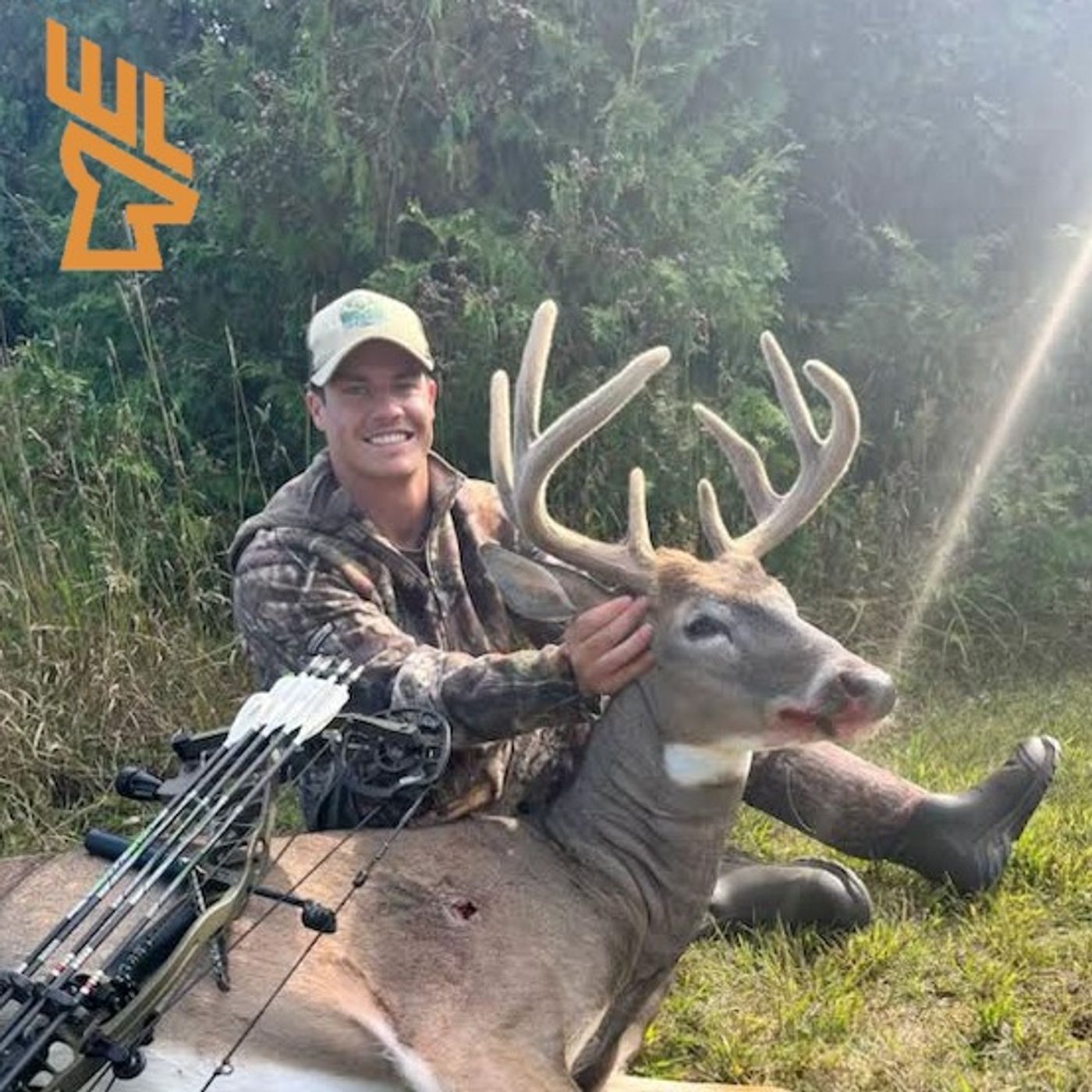
Sep 3, 2024
Checklist for Better Deer Habitat
In this conversation, Jon Teater and Andrew Little (AWESM Lab) discuss the importance of habitat assessment and management for deer populations. They emphasize the need for diversity and heterogeneity in landscapes, whether they are forested or agricultural. They suggest starting with an aerial photograph of the property and considering the neighboring properties as well. They discuss the importance of creating openings in forested areas to provide early successional vegetation and cover for deer. They also mention the need for a 365-day approach to habitat management, considering the different needs of deer throughout the year. In agricultural landscapes, they highlight the importance of managing for native forbs, grasses, and legumes to provide structure and high protein food sources for deer. The conversation explores the importance of creating diverse habitats and assessing their value in achieving specific goals. The guests discuss the design and maintenance of shrubland areas and the challenges of abandoned agriculture areas. They also delve into the concept of prairie strips in agricultural landscapes and the benefits they provide for wildlife. The conversation emphasizes the need to identify and address limiting factors on properties and highlights the importance of patience and collaboration in conservation efforts. The guests also mention their podcast, Wild Ag, and the resources they provide on social media. Takeaways: Habitat assessment and management are crucial for deer populations. Diversity and heterogeneity in landscapes are important for providing food and cover for deer. Creating openings in forested areas can provide early successional vegetation and cover for deer. A 365-day approach to habitat management is necessary to meet the changing needs of deer throughout the year. In agricultural landscapes, managing for native forbs, grasses, and legumes can provide structure and high protein food sources for deer. Creating diverse habitats is essential for achieving specific goals and maximizing the value of a property. Shrubland areas can be designed and maintained to provide cover and promote the growth of specific plant species. Prairie strips are a valuable tool in agricultural landscapes for increasing cover and improving soil health. Identifying and addressing limiting factors on properties is crucial for attracting and supporting wildlife. Conservation efforts require patience and collaboration with neighbors and professionals. The Wild Ag podcast and social media resources provide valuable information on conservation and land management. Social Links: https://whitetaillandscapes.com/ https://www.facebook.com/whitetaillandscapes/ https://awesmlab.unl.edu/ https://awesmlab.unl.edu/wildag-podcast/ Hosted by Simplecast, an AdsWizz company. See pcm.adswizz.com for information about our collection and use of personal data for advertising.
Aug 27, 2024
Leveling Up Your Hunting Property Before the Season
Thomas Mlsna, founder of Untamed Ambition, joins the podcast to discuss the importance of trail cameras in hunting preparation. In this conversation, Jon Teater and Thomas discuss various topics related to hunting property design and management. They cover the importance of wet meadows in hunting properties, the use of compost teas to promote microbial activity in food plots, and the challenges of balancing soil health and weed control. They also touch on the concept of solarization, the benefits of diverse plant blends, and the value of focusing on the surrounding habitat rather than just food plots. Additionally, they discuss the use of herbicides, the benefits of no-till drilling, and the importance of soil amendments in timber areas. In this conversation, Jon Teater and Thomas discuss the importance of long-term habitat management and the role of consultants in implementing systems and routines. They emphasize the need to address weak points on the property and improve soil health through methods like fertilization and introducing organic matter. They also discuss the value of fire as a tool for cycling through vegetation and the challenges of using prescribed fire in certain areas. They highlight the significance of diversity in habitat and the impact of food plots on the surrounding environment. They encourage listeners to observe and experiment with different amendments and plant species to improve their habitat. Finally, they provide some quick tips for improving habitat before hunting season, including timber stand improvement, burning, and scouting. Takeaways: Trail cameras only tell you where you should have been, not where you should be. Trail cameras only tell you what is happening directly in front of them. Pressure is anything that causes stress or discomfort on a deer to a level that it's going to change their behavior. There are really only two things that reduce pressure on deer. It is cover and consistency in pressure or lack thereof. Topography is the greatest form of cover there is. Variation in food value, a variation in food type composition is extremely important . Social Links: https://whitetaillandscapes.com/ https://www.facebook.com/whitetaillandscapes/ https://www.instagram.com/whitetail_landscapes/?hl=en https://www.theuntamedambition.com/ Hosted by Simplecast, an AdsWizz company. See pcm.adswizz.com for information about our collection and use of personal data for advertising.
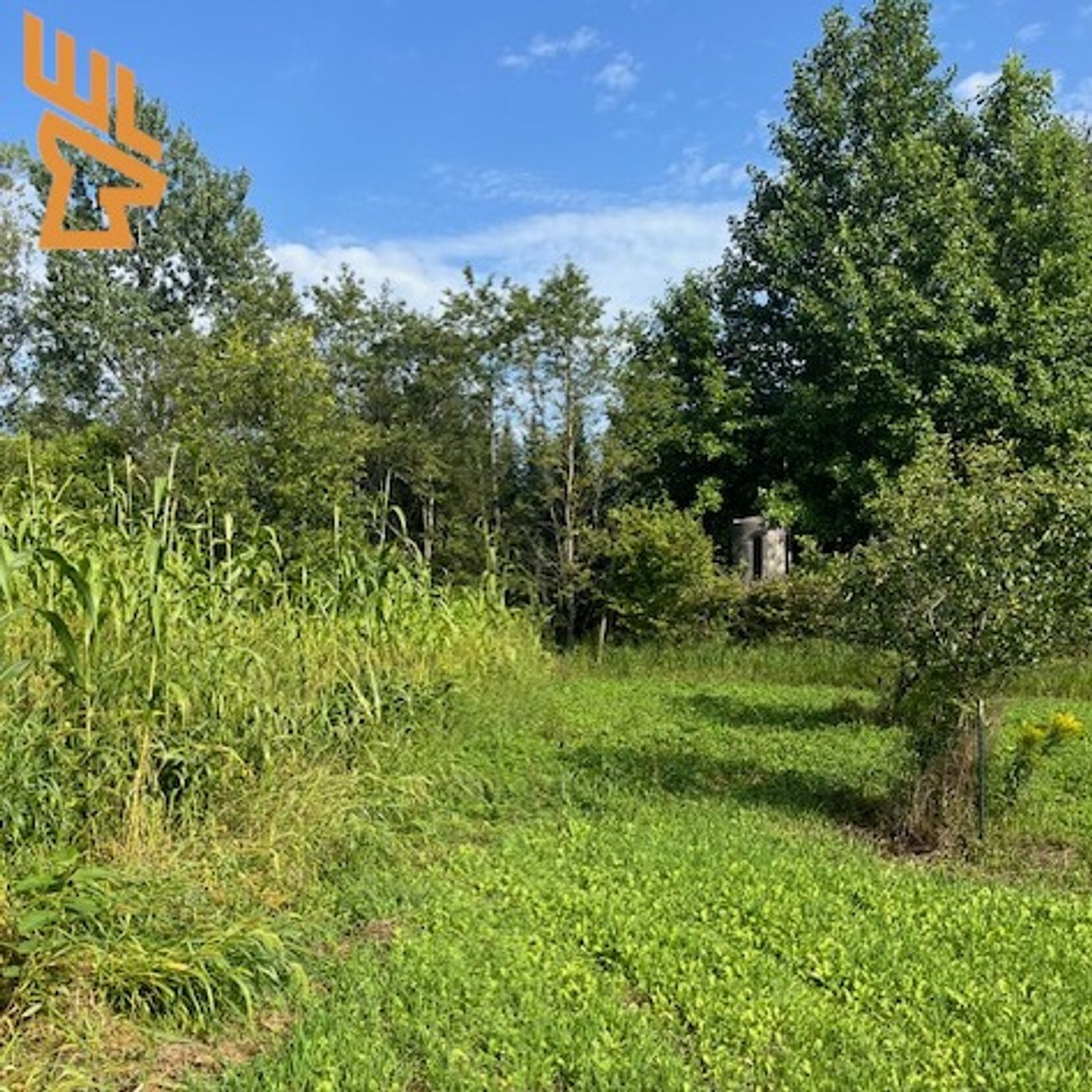
Aug 20, 2024
Just in Time Hunting Preparation for Mature Bucks
In this episode, host Jon Teater interviews Rocky Burruss (SA Farm Management Service) about his upcoming hunting season and his strategies for preparing for the velvet season. They discuss topics such as managing livestock and trophy deer, dealing with drought conditions, and preparing for bow hunting. Rocky shares his tactics for setting up stands, manipulating the habitat to attract deer, and using attractants like vanilla extract. They also touch on the importance of water sources and how to hold mature bucks on a property. Rocky explains the early hunting season tactics for velvet bucks. Rocky explains working areas just before hunting season, and things you can do to create movement around key hunting locations. Rocky uses equipment to better interact with deer just before season. Rocky details provide minimal threat to deer and still make treestand locations. Rocky fine tunes his hunting location and uses existing trees to manipulate movement. Rocky explains tips and tricks to allow deer to Rocky client mistakes, land setup and tactics. Rocky provides details on his data that allow his deer to be harvested more efficiently. Rocky explains managing deer populations on small properties, and creating opportunities for large bucks. Rocky assesses holding mature bucks for longer periods, and how to attract better deer. Rocky explains the importance of water in key areas on the property. Hosted by Simplecast, an AdsWizz company. See pcm.adswizz.com for information about our collection and use of personal data for advertising.
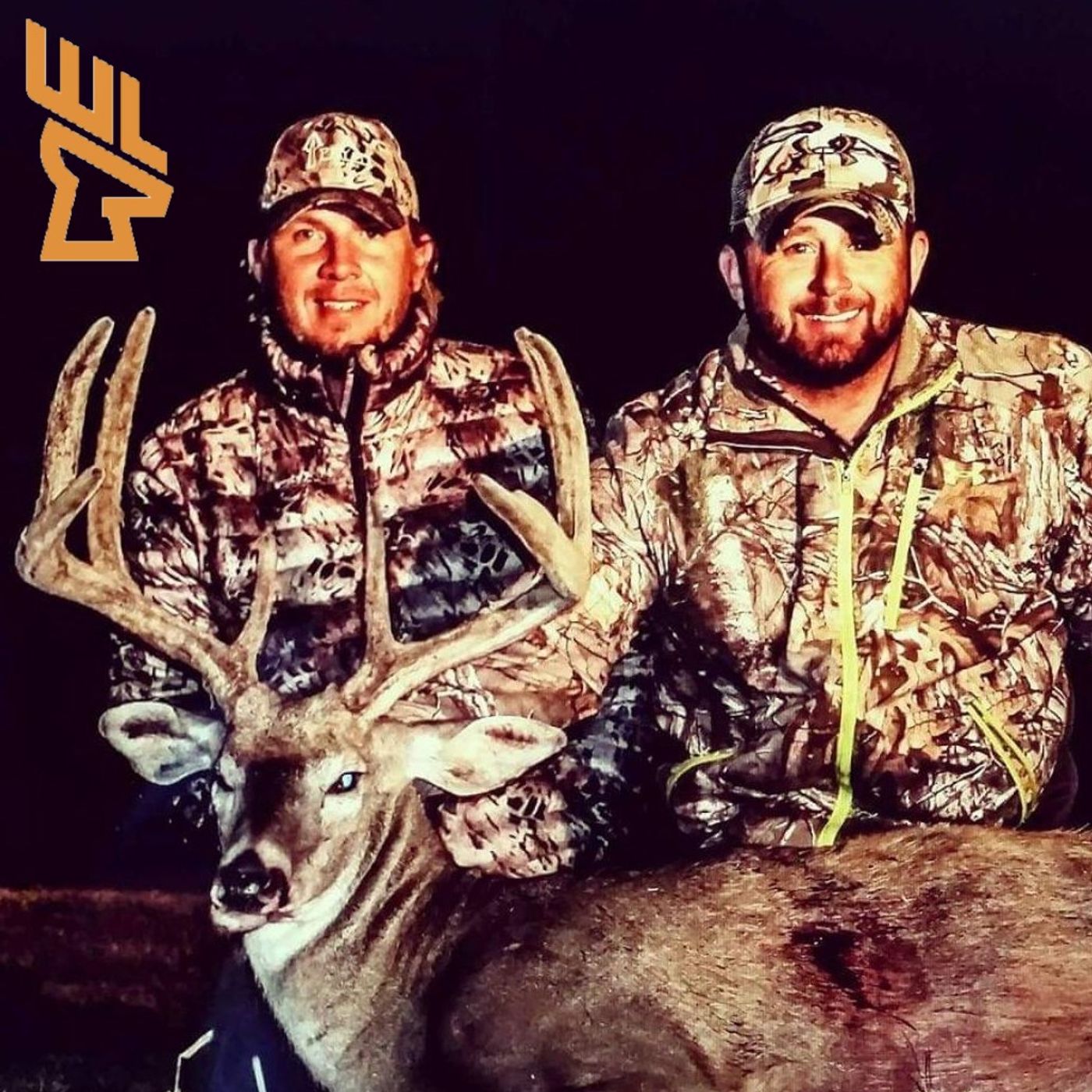
Aug 13, 2024
Trail Camera, Data, and Details Equals Big Bucks
Thomas Mlsna, founder of Untamed Ambition, joins the podcast to discuss the importance of trail cameras in hunting preparation. He emphasizes the need to be intentional with camera setups and to use them to collect information and build theories about deer behavior. He also highlights the significance of wind, pressure, food, and timing in understanding deer movement. Thomas and Jon Teater (Whitetail Landscapes) discuss the value of pressure as a tool and the importance of social interaction among deer. They also touch on the concept of creating high-value environments to attract and hold deer on a property. The conversation focuses on the importance of cover and consistency in reducing pressure on deer. The speakers discuss how deer stack up in areas with consistent human activity and how cover provides a sense of security. They also touch on the significance of topography as a form of cover. The conversation then shifts to the role of food plots and the importance of variation in food type and composition. They emphasize the need to understand how deer relate to different types of food and cover. The speakers also discuss the importance of observation and flexibility in hunting success, as well as the role of wind in deer movement. They highlight the value of training the brain to notice important details in the environment and the benefits of scouting during the hunting season. The conversation concludes with the importance of visualization, theory-building, and continuous learning in hunting. Takeaways: Trail cameras only tell you where you should have been, not where you should be. Trail cameras only tell you what is happening directly in front of them. Pressure is anything that causes stress or discomfort on a deer to a level that it's going to change their behavior. There are really only two things that reduce pressure on deer. It is cover and consistency in pressure or lack thereof. Topography is the greatest form of cover there is. Variation in food value, a variation in food type composition is really important. Social Links https://whitetaillandscapes.com/ https://www.facebook.com/whitetaillandscapes/ https://www.instagram.com/whitetail_landscapes/?hl=en https://www.theuntamedambition.com/ Hosted by Simplecast, an AdsWizz company. See pcm.adswizz.com for information about our collection and use of personal data for advertising.
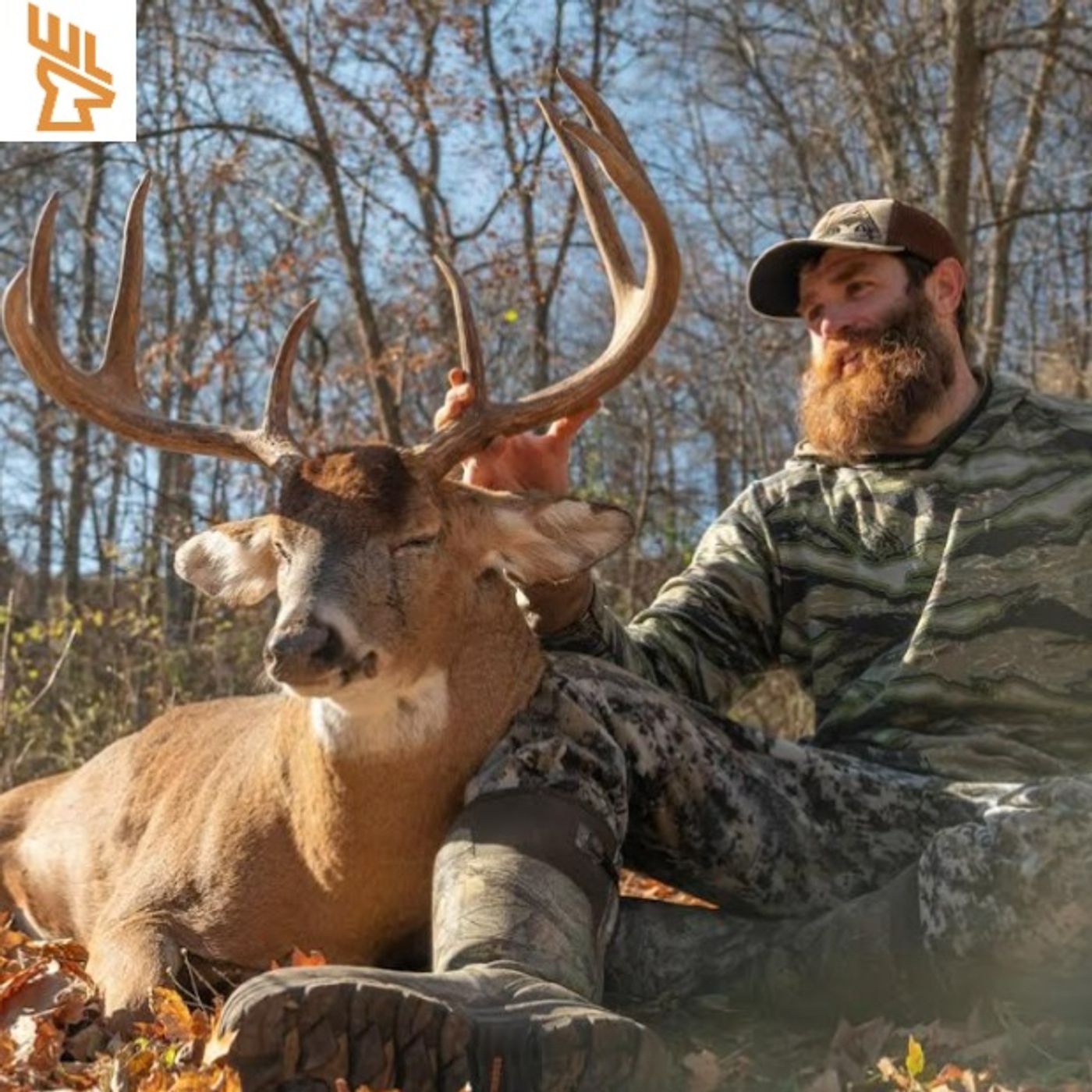
Aug 6, 2024
Redefining Deer Habitat Design and Management, Master Class
In this episode, Jon Teater of Whitetail Landscapes and Derek Schoffstall (Client) discuss habitat management and the recent Master Class. Derek discusses his history with podcasts, his own property in Pennsylvania, and his rationale in coming to the master class. Derek explains why he signed up so quickly to the master class. Derek discusses the shortfalls on his personal property and his familiarity with big woods, terrain, north and south slopes. Derek discusses food plot layout, bulletproof access, terrain features for hiding treestands or box blinds. Jon explains the importance of hedgerows, shelterbelts, food plot architecture and the significance of willows. Derek and Jon discuss food plot layout, destination food sources, deer flow and surrounding deer in food. Jon refutes depth of cover and new ways to design bedding areas. Jon discusses harvest decisions, what deer to shoot and where to hunt deer. Jon discusses the importance of deer herd management and deer hunting property. Jon discusses managing timber based on slope and aspect, how to manage for quality timber and deer interest. Derek explains the level and volume of cutting and how much is needed to cut Jon and Derek discuss putting deer close to neighbor borders that help to educate and support more interest in sanctuaries. Derek discusses his own property design and changes he plans on making after the master class. Jon discusses deer herd dynamics, mature bucks, fawn retention, and deer dispersal. Jon discusses changing a deer’s core area, and pulling in the largest bucks in the area, and executing during hunting season. Jon discusses having multiple food plots, numerous bedding areas, and compartmentalization. Derek discusses having more data on deer, recording information, and comparing year to year. Jon discusses what deer patterns mean and why annual deer movement does not occur in many hunting Social Links https://whitetaillandscapes.com/ https://www.facebook.com/whitetaillandscapes/ https://www.instagram.com/whitetail_landscapes/?hl=en Hosted by Simplecast, an AdsWizz company. See pcm.adswizz.com for information about our collection and use of personal data for advertising.
Jul 30, 2024
Full Spectrum Food Plots, Nitrogen, and Fertilizers
In this episode, Jon Teater (Whitetail Landscapes) and Brad Harper (Harper Growing Solutions) discuss the new Full Spectrum products that are available for food plotters. Brad discusses nutrient toxicity and deficiencies, calcium and magnesium balancing. Brad discusses raising pH and lowering hydrogen levels in the soil. Jon discusses increasing air in soil, Brad discusses cover crops and root development. Brad discusses mineral deficiencies in the soil and handling issues around unwanted plants and trying to out complete plants. Brad discusses starter fertilizers with micronutrients, foliar and soil drenching, humic and fulvic acid. Brad explains the use of amino acids and benefits to the plant applying foliar sprays in phases. Brad and Jon discuss irrigation, sprinkler system, pivots and applying amendments on the landscape. Brad discusses using an all purpose fertilizer foliar on food plots, spruce trees, fruit trees. Brad details the debate on calcium products and the difference between calcium carbonate versus calcium chloride. Brad discusses using nitrogen, and using nitrogen infrequently but for certain crops like corn, sorghum, and brassica. Brad explains how inefficient nitrogen is as it pertains to applications to plants. Brad explains foliar applications of nitrogen and how efficient this can be and the criticality of timing. Brad discusses urea, and ammonium based products and the timing of use during plant reproduction or vegetative phase. Brad discusses reading a label and where fertilizers are coming from nowadays, and certain fertilizers to stay away from. Social Links https://whitetaillandscapes.com/ https://www.facebook.com/whitetaillandscapes/ https://www.instagram.com/whitetail_landscapes/?hl=en Harper Growing Solutions (harpergs.com) Hosted by Simplecast, an AdsWizz company. See pcm.adswizz.com for information about our collection and use of personal data for advertising.
Jul 23, 2024
New Deer Habitat Improvement Concepts
In this episode, Jon Teater (Whitetail Landscapes) and Matt Williams (myco-habitat) discuss recent projects and experiments. Matt discusses hiring a forester. Matt explains new plants he’s trying to options on his food plot. Matt and Jon discuss plants they don’t want to see in food plots. Jon discusses fertilizer and amendments and creating more opportunity for air in the soil. Matt introduces intercropping and adding oats and peas to existing food plots. Matt explains how he manages soybean, and additives that keep deer out of his plots. Matt discusses corn and his purpose behind utilizing corn, size of food plots. Matt discusses building a food plot from scratch with limited equipment. Matt discusses how to remove stumps from food plots. Matt explains mushroom cultivation and new techniques in and around food plots with increased utilization. Matt explains access areas, sacrificing areas and thinking economics. Matt and Jon discuss black walnuts and what plants will grow in and around walnut trees for wildlife. Matt and Jon discuss building a food forest and plants that work well in fire regimes. Matt discusses wild grapes, scraping activity and some special ideas for mineral sites and acclimating deer to human presence. Social Links https://myco-habitat.com/ https://whitetaillandscapes.com/ https://www.facebook.com/whitetaillandscapes/ https://www.instagram.com/whitetail_landscapes/?hl=en Hosted by Simplecast, an AdsWizz company. See pcm.adswizz.com for information about our collection and use of personal data for advertising.
Jul 16, 2024
Flooding, Non-Native Plants, Food Plots for Wet Ground, and Sacrificial Food Plots
In this episode, Jon Teater (Whitetail Landscapes) and Todd Shippee (Empire Land Management), discuss upcoming projects. Todd discusses ways to develop areas during floods, segmenting deer and how to design a property to reduce erosion. Todd takes us to school on preseason management and scouting practices, and wet food plots. Todd and Jon discuss how to create an easy hunt this season, and what not to do this summer. Todd discusses the social impact on deer and ways to reduce stress on the deer herd. Jon explains ideas on concealment. Todd details planting techniques for conifers, and temporary screen, planting with tractor verse atvs. Todd and Jon talk cutworm, corn, and better food plot concepts. Todd suggests keeping bare dirt on the landscape and the importance of employing a layering concept of plants to better create interest in food plots from deer and turkeys. Todd discusses building sacrificial food plots and surprising blends that are highly attractive to deer. Todd talks about some of the highest toxic plants in the world and how he handles them on his client properties. Social Links https://whitetaillandscapes.com/ https://www.facebook.com/whitetaillandscapes/ https://www.instagram.com/whitetail_landscapes/?hl=en Empire Land Management (@empirelandmgmt) • Instagram photos and videos Whitetail Institute - Food Plots - Deer Food Plot Seeds - Soil Testing https://extremeblowerproducts.com/ Hosted by Simplecast, an AdsWizz company. See pcm.adswizz.com for information about our collection and use of personal data for advertising.
Jul 9, 2024
Client Hunting Property Transformation Part 3
Jon Teater (Whitetail Landscapes) and Mark Wright (Client) discuss his consulting visit, habitat changes, and advancing a tough to hunt area and finding success. Jon discusses working on apple trees, non-native plant removal, herbicides, and plants that create rashes. Mark explains his background as an attorney, his journey to owning land and how he found his piece of heaven and purchasing more land. Mark discusses owning the property over 10 years prior to the consulting visit and raising a family that enjoys hunting. Mark explains being somewhat unsure and overwhelmed at first on what changes to make, listening to the Podcast and thoughts on hiring a consultant. Mark and Jon discuss building a relationship and working together to grow a hunting property and experience. Mark dialogues about the onsite visit and working in the timber to improve habitat, weighing each family member's input, improving ecology, and balancing hunting and aesthetics. Mark and Jon discuss the unique cutting techniques and the benefits of seeing more quality deer, having a hitlist of bucks and improving the overall hunting experience. Mark discusses prioritizing projects, becoming a land steward, and considering himself more than just a hunter. Mark discusses the complexities of the Northeast and seeing immediate changes to a hunting property. Mark explains setting goals and leaving his mark on his property for the future. Social Links https://whitetaillandscapes.com/ https://www.facebook.com/whitetaillandscapes/ https://www.instagram.com/whitetail_landscapes/?hl=en Hosted by Simplecast, an AdsWizz company. See pcm.adswizz.com for information about our collection and use of personal data for advertising.
Jul 2, 2024
Client Hunting Property Transformation Part 2
In this episode, Jon Teater (Whitetail Landscapes) and Corbin Reed (Client) discuss his consulting visit, habitat changes, and working for deer. Corbin explains his history and background and large number of farms and how he has had to balance work, life, and deer. Corbin explains hiring a consultant, going through the process of evaluating different consultants, getting perspective from others and experience attending Don Higgins Master Class and the differences between the northeast and the Midwest. Corbin and Jon discuss his property management plan and how to eliminate neighbors. Corbin explains being a hands-on learner and wanting more out of a consulting visit. Corbin discusses making changes to his property and he never stops learning. Corbin explains advancing food plots and next level depth and train of thought need to make a top hunting property. Corbin and Jon explain the experience they gained with cutting together. Corbin details looking at his properties at a high level and trying to process all the changes, while keeping his goal on giant bucks! Corbin explains his takeaways and how to learn more by doing and what he is going to do on his property to kill world class bucks. Corbin provides his expert advice on making your hunting property work for you and how to make multiple properties produce quality deer. Social Links https://whitetaillandscapes.com/ https://www.facebook.com/whitetaillandscapes/ https://www.instagram.com/whitetail_landscapes/?hl=en Hosted by Simplecast, an AdsWizz company. See pcm.adswizz.com for information about our collection and use of personal data for advertising.
Jun 25, 2024
Client Hunting Property Transformation Part 1
In this episode, Jon Teater (Whitetail Landscapes) and Steve Barscz (Client) discuss his recent consulting visit and the changes that ensued during and after the onsite support. Steve discusses why he hired Whitetail Landscape, the homework and process of evaluating a consultant, and dream of setting up an ideal hunting property in a tough to hunt area. Steve discusses buying a home with land and what his expectations are for his new property. Steve and Jon discuss setting up bedding areas, deer movement, trails, food plots, atv and tractor trails, wetlands and managing a diverse habitat. Steve discusses doing the work and guidance around structuring bedding areas. Steve explained how his design and layout (map) aligned with the implementation strategy. Steve utilized Josh Streichert (JWS Logging) to work through implementation and enhancement of habitat, with the goal of creating a better ecology and environment for better hunting. Hosted by Simplecast, an AdsWizz company. See pcm.adswizz.com for information about our collection and use of personal data for advertising.
Jun 18, 2024
Buying a Better Hunting Property
In this episode, Jon Teater (Whitetail Landscapes) explains how to perform a site assessment on a hunting property. Jon dialogues on the key attributes and features that will reshape the way you evaluate land and features to better purchase and enhance your hunting property. Jon provides a new method of assessment that simplifies the process of determining if a property is right and what not to do when buying a property. Jon provides insight into his own land buying journey and what he believes are better ways to evaluate land use and neighboring properties. Jon finishes with discussion on how to identify weakness in a land purchase before it is too late and why conventional thought around bargain properties isn’t always the correct. Social Links https://whitetaillandscapes.com/ https://www.facebook.com/whitetaillandscapes/ https://www.instagram.com/whitetail_landscapes/?hl=en Hosted by Simplecast, an AdsWizz company. See pcm.adswizz.com for information about our collection and use of personal data for advertising.
Jun 11, 2024
Whitetail Summer Work, New Fertilizer Options, No-Till Drills
In this episode, Jon Teater (Whitetail Landscapes) and Perry Battin (Drury Outdoors) discuss planting season, rain, planting corn and beans. Perry discusses a new liquid fertilizer system that is advancing their corn plants. Perry explains the equipment that supports planta recent harvest and how the layout of the property led to success. Perry discusses new products like Reax, Altura, Riser and Biologic products like Mean Green to help plants develop. Perry and Jon discuss Conservation Reserve Program (CRP), fire on the landscape, non-native plants, summer burns. Perry discusses cattle grazing, fencing issues and responsibilities of landowners handling issues with cattle in the Midwest. Perry discusses more about no till drills and what equipment they are using this year. Social Links https://www.instagram.com/perrybattin_druryoutdoors/?hl=en https://www.druryoutdoors.com/ https://www.plantbiologic.com/ https://whitetaillandscapes.com/ https://www.facebook.com/whitetaillandscapes/ https://www.instagram.com/whitetail_landscapes/?hl=en DruryOutdoors - YouTube https://getgrowingwithnutrien.ag/ https://www.agspray.com/ https://www.ph-outdoors.com/g-series-no-till-drill-1 Hosted by Simplecast, an AdsWizz company. See pcm.adswizz.com for information about our collection and use of personal data for advertising.
Jun 4, 2024
Reshaping Timber on Small Properties for Better Deer Habitat
In this episode, Jon Teater (Whitetail Landscapes) and Kenny Kane (Generations Forestry) discuss forest management strategies and land improvement. Kenny explains a recent mountain day event and active management on a client property. Kenny answers questions on managing various tree species such as beech, maple, oak, and cutting techniques like shelterwood and clearcut. Kenny explains balancing economics and good forest management. Kenny discusses both short term and long-term decisions in the woods that lead to better deer habitat. Jon and Kenny talk about a shift in the landowners’ mindsets, now many are investing into the property and different approaches and goals that are considered nowadays than years ago. Jon and Kenny talk about evaluating woodlots and ensuring the forest is not mismanaged. Jon discusses herbicide treatments. Kenny and Jon discuss land fragmentation, building connections amongst improvements and ensuring the properties have various management prescriptions. Kenny discusses non-native plants, insects, and treatment options. Kenny discusses beech tree management and recent updates. Jon and Kenny discuss balancing goals when thinking through each improvement, forest regeneration and what tree species should be maintained across the landscape for deer. Social Links https://whitetaillandscapes.com/ https://www.facebook.com/whitetaillandscapes/ https://www.instagram.com/whitetail_landscapes/?hl=en Home - Generations Forestry Kenny Kane (@kenjkane) • Instagram photos and videos Hosted by Simplecast, an AdsWizz company. See pcm.adswizz.com for information about our collection and use of personal data for advertising.
May 28, 2024
The Dos and Don’ts of Hiring a Forester
In this podcast, Jon Teater (Whitetail Landscapes) and Tim Russell (Green Fire Forestry & Wildlife Services) discuss when to hire a forester and the important considerations that are essential when considering goals for timber and supporting quality habitat. Tim discusses goals on revenue from timber, residual trees, desired future condition, and misses many foresters make. Tim discusses the importance of future timber and to not get lost in consultants that dissuade landowners from doing the right thing. Tim and Jon discuss habitat practices, improved deer hunting, fawn drop and survival and the importance of a quality forest management and habitat plan. Social Links https://whitetaillandscapes.com/ https://www.facebook.com/whitetaillandscapes/ https://www.instagram.com/whitetail_landscapes/?hl=en Green Fire Forestry & Wildlife Services, LLC Hosted by Simplecast, an AdsWizz company. See pcm.adswizz.com for information about our collection and use of personal data for advertising.
May 21, 2024
Mock Scrapes, Summer Preparations for Mature Bucks
In this episode, Jon Teater (Whitetail Landscapes), Steve Sherk (Sherk’s Guide Service) discuss summer activities that will lead to better options for mature buck harvest success. Steve explains why it's critical to scout now to ensure hunting season is productive. Steve discusses the importance of mock scrapes, where to put scrapes and how to scout new areas. Steve explains specific locations that deer will socialize and what deer prefer through the summer months and into deer hunting season. Jon discusses the importance of evaluating high stem count areas, what they mean to the deer and as hunters and how to discern good quality habitat and cover based on high stem count areas. Steve details the importance of location with scrape locations and how to identify locations in the summer months. Steve perfects certain aspects of the slope that will drive interest throughout the summer. Steve discusses travel corridors and pinch points and the importance during summer scouting. Steve explains timing of scrapes and when he prefers to start scrapes and why if you are starting scrapes late in the summer you may be missing out on interest come hunting season. Steve discusses urinating in scrapes and what he prefers when setting up a mock location. Steve explains the importance of having noticeable scrapes and enhancing the visual aspect of scrapes. Steve and Jon discuss how deer disperse and understand how deer move around as they transition to hardened antlers. Steve explains the importance of finding low pressure locations and locations that have high interspersion indexes with better habitat. Steve discusses big mistakes that he must overcome that will allow for a better upcoming hunting season. Social Links Sherk's Guide Service – Guided Deer Hunts (sherksguideservice.com) Sherk's Guide Service - Home | Facebook Steve Sherk Jr. (@sherksguideservice) • Instagram photos and videos https://whitetaillandscapes.com/ https://www.facebook.com/whitetaillandscapes/ https://www.instagram.com/whitetail_landscapes/?hl=en Hosted by Simplecast, an AdsWizz company. See pcm.adswizz.com for information about our collection and use of personal data for advertising.
May 14, 2024
High Deer Populations, Next Steps
In this episode, Jon Teater (Whitetail Landscapes) and Mark Haslam (Southeast Whitetail) discuss upcoming land management strategies for handling high deer populations. Mark explains the importance of evaluating food and health status of deer post-harvest and comparing that data to local information. Mark discusses fawn recruitment in high deer populations and factors that he uses on his property to support deer on his farm. Mark discusses tactics to maintain deer populations and relative food in densities over 150 deer per square mile. Mark explains the importance of food plots and a strategy that plays off neighboring agriculture crop production. Mark details local crops and his tactics to promote interest on his property to ensure deer remain interested on hunting property. Mark discusses hunting tactics around mature bucks. Mark explains when to take does, what age class he prefers and his tactics around shooting does early and often. Mark discusses what locations to take deer to ensure hunting locations are not impacted during the rut. Mark and Jon discuss food value and the decisions around when to take deer to ensure food remains adequate. Mark discusses tactics to improve deer habitat and related food. Mark explains how to manage open ground with fire, native plants, and discing options. Mark suggests new ways to protect food plots and how to reduce deer herbivory. Mark explains field management techniques and what plants originate in these areas and how to ensure deer remain interested year after year. Mark discusses planting soybeans and relative size of food plots with a high deer population. Mark discusses food plot mixes for high deer populations when landowners lack open spaces. Mark explains his interest in sun hemp and how to plant sun hemp so a hunter can see deer and receive the food benefit. Mark discusses fall/winter food plots that support deer through spring and support other species. Mark discusses options for those that can't do timber stand improvement or burning on the landscape. Social Links https://whitetaillandscapes.com/ https://www.facebook.com/whitetaillandscapes/ https://www.instagram.com/whitetail_landscapes/?hl=en Southeast Whitetail – Habitat, Conservation & Venison Southeast Whitetail (@southeast.whitetail) • Instagram photos and videos https://sportsmensempire.com/podcasts/the-southern-way Hosted by Simplecast, an AdsWizz company. See pcm.adswizz.com for information about our collection and use of personal data for advertising.
May 7, 2024
Better than Waterholes, Wetlands, and Improved Deer Habitat
In this episode, Jon Teater (Whitetail Landscapes) and Tom Biebighauser (Wetland Restoration and Training) discuss the importance of wetlands and restoring our properties with better management tactics. Tom has developed highly successful and inexpensive techniques for restoring wetlands and streams that should last forever without maintenance. He cautions against using berms, dams, dikes, levees, weirs, diversions, pipes, pumps, water control structures, or wells that all require frequent and expensive maintenance. Having built over 1,400 dams he has since decommissioned over 300 dams and impoundments, restoring natural valleys in the process. Tom explains the benefits of wetlands and wet areas for deer and how we can better utilize these areas to enhance our hunting properties. Tom explains the benefits to deer, why deer need wet areas and the health benefits to deer. Tom explains how to build a wetland, taking a soil test, and how deep you need to dig to understand the right amount of clay to get the areas to support all season water. Tom explains the importance of groundwater in certain areas to establish wetlands. Tom explains site selection for creating wetlands. Tom explains in many instances why creating channels, ditches are not necessary to maintain water within these wetland areas. Tom details how to establish wetlands in dry areas to techniques that can support wetlands during droughts. Tom explains the rare species that come to wetlands and how to better the ecology and related predators within the food chain. Tom explains why plastic water holes are unhealthy and how these are impacting the areas so negative. Tom explains why midges and mosquitoes come to exist in wetlands and how to reduce the volume of certain insects on the landscapes. Tom explains the benefit of building wetlands with woody debris. Also, using natural large boulders and other rocks to ensure there is diversity of structure in and around wetlands. Tom explains the benefits of planting trees in wetlands and how to manage cattails in these areas. Tom explains water fluctuations and how to reduce non-native plants in wetlands. Tom details native plants that are ideal in wet areas and benefit wildlife. Tom explains the method to create a technique of creating uneven ground establishing more diversity. Tom explains why dams do not work, flooding, muskrats, and beavers are the demise of dams. Tom explains the top plant that deer eat in wetlands. Social Links https://whitetaillandscapes.com/ https://www.facebook.com/whitetaillandscapes/ https://www.instagram.com/whitetail_landscapes/?hl=en Tom Biebighauser - Wetland Restoration & Training (wetlandrestorationandtraining.com) Hosted by Simplecast, an AdsWizz company. See pcm.adswizz.com for information about our collection and use of personal data for advertising.
Apr 30, 2024
Soil Amendments, Better Food Plots and Soils
In this episode, Jon Teater (Whitetail Landscapes) and Albert Tomechko (Vitalize Seed) discuss the importance of soil health and an equation that will lead to bigger deer. Albert discusses the issues with soil samples and the benefit of the soil probe, taking gps coordinates, and being consistent when taking soil samples. Albert and Jon discuss soil report cards, land use, infiltration. Al and Jon discuss a client’s soil test and evaluates CEC, magnesium, calcium, pH. Al gets into the details of what amendments to use, like dolomitic lime. Al explains base saturations, and Jon discusses amendment toxicity. Al breaks down options for low potassium levels that are low and Jon explains some natural ways to remedy soils. Al and Jon discuss micronutrients and how to benefit plants and create more attraction for deer. Jon discusses ways to increase protein levels within adequate levels of molybdenum. Al and Jon discuss food plots, why corn and soybeans are not always the best option for clients and think independently from traditional ways that don’t necessarily align with the climatic conditions and actual deer demands. Jon discusses increasing biomass and more food for deer on his client properties. Social Links https://whitetaillandscapes.com/ https://www.facebook.com/whitetaillandscapes/ https://www.instagram.com/whitetail_landscapes/?hl=en Home | Vitalize Seed Company Hosted by Simplecast, an AdsWizz company. See pcm.adswizz.com for information about our collection and use of personal data for advertising.
Apr 23, 2024
Pollinators, Plant Propagation, Hunting Property Transformation
In this episode, Jon Teater (Whitetail Landscapes) and Travis Harmon (Creative Habitat) discuss a project of restarting an area for pollinator blends and the individual steps that a landowner can take when thinking through the process of establishing flowering plant species. Travis explains the importance of understanding when nature drops seeds and trying to replicate seed drop times to align with planting processes. Travis explains a better way to develop a pollinator blend and utilizes his nursery to expand and provide better plants to his clients. Travis discusses rooting hormones to support better plant development. Jon discusses an ancient technique to help better propagate plants across hunting properties. Jon discusses easy ways that support an increase in raspberries, blackberries, red osier dogwood. Travis discusses other ways to develop plants and ideas around developing better plants that have higher survival. Jon and Travis explain the benefit of using fabric to reduce weed competition and Travis explains his new property and activities around enhancing each area and ways to make changes on a new hunting property. Travis details current federal programs, and improvements surrounding upland birds, Wetland Reserve Program (WRP), and row tree planting. Travis breaks down his new property and areas that are problematic and plants like cattails, and limitations related to the WRP program that are impactful. Travis details the steps of adding fruit trees, food plots, tree plantings. Travis discusses removing cottonwood trees and cattails. Travis discusses turning a property around that has very few deer. Travis goes through the steps of removing cottonwood, and why it's necessary to reduce species that over compete other preferred plants. Travis explains mistakes he has made with removing trees and what chemicals work best when removing certain tree species. Travis discusses designing a property around fire and how if its not done properly it can limit your ability to maintain a property. Travis discusses wetlands, the importance of removing non-preferred plants to support an increase in duck interest and feeding. Jon discusses beaver areas and the related benefits after these animals disband these areas. Travis explains the importance of emergent wetlands and overlooked plants in these areas. Travis and Jon discuss tree plantings and replacement plants for cottonwoods, such as chokecherry, dogwoods, elderberry. Social Links https://whitetaillandscapes.com/ https://www.facebook.com/whitetaillandscapes/ https://www.instagram.com/whitetail_landscapes/?hl=en https://www.facebook.com/creatingwildlifehabitat/ http://creativehabitatllc.com/ https://www.instagram.com/creativehabitatllc/?hl=en Hosted by Simplecast, an AdsWizz company. See pcm.adswizz.com for information about our collection and use of personal data for advertising.
Apr 16, 2024
Burning, Wetlands, Hinge Cutting, Restoring Bedding Areas
In this episode, Jon Teater (Whitetail Landscapes) and Todd Shippee (Empire Land Management), discuss upcoming projects. Todd discusses ways to restart areas that are not productive and uses a leaf blower to address leaf litter and resident debris. Todd explains the use of a seed blowing tool https://extremeblowerproducts.com/ that provides an option for quickly adding in clover, switchgrass, etc. to an area. Todd explains ways to decrease pressure on regenerating woody material. Todd explains methods of cutting, the importance of basswood. Jon and Todd discuss removing trees, hinge cutting, felling trees, using treetops as fencing. Todd explains his preferred oak trees to plant on client properties. Todd discusses his favorite conifer tree and methods of planting that support hunting and better deer movement. Todd explains converting an agriculture field for habitat, putting in tamaracks, burning reed canary grass and leveraging native plants to enhance deer interest. Todd discusses taking land out of agriculture production, and the ways to work with farmers to ensure relationships remain intact and tax considerations. Todd explains using fire to ensure that wet areas become more productive and ideal conditions to burn. Todd details building bedding areas and tree species to consider when heeling in bedrooms. Todd details precisely how to build humps and hammocks in wetland and conifers and deciduous trees to introduce. Todd and Jon discuss developing nurseries on the properties for supporting plant needs and other techniques to promote more plants. Jon discusses beavers and wetland areas and related enhancements. Todd discusses travel corridors, shaped bedding areas, and extreme work activities that will yield better hunting. Social Links https://whitetaillandscapes.com/ https://www.facebook.com/whitetaillandscapes/ https://www.instagram.com/whitetail_landscapes/?hl=en Empire Land Management (@empirelandmgmt) • Instagram photos and videos Whitetail Institute - Food Plots - Deer Food Plot Seeds - Soil Testing https://extremeblowerproducts.com/ Hosted by Simplecast, an AdsWizz company. See pcm.adswizz.com for information about our collection and use of personal data for advertising.
Apr 9, 2024
Compartmentalized Property Design and Better Deer Movement
In this episode, Jon Teater (Whitetail Landscapes) and Jake Ehlinger (Habitat Solutions 360) discuss burning, observation, landscape design, and deer socialization. Jake and Jon discuss working on a hunting property all the time and the approach to putting pressure on the property and the impact it has and the way to approach improvements all the time on the landscape. Jake explains the importance of bedding areas, timber stand improvement, rotations of change, early succession, travel corridors, licking branches as he details his own property. Jake explains an observation treestand setup that has given him key information to witness how the deer use his property. Jake discusses how deer remain spaced out on a property and how he can identify individual deer and deer groups. Jake explains with his known setups and bedding areas how to create more predictable deer activity and travel throughout his property. Jake explains the importance of cover and how food relates to cover and the ideal setup to ensure deer are using travel corridors across the property. Jake discusses how deer relate to each other and the relationships that are present every day that we need to be keen on to better understand deer usage. Jon explains cutting bedding areas to manipulate wind patterns for better movement. Jake explains how deer use wind to support movement and how that might change in pressured hunting areas. Jake and Jon explain how to build bedding areas and how to stack more deer in bedding areas and develop better cover. Both have further discussions around equipment to build bedding areas. Jake explains observations around buck behavior, individual activities, breakup periods, and how mature deer act during the hunting season. Jake and Jon discuss the importance of starting with building habitat as a foundation to make a change. Jake discusses the experience of hunting, hunting pressure, gun season, and how to account for hunting pressure when developing a hunting property. Jake explains changes on his personal hunting property that connects food plots and travel corridors. Hosted by Simplecast, an AdsWizz company. See pcm.adswizz.com for information about our collection and use of personal data for advertising.
Apr 2, 2024
Deer Habitat Design Master Class, Hydrophobic Soils, Hinge Cutting
Giveaway week from https://whitetailcompany.com/ Contact me jon@whitetaillandscapes.com In this episode, Jon Teater (Whitetail Landscapes) discusses his upcoming Deer Habitat Master Class. Jon discusses the benefits and negatives of hinge cutting. Jon discusses the application of hinge cutting and why those that are naysayers are missing the benefits of cutting timber with different techniques. Jon discusses soils how to ensure Jon discusses adaptive design management and solving issues like drought, what you can do from a design standpoint to reduce the impacts of low rainfall. Jon discusses plants that survive in drought and what plants we want to use in our food plots in these scenarios. Jon discusses rules surrounding soil management and how to create more water retention through earthworks. Jon discusses irrigation and watering principles that will help support plants all year long. Jon discusses windbreaks and how these features will support deer, habitat, and food plots. Jon discusses cold air dams and planting fruit trees in low lying areas. Jon explains how to evaluate microclimates and the benefit of adding water resources and ponds to key areas. Jon discusses his Master Class in New York and the benefits and related content. Jon explains how to design properties around highly pressured hunting and ways to stack mature bucks throughout your properties. Jon details having multiple mature bucks spending weeks at a time on a property in the midst of other pressured areas. Jon discusses deer population, food, and how to ensure big bucks stay on our properties more consistently. Social Links https://whitetailcompany.com/ https://myco-habitat.com/ https://whitetaillandscapes.com/ https://www.facebook.com/whitetaillandscapes/ https://www.instagram.com/whitetail_landscapes/?hl=en Hosted by Simplecast, an AdsWizz company. See pcm.adswizz.com for information about our collection and use of personal data for advertising.
Mar 26, 2024
Quail Habitat, Biology and Property Layout
In this episode, Jon Teater (Whitetail Landscapes) and Kyle Hedges (Land and Legacy) discuss building a better habitat for quail and management strategies to support the betterment of the species. Kyle explains the problems with forest, fields and farming management or the lack thereof that have impacted quail and limited the bird’s expansion and existence. Kyle explains the land use changes and farm use that have changed the landscape Kyle discusses quail ecology and how this short-lived animal reproduces and sustains itself throughout the year. Kyle explains when the habitat is right, reproduction opportunities increase. Kyle explains the yearly life cycle, production, brooding periods, and home ranges. Kyle and Jon discuss weather impacts on quail and turkeys, and how dew can be problematic to survival. Kyle discusses problems with heat intensity, cold conditions, and overwinter survival. Kyle explains what quail prefer to eat and how their diets transition from bugs to seeds. Kyle explains why diversity is critical to seed sources. Kyle details the most critical habitat features and why quail rarely step foot in forest. Kyle explains the importance of grasslands, disturbance, and bare ground. Kyle and Jon discuss the best vegetation types associated with Pine and Oak Savanna areas. Kyle provides specific examples of habitat practices that create ideal conditions for quail. Kyle explains how to develop a property and create conditions that support high levels of breeding and interaction amongst quail. Kyle provides specific plant species that are helpful for quail to benefit from that support insect attractors and physical protections. Kyle explains the importance of fire and how to ensure the intervals align with better habitat for quail. Kyle discusses predators versus habitat and the importance of understanding where time is best spent. Hosted by Simplecast, an AdsWizz company. See pcm.adswizz.com for information about our collection and use of personal data for advertising.
Mar 19, 2024
Maximize Habitat and Trophy Buck Management
In this episode, Jon Teater (Whitetail Landscapes) and Moriah Boggess (Whitetail Investments) discuss management strategies for large and small hunting properties. Moriah discusses the starting point of property management and focuses on better nutrition or hunting purposes. Moriah discusses food plots, habitat, and old field management. Moriah discusses maximizing both cover and food, and why balancing their food preferences and creating a wide variety of options increases deer activity and health. Moriah discusses pine management and how difficult it is to get timber brokers/loggers to consider cutting certain pine stands. Moriah discusses thinning pines and how sometimes reducing basal areas to a very low number allows for ideal forage locations. Moriah discusses the use of fire and herbicide and the timeline associated with either option to ensure vegetation remains in an ideal state. Moriah discusses what security and escape cover looks like across clients’ properties and how to produce more of it. Moriah explains how sanctuaries are developed and where forage stands exist to ensure deer movement is ideal. Moriah explains perennial plants and annual weeds, and why it's important to balance both on the landscape. Moriah explains what plants are most nutritional on the landscape. Moriah and Jon discuss managing hardwoods for deer, and why implementing Forest Stand Improvement and fire can be an ideal technique for quickly remedy. Moriah discusses economies of scale and size of areas that will be burned. Moriah discusses fire return intervals for ideal conditions for food and cover. Moriah and Jon discuss the differences in management tactics in the north and south. Moriah discusses maximizing deer on the property versus quality of deer on properties we are trying to manage. Moriah discusses managing habitat versus deer densities. Moriah discusses how to create an ideal environment and what information is critical in our recording keeping to understand if we are reaching a point of having better quality (animals) on the landscapes. Moriah suggests keeping record of body weights, fats on body, and a strategy of overwhelming deer with food to exceed the demands of the resident deer herd to ensure better body conditions throughout the year. Moriah discusses why he does not become overly concerned with trying to measure the actual deer numbers, and why immigration or emigration is a balancing act but is uncontrollable. Moriah discusses the attractive value of designed and managed hunting properties and why it's important to work with neighbors to help support harvest and ensure numbers in the local areas remain balanced. Moriah and Jon discuss trophy deer management and quality deer management. Moriah evaluates and explains when to practice quality deer management and the shooting prescriptions that a landowner can apply. Moriah and Jon discuss trophy management and the steps required to reach the point of managing a property. Moriah explains the most important thing to do when practicing trophy or quality management. Social Links https://whitetaillandscapes.com/ https://www.facebook.com/whitetaillandscapes/ https://www.instagram.com/whitetail_landscapes/?hl=en https://myco-habitat.com/ Hosted by Simplecast, an AdsWizz company. See pcm.adswizz.com for information about our collection and use of personal data for advertising.
Mar 12, 2024
Revitalize Your Soil and Quality Food Plots
Giveaway this week Mushroom Pack from Myco habitat contact Jon@whitetaillandscapes.com In this episode, Jon Teater (Whitetail Landscapes) and Austin Delano (Mossy Oak BioLogic) discuss food plots, their recent radish variety. Austin discusses crop fertility, pH, and developing a plan for higher production of food plots. Austin breaks down the specifics on necessary steps and how to address issues with soils and plants. Austin and Jon discuss more on soil types and related deficiencies. Austin explains customer issues, especially rainfall and how nutrients move through the soil profile. Austin explains why food plots are productive for a few years and as time goes on organic material declines. Austin and Jon discuss the decomposition of plant material, rain, and tillage. Austin discusses amending pH and when looking at macro and micronutrients. Jon and Austin discuss ways to adjust soil pH, the type of amendments and alternative to limestone that can improve and neutralize, reducing acidity of soil. Jon provides some alternatives to limestone. Austin explains long term changes versus short term food plot examples. Austin and Jon discuss various seed options like mung beans, soybeans, sunflowers, sorghum that can be employed in the field that provide microhabitat and food, and improve soil. Austin explains why planting the same seed every year can be problematic and certain plants can experience soil-borne disease (club root). Austin and Jon discuss foliar sprays, secrets to amending soil and simple methods to increasing attraction to and around food plots. Austin and Jon dialogue how they design and layout food plots including quick methods to increase food plot production. Social Links https://whitetaillandscapes.com/ https://www.facebook.com/whitetaillandscapes/ https://www.instagram.com/whitetail_landscapes/?hl=en https://www.instagram.com/austind_1/?hl=en https://www.plantbiologic.com/ https://www.mossyoak.com/ https://myco-habitat.com/ Hosted by Simplecast, an AdsWizz company. See pcm.adswizz.com for information about our collection and use of personal data for advertising.
Mar 5, 2024
Fungus for Deer, Mushrooms as an Antidote, New Science Insights
In this episode, Jon Teater (Whitetail Landscapes) and Matt Williams (myco-habitat) discuss other food options in the fungal kingdom that benefit our deer. Matt explains the wonderful world of fungus and how to incorporate mushrooms into the habitat on the landscape to attract deer and benefit other animals, and vegetation. Matt and Jon discuss ideal locations, soil, and related conditions to support ideal mushroom food plots. Jon comments on the nutritional benefits and the related health benefits. Matt explains the type of mushrooms deer prefer and how to utilize existing material on the landscape to support mushroom growth. Matt provides options to expand mushroom food plots and Jon detail’s locations to place mushrooms to get higher interest. Matt explains the benefits from a health and human standpoint and how fungi drive our ecosystems. Matt discusses the functionality of the fungi and why we are missing out on quality food (shiitake, portabella, oyster). Matt describes the physiology of the deer and why they are designed to ingest mushrooms. Matt and Jon explain adding clover to mushroom food plots, how deer see mushrooms, and the benefits of mushrooms to the water cycle and related rain. Matt explains how mushrooms build the best compost materials, which can be used to support other adjacent plants. Matt discusses putting mushrooms in and around food plots, and the related benefits, including fertilizer reduction. Matt explains the additional benefit to tree growth by adding mushroom plots nearby. Matt and Jon discuss concerns related to slugs and why we want to ensure naturalized predators are anticipated and supported on the landscape. Social Links https://www.facebook.com/ShiitakeCreek/ https://myco-habitat.com/ https://whitetaillandscapes.com/ https://www.facebook.com/whitetaillandscapes/ https://www.instagram.com/whitetail_landscapes/?hl=en Hosted by Simplecast, an AdsWizz company. See pcm.adswizz.com for information about our collection and use of personal data for advertising.
Feb 27, 2024
Next Generation Switchgrass Stands for Better Habitat
In this episode, Jon Teater (Whitetail Landscapes) and Roger Samson (REP-Canada) discuss improved warm season grass varieties that are available to habitat managers. Roger explains his experience and natural grasses. Roger goes over the history of Switchgrass and other varieties like Cave in Rock and Blackwell. Roger details the original focus of switchgrass and benefits of cattle, mining locations, reclamation, mulching, and biofuels. Roger explains the evolution of switchgrass, prior switchgrass problems such as slow emergence, morphology, seedling vigor, etc. Roger worked to solve these issues, taking 30 years to establish a breeding program that created taller, erect, and quick emergence grasses. Roger and Jon discuss wildlife uses and the benefits to our soil, and soil habitat. Roger explains the advanced developed varieties of switchgrass, RC Big Rock and RC Tecumseh, and the benefits compared to prior varieties. Roger explains the differences in physical characteristics and the purpose behind each, and what varieties would be adapted to specific site conditions (rain, heat, etc.). Jon and Roger dialogue about developing plants that can stand taller, more erect, and withstand ice and snow loads. Roger discusses new planting methods and a new variety of big bluestem variety that will soon be in the market. Roger details specifics on plant spacing and why solid seeding stands may not be the best option. Roger discusses options for planting that provides ideal spacing for ground birds (turkey). Roger discusses the cost variances of switchgrass versus other options like miscanthus, specifically miscanthus giganteus. Roger explains the performance variances versus miscanthus and the morphology as compared to other non-native plants. Roger details all the benefits of switchgrass why these next generation varieties outcompete other grass types. Roger explains more on herbicides, combinations of plantings and frost seeding as an option. Social Links https://whitetailcompany.com/ https://www.facebook.com/groups/1274817483284551 https://whitetaillandscapes.com/ https://www.facebook.com/whitetaillandscapes/ https://www.instagram.com/whitetail_landscapes/?hl=en Hosted by Simplecast, an AdsWizz company. See pcm.adswizz.com for information about our collection and use of personal data for advertising.
Feb 20, 2024
Build Better Deer, Winter Food, Survival
In this episode, Jon Teater (Whitetail Landscapes) and Matt Ross (National Deer Alliance) discuss what we can do to better our landscapes and considerations for improving deer health into the winter months. Matt discusses his history at Quality Deer Management and the NDA, his background and land management strategies that support our deer herds. Matt discusses factors that land managers can control and what is most critical this time of year. Matt focuses on food sources in the summer and fall to support our deer through the winter. Matt explains deer biology and what is essential to support deer health leading up to winter months. Matt discusses deer’s metabolic state and what behavior changes happen through the winter months. Matt explains a misnomer that most are unfamiliar with as it pertains to a deer’s diet. Matt discusses weight loss and how deer sustain themselves through the hardest months of the year. Matt provides explanations on how to techniques to measure deer health with evaluating fat content to determine current body condition. Matt and Jon discuss winter severity and impacts on the deer, and how to measure this on your landscape. Jon provides an explanation of how he attacks the winter improvement to support deer and what calculation he uses to evaluate deer numbers and impact on the landscape. Matt and Jon discuss food preferences in the winter. Matt details specific plants and provides a rule to help support/ensure that your deer meet the baseline diet, and what we can do to increase the gains in the summer months. Matt and Jon discuss what foods, trees and shrubs deer prefer in the winter months. Matt discusses natural ecology and the examples of techniques you can use to benefit your deer and the resultant landscape. Matt and Jon discuss deer fecal matter, and explain methods of how to use pellet counts to measure deer and the volume of fecal matter. Matt and Jon talk about what plants deer should not be eating and plants that are indicators of poor-quality habitat. Social Links https://whitetailcompany.com/ https://deerassociation.com/ https://www.instagram.com/mattross_nda/?hl=en https://whitetaillandscapes.com/ https://www.facebook.com/whitetaillandscapes/ https://www.instagram.com/whitetail_landscapes/?hl=en Hosted by Simplecast, an AdsWizz company. See pcm.adswizz.com for information about our collection and use of personal data for advertising.
Feb 13, 2024
Healthy Forest, Low Grade Timber Removal, and Better Habitat for Deer
In this episode, Jon Teater (Whitetail Landscapes), discusses a hat giveaway this week from Whitetail Company. If you want to get in on the giveaway, please email me jon@whitetaillandscapes.com . This week Greg Berndtson (Berndtson Timber Management) and Jon talk forestry, logging, and deer. Greg is a forester and logger, and provides his background and management tactics that are intended to evolve properties as we know it. Greg explains the equipment he uses afield to manage his jobs to ensure he can perform and work is done efficiently. Jon discusses ecological restoration, low grade timber and goal setting. Greg explains how to approach valuing timber and future potential. Greg explains what is good versus bad timber and what tree species we may want to keep or get rid of your property. Greg talks about diversity and what species in his region are considered low grade and explains the market option for low grade. Greg talks about steering the forest in a healthy direction and what you can do as a landowner. Greg explains the human dynamic of property management, evaluating a property and why our forests need good work to ensure that commercial harvest creates better quality down the road. Greg explains the step-by-step process to changing the forest, and how he approaches the understory and overstory of our woodlots to improve areas for silviculture purposes. Greg mentions the legacy impacts of deer browse and harm it creates to better quality habitat that most are trying to develop. Greg and Jon discuss forest health and looking at individual trees to determine what trees we want to keep on the landscape. Greg provides a formula on general and specific tree species to consider when making decisions to cut or leave. Greg explains the volume (in tonnage) that he would consider reasonable for considering a low-grade timber job. Greg the benefits of his business for clients and what doing good forestry means to him. Greg and Jon end with discussions around building a better property around an equation of smart timber management, resulting in better deer and deer habitat. Social Links https://whitetailcompany.com/ http://www.berndtsontimber.com/ https://www.facebook.com/BerndtsonTimberManagement/ https://whitetaillandscapes.com/ https://www.facebook.com/whitetaillandscapes/ https://www.instagram.com/whitetail_landscapes/?hl=en Hosted by Simplecast, an AdsWizz company. See pcm.adswizz.com for information about our collection and use of personal data for advertising.
Feb 6, 2024
Building, Designing and Layout of Bedding Areas for Deer
In this episode, Jon Teater (Whitetail Landscapes), discusses the failures in not asking the necessary questions when hiring a consultant. Jon provides explanations on what questions to ask a consultant and details failures of both the consultant and client and how to avoid those. Jon provides information on his master class and future giveaways. Jon provides an explanation of the significance of designing and laying out a hunting property, specifically building bedding areas. Jon explains the importance of defining goals and objectives for landowners and using those as a basis to start a property design. Jon explains tree species to cut and how he has designed forest land to act more like shrubland and details a specific area that he designed to kill his target buck. Jon goes into detail on how to keep deer longer in bedding areas, what deer need and how to take your property to the next level to harvest mature bucks. Jon explains how to manage bedding areas and how to influence interest by deer, comfort, and wind manipulation. Jon provides general guidance on what deer want in key areas on a property and how the design tactics used will create a better chance to harvest deer. Social Links https://whitetaillandscapes.com/ https://www.facebook.com/whitetaillandscapes/ https://www.instagram.com/whitetail_landscapes/?hl=en Hosted by Simplecast, an AdsWizz company. See pcm.adswizz.com for information about our collection and use of personal data for advertising.
Jan 30, 2024
Coyotes, Predator Management, Building Deer Habitat to Reduce Predator Impacts
In this episode, Jon Teater (Whitetail Landscapes) and Will Gulsby (Auburn University/ Wild Turkey Science Podcast) discuss coyotes, land management, coyote removal, fawn recruitment, and predator-proofing a property. Will discusses coyote ecology, and the purpose these animals serve on the landscape. Will describes the biology of predators and how coyotes serve to the betterment of our landscape and how we sometimes paint a bad picture of their role. Will explains the historical relevance of predators and the evolution of coyotes as it pertains to their specific role in the wildlife community. Will explains small predators, competition of food sources and the niche role coyotes can play in developed areas that have overpopulation of deer numbers, where fawn recruitment is high. Will introduces social carrying capacity and balancing deer numbers, hunting, and focuses on what many misinterpret as myths to the significance of coyotes. Will discusses coyotes’ diet, and the evolution of change as wolves have left the landscape. Will explains the variation in diets seasonally, and the misinterpretation of coyote kills based on scavenging verse predation. Will discusses primary winter diets and the transition to summer diets, specifically plant material. Will discusses scat surveys that he does with coyotes and how to better understand diets throughout each year and what scat reveals about a coyote. Will discusses game birds (i.e. turkey) and the mortality that may persist on the landscape because of various predators. Will explains how difficult it is to evaluate predator kills, scavenging and the impact of coyotes on turkeys and the related population. Will and Jon discuss foxes, racoons and other predators on the landscape and the ecological roles. Will explains indiscriminate killing, if killing coyotes in small- or large-scale matters and if reproduction increases and what other factors like resident or nomadic, type animals are relevant to decisions to manage coyotes. Will explains compensatory immigration and how removing coyotes may be filled by other coyotes, with the potential to increase population. Will provides the scale and size of movements of coyotes and some coyotes can travel far greater than many would think. Will discusses more on predator control programs, and factors that are relevant to assessing the impact of trapping and killing of coyotes. Will explains ideal conditions in trapping coyotes and efficiency in scale and size on the landscape. Will details annual verse occasional trapping and hunting. Will introduces the concept that habitat management is also a predator management tactic, and habitat impacts predation rates. Jon and Will discuss habitat management and the tactics surrounding design options and how to look at properties on a large scale. Will discusses a relevant study that details forest types and age classes that is relevant to fawn survival. Will dives deeper into landscape design philosophies and options to ensure that better habitat can exist supporting our resident deer herd. Will and Jon discuss fear ecology and the impact on deer. Will explains how this has been studied and deer behavior as it relates to predators. Social Links https://turkeysfortomorrow.org/wild-turkey-science-podcast/ https://podcasts.apple.com/pe/podcast/wild-turkey-science/id1666903553 https://whitetaillandscapes.com/ https://www.facebook.com/whitetaillandscapes/ https://www.instagram.com/whitetail_landscapes/?hl=en Hosted by Simplecast, an AdsWizz company. See pcm.adswizz.com for information about our collection and use of personal data for advertising.
Jan 23, 2024
Balancing Deer Numbers for Bigger Bucks
In this episode, Jon Teater (Whitetail Landscapes) and Perry Battin (Drury Outdoors) discuss deer management, harvest strategy to assess deer numbers to improve quality habitats and grow larger bucks. Jon discusses time of year and winter severity indexes that impact deer in the north country. Jon discusses carry capacity and what significance this has on our deer populations, the mouths we are trying to feed and how to evaluate disease issues that reduce our deer numbers accordingly. Perry breaks down the volume of food on the farm he manages, numbers of deer on individual farms and assessment on the volume of deer and the right approach to evaluating the number of deer. Perry talks about buck to doe ratios, doe, and fawn. Perry discusses drought in the Midwest, Southwest, West, South of the United States and the impact on deer and antler growth. Jon explains techniques to evaluating deer numbers and how to relate that to the properties we hunt. Jon explains how drone imagery may paint a false picture and the relative deer numbers change daily. Jon explains GIS options for vegetative plant value assessment. Perry explains food plots and other food options to increase deer numbers on the landscape. Perry discusses hunting observation and the method the Drury’s are using to collect deer numbers. Perry discusses EHD and how that has impacted the overall deer population. Jon and Perry discuss doe to fawn ratios and recruitment rates for deer areas across the US. Perry and Jon discuss social stress and the impact on deer herds when numbers are high. Perry discusses the real issue surrounding antler potential and some of the likely factors that impact deer on the farms in Missouri. Perry discusses lowering the population and buck to doe ratios, and the results of quality deer and related hunting. Perry explains how disease has potential to reduce deer numbers and the net result on the herd and the potential for bigger bucks down the road. Social Links https://www.instagram.com/perrybattin_druryoutdoors/?hl=en https://www.druryoutdoors.com/ https://www.plantbiologic.com/ https://whitetaillandscapes.com/ https://www.facebook.com/whitetaillandscapes/ https://www.instagram.com/whitetail_landscapes/?hl=en DruryOutdoors - YouTube DeerCast | Get Ahead of Your Game Hosted by Simplecast, an AdsWizz company. See pcm.adswizz.com for information about our collection and use of personal data for advertising.
Jan 16, 2024
Small Hunting Properties, Travel Corridors, Walls of Cover
In this episode, Jon Teater (Whitetail Landscapes) and Colin Koskinen (Legendary Habitat) discuss hunting season and complications that exist when hunting highly pressured ground. Colin details his soils, tree species and vegetation types that are in Michigan and how he breaks down this property. Colin explains mapping land and where big bucks exist. Colin discusses the benefit of succession and the combination of old field and young forest settings. Colin discusses holding deer on small properties, busting through a buck age class ceiling, and working with neighbors and other hunters to be more successful. Colin explains his approach to tying hunting pressure to habitat improvements. Colin discusses buck and general deer bedding locations and how they use terrain features to advantage themselves. Colin explains the benefits of terrain and Jon explains how terrain can establish interest, bedding and movement. Colin explains the importance of travel corridors and the significance of connecting deer in one location from the other. Colin discusses how to cut and add improvements in travel corridors to ensure deer are more resident and able to socialize and allow for better hunting opportunities. Colin discusses goals for his small property and how that aligns with each feature he is trying to amplify for interest and movement. Colin explains how to build layers into a hunting property and what plant he uses to establish ideal conditions for deer to use and travel in preferred areas. Jon and Colin discuss water resources, vernal pools, natural springs, and the benefits of these areas on properties. Colin discusses non-native plants in wet areas and options to consider to remove these plants (i.e. reed canary grass). Colin and Jon discuss replacement plants for non-natives for higher deer interest. Colin discusses bedding and stacking deer across a property to increase the hunting opportunities. Colin discusses walls of cover for deer, hinge cutting and an example of how to apply walls of cover for hunting reasons. Colin explains how to cut walls in bedding areas versus locations around bedding areas. Colin and Jon explain buying land, deficiencies on hunting properties and how to be smart with your buying decisions. Jon discusses picking a consultant and a good process to find someone you can work with best. Social Links https://whitetaillandscapes.com/ https://www.facebook.com/whitetaillandscapes/ https://www.legendaryhabitat.com/ https://www.youtube.com/channel/UCbIsv6Orm9cD025IBFx8DWA https://podcasts.apple.com/us/podcast/legendary-habitat-podcast/id1613808320 https://www.facebook.com/LegendaryHabitat/ Hosted by Simplecast, an AdsWizz company. See pcm.adswizz.com for information about our collection and use of personal data for advertising.
Jan 9, 2024
Adding Cattle, Chickens, Pigs to our Deer Hunting Property
In this episode, Jon Teater (Whitetail Landscapes) and Jacob Newton (Hillside Farms) discuss farming operations and integration of livestock. Jacob does not use any synthetic fertilizer and is able to develop healthy livestock, crops, and soils. Jacob explains his farm setup and management on how to integrate cows on the landscape and how to increase pasture quality on the farm. Jacob goes through his rotation process and answers the question how often to move cattle to ensure areas are not overgrazed, and how introducing cattle benefits our soil and soil health. Jack goes through the process of explaining how to measure ingestion and amount of food on the landscape. Jon explains observations and techniques for evaluating manure and its benefit on the landscape. Jacob explains how quickly cow manure is consumed by insects and what indicates quality crops in his operations. Jacob and Jon discuss flies on the farm and options to reduce the impact of flies on animals and humans. Jacob breaks down the physiology of cattle and Jon compares the physical assessment to deer and how to evaluate a deer’s health by looking at certain aspects of deer. Jacob discusses chickens and turkeys on the landscape and how to increase fertility in pastures and introduce livestock to poor soil areas and how quickly there is a positive impact to pasture land when adding animals. Jacob explains that in just a few years poor ground and be changed into superb crop production. Jacob and Jon discuss adding chickens into the forested land and how to integrate animals into the interior of forested areas to increase fertility. Jon discusses a project that he worked on where they added pigs and Jacob explains the general goals of adding pigs and the related benefits. Jacob explains the forest type and the method to add pigs into the landscape and what not to do when adding pigs. Jacob explains the timeline of grazing animals, supplemental feed, and ensuring cattle are not pugging pasture ground. Jacob discusses building composts. Jon explains ideas of how to introduce compost and bale grazing into the forest setting and reducing the amount of vegetation and increasing soil fertility. Jacob and Jon discuss building a property around deer hunting and livestock operations. Jon discusses agroforestry and how layouts can be integrated into designs. Jacob discusses new projects on his farm that surround silvopasture that will benefit the land and animal’s long term. Jacob explains the importance of biodiversity and how his business works with consumers to improve knowledge and interest in better food and health. Social Links https://www.facebook.com/jacob.newton.756/ https://www.instagram.com/_hillside.farms/?hl=en https://whitetaillandscapes.com/ https://www.facebook.com/whitetaillandscapes/ https://www.instagram.com/whitetail_landscapes/?hl=en Hosted by Simplecast, an AdsWizz company. See pcm.adswizz.com for information about our collection and use of personal data for advertising.
Jan 2, 2024
Baiting Deer, Supplemental Feeding, Better than Food Plots
In this episode, Jon Teater (Whitetail Landscapes) and Skip Sligh (Iowa Whitetail) discuss Chronic Wasting Disease (CWD), Deer Health, Epizootic Hemorrhagic Disease (EHD), Baiting and Supplemental Feeding. Skip discusses deer fertility, antler and body size and the benefits of supplemental feeding. Skip is pro-supplemental feed and anti-baiting, specifically against feeding corn from a bait pile. Skip discusses his rationale and why this may be harmful to the overall health of our deer herd. Skip explains the biological and scientific detriments of corn and how to supplement feed the right way to ensure deer health is preserved. Skip explains his opinion on bait piles versus food plots. Skip details the timelines related to his food plots and how the food remains available to deer all season. Skip explains the most nutrient dense food source for deer. Jon discusses options to utilize baiting and what you can do to help yourself or limit your neighbors. Skip discusses the areas of the north with large vast forests and describes the best practices to attract and feed deer. Jon discusses tree species and what deer want in various trees and shrubs. Jon explains an option that creates greater interest than soybeans for deer on the landscape. Skip and Jon discuss the process of timber stand improvement, Skip describes how to set up your property and why certain setups allow you to hold mature bucks. Social Links iowawhitetail Iowa Whitetail (@iowa_whitetail) • Instagram photos and videos https://whitetaillandscapes.com/ https://www.facebook.com/whitetaillandscapes/ https://www.instagram.com/whitetail_landscapes/?hl=en Hosted by Simplecast, an AdsWizz company. See pcm.adswizz.com for information about our collection and use of personal data for advertising.
Dec 26, 2023
How to Kill Your Next Mature Buck Now
In this episode, Jon Teater (Whitetail Landscapes) and Steve Sherk (Sherk’s Guide Service) discuss post hunting season planning and recent success. Jon explains the differences in hiring a consultant that has experience in highly pressured hunting areas and how that creates a different atmosphere of understanding and knowledge. Steve discusses a particular deer he planned to harvest and explains multiple encounters with this deer and his process to dialing in on one individual deer. Steve dialogs about hunting New York and Pennsylvania, and his expectations of shooting a deer in his home state. Steve details the location his target deer spent much of his time and the related weather conditions and hunting pressure that created the ideal location for the deer to remain in a specific area. Steve details why deer shift into areas on how to concentrate on predictive planning to stay ahead of deer movement. Jon explains the specifics and considerations on where deer go when they are pressured and the attention given to temperature changes. Steve discusses how deer act during post rut activity and what conditions put deer into specific locations when pressure is high and deer need to recover from rutting activity. Jon provides the top several considerations when looking at the landscape for deer activity during post rut. Steve talks about getting close to a mature buck and how to dial on a bedding location and individual beds. Steve explains a tracking technique that will help with a wounded animal recovery. Steve discusses finding buck beds and why mature deer use specific areas. Steve discusses wind-based bedding and when deer use specific landscapes types. Jon explains habitat preferences on the landscape and how to produce ideal conditions for seasonal, winter habitat for deer. Steve explains his process going into winter planning season and what he anticipates for the next hunting season and provides a story on the individual deer he plans on hunting. Steve and Jon discuss postseason planning and looking at trail camera data and using this information to kill your buck next season. Jon explains specifics on deer activity and how he individualizes deer and looks at sociobiology and social behavior. Steve explains his data analysis plan and diving into a specific deer he plans on taking next season. Hosted by Simplecast, an AdsWizz company. See pcm.adswizz.com for information about our collection and use of personal data for advertising.
Dec 19, 2023
Raising the Bar for Bigger Bucks
In this episode, Jon Teater (Whitetail Landscapes) and Rocky Burrus (SA Farm Management Service) discuss next level habitat and hunting techniques that allow you to kill the biggest bucks in your area. Rocky discusses off season work and opportunities he creates to improve properties and gain access to new land. Rocky provides secrets and intimate details on what separates the properties he improves for habitat. Rocky explains how to best work with neighbors and what information he provides to ensure neighbors are considering his technical approach to managing for larger bucks. Rocky and Jon discuss the examples of why and when to pass deer and how the mindset to get to the next age class requires building a property and the deer quality. Rocky details hunting less and sometimes the best advice is to not hunt your property for several years to build deer interest. Jon explains the concept of building a bank account for deer to improve the property from a long-term standpoint. Rocky details the strategy to harvest a single deer with multiple years of intel and why he doesn’t rely on apps to help support his decision to hunt an individual deer. Rocky and Jon explain client mistakes and be more aware of your decision making process to improve your property to ensure it benefits your deer. Social Links https://whitetaillandscapes.com/ https://www.facebook.com/whitetaillandscapes/ https://www.instagram.com/whitetail_landscapes/?hl=en SA FARMS Management Service | Facebook https://www.instagram.com/safarmmanagementservice/?hl=en Hosted by Simplecast, an AdsWizz company. See pcm.adswizz.com for information about our collection and use of personal data for advertising.
Dec 12, 2023
Dream Hunting Season Bear and Bucks
In this episode, Jon Teater (Whitetail Landscapes) and Josh Streichert (JWS Logging) discuss the marathon of hunting and how persistence can pay off. Josh explains his hunting season and his family priorities during the season. Josh details his first early season deer hunt and harvest with his kids. Josh explains how at times he throws caution to the wind and just goes after deer, particularly when his kids are interested in hunting. Josh discusses his kids recent hunting experience and interest in being a part of the outdoors. Josh explains how he is enjoying his property and sometimes being on your property means more than the focus on being successful at chasing mature deer. Josh discusses his first black bear harvest and how that added to his dream hunting season. Josh explains how persistence pays off and learning more about hunting pressured deer. Josh explains his history with a mature buck and pressure on his land, and trying not to be overly concerned with the early season pressure. Josh and Jon talk about getting youth involved and other ways to look at deer from a harvest decision. Josh explains the history and life of the mature deer he killed, and the specific steps he took to harvest the deer. Josh discusses hunting the Adirondacks and surviving all day sits. Josh breaks down what it took to intercept and harvest a mature buck in December. Josh and Jon provide recommendations on what is required to go after one mature buck. Jon discusses cellular cameras and how they can be used for to gain more intelligence and information on the deer you hunt. Social Links https://whitetaillandscapes.com/ https://www.facebook.com/whitetaillandscapes/ Hosted by Simplecast, an AdsWizz company. See pcm.adswizz.com for information about our collection and use of personal data for advertising.
Dec 5, 2023
Save Money on Deer Habitat Improvement
In this episode, Jon Teater (Whitetail Landscapes) and Jaden Bjorklund (Northland Habitat) discuss opportunities for landowners to reach goals and cost savings along the way. Jaden works in the northern latitudes and discusses how he works with and enrolls clients in programs to ensure they can develop their hunting properties with lower cost. Jaden discusses timber stand improvement, logging, and forest management. Jaden discusses National Resource Conservation Service and cost share programs related to habitat and land improvement. Jaden provides programs that support invasive species removal and how to increase interest in an area with native shrub plantings. Jaden discusses the maintenance side of cutting and the money invested can be reduced because of state programs. Jaden explains the best valued effort and program for agriculture, grassland, or open field settings that will allow you to manage the ground and provide for habitat solutions that equate to better hunting. Jaden provides examples how to work with state or federal agencies to allow for more flexibility in design and layout based on the program considered. Jaden explains specifics on mowing, fire, planting, and limitations that may exist that can be a consideration for landowners. Jon talks about carbon programs and ways to improve your water intrusion, carbon sequestration and building organic material and the benefits to your deer. and local ecology. Jaden discusses an example of erosion issue on his clients and what species of plants he suggests to benefit the landscapes. Jon discusses water retention, the benefit to plant and managing wetlands and riparian areas for deer. Jaden explains resources for wetland support and examples to increase deer interest around these areas. Social Links https://whitetaillandscapes.com/ https://www.facebook.com/whitetaillandscapes/ https://northlandhabitat.com/ https://www.instagram.com/northland.habitat/ Hosted by Simplecast, an AdsWizz company. See pcm.adswizz.com for information about our collection and use of personal data for advertising.
Nov 28, 2023
Keep More Deer on Your Land During Hunting Season
In this episode, Jon Teater (Whitetail Landscapes) reaches his 100th episode and discusses his journey and hunting season. Jon discusses his recent buck harvest. Jon explains how to work through the process of hunting pressure and dealing with competition and making changes to your property. Jon details the best vegetation to attract deer during hunting season. Jon provides an example of the best vegetation types that will create interest during hunting season, and how choices he would make to design his hunting property around the rut. Jon explains thicket and sub-thicket species and next level concepts that you can employ to get more deer on your property. Jon explains layering, food sources, biological plant benefits and his tactics to kill mature deer. Jon provides specific trees, shrubs and vines that will create a better overall environment to attract and retain deer. Jon provides a listener giveaway prize for his hundredth episode. Social Links https://whitetaillandscapes.com/ Check out the Sportsmen's Empire Podcast Network for more relevant outdoor content! Hosted by Simplecast, an AdsWizz company. See pcm.adswizz.com for information about our collection and use of personal data for advertising.
Nov 21, 2023
Technical Hunting Series Clothing and Gear
In this episode, Jon Teater (Whitetail Landscapes) and Dan Johnson (Sportsmen’s Empire) discuss technical hunting series hunting gear. Dan explains his recent buck harvest during the rut and strategies around how to be successful. Dan explains his clothing and what hunting tactics tie into success. Jon explains his clothing, using scooters, and how to reduce the chance of being cold or hot as you get into the treestand. Dan explains his process of layering and dealing with temperature swings. Dan discusses why he does not use rubber boots. Jon counters Dan's point on boots and provides another approach to rubber boots. Dan explains the boot and sock type that he uses and a few tricks that will eliminate any cold foot issues many hunters experience. Dan discusses his base layer choices and what products he no longer uses and why. Jon and Dan discuss hunting gear that are next layer and outers that allow better hunting afield. Dan provides specific clothing options by name and type. Jon explains why some companies like Sitka or Kuiu may not be the right option for hunters. Jon and Dan debate scent management, the how to’s and options for those that are particularly concerned with scent and how to best manage clothing and body odor. Jon and Dan discuss building a system around clothing and an easy way to manage scent. Jon and Dan discuss how to deal with body odor, mouth odor and changing diet during hunting season. Check out the Sportsmen's Empire Podcast Network for more relevant outdoor content! Social Links https://whitetaillandscapes.com/ https://www.facebook.com/whitetaillandscapes/ https://www.instagram.com/ninefingerchronicles/?hl=en https://www.facebook.com/ninefingerchronicles/ https://sportsmensempire.com/ Hosted by Simplecast, an AdsWizz company. See pcm.adswizz.com for information about our collection and use of personal data for advertising.
Nov 14, 2023
Technical Hunting Series Rut Breeding Phase
In this episode, Jon Teater (Whitetail Landscapes) and Eric Hansen (Just Hunt Club) discuss the rut and strategies around how to be successful. Eric and Jon discuss preplanned setups and how to build hunting locations around the rut and how in some instances mobile setups are essential. Jon discusses the “right” days to hunt and details how he chooses those days in the woods. Eric details a close encounter with a giant buck and what explains how he setups his areas to be successful all year. Eric details his setups and simple techniques and locations that should be considered when laying out a property and thinking through deer movement. Eric explains how he uses trail cameras to develop a rut strategy and certain modes of operation that allow trail cameras to work better for data intel. Eric explains when he uses calls and when he decides to grunt at deer. Eric breaks down specific rut spots in both areas with large agriculture fields and areas of forested land. Jon and Eric explain tips and tricks that increase use of areas during the rut. Eric explains changes he will make going forward to set up his hunting locations to ensure better opportunities. Check out the Sportsmen's Empire Podcast Network for more relevant outdoor content! Social Links https://whitetaillandscapes.com/ https://www.facebook.com/whitetaillandscapes/ https://www.justhuntclub.com/ https://www.youtube.com/c/justhuntclub https://www.facebook.com/justhuntclub/ Hosted by Simplecast, an AdsWizz company. See pcm.adswizz.com for information about our collection and use of personal data for advertising.
Nov 7, 2023
Technical Hunting Series Scent Signals, Wind and Thermals
In this episode, Jon Teater (Whitetail Landscapes) discusses his upcoming Master Class and how to attend and apply online. Jon gives some examples of what to evaluate as you hire a consultant to work on your property. Jon explains his 2024 consulting schedule and opportunities for future clients. Jon discusses scent molecules and distribution of scent on the landscape. Jon explains how to managing clothing and body hygiene that will support better Jon discusses how thermals work and a misnomer that plagues the hunting industry. Jon discusses temperature changes and how that impacts air flow. Jon explains smarter options to increase hunting opportunities when considering thermals and the wind. Jon explains the importance of barometric pressure and heating cycles. Jon explains how to cheat the wind and which days to pick to hunt. Jon discusses very specific ways to design hunting around wind and thermals. Jon discusses how to manipulate deer movement for wind and thermals and how to be strategic. Jon discusses what winds to not hunt in and what scenarios where humidity plays into a tough hunting scenario. Jon discusses the problems when hunting in fog. Jon explains wind history and what apps he utilizes to evaluate weather conditions. Jon explains ozone and how to use ozone devices and Check out the Sportsmen's Empire Podcast Network for more relevant outdoor content! Social Links https://whitetaillandscapes.com/ https://www.facebook.com/whitetaillandscapes/ https://www.instagram.com/whitetail_landscapes/?hl=en Hosted by Simplecast, an AdsWizz company. See pcm.adswizz.com for information about our collection and use of personal data for advertising.
Oct 31, 2023
Technical Hunting Series Attacking Mature Bucks
In this episode, Jon Teater (Whitetail Landscapes) and Johnny Stewart discuss hunting tactics in multiple states and how he works his hunting strategies as the rut nears. Johnny explains where to start when breaking down a hunting property and how he approaches areas that he has history with. Johnny explains the ideal habitat conditions for deer that he focuses on. Johnny explains how to lay out his cameras to inventory deer and what his tactics are to check each one of these cameras. Johnny explains the importance of laying off trail camera data and why you need to forget scrape season, and move to where deer want to be. Johnny describes early season tactics and data that shaped his future hunting. Johnny breaks down the seasonality and the importance of thinking through the specifics on where he does want to be this time of year. Jon explains what is going on with his own property and recent things he notices in a field that are meaningful to assessing deer social hierarchy and communication. Johnny explains the activity of deer this time of year and why deer are switching to become more daylight active. Johnny details where deer are and what is meaningful data and how to approach large mature bucks. John explains when he focuses on terrain and how security cover can be more meaningful. John explains when to hunt high or low in the terrain. Johnny discusses how to anticipate other public land hunters and how they have had to evolve their strategies around these newly found or experienced hunters on the landscape. Jon explains how the tactics talked about apply to both public and private landowners, and how he hunts public ground that many overlook and why access is critical. Johnny discusses why deer select certain areas and when to be more aggressive and when not to hunt. Check out the Sportsmen's Empire Podcast Network for more relevant outdoor content! Social Links https://spartanforge.ai/ https://whitetaillandscapes.com/ https://www.facebook.com/whitetaillandscapes/ https://www.instagram.com/whitetail_landscapes/?hl=en Hosted by Simplecast, an AdsWizz company. See pcm.adswizz.com for information about our collection and use of personal data for advertising.
Oct 24, 2023
Technical Hunting Series Tactical Scrapes and Scent Management
In this episode, Jon Teater (Whitetail Landscapes) and Dieter Kochan (Stealth Hunting E-Bikes) discuss technical hunting strategies around hunting locations and tactical scrapes. Dieter explains his methods to locate deer. Dieter explains how he breaks down land and deer movement a year in advance to start to identify deer he is considering. Dieter explains when he switches to scrapes and why he edges away from food in the areas he hunts. Dieter explains how to develop scrapes in the areas you hunt and how to position them in a manner to make hunting scrapes easier. Dieter explains the concept of building tactical scrapes and how he collects data without cellular cameras. Dieter identifies a method to collect data as he hunts to his treestand. Dieter clarifies his style of hunting and the attributes that lead to his success. Dieter and Jon get into methods to create scrapes and what options are available to hunters as they consider synthetic options. Dieter explains the importance of species, limb height, and natural examples, as well as rope scrapes. Jon explains some of the science behind deer and scrapes. Dieter explains the fundamentals to his success including the clothing he wears that allow him to hunt in extreme conditions. Dieter provides his philosophy of managing body odor and his scent management regime. Dieter details how to manage his scent stream and how to reduce a deer’s ability to problem solve. Dieter provides a late season hunting example of where to locate deer when you are against the wire. Dieter discusses e-bikes and how to use gear to make hunting easier. Dieter explains the efficiency gained and how these e-bikes have led to deer he has killed. Dieter explains ways to use e-bikes to be more covert with hunting locations, and allow him to access different areas. Dieter ends with a mindset that will help you throughout the entire hunting season. Check out the Sportsmen's Empire Podcast Network for more relevant outdoor content! Social Links https://www.stealthhuntingebikes.com/ https://www.instagram.com/rangermatthews/ https://whitetaillandscapes.com/ https://www.facebook.com/whitetaillandscapes/ https://www.instagram.com/whitetail_landscapes/?hl=en Hosted by Simplecast, an AdsWizz company. See pcm.adswizz.com for information about our collection and use of personal data for advertising.
Oct 17, 2023
Technical Hunting Series Building Bulletproof Setups
In this episode, Jon Teater (Whitetail Landscapes) and Skip Sligh (Iowa Whitetail) discuss technical hunting strategies around building better hunting locations. Skip explains the reality of Iowa whitetails, deer hunting, and explains what permits him to have success on his own farm and those that hunt with him. Skip details the specifics on locations he hunts and how to improve a property for better bulletproof setups. Skip discusses entry and exit, and when it is too risky to hunt certain areas. Skip explains the basics, but essentials, to getting into a hunting area. Skip explains how he has made consistent access points that relate to his daily chores and other work on the farm. Skip discusses the features he creates or natural topographies to his hunting location that he uses during his hunts. Skip explains his specific farm and how neighboring pressure can disrupt plans to hunt a specific deer. Jon explains his tactics on a particular deer and how he decides to go after a mature buck. Skip details how he plans on hunting a mature buck in mid-October and why he shifts his odds with multiple setups. Skip explains how to shrink a deer’s core range and make landscape improvements to ensure hunting becomes easier. Skip and Jon discuss introducing children to hunting, teaching success in different ways to our kids, and giving youth the chance to make their own way in the woods. Skip explains why children do not fully appreciate large antlered deer and his goals with his own son. Skip ends with when he is hunting and how he plans on killing a 7.5-year-old mature buck. Jon and Skip both talk about success stories this season so far and what we can do as hunters to continue to perpetuate success in our communities. Social Links iowawhitetail Iowa Whitetail (@iowa_whitetail) • Instagram photos and videos https://whitetaillandscapes.com/ https://www.facebook.com/whitetaillandscapes/ https://www.instagram.com/whitetail_landscapes/?hl=en Check out the Sportsmen's Empire Podcast Network for more relevant outdoor content! Hosted by Simplecast, an AdsWizz company. See pcm.adswizz.com for information about our collection and use of personal data for advertising.
Oct 11, 2023
Technical Hunting Series Mindset for Mature Bucks
In this episode, Jon Teater (Whitetail Landscapes) and Greg Litzinger (Bowhunting Fiend) discuss technical hunting strategies around mobile hunting and mature bucks. Greg and Jon discuss their upbringings as it pertains to hunting and what foundational elements framed their hunting skills. Greg discusses the concept of buck bedding and how this shapes his hunting tactics. Greg explains the clues that get him closest to mature bucks. Greg provides the details on where mature deer live and describes the locations that hold mature bucks. Greg discusses the importance of cameras, and how often he checks cameras. Greg explains how he deciphers a mature buck from a younger deer, and a simple tactic that will ensure you have better success. Greg explains hunting directly over buck beds and what locations he has had the most luck in locating deer. Greg explains why he is aggressive and what success he has had in hunting over bedding areas. Greg provides specific information on how mature deer enter bedding areas and how close he can be to an exact bed. Greg explains the gear utilizes and his evolution in equipment over the years. Greg’s goal is to be as light as possible and why he prefers saddle hunting nowadays. Jon explains what gear he is using and his mobile setup. Greg explains his secret to getting close to deer and why he is not using mapping software as much anymore. Greg provides specifics on the deer he is going after, how he is hunting the deer and what intel he has used to make decisions to locate good intercept spots. Greg explains the analysis of winds and thermal currents and how he is using this data to decipher when to hunt. Greg explains his routine of hunting and how he approaches a hunting location to get info on deer and other hunters. Greg walks down each aspect of how he is going after a mature buck and how he is considerate of too much hunting. Social Links https://www.instagram.com/bowhunting_fiend/?hl=en https://www.youtube.com/watch?v=9-RMHGxtq-0 https://whitetaillandscapes.com/ https://www.facebook.com/whitetaillandscapes/ https://www.instagram.com/whitetail_landscapes/?hl=en Check out the Sportsmen's Empire Podcast Network for more relevant outdoor content! Hosted by Simplecast, an AdsWizz company. See pcm.adswizz.com for information about our collection and use of personal data for advertising.
Oct 3, 2023
Technical Hunting Series Big Woods Bucks
In this episode, Jon Teater (Whitetail Landscapes) and Steve Sherk (Sherk’s Guide Service) discuss technical hunting strategies in the big woods. Jon discusses his 2024 habitat day and information that will be released soon. Steve and Jon talk about their recent in woods scouting event/class and what was learned for the day in the big woods of Pennsylvania. Steve talks about changes he is making this year to kill a mature buck on public land. Steve explains his use of cellular cameras, and how he breaks down terrain features that mature bucks prefer and how to approach deer in these areas. Steve explains when wind matters and how dropping temperatures can impact scent dispersion and help or hurt his chances. Steve discusses food sources in the big woods and what drives deer movement. Steve explains how he accesses a hunting area where deer exist. Steve details the ins and outs of hunting an area and what type of treestand he uses to hunt these areas. Jon discusses his perspective on mapping bucks and wind consideration and social hierarchy that influences movement. Steve discusses having a plan B to hunt other deer and why burning out a spot can be easily done just after a few hunts. Steve explains low pressure hunting tactics that will lead to more success. Steve explains when he will hunt mornings and why sometimes mornings do work. Jon provides examples of what not to do when it comes to hunting deer in the mornings. Steve discusses his gear and what he uses afield. Steve discusses how to draw deer to areas and when he chooses to use a grunt tube. Check out the Sportsmen's Empire Podcast Network for more relevant outdoor content! Social Links Sherk's Guide Service – Guided Deer Hunts (sherksguideservice.com) Sherk's Guide Service - Home | Facebook Steve Sherk Jr. (@sherksguideservice) • Instagram photos and videos https://whitetaillandscapes.com/ https://www.facebook.com/whitetaillandscapes/ https://www.instagram.com/whitetail_landscapes/?hl=en Hosted by Simplecast, an AdsWizz company. See pcm.adswizz.com for information about our collection and use of personal data for advertising.
Sep 26, 2023
Hunting Property Development and Smart Intrusion
In this episode, Jon Teater (Whitetail Landscapes) and Perry Battin (Drury Outdoors) discuss considerations and best ways to set up a hunting property. Perry discusses the drought that he has been experiencing on the Drury Farms and the approaches they are using to grow productive food plots. Perry explains the primary elements, and what many miss out when they purchase a property. Perry explains the methods on how he evaluates each element of the farms he works and hunts on and dials in his equation from putting in food plots to specific hunting locations. Jon discusses herd size and the importance of managing deer and calculating deer numbers. Perry discusses the steps to take when laying out a property and the options of having various food sources. Jon discusses the importance of natural capital and building food reserves, carrying capacity. Jon discusses the importance of assessing food quality and quantity. Perry discusses the items in the farm design that are the icing on the cake as it pertains to layout and access. Perry discusses the importance of creek beds for access. Perry explains the top end Drury properties and what features make these properties function correctly. Perry details wind, food, herd ratio, timber and cover components that make the Drury farms compete in the neighborhood. Perry explains the importance of smart intrusion and setting up properties at the right time to limit human disturbance on deer. Perry explains the tricks and tactics to taking trail camera data and what tools he uses to access cameras. Perry explains mistakes that he has experienced over the years and what a landowner should do for hunting access and how to manage location trails to treestands. Social Links https://www.instagram.com/perrybattin_druryoutdoors/?hl=en https://www.druryoutdoors.com/ https://www.plantbiologic.com/ https://whitetaillandscapes.com/ https://www.facebook.com/whitetaillandscapes/ https://www.instagram.com/whitetail_landscapes/?hl=en DruryOutdoors - YouTube DeerCast | Get Ahead of Your Game Check out the Sportsmen's Empire Podcast Network for more relevant outdoor content! Hosted by Simplecast, an AdsWizz company. See pcm.adswizz.com for information about our collection and use of personal data for advertising.
Sep 19, 2023
Next Level Hunting Property Design Concepts
In this episode, Jon Teater (Whitetail Landscapes) discusses next level property design hunting and habitat concepts. Jon discusses ecologic function and concepts that will change your property. This podcast goes beyond cutting bedding areas, travel corridors, and food plots. Jon discusses the importance of catching energy resources on the landscapes. Jon explains a method of capturing water on the landscape and how plants respond to these capture techniques. Jon breaks down tree types, the benefits and how we can use these communities of trees to attract more animals to our hunting properties. Jon explains the best way to add diversity in your food plots, woodland, and forest. Jon explains how to be self-sustaining for fruiting trees, like apples, pears, or crabapples. Jon explains a non-native, genetically modified plant that he prefers over natural, native plants. Jon explains the myths and benefits of miscanthus grass and the negative of warm season grasses we do not always think about. Social Links https://whitetaillandscapes.com/ https://www.facebook.com/whitetaillandscapes/ Check out the Sportsmen's Empire Podcast Network for more relevant outdoor content! Hosted by Simplecast, an AdsWizz company. See pcm.adswizz.com for information about our collection and use of personal data for advertising.
Sep 12, 2023
Fixing Bad Soils and Last-Minute Food Plots
In this episode, Jon Teater (Whitetail Landscapes), Colin Koskinen (Legendary Habitat), and Brad Harper (Harper Growing Solutions) discuss the benefits of liquid products on food plots and why to switch from granular fertilizers. Colin explains the foliar and drenching sprays that Brad offers to increase plant productivity. Brad's products are well known by food plotters and some are carbon based, equating to better interaction with our crops. Brad Harper discusses frequently asked questions that come up with clients’ every day. Brad discusses simple ways to calibrate your sprayer that will help save money. Brad explains where to start before applying a foliar spray to crops. Brad explains the negative on applying generic rates of fertilizer, herbicide or foliar, and why some users are inefficient and not economical. Brad details more about liquid calcium and how its application is easier and works extremely fast to improve soils and the benefit to plants. Jon asks Brad if applying pulverized or granular lime verse liquid lime is better for long term sustainability and soil health. Brad explains why it might be better to use both or either lime products and specific examples of why amending the pH matters with soils. Brad explains the negative when applying synthetic fertilizers to soils. Brad details the importance of using cover crops and how soils can degrade over time. Colin provides specific examples of the results of Plot Doctor on his food plots and what the soils samples show after a few years of usage. Jon explains the ways he looks at plants and ways to think about the change after applying foliar sprays and why he focuses on certain types of nutrients that are deficient. Brad discusses how to process foliar ingredients or herbicides and how to apply the products in a solution before application. Brad ends with last minute food plot considerations that will support increased tonnage per acre. Social Links https://whitetaillandscapes.com/ https://www.facebook.com/whitetaillandscapes/ https://www.legendaryhabitat.com/ https://www.youtube.com/channel/UCbIsv6Orm9cD025IBFx8DWA https://podcasts.apple.com/us/podcast/legendary-habitat-podcast/id1613808320 https://www.facebook.com/LegendaryHabitat/ Harper Growing Solutions (harpergs.com) Hosted by Simplecast, an AdsWizz company. See pcm.adswizz.com for information about our collection and use of personal data for advertising.
Sep 5, 2023
Improve Food Plots Before Hunting Season
In this episode, Jon Teater (Whitetail Landscapes) and Colin Koskinen (Legendary Habitat) discuss Box Blinds and what Colin prefers to install on his client properties. Jon discusses his opinion on 360 hunting blinds and what he prefers. Colin and Jon discuss poor soils and what are the options for folks that want to change their food plots for the better. Colin discusses the importance of a cover crop and why it's essential for food plotters. Colin provides options for those that are dealing with low pH and how to remedy this much quicker with specific products. Jon explains his lineage with food plots and how he has been able to overcome high costs with simple food plots that regenerate and rejuvenate soils. Colin discussed the struggles and difficulties with a no-till drill and why an expensive piece of equipment might not be the right choice for those trying to plant their fields. Colin discusses both sandy and clay soils and what strategies you might consider when planting certain crops. Colin and Jon discuss seed options that work well in producing better root matter and increasing the potential for organic material. Colin identifies the type of foliar sprays he is using and the results that were achieved. Colin explains side by side comparisons when using foliar sprays and results identify benefits with one choice versus the other. Jon provides an option to draw deer to your property with a new technique that makes food plots more attractive. Colin explains an option to improve portions of your property beyond food plots and simple tactics that will improve vegetation. Colin provides several options to improve your property with other options most have not heard about. Check out the Sportsmen's Empire Podcast Network for more relevant, outdoor content! Hosted by Simplecast, an AdsWizz company. See pcm.adswizz.com for information about our collection and use of personal data for advertising.
Aug 29, 2023
All About Box Blinds Part 2
In this episode, Jon Teater (Whitetail Landscapes) and Eric Hansen (Just Hunt Club) discuss Box Blinds and why they are a primary consideration for hunters. Eric explains how he started with man-made box blinds and why he has changed to manufactured build blinds. Eric explains his style of hunting and the benefit of hunting blinds and how manufactured blinds have made hard to hunt areas much easier. Eric explains why he prefers wooden platforms versus metal stands. Eric identifies the height of his blinds and Jon discusses why box blinds within food plots, like corn, may not be the best option for hunters. Eric discusses using terrain and vegetation to create cover around a blind and how to create movement patterns that move deer more efficiently toward and past blinds. Eric identifies pros and cons of each type of manufactured blind and what attributes of each blind he uses that are beneficial. Eric explains why Redneck blinds are his predominant choice on his property and how he is excited to use their larger version. Eric explains crop rotations and how he uses corn and why interseeding into corn is very difficult for most. Therefore, it is important to think about food plot layout and food preferences. Eric and Jon discuss deer hunting differences in locations they are familiar with and the safety benefits of hunting out of a box blind. Each contributor gets into various topics about taking kids hunting, as well as other styles of hunting and things they are focused on this upcoming season. Check out the Sportsmen's Empire Podcast Network for more relevant, outdoor content! Social Links https://whitetaillandscapes.com/ https://www.facebook.com/whitetaillandscapes/ https://www.justhuntclub.com/ https://www.youtube.com/c/justhuntclub https://www.facebook.com/justhuntclub/ https://www.instagram.com/justhuntclub/?hl=en Hosted by Simplecast, an AdsWizz company. See pcm.adswizz.com for information about our collection and use of personal data for advertising.
Aug 22, 2023
All About Box Blinds Part 1
In this episode, Jon Teater (Whitetail Landscapes) and Rocky Burrus (SA Farm Management Service) discuss Box Blinds and why they are a primary consideration for hunters. Rocky explains the benefits of box blinds and how it creates better opportunities to hunt with friends and family. Rocky discusses the box blinds setup and the insulation benefits. Rocky breaks down how to increase the longevity of the blind and how to preserve wood or why metal blinds may be a better option. Jon discusses his opinion on box blinds and how he installs blinds and what lessons he has learned over the years. Rocky discusses build and commercial blinds and the price differences. Rocky explains how some individually built blinds may not survive being tipped over. Rocky explains the difference in windows and a better material to use on your setups. Rocky discusses durability and how man made blinds may afford you a better option after being damaged. Jon discusses the pros and cons of having a blind and what failures he sees in various types of the blinds. Jon explains his long-term perspective on maintenance and comparables when it comes to material and longevity. Rocky explains window setups that are quieter to most manufactured blinds. Rocky and Jon discuss the visual disadvantages to box blinds and what individuals tend to focus on when buying a blind. Rocky discusses anchoring blinds and his technique that reduces blow overs. Jon explains how to set up a blind that is portable and allows for leveling. Rocky explains how to level you blind and what footprint he prefers to help stabilize the blind afield. Rocky breaks down pricing of his blinds and how competitive manmade blinds can be. Social Links https://whitetaillandscapes.com/ https://www.facebook.com/whitetaillandscapes/ https://www.instagram.com/whitetail_landscapes/?hl=en SA FARMS Management Service | Facebook https://www.instagram.com/safarmmanagementservice/?hl=en Tags: consulting, wildlife, wildlife management, mature bucks, bucks, big bucks, rut, rutting bucks, whitetails, deer, outdoors, deer management, deer season, gun hunting, bow hunting , bow hunting whitetails, whitetail deer, whitetails, land management, pressured deer, conservation, biodiversity, diversity, hunt, hunters, hunting, land, land management, landowner, lease, wildlife plan, timber, bedding, wildlife habitat solutions, native plants, non-native plants, plants, outdoors, food plot, food plots, burning, timber restoration, controlled burning, ponds, harvest, timber stand improvement, forests, bedding, habitat solutions, wildlife enhancement, deer improvement, habitat, outdoors, forest, cutting, chainsaw, food plot, rut, October, November, agriculture, clover, chicory, mature bucks, acorns, design, consulting, whitetail landscape, prediction, analyze, data, trends, movement, rut, oak, logging, seedlings, woodlot, forest management, improvement, regeneration, Tennessee, trail camera, data, ammo, ammunition, shotgun, rifle, mulching, predators, treestand, hang on, box blinds. Hosted by Simplecast, an AdsWizz company. See pcm.adswizz.com for information about our collection and use of personal data for advertising.
Aug 15, 2023
Should I Sell My Timber?
In this episode, Jon Teater (Whitetail Landscapes) and Kenny Kane (Generations Forestry) discuss the status of the timber market and the decision to sell or not. Kenny explains the importance of hiring the correct person to manage your property for timber and wildlife. Kenny expresses his concerns about timber prices and why inflation and other costs are impacting our markets. Kenny breaks down why the market has changed, and who is to blame for the timber market shift. Kenny discusses how wood preferences have shifted demand. Kenny and Jon discuss the prices during COVID and the timber prices today. Kenny discusses the client's goals and not allowing the market to limit a timber harvest. Jon discusses the status of client demands and weighing the financial decisions in a way that Kenny talks about alternatives to timber harvest that will get clients ahead during this tough market. Jon explains the methods to deciding why to invest in your property and valuing time and effort to achieve related goals. Kenny breaks down a client property and how he is attacking the timber harvest process and what trees clients should remove or keep. Kenny and Jon discuss specific examples of how to cut timber and selectively keep certain trees to improve and change the timber and wildlife beneficial. Jon discusses what clients are doing wrong on their properties and why so much focus on food plots will set you back. Kenny ends with specifics on what you should do right now in this timber market that will get your property ahead of the game. Social Links https://whitetaillandscapes.com/ https://www.facebook.com/whitetaillandscapes/ https://www.instagram.com/whitetail_landscapes/?hl=en Home - Generations Forestry Kenny Kane (@kenjkane) • Instagram photos and videos Tags: consulting, wildlife, wildlife management, mature bucks, bucks, big bucks, rut, rutting bucks, whitetails, deer, outdoors, deer management, deer season, gun hunting, bow hunting , bow hunting whitetails, whitetail deer, whitetails, land management, pressured deer, conservation, biodiversity, diversity, hunt, hunters, hunting, land, land management, landowner, lease, wildlife plan, timber, bedding, wildlife habitat solutions, native plants, non-native plants, plants, outdoors, food plot, food plots, burning, timber restoration, controlled burning, ponds, harvest, timber stand improvement, forests, bedding, habitat solutions, wildlife enhancement, deer improvement, habitat, outdoors, forest, cutting, chainsaw, food plot, rut, October, November, agriculture, clover, chicory, mature bucks, acorns, design, consulting, whitetail landscape, prediction, analyze, data, trends, movement, rut, oak, logging, seedlings, woodlot, forest management, improvement, regeneration, timber, value Hosted by Simplecast, an AdsWizz company. See pcm.adswizz.com for information about our collection and use of personal data for advertising.
Aug 8, 2023
American Beech Good or Bad for our Deer
In this podcast, Jon Teater (Whitetail Landscapes) and Tim Russell (Green Fire Forestry & Wildlife Services) discuss American beech and the benefit on the landscapes. Tim explains the general benefits of beech in the markets today. Can you have too many beech trees on your property, Tim explains. Jon and Tim discuss our forest today and what has happened over the years that have made certain properties most inclined to have American beech and minimal diversity. Tim discusses what to do when most of your property has been degraded and the remaining trees, like beech, remain. Tim discusses other tree varieties and those that stump sprout, providing value for our deer herd. Tim discusses beech bark disease, and how to identify it. Jon discusses the benefit of beech on the landscapes and how he has seen the use by deer and other mammals. Jon discusses the importance of beech, nut production and an increase in utilization by bears and in increase in bear populations accordingly. Tim discusses what not to do when it comes to managing your forest, and what species he wants for economic purposes and for deer. Jon discusses the importance of having diversity and why he prefers to have beech on his property in pockets, managing for specific trees. Tim explains what trees to leave on the landscape and how he approaches beech trees that are tolerant of beech bark disease. Tim goes into detail on how to evaluate your forest and handle beech brush and what equipment he uses to remove beech. Tim discusses hack and squirt methods and what tree species he prefers to kill on the landscape. Tim explains when is the best time to cut diseased beech trees. Social Links https://whitetaillandscapes.com/ https://www.facebook.com/whitetaillandscapes/ https://www.instagram.com/whitetail_landscapes/?hl=en Green Fire Forestry & Wildlife Services, LLC Check out the Sportsmen's Empire Podcast Network for more relevant, outdoor content! Hosted by Simplecast, an AdsWizz company. See pcm.adswizz.com for information about our collection and use of personal data for advertising.
Aug 1, 2023
New Adaptive Hunting Property Concepts
In this episode, Jon Teater (Whitetail Landscapes) and Todd Shippee (Empire Land Management), new adaptive hunting property concepts. Jon explains some tactics for dealing with non-native plants. Todd discusses drought and fighting weeds. Todd details what happened to switchgrass this year on his client properties and two options that listeners may consider, as well as which option might work best in heat and drought. Todd discusses how late switchgrass can be planted through the summer. Todd details errors with clients that listeners should consider when emplacing box blinds. Todd explains an innovative tactic to getting into wet areas for hunting or vehicles that will change the way you hunt your property. Jon discusses foliar sprays and compost teas for food plots. Jon breaks down more about new ideas that will get your food plots to the next level. Todd discusses a major mistake that occurred on an adjacent property that limited what he was able to do to help a client property. Todd details the types of herbicides that farmers use, and the restrictions that may occur if there is overspray. Also, it's important to recognize that restricted herbicides are far more impactful on crop competition than we sometimes realize. Todd and Jon discuss Miscanthus Grass and its use on the landscape. Todd provides examples of how it's used on the landscape. Jon compares willows and Miscanthus Grass and discusses the pros and cons. Todd and Jon discuss non-native plants and invasive qualities that can impact your landscape. Todd and Jon discuss exclusion cages to promote native plants. Check out the Sportsmen's Empire Podcast Network for more relevant, outdoor content! Social Links https://whitetaillandscapes.com/ https://www.facebook.com/whitetaillandscapes/ https://www.instagram.com/whitetail_landscapes/?hl=en Empire Land Management (@empirelandmgmt) • Instagram photos and videos Whitetail Institute - Food Plots - Deer Food Plot Seeds - Soil Testing Hosted by Simplecast, an AdsWizz company. See pcm.adswizz.com for information about our collection and use of personal data for advertising.
Jul 25, 2023
Deer Data, Hunting Prep, and Summer Food
In this episode, Jon Teater (Whitetail Landscapes) and Eric Lance (Hunt Science Podcast) discuss the upcoming next several months and how they both approach their hunting properties. Jon and Eric discuss the top activity you can do this time of year to prepare yourself for hunting season. Eric explains the activity levels on his property and how he establishes routine happenings that do not dissuade his deer. Eric discusses the methods of collecting data on deer to include GPS collaring and related information that can benefit our hunting. Eric and Jon discuss thermal drone imagery and how important using tools like this can be to enhancing our knowledge of deer’s whereabouts. Eric discusses fawn recruitment and techniques to evaluate survival at birth and otherwise. Jon explains how to shrink deer movement on your property. Eric explains why not to focus on deer home ranges, but focusing solely on habitat is one of the more important facets that you as a land manager can control. Eric discusses things that GPS or telemetry studies do not tell us, such as how our deer behave in social groups. Jon explains a theory that will enhance your understanding of deer movement and why summer and winter food is critical to enticing deer onto your property. Eric supports the idea that spring and summer food is critical to our deer and how we need to support our deer through stress periods, improving the quality of our deer throughout the following years. Eric explains the impact of predators on the landscapes. Eric provides a surprising bit of rationale on why predator control may not be on the top of your list when it comes to deer populations and survival. Check out the Sportsmen's Empire Podcast Network for more relevant outdoor content! Social Links https://whitetaillandscapes.com/ https://www.facebook.com/whitetaillandscapes/ https://www.instagram.com/whitetail_landscapes/?hl=en TheHuntSciencePodcast Hosted by Simplecast, an AdsWizz company. See pcm.adswizz.com for information about our collection and use of personal data for advertising.
Jul 18, 2023
Building a Hunting Schedule Now for the Fall
In this episode, Jon Teater (Whitetail Landscapes) and Rocky Burrus (SA Farm Management Service) discuss how to build your hunting schedule now for the fall. Jon discusses a future habitat day on his property planned for next summer. Rocky explains why he enjoys cutting timber in the summer versus the winter. Rocky discusses his food plot layouts and how to reduce predators near or within your food plots. Rocky explains how to evaluate trail cameras and hunting data on properties and the process he goes through to collect data and how to process this information for next year's hunting season. Rocky gives specific details on certain types of deer that he believes that you can capitalize on to have success this fall. Rocky explains the importance of annual deer patterns and how their routine movement can lead to a mature buck’s demise. Rocky explains a Tennessee giant buck that fell to an annual pattern that proves his point deer are sometimes more consistent than we realize. Jon explains his thoughts on deer movement, his own property and why to evaluate changes on the landscape that will better facilitate more interest. Rocky explains a new project he will be working on and what he feels like will change his property next year. Rocky details an approach to working with your neighbors/farmers to benefit your property. Rocky provides a specific example of when to hunt a particular buck in his area. Jon and Rocky explain a measurement of success on a hunting property we tend to forget about when trying to develop a property. Jon and Rocky discuss the regional differences and the importance of considering techniques that pertain to your area based on your deer herd, related hunting pressure and hunting capability. Check out the Sportsmen's Empire Podcast Network for more relevant outdoor content! Hosted by Simplecast, an AdsWizz company. See pcm.adswizz.com for information about our collection and use of personal data for advertising.
Jul 11, 2023
Drought, Soil Compaction, Better Food Plots
In this episode, Jon Teater (Whitetail Landscapes) and Austin Delano (Mossy Oak BioLogic) discuss ways to reverse drought concerns, long-term drought resilience properties and soil compaction. Austin provides soil improvement techniques to include mechanical methods of changing water collection and retention. Jon explains high level ways to architect your landscape for water, and how water can be the most important resource we have. Jon and Austin discuss fallow areas, and Austin provides plant options that are more drought tolerant, which can change these areas and your food plots. Austin explains the concept of subsoiling and how this can change the ground we work. Jon and Austin discuss when to subsoil, the multitude of benefits and what they have learned from doing this technique. Austin suggests certain tractor requirements and how this technique alleviates hardpans. Austin explains to Jon the new radishes that are being released by biologic and how he expects these to be a game changer to those across the country. Check out the Sportsmen's Empire Podcast Network for more relevant outdoor content! Social Links https://whitetaillandscapes.com/ https://www.facebook.com/whitetaillandscapes/ https://www.instagram.com/whitetail_landscapes/?hl=en https://www.instagram.com/austind_1/?hl=en https://www.plantbiologic.com/ https://www.mossyoak.com/ Hosted by Simplecast, an AdsWizz company. See pcm.adswizz.com for information about our collection and use of personal data for advertising.
Jul 4, 2023
Better Corn, Soybeans and Alfalfa for Deer
In this episode, Jon Teater (Whitetail Landscapes) and Mitchell Shirk (Pennsylvania Woodsman Podcast) discuss deficiencies and symptoms of the most popular food plot crops. Mitchell explains corn deficiencies this summer. Mitchell explains the largest deficiencies he experiences in his area and the related connection to soil types. Mitchell explains the necessity of evaluating nitrogen and potassium needs and concerns with corn. Mitchell and Jon discuss companion cropping, interspersing crops, and multi-species blend, including a new tactic to establish corn with cover or existing crops. Mitchell explains the importance of soybeans and the impact of dry weather. A suggested foliar spray to boost Soybeans growth is explained. Mitchell explains general deficiencies and the importance of evaluating soils for crop health. Mitchell details the benefits and concerns with Alfalfa, and how the crop can be difficult and finicky for food plotters and farmers. Mitchell explains general deficiencies of Alfalfa and concerns of sulfur that are sometimes difficult to diagnose. Jon provides an explanation of options to support better growth to include using wheat. Mitchell explains weed management, biomass production and nutrient loss after harvest. Check out the Sportsmen's Empire Podcast Network for more relevant, outdoor content! Social Links https://whitetaillandscapes.com/ https://www.facebook.com/whitetaillandscapes/ https://www.instagram.com/whitetail_landscapes/?hl=en Mitchell Shirk (@pennsylvaniawoodsmanpodcast) • Instagram photos and videos Pennsylvania Woodsman Podcast (sportsmensempire.com) Pennsylvania Woodsman Podcast | Facebook Hosted by Simplecast, an AdsWizz company. See pcm.adswizz.com for information about our collection and use of personal data for advertising.
Jun 27, 2023
Summertime Chores, Drought, Social Deer, and Food Plots
In this episode, Jon Teater (Whitetail Landscapes) and Perry Battin (Drury Outdoors) discuss summer activities on Drury farm. Jon identifies methods of dealing with drought and some smart techniques that will help improve your food plots. Perry explains how he is supporting their food plots to ensure that those big bucks have a food source through the summer and into the late season. Perry explains row crop farming for deer and improvements he is working on this summer on the farms he manages. Perry explains how to set up deer fencing, that includes layout, spacing, model and type of unit that is used to reduce deer pressure on food plots. Perry details what box blind setups look like and key equipment for making your property more mobile. Perry discusses new layout features based on hunting data and how they use prior hunting intel to rearrange the farms for better success. Perry details considerations that may impact the success of a farm and how he reacts when things are not optimal. Jon and Perry discuss having a team mentality and how multiple ideas will get you ahead and help get your property in order. Perry discusses maximizing and benefiting from working hard during the summer to get prepared for hunting season. Perry discusses retention of mature bucks on the Drury farm and what they do to help retain more deer. Jon gives the listeners easy summertime habitat chores that will get you better prepared for hunting season. Perry and Jon discuss social aspects of deer behavior and how that can lead to better hunting success. Jon and Perry discuss the difference between Midwestern and Eastern states and how there are obvious cultural differences that lead to different successes. Jon and Perry discuss the challenges of the Northeast and things to come in the future. Social Links https://www.instagram.com/perrybattin_druryoutdoors/?hl=en https://www.druryoutdoors.com/ https://www.plantbiologic.com/ https://whitetaillandscapes.com/ https://www.facebook.com/whitetaillandscapes/ https://www.instagram.com/whitetail_landscapes/?hl=en DruryOutdoors - YouTube DeerCast | Get Ahead of Your Game Check out the Sportsmen's Empire Podcast Network for more relevant outdoor content! Hosted by Simplecast, an AdsWizz company. See pcm.adswizz.com for information about our collection and use of personal data for advertising.
Jun 20, 2023
Summer Planning for Your Next Big Buck
In this episode, Jon Teater (Whitetail Landscapes) and Steve Sherk (Sherk’s Guide Service) discuss summer planning for your next big buck. Jon discusses his recent activities and plans for the upcoming season. Steve details his upcoming big mountain scouting camp you can attend this summer. Jon explains how to manage dry spells and a new technique that can change your hunting property. Steve explains the importance of water and acorns this upcoming year. Steve details his upcoming season strategy and evaluates the food, water, and changes in habitat on landscape. Jon converses about leasing ground and things to consider if you are in the market for new property. Steve is taking time to evaluate the deer that survived last season and get his inventory read for the upcoming season. Steve identifies where deer are this year versus last year and what locations deer are going to reside in this time of year. Jon explains recent events on his own property that explain what big bucks may be doing this time of year. Steve and Jon discuss gimmicks and quick hunting fixes that do not work and how easily people buy into band aid options that do not lead to success. Jon explains how he approaches scouting this summer and property improvements. Steve discusses hunting smarter than harder, and what he is doing differently this season versus last year. Steve and Jon discuss youth hunting and why it's important to take a different approach to introducing kids to the outdoors. Check out the Sportsmen's Empire Podcast Network for more relevant outdoor content! Social Links Sherk's Guide Service – Guided Deer Hunts (sherksguideservice.com) Sherk's Guide Service - Home | Facebook Steve Sherk Jr. (@sherksguideservice) • Instagram photos and videos https://whitetaillandscapes.com/ https://www.facebook.com/whitetaillandscapes/ https://www.instagram.com/whitetail_landscapes/?hl=en Hosted by Simplecast, an AdsWizz company. See pcm.adswizz.com for information about our collection and use of personal data for advertising.
Jun 13, 2023
Waterfowl Habitat, Deer and Land Management
In this episode, Jon Teater (Whitetail Landscapes) and Eric Lance (Hunt Science) discuss waterfowl and deer habitat and land management tactics. Jon discusses his recent client visits and struggles he is evaluating on his own property and his strategy around drought proofing his property. Eric explains his business and podcast that listeners can consider when selecting a more in-depth discussion on the science side of hunting. Eric explains his expertise as a wildlife biologist, and his emphasis on game species such as predators, birds, and deer. Eric explains his expertise on upland birds and waterfowl and where he is headed with his career. Eric explains the benefit of wetland habitat and resources like Ducks Unlimited. Eric explains the different wetlands systems and the differences of each and the benefits on the landscape. Eric explains the number one problem as it pertains to our habitat for waterfowl. Eric explains how to evaluate your wetland for quality. Eric discusses managing water in an easy to do manner that will amplify interests. Eric discusses the soil and the related plants that create preferences of ducks and deer. Eric provides a layout and explanation of engineering of wetland areas for waterfowl. Eric details the benefit of duck ponds and explanation of what he prefers and how a small amount of water can go a long way. Jon and Eric discuss nesting areas and ideal cover for waterfowl and deer habitat. Eric suggests using artificial intelligence apps to evaluate plant life and consider the benefit of the respective plants to the animal that the landowner is trying to promote. Eric discusses managing existing vegetation (i.e. dogwoods) and how to promote those on the landscape. Eric and Jon discuss hemorrhagic disease and suggest how to reduce these concerns on your property. Eric provides real life examples of how to think on a larger scale on disease and how to widen the habitat preferences to reduce populations around water resources. Eric explains why he does not use waterholes and why they may be unnecessary on your property. Jon explains the nutrient profile of plants and the difference in utilization in aquatic areas. Jon provides an aquatic plant that will provide excellent resources to deer on the landscape. Eric discusses the differences on why certain plants are eaten and a geospatial study on why deer may use certain areas over others. Check out the Sportsmen's Empire Podcast Network for more relevant outdoor content! Social Links https://whitetaillandscapes.com/ https://www.facebook.com/whitetaillandscapes/ https://www.instagram.com/whitetail_landscapes/?hl=en TheHuntSciencePodcast Hosted by Simplecast, an AdsWizz company. See pcm.adswizz.com for information about our collection and use of personal data for advertising.
Jun 6, 2023
Postseason Burning, Food Plots and Summer Work
In this episode, Jon Teater (Whitetail Landscapes) and Mark Haslam (Southeast Whitetail) discuss the impacts of fire from this past season. Mark and Jon discuss rain and drought concerns in each of their areas and the impact to food plots. Mark discusses burning in detail, when he burned, how large of an area and what conditions he prefers to burn areas. Mark explains the benefits of burning in the dormant season versus spring, and when he would prefer to burn but the dependence on the land use and prior management and the related impacts of our localized plants. Mark and Jon discuss the growing season burn and the benefit to wildlife. Mark explains and relates the importance of summer burns to deer health. Jon suggests working the entire landscape to optimize interest and taking soil samples in areas that are managed for deer. Mark explains the importance of perennial food plots in his routine. Mark and Jon discuss oats and their importance in food plot regimes. Mark explains what he is doing at the end of May and June. How he focuses on longer term nutrition with his food plots and ensuring deer remain consistent on his property. Mark explains the benefits of roads, firebreaks, and scouting. Mark believes disced roadways and trails can be essential to access. Mark and Jon discuss disc harrows and how important they are for land management. Mark and Jon discuss some of the differences between the north and south. Mark explains his tactics for planning ahead for target deer this year and his plan of action for the season ahead. Mark describes the work involved with trail cameras and how he has stepped back from focusing extremely hard on a specific buck. Mark ends with things you can do right now to prepare for hunting season to have a better overall plan. Check out the Sportsmen's Empire Podcast Network for more relevant outdoor content! Social Links https://whitetaillandscapes.com/ https://www.facebook.com/whitetaillandscapes/ https://www.instagram.com/whitetail_landscapes/?hl=en Southeast Whitetail – Habitat, Conservation & Venison Southeast Whitetail (@southeast.whitetail) • Instagram photos and videos Hosted by Simplecast, an AdsWizz company. See pcm.adswizz.com for information about our collection and use of personal data for advertising.
May 30, 2023
Nature’s Way to Better Deer
In this episode, Jon Teater (Whitetail Landscapes) and Dan Kittredge (Bionutrient Food Association) discuss quality of the food, nutrient value, and health attributes of nutrient dense plants. Dan discusses what got him trying to improve his plants to repel going pest and disease pressure and how organic is not always the option. Dan explains how to create more yield and better production in our fields, food plots and forested land. Working with the bottom of the food chain to produce the best food on our land and in our forest. Dan discusses how to change our degraded ecosystem Principles of biological systems. Chloroplast, photosynthesis, sugar, and oxygen are all factors in supporting our plant health. The significance of soil and the microbes. Discusses the essentials of plant life, and how our soils have degraded over the years and what we can do to repair our environments. Why Dan does not add nitrogen or other fertilizers. New ways to amend your soil that most have not heard of before. Dan explains low-cost methods that will improve your land, improve mineral composition, and ultimately improve the food that is available to animals and build a healthier deer herd. Dan identifies how to remineralize your land and build higher complexed plants that attract more deer. Dan discusses the importance of inoculation, foliar sprays, seed quality and plant spacing. Check out the Sportsmen's Empire Podcast Network for more relevant, outdoor content! Social Links Bionutrient Food Association https://www.youtube.com/channel/UCI99ERb9iBmwgrJPbv3iKdA https://whitetaillandscapes.com/ https://www.facebook.com/whitetaillandscapes/ https://www.instagram.com/whitetail_landscapes/?hl=en Hosted by Simplecast, an AdsWizz company. See pcm.adswizz.com for information about our collection and use of personal data for advertising.
May 23, 2023
Habitat Solutions, Adaptive Management and Food Plots
In this episode, Jon Teater (Whitetail Landscapes) and Jake Ehlinger (Habitat Solutions 360) discuss food plots, property management, design, maintenance, and new property layout techniques. Jake explains his no till, food source options and how to reshape your property based on the neighborhood. Jake discusses his neighborhood and how to approach changes on a yearly basis. Jake's adaptive management style and his ability to be consistent and grow more tonnage per acre, allows him to pull in more deer and be less susceptible to over browse. Jake discusses his current food plot regime, and breaks down why this is the better late season food plot option when trying to manage a larger deer herd. Jake details his property layout and how deer congregate on his property when he creates “green plots” and how his food plots will outcompete other options like soybeans. Jake discusses a combination of soybeans and corn and what ratio he plants each in to get maximum results. Jake provides an option for annual plants and other options you have for late season food. Jake explains his neighborhood situation and what his neighbors are doing from a harvest to food perspective and how this impacts his property. Jake discusses the importance of his observation treestand and how you can observe much more through your own eyes as compared to trail cameras. Jake explains how trail systems he lays out will lead deer through his property for better hunting opportunities. Jon discusses the importance of observation data and why we should not ignore this information when evaluating deer movement. Jake explains his observation data and how bucks use cover and how deer move based on densities and wind direction. Jake explains how deer can avoid trail cameras and sometimes our reliance on trail cameras can be fraught with lack of or misinformation. Jon and Jake discuss how deer are individualistic and how data from trail cameras and observation lead to more information on deer behavior. Jon explains a strategy to pull a mature buck onto your property and the bits of information he relies on to ensure deer are going have increased interest in a property. Jake discusses changes over time and how he handles the maintenance and improvement side of his property as succession occurs. Jon explains what we need to consider as we are making changes on our property as we go through seral stages over time. Jake explains a recent change he has made to his property to ensure deer utilization is high. Jake discusses normal maintenance and specific changes that may be needed to ensure bedding areas remain permanent fixtures in a deer’s movement. Jake explains how to cut a focal area on his property through creating walls of cover, travel corridors, open and closed areas in the best locations. Jake continues to improve his and his client’s properties through these detailed methods of cutting and how he emphasizes diversity on the landscape. Check out the Sportsmen's Empire Podcast Network for more relevant, outdoor content! Social Links http://habitatsolutions360.com/ https://www.facebook.com/HabitatSolutions360 https://www.youtube.com/channel/UCetSptPTK0gmg0BE5oRnTTA https://whitetaillandscapes.com/ https://www.facebook.com/whitetaillandscapes/ https://www.instagram.com/whitetail_landscapes/?hl=en Hosted by Simplecast, an AdsWizz company. See pcm.adswizz.com for information about our collection and use of personal data for advertising.
May 16, 2023
Next Level Bedding Areas, Hinge Cutting and Doe Factories
In this episode, Jon Teater (Whitetail Landscapes) discusses giveaways under the podcast. Jon explains working with clients and what he has as recent takeaways. Jon discusses his recent visit with Jim Ward (Jim Ward’s Whitetail Academy) and how they had a chance to discuss next level bed building techniques to hold and house our deer. Jon discusses how to build bedding locations and how to reverse engineer the bedding design to ensure deer use them and are huntable. Jon explains new concepts such as food forests, and how to get deer more on your property with various techniques. Jon discusses various topics around improving the food in our forest. Jon explains the simplicity around regenerative agriculture. Jon explains why hinge cutting is one of the best and worst tools, but if time is not on your side this may be your best option. Jon discusses his technique and purpose behind hinge cutting. Jon explains the importance of nutritional ecology and considers that when deciding what technique to employ in a bedding area. Jon explains how to layout and what considerations or essentials to cutting out a bedding area and how sometimes close canopy is your best option. Jon discusses how to manipulate wind on the landscape to benefit the deer and or hunter. Jon explains what is lacking on most of our landscapes, how to observe and fix it for good. Jon ends with what is a doe factory and explains how to dismiss and change the mindset that seems to dissuade land managers from adding food all season. Jon provides an immediate recommendation that will change your property to balance your deer hunting. Check out the Sportsmen's Empire Podcast Network for more relevant, outdoor content! Social Links https://whitetaillandscapes.com/ https://www.facebook.com/whitetaillandscapes/ https://www.instagram.com/whitetail_landscapes/?hl=en http://www.jimwardwhitetailacademy.com/index.html Hosted by Simplecast, an AdsWizz company. See pcm.adswizz.com for information about our collection and use of personal data for advertising.
May 9, 2023
Getting Creative with Wildflower Plantings
In this episode, Jon Teater (Whitetail Landscapes) and Travis Harmon (Creative Habitat) discuss the current state of the weather and why you are not behind if you have not started preparing for or developing a meadow or wildflowers mix on the landscape. Travis discusses the ideal time to seed plants to achieve success this time of year. Travis explains the importance of chemicals and burning. Travis identifies why it's extremely important to reduce weed competition early to support our warm season plantings. Travis explains more about seed germination, the importance of a sterile seed bed and managing the existing seed bank is essential as more broadleaf plants develop over time. Jon discusses the method of planting a pollinator blend versus a meadow and how they should be laid out. Why soil samples are not the top of the list of activities for Travis when he is creating his habitat layouts. Travis and Jon discuss the use of herbicides and burning, and why discing is a bad idea to establish pollinator plantings. Travis explains the significance of moisture and timing of plantings to ensure plants take root and become well contacted with the soil. Travis explains the mix he would use to create habitat for bees and butterflies and attraction for deer. Travis details what seeds he would not plant in his blends. Jon discusses how to handle deer populations and their preferences as well as strategies to keep your deer away from specific areas. Travis explains the minimal maintenance that is required to keep weeds at bay. Travis explains why mowing may be a better option than burning a wildflower area. Travis explains how wildflowers used in a hunting design can create separation from neighbors that may or may not align with hunting and harvest goals. Travis suggests that listeners think more about transforming their yard and save money from less mowing. Check out the Sportsmen's Empire Podcast Network for more relevant, outdoor content! Hosted by Simplecast, an AdsWizz company. See pcm.adswizz.com for information about our collection and use of personal data for advertising.
May 2, 2023
Building the Ultimate Property with Equipment
In this episode, Jon Teater (Whitetail Landscapes) and Jim Ward (Jim Ward’s Whitetail Academy) discuss equipment for building the best whitetail habitat. Jim and Jon explain recent client trips and how frequently he works on client properties. Jim details places he has worked and how he travels across the country improving hunting properties. Jon and Jim discuss equipment that is essential for doing habitat work. Jim explains the best equipment options for landowners. Jon explains the equipment that they bring to clients to ensure work can get done timely. Jim explains equipment that seems to provide the most efficient means to organize your ATV and UTV. Jim explains the importance of trail size and how to design a property for doing habitat work Jim walks through the process of cutting each area and how he organizes a trail system in concert with designing in food and bedding. Jim explains the importance of smaller trail systems and managing the timber in concert with the access and deer trails. Jim explains the type of chainsaws he uses and how to remove stumps in and around the trail systems and food plots. Jim explains how to design food plots when removing trees, and when to remove trees and/or leave stumps. Additionally, Jim explains the importance of leaving existing root systems when establishing food plots and how excavation can be a detriment to the plants you ultimately will grow to attract deer. Jim explains equipment options when using a skid steer and what attachment will benefit your equipment and layout. Jim explains the best equipment option for most applications. Jim discusses why he uses and recommends this key implement more so than others to reduce erosion, put in ponds and waterholes and food plots. Jim explains the use of a dozer and how he personally setups properties using a dozer for ideal bedding and movement. Jim breaks down a bedding area and how he cuts timber. Jon explains his perspective on bedding and criteria he uses to improve deer interest and ensure deer use bedding areas. Jon and Jim discuss the importance of light equipment and specific equipment options that will save your bank account and back. Check out the Sportsmen's Empire Podcast Network for more relevant outdoor content! Social Links https://whitetaillandscapes.com/ https://www.facebook.com/whitetaillandscapes/ https://www.instagram.com/whitetail_landscapes/?hl=en http://www.jimwardwhitetailacademy.com/index.html SawHaul Universal Chainsaw Carrier | GearHaul.com | Official Site Hosted by Simplecast, an AdsWizz company. See pcm.adswizz.com for information about our collection and use of personal data for advertising.
Apr 25, 2023
Criteria for Buying Hunting Land
In this podcast, Jon Teater (Whitetail Landscapes) and Tim Russell (Green Fire Forestry & Wildlife Services) discuss what to consider when buying hunting land. Tim explains how to think differently about your forest and what trees might be most meaningful from a wildlife or economic standpoint. Tim and Jon discuss site indexes and the benefit to timber. Tim provides resources that help evaluate property quality and gives an idea where the best location is for food plots. Tim discusses GIS and how to evaluate changes in the forest and what areas have the potential for future timber. Tim discusses the importance of doing remote analysis on properties before stepping foot to do the legwork. Tim and Jon explain diversity on these properties and Tim identifies the type of property he would purchase. Tim explains the importance of access for equipment and hunting. Tim discusses how to manage property and what he would choose if he had an option of field or timber. Both contributors assess property in increments and steps, explaining important criteria to valuing property. Tim explains the importance of thinking through the money and time elements of a property before purchase, and not pushing land buying budget without thinking about improvements. Also, Tim explains why smaller properties might be a better option for buyers. Jon discusses the importance of solar radiation and how it influences deer movement and forest stands. Tim and Jon discuss the benefits of water sources on the property, how to utilize water as a friend and increase deer usage in specific areas. Jon discusses drought proofing your property and how you can improve elements of your property to be more productive. Tim breaks down and provides clients options to consider when weighing timber improvements but not losing focus on hunting. Jon explains how to break down and evaluate a field and improve it with different ways to better support deer utilization. Social Links https://whitetaillandscapes.com/ https://www.facebook.com/whitetaillandscapes/ https://www.instagram.com/whitetail_landscapes/?hl=en Green Fire Forestry & Wildlife Services, LLC Check out the Sportsmen's Empire Podcast Network for more relevant, outdoor content! Hosted by Simplecast, an AdsWizz company. See pcm.adswizz.com for information about our collection and use of personal data for advertising.
Apr 18, 2023
Introducing Kids to Hunting from a former NFL Player
In this episode, Jon Teater (Whitetail Landscapes) and Matt Light (Light Foundation, 3x Superbowl Champion) discuss the Light Foundation and how the program leads children into the outdoors and establishes success. Matt discusses the leaders he is developing through various camps and teachings and how they experience life changes through turkey hunting that instils leadership. Matt explains how the programs under the Light Foundation brings youth together, and shapes them from a career and education perspective and provides them responsibility for shooting firearms and holding one another accountable. Introducing kids to adults associated with the program enhances the leadership experience and shapes them in the right ways to ensure a positive change is created. Jon and Matt discuss the universal problem of distractions for kids and how post COVID views have changed our world and pushed a differing perspective on the children of today. Matt explains the best ways to get kids into the outdoors and how to break the ‘wall’ of electronic devices and games that are overtly distracting. Matt details the youth turkey hunt they offer and how you can create a similar experience on your own property. Matt explains how kids can apply to the Light Foundation programs, which include hunting, fishing, outdoors, timber framing and leadership development. Matt provides details on how to support the Light Foundation and what opportunities the foundation can provide our communities. Matt ends with an idea that will change your relationship with your kids and how new environments will shape their future. Check out the Sportsmen's Empire Podcast Network for more relevant, outdoor content! Social Links https://whitetaillandscapes.com/ https://www.facebook.com/whitetaillandscapes/ https://www.instagram.com/whitetail_landscapes/?hl=en https://www.mattlight72.com/ Hosted by Simplecast, an AdsWizz company. See pcm.adswizz.com for information about our collection and use of personal data for advertising.
Apr 11, 2023
Prescribed Fire Equals Better Habitat
In this episode, Jon Teater (Whitetail Landscapes) and Todd Shippee (Empire Land Management) discuss prescribed fire and the benefit to whitetail deer. Todd discusses the process of burning and tactics that allow a landowner to plan out a burn and what is important to consider. Topics such as weather, smoke management, are critical to burning property. Todd explains each element and piece of equipment you need to plan out and execute a prescribed fire. Todd goes through his no go, and go checklist. Todd discusses essential tools to burn and when is the best time to burn, and critical considerations such as wind and humidity. Todd explains how to manage fuel loads when areas have not been burned previous. Todd and Jon explain the pitfalls of a fast fire and to stay away from uphill burns. Todd explains how to burn wet areas and areas of complex vegetation. Todd explains the best techniques to manage burns for flanking and head fires. Also, designing your hunting property around fire and thinking about firebreaks. Todd and Jon discuss the basics and the essential benefits of burning, and why burning should occur in increments. Jon discusses restoration projects and how to achieve the desired outcome with burning. Todd explains how to burn multiple times in locations to get the most effective burns. Todd and Jon discuss Oaks and Aspen trees and how they benefited from burning. Jon discusses layout when it comes to integrating fire into a property design. Todd discusses the latest equipment options and must haves that allow you to work fire. Check out the Sportsmen's Empire Podcast Network for more relevant outdoor content! Social Links https://whitetaillandscapes.com/ https://www.facebook.com/whitetaillandscapes/ https://www.instagram.com/whitetail_landscapes/?hl=en Empire Land Management (@empirelandmgmt) • Instagram photos and videos Whitetail Institute - Food Plots - Deer Food Plot Seeds - Soil Testing Hosted by Simplecast, an AdsWizz company. See pcm.adswizz.com for information about our collection and use of personal data for advertising.
Apr 4, 2023
Soil Health and Food Plot Options
In this part two discussion, Jon Teater (Whitetail Landscapes) and Albert Tomechko (Vitalize Seed) discuss the importance of soil health and food plot options for the spring and fall. Albert discusses the one-two system that is referred to as Nitro Boost and Carbon Load. Each offers a variety of plants that will benefit both deer and soil. Jon explains the various testing methods that can be in the field for your soil. Al discusses the differences in soils and the related seed options to consider. Al identifies the diversity seed blends that lend themselves to being more productive. Jon and Al discuss sandy and clay soils and how best to handle them, technique of planting and what varieties of seed to consider. Al explains his strategy on reducing tillage, and the importance of fungal networks. Al discusses the importance of foliar spray and how to increase biomass. Jon details his spring seed food plot mix that will be implemented this year. Al explains why Nitro Boost provides a better means to feeding soil biology and how a heavier legume crop in the spring and summer is better for those upcoming fall plantings. Al and Jon discuss plant maturity and spacing and how to make the fall crops thrive without use of fertilizers. Al breaks down his fall crop options and how his seed can be distributed as a throw and grow, rather than through tilling. why their seed strategy requires less inputs. Jon and Al discuss simple seed mixes you can do yourself that will get you ahead of your neighbors. Check out the Sportsmen's Empire Podcast Network for more relevant outdoor content! Social Links https://whitetaillandscapes.com/ https://www.facebook.com/whitetaillandscapes/ https://www.instagram.com/whitetail_landscapes/?hl=en Home - Habitat Podcast Home | Vitalize Seed Company Hosted by Simplecast, an AdsWizz company. See pcm.adswizz.com for information about our collection and use of personal data for advertising.
Mar 28, 2023
Food Plots from North to South
In this episode, Jon Teater (Whitetail Landscapes) and Austin Delano (Mossy Oak BioLogic) discuss food plots from the north to south. Austin discusses annuals vs perennial food plots. Jon and Austin discuss what seed to plant based on the time of year and the ecoregion. Austin provides direction on how to compete with neighboring food plots and agriculture. Austin breaks down what grows best this time of year in north, Midwest, and southern areas. Austin explains how to optimize small food plots to get the biggest return and ideal food plot sizes for certain seed types. Jon discusses interest gaps in food plots and how to maximize the time deer use food plots. Austin explains what food plot seeds are most important to our soil and deer. Jon explains how to deal with corn residue. Austin explains more about how he blends various biologic seed varieties to support various soil conditions. Jon and Austin discuss poor soils and what seed will work best and the importance of clover on the landscape. Jon discusses equipment options for terminating crops. Austin explains how to develop microhabitats for deer in food plots to achieve the highest utilization. Austin breaks down how to establish alfalfa and if alfalfa is better than clover. Austin explains how to attract turkeys with chufa and why we need to consider this in our food plot designs. Check out the Sportsmen's Empire Podcast Network for more relevant outdoor content! Links https://whitetaillandscapes.com/ https://www.facebook.com/whitetaillandscapes/ https://www.instagram.com/whitetail_landscapes/?hl=en https://www.instagram.com/austind_1/?hl=en https://www.plantbiologic.com/ https://www.mossyoak.com/ Hosted by Simplecast, an AdsWizz company. See pcm.adswizz.com for information about our collection and use of personal data for advertising.
Mar 21, 2023
Turkey Habitat, Biology and Property Layout
In this episode, Jon Teater (Whitetail Landscapes) and Marcus Lashley (University of Florida and Wild Turkey Science Podcast) discuss turkey habitat, biology, and designing a property for turkeys. Marcus explains the lifecycle of turkey and how they choose habitat types to survive on the landscape. Marcus explains habitat options and preferences that are critical to survival of hens and poults. Marcus explains the importance of research and the related data, and what is being learned as it pertains to the current turkey population. Jon discusses various goals for clients and examples of nest sites that he has observed on the landscape. Marcus discusses the limiting factors in most forest settings and how to change those on the landscape. Marcus explains how to develop understory plants in a forest setting and ideal setups to create better nest success. Marcus discusses options and vegetation considerations for nest success and how spacing can be critical for hens. Marcus discusses transversable areas, structure, visual observations, overhead cover and limiting predator interest. Marcus and Jon discuss brooding areas that provide feeding and cover options for turkeys. Marcus details the timeline and the essentials for poults to survive during the first few weeks after hatching. Marcus and Jon discuss the ability for poults to thermoregulate and how climate is critical for the first few weeks of survival. Marcus and Jon discuss winter survival. What to look for when it pertains to habitat options and food to ensure turkey populations are less impacted by cold temperatures. Marcus and Jon discuss ideal property layout examples, food plots and preferred habitat types. Marcus explains the benefits of habitat improvement to other small mammals. Marcus explains more about predators and the impact on turkeys. Jon ends with an explanation of what is critical to managing forest stands for turkeys. Check out the Sportsmen's Empire Podcast Network for more relevant outdoor content! Social Links https://whitetaillandscapes.com/ https://www.facebook.com/whitetaillandscapes/ https://www.instagram.com/whitetail_landscapes/?hl=en Marcus Lashley (@DrDisturbance) / Twitter https://scholar.google.com/citations?hl=en&user=G84D9fQAAAAJ Marcus Lashley (@drdisturbance) • Instagram photos and videos Wild Turkey Science on Apple Podcasts Hosted by Simplecast, an AdsWizz company. See pcm.adswizz.com for information about our collection and use of personal data for advertising.
Mar 14, 2023
Soil Health Equals Bigger Deer
In this episode, Jon Teater (Whitetail Landscapes) and Albert Tomechko (Vitalize Seed) discuss the importance of soil health and an equation that will lead to bigger deer. Albert discusses the one-two system that they offer and why their seed strategy requires less inputs. Al discusses the most overlooked aspects of soil test, and why we need to think about certain seed mixes to optimize nutrient cycling. Al and Jon discuss the mistakes of putting too much seed down and related nutrient tie up we sometimes fail to consider. Al discusses soil and plant synergies, and why balancing carbon to nitrogen ratios are so critical to the microbial communities in our soil. Jon and Al discuss the when, why, and how to get a soil sample, to include the depth, location and reducing variables. Jon discusses using a roller crimper and balancing seeding techniques. Al discusses where he goes to get soil samples and thinks about soil from a full spectrum perspective to include mineral balancing. Al and Jon discuss thinking through crop sequencing and thinking through the next crop (i.e. corn). Al and Jon explain what is important to consider in the fall and why carbon building is meaningful. Al discusses options to terminate cover crops in the springtime (i.e. crimper, chopper, etc.) Al discusses when he uses a heavy legume mix and what happens when we become too clover focused. Al and Jon discuss cattle and deer browse. Jon explains simple techniques to assess your soil and how compacted soils can be detrimental to food plots. Jon discusses a simple method to evaluate seed quality and how better-quality soils and plants lead to less disease. Check out the Sportsmen's Empire Podcast Network for more relevant outdoor content! Social Links https://whitetaillandscapes.com/ https://www.facebook.com/whitetaillandscapes/ https://www.instagram.com/whitetail_landscapes/?hl=en Home - Habitat Podcast Home | Vitalize Seed Company Hosted by Simplecast, an AdsWizz company. See pcm.adswizz.com for information about our collection and use of personal data for advertising.
Mar 7, 2023
Fruit Tree Farming
In this episode, Jon Teater (Whitetail Landscapes) and Ryan Haines (Blue Hill Wildlife Nursery) discuss the importance and benefit of fruit trees on the landscape. Ryan explains the considerations when picking a specific tree to plant or propagate on the landscape. Ryan suggests the best practice is replicating quality fruit trees on hunting properties. Jon and Ryan discuss how to prune and shape fruit trees. Both Ryan and Jon converse about tree spacing, scaffolding and light considerations. Ryan discusses management techniques for developing strong branching and optimal fruit. Ryan explains soil considerations when planting trees. Ryan explains soil amendments and soil deficiencies. Ryan and Jon suggest certain amendments required to support tree growth and key nutrients that tend to be deficient on the landscape. Ryan discusses using compost and common mistakes with planting fruit trees near and around food plots. Jon and Ryan discuss fruit tree site selection, and sunlight needs. Ryan discusses spraying fruit trees and timing. Ryan and Jon explain the differences and benefits of dwarf, semi-dwarf and standard trees. Ryan explains fruit drop times and the importance of land setup and positioning of trees. Ryan ends explaining his top Pear, Crabapple, Applecrab, Apple and Persimmon choices and how to develop the best fruit tree layout for your property. Check out the Sportsmen's Empire Podcast Network for more relevant outdoor content! Social Links https://whitetaillandscapes.com/ https://www.facebook.com/whitetaillandscapes/ https://www.instagram.com/whitetail_landscapes/?hl=en Fruit Trees For Deer - Blue Hill Wildlife Nursery - Buy Wildlife Trees Hosted by Simplecast, an AdsWizz company. See pcm.adswizz.com for information about our collection and use of personal data for advertising.
Feb 28, 2023
Client Mistakes, Land Setup and Tactics
In this episode, Jon Teater (Whitetail Landscapes) and Rocky Burrus (SA Farm Management Service) discuss client mistakes, land setup and tactics. Jon explains the areas he works and client opportunities in the future. Rocky explains what clients are missing on their properties and where deer want to be. Jon discusses a recent client visit and how deer are setting up to pick off hunters as they access their treestands. Rocky explains where deer want to be and the benefits of terrain. Rocky explains where he starts when he is designing a hunting property, and how to prioritize treestand locations and access opportunities. Rocky discusses how he reduces movement down his access trails. Rocky discusses how to pinch deer down in food plots and plants he utilizes to control movement and flow in food plots. Jon and Rocky discuss how to manage edges in and around food plots, to include screening and edge feathering. Jon discusses habitat projects that move deer to other locations. Rocky explains the methods he uses to inventory deer and where to place trail cameras for maximum data collection. Rocky provides details on how to create more attractive scrape locations. Rocky discusses trail camera height and ideal setups to take most data information and impress your hunting buddies. Rocky and Jon discuss techniques for hanging trail cameras in bedding areas and Rocky ends with an incredible buck he killed during the late season. Check out the Sportsmen's Empire Podcast Network for more relevant outdoor content! Hosted by Simplecast, an AdsWizz company. See pcm.adswizz.com for information about our collection and use of personal data for advertising.
Feb 21, 2023
Becoming a Better Land Manager with Habitat Podcast Part 2
In this episode, Jon Teater (Whitetail Landscapes) and Jared Van Hees(Habitat Podcast) discuss his property ownership journey. Jared explains his first land purchase, buying small acreage and what he considered essential for buying land. Jared discusses his work and effort on this small acreage and what areas he focused most on. Jared identifies the importance of food plots, screening, timber stand improvement, logging, native warm season grasses, tree planting, waterholes, water tubs, mock scrapes and tree plantings. Jared discusses actions he first wishes he took to improve his 15 acres. From failure to success, Jared describes the things he would do over again to improve his property. Jared identifies actions that help him excel on his property and shoots three big bucks. Jared provides tactics to improve and direct movement for deer on a property. Jared breaks down small acreage compared to large parcels and how he goes about getting more social activity on his property. Jared discusses setting up mock scrapes, to include location, tree type and special techniques to improve and concentrate movement. Jon and Jared discuss buying more land and why Jared is moving to hunting hard properties. Jon discusses the complexity of terrain and variation in ecoregion, which impacts deer interest and movement. Jon explains how he evaluates hunting properties and the impact of lake effect snow and winter severity. Jared explains his first steps to improving his recent land purchase and why logging will be his first step. Jared explains how and where he is cutting and what he expects from the deer after he makes changes across the landscape. Check out the Sportsmen's Empire Podcast Network for more relevant outdoor content! Social Links https://whitetaillandscapes.com/ https://www.facebook.com/whitetaillandscapes/ https://www.instagram.com/whitetail_landscapes/?hl=en Home - Habitat Podcast Hosted by Simplecast, an AdsWizz company. See pcm.adswizz.com for information about our collection and use of personal data for advertising.
Feb 14, 2023
Becoming a Better Land Manager with Habitat Podcast Part 1
In this episode, Jon Teater (Whitetail Landscapes) and Brian Halbleib(Habitat Podcast) discuss his property ownership journey. Brian discusses his first property, the price of land in the early 2000s and the circumstances that created equity in order to level up to a larger property. Brian discusses the first habitat improvement he made on his larger property and areas of improvement that later lead to him selling this property. Brian explains the difficulties in owning a long and narrow property and how access is crucial to layout and design. Jon and Brian identify areas of improvement that are related to small properties and having multiple access routes is essential. Brian discusses his decision to sell his property, life priorities and leasing new ground. Brian explains his favorite food plot blends, why he utilizes Vitalize Seed, and what food plot mistakes he has made in the past. Jon discusses his perspective on blends and plant nutrient density as it relates to soil health. Brian explains tree planting failures and how he recommends approaching trees nowadays. Brian identifies his favorite tree for planting and how that can lead to hunting success. Jon and Brian discuss waiting to commence habitat improvements and what Brian is doing now to make him more efficient when hunting deer. Brian discusses an essential when it comes to leasing ground and acquiring a large chunk without owning land. Check out the Sportsmen's Empire Podcast Network for more relevant outdoor content! Social Links https://whitetaillandscapes.com/ https://www.facebook.com/whitetaillandscapes/ https://www.instagram.com/whitetail_landscapes/?hl=en Home - Habitat Podcast Hosted by Simplecast, an AdsWizz company. See pcm.adswizz.com for information about our collection and use of personal data for advertising.
Feb 7, 2023
Grouse Habitat, Biology and Property Layout
In this episode, Jon Teater (Whitetail Landscapes) and Todd Waldron (Ruffed Grouse Society) discuss ruffed grouse habitat, biology, and designing a property specific to grouse. Todd explains the lifecycle of grouse and how they choose habitat types to survive on the landscape. Todd explains habitat options and preferences that will overlap with deer preferences and related habitat. Todd considers ruffed grouse as an indicator species of diverse forest settings. Jon explains the importance of grouse to deer and Todd goes into detail on how grouse habitat changes over the year. Todd details grouse foraging, nesting, brooding and courting areas and how to set those up on your local property. Todd explains why grouse are so sensitive to specific cover and the relative home ranges for grouse. Todd discusses the importance of both open and closed canopy settings and how they relate to nesting. Jon explains in the field examples of nesting sites and how he would develop nesting locations based on this information. Jon and Todd discuss microclimates that can be created on the landscape to attract wildlife. Jon discusses aspen cutting techniques for grouse. Todd and Jon discuss invasive plants and other trees and shrubs that should be considered for grouse. Todd explains the ideal layout and plant species that will create both grouse and deer habitat. Jon discusses fire on the landscape with Todd, and both explain its importance in establishing better habitat. Check out the Sportsmen's Empire Podcast Network for more relevant outdoor content! Social Links https://whitetaillandscapes.com/ https://www.facebook.com/whitetaillandscapes/ https://www.instagram.com/whitetail_landscapes/?hl=en RGS & AWS - RGS (ruffedgrousesociety.org) Todd Waldron - Massachusetts Dynamic Forest Restoration Initiative Lead - Ruffed Grouse Society | American Woodcock Society | LinkedIn Hosted by Simplecast, an AdsWizz company. See pcm.adswizz.com for information about our collection and use of personal data for advertising.
Jan 31, 2023
Building Walls of Cover
In this episode, Jon Teater (Whitetail Landscapes) and Jim Ward (Jim Ward’s Whitetail Academy) discuss building walls of cover for whitetail habitat. Jim explains his recent client trips and how frequently he works on client properties. Jim details places he has worked and how he travels across the country improving hunting properties. Jim discusses failures through the years and how that has changed his perspective on land management. Jim explains neighborhood property comparables and how deer value neighboring properties, which can impact the outcome of habitat improvement. Jim explains where to build cover and how close to property lines he starts. Jim explains the concept of building deer huts and how he has changed his perspective over the years. Jon details what hasn’t worked in specific bedding areas and how to make changes to improve deer interest. Jim and Jon discuss tree species used to develop cover and deer huts. Jim discusses new concepts and ideas of building cover and how he creates a form of edge feathering within the timber. Jon discusses a special concept he has developed to create interior cover and helps shield deer movement. Jim talks specifics on the size and dimensions of the walls of cover he creates to help insulate a property and dictate deer movement. Jim discusses his concepts of building travel corridors and focusing deer movement around food plots. Jim explains how a multi-edge layout improves property interest. Jon discusses the value of quality soil and regeneration. Jim provides some examples and considerations around food plots to improve deer movement. Jim ends with how he works with clients and details the art of possible and tries to align that with the landowners’ goals. Social Links https://whitetaillandscapes.com/ https://www.facebook.com/whitetaillandscapes/ https://www.instagram.com/whitetail_landscapes/?hl=en http://www.jimwardwhitetailacademy.com/index.html Check out the Sportsmen's Empire Podcast Network for more relevant outdoor content! Hosted by Simplecast, an AdsWizz company. See pcm.adswizz.com for information about our collection and use of personal data for advertising.
Jan 24, 2023
Post Season Scouting & Analyzing Trail Camera Data
In this episode, Jon Teater (Whitetail Landscapes) and Steve Sherk (Sherk’s Guide Service) discuss becoming a better deer hunter. Steve explains his trail camera analysis strategies and how he processes the data. Steve discusses the ultimate factor he finds impacts deer movement. Steve identifies key dates from this past season that he identified as high movement days. Steve talks through this year’s hunting season, how this year’s weather impacted hunting . Steve explains other factors that he believes are overlooked when it comes to deer movement. Steve explains key indicators that allow him to assess movement on the landscape. Steve identifies other factors like mast crop and its criticality and impact on animal health and productivity on the landscape. Jon explains deer movement philosophies. Jon details the differences of forested versus agricultural regions and how deer use these areas differently and how he evaluates landscape movement. Steve discusses when deer seemed to be most active this year as it pertains to movement and related breeding. Steve explains why he focuses his data analysis on hunting season and why he disregards nighttime deer movement. Jon discusses patterns of deer movement and how deer on highly pressured ground may not establish annual patterns. Steve discusses the importance of understanding the difference in rut and core ranges of deer movement. Steve goes through his failures this season and what the listeners can do to improve their hunting. Check out the Sportsmen's Empire Podcast Network for more relevant outdoor content! Social Links Sherk's Guide Service – Guided Deer Hunts (sherksguideservice.com) Sherk's Guide Service - Home | Facebook Steve Sherk Jr. (@sherksguideservice) • Instagram photos and videos https://whitetaillandscapes.com/ https://www.facebook.com/whitetaillandscapes/ https://www.instagram.com/whitetail_landscapes/?hl=en Hosted by Simplecast, an AdsWizz company. See pcm.adswizz.com for information about our collection and use of personal data for advertising.
Jan 17, 2023
Scouting, Logging Work, Equipment and Hot Design Tricks
In this episode, Jon Teater (Whitetail Landscapes) and Todd Shippee (Empire Land Management), discuss post season scouting. Todd discusses logging operations on client properties and difficulties of getting. Jon discusses the differences in logging versus habitat work. Todd explains his client’s success and related strategies that have helped find success. Todd explains post logging tricks that can support changes to help increase deer interest. Todd and Jon discuss how to promote red and white oaks on the landscape, through acorn emplacement. Todd explains how to promote red oiser and silky dogwoods across your property. Todd explains opportunities to promote plums to create dense thickets. Todd details his latest tractor he is using in the field. Todd explains why he upgraded his tractor and what features he believes are convenient that should be considered for field work. Todd and Jon discuss the equipment they are using and the essential gear for land improvement. Jon explains what equipment not to buy. Todd explains how to create treestands out of box elder. Todd identifies other treestand tree options with hybrid popular, willows, etc. Jon explains tactics he uses to create better screens and options for tripod treestand. Todd and Jon discuss future podcasts and upcoming guests. Check out the Sportsmen's Empire Podcast Network for more awesome content! Social Links https://whitetaillandscapes.com/ https://www.facebook.com/whitetaillandscapes/ https://www.instagram.com/whitetail_landscapes/?hl=en Empire Land Management (@empirelandmgmt) • Instagram photos and videos Whitetail Institute - Food Plots - Deer Food Plot Seeds - Soil Testing Hosted by Simplecast, an AdsWizz company. See pcm.adswizz.com for information about our collection and use of personal data for advertising.
Jan 10, 2023
Deer Harvest Goals and Farm Changes
In this episode, Jon Teater (Whitetail Landscapes) and Perry Battin (Drury Outdoors) discuss deer management, harvest strategy and property improvements. Perry discusses his doe harvest method and what the Drury team uses to help support this methodology. Jon and Perry discuss how many deer could or should be harvested based on several techniques. Perry discusses when to shoot does each season. Perry explains problems that he has noticed because the lack of doe harvests and how the farms he manages tends to attract more deer. Perry and Jon discuss ideal buck to doe ratios that they believe are most representative of achievable amounts. Perry describes his current doe harvest volume and the difficulties to reach that goal. Perry explains changes required on the farms to maximize success rates for the future. Perry breaks down the changes for food plots, travel, and timber to support better deer habitat. Perry explains Mark Drury’s top focus as it pertains to food plots. Perry discusses food plot enhancements that will make ideal setups for next year and limitations that occur based on the local properties. Perry explains how and where he does timber stand improvement. Perry mentions the importance of predator management on the landscape. Check out the Sportsmen's Empire Podcast Network for more awesome content! Social Links https://www.instagram.com/perrybattin_druryoutdoors/?hl=en https://www.druryoutdoors.com/ https://www.plantbiologic.com/ https://whitetaillandscapes.com/ https://www.facebook.com/whitetaillandscapes/ https://www.instagram.com/whitetail_landscapes/?hl=en DruryOutdoors - YouTube DeerCast | Get Ahead of Your Game Hosted by Simplecast, an AdsWizz company. See pcm.adswizz.com for information about our collection and use of personal data for advertising.
Jan 3, 2023
Upcoming Land Management Projects and Post Season Hunting Data
In this episode, Jon Teater (Whitetail Landscapes) and Mark Haslam (Southeast Whitetail) discuss upcoming land management projects and get into the details of analyzing hunting season data. Jon discusses leaving trail cameras to collect data. Mark discusses his land management tactics that have allowed eight mature bucks on his property. Mark explains local hunting pressure and dog hunting for deer. Mark explains how to minimize the impact of dog hunting on his property. Jon explains the best time of year to consult. Mark explains post season analysis data that he is most focused on, that many hunters overlook. Fetal aging, in concert with weight, tooth wear aging, fat content is critical information that allows much knowledge of the herd status and health to support critical property management decisions. Mark explains postseason planning, such as timber contracts, discing, burning, timber stand improvement, and food plots. Mark explains the first consideration he believes any landowner should make before any decision is made to improve a hunting property. Mark discusses his predator focus this year and what his plans are to support turkey population improvements. Mark details the steps he is taking to improve his property, from cutovers to planting. Mark explains food plot planting and essentials, while considering neighbors that benefit your overall strategy. Jon discusses how to get the highest return on investment and the problems with those that are unable to use fire on the landscape. Mark explains some key food plot considerations that will change your food plot game. Social Links https://whitetaillandscapes.com/ https://www.facebook.com/whitetaillandscapes/ https://www.instagram.com/whitetail_landscapes/?hl=en Southeast Whitetail – Habitat, Conservation & Venison Southeast Whitetail (@southeast.whitetail) • Instagram photos and videos Hosted by Simplecast, an AdsWizz company. See pcm.adswizz.com for information about our collection and use of personal data for advertising.
Dec 27, 2022
Aggressive Hunting Tactics for Big Bucks
In this episode, Jon Teater (Whitetail Landscapes) and Josh Streichert (JWS Logging) discuss aggressive hunting tactics that produce big bucks. Josh explains his hunting season, how he finds success and tactics that are ideal per the time of year to ensure you get on a target deer. Rattling deer as an option to pull deer into hunting locations. Using a hunting scout method to narrow down a deer’s movement and get intel. Why does sometimes come into rattling sequences and how to approach hunting near bedding areas. Josh explains why deer are drawn to certain areas and how to take advantage of terrain and pinch points. Josh explains hunting out of state, timing of when to select certain areas. Josh details how he breaks down an area and what he does and does not consider when he selects a hunting location. Josh explains how he evades hunting pressure on public property. Josh explains the non-obvious features that lead to better hunting, and how to assess hill country and strategies that drive decisions to hunt high value areas. Josh explains why maps and topography are just the starting point to making actual hunting decisions that will lead to success. Check out the Sportsmen's Empire Podcast Network for more awesome content! Social Links https://whitetaillandscapes.com/ https://www.facebook.com/whitetaillandscapes/ https://www.instagram.com/whitetail_landscapes/?hl=en Hosted by Simplecast, an AdsWizz company. See pcm.adswizz.com for information about our collection and use of personal data for advertising.
Dec 20, 2022
Focusing on Target Deer, Misses and Data Collection
In this episode, Jon Teater (Whitetail Landscapes) and Rocky Burrus (SA Farm Management Service) discuss focusing on target deer, misses and data collection. Rocky explains the difficulties in finding ammunition, and long-distance shooting. Rocky describes his failures and not killing a target buck and having a friend/worker kill his target deer. Jon and Rocky detail their weapon choices and how to care for and handle weapons. Rocky and Jon discuss client success and questions being asked by clients. Rocky discusses the number one question that is asked about managing deer, what we can control as it pertains to deer and age class objectives. Rocky explains the tough decision passing deer and choices he made this season. Rocky and Jon examine aging deer with pictures, the best techniques and thinking more about the time of year and weight status of deer. Rocky explains when the best time to age deer is via trail camera pictures. Jon discusses antler scoring deer in pictures and using this data as a baseline to establish quality. Rocky explains how to get out comparanoia of deer antlers and regions of the US. Rocky discusses late season trail camera strategy. Jon discusses all season trail camera tactics. Rocky breaks down where to hunt bucks and does and the reality of passing deer late in the season. Check out the Sportsmen's Empire Podcast Network for more awesome content! Social Links https://whitetaillandscapes.com/ https://www.facebook.com/whitetaillandscapes/ https://www.instagram.com/whitetail_landscapes/?hl=en SA FARMS Management Service | Facebook https://www.instagram.com/safarmmanagementservice/?hl=en Hosted by Simplecast, an AdsWizz company. See pcm.adswizz.com for information about our collection and use of personal data for advertising.
Dec 13, 2022
Forest Management for Wildlife
In this episode, Jon Teater (Whitetail Landscapes) and Kenny Kane (Generations Forestry) discuss forest management strategies and land improvement. Kenny breaks down his hunting season and his success and failures. Kenny explains a trip out of state and his success on a big Colorado elk. Kenny details the significance of a forest management plan and how to consider short and long term options. Kenny explains problems that persist on a client property and how to attack complications to ensure goals are met. Forest management techniques and changes allow for the opportunity to increase and improve habitat for deer and other wildlife. Kenny explains mistakes that landowners make that can be remedied and options to improve a woodlot. Jon and Kenny discuss how to break down a property into zones. Kenny describes prescriptions to support changes that will make a forest setting more productive for deer and deer hunting. Jon and Kenny discuss bad decisions regarding logging that hinder a property and how money sometimes impacts our decisions too much. Kenny goes through the entire process of analyzing a woodlot. Kenny details each item he considers with a client property, to include what species to remove. Kenny breaks down the option to remove trees, and what are some of the best treatment options to remove trees and brush. Kenny discusses chemical options and methods of hack and squirt, stump cutting, and basal bark spray. Kenny explains how to remove specific tree species, and how to evaluate the understory and what steps are needed each year to make sure the property improves. Jon and Kenny discuss ways to improve the number of oaks on the landscape and evaluate strategies that will get the landowner ahead to produce more acorns and seedlings. Kenny explains methods to measure light and ensure enough light reaches the forest floor for regeneration. Jon and Kenny discuss balancing goals when thinking through each improvement, forest regeneration and what tree species should be maintained across the landscape for deer. Check out the Sportsmen's Empire Podcast Network for more awesome content! Social Links https://whitetaillandscapes.com/ https://www.facebook.com/whitetaillandscapes/ https://www.instagram.com/whitetail_landscapes/?hl=en Home - Generations Forestry Kenny Kane (@kenjkane) • Instagram photos and videos Hosted by Simplecast, an AdsWizz company. See pcm.adswizz.com for information about our collection and use of personal data for advertising.
Dec 6, 2022
Family Traditions and Big Buck Success
In this episode, Jon Teater (Whitetail Landscapes) and Anthony Barnum (Outdoor Writer) discuss family traditions and recent success on killing a top end buck. Jon explains his status on the upcoming consultant season and future client work into 2023 and 2024. Anthony details having sons growing up in the outdoors and the details of breaking down the movement of his target buck. Anthony explains more about the standing of this hunting property and logging status. Anthony explains teaching his sons to hunt and having them set goals on their own. Anthony explains his boy’s ultimate goals and mentoring his younger son into the first hunting season. Anthony and Jon discuss how older age class deer may use properties. Anthony and Jon discuss naming and identifying deer. Anthony breaks down a specific deer that he was able to harvest. Anthony explains each step of analyzing trail camera data, and working several angles to capitalize on a mature buck. Anthony explains why logging can be the best thing for your property. Anthony explains his opinion on if logging near hunting season can hurt a property. Jon explains his thoughts on logging, timeframe and a trick you can perform during hunting season that will draw in deer. Anthony discusses the fine work that is now required after logging occurs and how to leverage your logger to ensure the operations aligns with final objectives. Check out the Sportsmen's Empire Podcast Network for more awesome content! Social Links https://whitetaillandscapes.com/ https://www.facebook.com/whitetaillandscapes/ https://www.instagram.com/whitetail_landscapes/?hl=en Hosted by Simplecast, an AdsWizz company. See pcm.adswizz.com for information about our collection and use of personal data for advertising.
Nov 29, 2022
Gun Season Success and Big Bucks
In this episode, Jon Teater (Whitetail Landscapes) discusses success when it comes to hunting big bucks. Jon explains his opening gun season successes and what he perceives as failures. Jon details every aspect of his hunt to include passing up a mature buck and what brought him success on opening day of gun season. Jon explains when to be intrusive on your property and going after mature bucks when the time is right. Jon discusses family traditions, mindset and his own family journey as it pertains to children and hunting. Jon explains goals and what to consider when trying to get most out of your hunting experience. Jon breaks down what he considers the dark period of hunting season and what becomes a key interest area to focalize deer. Jon details property layout considerations for hunting season and what makes a more successful hunt. Further, discussion on vegetation and food sources are critical to the property layout and design. Jon explains key food plot options that will get your deer moving and killable. Check out the Sportsmen's Empire Podcast Network for more awesome content! Social Links https://whitetaillandscapes.com/ https://www.facebook.com/whitetaillandscapes/ https://www.instagram.com/whitetail_landscapes/?hl=en Hosted by Simplecast, an AdsWizz company. See pcm.adswizz.com for information about our collection and use of personal data for advertising.
Nov 22, 2022
When to Hunt and Predicting Deer Movement
In this episode, Jon Teater (Whitetail Landscapes) and Bill Thompson (Spartan Forge) discuss when to hunt and predictive modeling. Bill upsets the idea that weather is everything when it comes to deer movement. Bill's business and application, Spartan Forge, utilizes Global Position Data (GPS) to analyze deer movement and related trends. Bill explains factors that are analyzed to understand deer as it relates to movement and what data trends he sees generally and regionally that impact his algorithm. Bill's tools analyze trends related to herd status, seasonal status (i.e. breeding), drought and other factors to diagnose movement. Bill discusses when cold snaps matter as it pertains to movement patterns and breaks down regional differences that get deer on their feet. Bill discusses the range of movement for deer and why some deer have preferences to travel miles and various breeding strategies of each. Bill discusses the primary and secondary ruts and trends in breeding. Bill discusses deer weight loss after the rut. Bill explains why he doesn’t prefer all-day hunting and how the movement he analyzes doesn’t fit necessarily into the all-day trends we anticipate. Bill explains why vegetation and related cover trumps terrain as it pertains to deer preferences during the rut. Bill weighs cover versus food as it relates to movement and priorities, especially as it pertains to daylight movement. Check out the Sportsmen's Empire Podcast Network for more awesome content! Social Links Spartan Forge – SPARTAN FORGE https://whitetaillandscapes.com/ https://www.facebook.com/whitetaillandscapes/ https://www.instagram.com/whitetail_landscapes/?hl=en Hosted by Simplecast, an AdsWizz company. See pcm.adswizz.com for information about our collection and use of personal data for advertising.
Nov 15, 2022
Habitat Solutions, Management and All-season Hunting Tactics
In this episode, Jon Teater (Whitetail Landscapes) and Jake Ehlinger (Habitat Solutions 360) discuss Jake's hunting season. Jake breaks down how he hunts and manages his property. Jake and Jon discuss trail camera data and the use of cellular cameras versus non-cellular cameras, and trail camera placement. Jake explains his hunting season, frequency and timing of hunts so far and how this October has been unique compared to most. Jake identifies how he has improved his food plots and problems he’s experienced based on the growing conditions with soybeans. Jake and Jon discuss habitat improvements during hunting season and why sometimes it's necessary to support productive hunting. Jake discusses water utilization and water holes during dry or draughty conditions and the benefit to property design and hunting. Jon and Jake discuss including observation tree stands locations into the property designs and how these can help survey deer. Jake discusses use of chicory and clover around his switchgrass areas and how food plots direct movement to trail cameras and hunting. Jake converses about individual deer behavior and how certain deer become more challenging based on their habits. Jon discusses aggressive tactics he has taken this season to catch up to a mature buck. Jake discusses agricultural impacts on the landscape, acorns and other factors that impact hunting. Jake and Jon discuss barometric pressure and the ability to hunt specific areas based on environmental factors. Jon discusses strategy around neighboring pressure and gun hunting. Jake explains his concerns related to deer density and how his property produces great late season hunting. Check out the Sportsmen's Empire Podcast Network for more awesome content! Social Links http://habitatsolutions360.com/ https://www.facebook.com/HabitatSolutions360 https://www.youtube.com/channel/UCetSptPTK0gmg0BE5oRnTTA https://whitetaillandscapes.com/ https://www.facebook.com/whitetaillandscapes/ https://www.instagram.com/whitetail_landscapes/?hl=en Hosted by Simplecast, an AdsWizz company. See pcm.adswizz.com for information about our collection and use of personal data for advertising.
Nov 8, 2022
Design Your Hunting Property for the Rut
In this episode, Jon Teater (Whitetail Landscapes), discusses what is occurring this time of year with his business. Jon explains his personal hunting situation, and examples of how he is going after target deer. Jon explains how he is breaking down individual deer and what he is considering at the time he goes after them. Jon discusses hunting private and public land. Also, unmanaged ground is the least preferred by his clients and how they can be optimized to save time afield. Jon explains how managed properties can not only pull in the best deer in the neighborhood but how you can control movement making the hunt more efficient. Jon explains his ideal setups for pre-rut and rut periods and how he plans out each hunt. Jon explains what he pays attention to during the rut and what trail camera data can tell you. Jon recommends that landowners or leases take the time to understand their goals and sit and think about improvements that can be made to improve your hunting property. Last, Jon explains how to create a better rut property with his simple to use tactics. Check out the Sportsmen's Empire Podcast Network for more awesome content! Social Links https://whitetaillandscapes.com/ https://www.facebook.com/whitetaillandscapes/ https://www.instagram.com/whitetail_landscapes/?hl=en Hosted by Simplecast, an AdsWizz company. See pcm.adswizz.com for information about our collection and use of personal data for advertising.
Nov 1, 2022
Hunting Tactics and Advanced Strategies Part 4
In this episode, Jon Teater (Whitetail Landscapes), Steve Sherk (Sherk’s Guide Service) discusses hunting tactics and advanced strategies. Steve discusses his tactics leading into the rut and how to handle the October lull. Steve and Jon discuss trends this October and key movement days noted throughout the month so far. Steve and Jon explain the factors they weigh when deciding to hunt a deer and what is the most considered factor as they approach October through November. Jon explains his opinion on the moon and its impact on deer movement. Steve breaks down his hunts and how he is tracking a few deer he is going after. Jon and Steve discuss calling in deer during the early rut phase and how blind calling may be one of the better options for hunters. Jon explains how to get more bucks on your property and what you can do to design around big bucks. Steve and Jon discuss rut strategies and when they start to focus on scrapes during this period. Steve explains the trends of communication in areas and when scrapes will be the hottest during that initial breeding period. Steve explains the latter half of the breeding and the key methods to finding mature deer. Jon discusses late season hunting and what trends he sees based on gun season periods where he hunts. Jon and Steve explain why they both hunt and what they have enjoyed over the years and how they would suggest the listeners think through this hunting season. Check out the Sportsmen's Empire Podcast Network for more awesome content! Social Links Sherk's Guide Service – Guided Deer Hunts (sherksguideservice.com) Sherk's Guide Service - Home | Facebook Steve Sherk Jr. (@sherksguideservice) • Instagram photos and videos https://whitetaillandscapes.com/ https://www.facebook.com/whitetaillandscapes/ https://www.instagram.com/whitetail_landscapes/?hl=en Hosted by Simplecast, an AdsWizz company. See pcm.adswizz.com for information about our collection and use of personal data for advertising.
Oct 25, 2022
Hunting Tactics and Advanced Strategies Part 3
In this episode, Jon Teater (Whitetail Landscapes), Steve Sherk (Sherk’s Guide Service) and Lee Ellis (Seek One) discuss hunting tactics and advanced strategies. Lee explains how he breaks down deer using hunting apps. Lee explains exploratory periods, and how difficult finding and patterning deer during the fall transition period. Lee explains how and when deer use core areas versus home ranges and how he translated that to hunting opportunities. Lee discusses how he evaluates deer home versus core areas and how that relates to movement. Also, Steve and Lee discuss hunting individual deer versus general deer populations and the related technique for each. Lee explains how he evaluates hard to access hunting areas. Lee discusses hunting out of state and his recent voyage to Michigan, hunting pressured deer. Lee explains marsh buck habitat and how difficult it is to dissect these areas. Lee explains a specific deer he is after and how to be less intrusive and go after secluded deer. Lee and Steve talk about new challenges and how that is shaping his perspective about different states. Lee explains when it's right to push the limits and what deer will tolerate in the respective areas he is hunting. Lee discusses the hunting culture in different areas and how he has dealt with difficult people in and around areas he hunts. Lee and Jon discuss baiting deer and the pros and cons and how to hunt these areas. Lee discusses trail camera data and the benefits when baiting in these areas, and how to break down deer movement as a result of trail camera data. Check out the Sportsmen's Empire Podcast Network for more awesome content! Social Links Sherk's Guide Service – Guided Deer Hunts (sherksguideservice.com) Sherk's Guide Service - Home | Facebook Steve Sherk Jr. (@sherksguideservice) • Instagram photos and videos SEEK ONE - YouTube Lee Ellis (@the_roy) • Instagram photos and videos https://whitetaillandscapes.com/ https://www.facebook.com/whitetaillandscapes/ https://www.instagram.com/whitetail_landscapes/?hl=en Hosted by Simplecast, an AdsWizz company. See pcm.adswizz.com for information about our collection and use of personal data for advertising.
Oct 18, 2022
Big Bucks on the Drury Farms
In this episode, Jon Teater (Whitetail Landscapes) and Perry Battin (Drury Outdoors) discuss a recent harvest and how the layout of the property led to success. Perry explains how he broke down an unknown big buck that was a recent addition to one of the Drury Farms. Perry discusses hunting small farms and how to build bullet proof access, even passing through food plots and how the strategy created the perfect opportunity for an early season kill. Perry breaks down the property that allowed him to kill his target buck. Perry explains the food plot layout, and seed type and how that attracted deer into key areas to make the blind location ideal for an early season kill. Perry details bedding areas and how the cover adjacent to the food plot created ideal conditions. Perry explains waterholes, and where they are laid out. Perry and Jon discuss food plots and scrape trees and how they support deer movement toward hunting locations. Perry details how they take photos of the deer they are after and where trail cameras are located in and around specific areas. Perry and Jon provide numerous trips and tricks to get deer closer to hunting locations. Perry details Wade Robinson big buck kill and notes Mark Drury’s large buck harvest. Check out the Sportsmen's Empire Podcast Network for more awesome content! Perry’s hunt can be seen on Drury’s Deer Season 2022, also tune into YouTube and Deercast. Social Links https://www.instagram.com/perrybattin_druryoutdoors/?hl=en https://www.druryoutdoors.com/ https://www.plantbiologic.com/ https://whitetaillandscapes.com/ https://www.facebook.com/whitetaillandscapes/ https://www.instagram.com/whitetail_landscapes/?hl=en DruryOutdoors - YouTube DeerCast | Get Ahead of Your Game Hosted by Simplecast, an AdsWizz company. See pcm.adswizz.com for information about our collection and use of personal data for advertising.
Oct 11, 2022
Hunting Tactics and Advanced Strategies Part 2
In this episode, Jon Teater (Whitetail Landscapes), Steve Sherk (Sherk’s Guide Service) and Andy May (MeatEater) discuss hunting tactics and advanced strategies. Andy explains his background and how he has advanced his hunting to the next level. Andy has been a successful hunter and hunted highly pressured deer and deer in low pressure states. Andy explains how he hunts big bucks on highly pressured ground and tough to hunt areas. Andy discusses his favorite times to hunt and how to be a more well-rounded hunter. He discusses what time of year he has been successful in the past and how he has reshaped his hunting to be productive all season long. Andy discusses his idea of continuous improvement and how he is not a fan of blind success. Andy discusses the keys to success in early October and why he chooses to hunt outside of his home state of Michigan. Andy breaks down his early season tactics and why private land can be tougher than public land in the areas he hunts. Andy explains when deer sign matters and how to dial in on deer sign when it counts. Andy discusses how trail cameras can be both a positive and negative and why he prefers not to use cameras when hunting in the areas he prefers. Andy explains key locations he dials in on during the rut and why he picks these specific areas to kill mature bucks. He explains his weekend hunting tactics and why he is so aggressive on the deer he goes after. Andy ends with a story of a difficult hunt in a hard to access area that will get you thinking more about pushing the limits in your hunting areas. Check out the Sportsmen's Empire Podcast Network for more relevant, outdoor content. Social Links Sherk's Guide Service – Guided Deer Hunts (sherksguideservice.com) Sherk's Guide Service - Home | Facebook Steve Sherk Jr. (@sherksguideservice) • Instagram photos and videos Andy May (@bowhuntingdad) • Instagram photos and videos The MeatEater Crew - Andy May https://whitetaillandscapes.com/ https://www.facebook.com/whitetaillandscapes/ https://www.instagram.com/whitetail_landscapes/?hl=en Hosted by Simplecast, an AdsWizz company. See pcm.adswizz.com for information about our collection and use of personal data for advertising.
Oct 4, 2022
Hunting Tactics and Advanced Strategies Part 1
In this episode, Jon Teater (Whitetail Landscapes), Steve Sherk (Sherk’s Guide Service) and Johnny Stewart discuss hunting tactics and advanced strategies. Johnny explains where to start when breaking down a hunting property. Steve and Johnny discuss the number one factor when evaluating a good versus bad hunting property. Johnny identifies the top factors and locations to find and hunt mature bucks. Johnny evaluates nighttime and daytime areas and why big bucks use specific areas and how to evaluate trail camera data. Steve and Johnny discuss how to anticipate other public land hunters and how they have had to evolve their strategies around these newly found or experienced hunters on the landscape. Jon explains how the tactics talked about apply to both public and private landowners, and how the approaches set up a foundational strategy that will help hunter’s find success. Johnny discusses why deer select certain areas and when to be more aggressive. Johnny and Steve discuss rut hunting strategies and why Johnny isn’t so concerned with bumping deer while scouting. Johnny describes why hunting out of a tree isn’t as productive as scouting and how he puts together his plan to capitalize and execute on deer he is seeking out. Steve discusses how he continues to scout and patterns that are annual are not always to be relied upon. Jon and Johnny discuss the importance of terrain and Jonny explains his top three advanced tactics for finding mature bucks. Social Links Sherk's Guide Service – Guided Deer Hunts (sherksguideservice.com) Sherk's Guide Service - Home | Facebook Steve Sherk Jr. (@sherksguideservice) • Instagram photos and videos https://www.instagram.com/thejohnnystewart/?hl=en https://whitetaillandscapes.com/ https://www.facebook.com/whitetaillandscapes/ https://www.instagram.com/whitetail_landscapes/?hl=en Hosted by Simplecast, an AdsWizz company. See pcm.adswizz.com for information about our collection and use of personal data for advertising.
Sep 27, 2022
Early Season Hunting Tactics, Setups, and Strategy
In this episode, Jon Teater (Whitetail Landscapes) and Steve Sherk (Sherk’s Guide Service) discuss hunting plans and setups for early season. Steve dives into his process and plans for the next several weeks before clients arrive. Jon explains his plans and when he anticipates having a shot at one of his target deer. Jon explains fawn recruitment on his own property and how the habitat is expected to benefit his fall hunting. Steve discusses the data he has collected over the past five years and what key weather factors he believes primarily impacts deer movement. Jon and Steve both discuss the number one external factor that impacts overall movement. Steve discusses how cold weather impacts deer at different times of the year, and how some weather fronts may reduce movement in the areas he hunts. Jon discusses what he has observed on private lands and what he believes negatively impacts deer movement. Steve discusses the details of his early season plans, more specifically where he hunts and the habitat he prefers. Steve doesn’t have the traditional bed to feeding patterns, which creates a different strategy he believes advantages him in the big woods. Steve discusses the locations he believes provide the best hunting and bedding. Steve explains early vs late season bedding. Jon and Steve discuss the value of high-quality food and how this pertains to deer interest. Steve explains more about his hit list deer and how he plans on targeting them. Steve details his mobile setup preferences vs fixed treestands. Steve explains how close he gets to bedding areas and why his tactics have changed over the past few years. Steve ends with detailing the significance of the sign he pays attention to and how that relates to deer movement and interest. Social Links Sherk's Guide Service – Guided Deer Hunts (sherksguideservice.com) Sherk's Guide Service - Home | Facebook Steve Sherk Jr. (@sherksguideservice) • Instagram photos and videos https://whitetaillandscapes.com/ https://www.facebook.com/whitetaillandscapes/ https://www.instagram.com/whitetail_landscapes/?hl=en Hosted by Simplecast, an AdsWizz company. See pcm.adswizz.com for information about our collection and use of personal data for advertising.
Sep 20, 2022
Big Buck Harvest, Trail Cameras, and Hunting Strategy
In this podcast Rocky Burrus (SA Farms Management Service), Perry Battin (Drury Outdoors) and Jon Teater (Whitetail Landscapes), discuss big bucks, trail cameras and hunting strategy. Rocky details his big buck killed in August in Tennessee. Rocky breaks down the layout and how he puts the hunt together on the mature deer. Perry explains food plot concerns and the related drought, and how he and the team are combatting that on an acre by acre basis. Jon provides some examples of how his clients handle drought. Perry discusses the hunting strategy that the Drury team employs when killing does and how they plan on concentrating big bucks around their food plots. Rocky explains why he uses wise-eye trail cameras and why and the data collections software that comes with his cameras is so great. Rocky and Perry explain the number of cameras they are using on the properties they hunt and manage. Perry explains why he uses Reconyx trail cameras and what he has noticed over the years from the high-end trail camera company. Perry discusses data collection and how the work of analyzing the pictures is broken up amongst the team members. Perry, Rocky and Jon discuss the hunting strategy they consider, age class and caliber of deer they go after annually. Jon details his near-term plans and what he anticipates for his hunting season. Rocky and Perry discuss drought and water sources and where to put these on the landscape to attract deer. Social Links https://www.facebook.com/safarmmanagement/ https://www.instagram.com/safarmmanagementservice/?hl=en https://www.instagram.com/perrybattin_druryoutdoors/?hl=en https://www.druryoutdoors.com/ https://www.plantbiologic.com/ https://whitetaillandscapes.com/ https://www.facebook.com/whitetaillandscapes/ https://www.instagram.com/whitetail_landscapes/?hl=en Hosted by Simplecast, an AdsWizz company. See pcm.adswizz.com for information about our collection and use of personal data for advertising.
Sep 13, 2022
How to Harvest a Big Buck Early Season
In this episode, Jon Teater (Whitetail Landscapes) and Mark Haslam (Southeast Whitetail) discuss how to harvest a big buck early season. Mark’s expertise and management strategy to improve loblolly or longleaf pine stands and approach to hunting big bucks has proven that early season hunting success can be achieved. Mark explains his early season tactics, and what areas he focuses on as it pertains to mature deer. Mark details layouts, topography and related vegetation, and food sources that are key to planning where to hunt. Mark explains why he prefers morning hunts early season and what folks are missing out on if they aren’t hunting early. Mark and Jon discuss the primary factors that go into a morning hunt and how overlooked these may be by most hunters, especially in the southern United States. Mark explains the process he goes through to evaluate deer, and the related movement. Mark discusses trail camera information and its importance. Jon discusses zones of interest as it pertains to breaking down deer movement. Mark breaks down his hunt to kill a mature buck, and considers factors such as rain, natural movement, food plot layout, thermal cover. Mark details the forest layout and how he fragments pine forest to create food and bedding thickets. Mark explains how to slow down deer on your property and how this leads to success. Mark explains agriculture food sources, food plots, and relative distances of hunting locations near these areas. Jon and Mark discuss natural food strategies, and the benefit on the landscape to the deer herd. Mark brainstorms about concepts related to measuring and evaluating antlers. Jon and Mark explain why the current method of scoring antlers is deficient. Mark and Jon end with explaining doe harvest and the importance on the landscape. Social Links https://southeastwhitetail.com/ https://www.instagram.com/markhaslam/?hl=en https://whitetaillandscapes.com/ https://www.facebook.com/whitetaillandscapes/ https://www.instagram.com/whitetail_landscapes/?hl=en Hosted by Simplecast, an AdsWizz company. See pcm.adswizz.com for information about our collection and use of personal data for advertising.
Sep 6, 2022
Wildflowers, Deer, and Design
In this podcast Travis Harmon (Creative Habitat) and Jon Teater (Whitetail Landscapes) discuss the importance of ecological diversity through considering pollinator plantings. Travis explains ideal locations to emplace wildflowers on the landscape. Travis details the observation and activities that occur around these locations and how attractive plantings can be for deer. Also, wildflowers can increase the number of insects and birds that prey on these insects, like turkeys. Travis explains annual and perennial plants that should be considered and how attractant they are to deer. Jon details some cover crop options that work well to attract deer while removing pressure off wildflowers. Travis explains the intense interest of deer in sunflower planted areas, and a trick he uses to reduce deer browse. Both Travis and Jon explain the federal programs, and the potential benefits and what route they prefer to go with clients. Travis explains more on-site selection, where to start and ideal conditions to establish pollinator plantings. Travis identifies the time required to establish plantings and the related long term and short-term stance on plant selection. Travis explains the ideal times to establish plantings and consider competing plants, especially cool season grasses. Travis details the minimum equipment he uses and how he has shied away from expensive tools like a no till drill. Travis suggested the benefits of transitioning from grass to wildflowers can be great to landowners and reduce workload. Speaking Engagement: Woods & Wildlife Outdoor Show 2022 September 16 &17th, 16th 10AM-7PM, 17th 9AM-3PM Location: NY Steam Engine Association Grounds 3349 Gehan Road Canandaigua, NY 14424 Social Links https://www.facebook.com/creatingwildlifehabitat/ https://creativehabitatllc.com/ https://www.instagram.com/creativehabitatllc/?hl=en https://whitetaillandscapes.com/ https://www.facebook.com/whitetaillandscapes/ https://www.instagram.com/whitetail_landscapes/?hl=en Hosted by Simplecast, an AdsWizz company. See pcm.adswizz.com for information about our collection and use of personal data for advertising.
Aug 30, 2022
Water, Waterholes, Drought and Better Deer Hunting
In this podcast Todd Shippee (Empire Land Management) and Jon Teater (Whitetail Landscapes) discuss the significance of water, waterholes, drought and how to establish better tactics around deer hunting. Todd dives into the world of waterholes and Jon details the habitat side of water. Todd explains how to handle drought in your area and strategies surrounding food plots. Jon and Todd discuss the benefits of water and property layout, as well as nutritional demands of deer. Jon and Todd discuss the negatives of not buying property with water. Jon discusses the volume of water required to support food plots and Todd provides examples of how he supplements crops that lack water because of weather. Jon and Todd compare vegetation and water resources and what becomes a priority to deer, especially during hunting season. Todd details where he considers putting ponds and waterholes on his client’s properties. Todd explains other reasons deer are drawn to water sources. Todd suggests a certain type of waterhole that creates instantaneous and higher usage by deer. Todd discusses how to install a waterhole. Jon details locations he prefers to locate waterholes and why in the Eastern United States waterholes are not as big of a trend as in the Midwest or Western part of the country. Todd explains how to maintain waterholes and tricks he uses that are simple. Todd discusses adding supplements to waterholes to support deer and other animals. Todd explains putting in wildlife scrapes and a planting strategy that will be highly attractive to deer. Speaking Engagement: Woods & Wildlife Outdoor Show 2022 September 16 &17th, 16th 10AM-7PM, 17th 9AM-3PM Location: NY Steam Engine Association Grounds 3349 Gehan Road Canandaigua, NY 14424 Social Links https://www.instagram.com/empirelandmgmt/?hl=en https://whitetaillandscapes.com/ https://www.facebook.com/whitetaillandscapes/ https://www.instagram.com/whitetail_landscapes/?hl=en Hosted by Simplecast, an AdsWizz company. See pcm.adswizz.com for information about our collection and use of personal data for advertising.
Aug 23, 2022
Logging and Property Layout
In Part 2 of the logging conversation Josh Streichert (JWS Logging) and Jon Teater (Whitetail Landscapes) discuss the process and issues they experience on the job sites. Jon explains the building blocks to a successful environment, and how-to bring changes to your hunting property in a larger way. Josh explains the payment process and gets into user questions on evaluating timber quality, scaling and selling timber, stumpage prices and estimating timber volume. Josh discusses the timeframe for harvesting timber and methods he uses to sell and get the landowner the most value. Josh and Jon explain failures that they experienced in the field. Jon discusses the importance of soil, hydrology, and rutting hazards that can impact a job negatively. Josh discusses the differences in equipment and the potential side effects of various equipment options. Josh and Jon go into detail on how to set up a hunting property, while considering timber. Both explain how to implement the property plan and consider the difficulties that might be experienced when working through the process of layout and harvesting. Josh explains his process of setting up logging roads, access trails, maintenance of trails and food plot locations. Jon discusses silvicultural soil scarification and the related benefits. Josh explains how not to damage trees while transporting to the landing sites. Josh explains when to clean up the logging trails and method to evaluate tree volume. Social Links https://whitetaillandscapes.com/ https://www.facebook.com/whitetaillandscapes/ https://www.instagram.com/whitetail_landscapes/?hl=en Hosted by Simplecast, an AdsWizz company. See pcm.adswizz.com for information about our collection and use of personal data for advertising.
Aug 16, 2022
Logging and Timber Sales 101
In this podcast Josh Streichert (JWS Logging) and Jon Teater (Whitetail Landscapes) discuss the importance of logging on the landscape. Josh explains how he sets the bar high when it comes to his clients and how the changes on the landscape can improve deer habitat, hunting, and other woodlot considerations. Josh breaks down the key considerations to hiring a logger or forester. Jon and Josh discuss timber sales and what strategy they employ when they set up bedding areas for deer. Josh explains some basic and more in-depth strategies when it comes to client goals and what landowners need to do to establish trust when hiring a professional to cut their timber. Josh explains what landowners normally perceive as the most important aspect to hiring a logger or forester. Josh and Jon go through the steps a landowner should take to get a logger under contract and how to evaluate their own woodlot. Josh discusses what trees to cut first, and his tactic to sustain timber across a property. Josh discusses the state of the timber market and where he expects it to go in the near term. Josh explains his most preferred time to cut timber. Jon and Josh discuss the buying and payment contract options that are used and the positives and negatives to either option. Social Links https://whitetaillandscapes.com/ https://www.facebook.com/whitetaillandscapes/ https://www.instagram.com/whitetail_landscapes/?hl=en Hosted by Simplecast, an AdsWizz company. See pcm.adswizz.com for information about our collection and use of personal data for advertising.
Aug 9, 2022
Deer Biology and Property Layouts
In this podcast Rocky Burrus (SA Farms Management Service) and Jon Teater (Whitetail Landscapes), discuss the importance of understanding some basic and more complex topics related to deer biology and how this relates to setting up a hunting property. Rocky discusses when deer feed, how to encourage daylight movement and focused feeding times. Rocky keys in on the importance of a deer’s sense of smell and how he sets up properties. Jon discusses sociobiology and the social stress and the impact on a deer’s psychology, physical well-being, and antlers. Rocky discusses deer health and habitat considerations that are essential to supporting basic and advanced nutritional demands to improve potential. Rocky explains what to do in areas of large agriculture and what he plants on client properties to support deer and provide high value attraction. Jon and Rocky discuss late season food sources for deer and what they are emplacing in their own food plots to increase value to their deer herd. Jon discusses hinge cutting versus native shrubs and the benefits he sees from not hinge cutting in certain examples. Jon discusses anecdotal information in the northern latitudes that pertain to mature deer and predation issues. Rocky discusses how to work with local farmers around properties to sustain deer and benefit the future crop potential. Rocky and Jon discuss how to regulate deer movement with key strategies. Jon discusses biosocial factors with deer and how to understand where deer want to reside at times on the landscape. Rocky ends with how to make tactful changes to client properties that will lead to better hunting. Social Links https://www.facebook.com/safarmmanagement/ https://whitetaillandscapes.com/ https://www.facebook.com/whitetaillandscapes/ https://www.instagram.com/whitetail_landscapes/?hl=en Hosted by Simplecast, an AdsWizz company. See pcm.adswizz.com for information about our collection and use of personal data for advertising.
Aug 2, 2022
Matching Hunting Strategy to Habitat
In this episode, Jon Teater (Whitetail Landscapes) and Jake Ehlinger (Habitat Solutions 360) discuss the matching hunting strategy and habitat. Jake discusses some of his latest techniques to reduce browse pressure on food plots. Jake discusses deer numbers across the country and on his own personal property and how he manages this issue. Jake details his recent successes on his property and what will make his client’s successful after they evoke a plan and strategy. Jake defines transition areas and their significance when designing a hunting property. Jake discusses social zones and how they are important to deer movement and his top strategy to make these areas highly productive. Jake explains early, mid and late season habitat and how that relates to specific hunting strategies he employs. Jake explains when he hunts during the day for each period of the hunting season and how tactical he is in his approach to diagnosing when to hunt deer. Jake explains when he starts hunting morning areas and what he believes are the best strategies to harvest a buck during the rut. Jake has a humble attitude and his realistic approach to putting himself in the right areas at the correct time based on the habitat has increased his sightings. Jake and Jon discuss long-term changes that can be made and how this will increase the quality of deer property and how the enhancements have paid off on the properties they both manage and own. Jake explains how his habitat has changed over time and how this has benefited his hunting, to include increasing the number of mature bucks on his property. Social Links http://habitatsolutions360.com/ https://www.facebook.com/HabitatSolutions360 https://www.youtube.com/channel/UCetSptPTK0gmg0BE5oRnTTA https://whitetaillandscapes.com/ https://www.facebook.com/whitetaillandscapes/ https://www.instagram.com/whitetail_landscapes/?hl=en Hosted by Simplecast, an AdsWizz company. See pcm.adswizz.com for information about our collection and use of personal data for advertising.
Jul 26, 2022
Deer Management Journey
In this podcast Jon Teater (Whitetail Landscapes) and Ryan Audet (Client) discuss the journey of owning and transforming a hunting property. Ryan is a recent client located in Vermont that has gone through the consulting and implementation process with Jon, and his journey and know-how has allowed him to transform multiple properties he manages. Jon and Ryan discuss the importance of having a vision and being empowered to make changes. Jon discusses the importance of long- or short-term objectives and setting goals that work toward an overall vision. Ryan discusses his ideas and philosophy and why he decided to hire a consultant. Jon explains why consulting is important to setting the stage to lay out a proper plan that will support goals. Ryan explains how he benefited from the onsite consulting and implementation work, and how he has taken the strategies and established his “Deer Lense” to make his small and large property turn into better future hunting property. Jon discusses the empowerment mindset and how that will lead you down the road to push yourself to make changes to your property. Jon and Ryan discuss the tools required, Ryan’s mindset and how hard work and applying it to the property has already helped. Ryan explains what changes he has seen as a result of making changes to his properties. Jon explains his Deer Lense and how to transform and level up food plots, timber and fields. Jon and Ryan explain specific strategies for both small and large hunting properties. Ryan and Jon discuss the importance of social hubs on the landscape. Jon explains how to create better bedding areas. Jon demystifies the ideas around inside versus outside hunting properties. Jon explains doe and buck bedding and why many hunters are unsure if there truly is a difference. Jon explains how YouTube related information can be more of a problem in establishing true principles to property management and design. Social Links https://whitetaillandscapes.com/ https://www.facebook.com/whitetaillandscapes/ https://www.instagram.com/whitetail_landscapes/?hl=en Hosted by Simplecast, an AdsWizz company. See pcm.adswizz.com for information about our collection and use of personal data for advertising.
Jul 19, 2022
Biodiversity, Deer and Efficient Hunting
In this podcast Kenny Kane (Generations Forestry) and Jon Teater (Whitetail Landscapes) discuss the importance of biodiversity on the landscape. Kenny provides examples of how to manage a forest stand to develop a diverse set of tree species to promote interest by deer and other mammals. Kenny explains various cutting techniques that will help support forest development to align with objectives. Kenny discusses tree species that aren’t beneficial to deer. Jon explains concerns he has had when managing properties, deer populations and the relation to invasive plants on the landscape. Kenny gives a concerning example of how non-native plants can destroy the forested property and related regeneration. Kenny ties in the best tree species to deer habitat and what plants you may want to consider keeping or putting on your landscape. Certain trees are more beneficial from a food and economic value standpoint and can add value to the overall property. Kenny explains insect issues as it pertains to certain tree species and how biodiversity can help maintain a healthy forest setting. Jon provides examples from the field and the problems he is seeing with insect damage, fragmentation and non-native plants. Jon and Kenny talk about buying a property for hunting and key considerations they both believe make the difference. Jon and Kenny discuss climate shifting and the related impact to tree species. Jon discusses tree species that are dying and the impact on client properties. Jon discusses some techniques to improve hunting properties when insect damage is occurring. Kenny explains his technique on dealing with clear cuts, tree chipping and his overall philosophy for betterment of a property. Jon and Kenny go off and discuss hunting tactics, style and related successes afield. Jon explains his style for evaluating a deer herd and health. Kenny explains his tactics and how he approaches hunting and his setting. Both contributors’ detail specific examples that make them relate to their hunting properties and what strategies work in their settings. Social Links http://new.generationsforestry.com/ https://instagram.com/kenjkane?igshid=YmMyMTA2M2Y= https://whitetaillandscapes.com/ https://www.facebook.com/whitetaillandscapes/ https://www.instagram.com/whitetail_landscapes/?hl=en Hosted by Simplecast, an AdsWizz company. See pcm.adswizz.com for information about our collection and use of personal data for advertising.
Jul 12, 2022
A Day in a Life on the Drury Outdoors Farm
In this episode, Jon Teater (Whitetail Landscapes) and Perry Battin (Drury Outdoors) discuss a day in the life on the Drury Outdoors Farm. Perry discusses his daily farm manager activities on the farm and the recent projects he has been working on. Perry focuses on the wins and snags that occur when you aren’t prepared to get a job complete. Perry discusses a recent box blind build and setup. Perry explains how he makes box blind setups mobile and why he chooses to make a mobile verse a more permanent setup. Perry and Jon discuss screening options for treestand setups. Perry brings up giant miscanthus and its benefits when considering a screen for hunting purposes. Perry and Jon discuss treestand access, timing and circumstances. Perry discusses food plot planning, planting and fencing. Perry breaks down seed options to use for the upcoming planting season to establish more green food sources this fall. Perry and Jon discuss the number of farms that are being managed by Perry and how he handles the logistics of farms over multiple counties. Perry discusses the equipment that is being used on the farms and how that tends to create difficulty when performing work. Perry discusses the largest farm that he manages and why the Drury Outdoors owners have decided against having large farms and the benefits of smaller farms. Perry explains why big equipment can be problematic and what equipment works best for his style of management based on the landscape. Jon and Perry focus on tips and tricks that will help afield. Perry ends with his top recommendations and consideration for treestand and hunting setups. Social Links https://www.instagram.com/perrybattin_druryoutdoors/?hl=en https://www.druryoutdoors.com/ https://www.plantbiologic.com/ https://whitetaillandscapes.com/ https://www.facebook.com/whitetaillandscapes/ https://www.instagram.com/whitetail_landscapes/?hl=en Hosted by Simplecast, an AdsWizz company. See pcm.adswizz.com for information about our collection and use of personal data for advertising.
Jul 5, 2022
Building a Buck Trap
In this podcast Rocky Burrus from SA Farms Management Service, discusses his process to build the ultimate setup for killing deer. We dig into what Rocky has been doing since our last podcast. Rocky travels around the southern part of the US helping clients achieve success, as an implementer he is responsible for putting clients. Rocky discusses food plot timing and recent client’s visits. Jon discusses his food plots and what he is observing this time of year. Rocky breaks down how to emplace deer in areas and further describes what he calls buck traps. Rocky works with his client to enhance natural movements and improve huntability goals on his client’s properties. Rocky’s breaks down his process of designing and setting up hunting properties. Rocky goes through each step and how you can build a property to kill quality deer every year. Rocky dismisses the idea of nocturnal bucks. Rocky provides a specific example from a recent client visit and how his team creates bedding, food plots and controls movement into his deer traps allowing success each year. Rocky explains how to move deer into different locations and how he establishes scrape stations near treestands to create the maximum draw. Rocky and Jon discuss having the correct amount of cover and Rocky focuses on the use of hinge cutting to develop precision bedding. Social Links https://www.facebook.com/safarmmanagement/ https://whitetaillandscapes.com/ https://www.facebook.com/whitetaillandscapes/ https://www.instagram.com/whitetail_landscapes/?hl=en Hosted by Simplecast, an AdsWizz company. See pcm.adswizz.com for information about our collection and use of personal data for advertising.
Jun 28, 2022
Understory Management for Deer and Timber Pimping
In this podcast Tim Russell (Green Fire Forestry & Wildlife Services) and Jon Teater (Whitetail Landscapes) discuss the importance of understory vegetation management. Tim details a recent client visit and understory strategy he employs to help improve deer use. Tim explains the importance of light and how to manage that across the varying levels of forest infrastructure. Both contributors discuss plants deer eat. Tim and Jon discuss the process of evaluating the understory and the best perspective to allow the correct amount of light to the forest floor to improve cover and food. Tim discusses his method to evaluate the density of trees and the proper technique to ensure that landowners understand how to look past the number of trees per acre. Jon provides some suggestive basal area measurements that may be helpful for significant understory improvement and regeneration. Tim explains the concerns he dealt with on a client visit and how the client is shifting his focus to improving overstory and understory plants. Tim explains what to do first before cutting any trees. Both contributors discuss plant use and replacement and the benefits to deer or other animals. Tim discusses the impact of legacy effects from deer and how that can alter the resulting forest. Jon discusses strategy to increase understory value for deer. Tim explains a concept called timber pimping and how not to be taken advantage by someone that may want to devalue your timber. Social Links Green Fire Forestry & Wildlife Services, LLC https://whitetaillandscapes.com/ https://www.facebook.com/whitetaillandscapes/ https://www.instagram.com/whitetail_landscapes/?hl=en Hosted by Simplecast, an AdsWizz company. See pcm.adswizz.com for information about our collection and use of personal data for advertising.
Jun 21, 2022
Deer Consultants, Mentors, Herbicides, and Waterholes
In this podcast Todd Shippee (Empire Land Management) and Jon Teater (Whitetail Landscapes) dive into mentors, industry consultants, herbicides and waterholes. Todd explains the importance of dilution rates and how appropriate methods of chemical and water usage will benefit applications afield. Todd provides specific herbicides for a problem that Jon has on his property and how he attacks grass competition. Todd discusses the individuals he values in the industry and how he explored mentorship. Jon explains the value and perspective in providing consulting information and what he tries to take from the information that’s available publicly. Todd and Jon both discuss YouTube misinformation and those that publish material on YouTube, as well as its usefulness to land managers. Jon discusses being a better land manager and how he approaches his clients nowadays to ensure they get the most out of a consulting visit. Todd discusses the challenges he has endured as a consultant and his business strategy and model as it relates to Empire Land Management. Jon explains the paradigm shift he is trying to promote with clients and how he views success. Both contributors discuss their process to success and what to do to shift your property to being more productive. Todd and Jon discuss waterhole strategies. Todd explains where to emplace waterholes and the benefits to the deer. Todd details how he is using waterholes to funnel animals and get easier shots on deer. Todd identifies the number one reason why to have waterholes and if more waterholes are better. Social Links https://www.instagram.com/empirelandmgmt/?hl=en https://whitetaillandscapes.com/ https://www.facebook.com/whitetaillandscapes/ https://www.instagram.com/whitetail_landscapes/?hl=en Hosted by Simplecast, an AdsWizz company. See pcm.adswizz.com for information about our collection and use of personal data for advertising.
Jun 14, 2022
Summer Scouting for Big Bucks
In this episode, Jon Teater (Whitetail Landscapes) and Steve Sherk (Sherk’s Guide Service) discuss summer scouting for big bucks. Steve discusses the importance of summer scouting and Jon details food sources that attract deer. Jon identifies cover and food sources combined and the related benefits and usage. Steve explains the importance of areas that have heavy timber cuts and why he focuses on these locations. Steve explains his process of inventorying deer in the summer months and why he values this information. Jon identifies how some properties are more conducive to attracting deer in the summer months and how to make a property more attractive to deer throughout the summer and fall. Steve and Jon discuss the cover that is used by deer in the summer months. Both contributors explain specific considerations such as usage and accessibility, and how this information explains how deer value certain habitat. Steve explains where to put trail cameras, and how he creates interest at specific locations to help inventory deer. Steve explains options for scrapes and minerals and why these are important tools for surveying. Steve discusses how often he checks trail cameras and the importance of evaluating the trail camera data to understand more about deer and their landscape usage. Jon gets into his process for creating a positive environment for deer and how this technique can lead to a good outcome when you enter the property and the concerns some may have with disturbing deer. Steve and Jon talk about why they monitor certain areas in the summer months for deer usage. Further, monitoring tools such as cellular cameras are discussed in detail. Jon explains what will be discussed in the future and how both contributors have their eyes on certain bucks they plan on breaking down in future episodes. Social Links Sherk's Guide Service – Guided Deer Hunts (sherksguideservice.com) Sherk's Guide Service - Home | Facebook Steve Sherk Jr. (@sherksguideservice) • Instagram photos and videos https://whitetaillandscapes.com/ https://www.facebook.com/whitetaillandscapes/ https://www.instagram.com/whitetail_landscapes/?hl=en Hosted by Simplecast, an AdsWizz company. See pcm.adswizz.com for information about our collection and use of personal data for advertising.
Jun 7, 2022
Food Plot Herbicides
In this podcast Mitchell Shirk (Pennsylvania Woodsman Podcast) and Jon Teater (Whitetail Landscapes) discuss herbicide application for food plots. The discussion includes thinking about the actual return on investment of planting a food plot. Corn and Soybean management, related herbicides and how and when to handle certain unwanted weeds. Mitchell explains if herbicides work. Also, Mitchell explains the proper herbicides for numerous plants to include clover and chicory. Both contributors’ breakdown pre and post emergent herbicides and the related benefits and plant-back periods. Jon details what he has in his backpack sprayer when he’s afield. Mitchell and Jon discuss more complex food plots. Jon details roller crimping and throw and go regimes he has been applying for years. Mitchell discusses the mechanical controls you might consider, and what winter hardy plants and related biomass concerns he deals with on rotations. Mitchell ends with a great example of how to manage a soybean food plots and what herbicides to use. Social Links https://sportsmensempire.com/network/pennsylvania-woodsman https://fwf.tennessee.edu/craig-harper/ https://whitetaillandscapes.com/ https://www.facebook.com/whitetaillandscapes/ https://www.instagram.com/whitetail_landscapes/?hl=en Hosted by Simplecast, an AdsWizz company. See pcm.adswizz.com for information about our collection and use of personal data for advertising.
May 31, 2022
Part 2 Deer Population Monitoring
In Part 2 of the deer population podcast discussion Moriah Boggess (Deer Biologist, North Carolina Wildlife Resources Commission) and Jon Teater (Whitetail Landscapes) explain population monitoring. Moriah explains the methods that he and others can use as a land manager to monitor deer populations. Other details such as woodlot and food plot browse surveys are explained. There are several key indices that help establish a foundation of knowledge for the deer living on your property and the related habitat that supports them. Moriah discusses Moriah describes the biological factors that can be used on properties and how monitoring these measurements will help provide more insight into the deer living on your property. Other discussions on a property’s carry capacity, population census data, and quality improvements that may increase deer on your property are considered. Moriah and Jon discuss rules of thumb for taking deer on your property, that will get you ahead of the curve to ensure the populations remain in check. Moriah discusses aging deer and the factors and errors that are important to consider when evaluating the deer that are harvested. Social Links https://www.instagram.com/moriah_biologist/?hl=en https://whitetaillandscapes.com/ https://www.facebook.com/whitetaillandscapes/ https://www.instagram.com/whitetail_landscapes/?hl=en Hosted by Simplecast, an AdsWizz company. See pcm.adswizz.com for information about our collection and use of personal data for advertising.
May 24, 2022
Deer Populations and Density Dependence
In this podcast Moriah Boggess (Deer Biologist, North Carolina Wildlife Resources Commission) and Jon Teater (Whitetail Landscapes) discuss considerations and the science behind deer populations and density dependence. Moriah explains how to sustain a robust, quality deer herd. The importance of deer density dependence is critical to the planning and management of a herd. Moriah explains density dependence and both contributors discuss landscape carrying capacity and related population dynamics. Moriah explains what occurs when deer populations are too high. Moriah breaks down habitat quality in multiple scenarios and how certain areas are better situated to support deer populations. Moriah and Jon discuss ways to help improve your property when deer populations are too high. Moriah discusses stress periods in the north and south and how impactful those are on the deer we are trying to support with our management tactics. Moriah explains how to increase your carry capacity for deer. Additionally, discussions on maximizing and optimizing deer numbers to support hunting properties are broken down further. Moriah provides some rules to consider to increase buck quality and how a biologist evaluates a quality buck. Moriah and Jon end with maintaining appropriate densities and understanding dependence based on the landscape types, nutrition, epigenetics and diseases that impact the deer we are trying to support. Moriah explains the impacts of habitat and other conditions that affect fawn recruitment. Social Links https://www.instagram.com/moriah_biologist/?hl=en https://whitetaillandscapes.com/ https://www.facebook.com/whitetaillandscapes/ https://www.instagram.com/whitetail_landscapes/?hl=en Hosted by Simplecast, an AdsWizz company. See pcm.adswizz.com for information about our collection and use of personal data for advertising.
May 17, 2022
Blending Forest and Deer Management
In this podcast Kenny Kane (Generations Forestry) and Jon Teater (Whitetail Landscapes) discuss the blending of forest management practices and wildlife improvement. Both small and large properties landowners are challenged with managing their properties and balancing optimized deer habitat with sustainable timber management. In this podcast Kenny and Jon breakdown how to process these topics and the contemplated areas we need to assess to get the best prescription possible. Issues related to high graded forest are discussed as many landowners experience the pitfalls with mismanaged timber from the past. Kenny explains the best techniques when you are dealing with cleaning up and restoring areas that are high graded. Kenny’s process of evaluating forested areas from understanding the concerns to making decisions will help landowners feel empowered to think ahead and begin to build a superb deer hunting property. Jon and Kenny provide rules of thumb and techniques to make informed decisions as landowners undergo the transformation of building their hunting property and deciding what trees to cut or leave. Kenny explains the impacts certain landowners may experience when markets for certain timber are not in demand. Jon provides a recommendation of what to do next when you are trying to understand market demands. Kenny explains how to balance quality and poor timber situations and how to look toward the future. Jon explains his techniques for timber stand improvement. Kenny provides a major takeaway on how to invest in your property and what species we sometimes overlook when we are thinking about wildlife. Kenny and Jon discuss the benefits of improvement and the short and long term thinking that can get landowners in a better position for the future. Social Links http://new.generationsforestry.com/ https://instagram.com/kenjkane?igshid=YmMyMTA2M2Y= https://whitetaillandscapes.com/ https://www.facebook.com/whitetaillandscapes/ https://www.instagram.com/whitetail_landscapes/?hl=en Hosted by Simplecast, an AdsWizz company. See pcm.adswizz.com for information about our collection and use of personal data for advertising.
May 10, 2022
The Science and Strategy of Chestnut Trees for Deer
In this podcast Tim Russell (Green Fire Forestry & Wildlife Services) and Jon Teater (Whitetail Landscapes) discuss the significance of chestnut trees and their benefit to wildlife. Tim details the history and science of chestnuts and how the landscape has changed as a result of the blight. Previously, chestnuts provided an economic and wildlife benefit that is important to our country and is now missed with the current whitetail deer herd. The value of the chestnut tree is something we have sometimes forgotten and can be a game changer on the landscape. Listen to the podcast to further understand the benefits and how this tree can benefit your deer herd. Jon discusses his secrets to designing a property with chestnut trees in mind. Tim discusses the benefits of chestnuts versus acorns; the answer may surprise you! Jon asks Tim about planting non-native chestnuts and the impact on the landscape. Both contributors discuss the type of chestnuts (native, non-native, hybrid and transgenic) and the benefits of each and how certain organizations are working toward supporting a transgenic tree on the landscape. Jon discusses simple options to planting and how he approaches chestnuts and deer. Tim discusses the best options going forward for those wanting to plant chestnut trees on their property, specifically the American chestnut. Tim and Jon break down the key factors for choosing chestnuts, and how to manage them on the landscape. Other important information and specifics as it relates to preferred soil type, environments and what not to do with chestnuts is explained in the podcast. Social Links Green Fire Forestry & Wildlife Services, LLC https://whitetaillandscapes.com/ https://www.facebook.com/whitetaillandscapes/ https://www.instagram.com/whitetail_landscapes/?hl=en Hosted by Simplecast, an AdsWizz company. See pcm.adswizz.com for information about our collection and use of personal data for advertising.
May 3, 2022
Build Better Food Plots
In this podcast Todd Shippee (Empire Land Management) and Jon Teater (Whitetail Landscapes) explore some of the best practices for Food Plot establishment. Todd also discusses strategies for removing reed canary grass on the landscape. Spring food plots can be one of the more important activities this time of year. Todd discusses simple, effective methods to install food plots with limited equipment. Further, Todd explains what barebones equipment and herbicide you can get away with and still have a healthy food plot. Todd and Jon discuss seed blends that work best in the fall and springtime. Todd explains when you have more equipment other planting may be a better choice for food plotters. Todd and Jon detail simple and complex food plot seed blends that are effective for spring months. Todd identifies seeds that help drought proof your food plots. Further, Todd discusses fertilizer choices that can help you achieve better plant growth. As stated in previous podcasts, soils samples are critical to know what deficiencies are present. Todd and Jon discuss nurse crop choices in the spring months and using these plants to establish better early season food plots. Further, thinking about seed size, planting depth, and spreading seed is critical to the establishment of an effective food plot. Todd discusses his favorite seed options for sandy soil. Todd provides his go to blend of soybeans and corn. Jon provides some alternative plants for beans. Todd explains an unknown plant that deer hammer during the warm period. Todd discusses advanced strategies for food plots. Jon discusses his technique using a roller crimper. All these examples will get you ahead of the game and support weed reduction. Todd recommends a different plant that benefits turkeys and deer. Todd explains the positives and negatives as it relates to mowing food plots and balancing biomass and establishing young tender plants like clover. Hosted by Simplecast, an AdsWizz company. See pcm.adswizz.com for information about our collection and use of personal data for advertising.
Apr 26, 2022
Attacking Client Properties for Better Deer Habitat
In this episode, Jon Teater (Whitetail Landscapes) and Jake Ehlinger (Habitat Solutions 360) discuss the latest strategies and ideas surrounding the effort required to enhance a deer hunting property for success. Jake’s strategies include planning, and promoting detailed, focused movements across the landscape to ensure deer use and bed on a property at a high rate. Jake utilizes a chainsaw, backpack blower and walk behind brush cutter to ensure his detailed plans are implemented and result led to success. Jake and Jon discuss the most overlooked details that create failures when setting up a hunting property. On the properties Jake supports he explains how he setups travel corridors and how dealing with mother nature can be the most difficult impediment, limiting success of any work and improvements. Jake gets into the details on specific trail sizes, the shape and how layouts should look to enhance a hunting property. Jake explains some of the key differences he experiences on his clients’ properties and Jon details some tricks he uses to help individuals work on portions of their property at a faster pace. Jake gives his secrets to figuring out bedding areas and exactly how he lays them out for the best utilization. Jon gets into some of the rules of thumb he employs with clients when setting up bedding areas. Jake details layouts on steep slope terrain, exact dimensions and trees that should be left for balancing timber and wildlife needs. Jake ends the podcast with his number one tactic that has led to his success as a land manager and consultant. Social Links http://habitatsolutions360.com/ https://www.facebook.com/HabitatSolutions360 https://www.youtube.com/channel/UCetSptPTK0gmg0BE5oRnTTA https://whitetaillandscapes.com/ https://www.facebook.com/whitetaillandscapes/ https://www.instagram.com/whitetail_landscapes/?hl=en Hosted by Simplecast, an AdsWizz company. See pcm.adswizz.com for information about our collection and use of personal data for advertising.
Apr 19, 2022
Food Plot Design, Practices and Cropping
In this episode, Jon Teater (Whitetail Landscapes) and Perry Battin (Drury Outdoors) discuss the latest strategies and ideas surrounding food plot architecture. Perry introduces himself and converses about the latest turkey season in his area. Perry also discusses how food plot decisions are made on the Drury farms in both Iowa and Missouri. Perry discusses the planning that is required during the late winter months to ensure the correct seed, fertilizer and equipment is ready to go for spring planting. Perry explains all season food plot strategies and the Drury teams’ focus and the related benefits of summer and fall food sources for the deer herd. Perry also recognizes and justifies his approach of all-season food and the results of having more attractiveness on the landscape. Perry breaks down the key shapes and sizes of the food plots, and specific layouts and food plot seed choices (biologic) that will create a successful hunt. Jon and Perry discuss the fertilizer dilemma that’s occurring, and Jon points out options for those considering alternatives to fertilizer. Perry explains the importance of access, and how food plot layouts are built around hunting locations. Both confer about improvements in and around food plots and how timber management and specific access or pinch points drive deer into the best hunting locations. Perry gives details on relative distances that he considers when separating food plots and deer bedding areas. Perry discusses special tactics that make large destination food plots more huntable. Perry and Jon end with the most cost affordable food plot seed options and how these choices will be the best option for hunters all season long. Hosted by Simplecast, an AdsWizz company. See pcm.adswizz.com for information about our collection and use of personal data for advertising.
Apr 12, 2022
Pine Plantation Improvements, Big Bucks and Turkey Habitat
In this episode, Jon Teater (Whitetail Landscapes) and Mark Haslam (Southeast Whitetail) discuss how to improve pine plantations. Mark’s expertise and management strategy to improve loblolly or longleaf pine stands can drastically improve overall deer interest and hunting. Mark and Jon discuss balancing wildlife enhancements and cash flow from a farm, and finding a balance. Mark breaks down some of the harvest rotations on his family farm and how you can get the most out of your property with some simple, straightforward changes, and minimize the stigma of a pine stand wildlife wasteland. Mark and John discuss diversity and Mark gives examples of how his property provides much benefit to his deer herd. Mark details his checkerboard approach to handling pine harvests and controlled burns across the farm. Mark explains how hinge cutting hasn’t worked and why. Mark provides recommendations on how to get the most out of every inch of your property and simple, effective ways to manage trees during the growth stage to ensure deer and turkey will remain interested in an area. Mark discusses changes that can be made on almost any property that will benefit turkeys. Mark and Jon both discuss improvements related to deer and turkey and how to approach habitat improvement with both species. Mark concludes with his number one turkey habitat improvement technique that will get results and how to balance income on your farm. Social Links https://southeastwhitetail.com/ https://www.instagram.com/markhaslam/?hl=en https://whitetaillandscapes.com/ https://www.facebook.com/whitetaillandscapes/ https://www.instagram.com/whitetail_landscapes/?hl=en Hosted by Simplecast, an AdsWizz company. See pcm.adswizz.com for information about our collection and use of personal data for advertising.
Apr 5, 2022
Removing Invasive Plants For Better Deer Habitat
In this episode, Jon Teater (Whitetail Landscapes) discusses his recent travels to clients and most importantly the mindset you should have to succeed with changing your property for the better. The concepts suggested will displace non-native plants with healthy natural, native plants that will lead to more opportunities to attract and hold deer on your property. Jon’s process and recommendations to changing a property for good leads to legacy benefits that will increase hunting for the long run. Jon’s unique method to evaluate properties and pushing listeners to the next steps of evoking change will ensure you have the best plants on the landscape; this will ultimately get you further than you anticipated and the net benefit should be more deer, turkeys, insects, birds and other small mammals. Jon explains problems he experiences with clients and his own property, and solutions that will allow you to manage plants that create interference. Jon discusses specific plants that hold individuals back from transforming their deer habitat into something special. Jon breaks down the top five non-native plants that can be destructive to your habitat and provides a multitude of plants that can replace them. Jon suggests ways to remove plants and the harm that comes from leaving them on the landscape. For example, Japanese barberry and related tick populations can be problematic to human health. Jon explains steps that will improve the landscape when non-native plants are present and a big takeaway that will allow you to plan, make changes, and succeed! Social Links https://whitetaillandscapes.com/ https://www.facebook.com/whitetaillandscapes/ https://www.instagram.com/whitetail_landscapes/?hl=en Hosted by Simplecast, an AdsWizz company. See pcm.adswizz.com for information about our collection and use of personal data for advertising.
Mar 29, 2022
Big Sheds Lead to Big Bucks
In this episode, Jon Teater of Whitetail Landscapes discusses with Steve Sherk of Sherk’s Guide Service the process of finding big buck sheds. Jon discusses his recent shed find folly. Steve and Jon discuss how to hunt sheds, versus just find sheds, especially in the big woods. Shed hunting can be just as rewarding for some hunters and targeting a specific buck and their sheds can lead to excellent data for the following year. Steve discusses mistakes that shed hunters make and Jon identifies specific habitat features that support winter preferences to help attract deer to the areas we can hunt. Jon explains how a client has gone from no sheds to over a dozen based on the strategies that he employs on his property. Steve discusses timing of antler casting and how the winter can dictate a good or bad shed season. Jon explains why deer drop their antlers. Unexpectedly, Steve explains that tough winters lead to better shed hunting. Listen in to all the shed tips and tricks Steve and Jon use to be successful. Steve and Jon end with a future saga and give insight into upcoming podcasts where Steve will be breaking down his target deer for next year. Social Links Sherk's Guide Service – Guided Deer Hunts (sherksguideservice.com) Sherk's Guide Service - Home | Facebook Steve Sherk Jr. (@sherksguideservice) • Instagram photos and videos https://whitetaillandscapes.com/ https://www.facebook.com/whitetaillandscapes/ https://www.instagram.com/whitetail_landscapes/?hl=en Hosted by Simplecast, an AdsWizz company. See pcm.adswizz.com for information about our collection and use of personal data for advertising.
Mar 22, 2022
Top Three Hunting Property Flaws and Fixes
In this podcast Rocky Burrus from SA Farms Management Service, based in Tennessee, discusses his top three hunting property flaws that he sees on client properties. Rocky discusses the box blinds he is using on client properties and why they are essential to success. Rocky dives into his process and how he evaluates access, cover and food on the landscape. Jon Teater, WhitetailLandscapes, discusses some of his concepts that support Rocky’s recommendations. Rocky gets deep into design ideas that will help you improve your hunting property. Rocky lays out specifics on how to fix each of these flaws and provides specific examples that can support better layout for hunting on your property. Rocky provides details and tactics of how he manipulates the landscape, so deer use food plots and are undisturbed by human presence. Rocky’s design concepts create more daylight usage in food plots creating more success for him and his clients. Rocky ends with an access concept that will help anyone that has tough hunting scenarios triumph. Social Links https://www.facebook.com/safarmmanagement/ https://whitetaillandscapes.com/ https://www.facebook.com/whitetaillandscapes/ https://www.instagram.com/whitetail_landscapes/?hl=en Hosted by Simplecast, an AdsWizz company. See pcm.adswizz.com for information about our collection and use of personal data for advertising.
Mar 15, 2022
How to Design Your Forest for Deer
In this podcast Tim Russell from Green Fire Forestry & Wildlife Services discusses how to attack and design your forest for deer. Understanding and recognizing the state of our forests and how to approach a forest stand with various tactics allows for an opportunity to meet our goals. One of those goals is increasing a variety of plants providing more forage for deer. Understanding the tree species that survive well in shade, intermediate shade or full sunlight explain much about the site and how trees have coevolved. Considering and establishing strategies to allow certain tree species to dominate our landscape through management and manipulation may allow for more vegetation for wildlife. Also, consider the resources on the landscapes based on the tree species, layout, and the features juxtaposed create options for those designing their hunting properties. As trees reach maturity and eventual die-off, which rarely happens nowadays, few gaps in the canopy occur and considering disturbances on the landscape are paramount to changing management units to allow for improvement in habitat for various species. Jon Teater, Whitetail Landscapes, and Tim consider the status of the landscape across many properties and what tactics they are using afield to promote both even (one distinct tree age class) and uneven aged stands (several tree age classes) on the properties they are working with. Both contributors discuss how to avoid mistakes of cutting certain trees hurting your landscape and creating more options to maximize value on the property. Evaluating the trees, volume and quality, and recognizing that landowners should do something to achieve goals. The contributors consider the most popular options for forest stands: don’t do anything, forest stand improvement, temporary opening, regeneration cuttings. Tim and Jon discuss specific examples and techniques for working with oak and aspen stands. How to coppice trees and example layouts that allow landowners the option to help wildlife flourish on the landscape. Tim and Jon evaluate various prescriptions that lead landowners down the path of finding success and in some cases making money all at the same time. Both contributors suggest that keeping the forest stand in a state of production, controlling invasive species, and thinking about how to balance long and short-term financial returns will be a weighted decision on the landowner. The podcast ends with a good example of how to take a prescription and apply it to ensure that you can rehabilitate the property for wildlife, particularly for deer. Social Links Green Fire Forestry & Wildlife Services, LLC https://whitetaillandscapes.com/ https://www.facebook.com/whitetaillandscapes/ https://www.instagram.com/whitetail_landscapes/?hl=en Hosted by Simplecast, an AdsWizz company. See pcm.adswizz.com for information about our collection and use of personal data for advertising.
Mar 8, 2022
How to Build Hunting Access on Your Property
In this podcast Todd Shippee from Empire Land Management and Jon Teater from Whitetail Landscapes explore some of the best hunting access techniques for land managers. Todd discusses what he has been working on at his client’s properties. Todd dives into some provisional strategies for hunting access. Sometimes the best hunting hack can be a temporary consideration of planting various plants to see how deer react before going full bore into implementation. Jon suggests thinking about these decisions over time and thoroughly evaluating your options. The contributor’s breakdown flat, hilly and mountainous terrain differences as it relates to access. Jon breaks down how he uses saddles for hunting access and key techniques to eliminate deer interest in certain terrain settings. Todd discusses how deer may feel too confined when we develop trails, and this can put deer off from traveling down locations we prefer. Both discuss how some techniques can create more predator opportunities. Todd explains some very simple and effective tips to get in and out of the treestands that allow for more hunting success. Both contributors’ breakdown key plants that support hunting access, and how to create layering across the property. Todd and Jon talk about how to get deer closer to their treestands while considering access. Jon explains buffering zones and how certain plants allow him to create effective access. Todd and Jon provide more permanent established practices (i.e. berms, ditches) to help support hunting access. A new concept like introducing berms or other features may create more usable, huntable space across the landscape. Todd ends with some very key access tips, and both contributors explain a hunting hack that you can use on your property and at remote hunting camps in the big woods. Social Links https://www.instagram.com/empirelandmgmt/?hl=en https://whitetaillandscapes.com/ https://www.facebook.com/whitetaillandscapes/ https://www.instagram.com/whitetail_landscapes/?hl=en Hosted by Simplecast, an AdsWizz company. See pcm.adswizz.com for information about our collection and use of personal data for advertising.
Mar 1, 2022
The Right Gear For Habitat Improvement
In this episode, Jon Teater (Whitetail Landscapes), Anthony Barnum (Outdoor Writer), and Mark Cobb (Stihl Dealer) discuss important equipment to own for managing your hunting property. Buying the correct gear can save time, wear and tear, and your life. From chainsaws to chaps this episode explores different models from homeowner, ranch to professional equipment and how these are used afield. Making the wrong investment in equipment can be costly and each contributor explains what they would do differently. Mark provides recommendations and alternatives to buying expensive equipment that can save you money. Jon discusses the mistakes he has made over the years and what equipment he uses and recommends on your property. Additionally, Anthony is faced with a choice of upgrading his chainsaw and is walked through his prior choices and why they need to change as he undertakes a timber harvest. Mark dives into chains and what selection should be made in various conditions. Mark discusses failures he has seen afield and how some landowners can get in over their head quickly and how not to make that mistake. Lastly, Mark provides an uncommon recommendation that can be a major lifesaver that is a must for anyone considering working on their property with a chainsaw. Social Links https://whitetaillandscapes.com/ https://www.facebook.com/whitetaillandscapes/ https://www.instagram.com/whitetail_landscapes/?hl=en Hosted by Simplecast, an AdsWizz company. See pcm.adswizz.com for information about our collection and use of personal data for advertising.
Feb 22, 2022
Next Level Mature Buck Hunting
In this episode, Jon Teater discusses with Steve Sherk of Sherk’s Guide Service how to break down a mature buck from start to finish. Steve has developed hunting tactics that work year in and out for him and his clients. Historical trail camera data and sticking with a deer through the years, and understanding his preferences ensures success down the road. Other topics such as how deer acclimate to changes, socially or otherwise, in their environments is critical to knowing where they will reside throughout the year and getting ahead of them during hunting season. Developing a plan to harvest a mature deer is only as good as your ability to locate them, collect data and thoroughly evaluate their movements. Jon and Steve talk about summer and fall ranges, and how there are misnomers, especially when a hunting property is designed correctly. Of course, deer may change their movements and their general patterns at any time, so it's vital to evaluate a deer’s physical needs throughout the year. Steve’s process and concept of clustering cameras and knowing a big buck’s behavior as they shift movement from early fall to breeding periods allows him to build a database of information that supports his hunting approach and ability to target mature deer. Steve is focused on big woods movement, but the strategies as discussed will apply to most locations. Steve explains that it is important to not get discouraged and hunters' agenda to hunt should be linked to when deer are consistently using areas. Further, understanding the whys behind deer movement is crucial. Steve ends with some great suggestions on how to break down a mature buck’s area and how he killed a giant Pennsylvania buck during the rut. Social Links Sherk's Guide Service – Guided Deer Hunts (sherksguideservice.com) Sherk's Guide Service - Home | Facebook Steve Sherk Jr. (@sherksguideservice) • Instagram photos and videos https://whitetaillandscapes.com/ https://www.facebook.com/whitetaillandscapes/ https://www.instagram.com/whitetail_landscapes/?hl=en Hosted by Simplecast, an AdsWizz company. See pcm.adswizz.com for information about our collection and use of personal data for advertising.
Feb 15, 2022
Should I Buy Hunting Land?
On this episode, Jon Teater and Anthony Barnum, Outdoor Writer and Gear Guru, discuss owning land, and the factors that led them to buying property. Buying land can be one of the most involved and complicated endeavors we go through as individuals and can be taxing and liberating all at the same time. In this discussion we get into the pitfalls and benefits of owning land. Anthony breakdowns what he’s doing on his land to improve it and his number one improvement he believes most should consider after purchasing property. Anthony is focused on maximizing his land and receiving a benefit hunting wise via logging. Anthony has taken it on himself to mark timber and layout a logging plan to include some enhancements that will increase deer interest over time. If you are considering buying land or are fortunate to hunt on family property this episode discusses the thoughts, attitudes, and the concessions we sometimes must make in order to find a balance between meeting goals and keeping healthy relationships with family and friends. It’s important to be realistic and find success in our own ways and don’t forget that goals can be set but may need to be rethought in order to be achieved. Anthony and Jon discuss family and bringing children up with hunting and how they are approaching things differently from how they were taught. Further, Anthony and Jon discuss working with neighbors; this include strategies you may consider that could help push your agenda in the locality. Understanding that we sometimes might deal with highly pressured ground, especially during gun season, can be a major detractor, but we must work through these frustrations and be keen on when the time is right to go after the deer we want to harvest. Anthony advocates that looking for other properties and evaluating areas that may be more aligned with your goals. Selling land may be a consideration for some, but Anthony is playing the long game on his properties and he hopes that his current and future improvements will help him meet his goals. Social Links https://whitetaillandscapes.com/ https://www.facebook.com/whitetaillandscapes/ https://www.instagram.com/whitetail_landscapes/?hl=en Hosted by Simplecast, an AdsWizz company. See pcm.adswizz.com for information about our collection and use of personal data for advertising.
Feb 8, 2022
Using Trail Camera Data to Design Your Property
In this podcast Rocky Burrus from SA Farms Management Service, based in Tennessee, discusses how he evaluates trail camera data to support his continued success each season. Rocky works with clients throughout the southern United States helping them design and implement his property management plans. Rocky runs trail cameras across his personal properties and those that he hunts. Rocky meticulously analyzes the deer he pursues. Documenting some basic information such as wind preferences, temperature, weather fronts, and most importantly keying in on daylight movement and connecting that information to understanding how deer are using his properties and those he designs. The most important topic Rocky explains is how to take trail camera data and turn that information into actionable intel to hunt deer. Rocky discusses this topic in detail and most frequently sticks with times the property his “hot” and keys in on weather and frequency of use, many times, this is during the rut. Also, keying in on observations from afar can help confirm deer movement. Rocky expounds on annual patterns and Jon describes some key differences on the properties he designs and hunts in New York. Rocky has used trail camera data to enhance his farms and gain cyclical intel on the deer he goes after each year. Rocky explains the importance of fawn drop each year and his record keeping. Rocky also builds his own box blinds that provide a great opportunity to hunt many different winds, and in some cases he’s able to “cheat” the wind. Most importantly, design hunting locations can be ruined if accessed or hunted with incorrect winds; this may throw off any annual or routine pattern of movement experienced on a property. How many trail cameras does Rocky run on his property? The answer might surprise you… and more to come on a company Rocky believes is one of the best in the industry. Hosted by Simplecast, an AdsWizz company. See pcm.adswizz.com for information about our collection and use of personal data for advertising.
Feb 1, 2022
Property Improvement & Setting Your Hunting Property Up for All Season Success
In this podcast Todd Shippee from Empire Land Management, based in Wisconsin, discusses how he develops hunting properties. Todd is well known as a turnkey hunting property developer that supports clients that require food plots, ponds, timber and field restoration, and much more. He specializes in hunting property enhancement for large and small land and shares his secrets to success. Todd explains that the measurement to success is best recognized when your hunting property becomes unswerving to many of the outside pressures and changes in the environment. The true indicator of a great property is that it should improve during hunting season. Todd’s focus on property layout and smart ways to utilize existing vegetation that will create constant attraction for deer. Todd breaks down specific food sources in his food plots, how he lays out special features, and designs bedding areas to continue to create attraction. Annually Todd’s client’s boast large bucks and hefty doe harvests because of his tactics. Todd goes as far as helping each client pick treestand locations and retrieve deer harvested. Todd ends with a great remark and suggests that the wise man learns from his mistakes, but the really wise man learns from other people’s mistakes. Social Links https://www.instagram.com/empirelandmgmt/?hl=en https://whitetaillandscapes.com/ https://www.facebook.com/whitetaillandscapes/ https://www.instagram.com/whitetail_landscapes/?hl=en Whitetail Landscapes is Powered by Simplecast Hosted by Simplecast, an AdsWizz company. See pcm.adswizz.com for information about our collection and use of personal data for advertising.
Jan 25, 2022
Forest Management & Thinning Timber for Fatter Deer
In this podcast Tim Russell from Green Fire Forestry & Wildlife Services discusses how to get miles ahead of others that don’t cut their timber. Thinning timber and evaluating the trees that are resident to meet goals of Forest Stand Improvement and objectives of benefitting deer. Landowners should contemplate what tree species are being taken out of the timber stand before a harvest and be mindful of trees that are left behind. Studying and evaluating the resident plant communities in the overstory and understory is a logical step to evaluating the state of the forest and diagnosing what trees can benefit from thinning as it pertains to future harvests or crop trees that provide a mast benefit. Evaluate non-native plants and their abundance on the property and be mindful of these plants as they can create a conflict with existing and developing plant communities after a timber thinning. Also, assess the amount of light reaching the forest floor and the resident plants that provide forage and cover for deer. Strategies related to post timber thinning as it pertains to remaining treetops and patchwork, in addition to a tactic called variable thinning will lead to more hunting success as deer interest increases. Social Links Green Fire Forestry & Wildlife Services, LLC https://whitetaillandscapes.com/ https://www.facebook.com/whitetaillandscapes/ https://www.instagram.com/whitetail_landscapes/?hl=en Whitetail Landscapes is Powered by Simplecast Hosted by Simplecast, an AdsWizz company. See pcm.adswizz.com for information about our collection and use of personal data for advertising.
Jan 18, 2022
Hunting Tactics, Post Season Scouting, & Mature Buck Habitat
In this episode, find out how Steve Sherk of Sherk’s Guide Service gets his mature buck data right after hunting season. Steve is notorious for killing mature deer and helping his clients find success. Steve is a big woods hunter that pursues deer on public land in Pennsylvania and New York, his tactical and purposeful approach to evaluating and understanding deer movement and establishing a process to harvest deer will translate to your hunting. Steve and Jon discuss deer habitat and what preferences exist this time of year and where to scout. Sometimes conditions allow for double the data and will put you closer to understanding what deer will be doing next season. Also, we dive into Steve’s scouting process, how he picks apart his hunting areas. Figuring out what deer have survived the hunting season is the first step. Evaluating the areas deer use and defining home ranges first, then forecasting core ranges to help narrow down and dial in where these deer want to be during hunting season. The use of trail cameras is essential to Steve’s process, his technique of clustering and analyzing trail camera data fuels his success. Steve’s ability to get intel all year long and his focus on scouting over 300 days a year, and his focus on learning about specific deer movement and usage of areas seasonal supports his continued success in the big woods. Social Links Sherk's Guide Service – Guided Deer Hunts (sherksguideservice.com) Sherk's Guide Service - Home | Facebook Steve Sherk Jr. (@sherksguideservice) • Instagram photos and videos https://whitetaillandscapes.com/ https://www.facebook.com/whitetaillandscapes/ https://www.instagram.com/whitetail_landscapes/?hl=en Whitetail Landscapes is Powered by Simplecast Hosted by Simplecast, an AdsWizz company. See pcm.adswizz.com for information about our collection and use of personal data for advertising.
Jan 11, 2022
Fundamentals and Secrets of How To Design Your Hunting Property
In this episode, find out how Jon Teater of Whitetail Landscapes designs hunting properties. The biggest focus area of Jon’s approach will start you down the correct path. Knowing more about the fundamentals of design makes the process so much easier. Understanding key facets of plants and the environment, which will help attract deer to your property. Landowners taking a stance, being open to change and promoting an unbiased perspective provides an opportunity to transform their hunting property. No property is perfect, landowners or leasees must recognize that each property has an opportunity to be more productive. Evaluate your property against the neighborhood and thinking more realistically about the property setup. Social Links https://whitetaillandscapes.com/ https://www.facebook.com/whitetaillandscapes/ https://www.instagram.com/whitetail_landscapes/?hl=en Whitetail Landscapes is Powered by Simplecast Hosted by Simplecast, an AdsWizz company. See pcm.adswizz.com for information about our collection and use of personal data for advertising.
Jan 4, 2022
Maximize Your Hunt by Whitetail Landscapes
In this episode, we introduce Maximize Your Hunt produced by Whitetail Landscapes. Whitetail Landscapes is located in New York State and focuses on enhancing whitetail deer hunting properties through design and management efforts. Jon Teater owns and operates Whitetail Landscapes and has established clients throughout the United States. Jon’s experience combined with reoccurring podcast guests will provide opportunities for those around the country to learn how to improve their hunting property. The podcast includes information and background of Whitetail Landscapes and contributing guests. In addition, understanding differences across the country as it pertains to hunting expectations and habitat quality is significant to understanding what your property can provide. Please follow along as we dive into some key topics of design and strategy. #WhitetailLandscapes Social Links https://whitetaillandscapes.com/ https://www.facebook.com/whitetaillandscapes/ https://www.instagram.com/whitetail_landscapes/?hl=en Whitetail Landscapes is Powered by Simpleast Hosted by Simplecast, an AdsWizz company. See pcm.adswizz.com for information about our collection and use of personal data for advertising.