The Startup CPG Podcast
Startup CPG·Hosted by Daniel Scharff, Caitlin Bricker, Hannah Dittman and Adam Yee·444 episodes
The top CPG podcast in the world, highlighting stories from founders, buyer spotlights, highly practical industry insights - all to give you a better chance at success.
Why listen
The Startup CPG Podcast is a practical field guide for people building food, beverage, beauty, wellness, and other consumer brands. Hosts Daniel Scharff, Caitlin Bricker, Hannah Dittman, and Adam Yee rotate through founder interviews, investor spotlights, buyer conversations, and product development deep dives, so listeners hear both the inspirational origin stories and the operational details behind getting onto shelves. It is especially useful for early-stage CPG founders, operators, investors, and industry service providers who want specific, tactical lessons rather than broad startup theory.
Episodes
In this episode of the Startup CPG Podcast, host Daniel Scharff sits down with Yoga Charya, President and COO of Mezcla, and Sebastiaan Debrouwe from Doss, the operations cloud built for fast-growing CPG brands. Together, they trace the rise of Mezcla — one of the breakout brands in the crowded protein bar category — and unpack the operational philosophy that made it possible: simplicity scales.Yoga shares how Mezcla has grown 2–3x annually for several years running, earned a cult following in specialty retail before breaking into Target, Publix, Costco, and Whole Foods (where they've expanded from 3 SKUs in 3 regions to 11–12 SKUs nationwide), and recently closed a Series B to fuel continued growth. The secret? Relentless focus on product quality, an ultra-lean team of tier-one operators, and a deliberate effort to keep the supply chain as simple as possible at every stage.Sebastiaan adds the systems perspective — what Doss sees across the fast-growing brands they work with, why the real danger isn't complexity itself but the failure to design against it, and what separates brands that scale cleanly from those that get buried in operational debt.Whether you're just figuring out your ops model or wondering what breaks when you hit hypergrowth, this episode is full of hard-won insight.Listen in as they discuss:How Mezcla cracked the protein bar category with a product-led growth model and a "bar made by foodies for foodies" brand ethosWhy showing the actual product on front-of-pack — not flavor cues — became a competitive advantageThe "land and expand" playbook that took Mezcla from 3 Whole Foods regions to full national distributionWhy Yoga consolidated from two 3PLs to one Midwest warehouse — and why emerging brands almost always shouldHow a fully turnkey co-manufacturer relationship gives Mezcla cost visibility without operational overheadThe Crunch Council: how Mezcla brings structure to product quality and ingredient decisions as they scaleWhy sample orders were eating 5–10 hours a week — and how Doss helped collapse thatThe Google Sheets → Airtable → Doss journey, and what you actually gain at each stepWhy traceability and a reliable system of record matter even when — especially when — things are going wellSebastiaan's advice for brands implementing new systems: peel the onion, build road before you drive on it, and never lower your standardsEpisode Links: Yoga Charya – President & COO, Mezcla LinkedIn: https://www.linkedin.com/in/yogaacharya/ Mezcla LinkedIn: https://www.linkedin.com/company/eat-mezcla/Website: https://eatmezcla.com/<p
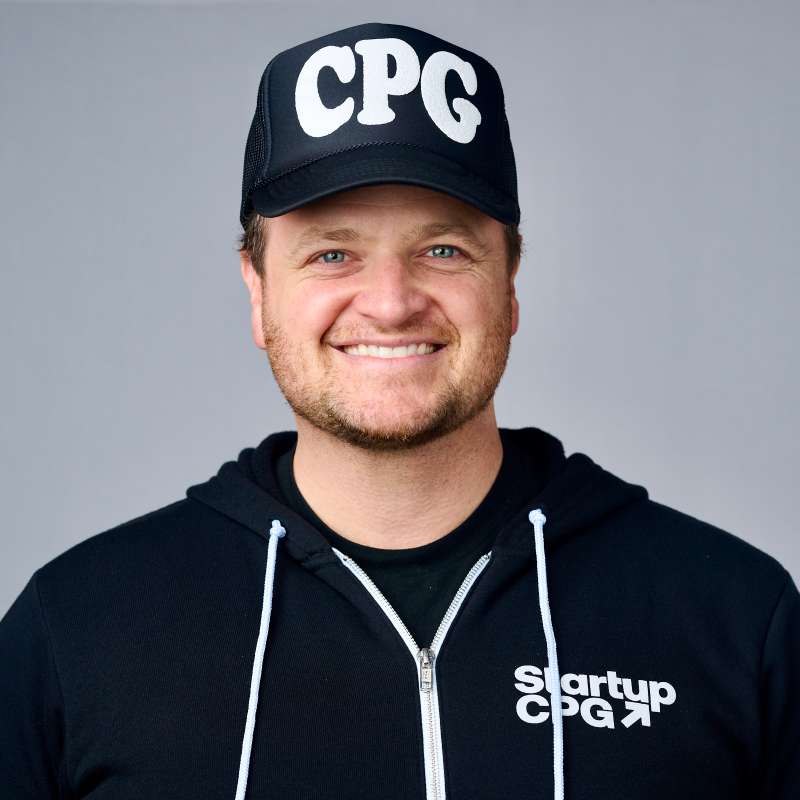
In this episode of the Startup CPG Podcast, host Hannah Dittman sits down with Graham Garzon, Vice President at Ground Force Capital — a consumer focused growth equity fund with deep roots in food and beverage. Graham brings a background in investment banking and private equity to a firm whose two founding partners are CPG entrepreneurs themselves, giving Ground Force a rare combination of financial rigor and operator empathy. He plays a key role in sourcing, evaluating, and diligencing new opportunities, as well as supporting portfolio companies as they scale toward an eventual exit.Ground Force invests at the growth stage, typically writing checks between $10 and $40 million in brands doing north of $15 to $20 million in revenue. They are minority investors by default, focused on being the last institutional capital before an exit, and they lean in as active board members and thought partners — not passive check writers. Their portfolio spans food and beverage, fast casual restaurants, and the consumer enablement technology that powers emerging brands.Hannah and Graham get into what growth stage investing actually looks like from the inside — what acquirers care about, why profitability has become non-negotiable, and what the journey from first institutional check to exit really involves. Graham also shares what the best founders and operators he has worked with all have in common, why the P&L is the fastest way to understand any business, and what he wishes he had known earlier in his career about balancing quantitative rigor with the willingness to take a bet.Listen in as they cover:What growth stage investing looks like and how it is different from early stage ventureThe difference between minority and majority investment — and what it means for founders thinking about dilution and controlWhy profitability has become the most important shift in how investors evaluate CPG businesses in the last two yearsWhat acquirers are actually looking for today: scale, margins, and omnichannel executionThe milestones brands go through during a growth stage hold period — and what needs to happen before an exitWhy understanding your consumer purchasing journey is just as important as understanding your P<he founder and operator traits Graham respects most: deep business knowledge, humility, and genuine curiosityWhy Graham made a bet on meat sticks with Righteous Felon — and what it says about how Ground Force thinks about riding trend waves without overexposingWhat the first investor meeting actually looks like — and the three things you need to communicate clearlyAdvice for anyone looking to break into CPG investing and how to set yourself apartWhether you are fundraising, approaching a growth stage raise, or just trying to understand how later stage investors think about your busine
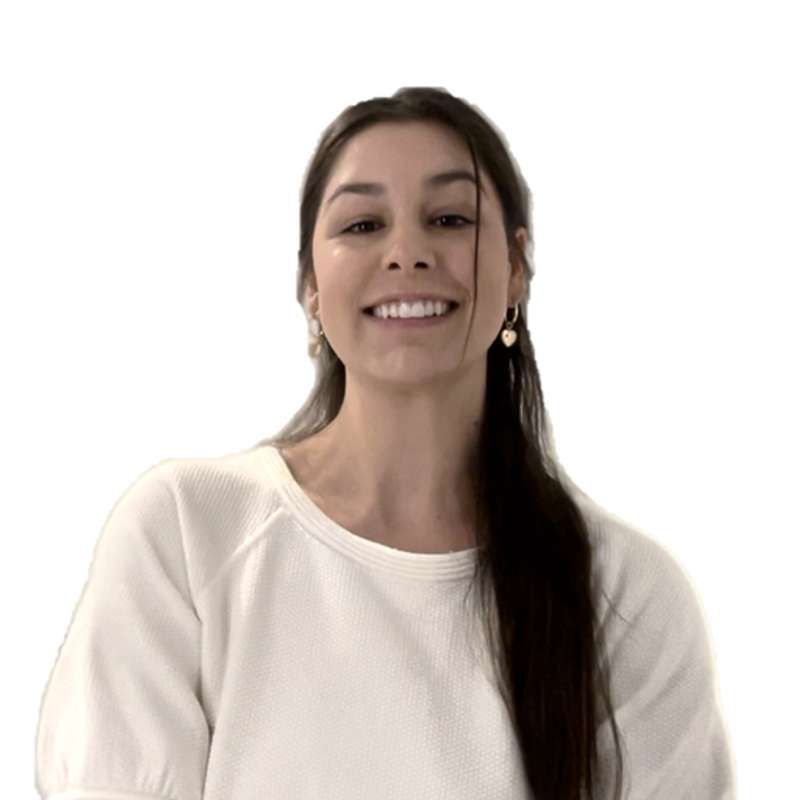
In this episode of the Startup CPG Podcast, host Caitlin Bricker sits down with Ashley Whalen, founder of Chara — a Greek frozen yogurt brand bringing back the joy of froyo with a modern, better-for-you twist. High in protein, packed with certified living probiotics, naturally sweetened with maple and agave, and completely lactose free, Chara is the frozen treat today's health-conscious consumer has been waiting for. Ashley started the brand during her senior year at USC, launched less than a year ago, and is already in retail, doing pop-ups across SoCal in a renovated vintage Volkswagen bus, and landing brand collaborations with everyone from Fabletics to the Bureau Padel Classic.Caitlin and Ashley get into all of it — from the college apartment origin story and the seven roommates who inspired the product, to how Ashley is differentiating Chara in a crowded protein frozen dessert space by leaning into joy, natural ingredients, and a Mediterranean-inspired stripe aesthetic that nobody else in the freezer aisle has thought to own. Ashley also shares how she landed her first retail chain through a connection made at Nootopia Now, why she bought a vintage VW bus instead of running ads, and the founder mindset shift that changed everything for her: pressure is a privilege.Listen in as they cover:How Chara was born in a college apartment with seven roommates and a lot of Greek yogurt bowlsWhy Ashley chose maple and agave over artificial sweeteners — and why that decision is paying offHow Chara is differentiating from the protein ice cream category by decentralizing the narrative of proteinThe story behind the name Chara — and what the Greek word for joy has to do with frozen yogurtWhy Ashley bought a vintage Volkswagen bus and renovated it into a froyo pop-up vehicleHow cold outreach on LinkedIn led to brand collaborations with Fabletics, Shopbop, and celebrity Padel tournamentsLanding the first retail chain at Lunds and Byerly's through a connection made at Newtopia NowWhy building in public on TikTok is one of the most powerful tools a young founder hasThe advice that stuck: pressure is a privilege — and how that mindset shift changes the way you buildChara's 2026 goals: scaling the supply chain and expanding into natural retail nationwideWhether you're a young founder just getting started, a brand navigating the frozen category, or someone who just wants a better froyo, this episode is for you.Episode Links: Chara Website: https://www.charafroyo.com Instagram: https://www.instagram.com/charafroyo Ashley Whalen on LinkedIn: https://www.linkedin.com/in/ashley-whalen321Don't forget to leave a five-star review on Apple Podcasts or Spotify if you enjoyed this episode. For potential sponsorship opportunities or to join the Startup CPG community, visit http://www.start
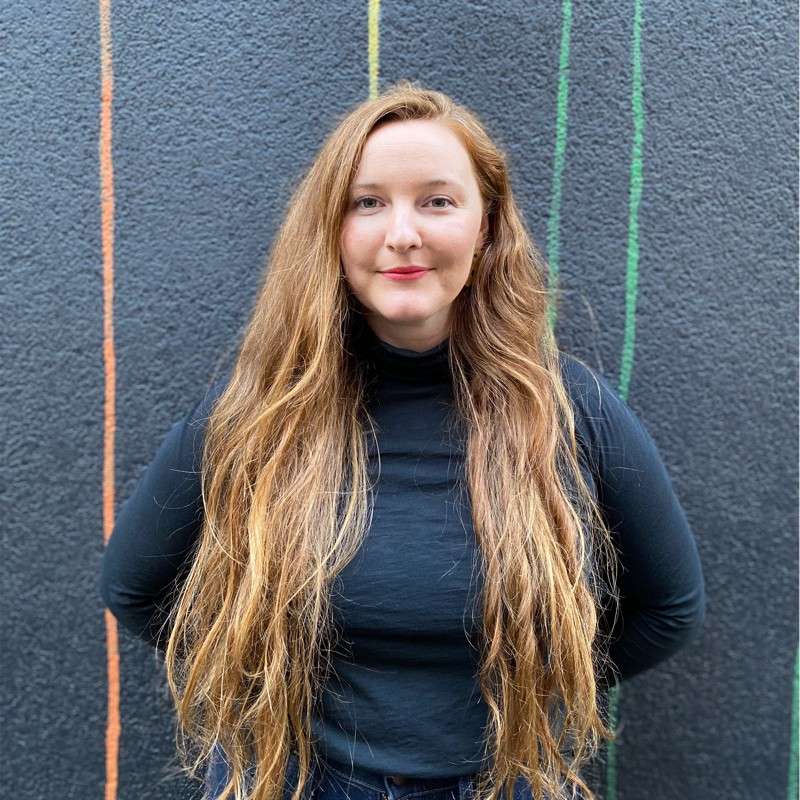
In this episode of the Startup CPG Podcast, host Caitlin Bricker sits down with Jacob Trumbull, founder of Roaring Fork Mill — a family owned and operated stone flour mill based in Carbondale, Colorado. Jacob is the only Regenerative Organic Certified mill in the Mountain West, a recent recipient of the Greg Stoltenpohl Pragmatic Visionary Award, and someone who went from exhibiting at his first trade show with Startup CPG to unlocking 700 plus stores in just a month and a half. He also just launched the first-to-market line of Regenerative Organic Certified cookies — and two days before this recording, those cookies won a major award he is not yet allowed to announce.Jacob has a background in Environmental Education, helped launch the Wendell Berry Farming Program at Sterling College, and holds a Master's degree from the University of Pennsylvania in Behavioral Decision Sciences. He moved to the Roaring Fork Valley for a desk job, quickly realized it was not for him, and started milling flour in his garage while still on work calls. What followed is one of the most quietly remarkable origin stories in the Startup CPG community.Caitlin and Jacob get into all of it — why stone milled heritage flour is fundamentally different from what is on most grocery shelves, what Regenerative Organic Certification actually requires and why it is harder to get than you think, and how Jacob is reintroducing a wheat variety called Defiance Wheat that has not been grown in the Roaring Fork Valley for 60 to 70 years — starting from one single pound of seed. They also talk about the Shelfie Award win that put Roaring Fork Mill on the map, the Unify trade show that unlocked 700 plus retail doors, and why farmer's markets remain one of the most underrated places to sharpen your pitch.Listen in as they cover:Why stone milled heritage flour is easier to digest — and why 32% of Americans think they are gluten sensitive when only 3% are celiacWhy a shorter shelf life on flour is actually a sign of quality, not a problemWhat Regenerative Organic Certification requires, why it is harder to get than organic, and why it is the fastest growing clean label certification in retailThe challenge of building a regenerative supply chain when there is not a single dairy provider in the world that is ROC certifiedHow Jacob is reintroducing Defiance Wheat to the Roaring Fork Valley from one pound of seedWhy Roaring Fork Mill won a Shelfie Award for their rye flour — the first ROC certified flour in the USGoing from the first trade show at Unify to 700 plus stores in a month and a halfLaunching the first-to-market Regenerative Organic Certified cookie lineWhy farmer's markets are one of the best places to sharpen your pitch — and how Jacob used them to build the foundation for retailThe business to business opportunity: why brands looking
In this episode of R&D Radio, hosted by food scientist Adam Yee, Adam sits down with Lara Tiro, founder of Rebel CPG — a commercialization and innovation agency helping food entrepreneurs bridge the gap between a great recipe and a retail-ready product. Lara is a food scientist with over 20 years of experience in food manufacturing, quality assurance, product development, and commercialization. She has worked with brands across baking, frozen foods, refrigerated products, plant proteins, and value-added food categories, and is known for her practical, business-first approach to helping founders scale without bleeding money.Lara started her career grading organic eggs at a tiny local farm, moved on to processing raspberries at a jam facility, built her foundation in food safety and quality assurance, and eventually moved into product development for a commercial bakery before launching Rebel CPG in 2021. Along the way she picked up a degree combining food science and economics at the University of British Columbia — a combination that shapes everything about how she thinks about this industry.Adam and Lara get into all of it — why getting cozy with COGS is the single most important thing a food entrepreneur can do, how the PB&J framework gives founders a structure for thinking about their product, brand, and business, and why your formula is always going to change at scale and that is not a failure. Lara also shares a real client story about scaling a frozen baby food product from a home kitchen recipe to a commercially viable product — and what that process actually looks like when done right.Listen in as they cover:Why COGS is the most important and most overlooked thing early stage food founders need to understandThe PB&J framework: Product, Packaging, Pricing, Process, Brand, Buyer, Baseline, and JoyWhy your formula will always change at scale — and how to be okay with thatThe real difference between a recipe and a commercially scalable formulaHow Lara helped Wholesome Yum founder Megan take a frozen baby food concept from home kitchen to retail-ready productWhy food safety is the foundation of everything — and why it does not get celebrated enoughThe role of packaging in product development — and why it has to be developed in parallel with formulationWhat hydrocolloids and tamarind seed gum are doing in the sauce and dressing category right nowA palm oil fat replacer made of dietary fiber that Lara is helping launch at a sauce conferenceWhy done is better than perfect in product development — and what that actually means in practiceWhether you are a founder trying to scale your first product, a food entrepreneur who has been told it will be cheaper when you scale, or someone who just wants to understand what a food scientist actually does, this episode is for you.<
In this episode of the Startup CPG Podcast, host Hannah Dittman sits down with Luba Safran, Venture Capital Lead at Mondelēz International's SnackFutures Ventures — the corporate venture capital arm of one of the world's largest snack companies. Luba brings nearly a decade of experience at AB InBev, where she helped build their Disruptive Growth Organization and spent seven years doing corporate venture capital, before joining Mondelēz two years ago to lead all deal-related activity for SnackFutures Ventures. She invests at the intersection of snack innovation, enabling technology, and the evolving consumer behaviors shaping how people discover and eat snacks.SnackFutures Ventures operates with a two-sided thesis: investing in enabling technologies that make Mondelēz better, faster, and stronger, and investing in snack brands that are either aligned with Mondelēz's current core categories — cookies, crackers, bars, and baked snacks — or represent where the category is headed. Luba has a preference for companies with solidly two-digit revenues and a credible path to profitability, and she is flexible on check size, focused on meaningful equity stakes, and deeply attuned to the strategic fit between a brand and Mondelēz's long-term direction.Hannah and Luba get into everything founders need to understand about corporate venture capital — how it is fundamentally different from traditional VC, why every CVC is its own special snowflake, and what the internal stakeholder management process at a company like Mondelēz actually looks like. They also dig into how Luba thinks about trends versus fads, why she loves a better mousetrap as much as a disruptive idea, and what the most dangerous thing a founder can do in an investor meeting actually is.Listen in as they cover:How corporate venture capital works and why every CVC is different — and what founders need to ask to understand who they are actually talking toThe difference between a strategic and a financial CVC — and why it matters for how you pitch and what you expectWhy CVC deals can take longer than traditional VC and what is actually happening internally during that timeHow Luba thinks about trend versus fad — and why supply matching demand is the real questionWhy she loves a better mousetrap just as much as a disruptive idea — and what that means for founders who are not building something novelThe diligence process at SnackFutures Ventures from first meeting to investment committeeWhy the ideal company profile does not actually exist — and what that means for how investors make betsWhy Luba asks founders how they respond to her doubts — and what she actually learns from that responseWhat to bring to a first investor meeting — and why the answer is simpler than most founders thinkWhere Mondelēz is leaning in right now: interesting crackers, premium
In this episode of the Startup CPG Podcast, host Caitlin Bricker sits down with Margo Harrison, founder and CEO of Wave Bye — a menstrual health company developing a proactive, OB/GYN-formulated treatment for period pain and bleeding. Margo is a board-certified OB/GYN, former NIH-funded academic researcher at the University of Colorado, Planned Parenthood provider, and founder of a femtech consulting firm that served over twenty venture-backed women's health companies. She brings a rare combination of clinical expertise, research credentials, and startup experience to one of the most underserved categories in consumer health.Wave Bye is not a supplement and it is not a conventional OTC pain reliever. It is a pharmaceutical-grade product designed to be taken premenstrually — before the pain and bleeding start — shifting women from a reactive approach to their period to a proactive one. With an FDA meeting on the horizon and a pipeline that could reach market as early as 2027, Margo is building something that has never existed before in the over-the-counter space.Caitlin and Margo get deeply personal in this one — from Caitlin's own experience with PCOS and the impact of Wave Bye's Bioregularity supplement on her cycle, to what it means to grow up never having been taught to track your period, to why TikTok has done more for women's health than medical school curriculums ever did. Margo also walks through the science behind her formulation, what it actually means to seek FDA approval for a drug versus selling a supplement, and why she views the FDA meeting not as something to fear but as the next move in the game.Listen in as they cover:Why bodily autonomy begins with understanding your menstrual cycle — and why that matters for human potentialHow Inositol works for PCOS and why it outperforms Metformin in Canadian clinical guidelinesWhat makes Wave Bye different from everything else on the market: timing, formulation, and packagingThe difference between a reactive approach to period pain and a proactive one — and why it changes everythingWhat FDA approval actually means for a consumer health product and why it matters for trustHow to prepare for an FDA meeting — and why Margo's approach is less war room, more game theoryWhy TikTok is pushing women's health forward faster than the medical establishmentThe moment Margo put a cardboard sign on a lemonade stand table at a Greek festival and the dads were the ones who stoppedWhy tracking your cycle is one of the most empowering things a woman can do — and how our daughters will have it better than we didWave Bye's timeline to market: late 2027 to early 2029 depending on the FDA outcomeWhether you're a founder building in femtech, a consumer navigating your own menstrual health, or someone who has simply never been taught to track t
In this episode of the Startup CPG Podcast, host Daniel Scharff sits down with Chiara Munzi, co-founder of ChiChi Foods — the winner of Startup CPG's first-ever Expo West Pitch Slam, powered by Advantage FDM Sales. ChiChi makes the world's first chickpea hot cereal: a shelf-stable, high-protein, high-fiber breakfast that cooks just like instant oatmeal but delivers everything oatmeal doesn't — more protein, more fiber, and none of the sugar crash.Chiara shares the full story: how she and co-founder Izzy started mushing chickpeas in their college dorm room after realizing their morning oatmeal was leaving them hungry and crashing an hour later, how they applied to every pitch competition at Expo West instead of paying for a booth, and what it felt like to walk into a room of 200 people and a panel of top retail and distribution judges expecting eight.Daniel and Chiara walk through the entire Pitch Slam experience — from the application strategy to the five-minute pitch, the surprise questions from the judges, the tight deliberations, and the moment ChiChi was named the winner. A huge thank you to Advantage FDM Sales for making this possible by awarding ChiChi Foods their FDM Brand Accelerator Program — a $150,000 prize package designed to help emerging brands build velocity in retail through demos, field support, and brand-building services. They also get into exactly how ChiChi plans to use the prize — primarily for in-store demos as they head into new regional retail launches this summer and fall — and why demos are the single best marketing tool for a product people need to taste to believe.Listen in as they cover:How ChiChi Foods started in a college dorm room and why chickpeas beat oatmeal on every nutritional metricThe strategy of applying to every Expo West competition instead of buying a booth — and why it paid offWhat the judging panel looked like: Sprouts, Whole Foods, Hannaford, UNFI Up Next, and Advantage FDM SalesWhat it felt like to pitch in front of 200 people when you were expecting eight judgesThe honest answer Chiara gave Sprouts about organic and non-GMO certifications — and why it didn't hurt themWhy ChiChi won: product differentiation, a genuine origin story, and grit that came through in every momentHow the FDM Brand Accelerator Program could translate to thousands of in-store sampling events across new retail doorsWhy founder-led demos create a different kind of consumer connection — and why it matters for early-stage brandsThe long game of building relationships at shows: why the people you meet now might change your business three years laterWhether you're an early-stage brand wondering whether to spend money on a booth, a founder about to pitch to retail buyers for the first time, or someone who just needs a reminder that applying for everything is always worth it
In this episode of the Startup CPG Podcast, host Hannah Dittman sits down with Bill Schultz, Partner at Beliade Consumer Partners — a venture fund focused exclusively on founder-led consumer brands across food and beverage, personal care, beauty, and lifestyle. Bill brings a rare combination of Wall Street pattern recognition and early-stage brand investing experience to the table, having spent the first decade of his career at Goldman Sachs covering publicly traded consumer and retail companies before joining Beliade, where he's now in his seventh year backing breakout challenger brands.Beliade invests at seed to Series A, writing first checks into companies approaching $1M in revenue and supporting them through the $1–10M growth phase. What sets them apart is a laser focus on disruptor brands in large, established categories — think Little Sesame in hummus or Coterie in diapers — and a deep conviction that the rise of the modern American family is the most powerful structural consumer shift happening right now.Bill and Hannah dig into everything founders need to know about the fundraising process: how investors actually think about unit economics and contribution margins, why financial savviness is one of the strongest predictors of founder success, and how to come into a raise with a clear, specific ask that builds conviction fast. They also get into the mindset questions every founder should ask themselves before raising a single venture dollar — and why honest self-reflection about what kind of business you want to build matters more than most people realize.They also walk through Beliade's full diligence process, from first conversation to term sheet, with clear, practical insight founders can use to prepare.Listen in as they cover:Bill's path from Goldman Sachs covering public consumer companies to backing early-stage challenger brands at BeliadeBeliade's investment thesis: categories, stage, check size, and what makes a disruptor brand worth backingThe rise of the modern American family — and why it's the structural shift driving the best consumer opportunities right nowWhy founders should think less about trends and more about enduring long-term changesThe honest question every founder should ask themselves before raising venture capitalWhy financial savviness is one of the strongest predictors of long-term founder successUnit economics and contribution margin — what they mean, why they matter, and what Beliade uses as a north starThe diligence process from first conversation to funded — what happens at each step and how long it takesWhy building investor relationships before you have a capital need is the smartest fundraising strategyWhat Beliade looks for in a founder: the ability to operate at 50,000 feet and zoom into the detailsWhether you're a founde
In this episode of the Startup CPG Podcast, host Caitlin Bricker sits down with Marc Brown, founder of ONOIN — a line of shelf-stable, pre-chopped and flavored onions in 100% olive oil designed to save you time and tears in the kitchen. ONOIN comes in four flavors — original, garlic and herb, jalapeño lime, and ginger and lemongrass — and is designed to go on or in anything, from eggs to meatballs to savory oatmeal bowls.Marc is a food scientist with a master's degree from Drexel University and a seriously stacked background: R&D and industrialization at Danone, Head of R&D as employee #8 at Clio Snacks, and R&D and contract manufacturing work at Hain Celestial. He came to founding ONOIN with a rare 360-degree view of the food industry — from bench science to co-manufacturer negotiations to retailer conversations — and shares hard-won lessons throughout this conversation.Together, Caitlin and Marc dig into why chopped onions in a jar hadn't been done before (and why it should have been), the origin story of the ONOIN name (credit goes to his brother-in-law at a backyard grill), and what makes a co-manufacturer relationship truly work. Marc breaks down the three-part pricing transparency framework every brand should demand from their co-man — raw, pack, and toll — and explains why trust and belief in your vision are just as important as the contract.They also get into the realities of early-stage distribution, how to build a velocity story with the right retail partners, and why knowing your product well enough to tell a buyer exactly why they need it on the shelf is non-negotiable.Listen in as they cover:How a graduate school innovation exercise sparked the idea for ONOINWhy shelf-stable pre-chopped onions solve a problem that fresh never fully couldThe naming journey from "Yun" to ONOIN — and why the name works on shelfThe three things every brand must demand from their co-manufacturer: raw, pack, and tollRed flags when vetting a co-man and why trust is the ultimate filterHow Marc's background at Danone, Clio Snacks, and Hain Celestial shaped his approach to foundingBuilding a velocity story with retailers who actually believe in your productWhy knowing your product's ideal placement in store can change your whole sales conversationReducing food waste — one of ONOIN's often-overlooked benefitsWhether you're a founder navigating co-manufacturer relationships, a food scientist thinking about making the jump to your own brand, or a buyer looking for the next smart pantry staple, this episode is for you.Episode Links:ONOIN Website: https://eatonoin.com Instagram: https://www.instagram.com/eat.onoin/ Marc Brown on LinkedIn: https://www.linkedin.com/in/marc-brown-41500546/Don't forget to leave a five-star review on Apple Podcast
In this episode of the Startup CPG Podcast, host Daniel Scharff sits down with Rebecca Urciuolo, a formulator with over 23 years of food and beverage experience at BevSource (FB Solutions Group), to dig into one of the most exciting and most misunderstood parts of building a CPG brand: working with a formulator to bring your product to life. From how to write a great project brief to what happens when things go sideways at the co-manufacturer, Rebecca shares hard-won lessons and insider knowledge that every founder — at any stage — needs to hear.Rebecca opens with a clear message: the best founders are partners, not passengers. They come with a firm goal in mind, stay present through the iteration process, and actively want to learn — because understanding what you don't know will inevitably make your product better. Daniel reflects on his own experience formulating a beverage during the early pandemic days, calling it one of the most joyful parts of his CPG career.The conversation covers the most common early-stage mistakes founders make when approaching a formulator: coming in too vague, being too rigid, or not understanding the regulatory and packaging constraints that shape what's actually possible. Rebecca explains how to write a strong project brief, why reference products are half the job, and how the tasting and feedback process works — including the vocabulary founders need to give useful, actionable notes.They also get into the nuances that make beverage formulation uniquely complex: the chicken-and-egg relationship between formulation and co-manufacturer selection, how packaging constraints shape your formula, what to do when an ingredient gets discontinued, and how your product will continue to evolve on shelf over its entire life. Rebecca walks through the gold standard process at first production, what to watch for at the co-man, and how to think about COGS and ingredient exposure from the very beginning.Whether you're developing your first SKU, scaling to a co-manufacturer, or trying to understand why your formula tastes different six months in, this episode gives you the practical framework you didn't know you needed.Listen in as they discuss:Why your project brief is the single most important thing you can bring to a formulator — and what it needs to includeHow reference products and flavor inspiration cut feedback cycles and unlock a formulator's creativityThe vocabulary of tasting: body, brix, mouthfeel, and why learning to give articulate feedback changes everythingWhy packaging and co-manufacturer selection can't be decoupled from formulation — and how to think about the chicken-and-egg problemWhat happens at the first production run: the gold standard process, what to watch for, and when to bring your formulator on-siteHow your product changes over time on shelf — and how shelf life studies
In this episode of R&D Radio, hosted by food scientist Adam Yee, Adam sits down with Monte Ammons, founder of Liquid Sherpas. With more than 30 years spanning food service, Coca-Cola, Community Coffee, and natural ingredient sales at Dohler, Monte brings a uniquely operational lens to product development — one built not in a lab, but on the floor of real businesses learning hard lessons the hard way.Monte makes the case that most founders jump straight into formulation when they should be doing the opposite: starting with a product brief, understanding the business, and doing the competitive homework before a single ingredient is sourced. He walks through how one client nearly launched into a saturated market — then pivoted his entire proposition 35 degrees by doing the upfront work first.Listen in as they discuss:Why formulation should be one of the last steps in product development, not the firstWhat a technical product brief is and how it prevents costly downstream surprisesHow a client shifted consumer target, functional benefit, format, and channel — before spending real moneyThe realities of natural ingredient supply chains: seasonality, tariffs, sedimentation, and moreWhy founders should start small, stay flexible, and invest as little as possible early onHow to research your category by talking to founders, breweries, and operators who've done itThe role of AI as a research accelerator — and why you still shouldn't ask it to develop your formulaWhy the beverage industry's failure rate is so high, and what separates founders who make itEpisode Links:Monte Ammons — Founder, Liquid Sherpas 🔗 LinkedIn: https://www.linkedin.com/in/ammons/ 🔗 Website: www.liquidsherpas.comDon't forget to leave a five-star review on Apple Podcasts or Spotify if you enjoyed this episode. For potential sponsorship opportunities or to join the Startup CPG community, visit http://www.startupcpg.com.Show Links:Transcripts of each episode are available on the Transistor platform that hosts our podcast here (click on the episode and toggle to “Transcript” at the top)Join the Startup CPG Slack community (35K+ members and growing!)Follow <a href="https://www.instagram.com/startupcpg/?utm_medium=podcast&utm_source=bcast&utm_campaign=startupcpg?utm_medium=podcast&utm_source=bcast&utm_campaign=sta
In this episode of the Startup CPG Podcast, host Hannah Dittman sits down with Anabel González, founder of Good Bacteria, and Hayden Williams, Partner at BrandProject, for the podcast's first-ever founder and funder episode—a behind-the-curtain look at what the investment process actually looks like from both sides of the table.Good Bacteria is the first rotating probiotic system delivering a new blend of prebiotics, probiotics, and a postbiotic each week. Dr. formulated with clinically studied ingredients, it's designed to expose your body to different microbes over time to build up gut resilience—a smarter, science-backed approach to gut health that actually fits into your daily routine. BrandProject is an early-stage consumer fund partnering with founders building standout consumer-first brands, investing pre-seed and seed with check sizes of $500K–$3M and a hands-on, operator-minded approach.Anabel shares how a postpartum healing journey led her to a Johns Hopkins doctor via cold LinkedIn outreach, over 200 investor cold emails, and ultimately a pre-launch investment from BrandProject—a fund she had specifically targeted because of their portfolio. Hayden walks through what drew him to Good Bacteria before there was even a product in hand, how he validated the science, and why Anabel's personalized cold outreach stood out in a sea of generic pitches.Together, they cover:How a postpartum healing journey became the founding story of Good BacteriaWhy Good Bacteria was originally a beverage—and how it pivoted to a rotating probiotic systemWhat 200+ investor cold outreaches actually looks like, and how the BrandProject introduction happenedWhat BrandProject looks for in pre-launch founders when there's nothing but a deck and a storyWhy Anabel invested in brand and story before product—and why that was the right callThe diligence process: validating the science, the market, and the founder's operating instinctsThe "sense of inevitability" principle—and why the best founders make investors feel the train is leaving the stationWhat a healthy founder-investor relationship actually looks like day to dayHow many people from a company should be involved in fundraising—and whoGood Bacteria's product roadmap: four products coming, a master brand in the makingWhether you're a founder preparing to raise, trying to build the right cap table, or just want to understand what investors are really evaluating before they write a check, this episode is essential listening.Episode Links: Anabel Gonzálezon LinkedIn: https://linkedin.com/in/anabelg Good Bacteria: https://www.itsgoodbacteria.com Good Bacteria on LinkedIn:<a href="https://www.lin
In this episode of the Startup CPG Podcast, host Caitlin Bricker sits down with Sean Knecht, co-founder of Tantos—the first and only puffed pasta chip. Tantos is built on a simple but revolutionary idea: a snack whose base ingredient is wheat and water, the true definition of pasta, bringing a brand new category to the salty snack aisle alongside business partner and celebrity chef Joe Sasto.Sean shares how a pasta lesson, a birthday gift, and a pop-up dinner led to a bromance-turned-business partnership, what it's really like to appear on Shark Tank not once but twice, and the reality of the Shark Tank effect—including the cash flow hit nobody talks about. He also walks through his strategy for convincing Whole Foods that the snack aisle is overloaded with tortilla chips and desperately needs something new.Together, they cover:How a DM about flour-to-egg ratios started a business partnership with celebrity chef Joe SastoWhat "first and only" really means—and why Sean wouldn't have launched Tantos without itAppearing on Shark Tank twice: what changed, what didn't, and how to actually prepareThe real Shark Tank effect: 3,000 orders in three days, a 3x sales floor increase, and the cash flow hit nobody warns you aboutWhy Amazon held their money for over a month after the episode airedHow their co-packer became their lead investor—and why that's an underrated startup strategyThe Whole Foods pitch: how Sean counted every SKU in the snack aisle and used the data to make his caseWhat it's like building a brand alongside a celebrity chef and reluctantly getting in front of the cameraTantos is available online at eattontos.com and on Amazon, with national retail ambitions and a Whole Foods conversation in progress. If you've ever wanted to bring something truly new to the snack aisle, this episode is for you.Episode Links: Sean Knecht on LinkedIn: https://www.linkedin.com/in/sean-knecht-a1398b11/ Tantos on Instagram: https://www.instagram.com/eattantos/ Tantos Website: https://www.eattantos.comDon't forget to leave a five-star review on Apple Podcasts or Spotify if you enjoyed this episode. For potential sponsorship opportunities or to join the Startup CPG community, visit http://www.startupcpg.com.Show Links:Transcripts of each episode are available on the Transistor platform that hosts our podcast here (click on the episode and toggle to “Transcript” at the top)Join the <a href="https://startupcpg.com/?utm_medium=podcast&utm_source=bcast&utm_campaign=startupcpg?utm_medium=podcast&utm_source=bcast&utm_campaign=startupcpg?utm_medium=podcast&utm_source=bcast&utm_campaign=startupcpg?utm_medium=podcast&utm_source=bcast&utm_campaign=startupc
In this episode of the Startup CPG Podcast, host Daniel Scharff sits down with Seth Goldman—co-founder of Honest Tea, co-founder and CEO of Just Ice Tea, and one of the most experienced board members in the CPG space, having served as chair of Beyond Meat, Plant Burger, and Mission Guardians of Tony's Chocolonely—to answer the questions most founders never get a straight answer on: When do you actually need a board? Who should be on it? How do you manage it? And how do you protect yourself?Seth walks through every stage of the board journey—from the friends-and-family raise where you probably don't need one yet, to the angel round where you do, to the institutional raise where investors will ask for seats and you need to know how to vet them back. He shares the story of a would-be investor he turned away after learning they wanted management options to install their own CEO, how he recruited legends like Gary Hirshberg of Stonyfield and Jeff Swartz of Timberland to an Honest Tea board when the company was doing a few million in sales, and why splitting your lead investment between two partners isn't just smart—it's protective.Daniel and Seth also dig into what makes a board meeting actually useful, how to avoid the nightmare scenario of surprising your board with bad news in the room, why diversity of opinion matters more than cheerleaders, and what it looks like to navigate a CEO transition as a board member. Plus: Seth's advice on how to position yourself if you want to become a board member someday—and the unsexy pallet configuration insight that saved Just Ice Tea hundreds of thousands of dollars.Together, they cover:When you actually need a board—and when you don'tHow to vet investors who want board seats before you say yesHow Seth recruited Gary Hirshberg and Jeff Swartz to the Honest Tea boardBoard composition: why you want A players, former CEOs, and real diversity of thoughtCompensation: options, terms, vesting, and the 1% rule of thumbThe "nose in the tent, hands outside" principle of healthy board governanceHow to run a board meeting that passes the test—OKRs, no surprises, every voice heardProtecting control: why splitting your lead raise between two investors mattersCEO transitions: what makes a founder-CEO hit a ceiling, and how boards navigate itHow to position yourself to become a board memberJust Ice Tea is now the top-selling bottled tea in the natural channel, launching nationally this year with Kroger, Safeway Albertsons, and Publix—and Seth has a lot more to say about how governance helped get them there.Episode Links Seth Goldman on LinkedIn: https://www.linkedin.com/in/seth-goldman-234bb7124/ Just Ice Tea on LinkedIn:<a href="https://www.linkedin.com/co
In this episode of the Startup CPG Podcast, host Caitlin Bricker sits down with Khalil Khamis, CEO of Crafty Ramen—a brand reimagining what frozen ramen can be by bringing restaurant-quality bowls to the freezer aisle. No water, no assembly. Just heat and eat in seven minutes.Crafty Ramen started as a 24-seat ramen shop in Canada, founded by husband-and-wife duo Jared and Mickey Farrell—a red seal chef and his partner who trained at the Yamato School of Ramen in Tokyo. Khalil joined the business eight years ago, leveraging his background in franchise restaurants, and officially came on as CEO in 2021 to take the brand into retail. Today, Crafty Ramen is in nearly 3,000 retail doors across Canada, partnered with every major Canadian retailer, on HelloFresh's marketplace as their first branded product, and gearing up for a nationwide U.S. launch later this summer.Caitlin shares how she tested the product as a toddler mom looking for something fast, fresh, and high quality—and how the frozen puck format (a layered block of broth, noodles, protein, and real toppings, blast-frozen from fresh ingredients) completely delivered. Khalil and Caitlin dig into the origin story that grew out of pandemic-era meal kits, the decision to never use plastic trays, what kaizen means in a CPG context, and how Crafty Ramen approaches SKU development using the restaurant as a living innovation lab.Together, they cover:How a 24-seat ramen restaurant became a pandemic-born retail brandThe "fresh frozen puck" format and why it stands apart in the freezer aisleWhy Crafty Ramen refuses to use plastic trays—and what that means for manufacturing partnershipsThe challenge of scaling a Michelin-trained chef's recipes to 10,000 units a dayWhat kaizen looks like as a core value in CPG vs. restaurantsHow the restaurant acts as a testing ground for new retail SKUsNavigating tariffs and cross-border logistics as a Canadian brand entering the U.S.The Costco roadshow experience—and the realities of a 13-week rotationKhalil's advice to CPG founders: seek out people who've done it beforeCrafty Ramen just took second place in the pitch competition with Advantage Solutions at Expo West—and Khalil has a lot more in the pipeline.Episode Links:Crafty Ramen Website: https://www.craftyramen.comInstagram: https://www.instagram.com/crafty_ramen/Khalil Khamis on LinkedIn: https://www.linkedin.com/in/khalilkhamis/Crafty Ramen on LinkedIn: https://www.linkedin.com/company/craftyramen/Don't forget to leave a five-star review on Apple Podcasts or Spotify if you enjoyed this episode. For potential sponsorship opportunities or to join the Startup CPG community, visit http://www.startupcpg.com.Show Links:Transcrip
In this episode of the Startup CPG Podcast, host Caitlin Bricker sits down with Lex Evan, founder of LEXINGTON BAKES, a luxury baked goods brand serving protein cookies, protein oat bars, and dessert brownies. But the luxury isn't in the price — it's in the ingredients. Lex just won a NEXTY Award at Expo West for best vegan product, and he's bringing that energy into this conversation.Caitlin and Lex dig into his 20-year career as a graphic designer, how he taught himself to bake from scratch, and why he trademarked both "radical ingredient transparency" and "no naughty ingredients" — two philosophies that sit at the heart of everything LEXINGTON BAKES does. From printing supplier logos directly on packaging to sharing every award with his ingredient partners, Lex has built a brand that puts integrity above everything else.They also get into the realities of being a solo founder — protecting your time, setting boundaries with your community, and why putting your head down and staying true to your vision is what ultimately led to winning the NEXTY Award. Plus, Lex drops some breaking news: his co-manufacturer just went out of business, and he's back to self-manufacturing while the brand continues to grow.Listen in as they discuss:How a 20-year design career at Johnson & Johnson laid the foundation for LEXINGTON BAKESWhy Lex taught himself to bake and how community feedback pushed him to turn a hobby into a brandWhat radical ingredient transparency means — and why he trademarked itWhy LEXINGTON BAKES prints supplier logos directly on packaging and shares every award with ingredient partnersWhat "no naughty ingredients" means and why Lex avoids the word "clean" entirelyThe serendipitous story of how Artisana came to him right as he was developing his nut butter-powered protein cookiesHow being a solo founder shapes every decision he makes about time, energy, and generosityWhy putting his head down and ignoring the competition led directly to his NEXTY Award winAdvice for first-time CPG founders: stay true to your vision and don't let unexpected opportunities derail where you're goingEpisode Links: Lex Evan — Founder, LEXINGTON BAKES LinkedIn: https://linkedin.com/in/lexevan LEXINGTON BAKES LinkedIn: https://www.linkedin.com/company/lexingtonbakes/ LEXINGTON BAKES Website: https://lexingtonbakes.com Instagram: https://instagram.com/lexingtonbakesDon't forget to leave a five-star review on Apple Podcasts or Spotify if you enjoyed this episode. For potential sponsorship opportunities or to join the Startup CPG community, visit http://www.startupcpg.com.Show Links:Transcripts of each episode are available on the Transistor platform that hosts our podcast here (click on the episode and toggle
In this episode of the Startup CPG Podcast, host Daniel Scharff sits down with John Craven, founder and CEO of BevNET, to trace the remarkable 30-year journey of one of CPG media's most essential platforms. From a college web project in 1996 to a full media empire spanning BevNET, Nosh, Brewbound, live events, and multiple podcasts, John shares the origin story, the industry inflection points, and the hard-won wisdom that comes from watching hundreds of brands rise, pivot, and exit.John opens with a vivid picture of the CPG world he entered — one where Snapple and Arizona Iced Tea were the disruptors, where beverage founders looked up co-packers in the Yellow Pages, and where getting press meant waiting six months for a magazine to maybe run your story. He explains how BevNET was born out of a simple college assignment to build a webpage, and how the speed and accessibility of the internet gave emerging brands something legacy trade media simply couldn't: real-time visibility.The conversation covers the major inflection points that shaped the emerging CPG ecosystem — from landmark acquisitions like Snapple and Vitamin Water that fueled the next generation of founders, to the mid-2000s natural food boom that made Expo West a legitimate launching pad. John and Daniel dig into why the barriers to entry have never been lower, yet the standards have never been higher, and what that means for founders trying to break through today.They also get into what separates brands with staying power from those that flame out — why incremental innovation over existing consumer behavior almost always wins, why scarcity-to-ubiquity transitions are so dangerous (see: Prime), and why the most successful brands, like Celsius, Poppy, and Siete, are often 20-year overnight successes. John shares his perspective on the current M&A cycle, why he's bullish on CPG despite the turbulence, and why economic uncertainty historically makes CPG look like a safe bet.And in a candid closing stretch, John opens up about the loneliness of entrepreneurship, the weight of responsibility that comes with building a team, and why compartmentalizing — maybe to an unhealthy degree — is just part of surviving as a founder.Listen in as they discuss:How BevNET started as a college web project in 1996 and grew into CPG's leading media platformThe state of the industry when John started — and the landmark acquisitions that changed everythingWhy the barriers to entry are lower than ever, but the standards are higher than everHow to spot brands with real staying power vs. those riding a hype waveThe danger of going from scarcity to ubiquity too fast — and what Prime illustratesWhy incremental innovation over existing behavior almost always beats truly novel ideasJohn's read on the current M&A cycle and why he's still bullish on CPGThe loneliness
In this episode of R&D Radio, hosted by food scientist Adam Yee, Adam sits down with Colleen Cottrell, independent consultant at C Cottrell Consulting. With over a decade of experience spanning ingredient suppliers, finished CPG brands like RXBAR, and now independent consulting, Colleen breaks down one of the most underappreciated forces in product development: ingredient functionality — and why understanding it early is the difference between a product that scales and one that falls apart at the co-manufacturer.Colleen explains why the same protein can behave completely differently depending on how it's been processed — heat, pressure, and shear all play a role — and walks through simple, low-cost assays that founders can run themselves to compare ingredients before committing to a formula. She also shares the inside story of helping RXBAR expand beyond bars into oats and other categories by working closely with ingredient suppliers to engineer egg white functionality at scale.Listen in as they discuss:What ingredient functionality actually means — and why it impacts your product more than you thinkHow heat, pressure, and shear change protein behavior (using eggs as the perfect example)Liquid vs. dried egg whites: shelf life, moisture content, and functional tradeoffsWhy two pea proteins with the same label can perform completely differentlySimple DIY assays for foaming, gelling, and solubility — no lab requiredThe RXBAR oats story: engineering egg white functionality for new categoriesHow to set your non-negotiables before you scaleCurrent trends: protein and fiber maxing, the return to whole/real ingredients, and food-as-healthPDCAAS scores and why protein quality matters more than protein quantityWhy soy is dominating the protein trend — and what fibers are showing up mostEpisode Links:Colleen Cottrell — Independent Consultant, C Cottrell Consulting 🔗 LinkedIn: https://www.linkedin.com/in/colleencottrell 🔗 Email: [email protected]'t forget to leave a five-star review on Apple Podcasts or Spotify if you enjoyed this episode. For potential sponsorship opportunities or to join the Startup CPG community, visit http://www.startupcpg.com.Show Links:Transcripts of each episode are available on the Transistor platform that hosts our podcast here (click on the episode and toggle to “Transcript” at the top)Join the <a href="https://startupcpg.com/?utm_medium=podcast&utm_source=bcast&utm_campaign=startupcpg?utm_medium=podcast&utm_source=bcast&utm_campaign=startupcpg?utm_medium=podcast&utm_source=bcast&utm_campaign=startupcpg?utm_medium=podcast&utm_source=bcast&utm_campaign=startupcpg?utm_medium=podcast&utm_source=bcas
In this special episode of the Startup CPG Podcast, host Daniel Scharff and Caitlin Bricker — a former retail buyer and managing editor at Startup CPG — pull back the curtain on the biggest thing Startup CPG has ever built: Opportunity Knocks. This is a brand new platform designed to give emerging CPG brands a direct line to some of the most exciting retailers, distributors, and industry stakeholders in the game — no broker required.Opportunity Knocks drops exclusively in the Startup CPG newsletter every other Friday, starting May 1st. Each opportunity opens a two-week submission window for brands to apply directly. Featured retailers include names like Raley's, The Fresh Market, Hungryroot, and Whole Foods UK — with more on the way. Many opportunities will also include a virtual fireside chat with the retailer or stakeholder, giving brands a chance to hear exactly what they're looking for before submitting.Daniel and Caitlin walk through everything brands need to know to make the most of this new platform — from what gets an application noticed to what quietly kills it. Caitlin brings her buyer lens to break down the basics that too many brands overlook, and Daniel shares the incrementality story that actually moves buyers and the mindset shift that separates brands who get picked up from the ones who keep getting passed over.Listen in as they cover: Why Opportunity Knocks exists — and how it evolved from the retail tracker and review calendar How the submission process works: two-week windows, fireside chats, and what happens after you apply Which retailers and stakeholders are already involved — and what kinds of brands they're looking for Why your ingredient list, product packaging, and founder story all need to be on your website before you submit How to tell an incrementality story that actually gives a buyer confidence Why knowing the retailer's set — and speaking their language — can 10x your chances What consistent rejection is really telling you — and when it's time to take a hard look The ingredient and formulation trends brands should be paying attention to right now How to reach out if you're a retailer, distributor, or investor interested in participatingRetailers and other industry stakeholders interested in becoming part of this campaign initiative can reach out to [email protected] you’re a brand looking to submit your products to individual campaigns, sign up for our newsletter and Slack via startupcpg.com. Make sure you do it before 5/1 so you don't miss out on the first opportunity!Interested in sponsoring Startup CPG, Opportunity Knocks, and other initiatives? Reach out to [email protected]'t forget to leave a five-star review on A
In this episode of the Startup CPG Podcast, host Hannah Dittman sits down with Rogers Healy, Founder and CEO of Morrison Seger Venture Capital Partners—a consumer-focused venture firm backing some of the most iconic CPG brands of this generation. Rogers is a serial entrepreneur with over two decades of experience building and scaling businesses, including one of Texas's largest independently owned real estate firms. After years of investing on the side while running his real estate companies, Rogers made the leap to venture capital full time, founding Morrison Seger—named after his two favorite musicians, Van Morrison and Bob Seger—with a mandate rooted in personal conviction, family values, and gut instinct.Morrison Seger operates through SPVs, writing checks from $500K to $10 million across all stages, with a particular love for beverage. Rogers brings a deeply personal lens to every deal—if he isn't a consumer of the product, his family is. His portfolio includes Waterloo Sparkling Water and Sanzo, among others, and he actively backs brands he believes can earn a place in people's everyday lives.Hannah and Rogers dig into what it really takes to build a brand investors get excited about, how to navigate the founder-investor relationship, and what separates the deals Rogers jumps into from the ones he passes on. He also shares hard-won lessons from a long career in entrepreneurship—on communication, patience, staying true to your why, and betting on yourself even when the odds feel stacked against you.Listen in as they cover: Rogers's path from real estate grinder to full-time venture capitalist—and why it took him until 41 to make the leap How Morrison Seger was founded, what the name really means, and the SPV model that powers it Investment criteria: personal consumption, family values, check size, and what gets Rogers excited Why branding has to pop immediately—and the difference between a brand with real pull and one that's trying too hard The stacking-by-stage strategy Rogers uses across verticals like sparkling water and pistachios What Rogers looks for in founders: communication, details, presence, and the ability to not act like they're doing you a favor Why the founder-investor relationship is like a marriage—and how to do your diligence before you're in too deep The questions founders should be asking investors before they sign What kills a deal during diligence—and why getting someone's name wrong is a red flag Lessons learned: trust your gut, burn the ships, and always ask how you can helpEpisode Links:Morrison Seger Venture Capital Partners: https://www.morrisonseger.com Rogers Healy on LinkedIn: https://www.linkedin.com/in/rogershealy/ Rogers Healy on Instagram: https://www.instagram.com/rogershealy/ M
In this episode of the Startup CPG Podcast, host Caitlin Bricker sits down with Maria Velasquez, founder of Purple Drop — a Peruvian super drink made from purple corn grown high in the Andes. Maria is bringing chicha morada, a staple in every Peruvian household, to the US market for the first time as a better-for-you RTD. And she is doing it with her mother-in-law's recipe, organic agave, and zero compromise on the integrity of the original.Caitlin opens with a passage from her personal library on ancient fermentation that captures just how deep the history of chicha actually goes. Maria meets that with her own origin story: a Moroccan woman who married into a Peruvian family, fell in love with the culture and the cuisine, and had a lightbulb moment in Lima over Christmas that turned into a brand. She also explains why the one RTD version already on the market — packed with sugar, additives, and coloring — was exactly what she did not want to make.From there the conversation covers the functional story behind purple corn (studies show it has 10 times more antioxidants than blackberries), the co-packer journey that eventually landed at a brewery, a rebrand that brought llamas and vibrant color to life, and a launch strategy built around winning Peruvian Americans first before casting a wider net. Maria spent a decade in B2B cybersecurity marketing and it shows — in the community-first approach, the food service play she is already running with Peruvian restaurants in the NYC tri-state area, and the PR box she is designing to transport people straight to Peru.Listen in as they cover:How a Christmas trip to Lima and a mother-in-law's recipe became the foundation of Purple DropThe functional benefits of purple corn and why anthocyanins make this more than just a great-tasting drinkThe co-packer challenge of commercializing a product that American manufacturers had never made beforeHow Maria is building community by winning Peruvian Americans firstThe rebrand that brought the brand's personality to lifeWhat's next: lucuma flavors, concentrated antioxidant shots, energy ideas, and a spring launch on ShopifyWhether you are a founder navigating the beverage aisle with something truly new, a buyer looking for the global flavor story your customers are asking for, or someone who has always wanted to try chicha without booking a flight to Lima, this episode is for you.Episode Links: Purple Drop Website: https://www.thepurpledrop.com Instagram: https://www.instagram.com/heypurpledrop/ LinkedIn: https://www.linkedin.com/company/the-purple-drop/Maria Velasquez on LinkedIn: https://www.linkedin.com/in/maria-vepa/Don't forget to leave a five-star review on Apple Podcasts or Spotify if you enjoyed this episode. For potential sponsorship opportunities or to join the Star
In this episode of the Startup CPG Podcast, host Daniel Scharff sits down with Myriah Castillo, president of Joybyte, and Val Ponce De Leon, head of influencer at Joybyte, to dig into one of the most talked-about topics in the Startup CPG Slack: influencer marketing. Not the celebrity post-and-pray version — but the strategic, scrappy, content-engine approach that actually moves the needle for early stage CPG brands.Myriah opens with a reframe that changes how you think about the whole category: stop thinking about influencers as a conversion tool and start thinking about them as a content engine. From there, she and Val walk through what a real creator-led growth strategy looks like — from nano creator gifting and first-round testing to long term ambassador relationships, content repurposing through whitelisting, and the brief that took a creator who wasn't converting to $10,000 in sales in a single weekend.They share real brand examples — including Jackson's Chips and Ice Barrel — that show what it looks like when the strategy actually works. And they get into the specifics brands at every stage need to hear: what nano and micro creators actually cost, how to set expectations from day one, when to introduce budget, and how to get the most out of every piece of content you commission.Whether you're a founder who has never run a creator campaign, a brand that tried influencer marketing and wasn't sure if it worked, or someone trying to figure out how to stretch a limited budget, this episode is the foundation you need.Listen in as they discuss: Why long term creator relationships beat one-off posts — and how to get there through a structured test and learn approach — What nano and micro influencers actually cost, what gifting can realistically get you, and how to set clear expectations from day one — How to repurpose creator content across paid media, organic social, email, and PDPs through whitelisting and collaborative posts — Why the content itself is the ROI and how to think about creators as a content engine rather than a conversion tool — The brief that actually works: how Joybyte analyzes a creator's existing content to find the storyline that will perform — How TikTok Shop differs from influencer marketing and why Joybyte treats them as two completely separate programs — What Joybyte's retainer model looks like and why they pass through creator costs directly to brands with no overhead markup — Ice Barrel and Jackson's Chips: two real examples of what it looks like when creator-led growth catches lightning in a bottleEpisode Links: Myriah Castillo – President, Joybyte LinkedIn: https://www.linkedin.com/in/myriah-castillo-b646b8168/ Val Ponce De Leon – Lead Strategist, Joybyte LinkedIn: https://www.linkedin.com/in/valerie-ponce-de-leon-3a962a143/ Joybyte Company LinkedIn: https://www.linkedin.com/company/joybyte/ Website: https://joybyte.com/
In this episode of the Startup CPG Podcast, host and managing editor Caitlin Bricker sits down with three emerging brands to unpack what Expo West really looks like on the ground — from first-time exhibiting to scrappy Alley Rally wins to landing a yes from a buyer on the spot.First up is Taylor Blue, founder of Little Latke, the first shelf-stable potato crisp inspired by the crispy edges of a traditional potato latke. Taylor shares what it was like to exhibit at Expo West for the first time, why she chose the Startup CPG section, and how she used the show to launch not just a new and improved formula (now non-GMO and seed oil free), but two brand new flavors — Garlic Parmesan and Spicy Honey Dijon. She also opens up about what she'd tell any first-time exhibitor who's on the fence.Next, Caitlin talks to Gabriella Labi and Tonya Reznikovich, co-founders of Gato Dates — dark chocolate covered, nut butter stuffed Medjool dates in four flavors. Gabriella shares the full emotional story of attending Alley Rally on a shoestring, including a broken washing machine, sample packs that wouldn't open, shirtless models with QR code tattoos at a Venice event the night before, and a vote count that first broke their hearts before ultimately delivering the news that they'd won a free booth at Expo West 2027.Finally, Jesse Suarez, founder of Hola Mija Chips — one of the first tallow tortilla chips on the market, made with nixtamal corn and beef tallow — breaks down his experience with Startup CPG's one-on-one retailer meetings, including how a meeting at Winter Fancy Food in San Diego helped close a deal with Buy Rite a week later, and how a 10-minute conversation at Expo West ended with a buyer saying yes on the spot.Listen in as they cover: What it's actually like to exhibit in the Startup CPG section for the first time, from sampling strategy to sample counts to the community energy on the floorHow Gato Dates went from a washing machine disaster and second place to winning a free Expo West 2027 boothWhy one-on-one retailer meetings are open to all Startup CPG community members, not just brands exhibiting in the section How Jesse's patience with Sprouts, Buy Rite, and Mother's Market paid off over months and multiple touch pointsWhy showing up repeatedly — even when you hear no — is one of the most powerful things a founder can doWhether you're a first-time exhibitor trying to figure out how to make Expo worth it, a brand who's never heard of Alley Rally, or a founder who keeps getting passed over for one-on-ones and is starting to lose hope, this episode is for you.Episode Links: Little Latke Website: https://www.littlelatke.com Little Latke LinkedIn: https://www.linkedin.com/company/little-latke
In this episode of the Startup CPG Podcast, host Hannah Dittman sits down with Craig Dubitsky, Co-Founder and CEO of Happy Products — a modern beverage brand reimagining how coffee can make us feel. Craig is one of CPG's most iconic brand builders, having created category-defining household staples like eos and hello. With hello, he built the fastest-growing oral care brand in North America before its acquisition by Colgate, where he went on to serve as Chief Innovation Officer. His newest venture, Happy Products, was co-founded alongside Robert Downey Jr. and launched in partnership with NAMI (National Alliance on Mental Illness) — the largest grassroots mental health organization in America.Craig brings decades of hard-won experience across brand building, capital management, fundraising, and navigating strategic partnerships through acquisition. In this episode, he shares the lessons that shaped him, what founders should have in place before embarking on a fundraise, and the mental models he uses to build things people genuinely fall in love with.Craig and Hannah dig into the full arc of building a brand from zero: why advisory boards are one of the most underused fundraising tools, how to pitch investors without your hat in hand, and why the obsession with valuation and dilution often misses the point entirely. He also unpacks what made hello attractive to Colgate, why "exit" is the wrong word for what happens when a strategic acquires your company, and why everything costs more and takes longer than you think — no matter how many times you've done it.Listen in as they cover:Craig's winding career path: derivatives trading, relocation startups, Method, eos, hello, Colgate, and now Happy ProductsWhy Happy isn't a coffee company — it's in the "Happy business," with coffee as the delivery systemHow NAMI ended up on Happy's cap table from day zero — and what makes that different from typical purpose-driven brand partnershipsWhy the magic of a brand is harder than the math — and why getting the magic right usually takes care of the mathThe advisory board strategy: how to stack the deck before you have traction, revenue, or a full teamWhat investors actually want to see: identified manufacturers, cost of goods, margin assumptions, retailer interest, and teamWhy founders who obsess over valuation and dilution are asking the wrong questionsThe story of hello's first toothpaste bottle — a packaging pivot that almost never happened, and why it's a masterclass in listening to the marketWhat made hello irresistible to Colgate: cross-channel distribution, strong repeat, brand differentiation, and a team that could execute at paceWhy Craig calls the Colgate deal an "entrance," not an exitHis most important piece of capital advice: always plan for it to cost more and take longer</u
In this episode of the Startup CPG Podcast, host Caitlin Bricker sits down with Matt Beaman, co-founder of Goodburn Sauce Co., a regenerative, farm-focused hot sauce brand based in Austin, Texas with a deep love for rare and exotic chili peppers from around the world.Matt shares how a career that took him from writing for kids' television to Disney marketing to Facebook brand management ultimately led him back to Austin — and into the world of hot sauce. He introduces co-founder Carson Hoovestol, a reggae dub producer and longtime natural products retail veteran who has been plant-based for decades and brings an encyclopedic knowledge of produce and ingredients to the brand.Together, they dig into the origin of Goodburn's anchor ingredient — the Papa Dreadie Scotch Bonnet pepper, a legendary Austin variety with roots in Jamaica and a backstory that involves a beloved local character, a reggae scene, and a frozen stash of heirloom seeds that arrived like something out of Jurassic Park. Caitlin shares her own personal favorite, the Arbol Primo, and makes a strong case that the hot sauce market is far less saturated once you actually taste what's inside the bottles.Listen in as they cover:How a friendship, a garden, and a legendary pepper variety became a hot sauce brand — How dates and fruit replace sugar in Goodburn's sauces — and why there are zero natural flavors, artificial flavors, or preservatives — The regenerative farming philosophy behind the brand and the Texas and California farm partners making it possible — What the "Goodburn zone" actually means and why finding that heat sweet spot is harder than it looks — The branding story behind Goodburn's standout label, from the OG designers to creative director Zach Shapiro — Where Goodburn is currently carried, including a recent acceptance into Central Market — What's coming next: South American, African, and Chinese pepper-inspired sauces and a first funding roundWhether you're a founder navigating a crowded condiment aisle, a buyer looking for a premium hot sauce with a real story behind it, or a heat lover who's tired of sauces that are either too mild or too punishing, this episode is for you.Episode Links: Goodburn Sauce Co. Website: https://www.goodburnsauce.com Instagram: https://www.instagram.com/goodburnsauceco Matt Beaman on LinkedIn: https://www.linkedin.com/in/johnmatthewbeaman/ Faire: https://bit.ly/3QecJ53Don't forget to leave a five-star review on Apple Podcasts or Spotify if you enjoyed this episode. For potential spons
In this special episode of the Startup CPG Podcast, host Daniel Scharff and Managing Editor Caitlin Bricker — a former retail buyer — run a live pitch practice session recorded on YouTube Live, where founders jumped up to deliver their 30-second pitch and got direct, actionable feedback in real time. The result is one of the most broadly useful episodes we've ever put out: whether you pitched or just watched, the feedback applies to you.Eleven brands across food, beverage, supplements, and pet stepped up: an Ayurvedic wellness tea, a kava seltzer, a low-carb donut and cookie brand, an umami seasoning, a women's hormonal health supplement powder, a pet training treat in a portable tube, a dessert butter, and a salon-quality cuticle oil line. Every pitch got something different — and every piece of feedback is worth hearing.Together, Daniel and Caitlin break down the mechanics of a strong pitch: why your energy matters more than your talking points, how to proactively answer the buyer's unspoken questions, why uptalk will quietly kill your credibility, and what it means to actually lead with your product.Listen in as they cover:Why energy and confidence beat a perfectly memorized script every timeThe single question every buyer is thinking but won't always ask: will this actually sell?Camera setup, lighting, and the small technical details that make a big impression on Zoom pitchesWhy "first ever" is a phrase to avoid — and what to say insteadHow to use proof points, velocity data, and repeat purchase rates to earn trust fastWhat adaptogenic actually means — and why you need to know before you say itWhen your founding story helps you and when it costs you valuable pitch timeWhy D2C traction and social following should come up earlier than most founders thinkBrands featured: Ayursome Wellness, Kaviva, Good Journey, Zenbroth, Bagelverse, Ramen Bae, Cali Nutrition, Doggo Sessions, Oh My! Dessert Butter, Theniya, Tiara Natural DeodorantDon't forget to leave a five-star review on Apple Podcasts or Spotify if you enjoyed this episode. For potential sponsorship opportunities or to join the Startup CPG community, visit http://www.startupcpg.com.Show Links:Transcripts of each episode are available on the Transistor platform that hosts our podcast here (click on the episode and toggle to “Transcript” at the top)Join the Startup CPG Slack comm
In this episode of R&D Radio, hosted by Adam Yee, Adam sits down with Travis Zissu, founder of Scale Food Labs — an FDA-registered pilot food manufacturing facility in Golden, Colorado helping emerging brands turn benchtop formulas into scalable, production-ready products. With over a decade of food industry experience spanning culinary school at the CIA, GNT Natural Colors, and Chew Innovation, Travis has made it his mission to democratize the product development knowledge he's accumulated and make scalability a first principle, not an afterthought.Travis walks through his end-to-end process — from ingredient sourcing and prototype development to consumer testing, pilot runs, and full production — and explains why discovering problems before you hit a manufacturer is worth far more than any single formula tweak. He also shares why 90% acceptance is the real launch threshold, and what founders get dangerously wrong when they fall in love with their home kitchen recipe.He also dives into two standout client stories: a founder who came to Expo West with four vague ideas and left with a launched, distributor-ready hot-filled acidified product — and a farmer's market entrepreneur who went from buying spice jars at Whole Foods to opening a $12 million facility.Listen in as they discuss:Why sourcing from scalable suppliers must happen before you ever touch the benchThe danger of switching ingredient suppliers at scale — and the real cost of finding out too lateWhy you'll never launch exactly what you made at home, and why that's okayHow Scale Food Labs stress tests pilots: turning up heat, skipping stirs, and pouring off at multiple intervalsProtein trends: the rise of animal-based protein, BLG (beta-lactoglobulin) whey, and a supply chain already running dry through 2027Fiber as a parallel trend — and why GI distress is the thing that kills fiber-forward productsCell-based meats: what it's actually like to taste cultured chicken, and why Travis is rooting hard for the categoryEpisode Links: Travis Zissu – Founder, Scale Food Labs🌐 Website: www.scalefoodlabs.com 🔗 LinkedIn: https://www.linkedin.com/in/zissuDon't forget to leave a five-star review on Apple Podcasts or Spotify if you enjoyed this episode. For potential sponsorship opportunities or to join the Startup CPG community, visit http://www.startupcpg.com.Show Links:Transcripts of each episode are available on the Transistor platform that hosts our podcast here (click on the episode and toggle to “Transcript” at the top)Join the <a href="https://startupcpg.com/?utm_medium=podcast&utm_source=bcast&utm_campaign=startupcpg?u
In this episode of the Startup CPG Podcast, host Hannah Dittman sits down with Elly Truesdell, founder and Managing Partner at New Fare Partners — a seed and Series A venture fund investing exclusively in food and beverage across the value chain. Elly brings one of the most distinctive full-stack perspectives in consumer investing: she spent nearly a decade at Whole Foods leading local brands and product innovation across the Northeast region and then globally, ran a co-manufacturing facility for 18 months, and co-founded Made by Nacho — a premium cat food brand launched with Bobby Flay that recently closed a successful acquisition. That rare combination of retail buying, operating, and founding experience is the backbone of what New Fare brings to its portfolio.New Fare Fund 1 is a $20M vehicle (plus a couple of SPVs, bringing total AUM to around $25M), and the fund writes first checks of $500K to $1M at seed and Series A, with the intention of getting to know founders for months — and often years — before investing.Hannah and Elly dig into what the Venn diagram between retail buying diligence and investor diligence actually looks like, how founders should adjust their pitch when moving from buyer conversations to investor conversations, and what the right team structure looks like when gearing up for a fundraise. They also tackle the question straight from the Startup CPG Slack community: what matters more — sales growth or profitability?Listen in as they cover:Elly's path from Whole Foods local brands and innovation to co-manufacturing to co-founding Made by Nacho with Bobby Flay to launching New Fare PartnersNew Fare's fund structure, check size, stage focus, and investment thesis around the modern eater and premiumizationThe Venn diagram between retail buyer diligence and investor diligence — where they overlap and where they divergeHow founders should adjust their pitch when moving from buyer conversations to investor conversationsThe power dynamic difference: why your investor relationship should not look like your retailer relationshipWhat Elly looks for in founders — motivation, conviction, and why she wants to see a little pushback in term sheet negotiationsPortfolio spotlights: Lucille (senior nutrition), NARA Organics (infant formula), and Bachan's (Japanese BBQ sauce)Team structure advice: two paths to building — formidable infrastructure from day one vs. lean and fractional with finance as the non-negotiable first hireThe Slack community case study question answered: sales growth vs. profitability — and why it's life stage dependentWhy the overcorrection toward profitability has not lowered growth expectations — the bar is just higher nowConsumer behavior and macro trends driving New Fare's thesis: premiumization, time collapse, and the shift in how people receive food<
In this episode of the Startup CPG Podcast, host Caitlin Bricker sits down with Hannah Pollack, founder and CEO of Nightingale Ice Cream Sandwiches—a high-quality ice cream novelty brand celebrating its 10th anniversary. Nightingale crafts elevated ice cream sandwiches using non-GMO, sustainably sourced ingredients in flavors like key lime pie, banana pudding, and caramel churro that melt the way real ice cream should.Hannah shares how leaving the Marine Corps led her to culinary school, where she met her husband—a classically trained Belgian chef she lovingly calls Belgian Santa Claus—and how a dessert on their restaurant menu became the foundation of a nationally distributed brand. Caitlin shares how she first encountered Nightingale at the UNFI trade show in June 2025, courtesy of a very enthusiastic fellow exhibitor, and has been a devoted fan ever since.Together, they dig into what real ice cream actually is (and what frozen dairy desserts are trying to get away with), the strict temperature logistics of scaling a frozen novelty from Richmond, Virginia to California, and why doing site visits with distribution partners is non-negotiable. Plus, Hannah shares breaking news about Nightingale's expansion into 175 Whole Foods center store locations.Listen in as they cover:How a restaurant dessert became a nationally recognized ice cream sandwich brandThe real difference between ice cream and frozen dairy desserts—and why it mattersWhy Nightingale's ice cream melts like ice cream should, and the challenge of keeping it that way through distributionThe red flags and green flags Hannah looks for when vetting distribution partnersHow a culinary background and mise en place mentality shaped the way they run their facilitySeasonality in frozen: what April through August looks like for a brand like NightingaleThe breaking news on their Whole Foods center store expansion into 175 locationsWhat 10 years of growth looks like—from hand-stamped packages at farmers markets to Food Network and Food & Wine recognitionWhether you're a founder navigating the frozen aisle, a buyer looking for the next standout novelty brand, or someone who's been burned by a frozen dairy dessert pretending to be ice cream, this episode is for you.Episode Links:Nightingale Ice Cream Website: https://www.nightingaleicecream.com Instagram: https://www.instagram.com/nightingaleicecream/ Hannah Pollack on LinkedIn: https://www.linkedin.com/in/hannah-pollack-a231b12b2/ Nightingale Ice Cream on LinkedIn: https://www.linkedin.com/company/nightingale-ice-cream-sandwiches/Don't forget to leave a five-star review on Apple Podcasts or Spotify if you enjoyed this episode. For potential sponsorship opportunities or to join the Startup CPG community, visit http://www.startupcpg.com.Show
In this episode of the Startup CPG Podcast, host Daniel Scharff sits down with Blake Horn and Ryan Hall, both partners at CPG-exclusive law firm Giannuzzi Lewendon, to dig into one of the most overlooked parts of building a brand: doing it legally right from day one. From horror stories at the closing table to the nuances of vesting schedules and co-founder agreements, Blake and Ryan share hard-won lessons and cautionary tales that every founder — at any stage — needs to hear.Blake opens with a jaw-dropping story of a founder at a multi-hundred-million-dollar exit who got a call from someone they hadn't thought about in 20 years claiming to own half the company — based on a napkin agreement. Ryan follows with a tale of informal equity promises that produced costly litigation and wiped out a significant chunk of sale proceeds. Both stories drive home the same lesson: the problems you ignore early on don't disappear — they compound.The conversation covers the most common early-stage mistakes: misclassifying employees as independent contractors, failing to put basic offer letters and IP agreements in place, and making informal equity promises without documentation. Blake and Ryan explain why these issues are the number one thing that surfaces in investor and acquirer diligence — and why cleaning them up gets exponentially harder the longer you wait.They also get into the nuances that make CPG uniquely complex: hourly vs. salaried employees, field reps vs. office staff, co-manufacturer relationships, and why co-founder vesting looks very different in CPG than in tech. Blake and Ryan walk through how to structure equity grants using performance-based and time-based vesting schedules, what acceleration clauses mean at exit, and what to say — and not say — when you have to let someone go.Whether you're hiring your first employee, bringing on a co-founder, or getting ready to raise a round, this episode is the legal foundation you didn't know you needed.Listen in as they discuss:Why informal equity promises and napkin agreements can resurface at the worst possible moment — decades laterThe real risks of misclassifying employees as independent contractors, and why it's the #1 thing acquirers look for in diligenceThe essential documents every early-stage brand should have in place: offer letters, IP/NDA agreements, equity plans, and employee handbooksWhy CPG companies face unique employment complexity — hourly vs. salaried, field reps, contract manufacturers, and moreHow vesting schedules work — and when to use performance-based vs. time-based structuresThe co-founder vesting conversation: why it's different in CPG, and why you still need to have itWhat to do (and what not to do) when you have to terminate an employee — and why a separation agreement is a powerful cleanup toolHow to audit
In this episode of the Startup CPG Podcast, host Hannah Dittman sits down with Denise Lambertson, founder and Managing Partner at Constellation Capital — a boutique follow-in venture fund investing in consumable CPG and wellness brands. Denise brings one of the most distinctive backgrounds in consumer investing: she began her career as Madonna's executive assistant, spent six years producing world tours and brand partnerships, then built LMS, a pioneering celebrity and influencer marketing agency that served nearly 250 businesses over 15 years. That experience became the foundation for Constellation Capital, where she pools celebrity, athlete, influencer, and operator LPs to deploy both capital and deep marketing expertise into emerging brands.Constellation's Fund 1 ($10M, fully deployed, launched 2018) concentrated heavily on consumable CPG, and Fund 2 (targeting $25M) is currently in market. The fund writes initial checks of ~$250K as a follow-in investor — meaning Denise doesn't lead rounds or set terms, but invests alongside institutional or angel leads and brings differentiated value through what she calls her "network capital advantage."Hannah and Denise dig into what it really means to be a follow-in investor, what Denise's diligence process looks like through a marketing lens, and what she's seeing work — and not work — in digital and influencer marketing today. They also tackle the growing importance of AI literacy for CPG founders, what pre-launch marketing done right actually looks like, and what team structure should look like before an early-stage fundraise.Listen in as they cover:Denise's path from Madonna's executive assistant to pioneering celebrity/influencer marketing to venture capitalConstellation Capital's fund structure, LP base (celebrities, athletes, influencers, operators, independent grocers), and investment thesisWhat a follow-in investor actually does — and how it differs from a lead investorHow Denise sources deals, collaborates with co-investors, and adds value post-checkThe "network capital advantage" and why celebrity alone does not make a businessA standout portfolio company that built 30,000 qualified email subscribers before launch — and why it workedWhat founder EQ looks like: the portfolio founder who consistently does exactly what she says she'll doWhy AI literacy is now a core diligence criterion in Fund 2 — and how it can add 12–18 months of runwayInfluencer marketing reframed: building it as a performance channel and distribution network, not just getting postsWhy "we haven't spent anything on marketing" is not a flex — and what investors actually want to seeTeam structure advice: no more than four people pre-fundraise, lean into fractional talent and AI toolsHow to reach Denise, co-invest with Constellation, and get started in CPG investing
In this episode of the Startup CPG Podcast, host Caitlin Bricker sits down with Gabriella Labi and Tonya Reznikovich, co-founders of Gato Dates—dark chocolate covered, nut butter stuffed Medjool dates in four decadent flavors: pistachio butter, cashew butter and walnut, almond butter, and peanut butter.Gabriella shares how years of working with functional medicine doctors, studying nutrition, and hosting Friday night Shabbat dinners led her to create a treat she could eat every day without guilt—one that just happened to blow every guest's mind. Tonya shares how one bite at that dinner table sent her straight to the freezer for seconds and eventually to writing a full business plan email.Together, they built Gato Dates from a home kitchen staple into a brand with celebrity fans, a loyal DTC following, and major retail accounts on the horizon—all while staying true to the premium, giftable identity that sets them apart in a crowded snack landscape.Caitlin and Gabriella and Tonya dig into why quality ingredients are non-negotiable, how five months of LA farmers markets became their proof-of-concept lab, and why organic celebrity discovery (think: LeAnn Rimes sharing with Kristin Cavallari) beats any influencer gifting strategy. They also cover the logistics of co-packing whole Medjool dates, the case for local delivery as a farmers market transition, and what it really looks like to go full-time on a food brand in year two.Listen in as they cover:How a Shabbat dinner dessert became the foundation of a luxury confection brandWhy Medjool dates are the perfect vessel—and why size really does matterThe farmers market strategy that generated $1,500 on day one and proved the conceptHow LeAnn Rimes, Kristin Cavallari, and Addison Rae found Gato Dates completely organicallyThe giftable format strategy that's turning customers into brand ambassadorsTheir retail expansion playbook: knocking on doors, building buyer relationships, and landing major grocery accountsWhat being invited into a giveaway with Fishwife, Poppy, and Loops Beauty meant to themThe upcoming healthy Nutella spread and what's next for the brandWhy year two is the hardest—and what separates brands that survive from those that don'tWhether you're a founder figuring out how to scale a premium food product, a buyer looking for the next breakout confection brand, or a date obsessive who just needs to know where to get your next fix, this episode is for you.Episode Links: Gato Dates Website: https://gatodates.com Gabriella Labi on LinkedIn: https://www.linkedin.com/in/gabriella-labi-25a3079b/ Tonya Reznikovich on LinkedIn: https://www.linkedin.com/in/tonya-reznikovich/ Gato Dates on LinkedIn: https://www.linkedin.com/company/gato-dates/Don't forget to leave a five-star review on Apple
In this episode of R&D Radio, hosted by Adam Yee, Adam sits down with Brian Chau, founder of Chau Time — an R&D operations consulting firm lowering the barrier to entry in the food industry. With a team of 12 spanning every U.S. time zone and experience across 20+ countries, Brian walks through the full concept-to-commercialization process and shares why setting clear parameters — with ranges — is the single most important thing an entrepreneur can do before working with a food scientist.Brian breaks down his four-phase R&D process, explains the trade-offs between cost, flavor, nutrition, and shelf life that every founder inevitably faces, and makes a bold prediction: fiber will eventually surpass protein as the dominant functional ingredient trend.He also shares two standout case studies in better-for-you chocolate: Dirty Gut (prebiotic/probiotic chocolate using fiber stacking from upcycled cocoa husks, acacia fiber, and chicory inulin) and Femme Health (a women's health chocolate using lactoferrin for improved iron absorption) — both developed during the global cacao supply crisis.Listen in as they discuss:Why you should create a parameter list with ranges before engaging any food scientistThe four phases of R&D and why three rounds of development is the magic number for an MVPFiber stacking: what it is and why it makes functional chocolate workHow to navigate the cacao supply crisis by going direct to smaller and heirloom farmersWhy fiber is poised to surpass protein over the next decadeBioactives trending in women's health, sexual wellness, and mushroom-derived nutraceuticalsHow startups vs. large companies prioritize trade-offs very differentlyEpisode Links:Brian Chau – Founder & Principal, Chau Time 🌐 Website: www.chau-time.com 🍄Webiste Linked: https://www.linkedin.com/company/chau-time/🔗 LinkedIn: https://www.linkedin.com/in/chautime/Don't forget to leave a five-star review on Apple Podcasts or Spotify if you enjoyed this episode. For potential sponsorship opportunities or to join the Startup CPG community, visit http://www.startupcpg.com.Show Links:Transcripts of each episode are available on the Transistor platform that hosts our podcast here (click on the episode and toggle to “Transcript” at the top)Join the Startup CPG Slack community
In this special episode of the Startup CPG Podcast, host Daniel Scharff sits down with the three winning brands from Startup CPG's biggest-ever Grocery Run event — held the night before the KeHE Summer Show in Denver. Kiki Couchman (co-founder of Sourmilk), Cam Loyet (founder of Honeymoon Chocolate), and Ryan Raish (founder of Fave) share what it was like to compete among 70 vetted brands in front of 400 buyers and KeHE account managers, and what the night led to for each of their businesses.Kiki describes how the Grocery Run served as the perfect training ground before Expo West — her brand's very first trade show experience — and how every single conversation felt worth the flight to Denver. Cam shares how the reaction to his brand-new honeycomb chocolate product completely blew away his expectations compared to years of selling bars at Whole Foods. And Ryan reveals how a 15-minute huddle at the event turned into a verbal commitment from Sprouts for a national launch into their innovation set in June — completely reshaping Fave's go-to-market strategy.Throughout the episode, the founders share hard-won advice on how to stand out at a trade show: bringing a physical hook to the table (like a raw honeycomb frame or a cocoa pod), using bright visuals and branded tablecloths, asking questions instead of pitching, and keeping the energy low-pressure and relationship-first. Ryan also opens up about what made him finally launch his own brand after years in the industry — and why his 4-year-old daughter naming the company "Fave" during a preschool taste test was the sign he needed.Whether you're preparing for your first trade show, evaluating whether KeHE is the right distribution partner, or just trying to understand what these Grocery Run events are all about, this episode is packed with real, actionable insight from founders who just lived it.Listen in as they discuss:What it actually feels like to exhibit at a Grocery Run event — the energy, the camaraderie, and the buyer opennessHow Sourmilk used the event to identify which regions were responding best to their product without paying for SPINS dataWhy Honeymoon Chocolate's new honeycomb product stole the show — and what it means for their product strategy going forwardHow Fave secured a verbal commitment from Sprouts for a national innovation set launch — all from a 15-minute conversation at the eventBooth setup tips: physical hooks, branded tablecloths, tall pitchers, and light leave-behinds buyers will actually carryHow to get a buyer's attention without being pushy — asking for feedback instead of selling, calling out the double-take, and keeping it friendlyWhy Ryan spent years in CPG before launching his own brand — and the personal criteria he required before doing itWhat early-stage brands can realistically expect from a KeHE onboarding opportunity
In this episode of the Startup CPG Podcast, host Hannah Dittman sits down with Josh Resnick, co-founder and General Partner at OpenSky Ventures—an early-stage consumer venture firm investing in food, beverage, health, wellness, lifestyle, and the technology that powers growth for consumer brands. Josh brings a rare combination of serial entrepreneurship, deep operating experience, and investor pattern recognition to the table, having built a video game studio (Pandemic Studios) that he sold to Electronic Arts, co-founded the luxury confections brand Sugarfina, and spent years as an angel investor before launching OpenSky.OpenSky invests at the pre-seed stage with opportunistic Series A involvement, writing checks of $100K–$200K in Fund 1 and scaling to $500K checks in Fund 2 (targeting $25M). What sets them apart is that both partners are former operators — a background that shapes how they access deals, how they evaluate founders, and how they show up as partners over the long haul.Josh and Hannah dig into everything founders need to know about the fundraising process: how valuations work (and why they're more art than science), why chasing the highest valuation can actually hurt you down the road, and how to think about runway, dilution, and building a cap table that genuinely adds value. They also explore what separates the brands that break through from the ones that don't — from storytelling and brand community to unit economics and must-have product positioning.They also walk through the full spectrum of funding stages, from the friends-and-family round all the way to Series A, with clear, practical definitions founders can actually use to locate themselves on the journey.Listen in as they cover:Josh's journey: from Malibu lemonade stands to Pandemic Studios, Sugarfina, and OpenSky VenturesOpenSky's investment thesis: stage, categories, check size, and what's changing in Fund 2The parallels between founders fundraising and VCs fundraising — and what that reveals about what investors need to seeWhy valuation is more art than science — and the real risks of setting it too high too earlyWhat a down round signals to investors and how it can trap a brand in a cycleThe case for slowing down: why jumping straight into Costco might not be the right first moveHow to think about runway — and why you should always raise a little more than you think you needThe founder traits Josh sees in every successful company he's backed: problem solving, storytelling, authenticity, and "must have" positioningA founder spotlight: Becca at Fishwife, and why lean cost DNA and branding instincts are a winning combinationWhat makes a great investor partner — and the specific questions founders should ask before they signA clear breakdown of the funding stages: friends & family, pre-seed, seed, and Series A
In this episode of the Startup CPG Podcast, host Caitlin Bricker sits down with Edouardo Jordan, founder of Food with Roots—an ethnic food brand based in Seattle, Washington, celebrating Black food ways through products like their award-winning pimento cheese and Southern cornbread mixes.Edouardo shares how a love of cooking with his mom and grandmother in St. Petersburg, Florida led him through an unlikely path: a college degree in sports management, a stint with the Tampa Bay Devil Rays, culinary school against his mother's wishes, and eventually a career cooking at some of the world's most celebrated restaurants—including the French Laundry and Per Se. He went on to open his own restaurants in Seattle, becoming the first African American to win two James Beard Awards in a single night.When the pandemic shuttered his restaurants, Edouardo saw an opportunity. Customers who loved his pimento cheese—a staple on his restaurant menu—wanted to keep getting it at home. That question sparked the launch of Food with Roots, which quickly landed on shelves at Whole Foods and local Pacific Northwest markets.Caitlin and Edouardo dig into why he put chitlins on his fine dining menu as a deliberate act of reclamation, how he's building a brand around the motto "sharing soulful stories through food," and why he intentionally resists making Food with Roots a "Black-owned brand" first—and a quality product second. They also cover his nonprofit Soul of Seattle, which has raised over $1 million for youth of color in the greater Seattle area, and his long-term vision to take his pimento cheese from the Pacific Northwest to coast-to-coast distribution.Listen in as they cover:How a childhood show-and-tell moment involving chitlins shaped Edouardo's identity as a chef and storytellerWhy foods like oxtail and pimento cheese were "poverty food" to his grandparents—and how he's working to reclaim and celebrate themThe tension between leading with Black identity versus leading with product quality in CPG retailHow Food with Roots got its start during the pandemic and landed in Whole Foods and Metropolitan MarketHis expansion targets: California and Texas, markets already familiar with pimento cheeseThe story behind Soul of Seattle and why he pays vendors to participate rather than charging booth feesWhy Food with Roots' pimento cheese retails at $9.99—and why it's worth every pennyEpisode Links:Instagram: @thefoodwithrootsLinkedin: www.linkedin.com/in/edouardojordanWebsite: thefoodwithroots.comDon't forget to leave a five-star review on Apple Podcasts or Spotify if you enjoyed thi
Think Misfits Market is just a place to offload short-coded inventory? Think again. In this episode, Daniel Scharff sits down with the Misfits Market buying team — Steve Edelman, Jessie Kimsey, and Emma Dineen — to pull back the curtain on the "new" Misfits Market and what it really takes to get your brand into their curated assortment.From the treasure hunt experience they've built for subscribers to the live brand pitching session at the end, this one is packed with insight for any emerging CPG brand looking to crack e-commerce.You will learn:How Misfits evolved from rescued produce to a tightly curated grocery destination of ~1,100 SKUsThe three pathways to get on their platform: opportunity buys, LTOs, and replenishmentWhat a winning pitch email actually looks like (hint: know their assortment before you reach out)Why transparency about your pricing, MOQs, and operations matters more than a perfect marginWhat categories they're actively looking to fill right now: dairy, frozen, charcuterie, and moreWhy some brands that underperform elsewhere absolutely soar on Misfits — and the "1 in 1,100" advantageLive brand pitches from the audience — and which ones made the Misfits team's eyes go wideEpisode Links:Brands who pitched:Vital Halva — Brooklyn sesame bar, 19g fiber, 12g protein: https://vitalhalva.com/Veggie Vice — Freeze-dried veggie chips (zucchini & salt, broccoli sour cream & onion), viral on TikTok: https://www.veggievice.com/Nout — Macadamia nut butter with black sesame and matcha: https://www.merriam-webster.com/dictionary/noutAveyo — Avocado mayo made from actual avocados, 75% less fat/calories than oil-based mayo: https://www.aveyolife.com/ Little Gourmets — Fresh, veggie-rich, globally inspired baby food: https://lilgourmets.comPtashka — Fully cooked frozen sweet & savory crepes: https://www.ptashkacrepes.comPezzy Pets — Pet treats made from invasive species sourced from fishermen and hunters: https://pezzypets.com/SAYSO — Stick pack cocktail/mocktail mixes, dehydrated, low sugar: https://drinksayso.com/Reclamation Foods — Upcycled Korean-style bone broth, shelf stable, jiggles in fridge: https://reclamationfoods.com/Pantry Gems — Single-tablespoon tomato paste portions: https://pantrygems.co/OH MY! — Spoonable dessert butter in jars and squeeze pouches, gluten/dairy free: https://eatohmy.com/collections/dessert-buttersHot Girl Sauce— Squeezable chili oil bridging chili crisp and hot sauce categories: https://th
In this episode of the Startup CPG Podcast, host Hannah Dittman sits down with Mollye Santulli, Principal at Springdale Ventures—an early-stage consumer venture firm investing in food, beverage, beauty, pet, personal care, and supplements. Mollye brings a rare combination of brand-side operating experience and investor pattern recognition to the table, having started her career at RXBar, gone on to General Mills and Simple Mills, and joined Springdale during her MBA before coming on full time in 2024.Springdale invests in brands doing $1–$15 million in revenue, with a sweet spot of $1–$5 million, partnering with founder-led brands at the seed and Series A stage. What sets them apart isn't just the check—it's that every person on the team, from founding partners Genevieve and Dan to Mollye herself, has operated inside consumer brands. That operating DNA shapes everything from how they evaluate deals to how they show up for founders over a five-to-ten year investment relationship.Mollye and Hannah dig into what Springdale is actually looking for when they underwrite a deal: repeat purchase data, velocity across retail and DTC, a clear path to $100M+ in revenue, and a believable exit story. But just as important as the metrics is the founder—someone who understands their unit economics cold, can attract and inspire a team, and responds to feedback in a way that signals they'll be a good long-term partner.They also tackle one of the trickiest questions in early-stage fundraising: how do you communicate scale potential when you're building in an unproven or emerging category? Mollye's answer is practical—get retailer feedback, find tangential comps, and make it as easy as possible for investors to see where your product lives on shelf.Throughout the conversation, Mollye and Hannah discuss the investment journey from first check to exit, why cash management and hiring are the two things Springdale spends the most time on post-investment, and what founders should be asking investors before they sign anything.Listen in as they cover:Springdale's investment thesis: categories, check sizes, stage, and what "early stage" really meansWhy the team's operating background shapes how they partner with foundersHow trends factor into (and don't drive) Springdale's investment decisionsCurrent areas of excitement: protein, GLP-1 tailwinds, fiber, and frozenThe diligence pillars Springdale anchors on — repeat data, velocity, scale path, and exit potentialWhy understanding your own unit economics might be the single most important founder traitHow to communicate category size when you're building something genuinely newWhat the company profile looks like at investment vs. exitWhy $100M in revenue is Springdale's general threshold for believable exit convictionA Slack community case study: how long d
In this episode of the Startup CPG Podcast, host Caitlin Bricker sits down with Jessica Hamel, founder of PlantChi, a new type of pantry staple made from superseed blends mixed with flavorful ingredients that you can sprinkle on anything for effortless nutrition from real food. No optimization required.Jessica shares how growing up in a "weird food house" in the 90s, running long distances without a watch, and a doctor's simple advice to sprinkle hemp seeds on everything all converged into a brand built on one core belief: nourishment shouldn't be stressful. PlantChi isn't trying to make you a Greek God. It's trying to make you feel a little more nourished—one sprinkle at a time.With a background in marketing and a previous natural frosting company whose customers included some of the top ultra runners in the world, Jessica brings both creative instincts and hard-won CPG experience to PlantChi. She's self-funded, scrappy, and deeply intentional—using farmer's markets as live market research, updating packaging based on real customer feedback, and choosing to slow down on retail expansion in early 2026 to first build a strong online community and education foundation.Caitlin and Jessica dig into why 62% of consumers no longer believe health claims, why seeds don't need to be revolutionary to be powerful, and why PlantChi's positioning—real food that just happens to be nutritious—is landing at exactly the right cultural moment. They also cover Jessica's honest take on protein label deception, the underrated power of independent retailers, and why anyone starting a food business just to make fast money is, in her words, what's wrong with the industry.Throughout the conversation, they discuss the parallels between PlantChi and the broader consumer fatigue with wellness as performance, the buzz around fiber and protein heading into 2026, and why a product toddlers keep coming back to at a vegan festival might be the ultimate market validation.Listen in as they cover:Why Jessica built PlantChi as an antidote to wellness optimization cultureHow farmer's markets became her most valuable (and actionable) market research toolThe packaging update that came directly from customer feedbackWhy seeds are an underrated, nutrient-dense answer to the protein and fiber crazeThe truth about misleading protein claims and consumer trust in food brandsHer strategy of pausing retail growth to invest in community and education firstWhat independent retailers like Happier Grocer and Levers Locavore taught her about launching smartHer advice to founders: follow your heart, stay resourceful, and don't ruin the industryHow PlantChi compares to everything but the bagel seasoning—and why it wins on nutritionWhether you're a founder looking for a grounded approach to brand building, a buyer searchi
In this debut episode of R&D Radio, a series hosted by Adam Yee, Adam sits down with Rachel Zemser, founder of A La Carte Connections. With 30+ years in the field and hundreds of products brought to market, Rachel shares the advice that stops most entrepreneurs in their tracks: before you spend a dime on R&D, find your co packer.Rachel explains why the manufacturing process represents 60% of what you're actually building, walks through how to use platforms like Keychain and PartnerSlate to start that search, and shares the real story of bringing Island Vibe — musician Pretty Kenny's cocktail mixer — from kitchen concept to award-winning pasteurized beverage. She and Adam also dig into the sweetener landscape: why allulose and erythritol are letting formulators down on functionality, why small amounts of real sugar are quietly making a comeback, and date sugar's surprising FDA classification.Listen in as they discuss:Why co packer conversations should come before any R&DHow having a food scientist gets you taken seriously by manufacturersThe Island Vibe cocktail mixer story: concept to production runCo packer negotiating dynamics — and why founders need to bend more than they thinkThe "cleanish label" trend: small amounts of real sugar returning for functionalityWhy allulose won't crystallize and erythritol won't brownDate sugar's status as a non-added sugar under current FDA guidanceEpisode Links:Rachel Zemser - Food Science Industry Consultant, A La Carte Connections🔗 Website: www.alacartconnections.com 🔗 LinkedIn: https://www.linkedin.com/in/culinologist/Don't forget to leave a five-star review on Apple Podcasts or Spotify if you enjoyed this episode. For potential sponsorship opportunities or to join the Startup CPG community, visit http://www.startupcpg.com.Show Links:Transcripts of each episode are available on the Transistor platform that hosts our podcast here (click on the episode and toggle to “Transcript” at the top)Join the Startup CPG Slack community (35K+ members and growing!)Follow <a href="https://www.instagram.com/startupcpg/?utm_medium=podcast&utm_source=bcast&utm_campaign=startupcpg?utm_medium=podcast&utm_source=bcast&utm_campaign=startupcpg?utm_medium=podcast&utm_source=bcast&utm_campai
In this bonus mini episode of the Startup CPG Podcast, host Daniel Scharff sits down with Bill Hayes, Director of R&D Applications at Vibrant Ingredients, to finally answer a question that trips up a lot of product developers: what's the actual difference between a tea extract and a tea essence?Bill breaks it down in the most satisfying way — that irresistible aroma that hits you the second hot water meets a tea bag? That's your essence. The body, color, astringency, and mouthfeel that makes a tea beverage actually taste like tea? That's your extract. Together, they're what makes a great RTD tea tick.Vibrant Ingredients is the world's largest private equity-owned natural ingredients provider, and they're doing a lot more than tea. The conversation covers cold brew coffee extracts, natural flavors, functional ingredients like L-theanine, EGCG, and natural caffeine — all using a pure water-based extraction process that keeps things clean and natural. Bill also shares his tips for formulators and brand founders on how to move quickly from concept to commercialization by knowing your "must haves" vs. your "nice to haves" and partnering with ingredient suppliers who actually understand your brand's mission.If you're working on a tea, coffee, or functional beverage — or just curious how your favorite RTD gets that fresh-brewed character — this one's for you.🔗 Get in touch with the Vibrant Ingredients team: https://bit.ly/4d9gWjJ 🔗 Connect with Bill Hayes on LinkedIn: https://www.linkedin.com/in/bill-hayes-83008764/Listen in as they discuss:The real difference between a tea essence and a tea extract (and why both matter)How Vibrant Ingredients uses pure water extraction to keep things naturalWhat categories use tea essences and extracts (hard teas, RTDs, functional beverages, and more)When and why alcohol or other solvents might be used instead of waterFunctional add-ins: L-theanine, EGCG, natural caffeine, antioxidantsTips for formulators: how to move fast and partner effectively with ingredient suppliersThe full scope of what Vibrant Ingredients offers — from concept to commercializationEpisode Links:Get in touch with the Vibrant Ingredients team: https://bit.ly/4d9gWjJ Guest: Bill Hayes, Director of R&D Applications, Vibrant IngredientsWebsite: https://vibrantingredients.com/ LinkedIn: https://www.linkedin.com/in/bill-hayes-83008764/ About Startup CPG: Startup CPG is the largest community for emerging CPG brands: 35,000+ Slack members, the #1 podcast in CPG, 100+ events per year, and award-winning resources to help brands grow. Join free today: https://
Host Daniel Scharff introduces the newest addition to the Startup CPG Podcast family: R&D Radio, a brand new segment hosted by food scientist, serial entrepreneur, and podcast veteran Adam Yee. Going forward, Adam will be interviewing product developers, formulators, and R&D experts to bring emerging brands deep into the world of research and development—without requiring a technical background to follow along.Adam brings 12+ years of food science experience, having founded two food businesses (Better Meat Company and Sobo Foods), hosted 300+ episodes of the My Food Job Rocks podcast, and built his consultancy UmaiWorks around helping people turn ideas into real products. In this introductory episode, Daniel and Adam talk about what R&D Radio is, why it exists, and what brands can expect from upcoming episodes.Listen in as they discuss:Why Startup CPG launched R&D Radio and what it aims to do for emerging brandsAdam's background as a food scientist, entrepreneur, and podcast hostThe launch of Startup CPG's first-ever Product Developer Directory—and how it was builtWhat makes a great formulator-brand relationship, and why personality matters as much as technical skillThe different ways product developers work: from 0-to-1 concept development to co-packer navigation to hands-on lab assetsAdam's own "passion ingredient" focus on Asian flavors—and why finding a formulator who's excited about your product changes everythingWhat brands should pay attention to as they listen to upcoming R&D Radio episodesEpisode Links:Adam Yee – Food Scientist, Entrepreneur & R&D Radio Host LinkedIn: https://www.linkedin.com/in/itsmeadamyee/ UmaiWorks: https://www.umaiworks.com/Startup CPG Product Developer Directory: https://startupcpg.com/product-developer-directoryDon't forget to leave a five-star review on Apple Podcasts or Spotify if you enjoyed this episode. For potential sponsorship opportunities or to join the Startup CPG community, visit http://www.startupcpg.com.Show Links:Transcripts of each episode are available on the Transistor platform that hosts our podcast here (click on the episode and toggle to “Transcript” at the top)Join the Startup CPG Slack community (35K+ members and growing!)Follow <a href="https://www.instagram.com/startupcpg/?utm_medium=podcast&utm_source=bcast&utm_campaign=s
In this episode of the Startup CPG Podcast, host Hannah Dittman sits down with Sumeet Shah, founder of VHS Ventures, to explore what founders need to know about the diligence process, from balance sheet health checks to building the kind of trust that makes investor-founder relationships last.Sumeet brings over 14 years of experience across consumer investing, private equity, and venture capital. His journey spans early work with PE-backed consumer brands, helping launch Brand Foundry Ventures, early backer of Allbirds, Cotopaxi, and Yumi, and Swiftark Ventures, before ultimately founding VHS Ventures in 2023, a firm built around what he calls a "village mentality." VHS fully deployed its first fund into 20 companies in just 18 months.Throughout the conversation, Sumeet breaks down VHS Ventures' circular thesis across consumer products and commerce infrastructure, explains why contextual commerce is the next evolution beyond omnichannel, and shares his firm's rigorous yet relationship-driven approach to diligence. He dives deep into why he prioritizes balance sheet health over P&L optics, walks through liquidity ratios including current vs. quick ratio and cash conversion cycle, and explains why the "why" behind the numbers matters just as much as the numbers themselves.Sumeet also opens up about what a first investor meeting should actually feel like, a conversation not an interview, why transparency is non-negotiable in the founder-investor relationship, and why not every great company needs to be venture-backed. He closes with a reminder that investors, including himself, are approachable and encourages founders to reach out genuinely.If you're fundraising, evaluating potential partners, or just want to understand how experienced investors think about your business's financial health, this episode is packed with both insight and heart.Listen in as they discuss: Sumeet's journey from PE to Brand Foundry to Swiftark to VHS Ventures VHS Ventures mandate: pre-seed to seed focus, $250K–$500K checks scaling to $1–3M through Series A The "village mentality" and how LPs, board members, and founders all share in success Contextual commerce and the evolution beyond omnichannel Commerce infrastructure and the role of AI in supply chain and customer profiling Diligence deep dive: why balance sheets matter more than P&Ls Current ratio vs. quick ratio and what they reveal about financial health The cash conversion cycle and what it means for wholesale brands Why transparency in diligence is the foundation of the founder-investor relationship What a first investor meeting should feel like and what fit really means Advice for founders: eternal curiosity, resisting ecosystem pressure, and finding your believer Breaking into consumer investing:</s
In this episode of the Startup CPG Podcast, host Caitlin Bricker sits down with Keya Wingfield—founder of Keya's Snacks—a brand bringing Indian heritage to beloved American potato chips. From accidental pandemic pivot to stunningly designed bags landing on shelves at Sprouts and Fresh Thyme, Keya shares the full journey: the origin story behind her Bombay Spice and Black Salt flavors, the deeply intentional design choices behind her iconic packaging (yes, that's her face on the bag—and there's a whole lot more to it than that), and why she's on a mission to break through what she calls the "sea of sameness" in the chip aisle.Keya opens up about going from custom desserts and a Food Network championship to overnight CPG founder, how her husband's reluctance to eat Indian food became the unlikely spark behind her flavor philosophy, and why making bold, cultural flavors accessible and affordable to everyone is at the core of everything she does. She also gets candid about burnout as a solo founder, the lessons she's still learning, and what she hopes her seven-year-old daughter takes away from watching her build something from nothing.Whether you're a founder, a retailer, or just someone who needs a better chip in their life, this episode delivers.Listen in as they discuss:How a pandemic pivot from custom desserts accidentally launched a chip brandThe origin of Bombay Spice: making Indian flavor approachable for an American palateThe deeply symbolic design behind Keya's packaging—and why her face represents every woman who has ever fed anyoneWhy she fought hard to keep the MSRP accessible, and what happened when a shopper thought it was $12.99What single-origin organic spices from India have to do with respecting the consumerThe "sea of sameness" in the chip aisle and what Keya wants retailers to hearBurnout, walks, and buying too much makeup: how she stays grounded as a solo founderA third flavor on the way and what's next for Keya's SnacksEpisode Links:Keya Wingfield — Founder & CEO, Keya's Snacks 🔗 LinkedIn: https://www.linkedin.com/in/keya-wingfield/ 🌐 Website: https://www.keyaandco.net 📸 Instagram: https://www.instagram.com/keyaandco/https://www.instagram.com/keyassnacks/ Show Links:Transcripts of each episode are available on the Transistor platform that hosts our podcast here (click on the episode and toggle to “Transcript” at the top)Join the <a href="https://startupcpg.com/?utm_medium=podcast&utm_source=bcast&utm_campaign=startupcpg?utm_medium=podcast&utm_source=bcast&utm_campaign=startupcpg?utm_medium=podcast&utm_source
In this mini episode of the Startup CPG Podcast, host Daniel Scharff breaks down everything you need to know about the Founders & Funders Roadshow — a brand new series of accessible, city-based fundraising events coming to four cities in 2026. After the massive success of the December Founders & Funders event in New York City, Startup CPG is bringing the same energy and caliber of investors directly to founders across the country.Daniel walks through exactly how the events work — from filling out your one-pager to getting matched for 10-minute 1:1 meetings with active VCs — and makes a strong case for why getting your ticket early is essential. He also shares the impressive VC lineups already confirmed for Los Angeles and New York, and gives practical tips for how to show up prepared and make the most of your time.Whether you're actively fundraising or just starting to build relationships with investors, this episode will help you decide if the Roadshow is right for you — and how to get the most out of it.Listen in as Daniel covers:What the Founders & Funders Roadshow is and how it differs from the flagship December eventHow the one-pager and 1:1 meeting matching process works — and why you can't wait until the last minuteThe VC lineups confirmed for Los Angeles (April 27) and New York City (May 12)What to expect at the event: 1:1 meetings, panels, and open networkingHow to approach early VC conversations even if you're not actively raisingTips for making the most of your 10-minute meetingUpcoming cities: Austin (June 9) and San Francisco (August 17)Episode Links:🎟 Founders & Funders Roadshow — Los Angeles, April 27: https://www.eventbrite.com/e/founders-funders-roadshow-los-angeles-tickets-1982555454734?aff=oddtdtcreator🎟 Founders & Funders Roadshow — New York City, May 12: https://www.eventbrite.com/e/founders-funders-roadshow-nyc-tickets-1983269882607🎟 Founders & Funders Roadshow — Austin, June 9: https://www.eventbrite.com/e/founders-funders-roadshow-austin-tickets-1983637326642🎟 Founders & Funders Roadshow — San Francisco, August 17: Coming soonDon't forget to leave a five-star review on Apple Podcasts or Spotify if you enjoyed this episode. For potential sponsorship opportunities or to join the Startup CPG community, visit http://www.startupcpg.com.Show Links:Transcripts of each
In this mini episode of the Startup CPG Podcast, host Daniel Scharff sits down with Ian Haworth, Business Development Director at FlavorSum, to talk all things flavor—timed with the launch of Startup CPG's first-ever Product Developer Directory. FlavorSum is a fast-growing North American custom flavor manufacturer built specifically for growing food and beverage brands and the formulators who serve them.Ian breaks down what custom flavors actually are and when you need them, how FlavorSum's "solutions model" covers everything from marketing insights and regulatory affairs to sensory and analytical support, and why their "Amazon-like" approach—samples within 48 hours, pricing within 24—sets them apart. He also shares a great example of a father-daughter duo who came in for an in-person tech session and walked out with a finished non-alcoholic beverage concept in hours.Whether you're a brand trying to understand what to look for in a flavor supplier or a formulator evaluating partners, this episode gives you a quick but packed look at how the right flavor house can accelerate your go-to-market.Listen in as they discuss:What custom flavors are and when off-the-shelf options aren't enoughThe FlavorSum solutions model: marketing insights, regulatory, sensory, and analytical all under one roofWhy response time matters—and how FlavorSum built their business around 24–48 hour turnaroundsFlavorSum Access: a 24/7 portal for technical and safety data sheetsWhat brands should be asking about their flavors: claims, heat and pH stability, shelf life, and retailer complianceHow to get ahead of supply chain disruptions before they delay your productionEpisode Links:Ian Haworth – Business Development Director, FlavorSum🔗 LinkedIn: https://www.linkedin.com/in/ian-haworth-54561328/🔗 Company LinkedIn: https://www.linkedin.com/company/flavorsumllc/🌐 Flavorsum Website: https://www.flavorsum.com/contactStartup CPG Product Developer Directory: https://startupcpg.com/product-developer-directory Don't forget to leave a five-star review on Apple Podcasts or Spotify if you enjoyed this episode. For potential sponsorship opportunities or to join the Startup CPG community, visit http://www.startupcpg.com.Show Links:Transcripts of each episode are available on the Transistor platform that hosts our podcast here (click on the episode and toggle to “Transcript” at the top)Join the <a href="https://startupcpg.com/?utm_medium=podcast&utm_source=bcast&utm_campaign=startupcpg?utm_medium=podcast&utm_source=bcast&utm_campaign=startupcpg?utm_medium=po
In this episode of the Startup CPG Podcast, host Daniel Scharff sits down with Megan Westgate—founder and CEO of the Non GMO Project—to introduce her groundbreaking new certification: Non UPF Verified. With nearly two decades of experience in food integrity, Megan unpacks why ultra processed foods are driving a global health crisis, how the new standard was designed to fill a critical gap in the marketplace, and what it means for brands, retailers, investors, and consumers alike.Megan shares the origin story of the Non GMO Project—starting from a laptop on her bedroom floor with no desk and no salary—and draws powerful parallels to the cultural moment we're in now around ultra processed foods. She explains how the Non UPF Verified standard was designed to find a meaningful middle ground: not rubber-stamping all industrially produced food, but also not making the bar so high that no brand can realistically achieve it. The standard requires that at least 70% of a verified product's ingredients be minimally processed, prohibits ultra processed ingredients like hexane extraction and non-nutritive sweeteners, and sets category-specific limits on refined added sugars.The conversation dives into what ultra processed really means (and why the definition is more contested than you'd think), how this standard differs from organic and Non GMO, and why 52% of consumers now say degree of processing is their number one concern when buying food—more than GMOs or organic. Megan also shares early momentum: 300+ brands on the waitlist, 115 products already verified through the pilot, and early adopters including Amy's, Simple Mills, and Spindrift.Whether you're a founder formulating a new product, a brand considering certification, or a buyer trying to make sense of the UPF conversation, this episode is essential listening.Listen in as they discuss:How the Non GMO Project started from scratch—one laptop, no desk, no salary—and what made it take offWhat "ultra processed" actually means and why the definition matters so muchThe Non UPF Verified standard: prohibited ingredients, the 70% minimally processed requirement, and category-specific sugar limitsHow Non UPF Verified differs from organic, Non GMO, and clean label claimsWhy 52% of consumers cite degree of processing as their top concern—surpassing GMOs and organicThe business case for early-stage brands to formulate for this standard from day oneWhat the certification process looks like: document-based, no on-site inspections, no testing requiredHow legacy CPG brands are responding (spoiler: new product launches, not reformulations)Early pilot brands: Amy's, Simple Mills, and SpindriftWhere to find the standard, consumer research, and how to get started at non-ultra-processed.orgEpisode Links:Megan Westgate – Founder & CEO, N
In this episode of the Startup CPG Podcast, host Hannah Dittman sits down with Jamie Borteck, independent board member and advisor, to explore what it really means to bring an experienced operator into your corner—and why the right advisor can be the difference between surviving and scaling. The conversation dives deep into the advisor-founder dynamic, what makes a brand compelling to a seasoned operator, and why building the financial and operational foundation of your business early is non-negotiable.Jamie shares his path from brand management training at Kraft Foods (Chips Ahoy, Ritz, Back to Nature, 100 Calorie Packs) to scaling high-growth startups including Food Should Taste Good (acquired by General Mills), Justin's (acquired by Hormel), and Grillo's Pickles (acquired by King’s Hawaiian)—each a chapter in over 20 years of CPG leadership. After years of presenting to boards, traveling relentlessly, and building businesses from scrappy startup to national category leader, Jamie channeled everything he learned into JCB Growth, a board-level advisory practice helping emerging CPG founders navigate growth strategy, leadership inflection points, and the journey toward exit.Throughout the episode, Jamie shares how he evaluates brands and founders (product, brand name, founder energy, velocity data, margin structure, and scalability), what the ideal advisor-company relationship looks like in practice (weekly check-ins, catered to life stage and founder needs), and why the advisor role is as much about being a trusted thought partner and confidant as it is about strategic guidance. He also offers a compelling perspective on D2C as a proof-of-performance strategy for early-stage brands seeking investment, and why building brand equity before jumping into national retail may be the smarter path.Whether you're a founder wondering when to bring on an advisor, an operator thinking about transitioning to an advisory role, or a brand trying to understand what board-level support actually looks like, this conversation offers clarity, candor, and a lot of hard-won wisdom from someone who has been in the weeds—and come out the other side.Listen in as they discuss:Jamie's path: Kraft Foods (Chips Ahoy, 100 Calorie Packs) → Food Should Taste Good → Justin's → Grillo's Pickles → Independent AdvisingHow to evaluate external partners: match gaps, life stage understanding, category knowledge, and mutual fitWhat the ideal advisor relationship looks like: weekly one-on-ones, situational support, catered to founder style and business needsAdvisor vs. fractional: strategic mentorship and thought partnership vs. operational executionThe lifecycle of an advisorship: from pre-Series A through exit, and when relationships evolve or endHow Jamie evaluates brands: brand name, packaging, founder energy, velocity data, margin structure, scalability, and exi
In this episode of the Startup CPG Podcast, host Caitlin Bricker sits down with Emmanuel Waters and Courtney Tucker, co-founders of Old Hillside Bourbon Company—a premium spirit brand that celebrates history, heritage, and homage in every pour. What started as a pandemic-era phone call between cousins and childhood friends became one of the most compelling brand stories in the spirits industry, rooted in Black history, community pride, and a commitment to craft.Emmanuel and Courtney share how two cousins who barely knew each other connected during the height of COVID-19 to build a bourbon brand named after Hillside High School—the oldest African American high school in the United States, located in Durham, North Carolina, one of five Black Wall Streets in America. They dig into the barriers Black founders face in a $40 billion spirits industry where African Americans represent nearly 12% of consumers but less than 1% of ownership, and explain why telling the stories that history tries to erase is at the heart of everything they do.From the black jockeys who dominated the Kentucky Derby in the 1800s, to the trailblazing female jockeys of the early 1900s, to the Harlem Hellfighters—the first African American unit to fight in World War I—Old Hillside doesn't just make bourbon. They let the stories create the bourbon. And they've broken records doing it, becoming the fastest-selling bourbon in the state of North Carolina at their very first ABC Store demo.Fair warning: you might get emotional. Caitlin did.Listen in as they discuss:How a pandemic-era DM on Instagram launched a bourbon company between cousins who barely knew each otherThe history behind the name: Hillside High School and Durham's Black Wall Street legacyRepresenting less than 1% of ownership in a $40 billion market—and building anywayThe Black jockeys who dominated horse racing in the 1800s, featured on their Last Ride Rye bottleThe Trifecta bottle honoring three pioneering female jockeys—and the moment two families who knew each other in the 1930s met for the very first time at an Old Hillside eventThe Harlem Hellfighters release: aged 191 days, finished in French Pinot Noir barrels, proofed at 112Breaking records at their first ABC Store demo and becoming the fastest-selling bourbon in North CarolinaBootstrapping for six years in one of the most capital-intensive industries in CPGWhy they don't just want to be the best Black-owned bourbon—they want to be the best bourbon, periodEpisode Links:Old Hillside Bourbon CompanyWebsite: https://www.oldhillsidebourboncompany.comInstagram: https://www.instagram.com/oldhillsidebourbonco/Emmanuel Waters — Co-Founder, Old Hillside Bourbon CompanyLinkedIn:
Reviews
No reviews yet.
If you like this...

Taste Radio
Same topic · Same audience · Same format

Food Business Success® - Start Your Food Business Dream
Same topic · Same audience · Same tone

The Food Startups Podcast
Same topic · Same audience · Same format

How I Built This with Guy Raz
Same format · Same audience · Same vibe

When You Just Want A Glass Of Wine
Same topic · Same audience

Production Expert Podcast
Same format · Same audience
Explore more like this
Listening context
Discussion (0)
No comments yet. Be the first to start the discussion!