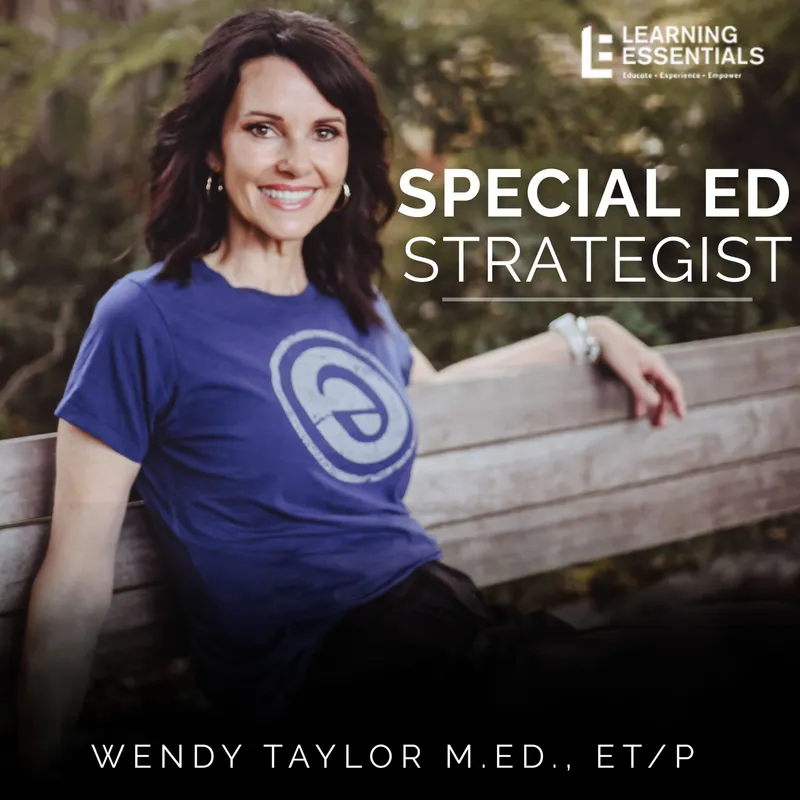
Special Education Strategist: Expert Advice for IEPs, 504 Plans, Dyslexia, Parent Advocacy, Learning Disabilities, Executive Function, Dysgraphia, ADHD, Autism, Neurodivergent
Special Education Strategist·Hosted by Wendy Taylor·149 episodes
Why listen
Special Education Strategist gives parents practical language, questions, and next steps for IEPs, 504 plans, dyslexia, ADHD, autism, and other learning differences. Host Wendy Taylor mixes expert interviews with short strategy episodes, so listeners get both professional context and concrete scripts they can bring into school meetings. It is a strong fit for parents and educators who want calm, informed advocacy without legal or clinical jargon taking over.
Episodes
From Home to School: Bridging Health, Neurodivergence, and Advocacy with Dr. Karin VarblowWhen home, healthcare, and school feel like three separate worlds, how do you build one clear path for your child?Pediatrician and Neurodivergence Specialist Dr. Karin Varblow joins Wendy to connect medication management, behavior-as-communication, and care coordination into a parent-friendly plan. With roots in education/social work and lived experience, Dr. Varblow offers scripts, weekly rhythms, and a “one child” lens you can take straight into your next IEP/504 meeting.Three Key Takeaways One child, one plan: Align health + school with shared data and a point person in each system. De-stigmatize supports: Treat medication as one tool; share what helps and side effects. Weekly rhythm: Send a short home–school snapshot (strengths, struggles, supports tried). Contact the Speaker (Dr. Karin Varblow)Website: https://www.drkarinmd.com
Feeling overwhelmed by neuropsychological evaluations, audiology reports, or conflicting advice from doctors and schools?In this empowering episode, Dr. Jennifer Linton Reesman—board-certified clinical and pediatric neuropsychologist and Director of Neuropsychology Training at The Chesapeake Center—shares how families can translate complex medical findings into practical, everyday strategies. Learn how to bridge the gap between health and education systems, strengthen collaboration with school teams, and center your child’s unique voice, including for D/HH learners and families using ASL. Calm, doable steps for parents of neurodivergent children—without the burnout.Three Key Takeaways Start small: Begin with the report’s summary or recommendations and choose one to three priorities to focus on. Bridge the silos: Identify a single point person—at school or in the clinic—so communication flows and teams truly share information. Trust, then verify: Keep a simple home log of dates and notes to see what’s actually working for your child. Listeners: Connect with me, Wendy Taylor Instagram: https://www.instagram.com/learningessentials/ LinkedIn: https://www.linkedin.com/in/wendy‑taylor‑7106b6a6/ Facebook: https://www.facebook.com/TutoringLE Website & Course: www.LearningEssentialsEDU.com | Cracking the Code: https://learningessentialsedu.com/course/
In this episode of The Special Ed Strategist, host Wendy Taylor is joined by Dr. Rebecca Fritsch, Psy.D., licensed clinical and school psychologist, to explore how parents can document their child’s strengths and challenges at home—and translate those insights into measurable IEP goals. Parents will learn how to connect observations to “educational impact,” collaborate with school teams, and empower their child’s voice in the IEP process.Key Takeaways Document home observations using the simple frame: “When __ happens, my child __, which affects __.” Focus on educational impact: how behaviors affect learning and participation. Collaboration + student voice = stronger, more personalized IEP goals. Listen & SubscribeApple Podcasts: The Special Ed StrategistListeners: Connect with me, Wendy Taylor Instagram: https://www.instagram.com/learningessentials/ LinkedIn: https://www.linkedin.com/in/wendy‑taylor‑7106b6a6/ Facebook: https://www.facebook.com/TutoringLE Website & Course: www.LearningEssentialsEDU.com | Cracking the Code: https://learningessentialsedu.com/course/
Feeling overwhelmed by constant IEP meetings, doctor visits, and behavior struggles? Join Wendy Taylor as she interviews developmental-behavioral pediatrician Dr. Amir Miodovnik—an expert who trained at Boston Children’s and Kennedy Krieger—on how medical factors like sleep, anxiety, and ADHD shape learning and behavior. Discover how to transform your observations into action: translate clinical insights into school strategies, prioritize child-centered supports, and plan ahead as your child grows. Warm, clear, and deeply empowering—this episode gives you a strategy you can use immediately.Three Key Takeaways Sleep first: Establish sleep routines before tackling attention or emotional issues. One-page strategy: Create a “Student Health Snapshot” to share medical insights clearly with your school team. Expect change: Be vigilant through transitions—behaviors evolve, so adapt supports accordingly. About Dr. Amir MiodovnikBoard-certified developmental-behavioral pediatrician, Dr. Miodovnik trained at Boston Children’s Hospital and Harvard, led developmental medicine at Kennedy Krieger Institute, and now offers private, family-centered care in the DMV area—prioritizing clarity, shorter wait times, and tangible tools for advocacy. Learn more at drmio.comConnect with WendySpecialized Tutoring/Coaching: Expert help with Dyslexia intervention, strategic writing, and executive function.IEP Course: Learn how to get IEPs with our Cracking the Code course.InstagramLinkedInFacebook
In this episode of The Special Ed Strategist, host Wendy Taylor sits down with pediatric neuropsychologists Dr. Yael Rothman and Dr. Katia Fredriksen—co-authors of the Different Thinkers children’s book series—to explore how families can help children understand diagnoses with compassion and clarity. With a strengths-based, neurodiversity-affirming lens, they offer practical ways to shift conversations from “what’s wrong” to “what’s unique,” empowering both home life and school advocacy.Three Key Takeaways: Reframe diagnosis as a narrative shift toward understanding, not limitation. Use personalized storytelling and concrete examples to highlight what the child does best. Equip children with words and self‑advocacy tools early and revisit them as they grow. Listeners: Connect with me, Wendy Taylor Instagram: https://www.instagram.com/learningessentials/ LinkedIn: https://www.linkedin.com/in/wendy‑taylor‑7106b6a6/ Facebook: https://www.facebook.com/TutoringLE Website & Course: www.LearningEssentialsEDU.com | Cracking the Code: https://learningessentialsedu.com/course/ Find the full episode here:Apple Podcasts: https://podcasts.apple.com/us/podcast/the‑special‑ed‑strategist‑podcast‑with‑wendy‑taylor‑m‑ed‑et‑p/id1639953041 Other platforms: https://pod.link/1639953041
In this episode of The Special Ed Strategist, Wendy Taylor sits down with Kristin Lombardi, MA, BCBA, founder of Zeal Behavior Analysis, and Dr. Christine Drew, BCBA-D, Assistant Professor at Auburn University, to discuss their groundbreaking book, Spectrum of Independence: How to Teach Your Neurodiverse Child Daily Life Skills.Kristin and Christine share practical, science-backed strategies for helping neurodiverse children gain independence—one “microstep” at a time. From scaffolding skills at home to collaborating with IEP teams at school, this conversation empowers parents to reduce overwhelm, celebrate small wins, and build confidence for both kids and families.Three Key Takeaways: Small Steps, Big Wins: Break routines into microsteps to build confidence and independence without overwhelm. Home-to-School Bridge: Align daily routines at home with IEP goals to support skills that are relevant across settings. Progress Over Perfection: Independence looks messy sometimes—celebrate the small victories along the way. Connect with Wendy (Host): Instagram: https://www.instagram.com/learningessentials/ LinkedIn: https://www.linkedin.com/in/wendy‑taylor‑7106b6a6/ Facebook: https://www.facebook.com/TutoringLE Website & Courses: www.LearningEssentialsEDU.com | Cracking the Code: https://learningessentialsedu.com/course/ Connect with the Guests:Spectrum of Independence website: https://www.spectrumofindependence.com/
In this solo episode of The Special Ed Strategist, Wendy Taylor, M.Ed., ET/P, unpacks a question many parents whisper with concern: How will the general education teacher know—and follow—my child’s IEP?Discover what the law requires, what often happens in practice, and proactive ways you can bridge the gap between the IEP document and daily classroom implementation.3 Key Takeaways Ask the right questions: Clarify how general education teachers are updated after an IEP is finalized. Share a one-page student snapshot: Highlight strengths, needs, and preferred strategies in a friendly, visual format. Foster ongoing collaboration: Keep communication open, start with gratitude, and track patterns at home to share with the team. Contact WendyWebsite: LearningEssentialsEDU.comInstagram: @learningessentialsLinkedIn: Wendy TaylorFacebook: TutoringLEExplore the CourseCracking the Code to Special Education Eligibility – Learn the 4 Es and unlock services your child deserves: Click here
Understanding your child's unique behaviors can feel overwhelming—but clarity is possible. In this empowering, listener-favorite episode from our archives, host Wendy Taylor welcomes Dr. Dan Shapiro, renowned developmental-behavioral pediatrician, author, and founder of the Parent Child Journey. Dr. Shapiro demystifies the complexities of autism, ADHD, and anxiety by explaining how these conditions interact and providing practical strategies tailored to your child's everyday needs.Three Essential Takeaways: Discover how autism, ADHD, and anxiety can coexist and fluctuate, explained through Dr. Shapiro's accessible "brakes too tight vs. brakes too loose" analogy. Learn why functional assessments that track specific daily triggers and behaviors are more insightful than a diagnosis alone. Get practical guidance on medication, therapy, and educational interventions, focusing on prioritizing realistic, achievable goals—small wins over sweeping changes. Connect with Wendy Taylor (Learning Essentials): Instagram LinkedIn Facebook Website Cracking the Code Course Connect with Dr. Dan Shapiro:Parent Child Journey WebsiteA compassionate and informative conversation for any parent feeling uncertain about supporting their child's complex developmental needs.
Join Wendy Taylor, M.Ed., ET/P and special education strategist, alongside guest Jackie Beach—early childhood expert and founder of Rally Family Support—as they unpack the real impact of pull-out vs. push-in services. Are students gaining what they need or missing what matters most?This episode is part of our 12-week, parent-focused summer series answering real IEP questions with real strategies.3 Key Takeaways Ask the right questions: Timing, impact, and provider consistency matter. Balance is everything: A strong IEP should support both learning and belonging. Collaboration counts: General and special ed teams must align goals to keep kids connected. Resources Mentioned Learn more about LRE (Least Restrictive Environment): Center for Parent Information and Resources Understand your rights under IDEA: Wrightslaw’s Parent Guide to IDEA Visualize service time: Use this sample IEP service tracker from Understood.org Contact WendyWebsite: LearningEssentialsEDU.com Instagram: @learningessentials LinkedIn: Wendy Taylor Facebook: TutoringLEExplore the CourseCracking the Code to Special Education Eligibility – Learn the 4 Es and unlock services your child deserves: Click hereListen & SubscribeApple: The Special Ed Strategist with Wendy Taylor All platforms: pod.link/1639953041Connect with Jackie BeachJackie Beach is the founder of Rally Family Support and an expert in early childhood systems and family engagement. Learn more: https://www.rallysupportsfamilies.com/
This listener favorite is especially important because it sheds light on how often autistic girls are misunderstood, misdiagnosed, or simply missed—keeping them from the support they truly need to thrive. Dr. Donna Henderson, a clinical neuropsychologist and expert in autism in women and girls, joins Wendy to break down the subtle signs, the cost of delayed diagnosis, and how families and clinicians can better support these bright, complex learners.3 Key Takeaways Autism in girls often presents as anxiety, perfectionism, or social exhaustion. Camouflaging behaviors can mask serious needs. A correct diagnosis brings not just services—but understanding and peace. Connect with Dr. Donna HendersonWebsiteEmail: [email protected]
What does a realistic IEP goal actually look like? In this episode of our Summer Question Series, host Wendy Taylor is joined by Jackie Beach, M.Ed., founder of Rally Family Support, to unpack the “just right” goal—ambitious yet achievable. Learn how to collaborate with your school team, trust your gut, and use data (from home and school) to shape meaningful goals that support the whole child. Because goals only matter if they help your child grow.Key Takeaways: A good goal balances challenge with achievability—aim for growth, not shutdown. Parent-school collaboration thrives when you bring data, clarity, and curiosity to the table. Use SMART goals to guide IEP conversations and create shared expectations. Connect with Jackie Beach Website: www.RallyFamilySupport.com Instagram: @rallyfamilysupport Email: [email protected] Connect with Wendy Taylor Instagram: @learningessentials LinkedIn: Wendy Taylor Facebook: Learning Essentials Website: www.LearningEssentialsEDU.com Course: Cracking the Code to Special Education Eligibility Listen on Apple Podcasts: The Special Ed Strategist Or your favorite app: Podcast Link Additional ResourcesFor parents who want to dive deeper into IEP goal-setting and school collaboration: SMART IEP Goal Guide – Wrightslaw Parent Center Hub: Understanding IEP Goals Understood.org: IEP Goal Examples by Disability
Ever stare at your child’s IEP and wonder, “What actually happens during those service minutes?” You’re not alone—and we’re breaking it down. In this kickoff to our 12-week summer series, host Wendy Taylor and co-host Jackie Beach dive into what related services like speech, OT, and behavioral support really look like in the school day. You’ll learn the difference between push-in, pull-out, and consult models—and why asking “who, where, and how” matters just as much as the number of minutes. This episode arms you with real questions, real strategies, and real confidence.3 Key Takeaways Service clarity matters – Ask who, what, where, why, and how your child receives related services: pull‑out, push‑in, consult. Context drives success – Understanding where and how OT, speech, and behavior services happen shapes more effective IEP planning. Collaborate purposefully – Go in informed, curious, and collaborative—alignment promotes teamwork and reduces overwhelm. Connect with Wendy early-childhood advocate and parent coachWebsite: rallysupportsfamilies.com
In this episode of The Special Ed Strategist, Wendy Taylor is joined by Jenny Ponzuric, a Licensed Educational Psychologist and certified school neuropsychologist with over two decades of experience in psychoeducational assessment. Together, they walk listeners through how to recognize early signs of dyslexia, how to advocate for meaningful school-based evaluations, and what effective intervention actually looks like—beyond just extra time and preferential seating.You’ll hear about the importance of asking the right questions, how to understand the difference between medical and educational definitions of dyslexia, and what it really means to collaborate with your IEP team as a data-informed parent. Whether your child is just starting to struggle with reading or already has an IEP in place, this conversation is filled with guidance, clarity, and actionable next steps.Key Takeaways: How to ask data-driven, strategic questions at IEP meetings What a comprehensive dyslexia evaluation should—and should not—look like Why early intervention and targeted instruction matter more than generic supports Connect with Wendy TaylorWebsite: www.LearningEssentialsEDU.com Course: Cracking the Code to Special Education Eligibility Instagram: @learningessentials LinkedIn: Wendy Taylor Facebook: Learning Essentials Podcast: The Special Ed Strategist on Apple | All platformsConnect with Jenny PonzuricWebsite: www.jennyponzuric.com Podcast: The Prepared School Psych PodcastFurther Resources to Explore: International Dyslexia Association: Dyslexia Basics U.S. Department of Education “Dear Colleague” Letter (2015) Understanding the PSW (Pattern of Strengths and Weaknesses) Model
What does it really mean to be neurodiversity-affirming? Breea Rosas, licensed educational psychologist and founder of the Neurodiversity Affirming School Psychologist Group, joins Wendy Taylor to unpack how schools, families, and IEP teams can shift from a deficit-based lens to an affirming, strength-centered approach. From actionable language swaps to rethinking token boards and goal-writing, this episode is a must-listen for anyone ready to do better—for real.Top 3 Takeaways: Language is the First Shift: Changing “non-compliant” to “self-directed” transforms perceptions—and outcomes. Parent Power is Real: Input statements and pre-meeting advocacy can reframe the entire IEP experience. Affirming ≠ Ignoring Needs: Reframing challenges as “support needs” aligns goals with neurotype, not pathology. Connect with Breea Rosas:Instagram: @NDaffirming_SPWebsite: Neurodiversity Affirming SP Resources Connect with Wendy Taylor: Instagram: @learningessentials LinkedIn: Wendy Taylor Facebook: Learning Essentials Website: LearningEssentialsEDU.com Enroll in Cracking the Code to Special Education Eligibility: Access CourseMentioned in the Episode: The Neurodiversity Podcast with Emily Kircher-Morris The Autistic Self Advocacy Network (ASAN) – position statements on identity-first language Collaborative & Proactive Solutions – Dr. Ross Greene
Is it misbehavior—or a regulation challenge? In this powerful episode, Wendy Taylor sits down with Polina Shkadron, trauma-certified speech language pathologist and founder of Play to Learn Consulting. Together we explore how play, trust, and brain-based support strategies can transform how we support neurodivergent learners. With over 15 years of experience in Autism, ADHD, and ARFID, Polina shares the science and soul behind behavior, regulation, and connection.3 Key Takeaways Behavior is communication: regulation, not punishment, is the entry point. Play is not just fun—it’s a vehicle for building working memory, impulse control, and cognitive flexibility. Autonomy, connectedness, and competence are the cornerstones of sustainable learning and self-advocacy. Connect with WendyInstagram LinkedIn Facebook Learning Essentials Podcast Cracking the Code to Special Education EligibilityConnect with Polina ShkadronWebsite Instagram LinkedIn YouTube Speaking Engagements
Your voice isn’t just welcome at the IEP table—it’s legally required. In this episode of The Special Ed Strategist, host Wendy Taylor, M.Ed., ET/P, breaks down how to write a powerful Parent Input Statement that reflects what you’re seeing at home and in the community. You’ll learn how to collect meaningful data, prioritize your concerns, and communicate them effectively to shape your child’s IEP. Whether you’re new to the process or a seasoned advocate, this episode will help you speak up, be heard, and drive real change.Key Takeaways: Parent Input Is Protected by Law Under IDEA (34 CFR §300.324), schools must consider a parent's concerns—making your input a vital part of the IEP. The CARE Model Empowers Parents Learn how to Collect, Assess, Reflect, and Express home and community observations to advocate with clarity and impact. Needs Drive Services—Your Voice Defines Those Needs Discover how to ensure your input aligns with the IEP’s present levels, accommodations, and goals. Contact Wendy or Learn More: Instagram: @learningessentials LinkedIn: Wendy Taylor Facebook: Learning Essentials Website: LearningEssentialsEDU.com Cracking the Code Course (Module 1 Free in May with Code: GOGRAY): Enroll Here Podcast Link: The Special Ed Strategist
What should you really be looking for in early childhood development—and what do you do when it feels overwhelming? Wendy sits down with Jackie Beach, founder of Rally Family Support and early childhood expert, for a candid, empowering conversation about noticing red flags, collecting meaningful data, and making the leap from early intervention to IEPs. Jackie blends wisdom and warmth as she reminds parents: you can trust your gut—and you’re not alone.Tune in for actionable advice, advocacy tips, and heartfelt encouragement.3 Key Takeaways: Data is power: Learn how to collect developmental data through everyday routines and how to bring it to your pediatrician or school team. Your voice matters: How to use the parent input statement strategically during the IEP process. Be the quarterback: Jackie explains why parents must stay at the center of the conversation, especially during transitions between early intervention and school services. Connect with Wendy Taylor: Instagram: @learningessentials LinkedIn: Wendy Taylor Facebook: Learning Essentials Website: www.LearningEssentialsEDU.com Course: Cracking the Code to Special Education Eligibility Podcast link: The Special Ed Strategist Contact Jackie Beach: Website: www.RallyFamilySupport.com Instagram: @rallyfamilysupport
Is your teen overwhelmed by the idea of college? Or maybe you’ve realized that mainstream college—or even high-support programs like CLE—just don’t feel like the right fit. In this powerful conversation, Wendy Taylor sits down with Anne-Marie Stripling, an expert in college transition for students with learning and anxiety challenges, to explore how to build just-right support for young adults.With two decades of experience in special education and counseling, Anne-Marie shares what students really need before they ever pack their bags—and how parents can set the stage for success without stepping on independence.3 Key Takeaways: Know Yourself First: Students must understand their learning profile and hidden supports before asking colleges for accommodations. Preview, Don’t Panic: Visiting the disability office isn’t just allowed—it’s essential. Ask smart questions, notice the vibe, and make support part of your selection criteria. Support ≠ Hovering: Parents can empower independence by asking, “What do you think the first step should be?” instead of jumping to solutions. Connect with Wendy Taylor & Learning Essentials 📸 Instagram | 💼 LinkedIn | 📘 Facebook 🌐 LearningEssentialsEDU.com 🎓 Enroll in Cracking the Code to Special Education EligibilityContact Our Guest – Anne-Marie Stripling 🌐 focuscollegiate.com 📞 (800) 674-3397 📱 (617) 807-0055 📧 [email protected] Extras for Curious Listeners: Understood.org – College Planning with Learning Differences AHEAD – Association on Higher Ed and Disability U.S. DOE Transition Resource Guide
This solo episode is raw, real, and rooted in love. Host Wendy Taylor, M.Ed., ET/P, shares her family’s deeply personal journey—how her son’s brain tumor diagnosis flipped her world and transformed her as a special educator and advocate. You’ll learn why she created the $19 course Cracking the Code to Special Education Eligibility—and how it can help you move from fear to clarity.3 Key Takeaways: The emotional toll of sitting at the IEP table as a parent Why trusting your gut matters more than credentials A free resource to start your IEP journey with confidence Connect with Wendy: 📸 Instagram 🔗 LinkedIn 📘 Facebook 🌐 Website 🎓 Cracking the Code Course – $19 🎧 Podcast on Apple 🎧 Podcast on All PlatformsCracking the Code – Get free access to Module 1 during Brain Cancer Awareness Month with code: GoGrayCourse Link Explore More: Pediatric Brain Tumor Foundation WrightsLaw – IDEA Law Resource Understood.org – IEP Basics for Parents
Feeling overwhelmed by your child’s sensory needs? In Part 2 of our conversation, sensory integration expert Carol Kranowitz returns to share practical, joyful strategies to help your child feel more confident and connected. From Ziploc paint bags to backyard crash pads, this episode is filled with simple tools to bring calm, play, and purpose into your day. Missed Part 1? Be sure to go back and catch it first!About the Guest:Carol Stock Kranowitz, M.A., is a pioneer in sensory integration education and author of the bestselling The Out-of-Sync Child. Her newest book, Good Times with Out-of-Sync Grandkids (coming March 2025), continues her mission to help families make sense of sensory challenges through play.3 Key Takeaways: Behavior is communication — learn to spot what your child avoids, seeks, and finds calming. “Just right” challenges build skills and self-esteem (think pushing a laundry basket, not scrolling a tablet). Everyday items like rope, paint, and pebbles can become powerful sensory tools. Contact Wendy TaylorInstagram: @learningessentials LinkedIn: Wendy Taylor Facebook: Learning Essentials Website: LearningEssentialsEDU.com Check out Wendy's course: Cracking the Code to Special Education EligibilityListen & Subscribe:Apple Podcasts: The Special Ed Strategist Other platforms: https://pod.link/1639953041Connect with Carol Kranowitz:Website: https://out-of-sync-child.comBook coming soon: Good Times with Out-of-Sync Grandkids (March 2025)Want to Learn More? The Out-of-Sync Child by Carol Kranowitz STAR Institute for Sensory Processing Sensory Integration Education Watch the live presentation on YouTube
What really makes a child "out of sync"? Wendy Taylor welcomes Carol Stock Kranowitz, renowned author of The Out-of-Sync Child, for an inspiring and practical conversation about sensory processing differences. With her signature warmth and wisdom, Carol explains how to identify sensory challenges, how they show up in everyday behavior, and what you can do to help. This episode is packed with aha-moments and activities that bring joy, connection, and movement back into learning.Carol Stock Kranowitz, M.A. is a pioneering voice in understanding Sensory Processing Differences. With over 25 years as a preschool teacher, her personal curiosity led her to write The Out-of-Sync Child, which has sold over 1 million copies and been translated into 16+ languages. Carol is also the author of several companion books focused on play, movement, and sensory-rich activities that support child development.Top 3 Takeaways from This Episode: Put on Your “Sensory Spectacles”: Carol urges listeners to become curious observers of their children’s behavior—what sensory input are they avoiding or craving? Movement is the Key to Learning: Small, consistent "heavy work" activities like pushing, pulling, and stretching can help regulate the nervous system and improve focus. Play Is Powerful: From painting with shaving cream to using inner tubes as resistance tools, everyday objects become magical learning tools for sensory exploration and growth. Resources Mentioned: The Out-of-Sync Child The Out-of-Sync Child Has Fun Growing an In-Sync Child Good Times with Out-of-Sync Grandkids Contact Host Wendy Taylor: Instagram: @learningessentials LinkedIn: Wendy Taylor Facebook: TutoringLE Website: LearningEssentialsEDU.com Course: Cracking the Code to Special Education Eligibility Listen & Subscribe: Apple Podcasts <a href="https://pod.link/16399
Confused about the difference between accommodations and modifications? You’re not alone. In this solo episode, Wendy Taylor, certified Educational Therapist and IEP Coach, breaks down what these terms really mean, how they show up in IEPs and 504s, and why getting them right can make or break your child’s educational journey. Tune in to learn which questions to ask in meetings and how to advocate like a pro—without the jargon.Listen now and take the guesswork out of special education support!Connect with Wendy:Instagram: @learningessentials LinkedIn: Wendy Taylor Facebook: TutoringLE Website: LearningEssentialsEDU.comNeed a roadmap to IEP eligibility?Check out the course: Cracking the Code
Why do some students push back against authority, struggle with compliance, or resist help? In this episode, Britt Rathbone, LCSW-C, BCD, CGP, a nationally recognized adolescent therapist, breaks down why students resist and how parents, educators, and therapists can respond effectively. From Pathological Demand Avoidance (PDA) to executive function challenges, anxiety, and sensory sensitivities, we explore practical strategies to build trust, reframe behavior, and create meaningful change.Three Key Takeaways: ✔️ Resistance is communication – Students who push back aren’t being defiant; they’re expressing unmet needs. ✔️ Relationships before redirection – Trust is the foundation for helping kids regulate and engage. ✔️ Reframe the approach – Small shifts in language and flexibility can drastically change student responses.Britt shares his expertise from over 30 years working with treatment-resistant teens and co-authoring "What Works with Teens" and "Dialectical Behavior Therapy for At-Risk Adolescents." Tune in for a deep dive into why resistance happens and how to turn it into growth.🎧 Listen now: Podcast LinkConnect with Wendy Taylor📲 Instagram: @learningessentials 💼 LinkedIn: Wendy Taylor 📘 Facebook: Learning Essentials 🌐 Website: LearningEssentialsEDU.com 📖 Course: Cracking the Code to Special Education EligibilityConnect with Britt Rathbone, LCSW-C, BCD, CGP🌐 Website: Capital Youth Services 📘 Book: What Works With Teens 📖 Therapy Practice: Psychology Today ProfileFurther Resources:Understanding PDA: PDA Society Managing Resistance in Kids: Child Mind Institute Anxiety & School Refusal: ADAA Don’t forget to subscribe, rate, and share!
Parents often wonder: Is my child getting enough support? In this episode of The Special Ed Strategist Podcast, Wendy Taylor, M.Ed., ET/P, tackles the big question of IEP service hours—how they’re determined, what truly matters (quality vs. quantity), and how to advocate for services that make a real impact. Learn key questions to ask at your next IEP meeting and bust common myths about service allocation. More hours don’t always mean better support—let’s talk strategy!3 Key Takeaways from This Episode:1️⃣ More Hours ≠ Better Support – It’s not about the number of service hours but rather the effectiveness of those services. Individualized instruction that aligns with IEP goals is what truly drives progress.2️⃣ Parents Have a Say – You are an equal member of the IEP team! You have the right to ask questions, review progress data, and request changes if services aren’t meeting your child’s needs.3️⃣ Ask the Right Questions – At your next IEP meeting, focus on how service hours align with your child's goals, what progress data shows, and whether there are alternative supports that might work even better.Want more advocacy strategies? Check out Wendy’s course: Cracking the Code to Special Education EligibilityConnect with Wendy: Instagram: @learningessentials LinkedIn: Wendy Taylor Facebook: Learning Essentials Website: Learning Essentials
Episode Summary:What’s the difference between pre-game jitters and full-blown performance anxiety? How can parents, coaches, and schools better support young athletes in high-pressure environments? In this must-listen episode, Dr. Virginia Jones and Dr. Brenna Chirby, two top clinical psychologists specializing in sports psychology, break down mental resilience strategies that help student-athletes perform at their best—on and off the field.Key Takeaways: The fine line between healthy nerves and performance anxiety Mental skills that top athletes use to manage pressure (and how your child can too!) The parent’s role in reducing stress and preventing burnout Why social media fuels performance pressure—and how to keep it in check Growth mindset hacks that turn setbacks into comebacks This episode is for you if…You’re a parent, coach, or educator supporting student-athletes Your child struggles with anxiety before competitions or performances You believe mental resilience is just as important as physical training Resources & Links Mentioned in This Episode:The Art of Screen Time – A recommended book for parents on managing social media use Dr. Becky’s Social Media Insights – Follow Dr. Becky for parenting strategies Mindful Sport Performance Enhancement (MSPE) – A mental training approach used by both guests Visualization Exercises from Michael Phelps and Simone Biles – Learn about their techniques Research on Performance Anxiety in Athletes – Nationwide Children's Guide Win Some, Lose Most – A recommended mindset for young athletes Connect with Our Guests:Dr. Virginia Jones & Dr. Brenna Chirby Website: Mind Balance Sport Stay Connected with Host Wendy Taylor: Instagram: @learningessentials LinkedIn: Wendy Taylor Facebook: Learning Essentials Website: Learning Essentials <stron
Guest: Dr. Jillian Darefsky, Executive Head of The Siena SchoolHost: Wendy Taylor, M.Ed., ET/PIn this episode, Wendy Taylor speaks with Dr. Jilly Darefsky, a leader in specialized education and an advocate for students with language-based learning disabilities. With both professional expertise and personal experience as a parent of two dyslexic children, Dr. Darefsky shares invaluable insights into how the brain processes language, the importance of structured literacy, and practical strategies for parents seeking to support their children. This conversation highlights the power of early intervention, the role of multisensory learning, and the importance of fostering confidence and self-advocacy in students.Key Takeaways Understanding how language is processed in the brain and how it affects learning The importance of structured literacy and multisensory instruction Advocacy strategies for parents navigating the school system Practical ways to build resilience and confidence in children with learning differences Connect with Dr. Jilly Darefsky and The Siena SchoolThe Siena School WebsiteSiena School BlogInstagramFacebookTwitter/XLinkedInResources Mentioned in This EpisodeInternational Dyslexia Association – Comprehensive research and guidance on dyslexiaThe Dyslexic Advantage – Insights on the strengths associated with dyslexiaMade by Dyslexia – Advocacy and educational resources for dyslexia awarenessConnect with Wendy Taylor and Learning EssentialsInstagramLinkedInFacebookLearning Essentials WebsiteCracking the Code to Special Education Eligibility CourseListen and SubscribeThe Special Ed Strategist on Apple PodcastsThe Special Ed Strategist on Spotify and Other PlatformsFor questions or topic suggestions, connect with Wendy on Instagram or LinkedIn.
In this episode of The Special Ed Strategist Podcast, host Wendy Taylor, M.Ed., ET/P, delves into the essentials of measuring and reporting IEP progress. She offers actionable advice for parents to confidently interpret their child's progress reports, request raw data, and advocate for goal adjustments when progress stalls. Wendy emphasizes the importance of understanding legal rights under IDEA and provides strategies to ensure IEP goals are effectively supporting student growth.Key Takeaways: IEP Progress Monitoring Matters: Data drives decisions—progress updates should show if supports are working. Know Your Rights: Under IDEA, schools must report IEP progress as often as report cards. Check your child’s IEP for how and when progress is measured. Demand Real Data: Generic phrases like “making progress” aren’t enough. Ask for raw data or work samples. Stalled Progress? Adjust the Goal: If progress is stagnant, request a meeting and ask if the goal is too big. Break it into smaller, scaffolded steps. Track at Home: Your observations matter—compare home progress with school reports. Connect with Wendy Taylor: Instagram: @learningessentials LinkedIn: Wendy Taylor Facebook: Learning Essentials Website: www.LearningEssentialsEDU.com Course: Cracking the Code to Special Education Eligibility External Resources:Wrightslaw: All About IEPsA comprehensive guide to understanding IEPs, including legal requirements and practical tips. https://www.wrightslaw.com/ Understood.org: How to Track Your Child’s Progress at SchoolOffers tools and strategies for parents to monitor and support their child's educational progress. https://www.understood.org/For more insights and resources, visit the Learning Essentials Podcast Page.If you found this episode helpful, please like, share, and follow for more tips. For additional guidance on IEPs and educational services, check out "Cracking the Code to Special Education Eligibility" or visit our website.
In this powerful episode of The Special Ed Strategist Podcast, host Wendy Taylor welcomes Rachel Archambault, M.A., CCC-SLP, a speech-language pathologist and trauma-informed care advocate. Rachel shares her journey from experiencing trauma firsthand at Marjory Stoneman Douglas High School to becoming a leading voice in trauma-informed education. Learn how educators can implement practical, mindset-shifting strategies to create safer, more supportive learning environments for all students.3 Key Takeaways from the Episode: Trauma-Informed Care is a Mindset Shift, Not a Checklist:Educators should shift from asking “What’s wrong with this student?” to “What happened to this student?” and adjust their approach to reduce harm, foster safety, and support learning. Language Matters – Small Adjustments Can Have a Big Impact:Removing violent phrases like “shoot me an email” and choosing more precise, neutral language helps create a safer, less triggering environment for students and staff. Safety, Choice, and Trust Build Strong Learning Environments:The six pillars of trauma-informed care (Safety, Choice, Collaboration, Trust, Empowerment, and Cultural Sensitivity) guide educators to create spaces where students can shift from survival mode into their “learning brain.” Connect with Rachel Archambault:Website: www.ptsdslp.comInstagram: @ptsd.slpFacebook: @ptsd.slpLinkedIn: Rachel ArchambaultEmail: [email protected] Links & Resources Mentioned in the Episode: Book: What Happened to You? by Oprah Winfrey & Dr. Bruce Perry Book: The Body Keeps the Score by Bessel van der Kolk ACEs Study (Adverse Childhood Experiences): CDC ACE Study SAMHSA's Six Principles of Trauma-Informed Care (Source of the Six Pillars): SAMHSA Trauma-Informed Approach Child Life Specialist Field (Mentioned as a career of interest by Rachel): Association of Child Life Professionals Connect with Wendy:Instagram: @learningessentialsLinkedIn: Wendy TaylorFacebook: Learning EssentialsWebsite: LearningEssentialsEDU.comCourse: Crac
IEPs Aren’t Just for Academics – How to Advocate for Non-Academic NeedsIEPs aren’t just about grades! In this episode of The Special Ed Strategist, host Wendy Taylor breaks down how IEPs can – and should – support non-academic needs, including social-emotional skills, executive function, behavior, life skills, and related services like OT, speech, and counseling. Learn how to request functional performance evaluations, craft SMART goals, and advocate for accommodations that ensure your child’s success beyond the classroom. Wendy shares key advocacy strategies and the exact language you can use in IEP meetings to push for the support your child deserves.Need help advocating for your child’s IEP? Check out Wendy’s course, Cracking the Code to Special Education Eligibility: Click here🔗 Connect with Wendy Taylor: Instagram: @learningessentials LinkedIn: Wendy Taylor Facebook: Learning Essentials Website: www.LearningEssentialsEDU.com 🎧 Listen & Subscribe: Don’t miss future episodes of The Special Ed Strategist! Share this episode with a fellow parent who needs to hear it.
Join The Special Ed Strategist podcast for an eye-opening conversation with Dani and Paloma, founders of In the Cortex. Experts in neurodevelopment and brain reorganization, Dani and Paloma explain how retained primitive reflexes impact children’s behavior, learning, and emotional regulation. Discover actionable strategies, including targeted movements, to help rewire the brain and support kids both at home and in school. This episode is a must-listen for parents, educators, and therapists looking to unlock a child’s full potential.Key Takeaways: Primitive Reflexes: Learn what they are, why they’re crucial for development, and how they impact behavior if not integrated. Brain Reorganization: Targeted movements can help rewire the brain for better focus, emotional regulation, and learning outcomes. School Accommodations: Tips for advocating for supportive classroom strategies and accommodations through IEPs and 504 Plans. Practical Tools: Simple, daily exercises that can make a big difference in a child’s behavior and learning journey. Connect with Dani and Paloma from In the Cortex: Website: In the Cortex Instagram: @inthecortex_us Brain Reorganization Bundle: Explore the Program Brain Assessment: Take the Assessment Discount Code: Use WENDY for $27 off your first payment of their program! Connect with Wendy Taylor: Instagram: @LearningEssentials LinkedIn: Wendy Taylor Facebook: Learning Essentials Website: www.LearningEssentialsEDU.com Cracking the Code Course: Enroll Now For more resources and support, follow Wendy and explore her educational tools!
In this episode of The Special Ed Strategist, Wendy Taylor, M.Ed., Executive Director of Learning Essentials and a certified educational therapist, explores how inclusive teaching practices can support meaningful participation for students with learning differences. From understanding IDEA and LRE to advocating for SMART goals and teacher training, Wendy shares actionable strategies to help parents and educators foster a supportive learning environment.Key Takeaways: Inclusion is about creating meaningful participation and engagement for all students, not just physical placement in classrooms. IEPs serve as a roadmap for accommodations and goals that promote active involvement in general education settings. Collaboration and empathy between parents and educators are essential for successful inclusion. Connect with Wendy Taylor: Instagram: @learningessentials LinkedIn: Wendy Taylor Facebook: Learning Essentials Website: LearningEssentialsEDU.com IEP Course: Cracking the Code Like, share, and review this episode to help more families discover tools for educational success!
Join The Special Ed Strategist as Dr. David Palmiter, Clinical Director at the Chesapeake Center, dives into supporting kids with big emotions. With over 25 years of experience, Dr. Palmiter shares practical strategies to help parents and educators foster resilience and manage emotional challenges.Key Takeaways: Insights into ADHD and emotional regulation in children The power of cognitive-behavioral therapy (CBT) for emotional resilience How “special time” can strengthen parent-child connections Practical tools for calming emotional escalations Connect with Wendy Taylor Instagram: @LearningEssentials LinkedIn: Wendy Taylor Facebook: Learning Essentials Website: LearningEssentialsEDU.com Learn More About Dr. David Palmiter Website: Chesapeake Center Resources: Hectic Parents Blog
In this episode of The Special Ed Strategist, host Wendy Taylor, a certified educational therapist and IEP coach with over 20 years of experience, delves into the significance of IEP amendments. She explains how these adjustments can promptly address a child's evolving educational needs without waiting for the annual review. Wendy offers practical advice on recognizing when amendments are necessary, understanding legal rights under IDEA, and fostering effective collaboration with IEP teams. Listeners will gain actionable strategies to ensure their child's IEP remains a dynamic tool for success.Contact Wendy Taylor: Instagram: @LearningEssentials LinkedIn: Wendy Taylor Facebook: Learning Essentials Website: LearningEssentialsEDU.com Explore the 'Cracking the Code' Course: Cracking the CodeComplementary Episodes: "Building Effective IEP Goals" "Transitioning Between 504 Plans and IEPs" "Parent Advocacy: Tips for Success"
Episode Summary:Join Wendy Taylor as she sits down with Jane Singleton, founder of Launchpad for Life, a certified leadership coach and special education expert. Jane shares her journey from special educator to coach, helping parents and teens foster independence, build executive function skills, and embrace neuroinclusivity. Discover actionable strategies for transitioning from a parenting “director” to a supportive “consultant,” and learn how collaborative problem-solving can empower neurodivergent teens to thrive.Guest Bio:Jane Singleton is the founder of Launchpad for Life, specializing in bridging the gap between neurodivergent individuals and inclusive workplaces. With a Master’s degree in Special Education and 13+ years of experience as a learning and behavioral interventionist, Jane now focuses on coaching parents and teens for lasting independence and self-advocacy. As a certified leadership coach, she also works with organizations to promote neuroinclusive practices.Contact Jane Singleton: Launchpad for Life Website LinkedIn Profile Contact Wendy Taylor: Instagram: @LearningEssentials LinkedIn: Wendy Taylor Facebook: Learning Essentials Website: LearningEssentialsEDU.com Course: Cracking the Code to Special Education Eligibility Podcast: Listen Here Review: Apple Podcasts Similar Episodes from The Special Ed Strategist Podcast: Episode 14: "Executive Function Strategies for Teens" Episode 22: "Fostering Independence in Neurodivergent Learners" Episode 35: "Building Self-Advocacy Skills in Special Education"
Navigating the IEP process doesn’t have to feel like entering a boardroom without a rulebook. In this episode, Wendy Taylor shares her expertise as an educator and advocate to guide you through the essentials of IEP reviews. Learn how to prepare, organize, and empower yourself as the expert on your child’s needs. Tune in to discover actionable tips and strategies for building a collaborative IEP team.Contact MeHave questions or need support? Reach out to me: Website: Learning Essentials Instagram: @LearningEssentials LinkedIn: Wendy Taylor Facebook: Learning Essentials Access My CourseCracking the Code: Special Education Eligibility Course Review & Listen to the Podcast Review on Apple Podcasts: The Special Ed Strategist Listen on Spotify or Apple: The Special Ed Strategist
Host Wendy Taylor welcomes Beth Felsen, founder of Spectrum Transition Coaching, to discuss essential strategies for preparing autistic teens for college. Beth shares invaluable insights from her 25+ years of experience as a parent, autism coach, and executive function specialist. Learn how to support your teen in developing social connections, mastering life skills, and fostering independence. Beth highlights the transition from K–12 IEP-driven support to college accommodations under ADA, offering practical advice for parents and teens to navigate this new terrain successfully.What You’ll Learn: Key differences between K–12 and college support systems. How to teach self-advocacy skills and remove stigma from accommodations. Effective strategies for building life and executive function skills early. Tips for choosing colleges with the right support for neurodiverse students. Special Offer: Podcast listeners get $50 off Beth’s course using the code sped at Spectrum Transition Coaching.🔗 Connect with Wendy Taylor: Instagram: @learningessentials LinkedIn: Wendy Taylor Facebook: Learning Essentials Website: www.LearningEssentialsEDU.com Course: Cracking the Code to Special Education Eligibility 🔗 Connect with Beth Felsen: Website: Spectrum Transition Coaching Guide for Parents: The Ultimate Guide for Parents of Autistic High School Students Facebook & LinkedIn: Spectrum Transition Coaching Tune in to gain valuable insights and tools to support your autistic teen's successful transition to college and beyond!
In this episode of The Special Ed Strategist, host Wendy Taylor explores the transition from high school to college for students with disabilities, focusing on changes under ADA and Section 504. Wendy dives into self-advocacy, differences in accommodations, and FERPA's impact on parental involvement. Discover how to prepare your child to advocate for themselves, understand new documentation requirements, and navigate college disability services for a smoother journey into independence.Contact Me: Instagram LinkedIn Facebook Website Need an IEP? Cracking the Code Course Additional Resources: Adjusting to College: A Brief Guide for Students with Disabilities Transition Planning for High School Students with Disabilities
In this episode of The Special Ed Strategist, Wendy Taylor welcomes Dr. Daniel Greenwood, Ed.D., M.Ed., and Beth Greenwood, B.A., UCLA College Counseling Certificate holders, who are experienced career and educational counselors with Greenwood Associates West, Inc. They bring insights from the Greenwood System, a holistic career counseling approach developed over three decades. This episode dives deep into understanding how abilities, interests, values, and personality intersect to guide students toward fulfilling career paths.Key Highlights: Holistic Career Counseling Self-Exploration for Clarity Career Exploration Tools Supporting Neurodiverse Learners Parental Role in Career Development Value of Informational Interviews Leveraging AI in Career Counseling Encouragement for Big Dreams Resources Mentioned: Career One Stop (career exploration resource) ONET (career details database) edX (MOOCs for career exploration) Connect with Wendy Taylor: Instagram: @learningessentials LinkedIn: Wendy Taylor Facebook: Learning Essentials Website: LearningEssentialsEDU.com Course: Cracking the Code to Special Education Eligibility Connect with Dr. Daniel Greenwood and Beth Greenwood: Email: [email protected] Website: Greenwood System Career Counseling YouTube Channel: Greenwood System
In this episode of The Special Ed Strategist, host Wendy Taylor—special educator, IEP coach, and educational therapist—breaks down the complex process of transitioning from a 504 plan to an IEP. Wendy explains the key differences between the two plans, when and why you might need to move from a 504 to an IEP, and actionable steps for parents to advocate effectively. She offers practical advice and real-world examples to make this daunting process more accessible to both parents and educators. Don't miss Wendy's tips on how to request evaluations, document progress, and work collaboratively with schools.Contact Wendy: Instagram: Learning Essentials LinkedIn: Wendy Taylor Facebook: Tutoring LE Website: Learning Essentials Cracking the Code to Special Education Eligibility Course: Sign up here Review Podcast: Apple Podcasts Listen to Podcast: The Special Ed Strategist Resources: Wrightslaw: An extensive resource for special education law and advocacy. Wrightslaw Website Understood.org: Information on special education plans, including 504s and IEPs. Understood Parent Training and Information Centers: Find your local PTI for support in navigating the IEP process. Need more help with your advocacy journey? Enroll in Wendy’s course: Cracking the Code to Special Education Eligibility.
In this episode of The Special Ed Strategist, host Wendy Taylor sits down with Dr. Chad A. Rose, an Associate Professor at the University of Missouri and the Director of the Mizzou Ed Bully Prevention Lab. Dr. Rose shares insights on bullying and cyberbullying, particularly focusing on neurodivergent learners and vulnerable students. The conversation covers effective strategies to prevent bullying, empower bystanders, and foster social skills in students with disabilities. Dr. Rose’s research on school-wide social-emotional learning and skill-based interventions provides actionable takeaways for educators and parents alike.Connect with Wendy Taylor: Instagram: @learningessentials LinkedIn: Wendy Taylor Facebook: Learning Essentials Website: www.LearningEssentialsEDU.com Review the Podcast: The Special Ed Strategist Listen to the Podcast: The Special Ed Strategist Connect with Chad A. Rose, Ph.D.:University Profile: Chad A. Rose Bully Prevention Lab: Mizzou Ed Bully Prevention Lab Mentioned Resources: StopBullying.gov – A comprehensive resource for bullying prevention and state laws. Pacer’s National Bullying Prevention Center – Support and resources, especially for students with disabilities. Cyberbullying Research Center – Focused on online safety and bullying prevention strategies.
In this episode, Wendy Taylor breaks down Section 504 and shares essential advocacy strategies to help parents and educators secure the right accommodations for students with disabilities. From understanding 504 plans to out-of-the-box accommodations and dispute resolution tips, Wendy equips listeners with practical tools to navigate the special education system effectively.Episode Highlights: What is Section 504?: A federal law that ensures students with disabilities have equal access to education through tailored accommodations. Creative Accommodations: Beyond extended time, consider options like flexible scheduling, chunking assignments, and alternative assessments. Advocacy Tips: Be specific, present data, build positive relationships, and know your rights to effectively advocate for your student. About Wendy Taylor:Wendy Taylor is an Educational Therapist and IEP Coach with over 19 years of experience. She leads Learning Essentials, specializing in special education services like reading intervention and executive function support.Connect with Wendy Taylor: Instagram: @learningessentials LinkedIn: Wendy Taylor Website: Learning Essentials Review the Podcast: Apple Podcasts Listen: The Special Ed Strategist Resources: Wrightslaw – Special education law and advocacy. OCR – Section 504 resources. NDRN – Disability rights support. Thanks for listening! Like, subscribe, and share for more special education insights.
Episode OverviewIn this episode of The Special Ed Strategist Podcast, host Wendy Taylor sits down with Susanna Peace Lavelle, an author, speaker, life coach, and advocate dedicated to supporting the disability community. Susanna shares her personal journey as a mother to a daughter with multiple diagnoses, including autism, and how this experience has shaped her life's work. The conversation covers the highs and lows of navigating the world of special needs parenting, strategies for advocacy, and practical advice for parents seeking support in their child’s educational journey.About the Guest: Susanna Peace LavelleSusanna Peace Lavelle is an accomplished author, professional life coach, and advocate for families navigating the challenges of special needs. She founded her mission on helping parents unlock their potential while supporting their children. Susanna’s book, Your True Self Is Enough: Lessons Learned on My Journey Parenting a Child with Autism, offers insights into her experiences and the lessons learned through raising her daughter, Arizona.Resources Mentioned in the Episode We Are Brave Together: A supportive community for moms of children with special needs. Website Regional Centers for Developmental Disabilities: Services and support available for families dealing with special needs. Visit your local regional center for more information. Parent Support Organizations: Seek out local advocacy groups that can help guide you through the IEP process. Connect with Susanna Peace LavelleFor more information about Susanna Peace Lavelle, her work, or to reach out directly: Website: https://www.susannapeacelovell.com/ Book: Amazon Link Contact Wendy TaylorStay connected with Wendy Taylor and explore more resources on special education: Instagram: Learning Essentials Instagram LinkedIn: Wendy Taylor LinkedIn Facebook: Le
In this solo episode of The Special Ed Strategist, Wendy Taylor dives deep into Section 504 of the Rehabilitation Act and the critical role it plays in supporting students with disabilities. Whether you're a parent navigating a 504 Plan for the first time or an educator looking to collaborate more effectively, this episode is packed with actionable insights.Wendy walks you through: What a 504 Plan is and how it differs from an IEP. How accommodations like extended test time, preferential seating, and assistive technology support students in general education. The importance of collaboration between parents, teachers, and school staff to ensure successful student support. Innovative tools and strategies that can enhance the learning experience, from sensory breaks to interactive educational platforms. Tips for parents to uncover hidden supports and ask the right questions for their child’s individual needs. Continuous monitoring of the 504 Plan to ensure that it remains relevant as your child grows and evolves. Key Takeaways: Advocacy is essential—parents and educators need to work hand in hand to ensure the student’s success. Uncover hidden supports like sensory breaks and interactive tools that can make learning more accessible and engaging. Regularly review and adapt the 504 Plan to meet the evolving needs of the student. If you’re a parent or educator, this episode provides valuable advice to help you create a support system that truly benefits your child or student.Connect with Wendy Taylor & Learning Essentials: Instagram: Learning Essentials LinkedIn: Wendy Taylor Facebook: Learning Essentials Website: Learning Essentials Don’t Forget to Review & Subscribe: Review the podcast: Apple Podcasts Subscribe: The Special Ed Strategist Join the Conversation! Have questions or ideas for future episodes? Drop a comment, share this episode with others, and keep advocating for the support that all students deserve. Keep strategizing, learning, and empowering!
Guest: Dr. Christine Waanders, a psychologist specializing in bullying prevention, IEP advocacy, and mental health support for children, especially those with neurodivergent needs. Summary:In this episode, Dr. Christine Waanders, psychologist from the Children’s Hospital of Philadelphia (CHOP), joins Wendy Taylor to discuss the pressing issue of bullying among neurodivergent students. They explore how families and educators can support students facing social challenges and how to develop effective strategies through IEPs and social-emotional learning. Christine provides valuable tips on identifying bullying behaviors, advocating for a safe school environment, and fostering resilience in children. Additionally, she emphasizes the importance of a strong parent-school collaboration and offers advice on how families can find emotional support for themselves. Dr. Waanders is part of the Aggression and Bullying Prevention pillar of CHOP’s Center for Violence Prevention (CVP). Access CVP’s free, evidence-based “All About Bullying” handouts for parents and caregivers at https://violence.chop.edu.Key Topics Discussed: Prevalence of bullying in neurodivergent vs. neurotypical students How to detect signs of bullying or distress in children Strategies for parents to ask the right questions and check in with their kids Empowering students with coping skills and IEP goals to handle bullying Crafting a “safety plan” for children within the IEP Collaboration between parents, schools, and mental health professionals Role of social-emotional learning programs in schools Important Resources: Second Step: Social-emotional learning program used in schools to address conflict resolution and social skills StopBullying.gov: Federal resources for bullying prevention and response strategies PACER's National Bullying Prevention Center: Provides resources for parents and educators to advocate against bullying Guest Links:Children's Hospital of Philadelphia (CHOP) Center for Violence Prevention Connect with Wendy Taylor: Instagram: Learning Essentials LinkedIn: Wendy Taylor Facebook: Learning Essentials Website: Learning Essentials<
Welcome back to The Special Ed Strategist! In today’s episode, host Wendy Taylor breaks down everything you need to know about requesting a 504 plan for your child. Whether you’re unfamiliar with 504 plans or confused about the steps involved, Wendy offers clear guidance to help you advocate for your child and ensure they receive the support they deserve.Episode Highlights: What exactly is a 504 plan? The difference between a 504 plan and an IEP Step-by-step guide to formally requesting a 504 plan Documentation you need to provide How to follow up and ensure your child’s plan is implemented Tips for working with the school team and involving your child in the process Extra Tips: Always document communication and meetings Involve your child in the conversation to empower them Keep checking in to make sure the 504 plan is being followed and working effectively Connect with Wendy: Instagram: @learningessentials LinkedIn: Wendy Taylor Facebook: Learning Essentials Website: www.LearningEssentialsEDU.com Love the podcast? Don’t forget to leave a review and subscribe on Apple Podcasts or listen on your favorite platform.Keep advocating for your child’s success!Additional Resources Wrightslaw Special Education Law and Advocacy Understood Expert Parent Training Program Center for Parent Information and Resources (CPIR) U.S. Department of Education Office for Civil Rights - Section 504 FAQ National Association of School Psychologists (NASP) - Section 504 Information Council of Administrators of Special Education (CASE) - Section 504 Guidance
Key Takeaways: The brain’s role in anxiety and why neurodivergent kids experience it more intensely. Understanding avoidance behavior and how to address it. The importance of early intervention to prevent long-term issues like depression. Why Listen:This episode is a must-listen for parents, teachers, and professionals seeking to support children with anxiety, ADHD, or autism. Dr. Namazi offers expert advice in an easy-to-understand, actionable way.Resources: PDA North America SPACE Treatment Connect with Wendy: Instagram: @learningessentials Website: LearningEssentialsEDU.com Listen & Subscribe: Apple Podcasts Subscribe Tune in to learn actionable strategies to better support neurodivergent kids with anxiety!
Welcome to Season 4 of The Special Ed Strategist Podcast! In this episode, Wendy Taylor, your host and Special Ed Strategist, dives deep into an important but often under-discussed topic: Section 504 of the Rehabilitation Act. This solo episode breaks down everything you need to know about how 504 Plans differ from IEPs, how they work, and how you can effectively advocate for your child's rights in the public school system.Key Takeaways: What is Section 504?Section 504 is a federal civil rights law that ensures students with disabilities receive accommodations in the general education environment, removing barriers to learning. It’s designed to prevent discrimination and allow students to have equal access to education. 504 vs. IEP: What’s the Difference?While an IEP provides specialized instruction, a 504 Plan focuses solely on accommodations to support students in the general education classroom without modifying the curriculum. Eligibility for a 504 PlanLearn about the thorough evaluation process schools use to determine eligibility, which involves gathering input from multiple sources to assess if a student's disability impacts their ability to succeed in the classroom. How to Request a 504 PlanWendy emphasizes the importance of starting the process with a formal written request and staying actively involved as a parent to ensure the accommodations are implemented properly. Your Rights Under Section 504Parents have legal rights, including participating in meetings, accessing educational records, and appealing decisions if necessary. Resources Mentioned: Dr. Jane McGuire – Expert on Section 504 and accommodations. Dr. Michael Harris – Specialist in educational law and student rights, offering guidance on navigating the complexities of 504 plans. Stay Connected:Follow Wendy and Learning Essentials on social media to stay up-to-date with tips, strategies, and new episodes! Instagram: @LearningEssentials LinkedIn: Wendy Taylor Facebook: Learning Essentials Website: Learning Essentials EDU Listen & Subscribe:Catch new episodes of The Special Ed Strategist wherever you listen to podcasts! Podcast Link Apple Podca
Alex Williams of The Anxiety Institute walks us through ALL of the essentials when it comes to navigating the complex world of mental health services. You won’t want to miss this conversation and all the wonderful and informative ways that Alex shares her expertise and knowledge with us! Discover more about mental health services in this episode.Main Discussion Points: Treatment Levels: It is important to know what treatment levels are when it comes to mental health services Some treatment levels are more restrictive than others and some require hospitalization Resources: Use the school system to help you test or seek private testing and diagnosis Work with the school system to develop a plan that makes sense for you student Outpatient vs. Inpatient: There are various options for outpatient mental health therapy that range in implications Outpatient is the least restrictive with IOP and PHP altering your student’s day or school placement Support Should Fit The Student Support teams should coordinate efforts to create plans and strategies unique to your student What approach works for one student might not have the same results for your student Start by seeking a list of outpatient providers in your area and in your network Where to find Alex: Website: https://anxietyinstitute.com/ LinkedIn: https://www.linkedin.com/in/alex-williams-msw-82b70197/ Where to find Wendy: Instagram - https://www.instagram.com/learningessentials/ LinkedIn - https://www.linkedin.com/in/wendy-taylor-7106b6a6/Facebook - https://www.facebook.com/TutoringLE Website: www.LearningEssentialsEDU.com
Ashley Barlow, a special education attorney based in Kentucky, joins Wendy Taylor on the podcast. Ashley brings a unique perspective to the discussion, drawing from her experience as a teacher, attorney, parent of a child with Down syndrome, and someone with a physical disability.Main Discussion Points: Free and Appropriate Education Under IDEA: Explanation of parents' rights and protections under IDEA, including the right to request an IEE at public expense. Importance of the IEE in ensuring that students with disabilities receive necessary support and services for effective education. District's obligation to pay for the IEE unless the request is proven unreasonable. IEE Process: Overview of the IEE process, allowing parents to obtain an independent evaluation if they disagree with the school district's assessment. Role of the IEE in providing parents with additional information and perspectives for making educational decisions for their child. Effective Reading Interventions for Dyslexia: Characteristics of effective reading interventions for students with dyslexia: systemic, explicit, multisensory, and research-based. Discussion on the Orton-Gillingham approach, a structured and cumulative program designed to develop phonemic awareness, phonics skills, decoding strategies, and reading fluency in students with dyslexia. Individualizing Inclusive Education: Federal mandate for children with disabilities to be educated to the greatest extent possible with non-disabled peers. Importance of tailoring inclusive education to meet the specific needs of each student. Misconceptions About Inclusion: Addressing misconceptions, such as the idea that inclusion means always keeping a student in a general education setting without considering individual requirements. Importance of assessing each student's needs and providing appropriate levels of support and intervention. Implementing Inclusive Education:Emphasis on accommodations, modifications, and specially designed instruction to ensure that students with disabilities can access the curriculum and make progress in their learning. Where to find Ashley: Website: https://ashleybarlowco.com/#/ Instagram: https://www.instagram.com/ashleybarlowco/ Where to find Wendy: Instagram - https://www.instagram.com/learningessentials/ LinkedIn - https://www.linkedin.com/in/wendy-taylor-7106b6a6/<stron
In this episode of The Special Ed Strategist, we delve into the invaluable role of organizational systems and collaborative partnerships in navigating the complexities of the special education system. Author and advocate Kelley Coleman joins us to share her insights and strategies for parents seeking to streamline their journey and advocate effectively for their child's needs.Key Takeaways: Setting Up Organizational Systems: Kelley emphasizes the importance of creating systems and structures to manage the special education journey. Reminders on calendars for tasks like scheduling appointments and sending emails can help parents stay on top of crucial deadlines. Creating a Child Profile: Developing a one-page document detailing the child's strengths, preferences, and goals can facilitate better communication with teachers and service providers. This snapshot ensures everyone is aligned regarding the child's needs and progress. Crafting a Vision Statement: A vision statement outlines the child's long-term goals and aspirations, guiding the development of Individualized Education Program (IEP) goals. It aligns the child's educational plan with their future vision and facilitates discussions with educators. Building Communication and Collaboration: Regular communication with the school team, even outside of formal meetings, is essential. Establishing preferred methods of communication and creating a one-page profile for the child can enhance understanding and support. Conclusion:By implementing these strategies, parents can navigate the special education system more effectively, reduce overwhelm, and advocate successfully for their child's needs. Building strong partnerships with the school team can lead to a more supportive and inclusive educational environment, prioritizing the child's growth and success.Join us in our next episode as we continue to explore valuable insights and strategies for navigating the world of special education.Kelley Coleman: Book: Everything No One Tells You About Parenting a Disabled ChildWebsite: https://www.kelleycoleman.com/ Wendy: Instagram - https://www.instagram.com/learningessentials/ LinkedIn - https://www.linkedin.com/in/wendy-taylor-7106b6a6/Facebook - https://www.facebook.com/TutoringLE Website: www.LearningEssentialsEDU.com
Reviews
No reviews yet.
Explore more like this
Listening context
Discussion (0)
No comments yet. Be the first to start the discussion!