The Food Chain
BBC World Service
BBC World Service
The Food Chain examines the business, science and cultural significance of food, and what it takes to put food on your plate.
1d ago
With the festive season approaching in parts of the world, Ruth Alexander explores what’s actually happening in the body during a hangover, why some people suffer more than others, and whether common remedies make any real difference. How the body processes alcohol and why that can make you feel so bad is explained by Andrew Scholey, Professor of Human Psychopharmacology at Northumbria University in the UK and member of the Alcohol Hangover Research Group. Marisa Moll, a registered nutritionist from Paraguay, shares her recommendations on what to consume before you drink alcohol to try to reduce the risk of a hangover. And Jonathon Shears, Professor of English Literature at Keele University in the UK and author of The Hangover, a Literary and Cultural History, reflects on the cultural history of the hangover. If you would like to get in touch with the show, please email: thefoodchain@bbc.co.uk. Producer: Izzy Greenfield Sound engineer: Andrew Mills Image: A woman looks at empty bottles of alcohol (credit: Getty)
Dec 11
***This programme contains conversations about disordered eating which some listeners may find upsetting*** Social media is awash with nutritional misinformation with foods often cast as superheroes or villains. So how can we separate fact from fiction? And how can we know what posts we can trust? Social media loves to portray some foods, like carbs, sugar and seed oils as villains, to be avoided at all costs.Other food groups like protein are often claimed to be food heroes and some social media influencers tell their followers to prioritise those foods and cut out others. Ruth Alexander looks at the truth of some of those claims and the impact it can have on those who believe them and end up restricting their diets as a result. Cecile Simmons tells Ruth how she "fell down the rabbit hole" and ended up cutting out dozens of foods in an attempt to cure a skin condition. Personal trainer and nutrition expert Michael Ulloa explains how he's made it his mission to fight food misinformation online. Plus Ruth hears from Dr Emily Denniss, registered public health nutritionist and lecturer at Deakin University in Australia, who has studied the spread of food misinformation on social media. And with the help of US based registered dietician Grace Derocha, Ruth separates food fact from food fiction. Producer: LexyO'Connor Sound engineer: Gareth Jones (Image: A comic book cartoon of a blond, muscle-superhero in a blue suit and yellow cape is flying through the air towards a baddie in a red suit with their fists outstretched as if ready to fight. Credit: Yogysic/Getty Images)
Dec 4
How do you eat well in freezing the cold? When you live in some of the coldest places on earth, what you eat, and how much, really matters. Ruth Alexander hears advice from a scientist, who goes on expeditions to study the body’s reaction to sub-zero temperatures, and talks to people living in the Arctic circle. What do they cook, and what is their favourite food and drink to keep them warm in the winter? She hears how they find fresh ingredients when all around the ground is frozen – and how freezing temperatures can spark culinary creativity. Producer: Julia Paul and Lexy O'Connor Sound engineer: Hal Haines If you would like to get in touch with the show, please email: thefoodchain@bbc.co.uk
Nov 27
Ruth Alexander explores the art and etiquette of tipping and how it varies around the world. She hears from staff and customers in countries where tipping is essential and in places where it can be taken as an insult. Ruth also talks to servers and bartenders about what your gratuity means to them and how tipping can sometimes bring out the best and worst in their customers. Producer: Lexy O’Connor and Rumella Dasgupta Sound mixing: Hal Haines Image: A jar full of coins and notes has the word “tips” written on it. It floats on a red background. Credit: Nikola Stojadinovic / Getty
Nov 20
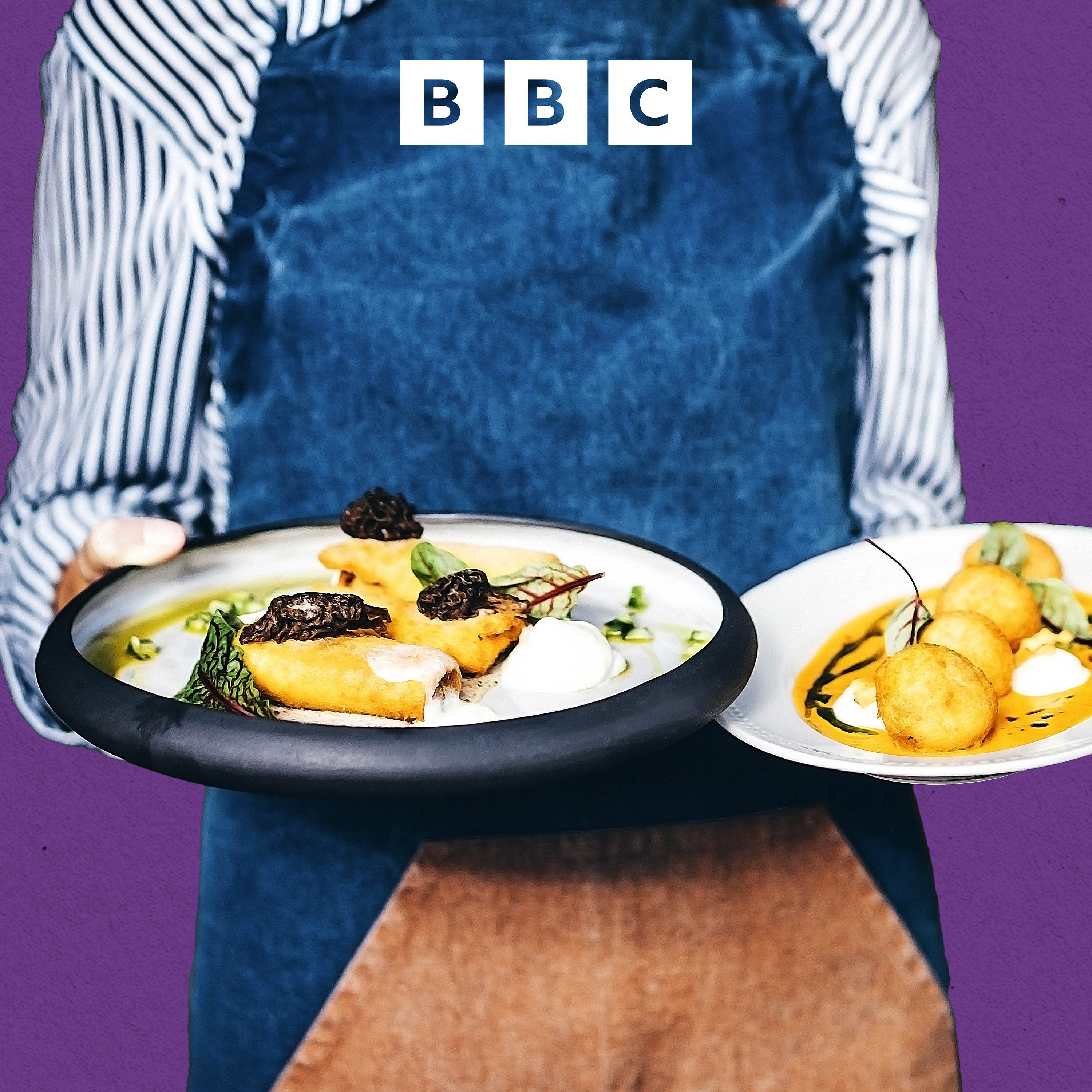
What are the highs and lows of waiting on tables? Ruth Alexander speaks to restaurateurs from London, New York and Mumbai to find out about the inner workings of one of the hardest jobs in the business. Ruth hears from French celebrity Maitre D, Fred Siriex, Mumbai based restaurateur Gauri Devidayal and Michael Cecchi-Azzolina, the New York based author of Your Table Is Ready. If you would like to get in touch with the show, please email: thefoodchain@bbc.co.uk Image: The torso of a waitress, carrying two plates of food, against a purple background. Credit: Maria Korneeva/Getty Images)
Nov 13
From pizza delivery to emergency aid, are autonomous aircraft the future? Ruth Alexander looks into whether drones are a feasible alternative to delivery drivers and traditional air drops. We hear how fast food and groceries are being delivered into suburban back gardens in Helsinki and Dublin and to a waterside collection point in Hong Kong. Is this technology something we might see everywhere soon? Ruth looks at its advantages and limitations and finds out how drones are carrying essential food to remote communities in Madagascar. Taking part were Danny Vincent, BBC Hong Kong reporter, Ville Lepalä, the CEO and co-founder of Huuva foodhall, Bobby Healy, the CEO of Manna Aero, Santanu Chakraborty, chief executive officer of Bal Raksha Bharat – Save the Children India and Hedley Tah from the United Nations Humanitarian Air Service, which is run by the World Food programme. Produced by Rumella Dasgupta. Image: A drone is flying against a stylised blue sky background. It is holding a white box which says Food Delivery on it in black letters. (Credit Getty Images/ sarawuth702)
Nov 6
Turmeric has been revered for thousands of years, not just for its mellow taste but for its golden colour and its supposed health giving properties. Rumella Dasgupta looks at its history, its uses in food and medicine and talks to scientists who have studied the spice. She finds out what they've learned about its fabled medicinal qualities and whether it's really worth paying for expensive turmeric lattes and turmeric supplements. Featuring Dr Kathryn Nelson, Prof Amit Garg, Ragini Kayshap and Seema and Sarla Nagpaul. If you would like to get in touch with the show, please email thefoodchain@bbc.co.uk Producer: Lexy O'Connor Sound mix by Annie Gardiner (Image: a teaspoon of golden turmeric powder sits on a spoon, against a bright green background. Credit: G/ Getty Simonkr)
Oct 30
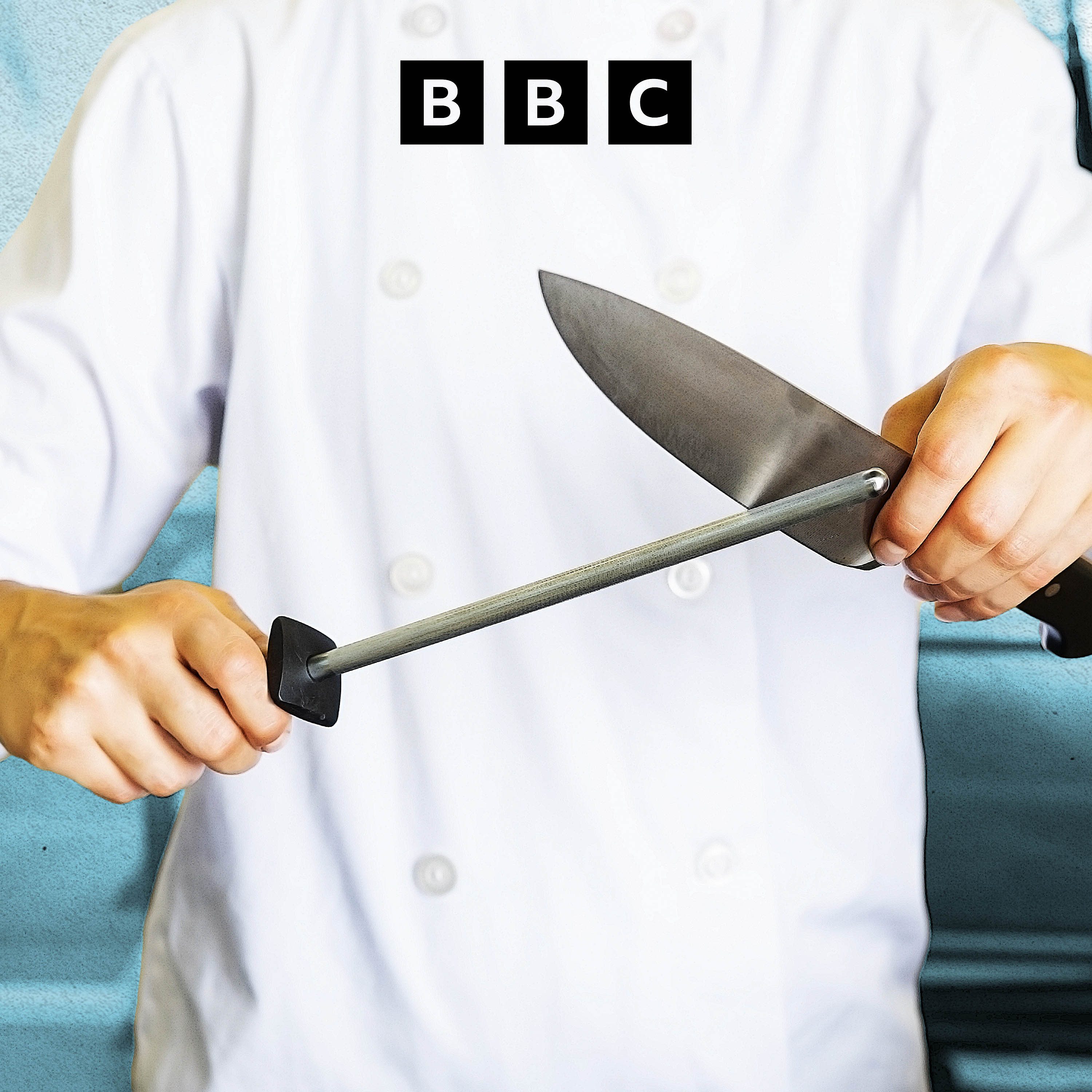
You've got to be full of passion to make it as a top chef. It's a highly skilled and physically demanding job that comes with long hours. Ruth Alexander talks to three celebrated and talented chefs from three different continents about the highs and lows of their careers. They tell Ruth why they love the job so much and whether chef culture has changed in the years they've been working in kitchens. Featuring May Chow, Chantel Dartnall and Sean Kenworthy. If you would like to get in touch with the show, please email: thefoodchain@bbc.co.uk Image: A chef in a white jacket sharpens a big knife in a professional kitchen. Credit: Getty images / Fertnig.