3h ago
Why is whiskey maker Jim Beam pausing production?
Leanna Byrne takes a look as Jim Beam, one of the most recognisable names in American bourbon, confirms it will pause production for a year at its main Kentucky distillery from January. India and New Zealand strike a new free trade deal, cutting tariffs and opening markets on both sides. And at the box office, the latest Avatar: Fire and Ash opens more quietly than expected in the US, despite strong takings overseas.
2d ago
Is EU money enough for Ukraine?
Ukraine's position has been strengthened by a €90bn loan agreed by the EU after failing to agree on using frozen Russian assets. But is it enough to keep the country going? In Sri Lanka, the International Monetary Fund has also approved a $206 million in emergency financing to help the country rebuild after a devastating cyclone. What will taking on more debt mean for the country's future debt sustainability? Elsewhere, the former Chair of the independent board of Ben & Jerry's ice cream independent board has told World Business Report she was forced out by the company's owners, Magnum Ice Cream, following years of tension over Ben & Jerry’s outspoken social activism. Also, Sony has more than doubled its stake in Peanuts, bringing Snoopy and Charlie Brown under its corporate umbrella, while the creator's family keeps the remaining 20% share. (Photo: A serviceman of the 66th Separate Mechanized Brigade prepares to launch a Darts middle range strike unmanned aerial vehicle towards Russian troops. Credit: December 16, 2025. REUTERS/Sofiia Gatilova)

3d ago
TikTok lives to scroll another day
TikTok’s Chinese owner ByteDance has struck a deal with US and global investors to keep the app operating in America. But who really comes out on top? Could Japan’s interest rate hike offer relief to struggling households? Shipping giant Maersk has sent its first vessel through the Red Sea in two years. And how could a new EU finance deal strengthen Ukraine’s defence against Russia? Presenter: Leanna Byrne Producer: Niamh Mc Dermott Editor: Justin Bones

3d ago
Will Europe use frozen Russian assets to fund Ukraine?
Volodymyr Zelensky has called on EU leaders at a crunch summit urgently to agree to a multi-billion euro loan in frozen Russian money to fund Ukraine's military and economic needs. Andrew Peach hears from EU leaders and an expert in Brussels. Also, Bolivia ends two decades of fuel subsidies, introducing tough measures to stabilise the public finances, but will people put up with paying more for fuel? And the economic challenges of making guitars, as Hoffner - famous for making Paul McCartney’s iconic violin-shaped bass guitar – has filed for insolvency in Germany. (Photo: Ukrainian President Volodymyr Zelensky gives a press conference during the EU Council Summit in Brussels, Belgium, 18 December 2025. Credit: OLIVIER HOSLET/EPA/Shutterstock)

4d ago
Price increases in America ease unexpectedly
It's a big data day for the US, Europe and the UK. What do interest rates decisions and inflation data mean for the global economy? India's textile businesses say high US tariffs are causing major pain for businesses. We hear from the Treasurer of the Tiruppur Exporters Association. And should we be categorising Labubu dolls as a fad? You can contact us on WhatsApp or send us a voicenote: +44 330 678 3033. Presenter: Leanna Byrne Producer: Victoriya Holland Editor: Stephen Ryan

4d ago
How is the US ship blockade affecting Venezuelans?
The US has stepped up its blockade on Venezuela’s sanctioned oil tankers, as humanitarian workers are warning that the situation would get worse if food and medical supplies can’t get into the country. We hear from people living in Caracas and someone who has left the country few days ago. Also, the board of Warner Brothers Discovery has told shareholders to reject Paramount's $180 billion dollar hostile bid for the entirety of its business. And the Oscars are to be streamed on YouTube from 2029 after the tech firm outbid traditional broadcasters. (Photo: Venezuela's President Nicolas Maduro gestures, during a march to commemorate the Battle of Santa Ines in Caracas, Venezuela, December 10, 2025. Credit: REUTERS/Gaby Oraa)

5d ago
Why will the world use more coal than ever this year?
The International Energy Agency says we'll burn through a record 8.85 billion tonnes of coal in 2025, the first overall increase in fifteen years. We hear from Ro Dhawan, at the International Council on Mining and Metals about a path towards using more clean energy. Plus, the price of oil is up after US threats of a blockade on sanctioned Venezeulan tankers. And could Amazon be getting a big order for its computer chips? You can contact us on WhatsApp or send us a voicenote: +44 330 678 3033. Presenter: Leanna Byrne Producer: Victoriya Holland Editor: Justin Bones
5d ago
Why is black unemployment rising in the US?
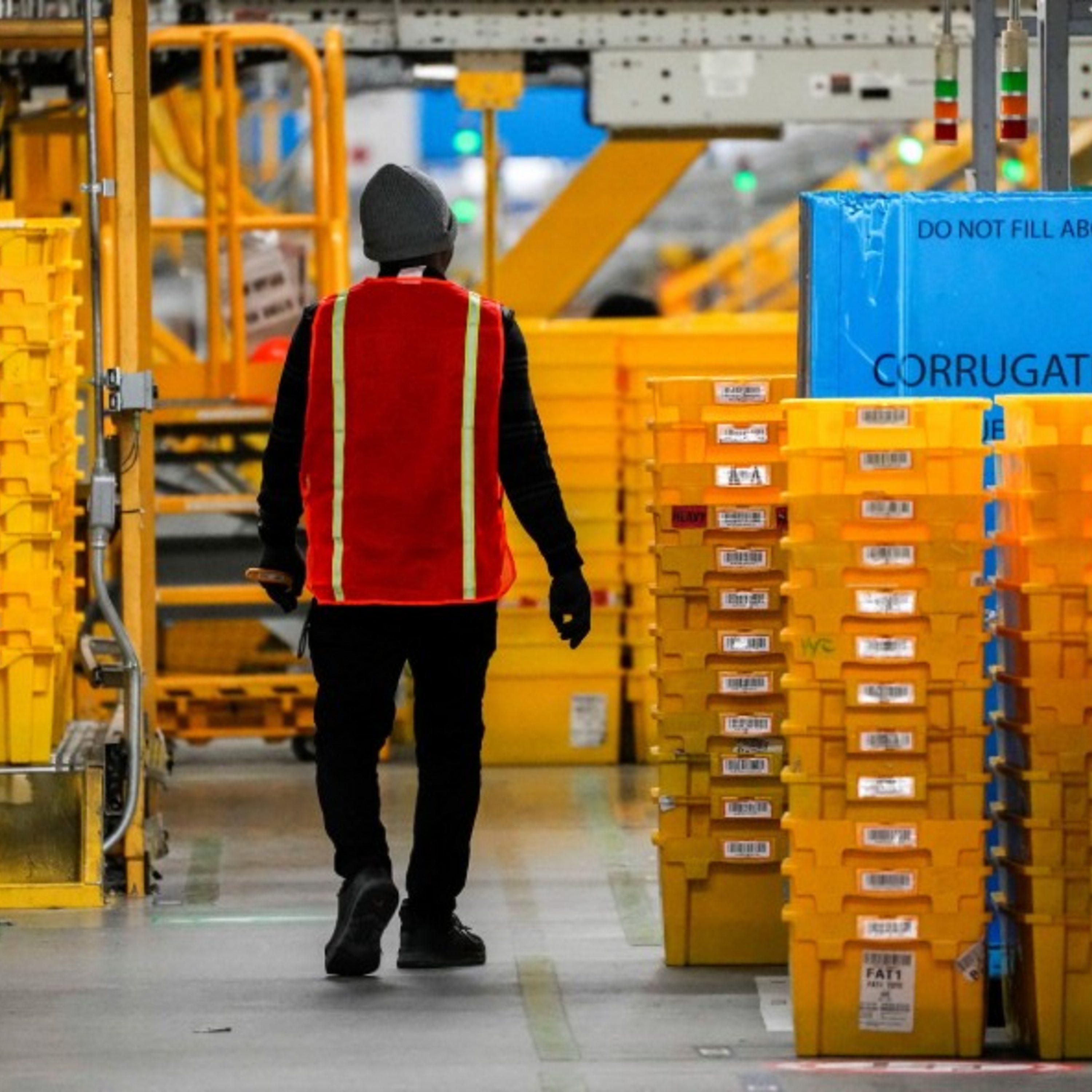
Why are black women are being hit hardest in today’s jobs market? With African American unemployment at a four-year high, we hear from women searching for work. In Japan, a “human washing machine” could soon be hitting the shops. The European Union waters down its own plan to ban petrol and diesel vehicles by 2035. We hear how the trucking industry is changing in Canada. And Ed Butler speaks to an 11-year-old farmer travelling from Ireland to Brussels by tractor with his dad, ahead of a major protest. PHOTO: A worker walks next to products during Cyber Monday at the Amazon's fulfilment centre in Robbinsville, New Jersey, U.S. December 1, 2025. REUTERS/Eduardo Munoz
6d ago
US jobs report shows rise in unemployment
The Bureau of Labor Statistics has released its long-awaited data, showing mixed signals for the US jobs market. The unemployment rate is at a four-year high of 4.6%, up from 4.4%. The European Union is set to soften its planned ban on new petrol and diesel cars, giving carmakers more time to move away from combustion engines. We hear from Wolfgang Weber, CEO of German electro and digital industry association (ZVEI). And the last vehicle will roll off the assembly line at Volkswagen's plant in Dresden today. First time ever the German carmaker closed a manufacturing plant in its home country. You can contact us on WhatsApp or send us a voicenote: +44 330 678 3033. Presenter: Leanna Bryne Producer: Victoriya Holland Editor: Justin Bones
6d ago
Will the EU hit the brakes on its combustion car ban?
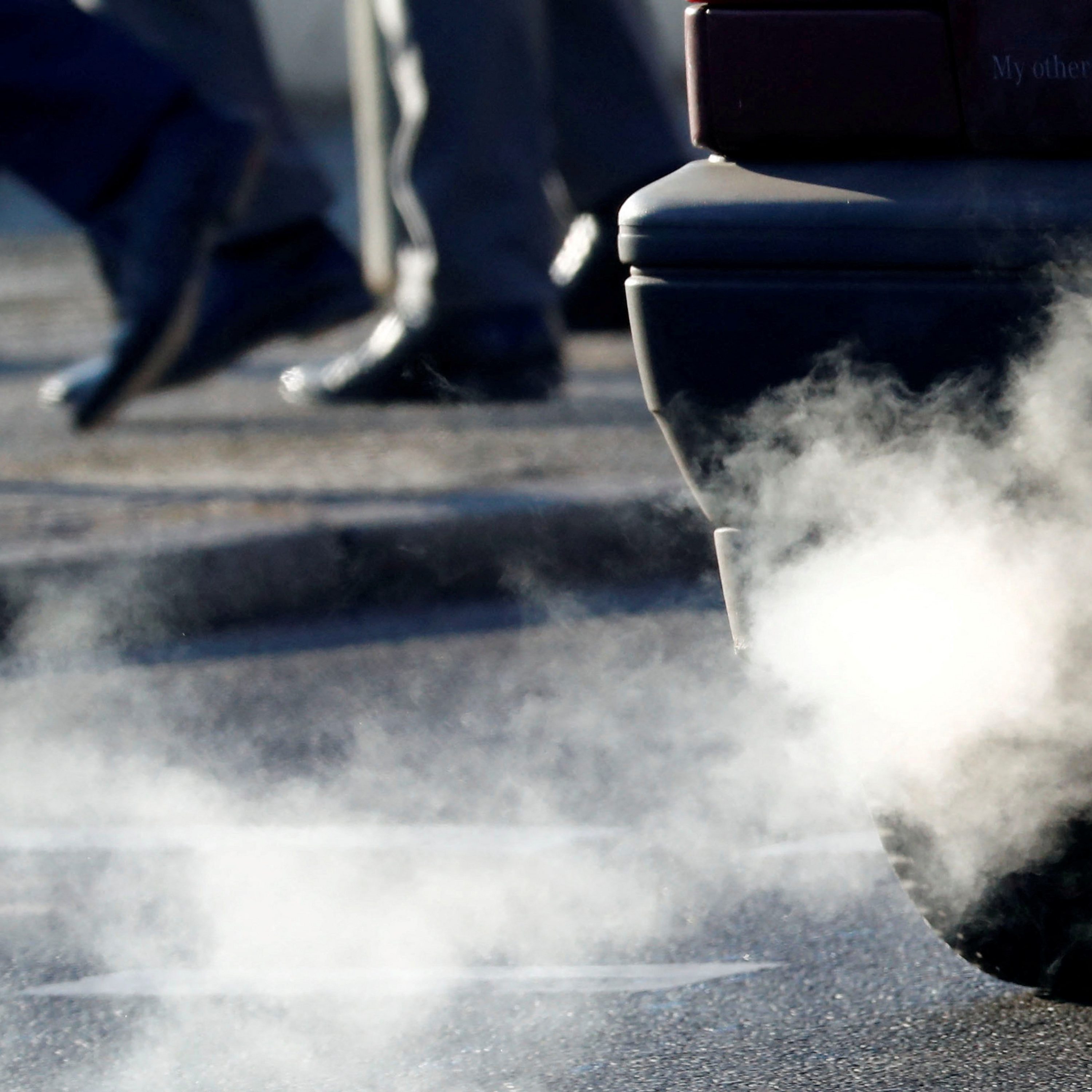
The European Union once set an ambitious goal: by 2035, all new cars sold would be fully electric. But now, the BBC understands that Brussels is considering scrapping, or at least watering down, its plan to ban new petrol and diesel vehicles. So what could it mean for carmakers and consumers across Europe? South Korea and the UK have signed a new trade deal. In the US, people applying for a skilled worker visa will now have their social media profiles screened. And who's winning the race to build the most sophisticated AI models? (Photo: An exhaust pipe of a car is pictured on a street in Berlin, Germany. Credit: REUTERS/Fabrizio Bensch)
Dec 15
Spain hits Airbnb with a major multimillion fine for illegal listings
The Spanish government has fined property rentals giant Airbnb €64m ($75m) for advertising unlicensed apartments. Andres Barragan, Secretary General for Consumer Affairs in the Spanish Government, tells this programme that the short term rent for tourism is rising the rent price. In India, pollution is grinding the economy to a halt. And in Paris, workers at the Louvre are on strike in a dispute over demand for extra staff and measures to tackle overcrowding. You can contact us on WhatsApp or send us a voicenote: +44 330 678 3033.
Dec 12
Trade tensions: EU vs China
Trade tensions rise as the EU investigates Chinese firms over possible unfair government subsidies. We hear from the China Chamber of Commerce to the EU who says they are being unfairly targeted. Plus, who will pay the new €3 tax on small parcels from China - businesses or consumers? Why are most household things still not being recycled? And sport fans in the US will soon be able to subscribe to a new YouTube TV package. [Photo: An attendant walks past EU and China flags in Beijing, China. Credit: REUTERS/Jason Lee]

Dec 12
Australia's under-16s social media ban faces courtroom test
Gideon Long takes a look as online discussion forum Reddit challenges Australia’s ban on social media for under-16s. Plus, after Ben from Ben & Jerry’s criticises the ice-cream maker’s owners, they hit back — speaking exclusively to the BBC. And why are general strikes spreading across several European countries?
Dec 11
Disney & OpenAI deal: Threat or opportunity?
Disney is investing $1bn in OpenAI, letting fans create AI-generated videos with its characters. But what will the deal mean for the future of entertainment? We hear from people across the creative industry. Tickets for next year’s World Cup in the USA, Canada and Mexico have gone on sale but fans say the prices are “extortionate.” In Kenya, a court has frozen a multibillion-dollar US health deal over data-privacy concerns. And Mexico is hitting China with a wave of new tariffs. (Picture: A Walt Disney World entrance sign in Orlando, Florida, USA. Credit: REUTERS/Jose Luis Gonzalez)

Dec 11
“Piracy” in the Caribbean?
Gideon Long speaks to a former Venezuelan diplomat about the US seizure of an oil tanker off the country's coastline. Where was it going and what could it mean for global oil supplies? Plus, the typhoon survivors from the Philippines taking oil giant Shell to court. And how does the World Cup ticket ballot actually work?
Dec 10
Interest rates: Will the cuts help Americans?
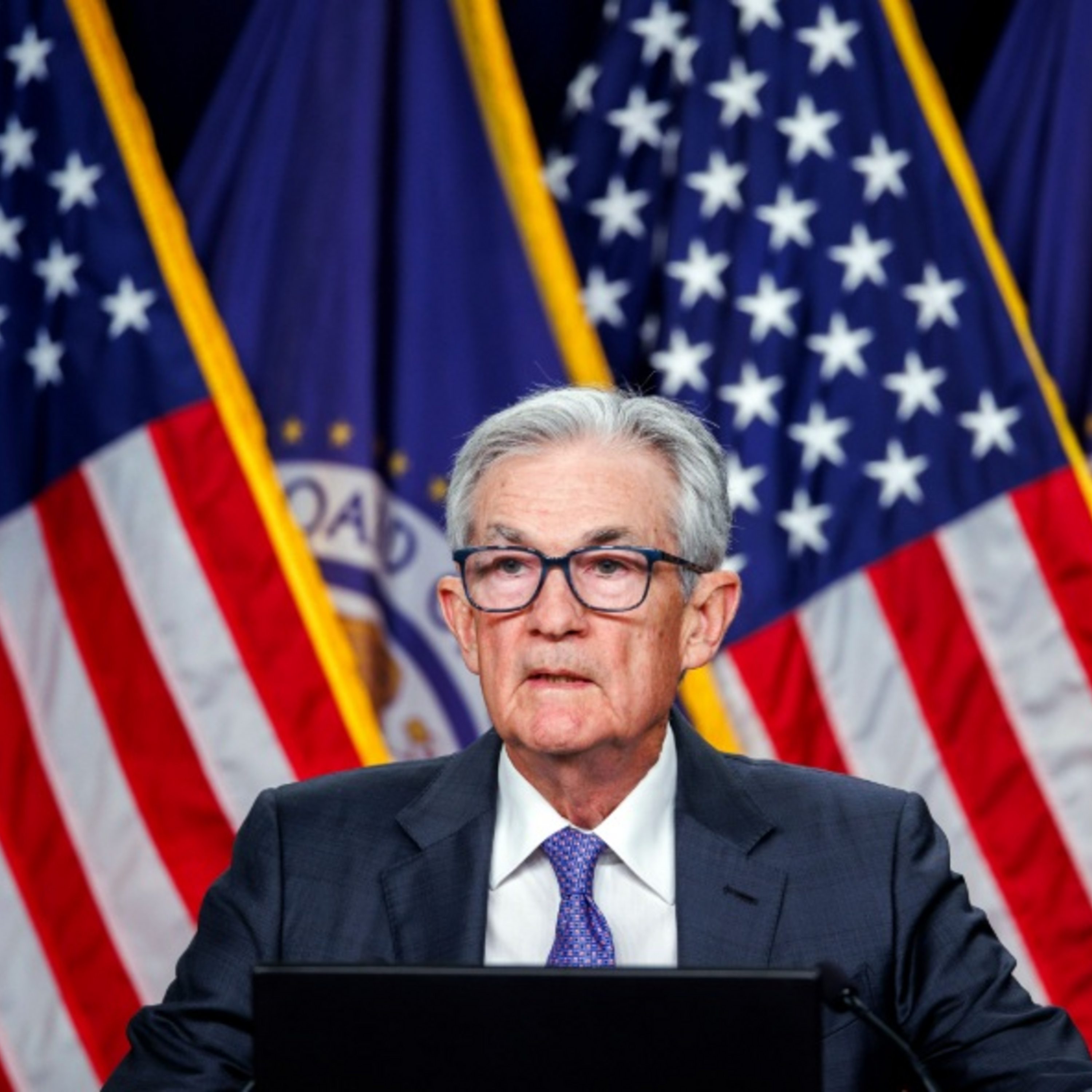
Could Americans finally get some financial relief? The Fed has cut interest rates to a three-year low, and President Trump promises to make ‘America affordable again.’ We speak to a business owner and a former Federal Reserve economist. Why is silver hitting record highs? And in Italy, the nations food has been granted the world’s first-ever heritage status. You can contact us on WhatsApp or send us a voicenote: +44 330 678 3033. (Photo: US Federal Reserve Chair Jerome Powell attends a press conference at the Federal Reserve, Washington, DC USA, 10 December 2025. Credit: WILL OLIVER/EPA/Shutterstock (16075439n))
Dec 10
What’s up with surging silver prices?
Silver is trading at record highs as demand from the tech industry soars — Leanna Byrne finds out why the precious metal has become one of the market’s hottest assets. The boss of Coupang, South Korea’s largest online retailer, resigns after the country’s biggest-ever data breach. And Amazon plans to double its investment in India by 2030.
Dec 9
The chip race heats up as the White House eases rules on China
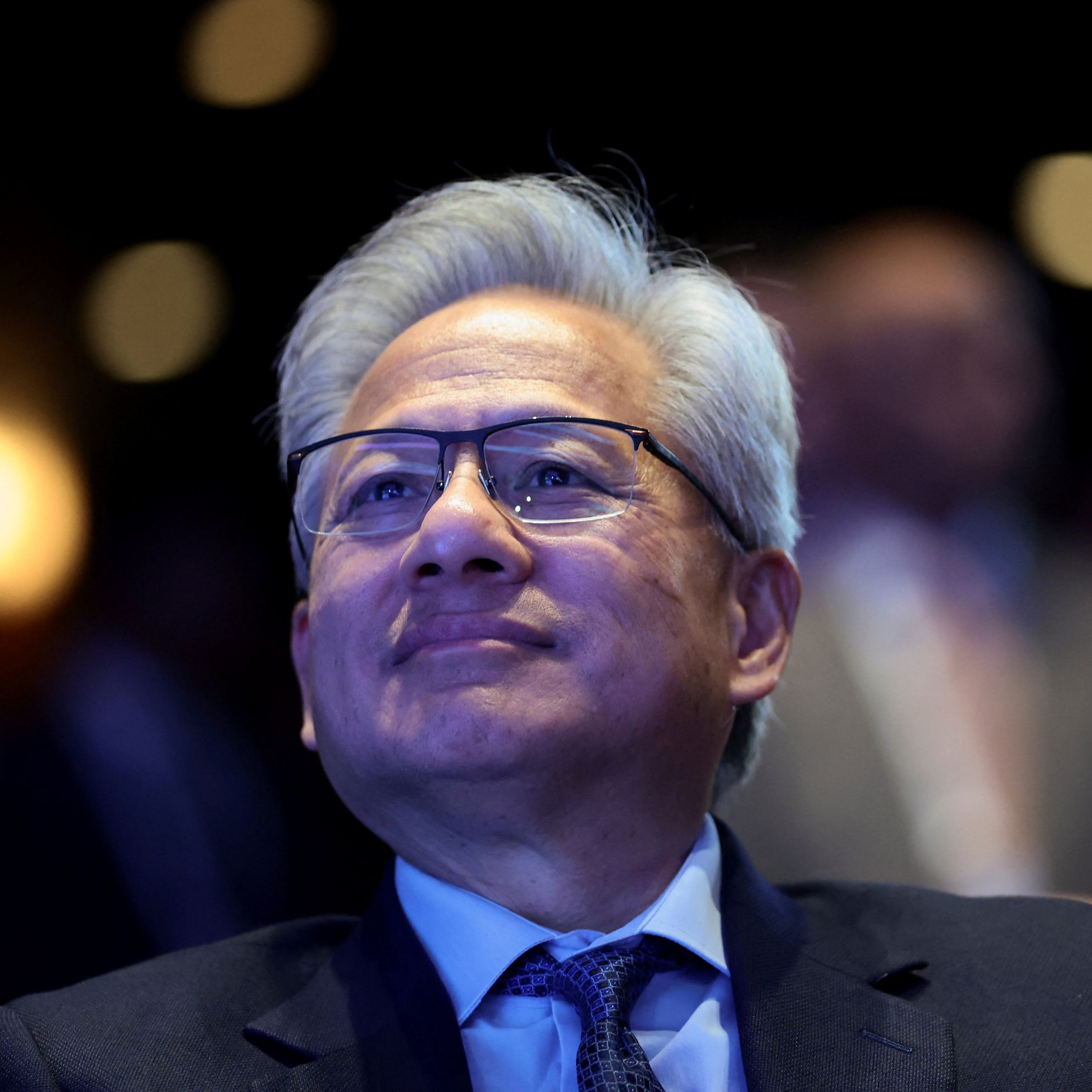
President Donald Trump has opened the door for China to buy Nvidia’s most advanced semiconductors — a U-turn on President Biden’s policy and a move that could reshape the global AI race. We'll also look at what’s behind sweeping raids across Argentine football, with tax officials targeting the football federation and several top clubs. And the US job market rose to a five-month high in October. Why? You can contact us on WhatsApp or send us a voicenote: +44 330 678 3033. (Picture: Jensen Huang, CEO of Nvidia, attends the US/Saudi Investment Forum in Washington DC. Credit: REUTERS/Evelyn Hockstein)
Dec 9
Does China actually want Nvidia’s AI chips?
President Donald Trump has given Nvidia the green light to sell more advanced AI chips to China, reversing a key Biden-era restriction. Hannah Mullane asks what economic impact could this have? Plus, in Hollywood, the battle to buy Warner Brothers is far from over. And the surge in demand for luxury fashion at African airports.
Dec 8
Paramount Skydance has made another offer to buy Warner Bros Discovery
Paramount is back, challenging Netflix in a takeover battle for Warner Brothers Discovery that could reshape the global streaming industry. What could the bidding war mean for Hollywood? We'll get reaction from an Oscar-winning producer. And as Syria marks a year since the overthrow of Bashar al-Assad, we hear why its economy remains extremely fragile. And while China’s exports are booming, many US farmers are feeling the strain — hit by low prices and years of disrupted sales to China. Now President Trump has announced a twelve-billion-dollar aid package to support them. We hear the reaction from the soybean farmer. You can contact us on WhatsApp or send us a voicenote: +44 330 678 3033. (Picture: The Warner Bros. studio water tower stands on the company's lot in Burbank, California, U.S. Credit: REUTERS/Mike Blake)

Dec 8
Paramount challenges Netflix
Paramount Skydance is launching a hostile bid worth more than 100 billion dollars in a last ditch effort to stop its sale to Netflix. Leanna Byrne asks, what does Netflix need to do to get the deal done? Also, China is running a massive trade surplus, and other countries aren't happy about it. And Elon Musk escalates his clash with the European Commission after an EU fine over blue tick badges.

Dec 5
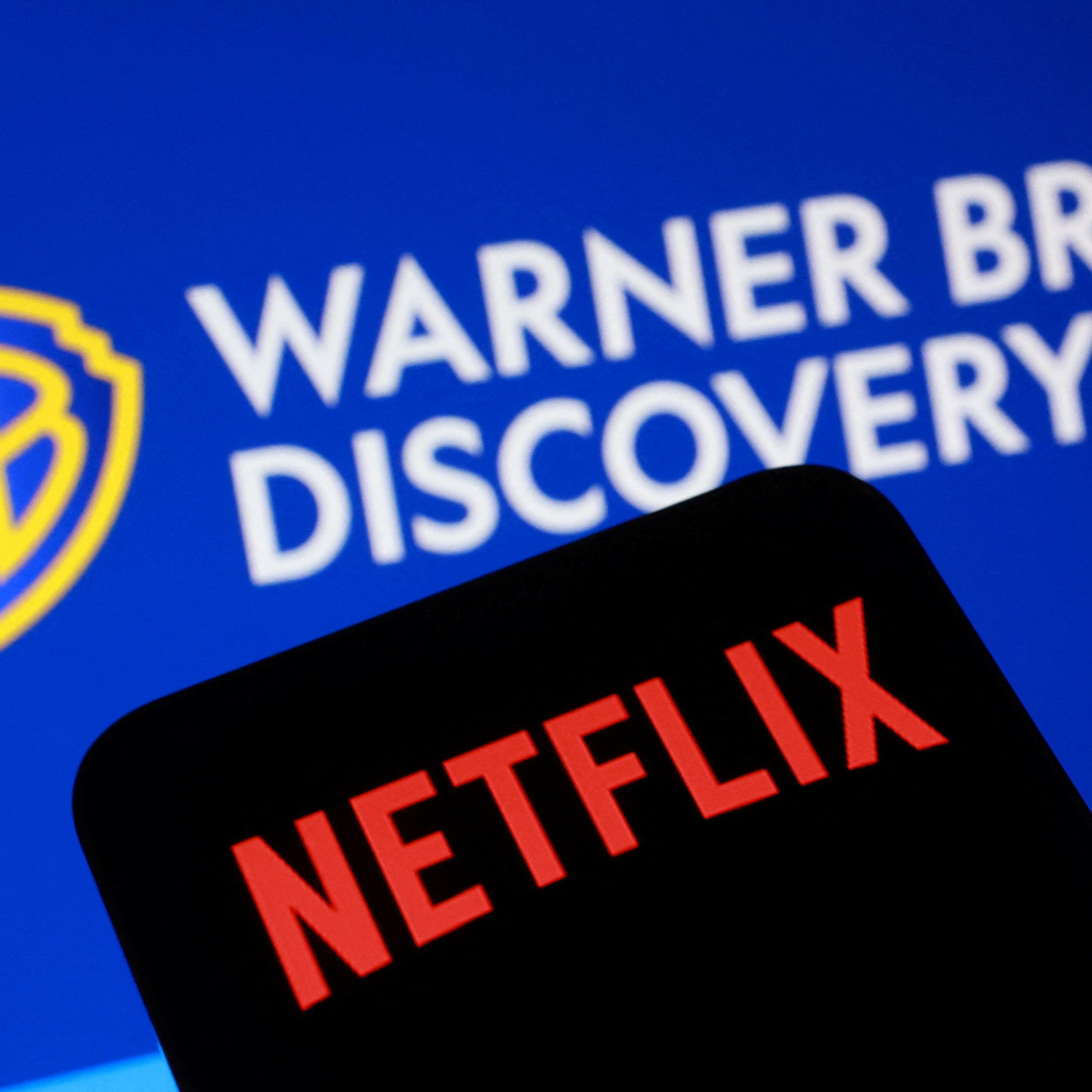
Netflix to take over Warner Bros film and streaming business
Netflix has agreed to buy the film and streaming businesses of Warner Bros Discovery for $72bn in a major Hollywood deal. Warner Bros owns the streaming service HBO Max, as well as major franchises like Harry Potter and Game of Thrones. Is this the beginning of a radical reshaping of the US media industry? Indian officials say they have arrested one of the world's most wanted traffickers of tiger body parts. We hear from a wildlife crime expert about the size of the trade and the threat to tiger populations. And Curaçao - a tiny southern Caribbean island with around 155,000 inhabitants - will face four time winners Germany at the FIFA World Cup. We hear from one superfan who is figuring out how he will get there. You can contact us on WhatsApp or send us a voice note: +44 330 678 3033. Illustration: REUTERS/Dado Ruvic
Dec 5
Netflix to buy Warner Bros film and streaming
In Hollywood’s biggest plot twist of the year, Netflix has agreed to buy Warner Bros' streaming and studio business for $72bn (£54bn) in a deal that can potentially pave the way for a radical reshaping of the US media industry. Russian President Vladimir Putin promised to provide uninterrupted fuel supplies for India as Delhi faces heavy pressure to stop buying oil from Moscow. Also, in India, the civil aviation ministry says it's immediately suspending some rules governing pilots' night working hours after mass flight cancellations by the country's biggest airline, Indigo. Presenter: Leanna Byrne Producer: Ahmed Adan Editor: Justin Bones
Dec 4
Will Putin's visit to India help Russia to continue to trade oil?
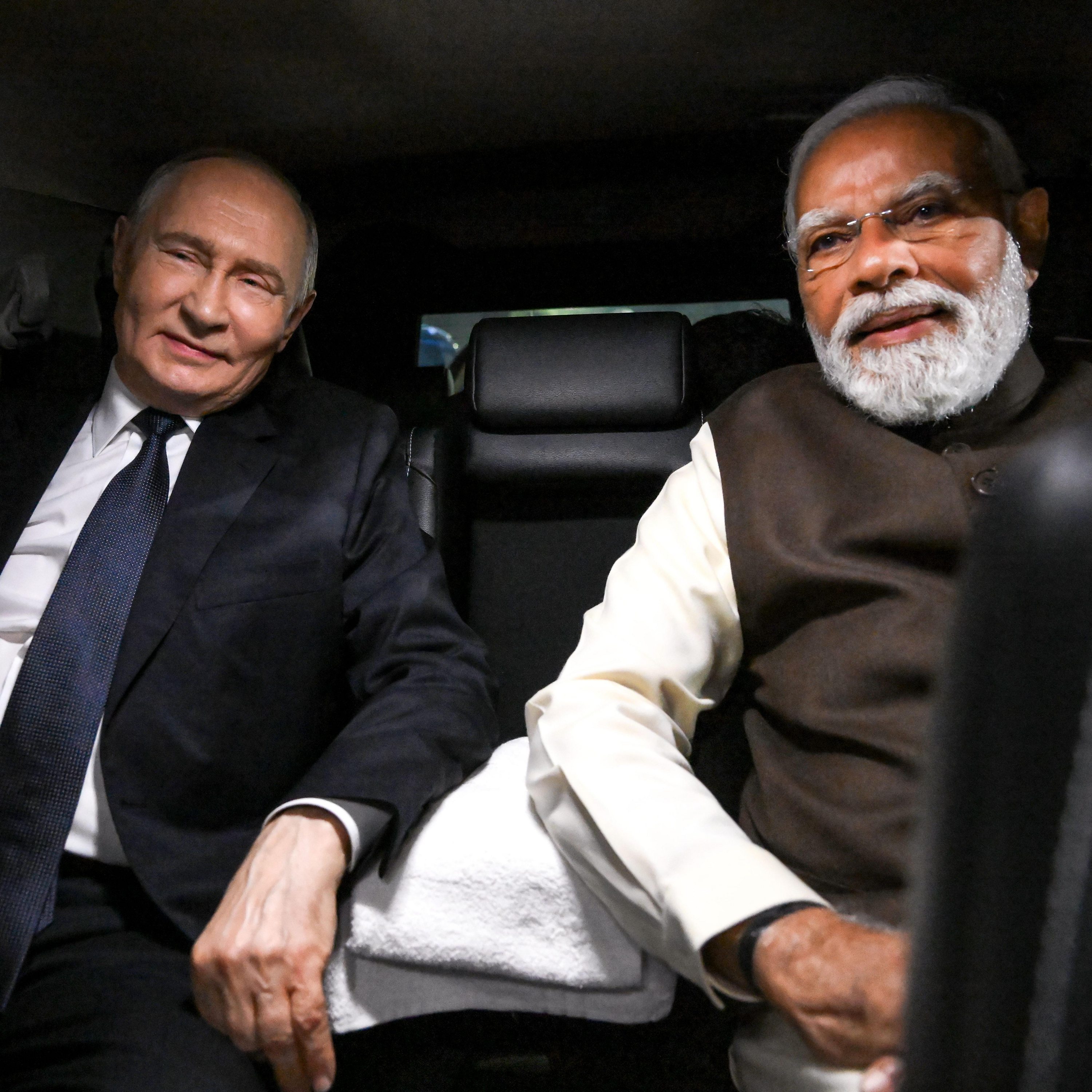
President Putin has arrived in India for talks expected to focus on trade and expanding defence ties. India, like China, has been a big purchaser of Russian oil and has been accused by the West of financing the war. We hear from Russia and oil industry experts. Also, why scam centres in Myanmar have attracted the attention of both government forces and insurgent groups. And what next for Eurovision? Netherlands, Spain, Ireland and Slovenia boycott the song contest after Israel is allowed to compete. We find out this means for the future of the competition. You can contact us on WhatsApp or send us a voicenote: +44 330 678 3033. (Picture: Russian President Vladimir Putin and Indian Prime Minister Narendra Modi sit in a car. Credit: Photo by GRIGORY SYSOEV/SPUTNIK/KREMLIN/POOL/EPA/Shutterstock)
Dec 4
Putin in India
Russia's president Vladimir Putin is visiting India. Economic cooperation is high on the agenda and, for India, its relationship with Russia is even more important with high US tariffs hurting the country's export market. The maker of the diabetes drug, Ozempic, could be facing a major headache after a court in India told a generic drugs company that they could export Novo Nordisk's key ingredient without patent protection And the EU is looking into the way Meta uses AI in WhatsApp. Presenter: Leanna Byrne Producer: Ahmed Adan Editor: Justin Bones
Dec 3
EU set to put forward proposal to spend Russian state assets
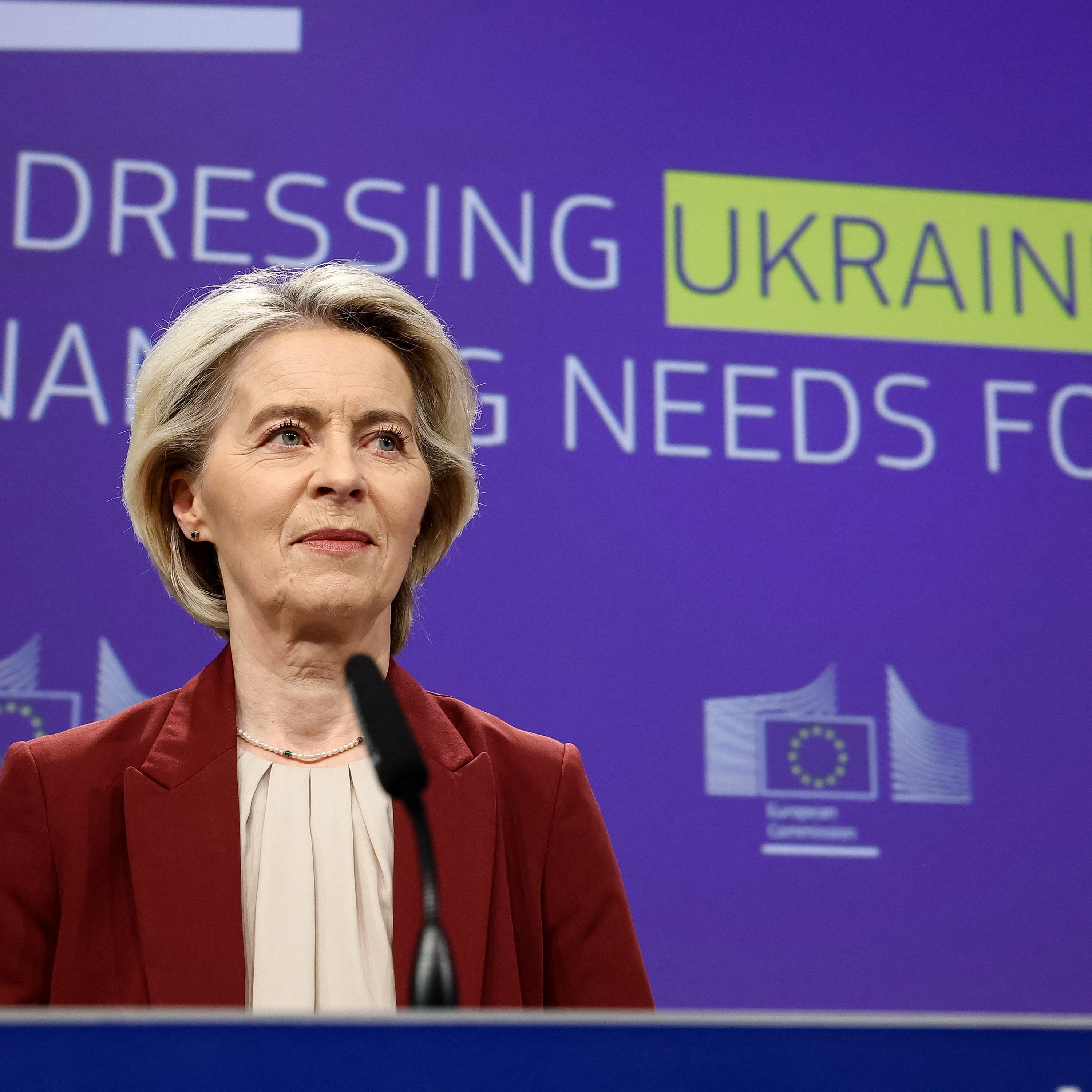
The EU's proposal would see €140bn of Russian state assets held in Belgium transformed into a "reparations loan". We hear the concerns from the Belgians - do they have cause for concern? Also, how the current tensions between the US and Venezuela will impact oil exports. And, what are your Spotify listening habits? You can contact us on WhatsApp or send us a voicenote: +44 330 678 3033.
Dec 3
Can Europe survive without Russian gas?
The European Union says it will stop buying Russian gas from 2027, but why is it taking so long as Russia continues to use money from fossil fuels to fund its campaign in Ukraine? William Lee Adams finds out. Also, France's president heads to China hoping to resolve a series of trade disagreements. India's government has scrapped an order to smartphone manufacturers to preload a state-run cyber safety app on all new devices. Presenter: William Lee Adams Producer: Ahmed Adan Editor: Justin Bones
Dec 2
Trump launches savings scheme for newborn babies
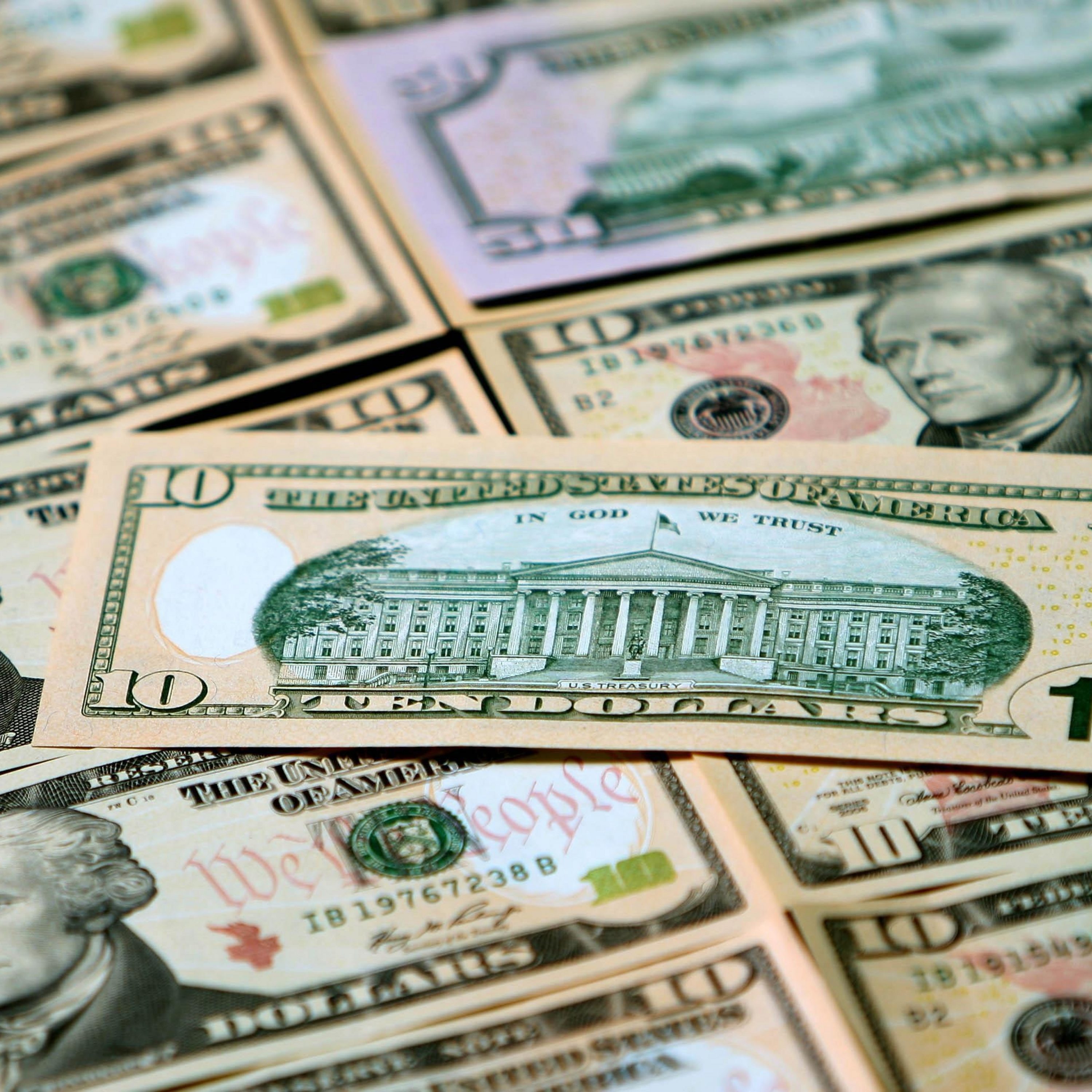
Ed Butler explores Invest America, a new US government initiative aimed at boosting long-term investment among younger citizens. The plan gives every newborn Americans $1,000 to invest in stocks and shares for their future, and is part of President Trump's controversial 'Big, beautiful' spending bill. We’ll also look at concerns over why India is requiring telecom companies to pre-install a government tracking app on all new mobile phones. And we revisit a 90s classic — the Tamagotchi is back on top as Japan’s most sought-after children’s gift this Christmas, nearly thirty years after it first became a sensation. (Picture: Stock selection of US Dollar notes. Credit: Chris Radburn/PA Wire.)
Dec 2
Oil shortage could leave country without fuel
Today, Serbia's only oil refinery is due to shut down, all because of US sanctions on the national oil company, which is mostly Russian-owned. So, what will this mean for the country's energy and how badly will it harm its economy? And Netflix has reportedly put in a second-round bid for parts of Warner Bros Discovery. Leanna Byrne looks at what Netflix actually wants. Also, for the first time in more than 20 years, a rare Fabergé egg is going up for auction. Presenter: Leanna Byrne Producer: Ahmed Adan Editor: Justin Bones
Dec 1
US manufacturing sounds alarm bells on the economy
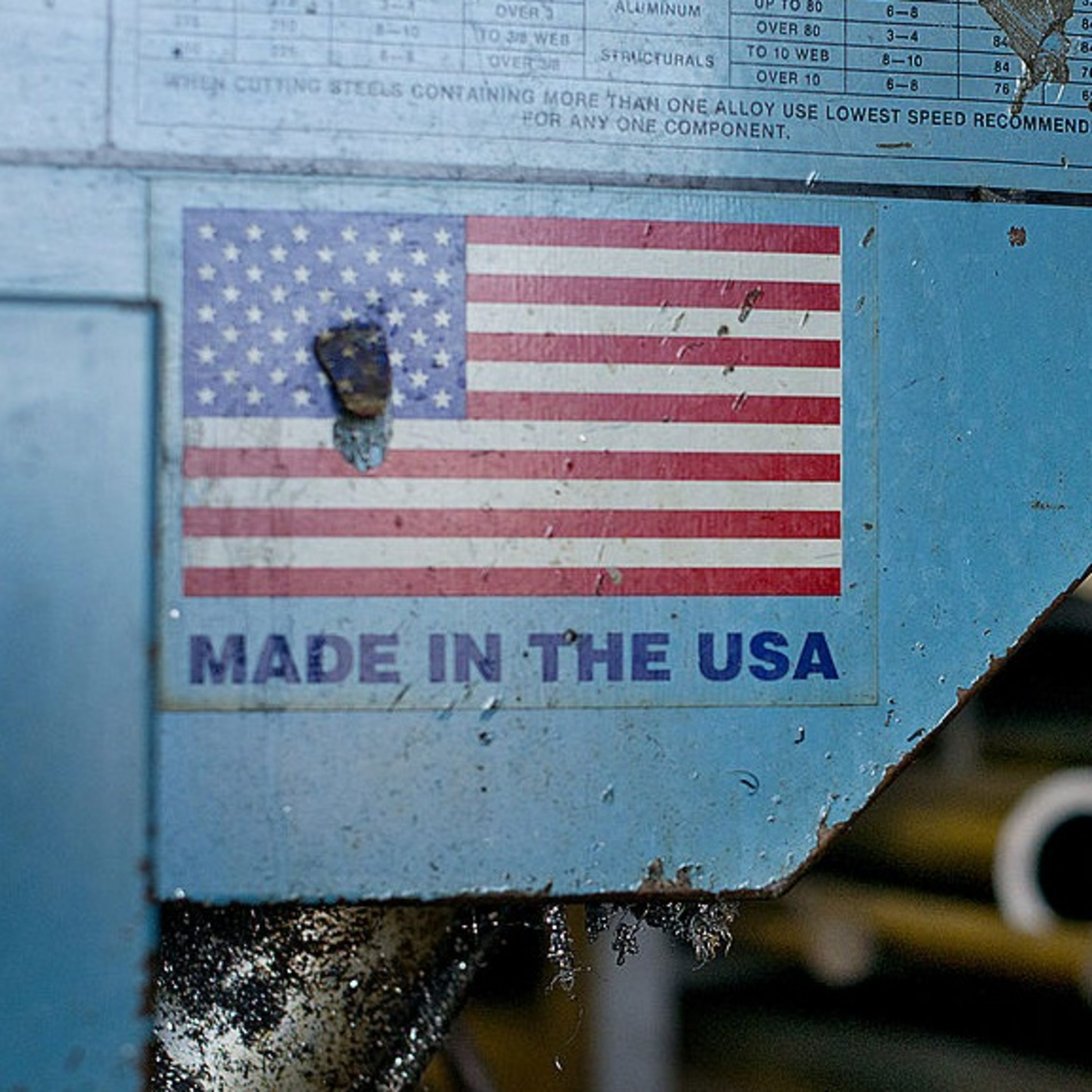
The two sides of the American economy today as consumers spend on Cyber Monday but manufacturers issue dire warnings. Presenter Bisi Adebayo hears from Jamaica which has just been promised a $7b billion boost as it rebuilds after the devastation of Hurricane Melissa. And Serbia is warning it could be just days away from a major fuel crisis - the country’s biggest oil refinery may have to shut down unless the United States grants it a license to keep operating under sanctions rules. You can contact us on WhatsApp or send us a voicenote: +44 330 678 3033.
Dec 1
Online retail giant hack exposes nearly 34 million customers' data
South Korea's largest online retailer, Coupang, has apologised for a massive data breach potentially involving nearly 34 million local customer accounts. And why did China’s factory activity unexpectedly contracted in November? Also, smartphone makers are asked to preload an India state-owned cybersecurity app that cannot be deleted on all new devices. Presenter: Hannah Mullane Producer: Ahmed Adan Editor: Justin Bones
Nov 28
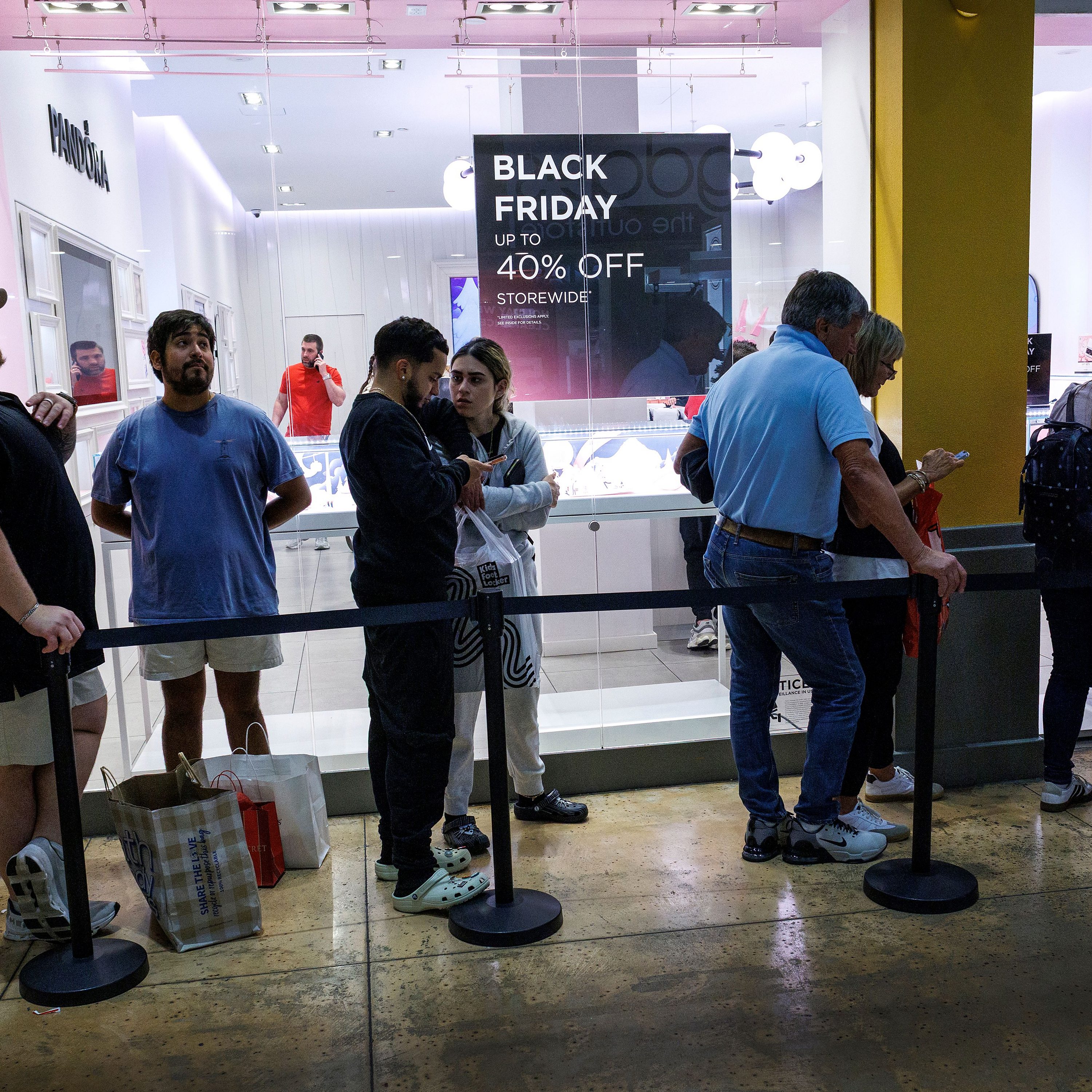
US Black Friday sales
Bisi Adebayo examines the sales statistics for Black Friday in the US to find out how confident the US consumer is feeling in an economy squeezed by higher prices and tighter budgets. And as Chancellor Merz writes to the EU Commission to ask for a reprieve on a deadline to phase out petrol and diesel cars, we speak to an auto-industry expert to find out why the German car industry is finding it hard to turn electric. (Picture: Shoppers stand in a queue at the Dolphin Mall during Black Friday in Miami, Florida, USA, 28 November 2025. Credit: CRISTOBAL HERRERA-ULASHKEVICH/EPA/Shutterstock)
Nov 28
India economy grows faster than expected
India’s economy grew 8.2% year-on-year for the period of July-September. The figures are largely being attributed to a boost in consumption, which makes up 60% of India’s GDP. General strikes are taking place across Italy today over the government's proposed 2026 budget law. And why are American retailers hiring a record low number of temporary workers this holiday season? Presenter: Stephen Ryan Producer: Ahmed Adan Editor: Justin Bones
Nov 28
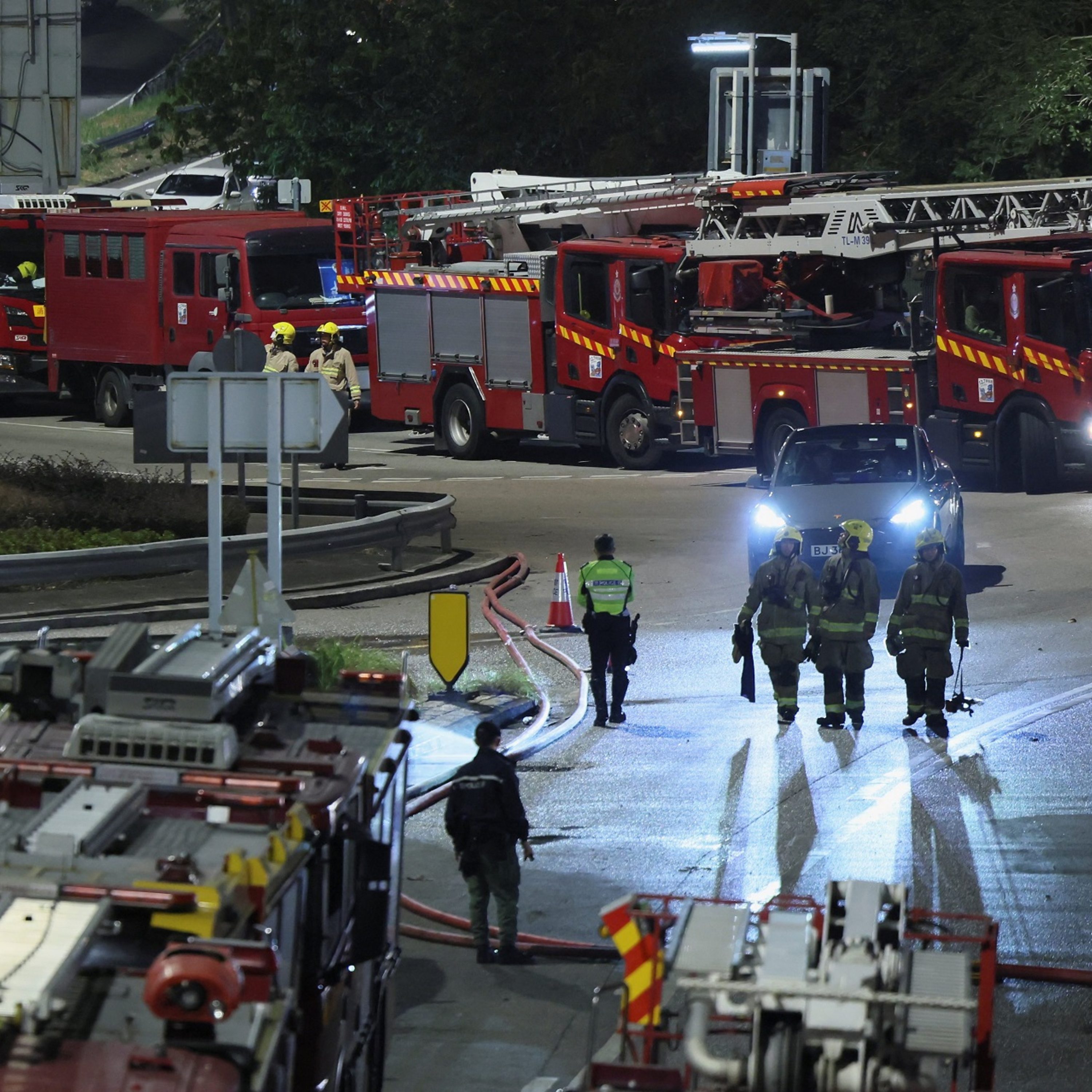
Hong Kong's deadliest fire in decades
With Hong Kong's emergency services dealing with their deadliest fire in decades, that's so far claimed the lives of 83 people at Wang Fuk Court, we look at the safety of the world's tallest buildings. Andrew Peach hears how relations between the United States and Venezuela are deteriorating, and what impact it is having on the aviation sector. And we look at the risks posed by the multi-million pound trade of illegal English Premier League football shirts. The latest business and finance news from around the world, on the BBC. (Picture: Firefighters operate outside an evacuation centre after a deadly fire broke out at Wang Fuk Court housing complex in Hong Kong. Credit: Reuters / Maxim Shemetov.)
Nov 27
What a cyberattack means for Asahi beer
Japanese brewing giant, Asahi, has delayed publishing its latest financial results because of the major cyberattack that began in September. Leanna Byrne hears from an expert in Japan. Also, why has Venezuela banned six international airlines, including Iberia, TAP and Turkish Airlines? And the Swiss tariff deal with the US that's facing a backlash. Presenter: Leanna Byrne Producer: Ahmed Adan Editor: Stephen Ryan
Nov 26
What does the UK budget show us about global debt challenges?
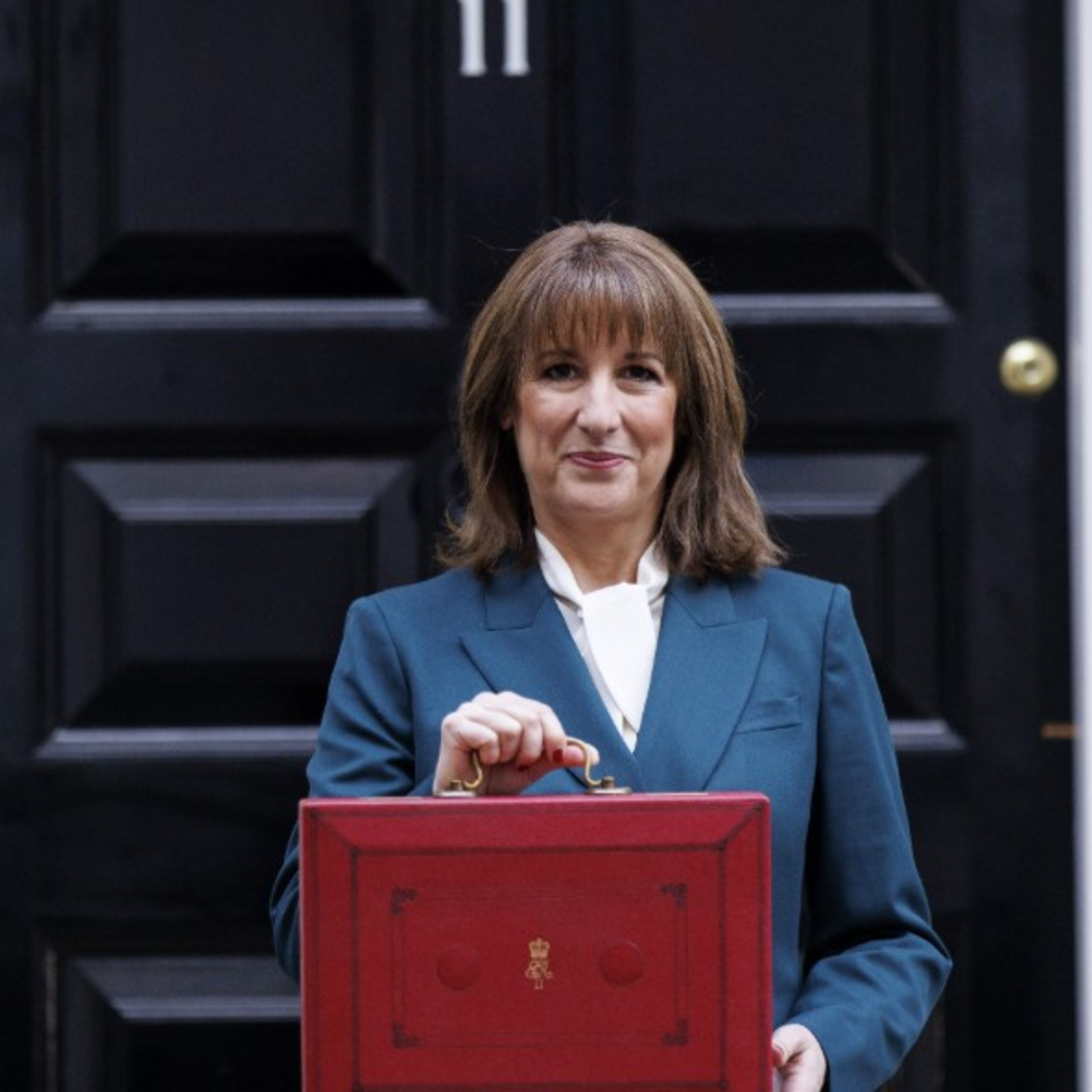
What’s the right approach when major economies are weighed down by growing debt? As the UK Government unveils its latest budget, Will Bain examines how debt is increasingly shaping economic decisions. We also look at the rise of California-based live-stream shopping platform Whatnot, now valued at around $11 billion and fast becoming a serious challenger in retail. And finally, what’s the big deal about wearing pajamas on planes? (Photo: Britain's Chancellor of the Exchequer Rachel Reeves holds her budget box outside number 11 Downing Street in London. Credit: Tolga Akmen/EPA Images)
Nov 26
Taxing more to cut the debt
The UK's net financial debt this year will be £2.6tn, meaning "one in every £10 the government spends is on debt interest". How are UK markets reacting to this? Leanna Byrne examines with our experts. Also, in Australia, two 15-year-olds are taking their government to court over a new law that bans anyone under 16 from using social media. And Iran is bringing in a higher fuel price, but only in certain situations. Presenter: Leanna Byrne Producer: Ahmed Adan Editor: Justin Bones
Nov 26
Half of Venezuela flights cancelled
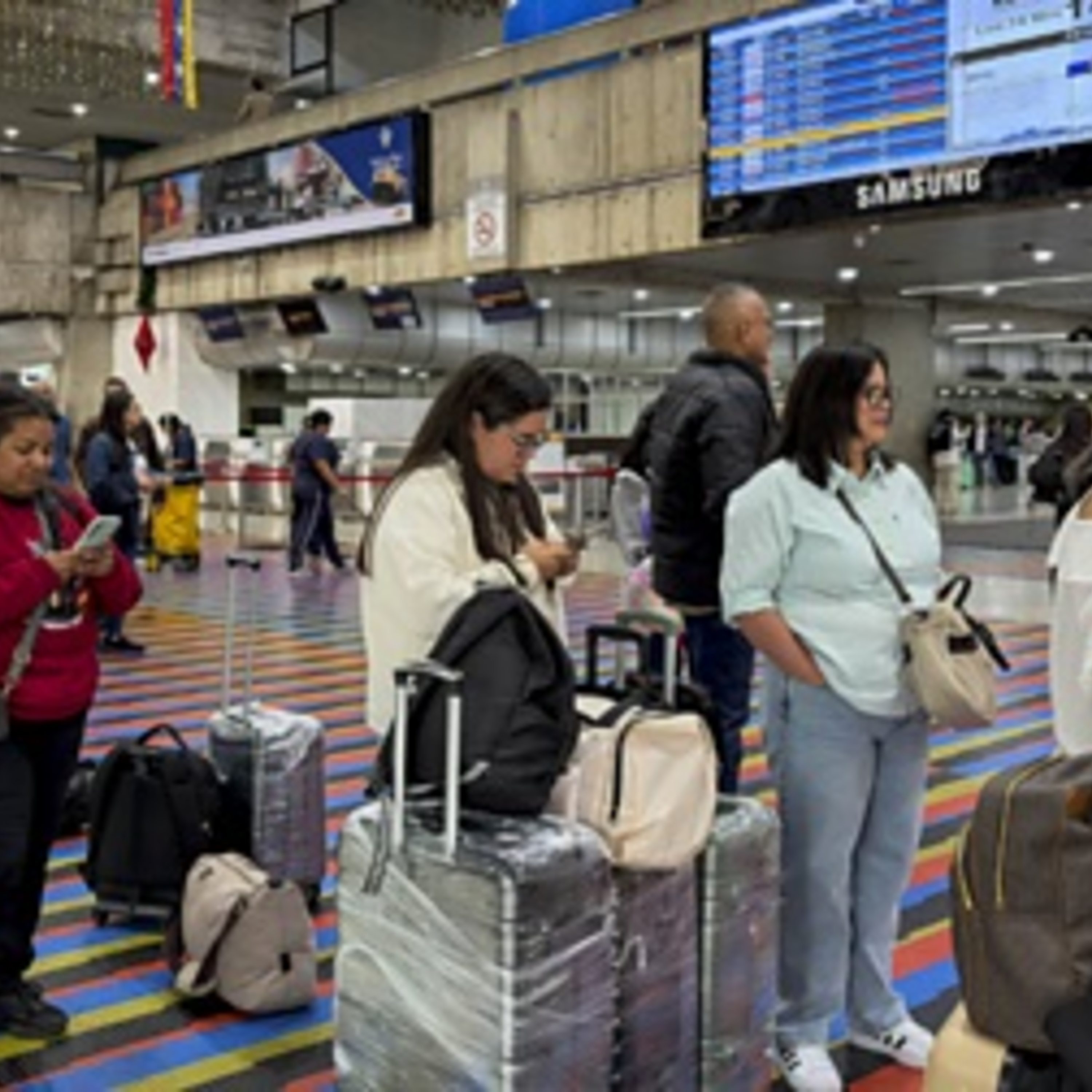
An airline industry body in Venezuela tells Will Bain flights in and out the country have already been cut by half, with major disruption looming as a dispute over the safety of Venezuelan airspace intensifies. Also, are American consumers starting to feel the pinch? We examine a series of data points suggesting confidence may be on the wane. And how a misplaced passkey left one of the world’s leading internet security firms red-faced. (Photo by MIGUEL GUTIERREZ/EPA/Shutterstock: Passengers wait in a line at Simon Bolivar International Airport, which serves Caracas, in Maiquetia, Venezuela, 24 November 2025.)
Nov 25
Can the UK Budget balance the books?
Britain's finance minister, Chancellor Rachel Reeves, is expected to raise taxes for both individuals and businesses in the UK's budget tomorrow. We hear from a restaurant owner on his concerns for the hospitality sector. And why Serbia says its main oil refinery may shut down within days. Presenter: Leanna Byrne Producer: Haider Saleem Editor: Justin Bones
Nov 24
Goodbye Doge
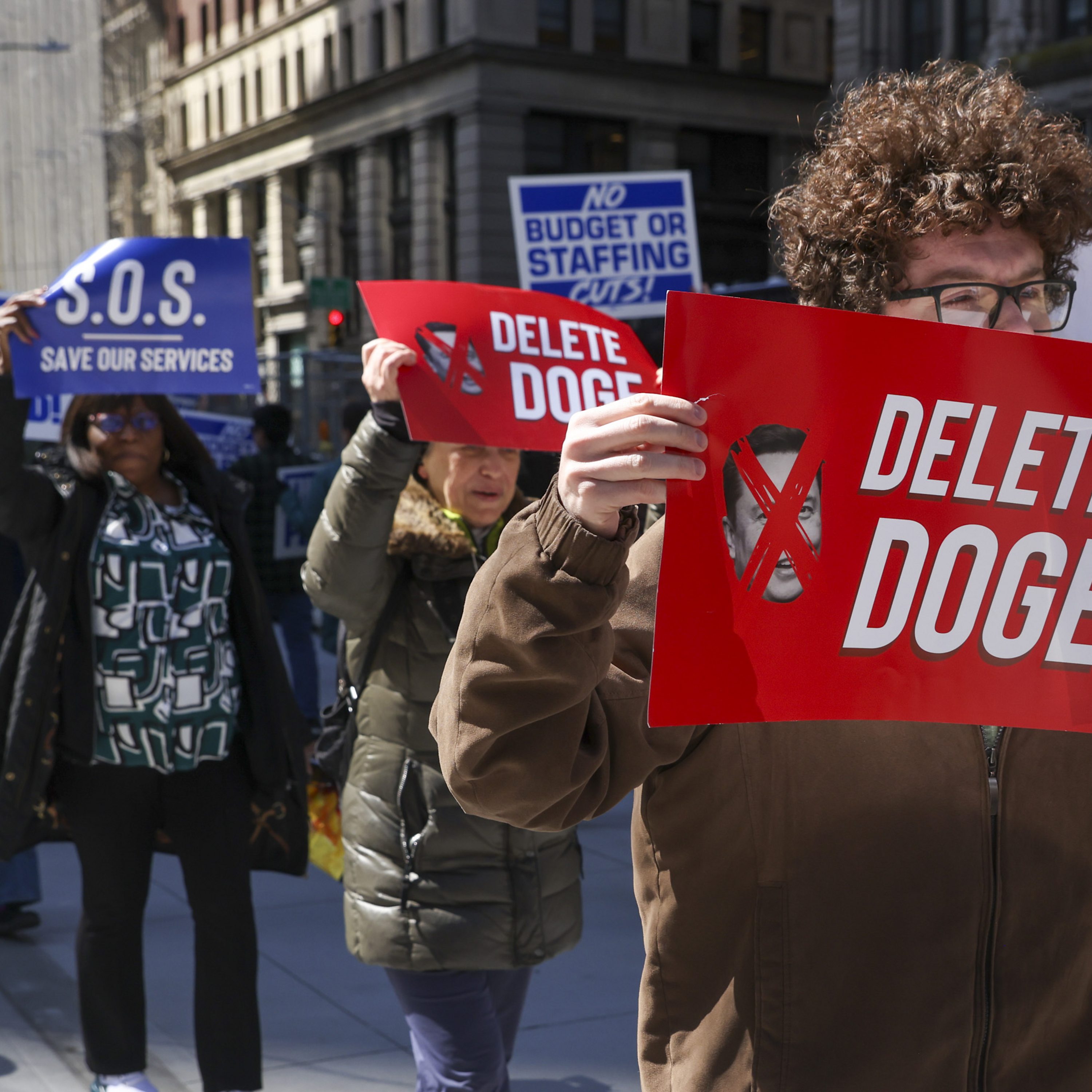
The US federal government's Department for Government Efficiency, Doge, has ended its cost-cutting mission eight months early. Bisi Adebayo examines whether it achieved what it set out to do. And as the latest iteration of the Wicked movie franchise hits the big screen, we ask what its success can tell us about the resilience of Hollywood.
Nov 24
Vodafone boss on the threat to the world’s internet
We hear from Vodafone's boss Margherita Della Valle on rising threats to vital undersea internet cables. We're days out from the UK's budget, what do we need to know? Britain's finance minister, Chancellor Rachel Reeves, is under presure to balance the country's books. And Japan once dominated the chip industry, but decades of decline left it trailing behind the likes of Taiwan and South Korea. Now, Tokyo is investing billions of dollars to try and turn that around. We hear from our Asia Business Correspondent Suranjana Tewari in Japan, to find out if the country can reclaim its tech. Presenter: Leanna Byrne Producer: Haider Saleem
Jul 11
Trump visits flood damaged areas in Texas
President Trump and the First Lady Melania Trump have visited central Texas today to survey where flash floods killed 120 people last weekend. As search teams continue to search for more than 160 people still missing, Mr Trump and his wife met families affected by the floods and first responders. Dr Sam Brody, Director of the Institute for Disaster Resilient Texas and a Professor at Texas A&M University discusses how disasters like this might be avoided in the future. Also on the programme, what impact could the 35% tariffs for Canada announced by Trump yesterday have on businesses there and why the post-covid trend of converting office buildings to homes is gathering momentum in New York.
Dec 24, 2021
Review of the year - 2021
The big event of 2021 that will shape economies all over the world for decades to come was the COP 26 climate conference in Glasgow in November. The meeting saw a deluge of promises, but what was actually achieved? Martin Webber speaks to Tim Gould, chief energy economist at the International Energy Agency and economist Irwin Stelzer, from the Hudson Institute in the United States. It was another boom year for the pharmaceutical industry as it crafted the vaccines that have saved so many lives. Of the 8 billion coronavirus vaccinations worldwide, one billion have been delivered by the US logistics company, UPS. We hear from Wes Wealer, President of UPS healthcare. And small business owners have had a bleak time for much of the past year. But many of those that have survived now feel optimistic. We hear from the owner of the Aroma speciality coffee shop in Bologna in Italy, Cristina Caroli, about her year.
Dec 25, 2020
Review of the year - 2020
Covid-19 is set to prompt radical long term changes to how we live and work, so what lessons can be learnt when we eventually emerge from the pandemic? Could the changes in the way we work herald higher productivity and happier people in the future? We hear the stories of the people who managed to thrive during a very difficult year, including the milkman who saw a boom in deliveries and the dancer who found work in South Korea when the London stage went dark. Martin Webber is joined by Professor Devi Sridhar who holds the Chair of Global Public Health at the University of Edinburgh; economist Roger Bootle, of Capital Economics; Robert Reich, former Labour Secretary under President Clinton; Tomas Philipson, who was Chair of the Council of Economic Advisors under Mr Trump; and actor Thomas Inge who is currentl starring in the musical Cats in South Korea.