unPAUSED with Dr. Mary Claire Haver
Audacy | Mary Claire Haver, MD
Audacy | Mary Claire Haver, MD
Welcome to unPAUSED, the podcast where bold, unfiltered conversations take place about what it really takes for women to thrive in the second half of life. Every week, Dr. Mary Claire Haver, a board-certified Obstetrician-Gynecologist, Certified Menopause Practitioner, and #1 New York Times best-selling author, tackles the conversations women actually need to hear. Dr. Haver sits down with a variety of medical experts, CEOs, and risk-takers to discuss everything that matters, from hormones and identity to financial power, relationships, and the tools needed to build the life you want. unPAUSED is about reclaiming your healthspan—not just the number of years you live, but the number of years you live well. Tune in every Tuesday for new episodes of unPAUSED. Subscribe now so you don't miss it.
1d ago
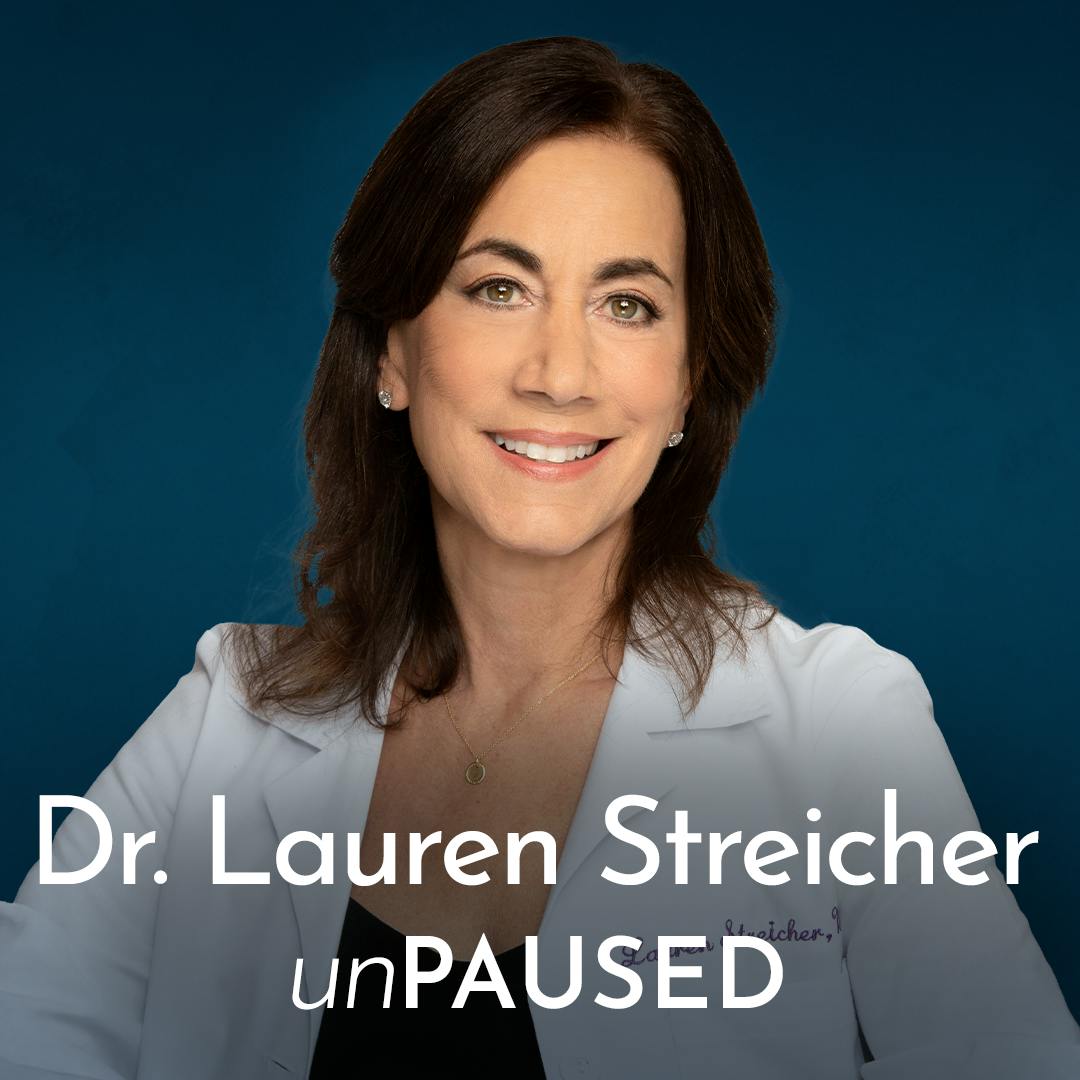
In our last episode of unPAUSED, we began a conversation with Dr. Lauren Streicher about orgasm, sexual function, and why these topics are still so taboo. Because there was so much to talk about, we decided to make this a two part episode. So today, Dr. Mary Claire Haver continues this conversation. Dr. Streicher is a professor of Obstetrics and Gynecology at Northwestern University Feinberg School of Medicine, the host of Dr. Streicher's Inside Information Podcast, and the creator of Come Again, a 30 episode audio series on sexuality and sexual function. She's been at the forefront of sexual medicine for decades, pushing conversations forward that most clinicians still avoid. In this episode, we're diving into why vibrators work when nothing else does and what the research shows about vibration versus other types of stimulation. Dr. Streicher explains non-hormonal arousal creams, CBD oil for the clitoris, and whether these products actually help. We discuss the role of neurotransmitters in orgasm and walk through the FDA-approved libido drugs Addyi and Vyleesi, including why testosterone is often the preferred option for women and why pellets are problematic. Dr. Streicher breaks down the orgasm gap between men and women and explains why it actually narrows with age. She walks us through her clinical approach when a patient comes in struggling with orgasm, why pain must always be addressed first, and how to find a sexual medicine expert. We also talk about what gives her hope for the future of this field and why not every woman needs to have an orgasm for sex to be pleasurable and successful. Guest links: Dr. Streicher Dr. Streicher ( Instagram ) Dr. Streicher’s Inside Information: Menopause, Midlife, and More ( Apple Podcasts ) Lauren Streicher - Faculty Profile ( Northwestern Medicine ) Dr. Streicher ( YouTube ) Subscribe to COME AGAIN: Sexuality and Orgasm DrStreicher.com/comeagain Use code UNPAUSED20 for 20% off (This code expires Dec 23) Dr. Streicher's Podcast Dr. Streicher’s Inside Information: Menopause, Midlife and More DrStreicher’s Substack https://drstreicher.substack.com/ Gyne Hacks ! (Including how to How to Get a Hands-free Free Vulvar View) Books: “Slip Sliding Away: Turning Back the Clock on Your Vagina,” by Dr. Lauren Streicher “Hot Flash Hell-A Gynecologist's Guide to Turning Down the Heat (Dr. Streicher's Inside Information),” by Dr. Lauren Streicher “The Essential Guide to Hysterectomy: Advice from a Gynecologist on Your Choices Before, During, and After Surgery,” by Dr. Lauren Streicher “Sex Rx: Hormones, Health, and Your Best Sex Ever,” by Dr. Lauren Streicher “She Comes First: The Thinking Man's Guide to Pleasuring a Woman,” by Dr. Ian Kerner “The New Perimenopause,” by Dr. Mary Claire Haver To learn more about listener data and our privacy practices visit: https://www.audacyinc.com/privacy-policy Learn more about your ad choices. Visit https://podcastchoices.com/adchoices
2d ago
What happens to your orgasm after menopause? It's something nearly half of women experience changes with in midlife, but so few are talking about it. In this episode of unPAUSED, Dr. Mary Claire Haver sits down with Dr. Lauren Streicher to discuss exactly what changes to orgasm, libido, and sex, why it happens, and what you need to know if you're struggling. Dr. Streicher is a professor of Obstetrics and Gynecology at Northwestern University Feinberg School of Medicine, the host of Dr. Streicher's Inside Information Podcast, and the creator of Come Again, a 30 episode audio series on sexuality and sexual function. She's a senior researcher at the Kinsey Institute and one of the true pioneers of sexual medicine, helping to define and legitimize a specialty that for decades simply didn't exist. Dr. Haver and Dr. Streicher start with the basics: what an orgasm actually is, the anatomy of the clitoris, and why most women cannot have an orgasm from penetrative sex alone. Dr. Streicher explains vaginal orgasms, cervical orgasms, the G spot, and the historical research of Princess Marie Bonaparte, who measured the distance between the clitoris and vaginal opening in 240 women in an effort to understand why she couldn't orgasm during intercourse. They discuss what happens to orgasm and sex post menopause, including the role of blood flow, nerve health, clitoral atrophy, cardiovascular disease, diabetes, and medications, especially SSRIs that can affect both libido and orgasm. Dr. Streicher walks through how genitourinary syndrome of menopause affects the clitoris, why the pelvic floor matters for orgasm, and why so many women have never even seen their own anatomy. They also talk about anorgasmia, the inability to have an orgasm, both primary and acquired, and why this is almost never discussed in medical training. Guest links: Dr. Streicher Dr. Streicher ( Instagram ) Dr. Streicher: Menopause: The Inside Info ( Substack ) Dr. Streicher’s Inside Information: Menopause, Midlife, and More ( Apple Podcasts ) COME AGAIN Lauren Streicher - Faculty Profile ( Northwestern Medicine ) Dr. Streicher ( YouTube ) Subscribe to COME AGAIN: Sexuality and Orgasm DrStreicher.com/comeagain Use code UNPAUSED20 for 20% off (This code expires Dec 23) Dr. Streicher's Podcast Dr. Streicher’s Inside Information: Menopause, Midlife and More DrStreicher’s Substack https://drstreicher.substack.com/ Gyne Hacks ! (Including how to How to Get a Hands-free Free Vulvar View) Books: “Slip Sliding Away: Turning Back the Clock on Your Vagina,” by Dr. Lauren Streicher “Hot Flash Hell-A Gynecologist's Guide to Turning Down the Heat (Dr. Streicher's Inside Information),” by Dr. Lauren Streicher “The Essential Guide to Hysterectomy: Advice from a Gynecologist on Your Choices Before, During, and After Surgery,” by Dr. Lauren Streicher “Sex Rx: Hormones, Health, and Your Best Sex Ever,” by Dr. Lauren Streicher “She Comes First: The Thinking Man's Guide to Pleasuring a Woman,” by Dr. Ian Kerner “The New Perimenopause,” by Dr. Mary Claire Haver To learn more about listener data and our privacy practices visit: https://www.audacyinc.com/privacy-policy Learn more about your ad choices. Visit https://podcastchoices.com/adchoices
Dec 9
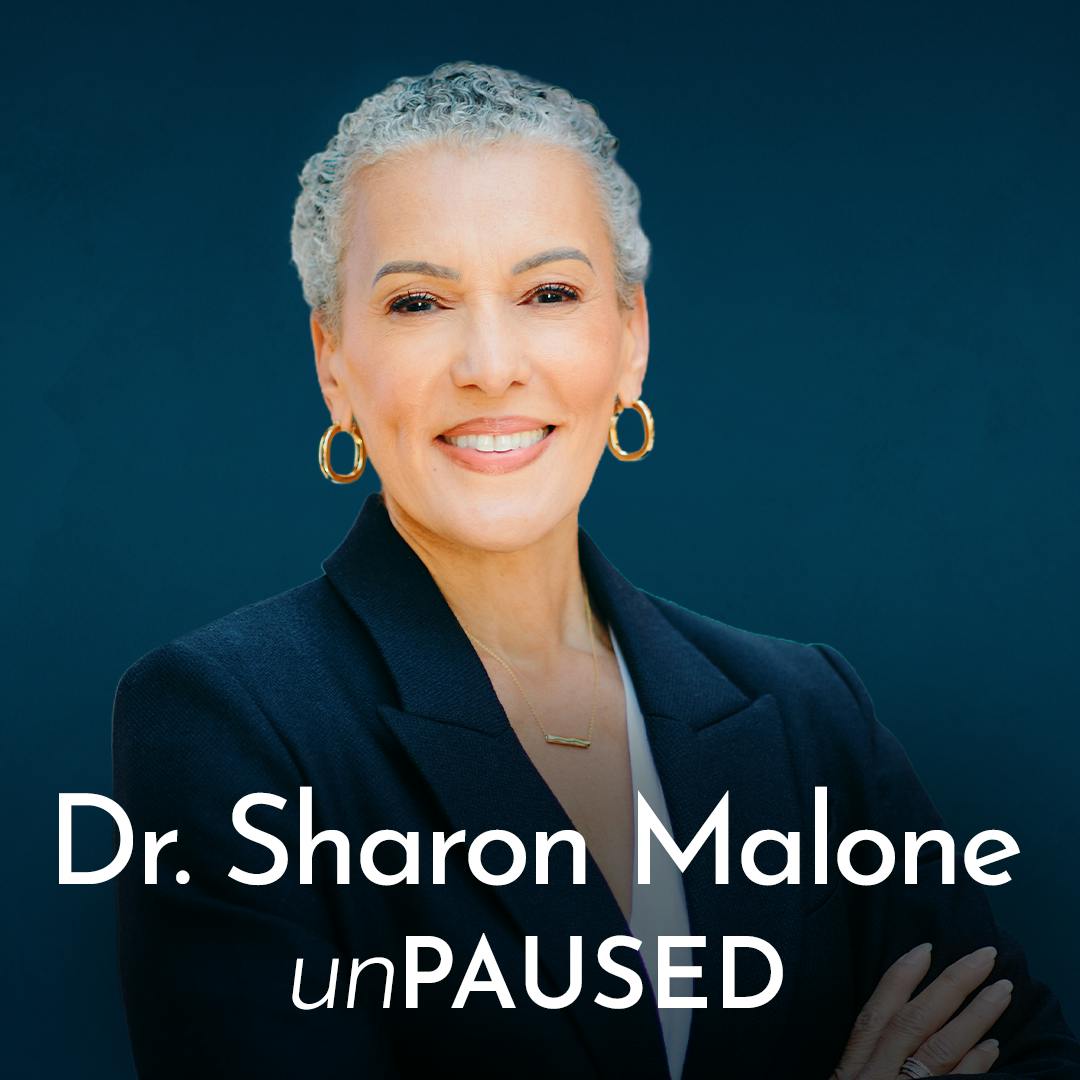
Dr. Sharon Malone has spent decades fighting for women to get the healthcare they deserve, and she's not slowing down. As Chief Medical Advisor at Alloy Women's Health, host of "The Second Opinion" podcast, and author of the New York Times bestseller "Grown Woman Talk," Dr. Malone joins Dr. Mary Claire Haver in this episode to talk about reshaping how we think about menopause, aging, and women's health advocacy. For too long, women have been told to accept suffering as normal. Hot flashes, brain fog, joint pain, sleep problems, the complete unraveling of quality of life during perimenopause and menopause? Dr. Malone talks about being done with that narrative. In this conversation, she explains how the medical system has systematically failed women, from keeping them out of research studies to applying male-centric data to female bodies, from dismissing their menopause symptoms to perpetuating dangerous myths about estrogen and hormone therapy that have left an entire generation undertreated. She breaks down the Women's Health Initiative, the deeply flawed study that scared women away from hormone replacement therapy (HRT). She explains exactly what went wrong, why the study enrolled women who were too old to answer the questions it claimed to address, and why doctors are still getting it wrong today, decades after the original findings were walked back. The cost? A generation of women suffering unnecessarily while billions in research dollars went elsewhere. Dr. Malone also tackles the intersection of gender and racial bias in medicine, explaining why your zip code matters more than your genetic code when it comes to health outcomes. From her own journey navigating medical school as a Black woman in the 1980s to losing her mother to cancer at just 12, she points out the healthcare disparities from both sides of the exam table. At 66, Dr. Malone is proof that midlife isn't about decline. It's about stepping into your power. And she shares a clear message, that women have accepted suffering for far too long, and it's time to demand better. Guest links: Dr. Sharon Malone Dr. Sharon Malone ( Alloy ) Dr. Sharon Malone ( Instagram ) Dr. Sharon Malone ( X/Twitter ) Dr. Sharon Malone ( Threads ) Dr. Sharon Malone ( Facebook ) Dr. Sharon Malone ( Alloy/YouTube ) Dr. Sharon Malone ( LinkedIn ) The Second Opinion with Dr. Sharon Books “Grown Woman Talk: Your Guide to Getting and Staying Healthy ,” by Dr. Sharon Malone “The New Perimenopause: An Evidence-Based Guide to Surviving the Zone of Chaos and Feeling Like Yourself Again ,” by Dr. Mary Claire Haver To learn more about listener data and our privacy practices visit: https://www.audacyinc.com/privacy-policy Learn more about your ad choices. Visit https://podcastchoices.com/adchoices
Dec 2
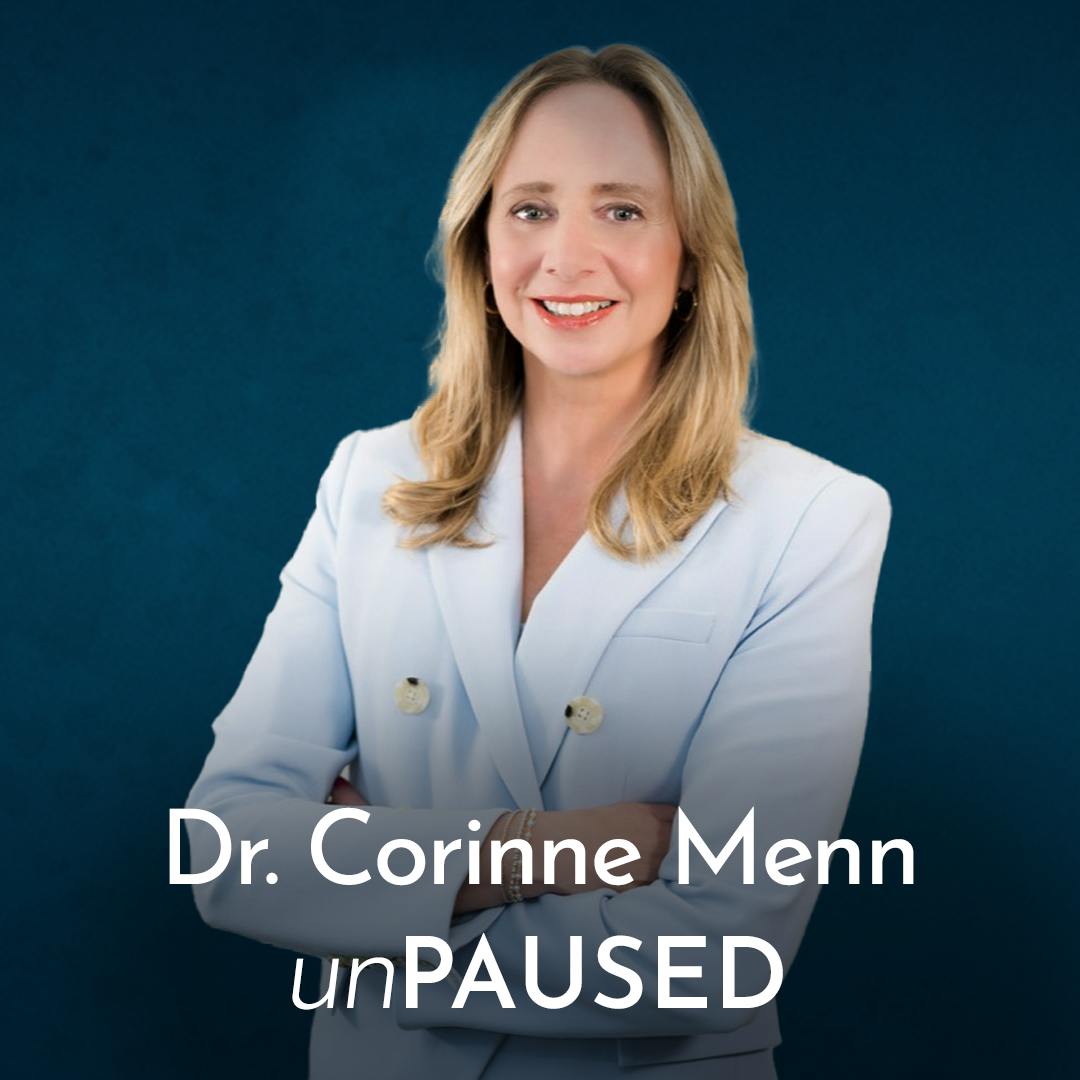
In this episode, Dr. Mary Claire Haver sits down with Dr. Corinne Menn to tackle one of the most common questions in women's health: "Can I take estrogen?" As a board-certified OB-GYN, certified menopause practitioner, and 24-year breast cancer survivor, Dr. Menn brings both professional expertise and lived experience to this conversation about who can take hormone therapy, who can't, and what's changed in recent years. Dr. Menn's own story provides powerful context for this discussion. At just 28 years old, during her second year of medical residency, she discovered a lump in her breast just one week before learning her mother had recurrent ovarian cancer. Within days of her mother's sudden death, Dr. Menn received her own devastating diagnosis: breast cancer. What followed was a grueling journey through mastectomy, chemotherapy, and induced menopause while simultaneously completing one of medicine's most demanding training programs. Throughout this conversation, Dr. Menn shares the profound gaps in survivorship care that she experienced firsthand and continues to witness in her patients today. The medical system, she explains, is focused on treating cancer but often fails to prepare women for the marathon of side effects that follow, particularly the devastating impact of estrogen deprivation on sexual health, mental health, bone density, and cardiovascular risk. Guest links: Dr. Corinne Menn Dr. Corinne Menn ( Instagram ) Dr. Corinne Menn ( Facebook ) Dr. Corinne Menn ( Alloy Health ) Dr. Corinne Menn ( LinkedIn ) Dr. Corinne Menn ( TikTok ) Dr. Corinne Menn ( YouTube ) Dr. Corinne Menn ( Substack ) Dr. Corinne Menn ( Young Survival Coalition ) Books “The New Perimenopause,” by Dr. Mary Claire Haver “You Are Not Broken: Stop ‘Should-ing’ All Over Your Sex Life,” by Dr. Kelly Casperson This episode explores: •Why family history of breast cancer is NOT a contraindication to HRT •The truth about Factor V Leiden, fibroids, endometriosis, and migraines: what really excludes you from hormone therapy •The concept of "weird Barbie" and why perfect candidates don't exist •How the medical system is focused on treating cancer but often fails to prepare women for the marathon of side effects that follow, particularly the devastating impact of estrogen deprivation on sexual health, mental health, bone density, and cardiovascular risk •How women with BRCA mutations (previvors) can protect themselves from ovarian cancer while managing hormone loss •Why vaginal estrogen should be considered essential for breast cancer survivors •The critical safety difference between oral and transdermal estrogen •Non-hormonal options for managing hot flashes and night sweats •Why one in eight women lose ovarian function before natural menopause •The importance of updated genetic testing if you were tested before 2013-2014 •The profound gaps in survivorship care and why 89% of breast cancer survivors feel their menopausal care is inadequate •How addressing menopausal symptoms helps women stay adherent to life-saving cancer treatments and maintain quality of life. •What comprehensive, individualized care should look like for every woman To learn more about listener data and our privacy practices visit: https://www.audacyinc.com/privacy-policy Learn more about your ad choices. Visit https://podcastchoices.com/adchoices
Nov 25
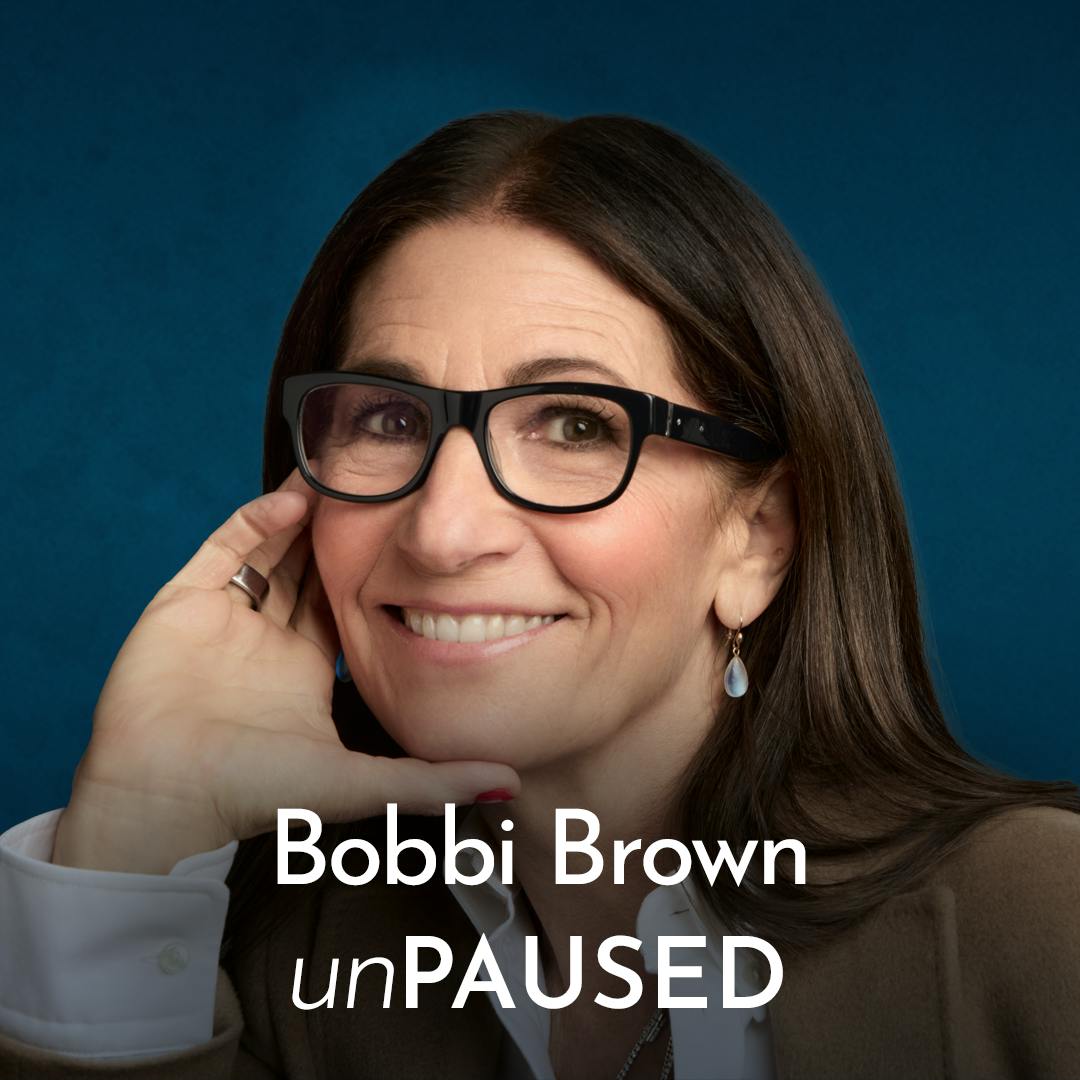
What does it look like to begin again at 62 and thrive? Beauty industry pioneer Bobbi Brown joins Dr. Mary Claire Haver for an intimate conversation about her new memoir Still Bobbi , building Jones Road Beauty in her sixties, leaving behind the company that bore her name for 25 years, and redefining what success, purpose, and aging mean in the second half of life. Bobbi Brown revolutionized the beauty industry with her "no makeup makeup" philosophy in the 1990s, sold her company to Estée Lauder, and spent decades as creative director before exiting in her late fifties. But instead of retiring, she launched Jones Road Beauty at 62 during a pandemic, proving that passion and entrepreneurship don't disappear with age, they evolve. In this personal conversation, Bobbi shares her journey from Chicago to building a global beauty empire, the emotional reality of leaving the company with her name on it, and why she refuses to use the term "anti-aging." She opens up about growing up with a mother who struggled with mental illness, losing her brother to HIV, and how weighted vest training and strength over skinny became her midlife mantras. Dr. Haver and Bobbi connect over shared experiences of menopause, hormone therapy, and the relentless pressure of being a founder. They discuss what it means to perform when exhausted, learning to say no, and why the maintenance phase of any transformation whether weight loss or career pivot is often the hardest part. Bobbi's memoir Still Bobbi is a story of resilience, grit, and determination for anyone who thought their best work was behind them. Guest links: Jones Road Beauty Bobbi Brown ( Instagram ) Bobbi Brown ( Threads ) Bobbi Brown ( TikTok ) Bobbi Brown ( LinkedIn ) Bobbi Brown ( Facebook ) Bobbi Brown ( Website ) Jones Road Beauty ( Instagram ) Jones Road Beauty ( Facebook ) Articles High-Impact Mechanical Loading Increases Bone Material Strength in Postmenopausal Women-A 3-Month Intervention Study ( Journal of Bone and Mineral Research ) Other Resources Institute for Integrative Nutrition Miracle Balm ( Jones Road Beauty ) Bobbi Brown Teaches Makeup and Beauty ( Masterclass ) Diane von Furstenberg: Woman in Charge ( Hulu ) American College of Culinary Medicine The Bobbi Kit 5.0 ( Jones Road Beauty ) To learn more about listener data and our privacy practices visit: https://www.audacyinc.com/privacy-policy Learn more about your ad choices. Visit https://podcastchoices.com/adchoices
Nov 19
What happens after you lose the weight? Few are focused on this important question about GLP-1 medications. In Part 2 of this conversation on GLP-1s and Midlife Metabolism, triple board-certified endocrinologist Dr. Rocio Salas-Whalen continues her discussion with Dr. Mary Claire Haver, going deeper into what happens after weight loss including the physical and emotional changes no one prepares you for, and what the future of these medications looks like. Dr. Salas-Whalen, founder of New York Endocrinology and author of the upcoming book Weightless , tackles the questions women are actually asking: How do I know if I'm getting good care? What about compounding pharmacies? Will I need therapy? And what comes next in obesity medication? The conversation addresses the psychological shifts that happen when you reach your goal weight for the first time in your life. Dr. Salas-Whalen shares what she's learned from following patients long-term and why the maintenance phase is actually the most important part of treatment. Dr. Salas-Whalen also addresses the cost and accessibility crisis around Ozempic, Wegovy, and Mounjaro, the environmental impact of single-use injection pens, and why direct-from-manufacturer vials (like Eli Lilly's Zepbound vials) are making treatment more affordable. She shares her standard of care for obesity treatment and explains exactly what questions to ask before starting GLP-1 therapy. For women experiencing perimenopause and menopause weight gain, this episode provides useful information about what to expect beyond initial weight loss, how to maintain results long-term, and why proper medical supervision with body composition monitoring is essential for protecting muscle mass and metabolic health. Guest links: Meet Your Endocrinologist - Dr. Salas-Whalen ( NY Endocrinology ) Dr. Rocio Salas-Whalen ( Instagram ) Books “Weightless: A Doctor's Guide to GLP-1 Medications, Sustainable Weight Loss, and the Health You Deserve” by Dr. Rocio Salas-Whalen To learn more about listener data and our privacy practices visit: https://www.audacyinc.com/privacy-policy Learn more about your ad choices. Visit https://podcastchoices.com/adchoices
Nov 11
Are GLP-1 medications a game-changer for women in midlife—or just another quick fix? In this conversation, triple board-certified endocrinologist Dr. Rocio Salas-Whalen joins Dr. Mary Claire Haver to cut through the hype and share what women really need to know about Ozempic, Wegovy, Mounjaro, and the science behind sustainable weight loss. Dr. Salas-Whalen, founder of New York Endocrinology and author of the upcoming book Weightless , explains why GLP-1 receptor agonists represent a fundamental shift in how we understand and treat obesity—not as a willpower problem, but as a chronic medical condition with biological drivers including hormones, genetics, and metabolism. For women navigating perimenopause and menopause, the conversation gets even more specific. Dr. Salas-Whalen breaks down why estrogen decline drives fat redistribution to the abdomen, increases visceral fat, and makes it nearly impossible to lose weight using the same strategies that worked before. She reveals how GLP-1 medications can address the metabolic changes of midlife while protecting what matters most: muscle mass. Dr. Salas-Whalen shares her clinical experience treating thousands of patients and addresses the viral misinformation circulating online. She explains why obesity is a transgenerational disease influenced by genetics, environment, food accessibility, and even childhood trauma—not personal failure. Guest links: Meet Your Endocrinologist - Dr. Salas-Whalen ( NY Endocrinology ) Dr. Rocio Salas-Whalen ( Instagram ) Books “Weightless: A Doctor's Guide to GLP-1 Medications, Sustainable Weight Loss, and the Health You Deserve” by Dr. Rocio Salas-Whalen Articles Loss of Visceral Fat is Associated with a Reduction in Inflammatory Status in Patients with Metabolic Syndrome ( Molecular Nutrition and Food Research ) Increased visceral fat and decreased energy expenditure during the menopausal transition ( International Journal of Obesity ) Sex-specific body fat distribution predicts cardiovascular ageing ( European Heart Journal ) Association between metabolic healthy obesity and female infertility: the national health and nutrition examination survey, 2013–2020 ( BMC Public Health ) The discovery and development of GLP-1 based drugs that have revolutionized the treatment of obesity ( PNAS ) Skeletal Muscle as Endocrine Organ ( Advances in Experimental Medicine and Biology ) Preserving Healthy Muscle during Weight Loss ( Advances in Nutrition ) 32nd European Congress on Obesity (ECO 2025) ( S. Karger AG, Basel ) Association of Obesity With COVID-19 Severity and Mortality: An Updated Systemic Review, Meta-Analysis, and Meta-Regression ( Frontiers in Endocrinology ) Adverse Events Related to Tirzepatide ( Journal of the Endocrine Society ) Weight loss response to semaglutide in postmenopausal women with and without hormone therapy use ( Menopause ) Clinical development times for innovative drugs ( Nature Reviews Drug Discovery ) The dual glucose-dependent insulinotropic polypeptide (GIP) and glucagon-like peptide-1 (GLP-1) receptor agonist tirzepatide: a novel cardiometabolic therapeutic prospect ( Cardiovascular Diabetology ) Dose-dependent pancreatitis risk associated with GLP-1 agonists ( Journal of Diabetes and Metabolic Disorders ) Mortality from type 2 diabetes mellitus across municipalities in Mexico ( Arch Public Health ) The association between age of menopause and type 2 diabetes: a systematic review and meta-analysis ( Nutrition & Metabolism ) Obesity in Infertile Women, a Cross-Sectional Study of the United States Using NSFG 2011-2019 ( Reproductive Sciences ) Bisphenol A and the Risk of Obesity a Systematic Review With Meta-Analysis of the Epidemiological Evidence ( Dose-Response ) To learn more about listener data and our privacy practices visit: https://www.audacyinc.com/privacy-policy Learn more about your ad choices. Visit https://podcastchoices.com/adchoices
Nov 5
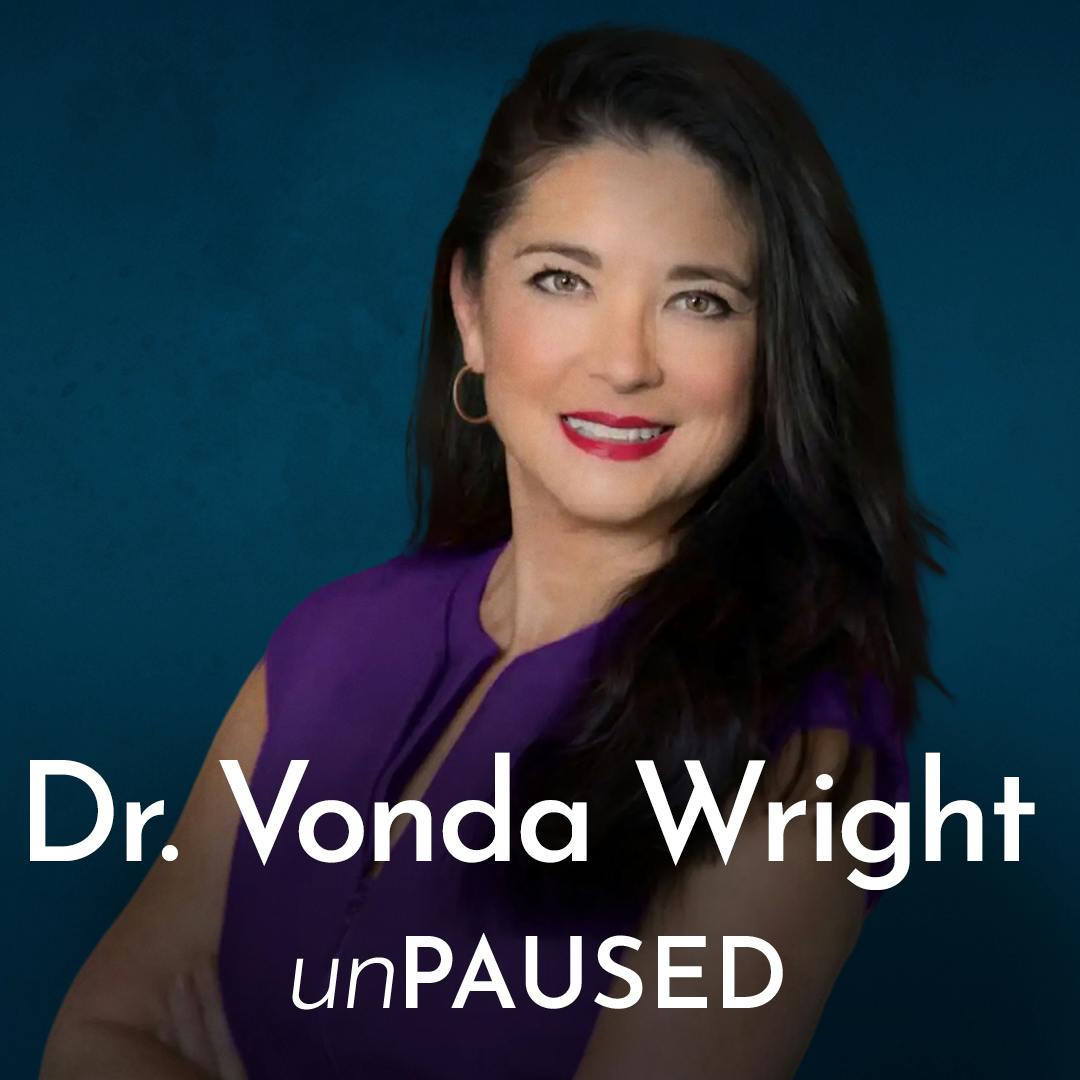
What if weak bones and muscle loss aren't just "normal aging" but the result of decades of misinformation? In this episode double board-certified orthopedic surgeon Dr. Vonda Wright joins Dr. Mary Claire Haver to shatter the myth that frailty, fractures, and decline are inevitable for women in midlife. Dr. Wright explains why women can lose up to 20% of their bone mass in just five years after menopause—and more importantly, what we can do to prevent it. She reveals how stress, inadequate nutrition, and neglecting strength training and hormonal health create the very outcomes we've been taught to accept as unavoidable. From the "musculoskeletal syndrome of menopause" that affects 70-80% of women (yet most doctors never discuss) to the science of building bones through strategic lifting, Dr. Wright provides the blueprint for aging with power instead of resignation. This episode also covers: Why your bones are master communicators affecting your brain, metabolism, and more The real story behind frozen shoulder and why it happens to women in perimenopause How to lift weights for longevity Why many women are diagnosed with osteoporosis only after they break something, when it's already too late How estrogen loss drives chronic inflammation Why nutrition, specifically foods that are rich in calcium, are better than calcium supplements to help strengthen bones Dr. Wright also shares her personal journey through perimenopause as an athlete and surgeon, and why she wrote her latest New York Times bestselling book Unbreakable . Guest links: Dr. Vonda Wright Dr. Vonda Wright ( Instagram ) Articles Longitudinal changes in bone mineral density during perimenopausal transition: the Vietnam Osteoporosis Study ( Osteoporosis International) Osteoporosis Due to Hormone Imbalance: An Overview of the Effects of Estrogen Deficiency and Glucocorticoid Overuse on Bone Turnover ( International Journal of Molecular Sciences ) The musculoskeletal syndrome of menopause ( Climacteric ) Bone remodeling: an operational process ensuring survival and bone mechanical competence ( Bone Research ) Biological basis of bone strength: anatomy, physiology and measurement ( J Musculoskelet Neuronal Interact ) Stem Cells for the Regeneration of Tendon and Ligament: A Perspective ( International Journal of Stem Cells ) Peak bone mineral density in Vietnamese women ( Archives of Osteoporosis ) Sarcopenia: revised European consensus on definition and diagnosis ( Age and Ageing ) Sarcopenia ( The Lancet ) The Conceptual Definition of Sarcopenia: Delphi Consensus from the Global Leadership Initiative in Sarcopenia (GLIS) ( Age and Ageing ) Sarcopenia definition, diagnosis and treatment: consensus is growing ( Age and Ageing ) Poster 188: Is Hormone Replacing Therapy Associated with Reduced Risk of Adhesive Capsulitis in Menopausal Women? A Single Center Analysis ( Orthopaedic Journal of Sports Medicine ) A Narrative Review of Adhesive Capsulitis with Diabetes ( Journal of Clinical Medicine ) Women, men, and osteoarthritis ( Arthritis Care and Research ) Gender differences in health: results from SHARE, ELSA and HRS ( European Journal of Public Health ) The 2022 hormone therapy position statement of The North American Menopause Society ( Menopause ) The peri-menopause in a woman’s life: a systemic inflammatory phase that enables later neurodegenerative disease ( Journal of Neuroinflammation ) Vitamin D-Mediated Regulation of Intestinal Calcium Absorption ( Nutrients ) Prevention and treatment of osteoporosis in women ( Post Reproductive Health ) Impacts of protein quantity and distribution on body composition ( Frontiers in Nutrition ) To learn more about listener data and our privacy practices visit: https://www.audacyinc.com/privacy-policy Learn more about your ad choices. Visit https://podcastchoices.com/adchoices