If Objects Could Talk
Getty
Getty
What is Athena's owl doing in the Greek marketplace? How does a snake bracelet celebrate her favorite holiday? This first season on If Objects Could Talk, the newest series from Getty Podcasts, artifacts leave the museum vault and come alive to share their side of the story. Featuring objects from Getty's antiquities collection, each episode introduces listeners to the history, creation, and everyday use of incredible items like an Egyptian cat statue, an ancient kind of dice, and a glass flask shaped like a fish. Voice actors and immersive sound design bring these historical fiction tales to life.
2d ago
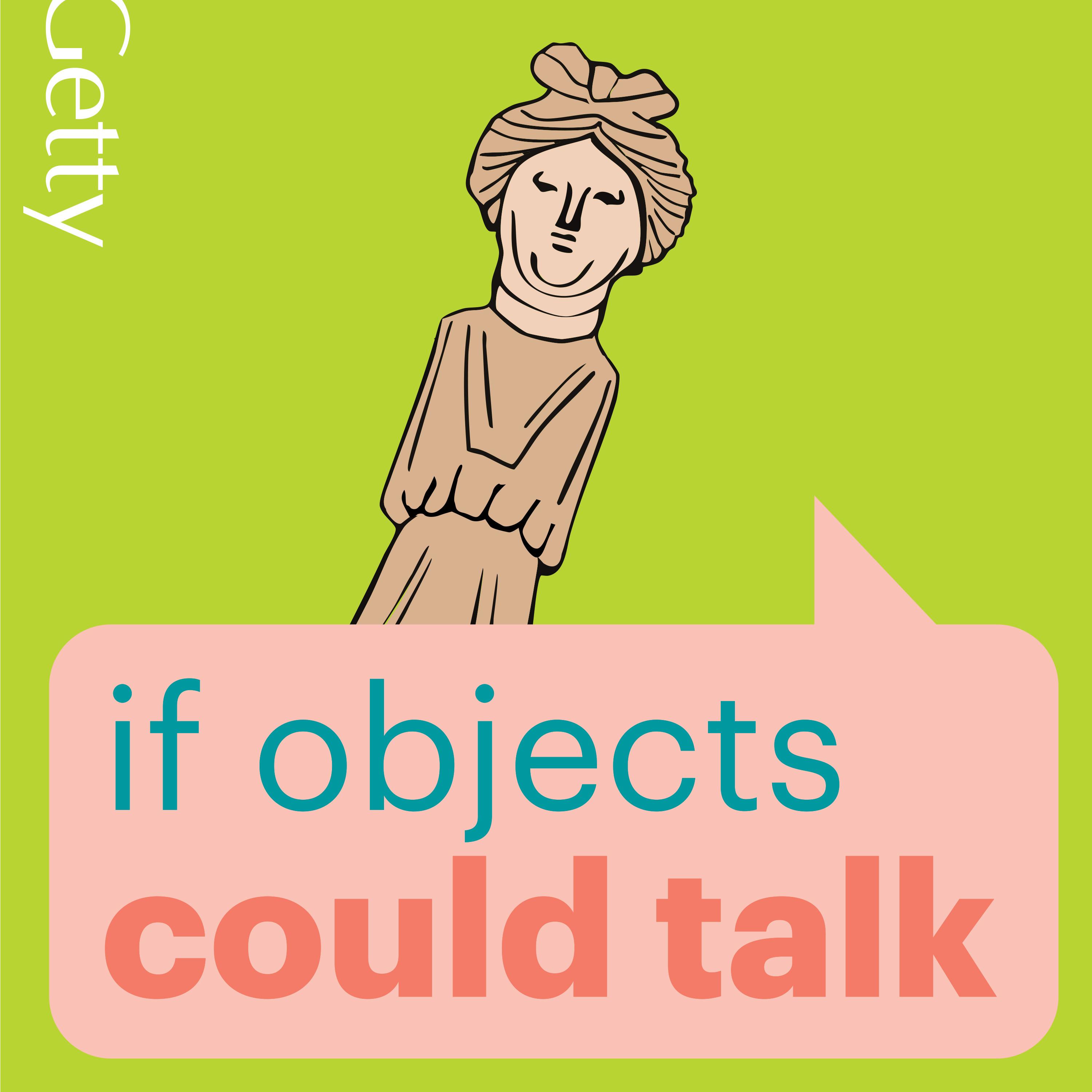
From bad poetry and papyrus to candles and boar, give the gifts any Roman would love to receive with our Ultimate Saturnalia Gift Guide! (Cue the air horns.) In this special episode, a carved doll has combed the ancient literature to bring you timeless gift advice for the holiday season. Io Saturnalia! For a listening guide filled with Roman-inspired DIY gifts, images, and more, visit getty.edu/podcasts/if-objects-could-talk/ .
4d ago
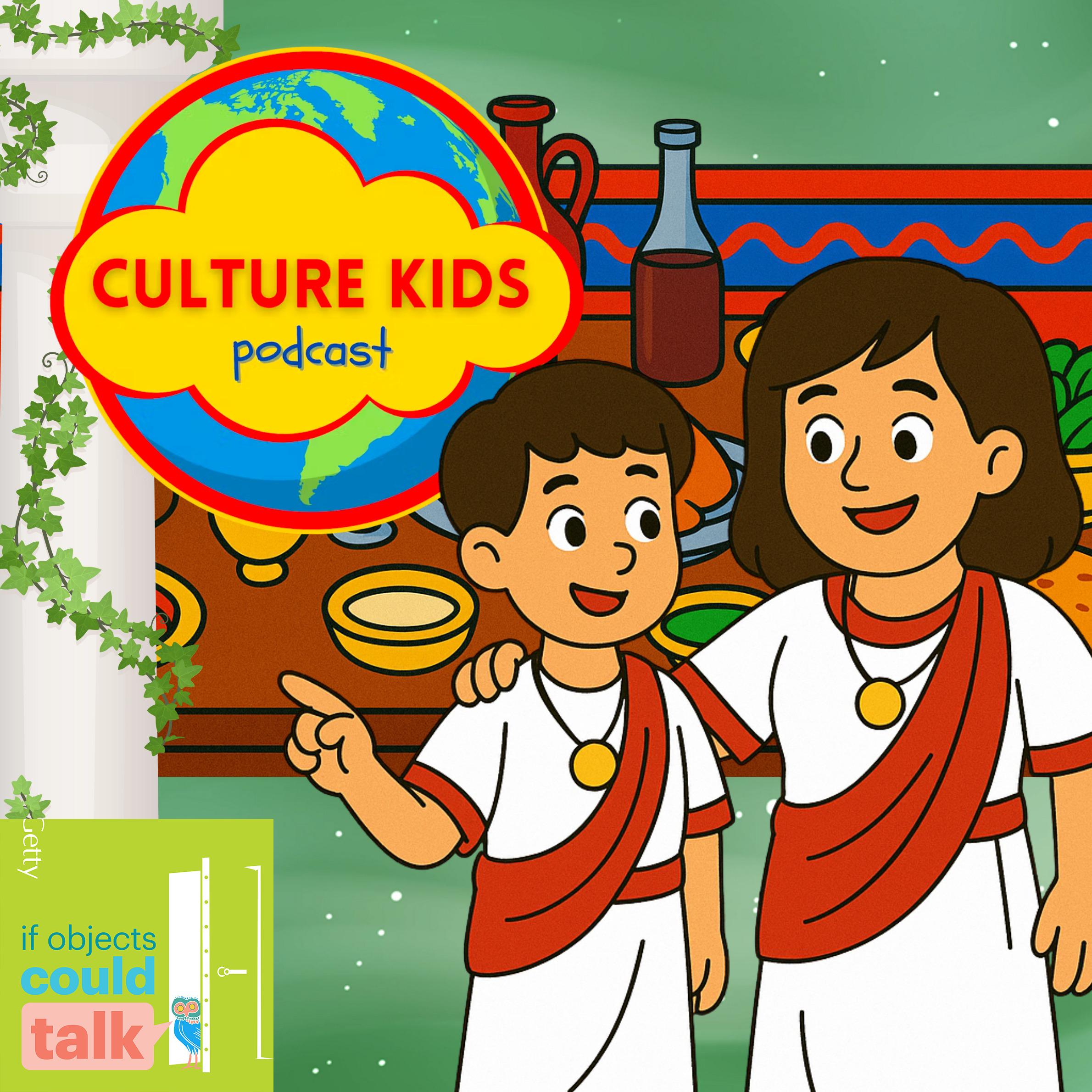
This week we’re sharing part two of our collaboration with the Culture Kids podcast. (Head back to the feed for part one if you haven't listened yet!) Asher and his mom Kristen join If Objects Could Talk producer Zoe on the Culture Train Time Machine for an unforgettable visit to ancient Rome. Together, they tiptoe into a glowing triclinium, the Roman dining room, to watch a real dinner party happening over two thousand years ago! You’ll discover how ancient Romans lit up the night, what they wore to make room for dinner, and what foods they ate. Hear more from Culture Kids on your favorite podcast app and at https://www.culturekidsmedia.com/.
Dec 8
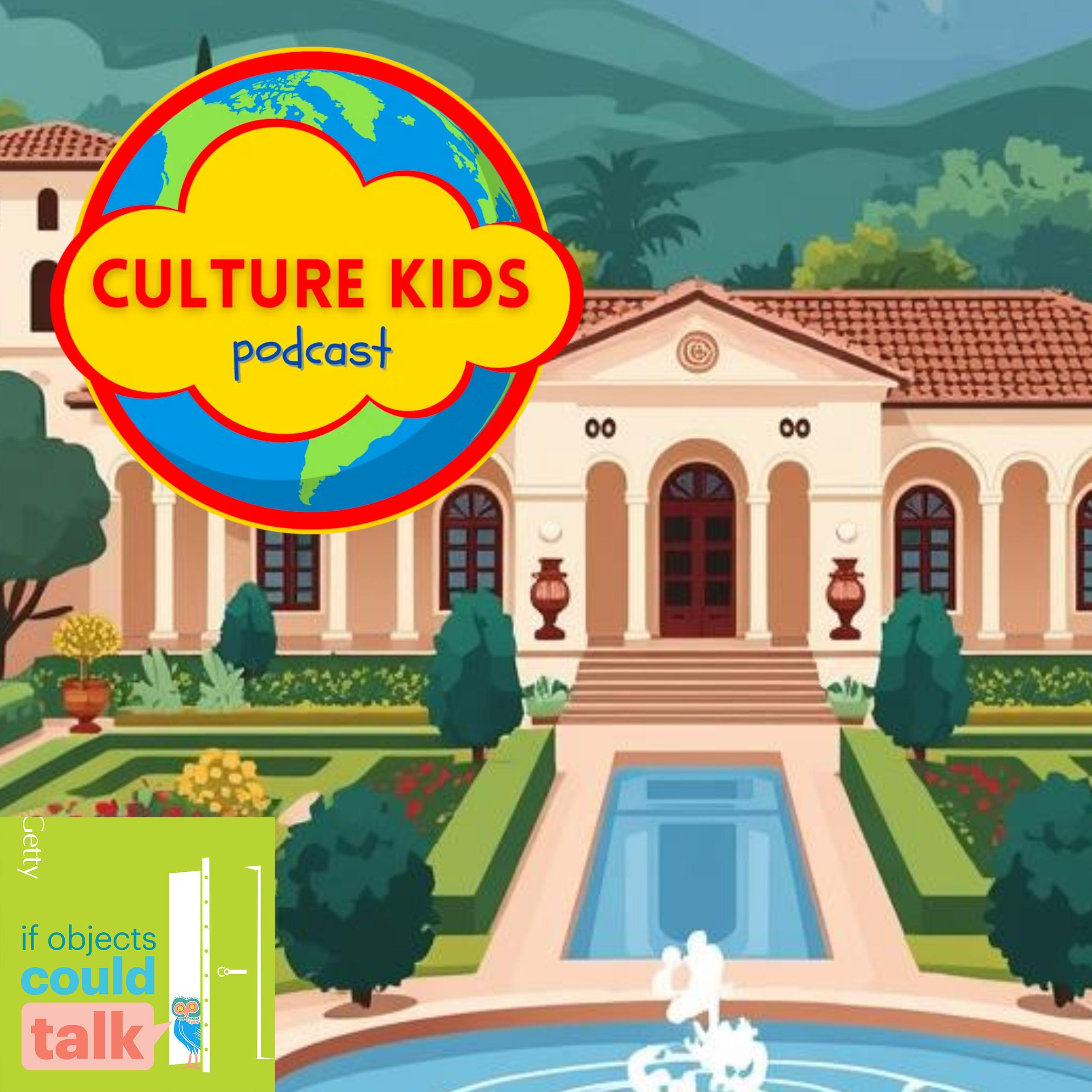
This week we’re sharing a collaboration with the Culture Kids podcast. Asher and his mom Kristen join If Objects Could Talk producer Zoe at the Getty Villa Museum to learn about Roman dinner parties—then we travel back in time to experience one! In this two part series, you’ll learn more about how and what the Romans ate—especially when they wanted to show off to their friends. You’ll discover how ancient Romans reclined on couches while eating, what dishes and cups looked like in the ancient world, why people often ate with their hands, and how paintings inspired by Egypt became popular decorations inside Roman homes. Hear more from Culture Kids on your favorite podcast app and at https://www.culturekidsmedia.com/ . And tune in for part two, coming soon!
Nov 17
(Rerun) Does this acrobatic astragalos (an ancient kind of dice) have what it takes to win the big game? Learn about the twists and turns of ancient gameplay and how sheep knucklebones aren’t so different from modern dice. For a listening guide, a coloring sheet, images, and more, visit getty.edu/podcasts/if-objects-could-talk/ .
Nov 10
This week we're sharing an episode of another art history podcast we love! Who Arted celebrates art in all of its forms and in terms anyone can understand. Each episode tells the story of a different artist and artwork. Who Arted is written and produced by art teacher Kyle Wood with the goal of making art history fun and accessible to everyone. This episode focuses on King Tut's tomb. On November 26, 1922, Howard Carter prepared to enter the tomb of a little-known pharaoh. Nobody had set foot inside the space for over 3,000 years, but as Carter held up his candle, his partner, Lord Carnarvon who had financed the expedition called out asking if he saw anything. Carter responded, “Yes, wonderful things.” Though his reign may have been short, the treasures found in Tutankhamun’s tomb have given him an outsized place in the history books and popular culture. Learn more at https://www.whoartedpodcast.com/ .
Oct 27
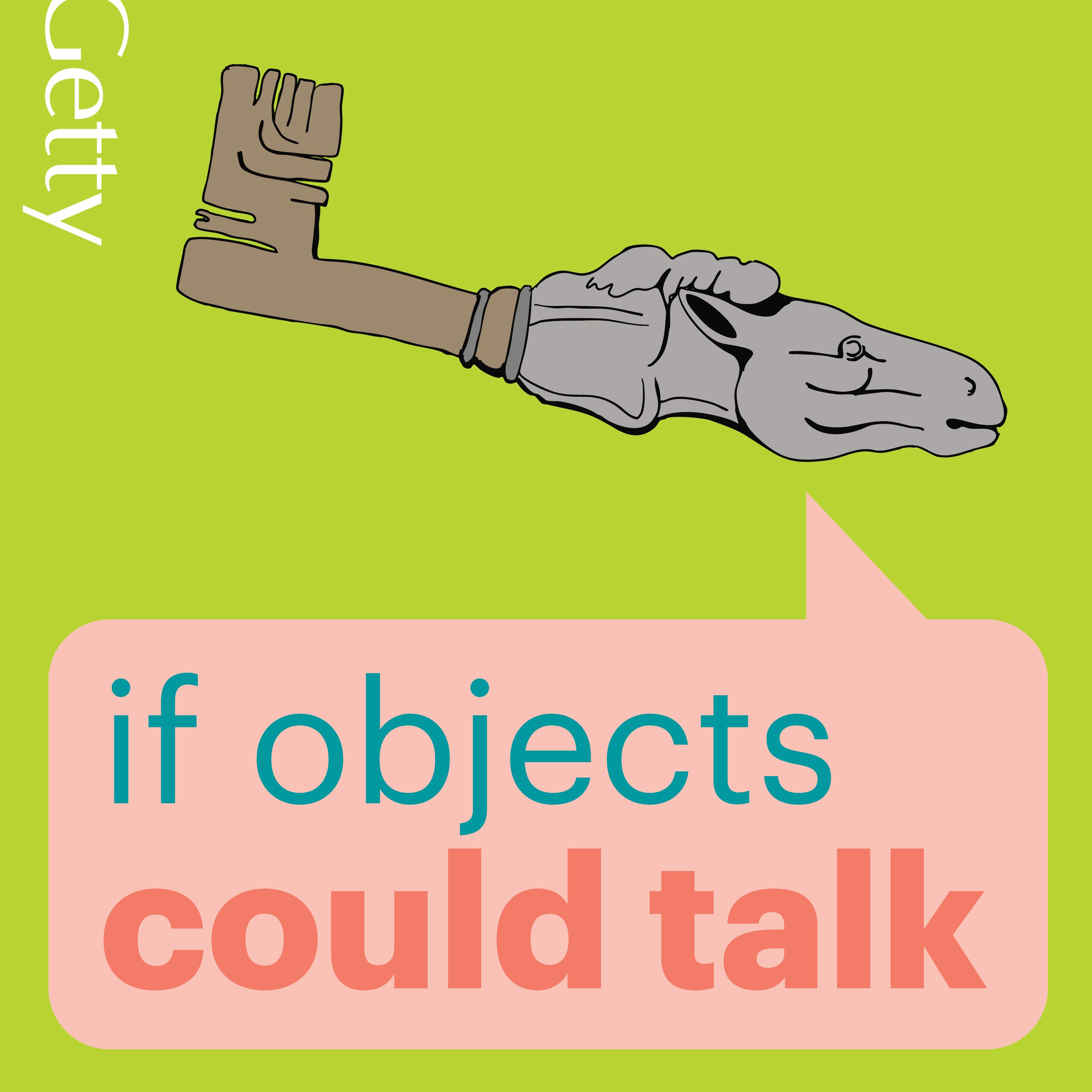
Like a noir detective, this key with a horsehead handle becomes embroiled in a mysterious disappearance—her very own! Help her investigate the blacksmith’s workshop and solve the case so she can open her special box again. This podcast uses episode-specific artwork. If you don’t see an image of the horsehead key with this episode, you may have to turn on this setting in your podcast app. For a listening guide, a coloring sheet, images, and more, visit getty.edu/podcasts/if-objects-could-talk/ .
Oct 20
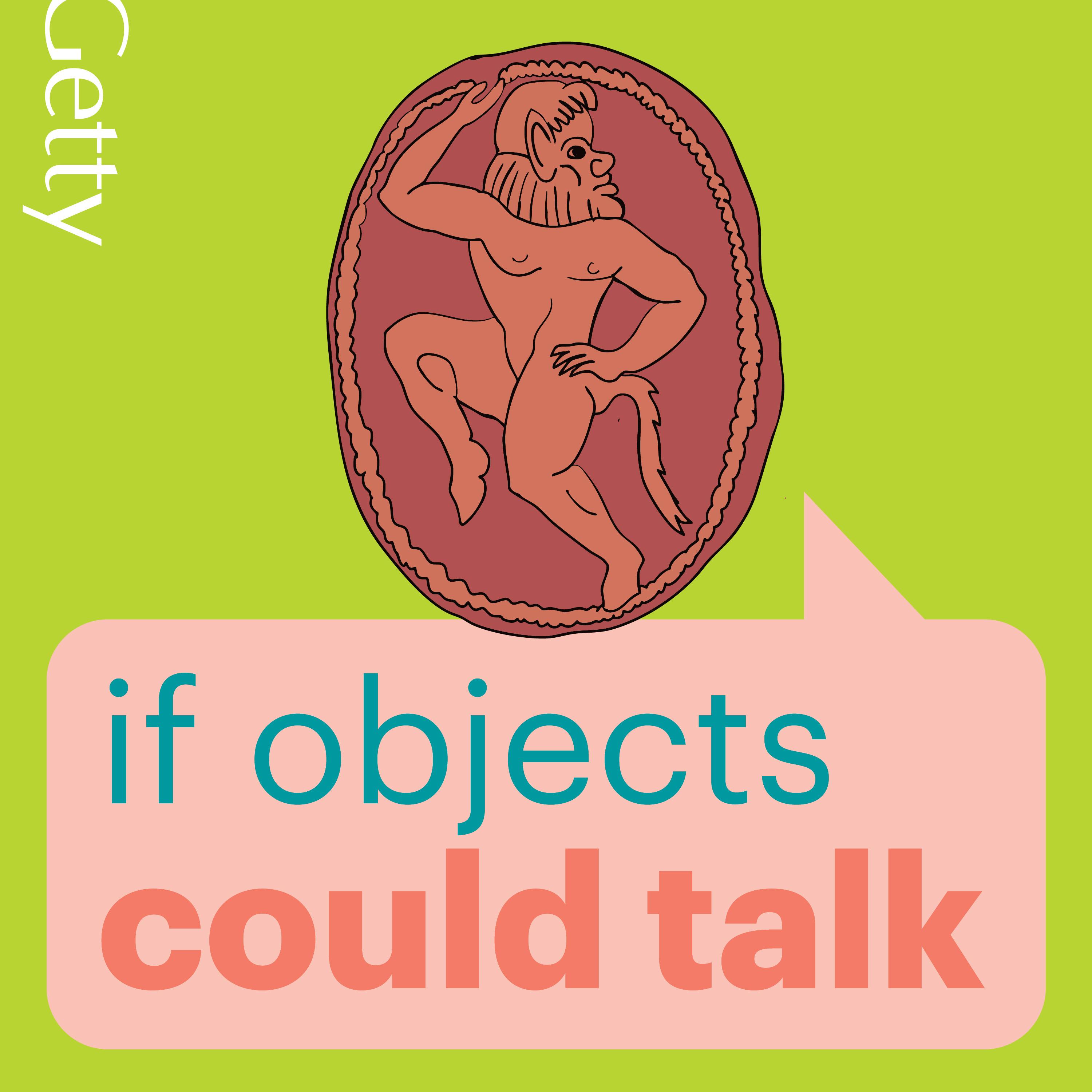
This dancing Satyr—half goat, half man, all prankster—is on the move, sealing important documents that travel across Etruria, a pre-Roman civilization. With his good-luck scarab on his back, he travels to help a birthday girl’s wish come true and only gets them into a little bit of trouble playing “hide the sheep.” This podcast uses episode-specific artwork. If you don’t see an image of the satyr scarab gem with this episode, you may have to turn on this setting in your podcast app. For a listening guide, a coloring sheet, images, and more, visit getty.edu/podcasts/if-objects-could-talk/ .
Oct 13
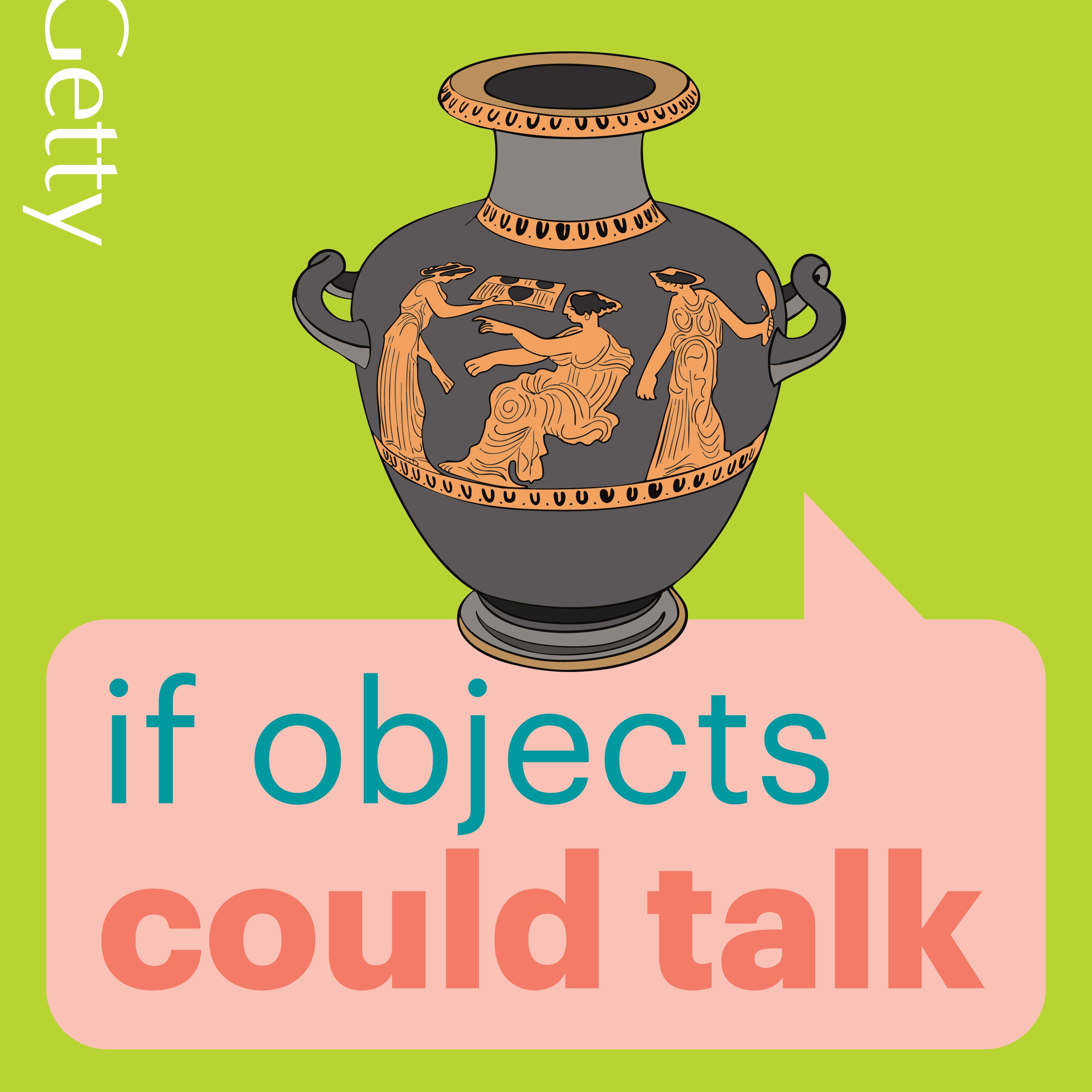
One of the three women on this hydria (water jug) gives us a peek at some old-fashioned water cooler gossip. At a time before indoor plumbing, the water fountain was a center of urban life—so these ladies got to hear it all! If you don’t see an image of hydria with this episode, you may have to turn on this setting in your podcast app. For a listening guide, a coloring sheet, images, and more, visit getty.edu/podcasts/if-objects-could-talk/ .