The Naval Aviation Ready Room Podcast with Ryan Keys
Ryan Keys
Ryan Keys
Welcome to Naval Aviation Ready Room Podcast, where the stories, leadership, and innovations of naval aviation come alive. Hosted by Ryan Keys, this podcast takes you beyond the artifacts and into the human stories, pivotal decisions, and groundbreaking technology that define one of the world’s most dynamic aviation communities. Dive into the heart of naval aviation through vivid storytelling, exclusive interviews, and actionable insights. From the tales of legendary pilots and restored aircraft to the leadership strategies forged in the skies, Ready Room offers a unique blend of history, STEM, and global collaboration. Whether you're a lifelong aviation enthusiast, an educator seeking inspiration, or curious about the leadership lessons behind aviation’s most iconic moments, this podcast connects you to the rich legacy and exciting future of naval aviation. Join us in Ready Room —where every episode takes you deeper into the extraordinary world of naval aviation.
3d ago
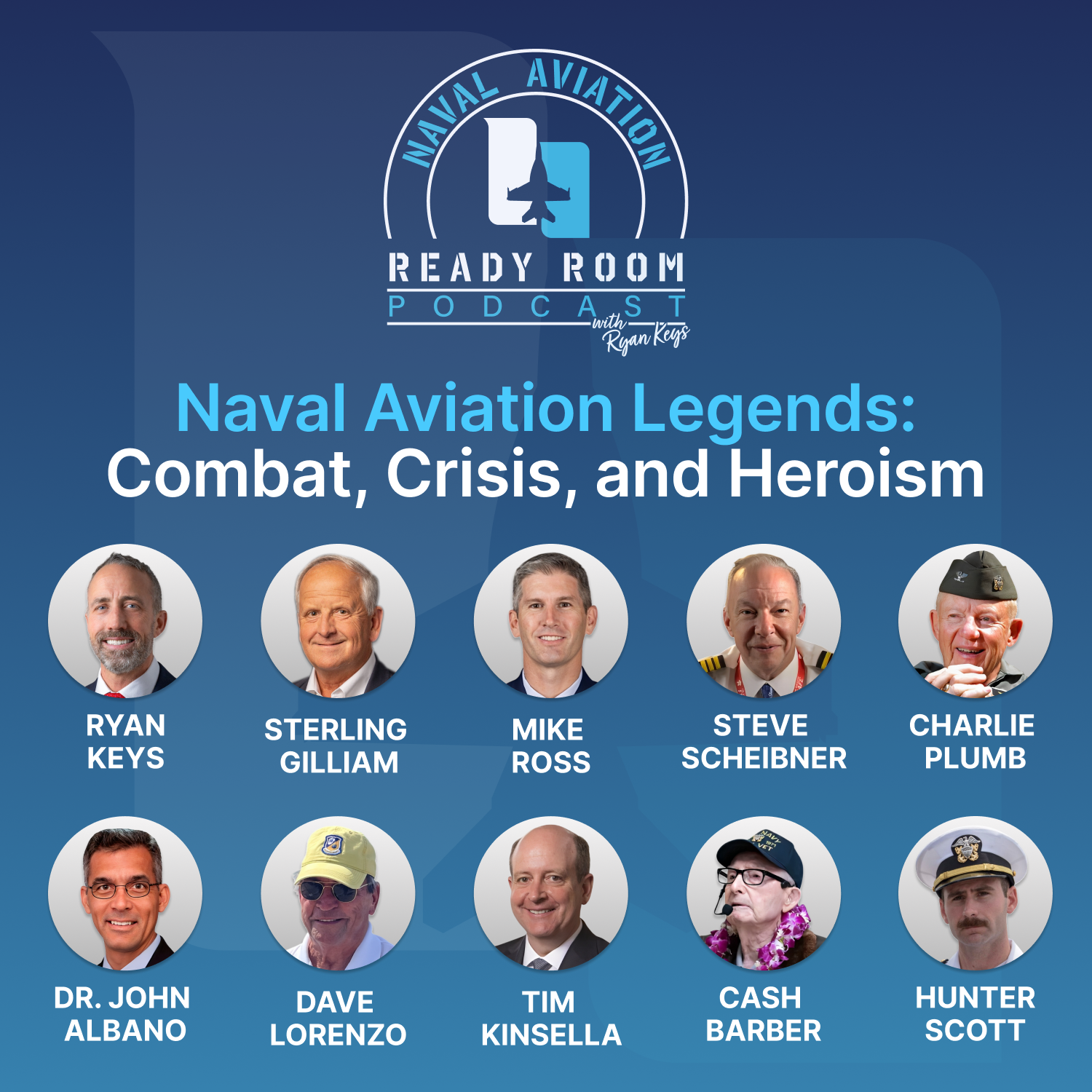
This special compilation episode of The Naval Aviation Ready Room Podcast weaves together extraordinary firsthand accounts from multiple generations of naval aviators, each offering unique insights into the human dimensions of military aviation. Host Ryan Keys curates these stories to highlight common threads of leadership, split-second decision-making, and the profound impact of critical moments on aviators' lives and careers. The episode features diverse experiences spanning eight decades of naval aviation: from WWII Black Cat night raids over the Pacific to the tragedy of 9/11, from POW survival in Vietnam to modern Coast Guard rescue operations. Each story illuminates different facets of the aviator experience—the weight of command decisions, the importance of training and communication, the role of faith and purpose, and the lasting impact of both triumph and tragedy. Listeners hear from veterans like Cash Barber describing deadly nighttime strikes against Japanese shipping, Hunter Scott recounting his sixth-grade investigation into the USS Indianapolis that led to national advocacy, Commander Michael Ross explaining how he protected his crew by refusing an unwarranted mission, and Steve Scheibner reflecting on being scheduled for American Airlines Flight 11 on September 11, 2001. POW Charlie Plumb shares how communication and leadership sustained prisoners through years of captivity, while Captain Tim Kinsella demonstrates leadership under the most unthinkable circumstances during the NAS Pensacola shooting. What You'll Learn: How a sixth-grader's history project led to exoneration of a WWII captain and national legislation The critical importance of warranted risk assessment in SAR operations How POW tap codes and leadership sustained prisoners through years of captivity The psychological impact of surviving while others perished, and finding purpose in survival How early radar technology transformed WWII night operations in the Pacific The role of psychological resilience in preparing young warriors for decentralized operations Why split-second decisions during active shooter situations require deliberate calm How ejection decisions and survival training combine during combat emergencies The enduring value of preserving and sharing these stories across generations Featured Voices: Hunter Scott - As a sixth-grader in Pensacola, he chose the USS Indianapolis as his National History Day topic after watching Jaws with his father. His research uncovered how the Navy timed the announcement of the greatest sea disaster in naval history to coincide with VJ Day, ensuring headlines about Japan's surrender overshadowed the loss of 880 men. His project grew into a national campaign that led to the exoneration of Captain Charles McVay. Commander Michael Ross - Coast Guard aircraft commander who made the difficult decision to refuse a body recovery mission on Mount Ballyhoo that posed unwarranted risk to his crew. Despite his rescue swimmer's willingness to execute a vertical surface deployment to recover teenage victims, Ross recognized the gain didn't justify the risk, giving command the decision space to find a suitable civilian alternative. Captain Charlie Plumb - Navy pilot shot down over Vietnam who spent years as a POW. He shares how Bob Shoemaker passed a wire across a storeroom and taught him the tap code, introducing him to what Shoemaker called "the finest team you'll ever play on." The exceptional leadership of Stockdale, Denton, and McCain gave purpose and sustained survival in brutal captivity. Steve Scheibner - American Airlines pilot scheduled to fly Flight 11 on September 11, 2001, who was removed from the flight at the last moment. He reflects on the indescribable emotions of survival—"there's just an empty space where a feeling should be"—and the obligation that comes with being "left behind" to live every day with purpose on borrowed time. Dr. John Albano - Military medical researcher and program manager at the Mitchell Center who pivoted from long-term academic research to operationally-focused studies on resilience. Recognizing that future warriors in distributed maritime operations will need psychological preparation, he asks critical questions about whether resilience comes from genes, community, or can be trained after adolescence. Captain Sterling Gilliam - Landing Signal Officer who witnessed a tragic A-3 barricade failure on January 25, 1987, off the coast of Syria, losing seven crew members. This defining moment drove him to become a subject matter expert in all aspects of carrier aviation—from C-13 catapults to Mark 7 arresting gear—making him a better leader and pilot. Captain Tim Kinsella - Naval Air Station Pensacola Commanding Officer who responded to an active shooter situation at 6:37 AM on December 6, 2019. He shares how taking 45 seconds to shave with his safety razor allowed him to slow down, think clearly, and make the right command decisions rather than rushing to the scene and becoming a distraction to his security team. Dave Lorenzo - Navy F-8 Crusader pilot shot down on his 98th mission over Laos on January 9, 1968. His decision to head west toward Thailand rather than east toward the South China Sea, combined with maintaining altitude to 12,000 feet before ejecting, likely saved his life by avoiding capture in the area he had just bombed and giving him crucial time in the parachute straps. Cash Barber - WWII Black Cat squadron veteran whose PBY Catalina crews flew night missions using early radar to detect ships 75 miles away. They would home in on the beautiful luminous wakes, report enemy positions, then execute gliding bomb attacks. His squadron was credited with sinking over 100,000 tons of enemy shipping at night without losing a single aircrew. Highlights and YouTube Chapters: [00:00] Introduction [00:02:06] Hunter Scott: USS Indianapolis Investigation Begins [00:08:35] Commander Michael Ross: Refusing Unwarranted Risk [00:14:48] Captain Charlie Plumb: POW Survival and Leadership [00:22:48] Steve Scheibner: Flight 11 and Living on Borrowed Time [00:29:18] Dr. John Albano: Building Resilience in Future Warriors [00:34:19] Captain Sterling Gilliam: The 1987 A-3 Barricade Tragedy [00:39:19] Captain Tim Kinsella: 45 Seconds to Slow Down [00:47:44] Dave Lorenzo: Ejection Over Laos [00:51:44] Cash Barber: Black Cat Night Operations [00:54:44] Episode Conclusion and Museum Resources The Naval Aviation Ready Room Podcast is handcrafted by our friends over at: fame.so
Nov 26
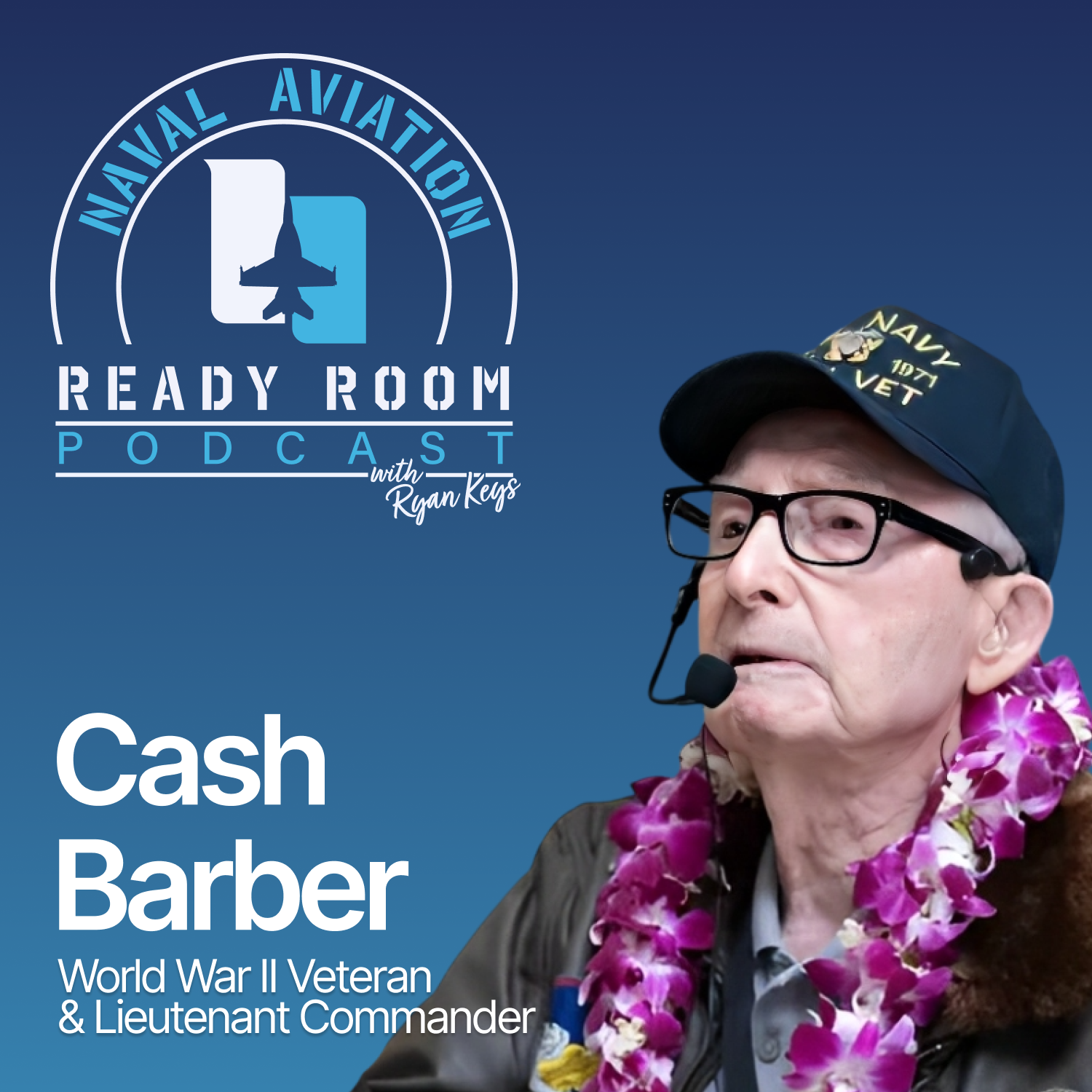
In this compelling episode of The Ready Room Podcast, host Ryan Keys interviews Captain Clyde "Cash" Barber, a decorated WWII and Korean War veteran who served with distinction in the legendary "Black Cat" operations. Flying PBY Catalinas across the Pacific Theater, Barber was part of VP-11 squadron—a unit credited with sinking over 100,000 tons of enemy shipping during daring 16-hour night missions. Enlisting at just 17 years old, Barber began his career as an aircraft mechanic and rose to become a trusted crew chief and pilot’s assistant. He shares how early radar technology, stealth tactics, and innovative cross-training transformed the PBY—a seemingly slow and outdated aircraft—into a deadly night-time strike platform. Through stories of resourceful maintenance, successful rescue operations, and close-knit crew dynamics, Barber highlights the creativity, courage, and resilience that defined WWII naval aviation. What You’ll Learn: How "Black Cat" squadrons turned PBY Catalinas into stealth night attackers by painting them black The tactical use of early radar technology to locate enemy ships from 75 miles away How cross-training helped crew members operate more flexibly under high-stress conditions The logistics and endurance behind 16-hour night missions in the Pacific Why PBYs became lifelines for downed pilots during high-risk rescue operations The role of seaplane tenders and forward bases in keeping missions operational How creativity in training, maintenance, and leadership shaped modern naval aviation practices The enduring importance of preserving these stories for future generations Captain Clyde "Cash" Barber is a highly respected U.S. Navy veteran of both World War II and the Korean War. He enlisted in 1941 at the age of 17 and served in VP-11 squadron, participating in the groundbreaking "Black Cat" operations that brought PBY Catalinas to the forefront of naval innovation. As a crew chief and pilot’s assistant, Barber was instrumental in maintaining aircraft under demanding conditions and helping implement successful stealth and radar tactics during night missions. His leadership in cross-training and technical problem-solving made a lasting impact on mission success and crew resilience. The squadron’s remarkable record—including over 100,000 tons of enemy shipping destroyed without losing an aircrew—demonstrates the effectiveness of their operations and teamwork. Today, Captain Barber volunteers at the National Naval Aviation Museum in Pensacola, Florida, where he shares his experiences with visitors and young aviators. Through storytelling and mentorship, he helps ensure that the lessons and legacy of WWII naval aviation continue to inspire and guide future generations. If you enjoyed this episode, make sure to subscribe, rate, and review it on Apple Podcasts, Spotify, and YouTube Podcasts. Instructions on how to do so are here . Highlights and YouTube Chapters: [00:00] Introduction [00:51] Enlisting at Seventeen [02:37] PBY Catalina Missions [07:36] Black Cat Tactics [10:27] Nighttime Precision Bombing [13:20] Crew Cross-Training Innovation [15:24] Life on Seaplane Tenders [18:07] Tender Emergency Response [20:49] Legacy of PBY Crews The Naval Aviation Ready Room Podcast is handcrafted by our friends over at: fame.so
Nov 13
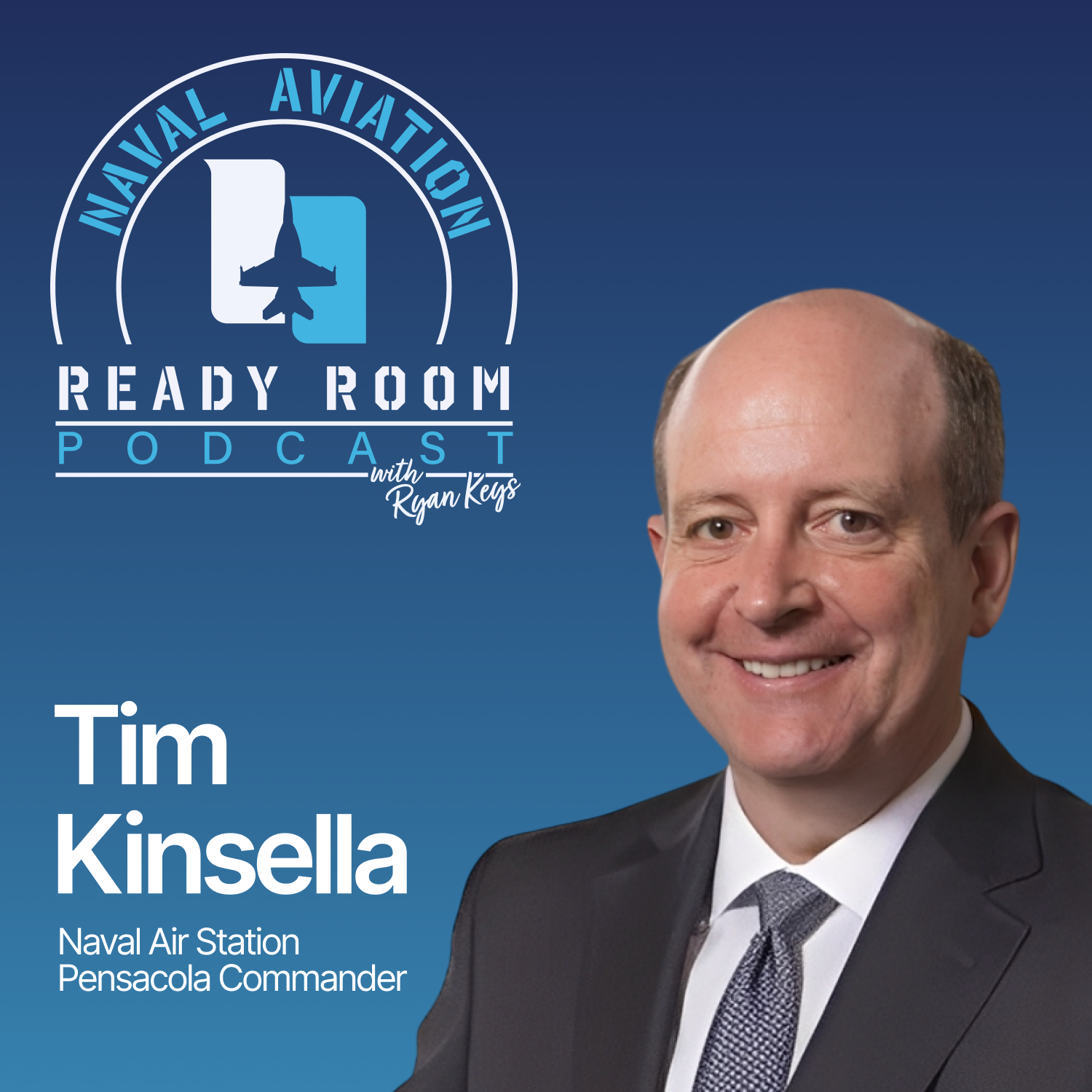
In Leadership Under Fire, The Naval Aviation Ready Room Podcast welcomes Captain Tim “Lucky” Kinsella, U.S. Navy (Ret.), whose tenure as Commanding Officer of NAS Pensacola tested every dimension of leadership. From the 2019 active shooter tragedy and Hurricane Sally’s devastation to the COVID-19 shutdown that paralyzed Navy training pipelines, Capt. Kinsella recounts a relentless series of crises that demanded clarity, compassion, and conviction. He describes the moment he received the first call on the morning of the shooting, his decision to lead with calm under global scrutiny, and how his team’s unity became their lifeline through consecutive disasters. The conversation expands beyond crisis management into mental health and self-care. Through his “Bucket of Joy” philosophy, Kinsella underscores the importance of refilling emotional reserves before the next crisis strikes — a lesson for every leader in uniform or out. With candor and humility, Capt. Kinsella also reflects on the unheralded resilience of his team and the enduring bonds that form when leadership means facing the unimaginable — together. What You’ll Learn: How Capt. Kinsella led NAS Pensacola through the 2019 active shooter incident The principles of “crisis composure” and why slowing down saves lives How to represent your organization with integrity and calm during media scrutiny The leadership mindset required when responsibility outpaces control The “Bucket of Joy” philosophy — a practical model for leader self-care How transparent communication builds trust during ongoing crises Lessons from tragedy that shape future generations of military leadership Captain Tim “Lucky” Kinsella, U.S. Navy (Ret.), served as Commanding Officer of NAS Pensacola from 2019 to 2022. His command coincided with some of the Navy’s most challenging years, including the 2019 active shooter attack, the COVID-19 pandemic, and Hurricane Sally. A native of Ireland and U.S. Naval Academy graduate, Kinsella’s career spanned over three decades as a naval aviator, operations leader, and crisis commander. Known for his steady leadership, humor, and humility, Kinsella became a symbol of composure under fire and an advocate for mental health in leadership. Today, he continues to share lessons on resilience, decision-making, and the unseen costs of command with organizations across the country. If you enjoyed this episode, make sure to subscribe, rate, and review it on Apple Podcasts, Spotify, and YouTube Podcasts. Instructions on how to do so are here . Highlights and YouTube Chapters: [00:00] Introduction [01:30] From Ireland to the U.S. Navy [08:48] Active Shooter — First Call and Immediate Response [20:29] Facing the Press and Representing the Navy [28:10] Navigating COVID and Community Tensions [31:29] Hurricane Sally — Leading Through Natural Disaster [45:32] The “Bucket of Joy” Philosophy on Mental Health [49:40] Forgotten Naval Heroes and Legacy of Service The Naval Aviation Ready Room Podcast is handcrafted by our friends over at: fame.so
Sep 25
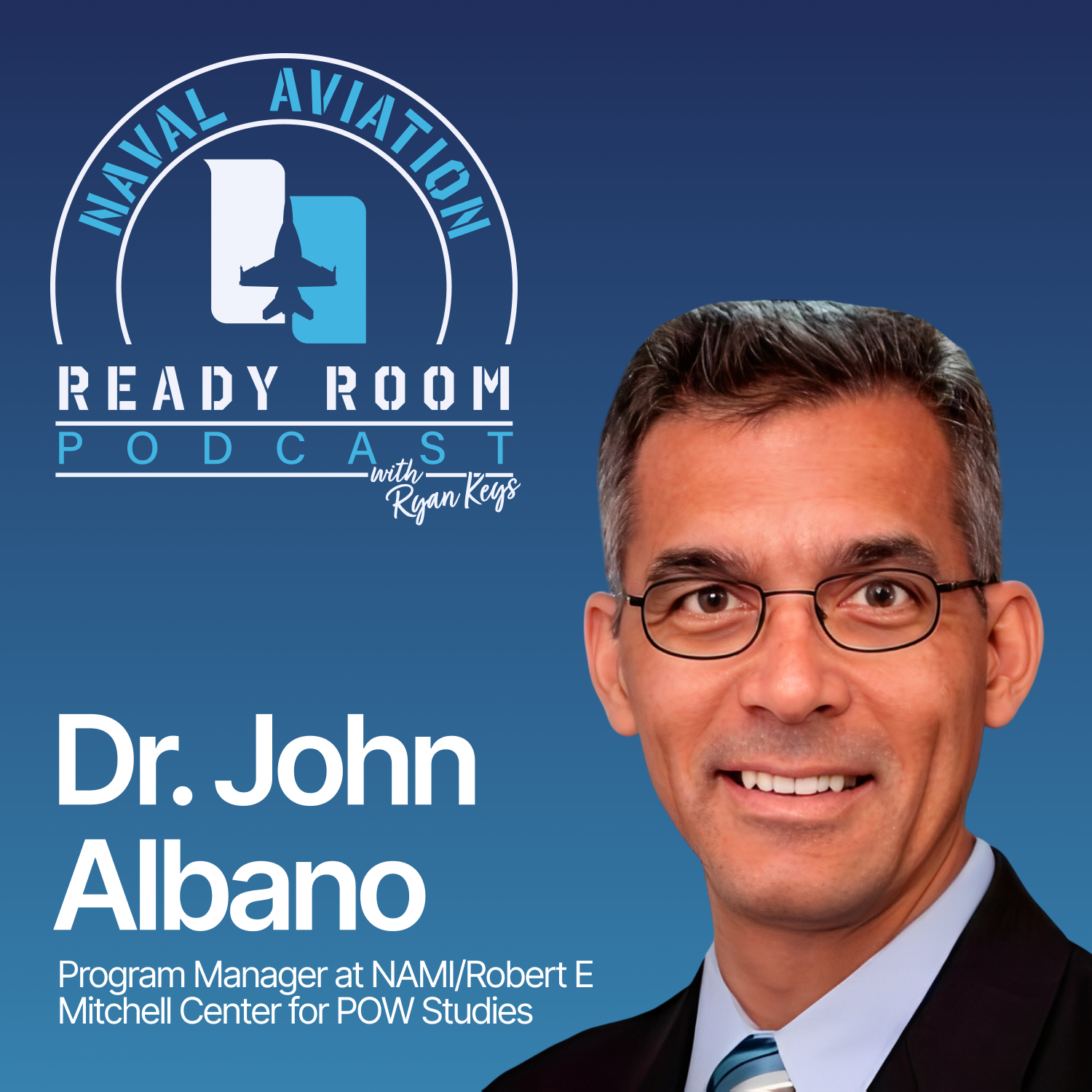
In this episode of the Naval Aviation Ready Room podcast, host Ryan Keys sits down with Dr. John P. Albano, Program Manager at the Robert E. Mitchell Center for POW Studies at NAS Pensacola. Dr. Albano, a retired Army Colonel and flight surgeon with more than 25 years of clinical research, academic, and executive medicine experience, provides an inside look at how Vietnam-era POW studies continue to shape the future of military resilience and medical preparedness. Founded on decades of research into the health, psychology, and reintegration of Vietnam War POWs, the Mitchell Center has become a cornerstone of military medicine. Dr. Albano explains how Navy POWs from Vietnam demonstrated remarkably low rates of PTSD compared to other combat veterans—insights that continue to influence modern resilience training. He highlights the critical role of communication, community, and structured leadership in captivity, showing how these factors remain essential for preparing today’s service members for the challenges of distributed maritime operations and future conflicts. With a career spanning from pioneering Army space medicine programs to advancing joint-service medical training, Dr. Albano brings a unique perspective to the intersection of aviation medicine, personnel recovery, and long-term reintegration. He discusses how the Mitchell Center is evolving to address new combat realities, why maintaining comprehensive medical records is vital for personnel recovery operations, and how annual POW reunions serve as both research opportunities and therapeutic experiences. Through this candid conversation, listeners will gain a deeper understanding of how the enduring lessons of Vietnam POWs inform modern military standards, medical protocols, and resilience-building programs. Dr. Albano’s expertise underscores why the Mitchell Center remains one of naval aviation’s most vital and specialized research programs—dedicated not only to honoring the past but also to preparing future generations of warriors. What You’ll Learn How the Vietnam POW experience shaped modern military resilience training and reintegration protocols Why Navy POWs from Vietnam show remarkably low PTSD rates compared to other combat veterans The critical role of communication and community in POW survival, from tap codes to modern methods How military medicine adapted to support missile defense operations and space-based missions Why joint service cooperation in medical training leads to better operational readiness The challenges of preparing younger service members for potential captivity in future conflicts How the Mitchell Center’s research is evolving to address distributed maritime operations The importance of maintaining comprehensive medical records during personnel recovery operations Why annual POW reunions serve as both research opportunities and therapeutic experiences If you enjoyed this episode, make sure to subscribe, rate, and review it on Apple Podcasts, Spotify, and YouTube Podcasts. Instructions on how to do so are here . Highlights and YouTube Chapters: [00:00] Intro: Meet Dr. John Albano, Expert in POW Studies [02:41] From Army Flight Surgeon to Aviation Medicine Pioneer [06:31] Joint Service Training: Navy and Army Medical Collaboration [19:30] The Mitchell Center: Origins of POW Research and Care [30:16] Understanding POW Resilience: Therapy Through Community [34:04] Modern POW Communication: From Tap Code to Technology [39:41] Preparing for Future Conflicts: Training the Next Generation [43:59] Personal Recovery Evolution: Lessons from Vietnam to Today [50:28] Inside the Mitchell Center: A Small Team with Big Impact [52:10] Looking Forward: The "Return with Honor" Museum Exhibit The Naval Aviation Ready Room Podcast is handcrafted by our friends over at: fame.so
Sep 18
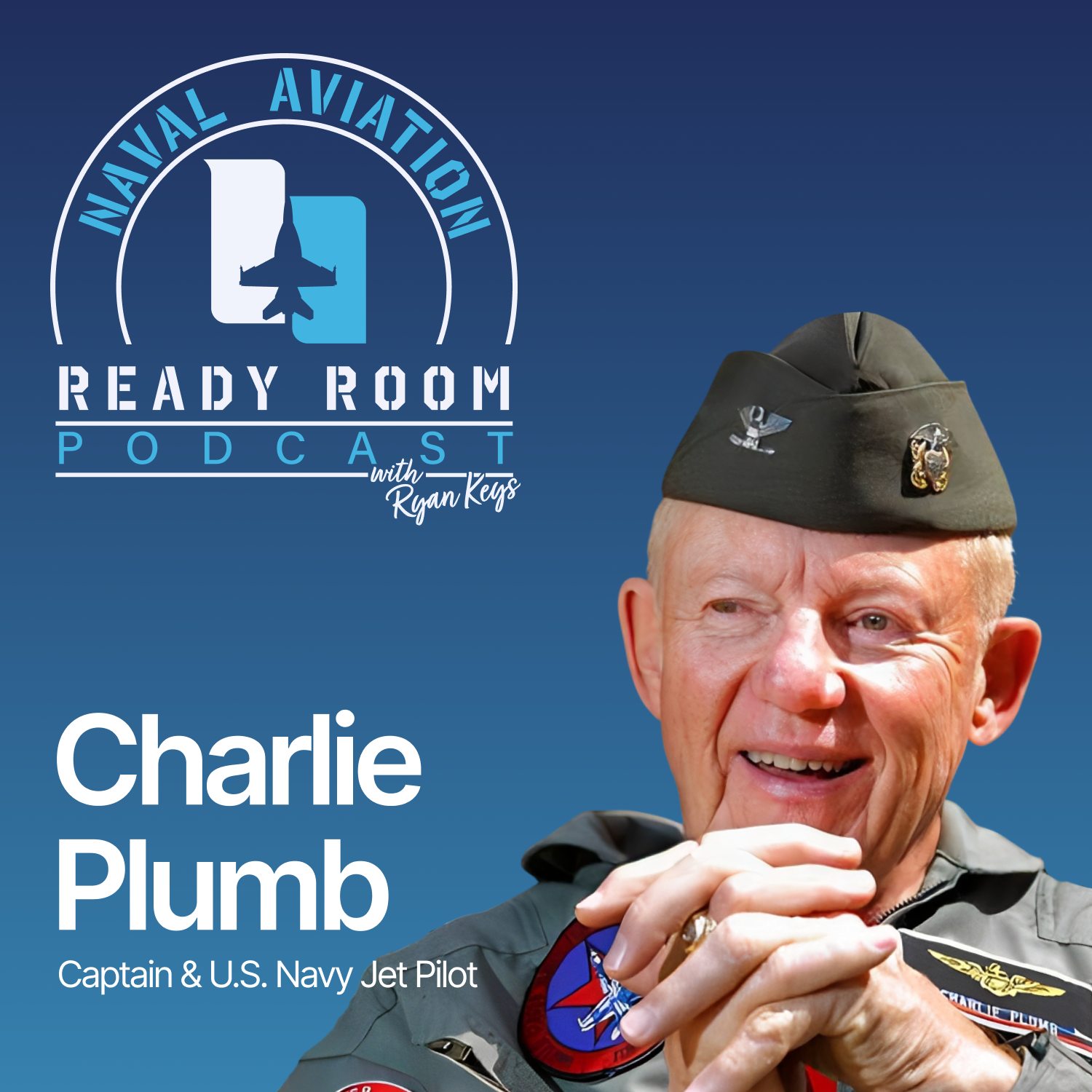
In this deeply moving episode, host Ryan Keys welcomes Captain Charlie Plumb, a United States Naval Academy graduate, decorated U.S. Navy fighter pilot, former Vietnam War POW, and renowned motivational speaker whose life was forever shaped by six harrowing years in captivity. A 1964 Naval Academy graduate, Plumb flew 74 successful combat missions over North Vietnam before being shot down on his 75th, leading to 2,103 days in prison camps during the Vietnam War. During his captivity, Plumb and his fellow POWs endured isolation, deprivation, and relentless mental and physical challenges. Yet they forged innovative ways to survive and stay connected—creating secret tap-code communication systems, organizing “post office” networks, even crafting measuring tools from discarded light bulbs. Plumb served as an underground communicator and chaplain for two years, helping sustain morale, purpose, and dignity within the POW community. After his repatriation in 1973, Plumb resumed his Navy career, flying A-4 Skyhawks, A-7 Corsairs, and F-18 Hornets in reserve squadrons before retiring as a Captain after 31 years of service. Awarded the Silver Star for his resistance to extreme mental and physical cruelties while interned, he went on to deliver more than 5,000 presentations worldwide, becoming one of today’s most sought-after speakers on resilience and leadership. In this conversation, Plumb reveals how faith, communication, and community became the three pillars of survival; how strict adherence to military chain of command preserved their structure and morale; and how teaching one another helped POWs find hope and purpose through suffering. He shares rare details about daily prison camp life, the ingenious ways they maintained time awareness and mental resilience, and how their experiences shaped modern U.S. Navy SERE (Survival, Evasion, Resistance, and Escape) training. The episode also features a special preview of the new “Return with Honor” exhibit at the National Naval Aviation Museum, showcasing authentic artifacts and interactive experiences from the Vietnam POW era. Through it all, Plumb demonstrates how the power of faith, communication, and community can carry people through even the darkest chapters—and how these timeless lessons remain vital for leaders in both military and civilian life today. What You’ll Learn: How faith, communication, and community became the three pillars of survival in extreme captivity The innovative POW communication systems, from tap codes to “post office” networks Why military chain of command and structure proved vital for prisoner organization and morale How isolation and deprivation led to enhanced memory and creative problem-solving The unexpected ways POWs maintained time awareness and mental resilience Why traditional SERE training had to evolve based on real POW experiences The power of maintaining hope and purpose through shared teaching and learning How POW wives created support networks and advocated for their captured husbands The remarkable story behind the new “Return with Honor” museum exhibit featuring authentic artifacts and interactive experiences from the Vietnam POW era If you enjoyed this episode, make sure to subscribe, rate, and review it on Apple Podcasts, Spotify, and YouTube Podcasts. Instructions on how to do so are here . Highlights and YouTube Chapters: [00:00] From Farm Boy to Fighter Pilot: Captain Charlie Plumb's Journey [04:45] Why Traditional POW Training Failed in Vietnam [14:47] The Three Pillars of Survival: Faith, Communication & Community [21:25] Levels of Resistance: How POWs Maintained Unity and Power [29:55] Secret Communication Systems: From Tap Code to Prison Post Office [39:48] Measuring Time and Creating Order in Captivity [45:05] Engineering Under Pressure: The POW Bureau of Weights and Measures [53:08] Return with Honor: A New Museum Exhibit Preserving POW History [58:40] Final Thoughts: Sharing Stories to Inspire Future Generations Episode Resources: US Navy Website Ryan Keys on LinkedIn Naval Aviation Museum Foundation Website The Naval Aviation Ready Room Podcast is handcrafted by our friends over at: fame.so
Sep 11
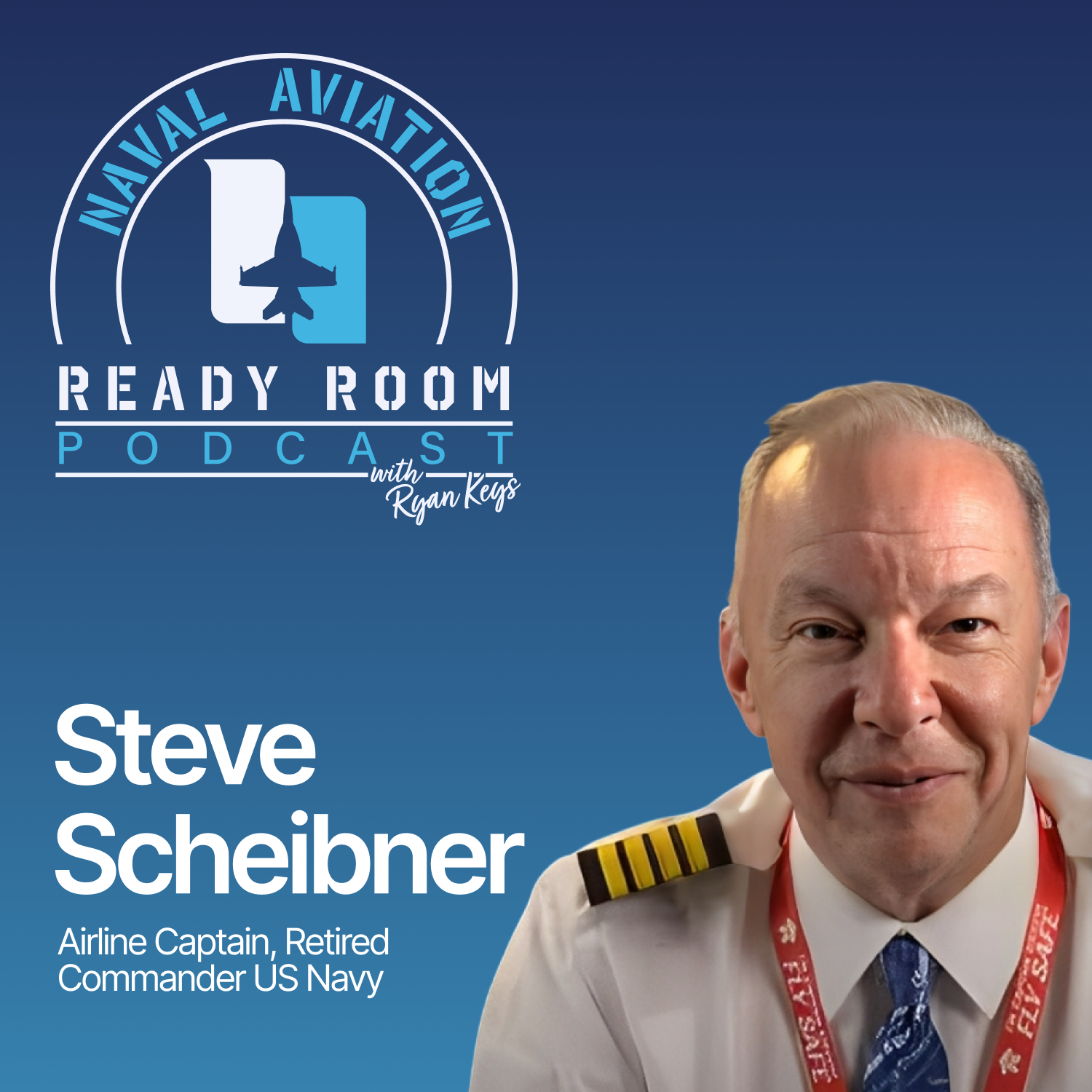
In this powerful and deeply personal episode of The Naval Aviation Ready Room Podcast , host Ryan Keys welcomes Captain Steve Scheibner, a veteran naval aviator, commercial airline captain, and leadership mentor whose career and life were forever altered by a fateful twist of history. Beginning his career as a U.S. Navy P-3 Orion pilot, Scheibner played a vital role in Cold War anti-submarine warfare, where decentralized command and trust were essential to mission success. Transitioning into commercial aviation with American Airlines, he expanded his skills and perspectives as a professional aviator. On September 11, 2001, a last-minute scheduling change kept Scheibner from being in the cockpit of American Airlines Flight 11, the first plane hijacked that morning. That near miss reframed his life’s purpose, compelling him to integrate leadership, faith, and mentorship into every aspect of his journey. He went on to design Navy core values training that impacted over 10,000 service members, founded a thriving church in Maine, and built programs that bridge the gap between military discipline and personal character development. Today, Scheibner is known to many as “Captain Steve” through his popular aviation YouTube channel with more than 800,000 followers. His unique blend of operational expertise, theological insight, and leadership training makes him a sought-after speaker and mentor. Whether conducting Cold War missions, guiding airline crews, or inspiring audiences worldwide, Scheibner exemplifies purposeful living rooted in core values, resilience, and service. His story demonstrates how moments of fate can fuel a lifelong mission to lead with integrity and make every day count—lessons as relevant in the ready room as they are in civilian life. What You’ll Learn: How naval aviation’s decentralized command structure builds trust and empowers leaders The role of the P-3 community in Cold War anti-submarine warfare How balancing military and civilian careers sharpens adaptability and focus Why pivotal, life-changing events reshape personal and professional priorities The importance of leadership training that integrates both career and character development How sharing and processing traumatic experiences fosters growth and healing Why naval aviation leadership principles apply far beyond the ready room How core values sustain purpose in both military and civilian life The role of adaptability in seizing unexpected career opportunities How to make every day count by carrying lessons of fate, faith, and service into leadership If you enjoyed this episode, make sure to subscribe, rate, and review it on Apple Podcasts, Spotify, and YouTube Podcasts. Instructions on how to do so are here . Highlights and YouTube Chapters: [00:00] Welcome to the Naval Aviation Ready Room Podcast [02:56] Finding Your Path: From College Graduate to Naval Aviator [06:46] Doers vs Thinkers: The Psychology of Naval Aviation [09:08] Cold War Chronicles: Tracking Soviet Submarines [13:17] Teaching the Next Generation: From P-3s to Flight Instruction [21:53] Developing Naval Leadership: The Core Values Course [30:33] Flight 11: A Life-Changing Near Miss on 9/11 [42:57] Trust and Leadership: The Power of Decentralized Command [45:42] Looking Ahead: From Triple Seven Captain to Aviation Influencer [48:44] Final Thoughts: Leadership Beyond the Cockpit Episode Resources: US Navy Website Ryan Keys on LinkedIn Naval Aviation Museum Foundation Website The Naval Aviation Ready Room Podcast is handcrafted by our friends over at: fame.so
Aug 28
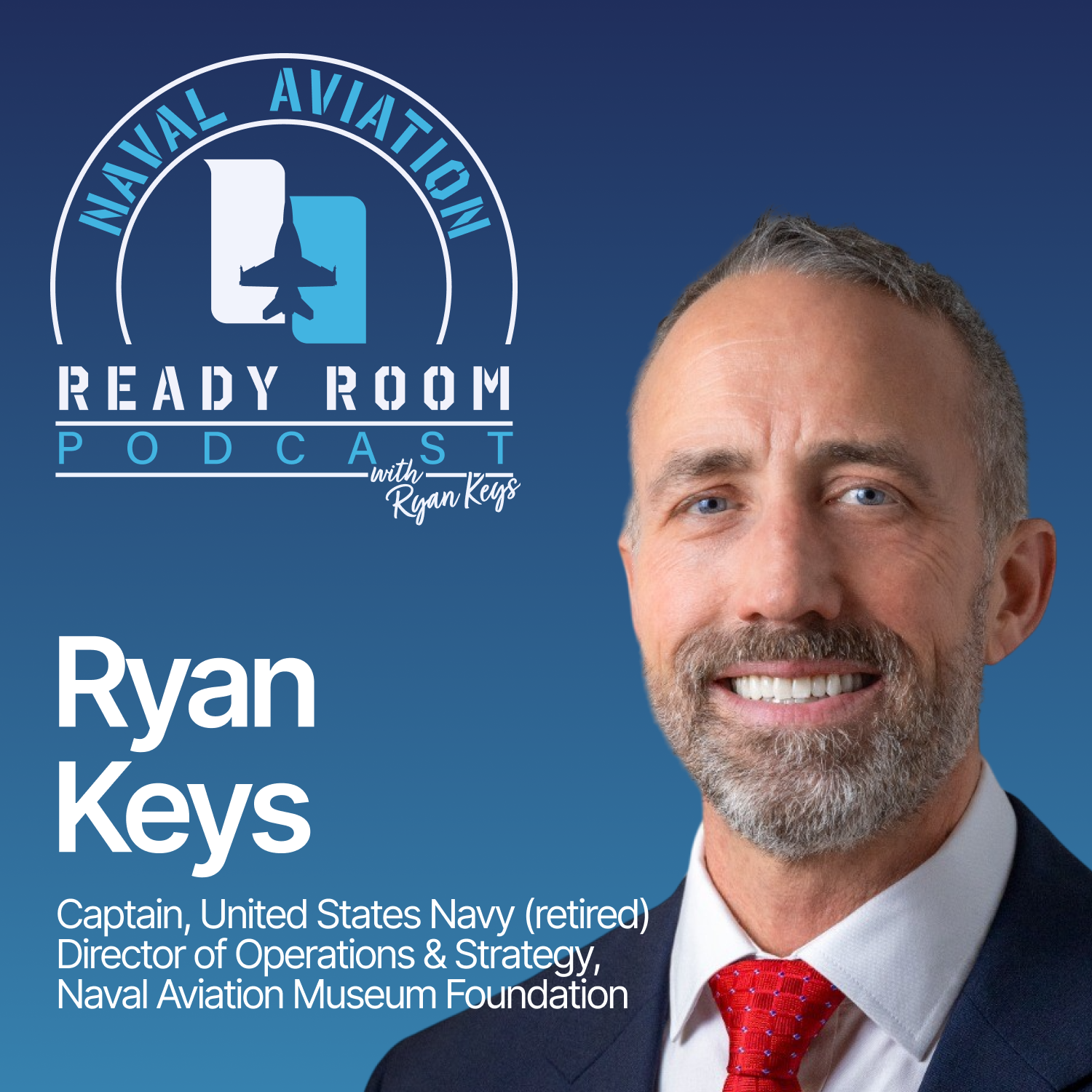
In this special edition of The Naval Aviation Ready Room Podcast, retired U.S. Navy Captain and guest host Pat Everly takes the interviewer’s seat to spotlight Ryan Keys, exploring their parallel paths in naval aviation. From early days preparing for the Naval Academy to leading helicopter squadrons, the episode captures candid reflections on leadership, mentorship, and the pressures of maintaining squadron effectiveness during demanding deployments. Keys shares how family influence, critical career decision points, and the pinnacle experience of squadron command shaped his 20+ year career. Together, Everly and Keys discuss the nuances of balancing operational demands with squadron morale, navigating setbacks, and applying crisis management principles when leadership is tested most. The conversation also bridges past and present, as both aviators describe their current roles at the Naval Aviation Museum Foundation. Their shared mission now extends beyond the flight line: preserving naval aviation’s heritage while inspiring the next generation through education and mentorship. What You’ll Learn: How family military service shapes leadership style and career choices in naval aviation The defining decision points of a 20+ year naval aviation career Why squadron command represents the pinnacle of direct leadership impact Strategies for maintaining morale and cohesion during compressed deployment cycles Real-world examples of crisis management in squadron leadership How transitioning from active duty to foundation leadership bridges heritage with future generations Ways to leverage military leadership experience in civilian organizational roles The continuing importance of professional networks across a lifetime of service Ryan Keys is a retired U.S. Navy Captain and the regular host of The Naval Aviation Ready Room Podcast. With more than two decades of service as a helicopter pilot and squadron commander, Keys has extensive experience in leading combat deployments, managing crisis situations, and shaping the next generation of naval aviators. His career highlights include commanding helicopter sea combat squadrons, serving in senior leadership roles, and mentoring officers through critical transitions in their careers. Now serving with the Naval Aviation Museum Foundation, Keys applies his leadership expertise to preserving the heritage of naval aviation while advancing education and outreach initiatives that inspire future service members. His journey reflects both the challenges and rewards of squadron command, the enduring impact of mentorship, and the continued influence of naval aviation leadership long after active service. If you enjoyed this episode, make sure to subscribe, rate, and review it on Apple Podcasts, Spotify, and YouTube Podcasts. Instructions on how to do so are here . Highlights and YouTube Chapters: [00:00] Naval Aviation Ready Room Podcast Introduction [04:39] Family Legacy of Military Service and Early Career Influences [09:35] Critical Career Decision Points in Naval Aviation [15:53] Mentors and Leadership Influences in Squadron Life [25:40] Leading Through Deployment Challenges on USS Enterprise [29:03] Crisis Management and Direct Leadership Impact [40:21] Overcoming Career Setbacks and Maintaining Perspective [43:47] From Active Duty to Naval Aviation Museum Foundation Leadership The Naval Aviation Ready Room Podcast is handcrafted by our friends over at: fame.so
Aug 27
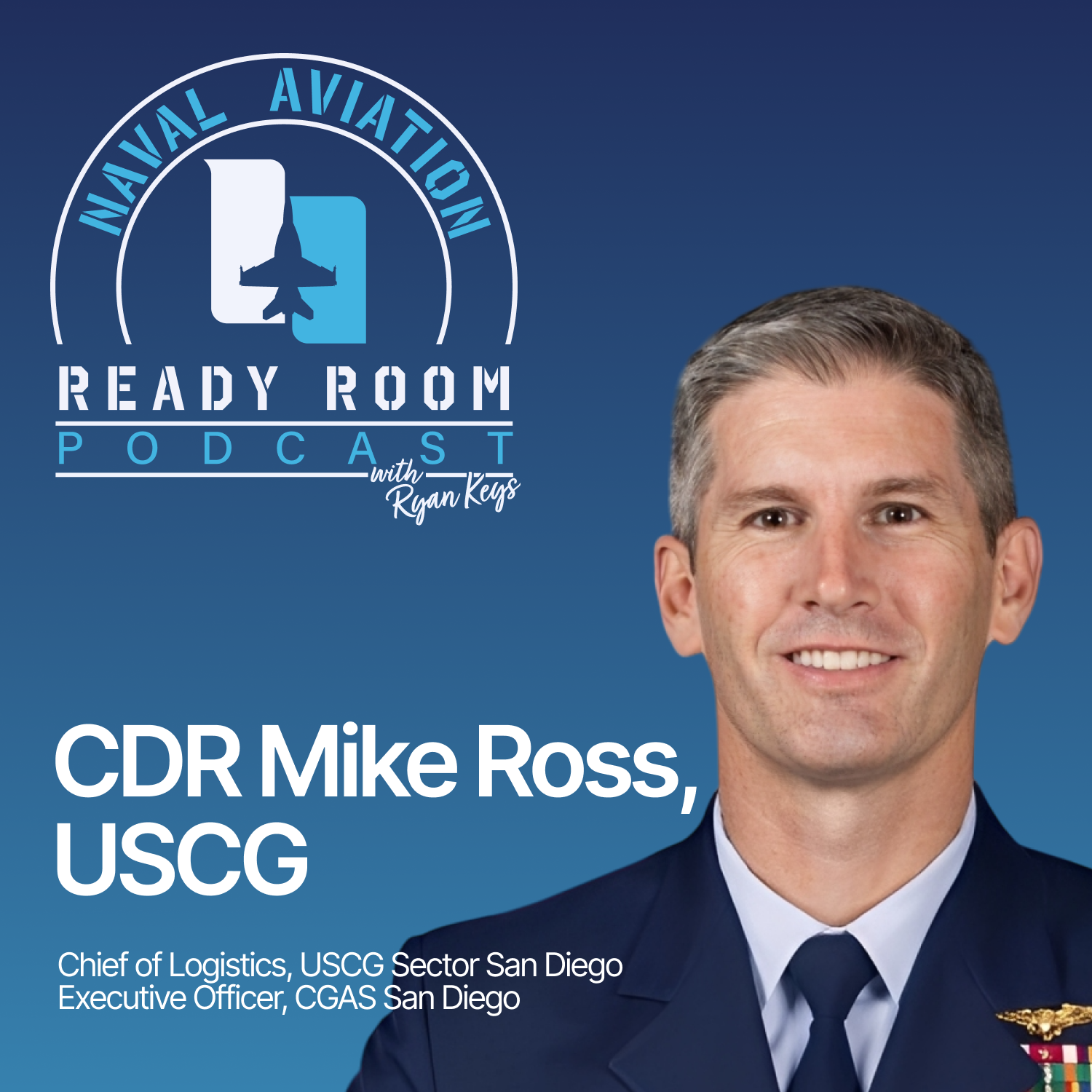
In this compelling episode of The Naval Aviation Ready Room Podcast, host Ryan Keys welcomes Commander Michael Ross, USCG, Executive Officer of Coast Guard Air Station San Diego, to explore a unique career that bridges two distinct military aviation traditions. Beginning as a U.S. Army Black Hawk pilot flying combat missions in Iraq, Ross later transitioned to the Coast Guard through the Direct Commission Aviation program, where he mastered MH-65 Dolphins and MH-60 Jayhawks in some of the most unforgiving environments on earth. Ross’s experience spans kinetic combat operations, treacherous Alaskan rescues, and today’s complex mission set of border security and maritime law enforcement. He reflects on how leadership translates across cultures and organizations, the nuances of decision-making when lives hang in the balance, and the importance of building cohesive crews prepared for any challenge. His philosophy, rooted in principles such as “Pull the Weeds When Small,” illustrates how proactive leadership, mentorship, and accountability shape both operational success and organizational culture. For naval historians and practitioners alike, Ross’s story sheds light on the evolution of Coast Guard aviation from revenue enforcement roots to its current status as a frontline multi-mission force. His perspective underscores the value of joint operations with the Navy and Border Protection, demonstrating how aviation capability underwrites maritime security and homeland defense. What You’ll Learn: How to transition between military aviation communities while maintaining operational excellence The critical differences between Army combat operations and Coast Guard rescue missions Why Coast Guard aviation requires unique decision-making frameworks in high-stakes situations How to balance mission accomplishment with crew safety in search and rescue operations The “Pull the Weeds When Small” principle for effective leadership and safety management How joint operations between Coast Guard, Navy, and Border Protection secure maritime approaches Why followership is as crucial as leadership in military aviation operations The fundamentals of running an air station as an Executive Officer while supporting the Commanding Officer’s vision How to maintain community relationships while executing challenging missions in coastal environments The evolution of Coast Guard aviation from revenue enforcement to modern multi-mission operations Commander Michael Ross currently serves as Executive Officer at Coast Guard Air Station San Diego, working in concert with Sector San Diego to safeguard America’s southwest maritime approaches. A decorated aviator with over 4,800 flight hours, Ross began his career in the U.S. Army, flying UH-60 Black Hawks during combat deployments in Iraq. Transitioning into the Coast Guard through the Direct Commission Aviation program, he has since flown both MH-65 Dolphins and MH-60 Jayhawks, conducting demanding search and rescue missions in Alaska and honing expertise in maritime law enforcement. Ross’s career highlights the adaptability of military aviators and the enduring importance of leadership, discipline, and teamwork across operational contexts. Whether executing high-risk rescues in icy waters, coordinating joint maritime security operations, or mentoring the next generation of aviators, Ross exemplifies the Coast Guard’s role in protecting life, property, and national security at sea. If you enjoyed this episode, make sure to subscribe, rate, and review it on Apple Podcasts, Spotify, and YouTube Podcasts. Instructions on how to do so are here . Highlights and YouTube Chapters: [00:00] From Blackhawks to Dolphins: A Coast Guard Aviator's Journey [03:31] West Point to Army Aviation: Early Career Path [07:18] Making Critical Decisions: Leadership in High-Stakes Missions [14:22] Transitioning to Coast Guard: Adapting to New Aircraft and Culture [21:28] Alaska Adventures: Flying Search & Rescue in the Last Frontier [26:52] When to Say No: A Pivotal Mission Decision in Kodiak [34:29] Strategic Impact: Joint Operations and Maritime Security [39:02] Border Operations: Modern Challenges on the West Coast [42:52] Leadership Lessons: Pull the Weeds When Small [47:10] Final Thoughts: The Balance of Leadership and Followership The Naval Aviation Ready Room Podcast is handcrafted by our friends over at: fame.so