5d ago
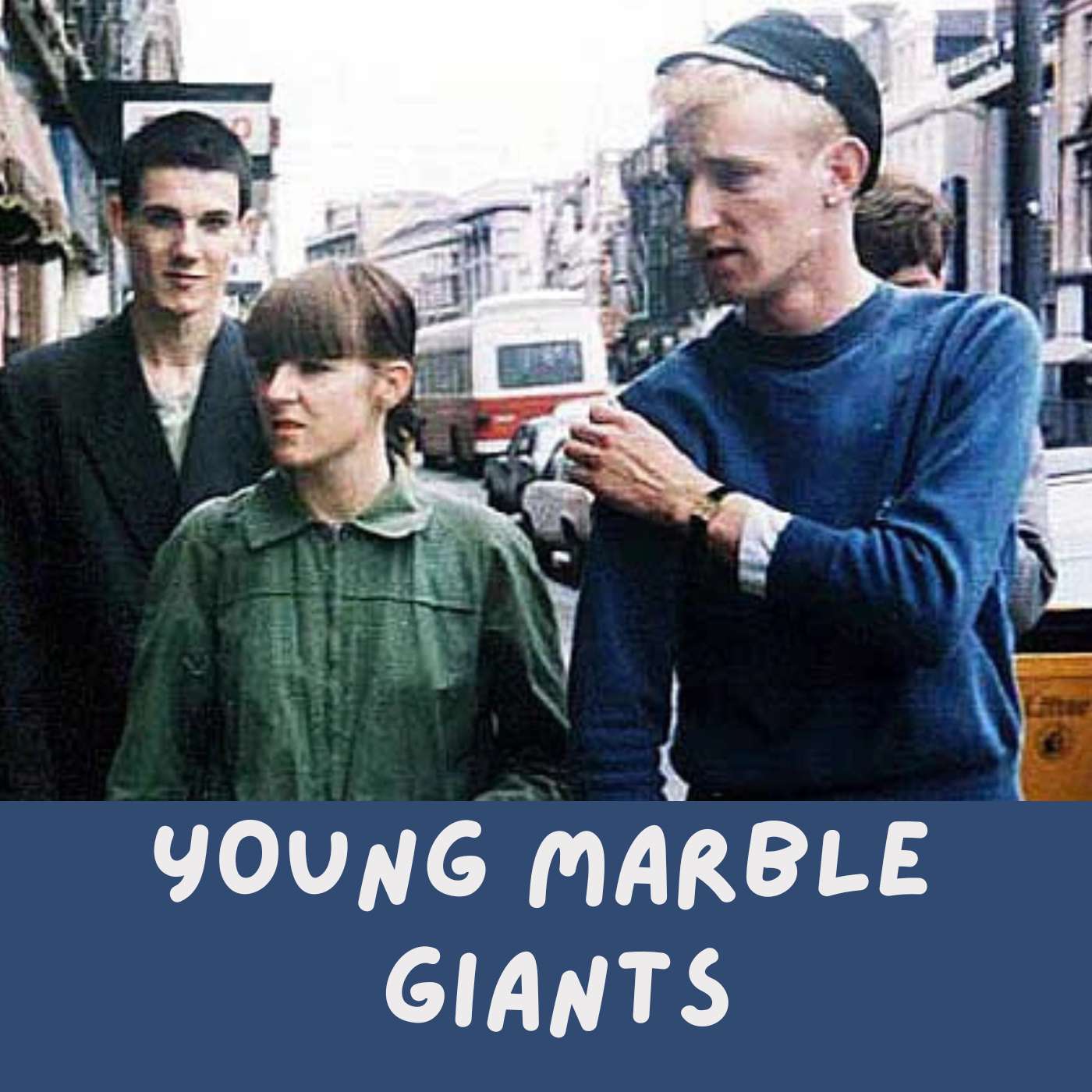
Young Marble Giants - Colossal Youth
Although the band Young Marble Giants created only one full length studio album, that one album from 1980, Colossal Youth , would be a post-punk tone setter. This Welsh band formed in Cardiff in 1978 and was based around the vocals of Alison Statton along with the minimalist instrumentation of brothers Philip and Stuart Moxham. The trio created a sound from post-punk's experimental tendencies in a very minimal and unique form. There was nobody else like this band from this time. Based on a couple of demo songs, Young Marble Giants was signed by Rough Trade Records and would create their debut Colossal Youth followed by two EP’s. After that, the members moved on to other projects. The band would reunite a few times over the years as new generations of indie artists would be influenced by the unique music of Young Marble Giants . This episode will discuss the band and their music during the early years, the debut album Colossal Youth , and the years and projects after the original run.
Dec 7
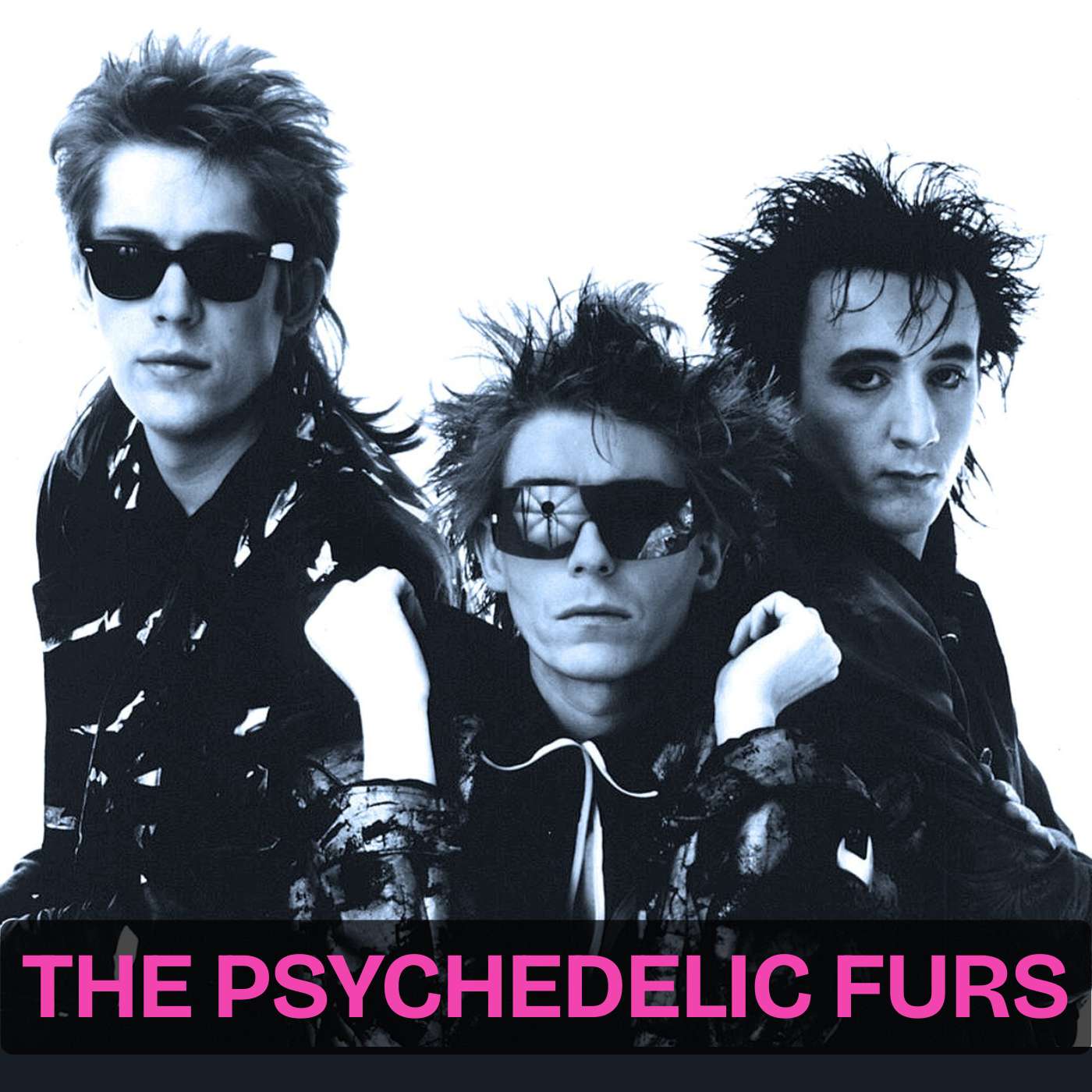
The Psychedelic Furs - Music the Butlers' Way
Soon after forming in London in 1977, The Psychedelic Furs would be part of the rising UK post-punk scene. However, they would not be just another post-punk band. Led by the Butler brothers of Richard, lead singer with his very distinctive vocal style, and bassist Tim, The Psychedelic Furs would start their career with a couple of excellent post-punk albums. Following their self-titled debut album in 1981 and the follow up album Talk Talk Talk a year later, the band would make a change in production and a slight change in sound. A string of hits in the 80's ensued beginning with the song "Love My Way" from their third album, Forever Now. The band would reach international recognition when in 1986, filmmaker John Hughes used their 1981 song for his film, Pretty in Pink . This podcast episode will tell the story of The Psychedelic Furs from formation and the early years through all eight of their studio albums with focus on the first four albums, which helped define the Furs.
Nov 30
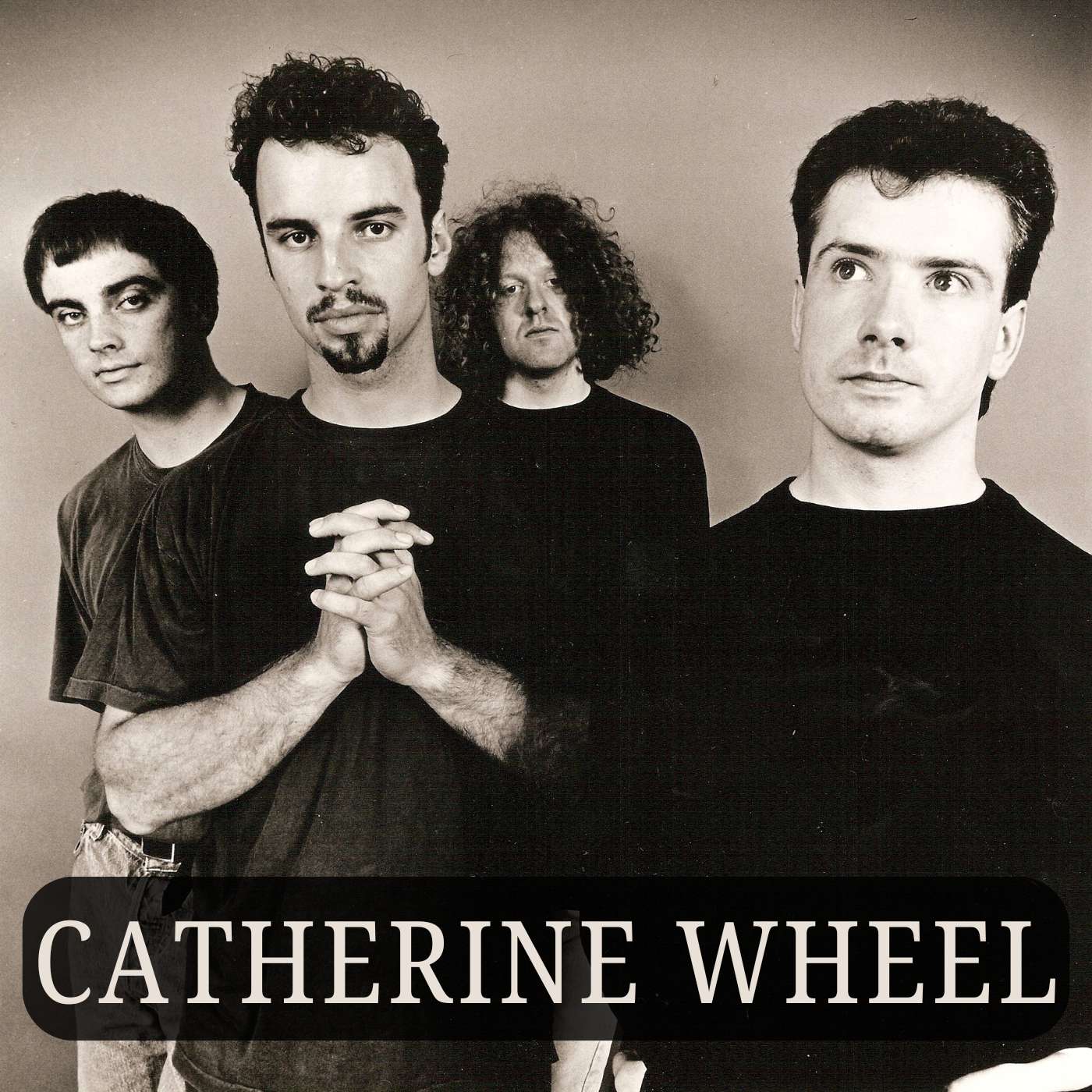
Catherine Wheel - Ferment and Chrome
The English band Catherine Wheel 's 1992 debut album Ferment and the 1993 follow up album Chrome associated the group with the shoegaze music scene. As the band progressed over the years after their debut, the music would become heavier before shifting to a more textured sound crossing through genres with the ever changing landscape of alternative music in the 90’s. Catherine Wheel ’s early attention and success started with the debut single , “Black Metallic” . They created another shoegaze anthem, "Crank", as the first single from the second album. It was during this early period over these two albums that Catherine Wheel incorporated shoegaze related elements of hazy and droning guitars, effects pedals, and somewhat buried vocals, along with some grunge and on the debut album, neo-psychedelia. The band, fronted by lead singer and guitarist Rob Dickinson, would end their run in 2000 after five full length studio albums and years of US college radio success. On this episode, we will explore the career of Catherine Wheel and their music with a little more focus on the first two albums.
Nov 23
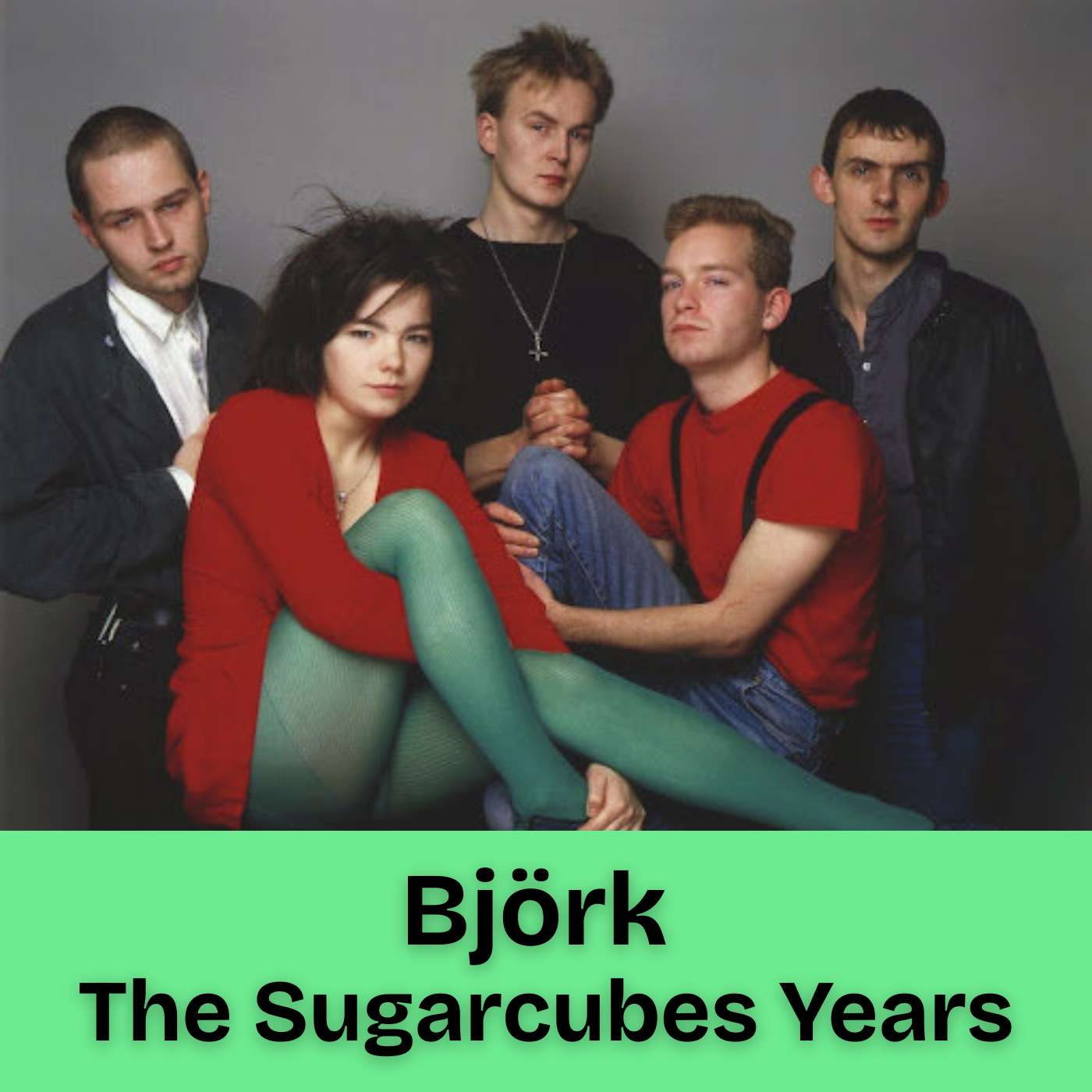
Björk - The Sugarcubes Years
The Sugarcubes were an Icelandic alternative band that formed in 1986, and by the time the band ended in 1992 they had become Iceland's biggest music group. During this short career, The Sugarcubes were a complex post-punk, dream pop, experimental, indie dance rock band. Their music was a upbeat blend of psychedelic sounds, punk energy, pop-driven melodies, angular guitar riffs, and tribal rhythms. They combined this with unique storytelling and quirky, surreal lyrics characterized by the distinctive and ethereal vocals of their lead singer, Björk . Björk had began her music career at the age of 11, but it would The Sugarcubes years where she gained world wide recognition. This would lead to her internationally successful solo career that followed as she became the bestselling Icelandic musician of all time, and an influential pioneer in electronic and experimental music. The episode tells the story of Björk’s early years through the band Kukl, the forming of The Sugarcubes , their signature song “Birthday” and the 1988 international hit debut album, Life's Too Good , and the music over the next two albums before The Sugarcubes ended in 1992.
Nov 16
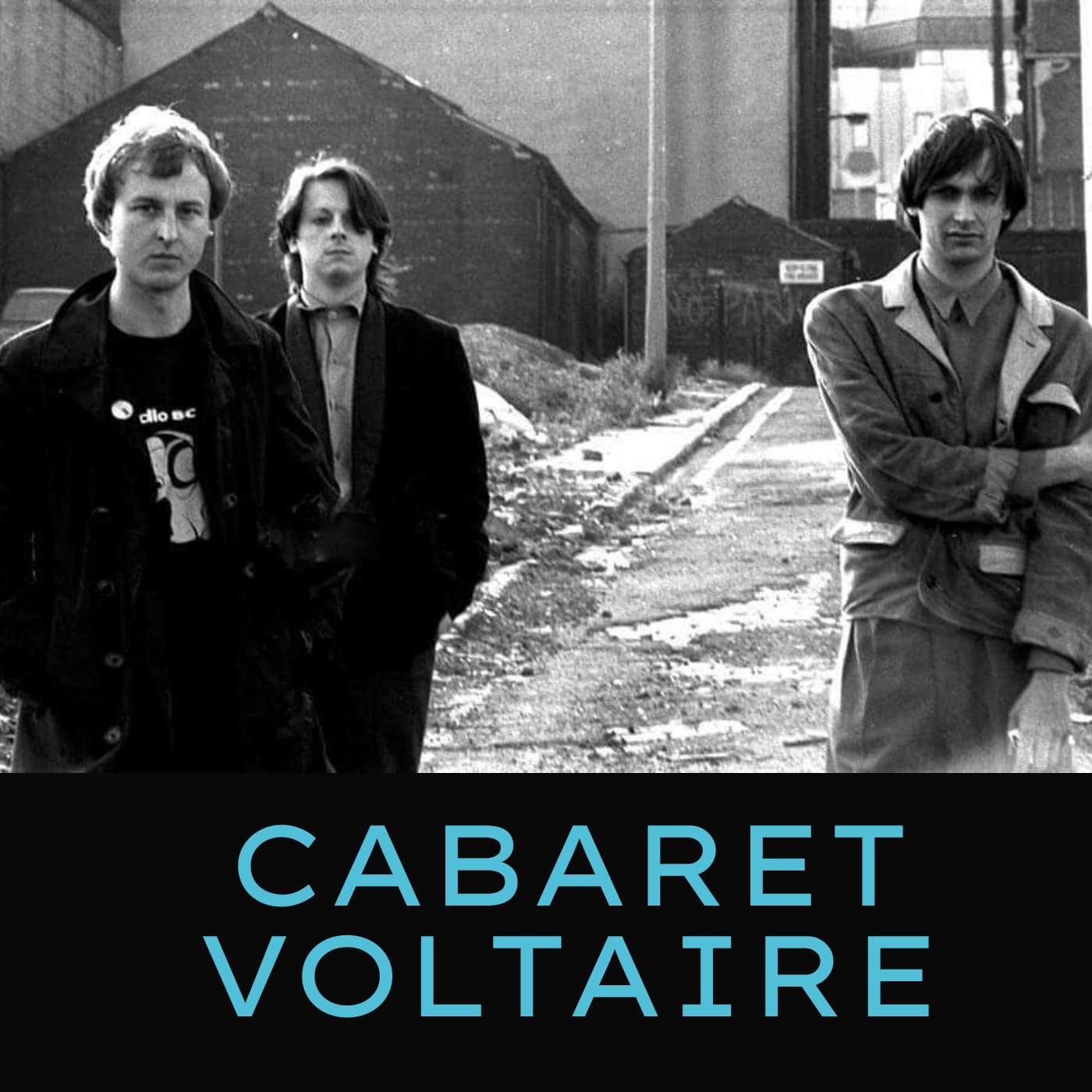
Cabaret Voltaire - The Original Sound of Sheffield
The story of Cabaret Voltaire began when they formed in Sheffield, England in 1973 by Chris Watson, Richard H Kirk, and Stephen Mallinder. The band would go on to one of the most innovative, influential, and pioneering industrial and post-punk acts as they became known as the original sound of Sheffield. Cabaret Voltaire took their name from the Zurich nightclub that was the center of the early Dada movement and began their career with Dada-influenced performance art where they challenged musical norms and experimented with sound creation and processing. This would lead to Cabaret Voltaire expanding their use and development of raw tape loops, avant-garde noise, sampling and other technology while mixing in danceable electronic sounds along with art, politics, and social issues. Their 70’s and into the early 80’s work would foreshadow industrial and electronic music genres that would follow, and inspire many artists as they became one of the most important bands not to just industrial music, but music in general. In this episode we tell the story of Cabaret Voltaire and their music starting from the early years including albums Voice of America and Red Mecca, through the music after Chris Watson departed in 1981 as the band continued through the 80's with albums such as The Crackdown and Micro-Phonies .
Nov 9
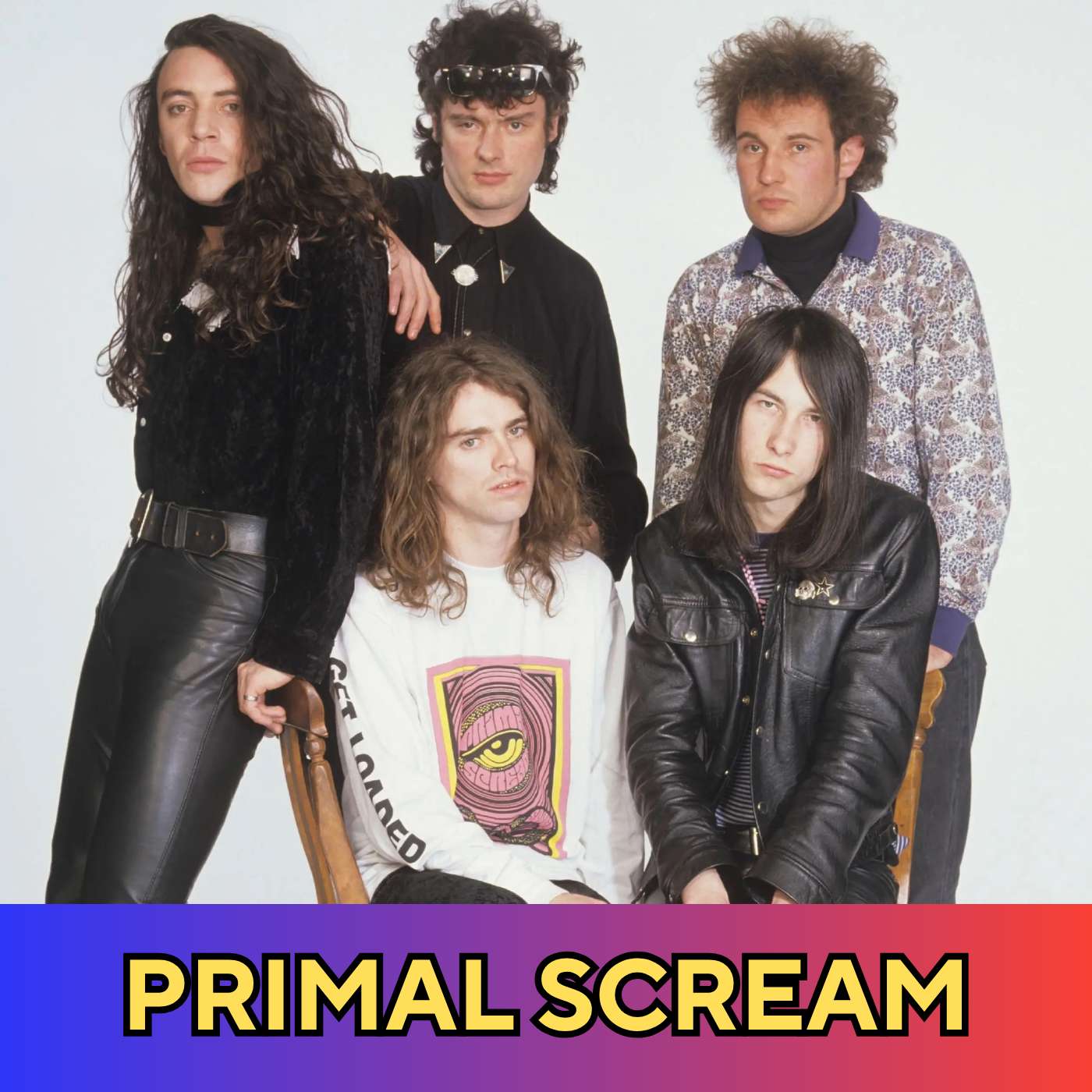
Primal Scream - The Loaded Screamadelica
Screamadelica , the 1991 third studio album from Primal Scream, was a defining album as it successfully fused indie rock with electronic, techno, and house dance music. The album was instrumental in bringing this musical style to the international mainstream. Although Primal Scream formed in 1982 in Glasgow, Scotland, it was not until lead singer Bobby Gillespie left his other band (The Jesus and Mary Chain) in 1986 that Primal Scream began to rise. Behind Gillespie, the band’s music went through periods of jangle pop and a harder garage rock sound in the 80's before a change of direction to the acid house scene. This occurred with a new dance music sound mixing indie pop, techno, dub, and psychedelia on the landmark third album, Screamadelica . This episode will discuss this band’s formation, the early years and music up through the highly regarding 1990 single mixed by DJ Andrew Weatherall, "Loaded", and the album that followed under Weatherall's production, the classic Screamadelica .
Nov 2
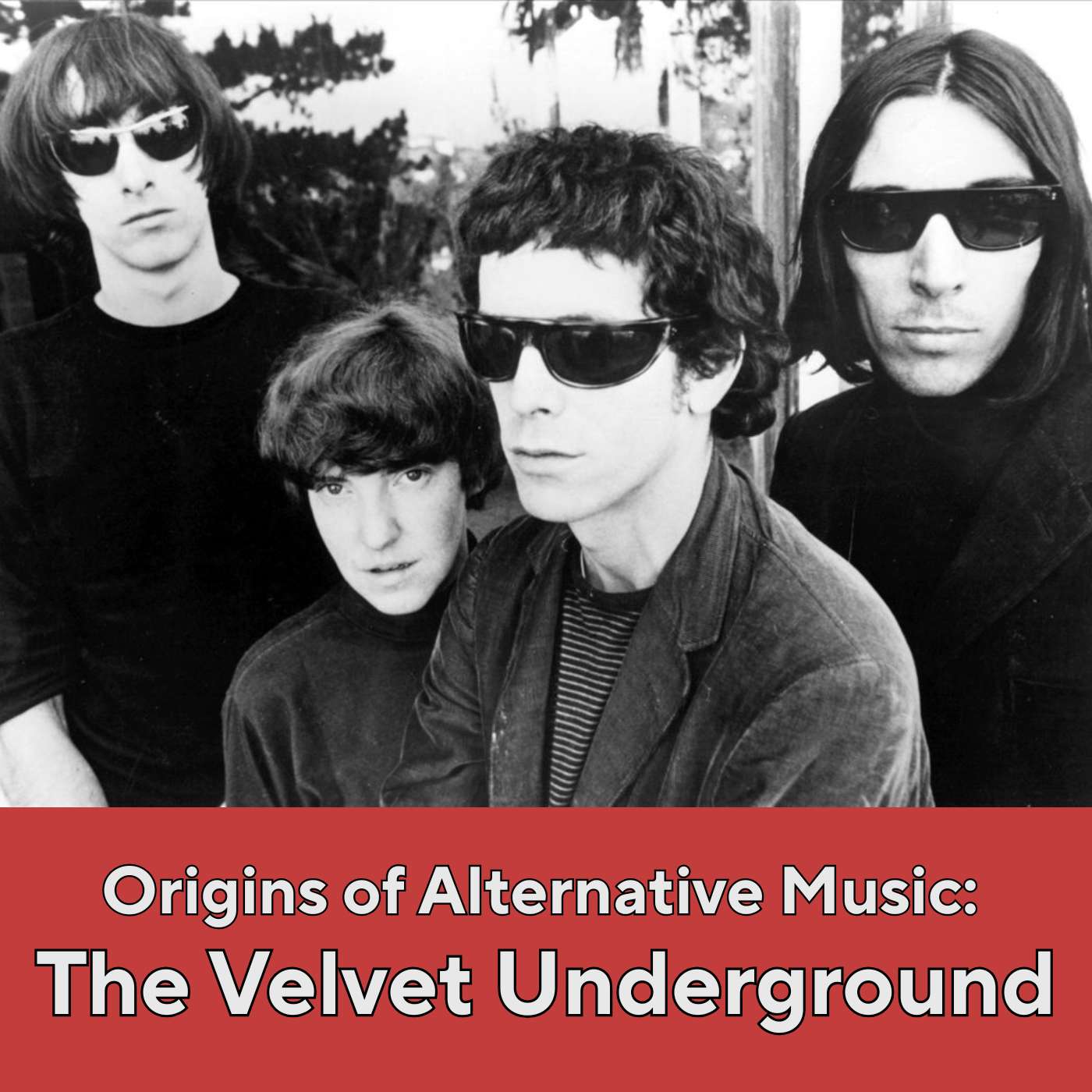
Origins of Alternative Music: The Velvet Underground
The Velvet Underground formed in New York City in 1964 and has been considered by many as one of the most influential American rock bands. The band's music contained experimentation with instrumentation and sounds while containing raw and provocative lyrics from lead singer and guitarist Lou Reed. These features, along with unconventional and minimalist arrangements, would lead to the development of punk rock, new wave, post-punk, indie rock and many other genres of the alternative music world. In 1966, the Velvet Underground became the house band at pop artist Andy Warhol's studio, The Factory. With Warhol as producer, the band released their debut album in 1967, The Velvet Underground & Nico , featuring the German singer and model Nico. This album is considered as one of the greatest albums in music history due to it's influence on future artists and genres. This episode will discuss the influence of this band and their music, tell the story of the band's beginning and what was behind this music, and discuss the music of the classic debut album.
Oct 26
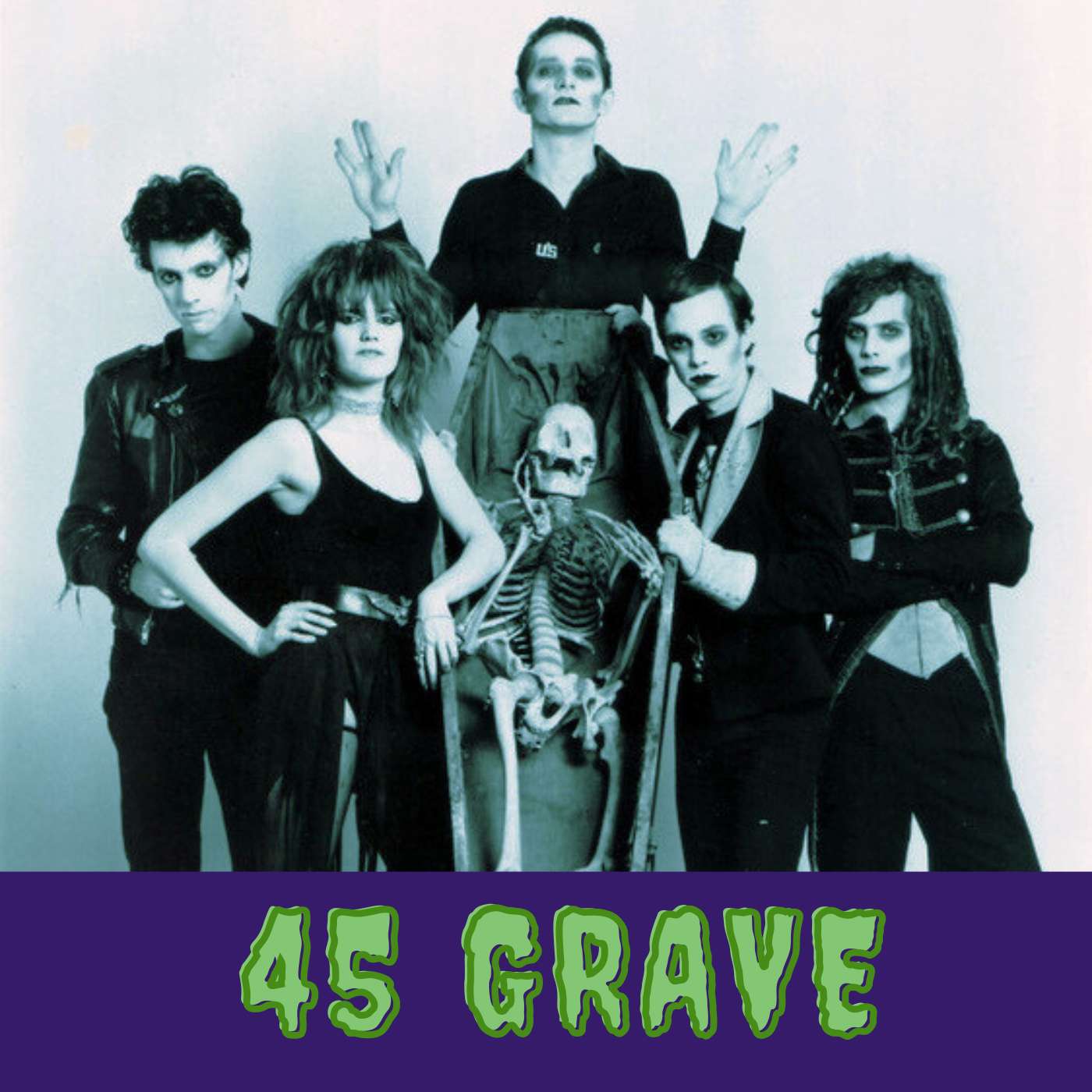
45 Grave - Halloween from the Grave
When 45 Grave formed in Los Angeles in 1979, their music would combine punk rock with a dark and horror themed aesthetic becoming one of the first American gothic rock bands as they helped create the genre, deathrock. After the rise of the deathrock sound from the LA Punk scene, 45 Grave would release their critically acclaimed debut album in 1983, Sleep in Safety . The band’s most notable success came with version of a song from that album, "Partytime", that was featured in the 1985 movie and soundtrack of Return of the Living Dead . 45 Grave broke up in 1985, but founding member and lead vocalist Dinah Cancer would later reform the band. Cancer would be deemed "The Queen of Deathrock" from her commanding stage presence and theatrics, and distinct vocals. This episode will discuss the origin of 45 Grave , the music from the band, and their dynamic lead singer, Dinah Cancer, as we welcome the band as our Halloween representative this week. Happy Halloween!
Oct 19
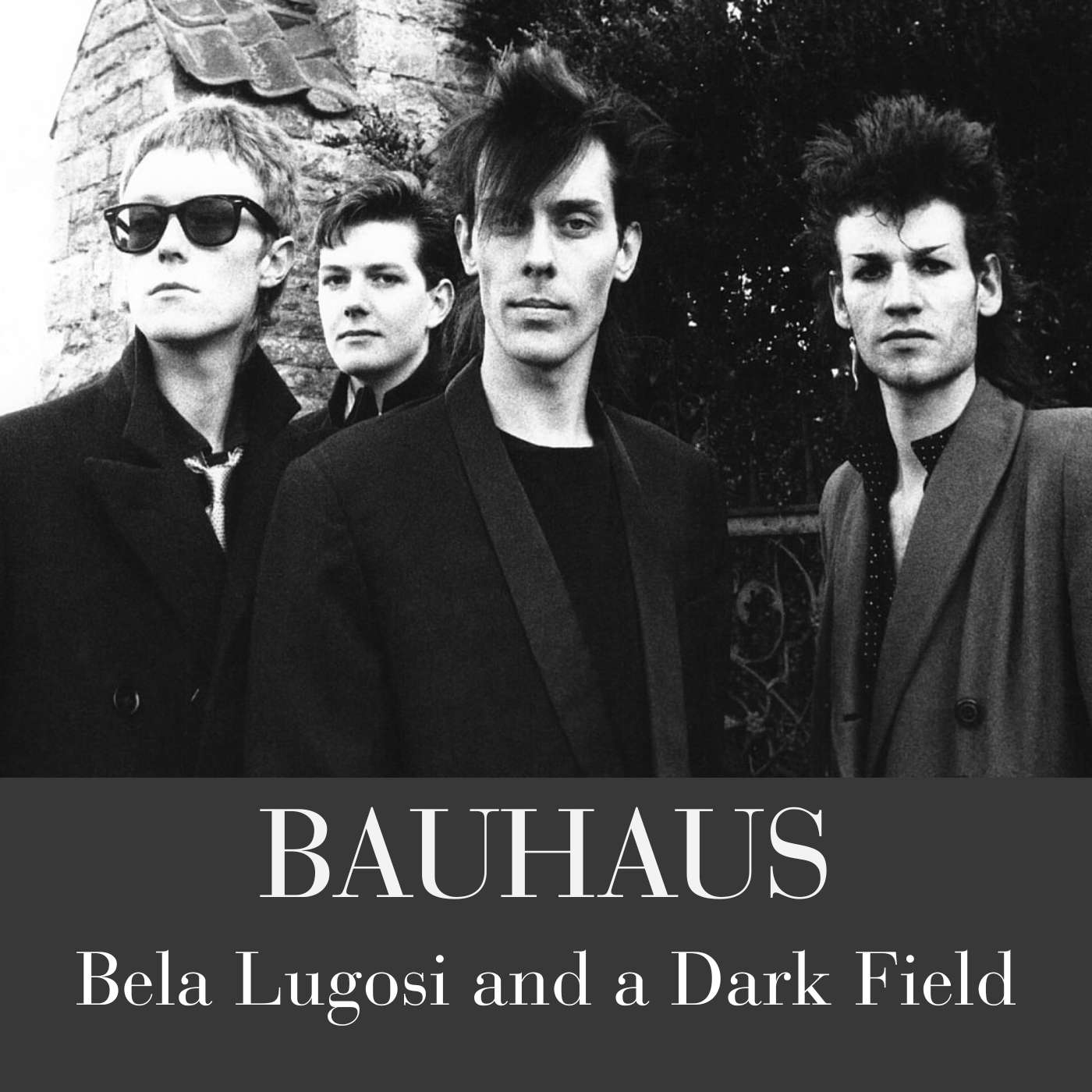
Bauhaus - Bela Lugosi and a Dark Field
When Bauhaus created the song “Bela Lugosi’s Dead” and released it as their debut single in early 1979, they did not realize the impact the song and the band's aesthetic would have on culture and music. The song would be considered one of the greatest debut singles and the song would be deemed the first gothic rock song. This led to the dark, gloomy, and intense debut album the following year, In The Flat Field. This highly original post-punk band, their image, and their early music would be a direct influence on contemporary goth culture. In this episode, we tell the story of the creation of the single “Bela Lugosi’s Dead" from the band's legendary first recording session, how the members of Bauhaus formed just weeks prior to that session, and the debut album In the Flat Field after the band signed with 4AD Records.
Oct 12
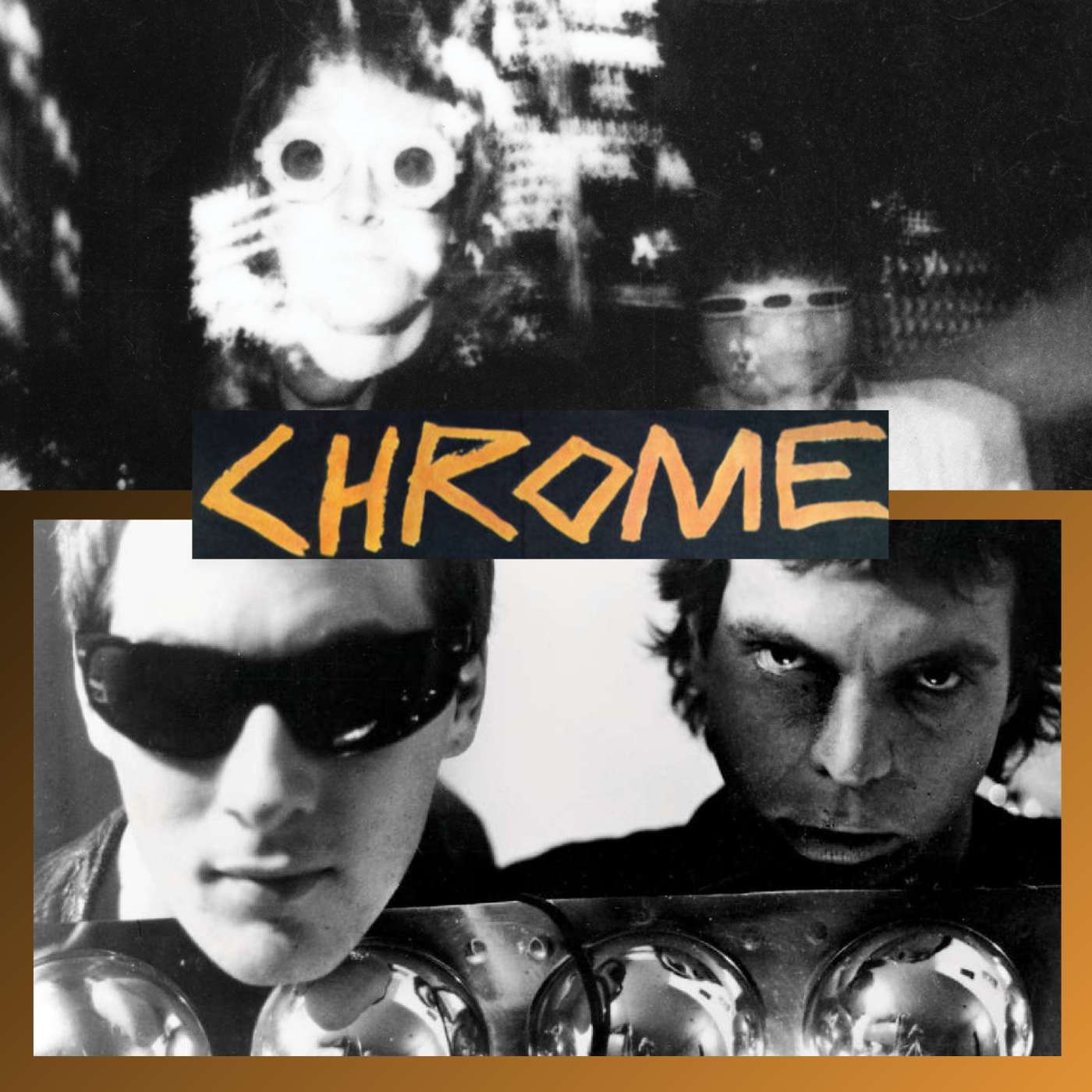
Chrome - Sonics of Another World
Chrome was one of the more unusual alternative bands that arrived on the 70's San Francisco music scene. Chrome’s music would often take on sci-fi themes while employing tape loops, distortion and overloaded acid rock guitar, found sounds from television, and whatever noise they could create with electronics. These raw experimental and industrial sounds would be blended with elements from punk rock and psychedelia. The result of all of this would be a forerunner to industrial rock and noise rock of the 1980's. The band was founded by vocalist, drummer and keyboardist Damon Edge. After a debut album in 1976, Chrome added guitarist Helios Creed in 1977. With the pairing of Edge and Creed, Chrome became a cult band favorite with their next two albums, Alien Soundtracks and Half Machine Lip Moves . Edge and Creed went separate directions in the mid-80's with Damon Edge continuing the band until he passed away in 1995. Helios Creed, who had been away from the group since the mid-80’s, revived Chrome and has continued the band with performances and release of new albums. This episode will discuss this band’s early years, their music, and the work of Chrome especially during the influential Edge and Creed years.
Oct 5
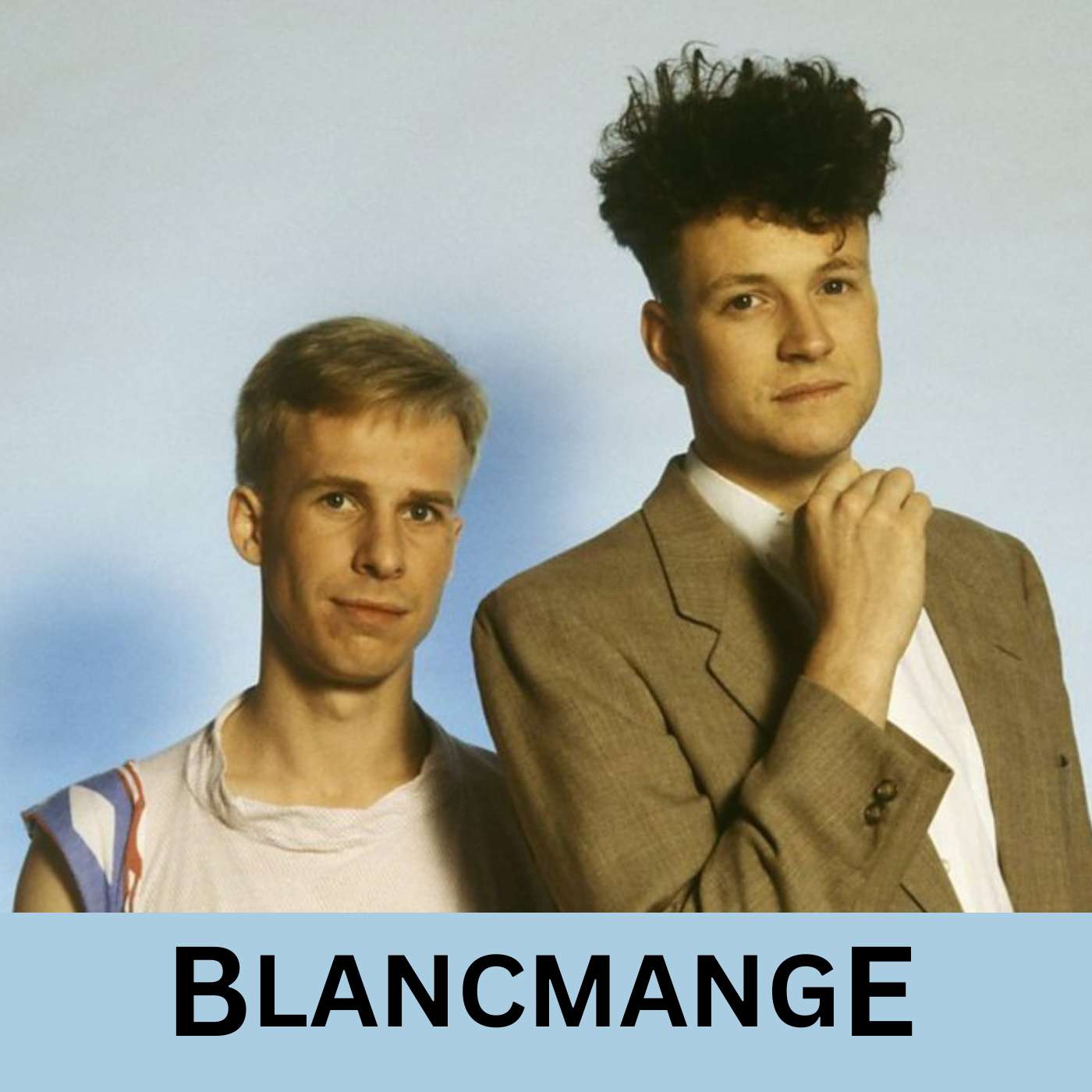
Blancmange - The Sweet Synth of Luscombe and Arthur
Blancmange formed in London in 1979 behind vocalist Neil Arthur and instrumentalist Stephen Luscombe. On their way to becoming a classic synth-pop duo, they would take a more exotic approach to the music than others in the electropop field. Besides often creating eccentric dance rhythms and a comforting atmosphere, Blancmange would sometimes fuse synth with eastern influences as part of their music. The band would create three studio albums in the early to mid-80’s before breaking up in 1986. The band would return in the 2000’s with a fourth album in 2011. However, Stephen Luscombe had to step away soon after due to health issues leaving Arthur to continue under the Blancmange name. Just last month, Stephen Luscombe passed away at the age of 70. This episode tell the story of how Luscombe and Arthur created the band, their music of the 80's, and the years the followed.
Sep 28
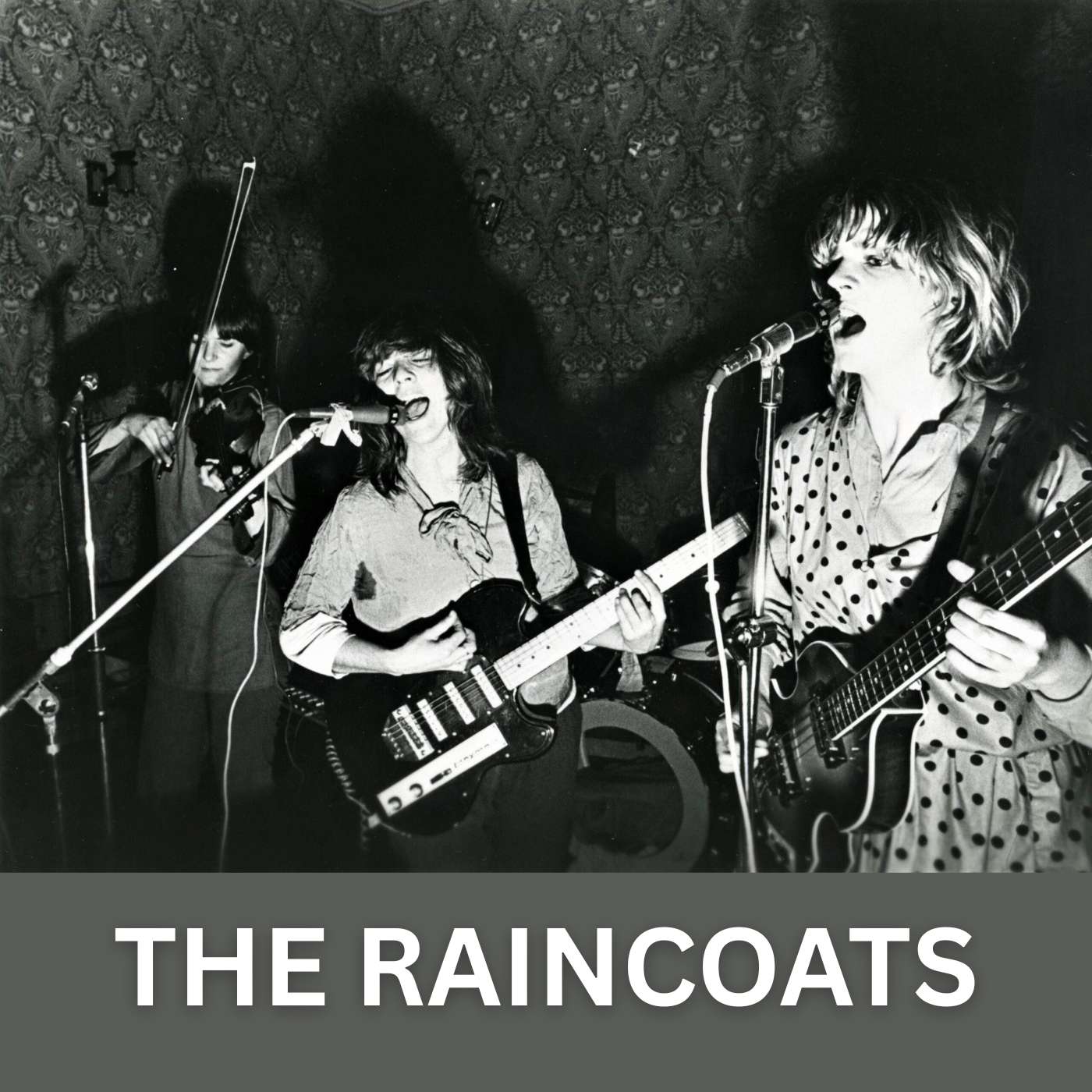
The Raincoats - Storming the Social Conscience
In 1977 two art school students in London, Ana da Silva and Gina Birch, would start the post-punk band, The Raincoats . Not only did they develop an unusual sound and approach to music incorporating experimental and other elements, but this band also that took on social and political issues. The Raincoats would release their self-titled debut album in 1979 as an all-female band for this debut. The Raincoats would be one of the first bands to influence feminism and they would inspire generations of female fronted bands that came after. The band would break up in 1984 following their third album, but the band’s influence in the 90’s on artists including Nirvana lead singer Kurt Cobain would inspire a reissue of their catalog and a rekindling of the group in 1993. This episode will tell the story of the early years of the band, their impact on social issues, their music, and the chance meeting of Ana da Silva with Kurt Cobain that led to the reformation of The Raincoats .
Sep 21
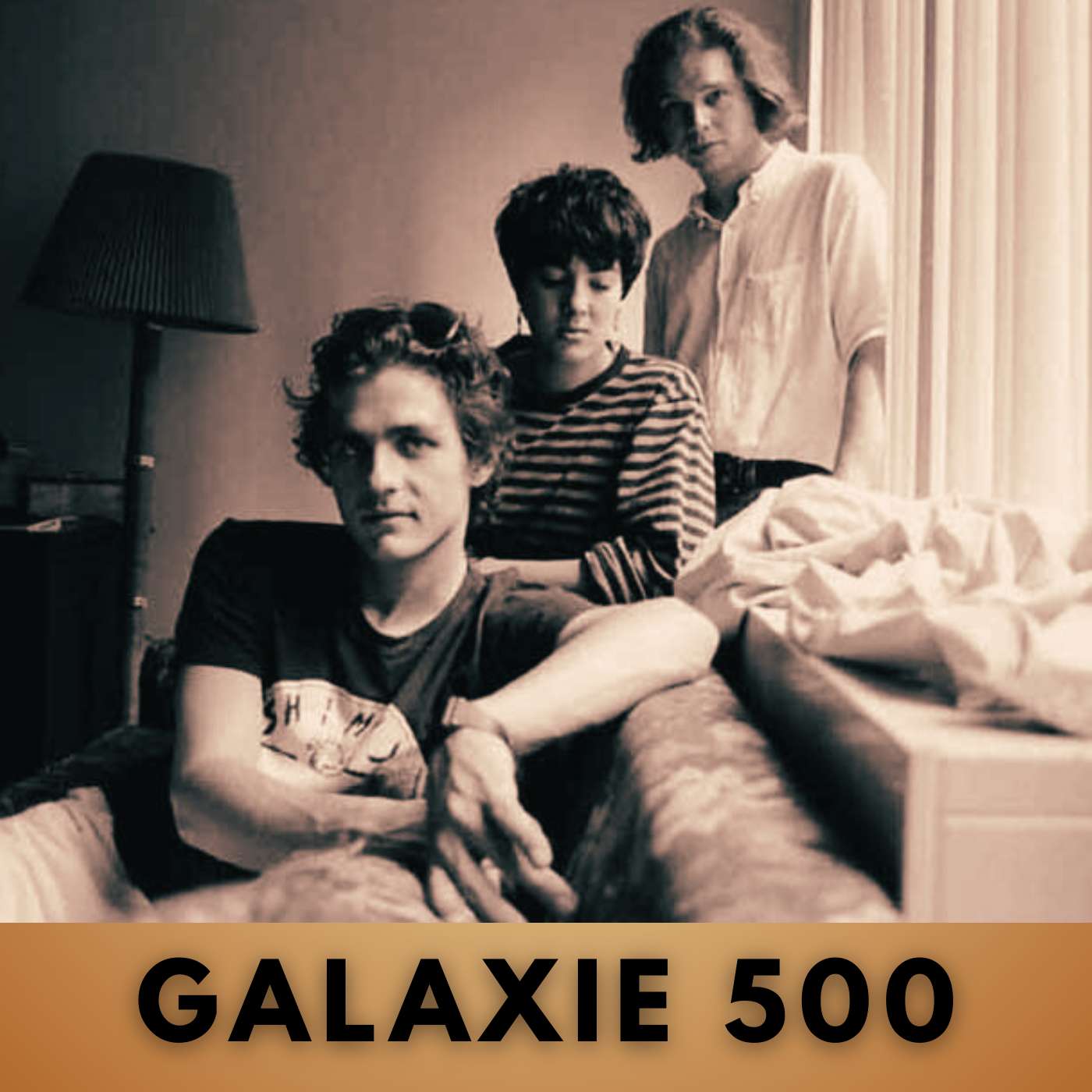
Galaxie 500 - A Key to Slowcore
Galaxie 500 formed in Boston in 1987 and would deliver three studio albums before disbanding in 1991. The creation from the band over this limited span was a mix of indie rock, dream pop, and neo-psychedelia using slow tempos and a minimalist approach. Much of this unique music would be a key to the development of the 90's sub-genre known as slowcore. Their second album, On Fir e, was the most influential of their work toward slowcore. Besides impacting the development of this genre, the music from Galaxie 500 would also influence artists and other music styles. Following the break-up of Galaxie 500 in 1991, lead singer and guitarist Dean Wareham would go on to form the band Luna. In this podcast episode we will tell the story of the early years of Galaxie 500 , the music and impact of the band, and the spin-off project Luna.
Sep 14
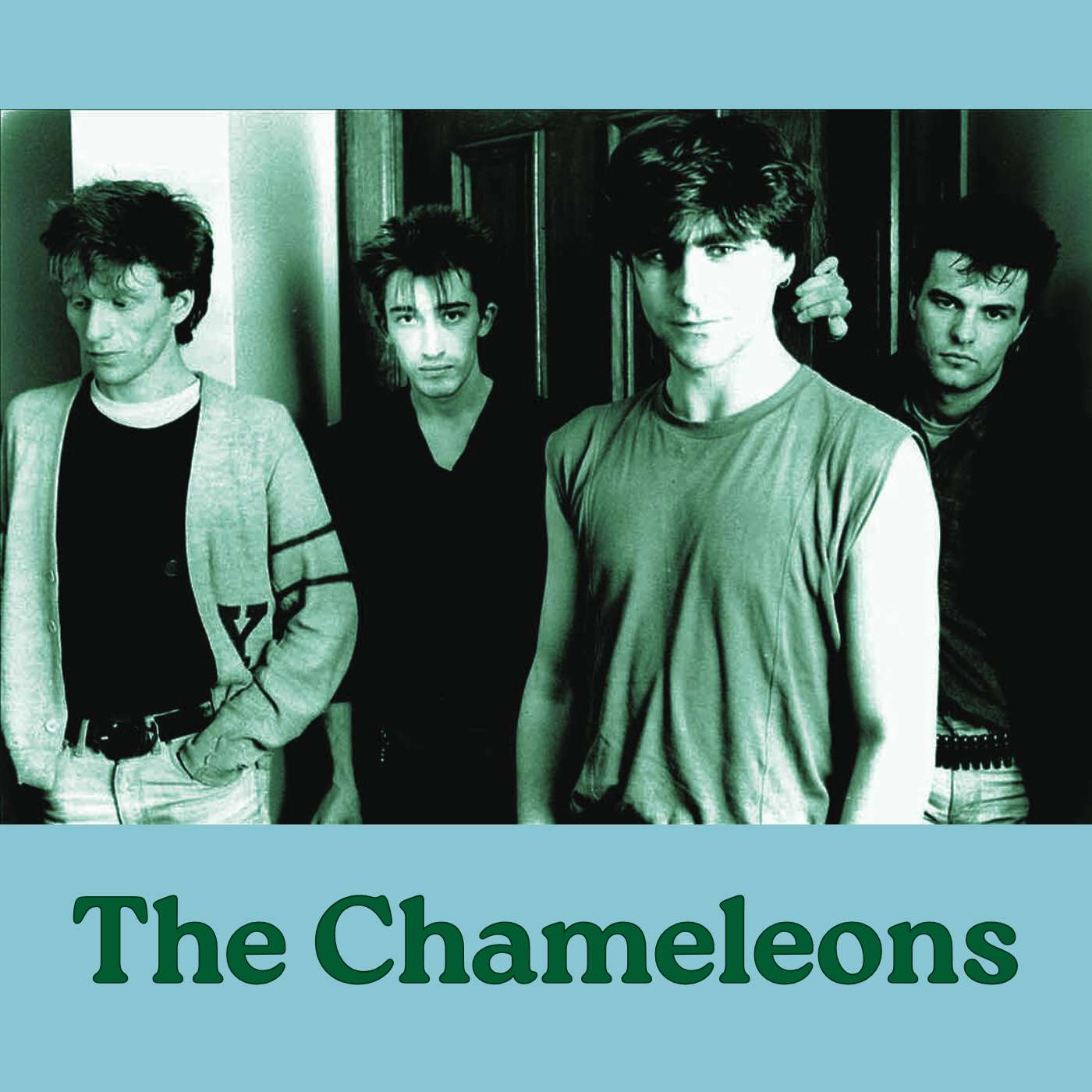
The Chameleons - Script of the Bridge and Beyond
The Chameleons released their debut studio album in 1983, the classic and one of the best of the era, Script of the Bridge. This was followed by What Does Anything Mean? Basically in 1985 and Strange Times in 1986, completed an amazing trilogy of post-punk albums to start their career before they abruptly broke up in 1987. This Manchester, England band that formed in 1981 and was known for their atmospheric, layered guitar-based, post-punk sound became one of the most underrated and underappreciated band of the 1980s. The Chameleons reformed a couple of times over the years, most recently in 2021. Following extensive touring, the band has just released a new studio album, Arctic Moon . In this podcast, we will tell the story of the early years of the band and their first three albums, along with the years that followed up through the new release.
Sep 7
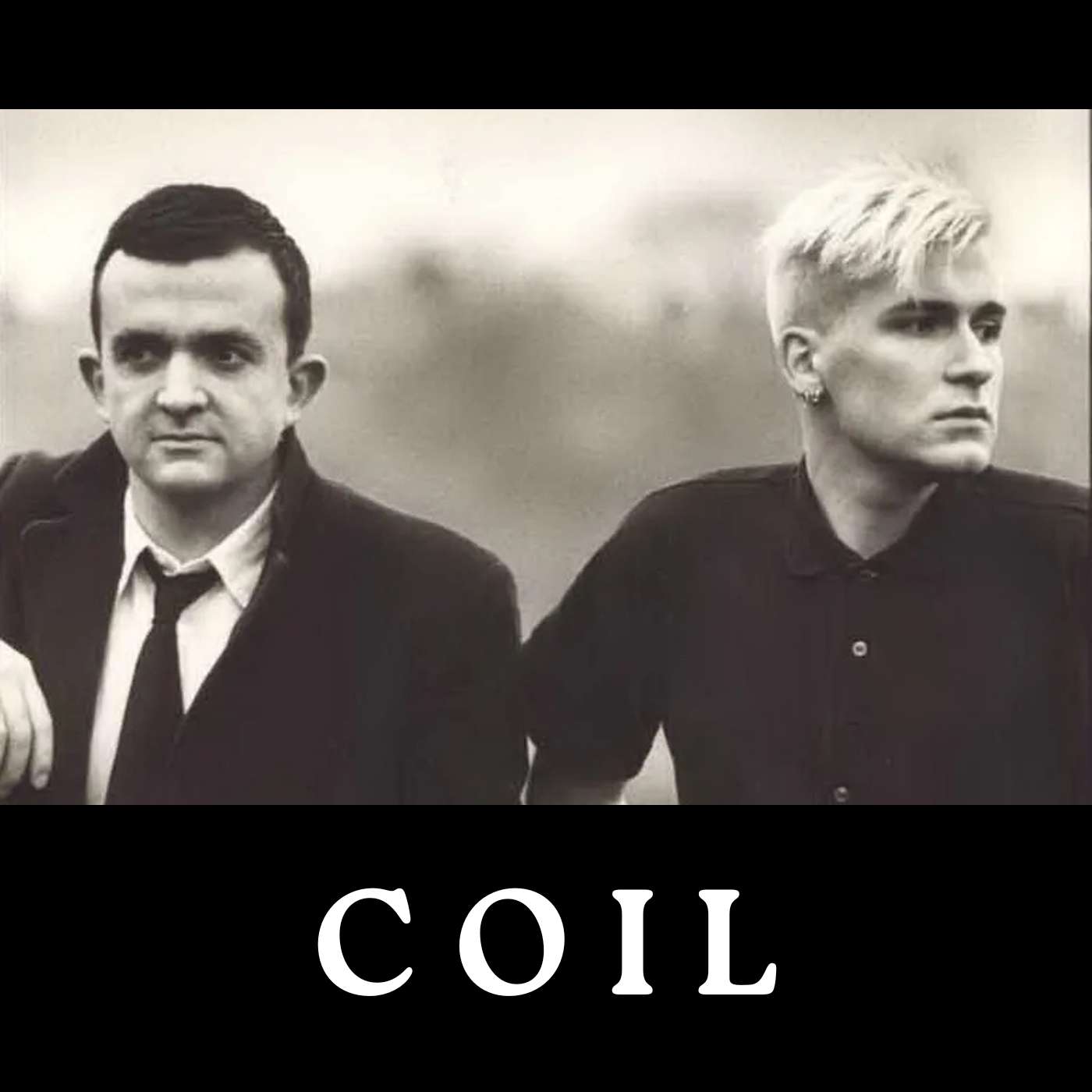
Coil - The Experimental
Coil was an English experimental group formed in 1982 by John Balance, who was soon joined by his Psychic TV bandmate and former original member of Throbbing Gristle, Peter Christopherson. Over the years, Coil 's work was very diverse exploring various themes including the occult, sexuality, and alchemy while crossing through musical boundaries, styles, and genres such as experimental electronic, industrial, minimalist, dark ambient, noise, and drone among many others. After the release of their 1984 debut EP How to Destroy Angels , Coil 's first album was Scatology in 1985 followed by Horse Rotorvator in 1986, an album considered as one of the most influential industrial records created. In addition to Balance and Christopherson, who were the only two consistent members of Coil , many contributors would join them over the years. Following the accidental death of John Balance in 2004, Peter Christopherson would announce the end of the band. There would be one final album and the release of a number of older recordings and compilations. Peter Christopherson died in 2010. This podcast will tell the story of the band and their experimental work over their career, with a focus on the first two classic albums.
Aug 31
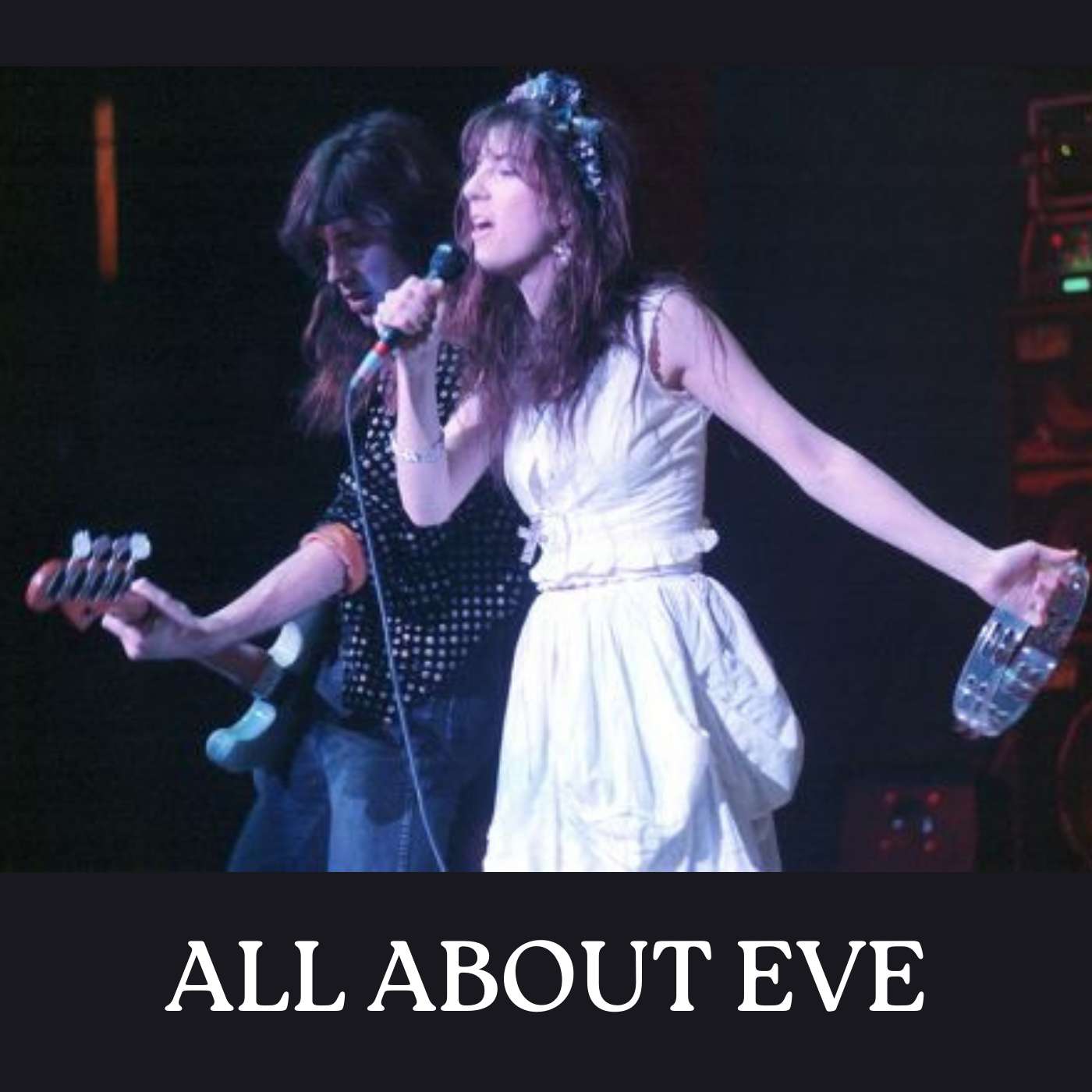
All About Eve - Folk Influenced Goth Rock
After forming in the mid-1980's, the music of the English band All About Eve fell loosely into the UK goth rock scene. Over the next few years, the music would evolve into a more unique, folk-rock influenced style, all behind the beautiful voice and songwriting of lead singer Julianne Regan. All About Eve would create four studio albums beginning with the 1988 self-titled debut album that included the hit single "Martha's Harbour". Following the second studio album, guitarist Tim Bricheno left the band was was replaced by Marty Willson-Piper, long time member of The Church. After two albums with Willson-Piper, including one album with a guest appearance from David Gilmour, the band would end their initial run in 1993. This podcast will talk about the early years of the band, the music of their albums through the 1992 fourth and final studio LP, and their subsequent years.
Aug 24
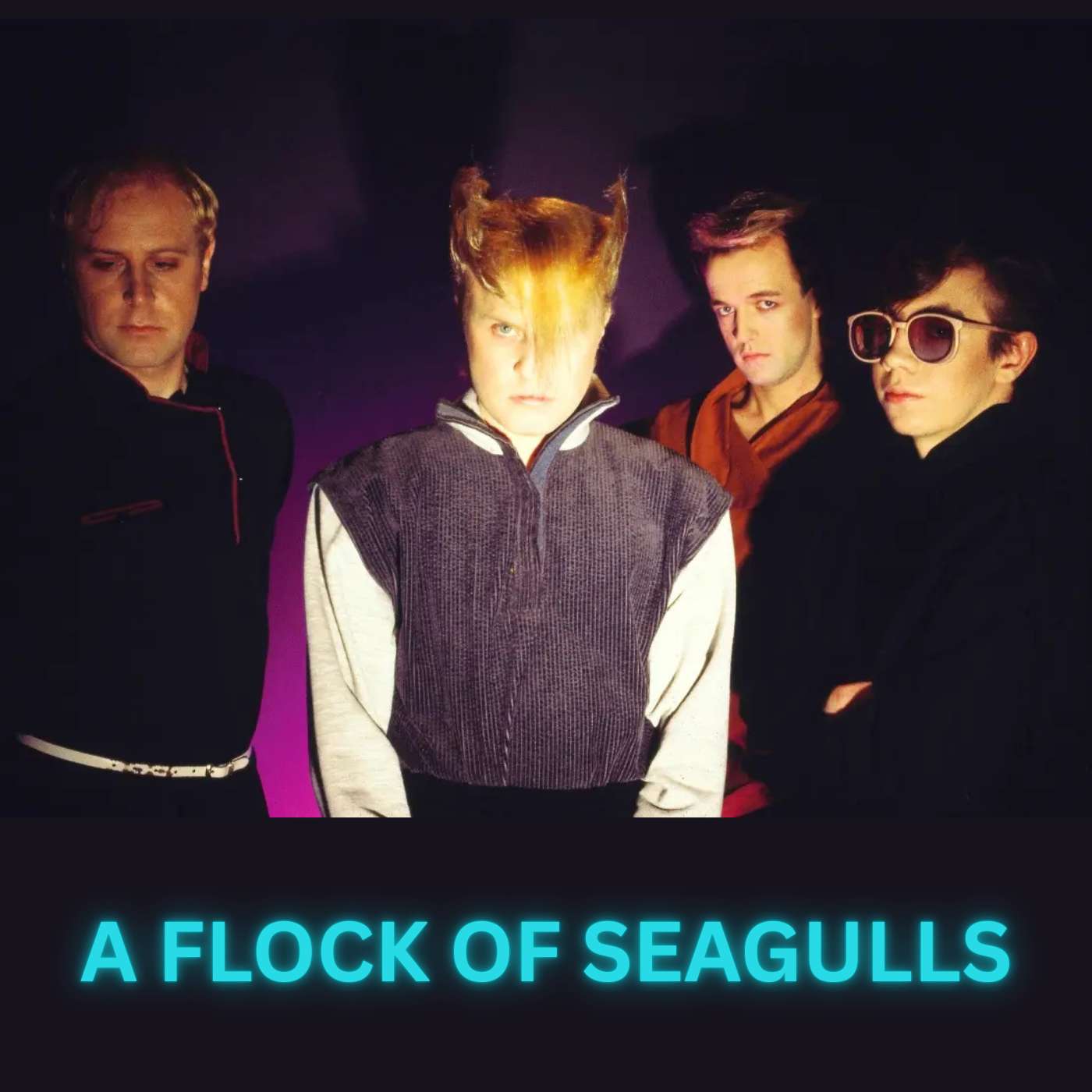
A Flock of Seagulls - Running in a Space Age Concept
The 1982 self-titled debut album from A Flock of Seagulls was one about extra-terrestrial invasion and alien abduction with themes of technology and space. This concept album blended synth-pop and post-punk while featuring atmospheric synthesizers, electronic sounds, chiming guitars, along with the iconic songs: "I Ran (So Far Away)" and "Space Age Love Song". A Flock of Seagulls ' music and image, including the distinctive hair style along with innovative music videos, became synonymous with 1980s pop culture and the early years of MTV as the band helped to define and shape synth, dance and electronic music of the era. This podcast episode will tell the story of the early years of the band, the success of the debut self-titled album, and the music the band created over their next couple of albums.
Aug 17
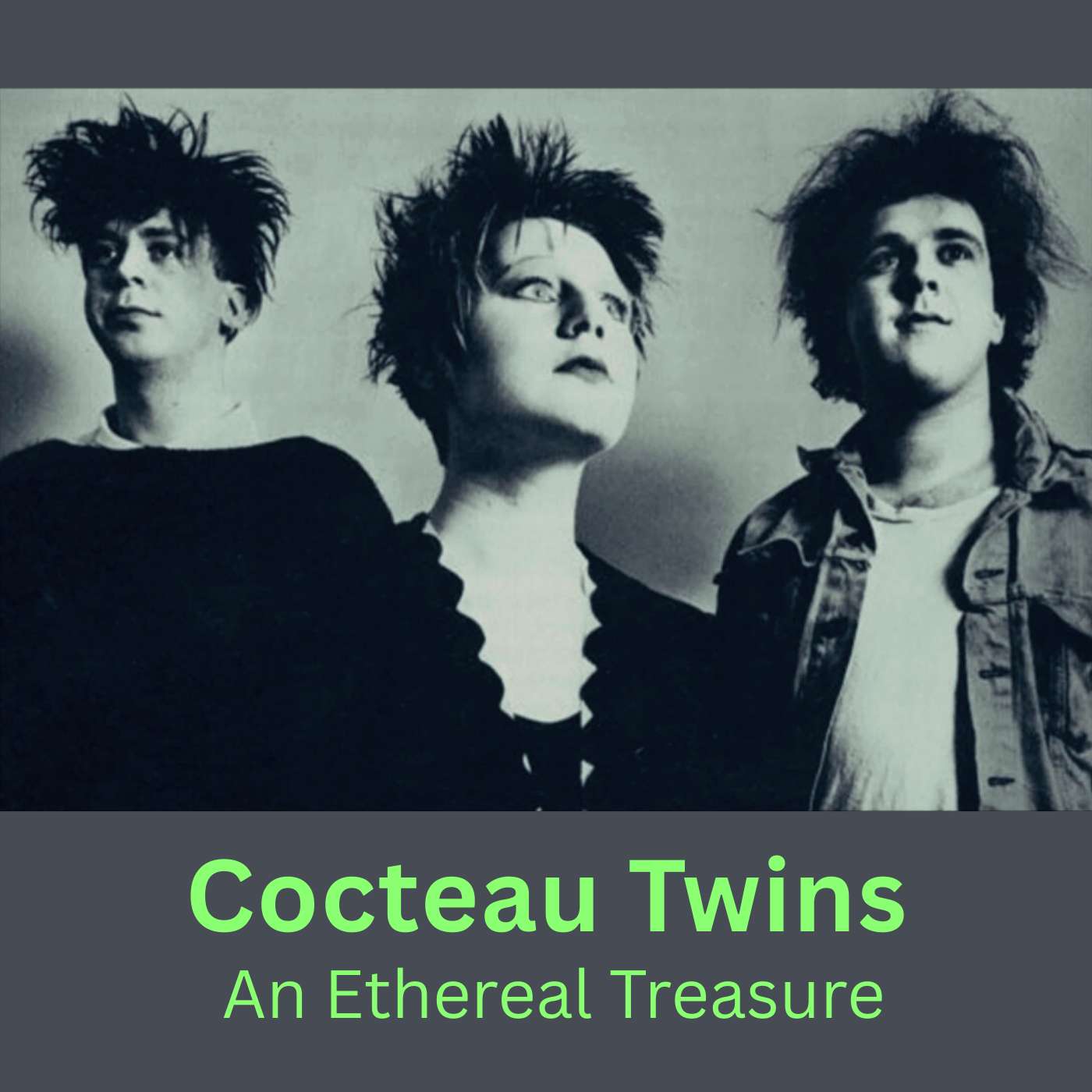
Cocteau Twins - An Ethereal Treasure
In 1982, Cocteau Twins released their debut album Garlands . For this Scottish band of Robin Guthrie, Will Heggie and the amazing vocalist Elizabeth Fraser, this was the beginning of a new sound on the path to becoming one of the most influential artists of the era. Soon after the debut album, founding member Heggie would leave the band and be replaced by Simon Raymonde prior to the third album, the 1984 genre defining, Treasure . From the early works of the band, Cocteau Twins earned critical praise for their sound as the band pioneered the music styles known as “dream pop” and “ethereal wave”. Not only did this group define new genres of music and also influence the music world and countless artists that followed, but they additionally created a singing style with lyrics of no known language where the voice was more like an instrument. This episode of our podcast tells the story of the formation of the band, their early years, and the music through the time of their third studio album, 1984's Treasure .
Aug 10
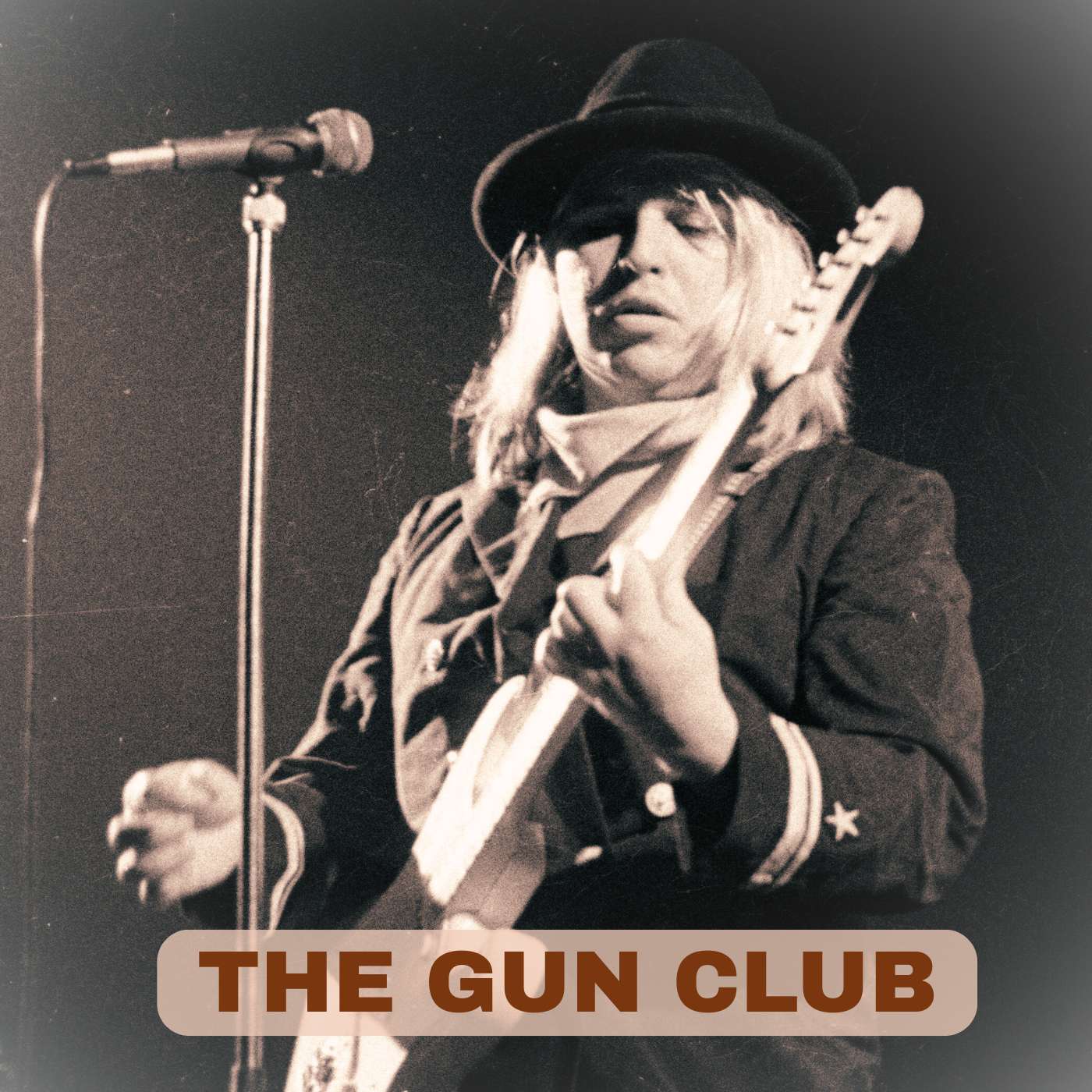
The Gun Club - The Legacy of Jeffrey Lee Pierce
Led by vocalist and guitarist Jeffrey Lee Pierce, the post-punk band The Gun Club blended punk music with blues and other American roots music influences to become one of the first of the early days of post-punk to fuse those genres. Formed in 1979, The Gun Club became a fixture of the Los Angeles underground scene and would create seven studio LP’s during their history, starting with the blues filled 1981 album, Fire of Love . Started by Pierce along with guitarist Kid Congo Powers, the band would go though many members over the years contributing to the evolving music styles, but the band was always fronted by Pierce. The Gun Club continued until Jeffrey Lee Pierce’s death in March of 1996 at age 37. The pioneering Pierce’s legacy continues to inspire many artists today, and that has been well represented as part of The Jeffrey Lee Pierce Sessions Project. In this podcast episode, we tell the story of the early years of The Gun Club , their music, and the legacy of Jeffrey Lee Pierce.
Aug 3
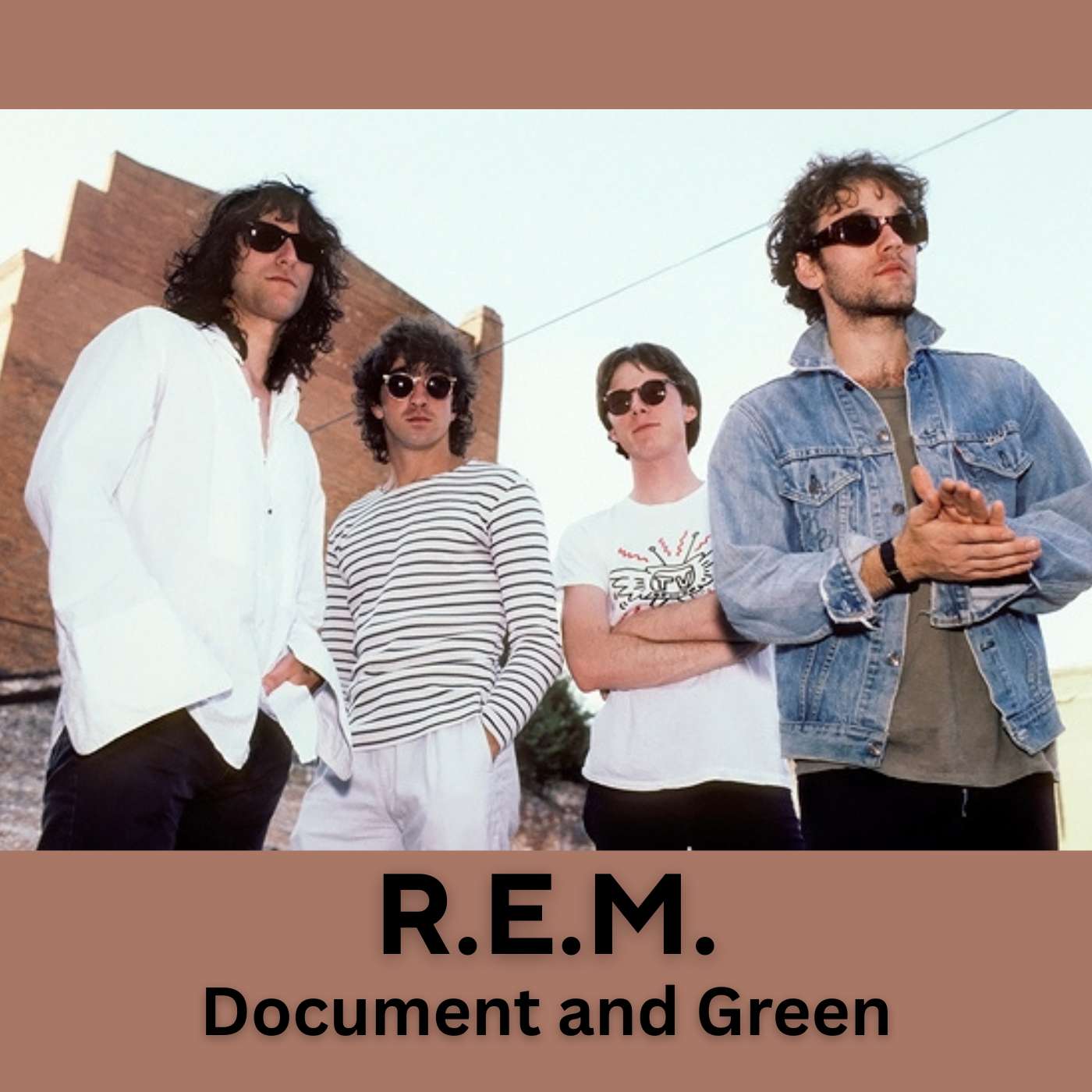
R.E.M. - Document and Green
Document was the fifth studio album from R.E.M. , but the first album with producer Scott Litt, who would co-produce this 1987 album and the next five albums with the band. This album, with such classic songs as "It's the End of the World as We Know It (And I Feel Fine)" and "The One I Love", would help move alternative rock to the mainstream. In 1988 the band would sign with Warner Brothers after their longtime relationship with the independent label I.R.S. Records and release the sixth studio album, Green. This album would become their biggest selling record to date as R.E.M. experimented with new instrumentation and studio elements. In this episode we will tell the story of this Athens, Georgia band during the time of these two albums, along with the music that helped define alternative rock and it's mainstream acceptance.
Jul 27
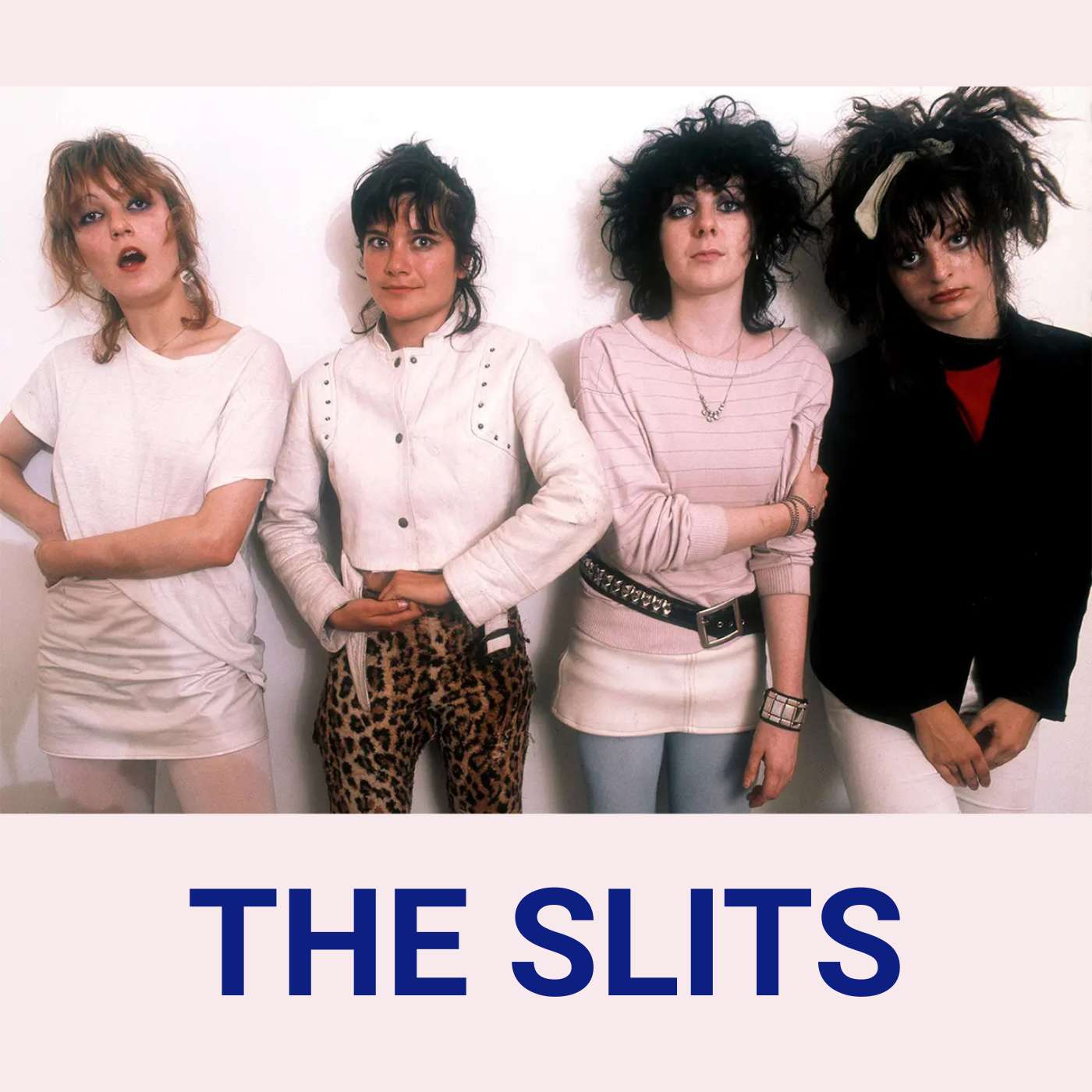
The Slits - Not Your Typical Girls
The Slits were one of the first all-female punk bands and one of the pioneering bands of the post-punk era as they blended reggae and dub with punk music. Formed in London in 1976, the band's unique style and music was represented in their 1978 debut album, Cut , that has been called one of the defining releases of post-punk. The highly influential album included the songs that challenged societal norms, in particular the anthem song, “Typical Girls”, a song that questioned traditional ideas about femininity. The Slits would end their original run in 1982. However, in this span The Slits made a lasting mark and influence on the future of many young female rockers, and an impact on several musical movements, most notably the Riot Grrrl movement of the early 1990’s. In this episode we will tell the story of how the band formed, their music of the early years, and the influence and impact on music.
Jul 20
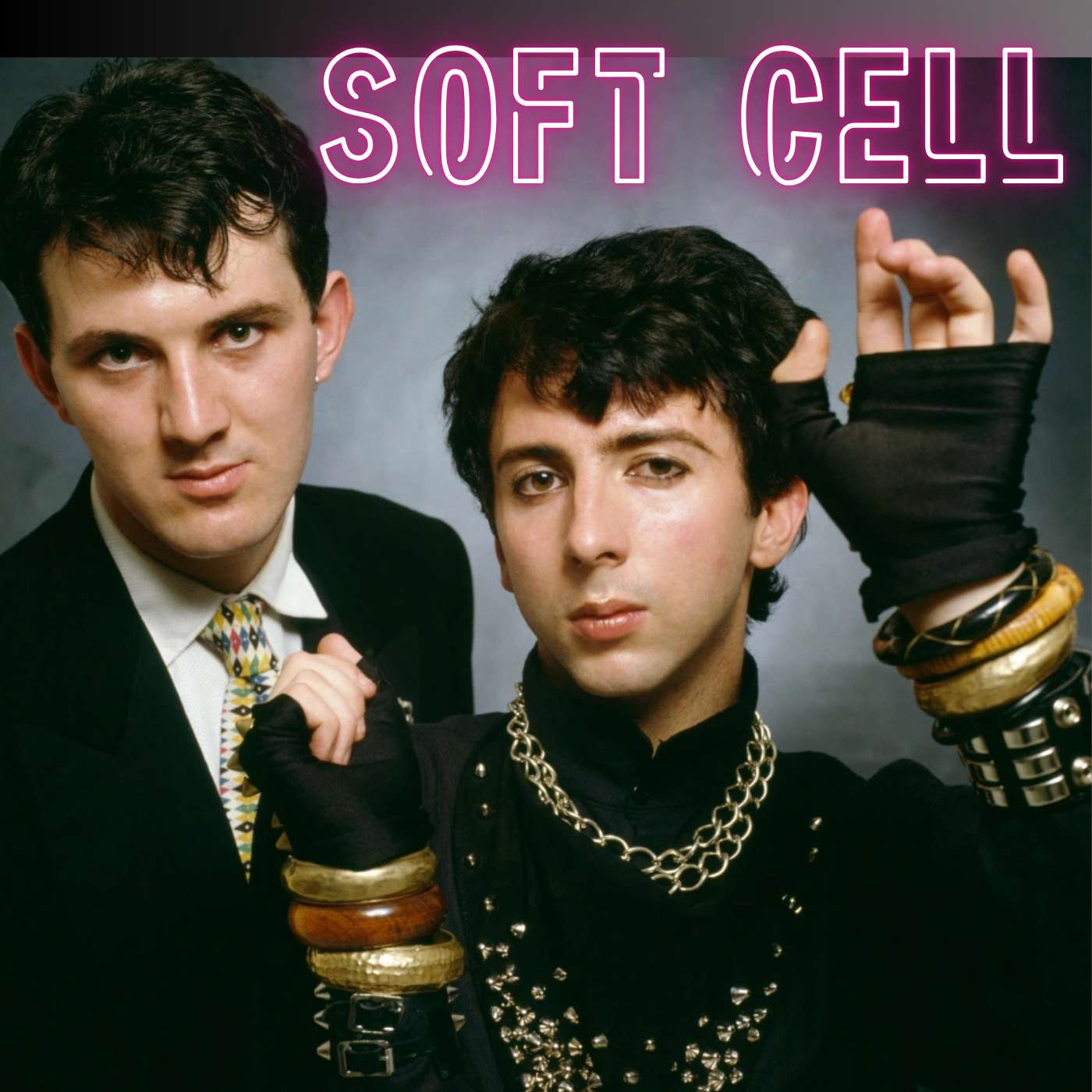
Soft Cell - Memorabilia and Some Bizarre Years
The English synth-pop duo of vocalist Marc Almond and instrumentalist Dave Ball, better known as Soft Cell , created one of the most successful singles ever, "Tainted Love", followed by the influential 1981 debut album, Non-Stop Erotic Cabaret . "Memorabilia", released just after Soft Cell signed with the independent label Some Bizarre Records, has been recognized as a pioneering song of the synth-oriented techno or acid house genre that would follow later in the decade. This podcast episode tells the story of the band’s early years with Some Bizarre Records, including the incredible debut album and the follow up albums from the band through 1984.
Jul 13
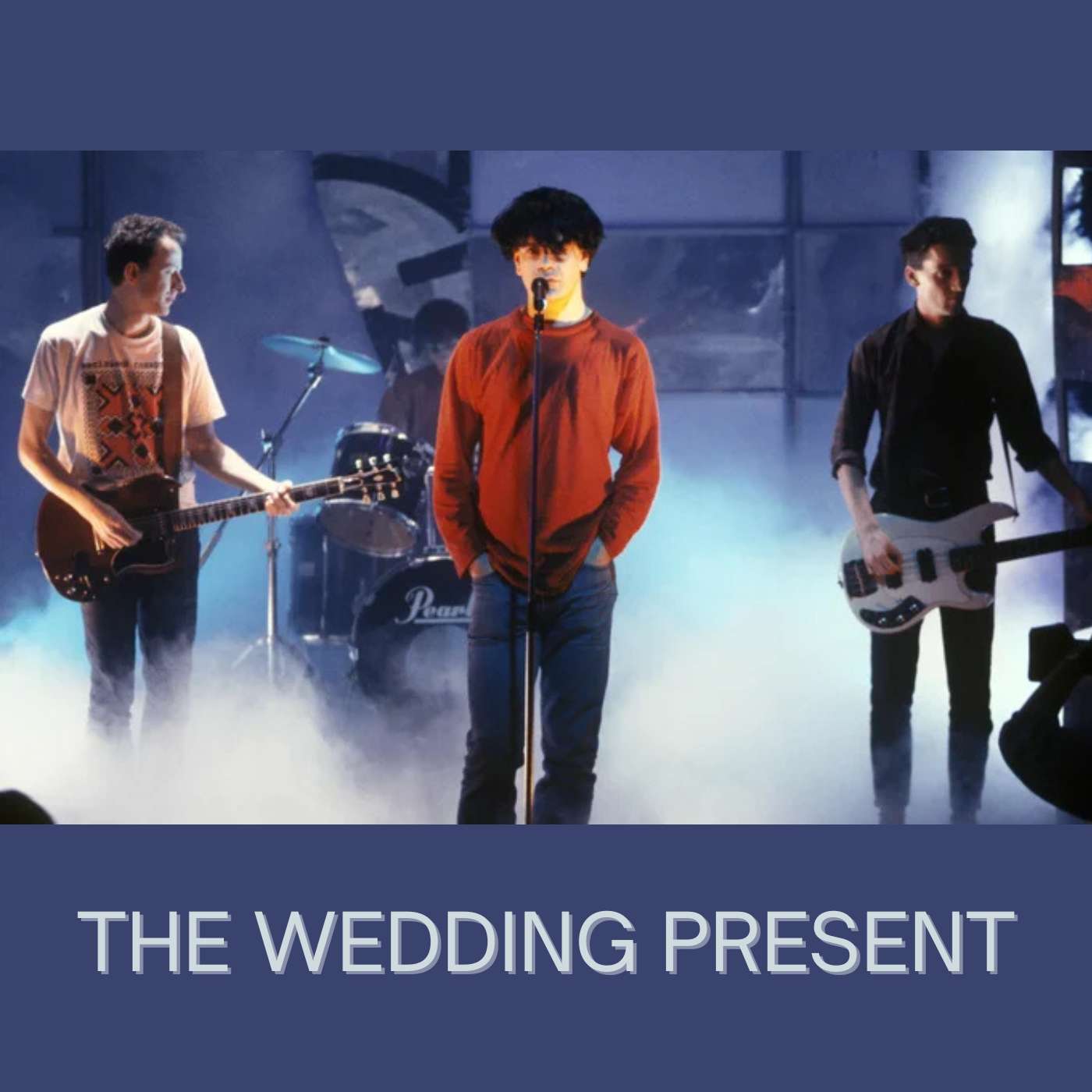
The Wedding Present - Lovelorn and Bittersweet Indie
The Wedding Present was one of the pioneering artists of UK Indie rock in the mid-80’s. Led by guitarist and lead vocalist David Gedge, the music of this band was often bittersweet love songs immersed in jangly and whirlwind guitars built on lovelorn lyrics. After forming in Leeds, The Wedding Present would be associated with C86, a compilation cassette released in 1986 by the British magazine NME, that featured new bands from Independent labels. The C86 scene is regarded as a key moment for the development of UK Indie rock. Our podcast will tell the story of this band from their early singles through albums such as the debut album, George Best , and the classic 1991 album, Seamonsters , to the late 90’s when the band went on an extended hiatus.
Jul 6
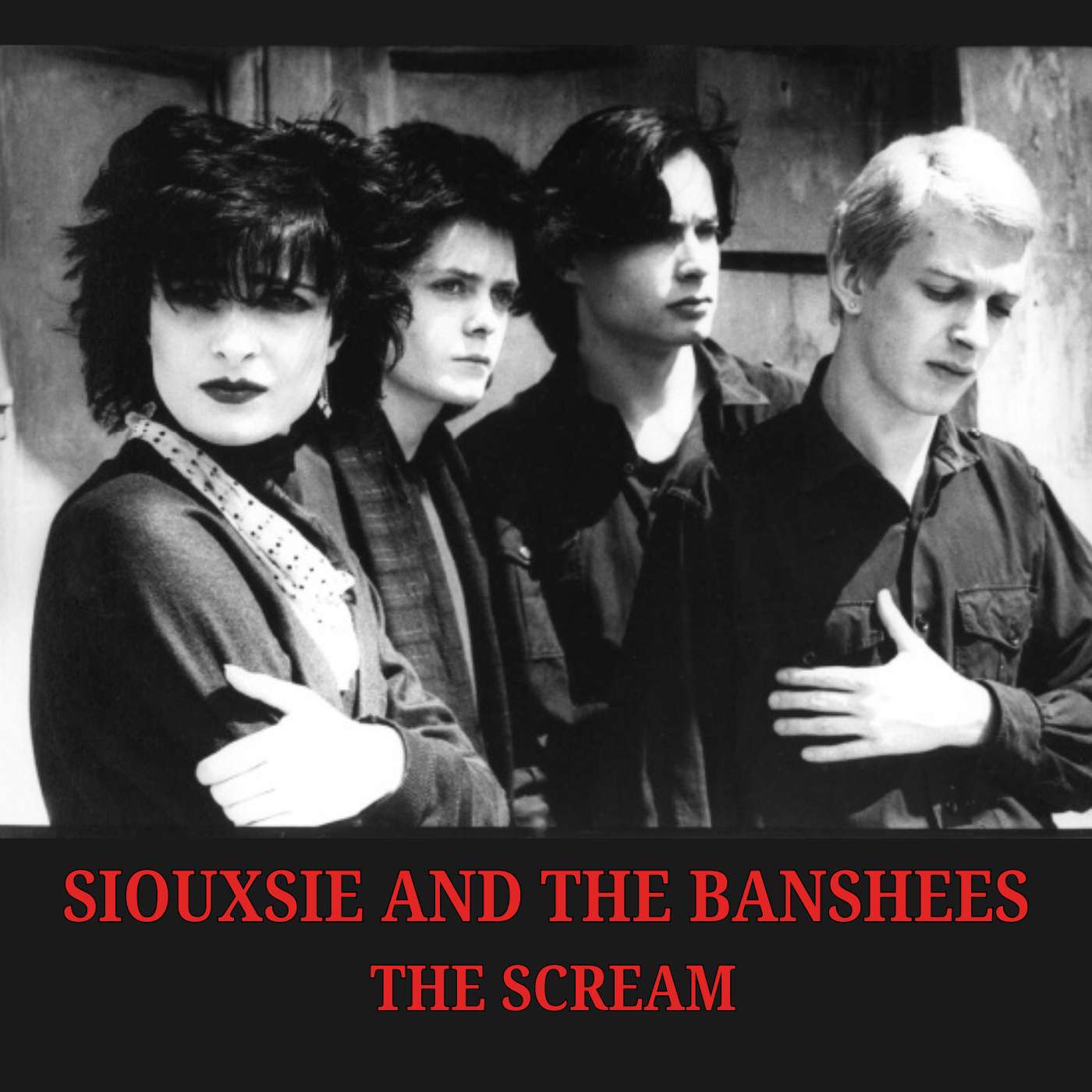
Siouxsie and the Banshees - The Scream
The Scream , the 1978 debut album from Siouxsie and the Banshees, was a landmark release to widespread critical acclaim and is considered one of the most iconic and most influential albums of the post-punk era. Formed in London in 1976 by Siouxsie Sioux and Steven Severin, the band used experimental rhythms and sonics to develop a new and original music on the way to becoming one of the pioneers of post-punk music. This episode will tell the story of how this band began through their first two albums, with a focus on the incredible debut album, The Scream .
Jun 29
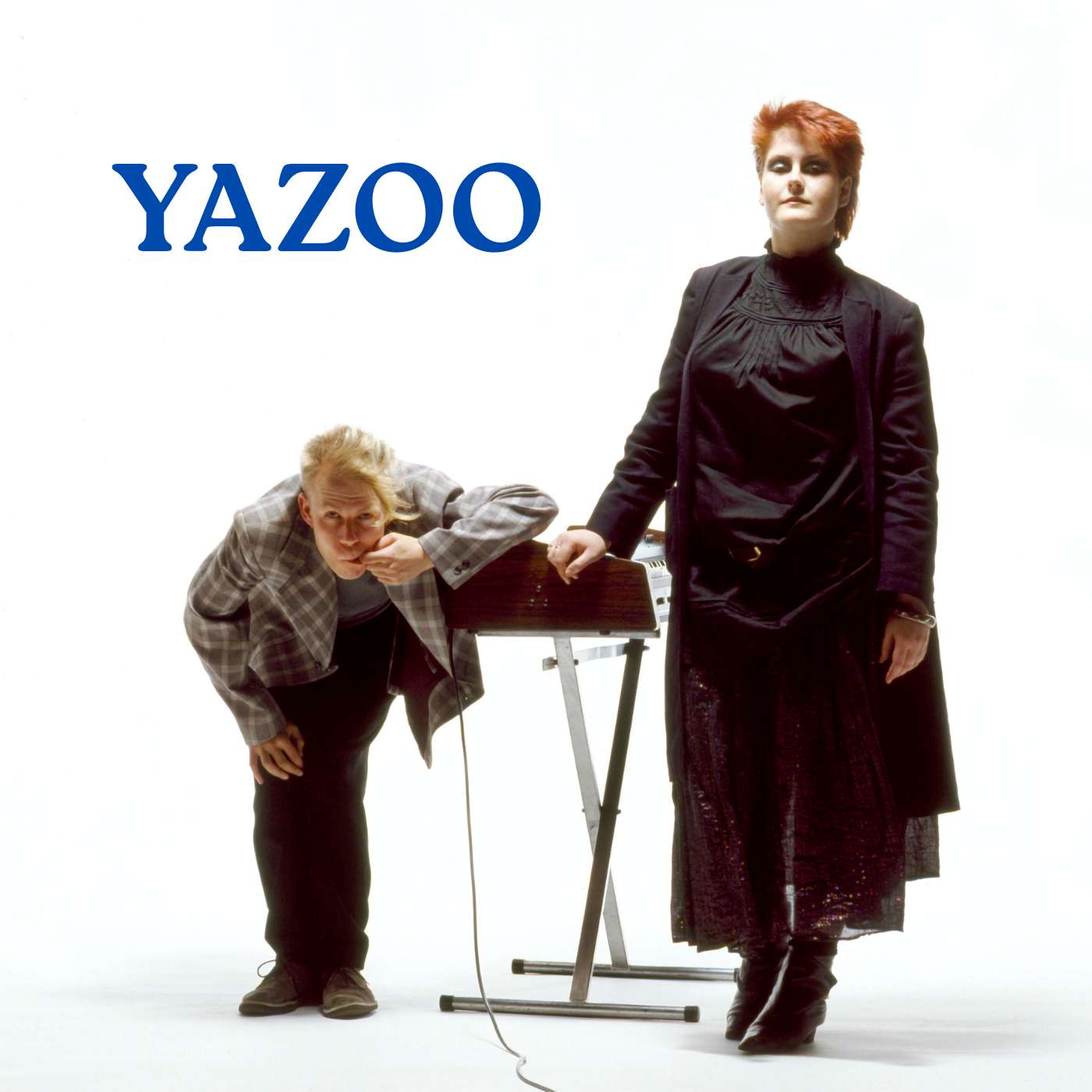
Yazoo - Synth and Soul
Yazoo was an English synth-pop duo formed by former Depeche Mode founding member and keyboards master Vince Clarke, and the powerful soulful and bluesy contralto vocalist Alison Moyet. The band, also known in North America as Yaz , was short-lived after forming in late 1981 and breaking up by mid-1983. However, this was long enough to release two albums, Upstairs at Eric's and You and Me Both , which helped to define the synth-pop genre, electronic dance music, and the early house music scene of the mid-80’s. Our podcast will talk about the brief history of Yazoo , the two albums, and the music.
Jun 22
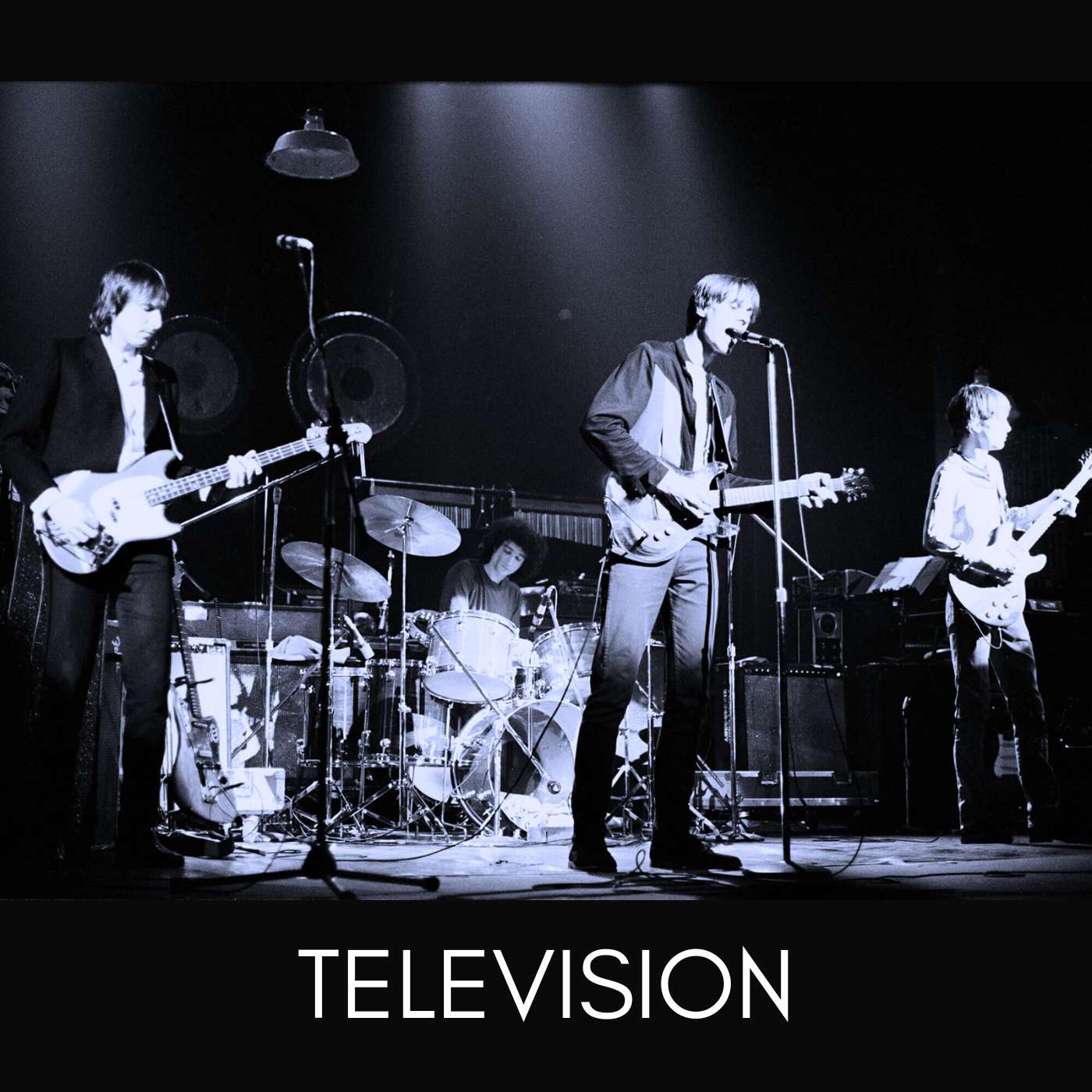
Television - Marquee Moon and the Future of Music
The critically acclaimed 1977 debut album, Marquee Moon , from the New York band Television was a defining and foundational work in the history of music. With innovative instrumentation, sound, and elements taking music in a more artful and complex direction, the album would impact the development of post-punk, new wave, and alternative rock. The music consisted of intricate and angular guitar work, poetic lyrics, and dynamic interplay between the band members, most notably guitarists Tom Verlaine and Richard Lloyd and their precise guitar exchanges. This Television album sits near the top of many lists of best post-punk albums of all-time, and has influenced the music of many artists. This episode tells the story of the band from their CBGB days in New York through the creation and music of Marquee Moon .
Jun 15
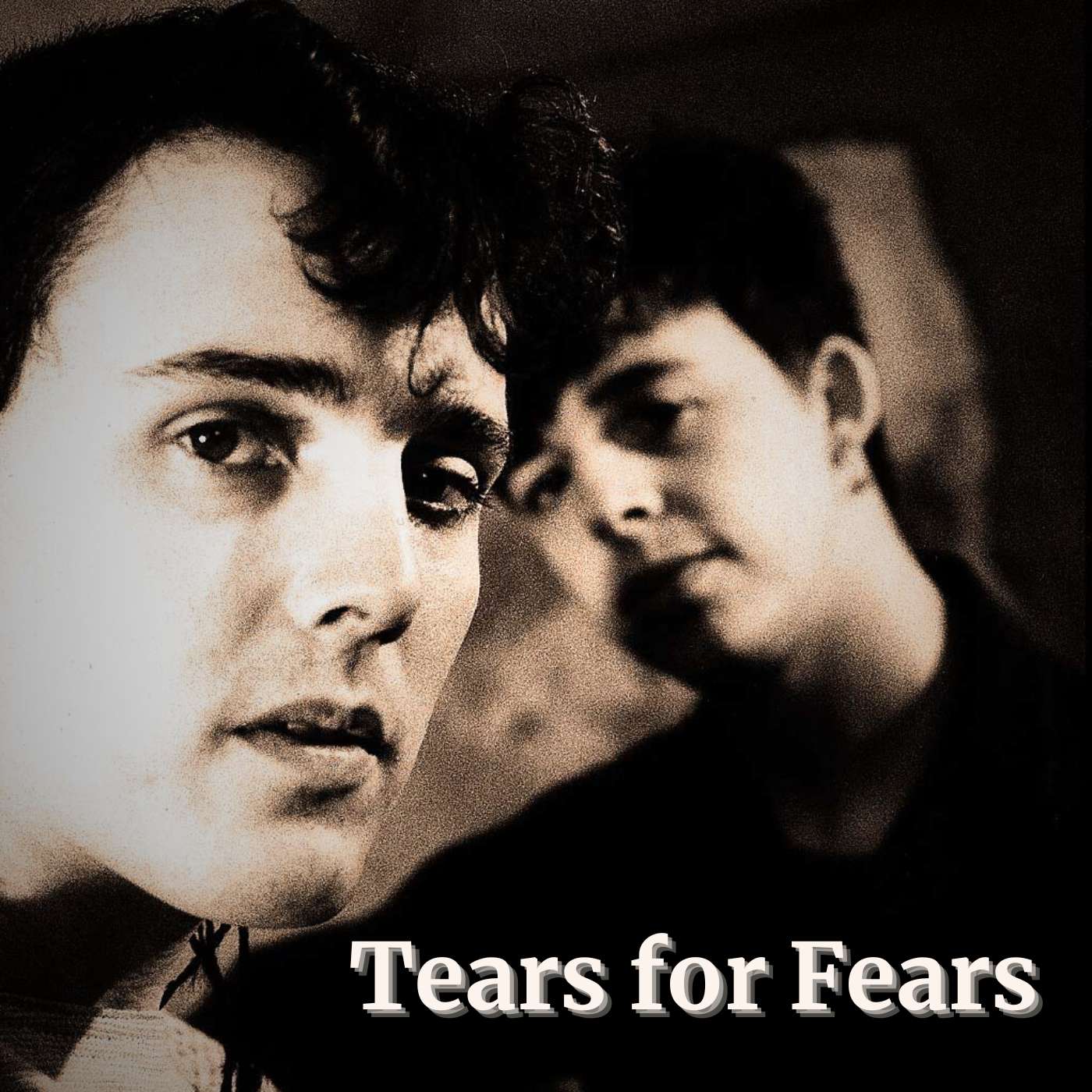
Tears for Fears - From Hurting to the Big Chair
The Hurting , the 1983 debut album from Tears for Fears ,was an intriguing and introspective album that focused on dark subjects such as child abuse, psychological trauma, and depression. This subject matter hit very close to home for the duo of Roland Orzabal and Curt Smith of Tears for Fears , having dealt with these issues as part of their childhood. This album would hit number 1 on the UK album charts and produce three top five singles. Tears for Fears followed with an album that would be even bigger as the band became an international success with Songs from the Big Chair in 1985, hitting number 1 on the US Billboard album chart along with two number 1 songs synonymous with classic 80’s pop culture. This podcast will tell the story of the early years of the band, their first two albums, and the music that made this band one of the best from the era.
Jun 8
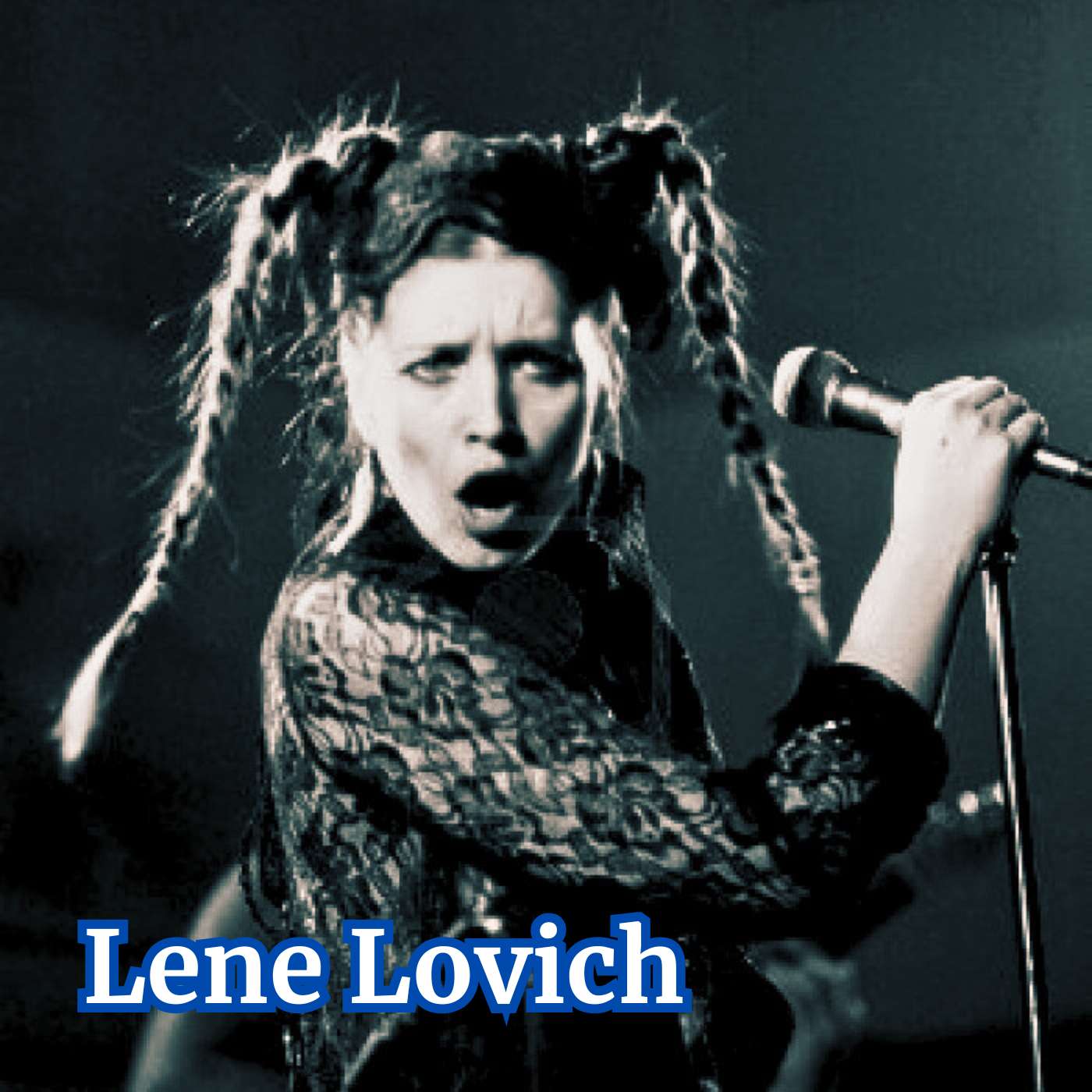
Lene Lovich - Finding a Lucky Number
In 1978, Lene Lovich signed with Stiff Records after years of art schools and travelling Europe , and she found her music career with the song, "Lucky Number". This song would reach number 3 on the UK singles chart and would help define the growing new wave genre. Lene Lovich created a sound that mixed post-punk and new wave styles with international music, along with a quirky style to influence many artists that followed. This episode tells the story of the early years of Lene Lovich 's career and the music of her three albums on the Stiff Records label, through 1982.
Jun 1
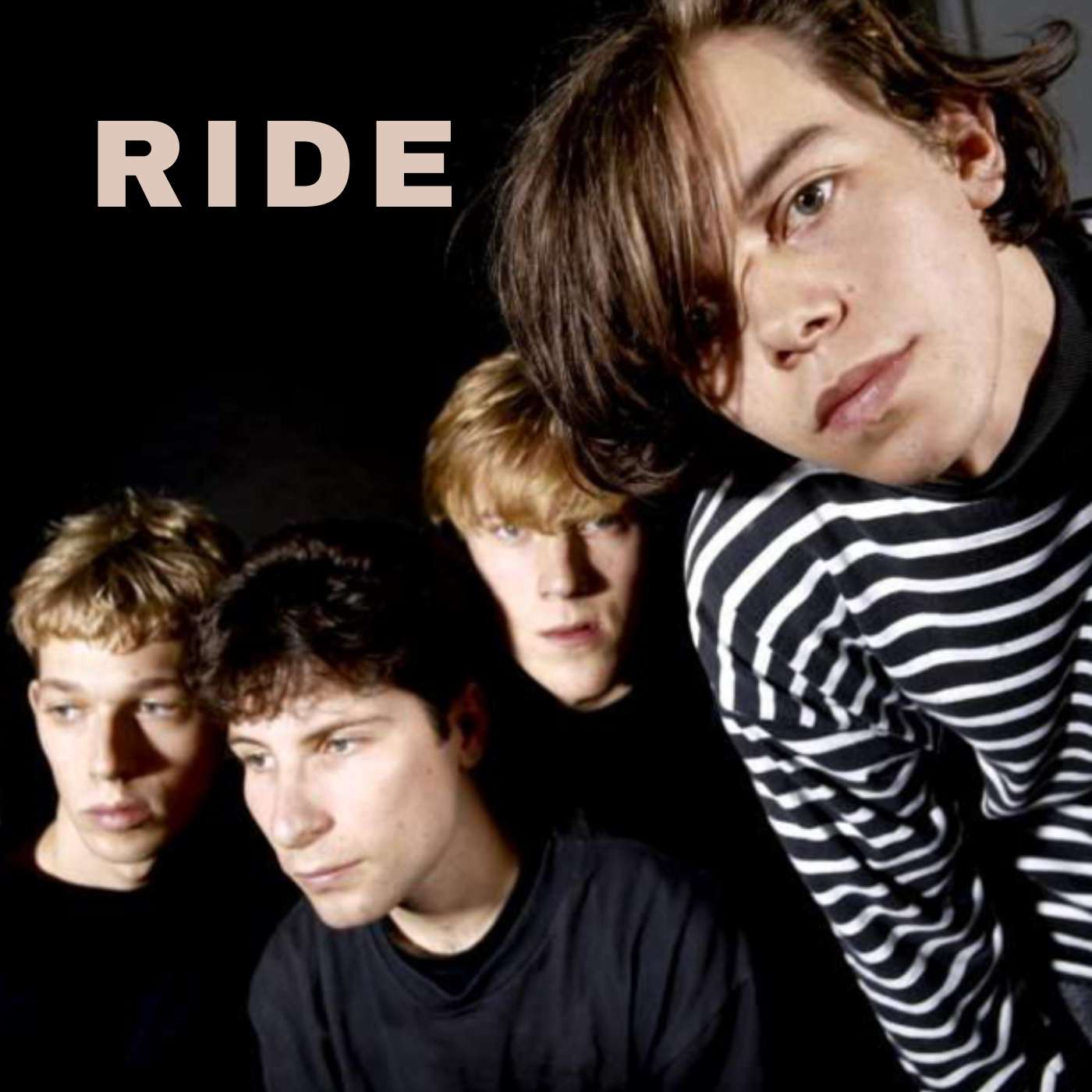
Ride - From Nowhere to Leave Them All Behind
The 1990 debut studio album, Nowhere , from the Oxford, England band Ride is considered one of the top shoegaze albums ever made. The music mixed bits of neo-psychedelia and indie rock with the shoegaze sound to creating this unique album. The band followed with their second album, Going Blank Again , and the lead single, the shoegaze classic, "Leave Them All Behind". This episode tells the story of Ride , the music of the legendary debut album, the band moving into album number two, and the years that followed as the band's sound and direction shifted.
May 29
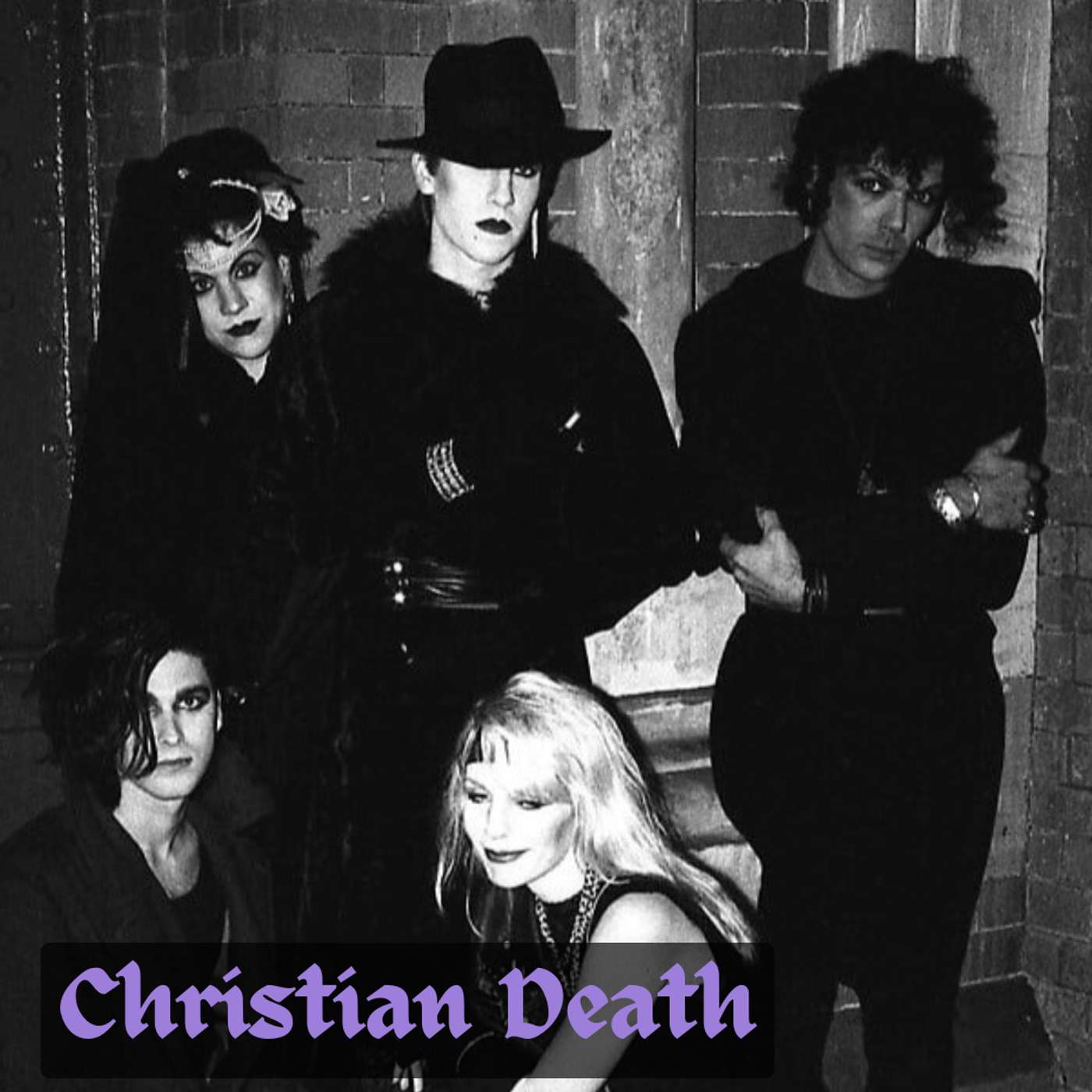
Christian Death - American Gothic
Christian Death rose from the Los Angeles punk rock scene in 1979 to become one of the founding bands of American gothic rock and death rock. Initially led by Rozz Williams, the band would create the landmark debut album in 1982, Only Theatre of Pain . Valor Kand would join Williams in the band for the second and third albums before eventually become the band's leader after the departure of Williams in 1985. This episode discusses the development of the group, the creation of American gothic and death rock music, and the first four studio albums from Christian Death through 1986.
May 25
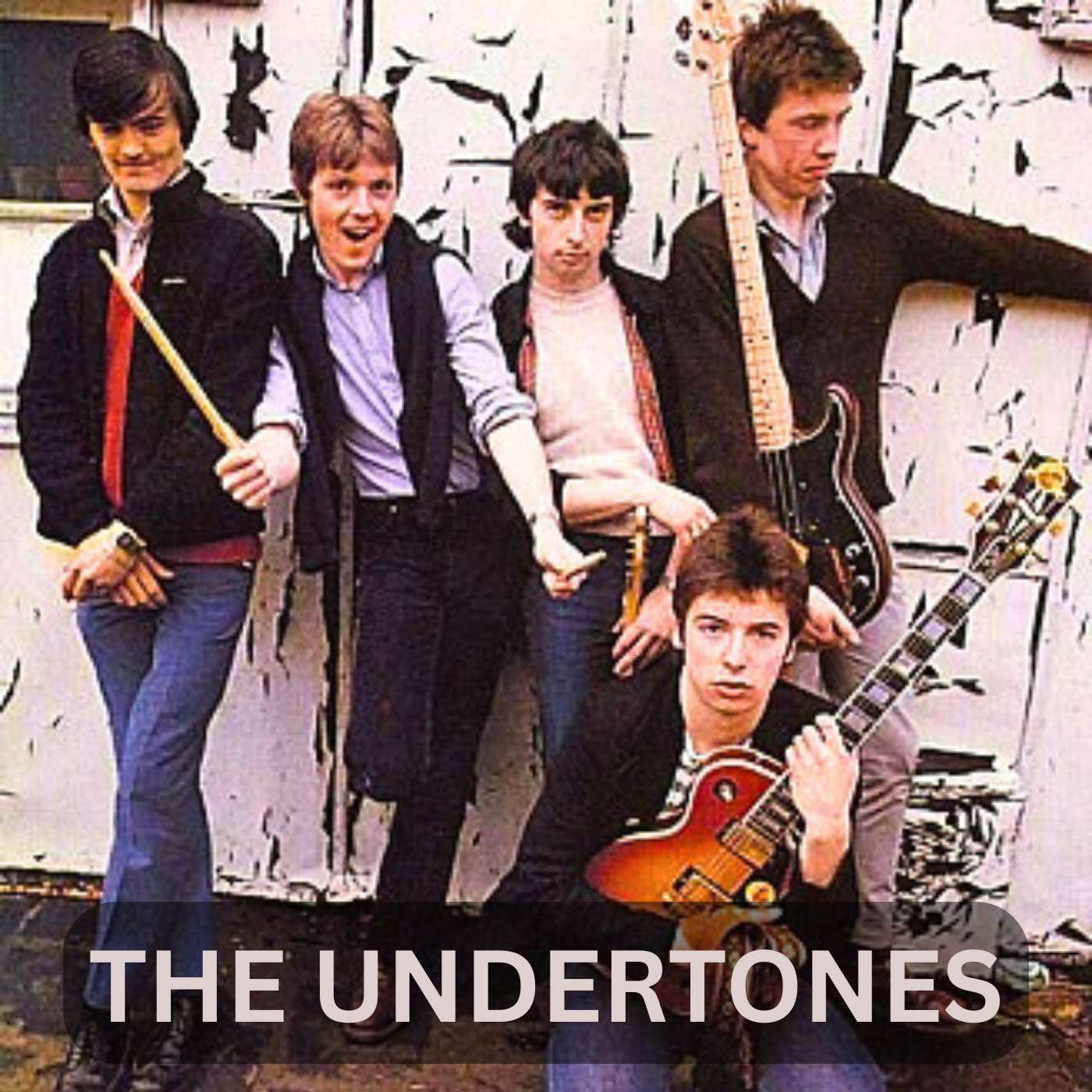
The Undertones - Teenage Kicks from Derry
The Undertones rose from the time of the Troubles in Derry, Northern Ireland to go on to be one of the biggest and most successful bands from Northern Ireland. The band's music developed from punk rock roots focused on teenage angst, growing up, love and heartbreak. The band’s first single was “Teenage Kicks”, a song that legendary DJ John Peel would say was his all-time favorite after playing it on his radio show, helping boost The Undertones career. This episode is the story of the band after forming in 1974, the 1978 song “Teenage Kicks” along with the tale of this song with John Peel, and the albums that followed into the early 80’s.
May 22
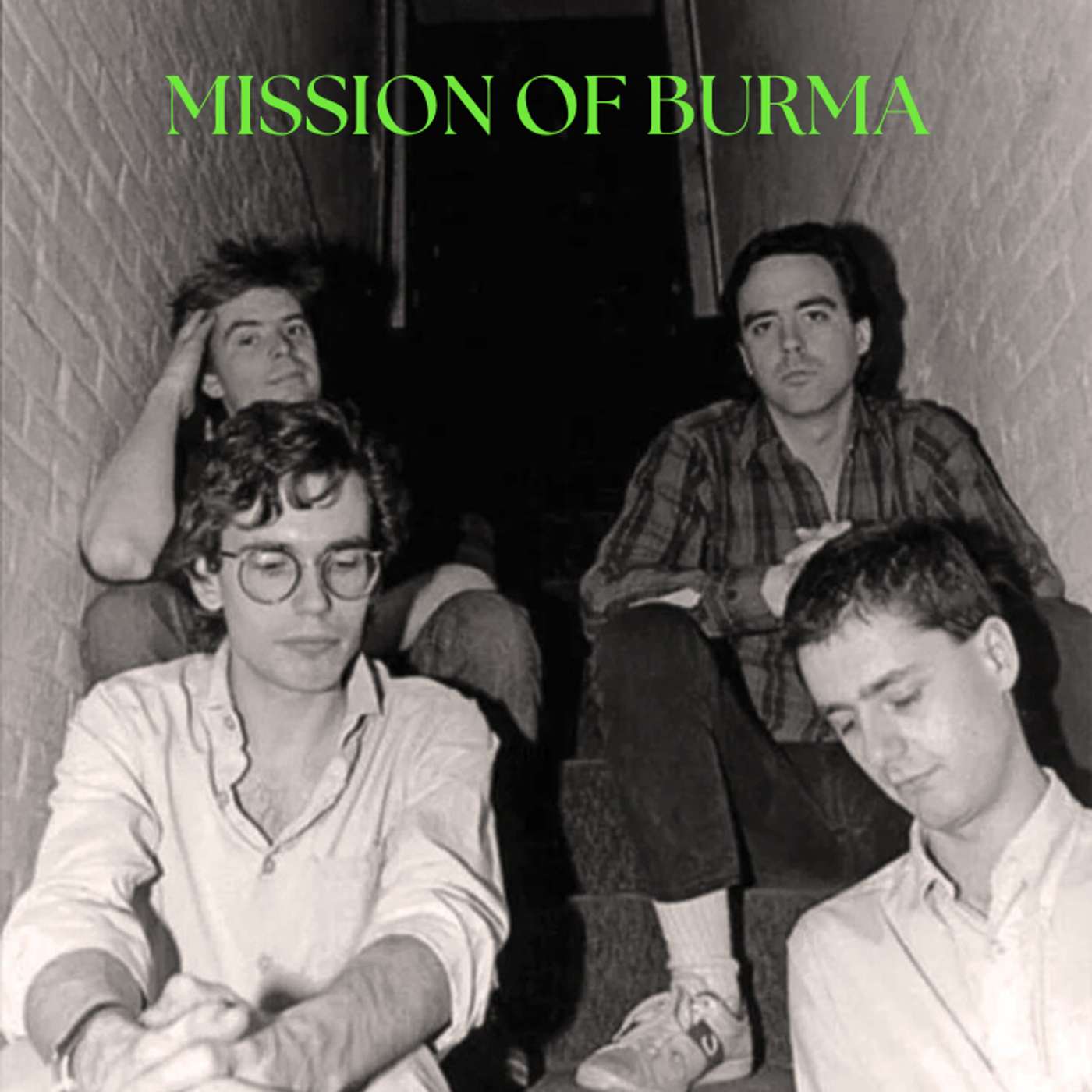
Mission of Burma - Signals from Boston
The Boston based post-punk band, Mission of Burma , was together for only four years during their initial run, but they had a lasting impact on music. One of the few releases from the band during these years was the landmark 1981 EP Signals, Calls, and Marches, which would be very influential to the future of alternative rock and indie rock. This episode discusses the band and their music during the incredible run from formation in 1979 until disbanding in 1983.
May 18
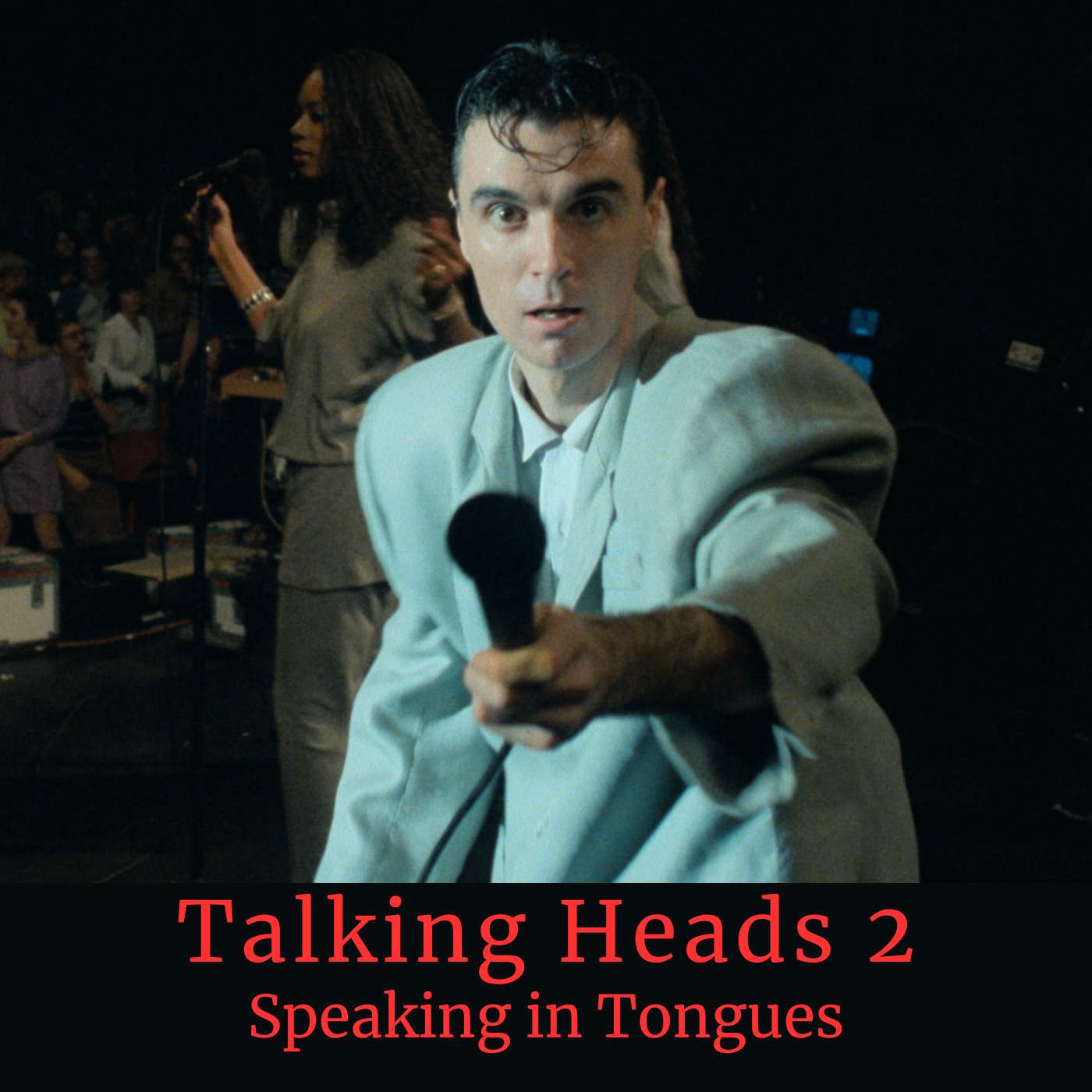
Talking Heads 2 - Speaking in Tongues
After taking a couple of years off from recording as Talking Heads , the band returned to the studio for the 1983 album, Speaking in Tongues . This fifth studio album from the band would be the commercial breakthrough and the album would be followed by a tour that resulted in the critically acclaimed documentary, Stop Making Sense . This episode will talk about the band's members getting back to record Speaking in Tongues after some side projects, the music of the album, and the documentary that followed taken from what would be the final Talking Heads tour. An earlier Spotify only episode that covered the early years through 1980's Remain in Light, and that episode will be recreated and issued on Apple other platforms. Episode 3.29
May 15
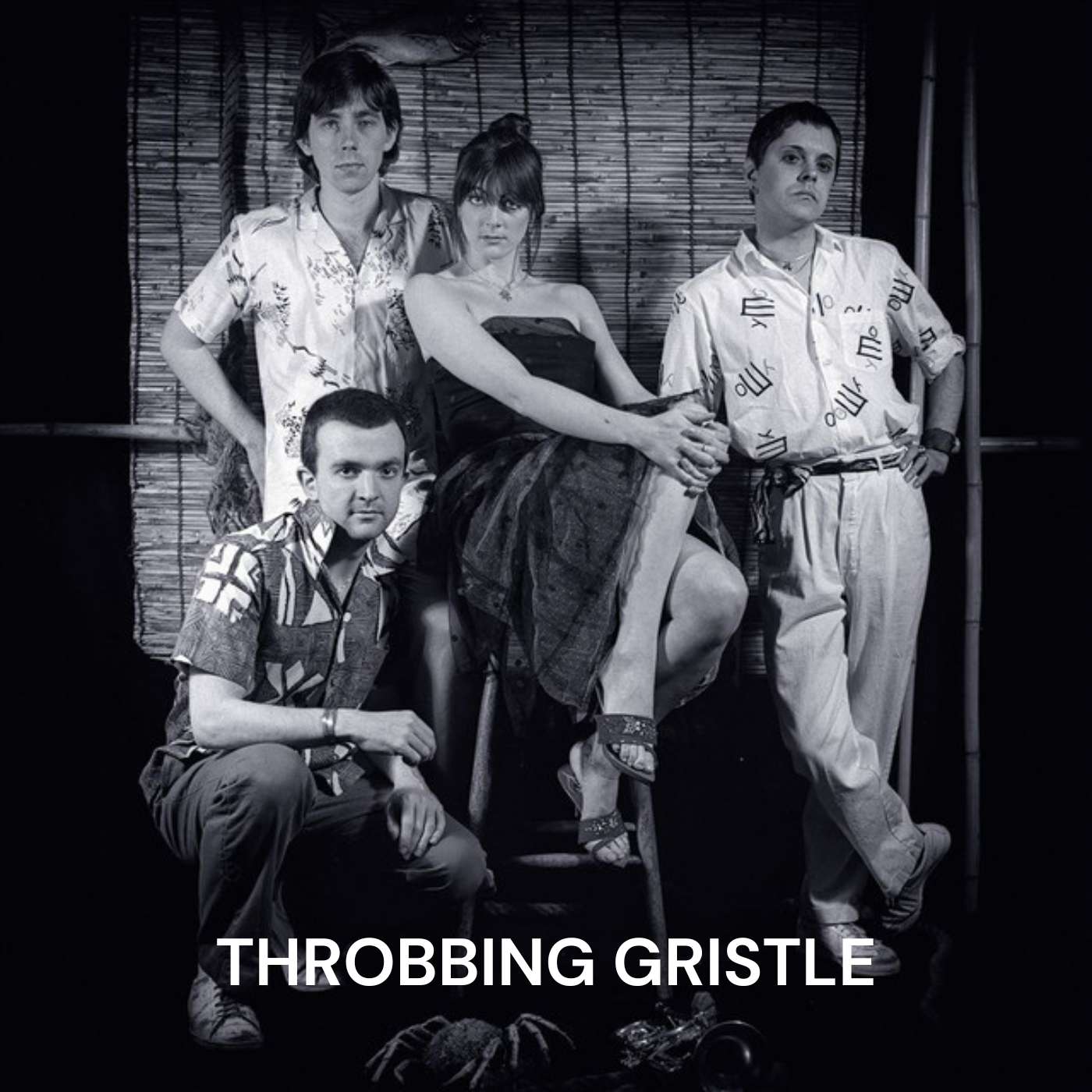
Throbbing Gristle - Industrial Music for Industrial People
The English music and visual arts group Throbbing Gristle began in 1975 creating music which often contained harsh, mechanical, transgressive, and provocative sounds and themes. This was the start of what would be known as industrial music. This episode discusses the origins of the group, the creation of their music, and their three studio albums prior to their break-up of 1981.
May 11
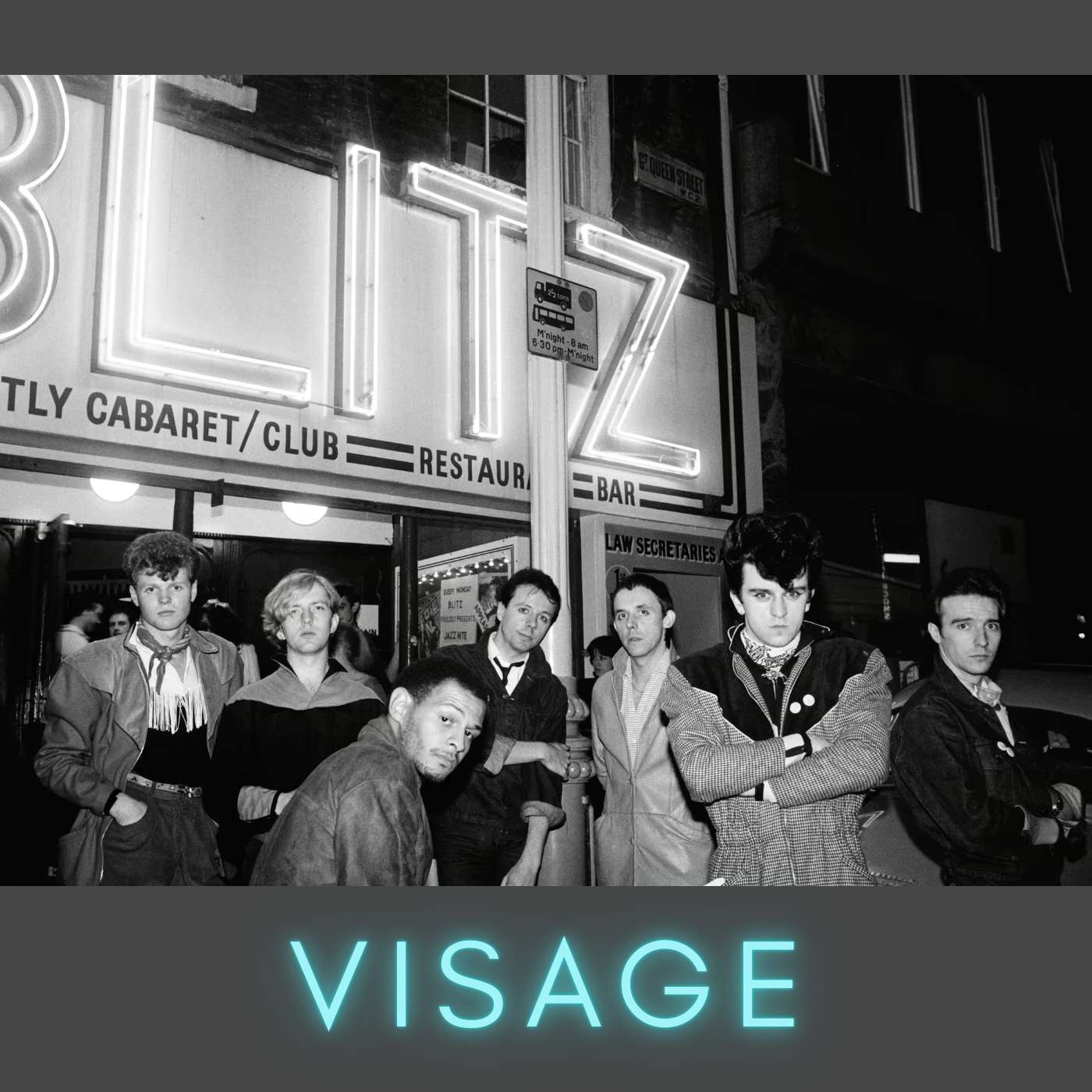
Visage - New Romantics
When they formed in London in 1978, Visage was a collective of musicians that would take an approach to music and style linking to the burgeoning New Romantic fashion and music movement of the early 1980s. Midge Ure, one of the founding members of Visage , would be part of the band's first two albums, both of which were commercially successful. During Ure's time with Visage , their music would be a key link between the electronic sounds of bands that came before them and the fashion-conscious bands who would grow with the early years of MTV. This episode will talk about the various members that made up Visage , the band’s music, the impact from the Blitz club in London, and the New Romantic movement.
May 8
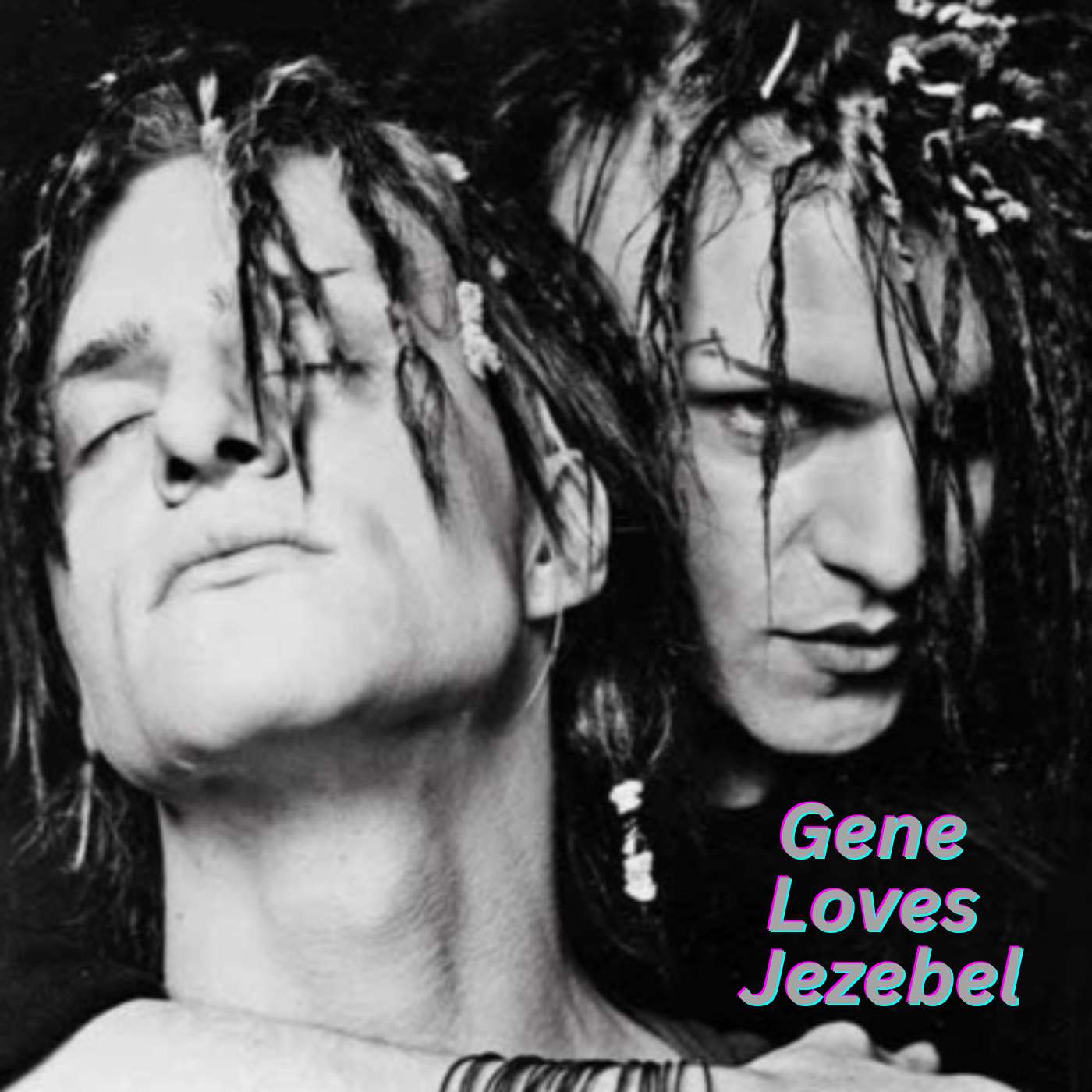
Gene Loves Jezebel - Separated Twins
Welsh identical twin brothers, Jay and Michael Aston, formed the band Gene Loves Jezebel. From their post-punk and gothic rock debut album in 1983, the band would achieve commercial success by the third and fourth albums blending their music and their distinctive vocals with a more alternative rock approach. However, the relationship between the twins become strained leading to a separation that would result in two versions of the band going forward. This episode discusses the music of Gene Loves Jezebel into the 90's and the situation that resulted in two versions of the band, each led by one of the twins.
May 4
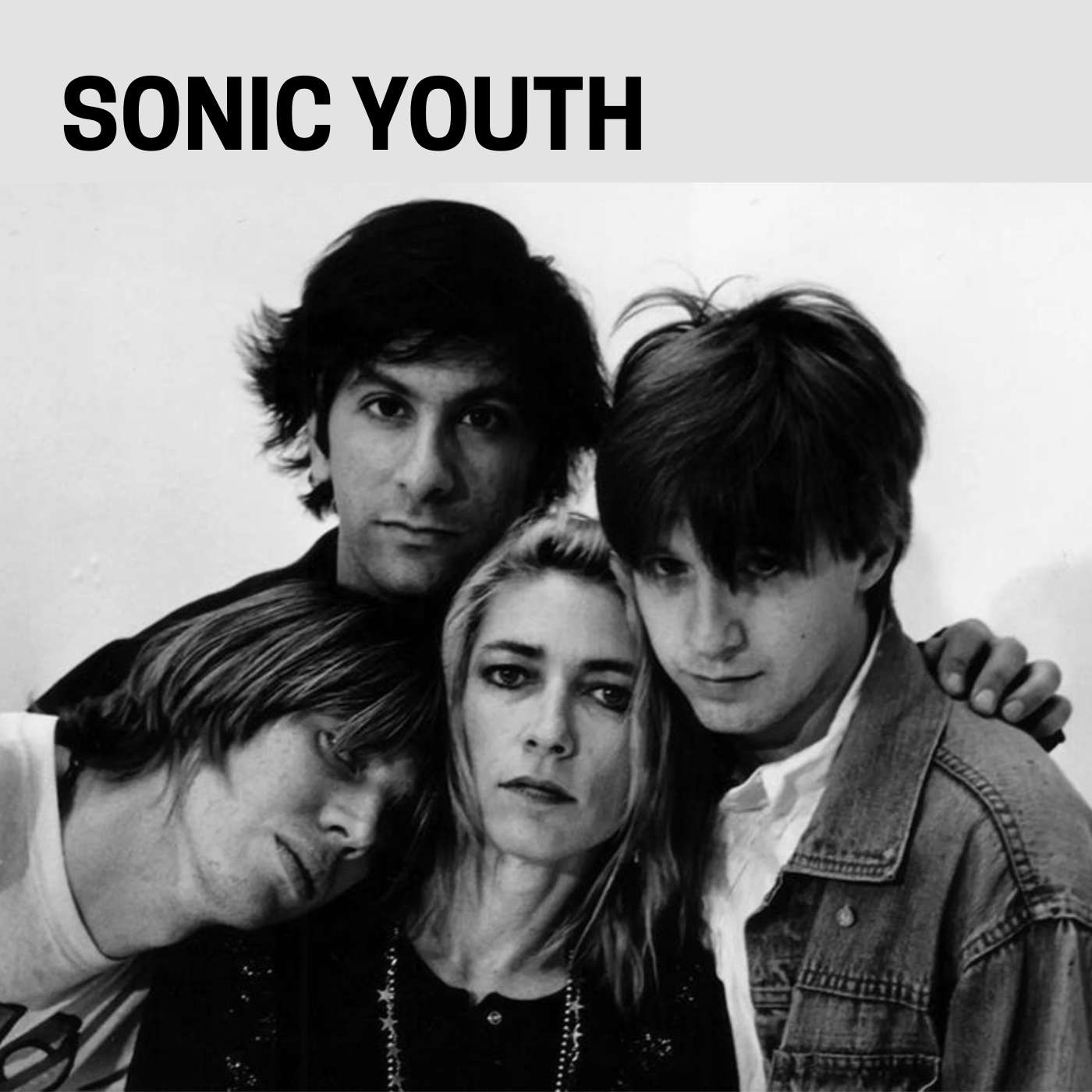
Sonic Youth - Evolving from No Wave
Starting in 1981, Sonic Youth pushed boundaries as part of American experimental no wave scene to redefine what noise meant in terms of music. The band would combine innovative guitar tunings, dissonance, and feedback with hardcore punk and avant-garde music as part of the New York no wave scene. The music of Sonic Youth began evolving from these early years taking a more conventional approach as the band become a prominent member of American noise rock. This episode tells the story of the band from their beginnings through the 1986 album, Evol , as the band was evolving from their no wave beginning.
May 1
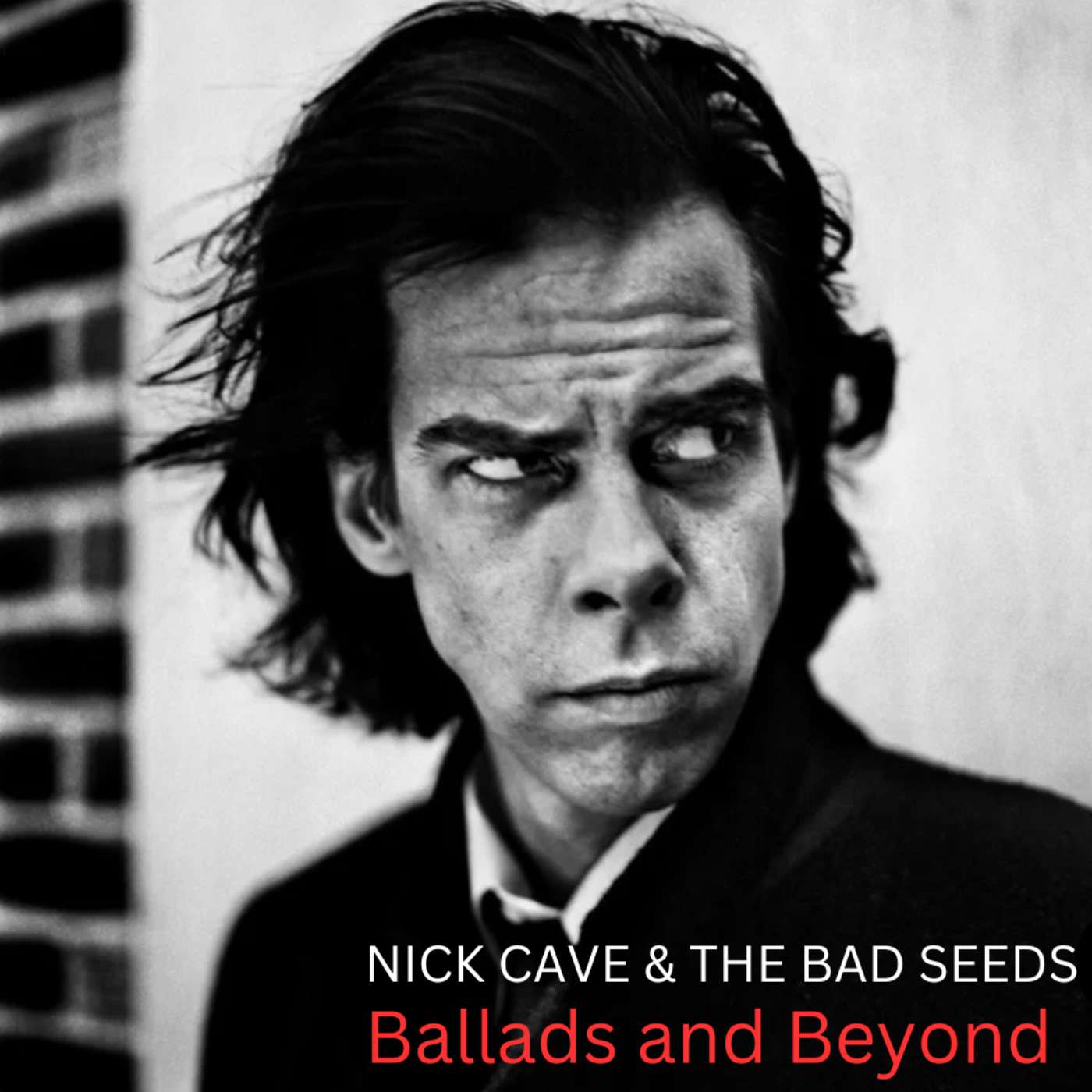
Nick Cave & The Bad Seeds - Ballads and Beyond
In 1989, Nick Cave would experience some life changes and with those changes, Nick Cave & The Bad Seeds would take their music in a new direction. By the end of the 1990’s, the band would achieve worldwide mainstream success with piano-driven ballads, most notably with the albums, Murder Ballads and The Boatman’s Call . This episode tells the story of the band and Nick Cave through their five albums of the 90's.
Apr 27
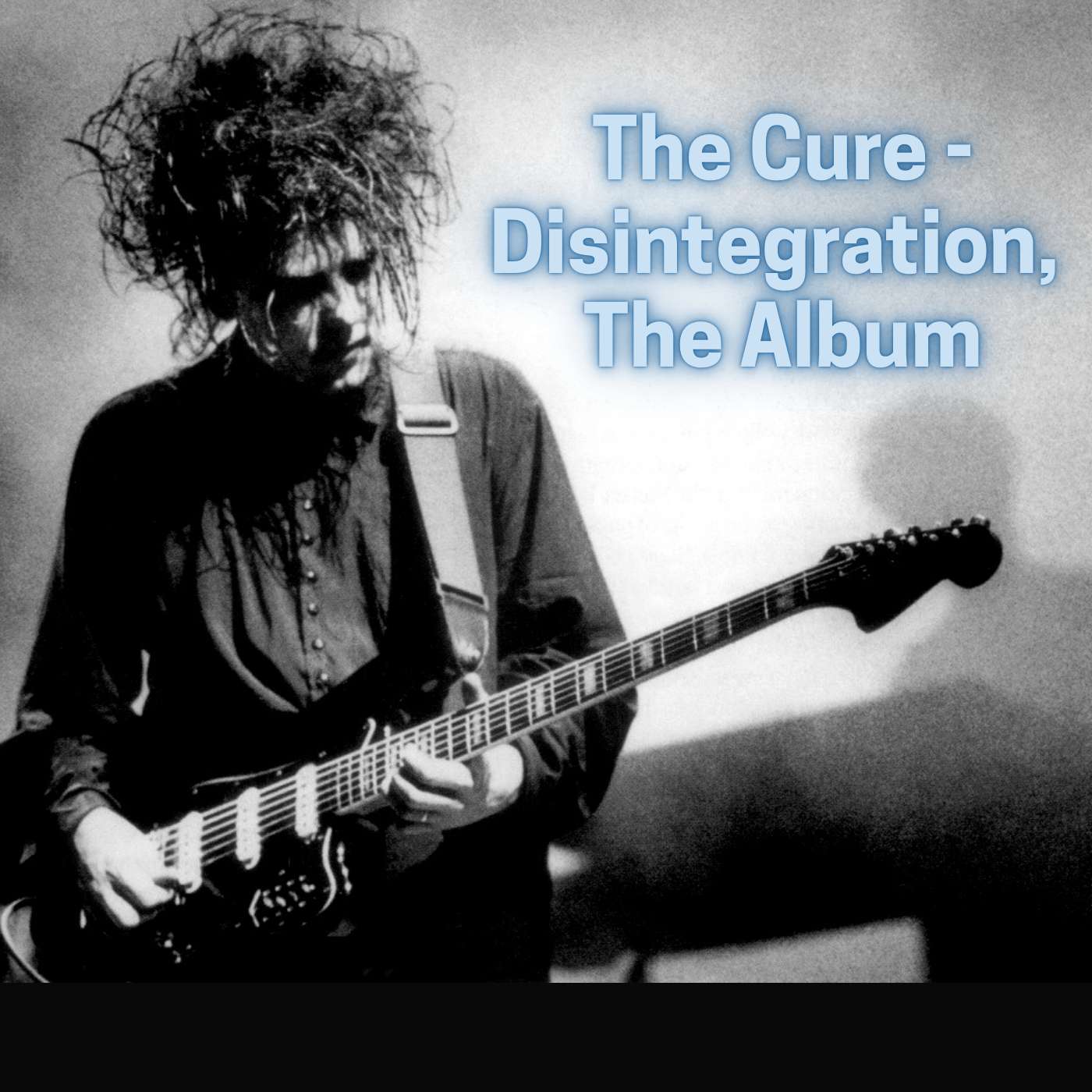
The Cure - Disintegration, The Album
When Disintegration was released in May of 1989, the album signified a return to The Cure 's darker and gloomier days of their early years. The eighth studio album from the band includes classic singles like "Lovesong", "Pictures of You", and "Lullaby", but also other emotionally intense songs like "Prayers for Rain", "Plainsong", and the title track. All of this has led to Disintegration being considered an alternative music masterpiece. This episode for The Cure tells the story behind the album as well as the story of Robert Smith's creation of the songs that make up this incredible work.
Apr 23
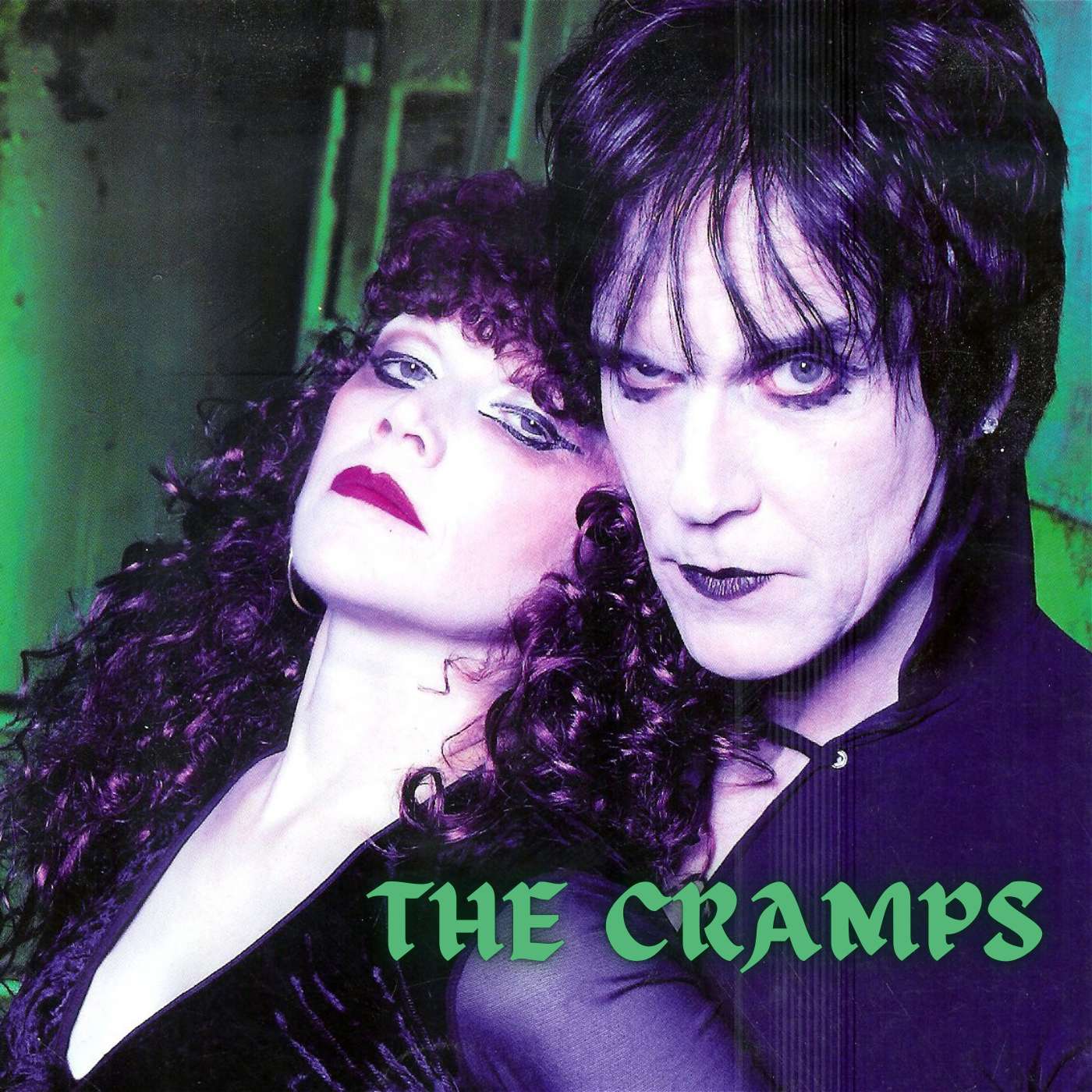
The Cramps - The Perfect Halloween Party Band
The Cramps took various music styles including punk rock, rockabilly, surf and garage rock, along with campy humor, sex, and horror/sci-fi film imagery to become the progenitor of what would be called psychobilly music. Led by the husband and wife duo, Lux Interior and Poison Ivy Rorshach, this American group grew from the New York punk scene of the late 70's to become an iconic band, and the perfect party band for Halloween. This episode (from Halloween 2024) tells the story of Lux Interior and Poison Ivy from their early years along with the albums and music through the 80's and into the 90’s.
Apr 20
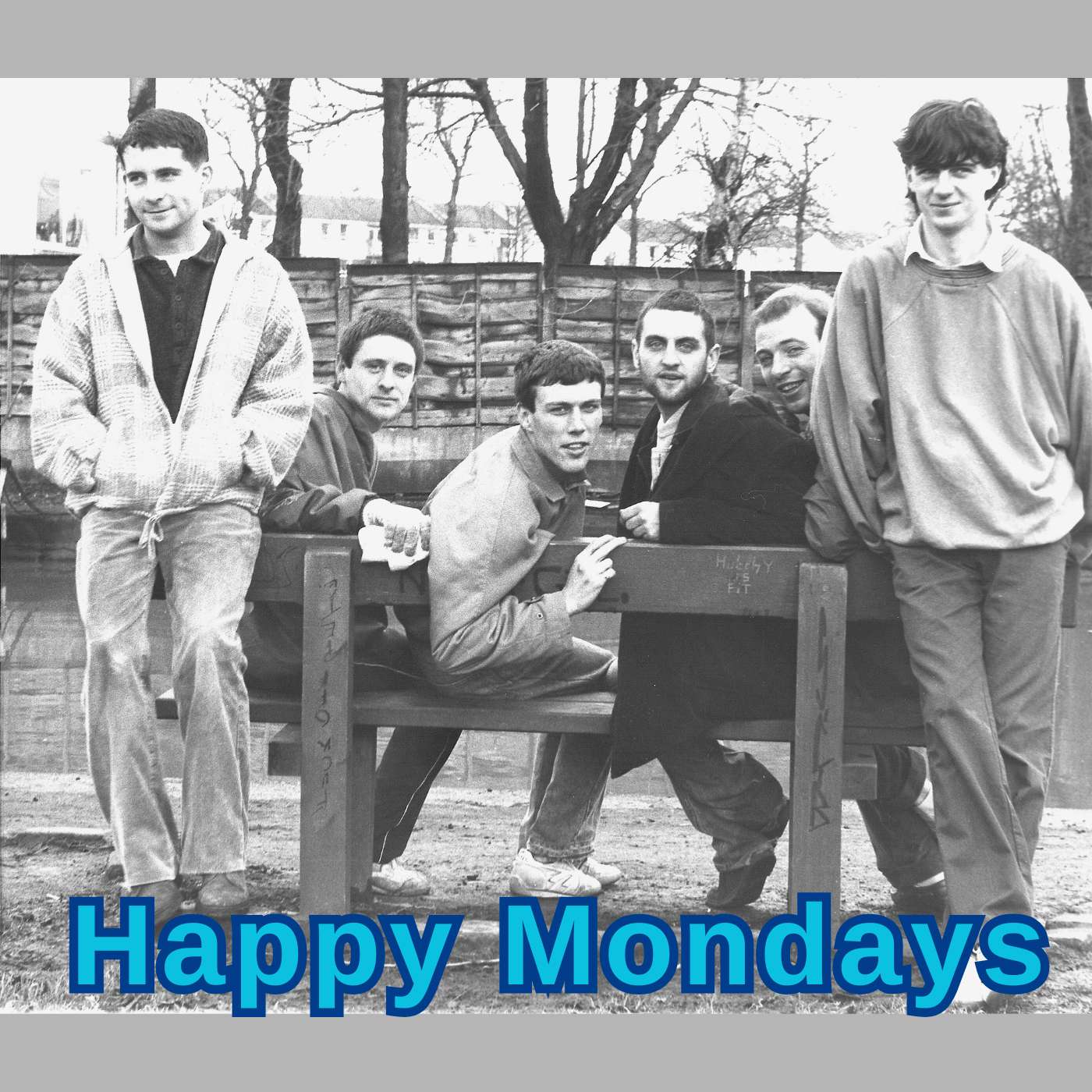
Happy Mondays - The Madchester Sound
Happy Mondays became one of the pioneering artists of the Madchester scene fusing indie rock, funk, psychedelia and acid house music to create a unique sound associated with this rave club cultural movement. The band's second studio album, Bummed of 1988, and the follow-up, Pills 'n' Thrills and Bellyaches of 1990, were two signature albums of the Madchester era. This episode tells the story of the early years of Happy Mondays from their formation through the music of the band's first three studio albums.
Apr 16
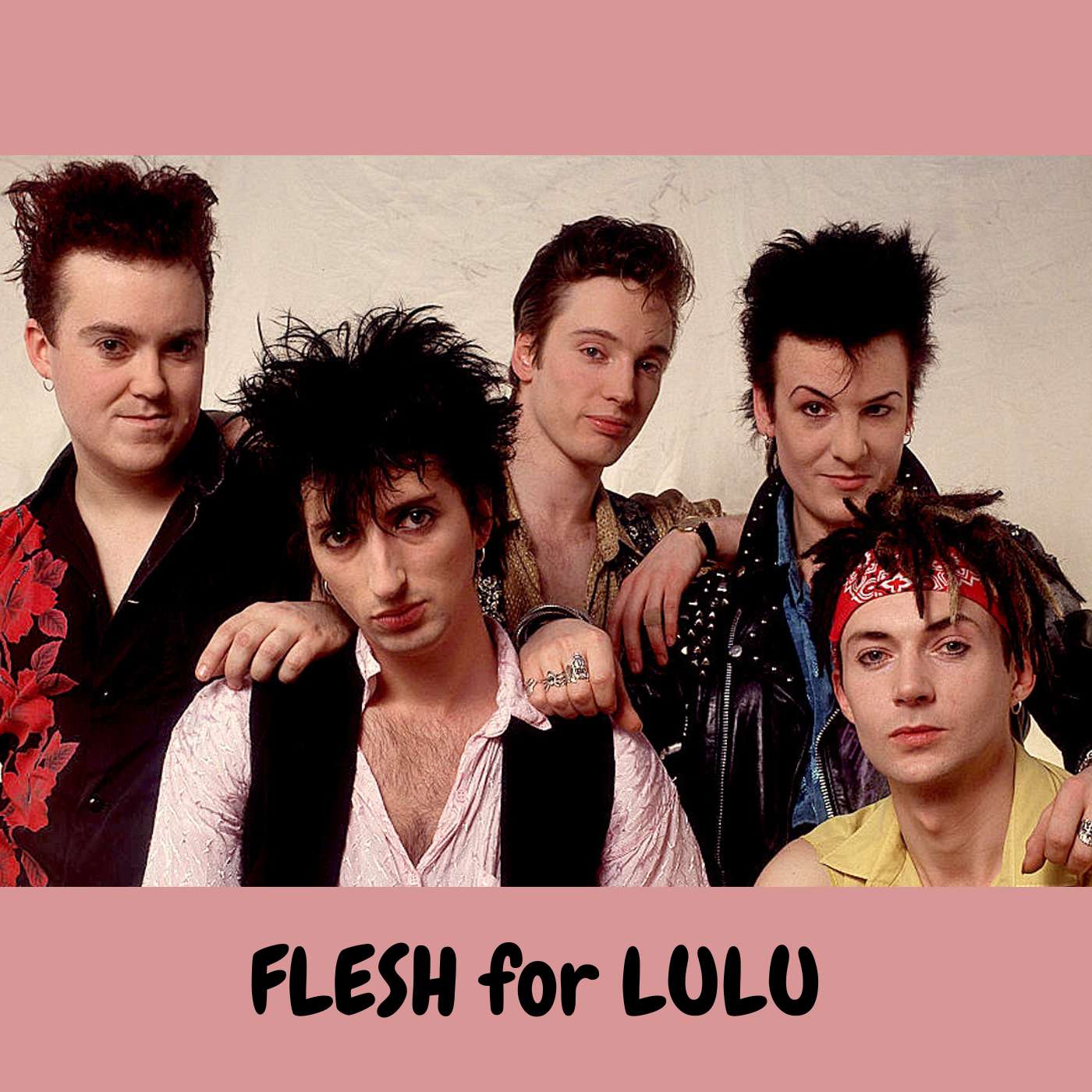
Flesh for Lulu - The Legacy of Nick Marsh
Flesh for Lulu was born London in late 1982 when lead singer and guitarist Nick Marsh met future drummer James Mitchell. Over the years, the band would build off of their post-punk roots to create music of various influences before breaking up in 1992. Flesh for Lulu came close to mainstream success in 1987 with the college radio hit, "I Go Crazy", but was never able to capitalize on this opportunity. Following various other projects and a couple of brief returns of Flesh for Lulu, Nick Marsh would pass away from cancer in 2015. This episode discusses the legacy of Nick Marsh and the history of Flesh for Lulu through their albums of the 80's.
Apr 13
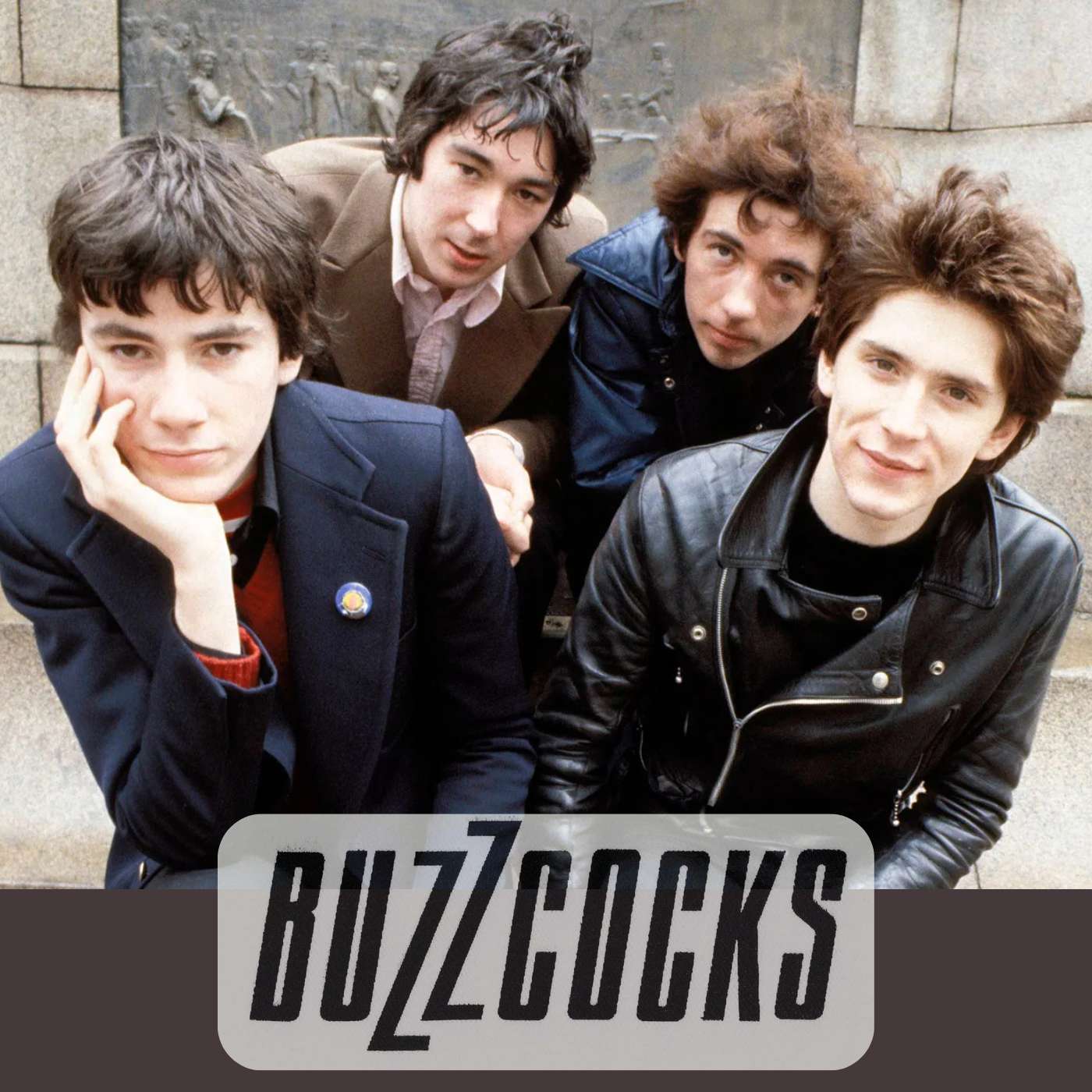
Buzzcocks - The Music and the Birth of "Indie"
The impact Buzzcocks had on music was beyond what Pete Shelley could have imagined when he started the band with Howard Devoto in 1976. Beyond organizing a legendary concert in Manchester that would kickstart the journey of a number of incredible bands, and combining punk rock with elements of pop to become a successful and influential artist, they would release their debut EP on their own independent label in 1977. The success of this self-release led to other punk and post-punk bands following suit, birthing the term "Indie" music. This episode tells the story of Buzzcocks beginning, their impact on music and beyond, their work through the break-up of 1981, and the beginning of Pete Shelley's solo career. Episode 3.24
Apr 9
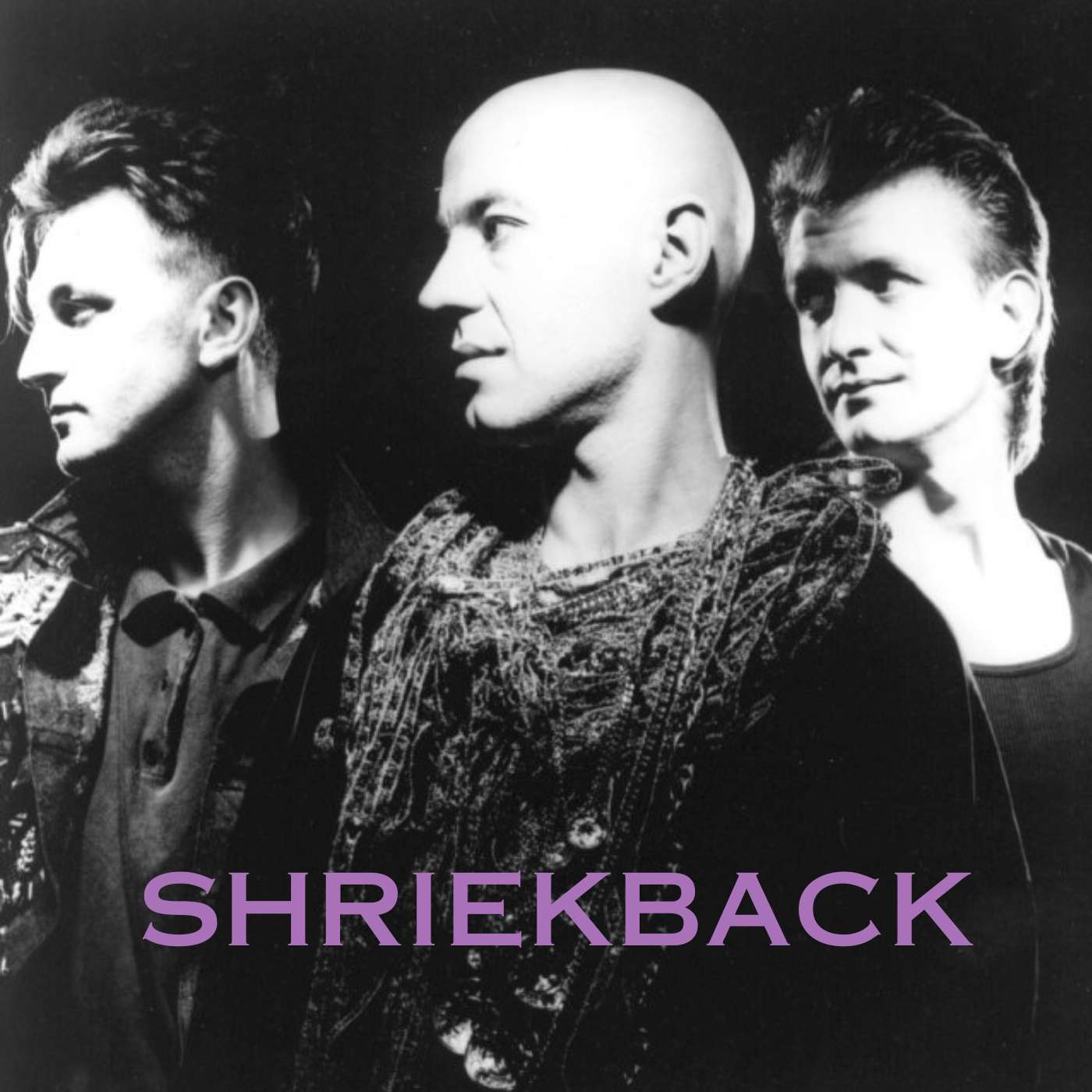
Shriekback - The Infusion of Funk
The English band Shriekback was formed in 1981 by three musicians from post-punk backgrounds. Barry Andrews (formerly of XTC) , Dave Allen (previously with Gang of Four) , and Carl Marsh (from Out on Blue Six) would start this band and create a funk-infused music that would evolve over the years through various styles while maintaining their signature clever and unusual lyrics. This episode discusses the work and albums of Shriekback through their albums of the 1980's. (R.I.P Dave Allen. This episode was recorded a few weeks prior to the passing on April 5, 2025 of Dave Allen)
Apr 6
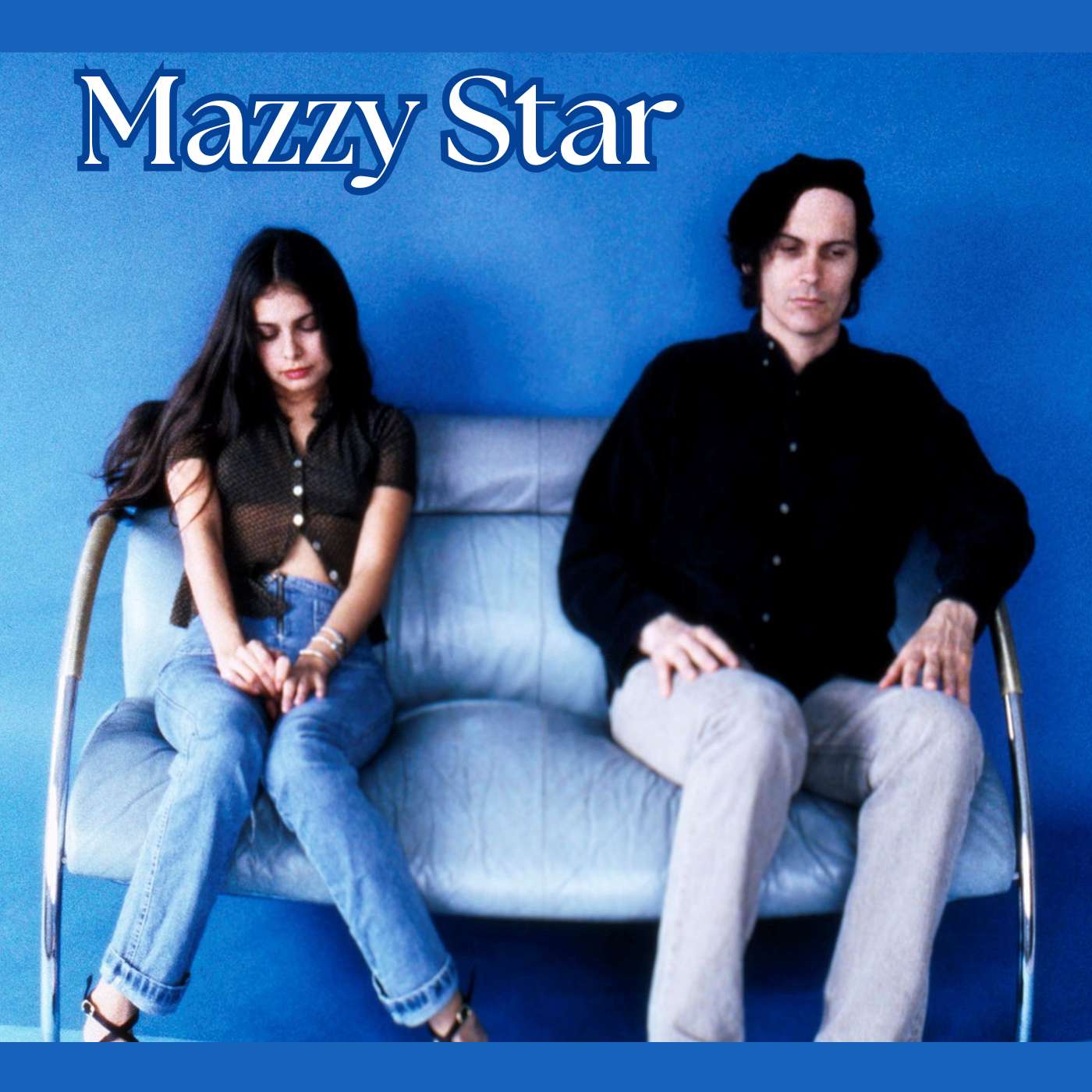
Mazzy Star - From Opal to Hope
Mazzy Star , behind the sultry vocals of Hope Sandoval, became one of the legendary bands of 90’s alternative rock with the iconic song, "Fade Into You". The precursor to Mazzy Starr was the band Opal, led by the guitar work and production of David Roback. Opal would add Hope Sandoval as a new lead singer in 1988 and rename themselves Mazzy Star . Behind the creative duo of Roback and Sandoval, this band would go on to record three studio albums in the 90's developing their dreamy, ethereal, folky, neo-psychedelia music. Our episode discusses the band’s history back to David Roback’s early paisley underground years, the transition of the band from Opal to Mazzy Star , and their music of the 90's.
Apr 1
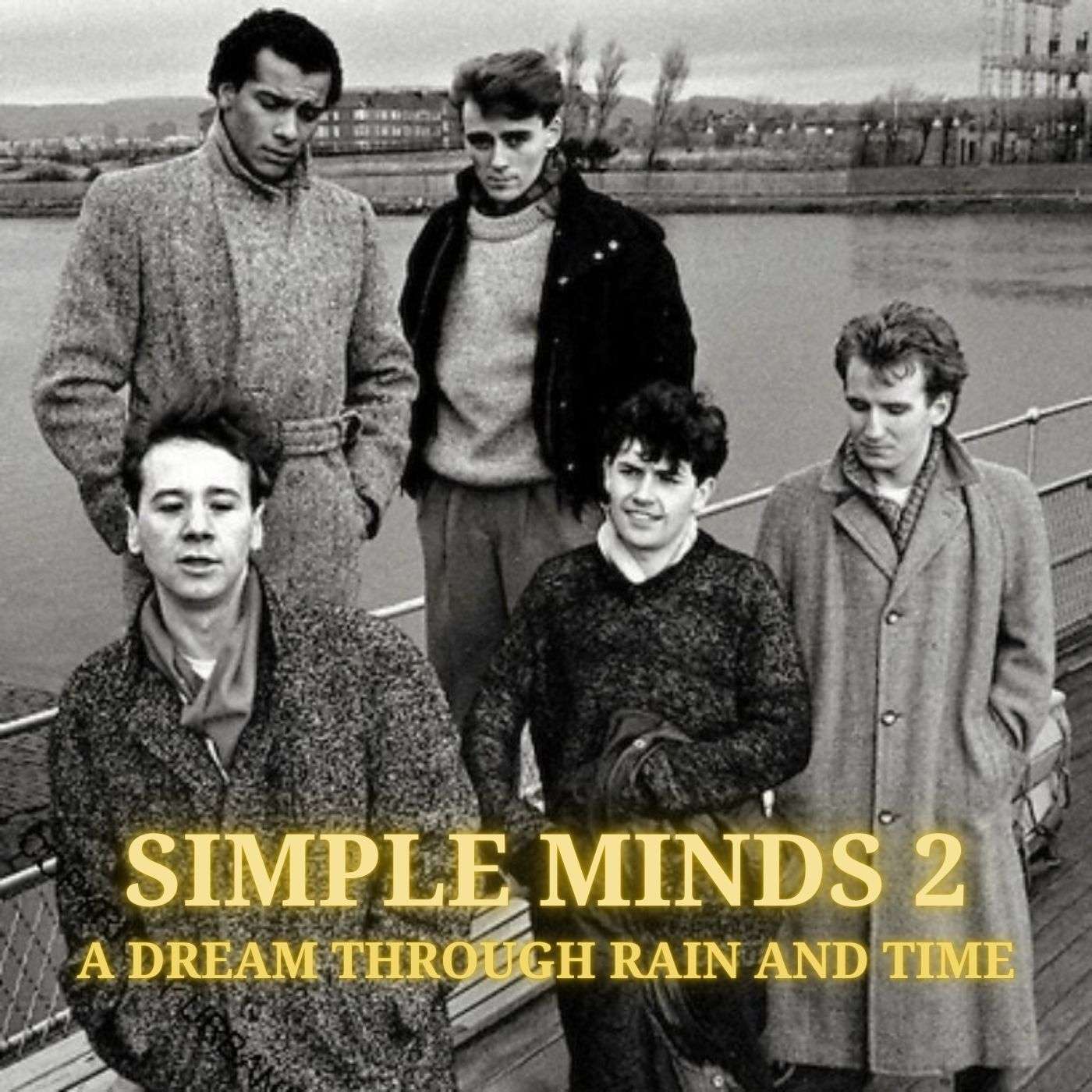
Simple Minds 2 - A Dream Through Rain and Time
In 1982, Simple Minds released the album, New Gold Dream (81-82-83-84) , and with this album the band would begin to solidify the path to worldwide success through next two albums, Sparkle in the Rain and Once Upon a Time . This episode tells the story of the band from 1982 to 1985 which includes these three classic albums, the development of their sound from the early year more experimental post-punk, and the beginning of the chart success they would see throughout the 80's. An earlier Spotify only episode that covered the early years from formation through 1981 will be recreated and issued on Apple other platforms, along with a discussion episode we had with Simple Minds bassist Derek Forbes.
Mar 30
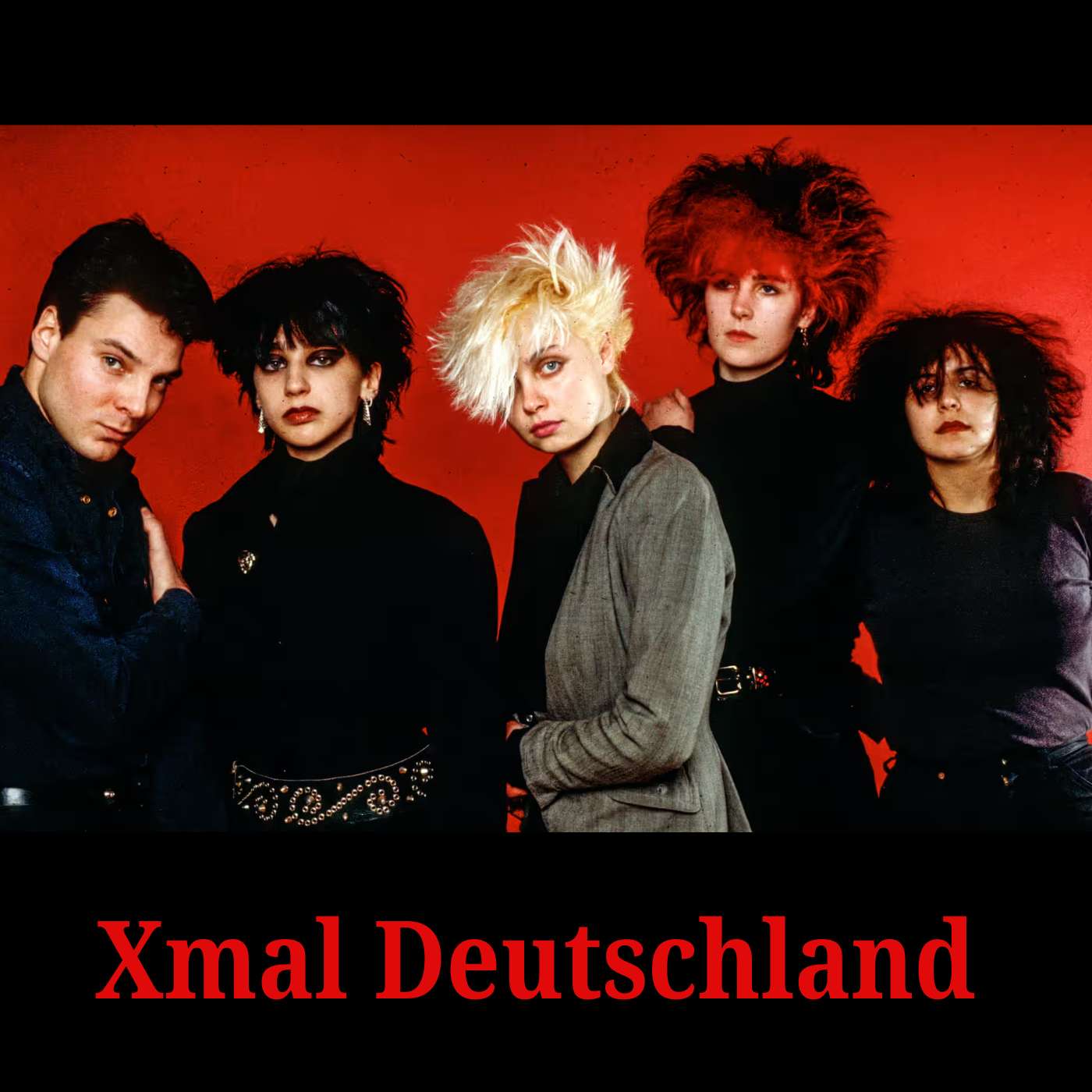
Xmal Deutscheland - Gothic New German Wave
Formed in Hamburg in 1980, Xmal Deutschland started as an all female band and was one of the early gothic groups of the New Deutsche Welle, or New German Wave. The band's second single, "Incubus Succubus", became a goth classic and the band, with lead singer Anja Huwe, would sign with 4AD records for their first two albums. Starting with Fetisch in 1983, the band released four studio albums before breaking up in 1990. This episode tells the story of Xmal Deutschland's early years through their music of the 1980's.
Mar 28
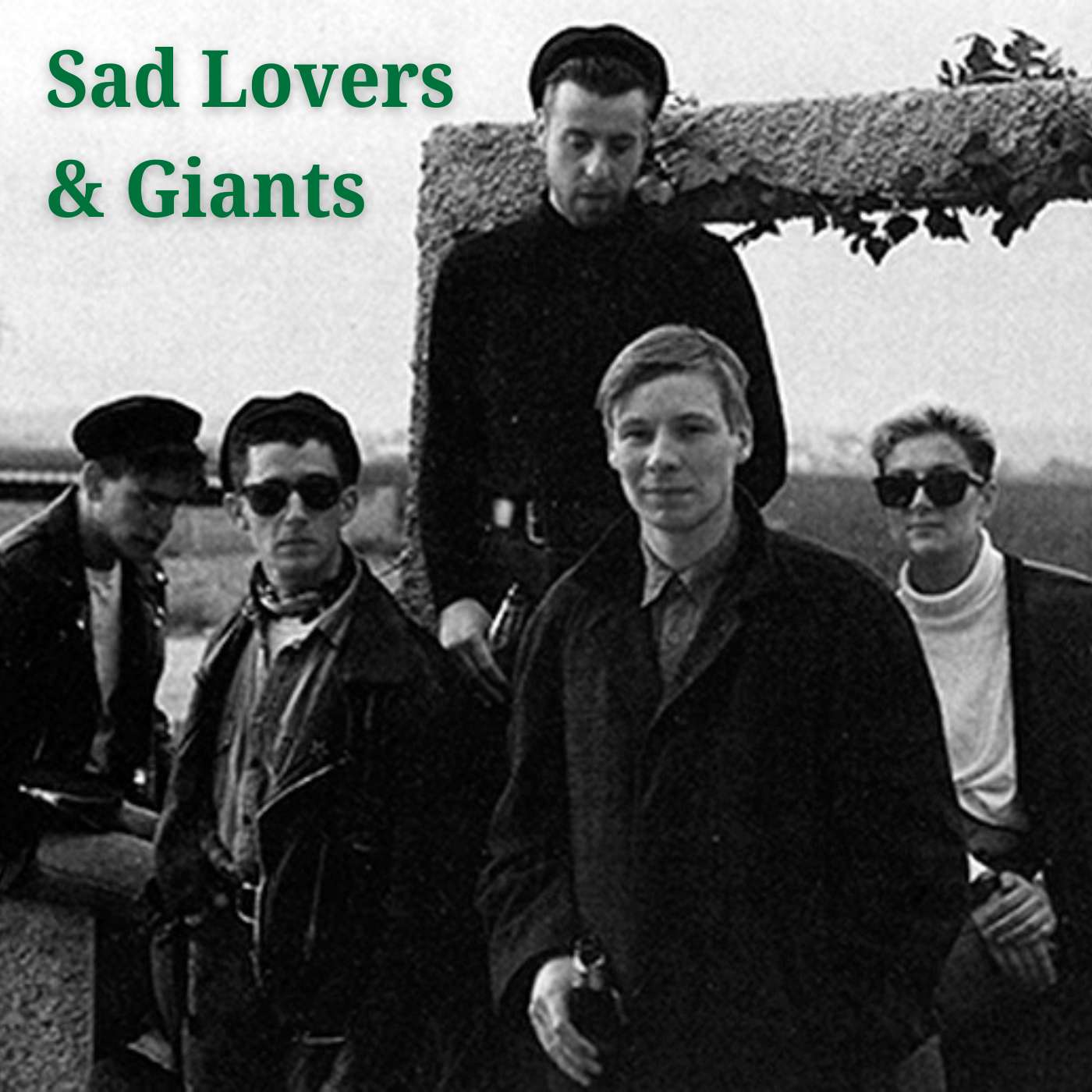
Sad Lovers & Giants - Sounds of Epic Garden Music
Sad Lovers & Giants , with their atmospheric and sometimes dark, melancholic, and psychedelia post-punk, was one of the most overlooked bands of the early post-punk era. The original line-up formed in 1980 and produced two albums along with some non-album releases before breaking up in 1983. Led by vocalist and songwriter, Garce Allard, the band has reformed several times over the years. This episode tells the story of the band focusing on the early years and the classic debut album, Epic Garden Music .
Mar 26
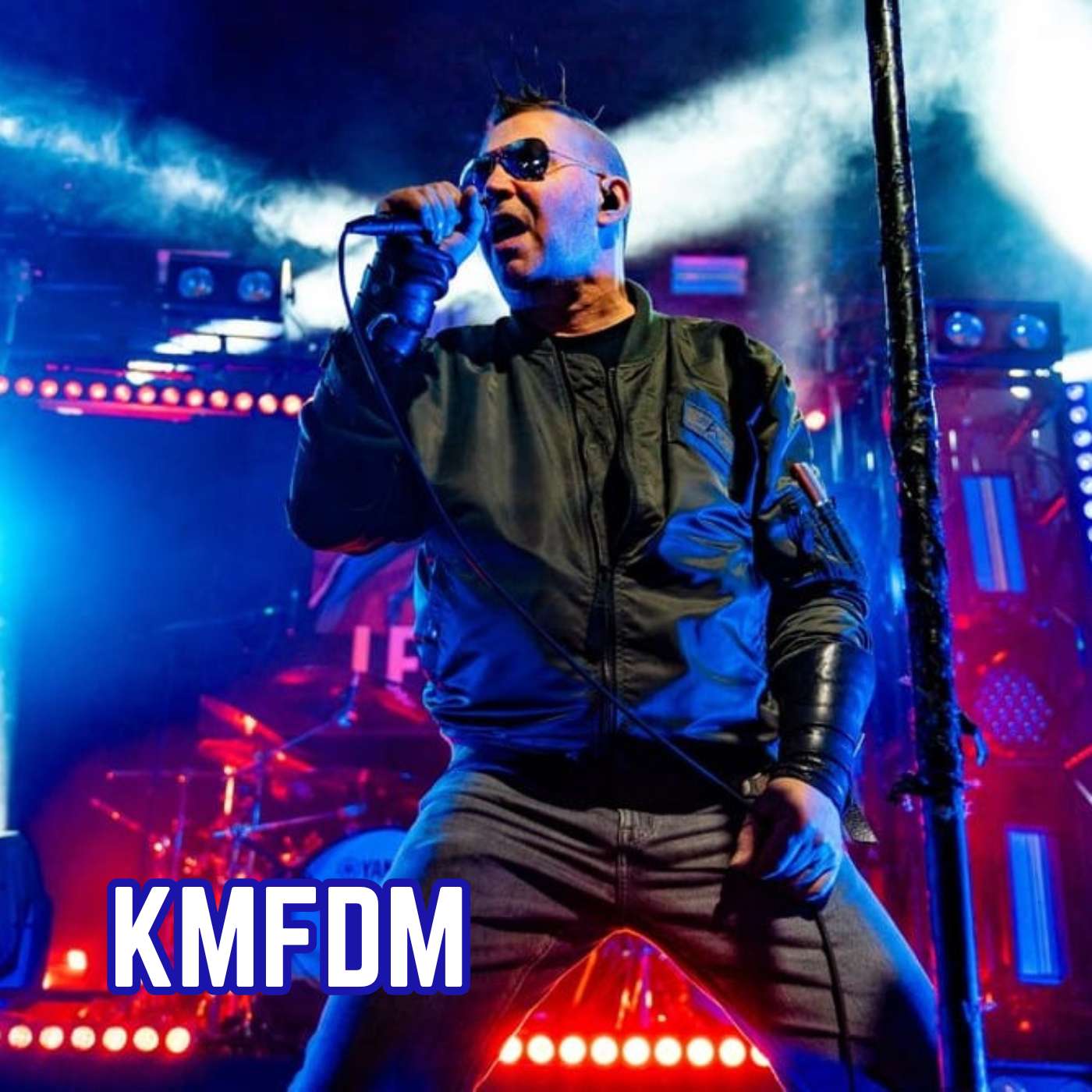
KMFDM - The Ultra Heavy Beat
KMFDM , led by German born founder, frontman, producer and musician Sascha Konietzko, started their musical journey in 1984 as a performance art project. By the 90's this industrial band would pioneer a music that blends various music styles and genres to create their own unique sound, known as Ultra Heavy Beat. This episode will discuss the band, the music, the members, the art, and their albums from the 80’s and through the 90’s that impacted the world of music.
Mar 23
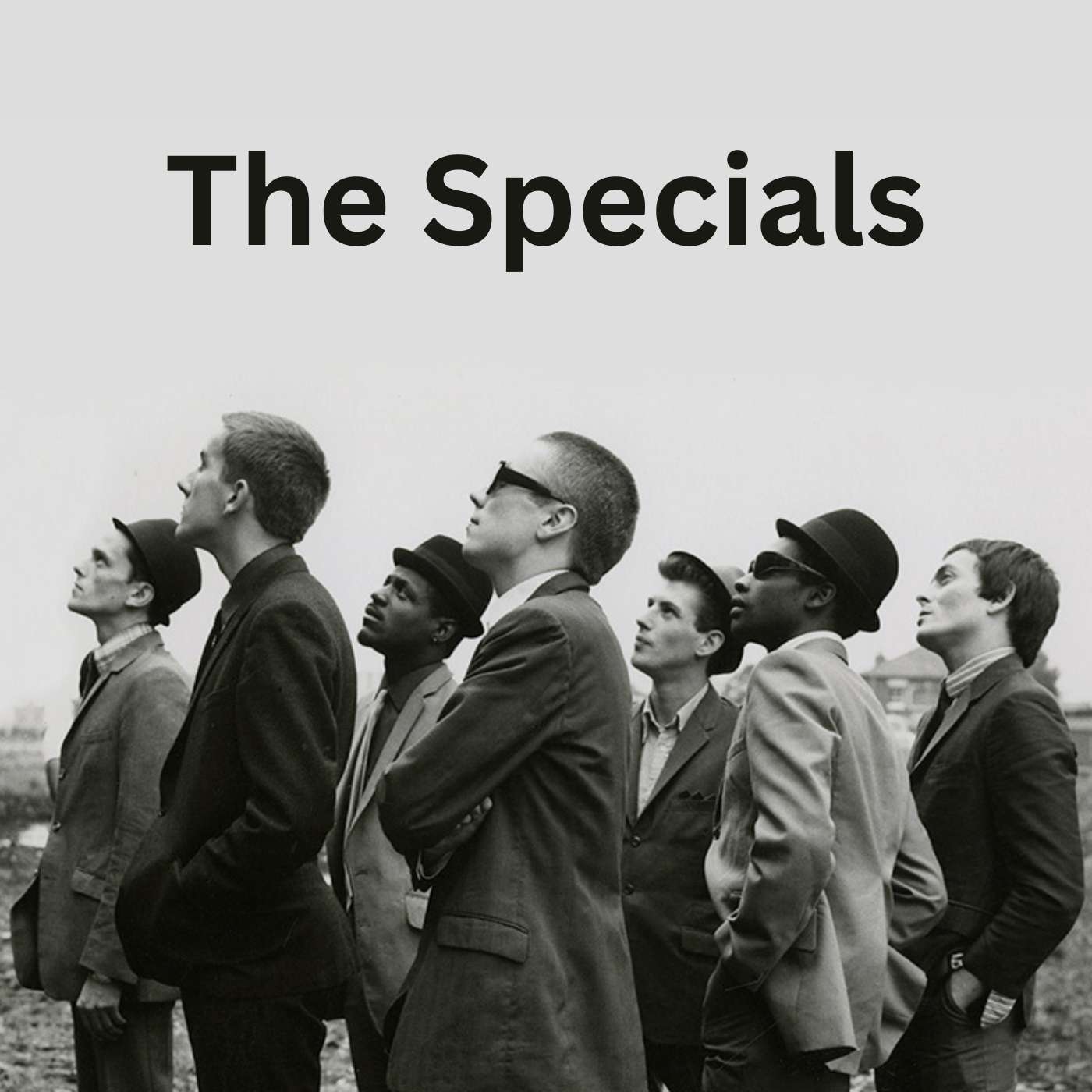
The Specials - Leading a Ska Revival
In the late 1970's, The Specials combined the music of 60's Jamaican ska, rocksteady, and reggae along with the attributes of punk music, and political and social commentary. This music would be known as two-tone music leading the way of a ska revival, often referred to as the second wave of ska music. Their self-titled debut album of 1979 on their own label, 2 Tone Records, brought this music to the attention of the British music scene. Over a two year span, The Specials would create a number of hits, including the classic songs “A Message to You Rudy” and the recession themed number 1 hit, “Ghost Town”. This podcast episode will discuss the early years of the band, their influential first two albums and music, the two-tone music genre, and the aftermath of some core members leaving the band in 1981.
Mar 20
Devo - De-Evolution and the Freedom of Choice
Devo originated in Akron, Ohio forming a band based on the social theory of de-evolution. This innovative and unique band would combine experimental, art punk, and electronic music along with matching uniforms, quirky science fiction themes, surrealist humor, and satirical social commentary. After creating a short film and developing a number of songs, Devo would sign a record deal and release their debut studio album in 1978 with Brian Eno as producer. This episode will discuss the early years of the band through the third studio album, Freedom of Choice.

Mar 18
The Cranberries - In Every Possible Way
The Cranberries formed in Limerick, Ireland in 1989 and within a year would add an incredible 18-year old singer, Dolores O’Riordan. The band would sign with Island Records and release the singles "Dreams" and "Linger" just prior to the 1993 debut album. In 1994 their second album would include the alternative rock classic and stadium anthem, "Zombie", bringing the band international fame. This episode is the story of a band that would rise to become one of the best-selling alternative acts of the 1990s with a lead singer who would be a voice of a nation.

Mar 16
Julian Cope - After the Teardrops
Following the breakup of The Teardrop Explodes, lead singer Julian Cope would begin a solo career starting with the album "World Shut Your Mouth" in 1984. The eccentric Cope would create multiple albums in the 80's as his music began to shift from the neo-psychedelia sound of his previous band to include a more pop and alternative rock influence. As Cope entered the 90's, music would edge toward folk, ambient, and krautrock while Cope would become an author, historian, musicologist, mystic, and head of his own multi-faceted production company. This episodes discusses the post Teardrop Explodes years of Cope and his albums of the 80's.

Mar 14
The Go-Betweens - Through Lovers Lane
Led by the Australian singer-songwriting and guitarist duo of Robert Forster and Grant McLennan, The Go-Betweens became one of the great, and one of the most underrated bands from the 1980's. Founded in 1977 by Forster and McLennan in Brisbane, Queensland, this indie rock, jangle pop, and alternative band would create six studio albums during the 80's culminating with the classic, 16 Lovers Lane . This episode will discuss the early years of the band from the debut single, "Lee Remick", through 16 Lovers Lane of 1988.

Mar 12
Trent Reznor - Building a Pretty Hate Machine
In 1989, when Trent Reznor created the groundbreaking Nine Inch Nails album, Pretty Hate Machine , it changed the course of alternative music. The music blended industrial, rock, dance and pop synths, keyboards, and programmed drums, along with emotional lyrics, to create music that would influence artists and genres. This episode discusses the early years of Trent Reznor , the beginning of Nine Inch Nails, and the revolutionary debut album, Pretty Hate Machine .

Mar 11
Pink Turns Blue - Dark Wave from the Cold War
The band Pink Turns Blue rose from the early years of the German gothic music scene in Berlin, during the Cold War period, to become a pioneer of the dark wave genre. Their debut album from 1987, If Two World Kiss , is considered a dark wave classic. Pink Turns Blue built on this developing sound for their second album a year later, Meta . This episode tells the story of the band including formation in the 1980's, the music of the band, and the genre influential two albums of 1987 and 1988. (Episode was recorded prior to the new album, Black Swan )

Mar 9
Pixies - Quiet Verses and Loud Choruses
The Boston band Pixies would become one of the most influential indie and alternative bands contributing to the growth of the 90’s alternative rock scene. Their music was known for an extreme contrasting volume dynamic of quiet verses and loud choruses, creating a "loud-quiet-loud" song structure. Many bands would follow and adopt this style, in particular those within the grunge movement. The unique sound of the Pixies blends various genres and styles, and is best represented on their first two classic and influential albums, Surfer Rosa (1988) and Doolittle (1989). This episode discusses the forming of the band in 1986, the music of their early mini-LP, and the music of the first two studio albums.

Mar 8
The Associates - MacKenzie and Rankine
Formed in 1979 by Billy MacKenzie and Alan Rankine, the Scottish post-punk band The Associates attained commercial and critical success by 1982 with the synth-pop and new-pop album, Sulk . Despite the accomplishments, various issues led to Rankine leaving the band while MacKenzie continued The Associates , but without achieving the same level of success. This episode discusses the early years of the group and their music prior to the departure of Rankine in 1982.

Mar 8
Pylon - The Legacy of Athens Post-Punk
Members of Pylon join us on the episode to discuss the legacy of this Athens, Georgia band that formed in 1979 creating a unique danceable, post-punk, indie rock sound. During their initial run, they would release two studio albums in the early 80's before disbanding in 1983. They would reform as Pylon a couple of times over the years, but today the legacy continues with the band Pylon Reenactment Society (PRS) that formed in 2014. Joining us for this episode are Vanessa Briscoe Hay (lead singer of Pylon and PRS), Pylon’s bassist Michael Lachowski, and PRS guitarist Jason NeSmith.

Mar 7
Throwing Muses - Precursor to 90's Alt-Rock
Originating from Newport, Rhode Island, Throwing Muses was led by step-sisters Kristin Hersh and Tanya Donelly, who would release their debut album in 1986 on 4AD records. Throwing Muses would be one of the most original post-punk, college rock bands and their music be a precursor to 90's alt-rock. This episode discusses the origins of the band along with their music through the 90's.

Mar 6
Japan - The Ghosts of Tin Drum
After forming in the mid-70's inspired by glam rock, the English band Japan would alter their sound by their third album to a more synth-pop, art-pop and electronic approach. Led by singer David Sylvian, Japan would begin to achieve commercial success the influential fifth album Tin Drum and the song "Ghosts", before disbanding soon after in 1982. This episode discusses the early years of the group from formation through the album, Tin Drum , of 1981.

Mar 5
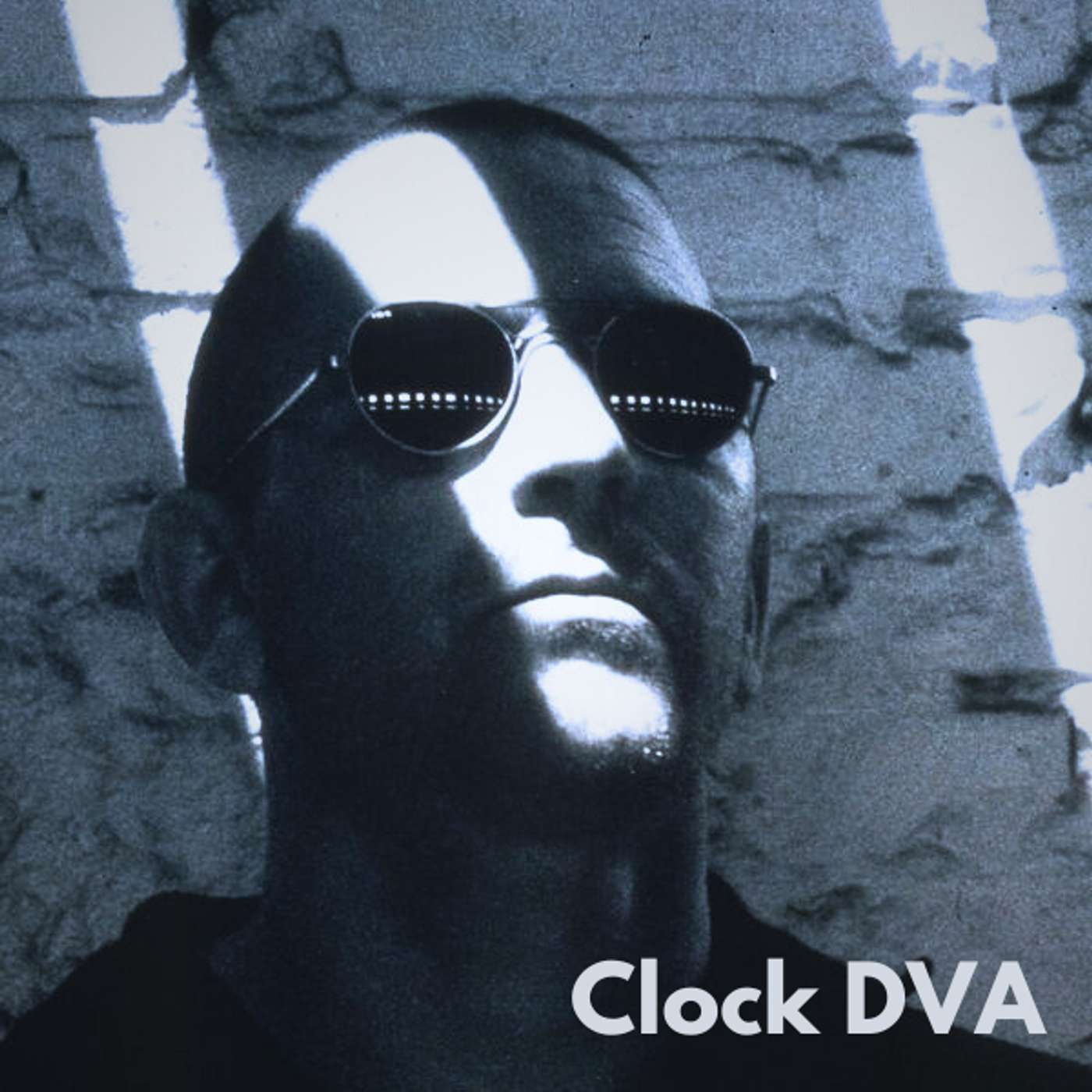
Clock DVA - The Visions of Adi Newton
Led by visionary artist Adi Newton, Clock DVA came out of Sheffield, England in 1978 with an experimental electronic music that pushed boundaries. Over the years, Clock DVA and Newton would continue the experimental approach that would blend various styles such as electronics, industrial, jazz, cyberpunk, EBM, and ambient to create a groundbreaking and sometimes dark world of music. This episode tells the story of the early years of the band and Newton through the 80's, along with The Anti Group collective formed by Newton in the mid-80's where he would continue his experimental work outside of Clock DVA .
Mar 5
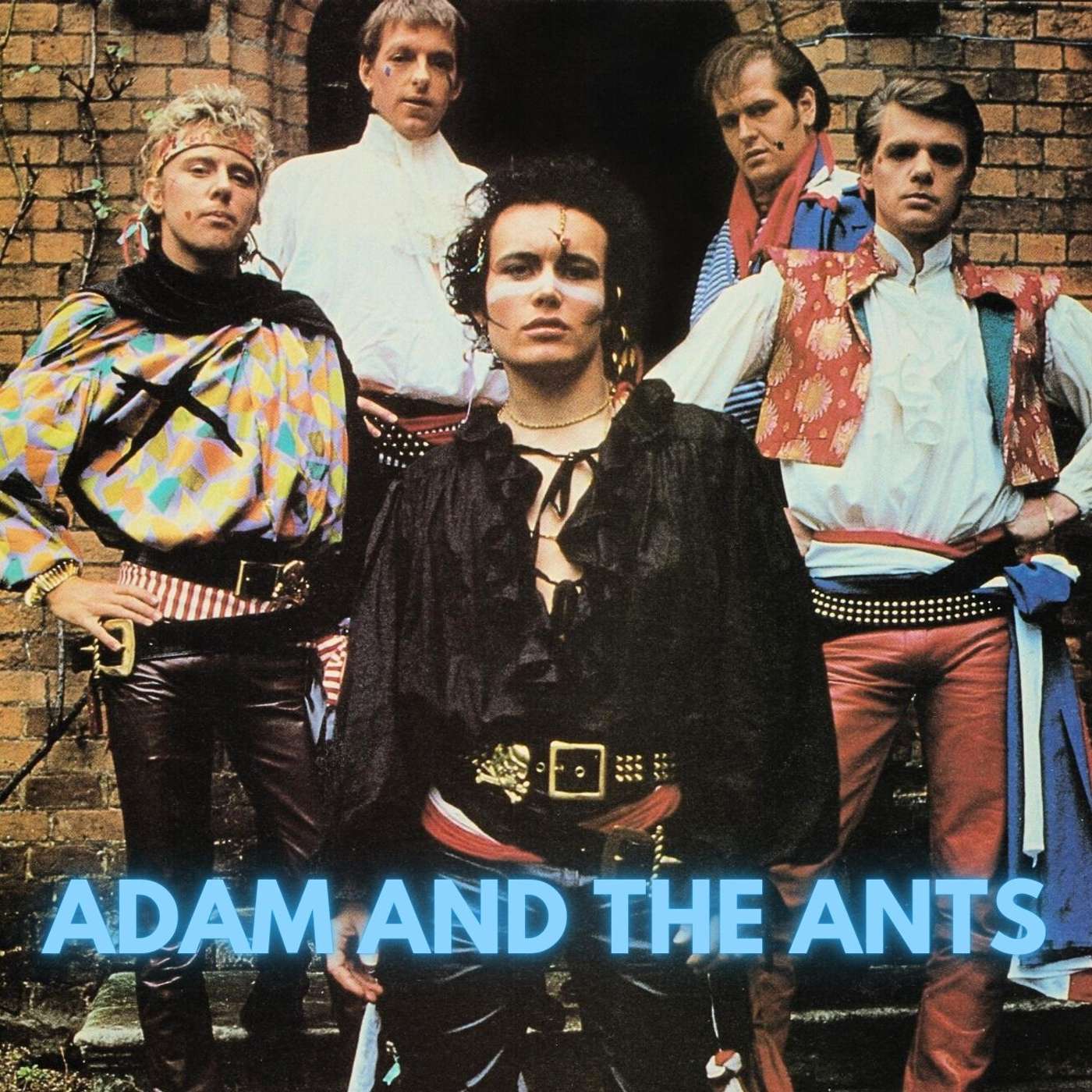
Adam and the Ants - Antmusic
The second album from Adam and The Ants would be the best selling album in the UK in 1981, and would catapult Adam Ant to the front of the British music scene. The band's follow up album would be another hit, but it would be the last album before the band would end leading to Adam Ant embarking on a solo career. From being on the stage the night of the Sex Pistols influential debut performance, through losing all his band members to a new Malcolm Maclaren project, to reforming the band with a new image and a Burundi drum based sound, this is the story of how Adam Ant built his band leading to success.
Mar 4
A Certain Ratio - The Factory Years
The English band A Certain Ratio , or ACR , would mix post-punk music with heavy funk influences as well as dance, jazz and Latin music to create a unique sound unlike other artists from the era. They were one of the first bands on the Manchester Independent label, Factory Records, where they would release their first album in 1980 and remain on the label through 1986 when they would release their fifth album. This episode discusses the origins of the group, the creation of their music, and their albums during the Factory Records years.

Mar 4
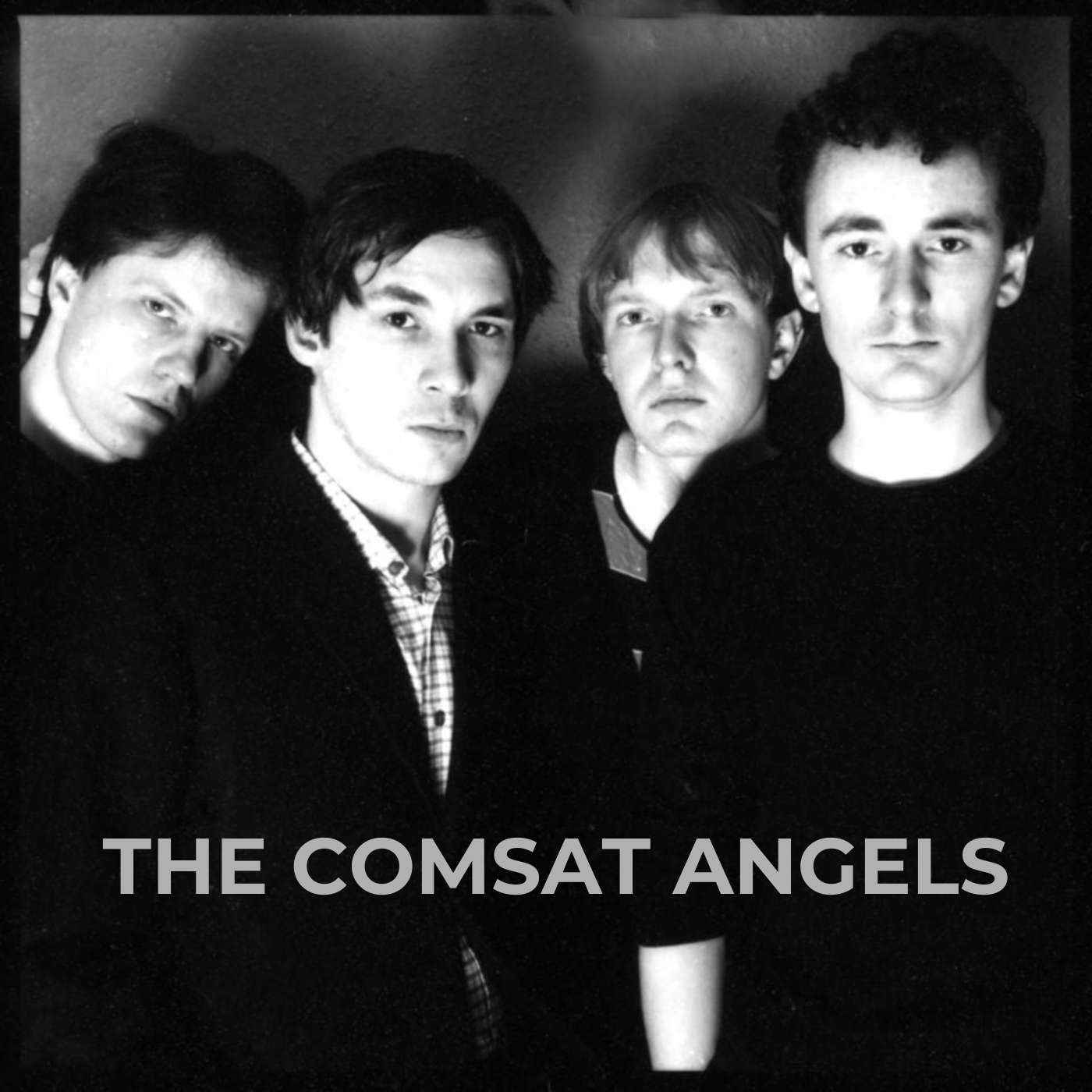
The Comsat Angels - No Sleeping on the Polydor Years
After starting in 1978, the post-punk band The Comsat Angels would sign with Polydor Records for their first three albums, including the masterful and highly influential 1981 second album, Sleep No More. The result of these albums would be that this English band from Sheffield would be considered one of the most impactful bands of the post-punk era with their dark and moody music, but they would not receive the recognition they deserved. This episode discusses the history of the group and music over their career with a focus on the time period of the first three albums through 1982, known as the Polydor years, before the band changed labels.
Mar 2
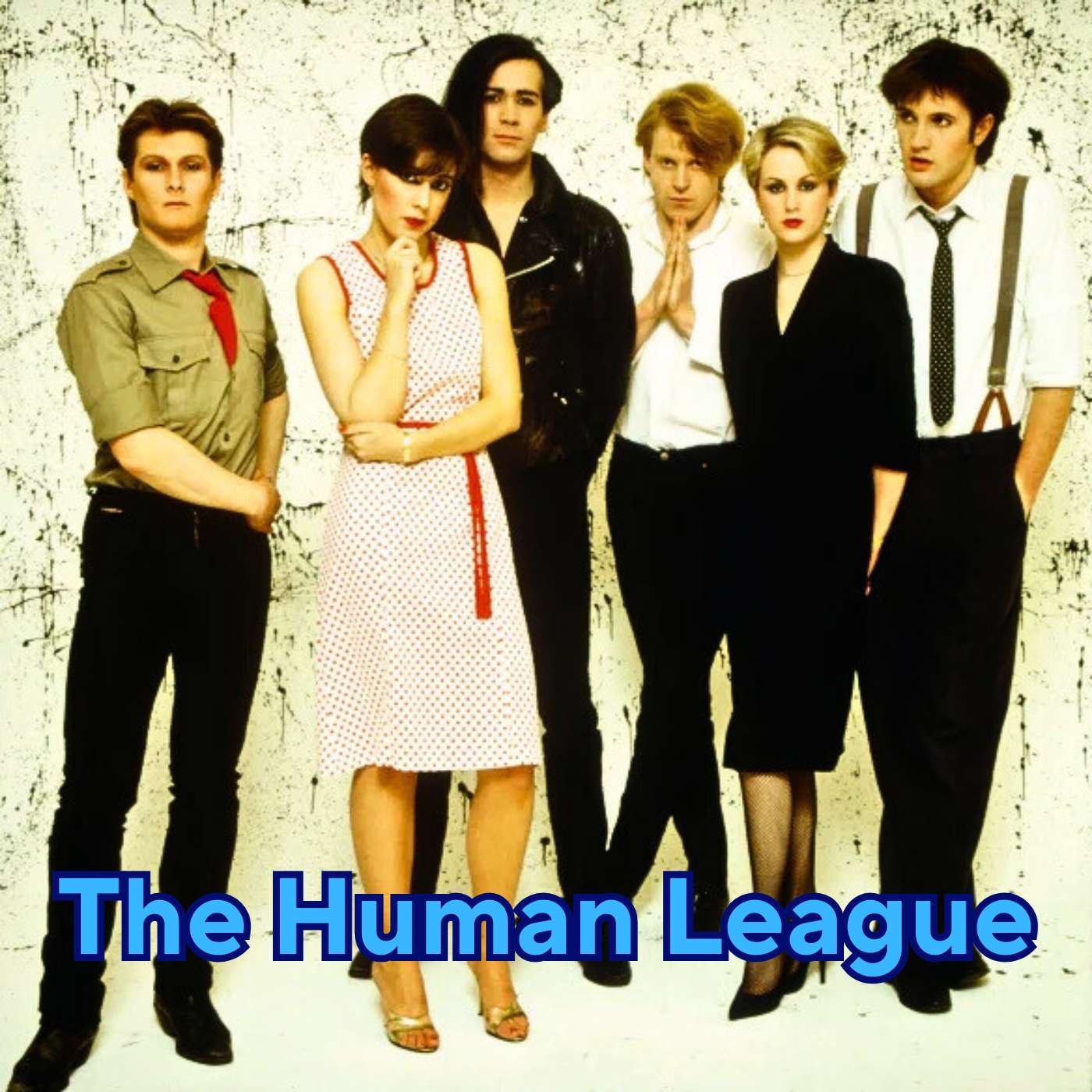
The Human League - A Genre-Defining Dare
When The Human League reconfigured after their first two albums, the band would redefine the synth-pop genre with their third album, Dare . This late 1981 critically acclaimed release became a number one album and contained four successful singles, including the monster hit, "Don't You Want Me". This episode tells the story of the band from their late 70's formation in Sheffield through the album, Dare , and discusses the music of the album.
Mar 2
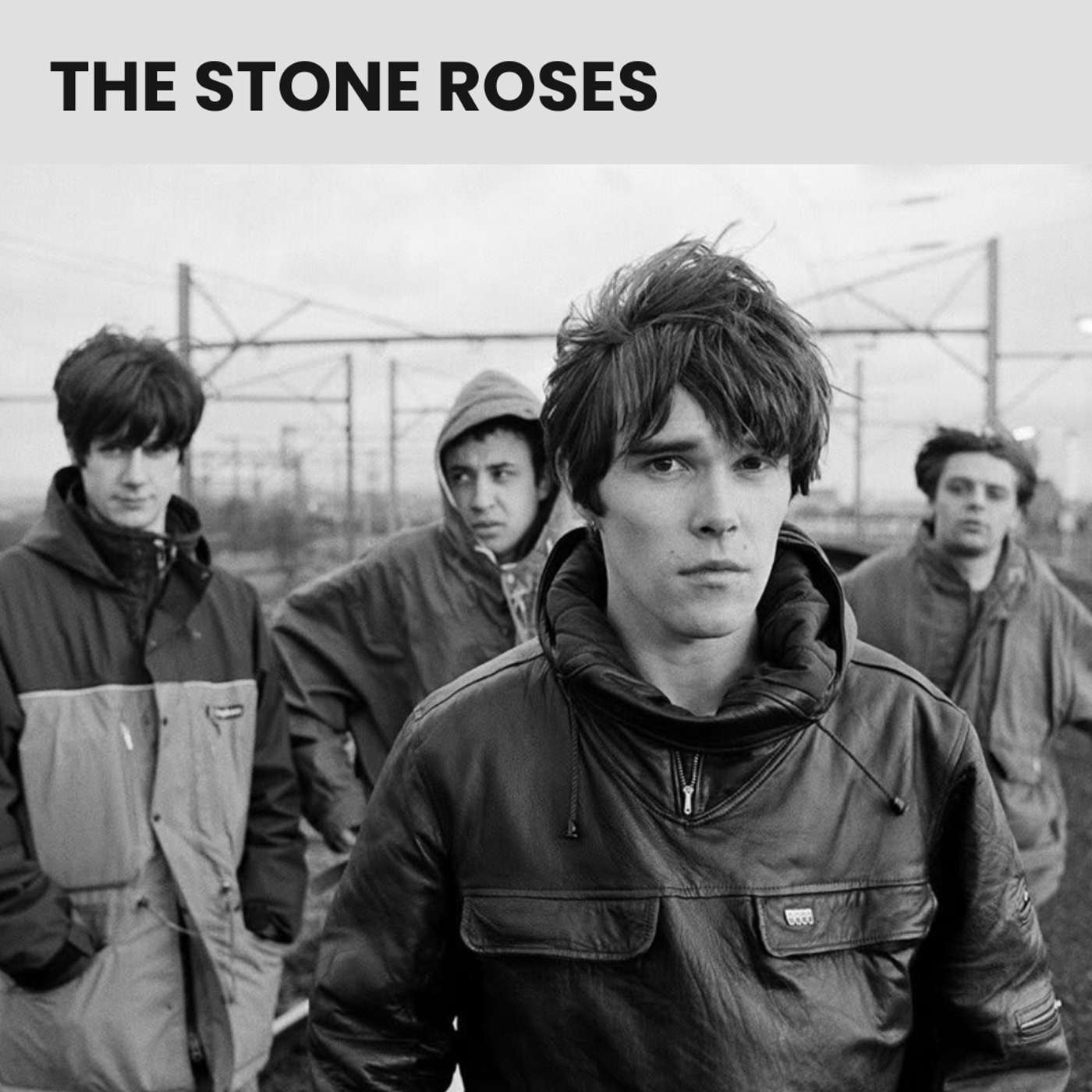
The Stone Roses - A Madchester Icon
The Stone Roses formed in Manchester, England in 1983 and went on to become an iconic figure of the legendary Madchester scene that emerged during the late 80's. Their self-titled debut album of 1989 is considered one of the best albums of the era, influencing both culture and music by the early 90's. This episode tells the story of the early years of the band, the music of the debut album, and the events that followed the release of that classic album.
Feb 27
Introduction to Early Alternative Music
Introduction to our Podcast, Inside the Milky Way - A Look at Early Alternative Music . This episode includes an overview on what our podcast is about, what is early alternative music, the types of episodes we will create, what we will cover in our episodes, and our history of podcasts over the last two years. Our name of our podcast is based on the alternative song from 1988 by The Church, "Under the Milky Way". More episodes coming as we release at least one new episode each week plus some other recently recorded episodes.