August 26, 2025
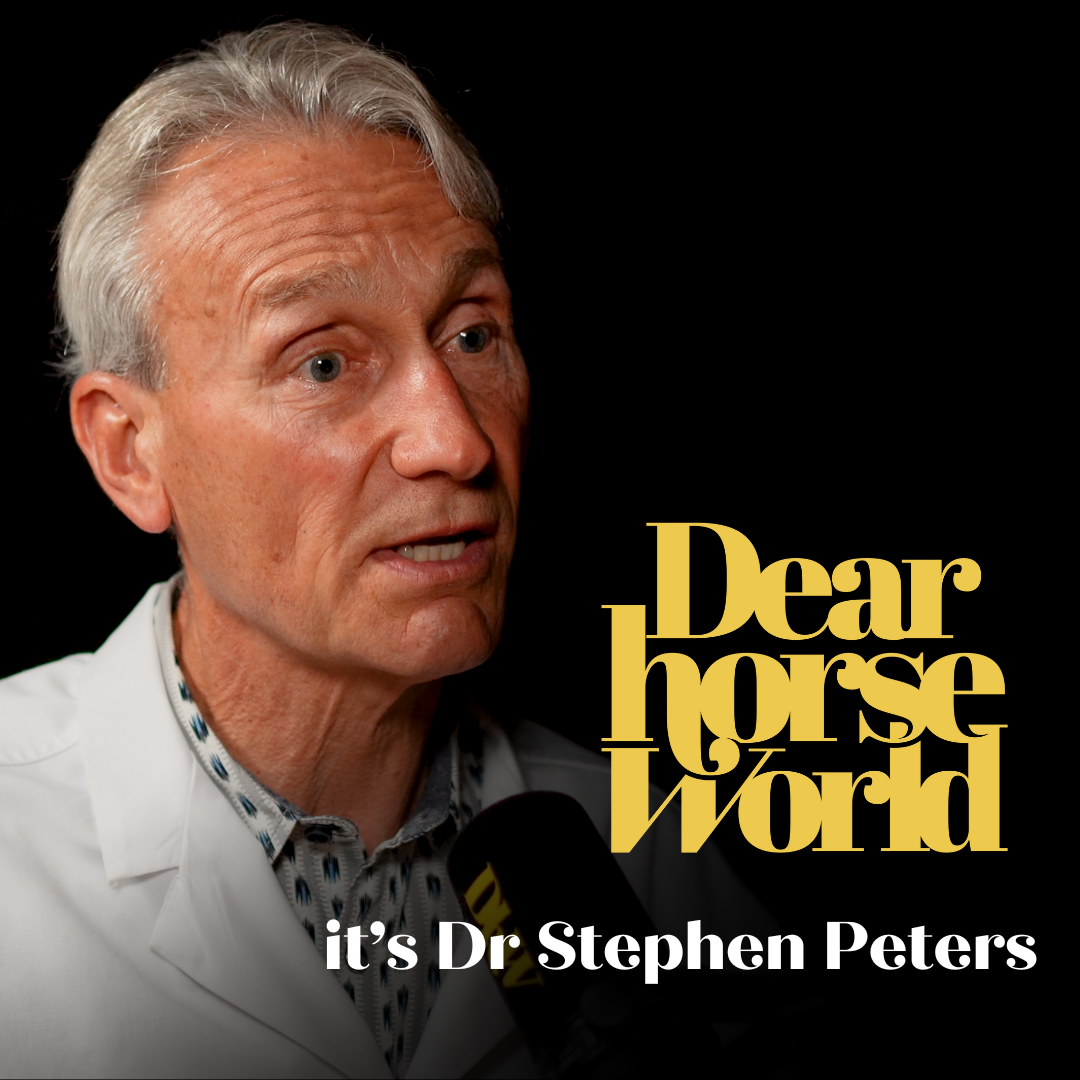
Dear Horse World, It's Dr. Stephen Peters: Evidence-Based Horsemanship & the Equine Mind - Part 2
Dear Horse WorldAbout this episode
Equine Neuroscience in Action: Turning Science into a Stronger Bond In Part 2 of our conversation with Dr. Stephen Peters, we move from theory to application — how to take the neuroscience of learning and connection and put it to work with your horse. We explore: Why drilling a task can reduce dopamine and motivation How reward-based training works at the chemical level — and its limits The difference between externally resourced and internally resourced horses What habits like cribbing reveal about stress and coping How oxytocin withdrawal drives "herd bound" behavior — and how to replace it Why shorter, well-timed training sessions can outperform hours in the saddle How to expand a horse's "window of tolerance" without overwhelming them This is where brain science becomes a practical, humane training advantage — building a smarter, more resilient, and more connected horse. -------------------------------------- If you enjoyed this conversation, don't forget to subscribe, like, and leave a review - it really helps us grow! And for even more expert-led workshops, in-depth courses, and exclusive lectures designed to elevate your riding and horsemanship, visit NoelleFloydPlus.com and use code 'DHW' for 15% off annual memberships! NF+ brings you direct access to top equestrian professionals, training insights, and a passionate community of riders dedicated to learning and improving. And you can follow us on instagram too! Click here 👉 www.instagram.com/dearhorseworld