4d ago
Dexter Gordon Centennial
Celebrating the Centennial of Dexter Gordon on February 27, 2023, WKCR presented a marathon broadcast. From my segment, here’s a detailed survey of Dexter’s early work in the 1940s. About 115 minutes, bookended for casual listening by a potpourri of some 1970s recordings upon his magical return to the US.

Dec 5
Miles Davis 1953-1954
Miles Davis is one of the “superstars” of jazz, a dynamic trumpet master renowned throughout the world for many varied achievements during his decades long career. For this radio program, I isolated a lesser remembered period, to put a sharp focus on his activity during the years 1953 and 1954. Miles Davis was born in Alton, Illinois May 26, 1926. A teenage wunderkind, he arrived in New York in 1945 to play with Charlie Parker and join in forging the nascent bebop movement of modern jazz. By the late 1940's he was working on further innovations such as his creative arrangements for nonet orchestras, later named “The Birth Of The Cool”. In 1949, he was famous enough to be one of the headliners of the International Jazz Festival in Paris, a significant event returning American jazz to Europe in the postwar renewal of the continent. In the legend and lore of Miles’s career, he had a triumphant “comeback” at the 1955 Newport Jazz Festival. This was to be followed soon by major landmarks we all know – the quintet including Red Garland and John Coltrane, Gil Evans orchestras, Kind Of Blue, the 1960's groups with Wayne Shorter, and all the further milestones until his death in 1991. So then, what happened after 1949 that Miles needed a comeback? First, he succumbed to the demons hovering around the jazz world of the time and suffered the scourge of heroin addiction. However, the ravages of his drug use were not so great that it prevented him from performing, and he continued to tour the country and make records with different groups. During this time Miles was in a period not just of personal self-doubt and struggle, but also of re-assessment of his musical conceptions and trumpet tones. By some time in 1953 he had finally beaten the drug addiction, and with recuperation came renewed strength and consolidation of skills. Jazz itself was also going through a period of re-assessment in the early 1950's, on the one hand searching for avenues to take the be-bop breakthroughs to whatever next levels would come, but on the other hand popular musical tastes were changing and rhythm and blues also on the rise. So this is where we find Miles Davis in the early 1950's. He had signed with the young independent jazz label Prestige and starting in 1951 made dozens of records in the 15 or 20 dates he had with them. At first not an exclusive deal, he also had three sessions for Blue Note. Most of these recordings were not by regular working “groups” but amalgamations of those with whom he played regularly – saxophonists such as Sonny Rollins, Jackie McLean and Jimmy Heath, trombonist JJ Johnson, pianists Horace Silver and John Lewis, and drummers Art Blakey and Kenny Clarke, to name a few. These records might also not be as well known in his oeuvre, but they do include some that should be considered classics. Perhaps another reason for their lack of lasting fame is that this was a period when record companies were in the transition to the long playing era, and these discs were originally issued as 78s, 45 EPs, 10" LPs, and other soon to be esoteric formats, and only later reissued in ersatz album groupings. Accordingly, they could not be so coherently known with common monikers so as to fit in a Davis “canon”. With these factors in mind, this program features the years 1953 and 1954, with records such as Kelo and Tempus Fugit, When Lights Are Low and Tune Up, his definitive cool version of Old Devil Moon, the extended performance on Walkin’, and concluding with the legendary tempestuous date with Thelonious Monk, Milt Jackson and the Modern Jazz Giants on Christmas Eve 1954. These 1953-4 records are glorious on their own merit and just as impressive as other Miles Davis offerings. As some have said upon reflection, one might think that the critics who had called 1955 a “comeback” were the ones who had been away, and not Miles. And these recordings are key to study as a preface to the next level that Miles and other jazz artists took the music in the late 1950's. As Dick Katz perceptively wrote about the musicians on Walkin’: “To me they represent a sort of summing up of what had happened musically during the preceding ten years. It’s as if they all agreed to get together to discuss on their instruments what they had learned and unlearned, what elements of bop they had retained or discarded”. originally broadcast December 22, 2019

Nov 30
Gigi Gryce
We celebrate the centennial of Gigi Gryce (Basheer Qusim). Gryce became a leading figure in his brief career in the 1950s. as a saxophonist, composer, arranger, music publisher, and teacher and mentor to many musicians. Gryce was born November 28, 1925 in Pensacola, Florida. His parents owned a clothes cleaning business, but his father died when he was seven. In the midst of the Great Depression, the family lost the business, and his mother raised a large brood of children as a single mother. But there was always music in the home with his various siblings, and Gigi also had a strong high school music education. Drafted into the Navy during World War II, thankfully someone noticed his musical talent. He was eventually assigned to military bands, notably at the Great Lakes Training Station. Discharged from the service after the war, Gryce moved to New England and had serious classical music conservatory training in Hartford and Boston. But upon graduating the conservatory, he moved to New York City and began an intensive career in our jazz fellowship. Gryce had a personal sound on the alto sax, and an organizational ability that had him successfully leading his own bands and consulting with many others in leading theirs. He made some remarkable recordings in his own bands, a group with Art Farmer, and the “Jazz Lab” that he co-led with Donald Byrd. He appeared as a musician and arranger, sometimes both roles at once, in significant projects of the greats such as Clifford Brown, Thelonious Monk, Oscar Pettiford, Max Roach, Dizzy Gillespie, Teddy Charles, Thad Jones, and Benny Golson, to name a few. Gryce composed more than 60 songs, most of which have remained components of our modern jazz repertory to this very day – examples are Minority, Hymn To The Orient, Nica’s Tempo, Reminiscing, Reunion, Social Call, Wildwood, and there are many more. Distressed by the harsh economic realities of the music business and personal issues in the breakup of his family life, Gryce left jazz in the early 1960s. He began a second career as a schoolteacher in New York City Public Schools. He studied for a doctorate in Education at Fordham University, and eventually settled in as a leading educator at PS 53 in the South Bronx. Living under his Muslim name and otherwise drawing no attention to his prior musical life, Qusim became a beloved youth leader in the community. He died in 1983. Upon his passing the school was named for him, and still stands on East 168th Street. originally broadcast November 23, 2025

Nov 24
Coleman Hawkins 2
WKCR presents an annual marathon broadcast celebrating the Coleman Hawkins birthday on November 21. From the 2025 edition here are segments from my contribution -- 60 minutes of a potpourri of Hawkins favorites, followed by a 105 minute survey of his recordings from the period 1945-1949.

Nov 14
Harold Arlen
Five hours of Harold Arlen. This program is one in my occasional series examining the impact of the legendary composers on the jazz repertory, as some of the best in jazz derives from its interpretations of the great American popular songbook, . Harold Arlen was born in 1905 in Buffalo, New York, the son of an orthodox cantor. He began his musical career singing Jewish melodies with his father in the synagogue. Smitten with popular music as a rebellious teenager in the Roaring Twenties, Arlen dropped out of school and began a career as a touring pianist and vocalist in Jazz Age combos. After arriving in New York City, by the early 1930’s he secured work as the arranger for the house band and dancers at the Cotton Club, and he also played blues and jazz piano in small Harlem saloons. Only at this point did Arlen turn his attention to a career composing popular songs for the Broadway stage and Hollywood film musicals. Synthesizing the influences of this varied background, Arlen’s songs are informed by a yearning, spiritual quality, and his musical modes are especially suited for jazz interpretation. Often overshadowed in history by Kern, Gershwin, Rodgers, and the like, nonetheless Arlen is on a par with these giants and his legacy should bear a similar stature. Just a brief sample listing of his songs includes perennials such as Stormy Weather, I’ve Got The World On A String, It’s Only A Paper Moon, That Old Black Magic, One For My Baby, Blues In The Night, and Come Rain Or Come Shine. Not to mention the score for The Wizard Of Oz. This program presents jazz versions of Arlen’s songs featuring many instrumental improvisations by the greats Louis Armstrong, Art Blakey’s Jazz Messengers, and John Coltrane, among others, and less famous recordings as well. With a nod to his lyricists Ted Koehler, Yip Harburg and Johnny Mercer, we sprinkle in some vocal versions by Tony Bennett, Dinah Washington, and more. originally broadcast June 17, 2018

Nov 9
McCoy Tyner Memorial
When McCoy Tyner passed away in March 2020, WKCR responded, as we often do, by pre-empting regular programming to present a memorial tribute, celebrating the legacy with a marathon broadcast of the artist’s music. Here’s segments of my contribution, first about 60 minutes of piano trio recordings, and then a presentation of more than an hour sampling his collaborations in groups with John Coltrane.

Oct 27
Charles Brown
Here’s five hours on blues and jazz singer and pianist Charles Brown. Charles Brown was born September 13, probably 1920 (usually listed 1922), on the gulf coast of Texas and raised by his educated and religious grandparents. He played piano and sang in church, and excelled as a science student. His high school chemistry teacher, who also moonlighted as a musician, took Charles under his wing, and had Charles play piano with his dance band. Brown had academic aspirations and attended Prairie View College. After graduation, Brown worked as a research chemist, eventually in government service for the war. When it was time to actually go in to the armed forces Charles was 4-F for a childhood illness. Instead, he left the science field, and the segregated South Brown decided to try his hand as an entertainer and moved to southern California. The army’s loss was our gain, as Charles blossomed in his musical career. But, in effect, he still contributed to the war effort. During World War II there was a great migration of African-Americans to California, both in the workforce of industrial factories, and servicemen stationed while awaiting shipment to the Pacific. A burgeoning black entertainment scene developed in California to entertain this swelling community. Brown’s first major engagement was at Ivie Anderson’s Chicken Shack in Los Angeles. Soon he teamed up with guitarist Johnny Moore, and they formed a trio emulating Nat King Cole’s group. (Johnny Moore’s brother Oscar was the guitarist with Cole.) Their “Three Blazers” took the elegant sound of the Nat King Cole trio and infused it with a grittier aspect. At the same time, Brown’s mellow vocal style, influenced by idols like Pha Terrell, offered a refined side of blues singing that struck a responsive chord with popular listeners. Charles Brown and Moore’s Three Blazers had monster hits such as “Driftin’ Blues” and “Merry Christmas Baby” in the postwar period. Eventually leaving the group, Brown had continued success as a single for a number of years but drifted in to obscurity. He left a string of now forgotten hit records, but a direct influence acknowledged by singers from Ray Charles onward. In the 1980's Brown was “re-discovered”, becoming a popular attraction at the famous New York nightclub Tramps, featured on an acclaimed PBS documentary, releasing a breakthrough 1986 jazz album “One More For The Road”, and taken on tour by artists like Bonnie Raitt to be exposed to a younger generation. With a base in northern California, and guitarist Danny Caron as musical director with a sympathetic style, Brown had great success once again touring the world and making many fine jazz records for the Muse and Verve labels, until his death in 1999. We will explore Brown’s tasty, often overlooked, jazz piano playing, and his great blues and ballad singing, sampling the recordings from across his career during this five hour radio broadcast. originally broadcast March 1, 2015

Oct 20
Dodo Marmarosa
Five hours on piano legend Dodo Marmarosa! Michael Marmarosa was born on December 12, 1925 to a working class Italian immigrant family in Pittsburgh. Dodo was a childhood nickname, and he began taking serious classical music lessons as a young child. He also befriended slightly older Steel City jazz pianists such as Billy Strayhorn, and especially Erroll Garner. With Garner and other young musicians, he explored their developing mutual jazz interests. As a teenager during the World War II years, Marmarosa had opportunities to begin a professional career performing in popular swing era big bands, eventually gaining recognition with Gene Krupa, Charlie Barnet, and Tommy Dorsey. He had a significant stay with Artie Shaw. When Shaw disbanded in California in 1945, Marmarosa remained in Los Angeles. Establishing himself there, he was “present at the creation” to became THE pianist in the formative years of bebop on the West Coast. Dodo not only “played with” all the greats, but he appears on classic, major, historic recordings of Lester Young, Charlie Parker, Artie Shaw’s Gramercy Five, Lucky Thompson, and Norman Granz “The Jazz Scene”. Marmarosa also delighted in the playground of Slim Gaillard, joining in the fun but also providing luscious piano counterpoint to the jive on many of his records. Marmarosa returned to his native Pittsburgh by 1950, settled down domestically, and played the piano in local clubs and restaurants, away from the national limelight. He never made any more records, other than three isolated, stunning sessions for Argo in Chicago in 1961 & 1962 (only one of which was released at the time). He had retired from professional music by the mid-1970's, but lived quietly until 2002, when he died at the age of 76. Dodo’s piano style is lively and tasty, informed from his swing era beginnings, while his harmonic sense also demonstrates the Romantic classical music roots, as well as the jazz modernism of his time. He is a neglected and overlooked figure in the scope of jazz history, but his piano recordings are daring and fresh, and will surprise and enthrall you. originally broadcast October 12, 2025

Oct 13
Thelonious Monk 3
WKCR presents annual marathon broadcasts to celebrate the October 10 birthday anniversary of Thelonious Monk. Here's my segment form the 2025 edition. This program includes a 2 ½ hour survey focusing on Monk’s association with Riverside Records. It’s bracketed by a couple of potpourri tracks at the start, and some Gigi Gryce collaborations at the finish.

Oct 3
Eddie "Lockjaw" Davis
Eddie “Lockjaw” Davis (1922-1986) was one of the dynamic “tough” tenor saxes on our jazz scene. His full bodied approach was brashly swinging yet could be sensitive and romantic, too. Jaws had a wide ranging career, inspired by the big bands but also coming up at Minton’s and in the be-bop era as well, with an R&B tinge, and later a master of the organ-tenor groove. Always blowin’. This close to five hour program samples highlights of his prolific output, including recordings from the 1940's, organ dates especially with Shirley Scott, Lock’s frequent associations with Count Basie, and his duo tandems with Johnny Griffin, among other goodies. originally broadcast June 25, 2006

Sep 25
Johnny Hartman
Johnny Hartman was the great romantic singer in our jazz universe. More than just a baritone crooner, Hartman could swing hard, and he imparted a wonderful jazz feel to his songs. He sang with precise articulation but also invested the lyrics with deep inner meaning and emotional insight. The suave and debonair Mr. Harman (1923-1983) came up on the Chicago scene. Despite peaks and valleys of popular recognition, and his early death from cancer at age 60, Hartman left behind a wide ranging, timeless body of work that is surveyed in this five hour program. We look at his early days with Earl Hines and Dizzy Gillespie. Next, he was also marketed as a pop balladeer. In the later 1950's he did some wonderful jazz recordings for Bethlehem and then came back in the mid 1960s with more swinging jazz offerings. He spent time in Japan and elsewhere abroad, and had some fallow periods, but in the last few years before his 1983 passing enjoyed renewed appeal. And relax, I haven’t omitted Hartman’s most significant repute - his LP with John Coltrane in 1963. originally broadcast December 11, 2005

Sep 17
Charlie Parker 3
The "Bird-Prez Birthday Broadcast", a 72 hour (and some years longer) marathon celebrating Lester Young and Charlie Parker around their birthday anniversaries, August 27 and August 29, is a long standing tradition at WKCR, and it is among our listeners' favorites. From the 2025 edition, here’s a segment where I presented a survey of Charlie Parker’s collaborations with Dizzy Gillespie. Approximately 2 ½ hours. It’s sandwiched additionally by a few other tracks for general listening.

Sep 10
Wardell Gray
Wardell Gray is a “forgotten tenor”, one of the lost masters of modern jazz. Many critics aptly classify his style with a label of “Easy Swing”. This distinctive feature is a felicitous facility that imparts a rhythmic grace while maintaining an intensive communicative attack that conveys a soulful message. Gray was born in Oklahoma on February 13, 1921 just a few months before the Tulsa massacre, and he lived in the “Deep Deuce” African-American neighborhood of Oklahoma City. His family moved to Detroit when he was nine years old. Gray was raised and came of age in the Motor City. He learned great lessons in his formative years at the legendary Cass Tech High School and as a player in Detroit’s then-vital jazz scene. Gray attracted the attention of Earl Hines, who hired him to be the featured soloist in his big band from 1943-1946. Wardell left Hines to settle in Los Angeles, where he became a pivotal figure in the excitement of post war California jazz, in the raucous jam session development of west coast bebop when Bird was in the air. Gray was often featured in musical battles with his friend Dexter Gordon. Gray’s records with Dexter, “The Chase” and later “The Hunt”, and others, were big sellers and epitomized this excitement, fueling the drives of Jack Kerouac On The Road. By the end of the decade, Gray’s reputation led to his engagement in the bands of Benny Goodman and Count Basie, but perhaps the timing was off – he was with Goodman when Benny attempted to make his band bop-influenced, and Gray’s major accomplishments with Basie were in the brief period when the Count down-sized his big band to an octet. In the late 1940's, Gray also appeared on key sides with Charlie Parker, Fats Navarro, and Tadd Dameron. Later, Wardell made a few small group recordings for Prestige Records, most notably his composition “Twisted” and Art Farmer’s “Farmer’s Market”. With Annie Ross’s hip lyrics, these songs remain a big part of our repertory to this day. In the 1950's Wardell drifted away from major popular attention, but he remained active and was poised for a comeback when Benny Carter hired him to participate in a new band which would integrate the Las Vegas casino entertainment. However, on opening night in July 1955, Gray was killed at the age of 34, and his body found in the Nevada desert, under mysterious circumstances subject to various innuendos and yet to be solved. originally broadcast October 8, 2017; re-broadcast February 14, 2021

Sep 3
Nat King Cole
Before Nat King Cole became “Nat King Cole”, he was a swinging and influential jazz pianist. Additionally, he popularized the innovative format of the piano-guitar-bass trio which heralded an elegant “chamber jazz” style. This program focuses on these jazz sides of his career, as well as recordings made with Lester Young, Harry Sweets Edison, Illinois Jacquet and other jazz greats. But fear not, I’ve kept a batch of shifafa on the side and also include some popular vocals for a fun and easily enjoyable five hour presentation. originally broadcast March 17, 2019

Aug 31
Bird-Prez
The "Bird-Prez Birthday Broadcast", a 72 hour (and some years longer) marathon celebrating Lester Young and Charlie Parker around their birthday anniversaries, August 27 and August 29, is a long standing tradition at WKCR, and it is among our listeners' favorites. On the middle, swing, date, August 28, we play mixtures of Bird and Prez. Here is my segment from the 2025 edition. It starts with an hour of casual listening of 1950's Mercury/Verve recordings of the two saxophonists. Then I discuss the impact of episodes of breakdowns suffered by Charlie Parker and Lester Young, Bird’s commitment to Camarillo Hospital in 1946 and Lester’s treatment at Bellevue in November 1955, and their music upon refreshing recoveries; and finally a 58 minute treasure contrasting recordings of American Popular Songbook items by each, “Oh, Lady Be Good” and many more.

Aug 8
Junior Cook
Herman “Junior” Cook was born on July 22, 1934 in Pensacola, Florida. The tenor saxophonist came of age with the soulful aspects of modern jazz in the late 1950's. Cook’s first major engagement was with the classic Horace Silver Quintet, from 1958-1964. Teaming with trumpeter Blue Mitchell as the front line, Cook contributed to the lasting legacy of the “Horace Silver sound” and the enduring LPs such as “Silver’s Serenade”, “Blowing The Blues Away”, Finger Poppin’”, “Horace-Scope”, “The Tokyo Blues”, and more. After leaving Silver, Cook also appeared together with Mitchell on various records on the Blue Note label. In the 1970's and 1980's, Junior Cook kept the hard-bop flame alive, often in groups co-led with Bill Hardman which performed frequently in New York, and elsewhere. They also made many records on the Muse and Steeplechase labels. Cook was a key figure on the New York scene during this time, and he served as a mentor to many younger musicians. He died of cancer in 1992 at the age of 57. Cook’s tenor saxophone combined a wistful tender lyricism and harmonic grace with the hard driving soulful attack attendant to his genres. His individual sound should have lasting appeal. originally broadcast January 13, 2019; rebroadcast September 12, 2021

Aug 4
Roy Eldridge 2
WKCR has a long standing tradition of celebrating Roy Eldridge, “Little Jazz”, with a marathon 24-hour broadcast tribute every year on the trumpet giant's birthday anniversary, January 30. To close the 2019 edition, I presented a rousing set of highlights of Roy’s career from 1941-1970 for casual listening. It ranges from Gene Krupa and Artie Shaw to the Newport Rebels and The Nifty Cat, with plenty in between. 75 minutes.

Jul 31
Charles Earland
Charles Earland is one of the primary “Hammond Heroes” of the original generation of soulful jazz organists on the B-3. Earland swings brightly with his easy-going, syncopated, dance able rhythms on great pop tunes, but that sets things up for his hard-driving intensity on searing, adventuresome numbers. His dynamic power earned his nickname “The Mighty Burner”. Born in Philadelphia on May 24,1941, Earland originally played the saxophone in Philly and then with Jimmy McGriff’s band for several years. Earland taught himself to play the organ by watching McGriff, and then left that band to start his own career as an organist. He got his major start with Lou Donaldson on Lou’s hot Blue Note recordings in 1968-9. Earland then emerged with his own big hit record of “More Today Than Yesterday” on Prestige in 1970. He had continued great success for many years with compadres ranging from Grover Washington to Houston Person, in jazz, soul, and funk. Earland eventually settled in Chicago. He studied for the ministry, adding spiritual themes to his music while still keeping the torch for great swinging jazz. Earland went on to record many more records for Milestone, Muse and HighNote, and nurtured a touring band with young greats such as Eric Alexander and Jim Rotondi. Earland died from heart failure at the early age of 58 in 1999. originally broadcast July 27, 2025

Jul 16
Sonny Clark
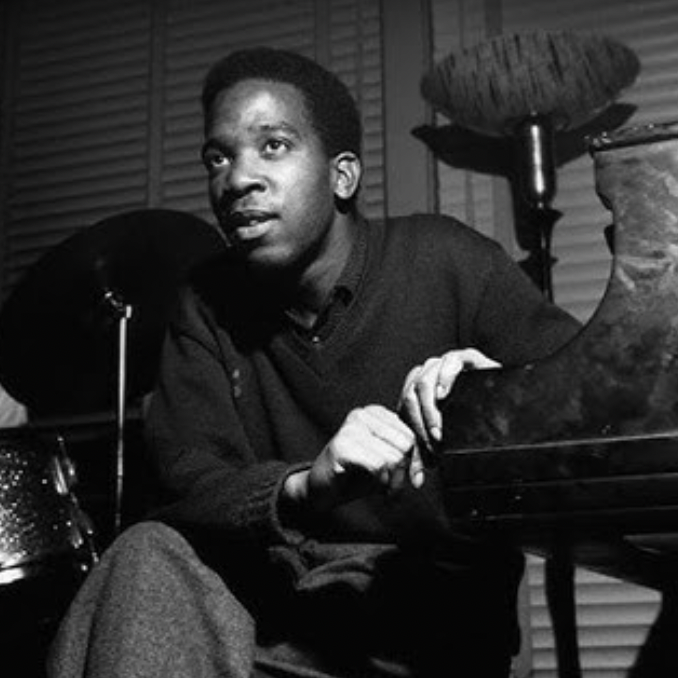
Sonny Clark was a pianist with a bluesy sound combined with crisp and swinging technique. His style also embodied an element of “cool” suited to the modern jazz of his period. As a composer, his songs were angular and sophisticated, but melodic enough to be accessible. Many of his tunes, such as “Sonny’s Crib” and “News For Lulu”, endure in the standard jazz repertory. Conrad Yeatis “Sonny”Clark was born in western Pennsylvania in 1931 and raised in the Pittsburgh area, a hotbed of jazz. After high school, Clark moved to California to begin his career as a professional musician and became active on the West Coast scene. He made his first record with Teddy Charles and Wardell Gray in 1953, and Clark next joined clarinetist Buddy DeFranco’s regular working combo from 1954-56. Clark moved to New York City in 1957, and there he established himself in just a couple of years as a leading pianist, composer, and accompanist in the heyday of the “hard bop” groove. He appeared on numerous records on the Blue Note label, with his relaxed touch inspiring classic sides by the likes of John Coltrane, Hank Mobley and Curtis Fuller, plus his own albums such as “Cool Strutting” which are still best sellers in Japan. Sadly, beset more than others with the ravages of drug addiction, and suffering other health problems, Clark was inactive for a time, but returned to the Blue Note fold in the early 1960's for superb sessions with Grant Green, Dexter Gordon, and others. He eventually succumbed to his ailments and died on January 13, 1963 at the age of 31. originally broadcast June 7, 2015
Jul 7
Louis Armstrong 3
From the 2025 Fourth of July Louis Armstrong traditional WKCR special, here’s a segment starting with 85 minutes or so of a casual listening potpourri of the 1957 Newport Jazz Festival, a Fleischmann’s Yeast radio show, and other diverse goodies, followed by a curated survey of Armstrong’s 1929-1932 OKeh recordings of popular songs, also about 85 minutes’ worth. Oh memory!

Jul 3
Charlie Rouse
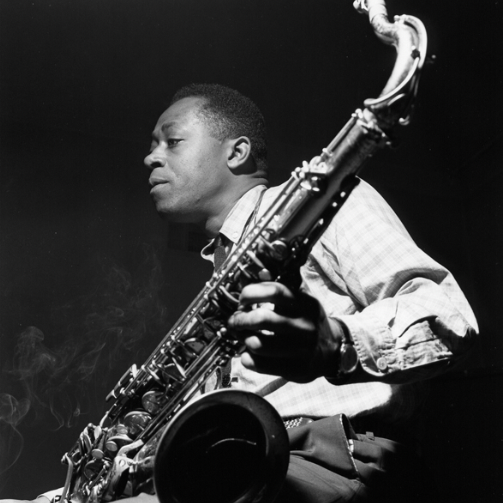
Here’s a five hour treat of Charlie Rouse. Best known for his long association with Thelonious Monk in the 1960's, tenor saxophonist Rouse also had an extensive and varied career in modern jazz. He expressed a tone of warmth and lyrical sensitivity on his horn, which lent a suave element to the rhythmic and harmonic creativity of his performance. Rouse was born in 1924 and raised in Washington, DC. He came of age as bebop began to flower, and made important early records with Tadd Dameron, Fats Navarro and others. Mentored and influenced by Ben Webster, Rouse also played in Dizzy Gillespie’s big band, was a member of Duke Ellington’s organization in the late 1940's, and Count Basie’s Octet. In the 1950's, after engaging in gigs ranging from Clifford Brown to rhythm and blues bands to trombonist Bennie Green, Rouse partnered with the French horn player Julius Watkins to form an adventurous chamber jazz group “Les Jazz Modes”. Rouse joined Monk in 1959 and was in the regular working combo until 1970. Rouse’s style complemented Monk’s ingenuity, and they forged an intuitive collaboration that incisively presented the Thelonious sound. After some time away, Rouse became a significant player on the jazz scene, especially with the cooperative quartet “Sphere” with Kenny Barron, Buster Williams, and Ben Riley in the 1980's. However, stricken with cancer, Rouse died in 1988 at the age of 64. originally broadcast October 16, 2016
Jun 27
Lambert Hendricks & Ross
This program presents the vocal magic of Lambert Hendricks and Ross. Lambert Hendricks and Ross brought the art of ensemble group vocals to a higher level. Bebop singers Dave Lambert, Jon Hendricks and Annie Ross each individually were pioneers of vocalese, the style of writing lyrics to recorded instrumental solos to create new songs. The synergy of the group was even more remarkably creative. Dave Lambert already had What’s This?, Annie Ross had Twisted, and Jon Hendricks had his start with King Pleasure, among other early impacts on the scene. Then Dave and Jon were working on a project of a vocal chorus Basie album when they chose to combine forces with Annie Ross to replace the choir idea with just a trio. Their 1957 LP “Sing A Song Of Basie” was an immediate hit. It was followed by so much further popular success that when signed by Columbia Records it was no exaggeration to be billed “The Hottest New Group in Jazz”, and Hendricks was dubbed “The Poet Laureate Of Jazz”. They swung emphatically, wrote literate and witty lyrics, fluidly blended their ensemble singing, and had distinct, great, individual voices. Their vocalese lyrics to so many other songs of Ellington, Horace Silver, and more, have become classics of the genre. The group stayed together until Annie Ross departed in 1962. LHR left a magnificent legacy that is explored in this five hour presentation. originally broadcast June 22, 2025

Jun 12
Arnett Cobb
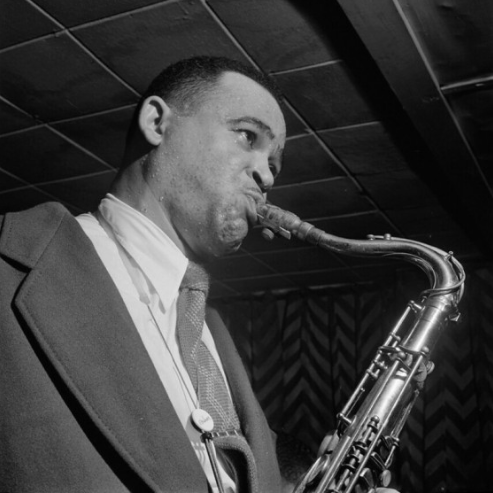
Arnett Cobb was a full-bodied, hard swinging musician with a warm, soulful sound that exemplified the tough, Texas, tenor tradition. During his career, Cobb overcame deep personal setbacks, experiences that lent an emotional insight and intensity to his artistic expression. He was born in Houston, Texas on August 10, 1918 and began playing all sorts of music as a child. Cobb was proficient enough to play professionally in touring bands during summer vacations in high school, in the heart of the Great Depression. Upon graduating high school, Cobb began his career in earnest, notably with the Milt Larkin orchestra, a Texas-based band that was a breeding ground for many great swing and blues musicians. Cobb’s fame grew, but he turned down many job offers from nationally famous bands, preferring to stay with Larkin. By 1942, however, Cobb was impressed to join Lionel Hampton’s organization, taking over Illinois Jacquet’s tenor sax chair. Cobb made his own dynamic impact with Hamp, and bravely recorded his own hit record version dubbed “Flying Home No.2". With the infectious excitement that he conveyed, Cobb became known at times as “The Wild Man Of The Tenor Sax” . After the war, Cobb left Hampton and embarked on his solo career, leading a small combo booked as a national attraction. In that context, he recorded notable records in the jazz and early R&B vein for Apollo, Columbia, and Atlantic Records. He recorded his signature composition “Smooth Sailing” (made even more famous by Ella Fitzgerald’s cover record) and also backed singers such as Eddie Cleanhead Vinson and Ruth Brown. During this period, though, Cobb encountered his first setback, as a childhood spinal injury flared up, necessitating multiple operations and leaving him bedridden for over 15 months. Beginning a new comeback, Cobb was again waylaid when, in 1956, he was severely injured in an automobile accident, that crushed both of his legs. Confined thereafter to braces and crutches that restricted his mobility for the rest of his life, Cobb returned to his native Houston where he ran a nightclub, consulted and did musical arrangements for many young acts, and still played his tenor sax. In 1959 and 1960 he made a series of solid mainstream jazz records for Prestige, but thereafter mostly stayed local. With the traditional jazz revival that began in the early 1970's, Cobb started touring again, managing to make frequent trips to New York and the European continent to perform and record with many old compatriots, a regimen that continued until his death at the age of 70 in 1989. Originally broadcast November 15, 2015; rebroadcast August 1, 2021
Jun 5
Billie Holiday 4
My segment from the 2025 edition of WKCR's annual Billie Holiday birthday special: The first hour is a potpourri of recordings for casual listening pleasure. It’s followed by a two hour presentation of a detailed survey of Billie’s sessions for the Commodore and Decca labels in the 1940s.

May 30
Harold Mabern
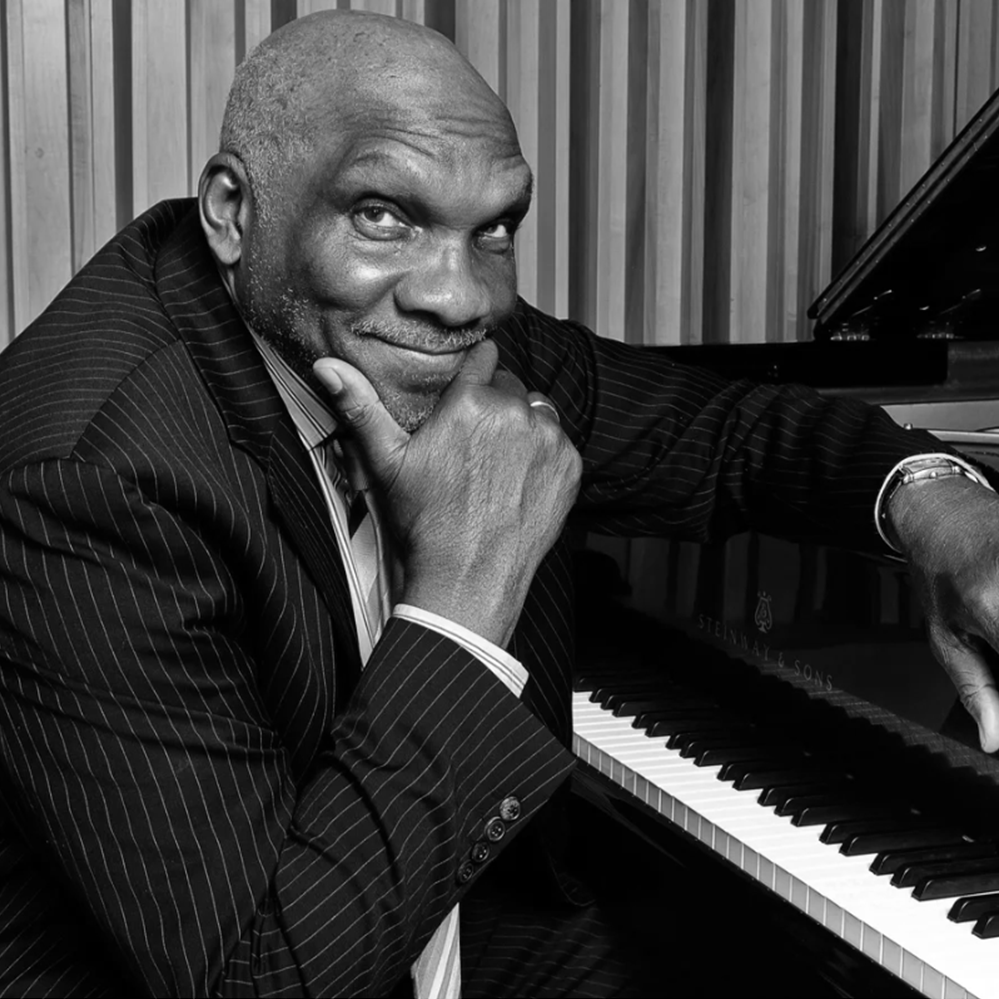
Five hours of the soulful jazz pianist Harold Mabern. Mabern was born March 20, 1936 in Memphis and raised in that Southern town, surrounded by many great young jazz players. Mabern’s own mentor and friend, only a couple of years older, was Phineas Newborn. His schoolmates and lifelong associates included Frank Strozier, George Coleman, and Booker Little. Shaped by the indigenous rhythm and blues and southern soul, this cadre of Memphis musicians brought these influences as another hard driving layer to the vocabulary of modern jazz of the 1950's and 1960's. Mabern moved to Chicago after high school for formal musical training, and with Strozier helped form the group the MJT + 3. Next, Mabern came to New York, making his mark on our jazz scene in the 1960's. He quickly gained national renown, as well. Mabern was an important contributor to groups led by Lee Morgan, Wes Montgomery, The Jazztet, and (briefly, with Coleman) Miles Davis. By the end of the decade “Mabes” was signed to Prestige to lead his own recordings. In addition he served as a sideman on many influential records by Roland Kirk, Hank Mobley, and Freddie Hubbard, to name a few. Moving along in his career, Harold settled in the Brooklyn jazz community. Mabern never sought much fame, but for decades he was an important presence in New York nightclubs and piano rooms, and a leading figure to younger Memphis-ites such as James Williams and Mulgrew Miller. He furthered his influence by teaching at the respected William Paterson College Jazz Program, and Harold also gave less formal lessons through the years, to even younger generations of jazz musicians such as Joe Farnsworth and Eric Alexander. Harold had a highly percussive and driving, swinging attack at the piano, combined with a romantic, sensitive side, that lent great effect to many groups. He also had an encyclopedic knowledge of both the American popular songbook and classic soul music tunes, as well, which he brought to bear on the lyrical and energetic aspects of his performance style. Mabern passed away in 2019 at the age of 83. originally broadcast May 18, 2025
May 25
Duke Ellington 1
WKCR presents a marathon broadcast celebrating Duke Ellington annually, on his birthday anniversary, April 29. From my segment in the 2025 edition, here’s 40 minutes of Ben Webster features with Duke, followed by a two hour set of selections from Ellington in the late 1950s and early 1960s.

May 21
Chu Berry
Although less well known today, tenor saxophonist Leon “Chu” Berry was one of the most vital and vibrant improvising musicians of the Swing Era. He was an innovator and progenitor of modern saxophone styles, cited as an influence by many insiders. Berry was a leading figure in big bands such as Fletcher Henderson’s, and the featured soloist in Cab Calloway’s famous orchestra. Chu also recorded legendary small group sides, accompanied vocalists such as Billie Holiday and Mildred Bailey on some of their classic recordings, and made some key dates with Roy Eldridge, Teddy Wilson and Lionel Hampton. Unfortunately, he died young, from injuries suffered in an automobile accident, at the age of 33, on October 30, 1941. Originally broadcast January 6, 2013; rebroadcast February 21, 2021

May 12
Freddie Redd
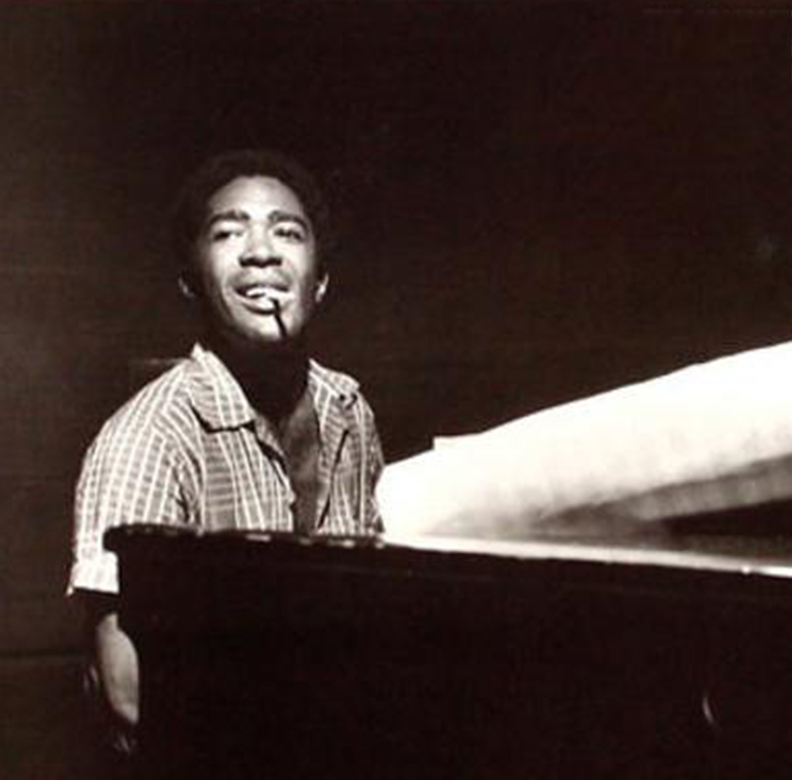
Freddie Redd is perhaps best known for his association with Jack Gelber’s groundbreaking 1959 off-Broadway play “The Connection”. Redd is perhaps least known as an active jazz musician for the following 60 years of his long life. For, he never sought publicity, traveled frequently, and, not favoring the constrictions of the recording studio, did not leave a long discography of commercial recordings. In life, Freddie Redd was a free spirit, and as a musician he possessed an individual sound. His artistry conveyed a story-telling facility, whether in his unique body of compositions or his expressive performance style at the piano. As he came of age is the bebop era, Redd’s sensibility was informed by the youthful excitement he felt with those innovations. Like Monk, Herbie Nichols, Gigi Gryce, or Bud Powell, to name a few, his music at times takes an angular or dissonant turn, only to be grounded, in his essence, with a softer personal lyricism and sensitivity that is all his own. Redd served in the armed forces in the post World War II years and played in musical groups in the service while in Korea. Back home in 1949, he immersed himself in the New York bebop scene. As the 1950's ensued, like many jazz musicians he also played in rhythm and blues bands, with Red Prysock and Cootie Williams among others. By the mid-1950's he was making a jazz name for himself and played on various records (his composition for Joe Roland, “Stairway To The Steinway”, was anthologized). Redd was hired with other American greats by Rolf Ericson for a legendary lengthy tour of Sweden in 1956. Back in the States, he spent time with Charles Mingus and also in the cross cultural Greenwich Village scene with painters and theater folk. The Connection emerged from this scene. Gelber’s verite play observes addicts waiting for the connection to arrive to their loft, and some of whom are jazz musicians who rehearse while waiting. The play was an underground hit, and Redd’s score created the perfect atmosphere for the production, while the music struck a responsive chord with a wider audience. Blue Note Records signed Redd to produce an album of tunes from the show, and followed up with a second recording, Shades Of Redd, even more accomplished, in my view. Redd recorded a third album with Blue Note, but due to differences he had with producer Alfred Lion, it was not released for almost 30 years. As time went on, Redd himself released little music, and his individual spirit led him on many travels, throughout Europe, and also California, staying places for a few years and then moving on. In recent years he was back in the United States, and performed at times at Small’s night club in New York City. In the early 2010's Redd moved to the Baltimore/Washington DC area, where young musicians such as Brad Linde took him under their wing, and vice-versa. Redd then came back to New York, where Chris Byars worked with Redd, writing new arrangements of his tunes, and setting up gigs and recording sessions for him with Steeplechase. Freddie Redd passed away at the age of 92 in 2021. originally broadcast April 27, 2025 For those interested in more details about Redd’s recordings, a couple of years ago I published his Discography, which you can access here: https://jazzdiscography.com/freddie-redd-discography/
May 2
Charles Mingus 1
WKCR presents a marathon broadcast celebrating Charles Mingus annually, on his birthday anniversary, April 22. For my segment on the 2025 edition, I prepared a program first featuring 70 minutes or so of a casual sampling of his classic 1959 recordings, and then followed by a two hour survey of Mingus collaborations with Teddy Charles.

Apr 30
Jimmy Rushing
Jimmy Rushing, “Mr. Five by Five”, was a robust and hearty singer, making full use of his husky frame to deliver lusty presentations whether shouting the blues or imparting his vivacious yet heartfelt style to popular songs. Rushing was born in Oklahoma City to a middle class, musically inclined family, and his development ranged from proper musical lessons to the sounds of the sporting house. He came of age in the 1920's during the flowering of the swinging Southwestern jazz style. Notable bands of the period included Walter Page’s Blue Devils and the Bennie Moten group. These coalesced into the original Count Basie orchestra, with whom Rushing was the featured vocalist from 1936 until the big band’s demise in 1950. Rushing then worked regularly at the Savoy Ballroom until briefly retiring in the mid 1950's. He came back as a freelance attraction, often teaming with fellow Basie-ites such as Buck Clayton and Buddy Tate. Rushing had new life as a regular at the Half Note jazz club in the 1960's, in association with Zoot Sims, Al Cohn and Dave Frishberg. He worked steadily even as failing health curtailed his activities, succumbing to leukemia, dying in June 1972.. originally broadcast November 12, 2017; rebroadcast July 18, 2021

Apr 17
Gene Ammons
Gene Ammons (1925-1974) was a master of the full-bodied deep sound on the tenor saxophone. He was vigorous and free-flowing swinging the blues and presented a luscious and sensuous presentation in his touch on the sensitive standards. We'll be "Hittin" The Jug" with great soul and heartfelt ballads as well, in tribute to the "Boss", hard hitting tenor saxophone who needs to be remembered. This program surveys his career from the Billy Eckstine big band to the Chicago rhythm and blues years in the 40s and 50s, his teamwork with Sonny Stitt, and then his prolific catalog of classic jazz recordings on Prestige. originally broadcast July 22, 2007; rebroadcast February 7, 2021

Apr 11
Blue Mitchell
Blue Mitchell was perhaps the most melodic and lyrical of the coterie of “hard bop” soulful trumpeters, and best known for his work in the classic Horace Silver groups. Richard Mitchell was born in Miami, Florida on March 13, 1930. “Blue” was a childhood nickname that became prescient as he later picked up the horn and became a professional jazz musician. After high school, Mitchell began a career in popular bands such as Paul Williams and Earl Bostic. Brought to the attention of Riverside Records by his old colleague and fellow Floridian Cannonball Adderley, Mitchell appeared on the 1958 album “Portrait of Cannonball”. Riverside Records quickly signed hum to the label, and he recorded as a leader in groupings from small combos to orchestral settings, and as an in-house sideman on many now classic sessions. Next Blue joined Horace Silver’s working band. Together with tenor saxophonist Junior Cook, Mitchell’s trumpet formed the horn section for Silver’s great hits such as Sister Sadie, Cookin’ at the Continental, Blowing The Blues Away, and many more. After leaving Silver, Mitchell recorded many stunning albums as a leader for Blue Note Records in their style throughout the 1960's. With the downturn in jazz popularity in the late ‘60's, Mitchell joined the Ray Charles organization, and then later performed with the blues-rock fusion groups of British music star John Mayall. Mitchell eventually settled in Los Angeles, later in the 1970s worked as the featured soloist in bands backing singers like Tony Bennett and Nancy Wilson, and in jazz combos with friends such as Harold Land. Mitchell died of cancer in 1979 at the age of 49. This five hour program features music from his prolific output on the Riverside and Blue Note labels. originally broadcast September 14, 2014

Apr 4
Billie Holiday 3
For the 2018 Billie Holiday WKCR Birthday Broadcast I had the closing shift. So for a final salvo on a late Saturday night, I put together a group of recordings – Billie with Louis Armstrong, and then representative “hits" from the various stages of her career. I played them with virtually no talk or interruption. A sublime 77 minutes guiding the way towards a velvety, hushed, seductive midnight hour. Here to savor at your own speed, to call on Lady Day for ethereal companionship on a special, or not so special, eve........

Apr 3
Burton Lane
Burton Lane (nee Burton Levy, 1912-1997) was one of the legendary masters of American popular song. Lane’s signature masterpiece was his score for the Broadway musical "Finian's Rainbow", and he also has lasting fame for the show "On A Clear Day You Can See Forever”. Lane was a figure in tin pan alley and Hollywood musicals, as well as the Broadway stage. He was the composer of enduring standards such as "I Hear Music", "Everything I Have Is Yours", "How About You", “Too Late Now”, “The Lady’s In Love With You” and many other great songs. This program presents a discussion surveying Lane's career, and musically features jazz versions of his tunes. It includes recordings from Miles Davis, Sonny Rollins, Stanley Turrentine, Billie Holiday, Dinah Washington and many more. The Lane program is one of a continuing occasional series focusing on the composers of American popular songbook, and their legacy in the modern jazz repertory. originally broadcast July 26, 2009

Mar 26
Etta Jones
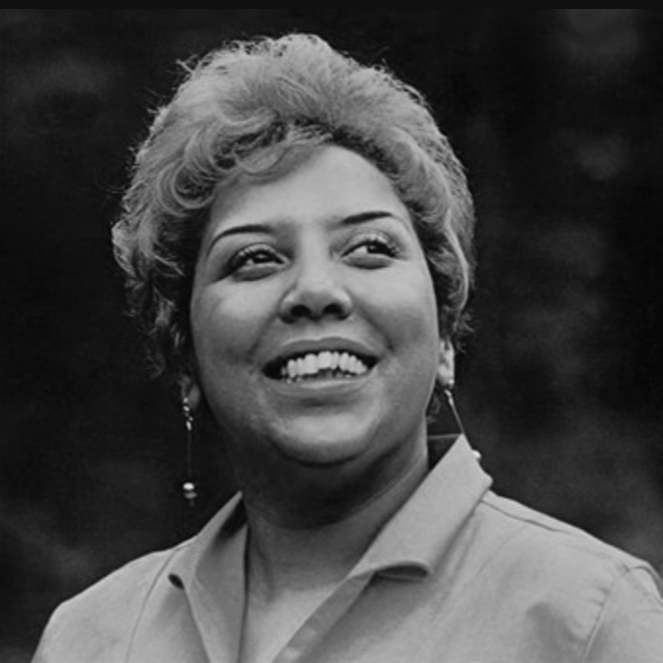
Etta Jones was one of the greatest jazz vocalists in the truest meaning of the word. She sang with a strong personal style, digging deep into the lyrics to reveal their inner meaning and invest them with keen emotion. Etta also swung! She possessed the great rhythmic and improvisational sensitivities of a jazz soloist, and she delivered the blues and the American popular songbook with unmitigatedly raw power. Etta was born in South Carolina but raised in Harlem, New York. She made her first mark as a 15 year old at the Amateur Contest at the Apollo Theater, where she attracted the attention of Buddy Johnson who needed a temporary replacement for his sister Ella. Following that formative early experience, Etta Jones paid her dues in the music business for many years. Etta made her breakthrough with Don’t Go To Strangers, her hit record for Prestige in 1960. After several years of producing more fine records for Prestige, Etta teamed up with tenor saxophonist Houston Person. For over 30 years they toured the country, and the world, and made many recordings, concerts, and nightclub appearances in their sympathetic, soulful manner. originally broadcast March 21, 2010 You may also be interested in my published discography of Etta Jones https://jazzdiscography.com/etta-jones-discography/
Mar 19
Count Basie in the 1950s
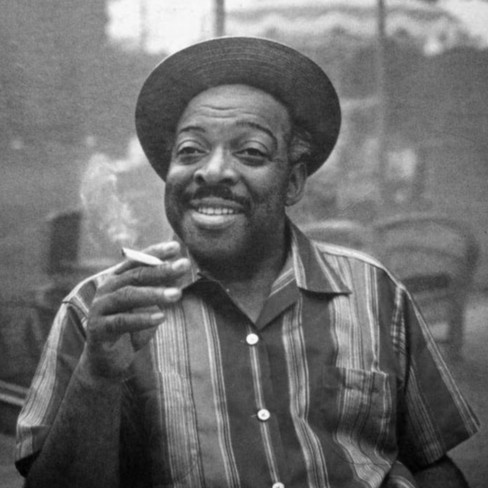
The big band era died out in the post World War II years as musical tastes in both jazz and popular music changed in our culture. As another factor, the economics of the music industry were transformed, making it difficult to sustain the financial footing of a large touring ensemble. Yet Count Basie managed to stem this tide and not only survive, but thrive in this new milieu. First, in 1950 he trimmed his band to an octet for a couple of years, and soloists such as Clark Terry, Buddy DeFranco and Wardell Gray made him successful artistically and allowed him to stay alive financially. Next, Basie developed a different big band concept that was refined and elegant yet maintained the core values of “in the pocket” rhythm and an affinity for dancers It included arrangements by cultivated masters such as Neal Hefti and Ernie Wilkins and a revitalized ensemble of fine musicians and composers. This sound is exemplified by enduring pieces such as “April In Paris”, “Splanky” “Shiny Stockings” and “Corner Pocket”, to name a few. The emerging aggregation was termed the “New Testament” band, to distinguish it from the divine raw power of the original. Basie’s earlier “swinging-est band in the land” was now the “Old Testament”. With recordings for Norman Granz, lengthy engagements at the Birdland nightclub, and national concert tours, Basie gained a new level of popular appeal. The band continued to grow and evolve with the addition of musicians such as Joe Newman, Thad Jones, Al Grey, Frank Foster and Frank Wess. There also were intermittent stays by the robust Eddie Lockjaw Davis. Eventually, Basie further enhanced his presentation with the added flavor of the suave blues vocals of Joe Williams. The band took a further step forward in 1957 as it propelled itself to a more explosive sound while staying within its still graceful outlook and sophisticated arrangements. This was animated by its switch to Roulette Records and their first album there, starkly featuring the mushroom cloud cover photo and title E=MC2. Thus was ushered in what would be called Basie’s “Atomic Period”, lasting through the end of the decade and even into the early 1960s.. Our program surveys these themes and plays representative samples of Basie’s famous, and also less-famous, recordings of the period. originally broadcast March 16, 2025
Mar 8
Jimmy Forrest
This five hour show features the vigorous tenor saxophone of Jimmy Forrest. Forrest was born in 1920 and raised in St. Louis, coming of age in the tail end of the big band era. For a time, he was a major figure both in rhythm and blues and also mainstream jazz. His first key jobs, in the 1940's, were in the orchestras of Jay McShann, Andy Kirk, and, notably, Duke Ellington towards the end of the decade. Forrest made a significant contribution to popular music culture as the composer of the classic rhythm & blues song “NIGHT TRAIN”. His original early 1950's recordings on United of Night Train, along with other R&B songs like “Hey Mrs. Jones” and “Bolo Blues”, became popular hit records. In the late 1950's, Forrest turned his attention back to mainstream jazz, and with his powerful yet sweet tenor sax, he worked regularly in a combo with Harry Sweets Edison, made swinging records as a leader on Prestige, and also in the organ-tenor vein with Brother Jack McDuff. A shy, soft-spoken man, Forrest married late in life and settled in Grand Rapids, Michigan, but from that perch remained active in the musical world. He performed regularly in some of Count Basie’s bands of the 1970's, and also in a small group partnership with trombonist Al Grey. Forrest was among those featured in Bruce Ricker’s iconic, valedictory film, “The Last Of The Blue Devils”. Forrest passed away at the age of 60 in 1980. originally broadcast May 20, 2012

Feb 28
Philly Joe Jones Centennial
WKCR presented a marathon broadcast celebrating the centennial of drummer Philly Joe Jones on July 15, 2023. From my shift, here are segments including a survey of his collaborations with Tadd Dameron, 35 minutes or so sampling of Jones recordings with Elmo Hope, and an obligatory finish with “Blues For Dracula”. For Philly Joe was a child of the night, who made such beautiful music.

Feb 21
Bill Hardman
Bill Hardman was a crisp trumpeter with the brashness and elan of the bebop and hard bop ethos, colored also by a lyrical and even romantic aspect in his tone. While perhaps not achieving tremendous fame, he was a valued figure in our jazz scene of his time. Bill Hardman was born in 1932 (or 33 depending on the source) and raised in Cleveland, where he came up with musicians such as Tadd Dameron. After early professional experience, Hardman moved to New York and fit right in with Charles Mingus Jazz Workshop. He also was in a band with his Mingus-mate Jackie McLean. In late 1956, Hardman [and McLean] joined Art Blakey’s Jazz Messengers, and their edition of the Messengers, sometimes overshadowed in our lore, made numerous recordings through 1957 enshrining the developing hard bop sound. Hardman plied his trade in the 1960's, with notable associations as a member of Lou Donaldson’s groups, and on various occasions he rejoined later incarnations of the Jazz Messengers. In the late 1970's and 1980's Bill was a key figure in the hard bop New York scene, often in a regular working group teamed with tenor saxophonist Junior Cook. In the late 1980's Hardman moved to France and was settling in with his family, but tragically he suffered a cerebral hemorrhage and died in December 1990. originally broadcast February 16, 2025

Feb 17
Paul Quinichette
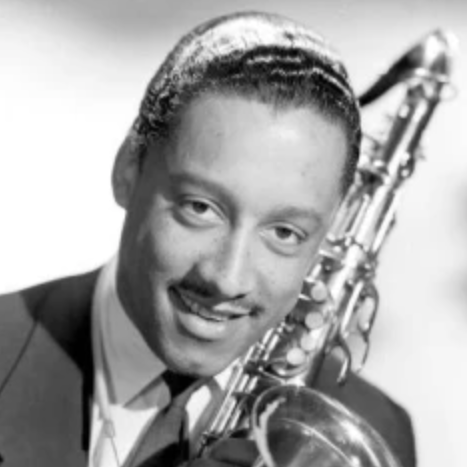
Tenor saxophonist Paul Quinichette was born in Denver in 1921 (some say earlier) and as a youth met his mentor Lester Young. Paul adopted Young’s style, and played the sax with the same creamy, free-flowing, lithe tone, although he also had his own very personal invention and attack. While Paul was college trained, he also was a product of the vernacular western swing tradition. His first major work was with Jay McShann’s big band. Quinichette’s breakthrough came with the Count Basie orchestra, joining in 1951 at the inception of Basie’s “New Testament” band. There he filled the role of principal tenor sax soloist much as Pres, Lester Young, once did, and by then Quinichette fully garnered the loving moniker the “Vice-Pres”. Just as Mercury/Clef was recording Basie’s new ensemble, they also signed up Quinichette to back Dinah Washington on her discs. With Basie’s urging and support, Quinichette was provided several record dates as a leader of small combos, which propelled him to a solo career. Throughout the 1950's, he performed in various settings and made many records as a leader. Quinichette also appeared on albums in blowing sessions with the likes of John Coltrane and Gene Ammons, and he accompanied Billie Holiday and Sarah Vaughan on some of their famous vocal recordings. Beset by health problems, and also the victim of the decline of jazz’s popularity during the rock and roll invasion, Quinichette retired from music in the 1960's and worked as an electrical engineer and television technician. He came back in the 1970's as part of the classic jazz revival scene, performing with Brooks Kerr at Churchill’s, at the West End Café, and with Jay McShann once again, one of the “Last of the Blue Devils”. Quinichette died in 1983. originally broadcast February 16, 2014; re-broadcast July 11. 2021
Feb 3
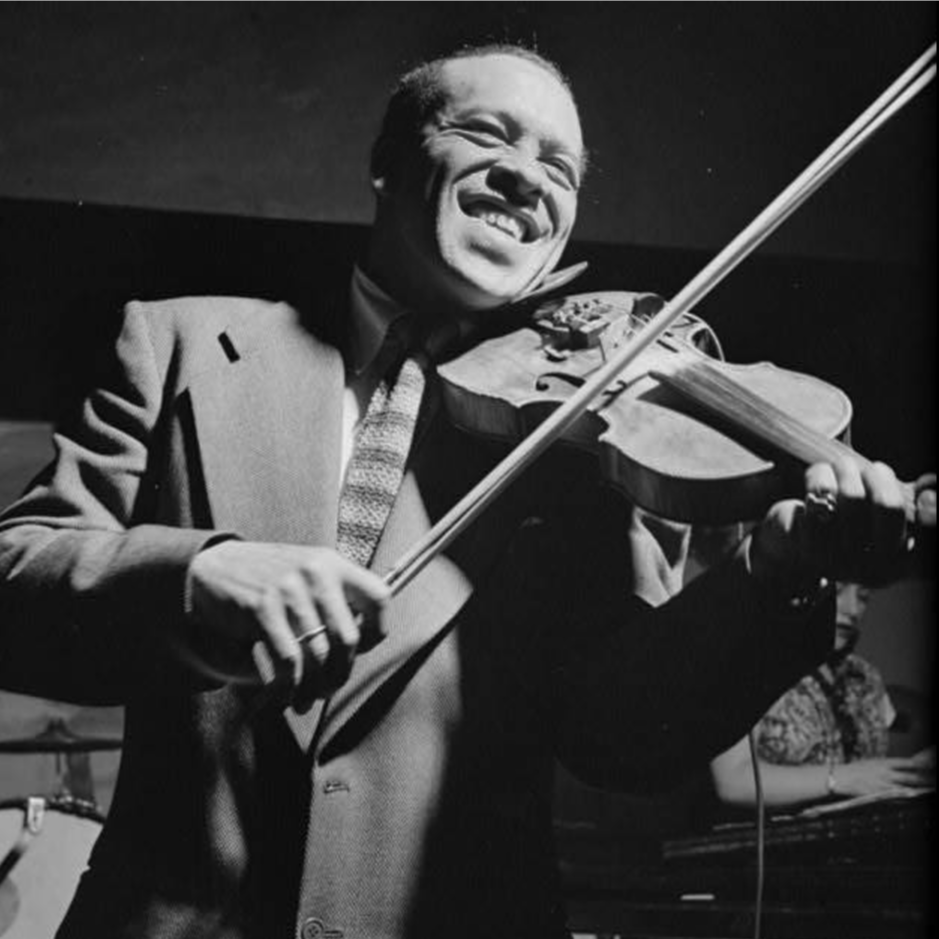
Stuff Smith
Stuff Smith was an innovator of jazz violin and a leading figure of small group combos and jumpin’ entertainment in the 1930's. Stuff Smith derived a deep, driving, sound on his fiddle, with unique voicings, heartfelt tones, and a fluid, driving sense of rhythm and swing that enraptured the soul. He was a dynamic showman, a humorous vocalist with hit novelty songs such as “I’se A Muggin’”, “You’re A Viper”, and “Knock Knock Who’s There”. As his biographer Anthony Barnett has perceptively noted, Smith could fulfill the role of comic jive at the same time as being a serious, investigative musician, just as his hero Louis Armstrong, his pal Fats Waller, and his protégé Dizzy Gillespie, were able to achieve. Hezekiah Leroy Smith was born in Portsmouth, Ohio in 1909 to a middle class black family, his father a barber, mother a teacher, and both musically inclined. “Stuff” was a childhood nickname. His older sister played classical music, but Smith followed his father, who had a band that played for popular local dances. In his early teens he moved to study at Johnson C. Smith University in North Carolina, but with his footloose bent, discarded formal training and left school to go on the road as a professional musician. Stuff’s first major experience was the Alphonso Trent orchestra, a traveling “Territory Band”, in the late 1920's. Settling in Buffalo, New York in 1930, Smith became a leading figure in the local African-American musical and business community, directing bands and nightclubs along with Jimmie Lunceford and Lil Hardin Armstrong. Smith moved to New York City in 1936. Fronting a small combo including Jonah Jones he became an immediate sensation at the Onyx Club on fabled 52nd Street and made hit records. Among other highlights, in the late 1950's Smith joined up with the impresario Norman Granz, who presented Stuff on records with Ella Fitzgerald, Dizzy Gillespie, Oscar Peterson, Stephane Grappelli and the like, and on concert tours with the Jazz At The Philharmonic. Later, Smith took up residence with Joe Bushkin in a storied and sophisticated engagement at the Embers. He then went to Europe, moving to Copenhagen in 1965, with many other American jazz expatriates, and Stuff Smith developed a great following there. However, suffering from various health problems that had lingered, he died shortly after his 58th birthday, on September 25, 1967. originally broadcast December 17, 2017
Feb 2
Sonny Rollins
WKCR presented a special marathon broadcast celebrating the 93rd Birthday of Sonny Rollins on September 7, 2023. I produced this three hour shift. It begins with a close look at Sonny's recordings as a member of the Clifford Brown-Max Roach Quintet, and then some casual sets featuring Rollins on RCA Victor in the 1960's, and Rollins with Thelonious Monk.

Jan 19
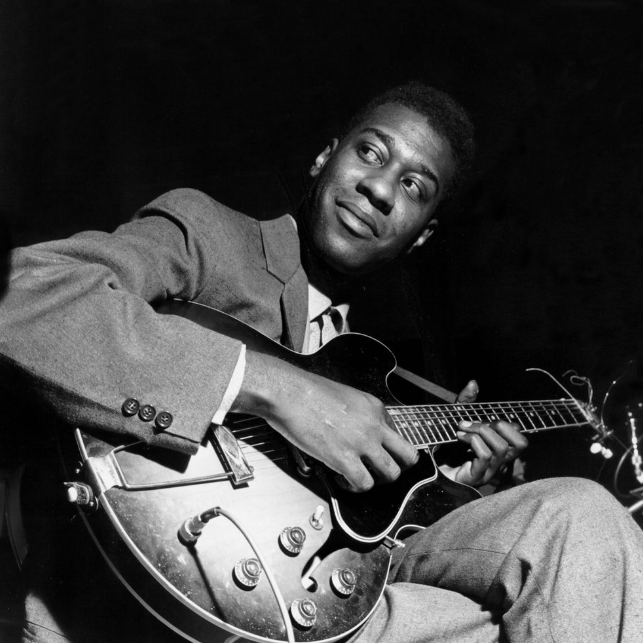
Grant Green
Grant Green was one of the all time greats of jazz guitar. His flame burned brightly for a time, but he is to a certain degree a “forgotten” star. Green’s approach to the guitar was like that of a horn player. He played single note lines that were melodic and improvisational. His playing was free flowing and swung with a soulful spirit and deep grooves. He presented a crisp, uncluttered sound with impeccable phrasing. To top it off, there was a searing intensity to his art. Grant Green was born in St. Louis in 1931 (although many sources say 1935) and came of age playing in jazz and R & B groups, with local players such as Sam Lazar, and Jimmy Forrest, with whom he made his first record, in 1959. He came to the attention of Lou Donaldson, and when Green was encouraged to move to New York, Lou introduced him to Blue Note Records. Grant recorded prolifically for Blue Note. From 1960-1965, Green made over twenty sessions as a leader, but many were not issued during his lifetime. Recordings that are now considered masterpieces were “left in the can” and only posthumously released. These albums included swinging sides with pianists such as Sonny Clark and McCoy Tyner, organ groups with progressive Larry Young and other B-3 players, and classic records such as “Idle Moments” with Joe Henderson, and “Grantstand” with Yusef Lateef. Green also made numerous memorable appearances as a “house guitarist sideman” on discs of all the Blue Note greats. After an absence from the scene in the late 1960's to recuperate from health issues, Green moved to Detroit and from that base re-emerged in 1969 in the funk rock soul-jazz genre, mastering that groove, and for several years he was a sensation in that zeitgeist. However, later in the 1970's he had medical ailments and hospitalizations, and died young in 1979. originally broadcast January 5, 2025
Jan 12
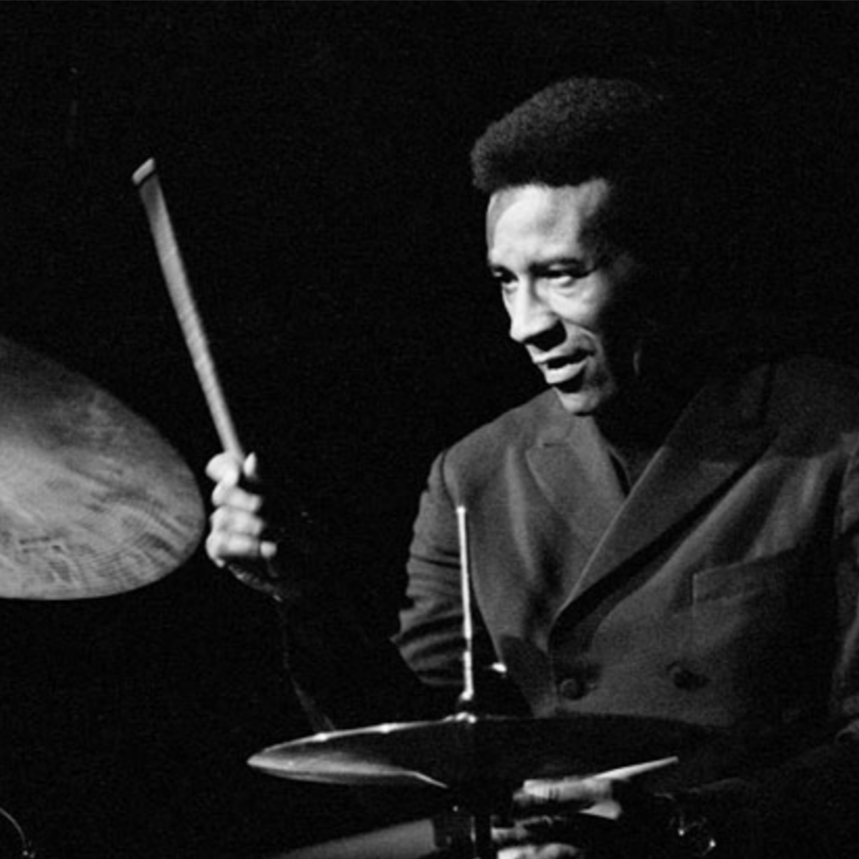
Max Roach 2
WKCR presents a marathon broadcast celebrating Max Roach annually, on his birthday anniversary, January 10. For my segment on the 2025 edition, I prepared a set focusing on Max Roach’s contributions to great piano trio recordings. It includes sessions with Bud Powell, George Wallington, Thelonious Monk, Herbie Nichols, John Dennis, Sonny Clark, Duke Ellington, and the legendary Hasaan. This episode begins with an appetizer of tracks from Brown-Roach and Max’s Quartet with Hank Mobley, then serves the main course of 2 ½ hours of the piano trio sides, and concludes with a dessert cordial of Allan Eager.
Jan 11
Helen Humes
When Billie Holiday left the original Count Basie orchestra in 1938, how could she be replaced, and who could replace her? The musical answer is the incomparable Helen Humes, a major figure in her day but long overlooked. Helen was born in Louisville, Kentucky June 23, 1909 (a date sometimes made younger in press releases and reference books) to a middle class black family, her father a lawyer, just a generation removed from slavery. As a teenager, she already made her name singing in the classic 1920's blues style and waxed popular records for OKeh. After working in banks and law offices, Helen spread her wings and sang with Al Sears in Buffalo, and on the road, where she came to the attention of Basie. For several years in the late 1930's and early 1940's, Helen was the featured female vocalist in the Basie band, sharing the microphone with blues shouter Jimmy Rushing. Helen sang with a fresh and girlish timbre that was playful and endearing, yet she also conveyed the wizened and worldly wise emotions of the blues and popular song book, that enabled her to fill Billie’s shoes. After leaving Basie, Helen established herself in the post war years in Los Angeles as a popular attraction, recording with old jazz friends such as Buck Clayton, Lester Young and Benny Carter. More notably, she became a dynamic star in the burgeoning rhythm and blues field with hits such as “E-Baba-Leba”, “Million Dollar Secret” and “They Raided The Joint”. In the late 1950's, Helen toured Australia with Red Norvo. Upon returning stateside Humes made some stunning recordings of classic standards with the Contemporary label that gave her some acclaim. However, she then retired for many years to care for her elderly parents back in Louisville. Humes made a startling comeback when Stanley Dance presented her at the Newport Jazz Festival in 1973. Concert appearances in Europe, new record contracts, and engagements at Barney Josephson’s The Cookery in Greenwich Village gave that rarest accomplishment, a second act in American arts. Helen died in 1981. originally broadcast July 24, 2016; re-broadcast 2022

Dec 30, 2024
Roy Eldridge 1
WKCR has a long standing tradition of celebrating Roy Eldridge, “Little Jazz”, with a marathon 24-hour broadcast tribute every year on the trumpet giant's birthday anniversary, January 30. Here’s my shift from the 2024 edition. Three and a half hours, comprised of individual segments highlighting Roy’s associations with Oscar Peterson, Mildred Bailey, Tiny Grimes, Billie Holiday, Artie Shaw, Gene Krupa, and the Newport Rebels.

Dec 27, 2024
JR Monterose
JR Monterose possessed a very strong and personal emotional tone on the tenor sax, and he is one of the underrated masters of the modern jazz era. Frank Monterose, Jr. was born in 1927 and raised in Utica, NY. The moniker JR comes not from initials but from being a Jr. but he usually spelled it without punctuation. Monterose started his professional career briefly in the big bands of Buddy Rich and Claude Thornhill. As a young man, he also performed widely in upstate New York in various settings under his own name. Monterose moved to New York City in 1954 where he quickly established himself in the modern jazz scene. He performed with various notable groups and appeared on some seminal recordings of the period. Among his credits are classic albums from stays with Teddy Charles and Charles Mingus, participation in Kenny Dorham’s regular working band “The Jazz Prophets”, and collaborations with Hod O’Brien and Wilbur Ware, among others. In the 1960's, the vagabond Monterose moved on, with stops as a local legend in places like Cedar Rapids, Iowa, on the West Coast, and then many years in European outposts. Monterose returned to the United States in the late 1970's and became a fixture in Albany and elsewhere in upstate New York in venues like the Lark Tavern. He died of cancer in 1993 at the age of 66. This program features major recordings, such as Mingus’s “Pithecanthropus Erectus” Charles’s “Relaxo Abstracto”, and Dorham’s Café Bohemia dates, as well as Monterose’s sides as a leader, ranging from Blue Note in the 1950's, to rarer later discs. originally broadcast March 17, 2024
Dec 18, 2024
Milt Jackson
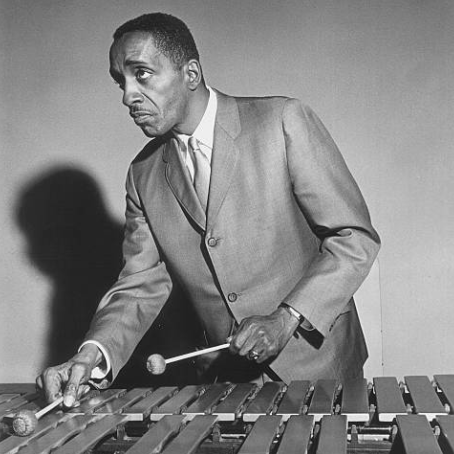
Milt Jackson was one of the all-time jazz greats on the vibraphone. First, he was an innovator bringing this esoteric instrument to the bebop revolution of Dizzy Gillespie and Charlie Parker. Additionally, he possessed superb musicality that added to the popularity of the instrument. Beyond utilizing the percussion role of the vibes, Jackson played with fleet, free flowing lines suitable to modern jazz. He was a master of a soulful, piercing, driving sound. While at slower tempos, with notes elaborated and sustained for romantic effect, he would play ballads or the blues that communicated with the listener to the core. Milt Jackson was born in Detroit on January 1, 1923. His father was an auto worker but also a musician who played several instruments. The family was raised in the gospel church where they all played music. Young Milt exhibited proficient musical talent at an early age, and he played several instruments, including piano, guitar and drums, and also sang. He attended Miller High School which had an excellent music department [in a de facto segregated African American school in Depression era America], and he played these, and other instruments, in their bands. When he was still a teenager, his father bought him a set of vibes. Jackson served in the Armed Forces during World War II, then upon discharge to civilian life in 1944 he began a career as a professional musician in earnest, focusing on the vibes. Jackson drew the attention of Dizzy Gillespie and moved to New York in the fall of 1945 to join the trumpeter’s band. Significantly he joined Dizzy and Charlie Parker on their seminal tour of the West Coast in December 1945. Nicknamed “Bags”, Jackson was ubiquitous during the founding years of bebop, playing not only with Diz, frequently, and Bird, but also most of the other young turks. Bags also had a notable and sympathetic association with Thelonious Monk and appears on many of his early recordings. By the early 1950's Jackson was a star. He served in many small combos, performed frequently, and recorded numerous memorable and swinging recordings as a leader. Additionally, in small groups he teamed up with pianist John Lewis and bassist Percy Heath and drummers first Kenny Clarke, and then Connie Kay, to produce a refined chamber jazz sound in a quartet setting. This eventually became a formal group, the “Modern Jazz Quartet” (MJQ), which transcended musical barriers. With their touch of elegance, the MJQ became an international attraction which toured and performed regularly into the 1970's. Thereafter, Bags renewed pursuit of an individual career, made notable records for CTI and Pablo Records, led his own touring groups often backed by the band of Mike LeDonne, Bob Cranshaw, and Mickey Roker, and reunion appearances with the MJQ. Jackson died of cancer in October 1999 at the age of 76. originally broadcast January 15, 2023
Dec 12, 2024
Donald Byrd with John Coltrane
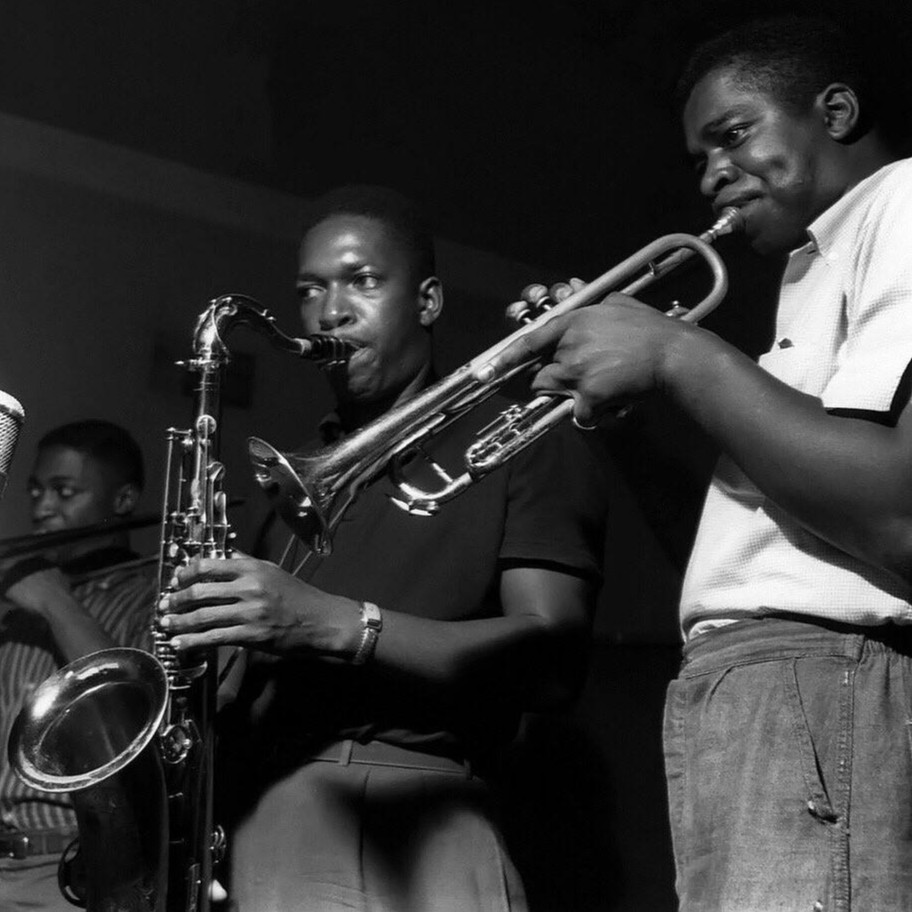
WKCR presented a marathon special broadcast saluting Donald Byrd, in December 2024. For my contribution, I prepared a set surveying Donald Byrd’s intersections with John Coltrane. In the period 1956-1958, only shortly before each in their own way were to burst forth separately to a next level of stardom, Byrd and Coltrane appeared together (though not "in tandem") on several recording sessions. They made dates with Elmo Hope, Paul Chambers, Sonny Clark (the classic LP “Sonny’s Crib”), Art Blakey, and Prestige blowing encounters with Red Garland. All nice listening with wonderful extended solos and prime collaboration. originally broadcast on December 10, 2024
Dec 12, 2024
Jimmy Van Heusen
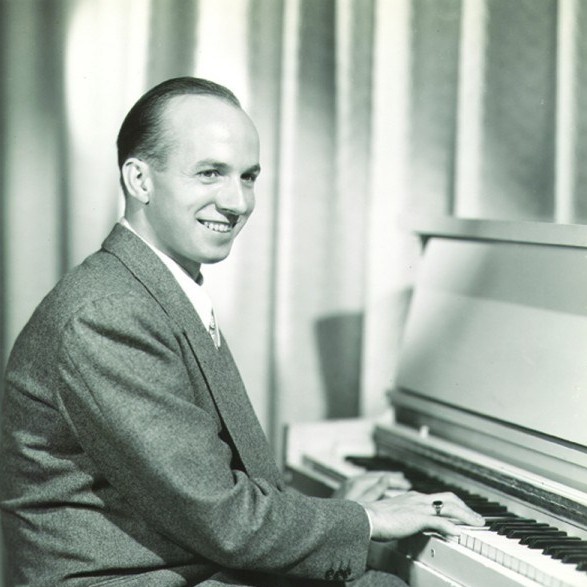
The best in jazz derives from its interpretations of the great American popular songbook, and Jimmy Van Heusen was one of its composer-giants. In 2013, the centennial of Van Heusen’s birth, we added this jazz flavored element to its commemoration. Van Heusen was born in Syracuse, NY on January 26, 1913 as Edward Chester Babcock. He began a musical career in high school and worked as a radio disk jockey, taking the stage name Van Heusen from the shirt company. He moved to New York City in the thirties to start as a professional songwriter, his first major association coming at the Cotton Club, arranged by his friend Harold Arlen. His first big number was “Darn That Dream”, written for Benny Goodman, soon followed by the likes of “All This And Heaven Too”, “Shake Down The Stars” and many other hits. By 1940, Van Heusen teamed with lyricist Johnny Burke and wrote for over 30 films for Paramount Pictures, and also for the Broadway stage. The Burke-Van Heusen partnership lasted well in to the 1950's and produced classics such as “Polka Dots And Moonbeams”, “Imagination”, “But Beautiful”, “It Could Happen To You”, “Here’s That Rainy Day”, and “Like Someone In Love”. After Burke semi-retired, Van Heusen joined forces with Sammy Cahn and continued to write for the movies, with chestnuts like “All The Way”, “The Second Time Around”, “Come Fly With Me”, “Call Me Irresponsible”, and too many more to mention. He became an intimate of Frank Sinatra and was involved in much of Sinatra’s success in this period. Van Heusen died in 1990 at the age of 77. This radio program presents jazz versions of Van Heusen’s songs featuring many instrumental improvisations, and also vocal versions from greats such as Billie Holiday, Dinah Washington and Etta Jones. originally broadcast February 24, 2013
Dec 5, 2024
Art Blakey 1958-1964
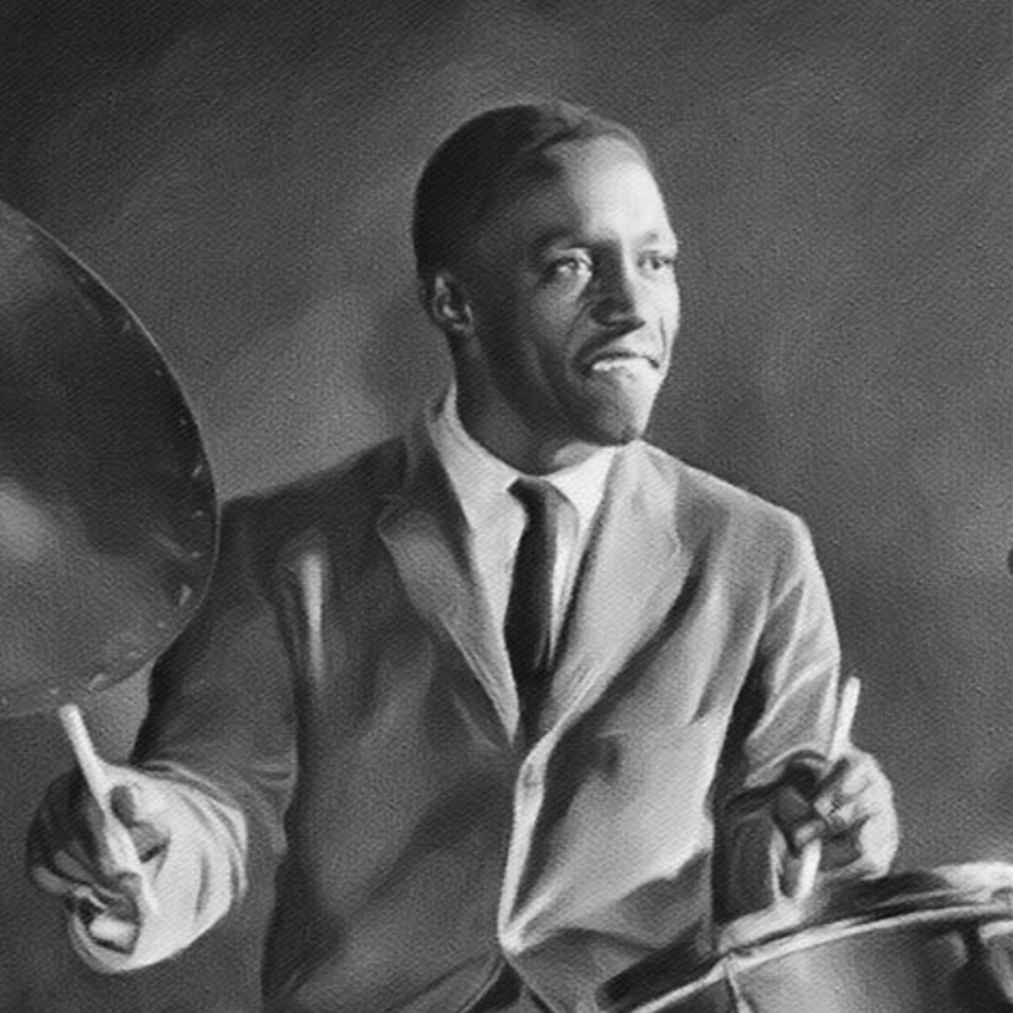
Sid Gribetz features Art Blakey’s Jazz Messengers “From Moanin’ To Kyoto”. Art Blakey is the dynamic drummer and band leader who nurtured many young jazz stars and inculcated the “hard bop” sound in the groups he organized over the many decades of his career until his death in 1990. Even in a five hour program, we will have time to focus only on a limited aspect of Blakey’s prolific career. Thus, we’ve chosen to explore a period of golden flowering of the ensemble, starting with the arrival in 1958 of Benny Golson. Golson organized matters and brought fellow Philadelphians Lee Morgan, Bobby Timmons and Jymie Merritt into the fold; instilled their repertoire with his sophisticated compositions (and Timmons’s, too); and thereby took the Messengers to the “next level”. In the fall of 1958, the group recorded its seminal Blue Note album “Moanin’” and then embarked on an extended European tour which put it on a broader map. Golson would soon leave, eventually to be replaced in the tenor saxophone chair by Wayne Shorter. Shorter and Morgan, with their crackling and crisp virtuosity as soloists, and lyrical song writing and ensemble playing, set another high bar for the Jazz Messengers style. Morgan would depart in 1961 to be replaced by Freddie Hubbard; trombonist Curtis Fuller would be added to make the group a sextet; and Cedar Walton would come on board to take the piano bench. All would contribute their original compositions to the band’s “book”, songs that are now part of the established modern jazz repertory. Additionally, the Jazz Messenger sound turned on their innovative arrangements and creative solos that infused popular standards with fresh, new meaning. Blakey toured Japan to an ecstatic response in January 1961, and returned frequently thereafter. From these trips, he assimilated a Japanese flavor into songs such as Ugetsu, On The Ginza, and Kyoto adding to the scope of the presentation. Thus, I’m entitling the show “From Moanin’ to Kyoto”, as the program will feature classic recordings of Blakey’s Jazz Messengers in this fertile period – late 1958 through 1964 (when “Kyoto”, the last of their Riverside albums, was made). originally broadcast February 18, 2018
Nov 17, 2024
Billie Holiday 2
During the 2019 Billie Holiday WKCR Birthday Broadcast, I put together a segment of an erstaz sampling of live performances, some famous, some obscure, including, among others, Count Basie, Stan Getz, A Yiddishe Momma, and The Sound Of Jazz TV broadcast. A nice listen.... 88 minutes

Nov 15, 2024
Sammy Price
Born in Texas October 6, 1908, Sammy Price began his career as an entertainer on the black vaudeville TOBA circuit as a dancer and singer as well as pianist. He then became a fixture as a pianist in the Southwestern swing and blues jazz scene in Kansas City and its territories in the burgeoning years of jazz in the 1930s. Price moved to New York City in 1938, working for over a decade as the house pianist and musical arranger for Decca Records, appearing on countless classic blues and gospel recordings, ranging from Trixie Smith to Blue Lu Barker to Sister Rosetta Tharpe. Sam also had a chance to present his own jazz groups, including greats such as Sidney Bechet and Lester Young. Additionally, Price brought his brand of boogie woogie and swing piano to the Café Society and similar venues. In the 1950's, Price worked with mainstream jazz groups and in rhythm and blues, and later had a regular partnership with trumpeter Henry “Red” Allen. In the heady 1960's, Price stepped back from his musical activities for a time, becoming a youth counselor and what we today would call a “community organizer”, a leading figure in the Harlem community with organizations such as HARYOU-ACT. With the 1970's revival for classic jazz, Price reinvigorated his music, christened as the “King Of Boogie Woogie”, and he performed regularly at New York clubs such as the Cookery, Crawdaddy, and the West End. He also frequently toured Europe, both as a rollicking solo pianist, or in small combos with old friends. Sammy Price died in 1992 at the age of 83. originally broadcast October 2009

Nov 5, 2024
Houston Person
In jazz history, Houston Person is one the great purveyors of the deep throated tenor saxophone sound --dynamically powerful and swinging, but also sultry, bluesy, sensitive and romantic. Houston Person was born on November 10, 1934 in Florence, South Carolina. He was musically inclined as a child, and then studied at South Carolina State University. After college, Person entered the service and was stationed in West Germany for several years in an Air Force unit that included Cedar Walton, Lex Humphries, and Eddie Harris, among other jazz musicians who became lifelong friends and influences. Upon discharge from the service, Person returned stateside for further studies in graduate school at the prestigious Hartt Institute in Connecticut. Person finally began making his way in the professional jazz world in the Boston/New England area. By the early 1960's he had established his mark and began recording for Prestige Records. Person’s style also fit into the soulful jazz of the period and graces many live bands and recordings in that groove. By the 1970's, Houston met up with the awe-inspiring vocalist Etta Jones, and after some occasional collaborations they started a steady working partnership that lasted until Etta’s death from cancer in 2001. Their musical and personal teamwork and connection was so intense that they were often mistaken as a married couple, and feted as a continued legacy of the Lester Young and Billie Holiday collaboration. Person has a masterful and encyclopedic command of the American popular songbook. He conveys the meanings of these songs, and also the blues, and jazz standards, in a straightforward manner that engages the audience with a direct emotional connection. This style marked his work with Etta, and even more so his continued regular performances with his own combos, or as a guest artist in demand with countless groups. originally broadcast October 27, 2024

Nov 4, 2024
Ike Quebec
Ike Quebec was a deep-toned, dynamic saxophonist, instrumental in both the swing styles and the modern jazz era. Born in Newark, NJ in 1918, Quebec began his artistic career in show business as a dancer, and then a pianist, but during the World War II years he came of age as a saxophonist. Quebec’s early roots were in the swing styles, both as a key member of Cab Calloway’s big band in the 1940's, and as a soloist in small group swing and blues combos. Notably, Ike participated in some seminal Blue Note recording sessions in the early years of the label. Additionally, his artistry was informed by his presence on the Harlem scene during the formative years of modern jazz. In the late 1950's Quebec emerged as an important figure in the jazz business, serving as a talent scout, A & R man, and confidant for Alfred Lion and the Blue Note company during its modern jazz heyday. Starting in 1959, Quebec also recorded for the label himself, presenting classic sessions in organ grooves, hard bop, and bossa nova settings, all characterized by a rich harmonic sophistication and a driving, full-throated, yet graceful saxophone style. Unfortunately, Quebec succumbed to the disease of lung cancer and died at the early age of 44 in 1963. originally broadcast in 2015

Nov 1, 2024
Clifford Brown 1
WKCR presents an annual marathon 24 hour tribute to trumpet virtuoso Clifford Brown on October 30, his birthday anniversary. Here is my segment from the 2024 edition. It begins with a half hour potpourri of Brown recordings. That's followed by a detailed survey of Clifford's first commercial jazz records in 1953, when he flowered on the scene in sessions with Lou Donaldson and Elmo Hope; J.J. Johnson; Tadd Dameron; and his first date as a leader for Blue Note in August. Finally, the survey includes material from the famous February 21, 1954 live recording at Birdland with Art Blakey.

Nov 1, 2024
Buck Clayton
Buck Clayton was a leading trumpeter and arranger of the swing era. Coming of age in the Southwestern Jazz Styles, Clayton moved to Los Angeles as a young man and made his name in the California Jazz circles. In 1934, he assembled a band that moved to Shanghai, China, and brought American Jazz to the Orient. Escaping Shanghai just before the Japanese invasion, Clayton returned to the US and landed in Kansas City, where he joined the nascent Count Basie orchestra. Clayton served as the lead trumpet soloist (and arranger) in the classic original Count Basie band, and also joined Billie Holiday for her great early recordings. Drafted during World War II, Clayton did not serve overseas, but was stationed on army bases in New Jersey. From that perch, he participated in the NY 52nd Street scene and was a major part of the small group swing bands. In the 1950's and 1960's, he toured the US and France with Jazz At The Philharmonic and others, and made key recordings of "Mainstream Jazz". Although physical lip troubles curtailed his trumpet playing, Buck continued his career as a composer and arranger, until his death on 1991. This program was originally aired on May 22, 2011. It celebrated Buck's centennial that year, as he was born November 12, 1911 in Parsons, Kansas.
Oct 16, 2024
Thelonious Monk 2
WKCR presents annual marathon broadcasts to celebrate the October 10 birthday anniversary of Thelonious Monk. Here's my segment form the 2024 edition. It begins with selections from Monk's appearances as a "sideman" on sessions with Clark Terry, Art Blakey & The Jazz Messengers, and Sonny Rollins. Next is a lengthy survey of Monk's recordings for the Blue Note label from 1947-1952, his first record contract and an opportunity to proudly display the initial conceptions of his now legendary original compositions.

Oct 16, 2024
Max Roach 1
WKCR presents a marathon broadcast celebrating Max Roach annually, on his birthday anniversary, January 10. Here's my segment from the 2022 program. The major portion of this episode samples recordings from Debut Records, the independent label owned by Roach and Charles Mingus, and includes material ranging from some esoteric ensembles to the legendary Massey Hall Concert.

Oct 9, 2024
George Wallington
George Wallington was one of the legendary pianists of the bebop era but never achieved great fame. With his early retirement from a musical career, he remains a more obscure figure in jazz history and lore. However, he was an especially swinging pianist and inventive composer who deserves continued attention. Born Giacinto Figlia in Sicily in 1924 (some sources date his birth a little earlier) his family moved to New York when he was an infant, and his father was an opera singer who exposed him to classical music. But when George heard Lester Young and the Count Basie orchestra as a young teen, he was smitten with the expressive and emotional power of jazz. He started playing professionally in New York nightclubs as a youth, using the stage name Wallington (taken from a nickname) and befriended fellow teen musicians such as Max Roach. Wallington was hired by Dizzy Gillespie to play (along with Roach and Oscar Pettiford) in his innovative early bebop band at the Onyx Club in late 1943 and 1944, a seminal event in jazz history. Thereafter, Wallington became a figure on the 52nd Street scene along with Bird, Diz, Miles Davis and all the audacious young jazz musicians of the time. His tunes “Lemon Drop” and “Godchild” became famous bebop anthems popularized in recordings by others. After appearing as a sideman on several records by the likes of Gerry Mulligan, Kai Winding, and Al Cohn, by 1949 Wallington began recording as leader. These albums, especially piano trios playing both his cerebral original compositions and swinging treatments of the American popular song, accompanied by greats such as Roach, Charles Mingus and Curly Russell, remain stunning to listen to and serve as testaments of his musical stature. Wallington was in the famous Lionel Hampton band of young turks that toured Europe in 1953. Later in the 1950's he led jazz combos on the New York scene, including working groups with Jackie McLean, Paul Chambers and Art Taylor, and notably a long running popular band that featured the horns of Donald Byrd and Phil Woods. But it was at this point that he left music and started a successful air conditioning business with his brother (Figlia & Sons). Wallington returned to jazz for occasional brief appearances at concerts in the 1980's, and he passed away in 1993. originally broadcast January 15, 2017
Sep 27, 2024
Lorez Alexandria
Vocalist Lorez Alexandria was a great interpreter of jazz and American popular song. She sang with deeply felt presentation of the lyrics and a style of improvisational freedom and swing. While originally from the church and informed by that soul, she was not a “shouter” or gospel singer. Some records, like her hit version of “Baltimore Oriole”, employed exotic touches, and others had scat interludes. Like the best instrumental soloists, Lorez communicated with the listener and told her song’s story. Not overly famous during her lifetime, she is certainly not well-remembered today. But she deserves to be. Lorez Alexandria (a nickname for Delores Alexandria Turner) was born August 14, 1929 in Chicago, and raised in that city. She sang with family members in church groups and traveling a capella gospel choirs. It is said that her choir once performed for President Truman. As an adult she turned to a professional career in popular song and jazz, and in the 1950's Alexandria was a leading performer in Chicago nightclubs, often in the groups of pianist King Fleming. She also performed with Ramsey Lewis, John Young, and other leading Windy City jazz musicians. In the late 1950's and early 1960's she made seven albums for local independent labels King and Argo which stand up today as classics that should be known (and will be played in depth on our program). In 1962 Alexandria moved to Los Angeles and remained in that city the rest of her life. In 1964 she made two albums for Impulse with Wynton Kelly but mostly remained beneath the major radar. Over the years she recorded with small California labels, not so widely distributed, although one was nominated for a Grammy award. In the late 1980's she began a relationship with the more nationally known Muse Records which helped invigorate her reputation.. However, in 1993 Alexandria suffered a stroke and gradually retired from the music business. She died of kidney disease in 2001. originally broadcast January 12, 2020

Sep 27, 2024
Benny Golson
Benny Golson is one of the great eminences of jazz, best known as a composer of lyrical compositions that have become enduring staples of the modern jazz repertory. A key performer in some of the most important jazz groups of the late 1950's and early 1960's, Golson added an element of elegance and refinement to the hard bop sound. He imposed a steady sophistication and class to the ensemble presentation. Stablemates, Killer Joe, Whisper Not, I Remember Clifford, Along Came Betty, Blues March, Five Spot After Dark, and Are You Real are among the great songs that you’ll recognize during this broadcast and that typify his style. Born January 25, 1929, Golson was raised in Philadelphia and came of age with high school compatriots such as John Coltrane and Jimmy Heath. Initially inspired by Arnett Cobb, Golson began his professional career in the early 1950's in rhythm and blues bands, sharing these chores with many jazz friends such as Tadd Dameron, who influenced Benny’s arranging style. He also traveled with Dizzy Gillespie’s big band. Golson’s major breakthrough came upon joining Art Blakey’s Jazz Messengers in 1958. As arranger and musical director he helped take Blakey’s combo design to the “next level”. Later, together with Art Farmer and Curtis Fuller he founded “The Jazztet”, which was an innovative and popular group that expanded the possibilities of the hard bop ensemble. During this period he also participated in many significant recordings as an instrumentalist and as an arranger in multi-faceted settings. By the late 1960's, Golson left the jazz scene and settled in California where he became a distinctive arranger and orchestrator of major television and movie scores. Returning to jazz during the neo-classic revival period of the 1980's, Golson continued to perform vigorously until his final years. Golson died on September 21, 2024 at the age of 95. Originally broadcast on June 5, 2016

Sep 16, 2024
Coleman Hawkins 1
WKCR presents an annual marathon broadcast celebrating the Coleman Hawkins birthday on November 21. From the 2023 affair, here's a 185 minute long segment. It begins with a brief sample of early 1960's recordings with Duke Ellington, and other mainstream sides. Then the final 149 minutes contains an intensive survey of his career in the period from 1939 through 1944, after his return from Europe. From Body And Soul through the Apollo early bebop date.

Sep 16, 2024
Fats Navarro
In his brief life, Fats Navarro was a fleeting spectacle of brilliance as a leading trumpeter in the history and development of jazz during the bebop years. Nicknamed “Fats” or “Fat Girl” (befitting all in one his avoirdupois, his high pitched voice, and most important his fat musical tone on the trumpet), Theodore Navarro was born on September 23, 1923 in Key West. He played music seriously since childhood, and left Florida after high school to embark on a career as a professional jazz musician in big bands, first gaining notice as a teenager in Andy Kirk’s Clouds Of Joy. Upon the enthusiastic recommendation of Dizzy Gillespie, Navarro was hired to replace Diz in the notorious Billy Eckstine bebop big band in 1945. In the late 1940's Navarro became a leading exponent of the bebop revolution, adding idioms and dialect to the musical language created by Bird and Diz, and, as Dan Morgenstern has written, possessing a beautiful tone, brilliance of execution, solid musicianship, and great powers of invention. Navarro’s brief life ended on July 7, 1950, at the age of 26, succumbing both to a lingering illness with tuberculosis and the ravages of his heroin addiction. Our program will explore his entire musical career, including his seminal recordings with Tadd Dameron, Bud Powell, Kenny Clarke, Coleman Hawkins and other greats. broadcast July 2022
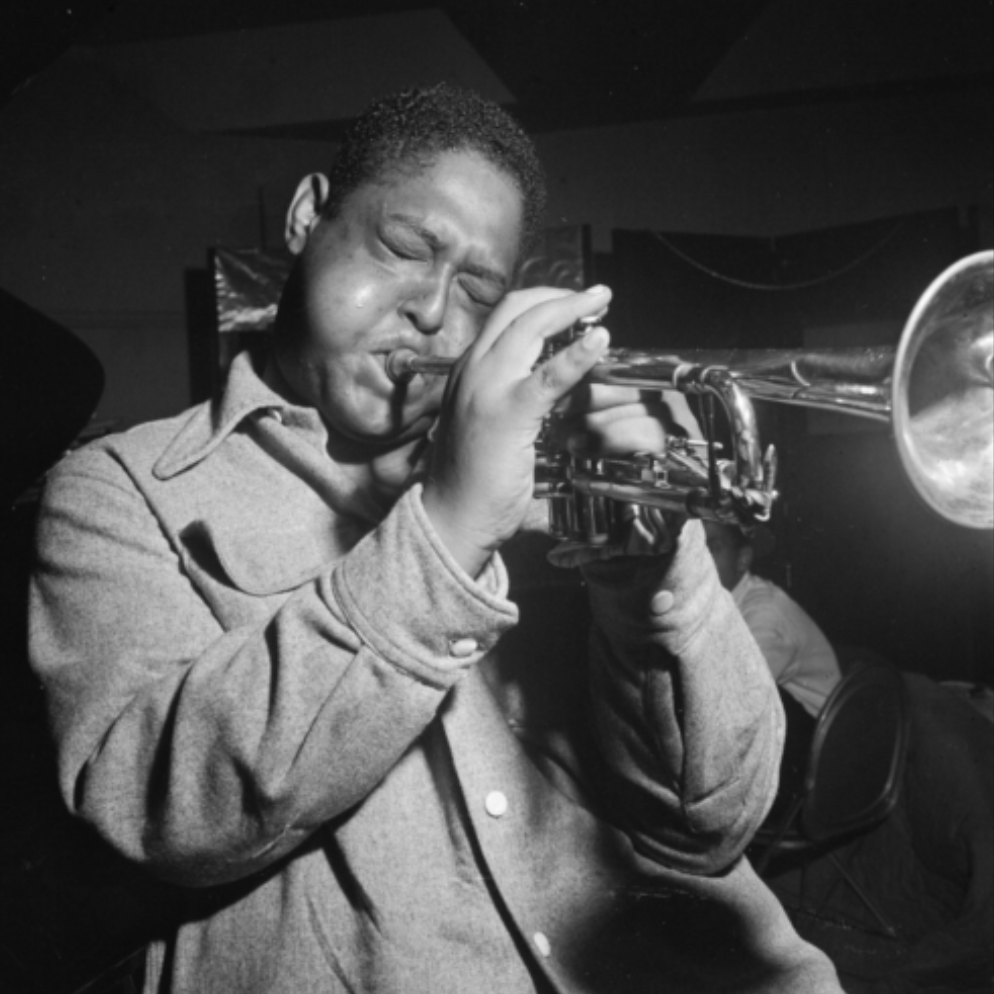
Sep 16, 2024
Dinah Washington
Dinah Washington called herself "The Queen Of The Blues", and she was that, and then some, a larger than life character and a dynamic singer of great jazz, pop, rhythm and blues, and the American Popular Songbook. Born in Tuscaloosa, Alabama and reared in Chicago (as Ruth Jones), influenced by gospel music she began singing professionally as a youth. Lionel Hampton "discovered" her, and she featured in his band for a number of years under the stage name Dinah Washington, before striking out on her own. Dinah brought forth popular "crossover" hit records for Mercury, jazz classics with all the greats, and best selling numbers like "What A Difference A Day Made", whether with jazz combos, big bands, R&B groups, or string orchestras. Married seven times, to among others saxophonist Eddie Chamblee and gridiron great Night Train Lane, she lived a nervy, extravagant life style. On the one hand always informed by her gospel roots, Dinah was transcendent, and she translated her varied popular repertoire into the secular and sexual passion of the blues. Her delivery combined intense feeling with crystal-clear diction so that, as the music poured out, she still seemed in total control, one of the all time best at conveying the heartfelt meaning of song lyrics. A heavy drinker, and overusing prescription diet pills, Dinah died from an accidental overdose on December 14, 1963 at the age of 39. Leaving us even at that young age, she left behind a prolific legacy. We’ll present a representative retrospective look at her career on our program, timed to coincide with celebration of her centennial, as she was born August 29, 1924. originally broadcast September 1, 2024

Sep 6, 2024
Thelonious Monk 1
WKCR presents annual marathon broadcasts to celebrate the October 10 birthday anniversary of Thelonious Monk. From the 2023 edition, here's 205 minutes of a segment I presented. Begins with a potpourri of Monk's music, first some live performances, next piano music, featuring selections from, among other recordings, the French Vogue session, the Duke Ellington album, and the "The Unique Thelonious Monk". The final 123 minutes includes a survey of a less-famous aspect of Monk's career, his recordings for the Prestige label.
Sep 6, 2024
Tadd Dameron
Tadd Dameron was born in Cleveland in 1917 and came of age towards the end of the Swing Era. As the bebop revolution unfolded, Dameron was a key figure as a pianist in various bands, arranger for Dizzy Gillespie and others, and composer of classics such as “Hot House", "If You Could See Me Now", "Our Delight", "Good Bait" and "Lady Bird". He’s been called the romanticist of the bebop era. Certainly his sophisticated musicianship and lyrical touch elevated the harmonic advances of bebop, and his emotive style informed the music of Fats Navarro, Wardell Gray, Clifford Brown and so many others. Additionally, Dameron had the opportunity to present his music in his own medium-sized orchestras. His recording legacy also includes leading sessions with greats like John Coltrane, inter alia. Unfortunately his career was interrupted by narcotics issues and related prison terms, and later cut short by various health problems. Dameron died of cancer in 1965. originally broadcast in 2010
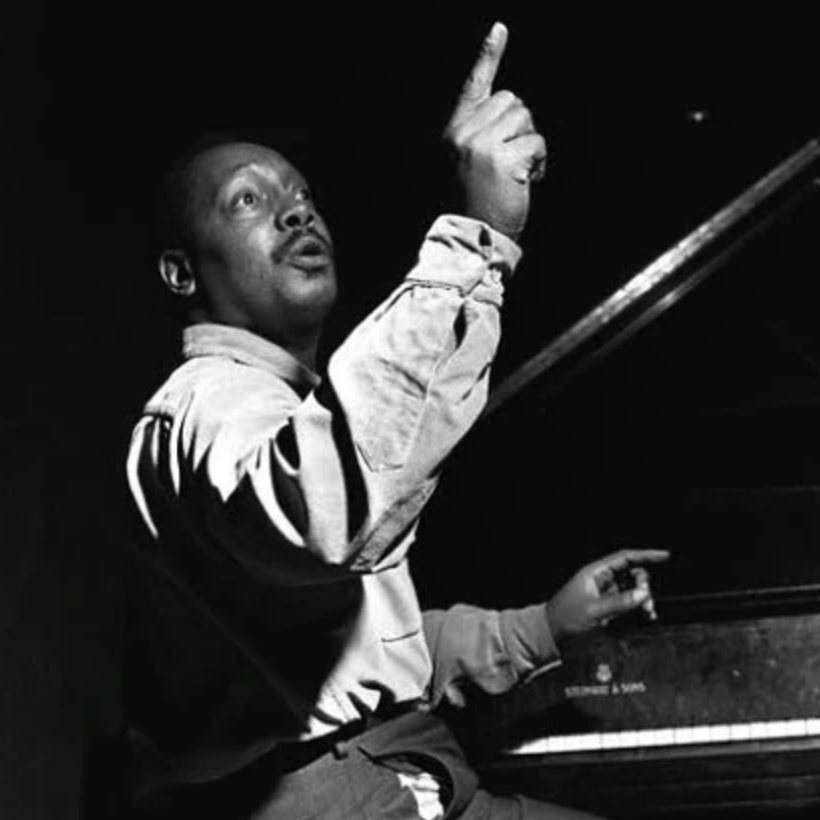
Aug 30, 2024
Lester Young 3
The "Bird-Prez Birthday Broadcast", a 72 hour (and some years longer) marathon celebrating Lester Young and Charlie Parker around their birthday anniversaries, August 27 and August 29, is a long standing tradition at WKCR, and it is among our listeners' favorites. For the 2024 edition, I programmed a set reviewing Lester Young's studio recordings for Norman Granz, on "Verve".

Aug 30, 2024
Eddie Jefferson
Eddie Jefferson was the progenitor of the style known as “vocalese”, the writing of lyrics to the improvised solos on jazz instrumental recordings. Jefferson was born on August 3, 1918 in Pittsburgh. His father was in show business, and Pittsburgh back in the day was a jazz town of vitality. Eddie began professionally as a child in song and dance acts with local friends such as Erroll Garner. As a young man, Eddie plied his trade as a dancer on the traveling black entertainment circuit, working on the same bills opposite jazz greats such as Coleman Hawkins during the “Body And Soul” years. Along with his dance partner Irv Taylor, Jefferson would while away the time on the road listening to songs on a portable record player, and they would conceive lyrics to go along with the soloists on the records, whether of Prez and Herschel Evans and Buddy Tate with Count Basie, or Chu Berry with Cab Calloway, or popular bands. Jefferson was also influenced by the scat singing and surrealism of Leo Watson. The arrival of Charlie Parker and bebop gave another inspiration to Eddie. From this background emerged a new style of jazz singing. Just as the jazz soloist created a new melody in improvising, Jefferson canonized the recorded solos and invested them with fixed life as songs of their own. It is often said that the purpose of the solo is to tell a story. Jefferson’s lyrics interpreted these stories, and also told his own. His experience from the jazz life would be the chronicles he made of “Body and Soul”, “Now’s The Time” or “So What”. Or he would tell his own love stories (“Disappointed”), or spin yarns of fanciful tales turning Lester Young’s version of “It’s Only A Paper Moon” in to a take off of a trip to space on “Come Along With Me”, or reworking “A Night In Tunisia” as an exotic desert fantasy. The first public breakthrough remains the most famous - in 1949, on a visit to Sweden, James Moody recorded a version of the standard “I’m In The Mood For Love” with a stunning improvisation. The record took off in the states, and Eddie Jefferson wrote lyrics that would become “Moody’s Mood For Love” (There I Go, There I Go...). King Pleasure made the first recording of the song, and that immediately put the genre on the map. Annie Ross and others would soon follow. And Eddie Jefferson teamed up with Moody, becoming both the singer with his touring band, and road manager, throughout the 1950's. Meanwhile, groups such as Lambert Hendricks and Ross took up the cudgels, and vocalese became a sensation. But the popularity of jazz faded in the 1960's and Jefferson was forced to support himself outside of music. With the beginnings of a jazz revival in the 1970's Eddie was back. He teamed with the young saxophone player Richie Cole and toured the country, and Eddie was also a big part of the jazz loft scene in Soho and the Bowery in New York City at places like Bond Street and The Tin Palace. Unfortunately, this comeback ended when Eddie was senselessly murdered in 1979, while leaving his performance outside Baker’s Keyboard Lounge in Detroit. originally broadcast in 2017
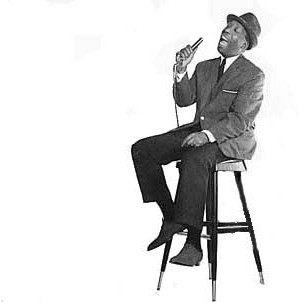
Aug 30, 2024
Charlie Parker 2
The "Bird-Prez Birthday Broadcast", a 72 hour (and some years longer) marathon celebrating Lester Young and Charlie Parker around their birthday anniversaries, August 27 and August 29, is a long standing tradition at WKCR, and it is among our listeners' favorites. From the 2023 edition, I programmed a set which included primarily a look at Bird's studio recordings of 1947, a magical period for bebop.

Aug 30, 2024
Sonny Stitt
Sonny Stitt was one of the greats. Sonny possessed technical skill and fleet mastery as a musician, and he projected a tone full of warmth and human expression. He excelled whether playing bebop, ballads or the blues, “rhythm” pieces or improvisatory excursions in the American popular songbook standards. Edward Boatner, Jr. was born February 2, 1924 in Boston. He came from a musical family, as his father was a composer and college music professor, and his mother a piano teacher. Several siblings had careers in classical music. The family moved to Saginaw, Michigan when he was a toddler, and it was there that he was raised. At some point his parents separated and his mother married a man named Robert Stitt. Edward adopted his stepfather’s surname, and the moniker “Sonny”. Stitt played various instruments from an early age and excelled in school music programs. As a youngster he was attracted to the alto sax and the sound of Johnny Hodges and Benny Carter. As he became a teenager Stitt played in the nascent Michigan jazz scene. After high school, he joined the popular Tiny Bradshaw band. In his travels, Stitt met Charlie Parker in Kansas City in 1943 and became enthralled with Bird’s sound and conception. As the bebop evolution took hold, Stitt was one of the “Unholy Four” in Billy Eckstine’s legendary bop big band sax section. In 1946, when Dizzy Gillespie left Bird behind in California, he hired Stitt to fill Parker’s chair in both small groups and his orchestra. Between his work with Dizzy and other legendary bebop aggregations, Stitt appears on many of the seminal recordings of the late 1940's. In the early 1950's Stitt teamed with Gene Ammons as a proponent of earthy jazz blowing, and he began playing tenor, and sometimes baritone, sax, while also retaining his original alto. Termed by many as a “Lone Wolf”, Stitt had a lengthy career performing in many settings but never his own regular band. Also, for decades he recorded prolifically for many labels, producing a quantitatively amazing discography of artistic fertility, but never a signature “oeuvre”. Among some highlights of later years were organ combos with Don Patterson, experiments with the electric sax during the rock years, a 1960 stay in Miles Davis’s regular group, the Giants of Jazz Tour of the early 1970's, and some mature, critically acclaimed records on the Muse label in the last decade of his life. Stitt died of cancer in 1982 at the age of 58. Too many ignorant critics often criticized Stitt, unfairly and inaccurately, as merely “a Charlie Parker imitator”. And with reference to Stitt's prolific performance output, similar haters also unfairly chastised him as someone who “just mailed it in”. Additionally, he was dogged by substance abuse issues, heroin addiction during the bebop years (which he beat) and then alcohol problems, which detracted from an ability to maintain popular fame. Notwithstanding these hindrances to larger acclaim, the true jazz aficionados acknowledge his mastery, and you should listen closely to his recordings, to recognize that Stitt leaves a worthwhile legacy of touchingly beautiful music. Given the breadth of Stitt’s output, we will only barely sample his career in our five hour show. But those samples I trust will be a meaningful listen and illustrative of his skill. As a final note, this February 2024 show will be an acknowledgment of his centennial.

Aug 20, 2024
Ben Webster In The 1950's
For this program I selected a narrow focus -- Ben Webster's activities in the 1950's. Webster is best known as the tenor saxophone giant from Duke Ellington's famous bands followed up with fame and renown as an ongoing swing legend of the 1940's. In his much later years as a European expatriate, Webster achieved international stardom and respect as an “elder statesman”. But often overlooked were his contributions to jazz during the 1950's. Then in his forties, Webster's maturing artistry reached a level of poetry and grace, which, when matched with his brute force and power, produced some stunning music, if not popular acclaim. Our program will examine this aspect of his career. First up was a return to Kansas City, with Jay McShann and other R&B offerings; next, teaming up in Norman Granz productions for jazz combos with his old swing friends, Oscar Peterson, and sensitive strings; as another highlight, rejoining Billie Holiday to provide necessary support for what were the best of Lady Day’s later recordings; and finally, moving to California, for a triumphant reception at the 1959 Monterrey Jazz Festival, leading to partnerships with blues shouter Jimmy Witherspoon and others. originally broadcast in 2011
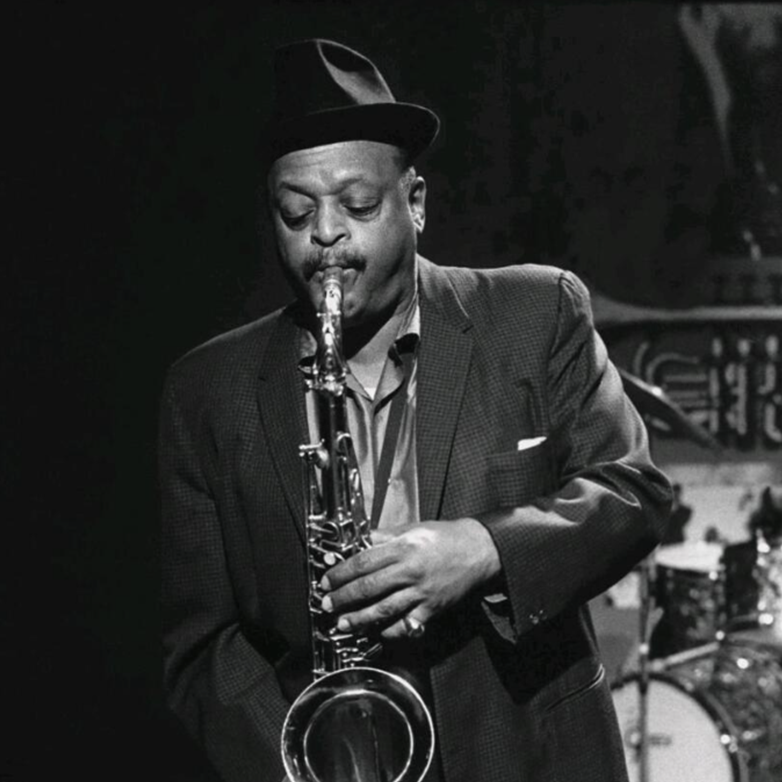
Aug 18, 2024
Lester Young 2
The "Bird-Prez Birthday Broadcast", a 72 hour (and some years longer) marathon celebrating Lester Young and Charlie Parker around their birthday anniversaries, August 27 and August 29, is a long standing tradition at WKCR, and it is among our listeners' favorites. Here's a session that I put together for the 2023 broadcast. Two parts on Lester Young. First a brief random sample of his collaborations with Billie Holiday. Sumptuous. The second part is a more in-depth look at Lester Young's activities in 1943 and 1944, a period often overlooked, as overshadowed by other more popular portions of his career.
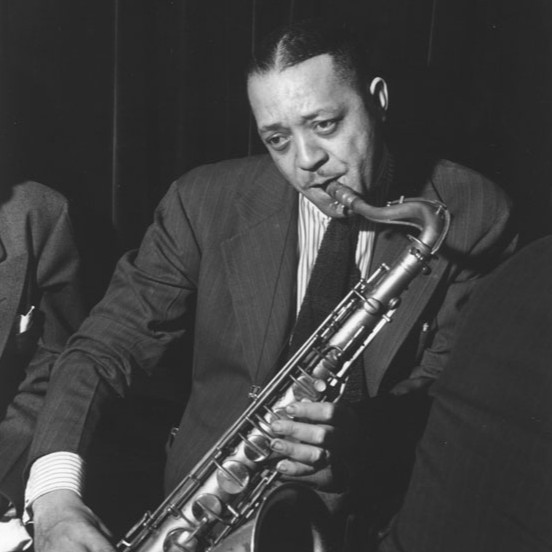
Aug 18, 2024
Charlie Parker 1
The "Bird-Prez Birthday Broadcast", a 72 hour (and some years longer) marathon celebrating Lester Young and Charlie Parker around their birthday anniversaries, August 27 and August 29, is a long standing tradition at WKCR, and it is among our listeners' favorites. Here's a three hour set of mine from the 2021 edition, which includes an 80 minute long segment featuring recordings of Charlie Parker in unconventional large group settings (other than Bird With Strings"), and then samples of some other more standard Bird sessions, including a live set from his perch at the Royal Roost.
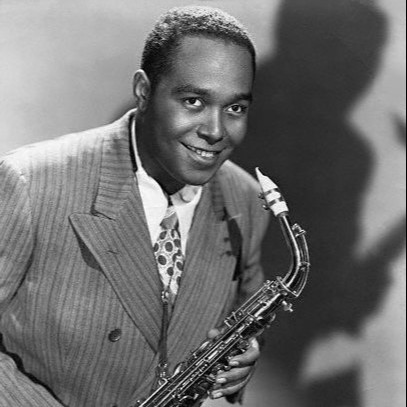
Aug 18, 2024
Lester Young 1
The "Bird-Prez Birthday Broadcast", a 72 hour (and some years longer) marathon celebrating Lester Young and Charlie Parker around their birthday anniversaries, August 27 and August 29, is a long standing tradition at WKCR, and it is among our listeners' favorites. In the 2020 edition of the show, I produced a segment that discussed Lester Young's court martial and confinement in US Army detention barracks towards the end of World War II, and then followed with a lengthy presentation of the recordings, starting with "DB Blues", that he made for the Aladdin label in the post war years. This broadcast also contains an opening sample of Lester's Verve recordings for casual pleasure listening, and after the intensive Aladdin material, concludes with Keynote sides and some Helen Humes and Una Mae Carlisle.
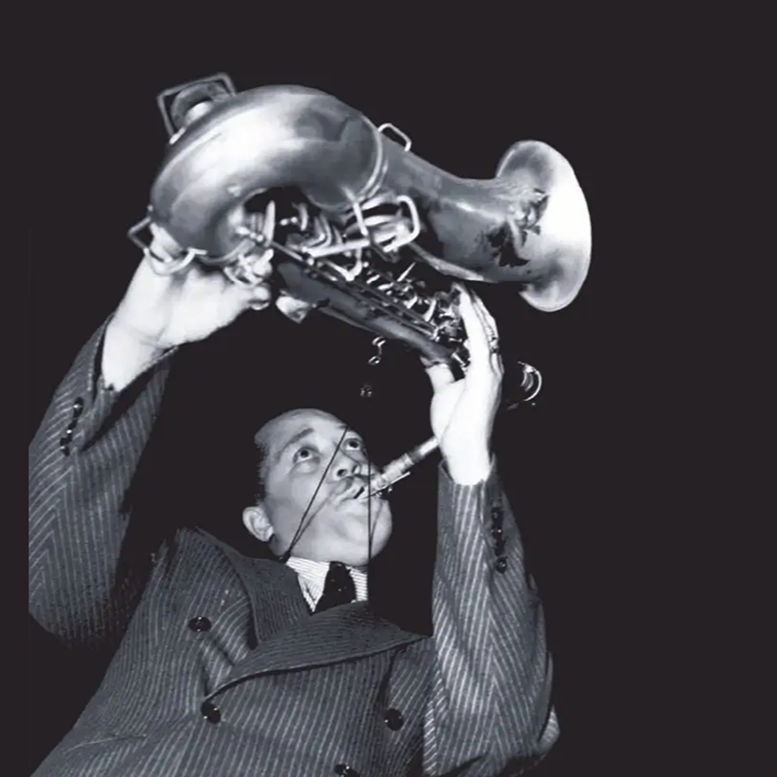
Aug 18, 2024
Sarah Vaughan Centennial
To honor the centennial year of the jazz diva Sarah Vaughan, WKCR produced a multi-day marathon radio broadcast in March 2024. For this broadcast I presented a historical segment focusing on Sarah's beginnings from the 1940s through the early 1950's. This approximately 2 and 1/2 hour podcast concludes with a sample of recordings from later in the 1950's.
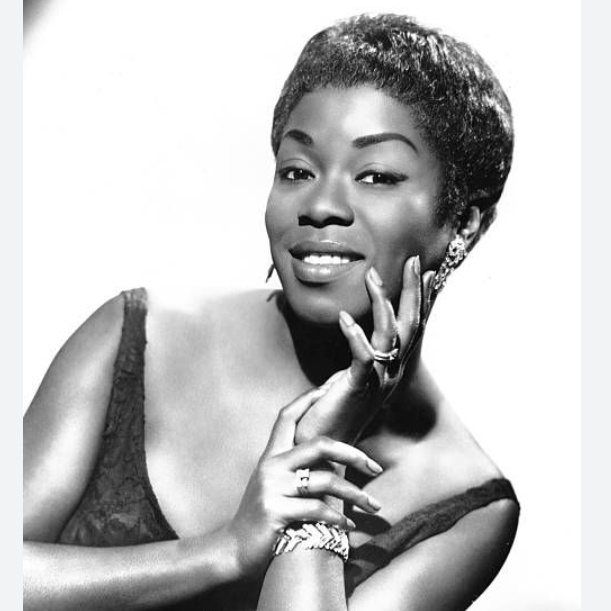
Aug 18, 2024
Illinois Jacquet
Illinois Jacquet is one of the tenor saxophone legends of jazz. Nicknamed “The Beast”, his ferocious, meaty and swinging style set an exemplar for the “tough tenors” to come, while he also had a sensitive side and meaningfully deep and hearty approach on ballads and standards. Most reference works list Illinois Jacquet’s birthday as October 31, 1922, and therefore many have called 2022 his centennial year. However, some researchers have uncovered local records indicating his actual birth date as October 30, 1919. From Broussard in southwestern Louisiana, his family was of Creole origin. All of his siblings were musically inclined. They moved to Houston, Texas when he was a child, but Jacquet also spent summers and vacations with extended family back in Louisiana. Accordingly, he was raised steeped in multiple cultural traditions. Leaving high school early, Jacquet played with the locally prominent Milt Larkin band in Houston. Still a teenager, he and his brother, trumpeter Russell Jacquet, moved to California to escape racism in Texas. Illinois joined Lionel Hampton’s band and gained lasting fame and influence with his dynamic solo on “Flying Home”. Jacquet moved on from Hamp to join Cab Calloway’s orchestra which was prominent in the motion picture “Stormy Weather”. After Calloway, Jacquet was a sensation in the earliest “Jazz At The Philharmonic” concerts and records and appeared along with Lester Young in the film short “Jammin’ The Blues”. His final outside credit in the mid 1940's was as a star (think “The King” and “Mutton Leg”) in what was Prez’s chair in the Count Basie orchestra. By then he was a major attraction famous enough to lead his own bands, produce hit records such as “Robbins’ Nest”, “Jivin’ With Jack The Bellboy”, “Ghost Of A Chance” and “Black Velvet”, tour internationally, and sign with major label Victor. The 1950's included continued success with Jazz At The Philharmonic and Norman Granz recordings. The 1960's and 1970's, while a leaner time for jazz popularity, saw Jacquet frequently tour Europe and Japan and make numerous fine recordings. The 1980's took a different turn as Jacquet was hired to be an “Artist in Residence” and lecturer at Harvard University. Following up on that experience, Illinois re-formed a big band with younger musicians. This group swung to achieve great renown, whether at Lincoln Center, the Village Vanguard, or playing for the swing dance revival. Jacquet lived a full life and died in 2004. originally broadcast November 6, 2022
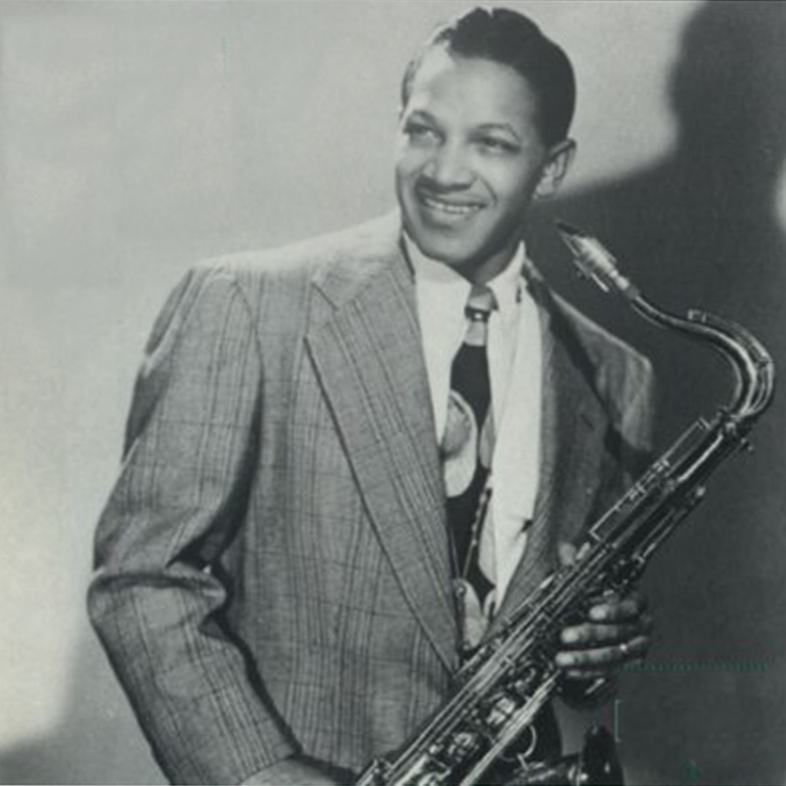
Aug 18, 2024
Jazz And Samba
A celebration of the birth of Jazz and Samba. This program was originally produced by Sid Gribetz in July 2012. The emphasis of the show was the 50th Anniversary of the Bossa Nova craze and the proliferation of jazz records throughout 1962 with the samba influence. On February 13, 1962, Stan Getz and Charlie Byrd met in Washington D.C.’s All Souls Church for a casual record session. The resulting album, “Jazz Samba”, with its single “Desafinado”, became THE big hit record of the summer of 1962 and ignited a bossa nova craze in jazz and popular music. Within months, jazz artists from Coleman Hawkins to Gene Ammons to Cannonball Adderley all recorded samba records, and the wave would crest with several more efforts from Byrd and Getz, culminating with the all time hit “The Girl From Ipanema”. To be sure, for several years before, Gilberto and Jobim and their compatriots had already brought jazz and other outside sensitivities to native Brazilian rhythms to forge the new bossa nova style. The movie Black Orpheus, with its thrilling yet haunting soundtrack was a landmark. Additional early impact was the efforts by musicians such as Bud Shank and Dizzy Gillespie, who had already spread the samba gospel to a wider audience. Charlie Byrd, with his group of bassist Keter Betts and drummer Buddy Deppenschmidt, returned from a winter 1961 State Department tour of South America fully imbued with the bossa nova sound. They imparted their new wisdom on the “Jazz Samba” album, and the fuse was lit. Our radio broadcast celebrated that fabled summer of 1962, when bossa nova was in the air, and we played many of the "jazz and samba" records of that year, for your sultry summer enjoyment.

Jul 26, 2024
Donald Byrd-Pepper Adams
Sid Gribetz presented this program in 2020 exploring the collaborations of Donald Byrd and Pepper Adams. Donald Byrd was one of the all-time greats of modern jazz trumpet, possessed of a fresh, crackling sound and a virtuosity that contributed to a long and successful career in various jazz styles. Pepper Adams, while not as famous as Byrd, was a leading practitioner of the baritone saxophone, playing the otherwise cumbersome instrument with facility, speed, and grace that supported a prolific and varied career in many bands. Since they each had long, individual, histories in our jazz lore, the groups organized in their partnership are often overlooked. The unorthodox trumpet/baritone combination coalesced into an atypical but charming musical blend. Also, both artists were sophisticated composers and arrangers who provided their ensembles with a lush musical palette beyond just the standard repertoire. The partnership lasted between 1958 and 1962, and they would get together to tour and perform around the country in a quintet when not otherwise engaged. Byrd was under contract to Blue Note Records during this period, and under Byrd’s name he and Adams recorded several classic albums, some fleshed out with additional horns. Then, on Adams’s dates with other labels, he, Byrd and their quintet would lay down some great sides. Herbie Hancock got his start as their pianist, and Duke Pearson, Wynton Kelly and Walter Davis, Jr. also worked with them. Byrd and Adams both were products of the vibrant Detroit jazz community. Byrd, born in 1932, attended the legendary Cass Tech High School, and also Wayne State University. He burst on the national scene immediately after his schooling, playing with Yusef Lateef, George Wallington, Horace Silver, Art Blakey and the Jazz Messengers, and Gigi Gryce, just to name a few in his initial years of fame. By 1958, he began a legendary career with Blue Note and star individual appearances, but had time for the group with Adams. Byrd died in 2013 at the age of 80. Park Adams III was born in Detroit in 1930, but his family moved to Rochester, New York when he was a toddler. In grade school, Adams was already a precocious music talent and played professionally. He obtained the nickname Pepper from an affinity for the baseball star Pepper Martin who managed the minor league Rochester team. Adams’s family returned to Detroit in 1946, and as a teenager, he, too, was a participant in the vital Detroit post war jazz scene. By his early 20's, Adams established himself as a leading jazz professional baritone sax player. He had a long career beyond the work with Byrd, such as later combos with Thad Jones, and the Thad Jones-Mel Lewis Orchestra, among other credits. Adams suffered a debilitating leg injury in a car accident in 1983, but persevered until he died of cancer in 1986. The music they made had a certain spark and magic. Byrd, while a brash and bravura trumpeter, also had a side that was gentle and melodic. While the modern jazz baritone sax in the 1950's was thought of as a cool, slippery instrument, Adams instead had a slashing, knife-like attack that brought excitement. But he too also had lyrical and sensitive aspects to his musicality. The Byrd/Adams partnership combined all these simpatico elements, and also a successful blend of the African American Byrd and Caucasian Adams co-leading a group on the bandstand.
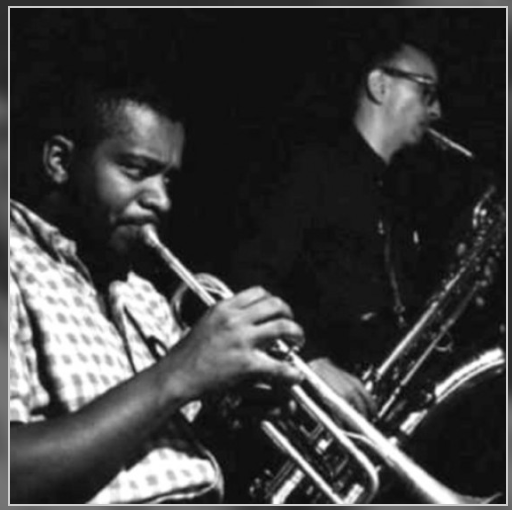
Jul 26, 2024
Oscar Pettiford
Oscar Pettiford was one of the leading innovative jazz bass players who came of age during the bebop era. He unleashed a sense of dynamic swing that set the standard influencing bass styles to this very day, and his lyrical, free flowing solos on bass, and later in his career on pizzicato cello, have lasting beauty that transcends the conventions of these instruments. Also, Pettiford was significant as a composer of songs still prevalent in the modern jazz repertory - Bohemia After Dark, Swingin’ Till The Girls Come Home, The Pendulum At Falcon’s Lair, The Gentle Art of Love, Blues In The Closet, and Tricotism, to name a few. Pettiford was also a band leader and arranger conversant with the most advanced sophisticated styles, and also some third stream touches, in the 1950's. Oscar Pettiford has a fascinating biography. He was born September 30, 1922 on a reservation in Oklahoma. His mother was Native American, and his father Harry “Doc” Pettiford was African-American also with some Cherokee roots in his family. The family moved to Minneapolis when Oscar was very young. His father was a veterinarian but also musically inclined. Doc Pettiford formed a family band with Oscar and several siblings, all skilled on multiple instruments, and successfully barnstormed and toured the midwest and south for many years. By the time Oscar was a teenager, he settled on the bass as his instrument of choice. Still underage, he left the family and formed his own band which performed in Minneapolis nightclubs and after hours joints. Pettiford developed a reputation that was fortified with notice from major musicians who passed through town, such as Milt Hinton, Charlie Christian and Howard McGhee. Eventually, by 1940 or 41, music business was slow in Minnesota and Pettiford was disheartened. He retired from music and began working in an armaments factory. However, McGhee looked him up and introduced him to the popular swing band leader Charlie Barnet, who was in need of another bassist and hired him. After several months with Barnet, Pettiford made it to New York and immediately established himself at the highest level. Pettiford joined Thelonious Monk in the house band at the legendary Minton’s Playhouse. Next Roy Eldridge hired him to work on 52nd Street, where he also drew the attention of Coleman Hawkins, who used him on several famous recording sessions that included extended bass solos of astonishing power. Our story is still only in 1944. At the incredibly young age of 21 and 22, Pettiford was leading his own group at the Onyx Club where he and Dizzy Gillespie then teamed up to jointly lead a band which most jazz historians consider to be the first regularly working bebop band. Oscar and Diz split due to a personality conflict, but not before Pettiford appeared on some of the very first legendary bebop recordings. Among his continuing experience, another milepost was a long stint in the late 1940's with Duke Ellington’s orchestra. Pettiford’s next break came in 1949, when he fractured his arm in an injury in a softball game. During his lengthy rehabilitation, Oscar found it difficult to manipulate the heavy double bass, so he picked up the cello and utilized it as a jazz instrument. While he later returned to the bass, Pettiford regularly used the cello for swinging pizzicato solos during performances. Pettiford’s musicality shone prominently in the cello’s higher timbre. His use of the cello was unique at the time and still influential years later. In the 1950's Pettiford was a major figure in jazz. He worked prolifically and appeared on what are now major recordings in our canon with the likes of Miles Davis, Thelonious Monk, Charles Mingus, Sonny Rollins, and many others. In the late 1950's he became house bassist at the famous Café Bohemia. Additionally, he led small groups and his own big band with colleagues such as Lucky Thompson, Gigi Gryce and Dick Katz, playing original compositions and innovative, sophisticated arrangements. In 1958, Pettiford moved to Europe and eventually settled in Copenhagen where he became a leading figure performing with other expatriate Americans and also leading European musicians. One night in 1960, he fell ill during a show and was taken to a Danish hospital. He developed paralysis type symptoms in his spine and fell into a coma and died a few days later, on September 8, 1960, at the age of 37. Doctors at the time labeled the cause of death a “polio-like virus“, but more probably it was the lingering effects from injuries suffered in a major automobile accident several months earlier. Originally broadcast December 4, 2022.
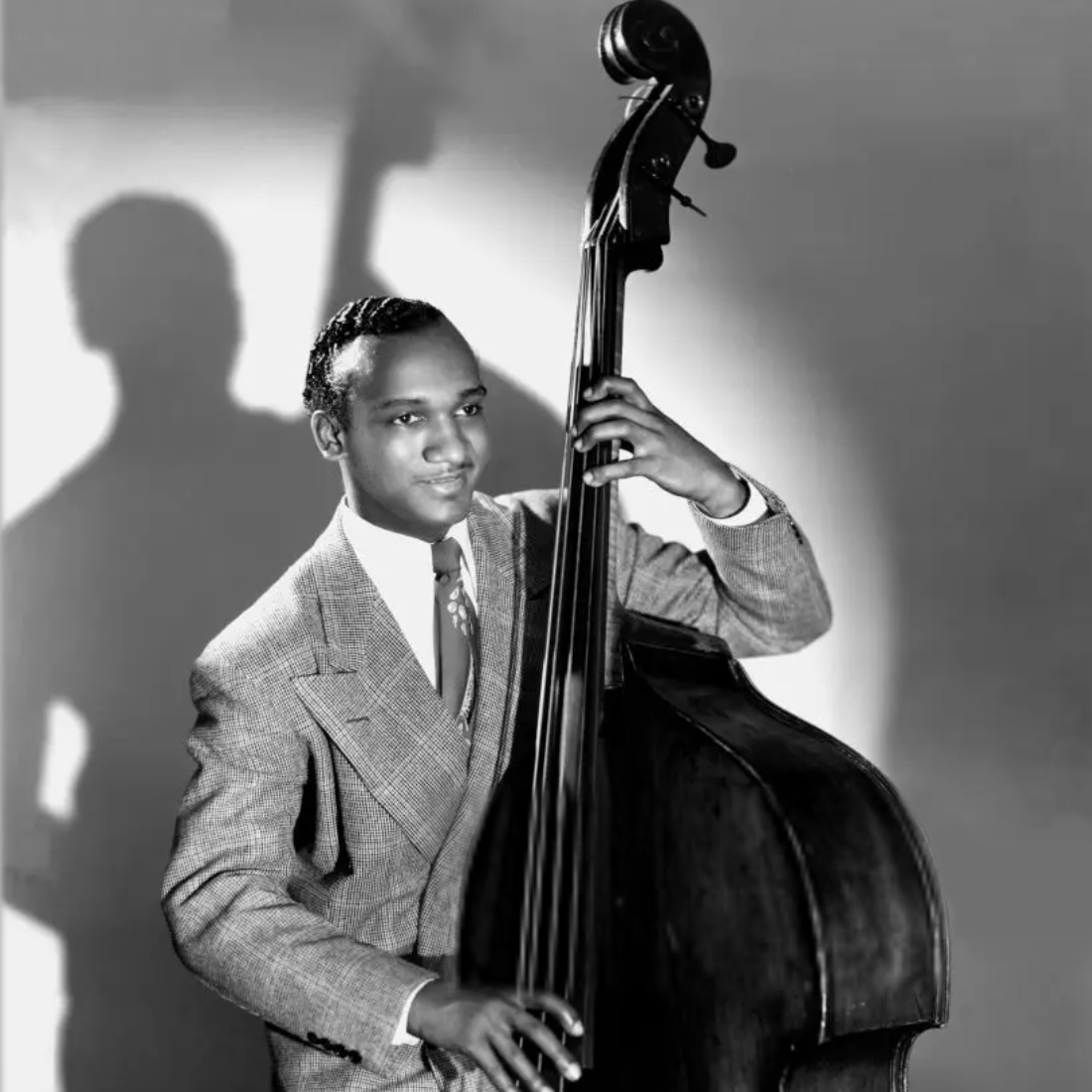
Jul 26, 2024
Louis Armstrong 2
Here's my segment from the July 4, 2024 WKCR Louis Armstrong broadcast. Includes a portion that features Louis in the 1960's, plus other components with many classic recordings for casual listening pleasure.
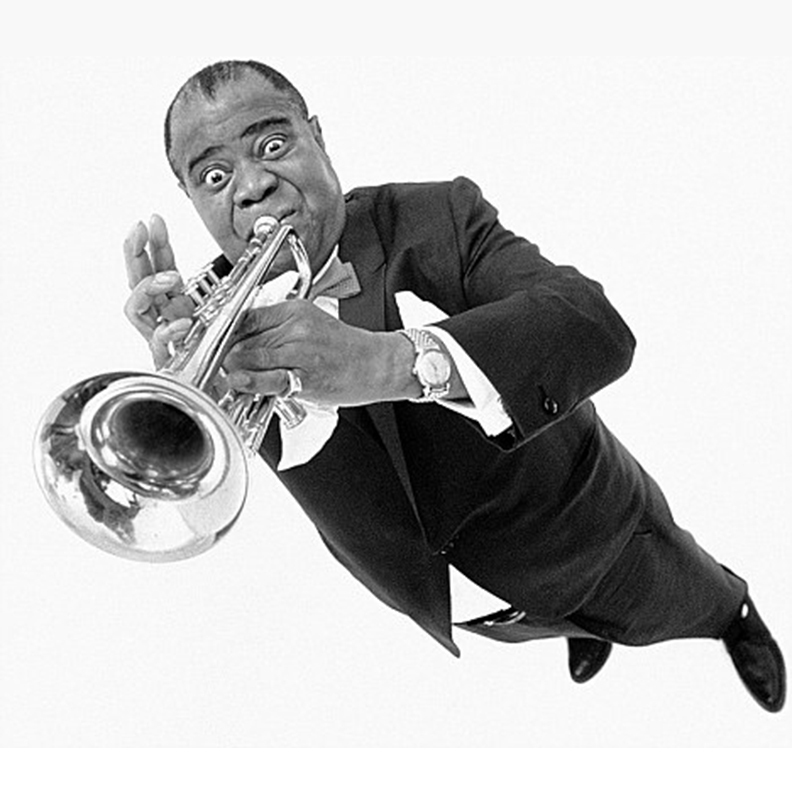
Jul 26, 2024
Don Patterson
Don Patterson was one of the unsung heroes of the early generation of jazz organists, following the trail blazing Jimmy Smith. Born in Columbus Ohio in 1936, Patterson originally played the piano, influenced by Erroll Garner. When the Hammond B-3 organ gained prominence in the mid 1950's, Patterson switched to that instrument. He worked in an organ-guitar-drums trio with Paul Weeden and Billy James, and he also performed frequently with Sonny Stitt. As the 1960's moved on, Patterson signed with Prestige Records and had a significant impact. His records included associations with many great saxophonists, as well as unencumbered organ dates. Dogged by various health problems, in later years he laid low for a while, but by the 1980's settled in Philadelphia with a renewed career. Unfortunately, he passed away in 1988 at the age of 51. He incorporated the abilities to play the Hammond conventions with full throttled soul, but he also maintained a spare pianistic solo style and would play bebop, hard bop and beyond. This retrospective tribute will feature the oeuvre of his great Hammond B-3 career, and we’ll play many great albums on the Prestige label and include his later works as well.. originally broadcast 2010
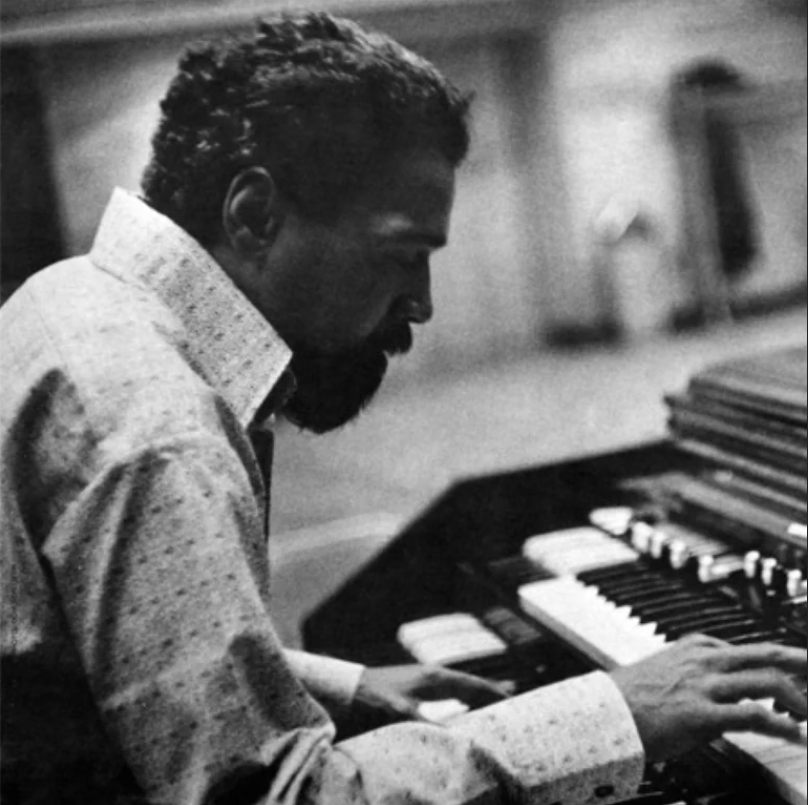
Jul 26, 2024
Red Garland Centennial
With his block-chord style, and bright and breezy attitude, Red Garland’s piano was swinging and sensitive at the same time. Whether serving as an accompanist in classic jazz combos, or out front as the leader of a romantic piano trio, Garland left a lasting impact in modern jazz. WKCR presented a marathon radio tribute to Garland on May 13, 2013 to honor the centennial of his birth. Here's my three hour segment, which focused on Garland with horns, such as John Coltrane, Arnett Cobb, Coleman Hawkins, Eddie Lockjaw Davis and many more. (But omitting his work with the classic Miles Davis groups)

Jul 26, 2024
Richard Williams
Trumpeter Richard Williams was active on the New York scene mainly in the 1960's and 70's. A first rate musician, he had the nickname “Notes”. In addition to jazz combos Williams worked steadily in Broadway show pits, classical music ensembles, many big bands, and modernist large ensembles. As such, he participated in many significant musical endeavors over time, but not in the forefront or the limelight. Richard Williams was born on May 4, 1931 in Galveston, Texas. After college, Williams entered the service and spent many years in an Air Force unit that intensified his musical studies. Stationed for a time in San Francisco, he stayed in California and performed in Bay Area clubs. Williams moved to New York City in the late 1950's and resided here the rest of his life. He did graduate studies at the Manhattan School of Music, obtaining a Master’s Degree. Williams made his first jazz records with Charles Mingus in 1959 (“Mingus Dynasty”). For several years he participated in the Mingus workshop groups and with Mingus-mate John Handy, and he appears on some of their classic recordings. Another significant association was as a key member in the working group of Gigi Gryce in the early 1960's. He was also a vital participant in Slide Hampton’s medium-size ensembles, including their notable 1962 European tour and Atlantic records. Other important early credits include colleagues as diverse as Rahsaan Roland Kirk, Leo Wright, Yusef Lateef and Booker Ervin. Surprisingly, Williams made only one record as a leader under his own name – “New Horn In Town” – for Candid Records in 1960. It’s a beauty. Richard Williams was an important musician around town for many dates. A relevant example is his association with the Thad Jones-Mel Lewis (Vanguard) Orchestra in the beginning years of that significant band. In that vein he would also be on call for work as diverse as Tolliver’s Music Inc. to the studio big bands that backed some of Aretha Franklin’s music. Still working in the 1980's, Williams appeared with the Mingus alumni ensembles and the Illinois Jacquet big band. Richard Williams died of kidney disease in 1985 at the age of 54. While you may not know his name, you can see that we’ll have plenty of interesting records to play during this three hour long retrospective tribute. originally broadcast December 15, 2019
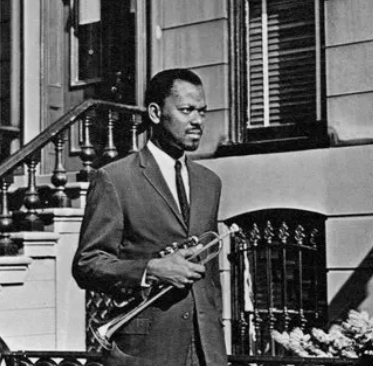
Jul 8, 2024
Arthur Schwartz
This is one of a series of Profiles we’ve done over the years focusing on the jazz impact of a legendary composer from the Great American Songbook. Our enduring “standards” are part of the sinew of jazz performance, as their musical forms, melodies, and harmonic structure provide a sturdy and meaningful basis for jazz improvisation and expression. These songs have become lasting touchstones in our jazz repertory. Arthur Schwartz was born in 1900 in Brooklyn. His father was an attorney who encouraged him to enter the law. After studies at Boys High, and in Literature and Law at Columbia and New York Universities, he worked as an English teacher and then was admitted to the bar and practiced law in New York City. However, Schwartz was always interested in music and songwriting, which he did as a hobby. He was a friend of Lorenz Hart, who encouraged him. By 1929, Schwartz eschewed the law business and gave up his practice, turning to music full time. Schwartz teamed up with lyricist Howard Dietz and this initial endeavor proved successful, as they composed pieces for Broadway revues and eventually full “book musicals” throughout the 1930's. Leaving his partnership with Dietz, Schwartz worked with other notable lyricists and composed songs for movie scores as well as Broadway shows. Among his famous compositions are “I Guess I’ll Have To Change My Plan”, “That’s Entertainment, “Alone Together”, “Dancing In The Dark”, “You and The Night And The Music”, “By Myself”, “Rhode Island Is Famous For You”, and many more nuggets. His songs often featured a wistful and melancholic sensitivity, but they also were informed by a melodious sophistication and joyous lyricism. As an interesting footnote, Arthur Schwartz is the father of radio personality and music historian Jonathan Schwartz. Our program will discuss Schwartz’s career, and then take a “deep dive” into the jazz versions of these songs. We’ll play recordings by Miles Davis, Charlie Parker, Lester Young, John Coltrane, and less famous jazz masters, too, that will give you great insight into Schwartz’s music. originally broadcast August 21, 2022
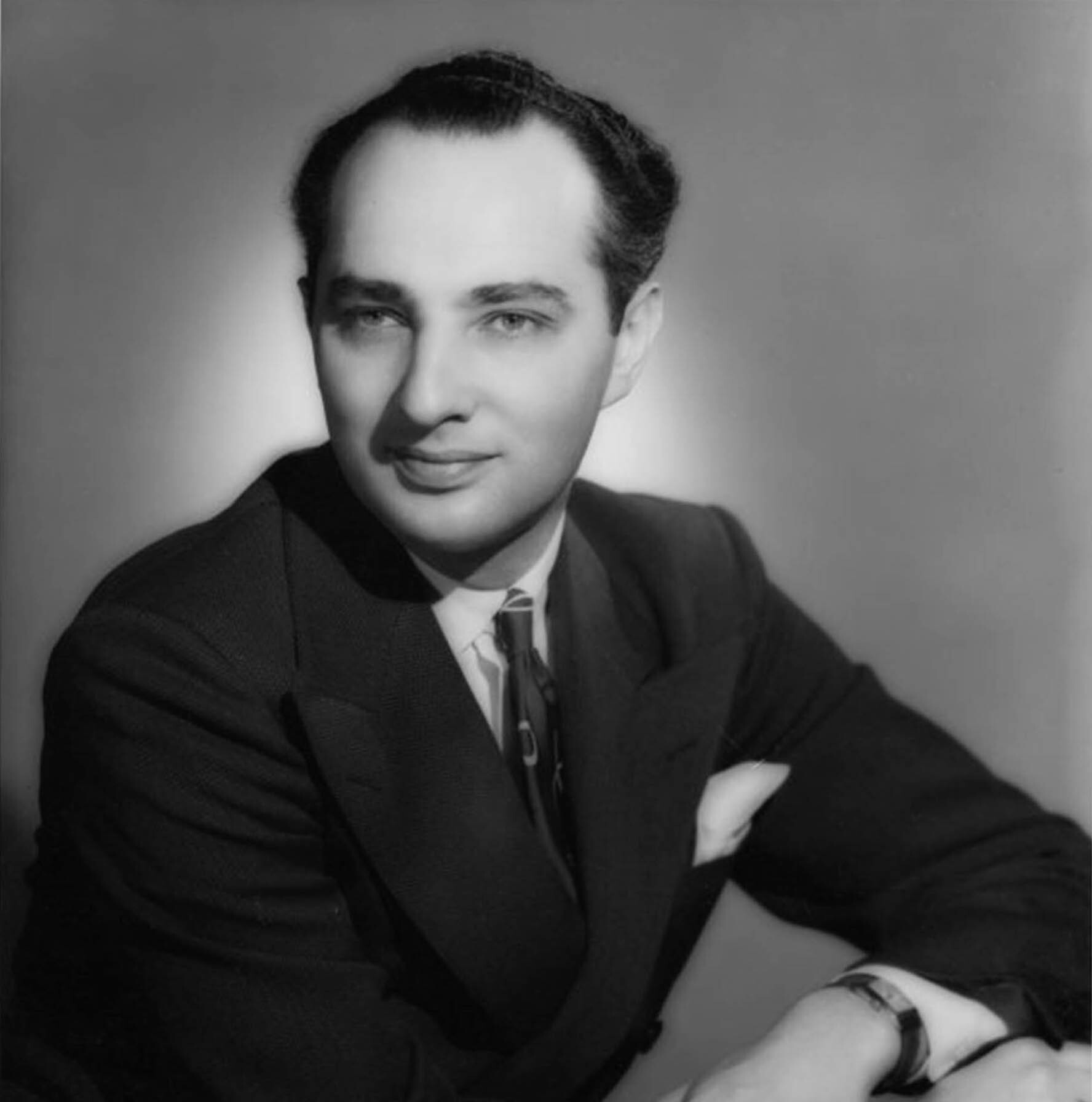
Jul 8, 2024
Bob Dorough
Bob Dorough encompasses a wide arc of American music. He is rooted in the Americana of a Hoagy Carmichael or Johnny Mercer, energized under the counter-cultural fervor and swell of the bebop jazz revolution, a witty and literate songwriter of sophisticated pieces, a cultural icon of children’s songs, and a vivid interpreter of the American popular songbook with a unique personal vision. We will explore all aspects of his career during the program. Bob Dorough was born in Arkansas on December 12, 1923 and raised in rural areas across Arkansas and Texas. He received formal musical education in Plainview Texas High School; drafted into the Army during World War II, he served with a special services musical unit, and after the war studied in the renowned music program at North Texas State University. Upon graduating in 1949, Bob moved to New York City and a cold water East Side flat to immerse himself in the modern jazz scene. At one point he was hired by boxer Sugar Ray Robinson to play music for his rhythm in training, and Robinson then enlisted Bob for his dance review, which brought him to Paris. While in Paris, Bob teamed with Blossom Dearie and the Blue Stars of France vocalists. Back in the States, Bob recorded his first album for Bethlehem in 1956, “Devil May Care”, which has become a vocalese classic. The itinerant hipster, Bob was in California in the late ‘50's, with beatniks and Lenny Bruce and great California cool musicians; next with Fran Landesman and Tommy Wolf in St. Louis; back in New York solicited by Miles Davis to write and record vocals, including the sardonic “Blue Xmas”; teaming along the way with the Dave Frishberg’s, the Dearie’s, Landesman’s et al to develop a style of hip songwriting exemplified at its best by the song “I’m Hip”. By the late 60's Bob played with hippie bands such as “Spanky and Our Gang” and developed a “pop art” style in the manner of “Love: Webster’s Definition”. Another chapter in Bob’s career unfolded when he was hired in the early 1970's to write the songs for a new ABC children’s TV special “Schoolhouse Rock”. That then-youthful generation now knows what’s the function of “Conjunction Junction” and lionizes Dorough. Having settled in the musicians' haven of the Delaware Water Gap/Pocono region of Northeastern Pennsylvania, from that base for many decades Dorough toured the world spreading his musical vision with elan and joy, a sparkling pianist and vocalist purveying the richness of jazz and popular music with a sense of verve and swing, and singing his own compositions and the gems of the American Popular Songbook invested with both a homespun twang and an urbane understanding. Bob died peacefully in his PA home on April 23, 2018 at the age of 94, active until the end. Shortly before his death, Dorough was selected to be a National Endowment for the Arts Jazz Master, an award which was formally bestowed posthumously in 2019. originally broadcast December 17, 2023

Jul 8, 2024
Richard Wyands
Richard Wyands was one of the great heroes of modern jazz piano. An unassuming man who did not seek much publicity, he was a vital force in our jazz community. Wyands was a sparkling pianist of elegance and grace, with great swing and command. He contributed his talents to many jazz groups throughout the years. Richard Wyands was born in Oakland, California on July 2, 1928. He exhibited prodigy-like talent as a child and took [mainly] classical music lessons. When as an 11-year old he saw Count Basie perform at the World’s Fair on Treasure Island, he was hooked on jazz, and as a teenager he and his friends were influenced also by Duke Ellington’s appearances in San Francisco. At age 16 he formed a group that Jo Jones arranged to perform in Officer’s Clubs for servicemen in the Pacific theater. After graduating college at San Francisco State, he became a notable jazz figure in the Bay Area in the 1950's and for many years was the house pianist at the leading San Francisco nightclub, the Blackhawk. After lengthy tours of North America, first as Ella Fitzgerald’s accompanist, and then backing Carmen McRae, eventually Wyands moved to New York City in 1959. He established significant credentials associating with Charles Mingus, and in Gigi Gryce’s working groups. By the early 1960's, he served in effect as the standing recording pianist for Prestige Records, appearing on seminal albums with the likes of Roy Haynes (“Just Us”), Eric Dolphy, Oliver Nelson (“Straight Ahead”), and Etta Jones (“Don’t Go To Strangers”). In the late 1960's and 1970's Wyands had a long and fruitful association with guitarist Kenny Burrell. Wyands also worked frequently at the West End Café in the jazz revival of the late 1970's, and, with George Kelly, played in the movie “Moscow On The Hudson”. For many decades thereafter, Wyands was a leading figure on the New York scene in nightclubs and concerts. He appeared on many stellar records with Harold Ashby, Houston Person, Jimmy Cobb, and Etta Jones’s later oeuvre, to name a few. More significantly, he eventually was able to record a good number of piano trio records as a leader. Richard Wyands died of natural causes on September 25, 2019 at the age of 91. originally broadcast March 20, 2022

Jul 8, 2024
Willis "Gator Tail" Jackson
Willis Jackson was among the notable cadre of exciting, young, Florida musicians who came of age in the post World War II bebop years. He got his first major professional break in the Cootie Williams orchestra, with whom he scored his first big record "Gator Tail" in 1949. Jackson then plied his trade in the rhythm and blues field and married the great singer Ruth Brown, and his sax strongly backs Brown on her early recordings such as "5-10-15 Hours". After breaking up with Brown, Jackson made his name for many years in the organ-tenor sax groups with the likes of Jack McDuff, Thereafter, in the classic jazz revival of the 1970's he played strong mainstream jazz in many venues. He suffered from poor health and died in 1987 at an early age. originally broadcast in 2012
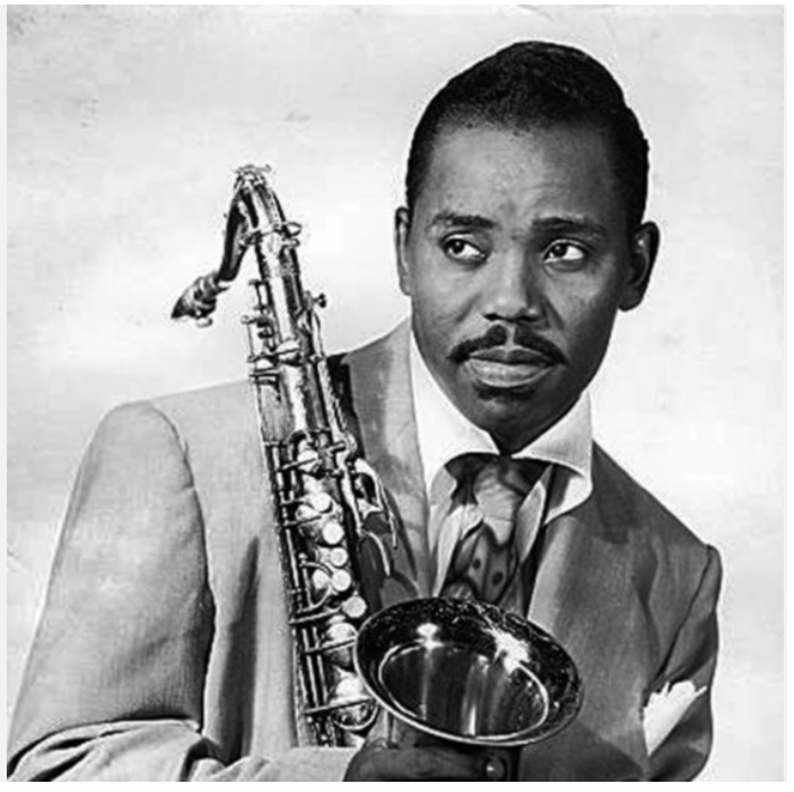
Jul 8, 2024
Billie Holiday 1
From the 2024 edition of WKCR's annual Billie Holiday special, my shift contains a variety of material, including a segment comparing Billie Holiday's classic small group recordings of the 1930's revisited in Norman Granz productions of the 1950's with Ben Webster, Sweets Edison and others.
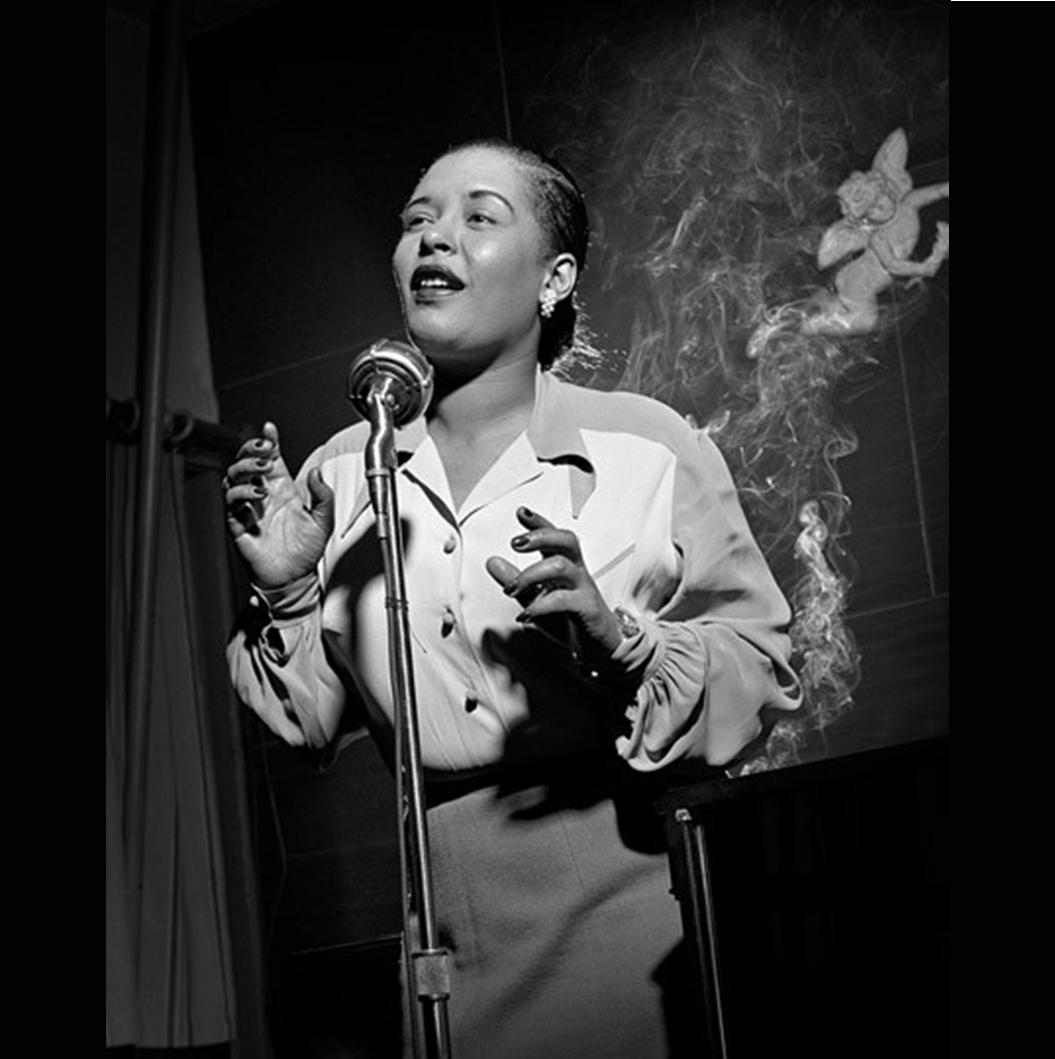
Jul 5, 2024
Elmo Hope
Born in 1923 and coming of age in the bebop and hard bop years, as a youth Elmo Hope was friendly with Bud Powell and Thelonious Monk. Hope was a creative pianist and inventive composer. He possessed the fleet linear attributes and innovations of bebop. However, more significant was his compositional outlook, angular and dissonant in the mode of Herbie Nichols or his close friend Monk, yet with a romanticism that tempered the sometimes harshness of that style and stamped his true individualism. He lived on Lyman Place in the Bronx and nourished the African-American musical community of the borough. Hope was denied widespread opportunities during his playing days, died young in 1967, and is often overlooked in the jazz history canon. The program will explore his many compositions, as performed in piano-led dates, and we will also highlight notable appearances on classic recordings with the likes of Clifford Brown, Lou Donaldson, Sonny Rollins, Harold Land, Frank Foster, and John Coltrane. originally broadcast July 23, 2023

Jul 5, 2024
Harry Warren
The popular standards of the Great American Songbook provide the foundational material for the musical improvisations of the jazz repertory. This program is one of an occasional series we’ve produced focusing on the legendary composers and their jazz interpretations. Born in New York to Italian immigrant parents in 1893 as Salvatore Guaragna, Harry Warren was a self-taught musician who dropped out of high school to begin performing in the entertainment field. After stateside service in the Navy during World War I, Warren worked for Vitagraph Films in Brooklyn, and then as a song plugger for publishers and a composer for the stage in Manhattan in the 1920's. With the advent of sound pictures, Warren was among the first songwriters to take up residence in Hollywood and compose for the film studios and their classic musicals. Beginning with “42nd Street”, Warren provided the music for the Warner Brothers Busby Berkeley productions of the 1930's, and then movie projects of 20th Century Fox, MGM and other studios in the 40's and 50's. Among his famous, enduring, compositions are There Will Never Be Another You, The More I See You, You’re Getting To Be A Habit With Me, Serenade In Blue, I Only Have Eyes For You, At Last, Jeepers Creepers, Lullaby Of Broadway, September In The Rain, Chattanooga Choo Choo and many more. The program will put these songs in perspective and play jazz versions with swinging improvisations by instrumentalists ranging from Lester Young and Sonny Rollins to Miles Davis and Eddie Lockjaw Davis, among others, as well as vocalists such as Louis Armstrong, Billie Holiday, Johnny Hartman, Etta Jones and Etta James. And maybe we’ll throw in The Flamingos, too. originally broadcast in 2017

Jul 5, 2024
Harold Land
Land was best known as the tenor saxophonist in the original Clifford Brown-Max Roach Quintet. But his prolific and accomplished career lasted more than four decades thereafter, although never gaining the more widespread fame that he deserved. Land possessed a firm sound and ingenious creativity on his saxophone and also was an inventive composer. Harold Land was born in Houston, Texas in 1928, and his family moved eventually to San Diego, where he was raised. As a young man, Land settled in Los Angeles, and he remained a Californian for the rest of his life. When Max Roach was forming what would be his famous group with Clifford Brown, they auditioned several for the saxophone chair, before becoming enamored hearing Harold Land in a jam session at Eric Dolphy’s home. Land was a key member of the group during its first two years, 1954 and 1955. With the demanding national touring, missing his home and his family, and needing to care for an ailing relative, Land left the group and returned to LA. (He was replaced by Sonny Rollins, which unfairly overshadowed the critical acclaim and recognition that Land’s historic contributions to the group should have commanded). Once he got settled again, Land became an important figure in the Los Angeles music scene. In the late 1950'’s he recorded his own albums for Contemporary and other labels, guested with Wes Montgomery and Monk, had a working group with Curtis Counce and also Hampton Hawes and Elmo Hope as associates. Ongoing in his career he worked frequently in Gerald Wilson’s bands and recordings and other West Coast activities, such as with Carmell Jones. In the late 1960's Land had a provocative working collaboration with vibraphonist Bobby Hutcherson. Later he co-led a group with Blue Mitchell, and also played with the “Timeless All Stars” including Hutcherson and other confreres like Curtis Fuller, Cedar Walton, Buster Williams and Billy Higgins. Land taught in the fine jazz program at UCLA. He died of a stroke in 2001 at the age of 72. originally broadcast on June 23, 2024
Jul 5, 2024
Louis Armstrong 1
WKCR presents annual marathon tributes to Louis Armstrong on the 4th of July. Here’s my segment from the 2023 broadcast, which, in addition to a potpourri of some Satchmo goodies also includes a lengthy set of a mix of his 1957 Verve recordings with Oscar Peterson, Ella Fitzgerald, and the Russ Garcia orchestra

Jul 3, 2024
Buddy DeFranco
Buddy DeFranco was one of the greats among the clarinet players in modern jazz. He possessed a cerebral sophistication and intelligence, which, together with his masterful facility and command of the instrument and great sense of swing, made him one of our jazz giants. His tone on the clarinet was always warm, woody, and welcoming. Boniface “Buddy” DeFranco was born on February 17, 1923 to a poor Italian-American immigrant family in Camden, New Jersey. His father, an amateur guitarist, was blind, and earned his living as a piano tuner. DeFranco was raised in South Philadelphia and attended the legendary vocational Mastbaum music school for formal musical studies. It also being the Swing Era, teenage Buddy came under the sway of Benny Goodman and Artie Shaw. He began playing professionally in 1939. DeFranco excelled right off the bat playing in the big bands of Charlie Barnet, Tommy Dorsey (think of the force of his clarinet on “Opus No. 1") and Gene Krupa. As bebop took sway, Buddy’s playing was influenced by the artistry of Charlie Parker. DeFranco played in the Bebop style and made progressive recordings with his own bands and those of Boyd Raeburn, among others. DeFranco’s career took another turn, when Count Basie pared down his Big Band and formed his famous Octet in 1950 and 51, DeFranco’s clarinet was a key component. DeFranco always credits Basie for informing him with a relaxed sense of swing From 1952-1955, DeFranco formed his own working modern jazz quartet, with first Kenny Drew and then Sonny Clark on piano, and Art Blakey and later Bobby White on drums. This organization toured the country regularly and made many recordings. Blakey was a major influence, too, infusing power and drive into DeFranco’s conception. DeFranco’s career was multifaceted, taking many turns and continuing for decades more. He made many “mainstream” records for Norman Granz and Verve; he lived in California for a while playing in Nelson Riddle’s orchestra which backed Frank Sinatra and scored many TV programs like Route 66; in the early ‘60's he had a regular working quartet with accordionist Tommy Gumina (it’s not what you think!). In later years DeFranco settled in Panama City, Florida. From that base he toured the world both as a concert performer and as a clinician teaching a new generation . He had an ongoing association with vibraphonist Terry Gibbs, often making many swinging night club performances and albums during his later years. Buddy was active well into his eighties, and made his final recordings with Mat Domber’s Arbors label. DeFranco died at the age of 91 in 2014. originally broadcast February 19, 2023

Jul 3, 2024
Carmen McRae
Carmen McRae should be high on the list in the discussion of the all time great jazz vocalists. She sang with special concern for the lyrics and performed with pronounced clarity and vision, enhancing the meanings of the songs. Additionally, McRae had a husky, soulful timbre, another factor that intensified her emotional connections with the listener. She was an excellent pianist as well, and her musicality informed her artistic grace and command. Carmen McRae was born in a middle class Jamaican immigrant African American family in Harlem on April 8, 1920, and she was raised in Brooklyn. Her family had high expectations and provided classical piano lessons (although Carmen remembers hiding sheet music of popular songs amongst the scores in her piano bench). Carmen’s first influence was Billie Holiday. After performing as a teenager in an amateur show at the Apollo Theater, Carmen met composer Irene Kitchings, who was married to Teddy Wilson. Kitchings introduced Carmen to Billie and encouraged Carmen to write songs. Carmen wrote “Dream Of Life”, which was recorded by Holiday. Respecting her parents wishes at first, Carmen became an office worker doing clerical jobs, but she began performing in night clubs in the evening. Eventually her musical career led her to the band of Duke Ellington’s son Mercer in the late 1940's. After leaving Ellington, McRae settled in Chicago, where a 17 week engagement became 3 and ½ years as an active pianist and singer in the Chicago jazz world, experience which honed her craft. McRae returned to New York in the 1950's and continued her growth working regularly at Minton’s. Her career flowered with a contract with major label Decca and a series of enduring recordings of great American songs with leading jazz artists. With Columbia Records in 1961 she made a mark with her tribute album to Billie Holiday. Later in the 1960's McRae moved to Southern California. At this time she also began gracing her performances with interpretations of contemporary pop songs. As her career moved on Carmen became a popular and prolific attraction singing around the world. In the 1980's she made well received albums for the Concord label. Carmen capped her career with her tour de force presentation of lyrical interpretations of Thelonious Monk tunes (who else could have done this?). McRae suffered from respiratory disease in 1991 after which she curtailed her performing. In 1994 she was awarded the prestigious National Endowment for the Arts Jazz Master Award. Sadly, she passed away on November 10, 1994 at the age of 74. Originally broadcast June 25, 2023
Jul 1, 2024
Melvin Rhyne
Melvin Rhyne is one the greats from the 1950s heyday of the jazz organ, but he is not so widely remembered today. He should be. Born October 12, 1936 in Indianapolis, he attended the segregated Crispus Attucks High School, which had a legendary music program and nurtured many jazz greats who came of age when Indianapolis had a thriving jazz scene. Rhyne originally played piano, notably backing Rahsaan Roland Kirk. When Jimmy Smith and other pioneering giants made the Hammond organ a popular jazz instrument, Rhyne picked it up, but he maintained his pianist roots in his approach to the heftier organ sound. Rhyne’s major acclaim was as the organist in the legendary guitarist Wes Montgomery’s original trio. Beginning in the local Missile Room nightclub in Indianapolis, Wes’s trio became an international sensation and produced a series of records on the Riverside label that are jazz classics – Jingles, Missile Blues, Fried Pies, Movin’ Along, Portrait of Wes, Boss Guitar, and more. Moving on from Wes in the late 1960's, Rhyne began his own career quietly in the Midwest. He eventually settled in Milwaukee, Wisconsin where he was a leader of the local jazz community as a performer, teacher and mentor. Starting in the 1990's, Rhyne made more touring concert appearances and a series of well-received recordings, mainly on the Criss Cross label. These efforts regained national, and even worldwide, attention. In this vein, Rhyne would lead his own bands, some in the organ-guitar-drums trio format, and some with younger generation horn players added to the combo. Rhyne’s organ style didn’t dive deeply into the frantic, hard charging grooves of the B-3. And he didn’t “pull out all the stops”. Instead, he played crisp clear lines, could swing in the pocket, and achieved his orchestral backing from his sophisticated manipulation of the keyboard. While he could, and did, play the soul and funk of the organ sound, his preferred attack included the more complex textures of modern jazz piano, translated to the organ timbres. Mel Rhyne died in 2013 at the age of 76. Our program will explore the classic records with Wes Montgomery and many delights from his later recordings. Originally broadcast May 14, 2023
Jul 1, 2024
Ernie Henry
Not well known even in his brief lifetime, Ernie Henry was an astonishing musician of grace, style and profound emotion. Henry came up in the bebop days and was a key member of Dizzy Gillespie's 1948-9 big band, and he also participated in the more lyrical side of bebop with Tadd Dameron, Fats Navarro, Howard McGhee, and Walter "Gil" Fuller. He spent the early fifties with his native Brooklyn beboppers, and as he turned 30 in 1956 he emerged full force on the scene, appearing on Thelonious Monk's “Brilliant Corners”, in Dizzy's famous 1956-7 edition of his big band, and in several virtuoso recordings as a leader on Riverside that seemed primed to send him to future stardom. Unfortunately, he died in his sleep from various ailments on December 29, 1957 at the age of 31. Originally broadcast October 22, 2023

Jul 1, 2024
Don Byas
A prolific and influential figure on the national jazz scene during the World War Two years, Byas moved to Europe in 1946 and remained an expatriate for the rest of his life. While he achieved some celebrity on the continent, sadly his absence from the US has left him a somewhat forgotten figure in our music here. Carlos Wesley Byas was born on October 21, 1913 in Muskogee, Oklahoma. His paternal grandfather was a blacksmith, and his father a jeweler. His maternal grandfather was a reverend and real estate investor and scion of an educated family. Young Byas lived a middle class life and attended HBCU Langston University. There was always music in the house, and Carlos played several instruments before settling on the saxophone. As a teenager, he was already playing professionally, and he teamed often with his fellow Muskogee friend Jay McShann. They played in various “territory bands” around the Southwest. While in college, Byas led a band calling himself “Don Carlos and his Collegiate Ramblers”, and the moniker Don stuck. Byas went to Los Angeles in his early twenties, played with major bands there, and struck up a friendship with Art Tatum. Eventually he moved to New York City in 1939, and became a fixture in the vital scene here. Major highlights of his career include a stint with Andy Kirk and a relationship with Mary Lou Williams; being hired by Count Basie from 1941-43 to replace Lester Young when Prez left; participating in the revolutionary jam session scene at Minton’s; performing with all the greats such as Coleman Hawkins and Dizzy Gillespie and influencing a young Charlie Parker (Byas participated in many of the seminal bebop recordings); and an amazingly fertile output leading dozens of record dates and appearances on 52nd Street New York clubs from 1944-1946. Then he left it behind to take up residence overseas. Byas had a productive career in Europe settling first in Paris and then in Amsterdam and raised a family there. He died of cancer in 1972 at the age of 59. Byas had an inventive harmonic sense stemming from the lessons absorbed from Tatum and a powerful, roaring attack to go with it. At the same time he possessed an absolutely luscious tone and was a ballad master. The bluesy southwestern swing background also informed his playing with a tasty, down to earth flavor. While he came up together with the beboppers he can’t be said to be one, yet integrated their ideas as well. Other saxophonists from Bird to Johnny Griffin to Sonny Stitt have said that he was the best. Hear for yourself and see if they’re right. Initially broadcast January 14, 2024

Jun 28, 2024
Beverly Kenney
Vocalist Beverly Kenney is one of the hidden gems in the treasured vaults of the jazz vocal legacy. She lived a short life and is not well-remembered, but for those who knew her, musician and audience alike, the impact was lasting. Like a “cool school” saxophonist, Kenney sang with a laid-back detachment that on its surface presented a seemingly distanced and indifferent affect, yet her form possessed an inner reality intensely connected to the lyrics of the song and the deep emotions of artistic expression. In a gentle way she swung in the pocket and took sly liberties with her phrasing that exemplify the best in jazz. Her repertoire was vast, and Kenney sang both the great standards and many lesser known items from the great American songwriters. Beverly Kenney was born in a working class family in New Jersey January 29, 1932 but left home early to follow her muse. Kenney began her career in earnest singing in fancy Miami nightclubs as a 22 year old in 1954. In 1955 she toured with the Dorsey Brothers orchestra as its vocal stylist. Beverly left the Dorseys and returned to New York to participate in the jazz and beatnik culture scene and befriend its writers, actors and musicians. She sang in gigs with many jazz greats, had several featured appearances at Birdland, and was well enough known to be included in the all star gala “Jazz For Israel” concert at Carnegie Hall October 15, 1955.* Starting in 1956, Kenney recorded six albums (three for the Roost label, and then three for major Decca) accompanied by Basie-ites Joe Newman and Frank Wess, guitar master Johnny Smith, Charlie Shavers, pianist Ellis Larkins, and studio orchestras and big bands. During these late 1950's years she worked occasionally at major venues around the country, appeared together as part of Lester Young’s group in a Birdland engagement, and performed on national television and radio shows. Kenney’s talents were quickly recognized by the critics, and she was championed by Barry Ulanov, Nat Hentoff, William B. Williams and Steve Allen. However, Beverly Kenney apparently was a melancholy and troubled soul. It ended tragically when she committed suicide in April 1960 at the age of 28. A promising career was cut short. Yet, many insiders and vocalists from the era long remember her and often comment on her unique talents. Her small surviving oeuvre (the six LPs, esoteric and out of print except in obscure foreign re-issues, plus some even rarer odds and ends) will barely fit into the three hour program. Initially broadcast 2020
