About this episode
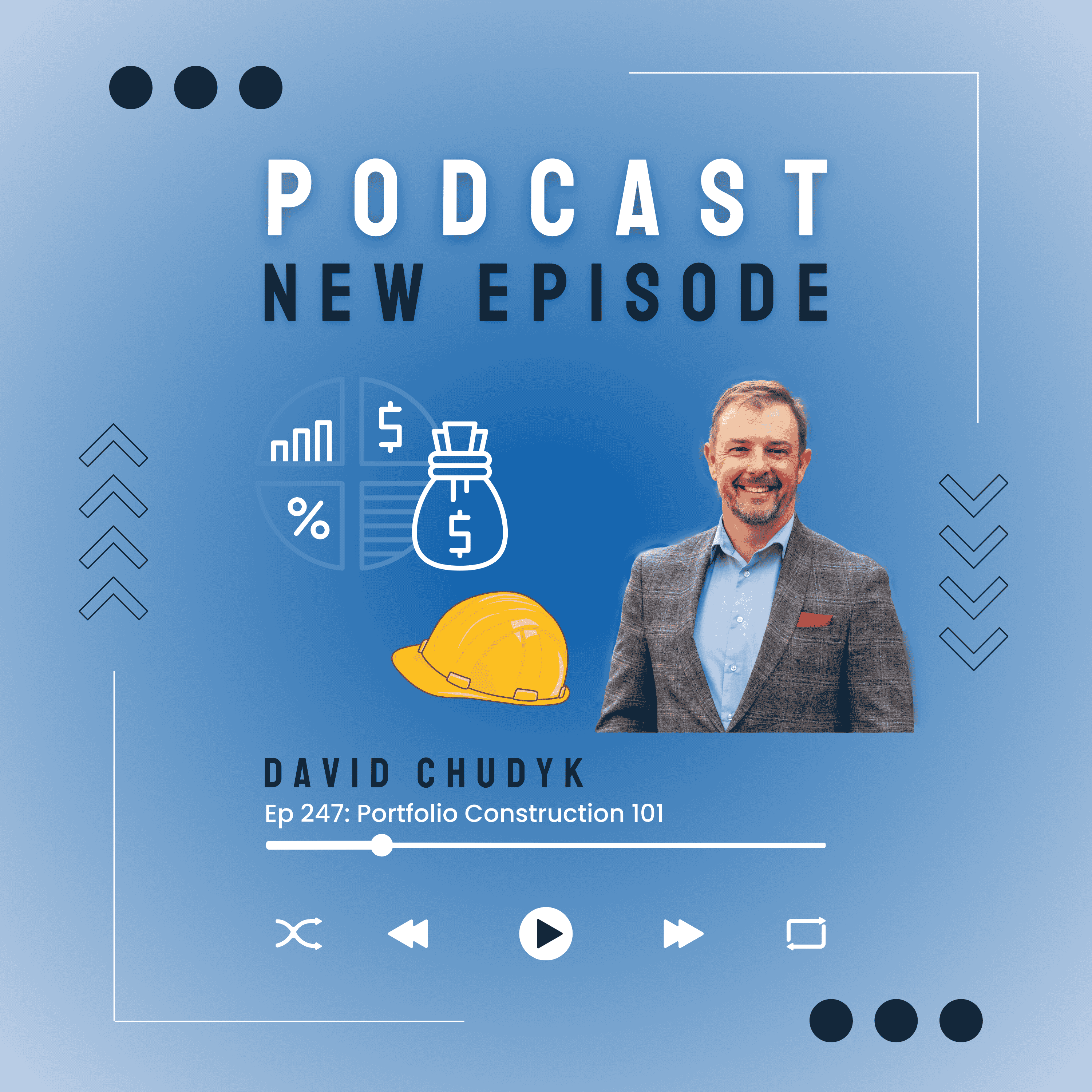
📌 Episode Overview When people hear “investing,” they often think about hot stocks, market predictions, or timing the next big move. In this episode of The Weekly Wealth Podcast , Certified Financial Planner David Chudyk breaks down what truly matters: how your portfolio is structured, balanced, and managed over time . This episode isn’t about what to buy—it’s about why you own what you own , how different investments interact, and how intentional design can lead to better long-term outcomes, especially during market volatility. 🧠 What You’ll Learn Why portfolio construction matters more than picking the “right” investment How investors can own great investments but still get poor results The difference between intelligence and structure in investing Why most portfolios are built unintentionally—and the risks that creates 📊 Key Concepts Explained 🔹 Alpha vs. Beta Alpha : Returns above what the market provides Beta : Exposure to market movement (upside and downside) Why many investors mistake higher risk for true outperformance 🔹 Concentration Risk How overexposure to one stock, sector, or employer can quietly build risk Why diversification doesn’t just grow wealth—it helps preserve it 🔹 Index Funds: Pros & Cons Pros: Low cost Broad market exposure Simplicity and transparency Limitations: Full exposure to market downturns No built-in risk management or tax coordination Increasing concentration within major indexes Index funds are powerful tools—but they are not a full strategy on their own . 🔁 Correlation, Volatility & Real Risk Why assets that look diversified can still move together The difference between volatility (movement) and true risk (permanent loss) How behavior—not numbers—often determines investment outcomes 🏗️ Beyond Stocks: Other Investment Tools David discusses how different assets can play different roles in a portfolio, including: Real estate (direct ownership vs. REITs) Gold and precious metals Private equity and private credit Annuities and lifetime income strategies Each comes with unique risk, liquidity, and complexity trade-offs that must align with your stage of life and financial goals. ⚠️ Why DIY Portfolios Often Struggle Markets change Life changes Taxes become more impactful over time Decisions get harder as portfolios grow Portfolio construction isn’t static—it’s an ongoing process that requires coordination, discipline, and emotional control. ✅ The 5 Questions Every Investor Should Ask What positions should I own? How much of each should I own? Why do I own this position? How does this fit into my overall financial strategy? When might I sell this position? Intentional portfolios answer these questions before emotions take over. 🎯 Bonus Question (Don’t Skip This One) What specific problem would my portfolio solve if markets were flat for the next 10 years? If your portfolio only works in strong markets, it’s not a strategy—it’s a bet. 📞 Next Steps If this episode raised questions about how your portfolio is built, you can schedule a 10-minute Vision Call with David at: 👉 www.weeklywealthpodcast.com/vision No pressure—just a thoughtful conversation. 📣 Stay Connected Follow The Weekly Wealth Podcast on Instagram, Facebook, and YouTube Share this episode with someone serious about building wealth the right way Disclosure: The information and material contained in this communication is confidential and intended for the recipient addressee named. If you are not the intended recipient, please delete the message and notify the sender immediately. Fiduciary Alliance LLC is an Investment Adviser registered with the Securities and Exchange Commission. Any information provided has been obtained from sources considered reliable, but we do not guarantee the accuracy, or the completeness of any description of securities, markets or developments mentioned. Please contact us at 864-385-7999 if there is any change in your financial situation, needs, goals or objectives, or if you wish to initiate any restrictions on the management of the account or modify existing restrictions. Our current disclosure brochure, Form ADV Part 2, is available for your review upon request.