Who Arted: Weekly Art History for All Ages
Kyle Wood
Kyle Wood
Who Arted is art history and art education for everyone. While most art history podcasts focus on the traditional "fine art" we see in museums around the world, Who ARTed celebrates art in all of its forms and in terms anyone can understand. Each episode tells the story of a different artist and artwork including the traditional big names like Leonardo da Vinci, Pablo Picasso and Andy Warhol along with lesser-known artists working in such diverse media as video game design, dance, the culinary arts, and more. Who Arted is written and produced by an art teacher with the goal of creating a classroom resource that makes art history fun and accessible to everyone. Whether you are cramming for your AP Art History exam, trying to learn a few facts so you can sound smart at fashionable dinner parties, or just looking to hear something with a more positive tone, we’ve got you covered with episodes every Monday and Friday.
12h ago
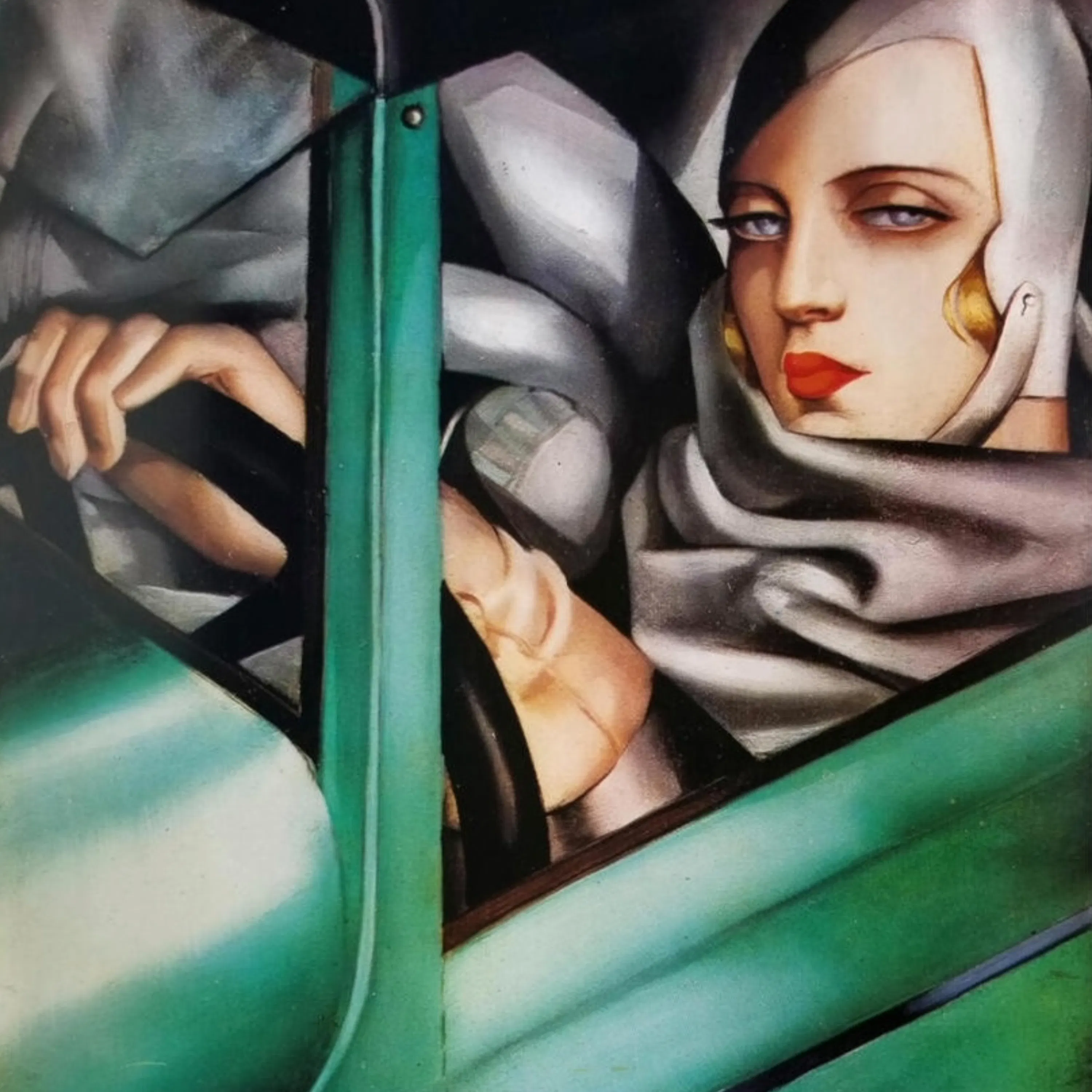
Tamara de Lempicka remains the definitive icon of the Art Deco era, blending polished Cubist techniques with the glamorous, high-stakes atmosphere of the Roaring Twenties. From her harrowing escape during the Russian Revolution to her transformation into a Parisian socialite and eventually a Hollywood favorite, her life was a calculated masterpiece of self-invention. Her signature style, characterized by "soft Cubism" and metallic, architectural lighting, captured the spirit of the "New Woman"—independent, liberated, and sophisticated. Known for her relentless self-promotion and a portfolio of portraits that defined modern luxury, she became a favorite of the European aristocracy and the American film elite alike. The legendary self-portrait Tamara in a Green Bugatti serves as a focal point for understanding both the artist and the Art Deco movement. This work embodies the era's obsession with speed, industry, and geometric precision, rejecting the organic curves of Art Nouveau in favor of sleek, machine-age aesthetics. Although she famously curated her public persona—even swapping her modest yellow Renault for a high-performance Bugatti on canvas—Lempicka’s influence on the world of fashion and fine art remains undeniable. Check out my other podcasts Fun Facts Daily | Art Smart | Rainbow Puppy Science Lab Who ARTed is an Airwave Media Podcast. If you are interested in advertising on this or any other Airwave Media show, email: advertising@airwavemedia.com Learn more about your ad choices. Visit megaphone.fm/adchoices
4d ago
My guest this week is David Hunt, the creator of Earthboard. Earthboard is an earth-sized collaborative mural where you claim real-world locations and doodle over famous landmarks across the globe. Draw King Kong climbing the Eiffel Tower, or collaborate with a famous artist in Tokyo, all in real time. Because all art is created inside the app, Earthboard is the first platform where human creativity is architecturally guaranteed. No AI-generated work, period. Every drawing has a limited lifespan, but what you inspire doesn't. Your work lives on in the permanent archive and in the pieces other artists build on top of yours. Earthboard is available now on IOS visit Earthboard.art to learn more Related episodes: Jason deCaires Taylor Marcel Duchamp Check out my other podcasts Fun Facts Daily | Art Smart | Rainbow Puppy Science Lab Who ARTed is an Airwave Media Podcast. If you are interested in advertising on this or any other Airwave Media show, email: advertising@airwavemedia.com Learn more about your ad choices. Visit megaphone.fm/adchoices
Dec 12
From 1912 to 1948, medals were awarded for artistic creations inspired by sport, alongside those for athletic prowess. This unique fusion of disciplines was the brainchild of Pierre de Coubertin, the founder of the modern Olympics, who envisioned the Games as a celebration of both physical and intellectual pursuits. Coubertin's vision for the modern Olympics extended far beyond athleticism. He believed in the holistic development of the individual, emphasizing the importance of both physical and intellectual pursuits. This philosophy stemmed from his deep admiration for the ancient Greek ideal of "kalokagathia," which represented the harmonious balance of body and mind. In 1894, Coubertin's efforts culminated in the establishment of the International Olympic Committee (IOC), and the first modern Olympic Games were held in Athens in 1896. The art competitions were introduced at the 1912 Stockholm Games, featuring five categories: architecture, literature, music, painting, and sculpture. A total of 146 artists were awarded Olympic medals for their artistic creations between 1912 and 1948. Tell me which artists/artworks you want me to cover in future episodes at WhoARTedPodcast.com/vote Check out my other podcasts Fun Facts Daily | Art Smart | Rainbow Puppy Science Lab Who ARTed is an Airwave Media Podcast. If you are interested in advertising on this or any other Airwave Media show, email: advertising@airwavemedia.com Learn more about your ad choices. Visit megaphone.fm/adchoices
Dec 8
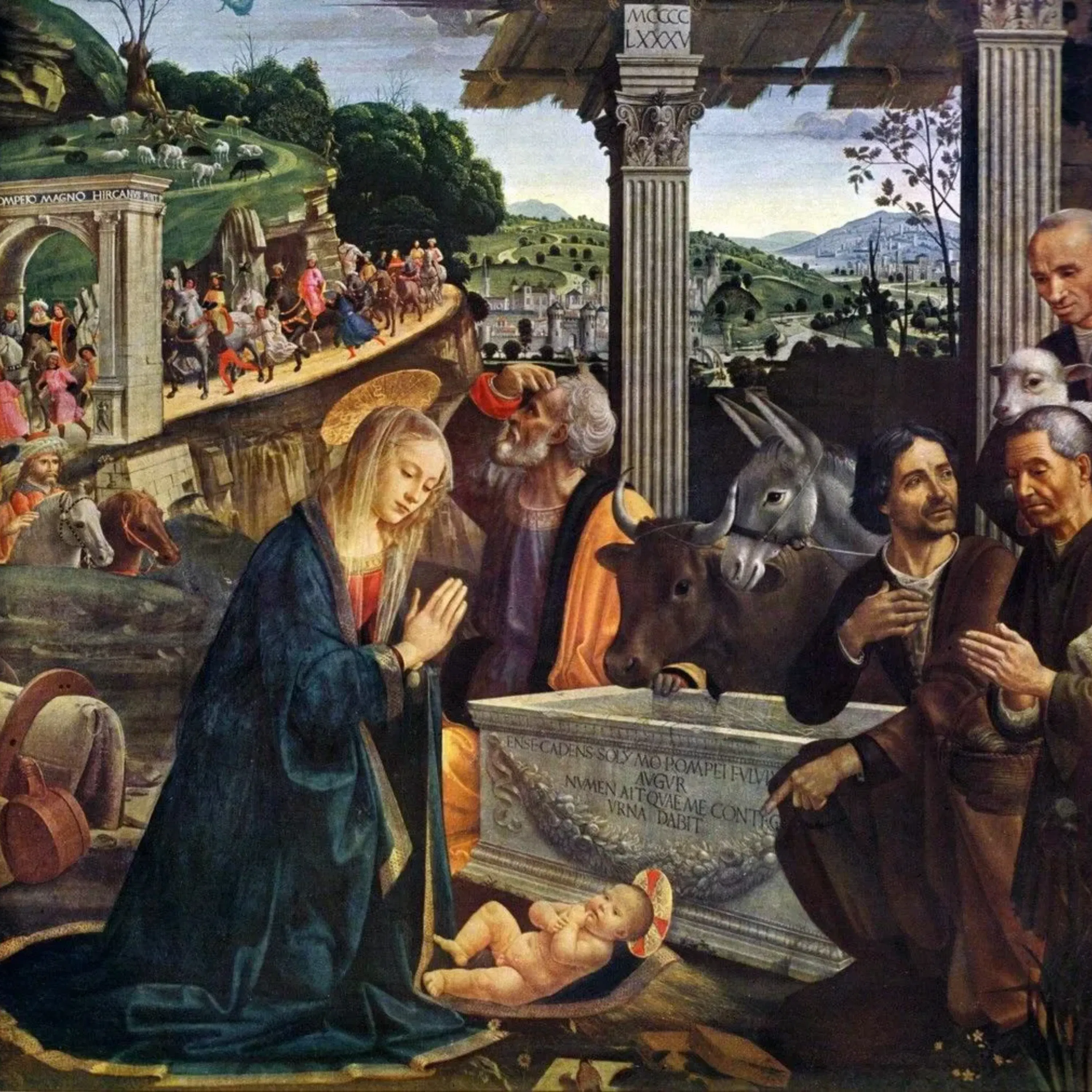
Domenico Ghirlandaio stands as a titan of the Quattrocento, often overshadowed by his most famous student, Michelangelo, yet serving as the vital bridge between the early and high Italian Renaissance. As the head of a prolific family workshop, Ghirlandaio dominated the Florentine art market, capturing the spirit of the age by integrating wealthy patrons like the Medici and Tornabuoni directly into sacred biblical narratives. His mastery of fresco technique—skills he later passed to a young Michelangelo—graced the walls of the Sistine Chapel long before the ceiling was painted, establishing him as the premier visual chronicler of 15th-century Florentine society. Beyond his technical precision and workshop efficiency, Ghirlandaio revolutionized Florentine painting by embracing the gritty realism of Northern European art. His masterpiece, The Adoration of the Shepherds in the Sassetti Chapel, merges classical Roman symbolism with unidealized, rugged figures inspired by Flemish masters. This synthesis of high fashion, local architecture, and naturalistic detail offers a vivid window into the life, culture, and theological complexity of Florence at the height of its power. What artist/artworks would you like to learn about? Who should I include in next year's Arts Madness Tournament? Give me your suggestions at www.WhoARTedPodcast.com/vote Check out my other podcasts Fun Facts Daily | Art Smart | Rainbow Puppy Science Lab Who ARTed is an Airwave Media Podcast. If you are interested in advertising on this or any other Airwave Media show, email: advertising@airwavemedia.com Learn more about your ad choices. Visit megaphone.fm/adchoices
Dec 5
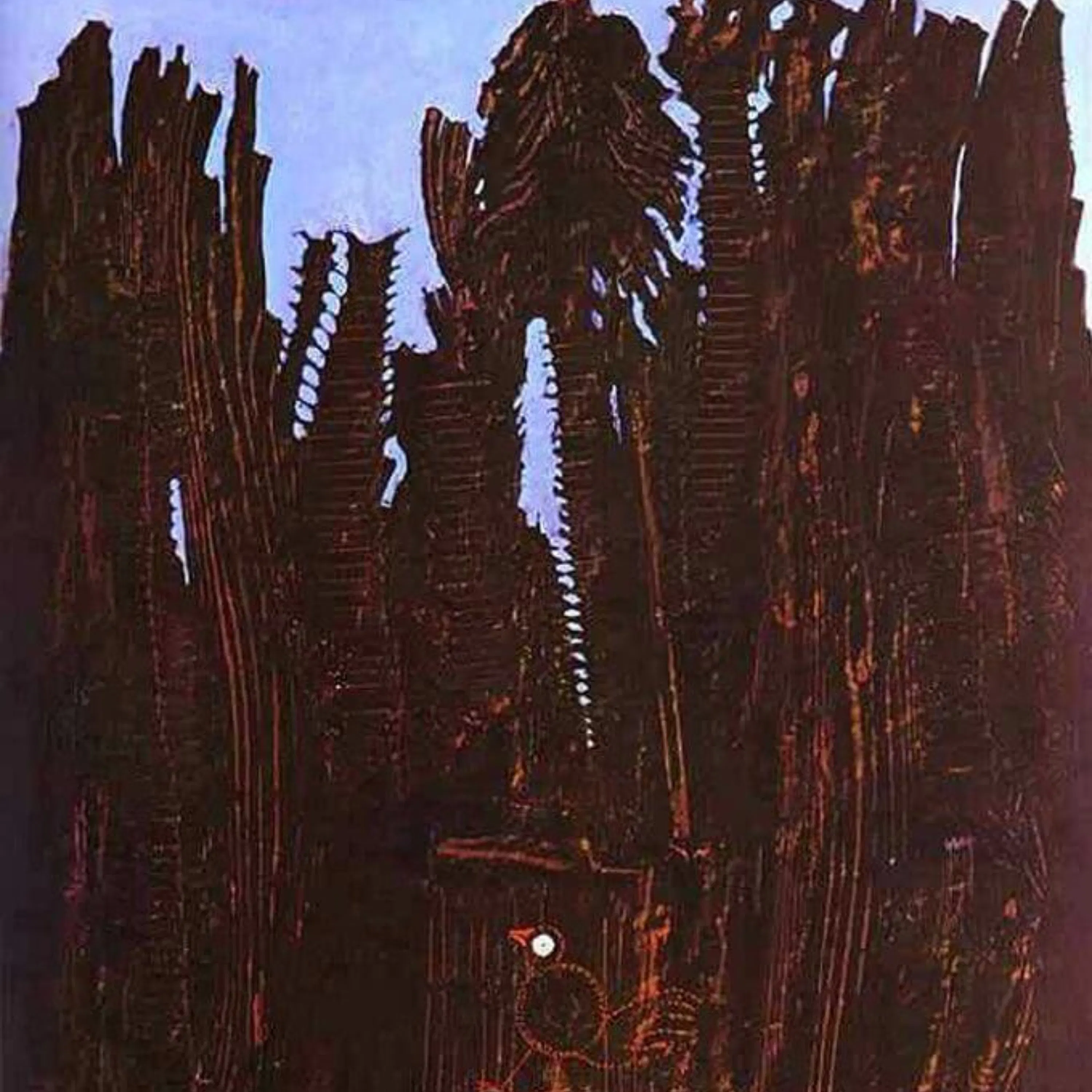
German artist Max Ernst was a pivotal figure in modern art history, bridging the anarchic rebellion of the Dada movement with the psychological depths of Surrealism. Born in Bruehl and deeply scarred by his service in World War I, Ernst rejected the rigid rationality of his upbringing to explore the unconscious mind. His artistic evolution took him from the avant-garde circles of Cologne and Paris to a dramatic escape from Nazi-occupied Europe with the help of Peggy Guggenheim. Settling in Sedona, Arizona, his presence in the United States proved crucial in bridging the gap between European Surrealism and the emerging American Abstract Expressionist movement. Central to Ernst's legacy are his innovative "automatic" techniques, specifically frottage (rubbing) and grattage (scraping), which allowed chance and texture to dictate composition. A close analysis of his 1927 masterpiece, Forest and Dove , illustrates these methods in action. By scraping paint over textured surfaces to create impenetrable, fossil-like forests, Ernst juxtaposed the menacing power of nature with the fragility of the spirit, often represented by his bird alter ego, "Loplop." His work challenges the role of the artist, suggesting that creators should act as spectators to their own materials to unlock the hidden imagery of the subconscious. Check out my other podcasts Fun Facts Daily | Art Smart | Rainbow Puppy Science Lab Who ARTed is an Airwave Media Podcast. If you are interested in advertising on this or any other Airwave Media show, email: advertising@airwavemedia.com Learn more about your ad choices. Visit megaphone.fm/adchoices
Dec 1
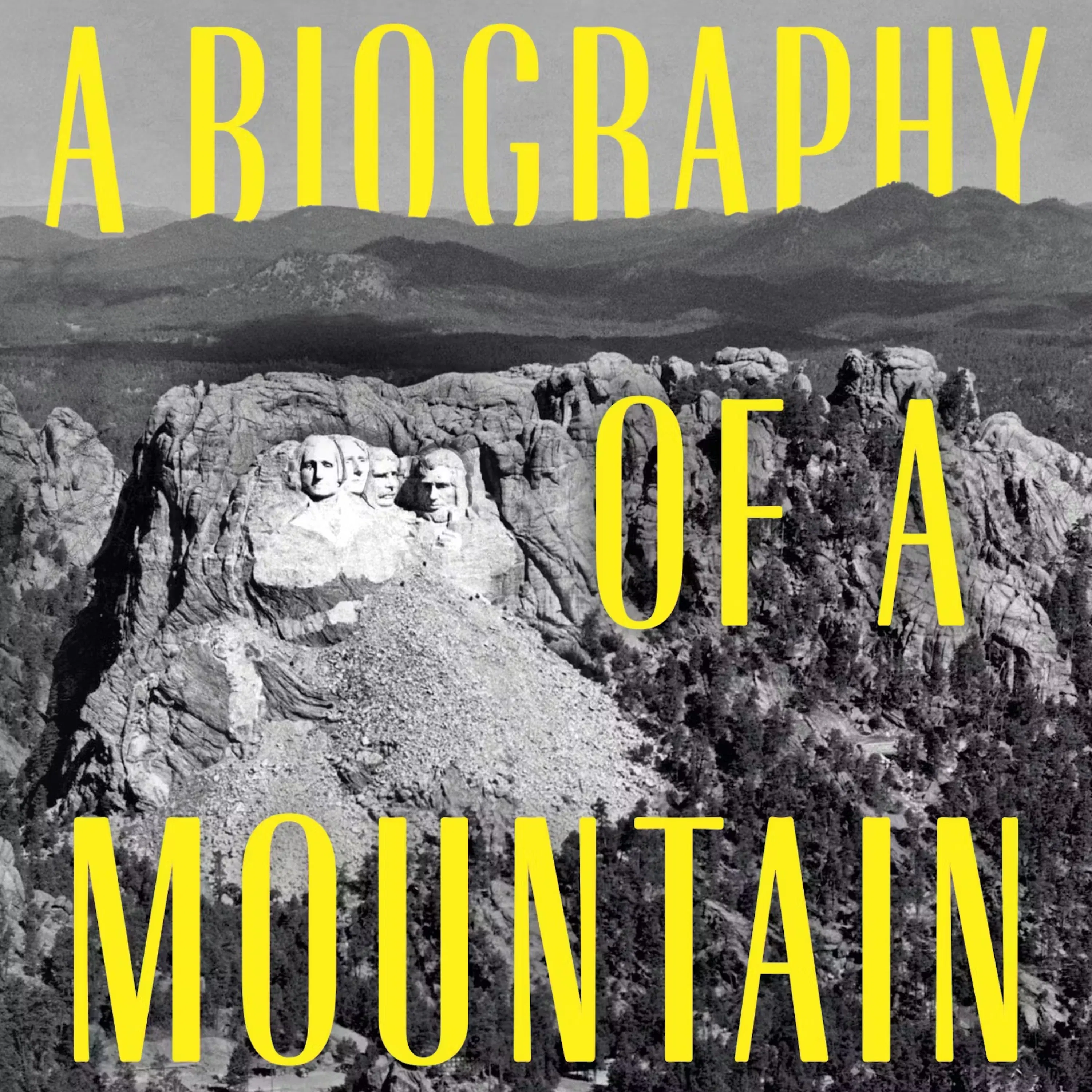
Mount Rushmore has a complicated and fascinating history. Long before the faces of American presidents were carved into the granite face of the mountain, the land was sacred to the Lakota. Matthew Davis wrote A Biography of a Mountain: The Making and Meaning of Mount Rushmore. He shares his insights into the history from broken treaties to plans for an attraction to boost tourism. Buy the book A Biography of a Mountain: The Making and Meaning of Mount Rushmore on Amazon or your favorite book store. Check out my other podcasts Fun Facts Daily | Art Smart | Rainbow Puppy Science Lab Who ARTed is an Airwave Media Podcast. If you are interested in advertising on this or any other Airwave Media show, email: advertising@airwavemedia.com Learn more about your ad choices. Visit megaphone.fm/adchoices
Nov 28
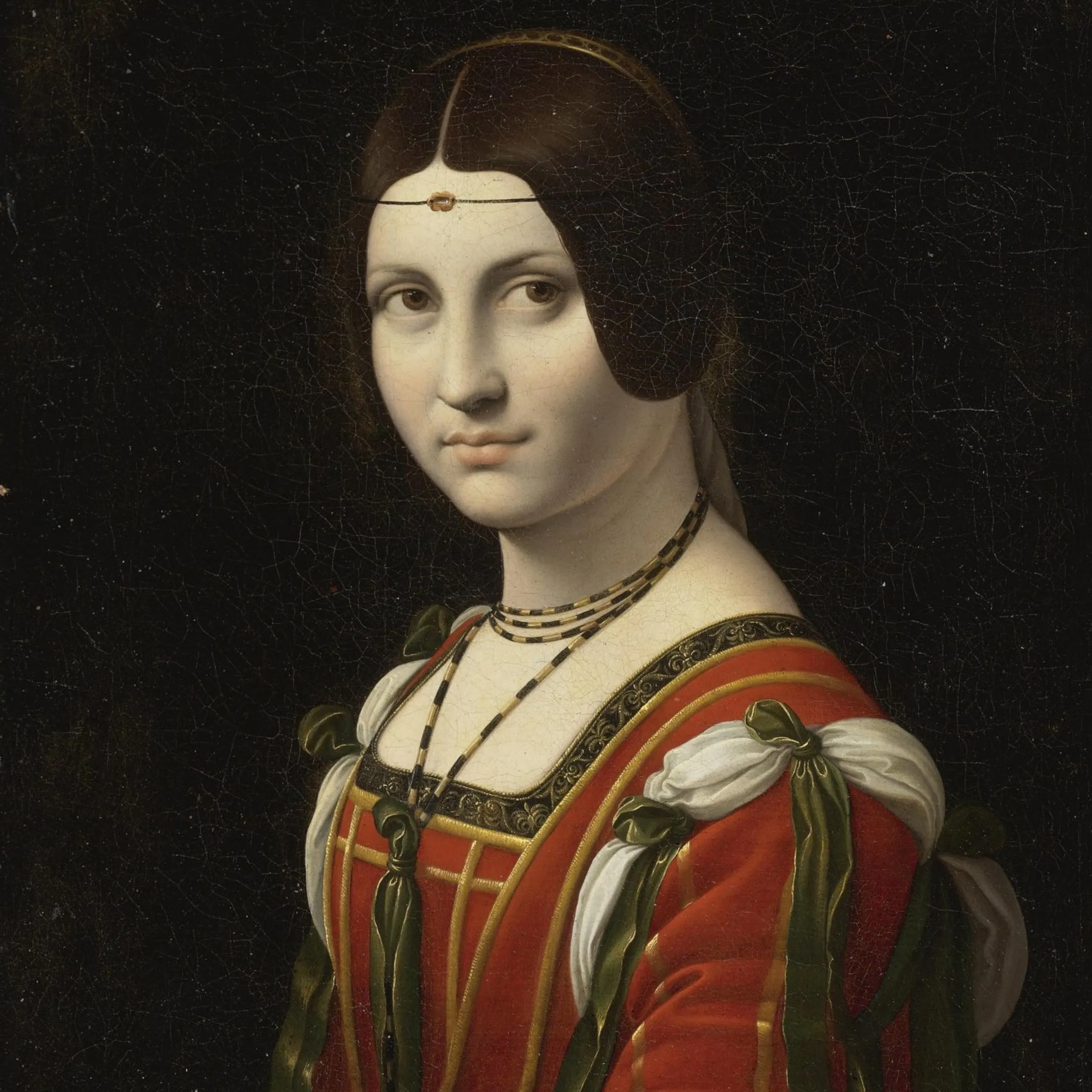
An artist’s skillful application of paint will make an artwork good, but a good story makes that artwork great. In 2010, a painting went on auction at Sotheby’s and sold for $1.5 million and I would argue that price is not because of the image, or the artist, but rather the story. Harry Hahn was an American pilot fighting in World War 1. He was fortunate to not only survive the brutal war, but also while serving overseas, he met the love of his life. He married a French woman named Andree Lardoux. Her aunt, the Comtesse Louise de Montaut decided to give the young couple one of the old paintings in her collection as a wedding present. This gift seemed particularly special as a French connoisseur by the name of George Sortais had examined the painting in 1916 and he had declared it to be the work of none other than Leonardo da Vinci. Want to learn more? Head over to my website www.funfactsdailypod.com and be sure to listen to my other podcasts Who ARTed: Weekly Art History for All Ages or Art Smart . For family fun, check out my son's podcast Rainbow Puppy Science Lab Fun Facts Daily is an Airwave Media Podcast. If you are interested in advertising on this or any other Airwave Media show, email: advertising@airwavemedia.com Learn more about your ad choices. Visit megaphone.fm/adchoices
Nov 24
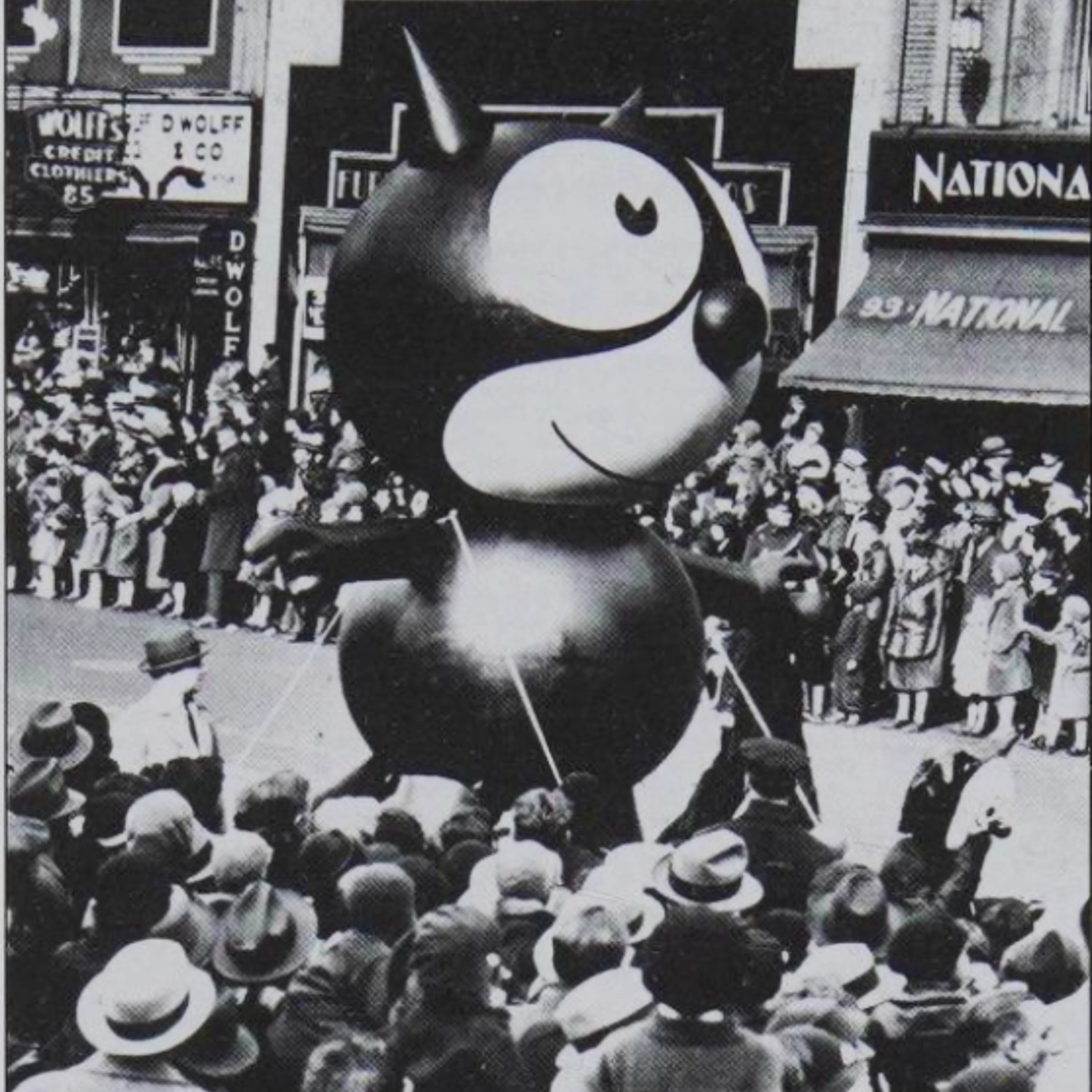
The Macy’s Thanksgiving Day Parade is recognized globally as a holiday spectacle, but it also stands as one of the world's largest exhibitions of public art and engineering. Originating in 1924 as a celebration for the store’s immigrant employees, the event evolved under the artistic direction of puppeteer Tony Sarg. Sarg transformed the parade by replacing live zoo animals with "upside-down marionettes"—sculptures made of rubberized silk that utilized the physics of helium to revolutionize aerial performance. This tradition continues today through the Macy's Parade Studio, where artists blend Old World modeling techniques with 3D computer-aided design to create massive kinetic sculptures capable of navigating the logistical bottleneck of the Lincoln Tunnel. Beyond the floating pop culture icons, the parade features high art installations through the Blue Sky Gallery, an initiative commissioning works from contemporary masters like Jeff Koons, Takashi Murakami, and Yayoi Kusama. The history of these floating giants includes risky experiments, such as the brief era of releasing balloons for a monetary reward, and the development of hybrid vehicles known as "Falloons" and "Balloonicles." From the prototype Felix the Cat to modern masterpieces, the combination of buoyancy and puppetry turns the streets of New York into a moving gallery. Related episodes: Jeff Koons Takashi Murakami Yayoi Kusama KAWS Check out my other podcasts Fun Facts Daily | Art Smart | Rainbow Puppy Science Lab Who ARTed is an Airwave Media Podcast. If you are interested in advertising on this or any other Airwave Media show, email: advertising@airwavemedia.com Learn more about your ad choices. Visit megaphone.fm/adchoices