5h ago
December 24, in the morning - We Need a Savior
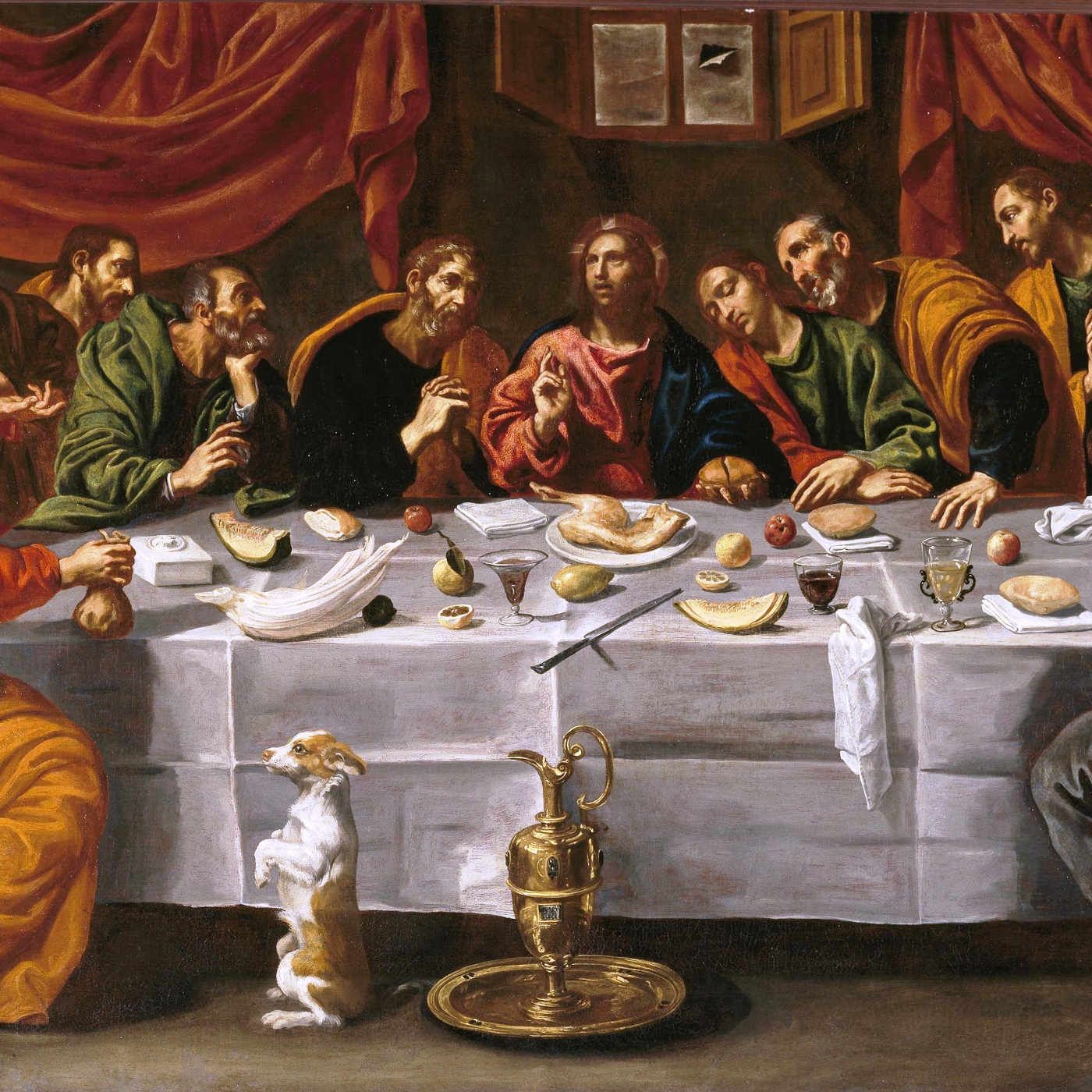
Read Online “Blessed be the Lord, the God of Israel; for he has come to his people and set them free. He has raised up for us a mighty Savior, born of the house of his servant David…” Luke 1:68–69 These words are the beginning of Zechariah’s song of praise, traditionally called the Benedictus , which he prayed as soon as his mouth was opened at the circumcision of his newborn son, John the Baptist. Priests and religious pray this beautiful song in the Liturgy of the Hours every morning. It recounts the whole plan of salvation that God began with Abraham, outlines the role of the prophets, and points to Zechariah’s son, John, as the “prophet of the Most High” who will “go before the Lord to prepare his way, to give his people knowledge of salvation by the forgiveness of their sins” (Luke 1:76–77). As we prepare for the great Solemnity of Christmas Day, Zechariah’s song gives us much to ponder. He begins by blessing God Who “has come to his people and set them free.” Christmas is not only about the Most High God Who took on the form of an infant long ago. It’s also an ongoing coming to us by grace and the Sacraments. That same Most High God continuously descends into our souls as He is made visible to us in the Sacraments, especially the Eucharist. Therefore, each of us must sing Zechariah’s song with the same vigor and conviction every time we attend Mass or encounter God’s presence in our lives. Why did God come to us? He came to set us free. Christmas must be a time when we acknowledge the ways that our sin oppresses us. We need a Savior. We need freedom. We need forgiveness. The only way to be receptive to our Savior is to humbly acknowledge how much we need Him. We see this in Zechariah’s song when he speaks of the role his son John would play in the whole plan of salvation. John was to give God’s people “knowledge of salvation by the forgiveness of their sins.” Seeing our sins is essential. Our culture tempts us to downplay sin, to see it as normal or even acceptable. Some hold up their sin with great pride. We must avoid being influenced by this tendency and recognize our sin with clarity and honesty. Understanding the kind of God we have greatly helps us to see our sin and our need for a Savior. Zechariah goes on to say, “In the tender compassion of our God the dawn from on high shall break upon us, to shine on those who dwell in darkness and the shadow of death, and to guide our feet into the way of peace.” Our God is not only compassionate, He offers us a “tender compassion.” He did not come to condemn, but to free us from “darkness and the shadow of death” so that we could be led into the “way of peace.” Deep down, we all want this. The only way to receive it is by listening to John the Baptist’s preaching that we must acknowledge our sins and repent. Reflect today on the true meaning of Christmas. God became Man to save us from darkness, sin, and death. He came to set us free from all that binds us, oppresses us, and misguides us. He came to free us from the evil one’s lies and the many ways that those lies have permeated our lives and culture. Join with Zechariah today in his song of praise for the gift of salvation, and strive to pray his prayer with the same faith he had. Blessed are You, Lord my God, for You have come to Your people to set them free. Mighty Savior, as I prepare to celebrate the great Solemnity of Christmas, please help me to see how much I need You in my life. Without You, I am lost and live in darkness and death. Free me, and help me to repent and to receive Your gift of salvation. Jesus, I trust in You. Image: Philippe de Champaigne, Public domain, via Wikimedia Commons Source of content: catholic-daily-reflections.com Copyright © 2025 My Catholic Life! Inc. All rights reserved. Used with permission via RSS feed.
1d ago
December 23, Advent Weekday - Our Identity in Christ
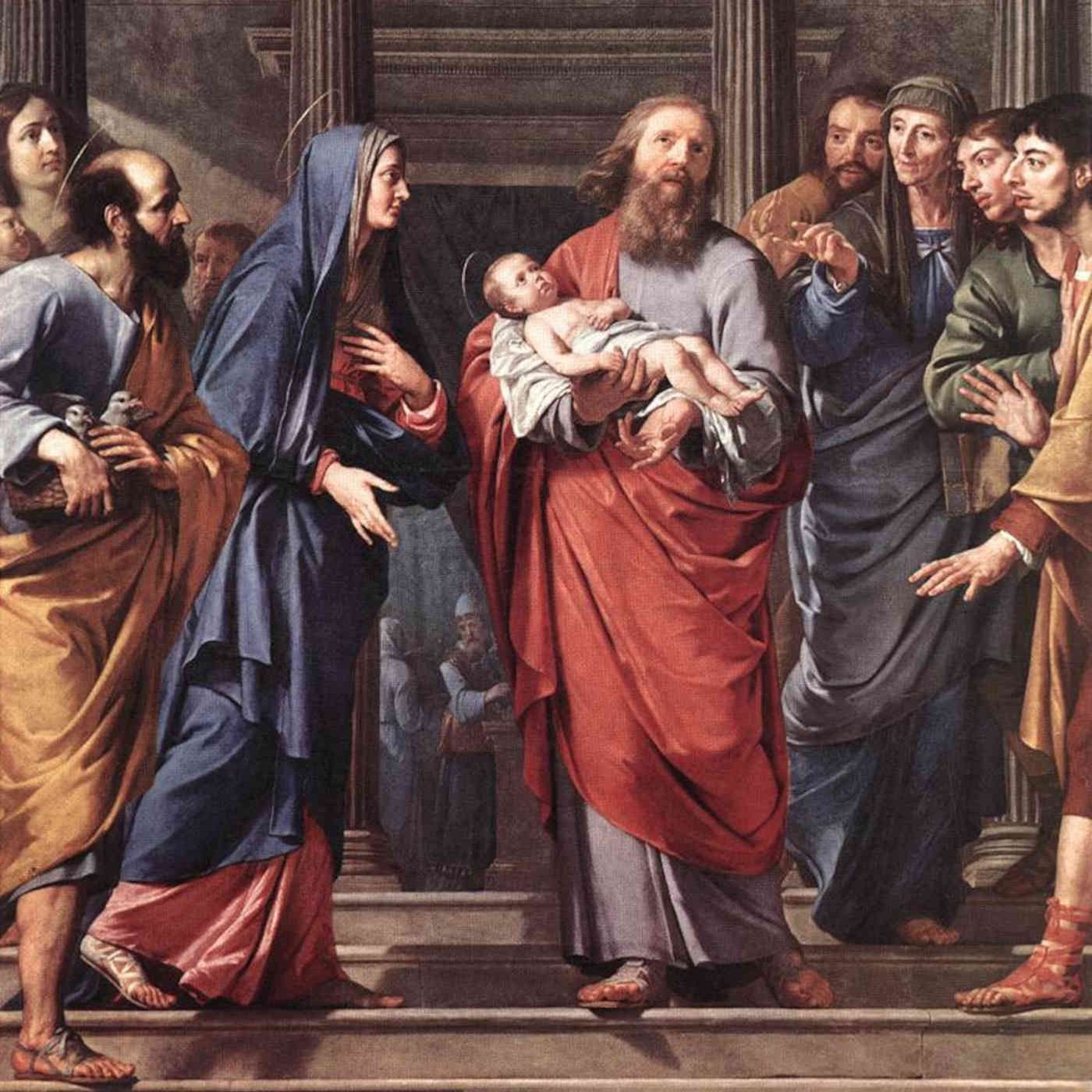
Read Online When they came on the eighth day to circumcise the child, they were going to call him Zechariah after his father, but his mother said in reply, “No. He will be called John.” But they answered her, “There is no one among your relatives who has this name.” So they made signs, asking his father what he wished him to be called. He asked for a tablet and wrote, “John is his name,” and all were amazed. Luke 1:59–63 At the time of John the Baptist’s birth, it was customary for family, neighbors, and others within the community to gather for a child’s circumcision on the eighth day. According to Genesis 17:1–14, when God appeared to Abraham and established a covenant with him and his descendants, circumcision was instituted as the external sign of this covenant for every male child on the eighth day. Over time, it also became customary to name the child as part of the ceremony. The naming of a child in Jewish tradition was significant. A child’s name connected him to his family and continued the family lineage. It was a way of honoring the family member whose name the child was given. Customarily, the firstborn male was named after his father or another significant relative. That’s why the family and friends who gathered for John’s naming and circumcision were surprised when he was not named Zechariah after his father and even more surprised when he was given the name John, a name that no other relative had. The inclusion of this story in the Gospel narrative indicates that John’s name and its departure from Jewish custom hold special significance. Giving him a name that no other family member had was God’s way of indicating that John’s family, identity, and mission extended beyond his blood relatives. The name John means “God is gracious” or “God has been gracious.” Hence, John’s name points beyond his life to God, the Source of grace. His mission was universal, preparing the way of the Lord for all people. Through John, the gateway of God’s grace and mercy is proclaimed, and Jesus, the source of grace and salvation, enters. As we reflect on John the Baptist and his unique identity, we should also ponder our own identity in Christ. While family is the first and most important community where we come to know God and learn to love, God also calls us to an identity that transcends our biological family. We receive our most important identity through baptism. Just as circumcision was the sign of the Old Covenant, baptism is the sacrament that initiates us into the New Covenant in Christ. Through baptism, we take on a new identity and become members of the one, eternal family of God. All who are in a state of grace are brothers and sisters in Christ, with God as our Father and the Blessed Virgin Mary as our spiritual mother. Reflect today on your identity in Christ. In many cultures, it is customary to receive a new name at baptism, symbolizing this new identity. Ponder the identity given to you through baptism, the identity that defines who you truly are. Embrace this identity with all your heart. My Lord and God, in You and You alone do I find my true identity. Through my baptism, I have entered into Your family of grace and become a child of Your Father in Heaven. Please help me to fully embrace this Christian identity and dignity, always living as the child of God I am called to be. Jesus, I trust in You. Image: Wolfgang Sauber, CC BY-SA 3.0 , via Wikimedia Commons Source of content: catholic-daily-reflections.com Copyright © 2025 My Catholic Life! Inc. All rights reserved. Used with permission via RSS feed.
2d ago
December 22, Advent Weekday - Hungering for God
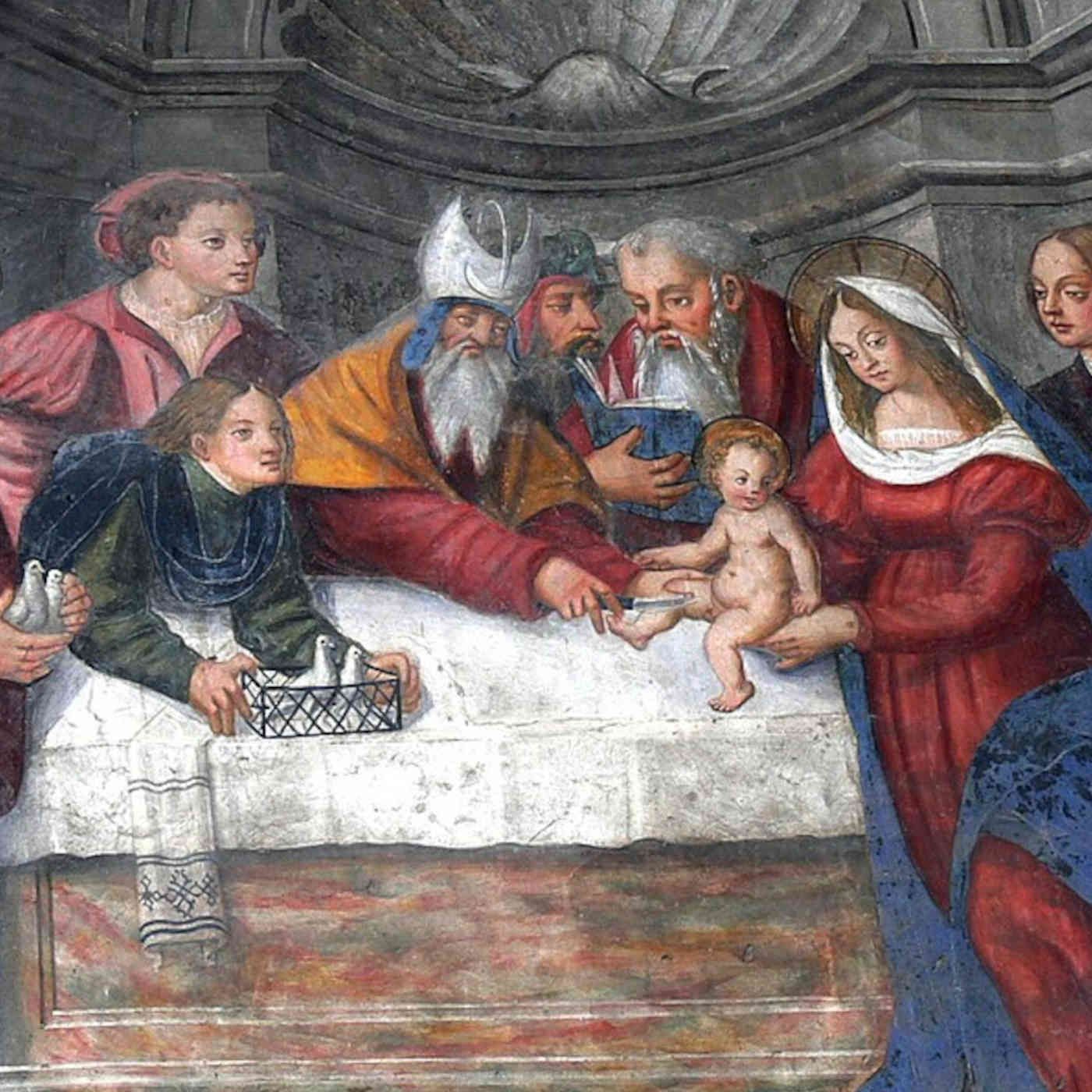
Read Online Mary said: “My soul proclaims the greatness of the Lord; my spirit rejoices in God my savior… He has cast down the mighty from their thrones and has lifted up the lowly. He has filled the hungry with good things, and the rich he has sent away empty.” Luke 1:46; 52–53 The last two sentences quoted from our Blessed Mother’s song of praise give us much to ponder. She, who is the Mother of God and full of grace, rejoiced that God “cast the mighty down from their thrones” and “the rich he sent away empty.” It’s understandable that she rejoiced in God Who “has lifted up the lowly” and “has filled the hungry with good things,” but the first two statements might give us pause. In this context, when people are “mighty” and “rich,” we must understand this to mean those who act in a self-sufficient way, not recognizing their need for God. This tendency is easy to fall into. It is especially tempting for those who are successful in life. Without a deep prayer life and awareness of God’s activity in our lives, we can easily fall into the trap of thinking that we are in charge of our own destiny. When this happens, the most merciful thing God can do for us is to cast us down from our self-sufficient throne and send us away to experience the emptiness of our worldly riches. The key to happiness in life is not attaining great power or riches. The key is found in humility, by which we recognize our absolute need for and dependence on God. Why? Because as the great Saint Augustine wrote in his book Confessions , “You have formed us for Yourself, and our hearts are restless until they rest in You, oh Lord.” Would you be happier if you were rich or poor? Powerful or powerless? Famous or unknown? These questions cannot be answered because neither riches nor poverty, power nor powerlessness, fame nor obscurity have anything to do with true happiness. Though each person falling into any of these categories can find happiness, the categories themselves do not determine that happiness. True happiness comes by discovering God within one’s spiritual poverty and hunger. When we perceive our souls correctly, we will understand Saint Augustine’s famous quote. We will realize that God alone fulfills us, and that doing His will enables us to become who we were created to be. When that discovery happens, we will hunger and thirst for God, and doing the will of God will become the all-consuming desire of our souls. Our God, in His great mercy and love for us, loves such a humble and hungry soul, lavishing spiritual riches upon it. Reflect today on the intense interior fulfillment our Blessed Mother had. She did not live in a lavish castle with numerous servants. She was not the governor of her town, exercising great temporal power. But she was happy beyond what we can imagine because in her lowliness, humility, and hunger for God, she found perfect satisfaction. As you ponder her happiness, seek her intercession and strive to follow her example, no matter what temporal or worldly situation you find yourself in. Dearest Mother Mary, you rejoiced and proclaimed God’s greatness, not because of any material or passing blessings God gave you but because of the spiritual richness you possessed within your soul. Please pray for me, that I will discover God’s presence in my life as the true source of fulfillment and will hunger for Him with every desire of my soul. Mother Mary, pray for me. Jesus, I trust in You. Image: Magnificat by Lawrence OP , license CC BY-NC-ND 2.0 . Source of content: catholic-daily-reflections.com Copyright © 2025 My Catholic Life! Inc. All rights reserved. Used with permission via RSS feed.
3d ago
Fourth Sunday of Advent (Year A) - Saint Joseph, Our Patron and Protector
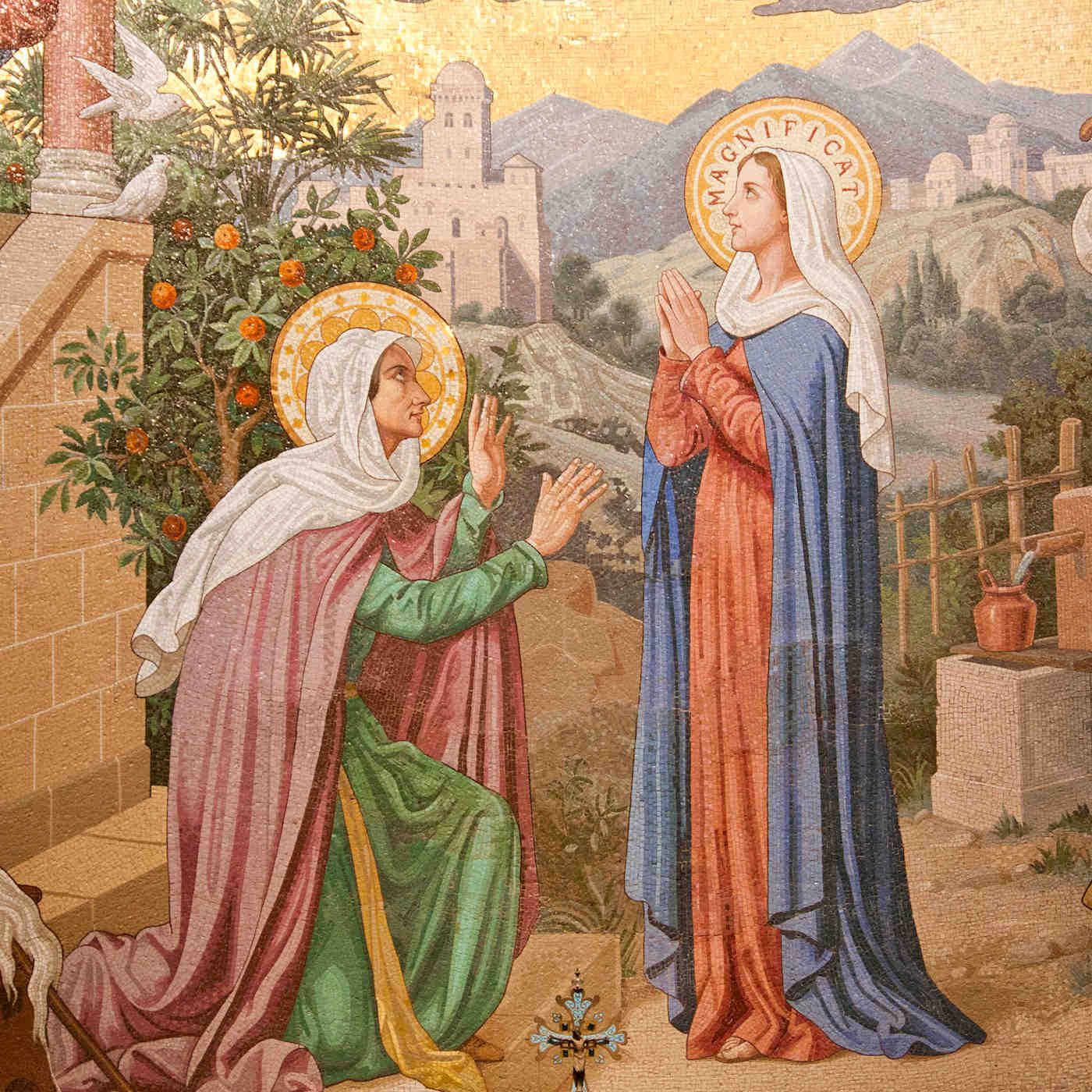
Read Online Such was his intention when, behold, the angel of the Lord appeared to him in a dream and said, “Joseph, son of David, do not be afraid to take Mary your wife into your home. For it is through the Holy Spirit that this child has been conceived in her.” Matthew 1:20 Joseph knew that the penalty for adultery was death by stoning. His heart must have been deeply conflicted. On one hand, the virtues of his betrothed wife, Mary, were abundantly clear. Mary radiated holiness. Impurity was foreign to her Immaculate Heart. Yet she was pregnant, and Joseph was not the father. What should he do? To protect Mary from public shame, Joseph decided to do what he believed was the most merciful thing—he “decided to divorce her quietly. Such was his intention…” Though little is known about Joseph, this Gospel passage identifies him as “a righteous man.” Many saints, popes, and Church documents highlight his unquestionable sanctity. He was not immaculate and free from sin as was his wife, but God the Father would have chosen a righteous and holy man to be the foster father of the Son of God. Joseph’s actions reveal his deep faith. As he slept, “the angel of the Lord appeared to him in a dream and said, ‘Joseph, son of David, do not be afraid to take Mary your wife into your home. For it is through the Holy Spirit that this child has been conceived in her.’” The angel explained to him that Isaiah prophesied that the Messiah would be born of a virgin (see Isaiah 7:14) and that Joseph was to take Mary and her unborn Son into his home and care for them. When he awoke, he did as the angel commanded. Joseph’s dream was no ordinary dream. The Holy Spirit accompanied the angel and instilled the certitude of faith in Joseph’s mind, empowering his will to obey God’s will. Joseph became the father and guardian of the Savior of the World. On December 8, 1847, Pope Pius IX declared Saint Joseph to be the Universal Patron and Protector of the Catholic Church. Just as he protected the Son of God, so he intercedes for us who are members of Christ’s body, the Church. As our Advent season enters its final week, we are reminded of the role that Jesus’ foster father played not only in the life of the Holy Family, but also about the role Saint Joseph continues to play in the life of the Church and in each one of our lives. His intercessory power from Heaven is great, and we should not hesitate to call upon his prayers, especially when we need protection, struggle with fear, or face some grave challenge. Reflect today on your personal devotion to Saint Joseph. Ponder, especially, his deep faith and obedience to the will of God as was communicated to him in a dream. Strive to imitate that obedience in your own life, never hesitating to undertake the mission God has given you. Turn to Saint Joseph in prayer and know that his powerful intercession will help protect you and win God’s grace in the areas you need it the most. Saint Joseph, you were a holy and righteous man, entrusted with the guardianship of the Mother of God and the Son of God. You fulfilled your role faithfully and continue that role from Heaven, protecting all of God’s children through your intercession. Please pray for me, that I will imitate your obedience and will be protected from all sin so as to fulfill the unique role God has given me. Saint Joseph, pray for me. Jesus, I trust in You. Image: Gerard Seghers, Public domain, via Wikimedia Commons Source of content: catholic-daily-reflections.com Copyright © 2025 My Catholic Life! Inc. All rights reserved. Used with permission via RSS feed.

4d ago
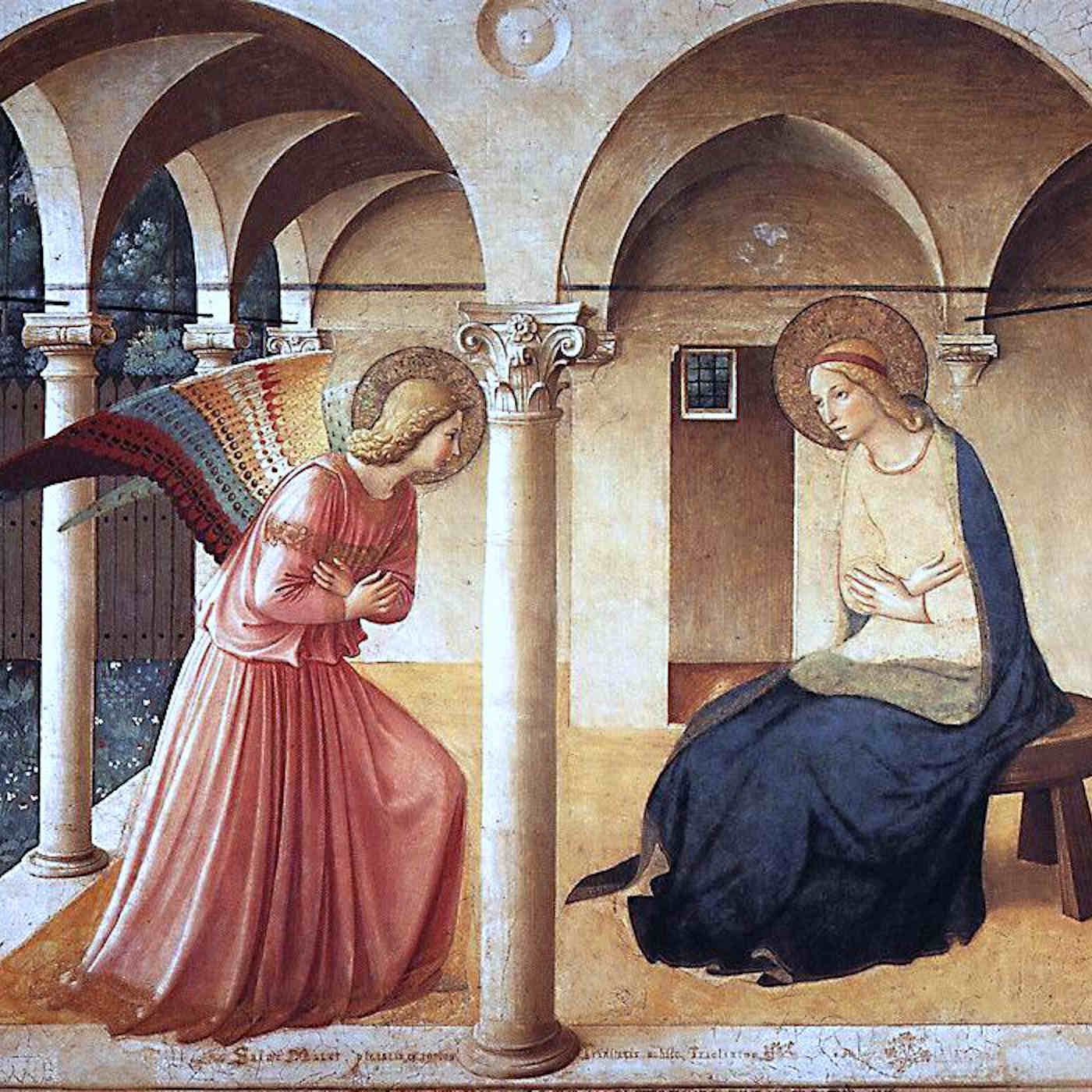
December 20, Advent Weekday - Hail, Full of Grace!
Read Online In the sixth month, the angel Gabriel was sent from God to a town of Galilee called Nazareth, to a virgin betrothed to a man named Joseph, of the house of David, and the virgin’s name was Mary. And coming to her, he said, “Hail, full of grace! The Lord is with you.” But she was greatly troubled at what was said and pondered what sort of greeting this might be.” Luke 1:26–29 The phrase “full of grace” is a translation of the Greek word kecharitomene . It can be translated more literally as “having been graced” or “you who have been fully graced.” The tense of the word indicates that Mary has been graced by God in a unique and ongoing way, implying that this grace was not a one-time event but something encompassing her entire being and continuing to have effect. What was the Blessed Virgin Mary’s response to this amazing greeting? She pondered the archangel’s greeting with humility and initially responded with silence and in awe. Gabriel, aware of Mary’s humility in her silence, says, “Do not be afraid, Mary, for you have found favor with God…” Gabriel then goes on to tell her she will conceive the Son of God within her womb. Given her immaculate nature and the fullness of grace within her soul, Mary immediately obeyed the archangel’s command and did not give into fear. Yet her “greatly troubled” heart led her to ongoing pondering and contemplation of all that was said to her. As we draw closer to the Solemnity of Christmas, we are invited to share in the Blessed Mother’s contemplation of the mystery of the Incarnation. We can be certain that as Gabriel departed from her, her prayerful pondering did not cease. The ongoing fullness of grace within her soul led her to the deepest contemplation of this divine mystery that was humanly possible. Her mind would have penetrated the words spoken to her and perceived the mystery of the Incarnation taking place within her womb in ways that even she could not explain. With the fullness of grace came the fullness of infused knowledge, which is beyond human articulation. In our lives, we often fail to humbly ponder the profound reality of the Incarnation. We must have a “troubled heart” in the sense of remaining in awe of what God has done for us by taking on our human nature. We must allow Mary’s pondering to become our own so that we enter more deeply into the great mystery we celebrate. As we prepare for the celebration of Christmas, reflect upon Mary’s pondering mind and heart. Though we will never engage in her depth of contemplative prayer, she is our model. We must accept every divine mystery revealed to us with faith and then grapple with each mystery on a deeper level that can only be accomplished by contemplative prayer. Those who attain this depth of prayer are drawn exceptionally close to God Who uses them to continue the effect of the Incarnation by spiritually giving birth to Christ in their lives. Immaculate Mother of God, you were called “full of grace” by the Archangel Gabriel. You humbly listened to all that was spoken to you and accepted it with faith, surrender, and humility. Please pray for me, that I will imitate your pondering Immaculate Heart so that I will be better prepared for the great Solemnity of Christmas Day. Mother Mary, pray for me. Jesus, I trust in You. Image: Fra Angelico, CC BY 2.0 , via Wikimedia Commons Source of content: catholic-daily-reflections.com Copyright © 2025 My Catholic Life! Inc. All rights reserved. Used with permission via RSS feed.
5d ago
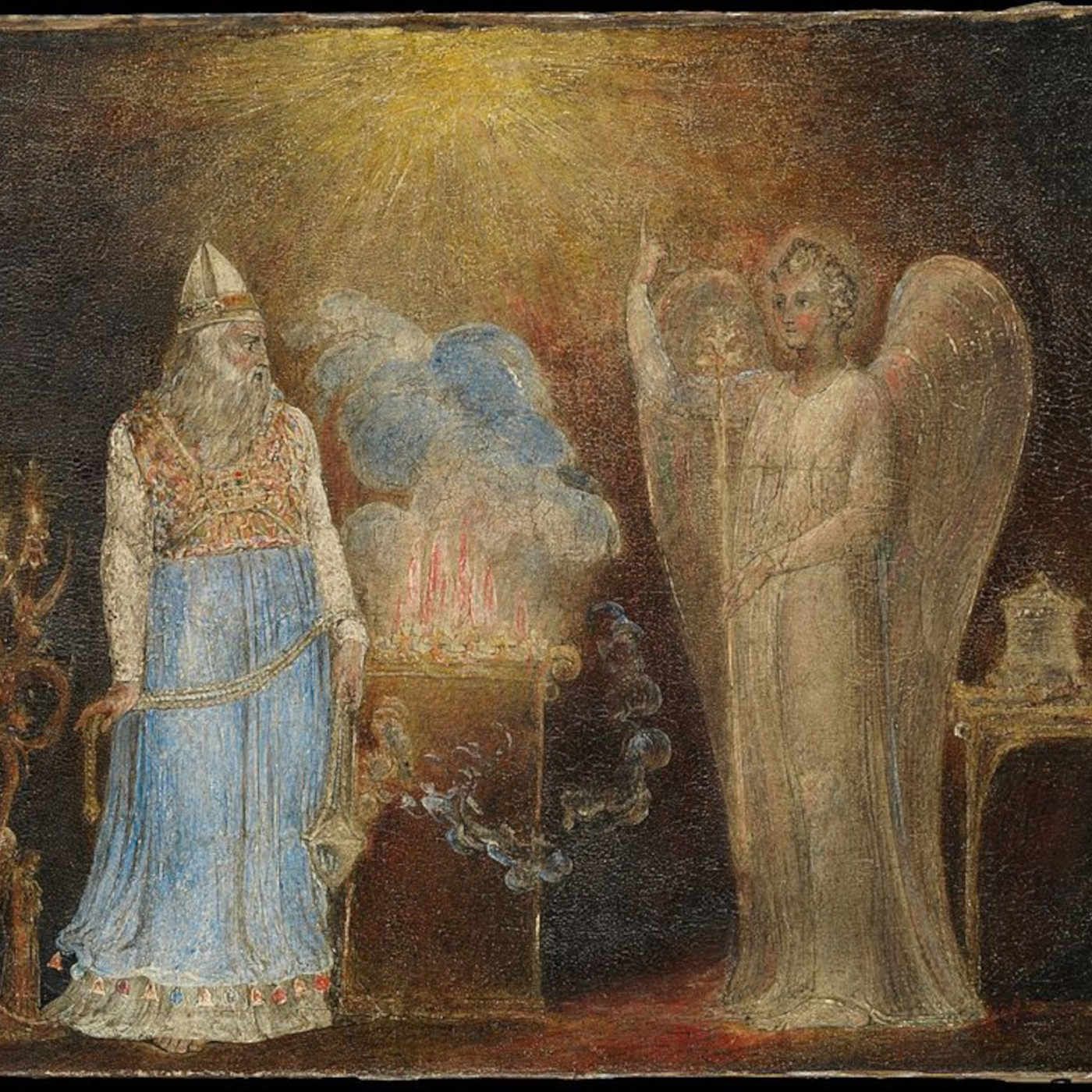
December 19, Advent Weekday - Chastisements of Love
Read Online But the angel said to him, “Do not be afraid, Zechariah, because your prayer has been heard. Your wife Elizabeth will bear you a son, and you shall name him John. And you will have joy and gladness, and many will rejoice at his birth, for he will be great in the sight of the Lord.” Luke 1:13–15 Unlike Saint Joseph and the Blessed Virgin Mary, Zechariah doubted the angel of the Lord’s revelation. Our Blessed Mother encountered the Archangel Gabriel at the Annunciation and responded, “Behold, I am the handmaid of the Lord. May it be done to me according to your word” (Luke 1:38). An angel of the Lord appeared to Joseph in a dream, and when Joseph awoke, “he did as the angel of the Lord had commanded him” (Matthew 1:24). Today, we are given a similar scene to ponder. Zechariah and Elizabeth are identified as being “righteous in the eyes of God, observing all the commandments and ordinances of the Lord blamelessly” (Luke 1:6). In other words, Zechariah was a holy man of God. While he was standing at the altar of incense located in the Holy Place, just outside the veil of the Holy of Holies, the Archangel Gabriel appeared to him to announce that his wife had conceived a child in her old age. Gabriel further reveals, “He will be filled with the Holy Spirit even from his mother’s womb, and he will turn many of the children of Israel to the Lord their God” (Luke 1:15–16). Given Zechariah’s personal holiness and the extraordinary revelation he received from Gabriel, he should have believed what Gabriel said without hesitation. When he failed to do so, Gabriel said to him, “I am Gabriel, who stand before God. I was sent to speak to you and to announce to you this good news. But now you will be speechless and unable to talk until the day these things take place, because you did not believe my words…” (Luke 1:19–20). This chastisement was clearly for Zechariah’s benefit. Despite his lack of faith, God wanted him to participate in His divine plan of salvation. The chastisement was not a punishment in a punitive way. It was meant to instill greater faith in him, and it accomplished its purpose. Most of us are more like Zechariah than we are like our Blessed Mother and Saint Joseph. Despite our best intentions and attempts to remain faithful to God’s will, we stumble. When that happens, we must see any consequences as a gift of love from God. Chastisements come in many forms. They are meant to wake us up to a greater obedience to God’s will. Reflect today on any ways that your sins have resulted in consequences. It takes deep humility to admit our sins and take responsibility for their effects. Though it is easy to be angry, to point the finger elsewhere, and to justify our actions, doing so is a rejection of God’s loving chastisement meant for our good. Strive to imitate Zecharaiah by humbly changing when your sin results in consequences so that God can bring good into your life, even from a lack of faith and obedience to His will. Most merciful Lord, You chastise those whom You love so as to redirect them to Your holy will. When I sin, please help me to accept the consequences with humility and as a motivation to turn back to You in fidelity and love. Please make me holy in imitation of Zechariah, Saint Joseph, and our Blessed Mother. Jesus, I trust in You. Image: William Blake, CC0, via Wikimedia Commons Source of content: catholic-daily-reflections.com Copyright © 2025 My Catholic Life! Inc. All rights reserved. Used with permission via RSS feed.
6d ago
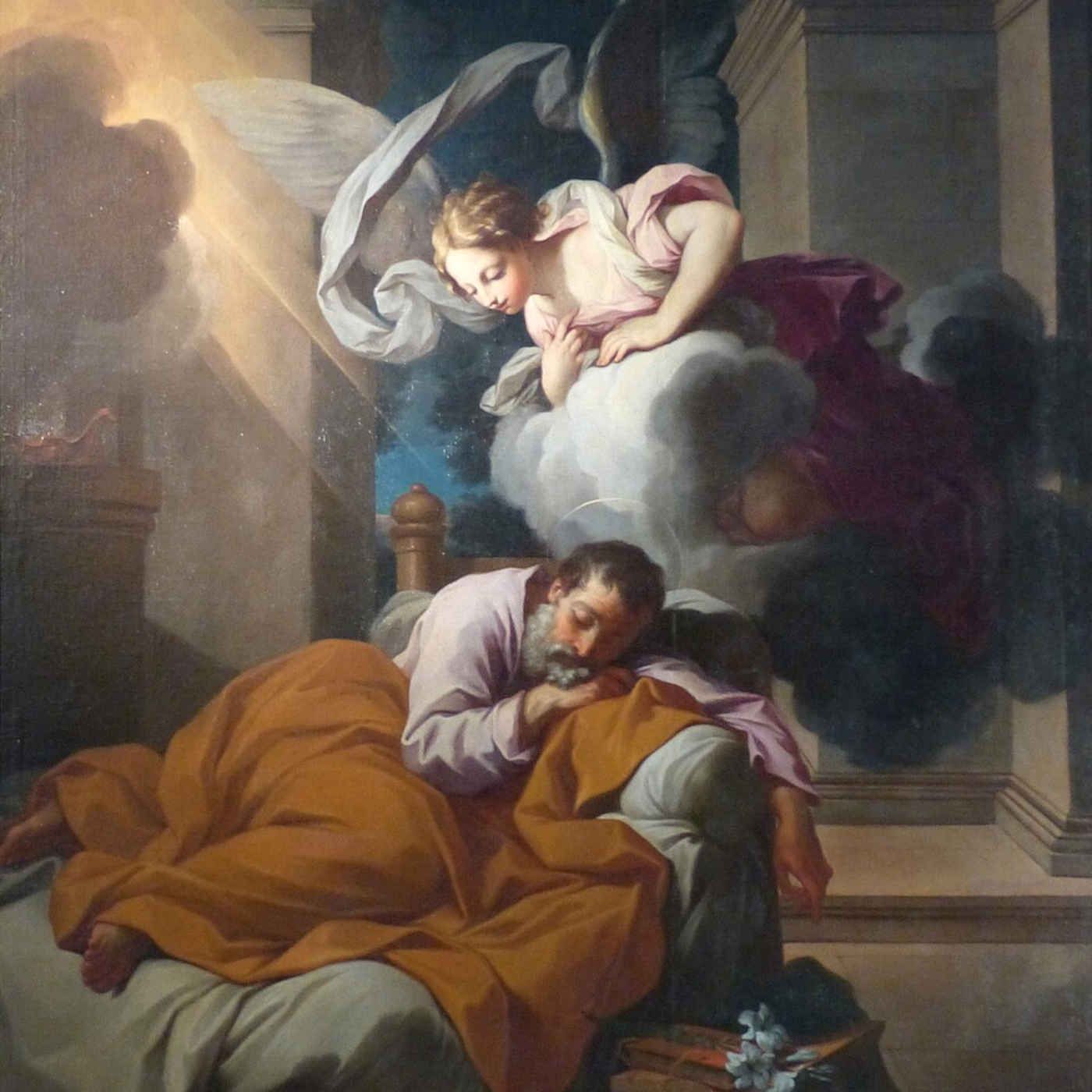
December 18, Advent Weekday - Divine Truth vs. Our Imagination
Read Online When Joseph awoke, he did as the angel of the Lord had commanded him and took his wife into his home. Matthew 1:24 The human person is a fascinating subject of study. Throughout the ages, countless philosophers, theologians, and social scientists have sought to understand the complexities of human nature. Within the Catholic philosophical tradition, Saint Thomas Aquinas stands out as an influential and trustworthy teacher on this topic. Aquinas teaches that while a person sleeps, the external senses are inactive. However, sense images within the imagination can still be active to varying degrees, depending on the depth of sleep, leading to the formation of dreams. Human reason is not entirely inactive during sleep, but it operates in a diminished capacity, which often results in dreams being nonsensical. Because the intellect’s judgment is not fully engaged, the content of dreams is generally neither moral nor immoral. There is, however, another form of dream that transcends the normal and natural type. This is exemplified in Joseph’s dream. In such divinely inspired dreams, like Joseph’s, human reason is fully active—not because of the natural workings of the imagination—but because the dream is a direct result of divine intervention. In Joseph’s case, his reason and intellect were fully engaged, allowing him to comprehend the divine message delivered by the angel. He was presented with a choice, and with his reason fully operative, he freely chose to say “Yes” to God’s communication, thus embracing his role in the divine plan. This “Yes” to the divine plan is clearly illustrated in the passage quoted above. Upon awakening, Joseph “did as the angel of the Lord had commanded him.” His choice was made during his divinely inspired dream, and his will fully acted upon this decision when he awoke. Though divinely inspired dreams like Joseph’s are uncommon, they do happen. We, however, do not need to wait for such a dream to imitate Joseph’s obedience to God’s will. Like Joseph, we have been given divine Truth. For us, that Truth comes primarily through Sacred Scripture and the teachings of the Church. The writings of the saints also help clarify all that God speaks to us. At times, our imaginations can lead us astray, much like in a dream. When we allow irrational thoughts to dictate our actions, we might find ourselves filled with anxiety, worry, and confusion. Imitating Joseph does not mean waiting for a divine dream; rather, it means actively engaging our minds with divine Truth as revealed through the Church and Sacred Scripture. We must then listen to that truth, dismiss irrational thoughts, and use our reason to command our will to act in obedience to God’s will. Reflect, today, on whether you tend to dwell on irrational ideas or whether you turn your intellect to divine Truth as the basis for what you believe and how you act. Just as Joseph trusted in the Truth revealed to him by the angel and acted upon it, we too must place our trust in the Truth and act accordingly. My trustworthy Lord, You have revealed to us all Truth as is given to us through the Sacred Scripture and the teachings of the Church. When my imagination leads me astray into obsessive thinking and worrying, please speak to me and help me to hear Your voice. May every decision I make and action I take be in accord with Your Truth. Jesus, I trust in You. Image: Finoskov, CC BY-SA 4.0 , via Wikimedia Commons Source of content: catholic-daily-reflections.com Copyright © 2025 My Catholic Life! Inc. All rights reserved. Used with permission via RSS feed.
Dec 16
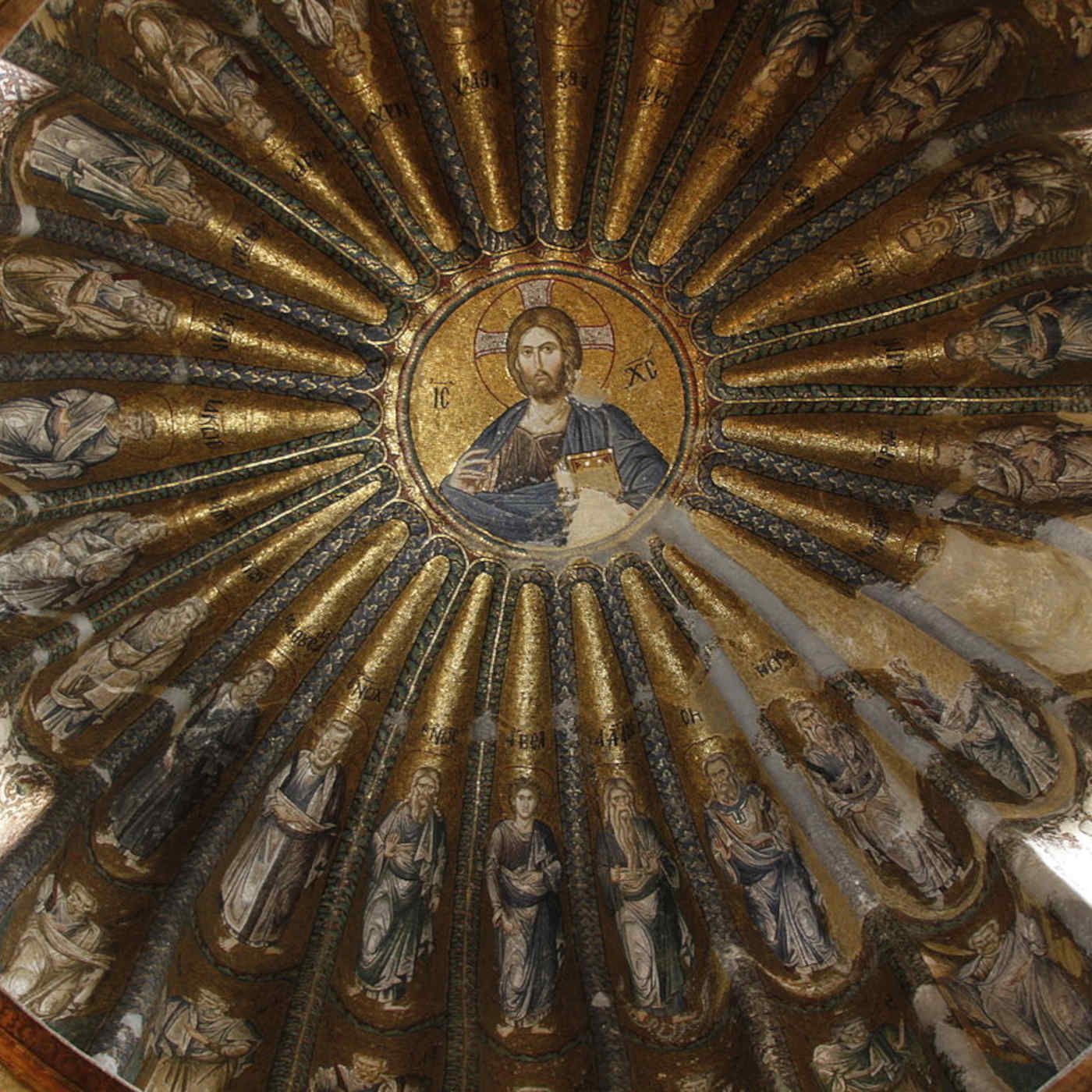
December 17, Advent Weekday - Fidelity to God’s Eternal Plan
Read Online The book of the genealogy of Jesus Christ, the son of David, the son of Abraham… Thus the total number of generations from Abraham to David is fourteen generations; from David to the Babylonian exile, fourteen generations; from the Babylonian exile to the Messiah, fourteen generations.” Matthew 1:1; 17 This lengthy list of Abraham’s and David’s descendents, leading to Jesus, is much more than a listing of names. It’s an illustration of God’s fidelity to His promises. To Abraham, God promised “All the families of the earth will find blessing in you” (Genesis 12:3). To David, God promised “Your house and your kingdom are firm forever before me; your throne shall be firmly established forever” (2 Samuel 7:16). Certain divine qualities are revealed in these passages. Unwavering fidelity, continuity through the ages, and God’s eternal plan to bless all people through the descendants of Abraham and David are among them. These qualities are not only important for Scripture study, enabling scholars to better understand the whole of salvation history, they also are important to each one of our lives today. When God makes a promise, He is faithful to that promise. What promises has God made to you? He has promised the gifts of grace, happiness, holiness, and eternal life to all who become members of His Kingdom. This promise of unwavering fidelity should inspire hope within our hearts, especially when life is difficult. Difficulties can tempt us to despair, anxiety, and fear. Confidence in God’s fidelity will keep us firmly grounded in the certainty of hope that God will never let us down when we remain faithful to Him. In our fast-paced and ever changing world, continuity and consistency are often absent. Many people change their views based on the latest trends. The barrage of constant news, political and moral opinions, and changing economic and social conditions tempt us to change with the latest ideas. God’s ideas, however, never change. These promises should lead us to establish our lives not on the latest opinions or popular culture, but on the rock-solid principles of faith, as revealed by God. We are among those who receive blessings promised to “all the families of the earth” through Abraham. Jesus is that final descendent through Whom every good blessing comes. His mission opens the floodgates of grace to all who turn to Him in their need. Don’t ever doubt that perfect and eternal plan of salvation. Reflect today on God’s perfect fidelity, continuity, and promise of eternal salvation to all who become members of His Kingdom. That Kingdom will remain forever while every other kingdom will pass away. Resolve to remain a full citizen of that Kingdom by being unwaveringly faithful to God’s promises, and you will be blessed now and forever to share in the eternal plan of our saving God. My faithful God, Your eternal Word never changes. Your perfect plan invites me to share in the salvation promised to all who follow You and become members of Your Kingdom. Grant me the gift of perfect fidelity to You so that I am consistently united to You and always remain a member of Your eternal Kingdom on Earth and in Heaven. Jesus, I trust in You. Image: © José Luiz Bernardes Ribeiro Source of content: catholic-daily-reflections.com Copyright © 2025 My Catholic Life! Inc. All rights reserved. Used with permission via RSS feed.
Dec 15
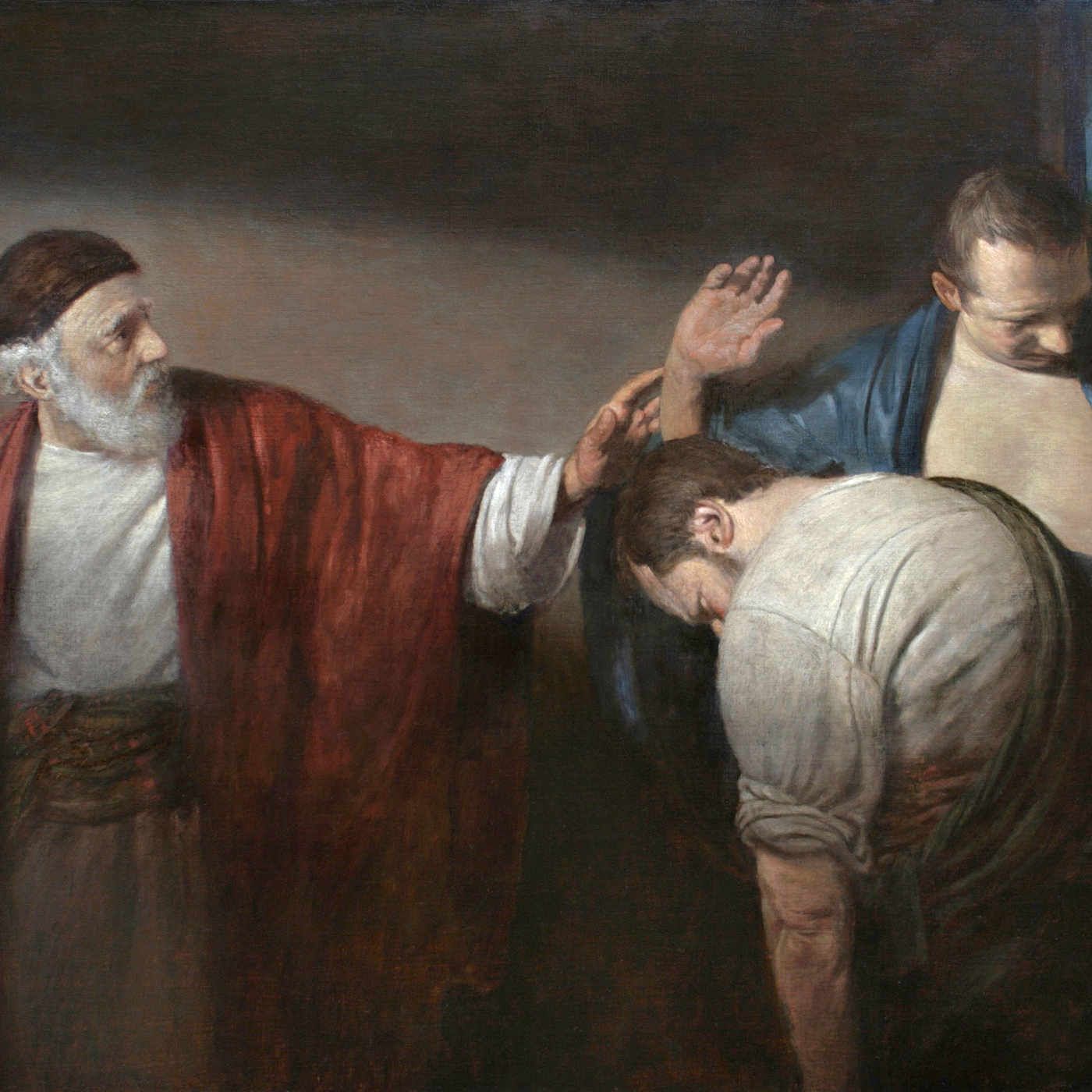
Tuesday of the Third Week of Advent - Humbly Repent and Obey
Read Online “What is your opinion? A man had two sons. He came to the first and said, ‘Son, go out and work in the vineyard today.’ The son said in reply, ‘I will not,’ but afterwards he changed his mind and went. The man came to the other son and gave the same order. He said in reply, ‘Yes, sir,’ but did not go. Which of the two did his father’s will?” Matthew 21:28–31 Jesus addressed this question to the chief priests and elders of the people. As the passage continues, Jesus humbles them by saying, “Amen, I say to you, tax collectors and prostitutes are entering the Kingdom of God before you.” He explains that the chief priests and elders of the people were like the second son. They gave lip service to God’s commands but failed to humbly repent and obey. The fact that “tax collectors and prostitutes” were entering the Kingdom of God should give us great hope. No one is beyond God’s mercy if they humbly listen to Him, repent, and begin to obey. Though neither son’s response is ideal, hopefully we are more like the first son. When we hear God’s Word and understand His continuously deepening call to holiness, we will find it challenging. Often, our first reaction to a deeper revelation of the Gospel is “No!” Our sinful habits are hard to break, and our fallen human nature is difficult to align with God’s will. Don’t be surprised if you find God’s will initially challenging. As God’s voice and His will become clearer, our first response must always be repentance. This should not surprise us. We must learn to build a habit of repentance if we want to grow closer to God and live His will. Initially, we often react to repentance in a negative way, but we shouldn’t. Though we might be like the first son and say “no” when God calls us to obedience, if we build a habit of repentance, then we will eventually find great joy in that act. Over time, we will find that our response becomes “Yes, I will go,” and then we go, having discovered the value in obedience. Reflect today on whether you often pay lip service to God, pretending to do His will, or if you regularly experience God’s call to repentance on a deepening level. Identify yourself with the repentant tax collectors and prostitutes, and imitate their humility when they were confronted with their sins. Know that repentance is the beginning of freedom and is the first step toward greater unity with God. My demanding Lord, every command You issue is a command of love. Though obedience to You is often initially challenging, help me to see the great value in it. Give me the courage and fidelity I need to hear Your voice, repent of my sin, and obey You in all things. Jesus, I trust in You. Image: Andrei Mironov, CC BY-SA 4.0 , via Wikimedia Commons Source of content: catholic-daily-reflections.com Copyright © 2025 My Catholic Life! Inc. All rights reserved. Used with permission via RSS feed.
Dec 14
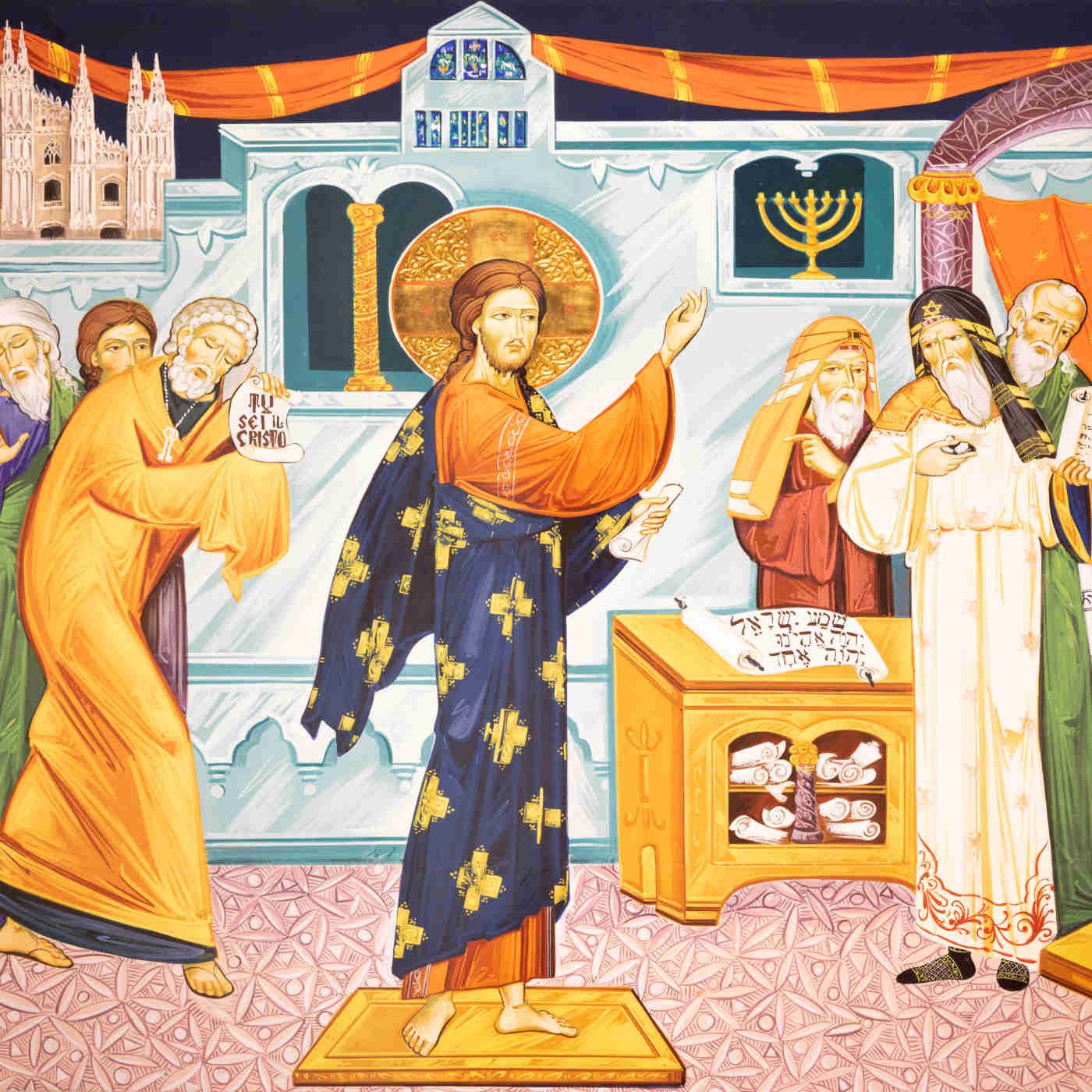
Monday of the Third Week of Advent - Confronting Irrationality
Read Online When Jesus had come into the temple area, the chief priests and the elders of the people approached him as he was teaching and said, “By what authority are you doing these things? And who gave you this authority?” Matthew 21:25–27 The chief priests and the elders of the people were supposed to shepherd the people into eternal salvation. They were supposed to be instruments of God’s divine will, prophetic voices, and priests who offered holy sacrifices for the atonement of sin. In practice, they were none of those things. As this Gospel passage progresses, we see more clearly why Jesus rebuked them so firmly. “Jesus said to them in reply, ‘I shall ask you one question, and if you answer it for me, then I shall tell you by what authority I do these things. Where was John’s baptism from? Was it of heavenly or of human origin?’” (Matthew 21:24–25). The religious leaders refused to answer the question because neither answer suited their agenda. If they said John’s baptism was of heavenly origin, they feared that Jesus would ask them why they didn’t believe John. If they said of earthly origin, they feared the crowd who believed John to be a prophet. So they took the easy way out and said, “We do not know.” As a result, Jesus did not answer their question. Jesus’ response to these religious leaders gives us insight into how to respond to those in our lives who directly challenge our faith. At times, we might encounter criticism that is irrational. We might be tempted to get angry and engage that irrational criticism. This often leads to an unproductive conversation. Our Lord’s approach to irrationality in this passage was quite different. Though Jesus judged these religious leaders as God, His human interaction with them was not judgmental or defensive. Instead, He asked a question that forced them to face their irrationality, bringing it into the light. When they refused to admit their irrationality, Jesus remained silent. One thing this tells us is that it is rarely beneficial to engage a person on the level of their irrationality. Silently forgiving their judgment does not mean we need to engage them in it. If someone confronts us with humility and sincerity, this opens the door to a healthy conversation. If their questioning of our actions is irrational, it’s often best ignored. This approach is loving because it imitates our Lord and diffuses the irrational criticism, opening the door to a more healthy conversation later. Reflect today on whether Jesus’ experience with the irrational religious leaders of His time is something you experience with those in your life. Though some people are blessed to be surrounded by very supportive and faith-filled family and friends, others are not. Ponder the ways God wants you to live your faith openly, even if it draws criticism. When it does, try to imitate the humility and wisdom Jesus manifested so that you are not drawn into unhealthy and irrational conversations. Lord of true Wisdom, You always knew how to interact with people with perfect charity and truth. To those who needed Your compassion, You were compassionate. To those who were irrational, You humbly revealed their irrationality. Please give me the gift of wisdom so that I will always relate to those in my life in accord with Your holy will. Jesus, I trust in You. Image via Adobe Stock Source of content: catholic-daily-reflections.com Copyright © 2025 My Catholic Life! Inc. All rights reserved. Used with permission via RSS feed.
Dec 13
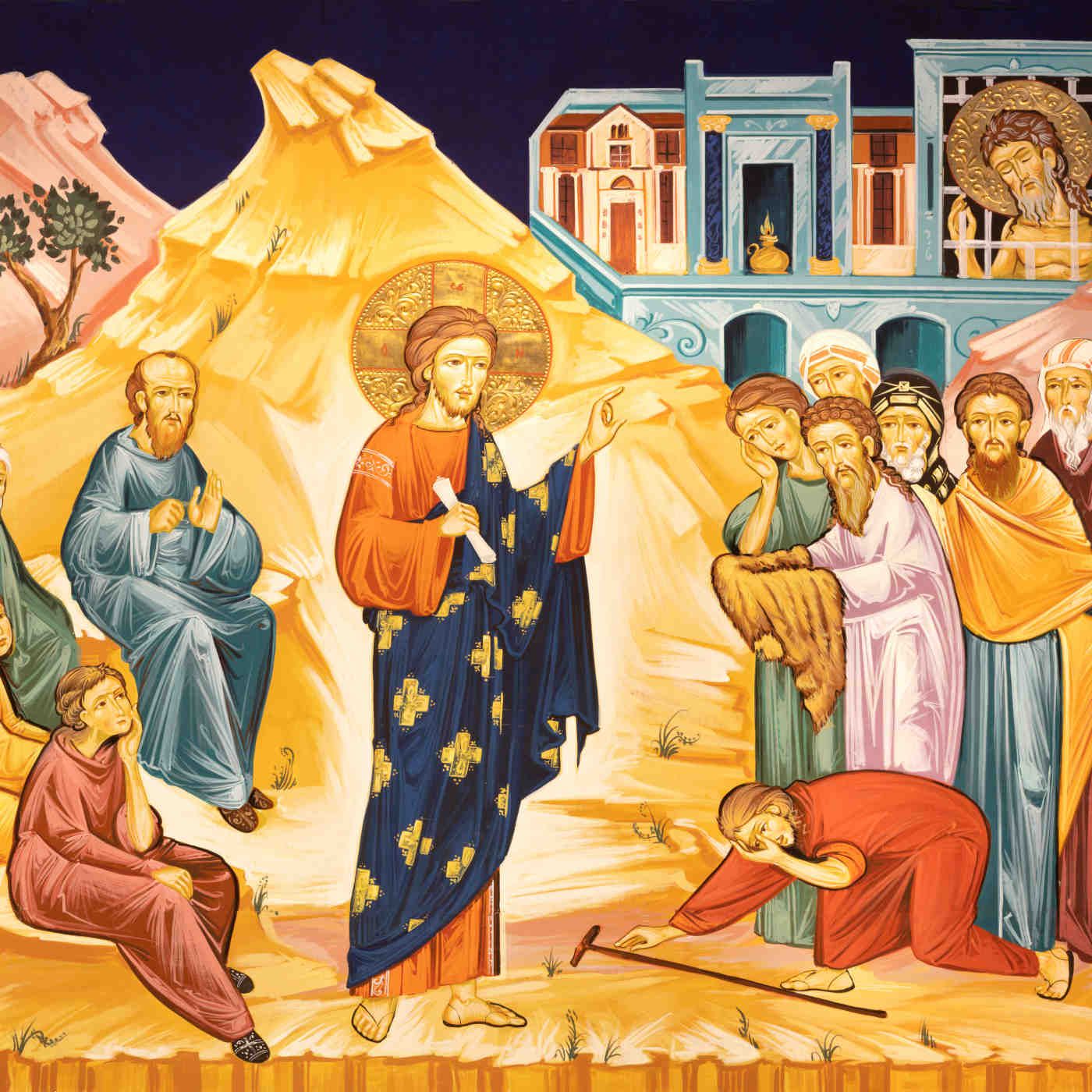
Third Sunday of Advent (Year A) - Rejoicing in the Cross
Read Online “Go and tell John what you hear and see: the blind regain their sight, the lame walk, lepers are cleansed, the deaf hear, the dead are raised, and the poor have the good news proclaimed to them. And blessed is the one who takes no offense at me.” Matthew 11:4–6 Suppose a priest came to your church to put on a parish mission, and during that mission he miraculously healed the blind, crippled, terminally ill, and deaf. What if he even raised the dead to life? How would you respond? Most likely with amazement! You’d contact everyone close to you and tell them about those miracles, encouraging them to attend the next session. Though Jesus’ ministry was filled with miracles, they were far from the most important part of His mission. His miracles healed bodies that would eventually die, but His preaching healed souls that would live forever because His preaching ultimately pointed to His greatest work—to suffer and die for the salvation of souls. If you were alive as Jesus walked the earth, performed miracles, preached the Good News, suffered death, and rose again, which of His actions would have had the greatest effect on you? When we consider our Lord’s mission, we must consider it all as one unified whole, not missing the most important aspects. From a faith perspective, Jesus’ suffering, death, and Resurrection are clearly His greatest acts. By freely embracing suffering and death, He transformed the worst into the best: the consequence of sin—which is death—into the instrument of eternal life. When Jesus said, “And blessed is the one who takes no offense at me,” He was identifying those as blessed who discovered the great value of His Cross. If we were to ask Jesus’ first followers whether they would prefer to see Jesus perform miracles or suffer and die, most likely they would prefer the miracles. Such a question might have even left them confused. Why would anyone want to see a great prophet suffer and die? Yet, today, from a theological perspective, it is clear that Jesus’ suffering, death, and Resurrection are the greatest acts in human history. Imagine being our Blessed Mother who witnessed it all, stood by her Son as He endured His Cross, and rejoiced with Him when He rose. Unquestionably, if we asked our Blessed Mother whether she preferred to see a few miracles from her Son or to witness His perfect sacrifice that brought salvation to the world, her holy and sorrowful heart would choose the latter. Reflect today on these questions within the context of your own life. When you pray, do you primarily ask for favors, blessings, or miracles? Or do you primarily pray for the Cross? Do you see greater value in having God remove some suffering from your life or in transforming your suffering by the power of His Cross? Ask for the grace to die with our Lord, to become a living sacrifice of love, and to have the strength to lay down your life for others. By choosing that which has eternal value, you choose the better part and will rejoice in that better part forever. My sacrificial Lord, You invite me to take no offense at Your suffering and death; to see beyond the pain, blood, and physical death; and to discover the unfathomable riches of Your Sacrifice. Please give me the eyes of faith to see the value of not only accepting Your Cross, but also to see the value of living Your Passion in my own life by laying down my life with You. Jesus, I trust in You. Image via Adobe Stock Source of content: catholic-daily-reflections.com Copyright © 2025 My Catholic Life! Inc. All rights reserved. Used with permission via RSS feed.
Dec 12
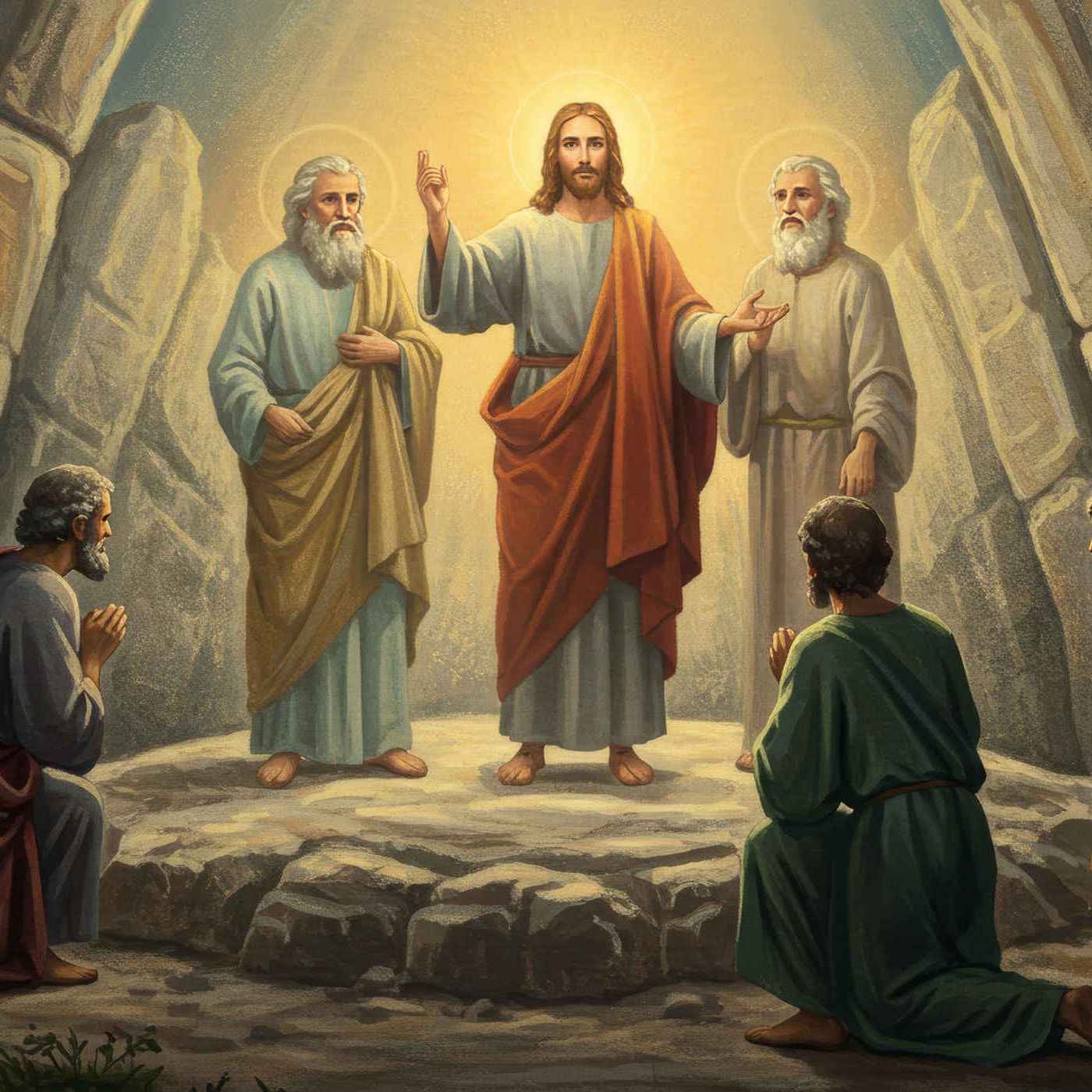
Saturday of the Second Week of Advent - Seeking to Understand
Read Online As they were coming down from the mountain, the disciples asked Jesus, “Why do the scribes say that Elijah must come first?” Matthew 17:9a & 10 The final book of the Old Testament, written by the prophet Malachi around the fifth century BC, contains a prophecy that Elijah would return to prepare the way for the coming of the Messiah (see Malachi 3:23–24). The scribes used this prophecy to argue that Jesus could not be the Messiah since Elijah had not yet returned, at least not in the way they expected. This argument caused confusion in the minds of Jesus’ Apostles. Just before the event in today’s Gospel passage, Jesus took Peter, James, and John up a high mountain where He was transfigured before them, giving them a glimpse of His heavenly glory. This experience strengthened their conviction that Jesus was indeed the Messiah. However, as they descended the mountain, they asked Jesus about Malachi’s prophecy, seeking to understand how Jesus could be the Messiah if Elijah had not yet come. Jesus clarified this for them: “‘I tell you that Elijah has already come, and they did not recognize him…’ Then the disciples understood that he was speaking to them of John the Baptist” (Matthew 17:12–13). As we grow in our faith and become convinced of Jesus’ identity as the Messiah, we might also encounter what appear to be contradictions. For example, faith and science sometimes seem to conflict, even though they are ultimately harmonious. The existence of human suffering and injustice can challenge our understanding of an all-powerful, all-loving God. Moral questions can arise when we encounter differing opinions, and various other experiences might seem difficult to reconcile with the Word of God. If you find yourself facing such challenges, take inspiration from Peter, James, and John. Allow your faith to deepen through moments of prayer and personal encounters with God. Then, do not shy away from questions that arise in your mind. If something seems contradictory to your faith, seek understanding. Turn to our Lord in prayer, study the teachings of the Church, read the writings of the saints, and trust that God’s Wisdom is perfect. It will clarify every apparent contradiction and dispel all confusion. Reflect today on the example of these three Apostles seeking clarity from Jesus. They asked their question with faith, not with skepticism. They did not doubt but sought understanding. Imitate them with every question that arises in your mind so that you may find interior peace and become a beacon of wisdom to others. Lord of true Wisdom, You are Truth Itself. As I grow in my faith and as my faith is challenged in daily life, help me never to doubt but to seek You all the more. Grant me the gifts of wisdom, understanding, and knowledge so that I may become ever more fervent in following You. Jesus, I trust in You. Image via Adobe Stock Source of content: catholic-daily-reflections.com Copyright © 2025 My Catholic Life! Inc. All rights reserved. Used with permission via RSS feed.
Dec 11
December 12, Our Lady of Guadalupe - Our Lady, the Greatest Evangelist
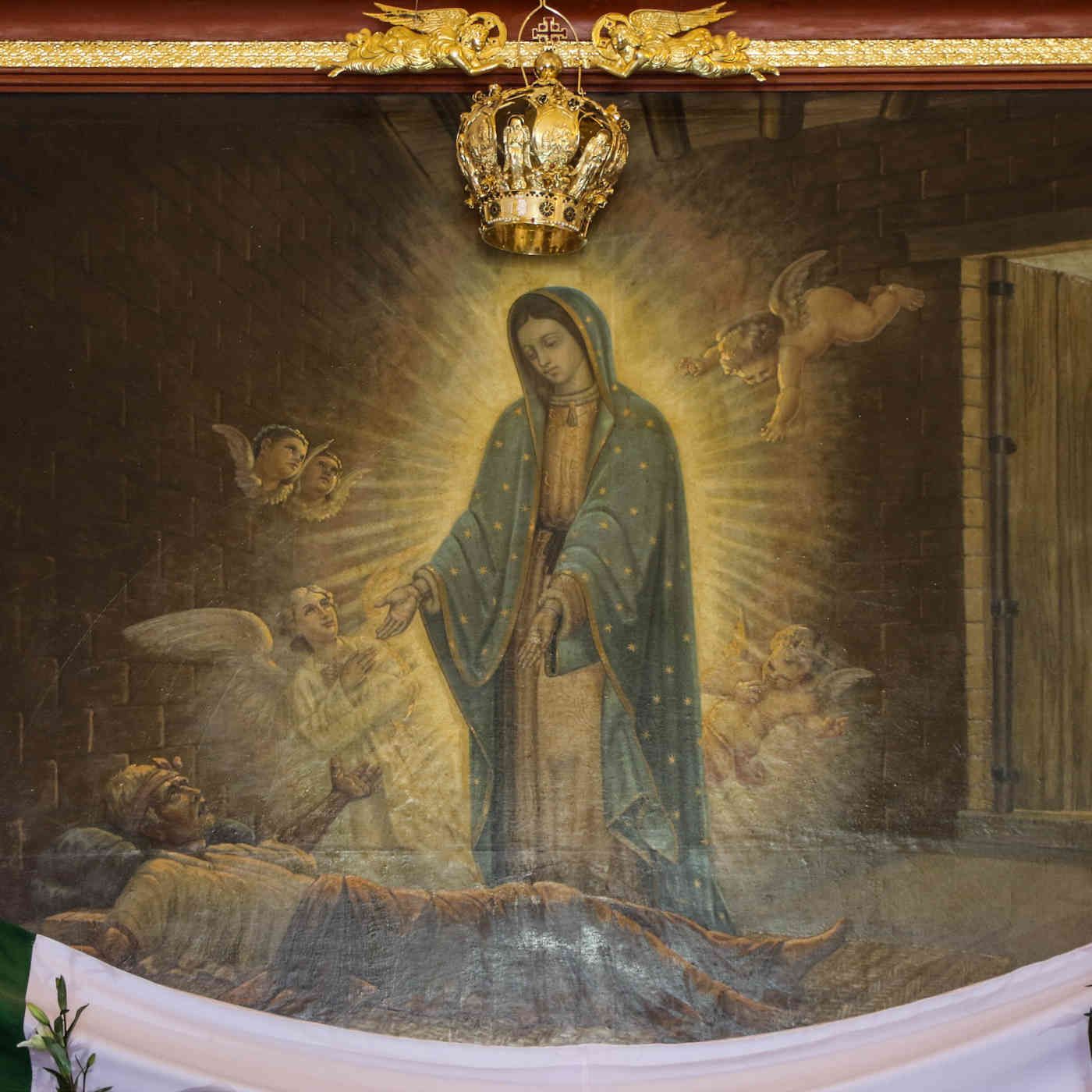
Read Online Then the angel said to her, “Do not be afraid, Mary, for you have found favor with God. Behold, you will conceive in your womb and bear a son, and you shall name him Jesus.” Luke 1:30–31 Of all the saints throughout the ages, none has proved to be as powerful an evangelist as the Mother of God. While on Earth, she lived a mostly hidden life, demonstrating the perfection of virtue to those closest to her. As a young mother, she cared daily for the needs of her divine Son, constantly pondering the mystery of His Incarnation as it unfolded before her eyes. Her love for her Son, lived out during Jesus’ earthly life, overflowed from her Immaculate Heart and continues to do so today. After being assumed body and soul into Heaven, her work did not cease. As Queen of Heaven and Earth, she continues to intercede for her spiritual children, mediating the grace we need to grow in holiness. Throughout history, many Marian apparitions have been reported. While numerous reports have not been formally approved, some have, including the apparition of Our Lady of Guadalupe in 1531 to Saint Juan Diego. Following the Spanish conquest of the Aztec Empire in 1521 by Hernán Cortés, the capital was rebuilt into what became Mexico City. Despite the cruelty some Spanish settlers inflicted on the Indigenous people, the Catholic Church, through missionaries and leaders, including Bishop Juan de Zumárraga, sought to protect their rights and dignity while evangelizing them. Many of the Indigenous were understandably suspicious of the missionaries, yet some converted, including a man named Cuauhtlatoatzin, who took the Christian name Juan Diego after his baptism, and his wife, who took the name María Lucía. On December 9, 1531, while walking to Mass and catechism class, Juan Diego passed Tepeyac Hill, where the Blessed Virgin Mary appeared to him. She spoke to him in his native language, revealed herself as the Mother of God, and asked for a chapel to be built in her honor on that very spot. When Juan took the message to Bishop Zumárraga, the bishop asked for a sign. On December 12, Juan’s uncle fell seriously ill. While hurrying to find a priest for the Last Rites, Juan took a different route to avoid delaying his journey, but the Mother of God appeared again. She assured him that his uncle was already healed and provided the promised sign for the bishop. She instructed Juan to pick roses blooming unseasonably on the hill; when he brought them to the bishop in his tilma, an image of the Virgin, just as Juan had seen her, appeared on his cloak. Juan Diego’s tilma now hangs in the Basilica of Our Lady of Guadalupe, in Mexico City, fulfilling the Blessed Mother’s request. While the miraculous image was awe-inspiring, what followed was even more astounding. Over the next decade, millions of Indigenous people embraced the Christian faith, marking one of the most remarkable mass conversions in Church history—all due to the Blessed Mother’s evangelization and intervention. Her love for the Indigenous people and her desire for their salvation brought her to them personally, confirming the truth of the Gospel preached by the Church. As we honor Our Lady of Guadalupe, reflect today on the tender love of the Mother of God. She deeply desired the salvation of the Indigenous people, just as she desires the salvation of all. Pray for her intercession so that millions more around the world may hear and accept God’s saving message. Most loving Virgin of Guadalupe, as you looked down from Heaven upon the struggles and suffering of the conquered people of the Aztec Empire, your Immaculate Heart overflowed with compassion for them. As a result, you went to them personally to share the saving message of Your Son. Please pray for me, for the Americas, and for all your children, that we all will be guided to Your Son and come to know His gift of salvation. Our Lady of Guadalupe, pray for us. Jesus, I trust in You. Main Image- Image via Wikimedia Featured Image - First Miracle of Our Lady of Guadalupe by Lawrence OP , license CC BY-NC-ND 2.0 . Source of content: catholic-daily-reflections.com Copyright © 2025 My Catholic Life! Inc. All rights reserved. Used with permission via RSS feed.
Dec 10
Thursday of the Second Week of Advent - Entering the Kingdom of Heaven
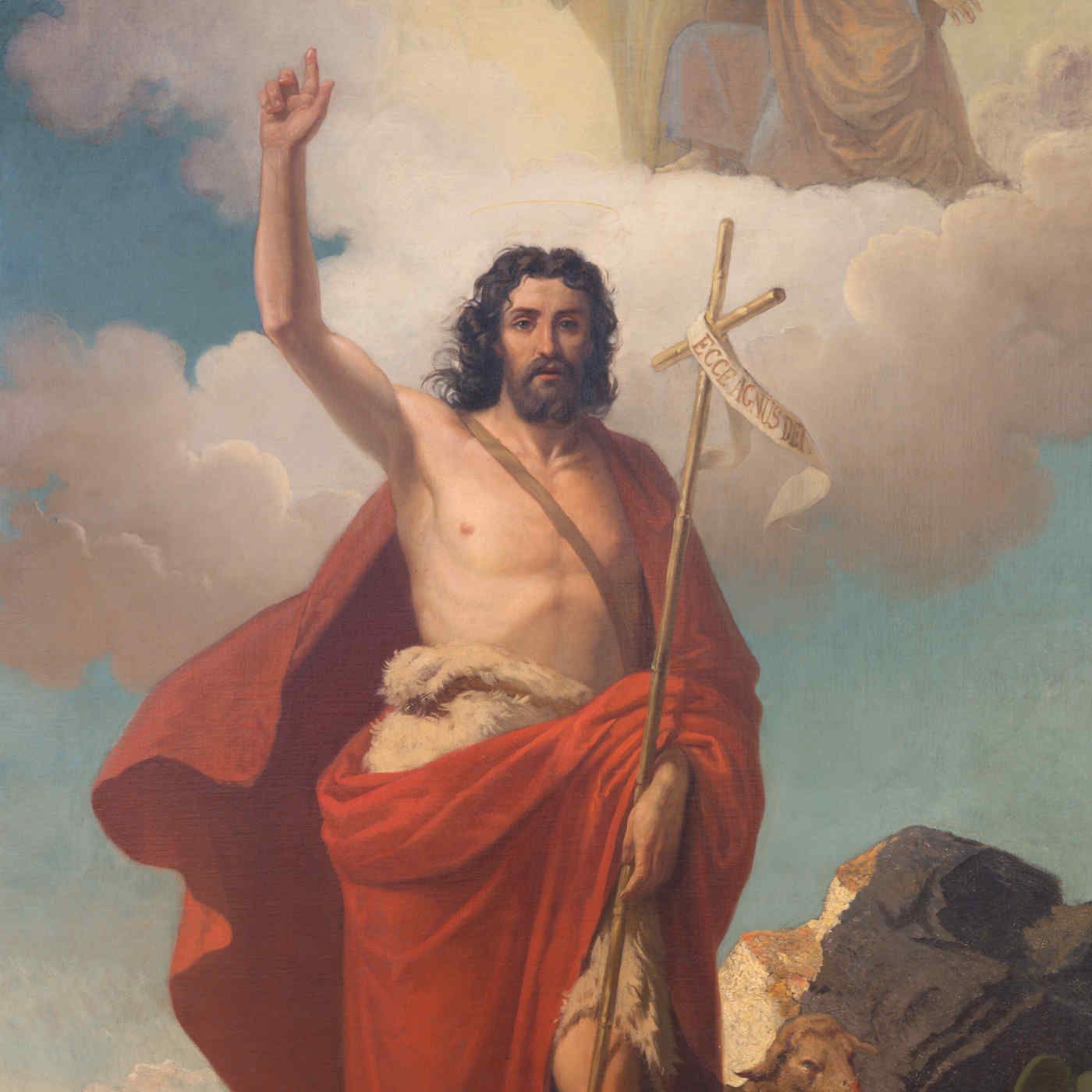
Read Online “Amen, I say to you, among those born of women there has been none greater than John the Baptist; yet the least in the Kingdom of heaven is greater than he. From the days of John the Baptist until now, the Kingdom of heaven suffers violence, and the violent are taking it by force.” Matthew 11:11–12 The two sentences in the passage above can be challenging to comprehend, but the insights of Church Fathers and saints offer us a deeper understanding. In the first sentence, Jesus declares John the Baptist to be the greatest of those born of women, highlighting John as the last and greatest of the Old Testament prophets. However, John did not live to see the fullness of Christ’s work—His death, resurrection, and the outpouring of the Holy Spirit at Pentecost. This is why Jesus adds, “yet the least in the Kingdom of heaven is greater than he.” In other words, even the smallest person who receives sanctifying grace through Christ’s redemptive work is greater in spiritual privilege than the greatest person before the era of grace. The second sentence may be even more puzzling. How can the Kingdom of Heaven suffer violence, and who are the violent ones taking it by force? The Greek words translated as “violence” and “violent” can also be understood as “forcefully advancing” and those who “advance with force and determination.” Jesus is teaching that entering the Kingdom of God requires great determination, a forceful rejection of sin, and a vigorous pursuit of holiness. Together, these sentences reveal Jesus’ message about the incredible blessing of living in the time of grace. We are more privileged than even John the Baptist because we live in the fullness of the Christian dispensation. However, this privilege comes with a responsibility: we must engage in a “violent” battle against our fallen nature, the temptations of the world, and the deceptions of the devil. Entering the Kingdom of God requires zeal, determination, and an all-consuming passion for the things of God. It’s easy to fall into a mediocre practice of our Christian faith, letting our disordered desires and emotions dictate our actions. But Jesus calls us to something greater. Those who understand the Christian life as a spiritual battle against sin will be prepared to move beyond mediocrity into a fervent, committed embrace of God’s grace, becoming fuller participants in the Kingdom of Heaven. Reflect today on how actively you are receiving and cooperating with God’s grace. Are you willing to step out of your comfort zone, repent of every sin, and passionately choose to follow Christ? Though this path requires great sacrifice, the reward of the Kingdom of Heaven is worth it a hundredfold. My most glorious Lord, the gift of Your grace is all I need to achieve the greatness to which You call me. Please pour forth that grace in abundance, and help me to respond to Your invitation to repent of my sin so that I may become a more active member of Your glorious Kingdom of Heaven on Earth and ultimately in Heaven. Jesus, I trust in You. Image via Adobe Stock Source of content: catholic-daily-reflections.com Copyright © 2025 My Catholic Life! Inc. All rights reserved. Used with permission via RSS feed.
Dec 9
Wednesday of the Second Week of Advent - The Burden of Sin
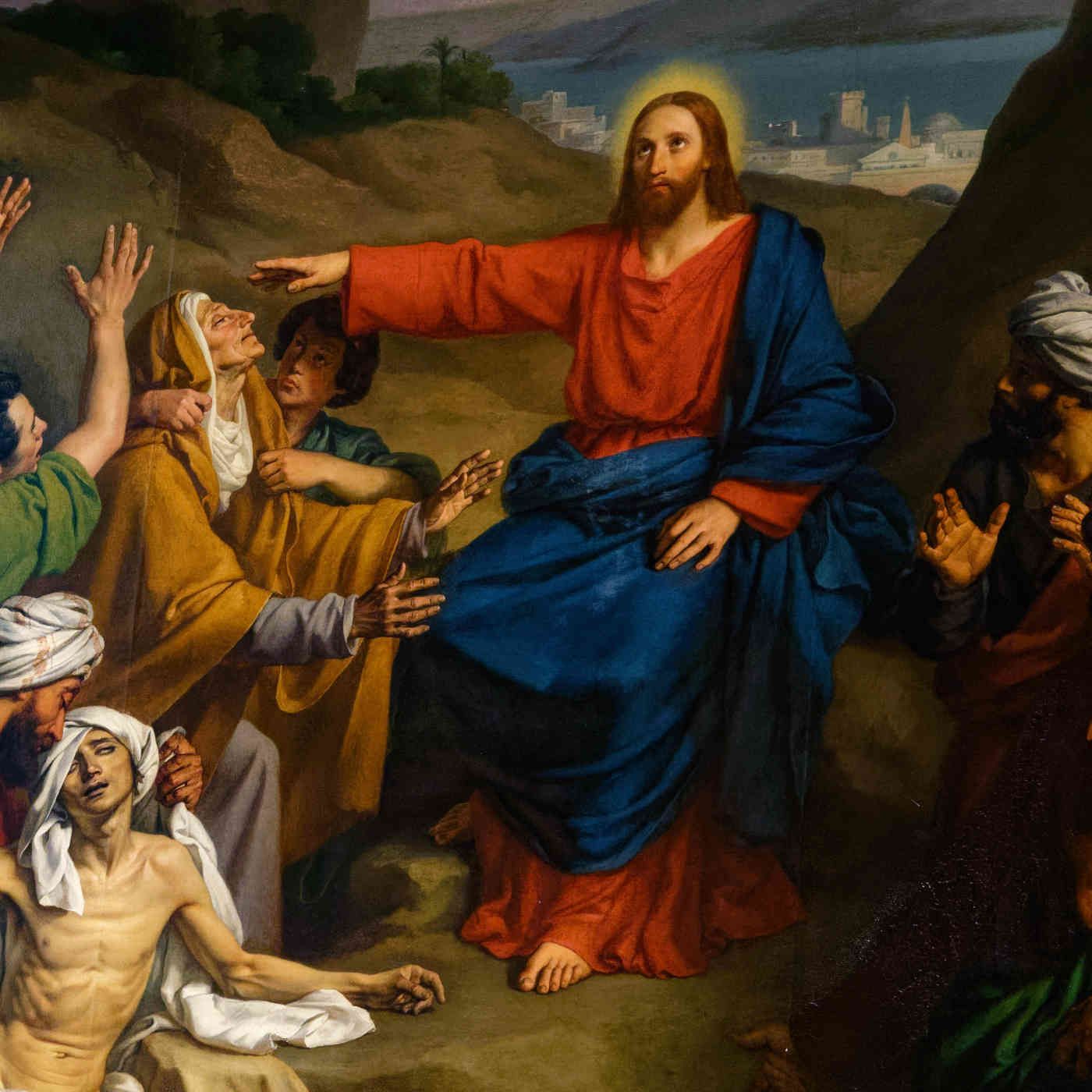
Read Online “Come to me, all you who labor and are burdened, and I will give you rest. Take my yoke upon you and learn from me, for I am meek and humble of heart; and you will find rest for yourselves. For my yoke is easy, and my burden light.” Matthew 11:28–30 Each of us needs to hear these gentle and inviting words more than we realize. On the surface, many people project an image of happiness, as if they have it all together. Social media profiles often present the happy, successful, fun, and impressive aspects of a person’s life. The good news is that there is much to rejoice in, and many people do have blessings to share. However, there are also times when Jesus’ words above are needed more than ever. What burdens you? What weighs you down the most? Sometimes, we are not even self-aware enough to identify the root cause of our burdens. We might point to external factors beyond our control as the source of our discontentment. The truth, however, is that the deepest burdens we carry are those caused by our own sin. Those who love God with their whole heart, mind, soul, and strength, and love their neighbor with the Heart of Christ, cannot be burdened or overwhelmed by anything in this life when they are free from sin. Even the worst tragedies or the heaviest crosses become opportunities for a deeper encounter with God, resulting in profound peace and joy, even in the midst of suffering. “Come to me, all you who labor and are burdened, and I will give you rest.” This invitation from Jesus is not just a call to find relief from life’s challenges; it’s an invitation to be unburdened by sin, so that we can carry Jesus’ Cross of pure sacrificial love. Freedom from sin leads to divine love, which is always sacrificial and self-giving. Sacrificial love, in turn, is more fulfilling, light, and joyful than anything else in life. When we learn to love God rather than sin, we begin to love with His Heart, selflessly laying down our lives for others in imitation of Jesus. This act of love then becomes our greatest joy. Reflect today on this deeply personal invitation spoken from Jesus’ Heart to yours. Hear Him say it to you. Look into your own life, become fully self-aware in Christ, identify the sins that burden you the most, entrust them to our Lord, and let Him free you so that you can love Him and others with His Heart. This is the yoke of Christ, and carrying it will become your greatest joy in life. My inviting Lord, You call me to look into my soul to discover the sin that burdens me and keeps me from the freedom I deeply desire. Please open my eyes, dear Lord, and lift the burdens caused by my sins so that I can carry Your Cross of selfless and sacrificial love, finding perfect joy and contentment in doing so. Jesus, I trust in You. Image via Adobe Stock Source of content: catholic-daily-reflections.com Copyright © 2025 My Catholic Life! Inc. All rights reserved. Used with permission via RSS feed.
Dec 8
Tuesday of the Second Week of Advent - When Sheep Go Astray
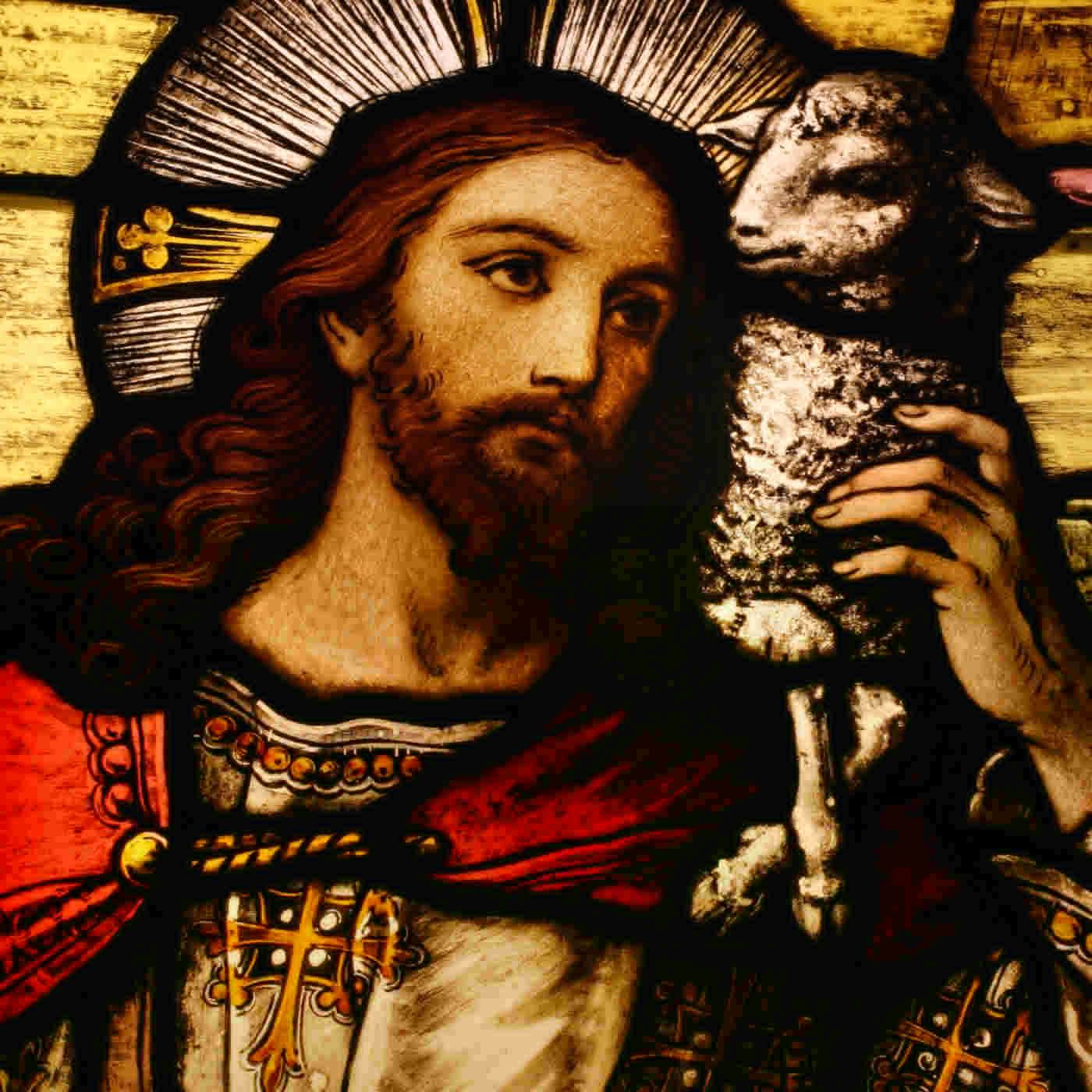
Read Online “If a man has a hundred sheep and one of them goes astray, will he not leave the ninety-nine in the hills and go in search of the stray? And if he finds it, amen, I say to you, he rejoices more over it than over the ninety-nine that did not stray.” Matthew 18:12–13 Jesus teaches us a powerful lesson using a familiar image: the shepherd who discovers one of his sheep is missing, goes on a diligent search, finds the lost sheep, and rejoices. The hard work of searching through the hills and valleys is rewarded as soon as the shepherd spots that one lost sheep in the distance. He quickly runs to it, picks it up, and carries it back to the flock. While that one sheep is not more valuable than any of the other ninety-nine, there is great joy in finding the one that was lost. We are all that one lost sheep at various times in our lives. Sometimes we stray just around the corner, while other times we wander far from God. This image of the Good Shepherd diligently seeking out the lost sheep teaches us two essential lessons. First, when we wander away from God and fall into sin, it’s easy to forget how much the Good Shepherd loves us. We might think that God is disappointed or angry with us, but these are lies from the evil one that deter us from turning back to God. Since we will always struggle with sin in this life, we must have a clear image in our minds of the Good Shepherd’s love. We must be keenly aware of the passion, intensity, and determination with which He seeks us out. He does not sit in judgment or condemnation. Like a loving parent, His deepest desire is to find us and for us to allow Him to pick us up and carry us back to His fold. While this image is crucial for us to consider regarding our personal sins and God’s love for us, it must also serve as a model for how we relate to others when they sin. As we grow closer to God and become more aware of His will and moral law, we might be tempted to judge others, especially within our own families. Though we must never downplay objective sin or become indifferent to the sins of others, we must also reject the role of judge and jury. Instead, we must become instruments of the Good Shepherd to those around us. With Christ, our only intention should be to go out to the lost, find them in their sin, love them despite their sin, and offer to carry them home. We must never reject a person because of his or her sin, even if the person remains obstinately attached to it. Reflect today on the burning compassion our Lord has for you, even when you sin. Never hesitate to turn back to Him and allow Him to carry you home, rejoicing all the way. Also, reflect on those you know who have strayed from God. Perhaps they no longer attend Mass, are living in an immoral relationship, vocally support something contrary to the Gospel, or struggle with an addiction or sinful attachment. Do not judge them—love them. Be an instrument of the Heart of Jesus for them so that, through you, they may sense the love Jesus has in His Heart for them. My most compassionate Jesus, You are the Good Shepherd Who never tires of pursuing Your straying sheep. Your deepest desire is to bring them home. When I stray, help me to remember Your burning love for me so that I will never hesitate to turn back to You. When others around me stray, please give me Your Heart, dear Lord, so that I may love them so deeply that You draw them out of their sin. Jesus, I trust in You. Image via Adobe Stock Source of content: catholic-daily-reflections.com Copyright © 2025 My Catholic Life! Inc. All rights reserved. Used with permission via RSS feed.
Dec 7
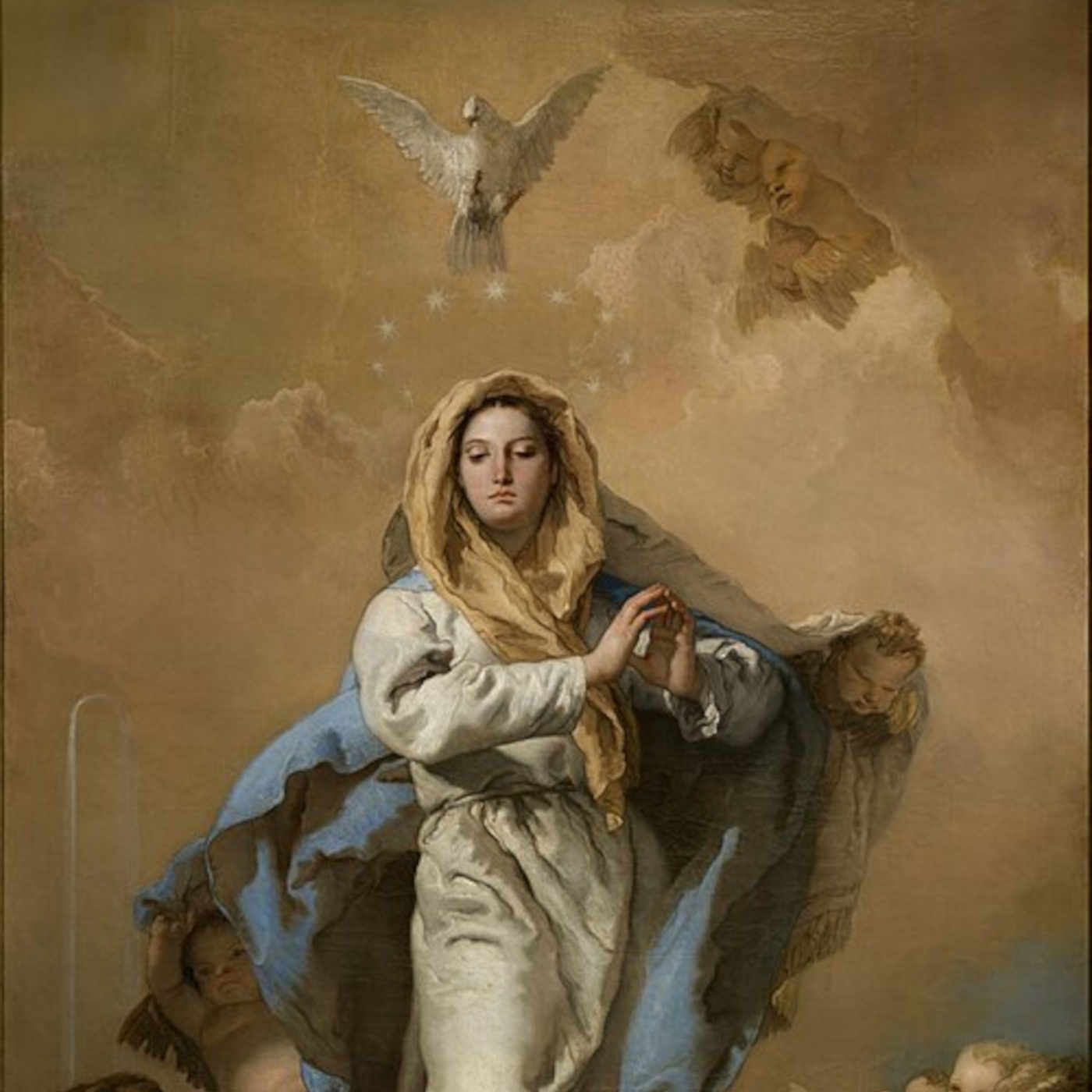
December 8, Solemnity of the Immaculate Conception - The Immaculate Mother of God
Read Online The angel Gabriel was sent from God to a town of Galilee called Nazareth, to a virgin betrothed to a man named Joseph, of the house of David, and the virgin’s name was Mary. And coming to her, he said, “Hail, full of grace! The Lord is with you.” But she was greatly troubled at what was said and pondered what sort of greeting this might be. Luke 1:26–29 The Blessed Virgin Mary was “full of grace!” To be “full” means just that—full, lacking in nothing. This fullness of grace signified that she embodied the perfection of every virtue, particularly humility. Humility is seeing oneself in the light of truth, neither exaggerated nor diminished. Mary’s humility is strikingly revealed in her reaction to the angel Gabriel’s greeting—she was “greatly troubled at what was said” and pondered it deeply. Why would the Mother of God be troubled? Why not simply respond with confidence, saying, “Thank you for noticing that I am full of grace?” Because Mary knew that her fullness of grace was not due to her own merits. It was entirely beyond her natural abilities and was the result of God’s gracious initiative. Mary freely cooperated with grace throughout her life, and she knew that God alone was the source of every gift. Therefore, her initial reaction of being “troubled” was not due to doubt or fear but was the fruit of her wonder and awe at the incomprehensible blessings bestowed upon her. She saw clearly her own lowliness and unworthiness in relation to God, and this profound humility made her the most beautiful of all creatures. Her heart, filled with wonder and contemplation, not only made Mary the Immaculate Mother of God but also sets before us a model of perfect discipleship. Though we are not “full” of grace as she was, we receive countless graces daily. Like Mary, we must strive to respond to these gifts with humility, awe, and gratitude. Today, as we honor the Blessed Virgin Mary as the Immaculate Conception, we remember that while Adam and Eve were created in a state of Original Innocence, they fell from grace through disobedience. As a result, humanity inherited a fallen nature. However, by a singular grace, Mary was preserved from the stain of Original Sin from the very moment of her conception. This prevenient grace—a grace that was given to her before any merit or action on her part—was given to her in light of the future merits of her Son, Jesus Christ. Thus, Mary was redeemed in an extraordinary way, and her soul was preserved from concupiscence and all of the effects of sin. Unlike Adam and Eve, who turned away from God, Mary remained faithful to Him throughout her life, earning her the title, “The New Eve.” As we celebrate the Immaculate Conception, reflect today on the mystery of Mary’s life and soul. While we can understand her unique role in salvation history to a certain degree, the full beauty and depth of her Immaculate Heart will only be fully revealed in Heaven. For now, we are invited to meditate upon her profound humility, her life of grace, and her role as the model of Christian discipleship. Dearest Mother of God, you are the Immaculate Conception, filled with grace from the first moment of your existence. You never turned away from God’s gift of grace, given to you through the merits of your Son. Pray for me, that I may come to understand the virtues you embody and strive to imitate your holiness. Help me to embrace the grace that draws me closer to your Son, our Savior. Immaculate Conception, pray for us. Jesus, I trust in You. Image: Giovanni Battista Tiepolo, Public domain, via Wikimedia Commons Source of content: catholic-daily-reflections.com Copyright © 2025 My Catholic Life! Inc. All rights reserved. Used with permission via RSS feed.
Dec 6
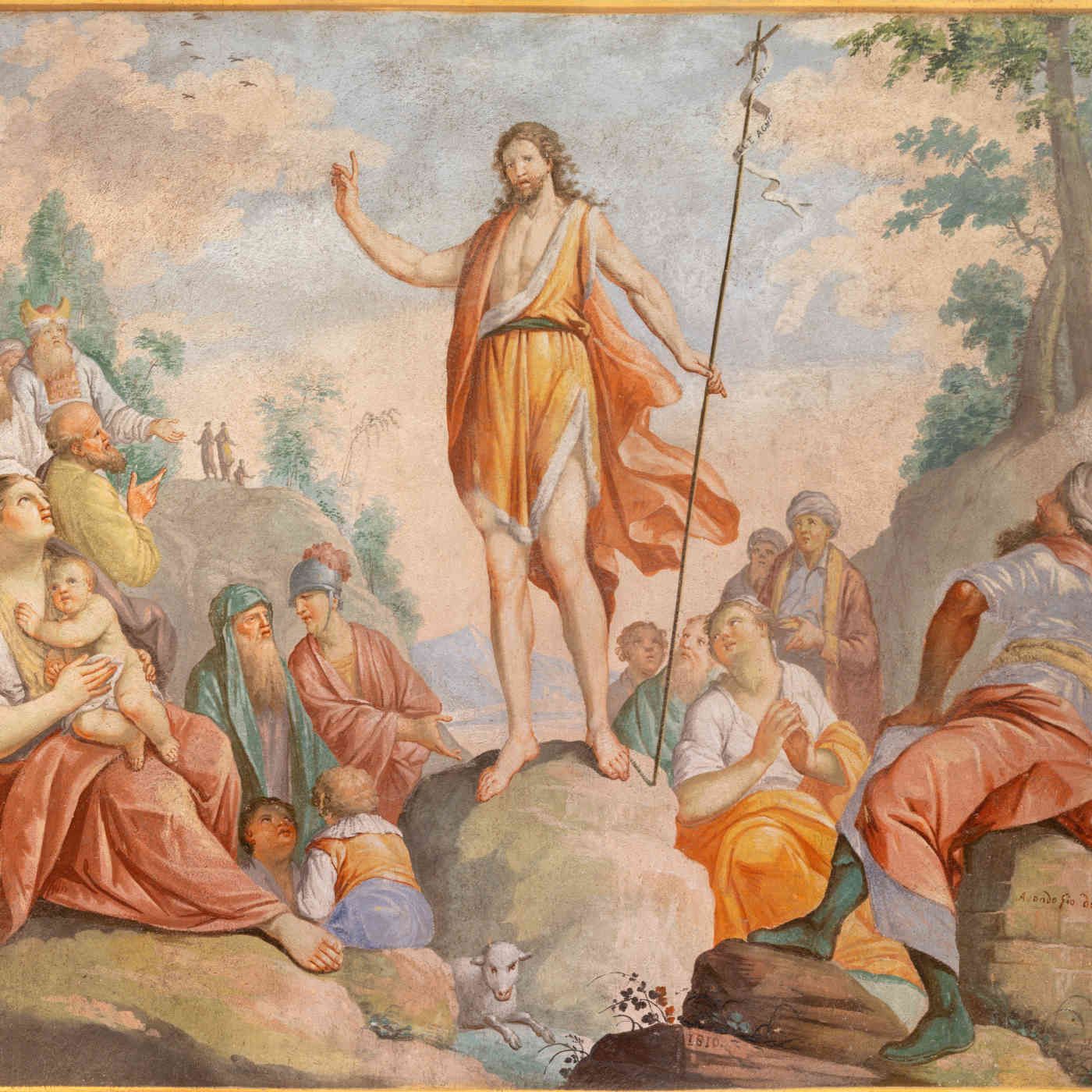
Second Sunday of Advent (Year A) - Repentance—the Foundation of Holiness
Read Online “I am baptizing you with water, for repentance, but the one who is coming after me is mightier than I. I am not worthy to carry his sandals. He will baptize you with the Holy Spirit and fire. His winnowing fan is in his hand. He will clear his threshing floor and gather his wheat into his barn, but the chaff he will burn with unquenchable fire.” Matthew 3:11–12 This passage comes just before Jesus is baptized and begins His public ministry. John the Baptist had been ministering in the desert of Judea, preaching, “Repent, for the kingdom of heaven is at hand!” Many came to him to be baptized with a baptism of repentance. But when John saw many scribes and Pharisees coming to him, he said, “You brood of vipers! Who warned you to flee from the coming wrath? Produce good fruit as evidence of your repentance.” The passage above is John’s warning to them—and to us—about what will happen if we fail to repent. At that time, when wheat was harvested, it was left to dry. Then, a winnowing fan was used to blow the wheat and chaff into the air. The lighter chaff would blow away, while the grains of wheat would fall to the ground to be gathered, milled into flour, and used for baking. John uses this familiar image to depict what Jesus will do with the righteous and the wicked. The righteous are like the grains of wheat that will be gathered and brought to Heaven. The wicked are like the chaff that, once separated from the righteous, will burn in the unquenchable fire of hell. Though it is comforting to speak of the glories of Heaven and to anticipate being brought there by our Lord, it is necessary to also consider the reality of the unquenchable fires of hell. Pondering the reality of those unquenchable fires is something we should not neglect. In his spiritual classic, The Spiritual Exercises, Saint Ignatius of Loyola presents a format for a thirty-day directed silent retreat, considered by many to be the ideal retreat experience. During the first week of that retreat, the retreatant focuses primarily upon mortal sin and its consequences—the unquenchable fires of hell. Why would Saint Ignatius begin his retreat this way? Because he understood that the foundation of our growth in union with God is repentance, and repentance requires an honest and thorough examination of sin and its consequences. Reflect today on the unquenchable fires of hell, and allow yourself to foster a burning desire to flee from every sin that leads to that end. As we enter the second week of the penitential season of Advent, ponder this warning from Saint John the Baptist. Hear him speak those words directly to you. We must fear sin and avoid it, as much as we want to avoid the unquenchable fires of hell. Start with this foundational truth, so that having fostered deep repentance, you are ready to turn your heart and mind toward the glorious promise of Heaven. Jesus, our Just Judge, You hold the winnowing fan in Your sacred hand and separate the righteous from the sinner. Please grant me the grace to see my sin clearly, so that I may humbly acknowledge it and turn from it with all my might. May I build this foundation of repentance during Advent, so that Christmas becomes an even greater time of union with You. Jesus, I trust in You. Image via Adobe Stock Source of content: catholic-daily-reflections.com Copyright © 2025 My Catholic Life! Inc. All rights reserved. Used with permission via RSS feed.
Dec 5
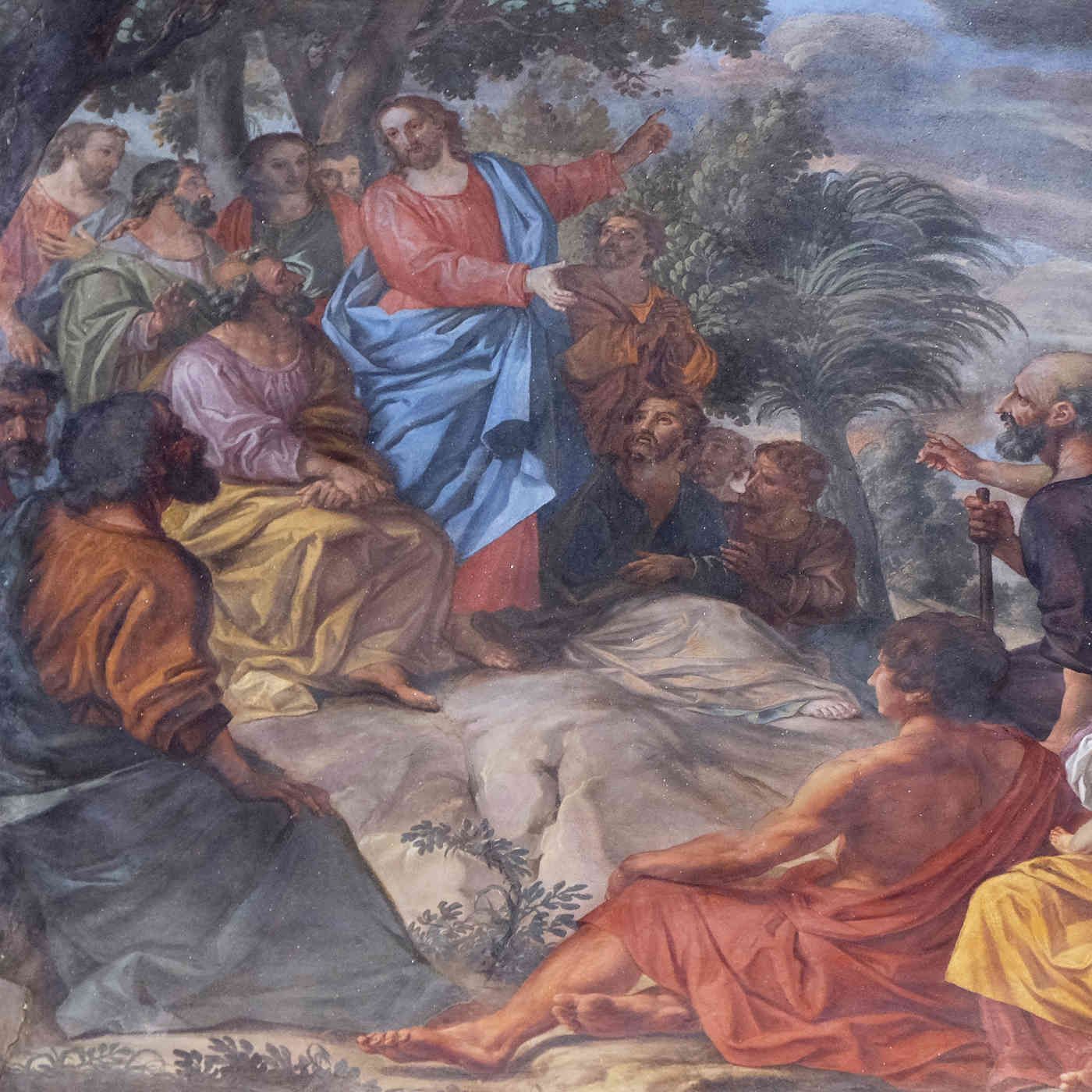
Saturday of the First Week of Advent - Loving the Troubled and Abandoned
Read Online “Jesus went around to all the towns and villages, teaching in their synagogues, proclaiming the Gospel of the Kingdom, and curing every disease and illness.” Matthew 9:35 This one line speaks volumes about Jesus’ public ministry. He didn’t just preach a few sermons or heal a few who were sick. He “went around to all the towns and villages…teaching…proclaiming the Gospel…” and cured “every disease and illness.” It’s important to contemplate that Jesus’ public ministry lasted approximately three years. Three years of constant preaching, healing, and relating to people. During this time, Jesus encountered many thousands of individuals, and news of His works spread throughout Israel and beyond. Yet, the rest of today’s Gospel reveals that Jesus’ public ministry, though perfect in every way, was just the beginning. It was the foundation upon which His ongoing ministry would be established through the formation of His Church. As the Gospel continues, we gain insight into Jesus’ compassionate heart. When He looked at the crowds, “his heart was moved with pity for them because they were troubled and abandoned, like sheep without a shepherd.” His three years of ministry were only the foundation, and His merciful Heart began to overflow with compassion. Though He is God, Jesus limited Himself to human interactions within time and space, making it impossible for Him to engage personally with every troubled and abandoned soul in His human form. That’s why He told His disciples to “ask the master of the harvest to send out laborers for his harvest.” After this, He summoned His Twelve Apostles, gave them authority to share in His ministry of preaching and healing, and sent them out to the “lost sheep of the house of Israel.” Later, as recorded in Luke 10:1–2, Jesus expanded His mission even further by sending out seventy (or seventy-two) disciples ahead of Him as He and the Twelve began their final journey to Jerusalem where He would suffer and die. After His resurrection, Jesus further commissioned His Apostles to “Go, therefore, and make disciples of all nations, baptizing them in the name of the Father, and of the Son, and of the holy Spirit, teaching them to observe all that I have commanded you” (Matthew 28:19–20). This mission quickly spread to at least 120 disciples gathered in the upper room, and as the Holy Spirit continued to guide the early Church, thousands of new converts became evangelists, spreading the Word of God. Reflect today on Jesus’ Sacred Heart, overflowing with compassion for all who feel “troubled and abandoned.” It is your mission to be Christ’s Heart to them—to love them, to long for their burdens to be lifted, and to lead them to Christ, the Good Shepherd. Do not shy away from this mission, for the mission you are given is a continuation of and participation in the one eternal mission of Jesus Himself. Most holy and Good Shepherd, Your human Heart burns with the perfection of divine love and longs to touch every soul in need of Your mercy. Please transform my heart into Yours so that I may have Your zeal for the salvation of all whom I encounter and become a fitting instrument of Your divine presence in the world. Jesus, I trust in You. Image via Adobe Stock Source of content: catholic-daily-reflections.com Copyright © 2025 My Catholic Life! Inc. All rights reserved. Used with permission via RSS feed.
Dec 4
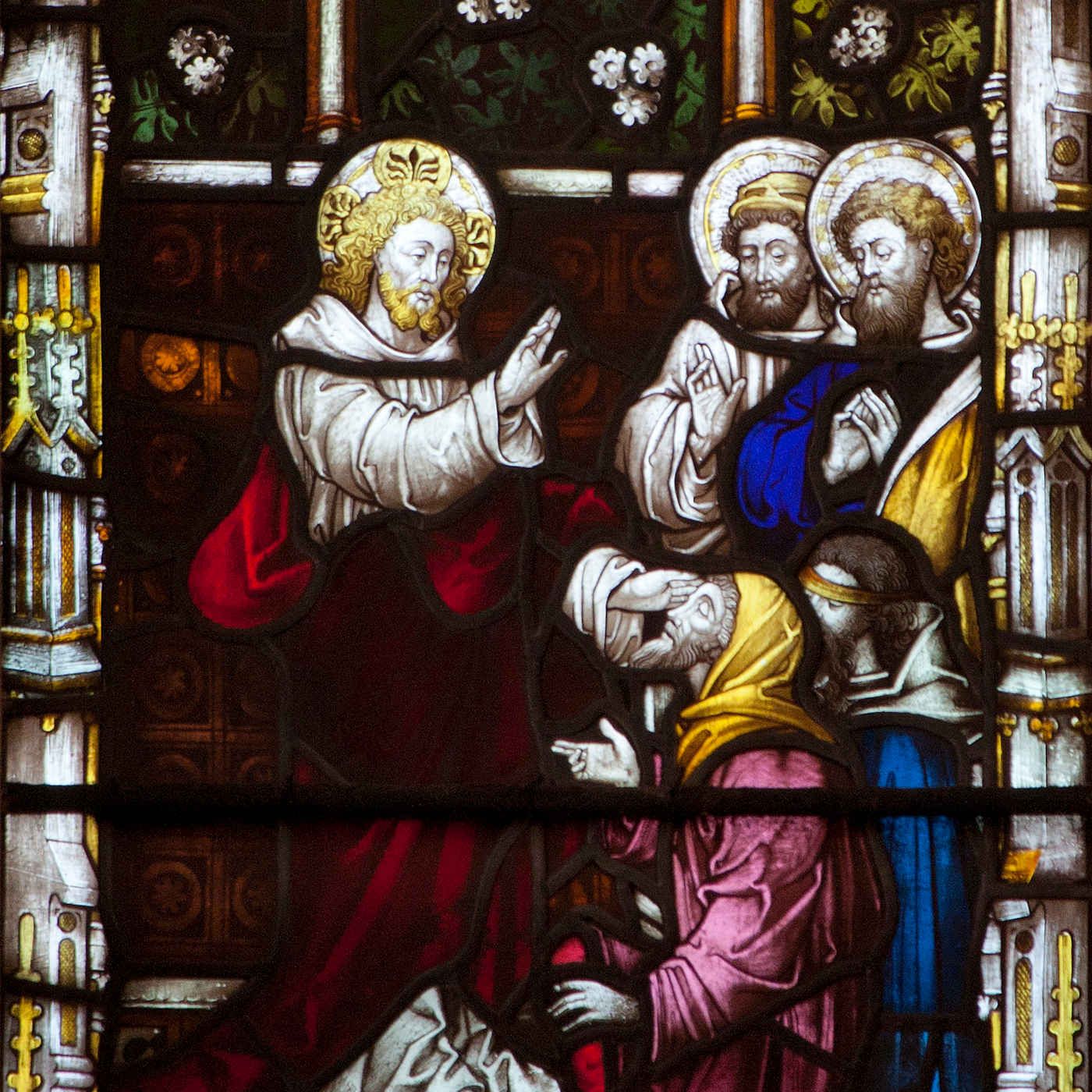
Friday of the First Week of Advent - Healing Blindness
Read Online As Jesus passed by, two blind men followed him, crying out, “Son of David, have pity on us!” Matthew 9:27 Picture these two men for a moment. Just before this passage, Jesus had cured a leper, healed a Roman centurion’s servant, restored Peter’s mother-in-law to health, made a paralytic walk, and stopped a woman’s years-long hemorrhages. He had cast out demons, freeing people from their oppression, and even raised a twelve-year-old girl from the dead. This context is crucial as we imagine these two blind men crying out, “Son of David, have pity on us!” Word was spreading rapidly about Jesus and His miracles. In that time and culture, blindness often led to a life of begging unless family could provide. These men suffered greatly, from both their physical blindness and from the marginalization that accompanied it. Then they began to hear stories—one after another—about this new rabbi, a prophet from David’s line, possibly the Messiah everyone awaited. They heard of His miracles and immediately hoped He could heal them too. So when Jesus was passing by, they didn’t hesitate. Although physical healings were not Jesus’ primary mission, these acts were powerful expressions of His compassion and divine authority. By healing, He brought peace and joy to troubled hearts, but more importantly, He demonstrated that His words carried divine authority. The Gospel of Matthew is arranged so that Jesus’ Sermon on the Mount—a summary of His teachings—comes first. Then follows a series of miracles. While these miracles were acts of love for those He cured, they also serve to convince us today to listen to and obey His word. We are called to emulate the faith of these two blind men. We must believe that Jesus is the answer to all our needs, the only one who can heal our souls. We can see their physical blindness as a metaphor for our own spiritual blindness. Just as they cried out for physical healing, we must cry out for spiritual healing. Reflect today on the disposition of these two blind men. Though we know little about them, we do know they cried out to Jesus for mercy and healing. Their prayer must become our prayer; their hope, our hope; their passionate cry, our plea for mercy. The healing they sought is mirrored in the healing we seek today, especially through the Sacrament of Reconciliation. It is in this sacrament that we find Jesus passing by, where we cry out for mercy and where we are spiritually healed. Let us long for healing from our spiritual blindness and cry out to Jesus with persistence, following Him relentlessly in prayer. He will hear and answer us. My healing Lord, though Your many miracles show Your divine power over nature, demons, and every illness—even death—the greatest healing You offer is the healing of my soul from sin. Please have pity on me, Lord. Heal the spiritual blindness I have so that I may come to know You, follow You, and live according to Your will. Jesus, I trust in You. Image: Jesus healing the Blind by Lawrence OP , license CC BY-NC-ND 2.0 . Source of content: catholic-daily-reflections.com Copyright © 2025 My Catholic Life! Inc. All rights reserved. Used with permission via RSS feed.
Dec 3
Thursday of the First Week of Advent - A Firm Foundation
Read Online “Everyone who listens to these words of mine and acts on them will be like a wise man who built his house on rock. The rain fell, the floods came, and the winds blew and buffeted the house. But it did not collapse; it had been set solidly on rock. And everyone who listens to these words of mine but does not act on them will be like a fool who built his house on sand.” Matthew 7:24 & 26 Jesus’ words remind us that each of us will inevitably face hardships: “The rain fell, the floods came, and the winds blew and buffeted the house.” He doesn’t suggest that these storms might come; He assures us that they will. Just as a house must be prepared for bad weather, so must our lives be ready for suffering, hardship, and ultimately, death. Imagine someone building a house on sand. When the storms come, the foundation erodes and the house begins to crumble. All the effort spent building that house is wasted because the foundation was weak. In contrast, those who build their houses on rock can remain confident as the storm arrives, knowing their foundations are secure. The metaphor is clear. The house represents our lives, and our foundation is either Christ or sin. If we build our lives on habits of sin—such as love of money, materialism, hedonism, impurities, anger, deceptions, and selfishness—our lives will inevitably crumble when hardship strikes. Jesus’ own life perfectly illustrates this teaching. He was lied about, unjustly arrested, brutally tortured, condemned to death, and nailed to a cross. Yet through it all, the perfection of charity in Jesus’ soul never wavered. He had built His human life on the most solid foundation by fully embracing the Father’s will without hesitation. Jesus listened to the Father’s voice and acted upon it perfectly; as a result, nothing could steal His peace. Even in the face of the Cross, Jesus manifested the perfection of every human virtue, generously bestowing grace upon every repentant sinner who takes up his cross and follows Him. Reflect today on the crosses you have faced and those you might face in the future. How have you handled these struggles? Are you prepared for the storms that will come your way? Most importantly, are you ready for the day our Lord calls you home? Those who face death with a solid foundation do so with extraordinary hope. That foundation is built by listening to Jesus’ words daily and acting upon them. Those whose foundation is habitual sin will despair in the midst of hardship and fail to remain firmly grounded in Christ. Build your life on Christ and His perfect will now and every day, and He will protect you, filling you with every virtue necessary to achieve the heights of holiness in this life and much glory in Heaven. My Lord and Firm Foundation, I pray that my life will be built upon You and Your will alone. Give me ears to hear You and a firm will to follow You so that my love for You and others is so strong that I can endure all things in You, and by You, be brought to the glories of Heaven. Jesus, I trust in You. Image via Adobe Stock Source of content: catholic-daily-reflections.com Copyright © 2025 My Catholic Life! Inc. All rights reserved. Used with permission via RSS feed.

Dec 2
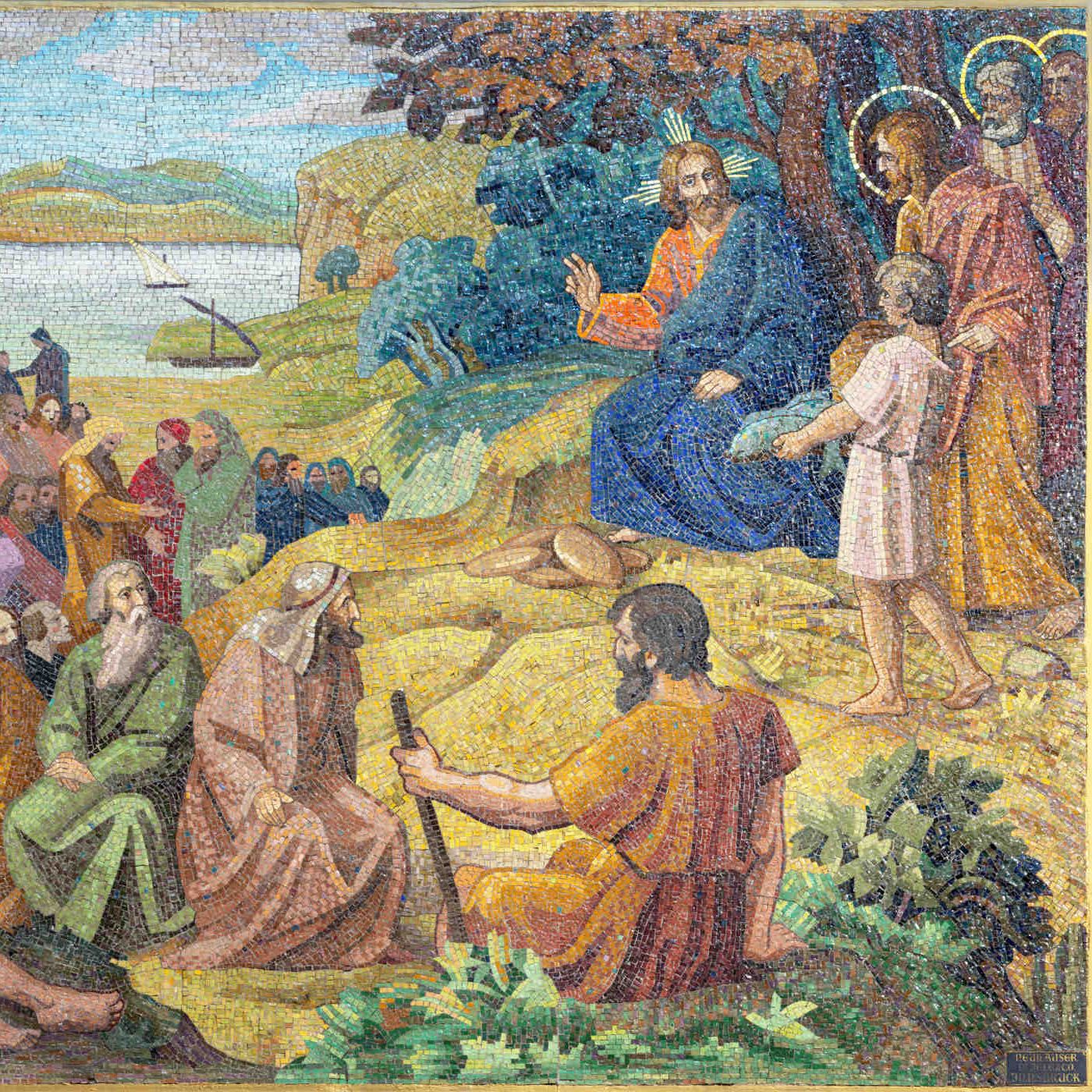
Wednesday of the First Week of Advent - Miracle After Miracle
Read Online At that time: Jesus walked by the Sea of Galilee, went up on the mountain, and sat down there. Great crowds came to him, having with them the lame, the blind, the deformed, the mute, and many others. They placed them at his feet, and he cured them. Matthew 15:29–30 Why did Jesus perform so many miracles when He walked the earth? The Church Fathers and saints offer various insights. His miracles were personal acts of compassion, expressions of divine love welling up within His human Heart. They were also testaments to His divine authority, reinforcing His teachings and instilling faith. Additionally, Jesus’ miracles fulfilled Old Testament prophecies and served as powerful metaphors, such as the healing of physical blindness, symbolizing the gift of spiritual sight. But why don’t we see similar miracles today? In many ways, we do. Throughout history, miracles have accompanied the ministry of great saints. Saints Francis of Assisi, Vincent Ferrer, and Phillip Neri, to name a few, were known for the countless miracles attributed to them during their lifetimes and through their intercession after their deaths. More recent saints, such as Saints Thérèse of Lisieux, Faustina Kowalska, Padre Pio, André Bessette, and Charbel Makhlouf have also been credited with miracles, both during their lives and since their deaths. Miracles often accompany saints who have entered into profound union with Christ through prayer and service. These saints, filled with compassion, become channels of God’s healing grace. Their miracles give credence to their ministries and fulfill Jesus’ promise: “Whoever believes in me will do the works that I do, and will do greater ones than these, because I am going to the Father” (John 14:12). If you desire to see miracles, strive for holiness. Though the sanctity that seems to make miracles a normal part of life is extraordinarily high, it is achievable by God’s grace. For the saints, the goal was never to perform miracles; miracles were simply a by-product of their burning love for God and others. Reflect today on the fact that God desires you to become as holy as the greatest saints. He wants His divine charity to overflow from your soul into the lives of others. The holier you become, the more God can use you as His instrument, sometimes even through miracles. Strive to be one of those rare saints whose union with God transforms the world with love. My miraculous Lord, though the gift of salvation far exceeds the value of miracles, You have used miracles to reveal Your compassion and deepen our faith. Please make me holy so that I can become a greater instrument of Your grace in whatever way You choose. Jesus, I trust in You. Image via Adobe Stock Source of content: catholic-daily-reflections.com Copyright © 2025 My Catholic Life! Inc. All rights reserved. Used with permission via RSS feed.
Dec 1
Tuesday of the First Week of Advent - Rejoicing in the Childlike
Read Online Jesus rejoiced in the Holy Spirit and said, “I give you praise, Father, Lord of heaven and earth, for although you have hidden these things from the wise and the learned you have revealed them to the childlike.” Luke 10:23–24 We rejoice over many things in life. We might rejoice if we win a game, do well on a test, complete some task at home or work, or attend a celebration or party. Though rejoicing is an emotion tied to our human nature, true joy is spiritual in nature, a gift that overflows into human emotion. Try to imagine Jesus rejoicing in the Holy Spirit. Jesus’ joy was perfect. As God, His unity with the Father and the Holy Spirit was beyond anything we can imagine. Therefore, when He experienced the perfection of spiritual joy, that joy overflowed into His perfect human nature, resulting in an emotional response that was more powerful than any of us will experience until the day we stand with our resurrected bodies before the Beatific Vision in the New Heavens and new Earth. When Jesus prayed, “I give you praise, Father…,” He was not only engaging in an intellectual exercise. He did not just make a public statement so that it would be written in Scripture or because it was the right thing to do. Rather, Jesus spoke His praises to the Father because His lived human experience, in that moment, was a human rejoicing with divine power. Jesus’ all-consuming joy was perfectly ordered, deeply fulfilling, an appropriate response to His Father and the Holy Spirit, and contagious to those around Him. True spiritual joy is never contained; it overflows and touches the lives of others. By experiencing such joy in His human nature, Jesus further elevated human nature itself, making it possible for us to rejoice in the Holy Spirit with Him within our human souls, provided we humble ourselves before Him. Jesus praised the Father for revealing Himself to the childlike, those who are humble of heart. Seeing that was the cause of His joy. To be childlike in the eyes of God means to trust Him completely, to approach Him with openness and wonder, and to depend on Him for all things. It is the opposite of relying on our own understanding and wisdom, which often leads to pride and distance from God. True humility is nothing other than honesty with oneself before God. Humility makes us childlike because it opens our eyes to the truth that we are little spiritual children in need of God’s fatherhood. If we pretend to be “wise and learned” before God, we only reveal our foolishness, the absence of divine wisdom. Reflect today on the perfection of spiritual joy in Jesus’ divinity and its emotional effect upon His humanity. No one has ever rejoiced with the same joy as the Son of God. However, we are all called to live within that spiritual joy. This joy strengthens us in trials, deepens our love for others, and helps us live our faith with greater conviction and authenticity. Humble yourself before God today, begging for greater humility so that you will become a greater partaker of Jesus’ joy, the joy He came to bestow upon the world. My humble Lord, You rejoiced as You saw Your Father reveal hidden and divine mysteries to those who were humble of heart and childlike. Please bestow Your grace upon me so that I will also grow in divine wisdom, remaining humble and childlike, to fill Your human soul with the deepest joy. Jesus, I trust in You. Image: Sancta Trinitas by Lawrence OP , license CC BY-NC-ND 2.0 . Source of content: catholic-daily-reflections.com Copyright © 2025 My Catholic Life! Inc. All rights reserved. Used with permission via RSS feed.
Nov 30
Monday of the First Week of Advent - Only Say the Word
Read Online When Jesus heard this, he was amazed and said to those following him, “Amen, I say to you, in no one in Israel have I found such faith. I say to you, many will come from the east and the west, and will recline with Abraham, Isaac, and Jacob at the banquet in the Kingdom of heaven.” Matthew 8:10–11 Jesus looks into the heart, not just at one’s exterior. Today’s Gospel presents us with the profound faith of a Roman centurion—a pagan and Gentile. Though not of the Jewish faith, this centurion recognized Jesus’ spiritual authority to heal. Perhaps he had seen Jesus do so before or had heard of the many stories of miracles. Or maybe he was moved by the Holy Spirit to trust in Jesus. The Roman soldier begged Jesus to heal one of his severely ill servants. But that’s not all he did. Once Jesus offered to go to the servant, the Roman centurion manifested humility and faith by saying, “Lord, I am not worthy to have you enter under my roof; only say the word and my servant will be healed.” Catholics now pray similar words just before Holy Communion. When Jesus heard this statement of faith, He was “amazed,” because among the descendants of Abraham, He had found no such faith. The centurion’s faith broke through cultural and religious barriers. As a Gentile and a Roman soldier, he was an unlikely candidate for such profound faith. Yet, his humility and trust in Jesus surpassed that of many of the chosen people. Let’s consider two points from this story. First, when you pray the centurion’s words at Mass, just before Holy Communion, does your depth of faith and conviction also lead Jesus to be “amazed”? Do you know and profess your unworthiness, yet beg our Lord to enter your soul nonetheless? The centurion’s humility is a powerful lesson for us. Despite his authority and status, he recognized his unworthiness before Jesus. This humility is vital to approaching the Eucharist, acknowledging our need for God’s grace and mercy before receiving Him into our souls. Consider whether you mean those words every time you pray them or if they have become a habit that you say distractedly. Second, Jesus’ promise to heal this Gentile’s servant illustrates the universality of Jesus’ gift of salvation. Our Catholic faith is not only for those born and raised Catholic; it’s for everyone, and we must do our part to extend that invitation to everyone through prayer and witness. We must turn to our Lord and beg for grace and healing upon others. God has the power to do all things. Like the centurion, we must pray for others, trusting that God hears our petitions and will act in His perfect timing. We must believe that, and then present the needs of those around us to Him, begging Him to draw them to Himself. We must pray, “Lord, only say the word! Say Your word of healing, cleansing, conversion, transformation, and every word that brings forth Your will!” Reflect today on this Roman centurion’s faith and prayerful words and try to internalize them more fully. Meditate on those words outside of the Holy Mass so that next time you attend Mass, that prayer just before Holy Communion will more fully prepare your soul for the gift of Christ Jesus Himself. My amazed Lord, the Roman centurion’s faith touched Your human soul. Please give me the grace I need to have this same depth of faith and to express that faith more fully every time I prepare to receive You in Holy Communion. Jesus, I trust in You. Image via Adobe Stock Source of content: catholic-daily-reflections.com Copyright © 2025 My Catholic Life! Inc. All rights reserved. Used with permission via RSS feed.
Nov 29
First Sunday of Advent (Year A) - Being Prepared
Read Online “Therefore, stay awake! For you do not know on which day your Lord will come. Be sure of this: if the master of the house had known the hour of night when the thief was coming, he would have stayed awake and not let his house be broken into. So too, you also must be prepared, for at an hour you do not expect, the Son of Man will come.” Matthew 24:42–44 How does one “stay awake” as our Lord commands us? We receive this holy exhortation as we enter into a new liturgical year. In Advent, we begin at the beginning. We ponder the Incarnate Son of God dwelling as a human Child in the precious womb of the Blessed Virgin Mary. We anticipate the celebration of His birth into the world at Christmas. As the liturgical year progresses, we will prayerfully walk through each moment of His life, from the events of His childhood, to His public ministry, and ultimately His death, resurrection, and ascension into Heaven. Our Lord’s exhortation to stay awake invites us to be attentive to the ways that the Son of God’s human life speaks to us, calling us to become fully united to Him so as to share in the glorious gifts of holiness in this life and eternal salvation in the next. After exhorting us to stay awake, the Son of God said, “For you do not know on which day your Lord will come.” Of course, we know He came into this world over 2,000 years ago in physical form. This exhortation is not only a call to ponder that event long ago; it’s also an invitation and exhortation to become continuously more attentive to the effect that His historical coming has upon us today. Advent is a season that invites us to reflect on Christ’s first coming in Bethlehem, His daily coming to us in grace, and His final coming at the end of time. These moments are intimately connected, as each prepares us more fully for the next. From Heaven, the Son of God continues to descend to us, inviting each of us to conceive Him in our souls by grace, to be attentive to His divine presence within us, and to nurture His divine presence so that He will grow and live within us, making us true members of His Body, the Church. Staying awake means being aware of Christ’s presence in every moment and cultivating a personal relationship with Him that is alive and growing. This Advent, ask yourself: How am I nurturing my relationship with Jesus so that I am ready to meet Him whenever He comes? Jesus calls us to be prepared at every moment of every day, “for at an hour you do not expect, the Son of Man will come.” Though this is a promise that He will return one day to judge the living and the dead at the end of time, it is also a promise that He relentlessly pursues us here and now, communicating to us by grace and inviting us to be transformed more fully, so as to love Him and manifest His love to the world around us. As we mature in our faith, God often speaks in subtler ways, inviting us to listen with the ears of our hearts. These gentle whispers of grace require us to be even more attuned to His presence, ready to respond to His call in the quiet moments of our day. Reflect today on Jesus’ exhortation to be awake, vigilant, attentive, and ready to love Him in the smallest ways. To stay spiritually awake, cultivate habits that keep you attuned to God’s presence: set aside time for daily prayer, receive the sacraments frequently, and be mindful of opportunities to serve others. These practices will help you remain vigilant and ready to encounter Christ at any moment. Search for Him this Advent, and never tire of loving Him in your prayer and in those around you. The Son of God continuously comes to you “at an hour you do not expect.” By building a spiritual habit of being prepared, you will meet and love Him throughout your day. My ever-present Lord, You surround me with Your grace and flood me with Your mercy day and night. Please give me a heart that is attentive and receptive to You so that I can receive all that You wish to bestow and love You and others with Your Sacred Heart. Jesus, I trust in You. Image via Web Gallery of Art Source of content: catholic-daily-reflections.com Copyright © 2025 My Catholic Life! Inc. All rights reserved. Used with permission via RSS feed.
Nov 28
Saturday of the Thirty-Fourth Week in Ordinary Time - Jesus, I Trust in You!
Read Online Jesus said to his disciples: “Beware that your hearts do not become drowsy from carousing and drunkenness and the anxieties of daily life, and that day catch you by surprise like a trap. For that day will assault everyone who lives on the face of the earth.” Luke 21:34–35 This is the final day of the liturgical year. Tomorrow begins Advent and the beginning of a new Church year. On this day, we are once again presented with a Gospel passage that points to the final coming of Christ. In preparation for that day, the day in which we meet our Lord for judgment, Jesus points to two grave dangers that will cause our hearts to become “drowsy” and leave us unprepared. First, He says that “carousing and drunkenness” will make us unprepared. Second, He says that “the anxieties of daily life” will also leave us unprepared. On a literal level, carousing and drunkenness means a person relies upon alcohol for satisfaction in life, and they do so by using it to live a lively and somewhat carefree life. They live for the moment and look for satisfaction in self-indulgence. And though drunkenness is specifically mentioned here, there are numerous ways that people attempt to live this way. Everyone wants to be happy in life. We cannot not work to achieve this innate desire. No one intentionally chooses to be unhappy. However, many people regularly choose things in life that do lead to unhappiness and discontentment. But they do so with the false conviction that this or that action will satisfy. And though there are many things that provide temporary or superficial “happiness,” the truth is that there is only one thing and one thing alone that provides the happiness and fulfillment we desire. That one thing is the presence of God alive within our souls. The “anxieties of daily life” are also a great burden to so many. No one intentionally chooses to be anxious. No one wants to experience this form of interior disturbance. And though anxiety can come from many sources, physical, psychological and spiritual, one primary source of anxiety is stress that is not dealt with in a proper way. Stress can come from tensions at work, at home or within one’s own soul. Stress usually occurs when some difficulty is faced and reacted to with fear, confusion, anger, despair and the like. According to Jesus, giving in to these anxieties can leave a person unprepared for the day of their judgment at the end of their life or the end of the world. But it doesn’t have to be that way. Stress and tension, and the anxiety that results from them, is most decisively cured by turning from the difficulty one experiences and turning to a deep and total trust in the providence of God. At Mass, the priest prays after the “Our Father” that God “free us from all distress” and that we will instead “await the blessed hope and the coming of our Saviour, Jesus Christ.” Faith and hope in God and in His final coming at the end of time is the spiritual cure for the anxiety and distress we often experience in life. Trusting in our Lord, with the utmost confidence, will enable us to achieve this peaceful disposition and with joyful hope and confidence. Reflect, today, upon those things that hinder you the most from being ready to meet our Lord. Perhaps you struggle with ongoing choices that reflect a life of “carousing and drunkenness.” Or perhaps you struggle deeply with worry, distress and anxiety. If this is you, know that freedom awaits. It awaits you if you can only embrace and live the final prayer of this reflection: “Jesus, I trust in You.” Trust Him. Entrust your poor decisions in life to Him. Entrust your sin to Him. And entrust all of your worries and tensions that lead to an unsettled heart. As you do so, try to rest in the consoling arms of our Lord so that you will be fully prepared for that glorious day of our Lord’s judgment that awaits. My hopeful Lord, You and You alone are the answer to every struggle in life. You and You alone can relieve me of my burdens and the poor choices I make. Help me to trust in You always and in every circumstance in life. I do entrust myself to You and choose to make You the single focus of my life. Jesus, I do trust in You! Image: Michelangelo, Public domain, via Wikimedia Commons Source of content: catholic-daily-reflections.com Copyright © 2025 My Catholic Life! Inc. All rights reserved. Used with permission via RSS feed.
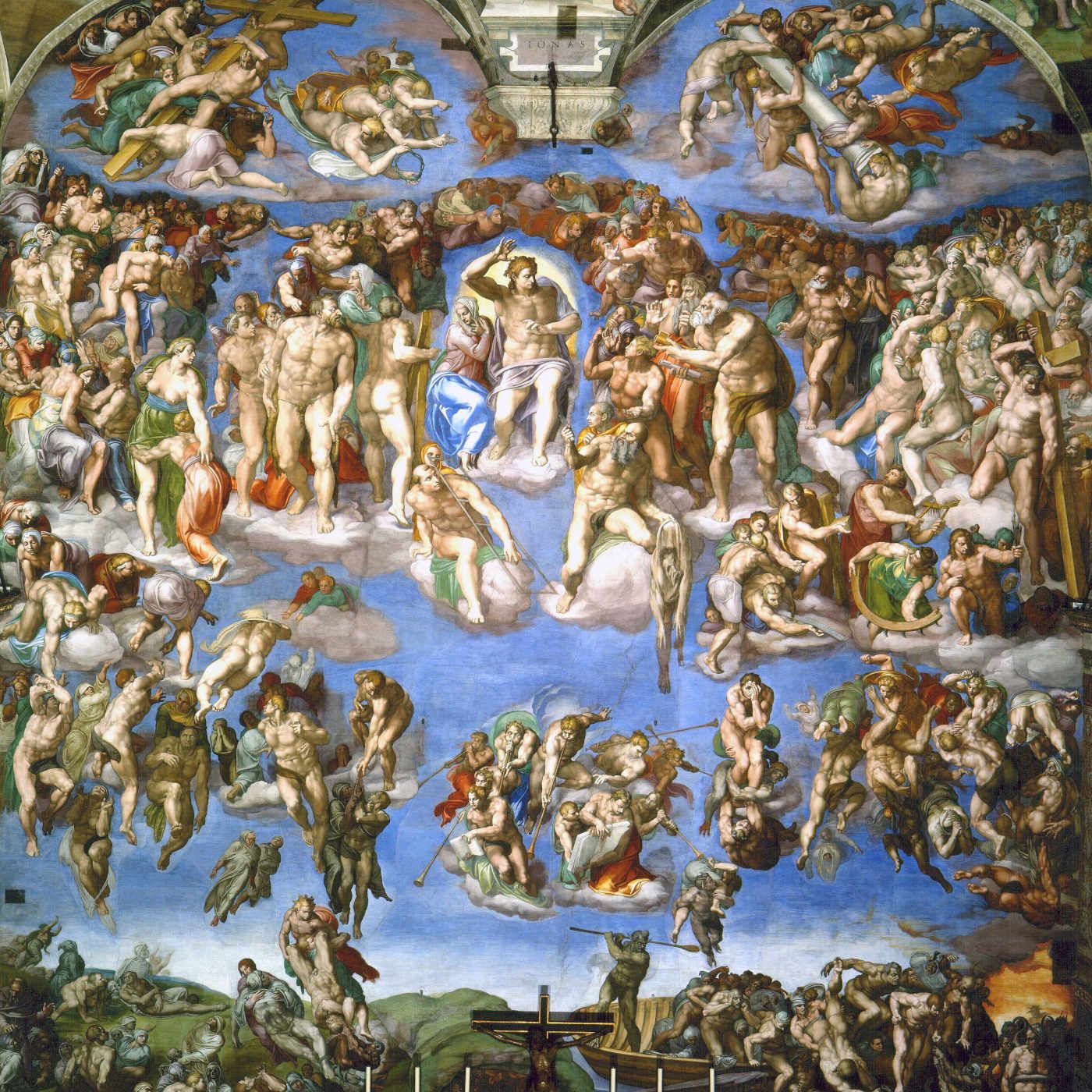
Nov 27
Friday of the Thirty-Fourth Week in Ordinary Time - Relying Upon the Word of God
Read Online “Amen, I say to you, this generation will not pass away until all these things have taken place. Heaven and earth will pass away, but my words will not pass away.” Luke 21:32–33 As we approach the final days of this liturgical year, we continue to read about the end of the world. Today we read that both Heaven and earth, as they currently are, will pass away. This is worth pondering. We know that life is full of change. It has been said that the one thing that never changes is change itself. Everything else changes. But when it comes to earth, it is hard to believe that it will one day “pass away.” Some scientists believe that the earth has existed for over four and a half billion years. That’s a long time! Now consider the fact that Jesus prophesied the end of this earth as we know it today. When will it happen? Only God knows. Heaven, as it exists today, is also prophesied by our Lord to pass away. Heaven, as it is right now, is a pure spiritual reality in which the only corporeal bodies present are those of Jesus and our Blessed Mother. The rest of Heaven consists of the Divine Essence, the souls of those who have been redeemed and the angels of God. But if Heaven even passes away, what awaits? First of all, the only reason that these two realities, Heaven and earth, will pass away in their current form is because, at the Final Judgment, there will be a “New Heavens and a New Earth,” as spoken of in the Book of Revelation. At that time, Heaven and earth will be united as one, and this new creation will exist for eternity. But is there anything that is currently eternal? Anything that will never experience change? We humans will be changed at the resurrection of the dead, the angels will encounter a new home, so to speak, and God will establish a new and permanent Kingship. But, according to Jesus’ teaching today, the one thing that will remain are His words: “...my words will not pass away.” Again, this is worth pondering. In a world filled with change and uncertainty, we need some form of stability. And that stability is the Truth found in the Word of God. The Word of God, as revealed to us through the Scriptures, must become our rock foundation upon which our whole lives are built and exist. Pondering, praying with, meditating on, and believing the Word of God enables us to stand on firm and unchanging spiritual ground as we go through the change of this life and even the changes that will come at the end of time. Though this may seem somewhat mysterious in nature, it is a helpful truth to understand and believe. Everything will pass away except Jesus’ words. Thus, the most secure thing we can do in life is to cling to His words and never let go. Reflect, today, upon the importance of truly immersing yourself in the Word of God. How much time do you spend each week reading it, praying with it and allowing it to become your daily food? The Word of God is not simply a book of teachings meant to inspire you or guide you. The Word of God is a Living Word. It is God in His unchangeable form. God, in His essence, will never change, and engaging Him through the revelation of His written Word is one essential way by which you will be able to experience true stability in life and prepare for each and every change to come until the final order of life is permanently established. My Eternal Word, You are unchanging and eternal. You are the rock foundation upon which I must always rely. As I continue to experience the many changes encountered in this life, please enter my soul through Your written Word, so that I will find the stability I need. As I stand firm in You, I look forward with joy to the New Heavens and New Earth that await. Jesus, I trust in You. Image via Pixabay. Source of content: catholic-daily-reflections.com Copyright © 2025 My Catholic Life! Inc. All rights reserved. Used with permission via RSS feed.
Nov 26
Thursday of the Thirty-Fourth Week in Ordinary Time - Being Ready, Always
Read Online “And then they will see the Son of Man coming in a cloud with power and great glory. But when these signs begin to happen, stand erect and raise your heads because your redemption is at hand.” Luke 21:28 This passage above concludes a series of teachings by Jesus on the suffering and persecution that will come in this world. But His teachings conclude with this line above, which offers great hope in anticipation of Jesus’ return in glory. This passage speaks of the prophetic vision of Daniel (Daniel 7:13–14) that terrified Daniel when he saw it. He witnessed the great persecution to come, as well as the destruction of all evil that will accompany the return of the Son of Man. When you think about both the final coming of Christ as well as your own future death, what comes to mind? If you were informed by an angel that tomorrow would be that day, the day that the Son of Man would return in all His splendor and glory to bring about an end to this world and to issue forth His judgment upon it, how would you react? Would you be terrified? Overjoyed? Hopeful? Confused? Perhaps a little of each of these reactions would be present. Of this time, Jesus said that “nations would be in dismay” and that “People will die of fright in anticipation of what is coming into the world.” So what is your reaction to this promised day of our Lord? Those who “die of fright” are clearly those who will experience this day completely unprepared. Meeting the Son of Man, the Son of God, the Savior of the World and the Eternal Judge when you are completely unprepared should be frightful. Imagine, for example, that you were hosting a large dinner party and you got your days mixed up. The day arrived and you weren’t expecting anyone until the following week, but the guests started to arrive in great numbers. Imagine your anxiety and embarrassment. Such an experience would be nothing compared to being unprepared for the judgment of Christ when we stand before Him at the time of our death and then at the Final Judgment at the end of the world. The good news is that on that day, for those who are truly prepared through a life of faith and selfless service of God’s will, they are told to “stand erect and raise your heads because your redemption is at hand.” If you do all you can to prepare for that day, then it will be a day in which you anticipate with the utmost hope and excitement. You will indeed be able to stand erect, turn your eyes to the coming Judge of All, and receive the eternal reward that He so deeply desires to bestow. But this will be your experience only if you are truly ready for that day through a life lived in complete imitation of Christ. Reflect, today, upon that final day. Imagine every person ever created standing before the Judgment Seat of Christ. Every sin and every virtue will be made manifest on that day. The minds and hearts of all will be seen in the light as they are revealed to all by God. And those who have lived lives of fidelity will rejoice as they see God’s justice and His mercy unite as His judgments are issued forth. If this day is one that frightens you, consider the reasons why. If you do not look forward to this definitive moment in time, then perhaps you need to ponder more deeply those things you need to do so as to be fully prepared. Prepare yourself today. Do not wait. Our Lord could return at any time. Do not be caught off guard. My eternal Judge, You promise to return to earth at a definitive moment in time to bring about the fullness of justice. May I always be prepared for that day through a life lived in union with You and Your holy will. I pray for that day to come quickly, dear Lord, and that all Your children will be ready to meet You when You come. Jesus, I trust in You. Image: © José Luiz Bernardes Ribeiro Source of content: catholic-daily-reflections.com Copyright © 2025 My Catholic Life! Inc. All rights reserved. Used with permission via RSS feed.
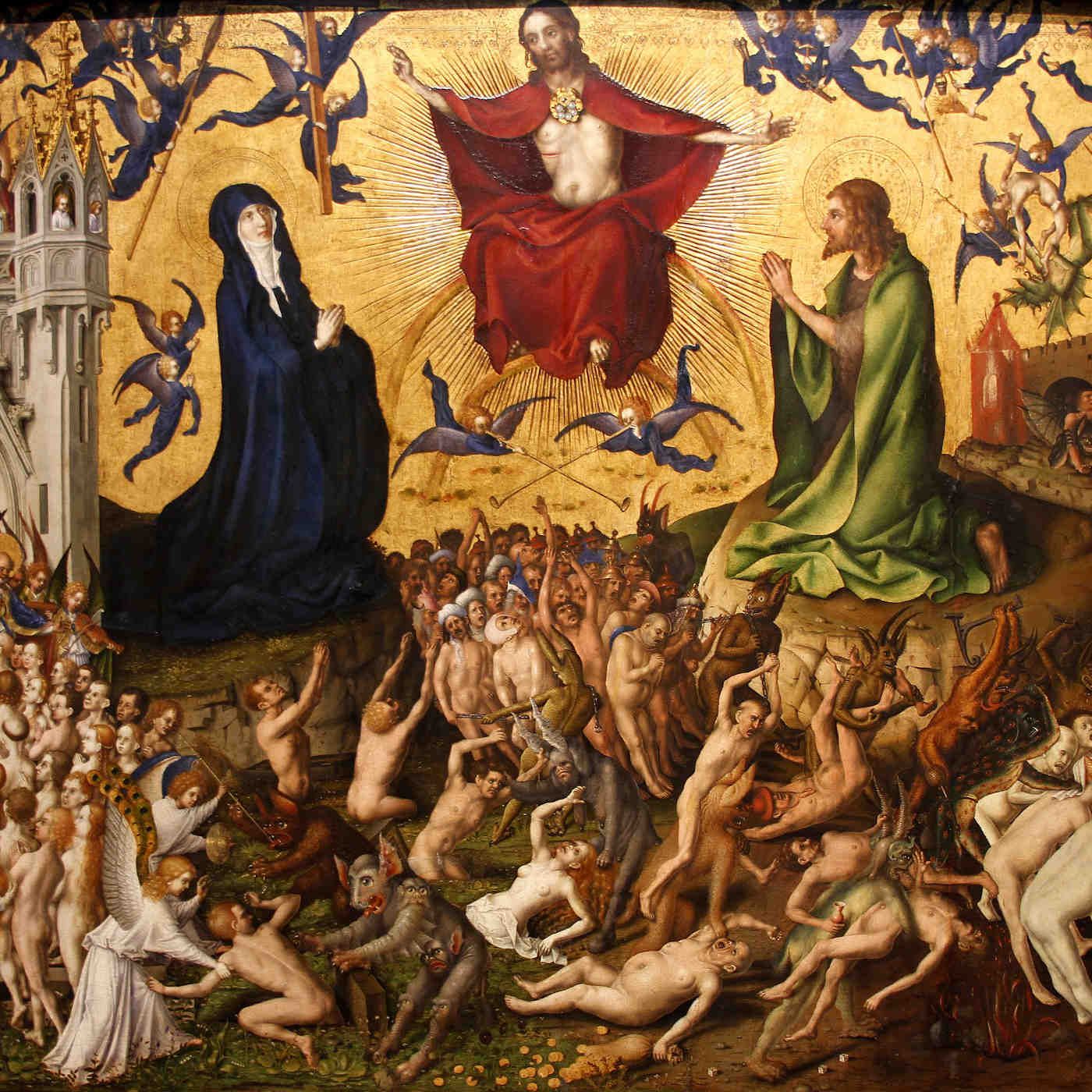
Nov 26
Thanksgiving Day, United States - Gratitude for Immeasurable Blessings
Read Online “Ten were cleansed, were they not? Where are the other nine? Has none but this foreigner returned to give thanks to God?” Then he said to him, “Stand up and go; your faith has saved you.” Luke 17:17–19 He was saved by faith through the expression of gratitude! What a wonderful story to ponder today as we celebrate the national holiday of Thanksgiving! Though Thanksgiving Day is not specifically a Church holy day, gratitude is certainly central to our Christian faith, as is illustrated by today’s Gospel in which ten lepers were healed by Jesus. And their communal reaction is something of which to take note. Nine of them were healed and went about their business, not returning to the source of their healing to thank Him. But one did. This one leper, who was suddenly no longer a leper, returned to Jesus, glorified Him, fell at His feet and thanked Him. This one leper was a foreigner, a Samaritan, but he manifested a faith that we must all strive to imitate. The faith of this Samaritan was evident by the fact that he knew he needed to not only be grateful for the grace of healing but that he also needed to express it. As we celebrate Thanksgiving Day, we are reminded that of all the things for which we must be grateful, nothing is more important than our gratitude to God for the immeasurable graces He has given us. But as the story goes, it is clearly very easy to overlook the importance of our response to God’s blessings. Only ten percent of the lepers responded with such an expression. Therefore, it is helpful today to examine the many reasons we should be thankful and should work to express that gratitude to God. First, God created us out of love. This is no small gift. It is the first gift He has given us and one we often take for granted. God did not need to create us. He did not need to create you. But He did. And the gift of life, the gift of an immortal soul, is something that we must never overlook and always rejoice in. Second, God entered our fallen state through the Incarnation within the womb of the Blessed Virgin Mary. Doing so elevated our fallen human nature to a height never known before. Humanity and divinity were united in the Person of the Incarnate Son of God and Son of Man, and we must be grateful for this unmerited and awe-inspiring gift. Third, we know the rest of the story. God, in the Person of the Incarnate Son, suffered, died and rose again. In so doing, He made it possible for every sin of ours to be wiped away. As we die with Him, we are invited to rise with Him. And as we rise with Him, we are invited to share in His glory in Heaven. Lastly, in each and every life, there are countless graces given to us every day. But as spoiled children, we often overlook these blessings and take them for granted. Examples here do not suffice. It is essential that if you want to have a grateful heart that you learn to see these blessings in your own life. Too often we focus on our struggles and pain. But the blessings are abundant, and the more we turn to our Lord in total surrender, the more the blessings flow. Reflect, today, upon the attitude that you have toward the many blessings God has bestowed upon you. Begin by considering the central blessings of God’s creation and His saving acts of love. From there, try to ponder the many small ways that God has been with you, guided you, strengthened you, and blessed you abundantly. If you do not see these clearly, then use this day to consciously listen so that God can reveal them to you. As you see your blessings, respond as this one leper. Turn to Jesus, glorify Him, fall at His feet in prayer and thank Him. Doing so will fill you with the same saving faith granted to this one leper. My most generous Lord, You have bestowed upon me blessings beyond my imagination. I realize that I will never fully understand how good You have been to me and will never be able to express my gratitude adequately enough. Please do fill me with a grateful heart. Help me to see Your action in my life and to respond to You as this one leper. Jesus, I trust in You. Image: James Tissot, Public domain, via Wikimedia Commons Source of content: catholic-daily-reflections.com Copyright © 2025 My Catholic Life! Inc. All rights reserved. Used with permission via RSS feed.
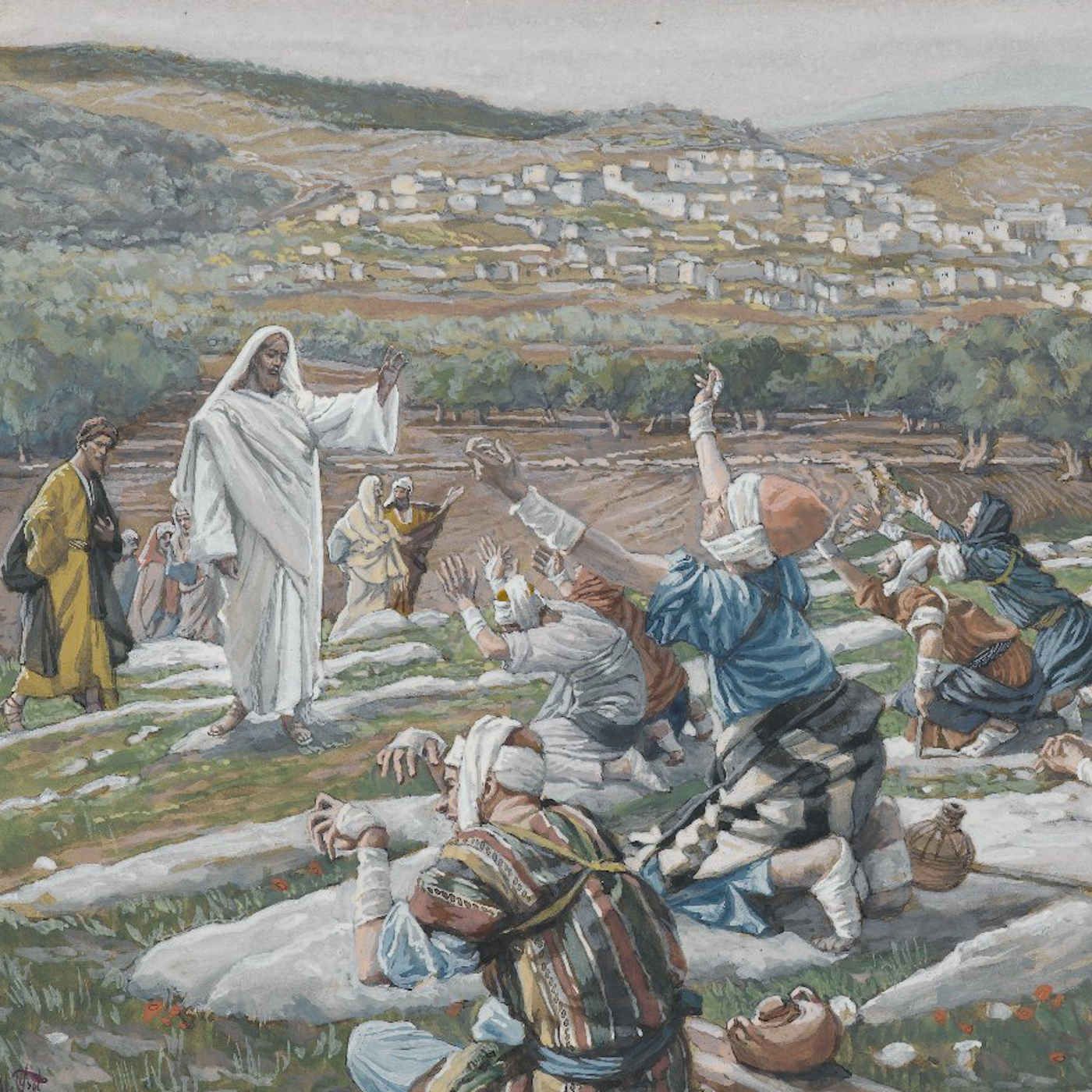
Nov 25
Wednesday of the Thirty-Fourth Week in Ordinary Time - Responding with Grace
Read Online “Remember, you are not to prepare your defense beforehand, for I myself shall give you a wisdom in speaking that all your adversaries will be powerless to resist or refute.” Luke 21:14–15 This line is embedded in today’s Gospel in which Jesus makes it clear that His followers will be persecuted. Many of them will be seized, sent to prison, hated and even be put to death. For some, this will even happen at the hands of their own family. But Jesus tells them this to prepare them and to let them know that these persecutions will enable them to give testimony to Jesus. The Gospel passage above explains how they are to do this. First of all, giving “testimony” especially means they are to be a witness to Christ. And one of the best ways such a witness is fulfilled is through the various forms of martyrdom. To be a martyr is to be a witness. And those who suffer persecution for the sake of Christ, and then respond to that persecution in accord with the wisdom and inspiration of Jesus, are true martyrs. It’s helpful to note that if one is persecuted and responds with anger or returns the violence in accord with their own irrational will, then they are no martyr. They simply become what they have received. They become angry and bitter people. Being a martyr requires both unjust treatment and a response to that mistreatment in accord with God’s will. For that reason, though persecution is never initiated by God, it does offer the Christian an opportunity to deeply conform themself to Christ by responding as He dictates. Jesus says that responding to persecution requires that we not prepare a defense beforehand. In part, this is because there is great temptation one experiences when persecuted by another. It is very understandable that when a person experiences persecution in any way, they will encounter anger and be tempted to fight back in a way that is uncharitable and only furthers the disorder. Responding to persecution in accord with the will of God requires great attentiveness to the promptings of the Holy Spirit, great humility, and unwavering charity directed at the one doing the persecution. Therefore, Jesus makes the promise that He will be with you in such situations and will give you “a wisdom in speaking that all your adversaries will be powerless to resist or refute.” What a grace! But this grace is only available to those who rely completely upon Christ, and not upon their own disordered passions and emotions. Reflect, today, upon this promise from Jesus. Some will encounter little persecution in their lives at various times. But others will encounter severe persecution in various ways, even from their family. Reflect upon any ways that you have experienced the unjust treatment of another and then reflect upon your response. Were you able to immediately forgive? Were you able to set aside your anger, wounded pride and desire for revenge? Were you able to keep your eyes on Christ and rejoice that you have been found worthy to share in the ridicule, persecutions and sufferings that Jesus endured? Pray that you will always be open to the grace of this promise of Jesus so that you will always respond to everyone in accord with the wisdom of God. My persecuted Lord, though You were perfect in every way, You endured much cruelty in Your earthly life. The injustice You endured is beyond our comprehension. But Your response to such persecution was perfect. You were able to transform all ill-treatment into grace and mercy, offered especially for those who mistreated You. Give me the grace I need to imitate Your perfect response and to always rely upon Your wisdom and guidance alone. Jesus, I trust in You. Image: Follower of Gerard David, Public domain, via Wikimedia Commons Source of content: catholic-daily-reflections.com Copyright © 2025 My Catholic Life! Inc. All rights reserved. Used with permission via RSS feed.

Nov 24
Tuesday of the Thirty-Fourth Week in Ordinary Time - Remain At Peace in All Things
Read Online While some people were speaking about how the temple was adorned with costly stones and votive offerings, Jesus said, “All that you see here—the days will come when there will not be left a stone upon another stone that will not be thrown down.” Luke 21:5–6 In a literal way, this prophecy of our Lord came true. In 70 A.D., the Temple upon which they were commenting was destroyed. After prophesying this, Jesus then goes on to warn the disciples that there will be many confusions that will come. There will be false prophets, wars and insurrections, powerful earthquakes, famines, plagues, “and awesome sights and mighty signs will come from the sky.” Why does Jesus prophesy all of these things? The answer was simple. He was not trying to scare them. He was not simply trying to satisfy their curiosity. Instead, He was warning them and preparing us all so that we do not become misled or terrified when they come. He says, “See that you not be deceived” and “do not be terrified.” As the old saying goes, “Life is not a bowl of cherries.” While we live in this fallen world, chaos, confusion, deception, abuse, scandal, conflict and the like will be all around us. And when we do come face-to-face with any such difficulty, there is a temptation to fear, anger and despair. Be it family conflicts, civil unrest or even divisions within the Church itself, God wants us to remain at peace and to trust Him always. Take Jesus’ own life as an example. He was arrested, falsely accused, sentenced to death and crucified. And through it all, He remained at peace, knowing that His suffering would become the very source of new life. God can use all things for good for those who love and serve Him. Reflect, today, upon the undeniable fact that your life will involve difficulty. Sometimes that difficulty is self-imposed as a result of your sin, and sometimes it is unjustly imposed on account of the sin of another. Truth be told, we should only be concerned about our own sin. If other challenges come your way that are out of your control, then use those challenges as opportunities to trust. Entrust all things to God, every suffering, every persecution, every tragedy, every struggle, everything. If God the Father could bring about the greatest good ever known through the brutal murder of His own divine Son, then He can certainly do the same with all that you offer to Him in trust. Trust at all times and in all circumstances, and our all-powerful Lord will bring good from everything. My most powerful Lord, You warned us of the many hardships that would come our way before Your glorious return. You did so to help prepare us and to strengthen us in those moments of testing. Please give me the grace I need to always trust in You and to surrender over to You every cross I carry. I do believe, dear Lord, that You can bring good from everything, even those things that are most difficult in life. Jesus, I trust in You. Image: Jan van Orley, Public domain, via Wikimedia Commons Source of content: catholic-daily-reflections.com Copyright © 2025 My Catholic Life! Inc. All rights reserved. Used with permission via RSS feed.
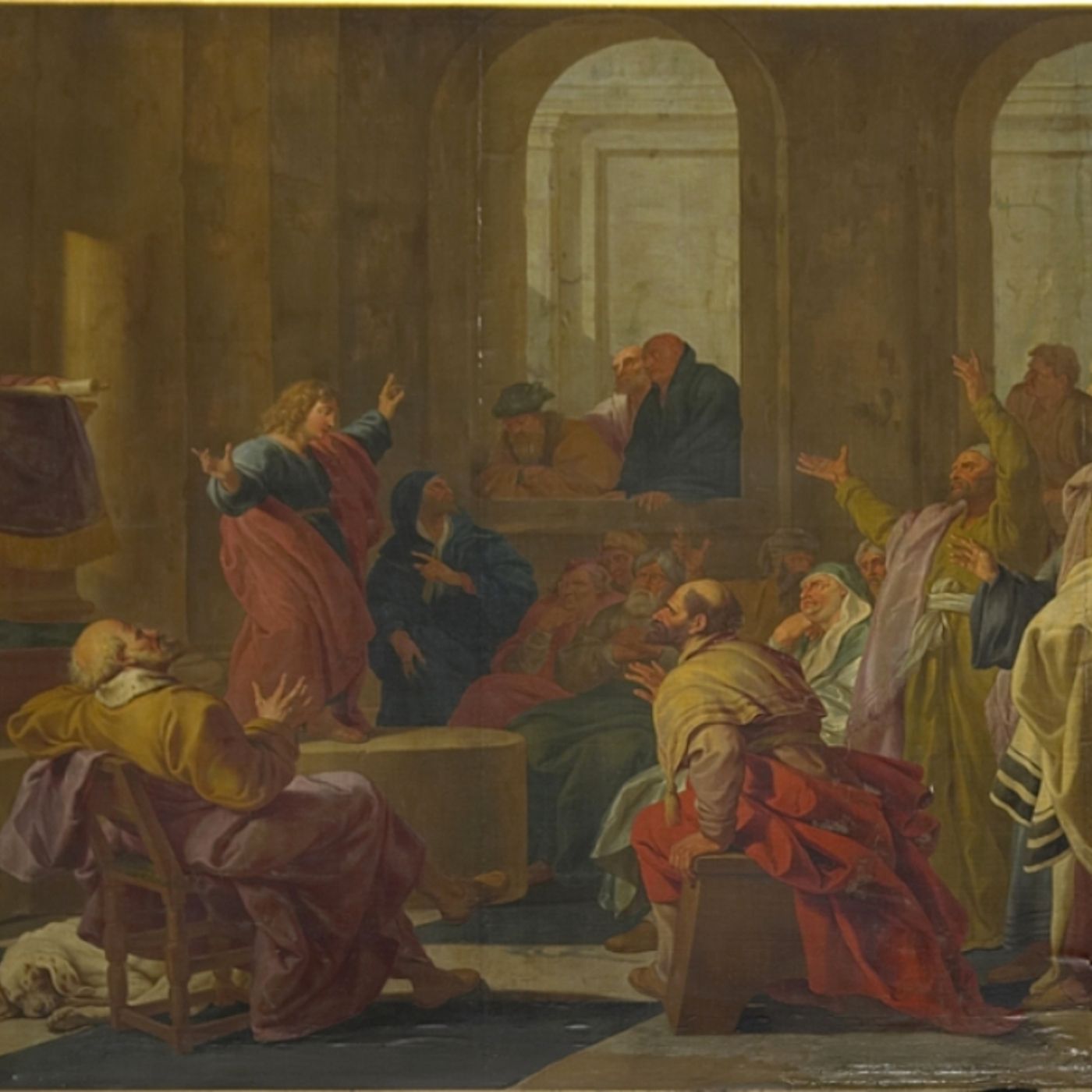
Nov 23
Monday of the Thirty-Fourth Week in Ordinary Time - A Total Offering to God
Read Online “I tell you truly, this poor widow put in more than all the rest; for those others have all made offerings from their surplus wealth, but she, from her poverty, has offered her whole livelihood.” Luke 21:3–4 We must all see ourselves as this poor widow by offering our “whole livelihood” to Christ. Everything we have is a gift from God, and it must be offered back to God, sacrificially, as our gift to Him. The material offering made by this poor widow was two small coins worth very little. The truth is that even if you were the richest person in the world and donated all that you had to God, it would greatly pale in comparison to the gift given to us by our Lord. We are all poor in the big picture of God’s grace and His Kingdom. The most any one of us can offer is symbolized by these two small coins. As you look at your own life, how willing are you to give everything you have to our Lord for His glory and service? The only appropriate “offering” we are called to give to our Lord is the “sacrifice” of our entire life. This spiritual truth is something very difficult for those who are very wealthy in the things of this world. Material wealth offers an easy way to live in comfort. Money can provide every modern convenience, entertainment, fun, worldly security and much of what this world has to offer. But money cannot buy fulfillment. It cannot satisfy us in the truest sense. This is why many people who live very luxurious lives are not truly happy. Happiness is found in sacrifice. Specifically, it is found in sacrificial love by which we dedicate everything we are and all that we have to the sole purpose of the glory of God and the furtherment of His Kingdom. Sadly, when one is rich in the things of this world, it is easy to think that offering a portion of their wealth, such as a tithe, means that they can keep and use the rest any way they want. But that’s not true. Giving of ourselves completely to God and to His service does not necessarily mean that we donate all of our money to the Church. But it does mean that we offer everything to God. For many, when this complete offering is done every day, God will lead them to use their material resources for the raising of their family, to take care of their basic needs, and, at times, to even enjoy various comforts in life. But the real question is whether or not you truly live as though all you have and all you are is God’s and is to be used for His glory and the furtherment of His will. Reflect, today, upon this poor widow. She was greatly blessed to have very little. This made it easier for her to remain detached from money and other forms of material wealth. And in that detachment, she gave all to God. She entrusted all to Him, and Jesus noticed and praised her. Reflect upon our Lord’s reaction to you and to the offering of your life to Him. If you are holding back from our Lord, then use the witness of this poor widow to inspire you to daily dedicate everything to the service of God in accord with His holy will. My wealthy Lord, Your riches are all that matter in life. You bestow the riches of eternal salvation and countless other graces upon those who have given all to You. I do give my life to You, dear Lord. I give all that I have and all that I am. Please receive the offering of my life and use me in accord with Your holy will. Jesus, I trust in You. Image: She Gave All She Had by Lawrence OP , license CC BY-NC-ND 2.0 . Source of content: catholic-daily-reflections.com Copyright © 2025 My Catholic Life! Inc. All rights reserved. Used with permission via RSS feed.
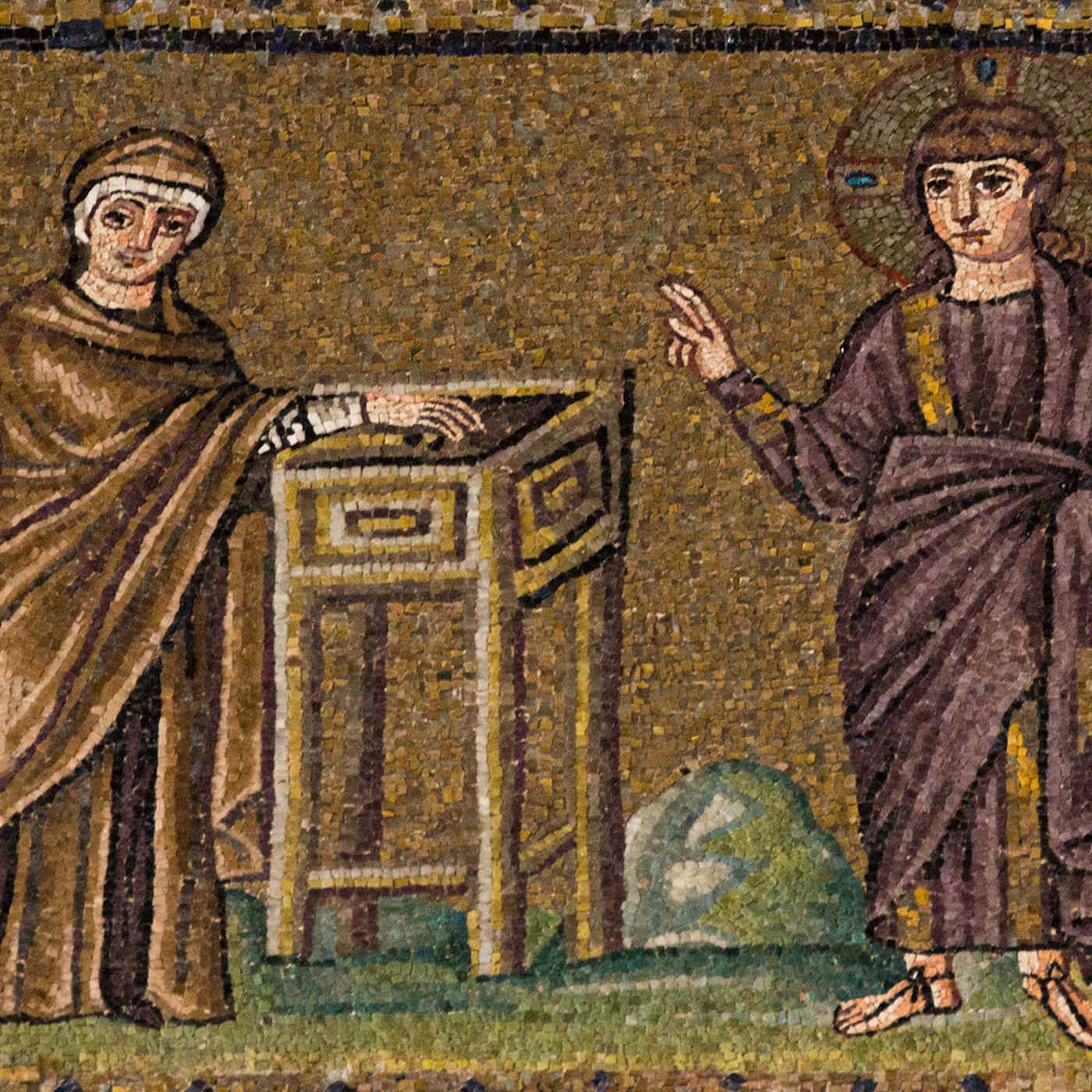
Nov 22
The Solemnity of Jesus Christ, King of the Universe (Year C) - Remember Me, My God and King
Read Online “Jesus, remember me when you come into your kingdom.” He replied to him, “Amen, I say to you, today you will be with me in Paradise.” Luke 22:42–43 What powerful words these were. As Jesus hung dying on the Cross for the salvation of the world, He hung between two thieves. These thieves represent all of us. One of them wanted Jesus to save His earthly life by coming down from the Cross and saving him at the same time. The other thief made a prayer for eternal life, asking Jesus to remember him when Jesus entered His Kingdom. To the latter, Jesus granted his request. Oftentimes we pray for earthly goods and pay little attention to eternal ones. Today, as we celebrate the last Sunday of the liturgical year, we celebrate the Solemnity of Jesus Christ, King of the Universe. On this day, we are invited to pray this prayer with the good thief, acknowledging that we are sinners deserving death, but hoping and praying for mercy and a share in the Eternal Kingdom of God. Nothing makes the soul of our Lord more joyful than saving His children. He endured suffering and death out of love. He knew that His death would destroy our death if we cling to Him in hope. On the Cross, Jesus’ gaze was on eternal, not earthly, redemption. He beheld the glorious throne that He mounted. It began with a cross but would end with glory, power and splendor beyond imagination. As we honor Jesus as the great and glorious King of the Universe, we are encouraged to invite Him to establish His kingship in our lives more fully. Though Jesus’ permanent, lasting and visible Kingdom will be established only in the future when He returns at the end of time, His Kingdom must begin now. The Kingdom of God is established here and now every time you allow Him to exercise His kingship in your life. As a King, Jesus desires to order your life. He demands perfect submission of your will to Him. He demands complete obedience. And He demands that you embrace this kingship of His freely, of your own choosing. These are demands of perfect love that bring about a sharing in His eternal Kingdom. How well do you do this? Throughout our world, there are many forms of governments. Democracies are thought by many to be the best form of government because no one person is capable of being the perfect king. Therefore a democracy is more of a safeguard against tyranny and abusive leadership. But when it comes to the end of time, the governance of humanity will take place by a King—the King of Kings and Lord of Lords. He is the only one Who is capable of governing humanity with justice and love. He is the only one under Whose leadership we will all flourish. He is the only one Who will be able to establish universal peace and harmony. Reflect, today, upon the glorious end of the world when our Lord Jesus Christ, the King of the Universe, will return in splendor and majesty to judge the living and the dead and to establish His permanent and unending Kingdom. Though we are not able to comprehend what this Kingdom will be at this time, we must believe in it with faith and have supernatural hope that we will share in it. Reflect, especially, upon your mission to allow that Kingdom of grace and mercy to begin now, within the depths of your own soul. Surrender all to Him. Invite Him to reign over your thoughts, will, body and soul. Do not hesitate. Trust in this one and only glorious King Who is worthy of our total obedience. My Lord Jesus Christ, King of the Universe, You and You alone are worthy of our total trust and surrender in all things. I do choose You as my King today. I join with the good thief and come to You with all my sin, praying that You will remember me when You come into Your glorious Kingdom. Jesus, I trust in You. Mongolo1984, CC BY-SA 4.0 , via Wikimedia Commons Source of content: catholic-daily-reflections.com Copyright © 2025 My Catholic Life! Inc. All rights reserved. Used with permission via RSS feed.
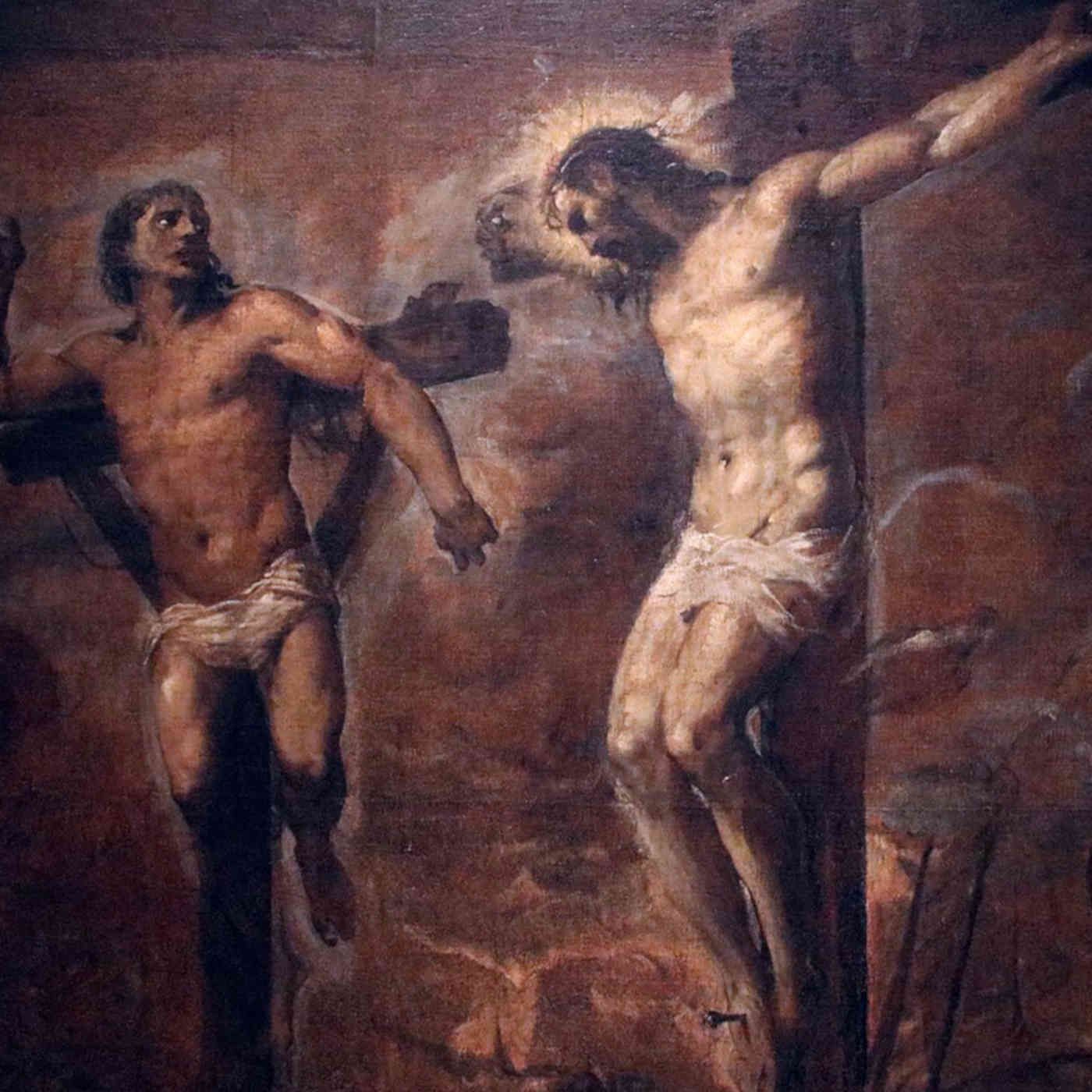
Nov 21
Saturday of the Thirty-Third Week in Ordinary Time - Preparing for Eternity
Read Online “That the dead will rise even Moses made known in the passage about the bush, when he called ‘Lord’ the God of Abraham, the God of Isaac, and the God of Jacob; and he is not God of the dead, but of the living, for to him all are alive.” Luke 20:37–38 Jesus gives this response to some of the Sadducees who question Him about the resurrection of the dead. The Sadducees did not believe in the resurrection of the body, whereas the Pharisees did. Thus, the Sadducees asked Jesus about the resurrection of the body using an almost unheard of example. They refer to the levirate law found in Deuteronomy 25:5ff which states that if a married man dies before having children, the brother of that man must marry his wife and provide descendants for his brother. Thus, the Sadducees present the scenario where seven brothers die, each one subsequently taking the same wife. The question they posed was, “Now at the resurrection whose wife will that woman be? For all seven had been married to her.” Jesus answers by explaining that marriage is for this life, not the life to come at the resurrection. Therefore, none of the brothers will be married to her when they rise. Some spouses have a hard time with this teaching, in that they love their spouse and desire to remain married in Heaven and at the time of the final resurrection. For those who feel this way, rest assured that the bonds of love we form on earth will remain and even be strengthened in Heaven. And when the end of the world comes and all of our bodies rise and are reunited with our souls, those bonds of love will remain stronger than ever. However, marriage, in the earthly sense, will be no more. It will be replaced by the pure love of the new life to come. This teaching gives us reason to ponder further the beautiful teaching of our Lord about His return in glory and, as we say in the Creed, “the resurrection of the dead and the life of the world to come.” We profess this belief every Sunday at Mass. But for many, it can be hard to understand. So what do we actually believe? Simply put, we believe that when we die, our body is “laid to rest,” but our soul enters a moment of particular judgment. Those who remain in mortal sin are eternally separated from God. But those who die in a state of grace will eternally live with God. Most people who die will most likely die with some lasting venial sins on their soul. Thus, Purgatory is the grace of final purification that the person’s soul encounters upon death. Purgatory is simply the purifying love of God which has the effect of eliminating every last sin and imperfection, and every attachment to sin, so that the purified soul can see God face-to-face in Heaven. But it doesn’t stop there. We also believe that at some definitive time in world history, Jesus will return to earth and transform it. This is His Final Judgment. At that time, every body will rise, and we will live eternally as we were intended to live: body and soul united as one. Those souls who are in mortal sin will also be reunited with their bodies, but their body and soul will live separated from God forever. Thankfully, those who are in a state of grace and have endured their final purification will be resurrected and share in the new Heavens and new Earth forever, body and soul as God intended. Reflect, today, upon this glorious teaching of our Lord that you profess faith in every time you pray the Creed. Keeping your eyes on Heaven and, especially, on the final and glorious resurrected state in which you will live in the new Heaven and Earth must become your daily practice. The more we live with this holy expectation, the more we will live here and now as a time of preparation for this final existence. Build treasure now in anticipation of this glorious day and believe that it is the eternity to which you are called. My resurrected Lord, You now reign in Heaven, body and soul, in anticipation of the final and glorious resurrection of all the dead. May I always keep my eyes on this final goal of human life and do all that I can to prepare for this eternity of glory and love. Jesus, I trust in You. Image: James Tissot, Public domain, via Wikimedia Commons Source of content: catholic-daily-reflections.com Copyright © 2025 My Catholic Life! Inc. All rights reserved. Used with permission via RSS feed.
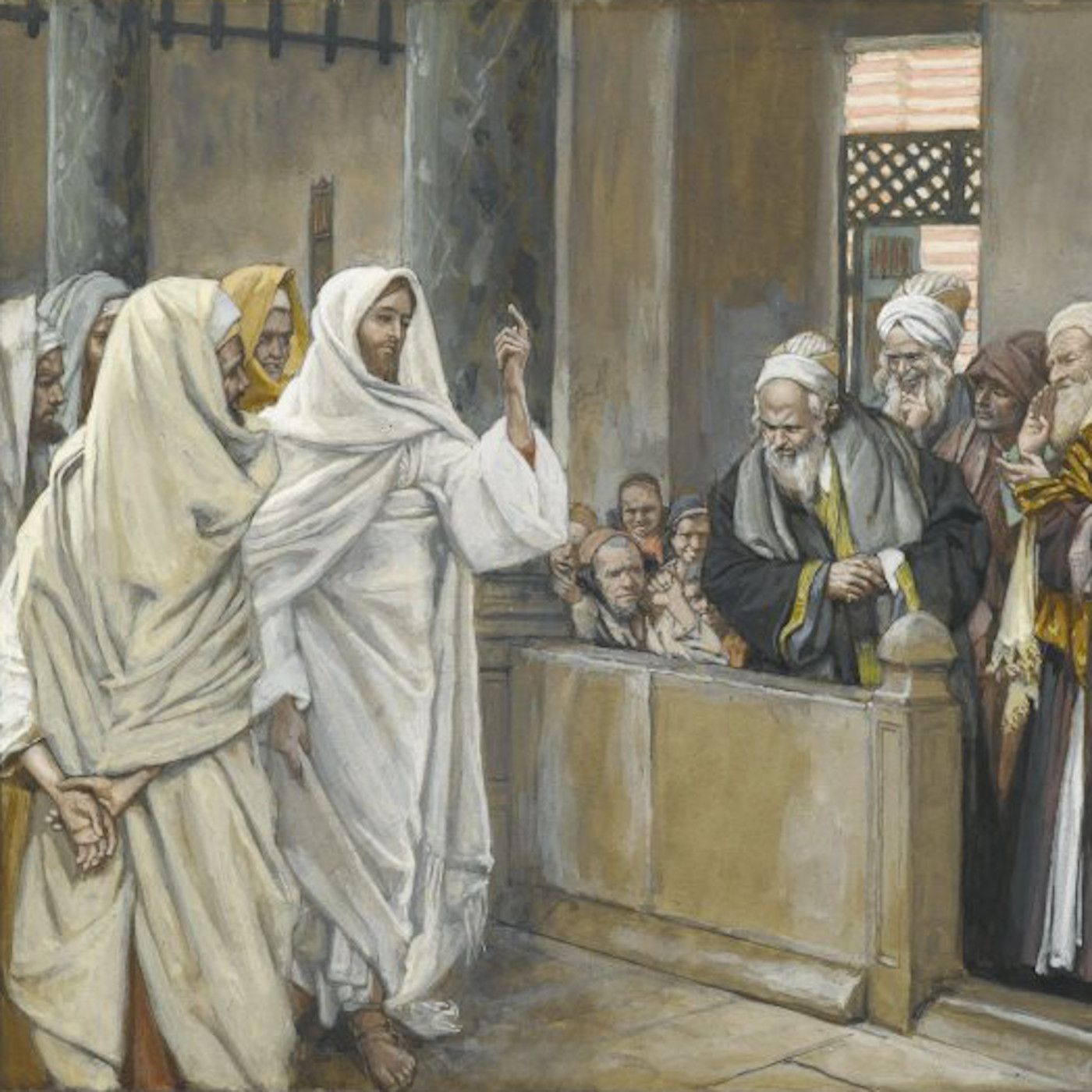
Nov 20
Friday of the Thirty-Third Week in Ordinary Time - Consoled by Fervent Preaching
Read Online Source: You are viewing content from a free RSS feed from catholic-daily-reflections.com — Copyright © 2025 My Catholic Life! Inc. All rights reserved. This content is provided solely for personal, non-commercial use. Redistribution, republication, or commercial use — including use within apps with advertising — is strictly prohibited. And every day he was teaching in the temple area. The chief priests, the scribes, and the leaders of the people, meanwhile, were seeking to put him to death, but they could find no way to accomplish their purpose because all the people were hanging on his words. Luke 19:47–48 Jesus had just entered Jerusalem for the upcoming Feast of Passover. He arrived in that holy city and then returned again the next day and entered the Temple area. As He witnessed the corruption of those selling animals for the Temple sacrifices, Jesus responded with fervent preaching in an attempt to cleanse the Temple from this corruption. He quoted the Prophet Isaiah and cried out, “ It is written, My house shall be a house of prayer, but you have made it a den of thieves. ” Luke’s Gospel points out the reaction of the chief priests, the scribes and the leaders of the people. They were “seeking to put him to death.” However, as the Gospel further relates, “they could find no way to accomplish their purpose because all the people were hanging on his words.” It’s important to consider this passage within its context. The words that Jesus spoke were words that sought to cleanse the Temple of corruption. With the approval of the temple priests, who benefitted from the temple tax, there were many people who were using the practice of divine worship to make a profit for selfish gain, turning the Temple into a marketplace. Jesus could see this clearly, and many of the people would have also sensed the corruption of these practices. Though they needed to purchase animals for the ritual sacrifices and Passover meal, many of them were most likely disturbed by this abuse. Therefore, as Jesus spoke with fervor and condemnation, it angered those who were responsible for the corruption but left the people with consolation. Hence, they were “hanging on his words.” The Gospel is always consoling, and, for those who are open, it leads them to hang on every word that is spoken. It refreshes and invigorates, clarifies and motivates. Usually when we think of the Gospel, we think of words that are gentle and inviting—words of mercy to the sinner and compassion for those who are struggling. But sometimes the pure Gospel message from our Lord fiercely attacks sin and evil. And though this may be shocking to the evil doers, to those with pure faith, these words also refresh and strengthen. Today, we need the full Gospel message. Many need to hear Jesus’ gentle invitation to conversion by which their heavy burdens are lifted. But many others need to hear His firm words of condemnation. And the Church as a whole needs both of these messages to be proclaimed if we are to fully participate in the apostolic ministry of our Lord. Only our Lord has the right to condemn, chastise, and call others to repentance. But we are all called to share in this mission of our Lord. And though we do not have the right to judge the hearts of others, when we see objective evil and disorder within our world and even within our Church, we must cry out with our Lord, “ My house shall be a house of prayer, but you have made it a den of thieves. ” And when we do hear the holy and inspired words of God’s messengers who boldly and courageously proclaim the truth and call others to repentance, it should inspire, invigorate and console us as we find ourselves hanging on their every word. Reflect, today, upon the Gospel messages that need to be preached in our day and age that are both inspired by God and are also fervently directed at corruption within the world and even within our Church. Allow yourself to support such holy preaching and to be inspired by it. Hang on these holy words of God’s prophets today. As you do, God will protect them and inspire them to continue His holy mission of purification. My purifying Lord, the corruption within our world, and at times even within our Church, requires Your holy preaching and purifying action. Please send Your messengers to those in need so that all may be cleansed as You cleansed the Temple. May I share in this mission in the ways in which You call me, and may I always hang on every word spoken from Your merciful and fervent heart of love. Jesus, I trust in You. Image: James Tissot, Public domain, via Wikimedia Commons Source of content: catholic-daily-reflections.com Copyright © 2025 My Catholic Life! Inc. All rights reserved. Used with permission via RSS feed.
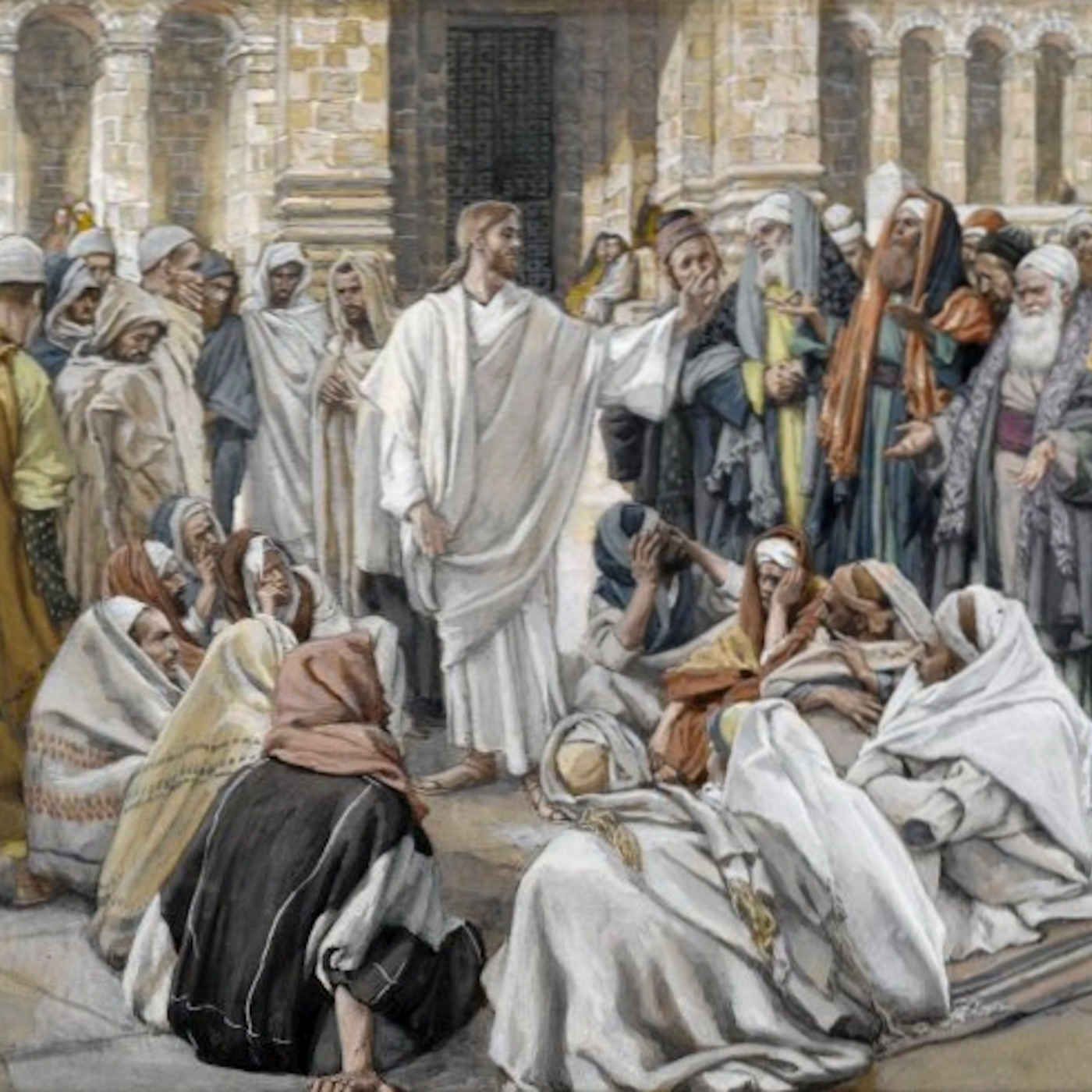
Nov 19
Thursday of the Thirty-Third Week in Ordinary Time - Holy Sorrow
Read Online Source: You are viewing a free RSS feed from catholic-daily-reflections.com —Copyright © 2025 My Catholic Life! Inc. All rights reserved. This content is provided solely for personal, non-commercial use. Redistribution, republication, or commercial use—including use within apps with advertising—is strictly prohibited. “For the days are coming upon you when your enemies will raise a palisade against you; they will encircle you and hem you in on all sides. They will smash you to the ground and your children within you, and they will not leave one stone upon another within you because you did not recognize the time of your visitation.” Luke 19:43–44 Jesus spoke these words as He looked at Jerusalem from a distance, preparing to enter that holy city for the last time in preparation for His passion and death. As He spoke these words, the Gospel says that Jesus wept over the city. Of course, it wasn’t primarily tears over the future physical destruction of the Temple and invasion by Roman forces. It was first and foremost tears over the lack of faith of so many which was the true destruction He mourned. As mentioned above, the city of Jerusalem was indeed sieged by the military commander Titus in the year 70 A.D. Titus was acting under the authority of his father, the emperor, and destroyed not only the Temple but also much of the city itself, as well as the Jewish inhabitants. As Jesus approached the city of Jerusalem, so as to enter the Temple one last time to offer His life as the definitive Sacrificial Lamb for the salvation of the world, Jesus knew that many within this holy city would not accept His saving sacrifice. He knew that many within that city would become the instruments of His pending death and would have no remorse for killing the Savior of the World. And though this one point can easily be missed, it should be emphasized that Jesus’ reaction was not fear, it was not anger, it was not disgust. Rather, His reaction was holy sorrow. He wept over the city and its inhabitants despite what many of them would soon do to Him. When you suffer injustice, how do you react? Do you lash out? Condemn? Get defensive? Or do you imitate our Lord and allow your soul to be filled with holy sorrow? Holy sorrow is an act of love and is the appropriate Christian response to persecution and injustice. Too often, however, our response is not holy sorrow but anger. The problem with this is that reacting in unholy anger does not accomplish anything good. It does not help us to imitate Jesus, and it doesn’t help those with whom we are angry. Though the passion of anger can be used for good at times, it becomes a sin when it is selfish and a reaction to some injustice done to us. Instead of this unholy anger, seek to foster holy sorrow in imitation of Jesus. This virtue will not only help your soul grow in love of those who have hurt you, it will also help them to see more clearly what they have done so that they can repent. Reflect, today, upon your own approach to the evil you face in your life. Consider carefully your interior and exterior reaction. Do you mourn with love over sins you witness and experience? Do you mourn, with a holy sorrow, over your own sins and the sins of others? Work to foster this form of love within you and you will find that it can become a motivation for you to help transform the sins you commit and the sins of others you endure. My sorrowful Lord, You endured the sins of many. You were treated with cruelty and injustice. To all of these sins, including those that you foresaw, You reacted with the love of holy sorrow. And that sorrow led you to true compassion and concern for all. Please give me the grace to imitate this same love of Yours so that I, too, may share in the holiness of Your sorrowful heart. Jesus, I trust in You. Image: David Roberts, Public domain, via Wikimedia Commons
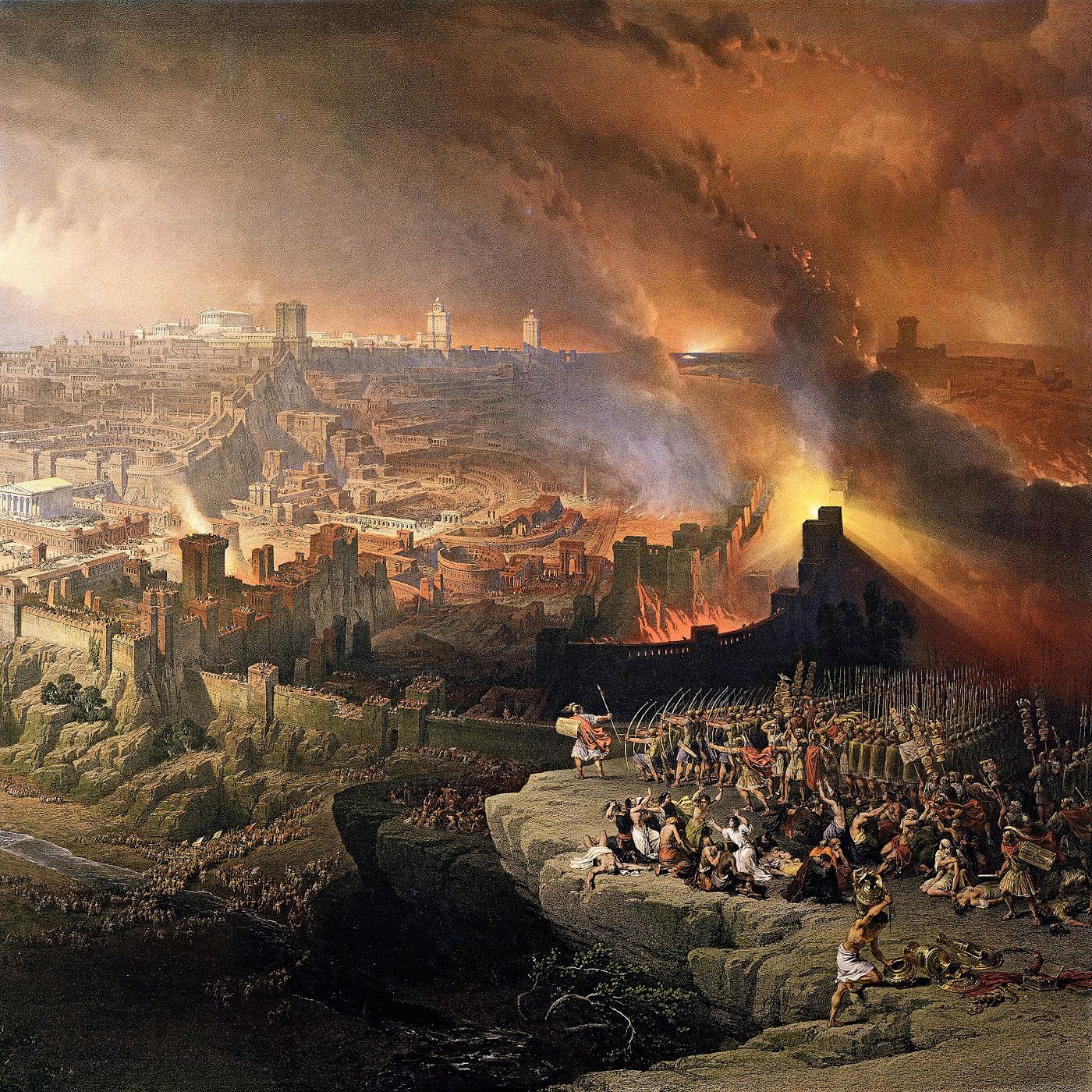
Nov 18
Wednesday of the Thirty-Third Week in Ordinary Time - Your Apostolic Calling
Read Online “A nobleman went off to a distant country to obtain the kingship for himself and then to return. He called ten of his servants and gave them ten gold coins and told them, ‘Engage in trade with these until I return.’ His fellow citizens, however, despised him and sent a delegation after him to announce, ‘We do not want this man to be our king.’” Luke 19:12–14 There are three categories of people in this parable. The first includes those who received a gold coin and followed the master’s request to “engage in trade” until he returned. The second has those who received the same command but were lazy and failed to produce any good fruit from that which our Lord has given them. And the third includes those who “despise” our Lord and do not want Him as their King. Upon the king's return, this first category of people are represented by the two servants who took the gold coins, engaged in trade, and made five and ten more. These are those who have much apostolic zeal. God not only calls us to use the gifts we have received to expand His Kingdom on earth, He also expects it of us. His expectation is a command of love. For those who understand this command, they see it as a glorious invitation to make an eternal difference in the lives of many. They do not see the apostolic works to which they are called as a burden. Rather, they see them as a joy, and that joy fuels their efforts. The result will have exponential effects for God’s Kingdom. The second category of people is illustrated by the one servant who kept the one gold coin “stored away in a handkerchief” out of fear. These are the people who avoid evangelizing and furthering the Kingdom of God out of fear. Fear is paralyzing. But giving in to fear is a sin. It’s a lack of faith and trust in God. Serving God will inevitably require courage on our part. It will demand that we step out of our comfort zone and do that which we may not immediately feel comfortable doing. But as that servant in the parable foretold, God is a demanding God. And He will not accept fear as an acceptable excuse not to zealously help to build the Kingdom of God. The third category of people is the category in which you definitely do not want to fall. These are those who actively work to undermine God’s Kingship and reject Him as God. The world is filled with these people. The only thing we need to say about those who fall into this category is that which our Lord said of them. “Now as for those enemies of mine who did not want me as their king, bring them here and slay them before me.” Reflect, today, upon which category of people your life most fully resembles. Most likely it is one of the first two. Do you have great zeal for God’s Kingdom? Are you willing to do all that you can to help build His Kingdom? Are you willing to do so even at the cost of great personal sacrifice? If so, then rejoice and know that an abundant reward awaits. But if you are one who struggles with fear, specifically, if you struggle with a fear to evangelize, to share the Gospel and to live your faith openly with humility and love, then spend more time with this parable and the fate of that one servant who hid the coin in the handkerchief. Engage in the apostolate. Commit yourself to the furtherance of God’s Kingdom. Dispel all fear and know that you will never regret putting your whole heart and soul into the service of God and the building of His Kingdom. My demanding Lord, You have entrusted me with much, and You demand that I use all that You have given me to help build Your Kingdom of grace. What a privilege it is to be called by You and used by You for this apostolic mission. Please free me from all fear, dear Lord, so that I will never hesitate to serve You in the ways that You call me to serve. Jesus, I trust in You. Image: Willem de Poorter, Public domain, via Wikimedia Commons Source of content: catholic-daily-reflections.com Copyright © 2025 My Catholic Life! Inc. All rights reserved. Used with permission via RSS feed.
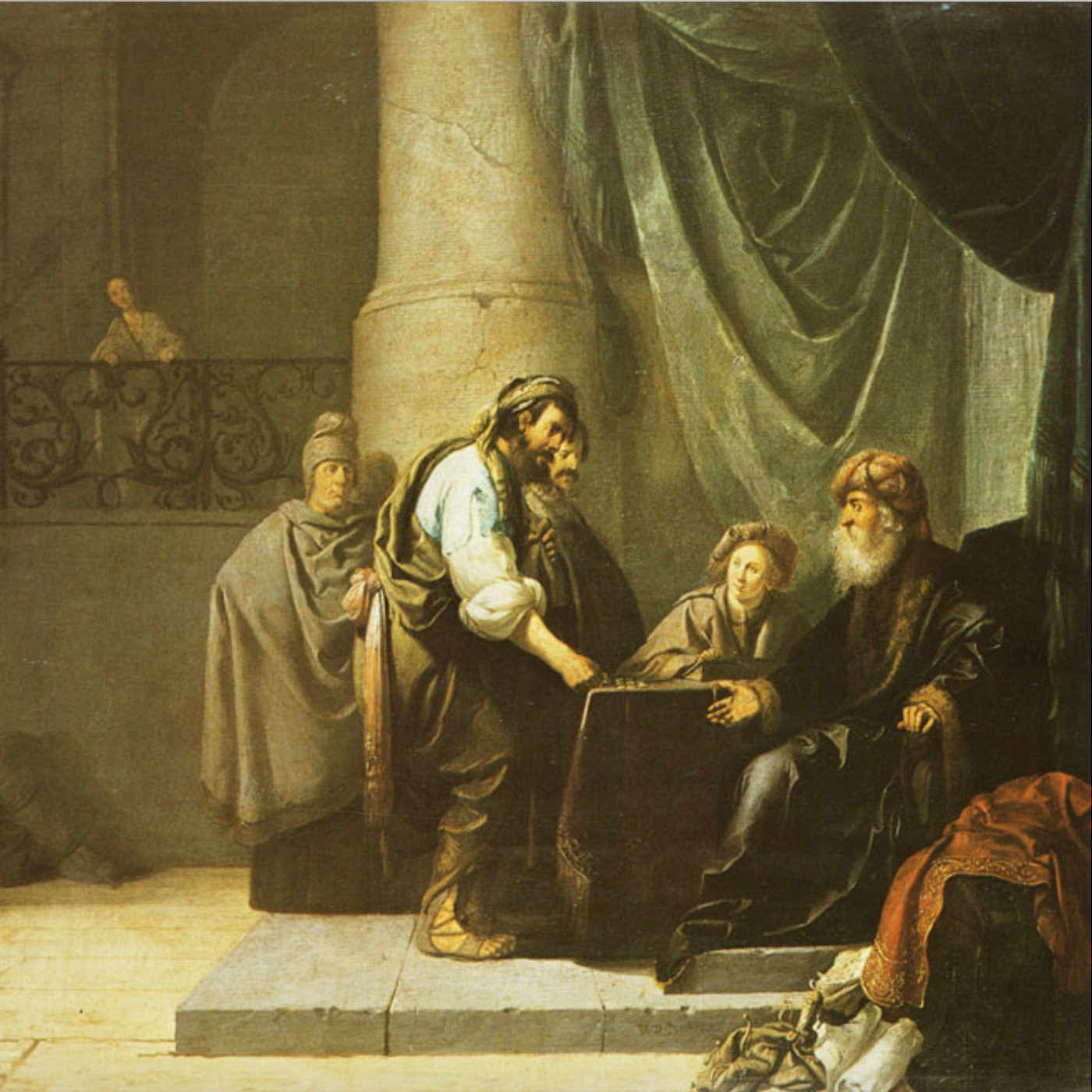
Nov 17
Tuesday of the Thirty-Third Week in Ordinary Time - The Desire of the Heart
Read Online At that time Jesus came to Jericho and intended to pass through the town. Now a man there named Zacchaeus, who was a chief tax collector and also a wealthy man, was seeking to see who Jesus was; but he could not see him because of the crowd, for he was short in stature. So he ran ahead and climbed a sycamore tree in order to see Jesus, who was about to pass that way. Luke 19:1–3 Once again, our Lord reaches out to someone who comes to Him in humility and need. Zaccheaus was a wealthy man, materially speaking. But interiorly he was poor and in need. And it was this spiritual poverty he was experiencing that led him to seek out Jesus with much determination. Zacchaeus probably never imagined that day that Jesus would offer to come to his home. Clearly, he climbed the tree to get a glimpse of Jesus because he felt a strong desire to know our Lord. Since he was physically wealthy, it seems clear that he no longer was satisfied in life simply because of a comfortable lifestyle. Something was missing, and he couldn’t help but know that Jesus held the answer. So Zacchaeus did what some may have thought unusual. He climbed a tree to be able to see Jesus. Why did Jesus stop, look up at Zacchaeus, and call him down, stating that He was going to stay at Zacchaeus’ home? It’s because Jesus was able to sense the need within the heart of Zacchaeus. Hearts that are poor, in need, and open are very attractive to Jesus. He never misses the opportunity to come to humble souls like this. Zacchaeus responds to our Lord immediately by promising to right the wrongs he has done in the past. He promises to give away half of his possessions and to repay anyone he has extorted fourfold. This reveals the authenticity of Zacchaeus’ heart. As Jesus passes by you, what does He sense? Is He drawn to your heart? Is He drawn to you because of your interior disposition of humility and need? It is easy for us to go through life acting as if we have it all together. We can put on a facade that portrays an attitude of strength and success. But Jesus rarely comes to the soul who expresses little need. If we want to draw Jesus to ourselves, then we must acknowledge the poverty within ourselves, even if we are materially wealthy and successful in a worldly way. Every one of us must humble ourselves like Zacchaeus by knowing that Jesus is the only answer in life. Reflect, today, upon the fact that you and you alone have the ability to draw Jesus to yourself. You can do this by looking at your need for Him. Do not hide it. Climb the figurative tree by which you will be able to look for Jesus and, more importantly, by which Jesus can see your manifest desire for Him. As you express your need for Him, know that He will be compelled, by His unshakable love and mercy, to come to you and to stay with you in the house of your soul. And when He does, be ready and willing to abandon all that has been a hindrance to your meeting with Christ in the past. My attentive Lord, You are always aware of every heart that longs for You. You never ignore those who desire You in their life. Please help me to see my own interior needs and struggles and to see You as the only source of fulfillment in life. I commit myself to seeking You out, dear Lord. And as You come to me, I commit to abandon all that has kept me from You in the past. Jesus, I trust in You. Randers Museum of Art, Public domain, via Wikimedia Commons Source of content: catholic-daily-reflections.com Copyright © 2025 My Catholic Life! Inc. All rights reserved. Used with permission via RSS feed.
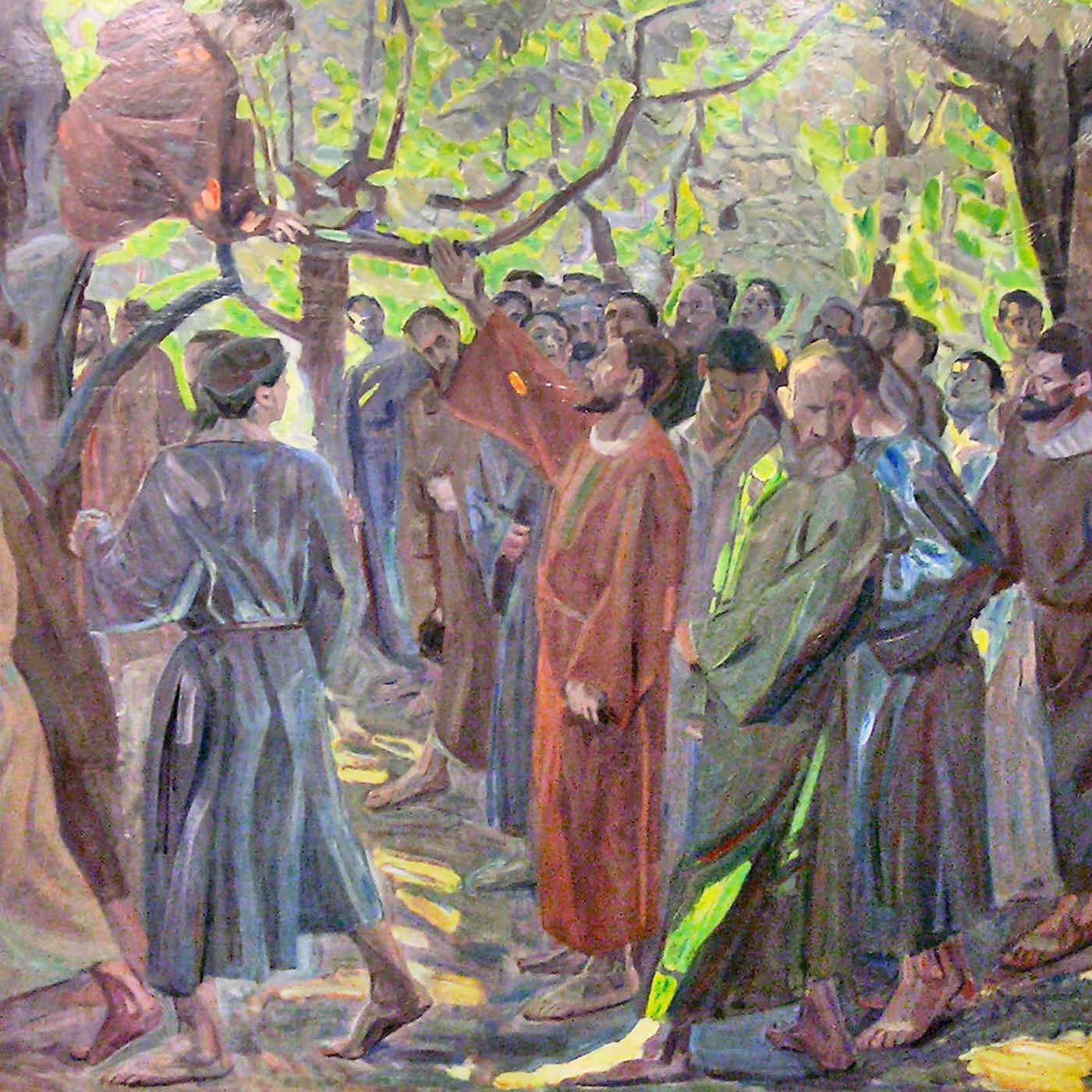
Nov 16
Monday of the Thirty-Third Week in Ordinary Time - A Model for Prayer
Read Online As Jesus approached Jericho a blind man was sitting by the roadside begging, and hearing a crowd going by, he inquired what was happening. They told him, “Jesus of Nazareth is passing by.” He shouted, “Jesus, Son of David, have pity on me!” The people walking in front rebuked him, telling him to be silent, but he kept calling out all the more, “Son of David, have pity on me!” Luke 18:35–39 This beautiful story of the healing of this blind man, named Bartimaeus in the Gospel of Luke, sets for us a model of how we must come to Jesus in prayer. Bartimaeus and his encounter with Christ is an icon upon which we must meditate so as to imitate him in his weakness, openness, confidence and perseverance. To begin, this “blind man was sitting by the roadside begging.” We must see this as an ideal image of how to begin our prayer. When we start to pray, we must see our littleness, weakness and extreme poverty in our spiritual life. We come to God with nothing. Unable to see. A beggar. And one who is incapable of meeting our own spiritual needs. This is Bartimaeus, and this must be the way we come to our Lord in prayer. Sometimes we can fall into the illusion that our prayers are so elevated and pious that God must be very impressed. If that’s your struggle, then you are more like the Pharisees. This blind man, however, is the ideal to aim for. So when you begin your prayer, come to our Lord as a spiritually poor and needy beggar. In this state of humility, just as it happened in this Gospel story, you can be certain that “Jesus of Nazareth is passing by.” So as you sit in your humble and needy state, wait and be attentive to Jesus passing by. Wait upon His gentle voice, His quiet inspiration, His calming and unmistakable presence. If you can humble yourself this way and then sense our Lord’s divine presence touching you in some way, then further imitate Bartimaeus by calling out interiorly, “Jesus, Son of David, have pity on me!” The cry from the depths of your heart in prayer must come as a result of Jesus “passing by.” It must be a response to Him coming to you on His own. As Jesus passes by, spiritually speaking, He waits for you to call to Him. He desires that you call to Him. And He desires that you do it with firm confidence and perseverance. Notice that as this blind beggar cried out, there were obstacles put in his way. The people “rebuked him, telling him to be silent.” But even this was a gift, because it enabled Bartimaeus to cry out all the more. So also with us, when obstacles arise in our prayer, such as distractions, temptations, a lack of consolation, or any other challenge to our prayer, we must see these obstacles as hurdles that must be overcome. Doing so will deepen our union with Jesus, turning that apparent obstacle into a source of blessing. Reflect, today, upon these four aspects of a deep prayer life that are presented to us through the witness of this blind beggar. First, ponder your weakness and poverty as you turn to God in prayer. Second, be attentive to the presence of God as He passes by, waiting for you to call to Him. Third, cry out to Him and beg Him to come closer. And fourth, work to overcome every obstacle to prayer and see those obstacles as opportunities to call out to God all the more. My compassionate Lord, I come to You in my weakness and poverty, I come in need of Your divine touch and healing. As You do pass by, I acknowledge Your presence and call to You. Jesus, please do come to me, have pity on me. Help me to overcome every obstacle to Your love and to trust in You always, never wavering from my commitment to You. Jesus, I trust in You. Image: Workshop of Fernando Gallego, Public domain, via Wikimedia Commons Source of content: catholic-daily-reflections.com Copyright © 2025 My Catholic Life! Inc. All rights reserved. Used with permission via RSS feed.
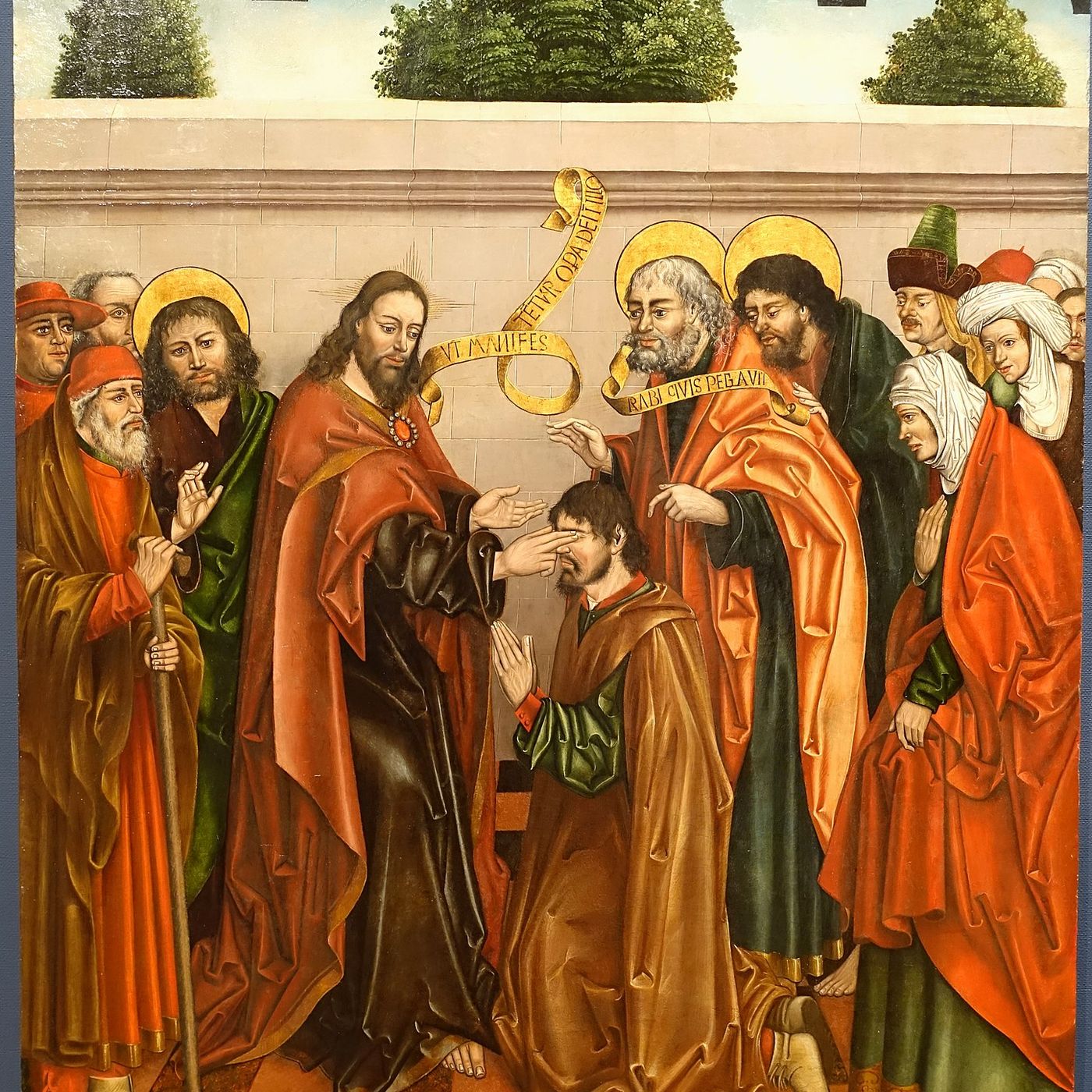
Nov 15
Thirty-Third Sunday in Ordinary Time (Year C) - Courage and Strength
Read Online “Before all this happens, however, they will seize and persecute you, they will hand you over to the synagogues and to prisons, and they will have you led before kings and governors because of my name. It will lead to your giving testimony. Remember, you are not to prepare your defense beforehand, for I myself shall give you a wisdom in speaking that all your adversaries will be powerless to resist or refute.” Luke 21:12–15 It could be said that these are among the least consoling words that Jesus ever spoke. Imagine what His disciples would have thought upon hearing this. Some of them might have changed their minds about following Jesus and walked away. Why would anyone want to be seized and persecuted, or thrown into prison? Jesus even went on to say that “they will put some of you to death.” Though these words might not, at first, seem all that consoling, they were inspired words and, therefore, must be inspiring. By analogy, imagine an army general in charge of troops defending their families and homeland from hostile invaders. If that general were to say similar words to the troops, acknowledging that some of them would be captured and even killed, it would be a reality check for sure. But it would also inspire a certain courage and drive. In that moment, the soldiers would need courage to face the challenge that awaited them. Therefore, by being honest with them, the general would stir up their courage and strengthen their resolve to enter the battle. We must hear Jesus’ words today as His battle cry, spoken to encourage us. He is warning us that the secular and unchristian world will be hostile. The leader of the kingdom of darkness, the devil, is very active and, with his legion of demons and followers, is seeking to destroy us. For our part, we must decide whether we will retreat and hide, or enter the battle for the salvation of souls. Though most of us will not endure physical martyrdom for our faith, it will happen to some. But for most of us, the persecution we will endure will be on a different level. We may be mocked or even hated for our refusal to accept immorality within the culture. We may be called hateful when we stand up for the dignity of the unborn child in danger of abortion. We may be deemed superstitious or old fashioned by remaining faithful to Sunday worship and daily prayer. And we may be thought of as out-of-touch or behind the times for refusing to embrace the latest popular fads and secular values. Sometimes this happens even within the family. Instead of shying away from the various forms of persecution we may experience, we need to allow our Lord to stir up a courage within us that is fueled by love. We must deeply desire the salvation of every soul and remain certain that the only way to salvation is through fidelity to Christ. When you are challenged by others or by the world, you must trust in Jesus’ words. “I myself shall give you a wisdom in speaking that all your adversaries will be powerless to resist or refute.” When we resist and refute the errors of our age, some people will become hostile. But if we remain faithful to our Lord and speak by His inspiration, then those who are hostile will be affected for the good. Because Jesus said that people will not be able to “resist or refute” the words He inspires us to say, we must know that our words can make a difference in the battle for souls. We must engage the battle with courage and love and rely upon our Lord to lead. Reflect, today, upon the fact that we are all in a battle for the salvation of souls, beginning with our own. We cannot be passive bystanders. We must move forward with much courage and strength. We must trust in the guidance given to us by our Lord. We must be open to the words He will inspire us to speak when needed. Resolve to follow our Lord into this holy battle, and He will equip you with all you need to be victorious. My courageous Lord, You endured much suffering in life and embraced it with pure love. Please give me the grace I need to follow You wherever You lead and to be an instrument of Your voice to a world in need. Jesus, I trust in You. Image via Adobe Stock Source of content: catholic-daily-reflections.com Copyright © 2025 My Catholic Life! Inc. All rights reserved. Used with permission via RSS feed.
Nov 14
Saturday of the Thirty-Second Week in Ordinary Time - Praying for the Will of God
Read Online The Lord said, “Pay attention to what the dishonest judge says. Will not God then secure the rights of his chosen ones who call out to him day and night? Will he be slow to answer them? I tell you, he will see to it that justice is done for them speedily.” Luke 18:6–8 It’s interesting that Jesus uses the example of a dishonest judge to illustrate the importance of praying to God, calling out to Him day and night for justice. As the parable goes, this judge cared little about a widow in his town who continually came to him asking for a just decision. He felt as though she was continually bothering him. Because she was so persistent, the judge thought to himself, “...because this widow keeps bothering me I shall deliver a just decision for her lest she finally come and strike me.” Jesus’ conclusion from this parable is quoted above. The simple lesson we ought to learn from this parable is that we must be persistent in prayer. God will always answer our prayers, seeing to it that “justice is done” speedily. But many people have prayed and prayed and prayed for some situation, prayed even for justice, and it appeared that God did not answer their prayer. Thus, some may question the promise of Jesus that persistent prayer will always be answered and justice always be rendered. If this is your experience, it is essential that you remind yourself of two things. First, Jesus’ words are true. When we persevere in prayer and trust in God, He hears us and answers. This is our Lord’s unwavering promise. But secondly, the “justice” that God delivers may often be different than the justice we expect. It may be that we want someone to pay for a wrong they did to us, but after praying fervently, our expectation is not met by our Lord. For this reason, it is essential that we know that God answers every prayer we pray, but in accord with His perfect will and wisdom. Therefore, God’s view of justice at times may be very different than ours. At times, His justice is satisfied by His invitation to us to show mercy in abundance. True mercy always satisfies justice. Take, for example, the case of someone speaking in a rude manner to you. If you offer that situation to our Lord, He will enter in and provide His grace for you to deal with it in accord with His will. Perhaps He will soften the other person's heart so that they apologize, or perhaps, if they don’t apologize and their heart is not softened, then God’s answer to your prayer will be to give you the grace of humility so that you can love that person despite their unrepentance. Regardless of the way our Lord intervenes, the fact remains that He will intervene and enable you to fulfill His perfect will. If, however, your prayer is that the person be held accountable and condemned, then you are trying to tell God what to do, and He will not accede to your request. All of our prayer must ultimately be for the fulfillment of God’s perfect will in accord with His wisdom. Reflect, today, upon how completely you trust in God. Do you know, with certainty, that He will answer every prayer that you fervently pray with faith in accord with His divine will? Believing this is freeing and enables you to live more fully in union with Him. If there is some issue with which you struggle right now, even some apparent injustice, then entrust it to our Lord, day and night without ceasing, and know that His grace will guide you as He answers you in accord with His will. My all-wise Lord, Your will is perfect in all things, and You always bestow Your grace upon me when I pray without ceasing. Please give me a trusting Heart, dear Lord, so that I will never waver in my hope that You will always answer my prayers in accord with Your will. Jesus, I trust in You. Image: Parable_of_the_Unjust_Judge_(Granovitaya_palata,_1881-2)_2 by ilove truth , license Public Domain Mark 1.0 Universal Source of content: catholic-daily-reflections.com Copyright © 2025 My Catholic Life! Inc. All rights reserved. Used with permission via RSS feed.
Nov 13
Friday of the Thirty-Second Week in Ordinary Time - Embracing the Present Moment
Read Online Jesus said to his disciples: “As it was in the days of Noah, so it will be in the days of the Son of Man; they were eating and drinking, marrying and giving in marriage up to the day that Noah entered the ark, and the flood came and destroyed them all.” Luke 17:26–27 As we enter into the final weeks of the liturgical year, we begin to turn our attention to the final coming of Christ. In today’s Gospel, Jesus gives us the example of Noah and Lot. In both of their stories, people were eating, drinking, marrying, buying, selling, planting and building up, until the very day that the floods came to destroy the earth at the time of Noah and fire rained down from the sky at the time of Lot. Both Noah and Lot were saved, but many others alive at that time met with sudden and unexpected destruction. Jesus says that the “days of the Son of Man” will be similar to these previous two events. At an unexpected time, Jesus will return to earth, and the Final Judgment will ensue. So His message is clear: Be ready at all times. Though we are familiar with this teaching of our Lord, spoken many times and in various ways in the Gospels, many people do not heed the message. It is easy to believe that you always have tomorrow to change, and so you give into temptation today. And then tomorrow comes, and the temptation is once again embraced with the thought that you will work on it tomorrow, and henceforth. We can easily go about perpetuating our sins and embracing our temptations while we have the ongoing good intention of changing tomorrow. This is a mistake for two reasons. First of all, it always remains a possibility that our Lord will indeed come today and that today truly will be the end of the world. Or, it always remains a distinct possibility that your life will come to an end today, suddenly and unexpectedly. If that were to happen, would you be fully ready to stand before the judgment seat of Christ? Most people would not, at least not fully ready. Thus, this should be motivation enough to work tirelessly today to be ready now and every moment hereafter. But we should also see this prophecy of our Lord as applying to every present moment of every day. Jesus is always coming to us, suddenly and without warning, inviting us to serve Him by grace. This Gospel passage states that “Whoever seeks to preserve his life will lose it, but whoever loses it will save it.” This applies to the end of our lives and to the end of the world, but it also applies to every present moment of every day. If we continually seek to lose our lives, meaning, to choose the Heavenly realities over the temporal earthly indulgences we are daily tempted with, then we will also daily experience the grace of salvation, here and now, in every present moment of our lives. Reflect, today, upon whether or not you regularly seek to lose your life for the sake of the Kingdom of God. Do you continually choose grace, mercy, Heaven, obedience, love, self-sacrifice, compassion, forgiveness and the like, every moment of every day of your life? If so, then our Lord will continually bestow the gift of His saving grace upon you here and now, preparing you for the ultimate moment of judgment. If not, then you will be more like the people of Noah’s and Lot’s time who met with sudden destruction when they least expected it. Live for God now, today, in this moment, and you will be eternally grateful you did. My ever-present Lord, You come to me always, suddenly and unexpectedly, and so often I do not hear You or perceive Your presence. Please help me to live continually for You and by Your grace, choosing Heavenly realities over temporary indulgences. May I live this way always, meeting You every moment of my life and anticipating that glorious final meeting with You at the time of judgment. Jesus, I trust in You. Source of content: catholic-daily-reflections.com Copyright © 2025 My Catholic Life! Inc. All rights reserved. Used with permission via RSS feed.
Nov 12
Thursday of the Thirty-Second Week in Ordinary Time - Perceiving the Kingdom of God
Read Online Asked by the Pharisees when the Kingdom of God would come, Jesus said in reply, “The coming of the Kingdom of God cannot be observed, and no one will announce, ‘Look, here it is,’ or, ‘There it is.’ For behold, the Kingdom of God is among you.” Luke 17:20–21 Why did the Pharisees ask Jesus this question? Why did they want to know when the Kingdom of God would come? To answer this question, we must first look at the full context of the various communications between Jesus and the Pharisees. When we do this and see the many ways that the Pharisees attempted to trap Jesus in speech and the times in which our Lord firmly rebuked the Pharisees, it seems clear that the Pharisees did not ask Jesus this question in innocence and openness. Instead, they once again were trying to trap Him. They posed a question by which they gave the appearance of believing Jesus’ teachings that the Kingdom of God was coming, but they asked not in faith but in mockery and in an attempt to trip Jesus up in His answer. Jesus’ answer is mysterious. It leaves little room for the Pharisees to use Jesus’ speech against Him. Perhaps the Pharisees were hoping that Jesus would say that the Kingdom was coming soon, or next month, or within the year. But Jesus’ answer leaves them with confusion in the face of this mystery that “the Kingdom of God is among you.” Much of what Jesus says can only be fully understood through faith. He often speaks in veiled language intentionally, because the only way to lift the veil to perceive the meaning of His teachings is to rely upon the inspired gift of faith. Faith is like a key to unlock the secrets of the mysteries of God. Faith becomes a lens through which every parable, every figure of speech, and every mystery taught by our Lord is understood. But without this inspired gift of faith, Jesus’ teachings remain mysterious and incomprehensible. When you ponder these words that “the Kingdom of God is among you,” what do you understand? Are you able to use the gift of faith to unlock the meaning of this sacred teaching? Interestingly, reading Jesus’ words, spoken in a veiled way, offer us the opportunity to test our own faith. If we read these words and are left in confusion, then this is a clear sign that we need to pray for and be open to the gift of faith. But if we do read Jesus’ mysterious teachings and the light of understanding is given to us, then this is a clear reason to rejoice, since this comprehension is only possible through the gift of faith. Reflect, today, upon this sacred teaching of our Lord: “The Kingdom of God is among you.” Meditate on those words and pray for insight and understanding. Jesus’ words are true. His Kingdom truly is everywhere, all around us and within us. It is alive and well. Do you see it? Do you perceive it? Do you see your role in building it? Use these questions as a test of your own level of faith and know that God wants to reveal to you these mysteries that are only able to be comprehended by His grace. My mysterious Lord, Your Kingdom is everywhere, all around us and within us. I do believe. Give me the eyes of faith so that I may continually perceive Your hand at work. May I always be attentive to all that You wish to reveal to me and open to the deep meaning of the mysteries You do reveal. Increase my faith, dear Lord, so that I may know You and join in the upbuilding of Your glorious Kingdom. Jesus, I trust in You. Jacob Jordaens, Public domain, via Wikimedia Commons Source of content: catholic-daily-reflections.com Copyright © 2025 My Catholic Life! Inc. All rights reserved. Used with permission via RSS feed.
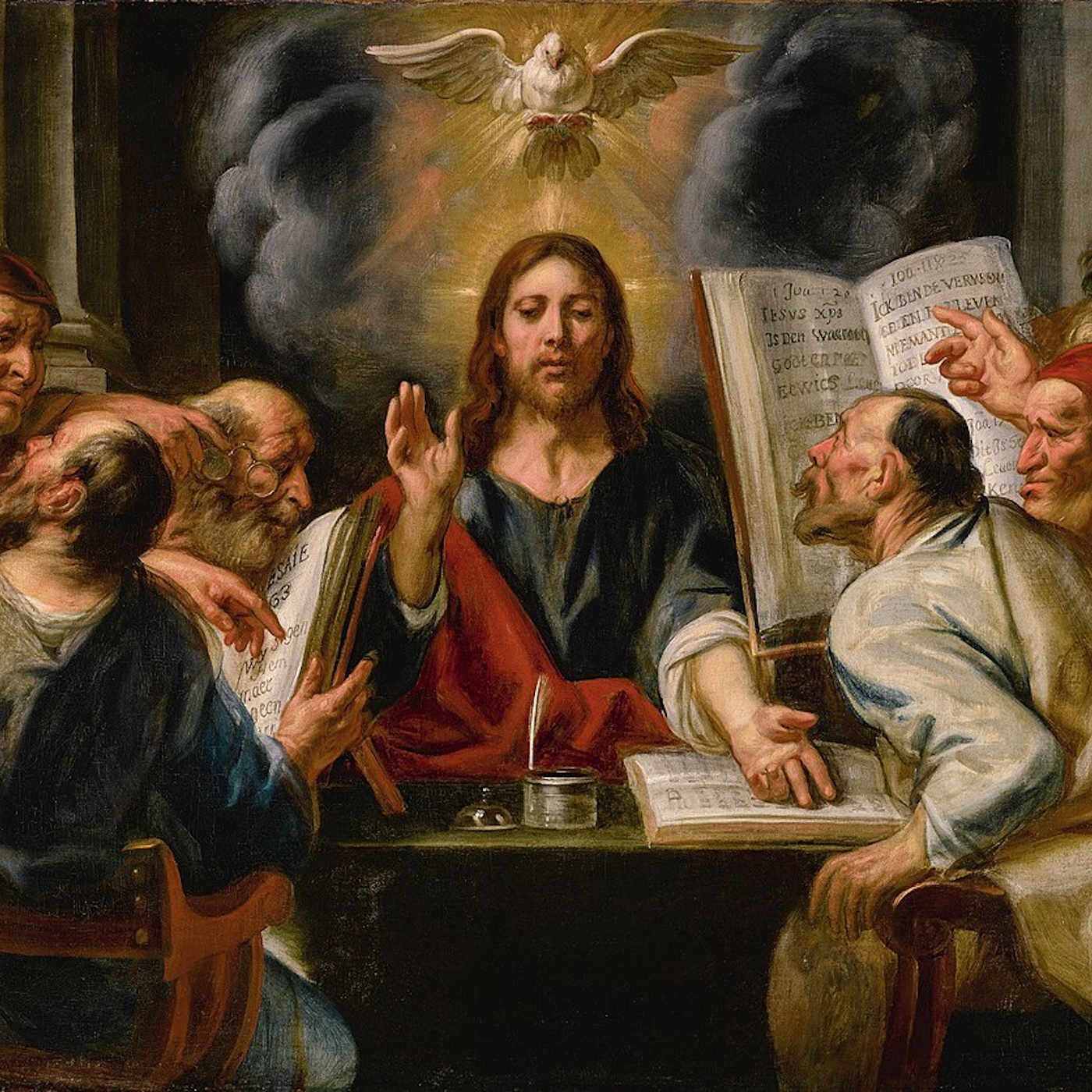
Nov 11
Wednesday of the Thirty-Second Week in Ordinary Time - Thank You, My Lord
Read Online Jesus said in reply, “Ten were cleansed, were they not? Where are the other nine? Has none but this foreigner returned to give thanks to God?” Then he said to him, “Stand up and go; your faith has saved you.” Luke 17:17–19 This reply from our Lord came in response to the one leper who returned to Jesus to thank Him. Ten lepers had come to Jesus, stood at a distance, cried out, “Jesus, Master! Have pity on us!” And with that, Jesus healed them all. But the heart of this healing is not as much the healing itself as it is the gratitude expressed by only one of the ten. This Gospel relates to us that this one leper did five things to profoundly express his gratitude. He returned, glorified God, did so in a loud voice, fell at the feet of Jesus, and thanked him. What a wonderful witness for us all! By analogy, children often take the loving care of their parents for granted. That’s why many good parents regularly remind their children to say “thank you.” In our relationship with God, we can also easily take God’s saving actions for granted. We can easily see all the grace we receive as something we deserve rather than as an infinitely merciful gift. When that happens, we become more like the other nine who failed to properly express their gratitude to Jesus. First of all, it must be noted that expressing gratitude to God is not done because God needs these accolades. He does not depend upon our gratitude to affirm His self-worth. This is obvious. God is God, and He does not need our praise in any way. However, giving profound praise and glory to God is essential. It is essential because we need this virtue of gratitude so as to daily be reminded that all we receive from God is an unmerited gift. We cannot earn His love and grace. We do not deserve it. But He chooses to bestow it anyway out of mercy. And the only appropriate response to mercy is gratitude. Profound gratitude. Gratitude is essential because it is the truth. We should always return to our Lord after He has graced us. We should glorify Him with much fervor, crying out to Him with passion. We should, literally and interiorly, fall on our face before Him, at His feet, and thank Him, over and over and over again. Doing so will always help us to remember the truth that everything we have and everything we are is a gift from God. An unmerited and undeserved gift of grace. Reflect, today, upon the depth of gratitude in your own heart. Do you often act more like a spoiled and selfish child, or do you regularly perceive the graciousness of God? If you lack in any way this fullness of gratitude, then ponder this one leper. His gratitude, expressed with the fullness of passion, is the most important part of this story. In the end, he was graced far more than the other nine because his healing produced faith; and it was that faith that saved not only his body but his soul. Seek to save your soul by imitating the faith of this one holy and healed leper. My gracious Lord, You bestow Your mercy upon me in superabundance. Without You, Jesus, I have nothing; but with You, I receive everything. May I always know and understand my need for Your grace. And as I am gifted with it, may I respond with the deepest gratitude, thus, saving my soul through faith. Jesus, I trust in You. Image: Niels Larsen Stevns, Public domain, via Wikimedia Commons Source of content: catholic-daily-reflections.com Copyright © 2025 My Catholic Life! Inc. All rights reserved. Used with permission via RSS feed.
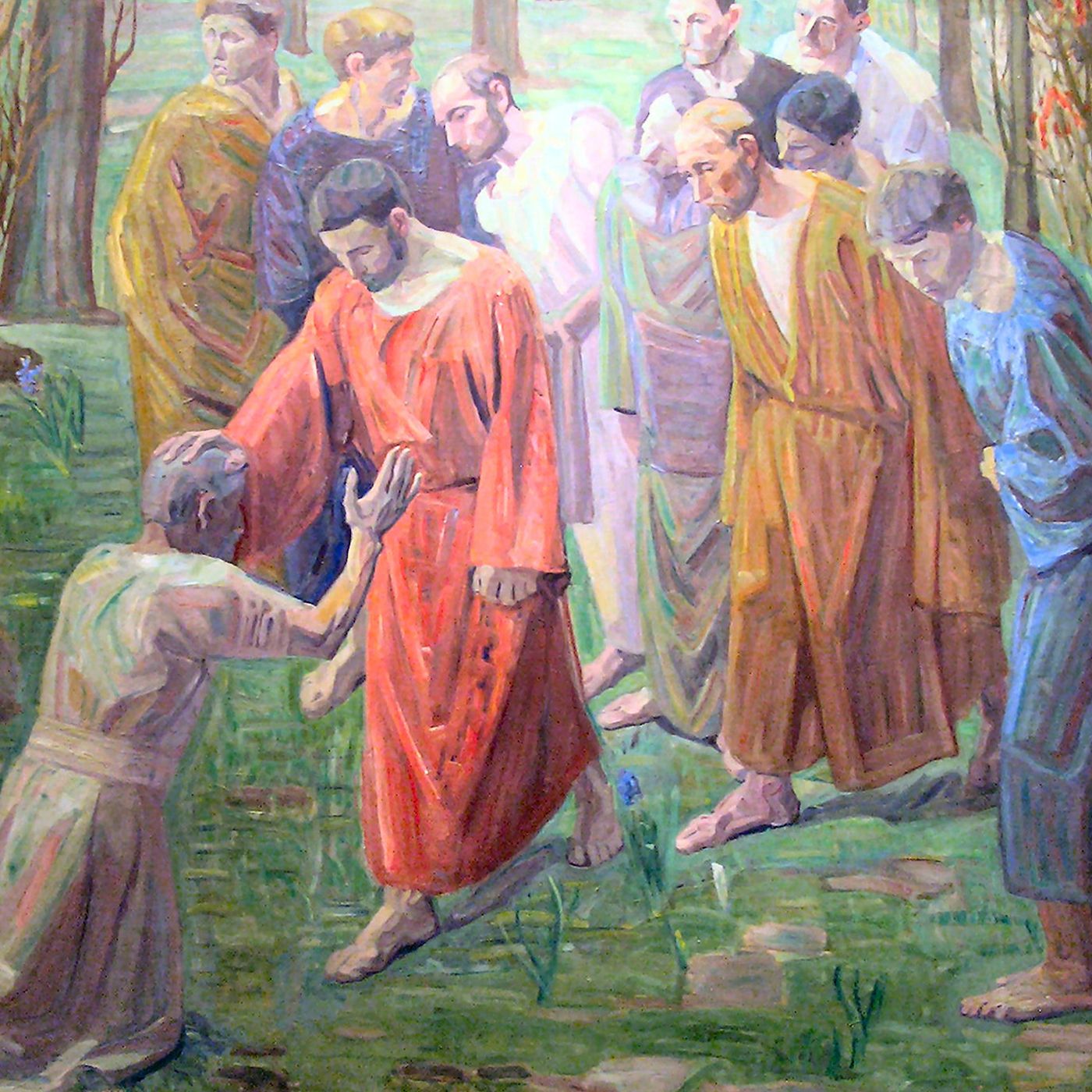
Nov 10
Tuesday of the Thirty-Second Week in Ordinary Time - Servants of the Master
Read Online Jesus said to the Apostles: “Who among you would say to your servant who has just come in from plowing or tending sheep in the field, ‘Come here immediately and take your place at table?’ Would he not rather say to him, ‘Prepare something for me to eat. Put on your apron and wait on me while I eat and drink. You may eat and drink when I am finished?’ Is he grateful to that servant because he did what was commanded?” Luke 17:7–9 In most cultures today, the idea of having a servant whom you command to wait on you is far from ideal. Jesus uses this image because the people to whom He was speaking would have easily related. He used it as a way of humbling them because when the illustration is properly understood, He was identifying each one of them as the servant, not the master. Only God is the Master. When it comes to our service of God, there is no limit to the commands that God will give. At first, that might seem harsh, but it’s not because the commands that God gives to us are dictates of perfect love. We need His commands. We need the order He provides. We need to enter into perfect obedience to Him. We need to listen to everything He tells us and obey it to perfection. Seeing God as our Master and ourselves as His servants will only appear harsh when we fail to understand what sort of Master He is. Recall the beautiful words of our Blessed Mother when she was given the command from the Archangel Gabriel. The angel said to her, “You will conceive in your womb and bear a son, and you shall name him Jesus.” This was not a question posed to her; it was a command of love. Mary did not hesitate and did not refuse. She said, “Behold, I am the handmaid of the Lord. May it be done to me according to your word.” At the conclusion of today’s Gospel, Jesus went on to say, “When you have done all you have been commanded, say, ‘We are unprofitable servants; we have done what we were obliged to do.’” In many ways, this is exactly what our Blessed Mother did. She was a servant of God’s perfect commands, and she knew that her love for God obliged her to follow His will. When you think about your service of the will of God, do you see it as you doing God a favor? Do you see obedience to God’s dictates as an act of generosity on your part and your cooperation with those dictates as above and beyond your natural duties? Hopefully not. Hopefully you understand that you, like our Blessed Mother, are a servant of the one true Master of all. Hopefully you also see the commands of God as the roadmap toward a life of complete fulfillment. When we understand Who the Master is, we will never hesitate in being a servant, or even a slave. We will not hesitate in freely surrendering ourselves over to His will in complete and unwavering obedience. God alone knows what is best for us, and we need to give Him complete control over our lives. Reflect, today, upon the image of a master and a slave. As you do, try to shed every preconceived image you have that includes harshness, cruelty, dominance and control. Instead, try to see the image of a divine Master Whose only concern is for the servant. Try to see a Master Who perfectly loves the servant. Reflect upon your own need for such a Master in your life. Pray that you will be able to surrender complete control over to God in all things so that He can direct your life into the glorious things He has in store for you. My Lord and Master, You have commanded me and all Your servants to obey Your commands of perfect love. Your will alone is what is best for our lives and Your dictates bring fulfillment and purpose to our lives. May I, with Your Blessed Mother, always obey You in everything, for I am a servant of You, dear Lord. May I joyfully do what I am obliged to do. Jesus, I trust in You. Image via Flickr Source of content: catholic-daily-reflections.com Copyright © 2025 My Catholic Life! Inc. All rights reserved. Used with permission via RSS feed.
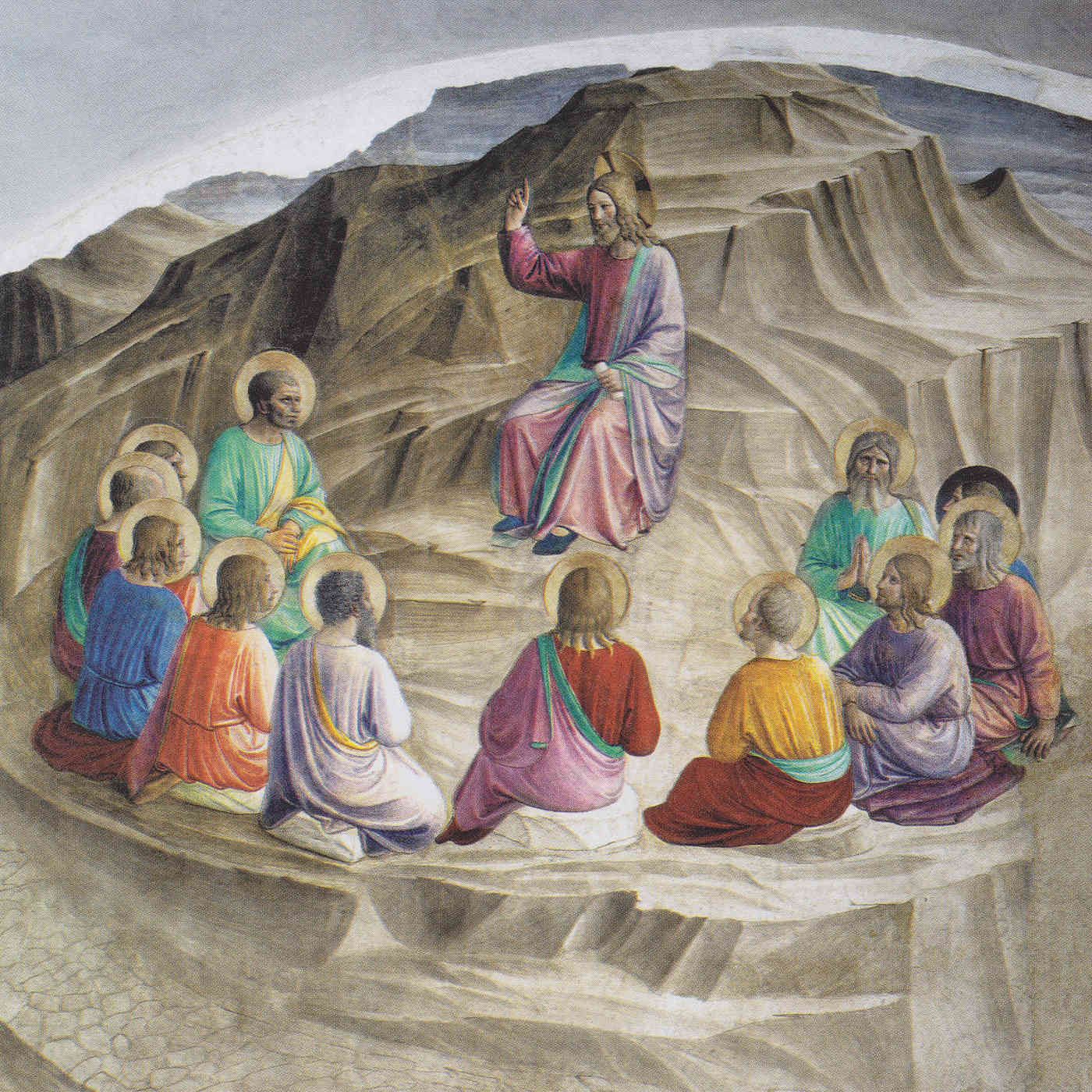
Nov 9
Monday of the Thirty-Second Week in Ordinary Time - Loving Every Sinner
Read Online Jesus said to his disciples, “Things that cause sin will inevitably occur, but woe to the one through whom they occur. It would be better for him if a millstone were put around his neck and he be thrown into the sea than for him to cause one of these little ones to sin.” Luke 17:1–2 Having a millstone placed around your neck and thrown into the sea is very descriptive. Jesus is using very evocative language. A millstone was a large round stone with a hole in the center. If it were placed around someone’s neck and they were thrown into the sea, they would obviously sink to the bottom and die. Thus, Jesus is clearly stating that this awful fate is actually better than the fate of those who cause “one of these little ones to sin.” First of all, it should be clarified that no one can actually cause us to sin. Sin is our own free choice, and we, and we alone, will be held accountable for our own sin. One thing that Jesus is pointing out here is that even though every person must take responsibility for their own actions and their own sins, we must also take responsibility for the ways that we act as tempters of others. We are all sinners. Therefore, by our sin, we will all tempt others to sin also. Sometimes we will tempt people to sin by provoking them to anger. At other times we will tempt others to sin by setting a poor example. And on the contrary, we also have the ability to “tempt” people to virtue. Or more properly speaking, to inspire and encourage them. With that said, Jesus explains that the fate of those who act as tempters of others, especially the “little ones,” will suffer consequences graver than an untimely death. The little ones of which Jesus speaks should be understood as those who are weak in faith, overly sensitive, particularly vulnerable at that time in their life, and susceptible to outside influence. This could be a child, or it could be someone who is currently teetering on the edge of despair, confusion, anger, or any serious sin. When you encounter people like this, how do you treat them? Jesus has a deep heart of compassion for these people and wants us to have the same depth of compassion. But sometimes we fail. We may be negligent in our duty to reach out to them. Even this negligence could be a form of causing “one of these little ones to sin.” Of course, it is even far worse if we were to actively agitate them, harshly judge them, provoke their anger, draw them into some sin of weakness and false consolation by our temptation, etc. The simple truth is that Jesus loves those who are weak, vulnerable and sinful, and He wants us to love them with His heart. When we fail to do so, Jesus will hold us accountable for their further fall from grace. Reflect, today, upon the person or persons in your life that appear especially vulnerable, sinful, confused and lost at this time. Who is it that struggles with anger, or an addiction or some sinful lifestyle? Ponder your attitude toward them. Are you judgmental, condemning, belittling and the like? Do you tempt them to fall further into any sins of weakness they commit in a vulnerable state, thus leading them into further sin? Or, when you encounter someone who is greatly struggling, do you turn to them with the deepest compassion and mercy, forgiving any ways that they may sin against you, and work hard only to be there for them in their need, no matter how hard it is on you? Commit yourself to a profound love of all of God’s “little ones” and seek to serve them with the heart of Christ so that one day they will eternally rejoice with you in Heaven. My most compassionate Lord, You love the sinner and deeply desire that they turn to You in their need. Please give me Your heart of compassion so that I will be free to love them as You love them. May I never become an instrument of temptation for them to fall further away from You but, instead, become an instrument of Your unfailing mercy. Jesus, I trust in You. Image: James Tissot, Public domain, via Wikimedia Commons Source of content: catholic-daily-reflections.com Copyright © 2025 My Catholic Life! Inc. All rights reserved. Used with permission via RSS feed.
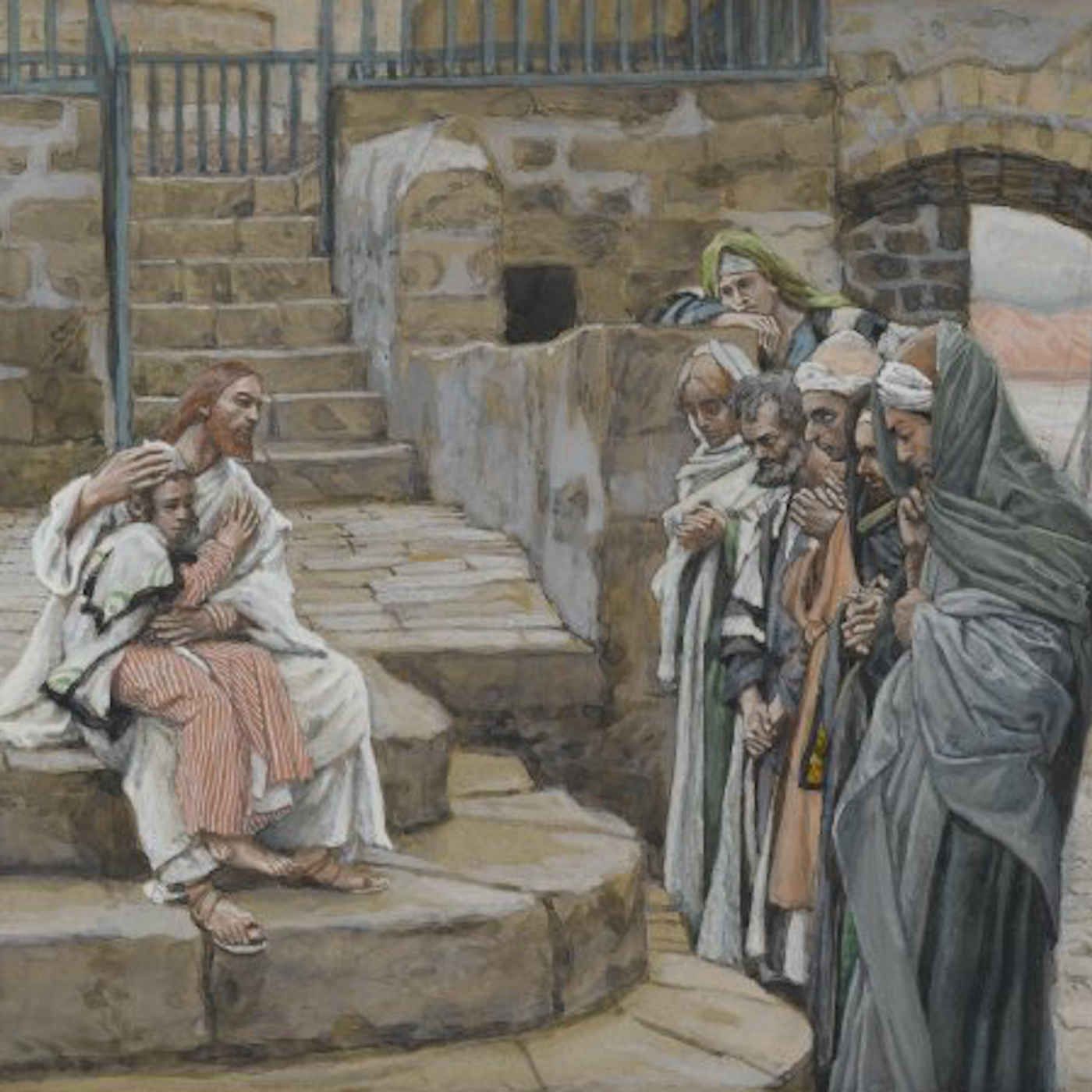
Nov 8
November 9, Feast of the Dedication of the Lateran Basilica in Rome - Being Shocked by Our Lord
Read Online Jesus answered and said to them, “Destroy this temple and in three days I will raise it up.” The Jews said, “This temple has been under construction for forty-six years, and you will raise it up in three days?” But he was speaking about the temple of his Body. John 2:19–21 We celebrate, today, the Lateran Basilica in Rome, the mother church of the entire Roman Catholic Church. It was given to the Bishop of Rome in the fourth century and remained the pope’s primary residence until the building of St. Peter’s Basilica, at a time when the Lateran Basilica was falling into ruins. However, the Lateran Basilica to this day remains the most important Church in the world, since it is officially the Cathedral Church of Rome. As we honor this church, we honor more than a building. The Lateran Basilica is a symbol of the one true Church of Jesus Christ. Its interior is beautiful and awe-inspiring so as to point us to the unimaginable beauty of the Church Herself, which is the Mystical Body of Christ. Today’s Gospel depicts Jesus entering the Temple and driving the money changers out with a whip and the animals they were selling for profit. As He did so, He cried out, “Take these out of here, and stop making my Father’s house a marketplace.” Psalm 69 is then quoted: Zeal for your house will consume me. Jesus loves His Church as His own Body—because that is what it is. As His Body, the members of His Church are called and sent to act as His instruments, members of His saving action. Much more than a church building, today we honor the Church Herself—which means we honor you, insofar as you are a member of the Body of Christ. And in light of this Gospel passage for today’s Feast, we are reminded of the zeal that our Lord has for the cleansing of His Church. How is the Church purified? It is purified by the cleansing of Her members. That means that Jesus desires, with perfect zeal, to drive out every sin from your soul, cleansing the filth that keeps you from fulfilling your essential role as a member of His Body. Sometimes we become slack in our own commitment to be purified. We can easily become comfortable with the sins we commit, and we can form habits that are hard to break. When this happens, it is useful to ponder this story of the cleansing of the Temple and see it as Jesus’ desire to cleanse our own soul. At times, we need to be shaken up, challenged, confronted and encouraged with the unwavering zeal in the heart of our Lord. Reflect, today, upon this powerful image of Jesus cleansing the Temple. As you do, apply it to your own life. The people selling and buying in the Temple must have been shocked at Jesus’ zeal and actions. If you have become complacent with your sins, try to allow this holy shock to also wake you up. Allow our Lord’s zeal to affect you, and know that His purifying actions are acts of love by which He desires to free you to become a more fully functioning member of His holy Church. My zealous Lord, Your heart burns with a deep desire to cleanse me and all Your children from sin. Your zeal reveals Your deep love and Your willingness to do all that You can to make me a fuller member of Your Body, the Church. Open my mind and will, dear Lord, to all that You wish to say to me and give me the grace to respond to Your purifying action in my life. Jesus, I trust in You. James Tissot, Public domain, via Wikimedia Commons Source of content: catholic-daily-reflections.com Copyright © 2025 My Catholic Life! Inc. All rights reserved. Used with permission via RSS feed.

Nov 7
Saturday of the Thirty-First Week in Ordinary Time - Doing Small Things Well
Read Online “The person who is trustworthy in very small matters is also trustworthy in great ones; and the person who is dishonest in very small matters is also dishonest in great ones.” Luke 16:10 What are the “small matters” in life? Most likely, if you asked many different people from all walks of life this question, then you would receive many different answers. But if we consider the context of this statement of Jesus, then it is clear that one of the primary small matters of which He speaks is our use of money. Many people live as though the attainment of wealth were of the highest importance. There are many who dream of becoming rich. Some regularly play the lottery in the very unlikely hope that they will hit it big. Others dedicate themselves to much hard work in their careers so that they can advance, make more money and, so they believe, become happier as they become wealthier. And others regularly daydream about what they would do if they were rich. But from the perspective of God, material wealth is a very small and unimportant matter. Money is useful insofar as it is one of the ordinary means by which we go about providing for ourselves and our families. But it truly is small in importance when it comes to the divine perspective. With that said, one way to be entrusted by Jesus with “great” matters is to use your money appropriately. We become “trustworthy” in this small matter of money when we only give it the value that it has. In other words, we must see money only as one means to the end of fulfilling God’s perfect will. When we work to rid ourselves of excessive desires and dreams of riches, and when we use what we have in accord with God’s will, then this act on our part will open the door to our Lord to entrust us with much more. What is that “much more?” It’s the spiritual matters that pertain to our eternal salvation and the salvation of others. God wants to entrust to you the great responsibility of building His Kingdom on earth. He wants to use you to share His saving message with others. But He will first wait until you show yourself trustworthy in small matters, such as using your money well. And then, as you fulfill His will in these less important ways, you will begin to see Him call you to greater works. Reflect, today, upon the fact that God wants great things from you. The goal of all of our lives is to be used by God in incredible ways. If this is something you desire, then do every small act in your life with great care. Show many small acts of kindness. Try to be thoughtful of others. Put others' needs before your own. And commit yourself to using the money you have for God’s glory and in accord with His will. As you do these small things, you will begin to be amazed at how God is able to begin entrusting you with more, and, through you, great things will happen that have eternal effects in your life and in the lives of others. My trustworthy Lord, You were entrusted with the greatest good ever known. Your Father in Heaven entrusted to You the salvation of the world. Please help me to share in this task by being faithful to Your holy will in every small way. As I seek to serve You in the small matters of life, I pray that I will be able to be used for even greater ones. My life is Yours, dear Lord. Use me as You will. Jesus, I trust in You. Image: Let Your Light Shine by Lawrence OP , license CC BY-NC-ND 2.0 . Source of content: catholic-daily-reflections.com Copyright © 2025 My Catholic Life! Inc. All rights reserved. Used with permission via RSS feed.
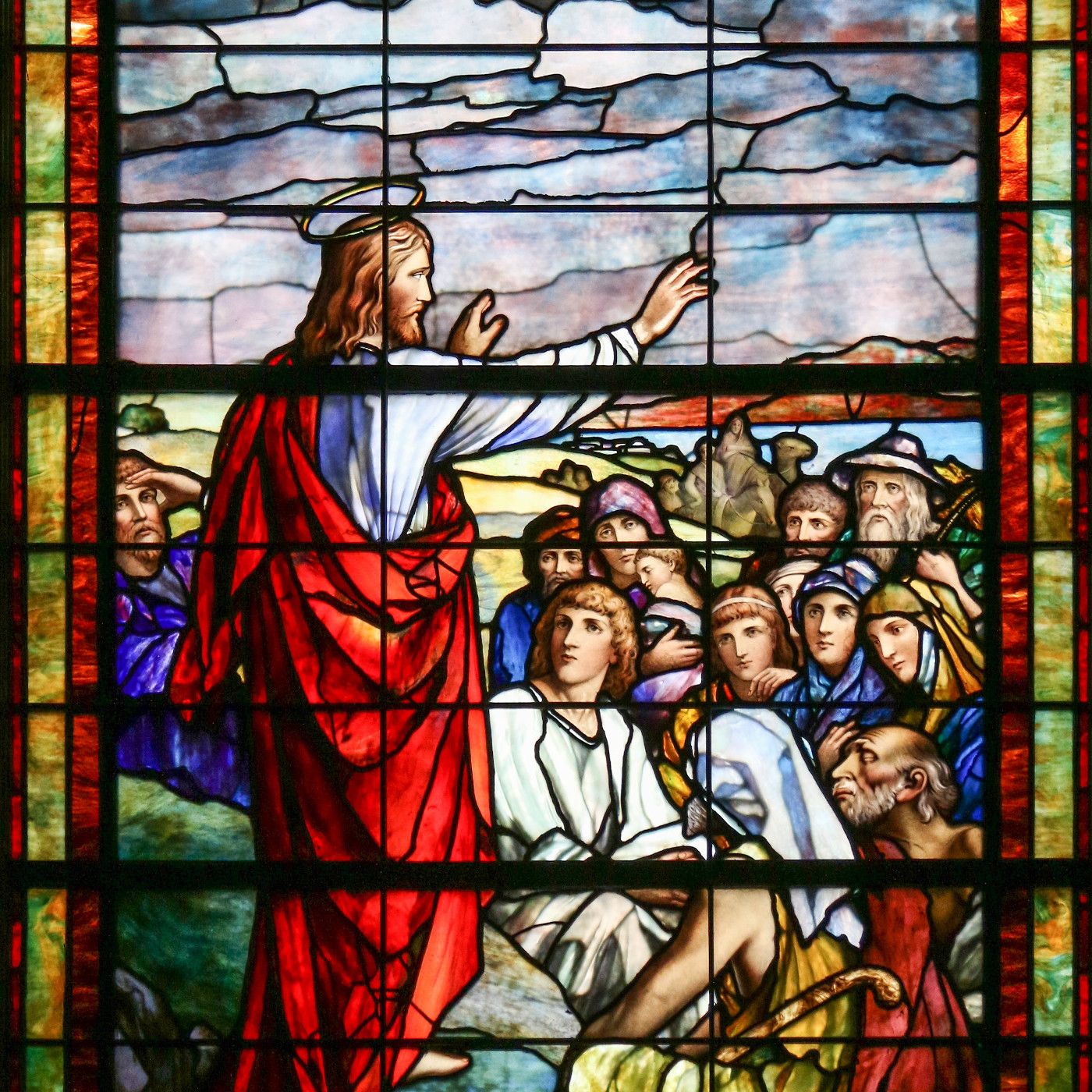
Nov 6
Friday of the Thirty-First Week in Ordinary Time - Stewards of Earthly Riches
Read Online Jesus said to his disciples, “A rich man had a steward who was reported to him for squandering his property. He summoned him and said, ‘What is this I hear about you? Prepare a full account of your stewardship, because you can no longer be my steward.’” Luke 16:1–2 There is much to ponder in this parable and many lessons from which we can learn. To begin, the rich man should be understood as God and you as the steward. This is an important first lesson to learn because it reveals to us that, when it comes to material things in this world, God is the true owner of all—we are only stewards. Think about that carefully. When it comes to all that you own, all your money and possessions, do you hold on to it as if you were the complete master of these material items? Clearly most people do think this way. They may work hard to earn a living, save and buy this and that, build up their bank accounts, and then remain very attached to these material things, seeing them as “mine” rather than as God’s. So the first very challenging lesson we should look at is that all we “own” is actually the possession of God. He only permits us to be stewards of the things of this world. Do you believe that? As stewards, we must be committed to use the riches within our stewardship only in the way that God wants it used. In this parable, the steward was reported to the rich man for “squandering his property.” We also are guilty of squandering the possessions of God when we use money in accord with our own will and desires rather than those of God’s. This is an exceptionally common tendency, especially for those who have become the stewards of much money. Therefore, the more money that one has stewardship over, the more they will be tempted to squander it, meaning, use it for selfish purposes rather than for the glory of God in accord with His will. This is a hard teaching to accept and live. But these truths are indeed revealed to us by this parable, so it is essential that we listen. The words spoken by the rich man, “Prepare a full account of your stewardship,” are words that we must all anticipate hearing one day. If that day were today, what would that “full account of your stewardship” look like? Have you worked hard for selfish gain? Or have you worked hard to act with great responsibility over the things God has entrusted to your care? As the parable continues, we read that the steward acted “prudently” in that he devised a plan to make sure his material needs were met once he lost his position as steward. The “prudence,” however, that is spoken of here is a reference to the worldly, and therefore, evil ingenuity, cleverness, hard work and commitment many people have regarding the material wealth they seek to obtain in this world. Though it is good to be diligent and hardworking in life, too often this is done for the purpose of selfish gain. Just imagine if everyone who worked so hard at getting rich put even more effort into building up the Kingdom of God on earth! How different this world would be if we had so many hard workers for God’s mission. Reflect, today, upon the simple truth that when it comes to the riches of this world, you are only the steward of what you possess, not its master. God wants you free from the attachment to material wealth so that you will be free to use all that you have for His glory and in accord with His purpose. That does not mean that you must donate all you have to charities. Instead, it means that you continually offer all that you have to God and seek to use it in accord with His will and His will alone. If that means you discern that God wants you to buy something new, then buy something new. If that means giving more away, then give more away. If that means living more simply as a holy sacrifice, then do just that. Money cannot buy happiness. Only embracing God’s will to the fullest will result in the happiness and fulfillment you deeply desire. My Lord of all riches, You and You alone are the Master of all things created. All that I have and possess are Yours, dear Lord. Help me to believe this and to live my life purely as a steward of the possessions I have. Free me from squandering that which You have entrusted to my care. May I use all for Your glory and only in accord with Your holy will. Jesus, I trust in You. Image: Андрей Николаевич Миронов (A.N. Mironov), CC BY-SA 4.0 , via Wikimedia Commons Source of content: catholic-daily-reflections.com Copyright © 2025 My Catholic Life! Inc. All rights reserved. Used with permission via RSS feed.
Nov 5
Thursday of the Thirty-First Week in Ordinary Time - Carried Home
Read Online “What man among you having a hundred sheep and losing one of them would not leave the ninety-nine in the desert and go after the lost one until he finds it? And when he does find it, he sets it on his shoulders with great joy and, upon his arrival home, he calls together his friends and neighbors and says to them, ‘Rejoice with me because I have found my lost sheep.’” Luke 15:4–6 Some of the great saints point out that the number one hundred represents perfection. One hundred refers to the perfection of the Kingdom of God, which represents not only all of the saints in Heaven but also the angels. The one lost sheep represents all of humanity as we make our way through this life. Jesus, of course, is the Shepherd Whose attention turns to fallen humanity on a diligent search for us so as to carry us home. First, notice that the Shepherd does not search for the one stray sheep out of anger but out of concern and love. Understanding this is essential if we are to have a correct understanding of how our Lord sees us when we stray. We must see His deep concern, His diligence in searching, and His unwavering commitment to find us in our straying condition. This is not a God Who sits back in judgment and anger but a God Who came to us, took on our fallen human nature, and endured all suffering so as to find us and bring us home. Notice also that in this parable, the Shepherd places the lost sheep on His shoulders and carries the sheep home. Oftentimes we can fall into the trap of thinking that we must make our way back to God by our own effort. But the truth is that God is always there, waiting to pick us up and carry us home. Our duty is to surrender to His merciful hands and to stop running. This is done by turning to Him and allowing Him to come to us and minister to us. The primary effort is on the part of our Lord once we surrender ourselves into His gentle Hands. Finally, notice that the rejoicing mentioned in this parable is on the part of the Shepherd. Of course we also will rejoice at being picked up and carried home to the perfection of God’s Kingdom, but our rejoicing is done in response to the joy of our Lord. It is His joy we are invited to share in. It is His heart that is filled with gratitude as we allow Him to tenderly carry us home. “Rejoice with me because I have found my lost sheep,” He says. Reflect, today, upon this holy image of the Good Shepherd. As you ponder this parable and imagery, be attentive to the various thoughts, memories, emotions and fears that are evoked within you. Each one of us is different, and our Lord deeply desires to come to each one of us right where we are, in the midst of our sins. Pondering the compassion of this Good Shepherd will open the door for our Lord to speak to you and to invite you personally to come to Him, turning away from the ways that you personally have strayed. Do not run away. Remain in confidence as He comes to you. Listen to His voice and say “Yes” to Him as He lifts you up to carry you home. My gentle Jesus, You are the Good Shepherd. You love me and search for me with diligence and fidelity. May I trust You enough to stop running from You and hiding from Your gentle voice. Please come to me, pick me up, place me on Your shoulders and carry me home. Jesus, I trust in You. Image via Pixabay Source of content: catholic-daily-reflections.com Copyright © 2025 My Catholic Life! Inc. All rights reserved. Used with permission via RSS feed.
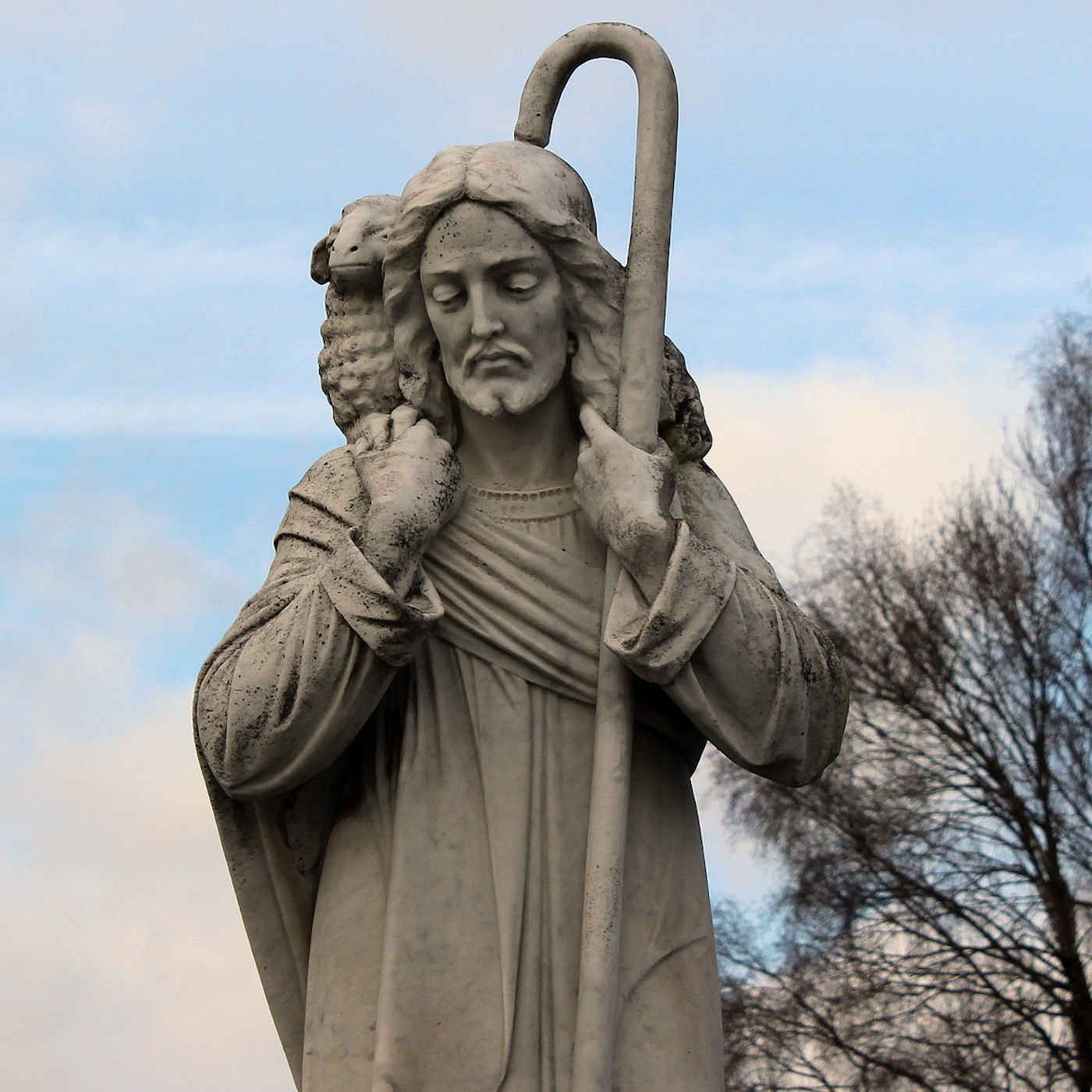
Nov 4
Wednesday of the Thirty-First Week in Ordinary Time - Loving through “Holy Hate”
Read Online Great crowds were traveling with Jesus, and he turned and addressed them, “If anyone comes to me without hating his father and mother, wife and children, brothers and sisters, and even his own life, he cannot be my disciple.” Luke 14:25–26 After this startling opening line from our Lord, Jesus concludes today’s Gospel by saying, “In the same way, everyone of you who does not renounce all his possessions cannot be my disciple.” Thus, at first read it appears that we are called to not only renounce all we possess but also to hate those within our own family. But is this truly what our Lord means? Let’s begin with the idea of “hating” those within our family and even our own life. Obviously the word “hate” in this Gospel passage is not the same as the sin of hate and anger. In commenting on this passage, one Church Father explains that there are some cases when the best way to love another is through a form of hate. That is, if another were to act as an obstacle to God, working to deter us from the will of our Lord, then our “hatred” for the actions they do must be firmly expressed. But this is love. A refusal to turn from God, by rejecting another’s disordered actions, is a way of sharing the Gospel with them. Let’s take an extreme example. Imagine that you lived at a time and circumstance where being a Christian was a crime. You were arrested and commanded to publicly renounce your faith. Instead, you renounced that command with every strength of your soul. In this case, you exercise a form of holy “hate” for the persecution the person is imposing upon you. But that is also an act of love toward them as you fully reject their action by renouncing their command. Or consider also how you hate even your “own life.” Let’s say that you fall into serious sin, over and over. The appropriate response is not only to repent but also to have a form of holy hatred for the habit into which you have fallen. This is a true hatred for yourself in the sense that it is a hatred for that which you have become by your sin. But this holy hatred has the ultimate goal of passionately overcoming your sin and is therefore a true act of love for yourself. The concluding line of today’s Gospel mentioned above calls us to renounce all of our possessions. In other words, we must renounce anything that we are attached to in a way that is contrary to the will of God. Of course, in God’s providence most people (except those who take a vow of poverty) are invited by God to have various possessions so as to meet the material needs of life. But even in this case, we must “renounce” all that we possess, meaning, we must not allow ourselves to become attached to anything other than God. But this is freedom in the truest sense. Even if you have many things, it must be understood that those things do not make you happy. Only God and His will can fulfill you. Nothing else. Thus, we must learn to live as if God and God alone suffices. And if it is God’s will that you obtain a house, car, computer, television and other modern conveniences, then so be it. But true “renunciation” of all of these possessions simply means that if at any time you were to lose them, then this would be fine. Therein is perfect detachment. The loss of something material would not deter you in any way from loving and serving God and His holy will. Reflect, today, upon these radical words of Jesus. Try to hear them in the way our Lord meant them. Work to be detached from everything that is contrary to the will of God and everything that becomes an obstacle to God in your life. In the end, possessing God alone is more than you could ever hope for. And only if you fully possess our merciful God will you be able to love yourself and others with the pure heart and love of Jesus our Lord. My demanding Lord, You call us all to a life of radical holiness. You desire that I come to love You above all with all my heart. Please give me the grace and wisdom I need to renounce all that is an obstacle to my love and service of You. May You and You alone be glorified in my life. Jesus, I trust in You. Image : Rembrandt, Public domain, via Wikimedia Commons Source of content: catholic-daily-reflections.com Copyright © 2025 My Catholic Life! Inc. All rights reserved. Used with permission via RSS feed.
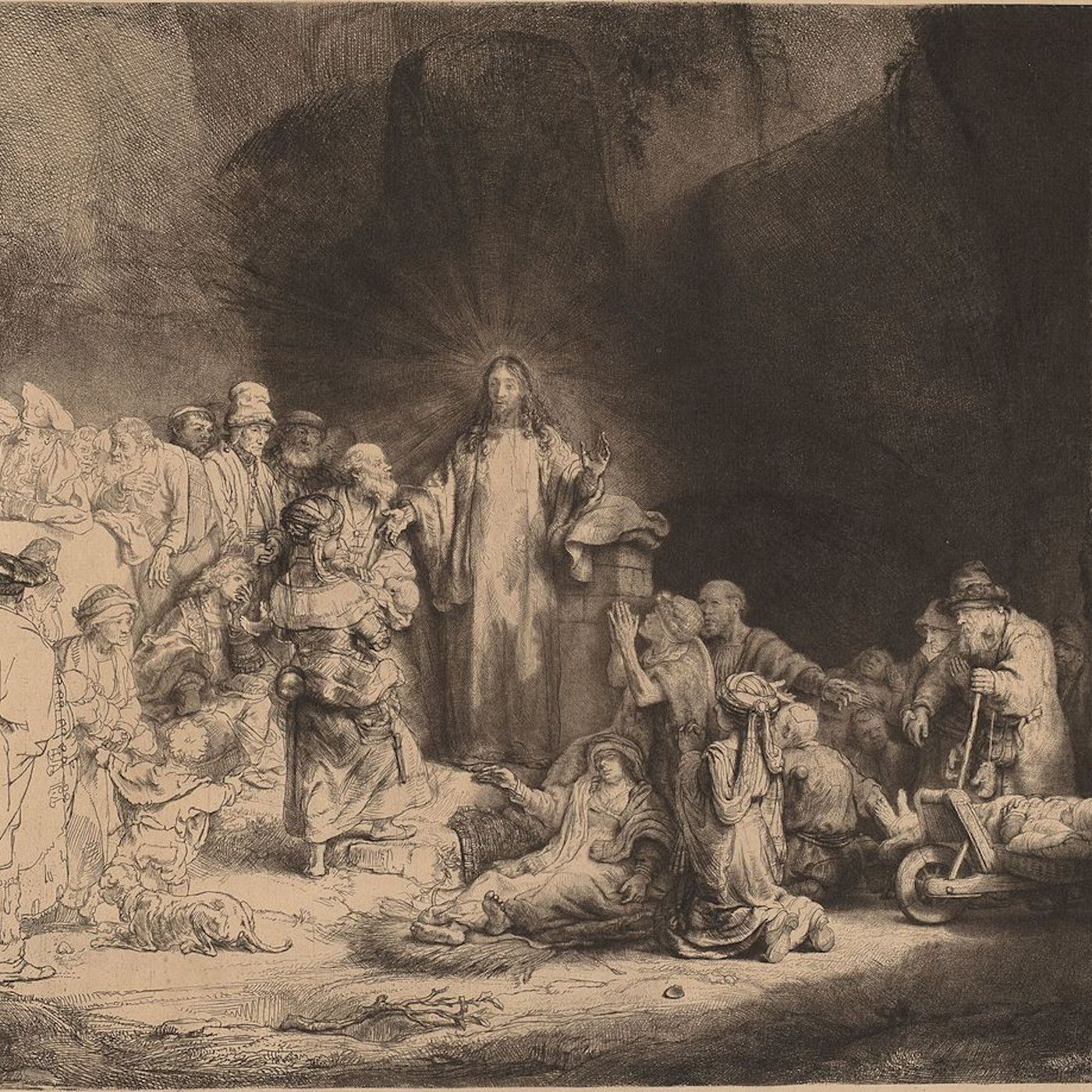
Nov 3
Tuesday of the Thirty-First Week in Ordinary Time - You are Invited
Read Online “A man gave a great dinner to which he invited many. When the time for the dinner came, he dispatched his servant to say to those invited, ‘Come, everything is now ready.’ But one by one, they all began to excuse themselves.” Luke 14:16–18 Do you ever excuse yourself from the will of God? Do you pass up His invitation to feast at the table of His great dinner? More than anything else, the invitation God has given us to this “great dinner” is the invitation to participate in the Holy Mass and to pray. The fact that some would regularly excuse themselves from such an invitation shows that they do not understand that to which they have been invited. Others attend physically, but interiorly they are far from the feast that they attend. In this parable, one after another of the invited guests did not come. So the man throwing the dinner sent out an invitation to “the poor and the crippled, the blind and the lame.” This is a reference to those Jews of Jesus’ time who recognized their need for the gift of salvation. They are those who were aware of their weaknesses and sins and knew that Jesus was the answer. After the poor, crippled, blind and lame came to the feast, there was still more room. So the man sent his servants to invite those from “the highways and hedgerows” which is a reference to the Gospel being preached to the Gentiles who were not of Jewish origin. Today, this feast continues to be offered. There are many lax Catholics, however, who refuse to come. There are those who find that life is too busy for them to make time for prayer and for Mass. They are those who are so caught up in worldly pursuits that they see little personal benefit in devoting themselves to the celebration of the Holy Eucharist. If you wish to be among those who attend the feast of our Lord, you must work to identify yourself with the poor, crippled, blind and lame. You must recognize your brokenness, weaknesses and sins. You must not shy away from seeing yourself this way because it is to those that Jesus sends a desperate invitation. His desperation is an all-consuming desire for us to share in His love. He wants to love and heal those in need. We are those who are in need. When we come to our Lord’s Feast through prayer, fidelity to His Word, and by our participation in the Sacraments, we will notice that He wants others to join us for His feast. Therefore, we must also see ourselves as those servants who are sent forth to the highways and hedgerows where we will find those who do not follow God’s will. They must be invited. Though they might not feel as though they belong, God wants them at His feast. We must do the inviting. Reflect, today, upon two things. First, reflect upon any excuse you regularly use when God invites you to pray, to deepen your faith, and to participate in the Eucharist. Do you respond immediately and with eagerness? Or do you excuse yourself more often than you want to admit? Reflect, also, upon the duty given to you by God to go forth to the most lost souls so as to invite them to God’s feast. Our Lord wants everyone to know they are invited. Let Him use you to send forth His invitation. My generous Lord, You have invited me to share in the glory of Your great Feast. You invite me every day to pray, grow strong in my faith, and to share in the Holy Eucharist. May I always respond to You and never excuse myself from Your invitations. Please also use me, dear Lord, to send forth Your invitation to those most in need. Jesus, I trust in You. Image: Андрей Николаевич Миронов (A.N. Mironov), CC BY-SA 4.0 , via Wikimedia Commons Source of content: catholic-daily-reflections.com Copyright © 2025 My Catholic Life! Inc. All rights reserved. Used with permission via RSS feed.
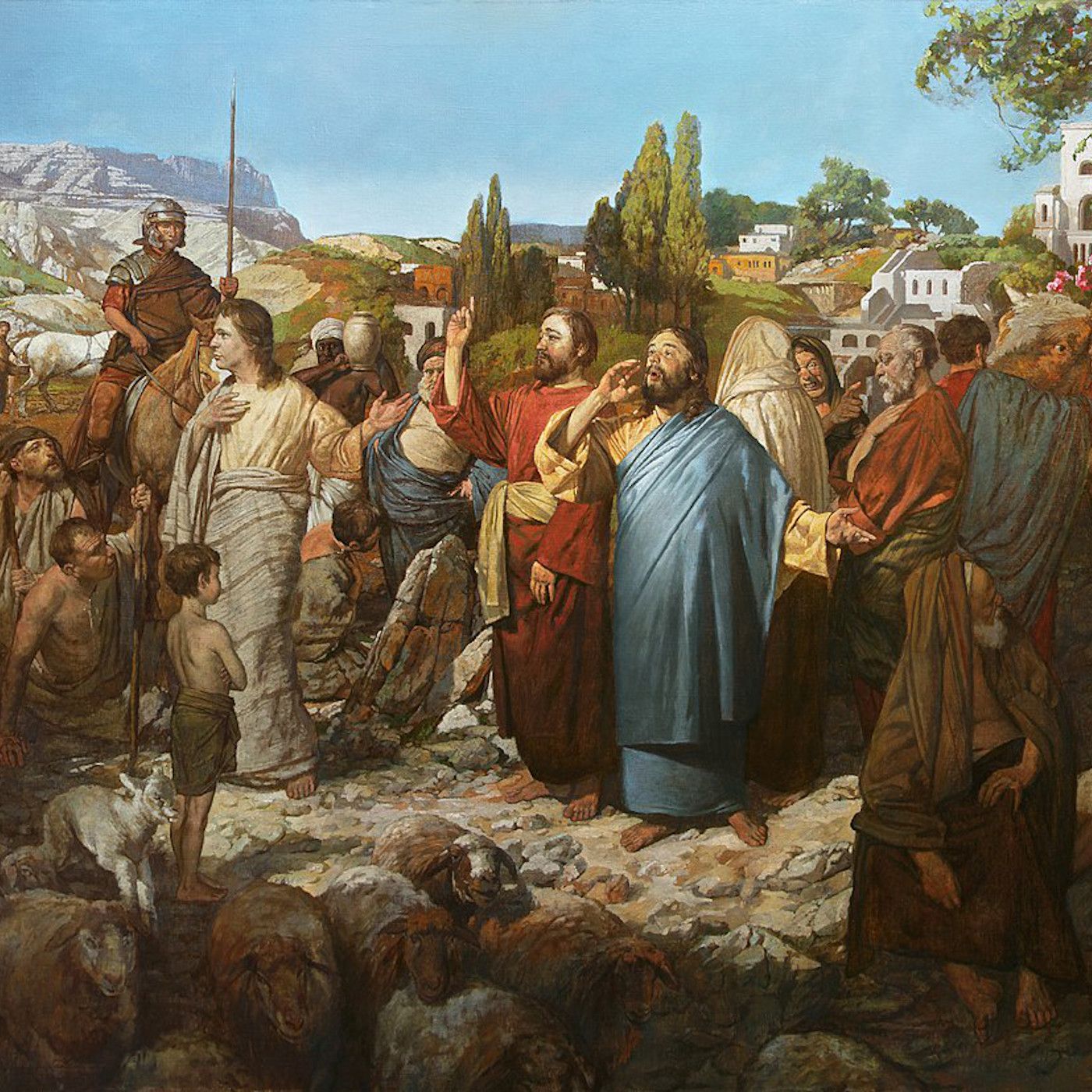
Nov 2
Monday of the Thirty-First Week in Ordinary Time - The Reward of Eternal Glory
Read Online “When you hold a lunch or a dinner, do not invite your friends or your brothers or sisters or your relatives or your wealthy neighbors, in case they may invite you back and you have repayment. Rather, when you hold a banquet, invite the poor, the crippled, the lame, the blind; blessed indeed will you be because of their inability to repay you.” Luke 14:12–14 Is Jesus telling us that it is sinful to invite friends and family to a dinner party? Certainly not. He is teaching us about something much deeper. Throwing a dinner party for others is good when our motive is love. But if the goal of the dinner, or any other act of charity, is vainglory, then the vanity we achieve from such an act is the payment we will receive. Sadly, the “payment” of vainglory is sought and obtained by many in various ways. Jesus’ lesson teaches us that our only motive for the good we do should be the humble and hidden motive of loving service. As a result of the temptation to pride, we can easily find ourselves being inordinately concerned about what others think about us. Holding a lunch or dinner for friends, family, and your wealthy neighbors is simply an illustration of the sin of pride at work. Within this context, Jesus is speaking about a person who performs some act for the sole purpose of building up their self-image and obtaining praise and flattery from others. This form of “glory” is truly vain in that it is not only worthless to the good of the soul, it is also damaging. Why do you do what you do? Are your good actions done so that others will see and praise them? Do you go out of your way to show people how good you are? Are you overly concerned about the opinions of others? If the answer to any of these questions is “yes,” then you might be struggling with pride more than you realize. On the contrary, are you content with doing some good deed that is hidden from the eyes of others? Can you take delight solely in helping others, even if no one knows about it? Are you motivated to serve and give of yourself for the exclusive reason that you want to make a difference in the lives of others? This is what Jesus means when He says you should hold a banquet for the poor, crippled, lame, blind, and everyone who is unable to repay you. In other words, when you are not able to receive the “reward” of vainglory, that is good. That must be your goal. Reflect, today, upon how strong your desire is for notoriety. Consider some scenario where you worked hard day and night for some time to do some good work. Imagine that the good work accomplished great benefits for others. Then imagine that no one knew you were behind that good work and, therefore, you received no gratitude or acknowledgment. How would you feel? Ideally, you would rejoice for two reasons. First, you would rejoice that you were able to serve and make a difference. Second, you would rejoice that God and God alone was aware of your act of charity. When God sees our goodness and selfless service, He puts Himself in debt to us in a certain sense. The “debt” that God takes on is His gratitude and love which are expressed to us through eternal rewards of His making. Seek to obtain these eternal rewards by striving to serve in the most hidden and humble ways possible. Those rewards infinitely surpass the fleeting rewards of vainglory. Most glorious God, You came to earth to suffer and die. In that act of perfect love You brought about the greatest good ever known. You offered this holy service of love in the most hidden and humble of ways. As a result, You are now glorified forever. Help me to share in Your acts of humble and hidden service so that I, too, may one day share in the glory of Heaven. Jesus, I trust in You. Image via Adobe Stock Source of content: catholic-daily-reflections.com Copyright © 2025 My Catholic Life! Inc. All rights reserved. Used with permission via RSS feed.
Nov 1
November 2, All Souls Day - Commemorating All Souls
Read Online “For this is the will of my Father, that everyone who sees the Son and believes in him may have eternal life, and I shall raise him on the last day.” John 6:40 Yesterday’s Solemnity of All Saints gave us an opportunity to celebrate and rejoice in the fact that there are countless people who have gone before us who are now enjoying the glories of Heaven. These faithful souls lived lives that were grounded in God’s grace and have been fully purified of all sin. They now gaze at our good God face-to-face. Today, we commemorate the fact that many who die in a state of grace are not immediately ready to stand before the glorious throne of God and see Him face-to-face. The only way this is possible is if every sin and every attachment to sin is purged from our souls. We must have nothing but pure charity alive within us if we are to enter the eternal glories of Heaven. But how many people die in such a state? The Church, in her wisdom and holiness, has taught clearly through the centuries that when a person passes from this world to the next while still attached to less serious sin, they need to be fully purified in order to enter Heaven. This is Purgatory. The Catechism of the Catholic Church states: “All who die in God's grace and friendship, but still imperfectly purified, are indeed assured of their eternal salvation; but after death they undergo purification, so as to achieve the holiness necessary to enter the joy of heaven. The Church gives the name Purgatory to this final purification of the elect, which is entirely different from the punishment of the damned” (#1030–31a). For some, Purgatory can be a frightening and even confusing thought. Why doesn’t God, in His infinite mercy, simply take all our loved ones who followed Him straight to Heaven? The answer is simple. He does! And the path for them to Heaven is this incredible mercy of their final purification. Purification of all attachment to sin within our soul is a mercy beyond what we can imagine. Through this final purification, God prepares the holy souls who have died for an eternity of joy. But this purification is necessary because God, in His love, does not want any soul to live eternally with even a minor attachment to sin. God wants us all free. The truth is that every sin on our soul, even the smallest one, is reason enough for us to be excluded from Heaven. So Purgatory must be seen as a final mercy from God by which He lifts every last burden that keeps us from perfect love, so that our eternity will be one of utmost freedom and ecstasy. God wants us to be filled only with the purity of love forever. Thus, upon our death, we are graced to enter into a final and intense purification of every minor sin, so that when we see God in all His glory, we will see Him with the perfection to which we are called. Purgatory is a gift, a grace, a mercy. It will be painful to go through in the same way that overcoming any sin is painful. But the good fruit of freedom from sin makes every final purification we must endure worth it a hundredfold and more. Reflect, today, upon the spiritual truth that God wants you to be a saint. If you are among those few who die in a state in which you are purified from every sin, then be assured that you have already completed your purgatory on earth. But if you or your loved ones are among the many who still hold some minor attachment to sin at the time of death, then rejoice that God is not done with you yet. Anticipate with much gratitude the final purification that awaits and look forward to the freedom that ultimately comes from that purification. My merciful Lord, You desire that my soul and the souls of all your faithful be purified of every sin, even the smallest imperfection. I thank You for the mercy of Purgatory and pray that I will continually work toward that purification here and now. I pray, also, for all those who have gone before me and are still in need of these purifying fires. Pour forth Your mercy upon them so that they may be counted among the saints in Heaven. Jesus, I trust in You. Image: Luca Giordano, Public domain, via Wikimedia Commons Source of content: catholic-daily-reflections.com Copyright © 2025 My Catholic Life! Inc. All rights reserved. Used with permission via RSS feed.
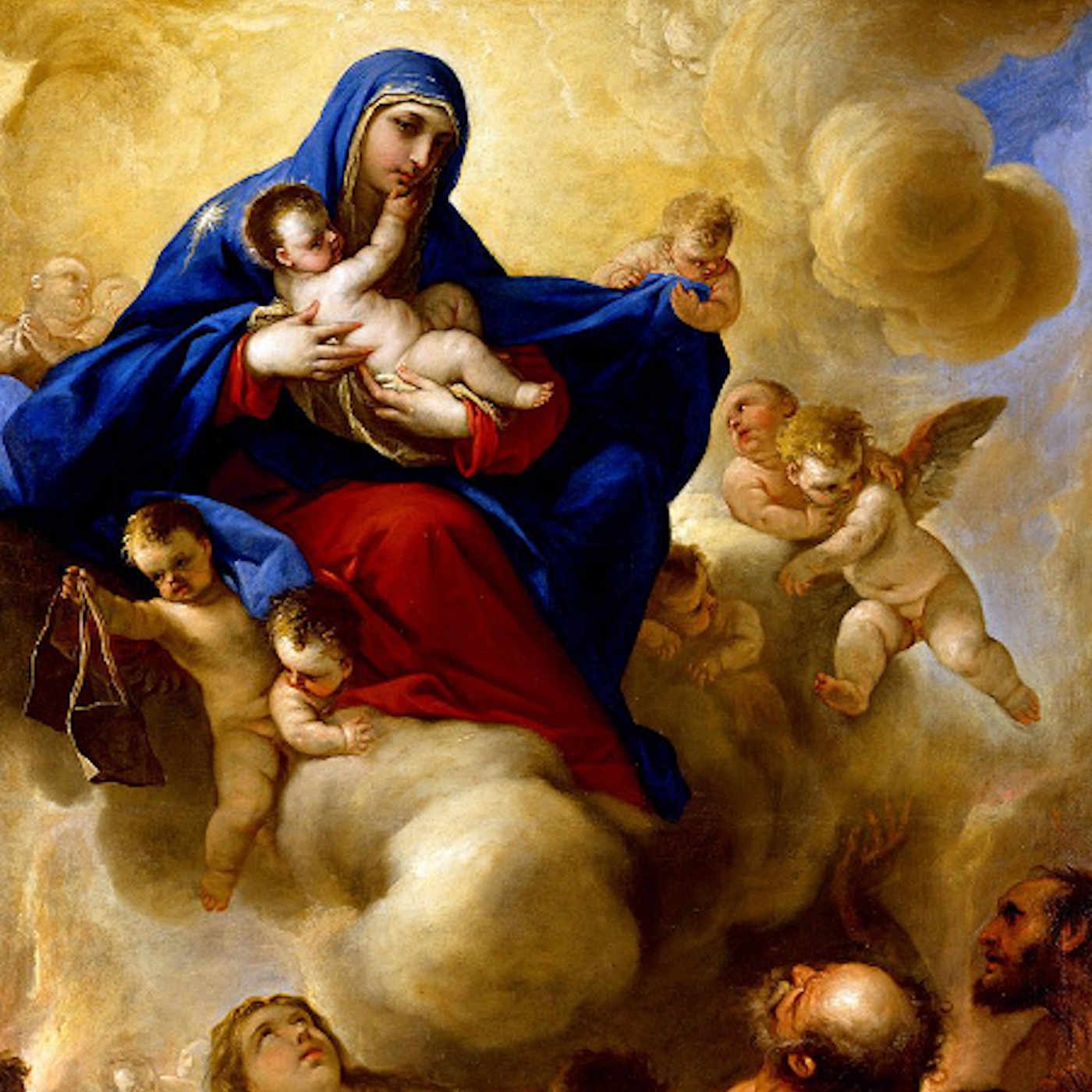
Oct 31
November 1, Solemnity of All Saints - Honoring All Saints
Read Online When Jesus saw the crowds, he went up the mountain, and after he had sat down, his disciples came to him. He began to teach them, saying: “Blessed are the poor in spirit, for theirs is the Kingdom of heaven.” Matthew 5: 1–3 Today we celebrate one of the most glorious solemnities within our Church! Every saint, canonized or not, is honored today. Our Gospel passage lays out the path by which these saints entered Heaven. While on earth, these great men and women lived lives that were poor in spirit, filled with a holy mourning, meekness, a hunger and thirst for righteousness, mercy, peace, purity of heart and even persecution. Each one of these Beatitudes concludes by stating the reward that those who lived these qualities obtains: Heaven, comfort, satisfaction, mercy, seeing God, being children of God and rewards beyond what we can imagine in God’s Kingdom. The Beatitudes invite us to the heights of holiness. They are not for the faint of heart or for those living a lukewarm spiritual life. These Beatitudes present us with the pinnacle of holy living and challenge us to the core. But every effort put into living these Beatitudes are worth it here on earth and ultimately in Heaven. Let’s look briefly at two of these Beatitudes. The second Beatitude states that those “who mourn...will be comforted.” This is an interesting Beatitude. Why is it holy to mourn? Simply put, this form of holy mourning means that you not only have a holy sorrow for your own sins but that you have this holy sorrow as you see the many evils within our world. This is crucial today. First, it should be quite obvious that we must have holy sorrow for our own sins. Doing so means your conscience is working. And when your conscience is working, you will be compelled, by this holy sorrow, to acknowledge your offenses against God and work diligently to change. But we must also have a holy sorrow as we see the many evils within our world. Too often today there is a tendency to undermine this Beatitude by presenting universal acceptance of all things as a good. We are told we must not judge, and though that is true when it comes to judging another’s heart, a worldly presentation of this secular “virtue” attempts to lead us to downplay the objective nature of sin. Our secular world tempts us to ignore many objective moral truths by which God guides us into all truth. But as Christians, our first approach must be to despise all that our Lord taught was objectively morally evil. And when we do come face-to-face with immoral lifestyles, the appropriate response must be holy sorrow, not acceptance of grave sin. To mourn over another’s poor choices is a true act of charity toward them. The fourth Beatitude calls us to “hunger and thirst for righteousness.” This means that we not only have a holy sorrow over our sins and the objective evils of our world, but that we also allow ourselves to be filled with a hunger and thirst for truth and holy living. This drive must become a burning motivation within us to do all we can to further the Kingdom of God everywhere. This Beatitude enables us to overcome indifference, inspiring us to bring about change in the face of all opposition. And this drive is fueled by charity and every other accompanying virtue. Reflect, today, upon the beautiful truth that you are called to become a saint. And the surest path to sainthood is the Beatitudes. Read them carefully. Meditate upon them and know that they reveal to you how God is calling you to live. If one of these Beatitudes stands out to you, then spend time focusing upon it. Work to internalize these graces, and God will work wonders in your life, one day making this solemnity within our Church a true celebration of your life well lived. My most holy Lord, You reign now in Heaven and desire that Your glorious Kingdom be firmly established upon earth. Give me the grace I need to seek holiness with all my heart and to especially use Your revelation of the Beatitudes as the path by which I travel. I pray that I will become a true saint in this world and that You will use me to further Your Kingdom now and for eternity. Jesus, I trust in You. Image: Sebastiano Conca, Public domain, via Wikimedia Commons Source of content: catholic-daily-reflections.com Copyright © 2025 My Catholic Life! Inc. All rights reserved. Used with permission via RSS feed.
Oct 30
Friday of the Thirtieth Week in Ordinary Time - Uncomfortable Situations
Read Online On a sabbath Jesus went to dine at the home of one of the leading Pharisees, and the people there were observing him carefully. Luke 14:1 Jesus accepted an invitation from this prominent Pharisee to dine at his house. The people at the dinner were “observing him carefully.” It’s somewhat easy to picture the scene. For most people, being invited to a dinner with many strangers who are observing them carefully may leave them feeling quite uncomfortable and self-conscious. But Jesus showed up with perfect confidence and an unwavering commitment to share the Gospel. One thing we can learn from this dinner and Jesus’ disposition at it is that uncomfortable situations are actually great opportunities to share your faith. We will all have times when we are put in an uncomfortable situation. Imagine, for example, being invited to a party for a distant relative or a new neighbor. You decided to attend and knew that you would know very few people there. The tendency for those who are shy would be to show up, find someone they know, and then spend the rest of the time with that person. But consider what Jesus did. He probably knew very few people at this dinner. Jesus’ primary purpose in attending was not to just relax and have a fun time while He met new friends. Instead, His primary purpose was to preach His saving message to those in need. Thus, He went to those in need and did so with confidence. Whether you are one who likes to socialize and meet new people, or are one who dreads such settings, consider the simple fact that these settings are wonderful opportunities to share your faith. Like our Lord, if you are willing to put yourself out there, entering situations that are new and unfamiliar, then you may start to discover that the opportunities abound. New settings and new people are new opportunities to evangelize. True, they are also opportunities to make new friends and enjoy yourself. But if you have a heart set on the desire to share the Gospel, then you will regularly look for new opportunities in which you can somehow share your faith with others. Reflect, today, upon this simple Gospel scene of Jesus attending a dinner, with many people He did not know, for the purpose of sharing the faith with them. Imagine yourself joining our Lord at this meal. How would you have felt? Would you have been self-conscious and uncomfortable? Or would you have seen it as an opportunity to share the Gospel? Reflect upon how zealous you are in your efforts to evangelize others and recommit yourself to this holy endeavor. Tell our Lord you are ready and willing to be used by Him wherever He sends you and then try to see every new adventure and experience in life as a new opportunity to share Christ’s saving message with others. My saving Lord, You desire that Your saving message be shared far and wide, to the ends of the earth. Please fill me with zeal for souls. Give me an unwavering desire to share the Gospel with everyone I meet. Please use me, dear Lord, in the way You desire, so that Your love and mercy will be brought to those in need. Jesus, I trust in You. Image: Pierre Subleyras, Public domain, via Wikimedia Commons Source of content: catholic-daily-reflections.com Copyright © 2025 My Catholic Life! Inc. All rights reserved. Used with permission via RSS feed.
Oct 29
Thursday of the Thirtieth Week in Ordinary Time - Protection, Healing and Salvation
Read Online “Jerusalem, Jerusalem, you who kill the prophets and stone those sent to you, how many times I yearned to gather your children together as a hen gathers her brood under her wings, but you were unwilling!” Luke 13:34 It’s helpful to ponder the Sacred Heart of Jesus. His heart is one that is strong and gentle, compassionate and just, merciful and truthful. In this Gospel passage, we are given a glimpse of Jesus’ love for the people of Jerusalem. He was not expressing His love for the city, but for the people in the city. It is clear that His deepest desire, His strong yearning, was that they allow Him to draw them close to Him so that He can protect them from all evil. Jesus begins by speaking the word “Jerusalem” twice. This expresses deep compassion for the people of that city. It also expresses a lament that they have not turned to Him, remaining unwilling to change. Their refusal began long before Jesus walked the earth when their forefathers rejected the call of the prophets to repent and turn back to God. The stubbornness of their fathers continued with the people of Jesus’ day, and He experienced their rejection. This rejection did not lead Jesus to anger or condemnation as much as it led Him to holy sorrow. The image of a hen gathering her brood under her wings is a lovely image to meditate upon. A mother hen protects her chicks with great courage and without concern for her own safety. When danger approaches, she extends her wings and covers the vulnerable chicks to protect them. Jesus uses this motherly image to express His desire to protect not only the people of Jerusalem, but all of us. If Jesus yearned to gather the people together under his “wings” to protect them, then we should know, with certainty, that we need our Lord’s protection. He would not desire something that was unnecessary. He is not an overly protective God Who irrationally worries about His children. His concern is real and necessary, and we must know that we need His protection. As you go about your daily life, do you feel as though you can handle life on your own? Do you act as an independent child who wants to separate yourself from the safety of your parents? Though we must all work to become responsible in life, we will never arrive at a point where we no longer need the protection of our loving God. The world in which we live is filled with dangers from which only God can protect us. At the beginning of today’s Gospel, Jesus referred to Herod as a “fox.” That image must be seen in the context of Jesus desiring to act as a mother hen, protecting her brood. Jesus was told that Herod was trying to kill Him, but He clearly was not afraid of Herod. Of Herod’s desire to kill Jesus, Jesus said, “Go and tell that fox, ‘Behold, I cast out demons and I perform healings today and tomorrow, and on the third day I accomplish my purpose.’” As a protector, Jesus took authority over demons, performed healings and opened the gates of Heaven by rising from the dead on the third day. As we go through life, there will be many demons who seek to attack us. We will need many forms of healing, and without the gift of Jesus’ triumph over death itself, we will not be led to the glories of Heaven. Demons are real. Wounds are real. And the need for a Savior is real. Reflect, today, upon the image of Jesus acting as a mother hen, extending His wings over you to protect you from the many temptations and diabolical attacks you will encounter in this world. Ponder the fact that you need His daily protection. The demons will never stop their attacks. Mental, emotional and spiritual wounds need His healing. Jesus is the only one Who can protect you and heal you so that He can then pour forth the gift of eternal life. Remain under His protective care, and allow Him to fulfill the yearnings of His Sacred Heart. My compassionate Lord, You yearn to protect me from the many evils in this world. You yearn to heal me of the wounds my sins have caused. And You yearn to bestow upon me the gift of eternal life. I accept Your protection, dear Lord, and pray for the healing I need. Please cover me always and bestow upon me the gift of eternal life. Jesus, I trust in You. Images via Adobe Stock: Main ; Featured Source of content: catholic-daily-reflections.com Copyright © 2025 My Catholic Life! Inc. All rights reserved. Used with permission via RSS feed.
Oct 28
Wednesday of the Thirtieth Week in Ordinary Time - Entering the Narrow Gate
Read Online Someone asked him, “Lord, will only a few people be saved?” He answered them, “Strive to enter through the narrow gate, for many, I tell you, will attempt to enter but will not be strong enough.” Luke 13:27 We should definitely take our Lord’s words spoken above to heart. It’s easy to presume we will be saved. It’s easy to simply presume that God is kind and that we are good people at heart and, therefore, salvation is assured. But that’s not what Jesus says So who will be saved? When we get to Heaven, God willing, we may be surprised at who is saved and who is not. This is clearly one of the messages of today’s Gospel. Jesus even goes so far to say that some, when they die, will assume they are going to enter into Heaven but will hear our Lord say to them, “I do not know where you are from. Depart from me, all you evildoers!” Again, we should take these words to heart. One of the most dangerous sins we can fall into is presumption. Presumption is deadly because it has a double effect upon us. First, the person caught in presumption is one who has committed mortal sin but has not repented of it. But the presumptuous person also remains incapable of repentance because they refuse to acknowledge their sin. Their conscience is not working. They have blinders on and expect God to wear those same blinders. But God sees all things and judges accordingly. The “narrow gate” of which Jesus speaks is a simile used by Jesus to tell us that it is not easy to obtain Heaven. It requires a concerted effort on our part as well as the infinite mercy of God. But regarding our part, the attainment of Heaven is only possible if we intentionally seek out the will of God and respond generously to Him. First, that means we confess and turn away from our sins. But from there, it means that we make every effort to fulfill God’s will in our lives. If this is hard to accept, simply remind yourself that this teaching came directly from Jesus Himself. He is absolutely clear and means what He says. If that fills you with a sort of holy fear, then that is a good thing. “Holy fear” is a gift by which we have a well-ordered conscience that is able to identify those things in our lives that have become immovable obstacles to eternal salvation. The same well-ordered conscience will lead us to that narrow gate which is the only path to eternal life. Reflect, today, upon the fact that we must all take eternal salvation seriously. If you find that you have become lax in your spiritual life, then use this Gospel as a motivation to change. Do not allow yourself to be one of those knocking at the gates of Heaven, only to realize that our Lord does not know you. Do all you can to eradicate the sin of presumption from your life, and your reward will be truly great in Heaven. My most merciful Lord, You and You alone can open the gates of Heaven to us, and You and You alone will do so only to those who have responded to Your holy will. Please open my eyes to any ways that I turn from You and remain lax in my spiritual journey. Give me the grace I need to see clearly and to respond to You with all my heart. Jesus, I trust in You. Image: © José Luiz Bernardes Ribeiro Source of content: catholic-daily-reflections.com Copyright © 2025 My Catholic Life! Inc. All rights reserved. Used with permission via RSS feed.
Oct 27
October 28, Feast of Saints Simon and Jude, Apostles - Sent Forth by Christ
Read Online Jesus went up to the mountain to pray, and he spent the night in prayer to God. When day came, he called his disciples to himself, and from them he chose Twelve, whom he also named Apostles... Luke 6:12 Simon and Jude were among those very select few who were chosen by Jesus Himself to be His Apostles. Today’s Simon is not the same person as Simon Peter, and today’s Jude is not the same person as Judas Iscariot. Little is known about these two Apostles. Simon is referred to as a zealot in the Gospels, which could have meant he was a member of a more radical sect within Judaism. Jude is popularly known as the Patron Saint of Hopeless Causes. Some suggest this is because he was often the last Apostle to be prayed to by the early Christian faithful on account of the fact that he shared a name with Judas Iscariot, and praying to Jude reminded people of that betrayer. If that was the case, then in God’s providence, since Jude became the last Apostle to be prayed to, he also became the last hope for many and, thus, the patron saint for those with truly hopeless causes. One tradition states that Saints Simon and Jude are linked together in the Roman Canon and also share the same feast day because they were both martyred together on the same day, possibly in Syria, Lebanon, or Persia. However, the true details of their missionary journeys and martyrdom is unclear. The one thing that is certain about these Apostles, however, is that they were Apostles. They were chosen by our Lord and appointed by Him as two of the first bishops of our Church and were given a mandate to share the Gospel to the ends of the earth. From our perspective today, being one of those chosen Twelve is an incredible privilege. The effect of their ministry in establishing the first Christian communities has resulted in our worldwide universal Catholic Church. These men most likely did not realize the impact that their faithful service would have upon the world. As we honor these two Apostles, we are also reminded that each one of us is called to go forth to proclaim the Gospel to the ends of the earth. We each do so in a way specific to the calling and mission that Christ has entrusted to us. We are each called to make an eternal difference in the lives of those whom we serve. And if we are faithful to our mission, we can be certain that the effects of our apostolic service will be felt in the lives of countless others until the end of the world. Reflect, today, upon Jesus choosing these two men and appointing them as Apostles. As you do, listen to God’s voice as He also speaks to you. Do not underestimate the importance of accepting the mission that Jesus gives to you. Say “Yes” to Him in imitation of these two Apostles and know that your choice to serve our Lord in this way will not only have a great effect in your life, it will also have an effect in the lives of many others for all eternity. My glorious Lord, You called these two ordinary men, Simon and Jude, to be Your Apostles. You filled them with Your grace, taught them with Your Word, and sent them forth to preach to the ends of the earth. Please also send me, dear Lord, to whomever You choose. Use me as Your instrument and help me to always remain faithful and zealous, reaching out to those in need, especially to those who lack faith and hope in their lives. Saints Simon and Jude, pray for us. Jesus, I trust in You. Image: Ugolino di Nerio, Public domain, via Wikimedia Commons Source of content: catholic-daily-reflections.com Copyright © 2025 My Catholic Life! Inc. All rights reserved. Used with permission via RSS feed.
Oct 26
Monday of the Thirtieth Week in Ordinary Time - The Burden of Scrupulosity
Read Online But the leader of the synagogue, indignant that Jesus had cured on the sabbath, said to the crowd in reply, “There are six days when work should be done. Come on those days to be cured, not on the sabbath day.” The Lord said to him in reply, “Hypocrites! Does not each one of you on the sabbath untie his ox or his ass from the manger and lead it out for watering?” Luke 13:14–15 Why would the leader of the synagogue be “indignant” that Jesus cured a woman on the sabbath? She was crippled for eighteen years! Imagine, especially, her family. They would have seen her many years of suffering and shared them with her through years of compassion. If they were present when Jesus healed her on the sabbath, would they have immediately thought, “How dare Jesus do this healing of our mother, wife or sister on the sabbath?” Of course not! They would have rejoiced and been filled with awe, gratitude, and even tears. This normal reaction that her family would have had upon witnessing this miracle is the right response. And, of course, the reaction of the leader of the synagogue was deeply disordered. Why would this leader of the synagogue do such a thing? Though he and many other scribes, Sadducess, Pharisees and scholars of the law struggled with envy and hypocrisy, others may sometimes react similarly to this leader of the synagogue for other reasons. One such reason is scrupulosity. Scrupulosity is the tendency to see God and His holy will through the lens of legalism. “Legalism” is not just being faithful to the Law of God, because that is a good thing. Legalism is a misinterpretation of God’s Law by which one tends to put more emphasis upon themselves than upon God. A scrupulous person is preoccupied with themself. They tend to be far more concerned with sin than with God Himself. And though it’s vital to be concerned with sin, when fear of sinning becomes a form of obsession, then that obsession has the effect of clouding the pure will of God and leaves a person heavily burdened and unable to joyfully live out the authentic will of God. Saint Thérèse of Lisieux was one saint who openly shared her struggles with scrupulosity in her autobiography. Of this struggle, which she referred to as “oversensitivity,” she said, “One would have to pass through this martyrdom to understand it well, and for me to express what I experienced for a year and a half would be impossible.” However, she eventually experienced what she called a “complete conversion” by which the heavy burden of oversensitivity was lifted. Though this oversensitivity oppressed her in various ways, one way it affected her was that she feared that even some of her random thoughts were mortal sins and that she would be condemned for them. Though the leader of the synagogue was most likely not struggling with “oversensitivity” in the same way as Saint Thérèse, he was acting with an extreme scrupulosity which led him to be harshly judgmental and condemning of our Lord for His good deed done to this crippled woman. Reflect, today, upon any tendency you may have with these heavy burdens. Do you worry in an irrational way about sin? Do you ever find yourself obsessing over decisions, worrying that you may make the wrong one? Do you think about yourself far more than you think about God and others? If so, you may also be carrying a similar heavy burden that our Lord wants to lift. Serving God and His holy will must become the deepest joy of our lives, not a heavy burden. If you find your Christian walk more of a burden, then turn your eyes away from yourself and look to the merciful God. Run to Him with the utmost confidence of a child, as Saint Thérèse eventually did, and allow yourself to love Him more authentically, freed of scrupulous and self-imposed burdens. My merciful Lord, You desire to free me from all that burdens me. You desire that I turn to You with the confidence of a child. Please do free me, dear Lord, from any way that I impose burdens upon myself by my obsessions and irrational worries. May I always understand Your infinite love for me and always walk freely and joyfully in Your ways. Jesus, I trust in You. Image: Museo Nacional de Arte, Public domain, via Wikimedia Commons Source of content: catholic-daily-reflections.com Copyright © 2025 My Catholic Life! Inc. All rights reserved. Used with permission via RSS feed.
Oct 25
Thirtieth Sunday in Ordinary Time (Year C) - Humility in Prayer
Read Online “Two people went up to the temple area to pray; one was a Pharisee and the other was a tax collector. The Pharisee took up his position and spoke this prayer to himself, ‘O God, I thank you that I am not like the rest of humanity—greedy, dishonest, adulterous—or even like this tax collector.’” Luke 18:10–11 What a sad prayer. Of course it wasn’t even a prayer to God since the Pharisee “spoke this prayer to himself.” The prayer of the tax collector, however, was a perfect model for all prayer. We read that the tax collector “stood off at a distance and would not even raise his eyes to heaven but beat his breast and prayed, ‘O God, be merciful to me a sinner.’” Which prayer more resembles your own prayer? To honestly answer that question, let’s examine both prayers. First of all, the contrast of these two prayers is a contrast between humility and pride. The Pharisee was clearly full of pride. Pride blinds us from true self-knowledge. Saint Teresa of Ávila teaches us that the very first thing we must do on our journey to God is obtain self-knowledge through humility. Without that, we will never grow in holiness. The sin of pride is obvious in the prayer of the Pharisee and, therefore, his lack of true self-knowledge is also evident. Note that even his physical posture of standing depicts pride. Throughout the Scriptures, kneeling, or even falling prostrate, is the disposition of the humble. In addition to standing, the Pharisee’s prayer was a list of his own goodness. He very well may have fasted twice a week and paid tithes on his whole income. But his prayer suggests that he did this by his own effort. He did not ascribe those acts to the grace and strength of God, which means they were not true acts of charity. His prayer suggests that he doesn’t need God in order to do good. This is also seen in the fact that he asks nothing of God. Instead, he simply thanks God for how good he is through his own effort. The result is that God gives him nothing, since he asked for nothing. True prayer must begin with the humble recognition of our weakness and need for God. The tax collector expressed this humility by bowing his head to the ground, not even daring to look up to Heaven. This reveals he did not consider himself worthy of God’s grace. Truth be told, he wasn’t worthy of it. That’s why God’s grace is a mercy. It is all mercy in that He bestows that which we are not worthy to receive. And He only bestows it on those who know they are not worthy of it. The words spoken by the tax collector are the perfect model of prayer because his words depict these truths. As a sinner, he doesn’t deserve mercy but begs for God’s grace as an act of God’s mercy. When you pray, how do you pray? What is the disposition of your heart and for what do you pray? Begin by considering the physical position in which you pray. Though we can pray standing, sitting, kneeling or even lying down, there is something very good about kneeling or even lying prostrate. It doesn’t mean we have to do so the entire time we pray, but it is a good practice to kneel, bow your head or fall down prostrate before God at least for a moment each day. Do you do this? If not, consider making this a daily habit. When you pray, do you begin your prayer with humility? We begin the Mass by examining our conscience and confessing our sins. This is a good example of how to begin your prayer every time you pray. Humble yourself by calling to mind your sins and weaknesses. Confess them to God and acknowledge the fact that, because of your sins, you are unworthy of God’s mercy. Humility like this will help you to see yourself as God sees you, and this will help you open yourself to the grace you need from God to grow in holiness. Reflect, today, upon the humility found in the prayer of this tax collector. As you do, look at your own practice of prayer and discern whether you imitate this tax collector's disposition and prayer. Try to commit to physically humbling yourself before our Lord every day. Kneel, bow your head, or fall down prostrate every day. When you do pray, beg for mercy as one who doesn’t deserve anything from God. This is the humble truth on which all prayer must be based. The more you can humble yourself this way, the more God will lift you up and pour forth His mercy upon you. O God, be merciful to me, a sinner. I bow before You, most glorious and merciful God. I offer You my praise and gratitude for Your abundant mercy in my life. I am not worthy of You and Your grace, but You bestow it anyway. For that I thank You with profound gratitude and beg for the ongoing gift of Your grace. Jesus, I trust in You. Image via Adobe Stock: Featured , Main Source of content: catholic-daily-reflections.com Copyright © 2025 My Catholic Life! Inc. All rights reserved. Used with permission via RSS feed.
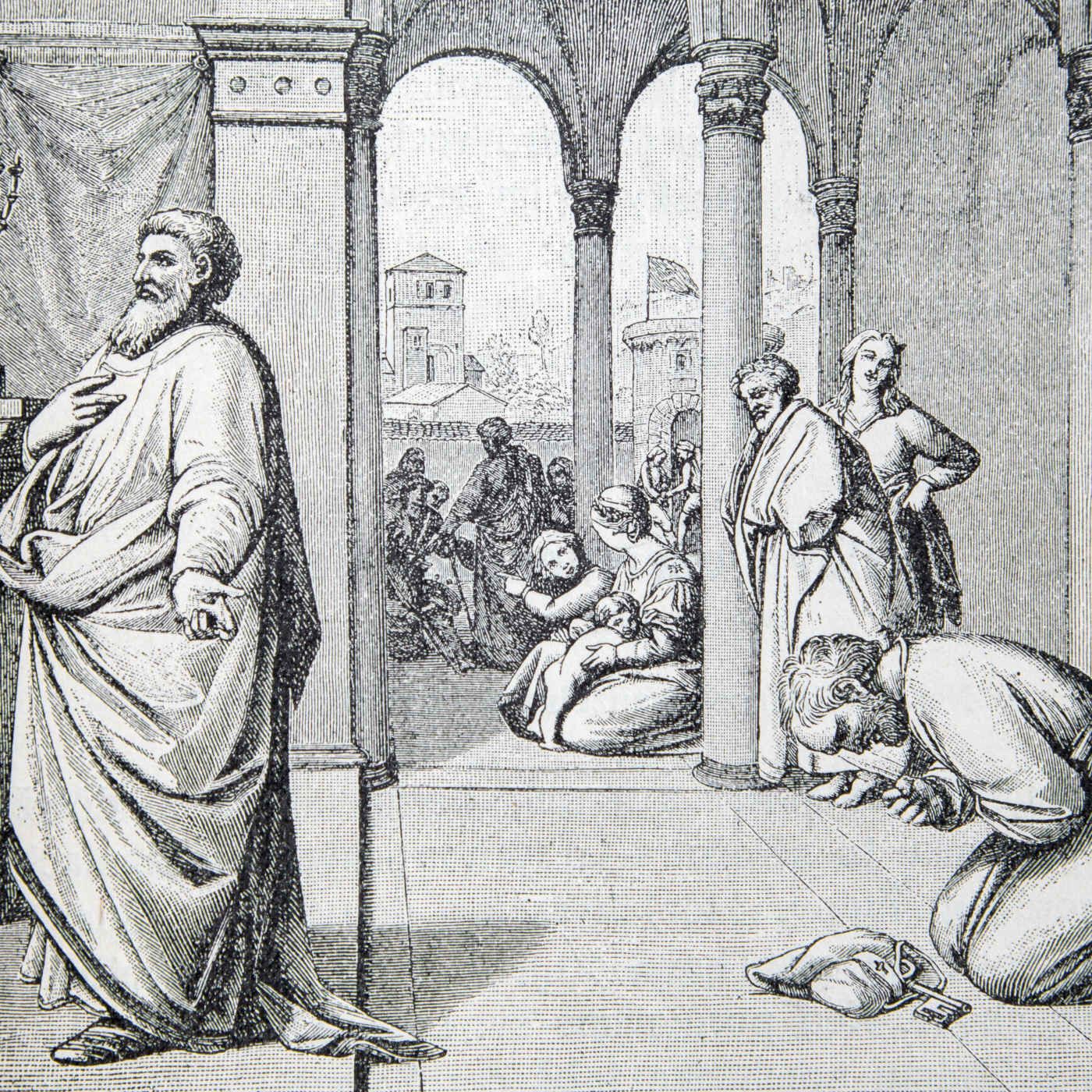
Oct 24
Saturday of the Twenty-Ninth Week in Ordinary Time - Cultivating the Soil of Your Heart
Read Online “‘For three years now I have come in search of fruit on this fig tree but have found none. So cut it down. Why should it exhaust the soil?’ He said to him in reply, ‘Sir, leave it for this year also, and I shall cultivate the ground around it and fertilize it; it may bear fruit in the future. If not you can cut it down.’” Luke 13:7–9 How much good fruit is born from your life? This is an important question to answer honestly. One of the best ways to discern whether or not we are serving the will of God is to look at the fruit being born from our lives. Good fruit is born in various ways and manifests itself in various forms. However, the fruit you must look for is twofold. First, it is the fruit found within your own soul resulting from a life of true prayer and union with God. Second, we must look for the fruit that is born of charity in our actions toward others. When you look honestly at your own soul, what do you see? Often, you may see a sort of war within you in which your disordered passions and appetites fight against the Spirit of God. Good spiritual fruit will require interior purification. Through prayer, fasting, spiritual reading and the like, you must look for ways in which God’s Spirit takes control of your disordered human nature and reorders it in accord with His holy will. Though we are all sinners and will all fall at times, we must work diligently to overcome every action, desire and temptation that we can objectively discern to be contrary to the will of God. At times, your fallen human nature can so forcefully draw you into sin that it can confuse your intellect and lead you to rationalization of your sins. But if you want the fruit of God’s presence in your life, then you must continually choose to make your interior life a fruitful garden in which the virtues of God grow and are nourished in abundance. So, again, what do you honestly see as you look into your own soul? As God nourishes the virtues within us, and our disordered passions and appetites fall under the control of the Spirit of God, then we will also discover a need to allow the interior fruits of God’s love to flow forth from our lives into the lives of others. We will begin to desire selfless and sacrificial living. We will begin to desire to put others first. We will consider others’ lives as precious and filled with dignity. And we will overcome judgment, harshness, anger, and the like. We will find ourselves desiring the good of others and will supernaturally be drawn to do many small acts of kindness toward all. But it all starts with one’s interior life which our Lord desires to cultivate and fertilize with His grace so that the interior fruits of His love will grow within and ultimately become very manifest in one’s daily exterior actions toward all. Reflect, today, upon your soul being like this fig tree that has not been bearing fruit. See our Lord coming to you and asking you to allow Him to cultivate the ground and fertilize it. Know that this requires change on your part. If you are to bear good fruit, then you need this intervention by our Lord. Work with Him, be diligent, and do all you can to begin to bear an abundance of good fruit so that you are not among those who are ultimately cut down by God’s justice. My laboring Lord, You never cease to work diligently to cultivate the soil of my soul so that the seeds of Your mercy will grow and produce the good fruit You desire to come forth from my life. Please give me the grace I need to be faithful to a daily life of prayer, a practice of penance and a search for Your holy Word. Transform me, dear Lord, and bring forth the good fruit of Your holy Kingdom in my life. Jesus, I trust in You. Image: Carl Rahl, Public domain, via Wikimedia Commons Source of content: catholic-daily-reflections.com Copyright © 2025 My Catholic Life! Inc. All rights reserved. Used with permission via RSS feed.
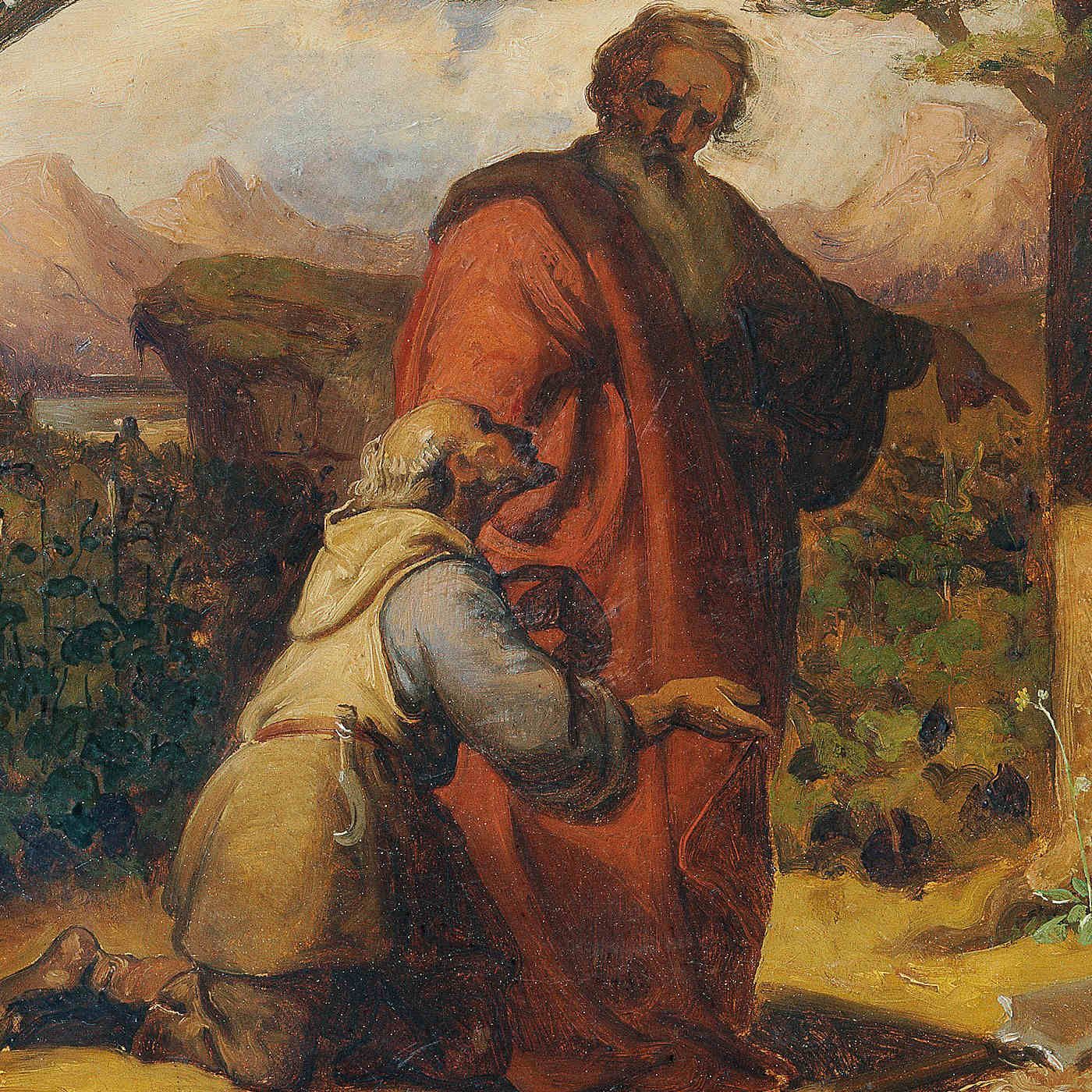
Oct 23
Friday of the Twenty-Ninth Week in Ordinary Time - The Convictions of Your Heart
Read Online “Why do you not judge for yourselves what is right? If you are to go with your opponent before a magistrate, make an effort to settle the matter on the way; otherwise your opponent will turn you over to the judge, and the judge hand you over to the constable, and the constable throw you into prison. I say to you, you will not be released until you have paid the last penny.” Luke 12:57–59 The Church Fathers offer many different interpretations of this passage. Among them, Saint Bede says that our “opponent” can be seen as the Word of God, in the sense that the Word of God makes war upon our weaknesses and sins. When we listen to the Word of God, our Lord will convict us of our faults so that we can reconcile our lives with the Truth of the Word of God Himself. When you think about God’s holy Word, in its entirety, what most convicts you? Sometimes we try to downplay such personal convictions. We rationalize our actions and dismiss what God is saying to us. Are there any teachings of Jesus that you recall that have truly stung you to the heart? If so, this is a grace, and it’s an opportunity to fulfill the lesson from our Lord taught in the passage above. God does not convict our hearts so as to condemn us. Rather, He convicts us, as an opponent to our sin, so that we can “make an effort to settle the matter on the way.” The conscience is a wonderful gift from our Lord and can be likened to this passage above. It is a form of courtroom where our Lord desires not to have to issue punishment upon us. Instead, He desires that we engage His holy Word, listen to what He says, and settle our sin by repenting immediately. Among the many lessons taught by our Lord, it is often the lesson that jumps out at us, even in a startling way, that we need to pay attention to the most. God often brings His most urgent teachings to us by causing us to feel a sense of guilt that cannot be denied. If we listen to these convictions, then we will not have any need to stand before the Judge. But if we do not, if we bury these convictions, downplay them and ignore them, then our Lord will find it necessary to keep at us. We will begin to experience His judgment, and we will see the effects of being out of His good graces. And in the end, if we fail to repent of the more serious sins in our lives, then we will even be held accountable for the smallest of sins. We will be required to “pay the last penny.” Reflect, today, upon the idea that the Word of God, all that our Lord has taught us, is the opponent to the sin in your soul. This good and holy opponent wants only what is best for you. Commit yourself to an ongoing reading of God’s holy Word so that you will be continually disposed to hear all that God wants to say to you and so that you will be able to reconcile with our Lord before He is compelled to issue forth His judgments. My most merciful Judge, You desire that I listen to Your holy Word, revealed through Scripture, so as to receive Your most merciful conviction of my sin. I pray that I will be open to always hear all that You desire to say to me so that I can respond with generosity and trust, reconciling with You and others continually through my journey in life. Enliven my conscience with Your holy Word, dear Lord. Jesus, I trust in You. Image: Братья Белоусовы (Палех), Public domain, via Wikimedia Commons Source of content: catholic-daily-reflections.com Copyright © 2025 My Catholic Life! Inc. All rights reserved. Used with permission via RSS feed.
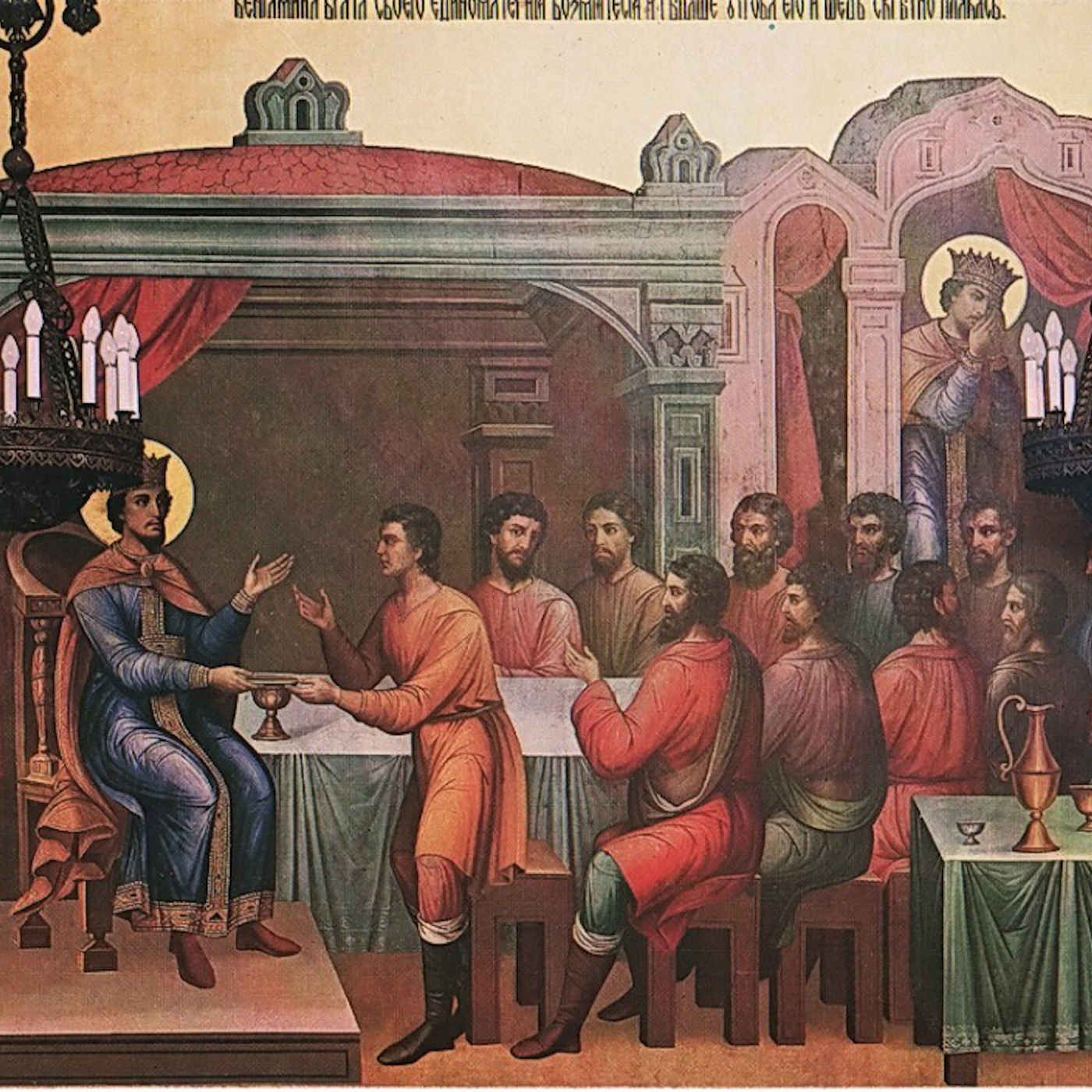
Oct 22
Thursday of the Twenty-Ninth Week in Ordinary Time -A Blazing Fire of Mercy
Read Online Jesus said to his disciples: “I have come to set the earth on fire, and how I wish it were already blazing! There is a baptism with which I must be baptized, and how great is my anguish until it is accomplished!” Luke 12:49–50 There is much that we can take from these teachings of our Lord. Not only did Jesus say, “I have come to set the earth on fire…” He also said that it’s His desire that this fire be “blazing!” Fire is powerful. A blazing fire, for example, can purify the precious metal gold. When heated to a liquid state, the impurities rise to the surface for easy removal. Fire can also consume. When a blazing fire completes its burning, what’s left are only ashes. Many great saints have reflected upon the image of fire as an image of the purification God wants to do within our souls. Saint John of the Cross, for example, reflected in depth upon this image. He explained that entering into divine union was similar to a log burning. At first, as the log begins to burn, it crackles and pops. This is because the impurities within the wood, such as moisture or sap, do not burn as the wood burns. But as a log continues to burn, as Saint John explains, eventually the log becomes one with the fire. At first, you can distinguish the log from the fire when only part of the log is burning. But once the entire log is engulfed in the flames and all the impurities are burnt out, you have a piece of wood that is one with the fire. It glows and emits light and heat. When we ponder these words from Jesus regarding His desire to “set the earth on fire,” we must first see this as His desire to purify our souls. Within our souls, there are many impurities that need to be removed if we are to become one with God, emitting His radiance and glory. This purification involves a process of allowing God to bring our sins to the surface so that they are seen and can be removed. But this is only possible if we allow the blazing fire of God’s purifying love to consume us. Oftentimes in life, we are content with simply being mediocre in our faith journey. We pray, go to Mass on Sunday, and try to be good. But this is not the life our Lord wants for us. He wants a life that is radically consumed with the blazing fire of His love. He wants us to become so purified from our sin that He is able to become one with us, sending forth the radiance of His glory through our lives. Reflect, today, upon this image of a blazing and purifying fire. Use the image of gold melting to the point that all impurities rise to the surface. Or use the image that Saint John of the Cross uses with the log. God wants so much more from you. He wants to transform you and use you in ways beyond your imagination. Do not be afraid to make the radical decision to allow the blazing and purifying fire of our Lord’s mercy to transform you. And don’t wait for this to start tomorrow—kindle that flame today. My purifying Lord, You deeply desire to set my heart and soul on fire with the transforming mercy of Your love. Please give me the grace I need to permit You to kindle this fire of love in my heart so that it will truly become blazing and all-consuming. May this blaze ignite me in the inner depths of my heart so that You will shine brightly in my life, bringing forth the warmth of Your love into our world. Jesus, I trust in You. Image: Our Lord Jesus Christ the Universal King by Lawrence OP , license CC BY-NC-ND 2.0 . Source of content: catholic-daily-reflections.com Copyright © 2025 My Catholic Life! Inc. All rights reserved. Used with permission via RSS feed.
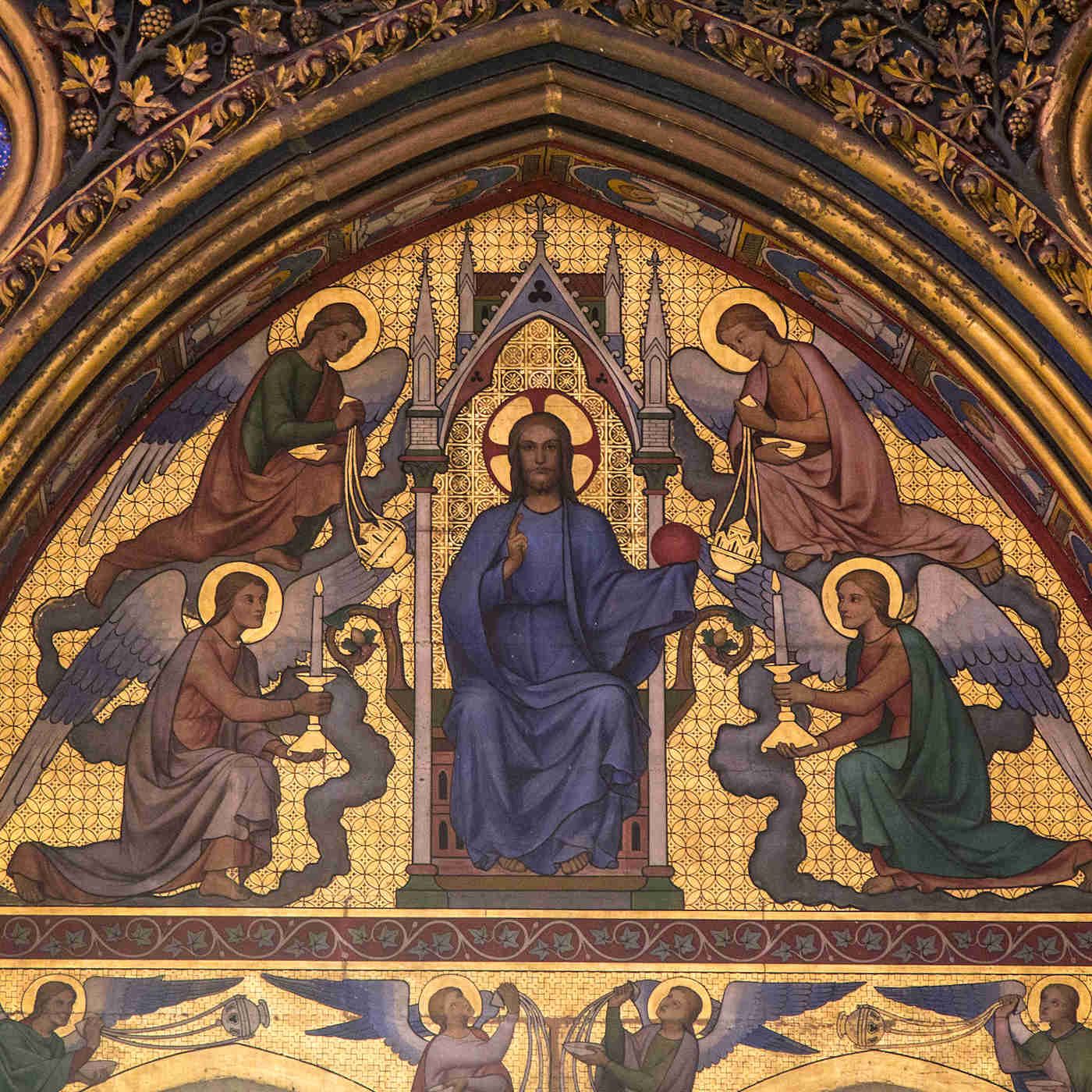
Oct 21
Wednesday of the Twenty-Ninth Week in Ordinary Time - The Lord is Coming, Today
Read Online Jesus said to his disciples: “Be sure of this: if the master of the house had known the hour when the thief was coming, he would not have let his house be broken into. You also must be prepared, for at an hour you do not expect, the Son of Man will come.” Luke 12:39–40 These words from Jesus should cause us to sit up and take notice. This parable, followed by the rest of today’s Gospel, exhorts us to always be prepared for our particular judgment at the conclusion of our earthly life. There are various reasons these words should be heeded. First of all, the obvious reason is that life for any of us could end at any time. We only need to recall various tragedies in which people have suddenly died from a car accident or from some other unexpected reason. Furthermore, there truly will be a specific moment in time when our Lord does return to earth for the Final Judgment. That moment will take place in an instant without any warning. It’s easy to presume that this end of the world when our Lord “comes to judge the living and the dead” will not happen for hundreds or perhaps even thousands of years. But the simple truth is that it could be at any time, when those who are alive least expect it. With that said, there is another important reason to always be prepared and ready to meet our Lord for our particular judgment. Even though our particular judgment will take place in a definitive way at the end of our life when we see our Lord face-to-face, we also encounter Him every day, all day, receiving daily rewards for our fidelity or judgment for our sins. It is useful to see this “hour you do not expect” as every moment of every day. If you can live every day with this ongoing expectation that our Lord is coming to you, today, then every moment can be turned into a moment of much grace. Think about your day today. Does God want to come to you, to inspire you and to lead you to fulfill His holy mission today? Indeed He does. He has a specific mission for you today that will not be there tomorrow. He wants you to be aware of His presence right now so that you can respond to Him with much generosity. Reflect, today, upon the importance of always being vigilant and attentive to God’s presence in your life. He wishes to speak to you, day and night, so as to guide you into a life of true holiness. If you can build a habit of attentiveness to His continual comings, then you will truly be prepared for that final coming when you meet our Lord face-to-face. My ever-present Lord, You do come to me day and night, speaking to me, inspiring me, and leading me. Please fill me with the gift of holy vigilance so that I will always be prepared to meet You and hear Your holy voice. May I learn to build a habit of responding to You always. And may I especially be prepared for that glorious moment when I am blessed to see You face-to-face. Jesus, I trust in You. Image: James Tissot, Public domain, via Wikimedia Commons Source of content: catholic-daily-reflections.com Copyright © 2025 My Catholic Life! Inc. All rights reserved. Used with permission via RSS feed.
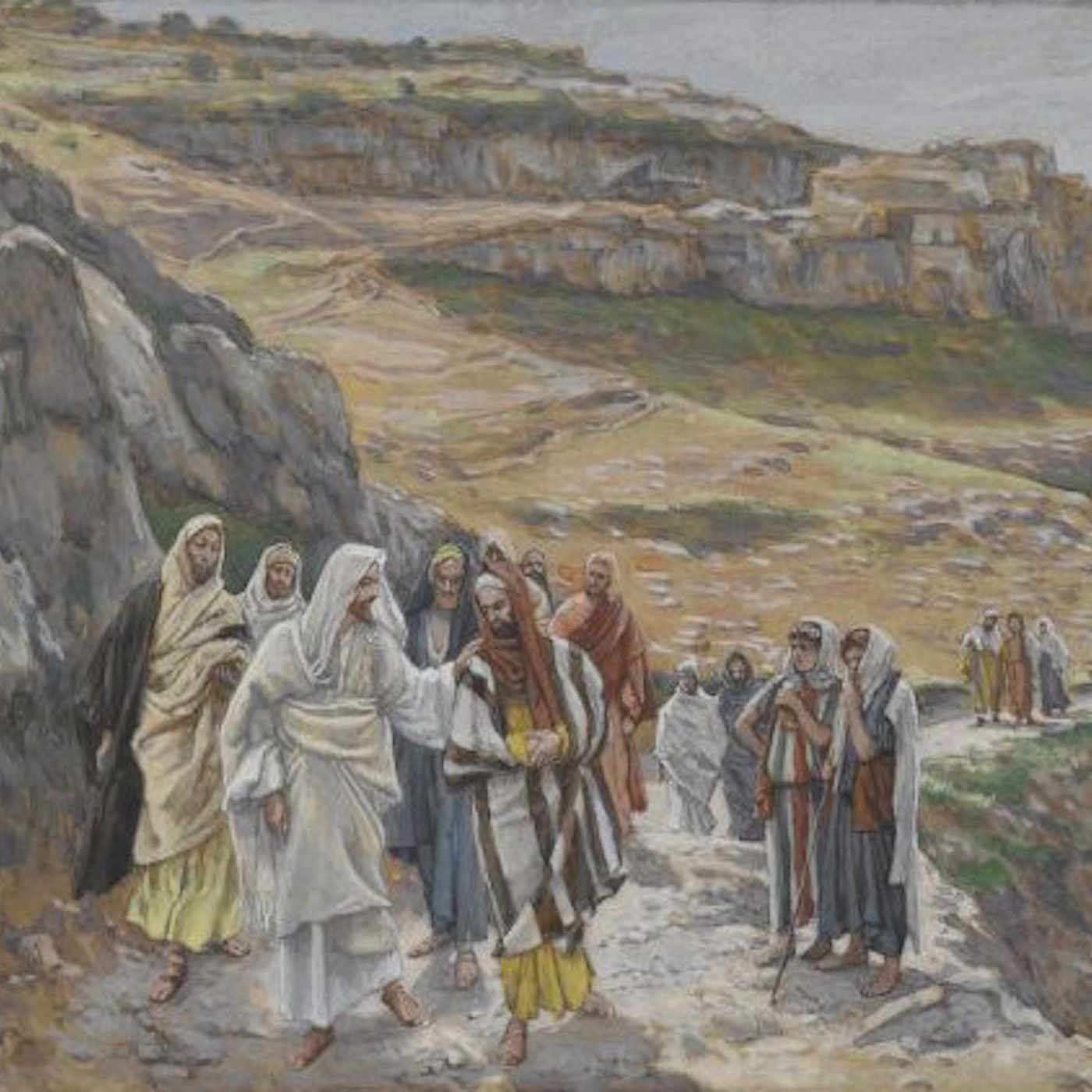
Oct 20
Tuesday of the Twenty-Ninth Week in Ordinary Time - Being Vigilant Throughout Life
Read Online Jesus said to his disciples: “Gird your loins and light your lamps and be like servants who await their master’s return from a wedding, ready to open immediately when he comes and knocks.” Luke 12:35–36 What does it mean to “Gird your loins?” This phrase, which is not commonly used today, literally means “tighten your belt.” It traditionally refers to one who is wearing a long robe that makes it difficult to move quickly and easily. Thus, to gird your loins means that you tuck in the long robe and tighten your belt so that you are prepared for some physical activity. It was also commonly used to exhort those preparing for battle to get ready. Symbolically, then, this phrase simply means to be ready for something difficult or challenging. It means to be vigilant and prepared. Spiritually speaking, Jesus is telling His disciples to be ready for the spiritual battle that awaits them. Jesus then tells His disciples to light their lamps. That phrase could have a variety of meanings, such as “Do not remain in the darkness of sin or ignorance” or “Let the light of charity shine forth as you navigate through life” or “Allow the light of truth to shine within your mind.” Hence, by the light of faith, they are to be prepared and vigilant, ready to do all that the Lord sends them to do. Today’s Gospel ends by Jesus saying that the disciples will be truly blessed if they remain vigilant even until the second or third watch of the night. Some Church Fathers see this as a reference to three periods in one’s life: childhood being the first watch, middle age being the second, and old age being the third watch. With these meanings understood, one message we can take from this Gospel is that Jesus is calling us to be vigilant in our faith at every moment of our lives. For those who have lived many years, it may be useful to look back at how faithful you have been throughout every period of your life. God wants to use you in many ways during childhood, through your middle age, and even in old age. The journey of faith must never end. Instead, it must continually deepen as you age. But this will only be possible if you “gird your loins” and “light your lamps.” You must continually be vigilant, continually attentive to the light of faith, and continually be ready to act every time God inspires you to act. Reflect, today, upon the lifelong journey of faith and service of God to which you are called. Being a Christian is not simply something you are born into. If you were born into the faith, then ponder especially what you have done throughout your life to daily deepen and strengthen that faith. Ponder whether or not you have diligently responded to the countless inspirations of the Holy Spirit to spread the light of faith to others. If you have been truly faithful throughout your life, then give thanks to God and recommit yourself to this fidelity for the rest of your life. If you have lacked faith and vigilant attentiveness to the will of God, then place that in the hands of God’s mercy and resolve from this day forward to do all you can to respond to the will of God the moment God calls. My most merciful Lord, I thank You for the countless ways throughout my life that You have spoken to me, calling me to fulfill my mission of faith and love in this world. I commit to You, this day, to always remain vigilant and attentive to You every time You call. Use me, dear Lord, so that I may bring the light of Your saving Gospel to a world in need. Jesus, I trust in You. Image: Duccio di Buoninsegna, Public domain, via Wikimedia Commons Source of content: catholic-daily-reflections.com Copyright © 2025 My Catholic Life! Inc. All rights reserved. Used with permission via RSS feed.
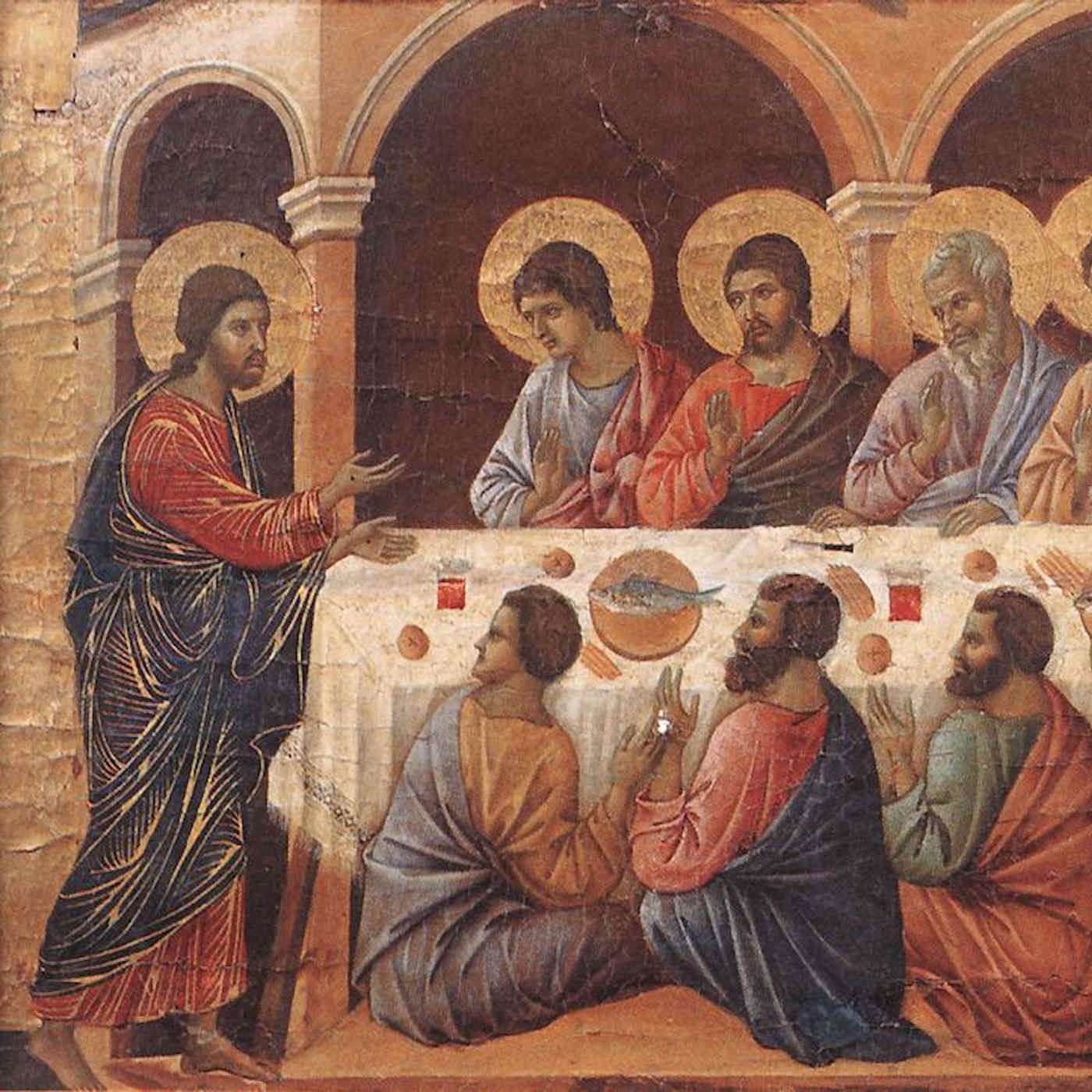
Oct 19
Monday of the Twenty-Ninth Week in Ordinary Time - The Reality of Greed
Read Online Someone in the crowd said to Jesus, “Teacher, tell my brother to share the inheritance with me.” He replied to him, “Friend, who appointed me as your judge and arbitrator?” Then he said to the crowd, “Take care to guard against all greed, for though one may be rich, one’s life does not consist of possessions.” Luke 12:13–15 What’s interesting in Jesus’ statement is that of all the people who ever walked the earth, no one is more worthy to be a “judge and arbitrator” of an injustice than Jesus Himself. Yet He refuses to intervene. Why is that? It appears to be a just request from the person, but instead of intervening Jesus tells a parable about greed. Material possessions can be very seductive. That’s a fact. Yet many people have a very hard time admitting their attachment to possessions and money. They rationalize that they have worked hard, have earned what they have and should be able to indulge a bit. Some good-minded people who have many possessions appease their consciences by giving a small portion of what they have to charitable causes and then conclude that they can keep the rest for themselves. But what does Jesus think about that? In and of themselves, material possessions are neither good nor bad. The problem is the sin of greed. Greed is an interior disposition by which a person becomes more attached to the passing things of this world than they are to God and His holy will. Though it might be possible to have many possessions and still remain interiorly detached from them, this is quite difficult. But having possessions is not the ultimate problem. Desiring possessions is the real problem. Therefore, even those with very little can fall into the same trap by becoming attached to what they do not have and by believing that the attainment of more will satisfy. Jesus refused to act as “judge and arbitrator” in this case because it was clear to Him that the person making the request was struggling with greed. Jesus was far more concerned about this person's interior attachments than He was about the inheritance being properly shared. Earthly justice means very little from the perspective of eternity. This may be hard for many to understand and accept. Doesn’t justice demand fairness? Not if the desire to be treated fairly is based on some sin such as greed. In that case, it is far better for the soul to be cheated out of their inheritance than it is to receive their fair share. In fact, if a person does struggle with greed, one of the best things for their soul might be to be cheated out of their own possessions. This will only be understood when we see that spiritual riches are infinitely greater than material riches. Reflect, today, upon your interior desires. Look at them honestly. What do you desire the most in life? Do you dream of becoming rich? If so, does that desire consume much of your thinking? Reflect upon the scenario in which you were supposed to receive a very large inheritance but were cheated out of it. How would you react? The right reaction would be to care more for the soul of the person who cheated you than to care about actually being cheated. A person who is fully detached from material possessions will care little about losing such an inheritance or gaining one. It will truly matter not. If that is hard to accept, know that this is a sign that your soul is too attached to the things of this world. Pray for freedom from all greed. That is the only way to obtain the true riches of God. Most generous Lord, You bestow mercy in superabundance. Your grace and love are all I need in life. By obtaining You and Your mercy, I obtain the one and only source of fulfillment in life. Please free me from earthly greed, and help me to see the things of this world as You see them. Jesus, I trust in You. Image via Adobe Stock Source of content: catholic-daily-reflections.com Copyright © 2025 My Catholic Life! Inc. All rights reserved. Used with permission via RSS feed.
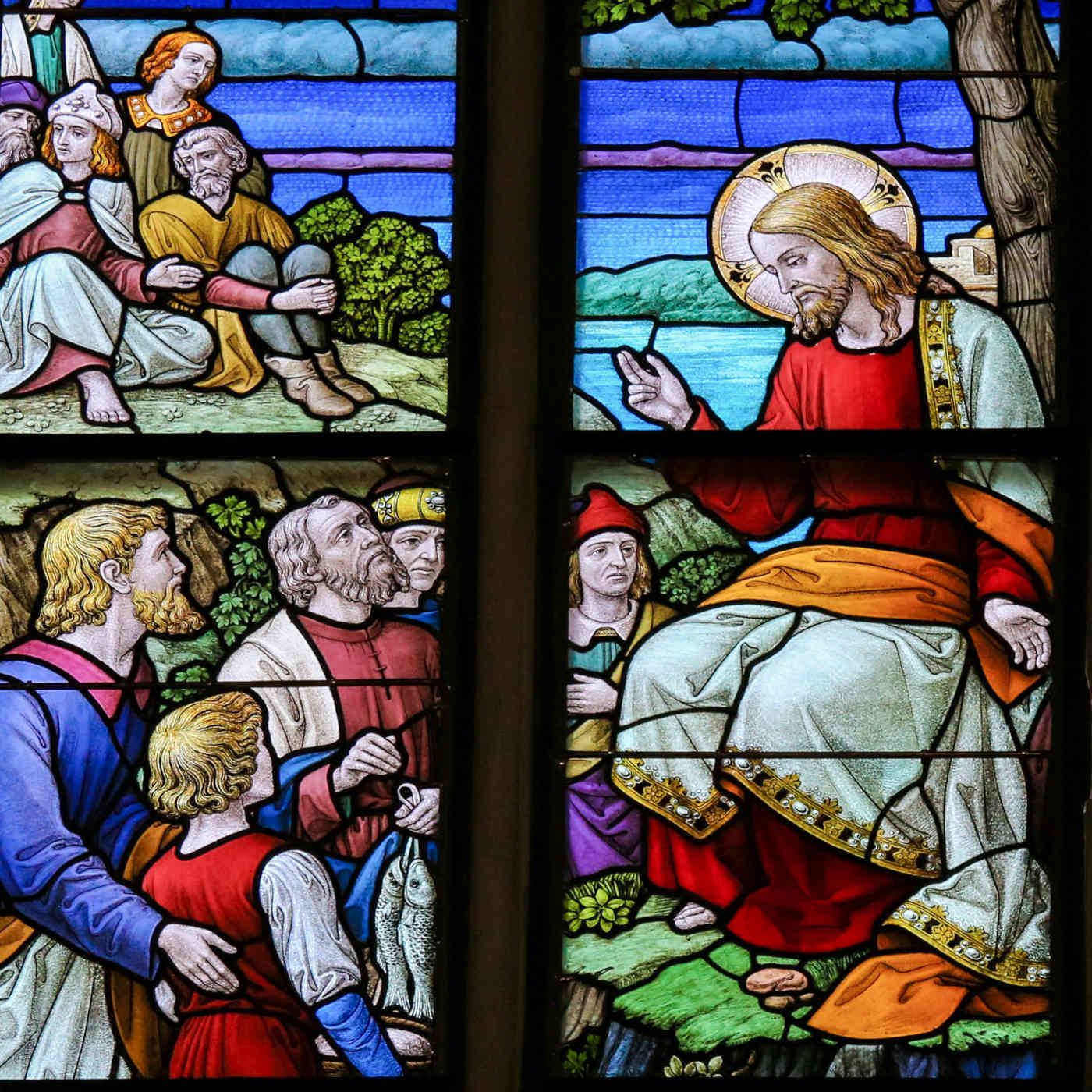
Oct 18
Twenty-Ninth Sunday in Ordinary Time (Year C) - Justice Through Mercy
Read Online Jesus told his disciples a parable about the necessity for them to pray always without becoming weary. Luke 18:1 In our parable for today, we have the witness of a widow who came to a dishonest judge and continuously begged him for a just judgment. Though the judge did not care about the woman, he eventually rendered a just decision for her because she was so persistent. It’s interesting that Jesus used the image of a “dishonest judge” to teach us about persistent prayers being answered. He does so because He wants us to understand that if even those who are dishonest respond to persistence, then so much more will the Just Judge of Heaven respond to persistence. Will God answer any prayer you pray if you offer that prayer day and night, day after day without fail? Does God eventually give into our requests as a parent might give into a child who keeps begging for something? Not exactly. One of the most important qualifiers mentioned in this parable is the word “just.” We read that the woman’s plea before the judge was, “render a just decision for me…” At the conclusion of the parable, Jesus gives this interpretation: “Will not God then secure the rights of his chosen ones who call out to him day and night?” When we pray, we ought not pray for whatever we want. We ought not pray for our preference, selfish desires, or our own ideas. We must pray only for the justice of God. When we do so with unwavering perseverance, God will secure our rights and bring forth His justice. Justice, in the mind of God, is not only about righting certain wrongs. The prime example of this is the death of our Lord Himself. Clearly, Jesus was purely innocent and yet He suffered greatly. For that reason, would we conclude that the suffering and death of the Son of God was an injustice? Not really. The reason for this is that justice can be achieved best by mercy. Because Jesus embraced the injustice of His suffering and death and turned it into a free embrace out of love, this “injustice” became a sacrifice of love by which an abundance of mercy was bestowed. Jesus had every right to call down fire from Heaven and to destroy those who sinned against Him. But He had a far better plan. Instead, by choosing to accept the injustice of the Cross, and by freely embracing it with His own will, the injustice was transformed and a far greater good came forth. In our own lives, whenever we are wronged by another, we are often tempted to anger and to desire revenge in the name of justice. We want them to pay for what they did. If you ever feel that way, know that the greatest form of justice is mercy. Know that your free embrace of injustice brings forth the transforming power of God in a way that punishment or retribution could never accomplish. This is the form of justice we must pray for night and day. We must beg God for the ability to accept all sufferings with love, to offer those sufferings as a sacrifice, and to allow them to be transformed into mercy. If this is our persistent prayer, we can be certain that our prayer will be answered. Reflect, today, upon anything for which you desire justice. Is there anything that has been unfair in your life? Do you dwell upon any hurt inflicted upon you by another? As you call those things to mind, know that the power of your persistent prayer has the potential to transform those sufferings into God’s mercy. Beg for this gift and know that God will always answer those prayers. Most just Judge, You desire to transform every injustice into mercy by calling us to freely embrace those injustices out of love. This is a high calling, dear Lord, but it is also a glorious one. Please give me the grace I need to follow Your example and to persevere in this form of prayer always. Jesus, I trust in You. Image: various, Public domain, via Wikimedia Commons Source of content: catholic-daily-reflections.com Copyright © 2025 My Catholic Life! Inc. All rights reserved. Used with permission via RSS feed.

Oct 17
October 18, Feast of Saint Luke, Evangelist - Evangelizing the World
Read Online The Lord Jesus appointed seventy-two disciples whom he sent ahead of him in pairs to every town and place he intended to visit. He said to them, “The harvest is abundant but the laborers are few; so ask the master of the harvest to send out laborers for his harvest.” Luke 10:1–2 Saint Luke, whom we honor today, was a true evangelist. As an evangelist, he followed the inspiration from our Lord and was used to bring God’s saving message to the ends of the earth. And there is little doubt that his ministry will continue to have a transforming effect on the lives of many until the end of the world. Tradition states that Saint Luke became a martyr, being hanged on an olive tree. He is identified in the New Testament as a physician and as a disciple of Saint Paul. Both the Gospel of Luke and the Acts of the Apostles are attributed to him. Saint Luke is often spoken of as an evangelist to the gentiles. His Gospel was written in such a way that it didn’t presume a full understanding of the Jewish faith and customs. Therefore, it is believed to have been primarily written for those who are not of Jewish origin. Thus, the life and mission of Saint Luke must remind us that the Gospel needs to be shared with all people, especially with those who do not have a deep and sustaining relationship with God. In today’s Gospel from Saint Luke, we read that Jesus sent seventy-two disciples “to every town and place he intended to visit.” Only Luke mentions the larger scale sending of seventy-two disciples. The other Gospels only mention the sending of the Twelve. Though many of these seventy-two disciples would have gone to Jewish territory, some would have unquestionably gone to non-Jewish territory. The mission of these seventy-two was to prepare everyone they encountered for the preaching of Jesus and for the establishment of the Kingdom of God. As we honor Saint Luke today and read this passage from his Gospel, we are reminded that we are all sent by our Lord. We are sent to those who share our faith, such as family, friends and fellow parishioners. We are sent to love them and do all we can to help deepen their faith and love of God. But we are also called to share the Gospel with those who do not yet know Jesus as their Savior. There are so many people we encounter every day who have never truly met our Lord. Are there people in your life that God is calling you to reach out to? Who do you know that God may be calling you to share the Gospel with? Reflect, today, upon the fact that the Gospel is meant for everyone. Speak to our Lord and tell Him that you are ready and willing to be used by Him to bring His saving message to others. As you do so, wait on the Lord, listen to His inspiration, and respond when He calls. If someone comes to mind whom you sense God is calling you to evangelize, begin to pray for that person. Pray for them every day and be attentive to any inspiration God gives you to share His love and saving message with them. Do not be afraid to be an evangelist like Saint Luke. Doing so might make an eternal difference in someone's life. My saving Lord, You sent Your disciples on a mission to share Your saving message with all. Today I especially thank You for the life and ministry of Saint Luke. Please use me, dear Lord, to imitate his wonderful example and to share Your glorious life with others. Please lead me and inspire me to especially reach out to those whom You have put into my life. Jesus, I trust in You. Image: Window: workshop of Franz Borgias Mayer (1848–1926); Photo: Andreas Praefcke, Public domain, via Wikimedia Commons Source of content: catholic-daily-reflections.com Copyright © 2025 My Catholic Life! Inc. All rights reserved. Used with permission via RSS feed.
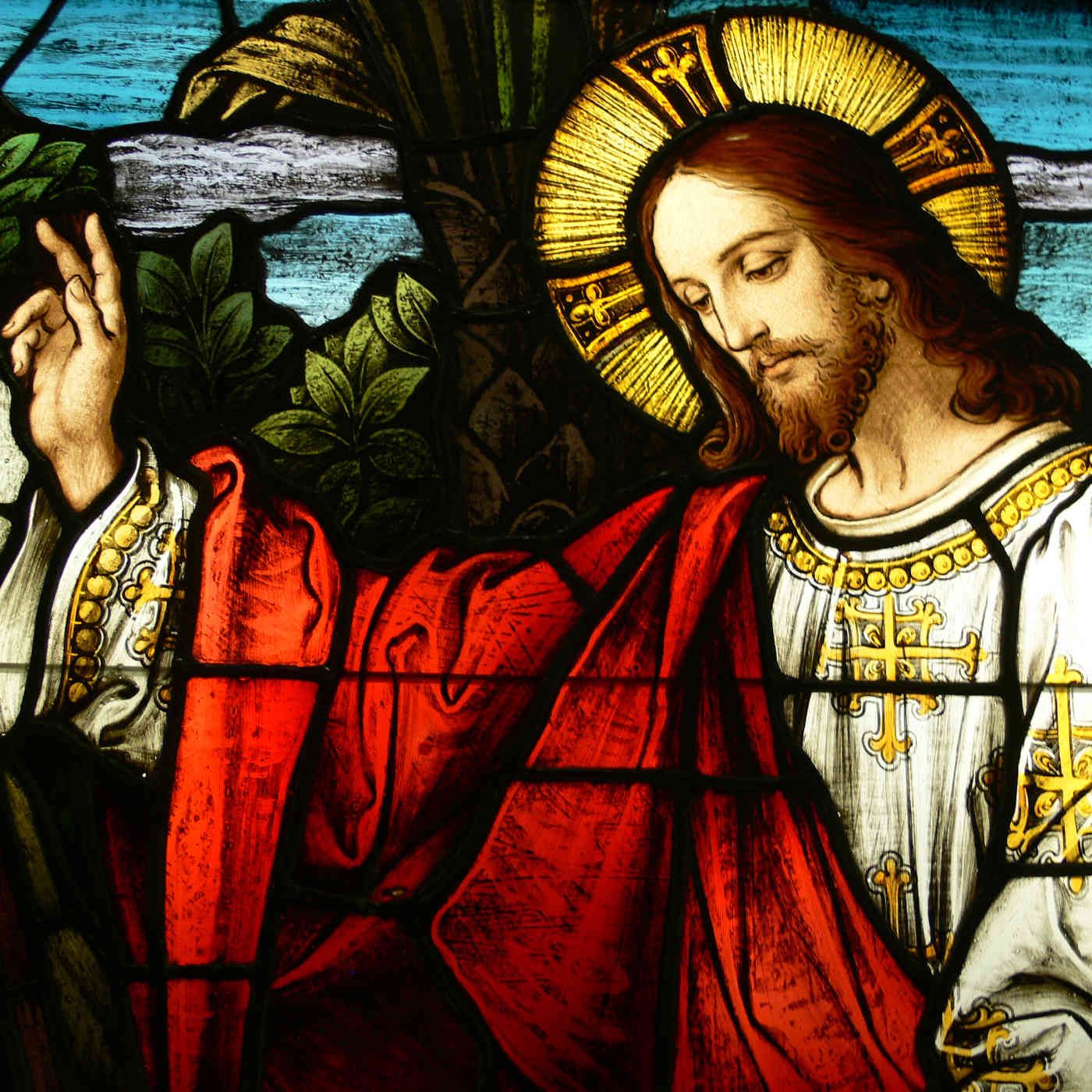
Oct 16
Friday of the Twenty-Eighth Week in Ordinary Time - Sincerity and Integrity
Read Online “There is nothing concealed that will not be revealed, nor secret that will not be known. Therefore whatever you have said in the darkness will be heard in the light, and what you have whispered behind closed doors will be proclaimed on the housetops.” Luke 12:2–3 Immediately prior to this passage quoted above, Jesus told His disciples: “Beware of the leaven—that is, the hypocrisy—of the Pharisees.” This comes after Jesus gives a long and very direct series of condemnations of these leaders in the previous chapter. Jesus is quite serious about their destructive actions. So, after directly confronting them, He then turns to His disciples to warn them of the consequences of these hypocritical leaders. A hypocrite is one who pretends to have some moral virtues but, in truth, is only deceiving himself and attempting to deceive others. For that reason, Jesus assists His disciples by sharing with them the fact that all truth will eventually come to light. Thus, every good deed will eventually be seen by all for its goodness, and every evil intent, no matter how hidden, will eventually come to light. Though the immediate temptation for many in hearing this passage will be to think about others who they think fall into the sin of hypocrisy, it may be far more useful to ponder these truths for oneself. The simple message that Jesus preaches is that we must be people who are truthful in every way. We must be honest with ourselves and make sure that we are fully aware of our inner life, seeing ourselves only in the way that God sees us. This act of honesty and integrity is one of the best ways by which we prepare ourselves for eternal life. How sad it would be if we went through life pretending, on the surface, to be something we were not, only to have the full truth divulged at our final judgment when it is too late to change. Being honest with ourselves can be difficult. It’s normal for us to want to be good, to want to be holy, and to want others to think this way about us. For that reason, it is very common for us to put forth only the best image of ourselves, hiding many other things that may embarrass us and even humiliate us. And though we do not have any moral obligation to tell everyone about every sin we struggle with interiorly, it is morally essential that we face it ourselves and do so with the grace of God. One practical way to do this is to ponder the above Scripture passage. Jesus makes it clear that at some time, in some way, everything within us in our hearts and minds will come to light. For some this will happen, by God’s grace, during this life as a way for them to change. For others, these secrets will only come to light at their final judgment. The truth, however, is that all that we are, all that we think, and all that we do in a hidden way will come to light. And if that frightens you in some way, that is good. Sometimes we need a holy fear to encourage us to look inward and to deal with all that we keep hidden from others. Reflect, today, upon the importance of striving for a life of true transparency and integrity. The best way to do this is to live every day as if everything within your heart were visible for all to see. If that means you need to change in some way so as to be at peace with what will eventually come to light, then work diligently on making that change here and now. The opposite of hypocrisy, for which the Pharisees were firmly condemned, is honesty and sincerity. Spend time reflecting upon these beautiful virtues and pray that the Lord will gift you with them so that you can live a life of true integrity here and now in preparation for that glorious day of judgment, when all will be “known” and “proclaimed on the housetops.” My revealing Lord, You see all things. You know my heart in every way. Please grace me with the ability to see myself as You see me and to know my inner heart as You know me. As the deepest truths of who I am come to light for me to see, I pray that I will also have the grace to sincerely change so that I may truly glorify You with my actions and become a source of authentic inspiration to all. Jesus, I trust in You. Image: Lawrence W. Ladd, Public domain, via Wikimedia Commons Source of content: catholic-daily-reflections.com Copyright © 2025 My Catholic Life! Inc. All rights reserved. Used with permission via RSS feed.
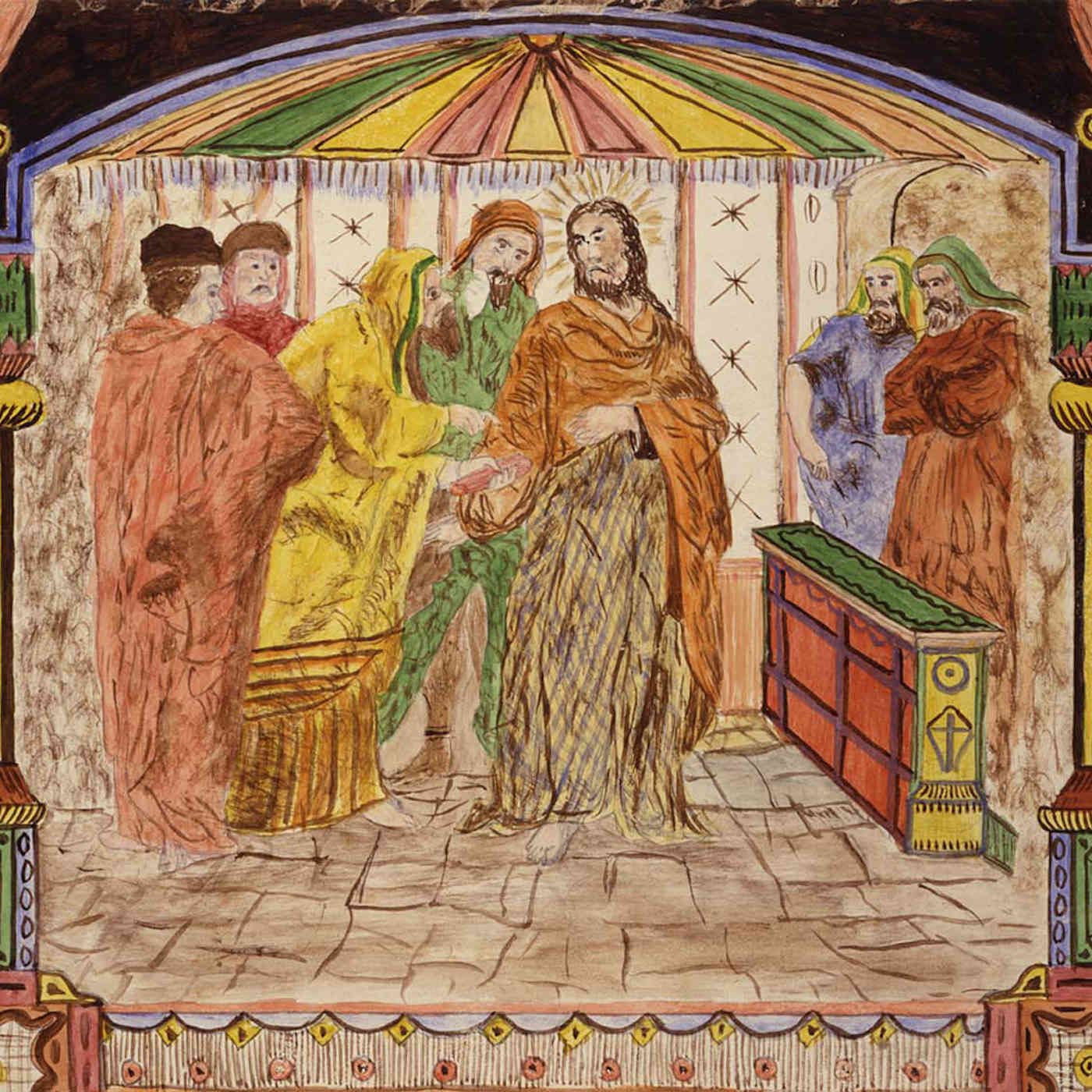
Oct 15
Thursday of the Twenty-Eighth Week in Ordinary Time - Overcoming Plotting
Read Online When Jesus left, the scribes and Pharisees began to act with hostility toward him and to interrogate him about many things, for they were plotting to catch him at something he might say. Luke 11:53–54 Over the past few days, we have been reading Saint Luke’s version of Jesus’ “Woe to you” rebukes of the scribes, Pharisees and the scholars of the law. Today’s Gospel concludes these rebukes of love by pointing out that these religious leaders did not convert. Instead, they began plotting against Jesus so as to “catch him at something he might say.” This is what happens when people use God's holy law as a weapon to attack. Normally, we take inspiration from the Holy Scriptures in a positive way, meaning, by reflecting upon Jesus’ words and actions and applying them to our lives. However, we can also learn from the evil others commit and allow their actions to inspire us to avoid their sin. In today’s Gospel, we are invited to ponder the obsessive plotting of these religious leaders so as to consider whether we also are guilty of their sin. First, note that at the conclusion of Jesus’ rebukes, these religious leaders “began to act with hostility” toward Jesus. Normally, when we act with hostility toward another, it is done with the mindframe that we are right and they have done something wrong. We justify our hostility by pointing to their perceived sin. However, it must be understood that every act of hostility on our part is a clear indication that we have started down the road of sin and are not justified in our obsession. Notice also that these religious leaders exercised their hostility toward Jesus by interrogating Him. In other words, in their anger, they kept asking Him questions so as to find some fault with Him. They tried to trick Him and trap Him with their speech using God’s very Law handed down through Moses and the prophets. But they manipulated that Law so as to justify their hostility and, out of pride, to falsely accuse Jesus. Think about any times in your life in which you found yourself somewhat obsessed with what you judged to be the sin of another. Hostility in this case can even be passive, meaning you may present a kind disposition on the surface, but interiorly you are obsessively thinking about how you can condemn the person. Often when this happens, we can feel justified in that we convince ourselves that justice must be done and that we are the dispensers of that justice. But if God is in control of our lives, He will not call us to obsessive plotting in regard to another. Instead, when we are following the will of God, we will sense Him inspiring us to act with immediacy, calm, joy, kindness, honesty, and freedom from all anger and obsession. Reflect, today, upon any way that you have seen this misguided tendency within your own life. If you can identify a time when you struggled with hostility toward another, look at the fruit it bore. Was God glorified through your actions? Did this leave you at peace or agitated? Were you fully objective in your thinking? Be honest with these questions and you will begin to discover the road to freedom from such obsessive thinking. God wants you to be at peace. If there is injustice, trust that our Lord will sort it out. You, for your part, must continually work to forgive, act with charity, and direct your attention to the will of God as it is gently presented to you. My patient and kind Lord, You were falsely accused and condemned by many of the religious leaders of Your time because You spoke the pure truth with love, clarity and boldness. When I act with hostility and anger toward another, help me to turn from these sins so that I will never condemn, never judge and never manipulate Your divine Law for my own purposes. Fill me with Your peace and charity alone, dear Lord. Jesus, I trust in You. Image: Duccio di Buoninsegna, Public domain, via Wikimedia Commons Source of content: catholic-daily-reflections.com Copyright © 2025 My Catholic Life! Inc. All rights reserved. Used with permission via RSS feed.
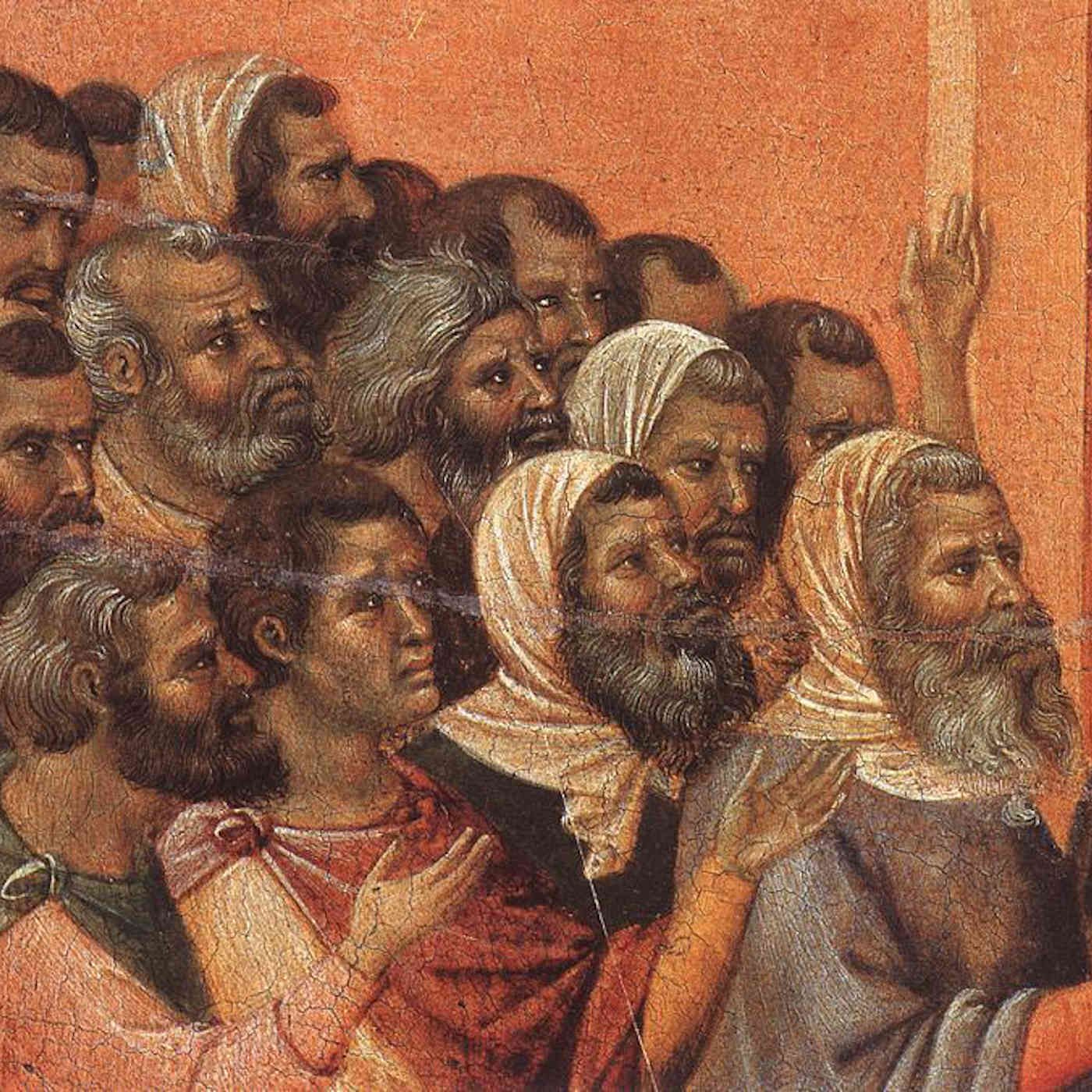
Oct 14
Wednesday of the Twenty-Eighth Week in Ordinary Time - A Pricked Conscience
Read Online Then one of the scholars of the law said to him in reply, “Teacher, by saying this you are insulting us too.” And he said, “Woe also to you scholars of the law! You impose on people burdens hard to carry, but you yourselves do not lift one finger to touch them.” Luke 11:45–46 This scholar of the law had been listening to Jesus firmly rebuke the Pharisees. As he listened, his own conscience was pricked, and he challenged our Lord. What does Jesus do? He quickly and firmly rebukes the scholar of the law, pointing out that the scholar uses the law to impose heavy burdens on people. Jesus did not back down in this rebuke of love. Instead, He directed it to the very place that His rebuke was bearing fruit: in the conscience of this scholar of the law. This experience of the scholar of the law teaches us two important lessons. First, we learn from him the importance of paying attention to our conscience when it is “pricked.” Second, it teaches us that when this happens, it is very easy to become defensive. What is it that pricks your own conscience? Think back over the past month and reflect upon anything that you became defensive about. Did something someone said bother you? If so, pay attention to this. Sometimes we are bothered for reasons other than our own sin. But oftentimes, what actually bothers us is that we come face-to-face with some sin with which we struggle, and we do not want to admit it. What if this scholar of the law would have listened to Jesus and, instead of being offended, became grateful for Jesus’ words? What if he would have humbly looked at his own life and realized that he was also guilty of the very things that Jesus was condemning the Pharisees for? If he would have done that, he would have been put in a position to sincerely examine his actions and begin a process of change. But this is hard to do. Reflect, today, upon anything that has recently offended you. Be honest and admit that it is often the case that when God presents you with your sin through some means such as the loving rebuke of another, you must work diligently to overcome any pride. And when you feel defensive, you must immediately see that as an indication that there is something in your life that you need to change. A pricked conscience is a gift from God. Rejoice when that happens, rather than being offended, and you will discover one of the best ways by which you can grow in holiness of life by becoming free of the very sin our Lord is presenting to you. My challenging Lord, You are constantly speaking to me in various ways. Sometimes You are gentle, and at other times You lovingly rebuke me. Please help me to see my sin. As I do, I pray that I will not become defensive or dismissive, rationalizing my erroneous actions. May I learn to rejoice in all that You say to me, especially when You speak Your rebukes of love. Jesus, I trust in You. Image: Jacob Jordaens, Public domain, via Wikimedia Commons Source of content: catholic-daily-reflections.com Copyright © 2025 My Catholic Life! Inc. All rights reserved. Used with permission via RSS feed.
Oct 13
Tuesday of the Twenty-Eighth Week in Ordinary Time - Interior Transformation
Read Online After Jesus had spoken, a Pharisee invited him to dine at his home. He entered and reclined at table to eat. The Pharisee was amazed to see that he did not observe the prescribed washing before the meal. The Lord said to him, “Oh you Pharisees! Although you cleanse the outside of the cup and the dish, inside you are filled with plunder and evil. You fools!” Luke 11:37–40 It’s hard to imagine Jesus calling someone a fool. But that’s exactly what He did. This Pharisee had just finished listening to Jesus give a series of teachings and then invited our Lord to His home for dinner in an apparent gesture of kindness. But as the passage unfolds, it’s clear that this Pharisee is no friend of Jesus. Instead, his hospitality and kindness are a cloak for the evil within his soul. Why does Jesus respond so fiercely, calling the Pharisee a fool? Because this Pharisee is filled with hypocrisy. His exterior actions do not flow from a heart filled with charity and faith. Instead, his exterior actions are a show. He is a fraud. He, like many of the Pharisees, was very concerned with various external rituals, such as scrupulously washing his hands before he ate. He believed that doing so was a sign of his holiness and closeness to God. But it wasn’t. His heart was one that was filled with judgment and self-righteousness. He looked down on others and elevated himself. In doing so, he deceived others and even deceived himself. The central message we must take from this is that we must diligently focus upon that which is in our hearts. Our hearts, our interior life, must be blooming with love of God and others. We must place all of our efforts on cultivating a sincere life of virtue within. This is done by prayer and humility. Humility will open our eyes to see the truth of who we are. Prayer will strengthen us to change as we see that which needs to be changed within. Only then, when we see clearly the truth of who we are and prayerfully rely upon grace obtained by prayer, will we be able to become people of true integrity and holiness. And only then will our interior holiness be made manifest externally in our actions. Reflect, today, upon these powerful words of Jesus: “You fools!” Don’t be offended by these words; they are words of love from our Lord. They are His fierce attempt to wake this Pharisee up and lead him away from his hypocrisy. Listen to these words as if they were also spoken to you. Every one of us can humbly benefit from this loving chastisement from Jesus. Every one of us needs to humbly be transformed more fully interiorly. Let Jesus’ words speak to you and reveal to you the ways that you need to change. Perhaps your pride has led you to an interior practice of judgment of others. Perhaps it has blinded you to sins that you need to confess. If you can listen to these words as if they were spoken to you, then Jesus’ fervor will reach you, and your eyes will be opened to that which is in your soul that needs to be changed. Do not turn a blind eye to this. Be open, be humble and listen. My fervent Lord, You spoke words of love in many ways. At times You were gentle and at times You were firm. Please give me the grace and humility I need to be open to Your firm rebukes of love. Help me to sincerely see the ways in which I need to change my life so that Your grace will transform my interior life, flowing over into my actions. I love You, dear Lord. Help me to love You more. Jesus, I trust in You. Image: Luca Signorelli, Public domain, via Wikimedia Commons Source of content: catholic-daily-reflections.com Copyright © 2025 My Catholic Life! Inc. All rights reserved. Used with permission via RSS feed.
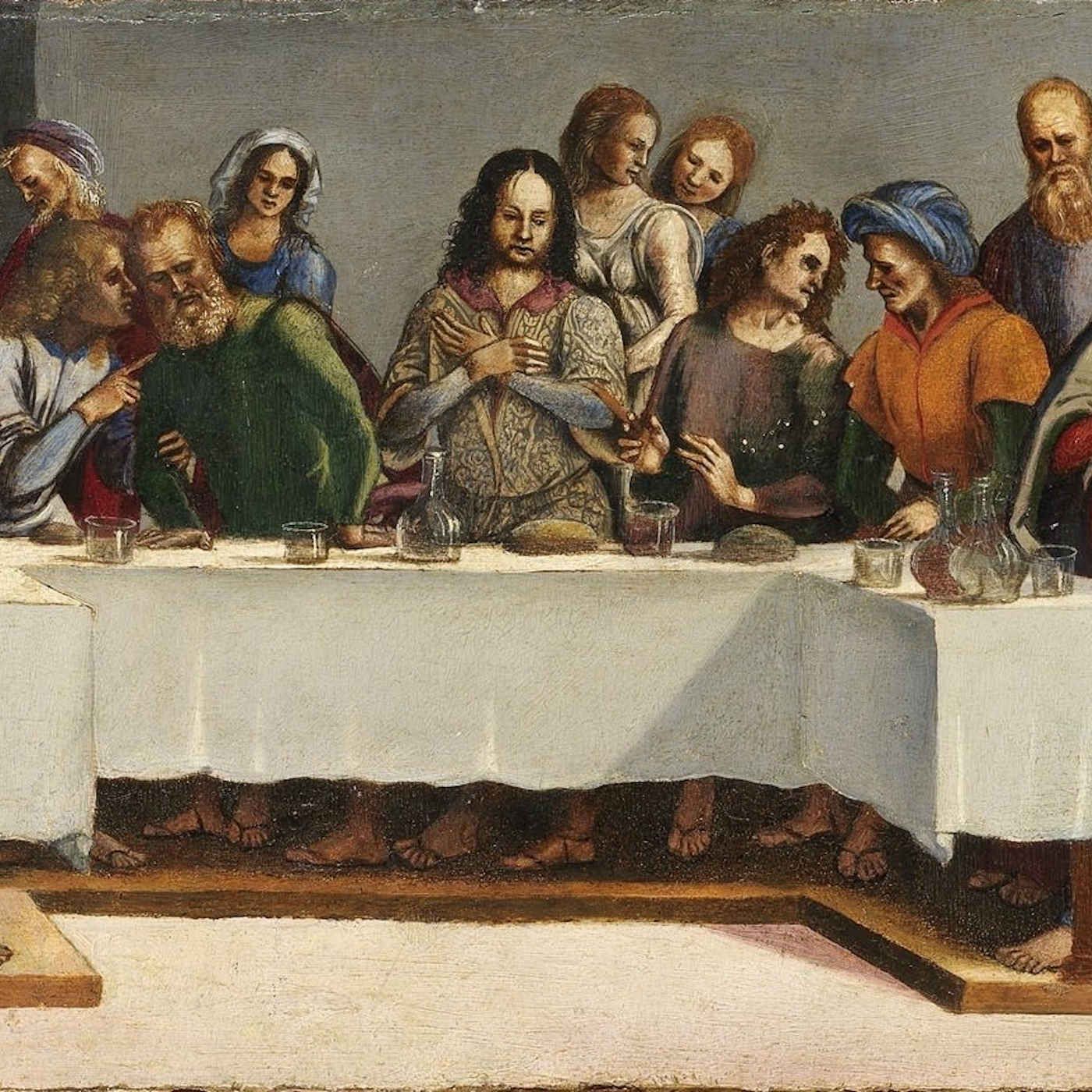
Oct 12
Monday of the Twenty-Eighth Week in Ordinary Time - A Sign From God
Read Online “This generation is an evil generation; it seeks a sign, but no sign will be given it, except the sign of Jonah. Just as Jonah became a sign to the Ninevites, so will the Son of Man be to this generation.” Luke 11:29–30 Do you ever find yourself looking for signs from God? Often when we go through life, navigating through the ups and downs we all experience, we can easily find ourselves looking for signs from God about what we should do about this or that. And though God certainly communicates to us at times through special graces that are signs from Heaven, the passage above gives clarity to what sign we must be most attentive to. The simple message in this Gospel passage from our Lord is that we must discover the meaning of the most profound sign ever given and use that as the foundation of all our decisions in life. Jesus’ life, death, and resurrection were not only the source of eternal life, they are also the clearest sign we need as we make all of our decisions in life. A sign is some action that reveals a deep and hidden mystery. One mystery that Jesus’ life, death and resurrection reveals is that if we are to share in the new life won for us by His Cross, then we must follow the example He set by living a life of selfless sacrifice, laying down our lives for others, so that they will discover and embrace the new life of Christ’s Resurrection. Practically speaking, if you find yourself looking for answers in life, seeking signs from God about what you should do at times, then turn your eyes to the life of Christ and ponder ways in which you can more fully imitate His life in every daily practical decision you make. This is true whether you are discerning some important decision in life or some small practical decision. It is common to engage in such a discernment by looking at ourselves in a more selfish way. It’s difficult to move away from this line of thinking, but if we are to use the “sign” of the Son of Man, then we will discern our life decisions very differently. When we use the life, death and resurrection of our Lord as the source of our discernment and decision making in life, then we will end up making decisions that imitate His selfless sacrifice of love. So if you are faced with a decision, you will not ponder what is easier or what you prefer; rather, you will ponder what is more selfless and best for others. What is it that best imitates the sacrificial love of Jesus? Reflect, today, upon any decision you are trying to make. Then reflect upon how you are going about this decision. Do you use the witness Jesus gave to us as the foundation of your discernment? Do you reflect upon how you can lay your life down as a sacrificial gift for others? Do you look at love from the point of view of the Cross of our Lord and strive to imitate His glorious and selfless dedication to the salvation of those whom He loves? Seek to imitate our Lord, using the witness of His actions as the foundation of all of your discernment and decisions in life, and you will have discovered the only true sign you need to navigate the challenges of life. My perfect Lord, every decision You made in life was made out of love and was in accord with the perfect will of the Father. Give me the grace I need to make every decision in life in imitation of Your perfect example. May my life imitate You as You laid down Your life for others. I choose You and Your glorious sacrificial life as the sign by which I am directed in life. Jesus, I trust in You. Image by Dimitris Vetsikas from Pixabay Source of content: catholic-daily-reflections.com Copyright © 2025 My Catholic Life! Inc. All rights reserved. Used with permission via RSS feed.
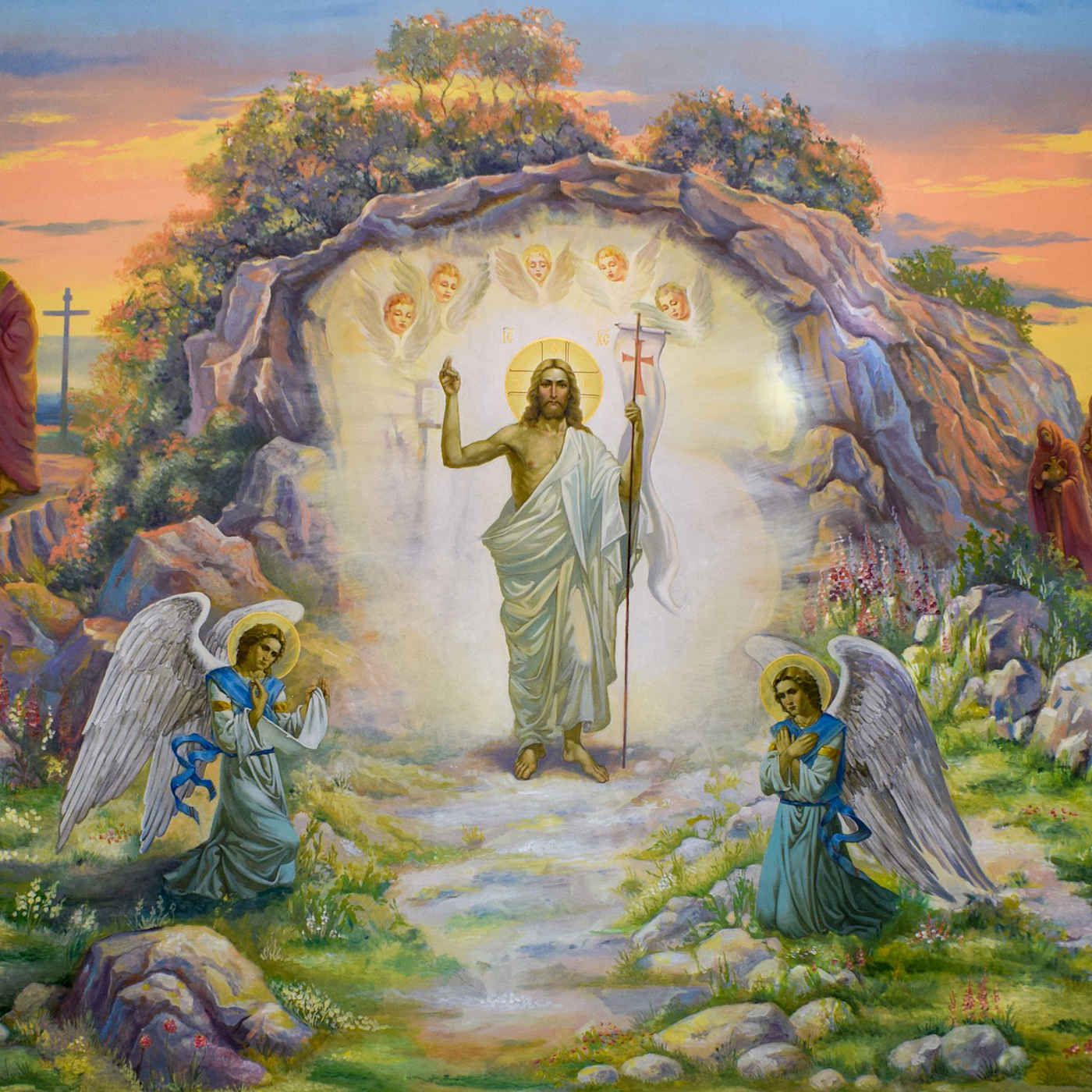
Oct 11
Twenty-Eighth Sunday in Ordinary Time (Year C) - Praying for More than Our Needs
Read Online As Jesus continued his journey to Jerusalem, he traveled through Samaria and Galilee. As he was entering a village, ten lepers met him. They stood at a distance from him and raised their voices, saying, “Jesus, Master! Have pity on us!” Luke 17:11–13 This story begins very well for all ten of these lepers. For nine of them, it ends tragically. For one, it ends in an even better and more glorious way than it began. The lepers represent us all. Their illness was a symbol of all sin and the consequences of sin. When the disease began, the lepers began to experience the effects of their disease. Discolored and thick dry skin, sores, and rashes would set in. Once detected, each leper was removed from the community to stop the spread of the disease and was only free to associate with other lepers. They no longer could gather freely with their loved ones as the lepers entered isolation and shame. Analogously, all sin has similar effects. Sin causes pain within our souls as we discover the growing wounds it causes. Sin affects our relationships and our ability to freely relate to those whom we love. The initial cure for sin is simple. We cry out, “Jesus, Master! Have pity on me!” But that is only the first step. By curing the lepers, Jesus was showing us that He had power over our sin. He could forgive us and will forgive us when we seek His mercy. But forgiveness will end in tragedy if it does not lead us to faith and to a following of the will of God with zeal and determination. If we take the forgiveness of sins for granted, then we will be in an even more miserable state than before. The nine lepers who failed to return and give thanks to God represent those who do not convert their lives when touched by God’s merciful hand. This story highlights the importance of our response to God when He does touch us. We must glorify God with a loud voice, fall on our knees before Him and express our deepest gratitude. When the one leper does this, Jesus says to him, “Stand up and go; your faith has saved you.” That mercy from our Lord was a mercy that touched his soul. It imparted the gift of faith and enabled this man to go forth and be healed with eternal graces. Too often we turn to God in prayer only when we have a problem. Then, once the problem is taken care of, we pay little to no attention to our Lord. God’s role in our lives is not to fix our problems so that we can then go about our daily lives as normal. His mercy must evoke ongoing and profound gratitude. Gratitude to God is nothing other than an acknowledgement of the truth. We owe everything to God. Without Him, we are nothing. We are dead in our sins. Just one leper realized this and was blessed with the gift of faith that saved not only his body, but also his soul. Reflect, today, upon the ways in which you turn to God in prayer. It is good to come to Him with your needs and problems. It is good to cry out “Jesus, Master! Have pity on me!” It is good to come to Him as the Physician of your soul and the source of healing you need. But that is not enough. In fact, if you stop there in your life of prayer, you will end in a most miserable state. You will be using God for your selfish advantage. Reflect upon whether you are able to take the next and most important step in faith. Do you come to Him when all is well? Do you praise Him with all your might for all that He has done for you? Do you fall on your knees before Him with the deepest gratitude in your heart? Reflect upon your prayer and seek to imitate this one leper. If you do, your faith will also save you and our Lord will invite you to rise and go forth, healed in the truest way possible. Most merciful Lord, You are able to do all things. You are able to heal all my wounds, forgive my sins and solve every problem I encounter. As I cry out to You in my need, please do heal me. In response, may I always turn back to You with the deepest gratitude and praise so that my faith in You will grow and my love for You will truly flourish. Jesus, I trust in You. Image via Adobe Stock: Featured ; Main Source of content: catholic-daily-reflections.com Copyright © 2025 My Catholic Life! Inc. All rights reserved. Used with permission via RSS feed.
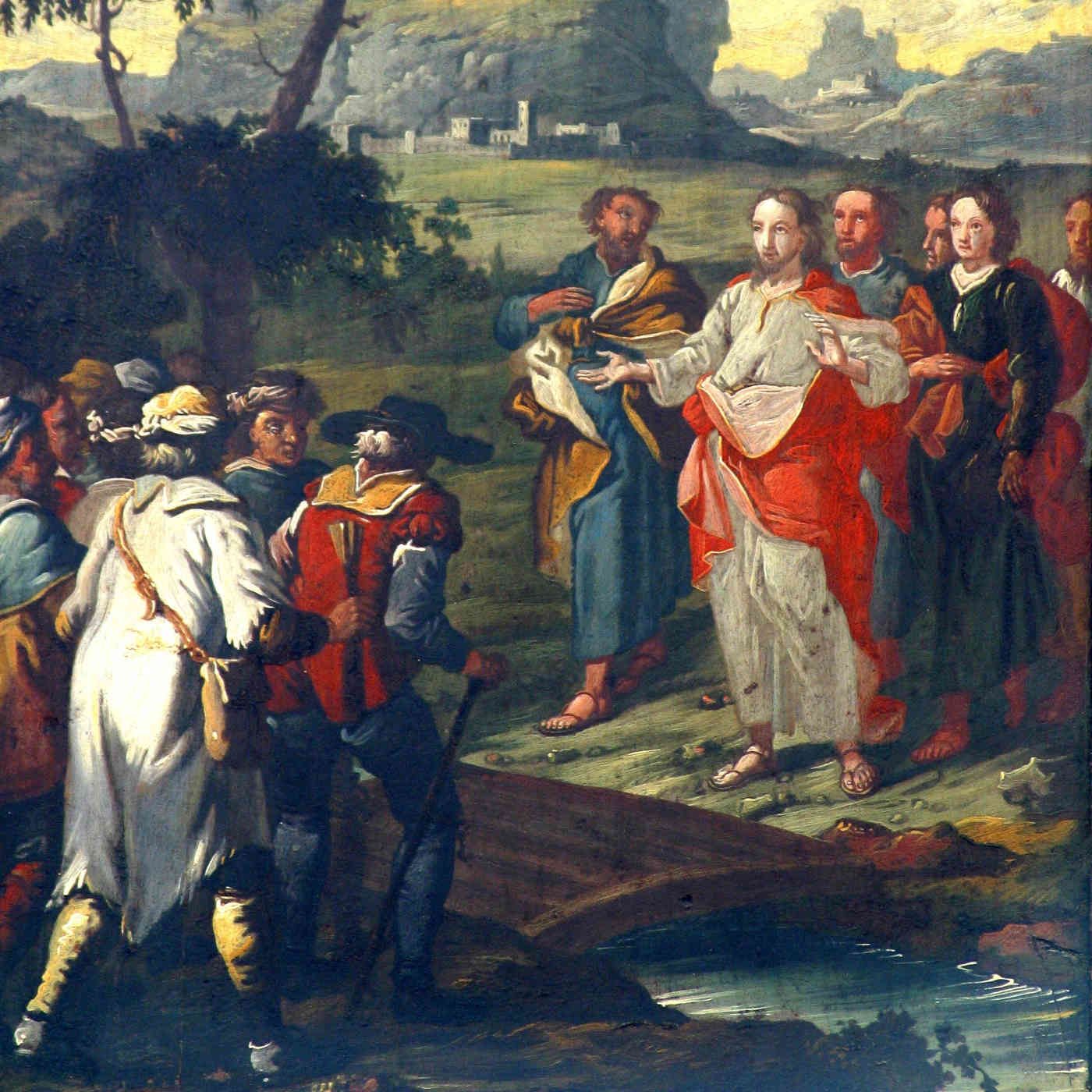
Oct 10
Saturday of the Twenty-Seventh Week in Ordinary Time - Living a Truly Blessed Life
Read Online While Jesus was speaking, a woman from the crowd called out and said to him, “Blessed is the womb that carried you and the breasts at which you nursed.” He replied, “Rather, blessed are those who hear the word of God and observe it.” Luke 11:27–28 This short Gospel reading reveals much about what makes one “blessed” in life. Specifically, Jesus considers those truly blessed who do two things: “hear the word of God” and then “observe it.” Though this seems quite obvious at first read, it is often harder than it seems. The first step to a blessed life is hearing the Word of God. To “hear” implies that we do much more than become familiar with the Gospels. Hearing means we are not only aware of all that our Lord has revealed, it also means that we have truly internalized it, understanding all that our Lord requires of us. Have you heard our Lord? It’s important to understand that the Gospel is alive. In other words, becoming familiar with the Word of God is not the same as reading some ancient book of lessons. Rather, hearing the Word of God means we hear a Person: the Son of God, speaking to us and guiding us each step of our lives. God’s Word is something that must speak to us every moment of every day, inspiring us to do this and avoid that. It is accomplished through a lifelong habit of prayerful communion with our Lord through which we are attentive to His voice always. Hearing the very Person of the Son of God, the Word made flesh, necessarily implies that we also observe all that He speaks to us. In fact, failure to follow His continuous and gentle command to love will result in us being unable to clearly hear Him at all. We will become confused and will easily become directed by the many other voices in our world, unable to discern the glorious path chosen for us by our Lord. Reflect, today, upon whether or not you struggle in any way with both hearing and observing the voice of God. If this is your struggle, then recommit yourself to a time of humble and wholehearted discovery. Tell our Lord that you are sorry for not being attentive to Him and set yourself on a mission to seek and find Him. Reject the confusion and anxiety of life, reject the many other voices of “wisdom” within our world, and listen for His gentle but clear voice. He is always speaking. He is always calling you. He is always present. Open the eyes of your soul and give Him your full attention. And when you sense Him speaking to you, respond with the utmost generosity and obedience. Doing so will result in you discovering what it means to be truly blessed by our Lord. My blessed Lord, You are glorious beyond all things, and You invite me and all Your creatures to share in Your very life. Give me the grace I need to turn from the confusion and deceptions of life so that I will hear only You and respond only to Your voice. I commit myself to Your holy will, dear Lord. As I do, please bestow upon me every blessing You desire to give. Jesus, I trust in You. Image: A Woman Cries Out in a Crowd by James Tissot, Brooklyn Museum , Public Domain. Source of content: catholic-daily-reflections.com Copyright © 2025 My Catholic Life! Inc. All rights reserved. Used with permission via RSS feed.
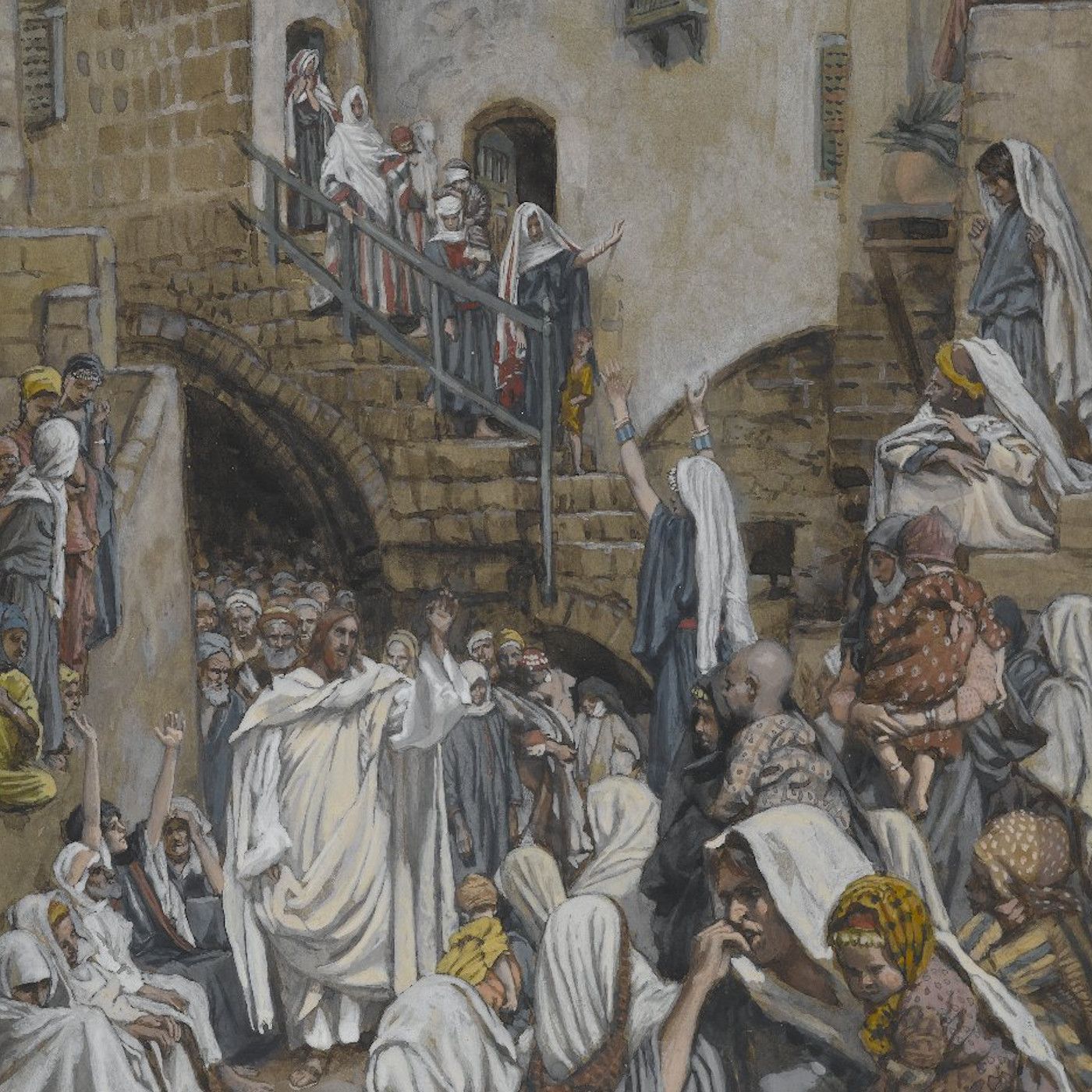
Oct 9
Friday of the Twenty-Seventh Week in Ordinary Time - Overcoming “Neutrality”
Read Online “Whoever is not with me is against me, and whoever does not gather with me scatters.” Luke 11:23 These words are embedded within several powerful teachings of Jesus, but, in many ways, this single sentence can stand alone as an important Christian truth. Specifically, it tells us that we cannot be neutral in our position regarding Jesus and all that He has taught us. This is an important message in the world today. Today, there seems to be a growing secular value that we might call “neutrality.” We are told by many in the world that we must accept any morality, any lifestyle, any choice that others make. And though it is true that we must always love and accept every person and treat them with the utmost dignity and respect, it is not true that we should be neutral to the choices and secular values that some choose to live and express. Sadly, when we do speak the full truth, especially the many moral truths our Lord has revealed, we are often labeled as judgmental. But this is not the truth. This quote above from today’s Gospel makes it clear that we cannot remain indifferent to the teachings of our Lord and still remain in His good graces. In fact, Jesus makes it clear that the opposite is true. He says that if we are not with Him, meaning, if we do not accept all that He has revealed, then we are, in fact, against Him. Being neutral on matters of faith and morality is not actually being neutral at all. It’s a choice that some make that has the clear effect of separating them from Jesus. For example, regarding matters of faith, if someone were to say, “I do not believe in the Eucharist,” then they are, in fact, rejecting God. And though it is not our duty to be their judge, it is our duty to acknowledge that they have expressed a belief contrary to the truth. They are in error, and if they persist in this error, then they do separate themselves from God. That’s what Jesus is saying. The same is true regarding morality. There are many examples in the moral life that are becoming more and more blatant in their opposition to our Lord’s teaching. Thus, we must remind ourselves that when we reject a moral teaching given to us by our Lord, we reject Jesus Himself. Jesus goes even further when He says that “whoever does not gather with me scatters.” In other words, it’s not enough to simply personally believe all that Jesus taught, we must also teach it to others. If we do not and if we, instead, offer a false form of “acceptance” of another’s error, then we are actually working against Jesus. We all have a moral duty to actively promote the truths of the Gospel given to us by our Lord. Reflect, today, upon how fully you are “with” our Lord and “gather” with Him. Do you fully accept all that He has taught and also seek to gather many others for the Kingdom of God? If you do not see yourself actively believing in and participating in the mission of our Lord, then heed these words of Jesus and allow them to gently but firmly challenge you, so that you will more fully work to build up God’s Kingdom in your own heart and in the world all around you. My glorious King, You desire to build up Your Kingdom in my life and, through me, in the lives of others. Give me the grace and courage I need to fully accept all that You have taught me and to actively become an instrument of Your grace and truth in the world. May I be with You in all things, dear Lord, and gather many into Your loving arms of grace. Jesus, I trust in You. Image: Rembrandt, Public domain, via Wikimedia Commons Source of content: catholic-daily-reflections.com Copyright © 2025 My Catholic Life! Inc. All rights reserved. Used with permission via RSS feed.
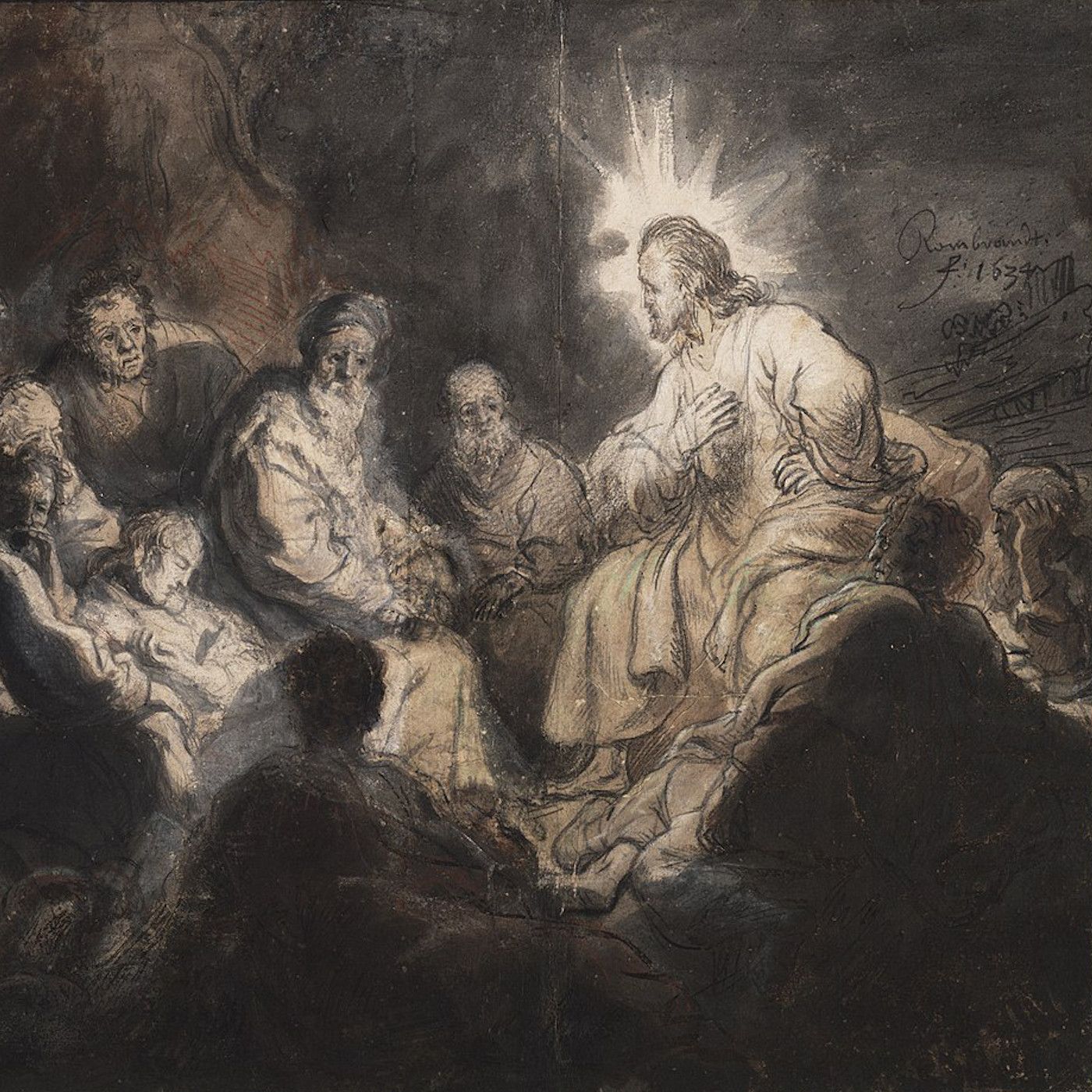
Oct 8
Thursday of the Twenty-Seventh Week in Ordinary Time - Praying with Fervor and Detachment
Read Online Jesus said to his disciples: “Suppose one of you has a friend to whom he goes at midnight and says, ‘Friend, lend me three loaves of bread, for a friend of mine has arrived at my house from a journey and I have nothing to offer him…’” Luke 11:5–6 Unless your friend were truly a very close friend, you may hesitate in waking them and their family at midnight to ask to borrow some food. And even if it were a very close friend, you would probably hesitate for fear of disturbing them. But in this parable, the “friend” is God. Jesus just finished giving His disciples the “Our Father” prayer, and now He adds this parable as a way of expressing the great confidence and determination with which we must pray to the Father. The parable concludes by stating that even if the person in bed does not get up to meet the request, they will do so “because of his persistence.” And though God always is attentive to our prayer, our persistence is an essential quality we must have. When we pray to God with persistence, never doubting the goodness and generosity of God, God will pour forth upon us everything that is good. Of course, if our prayer is for something that is selfish or not in accord with the will of God, then all the begging in the world will not be effective. But when we pray as the “Our Father” prayer teaches us, then we can be certain that our fidelity to that prayer, prayed with the utmost trust and persistence, will effect the good gifts of the will of God in our lives. One of the seven petitions of the “Our Father” prayer is “Thy Kingdom come, Thy will be done on earth as it is in Heaven.” This is a truly beautiful petition that requires not only ongoing persistence but also detachment from our preference in life. To pray that “God’s” will be done and that “His” Kingdom come is a way of also saying that you surrender all of your preferences to God. You come to God acknowledging that your will may not be God’s will. Thus, this petition expresses detachment in a powerful way. Reflect, today, upon the importance of praying with the utmost fervor and persistence to God. Reflect, also, upon the importance of doing so with detachment. What does God want of you? What is His holy will for your life? Seek that will and that will alone with all your heart and you will discover that His will truly will come to be in your life. My perfect Lord, Your will and Your will alone is what I want and seek. I seek it with all the powers of my soul. Help me to grow in confidence in You and Your goodness. May I trust in You and believe with all my heart that You truly will bring forth Your holy will in my life if I only persist in prayer and trust. Jesus, I trust in You. Image: Qui es in Caelis by Lawrence OP , license CC BY-NC-ND 2.0 . Source of content: catholic-daily-reflections.com Copyright © 2025 My Catholic Life! Inc. All rights reserved. Used with permission via RSS feed.
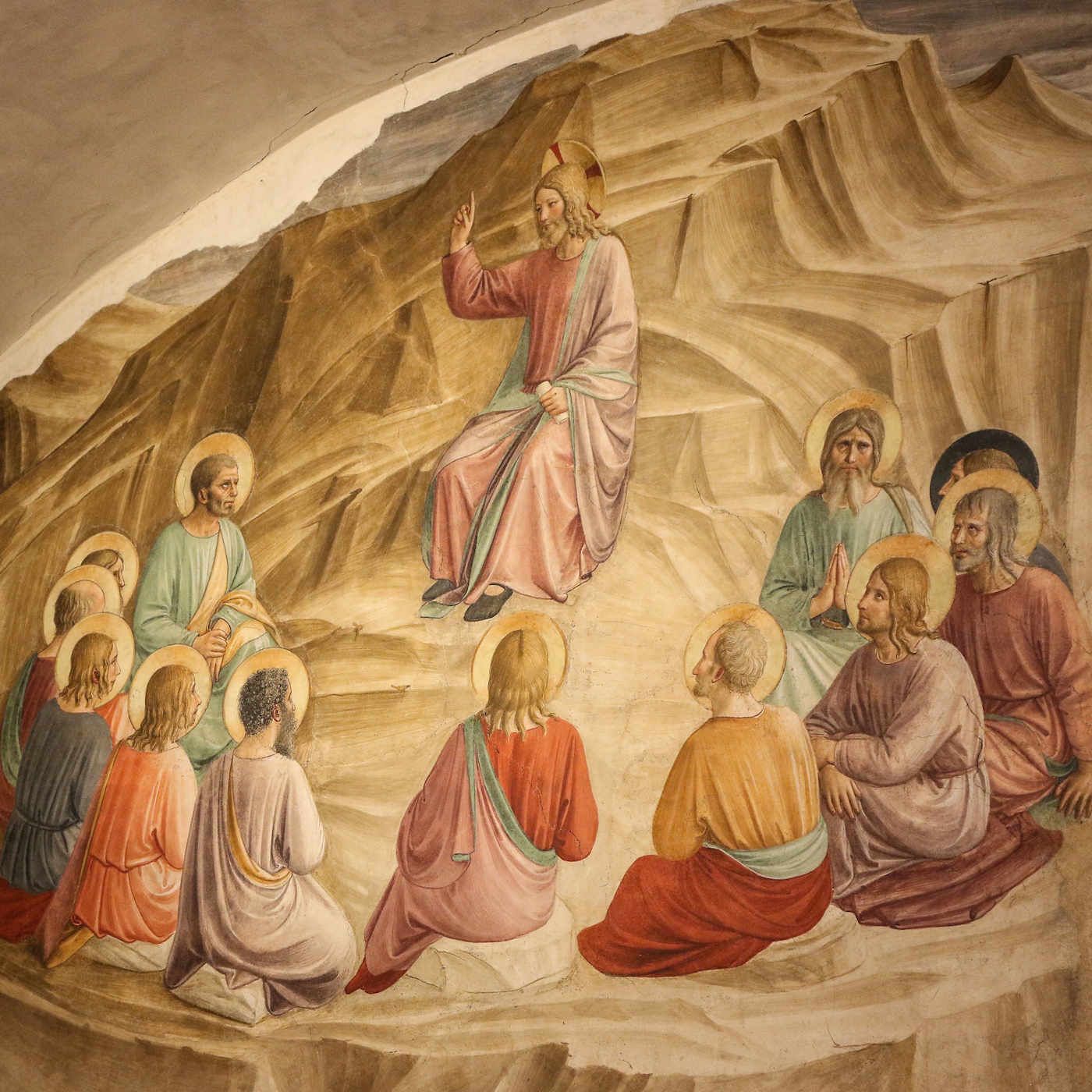
Oct 7
Wednesday of the Twenty-Seventh Week in Ordinary Time - The Perfect Prayer
Read Online Jesus was praying in a certain place, and when he had finished, one of his disciples said to him, “Lord, teach us to pray just as John taught his disciples.” Luke 11:1 What a great prayer for us to pray also, “Lord, teach us to pray…” Jesus’ response to this disciple was to present him with the “Our Father” prayer. Of this prayer, Saint Andre Bessette said, “When you say the Our Father, God's ear is next to your lips.” The great mystical Doctor of the Church Saint Teresa of Ávila gave this advice while praying the Lord’s Prayer: “Much more is accomplished by a single word of the Our Father said, now and then, from our heart, than by the whole prayer repeated many times in haste and without attention.” And Saint Thérèse of Lisieux said that the “Our Father” prayer was one of the prayers she prayed when she felt so spiritually barren that she could not summon up a single worthwhile thought. At the Holy Mass, when the priest invites the people of God to pray the “Our Father,” he says, in part, that this prayer is one that “...we dare to say.” This is an interesting statement which especially reveals the childlike boldness we are called to have as we pray this prayer sincerely from the heart. It is exceptionally bold to call God our “Father.” Chapter 11 of My Catholic Worship , which offers a teaching on this perfect prayer, states the following about this boldness: Each Christian is to see the Father as my Father. We must see ourselves as God’s children and approach Him with the confidence of a child. A child with a loving parent is not afraid of that parent. Rather, children have the greatest trust that their parents love them no matter what. Even when they sin, children know they are still loved. This must be our fundamental starting point for all prayer. We must start with an understanding that God loves us no matter what. With this understanding of God, we will have all the confidence we need to call on Him. Since many of us are very familiar with this ideal prayer taught to us by our Lord Himself, there is a temptation to pray this prayer in a somewhat rote way. We can easily fail to say it from the depths of our hearts, making each word our own, offered with the utmost confidence to our loving Father in Heaven. How do you pray the Lord’s Prayer? Do you pray it out of habit, failing to fully comprehend and mean the words you pray? Most likely this is the case for many. Reflect, today, upon this most holy prayer given to us by the Son of God Himself. He is the author of this perfect prayer, so we should use it as the foundation of all of our prayer. Try to follow the advice of Saint Teresa of Ávila quoted above. Take each word of that prayer and pray it slowly, intentionally and with love. Begin by acknowledging God as your Father. Ponder the infinite care He has for you as a perfect father would. See Him in a real, intimate, and personal way. This perfect prayer begins by acknowledging Who God is and then continues with seven perfect petitions. After praying the introduction to this prayer, pick one of the seven petitions to meditate upon so that the richness of this prayer will have a transformative effect upon your soul. Our Father who art in heaven, hallowed be thy name. Thy kingdom come. Thy will be done on earth as it is in heaven. Give us this day our daily bread, and forgive us our trespasses, as we forgive those who trespass against us, and lead us not into temptation, but deliver us from evil. Jesus, I trust in You. Image: St Peter and St Paul by Lawrence OP , license CC BY-NC-ND 2.0 . Source of content: catholic-daily-reflections.com Copyright © 2025 My Catholic Life! Inc. All rights reserved. Used with permission via RSS feed.
Oct 6
Tuesday of the Twenty-Seventh Week in Ordinary Time - Fidelity to Daily Prayer
Read Online Martha, burdened with much serving, came to him and said, “Lord, do you not care that my sister has left me by myself to do the serving? Tell her to help me.” The Lord said to her in reply, “Martha, Martha, you are anxious and worried about many things. There is need of only one thing. Mary has chosen the better part and it will not be taken from her.” Luke 10:40–42 In many ways, this statement of our Lord summarizes the most important and central message of the Gospel. We are all called to choose “the better part” every day. Jesus was close friends with Martha, Mary and Lazarus. He frequently visited their home, which was only a short distance from Jerusalem. On this occasion, when Jesus was visiting their home, one of these siblings, Mary, had placed herself at Jesus’ feet, listening to Him and conversing with Him. Martha was busy with the important details of hospitality and appeared to be upset with Mary, so she confronted Jesus, asking Him to tell Mary to help her. But in so doing, she was also unknowingly trying to dissuade Mary from the most important purpose of her life. As Mary sat at the feet of Jesus, she gave us an example of the most important focus we must have in life. Though our days will be filled with many necessary duties, such as cooking, cleaning, working, entertainment, and caring for others, we must never forget that which we were made for and that which we will be doing for all eternity: adoration of our glorious God. Consider all that occupies your day. Though most of what you do may be important, do you daily take time out to adore our Lord, listen to Him and glorify Him through your prayer? We can often make time for many other important duties in life, as well as those that are not so important. We may spend hours on chores, immerse ourselves in movies, devote whole evenings to reading, fulfill our duties in the workplace, but only devote a minute or two each day, if even that, to silent prayer and adoration of our God! What would happen to your life if you chose “the better part” for a full hour every day? What if you decided that the first hour of your day would be dedicated to an imitation of Mary in the Gospel passage and that you would do nothing but adore Jesus through silent prayer and meditation? At first, you may think of the many other tasks you could be doing at that moment. You may decide that you do not have the time for extended prayer every day. But is that true? Perhaps you are actually being Martha to yourself, saying to yourself that you should do more important things with your time and that Jesus will understand if you do not spend time with Him alone in adoration and prayer every day. If that is you, then be very attentive to this Gospel passage. In many ways, Jesus deeply desires to say this about you. He wants to say of you that you have chosen the better part for an extended period of time every day and that this will not be taken from you. Reflect, today, upon that which is most important in life. Dispel excuses and temptations to simply fulfill all the other important duties of life, neglecting that which is most important. Reflect upon the simple truth that Jesus does want you to devote much time to Him every day for silent prayer and adoration. Do not give into excuses and distractions. Commit yourself to remain at the feet of Jesus, adoring Him, listening to Him and loving Him. If you do, you will find that your life is more ordered and that the time you spend in prayer bears more good fruit than every other important duty you fulfill every day. My inviting Lord, I do believe that adoration of You in silent and devout prayer is the most important duty I have to fulfill every day. May I never be deterred from adoring You every day, devoting as much time as You desire to silent and loving prayer. May I discover this gift of prayer, dear Lord, and sit at Your feet with Mary and with all the glorious saints. Jesus, I trust in You. Image - Erasmus Quellinus II, Public domain, via Wikimedia Commons Source of content: catholic-daily-reflections.com Copyright © 2025 My Catholic Life! Inc. All rights reserved. Used with permission via RSS feed.
Oct 5
Monday of the Twenty-Seventh Week in Ordinary Time - Openness to the Gospel
Read Online There was a scholar of the law who stood up to test Jesus and said, “Teacher, what must I do to inherit eternal life?” Luke 10:25 The question is very good. We should all seek to understand, with all our hearts, what we must do to inherit eternal life. Of course the problem is that this scholar of the law did not ask this question with sincerity and openness. Rather, he asked Jesus this question to test our Lord. This scholar, as well as other scribes, Pharisees, Sadducees and elders, was envious of Jesus and sought to find fault with Him. This scholar appeared to be concerned that Jesus was teaching contrary to the Law of Moses. But what does our Lord do? He says nothing more than to put the question back to the scholar, asking him, “What is written in the law? How do you read it?” The scholar answers correctly, according to the Law of Moses, and Jesus responds to him, “You have answered correctly; do this and you will live.” Thus, the test was passed. What’s interesting and helpful to ponder in this exchange is the way Jesus responds to this scholar. Because Jesus knew the scholar’s heart, and because He knew that this scholar was not asking with humility and openness, Jesus responded with great prudence, inviting the scholar of the law himself to answer his own question. Though we are not able to read another’s heart in the way our Lord did, we should learn a lesson from Him on how to respond to others who have as their goal to trick, trap, test, and twist our words if they disagree with us. This is especially important in matters of faith and morality. If you are striving to live the Gospel with all your heart and you encounter the “testing” of others as a result of the holy life you are striving for, ponder Jesus’ actions here. Too often, when another challenges us or tests us, we become defensive and even offended. As a result, we can enter into arguments back and forth that bear little or no fruit. Jesus did not argue. He did not allow this test to trip Him up. Rather, He only offered responses that could not be doubted. Jesus knew that this scholar was not interested in the deepest spiritual truths. He was only interested in finding fault. Therefore, the deeper and fuller Gospel message could not be offered. We should also learn from this passage the importance of coming to Jesus with an open heart, sincerely seeking the deepest spiritual answers to life. We ought never test Jesus. Instead, in humility, we must believe that He is the source of all truth and that He has every answer in life that we seek. Reflect, today, upon two things. First, reflect upon how completely open you are to all that Jesus has to say. If you were to ask our Lord this question, “What must I do to inherit eternal life?,” what would Jesus say to you? Would He only be able to offer you general answers in the form of questions? Or would Jesus see the open and sincere nature of your heart and be able to speak in great depth and detail to you? Second, reflect upon anyone with whom you constantly have to defend yourself for the practice of your faith. If this is your experience, perhaps reexamine your approach, realizing that the deepest pearls of your faith should only be shared with those who are sincerely open and are seeking to embrace them with all their heart. My deep and wise Lord, You and You alone have every answer to life. You and You alone can reveal to me all that I need to know in life so as to achieve holiness and fulfillment. Please open my heart so that I can come to You with humility and sincerity, open to all that You wish to reveal to me. Jesus, I trust in You. Image: James Tissot, Public domain, via Wikimedia Commons Source of content: catholic-daily-reflections.com Copyright © 2025 My Catholic Life! Inc. All rights reserved. Used with permission via RSS feed.
Oct 4
Twenty-Seventh Sunday in Ordinary Time (Year C) - Nourished by Faith
Read Online The apostles said to the Lord, “Increase our faith.” The Lord replied, “If you have faith the size of a mustard seed, you would say to this mulberry tree, ‘Be uprooted and planted in the sea,’ and it would obey you.” Luke 17:5–6 Is it possible to completely uproot a tree and plant it in the sea? It’s certainly hard to imagine how. It is especially hard to imagine doing so with a simple command of faith. Uprooting a tree is hard enough to imagine, but it is even more difficult to imagine a tree being planted in the sea. Though water is necessary, one cannot plant a tree in the sea and expect it to grow. But that’s partly the point. We often underestimate the power of true faith. Saint Matthew’s Gospel says that faith can move mountains. Saint Luke’s says it can uproot a tree and replant it in the sea. All it takes to do so is faith the size of a mustard seed. How much faith is equal to a mustard seed? A mustard seed is small, very small. It measures only about one millimeter in length. People who worked the soil at that time would have known that it was among the smallest of seeds they planted. For that reason, Jesus uses this familiar image to teach the apostles that faith, even a little faith, is powerful. Jesus’ teaching comes in response to a prayer on the part of the apostles. “Increase our faith,” they said. Jesus’ response, inviting them to have only a little faith, implies that their faith was quite weak. To increase their faith to the size of a mustard seed suggests that they did not even have a little faith yet. Most likely they were aware of that fact, and that was the reason they asked Jesus to increase their faith. They perceived their lacking and turned to Him Who could help. One of the first steps to increasing faith is to humbly admit our lack of faith. In our pride, we often want to convince ourselves and others that we are filled with faith. But if that were the case, God would be doing incredible things through us. He would be doing that which is otherwise humanly impossible. Obviously, faith does not give us magical powers by which we can literally command a tree to uproot itself and plant itself in the sea. This imagery is meant to tell us that faith will work miracles of faith, not necessarily physical miracles. In fact, if God ever did use us and our faith to work a physical miracle, it would only happen because it was a motivation for the far more important gift of the increase of faith. What, then, can a little faith do? It can uproot sin from your heart and from the hearts of those around you. It can nourish you and others in ways that seem impossible. Just as a tree cannot normally be planted in the sea and survive, the gift of faith, even a little faith, will enable the soul to be nourished and strengthened in ways that otherwise seem impossible. A martyr perfectly illustrates this fact. Normally, persecution and death are not considered to be nourishing to a person. But when a person has faith and suffers martyrdom on account of Christ, then their soul will be fed by the persecution itself. And that is among the greatest of miracles possible. Suffering, persecution, illness, poverty, and every other difficulty imaginable are transformed by God into a source of nourishment when we endure them with true faith. Reflect, today, upon the prayer of the apostles: “Increase our faith.” Some of the greatest mystics taught that faith darkens the intellect. By this darkening, they mean that, by faith, God will lead us into the unknown, on a path that He alone is aware of. We will become instruments of His transforming grace in ways that are completely beyond our natural abilities. Pray for an increase of faith. When our Lord hears your humble prayer, by which you also confess your lack of faith, He will increase that faith, uproot sin and evil, and plant your soul in places in which you become nourished in ways that you could have never imagined possible. Most glorious Lord, Increase my faith. Give me a pure faith—a faith that enables You to lead me down the unknown path to Your glory. With this gift of faith, please use me to bring forth Your miraculous power by which sin is uprooted and souls are nourished by You alone. Jesus, I trust in You. Source of content: catholic-daily-reflections.com Copyright © 2025 My Catholic Life! Inc. All rights reserved. Used with permission via RSS feed.
Oct 3
Saturday of the Twenty-Sixth Week in Ordinary Time - Perceiving the Presence of God
Read Online Turning to the disciples in private he said, “Blessed are the eyes that see what you see. For I say to you, many prophets and kings desired to see what you see, but did not see it, and to hear what you hear, but did not hear it.” Luke 10:23–24 Imagine seeing Jesus in person. What would that have been like? What would it have been like to see Him, listen to Him preach, witness His miracles and spend time sitting with Him quietly? The experience of being with Him as He walked the earth would have been determined by the depth of interior sight you had. There were many who saw Jesus but rejected Him, and even killed Him. Clearly, they did not have the interior eyes of faith to see Him for Who He was. Others left everything behind to follow Him. Clearly, they perceived Who He was in His divine soul through the gift of faith. As Jesus states above, the disciples were blessed to see Him. Many prophets and kings of old desired to see the Messiah. Century after century, the prophecies about the coming of the Messiah would have left many with much anticipation and hope that they would be among those blessed to see Him. Recall, for example, Simeon the prophet who waited his whole life to see the Christ Child. Then, when Mary and Joseph brought the Child Jesus into the Temple to present Him to the Lord, Simeon took the Child into his hands and proclaimed, “Now, Master, you may let your servant go in peace, according to your word, for my eyes have seen your salvation, which you prepared in sight of all the peoples, a light for revelation to the Gentiles, and glory for your people Israel” (Luke 2:29–32). Indeed, Simeon, the disciples, and all who encountered Jesus as He walked the earth were truly blessed. They were blessed to see the Son of God with their own eyes. Jesus proclaimed the eyes of the disciples to be blessed for seeing Him. However, if He were to speak to us today, He would proclaim us doubly blessed. We do not see Him in physical form, walking the earth. But we are able to perceive Him in a way that even Simeon did not experience in His life. Simeon saw the Savior of the World with his eyes, present in human form. But today, we are able to see Him in an even more profound way. By the gift of grace and the indwelling of God, we are able to look within our own souls and discover the true presence of God living within us. One might argue that seeing Jesus with your eyes is preferable to seeing His divine presence within your soul. But is it? Certainly not. Again, recall that there were many who saw Jesus with their eyes but did not recognize Him as God. Today, we are privileged to perceive the presence of Christ in our world in the deepest way possible. He came to live within us. He came to possess us. He came to unite Himself with us in a union so deep that it transforms us completely, making us into His very body. If it took faith to see the divinity of Jesus when He walked the earth, it will also take faith to see His true presence within us. Our sins cloud His presence. Our lack of faith makes it hard to see Him there. But God is alive within every soul that is in a state of grace, and it must be our ongoing duty to discover His indwelling presence and to be with Him within. In her spiritual masterpiece, “Interior Castles,” Saint Teresa of Ávila explains that the infinite God does dwell within us. It is our duty to enter into the most secret core of our being, the most interior castle, navigating through our many sins, so that we will enter the deepest center where the fullness of the great King dwells. Reflect, today, upon Jesus’ words spoken to the disciples: “Blessed are the eyes that see what you see.” Know that this statement applies even more to you. Seek to have the eyes of faith so that you can perceive the true presence of the Savior of the World living within your own soul. Seek Him out, gaze at Him with love, bask in His divine presence and allow that presence to overshadow you, transforming you into the person God wants you to be. My indwelling Lord, I am blessed beyond belief by Your divine presence dwelling within me. Please open my eyes to see You and my ears to hear You so that I will be able to dwell with You Who have come to dwell in me. Jesus, I trust in You. Image via Adobe Stock Source of content: catholic-daily-reflections.com Copyright © 2025 My Catholic Life! Inc. All rights reserved. Used with permission via RSS feed.
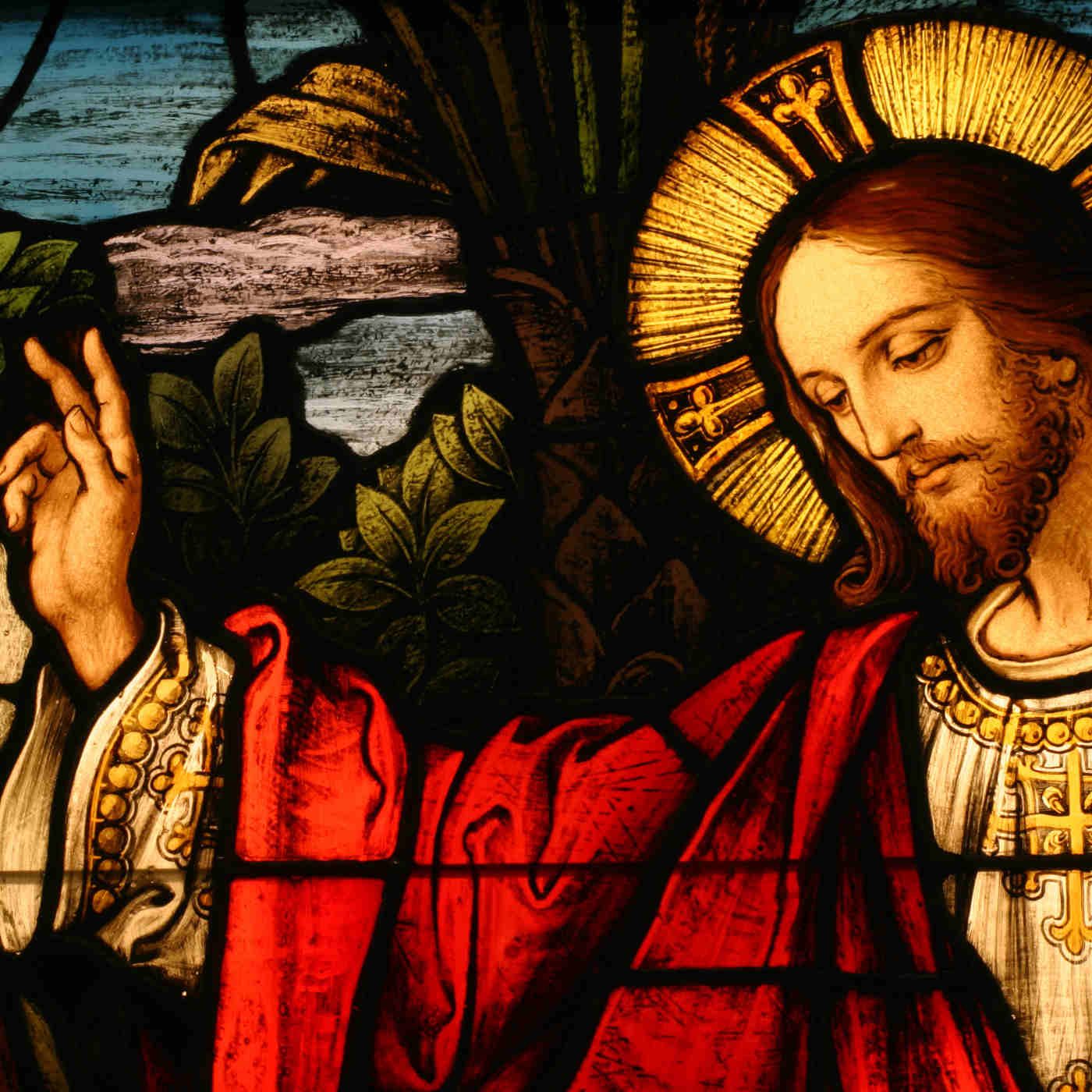
Oct 2
Friday of the Twenty-Sixth Week in Ordinary Time - Public Repentance
Read Online Jesus said to them, “Woe to you, Chorazin! Woe to you, Bethsaida! For if the mighty deeds done in your midst had been done in Tyre and Sidon, they would long ago have repented, sitting in sackcloth and ashes.” Luke 10:13 Have you ever sat in sackcloth and ashes? In the Gospel passage above, Jesus gives clear indication that doing so is a holy sign of responding to His preaching. He states that the pagan towns of Tyre and Sidon would have certainly sat in sackcloth and ashes if they would have been privileged to witness the mighty deeds done in the Jewish towns of Chorazin and Bethsaida. “Sackcloth and ashes” were a common sign used to indicate interior repentance and sorrow for sin. There are many times throughout the Old Testament when this happened. Recall, for example, that when Jonah preached to the people of Nineveh, everyone from the king down to the common citizen responded by expressing their repentance in this way (Jonah 3:5–7). Sackcloth was a rough and uncomfortable material usually made out of black goats hair, symbolizing the rejection of the false consolation of sin. Ashes symbolized desolation and destruction resulting from purifying fire. Of course, all of us do sit in ashes every Ash Wednesday as an external manifestation of our desire to repent. And though putting on actual sackcloth for clothing today may not be our literal practice, it is good to see the spiritual fruitfulness of these actions and to consider ways in which these actions can still be performed in our day and age. How might you sit in sackcloth and ashes today? What practical action can you take to publicly manifest your desire to turn from sin and toward the Gospel? First of all, to properly answer this question, it’s important to recognize the fact that turning from sin should not only be a personal and interior act, it must also be exterior and manifest for others to see. Sin not only does harm to us individually, but it also damages others in varying degrees. Therefore, if your sin has done clear harm to others, it’s important to realize that you not only need to repent to God but that you must also repent in such a way that others see your repentance and sorrow. So how might you repent in sackcloth and ashes today? There are many ways to do this. The essential quality present in such an act will be that it is clear to others that you are sorry for your sin and that you are attempting to change. If the sin you have committed toward another is grave, then your interior repentance must match the seriousness of your sin, and the exterior manifestation of that repentance must also measure up. Reflect, today, upon some practical ways in which God is calling you to publicly manifest your “sitting in sackcloth and ashes” as a sign of your sorrow toward those against whom you have sinned. For example, if your sin is that of anger and you have regularly harmed another by that sin, then don’t only repent to God, look also for external ways to manifest your sorrow to them. Perhaps do some form of manifest service for them. Or engage in a public act of penance, such as fasting, as a way of showing them you are sorry. Manifest charitable good works, service, prayer, public penance and the like are all ways that you can spiritually and practically sit “in sackcloth and ashes” today. My merciful Lord, You call me to daily repent of my sin and to do so through the manifest signs of sitting “in sackcloth and ashes.” Give me the grace of true sorrow for my sins and help me to sincerely repent as I trust in Your mercy. As I do, please also guide me so that I may humble myself and express my sorrow in manifest ways toward those against whom I have sinned. May this humble act bring healing and unity in You. Jesus, I trust in You. Image: Day of Judgement by Lawrence OP , license CC BY-NC-ND 2.0 . Source of content: catholic-daily-reflections.com Copyright © 2025 My Catholic Life! Inc. All rights reserved. Used with permission via RSS feed.
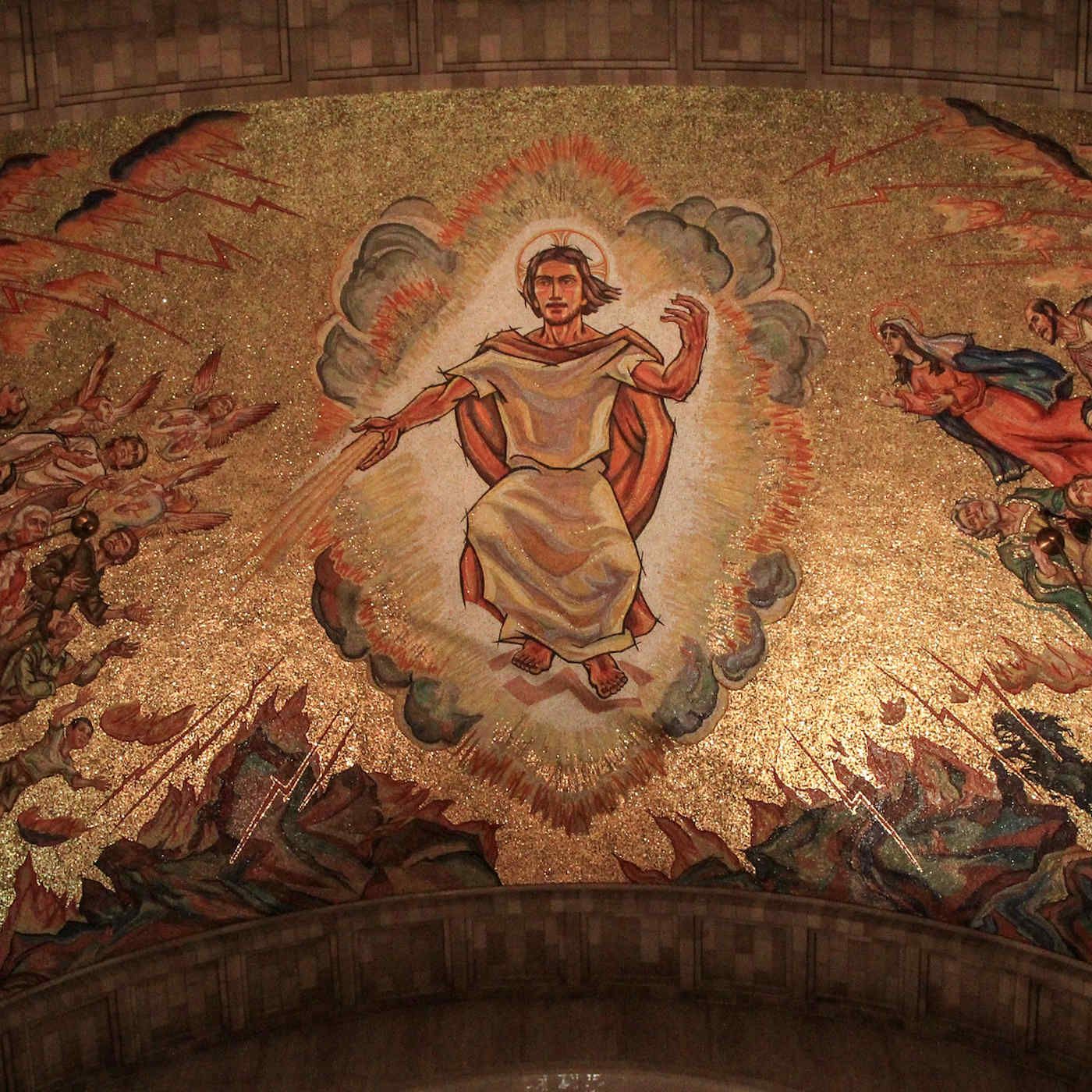
Oct 1
October 2, Memorial of the Holy Guardian Angels - Your Protector and Guide
Read Online “See that you do not despise one of these little ones, for I say to you that their angels in heaven always look upon the face of my heavenly Father.” Matthew 18:10 The reality of angels is fascinating to most people, especially to children. The Guardian Angels, in particular, are often pictured in sacred art as walking hand-in-hand with children. And though this is true, they also walk hand-in-hand with each one of us throughout our lives. This is their sacred duty given to them by God. In quoting Saint Basil, the Catechism of the Catholic Church explains the existence of Guardian Angels by saying: “From its beginning until death, human life is surrounded by their watchful care and intercession. ‘Beside each believer stands an angel as protector and shepherd leading him to life’” (#336). Imagine, in an earthly sense, that you had a personal bodyguard to look after you day and night throughout your life. Perhaps this evokes two different sentiments. First, it would most certainly comfort you when there is imminent danger around. You would know you are not alone and that you would be kept safe from physical harm. Another sentiment it may invoke is that of a loss of personal privacy. If someone were watching over you, day and night, you would always be aware of their watchful eye. Everything you said and did would be noticed. For some, this may not always be welcome. Why? Because this means they see all you do, including your sin. Fear of judgment, the loss of personal privacy and the like may be difficult to accept. But now imagine that this “bodyguard” is one who offers no judgment, acts with perfect love for you, keeps confidentiality with perfection and cares only for your well-being. Though it may be hard to imagine that such a person could exist, that person does exist in the person of your guardian angel. Your guardian angel is real, has a keen and powerful intellect, has a will perfectly united with the will of God, and was created for the single purpose of protecting you and leading you into the fulfillment of God’s will. When you sin and stray, your guardian angel’s only concern is to guide you back to God. When you are fearful or in trouble, your guardian angel’s only care is to protect you and fill you with God’s peace and courage. And though God could have provided you with all of these graces directly, without the mediation of an angel, He chose to do so through the mediation of your personal guardian angel. Only in Heaven will we fully understand the profound depth of love, protection, and care given to us by these angelic beings. Reflect, today, upon the intimate knowledge that your guardian angel has of you. As you ponder this reality, rejoice that someone knows you so well and loves you with a perfect love. This angel of yours not only loves you perfectly but also has been entrusted with great power from God to protect you and shepherd you to the fulfillment of your life mission. Prayerfully acknowledge the great gift that your guardian angel is to you and entrust yourself more fully to this angelic mediation. Angel of God, my guardian dear, to whom God’s love commits me here, ever this day be at my side, to light and guard, to rule and guide. Amen. Guardian angel, pray for me. Jesus, I trust in You. Image: Workshop of Domenichino, Public domain, via Wikimedia Commons Source of content: catholic-daily-reflections.com Copyright © 2025 My Catholic Life! Inc. All rights reserved. Used with permission via RSS feed.

Sep 30
Wednesday of the Twenty-Sixth Week in Ordinary Time - All In, Never Waver
Read Online As Jesus and his disciples were proceeding on their journey, someone said to him, “I will follow you wherever you go.” Jesus answered him, “Foxes have dens and birds of the sky have nests, but the Son of Man has nowhere to rest his head.” Luke 9:57–58 At first, this appears to be an unusual response from our Lord. This person appeared to be committing himself to follow Jesus wherever Jesus led. But rather than complimenting the would-be follower, Jesus indicates that there is nowhere for this man to follow Him. Instead, he would have to follow Him into the unknown. Why would Jesus say this? Did He not want the man to follow Him? One thing that this passage teaches us is that Jesus was able to read the souls and the intentions of those whom He encountered. Apparently, what the man said was not exactly his true intention. In commenting upon this passage, several Church Fathers point out that the man said what he said not out of a deep desire to follow Christ, but so that he would look good in the eyes of those around Jesus. Jesus knew his true intention, and therefore told the man that if he wanted to follow Him, he would have to follow Him into the unknown. Jesus then spoke to two others about following Him, and each time He challenged them to follow Him without reservation. The call to follow our Lord is absolute. We cannot halfheartedly follow Him. We cannot follow Him for selfish reasons. The choice to follow our Lord begins with Him calling to us interiorly. We must hear His clear voice and invitation. The invitation we will receive will be one that asks everything of us. Jesus will never call us to give half of our lives to Him, or even most of our lives to Him. His call is one that demands everything. By demanding everything from us, our Lord is actually giving everything to us. We are only made whole when we give everything to Him and follow Him without reserve. This is the starting point. The choice to follow Jesus will also be done in a certain secrecy. It’s not that we try to hide our choice to follow Him; rather, we must follow Him with the right intentions. We do not do so because we want others to praise us, admire us, or look up to us. We do not do so to boost our spiritual ego. We follow Him because we have heard Him call and have chosen to respond to that call in the way we are called. Therefore, every choice to follow Jesus must begin in the secrecy of our interior life of prayer. Once our commitment is firmly established, it will often become visible to others, but that must never be a motivating factor. Once we are firmly committed to follow Christ, there must be no turning back. Jesus concludes today’s Gospel by saying, “No one who sets a hand to the plow and looks to what was left behind is fit for the Kingdom of God.” The choice to follow Christ requires a death to certain things in our lives. As our journey moves forward, there will be temptations to return to our old ways. We will remember the delights of past sins, feel the draw to other paths, and might even experience the demand of absolute fidelity to be too much. These experiences must be continuously rejected as temptations and lies. We must never look back to what we gave up and must always look forward to that which our Lord is calling us. Second-guessing our choice to follow Jesus will be a very real temptation at times; therefore, our resolve must never waver. Reflect, today, upon the depth of your own decision to follow Jesus. First, consider whether or not you have heard this radical and absolute call echo within the depths of your soul. Only there, in the secrecy of your interior life, will you hear God speak. Second, consider your motivations for following Jesus. Do you do so to look good in the eyes of others? Or do you do so out of love of God? Third, consider whether your commitment is total. It is not enough to give most of your life to Christ; He demands everything. Finally, ponder also the fact that there will be many temptations along the way to return to your former sinful way of life. Allow your resolve to eliminate those temptations and continuously recommit yourself to the journey to which you have been called. My demanding Lord, You have called me to a radical commitment of my entire life to follow You. I hear Your voice and choose to say “yes” to Your invitation. Please free me from all selfish motives in life, and give me the resolve I need to follow You wherever You lead. Jesus, I trust in You. Image via Adobe Stock Source of content: catholic-daily-reflections.com Copyright © 2025 My Catholic Life! Inc. All rights reserved. Used with permission via RSS feed.
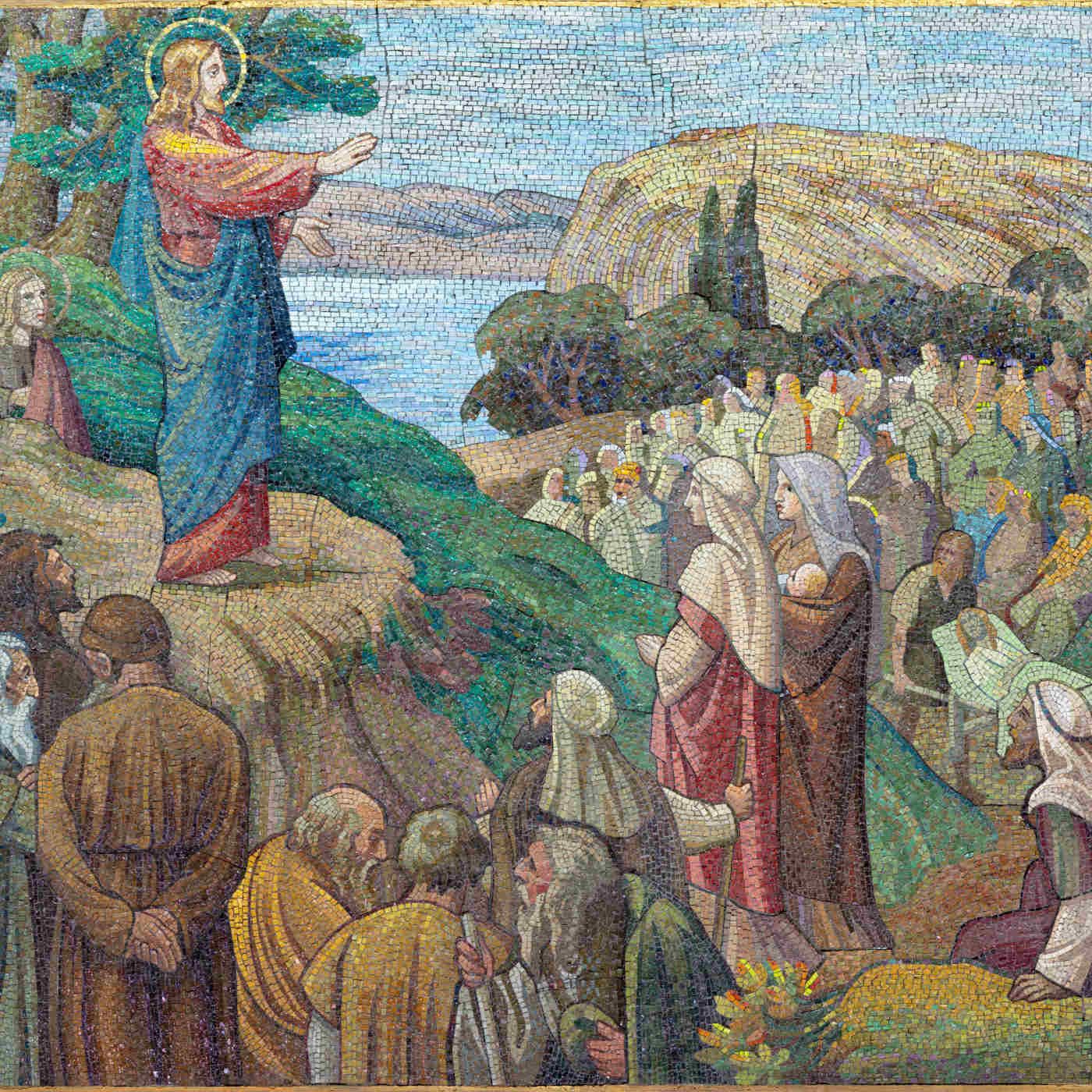
Sep 29
Tuesday of the Twenty-Sixth Week in Ordinary Time - Courage to Conquer Fear
Read Online When the days for Jesus to be taken up were fulfilled, he resolutely determined to journey to Jerusalem, and he sent messengers ahead of him. Luke 9:51–52 Shortly after Jesus spoke to His disciples about His pending suffering, death and resurrection, we read that Jesus “resolutely determined to journey to Jerusalem.” There is much to reflect upon in that short statement. First of all, Jerusalem was the place of the Temple where the animal sacrifices of the Old Testament took place as a prefiguration of the one and ultimate sacrifice to come. Jesus came into this world as the Lamb of God, the Sacrificial Victim Who would die for our sins. He knew His ultimate end in this world, and He knew it would require much suffering. This knowledge of His future suffering is the foundational context of this passage today. As Jesus’ suffering and death drew close, He became more and more determined in His human will to fulfill the will of the Father by laying down His life. Of course, Jesus always fulfilled the will of the Father, but little by little the human manifestation of Jesus’s determination became more and more pronounced. The specific human virtue that slowly became manifest was courage. Spiritual courage is the supernatural ability to embrace the will of the Father when His will leads a person into a life of sacrifice. Within our fallen human nature, we tend to avoid sacrifice. We often work to avoid conflict and suffering and to embrace the easy way in life. Therefore, to come face-to-face with some future suffering brings forth a temptation to fear—and that fear requires courage to overcome it. As His suffering drew closer, the temptation to fear grew stronger and, as a result, His perfect virtue of courage became more manifest. Note that Jesus not only decided to go to Jerusalem to offer His life sacrificially, He “resolutely determined” to do so. There was no wavering, no doubting the Father’s will, no hesitancy, no fear. His perfect sacrificial love slowly became manifest for all to see. Another reason Jesus became resolute in His determination to travel to Jerusalem was to witness His love to His disciples. They needed courage themselves. So, as they listened to Jesus speak about what was coming in Jerusalem and as they witnessed His unwavering determination, they were also encouraged and were strengthened to overcome the temptations to fear. Of course, they only perfected that virtue later in their lives when they also followed in the footsteps of our Lord, laying down their own lives as martyrs. Reflect, today, upon that which causes fear and anxiety in your own life. If that suffering is of your own making, then seek to rectify it. But if that suffering is a cross that our Lord is calling you to embrace with love, then do so sacrificially and with much determination. Do not be cowed by the heaviness of the cross you are given in life. The crosses we are called to embrace are always able to be transformed into grace. Allow courage to grow within you and allow the witness of our Lord to encourage you as you seek to imitate His sacrificial love. My courageous Lord, You faced Your suffering with much courage, strength, surrender and hope. You saw the value of Your free embrace of Your suffering and chose it with all the power of your soul. Give me the grace I need, dear Lord, to also resolutely determine to journey toward the cross I am called to embrace in life, so that my free embrace of my cross will unite me more fully with You. Jesus, I trust in You. Image: Jean-Léon Gérôme, Public domain, via Wikimedia Commons Source of content: catholic-daily-reflections.com Copyright © 2025 My Catholic Life! Inc. All rights reserved. Used with permission via RSS feed.
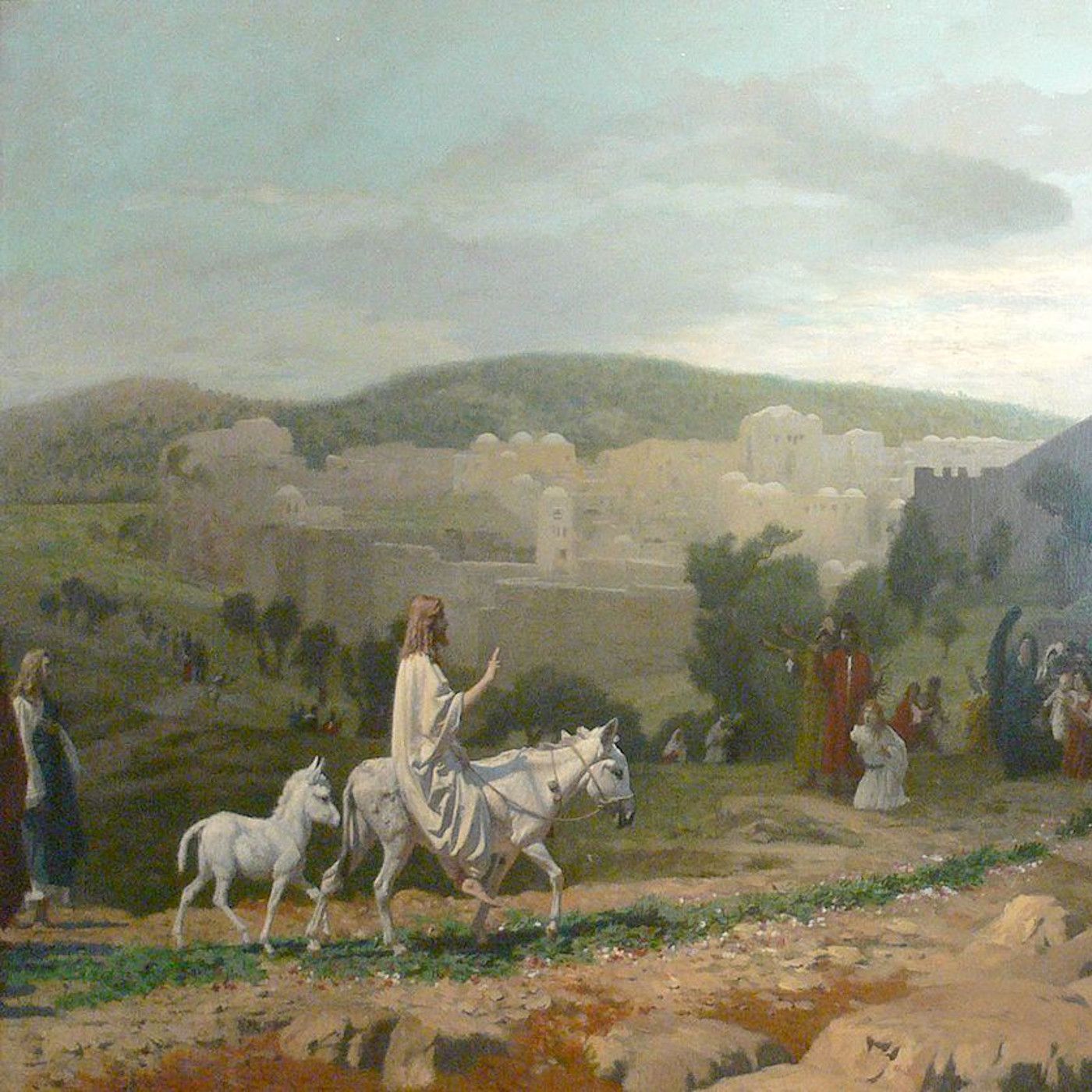
Sep 28
September 29, Feast of Saints Michael, Gabriel, and Raphael, Archangels - The Celestial Hosts of Heaven
Read Online “Amen, amen, I say to you, you will see heaven opened and the angels of God ascending and descending on the Son of Man.” John 1:51 In Heaven, we will see all things as God sees them. That full perspective will be beyond glorious. And among the many things that will amaze us from the perspective of Heaven is the incredibly powerful ways that the celestial beings participate in the bringing forth of the Kingdom of God. The Seraphim, Cherubim, Thrones, Dominions, Virtues, Powers, Principalities, Archangels and Guardian Angels all cooperate with God’s grace in ways similar to how every member of an orchestra works together to produce a single piece of beautiful music. God is the conductor, but these celestial beings participate in the grand fulfillment of the will of God, acting as living instruments of His divine grace. Today’s feast honors three of the great archangels mentioned in Scripture: Michael, Gabriel and Raphael. The Archangel Michael is described as a protector in the Old Testament Book of Daniel and as one who does battle with satan in the Books of Revelation and Jude. In Revelation, Michael casts satan out of Heaven along with the other fallen angels. The Archangel Gabriel is spoken of also in the Book of Daniel as one who interprets Daniel’s vision. In the New Testament, he is identified as the one who appears to the high priest Zechariah while Zechariah is offering sacrifice in the temple. In that appearance, Gabriel revealed to Zechariah that his wife would have a child, even though she was advanced in years. Gabriel is perhaps best known as the one sent to the Blessed Virgin Mary to reveal to her that she will become the mother of the Savior of the World. Lastly, the Archangel Raphael is referred to in the Old Testament Book of Tobit and is said to have been sent to bring healing to Tobit’s eyes. As we honor these three archangels, we can be certain that they are three of a countless number of other angelic beings who cooperate with God, bringing forth His grace and His will into our world. Try to imagine that profound truth. Some angelic beings build up the Kingdom of God by devoting their existence to the perpetual worship of God before His throne. The highest of these are the Seraphim. Other angelic beings build up the Kingdom by bringing forth God’s grace and truth to us, intervening in our lives in accord with God’s will. These are especially the guardian angels. The archangels, three of whom we honor today, especially have the task of communicating to us the most important messages and graces from God. Reflect, today, upon the glorious reality of the whole host of the celestial beings. Specifically call upon the mediation of these three celestial beings whose names we know, Michael, Gabriel and Raphael, as well as upon the mediation of our guardian angels and all others celestial beings. By doing this, we not only entrust ourselves to their loving care, but we also make an act of faith in God by expressing our belief that God has chosen to use these celestial beings to bring forth His Kingdom. By themselves, angels are powerless to act. But since they act only in unison with the will of God, their mediation is as powerful as the grace of God, since it is God Who works through them. Acknowledge them today, call upon their mediation and profess your faith in the glorious work that they do to build up God’s Kingdom. Most glorious Archangels Michael, Gabriel and Raphael, please do come to my aid. I entrust myself, my family, our Church and the entire world to your loving mediation. Please bring forth God’s grace into our lives, communicate God’s Word and His holy Will, protect us from all harm and bring healing to those in need. Angels of God, pray for us. Jesus, I trust in You. Image: File:7_archangels.jpg, Public domain, via Wikimedia Commons Source of content: catholic-daily-reflections.com Copyright © 2025 My Catholic Life! Inc. All rights reserved. Used with permission via RSS feed.
Sep 27
Twenty-Sixth Sunday in Ordinary Time (Year C) - Spiritual Riches
Read Online Jesus said to the Pharisees: “There was a rich man who dressed in purple garments and fine linen and dined sumptuously each day. And lying at his door was a poor man named Lazarus, covered with sores, who would gladly have eaten his fill of the scraps that fell from the rich man’s table. Dogs even used to come and lick his sores. When the poor man died, he was carried away by angels to the bosom of Abraham.” Luke 16:19–22 No rational person would want to go to hell. The rich man in this parable certainly did not desire hell, but his actions led him there. Most people, however, do want to be rich in this world. In fact, many people would think it irrational not to desire wealth. It is very rare to find a person who chooses to live in simplicity as a means to deeper spiritual fulfillment and as a preparation for the riches of Heaven. But one clear message from our Gospel story today is that the life that Lazarus lived on earth was far better than that of the rich man. So which life do you prefer here and now? While it is true that the rich man’s riches were not the exclusive cause of his eternal damnation, it is also true that his riches imposed upon him a temptation toward selfishness and indifference to the needs of others, which ended in his eternal demise. Imagine that you won many millions of dollars. What would you do with it? As a good Christian, you might immediately profess that you would use that money for good, to help the poor and make a difference in the lives of others. What would the ideal response be to winning many millions of dollars? Would it suffice to give away ten percent and then use the rest for yourself? Probably not. One thing that this parable teaches is that material wealth not only adds nothing of value to our eternal reward, it also adds much temptation to our lives. True, if you received a lot of money and then used that money exclusively for good in accord with God’s will, that would be a holy act of charity on your part and good for your eternal soul. But doing so would be very difficult. It would be very difficult to resist the temptations that come from material wealth. Is it good to be rich? It is certainly good to be able to take care of your basic needs in life and those of your family. Having money helps you do that. But once our basic needs have been met, the money left over is far more of a temptation than it is a blessing. We have to believe that. And if you are among those who want to become rich so that you can help others, consider this scenario. If that is your motivation, and if you did win a large amount of money, would it be possible for you to continue living the way you are living now? Imagine staying in the same home, driving the same car, having the same lifestyle, and using all the money you obtained 100% for the glory of God and the good of others. That would be hard to do. But if you could do it, not only would it be good for others, it would be exceptionally good for your own soul. Though this Gospel story has many valuable lessons in it, one of the clearest messages is that earthly poverty benefits a soul far more than earthly wealth. Many people will find that hard to accept. Reflect, today, upon the stark contrast between Lazarus and the rich man. One dined sumptuously every day, was clothed in fine linen and purple garments and then spent eternity in the netherworld where he was tormented. The other longed to eat the scraps from another’s table, had no home, was covered in sores, but spent eternity in Heaven after being carried away by angels to the bosom of Abraham. Choose to imitate Lazarus rather than the rich man. If you have many material possessions, work hard at being detached from them. Live simply, be generous, and never neglect those in need. If you have very little, do not covet more. Eliminate envy, don’t despair, trust in the providence of God, and rejoice that, like Lazarus, you are able to build up eternal riches within your soul that will remain with you forever. Lord of true riches, the spiritual wealth of true virtue, charity, faith and hope are all that matters in life. Material possessions mean little in this life and are a source of many temptations. Please free me from the desire for wealth. Free me from greed, selfishness and envy. Fill me with a spirit of detachment and generosity, and help me to build up true treasure in Heaven. Jesus, I trust in You. Image: The Parable of Lazarus and the Rich Man, via National Gallery of Art Source of content: catholic-daily-reflections.com Copyright © 2025 My Catholic Life! Inc. All rights reserved. Used with permission via RSS feed.
Sep 26
Saturday of the Twenty-Fifth Week in Ordinary Time - A Well Ordered Soul
Read Online “Pay attention to what I am telling you. The Son of Man is to be handed over to men.” But they did not understand this saying; its meaning was hidden from them so that they should not understand it, and they were afraid to ask him about this saying. Luke 9:44–45 This is the second time that Jesus predicts His coming passion to His Apostles. After telling them that He will be handed over, the Gospel relates that “they did not understand this saying.” It also states that “they were afraid to ask him about this saying.” Why did they not understand, and why were they afraid to ask Jesus about His coming passion? The Apostles were deeply attached to our Lord, both on a spiritual level and also through their affections. And this is good. But sometimes our affections can cloud our thinking and make it difficult to understand the deeper spiritual realities in life. Though our affections are natural, they must always be directed by the will of God. For example, if we were to try to understand Jesus’ affections, we’d have to conclude that He both spiritually and affectionately desired to lay down His life for the salvation of souls in accord with the will of the Father. He not only chose this with His will, but He also desired it in His affections, because His affections were perfectly ordered. The Apostles, however, were unable to understand that Jesus had to lay down His life, be rejected, suffer and die, in part because they were very attached to Jesus in an emotional and affectionate way. So in this instance, their human love and attachment to Jesus hindered their ability to understand the greater spiritual good of Jesus laying down His life. Consider, also, our Blessed Mother. How would she have reacted to Jesus saying that He had to be handed over, be rejected, suffer and die? Though this would have grieved her with a holy sorrow, the perfection of her human nature would have led her to not only understand and accept this deep spiritual truth, but she would have also desired this to happen within her affections because she perfectly desired the fulfillment of the will of the Father. There would have been no conflict within her between the will of the Father and what she desired. In our own lives, we will often tend to struggle in the same way that the Apostles struggled. When faced with some challenging cross in life, a cross that the Father calls us to embrace freely, we will often find that our affections resist. When this happens, we become confused and even fearful of the future. Thus, the only way to conquer fear is to work to surrender every emotion, every affection and every human attachment over to the will of the Father so that His will is all we desire with every power of our soul. Reflect, today, upon the interior struggle of these Apostles as they came face-to-face with this the second time Jesus began to prepare them to accept, understand, choose and desire His passion. Consider the interior struggle they went through at that time and even as they saw this unfold. Eventually they understood. Eventually all fear vanished. And eventually they affectionately rejoiced in Jesus’ sacrifice. But it took much time and much surrender. Reflect upon those ways our Lord is inviting you to choose His Cross in your life. Where you see your affections resisting, try to surrender, pray for understanding and seek the courage you need to desire His Cross with all your soul. My revealing Lord, You opened Your divine heart to Your Apostles and invited them to understand and choose Your suffering and death. And though they hesitated and struggled, You continued to invite them to embrace the Father’s will. Give me the grace I need, dear Lord, to embrace every spiritual truth first and foremost and to allow that Truth to free me from fear and fill me with the gift of understanding. Jesus, I trust in You. Source of content: catholic-daily-reflections.com Copyright © 2025 My Catholic Life! Inc. All rights reserved. Used with permission via RSS feed.
Sep 25
Friday of the Twenty-Fifth Week in Ordinary Time - The Deepest Human Satisfaction
Read Online Once when Jesus was praying in solitude, and the disciples were with him, he asked them, “Who do the crowds say that I am?” Luke 9:18 It’s interesting that Jesus was both “praying in solitude” and that “the disciples were with him.” Saint Bede explains this apparent contradiction by stating that “the Son alone is able to penetrate the incomprehensible secrets of the Father’s will.” Therefore, our Lord was always alone with the Father in the sense that only Jesus knew the Father fully and intimately. This is because He is the Second Person of the Most Holy Trinity, the Eternal Son of the Father. With that fact clearly understood, it’s also important to understand that as Jesus prayed to the Father within His human nature, something new took place. Though Jesus was eternally with the Father, His human nature was not eternally with the Father. Therefore, as the Eternal Son of God communed with the Eternal Father while living in human flesh, human nature was suddenly elevated to a height that it had never been before. Not only was the Eternal Son living in perfect union with the Father, but now the Eternal Son, fully human, brought His human nature into this oneness. Though this may seem a bit philosophical to some, it points to a very important reality that affects us all. Through our Lord’s human prayer to the Father, we are all invited to join with Jesus and share in this divine oneness. The Son of God, as a human being, made it possible for us as humans to share in the elevation of our very lives to oneness with God the Father. And though the Son of God will always retain a unique union with the Father, we are, nonetheless, by participation, invited to share in their life. So why is this important? One reason is that there is no greater human fulfillment we could ever achieve than to share in the prayer of the Son to the Father. Throughout our lives, we are constantly looking for fulfillment in one form or another. We want to be happy. We want enjoyment in life. We have a natural desire for happiness that we are constantly seeking to fulfill. What’s important to understand is that the greatest happiness comes by sharing in the deep human prayer of the Son to the Father. Prayer, true prayer, is the answer to our deepest desire. Reflect, today, upon whether or not you regularly engage in deep prayer. Can you point to times when you, like our Lord, were alone with God, communing with Him in the depths of your human soul, being drawn to Him through prayer? There are many levels of prayer, as is attested to by many saints. Make the choice to deepen your prayer. Go before our Lord today and pour out your heart to Him, asking Him to draw you into the holy solitude of His prayer to the Father. Doing so will bring forth in you the deepest human satisfaction possible in life. My praying Lord, as You spent time alone with the Father, You united Your human nature with Him, thus elevating our nature to a glorious degree. Please draw me to You, dear Lord, so that I may know You and the Father through true, deep and sustaining prayer. May this oneness with You be the cause of my deepest fulfillment in life. Jesus, I trust in You. Image: James Tissot, Public domain, via Wikimedia Commons Source of content: catholic-daily-reflections.com Copyright © 2025 My Catholic Life! Inc. All rights reserved. Used with permission via RSS feed.
Sep 24
Thursday of the Twenty-Fifth Week in Ordinary Time - Courage to Change
Read Online Herod the tetrarch heard about all that was happening, and he was greatly perplexed because some were saying, “John has been raised from the dead”; others were saying, “Elijah has appeared”; still others, “One of the ancient prophets has arisen.” Luke 9:7–8 Herod the tetrarch, also known as Herod Antipas, ruled the Jews of Galilee for some forty-two years. He began his reign in 2 BC and continued to reign until he was exiled by the Roman Emperor in 37 AD. During his reign, he spent much time in Tiberias, one of the main cities on the western edge of the Sea of Galilee. Most of Jesus’ ministry took place within the region of Herod’s domain, all of Galilee, so Herod was very aware of the many stories about Jesus. Today’s Gospel concludes by saying that Herod kept trying to see Jesus. Of course, Herod, just like anyone living in that region, could have traveled to where Jesus was preaching so as to listen to Him at any time. But he didn’t do that. Instead, he continued to receive reports about Jesus and remained curious about Him, trying to find a way to figure out Who Jesus was. Try to imagine what would have happened if Herod would have traveled to where Jesus was preaching so as to listen to Him with an open heart. If he would have done that, and truly listened, Herod would have received one of the greatest gifts imaginable. He would have received the gift of faith and conversion and would have begun down the road toward eternal salvation. But Herod was living an immoral life. He was known to be a cruel leader and also an unrepentant adulterer. He loved his power and was quite jealous of it. Herod most likely knew, at least in the back of his mind, that if he were to listen to Jesus, he would have to change. And he most likely didn’t want to change. This presents us all with a powerful lesson. Each one of us can easily dismiss various communications and invitations from our Lord, because, deep down, we do not want to change. God is speaking to us all day long, every day of our lives. He is constantly offering us His message of the full Gospel. And though you may be open to much of what God says, there are most likely parts of His divine message that you either knowingly or unknowingly do not listen to. The key to being able to hear everything that God wants to speak to you is to be disposed to completely change in any and every way that God wants you to change. Reflect, today, upon Herod. First, reflect upon his curiosity about Jesus. This is a good quality, in that it’s much better than being indifferent. From there, think also about the fact that Herod never went to Jesus to listen to Him. His first meeting with Jesus was on the night of His arrest, when he interrogated our Lord and made fun of Him. As you consider Herod’s obstinacy, use it as an examination of your own life. Where you see any small reflection of obstinacy, fear of change or a closed heart, seek to remedy that by turning to our Lord telling Him you are open to all He wishes to say and that you are ready and willing to change in any way He calls you to do so. Do not fear the change our Lord wants of you. Embracing that change will land you on the quick and narrow road toward true holiness of life. My ever-present Lord, You call to me day and night, inviting me to change as I listen to Your holy Word. I thank You for these constant promptings of grace and commit myself to remain open to all that You ask of me. I choose You, my Lord. And as I turn to You, I pray that I will have the courage I need to respond wholeheartedly to Your call. Jesus, I trust in You. Image: John Rogers Herbert, Public domain, via Wikimedia Commons Source of content: catholic-daily-reflections.com Copyright © 2025 My Catholic Life! Inc. All rights reserved. Used with permission via RSS feed.
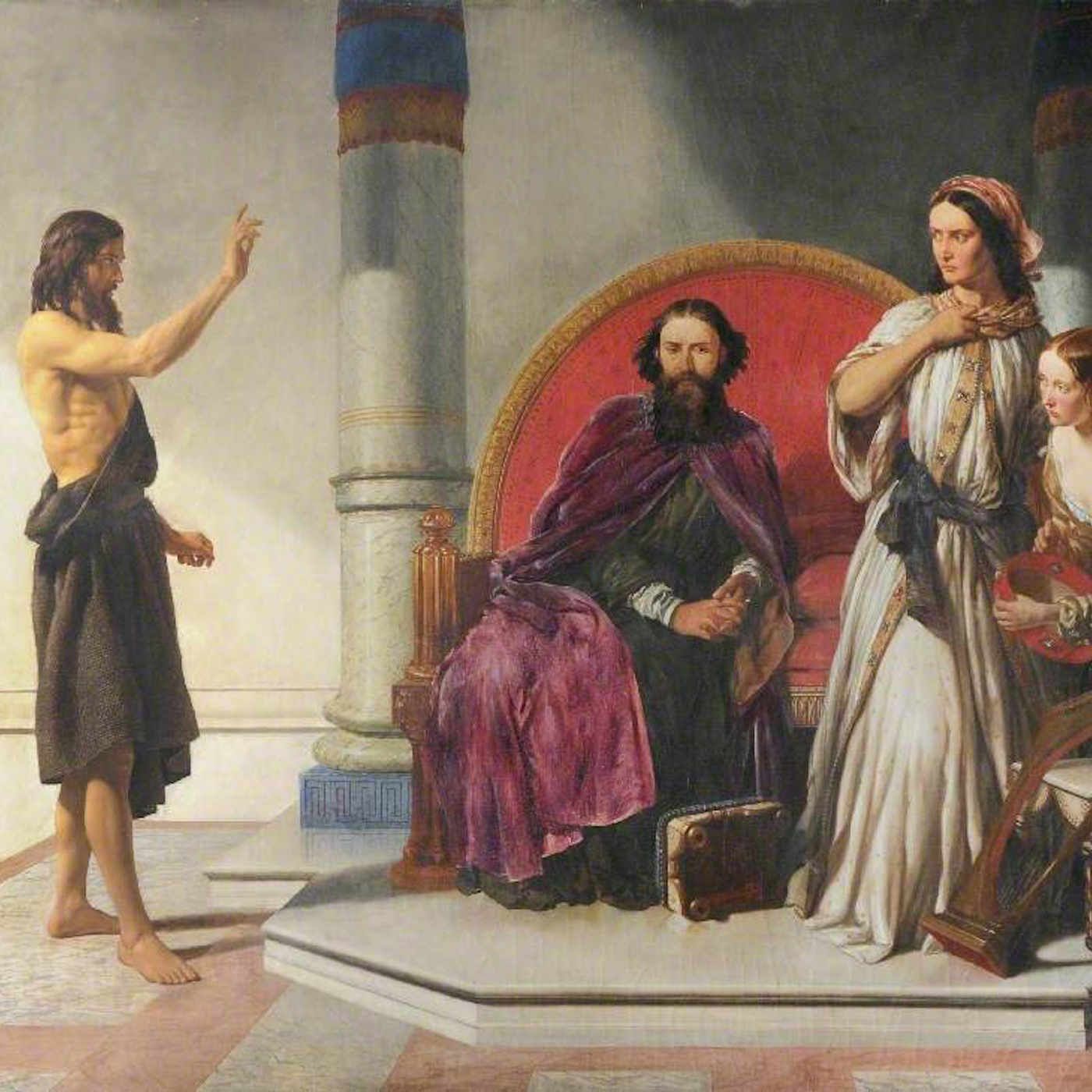
Sep 23
Wednesday of the Twenty-Fifth Week in Ordinary Time - Authority Over demons
Read Online Jesus summoned the Twelve and gave them power and authority over all demons and to cure diseases, and he sent them to proclaim the Kingdom of God and to heal the sick. Luke 9:1–2 This is the first time that Jesus sends His Apostles out on a mission. On this mission, He is preparing them for their ultimate mission, which will come at the time of Pentecost, after Jesus dies, rises and ascends to Heaven. But for now, Jesus commissions these Apostles to do three things: to cast out demons, heal the sick and proclaim the Kingdom of God. Just like the Apostles, we are called to combat the devil and his demons. They are fallen angels who retain their natural powers, and they use those natural powers to try to deceive us, oppress us and, in some cases, even possess us. But demons are powerless in the face of God, and God gives us spiritual authority over them. And though there are some who are given the unique ministry of exorcism within the Church, all of us do have spiritual authority over demons, especially over their natural spiritual attacks of temptations. We combat demons primarily by revealing their lies and bringing them to light. Saint Ignatius of Loyola, in his spiritual classic The Spiritual Exercises , explains to us some of the ordinary tactics these demons use and how we overcome them. He says that for those steeped in a life of serious sin, the demons continually place before their mind the lie that their sins are enjoyable and rewarding, so that they will continue to choose them. And for those who are striving for holiness, these demons try to discourage them in their deepening conversion. They “bite, sadden and put obstacles, disquieting with false reasons, that one may not go on” (Rule 2). The way to overcome these temptations is by turning to the truth. First, by realizing that the false “pleasures” of sin are just that: false, fleeting and ultimately demeaning. Furthermore, we overcome these temptations by receiving from God “courage and strength, consolations, tears, inspirations and quiet, easing, and putting away all obstacles.” In other words, we overcome the demons by allowing God to strengthen us, clear our thinking, dispel all false obstacles on the road to holiness and by receiving the abundant consolations that God bestows as help on the journey. Reflect, today, upon the fact that our Lord wants to minister to you in this threefold way. If you can work to overcome the obstacles put in your path by these demons, then you are in a good position to share in the other two missions given to the Apostles. You will be able to experience mental, emotional and spiritual healing in your life, and you will be able to allow the Kingdom of God to grow strong and powerful within your own soul. From there, you will be sent on a mission by our Lord to bring these graces to others in need. My all-powerful Lord, You have authority over evil, the power to heal and offer all the gifts of eternal salvation. Help me to be open to the ways that You desire to come to me. Please free me from the attacks of the evil one, bring healing and hope, and bring forth the abundance of Your glorious Kingdom in my life. Jesus, I trust in You. Image: Phillip Medhurst, CC BY-SA 3.0 , via Wikimedia Commons Source of content: catholic-daily-reflections.com Copyright © 2025 My Catholic Life! Inc. All rights reserved. Used with permission via RSS feed.
Sep 22
Tuesday of the Twenty-Fifth Week in Ordinary Time - Becoming Jesus’ Mother and Brothers
Read Online The mother of Jesus and his brothers came to him but were unable to join him because of the crowd. He was told, “Your mother and your brothers are standing outside and they wish to see you.” He said to them in reply, “My mother and my brothers are those who hear the word of God and act on it.” Luke 8:19–21 The term “brothers” in this passage is obviously not to be understood that Jesus had blood brothers. It is a dogma of our faith that Jesus was the only Child of Mary. At that time, it was common practice to refer to one’s extended family as “brothers.” This would have especially applied to Jesus’ cousins and perhaps even those who were unrelated by blood but were from the same village. As these relatives of Jesus stood outside and announced their presence, what did they expect Jesus to do? His “brothers” might have been there to try to talk some sense into Him. We know from other passages in the Gospels that some of Jesus’ extended family thought He was out of His mind. Therefore, it is possible that these brothers were there to resolve an extended family conflict that was erupting as Jesus began His public ministry. Jesus’ response was not a rude response. This is clear from the fact that Jesus lived the perfection of charity. But true charity is always grounded in the truth. Jesus spoke a truth that cut through the merely human ties and conflicts that were driving these brothers. By saying, “My mother and my brothers are those who hear the word of God and act on it,” Jesus was challenging His brothers to stop looking at Him only in an earthly way. Everyone, including His relatives, needed to learn to see Jesus as the Son of the Father in Heaven. It was the act of accepting Jesus’ divine identity and submitting in obedience to the will of the Father that established a much deeper bond with Him. That is the relationship that Jesus desired with His earthly brothers. The mother of Jesus, on the other hand, was also perfect in every way. She was free from the disorder of sin and even her mind was clear, being filled with perfect wisdom and understanding. Therefore, when it was reported to her what Jesus said, she would have understood and believed. Saint Bede says that when we hear the word of God and obey it, we become Jesus’ “mother” by bringing Him forth into the world through our words and actions. This also makes us Jesus’ “brothers” because our obedience makes us all children of the Father in Heaven. By the gift of the fullness of grace, our Blessed Mother would have fully understood that her unity with her Son was primarily the result of their shared obedience to the Father’s will. She not only experienced the Son of God being conceived within her womb, she also had the profound experience of conceiving Him in her heart through her obedience to the will of the Father. That “conception” of Jesus within her Immaculate Heart would have been unmistakably clear to her and the cause of her greatest joy. For that reason, she would have treasured this spiritual motherhood of her Son as the greatest gift of all, even more than the gift of natural motherhood. Reflect, today, upon the fact that you are also invited to be the “mother” and the “brother” of Jesus. You share in these holy callings through obedience to the will of the Father. The more clearly you hear God speak and the more fully you obey all that He says will determine the depth of spiritual union you have with Him. Our natural selves must give way to the supernatural life of grace. Make the choice, with our Blessed Mother, to pursue the glorious life of grace so that you will conceive the Son of God in your heart, become a true child of the Father in Heaven, and become a spiritual brother or sister of our Lord. My divine Lord, Your love for Your earthly mother was perfect in every way. That earthly bond was transformed and elevated by Your spiritual union with her on account of Your mutual obedience to the will of the Father. Please draw me into Your divine Family by helping me to listen to and to obey all that the Father speaks. Jesus, I trust in You. Source of content: catholic-daily-reflections.com Copyright © 2025 My Catholic Life! Inc. All rights reserved. Used with permission via RSS feed.
Sep 21
Monday of the Twenty-Fifth Week in Ordinary Time - Growth in Understanding
Read Online “Take care, then, how you hear. To anyone who has, more will be given, and from the one who has not, even what he seems to have will be taken away.” Luke 8:18 Do you have much? Or little? According to Jesus’ words, if you have much, then you will receive much more; but if you have little, then you will lose even what you have. Does this seem fair? Of course, our Lord is not speaking in worldly terms. He’s not saying that if you have much money, then you will gain more, or if you are poor, then you will become poorer. Instead, Jesus is speaking about the grace that comes from understanding His holy Word. Notice that the passage above begins by saying, “Take care, then, how you hear.” To “hear” the Word of God implies that you truly receive what Jesus teaches. Hearing is not just hearing the words spoken with your ears. One early Church Father, Saint Bede, explains that truly hearing the Word of God with our minds leads us to love that Word, and loving the Word leads to understanding. This is not accomplished by an intellectual exercise alone, as if our natural gifts are the primary means by which we comprehend all that Jesus teaches. Rather, it comes through spiritual insight gained by the supernatural gift of the Spirit Who teaches us all things. If you want “more” understanding of the mysteries of God, then commit yourself to engaging the holy Scriptures with your mind. Read the Scriptures, ponder them and pray with them. It’s easy to forget that the Word of God is a Living Word. This means that when we prayerfully immerse ourselves in the Scriptures, we are prayerfully encountering God Himself. God is alive in His holy Word. We meet Him, personally, and this happens only by a special grace that we must be open to receive. The beautiful aspect of this teaching of Jesus is that the more we understand His Word by this grace, the more we will immerse ourselves in it, and it will continue to grow within us. If, however, we devote little time to engaging the Word of God in prayer, we will begin to “forget,” so to speak, the spiritual depths of the wisdom of God. We will lose the little understanding we have and when this happens, we will be prone to engaging and accepting the many confusions and deceptions alive in our world. Reflect, today, upon your practice of prayerfully meditating upon the Scriptures. If this is not your current practice, resolve to make it so. Perhaps start with one of the Gospels and commit yourself to prayerfully reading it little by little every day. The goal is not to get through the books of the Bible. The goal is to enter into each book. Every chapter and every line provides us with a depth of spiritual insight and understanding just waiting to be given and received. Commit yourself to this holy practice, and you will be amazed at the spiritual riches our Lord bestows upon you. Living Word of God, my Lord and my King, I thank You for the way in which You come to me and all Your children through Your written Word. Fill me with a love for that Word so that I will daily engage my mind in the deep truths revealed within it. May I meet You, dear Lord, and grow in an understanding of Who You are and what You wish to reveal to me. Jesus, I trust in You. Didgeman, CC0 , via Wikimedia Commons Source of content: catholic-daily-reflections.com Copyright © 2025 My Catholic Life! Inc. All rights reserved. Used with permission via RSS feed.
Sep 20
Twenty-Fifth Sunday in Ordinary Time (Year C) - Supernatural Prudence
Read Online And the master commended that dishonest steward for acting prudently. "For the children of this world are more prudent in dealing with their own generation than are the children of light.” Luke 16:8 These lines conclude the Parable of the Dishonest Steward. At that time, there was a Palastinian custom in which agents acted on behalf of a wealthier master’s money, making loans and obtaining them back with interest. It is similar to our modern banking system. The problem presented in this parable was that the steward was dishonest, skimming some of the profits for himself. As a result, the master told the steward to get his financial affairs in order because he was going to fire him. The shrewd steward, acting on the authority he still had for the moment, then went forth and reduced the debt of each of his master's debtors so as to win favor with each of them so that he could do business with them after he was fired by his master. Obviously, Jesus does not tell this parable because He approves of dishonest and shrewd deception in business practices. Instead, He tells it to illustrate the fact that many people who are motivated by selfishness and worldly goals use the natural gift of prudence with much more zeal than many of the “children of light.” Think about your goals in life. If you were to make a list of your goals, what would it look like? And if you were to order that list according to the importance of those goals, what would be first? Hopefully, on the top of that list, you would have as your primary goal the love, service and glory of God. In the end, that is all that matters in life. Every other goal in life will fall into place when that is our central goal. However, if you were to order your list according to how much time, energy and prudence you put into each endeavor, how would it look? Would it look different? Most likely. Many people go about their lives putting a tremendous amount of time and effort into the passing things of this world. Many make their financial advancement the goal with which they spend the most time and energy. Others devote countless hours to hobbies, entertainment, home improvements, sports, and even wasteful activities such as binging on television. When it comes to the practice of the faith, it is a rare person who devotes a significant amount of time and energy to daily prayer, studying the Scriptures, learning the Catechism, and studying the lives of the saints. Many experience Sunday Mass as a burden. Charitable service can become undesirable. Many rarely work at the proclamation of the Gospel. Though it is true that much of your time might need to be devoted to the ordinary duties of life, such as making a living and caring for the home and family, it is also true that most people need to reorder their priorities by making sure that the will of God is the central mission of their lives. How is this best accomplished? It begins with the virtue of prudence. Prudence is both a natural virtue and a supernatural one. On a natural level, prudence is called the “mother of all virtues” because it is the quality by which every other virtue, all our time and energy, goals and ambitions are directed. Prudence is the act of vigorously using our minds to creatively and zealously work to achieve the most important goals in life. Supernatural prudence is a spiritual gift by which our natural abilities of prudence are infused with the grace of God, and we are better equipped to know how to accomplish God’s will for our lives. Reflect, today, upon what your list would look like if you were to make it honestly. What do you spend the most time and energy doing? Even if you need to spend most of your time on the ordinary aspects of life, this becomes a holy endeavor when you do it because God is inspiring you to do so. In that case, even the ordinary becomes grace-filled and becomes a way by which you glorify God. The only way for you to know if you are using your time and energies properly is by being open to the gift of supernatural prudence. Pray for that gift today and ask our Lord to more directly order your life so that everything you do is for the glory of God and the salvation of souls. Lord, You are perfect Wisdom; You are Prudence Itself. Please flood my mind and will with Your divine presence and fill me with a desire to make Your perfect will the central mission of my life. Please help me to know how to order my days so that everything I do gives You glory and works toward the salvation of souls, beginning with my own. Jesus, I trust in You. Image: Андрей Николаевич Миронов (A.N. Mironov), CC BY-SA 4.0 , via Wikimedia Commons Source of content: catholic-daily-reflections.com Copyright © 2025 My Catholic Life! Inc. All rights reserved. Used with permission via RSS feed.
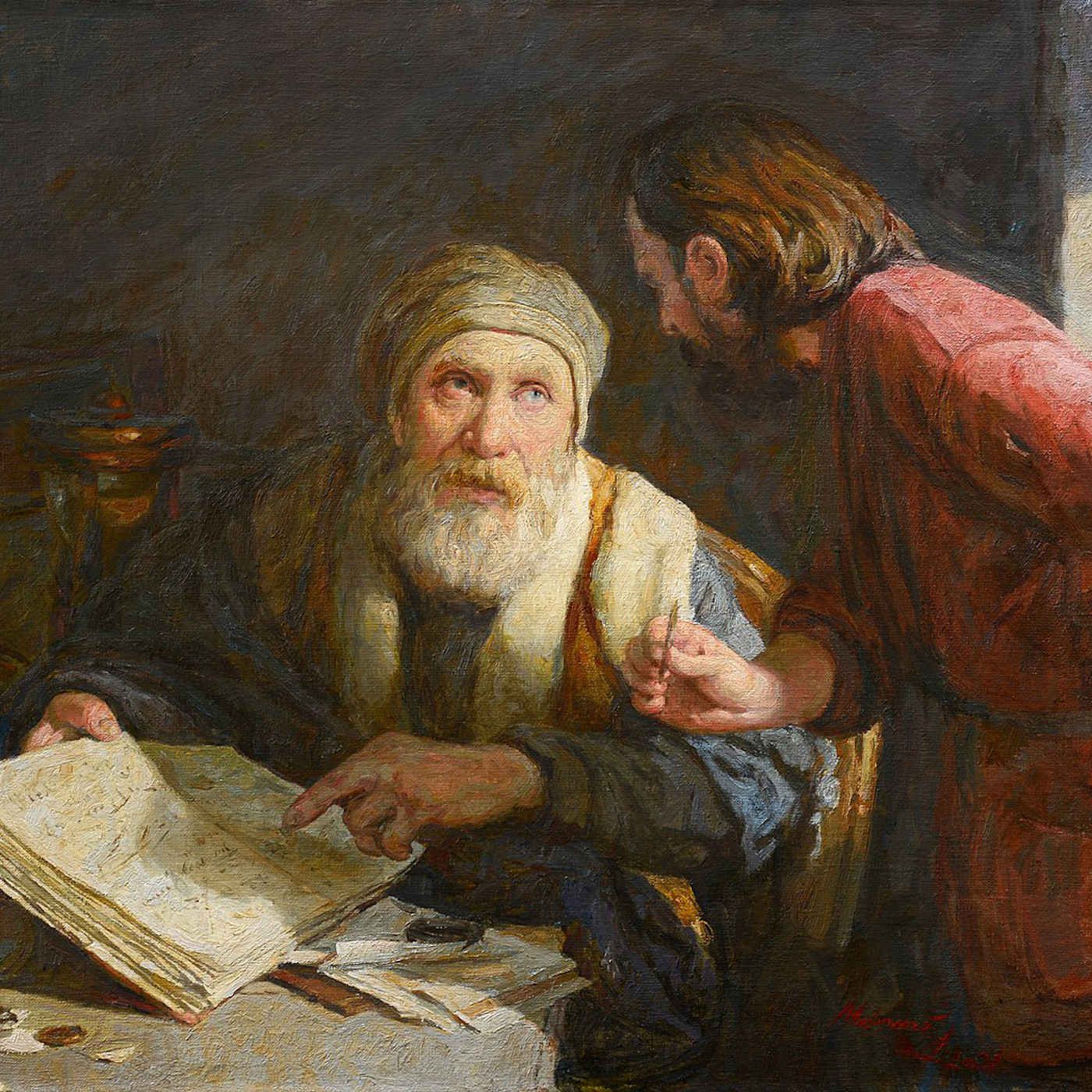
Sep 19
Saturday of the Twenty-Fourth Week in Ordinary Time - Bearing Abundant Good Fruit
Read Online “Whoever has ears to hear ought to hear.” Luke 8:8 This short line is, in a sense, a summary of the Parable of the Sower. This parable presents us with four different ways in which the Word of God is received. The seed that is sown is the Word of God. The four different categories of people are compared to seed sown on a path, rocky ground, among thorns and in good soil. Jesus explains that the seed sown on the path are those “who have heard, but the Devil comes and takes away the word from their hearts.” The seed sown on rocky ground are those who “receive the word with joy, but they have no root; they believe only for a time and fall away in time of temptation.” The seed sown among thorns are those who have heard the Word and received it, but over time they are “choked by the anxieties and riches and pleasures of life, and they fail to produce mature fruit.” Finally, those who are like rich soil are those who heard the Word and “embrace it with a generous and good heart, and bear fruit through perseverance.” As you look at those categories of people, where do you fall? Most likely, for those who pray daily and try to follow our Lord, one of the last two categories is where they fall. Note that for those who are like seed sown in the thorns and those sown in rich soil, fruit is born from the Word of God. In other words, their lives do change and they do make a difference in the world on account of God’s holy Word and presence in their lives. The difference, however, is that those who struggle with “the anxieties and riches and pleasures of life” will fail to produce “mature fruit.” This is a good teaching for faithful Christians to ponder. When you look at your life, what sort of fruit do you see? The “fruit” of which our Lord speaks can be identified with the fruits of the Spirit: charity, joy, peace, patience, kindness, goodness, forbearance, gentleness, faith, modesty, self-control, and chastity. Thus, if you want to discern whether you are more like one who bears mature fruit vs. immature fruit, look at those holy qualities carefully. How “mature” are each of these fruits of the Spirit alive in your life? They make a wonderful examination of conscience for those looking to go deeper than just the Ten Commandments or Seven Capital Sins. If these good fruits are born from your life in a truly mature way, you should be able to see how they affect others through you. For example, how has your kindness, patience, faith and self-control helped others in their Christian walk? Reflect, today, upon the fruits of the Spirit. Review them carefully and prayerfully as you examine your own life. Where you see them in abundance, rejoice and give thanks, and work to foster their growth. Where you see them lacking, rejoice also in that insight and consider the reason they are lacking. Are there worldly anxieties, desires for riches or pleasures that hinder their growth? Seek to be that truly rich soil, and our Lord will indeed bring forth much good fruit in you and through you. My divine Sower, You sow the perfect seeds of Your Word in abundance. Please help me to open my heart to receive that Word so that an abundance of good fruit can be born. Please free me from the anxieties and deceptions of life so that I can hear clearly Your holy Word and nurture that Word in my heart. I rejoice, dear Lord, in all that You have and continue to do in and through me. Jesus, I trust in You. Parable of the Sower by Lawrence OP , license CC BY-NC-ND 2.0 . Source of content: catholic-daily-reflections.com Copyright © 2025 My Catholic Life! Inc. All rights reserved. Used with permission via RSS feed.
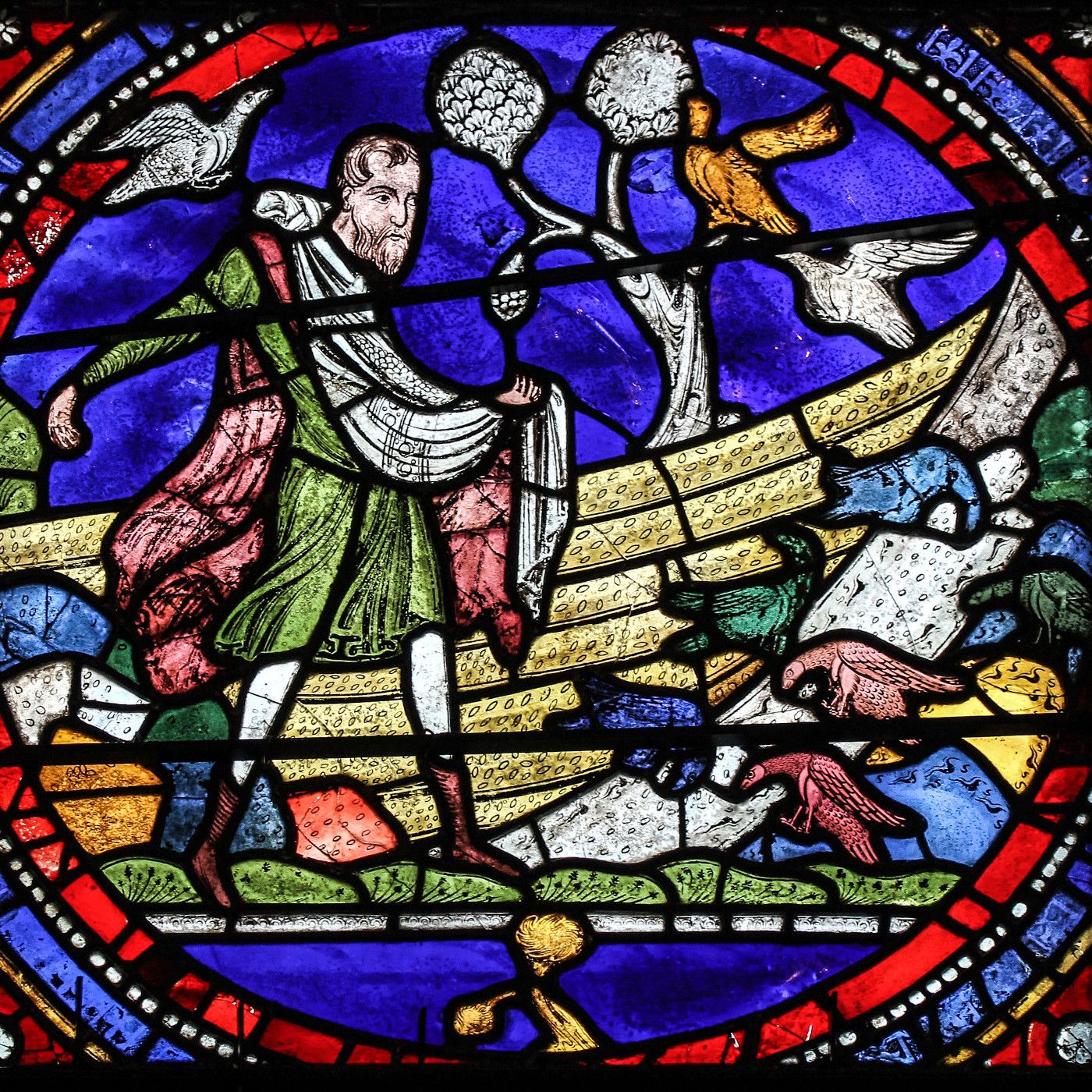
Sep 18
Friday of the Twenty-Fourth Week in Ordinary Time - All In!
Read Online Jesus journeyed from one town and village to another, preaching and proclaiming the good news of the Kingdom of God. Accompanying him were the Twelve and some women who had been cured of evil spirits and infirmities… Luke 8:1–2 Our Lord was on a mission. He traveled on foot from one town to another, “preaching and proclaiming the good news of the Kingdom of God.” His message truly was “good news.” He healed the sick, cast out demons and, most importantly, He forgave sins. As a result, many began to follow Him. Not only did His followers consist of the Twelve whom Jesus personally called and who He would eventually send forth as His Apostles, but others followed Him also. Today’s Gospel also mentions three women by name: Mary of Magdala, Joanna and Susanna. These are but a few of the people who were deeply touched by our Lord, who in turn left all to follow Him. The choice of these first followers to abandon all and follow Jesus invites us to examine the extent to which we have committed our lives to following Him also. Among the many people who heard Jesus preach, there were undoubtedly various responses. Some rejected Him, others were intrigued by Him, others believed in Him but were not willing to become His disciple, and some did commit themselves wholeheartedly to Jesus and His mission of proclaiming good news. For the latter, the good news they heard changed their lives. What is your response to our Lord? One good way to properly answer this question is to examine the amount of time and energy you have committed to our Lord and His message of good news. How much time have you spent reading His holy Word, praying to Him, speaking about Him and learning the faith that He has taught? How much does His message affect the decisions you make in life? Being a Christian is not something we can compartmentalize. We cannot have our “faith time” a few moments of each week and then spend the rest of our time on other activities. True, our days will be filled with many activities that are simply normal parts of our lives. We all have duties and responsibilities that occupy much of our days. But being “all in,” so to speak, means that Jesus and His message permeates everything we do. Even our ordinary daily activities such as work, chores, and the like must be done for God’s glory and in accord with His divine will. For Jesus’ first followers, though they traveled with Him from town to town and radically changed the course of their daily lives, they still would have engaged in many ordinary activities. But those ordinary activities were ultimately done so as to help them and others fulfill their ultimate mission of listening to and responding to the Word of God. Reflect, today, upon the extent that you have consecrated every part of your life to our Lord and His mission. Doing so does not necessarily require that you become a public evangelist, spend all day at Church or the like. It simply means that Jesus and His mission are invited into everything you do every day all day. We can never serve our Lord fully enough. As you examine your daily activity, look for ways to bring our Lord into everything you do. Doing so will truly make you one of His faithful disciples who are all in with your life. My divine Lord, You are on a mission to save souls and to build up Your glorious Kingdom. I thank You for inviting me to not only become transformed by Your holy Word but to help spread that Word to others. My life is Yours, dear Lord. Please enter into every part of my daily life and use me for Your glory. Jesus, I trust in You. Source of content: catholic-daily-reflections.com Copyright © 2025 My Catholic Life! Inc. All rights reserved. Used with permission via RSS feed. Image: Hole, William, 1846-1917, Public domain, via Wikimedia Commons
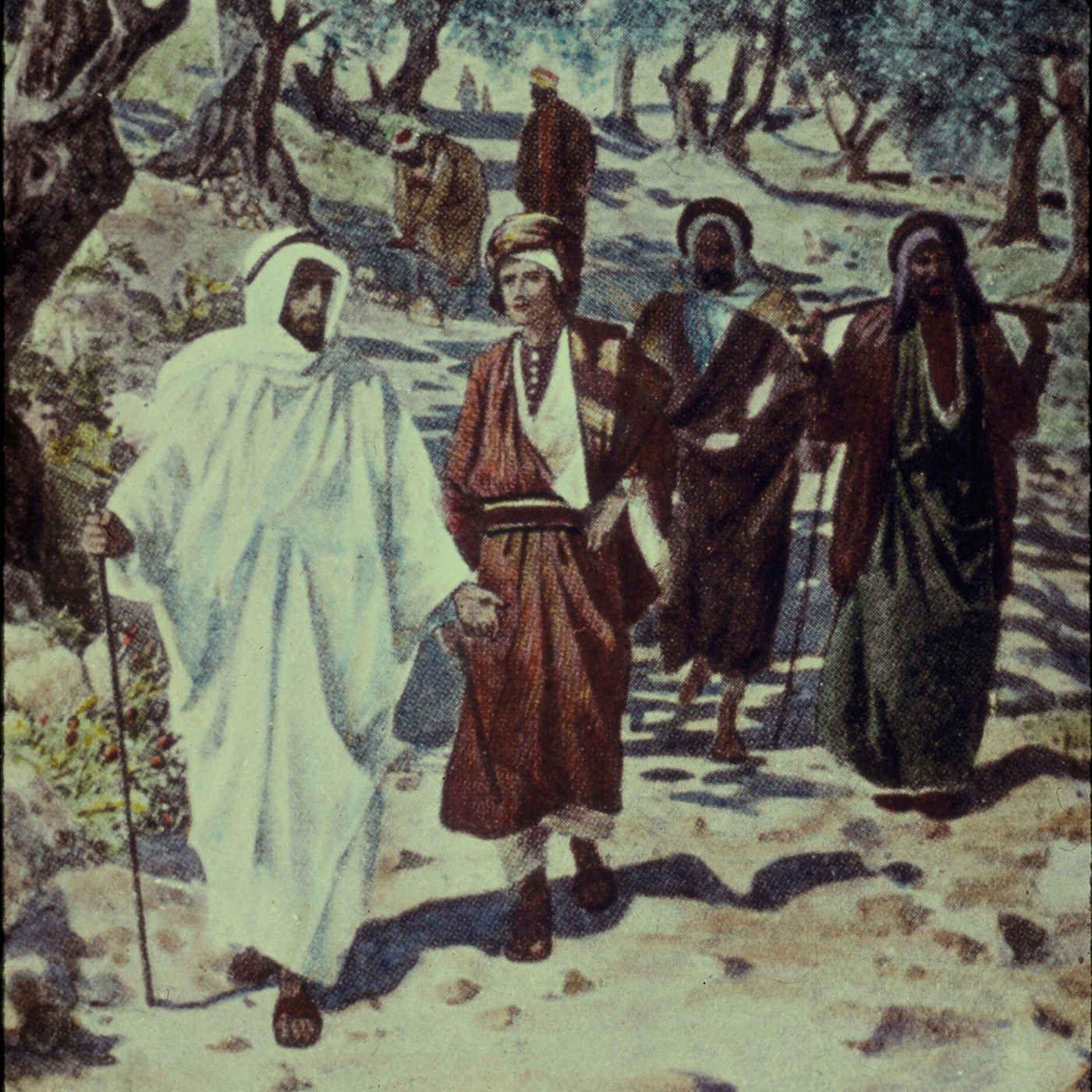
Sep 17
Thursday of the Twenty-Fourth Week in Ordinary Time - Awe at the Forgiveness of Sins
Read Online He said to her, “Your sins are forgiven.” The others at table said to themselves, “Who is this who even forgives sins?” But he said to the woman, “Your faith has saved you; go in peace.” Luke 7:48–50 These loving words from Jesus were spoken to a sinful woman who showed up unannounced at a dinner Jesus was having at the house of a Pharisee. The Pharisee looked down upon her in judgment, but she didn’t care. In sorrow for her sins, she anointed Jesus’ feet and humbled herself before Him, bathing His feet with her tears and drying them with her hair. The conversation ends with Jesus looking at her and telling her “Your sins are forgiven.” Note the reaction of those who were at the table. We are given an insight into their interior thoughts. They said to themselves, “Who is this who even forgives sins?” Those who have been born and raised within the faith have always understood that God forgives. We were taught this from an early age, learned much about it in preparation for the Sacrament of Reconciliation, and have heard this message throughout our lives in one form or another. But imagine never hearing about or experiencing the forgiveness of God throughout your life, and then suddenly one day you do. Imagine what these people must have been experiencing as they encountered the forgiveness of sins for the first time in the Person of Jesus as He forgave this sinful woman. They may have been a bit confused by this, but, perhaps more than anything else, they would have experienced a holy awe and amazement at what God had done. They saw this sinful woman come in, they sensed the judgment and demeaning attitude of the Pharisees, they saw her express sorrow and humiliation, and then they saw Jesus forgive her. Are you amazed at the gift of the forgiveness of your sins and the sins of others? Or do you take forgiveness for granted? The wonder and awe that the people manifested at the forgiveness of the sins of this woman should help us to examine our own attitude toward God’s mercy and forgiveness. We need to continually foster within ourselves the same amazement at God’s mercy that these people had. We must work to never take forgiveness for granted or to see it as just one more normal part of life. Rather, we must see it as extraordinary, ever new, ever glorious and forever awe inspiring. Reflect, today, upon the awe-inspired words of these first followers of Jesus: “Who is this who even forgives sins?” As you do, let God fill you with the deepest gratitude for the forgiveness He has offered you. Renew your appreciation for this unmerited gift from God and allow that gratitude to become the source of your ongoing amazement at the mercy of God. My forgiving Lord, Your mercy and compassion for the sinner is truly awe-inspiring. Thank You for loving me and all Your followers with a love so deep. Please fill my heart with a holy awe at Your incredible mercy. May I always be amazed at Your forgiveness and always be filled with the deepest gratitude as I experience it in my life. Jesus, I trust in You. Image: Paolo Veronese, Public domain, via Wikimedia Commons Source of content: catholic-daily-reflections.com Copyright © 2025 My Catholic Life! Inc. All rights reserved. Used with permission via RSS feed.
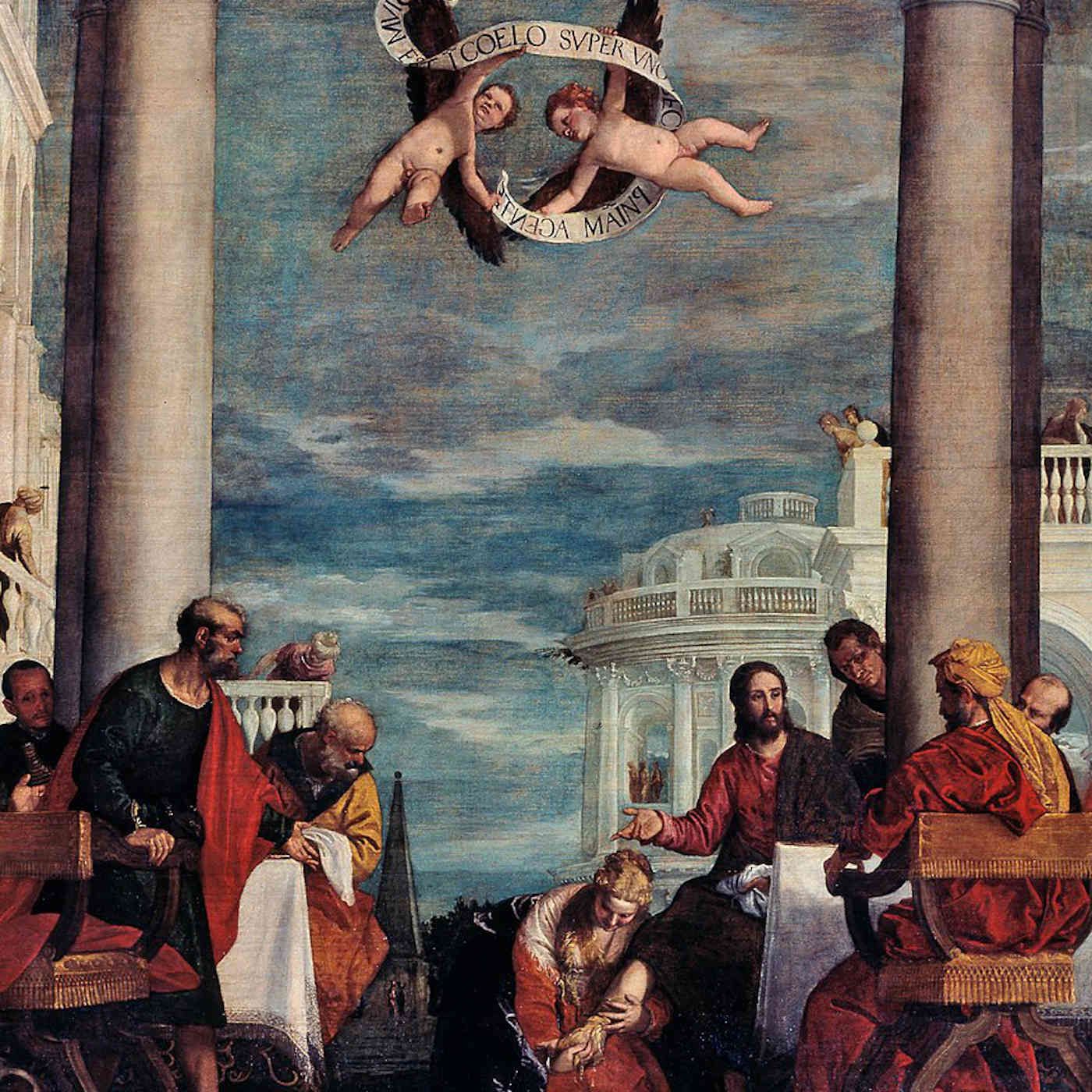
Sep 16
Wednesday of the Twenty-Fourth Week in Ordinary Time - A Well-Ordered Soul
Read Online “‘We played the flute for you, but you did not dance. We sang a dirge, but you did not weep.’ John the Baptist came neither eating food nor drinking wine, and you said, ‘He is possessed by a demon.’ The Son of Man came eating and drinking and you said, ‘Look, he is a glutton and a drunkard, a friend of tax collectors and sinners.’ But wisdom is vindicated by all her children.” Luke 7:32–35 Ecclesiastes 3 is a very popular reading for funerals. It says, “There is an appointed time for everything, and a time for every affair under the heavens. A time to give birth, and a time to die; a time to plant, and a time to uproot the plant…A time to weep, and a time to laugh; a time to mourn, and a time to dance.” This reading is consoling to those who are mourning at a funeral because life is filled with many different emotions and experiences. When those at a funeral think about their loved one, they will recall both the good times and the bad, the sorrows and the joys. Doing so helps remind them that even though the funeral is a time of sorrow, joys will follow in the future. This is the natural rhythm of life. In our Gospel today, Jesus challenged those who failed to have the proper human response at the right time. “We played the flute for you, but you did not dance. We sang a dirge, but you did not weep.” The image of playing a flute and singing a dirge and the subsequent failure to dance and weep reveals a certain disconnect that many people had to John the Baptist and to Jesus Himself during their ministries. In commenting upon this passage, Saint Augustine says that John the Baptist’s preaching was like a dirge that called people to the “weeping” of repentance. However, when he preached, there were many who failed to respond with the appropriate repentance. When Jesus came, He preached and gave witness to the new life of grace that He came to bestow. Though some listened and responded to Him, there were many who did not. Jesus’ message was like the music of the flute that was to inspire people to “dance.” But many failed to respond with the joy that they were invited to experience and live through His transforming message and grace. There is, indeed, an appointed time for everything and for every affair under Heaven. The mission we have been given is to be attentive to that which God is speaking to us at each and every moment of our lives. At times we must “weep” by looking at our sins honestly, experience the horror of those sins, and passionately reject them. At other times we will “dance” when God invites us into His consoling grace and asks us to see clearly His merciful love. At those moments we are invited to be deeply grateful and to express that gratitude with our whole souls. Reflect, today, upon the calling you have been given to live in a well-ordered way. Do so by considering how attentive you are to the people around you. Does the attentiveness of your charity help you to see the hurt within the hearts of those who are suffering? Are you compelled to offer them a compassionate ear and merciful heart? When others are experiencing the joys of life, are you able to share that joy with them? Can you do so fully, without jealousy or envy of any kind? When God inspires you to some act of conversion and bestows some grace, do you listen and promptly obey, responding in the most appropriate way? Our souls must become sensitive to the promptings of grace and must respond accordingly. Seek to have a well-ordered soul so that you will live and experience the life that God places before you each day in accord with His perfect will. Lord, Your soul was perfectly ordered, always responding to the will of the Father with perfection. You were firm when love demanded it, courageous in the face of hardship, merciful to the repentant sinner, and joyful at the conversion of all. Please help me to always be attentive to the promptings of Your grace and to always respond to You in the way I am called. Jesus, I trust in You. Image: Saint John the Baptist, standing in a landscape Source of content: catholic-daily-reflections.com Copyright © 2025 My Catholic Life! Inc. All rights reserved. Used with permission via RSS feed.
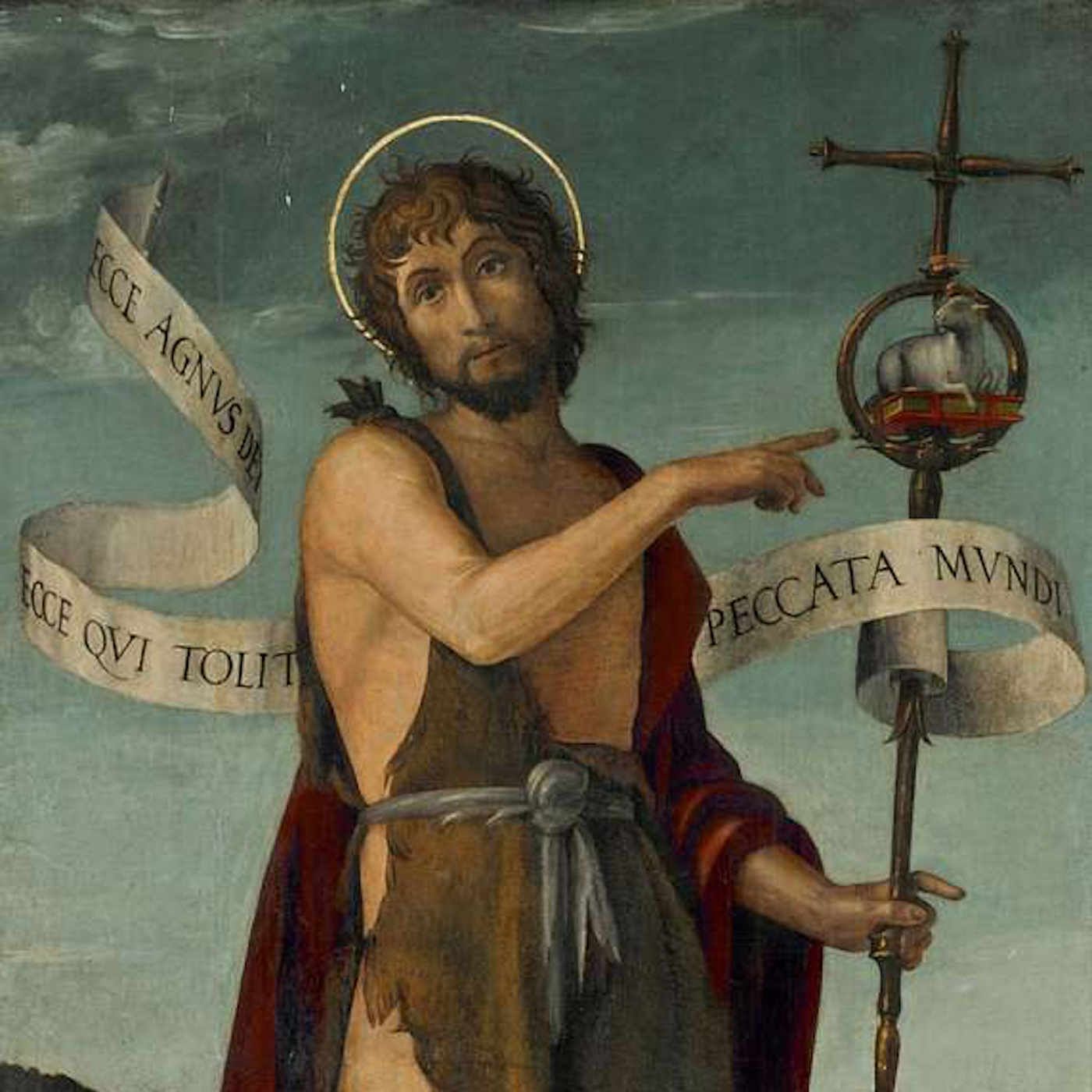
Sep 15
Tuesday of the Twenty-Fourth Week in Ordinary Time - Compassion, Hope and Faith
Read Online Jesus journeyed to a city called Nain, and his disciples and a large crowd accompanied him. As he drew near to the gate of the city, a man who had died was being carried out, the only son of his mother, and she was a widow. A large crowd from the city was with her. Luke 7:11–12 Try to imagine this mother. She had been married, she and her husband had a child, they raised their child, she and her son watched her husband die, and then she watched her son die and was participating in his funeral. Since he was her only son, she was now alone. When we think about this woman, it is easy to feel compassion for her. Her heart would have been filled with a sorrow that is tangible to anyone with empathy. Her heart might also have been filled with fear. At that time, a widow would have had a very difficult time taking care of herself in a rural village. With her husband gone, she would have had to rely upon her son to provide for her as she aged. But now that he was gone, her heart would have not only felt the pain of his loss, but also fear for her future. What would become of her? Who would provide food for her year after year? Would she be reduced to begging and poverty? It is in the context of this very real sorrow and fear that Jesus enters her life. We do not know if she knew anything about Jesus. It appears she was not one of His followers and might not have even heard about Jesus since He had not been ministering publicly for very long. Jesus’ encounter with her and her dead son appears to be unplanned and unexpected. What is it that moves Jesus to raise this man from the dead? It does not appear to be a response to anyone’s faith within the village. It is not even done at anyone’s request. Instead, it appears to be done purely out of Jesus’ compassion for this mother. At least that’s how it seems at first read. And though Jesus clearly acted out of compassion for her, if we consider the entire context, there might also be a secondary motive. Jesus, his disciples and a large crowd were all walking together through this village. Since Jesus’ miracles were normally performed in response to people’s faith, it is most likely that faith was a contributing factor to this miracle. The faith that called forth this miracle, however, could only have come from the crowds of people who were walking with Jesus from Capernaum. The day prior, these same crowds witnessed Jesus heal the servant of a centurion. They clearly believed in Jesus. As they walked with Him and encountered this funeral procession, it was not only Jesus’ heart that was moved with compassion, it was also the hearts of His followers. Therefore, as Jesus’ followers witnessed this mother’s sorrow and then witnessed Jesus’ own human sorrow and compassion for her, they would have had hope that He would do something. Their hope would have been supernatural in origin, which means that it was also united with faith. By faith, they knew Jesus would act. Thus, in a very real way, the compassion, hope and faith of the people traveling with Jesus would have called forth His almighty power to heal, and Jesus responded. There are many ways to act as mediators of God’s grace. One way to do so is by growing in compassion for others and hope in God. When we witness the sufferings of others, allow ourselves to feel compassion for them, manifest hope in the power of God to heal, and then stand there, in faith, waiting for God to act, God will be compelled to act. Our holy compassion, hope and faith act as a prayer to which God always responds. The crowds accompanying Jesus through the Village of Nain appear to have acted in this manner and, inspired by their witness, we, too, must act as intercessors for others in the same way. Reflect, today, upon anyone in your life who resembles this widow of Nain. Who is it that God wants you to notice and to feel compassion for? As your empathetic heart notices those who need your compassion, open yourself, also, to the supernatural gift of hope. Have divine hope that God will heal them. As you do, allow that hope to manifest faith in God and offer that compassion, hope and faith to God as your prayer for those who are in need. Most compassionate Lord, You are always attentive to our needs and our sorrows. Your Heart is filled with compassion for all. Please give me a truly empathetic heart so that I will see those in need. As I do, fill me with hope and faith that You will pour forth Your mercy upon them so that I will become an intercessor for all. Jesus, I trust in You. Image: Andreas F. Borchert, CC BY-SA 3.0 DE , via Wikimedia Commons Source of content: catholic-daily-reflections.com Copyright © 2025 My Catholic Life! Inc. All rights reserved. Used with permission via RSS feed.
Sep 14
September 15, Memorial of Our Lady of Sorrows - Mother Mary’s Sorrowful Heart
Read Online Standing by the cross of Jesus were his mother and his mother’s sister, Mary the wife of Clopas, and Mary Magdalene. John 19:25 Our Blessed Mother, the Mother of the Son of God, loved her Son with a perfect love. She enfleshed every virtue to perfection. Her love for her Son was a love that was beyond what we could ever imagine. She conceived Him miraculously, bore Him in her womb, gave birth to Him, nursed Him, raised Him and loved Him throughout His life. It’s difficult to even imagine the depth and beauty of the love she had for Jesus. Generally speaking, a mother’s love is powerful, unwavering, deep and filled with tenderness. Try to imagine the Immaculate Heart of Mother Mary and the amazing depth of love alive in her heart. Imagine also the scene depicted in the Gospel passage quoted above. This loving mother stood at the foot of the Cross, gazing upon her crucified Son, continuing to exude every motherly virtue. And because it’s hard to fathom the depth of her love for her Son, it’s also very hard to imagine the depth of sorrow and interior suffering she endured as she watched the cruelty toward Jesus unfold. All she could do in that moment was stand by Him and with Him in this moment of extreme agony. Her love was expressed, in that moment, by her fidelity to Him. What’s beautiful to know is that love, sorrow, compassion and suffering were united as one within her Immaculate Heart. Within the beauty of her heart was every human emotion, fueled by God’s grace, enabling her to give to her Son the greatest gift she had: her motherhood. She was a true mother throughout her life, and, in this moment, as her Son hung on the Cross, her motherhood culminated in a perfect human expression. We all long to be loved by another. To give and receive love is the greatest gift that we can give and receive. Love is what we were made for and is the source of our fulfillment in life. We can be certain that as Mother Mary stood at the foot of the Cross, her human heart experienced the greatest fulfillment ever known. Her heart was fulfilled because she exercised her motherly love to perfection. Gaze upon the image of the Mother of God this day. Ponder, especially, all that she would have experienced within her human heart. Though theologians could write volumes on this meditation, the best way to understand her heart of love is through prayerful meditation. Ask our Blessed Mother to reveal her heart to you today. Find some time to sit in silent adoration of this holy image of perfect motherly love. As you do, know two things. First, know that Mother Mary has this same depth of love for you. Do not doubt it. Her heart burns with compassion as she gazes upon you, even in your sin. Second, know that our Blessed Mother’s love must also fill your heart and overflow into the lives of others. We all must allow her compassion, concern, fidelity and mercy to flow through our hearts. Who do you need to love with the heart of our Blessed Mother? Seek to receive the love in the heart of the Mother of God and seek to give that love. Receive it in and then allow it to flow forth. There is truly nothing in this world more beautiful and awe inspiring than the holy image of this love. My Immaculate and Sorrowful Mother, you stood at the foot of the Cross of your Son with the perfection of a mother’s love. Your heart was filled with a sorrow that was mixed with every holy virtue. Pray for me that I may understand this love more fully, so that I may also open up my own heart to your love. As I do, I pray that I will become an instrument of the love in your heart toward those in my life who suffer and are in most need of tender compassion and mercy. Sorrowful Heart of Mary, pray for us. Jesus, I trust in You. Daderot, Public domain, via Wikimedia Commons Source of content: catholic-daily-reflections.com Copyright © 2025 My Catholic Life! Inc. All rights reserved. Used with permission via RSS feed.
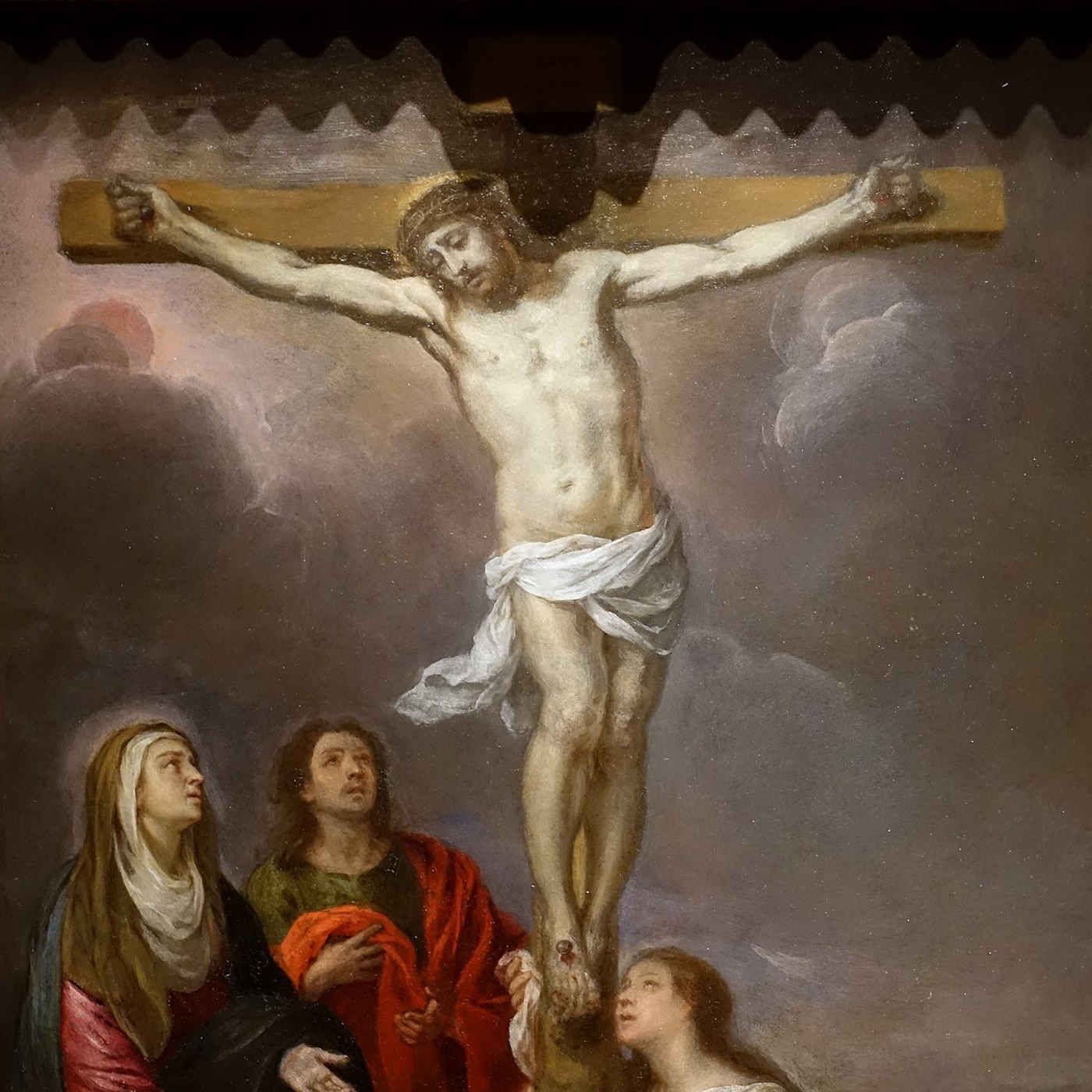
Sep 13
September 14, Feast of the Exaltation of the Holy Cross - The Transforming Power of the Cross
Read Online For God so loved the world that he gave his only Son, so that everyone who believes in him might not perish but might have eternal life. For God did not send his Son into the world to condemn the world, but that the world might be saved through him. John 3:16–17 If Jesus would never have given His life on a cross for the salvation of the world, then a cross would never have been seen in “exultation.” A cross, in and of itself, is an instrument of death, a horrific and violent death. It’s also an instrument of humiliation and torture. Yet, today, the Cross is seen as a holy and blessed object. We hang crosses in our homes, wear them around our neck, keep them in our pocket on the end of the rosary, and spend time in prayer before them. The Cross is now an exalted image by which we turn to God in prayer and surrender. But that is only the case because it was on a cross that we were saved and brought to eternal life. If you step back and consider the amazing truth that one of the worst instruments of torture and death is now seen as one of the holiest of images on earth, it should be awe inspiring. Comprehending this fact should lead us to the realization that God can do anything and everything. God can use the worst and transform it into the best. He can use death to bring forth life. Though our celebration today, the “Feast of the Exaltation of the Holy Cross,” is first and foremost a feast by which we give glory to the Father for what He did in the Person of His divine Son, it is also a feast by which we must humbly understand that God can “exalt” every cross we endure in life and bring forth much grace through them. What is your heaviest cross? What is the source of your greatest suffering? Most likely, as you call this to mind, it is painful to you. Most often, our crosses and sufferings are things we seek to rid ourselves of. We easily point to crosses in life and blame them for a lack of happiness. We can easily think that if only this or that were to change or be removed, then our life would be better. So what is that cross in your life? The truth is that whatever your heaviest cross is, there is extraordinary potential for that cross to become an actual source of grace in your life and in the world. But this is only possible if you embrace that cross in faith and hope so that our Lord can unite it to His and so that your crosses can also share in the exaltation of Christ’s Cross. Though this is a profoundly deep mystery of faith, it is also a profoundly deep truth of our faith. Reflect, today, upon your own crosses. As you do, try not to see them as a burden. Instead, realize the potential within those crosses. Prayerfully look at your crosses as invitations to share in Christ’s Cross. Say “Yes” to your crosses. Choose them freely. Unite them to Christ’s Cross. As you do, have hope that God’s glory will come forth in your life and in the world through your free embrace of them. Know that these “burdens” will be transformed and become a source of exaltation in your life by the transforming power of God. My exalted Lord, I turn to You in my need and with the utmost faith in Your divine power to save. Please give me the grace I need to fully embrace every cross in my life with hope and faith in You. Please transform my crosses so that You will be exalted through them and so that they will become an instrument of Your glory and grace. Jesus, I trust in You. Image via Unsplash Source of content: catholic-daily-reflections.com Copyright © 2025 My Catholic Life! Inc. All rights reserved. Used with permission via RSS feed.

Sep 12
Saturday of the Twenty-Third Week in Ordinary Time - The Path You are On
Read Online Jesus said to his disciples: “A good tree does not bear rotten fruit, nor does a rotten tree bear good fruit. For every tree is known by its own fruit. For people do not pick figs from thornbushes, nor do they gather grapes from brambles.” Luke 6:43–44 What a great way to examine the direction of your life! This Gospel passage gets to the heart of how we can best discern whether or not we are truly fulfilling the will of God. Oftentimes we may struggle with knowing clearly if we are doing that which God wants of us. There are many directions in life that we can be pulled toward and many goals we can come up with on our own. For that reason, it is useful from time to time to stop and do an honest inventory of our lives. When you look at the past year of your life, what do you see? Specifically, do you see good fruit being born? Such an examination is helpful to do from time to time. It is useful to make such an examination not only for the past year but for different time periods. Perhaps start by looking at the big picture by looking at all the times in your life that were most fruitful for the glory of God. From there, try to look at your life decade by decade, year by year and then even month by month over this past year. Look for the most blessed moments in your life as well as the most challenging moments. When we examine our lives in this way, it’s important to understand what to look for. For example, there may be moments when all went well in one way or another and then other times that were painful and very difficult. What’s important to know, from a divine perspective, is that just because something “went well” at one point, or just because something was “painful and very difficult” at another point in our lives, this doesn’t mean that the former was the most fruitful for the Kingdom of God or the latter the least fruitful. In fact, heavy crosses and difficulties in life can often be the most fruitful times for us, spiritually speaking. Just look at Jesus’ life. Of course, everything He did was fruitful for the glory of the Father in Heaven, but we can easily point to the most painful moment of His life as the most fruitful. His Crucifixion brought forth the greatest good ever known. So it is with our lives. The fruitfulness of our lives is not best discerned by looking at those moments when all was easy, fun, memorable and the like. Though those may also be graced moments, we need to look at spiritual fruitfulness from the divine perspective. We need to look for the moments in our lives, be they easy or difficult, when God was clearly present and when we made choices that gave Him the greatest glory. Reflect, today, upon your life being like a tree that bears spiritual fruit. What times of your life, decisions you made, or activities that you were engaged in produced the most virtue in your life? When was your prayer life the deepest? When was your charity the strongest? When was your faith and hope the most evident? Return to those moments, savor them, learn from them and use them as the best building blocks for the glorious future our Lord desires for you. My glorious Lord, Your life bore fruit of infinite value. You continually chose to fulfill the will of the Father in Heaven, and, as a result, You lived every virtue to perfection. Help me to regularly pause in life so as to examine the direction in which I am going. May I learn from my errors and rejoice in those moments that were most fruitful for Your Kingdom. I love You, Lord. Help me to bear the greatest fruit for Your glory. Jesus, I trust in You. Image: Jan Brueghel the Elder, Public domain, via Wikimedia Commons Source of content: catholic-daily-reflections.com Copyright © 2025 My Catholic Life! Inc. All rights reserved. Used with permission via RSS feed.

Sep 11
Friday of the Twenty-Third Week in Ordinary Time - Seeing Through the Eyes of God
Read Online “Why do you notice the splinter in your brother’s eye, but do not perceive the wooden beam in your own?” Luke 6:41 Saint Teresa of Ávila, one of the greatest spiritual writers and doctors of the Church, explains in her spiritual masterpiece “Interior Castles,” that one of the first steps on the path to holiness is self-knowledge. Self-knowledge produces humility, because humility is simply having a true opinion about yourself. When a person fails to know themself from the true perspective of the mind of God, then they open themselves up to many errors of judgment. One such error is that they can easily become fixated upon their perceived sins of others. The Gospel passage quoted above depicts a person who gravely lacks self-knowledge. Why? Because they “do not perceive the wooden beam” in their own eye, meaning, they do not see their own sin. As a result, Jesus explains that this person also becomes fixated upon the “splinter” in their brother’s eye. When you consider your own thoughts, what do you dwell upon the most all day long? Do you honestly look inward, seeking to know yourself as God knows you? Or do you spend excessive time thinking about others, analyzing and judging their actions? This is an important question to ask yourself and to answer with honesty. The best way to know yourself is to gaze upon Jesus. When He becomes the focus of your attention throughout the day, you will not only come to know Him, but you will also come to know yourself more honestly. Gazing at the beauty and perfection of our Lord will have the double effect of knowing Him and knowing yourself through His eyes. It will also help you to know others as He sees them. How does Jesus look at those around you? He looks at them with perpetual mercy. True, at the end of every life, when we pass from this world to the next, we will encounter our particular judgment from our Lord. But while here on earth, God continually gazes upon us with mercy. For that reason, mercy must become our daily mission, and we must build a habit of gazing upon everyone in our life with the eyes of mercy. Reflect, today, upon our Lord. Look at Him, gaze upon Him, seek to know Him and make Him the focus of your attention. As you do, try to dismiss from your thinking process your own perceived judgments of others. Allow your gaze upon our Lord to help you to not only see Him but to also see others through His eyes. Build this habit and you will be on the fast track to the path to holiness. My merciful Jesus, may I build a humble and true habit of gazing upon You in Your splendor and beauty. As I see You, day in and day out, please also help me to see myself through Your eyes of mercy so that I will also grow in humility. Please remove all judgment from my heart so that I will be free to know and love all people as You know and love them. Jesus, I trust in You. Image: Fra Angelico, Public domain, via Wikimedia Commons Source of content: catholic-daily-reflections.com Copyright © 2025 My Catholic Life! Inc. All rights reserved. Used with permission via RSS feed.
Sep 10
Thursday of the Twenty-Third Week in Ordinary Time - The Most Important Thing in Life
Read Online To the person who strikes you on one cheek, offer the other one as well, and from the person who takes your cloak, do not withhold even your tunic. Give to everyone who asks of you, and from the one who takes what is yours do not demand it back. Luke 6:29–30 This must have been shocking to Jesus’ first disciples. First of all, recall that Jesus taught these words with a spiritual authority that left those with an open heart with a conviction that what Jesus taught was truth. Also recall that Jesus taught these deep spiritual lessons within the context of performing numerous miracles. So, for these reasons, His new followers would have known that what Jesus taught was true. But how could they fully accept such teachings? Though many commentators will try to point to the deeper spiritual principles that Jesus was teaching, try to first take His words on face value. He really said that you must offer the other cheek to someone who strikes you, to give your tunic to one who steals your cloak, and to give to everyone who asks of you, never demanding back that which someone takes from you. These are not easy lessons to accept! One thing that these powerful lessons teach us is that there is something far more important in life than the humiliation of being struck on the cheek and having your possessions stolen. What is that more important thing? It’s the salvation of souls. If we were to go through life demanding earthly justice and retribution for wrongs received, we would not be able to focus upon that which is most important. We would not be able to focus upon the salvation of those who have wronged us. It’s easy to love those who are kind to us. But our love must extend to everyone, and sometimes the form of love we must offer another is the free acceptance of injustices they commit against us. There is great power in this act of love. But we will only be able to love another this way if our deep desire is for their eternal salvation. If all we want is earthly justice and satisfaction for wrongs committed, we may achieve that. But it may come at the expense of their salvation. Sometimes we can fall into the trap of thinking that every wrong must be righted here and now. But that’s clearly not what Jesus taught. His wisdom is so much deeper. He knew that a profound act of mercy and forgiveness to another, especially when they have hurt us deeply, is one of the greatest gifts we can give. And it’s one of the most transformative actions we can also do for our own souls. When love hurts, in the sense that it costs us our earthly pride, especially by completely letting go of injustice, then our act of love for that person has great power to change them. And if that act changes them, then this will be the cause of your joy for eternity. Reflect, today, upon any way that this hard teaching of Jesus is difficult for you. Who comes to mind as you ponder this teaching? Do your passions revolt against this command of love from Jesus? If so, then you have discovered the specific area where God wants you to grow. Think about anyone with whom you have a grievance and ponder whether you desire their eternal salvation. Know that God can use you for this mission of love if you will love in the way our Lord commands. My merciful Lord, Your love is beyond my own ability to comprehend. Your love is absolute and always seeks the good of the other. Give me grace, dear Lord, to love with Your heart and to forgive to the extent that You have forgiven. Use me, especially, to be an instrument of salvation and mercy to those who need it most in my life. Jesus, I trust in You. Source of content: catholic-daily-reflections.com Copyright © 2025 My Catholic Life! Inc. All rights reserved. Used with permission via RSS feed.
Sep 9
Wednesday of the Twenty-Third Week in Ordinary Time - A Double Blessing
Read Online “But woe to you who are rich, for you have received your consolation. But woe to you who are filled now, for you will be hungry. Woe to you who laugh now, for you will grieve and weep. Woe to you when all speak well of you, for their ancestors treated the false prophets in this way.” Luke 6:24–26 Is it dangerous to be rich, to be filled, to laugh, and to have all speak well of you? According to Jesus, it appears so. Why would Jesus warn against these things? And before that, why would He pronounce it blessed to be poor, hungry, weeping and insulted? Essentially, Jesus was condemning four common sins—greed, gluttony, intemperance, and vainglory—and promoting their opposite virtues. Poverty, in and of itself, is not sufficient for holiness. But in Luke’s Gospel, Jesus declares it blessed to be poor, literally. This goes further than Matthew’s Gospel which says it is blessed to be “poor in spirit.” To be poor in spirit is to be spiritually detached from the material things of this world so that you can be fully open to the riches of God. One common tendency among those with material wealth is to rationalize that even though they have many things, they are detached from them. Hopefully that is the case. However, in Luke’s version of the Beatitudes, Jesus directly says, “Blessed are you who are poor” and “woe to you who are rich.” In this teaching, we discover a second blessing not found in Matthew’s version. In addition to spiritual detachment (poverty of spirit) being identified as a blessing, literal poverty is proclaimed as the easier way to achieve this spiritual detachment. Material wealth, though not a sin in and of itself, brings with it many temptations toward attachment, self-reliance, and self-indulgence. Thus, spiritually speaking, it is easier to be detached when one is poor, rather than when one is rich. This is a hard truth for both the poor and the rich to accept. The poor often want to be rich, thinking that if they were, they would share their wealth with others and remain detached. The rich often enjoy being rich and believe that they are more spiritually detached than they actually are. Being “hungry” is also identified as a blessed state, whereas being “filled” is a dangerous state. When you are literally hungry, either from fasting or from lack of an abundance of food, it is easier to turn your hunger and thirst toward God so as to be filled by Him and to more easily trust in His providence. An abundance of food, especially fine food, tempts you with a gluttonous satisfaction that makes it difficult to hunger and thirst for God and His holy will in a complete way. Therefore, if you refrain from indulgence and experience hunger, you will be blessed to be free from gluttony and even the temptation toward it. “Laughing” and “weeping” in this case are not referring to joy and despair. Rather, they are referring to those who are always seeking fun and an indulgent life. Many people live for fun, entertainment, and momentary pleasures. Weeping refers to those who have discovered that the fleeting pleasures of the world can never satisfy. Constant entertainment, therefore, brings with it a real temptation, whereas the loss of that form of fleeting pleasure helps eliminate that temptation. Finally, Jesus declares it blessed to be hated, excluded, insulted, and denounced as evil on account of Him rather than being spoken well of by all. In this case, Jesus is referring to the praise that comes from things that mean nothing from an eternal perspective. When all speak well of us, praising qualities and accomplishments that are not true Christian virtues, we will be tempted to rely upon that praise for our satisfaction. But this form of satisfaction is nothing other than vainglory and never truly satisfies in the end. However, when one sees and praises the virtues of God within us, God is praised first and foremost, and we are blessed to share in God’s glory. Reflect, today, upon whether you prefer to be rich, to indulge in the best of foods, to be constantly entertained and to be the envy of others, or whether you see the temptations this type of life brings. Reflect also upon the concrete spiritual blessings that come to those who are literally poor, hungry, temperate and humble. This is a very demanding teaching from Jesus. If it doesn’t sit well with you, then know that it is a sign that you still have various attachments in life. Reflect, especially, upon the beatitude that is most difficult to embrace, and make that beatitude the source of reflection and prayer. Doing so with honesty and openness will result in you being among those who are truly blessed in the eyes of God. My blessed Lord, You were poor, hungry, temperate and humble to the perfect degree. For these reasons, You were filled with perfect virtue and were satisfied to the greatest degree. Please open my eyes to the deceptions of this world so that I can live with You a life of true holiness, experiencing the riches of the Kingdom of Heaven. Jesus, I trust in You! Image: Sermon on the Mount by Danijel Dukić, license Creative Commons Attribution-Share Alike 4.0 International Source of content: catholic-daily-reflections.com Copyright © 2025 My Catholic Life! Inc. All rights reserved. Used with permission via RSS feed.
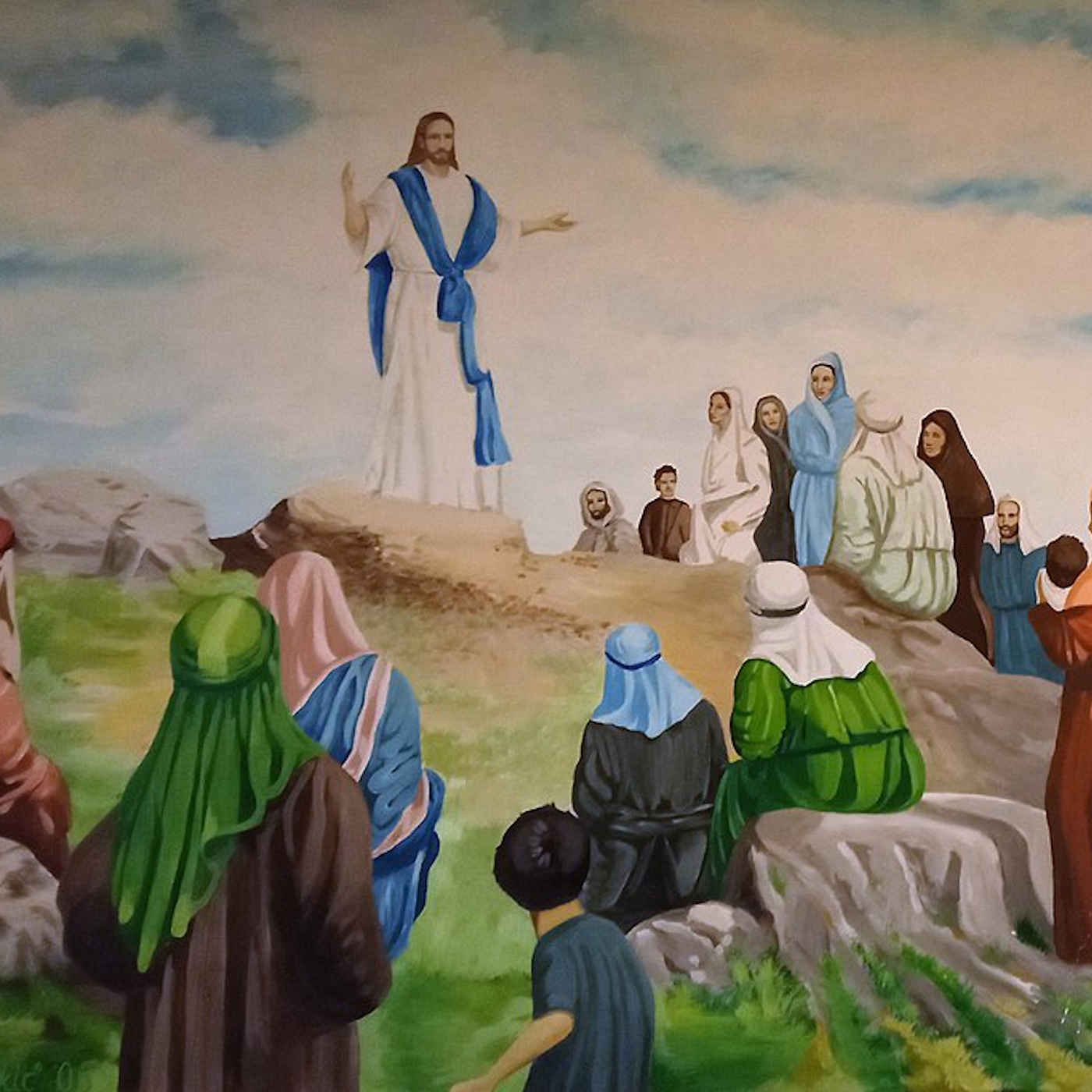
Sep 8
Tuesday of the Twenty-Third Week in Ordinary Time - Hearing and Healing
Read Online And he came down with them and stood on a stretch of level ground. A great crowd of his disciples and a large number of the people from all Judea and Jerusalem and the coastal region of Tyre and Sidon came to hear him and to be healed of their diseases; and even those who were tormented by unclean spirits were cured. Everyone in the crowd sought to touch him because power came forth from him and healed them all. Luke 6:17–19 The Gospel of Luke presents us with what is traditionally known as the “Sermon on the Plain.” Almost everything Luke includes in this sermon is also found in Matthew’s “Sermon on the Mount.” Matthew, however, adds some teachings not found in Luke. Matthew’s sermon has three chapters while Luke’s has only one. In this, the introduction to this “Sermon on the Plain,” from which we will be reading all week, Luke points out that large numbers of people came from far and wide to listen to Jesus. This crowd included many Jews but also included many people from the pagan territory of Tyre and Sidon. And what was it that drew so many of them? They came to “hear” Jesus preach and “to be healed.” They wanted to hear the words of Jesus since He spoke with great authority and in a way that was changing lives. And they were especially amazed by the healing power that Jesus manifested. The last line of the passage above gives great emphasis to this desire for healing. “Everyone in the crowd sought to touch him because power came forth from him and healed them all.” It’s interesting that Jesus performed so many powerful miracles as He went about His public ministry. This was especially the case as He began His ministry. He became a sort of instant celebrity to many and was the talk of the many surrounding towns. But it’s also interesting to note that, as time went on, Jesus gave more emphasis to His teaching than He did to the miracles. What is it that draws you to our Lord? Perhaps if there were numerous manifest miracles performed today by God, many people would be amazed. But physical miracles are not the greatest work of our Lord and, therefore, should not be the primary focus of our relationship with Him. The primary reason we should be drawn to our Lord is because His holy Word sinks in deeply, changes us and draws us into communion with Him. This is clearly seen by the fact that now that the Gospel message has been deeply established and the Church formed, physical miracles are rare. They do happen, but not in the same way that they did as Jesus first established His public ministry. Reflect, today, upon the primary reason you find yourself drawn to our Lord. Seek out His living Word, spoken within the depths of your heart. The most important miracle that takes place today is that of interior transformation. When a person hears God speak, responds to that Word, and allows Him to change their life, this is among the most important miracles of grace that we could ever encounter. And this is the central reason we should be drawn to Him, seek Him out and follow Him wherever He leads. My miraculous Lord, please draw me to Yourself, teaching in the wilderness of my interior life of silence and solitude. Help me to seek You out so that I can hear Your Word, spoken to me to give me new life. May I always listen to You so that Your holy Word will transform me more fully, making me into the new creation You desire me to be. Jesus, I trust in You. Image: Cosimo Rosselli, Public domain, via Wikimedia Commons Source of content: catholic-daily-reflections.com Copyright © 2025 My Catholic Life! Inc. All rights reserved. Used with permission via RSS feed.
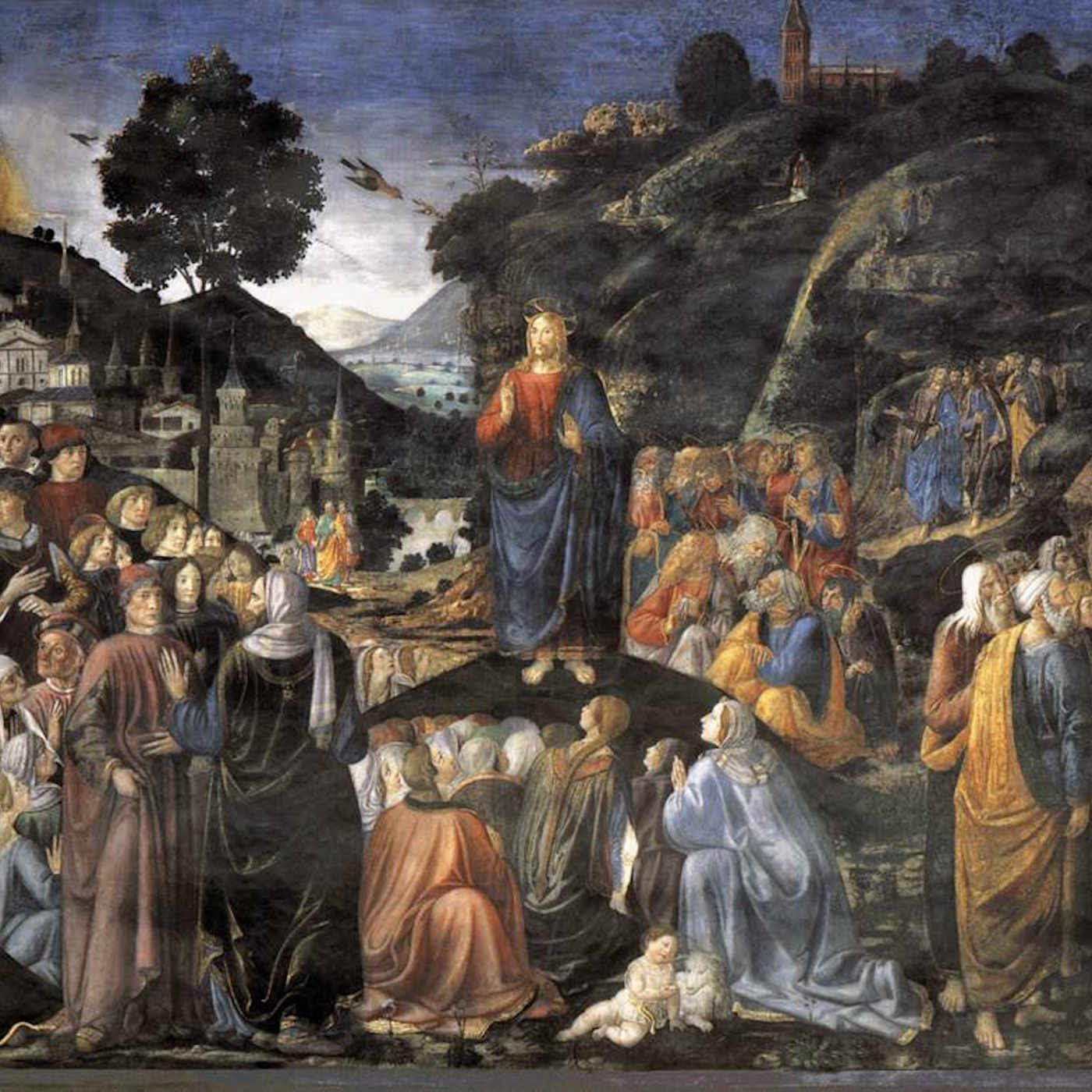
Sep 7
September 8, Feast of the Nativity of the Blessed Virgin Mary - The Birth of the Mother of God
Read Online “Joseph, son of David, do not be afraid to take Mary your wife into your home. For it is through the Holy Spirit that this child has been conceived in her. She will bear a son and you are to name him Jesus, because he will save his people from their sins.” Matthew 1:20–21 Today we celebrate one of the most consequential birthdays in the history of the world! Certainly, the only birthday more important is that of our divine Lord Himself. But today we honor His mother, and our mother, too. The Blessed Virgin Mary was born into our world without the stain of original sin. She was preserved from experiencing fallen human nature through the gift of her Immaculate Conception. Thus, she was the first to be born in the perfection of human nature after the fall, and she continued to experience this grace throughout her life, responding to God with her free will every step of the way. All of us enjoy celebrating our birthdays. Children especially love it, but most everyone looks forward to that special day each year when family and friends honor them and celebrate them in a special way. For that reason, we can be assured that even our Blessed Mother loved her birthday while here on earth and continues to enjoy this special celebration in Heaven. Of course, she did not enjoy her birthday because she wanted to be pampered or given special attention. She, perhaps more than anyone other than her divine Son, rejoiced on her birthday because of the deep spiritual gratitude she had to God for all that He did in her life. Try to ponder the heart and soul of our Blessed Mother from her perspective. She would have been intimately united to each person of the Most Holy Trinity throughout her life. She would have known God, living in her soul, and would have been in awe of what God had done to her. She would have pondered these graces with deep humility and exceptional gratitude. She would have seen her soul and mission from the perspective of God, keenly aware of all that He had done for her. As we honor the birthday of our Blessed Mother, it’s also an important opportunity for each of us to ponder the incredible blessings that God has bestowed upon each one of us. No, we are not Immaculate as Mother Mary was. We were each born into original sin and have sinned throughout our lives. But the blessings of grace, given to each one of us, is exceptionally real. We only need to work to have the eyes to see these graces. Baptism, for example, bestows upon the soul an eternal transformation. Though our sin may cloud that transformation at times, the transformation is eternal. Our souls are changed. We are made new. Grace is poured into our hearts, and we become children of God. And for the soul who is able to perceive the countless other ways that God bestows blessings, gratitude is the only appropriate response. Reflect, today, upon the glorious celebration of the birthday of the Blessed Virgin Mary, Mother of God. Begin by trying to rejoice in her life through her eyes. Try to imagine what she saw as she looked into her own graced soul. From there, try to rejoice, also, in your soul. Be grateful for all that God has done for you. Work to have eyes that see these countless graces and allow yourself to rejoice in God’s blessings with our Blessed Mother. My dearest Mother, happy birthday! Today I rejoice in the incredible gift that God gave to you in your Immaculate Conception and birth into our world. I pray that I may honor you in a fitting way this day and to especially understand more clearly the beauty of your graced soul. Pray for me that I may also rejoice in the countless graces bestowed upon me by our merciful God. I love you, dear Mother. Precious Jesus, through the heart of the Blessed Virgin Mary, I trust in You! Image: Domenico Ghirlandaio, Public domain, via Wikimedia Commons Source of content: catholic-daily-reflections.com Copyright © 2025 My Catholic Life! Inc. All rights reserved. Used with permission via RSS feed.
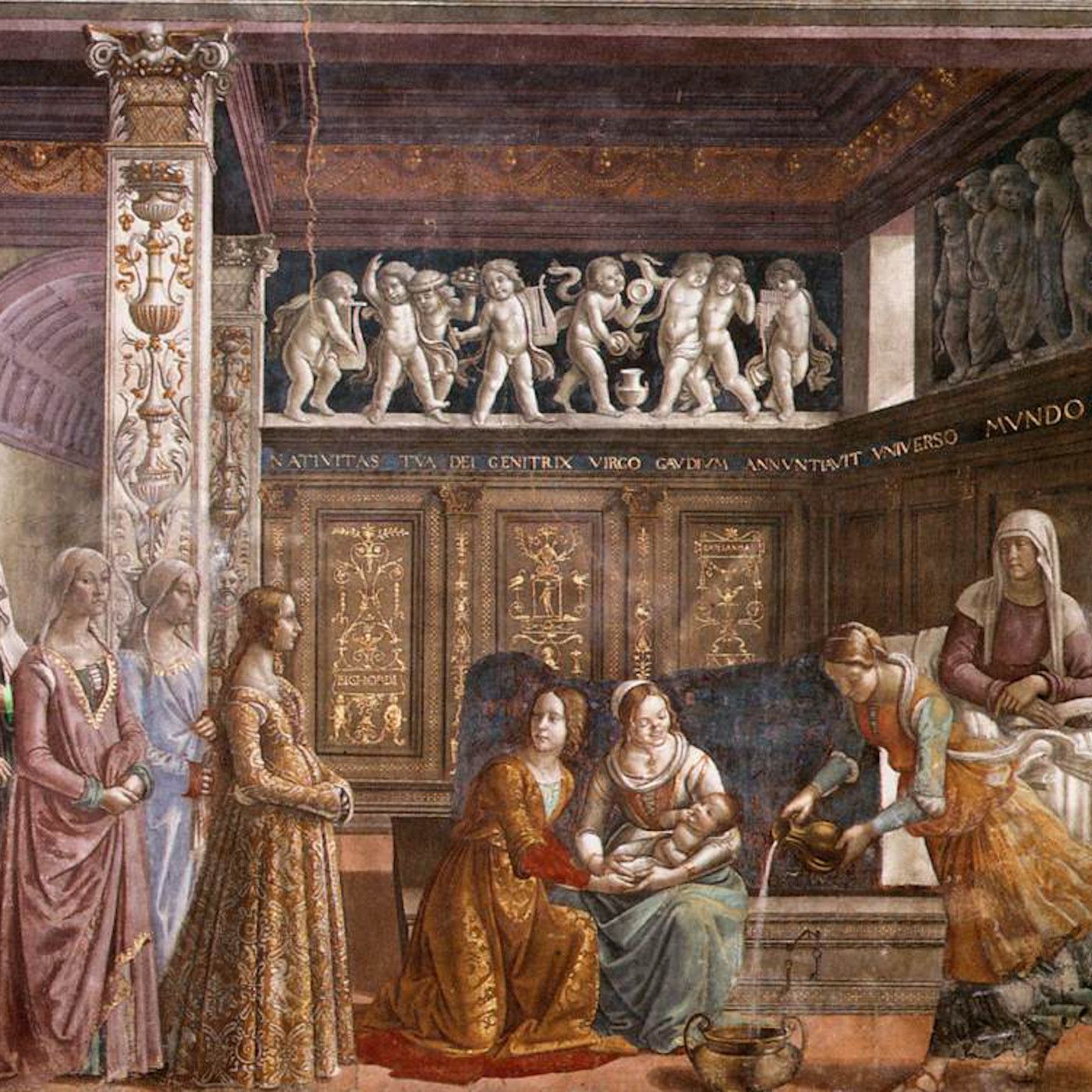
Sep 6
Twenty-Third Sunday in Ordinary Time (Year C) - “Hating” So As To Love
Read Online Great crowds were traveling with Jesus, and he turned and addressed them, “If anyone comes to me without hating his father and mother, wife and children, brothers and sisters, and even his own life, he cannot be my disciple.” Luke 14:25–26 Why would Jesus exhort the “great crowds” to hate their families? In fact, Jesus went even further than that. He said they must also hate their own lives. If they do not, then they cannot be His disciples. One thing that this shocking teaching did was to shake people out of their lukewarm faith. Sometimes we think of Jesus only as a kind and gentle soul Who always brightens people’s days. We see images painted of the smiling Jesus Who always made people feel welcomed and loved. And though these images have truth, it is also true that one way He brightened their days was by challenging them to the core of their being to convert. And that is what Jesus does today in our Gospel. To hate your father, mother, children, siblings and even your very self is obviously not a reference to the sin of hate that flows from anger. In this case, the word “hate” refers to the best way to love others and to love even your own self. To begin, let's look at the conclusion. Jesus said that this form of hate is a requirement of being His disciple. This is the key. Unless we are first and foremost a disciple of Christ, we cannot love others and we will not even love ourselves in the proper way. “Hate” in this context refers to selfish attachments. This means that people and things can easily get in the way of our love of God. When they do, we must see them as an obstacle to both the love of God, as well as to the authentic love of others and even ourselves. For example, if a family member were to demand in some way that you love them more than you love God, then this must be rejected with passion. This could be referred to as holy hatred of the temptation, not the person. Say a spouse criticizes you for attending Mass and tries to stop you from doing so. If you listen to them, then you are placing them before God. Or say someone hurts you and you choose to forgive them, only to have a family member challenge you and try to stir up anger in you toward that person. If you listen to them, then you are not listening to God. In these cases, we must “hate” in the sense that we reject the temptation. What about yourself? How do you hate yourself? This is a reference to the many ways that our disordered appetites are drawn to sin. If we indulge in the disordered desires, or even worse, if we treat those disordered desires as normal and good for us, then we have chosen the disordered desire over God. In that case, we must learn to hate and reject the selfish and disordered desire, choosing God and His will alone. When we are able to choose the love of God first and foremost in our lives, rejecting the temptations that come through others and even the temptations within our disordered desires, then, and only then, are we in a position to love others and ourselves, in the right way. Jesus obviously wants us to love others and ourselves. But this is only possible when our love is pure and holy and flows from the love of God. Any other form of “love” is not love at all. It is a selfish attachment that hinders our true mission as lovers of God and instruments of that love to others. Reflect, today, upon the passion that you must have to reject all forms of sin. This includes sin that tempts you through the mediation of your family and friends. It also includes every form of temptation that arises within you on account of your disordered human nature. This holy hatred is an act of love in that it seeks to eliminate everything that keeps you from true love. Choose, today, to be a faithful disciple of Jesus and commit yourself to reject all that seeks to interfere with this choice. Doing so will not only increase your love for God, it will also increase your love for others, and even your love for your own soul. My passionate Lord, You exhorted the crowds to reject every form of temptation that interfered with their love of You. Please fill my soul with a holy hatred for sin and all temptation so that I can reject them with passion. May I love You above all things and from that love, love others and even my own soul with Your Sacred Heart. Jesus, I trust in You. Image via Adobe Stock Source of content: catholic-daily-reflections.com Copyright © 2025 My Catholic Life! Inc. All rights reserved. Used with permission via RSS feed.
Sep 5
Saturday of the Twenty-Second Week in Ordinary Time - The Divine Law of Our Lord
Read Online “The Son of Man is lord of the sabbath.” Luke 6:5 This short yet powerful statement by Jesus was spoken in response to the Pharisees who questioned Jesus as to why His disciples were apparently doing what was unlawful on the sabbath. They were walking through a field of grain, picking grain as they walked, and eating it for nourishment on their journey from one town to another. This challenge from the Pharisees highlights their scrupulous approach to the moral law. Recall the Third Commandment given through Moses: “Remember the sabbath day—keep it holy. Six days you may labor and do all your work, but the seventh day is a sabbath of the LORD your God. You shall not do any work…” (Exodus 20:8–10). From this Commandment, the Pharisees had developed a complex commentary which went into great detail about what kind of work was forbidden on the Sabbath in their view. One such regulation was to pick and mill grain. Thus, they judged that this was what the disciples were doing and were, therefore, violating the Third Commandment. The laws of God, as they are given by God, must be followed perfectly. His divine Law refreshes us, enlivens us and enables us to live in union with Him. The Pharisees, however, deeply struggled with a need to control the lives of the people through their human interpretation of the divine Law. By saying that “The Son of Man is lord of the sabbath,” Jesus made it clear that this scrupulous interpretation of the Third Commandment taught by the Pharisees did not align with the truths of that divine Law. One lesson to learn from this encounter is that each one of us can easily fall into a similar trap. It’s easy to replace God’s true Law with our perception of faith and morality. We are weak human beings, and there are many things that affect our thinking and our convictions in life. Emotions, habits, family relationships, friendships, media and so many other things affect us in powerful ways. Sometimes for good and sometimes for ill. We can easily arrive at certain judgments of faith and morality that are slightly erroneous, being based on subtle errors. As a result, we can easily begin to get off track in our thinking and convictions and, over time, can find that we have deviated far from the truths of God. When this happens, it can be difficult to humbly admit it and change our convictions. Reflect, today, upon the humble truth that Jesus and Jesus alone is Lord of the divine Law. This means that we must perpetually remain open to changing our opinions when we hear our Lord speak to us. Ponder any way in which you have become overly attached to your own opinions. If they bring forth peace, joy, charity and the like, then they are most likely in union with God. If they are burdensome, a cause of confusion, contention or frustration, then you may need to step back and humbly reexamine the convictions you hold, so that He Who is Lord of all will be able to speak His divine Law to you more clearly. Lord of all Truth, You and You alone are the guide of my life. You and You alone are the Truth. Help me to be humble, dear Lord, so that I can recognize any error in my convictions and turn to You and Your divine Law as the one and only guide for my life. Jesus, I trust in You. Image: The story of the Bible from Genesis to Revelation, Public domain, via Wikimedia Commons Source of content: catholic-daily-reflections.com Copyright © 2025 My Catholic Life! Inc. All rights reserved. Used with permission via RSS feed.
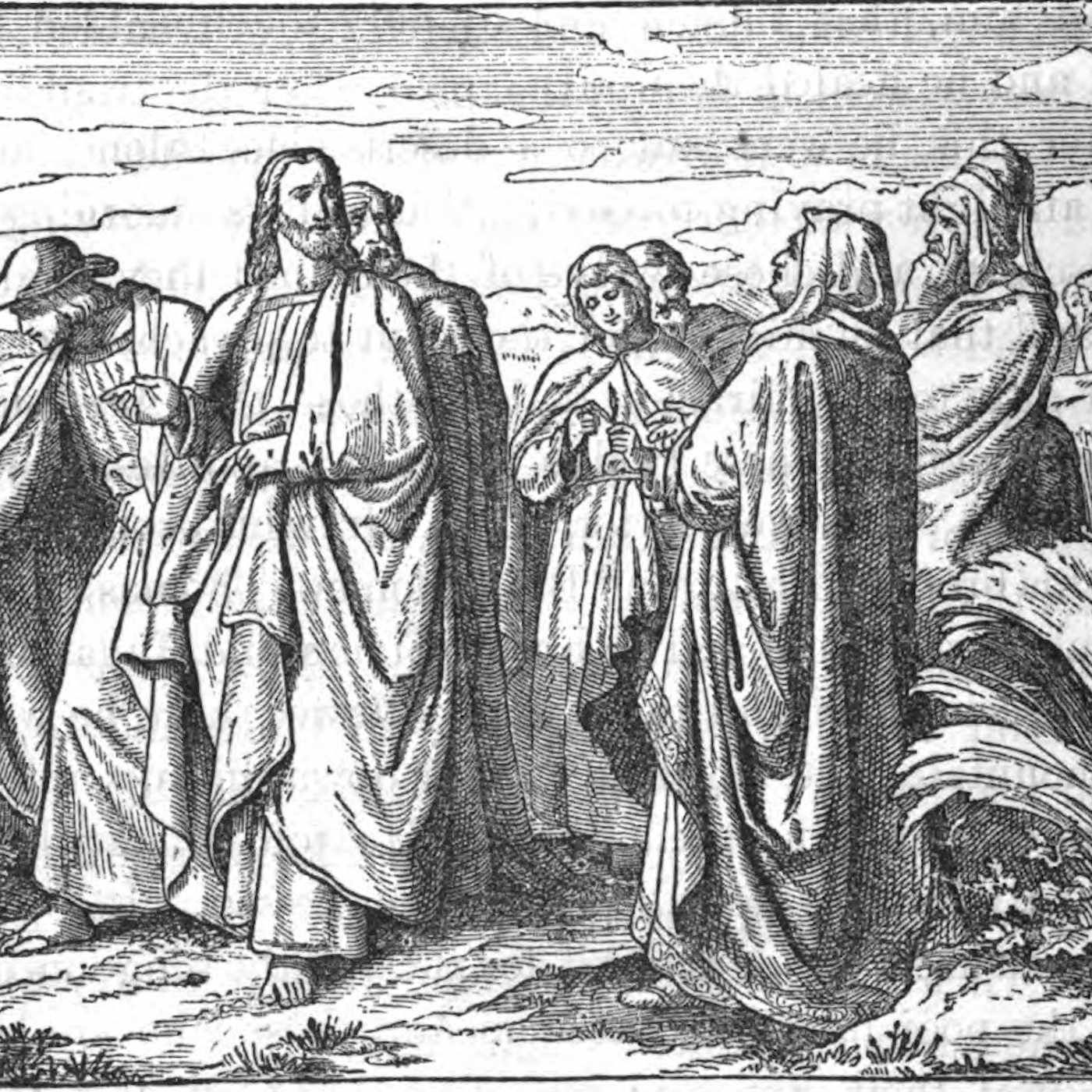
Sep 4
Friday of the Twenty-Second Week in Ordinary Time - Courage to Change
Read Online “Likewise, no one pours new wine into old wineskins. Otherwise, the new wine will burst the skins, and it will be spilled, and the skins will be ruined. Rather, new wine must be poured into fresh wineskins. And no one who has been drinking old wine desires new, for he says, ‘The old is good.’” Luke 5:37–39 This short parable comes at the beginning of Jesus’ public ministry. He just called Levi, the tax collector, to become one of His disciples, and then Levi invited Jesus to dine at his home with other tax collectors and sinners. When the scribes and Pharisees saw this, they objected and challenged our Lord. In response, Jesus tells this parable as a way of explaining that He came to call everyone to change and to experience a new transformation of their life. The “new wine” spoken of in this parable is the grace poured forth from the Cross. Remember that blood and water sprung forth from His side as He hung upon the Cross. This has been symbolically understood as the grace and mercy given to us from the Cross, which is transmitted today through the Sacraments of Baptism and Holy Communion. Baptism transforms us into a new creation, and, as a new creation in Christ, we must desire the new wine of the Most Holy Eucharist so as to be daily transformed by our Lord. Many of the Church Fathers point out that the “old wine” that many prefer is a reference to those who wanted to continue living according to the old law. This is especially true of the scribes and Pharisees to whom Jesus was speaking this parable. Jesus was bringing them a new teaching and preparing them for a new grace. But they rejected it, preferring the old life they were living. One thing this tells us is that if we are to receive this new wine of the grace of God, we must be ready and willing to abandon our old selves and become new. Change can be hard. Even as evangelized Christians who are already living in the grace of Christ, we will be continually called to a deeper and deeper change in our lives. Too often we can easily become complacent and content with the life we are living. When that happens, it will hinder our Lord from pouring the new wine of His grace into our souls in ongoing superabundance. How do you deal with change in life? If you want to grow in holiness, you can be certain that change is the only constant in life. We must become new creations each and every day, growing, being more fully transformed, changing our ways, giving up the old and embracing that which is ever new. This requires a certain amount of courage as we come face-to-face with the daily need to be changed by grace. It means daily death to our old self and daily becoming a new creation in God. Reflect, today, upon the courage it takes to change. What is it in your life that you may be afraid to change? What “old wine” do you prefer over the “new wine” of God’s grace? What old habits or attachments do you have that our Lord wants you to let go of? Face the changes God wants for you with courage and trust, and You will indeed become more fully the new creation in Christ you are meant to be. My most merciful Lord, I know You call me to continual change in my life. Please give me the courage I need to face all that I need to detach from in life and all that hinders me from becoming the glorious new creation You have called me to become. Pour forth Your abundant grace into my life, dear Lord, making me into Your new and glorious creation in grace. Jesus, I trust in You. Image: Paolo Veronese, Public domain, via Wikimedia Commons Source of content: catholic-daily-reflections.com Copyright © 2025 My Catholic Life! Inc. All rights reserved. Used with permission via RSS feed.
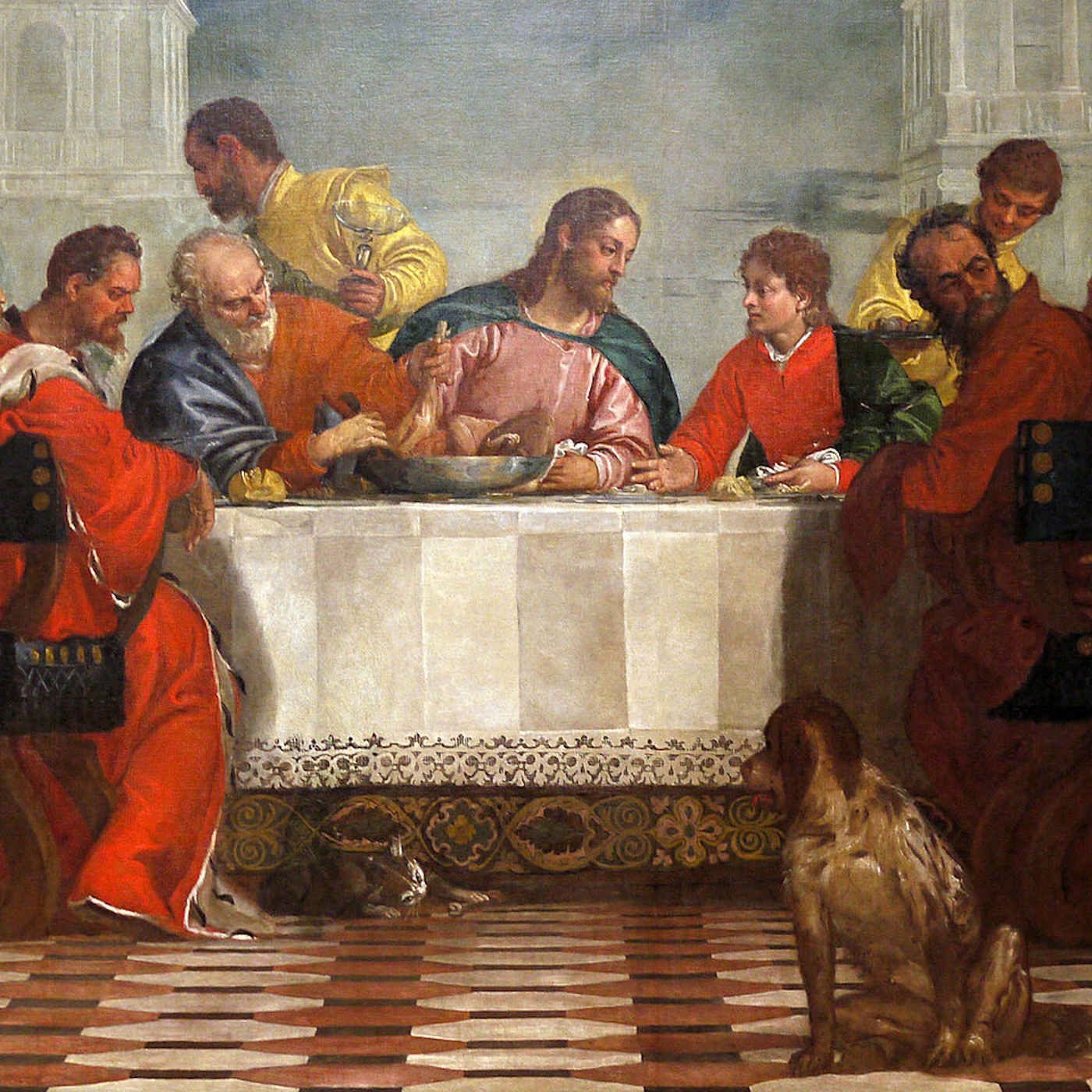
Sep 3
Thursday of the Twenty-Second Week in Ordinary Time - A Personal Encounter
Read Online When Simon Peter saw this, he fell at the knees of Jesus and said, “Depart from me, Lord, for I am a sinful man.” Luke 5:8 Consider carefully this very moving action of Simon Peter. Jesus had just begun His public ministry, healing Simon’s mother-in-law as one of His first miracles. After that, Simon witnessed Jesus heal many other sick people and cast out many demons. And then, shortly after these initial miracles, Jesus got into the boat of Simon, directed him to “Put out into deep water and lower your nets for a catch.” As soon as Simon obeyed, he caught so many fish that they needed a second boat to come and help them. The response of Simon to this additional miracle is recorded above. Three things take place in this passage. First, “Simon Peter saw this…” And though he saw this, literally with his eyes, we should see his “seeing” as something even deeper. Simon Peter saw not just the best day of fishing he had ever had. He saw God’s grace at work through Jesus and was deeply moved interiorly by what he saw. Jesus used that which was one of the most central parts of Simon Peter’s life (fishing) to manifest His divine power. In a sense, Jesus brought this lesson home to Simon, using fishing as the source of His lesson. Secondly, Simon’s response was perfect. By encountering this divine miracle, Simon immediately was aware of his sin. Though we do not know what Simon’s sin was, it is clear that this encounter with our Lord led him to immediately call to mind whatever he was guilty of. Perhaps he had struggled with some ongoing habitual sin for years, or perhaps he had done something of a grave nature that still haunted him. But all we know is that Simon’s encounter with this very powerful and personal miracle moved him to an awareness of his sin. Thirdly, Simon falls at the knees of Jesus and tells the Lord to depart from him. And though Jesus’ mercy is so great that Jesus would never depart from him, Simon is not only aware of the fact that he is unworthy to be in Jesus’ presence, but he also manifests this conviction through his humble action of repentance. What does Jesus do? He said, “Do not be afraid…” And when these new disciples arrived at shore, “they left everything and followed him.” Each one of us must encounter our Lord in this same way. We must see Jesus. We must be deeply attentive to Him. We must recognize His presence, hear His voice and see His action in our life. If this is done well and through faith, then our personal encounter with our Lord will shine light on the sin we need to repent of. This is not so that we remain in guilt and shame; rather, it is so that we can also humble ourselves before Jesus and acknowledge we are not worthy of Him. When this humble admission is done well, we can be assured that Jesus will also say to us, “Do not be afraid.” His consoling words to us must then be responded to with the same choice made by Simon and the others. We must be ready and willing to leave everything behind so as to follow Him. Reflect, today, upon this image of Simon Peter on his knees before Jesus. See his humility and honesty. See his sincerity and interior awareness. And see his understanding of the divine power of Jesus before him. Pray that you, too, will see our Lord, experience your sin, humble yourself before Him and hear Him call you to radically and completely follow after Him wherever He leads. My consoling Lord, You manifested Your almighty power to Simon Peter through his ordinary daily activity. You allowed him to see Your divine power at work. Help me to see You at work in my life also, dear Lord. And as I see You, help me to humble myself before You, acknowledging my unworthiness. As I do, I pray that I also hear You say to me “Do not be afraid,” so that I can get up and follow You wherever You lead. Jesus, I trust in You. Image: Konrad Witz, Public domain, via Wikimedia Commons Source of content: catholic-daily-reflections.com Copyright © 2025 My Catholic Life! Inc. All rights reserved. Used with permission via RSS feed.
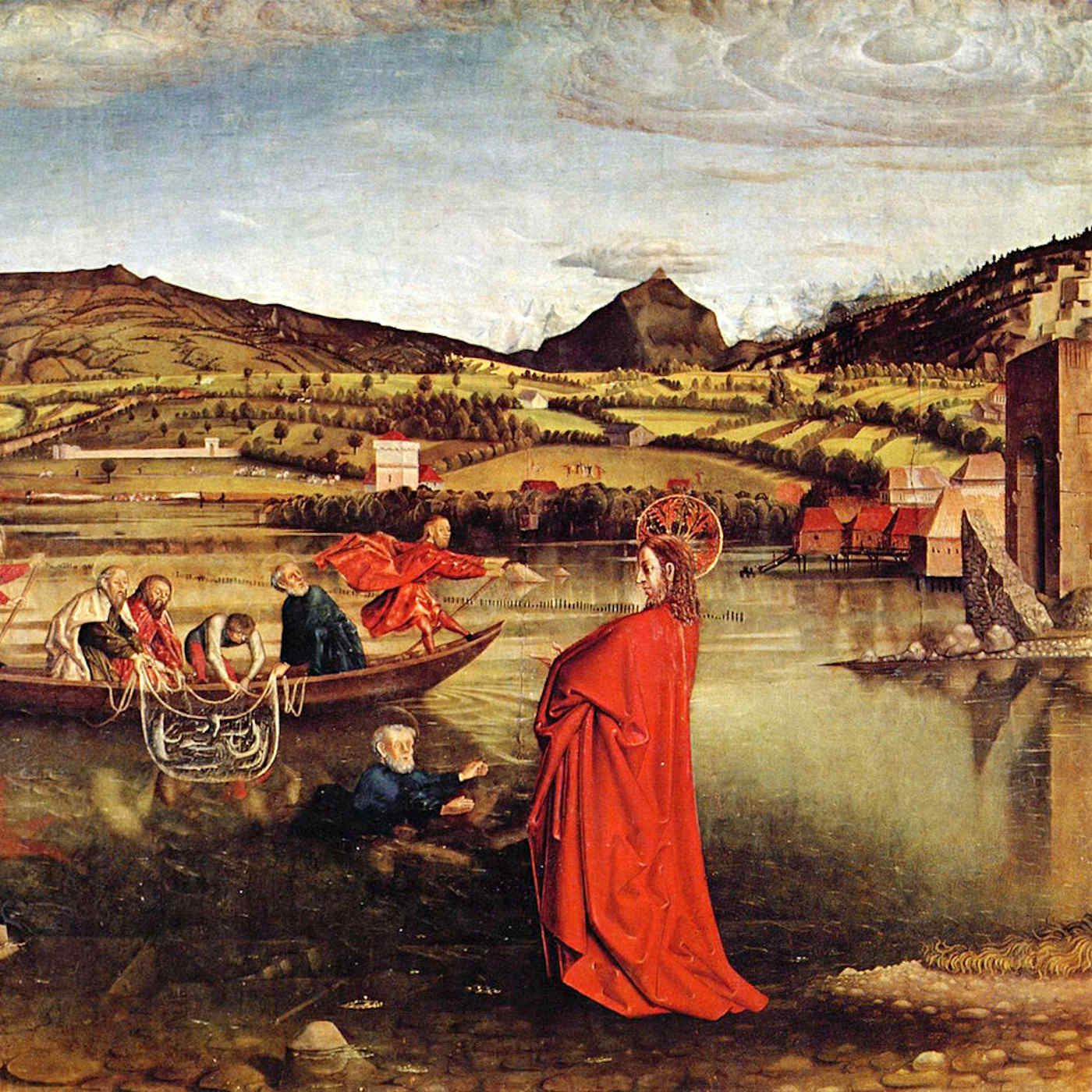
Sep 2
Wednesday of the Twenty-Second Week in Ordinary Time - Laying the Foundation
Read Online After Jesus left the synagogue, he entered the house of Simon. Simon’s mother-in-law was afflicted with a severe fever, and they interceded with him about her. He stood over her, rebuked the fever, and it left her. She got up immediately and waited on them. Luke 4:38–39 If you wanted to share some important message with a group of people, you would first need to get their attention. This could be done through a variety of means, such as through a charismatic personality, a powerfully moving story, a heroic act of virtue, or anything else that leaves people impressed or even amazed. Once you have their complete attention, you can share the message you want to share. This is what Jesus did in today’s Gospel. Jesus began His public ministry in Nazareth, but the people of his hometown rejected Him from their Synagogue. Therefore, He immediately traveled some 20 miles on foot to Capernaum, a town just north of the Sea of Galilee, where Jesus would spend much of His time. In this first visit to Capernaum, at the beginning of His public ministry, Jesus taught in their Synagogue, cast out a demon, and then went to the home of Simon (who eventually was given the name Peter) to perform His first recorded physical healing in Luke’s Gospel. He cured Simon’s mother-in-law, who suffered from a severe fever. Then, later that evening, many people brought to Jesus the sick and possessed, and Jesus “Laid his hands on each of them and cured them.” He certainly got their attention. And the next morning, as Jesus was preparing to leave Capernaum after this first visit during His public ministry, the people tried to convince Jesus to stay. However, Jesus said to them, “To the other towns also I must proclaim the good news of the Kingdom of God, because for this purpose I have been sent.” Has Jesus ever gotten your complete attention? Though you most likely have never witnessed a miraculous healing first hand or seen a demon being cast out of one who was possessed, Jesus still wants your full attention. He wants you to be so amazed at Him and so impressed by Him that you find yourself seeking Him out so as to be more fully fed by His divine teaching. Some people give their full attention to our Lord after a powerful experience on a retreat. Others are struck by a powerful sermon. And there will be countless other ways by which Jesus has gotten your attention so as to fill you with a desire to listen to Him and be with Him. Such experiences lay a wonderful foundation by which we are continually invited to turn to our Lord. If this is not an experience to which you can relate, then ask yourself the question “Why?” Why haven’t you been amazed by our Lord to the point that you fervently seek Him out so as to listen to His nourishing Word? Reflect, today, upon this initial way by which our Lord got the attention of the people of Capernaum. Though some would eventually turn from Him, many did become faithful followers on account of these personal experiences. Reflect upon any way that you have encountered our Lord powerfully in the past. Have you allowed that experience to become an ongoing motivation for you to seek Him out? And if you cannot point to any such experience, beg our Lord to give you an interior drive to desire more of Him and to be fed by His holy Word and divine presence. My miraculous Lord, I know that You desire my complete attention in life. And I know that I am often distracted by many things that compete with You. Give me the grace I need to become so amazed by You and by Your action in my life that I fervently seek You out so as to be continually nourished by Your holy Word and divine presence in my life. Jesus, I trust in You. Image: John Bridges, Public domain, via Wikimedia Commons Source of content: catholic-daily-reflections.com Copyright © 2025 My Catholic Life! Inc. All rights reserved. Used with permission via RSS feed.
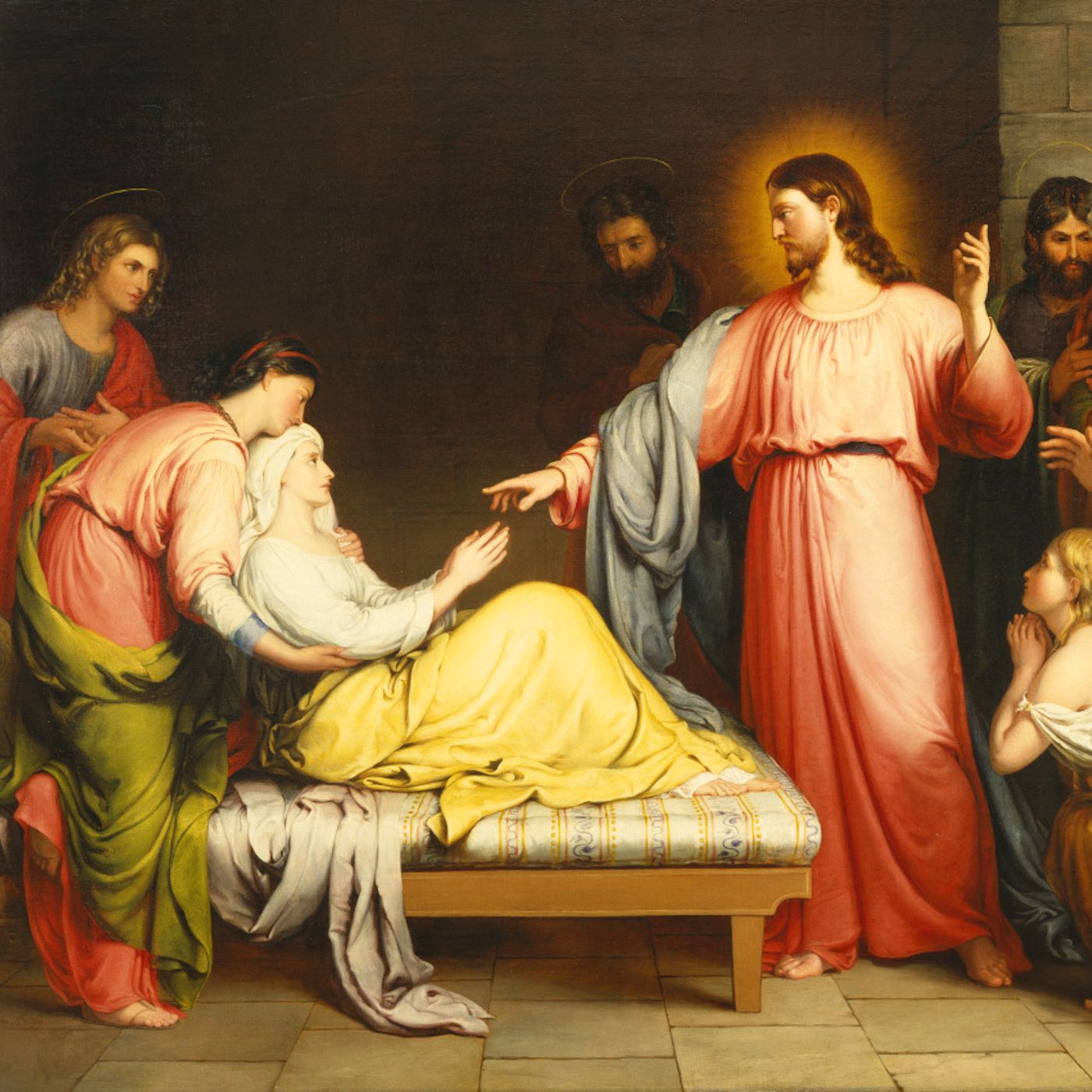
Sep 1
Tuesday of the Twenty-Second Week in Ordinary Time - Authority and Power
Read Online They were all amazed and said to one another, “What is there about his word? For with authority and power he commands the unclean spirits, and they come out.” And news of him spread everywhere in the surrounding region. Luke 4:36–37 Jesus had just encountered the wrath of many in His hometown of Nazareth, so He left there and traveled about 30 miles to Capernaum, a town just north of the Sea of Galilee. This was to become His new home during His public ministry. The reaction He received in Capernaum was much different than that which He received in Nazareth. As He taught in the Synagogue in Capernaum, a man with a demon came to Him, Jesus rebuked the demon and cast it out, and the people were amazed. Word spread about Jesus quickly. After this, Jesus performed many other miracles, and the people continued to be in awe of Him. What was it that impressed the people of Capernaum? In part it was the “authority and power” with which Jesus spoke and acted. But it was not only this, since Jesus had done so also in Nazareth where the people failed to believe in Him. In Capernaum it wasn’t that Jesus was different, it seems that the people were different. Jesus won over many hearts in Capernaum because the people were open to the gift of faith. In fact, when Jesus was preparing to leave from Capernaum, the people begged Him to stay. Though eventually Jesus would also encounter resistance from the people there, their initial reaction was one of faith. Do you want Jesus to act powerfully in your life? Do you want Him to act upon you with authority and power? Many people, from time to time, can feel as though their lives are somewhat out of control. They experience weakness, confusion, a lack of direction and the like. For that reason, true spiritual “authority and power” is very welcome. What sort of authority and power do you need Jesus to exert over your life today? Think of a small child who is frightened. When this happens, the child turns to a loving parent for comfort and security. The embrace of a parent immediately helps to dispel the fear and worry of the child. So it is with us. We must see Jesus as the source of calm in our lives. He is the only one Who is capable of ordering our lives, freeing us from the attacks of the evil one, bringing peace and calm to our disordered emotions and clarity to our questions and doubts. But this will only be possible if we are open. His power never changes, but it can only enter our lives when we change and when we recognize our weakness and our need for Him to take control. Reflect, today, upon the infinite spiritual authority and power of our Lord. It is a power beyond anything else we could imagine. He wants to exercise this authority in your life out of love. What is hindering Him from taking greater control of your life? What sin or temptation does Jesus want to rebuke in your life? From what oppression does He want to set you free? Reflect upon yourself being a member of the town of Capernaum who fully welcomes Jesus, is amazed at Him and desires Him in your life. His working in your life depends upon you and your response to Him. Call on Him and let Him in. My most powerful Lord, You and You alone are able to take authority over my life and bring order and peace. Please remove any doubt and stubbornness from my heart so that I can open myself to You and Your grace. Take authority of my life, dear Lord, and lead me into Your most holy will. Jesus, I trust in You. Image: See page for author, Public domain, via Wikimedia Commons Source of content: catholic-daily-reflections.com Copyright © 2025 My Catholic Life! Inc. All rights reserved. Used with permission via RSS feed.
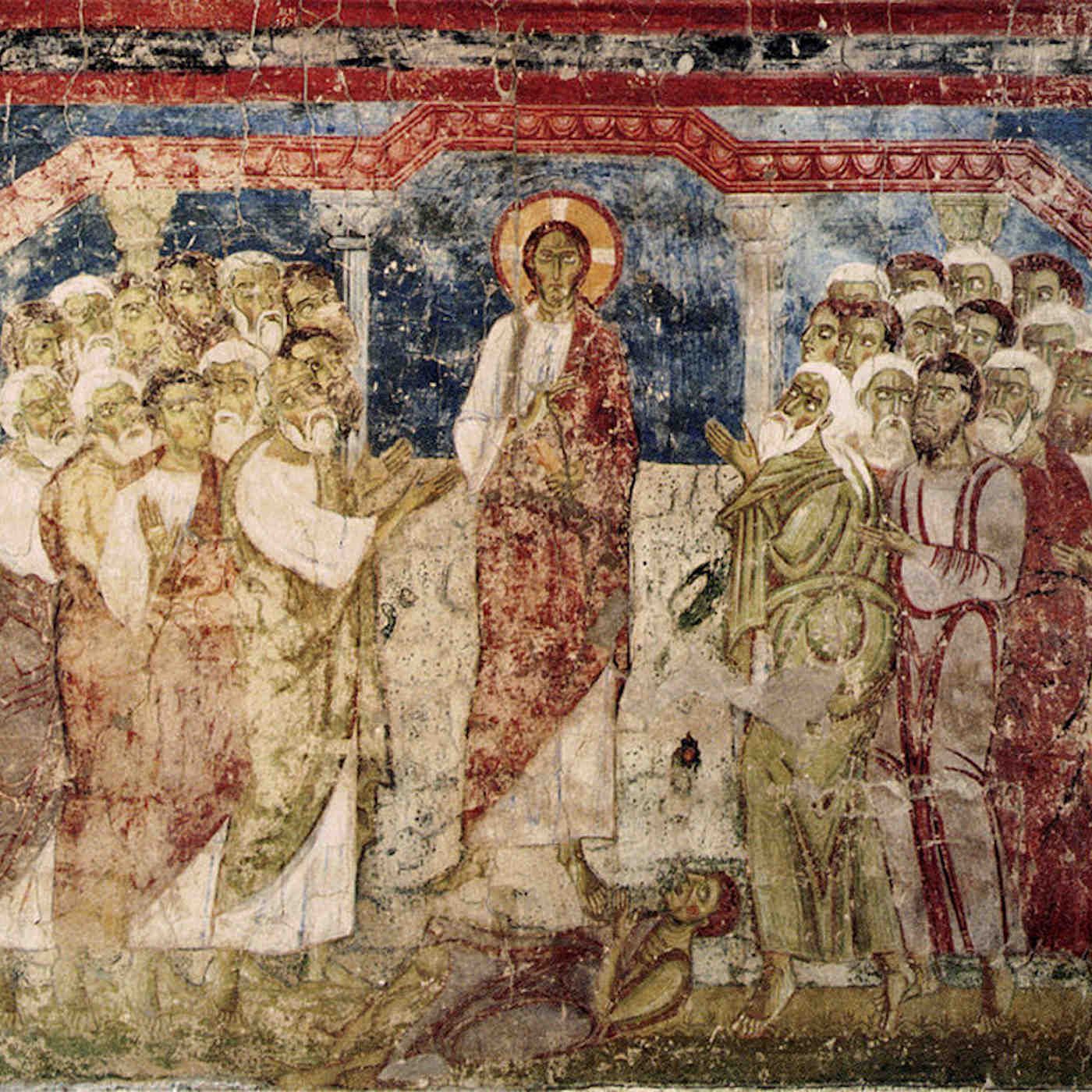
Aug 31
Monday of the Twenty-Second Week in Ordinary Time - An Emotional Reaction to Jesus
Read Online When the people in the synagogue heard this, they were all filled with fury. They rose up, drove him out of the town, and led him to the brow of the hill on which their town had been built, to hurl him down headlong. But he passed through the midst of them and went away. Luke 4:28–30 It’s hard to believe that those people who knew Jesus, those from the town in which He had been raised, reacted in such a severe way to our Lord. Jesus had just entered the Synagogue and read from the Prophet Isaiah who stated that “the Spirit of the Lord” was upon him and that he had come to “proclaim liberty to captives.” Jesus’ mission was clear. He was the Messiah, sent from the Father, in fulfillment of the teachings of the prophets, and yet Jesus was rejected to the point that the people drove Him out of the town and tried to throw Him off a cliff near the town to kill Him. Again, it’s hard to comprehend the extreme emotions that people experienced in regard to Jesus. Some came to love Jesus with the deepest passion, others were outraged at Him and sought His life. One thing that these extreme emotions experienced by many should tell us is that we cannot remain indifferent to Jesus when we truly listen to His words. Indifference comes when Jesus is ignored. But when He is heard and understood, it is clear that His message demands a response. If we do not fully accept Him as we listen to His message, then we will be tempted to reject Him and all that He speaks. Jesus wants to do the same with us. He wants a response from us. First, He wants us to hear Him, to understand the radical nature of His message, and then to make a choice. He wants us to follow Him with passion and zeal, to believe in everything He teaches, and to radically change our lives as a result. And if we will not change, then Jesus’ words will challenge us and evoke a response. One example of this that is common today is the strong response that sometimes comes from a teenager or young adult when a loving parent confronts them when they begin to go astray. When confronted in love and with the truth, emotion is often evoked and stirred up. But that is not always bad. The temptation on the part of the parent is to back off and compromise. But that’s not what Jesus did with the townspeople. He spoke the truth in love and accepted their response. So it is with those in our lives. At times we must speak the hard but loving truth others need to hear even if we know they will lash out. In the end, challenging them with compassion and truth may ultimately win them over. We do not know what ultimately happened to those townspeople who tried to kill Jesus that day out of anger, but it is entirely possible that the extreme emotion they experienced eventually led them to the truth. Reflect, today, upon the courage and love Jesus had as He directly confronted and challenged His own townspeople for their lack of faith. Try to understand that Jesus’ challenge of them was a mercy He offered them to move them from indifference. In your life, are there ways in which you need to be challenged? Are there things you have reacted strongly to and even with a form of rage? Try to see yourself as one of those townspeople who became enraged by our Lord. Be open to any way that you have reacted negatively to that which Jesus has spoken to you. Consider, also, any ways that Jesus may want to use you to speak His clear message of love to another, even if you know it may not immediately be received. Pray for courage, compassion, clarity and love so that you will be able to imitate Jesus as He sought to move those of His own hometown out of the indifference they were experiencing. My challenging Lord, You desire that all Your children turn to You with their whole heart. Your chastisements are acts of mercy meant to move us out of indifference. Please speak to me the truths that I need to hear this day and use me to share Your holy word with others, especially those of my own family. Jesus, I trust in You. Image: James Tissot, Public domain, via Wikimedia Commons Read entire reflection at: https://catholic-daily-reflections.com/2025/08/31/an-emotional-reaction-to-jesus-4/
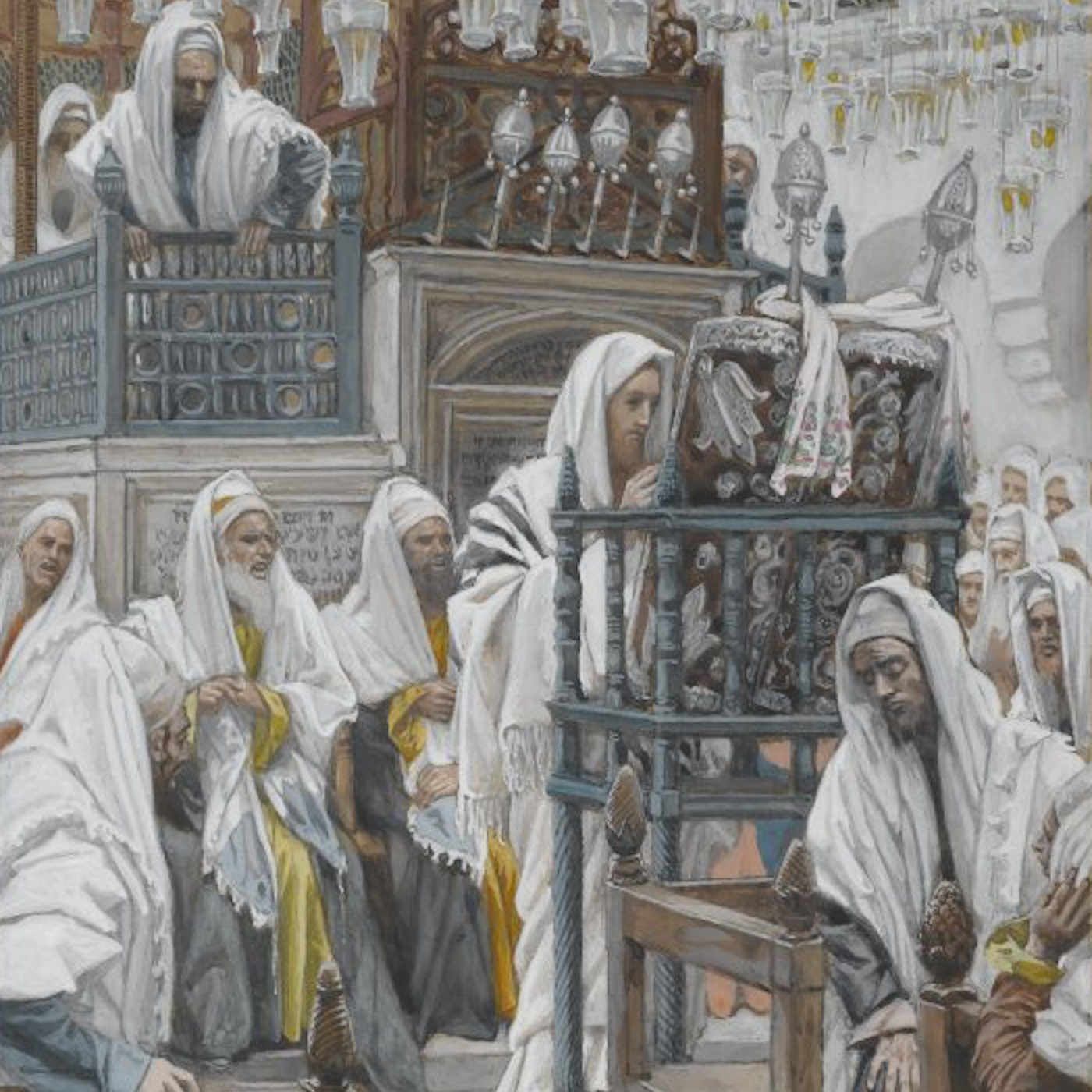
Aug 30
Twenty-second Sunday in Ordinary Time (Year C) - Motivations of Love
Read Online “When you hold a lunch or a dinner, do not invite your friends or your brothers or your relatives or your wealthy neighbors, in case they may invite you back and you have repayment. Rather, when you hold a banquet, invite the poor, the crippled, the lame, the blind; blessed indeed will you be because of their inability to repay you. For you will be repaid at the resurrection of the righteous.” Luke 14:12–14 This Gospel passage goes to the heart of our motivations in life. Because of our fallen human nature, we can easily do what we do for selfish reasons. We want payment for our labors and acknowledgement for our acts of kindness. We want to get ahead in life and try to elevate ourselves over others. But Jesus makes it clear that our motivation for everything we do must only be the glory of God and the love of others. The poor, crippled, lame and blind in this passage refer to those who are in need of our love. This certainly will include friends and family. When we encounter those in need, we must offer our love, not because we get something out of it, but because it is the right thing to do. The payment we receive in this case comes directly and exclusively from God. It’s not a payment of societal recognition or praise. It’s not a payment of material things. It’s not a payment that helps us get ahead in life. It’s a payment of grace that makes us holy. This is the only motivation we should have in life—a motivation for holiness by glorifying God through our love of Him and others. Think about your motivations in life. Why do you do what you do every day? Clearly we all have certain responsibilities that must be met, such as earning a living, caring for the home and family, strengthening our relationships, etc. But why do you do these things? What is the source of your motivation? Is your motivation based on pure love? When our love is pure, we are motivated to act in one way or another because we see that it is our holy duty toward God or an act that will benefit another. For example, a loving and holy parent will work hard to earn a living not because they want to get rich so as to indulge in the things of this world, but because they love and care for their family and want to provide for their material needs. Or a friend will seek to be there and listen to another friend not because it is advantageous for them, but because they love their friend and want to provide a listening ear when they need it. True love always looks at the good of the other, looking for the ways they are spiritually poor, crippled, lame and blind so that they can help them in accord with God’s will. True love always seeks to fill a void with what is needed at that moment. The good news for us is that when our motivations are pure and selfless, looking only to glorify God and care for others, God will lavish upon us eternal rewards that begin now. We will grow rich in virtue and rich in the fruits of the Holy Spirit. We will obtain joy, peace, strength, courage, love, goodness and so much more. These good things are the true riches in life and can only be bestowed by God upon a soul whose motivations in life are pure, selfless, sacrificial and merciful. Reflect, today, upon what motivates you each and every day. Do you think more about yourself when acting or more about God and others? Hopefully you will discover within your motivation a burning desire to serve others and glorify God in everything you do. But where you do see selfishness, know that this motivation can never fulfill you. Humble yourself by turning your attention to the love of God and the needs of others, and make serving them your exclusive mission. Doing so will result in God lavishing upon you more than you could ever imagine. My merciful Lord, You came to earth to serve, not to be served, and to give Your life to others in an act of the most pure and holy love. I open myself to that gift of Your divine love and pray that, as I receive Your love, I may love You and others in the same selfless way. Jesus, I trust in You. Image via Adobe Stock Source of content: catholic-daily-reflections.com Copyright © 2025 My Catholic Life! Inc. All rights reserved. Used with permission via RSS feed.
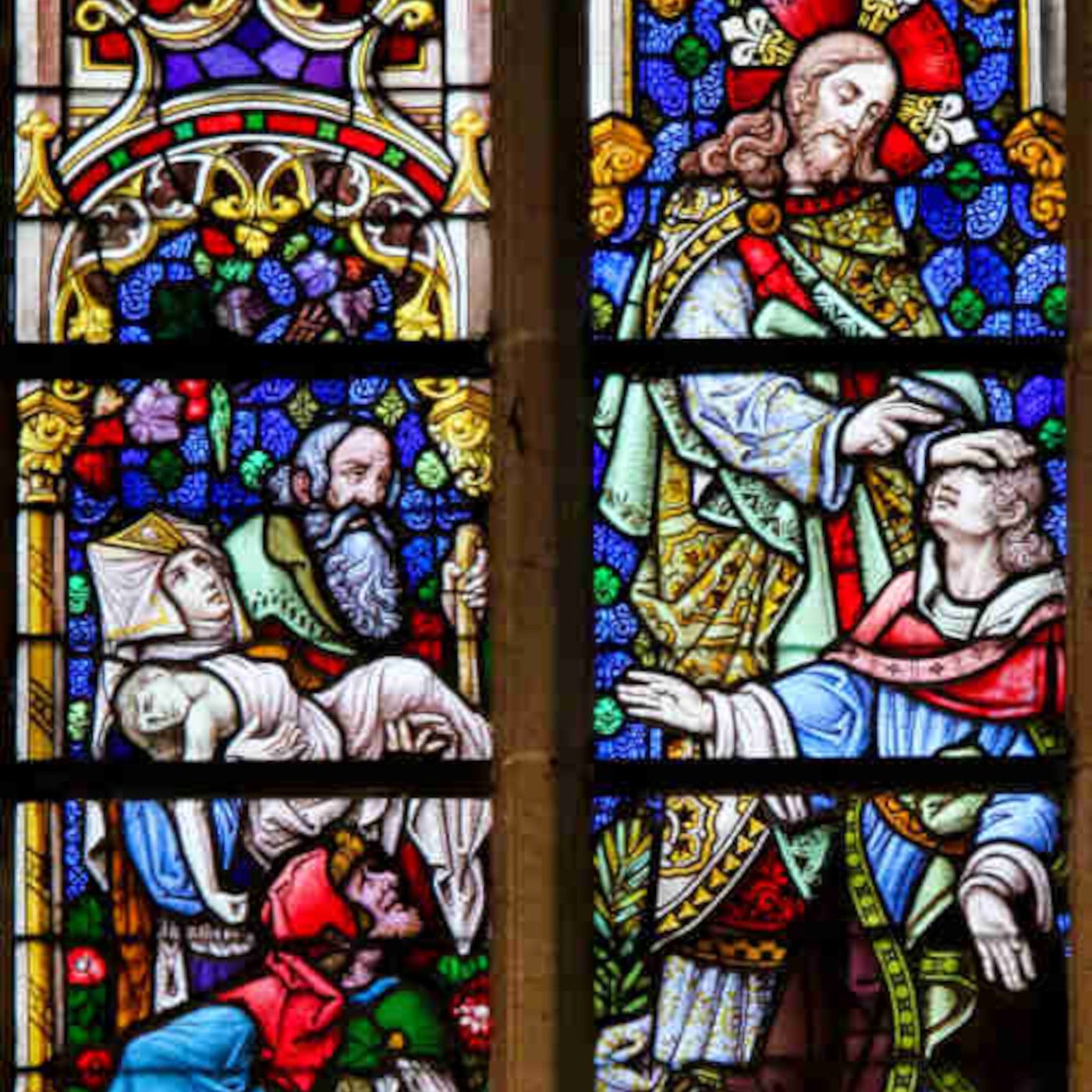
Aug 29
Saturday of the Twenty-First Week in Ordinary Time - Gifts of the Holy Spirit in Superabundance
Read Online “The one who had received five talents came forward bringing the additional five. He said, ‘Master, you gave me five talents. See, I have made five more.’ His master said to him, ‘Well done, my good and faithful servant. Since you were faithful in small matters, I will give you great responsibilities.’” Matthew 25:20–21 Oftentimes, when we are presented with a story of success versus tragedy, our attention goes to the tragedy first. The parable we are given today, the Parable of the Talents, presents us with three persons. Two of the people display stories of great success. One, however, offers a story that is more tragic. The tragic story ends by the master telling the servant who buried his money that he is a “wicked, lazy servant!” But both of the success stories end with the master saying, “Well done, my good and faithful servant. Since you were faithful in small matters, I will give you great responsibilities.” Let’s focus upon these success stories. Both of the servants who were successful doubled the master’s money. Even from a secular point of view, that is very impressive. If you were investing money with a financial advisor and shortly after investing you were told that your money had doubled, you’d be quite pleased. Such a rate of return is rare. This is the first message we should take from this parable. Doubling the gifts and graces God gives us is very doable. The reason for this is not primarily because of us; rather, it’s because of God. By their very nature, God’s gifts to us are meant to grow. By its very nature, grace flows in superabundance; and, when we cooperate with God’s grace, then it grows in an exponential way. When you consider your own life, what gifts has God given to you that He wants you to use for His glory? Are there gifts buried away that remain stagnant or, even worse, are used for purposes that are contrary to the divine plan for your life? Some of the more obvious gifts you were given within your very nature are your intellect and will. Additionally, you may be extra-talented in one way or another. These are all gifts given on a natural level. In addition to these, God often bestows supernatural gifts in abundance when we begin to use what we have for His glory and for the salvation of others. For example, if you work to share the truths of our faith with others, God will begin to deepen your supernatural gifts of Counsel, Wisdom, Knowledge and Understanding so that you will be able to speak about God and His will. All seven of the Gifts of the Holy Spirit are among the clearest examples of supernatural gifts given by God as follows: Wisdom, Understanding, Counsel, Fortitude, Knowledge, Piety, Fear of the Lord. The prayer that concludes this reflection comes from a traditional novena to the Holy Spirit and not only asks for these gifts but also gives a short description of them for a better understanding. Reflect, today, upon the fact that what God has given to you, both on a natural and supernatural level, must be devoted to the service of God and others. Do you do this? Do you try to use every talent, every gift, every part of who you are for God’s glory and the eternal good of others? If you don’t, then those gifts dwindle away. If you do, you will see those gifts of God’s grace grow in manifold ways. Strive to understand the gifts you have received and firmly resolve to use them for God’s glory and the salvation of souls. If you do, you will also hear our Lord say to you one day, “Well done, my good and faithful servant.” Oh, Lord Jesus Christ, grant me the Spirit of Wisdom, that I may despise the perishable things of this world and aspire only after the things that are eternal; the Spirit of Understanding, to enlighten my mind with the light of Your divine truth; the Spirit of Counsel, that I may choose the surest way of pleasing God and gaining Heaven; the Spirit of Fortitude, that I may bear my cross with Thee and that I may overcome with courage all the obstacles that oppose my salvation; the Spirit of Knowledge, that I may know God and know myself and grow perfect in the science of the Saints; the Spirit of Piety, that I may find the service of God sweet and amiable; the Spirit of Fear of the Lord, that I may be filled with a loving reverence towards God and may dread in any way to displease Him. Jesus, I trust in You. Image: Willem de Poorter, Public domain, via Wikimedia Commons Source of content: catholic-daily-reflections.com Copyright © 2025 My Catholic Life! Inc. All rights reserved. Used with permission via RSS feed.
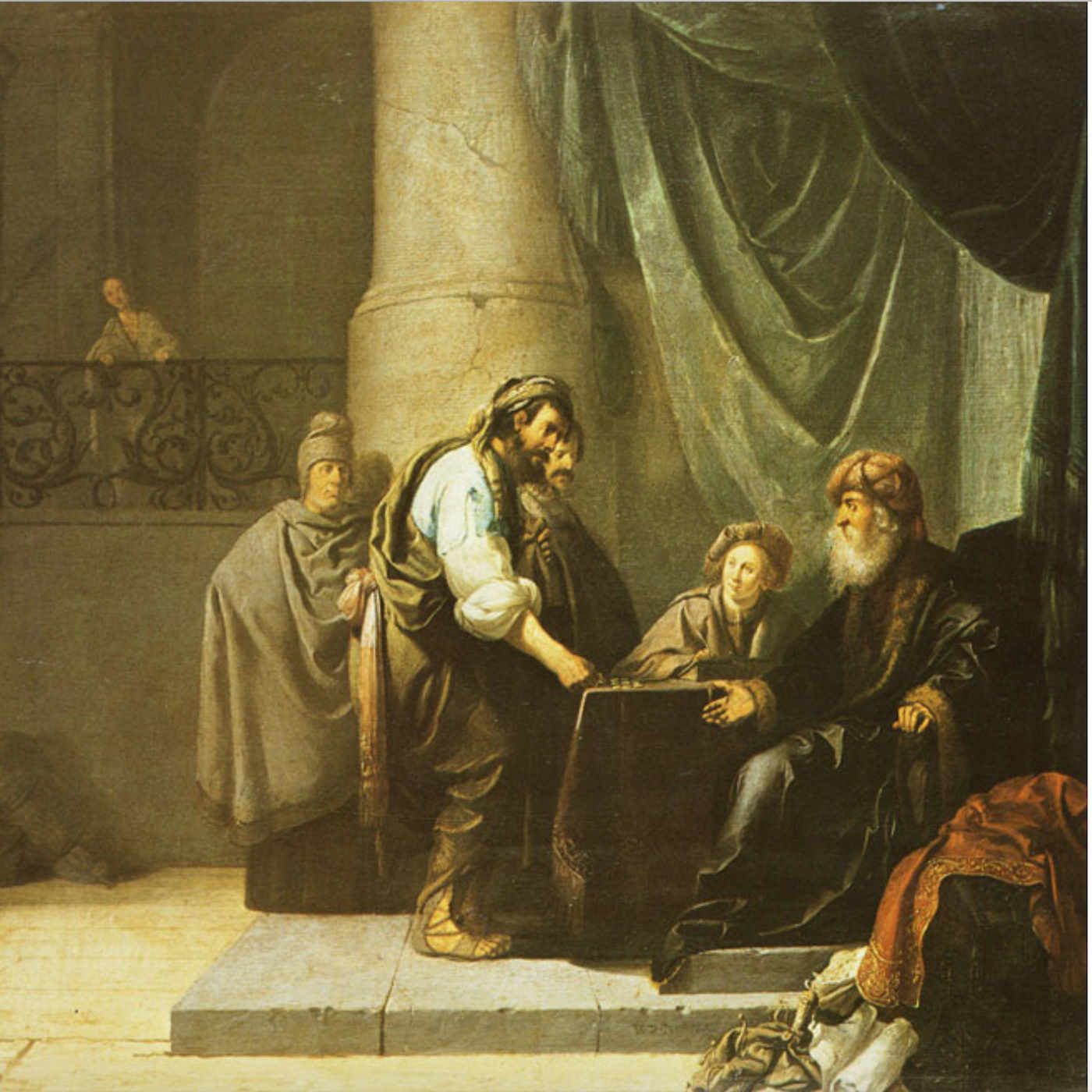
Aug 28
August 29, Memorial of the Passion of Saint John the Baptist - Fidelity in Suffering
Read Online Herod was the one who had John the Baptist arrested and bound in prison on account of Herodias, the wife of his brother Philip, whom he had married. John had said to Herod, “It is not lawful for you to have your brother’s wife.” Herodias harbored a grudge against him and wanted to kill him but was unable to do so. Mark 6:17–19 The suffering and death of Saint John the Baptist greatly parallels the suffering and death of Jesus. They were cousins. John was one of the first to acknowledge the divine presence of our Lord when he leaped for joy in the womb of his mother during the Visitation of Mary to Elizabeth. John lived a holy and simple life, embracing His mission to prepare the way for the Lord. He was the last and greatest of the Old Testament prophets. Of him, Jesus said that there was no one born of woman who was greater than John. For these reasons, we should not be the least bit surprised that John’s suffering and death parallelled and prefigured the death of the Savior of the World. Herod was fearful of John, believing him to be a holy man of God. He imprisoned him with a certain regret, knowing that he was innocent. Similarly, before Pilate condemned Jesus to death, he found Him not guilty of any crime. Pilate knew Jesus was innocent but allowed fear to direct his choice to condemn our Lord. John was ultimately killed because of the hatred and plotting of Herodias, the unlawful wife of Herod. It was Herodias’ anger that became a weapon, forcing Herod to put John to death. Similarly, it was the jealousy and anger of the religious leaders at that time that instigated and drove the death of Jesus. Pilate, like Herod, was at first unwilling to condemn our Lord. But the relentless hatred of the scribes and Pharisees compelled Pilate to condemn Jesus, just as it was Herodias’ hatred that compelled Herod to kill John. After John’s death, some of his disciples came to carry his body away for burial. This was permitted by Herod, perhaps because of his feelings of guilt. So also with our Lord, Pilate permitted some disciples and the holy women to carry Jesus’ dead body to the tomb for burial. In the end, the good fruit of Jesus’ death infinitely overshadowed the crime that was committed against Him. So also with John. We can be certain that, as a martyr, the blood he shed as a witness to Christ bore spiritual fruit that surpassed all he had done in his public ministry. Each of us is called to imitate our Lord and, therefore, should also take inspiration from Saint John the Baptist. They both were innocent but suffered greatly. They both spoke the truth, despite the hatred of some. They both gave their lives, in accord with the Father’s plan. Jesus was John’s Savior; John was but a precursor and servant of our Lord. Reflect, today, upon the invitation God has given to you to imitate the life of John the Baptist by uniting yourself to his Lord. The first form of imitation will take place when you commit yourself to the proclamation of the truth in accord with your mission. What mission has God given to you? How is He calling you to proclaim the Gospel with courage, strength, determination and fidelity to the end? Reflect, also, upon the injustice inflicted first upon John and then upon our Lord. As you do, try to look at any injustice you have received in life in the light of John’s and Jesus’ lives. They did not run away from injustice. They embraced it as a sacrifice and offered it to the Father in Heaven. Jesus’ Sacrifice brought forth the Salvation of the World; John’s was but a sharing in that glorious offering. Make your offering with them, and do not hesitate to do so with deep love and trust in the Father’s plan. Most glorious Lord, You invited Saint John the Baptist to prepare the way for Your coming and Your death. He gave his life as a martyr, and this sacrifice bore an abundance of good fruit. Please give me the grace to walk in his footsteps by faithfully fulfilling my mission in life with courage and strength. May I never waver in the face of injustice so that I can embrace it and make it my spiritual offering to You. Jesus, I trust in You. Image via Adobe Stock Source of content: catholic-daily-reflections.com Copyright © 2025 My Catholic Life! Inc. All rights reserved. Used with permission via RSS feed.
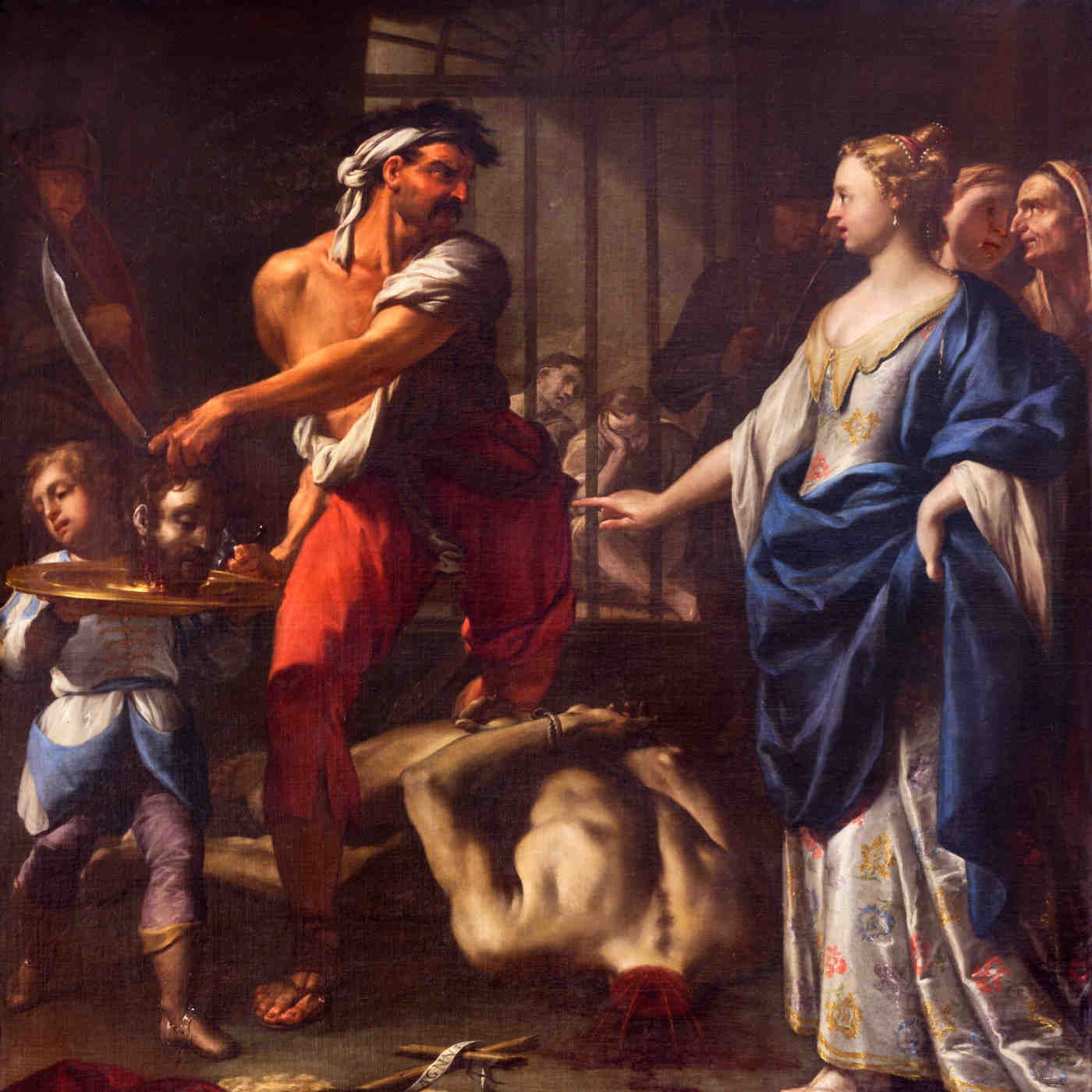
Aug 27
Thursday of the Twenty-First Week in Ordinary Time - Gentle Promptings of Grace
Read Online “Stay awake! For you do not know on which day your Lord will come. Be sure of this: if the master of the house had known the hour of night when the thief was coming, he would have stayed awake and not let his house be broken into. So too, you also must be prepared, for at an hour you do not expect, the Son of Man will come.” Matthew 24:42–44 Our Lord contrasts the call to stay awake with those who are asleep. Clearly, by stating “Stay awake!” so emphatically, Jesus is also telling us that it is easy to fall asleep, spiritually speaking. So are you more often awake and attentive to His presence? Or are you most often asleep and therefore unaware of His presence? First of all, this exhortation must be understood as a reference to our passing from this life. And though most who are younger do not expect to pass suddenly and unprepared, we know that this does happen. It could happen to any one of us at any time, unexpectedly and without warning. Therefore, we must see this passionate exhortation from Jesus to be a clear warning to always be ready to meet Him in our particular judgment upon our passing from this life. With that said, this passage is also an invitation to become increasingly aware of the countless ways in which Jesus speaks to us each and every day. The goal of the Christian life must be to be continually at prayer. This does not mean that we are necessarily “saying” prayers all day every day. Rather, it means that we form a spiritual habit of becoming continually attentive to the promptings of grace given to us throughout our lives. God wants to lead us always. He wants to inspire us with His grace every day all day. He wants us to have one eye on the things that occupy our day and the other eye upon Him, allowing Him to gently lead us through everything. Sometimes we can fall into the trap of thinking that God is only concerned about the big decisions of life. But the truth is that God is most clearly found in the details of life, even the smallest ones: a short exchange of words with a family member, a smile at a co-worker, a kind gesture to a stranger, and a random prayer offered for an anonymous person in need of that prayer. All of these are but a few examples of the many ways that God wants to commune with us every day throughout the day. And this can only happen if we are continually awake and attentive to His gentle promptings of grace. How is this accomplished? How do we become attentive to God as He speaks to us and guides us every moment of every day? It is done by forming a spiritual habit of ongoing prayer. We begin by setting aside time for prayer every day, time in which all we do is pray. We set aside all distractions and begin by offering prayers, meditating upon scripture, attending the Mass, speaking from our hearts, etc. But from there, this special time of prayer, set aside exclusively for God, must begin to have an effect upon us throughout the day. And when we get distracted by the things of the world, we stop again, focus exclusively on God, and invite Him to be with us yet again. And then this is done again, and again, and again. Prayer must become a consuming habit by which God becomes present to everything we do. When this happens, we become spiritually “awake” to Him always. Reflect, today, upon this clear and concise exhortation from our Lord. “Stay awake!” Let those words resonate within you. Hear them as a call to form this holy habit of prayer throughout the day. If you do so, God will slowly take over your life and lead you each and every day into His holy will. And through you, God will be able to extend His love and mercy to many who are in your life and beyond. My demanding Lord, You desire me to live my day, every day, in such a way that I am continually attentive to You. Please help me to form a holy habit of listening to You and responding to all that You say to me always. My life is Yours, dear Lord. Lead me continually by Your gentle Hand of grace. Jesus, I trust in You. Image via Web Gallery of Art Source of content: catholic-daily-reflections.com Copyright © 2025 My Catholic Life! Inc. All rights reserved. Used with permission via RSS feed.
Aug 26
Wednesday of the Twenty-First Week in Ordinary Time - The Firmness and Strength of Love
Read Online Jesus said, “Woe to you, scribes and Pharisees, you hypocrites. You are like whitewashed tombs, which appear beautiful on the outside, but inside are full of dead men’s bones and every kind of filth. Even so, on the outside you appear righteous, but inside you are filled with hypocrisy and evildoing.” Matthew 23:27–28 This would not have been an easy thing for the scribes and Pharisees to hear. It is a hard truth, spoken by our Lord, partly in an attempt to shake them free of their sin. And even though they may not have enjoyed hearing this clear condemnation spoken, since it came from the Savior of the World, we can be sure that these are words of the deepest love and were spoken so that these men would repent and change their ways. Perhaps each of us, at times, feels like criticizing another. Most often, when we feel this way, it stems from our own personal sin of anger. Perhaps we were hurt by another and that hurt results in a desire for a form of vengeance that comes from anger. But this was not the case with Jesus. First, these words were spoken by Jesus to his disciples and to the crowds of people, not only to the scribes and Pharisees. So in many ways Jesus spoke this for the good of those who were suffering under the misguided leadership of these religious leaders. But Jesus knew that these leaders would also hear His words, so He spoke those words to them. But unlike us, He did it out of perfect virtue so as to care for their souls. At times, each one of us needs to hear Jesus rebuke us in love. If any of the scribes and Pharisees were open at that time, then Jesus’ words would have first stung them to the heart but then had the powerful effect of challenging them to change. They needed this and so do we. When we become stuck in our sins, especially if obstinacy sets in, then we need to allow Jesus to challenge us firmly. Such a challenge can be rattling, but that rattling is sometimes necessary. Emotion and passion can lead to sin, but it can also lead to repentance and conversion. The passion with which Jesus spoke became an instrument by which their own passions made them sit up and take notice. The result was that they either became more steeped in their sin or they repented. And though most became even more steeped in sin, which ultimately resulted in their persecution and death of Jesus, we can hope that there were some who did repent, such as Nicodemus. Reflect, today, upon the strength of Jesus’ words to these religious leaders. Though they were supposed to be both “religious” and “leaders,” they were neither. They needed Jesus' strength, courage and firmness. They needed to be confronted directly and receive the hard and clear truth about their sin. Reflect upon what it is in your own life that Jesus wants to say to you. Is there an area of your life in which our Lord needs to address you with passion, strength, clarity and firmness? Most likely there is. Perhaps not in an area of serious sin like it was with these scribes and Pharisees, but if we are open, Jesus wants to powerfully go after every sin within us. Open yourself to Him and allow Him to help rid you of the sins with which you struggle the most. And be grateful for this grace when He does. My passionate Lord, You hate sin but love the sinner. You perfectly desire to rid me of all sin and all attachment to sin. Please open my mind and heart to hear Your rebukes of Love so that I may respond to Your invitation to repent with all my heart. I love You dear Lord. Free me from sin so that I may love You more. Jesus, I trust in You. Image via Adobe Stock Source of content: catholic-daily-reflections.com Copyright © 2025 My Catholic Life! Inc. All rights reserved. Used with permission via RSS feed.
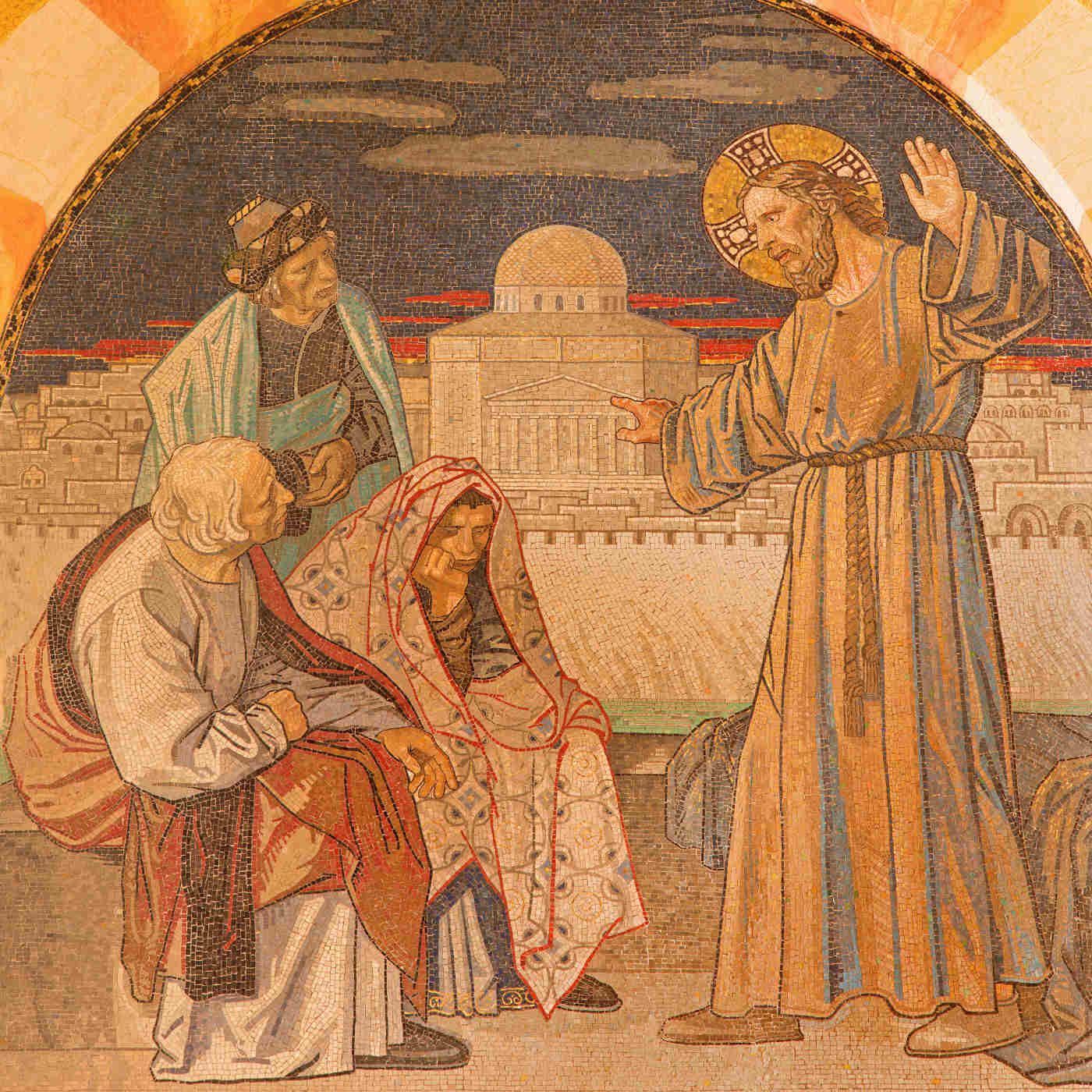
Aug 25
Tuesday of the Twenty-First Week in Ordinary Time - The Sanctuary Within You
Read Online “Blind guides, who strain out the gnat and swallow the camel! Woe to you, scribes and Pharisees, you hypocrites. You cleanse the outside of cup and dish, but inside they are full of plunder and self-indulgence. Blind Pharisee, cleanse first the inside of the cup, so that the outside also may be clean.” Matthew 23:24–26 Imagine if someone were to offer to wash the dishes after dinner and all they did was to wash the outside of the cups and bowls but left the inside untouched and then placed them back in the cupboard. The next time you would go to use them, you would find them looking good until you took them down and saw the dried liquid and food inside. This is the image that Jesus uses to describe the Pharisees. They only cared about the external appearance and ignored the more important interior of the soul. Jesus also used the contrasting images of straining out the gnat and swallowing the camel. This was a reference to the laws in Leviticus that forbade the Israelites from eating “swarming creatures,” such as gnats and other bugs, (Leviticus 11:41–45) as well as the meat of camels (Leviticus 11:4). Saying that the Pharisees “strain out the gnat and swallow the camel” was a figure of speech by which Jesus accused the Pharisees of distorting the smallest details of the law while ignoring the most important ones. For example, the Pharisees required everyone to strain all liquid before drinking it, just in case a gnat accidentally was present in that liquid, but they cared little about true justice when it came to killing the Son of God. For these reasons, the Pharisees had become “blind guides” and “hypocrites,” incapable of leading people to holiness. The bottom line is that Jesus is telling us that we must truly become holy, not just appear so. God sees the heart and judges the heart. The only other person who can see your heart is you. Therefore, we must also hear this condemnation of the Pharisees so that we will understand the importance of looking into our own souls first and foremost. From there, from the holiness within, our exterior will also radiate the holiness of God. One of the documents of Vatican II, Gaudium et Spes , beautifully speaks to us about the conscience: “Conscience is the most secret core and sanctuary of a man. There he is alone with God, Whose voice echoes in his depths” (#16). This “secret core and sanctuary” within us is what Jesus is most concerned about. Very often we are tempted to be far more concerned about how we look to others than how we truly are inside. For example, the person who lives a sinful double life may go to great lengths to look holy to others, doing all they can to hide their sin from others. On the contrary, someone might be living a very holy life but be falsely accused by another publicly, causing much pain. In the former case, as long as the person is not found out, they appear at peace. In the latter case, even though the person is living a good and holy life, if they are falsely accused, they may be tempted to despair as their public image is shattered. What others think and say about us is ultimately out of our control to a lesser or greater degree. What is within our control is that which is within us. Our interior life, that secret core, that sanctuary within where we meet God, must become the focus of our energies. Exteriorly, it ought not matter that others praise us or criticize us. What matters is that which is true, and only you and God can look into your heart to see that truth. The Pharisees failed to understand this essential truth. They put all their energy into their public image, neglecting that which was most important, making them incapable of leading others to God. Reflect, today, upon your soul. How often do you look inside yourself? Are you able to be honest with yourself, acknowledging your sin and being grateful for your virtue? Or are you among those who are more concerned with how you look to others? Turn your eyes to the secret sanctuary within because it is there, in that secret core, that you will meet God, grow in holiness and then radiate that true holiness within our world. When that happens, God will also be able to use you to be a true guide to holiness for others. Lord of true holiness, You desire to cleanse my soul, and You invite me to meet You there within. Please give me the grace I need to care more about my holiness within than the external perceptions and judgments of others. May I become holy, dear Lord, and learn to become an instrument of that holiness for others. Jesus, I trust in You. Image via Brooklyn Museum Source of content: catholic-daily-reflections.com Copyright © 2025 My Catholic Life! Inc. All rights reserved. Used with permission via RSS feed.
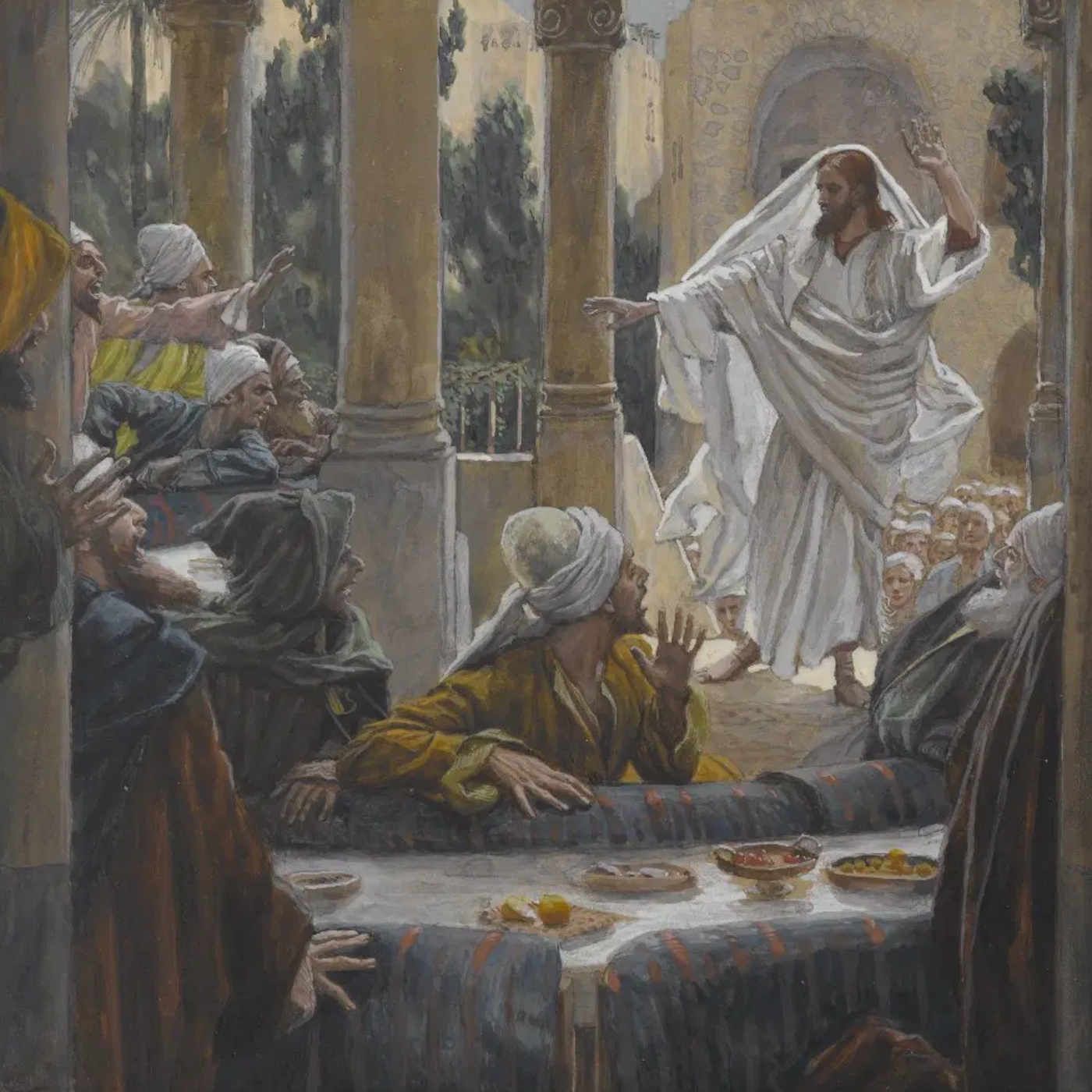
Aug 24
Monday of the Twenty-First Week in Ordinary Time - Unity of Truth and Virtue
Read Online “Woe to you, scribes and Pharisees, you hypocrites. You lock the Kingdom of heaven before men. You do not enter yourselves, nor do you allow entrance to those trying to enter.” Matthew 23:13 Today begins Jesus’ “Woe to you…” condemnations of the scribes and Pharisees. He issues seven subsequent condemnations. The one quoted above is His first. At the time, Jesus’ condemnations of these religious leaders fell mostly on deaf ears. They were obstinate and would not listen to what Jesus had to say. But it’s useful to note that these condemnations appear to actually be spoken about the scribes and Pharisees to the disciples and the crowds to whom Jesus was speaking. Though there are many lessons we can learn from our Lord, let’s consider the first thing He says. He condemns hypocrisy. Hypocrisy is essentially saying one thing and doing another. It’s a disconnect between what we say and what we do. Hypocrisy can also come in the form of trying to present oneself as if one has every virtue under Heaven but in reality cares little for the clear doctrine and moral precepts given us by God. In the scripture passage, the scribes and Pharisees claimed to be leading people to salvation, but they were condemning the very source of salvation. On one hand, some of what they taught was true, but they failed to teach with the virtue that comes from God. On the other hand, some of what they taught was flat-out erroneous, because they were more concerned about their public persona than they were about the truth. Essentially, they were hypocrites, because their words and actions were neither united in the truth nor lived through the virtues given by God. These two opposing tendencies seem to be a source of much division within our Church today. On the extreme “right,” we have those who preach doctrine but fail to exercise the necessary virtue so as to be effective instruments of those truths. And on the extreme “left” are those who act as if so-called virtue is all that matters. They deemphasize the clear and unambiguous moral and doctrinal truths that were given to us by our Lord, so that others will praise them for appearing kind, accepting and compassionate toward all. The problem is that one cannot exclude truth from virtue or virtue from truth. Compassion is not compassionate if it lacks truth, and the truth is not true if it is not presented with the virtues by which our Lord wants them brought forth. And though the scribes and Pharisees appear to be more focused upon their interpretations of various truths to the exclusion of virtue, their struggle with hypocrisy is just as real for those on both extremes today. Reflect, today, upon the importance of embracing each and every moral and doctrinal precept given by our Lord. We must embrace everything He says with every fiber of our being. Reflect, also, upon how you express these teachings of Jesus to others. Do you strive to present the full Gospel with the greatest virtue? The deeper the truth, the more necessary is the virtue with which it is presented. And the more virtue you have, the better instrument of the full truth you will be. Strive to overcome every form of hypocrisy within your life by working toward true holiness. Holiness is wholeness. The Truth united to virtue. Only then will you escape from the condemnation of our Lord, but you will also thrive as a pure instrument of His saving grace. My saving Lord, You desired deeply that the religious leaders of the time be powerful instruments of Your saving Gospel by presenting all truth in pure love. Please free me from every error so that Your holy Word will be alive in me and will be sent forth to others through the manifestation of the many virtues You wish to bestow. Jesus, I trust in You. Image: James Tissot, Public domain, via Wikimedia Commons Source of content: catholic-daily-reflections.com Copyright © 2025 My Catholic Life! Inc. All rights reserved. Used with permission via RSS feed.
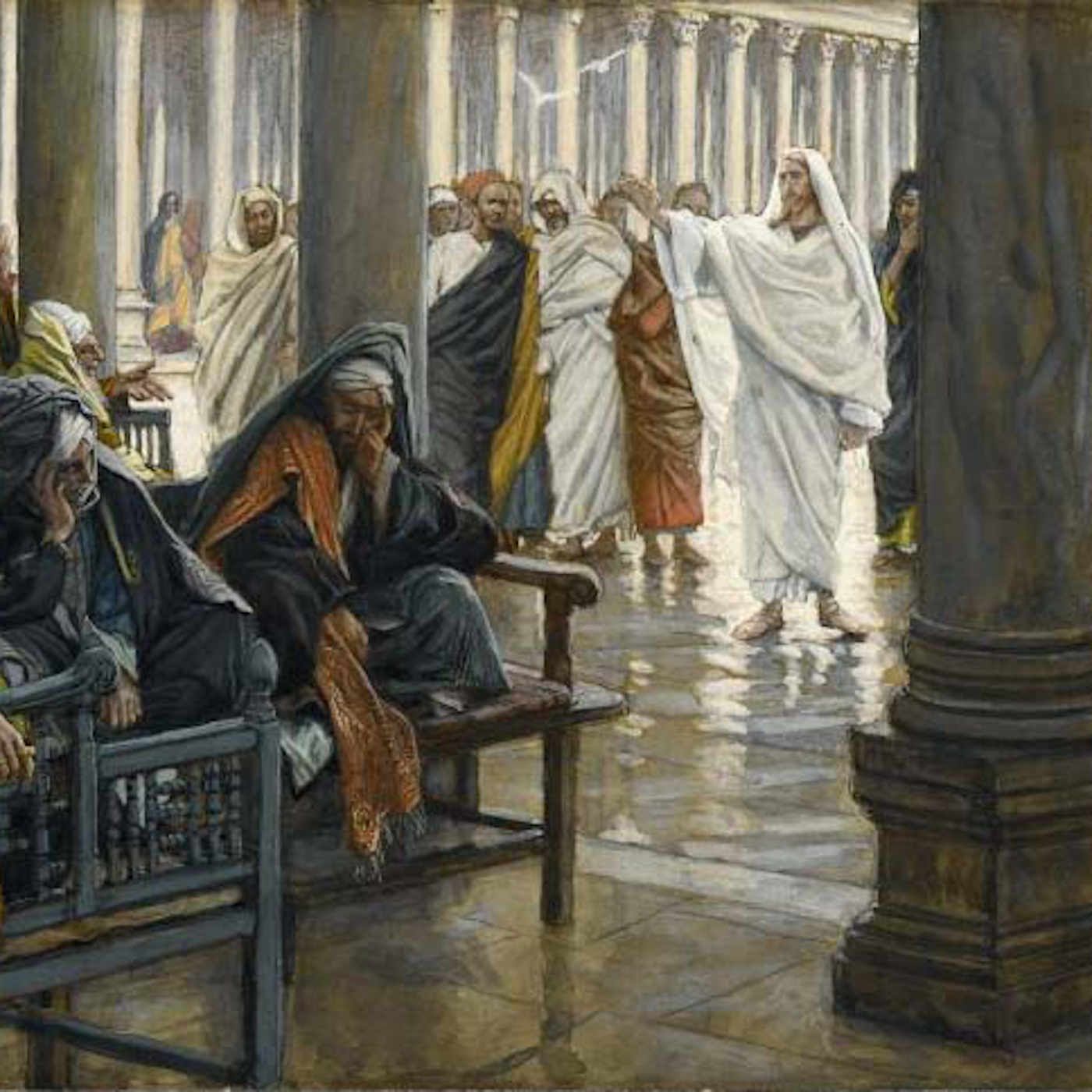
Aug 23
Twenty-First Sunday in Ordinary Time (Year C) - Perceiving the Dignity of Others
Read Online Jesus passed through towns and villages, teaching as he went and making his way to Jerusalem. Someone asked him, “Lord, will only a few people be saved?” He answered them, “Strive to enter through the narrow gate, for many, I tell you, will attempt to enter but will not be strong enough.” Luke 13:22–24 The context of this passage provides insight into Jesus’ mission and His concern for each and every person. Note that Jesus was traveling toward the large and populous city of Jerusalem. But as He traveled, He passed through “towns and villages” and taught the people as He went. This might seem like a small detail, but it is also a significant one. A city like Jerusalem was large and often had wealthy, influential, and “important” people. The less-populated towns had borders and often some form of local government. Villages were much smaller rural areas, often made up of poorer, less educated, less influential, and simpler people. One historian, Josephus, wrote that there were about 240 villages throughout Galilee at the time Jesus lived. It’s interesting to note that Jesus wanted to teach everyone. He didn’t care if they were wealthy and powerful people in the large city or peasant farmers and shepherds from the countryside. His mission was to all. One thing this teaches us is that we, also, must have love and concern for everyone, regardless of their social status. Each and every person is equal in dignity. From the president of a large country, to the beggar in an alleyway, everyone deserves our respect and attention in an equal way. Our fallen human nature experiences various forms of temptation. Among them are temptations for riches, power and prestige. For that reason, we tend to admire those who have obtained worldly success because we want it for ourselves. As a result, we tend to show greater respect for those who have achieved what we covet and give less attention to those who do not have that success. This, of course, goes to the heart of the problem. When you think about the people whom you have encountered recently, what comes to mind? Perhaps your “encounter” was to read about someone's great success in the financial world. Or perhaps it was to read about someone’s demise in another way. Perhaps a neighbor has done well and purchased a new car, or a friend got fired from a job. Whatever the case may be, it is important to consider the level of personal respect and love you show for each person. It must be equal. Worldly status cannot determine how we treat others. This is hard to avoid. The teaching that Jesus gave to those in the towns and villages was an exhortation to holiness. “Strive to enter through the narrow gate, for many, I tell you, will attempt to enter but will not be strong enough.” And at the end of today’s Gospel, Jesus says, “For behold, some are last who will be first, and some are first who will be last.” The latter statement must have especially resonated with those who felt somewhat insignificant and unimportant in life. Those who felt like they were “last” would have received a certain hope. This tells us that God never measures us by our successes from a worldly standpoint. He measures us only on the level of our fidelity to His holy will. Reflect, today, upon how you look at all people. Do you see every person in the way that God sees them? Do you see everyone with equal dignity and worth? Or do you elevate those whom you envy and whose success you covet? Seek to eliminate all worldly ways of looking at others so that you will only look at others through the lens of their dignity and fidelity to the will of God. Lord, as You journeyed through life, You looked only at the hearts of those You encountered. You treated each person with dignity and love. Please help me to shed all temptations to see others through the eyes of the world and to show full respect to all of Your sons and daughters. Jesus, I trust in You. Image: James Tissot, Public domain, via Wikimedia Commons Source of content: catholic-daily-reflections.com Copyright © 2025 My Catholic Life! Inc. All rights reserved. Used with permission via RSS feed.
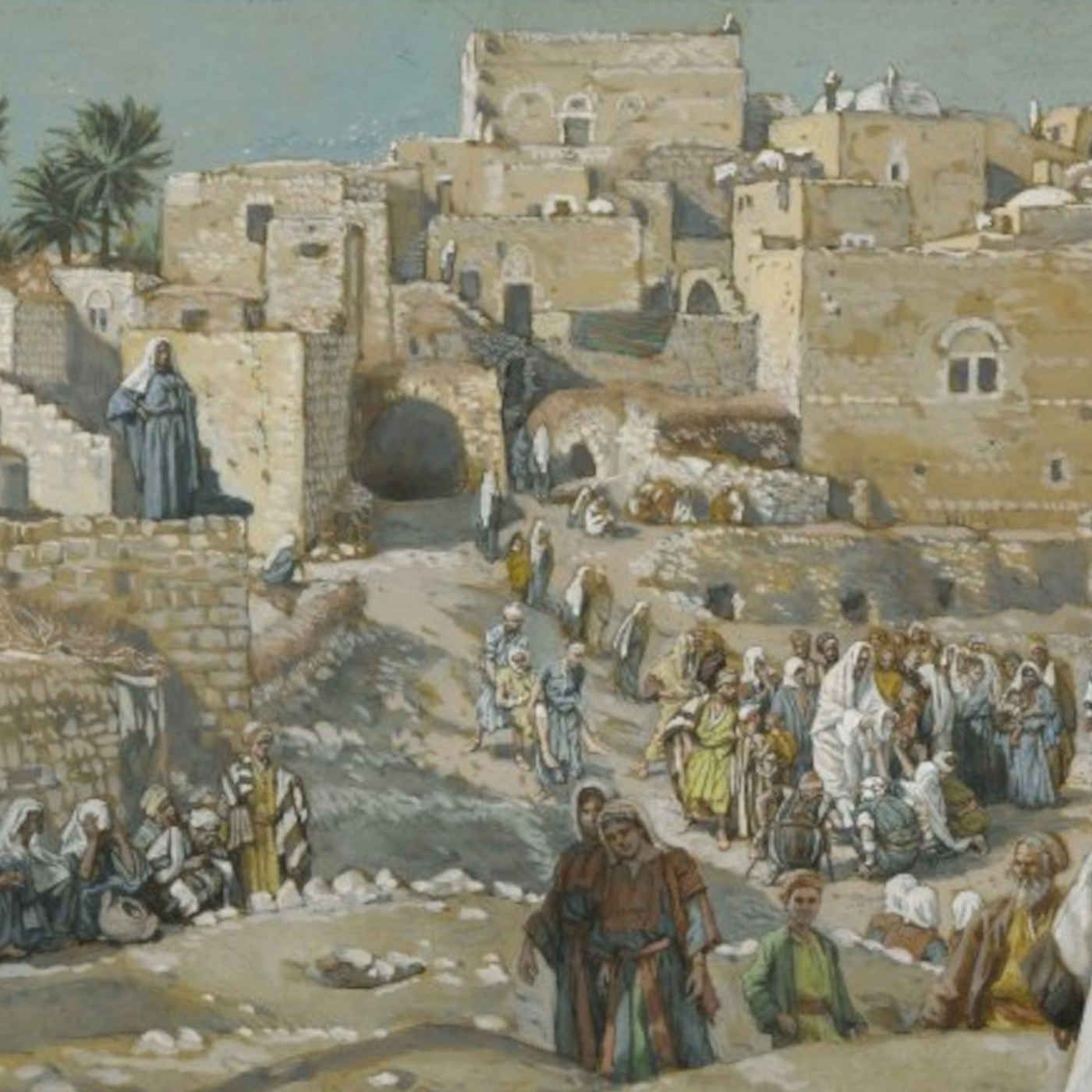
Aug 22
Saturday of the Twentieth Week in Ordinary Time - Humility...the Path to Greatness
Read Online “The greatest among you must be your servant. Whoever exalts himself will be humbled; but whoever humbles himself will be exalted.” Matthew 23:11–12 If you were to plan out the ideal future for yourself, what would it look like? Imagine if you were not constrained by budget or resources. Imagine if you could pick to do anything you wanted, to go anywhere you wanted, and enjoy any activity that you wanted. Imagine the greatest experience you could possibly have. What would that be? Most people would immediately think about indulging in the greatest pleasures imaginable. A life of the most luxurious accommodations, the best food, the most beautiful scenery and the most relaxing and enjoyable time possible. But would that truly be the “ideal future for yourself?” The Gospel passage above is very clear. Greatness is found in servanthood. Exaltation is enjoyed only through humility. Is the ideal lifestyle one that is filled with indulgence, entertainment, luxury, and the like? Certainly not. The ideal life, the greatest life, the most exalted life is the life of the most humble service of others as possible. That’s essentially what Jesus tells us in this passage. Do you believe that? Note that Jesus uses the words “greatest” and “must” in the same sentence. These two words are both quite definitive. There is no one greater than the “greatest,” and the path to that greatness requires, without exception, that the greatest be a servant of everyone else. In many ways, this truth defies most human conceptions of greatness. Most often, if someone is considered “great,” then they are served and treated with an honor and respect not given to most. For example, if you had someone of great importance over to your home for dinner, you would most likely wait on them. Of course, service in this context is much more than waiting on tables or providing a meal. Though that is a blessed way to serve others and to express love, Jesus’ concept of service goes far beyond this. How do we serve as one who is truly great? We do so especially by humbling ourselves. Humility is the greatest form of service we can render another. Jesus was, without question, the humblest person to ever live. Only His mother shared perfectly in this holy virtue. Humility enables a person to break out of every selfish tendency and turn their love to the good of the other. Jesus did this first by becoming Incarnate in the womb of His dear mother. The Eternal Son of God did not become man because it somehow benefited Him in a self-centered way. He did it because He loved us and His Incarnation benefited us. The Son of God did not allow others to mock Him, ridicule Him and ultimately murder Him because it somehow benefitted Him. He did it so that He could enter death and destroy it so that we could rise with Him. He did it for us. And we could go through every passage of the Gospels and see that everything Jesus did was done for others and never done out of a selfish desire. This self-giving service our Lord offered every day was a fruit of the incredible humility that He lived. Jesus did everything He did out of His love for others and with humility so as to bring salvation and transformation to their eternal souls. In our lives, we need to make a fundamental choice. Am I going to live for myself? Or am I going to live for others? It seems as though very few people live fully for others. It is difficult to take our eyes off ourselves and turn them only to the good of others. But if we realize that living for others is also the path to our own greatness and ultimate exaltation, then it becomes much easier. Serving others, especially in a spiritual way by which you do all you can to help them grow closer to God, is what will make you great. Nothing else can do so. Believe that and live it. Reflect, today, upon a life of true greatness. Reflect, especially, upon how you can live such a life. How can you more completely serve others? How can you make their holiness your primary goal? How can you help others grow in their love of God? Humble yourself and turn your eyes from yourself to others. Doing so will make an eternal difference for others and also for yourself. My exalted Lord, You are exalted far above all others. You are Greatness Itself. The life You lived, dear Lord, was one of the greatest humility. But it was in this humility that You accomplished the salvation of the world. Help me to imitate Your greatness by making the service of others my most central mission in life. I love you, my Lord. May I love and serve others with You. Jesus, I trust in You. Image: Ford Madox Brown, Public domain, via Wikimedia Commons Source of content: catholic-daily-reflections.com Copyright © 2025 My Catholic Life! Inc. All rights reserved. Used with permission via RSS feed.
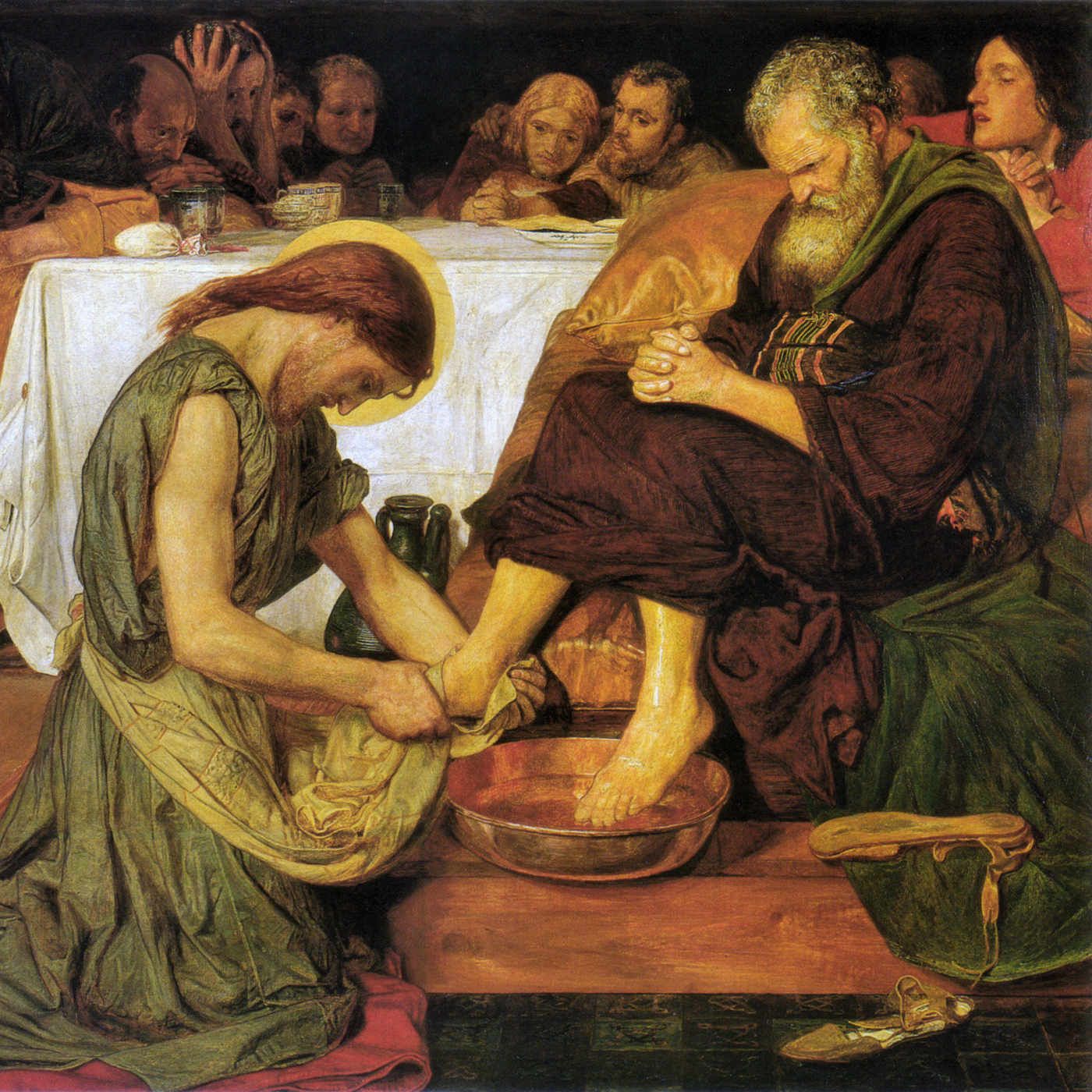
Aug 21
Friday of the Twentieth Week in Ordinary Time - Loving in Difficult Situations
Read Online “You shall love the Lord, your God, with all your heart, with all your soul, and with all your mind. This is the greatest and the first commandment. The second is like it: You shall love your neighbor as yourself.” Matthew 22:37–39 We are very familiar with this passage above. It is Jesus’ answer to the Pharisees who came to test Jesus. Prior to this, a group of Sadducees tried to trap Jesus and failed. So now it was the Pharisees who gave it their best shot to trap our Lord. Of course, Jesus’ answer was perfect. And upon the conclusion of this answer, Jesus returned the favor by asking the Pharisees some questions that they could not answer, and they dared not ask Him any further questions at that time. Sometimes, being challenged by another in matters of faith helps us, in that it allows us to clarify what we actually believe. Though Jesus did not need clarity for His own sake, He did offer this clarity in the face of trickery so as to help both the Pharisees as well as His followers who were listening attentively. Have you ever been challenged by another about matters of faith? If so, what was your response? Were you able to respond by the inspiration and clarity given by the Holy Spirit? Or did you walk away confused and unable to respond? Having our faith challenged by another will either result in our own confusion or in our deeper understanding. By answering this question in the way that Jesus did, He presented the entire Law given by Moses in the Ten Commandments in a new and summarized way. The first three of the Ten Commandments have to do with love of God, and the last seven have to do with love of neighbor. The second commandment Jesus gives, “You shall love your neighbor as yourself,” is a consequence of the first commandment. How do you “love yourself?” You do so by fulfilling the first commandment Jesus gave: “love the Lord, your God, with all your heart, with all your soul, and with all your mind.” When God is loved above all, then loving your neighbor simply means that you love God Who dwells within your neighbor in accord with the way God loves them. It is also helpful to note that it is possible to “love” our neighbor in such a way that is contrary to the love of God. For example, if our love of neighbor is expressed in such a way that is contrary to the Love of God, then this is not true love. Let’s say that your neighbor has chosen a gravely immoral lifestyle. How do you love them with the love of God? You don’t say to them “I support you in your immoral living.” Doing so is not love of God; it’s a selfish form of love that cares more about how the person will respond back to you than caring for their eternal soul. The right form of love for one who has gone astray in an objectively immoral way is to let them know you love them but do not support the choices they are making. And though they may respond negatively to this, caring for their eternal salvation must supersede every desire to simply get along with them. Love of neighbor, at times, especially when the “neighbor” is a family member who has turned from God, can be challenging. But when it is, think about the way that the Sadducees and Pharisees tried to constantly trap Jesus. He always gave the perfect response of love and never allowed their misguided conversation to leave confusion. So with us, we must rely upon the wisdom and love of God when loving another is difficult. God must guide our every conversation in that case so that the other knows they are loved and so that our love does not deviate from the pure love of God. Reflect, today, upon the high calling you have been given to love God above all and to love your neighbor with that same love that you have for God. If you find loving someone is difficult, pray for the wisdom you need to remain faithful to them in God’s love alone. And if you find your love challenged, rely upon our Lord to lead you and to give you the words you need when you need them the most. My loving Lord, You love all people with a perfect love, and You call us all to love You with our whole heart, soul and mind. And You call us to love others with the love You have for them. Fill my heart with love of You and all people, especially those who are most difficult to love. Give me wisdom, dear Lord, to know how to love others in You so that they will experience Your perfect love in their lives. Jesus, I trust in You! Image: The Messiah gives the New Law by Lawrence OP , license CC BY-NC-ND 2.0 . Source of content: catholic-daily-reflections.com Copyright © 2025 My Catholic Life! Inc. All rights reserved. Used with permission via RSS feed.
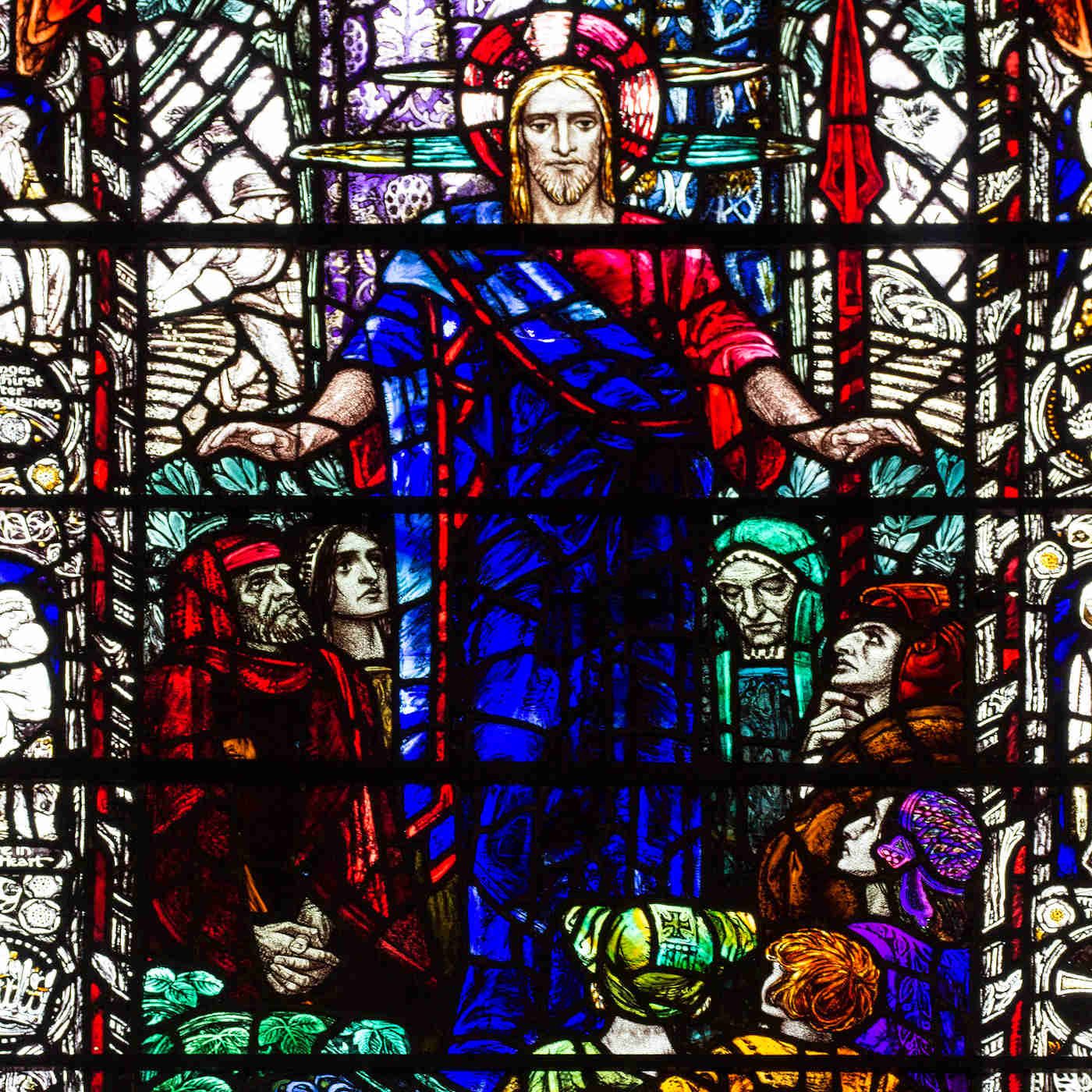
Aug 20
Thursday of the Twentieth Week in Ordinary Time - An Invitation From the Father
Read Online “The Kingdom of heaven may be likened to a king who gave a wedding feast for his son. He dispatched his servants to summon the invited guests to the feast, but they refused to come.” Matthew 22:2–3 The king in this parable is God the Father, and the wedding is the marriage between Christ and the Church. The Father invites each one of us to be a member of the Church and to enter into divine union with His Son Jesus, thus entering into the life of the Holy Trinity. But we see right away in the parable that the invited guests “refused to come.” As the parable goes on, the king tried even harder to invite the guests, but they all responded in one of two ways. “Some ignored the invitation and went away…” and “The rest laid hold of his servants, mistreated them, and killed them.” Clearly, this was not the response hoped for by the generous king. We see in these two responses two levels of rejection of the Gospel that are present in our world today, just as it was at the time of Jesus. The first level of rejection is indifference. Many people are very busy today. We easily become occupied with many things that matter little in the end. Many are consumed by their smartphones, computers and tablets. Many spend countless hours watching television. Others become workaholics, spending most of their time at their occupation and leaving little time for that which is most important, such as family, prayer and service. As a result, it is very easy to become indifferent to the matters of faith and easy to fail to pray every day so as to seek out and fulfill God’s will. This indifference is quite serious. There is also a rejection of the faith in our world through a growing hostility toward the Church and morality. There are many ways in which the secular world continues to promote a culture that is contrary to the Gospel. And when Christians speak out and oppose these new cultural tendencies, they are condemned and often characterized as being prejudiced or judgmental. Such malice was displayed by the guests in this parable who “laid hold of his servants, mistreated them, and killed them.” Hostility toward the Church, the faith and clear moral principles laid down by God appears to be growing every year. This form of rejection of the Gospel is even more damaging than the simple indifference mentioned above. In this parable for today, Jesus says that in response to those who were indifferent and hostile, the king “sent his troops, destroyed those murderers, and burned their city.” This parable should not be read in such a way that we look at others and condemn them as if we were the king and had the right to do so. We do not have that right. Only God does. Instead, this parable should be read from the perspective of your own life. Hopefully you are not one of those who are hostile to the Gospel. But perhaps you and many other Christians struggle with the first form of rejection: indifference. We can easily become indifferent in many various ways and on many different levels. The opposite of being indifferent is to care and to care deeply about going to the wedding feast when invited. Reflect, today, upon the Wedding Feast to which you are invited. You are invited to enter into the glorious celebration of becoming one with the Savior of the World. You are invited to surrender your life to Him without reserve. You are invited to holiness, moral integrity, unwavering fidelity to God, service of others, charity that knows no bounds and so much more. To enter the Wedding Feast of the Lamb is something that must take place every day and every moment of your day for the rest of your life. God is inviting you. Will you say “Yes” with every fiber of your being? My inviting Lord, You desire that all people fully accept the invitation You have given to become one with You through spiritual marriage. You call us to the glorious Wedding Feast and eternal rejoicing. May I never be indifferent to Your invitation and always make my response with all my heart. I love You, dear Lord. Help me to love You all the more. Jesus, I trust in You. Image: Brunswick Monogrammist, Public domain, via Wikimedia Commons Source of content: catholic-daily-reflections.com Copyright © 2025 My Catholic Life! Inc. All rights reserved. Used with permission via RSS feed.
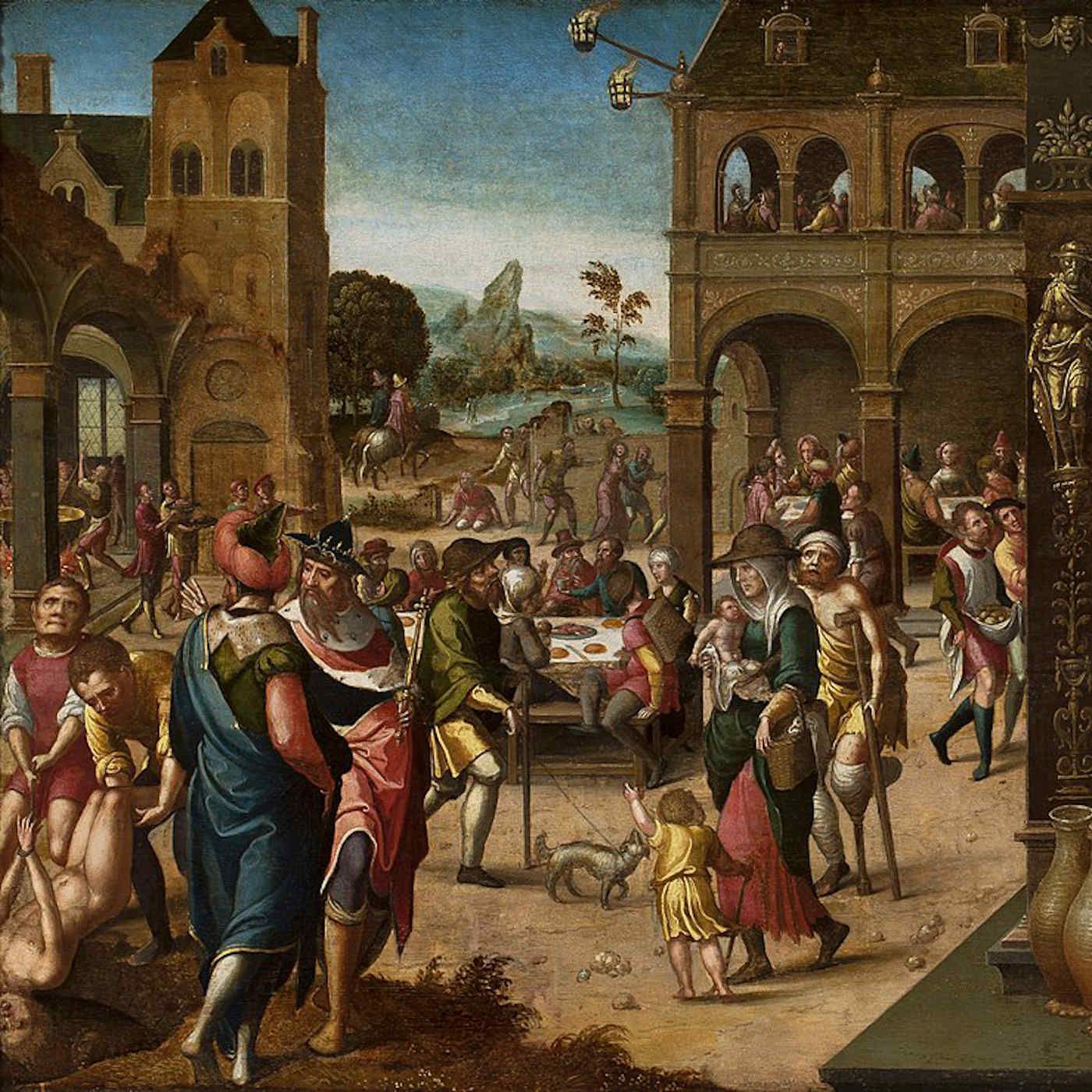
Aug 19
Wednesday of the Twentieth Week in Ordinary Time - Overcoming Envy
Read Online Going out about five o’clock, he found others standing around, and said to them, “Why do you stand here idle all day?” They answered, “Because no one has hired us.” He said to them, “You too go into my vineyard.” Matthew 20:6–7 These are very generous words spoken by the landowner. As the parable explains, this landowner hired workers for his vineyard early in the morning, and then again at nine o’clock, noon, three o’clock and finally at five o’clock. But at the end of the day, he paid them all the same daily wage as if they had all been working since early morning. The ones hired first were upset thinking it was unfair that those who worked just an hour were paid the same wage as they were. But the landowner concludes, “What if I wish to give this last one the same as you? Or am I not free to do as I wish with my own money? Are you envious because I am generous?” God, in His mercy, is generous beyond comprehension. But we, as fallen humans, are constantly examining whether we are getting our fair share and comparing ourselves to others. We tend to want more and more and easily become envious when we see others succeed or receive blessings that we do not have. For example, if someone is more popular than us on social media, or drives a nicer car, or has a bigger home, or goes on an expensive vacation, we often tend to notice with a sort of sorrow that we do not have what they do. And that is envy. The cure for envy is wholehearted generosity. Not just generosity with our money but generosity with our affections and our ability to rejoice in the blessings that others receive. For example, if someone were to tell you that they were going on a nice vacation next month to a place you always wanted to go, how would you react? You might jokingly say, “Wow, I’m jealous!” Jealousy can quickly turn into envy, which is a form of sorrow over the blessings another has that you do not. And that sorrow over the blessings of another can subsequently turn to anger. These workers in the vineyard who worked all day and received the same amount as those who worked only one hour could have responded by congratulating the later workers and could have even jokingly said, “Lucky you, I wish I would have shown up at five o’clock!” But instead, they grumbled and tried to interfere with the generosity of the landowner saying, “These last ones worked only one hour, and you have made them equal to us, who bore the day’s burden and the heat.” Again, this is envy, in that their sorrow over the generosity of the landowner led them to try to interfere with the blessing the others received. Whenever you notice this form of unholy sorrow within you, take notice. It means that you lack a selfless generosity toward others. And if you see God blessing another in spiritual riches, try to generously rejoice in that. Offer praise and thanks to God for His goodness. Don’t dwell on yourself and dismiss every temptation to compare. In many ways, everyone of us is represented by those who worked only one hour and received the full daily wage. This is because we could never earn the grace of salvation. The one and only reason we are able to receive the gift of eternal salvation and every other grace given to us by God is because God is infinitely generous. Therefore, the goodness and generosity of God must be our constant focus, and we must rejoice in that generosity when it is given to us and when it is also given to others. Reflect, today, upon any tendency you have toward envy. Think about the blessings that others have been given that you have not. Sincerely look at your interior reaction to that and pray that God will grant you the gift of being able to be generous in your rejoicing in those blessings. Every blessing given by God must be the cause of our joy, no matter if those blessings are bestowed upon us or upon others. My most generous Lord, You bestow Your blessings upon all in superabundance. When I witness the ways that others are blessed by You, help me to foster a sincere gratitude for all that they have received. Help me truly rejoice in the many ways You bless all Your people. Free me from envy, dear Lord, so that I am not burdened down by that ugly sin. Jesus, I trust in You. Image via Web Gallery of Art Source of content: catholic-daily-reflections.com Copyright © 2025 My Catholic Life! Inc. All rights reserved. Used with permission via RSS feed.
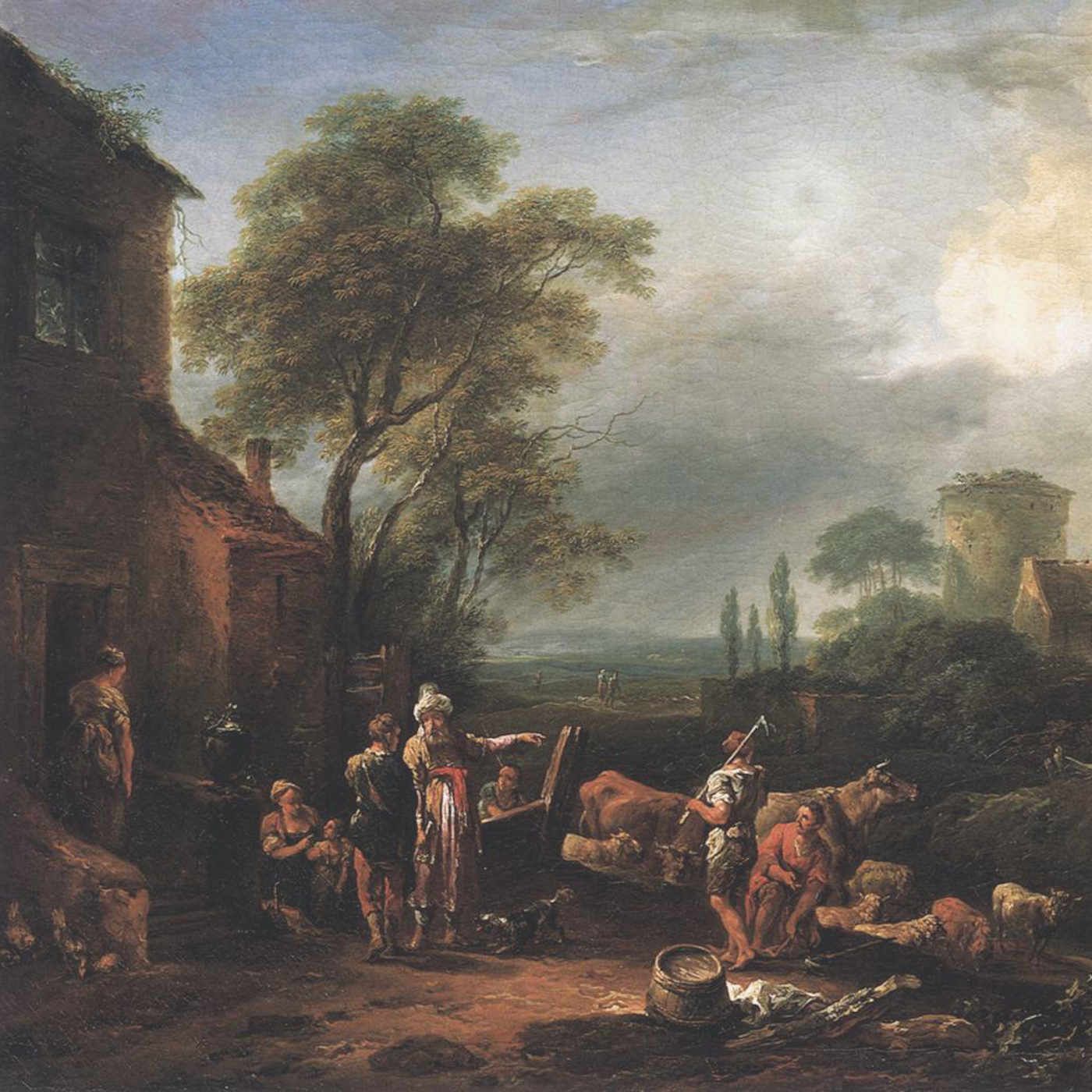
Aug 18
Tuesday of the Twentieth Week in Ordinary Time - The Eye of a Needle
Read Online Again I say to you, it is easier for a camel to pass through the eye of a needle than for one who is rich to enter the Kingdom of God.” When the disciples heard this, they were greatly astonished and said, “Who then can be saved?” Jesus looked at them and said, “For men this is impossible, but for God all things are possible.” Matthew 19:24–26 According to one tradition, the “eye of the needle” referred to a gate in the wall of Jerusalem. During the day, there was a large gate that was open through which a camel could easily pass. But at night, the larger gate was closed and there was a smaller opening in the center of the gate that allowed people to pass through. A camel, however, could not pass through that smaller opening unless it got down on its knees, had its load removed from its back, and then crawled through. In referencing this story, Saint Anselm states that “the rich should not be able to pass along the narrow way that leads to life, till he had put off the burden of sin, and of riches, that is, by ceasing to love them” ( Catena Aurea ). So is it possible for a camel to enter through the “eye of the needle” and, therefore, a rich man to enter into Heaven? Yes. But only under the condition of being on their knees, humbling themselves, and ridding themselves of the “baggage” of their riches. For those who are truly rich in the things of this world, this Gospel passage may be difficult to read and reflect upon. It was spoken in reference to the rich young man who asked Jesus how he can enter into eternal life. Jesus’ answer was “go, sell what you have and give to the poor, and you will have treasure in heaven.” At that, the rich young man went away sad because he was clearly attached to his wealth. Jesus’ explanation above, however, should give hope to anyone who struggles with this high expectation. The disciples were truly troubled by what Jesus said, and that is why Jesus followed up by saying, “For men this is impossible, but for God all things are possible.” For God all things are possible! This statement of fact should be carefully pondered and believed by anyone who struggles with being overly attached to material riches. It should also be noted that one can be attached to riches even if they do not have riches. The desire for more is the attachment that needs to be cleansed, not the actual possession of riches. In fact, it is possible to have many possessions and not be attached to them at all. This is the beauty of poverty of spirit. But be careful not to presume that you have perfected this beatitude too quickly. Jesus’ statement above was said out of love for those who are overly attached to the things of this world. So if this is you, be merciful to yourself and pay close attention to Jesus’ words and your own interior struggle with this. Reflect, today, upon this clear and unambiguous statement of Jesus. “It is easier for a camel to pass through the eye of a needle than for one who is rich to enter the Kingdom of God.” Do you believe this? Can you accept this? Is Jesus speaking to you through this passage? Again, even if you are materially poor, is your desire for riches strong? If so, this passage equally applies to you. Allow this passage to sit within your heart in a prayerful way and try to be as honest as you can with yourself as you read it. Do not hesitate to choose the true riches of Heaven over the passing things of this world. In the end, the value of spiritual wealth infinitely outweighs anything you possess for your short time here on earth. Lord of true riches, You desire that each of us be filled with spiritual wealth that is infinitely greater than anything we could obtain in this world. Please free me from my attachment to material wealth so that I can live free from that burden. Help me to see the value of the treasures of Your grace and mercy and to make this true wealth the single focus of my life. Jesus, I trust in You. Image: Matson Collection, Public domain, via Wikimedia Commons Source of content: catholic-daily-reflections.com Copyright © 2025 My Catholic Life! Inc. All rights reserved. Used with permission via RSS feed.
Aug 17
Monday of the Twentieth Week in Ordinary Time - Perfection
Read Online “If you wish to be perfect, go, sell what you have and give to the poor, and you will have treasure in heaven. Then come, follow me.” When the young man heard this statement, he went away sad, for he had many possessions. Matthew 19:21–22 This is the conclusion to the conversation that Jesus had with a rich young man who came to Him and asked, “Teacher, what good must I do to gain eternal life?” Jesus went on to tell him to keep the commandments. The young man said he has done so from his youth and wanted to know what else he could do. So Jesus answered his question. But the answer was more than the young man could accept. “If you wish to be perfect, go, sell what you have and give to the poor, and you will have treasure in heaven. Then come, follow me.” Do you want to be perfect? If so, then Jesus has set a high bar for such a goal. It seems that many followers of Christ are okay with simply being okay. In other words, it seems that it is rare to find a person who is wholeheartedly committed to perfection. Many may have good intentions, but it seems that there are few who fully commit themselves to all it takes to truly obtain the perfection to which we are all called. It’s interesting to note that Jesus’ initial response to this rich young man explained the requirements for entering eternal life, that is, the minimal requirement for obtaining Heaven. Simply put, Jesus said that if you refrain from serious sin by keeping the commandments, then you will inherit eternal life. Of course, that also presumes that you have the gift of faith and are thus open to the gift of salvation. So is that what you are content with? Are you satisfied with doing the minimum it takes to get to Heaven? The idea of perfection can appear to be beyond us. Too often we can think, “I’m only human.” But as a human who is called by God, we are invited to work toward the obtainable goal of greater holiness. Though we will always fall short, we must strive to become as holy as we can, holding nothing back. Though the invitation given to this young man to “go, sell what you have and give to the poor” is not a requirement that our Lord places on everyone, He does call some to do this literally. But for everyone else, the invitation still remains—but in a spiritual sense rather than a literal sense. This is the spiritual call to interior poverty of spirit. Everyone of us is called to be interiorly detached from the things of this world in a complete way, even though we retain our possessions. We must have as our single possession the love of God and the service of His will. This depth of spiritual detachment means that God and His holy will is all we desire in life. And if He ever were to call us to literally give everything up, we would do it without hesitation. And though that may seem extreme, it is, in fact, exactly what will benefit us the most. It is the only way to become fully human and fully the person we were meant to be. And the end reward is not only the attainment of Heaven but an incomprehensible amount of glory in Heaven. The holier we become here on earth, the greater will our eternal reward be in Heaven. Do not hesitate to do all you can to build up that treasure that will be with you forever. Reflect, today, upon the high calling to perfection given to you by God. Ask yourself in a very sincere way whether or not you are simply okay with being okay or if you want so much more. Do you want the greatest riches in Heaven? Do you want your eternity to be one in which the spiritual treasures you build up now are with you forever? Do not hesitate to accept this high calling from Jesus. Allow His invitation to this rich young man to echo within your heart as His personal invitation to you, also. Say “Yes” to Him and know that you will be eternally grateful you did. My loving Lord, You invited the rich young man to strive for perfection. You also invite me and all Your children to this holy and high calling. Give me the grace I need to detach from all that hinders this goal so that I can make You and Your holy will the central and only goal of my life. Jesus, I trust in You. Image: Nheyob, CC BY-SA 4.0 , via Wikimedia Commons Source of content: catholic-daily-reflections.com Copyright © 2025 My Catholic Life! Inc. All rights reserved. Used with permission via RSS feed.
Aug 16
Twentieth Sunday in Ordinary Time (Year C) - Spiritual Unity
Read Online “Do you think that I have come to establish peace on the earth? No, I tell you, but rather division. From now on a household of five will be divided, three against two and two against three; a father will be divided against his son and a son against his father, a mother against her daughter and a daughter against her mother, a mother-in-law against her daughter-in-law and a daughter-in-law against her mother-in-law.” Luke 12:51–53 Jesus introduces this passage by saying, “I have come to set the earth on fire, and how I wish it were already blazing!” The “fire” of which He speaks is His purifying fire of mercy that He poured forth from the Cross as He offered His life for the salvation of the world. His mercy is given to free us from our sins and to cleanse our souls so that God Himself can come to dwell within us. This is why we exist. God wants to dwell within us, and He wants us to be in perfect union with Him. One of the glorious effects of uniting yourself to God is that this union also brings about a spiritual bond with others who are united to God. We are made for communion with God, but also for communion with each other. God especially invites family members to share in this unity. Though there are many levels of friendship and unity we can have with each other, the deepest bonds come from two souls each being united to God. For example, two people may both like the same sports team or have the same interests, resulting in a bond or form of friendship. This is good. But when each of those friends also is deeply united to God, the unity comes from God and not from something more superficial. The challenging Gospel passage above reveals to us what happens when one or more members of a household fail to open themselves to the cleansing fire of God’s love and, therefore, fail to live in union with God. The result is disunity, at least on the deepest and truest level. God is not the cause of disunity; sin is. When one person is united to God and another is immersed in a life of sin, true spiritual unity is not possible. Of course the two might still share some common interests and might even superficially get along each day, but there will never be an experience of authentic spiritual friendship and communion if God is absent from one or both hearts. When Jesus says that He has come to establish division within a household, He is simply pointing out that there will indeed be a division within a household when all are not united to God. Additionally, Jesus is warning us that if someone within our household tries to draw us into a life of sin with them, that person’s invitation must be rejected. And when that happens, that rejection is often experienced as a rejection of the person and results in even greater disunity. The bottom line is that it is not possible to be authentically united in sin or any form of lie. Reflect, today, upon the deepest spiritual desire you have. If you are honest with yourself, you will discover that this deepest desire in your heart is the desire for love. We are made to give and receive love. First, this desire is fulfilled by opening ourselves to the love of God. When that happens, we will be able to share God’s love with others and receive God’s love from them. Nothing in life could be more fulfilling than this. Most merciful Lord, You came to unite all people in Your love, but when Your love is rejected we live in disunity. Please come to me and dwell more fully within me so that Your presence in my life will not only bring about a spiritual communion with You, but also with those who share this same love. Jesus, I trust in You. Image via Unsplash Source of content: catholic-daily-reflections.com Copyright © 2025 My Catholic Life! Inc. All rights reserved. Used with permission via RSS feed.
Aug 15
Saturday of the Nineteenth Week in Ordinary Time - All Are Welcome
Read Online Children were brought to Jesus that he might lay his hands on them and pray. The disciples rebuked them, but Jesus said, “Let the children come to me, and do not prevent them…” Matthew 19:13–14 In the Catechism of the Council of Trent , which was promulgated by Pope Saint Pius V, this passage is linked with infant baptism. It states, “Besides, it is not to be supposed that Christ the Lord would have withheld the Sacrament and grace of Baptism from children, of whom He said: Suffer the little children, and forbid them not to come to me…” (II, 2, 32). This teaching clearly indicates one of the best ways that this passage is fulfilled today. Inviting even infants before they reach the age of reason to receive the Sacrament of Baptism fulfills this loving command of Jesus to “Let the children come to me…” Young children do not have the ability to rationally understand love in its purest form. That comes with the age of reason, which has traditionally been understood to be around the age of seven. But children, and even infants, are capable of receiving our love and are capable of receiving the love of God, even if they do not yet fully comprehend this gift. As a child grows, they learn what love means as they witness it and experience it, especially through the mediation of their parents. This helps form their consciences in such a way that they become capable of making their own free choice to love as they mature in age. But if a child is to grow into a loving adult, they need more than just a good example, they need grace. The grace of Baptism is the primary source of that grace in their lives. It’s easy for many to see Baptism only as a nice ceremony to welcome the newly born child into God’s family. And though that is true, it is so much more. The Catechism of the Catholic Church states that Baptism bestows an indelible mark which “remains for ever in the Christian as a positive disposition for grace, a promise and guarantee of divine protection, and as a vocation to divine worship and to the service of the Church” ( CCC #1121). In other words, Baptism bestows upon one’s soul a gift that can never be removed and becomes an ongoing source of grace. And when an infant is baptized, it’s as if this Scripture passage above is perpetuated throughout that person’s life. Because of this sacramental grace, Jesus continually says to this baptized soul, “Come to Me.” In addition to the grace of Baptism, we must all imitate Jesus’ action of welcome and acceptance of not only children but of every child of God. Though the disciples initially tried to prevent the children from coming to our Lord, we must not. We must understand that there is a real temptation within our fallen human nature to both withhold the love of God from others and to even prevent others from coming to God. Anger, pride, envy, jealousy and the like can cause us to object to the conversion of others and to God welcoming them to Himself. When that temptation sets in, we must hear Jesus say to us, “Let the children come to me” and “do not prevent them.” Reflect, today, upon these gentle and inviting words of Jesus. As you do, try to call to mind anyone who you might try to prevent from coming to our Lord. Do you desire the holiness of all people? Is there anyone in your life whom you find it difficult to encourage to come to Jesus to be embraced and blessed? Take on the heart of Jesus and see it as your duty to embrace others as He embraced these children. The more you become an instrument of the love of Christ, the more you will daily rejoice in God’s blessings as they are bestowed on others. My tender Lord, You welcome all people to share in Your grace. You welcome every child and every child of God to share in Your loving embrace. Please extend that welcome to me and help me to accept this gift of Your infinite love. And help me to become a better instrument of Your love toward others, never interfering or preventing them from turning to You. Jesus, I trust in You. Image: Charles Lock Eastlake, Public domain, via Wikimedia Commons Source of content: catholic-daily-reflections.com Copyright © 2025 My Catholic Life! Inc. All rights reserved. Used with permission via RSS feed.
Aug 14
August 15, Solemnity of the Assumption of the Blessed Virgin Mary - The Assumption of the Mother of God
Read Online “My soul proclaims the greatness of the Lord; my spirit rejoices in God my Savior for he has looked with favor on his lowly servant. From this day all generations will call me blessed: the Almighty has done great things for me and holy is his Name.” Luke 1:46–49 Today we celebrate one of seventeen different memorials, feasts and solemnities in honor of the Blessed Virgin Mary that are found on the Roman Liturgical Calendar. Today’s celebration is one of the four great Solemnities by which our Blessed Mother is honored. Obviously, no other person other than our Lord is honored and celebrated with as much solemnity as the Mother of God. The Solemnity of the Assumption honors the fact that when the Blessed Virgin Mary completed her life on earth, she was taken body and soul into Heaven to be with her resurrected Son so as to adore the Most Holy Trinity forever. It’s an amazing fact to consider that she retains her body and soul, united as one in Heaven, in anticipation of that glorious day when the new Heavens and Earth will be created and when all the faithful will rise so as to live in a new bodily form forever with God. Though this dogma of our faith had been held and believed by the faithful from the earliest times of our Church, especially since it was witnessed by those closest to our Blessed Mother at the time of her glorious Assumption, it wasn’t until November 1, 1950, that Pope Pius XII solemnly proclaimed it to be so, raising this teaching of our faith to the level of a dogma, meaning, it must be held and believed by all. In part, the Holy Father declared, “...we pronounce, declare, and define it to be a divinely revealed dogma: that the Immaculate Mother of God, the ever Virgin Mary, having completed the course of her earthly life, was assumed body and soul into heavenly glory.” The Gospel passage quoted above comes from the beginning of Mary’s song of praise, her Magnificat , by which she not only gives the greatest glory to God but also reveals who she is. She is the one whom “all generations” will call “blessed.” She is the one for whom “the Almighty has done great things.” She is the one who will eternally proclaim “the greatness of the Lord” and whose spirit will forever rejoice in God her Savior. And she is that lowliest of servants whom God has raised up to the greatest glory. Reflect, today, with the whole Church, upon the Most Glorious Ever-Virgin Mary who was conceived without sin, remained sinless throughout her life, and was taken body and soul into Heaven where she now adores the Most Holy Trinity and intercedes for you and for the whole Church. This is a Solemnity of great rejoicing! Share in this joy with the whole Church and with all the saints in Heaven! Most glorious and Ever-Virgin Mary, I rejoice today with you and with the whole Church for the most glorious things that God has done for you. You are beauty beyond beauty, Immaculate in every way, and worthy of our deepest love. As you now share body and soul in the glories of Heaven, please pray for me and for all your dear children on earth. Cover us with your mantle of love and pour forth the mercy of God upon us always. Mother Mary, assumed into Heaven, pray for us who have recourse to thee. Jesus, I trust in You. Image: Peter Paul Rubens, Public domain, via Wikimedia Commons Source of content: catholic-daily-reflections.com Copyright © 2025 My Catholic Life! Inc. All rights reserved. Used with permission via RSS feed.
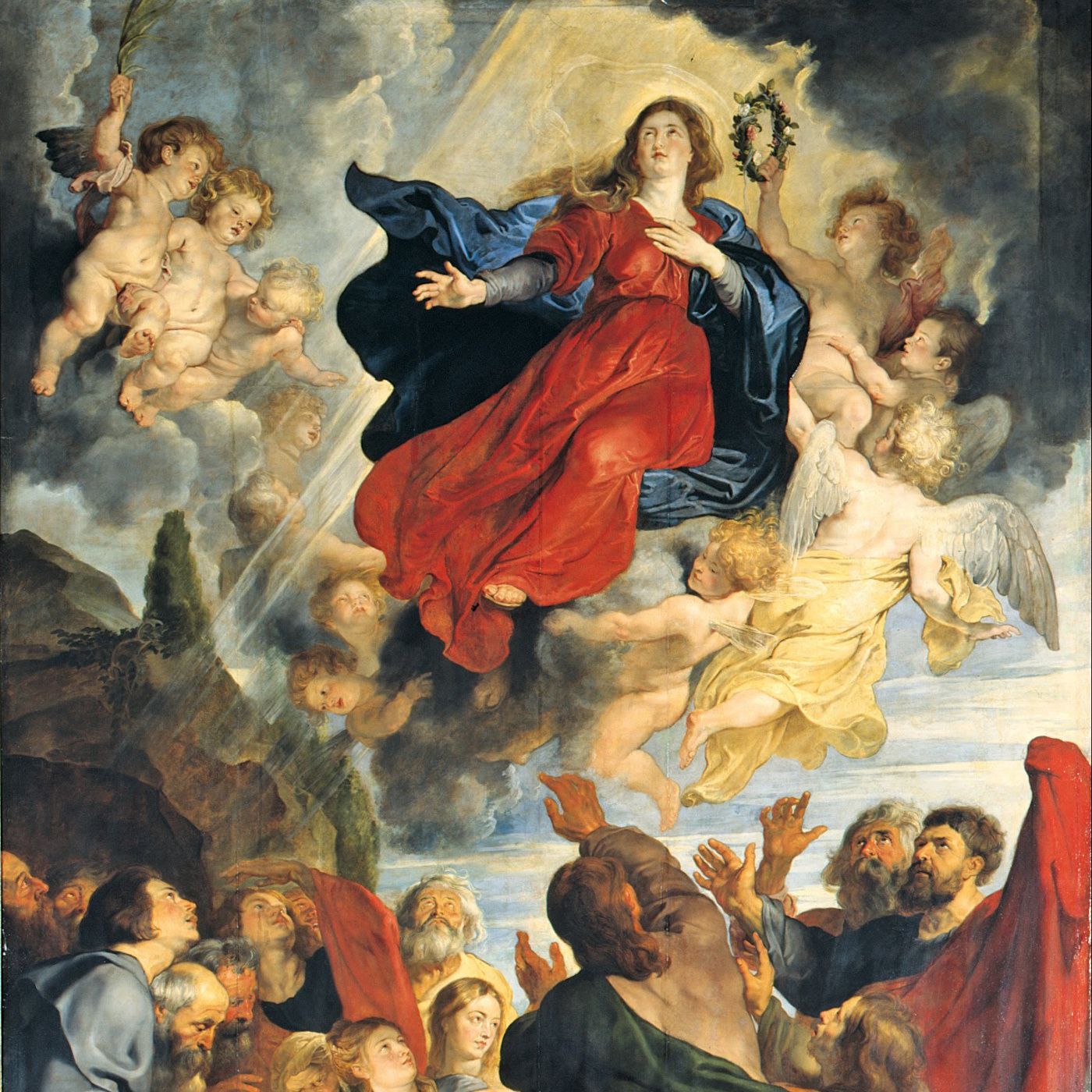
Aug 13
Thursday of the Nineteenth Week in Ordinary Time - Always and Forever Forgiving
Read Online Peter approached Jesus and asked him, “Lord, if my brother sins against me, how often must I forgive him? As many as seven times?” Jesus answered, “I say to you, not seven times but seventy-seven times.” Matthew 18:21–22 Saint John Chrysostom, in commenting upon this passage, explains that “seventy-seven times” was a way of saying “always.” In other words, Jesus was not giving a specific number to the times we must forgive, He was saying that forgiveness must be offered forever and always, without limit. This is the depth of forgiveness offered to us. This passage also shows the contrast between the human tendency towards forgiveness and God’s. Peter, no doubt, must have thought that he was being generous by asking if he should forgive his brother as many as seven times. Perhaps he thought Jesus would be impressed by this apparently generous suggestion. But the infinite mercy of God can never be outdone. There is simply no limit to the mercy of God, and, therefore, there must be no limit to the mercy we offer others. What is your personal practice when it comes to seeking the forgiveness of God in your life? And what is your practice in regard to offering forgiveness to another? This line quoted above introduces the Parable of the Unforgiving Servant. In that parable, the servant owed his king a “huge amount.” In mercy, the king forgave the debt just as God is willing to forgive us no matter what. But forgiveness does have one price. The price is that we must also forgive others to the same extent. Thus, when the servant who was forgiven a huge amount later sees one of his servants who owed him a much smaller amount, he demands the debt be paid in full. The result is that the king hears of this and withdraws his mercy, requiring the servant to pay him back in full. This tells us that forgiveness is not an option unless we are perfect and owe no debt to God. Of course, if anyone thinks that, then they are not living in reality. As we read in the letter to the Romans, “all have sinned and fall short of the glory of God” (Romans 3:23). As a result, it is essential that we offer forgiveness always and everywhere, without condition, without limit and without hesitation. How easily do you do this? How fully do you forgive? One of the hardest persons to forgive is the one who has no sorrow for their sin. When this happens, it is easy to justify our condemnation of them. One thing that might be helpful to reflect upon if you are currently withholding forgiveness from another and remain angry, bitter or hurt, is that your lack of forgiveness does more damage to your own soul than to theirs. By refusing to forgive, you do immeasurable damage to your soul and to your relationship with God. Remaining angry and hurt only leads to more anger and hurt. It leads to vengeful thinking and even acting. And that is a sin for which you will be held accountable. Reflect, today, upon the infinite depth of mercy and forgiveness you are called to offer to each and every person who has or will hurt you. To forgive is certainly not to excuse. On the contrary, the act of forgiveness acknowledges the sin. But mercy must be offered no matter what. Always, everywhere, unending and without any conditions, it must be offered. If this is difficult to do, do it anyway and do not stop. Doing so will not only help the sinner, it will also open the gates of mercy from God in your life. My forgiving Lord, Your mercy is infinite and unfathomable. You desire to forgive every sin in my life and to restore me completely to a life of perfect union with You. I accept this gift of forgiveness in my life, dear Lord, and I freely choose to offer this same depth of mercy to everyone who ever has or ever will sin against me. I forgive as completely as I can. Please help me to imitate Your unending mercy. Jesus, I trust in You. Image: Jesus entrusts his flock to St Peter by Lawrence OP , license CC BY-NC-ND 2.0 . Source of content: catholic-daily-reflections.com Copyright © 2025 My Catholic Life! Inc. All rights reserved. Used with permission via RSS feed.
Aug 12
Wednesday of the Nineteenth Week in Ordinary Time - Praying Together with the Son
Read Online “Again, amen, I say to you, if two of you agree on earth about anything for which they are to pray, it shall be granted to them by my heavenly Father. For where two or three are gathered together in my name, there am I in the midst of them.” Matthew 18:19–20 This is a bold and awe-inspiring promise from our Lord. This passage reveals Jesus’ desire that we pray with others, uniting our prayer as one and offering it to the Father. Jesus says that when we do this in union with His prayer, our prayer will be answered. The first thing to note is that this passage could easily be misunderstood. For example, is Jesus telling us that if two or more people get together and pray that it rains, then it will happen? Certainly not. The key to understanding this passage is found in the last line: “...there am I in the midst of them.” This means that the goal of gathering together with two or more people in prayer is to unite our unified prayer to the prayer of Jesus. The Father always hears and answers the prayer of the Son. No matter what the Son asks the Father, it is granted. Thus, this passage tells us that the goal of gathering together in prayer with others, that is, with the Church, is to unite ourselves with the one and eternal prayer of God the Son. This is first and foremost fulfilled within the Sacred Liturgy. When we come together in the Liturgy, our prayer is always heard. Why? Because the Liturgy is first an action of God the Son in which He invites us, the Church, to share. And the prayer that is offered is the one and eternal prayer by which God the Son asks the Father to bring salvation to all those who accept the saving action of His sacrifice on the Cross. When we join in this prayer, it is granted. What type of prayer is not answered? First, God does not grant that which fails to serve His mission. Second, if we pray for God’s will but fail to do our part, then our prayer cannot be answered. For example, if you pray that you overcome a particular sin but then fail to respond to the grace God gives, then this is not the fault of God. Third, praying for vengeance on those who have hurt us is ineffective. And fourth, praying for the conversion of one who refuses to repent will also be unable to be fulfilled, unless they ultimately repent. These are but a few examples. What type of prayer is effective? As already mentioned, the prayer of the Liturgy as the one Sacrifice of Christ is always heard when we participate in it. But there are other ways that our united prayer will be fulfilled with certainty. For example, if you gather with others and together pray for the grace of deeper conversion, you can be certain that the grace will be offered. It is then up to you to open your heart to that grace so that it is effective. Or if you pray that God offers His mercy to someone caught in sin, you can be certain that that grace will be offered, even if the person refuses to accept it. And the list could go on. Simply put, if we gather with others and seek to unite our prayer to the one and perfect prayer of God the Son as it is offered to the Father in Heaven, then that prayer of the Son in which we share will be answered. Perhaps the best way to pray together in this way is to pray the “Our Father” prayer with another. This prayer is always heard and answered by the Father since it is the prayer given to us by the Son. Reflect, today, upon God the Son praying to the Father. What is His perfect prayer? What does He ask the Father? Look for ways in which you can join with others to unite your own prayer to this prayer of the Son of God. Do this first and foremost in the Sacred Liturgy, but look for other ways in which you can practice this form of prayer. Praying together with others in union with the one prayer of Jesus will always be answered by the Father in Heaven. My perfect Lord, all that You ask of the Father is granted to You. Please draw me and all the members of Your Church into Your perfect prayer to the Father. May we participate in this prayer especially through the Sacred Liturgy, and also as we gather as two or more. May we pray only with You and in accord with Your perfect will. Jesus, I trust in You. Image: Image via Web Gallery of Art Source of content: catholic-daily-reflections.com Copyright © 2025 My Catholic Life! Inc. All rights reserved. Used with permission via RSS feed.
Aug 11
Tuesday of the Nineteenth Week in Ordinary Time - Carrying You Home
Read Online “What is your opinion? If a man has a hundred sheep and one of them goes astray, will he not leave the ninety-nine in the hills and go in search of the stray? And if he finds it, amen, I say to you, he rejoices more over it than over the ninety-nine that did not stray. In just the same way, it is not the will of your heavenly Father that one of these little ones be lost." Matthew 18:12–14 It is so easy to go astray. There are many wandering souls who are lost, confused, and in need of the Shepherd. Perhaps there are many reasons for this straying, including the lure of fleshly indulgence, the lure of money, temptations toward pride, anger, and selfishness, confusion, and much more. Today’s Gospel passage is not so much about the fact that people do stray; rather, it’s about God’s desire to win them back. When a person strays from God, they are left empty. That is the reality of our human condition. The only way to be satisfied in life is to give yourself to God out of love. God and God alone fulfills us. God and God alone can bestow joy and happiness upon us. So when a person is straying and is left empty inside, they have to make a choice. Will they repent of their sins and turn back to God? Or will they continue to seek satisfaction elsewhere? One of the greatest obstacles to repenting of one’s sins and turning back to God is our pride. It is hard to admit to sin. It is hard to admit we went astray. It is hard to take ownership of what we have done and turn to God for His mercy and compassion. Today’s Gospel is especially for the sinner who has strayed. It presents us with an image of God that is exceptionally inviting. It’s the image of a God Who goes forth searching for the stray sheep. But the most important image in today’s Gospel is that of the rejoicing of the Shepherd. We must come to realize that when God seeks us out and gets through to us, we should have no shame anymore. God does not condemn the person who has sorrow. Instead, He rejoices and carries that soul back home. Whenever we start to stray in life and give into a life of sin, we must understand this image of God and know that it applies to us. The truth is that sin is humiliating. And facing humiliation is difficult. But it’s also purifying. And if you are willing to embrace the humiliation experienced by confessing your sin, an endless amount of freedom awaits. Freedom comes especially in the form of God rejoicing and carrying you home. Reflect, today, upon the holy image of the Good Shepherd diligently searching for you. See His loving desire to get through to you, to reunite with you, to forgive you, and to lovingly carry you home. Allow fear of judgment to disperse. Humble yourself and acknowledge your sin. Admit that you are incapable of overcoming it by yourself. If you do, the heart of the Good Shepherd will rejoice as He lifts you up and carries you to freedom. Jesus, my Good Shepherd, Your love and compassion are incredible. You are a God of the utmost mercy. Please open my eyes to see You as You are, and dispel all fear from my heart. Please forgive me of my sin, lift me up, and carry me back to Your fold. Jesus, I trust in You. Image: National Trust, Public domain, via Wikimedia Commons Source of content: catholic-daily-reflections.com Copyright © 2025 My Catholic Life! Inc. All rights reserved. Used with permission via RSS feed.
Aug 10
Monday of the Nineteenth Week in Ordinary Time - Miracles of Hope
Read Online From whom do the kings of the earth take tolls or census tax? From their subjects or from foreigners?” When he said, “From foreigners,” Jesus said to him, “Then the subjects are exempt. But that we may not offend them, go to the sea, drop in a hook, and take the first fish that comes up. Open its mouth and you will find a coin worth twice the temple tax. Give that to them for me and for you.” Matthew 17:25–27 Prior to this minor miracle, Jesus had just told His disciples for the second time about His coming passion. Again, this was difficult for them to hear. Recall that after the first prediction of Jesus’ coming passion and death, Jesus took Peter, James and John up the mountain and was Transfigured before them. The Transfiguration was meant, in part, to dispel the fear of the disciples and to give them hope for that which was to come. And now, after Jesus’ second prediction of His passion, another miracle was performed for Peter, personally, to help encourage him and give him hope. Imagine if you were Peter. Imagine following through with Jesus’ instructions by going to the sea, dropping in a hook, pulling out a fish and then opening its mouth. Peter must have been filled with hope and excitement as he pulled this fish in, wondering if Jesus’ words would come true. And as soon as Peter saw the coin, just as Jesus said, he must have been in awe. Slowly, the fear and anxiety he was experiencing at this second prediction of Jesus’ passion and death would have begun to subside as Peter witnessed yet another incredible sign from his Lord. God performs miracles in our lives every day. The problem is that we often fail to discern them. Any time His glorious power works within us to strengthen us or fills us with courage, hope, charity and every other virtue, this is a miracle of transforming grace. God always knows what we need in life. He knows our struggles and doubts. At times, He is silent so as to draw us deeper through intentional prayer and acts of faith. And at times, we suddenly find that we receive a new clarity in life that is the result of His grace at work. Jesus knew that Peter needed this extra grace of this personal miracle so that he could move beyond his fears and struggles and place all of his trust in Jesus. Jesus was trustworthy. This is the conclusion Peter would have arrived at. He was trustworthy. Therefore, everything He said should be believed. What a wonderful conclusion for us all to arrive at. Reflect, today, upon the ways that God has assured you of His divine presence and action in your life. Though the assuring miracles God has performed in your life may not be physical in their manifestation, God’s workings can be just as convincing if we clearly perceive them. What does God want to assure you of in your life? What struggle or doubt do you struggle with? If you struggle, turn your mind to the ways that God has been present and active in your life. Ponder His intervention and the ways He has cared for you and led you. Be grateful and allow the memory of what God has done to be your strength today and the source of hope when you need it the most. My miraculous Lord, Your action in my life is truly glorious and amazing. You never fail to provide for me when I am in need. Help me to turn to You whenever I struggle so as to be filled with new hope in You. You are always faithful, dear Lord. I do place all my hope in You. Jesus, I trust in You. Image: George Hayter, Public domain, via Wikimedia Commons Source of content: catholic-daily-reflections.com Copyright © 2025 My Catholic Life! Inc. All rights reserved. Used with permission via RSS feed.
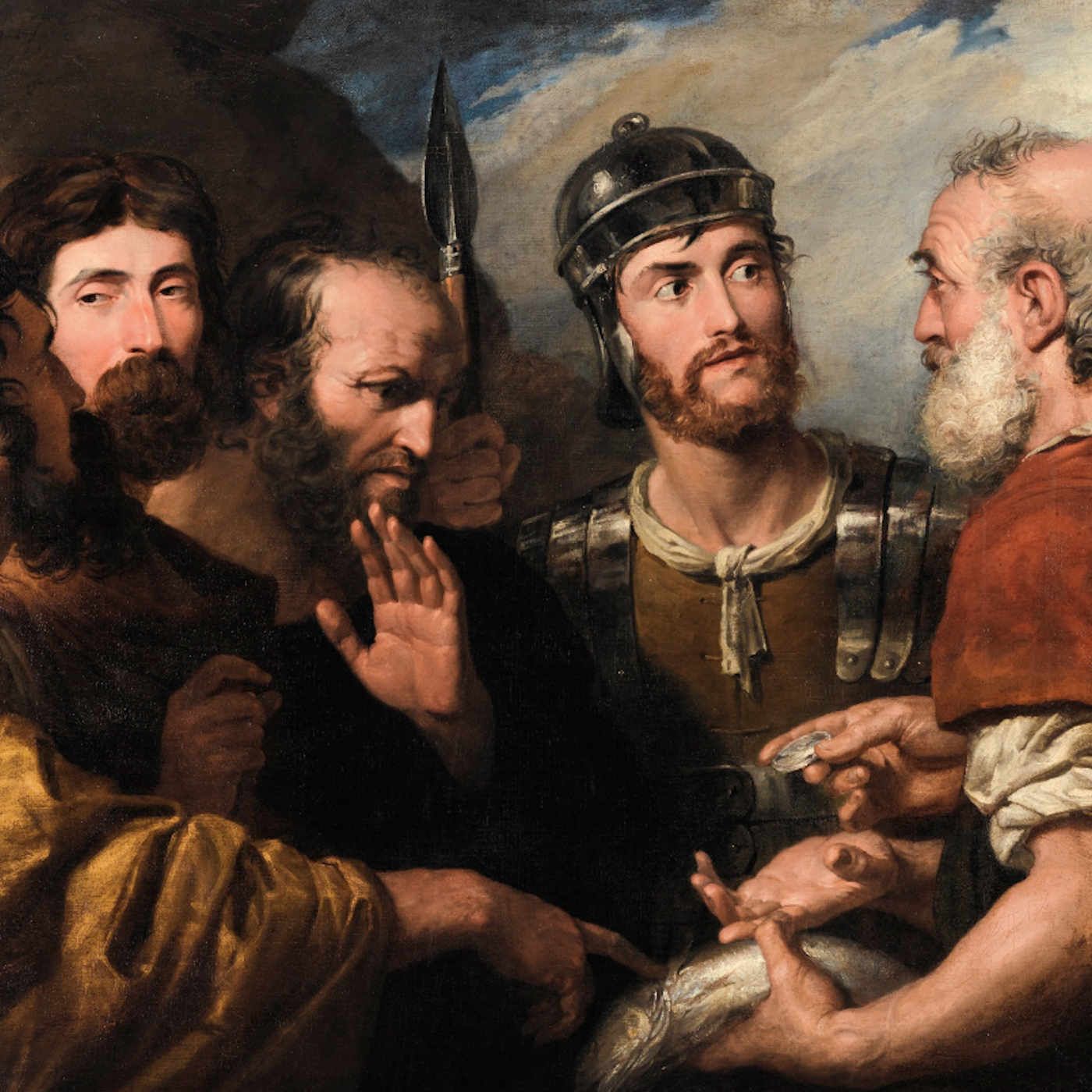
Aug 9
Nineteenth Sunday in Ordinary Time (Year C) - Vigilance, Attentiveness, Action
Read Online Jesus said to his disciples: “Gird your loins and light your lamps and be like servants who await their master’s return from a wedding, ready to open immediately when he comes and knocks. Blessed are those servants whom the master finds vigilant on his arrival. Amen, I say to you, he will gird himself, have the servants recline at table, and proceed to wait on them.” Luke 12:35–37 Vigilance, hard work, determination, attentiveness, fidelity—these are some of the qualities that Jesus is speaking about. To “gird your loins” means that you are immediately prepared for some challenging task. You are ready for the hard work ahead and are committed to it. To “light your lamps” implies that you are not in the dark but that your mind is enlightened in such a way that you are able to see that which is the will of God. As we go through life, it is easy to become complacent in the things of faith. It is easy to become lazy, disinterested, distracted, and unfocused. This parable goes on to speak of a thief who tries to break into a house in the middle of the night. This is Jesus’ way of saying that the evil one, with his lies and attacks, is constant, vicious, forceful, and unpredictable. For that reason, we must never grow tired of being vigilant in the spiritual life and must always be attentive to the light of God’s voice. How attentive are you to the mission of Christ on a daily basis? This is an essential question to answer honestly. Most people will find that they become distracted from the mission God has given to them. We experience countless things every day that compete for our attention. Many of those competing voices might not appear to be sinful. For example, perhaps a certain hobby has become the dominant focus of your free time. Or perhaps responsibilities at work have spilled over into your family time. Or perhaps some painful or even enjoyable experience has had your full attention for some time. Though it is obvious that sinful distractions in life are evil, it might not always be as obvious that there are many other neutral distractions that are a real problem. The problems they can produce are a lack of attentiveness to the will of God and a lack of readiness to engage the will of God the moment He calls. Imagine, for example, that a very important person calls you to ask for a favor. Most likely you would drop all you were doing and respond immediately. But, sadly, when the King of the Universe attempts to speak to us and inspire us to some mission, we can be too distracted to even listen, let alone respond with immediacy and zeal. This is a problem. If, however, a person is continually attentive to the voice of God and responds to His interior promptings as soon as they are received, then Jesus says that this person is truly blessed and that He will “have the servants recline at table, and proceed to wait on them.” In other words, the result of being vigilant in our attentiveness to the inspirations of God is that God Himself will reward us with His service. He will invite us to the table of spiritual rest, peace, joy, and fulfillment. He will serve us His mercy, which will be more than we could ever imagine. Reflect, today, upon the call from God to always be attentive to His voice the instant He speaks. Reflect upon how aware you are of His constant presence in your life and His ongoing communication. Know that if you can form a habit of always listening, then you will never miss out on the grace-filled mission given to you by our Lord. Always listen to Him, seek out His still and gentle voice, and be ready to respond to Him every time He calls. My ever-speaking Lord, You have so much to say and so much to reveal. Please enlighten my mind and strengthen my resolve to always listen to you and respond with all my heart. Your will is perfect and will lead me to a life of the deepest joy and fulfillment. May I believe this with all my heart and act accordingly. Jesus, I trust in You. Image via Adobe Stock Source of content: catholic-daily-reflections.com Copyright © 2025 My Catholic Life! Inc. All rights reserved. Used with permission via RSS feed.
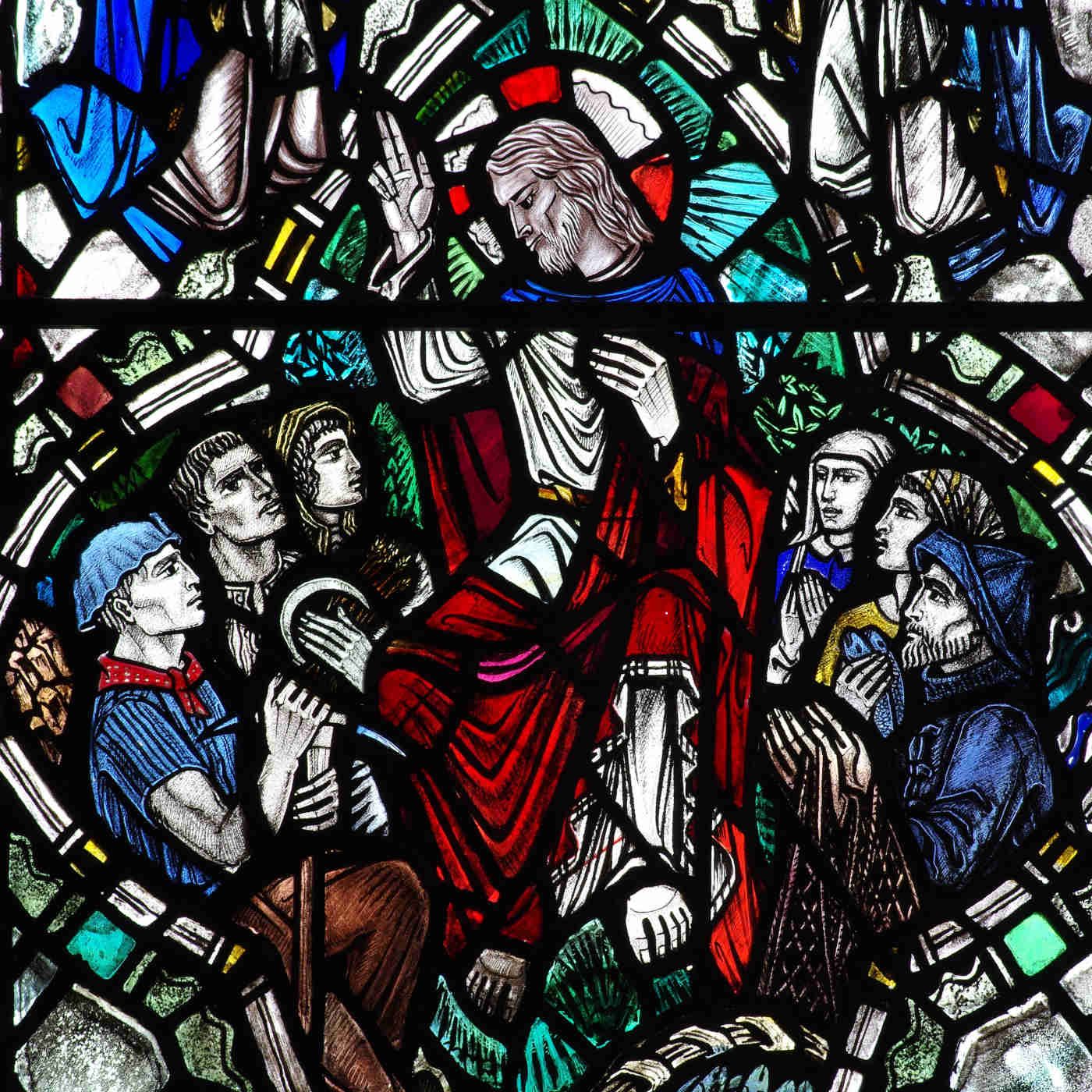
Aug 8
Saturday of the Eighteenth Week in Ordinary Time - Doing the Unimaginable
Read Online Then the disciples approached Jesus in private and said, “Why could we not drive it out?” He said to them, “Because of your little faith. Amen, I say to you, if you have faith the size of a mustard seed, you will say to this mountain, ‘Move from here to there,’ and it will move. Nothing will be impossible for you.” Matthew 17:19–20 A man came up to Jesus, fell on his knees before Him and begged Jesus to cure his son who was possessed by a demon. The man explained that Jesus’ disciples had tried to cast the demon out, but they could not do so. Jesus’ initial response to the man was, “O faithless and perverse generation, how long will I be with you? How long will I endure you?” But then Jesus had the boy brought to Him, and He cast the demon out. The line quoted above reveals the conversation that immediately followed between Jesus and His disciples who failed to cast out the demon. It was because of their lack of faith that they were not able to do so. It should be noted that Jesus reacts firmly with a rebuke to this lack of faith as a way of emphasizing the importance of having a more pure faith. Is it true that if you were to have “faith the size of a mustard seed” that you would be able to move a mountain? Yes, most certainly. But this statement must be carefully understood. First of all, we can only have “faith” in that which is in the mind and will of God. Faith is a response to that which God speaks to us. We listen, understand and believe. This is faith. Faith is not just believing in something so strongly that we try to will it to happen. Thus, if God truly wanted a mountain to be uprooted and moved, and He spoke this to you asking you to do it, then if you listened to His Voice and responded with complete trust, then it would happen. But, of course, the glory of God is not fulfilled by moving a literal mountain, so it is very unlikely that this would ever be done through the gift of faith. But Jesus speaks this to His disciples and to us to assure us that we must listen, understand and believe all that He says. In the case of the curing of the boy with the demon, it is clear that it was the will of God that the disciples cast the demon out. But they failed to believe and, therefore, were unable to bring forth God’s will through their faith. As for moving mountains, this happens on a figurative and spiritual level all the time. Any time God works in our lives in a supernatural way, or any time God uses us to work in another’s life in a supernatural way, much more than a “mountain” is moved. From an eternal perspective, what is more glorious and what gives God greater glory? To literally move a mountain? Or to be changed by grace and to be interiorly transformed by God so as to give Him eternal glory? And what is more impressive? To be able to defy the laws of physics in a way that comes and goes in an instant, or to be used to change someone’s soul for eternity? Without question, being used by God to bring transformation to another’s soul for eternity is of infinitely greater magnitude. Reflect, today, upon the importance of listening to the Voice of God and responding with complete obedience and love. This is faith. What “mountain” does God want to move in your life? What transformation does He want to perform? Listen to Him and believe with every fiber of your being. As you do, God will not only do unimaginable things in your life, but through you, He will do unimaginable things in the lives of others. My saving Lord, You have done incredible things in the lives of so many. You have transformed souls and recreated them in Your mercy. Please bestow upon me the gift of faith so that I will hear Your Voice and respond with the utmost generosity and belief. Use me, dear Lord, to also become an instrument of Your unimaginable grace in the lives of others. Jesus, I trust in You. Image: Jorge Afonso, Public domain, via Wikimedia Commons Source of content: catholic-daily-reflections.com Copyright © 2025 My Catholic Life! Inc. All rights reserved. Used with permission via RSS feed.
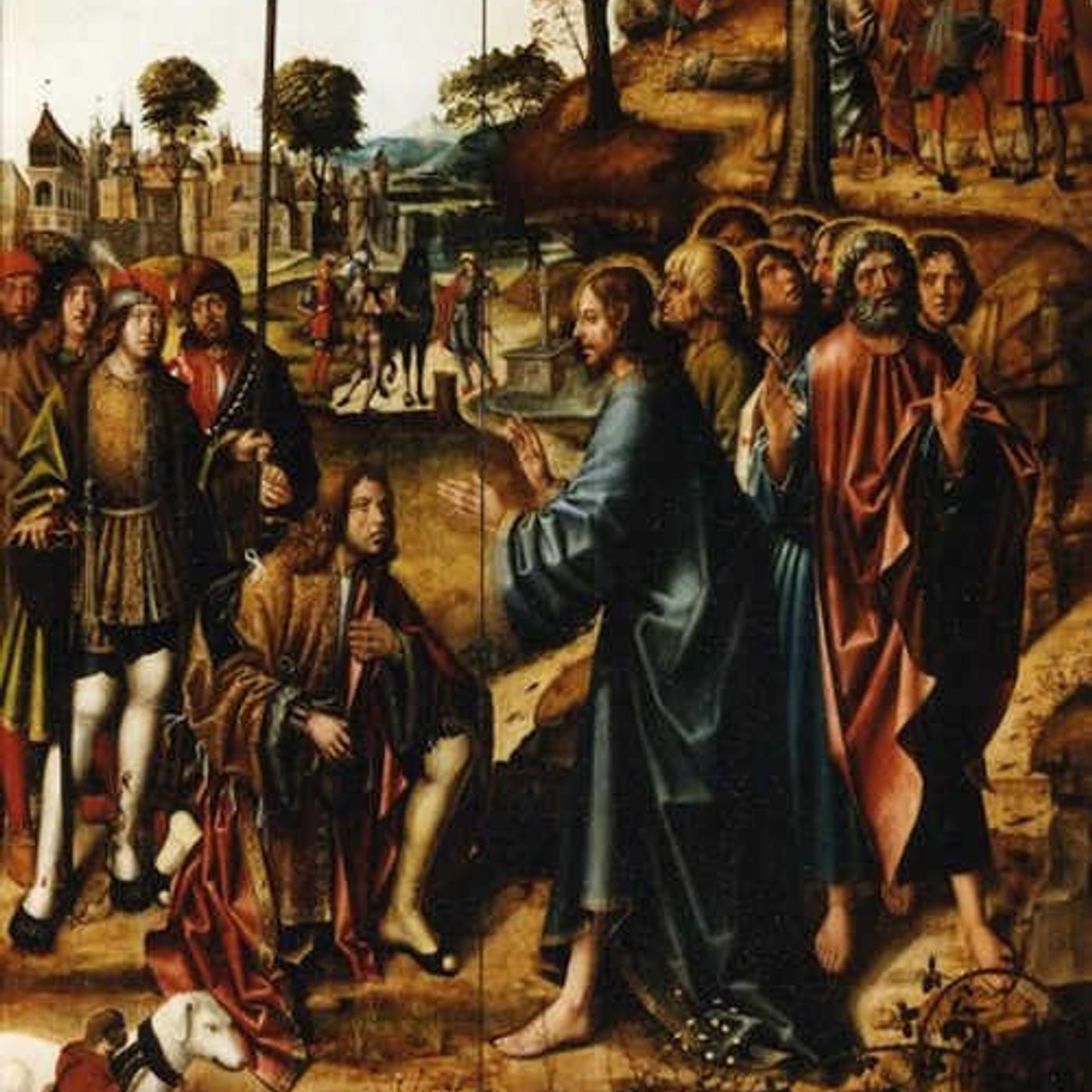
Aug 7
Friday of the Eighteenth Week in Ordinary Time - Purifying Worldly Desires
Read Online “What profit would there be for one to gain the whole world and forfeit his life? Or what can one give in exchange for his life?” Matthew 16:26 Would you like to “gain the whole world?” Many people daydream about becoming exceptionally rich and being able to purchase everything they ever wanted. Others dream of doing heroic acts that thrust them into the public spotlight and lead to public admiration. Still, others dream of having great power in this world and being a person of great importance. Though none of these are bad in and of themselves, the inordinate desire for them will damage your relationship with God. And when one of these desires becomes the dominant and all-consuming desire within, the result is that you forfeit your eternal soul. When we speak of the “world,” we can understand different things. First, this is a reference to all the material things of this world—for example, the best of food and drink, self-indulgence, fleshly pleasures, material wealth, and all that is temporary and passing in this life. Second, the “world” can refer to pride and desire for attention and praise. This is when we become consumed with concern about what others think and say about us. Third, the “world” can refer to the desire for power so as to insert our own will. At a very high level, this is often the cause of wars among countries. One leader has a desire for domination and control. This desire for power and control can also affect each person within any part of that person’s life, including family, friends, work, social circles, etc. The common thread among all three of these examples of worldly desires is the deception that obtaining more of them will satisfy you. Though they may satisfy you in a temporal and passing way, these desires will also have the effect of destroying your soul. This is because we have to choose. Either we seek to satiate the spiritual yearning of our souls, or we will seek to satiate ourselves with the passing promises of the world. We cannot have both. It should be noted that obtaining wealth, being publicly praised, or being put in a position of power is not evil in and of itself. In fact, any one of these offers potential for good. The problem arises when a person seeks one of these worldly desires for selfish reasons and under the delusion that it will provide fulfillment. Truth be told, any one of those situations imposes a true cross on the person who is seeking to serve God alone. The responsibility that comes with wealth, prestige, or power is real. Therefore, when one or more of these are obtained, they must be handled with detachment and humility. For example, if one becomes quite wealthy, the precept to live spiritually detached from material things still remains. Thus, in this case, material wealth poses a certain burden in the form of temptation. While this temptation certainly can be overcome and wealth can be used for good, the danger is real and must be regularly acknowledged. Or, if you are praised by many for something you did, or if you are given much responsibility and authority over others, humility and detachment must also increase so that God and God alone remains the single object of your desire. Reflect, today, upon your desires. What do you want in life? Do you want to “gain the whole world?” Do you desire to gain even some of the worldly ambitions? If so, be careful. Reflect honestly upon your interior desires and work to purify them so that you desire God’s will alone. Once that happens, it will not matter to you if you are rich or poor, publicly praised or criticized, entrusted with earthly power or not. All that will matter is that you use all for the glory of God, in accord with His perfect and fulfilling will. Most glorious God, Your will is perfect and is the one and only source of fulfillment in life. Please purify my soul of all desires pertaining only to this world. May my one and only desire in life be the fulfillment of Your holy will so that all I have will only be used for Your glory. Jesus, I trust in You. Image via Pixabay. Source of content: catholic-daily-reflections.com Copyright © 2025 My Catholic Life! Inc. All rights reserved. Used with permission via RSS feed.

Aug 6
Thursday of the Eighteenth Week in Ordinary Time - Facing Fear with Hope
Read Online Then Peter took Jesus aside and began to rebuke him, “God forbid, Lord! No such thing shall ever happen to you.” He turned and said to Peter, “Get behind me, Satan! You are an obstacle to me. You are thinking not as God does, but as human beings do.” Matthew 16:22–23 What a shocking statement this must have been that was spoken by Jesus to Peter. “Get behind me, Satan!” Jesus said. In the paragraph before this, Peter professed that Jesus was “the Christ, the Son of the living God.” Jesus in turn told Peter that he was Petros and on this petra He would build His Church. Petros is the Greek word for a movable rock and petra was an immovable solid rock foundation. Thus, Peter was told that he would be the stone, set upon a solid foundation, by which Jesus would build His Church. Jesus even went on to promise Peter that he would receive the keys to the Kingdom and that whatever he bound on earth would be bound in Heaven. And then, one paragraph later, Jesus rebukes Peter for thinking “not as God” but as a human being. Jesus rebuked Peter because Peter could not accept Jesus’ teaching about His coming passion and death. Jesus told Peter and the other disciples that He would soon suffer greatly, be rejected by the chief priest, the scribes and the elders, be killed and then rise on the third day. So Peter went from a profound proclamation of faith, to fear and a rejection of the divine plan of salvation. And for that reason, Jesus went from entrusting much authority to Peter to rebuking him for his weakness and fear. Fear is often a paralyzing passion. Saint Thomas Aquinas explains that the passion of fear comes from a perceived future evil. Sorrow is the normal reaction to a present suffering such as the death of a loved one. But when the perceived suffering, or apparent evil, is something that has not yet come, then we often react with fear. When that fear is caused by something exterior and out of our control, it tempts us to feel shock, a sense of being overwhelmed and anxiety. In the case of Peter, the thought of Jesus suffering greatly, and being killed, was more than he was able to accept. So Peter says, “God forbid, Lord! No such thing shall ever happen to you.” Jesus’ rebuke of Peter was an act of true love. It was a way of shaking him free from the paralysis of fear. Jesus wanted Peter to think clearly and to face this future suffering with courage, acceptance, hope and faith. Courage provides strength. Acceptance cures anxiety. Hope produces joy. And faith is the remedy for all fear. These and other similar virtues were necessary if Peter and the other disciples were going to be able to endure the suffering and passion of Jesus. They needed to know that this perceived evil was going to be transformed by the Father in Heaven and used for the greatest good the world had ever known. They needed to know that Jesus “must go to Jerusalem and suffer greatly…” It was the Father’s will. And because it was the Father’s will, the greatest good would come from the greatest evil because of God’s almighty power. Reflect, today, upon that which causes you the most fear and anxiety in your life. When you look to the future, what is it that paralyzes you or at least tempts you to fear and worry? The truth is that any evil or suffering that you foresee has the potential to bring forth the greatest good in your life. Your natural human mind cannot discern this. We must strive to think as God, not as humans, as Jesus says. Try to look at anything that causes you anxiety through the eyes of God alone. Trust that, in faith, all can be used by God for good. Do not doubt but believe and God will begin to bestow upon you the many virtues you need to move forward with peace, courage and confidence. My suffering Lord, You faced the evil You endured with the utmost courage and love. You never gave in to fear but pressed on, fulfilling the Father’s will. Give me the grace I need to share in Your strength so as to overcome all that tempts me to fear. I love You, my Lord. May I rely upon You for all things. Jesus, I trust in You. Image: National Trust, Public domain, via Wikimedia Commons Source of content: catholic-daily-reflections.com Copyright © 2025 My Catholic Life! Inc. All rights reserved. Used with permission via RSS feed.
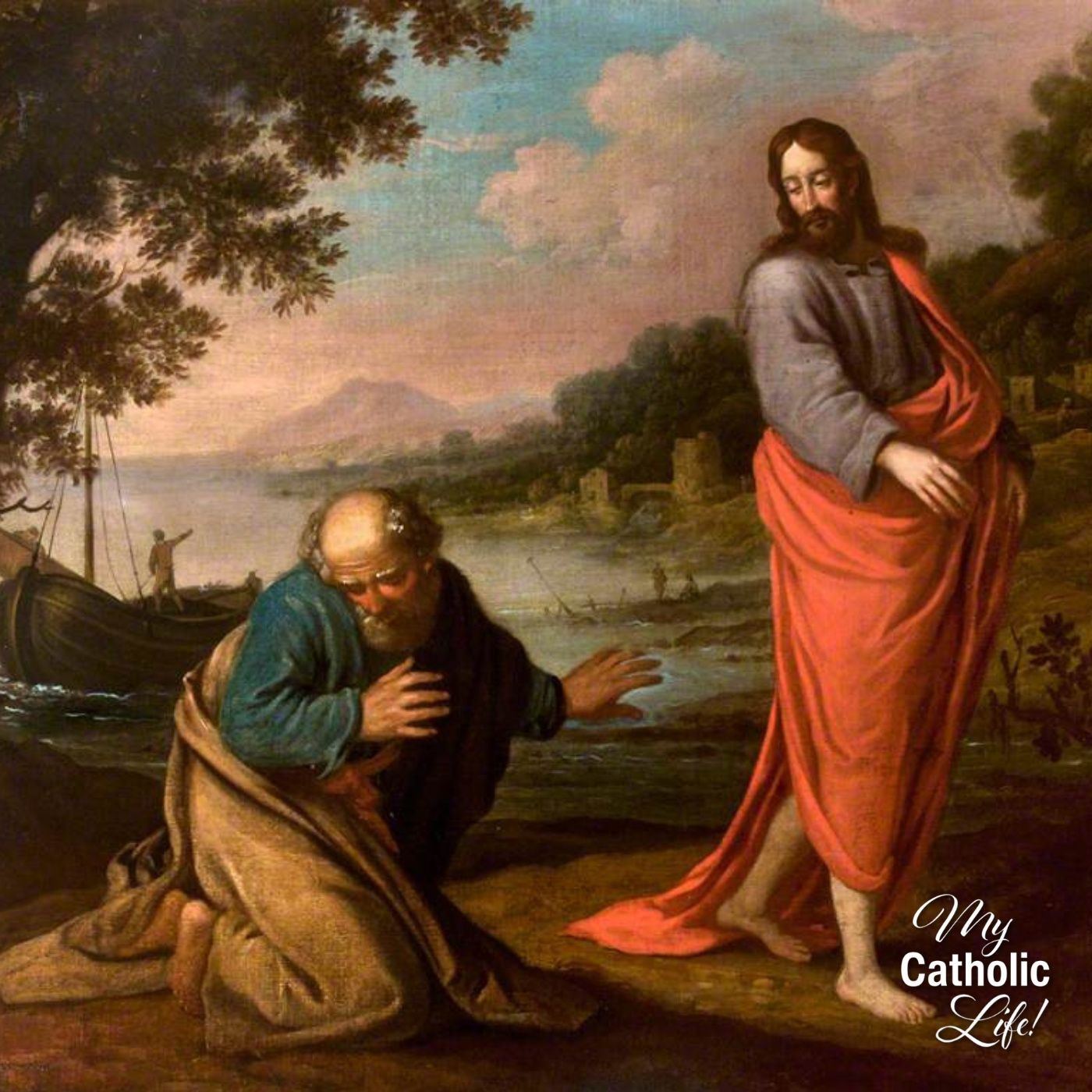
Aug 5
August 6, Feast of the Transfiguration of the Lord - The Glory of the Transfiguration
Read Online Then Peter said to Jesus in reply, “Rabbi, it is good that we are here! Let us make three tents: one for you, one for Moses, and one for Elijah.” He hardly knew what to say, they were so terrified. Then a cloud came, casting a shadow over them; from the cloud came a voice, “This is my beloved Son. Listen to him.” Mark 9:5–7 Just prior to the Transfiguration, Jesus began to reveal to His disciples that He would suffer greatly, be rejected by the elders, be killed and then rise on the third day. This caused much fear for the disciples as they grappled with this unsettling revelation from our Lord. And even though Jesus remained firm with them and even rebuked Peter for his fear, Jesus also gave three of His disciples a very precious gift. After much traveling, preaching, miracle working and private conversations about His passion with the Twelve, Jesus invited Peter, James and John to go with Him up a high mountain to pray. These disciples most likely had no idea what they would soon encounter. As they made the difficult and arduous journey, their minds must have been pondering not only the mighty deeds done by Jesus in the previous months but also His words about the suffering to come. As they struggled with this, much to their amazement, Jesus “was transfigured before them, and his clothes became dazzling white.” Suddenly Moses and Elijah appeared before them, representing the Law and the prophets. These two Old Testament figures appeared as a way of saying to these disciples that everything that Jesus was telling them was to take place to fulfill all that had been foretold about Him from of old. Perhaps Jesus thought that if His disciples would not fully listen to Him, then seeing Moses and Elijah would help. But Jesus went even further. The Voice of the Father Himself thundered and said, “This is my beloved Son. Listen to him.” Thus, if these disciples would not ultimately listen to Jesus alone, or if even Moses and Elijah failed to convince them, then the last hope was the Father Himself. And Jesus delivered such a grace. The Transfiguration was a true mercy. These disciples had never seen anything like it before. But it was most likely this act of mercy that ultimately helped them to accept the hard truth that Jesus was trying to teach them about His coming suffering and death. If the Father in Heaven Personally gave witness to Jesus, then everything that Jesus had said was trustworthy. As we read through the Gospels and the many teachings God has given us through the Church, think about whether there are some teachings with which you struggle? Or in your own life, on a personal level, are there some things you know God wants of you but you find it difficult to accept? When confusion sets in, that means we are not listening, are not fully hearing what God is saying to us or are not understanding. And though we will not see the Transfigured Lord with our eyes and hear the Voice of the Father with our ears as these three disciples did, we must choose to believe all that God has said as if it were the Transfigured Lord, with Moses and Elijah, and the Father Himself speaking clearly and directly to us. “This is my beloved Son. Listen to him.” Those words were not only spoken for the good of the disciples, they are also spoken to us. Reflect, today, upon this powerful experience given to these disciples by our Lord. Try to place yourself in the scene so as to witness Jesus transfigured in the most glorious way, with Moses and Elijah and with the thundering Voice of the Father. Allow the Father to speak also to you, telling you that all He has spoken through the Scriptures, the Church and within your own conscience is true. Allow this revelation to convince you on the deepest level to acknowledge not only the divinity of Jesus but also to “Listen to Him” in every way. My transfigured Lord, You are glorious beyond imagination, and You revealed a small glimpse of this glory to Your disciples to help them trust You more fully. May I also trust in You more completely, knowing that all You have spoken to me is true. Please remove any doubt and fear in my life so that nothing keeps me from embracing Your holy will. Jesus, I trust in You. Image: Duccio di Buoninsegna, Public domain, via Wikimedia Commons Source of content: catholic-daily-reflections.com Copyright © 2025 My Catholic Life! Inc. All rights reserved. Used with permission via RSS feed.
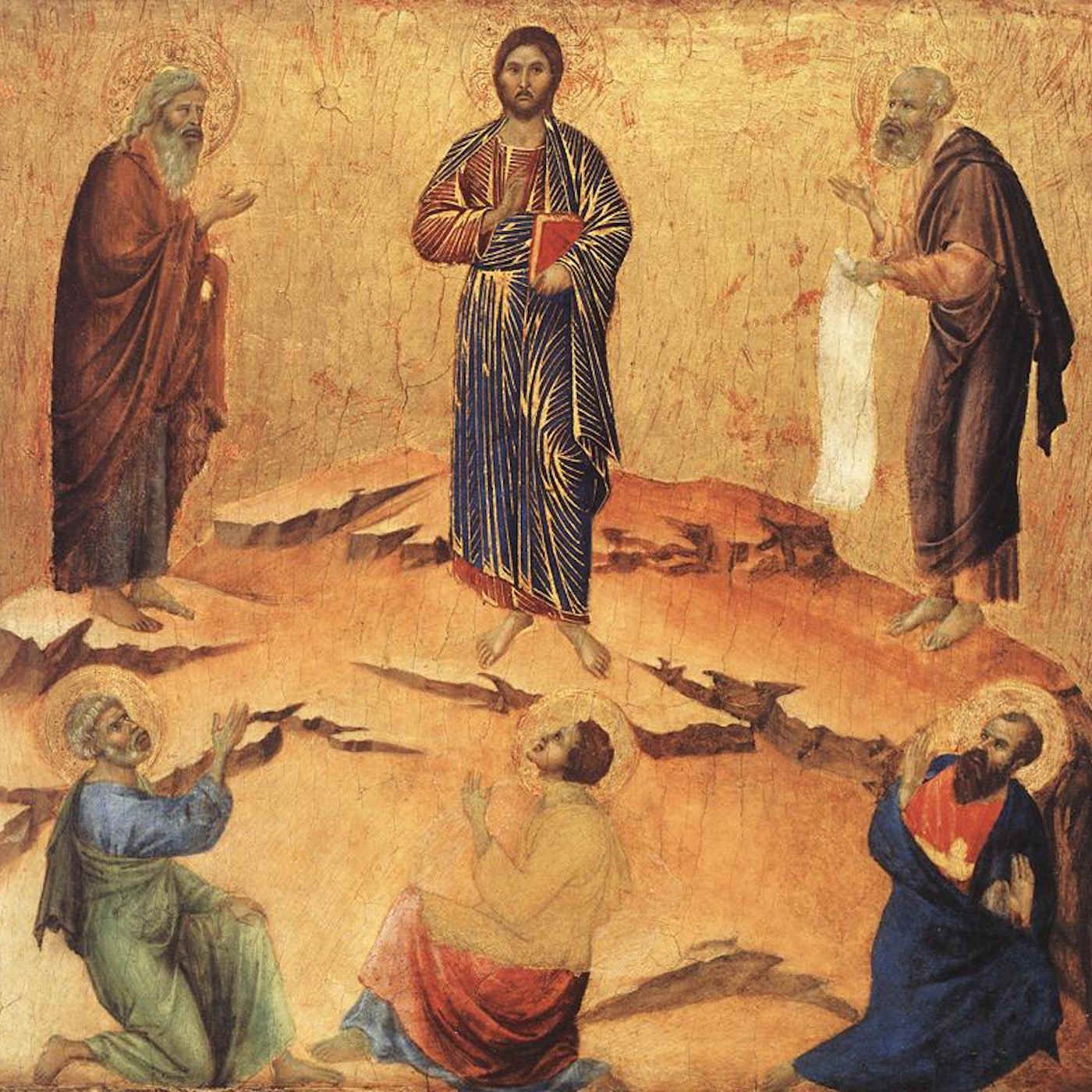
Aug 4
Tuesday of the Eighteenth Week in Ordinary Time (Years B&C) - Come With Your Fears
Read Online “Take courage, it is I; do not be afraid.” Peter said to him in reply, “Lord, if it is you, command me to come to you on the water.” He said, “Come.” Matthew 14:27–29 Peter and the other disciples were frightened. They were in a boat on the Sea of Galilee, the wind was strong, and the waves were crashing. This scene took place “during the fourth watch of the night,” which meant the time was early in the morning, between 3:00 and 6:00 a.m., when it was still dark. Jesus had been alone on a mountain praying during that night and now came walking on the water toward the disciples. When they saw our Lord, they cried out, “It is a ghost!” But then Jesus spoke the words quoted above to them, calming them and calling them to courage and trust. Imagine yourself being with the disciples as Jesus approached. How would you react? Would you, too, be filled with fear? Perhaps it is best to answer that question from two perspectives. One is from the perspective of our fallen human nature. The other comes from the perspective of Truth. First, from the perspective of our fallen human nature, there are many things in this life that tempt us to fear. Therefore, this Gospel passage should be seen as a prophetic action of our Lord by which He tells you that He wants to come to you and meet you in your fears. What is it that gives you the most fear in your life right now? Oftentimes fear has to do with the future and the unknown. What if this or that were to happen? Fear ultimately results from a lack of faith in God and His protective care. The second perspective from which we might see this passage is that of the full Truth. The truth is that the disciples not only had no need to fear, they actually had every reason to rejoice and be at peace. While on that boat, in the middle of the sea, in the middle of the night, during strong winds, it was God Himself, the Great I AM, Who was coming to protect them, care for them, and lead them safely to shore. Jesus’ “it is I” could actually be translated more literally “I AM” in reference to Jesus’ divinity. The last word in the passage quoted above is what Jesus speaks to all of us when we fall into fear and worry. Jesus says, “Come.” This word is a command and is a word spoken to you. It’s a good word to prayerfully meditate upon and hear spoken to you during every struggle and fear you endure. Reflect, today, upon this Gospel passage and try to insert yourself into it. See the waves, wind, and darkness as symbols of whatever it is that troubles you the most. As you do, close your eyes and see Jesus, the Great I AM, coming to you. Gaze at Him and hear Him tell you to trust Him. Hear Him say to you, “Come.” Peter initially trusted and began to walk on water when he came to Jesus, but he quickly allowed his fear to set in and took his eyes off Jesus. As soon as he did, he began to sink. Turn your eyes to Jesus, keep them firmly fixed on Him, ignore the temptations in life that lead you to fear, and trust in God. He commands you to do so out of love. My saving Lord, You are God, the Great I AM, the Creator, Ruler and King of all. You and You alone are worthy of all my trust, dear Lord. When I struggle in life and allow fear to overwhelm me, please call to me and give me the wisdom and courage I need to fix my eyes firmly upon You and to come to You without faltering. Jesus, I trust in You. Image via Brooklyn Museum Source of content: catholic-daily-reflections.com Copyright © 2025 My Catholic Life! Inc. All rights reserved. Used with permission via RSS feed.
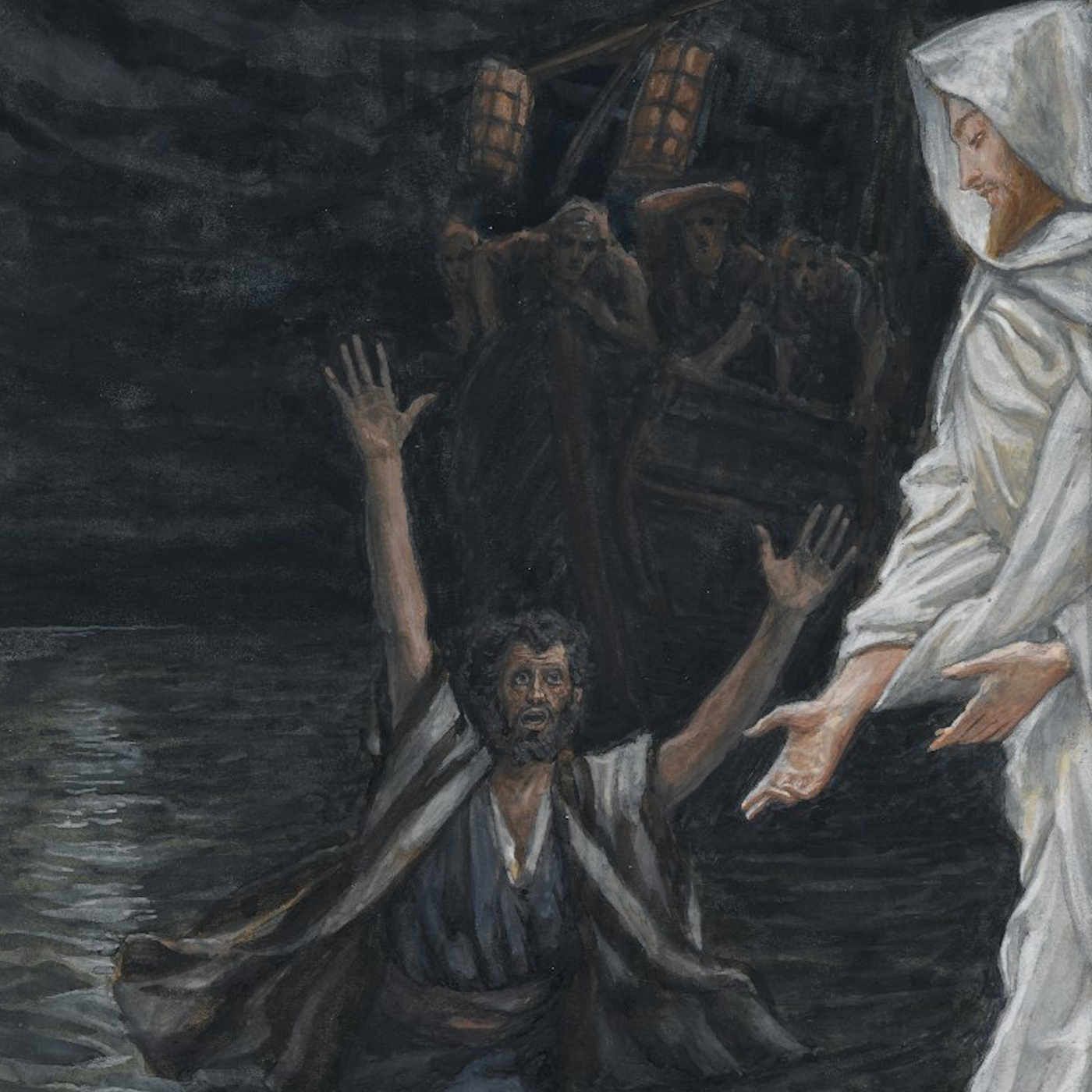
Aug 3
Monday of the Eighteenth Week in Ordinary Time (Years B&C) - Giving What You Receive
Read Online Taking the five loaves and the two fish, and looking up to heaven, he said the blessing, broke the loaves, and gave them to the disciples, who in turn gave them to the crowds. They all ate and were satisfied, and they picked up the fragments left over—twelve wicker baskets full. Matthew 14:19–20 An important aspect of this miracle that is easy to miss is that Jesus multiplied the loaves and fishes through His disciples’ instrumentality. He did this by inviting them to assist in the distribution of the loaves and in the gathering of the fragments left over. This reveals that God often uses us as mediators of His superabundant graces given to others. Though God could pour forth His mercy directly, most often He does so through others. As you ponder this miracle, try to see yourself as one of the disciples who was invited to distribute the bread to the people. If you were there and were hungry and then were given bread, you would be tempted to eat the bread yourself before giving any away. But Jesus gave the bread to His hungry disciples with the instruction to first give it to others. Sometimes, when God calls us to give His mercy to others, we become selfish. It’s easy to think that we must first take care of ourselves and our own needs. We erroneously believe that we can only offer mercy to others after our needs are met. Imagine, for example, if upon receiving the bread from Jesus the disciples would have decided that they should eat of it first. Then, if there was anything extra, they could give it to others. Had they done this, the superabundance of the multiplication of the loaves would not have happened. In the end, the disciples themselves received a superabundance of food—precisely because they first gave away what they had received. Spiritually speaking, the same is true with us. When we receive spiritual nourishment from our Lord, our first thought must be to give it away. We must first see all that we receive from God as an opportunity to bestow those blessings upon others. This is the nature of grace. For example, if we are given a sense of peace or joy within our hearts, we must realize that this peace or joy we receive is a gift that must be immediately offered to others. If we are given a spiritual insight into the Scriptures, this is given to us first and foremost to share with others. Every gift we receive from God must be understood as a gift given to us so that we can immediately share it with others. The good news is that when we seek to give away that which we have received, more is given to us and, in the end, we will be far richer. Reflect, today, upon the action of the disciples receiving this food from our Lord and immediately giving it away. See yourself in this miracle, and see the bread as a symbol of every grace you receive from God. What have you received that God wants you to distribute to others? Are there graces you have received that you selfishly try to hold onto? The nature of grace is that it is given to give it to others. Seek to do this with every spiritual gift you receive, and you will find that the graces multiply to the point that you receive more than you could ever imagine. Most generous Lord, You pour forth Your grace and mercy in superabundance. As I receive all that You bestow, please fill my heart with generosity so that I will never hesitate to offer Your mercy to others. Please use me as Your instrument, dear Lord, so that, through me, You may abundantly feed others. Jesus, I trust in You. Image: Jacopo Tintoretto, CC0 , via Wikimedia Commons Source of content: catholic-daily-reflections.com Copyright © 2025 My Catholic Life! Inc. All rights reserved. Used with permission via RSS feed.
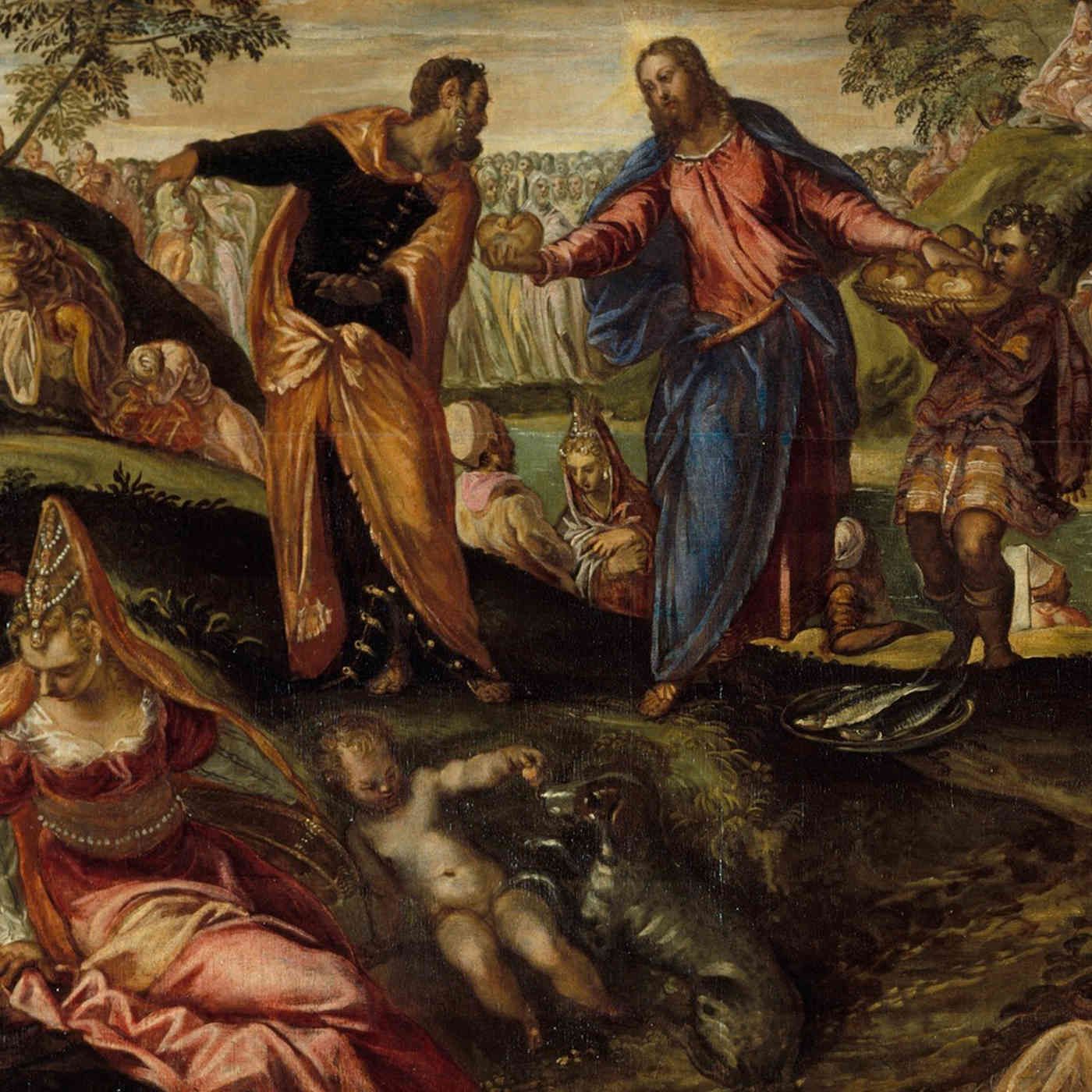
Aug 2
Eighteenth Sunday in Ordinary Time (Year C) - Being Cheated
Read Online Someone in the crowd said to Jesus, “Teacher, tell my brother to share the inheritance with me.” He replied to him, “Friend, who appointed me as your judge and arbitrator?” Luke 12:13–14 Many things in life are not fair. Children are keenly aware of this any time they sense they have been cheated by a sibling. They complain to their parents, just as the person in the crowd quoted above complained to Jesus about his brother. We want justice and can become quite upset when we feel that we have been dealt an injustice. The passage above is interesting because Jesus gently but clearly refuses to be the arbiter of justice for this man. It may indeed be the case that he was cheated out of his inheritance by his brother. But it’s interesting that Jesus not only refuses to resolve the dispute, He then goes on to teach about greed, suggesting that the cheated man was acting out of greed. If you were cheated out of your inheritance by a sibling, how would you react? If a sibling were to do this, it would clearly be a sin and an injustice. But the question at hand is your reaction to being cheated. Being cheated by another might result in one of two responses. The most common response is to immediately seek justice, to fight back. But this is not always what God will inspire us to do. Instead, when we experience injustice, we are given an opportunity to love on a very deep level. And this must be our response. This is why Jesus said we must love our enemies and pray for those who persecute us. In the big picture of eternity, earthly injustices are always an opportunity for grace. This is evident by simply looking at the gravest injustice of the suffering and death of the Son of God. Jesus did not complain about being so cruelly treated. He did not call on the angels of Heaven to destroy the Pharisees and Romans who attacked Him. Instead, Jesus used the injustice inflicted upon Him as a foundation for His gift of salvation. As we journey through this life, we need to decide whether we are going to live for this life or for eternity. We cannot have both. However, by choosing to live for eternity, we also enhance our lives here on earth in ways that nothing in this world can match. For example, say you experienced the unfortunate situation of extreme poverty. Say you were cheated out of your home and possessions and were left with nothing. Would this make you miserable? It might, but it doesn’t have to. Instead, such an unfortunate circumstance has the potential for you to live day-by-day, trusting in God’s providential care and to offer mercy in the face of injustice. And that is good. It is good for your eternal soul. It is good because it will motivate you to trust God on a very deep level and to become a beacon of God’s mercy. By contrast, if you had everything you could ever want in this world, it would be seriously tempting to rely less upon God and more upon the things you possess in this world. But the things of this world cannot save your eternal soul. In fact, they are a serious hindrance to your ability to trust in God alone. So, truth be told, poverty and injustice actually open the door to an opportunity for much more grace in our lives than material wealth does. But so often we still long to have more and more of the things of this world. Reflect, today, upon the spiritual and eternal blessings that come from relying solely upon God and not upon material wealth. This is a hard lesson for most people to learn. If this is your struggle, then try to take on the eternal perspective. Try to look beyond the temporary stability and pleasures that come from accumulating earthly wealth, so that you will see the eternal riches that come from seeking God alone. Everything in this world will one day pass away. In the light of that fact, recommit yourself to the embrace of God’s riches by loving others through every injustice you encounter in life. Most merciful Lord, You endured the greatest injustice ever known. But in the face of that injustice, You offered mercy and the gift of salvation, transforming that injustice into the greatest act of love ever offered. Help me to imitate Your merciful heart and to see injustice, poverty, and every difficulty I encounter as an opportunity to turn more fully to You. Jesus, I trust in You. Image: Église Saint-Martin de Castelnau-d'Estrétefonds, CC BY-SA 4.0 , via Wikimedia Commons Source of content: catholic-daily-reflections.com Copyright © 2025 My Catholic Life! Inc. All rights reserved. Used with permission via RSS feed.
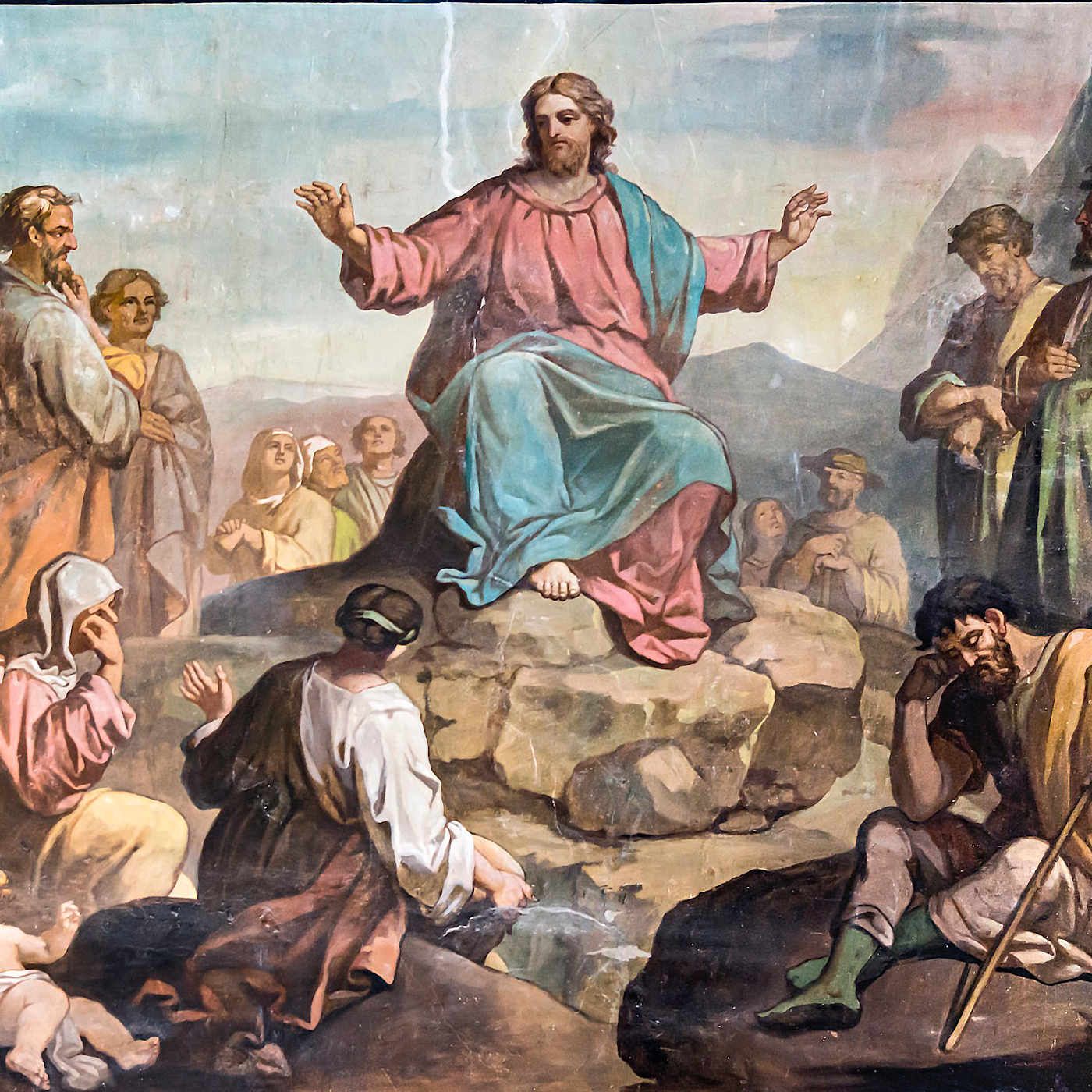
Aug 1
Saturday of the Seventeenth Week in Ordinary Time - Overcoming Regret
Read Online Herod the tetrarch heard of the reputation of Jesus and said to his servants, “This man is John the Baptist. He has been raised from the dead; that is why mighty powers are at work in him.” Matthew 14:1–2 Herod the tetrarch was one of three brothers and a sister who became 1st-century rulers to succeed their father, Herod the Great, when he died in 4 B.C. Herod governed much of the territory west of the Sea of Galilee, which was the territory in which Jesus spent most of His time during His public ministry. He also ruled a territory just east of the Dead Sea, which is where he had imprisoned and ultimately killed John the Baptist. Herod was known for being a very busy builder and is prominently known for his role in the deaths of Saint John the Baptist and Jesus. Recall that Herod had taken his brother’s wife, Herodias, as his own, and John the Baptist publicly opposed this. For that reason, Herod had John arrested and ultimately beheaded at the request of Herodias, who took the Baptist’s criticism very personally. Herod, on the other hand, had a strange sort of admiration for the Baptist. The Gospel passage quoted above reveals a somewhat unusual statement by Herod. After he had killed Saint John the Baptist, he heard about the reputation of Jesus Who was traveling throughout Herod’s territory preaching and performing many mighty deeds. Word spread fast about Jesus and quickly reached even the ears of Herod. So why did Herod strangely think that Jesus must have been John the Baptist raised from the dead? Though we do not know for certain, we certainly can speculate. In the version of this story found in the Gospel of Mark, we read, “Herod feared John, knowing him to be a righteous and holy man, and kept him in custody. When he heard him speak he was very much perplexed, yet he liked to listen to him” (Mark 6:20). Herod may have been a man who had a spark of faith but was ultimately ruled by his passions and desire for power. Perhaps that is why he initially kept John the Baptist alive in his prison. It also appears that Herod had some form of either regret or fear over his beheading of John. And it is most likely for this reason that Herod immediately thought of John when he initially heard of Jesus and the “mighty powers” that were at work within Him. Regret, fear and guilt are common effects of a conscience that is in conflict. Herod the tetrarch is a good example of what happens when we do not resolve that conflict within ourselves. The only way to resolve the interior confusion of a conflicted conscience is to humbly submit to the truth. Imagine if Herod would have repented. Imagine if he would have sought out Jesus, confessed his sins, and begged for forgiveness. What a glorious story that would have been. Instead, we have the witness of a man who has gone astray and remained obstinate in his sin. Reflect, today, upon this unholy witness of Herod. God can use all things for His glory, and He can even use the example of Herod to reveal to ourselves any similar tendency. Do you struggle with regret, fear and guilt? Does this cause conflict within you? The good news is that this conflict is easily resolved by a humble heart that seeks the truth. Seek the truth by admitting any long-lasting sin you need to resolve and permit the mercy of God to enter in so as to set you free. My merciful Jesus, You desire that all people experience freedom from the sins of the past. You desire to penetrate our hearts and to bring resolution and peace. Please help me to open my mind and heart to You in the areas that still cause pain and regret, and help me to be set free by Your infinite mercy. Jesus, I trust in You. Image: James Tissot, Public domain, via Wikimedia Commons Source of content: catholic-daily-reflections.com Copyright © 2025 My Catholic Life! Inc. All rights reserved. Used with permission via RSS feed.

Jul 31
Friday of the Seventeenth Week in Ordinary Time - Seeing the Greatness of Christ
Read Online Jesus came to his native place and taught the people in their synagogue. They were astonished and said, “Where did this man get such wisdom and mighty deeds?” Matthew 13:54 Today’s Gospel goes on to say that the people in Jesus’ hometown of Nazareth took offense at Him, which led Jesus to say, “A prophet is not without honor except in his native place and in his own house.” It is somewhat surprising that they took offense at Jesus after witnessing His wisdom and mighty deeds. Jesus was very familiar to the townspeople, and it seems that that familiarity led them to doubt that Jesus was someone special. It should be noted that, in many ways, the people who knew Jesus for many years should have been the first people to see His greatness. And most likely there were some from His hometown who did. They would have known Jesus' mother, the Blessed Virgin Mary, and she would have given daily witness to incredible virtues. They would have known Joseph as a truly righteous and just man. And Jesus would have exuded every human virtue to perfection as He grew. And again, that should have been easily noticeable. But many failed to see the holiness of Jesus and the Holy Family. This experience of our Lord should remind us that it is easy to miss the presence of God all around us. If those who were closest to Jesus did not recognize Him as a man of exceptional virtue and holiness, then how much more might we fail to see the presence of God in the lives of those we encounter every day? For some reason, perhaps because of our struggles with pride and anger, it is easier to look at the faults of another than at their virtues. It’s easy to be critical of them and to dwell upon their perceived weaknesses and sins. But this Gospel story should encourage us to do all we can to look beyond the surface and to see God present in every life we encounter. On the most fundamental level, God dwells within each and every person He has created. Even those who remain in a state of persistent mortal sin are still made in the image of God and reflect God by their very nature. And we must see this. And those who are in a state of grace carry the presence of God, not only within themselves by nature but also through God’s action in their lives. Every virtue that every person has is there because God is at work in them. And we must work to see this divine activity in their lives. Begin by thinking about the people with whom you are closest. When you think about them, what comes to mind? Over the years, we can build habits of dwelling upon others’ faults. And those habits are hard to break. But they can only be broken by intentionally seeking out the presence of God in their lives. As noted, if Jesus’ own townspeople had a difficult time doing this with Him Who was perfect, then this should tell us that it will be even harder for us to do with those who lack perfection. But it must be done and is a very holy endeavor. Reflect, today, upon the important mission you have been given to see the presence of God in the lives of those all around you. What if Jesus had grown up in your town? As your neighbor? And though the Incarnate Son of God does not live next door as He did in Nazareth, He does live in each and every person you encounter every day. Honestly reflect upon how well you see Him and commit yourself to the holy mission of seeing Him more clearly so that you can rejoice in His greatness which is truly manifest all around you. My Lord of true greatness, You are truly present all around me. You are alive and living in the lives of those whom I encounter every day. Please give me the eyes of faith to see You and a heart that loves You. Help me to overlook the faults and weaknesses of others. Jesus, I trust in You. Image: See page for author , CC BY 4.0 , via Wikimedia Commons Source of content: catholic-daily-reflections.com Copyright © 2025 My Catholic Life! Inc. All rights reserved. Used with permission via RSS feed.
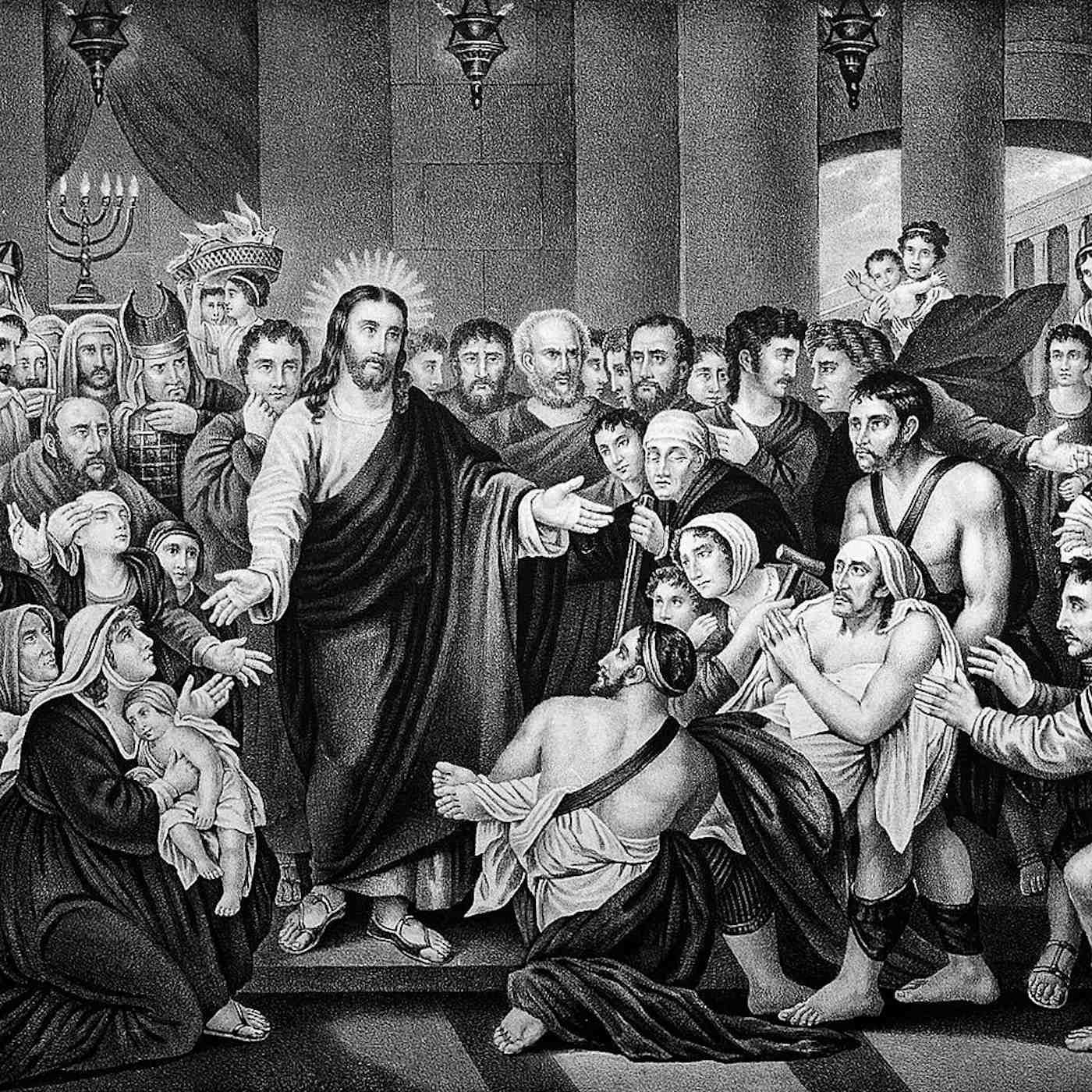
Jul 30
Thursday of the Seventeenth Week in Ordinary Time - Understanding the Voice of God
Read Online “Do you understand all these things?” They answered, “Yes.” And he replied, “Then every scribe who has been instructed in the Kingdom of heaven is like the head of a household who brings from his storeroom both the new and the old.” Matthew 13:51–52 At times, Jesus’ words are difficult to understand. How well do you understand what He teaches you? He often teaches in figures of speech, as well as with parables. The passage quoted above concludes a section in which He speaks three subsequent parables. The third of these parables, the parable about the fishnet, is contained in the beginning of today’s Gospel passage. But just prior to that parable are the parables about the pearl of great price and the treasure buried in a field. Upon the conclusion of these three parables, Jesus asked His disciples, “Do you understand all these things?” After they affirmed that they did understand, Jesus gave an overview of the mission to which they had been entrusted. These soon-to-be bishops would become the new scribes who were instructed in the Kingdom of Heaven. Their mission would be to bring forth both the “new and the old.” Many Church Fathers identify the “new and the old” as a reference to the Old Testament and the New Testament. Thus, the Twelve are being entrusted with the mission of being the scribes of the full revelation contained in what will become the full Bible as we have it today. Other commentators suggest that the “old” refers to the old life of sin and the “new” refers to the new life of grace. It will be the mission of the Twelve to instruct people in the full Gospel message, so as to draw them from their old life of sin to the new life of grace. Though Jesus’ words can be difficult to understand from the perspective of a biblical scholar, the first of His words quoted above are very straightforward. “Do you understand all these things?” As we ponder that question in particular, try to hear our Lord asking that question of you. Though many scholars and saints of old have offered much clarity on what Jesus’ teachings actually mean, the question that Jesus posed to the Twelve must be answered in a more personal way for each of us. As you hear Jesus ask you if you understand these things, the answer you give is not primarily based upon whether or not you have sufficiently studied the text of His teaching and can rationally explain it as a scholar. Instead, the answer He is seeking is whether or not you can respond from faith. He wants you to say, “Yes, I hear You speaking to me, Lord. Yes, my heart is convicted by the words You have spoken. Yes, I understand what I must do. Yes, Lord, I believe.” The Word of God is alive and can only be “understood” properly when we allow our Living Lord to speak to us, personally, as we listen to His holy Word. Reflect, today, upon this question that Jesus posed to the Twelve. As you do, hear Him asking you this question. How fully do you understand what God is saying to you, right now at this moment in your life? As you read the Scriptures, do you sense God revealing Himself to you? Do you understand what He wants of you? If hearing the voice of God is a challenge at times, then spend more time prayerfully pondering His holy Word so that His Living Voice will more clearly resonate within your soul. My revealing Lord, You speak to me day and night, continuously revealing Your love and mercy to me. May I learn to become more attentive to Your voice speaking within the depths of my soul. As I hear You speak, please give me the gift of understanding to know Your will and to embrace it with all my heart. Jesus, I trust in You. Image: James Tissot, Public domain, via Wikimedia Commons Source of content: catholic-daily-reflections.com Copyright © 2025 My Catholic Life! Inc. All rights reserved. Used with permission via RSS feed.
Jul 29
Wednesday of the Seventeenth Week in Ordinary Time - Discovering the Riches of Heaven
Read Online Jesus said to his disciples: “The Kingdom of heaven is like a treasure buried in a field, which a person finds and hides again, and out of joy goes and sells all that he has and buys that field.” Matthew 13:44 Today’s Gospel presents us with two very short and similar parables. In the first, quoted above, the Kingdom of Heaven is likened to a “treasure.” In the second parable, the Kingdom of Heaven is likened to a “pearl of great price.” Though these parables are very similar to each other, there are also subtle differences worth pondering. It appears that the treasure mentioned in the first parable is discovered almost by accident. The person simply “finds” it. This is in contrast to the second parable, in that the merchant who finds the pearl of great price did so after “searching” for it. We often encounter the Treasure of the Gospel without even looking for it. We do so any time God intervenes in our lives without us seeking His intervention. For example, if someone were to offer an act of charity to you without you seeking it out, this is God giving you a treasure of His Kingdom. Or if someone shares with you their faith, or an inspiration they received, this is indeed a treasure given to you by God. The problem is that many times when we are given these treasures of the Gospel, we do not always see them as treasures. Imagine, for example, if the person in this parable were to stumble upon the treasure in the field and fail to open it out of indifference. They see it from a distance, have a bit of curiosity about what is in the box, but they are not energetic enough to actually open the box and look inside. In that case, the person would have no reason to go and sell all that they have so as to buy the field in which the treasure is found. One clear message that this first parable reveals is that we must be attentive to the countless treasures of God’s graces given to us each and every day. God is so prolific in offering us grace, that we truly do stumble upon His grace all the time. Thus, having eyes to perceive His actions and ears to Hear His Voice is essential. A second message clearly given in both of these parables is that once we discover the graces God gives us every day, we must foster within ourselves a desire for those graces that is so strong that we are willing to do anything necessary to obtain them. The discovery is made through the gift of faith, but the discovery by faith must then be followed with a zeal that drives our will to conform to that discovery. Reflect, today, upon two things. First, have you discovered the treasures God has given to you? If you hesitate in answering this, then it’s most likely the case that there is much you have yet to discover. Secondly, as you do discover the riches that come with the gift of faith, then have you allowed that which God has spoken to you to consume you to such a point that you are willing to sell all you have, meaning, do whatever it takes to further accept all God wants to bestow? Resolutely determine to go forth on this holy search and you will find that the riches of grace that you obtain are of infinite value. My Lord of all riches, You bestow upon me and upon all Your children countless graces every day. The treasures of Your mercy are of infinite value. Please open my eyes so that I can see and my ears so that I can hear so as to discover all that You wish to bestow. May You and the riches of Your Kingdom become the one and only, all-consuming focus of my life. Jesus, I trust in You. Image: Possibly Rembrandt, CC BY-SA 3.0 , via Wikimedia Commons Source of content: catholic-daily-reflections.com Copyright © 2025 My Catholic Life! Inc. All rights reserved. Used with permission via RSS feed.
Jul 28
July 29, Memorial of Saints Martha, Mary and Lazarus - A Holy and Imperfect Family
Read Online Many of the Jews had come to Martha and Mary to comfort them about their brother [Lazarus, who had died]. When Martha heard that Jesus was coming, she went to meet him; but Mary sat at home. Martha said to Jesus, “Lord, if you had been here, my brother would not have died. But even now I know that whatever you ask of God, God will give you.” John 11:19–22 Today’s memorial is relatively new within our Church. In the year 2021, Pope Francis replaced the Memorial of Saint Martha with this memorial in honor of all three siblings: Martha, Mary and Lazarus. In commenting on the reason for this new memorial, the Congregation for Divine Worship stated: “Martha generously offered him hospitality, Mary listened attentively to his words, and Lazarus promptly emerged from the tomb at the command of the One who humiliated death.” Furthermore, these three siblings gave an evangelical witness to us all. They model for us how to be Christians within our imperfections. They did this by welcoming Jesus into their home, by listening to Him attentively, and by believing that He is the Resurrection and the Life. These three siblings each had their own unique personality and loved Jesus in their own way. Though not much is said about Lazarus' personal interactions with Jesus, we do have some helpful insights into both Martha and Mary. In one Gospel story, Martha complained to Jesus that her sister left her to do all the cooking. Jesus gently corrected her. Mary, on the other hand, gave a witness of deep prayer and love of Jesus by sitting at His feet listening to Him. However, in the story of the raising of Lazarus from the dead, there is a reversal of roles. Martha is the one who runs out to meet Jesus and expresses her deep faith in Him. Mary, on the other hand, heard that Jesus was coming and appeared to stay at home because she was upset. Perhaps the most helpful way to ponder these siblings is to acknowledge two things. First, they are now saints in Heaven enjoying eternal beatitude and glory. Second, on earth they were people of faith and love, but they were also very clearly imperfect. Therefore, the witness they give to us should be twofold. We hope to share in the glory in which they now share, and we trust this will happen if we also befriend our Lord and welcome Him into our homes, imperfect though we may be. Reflect, today, upon this holy but imperfect family. The imperfections and manifest weaknesses of these three siblings should encourage us to press on in our practice of the faith when things are not perfect in our lives either. There are many reasons why we might get discouraged or feel like doubting or giving up at times. Perhaps things are not perfect within the Church—or at the particular church you attend. Perhaps you are struggling with loving someone in your family. Perhaps you are struggling with an emotional issue. Perhaps there is some sin you seem to be incapable of overcoming. Perhaps you struggle with a physical ailment and wonder why God permitted it to happen. If you are able to relate to any of these, or any other forms of imperfection, then take inspiration from this family of Martha, Mary and Lazarus. Invite Jesus into the home of your heart, your family home and everywhere you go. He will come, gently correct you when needed, and give you the gift of new life, raising you up from your sins and weaknesses. Lord, You befriended this ordinary family of Martha, Mary and Lazarus. You visited their home, received their hospitality, gently corrected them when needed and eventually raised them to the new life of eternal glory. May I also welcome You into the home of my soul, within my family and into every aspect of my life. Please come to me and raise me to the newness of the life of grace. Jesus, I trust in You. Image: Jesus raises Lazarus by Lawrence OP , license CC BY-NC-ND 2.0 . Source of content: catholic-daily-reflections.com Copyright © 2025 My Catholic Life! Inc. All rights reserved. Used with permission via RSS feed.
Jul 27
Monday of the Seventeenth Week in Ordinary Time - Transformed by Grace
Read Online He spoke to them another parable. “The Kingdom of heaven is like yeast that a woman took and mixed with three measures of wheat flour until the whole batch was leavened.” Matthew 13:33 Yeast is powerful. Though it often accounts for only about 1% of a loaf of bread, it causes that loaf to more than double in size. Of course, it also has the amazing effect of turning the dough soft and flexible as it rises. Without yeast, the dough would remain stiff and much smaller in size. The dough would not become the bread it was meant to be. The Church Fathers offer many interpretations of this short, one-sentence parable. Some say that the three measures of flour represent the spirit, soul and body into which the Gospel is inserted. Others say the three measures of flour represent either three different kinds of persons or three levels of fruitfulness in our lives. The yeast is understood by some as the message of the Gospel in the Scriptures and by others as charity that must permeate our lives and the world as a whole. Of course, the parables of Jesus, as well as every teaching contained within the Scriptures, offer us many levels of understanding and meaning that are all correct and consistent with each other. One of the most important questions to ponder is this: What does God want to say to you through this parable? If you consider yourself to be the three measures of flour, and the yeast to be God, His holy Word and His gentle but clear Voice speaking to you, in what concrete ways do you see your life rising as a direct result? How do you see yourself becoming that which you are intended to be as a result of God entering your life? And do you see the effect as one that is truly transforming and even exponential? Sometimes the Word of God has little to no effect on our lives. That, of course, is not the fault of the Word of God; rather, it’s because we do not allow God to do His transforming work. For yeast to work, the dough has to sit still for a while. So in our lives, for God to do His work, we must allow Him to gently and powerfully work. This process requires that we internalize all that God speaks to us. Then His actions must prayerfully be permitted to work within us, and we must allow the change to be slow and certain in accord with His divine plan. Sometimes we can also become impatient with the workings of God. Again, the yeast takes time to work. If we are impatient with God’s grace, then it may be like taking the dough and kneading it over and over before it even has a chance to work. But if we are prayerfully patient, allowing God to do His work in our lives according to His will and in His time, then little by little we will experience the transformation that He initiates. Reflect, today, upon this short but powerful parable. See yourself as that dough and see God and His action in your life as the yeast. As you sit with that image in a prayerful way, let God reveal how He wants to work within you and how He wants to transform you. Pray for patience. Trust that if you receive His transforming Word into your soul, then He will do what He wants to do. And trust that if this happens, you will indeed become the person God wants you to become. My transforming Lord, You desire to enter deeply into my life and to permeate all that I am. You desire to change me, little by little, making me into the person You want me to become. Please help me to be attentive to all that You desire to do in me and to patiently await the transformation that You have already begun. Jesus, I trust in You. Image: Phillip Medhurst, FAL , via Wikimedia Commons Source of content: catholic-daily-reflections.com Copyright © 2025 My Catholic Life! Inc. All rights reserved. Used with permission via RSS feed.
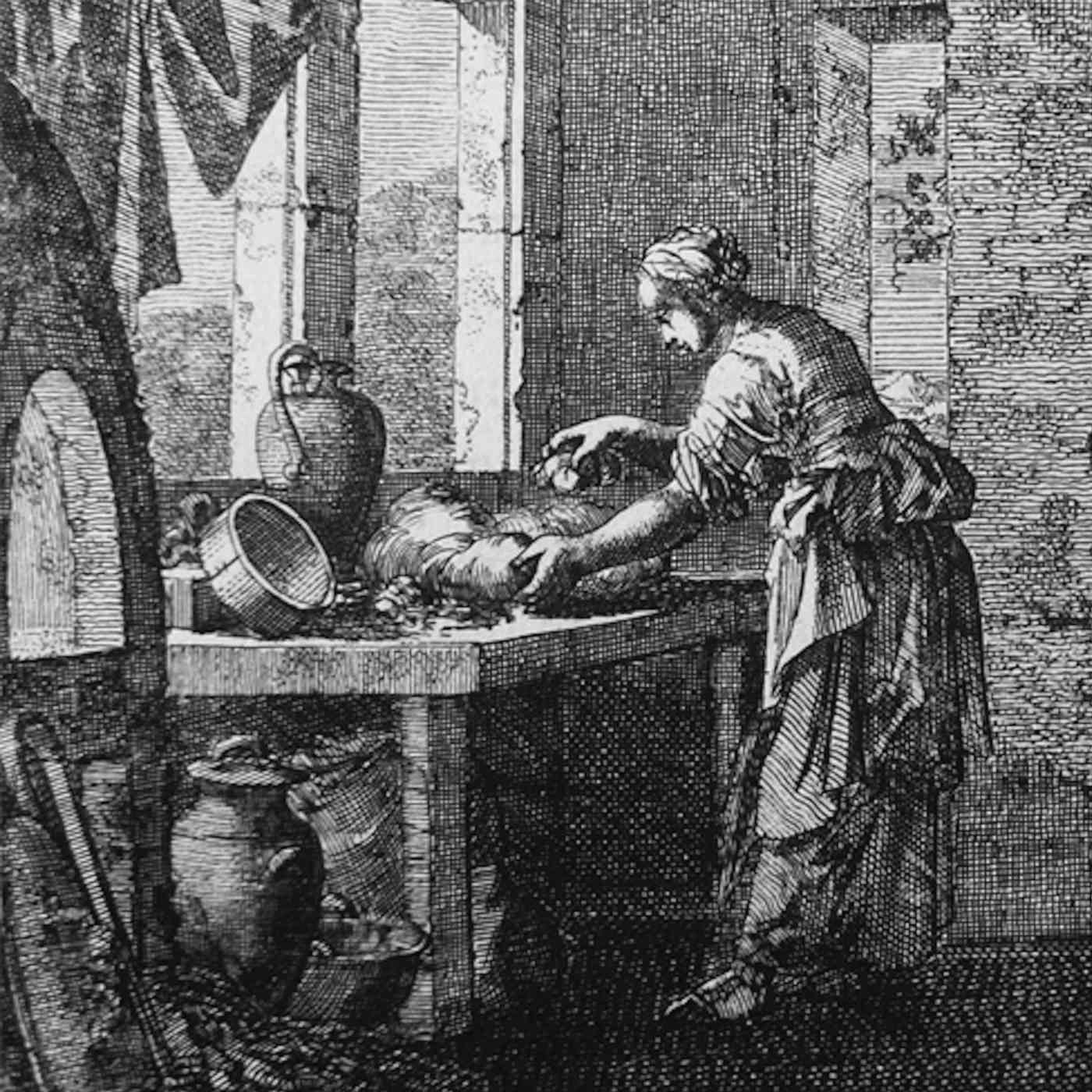
Jul 26
Seventeenth Sunday in Ordinary Time (Year C) - Learning to Pray
Read Online Jesus was praying in a certain place, and when he had finished, one of his disciples said to him, “Lord, teach us to pray just as John taught his disciples.” Luke 11:1 In today’s Gospel we are given three teachings on prayer. First, Jesus teaches His disciples what has come to be called “The Lord’s Prayer.” Second, He teaches about the importance of persistence in prayer. Third, He teaches about the fruit that comes from correct and persistent prayer. The Church Father Tertullian said that The Lord’s Prayer “is truly the summary of the whole Gospel.” Saint Augustine said, “Run through all the words of the holy prayers [in Scripture], and I do not think that you will find anything in them that is not contained and included in the Lord's Prayer.” Saint Thomas Aquinas said, “The Lord's Prayer is the most perfect of prayers.... In it we ask, not only for all the things we can rightly desire, but also in the sequence that they should be desired” (See the Catechism of the Catholic Church #2761–2763). It’s amazing to consider what these great teachers of the faith have said about this short prayer. Perhaps because of our familiarity with this prayer we can easily gloss over the depth of its meaning. We can fail to use it as a foundation and model for all of our prayer. One way to correct this tendency is to use The Lord’s Prayer for an extended period of time by prayerfully pondering every word slowly and meditatively. Doing so will help open us up to these perfect “instructions” on how we should pray. Immediately after Jesus taught this short prayer, He taught a lesson about persistence in prayer. He taught that we must not simply say a few prayers and leave it at that, giving up if they do not appear to be answered. Instead, we must continuously beg God for His grace until it is bestowed in its fullness. What will we receive from persistent prayer? This is an important point. We ought not go to God with our own wants and desires. We ought not beg Him for things that do not fall within His perfect will. Instead, when our prayer is modeled on the Lord’s Prayer, and when it is persistent and grounded in faith, then our prayer will be for what the Father bestows upon us, that is His will alone. We must pray that His Kingdom will come. We must trust that He will provide for our needs. We must seek His forgiveness for our sins, and we must pray that He will protect us from the evil one. Reflect, today, upon that perfect prayer, The Lord’s Prayer. Spend time studying it, thinking about each petition, the order in which Jesus laid it out, its simplicity and its clarity. Acknowledge that because we pray The Lord’s Prayer so often, we can sometimes miss its true meaning and beauty. Our Lord gave us this prayer for a reason. Make sure that you do all you can to discover its meaning and practice its teaching. Our Father, Who art in Heaven, hallowed be Thy name. Thy kingdom come, Thy will be done, on earth, as it is in Heaven. Give us this day our daily bread and forgive us our trespasses as we forgive those who trespass against us; and lead us not into temptation, but deliver us from evil. Amen. Jesus, I trust in You. Image: James Tissot, Public domain, via Wikimedia Commons Source of content: catholic-daily-reflections.com Copyright © 2025 My Catholic Life! Inc. All rights reserved. Used with permission via RSS feed.
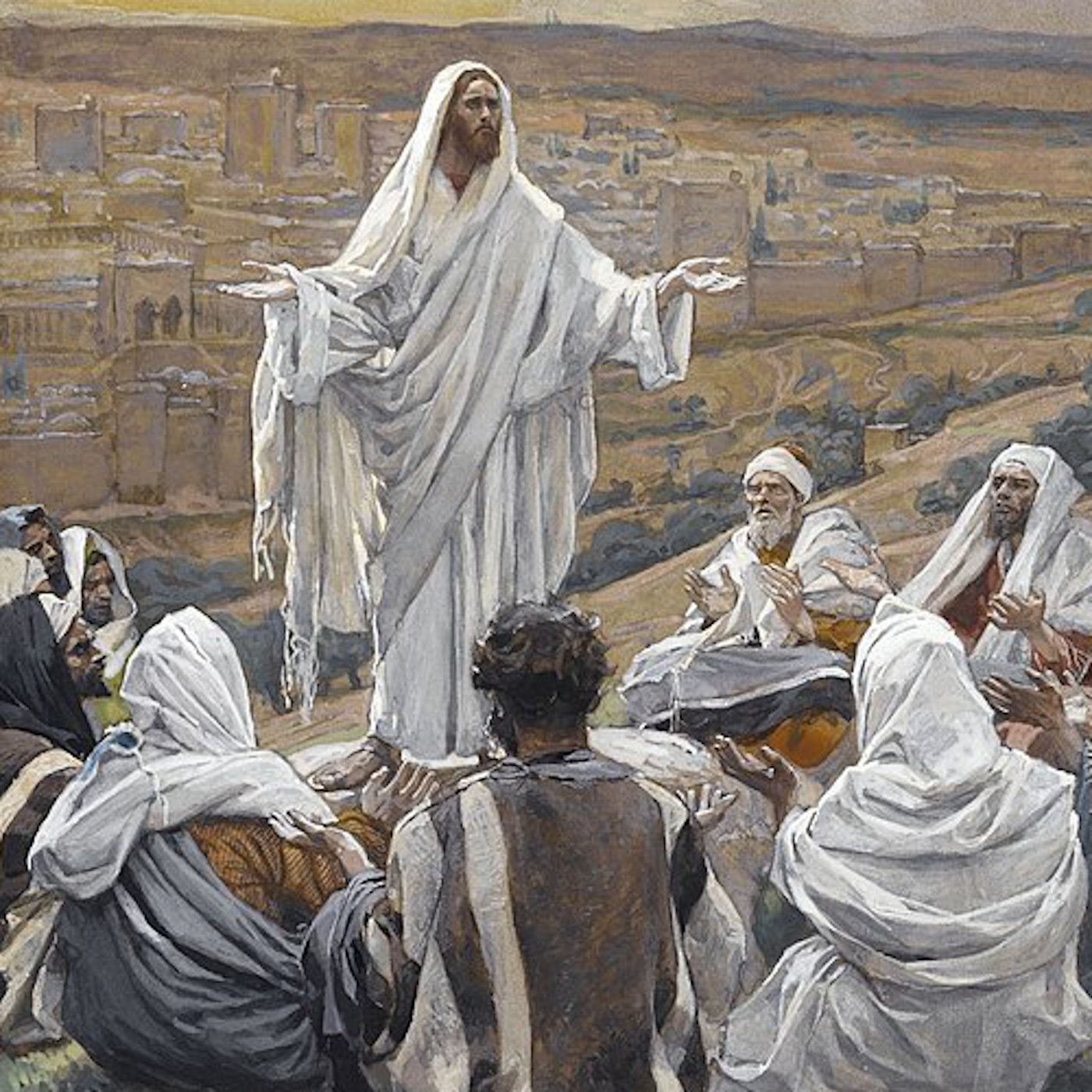
Jul 25
Saturday of the Sixteenth Week in Ordinary Time - Vigilance with Gospel
Read Online Jesus proposed a parable to the crowds. “The Kingdom of heaven may be likened to a man who sowed good seed in his field. While everyone was asleep his enemy came and sowed weeds all through the wheat, and then went off.” Matthew 13:24–25 This parable begins in a very good way. It states that good seed was sown. In other words, the pure Gospel was preached into good soil. This should be understood as any situation where the preacher is truly effective and where the Gospel reaches many ears and is planted in many hearts. This is worth rejoicing over. But this parable quickly points out that those responsible for guarding the good soil in which the Word of God was planted, failed in their duty to protect it. As a result, the “enemy came and sowed weeds all through the wheat.” In other words, the evil one also had sown his lies into the hearts of those who heard the Word of God, and those lies took root and began to grow. This is a clear description of the world we live in today. First, it’s a description of the hearts of many Christians who have heard the Word of God and have responded, only to also struggle with doubts, confusions and lies sown by the evil one. But it is also a clear description of the world as a whole and even of the Church on earth. There are many divisions within societies and even within the Church. There are many competing voices. And among those whose hearts are good soil, it can be hard to distinguish between that which is from God and that which is a subtle deception from the evil one. The weed referred to in this parable is called cockle. Cockle was a weed that, as it grew, looked much like wheat. It was very difficult to distinguish from wheat until the grain began to appear. But when the grain did begin to appear, it was clearly distinguishable. And if the cockle were to accidentally be ground in with the wheat, it would cause nausea when eaten. The parable is quite clear. The lies that the evil one sows in the hearts of the faithful, those with fertile hearts, are very subtle, especially at first. It is easy for those subtle lies to confuse us. The evil one rarely succeeds in misleading the faithful through grave and obvious errors. Therefore, he deceives with small errors. As a result, the error is often not understood until much later as the fruit is born. The result is division, confusion, conflict and the like—conflict within our own souls, within our world and even within our Church. What is the solution? Vigilance. We, as followers of Christ, must be exceptionally vigilant in regard to that which we allow our hearts to receive. Just because something sounds good at first doesn’t make it good. This is why we have the Scripture, the Magisterium of the Church and the teachings of the saints. We must constantly examine all that we allow into our hearts, our families, our world and our churches in the light of the pure and consistent teachings of our faith. And when we see divisions, this is a clear sign of some subtle error that has crept in. In the end, at the harvest time, when we all face Christ our Lord at our judgments, He will separate the good from the bad. But for our part, vigilance is essential so that only the pure seed of God’s Word is received by us and sown by us. Reflect, today, on your own soul as fertile ground. What “seed” is sown there? What do you allow to penetrate your heart and take root? Are you vigilant, remaining attentive to the ways that the evil one tries to mislead you through subtle lies and errors? Ponder these questions honestly, and if you find conflict and confusion in your life, look more deeply at the source of these troubles. If there are lies that you have allowed into your own life, then turn them over to our Lord so that He can remove them at the proper time. Most holy Word of God, You are the living Word who sows seed upon the fertile ground of our Hearts. You plant Yourself in the hearts of those who believe so that Your life can bear good fruit in the faithful. Please sow the seed of Your Word in my own heart, dear Lord, and protect me from the deceptions of the evil one. As You do, I pray that You bring forth an abundance of good fruit through me. Jesus, I trust in You. Parable of the Sower by Lawrence OP , license CC BY-NC-ND 2.0 . Source of content: catholic-daily-reflections.com Copyright © 2025 My Catholic Life! Inc. All rights reserved. Used with permission via RSS feed.
Jul 24
July 25, Feast of Saint James, Apostle - The Path to the Kingdom
Read Online “You do not know what you are asking. Can you drink the chalice that I am going to drink?” They said to him, “We can.” He replied, “My chalice you will indeed drink, but to sit at my right and at my left, this is not mine to give but is for those for whom it has been prepared by my Father.” Matthew 20:22–23 Saint James was the brother of the beloved disciple John and the son of Zebedee and Salome. Jesus called both James and John while they were working with their father, mending their fishing nets in their boat. Their response to Jesus’ call was immediate: “...they left their father Zebedee in the boat along with the hired men and followed him” (Mark 1:20). James was present at the raising of Jarius’ daughter, the Transfiguration, and is mentioned a few other times in the Gospels. In the Acts of the Apostles, James is identified as the first of the Apostles to give his life as a martyr, being beheaded by Herod in Jerusalem in the year 44 AD (See Acts 12:2). Among the other references to Saint James in the Gospels is the passage quoted above in which Salome, the mother of James and John, asks Jesus for the unique favor of allowing her two sons to sit at His left and right in His Kingdom. Upon her request on behalf of her two sons, Jesus turns to them and asks if they can drink the chalice that He is going to drink, to which they respond, “We can.” And though this is a bold request on their parts and that of their mother, there is also something courageous and holy about their request. Just prior to this passage, as Jesus journeyed to Jerusalem with the Twelve, He explained to them the fate that awaited Him. “Behold, we are going up to Jerusalem, and the Son of Man will be handed over to the chief priests and the scribes, and they will condemn him to death, and hand him over to the Gentiles to be mocked and scourged and crucified, and he will be raised on the third day” (Matthew 20:18–19). This was the third time that Jesus explained this to the Twelve and, therefore, it must have started to truly sink in. It is within this context that James and John ask to remain close to Jesus in His mission of establishing His Kingdom, even though Jesus explained that the path to that Kingdom was His suffering and death. Each of us should learn from James and John. Though their request might have had some selfishness mixed in with it, it was also courageous. It showed they did not fear Jesus’ prediction of His passion. Instead, they wanted to be part of it and were willing to endure whatever was necessary so as to share in the glory of the Kingdom to come. Reflect, today, upon making a similar request to our Lord. Say to Him that you desire to be close to Him in His Kingdom, and do so with the full knowledge that the path to this glory is by drinking the chalice of selfless sacrifice that Christ drank. It is obtained by courageously following Him, no matter what that requires of you. If that means suffering and persecution, so be it. If that means great sacrifice, so be it. If that means abandoning certain hopes and dreams, so be it. See yourself walking with these disciples and Jesus on the road to Jerusalem where our Lord would offer His life in sacrifice. Saint James would soon follow, dying by the sword of Herod. Say “Yes” to whatever our Lord asks of you and commit yourself to the drinking of the chalice of selfless sacrificial love. Doing so will enable you to share in the glory of the Kingdom of Heaven. My glorious King, You invite all people to share in Your glorious Kingdom to come. May I enter that Kingdom with all the saints and fully share in its glory. I choose that path that leads to that Kingdom and willingly offer my life in sacrifice to You and for others. Jesus, I trust in You. Image: Sons of Thunder by Lawrence OP , license CC BY-NC-ND 2.0 . Source of content: catholic-daily-reflections.com Copyright © 2025 My Catholic Life! Inc. All rights reserved. Used with permission via RSS feed.
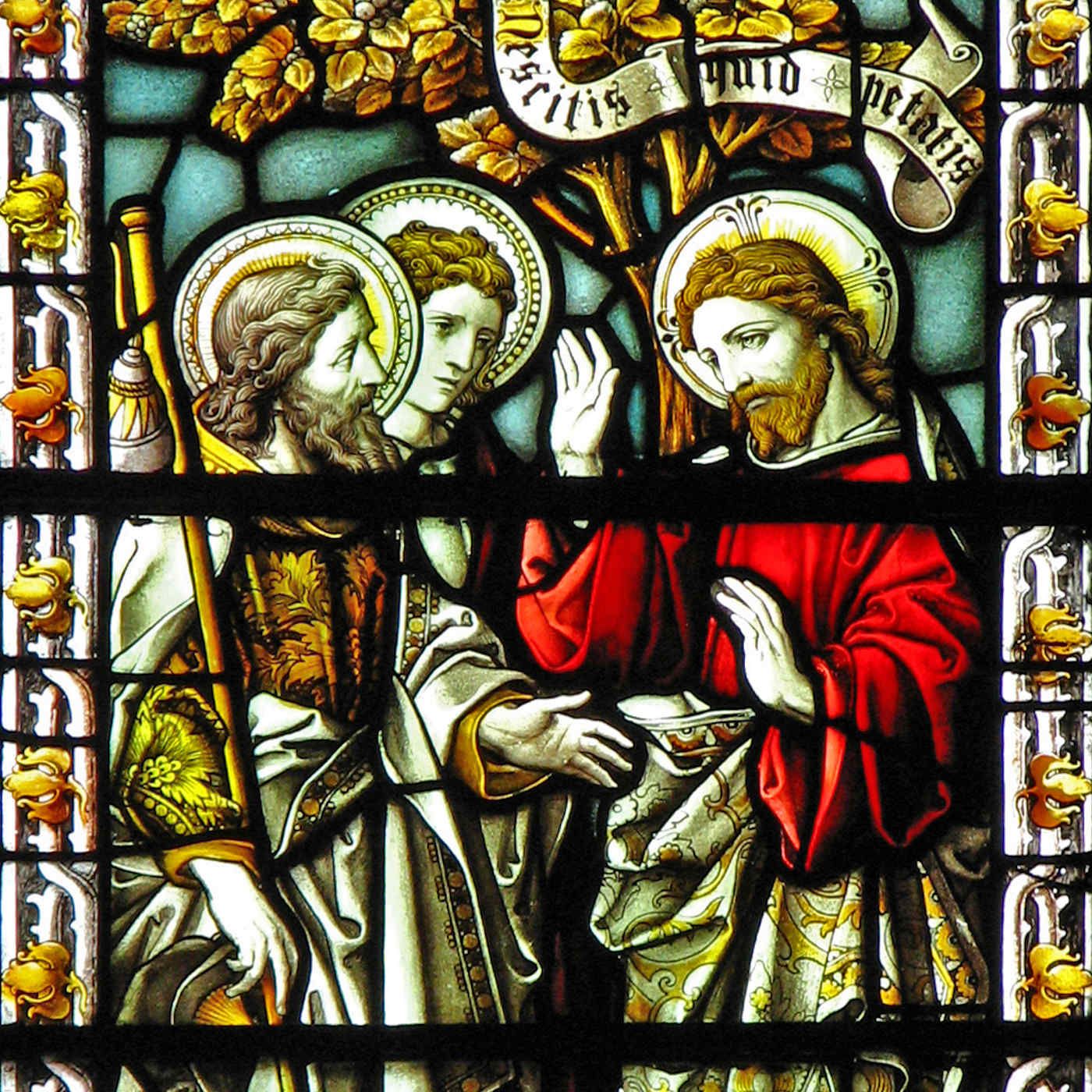
Jul 23
Thursday of the Sixteenth Week in Ordinary Time - Blessed Beyond Measure
Read Online “But blessed are your eyes, because they see, and your ears, because they hear. Amen, I say to you, many prophets and righteous people longed to see what you see but did not see it, and to hear what you hear but did not hear it.” Matthew 13:16–17 Imagine what it would have been like if you were among those who saw Jesus walk the earth and heard Him preach with your own ears. What a gift! Jesus points out to His closest disciples that they were truly blessed, and indeed they were. They spent day after day with Him, listening to His words and witnessing His miracles. They saw lives changed, hearts converted and souls saved from sin. What they were privileged to witness was what so many “righteous people” before them longed to see and hear. Abraham, Moses, all of the prophets and so many others longed for the day of the coming of the Messiah. And these disciples were blessed to share in it. Though it would have been glorious to be alive as Jesus walked the earth, in so many ways we are far more blessed. Today, we continue to have the divine presence of our Lord alive and present to us. First and foremost, He is present to us through grace. He is present in the Sacraments in a real and amazing way. He is present in His Living Word every time the Scriptures are proclaimed. He is present in the definitive teachings of the Church that have come to us over the centuries. He is alive in the witness of the saints both past and living. And He is present within us by His indwelling in our souls. At first, some may conclude that the presence of the Messiah in these above-mentioned ways is not nearly as much of a blessing as it would have been to have seen Him walk the earth and have listened to Him preach. But if we were to conclude this, we would be wrong. In truth, God’s presence to us today is so much greater than even when He walked the earth. Recall, for example, that before Jesus ascended into Heaven, He told the disciples that it was good that He go. Why? Because then the Holy Spirit would come upon them. In that encounter, God would dwell not only next to them but within them. Today, we are blessed beyond measure because God is able to live within us, within our very souls. The Indwelling of the Holy Trinity is a spiritual reality that we must not only understand, live and embrace, it is also a gift for which we must have the utmost gratitude. Certainly in Heaven, we will receive the full revelation of God, enter into perfect union with Him and see Him face-to-face. But while here on earth, there is no time greater than the time we live in, because it is the time of the greatest presence of God in our world. Reflect, today, upon the incredible blessings bestowed upon you by our Lord. Too often we seek satisfaction in momentary and passing things. But God’s presence in His holy Word, in the Sacraments, through the teachings of the Church, through the witness of the saints and through His indwelling within our souls are blessings that must be seen, understood and embraced with the utmost joy. You are blessed beyond measure! Believe it and grow in gratitude for these blessings. My blessed Lord, Your divine presence in our world today is beyond imagination. You come to me in countless ways and desire to dwell within me, uniting Yourself to me so as to become one with me. I say “Yes” to this gift of Your grace, and I welcome You more fully into my heart. Jesus, I trust in You. Image via Adobe Stock Source of content: catholic-daily-reflections.com Copyright © 2025 My Catholic Life! Inc. All rights reserved. Used with permission via RSS feed.
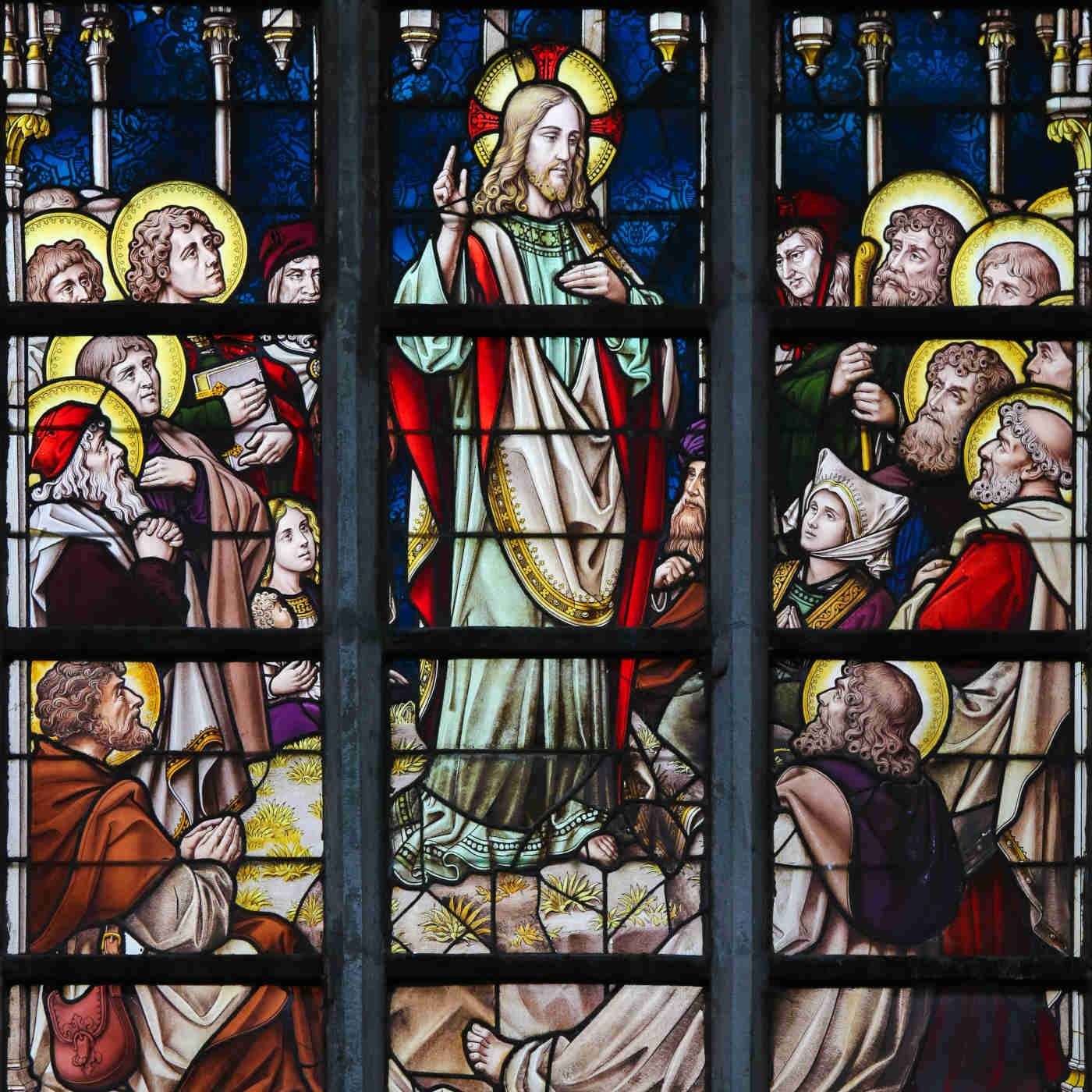
Jul 22
Wednesday of the Sixteenth Week in Ordinary Time - Speaking in Parables
Read Online On that day, Jesus went out of the house and sat down by the sea. Such large crowds gathered around him that he got into a boat and sat down, and the whole crowd stood along the shore. And he spoke to them at length in parables… Matthew 13:1–3 Why did Jesus speak in parables? In today’s Gospel, Jesus goes on to teach the familiar “Parable of the Sower.” Immediately after that parable in today’s Gospel, the disciples do ask Jesus this question. They ask, “Why do you speak to them in parables?” Jesus responds to them, “Because knowledge of the mysteries of the kingdom of heaven has been granted to you, but to them it has not been granted.” So why is that? First of all, a story is easy to listen to. It keeps our attention and is easily remembered. In the “Parable of the Sower” that we hear today, Jesus explains that the seed sown by the sower falls either on the path, on rocky ground, among thorns, or on rich soil. This is a very visible description that will lead people to conclusions right away. Everyone knows that the ideal place for seed to be sown is rich soil. And everyone knows that the seed sown on the path, rocky ground and among thorns has little hope of producing fruit. Therefore, this parable easily draws the listener in so as to understand some basic lessons. With that said, this story will only become a parable if the deeper lesson is learned. Clearly, Jesus wanted the crowd to understand that they will only understand the mysteries He is teaching them if they are like the rich soil. And He also wanted them to understand that much of what He was teaching them was not falling on rich soil in their hearts. This parable, as well as all of Jesus’ parables, has the effect of causing the listener to think. Thinking leads to what we may term a holy curiosity. And this holy curiosity will begin to produce the rich soil that was needed within them so as to open the door to the deeper mysteries of the Kingdom of Heaven. How does Jesus speak to you? Are you able to listen to Jesus speak directly to you, in prayer, so as to reveal to you the deepest mysteries of Heaven? When God speaks to you, in prayer and meditation, does the seed of His Word take root in your very soul? Does His gentle, quiet but transforming Voice communicate to you Who He is and what His will is for your life? If not, then parables are for you. And knowing that is an important discovery. Reflect, today, upon the desire of God to speak to you. If you do struggle with hearing the clear and profound Voice of God resonate within your soul, then do not be afraid to spend time with the many parables that Jesus told. Try to place yourself within the scene. See yourself as a participant. In today’s parable, see your inner self as the field. Think about those things in your life that keep your soul from being rich soil. Allow this story of Jesus to speak to you. As you do, be attentive to God’s Voice. Listen for Him and listen to Him. And as you do hear Him, know that the seed He has scattered has begun to reach that rich soil of your heart. My teaching Lord, You desire to speak to me and to reveal to me all that You are. Help me to hear Your Voice so that I will come to know You more. Make my heart truly fertile soil in which the seed of Your Word is sown, so that You can produce within me an abundance of good fruit. Jesus, I trust in You. Image: Thomas De Witt Talmage, No restrictions, via Wikimedia Commons Source of content: catholic-daily-reflections.com Copyright © 2025 My Catholic Life! Inc. All rights reserved. Used with permission via RSS feed.
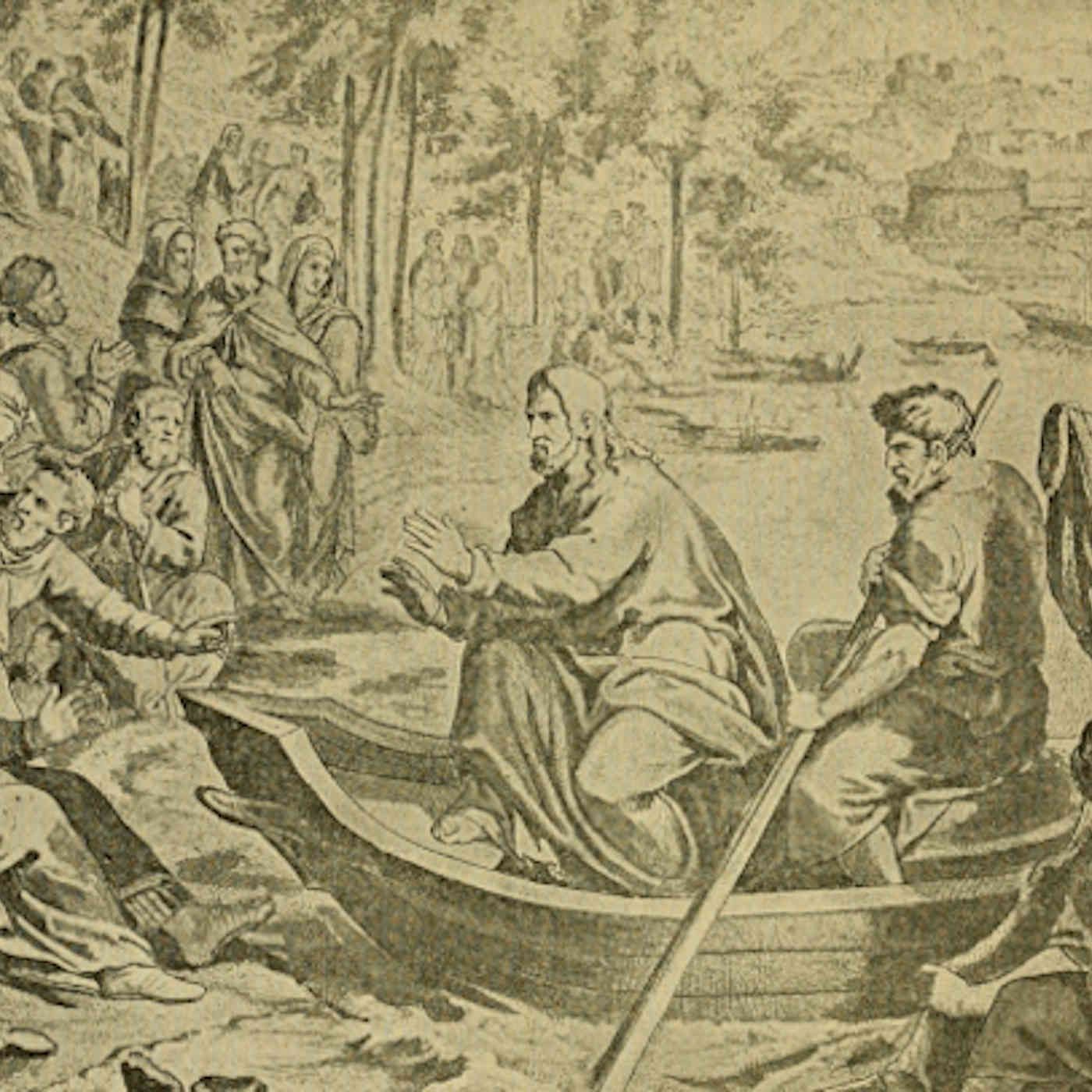
Jul 21
July 22, Feast of Saint Mary Magdalene - Unwavering Fidelity
Read Online Mary stayed outside the tomb weeping. And as she wept, she bent over into the tomb and saw two angels in white sitting there, one at the head and one at the feet where the Body of Jesus had been. John 20:11–12 Early in His ministry, Jesus cast seven demons out of Mary of Magdala. As a result, she became an exceptionally faithful follower of Jesus. She was most likely one of His followers who provided for Jesus and the disciples out of her own resources as they traveled. She listened to His teachings, witnessed His miracles, was present when He was condemned, stood at the foot of the Cross with Jesus’ mother, helped to prepare His body for burial and was the first person recorded in Scripture to whom Jesus appeared after His Resurrection. The Gospel for today’s Mass tells the story of Mary going to the tomb early Sunday morning to complete the anointing of Jesus’ dead body as He laid in the tomb. But much to her surprise, the tomb was empty. Therefore, she ran to tell the Apostles, which makes Mary Magdalene the first of His followers to witness to the Resurrection. After telling the Apostles, she returned to the tomb with Peter and John; and, after Peter and John left, she remained outside the tomb weeping, as is mentioned in the Gospel passage quoted above. Mary’s tears are beautiful. They are an expression of her deep devotion to her Lord. She did not yet understand that He had risen, but her fidelity to Jesus is a testimony to her love. Jesus had restored her dignity. He freed her from the seven demons who tormented her. She most likely had been a sinful woman in the past, but now she was singly devoted to the Savior of the World. The witness of Mary of Magdala is one that should inspire us all. Though few people are possessed by seven demons, we are all tormented in one way or another. We all sin. We all are weak. We all have a past we regret. And we all are invited to do better. Mary’s “better” was a life that was given to Jesus with the utmost fidelity. She didn’t care if the authorities saw her at the foot of the Cross. If they were to persecute her as a result, it did not matter. She was faithful. She didn’t care if the soldiers would have harassed her when she went to the tomb to anoint the body of Jesus—she only thought of that last act of love she could offer Him. And when she saw Jesus risen and thought He was the gardener, she didn’t care if He saw her heartbroken and in tears—she only wanted to see the body of her Lord. As a result of her unwavering fidelity, Jesus gave her a gift beyond imagination. He appeared to her, after being resurrected from the dead, and sent her to be an apostle to the Apostles. He sent her to go to the Apostles to tell them that Jesus had risen and that He was preparing to go to His Father in Heaven. Reflect, today, upon the holy soul of this woman. She was a repentant sinner who turned her whole life around. She devoted everything to Jesus and, in return, received even more. In Heaven, Mary Magdalene will forever cling to Jesus and adore His Sacred Heart. May we all strive to imitate her by turning from our own life of sin and becoming unwaveringly faithful to our Lord. My resurrected Lord, You appeared first to Mary of Magdala after Your Resurrection. You now invite her to share in Your glorious life in Heaven. Help me to learn from her by turning away from all sin and becoming deeply devoted to You. May my fidelity to You, dear Lord, be absolute and unwavering, so that I, too, will one day share in the glory of Your Resurrection. Jesus, I trust in You. Image: Fondazione Cariplo, CC BY-SA 3.0 , via Wikimedia Commons Source of content: catholic-daily-reflections.com Copyright © 2025 My Catholic Life! Inc. All rights reserved. Used with permission via RSS feed.
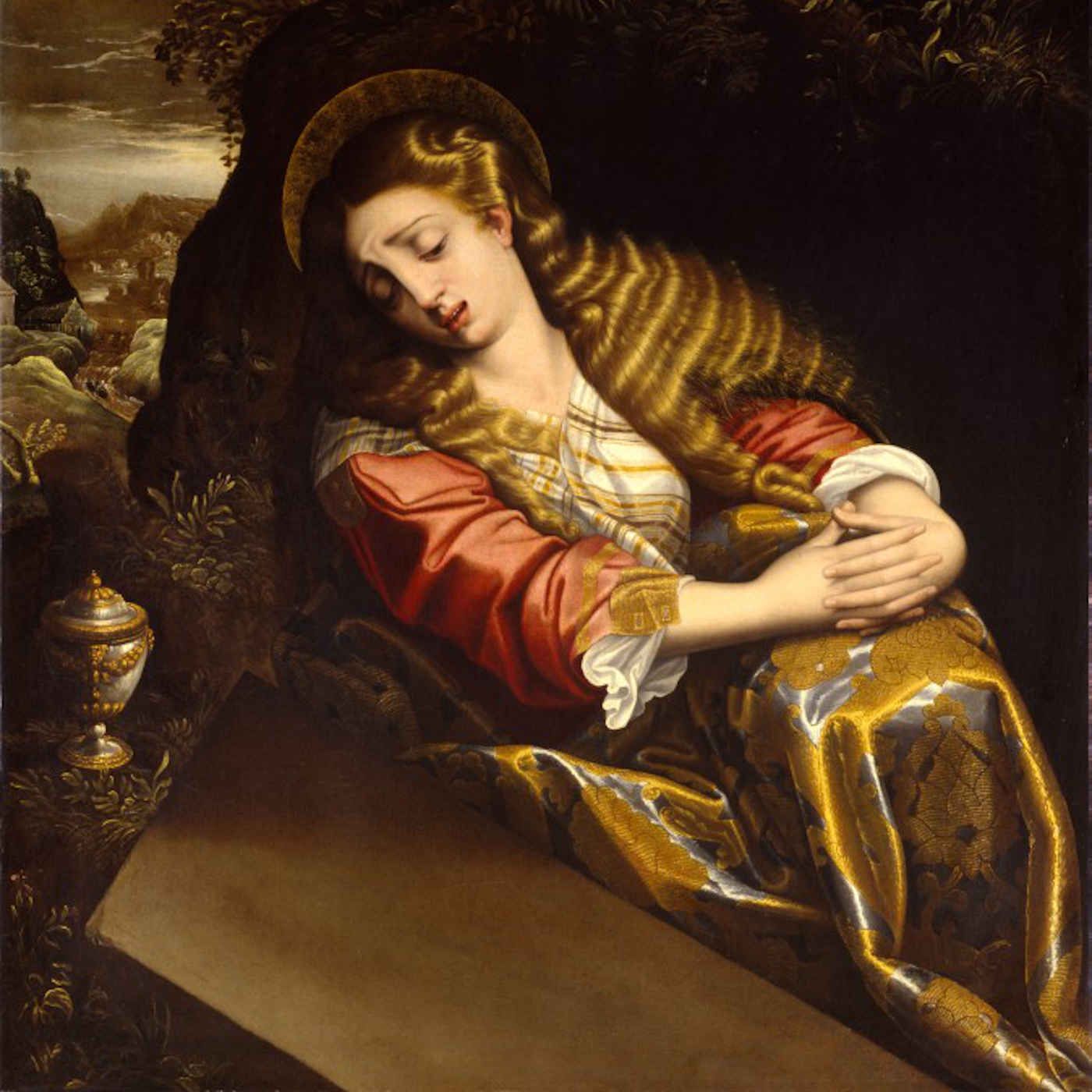
Jul 20
Monday of the Sixteenth Week in Ordinary Time - The Pursuit of God’s Wisdom
Read Online At the judgment the queen of the south will arise with this generation and condemn it, because she came from the ends of the earth to hear the wisdom of Solomon; and there is something greater than Solomon here.” Matthew 12:42 In this passage, Jesus refers to the Queen of Sheba who traveled about 1,400 miles from Southern Arabia, which was most likely located in either modern-day Yemen or Ethiopia, to meet King Solomon. The queen had heard much about Solomon, about his wealth and wisdom, and wanted to find out if all that she heard was true. So she made the long journey and stayed with him for about six months, according to tradition. After spending time with him, she was greatly impressed and bestowed upon him gifts of gold, spices and precious stones. She said to him, “I did not believe the report until I came and saw with my own eyes that not even the half had been told me. Your wisdom and prosperity surpass the report I heard” (1Kings 10:7). This foreign queen was deeply impressed with Solomon. Her journey, gifts and words illustrate her deep respect for him and her admiration. Jesus uses this story to illustrate the simple fact that Jesus Himself is much greater than Solomon and that He should be treated in a way that far surpasses the way the queen treated Solomon. But Jesus also makes it clear that, at the Final Judgment, this queen will rise and condemn the scribes and Pharisees because they failed to see the wisdom and kingship of Jesus. Instead, they came to Jesus, seeking signs and proof of Who He was. In our own lives, the witness of the Queen of Sheba should be a source of true inspiration. She was someone who was powerful and wealthy herself, and yet she wanted to learn from Solomon and to benefit from his great wisdom which was given him by God. She should inspire us to do all we can to daily turn to our Lord and to seek His wisdom. Jesus’s wisdom flows to us in many ways. The Gospels are especially important as a source of the most important lessons for life. Personal prayer, reading about the lives of the saints, and study of the teachings of our Church are also essential ways in which we receive the wisdom given to us by God. As you think about the many ways that are available to you to grow in the wisdom of God, try to use the Queen of Sheba as an inspiration. Do you have her same zeal? Are you willing to devote much time and effort to the pursuit of holy learning? Do you desire to journey to Jesus in the way that she desired to journey to Solomon? One of the greatest hindrances to this pursuit of holy wisdom is sloth, or laziness. It is becoming increasingly easy to engage our minds in mindless pursuits. Many people can easily spend many hours in front of the television, computer or mobile devices and waste precious time and energy. Zeal for God and the pursuit of the many truths of faith must become the cure for sloth in our lives. We must want to know. And we must do all we can to increase that holy desire within us. Reflect, today, upon the long journey made by this queen in pursuit of the wisdom of Solomon. As you do, examine whether you exhibit the same zeal that she had and how devoted you are to the pursuit of the wisdom of God. Where you are lacking, let her witness inspire you. Jesus is infinitely greater and wiser than Solomon, and we have been given full access to Him through prayer and holy learning. If you will make that holy journey to our Lord, with much determination, then unlike the scribes and Pharisees, your day of judgment will be a glorious one. My Lord of all Wisdom, You are infinitely greater than the wisest of kings and more glorious than anything I can imagine. Please fill me with zeal, dear Lord, so that I will fervently pursue You and daily journey to You. Please guide my prayer and my study so that Your wisdom and Your very Self will be bestowed upon me. Jesus, I trust in You. Image: Raffaello Sanzio da Urbino, Public domain, via Wikimedia Commons Source of content: catholic-daily-reflections.com Copyright © 2025 My Catholic Life! Inc. All rights reserved. Used with permission via RSS feed.

Jul 19
Sixteenth Sunday in Ordinary Time (Year C) - Serving with Generosity
Read Online Jesus entered a village where a woman whose name was Martha welcomed him. She had a sister named Mary who sat beside the Lord at his feet listening to him speak. Luke 10:38–39 It’s interesting that it was Martha who welcomed Jesus, but it was Mary who sat at His feet listening to Him. As the story goes on, we discover that Martha took her responsibility of hospitality seriously; she was very busy preparing a meal. But it appears that Mary needed a different form of hospitality from our Lord Himself. As Martha prepared to feed Jesus so as to care for His physical hunger, Mary sought to be fed by our Lord so as to feed her spiritual hunger. And interestingly, it was the generosity of Martha who was diligent in preparing the meal that made it possible for her sister to receive the spiritual food she longed for. When we read this story, we can easily become critical of Martha because she complained to Jesus about her sister. It is easy to see Martha’s frustration in her words, “Lord, do you not care that my sister has left me by myself to do the serving? Tell her to help me.” And though Martha may have been a little impatient, Jesus’ response to her was gentle and corrective. “Martha, Martha, you are anxious and worried about many things. There is need of only one thing. Mary has chosen the better part and it will not be taken from her.” What was that “better part?” It was Mary’s prayerful attentiveness to Jesus. She was hungry for His teaching, and Jesus offered it to her in a very personal and loving way. And though this image of Mary before Jesus is a beautiful image to ponder and to use as a model of our own prayer, there is also something important to be said about Martha’s role in making Mary’s prayer possible. Because Martha was diligent in taking care of the duties of hospitality, Mary felt the freedom to sit at Jesus’ feet. Perhaps the ideal response from Martha would have been to notice that Mary was being spiritually fed by our Lord and to rejoice in that fact, giving her the continued freedom to sit at Jesus’ feet. If Martha would have realized this, then she would have continued working in the background so that her sister could continue listening to Jesus. But even though Martha did interrupt this sacred moment for her sister, the fact remains that her initial diligence in taking care of preparing the meal did give Mary some time alone with Jesus. In a similar way, we will all be given various opportunities in life to take care of the daily mundane tasks that are needed within a family or community. It is easy to fall into the trap of thinking that unless everyone does their equal part, then things are not fair. But being “fair” should not be our focus. True charity, especially within the family, means that, first and foremost, we look for opportunities to better the lives of those around us. For example, spending extra time cleaning a home so that others can enjoy it more adds much to family life. Or spending hours preparing a nice meal for family or friends may afford everyone the opportunity of time well spent together. These are only a couple of the countless ways that our diligence and generosity toward others is fruitful, especially within family life. Reflect, today, upon these two women and the unique calling they each were given at the time of Jesus’ visit to their house. One was called to be fed by our Lord as she sat at His feet. The other was called to work hard so as to make it easier for her sister to receive that spiritual nourishment. Know that both of these callings are important. For that reason, if God calls you to be more like Martha at times, rejoice in that fact and work hard at serving in many ways. If God calls you to be more like Mary at times, then rejoice in those moments and sit prayerfully at the feet of our Lord, being fed by His holy Words. My gentle Lord, when You came to the home of Martha and Mary, You fed Mary with Your Word and fed Martha by your gentle correction. I thank You for these two women and the roles they both play in teaching me how to love and to serve. May I always be diligent in my service to others, and may I always embrace every moment that You invite me to sit at Your feet in prayer. Jesus, I trust in You. Image: Johannes Vermeer, Public domain, via Wikimedia Commons Source of content: catholic-daily-reflections.com Copyright © 2025 My Catholic Life! Inc. All rights reserved. Used with permission via RSS feed.
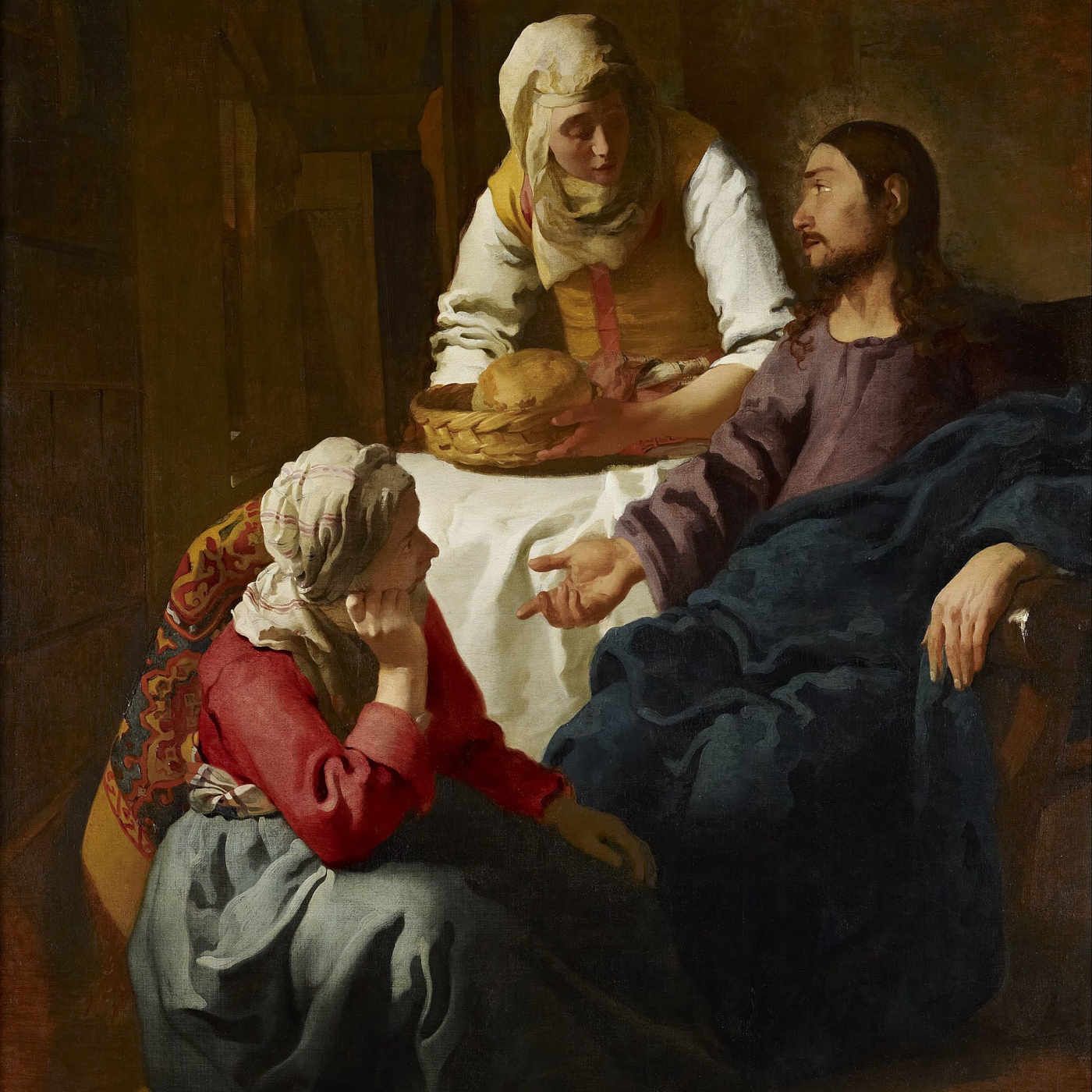
Jul 18
Saturday of the Fifteenth Week in Ordinary Time - A Different Kind of Messiah
Read Online The Pharisees went out and took counsel against Jesus to put him to death. When Jesus realized this, he withdrew from that place. Many people followed him, and he cured them all, but he warned them not to make him known. Matthew 12:14–16 This passage goes on to say that Jesus withdrew to a more deserted place to fulfill the prophecy of Isaiah the Prophet (Isaiah 42:1–4). That prophecy is the first of what is referred to as “The Songs of the Suffering Servant.” In these songs or poems of Isaiah, the Messiah is presented to us as one who would be sent on a mission from God, would suffer injustice for the sake of others, would be rejected, and ultimately be vindicated and exalted. The mission of the Suffering Servant was to bring justice and salvation to all, including to the Gentiles. At that time, the idea of a messianic king was still prominent in the minds of many. They anticipated the coming of a messiah who would be a political leader and would lead the people of Israel out of oppression, making them a free, prosperous and powerful nation. But Jesus acts in the opposite manner. Instead of raising up an army to combat the evil intentions of the Pharisees and to overthrow the Romans, Jesus withdrew from them and invited people to come to Him for healing and to receive His teachings. Jesus perfectly fulfills the prophecy of Isaiah by becoming the Suffering Servant. And because His messianic role was much different than what many people had anticipated, Saint Matthew points us to the Old Testament prophecy of Isaiah as a way of clearly showing that Jesus truly was the promised Messiah. He was just not the form of messiah that many expected. He was One Who was humble and gentle of heart. He was One Who would redeem people by the Blood of His Cross. And He was One Who would extend salvation to all people, not only the people of Israel. One lesson this teaches us is that even today we can have false expectations of God. It is easy for us to set forth our own idea of what God should do and what true justice demands. But we also read in Isaiah, “For my thoughts are not your thoughts, neither are your ways my ways, says the Lord. For as the heavens are higher than the earth, so are my ways higher than your ways and my thoughts than your thoughts” (Is. 55:8–9). Just as it must have been difficult for the people of Israel to come to accept the promised Messiah as a servant Who suffers and Who redeems all people through that suffering, so it is often difficult for us to accept our Lord as He is. It is difficult to shed our own ideas of what we want God to do and this is especially difficult when He calls us to share in His own suffering and servanthood. To serve, suffer, sacrifice our lives, and the like can be difficult to accept. But this is the way of our Lord—it is the way of the Suffering Servant of God. Reflect, today, upon your own expectations of God. Do you have a long list of things that you think God should do? Do you pray for that list of your ideas, thinking that if you only ask enough, God will grant your requests? If your requests flow from His perfect will, then praying for them in faith will bring them about. But if they flow more from you and your own ideas of what God should do, then all the prayers in the world will not bring them to be. If this is your struggle, then try to start anew by turning your eyes to the Servant Who Suffers for the salvation of all. Reflect upon the fact that God’s thoughts and ways are most often very far above your own thoughts and ways. Try to humble yourself before the Suffering Servant and abandon all ideas that do not flow from His Heart. My Suffering Servant, I thank You for Your suffering and death and for the redemption that flows from Your sacrifice of love. Help me to shed all false expectations that I have of You, dear Lord, so that I will be guided by You and Your mission of salvation alone. Jesus, I trust in You. Image via Pixabay. Source of content: catholic-daily-reflections.com Copyright © 2025 My Catholic Life! Inc. All rights reserved. Used with permission via RSS feed.
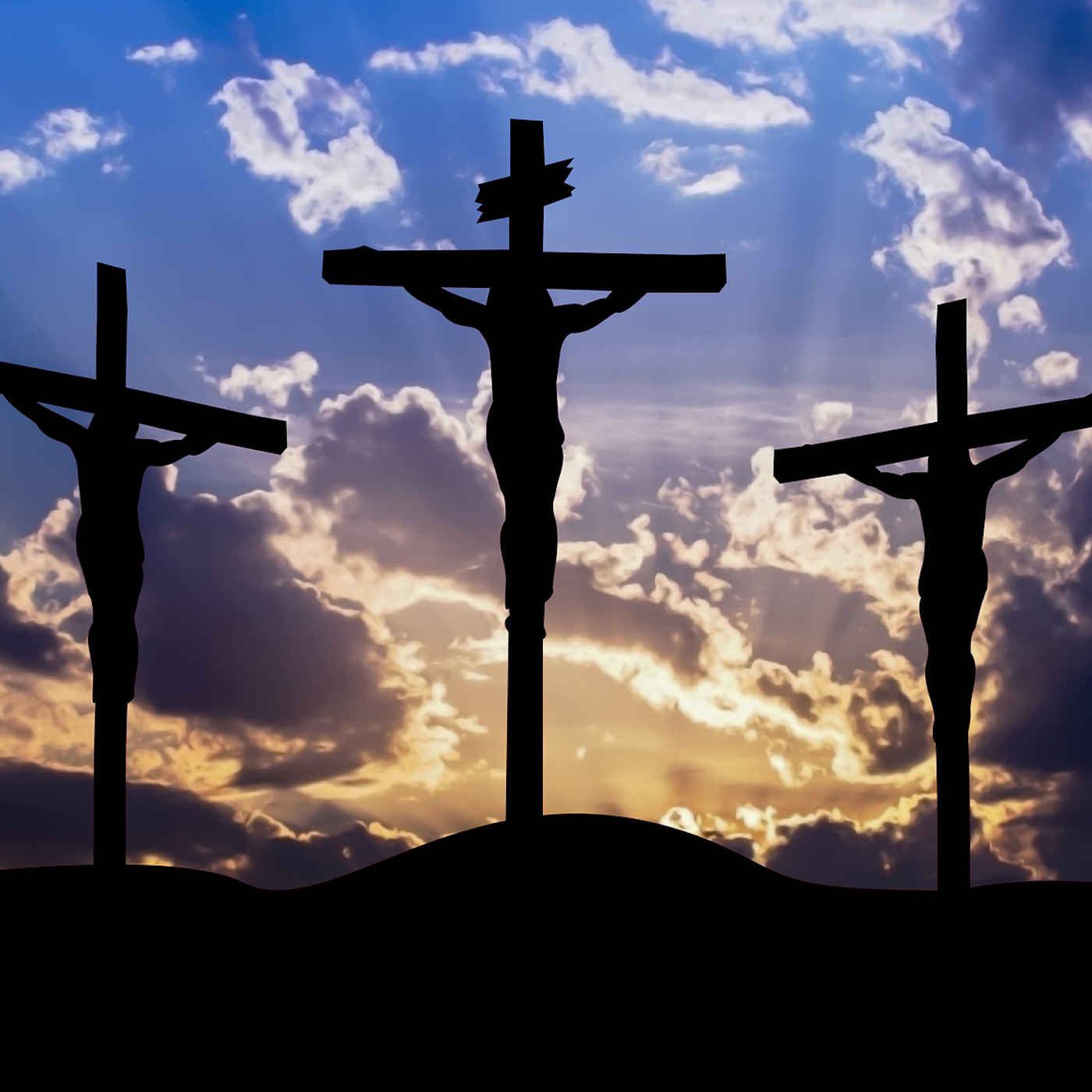
Jul 17
Friday of the Fifteenth Week in Ordinary Time - Freedom From Condemnation
Read Online Jesus was going through a field of grain on the sabbath. His disciples were hungry and began to pick the heads of grain and eat them. When the Pharisees saw this, they said to him, “See, your disciples are doing what is unlawful to do on the sabbath.” Matthew 12:1–2 When Moses gave the Ten Commandments to the people, there was a prohibition against working on the Sabbath. The Third Commandment said, in part, that “you shall not do any work” on the Sabbath (Exodus 20:10). By the time of Jesus, the Pharisees had added much commentary to this law and expanded it to include as many as 39 different forms of work that they believed was forbidden. Included in their list were the practices of harvesting and milling of grain. For that reason, when the Pharisees saw that the disciples were picking heads of grain and rubbing the grain off the husks so that they could eat it, the Pharisees condemned them for violating what they interpreted to be an offense against the Third Commandment. The first thing we can note from this passage is that the disciples were hungry. They were exceptionally devoted to Jesus and had been traveling with Him from town to town so that He could preach the Gospel. They had given up occupation, home, family and income so as to be singly devoted to Jesus and His mission. And as a result of this, they were living in poverty and relying upon the generosity of others. It is in this context that they chose to eat the most humble of foods: grain that they picked as they walked. They didn’t complain that there wasn’t a hot meal waiting for them at their destination. They were accepting of the many long journeys by foot that they made. They were okay with the fact that they did not get to sleep in their own bed every night. But they did have the basic human need for food, so they picked this grain as they walked to fulfill this basic need of hunger. Though there are many lessons we can learn from this passage, one clear lesson is that of the temptation to judge and condemn others. When we fall into the trap of judging others, there are a few things that are common. First, judging and condemning often is based on perceived wrongs that are inflated and exaggerated. The Pharisees clearly inflated and exaggerated this “sin” of the disciples. In our lives, judgmentalness almost always makes the perceived sin of another far more serious than it is, if it is sin at all. Another common temptation that flows from a judgmental and condemning heart is the failure to even understand the condemned party. In this case above, the Pharisees did not even inquire into the reason the disciples were picking and eating grain. They didn’t ask if they had been without food for some time or how long they had been traveling. It didn’t matter to them that they were hungry, and most likely, very hungry. So also with us, it is common that when we judge and condemn another, we arrive at our verdict without even seeking to understand the situation. Lastly, it needs to be said that judging others is not our right. Doing so is usually reckless and caused by our own self-centeredness. God did not give the Pharisees the authority to expand the Third Commandment into 39 forbidden practices, nor did He give them the authority to apply those interpretations to the perceived actions of the disciples. And God does not give us the authority to judge others either. If another is clearly caught in a cycle of objectively grave sin, we must do all we can to help draw them out of that sin. But even in that case, we have no right to judge or condemn. Reflect, today, upon any tendency you have toward being judgmental and condemning of others. If you see this tendency within yourself, spend time thinking about the Pharisees. Their self-righteousness was ugly and damaging. The negative example they set should inspire us to turn away from such acts of condemnation and to reject those temptations the moment they come. My divine Judge of All, You and You alone know the heart, and You and You alone are capable of acting as Judge. Please exercise Your authority in my life so that I can perceive my own sin. As You do, please also free me from the tendency to judge and condemn. Fill me, instead, with a heart full of mercy and truth toward all. Jesus, I trust in You. Image: Marten van Valckenborch, Public domain, via Wikimedia Commons Source of content: catholic-daily-reflections.com Copyright © 2025 My Catholic Life! Inc. All rights reserved. Used with permission via RSS feed.
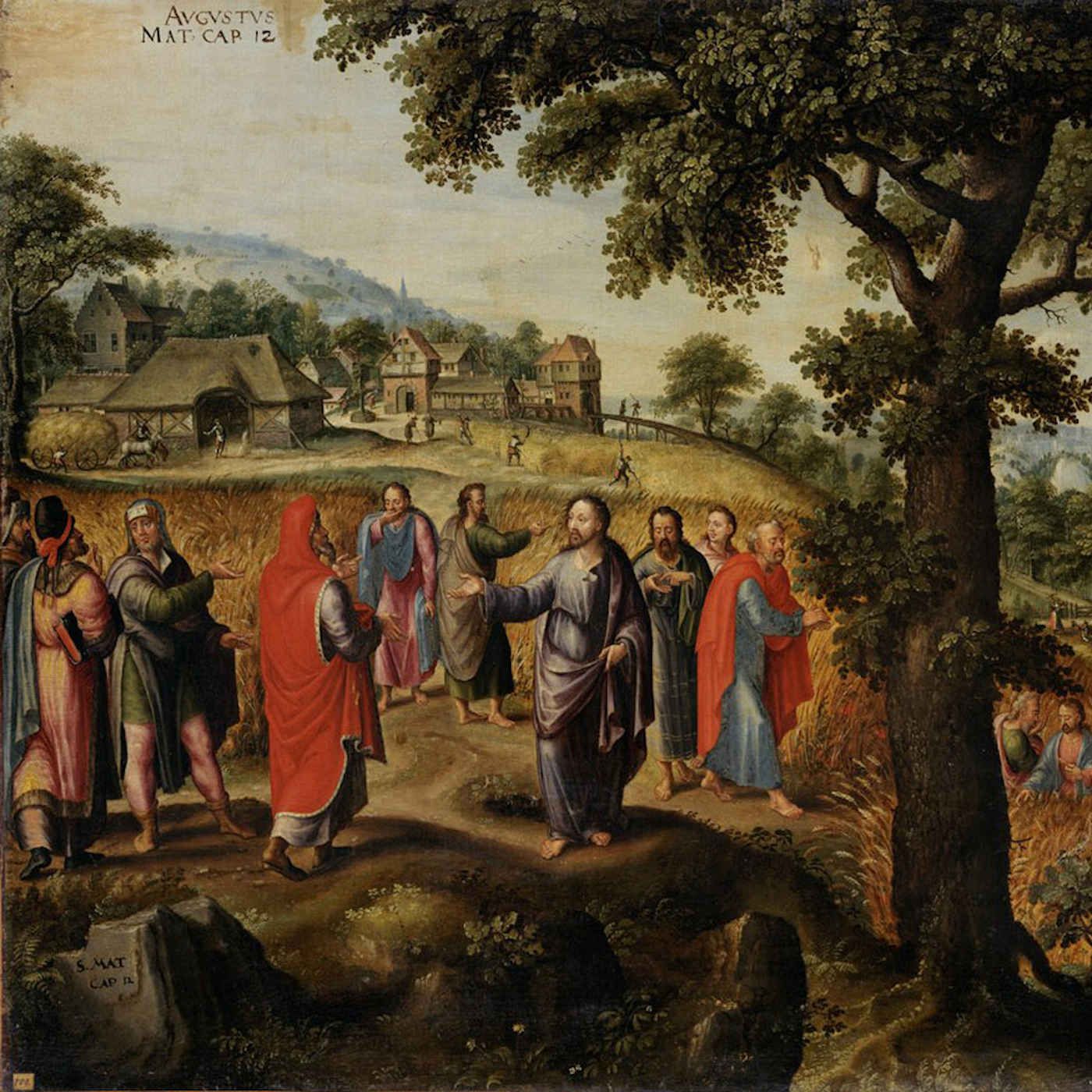
Jul 16
Thursday of the Fifteenth Week in Ordinary Time - The Yoke of Christ
Read Online “Take my yoke upon you and learn from me, for I am meek and humble of heart; and you will find rest for yourselves. For my yoke is easy, and my burden light.” Matthew 11:29–30 For those first followers of Jesus, a “yoke” was a familiar term. Many would have worked with oxen and other animals on a regular basis to plow their fields. To do so, they would place a wooden yoke over the oxen, which was a form of harness that was also attached to the plow, making it easier for the oxen to till the soil. To be strapped with a yoke was an indication of servitude, since that was the role of the oxen. In commenting upon this passage, Saint Augustine (in Sermon 126) analogized the yoke of Christ with the wings of a bird. A bird's wings are large in comparison to its body. As a result, if someone were to conclude that removing the wings from a bird would make its life easier by ridding it of that excess weight, such an action would have the effect of keeping it bound to the earth. But give its wings back and that “yoke” will enable it to soar through the skies. So it is with the yoke of our Lord. If we accept the invitation to be a servant of God and we take upon ourselves the yoke of Christ for the fulfillment of our mission of service, we will discover that the act of serving lightens us, refreshes us, invigorates us and energizes us. Service of God is what we are made for, just as a bird is made to have wings. And like the bird, if we remove the yoke of service of God from our lives, then we are weighed down and cannot accomplish the good we are meant to do. We are also told in this passage that we are not to carry our yoke; rather, we are meant to carry Christ’s yoke. “Take my yoke upon you…,” Jesus said. Carrying Jesus’ yoke means we are called to live our lives with Him and in Him. He came to serve and to give His life for others. It is our duty to do the same by allowing Him to do so within us. It is Christ and His servitude that must be the motivation and foundation of our lives. Reflect, today, upon your call to be a servant in Christ. How is God calling you to serve? Whom is God calling you to serve? And as you answer that question, how do you see your act of service? Does service seem burdensome to you? Or do you understand that it is what you are made for? If you do see humble service as a burden, then perhaps that is because you have not actually tried to serve with and in Christ Himself. Try to ponder Jesus placing His yoke upon your shoulders. Say “Yes” to that act and to the mission of humble service you are called to fulfill. Doing so wholeheartedly will not only refresh you, it will also give meaning and purpose to your life. My gentle Lord, You came to us to serve and to give Your life out of love. Give me the grace I need to accept Your act of service to me and to also imitate and participate in the service to which I am called. May I take Your yoke upon me, dear Lord, so that I can fulfill the mission that You have entrusted to me. Jesus, I trust in You. Shoulder My Yoke by Lawrence OP , license CC BY-NC-ND 2.0 . Source of content: catholic-daily-reflections.com Copyright © 2025 My Catholic Life! Inc. All rights reserved. Used with permission via RSS feed.
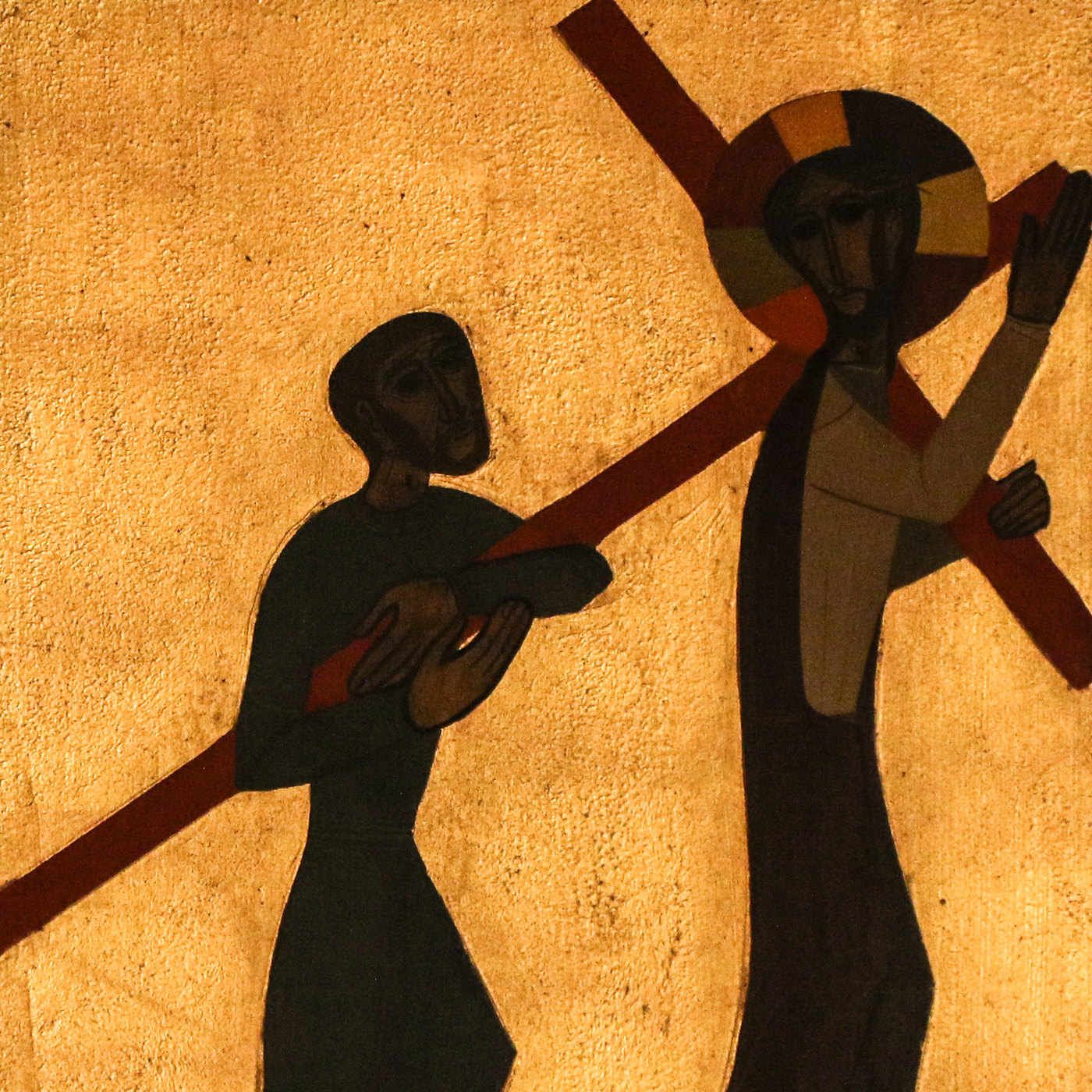
Jul 15
Wednesday of the Fifteenth Week in Ordinary Time - Rejoicing at the Gift of Faith
Read Online At that time Jesus exclaimed: “I give praise to you, Father, Lord of heaven and earth, for although you have hidden these things from the wise and the learned you have revealed them to the childlike.” Matthew 11:25 This passage is in stark contrast to the passage just before it in which Jesus chastised the towns of Chorazin, Bethsaida and Capernaum for not repenting and believing in Him. And as soon as Jesus issued those rebukes, He turned His eyes to Heaven and offered praise to the Father for revealing the hidden mysteries of the Kingdom of Heaven to those who were “childlike.” One of the greatest threats to a pure and childlike faith is intellectual pride. Those who consider themselves as “wise and learned” are often tempted to rely upon their own reasoning abilities to come to conclusions and beliefs in life. The problem is that even though the matters of our faith are fully reasonable, they go beyond the conclusions that human reason alone can achieve. We cannot figure out God by ourselves. We need the gift of faith for that, and the gift of faith begins with a spiritual communication from God through which He reveals to us Who He is and what is true. Only the childlike, meaning, those who are humble, are able to hear this form of communication from God and respond. This passage also reveals to us that Jesus passionately rejoices in this form of humble faith. He gives “praise” to the Father in Heaven for witnessing such faith, because Jesus knows that this form of faith originates from the Father. In your life, it is important that you regularly ponder whether you are more like the wise and learned or like those who are childlike. Though God is an infinite and incomprehensible mystery, He must be known. And the only way we can come to know God is if He reveals Himself to us. And the only way God will reveal Himself to us is if we remain humble and childlike. As we come to childlike faith, we must also imitate the praise that Jesus offered the Father for the faith that He witnessed in the lives of His followers. We, too, must turn our eyes to those who clearly manifest this pure knowledge of God by the gift of faith. As we see this faith lived, we must rejoice and offer praise to the Father. And this act of praise must be given not only when we see faith alive in others, it must also be given when we see the gift of faith grow within our own soul. We must foster a holy awe of what God does within us, and we must rejoice in that experience. Reflect, today, upon Jesus giving praise to the Father as He witnesses the faith born in the hearts of His followers. When Jesus looks at you, what does He do? Does He issue chastisements? Or does His Sacred Heart rejoice and give praise for what He sees. Give joy to the Heart of Christ by humbling yourself to the point that you, too, are counted among the childlike who truly know and love God. My rejoicing Lord, You are attentive to the workings of grace in every human heart. As You see the Voice of the Father speaking to Your children, You rejoice at such a sight. Dear Lord, I pray that my own heart will be the cause of Your joy and Your praise of the Father in Heaven. Please speak to me and help me to believe with all my heart. Jesus, I trust in You. Image: James Tissot, Public domain, via Wikimedia Commons Source of content: catholic-daily-reflections.com Copyright © 2025 My Catholic Life! Inc. All rights reserved. Used with permission via RSS feed.
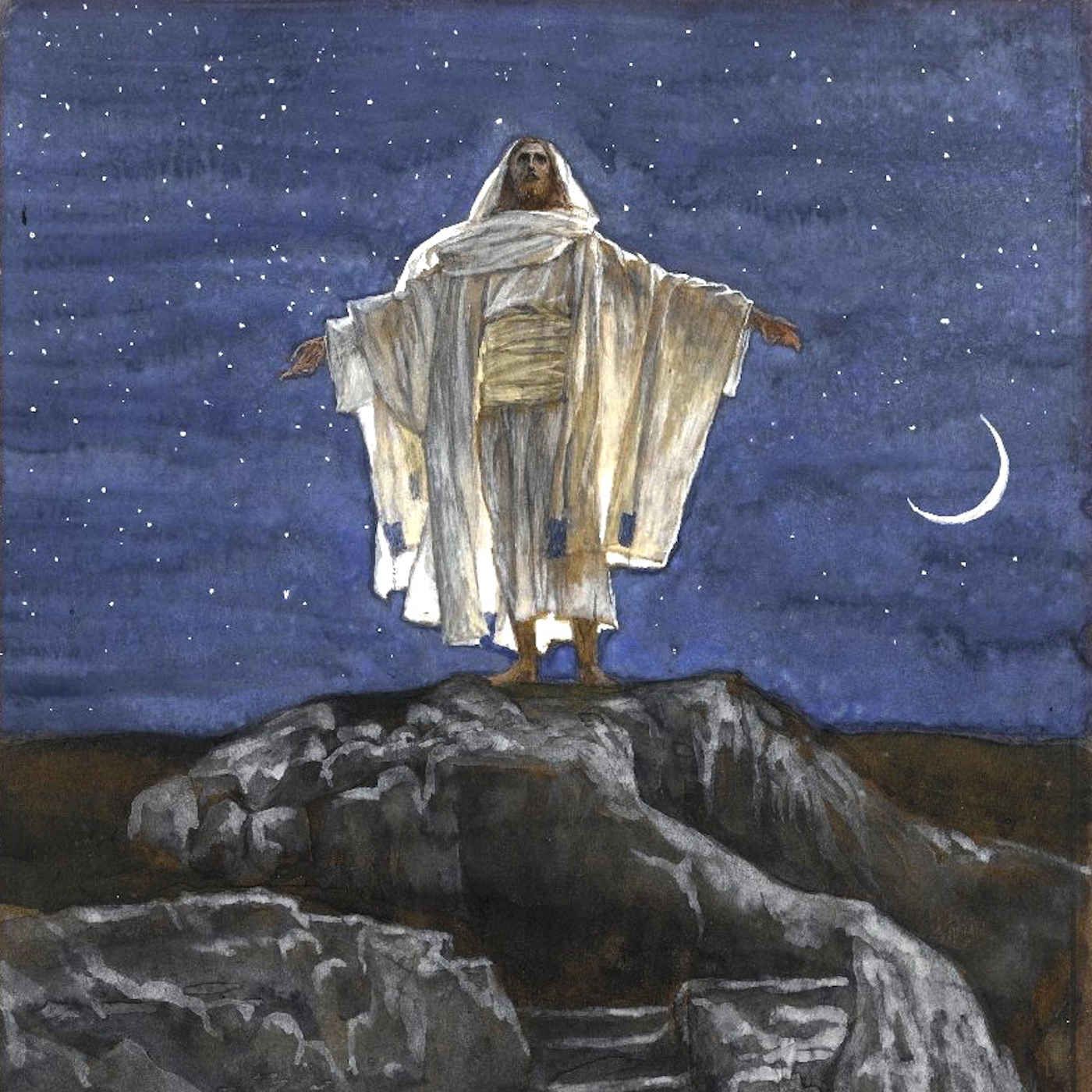
Jul 14
Tuesday of the Fifteenth Week in Ordinary Time - Becoming Lukewarm
Read Online “Woe to you, Chorazin! Woe to you, Bethsaida! For if the mighty deeds done in your midst had been done in Tyre and Sidon, they would long ago have repented in sackcloth and ashes. But I tell you, it will be more tolerable for Tyre and Sidon on the day of judgment than for you.” Matthew 11:21–22 Chorazin and Bethsaida were Jewish towns that Jesus visited frequently to preach and to perform many “mighty deeds.” They were located just north of His city of residence, Capernaum. Tyre and Sidon were pagan coastal cities northeast of Chorazin and Bethsaida, in modern-day Lebanon, and were towns known for their immoral living. Though Jesus did not spend much time in those cities, He did visit them at times. During Jesus’ first recorded visit there, recall His encounter with the Syrophoenician woman who begged Him to heal her daughter (Matthew 15:21–28). The Gospel passage quoted above took place prior to Jesus making that journey. Why was Jesus so harsh toward the towns He spent so much of His time in. Why did He rebuke Chorazin, Bethsaida and Capernaum? To answer this, it’s important to remember that Jesus spent most of His time preaching to the “lost sheep of the house of Israel.” In other words, His primary mission during His public ministry was to share the Gospel with those who were descendants of Abraham and had been entrusted with the Law of Moses, the teachings of the prophets and the liturgical rites. For that reason, Jesus not only preached with perfection to these people, He also did miracle after miracle. And though there were many who did believe in Him and became His disciples, there were many others who were indifferent or who flatly refused to believe in Him. Today, Chorazin, Bethsaida and Capernaum could be seen as symbols of those Catholics who were born and raised in the faith and were given good formation by their parents and others. Many parents whose children have gone astray from the faith wonder what they did wrong. But the truth is that even Jesus Himself was rejected, despite His perfect preaching, perfect charity and undeniable miracles. And the same happens today. There are many who, despite being raised within the holy faith given to us by Christ Himself, reject that faith and turn a blind eye to the Gospel and the Church. Jesus’ rebuke of those towns should echo today in the minds of those who, despite being given so much in regard to a good upbringing, have rejected God. Of course, that rejection is not always absolute and total. More often, it is a rejection in degrees. First, the rejection comes in the form of missing Mass. Then moral compromises. Then a lack of faith. And eventually confusion, doubt and a complete loss of faith sets in. If you are one who has started down the road of becoming more and more lukewarm in your faith, then the rebuke of these towns by Jesus should be understood to also be directed at you in love. “Every one to whom much is given, of him will much be required…” (Luke 12:48). Therefore, to those who have been taught the faith well, much is expected. And when we fail to live up to that which is demanded of us by God out of love, a holy rebuke is exactly what we need. Reflect, today, upon whether the rebuke Jesus issues toward these towns is also issued toward you. Have you been blessed with a good formation in the faith? If so, have you done all you can to help nourish that faith and grow in your love of God? Or have you allowed your faith to dim, to become lukewarm and to begin to wither and die? If you have been given much, have been raised in the faith and have been privileged with good examples in your life, then know God expects much of you. Answer that high calling that is given to you and respond to God with all your heart. My passionate Jesus, You poured out Your heart and soul through Your preaching to the people of Israel. Although many accepted You, many others rejected You. I thank You for the privilege I have been given to hear Your holy Word preached to me. Help me to respond to You with all my heart so that I will be counted among those who listen and believe. Jesus, I trust in You. Image: Day of Judgement by Lawrence OP , license CC BY-NC-ND 2.0 . Source of content: catholic-daily-reflections.com Copyright © 2025 My Catholic Life! Inc. All rights reserved. Used with permission via RSS feed.
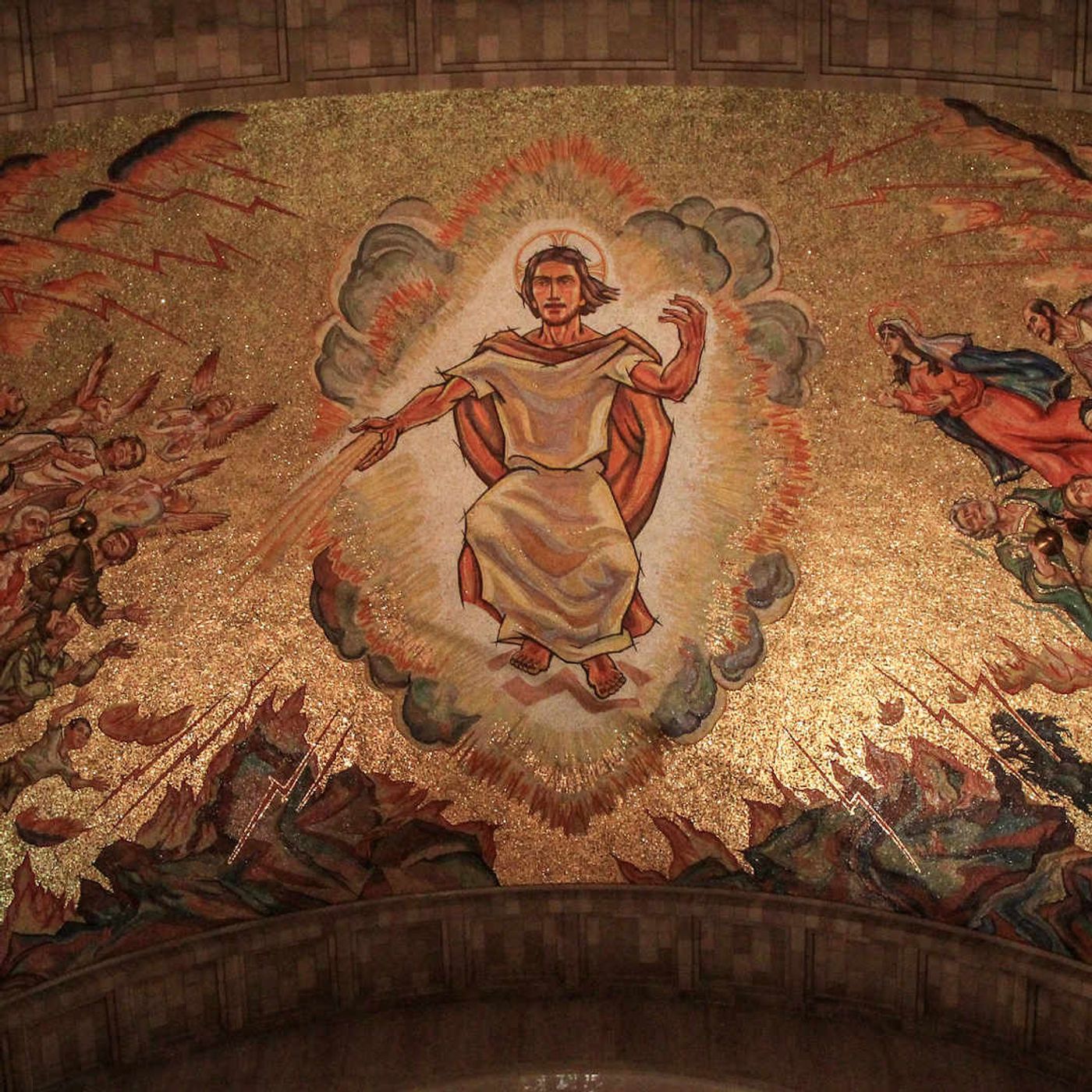
Jul 13
Monday of the Fifteenth Week in Ordinary Time - Authentic Love
Read Online “Whoever loves father or mother more than me is not worthy of me, and whoever loves son or daughter more than me is not worthy of me; and whoever does not take up his cross and follow after me is not worthy of me.” Matthew 10:37–38 At first read, this appears to be a difficult teaching of our Lord. But when properly understood, it is clear that it helps us keep our relationships with God and with our family properly ordered in charity and truth. Following this command will never result in a lack of love for family; rather, it will help us to love solely with the heart of Christ. What does this teaching of Jesus require of us? Simply put, if a family member, or anyone else, imposes expectations on us that are contrary to the will of God, then we must choose the will of God over those other expectations. To understand this more clearly, think about how one might choose to love “father or mother” or “son or daughter” more than God. Say, for example, that a child chooses to go astray in their moral or faith life, and they want their parents to support them in their sin. But the parents remain firm in their moral convictions and, out of love, offer no support for the immoral lifestyle their child has chosen. This would become especially difficult for the parents if the child becomes angry and criticizes the parents, with the claim that the parents are being judgmental and are lacking in love. What the child is actually requesting is “Mom and dad, you must love me more than God and His laws.” And if the parents do not support their child’s misguided lifestyle, the relationship may be deeply wounded. Perhaps that is one of the reasons that Jesus followed this command by saying, “and whoever does not take up his cross and follow after me is not worthy of me.” Love always involves the Cross. At times, it is a cross of personal self-sacrifice and self-giving. And at other times, it’s a cross by which our love is misunderstood, and we are deemed as “unloving” by those we actually love the most. When parents truly love their child, they will care first and foremost for their child’s eternal salvation and moral living, and they will not choose “friendship” with their child over truth. Of course, this same truth applies to every relationship we will have and even to our “relationship” to society as a whole. More and more, there are those who demand of us all that we support them in behaviors that are objectively disordered and contrary to the will of God. We are told that if we oppose these choices that some make, then we are judgmental and hateful. But this is exactly what Jesus is speaking about. If we choose to “love” others more than God and His holy will, meaning, if our first priority is to make people “feel” supported in the immoral and confused decisions they make, then we are not actually loving them at all. At least not with the love of God. Instead, we are prioritizing their sin over the truth they so deeply need to know so as to be set free and to enter into an authentic relationship of love with the God of Truth. Reflect, today, upon true love. Love is only true love when it is grounded and centered in God and every moral law He has set forth. Reflect upon your own relationships, especially with family and those closest to you. Do you love them with the pure love of God? Does your love remain firmly rooted in the will of God? Or do you, at times, choose to compromise the truths of faith and morality so as to appease the misguided expectations of others. Kindness, gentleness and compassion must always be present. But moral truth must also be just as present and must be the foundation of every virtue we exercise in our relationships with everyone. Do not be afraid to love others exclusively with the mind and heart of God. Doing so is the only way to have true love for everyone in your life so as to help save their souls. Lord of All, You call all people to love You with all of their mind, heart, soul and strength. You call us all to adhere to every truth that You have spoken. Give me the courage and love I need to not only love You above all but to also love others with Your love alone. Help me to embrace Your Cross when this is difficult so that I will be a better instrument of the love You have for all. Jesus, I trust in You. Image: James Tissot, Public domain, via Wikimedia Commons Source of content: catholic-daily-reflections.com Copyright © 2025 My Catholic Life! Inc. All rights reserved. Used with permission via RSS feed.
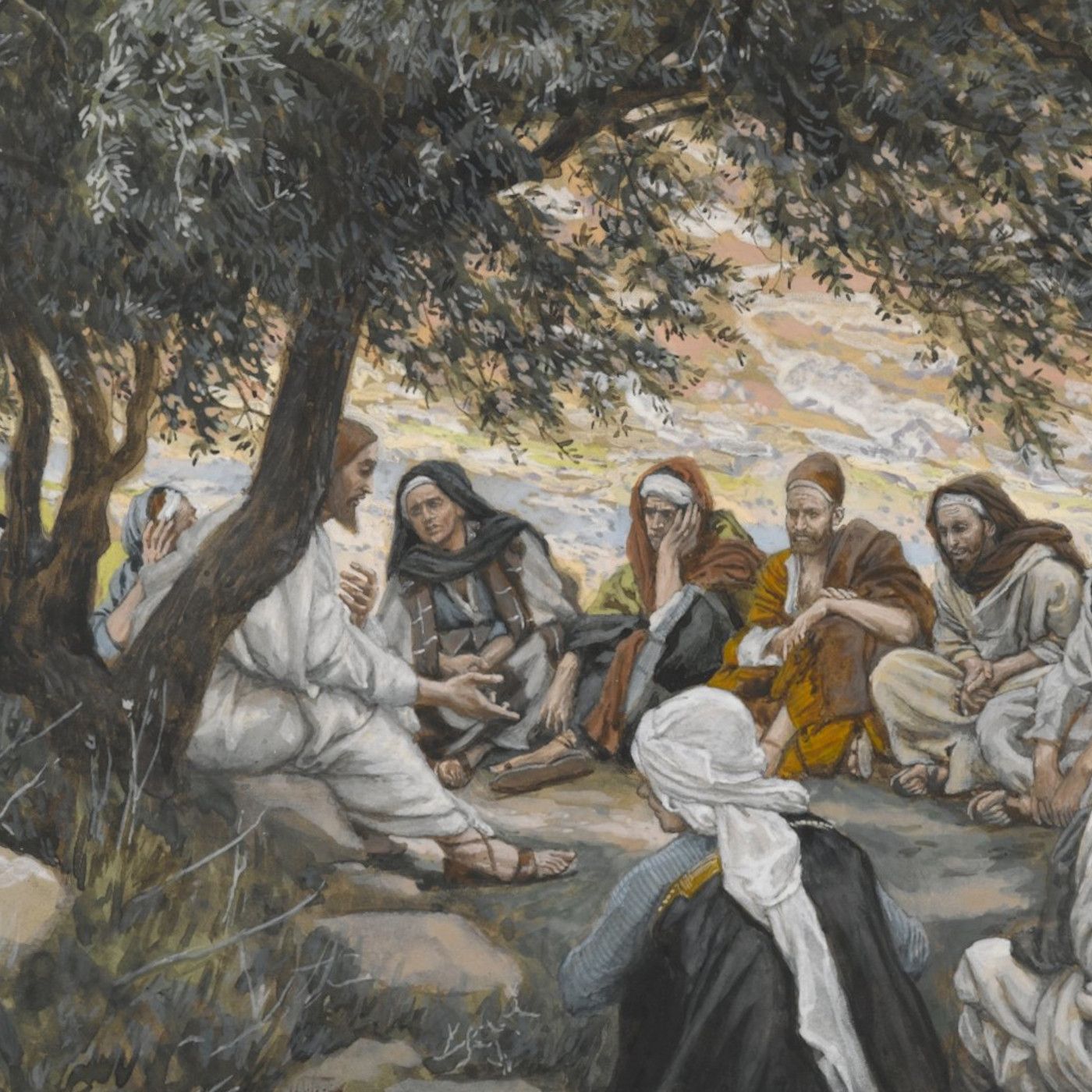
Jul 12
Fifteenth Sunday in Ordinary Time (Year C) - The True Nature of Love
Read Online “You shall love the Lord, your God, with all your heart, with all your being, with all your strength, and with all your mind, and your neighbor as yourself.” Luke 10:27 A scribe asked Jesus what he needed to do to inherit eternal life. Jesus asked the scribe what the Law of Moses taught. The above line was the scribe’s response. He was essentially quoting Deuteronomy 6:4, which was a common prayer prayed by the Jews and seen as a summary of the entire Law of Moses as found in the Ten Commandments. Notice that this summary of the Law does not present a negative prohibition such as “Thou shalt not…” Instead, it is a positive command stating, “Thou shalt love…” Love is the fulfillment of the Law of the Old Testament, as well as the fulfillment of the New Law of Christ. When we love God with our whole being, that love overflows upon all of God’s creatures, including our neighbor. In this Gospel, the scribe goes on to ask Jesus who His neighbor is. Jesus responds by telling the Parable of the Good Samaritan. In that parable, there was a man beaten and left for dead on the side of the road. A priest and a Levite passed by and ignored the man. But a Samaritan passed by and took care of the man, bringing him to an inn and vowing to pay for his recovery. The story concludes by the Samaritan being identified as the one who acted as a neighbor to the victim. Traditionally, the victim of the robbers in this story has been seen as Adam. Adam represents fallen humanity. The Samaritan represents Jesus who cared for fallen humanity, healed us of sin and provided for our every need. Therefore, according to this parable, Jesus has acted as a neighbor to us, and we must love Him as we love ourselves. But Jesus also says, “Go and do likewise.” This is a commission to fallen humanity, now healed of sin, to go forth to others, acting as Jesus Himself, bringing the healing grace they have been given and bestowing it upon others generously. Sometimes we can see love as a feeling or emotion. Though love is often accompanied by certain emotions and feelings, love is much more. It is an action. In this parable, if the Samaritan simply looked upon the victim and felt sorry for him, had compassion for him but then moved on, he would not have shown love. The love of charity is an action and requires much of us. If we are to fulfill this first and greatest commandment of love of God and neighbor, then we cannot wait until we feel like loving to act. Instead, we must act now and not hesitate. This is love. Reflect, today, upon the true nature of love. Love, in its most elevated form, is the choice to do what is best for others—to help free them from sin and to be an instrument of God’s providence in their lives. It’s a participation in the very love that God has shown us in Christ Jesus by giving His life for our salvation. We are all called to devote ourselves to this same form of selfless and sacrificial love. Doing so is a requirement for the glorious sharing in eternal life. My loving Lord, You have given everything to fallen humanity. You have freed us from sin and provided for all of our needs. You have acted as a true neighbor in every way. Please give me the grace I need to imitate You and to participate in the love You have for others. May I truly act and never hesitate to bestow on others the charitable love to which I am called. Jesus, I trust in You. Image: African depiction of "The Good Samaritan" by Tim Kubacki , license CC BY 2.0 Source of content: catholic-daily-reflections.com Copyright © 2025 My Catholic Life! Inc. All rights reserved. Used with permission via RSS feed.
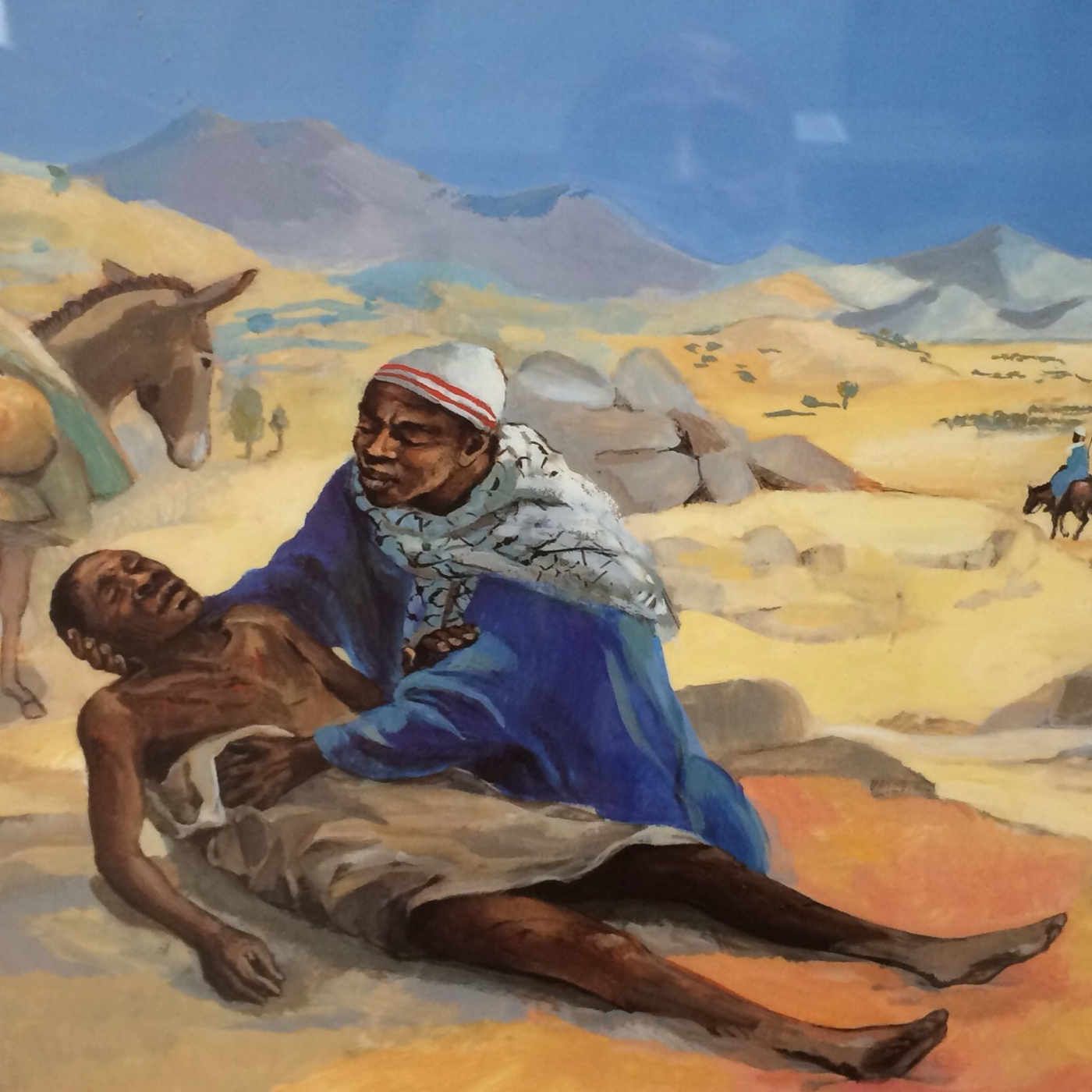
Jul 11
Saturday of the Fourteenth Week in Ordinary Time - The Whispers of God
Read Online “What I say to you in the darkness, speak in the light; what you hear whispered, proclaim on the housetops.” Matthew 10:27 What is it that our Lord speaks to you in the “darkness” and what is it that you “hear whispered” by Him? This is an important question to consider, since whatever it is that is spoken that way must be spoken “in the light” and proclaimed “on the housetops.” Recall that when people first came to Jesus, curious about Him, He would often speak in a veiled way, in figures of speech and in parables. This method of teaching is the first step in Jesus’ ongoing deepening revelation to us. His parables and various figures of speech are meant to draw the listener in so that they are attentive to the deeper message. Recall, also, that Jesus said to His disciples, “I have told you this in figures of speech. The hour is coming when I will no longer speak to you in figures but I will tell you clearly about the Father” (John 16:25). In which way does our Lord speak to you? As we grow in faith, and become more and more familiar with our Lord, He will begin to “lift the veil,” so to speak, and will begin to whisper His deepest truths to us within the depths of our souls. He will communicate to us in ways that go far beyond the veiled message of His parables and figures of speech and will communicate His very self to us, in ways that are beyond words. The Gospel passage above, when taken by itself, seems to clearly indicate that there is much God wants to say to us in a clear way. But He wants to speak it to us in the “darkness” of our interior life and with gentle whispers that can only be heard when we give Him our full attention. Saint John of the Cross, for example, speaks much of the “darkness of faith” by which the deepest communications from our Lord are received. These communications are beyond words, concepts and images and can only be communicated in a direct and spiritual way through infused prayer. Infused prayer is not something you can accomplish on your own; it is a gift by which God continually draws you deeper, you respond and are called even deeper, and you continue to respond. The Gospel passage above also clearly indicates that God wants us to share this most pure faith with others. To share it in the light and to proclaim it on the housetops. This is first done by the witness of our lives, by allowing the transforming grace of God to shine forth through us in ways that He can only do. It is also done by being attentive to those moments when God wants to use you to share His deeper and often veiled truths with others. God must first speak them to you, and then at the promptings of His grace, He will, at times, use you to share Him with others. Reflect, today, upon this twofold action commanded by our Lord. First listen to Him. Listen to Him in the “darkness of faith.” Let Him draw you into the deepest and most certain convictions about His love and mercy and His very Self. Then, as you savor these hidden and holy communications from our Lord, look for ways by which He wants to speak to others through you. You do not have to initiate this proclamation, you only need to respond when He directs you. By building a deep level of prayer in this way, you will not only come to know our Lord in ways that are beyond words, you will also know how and when He wants to speak to others through you. My good Jesus, You desire to speak to me and all Your children in ways that are deep, profound and beyond words. Please do draw me deeper into these communications of Your love so that I may see beyond the veil and come to know You as You are. Please also use me, dear Lord, to speak to others as You choose. Jesus, I trust in You. Image: Ilyas Basim Khuri Bazzi Rahib, CC BY-SA 3.0 , via Wikimedia Commons Source of content: catholic-daily-reflections.com Copyright © 2025 My Catholic Life! Inc. All rights reserved. Used with permission via RSS feed.
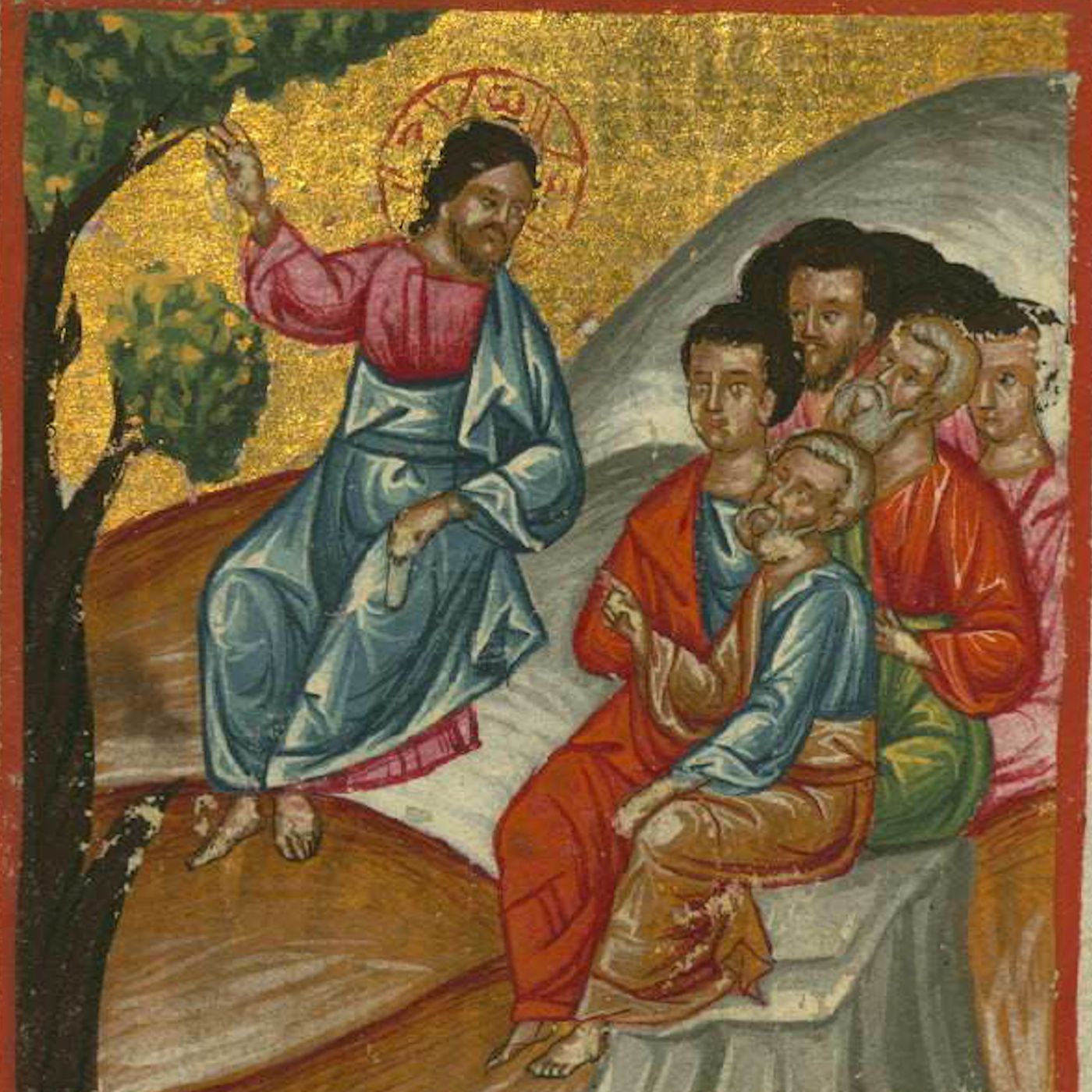
Jul 10
Friday of the Fourteenth Week in Ordinary Time - Speaking in the Spirit of the Father
Read Online “When they hand you over, do not worry about how you are to speak or what you are to say. You will be given at that moment what you are to say. For it will not be you who speak but the Spirit of your Father speaking through you.” Matthew 10:19–20 This is an easy lesson to understand but very hard to live. This teaching of Jesus comes within the context of Him telling His Apostles that as they go forth to preach the Gospel of the Kingdom, they will be handed over to courts, scourged in synagogues, and led before governors and kings. They will be persecuted in one town after another for sharing the Gospel. Though such a “pep-talk” may not at first seem that encouraging, the Gospel passage quoted above should provide much encouragement. Encouragement, that is, if they can follow Jesus’ advice in faith. When we are condemned, judged, misunderstood and the like, it is very common to begin mounting our defense within our minds right away. We justify our actions, set up a tribunal in our minds by which we act as judge and jury of the other, finding them guilty and issuing them punishments. The sin traditionally referred to as “self-love” is a sin that stems from pride and is not love at all. It tempts us to defend ourselves, using our own human wisdom and counsel. If we carefully consider Jesus’ teaching above, most people will realize that it is a very hard teaching to embrace. Essentially, when you are condemned or mistreated by another, remain silent in your heart. Do not immediately dwell on the wound they have inflicted. Do not become obsessed with the apparent injustice. Do not worry or become filled with anxiety at the perceived persecution. Instead, turn your eyes to Jesus, consider only His Voice and His Truth. And instead of looking at the wound that was inflicted upon you, look at the person inflicting it. And look at them with love. They are not the enemy, they are the battleground for Truth, and it is your mission to help them hear God’s truth. So how do you do that? Jesus’ answer is straightforward. “You will be given at that moment what you are to say.” Furthermore, Jesus makes it clear that it must be the “Spirit of your Father” who is to speak through you in such a case. Living such a teaching especially requires two things: humility and trust. Humility will allow the temptation to self-love (pride) to be set aside. This is essential if you are to hear the Voice of God speaking to you and, ultimately, allow Him to speak through you. Second, it is essential that you trust that what Jesus says is true. You must trust that, if you are humble and open to His Voice, that He will give you His words when He wants them spoken. This is difficult, because we often want to say far more than God chooses to say. God often calls us to silence in the face of injustice. A silence that is also imbued with love for the persecutor. This requires much trust in the grace of God, which results in an abundance of charity on your part. Reflect, today, upon this teaching of our Lord. Consider how you react when someone condemns or judges you. How do you respond to such persecutions? Begin with silence, turn your eyes to the other out of love for them, and then listen and wait on the Lord. Wait until He gives you the words to say. Doing so is not only good for the persecutor, it is also exceptionally good for your own soul and holiness of life. My patient Lord, You, Who are the Savior of the World and the God of all, allowed Yourself to be falsely accused, judged and condemned. During it all, You remained silent and spoke only when the Father spoke through You. Help me to be freed of all pride, dear Lord, so that I will speak only Your holy words, think only the thoughts inspired by You and act only on Your holy command of love. Jesus, I trust in You. Image via Web Gallery of Art Source of content: catholic-daily-reflections.com Copyright © 2025 My Catholic Life! Inc. All rights reserved. Used with permission via RSS feed.
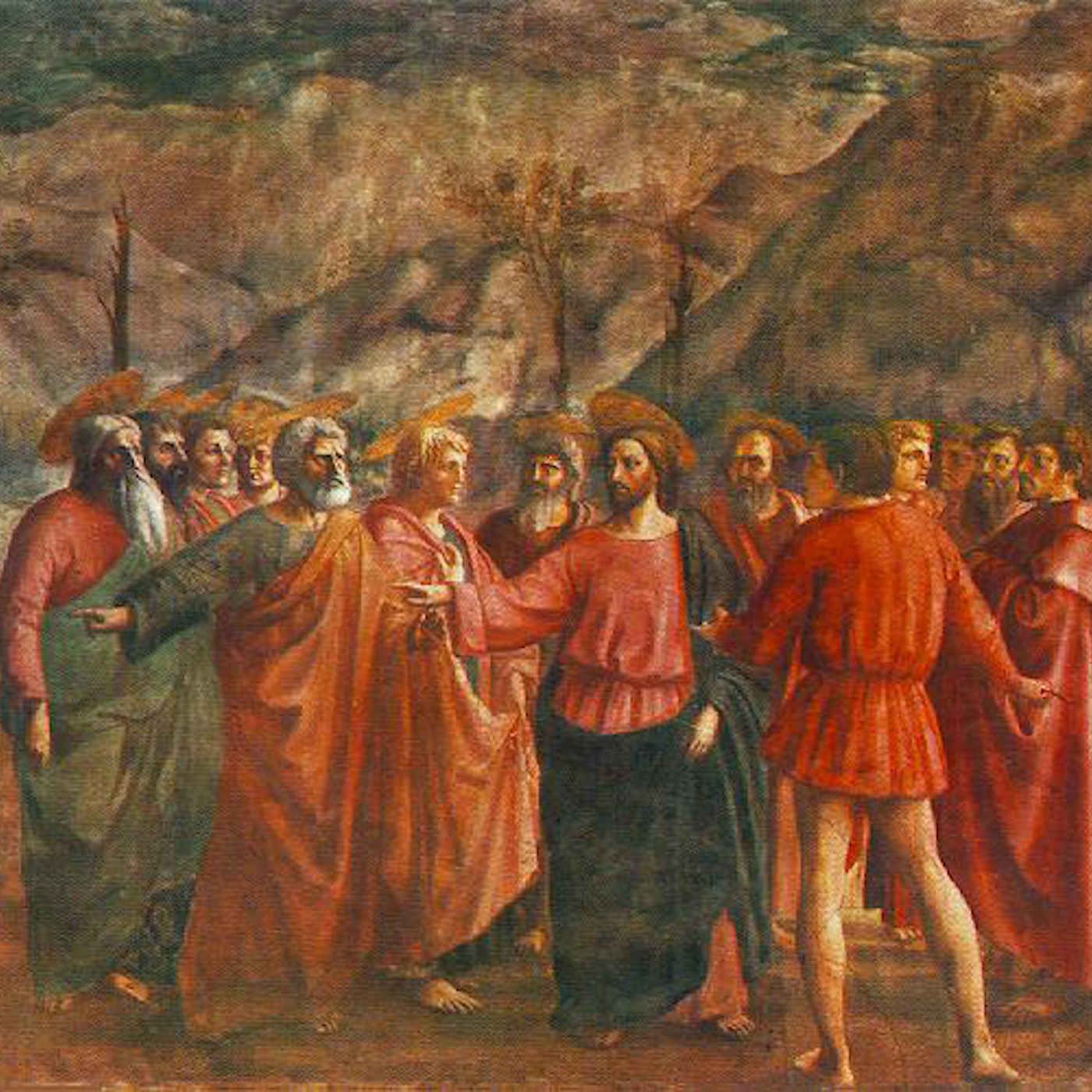
Jul 9
Thursday of the Fourteenth Week in Ordinary Time - Soften Your Heart
Read Online “Whoever will not receive you or listen to your words—go outside that house or town and shake the dust from your feet. Amen, I say to you, it will be more tolerable for the land of Sodom and Gomorrah on the day of judgment than for that town.” Matthew 10:14–15 Recall how Jesus harshly condemned the Pharisees for their hardness of heart. In Matthew’s Gospel, Chapter 23, Jesus issues seven “woe to you” condemnations of these Pharisees for being hypocrites and blind guides. These condemnations were acts of love on Jesus’ part, in that they had the goal of calling them to conversion. Similarly, in today’s Gospel, Jesus gives instructions to His Twelve about what they are to do if they preach the Gospel in a town and are rejected. They are to “shake the dust” from their feet. This instruction was given within the context of Jesus sending the Twelve to the “lost sheep of the house of Israel” with the commission of preaching the Gospel. At that time, they were to go to those who had already been entrusted with the message of the Law of Moses and the prophets but were to now proclaim that the Kingdom of God has arrived. Jesus was the promised Messiah, and He was now here. And for those of the house of Israel who reject Jesus, they were to be condemned by this prophetic act of the wiping of the dust of their town from the Apostles’ feet. At first, this can seem somewhat harsh. One can think that patience, ongoing discussions, gentleness and the like would be more effective. And though that may be the case in many of our experiences today, the fact remains that Jesus gave the Twelve this command. Just like the condemnation of the Pharisees, this prophetic action of wiping the dust from their feet was an act of love. Certainly, the Apostles were not to do this out of an irrational anger. They were not to do so because their pride was wounded by rejection or because of their disdain for these people. Rather, the Apostles were to do so as a way of showing the consequences of the townspeople’s actions. When these towns of the chosen people rejected the promised Messiah, they needed to understand the consequences. They needed to know that by rejecting the messengers, they were rejecting the saving grace of the Gospel. First of all, it’s important to consider those about whom Jesus was speaking. He was speaking about those who “will not receive” nor even “listen” to the message of the Gospel. These are those who have fully rejected God and His saving message. They, by their free choice, have separated themselves from God and His holy Gospel. They are stubborn, obstinate and hard of heart. Thus, it is in this most extreme case, of being completely closed to the Gospel, that Jesus instructs His Apostles to leave with this prophetic act. Perhaps upon seeing this done, some people would experience a certain sense of loss. Perhaps some would realize they made a mistake. Perhaps some would experience a holy sense of guilt and would eventually soften their hearts. This teaching of Jesus should also open your eyes. How fully do you receive and listen to the message of the Gospel? How attentive are you to the saving proclamation of God’s Kingdom? To the extent that you are open, the floodgates of God’s mercy flows forth. But to the extent that you are not, the experience of loss is encountered. Reflect, today, upon your being present in one of these towns. Consider the many ways that you have been closed to all that God wants to speak to you. Open your heart wide, listen with the utmost attentiveness, be humble before the message of the Gospel and be ready to receive it and to change your life as you do. Commit to being a member of the Kingdom of God so that all that God speaks to you will have a transforming effect upon your life. My compassionate Lord, Your firmness and chastisements are an act of Your utmost mercy for those who are hard of heart. Please soften my heart, dear Lord, and when I am stubborn and closed, please rebuke me in Your great love so that I will always turn back to You and Your saving message with all my heart. Jesus, I trust in You. Image: Jesus blesses the Apostolic College by Lawrence OP , license CC BY-NC-ND 2.0 . Source of content: catholic-daily-reflections.com Copyright © 2025 My Catholic Life! Inc. All rights reserved. Used with permission via RSS feed.
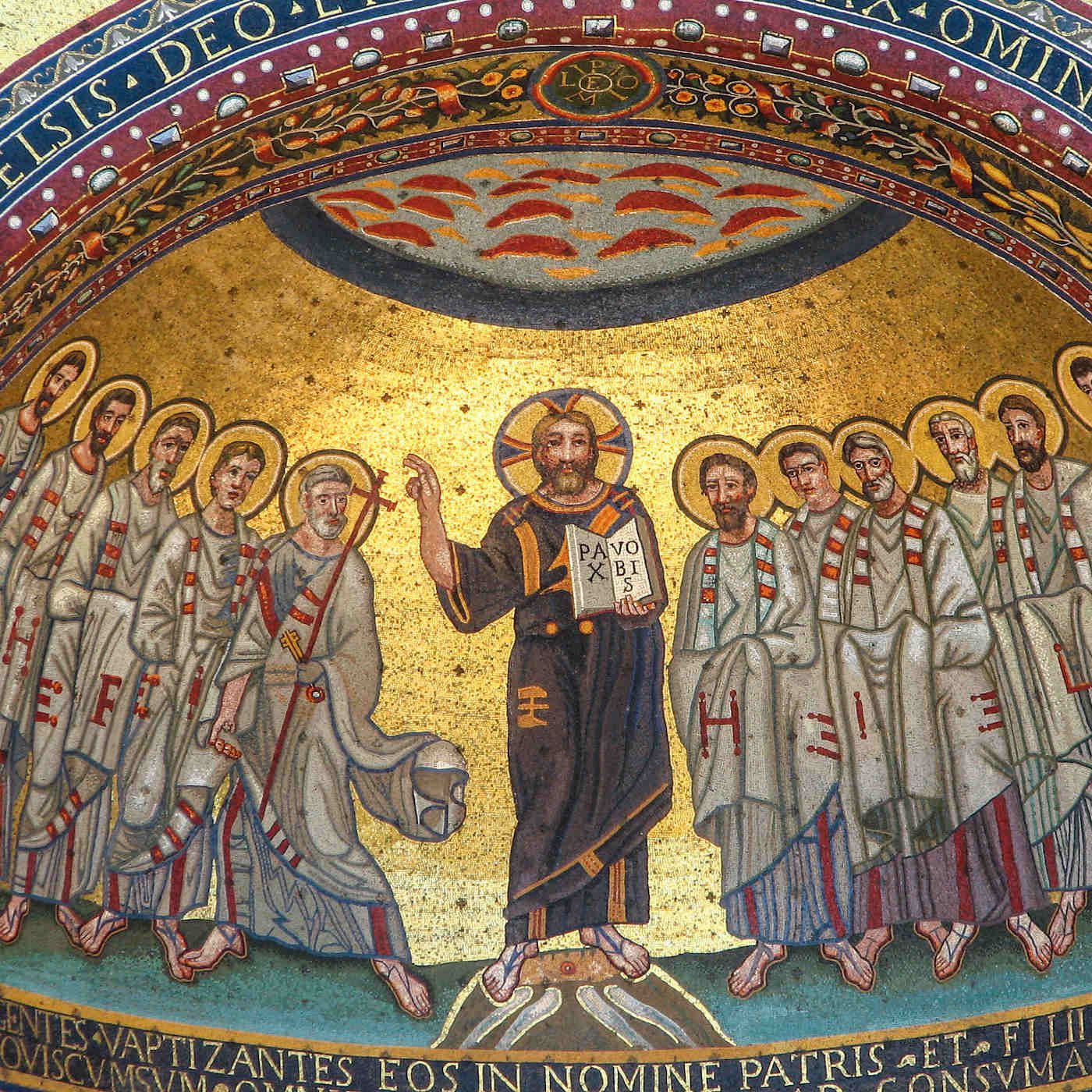
Jul 8
Wednesday of the Fourteenth Week in Ordinary Time - Proclaiming the Kingdom
Read Online Jesus sent out these Twelve after instructing them thus, “Do not go into pagan territory or enter a Samaritan town. Go rather to the lost sheep of the house of Israel. As you go, make this proclamation: ‘The Kingdom of heaven is at hand.’” Matthew 10:5–7 The very last words of Jesus, just prior to His Ascension into Heaven, expands the mandate we read above that Jesus gave to His Apostles. He later says, “Go, therefore, and make disciples of all nations, baptizing them in the name of the Father, and of the Son, and of the holy Spirit…” (Matthew 28:19). Eventually, Jesus sends the Twelve and all of His disciples to the ends of the earth to proclaim the Gospel to every creature. But here, prior to the coming of the Holy Spirit, and prior to the completion of Jesus’ earthly mission, He instructs the Twelve to go only “to the lost sheep of the house of Israel.” Thus, Jesus gives a sort of priority to the preaching of the Gospel to those who have already been entrusted with the revelations of the Old Testament—that is, the teachings of the Law of Moses and the prophets. Though, today, we must all hear the call from our Lord to “make disciples of all nations,” we must also hear this unique commission to first preach to those who are already members of the family of God. And though, today, the Holy Spirit has already come and the Gospel has already gone forth far and wide, there is still an important spiritual lesson to be learned by Jesus’ progressive commission from those of the family of God to those who do not yet know the Gospel. Start with yourself. By hearing Jesus give special emphasis to His Twelve to go first to the lost sheep of the house of Israel, you should hear our Lord speaking especially about you. You, who were baptized, have been confirmed and have received Holy Communion, now have a special obligation to listen to and respond to the Gospel of Christ. From there, God entrusts you with the sharing of the Gospel in a special way to those who also share your faith. For that reason, parents are uniquely obliged to share the Gospel with their children. Friends within the same faith community are uniquely obliged to reach out to others who share their faith. And pastors of the Church must do the same. The Gospel is now universal and must be proclaimed to all people, but this passage appears to highlight the importance of sharing the Gospel with fellow disciples of Christ. We know from our daily life that there are many who profess faith in Christ who still are not fully evangelized. There are many who have received the Sacraments but lack the deep faith to which they are called. It can appear that most fail to worship our Lord every day, and many fail in their prayerful worship each and every week. Therefore, it is useful to place yourself into this Gospel passage and to hear our Lord call you to especially devote yourself to the sharing of the Gospel with those who have already become members of His Church, even if it is only in name. If we begin with ourselves, seeking to daily grow deeper in our life of faith, praying and seeking out the will of God, then God will more easily be able to use us as He wills to share the faith with those who belong to God’s family but whose faith may be weak. And for those who are “all in” and have truly given themselves over to Christ, God will certainly also use you for the proclamation of the Gospel to those who have not yet come to know Christ through the gift of faith. Reflect, today, upon the invitation Jesus gives to you to be His evangelist. First, look at your own life and do all you can to allow the Gospel to transform you into a fervent follower of Christ. From there, be open to the many ways that God wants to use you every day to inspire others to become followers of our Lord. Start with your family. Pray for them. Be attentive to the promptings of grace God gives to reach out to them. Then turn your eyes, also, to the wider community. Allow the Lord to lead, follow His voice, and He will use you in many ways to help others come to know His burning love for them. My universal King, You came to establish Your Kingdom in the lives of all people. You call all Your creatures to faith in You. Help me to be among the first who turn to You with my whole heart. Please also use me to become an instrument of Your saving grace to those whom You’ve put into my life. My life is Yours, dear Lord. Use me as You will. Jesus, I trust in You. James Tissot, Public domain, via Wikimedia Commons Source of content: catholic-daily-reflections.com Copyright © 2025 My Catholic Life! Inc. All rights reserved. Used with permission via RSS feed.
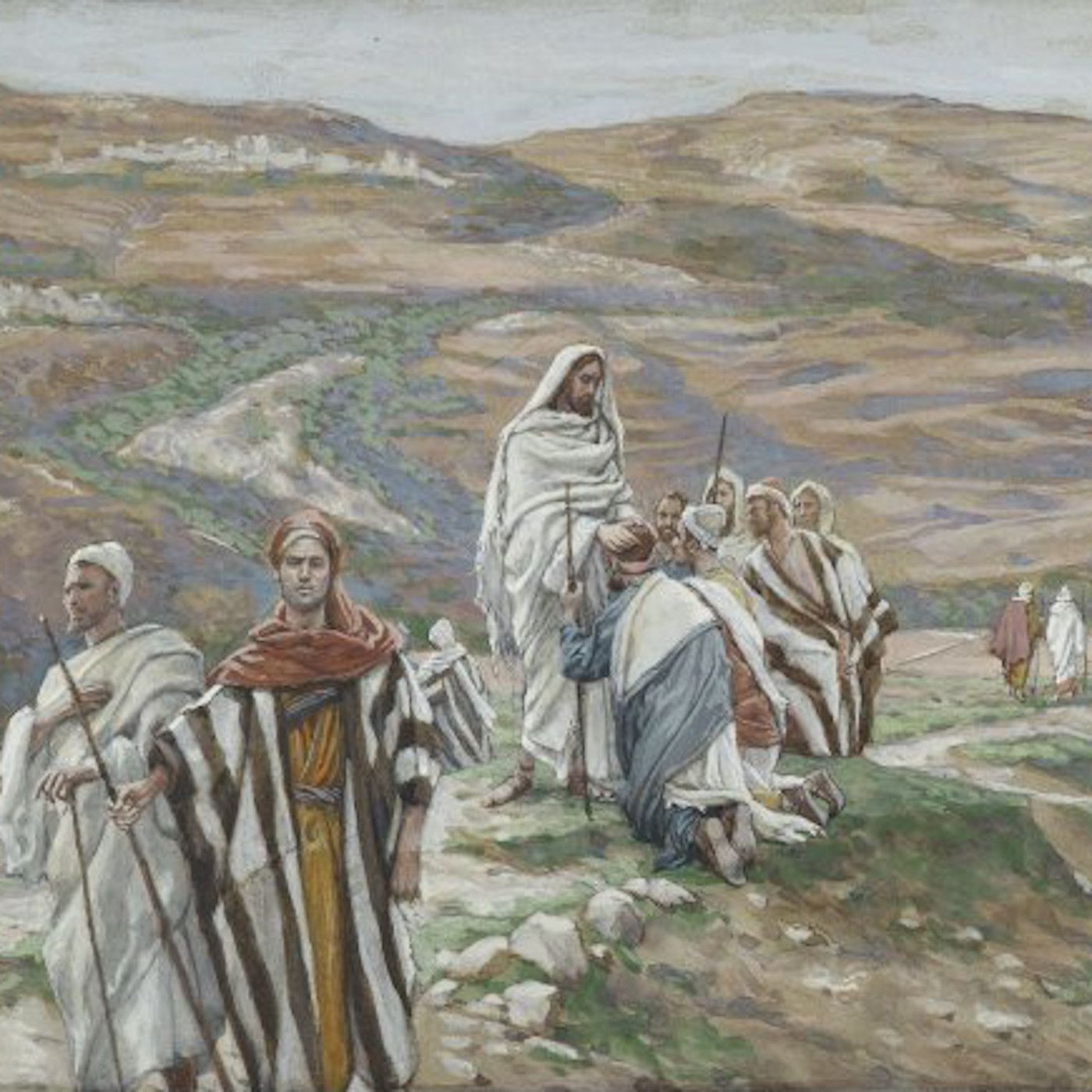
Jul 7
Tuesday of the Fourteenth Week in Ordinary Time - Zeal for Souls
Read Online Jesus went around to all the towns and villages, teaching in their synagogues, proclaiming the Gospel of the Kingdom, and curing every disease and illness. At the sight of the crowds, his heart was moved with pity for them because they were troubled and abandoned, like sheep without a shepherd. Matthew 9:35–36 Jesus was quite zealous for souls. Zeal is an energy, a passion and a drive to accomplish some task. The task that Jesus was zealous for was the conversion of every heart that He encountered. As He walked from town to town, encountering person after person, Jesus could see into their hearts. He saw that so many people were “troubled and abandoned.” He could see they were like “sheep without a shepherd.” And this moved Him to compassion with a zeal to become their Shepherd, to remove the trouble from their hearts and to let them know they were invited to belong to His new Kingdom. The image of Jesus encountering numerous people who were troubled and abandoned is a good image to ponder. The reason is that this is us. Each one of us has our own interior troubles. We can feel alone, confused, uncertain and lost at times. The person who doesn’t feel this way is either a perfect saint or is not being honest. Deep holiness and union with God does, of course, cure this interior struggle that many have. In that case, the person clearly knows they belong to the family of God, understands himself or herself as a son or daughter of God, and finds deep peace in this truth. But for those who struggle, this Scripture passage is especially for you. First of all, to be “troubled” could be caused by many things. For some, they struggle with memories of the past, broken relationships, a lack of direction, serious sin, anger and the like. So the first question to honestly ponder is whether or not you have a troubled heart. Even the greatest of saints will find some areas they struggle with. So what is that for you? Secondly, feeling “abandoned” is a heavy cross. The reason Jesus came was to enable us to belong to His family. That is accomplished by the gift of eternal salvation which must begin now. By receiving the forgiveness of sins and growing in a life of prayer, we come to know God in a very intimate and personal way. Yes, He is the Almighty God and Creator of all. But He is also deeply personal and intimate, and He wants to form a real relationship of love with you. If you struggle with either of these, being troubled and/or abandoned, then consider the zeal that Jesus has for you. His tireless and extensive travels, by foot, while He was engaging in His public ministry, should be seen as a sign to you of His zeal to come to you, personally, to become your Shepherd. He wants to lift every burden and clear the way for you to discover your place in His family. The “Gospel of the Kingdom” that Jesus preached was one that invited everyone to become a member of that Kingdom. As He comes to you, know that His heart is filled with compassion for you, just as it was when He traveled the countryside so long ago. He sees you, gazes at your heart with love, and never takes His eyes off of you in your need, weakness and sin. Reflect, today, upon the zeal that Jesus has for your own eternal salvation and holiness of life. You cannot make it through this world without Him. Let Jesus seek you out, come to you, speak to you and invite you to allow Him to shepherd you. He wants to do so with every fiber of His being; let Jesus fulfill His mission in you. My divine Shepherd, You seek out all people with the greatest of zeal and compassion. You see every hurting and broken heart, and You desire to heal each one. Thank You for coming to me, dear Lord, for being my Shepherd and Guide. Help me to see You as You gaze at me in my weakness and pain. And help me to open my heart to You now and throughout my life. I love You, my Lord. Jesus, I trust in You. Image: Rembrandt, Public domain, via Wikimedia Commons Source of content: catholic-daily-reflections.com Copyright © 2025 My Catholic Life! Inc. All rights reserved. Used with permission via RSS feed.
Jul 6
Monday of the Fourteenth Week in Ordinary Time - Responding to the Voice of God
Read Online A woman suffering hemorrhages for twelve years came up behind him and touched the tassel on his cloak. She said to herself, “If only I can touch his cloak, I shall be cured.” Jesus turned around and saw her, and said, “Courage, daughter! Your faith has saved you.” And from that hour the woman was cured. Matthew 9:20–21 What a tremendous amount of faith this woman had! She had suffered for many years and continued to suffer with her hemorrhages. How did she know that touching Jesus’ cloak would cure her? The only answer to that is faith. Faith is not just wishful thinking or hoping. Faith is a certain knowledge, given by a special grace and revelation from God, by which a person freely assents to belief. God spoke to her heart, she listened, she responded, and she was cured. One thing that is very inspiring in this Gospel story is the humility with which this woman approached Jesus. She didn’t feel as though she needed to bother Jesus, to speak to Him, or to trouble Him with her problem. Instead, in her humility, she presented her need to Jesus through her gift of faith, interiorly and silently, and the grace of God was given her because God sees the heart and responds to such humble and sincere faith. Imagine if everyone had this depth of faith in our Lord. Imagine if all of us knew, with the deepest conviction of certitude, that God would take care of every need we have. And imagine if we turned to our Lord with this deep conviction of certitude every day with every need. If we could do that, then our Lord would be able to continually care for us in every way. One key component to this woman’s healing is that it was God the Father who spoke to her and invited her to touch the cloak of His Son Jesus. And it was Jesus who sensed the healing she received, since He was in perfect union with the will of His Father. Therefore, touching Jesus’ cloak was not simply a magical act by which whatever this woman wanted would be granted to her. Instead, it was a response to the interior invitation she was given by the Father. In our lives, we must work to do the same. Too often we present our preferences to God and tell Him what we want Him to do. God does not respond to such requests. Instead, we must seek His will...and His will alone. This woman knew she would be healed, because God the Father spoke to her in her mind and heart and inspired her to touch the cloak of Jesus His Son, and she responded, and the healing took place. God must speak first, we must hear and respond, and then His will is accomplished. Reflect, today, upon the gentle Voice of God as He speaks to you in the depths of your heart. Do you hear Him? What is He inviting you to do? What healing does He want to bestow? As you ponder God’s Voice, try to respond only to Him. Set aside all of your own preferences and ideas of what God should do and seek only what He is speaking to you. Say “Yes” to Him, do so with certitude and conviction, and trust that whatever He speaks to you, if you have faith in what He says, He will do it. My gentle Lord, You speak to me day and night, calling me to the healing I need. Help me to hear Your Voice and to respond to You in faith. May my faith and confidence in You grow strong and become the source of Your glorious action in my life. Jesus, I do trust in You. Image: Internet Archive Book Images, No restrictions, via Wikimedia Commons Source of content: catholic-daily-reflections.com Copyright © 2025 My Catholic Life! Inc. All rights reserved. Used with permission via RSS feed.
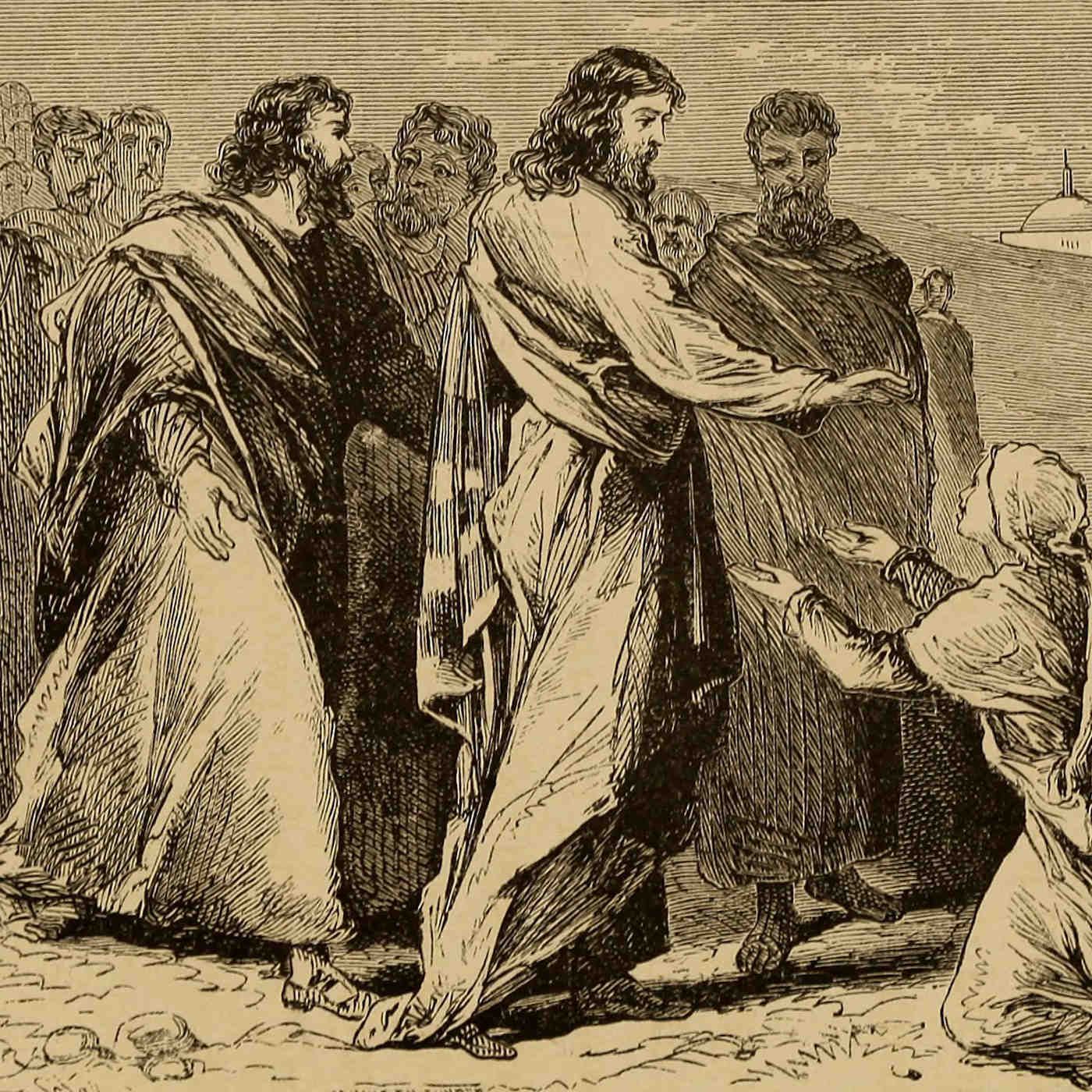
Jul 5
Fourteenth Sunday in Ordinary Time (Year C) - The Apostolic Mission
Read Online At that time the Lord appointed seventy-two others whom he sent ahead of him in pairs to every town and place he intended to visit. Luke 10:1 Jesus had many followers who were deeply devoted to Him, abandoning everything to serve Him and to cooperate in the fulfillment of His mission. Oftentimes we give most of our attention to the Twelve Apostles when we speak of Jesus’ first followers. But in today’s Gospel, Jesus sent seventy-two disciples to go forth to all the towns that He would soon visit. Think about that for a moment. Seventy-two is quite a few people. These would not have been casual followers of Jesus. Rather, they clearly were people who were all in and fully committed to Christ. To them, Jesus entrusted the mission of preaching and gave them authority over demons. Try to imagine organizing and sending forth seventy-two different people. Jesus would have come to know these disciples personally, witnessed their faith firsthand, taught them at length, and recognized that they were ready to fulfill His sacred mission. We should also presume that there were many others who were His faithful followers but were not yet ready to be entrusted with divine authority and sent on a mission. Thus, the movement that Jesus started was truly transforming for many people during those first years of His public ministry. The same is true for us today. Jesus is not finished sending missionaries on mission. He continues to gather a vast army of servants whom He calls close to Himself, with whom He establishes a very personal relationship, teaches, forms, bestows with special graces and charisms, and then sends forth to continue His apostolic work. Are you among those who are ready to be sent forth by our Lord? One way to test your readiness for the mission of Christ is to consider the command that Jesus gave to these seventy-two. He said in part, “Go on your way; behold, I am sending you like lambs among wolves. Carry no money bag, no sack, no sandals; and greet no one along the way.” In other words, our Lord was telling them that His mission required sacrifice, courage, trust in divine providence, and single-minded determination. His mission is not for the casual follower. It’s for those who are serious about their faith and do not hesitate to do all they need to do to get ready to fulfill Jesus’ divine command. Reflect, today, upon whether you are ready to fulfill the apostolic mission Jesus wants to entrust to you. Are you willing to sacrifice everything for this mission? Are you courageous enough to do whatever He calls you to do? Do you trust that God will provide for you so that you can accomplish the task He has given to you? And are you single-minded and fully determined? Do not hesitate. Place yourself at the service of our Lord and await His glorious calling in your life. My glorious Lord, You have called countless people to Yourself, formed them by Your grace, bestowed Your gifts upon them and sent them forth to touch many minds and hearts. Please use me, dear Lord, to accomplish the task that You wish to entrust to me. Form me, use me and send me forth as You have done with countless others before me. Jesus, I trust in You. Image: James Tissot, Public domain, via Wikimedia Commons Source of content: catholic-daily-reflections.com Copyright © 2025 My Catholic Life! Inc. All rights reserved. Used with permission via RSS feed.
Jul 4
Saturday of the Thirteenth Week in Ordinary Time - The Newness of Grace
Read Online “No one patches an old cloak with a piece of unshrunken cloth, for its fullness pulls away from the cloak and the tear gets worse. People do not put new wine into old wineskins. Otherwise the skins burst, the wine spills out, and the skins are ruined. Rather, they pour new wine into fresh wineskins, and both are preserved.” Matthew 9:16–17 The parable above teaches us that even if someone were to faithfully understand and live the authentic Law that was given through Moses and the prophets, Jesus’ new teaching of grace, the New Law, was so different that it was not simply an improvement of the old, it completely replaced it. Furthermore, many of the customs taught by the Pharisees were unfaithful representations of the Law of Moses. They had deviated from the Law’s meaning and replaced it with their own scrupulous and erroneous multiplication of external practices. Thus, Jesus’ New Law needed to break away from these deviations completely. To use a modern example, if you were to have an old phone that had become obsolete or stopped working, you wouldn’t buy a new phone so as to remove various parts from it to try to add those parts to the old phone to fix it. Instead, you use the new phone as a complete replacement for the old one. A central quality of the New Law of grace is that it is entirely new and transforming. Therefore, by embracing this New Law, we become entirely new creations in Christ. Grace doesn’t simply patch that which is weak and sinful in us. It transforms us, elevating our human nature to an entirely new existence. This teaching is not only directed at the misguided teachings that the Pharisees had developed over the years, it was directed at human life itself. Not only were the Jewish customs to go through a transformation, humanity itself was to go through a transformation. Everything is made new in Christ. This teaching applies just as much to us today as it did to the Jewish people of old. Today, we not only receive the new life of grace in Baptism, but we also receive it anew and share in this ongoing transforming renewal every time we allow grace to touch us more deeply and transform us more fully into the people God wants us to be. The “new patch” and the “new wine” are always transforming, and we must look forward to this newness throughout our lives. Reflect, today, upon the joyful discovery that awaits you every day. Discovering the New Law of grace, accepting it into your life, and allowing it to transform you will set you on a path of discovery that will never get old. It is an ongoing discovery that is far greater than anything this world has to offer. Nothing can ever compare to the gift of God alive in our lives. It will never get old. It will always be transforming. And it will always be new. Ponder this gift God offers you today and say “Yes” to it with all your heart. My transforming Lord, You continuously offer to renew me, transform me and elevate me to the life of grace. I thank You for this Gift and desire to accept it with all my heart. May I always be ready and willing to say “Yes” to You and the transformation that awaits me as I discover this ever new treasure of Your Grace. Jesus, I trust in You. Image: Titian, Public domain, via Wikimedia Commons Source of content: catholic-daily-reflections.com Copyright © 2025 My Catholic Life! Inc. All rights reserved. Used with permission via RSS feed.
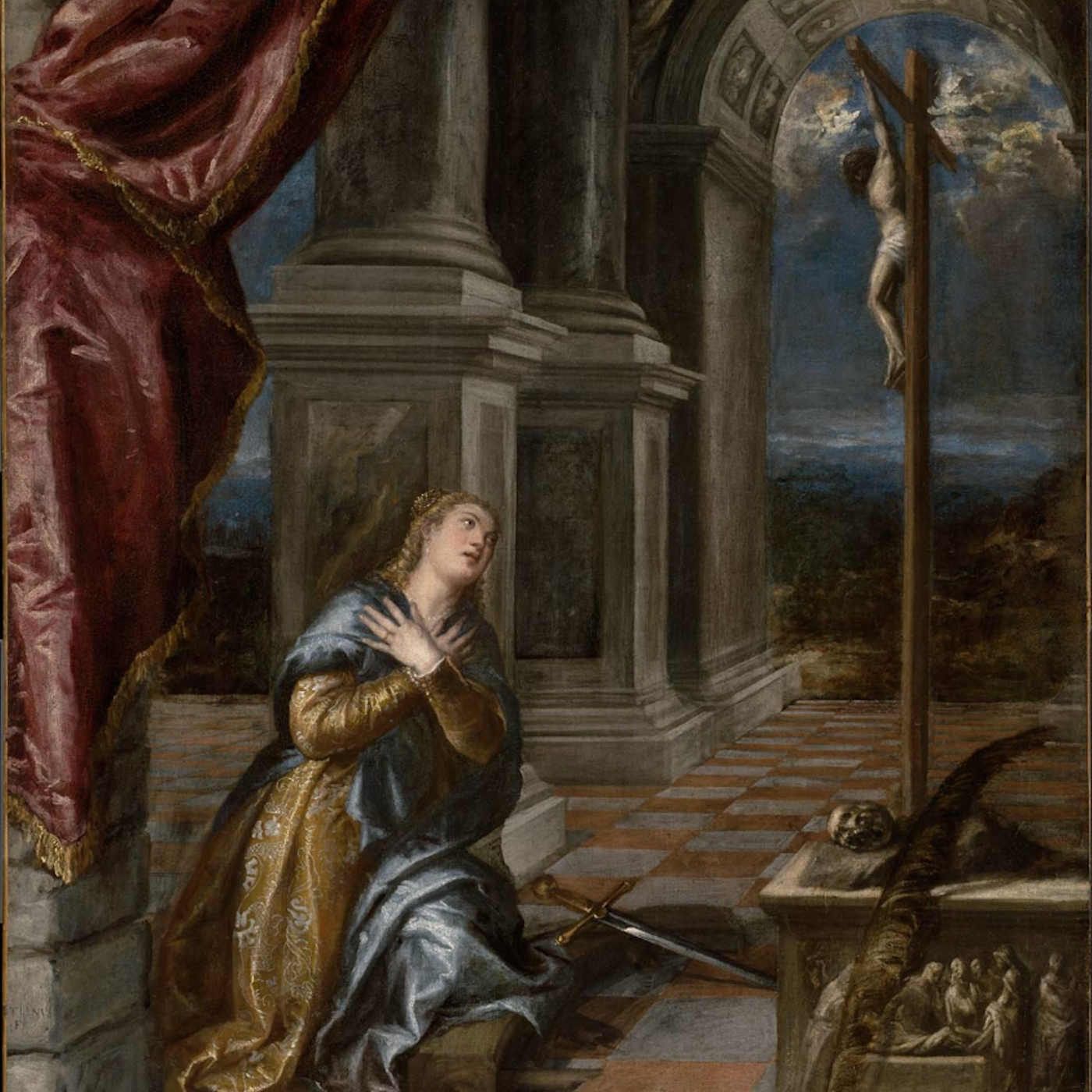
Jul 3
Friday of the Thirteenth Week in Ordinary Time - Dining with Sinners
Read Online “Those who are well do not need a physician, but the sick do. Go and learn the meaning of the words, I desire mercy, not sacrifice. I did not come to call the righteous but sinners.” Matthew 9:12–13 Would you describe yourself as one who is “well” or one who is “sick?” Are you among the “righteous” or the “sinners?” Be careful how you answer this question. Of course, the pride that comes with our fallen human nature often tempts us to claim that we are “well” and “righteous.” But humility will reveal the truth that we are among the “sick” and “sinners.” This statement of Jesus is a response to the Pharisees who noticed that Jesus was dining at the house of Matthew, the tax collector, whom He had just called to follow Him. Matthew did indeed leave everything behind and followed Jesus, and then he hosted dinner for Jesus at his house. At that dinner, there were “many tax collectors and sinners” who came and sat with Jesus and His disciples, which led the Pharisees to ridicule them all. Jesus’ response is very important for us to hear. By stating that He came not for those who were well and righteous but for those who were sick and sinners, it tells us two important things. First, it tells us that we are all spiritually sick and sinful. Second, it tells us that if we cannot humbly admit to that, and in our pride claim that we are well and are righteous, then we essentially reject Jesus, the Divine Physician, from our lives. We essentially say, “Lord, I do not need You.” It’s also helpful to notice that Jesus was not embarrassed to be seen with sinners. He did not hesitate at all and, in fact, clearly stated that they were those whom He came for. For that reason, we should not be afraid or embarrassed to admit we are sinners who are spiritually ill and in need of our Lord. To deny that fact is to deny reality and to deny the very source of the ongoing healing we most certainly need in life. It’s a denial of our need for Christ Jesus Himself. Do you need our Lord? Do you need interior cleansing, healing, and forgiveness every day? If it’s difficult for you to wholeheartedly say “Yes” to that question, then perhaps you struggle with the pride of the Pharisees more than you know. No matter how holy you become, no matter how deeply you pray and no matter how charitable you are, you will always need the healing and forgiveness of the Divine Physician each and every day. Reflect, today, upon the need you have in your life today for forgiveness. What sin do you struggle with the most? Interestingly, the holier one becomes, the more clearly they see their daily sins and their need for forgiveness and healing. If you struggle with this at all, spend time examining your conscience. Look for ways to do it more thoroughly and honestly. If you do, you can be certain that our Lord, the Divine Physician, will deeply desire to dine with you today and always. My forgiving Lord, You are the Divine Physician Who has come to forgive and heal all of our ills. Remove my pride and self-righteousness so that I can be filled with humility and see clearly the sin in my life. As I see my sin, help me to turn to You and to trust in Your abundant mercy. You came for sinners, dear Lord, and I am one of those sinners in need. Jesus, I trust in You. Image: James Tissot, Public domain, via Wikimedia Commons Source of content: catholic-daily-reflections.com Copyright © 2025 My Catholic Life! Inc. All rights reserved. Used with permission via RSS feed.
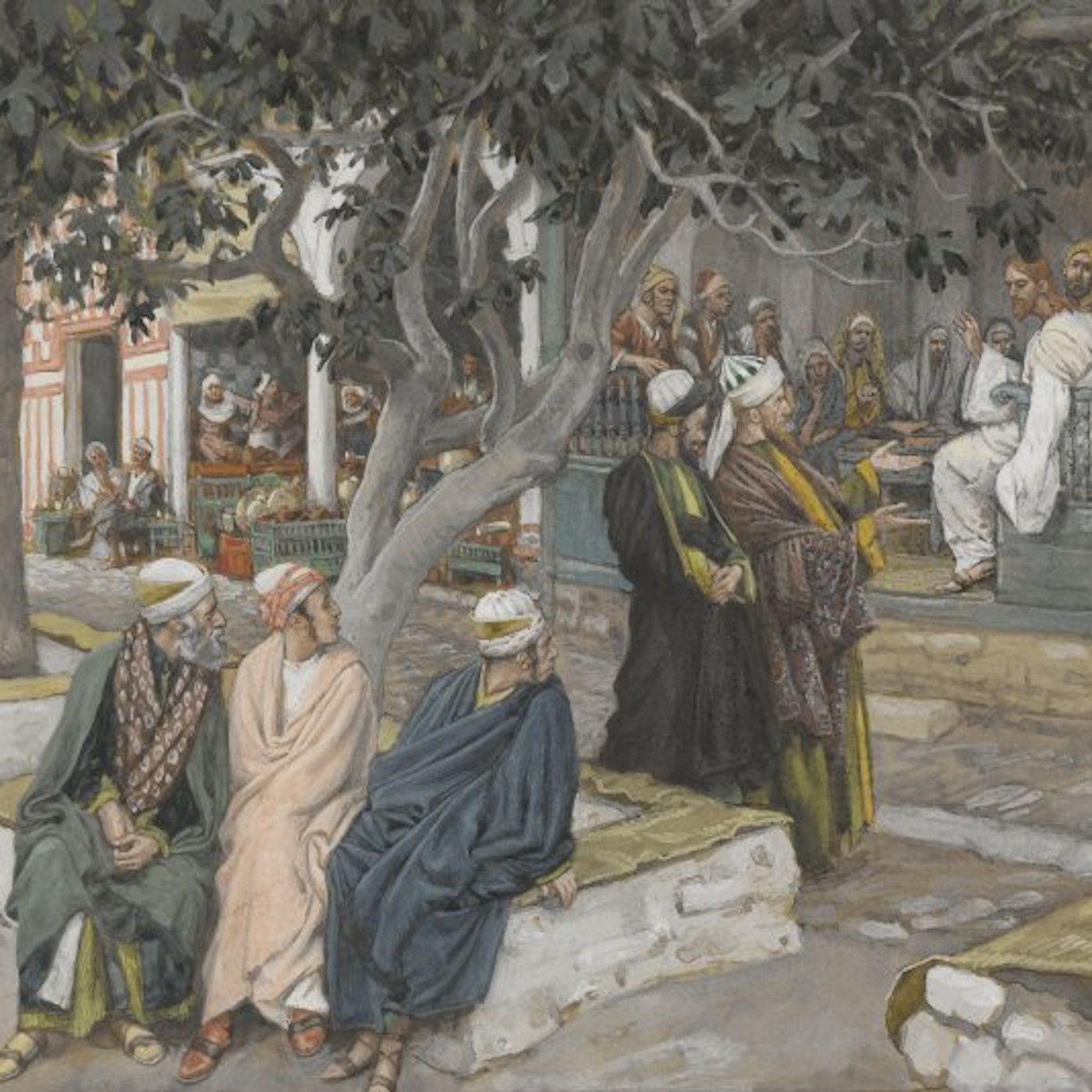
Jul 2
July 3, Feast of Saint Thomas the Apostle - Rejoicing in the Blessings Given to Others
Read Online “Put your finger here and see my hands, and bring your hand and put it into my side, and do not be unbelieving, but believe.” Thomas answered and said to him, “My Lord and my God!” Jesus said to him, “Have you come to believe because you have seen me? Blessed are those who have not seen and have believed.” John 20:27–29 Thomas the Apostle, in many ways, represents each and every one of us in this exchange with Jesus. We’d like to believe that we always believe and are not unbelieving. But it’s important to admit the humble truth that we may not believe as deeply as we should. And it’s important to reflect upon our own reaction to the blessings that others receive that we do not. Recall that Thomas was not among the other Apostles when Jesus first appeared to them. Therefore, when Thomas returned and heard that Jesus had appeared and that he missed His appearance, he clearly felt bad. Unfortunately, the sorrow Thomas felt at not being present when the Lord appeared to the others left him with a certain bitterness rather than joy. This is the sin of envy. Envy is a certain sorrow over the blessings others receive that we do not. Ideally, Thomas would have rejoiced at the blessing that the other Apostles received by encountering the risen Lord. But, instead, his sorrow at missing this even left him sad. He said, “Unless I see the mark of the nails in his hands and put my finger into the nail marks and put my hand into his side, I will not believe.” Why was Thomas absent from this encounter with our Lord? Perhaps it was by divine providence, in that God wanted Thomas to set an example for us. If so, then one example Thomas set was that we must humbly rejoice in the blessings others receive when we are not also the recipient. Of course, if Thomas were there, then it would have been easier for him to share in the joy. But, in many ways, Thomas’ absence provided him an even greater opportunity. An opportunity that he failed to embrace. When you see others receive blessings from God, how do you respond? Many people respond by immediately looking at themselves, wishing they were blessed in the same way. They struggle with envy. They think, “I wish I had received that blessing.” This form of envy is not always easy to see. For that reason, Thomas is given to us as a witness of what not to do in this situation. Of course, Thomas is not a horrible person, which is why Jesus does later appear to him. That time, Thomas spoke words that are traditionally spoken as a devotion by the faithful at Mass when the Consecration occurs. He said, “My Lord and my God!” Jesus then gently rebukes Thomas by saying, “Have you come to believe because you have seen me? Blessed are those who have not seen and have believed.” But this gentle rebuke was an act of love, in that Jesus wanted Thomas to ponder the reason for his unbelief. Jesus clearly wanted Thomas to examine the unbelief caused by envy, which appears to have led to an intentional lack of faith. Reflect, today, upon this holy Apostle. Today, Saint Thomas the Apostle is among the great saints in the Kingdom of Heaven. God used him to teach us these important lessons about envy, humility and faith. Let his weakness, from which he fully recovered, help you examine your own struggle with envy over the blessings that others receive that you do not. Learn to rejoice always in the ways that God is at work in our world and learn to grow in humility, so that when others are blessed in ways that you are not, you react as Saint Thomas ultimately did: “My Lord and my God!” My most generous Lord, You pour forth Your blessings upon others, day and night. As I see those blessings, help me to overcome all temptations toward envy so that I may rejoice in Your grace given to all. You are my Lord and my God, and I thank You for every way that You bless my life and the lives of those around me. Fill me with a deeper gratitude, dear Lord, for every grace and blessing I see every day, especially those graces not given directly to me. Jesus, I trust in You. Caravaggio, Public domain, via Wikimedia Commons Source of content: catholic-daily-reflections.com Copyright © 2025 My Catholic Life! Inc. All rights reserved. Used with permission via RSS feed.
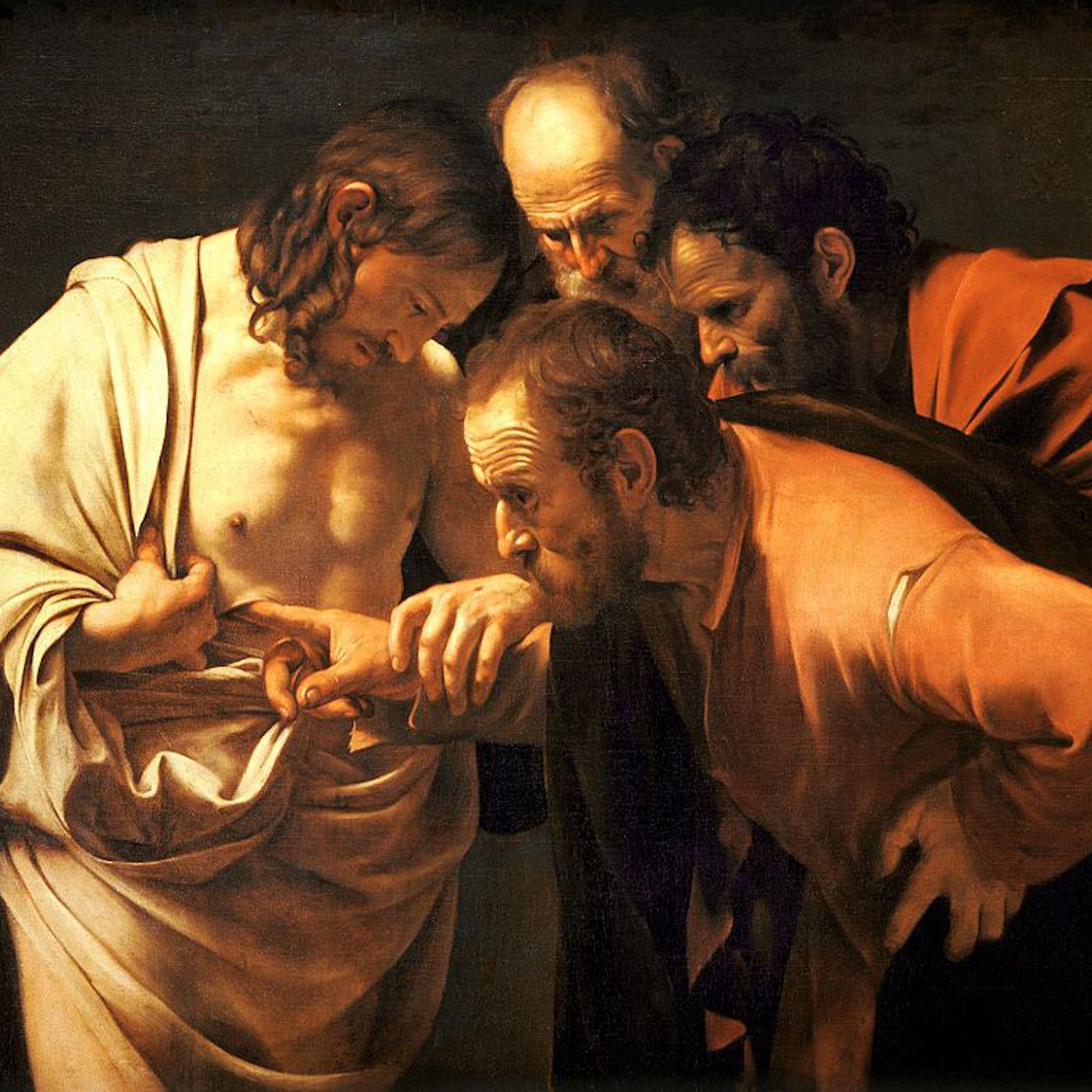
Jul 1
Wednesday of the Thirteenth Week in Ordinary Time - Rejoicing in the Goodness of Others
Read Online The swineherds ran away, and when they came to the town they reported everything, including what had happened to the demoniacs. Thereupon the whole town came out to meet Jesus, and when they saw him they begged him to leave their district. Matthew 8:33–34 Why would “the whole town” beg Jesus to leave their district as a result of Jesus delivering two of their fellow townsmen from demons? This event took place on the northeast edge of the Sea of Galilee near a town of the Gadarenes who were not of Jewish background, which accounts for the fact that there was such a large herd of swine (the Jewish people did not eat pork). Two of the Gadarenes were possessed by demons, and Scripture reports that “They were so savage that no one could travel by that road.” And when Jesus delivers them from this awful plight, instead of rejoicing in gratitude, the townspeople begged Jesus to leave. Saint Jerome says that it is possible that the people were actually acting in humility, in that they did not consider themselves worthy to be in the presence of someone as great as Jesus. Like Saint Peter who fell at the feet of Jesus and cried out, “Depart from me, for I am a sinful man, O Lord” (Luke 5:8), these townspeople may have been in such awe at what Jesus did for them that they did not see themselves as being worthy of His presence. However, other Church Fathers point out that it is more likely that these townspeople signify those who are stuck in their life of sin and do not want to come face-to-face with the Gospel or with the Person of Jesus. They prefer to close their ears to the truth and to remain in their life of ignorance and sin. It’s also helpful to reflect upon the relationship between the townspeople and these two demoniacs. Ideally, when the townspeople saw these two men completely freed of the demons who tormented them, they would have rejoiced in a way similar to the way the father of the Prodigal Son rejoiced when his son returned to him. Sadly, in this case, there seems to be a tremendous lack of excitement by their fellow townsmen over the freedom these two demoniacs experienced. This shows a clear lack of love for these two men within the town. Perhaps many of the townspeople took a twisted form of pleasure in their mockery of these two men over the years, and they enjoyed telling stories about how crazy they were. Now, they were faced with these two men who were completely changed, and they may have found it difficult to speak well of them because of their pride. This negative example set by these townspeople gives us an opportunity to reflect upon how we think about and treat those who have changed their ways and have turned from evil to good. Perhaps you have a family member who has sincerely tried to change. Or perhaps someone at work, a neighbor or some other acquaintance has gone from a life of sin to a life seeking virtue. The real question to ponder is whether you rejoice over the goodness of others, over their ongoing conversion and pursuit of holiness, or whether you struggle with truly expressing joy as you see people you know change for the good. It’s often very easy to criticize but much more difficult to rejoice in the holy transformation of another. Reflect, today, upon those in your life, those close to you and those with whom you are mere acquaintances, who have been set free by our Lord in some way and have moved from a life of sin toward a life of virtue. How do you react to them? Are you able to sincerely rejoice in the goodness of others? Or do you find yourself struggling with jealousy, anger, envy and the like? As you do see the goodness of God at work in others, try to put on the mentality suggested by Saint Jerome above. Allow yourself to be in awe of God’s action in their lives. As you do, humble yourself before the transforming power of God, admitting that you are not worthy to witness His transforming power but rejoice in gratitude nonetheless. My all-powerful Lord, You overcame the power of the evil one and cast demons from these two men who suffered through this oppression for many years. Give me the eyes I need to see You at work in our world and to joyfully bear witness to Your transforming action in the lives of others. May I always humble myself before Your saving actions and learn to express true gratitude for all that You do. Jesus, I trust in You. James Tissot, Public domain, via Wikimedia Commons Source of content: catholic-daily-reflections.com Copyright © 2025 My Catholic Life! Inc. All rights reserved. Used with permission via RSS feed.
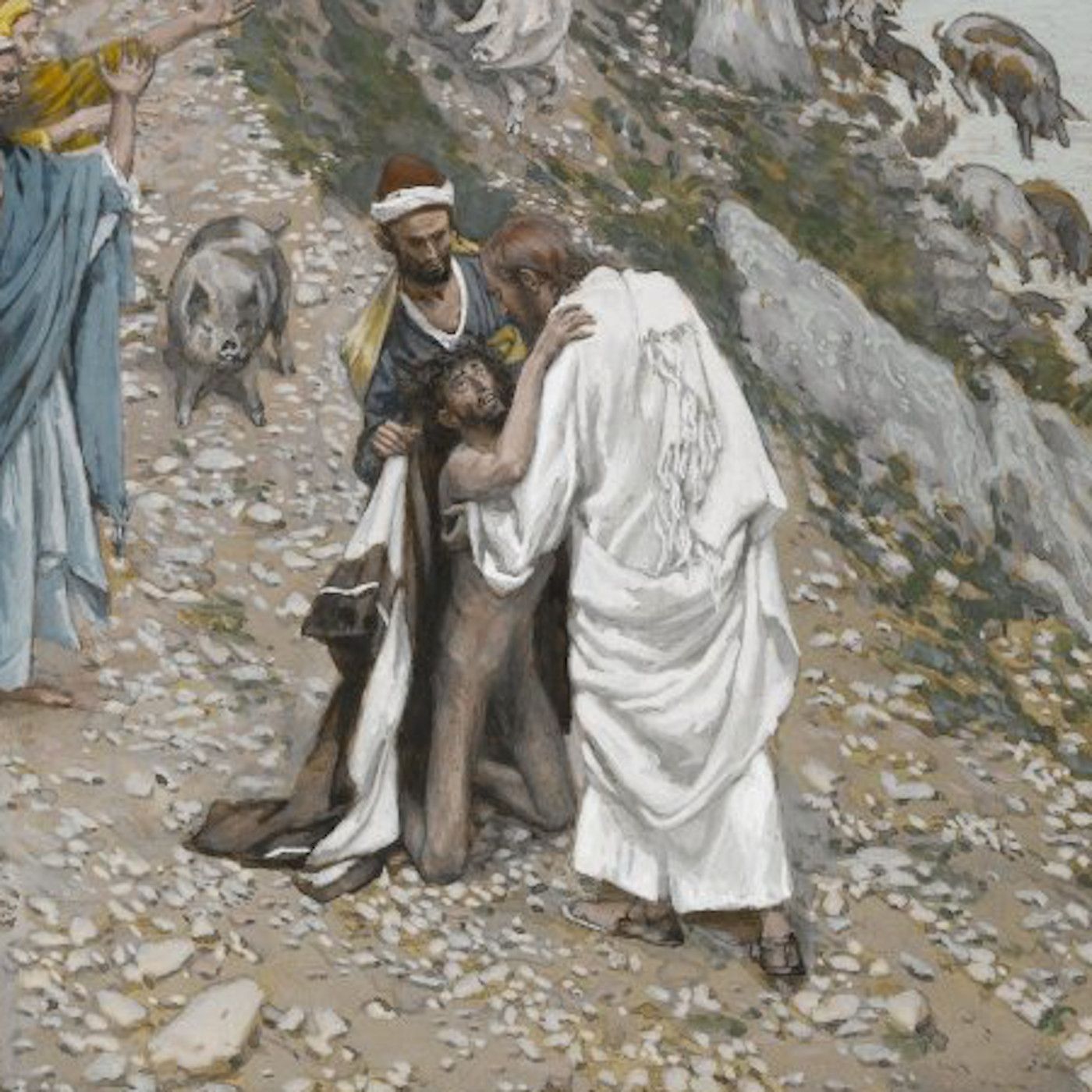
Jun 30
Tuesday of the Thirteenth Week in Ordinary Time - Save Us Lord!
Read Online As Jesus got into a boat, his disciples followed him. Suddenly a violent storm came up on the sea, so that the boat was being swamped by waves; but he was asleep. Matthew 8:23–24 This experience had quite an impression upon the disciples, which is evidenced by the fact that it is recorded in all three Synoptic Gospels. We also see this in the concluding words of the story after Jesus calmed the storm: “The men were amazed and said, ‘What sort of man is this, whom even the winds and the sea obey?’” Traditionally, this story has been interpreted as both an image of the Church as a whole, as well as the individual soul. The boat is an image of the Church through which we Christians navigate the perils of this life. We must remain in the Church to survive. Each person within the boat represents each one of us who is a member of the Church. The violent storm is an image of the many personal struggles we endure in life, as well as the persecutions that the Church has endured and will continue to endure until the end of time. As the storm took hold of the boat, Jesus was asleep. But He was asleep for a reason. As we look at human history, especially the history of the Church, we find many times when God has seemed absent or “asleep” when turmoil, persecution, and hardship have arisen. Many people, if not all, have had the same experience at one time or another in life. As the disciples experience this storm, they offer us an ideal way to pray when we are tempted to despair in life. They wake Jesus and say, “Lord, save us! We are perishing!” And though Jesus rebukes them for their lack of faith and their fear, He also responds to their pleas and calms the storm. What should the disciples have done in this case? Should they have trusted and allowed Jesus to remain asleep? Though our Lord did rebuke them for lacking faith, this story is primarily a revelation about God’s mercy when we are tempted to fear. God knows that at times we will all feel overwhelmed and find ourselves tempted in this way. He knows our faith is not perfect, and so He allowed His disciples to set this example for us. Thus, whenever we do find ourselves overwhelmed and fearful in life, we should cry out to Him to save us. He wants us to turn to Him. Reflect, today, upon this prayer of the disciples. If you find that you are facing some personal crisis, or a larger family difficulty that remains unresolved, or are increasingly aware of other struggles afflicting the Church or society as a whole, then try to imitate this prayer of the disciples: “Lord, save us! We are perishing!” Though these words, at first, may seem to be words of despair, they are actually words of hope and trust. They point us to Him Who is the only source of the peace we seek in our souls, families, the Church and our world. Look for the many ways that you and others experience the feeling of “perishing,” and cry out with all your heart to our Lord to save you and all who are in need. Most powerful Lord, I am amazed at Your divine power and ability to perfectly calm the storms that afflict Your people. Please fill me with hope and humility so that I will never hesitate to turn to You in my need and to also cry out to You for Your continuous intervention in the lives of others. Awake, oh Lord, and save Your people, for we will truly perish without You! Jesus, I trust in You. Image: Karemin1094, CC BY-SA 4.0 , via Wikimedia Commons Source of content: catholic-daily-reflections.com Copyright © 2025 My Catholic Life! Inc. All rights reserved. Used with permission via RSS feed.
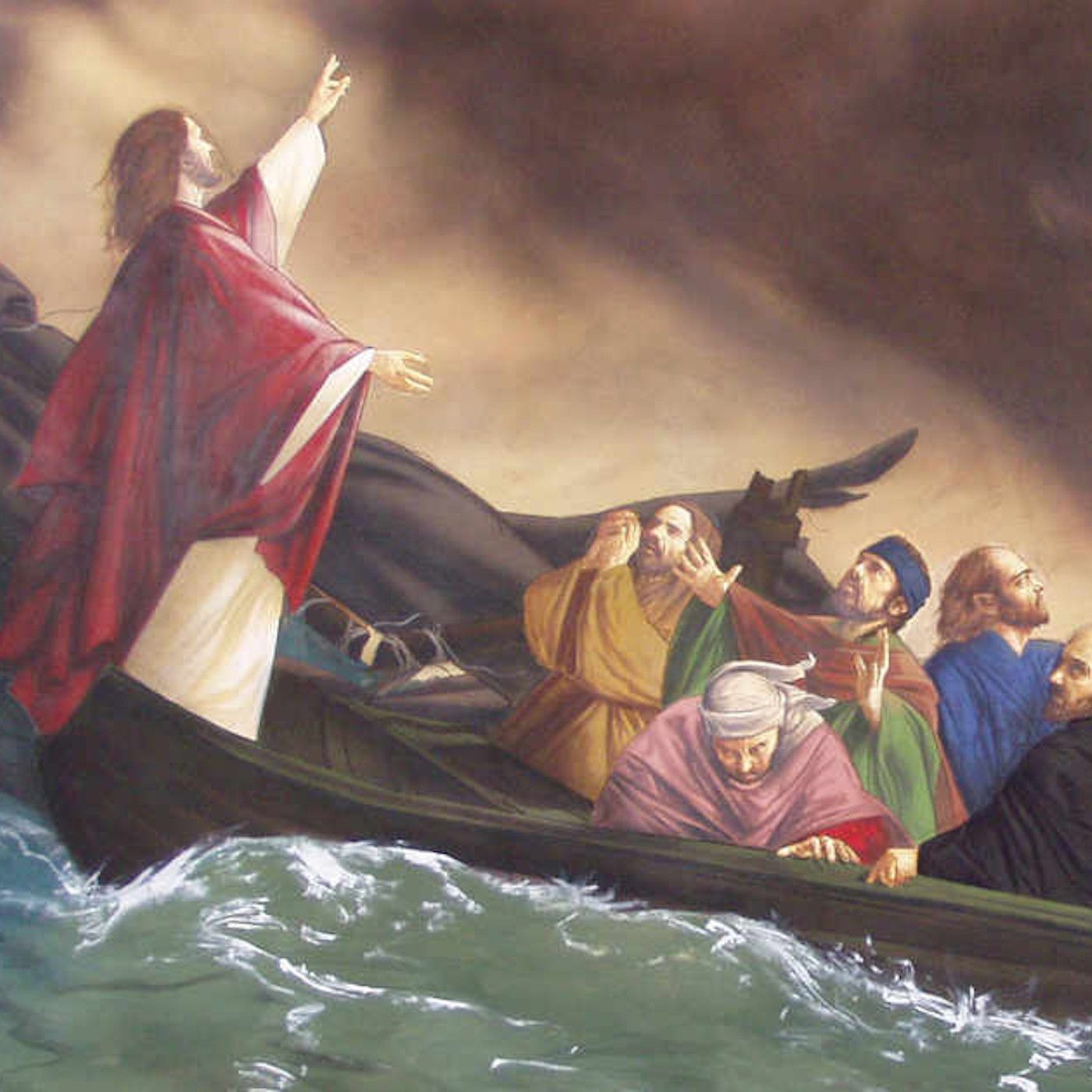
Jun 29
Monday of the Thirteenth Week in Ordinary Time - Wherever God Leads You
Read Online “Teacher, I will follow you wherever you go.” Jesus answered him, “Foxes have dens and birds of the sky have nests, but the Son of Man has nowhere to rest his head.” Matthew 8:19–20 It is unclear from this passage alone why Jesus answered this scribe the way He did. At first, the statement of the scribe seems very devout: “Teacher, I will follow you wherever you go.” But many of the Church Fathers, in their reflections of this conversation between Jesus and the scribe, offer helpful insights. First of all, note that Jesus neither accepts the proposal of the scribe to be His follower nor rejects it. Rather, Jesus simply makes a statement which clarifies just what is involved in being His follower. Some Church Fathers suggest that this scribe was desirous of following Jesus because he thought there would be great rewards given to him by doing so. After all, Jesus was a miracle worker, was becoming quite popular, and showed potential to be a great leader. Therefore, the interior motivation of this scribe to follow Jesus wherever Jesus went was a questionable motivation. Did he want to follow Jesus because he thought it would benefit him in some worldly way? Jesus’ response to this scribe does two things. First, it removes all misconceptions of what it means to follow Jesus. If the scribe wanted to follow Jesus, then he had to be prepared to follow Him into poverty and homelessness rather than riches and possessions. Jesus wanted it to be clear to the scribe just what he was choosing. Secondly, Jesus’ response was certainly an invitation to the scribe to follow Him, but only in the light of this new knowledge. In other words, Jesus was saying, “Yes, come follow me. But be aware of what that means. Following me will not result in your earthly riches but in your earthly poverty.” Why do you follow Jesus? It’s important to consider your motivations at times. Some choose to follow Jesus because this was simply the way they were raised. Others do so because it makes them feel better to do so. And still others do so because they think it will make their lives better in various ways. But what is the ideal motivation for following our Lord? The ideal motivation for following Jesus in a total and unwavering way is very simple: we follow Him because He is the Son of God and the Savior of the World. Jesus came to call us to Himself and has invited us to live in union with Him through faith. So ideally, we will follow Jesus simply because it is the right thing to do. We will not do so because of the so-called benefits. Love, in its purest form, does not love the other because of what we get out of it. Pure love is a gift given to another because they are worthy of our love. And with Jesus, He is worthy of our love and worship simply because of Who He is. Reflect, today, upon Jesus inviting you to follow Him into poverty, detachment from all, simplicity of life and ultimately the sacrifice of your entire life. Do you understand what it means to be a follower of Christ Jesus? Do you understand that following Jesus cannot be done for selfish reasons? Do you realize that saying “Yes” to our Lord is saying “Yes” to His Cross? Ponder Jesus' life and reflect upon whether or not you are willing to follow Him to the poverty of the Cross. If you can make the choice to follow our Lord, knowing full well what you are saying “Yes” to, then the end result will also be a glorious sharing in His resurrected life. My glorious Lord, You walked through this world in poverty, rejection and suffering. You had no earthly home of Your own but now live in the riches of Heaven. Help me to follow You, dear Lord, wherever You lead me in this life. If You lead me to worldly poverty and suffering, I thank You. I thank You and choose to follow You no matter what. Give me the grace I need to follow You purely out of love for You, for You are God and are worthy of all my praise and worship. Jesus, I trust in You. Image: James Tissot, Public domain, via Wikimedia Commons Source of content: catholic-daily-reflections.com Copyright © 2025 My Catholic Life! Inc. All rights reserved. Used with permission via RSS feed.
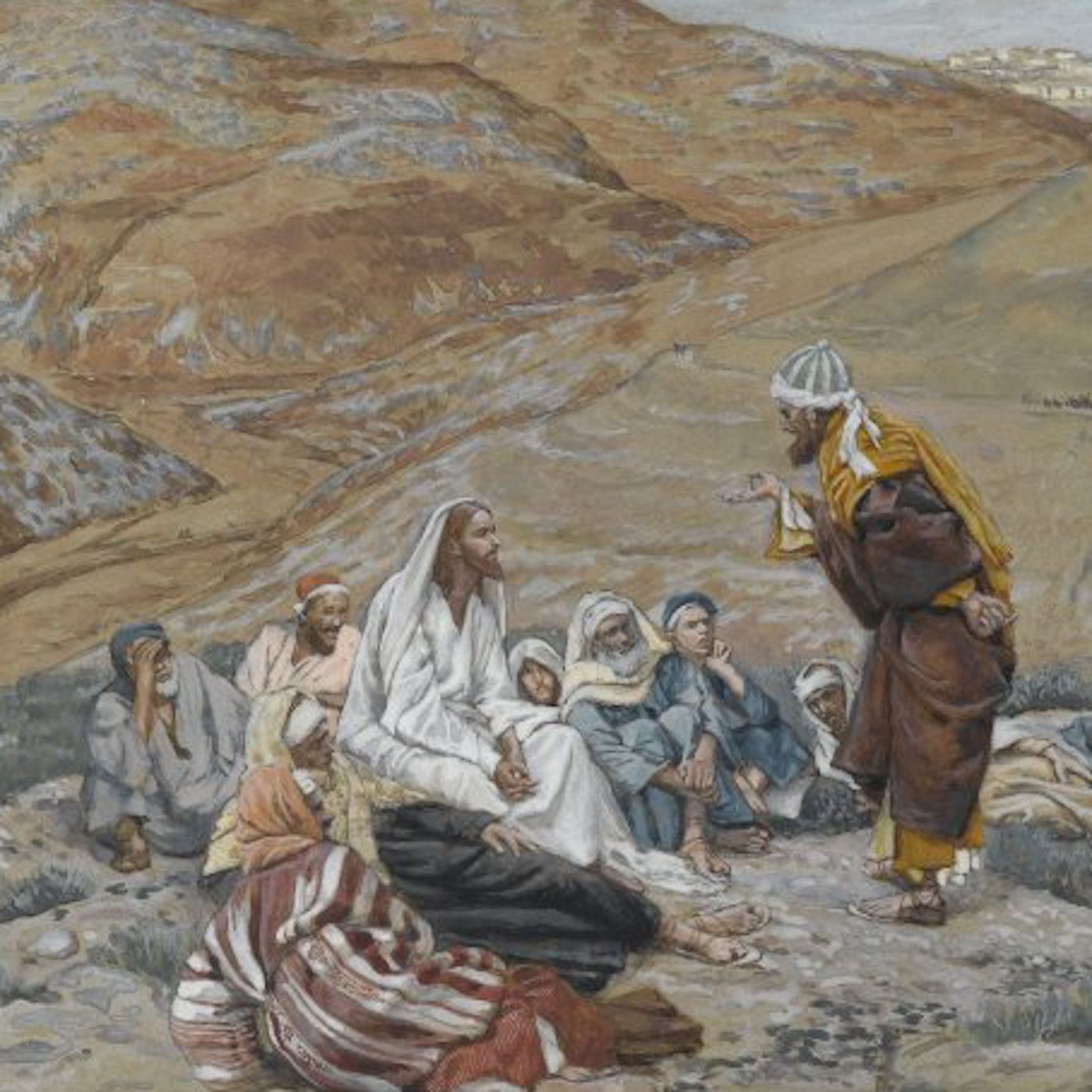
Jun 28
June 29, Solemnity of Saints Peter and Paul - Pillars of the Church
Read Online “And so I say to you, you are Peter, and upon this rock I will build my Church, and the gates of the netherworld shall not prevail against it. I will give you the keys to the Kingdom of heaven. Whatever you bind on earth shall be bound in heaven; and whatever you loose on earth shall be loosed in heaven.” Matthew 16:17–19 Saints Peter and Paul are often referred to as two of the great “Pillars of the Church.” They each played an incredibly essential role in the establishment of the early Church. And though each of their roles was essential and foundational, their roles were as different as they were different as persons. Peter was a family man, a local fisherman, uneducated and quite ordinary. From what we know about him prior to being called by Jesus, there was nothing that made him uniquely qualified to become one of the pillars of the new Church to be established by the Son of God. Jesus simply called him, and he responded. Jesus got into Peter’s boat, ordered him to lower the nets, and produced a huge catch of fish. When Peter saw this miracle, he fell down at Jesus’ feet and acknowledged that he was “a sinful man” who was unworthy of being in Jesus’ presence (See Luke 5:8). But Jesus informed Peter that he would from now on be catching men. Peter immediately left everything behind and followed Jesus. Paul describes himself as “a Jew, born at Tarsus in Cili′cia, but brought up in this city at the feet of Gama′li-el, educated according to the strict manner of the law of our fathers, being zealous for God as you all are this day” (Acts 22:3). Paul was well educated in the strictest interpretation of the Jewish law, understood philosophy and was quite zealous as a young man. Recall, also, that prior to becoming a convert to Christianity, he “persecuted the church of God violently and tried to destroy it” (Galatians 1:13). In many ways, Paul would have been seen as the most unlikely person to be chosen to be a pillar of the Church, because he so vigorously opposed it at first. He even supported the killing of Saint Stephen, the first Christian martyr. Though each of these men would have been considered by many as very unlikely founders of the Christian Church, this is exactly what they became. Paul, after his conversion, traveled far and wide to preach the Gospel, founding several new Churches throughout Asia Minor and Europe. Eventually he was arrested in Jerusalem, brought to Rome for trial and was beheaded. Over half of the New Testament books are attributed to Paul and half of the Acts of the Apostles detail Paul’s missionary journeys. Paul is especially known for his missionary activity to the Gentiles, those who were not Jews. Peter’s role was truly a unique one. His name was changed from “Simon” to “Peter” by Jesus. Recall Jesus saying, “And I tell you, you are Peter ( Petros ), and on this rock ( petra ) I will build my church…(Matthew 16:18). “Peter” in Greek is Petros . However, the Greek word petra means a rock as a solid formation that is fixed, immovable, and enduring. Therefore, Jesus chose to make Peter a solid foundation of immovable rock on which the Church was to be built. You, too, have been called by our Lord to a unique mission within the Church that has not been entrusted to another. In your own way, God wants to use you to reach certain people with the Gospel as He did with Saint Paul. And like Saint Peter, God wants to continue to establish His Church upon you and your faith. Reflect, today, upon these two holy and unique pillars of our Church. As you do, ponder how God may want to use you to continue their mission in this world. Though Saints Peter and Paul are among the greatest and most consequential Christians within our world, their mission must continue, and you are among the instruments that God wants to use. Commit yourself to this mission so that the preaching of the Gospel and the rock foundation of our Church will remain strong within our day and age just as it was of old. Saint Peter, you were uniquely chosen to be a rock foundation of faith upon which the Church was established. Saint Paul, you went forth to preach this faith far and wide, establishing many new communities of faith. Please use me, dear Lord, to continue the mission of Your Church so that the faith may be firmly planted in the minds and hearts of all Your people throughout the world. Jesus, I trust in You. Image: Jusepe de Ribera, Public domain, via Wikimedia Commons Source of content: catholic-daily-reflections.com Copyright © 2025 My Catholic Life! Inc. All rights reserved. Used with permission via RSS feed.
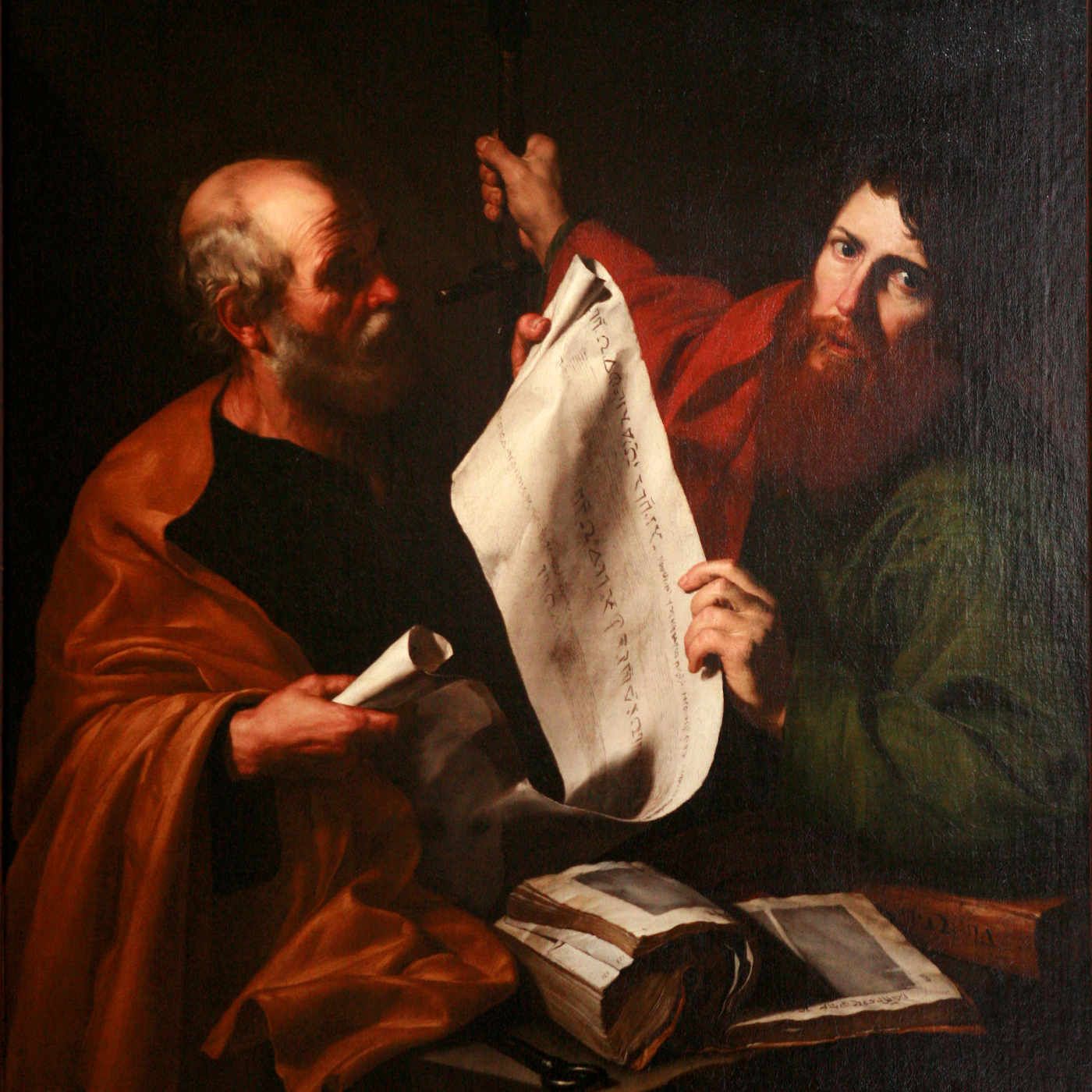
Jun 27
Saturday of the Twelfth Week in Ordinary Time - Touched by Grace
Read Online Jesus entered the house of Peter, and saw his mother-in-law lying in bed with a fever. He touched her hand, the fever left her, and she rose and waited on him. Matthew 8:14–15 How do we properly respond to the action of God in our lives? In the passage above, we are given the witness of Peter’s mother-in-law to answer that question. It should be noted that Jesus was on a continual mission of healing. In fact, before arriving at the house of Peter, Jesus had just healed a centurion’s servant. When the centurion came to Jesus stating that he was not even worthy to have Him enter his house, Jesus saw the centurion’s faith and healed his servant from a distance. After arriving at the house of Peter, we are told that many people brought to Jesus those who were possessed by demons, and Jesus healed them all. But between the healing of the servant and the healings of the many, another healing occurred. The response to this healing sets for us a wonderful example. Peter’s mother-in-law was ill and in bed with a fever. It’s unclear just how ill she was, but the fact remains that she was ill to the point of being in bed. Notice, first, that Jesus was not even asked to heal her. Rather, He “saw” her ill and in bed, approached her of His own choosing, “touched her hand,” and she was healed. Within the same sentence describing Jesus’ healing, we are told that “she rose and waited on him.” First of all, “she rose.” This should be seen as a symbolic depiction of what we must do when we are touched by grace. The grace of God, when it is given to us, must have the effect of causing us to rise. We rise from sin when we confess that sin and receive forgiveness, especially in the Sacrament of Reconciliation. We rise up every time God enters our lives to give us direction, clarity and hope. To rise is to be strengthened to dispel the burden that sin and confusion causes. We rise in strength, renewed and determined to go about the will of God. After this woman rose, she “waited” on Jesus. This is the reason we rise up when touched by grace. We are not given God’s grace so that we can go back to our sin, or pursue our own ventures, or do our own will. We rise so that we can serve our Lord and His holy will. In a sense, Jesus’ actions in our lives impose upon us a holy burden. But it is a burden that is light. It’s an obligation to serve and give ourselves to our Lord to attend to Him, His holy will, and to all that He calls us to do. Reflect, today, upon this threefold action of the Gospel. See Jesus approaching you and touching you in your prayer. Know that He comes to you not only because you pray to Him but out of His own initiative when He sees you will respond. Then consider your response. Rise from that which keeps you down. Let God’s grace free you from the burdens you carry. And as He grants you this grace, determine to wait on Him and to serve His will alone. The service of our Lord is what we are made for, and doing so will enable us to continually receive His grace through His touch of love. My merciful Jesus, You continually come to me, approaching me to reach out and touch me with Your grace. You desire my healing and strengthening every day. Help me to be open to all that You wish to bestow and please free me from all that keeps me down. May I rise up in service of You and Your holy will so that Your Kingdom may be built up more fully through me. Jesus, I trust in You. Source of content: catholic-daily-reflections.com Copyright © 2025 My Catholic Life! Inc. All rights reserved. Used with permission via RSS feed.
Jun 26
Solemnity of the Most Sacred Heart of Jesus - The Font of Mercy
Read Online But when they came to Jesus and saw that he was already dead, they did not break his legs, but one soldier thrust his lance into his side, and immediately blood and water flowed out. John 19:33–34 John’s Gospel is filled with deep spiritual imagery and symbolism. It is clear that this imagery and symbolism was divinely inspired so as to give us spiritual food for reflection and meditation. One such image is given to us today as we celebrate the Solemnity of the Sacred Heart of Jesus. As Jesus and the two criminals on either side of Him hung upon their crosses, the soldiers came to hasten their deaths by breaking their legs to cause them to more quickly suffocate. But when they came to Jesus, He had already died. So one of the soldiers, traditionally known as Longinus, thrust his spear into Jesus’ side, and blood and water flowed forth. Some traditions identify Longinus with the centurion who cried out after Jesus’ death, “Truly, this was the Son of God!” (See Matthew 27:54.) Other traditions state that he converted at that moment, making him the first convert to Christianity. And still other traditions state that Longinus could not see well, and the blood and water from Jesus’ side poured upon his eyes, healing him. Regardless of whether these traditions are true, we know that Jesus’ side was pierced and blood and water flowed forth. The symbolism of this act was more than a mere human symbol. It was an instrument of the profound spiritual reality that was taking place at that moment. As Jesus’ Sacred Heart was pierced, the blood and water that poured forth was the new sacramental life of the Church. The Blood was the Most Holy Eucharist and the Water was the gift of Baptism. And when Jesus had previously “breathed His last” and “handed over His Spirit,” the Sacrament of Confirmation was bestowed. When we celebrate those Sacraments today, it is easy to see them as mere symbols of what we partake in. But in our Christian Tradition, the Sacraments are so much more. The symbol is also the reality. It is the instrument of what it symbolizes. Therefore, every time we witness a Baptism or partake in the Holy Eucharist, we are mystically present with Longinus, receiving the grace and mercy of our redemption, pouring forth from Jesus’ wounded side, so as to heal us and make us whole. The human heart is, physically speaking, a bodily organ responsible for pumping blood throughout. But from a spiritual perspective, given that we are both body and soul, the human heart is also the source of our life. Without it, we physically and spiritually die. So it is with the Sacred Heart of Jesus. It was not only a physical heart that was physically pierced by the lance long ago. It is now also the source of our ongoing spiritual life, and, without Jesus’ Sacred Heart of Mercy, we will die in our sins. Reflect, today, upon the Most Sacred Heart of Jesus. See His Heart as the ongoing source of your new life in grace. Understand that His Heart is more than a symbol of His grace and mercy, it is the spiritual source and the font of that mercy. Prayerfully place yourself before His Cross, this day, and allow the blood and water, flowing from His wounded side, to cover you so that you, too, may believe. Most Sacred Heart of Jesus, You poured out upon the world the love and mercy of Your transforming grace through the instrument of the blood and water pouring forth from Your wounded side. Help me to gaze upon this font of mercy and to be covered with it through the gift of the Sacraments. May I always be open to all that You wish to bestow upon me by these precious and transforming instruments of Your love. Sacred Heart of Jesus, have mercy on us. Jesus, I trust in You. Image: Behold the Pierced One! by Lawrence OP , license CC BY-NC-ND 2.0 . Source of content: catholic-daily-reflections.com Copyright © 2025 My Catholic Life! Inc. All rights reserved. Used with permission via RSS feed.

Jun 25
Thursday of the Twelfth Week in Ordinary Time - An Authoritative New Law
Read Online When Jesus finished these words, the crowds were astonished at his teaching, for he taught them as one having authority, and not as their scribes. Matthew 7:28–29 These lines conclude the Sermon on the Mount found in Matthew’s Gospel chapters 5–7. In that lengthy sermon, Jesus touches on many topics and presents us with a summary of all we need to know in our lives of faith. In these concluding lines of His sermon, the words “astonished” and “authority” should stand out. Why were the crowds astonished at Jesus’ teaching? Because His teaching was new and relied upon a new authority that the people hadn’t experienced before. The authority with which the scribes taught was based upon their knowledge of the traditions handed down to them from earlier teachers. The scribes studied long and hard and then presented what they had learned. This was the form of religious teaching that the people were used to receiving. Jesus, however, arrived on the scene and astonished the crowds, because He spoke with a new authority that they had not seen before. Jesus’ authority came forth from His very Person. It was not based upon what He had studied and learned from those who preceded Him. Instead, when He spoke, it was He Himself Who was not only the mouthpiece of the New Law of grace, He was also the Author of the Law and its source. Try to ponder the idea of authority. For example, a child knows that a parent has authority over them. They may not like it at times, but they understand that they do not set the rules of the house but must abide by the rules set by their parents. Or consider the authority of civil leaders. Law enforcement officers, for example, have an authority entrusted to them by their office. They are not only well versed in the rule of law, they can also enforce it and everyone knows it. Similarly, Jesus did not just know about the new and glorious truths He taught. He did not simply learn them from the Father in Heaven and then pass them on verbally. Instead, when He taught, He did so as the One Who knew the New Law of grace, the One from Whom it originated, and the one and only Person sent to enact and enforce this New Law. Reflect, today, upon the New Law of grace and mercy taught by our Lord, especially as it is contained in the lengthy Sermon on the Mount. Reading those words is much more than something we study and learn. The words themselves are alive; they are the Word of God. Reading them makes present to us the same authority that the crowds experienced in Jesus’ time. Everything Jesus taught was and is new, deep, profound, transforming and alive. And when He teaches it, He also establishes His divine authority to enforce it upon the world. This is good news, because His New Law is not an imposition; it is the one and only source of freedom and new life. Reflect upon this New Law of our Lord and pray that you will more fully come under its authority. My glorious Lawgiver, You taught as One with authority. Today, as Your holy Word is read and proclaimed, You continue to exercise Your new and glorious authority of love and mercy. Please help me to listen to You and to always submit myself to Your authority so that I am governed by Your New Law of grace. Jesus, I trust in You. Image via Adobe Stock Source of content: catholic-daily-reflections.com Copyright © 2025 My Catholic Life! Inc. All rights reserved. Used with permission via RSS feed.
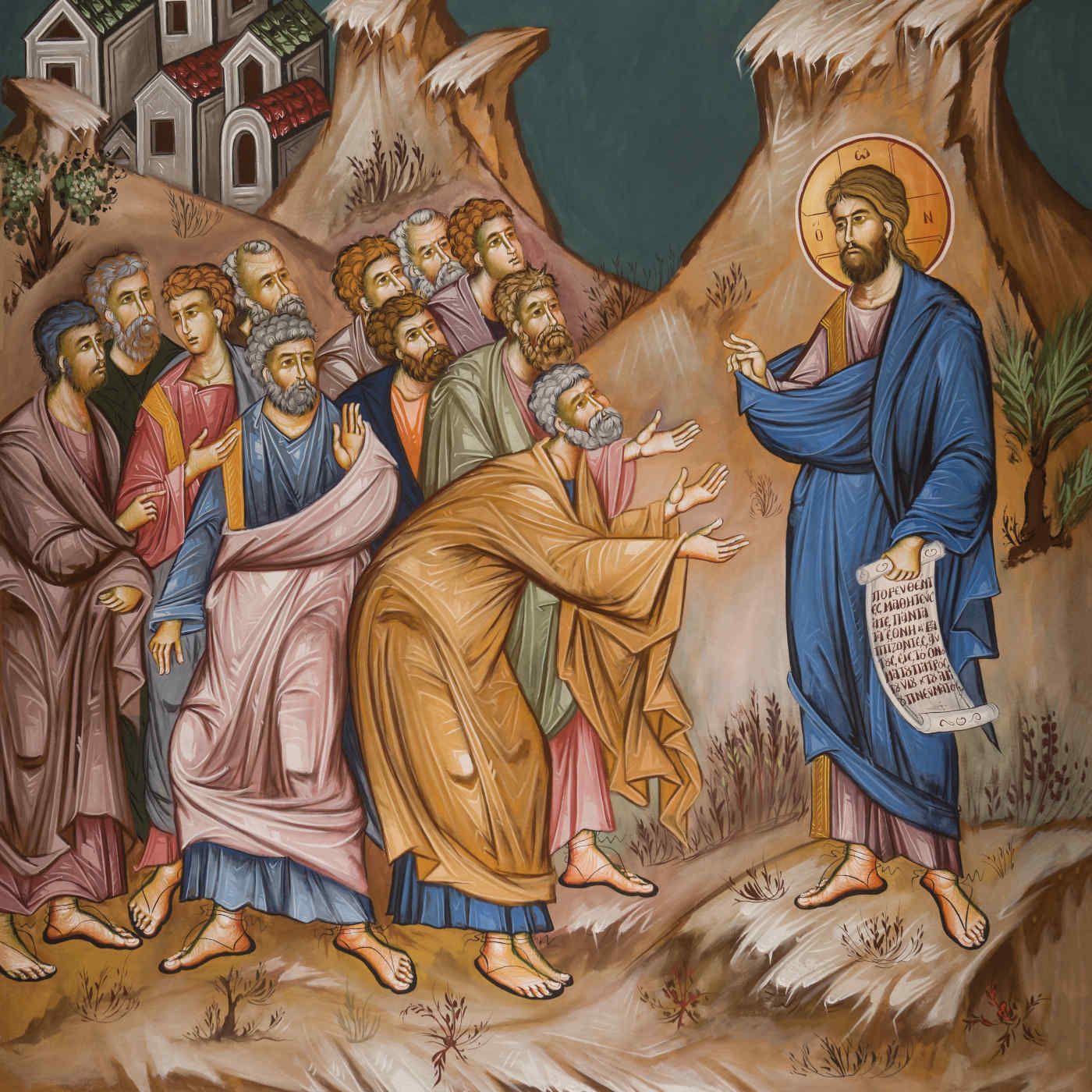
Jun 24
Wednesday of the Twelfth Week in Ordinary Time - Good Fruit—Bad Fruit
Read Online “Do people pick grapes from thornbushes, or figs from thistles? Just so, every good tree bears good fruit, and a rotten tree bears bad fruit.” Matthew 7:16–17 “So by their fruits you will know them.” This is how our Gospel passage for today concludes. It offers us an exceptionally practical way by which you can discern the working of God in your own life and in the life of others. When you look at your own life, what good fruit, born for the upbuilding of the Kingdom of God, do you see? Some people may find little to no fruit born, either for good or bad. Such complacency is, in and of itself, bad fruit. Other people may see an abundance of fruit, thus producing many consequences in this world. They influence the lives of many, and their public actions make a true difference. Sometimes for good...and other times for evil. When discerning the actions of God in our world, we must first be very objective. The evil one is always very deceptive and regularly presents his bad fruit as good. For example, the legalization of abortion is often presented by many within our world as a “right to choose” or a “health service.” But the intentional death of any unborn child is clearly “bad fruit” from a “rotten tree.” There are even many so-called “humanitarian groups” or very wealthy “philanthropists” who present their work as “good fruit,” when it is anything but good. And on the contrary, there are many who work hard to bring forth a greater respect for life from the moment of conception to natural death, or strive to uphold the sacredness of marriage as God designed it, or work to promote the freedom to worship in accord with the will of God, but are labeled by the secular world as prejudiced, bigoted, fearmongers and even hateful. But their work, done very sacrificially, truly does bear good fruit for the Kingdom of God. How about your own life? When you examine your actions and the fruit born of those actions, from where does that fruit originate? Does it come from a false sense of compassion, a misguided “charity,” and a fear of being criticized for standing for the truth? Or does it come from a deep love of God, an awareness of the truth God has revealed to us, and through a courageous proclamation of the pure Gospel? Good fruit, born from the heart of the Father in Heaven, will always mirror the truths of our faith. A false sense of compassion, false accusations, persecutions and the like will flow from the rotten trees in our world. We must work diligently to be those good trees that bear the good fruit coming from God. This requires a radical commitment to do what is right in the face of the evil all around us. Reflect, today, upon these images Jesus presents. Do you see clearly both the good and bad fruit around you? Is your life helping to foster the lies of the evil one or the truth and love of God? Look at the fruit your life bears, as well as the fruit within our world, in an objective way, comparing it to the clear and unambiguous teachings of Jesus. Seek out that good fruit with all your heart and do all you can to bring it forth, no matter the cost, and you will not only save your soul, you will also help feed others with the good fruit of Heaven. My Lord of all truthfulness, You and You alone define the good and evil in our world. Your truth reveals the good fruit that is born to nourish the growth of Your glorious Kingdom. Give me courage and clarity of mind and heart so that I may continually do all that You call me to do so as to bring the good fruit of the Kingdom to all in need. Jesus, I trust in You. Image - Jesus tells the Parable of the Barren Tree by Lawrence OP , license CC BY-NC-ND 2.0 . Source of content: catholic-daily-reflections.com Copyright © 2025 My Catholic Life! Inc. All rights reserved. Used with permission via RSS feed.
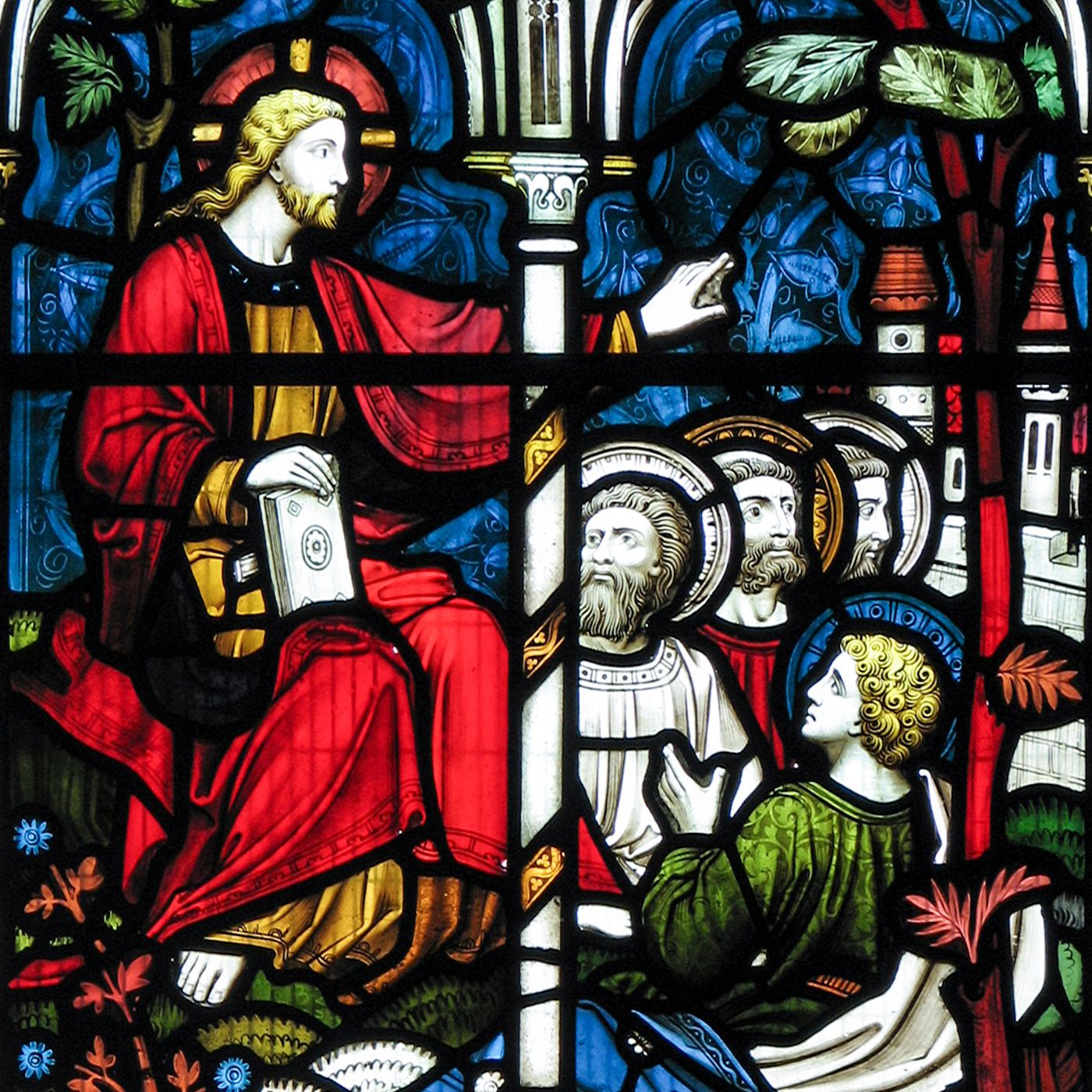
Jun 23
June 24, Solemnity of the Nativity of Saint John the Baptist - Formed by the Hand of the Lord
Read Online All who heard these things took them to heart, saying, “What, then, will this child be?” For surely the hand of the Lord was with him. The child grew and became strong in spirit, and he was in the desert until the day of his manifestation to Israel. Luke 1:65–66 John the Baptist was formed by the hand of the Lord. Saint Thomas Aquinas goes so far as to say that John was sanctified in the womb of his mother, Elizabeth, as is written: “He will be filled with the holy Spirit even from his mother’s womb” (Luke 1:15). From the moment that the Blessed Virgin Mary greeted Elizabeth and John leaped for joy, the hand of the Lord was upon John, making him holy and leading him to the fulfillment of God’s holy will. John’s early life is not recorded for us, other than in the passage quoted above. We are told that he “grew and became strong in spirit, and he was in the desert until the day of his manifestation to Israel.” We should see in this passage the truth that John was not only sanctified within the womb of his mother but that, throughout his childhood and on into adulthood, he remained deeply united to God and was filled with the Holy Spirit. Today we honor one particular aspect of John’s life—his birth. We know that he was blessed to not only be born into the blessed family of Elizabeth and Zechariah but that the Blessed Virgin Mary, the Mother of God, was also his relative and was present at his birth. Zechariah, his father, gave him the name “John” even though it would have been the custom to call him Zechariah after his father. Zechariah did this in obedience to the Archangel Gabriel, who appeared to him prior to John’s birth and instructed him to do so. Great mystery and excitement surrounded the birth of John, and there is little doubt that those who were present at his birth would have been caught up in the intrigue and hope of who he would become. And John didn’t disappoint. It was of him that Jesus one day would say, “I tell you, among those born of women, no one is greater than John…” (Luke 7:28). Though you may not have had the privilege of being sanctified in the womb of your mother, or to have had your father receive a revelation from the Archangel Gabriel prior to your birth, you are, nonetheless, called to be guided by the hand of the Lord each and every day. God wants you to become “strong in spirit” so that you can fulfill the unique will given to you. We honor the great saints, in part, because they give us an example of how to live. For that reason, we must see in each of their lives the model to which we must conform. The primary witness set by Saint John the Baptist is that he was unwaveringly obedient to God and to being formed by His hand. The result was the glorious fulfillment of his unique mission in life, all the way to giving his life as a martyr. Reflect, today, upon the very real fact that, though you were not sanctified in the womb, you were sanctified by Baptism. From there, you were strengthened by the Spirit through Confirmation and are regularly fed by the Most Holy Eucharist. In many ways, you are just as blessed as John. Reflect upon the simple yet profound fact that God wants to use you for His holy mission. He gives to you some particular mission He has not entrusted to another. Say “Yes” to that mission today so that you, too, will be seen as “great” in the Kingdom of Heaven. Lord of all greatness, You sanctified Saint John the Baptist in the womb, and You continued to pour forth Your grace upon him throughout his life. He responded to You and fulfilled his glorious mission. I thank You for the sanctification given to me by my Baptism and strengthened through Confirmation and the Holy Eucharist. Help me to be open to all the graces You wish to bestow so that I may fulfill the unique mission given to me. Jesus, I trust in You. Image Luca Giordano, Public domain, via Wikimedia Commons Source of content: catholic-daily-reflections.com Copyright © 2025 My Catholic Life! Inc. All rights reserved. Used with permission via RSS feed.
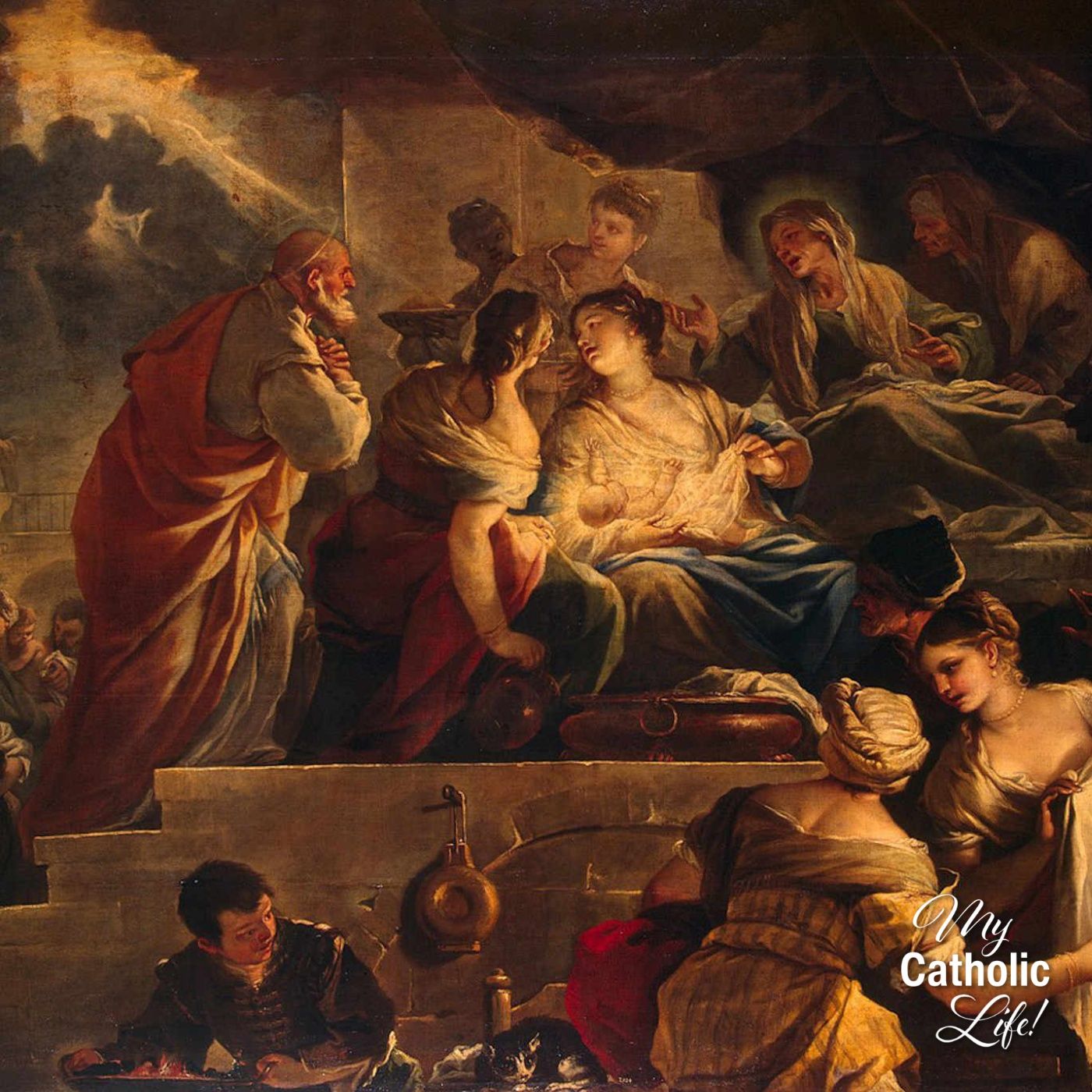
Jun 22
Monday of the Twelfth Week in Ordinary Time - The Judgmental Heart
Read Online Jesus said to his disciples: “Stop judging, that you may not be judged. For as you judge, so will you be judged, and the measure with which you measure will be measured out to you. Why do you notice the splinter in your brother’s eye, but do not perceive the wooden beam in your own eye?” Matthew 7:1–3 Sadly, this tendency is far more common than most of us would like to admit. We live in a world in which it is very common to condemn, criticize and judge. This growing secular tendency, in turn, powerfully influences our thinking and actions. Why is it so easy to judge others? Why is it so easy to see the failures of others, dwell on their sin, point out their weaknesses and speak of their faults to others? Perhaps part of the reason is that many people are not at peace within their own souls. In an unfortunate way, condemning another brings with it a certain twisted satisfaction. But it’s a “satisfaction” that will never satisfy. The desire to condemn, criticize and judge will only grow all the stronger the more these actions are committed. If you struggle with these sins, then listen to the words of Jesus. “Stop judging…” Oftentimes the person who judges others does not even realize they are judging. This is why our Lord poses the question, “Why do you notice the splinter in your brother’s eye, but do not perceive the wooden beam in your own eye?” If that stings even a little bit, then know that our Lord asks that question of you. And He asks it with deep love for you, desiring that you will hear Him, understand, and respond. The truth is that being judgmental of others causes far more harm to the one who judges than to the one who is judged. Certainly being judged is not pleasant. But the act of being judged by others is not a sin. However, the act of judging others is a sin. And it can be a grave sin. This sin leaves the one who judges with an empty and angry heart. Love is lost in the soul who judges. If these words seem unpleasant, that’s because they are. But sometimes we need to face the unpleasant truth in order to change. The Cross was unpleasant, but it was also the greatest act of love ever known. Facing our sin of judgmentalness is unpleasant, but doing so is the only way to be free. Honesty with ourselves is an act of love given to God, to ourselves and to those whom we need to stop judging. Reflect, today, upon these challenging words from Jesus. Read the Scripture passage above a few times and then prayerfully ponder it. Use it as an examination of your own conscience. Try to be honest, humble and attentive to any ways that Jesus speaks this to you. Some will find that they have grave tendencies toward judgmentalness. Others will see less serious ways. But everyone who lacks complete perfection will find some ways in which they need to be more compassionate, merciful, forgiving and understanding of others. Be open to these truths and allow our Lord to lift the heavy burden of this sin from your own life. My merciful Lord, You and You alone are the true Judge. Only You judge with mercy and justice. Give me the grace I need to abandon my own self-righteous judgmentalness so that I will be free to love You and to love others with my whole heart. Free me from the burden of these sins, dear Lord, so that I can more easily see Your goodness in others and rejoice in Your presence in their lives. Jesus, I trust in You. Image via Web Gallery of Art Source of content: catholic-daily-reflections.com Copyright © 2025 My Catholic Life! Inc. All rights reserved. Used with permission via RSS feed.
Jun 21
Solemnity of the Most Holy Body and Blood of Christ - Wonder and Awe Before the Eucharist
Read Online hile they were eating, he took bread, said the blessing, broke it, gave it to them, and said, “Take it; this is my body.” Then he took a cup, gave thanks, and gave it to them, and they all drank from it. He said to them, "This is my blood of the covenant, which will be shed for many.” Mark 14:22–24 (Year B Gospel) At the holy Mass, as soon as the priest pronounces the words of the consecration, transforming the bread and wine into the Body and Blood, Soul and Divinity of Jesus Christ our Lord, he genuflects, rises, and then says, “The mystery of faith.” What is “the mystery of faith?” Oftentimes, when we say that something is a mystery, we mean that the conclusion is hidden but that there are certain clues to help solve the mystery. And once the mystery is solved, everything is clear and it is no longer a mystery. “The mystery of faith” is much different. Those words are spoken at Mass immediately after the consecration as a way of drawing the faithful into a holy awe and amazement of what just took place. But this mystery can only produce wonder and awe if the reality of what just took place is understood through the gift of faith. Faith is knowing and believing without perceiving the reality before us with our five senses or through logical deduction. In other words, faith produces true knowledge of a spiritual reality that can only be known, understood and believed through spiritual insight. Therefore, if we attend the Mass and have been gifted with the knowledge of faith, then as soon as the consecration of the bread and wine takes place, we will cry out interiorly, “My Lord and my God!” We will know that God the Son is present before us in a veiled way. Our eyes do not perceive, nor do any of our senses reveal to us the great reality before us. We cannot rationally deduce what just took place. Instead, we come to know and believe that the Son of God, the Savior of the World, is now present before us in His fullness, under the veil of mere bread and wine. In addition to the divine presence of our Lord and our God, the entire Mystery of our Redemption is made present. Saint Pope John Paul II tells us that in this moment there is a “oneness in time” that links the Paschal Mystery , that is, the Life, Death and Resurrection of Jesus, to every moment that the Eucharist is celebrated and made present through the words of consecration. And that unity between each Mass and the Paschal Mystery “leads us to profound amazement and gratitude” ( Ecclesia de Eucharistia , #5). Do you sense and experience this profound amazement and gratitude each time you attend the Holy Sacrifice of the Mass? Do you realize as you attend the Mass and as the words of consecration are spoken that the entire Mystery of your redemption is made present before you, hidden from your eyes but visible to your soul by faith? Do you understand that it is God the Second Person of the Most Holy Trinity Who descends to us to dwell with us in that moment of time in this glorious Sacrament? Reflect, today, upon the hidden but real Mystery of Faith. Allow yourself to be drawn into a wonder and awe at what you are privileged to attend. Let your faith in the Most Holy Eucharist grow by being open to a deepening of this gift of faith through spiritual insight and belief. Behold this great Gift of the Eucharist with the eyes of faith and you will be drawn into the wonder and awe that God wants to bestow upon you. My ever-glorious Eucharistic Lord, I do believe that You are here, made present in our world under the form of bread and wine, every time the Holy Mass is celebrated. Fill me with a deeper faith in this Holy Gift, dear Lord, so that I may be drawn into wonder and awe every time I witness this holy Consecration. Jesus, I trust in You. Image: Philippe de Champaigne, Public domain, via Wikimedia Commons Source of content: catholic-daily-reflections.com Copyright © 2025 My Catholic Life! Inc. All rights reserved. Used with permission via RSS feed.
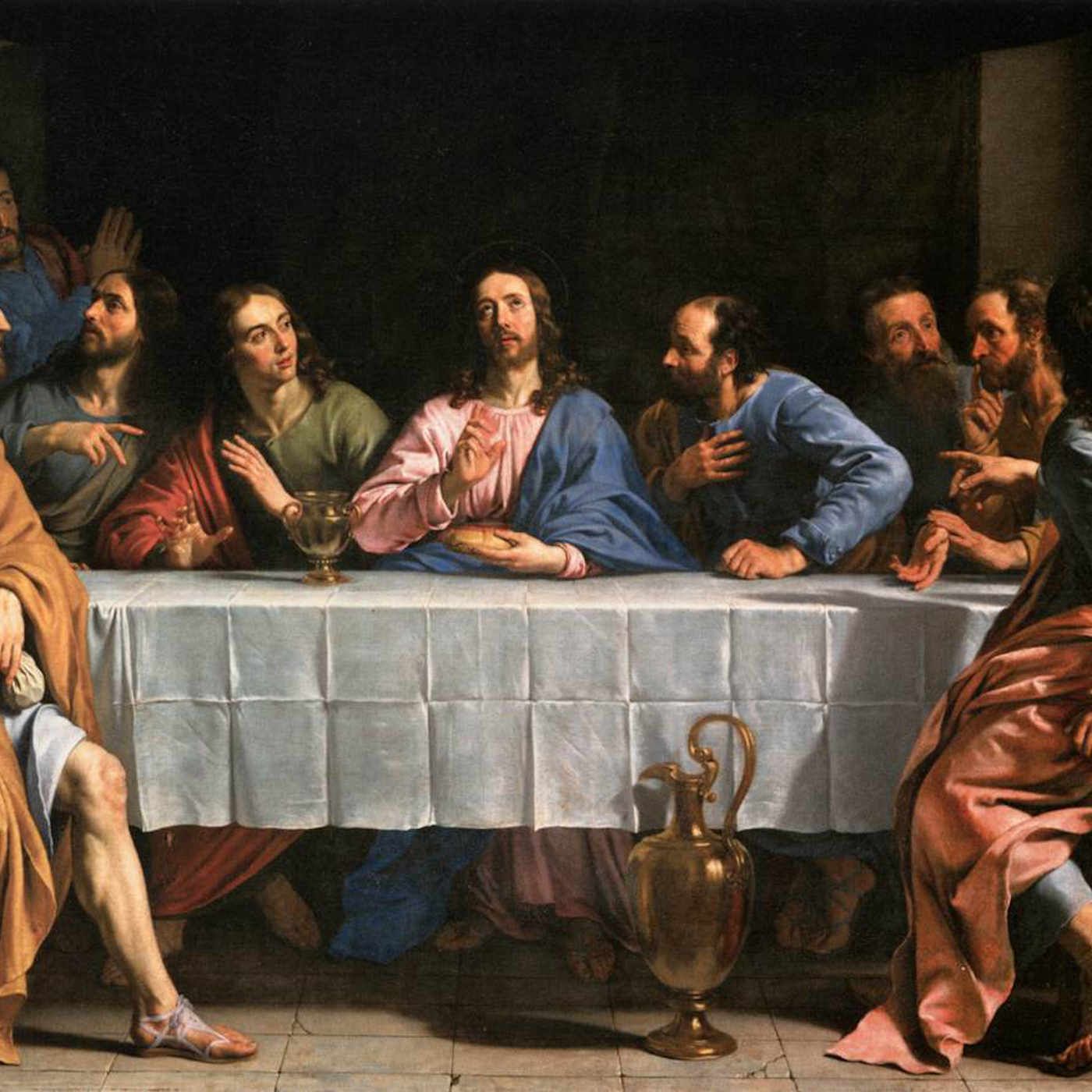
Jun 20
Saturday of the Eleventh Week in Ordinary Time - Singularly Devoted
Read Online Jesus said to his disciples: “No one can serve two masters. He will either hate one and love the other, or be devoted to one and despise the other. You cannot serve God and mammon.” Matthew 6:24 Mammon is another word for money. Jesus is clear that you must choose to serve either God or money, but not both. A divided heart does not suffice. Saint John of the Cross, in His spiritual classic “Ascent to Mount Carmel,” explains something similar. He says that our desires must become completely purified to the point that all we desire is God and His holy will. Every other desire in life must be purged away so that we are singularly devoted to God. Does this mean that God and God alone should be the object of all of our love? Yes, indeed. But that truth must be properly understood. When we consider the calling we have been given from God to love, it is true that we must love not only God but also many other things in life. We must love family, friends, neighbors, and even our enemies. Hopefully we also love other aspects of our lives, such as our vocation, our job, our home, a certain pastime, etc. So how do we love God with singular devotion when we also have many other things we must love? The answer is quite simple. The love of God is such that when we make God the singular object of our love and devotion, the love we have for God will supernaturally overflow. This is the nature of the love of God. As we love God, we will find that God calls us to love Him by loving other people and even various aspects of our lives. As we love what God wills us to love and as we express our love for all that is contained in the will of God, we are still loving God with all our heart, mind, soul and strength. But back to our Scripture above. Why is it that we cannot love God and money? “Mammon” in this passage must be understood as a love that becomes an unhealthy attachment and desire. Money is such that we can “love” it by allowing our desires for it to become disordered and, thus, exclude the will of God from that “love.” Money is not evil when it is used solely in accord with the will of God. In that case, the money we use will give God great glory. But when money, or any other object of our desire, begins to take on a life of its own, so to speak, then that desire will be at odds with our love of God. To love God and God alone means we love God and all that He wills us to love in life. Reflect, today, upon the necessity of being singularly devoted to God. As you commit yourself to this exclusive love, consider also whom and what God calls you to love in and through Him. Where does His perfect will lead you, and how are you called to show your love of God through the love of others? Consider, also, any ways in which you have allowed an unhealthy attachment to money or anything else in life to distract you from the one and ultimate purpose of your life. Allow God to purge those unhealthy desires and false “loves” from your heart so that you will be free to love as you were made to love. My Lord and God, You are worthy of all of my love. You and You alone must become the single focus of all of my love. As I love You, dear Lord, help me to discover all that Your will directs me to love more and all that Your will calls me to detach from. May I choose only You and that which is contained in Your holy and perfect will. Jesus, I trust in You. Image: James Tissot, Public domain, via Wikimedia Commons Source of content: catholic-daily-reflections.com Copyright © 2025 My Catholic Life! Inc. All rights reserved. Used with permission via RSS feed.
Jun 19
Friday of the Eleventh Week in Ordinary Time - Your Intentions in Life
Read Online “The lamp of the body is the eye. If your eye is sound, your whole body will be filled with light; but if your eye is bad, your whole body will be in darkness. And if the light in you is darkness, how great will the darkness be.” Matthew 6:22–23 Every Scripture passage, in a spiritual sense, can teach us many lessons. Saint Thomas Aquinas, in his commentary on Matthew’s Gospel, offers one interpretation to the passage quoted above by saying that the “eye” in this passage refers to your intention and “your whole body” refers to all of your actions that follow from your intention. Therefore, when your intentions are in line with God’s will, the actions that follow will be also. This is a very practical and useful lesson for your journey toward holiness. With this insight from Saint Thomas, we must look at our intentions in an honest and complete way. What are your intentions in life? It’s easy for us to form various intentions that may seem good as well as some that are contrary to the will of God without even realizing it. We may intend to get a good night's sleep on one occasion. Or intend to have fun with family and friends on a certain day. Or we may intend to cook a good meal, clean the house, do well at work, etc. There are many momentary intentions that are good and are a normal part of daily living. However, the most important intention to consider is that which is the deepest of them all. What is the most central, foundational, and fundamental intention by which your life is directed? The primary intention that you should work to acquire is to give God the greatest glory possible in all that you do. Giving glory to God is accomplished when you choose Him and His holy will above everything else in life. When this is the deepest and most fundamental intention of your life, everything else will flow from it. All secondary intentions and actions will align with this central focus and work toward its accomplishment. But when there are other “first intentions” that you have on the most fundamental level, then all the rest of your intentions and actions will be misguided and directed in a disordered way. Reflect, today, upon the most fundamental intention you have in life. Doing so will require a considerable amount of interior reflection and honesty. It will require that you sort through the many things that motivate you and the decisions you make each and every day. Reflect upon the primary purpose of your life, which must be to give God the greatest glory possible by choosing and living His perfect will. Do all of your daily actions align with this ultimate goal? Commit yourself to the holy work of examining all of your actions in this light so that you will more fully achieve the purpose for which you were created. God of all glory, You and You alone are worthy of all my praise. Your will and Your will alone must become the foundation of all that I choose in life. Give me the spiritual insight I need to look deeply at all that motivates me and all of my most interior intentions in life. May all of my intentions and all of my actions have as their goal Your eternal glory. Jesus, I trust in You. Image: Károly Ferenczy, CC BY-SA 3.0 , via Wikimedia Commons Source of content: catholic-daily-reflections.com Copyright © 2025 My Catholic Life! Inc. All rights reserved. Used with permission via RSS feed.
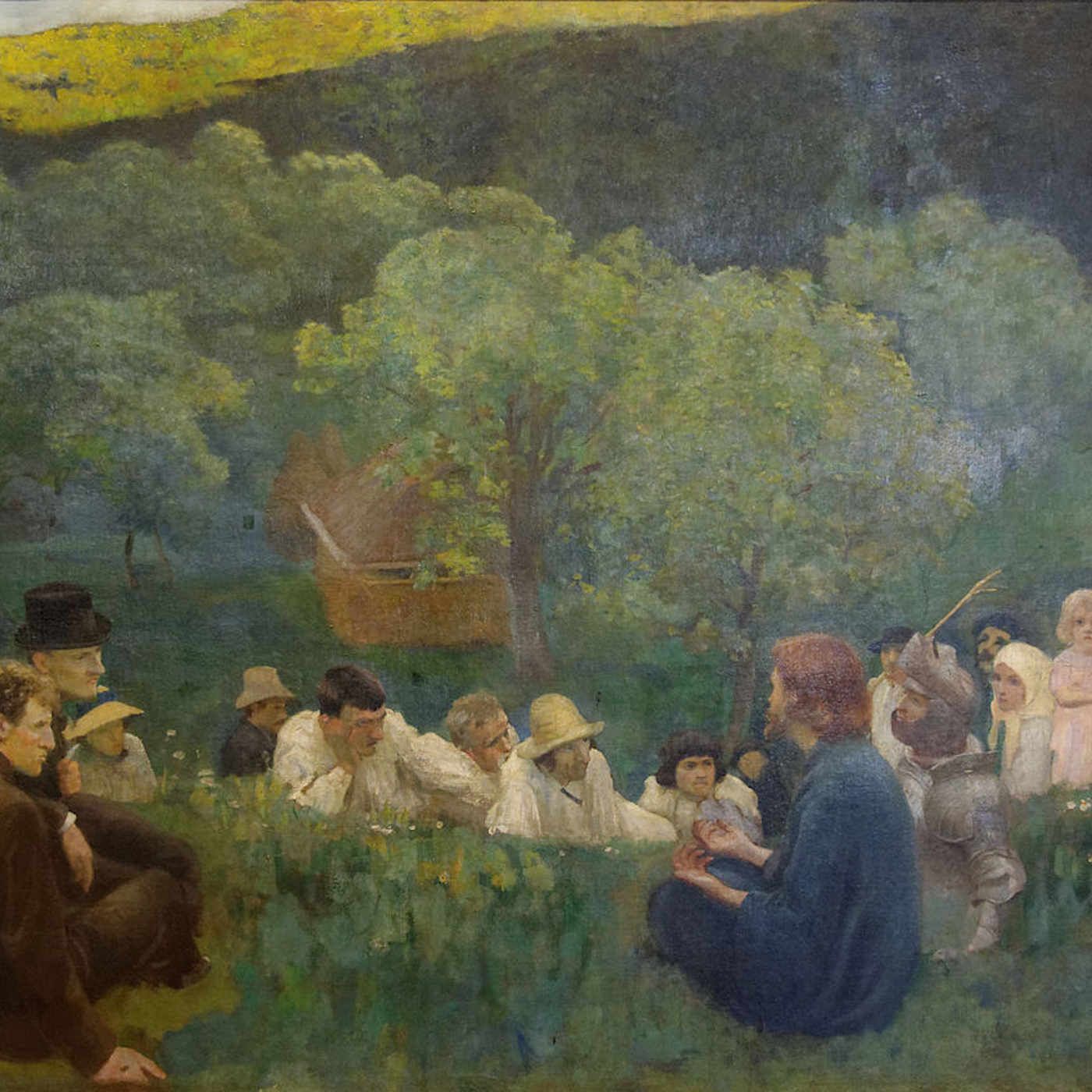
Jun 18
Thursday of the Eleventh Week in Ordinary Time - Forgiving Others
Read Online “If you forgive others their transgressions, your heavenly Father will forgive you. But if you do not forgive others, neither will your Father forgive your transgressions.” Matthew 6:14–15 It’s truly amazing how often our Lord exhorts us to forgive. Much of Jesus’ Sermon on the Mount, from which we have been reading all week, continually calls us to offer mercy and forgiveness to others. And in the passage above from the end of today’s Gospel, Jesus offers us the consequences of not heeding His exhortations. This passage is a sort of addendum to the “Our Father” prayer which immediately precedes it. The Our Father prayer gives us seven petitions, one of them being “forgive us our trespasses, as we forgive those who trespass against us.” It’s interesting to note that as soon as Jesus taught us this prayer with its seven petitions, He then re-emphasised one of those petitions by stating it again as is seen in the passage quoted above. This added emphasis should assure us of the seriousness of this petition. At first, Jesus simply tells us to pray for forgiveness “as we forgive.” But He then makes it clear that if we fail to do so, we will not be forgiven ourselves. This should highly motivate us to make every effort possible to completely forgive others from the deepest depths of our hearts. Who do you need to forgive? Forgiveness can be a confusing endeavor at times. The act of forgiveness gets confusing when our feelings do not reflect the choice we make in our will. It is a common experience that when we make the interior choice to forgive another, we still feel anger toward them. But these disordered feelings should not deter us nor should we allow them to cause doubt in what we need to do. Forgiveness is first an act of the will. It’s a prayerful choice to say to another that you do not hold their sin against them. Forgiveness does not pretend that no sin was committed. On the contrary, if there were no sin committed, then there would be no need for forgiveness. So the very act of forgiving is also an acknowledgment of the sin that needs to be forgiven. When you make the choice to forgive another, and if your feelings do not immediately follow after, keep forgiving them in your heart. Pray for them. Try to change the way you think about them. Do not dwell upon the hurt that they have inflicted. Think, instead, about their dignity as a person, the love God has for them and the love you must continue to foster for them. Forgive, forgive and forgive again. Never stop and never tire of this act of mercy. If you do this, you may even discover that your feelings and passions eventually align with the choice you have made. Reflect, today, upon any lingering feelings of anger you experience. Address those feelings by the free and total choice to forgive the person with whom you are angry. Do so now, later today, tomorrow and on and on. Go on the offensive against anger and bitterness by overwhelming it with your personal act of forgiveness and you will find that God will begin to free you of the heavy burden that a lack of forgiveness imposes. My forgiving Lord, You offer the perfection of forgiveness to me and call me to do the same toward others. I pray for Your forgiveness in my life. I am sorry for my sin and beg for Your mercy. In exchange for this holy gift, I pledge to You today to forgive everyone who has sinned against me. I especially forgive those with whom I remain angry. Free me from this anger, dear Lord, so that I may reap the full benefits of Your mercy in my life. Jesus, I trust in You. Image: William Hole, Public domain, via Wikimedia Commons Source of content: catholic-daily-reflections.com Copyright © 2025 My Catholic Life! Inc. All rights reserved. Used with permission via RSS feed.
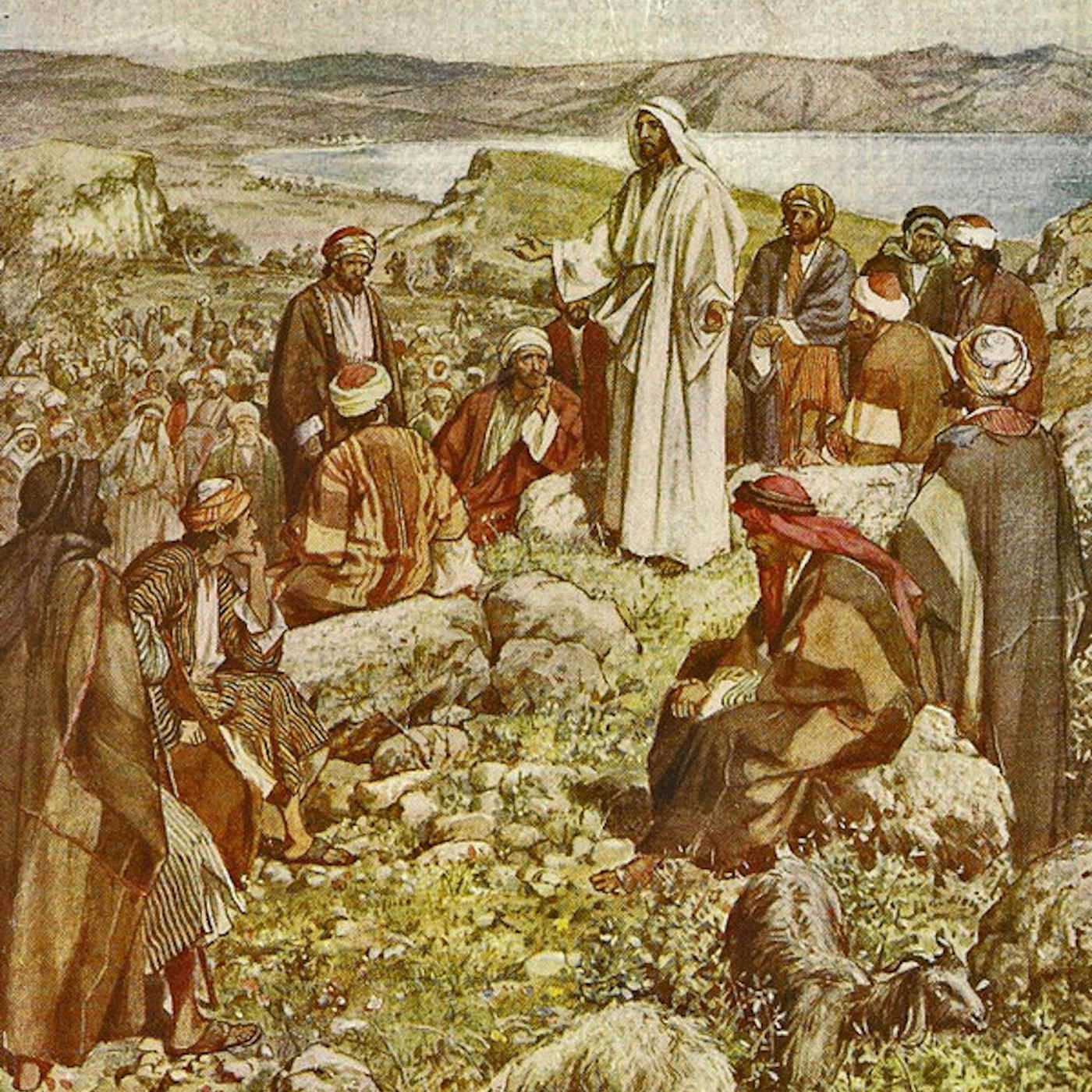
Jun 17
Wednesday of the Eleventh Week in Ordinary Time - Transformed by Silent Sacrifices
Read Online “When you fast, do not look gloomy like the hypocrites. They neglect their appearance, so that they may appear to others to be fasting. Amen, I say to you, they have received their reward. But when you fast, anoint your head and wash your face, so that you may not appear to others to be fasting, except to your Father who is hidden. And your Father who sees what is hidden will repay you.” Matthew 6:16–18 Many today have abandoned the holy practice of fasting. Fasting is a powerful penitential practice that bestows great benefits upon the soul. The act of self-denial from certain food and drink, choosing instead simple nourishment from time to time, such as bread and water, or a reduced amount of food, greatly strengthens the soul and disposes a person to many spiritual blessings. Too often, we live for fleshly satisfactions and fall into the trap of trying to indulge our appetites on a regular basis. But doing so has the negative effect of tempting us to neglect the more important spiritual desires for holiness. By depriving ourselves of sensory delights from time to time, we become more disposed to seek the true and lasting delights that come only from God’s grace. Therefore, this passage above presumes that we do regularly fast and engage in other forms of self-denial. Do you fast? Do you engage in other forms of self-denial on a regular basis? Daily prayer, reading the Scriptures, learning about the lives of the saints, and regular participation in the Sacraments all lead us closer to God and make us holy. But fasting and self-denial are also very important, so it is essential that we strive to embrace them as a part of our spiritual growth. In this passage, Jesus specifically calls us to seek the interior rewards that come from fasting and self-denial. He points out that if we use fasting as a way of gaining praise from others, then we lose the spiritual benefits of our fasting. Prayer, fasting, and almsgiving must all be done in a way that they are as hidden as possible so that our acts are truly sincere and not done so as to receive the earthly rewards of the admiration of others. Additionally, the lesson taught in this Gospel can also be applied to other areas of our lives. For example, if you are suffering from some illness or some form of bodily pain or discomfort, then of course you should seek the necessary medical attention. But these physical ailments also offer us another opportunity for spiritual growth when they are embraced in a silent and interior way. Even our pain or discomfort can be transformed into grace if we choose to embrace it with joy, offer it to God as a sacrifice, and keep it to ourselves as a silent gift given to God. Reflect, today, upon your practice of fasting, as well as every other opportunity you have each day to make silent and interior sacrifices to God. If you do suffer from some daily cross that is beyond your control, then try to turn it into a spiritual offering to our Lord. And if you are able to freely embrace fasting on a regular basis, then try to prayerfully commit to this practice. Try to do it every week, especially on Friday in honor of the Good Friday sacrifice made by our Lord. Don’t underestimate the value of these hidden sacrifices. Make them a regular part of your spiritual life and God will bestow upon you many spiritual riches from Heaven. My sacrificial Lord, You denied Yourself of many earthly delights, especially when You fasted for forty days in the desert. Help me to take seriously this obligation to fast and to mortify my appetites. And help me to do so in a hidden way. May my life continually imitate Your perfect sacrifice so that I may become more like You every day. Jesus, I trust in You. Image : Ivan Makarov, Public domain, via Wikimedia Commons Source of content: catholic-daily-reflections.com Copyright © 2025 My Catholic Life! Inc. All rights reserved. Used with permission via RSS feed.
Jun 16
Tuesday of the Eleventh Week in Ordinary Time - The “Gift” of Being Persecuted
Read Online Jesus said to his disciples: “You have heard that it was said, You shall love your neighbor and hate your enemy. But I say to you, love your enemies and pray for those who persecute you, that you may be children of your heavenly Father, for he makes his sun rise on the bad and the good, and causes rain to fall on the just and the unjust.” Matthew 5:43–45 Jesus continues to deepen and clarify His call to His new command to love of others. The love to which He calls us is radical, total, and can be very challenging at first. He calls us to move far beyond the Old Testament understanding of justice by commanding that we love everyone, including those who persecute us. This call to love is not an option but a command. It’s a requirement for every Christian. In implementing this command, Jesus gives us not only the command itself but also offers some very practical advice on how we can achieve this depth of love. He says that we should not only love our enemies but that we should pray for them when they persecute us. First of all, an “enemy” is one who tries to inflict some form of harm on us and, generally speaking, sins against us. The common response to these experiences is to defend ourselves and fight back. So the first step is to reject any such temptation. As Jesus said in the Gospel passage prior to this one, “offer no resistance to one who is evil.” Today’s Gospel passage takes us even further. The practical advice our Lord gives is to “pray for those who persecute you.” This command not only requires that you reject the temptation to “get back” at a person or even to simply “resist” what they do to us. You must now pray for them. Praying for someone who sins against you is an act of the greatest charity and generosity. And it’s a very practical way to imitate the abundant mercy of God. For that reason, praying for your persecutors radically transforms you interiorly and makes you holy. In a sense, the evil another does to you has the potential to be transformed into a gift given to you, because it gives you an opportunity to return prayer for an injury inflicted. And that is a very real and practical gift we must embrace by this new command of our Lord. Reflect, today, upon those for whom this new commandment calls you to pray. Whose sin has inflicted some hurt or injury upon you or your family? Who do you hold a grudge toward? Whoever comes to mind, commit yourself to deep and sustained prayer for that person. Pray often for them and continue that prayer for as long as the persecution continues. Doing so will transform any and every attempted malice issued toward you into grace for them and holiness for you. My Lord of abundant mercy, Your command to pray for those who persecute me was first lived by You to perfection. You prayed for those who crucified You as You hung upon the Cross. Give me the grace I need to not only forgive but to also pray for those who have and continue to try to inflict harm upon me. Give me a heart so filled with mercy that every sin committed against me is transformed into love and my own holiness of life. Jesus, I trust in You. Image: The Sermon on the Mount, via Web Gallery of Art Source of content: catholic-daily-reflections.com Copyright © 2025 My Catholic Life! Inc. All rights reserved. Used with permission via RSS feed.
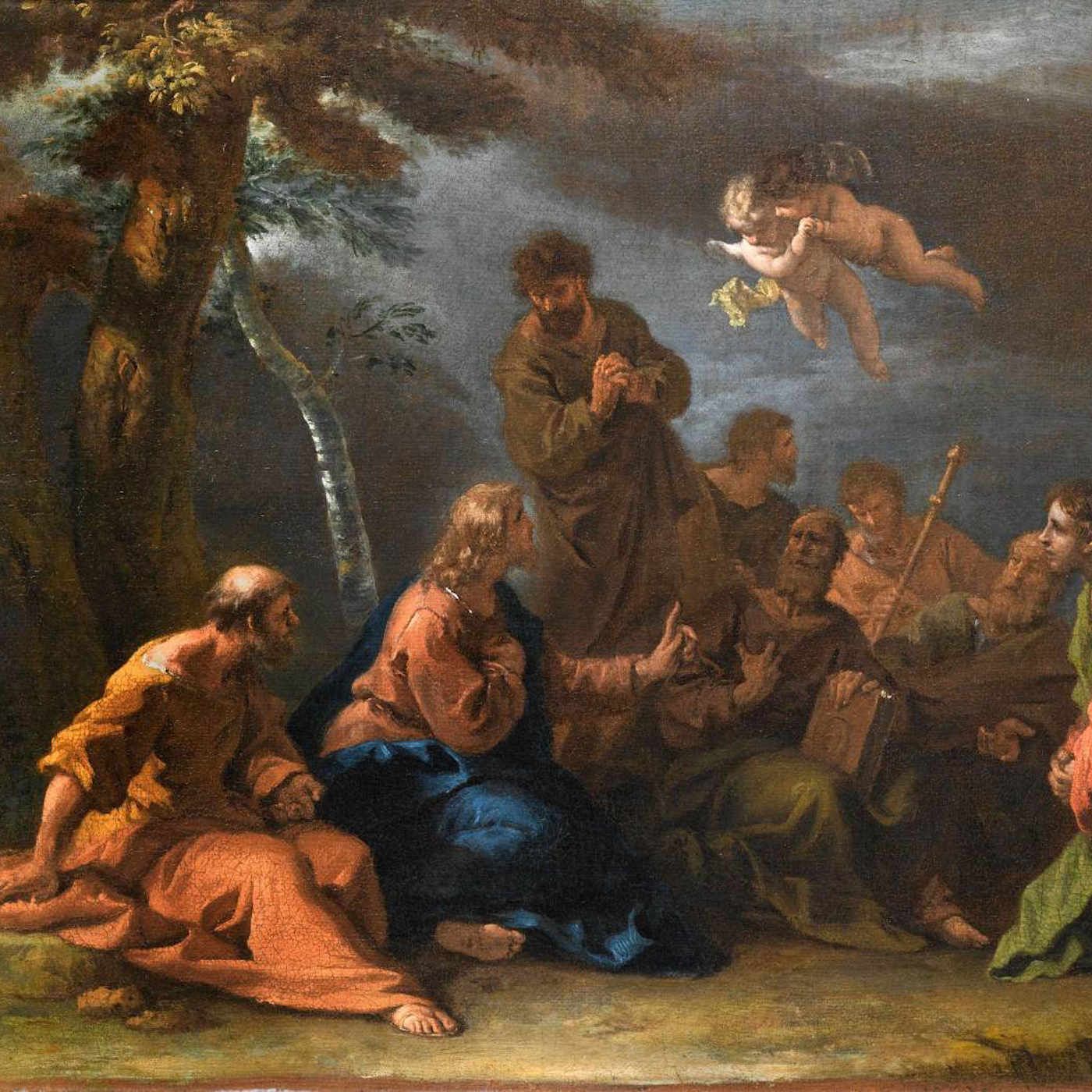
Jun 15
Monday of the Eleventh Week in Ordinary Time - A New Depth of Mercy
Read Online Should anyone press you into service for one mile, go with him for two miles. Give to the one who asks of you, and do not turn your back on one who wants to borrow.” Matthew 5:41–42 As the faith of Israel developed over the centuries, prior to the coming of Christ, there were various stages of advancement in morality. Prior to the establishment of moral laws in the Old Testament, it was common for families to inflict severe vengeance upon other families when harm was done to them. This caused ongoing violence and feuds. But advancements were made when the law of retaliation was established which said, “When a man causes a disfigurement in his neighbor, as he has done it shall be done to him, fracture for fracture, eye for eye, tooth for tooth; as he has disfigured a man, he shall be disfigured” (Leviticus 24:19–20). This was a new form of justice that forbade the vengeance from being more severe than the crime that was retaliated against. At the time, this helped end ongoing family feuds that continually escalated. It is this law of retaliation that Jesus addresses in our Gospel today. The new and much higher form of morality that Jesus taught called His disciples to “offer no resistance to one who is evil” and to turn the other cheek when evil was done to them. Though strict justice requires satisfaction for sin, Jesus’ new teaching was that mercy pays every debt. First, His mercy bestowed upon us, for the forgiveness of our sins, pays the debt of our sins when we truly repent and change. But if we desire our debts to God for our sins to be forgiven and repaid, then we must do the same to others, holding nothing against them. But Jesus goes even further. In the passage quoted above, Jesus exhorts His disciples to a new and radical form of charity and generosity. This new moral code was how the children of the Kingdom of God were now called to act. It was not enough to only forgive and to forget the debt one owes you because of their sin. Mercy now requires us to “Give to the one who asks” and to walk “two miles” with one who only asks you to walk one mile with them. In other words, Christian charity far exceeds every concept of strict justice and even goes beyond basic forgiveness. This was certainly a new and radical teaching from our Lord. Think about this new moral law in your own life. What level of “justice” do you most commonly live by? When someone wrongs you, do you live like those prior to the Old Testament laws by seeking to get back at them to an even greater degree than the harm done to you? Do you live by the law that seeks the equal justice of an eye for an eye? Do you seek to forgive and offer mercy as a payment for the debt another has incurred by the sin they have committed against you? Or, ideally, do you strive to go even beyond the act of forgiveness and bestow mercy in a new and generous, superabundant way? This last level of love is difficult to obtain and live, but it is the way our Lord treats us and it is the way that He calls us to treat others. Reflect, today, upon any hurt you may currently be struggling with. And consider the way in which you have been dealing with that hurt. As you seek to understand this new law of love and mercy given by our Lord, pray to Him that He will give you the grace you need to give to others the same level of mercy that God gives to you. My generous Lord, You offer Your mercy in superabundance. You not only forgive when we repent, You also restore us to far greater heights of holiness than we could ever deserve. Give me the grace I need, dear Lord, to offer this same level of mercy and love to those who have sinned against me. I forgive all who have hurt me. Please help me to also love them with all my heart. Jesus, I trust in You. Image: Eugène Burnand, Public domain, via Wikimedia Commons Source of content: catholic-daily-reflections.com Copyright © 2025 My Catholic Life! Inc. All rights reserved. Used with permission via RSS feed.
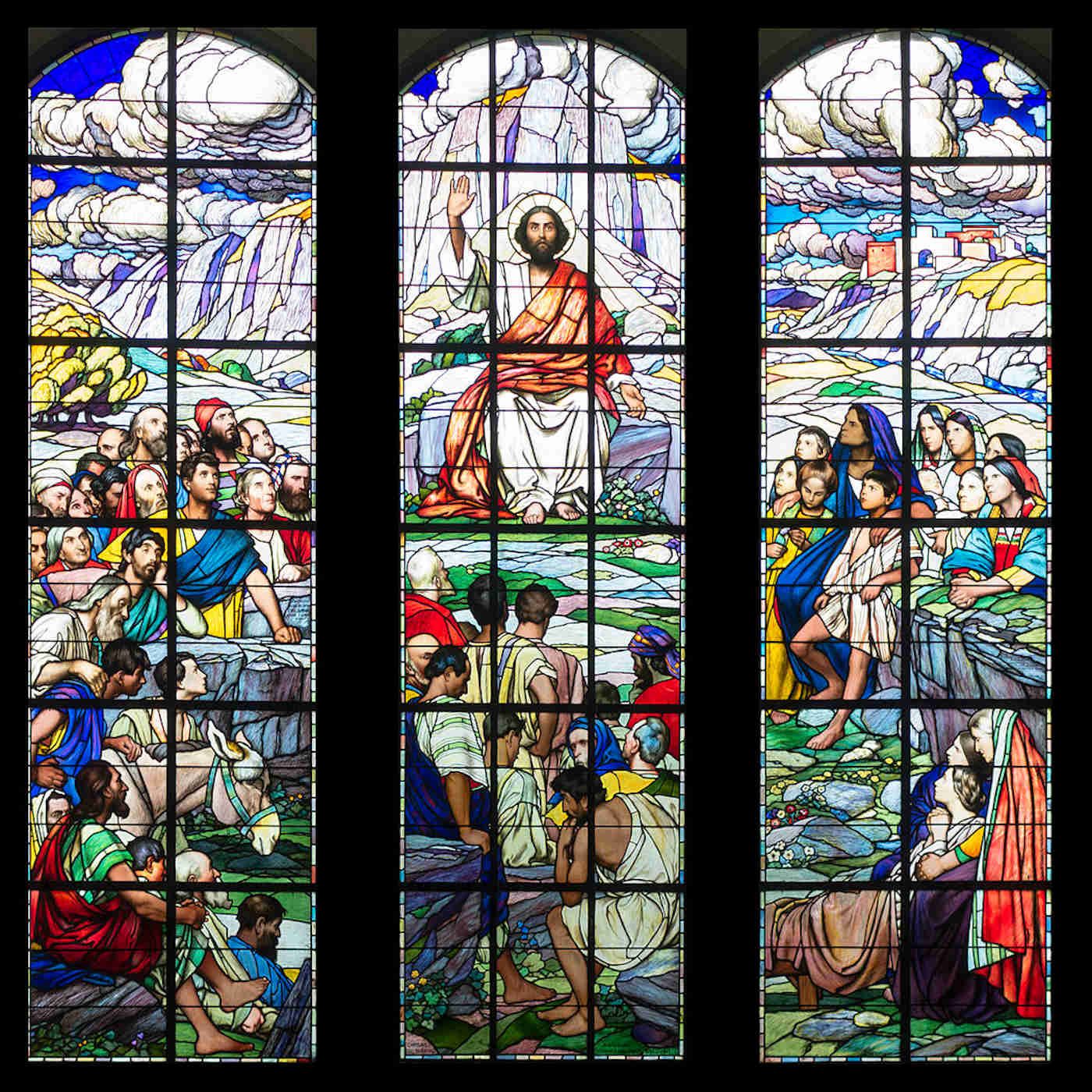
Jun 14
Solemnity of the Most Holy Trinity - The Essence of the Most Holy Trinity
Read Online “All power in heaven and on earth has been given to me. Go, therefore, and make disciples of all nations, baptizing them in the name of the Father, and of the Son, and of the Holy Spirit, teaching them to observe all that I have commanded you. And behold, I am with you always, until the end of the age.” Matthew 28:19–20 (Year B Gospel) Of all the great feasts we celebrate within the Church throughout the year, today’s Solemnity presents us with a Mystery that is so deep and transcendent that our eternity will be spent in perpetual contemplation. The Trinity, the life of the Father, Son and Holy Spirit, will never get old, never be fully understood, and will be the cause of our everlasting adoration and joy. Though the Church has used philosophical concepts to explain the Trinity, no human concept or description will ever fully explain Who God is. Though we can point to some general truths about God, we will never be able to fully depict the inner essence, depth, beauty and omnipotence of the Trinity. As we consider that fact, it’s important to understand that the Trinity is not first a theological mystery we try to define. Rather, the Trinity is first a communion of Persons we are invited to know. We do not primarily come to know God through intellectual deduction. We come to know God through prayerful union with Him. Though theology is exceptionally useful and important, the essence of God is beyond any and every philosophical concept we can define. The Father, Son and Holy Spirit are Persons. And as Persons, they want to be known. And they want to be known primarily through a life of deep and intimate prayer. Praying to One Person, of course, is praying to all, since they are One God. But we are, nonetheless, called to a relationship of love with the Father, the Son and the Holy Spirit. And though our feeble minds may not be able to fully comprehend the essence of God, He will draw us deeper and deeper into a knowledge of Him if we let Him. Prayer often begins by saying prayers, by meditating upon Scripture, and by listening. But true prayer is something much deeper. True prayer is contemplative prayer that ultimately leads to divine union. Only God can initiate this form of prayer in our lives, and only God, through this deep form of prayer, can communicate Himself to us as He is. Some of the greatest mystics of our Church, such as Saint John of the Cross and Saint Teresa of Ávila, explain in their mystical theology that the deepest knowledge of God does not come through concepts or images. In fact, if we wish to obtain a knowledge of God in His essence, we must allow Him to purge every concept of Who He is so that the pure light of His essence can be poured forth upon our minds. This knowledge, they say, is beyond knowing “about” God. It’s the beginning of a knowledge “of” God. Reflect, today, upon the Most Holy Trinity. As you do, say a prayer to God asking for a deeper and more intimate knowledge of Him. Ask Him to communicate to you His divine love and to open your mind and heart to a deeper understanding of Who He is. Try to humble yourself before the great Mystery of the inner life of God. Humility before the Mystery of God means that we know how little we know about Him and how little we know of Him. But that humble truth will help you move closer to the deeper relationship of love to which you are called. Most Holy Trinity, Father, Son and Holy Spirit, please draw me into a relationship of love with You Who are one God and three divine Persons. May the mystery and beauty of Your life become more known and loved by me each day through the gift of transforming mystical prayer. Jesus, I trust in You. Image: Holy Trinity via Web Gallery of Art Source of content: catholic-daily-reflections.com Copyright © 2025 My Catholic Life! Inc. All rights reserved. Used with permission via RSS feed.
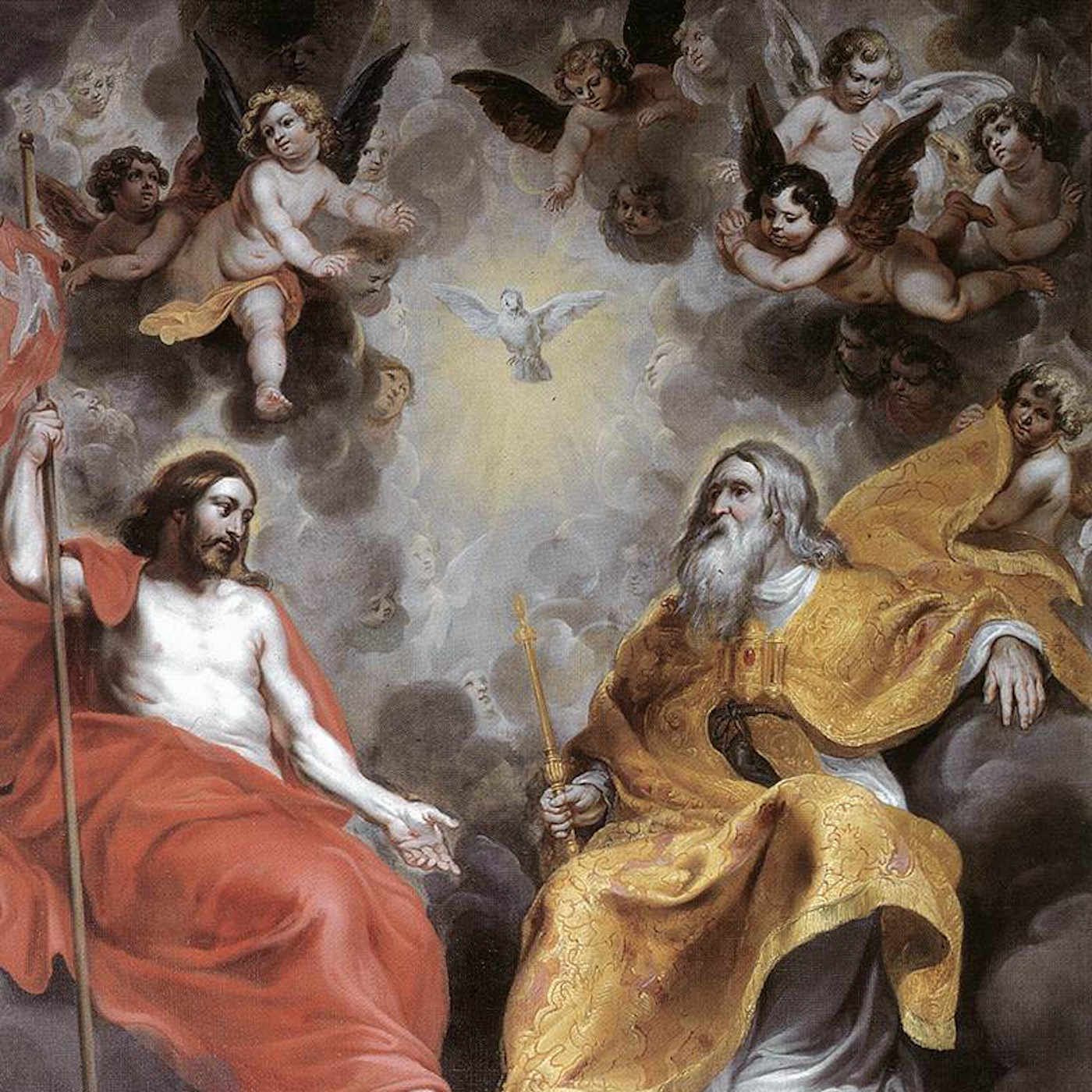
Jun 13
Saturday of the Tenth Week in Ordinary Time - Daily Sincerity and Honesty
Read Online Jesus said to his disciples: “You have heard that it was said to your ancestors, Do not take a false oath, but make good to the Lord all that you vow. But I say to you, do not swear at all…” Matthew 5:33–34 The purpose of an oath was to guarantee the truthfulness of the statement made. Sometimes this can be very good. For example, many of the Sacraments involve making a public vow before God and the Church. In these cases, the vow is a form of oath that is solemnized so as to invite the grace of God to enter and strengthen it. It becomes a way of making a public witness to one’s faith and an expression of one’s need for God’s grace to be faithful to the promise that is made. Jesus is not speaking about these forms of public vows, oaths and promises in the Gospel today. Instead, He is addressing a practice that some engaged in, whereby they regularly swore on God’s name about the truthfulness of what they were saying. The problem with this is that it takes something solemn and sacred and carelessly turns it into something ordinary. There is no need to “swear to God” about everything one says. First of all, if one feels a need to call on God’s name regularly so as to convince another of the truthfulness of their statements, then it is most likely the case that they do so because they are struggling with dishonesty. Oath-taking on a regular basis seems to presuppose a human tendency to lie. For that reason, it is not ideal to go about one’s daily interactions with this presupposition. Instead, as Christians we must strive for a fundamental disposition of truthfulness. Jesus concludes this Gospel teaching by saying, “Let your ‘Yes’ mean ‘Yes,’ and your ‘No’ mean ‘No.’ Anything more is from the Evil One.” In other words, work to become a person of true honesty and integrity. Be sincere in all of your dealings, and do not begin with a presupposition of dishonesty. Begin with the intention of complete honesty and sincerity, and that will suffice. Furthermore, if one were to go about their day making one oath after another, swearing on God’s name to the truthfulness every time, this would have the effect of lessening the solemnity of those few times when this is a good and holy practice. Making public vows, such as marriage vows, or public promises, such as priests make, are unique and solemn. Publicly renewing our faith within the Church, taking an oath as one begins the responsibility of some public office, or any other more solemn opportunity for oath-taking should be seen as a special occasion. Therefore, our daily commitments must simply be the fruit of our honesty and integrity as persons. Reflect, today, upon your own daily approach to honesty and sincerity. Do you go about your day with the goal of living in the truth, speaking the truth and seeking the truth? Are you honest with others, seeking good and clear communication with them? Ponder these questions and know that interior integrity requires these virtues of honesty and sincerity. Seek that integrity and others will benefit as they grow to trust you each and every day. Lord, You are the source of all truth, and You are Truth Itself. Please help me to become a daily instrument of that Truth in all that I say and do. I choose You and Your holy will always, and I choose to be Your instrument for all to see. Jesus, I trust in You. Image: Image via Pxhere Source of content: catholic-daily-reflections.com Copyright © 2025 My Catholic Life! Inc. All rights reserved. Used with permission via RSS feed.
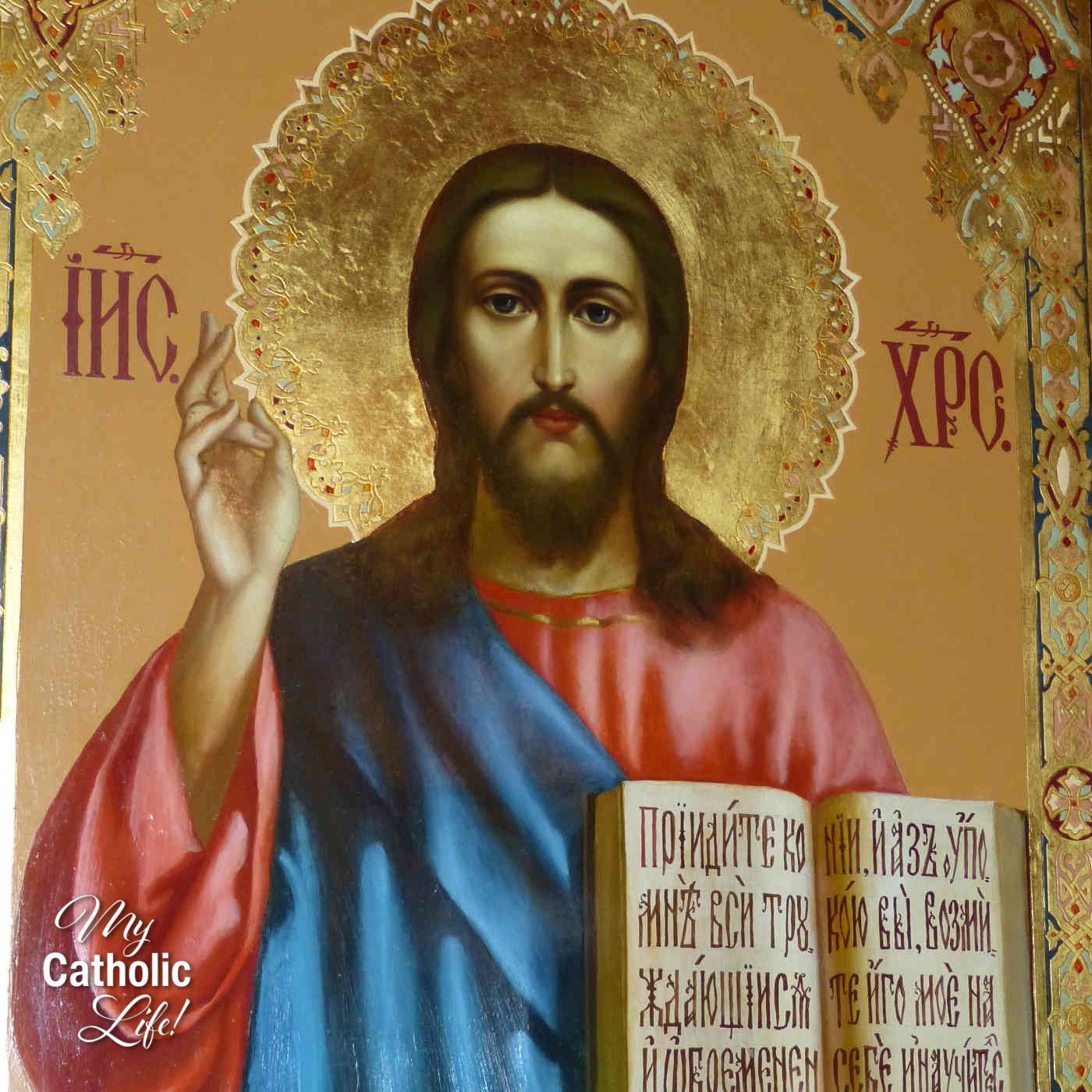
Jun 12
Friday of the Tenth Week in Ordinary Time - The Love of Friendship
Read Online If your right eye causes you to sin, tear it out and throw it away. It is better for you to lose one of your members than to have your whole body thrown into Gehenna. And if your right hand causes you to sin, cut it off and throw it away. It is better for you to lose one of your members than to have your whole body go into Gehenna. Matthew 5:29–30 This imagery of tearing out your eye and cutting off your hand is clearly meant to get our attention. Though we can be certain that Jesus is not actually suggesting we mutilate our bodies, we should not hesitate to prayerfully ponder this imagery so as to understand the truths Jesus is speaking. Saint Augustine, in reflecting upon this passage, states: “By the eye we must understand our most cherished friend…” Augustine further points out that Jesus specifically mentions the “right eye” as a way of denoting those friendships that have a “higher degree of affection” ( Serm. in Mont. i. 13. ). Thus, although friendship—especially very close friendship—is a gift, sometimes those close to us can become a source of sin or an occasion of sin. In that case, they are not truly friends, and it might be better to limit or even end that relationship rather than to allow it to lead us into sin. Think about the people in your own life. Though we must love all people with the love of God, friendship is more than love. Friendship establishes a special bond with another and opens you up to their presence and influence in your life. When you establish a friendship, you allow another a certain influence in your life. When that influence is good, then the friendship produces much good fruit. But when that influence is evil, then that friendship becomes a danger to the good of your soul. In that case, it may need to be torn out or cut off so that you are not drawn into serious sin or even the occasion of sin. When a friend in your life becomes an occasion of sin to you, your love for them must remain, but it must also change. Love, in this case, may take on the form of a loving rebuke, a withdrawal of your own heart, or a limiting of your interactions. But this is love. By analogy, when a person sins against God, their relationship with God also changes. God withdraws His friendship. He is less present to the person, and their internal communion diminishes or even ends when the sin is serious. This is not a lack of love on God’s part; it is simply the effect of sin. So also in our relations with another, when the grace of God is not mutually given and received between two people, then friendship in the truest sense is not possible. True friendship is always centered in God’s grace and dependent upon it. Therefore, when God is excluded from a relationship, that relationship must change from a true friendship to a relationship that imitates God’s love for a sinner. Mercy, compassion and forgiveness must continually be offered, but interior communion and unity will end. But this is love. Reflect, today, upon those in your life whom God has given you to love. First, reflect upon those relationships that do have God at the center. These relationships will become true friendships and will produce an abundance of good fruit in your life. Rejoice in these friendships and give thanks to God for them. Second, reflect upon any relationship that does not bear good fruit. As you do, prayerfully consider how you approach that relationship. Do you attempt to maintain a “friendship” even though God is not able to be the center of that relationship? If so, ponder how God is calling you to change that relationship so that it more fully reflects the love God has for you and for that other person in your life. My Lord and true Friend, I thank You for loving me with a perfect love. I pray that I will always be open to that love so that my unity with You will ever deepen. I also pray that I will be an instrument of Your love to others. Please give me the grace to love everyone in my life in the way that You love them, nothing less and nothing more. Jesus, I trust in You. Image: El Salvador beneint by Lluís Ribes Mateu , license CC BY-NC 2.0 Source of content: catholic-daily-reflections.com Copyright © 2025 My Catholic Life! Inc. All rights reserved. Used with permission via RSS feed.
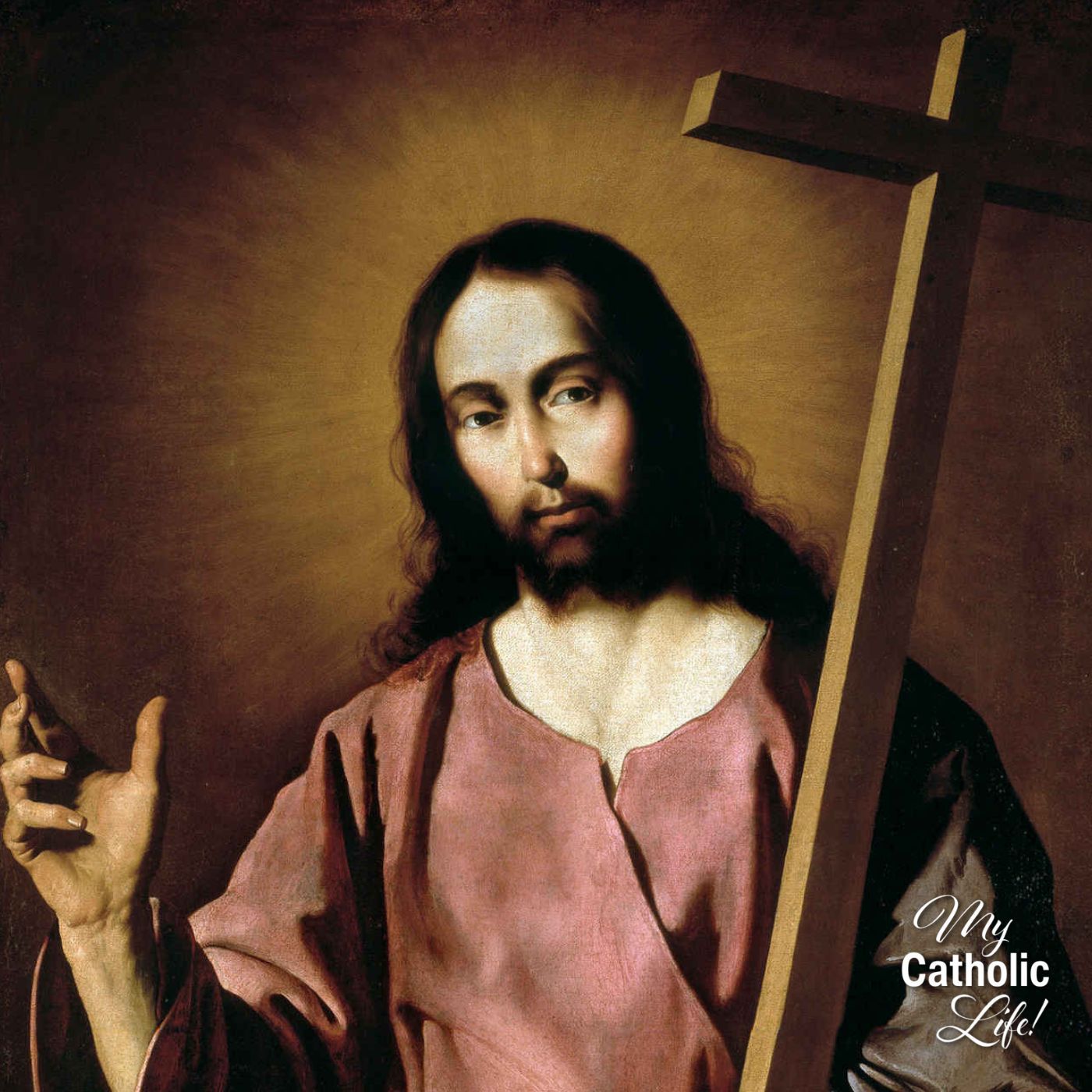
Jun 11
Thursday of the Tenth Week in Ordinary Time - The Burden of Anger
Read Online “You have heard that it was said to your ancestors, Y ou shall not kill; and whoever kills will be liable to judgment. But I say to you, whoever is angry with his brother will be liable to judgment, and whoever says to his brother, Raqa , will be answerable to the Sanhedrin, and whoever says, ‘You fool,’ will be liable to fiery Gehenna.” Matthew 5:21–22 The passage quoted above gives us three deepening levels of sin that we commit against another. These sins were new teachings not contained in the Old Testament. By this teaching, Jesus’ call to radical holiness and love of neighbor is made very clear. The first level of sin is simply to be “angry” interiorly. The sin of anger is an interior attitude of disgust toward another. Jesus says that the consequence of having anger toward another is that you will be “liable to judgment.” The second level of sin is when you say to another “ Raqa. ” This Aramaic word is difficult to translate but would include some form of expression of one’s anger toward another. It would be a derogatory way of saying to another that they are unintelligent or inferior. The third level of sin Jesus identifies is when you call another “fool.” This word is an even stronger expression of Raqa and would be a verbal criticism of them, indicating that the person is a lost soul in a moral sense. It’s a strong moral condemnation of another that is expressed. So, do you struggle with anger? Jesus’ calling to freedom from all levels of this sin is a high one. There are many times in life when our passion of anger is stirred up for one reason or another, and that passion leads to one of these levels of sin. It’s a common temptation to want to condemn another with whom you are angry in the strongest way possible. It’s important to understand that this new teaching of Jesus is truly not a burden when understood and embraced. At first, it can seem that these laws of our Lord against anger are negative. That’s because lashing out at another gives a false sense of satisfaction, and these commands of our Lord, in a sense, “rob” us of that satisfaction. It can be a depressing thought to think about the moral obligation to forgive to the point that disordered anger disappears. But is it depressing? Is this law of our Lord a burden? The deep truth is that what Jesus teaches us in this passage is, in many ways, more for our own good than that of others. Our anger toward another, be it interior, verbally critical or all-out condemning, can be hurtful toward the person with whom we are angry, but the damage these forms of anger do is far worse for us than them. Being angry, even interiorly, even if we put on a happy face, does great damage to our soul and our ability to be united to God. For that reason, it is not this new law of our Lord regarding anger that is the burden, it is the anger itself that is a heavy burden and a burden from which Jesus wants you free. Reflect, today, upon the sin of anger. As you do, try to see your disordered anger as the real enemy rather than the person with whom you are angry. Pray to our Lord to free you from this enemy of the soul and seek the freedom that He wants to bestow. My merciful Lord, You call us to perfect freedom from all that burdens us. Anger burdens us. Help me to see the burden that my anger imposes upon me and help me to seek true freedom through the act of forgiveness and reconciliation. Please forgive me, dear Lord, as I forgive all who have hurt me. Jesus, I trust in You. Image: Fra Angelico, Public domain, via Wikimedia Commons Source of content: catholic-daily-reflections.com Copyright © 2025 My Catholic Life! Inc. All rights reserved. Used with permission via RSS feed.
Jun 10
Wednesday of the Tenth Week in Ordinary Time - The New Law of Grace
Read Online Jesus said to his disciples: “Do not think that I have come to abolish the law or the prophets. I have come not to abolish but to fulfill. Amen, I say to you, until heaven and earth pass away, not the smallest letter or the smallest part of a letter will pass from the law, until all things have taken place.” Matthew 5:17–18 The law and the prophets, as found in the Old Testament, consists of three types. First, there are the moral laws, such as the Ten Commandments, that are primarily based on the natural law of God. By “natural law,” we mean that our human reason can understand their truthfulness, such as with “Thou shall not kill, steal, etc.” Second, there were many liturgical precepts that were laid down and practiced as a preparation for and prefiguration of their ultimate liturgical fulfillment. The fulfillment is now found in the sacramental life of the Church. Third, there were various legal precepts that gave specific directions on daily living. These laws include instructions on food, relations with others, how to treat foreigners, cleansings, purifications of utensils, tithing, and much more. In our Gospel today, Jesus essentially says two things. First, regarding the legal and liturgical precepts, He says that He came to “fulfill” them. Thus, Christians are no longer bound by these Old Testament legal and liturgical laws, in that we are now called to a much higher fulfillment of them all. But as for the moral laws, especially those found in the Ten Commandments, not a single precept taught is abolished. Instead, these Commandments are deepened, and the call to moral perfection is now much clearer. It is for this reason that Jesus goes on to say, “Therefore, whoever breaks one of the least of these commandments and teaches others to do so will be called least in the Kingdom of heaven. But whoever obeys and teaches these commandments will be called greatest in the Kingdom of heaven.” It’s important to understand that those who lived before the time of Christ were not held to the same standard as we are today. That’s because they did not enjoy the gift of grace that was won by the Cross and is bestowed by the Holy Spirit. Today, we have so much more and, for that reason, are called to a much greater life of holiness. For example, we no longer celebrate the Passover as a mere remembrance of what God did by setting the Israelites free from slavery to the Egyptians. Today, we celebrate the New Passover through our participation in the Holy Eucharist, and our “remembrance” goes beyond the simple recalling of a memory of old. Our remembrance is one that enables us to actually participate in the saving sacrifice of Christ. We share in the actual event and are partakers of the grace won on the Cross each time we celebrate the Holy Mass. And as for the moral laws of the Old Testament, they become the bottom line of morality. The upper limit is now much higher. We are to love our enemies and pray for those who persecute us. We are to lay down our lives for others and take up our crosses daily to follow Jesus. We are called to the perfection of sacrificial love, and that is only possible by our sharing in the very life, death and resurrection of Christ our Lord. Reflect, today, upon the very high calling you have been given by our Lord. It’s not enough to simply do the bare minimum in our worship and moral life. Doing so may permit you to be “least in the Kingdom of heaven,” but God wants you to share in His greatness. He calls you to be among the “greatest in the Kingdom of heaven.” Do you understand your high calling? Do you have the perfection of holiness as your goal? Commit yourself to the full participation in the New Law of Christ and you will be eternally grateful that you did. My most glorious Lord, You came to bring our lives to the fullness of grace and holiness. You call us to the heights of Heaven. Help me to see my high calling, dear Lord, and to work diligently to embrace all that You now command by Your New Law of grace and mercy. Jesus, I trust in You. Image: Cosimo Rosselli, Public domain, via Wikimedia Commons Source of content: catholic-daily-reflections.com Copyright © 2025 My Catholic Life! Inc. All rights reserved. Used with permission via RSS feed.
Jun 9
Tuesday of the Tenth Week of Ordinary Time - Salt and Light for the World
Read Online Jesus said to his disciples: “You are the salt of the earth. But if salt loses its taste, with what can it be seasoned? It is no longer good for anything but to be thrown out and trampled underfoot. You are the light of the world…” Matthew 5:13–14 Every Christian has two primary duties in life. First, we must strive for personal holiness. And second, we must work to help others achieve this same degree of holiness. This is what it means to be the “salt of the earth” and the “light of the world.” Consider salt. Salt is a preservative, and it also adds flavor to food. It does so by entering the food and, in a sense, disappearing. So it must be with us. First, our Lord must enter our lives and preserve us from the corruption of sin. But as He does so, He will also bring out our goodness in a way that the “flavor” of holiness is evident to others. In this way, we will be used as salt for others. This is especially done by our works of charity. Saint Thérèse of Lisieux said in her autobiography, “I see now that true charity consists in bearing with the faults of those about us, never being surprised at their weaknesses, but edified at the least sign of their virtue.” She believed that this was especially the way we act as salt and light to others. We help to preserve others from sin by being merciful to them when they are weak. We enrich their lives by seeing their goodness and rejoicing in it. And we do so in a hidden way. By our gentleness and compassion, our kindness and mercy, we preserve others and help them to grow in God’s abundant grace. And we do so, many times, without them even realizing how God used us. Consider, also, light. The world in which we live is oftentimes quite dark and despairing. There is corruption all around us and temptations abound. Thus, the light of Christ must be made manifest far and wide. Those all around us need to see clearly the path to holiness and happiness. Again, this is possible if we first work to become light itself. Christ, the true Light of the World, must so permeate our lives that we find it almost automatic to shine brightly in a fallen world. When Christ is alive in us, we will radiate joy and peace, calm and conviction, moral goodness and determination. And when we live this way, we will not have to “impose” the Gospel on others; rather, God's light will simply shine and be a beacon of hope to those who come into our presence. Reflect, today, upon these two missions in life. First, ponder your call to holiness. How does God want to bring light into your own life, preserve you from all sin and add spiritual flavor for holy living? Second, who does God want you to love with His love? Who needs hope and joy, mercy and kindness, words of wisdom and encouragement? Be holy and then allow that holiness to shine forth to others and you will indeed be the salt of the earth and the light of the world. My Jesus, the true Light of the World, please shine brightly in my life so that I will see clearly and will be preserved from the darkness of sin. As You fill me with Your light, please use me as an instrument of Your love and mercy to a world filled with chaos and confusion. Dispel the darkness, dear Lord, and use me as Your instrument as You will. Jesus, I trust in You. Image: The Messiah gives the New Law by Lawrence OP , license CC BY-NC-ND 2.0 . Source of content: catholic-daily-reflections.com Copyright © 2025 My Catholic Life! Inc. All rights reserved. Used with permission via RSS feed.
Jun 8
Memorial of the Blessed Virgin Mary, Mother of the Church - Your Heavenly Mother
Read Online Standing by the cross of Jesus were his mother and his mother’s sister, Mary the wife of Clopas, and Mary of Magdala. When Jesus saw his mother and the disciple there whom he loved, he said to his mother, "Woman, behold, your son." Then he said to the disciple, "Behold, your mother." And from that hour the disciple took her into his home. John 19:25–27 The memorial we celebrate today, which was added to the Roman Liturgical Calendar in 2018 by Pope Francis, highlights the truth that the Blessed Virgin Mary is not only the Mother of the Person of Christ, and, therefore, the Mother of God, she is also the Mother of the Church, that is, the Mother of all the faithful. The Blessed Virgin Mary is your mother. And as your mother, she is truly tender, compassionate, caring and merciful, bestowing upon you everything that a perfect mother desires to bestow. She is the fiercest of mothers who will stop at nothing to protect her children. She is a mother wholly devoted to you, her dear child. The Gospel passage chosen for this memorial depicts our Blessed Mother standing at the foot of the Cross. She would have been no other place than directly beneath her Son as He endured His last agony. She did not flee in fear. She was not overwhelmed by grief. She did not sulk in self-pity. No, she stood by her Son with the perfect love and strength of a devoted, caring, compassionate and faithful mother. As she stood by her Son in His hour of suffering and death, Jesus turned to her and entrusted the Apostle John to her maternal care. From the early Church Fathers until the most recent teachings of the Church today, this act of entrusting John to Mary and Mary to John by Jesus has been understood as an entrustment of all the faithful to the maternal care of Mother Mary. Mother Mary is, therefore, not only the Mother of the Redeemer, Christ Himself, she also becomes the Mother of all the redeemed, the mother of us all, the Mother of the Church. Consider the spiritual mother you have in Heaven. A mother is one who gives life. Your mother in Heaven is entrusted with the task of bestowing upon you the new life of grace won by the Cross. And as your mother, she will not withhold anything from you that is to your benefit. A mother is also one who is tender with her children. The Immaculate Heart of our mother in Heaven is one that is filled with the greatest tenderness toward you. Though her caresses are not physical, they are much deeper. She caresses with the tenderness of grace which she imparts to you as you pray and turn to her in your need. She gives you the grace of her Son, poured out upon the Cross as the blood and water sprung forth as a font of mercy. Mother Mary pours that mercy upon you as a tender and devoted mother would. She holds nothing back. If you are unaware of the love in the heart of our Blessed Mother for you, use this memorial as an opportunity to deepen your understanding of her role in your life. Many children take their mothers for granted, not fully understanding the depth of their love. So it is with our Mother in Heaven. We will never fully comprehend her love and her constant motherly workings in our life until we join her in Heaven face to face. Reflect, today, upon Mother Mary standing by you in every moment of your life. See her there in your joys and in your sorrows, during your moments of temptation and struggles, in your moments of confusion and clarity. See her there by your side, bestowing every good spiritual gift upon you when you need it the most. She is a true mother, and she is worthy of your love and gratitude. My dearest Mother, you stood by your Son with unwavering fidelity and love. You cared for Him, nurtured Him and never left His side. I also am your dear child. I thank you for your loving fidelity toward me and open my heart to the grace of your Son that you bestow upon me throughout life. Help me to be more attentive to your motherly care and to daily grow in gratitude for your presence in my life. Mother Mary, pray for us. Jesus, I trust in You. Images: Featured: The Crucifixion via Web Gallery of Art Main: Lucas Cranach the Elder, PDM-owner, via Wikimedia Commons Source of content: catholic-daily-reflections.com Copyright © 2025 My Catholic Life! Inc. All rights reserved. Used with permission via RSS feed.
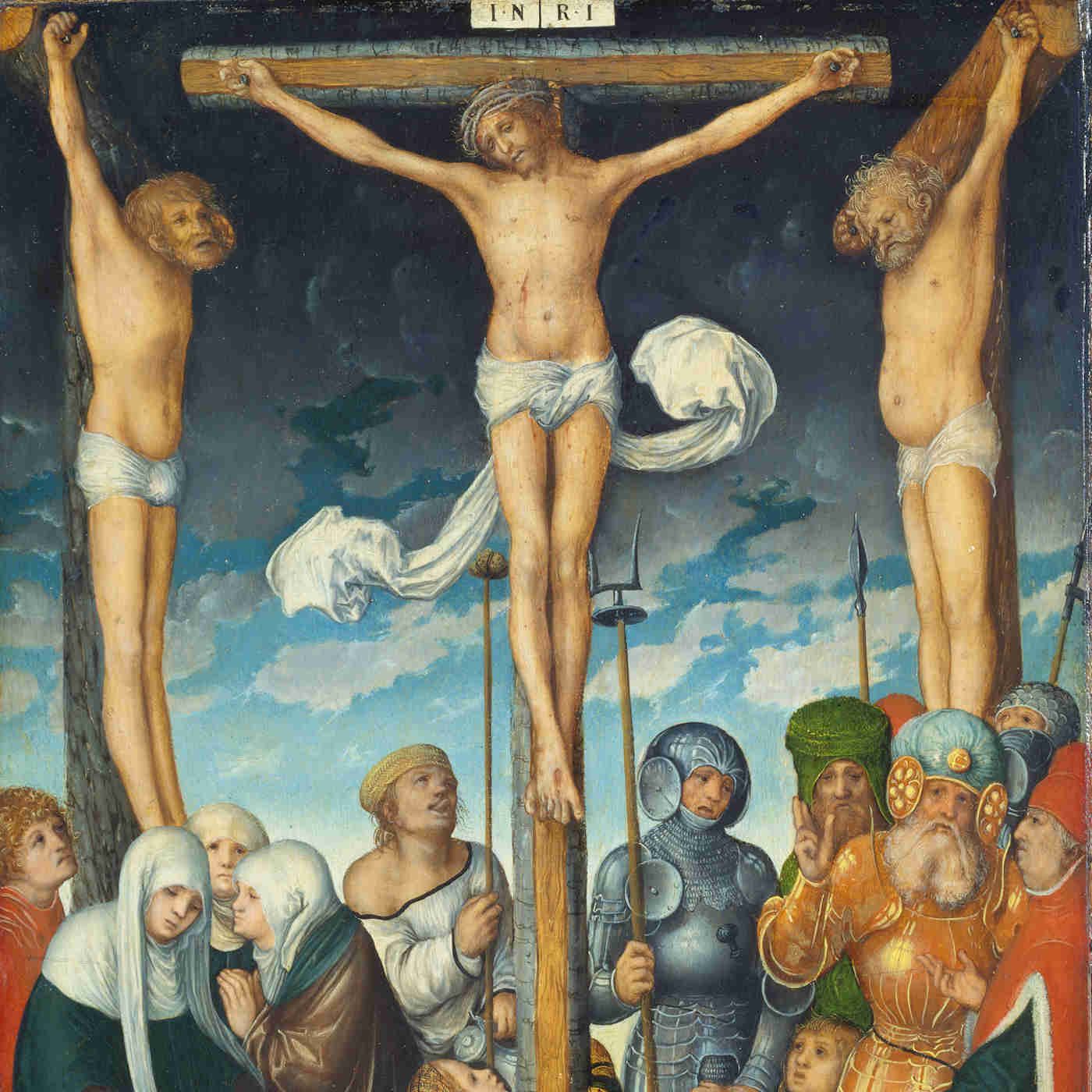
Jun 7
Solemnity of Pentecost Sunday (Year C) - Come to Us Holy Spirit!
Read Online And suddenly there came from the sky a noise like a strong driving wind, and it filled the entire house in which they were. Then there appeared to them tongues as of fire, which parted and came to rest on each one of them. And they were all filled with the Holy Spirit and began to speak in different tongues, as the Spirit enabled them to proclaim. Acts 2:2–4 Happy birthday! Today, as we celebrate the coming of the Holy Spirit at Pentecost, we also celebrate the birth of the Church. Thus, today is a celebration of your membership in the life of the Church. As a human institution, the Church has always suffered on account of the sins of Her members. This sad truth is something that we are increasingly aware of today. But the Church itself is the Spotless Bride of Christ. It is the Body of Christ on earth, in Heaven and in Purgatory. Those of us on earth are members of the Church Militant. Those in Heaven are members of the Church Triumphant. And those in Purgatory are members of the Church Suffering. But all of us are united under Christ our Head as members of His holy Body, the Church. We profess our faith in the Church every Sunday. We profess that we believe in “one, holy, catholic and apostolic Church.” What exactly does this mean? First, it means that by the power and working of the Holy Spirit, those who profess faith in Christ are united as “one.” This oneness is a spiritual union that will endure for eternity. It is unbreakable and restores us to the life we were created to live. That is, a life of union with God and others, a communion of humanity with God. As one family, the Church is also “holy.” Holiness is another way of saying that we are made whole by the blood of Christ, sharing in His redemption. By His mercy, our sins are forgiven and we become children of the Father in Heaven, sharing the eternal life of the Son. The word “catholic” refers to the truth that the offer of salvation is given to all. It is a universal calling given to all people who will accept this gift. God did not come to save only a few but all, and many will accept this gift of salvation. We are “apostolic,” in that God chose to establish His Church through the mediation of His Apostles. They were uniquely called to become instruments by which the saving Truth is proclaimed and the grace won by the Cross is distributed. The work of the Apostles continues today through their successors, the bishops, and those who are co-workers with the bishops, the priests. Sinful though they may be, God uses them, nonetheless, to bestow His grace and truth upon the world. As a member of the one Body of Christ, you are also invited by God to enlarge His family through the sharing of the Gospel and by your life of deep prayer. You are called and sent, and this takes place by the outpouring of the Holy Spirit that we especially celebrate today. Reflect, today, upon the incredible privilege it is to be invited to be a member of the Family of God, the Church. And reflect, also, upon the important duty you have to extend that invitation to others. Pray to the Holy Spirit, asking for an increase in His seven-fold gifts in your life so that You can help share the saving message of the Gospel to those whom God wants to reach through you. Come Holy Spirit, fill the hearts of Your faithful and kindle in them the fire of Your love. Send forth Your Spirit and they shall be created. And You shall renew the face of the earth. O, God, Who by the light of the Holy Spirit, did instruct the hearts of the faithful, grant that by the same Holy Spirit we may be truly wise and ever enjoy His consolations, through Christ our Lord. Amen. Jesus, I trust in You. Seven Gifts of the Holy Spirit Fear of the Lord : With this gift the Christian becomes keenly aware of anything that may hurt his/her relationship with God. There is a holy “fear” of hurting this relationship, and grace is given to avoid these things at all cost. Wisdom : With this gift the Christian is given a special grace to “ponder divine realities” in his/her speculative reason. We are able to see the big picture and know how best to be an instrument of peace and harmony in our world. Understanding : This is the ability to have a supernatural assurance of the matters of faith. Life makes sense. We can make sense of the deeper parts of revelation, make sense of suffering and understand those things that tempt us to doubt. With this gift we come to see how everything in life can work for good in accordance with God’s plan. Knowledge : With this gift the Christian knows, more in the practical intellect, what God’s will is in this or that situation. We know how to live, how to discern God’s will and what decision to make in our daily life. It also enables us to learn from our past mistakes. Counsel : With this gift the Christian sees him/herself as a link in a chain which makes up the entire Church. God uses each one of us to help and support one another on our journey. We know what to say and how to act so as to do our part to build up one another. Fortitude : Simply put, it is a firmness of mind and spirit to do good and avoid evil. It’s a sort of Christian courage. The Gospel will call all of us to a radical life of love. Fortitude gives us the strength we need to follow through. Piety : This gift enables us to first reverence and love God, but also to see the dignity of one another and reverence each other as children of God. Image: Juan Bautista Maíno, Public domain, via Wikimedia Commons Source of content: catholic-daily-reflections.com Copyright © 2025 My Catholic Life! Inc. All rights reserved. Used with permission via RSS feed.
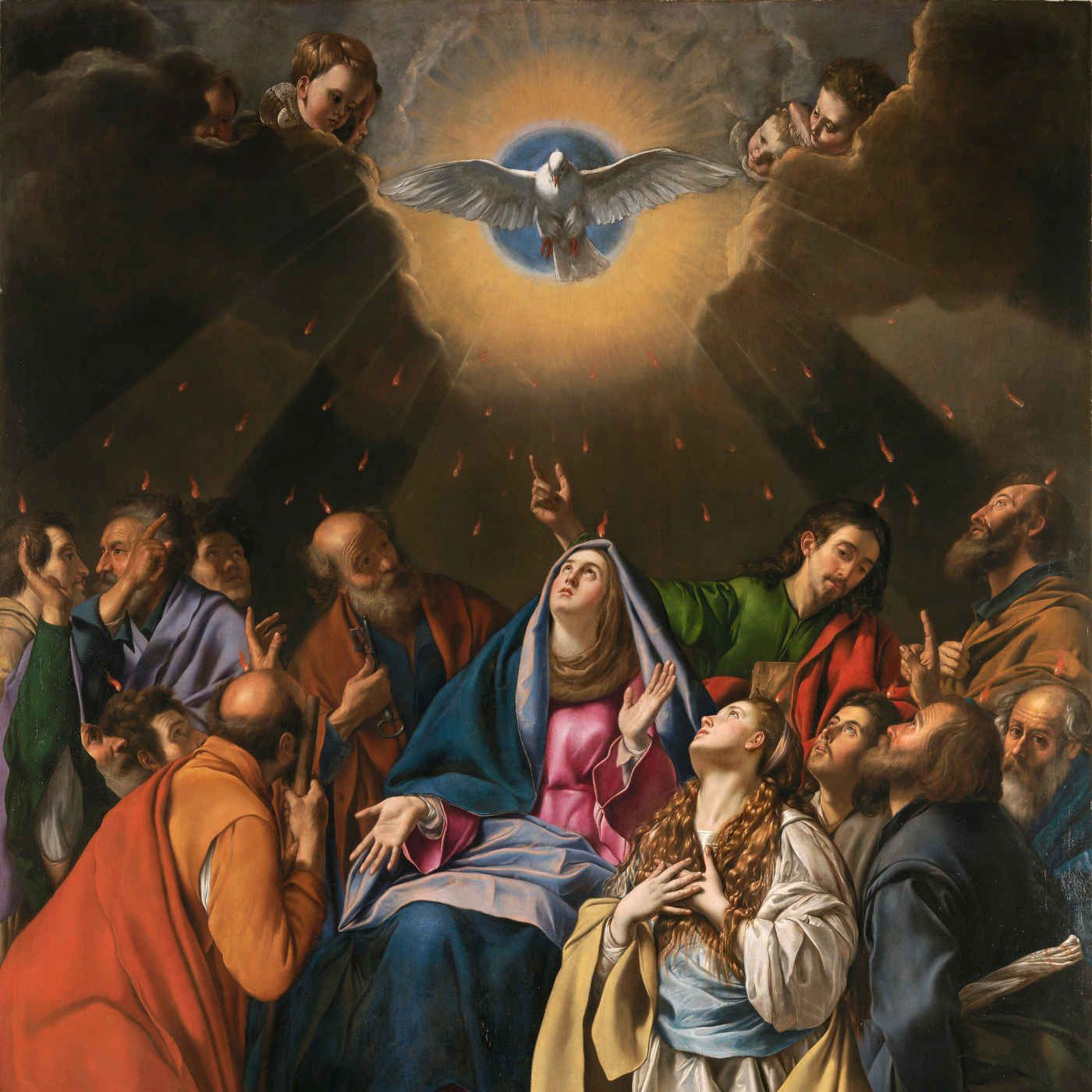
Jun 6
Saturday of the Seventh Week of Easter - A Holy Awe
Read Online It is this disciple who testifies to these things and has written them, and we know that his testimony is true. There are also many other things that Jesus did, but if these were to be described individually, I do not think the whole world would contain the books that would be written. John 21:24–25 As we conclude our Easter season, we are given the conclusion of the Gospel of Saint John to ponder. Recall that John’s Gospel has been a central focus throughout the Easter Season. Therefore, if you have been prayerfully reading the Gospel for Mass each day for the past several weeks, then you have truly immersed yourself in this holy Gospel. The Gospel of Saint John is much different from the other three Synoptic Gospels. John’s language is mystical and symbolic. John presents the seven miracles as the seven “signs” that reveal Jesus’ divinity. Jesus is identified as I AM, the Son of the Father, the Vine, the Bread of Life, the Light of the World, the Eternal Word, and more. John points to the Crucifixion as Jesus’ hour of glory in which He takes up His throne of the Cross for the salvation of the world. And John’s teaching on the Eucharist is truly profound. John states that the reason he wrote his Gospel was so “that you may come to believe that Jesus is the Messiah, the Son of God, and that through this belief you may have life in his name” (John 20:31). John clearly loved our Lord and understood Him, not only by personal experiences while Jesus was alive on earth but also through a profound level of prayer in his later years. And this depth of understanding and mystical knowledge is communicated in such a way that the reader is easily drawn into John’s prayerful understanding. As John concludes His testimony about Jesus, he states something worth pondering. He states that Jesus did so many things that were not recorded by him or others, that if they were all written down, the whole world would not contain the books that would be written. First of all, everything that was written down could be the source of prayerful study for a lifetime. John’s Gospel alone could never be exhausted of its meaning. But then consider this final line of John’s Gospel and try to take it as a literal statement for a moment. If that statement were literally true, that the whole world could not contain the books that would record all that Jesus did, then this fact should leave us with a holy awe. In fact, the reason this must be true is because what Jesus did within each and every mind and heart He touched is truly indescribable. Volumes upon volumes could not thoroughly describe it. His divine action of saving souls, rescuing people from sin and death, and pointing them to eternal life is more than our feeble minds can fully comprehend. Reflect, today, upon the holy Gospel of Saint John. As we do conclude this Easter Season and our reading of John’s Gospel, allow yourself to sit in awe of the infinite activity of our divine Lord in the lives of those who have turned to Him. Consider every movement of grace in their lives that has been accomplished with such care and love by our Lord. Reflect upon the fact that for eternity you will be contemplating the Eternal Word made Flesh, the Messiah, the Great I AM, the Son of the Father and every other name given to Him Who is our God and King. Saint John loved our Lord and understood Him deeply because he spent his life prayerfully pondering all that Jesus did. Continue to commit yourself to this holy pondering so that you will be drawn more deeply into this contemplation with holy awe. Jesus, Messiah, You are truly beyond comprehension in Your beauty, glory and holiness. You are God from God and Light from Light. You are the Great I AM, and all the books in the world could not properly describe the depth of Your greatness. Fill my mind and heart with the gift of deep spiritual insight so that I, like Saint John the Evangelist, will be continually drawn into a holy awe of You. Jesus, I trust in You. Image: Andrei Mironov, CC BY-SA 4.0 , via Wikimedia Commons Source of content: catholic-daily-reflections.com Copyright © 2025 My Catholic Life! Inc. All rights reserved. Used with permission via RSS feed.
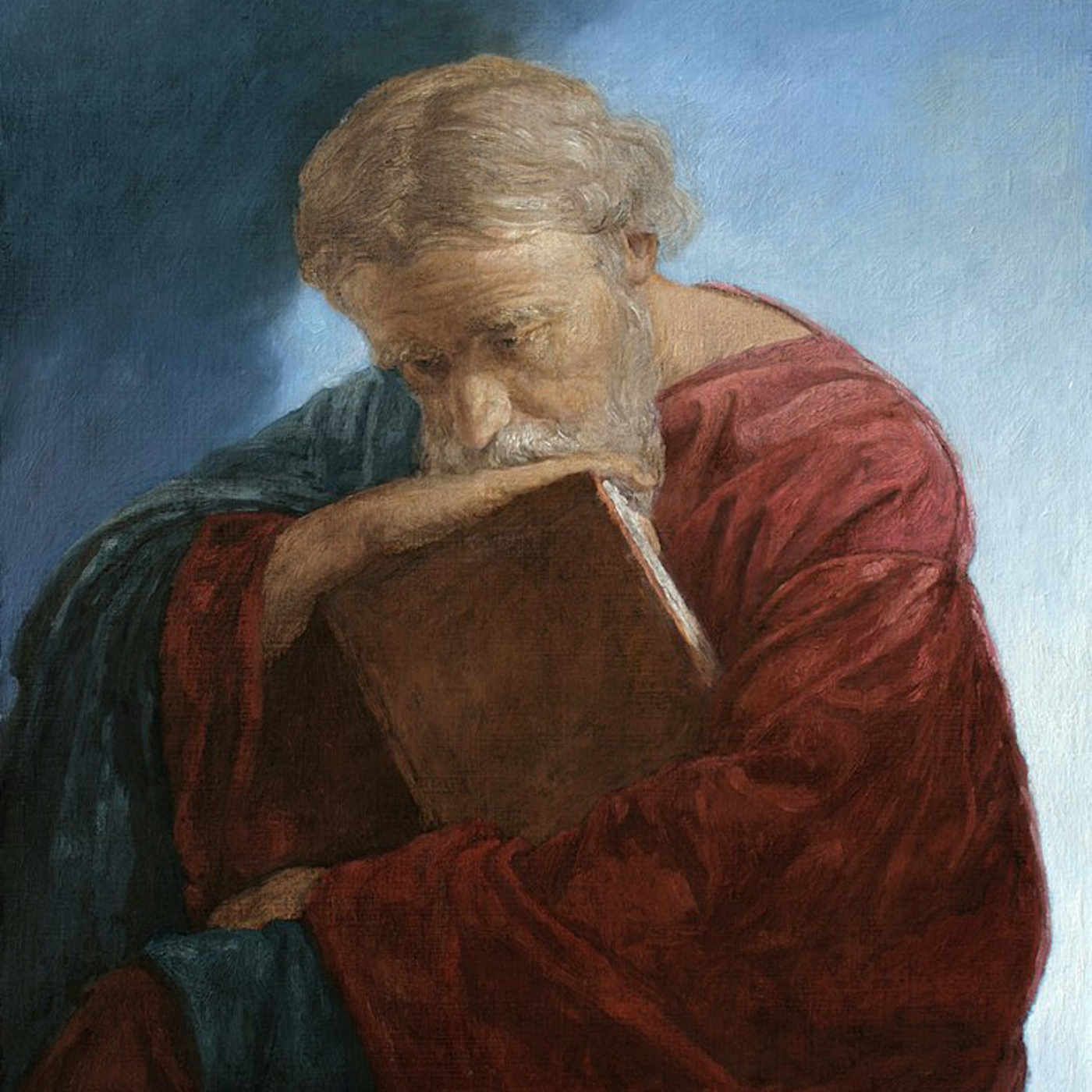
Jun 5
Friday of the Seventh Week of Easter - True Love
Read Online “Amen, amen, I say to you, when you were younger, you used to dress yourself and go where you wanted; but when you grow old, you will stretch out your hands, and someone else will dress you and lead you where you do not want to go.” He said this signifying by what kind of death he would glorify God. And when he had said this, he said to him, “Follow me.” John 21:18–19 On this, the third time that Jesus appeared to His disciples, Jesus enters into a threefold discourse with Peter. Each time that Jesus asks Peter if he loves Him, Peter responds that he does. And Jesus responds back each time, “Feed my lambs,” “Tend my sheep,” and “Feed my sheep.” The passage quoted above concludes Jesus’ discourse with Peter using very powerful language. Jesus tells Peter that when he grows old, “someone else will dress you and lead you where you do not want to go.” This was Jesus' way of saying to Peter that he would ultimately express his love of Jesus by dying for Him. As we know, tradition states that Peter was ultimately crucified. And at Peter’s request, he was crucified upside down because he felt unworthy of dying in the exact same way Jesus died. As we consider this conversation between Jesus and Peter, it is clear that Jesus' understanding of love is very different from the way many others understand it today. Jesus was not only telling Peter that he would die for Jesus, but Jesus was clearly offering His approval of this act of love Peter would one day offer. Most often when we love someone, we would do all we can to keep them from any such fate. In fact, when a loved one suffers, we often will do all we can to look for a way to relieve them of that suffering. So which approach is most loving? Clearly, Jesus sees suffering differently than most of us. For Jesus, suffering is not opposed to love when the suffering is freely embraced for a higher purpose. Suffering in and of itself is of no value. But when suffering is embraced sacrificially out of love for another, it is able to take on tremendous power. And when Jesus offered His clear support to Peter who would one day die out of love for Jesus, Jesus was focusing upon the eternal merit that would be won by Peter’s cross. The fact that Jesus did not shy away from Peter’s future sacrificial suffering is one of the clearest signs of Jesus’ more perfect love for Peter. Reflect, today, upon your attitude toward the sufferings that your loved ones endure. Do you find that your primary goal is to rid them of their sufferings? Or do you understand that even their sufferings have the potential to become a source of their own holiness and the source of grace for others? Strive to see suffering as Jesus sees it. Look at the sacrificial love that is made possible when your loved ones unite their sufferings to the Cross of Christ and try to commit yourself to the mission of helping them embrace that sacred gift of love. My most compassionate Jesus, in Your great love for us all, You desire that we unite our sufferings to Your Cross so that all suffering shares in Your redemptive love. Give me the grace I need to not only embrace my own sufferings in life out of love for You but to also help those whom I love to live sacrificially by embracing the crosses they carry out of love. Jesus, I trust in You. Image: Luca Giordano, Public domain, via Wikimedia Commons Source of content: catholic-daily-reflections.com Copyright © 2025 My Catholic Life! Inc. All rights reserved. Used with permission via RSS feed.
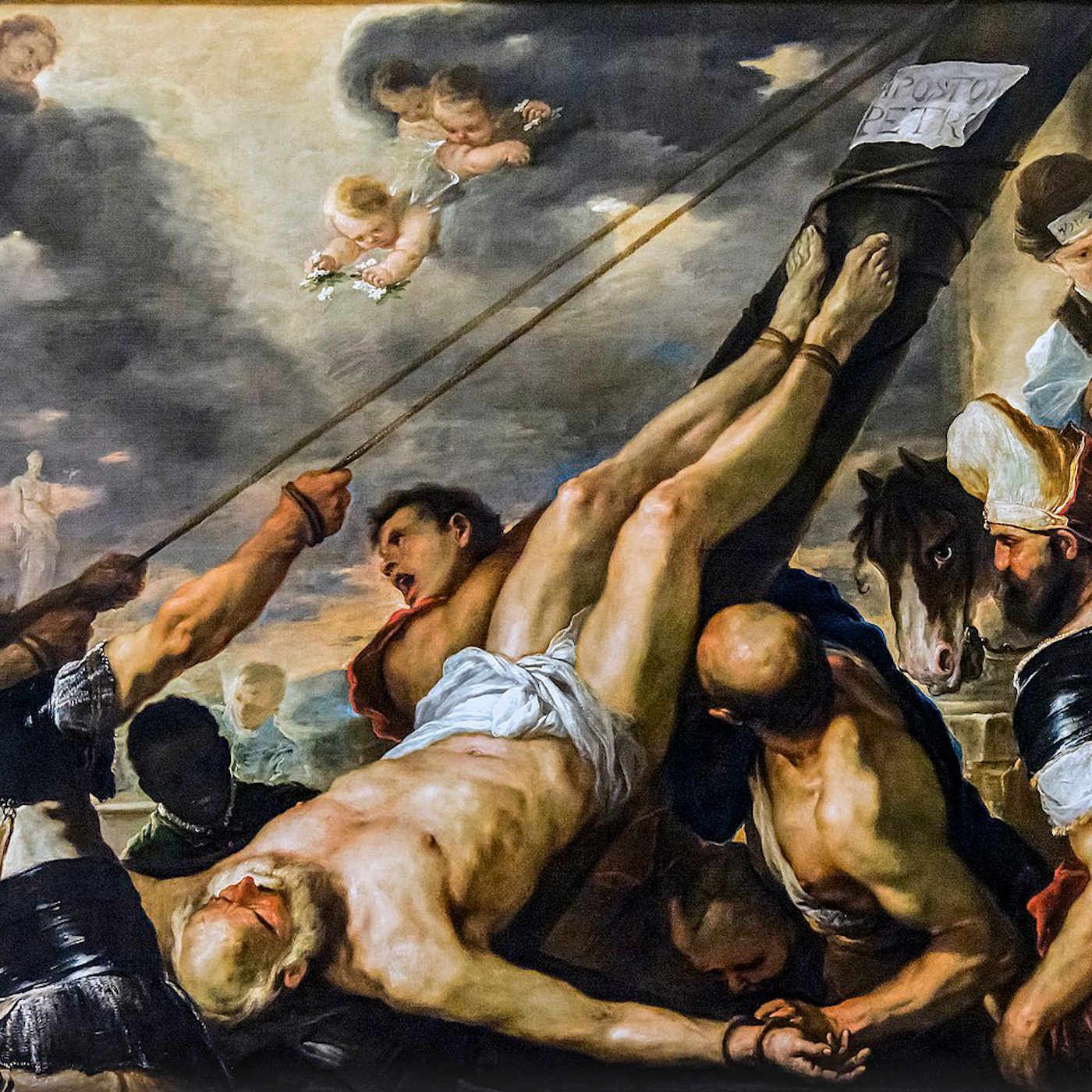
Jun 4
Thursday of the Seventh Week of Easter - Gestures of Love
Read Online Lifting up his eyes to heaven, Jesus prayed saying: “I pray not only for these, but also for those who will believe in me through their word, so that they may all be one, as you, Father, are in me and I in you, that they also may be in us, that the world may believe that you sent me.” John 17:20–21 Over the past couple of weeks, we have been continually reading from Chapter 14–17 of John’s Gospel. These chapters contain Jesus’ Last Supper Discourses and provide us with Jesus’ last sermon, so to speak. Chapter 17, which we have been reading this past week, presents us with Jesus’ final prayer for His disciples and for all of us “who will believe” in Him through the preaching of the disciples. Each time we read from Chapter 17, the Lectionary begins the reading with the phrase “Lifting up his eyes to heaven, Jesus prayed saying…” That line is an adaptation of Chapter 17:1 but is used to introduce the various parts of the prayer of Jesus each time it is read at Mass. It’s interesting that Jesus would look up to Heaven when He prayed. Of course, Heaven is not physically in the sky, because Heaven is a spiritual reality. The Father is not located in some place in the sky but is omnipresent, meaning, present all places and all times. And yet, Jesus raises His eyes upward when He prays to the Father. There is a great lesson in this. Our physical disposition is important, at times. For example, when someone we owe respect to enters a room, we usually rise and greet them. It would be disrespectful to remain lounging on a bed or sofa in that case. And at Mass, we do not sit back with legs crossed during the Consecration; rather, we kneel in adoration. And when we greet someone for the first time, we do not look at the floor; rather, we look them in the eyes. Jesus’ act of “Lifting his eyes to heaven” was not done because He thought He might see the Father in the sky; rather, it was done out of respect and love and as a way of acknowledging the dignity of the Father. This should teach us about our own bodily disposition and the message we communicate to others, especially to God in prayer. When you pray, what do you do? Though you can pray at any time and while in any disposition, it is an excellent practice to speak to God not only by your words but also by the disposition you take. Kneeling, raising hands in prayer, falling prostrate before your Lord, sitting upright with attentiveness, etc., are all ways in which you communicate to God your love. Reflect, today, upon this image of Jesus praying. Gaze at how attentive He would have been as He lifted His sacred eyes upward as a physical gesture honoring the glorious, all-powerful Father in Heaven. Try to imagine Jesus' devotion, intensity, respect and burning love. Imitate this holy gesture of prayer and attentiveness to the Father and remind yourself of the importance of expressing your love in bodily form. My most holy Father in Heaven, I do join Your Son, Jesus, in lifting my eyes, my heart and my whole life to You in honor, love and respect. May I always be attentive to You and always show You the devotion due Your greatness. My dear Jesus, thank You for Your love of the Father in Heaven. Give me the grace I need to imitate You and Your perfect love in my life. Jesus, I trust in You. El Greco, Public domain, via Wikimedia Commons Source of content: catholic-daily-reflections.com Copyright © 2025 My Catholic Life! Inc. All rights reserved. Used with permission via RSS feed.
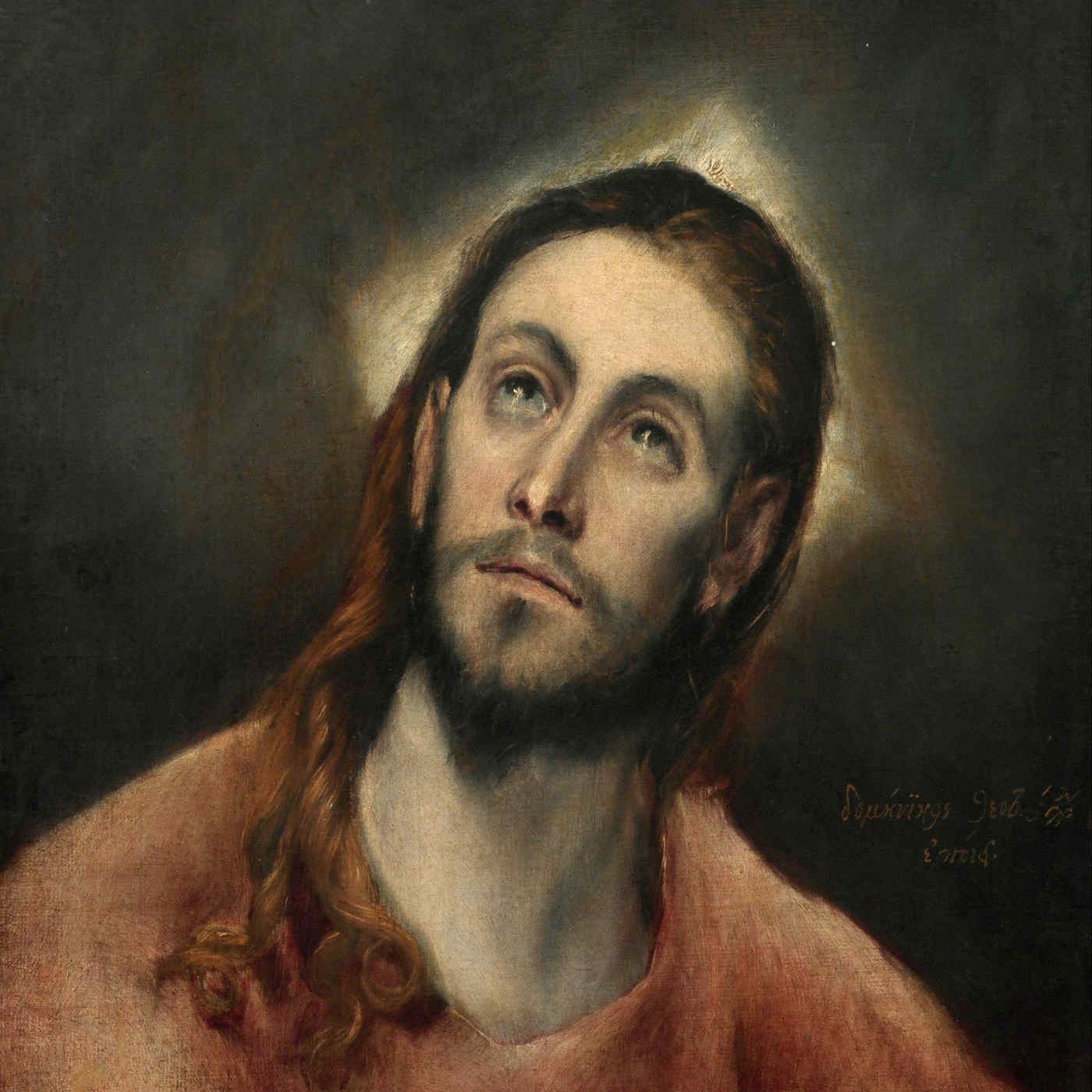
Jun 3
Wednesday of the Seventh Week of Easter - Rejecting the evil one
Read Online “I gave them your word, and the world hated them, because they do not belong to the world any more than I belong to the world. I do not ask that you take them out of the world but that you keep them from the Evil One.” John 17:14–15 Unfortunately, the evil one is real. He is the highest of the fallen angels who retain their natural spiritual power given them at their creation. God created all angelic creatures with the purpose of serving His holy will. The Scripture reveals that there are nine levels or “choirs” to which these angelic creatures belong. Among the fallen angels, the highest of them directs the others, and he is traditionally given the name Lucifer or “the devil.” One of the natural spiritual powers that these fallen angelic creatures retain is the power of influence and suggestive thought. They were created to be messengers of God’s truth to us; but, in their fallen state, they seek to communicate confusion and lies instead. Therefore, it is very helpful to understand the way the evil one and the other fallen angels communicate to us so that we can reject their lies and listen only to the voice of God. In his rules for the discernment of spirits, Saint Ignatius of Loyola explains that when a person is going “from mortal sin to mortal sin,” the evil one and the other demons continually propose to their imagination the “apparent pleasures” and “sensual delights” that they obtain from their sin as a way of keeping them firmly controlled by that sin. However, when a person is “intensely cleansing their sins and rising from good to better,” the evil one and the other demons act in a contrary way. They will “bite, sadden and put obstacles, disquieting with false reasons, that one may not go on” in their pursuit of holiness. God and the good angels will act in the opposite way. For those immersed in sin, God and the good angels will use “the opposite method, pricking them and biting their consciences through the process of reason” so as to draw them away from sin. And when a person is, in fact, growing in holiness, God and the good angels will “give courage and strength, consolations, tears, inspirations and quiet, easing, and putting away all obstacles, that one may go on in well doing” (See mycatholic.life/ignatius ). These spiritual lessons on the discernment of spirits are of great value and will assist you on your daily struggle with sin and your daily pursuit of holiness. Understanding the deceptions of the evil one and discerning the promptings of grace given by God bring clarity to our daily lives and direction to all of our actions. The good news that is revealed by the Scripture passage above is that our Lord is fully aware of the working of the evil one, has prayed for you and will assist you as you seek to combat these lies and deceptions in your life. Reflect, today, upon the importance of learning how to discern both the voice of God and the lies of the evil one. Work to discern the voice of God so that you may follow Him more faithfully. And seek to discern the lies of the evil one so that you will not be influenced by him and can directly reject him. Commit yourself to a more rigorous discernment of these spiritual experiences in your life and allow this prayer of Jesus to direct you into His holy will. My all-powerful Lord, You have conquered the evil one and provide all the grace I need to overcome his lies and deceptions. Open my mind to discern Your voice and give clarity to the voice of the evil one so that I may choose You with my whole heart and reject all that the evil one tries to say to me. Jesus, I trust in You. Philips Augustijn Immenraet, Public domain, via Wikimedia Commons Source of content: catholic-daily-reflections.com Copyright © 2025 My Catholic Life! Inc. All rights reserved. Used with permission via RSS feed.

Jun 2
Tuesday of the Seventh Week of Easter - The Glory of God
Read Online “I glorified you on earth by accomplishing the work that you gave me to do. Now glorify me, Father, with you, with the glory that I had with you before the world began.” John 17:4–5 Saint Ignatius of Loyola bases his spiritual masterpiece, The Spiritual Exercises, on one basic premise: Man is created to praise, reverence, and serve God our Lord, and by this means to save his soul. This is the essence of what Ignatius calls the “Principle and Foundation” of our lives. In other words, our goal in life is twofold: First, we must seek to give God the greatest glory possible by our lives. And second, the effect of this singular focus is the salvation of our souls. In the Gospel passage quoted above, Jesus speaks of the fact that He perfectly fulfilled His human life on earth by glorifying the Father in Heaven. He did this by accomplishing the work that the Father gave Him to fulfill. If you are looking for purpose in your life or if you are trying to discover the meaning of your life, then look no further. Jesus’ words above offer the ideal “principle and foundation” for your life. This message of our Lord could be broken down into three lessons. First, the Father truly does have a plan for your life. Are you seeking to discover that plan? Knowing that there is a divine plan for your life is the first step in fulfilling it. If you do not know God’s plan, it will be difficult to fulfill it. So do you seek to discern this plan each and every day? Secondly, when you do discern what God wants of you in your daily life, you must accomplish His will. Sometimes we fall into the trap of trying to fulfill only a portion of what God wants of us. The problem with that approach is that we may actually accomplish “a portion” of God’s will. But that’s not enough. We must aim for perfection. We must strive for the complete fulfillment of the will of God in our lives. Thirdly, if we can truly accomplish the daily will of God for our lives, then our lives will not only glorify God in every way possible, but we will also be blessed to share in God’s glory. To share in God’s glory is to share in God’s very life. It means that God will be alive in us and we will become partakers of the joys of Heaven. And it will begin here on earth. Why would we settle for earthly “joys” and earthly pleasures when we are called to share in delights that are beyond what we could ever imagine in this world? Reflect, today, upon Jesus’ act of perfectly fulfilling the will of the Father in His human nature. Even though our Lord was divine, He was also fully human. He, therefore, perfectly understands your human struggles and weaknesses. He knows what you go through, and His humanity is the model for you to follow in life. Reflect upon His human life and the way in which He lived in union with the will of His Father day in and day out. Commit yourself to this unwavering mission of fully accomplishing the will of the Father in your life and you, too, will share in the glory of our Lord. My glorified Lord, You now share in the full joy and glory of Your Father in Heaven with Your human nature. By doing so, You invite me to not only imitate Your life on earth but to also share in that same glory in Heaven. Give me the grace I need, dear Lord, to accomplish all that the Father calls me to do. May my life fully imitate You in every way so that I may also share, one day, in Your glory. Jesus, I trust in You. Conniemod, CC BY-SA 3.0 , via Wikimedia Commons Source of content: catholic-daily-reflections.com Copyright © 2025 My Catholic Life! Inc. All rights reserved. Used with permission via RSS feed.
Jun 1
Monday of the Seventh Week of Easter - Peace? Or the World?
Read Online “I have told you this so that you might have peace in me. In the world you will have trouble, but take courage, I have conquered the world.” John 16:33 What did Jesus tell His disciples that produced the “peace” of which He spoke? He is especially referring to His entire Last Supper Discourse from which we have been reading. The words spoken throughout this discourse are meant to give the disciples, and us, “courage” and the ability to conquer the trouble imposed upon us by the world. Throughout Jesus’ discourse, He especially points to the unity He has with His Father and the fact that if we stay united with Jesus, we will also be united to the Father. He spoke of Himself being the vine and us the branches who must remain firmly attached to Jesus. He spoke of this being possible only by the coming power of the Holy Spirit Whom He will send. And He spoke of the hatred that the world has for all who remain firmly grounded in the Truth. Therefore, if you are one who seeks to remain deeply rooted in Christ, filled with the Holy Spirit and separated from the deceptions of the secular and un-Christian world, then Jesus is clearly speaking to you. In this passage above, Jesus identifies one gift that will help us on this journey. This particular gift is the gift of His peace. Peace is the ability to remain calm and focused in the midst of any and every “trouble” we encounter. The trouble that Christians will especially face are the various persecutions of the world when we live in accord with the Truth. And though there are many moral truths presented clearly by our faith that the world attacks, there are also other forms of troubles we will encounter within the world today. One of the most manifest troubles inflicted upon many by the world comes in the form of constant visual, auditory and mental stimulation. Our world is a noisy world. Modern electronics, the mass media, commercials, radio, Internet, social media and so many other parts of our daily life have the subtle effect of distracting us, stimulating us and stealing away the peace of Christ. Consider, for example, the idea of entering into the silence of a retreat for a day, or two, or longer. How would you handle turning off your smartphone, tablet, computer, television and radio for an extended period of time? Would you go through a form of withdrawal? Many today would indeed find this difficult. And the reason for this is that the “peace” of which Jesus speaks is slowly dwindling in the lives of many. Instead of God’s peace, we are filled with constant noise, commotion and activity. This is the “world” attacking us and stealing the peace God wants to bestow. Reflect, today, upon the exceptionally important truth—that Jesus wants you to know His peace in your heart. And He wants that peace to sustain you. Reflect upon the interior battle that may take place within you between the world and the peace of Christ. Who is winning that battle for your soul? Is there more of the world or more of the peace of Christ reigning within you? Seek out the peace that only Jesus gives, and, as you discover His peace, you will also discover the source of that peace: Jesus Himself. Lord of all peace, You have called us out of the world so that Your peace will abide within us, sustaining us, giving us courage, wisdom and strength. I open my life to You, dear Lord, and pray that the many distractions and commotions imposed upon me by the world will begin to cease. May I always hear Your gentle voice and follow You to the place of silent repose found only in You. Jesus, I trust in You. Image: Philbrook Museum of Art, Public domain, via Wikimedia Commons Source of content: catholic-daily-reflections.com Copyright © 2025 My Catholic Life! Inc. All rights reserved. Used with permission via RSS feed.
May 31
Seventh Sunday of Easter (Year C) - Unity and Perfection in Christ
Read Online Lifting up his eyes to heaven, Jesus prayed saying: “Holy Father, I pray not only for them, but also for those who will believe in me through their word, so that they may all be one, as you, Father, are in me and I in you, that they also may be in us, that the world may believe that you sent me. And I have given them the glory you gave me, so that they may be one, as we are one…” John 17:20–22 What an amazing prayer! Don’t miss the meaning of this prayer. This is Jesus’ High Priestly Prayer that He prayed just before He was arrested. This prayer concludes the Last Supper at which Jesus instituted the Most Holy Eucharist. It is truly His Eucharistic prayer that culminates in the offering of His life on the Cross. This prayer is not only a prayer; it is also a teaching about the life that we are invited to share in with our Lord. Note that in the passage quoted above, Jesus prayed not only for the disciples “but also for those who will believe in me through their word.” In other words, Jesus was praying for you and for everyone who would hear and respond to the Gospel. And His prayer was that you share in the perfect union that Jesus shares with the Father. He prayed that all may be one in the same way that He and the Father are one. Again, this is an amazing prayer! To begin, it is important to understand the concept of unity. Deep within each of us is a longing to be united to another. The draw to marriage, the love of a parent and child, the desire for friends and the bonding together as a community all point to this desire. We want unity. We want to be one. Unfortunately, our natural ability to form a holy union with others was deeply wounded by Original Sin. For that reason, the most central mission of the Son of God was not only to restore that which was lost but to transform it into something even greater. Now, because of the life, death and resurrection of Jesus, we are not only able to live in peace with each other, we are also able to share in a new spiritual union with God Himself. This union goes to the heart and soul of who we are. Look within you and try to discover the innate desire you have for communion with others. When properly understood, pondering this desire is very consoling and enticing. If you can separate selfishness, lust and possessiveness from the equation, you are left with a very holy desire for union with others. Try to discover this desire within. As you discover this desire that God placed within you, learn from Jesus’ High Priestly Prayer. Understand that this desire is only completely fulfilled by entering into the life and unity of the Most Holy Trinity. We are called to share in God’s very life. When that happens, we also share in a perfect and holy union with one another. In this life, a holy marriage is an earthly prefiguration of that union that is to come. In Heaven, the divine marriage to which we are called will enable us to fulfill every human desire we have. Reflect, today, upon the draw you have within you to live in union with others. As you ponder this desire, know that it can only be fulfilled by accepting the invitation from the Most Holy Trinity to share in Their divine life. Prayerfully read Jesus’ prayer to the Father and know that He was praying this for you. Join with Him in this prayer and make it your own so that your every human desire will begin to be fulfilled in God. Most Holy Trinity, You have invited me to share in Your glorious life. You invite me to share in the unity that You share. Please purify me of every selfish desire and fill me with a desire only for You. May this union with You perfectly fulfill me and enable me to obtain true unity with others. Jesus, I trust in You. Image via Pixabay . Source of content: catholic-daily-reflections.com Copyright © 2025 My Catholic Life! Inc. All rights reserved. Used with permission via RSS feed.
May 30
May 31, Feast of the Visitation of the Blessed Virgin Mary - Joy at the Presence of the Lord
Read Online Mary set out and traveled to the hill country in haste to a town of Judah, where she entered the house of Zechariah and greeted Elizabeth. When Elizabeth heard Mary’s greeting, the infant leaped in her womb, and Elizabeth, filled with the Holy Spirit, cried out in a loud voice and said, “Most blessed are you among women, and blessed is the fruit of your womb.” Luke 1:39–42 The beautiful feast we celebrate today depicts two miraculous pregnancies. One came about by the overshadowing of the Holy Spirit. The other was the miraculous conception in the womb of a woman who was advanced in years. The Scripture passage quoted above presents us with the initial encounter of Mary and Elizabeth as they greeted each other upon Mary’s arrival. Mary had traveled a long distance to be with her cousin for the last few months of Elizabeth’s pregnancy. And upon greeting Elizabeth, another miraculous event occurred. The baby in the womb of Elizabeth, Saint John the Baptist, “leaped for joy.” Thus, even prior to his birth, John began to fulfill his unique mission of preparing the way for the Lord. He did so at that moment by inspiring his own mother, Elizabeth, with a knowledge of the divine presence of the Savior within the womb of Mary. Consider, especially, the conversations that these two holy women would have shared during their months together. Though we are given only a small insight into their initial conversation from the Scriptures, we can be certain that this was but a small sampling of what they would have discussed in much prayerful detail. In particular, their conversations would have contained a mutual sharing of the spiritual gift of joy. Joy is much more than an emotion. It is spiritual in nature. It is not only an experience of something fun, it’s the experience of realizing the action of God in your life. Seeing God at work in wonderful ways leads to gratitude and rejoicing. This joy produces a strength and energy that is contagious and uplifting. We must all strive to see the hand of God at work in our own lives so that our focus upon His divine actions will produce joy also. We need joy. We need to be strengthened by this gift so that we will be encouraged and strengthened as we daily strive to fulfill His will. Reflect, today, upon the witness of joy that these two holy women give us. Know that you are called to share in the same joy as you humbly turn your attention to the ways in which God has blessed you. If you find that you lack joy in life, then consider where you allow your mind to wander throughout the day. Do you dwell on the past, on hurts, on problems and the like? If so, these thoughts will undoubtedly lead to depression and possibly even despair. Try to turn your mind to the action of God in your life. See the many blessings you have been given and savor those divine actions. Doing so will lead you to rejoice with Saint Elizabeth and our Blessed Mother. My holy infant Jesus, as You dwelt in the sacred womb of Your own dear mother, Your presence caused much rejoicing in her heart and in the hearts of Elizabeth and John. Help me to see Your presence in our world and in my life, so that I, too, will be filled with the joy of You constantly coming to me. Jesus, I trust in You. Image: Joseolgon, CC BY-SA 3.0 , via Wikimedia Commons Source of content: catholic-daily-reflections.com Copyright © 2025 My Catholic Life! Inc. All rights reserved. Used with permission via RSS feed.
May 29
Friday of the Sixth Sunday of Easter - The “Labor Pains” of God’s Will
Read Online “When a woman is in labor, she is in anguish because her hour has arrived; but when she has given birth to a child, she no longer remembers the pain because of her joy that a child has been born into the world.” John 16:21 This truth can certainly be extended to any form of anguish we experience for a good reason. Note that the pain experienced in childbirth is pain for a good and holy reason. Therefore, the pain is forgotten, in a sense, when the mother sees and holds her newborn child. That suffering is forgotten in the sense that it is transformed into joy by the birth of a child. There is much in life that can cause anguish. In today’s Gospel, Jesus goes on to say to His disciples: “So you also are now in anguish.” He says this because He had just finished speaking to them about His coming departure to the Father and about the suffering that they would all experience in the form of persecution. But then He says to them that after He departs and they no longer see Him, they will then see Him again and will rejoice. And He says, “On that day you will not question me about anything.” This is an important line to understand. Anguish, or any form of suffering, can tempt us to question our lives and even to question God. It is clear that after Jesus was killed, the disciples questioned everything. They were confused and frightened. All appeared to be lost. Then, to a lesser degree, after Jesus ascended into Heaven and prior to Him sending the Holy Spirit, the disciples would have also experienced confusion. Why did Jesus leave them? Why didn't He stay longer? Who was going to lead them now? These and many other similar questions would have arisen in their minds. So also with us, when things do not go as planned, or when things take a painful turn in our lives, we can immediately question and even doubt the perfect plan of God. If things fall apart because of our sin, then repentance is the remedy. But if things fall apart, in the sense that life becomes difficult, then we should especially listen to the words of Jesus today. When anguish in life happens because we are fulfilling God’s will, we must see that anguish as a means to a much greater good. Just as the pains of childbirth lead to the gift of a child, so the pains of bringing forth God’s will in our lives will lead to the presence of God Himself. Patient endurance is a virtue that is especially important in this case. For example, the anguish of overcoming an addiction, or of praying when we don’t feel like praying, or of forgiving someone who hurt us are all examples of anguish turning into blessings. Very often, combatting our own selfish will is difficult. But the fruit of engaging in such a battle within us is joy. There is joy found in victory over sin. Joy is found in persevering in prayer. Joy is found in every difficulty we endure for the Kingdom of God. But the joy is not always our first experience. It is only experienced when we patiently endure the situation. Reflect, today, upon any form of anguish you are currently enduring for the glory of God, or anything you are currently avoiding because it seems difficult to do. Do not shy away from these difficulties. See them as a means to a glorious end. Endure the “labor pains” of the purification and mission God is calling you to by looking beyond the difficulties you initially experience so that you will see the end result that awaits you. My glorious Lord, You endured Your passion with perfect virtue. You never wavered from fulfilling the will of the Father, and the fruit of Your perseverance was the glory of the Resurrection. Please help me to patiently endure the crosses in my life and give me hope to see that from them You will bring forth the good fruit of eternal joy. Jesus, I trust in You. Image: Image via Adobe Stock Source of content: catholic-daily-reflections.com Copyright © 2025 My Catholic Life! Inc. All rights reserved. Used with permission via RSS feed.
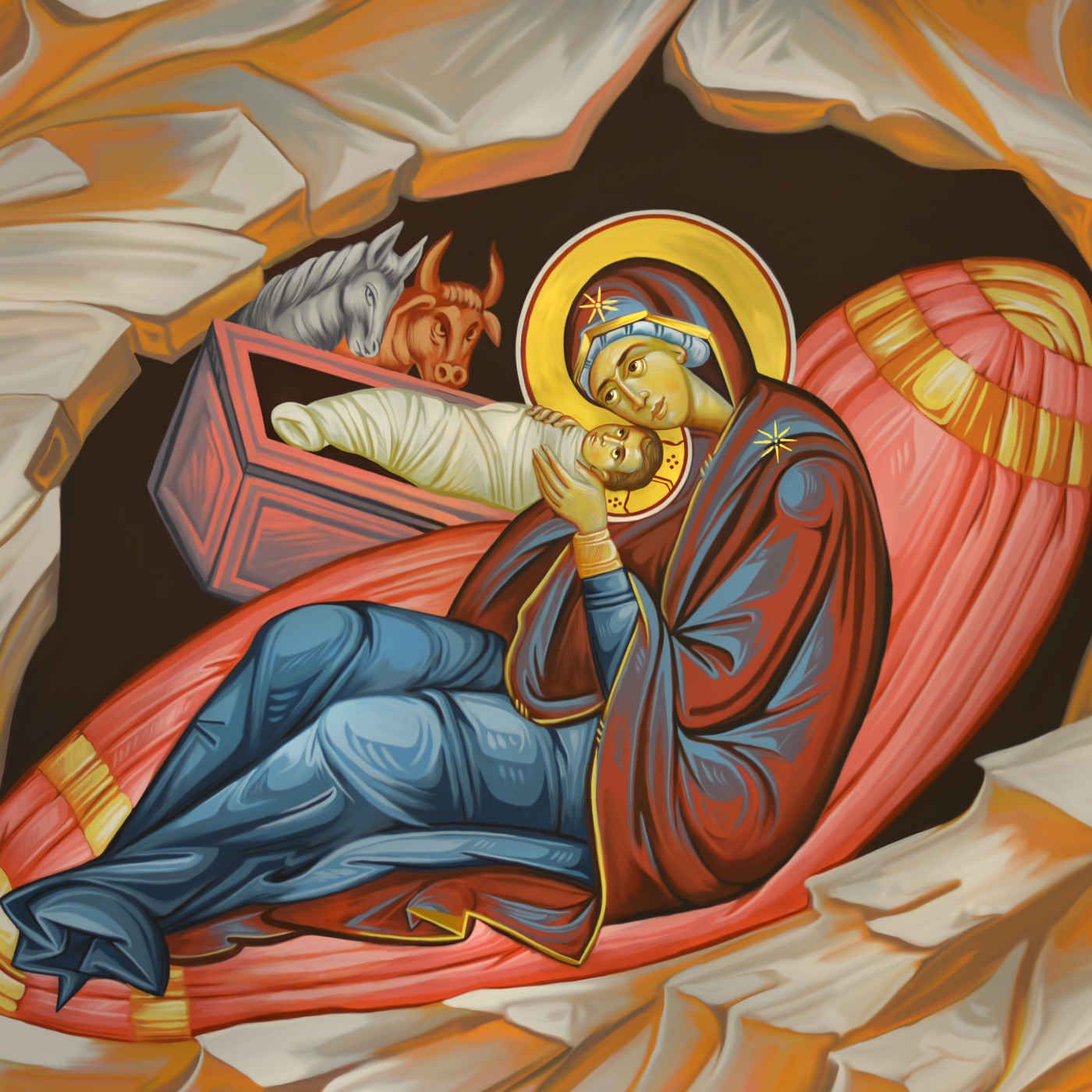
May 28
Thursday of the Sixth Week of Easter - Deepening Your Understanding
Read Online Jesus said to his disciples: “Thus it is written that the Christ would suffer and rise from the dead on the third day and that repentance, for the forgiveness of sins, would be preached in his name to all the nations, beginning from Jerusalem. You are witnesses of these things. And behold I am sending the promise of my Father upon you; but stay in the city until you are clothed with power from on high.” Luke 24:46–49 And with that, the earthly mission of Jesus was completed and He ascended into Heaven. Or was it? Was His mission completed? Yes, but only in the sense that our Lord’s work of destroying death and offering new life was accomplished by His life, death and resurrection. Human nature was now invited to share in a new life of grace. Prayerfully imagine standing on the mountain of the Ascension with our Lord. As you gaze upon Him, imagine that you were also present with Him throughout His public ministry. Imagine witnessing His many miracles, the way that He converted the hardest of hearts, the authority with which He spoke, His arrest, torture, death and then His Resurrection. Imagine seeing His hands and feet, once pierced, now radiating glory from those wounds. As you see our Lord in this way, imagine Him looking at you with love and saying to you that He has chosen to send you forth to the world to be a witness to Him and to all that you have seen and encountered. You are to go forth sharing the Good News of His life, death and resurrection with all whom you come in contact with. First, our Lord has, indeed, shared His entire life with you. By reading the Gospels, you become a firsthand witness to all that Jesus did and accomplished. His Word is alive, and it reveals His very Person to you, just as it did to His first followers. Second, Jesus does call you to go forth and to share this living Gospel with the world. Therefore, it is important to ponder how you can do such a thing. How can you give witness to the Resurrection of Christ? How can you change lives? How can you continue the mission of Jesus Himself? The promise given by our Lord to the disciples on the mountain of the Ascension is also a promise given to you. He is promising to send the Holy Spirit upon you so as to clothe you “with power from on high.” Only by receiving that power and using it fully will you be able to accomplish the mission that our Lord has given to you. Therefore, will you open yourself to the Holy Spirit and commit yourself to the continuation of Christ’s mission? If we were to fully understand the mission we have received from Jesus, it would fill us with a holy fear. But too often the realization of what God wants of us fills us with an unholy fear instead. We think about evangelizing others, sharing our faith, witnessing to the truth by our actions, loving our enemies and living for the Gospel alone, and it can appear overwhelming. If that is the case with you, then know that this form of unholy fear can be dispelled so that the gift of holy fear can take its place. Holy fear is a gift of the Holy Spirit that inspires us to sense the awesomeness of God and the mission we are given by encountering it firsthand. It motivates us, encourages us and leaves us with wonder and awe. From there, this and every other gift of the Holy Spirit enables us to fulfill the unending mission of Christ. Reflect, today, upon the particular mission that God has given to you. Prayerfully look at Jesus as He stands on the mountain of the Ascension and looks at you. As He does, let Him reveal to you not only His very Person but also your particular sharing in His ongoing mission of sharing the Good News to the ends of the earth. Receive that mission with courage, joy and holy fear. Reverence it, savor it, ponder it and accept it. Commit yourself to this glorious sharing in the life of Christ by committing yourself to become a witness to Christ until the end of your life on earth. My ascended Lord, as You entered body and soul into the full and glorious presence of Your Father, You handed on to your disciples the duty of completing Your mission on earth. I hear Your call in my life, dear Lord, and commit myself to the glorious task of continuing that mission on earth. Please use me as You will and fill me with power from on high so that I may help share Your saving Word to the ends of the earth. Jesus, I trust in You. Image: Paolo Veronese, Public domain, via Wikimedia Commons Source of content: catholic-daily-reflections.com Copyright © 2025 My Catholic Life! Inc. All rights reserved. Used with permission via RSS feed.
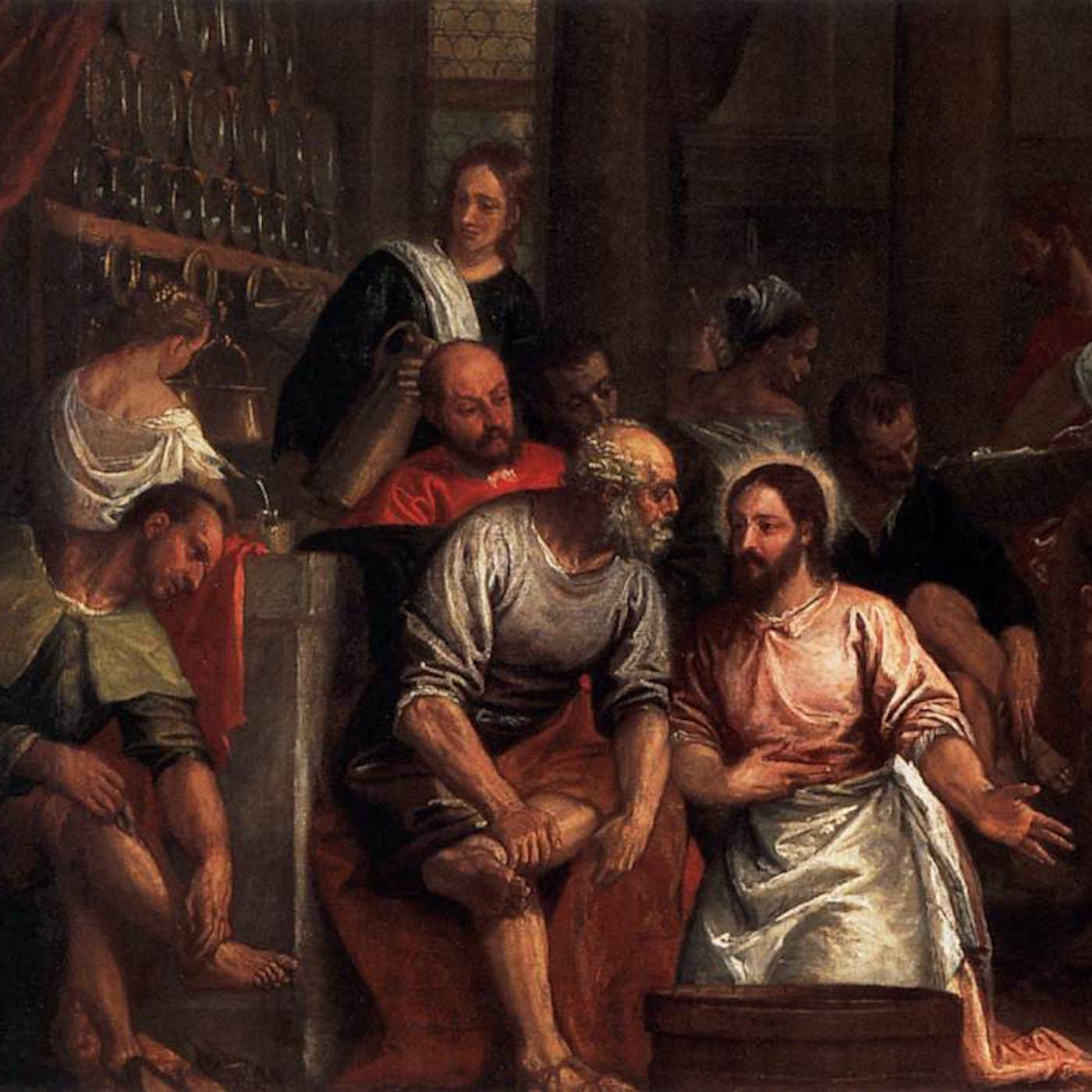
May 28
Ascension of Our Lord (Year C) - Witnessing to the Gospel
Read Online Jesus said to his disciples: “Thus it is written that the Christ would suffer and rise from the dead on the third day and that repentance, for the forgiveness of sins, would be preached in his name to all the nations, beginning from Jerusalem. You are witnesses of these things. And behold I am sending the promise of my Father upon you; but stay in the city until you are clothed with power from on high.” Luke 24:46–49 And with that, the earthly mission of Jesus was completed and He ascended into Heaven. Or was it? Was His mission completed? Yes, but only in the sense that our Lord’s work of destroying death and offering new life was accomplished by His life, death and resurrection. Human nature was now invited to share in a new life of grace. Prayerfully imagine standing on the mountain of the Ascension with our Lord. As you gaze upon Him, imagine that you were also present with Him throughout His public ministry. Imagine witnessing His many miracles, the way that He converted the hardest of hearts, the authority with which He spoke, His arrest, torture, death and then His Resurrection. Imagine seeing His hands and feet, once pierced, now radiating glory from those wounds. As you see our Lord in this way, imagine Him looking at you with love and saying to you that He has chosen to send you forth to the world to be a witness to Him and to all that you have seen and encountered. You are to go forth sharing the Good News of His life, death and resurrection with all whom you come in contact with. First, our Lord has, indeed, shared His entire life with you. By reading the Gospels, you become a firsthand witness to all that Jesus did and accomplished. His Word is alive, and it reveals His very Person to you, just as it did to His first followers. Second, Jesus does call you to go forth and to share this living Gospel with the world. Therefore, it is important to ponder how you can do such a thing. How can you give witness to the Resurrection of Christ? How can you change lives? How can you continue the mission of Jesus Himself? The promise given by our Lord to the disciples on the mountain of the Ascension is also a promise given to you. He is promising to send the Holy Spirit upon you so as to clothe you “with power from on high.” Only by receiving that power and using it fully will you be able to accomplish the mission that our Lord has given to you. Therefore, will you open yourself to the Holy Spirit and commit yourself to the continuation of Christ’s mission? If we were to fully understand the mission we have received from Jesus, it would fill us with a holy fear. But too often the realization of what God wants of us fills us with an unholy fear instead. We think about evangelizing others, sharing our faith, witnessing to the truth by our actions, loving our enemies and living for the Gospel alone, and it can appear overwhelming. If that is the case with you, then know that this form of unholy fear can be dispelled so that the gift of holy fear can take its place. Holy fear is a gift of the Holy Spirit that inspires us to sense the awesomeness of God and the mission we are given by encountering it firsthand. It motivates us, encourages us and leaves us with wonder and awe. From there, this and every other gift of the Holy Spirit enables us to fulfill the unending mission of Christ. Reflect, today, upon the particular mission that God has given to you. Prayerfully look at Jesus as He stands on the mountain of the Ascension and looks at you. As He does, let Him reveal to you not only His very Person but also your particular sharing in His ongoing mission of sharing the Good News to the ends of the earth. Receive that mission with courage, joy and holy fear. Reverence it, savor it, ponder it and accept it. Commit yourself to this glorious sharing in the life of Christ by committing yourself to become a witness to Christ until the end of your life on earth. My ascended Lord, as You entered body and soul into the full and glorious presence of Your Father, You handed on to your disciples the duty of completing Your mission on earth. I hear Your call in my life, dear Lord, and commit myself to the glorious task of continuing that mission on earth. Please use me as You will and fill me with power from on high so that I may help share Your saving Word to the ends of the earth. Jesus, I trust in You. Window: workshop of Franz Borgias Mayer (1848–1926); Photo: Andreas Praefcke, Public domain, via Wikimedia Commons Source of content: catholic-daily-reflections.com Copyright © 2025 My Catholic Life! Inc. All rights reserved. Used with permission via RSS feed.
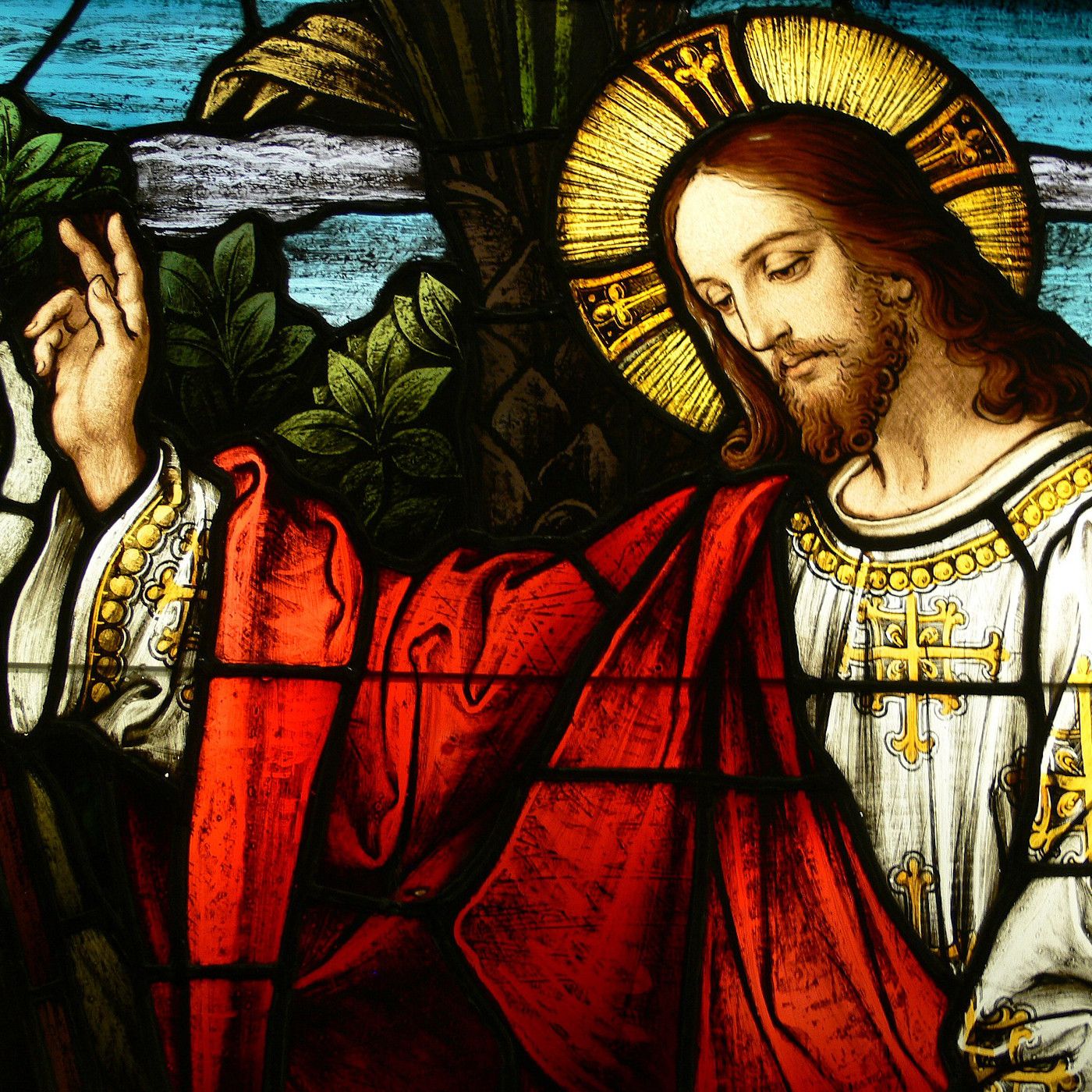
May 27
Wednesday of the Sixth Week of Easter - The Best is Yet to Come
Read Online Jesus said to his disciples: “I have much more to tell you, but you cannot bear it now. But when he comes, the Spirit of truth, he will guide you to all truth.” John 16:12–13 This passage still rings true for all of us today. God wants to reveal to us, within the depths of our consciences, the deepest, most profound and transforming truths that flow from the mind of the Father in Heaven. But we cannot bear it all now. Not fully. And eternity will be spent continually deepening our understanding of all that God reveals. And the process of this ongoing and deepening discovery will fill us with an ongoing and deepening joy. This will be our Heaven, but it must begin now. First of all, it’s important to understand that God does “have much more to tell you.” Interestingly, coming to know how much you do not already know is itself a form of knowledge. Knowing that there is so much more, that God’s wisdom is infinitely beyond you, that the mind of God compared to yours is incomparable is itself a beautiful truth that must be understood. This truth should both humble you and also fill you with a holy awe of God and the infinite depth of wisdom, truth, beauty and glory contained within Him. This is an essential first step. Furthermore, by saying that “you cannot bear it now” does not mean that you should not try to bear more and more of the truth that God wants to reveal. In fact, it’s a form of invitation, in that it indicates that there will come a time when you will be able to comprehend more. This should once again foster a hope and anticipation for all that remains hidden to be revealed. Humility in the face of the infinite God is necessary for growth in wisdom and knowledge of God. How does this growth in wisdom and the knowledge of God happen? It happens by the power and working of the Holy Spirit. It is the “Spirit of truth” who will “guide you to all truth.” But even this statement, once again, implies that this is a process. It is the Spirit Who will “guide” you. And this guidance will continue throughout this life and on into eternity. This teaching of our Lord begs the question: Have you begun the process? Have you begun to allow the Holy Spirit to guide you into the truth? Have there been concrete moments in your life when you came to know God in a new and profound way that could only have been possible by the power and working of God Himself? Reflect, today, upon these essential questions. If you have had God the Holy Spirit speak clearly to You, then humble yourself before that truth. Pray for more wisdom and more knowledge of all that you do not know. And if you cannot relate to the idea of there being so much more that is beyond you, then humbly turn to our Lord and beg Him to begin to open your mind to all that He wants to say to you. The infinite mind of our God awaits you to be discovered and embraced. Begin the process today and let Him guide you into all truth. God of all truth, You, Your wisdom, Your love and all of Your glorious attributes are infinite in nature and are beyond my complete comprehension. As I humble myself before these holy truths, dear Lord, please bestow upon me the Holy Spirit, the Spirit of Truth, so that I may open my mind more fully to You by Your grace. May the process of deep discovery be one of great joy and become for me a process that continues into eternity. Jesus, I trust in You. Image by Gerd Altmann from Pixabay Source of content: catholic-daily-reflections.com Copyright © 2025 My Catholic Life! Inc. All rights reserved. Used with permission via RSS feed.

May 26
Tuesday of the Sixth Week of Easter - Grieved at Changes in Life
Read Online Jesus said to his disciples: “Now I am going to the one who sent me, and not one of you asks me, ‘Where are you going?’ But because I told you this, grief has filled your hearts. But I tell you the truth, it is better for you that I go. For if I do not go, the Advocate will not come to you. But if I go, I will send him to you.” John 16:5–7 Jesus continues to speak prophetically to His disciples about the necessity for Him to go to the Father so that He can send the Holy Spirit. What’s interesting in this passage is that Jesus points out to His disciples that “grief” has filled their hearts because of what He has said to them. Clearly, this grief in their hearts is because they do not understand what they will soon experience and do not want their relationship with Jesus to change. Throughout our lives, our Lord will call us to change. At times, He calls us away from that with which we are familiar and comfortable, and He calls us to something new. This can be frightening and can become the cause of “grief” for us also. To help, let’s consider this passage above in detail. Recall that there were many times, prior to Jesus' death, that Jesus slowly started to reveal to His disciples, especially to the Twelve, that He would be going to the Father and that He would no longer be with them in the way He had been. Jesus wanted the Twelve to begin to understand that their relationship with Him, with the Father and with the Holy Spirit would soon take on new meaning in their lives. But the fact that this was something new, a change to what they had grown accustomed, meant that they were more focused upon the grief that accompanies loss than they were focused upon the joy that awaited. This same experience can often be found in all of our lives. Though dramatic change is not necessarily a regular occurrence throughout life, most everyone will experience change at various moments in life. And when that change occurs in accord with the will of God, it must be embraced with hope and great expectation. For example, vocational changes, such as getting married, having children, or entering a religious vocation, always bring with it much change—but a change that God can use for much good. Also, the death of a loved one, a move to a new community, a new job or school, the establishment of new relationships and the like can be difficult but also fruitful. Since the Gospel passage above specifically refers to the change that comes from the outpouring of the Holy Spirit, it might be helpful to consider the fact that whenever some new change takes place in our lives, the Holy Spirit is there, waiting to enter into the new situation in ways we could have never imagined. So if you find yourself at times experiencing the grief of some loss, or difficulty with some new endeavor in life, know that the disciples experienced something similar. But in the end, Jesus’ words came true—“it is better for you that I go.” Though they did not want to see Jesus die and then ascend to Heaven out of their sight, this was part of the plan of God for their lives. So also when the changes we encounter in life are part of God’s divine plan, we can be certain that good things await. Reflect, today, upon anything that our Lord may be asking of you in regard to a change in your life. Are you open, ready and willing to do whatever He asks? Or are you fearful or grieved by the thought of some change. Be open to anything our Lord asks of you and know that the full embrace of His holy will is the only path to true happiness in life. My dear Jesus, You prepared Your disciples for the new life of grace that they would receive after Your death and Resurrection. Though fearful and uncertain, they embraced the new life You called them to live, and You did marvelous things through them. Please open my heart to the full embrace of my vocation and any changes that You desire for my life. I say “Yes” to You, my Lord, and pray that You work powerfully through me by the Holy Spirit. Jesus, I trust in You. Jacob Herreyns I, Public domain, via Wikimedia Commons Source of content: catholic-daily-reflections.com Copyright © 2025 My Catholic Life! Inc. All rights reserved. Used with permission via RSS feed.
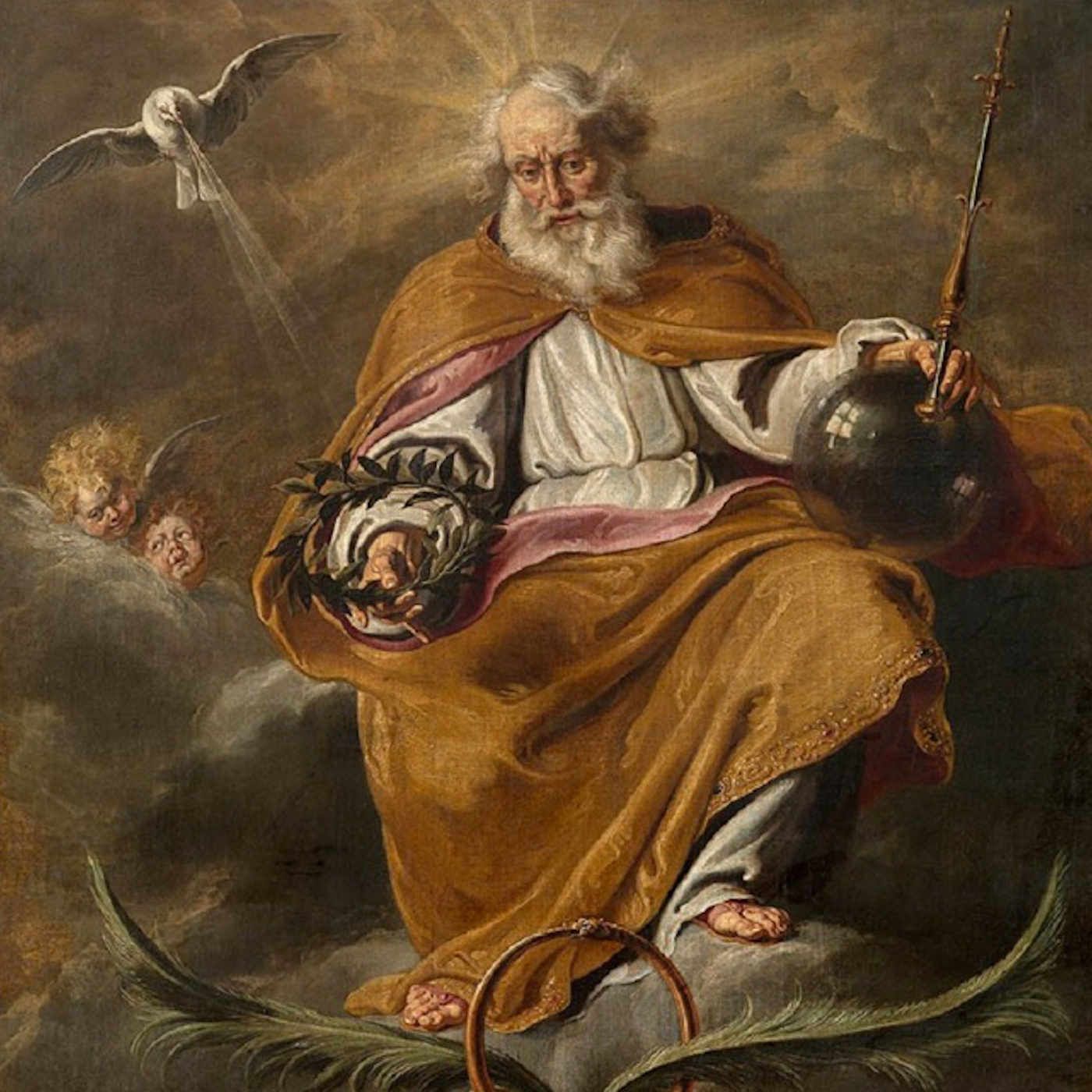
May 25
Monday of the Sixth Week of Easter - Giving Testimony
Read Online Jesus said to his disciples: “When the Advocate comes whom I will send you from the Father, the Spirit of truth who proceeds from the Father, he will testify to me. And you also testify, because you have been with me from the beginning.” John 15:26–27 Jesus informs His disciples that “the Spirit of truth” will come and that the Spirit, as well as the disciples, will “testify” to Him. When Jesus first spoke these words to His disciples, they would not have comprehended what He meant. Since these words are prophetic in nature, they are words spoken that were to come to fulfillment and, then, once fulfilled, the words would be understood. So what does Jesus mean? When we look at the Acts of the Apostles and read about the early Church, it is clear that something incredibly transforming took place after Jesus ascended into Heaven. Up until that time, the disciples and other followers of Jesus had faith, but they were also fearful. They communicated with those others who believed, but did so in secret and with fear. But as soon as Pentecost came and the Holy Spirit, the Advocate, the Spirit of Truth, descended upon them, the Apostles began to be used by God to powerfully proclaim the Gospel without fear and with great effect upon many. It was this experience of the disciples of our Lord, being filled with the Holy Spirit, to which Jesus was referring. After Jesus died, and perhaps even more so after Jesus ascended into Heaven, it is likely that some of His disciples immediately concluded that the new movement Jesus started was now over. They could have never conceived of the idea that what Jesus started was only beginning. They could have never conceived of the fact that soon they would share in the beginning of the Church, proclaim the Gospel with courage and power, see the conversion of countless lives, witness the ongoing forgiveness of sins, and ultimately give their lives in imitation of our Lord. These disciples had no idea just what awaited them with the coming of the Advocate, the Spirit of Truth. What was awaiting them was their sharing in the ability to “testify” to Jesus by the power of the Holy Spirit. They soon realized that Jesus was actually more alive than ever and that He was now going forth to convert souls by the power of the Holy Spirit and through the instrumentality of all of His new disciples. The same is true in our lives today. It is far too common for Christians to simply believe in Jesus personally, but then fail to wholeheartedly give testimony to Him by the transforming power of the Holy Spirit. It is far too common for followers of Christ to act more like the disciples prior to the coming of the Holy Spirit. Too often, Christians keep the Gospel to themselves, fearful of giving testimony by the power of the Holy Spirit. Reflect, today, upon these prophetic words of Jesus. Though these words were initially spoken to the Twelve, Jesus also speaks these words to you today. He wants you, too, to be a witness to Him, giving testimony to others so that they will come to believe. Reflect upon how well you fulfill this prophetic calling. Where you are lacking, pray for the outpouring of the Holy Spirit in your life so that God can reach many hearts through you. Most glorious Jesus, You promised to send upon Your disciples and also upon me the Holy Spirit, the Advocate and Spirit of Truth. Holy Spirit, I welcome You into my life and offer myself to You without reserve to be used to give testimony to the Truth. Please do use me, my God, and touch many lives through me. Jesus, I trust in You. Image: Titian, Public domain, via Wikimedia Commons Source of content: catholic-daily-reflections.com Copyright © 2025 My Catholic Life! Inc. All rights reserved. Used with permission via RSS feed.
May 24
Sixth Sunday of Easter (Year C) - Loving the Trinity
Read Online Jesus said to his disciples: “Whoever loves me will keep my word, and my Father will love him, and we will come to him and make our dwelling with him. Whoever does not love me does not keep my words; yet the word you hear is not mine but that of the Father who sent me.” John 14:23–24 The Father and the Son are One. Their unity is perfect in every way. They share one divine nature. Yet they are distinct Persons. They are not only perfectly united as One God, they are also able to be in a loving communion of unity with each other. The mystery of the Trinity: Father, Son and Holy Spirit, is a mystery so deep that we will never fully comprehend Them. They are the “unknowable God” Whom we seek to know. Thus, our relationship with God is an ongoing journey by which we plunge ourselves into this mystery more deeply every day and through eternity. Today’s Gospel gives us a glimpse into the glorious unity of God, but it goes further. It also reveals the desire in the Heart of God to come and dwell within us. If we love God and keep His Word, the Trinity will come to us and dwell within us. “Whoever loves me will keep my word, and my Father will love him, and we will come to him and make our dwelling with him.” This invitation given to us to share in the unity of God is also a mystery too deep for words. As a child, perhaps you were taught about the mystery of the Trinity by being shown a three-leaf clover. Each petal represents one of the divine Persons, but the whole leaf represents Their unity. We benefit from this simplistic imagery to help us begin to understand Who God is. But in reality, there is only one thing that will help to fully reveal God’s very Self to us. What is that one thing? It is exactly what Jesus spoke about: Loving obedience to the Word of God. Obedience to the Word of God is the best expression of love we can offer to God. This is because God’s Word is Truth in its fullness. When we understand this Truth and live by it, then this is love. Furthermore, this form of loving obedience will result in something that is unimaginable. It will result in the indwelling of the Most Holy Trinity in our souls: “...and we will come to him and make our dwelling with him.” Though this language is clouded and mysterious, when the Most Holy Trinity comes to dwell within a person, the cloud begins to be lifted and the mystery begins to become known. Therefore, the only way to begin to discover this incomprehensible mystery of the life of the Most Holy Trinity is to allow the Trinity to dwell within you. And the only way to invite God to do so is through love of Him. And the only way to love Him is through obedience to the Word of God. Jesus is the Word of God. We especially come to know Him as the Word of God through our reading of the Scriptures and by living the message it proclaims. Reflect, today, upon the most central calling you have been given. That mission is to become a dwelling place for God. And that is only accomplished by your love of God which is expressed through obedience to His Word. Ponder obedience. Tell God you will obey His every command of love. Look at your actions and consider any ways that you fail in obedience to all that our Lord has commanded. Where you see any deviation, know that correcting that deviation is the pathway not only to a deeper love but also the pathway to a fuller unity with the Triune God Who seeks to unite Himself to you from within. Most Holy Trinity, Unity of the Father, Son and Holy Spirit, come dwell within me. I pray for the gift of love of You, expressed through my obedience to Your every command that is revealed through Your holy Word. May I become more fully aware of every way I delay in my obedience so that I may change my ways and open myself more fully to You. Jesus, I trust in You. Image via Adobe Stock Source of content: catholic-daily-reflections.com Copyright © 2025 My Catholic Life! Inc. All rights reserved. Used with permission via RSS feed.
May 23
Saturday of the Fifth Week of Easter - The Hatred of the World
Read Online Jesus said to his disciples: “If the world hates you, realize that it hated me first. If you belonged to the world, the world would love its own; but because you do not belong to the world, and I have chosen you out of the world, the world hates you.” John 15:18–19 This is a sobering thought: “the world hates you.” That is, if you are among those who have been taken by our Lord out of the world. In that case, Jesus says that the world will hate you. No one wants to be hated. No one wants to experience the wrath, persecution, attacks, or ridicule of another. Hatred is ugly, painful and difficult to endure. But that is part of the nature of hate. It’s not only a form of persecution, it’s also a form of manipulation. Hate is an attack upon another by which the hater seeks to inflict injury and to manipulate them to change and conform to their will. The secular and unchristian “world” wants to win you over and away from God. Jesus offers this teaching, in part, to prepare us so that when we do experience hatred from the world, we will not be affected by it nor manipulated to turn from Him. Therefore, this teaching is a revelation of much mercy from our Lord. Remember that Jesus spoke of three enemies of our soul. The flesh, the devil and the world. In this Gospel passage, to “belong to the world” means that a person allows themself to be negatively influenced by the countless lies embedded within the world. The secular media, pop-culture, biased opinions, social pressures, false images of happiness and the like seek to constantly misguide us and draw us in. We are regularly tempted to believe that fulfillment is found in money, our physical appearance, the recognition of our accomplishments and much more. The world tells us that our opinions must conform to the secular values of the age—and if they don’t, then we are judgmental, close-minded extremists and should be shunned and “canceled” or silenced. These worldly temptations and pressures are real, and, for that reason, Jesus’ words are freeing. They free us from the manipulations and deceptions we will experience when we live our faith openly for all to see. When we do so, we will be hated by the world. But knowing that provides peace of heart when it happens. Reflect, today, upon these powerful and consoling words of Jesus. If you do not experience any form of hatred from the world, then this should be a concern and the cause for reflection. And if you do experience some form of hatred, know that our Lord prepared you for this and offers you His strength and courage to endure it with joy. In the end, all that matters is what our Lord thinks—and nothing else. In the end, if you experience hatred by the world in any form, know that this makes you more like Christ Himself. My persecuted Lord, You endured the hatred and ridicule of many who were engulfed by the false values of the world. I pray that I may share not only in Your life of love and mercy but also in Your strength during the times that I also endure the world's hatred. I commit myself to You and pray that You continually take me out of the world and bring me close to Yourself. Jesus, I trust in You. Jan Miense Molenaer, Public domain, via Wikimedia Commons Source of content: catholic-daily-reflections.com Copyright © 2025 My Catholic Life! Inc. All rights reserved. Used with permission via RSS feed.
May 22
Friday of the Fifth Week of Easter - True Friendship
Read Online “You are my friends if you do what I command you. I no longer call you slaves, because a slave does not know what his master is doing. I have called you friends, because I have told you everything I have heard from my Father.” John 15:14–15 To some, Jesus’ definition of friendship may, at first glance, seem odd. He says that we are His friends only when we do what He commands us to do. Imagine saying that to one of your best friends. Such a statement would most likely be met with a laugh and dismissal as foolishness. So is true friendship always based on obedience? Obviously, the expectation that your friends obey you so as to win your friendship is not the basis of any authentic friendship. Jesus is the only one Who can base your friendship upon obedience to His holy will. Why? Because of the nature of what He commands you to do. Jesus is pure Truth. What He wills is the perfection of love. Therefore, His statement that you are only His friend if you do what He commands you to do teaches that friendship is based on the truth. It’s based on love, goodness, kindness, selfless sacrifice and self-giving. And it is all of these truths that Jesus commands us to do. Therefore, Jesus is essentially telling us that His will alone provides the pathway to the friendship we desire to have with Him. In regard to your friendship with others, each true friendship can only be based on that which God wills for friends. And, in that sense, you can “command” the will of God for your friendships. This means you are only willing to establish a friendship upon the truth. It means you are only willing to share a relationship based upon selfless, sacrificial, self-giving mercy, compassion, honesty and love. Reflect, today, upon your understanding of friendship. Begin with your friendship with God, but then also ponder your friendship with others. Do you love our Lord in the way that He commands? And as you ponder your friendship with others, examine whether or not each friendship also conforms to obedience to the will of God. If you can love God and others in conformity with the dictates of true love, then your friendships will produce an eternity of deep fulfillment. My divine Lord, You call me to a friendship with You based only on the dictates of pure and holy love. I thank You for this command of love and accept this invitation. Help me, Lord, to continually deepen my friendship with You in accord with the truths of love and help me to base all my friendships only on the commands of this holy love. Jesus, I trust in You. Image: Ilyas Basim Khuri Bazzi Rahib, CC BY-SA 3.0 , via Wikimedia Commons Source of content: catholic-daily-reflections.com Copyright © 2025 My Catholic Life! Inc. All rights reserved. Used with permission via RSS feed.
May 21
Thursday of the Fifth Week of Easter - The Good Fruit of Obedience
Read Online “If you keep my commandments, you will remain in my love, just as I have kept my Father’s commandments and remain in his love.” John 15:10 When Jesus spoke the line above, He followed it by saying, “I have told you this so that my joy might be in you and your joy might be complete.” These two lines, taken side by side, provide a helpful unity of Jesus’ teaching regarding holy obedience to Him. First, Jesus speaks of the necessity of keeping His commandments. To some, such a statement, when taken by itself, can seem burdensome, dictatorial, oppressive and confining. But is it? The answer is found clearly as we read on. The next thing Jesus teaches is that the effect of keeping His commandments is that we “remain in His love.” He further explains that He is not asking us to do anything that He Himself was not willing to do. He was obedient to the will of the Father, keeping the commandments of the Father to perfection. Therefore, we should hear His command as a dictate flowing from His own freely lived choice to be obedient. As the Incarnate Son of God, He perfectly obeyed the Father in His human nature. The result was that He remained perfectly filled with the love of the Father. But that’s not all. Joy is also experienced in a “complete” way when we imitate Jesus’ perfect obedience. In light of the teaching from our Lord, how do you view holy obedience to the will of God? Take, for example, each of the Ten Commandments. Do you struggle with unwavering obedience to them? Do you experience them as oppressive and imposed limitations rather than what they truly are? When understood correctly, the Ten Commandments, and every other dictate of the will of God, are exactly what we need and, even more so, exactly what we deeply desire in life. We want interior order rather than chaos. We want integrity rather than fragility. We want joy rather than sadness. And we want unity with the love of God rather than the loss of God. The path to the life we so deeply desire is obedience to the commands of the will of God in all things. Reflect, today, upon your immediate interior reaction to holy obedience. If you do find yourself resistant in any way to this teaching of Jesus, then that is a good sign that you need this teaching more than you may know. Try to look at obedience in the light of truth. Try to see that, deep down, your soul yearns for obedience and the interior order it brings. Examine, especially, any areas of obedience you struggle with and firmly recommit yourself to unwavering obedience to each and every command of our Lord. My obedient Lord, You obeyed the will of Your Father in Heaven to perfection. Through this obedience, You not only experienced the full love and joy of the Father in Your human nature, You also set for us a perfect example and model for holiness. Help me to see the areas of my life in which I need to be more obedient, so that I, too, will share in Your holy life and that of the Father’s. Jesus, I trust in You. I Come to Fulfill the Law by Lawrence OP , license CC BY-NC-ND 2.0 . Source of content: catholic-daily-reflections.com Copyright © 2025 My Catholic Life! Inc. All rights reserved. Used with permission via RSS feed.
May 20
Wednesday of the Fifth Week of Easter - Firmly Connected to Christ
Read Online “I am the vine, you are the branches. Whoever remains in me and I in him will bear much fruit, because without me you can do nothing.” John 15:5 The first amazing thing to recognize in this passage is the simple fact that God wants to produce good fruit in your life. He also wants to bring His grace and mercy into the world through you. The vine does not produce the fruit alone but does so through the instrumentality of the branches. So if we take this teaching at face value, God is saying that He has chosen to bring His grace and mercy into your life and into the world through you. To add greater clarity to this holy mission that we have all been given, Jesus makes a very profound statement. He says “without me you can do nothing.” When considering this line spoken by our Lord, it may be useful to reflect upon what the word “nothing” means. Saint Augustine points out that Jesus added “you can do nothing” to emphasize the fact that, by ourselves, by our own effort, we cannot even produce a “little” good fruit. For example, it would be like cutting off a twig from an apple tree and hoping that the twig will produce an apple. The fruit that God wants to produce also takes place within your soul, in the form of the Fruits of the Holy Spirit. These fruits consist of love, joy, peace, patience, kindness, goodness, faithfulness, gentleness and self-control (See Galatians 5:22–23). Each one of these gifts from God will have the effect of transforming you more fully into an image of God Himself in our world. Try to take a moment to consider each one of those Fruits of the Holy Spirit. Each one is very desirable. Growing in a desire for them will help you grow in a desire for the Holy Spirit in your life. When the Gospel passage quoted above is considered in its two parts, it is also clear that if we separate ourselves from God, then it is impossible to experience any one of the Fruits of the Holy Spirit. Without a firm connection to our God, we will have no love, no joy, no patience, kindness, etc. None of that is possible unless our lives are firmly connected to the Vine, Who is Christ Himself. So fostering a positive desire for these good fruits, as well as a holy fear of losing them, is useful. Reflect, today, upon the beautiful and meaningful image given to us by Jesus of the vine and the branches. Think of a vine and then think of yourself firmly attached to that vine. Sit with that image prayerfully and let God speak to you. He wants to do great things in you and through you. If you will only cling to Him with all your heart, an abundance of good fruit will be produced. Jesus the Vine, You are the source of all goodness, and, without You, I can do nothing. Help me to always remember how deeply I need You in my life and help me to cling to You always. Please bring forth an abundance of good fruit in my life and, through me, into the world. Jesus, I trust in You. Image via Pixabay. Source of content: catholic-daily-reflections.com Copyright © 2025 My Catholic Life! Inc. All rights reserved. Used with permission via RSS feed.
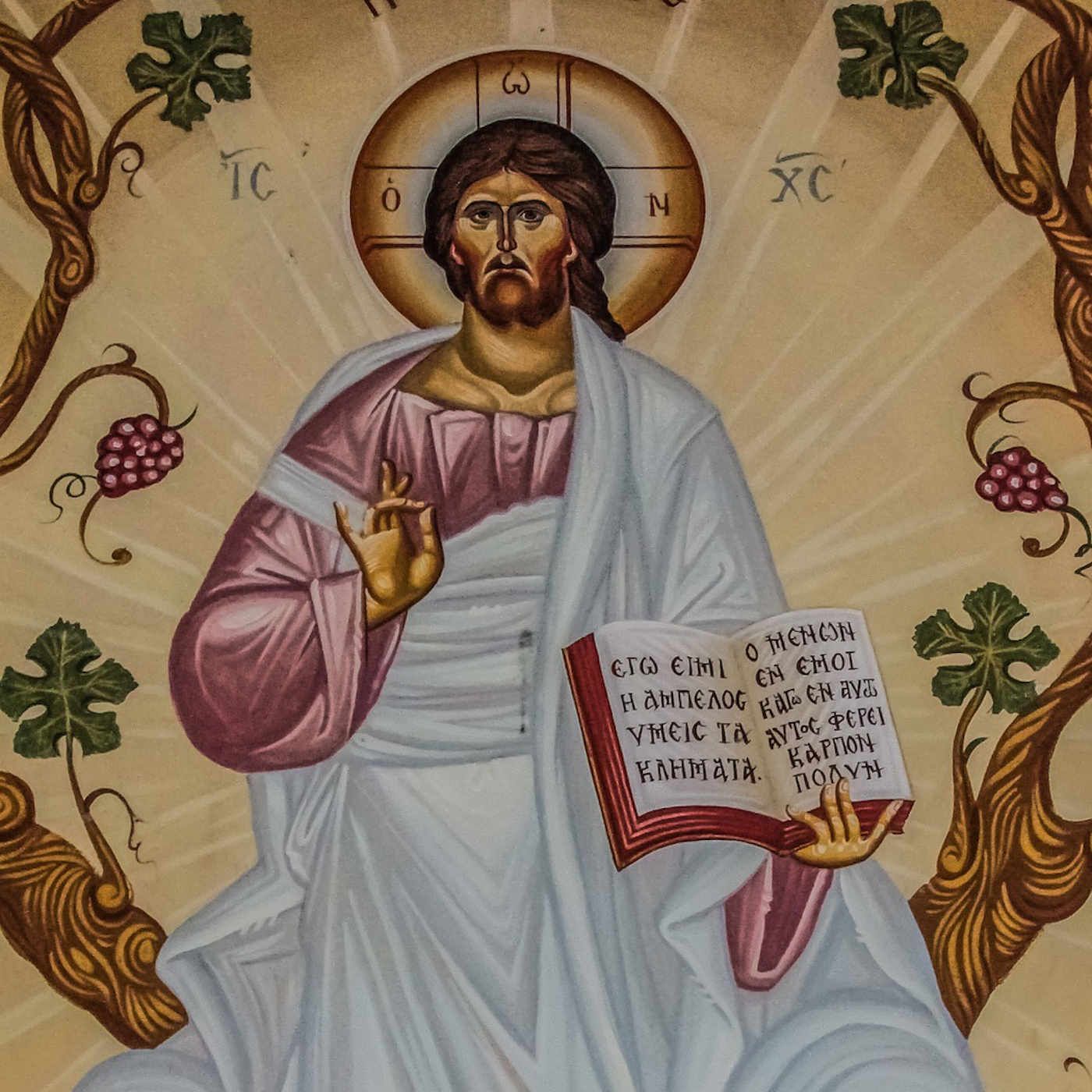
May 19
Tuesday of the Fifth Week of Easter - The Peace of Christ
Read Online Jesus said to his disciples: “Peace I leave with you; my peace I give to you. Not as the world gives do I give it to you.” John 14:27 So how does the peace that Jesus gives you differ from the apparent peace that the world gives? We all want peace in life. The desire for interior peace is written upon our very nature. And though many people make choices that lead to interior disorder and even chaos, those choices are often made out of a confused sense of what actually provides fulfillment. For example, those who choose to feed an addiction to drugs or alcohol often began that addiction out of a misguided desire for happiness. The temporary fix experienced gives the temporary sense of well-being. But objectively speaking, it is very clear that the temporary “peace” one receives from these actions leads ultimately to a loss of the very thing they desire. And when these choices become addictions, the person often finds themself trapped in a downward spiral. There are also countless other ways in which people find themselves seeking satisfaction and fulfillment in life. Money, promiscuity, cheating, selfishness, anger, deception, and the like are all actions that are done with the intent of some satisfaction. Our daily goal must be to unmask those deceptive actions so that we can see them for what they are and for the fruit that they produce. These are clearly among the many ways that the “world” offers us peace. When it comes to true happiness in life, the gift of true interior peace is one of the clearest signs that we are on the right track and are making the right decisions. When we choose the will of God each and every day, those choices may be difficult and require much initial sacrifice. Love can be hard. Faithfulness to the moral law of God can be challenging. And refusing to sin is difficult. But choosing the will of God throughout our day, every day, will begin to produce within us the consoling and sustaining gift of the peace of Christ. True peace produces strength. It leads to interior integrity and wholeness. It produces clarity of thought and certitude in convictions. God’s peace leads to more peace. It leads to choices based on well-thought-out actions of love. Peace leads us to the will of God, and the will of God leads to peace. The cyclical effect is exponential and is one of the clearest guides to happiness in life. Reflect, today, upon whether you truly have peace in your heart. Do you recognize the still, strong and sustaining presence of God within your soul? Do your daily choices produce greater integrity of heart and clarity of mind? Do you find that you have joy and calm, even in the midst of life’s greatest challenges? Seek out this peace, for if you do, you will be seeking out the good God Who produces this glorious gift within your heart. My Lord of true peace, You and Your holy will are the only path to the deepest fulfillment of all of my desires in life. When I make poor choices that lead to disorder and confusion, help me to turn to You with all my heart. Please unmask any deception I struggle with and give me the strength I need to seek You and Your peace alone. Jesus, I trust in You. Image: Heinrich Hofmann, Public domain, via Wikimedia Commons Source of content: catholic-daily-reflections.com Copyright © 2025 My Catholic Life! Inc. All rights reserved. Used with permission via RSS feed.
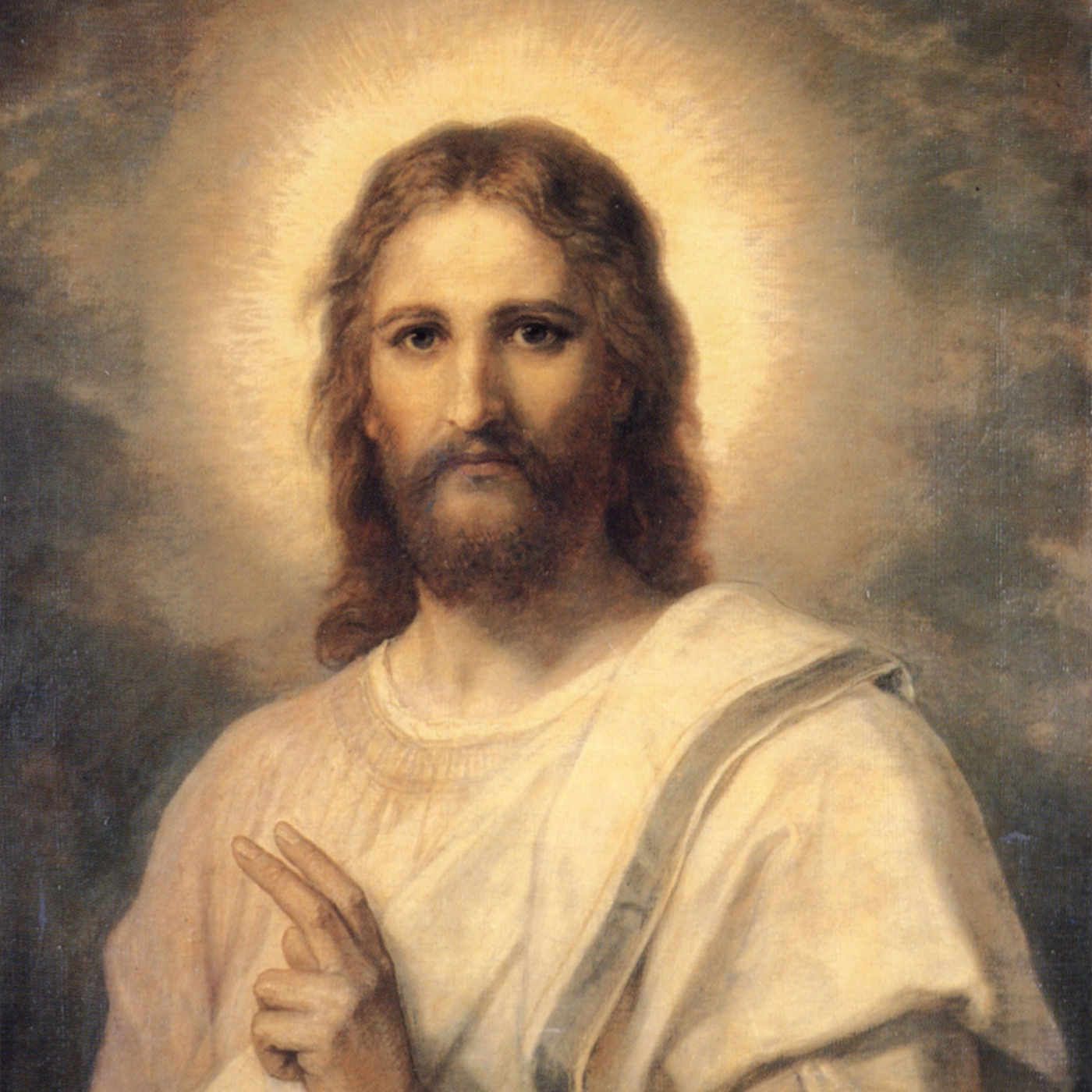
May 18
Monday of the Fifth Week of Easter - Remembering God’s Revelations
Read Online “I have told you this while I am with you. The Advocate, the Holy Spirit whom the Father will send in my name—he will teach you everything and remind you of all that I told you.” John 14:25–26 Sometimes we forget all that God has spoken to us. For example, we may have some clear experience of God’s presence in our lives, such as a powerful spiritual insight gained through prayer, a deep conviction of His voice spoken through a sermon, the transforming freedom encountered through the Sacrament of Reconciliation, or some form of unmistakable clarity imparted through the reading of the holy Scriptures. When God speaks to us, imparting His Truth, strength, forgiveness and every other form of grace, we are spiritually consoled as we sense His closeness. But when trouble comes our way, those moments of clarity can be easily lost. The disciples would have had many clarifying experiences during the three years of Jesus’ public ministry. They marveled at the spiritual authority they encountered in His sermons, witnessed countless miracles, looked on as sinners were set free, saw Jesus transfigured in glory, and watched our Lord enter deeply into prayer with the Father. Each time they encountered the power of God at work, they would have grown in their conviction that Jesus was the Messiah, the Son of God, the Savior of the World. But Jesus also knew that these disciples would soon have their faith in Him shaken. He knew that as they looked on from a distance in fear as Jesus was arrested, beaten and killed, they would start to forget all that they previously experienced. Fear can cause confusion, and Jesus knew that His disciples would soon fall into that trap. For this reason, Jesus spoke the words above to His disciples. He promised them that the Holy Spirit would soon come upon them to teach them everything and to remind them all that He told them. How nice it would be if every lesson we ever learned from God remained front and center in our lives. How nice it would be if we never allowed fear to confuse us and cause us to forget all that God has spoken to us in varied ways. Just as Jesus knew the disciples would need the help of the Holy Spirit to remember, He also knows that we need the same help from the Holy Spirit. Therefore, the words spoken to the disciples above are also spoken to us. “The Advocate, the Holy Spirit whom the Father will send in my name—he will teach you everything and remind you of all that I told you.” What lessons of faith have you learned in the past that you need to be reminded of? It is the role of the Holy Spirit to bring those lessons to mind every time we need them. Therefore, as we move closer to the glorious celebration of the Solemnity of Pentecost, it is a good time to pray to the Holy Spirit and ask for the gift of remembering the many ways that God has revealed Himself to us. The Father, Son and Holy Spirit work in perfect harmony with each other, but each has a distinct role in our lives. The Holy Spirit’s role is especially to lead us day-by-day into the fulfillment of the Father’s will of becoming perfectly conformed to the Person of Christ Jesus. Reflect, today, upon this powerful promise that our Lord gave to His disciples and to us. Pray to the Holy Spirit. Open yourself to the Spirit’s ongoing direction in your life and never allow fear to lead to confusion. Instead, allow God to dispel all confusion and to remind you of all that He has spoken to you throughout your life. Most glorious Lord Jesus, You promised the disciples and all Your people that the Holy Spirit would be sent to us to remind us of all that You have revealed. Holy Spirit, please continuously descend upon me, teach me and guide me. Help me to never forget the many lessons I have been taught so that I will never let fear lead to confusion. Jesus, I trust in You. Image via Adobe Stock Source of content: catholic-daily-reflections.com Copyright © 2025 My Catholic Life! Inc. All rights reserved. Used with permission via RSS feed.
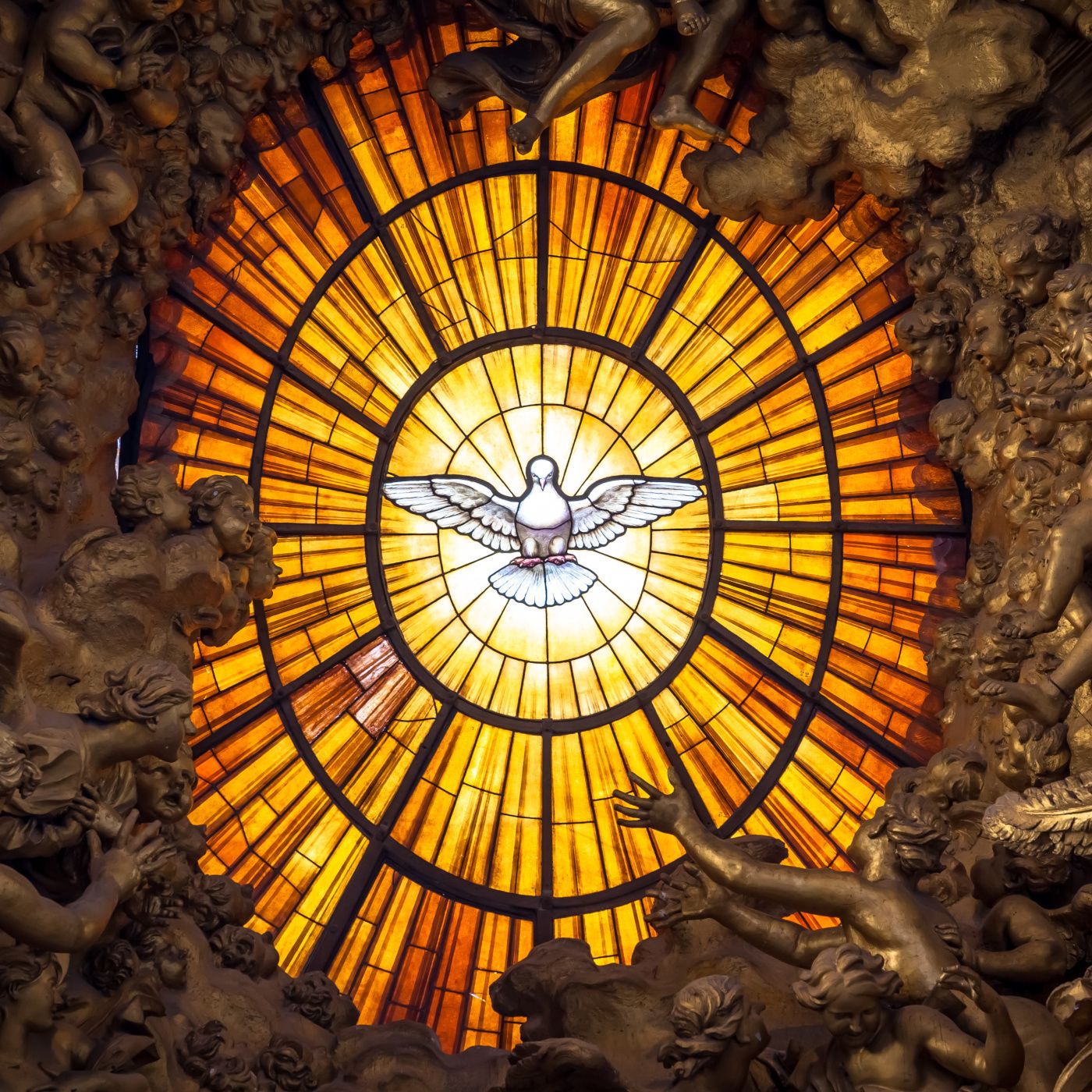
May 17
Fifth Sunday of Easter (Year C) - Eternal Glory
Read Online When Judas had left them, Jesus said, “Now is the Son of Man glorified, and God is glorified in him. If God is glorified in him, God will also glorify him in himself, and God will glorify him at once.” John 13:31–32 If the life we live here and now is all we will ever have, then it makes sense to believe that death is our worst enemy. But as we know, this life is but a grain of sand in the ocean in comparison to eternity. For that reason, we must see death as our passing into the glories that await. The death of a loved one is difficult for sure. And when we face our own death, there are many temptations we might experience toward fear of the unknown. But if the Son of God chose to endure death itself, then we must work to see death differently. Today’s Gospel passage speaks of Jesus’ coming death as His glorification. “Now is the Son of Man glorified, and God is glorified in him.” Jesus spoke these words right after Judas left the Last Supper to betray Him. From an earthly perspective, it is unlikely that anyone would consider their betrayal and brutal death as the moment when God is glorified. But from a heavenly and eternal perspective, Jesus’ death was the greatest glorification He could offer to the Father. This only makes sense when we put on the mind of God. As we continue to celebrate our Easter Season, we look beyond the suffering of Christ to see the fruit of His suffering. We see that death was defeated and that Jesus will now forever live in His glorified and resurrected body in Heaven. He will forever carry the marks in His hands, feet and side, and those marks will forever glorify the Father. The Resurrection of Christ changes everything, including death. For that reason, we must continually work to put on the mind of God and see our human lives as He sees them. What is it that you live for in this life? What are your goals and ambitions? If you find that you focus excessively upon immediate pleasures, material wealth, selfish objectives and passing ambitions, then it is time to ponder the lesson of Jesus’ glorification. By facing His own death as an opportunity to glorify the Father, Jesus made it possible for us to do the same. And though there will always be a healthy sorrow associated with the passing of a loved one, the hope of Heaven and eternal glory must become the lens through which we see all things in this life. When you look at your life, it is essential to see the cross that God has given to you. That is because your cross is the gateway to this eternal glory. Each person’s cross will be different. A cross is not simply our suffering; it’s our call to live sacrificially. This is love. It’s the calling we are given to lay our lives down for others. To serve others. To forgive every wrong, to love every sinner, to show mercy and compassion toward those in need. And to do all of this in response to God’s perfect will. The crosses in our lives are opportunities for love in its purest form. This is how Jesus saw His Cross and this is how we must see ours. Reflect, today, upon death, but try to look at it as a calling to give of yourself sacrificially out of love. The best way to prepare yourself for a glorious death is to live in the love of God here and now. To the extent that you can do that, God will be glorified as you share in the glory given to Christ. My loving Lord, You transformed death itself into the perfect means by which You gave glory to Your Father and were glorified Yourself. Please help me to enter into Your mind so that I can see my life as You see it and to live for that eternal glory to which I am called. Jesus, I trust in You. Image via Adobe Stock Source of content: catholic-daily-reflections.com Copyright © 2025 My Catholic Life! Inc. All rights reserved. Used with permission via RSS feed.
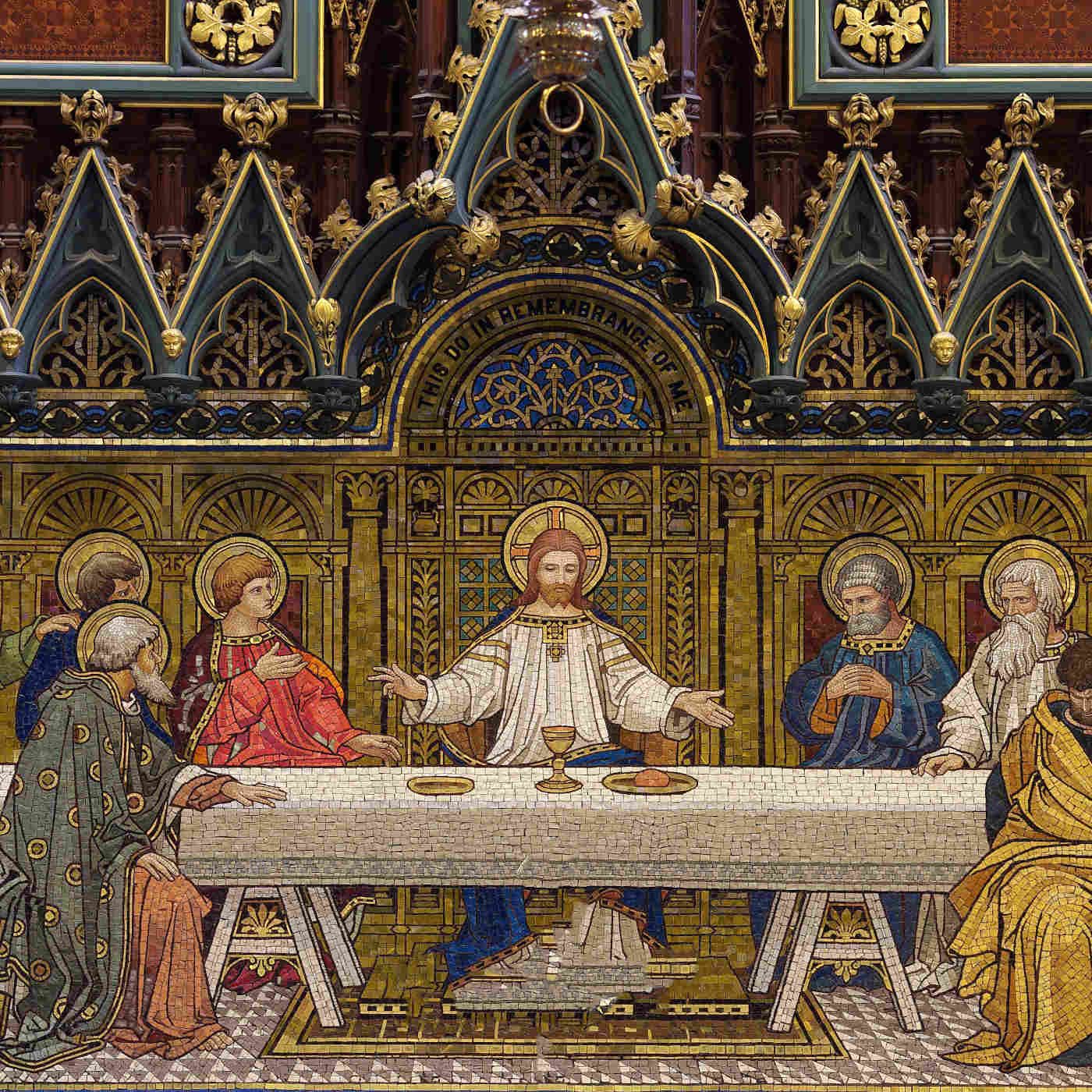
May 16
Saturday of the Fourth Week of Easter - Doing the Greatest Work on Earth
Read Online “Amen, amen, I say to you, whoever believes in me will do the works that I do, and will do greater ones than these, because I am going to the Father. And whatever you ask in my name, I will do, so that the Father may be glorified in the Son. If you ask anything of me in my name, I will do it.” John 14:12–14 How is it that we are called to do greater works than the works that Jesus Himself did? Of course, it’s true. This is our calling. We know that, because this is what our Lord promised us. This truth should fill us with gratitude for being used so powerfully by God. Among the “greater” works of which Jesus speaks is, first and foremost, the sharing of the Gospel to the ends of the earth. As Jesus walked the earth, His mission was primarily to the people of Israel. But when He ascended to Heaven and sent the Holy Spirit upon the Church, He also empowered all who would receive the Holy Spirit to share the Gospel to the ends of the earth. Thus, the conversion of hearts is the greatest work that we can cooperate with. Do you want to do great things? Most children dream of doing so because this desire is written upon our human nature. We want to make a difference. We want to be great. But too often we become confused about true greatness. We attempt to fulfill that innate desire through acts of worldly and passing greatness. We seek recognition, wealth, and other passing rewards that stem from selfish ambitions. None of these ultimately fulfill us, even if we were to achieve them to the greatest extent. For example, imagine if you won the Nobel Peace Prize, or became the leader of a nation, or became the wealthiest person alive. Would the attainment of one of these goals fulfill you? Only if it were the will of God. If not, it would be an empty and meaningless act. Begin by looking within. Do you see the desire within you to do great things? Hopefully you do. From there, remind yourself that the greatest thing you can do, so as to fulfill the desire within you, is to do that which is the will of God for your life. Jesus says, “If you ask anything of me in my name, I will do it.” Asking in Jesus’ name means asking for the fulfillment of His will. It means asking that God use you to bring His saving grace to others any way He chooses. If you ask our Lord for this grace, He will grant it. This form of prayer requires humility and a complete detachment from our own will. It requires that we ask the Father only for that which the Son asks the Father for us. But the reward of such a humble prayer is that God will bestow His grace and mercy on others through us. This is His perfect will. Reflect, today, upon this high calling. Do so by looking at the desire within your own soul for greatness and then unite that desire with God’s will as the only thing that can fulfill you. Pray for this gift every day with humility and detachment and you will become an instrument of acts that give eternal glory to God. In Heaven, this will be your eternal joy. Providential Lord, Your will is perfect and glorious. Please help me to humble myself before You, every day, so that I will understand Your will for my life and choose it always. May I be an instrument of Your saving grace to all whom You wish to touch through me. Jesus, I trust in You. Image via Adobe Stock Source of content: catholic-daily-reflections.com Copyright © 2025 My Catholic Life! Inc. All rights reserved. Used with permission via RSS feed.
May 15
Friday of the Fourth Week of Easter - Overcoming a Troubled Heart
Read Online Jesus said to his disciples: “Do not let your hearts be troubled. You have faith in God; have faith also in me.” John 14:1 In John’s Gospel, Chapters 14–17 present us with what is referred to as Jesus’ “Last Supper Discourses,” or His “Final Discourses.” These are a series of sermons given by our Lord to the disciples the night He was arrested. These discourses are deep and filled with symbolic imagery. He speaks of the Holy Spirit, the Advocate, the vine and the branches, the world’s hatred, and these discourses conclude with Jesus’ High Priestly Prayer. These discourses begin with today’s Gospel in which Jesus addresses the coming fear, or troubled hearts, that He knows His disciples will experience. Let’s begin by considering this first line spoken by Jesus above: “Do not let your hearts be troubled.” This is a command. It’s a gentle command but a command nonetheless. Jesus knew that His disciples would soon see Him arrested, falsely accused, mocked, beaten and killed. He knew they would be overwhelmed by what they would soon experience, so He took this opportunity to gently and lovingly rebuke the fear that they would soon face. Fear can come from many different sources. Some fear is helpful to us, such as the fear present in a dangerous situation. In this case, that fear can heighten our awareness of the danger so that we proceed with caution. But the fear that Jesus was speaking of here was of a different kind. It was a fear that could lead to irrational decisions, confusion, and even despair. This was the kind of fear that our Lord wanted to gently rebuke. What is it that causes you to fear at times? Many people struggle with anxiety, worry, and fear for many different reasons. If this is something you struggle with, it’s important to allow Jesus’ words to resonate within your mind and heart. The best way to overcome fear is to rebuke it at its source. Hear Jesus say to you, “Do not let your heart be troubled.” Then listen to His second command: “You have faith in God; have faith also in me.” Faith in God is the cure for fear. When we have faith, we are under the control of the voice of God. It is God’s truth that directs us rather than the difficulty we are facing. Fear can lead to irrational thinking, and irrational thinking can lead us deeper and deeper into confusion. Faith pierces through the irrationality we are tempted with, and the truths that faith presents to us bring clarity and strength. Reflect, today, upon whatever it is that causes you the most anxiety, worry and fear in your life. Allow Jesus to speak to you, to call you to faith and to rebuke those troubles gently but firmly. When you have faith in God, you can endure all things. Jesus endured the Cross. The disciples eventually endured their crosses. God wants to strengthen you, too. Let Him speak to you so that you will overcome whatever is most troublesome to your heart. My loving Shepherd, You know all things. You know my heart and the difficulties I face in life. Give me the courage I need, dear Lord, to face every temptation to fear with confidence and trust in You. Bring clarity to my mind and peace to my troubled heart. Jesus, I trust in You. Image: Duccio di Buoninsegna, Public domain, via Wikimedia Commons Source of content: catholic-daily-reflections.com Copyright © 2025 My Catholic Life! Inc. All rights reserved. Used with permission via RSS feed.
May 14
Thursday of the Fourth Week of Easter - Are You Blessed?
Read Online When Jesus had washed the disciples’ feet, he said to them: “Amen, amen, I say to you, no slave is greater than his master nor any messenger greater than the one who sent him. If you understand this, blessed are you if you do it.” John 13:16–17 During this, the Fourth Week of Easter, we return to the Last Supper and will spend a few weeks considering the discourse Jesus gave that Holy Thursday evening to His disciples. The question to ask yourself today is this: “Are you blessed?” Jesus says that you are blessed if you “understand” and “do” what He teaches His disciples. So what did He teach them? Jesus offers this prophetic action by which He took on the role of a slave by washing the disciples’ feet. His action was much louder than words, as the saying goes. The disciples were humbled by this act, and Peter, at first, refused it. There is little doubt that this humble act of service, by which Jesus lowered Himself before His disciples, made a strong impression upon them. The worldly view of greatness is much different than the one Jesus taught. Worldly greatness is a process of elevating yourself in the eyes of others, striving to let them know just how good you are. Worldly greatness is often driven by a fear of what others may think of you, and a desire to be honored by all. But Jesus wants to be clear that we will only be great if we serve. We must humble ourselves before others, holding them and their goodness up, honoring them and showing them the deepest love and respect. By washing their feet, Jesus completely abandoned the worldly view of greatness and called His disciples to do the same. Humility is difficult to understand at times. This is why Jesus said, “If you understand this…” He realized that the disciples, as well as all of us, will struggle with understanding the importance of humbling ourselves before others and serving them. But if you do understand humility, you will be “blessed” when you live it. You will not be blessed in the eyes of the world, but you will be truly blessed in the eyes of God. Humility is especially accomplished when we purify our desire for honor and prestige, when we overcome all fear of being mistreated, and when, in place of this desire and fear, we desire abundant blessings upon others, even before ourselves. This love and humility is the only way to this mysterious and profound depth of love. Reflect, today, upon this humble act of the Son of God, the Savior of the World, lowering Himself before His disciples, serving them as if He were a slave. Try to imagine yourself doing this for others. Think about various ways that you can more readily go out of your way to put others and their needs before your own. Seek to eliminate every selfish desire you struggle with and identify any fear that keeps you from humility. Understand this gift of humility and live it. Only then will you be truly blessed. My humble Lord, You set for us the perfect example of love when You chose to serve Your disciples with great humility. Help me to understand this beautiful virtue and to live it. Free me from all selfishness and fear so that I may love others as You have loved us all. Jesus, I trust in You. Image: Benvenuto Tisi, Public domain, via Wikimedia Commons Source of content: catholic-daily-reflections.com Copyright © 2025 My Catholic Life! Inc. All rights reserved. Used with permission via RSS feed.
May 13
May 14, Feast of Saint Matthias, Apostle - Bearing Fruit for the Kingdom
Read Online “It was not you who chose me, but I who chose you and appointed you to go and bear fruit that will remain, so that whatever you ask the Father in my name he may give you.” John 15:16 After Judas betrayed our Lord, the Apostles gathered together to pick someone to succeed him. They decided it should be someone who had been with them from the beginning. They prayed for guidance and cast lots “and the lot fell upon Matthias, and he was counted with the Eleven Apostles” (Acts 1:26). Little is known about the ministry of Saint Matthias. Being chosen as one of the Twelve makes him a bishop of the early Church. Various traditions state that he preached in the territory of either modern-day Ethiopia, Turkey or Georgia—perhaps all of these territories. He is thought to have been killed for his faith, either by stoning or by beheading or both, which is why he is today honored as a martyr. As we honor Saint Matthias, we honor more than just a man who became an Apostle and preached the Gospel with His life, we also honor the divine plan by which God has chosen to use weak and humble instruments to further His Kingdom. The Gospel passage above certainly applies to Saint Matthias, as well as to all of us to one extent or another. It was God who “chose” Saint Matthias, as well as each and every one of us, for the purpose of going forth to “bear fruit that will remain.” But this form of good fruit, the fruit that has eternal consequences, can only be produced when we ask for it from the Father in the name of His Son Jesus. Asking the Father to produce good fruit through us in the name of Jesus His Son does not mean that we get to choose what we ask of the Father. Rather, asking “in Jesus’ name” must be understood to mean that we ask the Father only what the Son has asked. We choose to share in the one eternal prayer of the Son that the will of the Father be fulfilled. And in praying this way, we commit ourselves to unity with His holy will. Sometimes we can all find ourselves asking God for this favor or that. We can place before Him our preference and our will. But if we want to be used by God, to become an instrument of His grace so as to bear an abundance of good fruit, then we must humbly set aside our own will and allow God to be the one Who chooses our mission and appoints us to His holy task. Detachment from our own will and humble submission to the will of God is the only way to bring forth God’s Kingdom. Reflect, today, upon God's choice to call you to share in His divine mission. How He calls is up to God, but you can be certain that He does call you and invites you to share in His mission. Be open to any way that God appoints you to bear good fruit and humbly seek to conform your will to the Father’s plan as you pray in Jesus’ holy name. Lord Jesus, You have perfectly fulfilled the will of the Father in all things, and You have chosen me and appointed me to share in Your divine mission. Help me to open my mind and will to all that You call me to do, so that I, too, may be an instrument of the Kingdom of Your Father in Heaven. I make this prayer in Your most holy name. Jesus, I trust in You. Image: Robert van den Hoecke, Public domain, via Wikimedia Commons Source of content: catholic-daily-reflections.com Copyright © 2025 My Catholic Life! Inc. All rights reserved. Used with permission via RSS feed.
May 12
Tuesday of the Fourth Week of Easter - Learning the Language of God
Read Online Jesus walked about in the temple area on the Portico of Solomon. So the Jews gathered around him and said to him, “How long are you going to keep us in suspense? If you are the Christ, tell us plainly.” Jesus answered them, “I told you and you do not believe.” John 10:24–25 Why is it that these people did not know that Jesus was the Christ? They wanted Jesus to speak “plainly” to them, but Jesus surprises them by saying that He already answered their question but they “do not believe.” This Gospel passage continues the beautiful teaching about Jesus being the Good Shepherd. It’s interesting that these people want Jesus to speak plainly about whether or not He is the Christ, but instead, Jesus speaks plainly about the fact that they do not believe in Him because they are not listening. They have missed what He has said and are left in confusion. One thing this tells us is that God speaks to us in His own way, not necessarily in the way we would like Him to speak. He speaks a mystical, profound, gentle and hidden language. He reveals His deepest mysteries only to those who have come to learn His language. But to those who do not understand God’s language, confusion sets in. If you ever find yourself confused in life, or confused about the plan God has for you, then perhaps it’s time to examine how carefully you listen to the way God speaks. We could beg God, day and night, to “speak plainly” to us, but He will only speak in the way He has always spoken. And what is that language? On the deepest level, it’s the language of infused prayer. Prayer, of course, is different than only saying prayers. Prayer is ultimately a relationship of love with God. It’s a communication on the deepest level. Prayer is an act of God within our soul by which God invites us to believe in Him, to follow Him, and to love Him. This invitation is continually offered to us, but too often we fail to hear it because we fail to truly pray. Much of John’s Gospel, including Chapter Ten from which we are reading today, speaks in a mystical way. It’s not possible to simply read it like a novel and comprehend all that Jesus says with one read. Jesus’ teaching must be heard in your soul, prayerfully, pondered, and heard. This approach will open the ears of your heart to the certitude of the voice of God. Reflect, today, upon the mysterious ways in which God communicates to you. If you do not understand how He speaks, then that is a good starting point. Spend time with this Gospel, prayerfully pondering it. Meditate upon Jesus’ words, listening for His voice. Learn His language through silent prayer and allow His holy words to draw you to Himself. My mysterious and hidden Lord, You speak to me day and night and continually reveal Your love to me. Help me to learn to listen to You so that I may grow deep in faith and may truly become Your follower in every way. Jesus, I trust in You. Image: James Tissot, Public domain, via Wikimedia Commons Source of content: catholic-daily-reflections.com Copyright © 2025 My Catholic Life! Inc. All rights reserved. Used with permission via RSS feed.
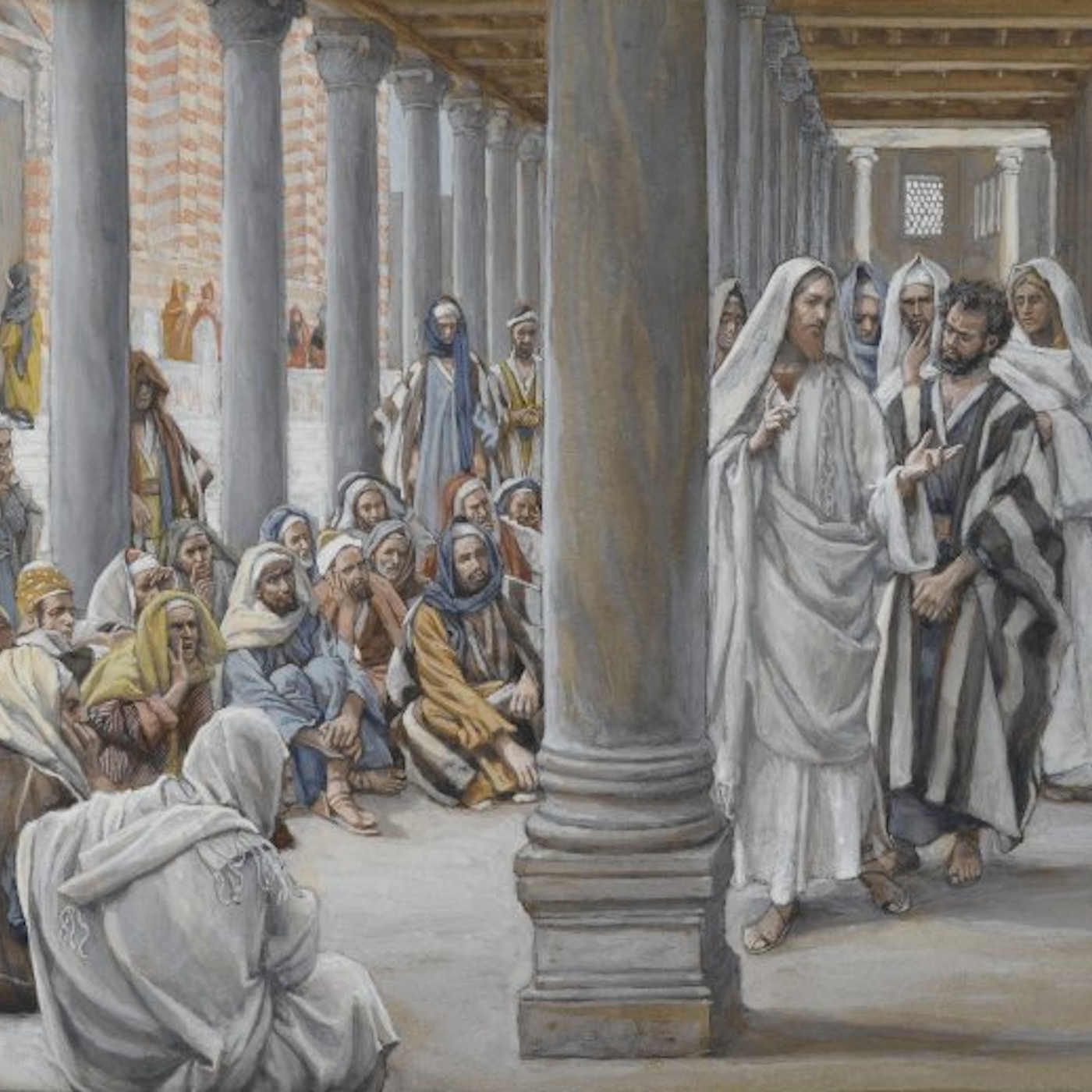
May 11
Monday of the Fourth Week of Easter - Recognizing the Voice of God
Read Online “But whoever enters through the gate is the shepherd of the sheep. The gatekeeper opens it for him, and the sheep hear his voice, as the shepherd calls his own sheep by name and leads them out. When he has driven out all his own, he walks ahead of them, and the sheep follow him, because they recognize his voice.” John 10:2–4 Do you recognize the voice of the Shepherd? Does He lead you each and every day, guiding you into His holy will? How attentive are you to what He speaks each day? These are some of the most important questions to ponder. Recognizing God’s voice is something that many people struggle with. There are often many competing “voices” that speak to us each and every day. From the latest news in the headlines, to the opinions of friends and family, to the temptations all around us within the secular world, to our own self-drawn opinions, these “voices” or “ideas” that fill our minds can be hard to sort through. What is from God? And what is from other sources? Recognizing the voice of God is indeed possible. First of all, there are many general truths that God has already spoken to us. For example, everything contained in the Holy Scriptures is the voice of God. His Word is alive. And when we read the Scriptures, we become more and more familiar with God’s voice. God also speaks to us through gentle inspirations that result in His peace. For example, when considering a certain decision you may need to make, if you present that decision to our Lord prayerfully and then remain open to whatever He wants of you, oftentimes His answer comes in the form of a deep and certain peace of heart. Learning to recognize the voice of God in your daily life is accomplished by building an interior habit of listening, recognizing, responding, listening some more, recognizing and responding, etc. The more you hear the voice of God, the more you will recognize His voice in the most subtle of ways, and the more you come to hear the subtleties of His voice, the more you will be able to follow. In the end, this is only accomplished by an ongoing habit of deep and sustaining prayer. Without that, it will be very difficult to recognize the voice of the Shepherd when you need Him the most. Reflect, today, upon how attentive you are to God in prayer. What does your daily prayer look like? Do you spend time each day listening to the gentle and beautiful voice of our Lord? Do you seek to form a habit by which His voice becomes clearer and clearer? If not, if you do struggle in recognizing His voice, then make the decision to establish a deeper habit of daily prayer so that it is the voice of our loving Lord Who leads you every day. Jesus, my Good Shepherd, You speak to me each and every day. You are constantly revealing to me Your most holy will for my life. Help me to always recognize Your gentle voice so that I can be led by You through the challenges of life. May my life of prayer become so deep and sustaining that Your voice always echoes within my heart and soul. Jesus, I trust in You. Image: Cadetgray, CC BY-SA 3.0 , via Wikimedia Commons Source of content: catholic-daily-reflections.com Copyright © 2025 My Catholic Life! Inc. All rights reserved. Used with permission via RSS feed.
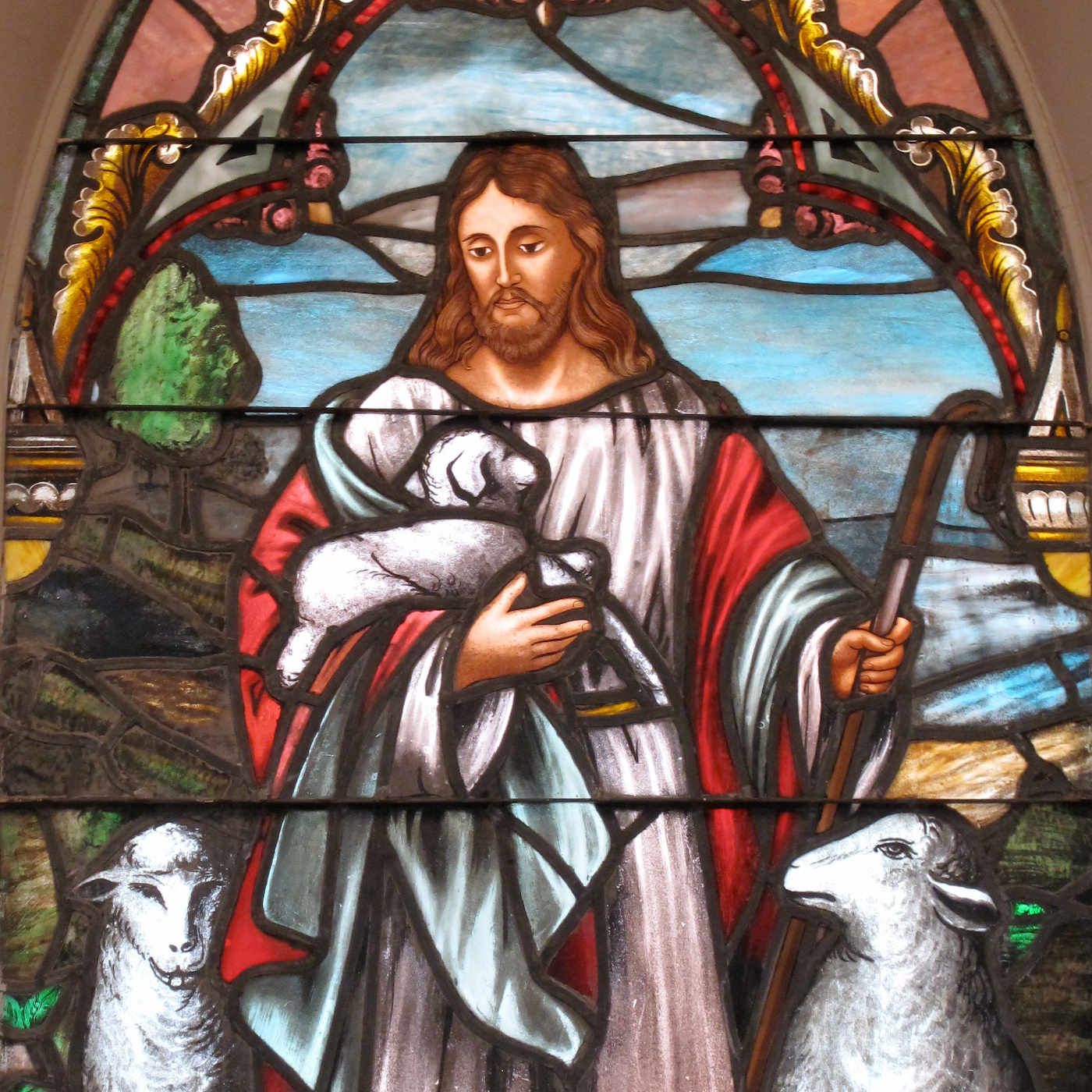
May 10
Fourth Sunday of Easter (Year C) - Shepherding Through Virtue
Read Online Jesus said: “My sheep hear my voice; I know them, and they follow me. I give them eternal life, and they shall never perish. No one can take them out of my hand.” John 10:27–28 The image of Jesus as the Good Shepherd is an endearing image. Many artists have depicted the gentleness of Christ as He leads His sheep or carries a straying lamb on His shoulders. We are given this image today as we celebrate Good Shepherd Sunday. In our short Gospel passage today, Jesus addressed some of the Jews who were trying to trap Him in His speech. Prior to this passage, they asked Him, “How long are you going to keep us in suspense? If you are the Messiah, tell us plainly.” To that, Jesus responded, “I told you and you do not believe.” Jesus answered this way because the people questioning Him were not interested in actually knowing whether He was the Messiah. Instead, they wanted to accuse Him of blasphemy. But Jesus tells them that He already told them Who He was through His works: “The works I do in my Father’s name testify to me.” Do you see the works of God in your life? If you do, then it is important to understand that Jesus’ works are one of the primary ways that He speaks to you and leads you as your Shepherd. God certainly speaks to us through His Word as it is revealed in the Scriptures and in the teachings of the Church. But He also speaks to us through His works. Among the many works of God in your life is the work of grace by which God enables you to grow in virtue. Therefore, it is important to look for the ways that supernatural virtue grows in your life. For example, do you see courage in the face of fear? If so, what is God saying to you through the increase of this virtue? Do you see a supernatural ability to forgive another? If so, what is God telling you through the increase of that virtue? Do you see an increase in the virtue of piety, by which your life of prayer becomes more important to you? If so, what is God saying to you through the increase of this virtue? The discernment of the will of God enables us to hear His voice and follow Him. And one of the best ways to discern the will of God is to look for the ways that God is touching your life. Where you see virtue increase, the will of God is present and is calling you to grow in that area. Conversely, if there is something in your life that leads you to sin, and, thus, a decrease in virtue, then this is also God’s voice telling you to avoid these things. Reflect, today, upon God’s actions that are perceptible in your life. Even though God speaks clearly to us through His revealed Word, He also speaks to us and shepherds us through His discernable touching of our souls. Where you see virtue increase, you will find the will of God. Where you see virtue decrease, you will not find the will of God. Listen to God as He speaks to you this way so that you will hear His voice, follow Him and receive eternal life. My revealing Lord, You speak to me day and night, calling me to follow You as my Shepherd. May I learn to perceive Your voice as You speak to me in varied ways so that I can more readily follow You wherever You lead. Jesus, my Good Shepherd, I trust in You. Main image via Adobe Stock Source of content: catholic-daily-reflections.com Copyright © 2025 My Catholic Life! Inc. All rights reserved. Used with permission via RSS feed.
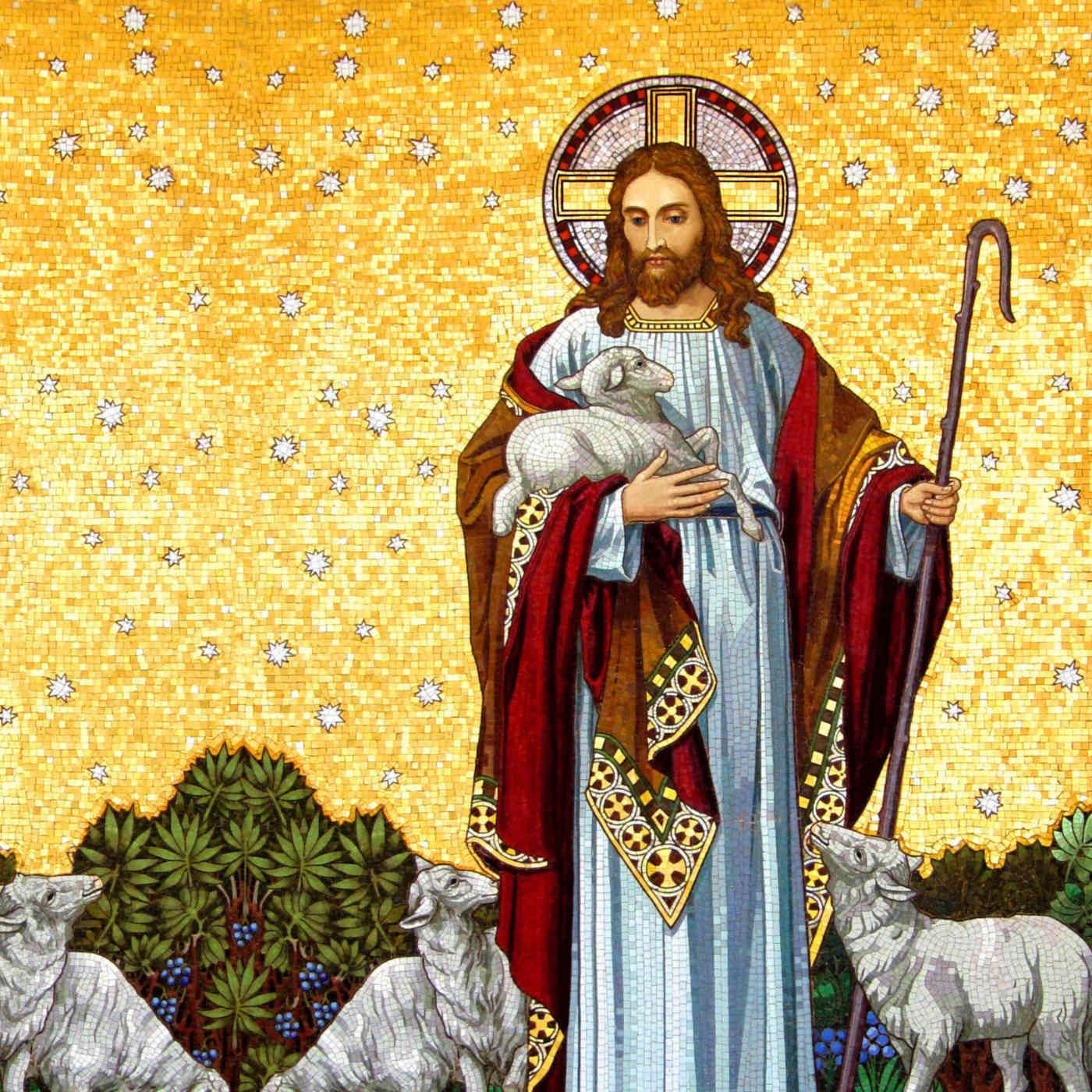
May 9
Saturday of the Third Week of Easter - A "Hard" and Deep Mystery
Read Online As a result of this, many of his disciples returned to their former way of life and no longer walked with him. Jesus then said to the Twelve, “Do you also want to leave?” John 6:66–67 Today’s Gospel concludes the beautiful and profound sermon on the Bread of Life (see John 6:22–71). When you read this sermon from beginning to end, it is noticeable that Jesus moves from more general statements about the Bread of Life that are easier to accept to more specific statements that are challenging. He concludes His teaching just prior to today’s Gospel by saying very directly, “Whoever eats my flesh and drinks my blood remains in me and I in him.” After Jesus said this, many who had been listening to Him left Him and no longer followed Him. There are generally three common attitudes people have toward the Most Holy Eucharist. One attitude is that of profound faith. Another is that of indifference. And a third is what we find in today’s Gospel: disbelief. Those who walked away from Jesus in today’s Gospel did so because they said, “This saying is hard; who can accept it?” What a great statement and question to ponder. It is true, in a certain way, that the teaching of Jesus on the Most Holy Eucharist is a hard saying. “Hard,” however, is not bad. It’s hard in the sense that belief in the Eucharist is only possible through a faith that comes from a deep interior revelation from God. In the case of those who walked away from Jesus, they heard His teaching, but their hearts were closed to the gift of faith. They remained stuck on a purely intellectual level, and, thus, the idea of eating the Flesh and Blood of the Son of God was more than they could comprehend. So who could accept such a statement? Only those who listen to our Lord as He speaks to them interiorly. It is only that interior conviction that comes from God that can be proof of the truthfulness of the Holy Eucharist. Do you believe that when you consume that which appears to be only “bread and wine,” you are actually consuming Christ Himself? Do you understand this teaching of our Lord on the Bread of Life? It is a hard saying and a difficult teaching, which is why it must be taken very seriously. For those who do not flat out reject this teaching, there is also the temptation to be somewhat indifferent to the teaching. It can easily be misunderstood to be just symbolism in the way our Lord talks. But the symbolism is much more than just symbolism. It’s a profound, challenging, and life-changing teaching of how we share in the divine and eternal life our Lord wishes to bestow upon us. Reflect, today, upon how deeply you believe this hard saying of Jesus. The fact that it is a “hard” saying should make you seriously examine your own faith or lack thereof. What Jesus teaches is life-changing. It’s life-giving. And when clearly understood, you will be challenged to either believe with your whole heart or turn away in disbelief. Allow yourself to believe in the Most Holy Eucharist with your whole heart and you will find that you are believing one of the most profound Mysteries of Faith. My glorious Lord, Your teaching on the Most Holy Eucharist is beyond human comprehension. It is a mystery so deep that we will never fully understand this precious gift. Open my eyes, dear Lord, and speak to my mind so that I may listen to Your words and respond with the deepest faith. Jesus, I trust in You. Image: James Tissot, Public domain, via Wikimedia Commons Source of content: catholic-daily-reflections.com Copyright © 2025 My Catholic Life! Inc. All rights reserved. Used with permission via RSS feed.
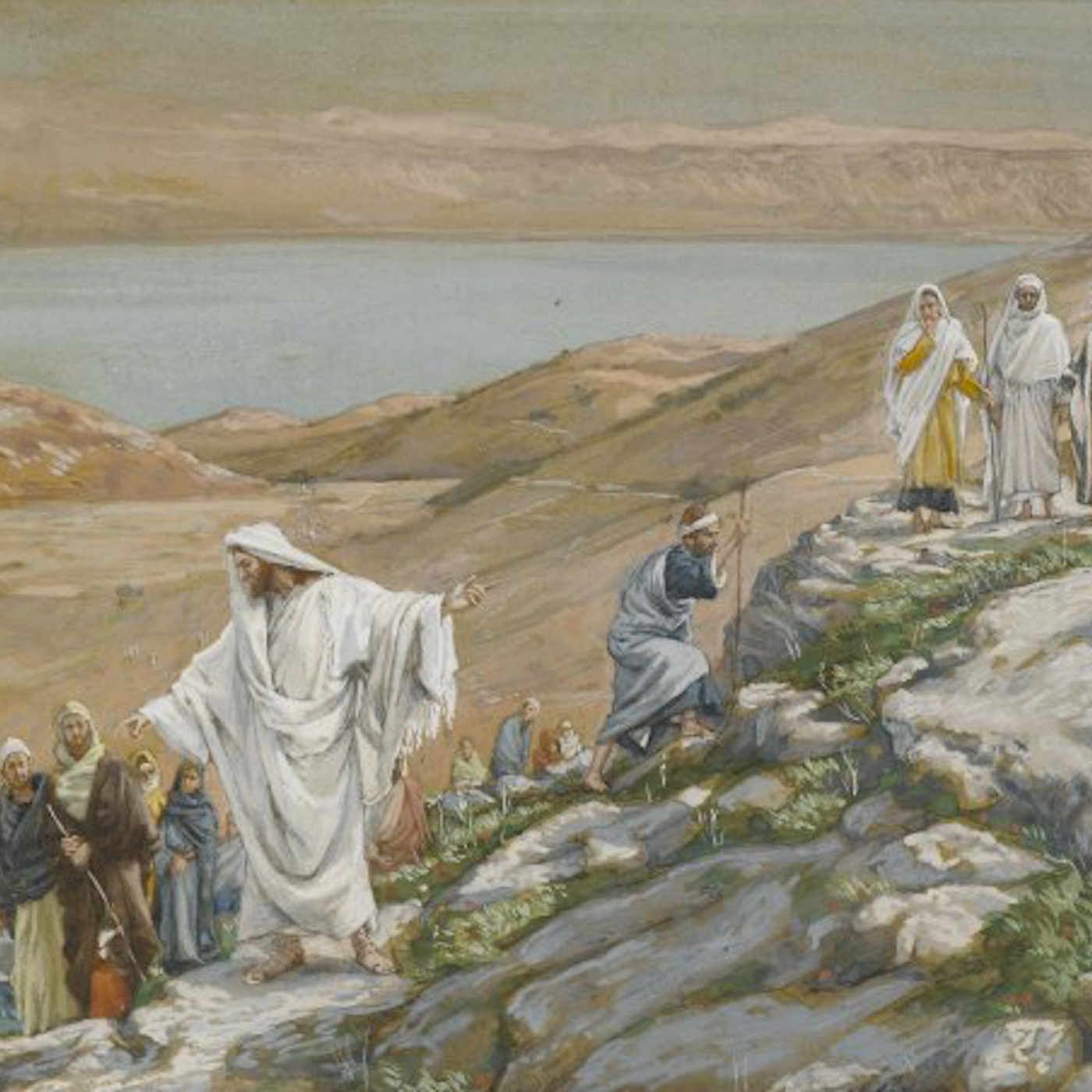
May 8
Friday of the Third Week of Easter - A "Holy Fear"
Read Online “Amen, amen, I say to you, unless you eat the Flesh of the Son of Man and drink his Blood, you do not have life within you. Whoever eats my Flesh and drinks my Blood has eternal life, and I will raise him on the last day. For my Flesh is true food, and my Blood is true drink.” John 6:53–55 On a philosophical level, it’s useful to consider various things that appear to be “competing forces.” Good appears to be the opposite of evil. Light the opposite of dark. Heat the opposite of cold. And life the opposite of death. But are they truly opposites in the sense of being competing forces? When considered carefully, it is clear that good and evil, light and dark, heat and cold, and life and death are not actually “competing forces;” rather, evil is simply the absence of good, darkness the absence of light, cold the absence of heat, and death the loss of life. And though this philosophical distinction may not seem that interesting to some, and confusing to others, it is a helpful truth to ponder in light of today’s Gospel. Today’s Gospel tells us that failure to “eat the Flesh of the Son of Man and drink his Blood” results in death. Death is the loss of life, and the Eucharist is the source of life. Jesus says that if you fail to eat His Flesh and drink His Blood, “you do not have life within you.” This bold teaching of Jesus should cause us to stop and examine our approach to the Most Holy Eucharist. Sometimes we can fall into the trap of thinking that going to Mass and receiving Communion is something we do as a “favor” to our Lord. But in truth, it’s God’s most profound favor to us, because the Eucharist is the gateway to eternal life. And without it, we have no life within us. Our spirits die because we lose the presence of God. Looking at the negative effect of not receiving the Most Holy Eucharist can be very useful. Sometimes we need to consider the consequences of our actions as a way of motivating us to greater fidelity. For that reason, considering the fact that failure to eat the Flesh of the Son of God results in death should be very motivating. It should fill us with a holy fear of the loss of the life-giving presence of God within us. This “holy fear” is a true gift from God and is, in fact, one of the Seven Gifts of the Holy Spirit. Reflect, today, upon your interior attitude toward the Most Holy Eucharist. Do you see your participation in the Holy Mass more as a favor you offer to our Lord? Or do you see it as it is: the life-giving source of eternal life? Reflect upon how important this precious gift truly is and recommit yourself to a faithful and devout participation in this most holy Gift. My Eucharistic Lord, Your Flesh and Blood are truly the source of eternal life for all who receive You in faith. I thank You, dear Lord, for this most precious Gift of the Most Holy Eucharist, and I pray that I will be filled with a deep hunger and thirst for You always. Jesus, I trust in You. Fra Angelico (Guido di Pietro) 1400-1455. Florence. Le sermon sur la montagne by jean louis mazieres , license Attribution-NonCommercial-ShareAlike (CC BY-NC-SA 2.0) Source of content: catholic-daily-reflections.com Copyright © 2025 My Catholic Life! Inc. All rights reserved. Used with permission via RSS feed.
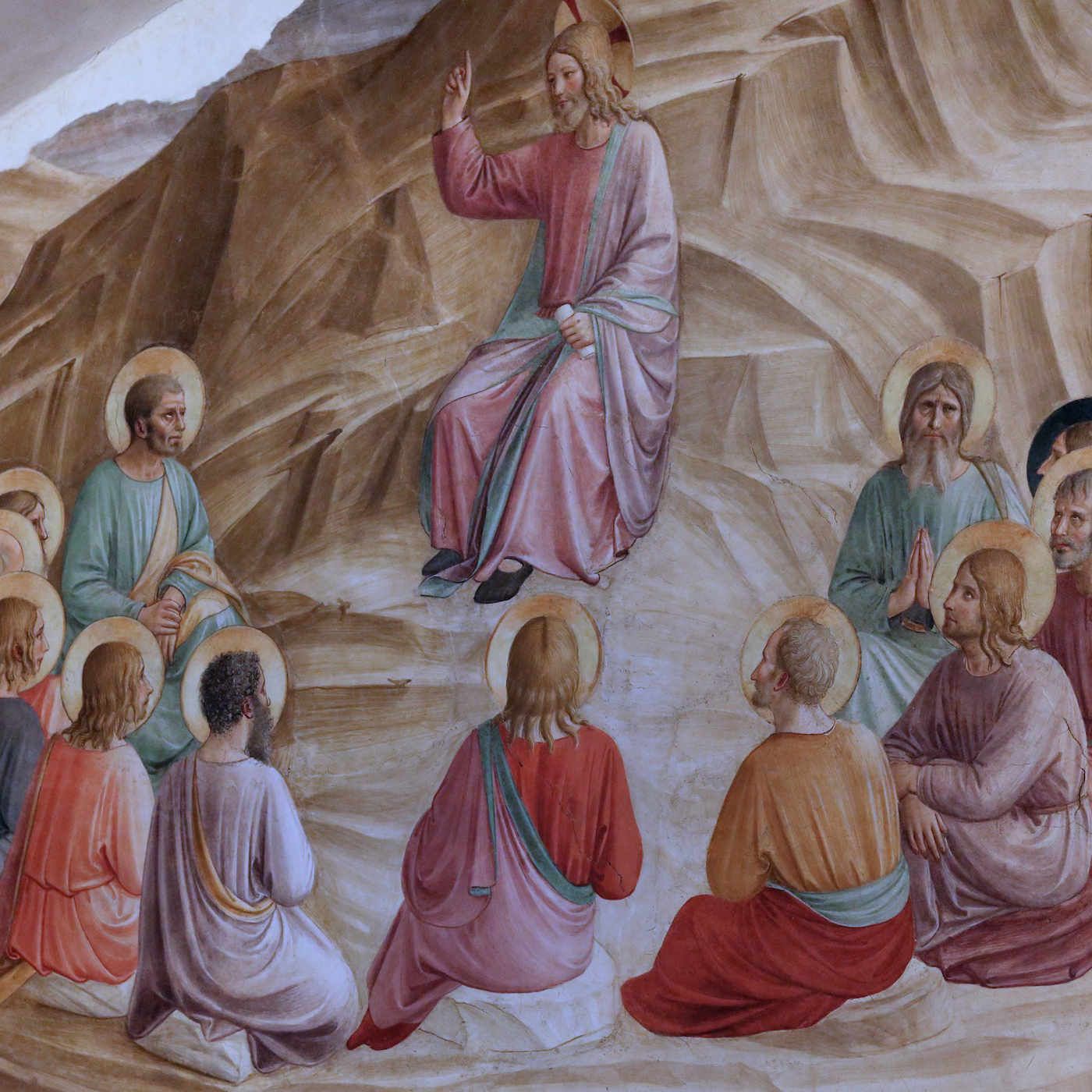
May 7
Thursday of the Third Week of Easter - The Flesh of Our Lord
Read Online I am the living bread that came down from heaven; whoever eats this bread will live forever; and the bread that I will give is my Flesh for the life of the world.” John 6:51 Jesus was starting to stir up the emotions of some within the crowd. They began to ridicule Him because He had said that He was the “bread that had come down from heaven.” Thus, many of those who had sought Jesus out in hopes of another miraculous free meal began to murmur among themselves and ridicule Him. As a result, Jesus began to speak even more clearly and shockingly. He then went even further and said that He is not only the “living bread that came down from heaven” but that those who want to “live forever” must also eat His “Flesh.” How would you have reacted to such a statement if you were among those within the crowd? Consider the fact that you would have recently seen, with your own eyes, the miracle of the multiplication of the loaves and fishes. Therefore, you would have realized that Jesus was someone special, to say the least. But how would you have reacted to this statement of Jesus, “and the bread that I will give is my Flesh for the life of the world,” if you had heard it spoken at that time? Most likely, your reaction would have been the same reaction that you have right now to the teaching of the Most Holy Eucharist. Many who heard Jesus speak this way may have thought it was a bit of an unusual thing to say. Some would have reacted strongly, while others would have reacted with indifference. But some would have had an entirely different reaction. Some would have heard Jesus speak these new and shocking words, would have realized that they did not fully understand what He meant, but would have believed deeply on account of the gift of faith. Somehow they would have known, in the depths of their consciences, that they did indeed need to eat the Flesh of Him Who came down from Heaven since He was indeed the Bread of Life. Believing in the Eucharist, in the fact that these tangible and visible gifts of the Sacred Host and the Precious Blood are, in fact, the Body and Blood, Soul and Divinity of the Eternal Son of God, can only happen through the interior and transforming gift of faith. How else can you believe such a teaching? How else could you believe that these words in today’s Gospel have come true? And that the reception of the Most Holy Eucharist is the pathway to eternal life? The gift of faith in the Most Holy Eucharist is the one and only way to understand, accept and deeply believe what our Lord has spoken in this Holy Gospel. Reflect, today, upon Jesus speaking these most holy words for the first time: “...the bread that I will give is my Flesh for the life of the world.” As you prayerfully reflect upon these words, ponder how deeply you believe them. How deep is your faith in the Most Holy Eucharist? The Eucharist is the fulfillment of this passage, and our divine Lord invites you to not only believe in His holy words but to allow this truth to transform you in ways beyond what you could ever imagine. My Eucharistic Lord, You are truly the Bread of Life, and all those who eat Your Flesh and drink Your Blood will inherit eternal life. I do believe this, dear Lord. I believe that the Most Holy Eucharist is You, Your Soul and Divinity, given to me so that I can share in Your holy life. Give me the grace I need to deepen my faith in the Most Holy Eucharist so that I will be drawn more fully into the joys of Your Eternal Kingdom. Jesus, I trust in You. Image: Christ Preaching By Rembrandt , public domain via Wikimedia Commons Source of content: catholic-daily-reflections.com Copyright © 2025 My Catholic Life! Inc. All rights reserved. Used with permission via RSS feed.
May 6
Wednesday of the Third Week of Easter - Holy Sight
Read Online “For this is the will of my Father, that everyone who sees the Son and believes in him may have eternal life, and I shall raise him on the last day.” John 6:40 Do you believe in Jesus? Unquestionably the answer is “Yes.” However, to believe in our Lord is something that must deepen with every passing day. Therefore, if you do have faith in Jesus, you can also admit that you do not have faith enough. In this Gospel passage in which the “Bread of Life Discourse” is continued, Jesus calls us to do two things. First, we must see Him. Second, we must believe . Let’s start with the first. When Jesus first spoke these words to the crowd, they did see His physical presence. But many of them did not see beyond the surface. They saw His miracles, heard His teaching, but very few saw the deeper reality of Jesus as the Son of the Eternal Father and the Savior of the World. If you are to believe in our Lord and all that He is, then you must first see Him. One of the best ways to foster this “holy sight” of our Lord is to gaze at Him in the Most Holy Eucharist. When you attend Mass or spend time in adoration and look upon the Most Holy Eucharist, what do you see? Do you see the Eternal Son? Do you see His holy divinity? Do you see your God and the Lord of all? As we stand or kneel before our Lord, present in the Most Holy Eucharist, it’s easy to become distracted. It’s easy to allow our minds to wander to the many other aspects of our daily lives and to fail to see the eternal Son of God as He is present to us. Reflect, today, upon the way you look at our Lord. If you want to deepen your faith, your belief, then start with your sight. Start by considering how you look at Jesus, present in the Most Holy Eucharist. If you are blessed to be with Him this day at the Holy Mass or in adoration, examine the way to see Him. Gaze at Him. Make an intentional act of faith in His divine presence. Acknowledge His Godhead, His glory, His holiness and His sacred presence. If you can look beyond the surface and lift the veil that covers His glory, then this holy gift of sight will give way, also, to the gift of profound faith. My ever-present Lord, I thank You profoundly for the way You come to me in the Most Holy Eucharist. I thank You for Your divine presence and glory. Help me to see beyond the veil of the appearance of bread and wine so that I can see more clearly Your divinity. As I see Your divine presence, dear Lord, help me to profess my belief in You with greater certitude and faith. Jesus, I trust in You. Image: Rembrandt, Public domain, via Wikimedia Commons Source of content: catholic-daily-reflections.com Copyright © 2025 My Catholic Life! Inc. All rights reserved. Used with permission via RSS feed.
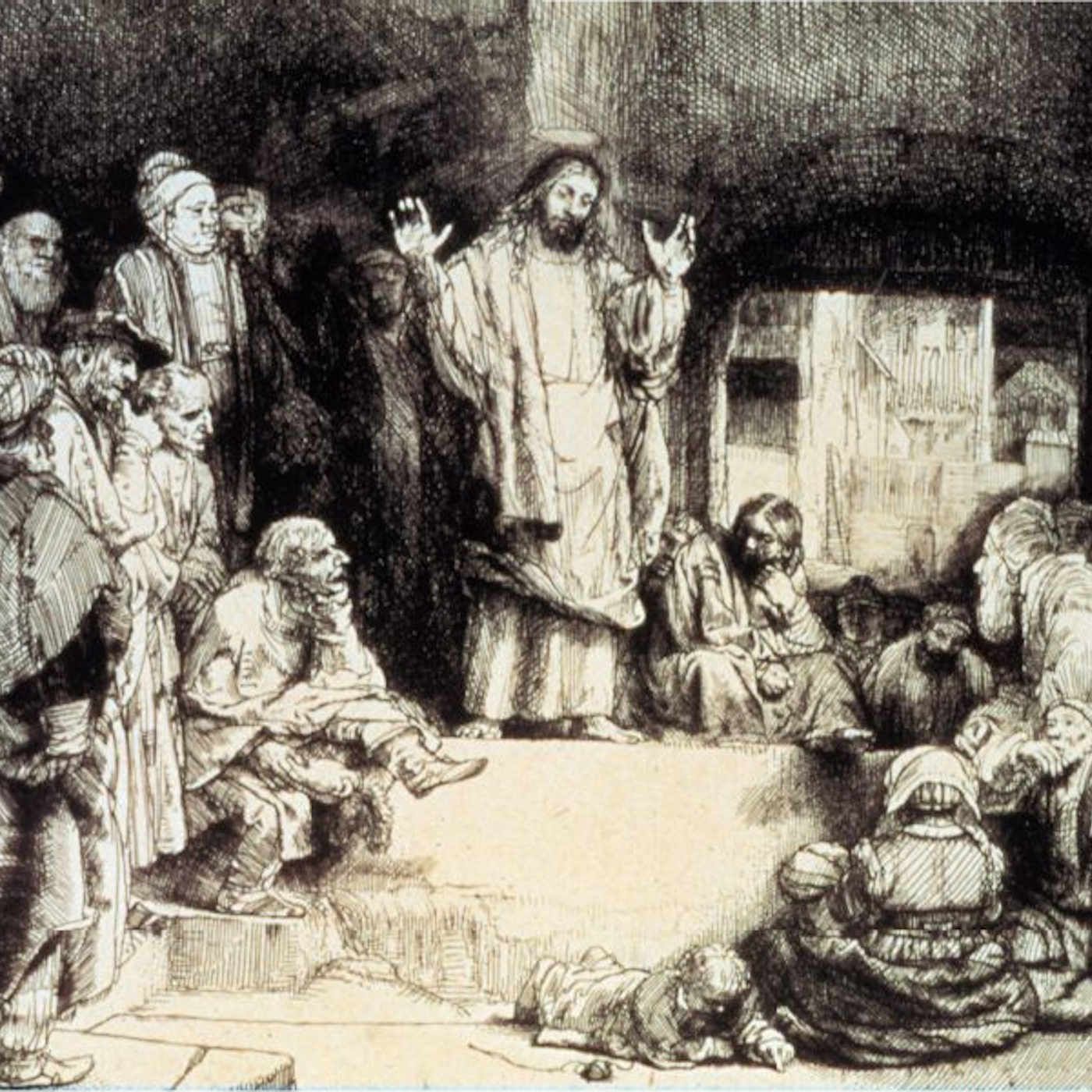
May 5
Tuesday of the Third Week of Easter - The Bread of Life
Read Online So they said to Jesus, “Sir, give us this bread always.” Jesus said to them, “I am the bread of life; whoever comes to me will never hunger, and whoever believes in me will never thirst.” John 6:34–35 Imagine if you were to never grow hungry or never thirst again. On a natural level, this would be an interesting reality. Of course, if you never had physical hunger or thirst, then you may never enjoy the delight of good food and drink. So why would anyone want to lose out on such delights? Of course, Jesus was not speaking of natural food and drink, He was speaking of supernatural hunger and thirst. And He was not saying that the spiritual food and drink He came to give us would eliminate our ability to delight in spiritual fulfillment. On the contrary, Jesus was saying that the spiritual food and drink He was to provide would result in never-ending fulfillment and satisfaction. Chapter 6 of John’s Gospel will continue to be read throughout this week, the Third Week of Easter. This chapter presents us with what is traditionally called the “Bread of Life Discourse.” It’s John’s deep, mystical and profound teaching on the Most Holy Eucharist. First of all, it’s useful to look at this Gospel within its context. Recall that on the previous day, Jesus performed the miracle of the multiplication of the loaves and fishes, and a crowd of people who had been fed by Him were now seeking more food. Jesus uses their desire for more food to begin to teach them about the Most Holy Eucharist, and He wants to do the same for you. Put yourself into this scene. What is it that you hunger and thirst for the most? Perhaps you have plenty of physical food, but perhaps you don’t. If you do, what else do you crave? What do you desire? When you have identified your deepest desires right now, use these desires to allow our Lord to teach you about the Bread of Life. It might be useful to say to our Lord, “Here are my current desires in life…” And then, allow yourself to hear Jesus say to you, “I want to give you so much more. I am what you truly long for. If you come to Me, you will have all your desires fulfilled and more.” This is essentially the conversation Jesus had with this crowd throughout John Chapter 6. Do you believe that the Most Holy Eucharist is capable of fulfilling you on the deepest level? Too often we approach that Sacrament in a lazy and distracted way. As a result, we often fail to truly receive our Lord on a level that provides this deepest delight and satisfaction. Reflect, today and throughout this week, upon your approach to Holy Communion. The Eucharist is Christ Himself. It’s a gift that has the potential to not only sustain us in every way but also to draw us into the greatest Heavenly delights. Believe Jesus’ words in this holy chapter of John’s Gospel. For if you deepen your belief in all that Jesus has said, you will begin to realize that all you crave in life will begin to be fulfilled by this precious gift in ways beyond your imagination. My Eucharistic Lord, You are the Bread of Life. You are all that I desire in life. Give me the grace of understanding, dear Lord, so that I can come to believe all that You have revealed about the Most Holy Eucharist. I do believe, my God. Help my unbelief. Jesus, I trust in You. Image: Christ the Saviour Creative Commons Attribution-Share Alike 4.0 International , via Wikemedia Commons Source of content: catholic-daily-reflections.com Copyright © 2025 My Catholic Life! Inc. All rights reserved. Used with permission via RSS feed.
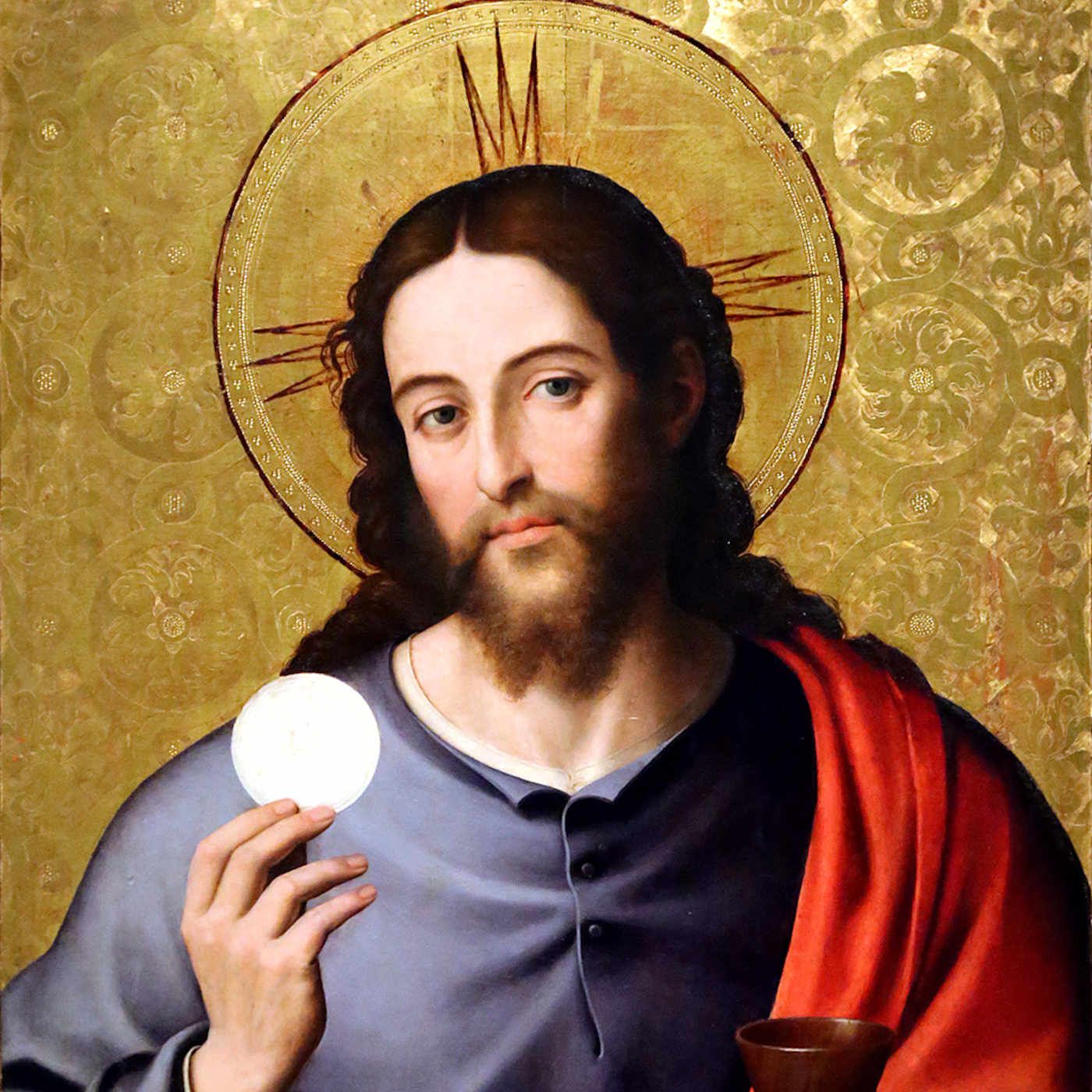
May 4
Monday of the Third Week of Easter - Food for Eternity
Read Online “Rabbi, when did you get here?” Jesus answered them and said, “Amen, amen, I say to you, you are looking for me not because you saw signs but because you ate the loaves and were filled. Do not work for food that perishes but for the food that endures for eternal life, which the Son of Man will give you.” John 6:25–27 What do you work for in life? That which ultimately perishes? Or that which is eternal? This is an important question to sincerely answer. Too often we spend most of our lives putting most of our time and energy into those things that have little value for eternity. The day before the above quoted conversation, Jesus had multiplied the loaves and fishes and fed five thousand households. The people were so impressed that the next day, when they were hungry again, they came looking for Jesus and found Him on the other side of the lake. Jesus, of course, immediately understands the situation. He realizes that the crowd of people who found Him were more interested in another meal than they were in the spiritual food that is eternal. So Jesus gently uses the opportunity to give them this short lesson about what is most important. The “food that endures for eternal life” is ultimately faith in Jesus. Imagine if you were one of those people who witnessed, first hand, the miracle of the multiplication of the loaves and fishes. What sort of an impact would that have had on you? Would it have drawn you into a deep faith in Jesus, the Son of God? Or would you have been more impressed with the free and miraculous food? What’s interesting is that Jesus feeds the five thousand when they are not expecting it and not desiring it. But when they do come expecting it and desiring it the next day, He refuses. Jesus refuses another miracle because He wants the people to look deeper to the eternal reality. In our own lives, living primarily for the deeper and eternal reality is often hard to do. It’s easy to keep our eyes on the superficial and less important aspects of life. How do I make more money? Or buy a new car? Or have a fancier meal? How can I better entertain myself? What new piece of clothing should I buy? And the list goes on. Of course none of these things are evil, but they are all passing and will not have an effect upon our eternal soul. And, in fact, if we give too much attention to the superficial and least important aspects of life, they will have the effect of distracting us from that which is most important. Reflect, today, upon this challenge from Jesus. Do not work for that which perishes; work for that which is eternal. Look at your priorities in life. Where is your focus? What concerns you the most every day? Hopefully your greatest concern is to grow deeper in faith in the Son of God. Hopefully it is to live the charity that is eternal. If you honestly look at your life and the goals you have and see yourself overly concerned with the things of this world, then allow these words of our Lord to speak to you directly so that you are storing up riches for eternal life. My most glorious Lord, You are the Food that is eternal. You are the Food for everlasting life. Give me the wisdom I need, dear Lord, to turn my eyes from the passing and least important things of this world and to turn, instead, to that which is eternal. May I keep my eyes upon You and be nourished by my faith in You. Jesus, I trust in You. Image: Cosimo Rosselli, Public domain, via Wikimedia Commons Source of content: catholic-daily-reflections.com Copyright © 2025 My Catholic Life! Inc. All rights reserved. Used with permission via RSS feed.
May 3
Third Sunday of Easter (Year C) - One Hundred and Fifty-three Large Fish
Read Online When it was already dawn, Jesus was standing on the shore; but the disciples did not realize that it was Jesus. Jesus said to them, “Children, have you caught anything to eat?” They answered him, “No.” So he said to them, “Cast the net over the right side of the boat and you will find something.” So they cast it, and were not able to pull it in because of the number of fish. John 21:4–6 Recall the first time there was a miraculous catch of fish in the Gospels. In Luke 5:1–7, Jesus was preaching to the people on the shore from where He sat in Peter’s boat just a short distance away. After preaching, Jesus told Peter, “Put out into deep water and lower your nets for a catch.” Peter did so and there was such a large catch of fish that the Apostles needed help to haul it in. In today’s Gospel, some three years later after the Resurrection, Jesus appeared to the disciples from the shore and instructed them to cast their nets “over the right side of the boat.” They did so and caught 153 large fish. In commenting on these two passages, Saint Augustine teaches that the first miraculous catch was a sign that the Gospel would be preached to all people, which is indicated by Jesus simply saying “lower your nets.” But after the Resurrection, Jesus specifically tells the disciples to cast their nets “over the right side” to indicate that grace is now given to those who stand on His right side and are separated from the condemned who are on His left. Thus, this second miraculous catch symbolizes the end of the age when the good and the bad are judged. Saint Augustine also notes that the 153 large fish, caught off the right side of the boat, are a symbolic representation of those who conform not only to the Ten Commandments but also receive the Seven Gifts of the Holy Spirit by grace. He explains that 10 + 7 = 17 and if you add all the numbers together between 1 and 17 you arrive at 153. Thus, these 153 fish represent everyone who receives His gift of grace and obtains salvation. The boat represents the Church, and the gift of salvation is offered by Christ through His Church. One clear message we must take from Saint Augustine’s interpretation is that grace and mercy are offered to all, but not received by all. At the end of our lives and at the end of the world, judgment will take place. Those who responded to the offer of grace and mercy, repented of their sins and gave their lives to Christ will eternally share in the Resurrection. But those who refused to follow His Commandments and closed themselves to the transforming power of the Gifts of the Holy Spirit will be separated from eternal joys. Facing the reality of hell is not pleasant, but it is a message that must not be ignored. It is a message that is real and, therefore, hell is a possibility for us all. Therefore, it is important to remind ourselves from time to time of this spiritual truth. Are you among those 153 large fish found on the right side of the boat? Do you allow the ministers of Christ within the Church, represented by the disciples in the boat, to draw you to Christ through preaching and the Sacraments? Though all of us might quickly answer “Yes” to that question, we should never fail to be attentive to the fact that salvation requires action on our part. It requires that we accept Christ Jesus by following His Commandments and live by the transforming power of the Holy Spirit as it is dispensed by the Church. Reflect, today, upon the symbolism found in this Resurrection account. Consider the fact that the Gospel has, indeed, been shared with you. Have you listened to the Word of God as it is preached by the Church? Do you immerse yourself in the grace given through the Sacraments? Do you follow the Ten Commandments faithfully? Do you continually open yourself to the Seven Gifts of the Holy Spirit? Seek to be among that catch of fish caught on the “right side.” Never doubt that hell is real and possible. For that reason, never waver from your fidelity to Christ, so that you will remain firmly grounded in His grace and share one day in His Resurrection. My resurrected Lord, You have offered Your grace and mercy to all, but not all have responded. I pray that I will always be among those who continually respond to Your invitation. I repent of my sin, dear Lord. Please help me to stay faithful to Your commands of love and to be daily immersed in Your transforming Spirit. Jesus, I trust in You. Image via Adobe Stock Source of content: catholic-daily-reflections.com Copyright © 2025 My Catholic Life! Inc. All rights reserved. Used with permission via RSS feed.
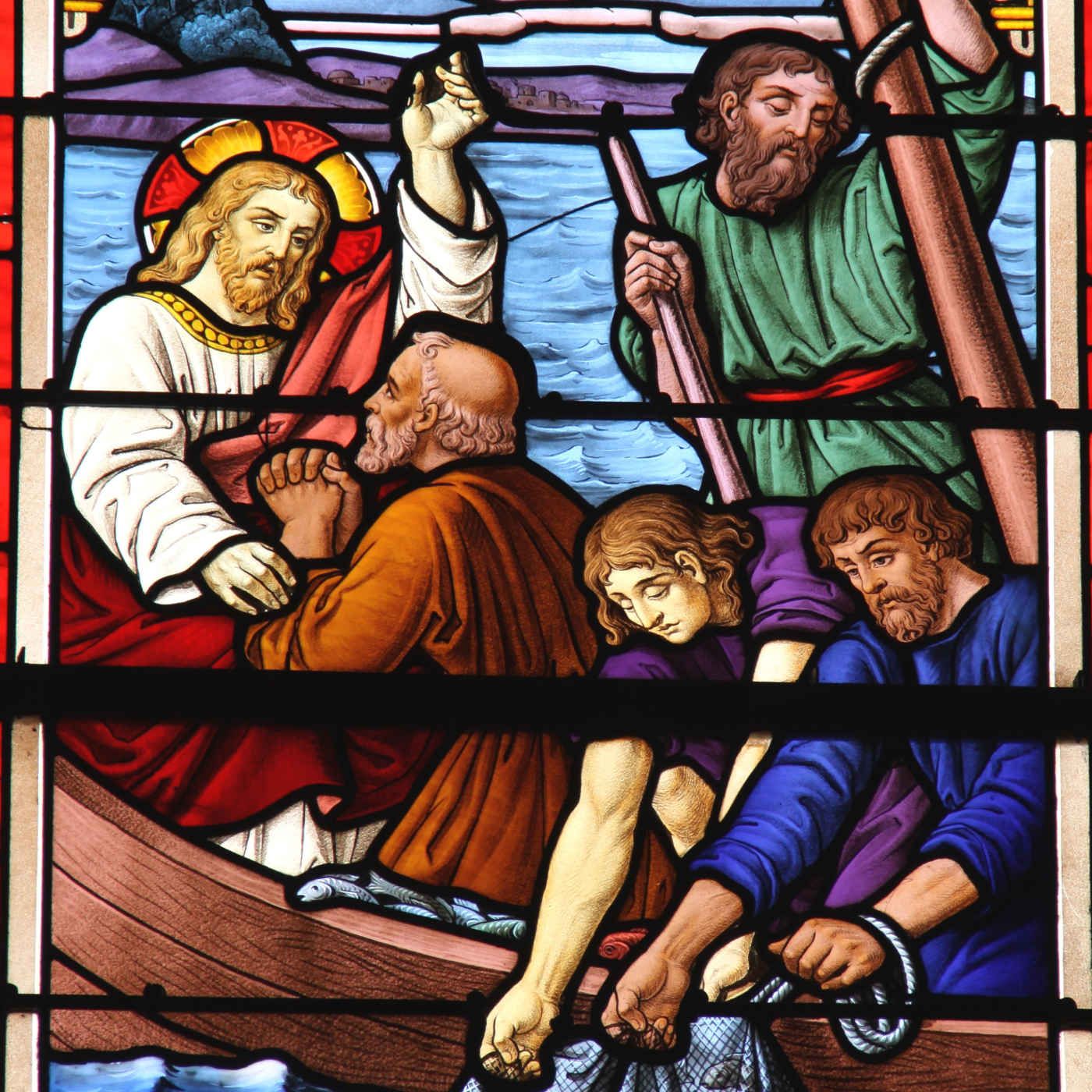
May 2
May 3, Feast of Saints Philip and James, Apostles - Do You Not Know Me?
Read Online Philip said to Jesus, “Master, show us the Father, and that will be enough for us.” Jesus said to him, “Have I been with you for so long a time and you still do not know me, Philip? Whoever has seen me has seen the Father. How can you say, ‘Show us the Father’?” John 14:8–9 Today’s liturgical feast is in honor of two of the Apostles, Philip and James the Lesser. Little is known about James other than that he was chosen by our Lord for the apostolic ministry and that we have one of his letters, which is contained in the New Testament. James eventually went to Jerusalem and led the Church for a few decades until he was stoned to death as a martyr. Philip preached in Greece, Phrygia and Syria. He and Saint Bartholomew were thought to have been crucified upside down. Philip preached upside down from the cross until his death. In the Gospel for today’s Mass, we are presented with an encounter that Philip had with Jesus. Though this encounter appears to be a rebuke of Philip by Jesus, it’s a rebuke that is quite heartfelt. Jesus says, “Have I been with you for so long a time and you still do not know me, Philip?” Jesus did, indeed, spend much time with His disciples. They stayed together, ate together, traveled together and spent much time talking with each other. Therefore, Jesus’ comments to Philip emanated from His real and lived personal relationship with Philip. Take the first part of that statement to begin with. “Have I been with you so long…” Imagine Jesus saying this to you. Is this something He would be able to say to you? Is it true that you do spend much time with Him? Do you spend time reading the Gospels, speaking to Him from the depths of your heart, conversing with Him, praying to Him and listening to His gentle voice? But Jesus goes on: “...and you still do not know me...?” This is a humble truth that is important to admit. It is true that even those who have a very deep and transforming life of prayer do not know our Lord deeply enough. There is no limit to the transformation that can take place in our lives when we know Jesus personally. Jesus’ statement goes on: “Whoever has seen me has seen the Father.” So the next question is this: “Do you know the Father?” Do you know the Father’s love, His care for you, His perfect will? Though the Father and the Son are united as one God, They are still distinct Persons, and we must, therefore, work to establish a relationship of love with each one of them. As initially mentioned, the comments from Jesus are a gentle rebuke of love to Philip, and He wants to speak this same gentle rebuke to you. But it’s a rebuke of love meant to encourage you to get to know Him better. It’s an invitation to personalize your relationship with Jesus and the Father in a real and concrete way. Do you know Him? Do you know the Son of God? Do you know the Father in Heaven? Reflect, today, upon these loving questions of our Lord as if they were spoken to you. Let His words encourage you to get to know Him more deeply. Pray for your relationship to become more personal and transforming. And as you get to know our Lord more intimately, know that it is also the Father in Heaven Whom you are getting to know. My divine and personal Lord, it is the deepest desire of Your Sacred Heart to know me and to love me. Fill my heart with this same desire so that I will not only know You, dear Lord, but also the Father in Heaven. Heavenly Father, I thank You for Your perfect love and pray that I may open myself to that love more fully each and every day. Saints Philip and James, pray for me. Jesus, I trust in You. Paolo Veronese, Public domain, via Wikimedia Commons Source of content: catholic-daily-reflections.com Copyright © 2025 My Catholic Life! Inc. All rights reserved. Used with permission via RSS feed.
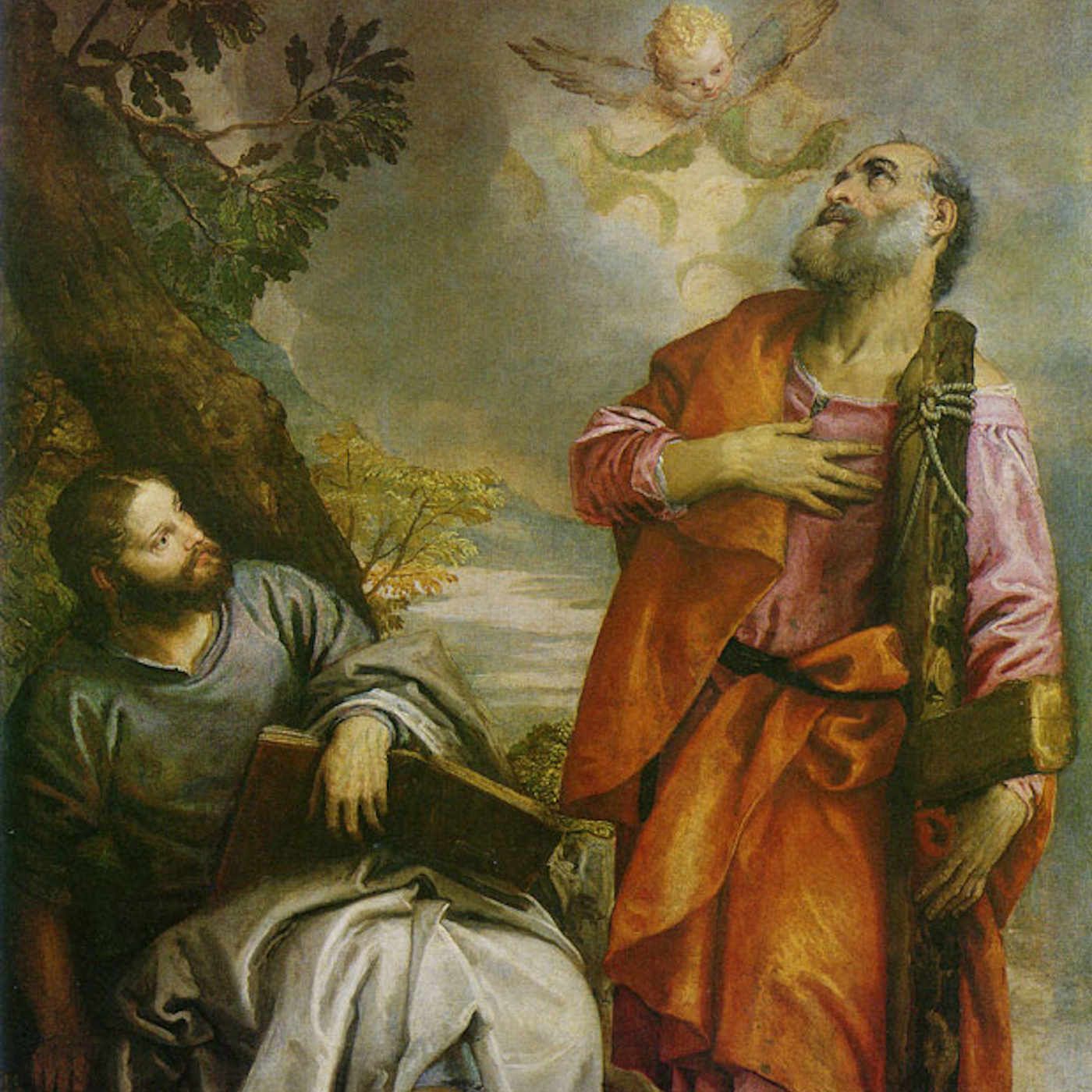
May 1
Friday of the Second Week of Easter - Superabundance
Read Online “Gather the fragments left over, so that nothing will be wasted.” So they collected them, and filled twelve wicker baskets with fragments from the five barley loaves that had been more than they could eat.” John 6:12–13 John’s Gospel is filled with much symbolic meaning. The passage above concludes the story of the miracle of the multiplication of the loaves and fishes. After feeding the multitude of people with only five barley loaves and two fish, they were able to fill twelve wicker baskets with what remained. What was the reason for the extra? Saint Augustine, in commenting upon this passage, explains that Jesus provided more than the people could eat as a way of symbolically representing spiritual truths that were beyond what the vast crowds could comprehend. Thus, Jesus’ teachings spiritually nourished the crowds to the point that they were fully satisfied. But even though the general crowds were satisfied with what Jesus taught them, there was still so much more that He had to teach. These deeper spiritual truths are represented by the extra twelve baskets. The twelve baskets represent the Twelve Disciples. They were the ones specially chosen by Jesus to receive so much more. Recall the times when Jesus taught the crowds in parables and then, later, would explain the meaning to the Twelve in private. He revealed to them certain truths that most people could not understand and accept. It is helpful to consider three different groups of people in this miracle and apply those groupings to us today. The first group of people are those who were not even present for the miracle. Those who did not make the journey to be with Jesus in the wilderness. This is the largest group of people within society who go about their daily lives without even seeking minimal nourishment from our Lord. The second grouping of people is this “large crowd” who followed Jesus to the remote side of the Sea of Galilee to be with Him. These represent those who diligently seek out our Lord every day. These are those who are faithful to the celebration of the Mass, the reading of Scripture, to daily prayer and study. To this grouping of people, our Lord teaches many things, and they are nourished by His holy Word and Sacraments. The third grouping of people, the Twelve Disciples who are represented by the Twelve wicker baskets left over, are those who are exceptionally faithful to our Lord and continue to be nourished by Him in a superabundant way. These are those who seek to understand and embrace the deepest spiritual truths so as to be nourished and transformed on the deepest level. Reflect, today, upon the fact that the spiritual food our Lord wishes to offer you is most often far more than you can immediately accept and consume. But understanding that fact is the first step to disposing yourself to receive even more. As you reflect upon this superabundance of spiritual food from our Lord, recommit yourself especially to seek out that remaining “twelve wicker baskets” of spiritual truths. If you do, you will discover that there is truly no end to the transforming depths of the gifts of grace our Lord wishes to bestow upon you. My most generous Lord, You not only give spiritual nourishment to Your people, You give it in superabundance. As I daily seek You out and am filled with Your mercy, help me to never tire of feasting upon the superabundant gift of Your grace. Please do nourish me, dear Lord, and help me to consume Your holy Word. Jesus, I trust in You. Ambrosius Francken I, Public domain, via Wikimedia Commons Source of content: catholic-daily-reflections.com Copyright © 2025 My Catholic Life! Inc. All rights reserved. Used with permission via RSS feed.
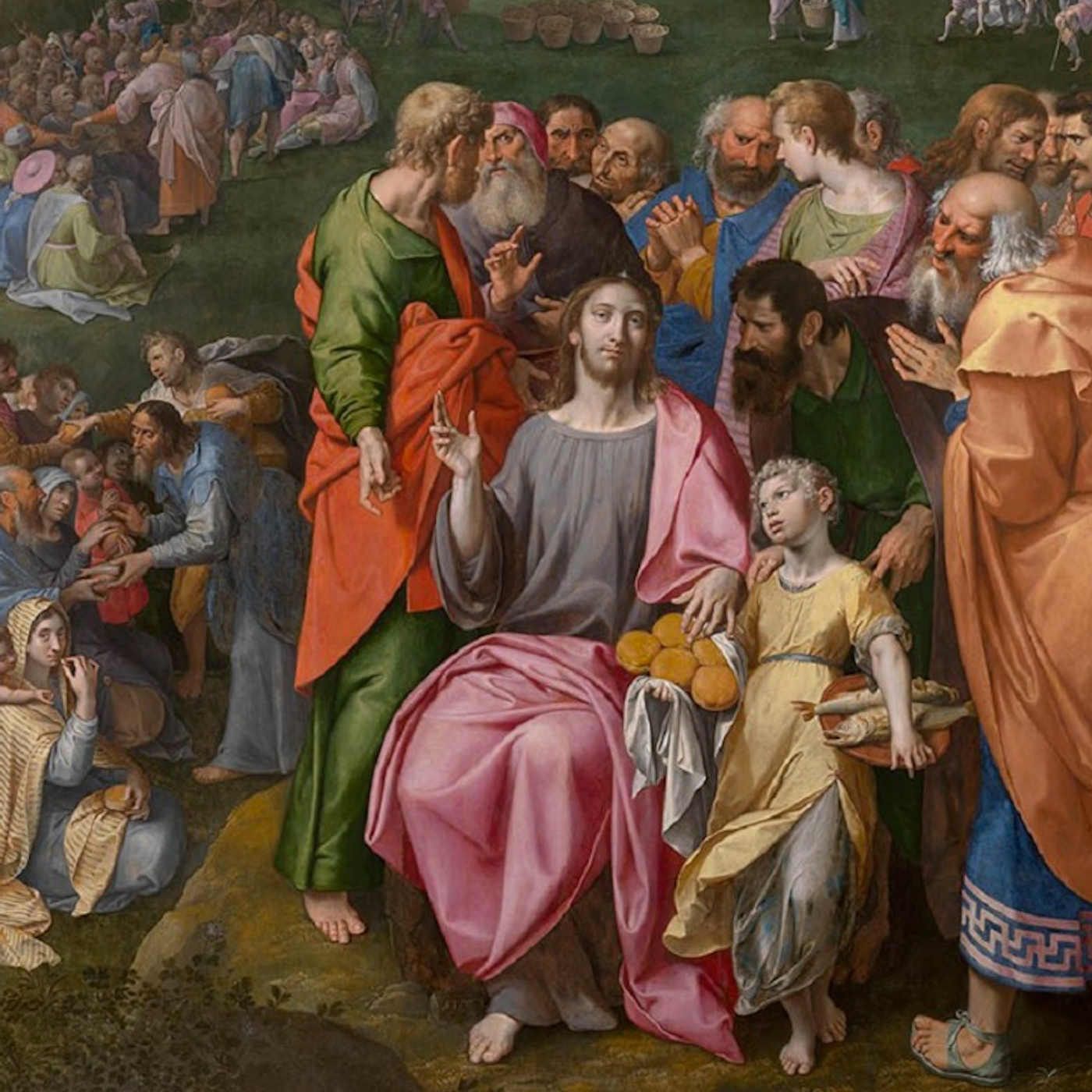
Apr 30
Thursday of the Second Week of Easter - The Meaning of Love
Read Online The Father loves the Son and has given everything over to him. John 3:35 It’s interesting to note that the words of today’s Gospel appear to be from Saint John the Baptist, since they come within the context of his testimony to Jesus. Some commentators, however, suggest that they are words that were actually spoken by Jesus and that the Evangelist inserts them here as a continuation of the testimony of the Baptist, attributing them to Saint John. Regardless of who actually spoke these words, the line quoted above gives us much to reflect upon, in that it gives us insight into the very meaning and practice of true love. What is love? Is it a feeling? An emotion? A drive or a desire for something or someone? Of course, the secular understanding of love is much different than a divine understanding of love. Oftentimes the secular view of love is more self-centered. To “love” someone or something is to want to possess that person or object. “Love” from a secular view focuses upon the attraction and desire. But true love, from a divine perspective, is very different. The line quoted above tells us two things: First, we are told that “The Father loves the Son…” But then we are given a definition of that love. We are told that love in this case results in the Father giving “everything over” to the Son. When we consider the word “everything” in this passage, it is clear that this can only refer to the Father giving Himself to the Son in totality. Within the life of the Father, everything means His very essence, His being, His personhood, His whole divine self. The Father does not say, “I want;” rather, the Father says, “I give.” And the Son receives all that the Father is. Though this is deep and mystical language, it becomes very practical for our lives when we understand that divine love is not about wanting, taking, desiring, feeling, etc. Divine love is about giving. It’s about the giving of oneself to another. And it’s not just about giving some of yourself away, it’s about giving “everything” away. If the Father gave everything to the Son, does that mean that the Father has nothing left? Certainly not. The beautiful nature of divine love is that it is never ending. The more one gives themself away, the more they have. Thus, the gift of the life of the Father to the Son is infinite and eternal. The Father never ceases to give, and the Son never ceases to receive. And the more the Father gives Himself to the Son, the more the Father becomes the essence of love itself. The same is true in our lives. It’s easy to fall into the trap of thinking that love should only go so far. But if we are to strive to imitate and participate in the love the Father has for the Son, then we must also understand that love is about giving, not receiving, and that the giving must be a gift of everything, holding nothing back. We must give ourselves away to others without counting the cost and without exception. Reflect, today, upon your view of love. Look at it from a practical perspective as you think about the people whom you are especially called to love with a divine love. Do you understand your duty to give yourself to them completely? Do you realize that giving yourself away will not result in the loss of your life but in the fulfillment of it? Ponder the divine love that the Father has for the Son and make the radical and holy choice today to strive to imitate and participate in that same love. My loving Lord, the Father has given all to You, and You, in turn, have given all to the Father. The love You share is infinite and eternal, overflowing into the lives of all Your creatures. Draw me into that divine love, dear Lord, and help me to imitate and share in Your love by fully giving my life to others. Jesus, I trust in You. Sancta Trinitas by Lawrence OP , license CC BY-NC-ND 2.0 . Source of content: catholic-daily-reflections.com Copyright © 2025 My Catholic Life! Inc. All rights reserved. Used with permission via RSS feed.
Apr 29
Wednesday of the Second Week of Easter - A Summary of Clarity
Read Online “God so loved the world that he gave his only-begotten Son, so that everyone who believes in him might not perish but might have eternal life.” John 3:16 We continue, today, to read from the conversation that Jesus had with Nicodemus, the Pharisee who ultimately converted and is venerated as one of the early saints of the Church. Recall that Jesus challenged Nicodemus as a way of helping him to make the difficult decision to reject the malice of the other Pharisees and to become His follower. This passage quoted above comes from Nicodemus’ first conversation with Jesus and is often quoted by our evangelical brothers and sisters as a summary of the whole Gospel. And indeed it is. Throughout Chapter 3 of John’s Gospel, Jesus teaches about light and darkness, being born from above, wickedness, sin, condemnation, the Spirit and much more. But in many ways, all that Jesus taught in this chapter and throughout His public ministry can be summed up in this short and to-the-point statement: “God so loved the world that he gave his only-begotten Son, so that everyone who believes in him might not perish but might have eternal life.” This short teaching could be broken down into five essential truths. First, the Father’s love for humanity, and specifically, for you, is a love so deep that there is no way we will ever fully understand the depths of His love. Second, the love the Father has for us compelled Him to give us the greatest gift we could ever receive and the greatest gift the Father could give: His own divine Son. This gift must be prayerfully pondered if we are to come to a deepening understanding of the infinite generosity of the Father. Third, as we prayerfully enter deeper and deeper into our understanding of this incredible gift of the Son, our only appropriate response is faith. We must “believe in Him.” And our belief must deepen just as our understanding deepens. Fourth, we must realize that eternal death is always possible. It is possible that we eternally “perish.” That realization will give even greater insight into the gift of the Son, in that we will realize that the first duty of the Son is to save us from eternal separation from the Father. Lastly, the gift of the Son from the Father is not only to save us but also to draw us to the heights of Heaven. That is, we are given “eternal life.” This gift of eternity is of infinite capacity, value, glory and fulfillment. Reflect, today, upon this summary of the whole Gospel: “God so loved the world that he gave his only-begotten Son, so that everyone who believes in him might not perish but might have eternal life.” Take it line by line, prayerfully seeking to understand the beautiful and transforming truths revealed to us by our Lord in this holy conversation with Nicodemus. Try to see yourself as Nicodemus, a good person who is trying to understand Jesus and His teachings more clearly. If you can listen to these words with Nicodemus and accept them deeply in faith, then you, too, will share in the eternal glory these words promise. My glorious Lord, You came to us as the greatest Gift ever imagined. You are the gift of the Father in Heaven. You were sent out of love for the purpose of saving us and drawing us into the glory of eternity. Help me to understand and believe all that You are and to receive You as the saving Gift for Eternity. Jesus, I trust in You. Image: Matthias Stom, Public domain, via Wikimedia Commons Source of content: catholic-daily-reflections.com Copyright © 2025 My Catholic Life! Inc. All rights reserved. Used with permission via RSS feed.
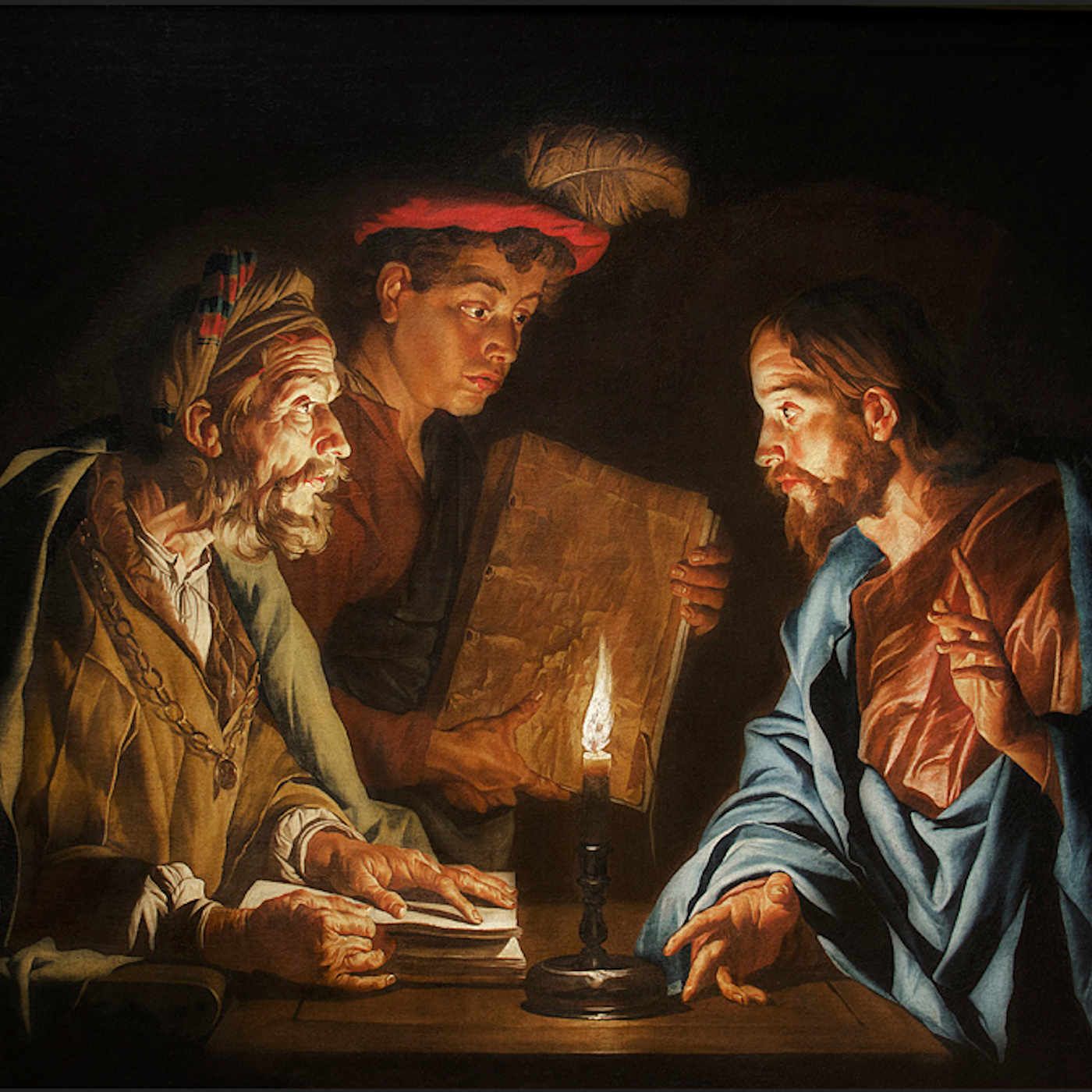
Apr 28
Tuesday of the Second Week of Easter - A "Holy Push"
Read Online Nicodemus answered and said to him, ‘How can this happen?” Jesus answered and said to him, “You are the teacher of Israel and you do not understand this? Amen, amen, I say to you, we speak of what we know and we testify to what we have seen, but you people do not accept our testimony.” John 3:9–11 As we reflected upon yesterday, Nicodemus is one of the only Pharisees who ultimately converted, became a follower of Jesus, and is today considered a saint. The only other Pharisees who were recorded by name as converts to Christianity were Saint Paul and Gamaliel. Acts 15:5 also indicates that some other Pharisees ultimately converted. When the many encounters between Jesus and the Pharisees are considered as a whole, it’s clear that there was great resistance among them toward Jesus and His teaching. They were constantly seeking to trap Him and, of course, ultimately were responsible for His death, along with other leading religious leaders from the Sanhedrin. For that reason, it’s easy to understand that there must have been great pressure upon all the Pharisees to reject Jesus. Each one of them would have felt the power of peer pressure to act in accord with the general view of Jesus’ condemnation. This is the context of this passage above in which Nicodemus questions Jesus. This passage continues yesterday’s Gospel conversation in which Jesus says clearly to Nicodemus that the way to Heaven is to be “born from above.” Nicodemus questions how one can “be born again,” and then Jesus issues this apparent criticism of Him quoted above. It’s helpful to understand that Jesus’ criticism was not a condemnation of Nicodemus. It was not in the tone of His normal “Woe to you…” statements; rather, it was a gentle but very direct challenge to Nicodemus so as to move him from his questions to faith. And that’s the key. Nicodemus did not come to Jesus to trap and condemn Him like the other Pharisees did. Nicodemus came because he was confused. And most likely, he was confused because he felt great peer pressure from his fellow Pharisees to condemn Jesus. Understanding this context should help us understand not only the goodness and courage of Nicodemus but also the loving boldness of Jesus. Jesus knew that Nicodemus was open. He knew that Nicodemus could be won over. But Jesus also knew that Nicodemus needed to be challenged in a direct and firm way. He needed a bit of a “holy push” so as to enter into the gift of faith. Of course, Jesus’ challenge ultimately won Nicodemus over. Reflect, today, upon any way in which you, too, need a “holy push” from our Lord. What form of worldly pressure do you experience in life? Do friends, neighbors, family members or co-workers impose upon you in some way a peer pressure that is contrary to the life of true holiness? If so, ponder the ultimate courage of Nicodemus, Saint Paul and Gamaliel. Let their witness inspire you and allow our Lord to challenge you where you need it the most so that you, too, will receive the “holy push” that you need to be a more faithful follower of Jesus. My Lord of all strength, You are unwavering in Your determination to challenge me in the area that I need it the most. Help me to receive Your gentle rebukes of love when I am weak so that I will have the courage and strength I need to be a faithful follower of You. Give me clarity and understanding, dear Lord, and help me to overcome the misleading pressures of the world. Jesus, I trust in You. Image: John La Farge, Public domain, via Wikimedia Commons Source of content: catholic-daily-reflections.com Copyright © 2025 My Catholic Life! Inc. All rights reserved. Used with permission via RSS feed.
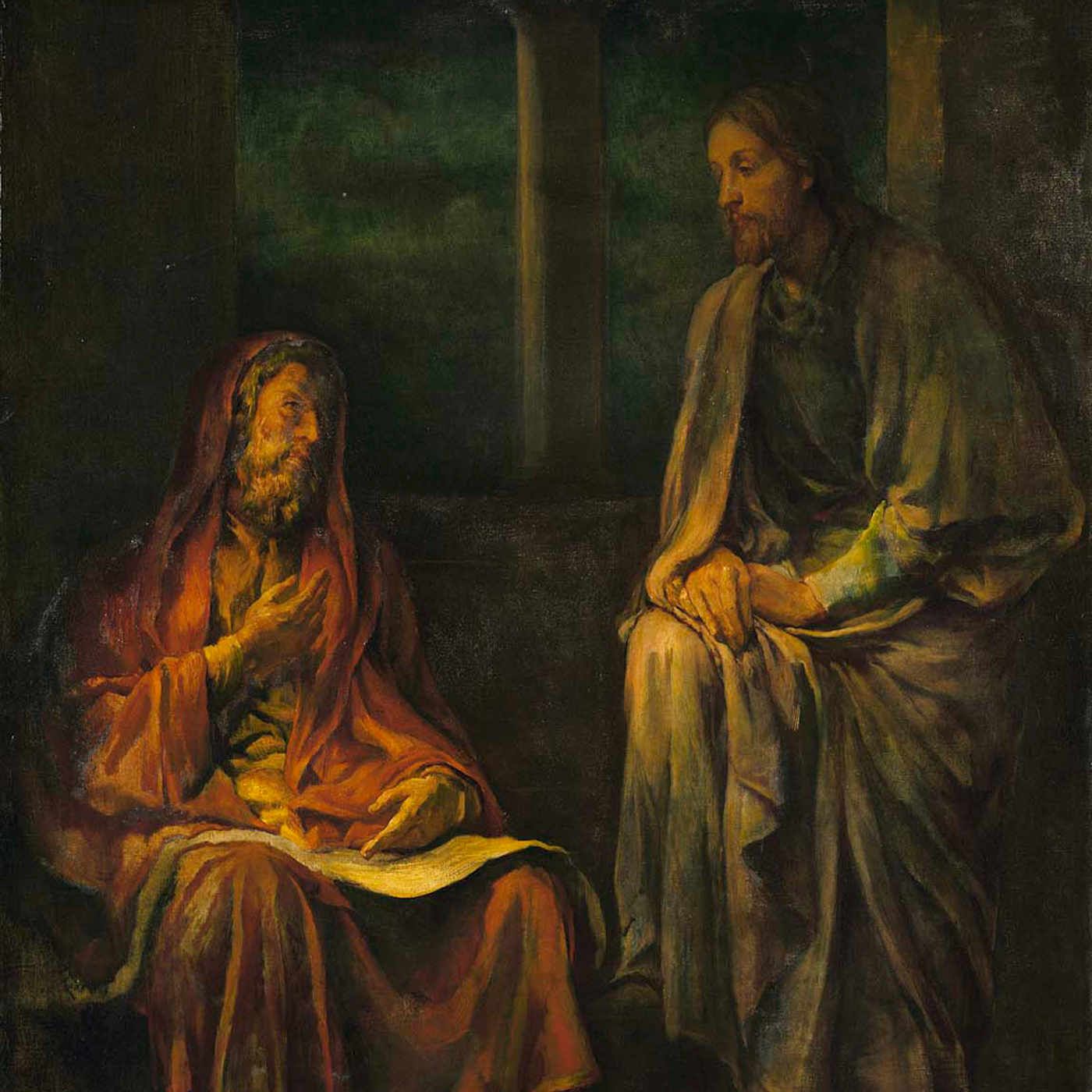
Apr 27
Monday of the Second Week of Easter - Coming Into the Light
Read Online There was a Pharisee named Nicodemus, a ruler of the Jews. He came to Jesus at night and said to him, “Rabbi, we know that you are a teacher who has come from God, for no one can do these signs that you are doing unless God is with him.” John 3:1–2 Nicodemus, a Pharisee and a ruler of the Jews, is mentioned three times in the Gospel of John. The passage above comes from the first time he’s mentioned. The second time is when he reminds the Sanhedrin that Jesus should be heard by them before they condemn Him, and the third time is when Nicodemus assists with Jesus’ burial after His death. John’s Gospel is very symbolic. He especially uses the images of light and dark. For example, when Judas went out to betray Jesus, John’s Gospel notes that “it was night.” In the passage above, John’s Gospel notes that Nicodemus came to Jesus “at night.” Saint Augustine, in commenting upon this passage, says that Nicodemus came to Jesus “at night” because Nicodemus was not yet fully born again and, therefore, was not yet living fully in the light of faith. But the fact that Nicodemus does come to Jesus and questions Him at length shows that he had a spark of faith and that he wanted to deepen that faith. He clearly hoped that Jesus was the Messiah and professed that Jesus was “a teacher who has come from God.” From early times, prior to the formalization of canonization practices, Nicodemus has been given the title of “saint” within the Catholic Church as well as in the Orthodox Church. He is especially venerated because he stood up against the other religious leaders at the time to defend Jesus and show support for Him. This took courage. He was ridiculed and risked being shunned by the others. But Nicodemus knew there was something special about Jesus, and he persevered in following that inspiration. In many ways, Nicodemus is a great example for us today in our modern world. More and more, in most secular world cultures, being a follower of Jesus is looked down upon. This is especially true if you choose to live your faith openly and believe all that the Gospels teach. Many Christians find that living their faith openly, especially within the workplace, school environments, and other civic circles, is challenging. And like Nicodemus, many find it easier to come to Jesus “at night,” meaning, in a hidden way. And though Nicodemus started this way, he eventually spoke openly in defense of Jesus in the presence of his fellow Pharisees who, according to some traditions, persecuted him and drove him into exile. Reflect, today, upon Saint Nicodemus. He allowed the spark of faith within him to grow as He listened to Jesus, struggled with the pressure from his peers, but ultimately openly professed his faith in Christ. And though this hurt his worldly position of honor within the Sanhedrin and among the earthly rulers, it earned Nicodemus an eternal honor in Heaven. Reflect upon the courage he must have had to go against the pressure of his peers by allowing the faith he found in Christ to grow and fill his life with the light of Truth. Seek to imitate this good man and allow yourself to be inspired by his courage so that you, too, will receive the same eternal glory he now enjoys in Heaven. Lord of light and truth, You reveal Yourself to those who come to You with faith. Help me to follow the example of Nicodemus so that all confusion and darkness will be dispelled by the light of Your truth. Give me courage, dear Lord, to follow You and to set my heart on all that You reveal. Jesus, I trust in You. Henry Ossawa Tanner, Public domain, via Wikimedia Commons Source of content: catholic-daily-reflections.com Copyright © 2025 My Catholic Life! Inc. All rights reserved. Used with permission via RSS feed.
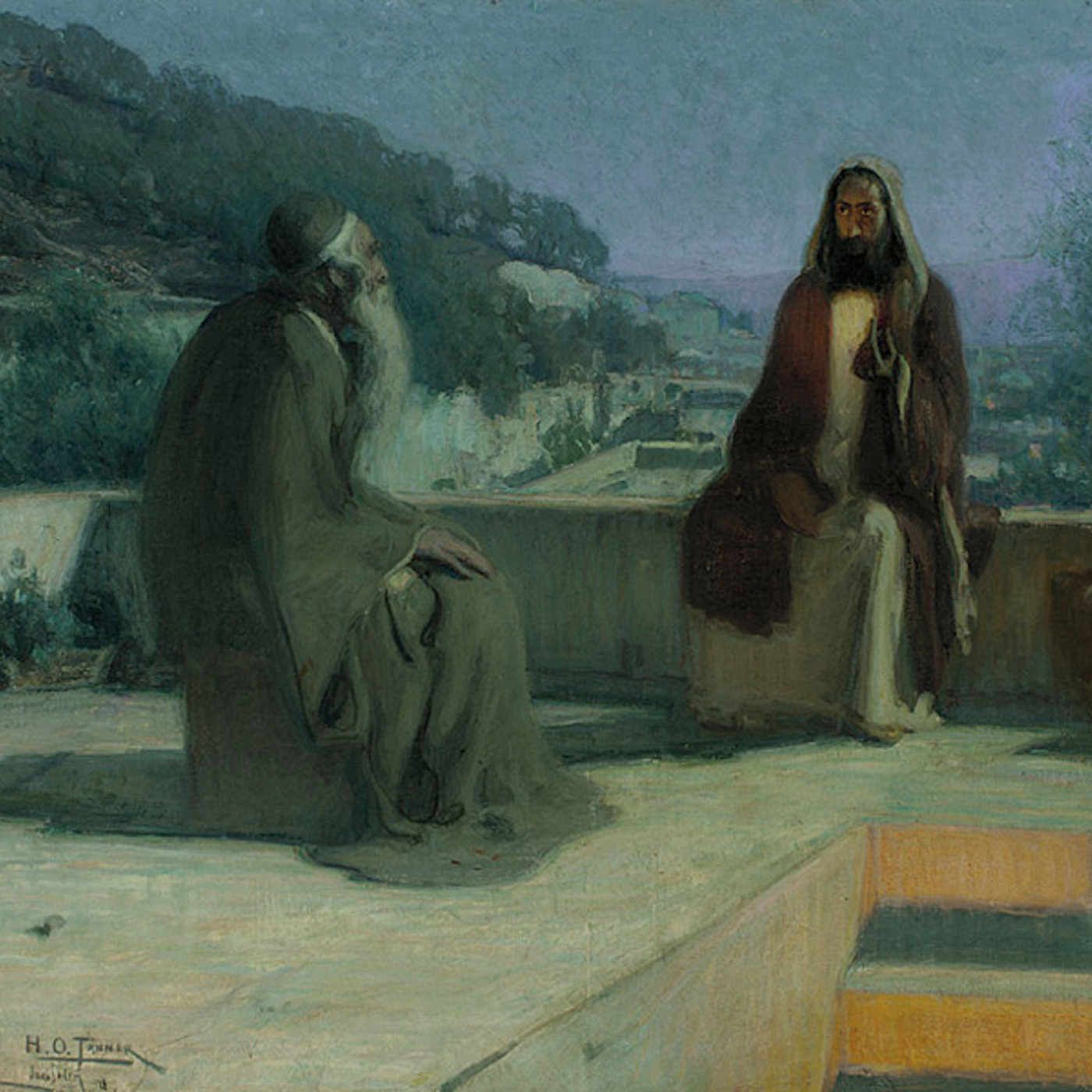
Apr 26
Divine Mercy Sunday (Year C) - The Divine Mercy
Read Online Today is the Feast of all Feasts! It is the Feast of Mercy! This Feast originated from the private revelations given to Sr. Maria Faustina Kowolska, a Polish cloistered nun who died in 1938. In the year 2000, she was canonized by Saint Pope John Paul II, and the Feast of Mercy was instituted as a universal Feast of the Church. To better understand this Feast, let’s read some of the private revelations Jesus gave to Saint Faustina: “Whoever approaches the Fountain of Life on this day will be granted complete forgiveness of sins and punishment” ( Diary #300). “This Feast emerged from the very depths of My mercy, and it is confirmed in the vast depths of my tender mercies” ( Diary #420). “On one occasion, I heard these words: My daughter, tell the whole world about My Inconceivable mercy. I desire that the Feast of Mercy be a refuge and shelter for all souls, and especially for poor sinners. On that day the very depths of My tender mercy are open. I pour out a whole ocean of graces upon those souls who approach the fount of My mercy. The soul that will go to Confession and receive Holy Communion shall obtain complete forgiveness of sins and punishment. On that day all the divine floodgates through which grace flows are opened. Let no soul fear to draw near to Me, even though its sins be as scarlet. My mercy is so great that no mind, be it of man or of angel, will be able to fathom it throughout all eternity. Everything that exists has come forth from the very depths of My most tender mercy. Every soul in its relation to Me will contemplate My love and mercy throughout eternity. The Feast of Mercy emerged from My very depths of tenderness. It is My desire that it be solemnly celebrated on the first Sunday after Easter. Mankind will not have peace until it turns to the Fount of My Mercy” ( Diary #699). “Yes, the first Sunday after Easter is the Feast of Mercy, but there must also be deeds of mercy, which are to arise out of love for Me. You are to show mercy to our neighbors always and everywhere. You must not shrink from this or try to absolve yourself from it” ( Diary #742). “Souls perish in spite of My bitter Passion. I am giving them the last hope of salvation; that is, the Feast of My Mercy. If they will not adore My mercy, they will perish for all eternity” ( Diary #965). “I want to grant complete pardon to the souls that will go to Confession and receive Holy Communion on the Feast of My mercy” ( Diary #1109). In addition to the above quotes about the celebration of the Feast of Mercy, below are some quotes revealing more about The Divine Mercy itself: “Mankind will not have peace until it turns with trust to My Mercy” ( Diary #300). “My Heart overflows with great mercy for souls, and especially for poor sinners. If only they could understand that I am the best of Fathers to them and that it is for them that the Blood and Water flowed from My Heart as from a fount overflowing with mercy” ( Diary #367). “I desire trust from My creatures. Encourage souls to place great trust in My fathomless mercy. Let the weak, sinful soul have no fear to approach Me, for even if it had more sins than there are grains of sand in the world, all would be drowned in the unmeasurable depths of My mercy” ( Diary #1059). “Tell all people, My daughter, that I am Love and Mercy itself. When a soul approaches Me with trust, I fill it with such an abundance of graces that it cannot contain them within itself, but radiates them to other souls” ( Diary #1074). “My daughter, write that the greater the misery of a soul, the greater its right to My mercy; urge all souls to trust in the unfathomable abyss of My mercy, because I want to save them all” ( Diary #1182). Reflect, today, upon God’s infinite and unfathomable Mercy. The Divine Mercy is especially for those who struggle with sin. Jesus says, “The greater the sinner, the greater the right he has to My mercy” ( Diary #723). The Divine Mercy is the very tenderness and compassion of God. Run to Him, trust in Him, open your soul to Him and allow Him to pour forth an ocean of Mercy on this holy day. Most Merciful Lord, I desire to receive the superabundance of Your Mercy poured forth from Heaven today. Please open my heart so that I will turn to You in my need. I am a sinner, dear Lord, but for that reason I am in most need of You in my life. Help me to trust in You with all my might. Jesus, I do trust in You! Eugeniusz Kazimirowski, Public domain, via Wikimedia Commons Source of content: catholic-daily-reflections.com Copyright © 2025 My Catholic Life! Inc. All rights reserved. Used with permission via RSS feed.
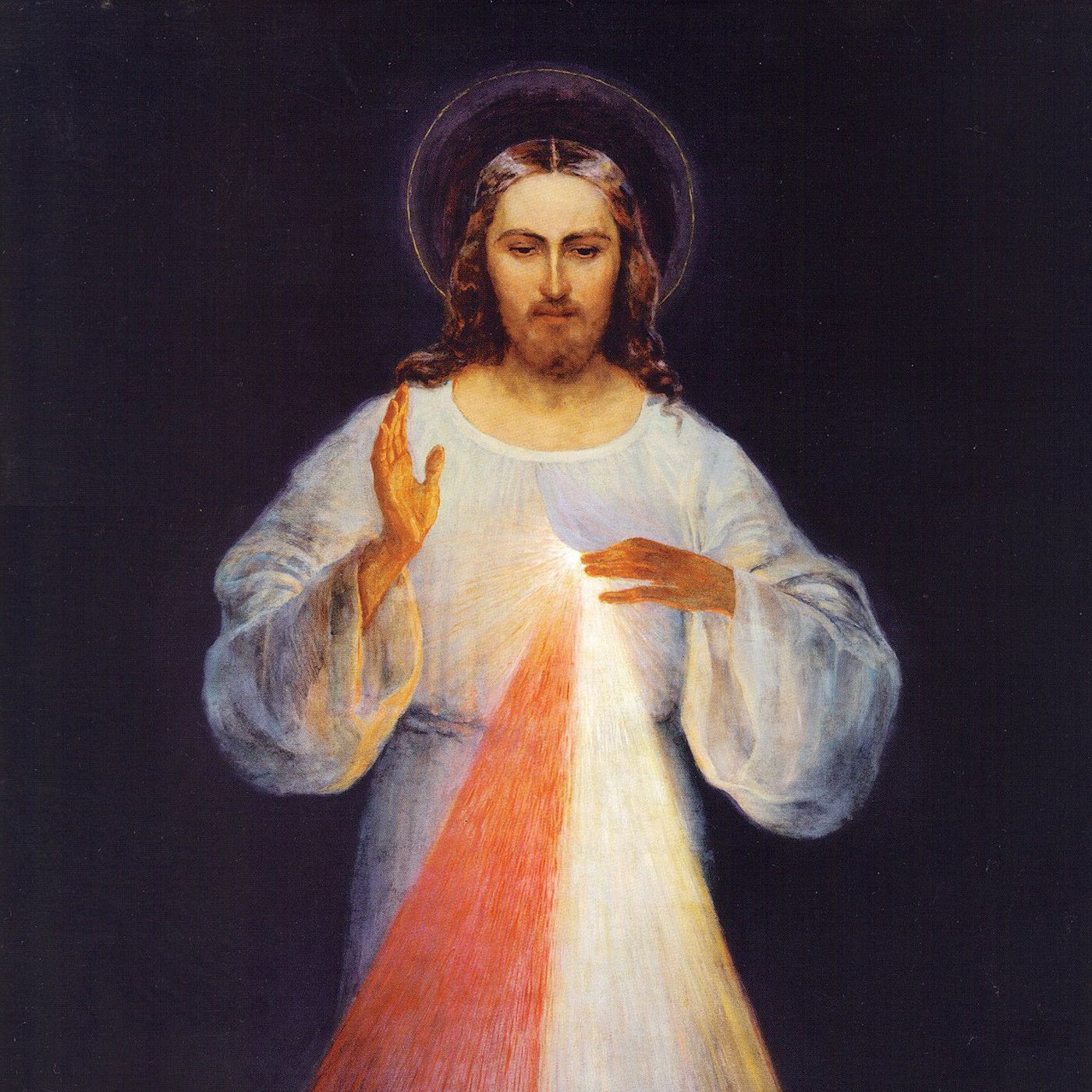
Apr 25
Saturday in the Octave of Easter - The Beauty of Repentance
Read Online When Jesus had risen, early on the first day of the week, he appeared first to Mary Magdalene, out of whom he had driven seven demons. Mark 16:9 The first person recorded in Scripture to whom Jesus appeared was Mary Magdalene. Notably, she was the one out of whom Jesus cast seven demons. Being possessed by seven demons has traditionally been understood to mean that she was completely possessed. Prior to Jesus freeing her, satan and His demons had completely taken over her will by her free submission to evil. And yet, it was to her, a woman with such a horrible past, that Jesus chose to give the honor of His first appearance. What an amazing fact! Everyone has a past. Some have been grave sinners. Others, like Saint Thérèse of Lisieux, have never committed a mortal sin. Obviously, the beauty of a soul like Saint Thérèse is deeply admirable, and such a soul will be greatly rewarded in Heaven. But what about the grave sinner? What about those like Mary Magdalene who have lived horribly sinful lives? What does our Lord think about them? The fact that Mary Magdalene is the first person recorded in Scripture to have seen the risen Lord should tell us much about how Jesus views a person who has greatly struggled with serious sin but has later overcome that sin and turned wholeheartedly to our Lord. Sin is demoralizing. When unrepented, it leaves a loss of dignity and integrity. However, even after one has repented, some people will continue to struggle with unhealthy guilt and shame. And for some, these struggles can become a weapon by which the evil one tries to discourage them from feeling worthy to serve our Lord with zeal and passion. But the truth in the mind of God is that repentant sinners are true jewels and beautiful in the eyes of our Lord. They are worthy of the greatest honors. God does not dwell on our past sin. Instead, our past sin, when it has been repented of and forgiven, will be an eternal sign of the love and mercy of God. How do you deal with your past sin? First, have you completely acknowledged it, repented of it and sought forgiveness from our Lord? If so, does it still haunt you? Does the evil one still try to remind you of your past and strip away your hope in the mercy of God? Reflect, today, upon the most grievous of your past sins. If you haven’t yet confessed them, then do so as soon as you can. If you have, try to see your soul through the eyes of God. God does not see your past sins with anger and disgust. Rather, He sees only the depth of your conversion, sorrow and repentance. And, to Him, this is holy and beautiful. Ponder the beauty of your repentant heart and know that, as you do, you will be looking at your own heart through the eyes of God. My most merciful God, You love the sinner and hate the sin. You love me in ways that are beyond my understanding. Help me to understand how deeply You love my heart when I completely repent. And help me to see my heart only through Your eyes. I thank You for Your love and mercy, dear Lord. Help me to love You all the more. Jesus, I trust in You. Rembrandt, Public domain, via Wikimedia Commons Source of content: catholic-daily-reflections.com Copyright © 2025 My Catholic Life! Inc. All rights reserved. Used with permission via RSS feed.
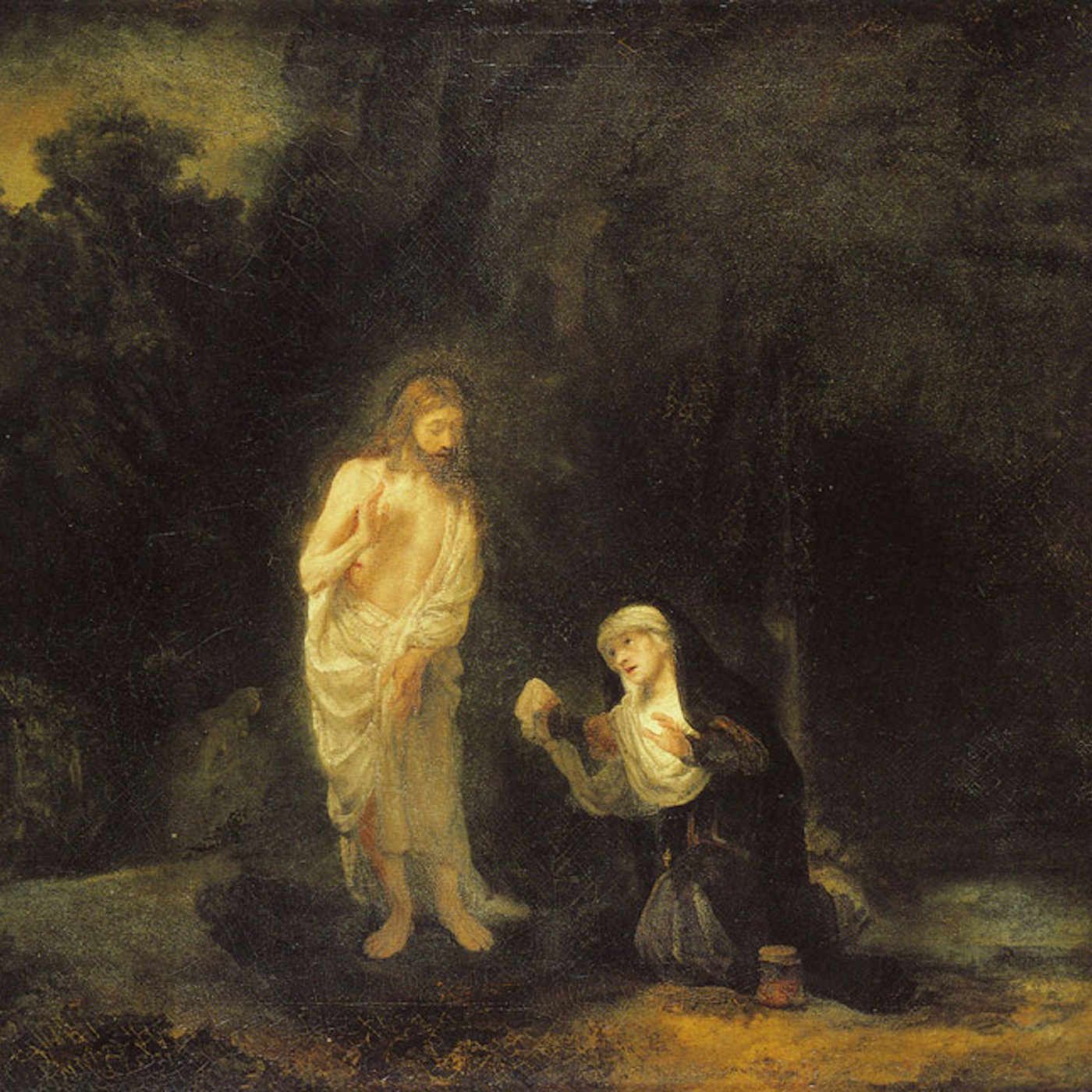
Apr 24
Friday in the Octave of Easter - The Mystery of the Resurrection
Read Online Jesus said to them, “Come, have breakfast.” And none of the disciples dared to ask him, “Who are you?” because they realized it was the Lord. Jesus came over and took the bread and gave it to them, and in like manner the fish. This was now the third time Jesus was revealed to his disciples after being raised from the dead. John 21:12–14 The appearances of Jesus after His Resurrection were cloaked in mystery. Not a mystery of confusion, but a mystery of profound depth and awe. On this, the third time Jesus appeared to His disciples, Jesus first spoke to them from the shore after they had been fishing all night without catching anything. He told them to try again and to throw the net over the right side of the boat. They did so without even realizing that it was Jesus Who was speaking to them. But upon catching more than they could handle, they realized it was the Lord. The “mystery” present in this resurrection appearance has many aspects. Why did the disciples not recognize Jesus at first? Why did Jesus instruct them to throw the net over the right side of the boat? Why was Jesus made known through this catch of one hundred and fifty-three large fish? Why was Jesus cooking breakfast for the disciples on the shore? And why did John record that “none of the disciples dared to ask him, ‘Who are you?’” Though all of these mysteries have answers that have been offered over the centuries by the saints and great Scripture commentators, it’s useful to also simply ponder the fact that Jesus’ resurrection appearances were, indeed, cloaked in mystery. In a mystery novel, the reader is given various vague clues to help them try to figure out the mystery and solve it. The clues are vague intentionally so as to make the solving more enjoyable and challenging. However, when it comes to a “mystery of faith,” such as the mystery of faith surrounding Jesus’ resurrection appearances, the mystery is of an entirely different sort. In these cases, the mystery is one of depth and breadth and is something that has the potential to draw us deeper and deeper into the infinite nature of God and His saving action. Take, for example, this one line quoted above: “And none of the disciples dared to ask him, ‘Who are you?’ because they realized it was the Lord.” It appears that the disciples gathered around Jesus as He was preparing breakfast on the shore and sat there in awe of Him. Their silent awe of Him in this appearance reveals that words are not sufficient. Normally, when you see someone whom you are happy to see, you greet them and start talking, asking them how they are, etc. But here, the disciples remained in this holy awe, listening to Him, receiving this meal and pondering the mystery of His resurrected presence. Reflect, today, upon the ways that our Lord comes to you. It’s easy to miss Him since His ongoing presence in our lives is also mysterious. Imagine if the disciples would have ignored Jesus’ call to “Cast the net over the right side of the boat…” If they would have ignored that command, they may have never come to realize it was the Lord. Reflect upon the ways that our Lord speaks to you. Do you respond? Do you recognize Him? Do you allow yourself to be drawn into this holy awe of His divine presence? Follow the example of the disciples and be on the lookout for the ongoing presence of our Lord all around you. My divine Lord, You are constantly present to me, day and night, and yet I so often fail to perceive You and adore You. Help me to become more aware of Your presence in my life. As I do, help me to enter more deeply into these holy mysteries with love, devotion and awe. Jesus, I trust in You. Image: James Tissot, Public domain, via Wikimedia Commons Source of content: catholic-daily-reflections.com Copyright © 2025 My Catholic Life! Inc. All rights reserved. Used with permission via RSS feed.
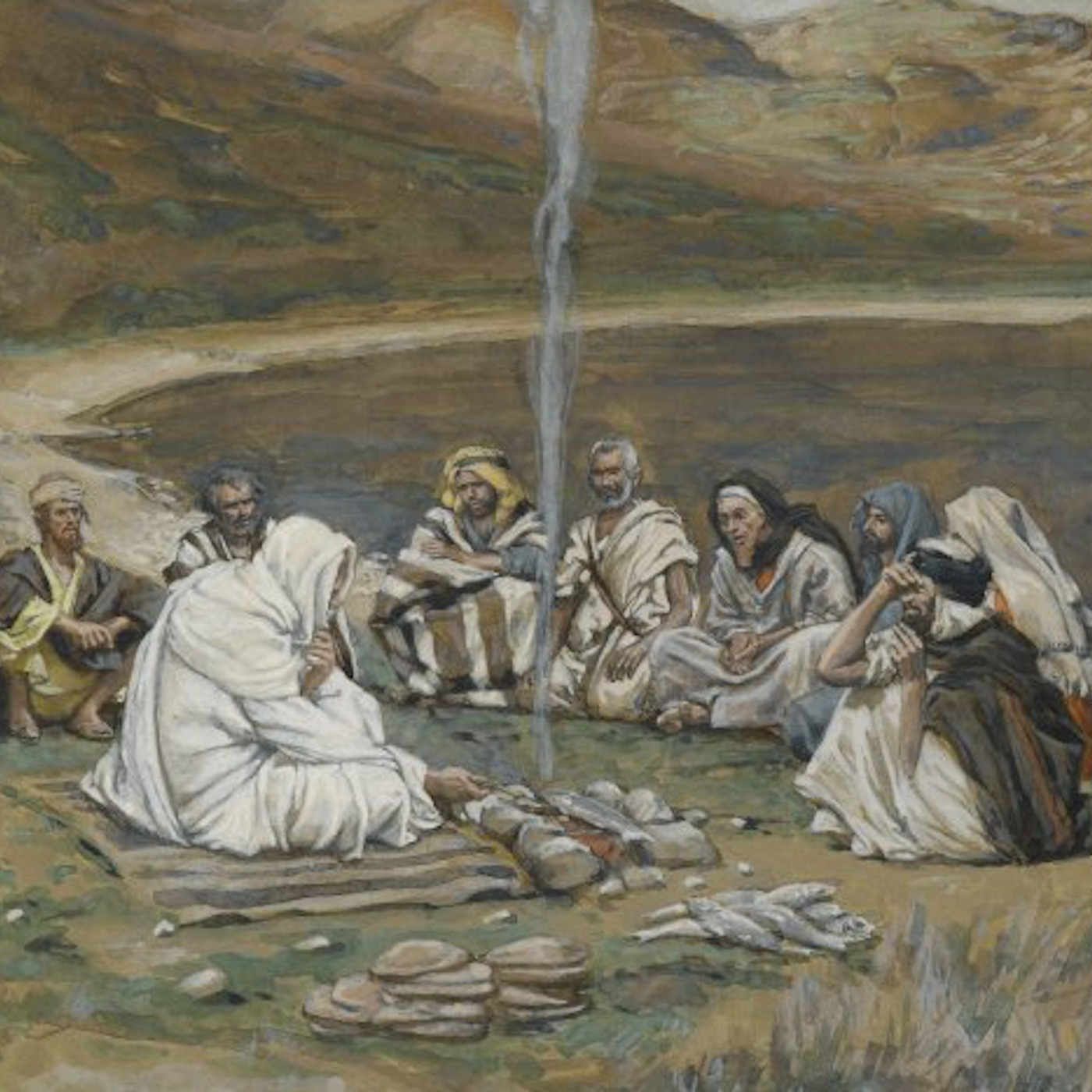
Apr 23
Thursday in the Octave of Easter - Becoming a Witness to the Truth
Read Online Then he opened their minds to understand the Scriptures. And he said to them, “Thus it is written that the Christ would suffer and rise from the dead on the third day and that repentance, for the forgiveness of sins, would be preached in his name to all the nations, beginning from Jerusalem. You are witnesses of these things.” Luke 24:45–48 Jesus once again appears to a group of His disciples, and He once again gets straight to the point. He “opened their minds” so that they would understand all that the Scriptures revealed about Him. He helped them to see that His death and Resurrection were fulfillments of the teachings of Moses and the prophets. And then Jesus says something new: “You are witnesses of these things.” As we saw in yesterday’s Gospel, it’s clear that the disciples did not yet understand why Jesus had to die and then rise again. They were still in shock and traumatized by these events. Therefore, Jesus had to carefully explain to His disciples the meaning of what had just taken place. They needed to understand this on a level that they couldn’t comprehend by themselves. They needed Jesus’ clear and detailed explanation as well as a special grace by which their minds would be opened to an understanding of these profound mysteries of faith. We are no different than these disciples. It’s easy to believe in Jesus for insufficient reasons which only result in superficial faith. Some believe simply because that’s what they were taught when they were young. Some believe because it makes them feel better to believe. Some believe because they don’t know of anything better to believe. But then there are those who believe for the right reason. Like the disciples in this resurrection appearance, they have listened to Jesus speak clearly and in detail to them, such as through their study of Scripture, the Catechism , or other holy sources, and then they were given a special grace from God that “opened their minds” to an understanding that goes far beyond human rational abilities alone. Are you one of those people? If you are, then you have another duty. Not only must you continue to internalize these truths, allowing them to deepen and change your own life completely and totally, but you must also become a “witness” to these things. When you grow in an authentic knowledge of the faith revealed by our Lord, you must also share it with others. Real faith must be shared! Reflect, today, upon this powerful resurrection appearance. As you do, ponder whether or not you have allowed our Lord to speak to you in the same way that He did to these disciples, and whether or not you have truly internalized all that He has spoken to you and explained to you. If you are among this grouping of people, reflect also upon your duty to be a witness of these truths to others. Jesus wants to appear in His resurrected form to many others, but He especially does this, today, through the mediation of His faithful followers who are now sent forth to be witnesses to Christ and His glorious Resurrection. My risen Jesus, You gave Your disciples a glorious gift when You opened their minds to Your holy Truth and taught them many things. Please open my mind also, dear Lord, so that I will comprehend the deep and profound mysteries of faith. Help me to understand Who You are, why You had to die, and how to share in the new life of Your Resurrection. Please also use me as Your witness so that many will come to know You and share in the new life won by Your Resurrection. Jesus, I trust in You. Image: Luca Signorelli, Public domain, via Wikimedia Commons Source of content: catholic-daily-reflections.com Copyright © 2025 My Catholic Life! Inc. All rights reserved. Used with permission via RSS feed.
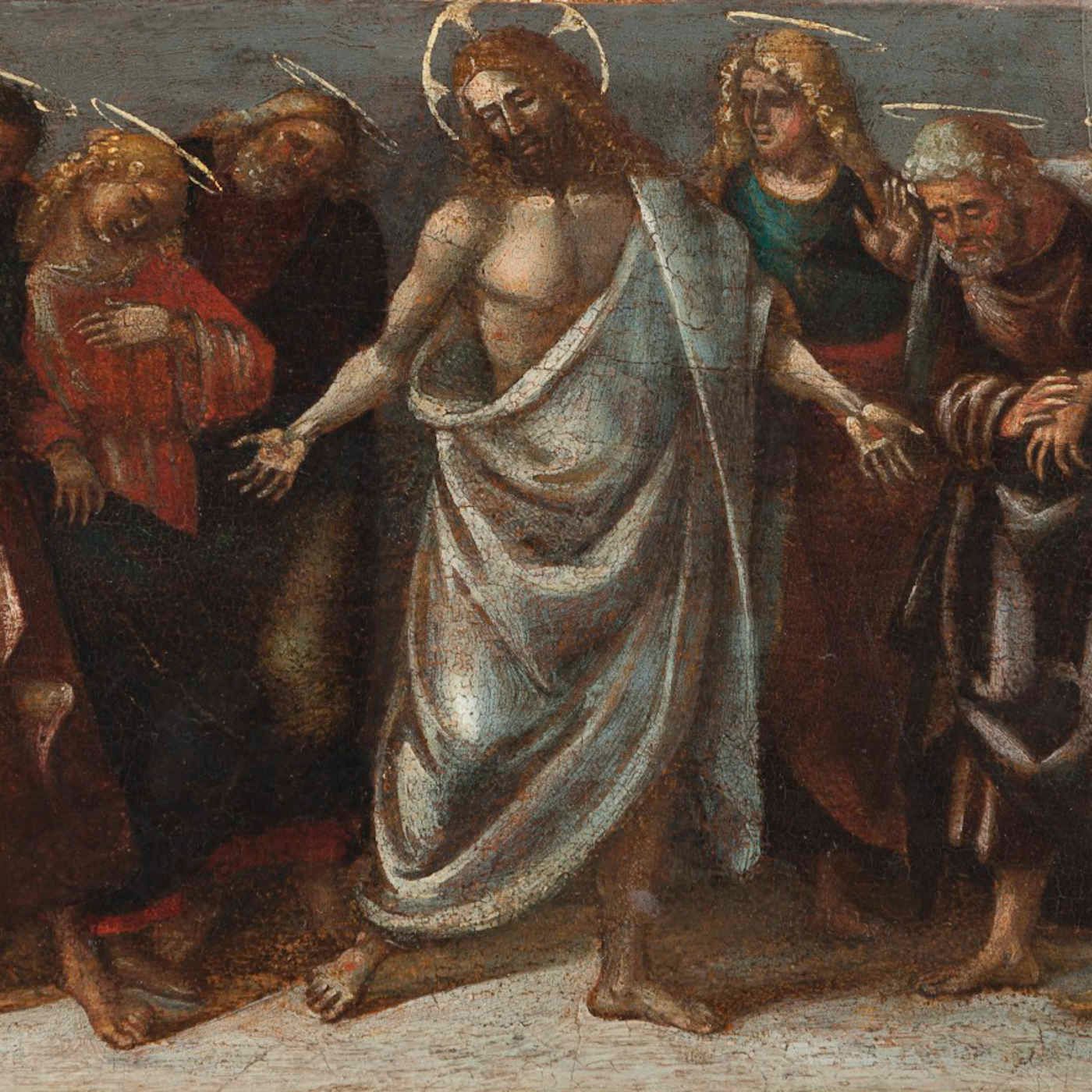
Apr 22
Wednesday in the Octave of Easter - The Word of God Burning Within
Read Online And it happened that, while he was with them at table, he took bread, said the blessing, broke it, and gave it to them. With that their eyes were opened and they recognized him, but he vanished from their sight. Then they said to each other, “Were not our hearts burning within us while he spoke to us on the way and opened the Scriptures to us?” Luke 24:30–31 Two of Jesus’ disciples had been discussing the events of the past week as they walked the seven-mile journey along the road from Jerusalem to Emmaus. They previously had hoped that Jesus was the one Who would redeem Israel—but then He was killed. And three days later, there were rumors of His Resurrection, which only left them confused. As they journeyed, Jesus appeared to the two disciples, but they did not recognize Him at first. His identity was hidden from their eyes. Jesus listened to them and expressed sorrow at their lack of understanding, so He explained to them the teachings of Moses and the prophets and that the Messiah needed to suffer, die and rise on the third day. As Jesus spoke, the disciples began to understand, and their hearts burned within them. Finally, in the gift of the Holy Eucharist, in the breaking of the Bread, their eyes were opened to see that it was Jesus with them. Why did Jesus hide His risen presence from these disciples? It appears that He did so because they lacked faith. They said, “...we were hoping that he would be the one to redeem Israel.” But the Crucifixion was too much for them to handle. They could not comprehend why the Redeemer had to suffer as Jesus did, so they began to doubt. Too often we are like these disciples who are confused about matters of faith and who struggle with doubts. For that reason, we must see ourselves in the persons of these disciples as they walked the road to Emmaus. Jesus offered these disciples a wonderful gift of mercy by helping them to understand His saving act. He explained to them all that was taught in Scripture regarding Him. And as these disciples listened to Jesus teach them, they slowly came to believe. We, too, must allow Jesus to teach us about the transforming power of His death and Resurrection. We must listen attentively and allow our hearts to burn within us as we listen to His holy Word. Only in this way will we come to the level of faith we need to more fully comprehend and accept the transforming power of the Paschal Mystery. Reflect, today, upon these disciples and their need to reflect upon the Word of God so as to understand, believe and have their eyes opened. Know that you need this same grace. You need to spend time with our Lord, immersed in His Word, listening to His voice, so that you will come to believe more fully. Allow the message of Jesus’ death and Resurrection to burn within you so that you, too, will come to believe. My resurrected Lord, You appeared to these disciples who lacked faith and understanding and gave them the gift of Your holy teaching. Teach me, dear Lord, all that I must come to understand and know about You, Your death, Resurrection and glorious gift of new life. May Your Word burn within me and lead me to a transformation of my life. Jesus, I trust in You. Image: Abraham Bloemaert, Public domain, via Wikimedia Commons Source of content: catholic-daily-reflections.com Copyright © 2025 My Catholic Life! Inc. All rights reserved. Used with permission via RSS feed.
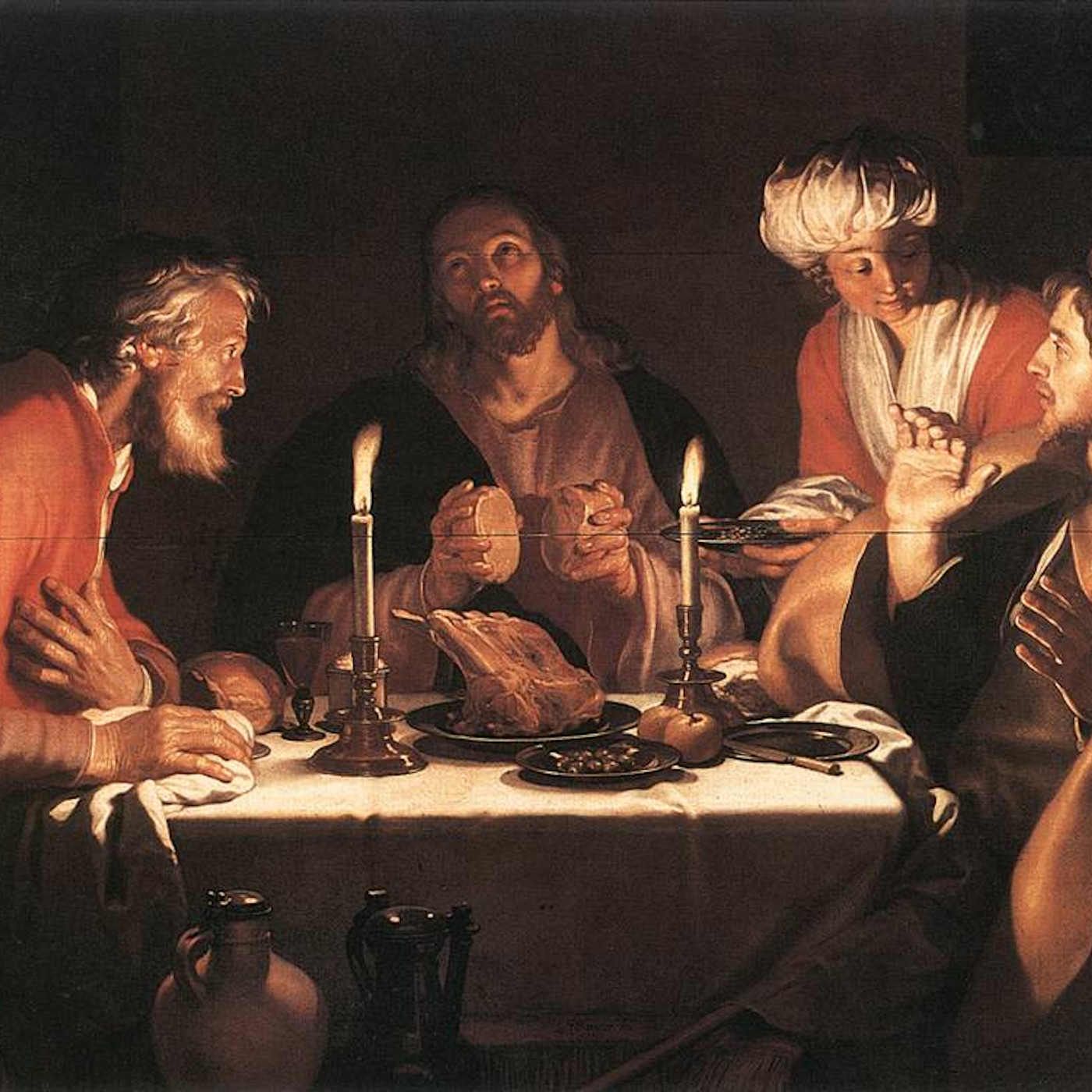
Apr 21
Tuesday in the Octave of Easter - Cling to Jesus Now!
Read Online Jesus said to her, “Stop holding on to me, for I have not yet ascended to the Father. But go to my brothers and tell them, ‘I am going to my Father and your Father, to my God and your God.’” John 20:17 Mary of Magdala was one of the first persons to whom Jesus appeared. She was deeply devoted to Him, especially because of the great mercy He offered her when He forgave her manifest sins and expelled seven demons from her. After He had done that, Mary became a devout follower and was one of the few who remained faithful to Him, even as He hung upon the Cross. On the first day of the week, the Sunday after the Crucifixion, Mary came to the tomb to anoint Jesus’ body in accord with Jewish custom. But when she arrived, Jesus’ body was gone. And when Jesus appeared to her as she was weeping, she didn’t immediately recognize Him, for He had His new glorified body. But when Jesus spoke her name, Mary, she recognized Him. But rather than embracing her, Jesus said, “Stop holding on to me…” Why would Jesus say this? Even though Mary’s attachment and devotion to Jesus was beautiful and holy, it wasn’t yet perfected. She wanted her Lord Whom she had come to know and followed. She wanted her former relationship with Jesus to be returned to her. But for this reason, Jesus said, “Stop holding on to me…” Jesus wanted much more. He was telling her that her relationship with Him was soon to change for the better. No longer would He simply be her earthly companion; instead, He would soon live within her, dwell within her very heart, become one with her, and be her Bridegroom for eternity. But this could only happen once Jesus ascended to the Father in Heaven to complete His divine mission of salvation. At times, we also seek favors from our Lord that are purely temporal. Though we do need to trust Him for “our daily bread,” meaning, for all the basic necessities of life, we must realize that the gifts God wants to give us far surpass anything in this world. The supernatural gift of grace, the gift of the Indwelling of the Most Holy Trinity, the gift of oneness with our Lord is what we are made for and is the end goal and desire of our Lord. Reflect, today, upon these words Jesus spoke to Mary: “Stop holding on to me, for I have not yet ascended to the Father.” But do so with the knowledge that, now, Jesus has indeed ascended to the Father. Therefore, He now invites us all to cling to Him as He reigns in Heaven. Ponder the deep desire in the heart of our Lord that you cling to Him with every fiber of your being. He wants to dwell within you, to become one with you and to transform you in every way. This holy union is now being enjoyed for all eternity by Saint Mary of Magdala, and this same gift is being offered to you. Cling to Him and never let go, for this will be your eternal joy. My risen and ascended Lord, You now reign in Heaven in perfect glory and splendor. Draw me into Your glorious life and invite me to cling to You with all my heart. I invite You, dear Lord, to come and make Your dwelling within me so that I can hold on to You forevermore. Jesus, I trust in You. Tretyakov Gallery, Public domain, via Wikimedia Commons Source of content: catholic-daily-reflections.com Copyright © 2025 My Catholic Life! Inc. All rights reserved. Used with permission via RSS feed.
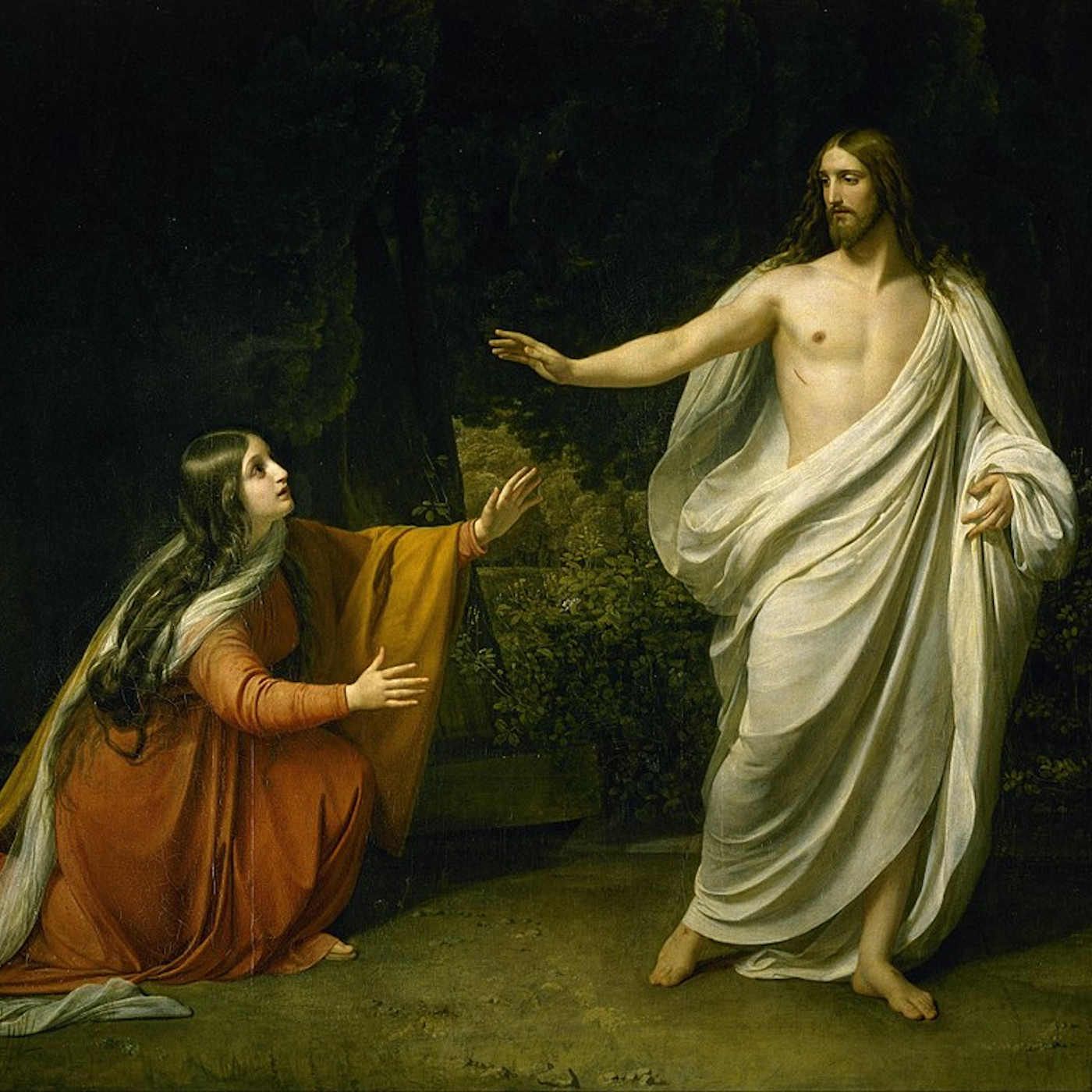
Apr 20
Monday in the Octave of Easter - Humility in the Face of the Resurrection
Read Online The chief priests assembled with the elders and took counsel; then they gave a large sum of money to the soldiers, telling them, “You are to say, ‘His disciples came by night and stole him while we were asleep.’ And if this gets to the ears of the governor, we will satisfy him and keep you out of trouble.” Matthew 28:12–14 The Lord of all rose from the grave, conquering sin and death, making it possible for us all to share in His glorious Resurrection! Death had lost. Satan had lost. The corrupt religious leaders had lost. And all those who believed in Jesus now had their eternal hope renewed. Sadly, though, what was the greatest victory ever known for humanity, a victory that opened the doors to eternal glory for all who believe, could not be accepted by the chief priests and elders of the people. They saw to His death, and, now that He had risen, they scrambled to do all they could to hide that truth. Pride is hard to overcome. When a person professes they are right, when in fact they are wrong, and when they are then confronted with their error, the sin of pride will inevitably tempt them to further sin. This is what we see today in this passage from our Gospel. The chief priests and elders were informed by the soldiers that when the women came to the tomb early in the morning, there was a great earthquake, and they saw an angel of the Lord descend from Heaven, roll back the stone, and sit on it. When they saw this, “The guards were shaken with fear of him and became like dead men” (Matthew 28:4). And after they heard the angel tell the women that Jesus had risen, the guards went off to tell the chief priests and elders. After all the miracles and powerful preaching of Jesus, you would think that the chief priests and elders would have believed. But they didn’t. And then, after hearing the testimony of these soldiers, you would think they would have fallen on their knees, repented of their hardness of hearts, and come to believe. But they didn’t. They doubled down in their sin and added sin upon sin. Some forms of sin can more easily be admitted, especially sins of weakness. When one is weak and falls, it may not be always easy to overcome that sin in the future, but it is easier to acknowledge it as sin when it is caused by human weakness. But a sin of weakness is much different than a sin of obstinate pride. Obstinate pride is not only hard to overcome, it’s hard to admit. It’s hard to admit our sin when it is based on our obstinacy and pride. As a result, this type of sin often leads to other sins such as ongoing deception, manipulation and anger. This is illustrated by these chief priests and elders. But if you can humble yourself and admit your sin when it comes from your pride, that humility can have a powerful and transformative effect upon your life. Reflect, today, upon these chief priests and elders of the people. Try to ponder their hardness of heart and the sad situation they found themselves in as they attempted to cover up their error and sin. Resolve never to fall into this form of sin yourself. However, if this is a struggle for you, seek humility so that you can be freed of this heavy burden by the grace of the Resurrection of our Lord. My resurrected Lord, You conquered sin and death and brought forth new life for all who believe in You. Give me the grace, dear Jesus, to never allow my sin of pride to keep me from being open to the glorious and transforming action You desire to do in my life. Please give me the gift of humility so that I may always turn from my sin and turn to You. Jesus, I trust in You. Resurrection by Piero della Francesca., license Attribution-ShareAlike (CC BY-SA 2.0) Source of content: catholic-daily-reflections.com Copyright © 2025 My Catholic Life! Inc. All rights reserved. Used with permission via RSS feed.
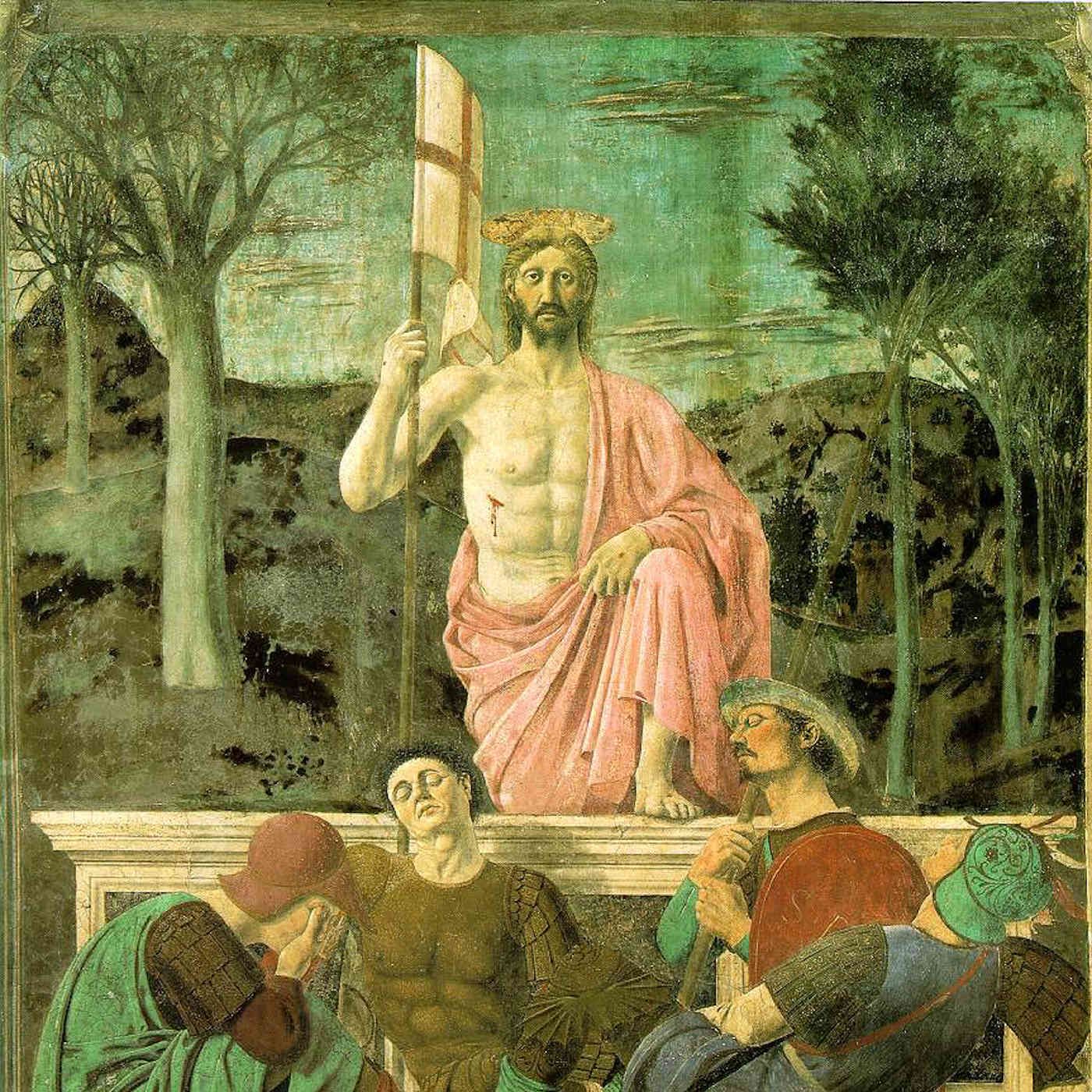
Apr 19
Easter Sunday (Year C) - The Message of the Angels
Read Online After the sabbath, as the first day of the week was dawning, Mary Magdalene and the other Mary came to see the tomb. And behold, there was a great earthquake; for an angel of the Lord descended from heaven, approached, rolled back the stone, and sat upon it. His appearance was like lightning and his clothing was white as snow. The guards were shaken with fear of him and became like dead men. Matthew 28:1–4 The angels of God have been present at the most significant moments of human history. There are numerous mentions of angels in the Old Testament. In the New Testament, the Incarnation of the Savior of the World was announced by an archangel. Myriads of angels were present at His birth. An angel spoke to Saint Joseph on four different occasions. As Jesus began His public ministry and overcame the temptations of the devil in the desert, angels from Heaven came to minister to Him. When Jesus prayed in solitude, especially during His agony in the garden, He was comforted by angels. At the empty tomb, it was an angel who first announced the good news that our Lord had risen. And at the end of time, it will be the angels of God who bring forth God’s justice. Today’s angelic salutation to Mary Magdalene and the other Mary at the empty tomb should teach us that the message of the Resurrection is among the most important lessons we can ever learn. Furthermore, the message of this angel, given to these holy women, was intended not only for them, it is also spoken to us today. The angel made an appearance that depicts absolute power and sanctity. He arrived with the speed of lightning. His countenance was radiant with Heavenly light. He instantly moved the large stone and sat upon it, pointing these holy women to the empty tomb. Today, if we have the eyes of faith, we will also receive an interior revelation from Heaven, just as these women did. Though we will not see with our eyes what they saw, we will see and hear through faith all that was spoken to them. The message of the Resurrection of Christ is being spoken to you today. Do you hear it? Do you comprehend the voice of this angel from Heaven? If you do, the first thing you will hear are the words, “Do not be afraid!” Fear is one of the greatest obstacles to the reception of the Word of God in our lives. The evil one sows fear; the angels of God dispel it. So begin by considering whether fear clouds your ability to receive the Word of God. The angel then said, “I know that you are seeking Jesus the crucified.” In other words, these women had not yet understood the Resurrection. They were still seeking the dead body of our Lord. Similarly, we often find ourselves focusing upon our losses, sufferings and trials. As a result, it can be difficult for us to see the ways that our Lord desires to transform the crosses in our lives and bring from them the glory of the Resurrection. The angel then said, “He is not here, for he has been raised just as he said.” When we allow God to transform every cross in our lives, those crosses and sufferings disappear as they give way to the new life God brings forth from them. Finally, the angel tells the women, “Come and see the place where he lay. Then go quickly and tell his disciples, ‘He has been raised from the dead…’” When we come to faith in the death and Resurrection of Christ, we cannot keep it to ourselves. We must go forth and proclaim the Resurrection of Christ to others. It cannot be contained. Reflect, today, upon the most glorious, awe-inspiring, life-changing message of Christ’s Resurrection. If you find that you do not understand this message, then this Easter Season is an important time for you. It must be a time in which you dispel any fear that clouds your thinking. It must be a time when you listen most attentively in faith. It must be a time when you hear God speak to you about His glorious triumph over sin and death. It must be a time when you more fully penetrate the mystery of the Resurrection. And it must be a time when you recommit yourself to go forth and share that message with others. Listen to the angels of God. Receive their message and allow Christ’s Resurrection to change your life forever. Most holy angels of God, please come to me, speak to me and reveal to me the most glorious message of the Resurrection of Christ. Lord, I pray that my heart be freed of all fear and that my mind be opened to all that You wish to reveal to me. I do believe in the glory of Your Resurrection; help me to believe with all my heart and to proclaim that truth to others. Jesus, I trust in You. Image: Image via Adobe Stock Source of content: catholic-daily-reflections.com Copyright © 2025 My Catholic Life! Inc. All rights reserved. Used with permission via RSS feed.
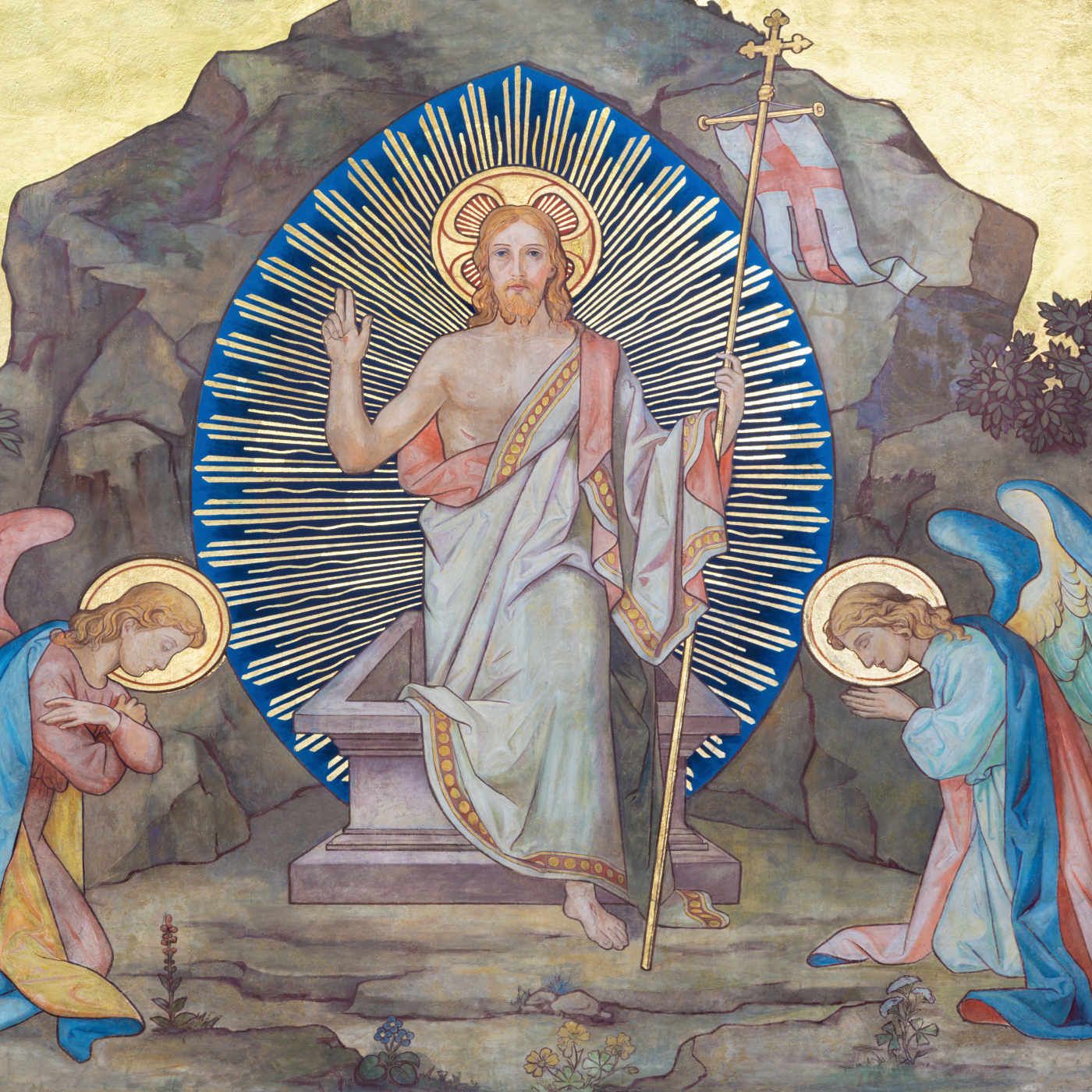
Apr 18
Holy Saturday with Mother Mary
Read Online The Savior of the World died a cruel death upon the Cross. His broken body was laid in the tomb. His disciples scattered and were fearful that they would be next. But our Blessed Mother kept vigil in the perfect hope that her Son would soon rise. Traditionally, Saturdays within the Church year are dedicated to the Blessed Virgin Mary. This ancient tradition developed in part due to the belief that, as others were filled with fear and confusion, Mother Mary kept vigil on Holy Saturday in prayerful anticipation of Jesus’ resurrection. She knew her Son would rise. She had hope beyond hope. Her faith was certain. Her love kept her vigilant as she awaited the return of her Son. For many centuries, it has been suggested that the first person to whom Jesus appeared after His Resurrection was His own mother. Pope Saint John Paul II believed this. Saint Ignatius of Loyola believed it. And many others throughout the centuries shared this belief. For these reasons, Holy Saturday is an ideal day to ponder the pondering heart of our Blessed Mother. There are several times in Sacred Scripture where we are told that Mother Mary pondered the mysteries of her Son’s life in her heart. She was one of the few who stood by Him in His agony and death. She stood before the Cross and prayerfully pondered His perfect sacrifice. The Blessed Mother held His dead body in her arms and pondered where His spirit had gone. And today she keeps vigil, pondering His imminent return to her. Ponder her pondering heart. Try to unite your own heart with hers. Try to understand what she was thinking and hoping. Try to feel what she felt this sorrowful day. Try to experience her faith, her trust and her joyful expectation. So many people in this world walk in despair and confusion. So many have lost hope in the new life that awaits them. So many have their own form of interior death without allowing God to draw them into His Resurrection. So many people today need the hope that was so alive in the heart of our Blessed Mother that first Holy Saturday. Ponder the reality of Holy Saturday in silence this day and allow the glorious heart of our Blessed Mother to inspire you and draw you more deeply into her life of faith, hope and love. Dearest Mother Mary, on that first Holy Saturday, you kept vigil for your Son. You allowed the divine gift of hope to grow within you, and you allowed that hope to be your strength in the midst of the horror of the Cross. Pray for me that I may ponder your beautiful heart this day so that I, too, may be filled with hope as I endure the challenges of this earthly life. Give me a heart of joyful anticipation as I await the grace of new life our Lord so deeply desires to bestow upon me. Mother Mary, pray for me. Jesus, I do trust in You. Guercino, Public domain, via Wikimedia Commons Source of content: catholic-daily-reflections.com Copyright © 2025 My Catholic Life! Inc. All rights reserved. Used with permission via RSS feed.

Apr 17
Good Friday of the Lord’s Passion (Year C) - Standing by the Cross with Love
Read Online Standing by the cross of Jesus were his mother and his mother’s sister, Mary the wife of Clopas, and Mary of Magdala. When Jesus saw his mother and the disciple there whom he loved he said to his mother, “Woman, behold, your son.” Then he said to the disciple, “Behold, your mother.” And from that hour the disciple took her into his home. John 19:25–27 If you spent time this Lent pondering the beautiful image of Jesus’ mother standing by the foot of the Cross, then you have some insight into her motherly love and experience on Good Friday. She was faithful to the end. She would have been no other place than at the foot of the Cross, gazing upon the sacrificial death of her own divine Son for the salvation of the world. From all the perspectives that we can use to gaze upon the Cross, the perspective of Jesus’ own mother is the best. The soldiers stood there mocking our Lord, perhaps some confused and perhaps some even feeling pity for Jesus. The scribes and Pharisees looked on with contempt and self righteousness, doubling down on their hatred and jealousy. Most of the Apostles had fled, one of them betraying Jesus and another denying that he even knew our Lord. But Jesus’ own mother, accompanied by some other holy women and the beloved disciple, John, stood there with love, offering consolation to the Heart of Jesus. The love shared between mother and Son at the foot of the Cross was twofold in the heart of Mary. Her love for her Son expressed her unwavering fidelity to Him. It dispelled all fear. It was singularly focused. It was all-consuming. As she shared this love for her Son, she truly consoled Him. This is a significant fact to ponder. Since Jesus was the Son of God, He didn’t need the human consolation of His mother’s love at that moment. But by becoming human, Jesus chose to accept her love. In that act of acceptance, He allowed her human love to console His human heart. This consoling and steadfast love expressed the perfection of human love. The second form of love shared between mother and Son at the foot of the Cross was the love given by Jesus to His mother. At its core, this love was the gift of salvation. For her, the grace of His Cross transcended time to the moment of her conception, freeing her from Original Sin. Jesus’ love on the Cross transformed her, retroactively, into the Immaculate Conception and enabled her to know Jesus not only as her Son but also as her Savior. Jesus’ love in that moment on the Cross is also expressed in His unwavering commitment to care for her in her human state. He gave her to John to care for her as his own mother and, in so doing, He gave her to all of us who stand at the foot of the Cross with her as our own spiritual mother. If you want to understand the love of God, look no further than this immaculate and perfect love shared between mother and Son at the foot of the Cross. Today, especially, you are invited to stand with the Apostle John and gaze upon this shared love of mother and Son. John is there as an invitation to you to stand with them and to share in this holy exchange of love. As you witness this love, think about your own life and what it would take for you to participate in such love. Consider the courage and strength you need. The ability to forgive all who harmed you. Freedom from all bitterness. Unwavering commitment. Perfect affection. These, and many other qualities that were present in the hearts of mother and Son at the Cross are all qualities that God wants to bestow upon you. He wants you to bring them into every relationship in your life. He wants the perfection of this love to come upon you and for you to express this love always. Reflect, today, on this Good Friday, upon this most holy scene of the love of this mother and this Son. As you do, try to examine your own life. As you look at this mother and Son’s many virtues, allow that gaze to reveal to you the ways you need to grow in virtue. The Mother of God is now your mother, and the Son of God is now your Savior. Speak to them, listen to them, love them and allow the love that flows from their hearts to penetrate your own so that you can receive their love and share it with others. My dying Lord, You freely embraced human death for the salvation of the World. It was the greatest act of love ever known. As You hung upon the Cross in agony, Your own dear mother, the Immaculate Conception, stood by You, receiving Your love in its fullness and offering her love to console Your suffering soul. Please draw me into that love and help me to not only receive it but also to offer it to all in need. Jesus, I trust in You. Image via Adobe Stock Source of content: catholic-daily-reflections.com Copyright © 2025 My Catholic Life! Inc. All rights reserved. Used with permission via RSS feed.
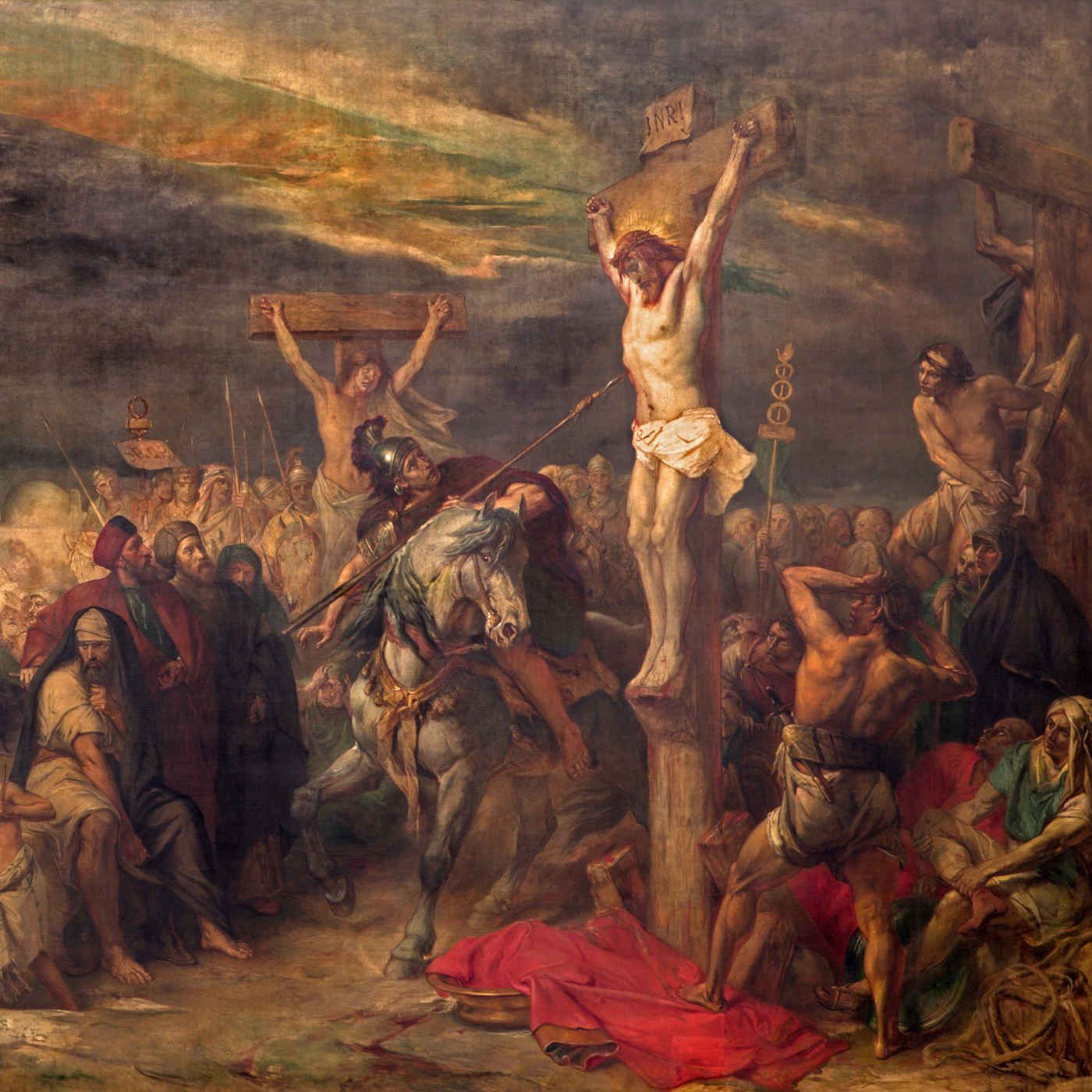
Apr 16
Holy Thursday, Mass of the Lord’s Supper (Year C) - Our Model for Holiness
Read Online “Do you realize what I have done for you? You call me ‘teacher’ and ‘master,’ and rightly so, for indeed I am. If I, therefore, the master and teacher, have washed your feet, you ought to wash one another’s feet. I have given you a model to follow, so that as I have done for you, you should also do.” John 13:12–15 Do you want to be holy? Perhaps this question is not one that everyone will immediately answer with a resounding “Yes.” Sadly, holiness, for some, can seem boring and unattractive. The lure of evil is very enticing on a confused and superficial level. So what is your answer to this question? Do you want to be holy? As we begin today the sacred Triduum, we enter into the holiest days of the Church year. We walk with our Lord through His final glorification today as He celebrates the Passover with His disciples and enters the Garden of Gethsemane to await His arrest. Tomorrow we walk with Him through the stations of His Cross. On Saturday, we sit in silent adoration of His tomb as we await the Resurrection. In the Gospel quoted above, Jesus gives us a model for holiness by the witness of His actions. He Who is the God of the Universe, the Creator of all, the Eternal Son of God, the Second Person of the Most Holy Trinity, humbles Himself and takes on the form of a lowly servant by washing the feet of His disciples. He then offers them the Most Holy Eucharist for the first time, before He goes to meet His persecutors. The model Jesus gives us is a prophetic action by which Jesus tells us that true greatness, that is, true holiness, is found in humility. Holiness is realized in our lives when we turn our eyes from ourselves and love others as their servants. None of us are the Savior of the World, but each of us must become instruments of His saving act for others. As we accept Jesus’ gift, we must then turn to others and humble ourselves before them. We must help them to see our love and their dignity. We must serve them with humility and put them first. Doing so will then enable us to invite them to imitate us as we imitate Christ. Thus, our humble imitation of Jesus becomes a means by which Jesus invites others to follow Him. Reflect, today, upon the invitation of Jesus: “...as I have done for you, you should also do.” Jesus gave us everything, so we must give everything to others. We must serve without counting the cost. We must love them, putting their needs before ours. We must become a model of the love of Christ for them. Ponder Jesus’ service today and throughout the Triduum and commit yourself to live the invitation given you by our Lord. My humble Lord, may Your name be praised and adored above all things. May You be exalted by Your humility and lowly service. I see in Your humble act, dear Lord, the deep love You have for me and for all. May I imitate that humble love in my own life so that my imitation of You will help to share Your saving love with others. Jesus, I trust in You. Image: Palma il Giovane, Public domain, via Wikimedia Commons Source of content: catholic-daily-reflections.com Copyright © 2025 My Catholic Life! Inc. All rights reserved. Used with permission via RSS feed.
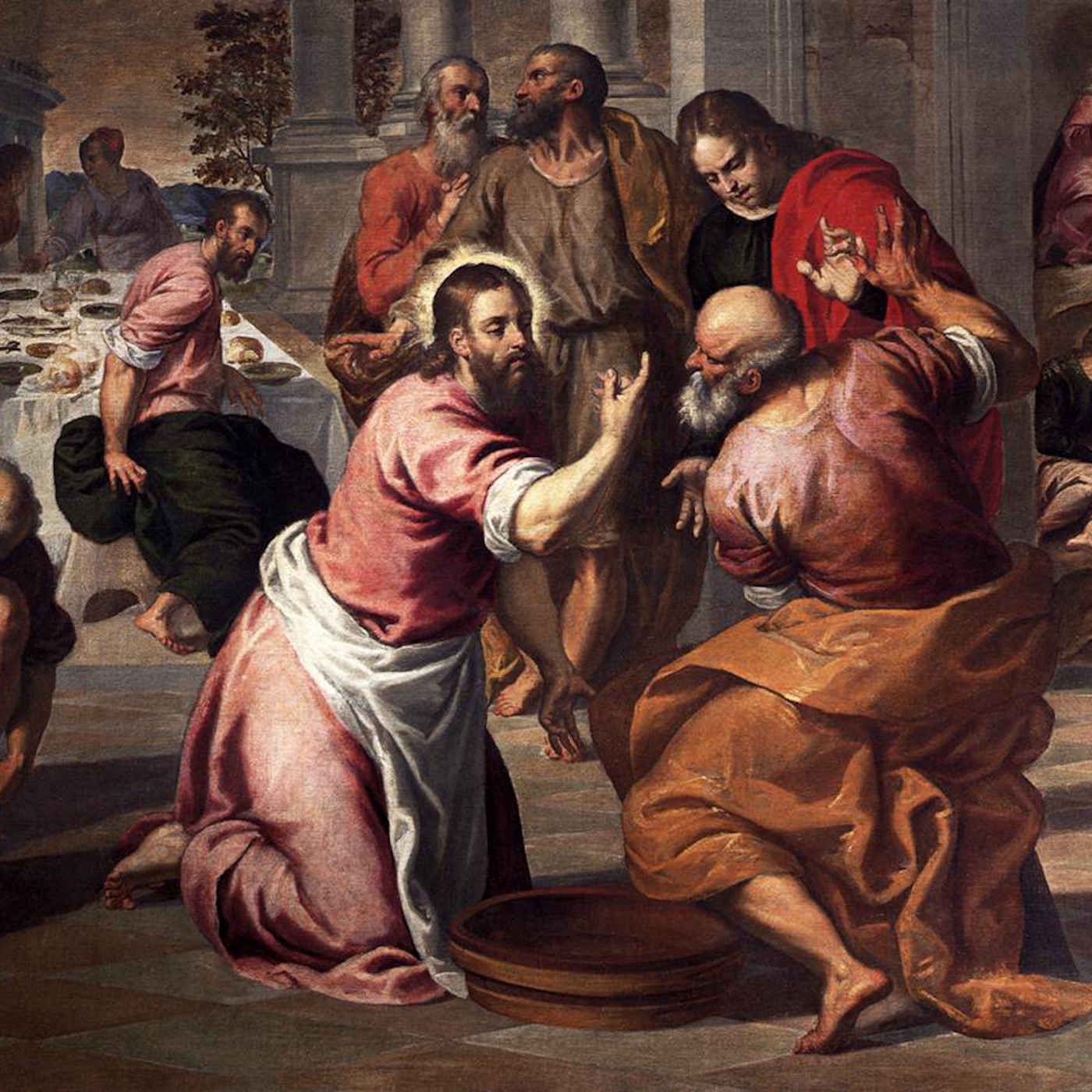
Apr 15
Wednesday of Holy Week - Rejecting Empty Promises
Read Online One of the Twelve, who was called Judas Iscariot, went to the chief priests and said, “What are you willing to give me if I hand him over to you?” They paid him thirty pieces of silver, and from that time on he looked for an opportunity to hand him over. Matthew 26:14–16 The desire for money can become a powerful incentive to betray our Lord. In this Gospel passage, it seems clear that Judas’ betrayal was based on his desire for money. He most likely had some level of faith in our Lord, or he wouldn’t have become His disciple. But even if Judas did have some level of faith, his desire for money appeared to overshadow the faith he may have had. One of the central lessons we can learn from Judas is that the desire for money is a powerful incentive for the decisions we make. So many of the great saints have taught us that the path to holiness consists, first, in a purification of all our disordered affections. And since one of the most powerful attachments that many struggle with is an attachment to money, this is an important desire to purify in all of our lives. It’s true that material possessions are not evil when they are used for the fulfillment of God’s will. But the desire for more, for an excess, will always cloud our ability to see clearly the will of God and live for His glory alone. Once Judas had betrayed our Lord and Jesus was arrested, recall that Judas “deeply regretted what he had done.” And during Jesus’ trial, Judas went back to the chief priests and said “I have sinned in betraying innocent blood” in an apparent attempt to stop the trial. But Jesus’ death was set in motion and could not be stopped. As a result, Judas returned the money and sadly went off to hang himself (See Matthew 27:3–5). The desire Judas had for money clouded his thinking. And his sin did to him what sin always does. As soon as his sin of betrayal was done, Judas saw the consequences of that choice. And the consequences grieved him deeply. He learned that choosing sin ends with an empty promise. He realized that thirty pieces of silver was not worth the value of his soul. But of course, even then Judas could have repented and received the mercy of God. But he didn’t. He simply ended his life in ultimate despair. Reflect, today, upon the witness of Judas. Use him as a source of meditation and self-examination this Holy Week. What is it in your life that you desire more than our Lord? What temptation clouds your thinking and leads you to choices that you know will end in emptiness? Strive to eradicate every disordered desire within you this day and choose wisely the will of God instead. Do not let yourself continue to believe the lies that keep you from making Jesus and His holy will the one and only focus of your life. My divine Lord, You and You alone must become the focus of my life. You and You alone are of the greatest value in life. Help me to shed all earthly desires in life so that I will not fall into the temptations that lead to empty promises and so that I will embrace the true and fulfilling promises that come from You. Jesus, I trust in You. Image: Giotto, Public domain, via Wikimedia Commons Source of content: catholic-daily-reflections.com Copyright © 2025 My Catholic Life! Inc. All rights reserved. Used with permission via RSS feed.
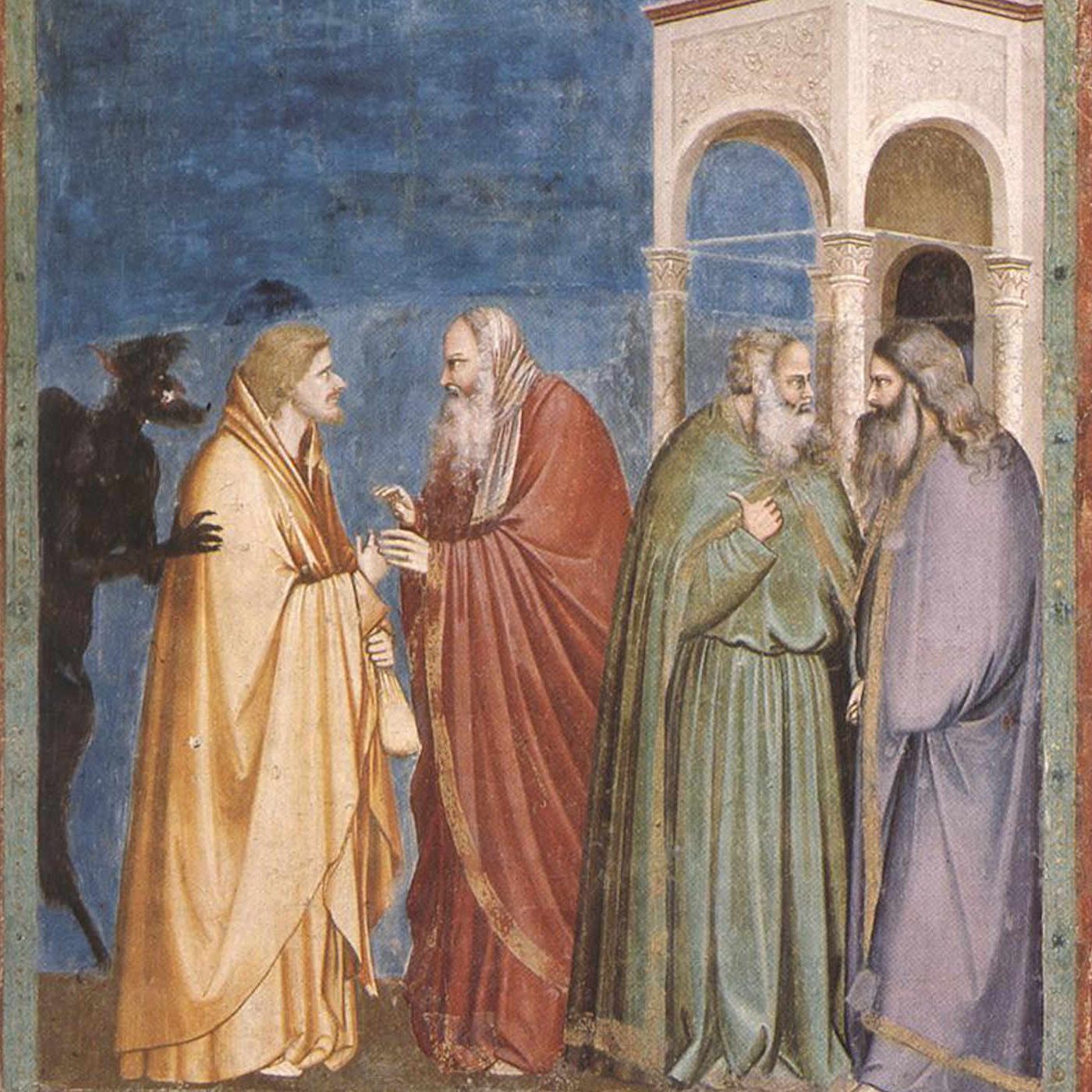
Apr 14
Tuesday of Holy Week - The Glory of God in All Things
Read Online “Now is the Son of Man glorified, and God is glorified in him. If God is glorified in him, God will also glorify him in himself, and he will glorify him at once.” John 13:31–32 Jesus speaks this line about Himself being glorified immediately after Judas leaves the supper to go forth to betray Him. Jesus had just finished washing the feet of His disciples, and soon He would finish the Last Supper, go to the Garden of Gethsemane, be arrested, beaten and crucified. And this was to all take place through the betrayal of one of the Twelve. Yet rather than speak of these pending events in a fearful or anxious way, Jesus points to the glory He will receive through them. Everything in life has the potential to become an instrument of the glory of God. Even our sin can end in God’s glory when we repent and receive God’s forgiveness. It will not be our sin that glorifies God but His mercy poured forth from the Cross upon us that gives Him glory. The same is true with the events of Holy Week. When looked at from a purely human perspective, what Jesus endured was tragic and horrific. One of His closest companions betrayed Him. The religious leaders of the time betrayed Him. The civil authorities betrayed Him. And all of the disciples except John fled in fear as Jesus was betrayed. But Jesus did not look at any of this through human eyes alone. He saw it all from the eternal perspective and clearly taught that all of these seemingly tragic events would end in His glory. When we commit ourselves to the following of Christ, we can be assured that we will also share in His Cross. We will experience the sins of others, encounter mistreatment, and have to endure various sufferings. The question for us all as we have these encounters in life is whether we will endure them in anger and despair or with the hopeful confidence of our Lord. Again, everything in life has the potential to become an instrument of the glory of God. Nothing in life has the power to steal away that glory when we keep our eyes upon the will of God and His power to use all for His glory. Reflect, today, upon your call in life to see everything from the divine perspective. If you are upset, angry, despairing or confused at times, know that God wants to bring clarity and grace to every situation. He wants to show you how you can share in His divine mission of transforming every evil into God’s glory. Seek out the ways that your life must give glory to God in everything, especially those things that seem incapable of being used for good. The more an experience in life seems incapable of being used for God’s glory, the more that experience is capable of giving true glory to God. My glorious Lord, You brought forth good from all things. Even the grave evil of Your betrayal was transformed into a manifestation of Your glory. I offer to You, dear Lord, all that I endure in life and pray that You will be glorified in all things, and that my life will continually become a manifestation of the glory due Your holy name. Jesus, I trust in You. Source of content: catholic-daily-reflections.com Copyright © 2025 My Catholic Life! Inc. All rights reserved. Used with permission via RSS feed. Image: Philippe de Champaigne, Public domain, via Wikimedia Commons
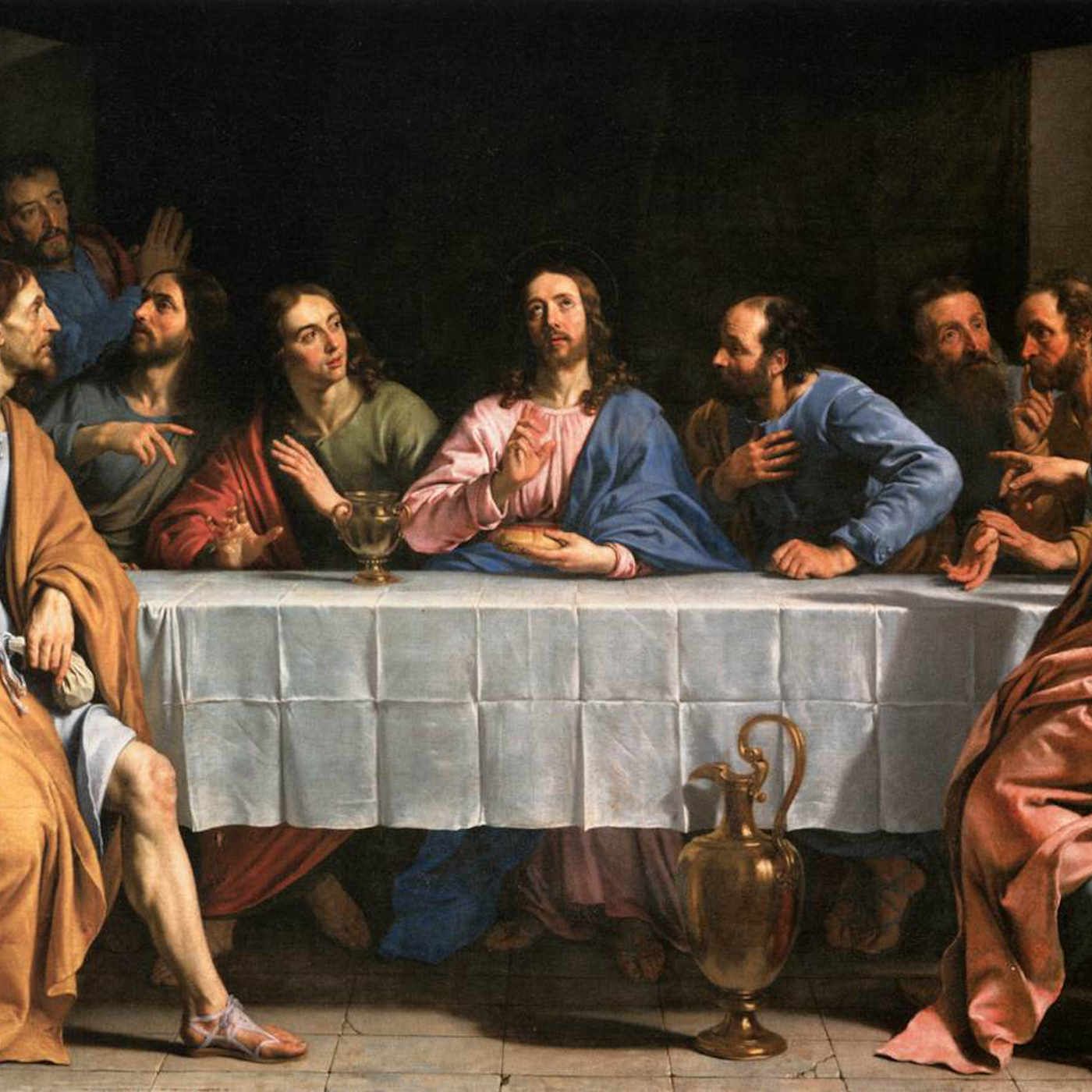
Apr 13
Monday of Holy Week - Expressing Your Love of God
Read Online Then Judas the Iscariot, one of his disciples, and the one who would betray him, said, “Why was this oil not sold for three hundred days’ wages and given to the poor?” John 12:4–5 Jesus was with His disciples at the home of Lazarus, Martha and Mary. He regularly spent time at their home and was close to them. This meal took place just before Jesus entered into Jerusalem for the first Palm Sunday and Holy Week. It was six days before Jesus would die on the cross. Recall that Lazarus had recently been raised from the dead by Jesus and also that Mary, Lazarus’ sister, was deeply devoted to Jesus and is recorded as the one who sat at His feet, while her sister Martha served. During this visit, Mary offered another act of devotion to Jesus when she anointed Him with “a liter of costly perfumed oil.” She offered Him an act of love and devotion. The Scripture passage above records Judas’ response as he also was at the meal. Jesus rebukes Judas and defends the act of devotion given by Mary, and the meal continues on. One clear lesson this teaches us is that nothing is too good for our Lord. It’s true that we must do our part to help care for the poor, but Jesus’ response to Judas is quite interesting. He says, “Leave her alone. Let her keep this for the day of my burial. You always have the poor with you, but you do not always have me.” Jesus was not downplaying the importance of caring for the poor; He was emphasizing the importance of offering acts of love and devotion to Him. As we enter into this the holiest week of the year, we are given this image of Mary lavishing upon Jesus this liter of costly perfumed oil as a way of inviting us to do the same. Though we serve Christ in others who are in need, we must also seek to regularly offer Him devotion and love directly, even in ways that others may think is excessive. Honoring Him, expressing our love, spending time with various devotions, praying for extended periods of time, and even offering Him our financial resources are all ways in which we give Jesus the glory that is due Him. Reflect, today, upon ways in which you can imitate this act of loving devotion offered by Mary to Jesus. In what ways can you pour forth in an abundant way your time, money, talents, and energy upon our Lord? How can you best express your devotion to Him this Holy Week? Seek out ways to do this directly for the one and simple reason that you love our Lord and want to express that love this week. My glorious Jesus, You are worthy of all praise and honor. You are worthy of our deepest devotion and love. As I enter into this Holy Week, I pray that it will be a time in which I may express my deepest love for You. Help me to pour forth that love in abundance this week so as to show You the glory and praise You deserve. Jesus, I trust in You. James Tissot, Public domain, via Wikimedia Commons Source of content: catholic-daily-reflections.com Copyright © 2025 My Catholic Life! Inc. All rights reserved. Used with permission via RSS feed.
Apr 12
Palm Sunday of the Lord’s Passion (Year C) - Following Him to the Cross
Read Online “Blessed is the king who comes in the name of the Lord. Peace in heaven and glory in the highest.” Some of the Pharisees in the crowd said to him, “Teacher, rebuke your disciples.” He said in reply, “I tell you, if they keep silent, the stones will cry out!” Luke 19:38–40 At the foot of the Mount of Olives was the Garden of Gethsemane where Jesus agonized in prayer and was arrested. But several days before that happened, our Lord crossed over that hill next to the Mount of Olives with His Apostles and then approached the slope heading toward the Garden. As He descended, He encountered “the whole multitude of his disciples” who “began to praise God aloud with joy for all the mighty deeds they had seen.” They then cried out: “Blessed is the king who comes in the name of the Lord. Peace in heaven and glory in the highest.” They met Him within eyeshot of the gate of the city of Jerusalem. This must have left the Twelve in amazement. Among those who were amazed were the Pharisees. But they were not amazed with joy. Their amazement was caused by envy and led to condemnation. Jesus’ response was very clear: “I tell you, if they keep silent, the stones will cry out!” That begs the question: If these disciples had not offered our Lord this glorious welcome, would the stones truly have cried out? Most certainly they would have! They did so just several days later after Jesus had been abandoned by the crowds. Recall that when Jesus was crucified, almost every one of these disciples abandoned Him. They fled in fear. Even most of the Twelve ran and hid. Only our Blessed Mother, Saint John and a few others remained. Therefore, when Jesus died on the Cross, abandoned by the crowds, this prophecy of His came true. “And behold, the veil of the sanctuary was torn in two from top to bottom. The earth quaked, rocks were split, tombs were opened, and the bodies of many saints who had fallen asleep were raised” (Matthew 27:51–52). We must never keep silent in praise and worship of God. There is an important lesson to learn from these two moments from that first Holy Week. At the beginning, as Jesus entered Jerusalem with much excitement, there were many who offered Him praise. It’s easy to give praise and glory to God when it is popular and when many others are doing so. Contrast this with the end of Holy Week when Jesus was persecuted and killed. Suddenly, praise and open acclamations were not that popular. Fear had the effect of silencing the crowds and ending their worship of our Lord. For that reason, the stones did cry out and the earth quaked. As we enter this Holy Week, consider whether you are more like the “whole multitude” of Jesus’ disciples who praised Him when it was easy and popular, or whether you are more like our Blessed Mother and Saint John who remained faithful to Him when it was anything but popular to do so. Do you persevere in your praise and adoration of God during difficult times? Or do you allow fear of what others may say, fear of rejection and other forms of humiliation to deter you from your sacred calling? Reflect, today, upon these two contrasting moments of that first Holy Week. Join, today, with the crowds as they acclaim Jesus as King. As you do, turn your eyes to the King Whom you worship. Choose to follow Him to His betrayal, His suffering and His death. Commit yourself to fidelity, especially when it is hard to do so. Do not waver in your commitment. Look at the love in the heart of Jesus’ own mother and pray to her that you will have the courage she had to remain faithful to our Lord, lest the stones be forced to cry out in your place. Most glorious King, You were fittingly worshiped and adored as You entered Jerusalem for the Feast of Passover. I commit myself to that adoration and praise, and I pray that I will honor and love You, not only when it is easy but also when it is unpopular. May I never allow fear to deter me from my love of You and follow You all the way to the glorious throne of Your Cross. Jesus, I trust in You. Image via Adobe Stock Source of content: catholic-daily-reflections.com Copyright © 2025 My Catholic Life! Inc. All rights reserved. Used with permission via RSS feed.
Apr 11
Saturday of the Fifth Week of Lent - The Effects of Jesus’ Ministry
Read Online So the chief priests and the Pharisees convened the Sanhedrin and said, “What are we going to do? This man is performing many signs. If we leave him alone, all will believe in him, and the Romans will come and take away both our land and our nation.” John 11:47–48 Jesus’ public ministry had two primary effects upon the people. For many, they were coming to believe in Him and were hanging on His every word. They sought Him out and began to understand that He was the promised Messiah. This was the response of faith. But the reaction of the chief priests and the Pharisees was far more worldly. In the passage above, we see a group of religious leaders who are completely consumed with worldly concerns to the point that these concerns drown out all matters of faith. As the Sanhedrin convened and discussed what they should do, Caiaphas, the high priest that year, spoke up and gave advice that perfectly depicts this worldly vision. He said, “You know nothing, nor do you consider that it is better for you that one man should die instead of the people, so that the whole nation may not perish.” Caiaphas and many other religious leaders at the time appeared to be far more concerned with their worldly status and power than they were with matters of true faith and eternal salvation. If they were men who deeply loved God and sought only His holy will, then they would have rejoiced that Jesus’ ministry was so fruitful in the lives of the people. They would have offered thanks to God, day and night, for the privilege of seeing the prophecies of old about the Messiah come to fruition before their own eyes. They should have had joy and gratitude, and they should have allowed those spiritual blessings to grow within them and give them the courage they needed to go forth and die with our Lord if necessary. But instead, they chose their comfortable lives and worldly status above the truth, and they decided that Jesus needed to die. One beautiful truth to reflect upon within this context is that God uses all things for His glory and for the salvation of those who believe. With this meeting of the Sanhedrin, these men began to plot the death of Jesus. Eventually they used deceit, manipulation, intimidation and fear to accomplish their goal. But even though from a worldly perspective these misguided religious leaders “won,” from a divine perspective, God used their evil to bring about the greatest good the world had ever known. Through their malice, Jesus’ passion and death gave way to the new life of the Resurrection. Reflect, today, upon the fact that God is able to use all things for our good. Be it in the midst of corruption, persecution, discord, sin, illness or any other evil in life, when we turn to God in faith and surrender, He is able to transform all things and bring forth an abundance of good fruit through them if we only let Him and trust in faith. Prayerfully surrender over to God, today, any of the above concerns that have affected you, and allow yourself to believe the simple truth that nothing can keep you from the glorious fulfillment of the will of God. All things can help toward the salvation of your soul and end in God’s eternal glory. My glorious Lord, You were loved by many but also hated by some. Those with power and authority could not see beyond their worldly ambitions, so they began to plot against You. Give me the grace, dear Lord, to see every act of evil inflicted upon me as an opportunity for You to bring forth good. You are glorious, dear Lord. May You be glorified in all things. Jesus, I trust in You. Image via Brooklyn Museum Source of content: catholic-daily-reflections.com Copyright © 2025 My Catholic Life! Inc. All rights reserved. Used with permission via RSS feed.
Apr 10
Friday of the Fifth Week of Lent - Entering the Desert
Read Online “If I do not perform my Father’s works, do not believe me; but if I perform them, even if you do not believe me, believe the works, so that you may realize and understand that the Father is in me and I am in the Father.” John 10:37–39 These words spoken by Jesus took place during the feast of the Dedication in Jerusalem. Jesus had been preaching clearly about His relationship with the Father in Heaven, and this was causing some to become outraged to the point of them trying to arrest Him right then and there. But He escaped and went back into the wilderness where He had been baptized by John. As Jesus remained there in the desert, many people came to Him to be with Him and to listen to His words. As they listened, they began to believe. It’s interesting to note the contrast of reactions. In Jerusalem within the Temple area, among large crowds gathered for the feast of the Dedication, Jesus was increasingly rejected and persecuted. But when He returned to the desert and people had to come to see Him, they listened and believed. This contrast presents us with one way in which we will more easily grow in our faith and help others grow in their faith. Specifically, we are invited to go into the “desert” to encounter our Lord, away from the busyness of life, and we must also invite others to join us in such a journey. It’s true that, while in Jerusalem, there were people who happened to stumble upon Jesus as He was teaching and were moved by His word and came to believe. But it’s also clear that, when people had to commit to the effort of seeking Him out in a deserted place, His words were even more transformative. In our own lives, within the ordinary activities of life, such as regular attendance at Mass, we will be given the opportunity to hear the Gospel and deepen our life of faith. But all of us need to take time to seek Jesus out “in the wilderness,” so to speak, so as to be even more disposed to hear Him and believe. These “desert experiences” come in many forms. Perhaps it’s an experience as simple as going into your room alone to pray and ponder the Word of God. Or perhaps it’s a participation in a Bible study, an online devotional program, or parish catechesis event. Or perhaps it’s the choice to go away for a weekend or longer for a guided retreat where all you do for some time is pray and listen to our Lord. Throughout history, saint after saint has shown us the value of going off to pray to be with our Lord, in a place where the many other distractions of life and the many voices of the world are silenced, so that God can speak to the heart and so that we can more fully respond. Reflect, today, upon the invitation Jesus is giving you to go out to meet Him in the wilderness. Where is that place? How can you accomplish this short journey while keeping up with the important duties of life? Do not hesitate to seek out the desert to which our Lord is calling you, so that you will be able to meet Him there, listen to His voice, and respond with complete generosity. My Lord Jesus, You are calling me to enter deeper into a relationship of love with You, my divine Lord. Give me the grace I need to say “Yes” to You and to enter into the desert of silence and prayer I need so as to hear Your voice. Draw me to You, my Lord, and help me to more fully believe all that You wish to say. Jesus, I trust in You. James Tissot, Public domain, via Wikimedia Commons Source of content: catholic-daily-reflections.com Copyright © 2025 My Catholic Life! Inc. All rights reserved. Used with permission via RSS feed.
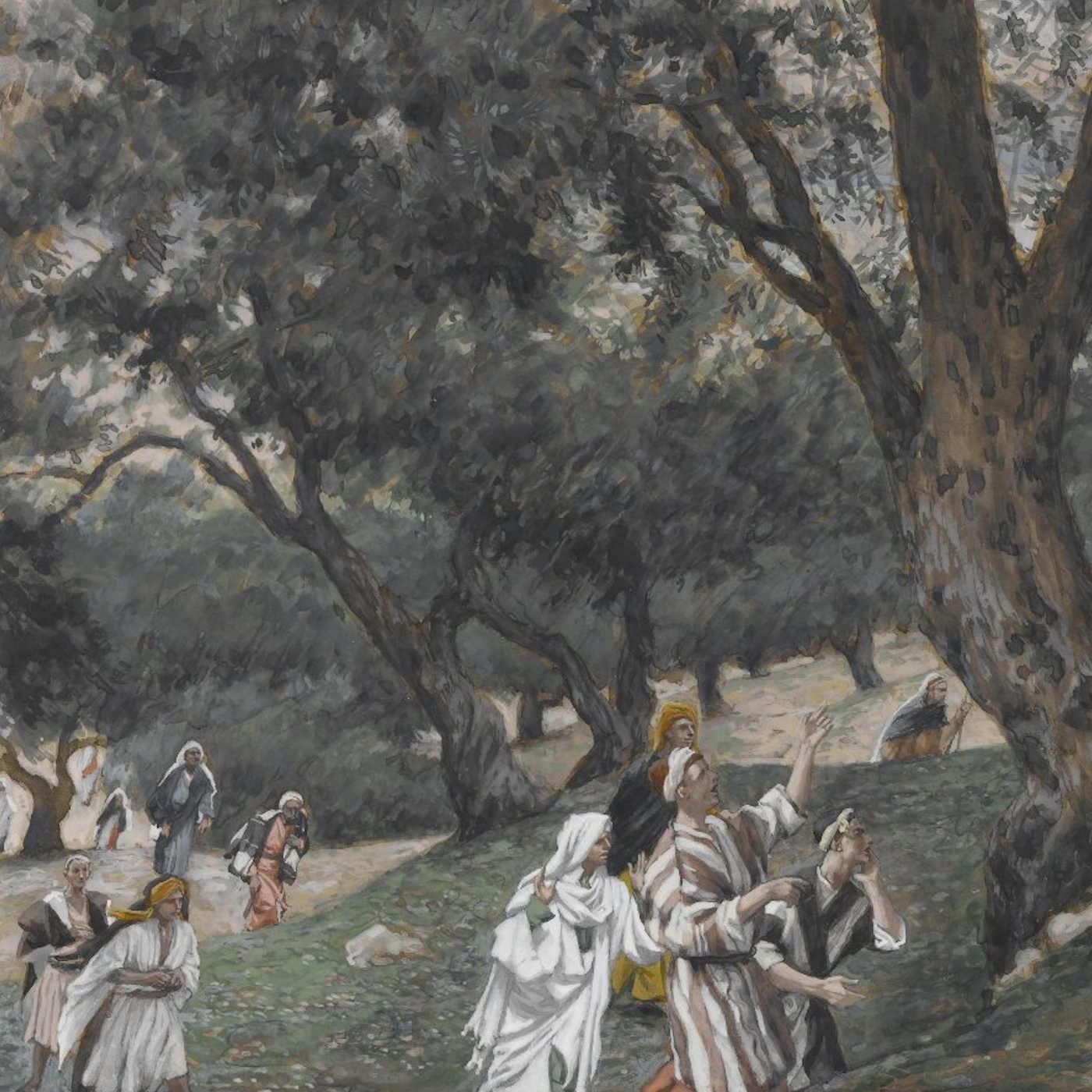
Apr 9
Thursday of the Fifth Week of Lent - Living in the Moment
Read Online Jesus said to them, “Amen, amen, I say to you, before Abraham came to be, I AM.” So they picked up stones to throw at him; but Jesus hid and went out of the temple area. John 8:58–59 When Moses encountered God in the burning bush, God revealed His name: I AM. The Catechism of the Catholic Church teaches that this revelation of God’s name “is at once a name revealed and something like the refusal of a name.” It expresses that God is “infinitely above everything that we can understand or say.” He is the “hidden God.” He is also a “God who makes himself close to men” at each and every moment of our lives (See CCC #206). In our Gospel today, Jesus identifies Himself with this hidden God. He states that He alone knows His Father and that the Father glorifies Him because He is the great I AM. To the people of that time, this was a shocking revelation, at least to those who failed to comprehend this truth in faith. But that mysterious name reveals to us not only the essence of God, it also reveals how we ought to relate to this infinite, hidden, exalted and glorious God. As Jesus revealed His identity, He did not say, “before Abraham came to be, I was.” He says, “I AM.” This reveals that Jesus not only existed before Abraham, but that His existence transcends all time. He always and everywhere IS. Though this might seem overly philosophical to some, it is an important concept to understand for two important reasons. First, it gives us greater insight into God. But, second, it reveals to us how we ought to relate to God every day. God is not a God of the past. He is not a God of the future. He is a God of the present moment. If we are to enter into a relationship with God, then we must realize that we can only encounter Him in the present moment. He is the Here and Now, so to speak. And we must seek Him here and now, in this present moment alone. Sometimes we find ourselves dwelling on the past. To the extent that our past has helped or hurt us in this present moment, we need to address it. But the way this is done is by seeking God’s healing grace today, allowing the past to disappear into His abundant mercy. Other times we try to live in the future, becoming anxious about what is to come. But God does not dwell in the future for, to Him, all time is here and now. Therefore, we ought not to become anxious about the future, worry about it or try to live in it now. All we have is this present moment, and it is in this moment that God comes to meet us. He is here, and we must meet Him here, turning to Him and His grace today. Reflect, today, upon this deep and mysterious revelation from our Lord. Think about his identity as the great “I AM.” Ponder that name. Ponder its meaning. See it as a way by which Jesus is inviting you to encounter Him in this present moment alone. Live in this moment. The past is gone; the future is not yet here. Live where God exists, here and now, for that is the only place that you will meet our Lord. My Lord, You are the Great I Am. You transcend all time. Help me to meet You today, to let go of the past, to look forward to the future, and to live with You in this moment alone. As I meet You here, dear Lord, help me to love You with all my heart. Jesus, I trust in You. James Tissot, Public domain, via Wikimedia Commons Source of content: catholic-daily-reflections.com Copyright © 2025 My Catholic Life! Inc. All rights reserved. Used with permission via RSS feed.
Apr 8
Wednesday of the Fifth Week of Lent - The Truth Will Set You Free
Read post Jesus said to those Jews who believed in him, “If you remain in my word, you will truly be my disciples, and you will know the truth, and the truth will set you free.” John 8:31–32 These words have the potential to make a transforming difference in our lives. Note that Jesus spoke these words “to those Jews who believed in him.” That is, those who had accepted His word and were, therefore, His true disciples. We who also believe in Jesus should consider these words carefully. The heart of this teaching is twofold: you must come to “know the truth” so that the truth you come to know “will set you free.” This teaching of Jesus is exceptionally helpful on both a psychological and spiritual level. First of all, on a purely psychological level, one of the greatest helps to good mental health is the truth. Most often when one struggles with various forms of depression, it’s because they are seeing aspects of their life with confusion. “Why did this person do this to me?” Or “How will I ever get through this?” Or “My life is a mess and there is no way out.” These and other similar thoughts will inevitably lead to depression for one simple reason: they are based on erroneous thinking. One of the best forms of psychological counseling is what could be called “truth therapy.” Every despairing question that we have and every depressing conclusion that we have come to in life must be reexamined in the light of the mind of God. What does God think? What is in the mind of God in this regard? Those truths that are waiting to be discovered are the truth that “will set you free.” Depression is more easily overcome when we look at our life in the way that God looks at our life. This produces hope, and hope brings freedom to the chains of depression and confusion. On a spiritual level, these principles apply all the more. The truth about sin, forgiveness, salvation and Heaven must be known deeply and embraced fully. When we deny the truth of sin or forgiveness, then we live within a lie and we remain bound by that lie. True spiritual freedom that leads to salvation and eternity in Heaven is obtained only when we wholeheartedly embrace the holy and perfect spiritual truth given to us by God. We must clearly know our sin, repent of it, seek the forgiveness of God, amend our lives and live the new life of grace to which we are called. Reflect, today, upon this powerfully transforming teaching of Jesus: “know the truth, and the truth will set you free.” What psychological and spiritual truths do you need to more deeply know? What confusion or blindness remains? Seek the remedy of the Truth as it is in the mind of God and know that freedom awaits. God of all Truth, Your Word is liberating, transforming and fills us with hope. May I turn my mind to You and to Your holy Word so that I may know the Truth as You speak it and allow that transforming Truth to set me free. Jesus, I trust in You. Image via Unsplash Source of content: catholic-daily-reflections.com Copyright © 2025 My Catholic Life! Inc. All rights reserved. Used with permission via RSS feed.
Apr 7
Tuesday of the Fifth Week of Lent - The Language of Jesus
Read Online Because he spoke this way, many came to believe in him. John 8:30 Jesus had been teaching in veiled but deeply profound ways about Who He was. In prior passages, He referred to Himself as the “bread of life,” the “living water,” the “light of the world,” and He even took upon Himself the ancient title of God “I AM.” Furthermore, He continually identified Himself with the Father in Heaven as His Father with Whom He was perfectly united and by Whom He was sent into the world to do His will. For example, just prior to the line above, Jesus states clearly, “When you lift up the Son of Man, then you will realize that I AM, and that I do nothing on my own, but I say only what the Father taught me” (John 8:28). And it was because of this that many came to believe in Him. But why? As John’s Gospel continues, Jesus’ teaching remains mysterious, deep and veiled. After Jesus speaks profound truths about Who He is, some listeners come to believe in Him, while others become hostile to Him. What is the difference between those who come to believe and those who ultimately kill Jesus? The simple answer is faith. Both those who came to believe in Jesus and those who orchestrated and supported His murder heard the same teaching of Jesus. Yet their reactions were so very different. The same is true for us today. Just like those who heard these teachings for the first time from Jesus’ own lips, we also are presented with the same teaching. We are given the same opportunity to listen to His words and either receive them with faith or reject them or be indifferent. Are you one of the many who came to believe in Jesus because of these words? Reading these veiled, mysterious and deep teachings of Jesus as they are presented in the Gospel of John requires a special gift from God if these words will have any impact upon our lives whatsoever. Faith is a gift. It’s not just a blind choice to believe. It’s a choice based on seeing. But it’s a seeing made possible only by an interior revelation from God to which we give our assent. Thus, Jesus as the Living Water, the Bread of Life, the great I AM, the Light of the World, and the Son of the Father will only make sense to us and will only have an effect upon us when we are open to and receive the interior light of the gift of faith. Without that openness and reception, we will remain either hostile or indifferent. Reflect, today, upon the deep, veiled and mysterious language of God. When you read this language, especially in the Gospel of John, what is your reaction? Ponder your reaction carefully; and, if you find you are any less than one who has come to understand and believe, then seek the grace of faith this day so that our Lord’s words will powerfully transform your life. My mysterious Lord, Your teaching about Who You are is beyond human reason alone. It is deep, mysterious and glorious beyond all understanding. Please give me the gift of faith so that I may come to know Who You are as I ponder the richness of Your holy Word. I believe in You, dear Lord. Help my unbelief. Jesus, I trust in You. Image via Adobe Stock Source of content: catholic-daily-reflections.com Copyright © 2025 My Catholic Life! Inc. All rights reserved. Used with permission via RSS feed.
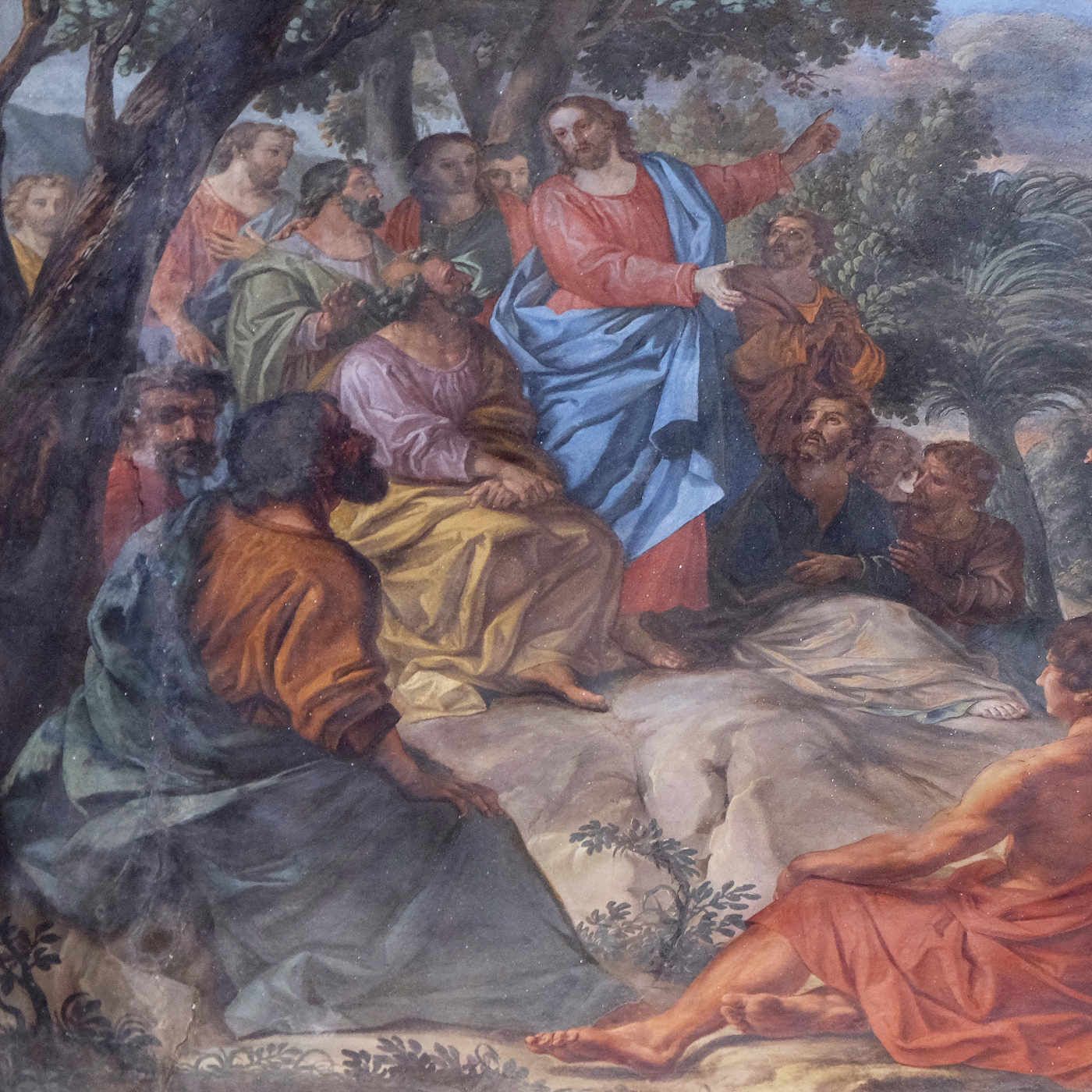
Apr 6
Monday of the Fifth Week of Lent - The “Hour” of Jesus
Read Online But no one arrested him, because his hour had not yet come. John 8:20 This short line comes at the end of today’s Gospel after Jesus, once again, directly confronted the Pharisees. He confronts them, in this situation, by speaking the truth of His union with the Father and the power and authority He had on account of this union. The Pharisees attempt to confront and challenge Him but He speaks the truth right back to them in clear language. Their response to Jesus’ words is not recorded but it’s clear that they do not know what to say and it’s clear that they remain skeptical and desirous of trapping Jesus. This passage quoted above reveals to us the profound truth that neither the malice of the Pharisees nor that of anyone else could ultimately triumph since Jesus’ “hour had not yet come.” What does this mean? Here are two truths we should take from this line. First, malice cannot overpower the will of God. Since God the Father did not permit Jesus’ arrest at that time, those with evil intentions were powerless to do so. Jesus was able to speak clearly and openly, challenging the Pharisees with the truth, and they could do nothing to stop it. Though His words stung them to the heart, they could do no more than listen and grow in anger and obstinacy toward our Lord. But they could not harm Him. This shows that God is ultimately in control of even the malice of others and will only allow malice to appear to triumph when He sees some greater purpose for allowing such a thing to happen. Secondly, it reveals that there is a coming “hour” when Jesus will be handed over to sinful men. But in John’s Gospel, this hour is not an hour of shame and disgrace for Jesus; rather, it is an hour of total triumph over sin and death. From a worldly perspective we know that His hour of arrest, persecution and Crucifixion takes on the public appearance of horror and disgrace for Jesus. It appears as if He lost and the Pharisees won. But from the perspective of God, which is the only true perspective, Jesus triumphs gloriously. In fact, the Father ultimately permits the malice of the Pharisees to be the instrument of Jesus’ glorification through the sufferings He endured in this hour. From the divine perspective, His hour does not become one of defeat; rather, it becomes one of ultimate victory. Reflect, today, upon the coming hour of Jesus. Soon we will enter into the glories of Holy Week and ponder, once again, that the Father did permit Jesus to enter into the most cruel suffering and death imaginable. We will be confronted with the apparent scandal of His arrest and the illusion of the victory of the malicious leaders of the day. But their victory is only an illusion since the permissive will of the Father had other intentions. Begin preparing for this annual celebration of the hour of Jesus and enter into it with the utmost confidence and faith. My glorious Lord, I glorify You for Your wisdom and power and rejoice in the perfect will of the Father in Heaven. The Father sent You on a mission of redemption and salvation and permitted You to ultimately suffer and die. But through this suffering He brought final victory over death and all evil. Give me faith to know and believe this truth with my whole heart. Bless this coming Holy Week, dear Lord, and permit me to rejoice in Your glorious victory. Jesus, I trust in You. Image: James Tissot, Public domain, via Wikimedia Commons Source of content: catholic-daily-reflections.com Copyright © 2025 My Catholic Life! Inc. All rights reserved. Used with permission via RSS feed.
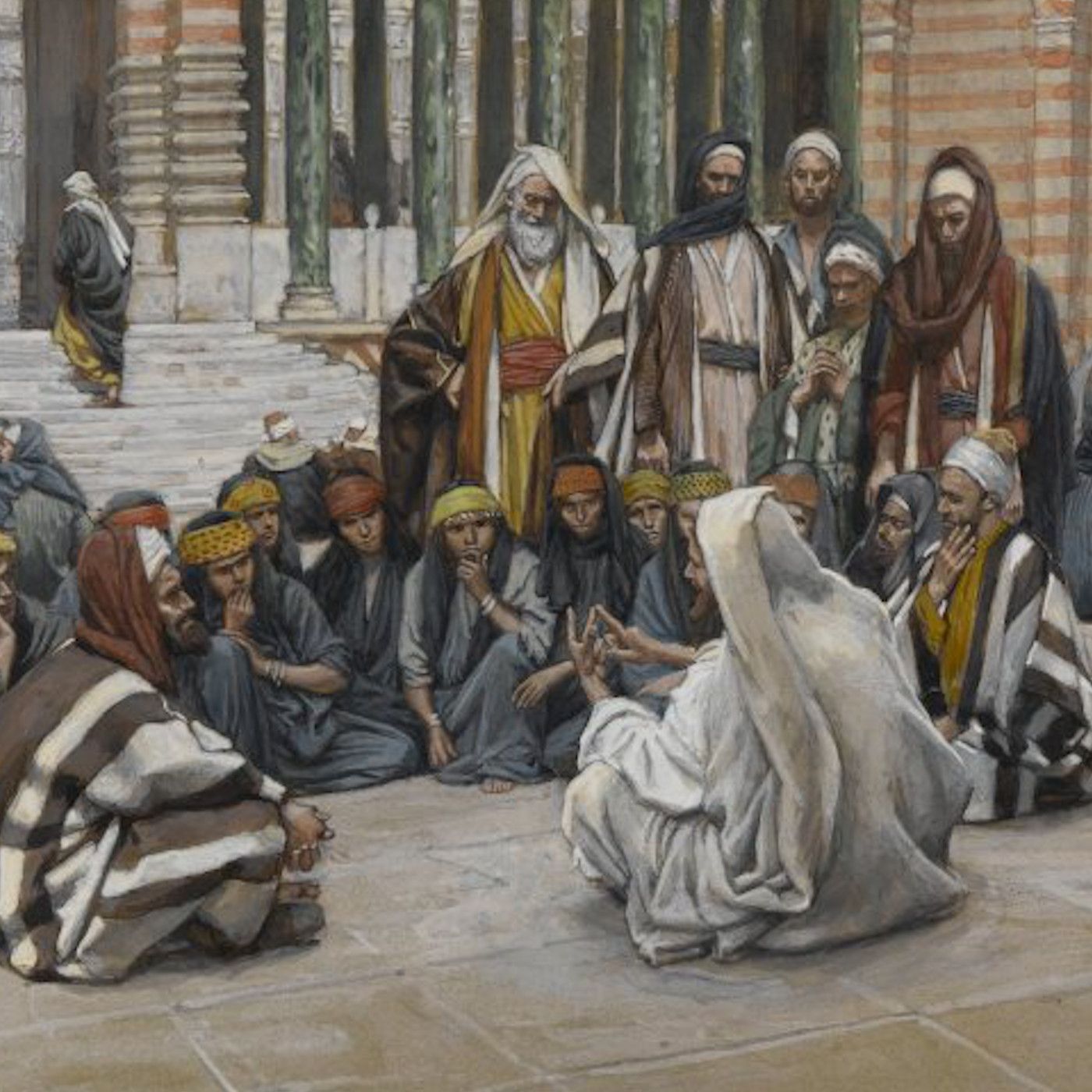
Apr 5
The Fifth Sunday of Lent (Year C) - Scandalized by Mercy
Read Online Jesus went to the Mount of Olives. But early in the morning he arrived again in the temple area, and all the people started coming to him, and he sat down and taught them. Then the scribes and the Pharisees brought a woman who had been caught in adultery and made her stand in the middle. John 8:1–3 What a painful and humiliating experience this must have been for this woman! Fortunately, the Savior of the World was there to care for her and to help her navigate this situation through His abundant mercy. Though she was a sinner, God’s mercy offered a remedy for her sin and its consequences. Interestingly, this story is not included in some of the most ancient manuscripts of the Gospel of John. Saint Augustine believed that it was excluded by some of the early copyists of this Gospel because they were moral rigorists and were scandalized by the depths of Jesus’ mercy. They feared that if this incredible act of mercy was conveyed to others, it would lead to a relaxation of moral rules. The scribes and Pharisees who brought this woman to Jesus also appeared to be scandalized by Jesus’ mercy. Thus, the depths of mercy offered to this woman was one of many occasions in which Jesus was merciful to a point that was hard for the people to comprehend. How about you? How far are you willing to go when it comes to mercy? It is easy for us to resort to condemnation when we see the sins of others. We might feel justified in condemning them and even obliged to do so out of a desire to condemn sin itself. But Jesus’ action shows that the sin must not be equated with the sinner. Sin must be condemned and was condemned by our Lord when He said to this woman, “Go, and from now on do not sin any more.” Though He condemned her sin, he did not condemn her : “Neither do I condemn you.” The mercy of God is incomprehensible. For example, recall that Jesus cried out from the Cross, “Father, forgive them, they know not what they do.” Imagine the surprise that the first hearers of those words would have had. How could this man ask that God forgive the people who were murdering Him? Perhaps the only person who truly understood this prayer of mercy from the Cross was Jesus’ own mother as she stood there gazing at Him with love. An important lesson for us to learn from Jesus’ depth of mercy is that, at first, it will most likely scandalize us also. Mercy to this extent is supernatural. It challenges our natural reason and calls us to a new way of thinking and relating to others. The only way to overcome the “scandal” we might feel in the face of God’s mercy is to live it ourselves. Doing so will require that we put on new eyes to see sin, mercy and forgiveness through the eyes of God. If doing so shakes you to the core of your being, that might be a good sign. Are you allowing the apparent scandal of God’s abundant mercy to transform you so that it is no longer a shock or scandal to you, but is experienced as good and holy and from the Heart of our God? Reflect, today, upon how deeply you understand God’s mercy. Do you rejoice when mercy is offered to another? Or do you find yourself condemning? Our Lord said, “Let the one among you who is without sin be the first to throw a stone at her.” None of us are without sin; therefore, none of us has the right to cast a stone at another. Allow the apparent scandal of God’s mercy to challenge you so that you come to not only understand God’s infinite mercy but also to act as an instrument of that mercy to everyone. Most merciful Lord, You came to call the sinner to repentance and salvation. You offer mercy and forgiveness in superabundance. When faced with the sins of others, help me to imitate Your love for them and to show mercy and compassion to the greatest degree. I love You, Lord. Help me to love You and others with Your Heart of merciful love. Jesus, I trust in You. Image via Adobe Stock Source of content: catholic-daily-reflections.com Copyright © 2025 My Catholic Life! Inc. All rights reserved. Used with permission via RSS feed.
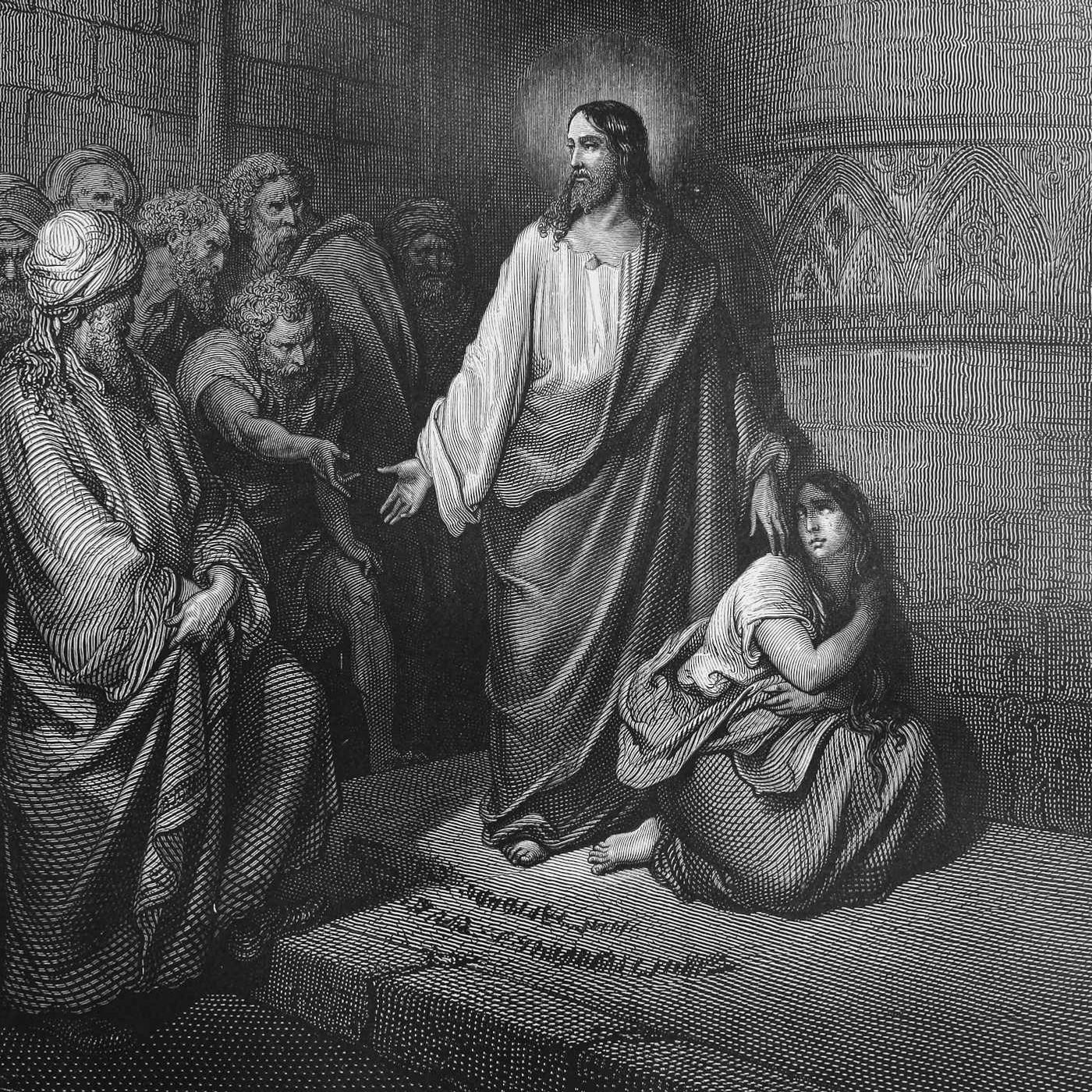
Apr 4
Saturday of the Fourth Week of Lent - Attacks From the evil one
Read Online The guards answered, “Never before has anyone spoken like this man.” So the Pharisees answered them, “Have you also been deceived? Have any of the authorities or the Pharisees believed in him? But this crowd, which does not know the law, is accursed.” John 7:46–49 Hopefully the Pharisees mentioned above went through a deep interior conversion before they died. If they did not, then their day of particular judgment would have been shocking and frightening to them. The greatest act of love ever known was God becoming one of us, being conceived by the Holy Spirit in the womb of the Blessed Virgin Mary, growing up in the household of Saint Joseph, and eventually beginning His public ministry by which the saving truth of the Gospel was proclaimed so that all may come to know God and be saved. And it was of this act of perfect love given to us by God that the Pharisees attacked and called those who believed in it “deceived” and “accursed.” Though the Pharisees do not offer us much by way of inspiration, they do provide us with many lessons. In the passage above, the Pharisees model for us one of the most common tactics of the evil one. In his spiritual classic, The Spiritual Exercises , Saint Ignatius of Loyola explains that when a person is moving from a life of sin to a life of holiness, the evil one will attack in various ways. He will try to unsettle you and cause an undue anxiety about serving God, he will try to sadden you with an unexplained sorrow, put obstacles in your way of virtue causing you to feel overwhelmed and think you are too weak to live a good Christian life of virtue, and he will tempt you to lose your peace of heart by doubting God’s love or His action in your life. It seems clear that this attack by the Pharisees also has these goals. Again, though this may not appear “inspiring,” it is very useful to understand. The Pharisees were vicious in their attacks, not only to Jesus but also upon anyone who began to believe in Jesus. They said to the guards who were impressed by Jesus, “Have you also been deceived?” This was clearly the evil one at work through them trying to intimidate the guards and anyone who dared believe in Jesus. But understanding the tactics of the evil one and his messengers is of great value, because it helps us reject the lies and deceptions spewed out at us. Sometimes these lies come from individuals and are directed directly at us, and sometimes the lies are more universal, coming through the media, the culture and even the government, at times. Reflect, today, upon the distasteful and bitter words of these Pharisees. But do so to help yourself understand the tactics the evil one often takes as you seek greater holiness in life. Be assured that the closer you get to God, the more you will be attacked. But do not be afraid. Identify any personal, social, cultural or even governmental attack for what it is. Have confidence and do not be deterred as you seek to follow Christ more completely every day. My divine Judge of all, at the end of time, You will establish Your permanent Kingdom of truth and justice. You will reign over all and will bestow Your mercy and justice on all. May I live fully in Your truth and never be deterred by the attacks and lies of the evil one. Give me courage and strength, dear Lord, as I always trust in You. Jesus, I do trust in You. Image: James Tissot, Public domain, via Wikimedia Commons Source of content: catholic-daily-reflections.com Copyright © 2025 My Catholic Life! Inc. All rights reserved. Used with permission via RSS feed.
Apr 3
Friday of the Fourth Week of Lent - The New Moses
Read Online Jesus moved about within Galilee; he did not wish to travel in Judea, because the Jews were trying to kill him. But the Jewish feast of Tabernacles was near. But when his brothers had gone up to the feast, he himself also went up, not openly but as it were in secret. John 7:1–2; 10 The Jewish Feast of Tabernacles was one of three great feasts during which the people made a pilgrimage to the Temple in Jerusalem to commemorate God’s saving action in their lives. This particular feast was to commemorate the 40 years that the Israelites traveled through the desert and dwelt in tents, or booths, as they wandered and were led by Moses. Therefore, the feast is also referred to as the “Feast of Booths.” During the seven days of this feast, people would set up tents (booths) around the Temple area and live in them to commemorate the journey of their ancestors. In the Gospel passage quoted above, we read that Jesus went up to the feast secretly. Saint Augustine explains that this means that though Jesus was present, the full revelation of His divine identity was hidden from many. He was physically there, but many did not know Who He was. That particular year, when the feast was half over, Jesus appeared in the Temple area and began to teach. Many were amazed at His words, and others thought He was possessed. After teaching the people, there was much disagreement among them about our Lord's identity. Jesus said to them, “You know me and also know where I am from. Yet I did not come on my own, but the one who sent me, whom you do not know, is true. I know him, because I am from him, and he sent me.” In that statement, Jesus essentially was saying that among those listening to Him, some had come to faith in Him and discovered His true identity as the Messiah, while others lacked the gift of faith and remained blind to Him. To them, His divine essence remained a secret. In a symbolic way, Jesus’ presence at the Feast of Tabernacles reveals Him as the new Moses. It was Moses who led the people through the desert for 40 years toward the promised land while they dwelt in tents. Our Lord now took on that role of leading the people who were commemorating this 40-year journey by appearing in the Temple and pointing the people to Heaven, the true Promised Land. Today, our Lord continues to lead His people through the journey of life by coming to each of us to teach us and to reveal His divine presence. Some listen and believe and continue on the journey. To them, the secrets of our Lord are revealed. Others do not believe and, as a result of their lack of faith, fail to discover the hidden presence of our Lord all around them. Reflect, today, upon the image of Jesus coming to you during your long journey through the desert of this life. He initially comes to you in secret, veiled in His true essence. As He teaches you, He desires to lift that veil and reveal to You His true glory. He desires that you dwell with Him through prayer and remain attentive to His Word. As you gaze upon our Lord, reflect upon the question of how clearly you hear Him speak each day. He is here, with you always. But are you with Him? Do you hear Him, believe in Him, follow Him and serve Him? Do you allow Him to lead you every day toward His promises of new life? Allow our Lord to pitch His tent next to yours so that You will daily be attentive to His teaching and be led by Him to the glories of Heaven. My hidden Lord, You came to reveal to all people Your burning love and invitation to eternal life. Please come and dwell with me during my journey through life, and open my mind and heart to all that You wish to reveal. May I know You fully and follow You to the Promised Land of Heaven. Jesus, I trust in You. Image: James Tissot, Public domain, via Wikimedia Commons Source of content: catholic-daily-reflections.com Copyright © 2025 My Catholic Life! Inc. All rights reserved. Used with permission via RSS feed.
Apr 2
Thursday of the Fourth Week of Lent - Human or Divine Praise?
Read Online “How can you believe, when you accept praise from one another and do not seek the praise that comes from the only God?” John 5:44 It’s quite normal and healthy for a parent to praise a young child for the good that they do. This healthy positive reinforcement is a way of teaching them the importance of doing good and avoiding what’s wrong. But human praise is not an infallible guide of what is right and wrong. In fact, when human praise is not based in the truth of God, it does great damage. This short Scripture quote above comes from a lengthy teaching from Jesus about the difference between human praise and “the praise that comes only from God.” Jesus makes it clear that the only thing that has value is the praise that comes from God alone. In fact, earlier in this Gospel, Jesus says clearly, “I do not accept human praise…” Why is that? Turning back to the example of a parent praising a child for the good they do, when the praise they offer is truly a praise of their goodness, then this is much more than human praise. It is praise from God given through a parent. A parent’s duty must be to teach right from wrong in accord with the will of God. As for the “human praise” of which Jesus speaks, this is clearly praise of another that is void of the truthfulness of God. In other words, Jesus is saying that if someone were to praise Him for something that did not originate from the Father in Heaven, He would reject it. For example, if someone were to say of Jesus, “I think He would be a great governor of our nation because he could lead a revolt against the current leadership.” Obviously such “praise” would be rejected. The bottom line is that we must praise one another, but our praise must only be that which originates from God. Our words must be spoken only in accord with the Truth. Our admiration must only be of that which is the presence of God alive in others. Otherwise, if we praise others based on worldly or self-centered values, we only encourage them in sin. Reflect, today, upon the praise you give and receive. Do you allow misguided praise of others to misdirect you in life? And when you compliment and praise another, is that praise based on the Truth of God and directed to His glory? Seek to give and receive praise only when it is grounded in the Truth of God and directs all to His glory. My praiseworthy Lord, I do thank You and praise You for Your perfect goodness. I thank You for the way that You act in perfect union with the will of the Father. Help me to listen only to Your voice in this life and to reject all the misleading and confusing voices of the world. May my values and choices be guided by You and You alone. Jesus, I trust in You. Image: Peter Paul Rubens, Public domain, via Wikimedia Commons Source of content: catholic-daily-reflections.com Copyright © 2025 My Catholic Life! Inc. All rights reserved. Used with permission via RSS feed.
Apr 1
Wednesday of the Fourth Week of Lent - Amazement and Awe
Read Online “Amen, amen, I say to you, the Son cannot do anything on his own, but only what he sees the Father doing; for what he does, the Son will do also. For the Father loves the Son and shows him everything that he himself does, and he will show him greater works than these, so that you may be amazed.” John 5:19–20 The most central and most glorious mystery of our faith is that of the Most Holy Trinity. God the Father, Son and Holy Spirit are one God yet three distinct Persons. As divine “Persons,” each one is distinct; but as one God, each Person acts in perfect union with the others. In today’s Gospel, Jesus clearly identifies the Father in Heaven as His Father and clearly states that He and His Father are one. For this reason, there were those who wanted to kill Jesus because He “called God his own father, making himself equal to God.” The sad reality is that the greatest and most glorious truth of God’s inner life, the mystery of the Most Holy Trinity, was one of the primary reasons that some chose to hate Jesus and sought His life. Clearly, it was their ignorance of this glorious truth that drove them to this hatred. We call the Holy Trinity a “mystery,” not because they cannot be known but because our knowledge of Who They are can never be fully understood. For eternity, we will enter deeper and deeper into our knowledge of the Trinity and be “amazed” on a continually deepening level. One additional aspect of the mystery of the Trinity is that each one of us is called to share in Their very life. We will forever remain distinct from God; but, as many of the early Church Fathers liked to say, we must become “divinized,” meaning, we must share in God’s divine life through our union of body and soul with Christ Jesus. That union also unites us with the Father and the Spirit. This truth should also leave us “amazed,” as we read in the passage above. As we continue to read this week from the Gospel of John and continue to ponder the mysterious and profound teaching of Jesus on His relationship with the Father in Heaven, it is essential that we not simply gloss over the mysterious language Jesus uses. Rather, we must prayerfully enter the mystery and allow our penetration of this mystery to leave us truly amazed. Amazement and transforming edification is the only good response. We will never fully understand the Trinity, but we must allow the truth of our Triune God to take hold of us and enrichen us, at very least, in a way that knows how much we do not know—and that knowledge leaves us in awe. Reflect, today, upon the sacred mystery of the Most Holy Trinity. Pray that God reveals Himself more fully to your mind and more completely consume your will. Pray that you will be able to share deeply in the life of the Trinity so that you will be filled with a holy amazement and awe. Most holy and triune God, the love You share within Your very being of Father, Son and Holy Spirit is beyond my comprehension. The mystery of Your triune life is a mystery of the greatest degree. Draw me in, dear Lord, to the life You share with Your Father and the Holy Spirit. Fill me with wonder and awe as You invite me to share in Your divine life. Most Holy Trinity, I trust in You. Image: Andrei Rublev, Public domain, via Wikimedia Commons Source of content: catholic-daily-reflections.com Copyright © 2025 My Catholic Life! Inc. All rights reserved. Used with permission via RSS feed.

Mar 31
Tuesday of the Fourth Week of Lent - Patient Endurance
Read Online One man was there who had been ill for thirty-eight years. When Jesus saw him lying there and knew that he had been ill for a long time, he said to him, “Do you want to be well?” John 5:5–6 Only those who have been crippled for many years could understand what this man endured in life. He was crippled and unable to walk for thirty-eight years. The pool he was laying next to was believed to have the power of healing. Therefore, many who were sick and crippled would sit by the pool and try to be the first to enter it when the waters were stirred up. From time to time, that person was said to have received healing. Jesus sees this man and clearly perceives his desire for healing after so many years. Most likely, his desire for healing was the dominant desire in his life. Without the ability to walk, he could not work and provide for himself. He would have had to rely upon begging and the generosity of others. Thinking about this man, his sufferings and his ongoing attempts for healing from this pool should move any heart to compassion. And since Jesus’ heart was one that was full of compassion, He was moved to offer this man not only the healing he so deeply desired but so much more. One virtue in the heart of this man that would have especially moved Jesus to compassion is the virtue of patient endurance. This virtue is an ability to have hope in the midst of some ongoing and lengthy trial. It is also referred to as “longsuffering” or “longanimity.” Usually, when one faces a difficulty, the immediate reaction is to look for a way out. As time moves on and that difficulty is not removed, it’s easy to fall into discouragement and even despair. Patient endurance is the cure for this temptation. When one can patiently endure anything and everything they suffer in life, there is a spiritual strength within them that benefits them in numerous ways. Other little challenges are more easily endured. Hope is born within them to a powerful degree. Even joy comes with this virtue despite the ongoing struggle. When Jesus saw this virtue alive in this man, He was moved to reach out and heal him. And the primary reason Jesus healed this man was not just to help him physically but so that the man would come to believe in Jesus and follow Him. Reflect, today, upon this beautiful virtue of patient endurance. The trials of life should ideally be seen not in a negative way but as an invitation to patient endurance. Ponder the way you endure your own trials. Is it with deep and ongoing patience, hope and joy? Or is it with anger, bitterness and despair. Pray for the gift of this virtue and seek to imitate this crippled man. My Lord of all hope, You endured so much in life and persevered through it all in perfect obedience to the will of the Father. Give me strength in the midst of the trials of life so that I can grow strong in the hope and the joy that comes with that strength. May I turn away from sin and turn to You in complete trust. Jesus, I trust in You. Image: Bartolomé Esteban Murillo, Public domain, via Wikimedia Commons Source of content: catholic-daily-reflections.com Copyright © 2025 My Catholic Life! Inc. All rights reserved. Used with permission via RSS feed.
Mar 30
Monday of the Fourth Week of Lent - Faith in All Things
Read Online Now there was a royal official whose son was ill in Capernaum. When he heard that Jesus had arrived in Galilee from Judea, he went to him and asked him to come down and heal his son, who was near death. Jesus said to him, “Unless you people see signs and wonders, you will not believe.” John 4:46–48 Jesus did end up healing the royal official’s son. And when the royal official returned to discover his son healed, we are told that “he and his whole household came to believe.” Some came to believe in Jesus only after He performed miracles. There are two lessons we should take from this. First of all, the fact that Jesus performed miracles is a testimony to Who He is. He is a God of abundant mercy. As God, Jesus could have expected faith from those to whom He ministered without offering them the “proof” of signs and wonders. This is because true faith is not based upon external evidence, such as seeing miracles; rather, authentic faith is based upon an interior revelation from God by which He communicates His very self to us and we believe. Therefore, the fact that Jesus did signs and wonders shows just how merciful He is. He offered these miracles, not because anyone deserved them but simply because of His abundant generosity to help spark faith in the lives of those who found it hard to believe through the interior gift of faith alone. With that said, it’s important to understand that we should work to develop our faith without relying upon external signs. Imagine, for example, if Jesus would have never performed any miracles. How many would have come to believe in Him? Perhaps very few. But there would have been some who came to believe, and those who did would have had a faith that was exceptionally deep and authentic. Imagine, for example, if this royal official did not receive a miracle for his son but, nonetheless, chose to believe in Jesus anyway through the transforming interior gift of faith. In each one of our lives, it is essential that we work to develop our faith, even if God doesn’t seem to act in powerful and evident ways. In fact, the deepest form of faith is born in our lives when we choose to love God and serve Him, even when things are very difficult. Faith in the midst of difficulty is a sign of very authentic faith. Reflect, today, upon the depth of your own faith. When life is hard, do you love God and serve Him anyway? Even if He doesn’t remove the crosses you carry? Seek to have true faith at all times and in every circumstance and you will be amazed at how real and sustaining your faith becomes. My merciful Jesus, Your love for us is beyond what we will ever fathom. Your generosity is truly great. Help me to believe in You and to embrace Your holy will both in good times and in difficult ones. Help me, especially, to be open to the gift of faith, even when Your presence and action in my life seems silent. May those moments, dear Lord, be moments of true interior transformation and grace. Jesus, I trust in You. Paolo Veronese, Public domain, via Wikimedia Commons Source of content: catholic-daily-reflections.com Copyright © 2025 My Catholic Life! Inc. All rights reserved. Used with permission via RSS feed.
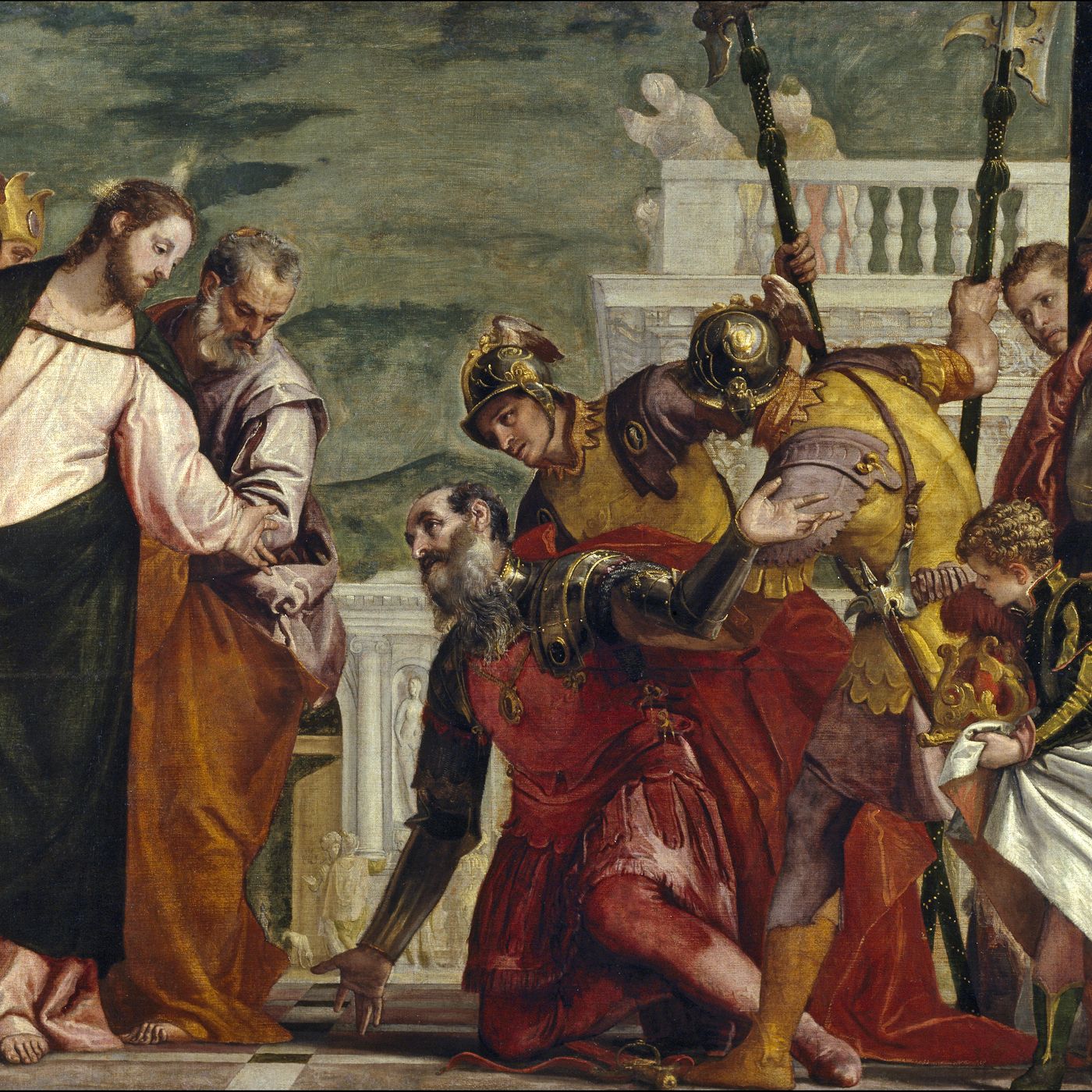
Mar 29
The Fourth Sunday of Lent (Year C) - Seeking the Lost
Read Online Tax collectors and sinners were all drawing near to listen to Jesus, but the Pharisees and scribes began to complain, saying, “This man welcomes sinners and eats with them.” So to them Jesus addressed this parable. Luke 15:1–3 This is good news! Our Lord “welcomes sinners and eats with them.” For that reason, there is room at His table for you! Sometimes it’s hard to admit that we are sinners. Of course we know in our minds that we are. But our pride can easily lead us to justify our sin, downplay it and conclude that we are not that bad after all. If you find yourself thinking this way, be careful. Doing so will make you like the Pharisees and scribes in the passage above. Clearly they did not see themselves as sinners, which is why they condemned Jesus for welcoming sinners and eating with them. The passage above comes from the beginning of Chapter 15 of Luke's Gospel and serves as an introduction to three subsequent parables. First, our Lord tells the Parable of the Lost Sheep, then the Parable of the Lost Coin, and then the Parable found in the rest of today’s Gospel passage, the Parable of the Lost Son. In the first parable, the shepherd who finds his lost sheep rejoices. In the second parable, the woman who finds her lost coin rejoices. And in the parable we read today, the father who finds his lost son rejoices and throws a party to celebrate. Return, again, to the passage above that introduces these three parables: “Tax collectors and sinners were all drawing near to listen to Jesus.” Once they drew near, Jesus spoke to them about the joy of finding that which was lost. Perhaps as Jesus initially spoke about the finding of the lost sheep and lost coin, this would have resonated with these tax collectors and sinners to a certain degree. But then our Lord tells them the long and detailed story about this boy who disrespects his father, takes his inheritance, squanders it on illicit living, and ends up with nothing. The story expresses the confusion of this boy, his desperation, his guilt and his shame. We learn of his interior thinking, reasoning, fears and anxiety. As you ponder this parable, try to understand the effect that it would have had upon the tax collectors and sinners who all drew near to our Lord. They were spiritually hungry, just as the prodigal son was. They had a past full of regret, just as this boy. They were unsatisfied in life and were looking for a way out, just as this son of the loving father was. For these reasons, those tax collectors and sinners who drew near Jesus would have been mesmerized by all that Jesus taught them and filled with hope that they, too, could share in the joy that was so generously bestowed upon this wayward son. Reflect, today, upon the touching image of these tax collectors and sinners drawing near to Jesus. Though they may have had a certain fear and caution, they would have also had hope. Try to understand what they must have thought and felt as they heard this story of the father’s abundant mercy. Think about how they would have related as they discovered that there was hope for them, too. If you struggle with being like the scribes and Pharisees, reject that temptation. Instead, see yourself as one of those sinners who drew near to our Lord and you will be the cause of joy in the Heart of the Father in Heaven. Most loving and compassionate Lord, tax collectors and sinners were drawn to You. They found in You someone Who could free them from the burdens they carried within. Please help me to see myself as one of those humble souls in need of You and Your mercy. I reject my pride that leads me to self-justification and pray for humility so that I can come to You and gladden the Heart of the Father in Heaven. Jesus, I trust in You. Source of content: catholic-daily-reflections.com Copyright © 2025 My Catholic Life! Inc. All rights reserved. Used with permission via RSS feed. James Tissot, Public domain, via Wikimedia Commons
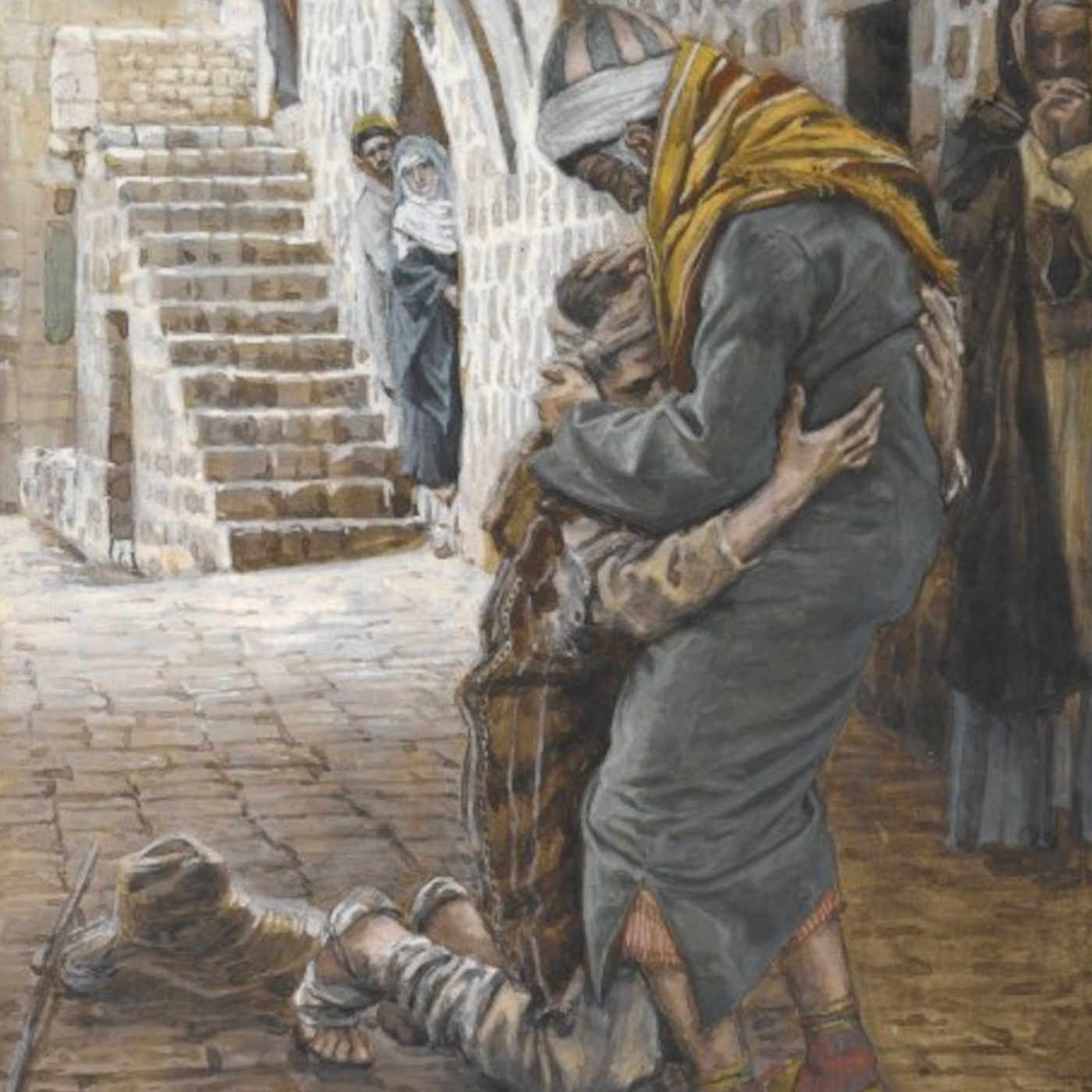
Mar 28
Saturday of the Third Week of Lent - Being Justified by Mercy
Read Online Jesus addressed this parable to those who were convinced of their own righteousness and despised everyone else. “Two people went up to the temple area to pray; one was a Pharisee and the other was a tax collector.” Luke 18:9–10 This Scripture passage introduces the Parable of the Pharisee and the Tax Collector. They both go to the Temple to pray, but their prayers are very different from each other. The prayer of the Pharisee is very dishonest, whereas the prayer of the tax collector is exceptionally sincere and honest. Jesus concludes by saying that the tax collector went home justified but not the Pharisee. He states, “...for everyone who exalts himself will be humbled, and the one who humbles himself will be exalted.” True humility is simply being honest. Too often in life we are not honest with ourselves and, therefore, are not honest with God. Thus, for our prayer to be true prayer, it must be honest and humble. And the humble truth for all of our lives is best expressed by the prayer of the tax collector who prayed, “O God, be merciful to me a sinner.” How easy is it for you to admit your sin? When we understand the mercy of God, this humility is much easier. God is not a God of harshness but is a God of the utmost mercy. When we understand that God’s deepest desire is to forgive us and to reconcile us to Himself, then we will deeply desire honest humility before Him. Lent is an important time for us to deeply examine our conscience and make new resolutions for the future. Doing so will bring new freedom and grace into our lives. So do not be afraid to honestly examine your conscience so as to see your sin clearly in the way God sees it. Doing so will put you in a position to pray this prayer of the tax collector: “O God, be merciful to me a sinner.” Reflect, today, upon your sin. What do you struggle with the most right now? Are there sins from your past that you have never confessed? Are there ongoing sins that you justify, ignore and are afraid to face? Take courage and know that honest humility is the road to freedom and the only way to experience justification before God. My merciful Lord, I thank You for loving me with a perfect love. I thank You for Your incredible depth of mercy. Help me to see all of my sin and to turn to You with honesty and humility so that I can be freed of these burdens and become justified in Your sight. Jesus, I trust in You. Barent Fabritius, Public domain, via Wikimedia Commons Source of content: catholic-daily-reflections.com Copyright © 2025 My Catholic Life! Inc. All rights reserved. Used with permission via RSS feed.
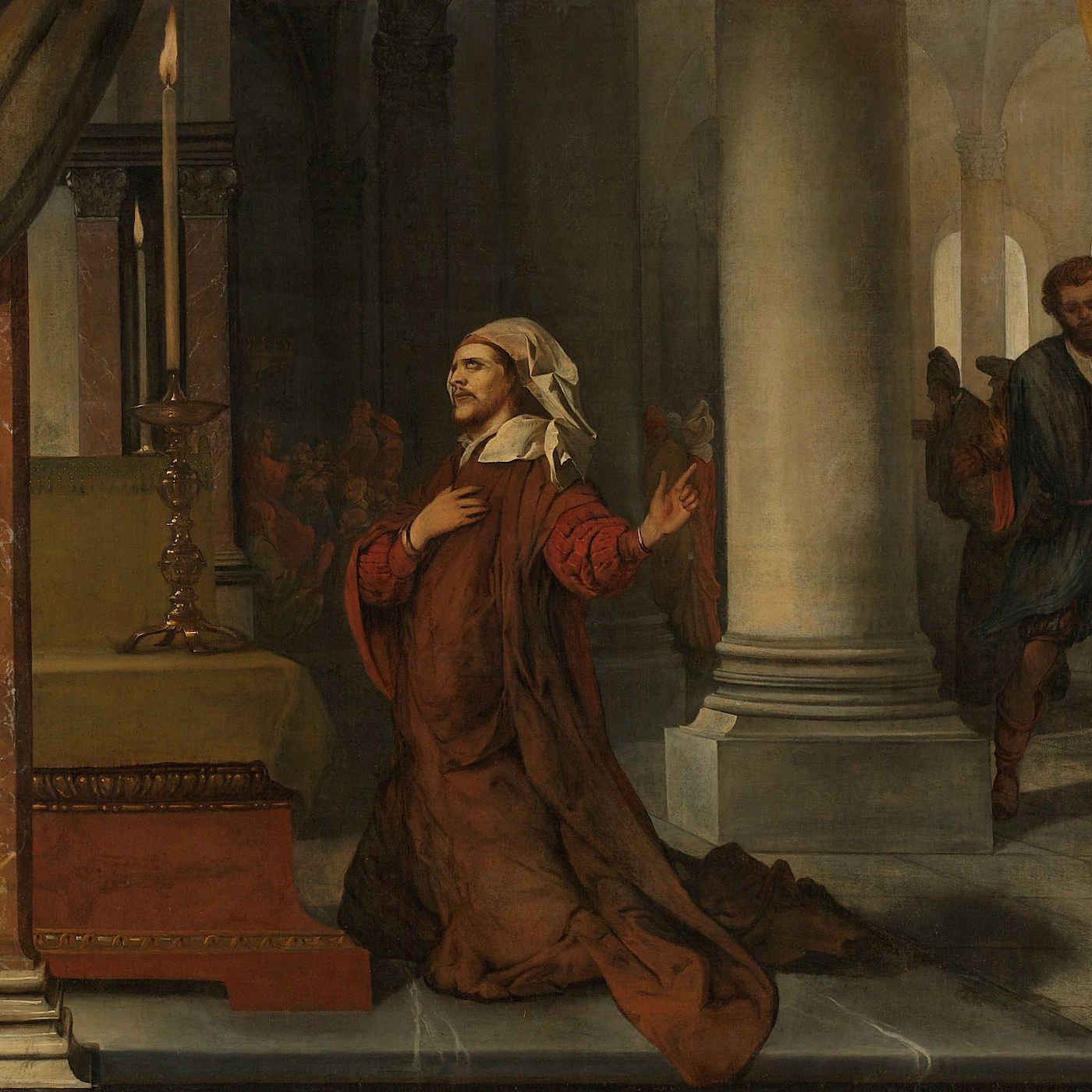
Mar 27
Friday of the Third Week of Lent - Hold Nothing Back
Read Online “Hear, O Israel! The Lord our God is Lord alone! You shall love the Lord your God with all your heart, with all your soul, with all your mind, and with all your strength.” Mark 12:29–30 Why would you choose anything less than to love the Lord your God with ALL your heart, with ALL your soul, with ALL your mind, and with ALL your strength? Why would you choose anything less? Of course, we do choose many other things to love in life, even though Jesus is clear with this commandment. The truth is that the only way to love others, and even to love ourselves, is to choose to love God with ALL we are. God must be the one and only focus of our love. But what’s amazing is that the more we do this, the more we realize that the love we have in our lives is the kind of love that overflows and overflows in superabundance. And it is this overflowing love of God that then pours forth on others. On the other hand, if we try to divide our loves by our own effort, giving God only part of our heart, soul, mind and strength, then the love we have for God cannot grow and overflow in the way God wants. We limit our capacity for love, and we fall into selfishness. Love of God is a truly amazing gift when it is total and all-consuming. Each one of these parts of our lives are worth pondering and examining. Think about your heart and how you are called to love God with your heart. And how does this differ from loving God with your soul? Perhaps your heart is more focused on your feelings, emotions and compassion. Perhaps your soul is more spiritual in nature. Your mind loves God the more it probes the depth of His Truth, and your strength is your passion and drive in life. Regardless of how you understand the various parts of your being, the key is that every part must love God in fullness. Reflect, today, upon the beautiful commandment of our Lord. It’s a command of love, and it is given to us not so much for God’s sake but for ours. God wants to fill us to the point of overflowing love. Why would we ever choose anything less? My loving Lord, Your love for me is infinite and perfect in every way. I pray that I will learn to love You with every fiber of my being, holding nothing back, and to daily grow deeper in my love of You. As I grow in that love, I thank You for the overflowing nature of that love, and I pray that this love of You will flow into the hearts of those around me. Jesus, I trust in You. Image via Pixabay. Source of content: catholic-daily-reflections.com Copyright © 2025 My Catholic Life! Inc. All rights reserved. Used with permission via RSS feed.
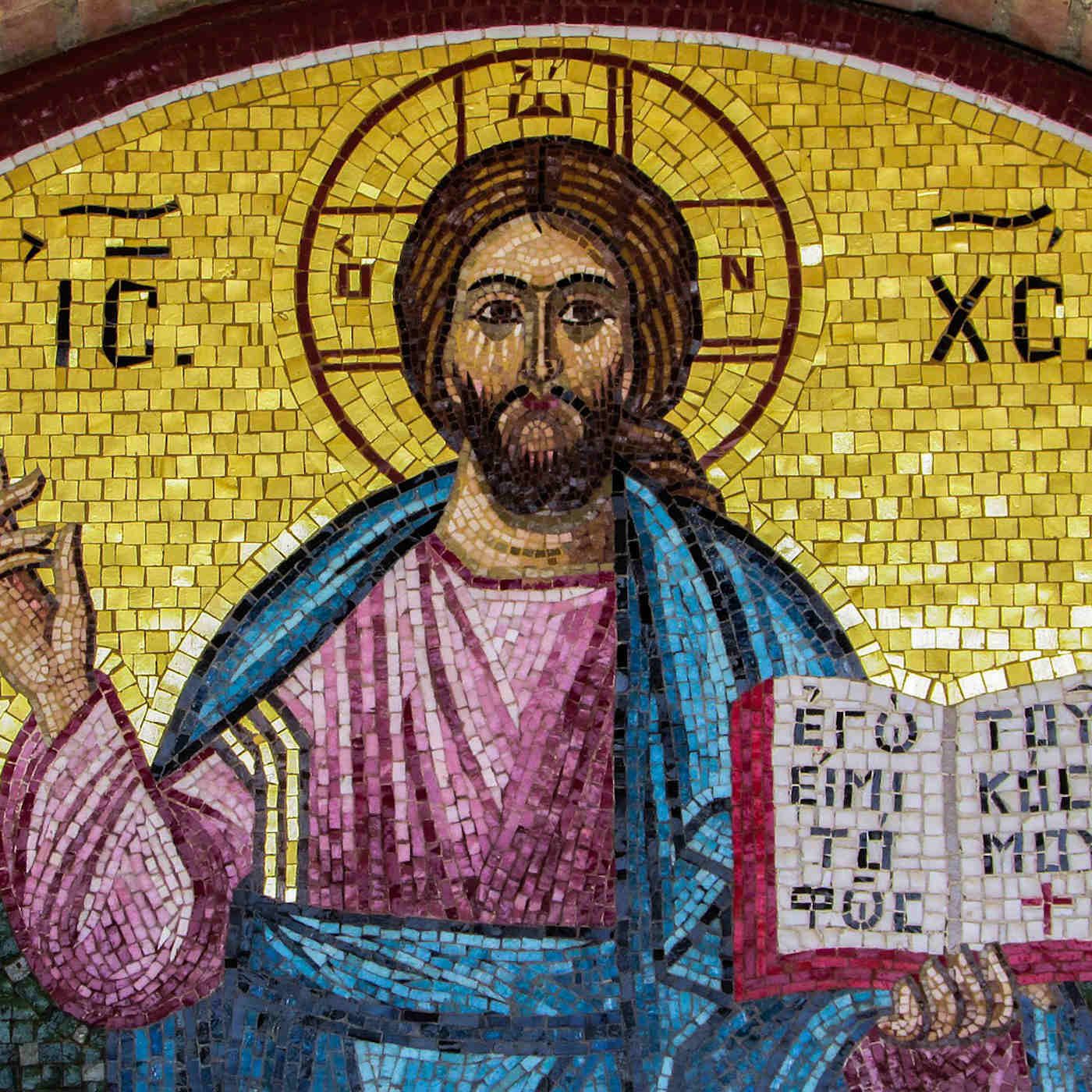
Mar 26
Thursday of the Third Week of Lent - The Kingdom of God is Upon Us
Read Online “But if it is by the finger of God that I drive out demons, then the Kingdom of God has come upon you.” Luke 11:20 The Kingdom of God can come upon us in a variety of ways. The line from today’s Gospel above comes in the middle of a story of Jesus casting out a demon from a man who was mute. Once the demon was cast out, the mute man began to speak, and all were amazed. And though some were amazed and grew in faith as a result, others turned their amazement into irrationality. The irrationality of some was that they saw what Jesus did, but they didn’t want to accept that His power was divine. Therefore, some of them said, “By the power of Beelzebul, the prince of demons, he drives out demons.” They couldn’t deny that Jesus drove out a demon, since they saw it happen with their own eyes. But they were unwilling to accept Jesus’ divinity, so they jumped to the irrational conclusion that Jesus’ act was done by the power of “the prince of demons.” This irrational stance of some people is one of the most dangerous stances one can take. It’s the stance of an obstinate heart. They were given the incredible witness of the power of God at work but refused to respond in faith to what they witnessed. For those who are obstinate, when the Kingdom of God comes upon them, as Jesus stated above, the effect is that they react in a violent, angry and irrational way. This form of reaction is exceptionally prevalent today in the secular world. Many in the secular media, for example, constantly react violently and irrationally to all that is part of the Kingdom of God. As a result, the evil one easily misleads many, causing confusion and chaos. For those who have eyes to see clearly, this violent and irrational rejection of the Kingdom of God is very clear. And for those with faith and an open heart, the pure message of the Gospel is like water to a dry and parched soul. They soak it up and find great refreshment. For them, when the Kingdom of God comes upon them, they are energized, inspired and driven with a holy passion to further God’s Kingdom. Irrationality disappears, and God’s pure Truth prevails. Reflect, today, upon your heart. Are you obstinate in any way? Are there teachings from Christ and His Church that you are tempted to reject? Is there some truth that you need to hear in your personal life to which you find it difficult to be open? Pray that the Kingdom of God come upon you today and every day and, as it does, that you will be a powerful instrument of its establishment in this world. My glorious King of all, You are all-powerful and have full authority over all things. Please come and exercise Your authority upon my life. Come and establish Your Kingdom. I pray that my heart be always open to You and to the direction you give. Jesus, I trust in You. James Tissot, Public domain, via Wikimedia Commons Source of content: catholic-daily-reflections.com Copyright © 2025 My Catholic Life! Inc. All rights reserved. Used with permission via RSS feed.
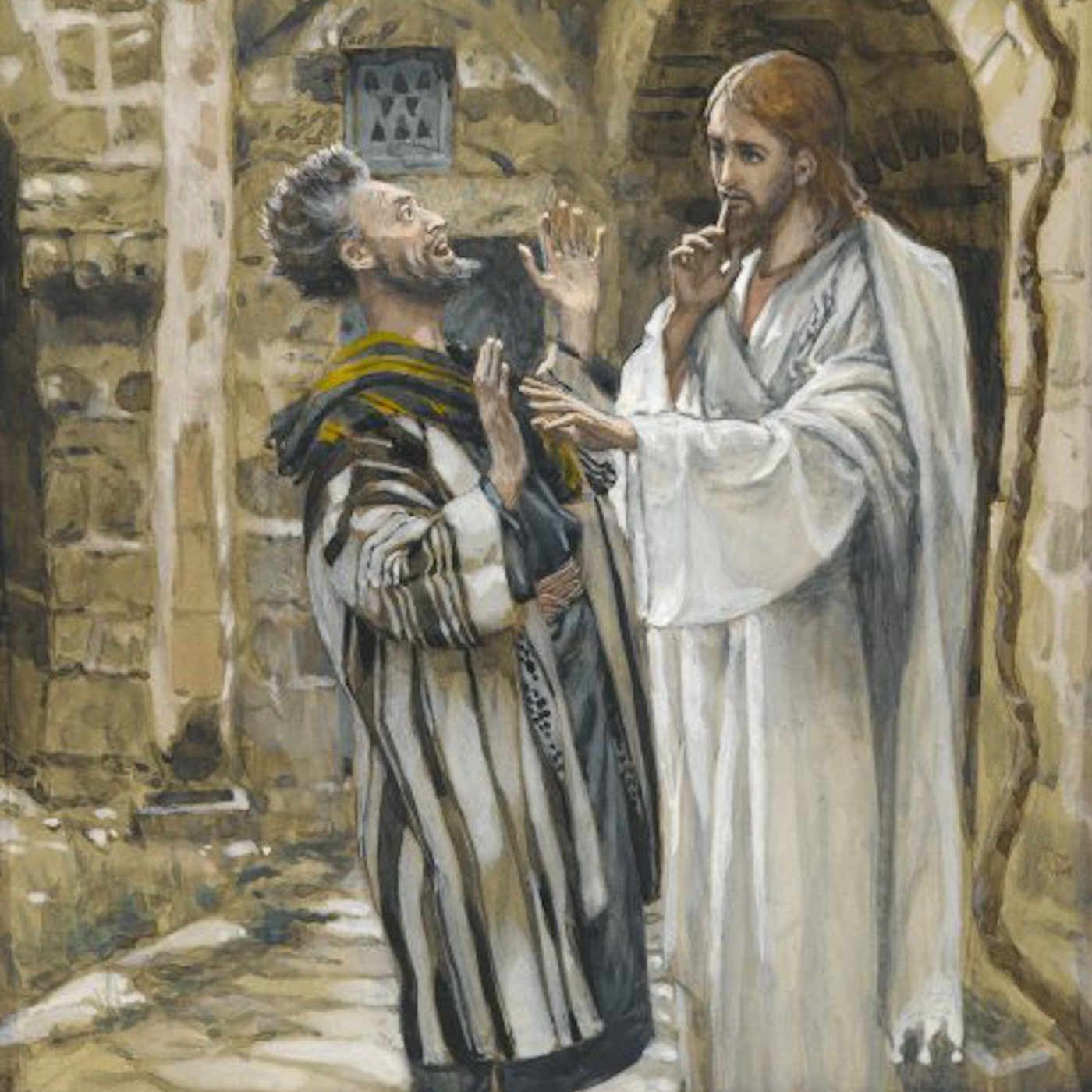
Mar 25
Wednesday of the Third Week of Lent - The Height of the New Law
Read Online “I have come not to abolish but to fulfill. Amen, I say to you, until heaven and earth pass away, not the smallest letter or the smallest part of a letter will pass from the law, until all things have taken place.” Matthew 5:17–18 The Old Law, the law from the Old Testament, prescribed various moral precepts, as well as ceremonial precepts for worship. Jesus makes it clear that He is not abolishing all that God taught through Moses and the Prophets. This is because the New Testament is the culmination and completion of the Old Testament. Thus, nothing of old was abolished; it was fulfilled and brought to completion. The moral precepts of the Old Testament were laws that flowed primarily from human reason. It made sense that one should not kill, steal, commit adultery, lie, etc. It also made sense that God should be honored and respected. The Ten Commandments and the other moral laws still hold today. But Jesus brings us much further. He not only called us to go much deeper in the keeping of these commandments, He also promised the gift of grace so that they could be fulfilled. Thus, “Thou shall not kill” is deepened to the requirement of complete and total forgiveness of those who persecute us. It’s interesting to note that the new depth of the moral law Jesus gives actually goes beyond human reason. “Thou shall not kill” makes sense to almost everyone, but “love your enemies and pray for those who persecute you” is a new moral law that makes sense only by the help of grace. But without grace, the natural human mind alone cannot arrive at this new commandment. This is extremely helpful to understand, because oftentimes we go through life relying upon our human reason alone when it comes to making moral decisions. And though our human reason will always direct us away from the most obvious moral failures, it will be insufficient alone to guide us to the heights of moral perfection. Grace is necessary for this high calling to make sense. Only by grace can we understand and fulfill the call to take up our crosses and follow Christ. Reflect, today, upon your own calling to perfection. If it doesn’t make sense to you how God can expect perfection of you, then pause and reflect upon the fact that you are right—it doesn’t make sense to human reason alone! Pray that your human reason will be flooded with the light of grace so that you will be able to not only understand your high calling to perfection but that you will also be given the grace you need to achieve it. My most high Jesus, You have called us to a new height of holiness. You have called us to perfection. Enlighten my mind, dear Lord, so that I may understand this high calling and pour forth Your grace, so that I may embrace my moral duty to the fullest extent. Jesus, I trust in You. Image: Aron de Chaves \ de Chavez. (Painter at Amsterdam in 1700.)The original uploader was F67HGBVN at Hebrew Wikipedia., Public domain, via Wikimedia Commons Source of content: catholic-daily-reflections.com Copyright © 2025 My Catholic Life! Inc. All rights reserved. Used with permission via RSS feed.

Mar 24
March 25, Solemnity of the Annunciation - Let it Be
Read Online The angel Gabriel was sent from God to a town of Galilee called Nazareth, to a virgin betrothed to a man named Joseph, of the house of David, and the virgin’s name was Mary. And coming to her, he said, “Hail, full of grace! The Lord is with you.” Luke 1:26–28 Imagine if the Angel Gabriel, the glorious Archangel who stands before the Most Holy Trinity, were to come to you and announce to you that you were “full of grace” and that “The Lord is with you.” What an indescribable and awe-inspiring experience that would be! And yet this is exactly what happened to this young teenager, the Blessed Virgin Mary. We celebrate today this amazing event that took place, marking the moment when God took on human flesh within her blessed womb. Note that today is nine months before Christmas. The Church gives us this Solemnity today to invite us to walk with Mary over these coming nine months so as to join her in her rejoicing over the birth of her divine Son. Much could be said about this glorious Solemnity. We could ponder Mother Mary and her Immaculate Conception. We could ponder the very words spoken by the Archangel. We could ponder the mystery surrounding her pregnancy and the way in which God chose to set this gift into motion. And we could ponder so much more. Though all of these aspects are worth fully pondering and praying over, let’s focus upon the reaction of this young woman to the angelic announcement. First, we read that Mary was “greatly troubled” and “pondered” these words spoken by the Archangel. Being troubled reveals that Mary did not have full knowledge of what the Archangel was revealing. But the fact that she pondered the words also reveals her openness to a fuller understanding. She then seeks a deeper gift of knowledge by asking, “How can this be, since I have no relations with a man?” This response is first an assent of belief in faith followed by a request for a deeper understanding of this revelation. Faith is the ability to assent to that which we do not fully understand, but true faith always seeks a deeper understanding—and this is what Mary did. After being given some further revelation by the Archangel, Mary fully accepts what was revealed and trusts that what she was told was all she needed to know at that time. And then she offers what has come to be known as her “fiat.” She says, “Behold, I am the handmaid of the Lord. May it be done to me according to your word.” This fiat of Mary is her perfect prayer of surrender to the will of God, and it is also the perfect model for how we all must respond to the will of God. We must see ourselves as true servants of His will, and we must fully embrace whatsoever God asks of us, completely uniting our wills to His. Reflect, today, upon these words of our Blessed Mother: “Behold, I am the handmaid of the Lord. May it be done to me according to your word.” How is God asking you to make this your prayer also? How is God calling you to serve His most holy will? Are you willing to fully assent to anything and everything God asks of you? As you prayerfully reflect upon this fiat of our Blessed Mother, seek to unite her response to yours so that you, too, will be a servant of the most high God. Father in Heaven, You sent Your Son to become incarnate in the womb of the Blessed Virgin Mary. Your glorious Archangel Gabriel brought forth this Good News. May I always be attentive to the messages You send forth to me as You invite me to join in Your divine mission of bringing Your Son into the world. I say “Yes'' this day, dear Lord, to serve Your most holy will. Jesus, I trust in You. Benvenuto Tisi, Public domain, via Wikimedia Commons Source of content: catholic-daily-reflections.com Copyright © 2025 My Catholic Life! Inc. All rights reserved. Used with permission via RSS feed.
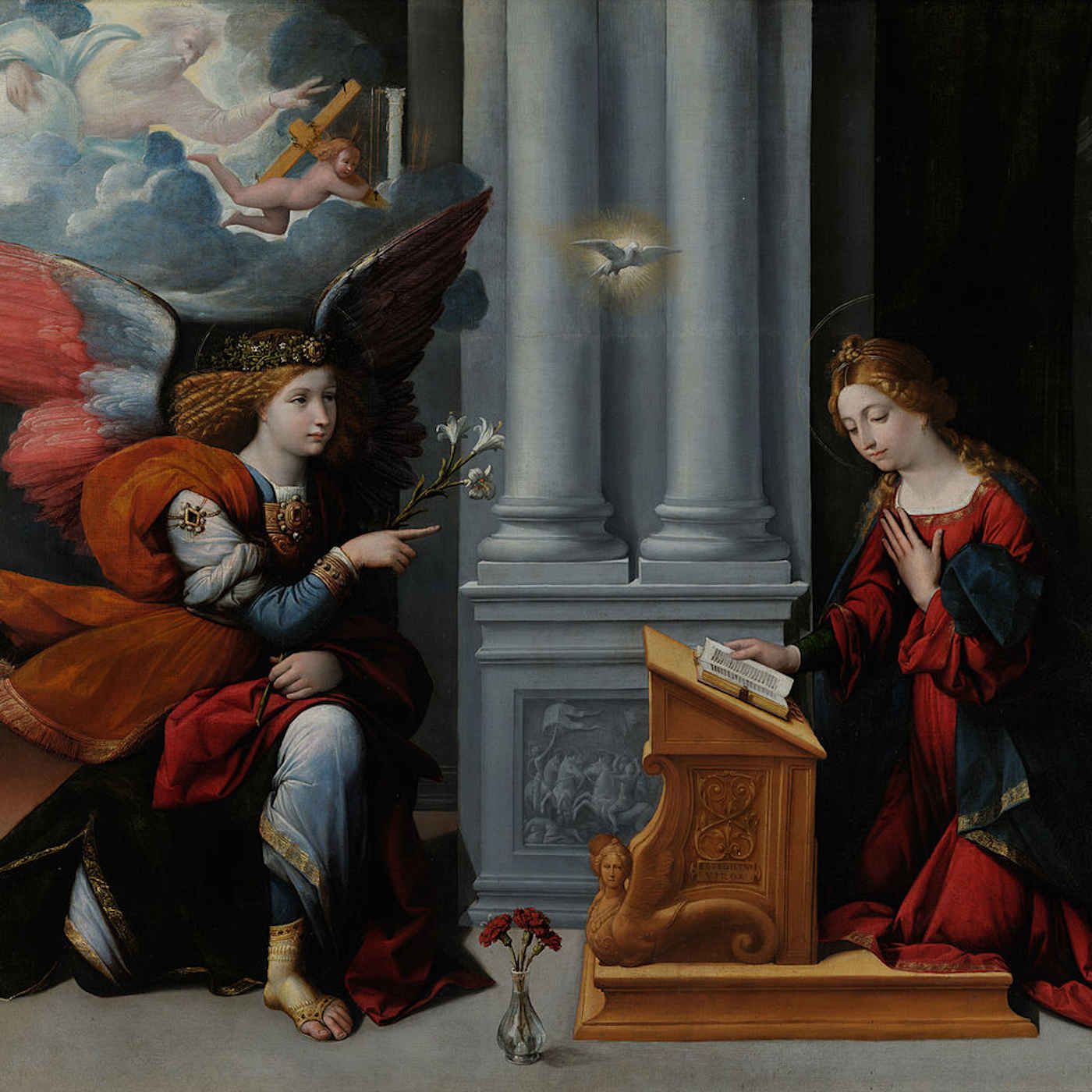
Mar 23
Monday of the Third Week of Lent - The Permissive Will of God
Read Online When the people in the synagogue heard this, they were all filled with fury. They rose up, drove him out of the town, and led him to the brow of the hill on which their town had been built, to hurl him down headlong. But he passed through the midst of them and went away. Luke 4:28–30 One of the first places Jesus went to begin His public ministry was His own home town. After entering the Synagogue and reading from the Prophet Isaiah, Jesus proclaimed that the prophecy of Isaiah was now fulfilled in His very person. This caused His townspeople to be outraged at Him, thinking He was blaspheming. So they shockingly sought to immediately kill Jesus by driving Him out of their town to the brow of a hill off which they meant to throw Him. But then something fascinating happened. Jesus “passed through the midst of them and went away.” The Father eventually permitted the grave evil of the death of His Son to take place, but only in His time. It’s unclear from this passage how Jesus was able to avoid being killed right then at the beginning of His ministry, but what’s important to know is that He was able to avoid this because it was not His time. The Father had more for Jesus to do before He would permit Him to offer His life freely for the salvation of the world. This same reality is true for our own lives. God does permit evil to happen, at times, because of the irrevocable gift of free will. When people choose evil, God will allow them to proceed—but always with a caveat. The caveat is that God only permits evil to be inflicted upon others when that evil is able to be ultimately used for God’s glory and for some form of good. And it is only permitted in God’s time. If we do evil ourselves, choosing sin rather than the will of God, then the evil that we do will end in our own loss of grace. But when we are faithful to God and some external evil is imposed upon us by another, God permits this only when that evil can be redeemed and used for His glory. The best example of this is, of course, the passion and death of Jesus. A far greater good came forth from that event than the evil itself. But it was only permitted by God when the time was right, in accord with God’s will. Reflect, today, upon the glorious fact that any evil or any suffering inflicted upon you unjustly can end in the glory of God and the greater salvation of souls. No matter what you may suffer in life, if God permits it, then it is always possible for that suffering to share in the redeeming power of the Cross. Consider any suffering you have endured and embrace it freely, knowing that if God permitted it, then He certainly has some greater purpose in mind. Surrender that suffering over with the utmost confidence and trust and allow God to do glorious things through it. God of all wisdom, I know that You know all things and that all things can be used for Your glory and for the salvation of my soul. Help me to trust You, especially when I endure suffering in life. May I never despair when treated unjustly and may my hope always be in You and in Your power to redeem all things. Jesus, I trust in You. James Tissot, Public domain, via Wikimedia Commons Source of content: catholic-daily-reflections.com Copyright © 2025 My Catholic Life! Inc. All rights reserved. Used with permission via RSS feed.
Mar 22
The Third Sunday of Lent (Year C) - The Divine Gardener
Read Online “‘For three years now I have come in search of fruit on this fig tree but have found none. So cut it down. Why should it exhaust the soil?’ He said to him in reply, ‘Sir, leave it for this year also, and I shall cultivate the ground around it and fertilize it; it may bear fruit in the future. If not you can cut it down.’” Luke 13:7–9 Imagine for a moment that you were the owner of the orchard in which this fig tree was planted. After the gardener asked you to wait for one more year and promised to fertilize the unfruitful fig tree and cultivate the ground around it, you agreed. Then imagine coming to inspect that same fig tree the next year. Imagine three scenarios. First, what would you do if, once again, there were no figs present? Second, what if there were only a few figs? Third, what if the tree suddenly produced an abundance of good fruit? It seems clear that in the first scenario, if for the fourth year in a row not a single fig was produced, it would be time to cut down the tree. This depicts the justice of God sent forth on those who obstinately resist His grace. In the second scenario, the decision might be more difficult. If the tree produced only a few figs for the first time, then perhaps that would provide enough hope for the future of that tree to ask the gardener to continue caring for it. This depicts those who are in a state of grace but are still lazy in their service of the will of God. In the third scenario, however, the reaction of the owner of the orchard would be clear. There would be much excitement and gratitude that the gardener’s good work paid off. Jesus is the Gardener, and we are the fig tree. This parable should lead us to look at our lives and examine whether or not we bear good fruit for the Kingdom of Heaven. Jesus comes to you to cultivate the soil of your heart, fertilizing it with His holy Word, watering it with His Sacraments and doing all He can to give you the opportunity to produce the fruit of charity in your life. How successful are these actions of our Lord in your life? Too often, when we see only a little good fruit being borne from our lives, we are satisfied. And though any good fruit is good, we are wasting our lives if we do not do all we can to become as abundantly fruitful as possible. Imagine the joy in the Hearts of our Lord and the Father in Heaven if they were to look upon you and see good fruit being produced beyond expectation. Why wouldn’t this be your goal in life? Our Lord is patient, but He is also just. Do not try His patience, and do not succumb to His justice. Reflect, today, upon the image of you being this fig tree and our Lord as the divine Gardener. Commit yourself to His actions of tilling and fertilizing. You do so by strengthening your commitment to reading and understanding the Word of God, by participating more fully in the Sacraments, by being more focused upon your daily prayer, by examining your conscience more fully, and by sincerely confessing your sins. Do all you can to cooperate with the action of our divine Gardener and you will be amazed at the good fruit that begins to pour forth from your life. My divine Gardener, You have committed Yourself to the humble work of tilling the soil of my heart and fertilizing it with Your abundant mercy. I choose, this day, to respond to Your grace and pray that my cooperation with You will produce an abundance of good fruit in my life for Your glory and the building up of Your Kingdom. Jesus, I trust in You. Image: The Vine Dresser and the Fig Tree (Le vigneron et le figuier) - James Tissot, Image via picyrl Source of content: catholic-daily-reflections.com Copyright © 2025 My Catholic Life! Inc. All rights reserved. Used with permission via RSS feed.
Mar 21
Saturday of the Second Week of Lent - Consolation for the Repentant Sinner
Read Online “Look, all these years I served you and not once did I disobey your orders; yet you never gave me even a young goat to feast on with my friends. But when your son returns who swallowed up your property with prostitutes, for him you slaughter the fattened calf.” Luke 15:22–24 This was the reaction of the faithful son in the Parable of the Prodigal Son. Recall that after squandering his inheritance, the Prodigal Son returns home humiliated and poor, asking his father if he will take him back and treat him as if he were a hired hand. But the father surprises him and throws a huge party for the son to celebrate his return. But the father’s other son, the one who remained with him throughout the years, would not join in the celebration. Was it fair that the father killed the fatted calf and threw this large party to celebrate his wayward son’s return? Was it fair that that same father apparently never even gave his faithful son a young goat to feast on with his friends? The right answer is that this is the wrong question. It’s easy for us to live in such a way that we always want things to be “fair.” And when we perceive that another receives more than us, we can get angry and bitter. But asking whether or not this is fair is not the right question. When it comes to the mercy of God, God’s generosity and goodness far exceed what is perceived as fair. And if we are to share in the abundant mercy of God, we too must learn to rejoice in His superabundant mercy. In this story, the act of mercy given to his wayward son was exactly what that son needed. He needed to know that no matter what he had done in the past, his father loved him and rejoiced in his return. Therefore, this son needed an abundance of mercy, partly to reassure him of his father’s love. He needed this extra consolation so as to become convinced that he made the right choice in returning. The other son, the one who had remained faithful throughout the years, was not treated unfairly. Rather, his discontent came from the fact that he himself lacked the same abundant mercy present in the heart of his father. He failed to love his brother to the same extent and, therefore, failed to see the need to offer this consolation to his brother as a way of helping him understand he was forgiven and welcomed back. Mercy is very demanding and far exceeds what we may at first perceive as rational and just. But if we desire to receive mercy in abundance, we must be ready and willing to offer it to those who need it the most. Reflect, today, upon how merciful and generous you are willing to be, especially toward those who do not appear to deserve it. Remind yourself that the life of grace is not about being fair; it’s about being generous to a shocking extent. Commit yourself to this depth of generosity toward all and look for ways that you can console another’s heart with the mercy of God. If you do, that generous love will also bless your heart in abundance. My most generous Lord, You are compassionate beyond what I can fathom. Your mercy and goodness far exceed what any of us deserve. Help me to be eternally grateful for Your goodness and help me to offer that same depth of mercy to those in most need. Jesus, I trust in You. Image: Luca Giordano, Public domain, via Wikimedia Commons Source of content: catholic-daily-reflections.com Copyright © 2025 My Catholic Life! Inc. All rights reserved. Used with permission via RSS feed.
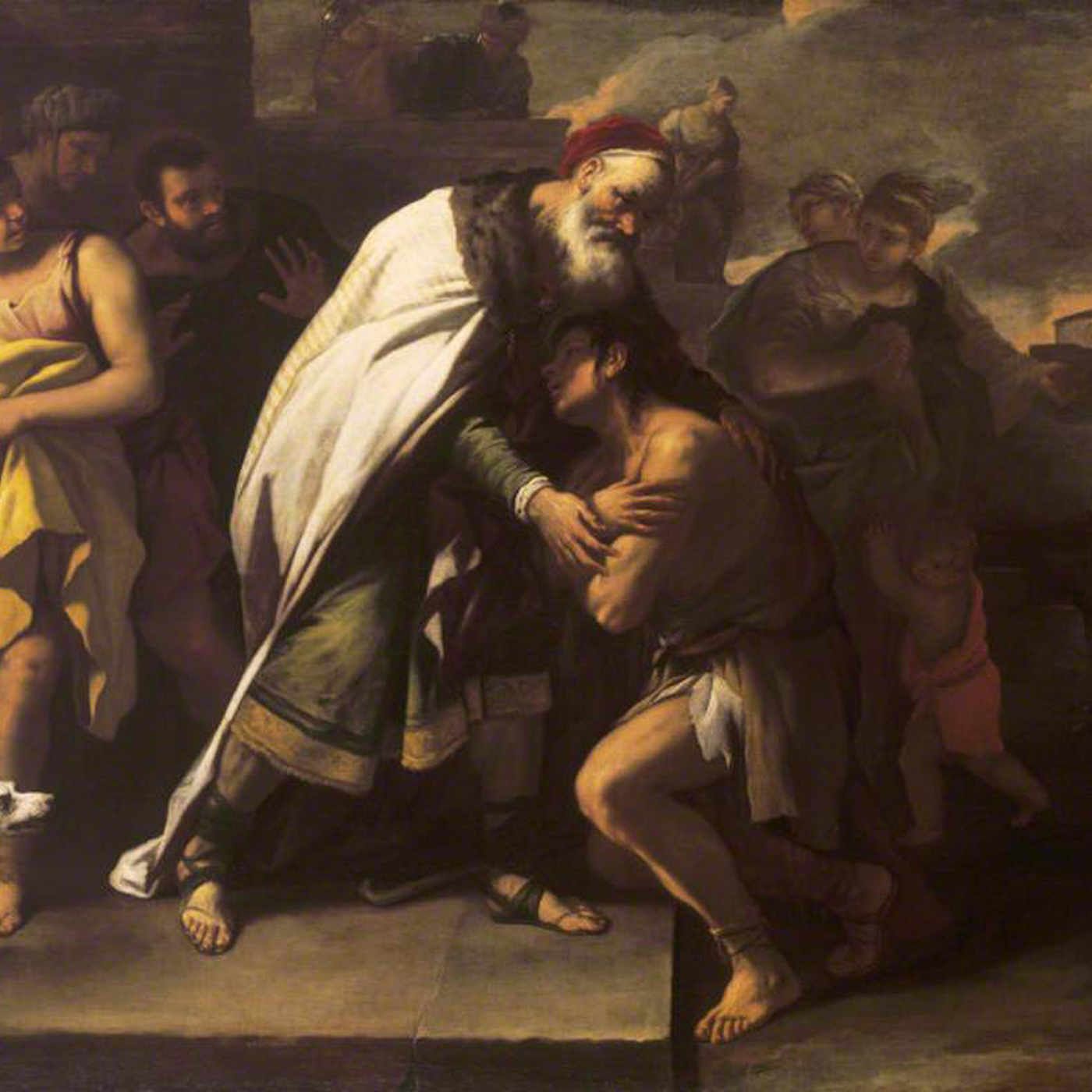
Mar 20
Friday of the Second Week of Lent - Building the Kingdom
Read Online “Therefore, I say to you, the Kingdom of God will be taken away from you and given to a people that will produce its fruit.” Matthew 21:42 Are you among those from whom the Kingdom of God will be taken away? Or among those to whom it will be given so as to produce good fruit? This is an important question to sincerely answer. The first grouping of people, those who will have the Kingdom of God taken away from them, are represented in this parable by the tenants of the vineyard. It is clear that one of their greatest sins is greed. They are selfish. They see the vineyard as a place through which they can enrich themselves and care little about the good of others. Sadly, this mind frame is easy to adopt in our own lives. It’s easy to see life as a series of opportunities for us to “get ahead.” It’s easy to approach life in a way that we are constantly looking out for ourselves rather than sincerely seeking the good of others. The second grouping of people, those to whom the Kingdom of God will be given so that it will produce good fruit, are those who understand that the central purpose of life is not to simply enrich themselves but to share the love of God with others. These are the people who are constantly looking for ways that they can be a true blessing to others. It’s the difference between selfishness and generosity. But the generosity to which we are primarily called is to build up the Kingdom of God. This is done through works of charity, but it must be a charity that is motivated by the Gospel and has the Gospel as its ultimate end. Caring for the needy, teaching, serving and the like are all good only when Christ is the motivation and end goal. Our lives must make Jesus more known and loved, more understood and followed. In fact, even if we were to feed a multitude of people in poverty, care for those who were sick, or visit those who were lonely, but did it for reasons other than to ultimately share the Gospel of Jesus Christ, then our work would not produce the good fruit of building up the Kingdom of Heaven. In that case, we would only be philanthropists rather than missionaries of the love of God. Reflect, today, upon the mission given to you by our Lord to produce an abundance of good fruit for the upbuilding of His Kingdom. Know that this can only be accomplished by prayerfully seeking out the way God is inspiring you to act. Seek to serve His will alone so that all you do will be for God’s glory and the salvation of souls. My glorious King, I pray that Your Kingdom will grow and that many souls will come to know You as their Lord and God. Use me, dear Lord, for the upbuilding of that Kingdom and help all my actions in life to bear abundant and good fruit. Jesus, I trust in You. Image: Marten van Valckenborch, Public domain, via Wikimedia Commons Source of content: catholic-daily-reflections.com Copyright © 2025 My Catholic Life! Inc. All rights reserved. Used with permission via RSS feed.
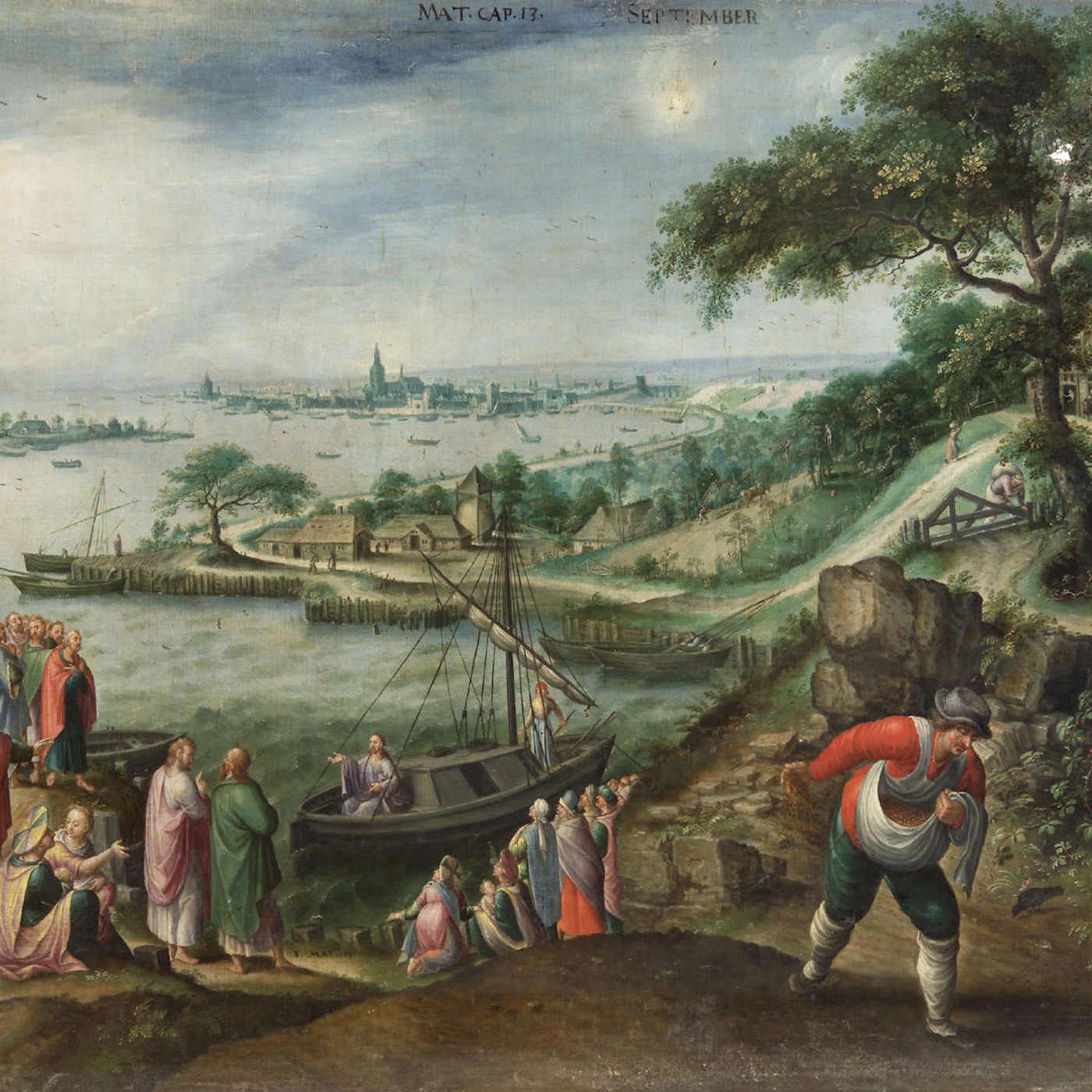
Mar 19
Thursday of the Second Week of Lent - A Powerful Contrast
Read Online Jesus said to the Pharisees: “There was a rich man who dressed in purple garments and fine linen and dined sumptuously each day. And lying at his door was a poor man named Lazarus, covered with sores, who would gladly have eaten his fill of the scraps that fell from the rich man’s table. Dogs even used to come and lick his sores.” Luke 16:19–21 One of the reasons this story is so powerful is because of the clear descriptive contrast between the rich man and Lazarus. The contrast is not only seen in the passage above, it is also seen in the final outcome of each of their lives. In the first contrast, the rich man’s life seems much more desirable, at least on the surface. He is rich, has a home to live in, dresses in fine clothing and eats sumptuously every day. By contrast, Lazarus is poor, has no home, has no food, is covered with sores and even endures the humiliation of dogs licking his wounds. Which of these persons would you prefer to be? Before you answer that question, consider the second contrast. When they both die, they experience very different eternal fates. When the poor man died, he was “carried away by angels.” And when the rich man died, he went to the netherworld, where there was ongoing torment. So again, which of these persons would you prefer to be? One of the most seductive and deceptive realities in life is the lure of riches, luxury and the fine things in life. Though the material world is not bad in and of itself, there is great temptation that goes along with it. In fact, it is clear from this story and from the many other teachings of Jesus on this topic that the lure of riches and its effect on the soul cannot be ignored. Those who are rich in the things of this world are often tempted to live for themselves rather than living for others. When one has all the comforts this world has to offer, it’s easy to simply enjoy those comforts without concern for others. And that is clearly the unspoken contrast between these two men. Though poor, it is clear that Lazarus is rich in the things that matter in life. This is evidenced by His eternal reward. It is clear that in his material poverty, he was rich in charity. The man who was rich in the things of this world was clearly poor in charity and, thus, upon losing his physical life, he had nothing to take with him. No eternal merit. No charity. Nothing. Reflect, today, upon that which you desire in life. Too often, the deceptions of material wealth and worldly possessions dominate our desires. In fact, even those who have little can easily become consumed with these unhealthy desires. Seek, instead, to desire only that which is eternal. Desire love of God and love of neighbor. Make this your only goal in life and you, too, will be carried away by angels when your life is completed. My Lord of true riches, You chose to be poor in this world as a sign to us that true riches come not with material wealth but with love. Help me to love You, my God, with all my being and to love others as You love them. May I be wise enough to make spiritual riches my single goal in life so that these riches will be enjoyed for all eternity. Jesus, I trust in You. Image: Gaspar van den Hoecke, Public domain, via Wikimedia Commons Source of content: catholic-daily-reflections.com Copyright © 2025 My Catholic Life! Inc. All rights reserved. Used with permission via RSS feed.
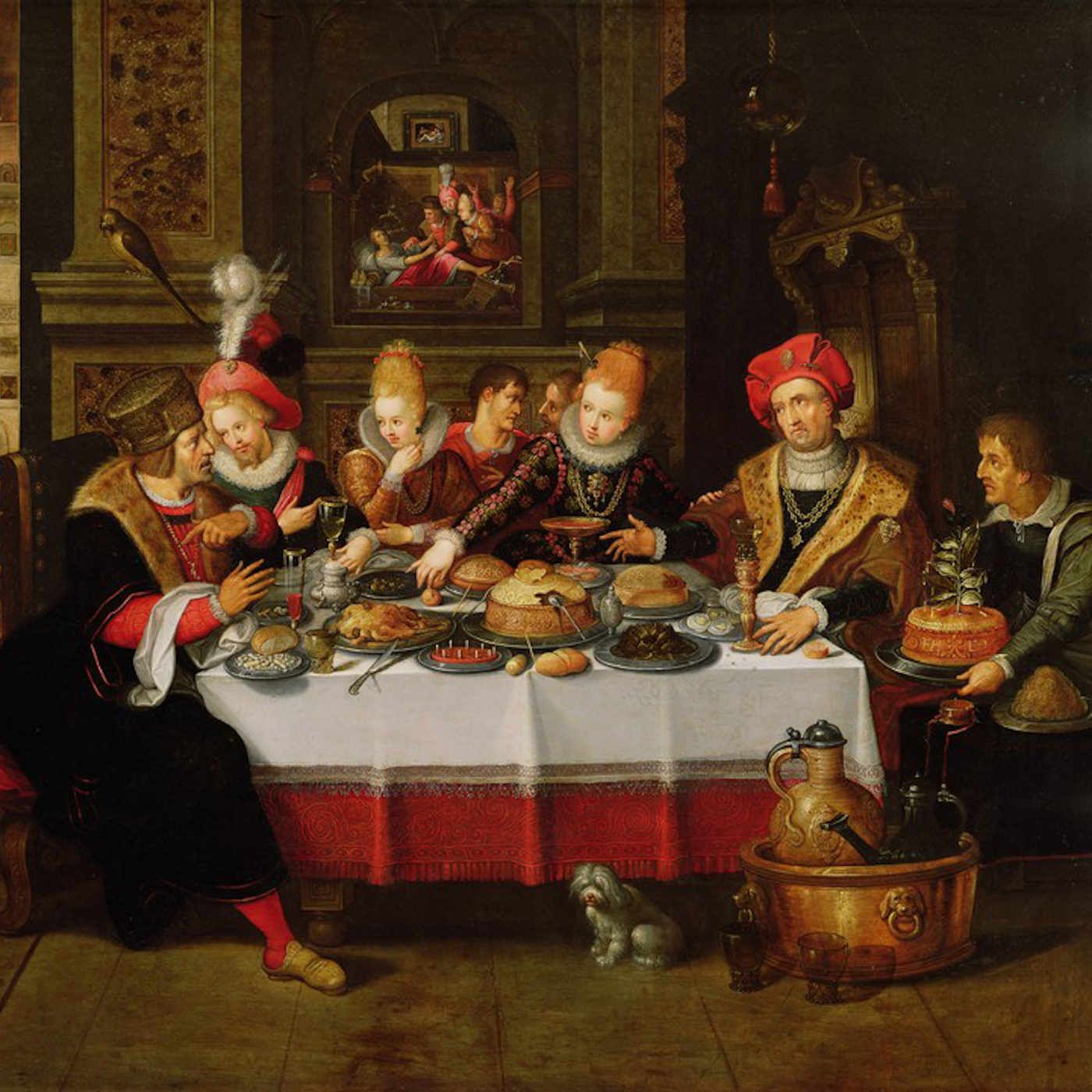
Mar 18
March 19, Solemnity of Saint Joseph, Husband of Mary - The Greatness of Saint Joseph
Read Online When Joseph awoke, he did as the angel of the Lord had commanded him and took his wife into his home. Matthew 1:24 What is it that made Saint Joseph so great? He wasn’t immaculately conceived as our Blessed Mother was. He was not divine like Jesus. But he was the head of the Holy Family, its guardian and its provider. He became the legal father of the Savior of the World and the spouse of the Mother of God. But Joseph is not great only because he was given such incredible privileges. First and foremost, he was great because of the choices he made in life. Today’s Gospel refers to him as a “righteous man” and as a man who “did as the angel of the Lord commanded him.” Thus, his greatness is primarily on account of his moral righteousness and obedience to the will of God. Joseph’s obedience is especially seen in the fact that he obeyed the voice of God given to him in the four dreams recorded in Scripture. In his first dream, Joseph is told “do not be afraid to take Mary your wife into your home. For it is through the Holy Spirit that this child has been conceived in her. She will bear a son and you are to name him Jesus, because he will save his people from their sins” (Matthew 1:20–21). In his second dream, Joseph is told, “Rise, take the child and his mother, flee to Egypt, and stay there until I tell you. Herod is going to search for the child to destroy him” (Matthew 2:13). In his third dream, Joseph is told, “Rise, take the child and his mother and go to the land of Israel, for those who sought the child’s life are dead” (Matthew 2:20). And in his fourth dream, Joseph is warned to go instead to Galilee rather than Judea (Matthew 2:22). When these dreams are read in succession, it is clear that Saint Joseph was attentive to the voice of God. We all have dreams, but Joseph’s dreams were different. They were clear communications from God, and they required a willing recipient. Joseph was open to the voice of God and listened in faith as that willing recipient. Joseph also responded with complete submission and full determination. The commands Joseph received were not insignificant. His obedience required that he and his family travel great distances, take up residence in strange lands and do so all in faith. It’s also clear that Joseph took his vocation seriously. Pope Saint John Paul II gave him the title “Guardian of the Redeemer.” Over and over, he showed his unwavering commitment to his role as the guardian of his legal Son, Jesus, and of his wife, Mary. His life was spent providing for them, protecting them and offering them a father’s heart. Reflect, today, upon the unique vocation of Saint Joseph. Ponder, especially, the early years of his marriage and the raising of Jesus. Consider his fatherly commitment to care for, provide for and protect his Son. We all must seek to imitate Saint Joseph’s virtues by protecting the presence of Christ within our own hearts, the hearts of our family and friends and in the world as a whole. Pray to Saint Joseph, asking him to help you follow his example so that the hidden presence of our Lord in our lives will grow and come to full maturation. Hail, Guardian of the Redeemer, Spouse of the Blessed Virgin Mary. To you God entrusted his only Son; in you Mary placed her trust; with you Christ became man. Blessed Joseph, to us too, show yourself a father and guide us in the path of life. Obtain for us grace, mercy and courage, and defend us from every evil. Amen. (Prayer from Patris Corde ) Image: Luca Giordano, Public domain, via Wikimedia Commons Source of content: catholic-daily-reflections.com Copyright © 2025 My Catholic Life! Inc. All rights reserved. Used with permission via RSS feed.
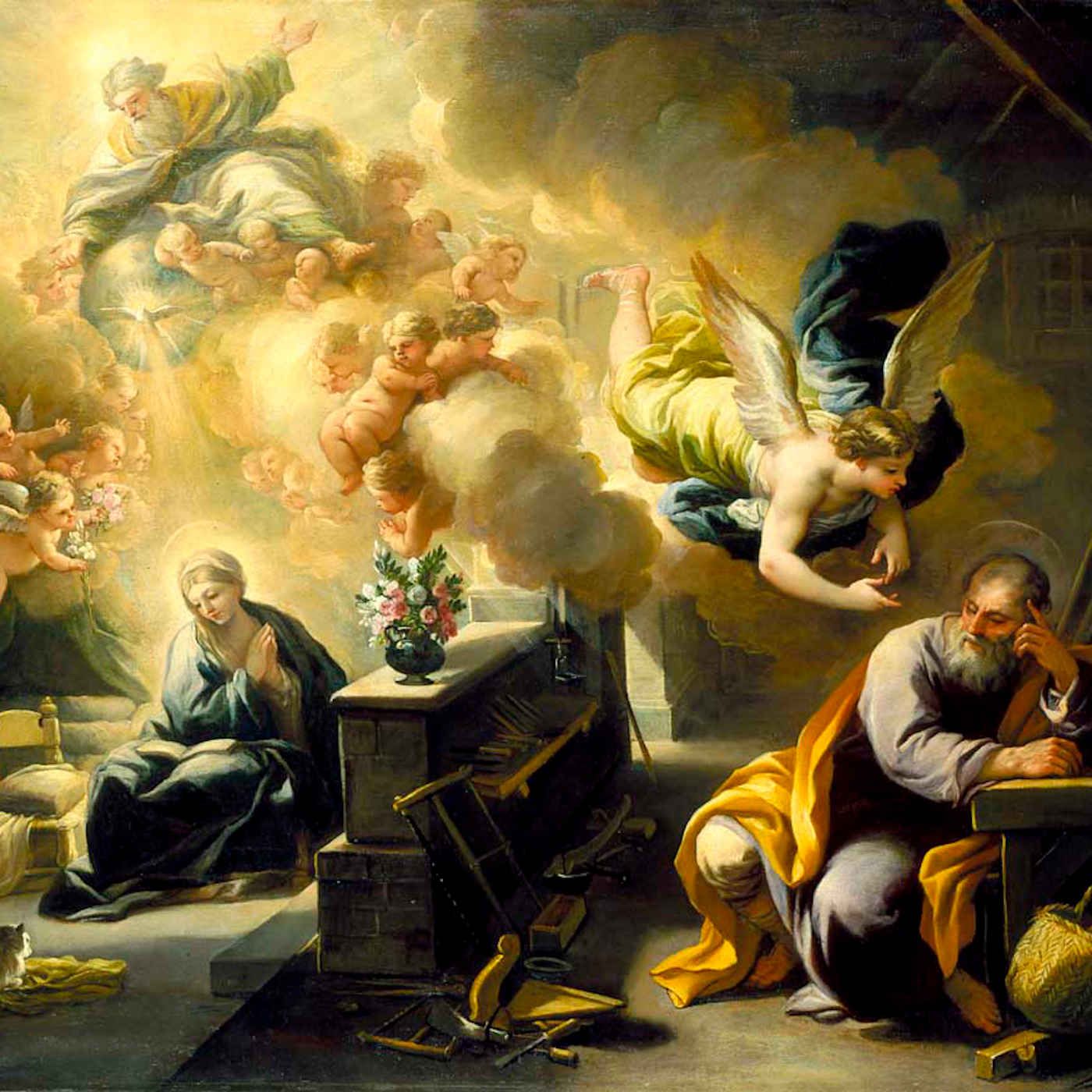
Mar 17
Tuesday of the Second Week of Lent - True Greatness
Read Online “The greatest among you must be your servant. Whoever exalts himself will be humbled; but whoever humbles himself will be exalted.” Matthew 23:11–12 Do you want to be truly great? Do you want your life to truly make a difference in the lives of others? Deep down this desire for greatness is placed within us by our Lord, and it will never go away. Even those who live eternally in hell will hold on to this innate desire, which for them will be the cause of eternal pain, since that desire will never be fulfilled. And sometimes it’s useful to ponder that reality as a motivation to make sure that this is not the fate we encounter. In today’s Gospel, Jesus gives us one of the keys to greatness. “The greatest among you must be your servant.” Being a servant means that you put others before yourself. You elevate their needs rather than trying to get them to be attentive to your needs. And this is difficult to do. It’s very easy in life to think of ourselves first. But the key is that we do put ourselves “first,” in a sense, when we practically put others before us. This is because the choice to put others first is not only good for them, it’s also exactly what is best for us. We were made for love. We were made to serve others. We were made for the purpose of giving of ourselves to others without counting the cost. But when we do this, we do not lose ourselves. On the contrary, it is in the act of giving of ourselves and seeing the other first that we actually discover who we are and become what we were created to be. We become love itself. And a person who loves is a person who is great...and a person who is great is a person whom God exalts. Reflect, today, upon the great mystery and calling of humility. If you find it difficult to put others first and to act as their servant, do it anyway. Make the choice to humble yourself before everyone else. Elevate their concerns. Be attentive to their needs. Listen to what they say. Show them compassion and be ready and willing to do so to the fullest extent. If you do, that desire for greatness that lives deep within your heart will be fulfilled. My humble Lord, thank You for the witness of Your humility. You chose to put all people first, even to the point of allowing Yourself to experience the suffering and death which was a consequence of our sins. Give me a heart that is humble, dear Lord, so that You can use me to share Your perfect love with others. Jesus, I trust in You. Ford Madox Brown, Public domain, via Wikimedia Commons Source of content: catholic-daily-reflections.com Copyright © 2025 My Catholic Life! Inc. All rights reserved. Used with permission via RSS feed.
Mar 16
Monday of the Second Week of Lent - Mercy Goes Both Ways
Read Online Jesus said to his disciples: “Be merciful, just as your Father is merciful. Stop judging and you will not be judged. Stop condemning and you will not be condemned. Forgive and you will be forgiven.” Luke 6:36–37 Saint Ignatius of Loyola, in his guide for a thirty-day retreat, has the retreatant spend the first week of the retreat focusing upon sin, judgment, death and hell. At first, this can seem very uninspiring. But the wisdom of this approach is that after a week of these meditations, retreatants come to a deep realization of just how much they need the mercy and forgiveness of God. They see their need more clearly, and a deep humility is fostered within their soul as they see their guilt and turn to God for His mercy. But mercy goes both ways. It is part of the very essence of mercy that it can only be received if it is also given. In the Gospel passage above, Jesus gives us a very clear command about judgment, condemnation, mercy and forgiveness. Essentially, if we want mercy and forgiveness, then we must offer mercy and forgiveness. If we are judgmental and condemning, then we will also be judged and condemned. These words are very clear. Perhaps one of the reasons that many people struggle with being judgmental and condemning of others is because they lack a true awareness of their own sin and their own need for forgiveness. We live in a world that often rationalizes sin and downplays the seriousness of it. That’s why the teaching of Saint Ignatius is so important for us today. We need to rekindle a sense of the seriousness of our sin. This is not done simply to create guilt and shame. It’s done to foster a desire for mercy and forgiveness. If you can grow in a deeper awareness of your own sin before God, one of the effects will be that it is then easier to be less judgmental and condemning of others. A person who sees his sin is more apt to be merciful to other sinners. But a person who struggles with self-righteousness will most certainly also struggle with being judgmental and condemning. Reflect, today, upon your own sin. Spend time trying to understand how ugly sin is and try to grow in a healthy disdain for it. As you do, and as you beg our Lord for His mercy, pray also that you will be able to offer that same mercy you receive from God to others. As mercy flows from Heaven to your own soul, it must then also be shared. Share the mercy of God with those all around you and you will discover the true value and power of this Gospel teaching of our Lord. My most merciful Jesus, I thank You for Your infinite mercy. Help me to see clearly my sin so that I, in turn, may see my need for Your mercy. As I do, dear Lord, I pray that my heart will be open to that mercy so that I can both receive it and share it with others. Make me a true instrument of Your divine grace. Jesus, I trust in You. Image: Last Judgment by Michelangelo, via Web Gallery of Art Source of content: catholic-daily-reflections.com Copyright © 2025 My Catholic Life! Inc. All rights reserved. Used with permission via RSS feed.
Mar 15
Second Sunday of Lent (Year C) - Becoming “Fully Awake”
Read Online Peter and his companions had been overcome by sleep, but becoming fully awake, they saw his glory and the two men standing with him. As they were about to part from him, Peter said to Jesus, “Master, it is good that we are here; let us make three tents, one for you, one for Moses, and one for Elijah.” But he did not know what he was saying. Luke 9:32–33 As we are presented with this glorious event of the Transfiguration this Sunday, there are numerous lessons we can learn from it. The passage above presents us with two particular lessons. First, Peter and his companions were overcome by sleep while Jesus was transfigured in glory and conversing with Moses and Elijah. This line could suggest many things. It could mean that Peter was weak and more concerned with his human condition than he was with attentiveness to the important journey he was invited to take with our Lord. It could reveal a kind of spiritual sloth. It is easy in life to become weary of the journey and to become drowsy at the times that we should be most attentive to our Lord. For example, think about any time when you knew you should pray but instead, sat daydreaming or distracted, or chose to fill that time with something mindless. Peter and his companions, therefore, teach us that it is easy for us in our fallen human nature to “doze off” during those times when God wants to speak to us, especially while at Mass. Another interpretation of this line comes from the Church Father, Saint Ambrose. He suggests that this sleep of Peter and his two companions was primarily a result of them encountering “the incomprehensible brightness of the Divine nature.” As Jesus was transfigured, the initial vision was too much for them to comprehend, and so this vision began with them asleep as a symbol of the fact that we are all incapable of seeing the glory of God in our weakened state. But then they became “fully awake,” which implies that it took time for them to open their eyes to see the glory of God. This lesson teaches us that we all must wake up and work to become fully awake if we are to see the glory of God as He reveals Himself to us. After becoming fully awake and encountering the incomprehensible brightness of the divine nature, Peter says, “Master, it is good that we are here; let us make three tents, one for you, one for Moses, and one for Elijah.” The Gospel writer then goes on to say that Peter “did not know what he was saying.” Again, if we turn to Saint Ambrose, he points out that Peter’s experience is commendable because he not only had earnest feelings but also took the initiative of good deeds. He wanted to build three tents so that Jesus, Moses and Elijah would remain with them. But another Church father points out that Peter “did not know what he was saying” because he did not, at that time, realize that it was indeed his mission to build a dwelling place for Jesus, the Law and the Prophets. It was his mission to build the Church, which was to be the future dwelling place of God on earth and the place in which we will encounter God throughout life. You, too, are entrusted with the responsibility of building up the structure of the Church on earth so that many may encounter the full glory of God. This will only happen if you continually seek to become fully awakened to the glory of God as He reveals Himself to you and, in the joy of that encounter, go forth to build up God’s Church by your earnest desire and intentional acts of charity. Reflect, today, upon Peter and his two companions, James and John. Prayerfully ponder them asleep as Jesus was transfigured in glory. Reflect upon them waking up and beginning to realize what was taking place before them. Consider Peter’s excitement and amazement and the effect that had on him. And then ponder how these disciples eventually did go forth to build the Church, the house of God, so that they and many others would come to meet Christ. Pray that the witness of these disciples will inspire you to follow in their footsteps. My Transfigured Lord, the glory that shone forth from Your divine face in radiance must have been beyond human description. Your true glory in Heaven is something that I hope to one day behold. Please instill in me a desire to more fully understand Your glory and to work tirelessly to be an instrument of that glory to all I meet. Jesus, I trust in You. Image: Андрей Николаевич Миронов (A.N. Mironov), CC BY-SA 4.0 , via Wikimedia Commons Source of content: catholic-daily-reflections.com Copyright © 2025 My Catholic Life! Inc. All rights reserved. Used with permission via RSS feed.
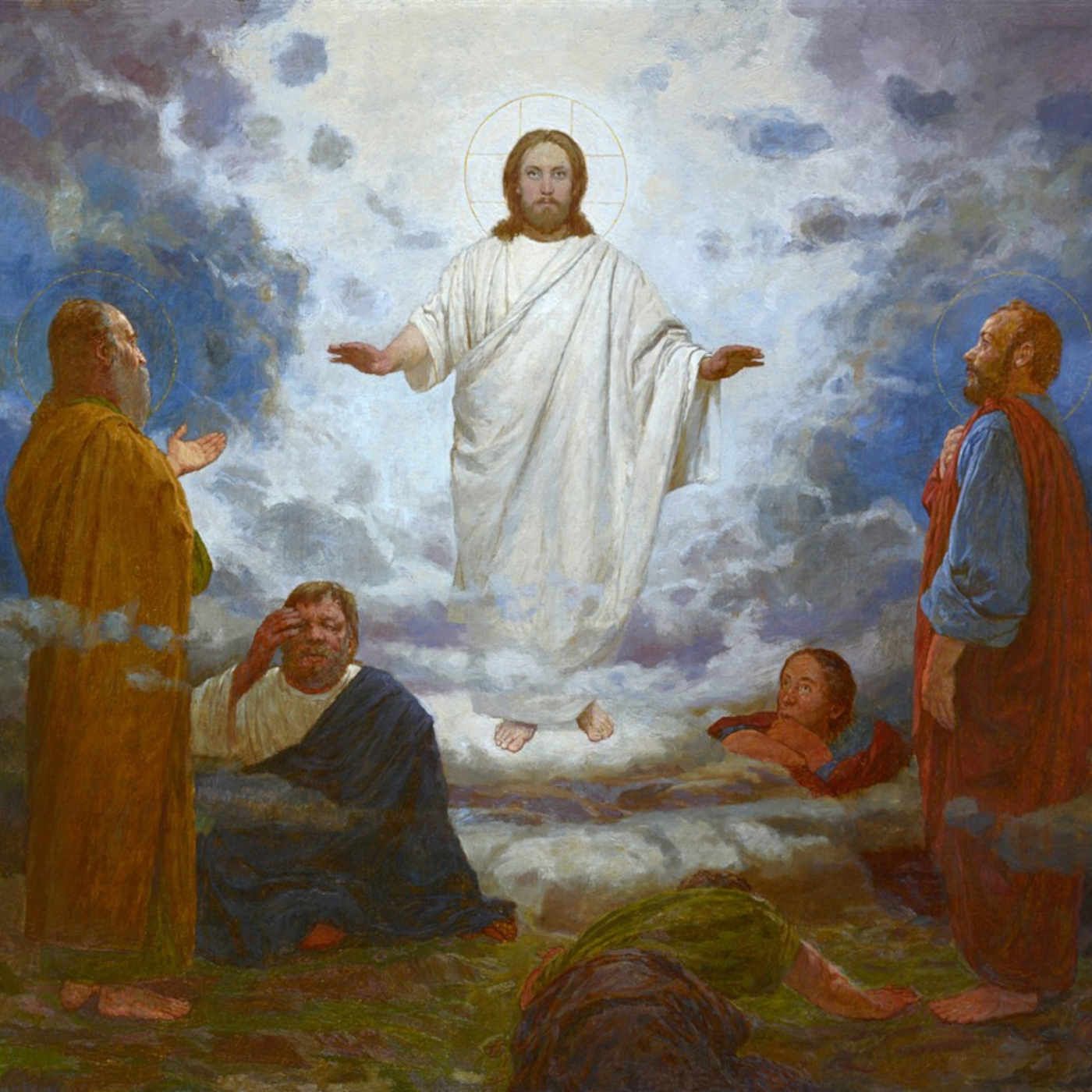
Mar 14
Saturday of the First Week of Lent - The Perfection of Love
Read Online “But I say to you, love your enemies, and pray for those who persecute you, that you may be children of your heavenly Father, for he makes his sun rise on the bad and the good, and causes rain to fall on the just and the unjust.” Matthew 5:44–45 Today’s Gospel ends with Jesus saying, “So be perfect, just as your heavenly Father is perfect.” This is a high calling! And it is clear that part of the perfection to which you are called requires a generous and total love even for those you may consider your “enemies” and those who “persecute” you. When faced with this high calling, one immediate reaction could be that of discouragement. When faced with such a challenging command, it is understandable that you may feel incapable of such a love, especially when the hurt caused by another is ongoing. But there is another reaction that is entirely possible and one for which we should aim. And that reaction is deep gratitude. The gratitude we should allow ourselves to experience is on account of the fact that our Lord wants us to share in His life of perfection. And the fact that He commands us to live this life also tells us that it is entirely possible. What a gift! What an honor it is to be invited by our Lord to love with His very heart and to love to the extent that He loves all people. The fact that we are all called to this level of love should result in our hearts giving deep thanks to our Lord. If discouragement, however, is your immediate reaction to this calling from Jesus, try to look at others from a new perspective. Try to suspend judgment toward them, especially against those who have and continue to hurt you the most. It’s not your place to judge; it’s your place only to love and to see others as the children of God who they are. If you dwell upon another's hurtful actions, angry feelings will inevitably arise. But if you strive only to see them as children of God whom you are called to love without reserve, then even feelings of love will more easily arise within you, helping you to fulfill this glorious command. Reflect, today, upon this high calling of love and work to foster gratitude within your heart. The Lord wants to give you an incredible gift by loving all people with His heart, including those who tempt you to anger. Love them, see them as God’s children and allow God to draw you into the heights of perfection to which you are called. My most perfect Lord, I thank You for loving me despite my many sins. I thank You for also calling me to share in the depths of Your love for others. Give me the eyes to see all people as You see them and to love them as You love them. I do love You, Lord. Help me to love You and others more. Jesus, I trust in You. Image: David Teniers the Younger, Public domain, via Wikimedia Commons Source of content: catholic-daily-reflections.com Copyright © 2025 My Catholic Life! Inc. All rights reserved. Used with permission via RSS feed.
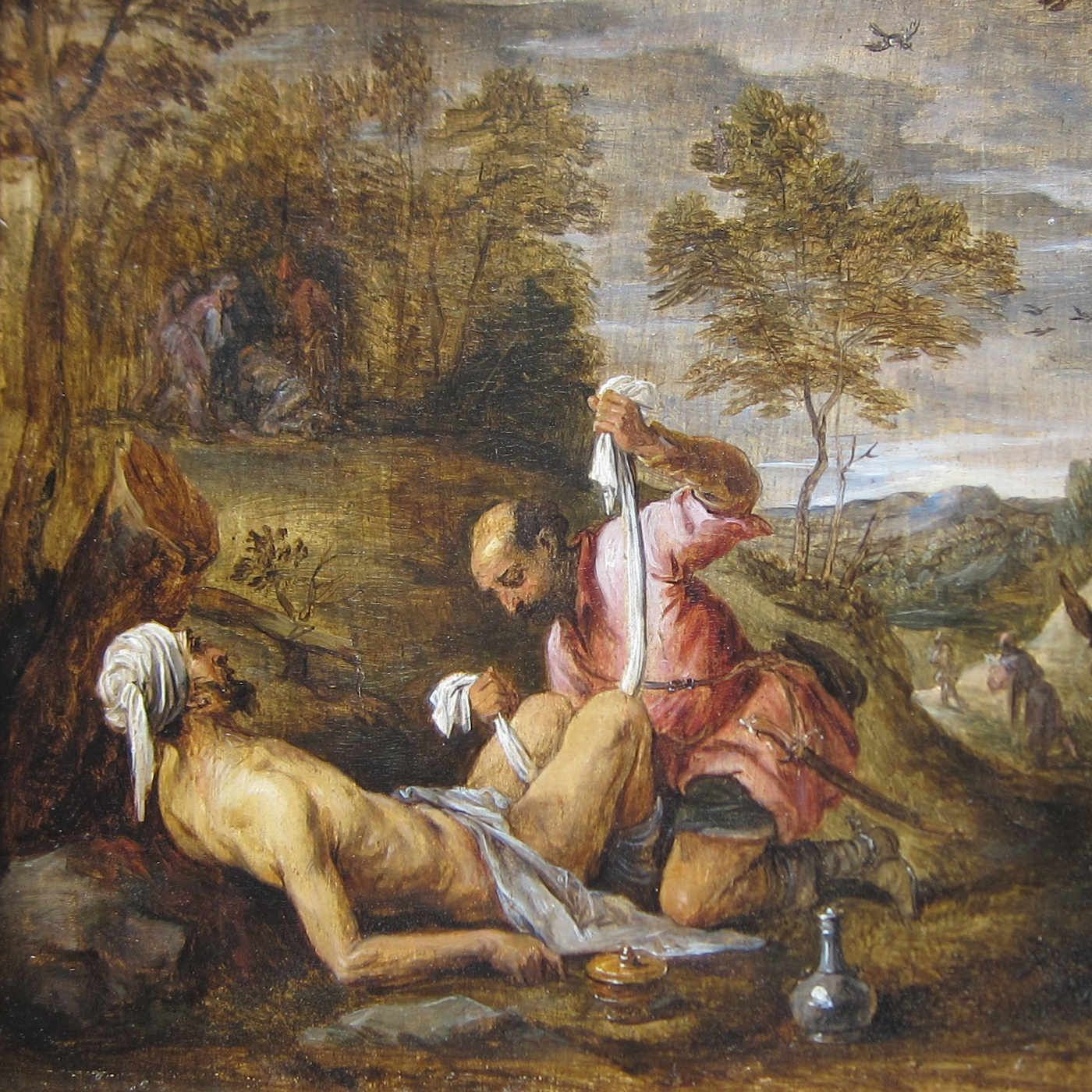
Mar 13
Friday of the First Week of Lent - Beyond Forgiveness
Read Online “Settle with your opponent quickly while on the way to court. Otherwise your opponent will hand you over to the judge, and the judge will hand you over to the guard, and you will be thrown into prison. Amen, I say to you, you will not be released until you have paid the last penny.” Matthew 5:26 Was our Lord here giving legal advice regarding a criminal or civil case and how to avoid prosecution? Certainly not. He was presenting us with an image of Himself as the just Judge. And He was exhorting us to show mercy to anyone and everyone who could be seen as our “opponent.” Forgiveness of another is essential. It can never be withheld. But forgiveness is actually not even enough. The ultimate goal must be reconciliation, which goes much further. In this Gospel above, Jesus exhorts us to “settle” with our opponents, therein implying reconciliation. The RSV version of the Bible says it this way, “Make friends quickly with your accuser…” Working to foster a “friendship” with one who has accused you, especially if it is a false accusation, goes far beyond simply forgiving them. To reconcile with another and to reestablish a true friendship means that you not only forgive but also do all you can to ensure that you reestablish a relationship of love with that person. It means that you both put your grievance behind you and start anew. Of course, that takes both people to cooperate in love; but, for your part, it means that you work hard to establish this reconciliation. Think about someone who has hurt you, and, as a result, your relationship with them has been damaged. Have you prayerfully forgiven that person before God? Have you prayed for that person and asked God to forgive them? If so, then you are now ready for the next step of reaching out to them in love to mend your relationship. This takes great humility, especially if the other person was the cause of the hurt and especially if they have not spoken words of sorrow to you, asking for your forgiveness. Don’t wait for them to do so. Look for ways to show that person that you love them and want to heal the hurt. Don’t hold their sin before them or hold on to a grudge. Seek only love and mercy. Jesus concludes this exhortation with strong words. Essentially, if you fail to do all you can to reconcile and reestablish your relationship, you will be held accountable for it. Though this may seem unfair at first, it is clearly not, because this is the depth of mercy that our Lord offers us every day. We will never be adequately sorry for our sin, but God forgives and reconciles with us anyway. What a grace! But if we fail to offer this same mercy to others, we essentially limit God’s ability to offer this mercy to us, and we will be required to pay back “the last penny” of our own debt to God. Reflect, today, upon the person who comes to mind with whom you need to fully reconcile and rekindle a relationship of love. Pray for this grace, commit yourself to it and look for opportunities to do so. Do it without reserve and you will never regret your decision. My most merciful Lord, I thank You for forgiving me and for loving me with such perfection and totality. Thank You for reconciling with me despite my imperfect contrition. Give me a heart, dear Lord, that always seeks to love the sinner in my life. Help me to offer mercy to the fullest extent in imitation of Your divine mercy. Jesus, I trust in You. Image: Dulwich Picture Gallery, Public domain, via Wikimedia Commons Source of content: catholic-daily-reflections.com Copyright © 2025 My Catholic Life! Inc. All rights reserved. Used with permission via RSS feed.
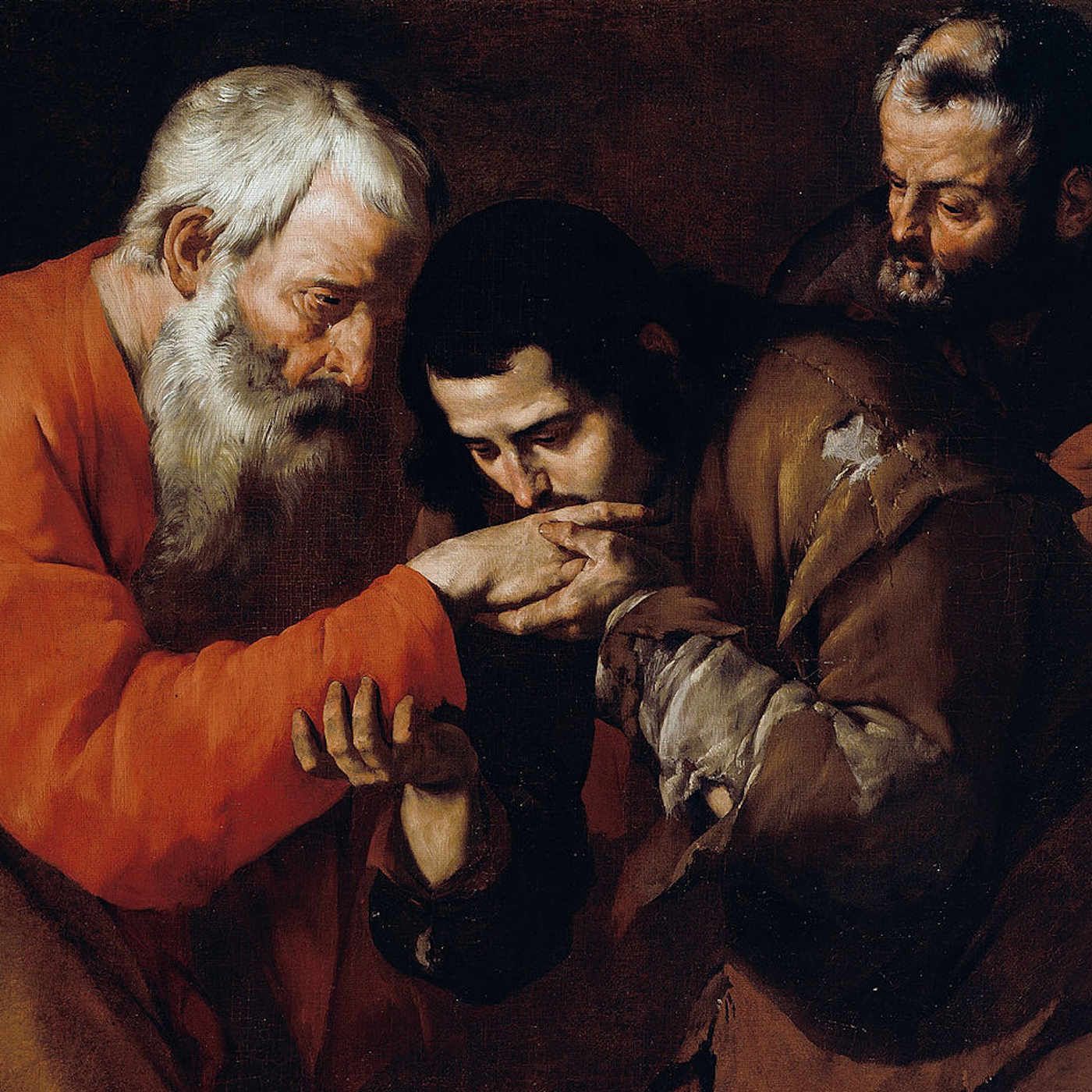
Mar 12
Thursday of the First Week of Lent - Praying for the Will of God
Read Online “Which one of you would hand his son a stone when he asked for a loaf of bread, or a snake when he asked for a fish?” Matthew 7:9–10 Clearly this is a rhetorical question by Jesus. No parent would hand their son or daughter a stone or a snake if they asked for food. But that of course is the point. Jesus goes on to say, “...how much more will your heavenly Father give good things to those who ask him.” When you pray with deep faith, will our Lord give you whatever you ask? Certainly not. Jesus did say, “Ask and it will be given to you; seek and you will find; knock and the door will be opened to you.” But this statement must be carefully read within the whole context of Jesus’ teaching here. The fact of the matter is that when we sincerely ask in faith for “good things,” meaning that which our good God wants to bestow upon us, He will not disappoint. Of course, this does not mean that if we beg Jesus for anything whatsoever that He will give it to us. What are those “good things” that our Lord will most certainly give to us? First and foremost, it is the forgiveness of our sins. We can be absolutely certain that if we humble ourselves before our good God, especially within the Sacrament of Reconciliation, we will be granted the freely given and transforming gift of forgiveness. In addition to the forgiveness of our sins, there are many other things we need in life, and there are many other things that our good God wants to bestow upon us. For example, God will always want to give to us the strength we need to overcome temptations in life. He will always want to provide for our most basic needs. He will always want to help us grow in every virtue. And He most certainly wants to bring us to Heaven. It is these things that we must especially pray for every day. But what about other things, such as a new job, more money, a better house, acceptance into a certain school, a physical healing, etc.? Our prayers for these and other similar things in life should be prayed for but with a caveat. The “caveat” is that we pray that God’s will be done. Not ours. We must humbly acknowledge that we do not see the big picture in life and do not always know what will give God the greatest glory in all things. Therefore, it may be better that you not get that new job, or be accepted at this school, or even that this illness not end in healing. But we can be certain that God always will bestow upon us that which is best for us and that which enables us to give God the greatest glory in life. The crucifixion of our Lord is a perfect example. He prayed that that cup be taken from Him, “but not my will but Yours be done.” And, of course, the Father saw the great eternal value in the death of His Son on the Cross and answered that prayer of His accordingly. Reflect, today, upon how you pray. Do you pray with detachment from the outcome, knowing that our Lord knows best? Do you humbly admit that only God knows what is truly good for you? Trust this to be the case and pray with complete confidence that God’s will be done in all things and you can be certain that He will answer that prayer. Dear Lord of infinite wisdom and knowledge, help me to always place my trust in Your goodness and care for me. Help me to daily turn to You in my need and to trust that You will answer my prayer according to Your perfect will. I place my life into Your hands, dear Lord. Do with me as you wish. Jesus, I trust in You. Image by kalhh from Pixabay Source of content: catholic-daily-reflections.com Copyright © 2025 My Catholic Life! Inc. All rights reserved. Used with permission via RSS feed.
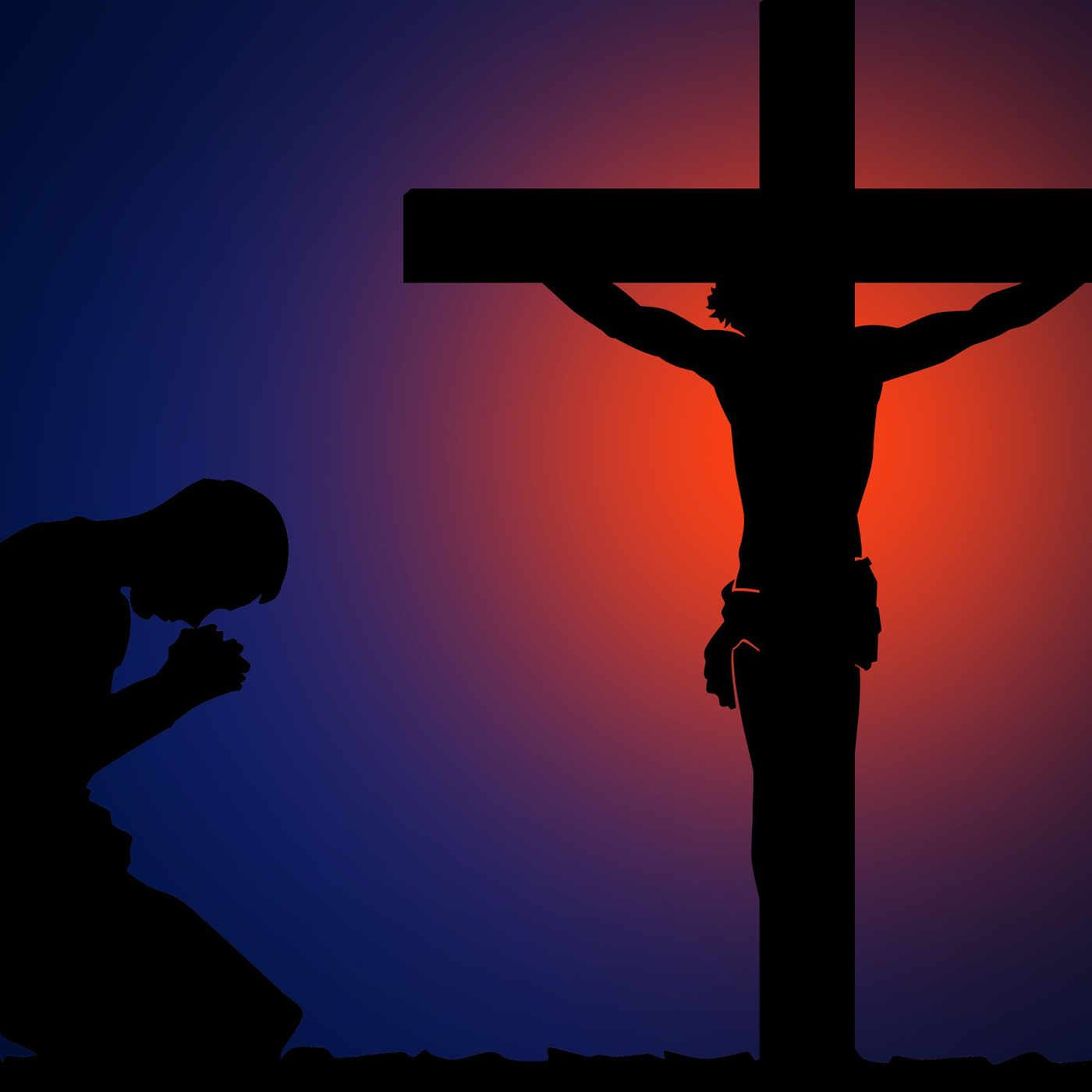
Mar 11
Wednesday of the First Week of Lent - The One True Sign of the Cross
Read Online While still more people gathered in the crowd, Jesus said to them, “This generation is an evil generation; it seeks a sign, but no sign will be given it, except the sign of Jonah.” Luke 11:29 The crowd seemed to be a mixed bunch. First, there were those who wholeheartedly believed in Jesus. The Twelve, for example, left everything behind to follow Him. His mother and various other holy women believed in Him and were His faithful followers. But within the growing crowd, it appeared that there were many who questioned Jesus and wanted some form of proof of Who He was. Thus, they wanted a sign from Heaven. A sign from Heaven would have been some externally manifest proof of Who Jesus was. Granted, Jesus had already performed numerous miracles. But it seems that this was not enough. They wanted more—and that desire is a clear indication of a stubbornness of heart and a lack of faith. So Jesus could not and would not give them the sign they wanted. Instead, Jesus says that the only sign they will receive is the sign of Jonah. Recall that the sign of Jonah was not very appealing. He was thrown over the side of a boat and swallowed by a whale, where he remained for three days before being spit up on the shores of Nineveh. Jesus’ sign would be similar. He would suffer at the hands of the religious leaders and civil authorities, be killed and be placed in a tomb. And then, three days later, He would rise. But His Resurrection was not one in which He came forth with rays of light for all to see; rather, His post-Resurrection appearances were to those who already manifested faith and already believed. The lesson for us is that God will not convince us of the matters of faith through powerful and Hollywood-like public manifestations of God’s greatness. Instead, the “sign” we are offered is an invitation to die with Christ so that we can personally begin to experience the new life of the Resurrection. This gift of faith is interior, not publicly exterior. Our death to sin is something we personally and interiorly do, and the new life we receive can only be seen by others by the witness of our lives that are changed. Reflect, today, upon the true sign God has given you. If you are one who seems to be waiting for some manifest sign from our Lord, wait no longer. Look at the crucifix, see Jesus’ suffering and death, and choose to follow Him in a death to all sin and selfishness. Die with Him, enter the tomb with Him and allow Him to bring you forth interiorly renewed this Lent, so that you can be transformed by this one and only sign from Heaven. My crucified Lord, I gaze upon the crucifix and see in Your death the greatest act of love ever known. Give me the grace I need to follow You to the tomb so that Your death will triumph over my sins. Free me, dear Lord, during the Lenten journey so that I will be able to fully share in Your new life of the Resurrection. Jesus, I trust in You. Image: Matthias Grünewald, Public domain, via Wikimedia Commons Source of content: catholic-daily-reflections.com Copyright © 2025 My Catholic Life! Inc. All rights reserved. Used with permission via RSS feed.
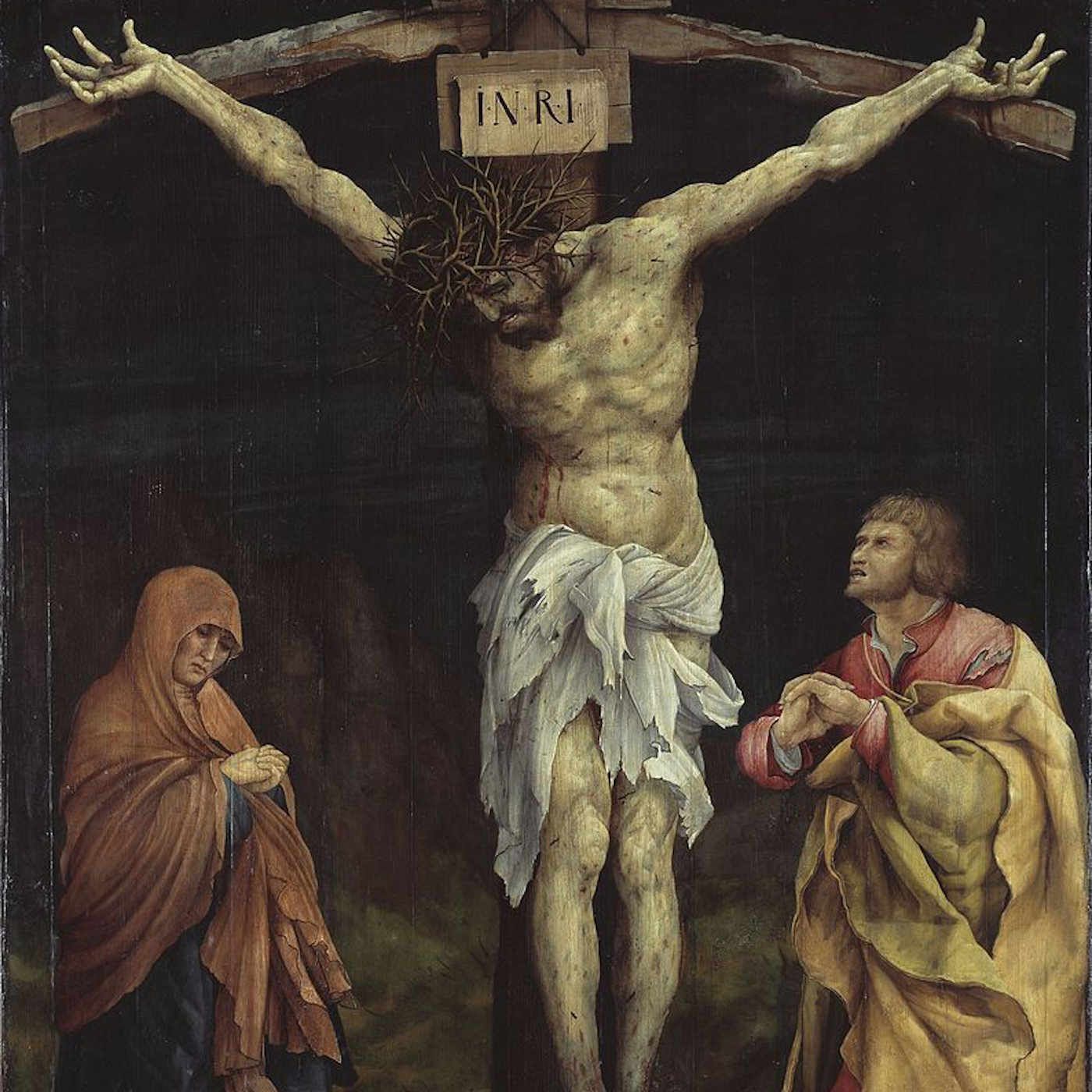
Mar 10
Tuesday of the First Week of Lent - Praying the Our Father
Read Online Jesus said to his disciples: “In praying, do not babble like the pagans, who think that they will be heard because of their many words. Do not be like them. Matthew 6:7–8 Recall that Jesus used to go off by Himself at times and spend the whole night in prayer. Thus, it’s clear that Jesus is in favor of long and sincere times of prayer, since He gave us His own example as a lesson. But there is clearly a difference between that which our Lord did all night and that which He criticized the pagans for doing when they “babble” with many words. After this criticism of the prayer of the pagans, Jesus gives us the “Our Father” prayer as a model for our personal prayer. The Our Father prayer begins by addressing God in a deeply personal way. That is, God is not just an all-powerful cosmic being. He is personal, familial—He is our Father. Jesus continues the prayer by instructing us to honor our Father by proclaiming His holiness, His hallowedness. God and God alone is the Holy One from which all holiness of life derives. As we acknowledge the holiness of the Father, we must also acknowledge Him as King and seek His Kingship for our lives and for the world. This is accomplished only when His perfect will is done “on earth as it is in Heaven.” This perfect prayer concludes by acknowledging that God is the source of all of our daily needs, including the forgiveness of our sins and protection from all evil. Upon the completion of this prayer of perfection, Jesus provides a context in which this and every prayer must be prayed. He says, “If you forgive men their transgressions, your heavenly Father will forgive you. But if you do not forgive men, neither will your Father forgive your transgressions.” Prayer will only be effective if we allow it to change us and make us more like the Father in Heaven. Therefore, if we want our prayer of forgiveness to be effective, then we must live what we pray for. We must also forgive others so that God will forgive us. Reflect, today, upon this perfect prayer, the Our Father. One temptation is that we can become so familiar with this prayer that we gloss over its true meaning. If that happens, then we will find that we are praying it more like the pagans who simply babble the words. But if we humbly and sincerely understand and mean every word, then we can be certain that our prayer will become more like that of our Lord’s. Saint Ignatius of Loyola recommends pondering every word of that prayer very slowly, one word at a time. Try to pray this way, today, and allow the Our Father to move from babbling to authentic communication with the Father in Heaven. Our Father, Who art in heaven, Hallowed be Thy Name. Thy Kingdom come. Thy Will be done, on earth as it is in Heaven. Give us this day our daily bread. And forgive us our trespasses, as we forgive those who trespass against us. And lead us not into temptation, but deliver us from evil. Amen. Jesus, I trust in You. Image: Jm kaelin, CC BY-SA 4.0 , via Wikimedia Commons Source of content: catholic-daily-reflections.com Copyright © 2025 My Catholic Life! Inc. All rights reserved. Used with permission via RSS feed.
Mar 9
Monday of the First Week of Lent - The Least Deserving
Read Online Jesus said to his disciples: “When the Son of Man comes in his glory, and all the angels with him, he will sit upon his glorious throne, and all the nations will be assembled before him. And he will separate them one from another, as a shepherd separates the sheep from the goats.” Matthew 25:31–32 What an image to ponder! Try to imagine this scene. At one definitive moment in the future, the Second Person of the Most Holy Trinity, now also in human form as the “Son of Man,” will return to earth in glory surrounded by all the angels of Heaven and will sit upon His new and glorious throne. In front of that throne, every person of every nation ever to exist will be gathered together, and each person will be judged according to their deeds. Those who served our Lord and treated the least of His brothers and sisters with mercy and compassion will hear Jesus say, “Come, you who are blessed by my Father. Inherit the kingdom prepared for you from the foundation of the world.” Those who did not serve Christ and did not treat the least ones with mercy will be sent off to eternal punishment as Jesus says to them, “Depart from me, you accursed, into the eternal fire prepared for the Devil and his angels.” On that day, only one thing will matter, because eternity will be determined with permanence. All that will matter is whether you will be placed on our Lord’s right so as to inherit eternal life, or on His left and sent into the eternal fires. Sometimes, as we journey through life, we can lose sight of this glorious day. When we think of God and Heaven, it is easy to fall into the presumption that Heaven is guaranteed to us. God is kind and merciful, and He loves us. Therefore, we presume that Heaven is for certain and only the most horrible people will end in hell. But this is not how Jesus depicts the Day of Judgment. Jesus explains that at the time of judgment, the righteous will be astonished by the fact that caring for those who are hungry, thirsty, a stranger, naked, ill, or imprisoned was the same as showing love for God. Likewise, those who neglected the same people will be astonished that they failed to love God by failing to love the least of Jesus’ brothers and sisters. Do not take this teaching lightly. Jesus does not mince His words. He is abundantly clear and definitive. In your life, who are these “least ones” of which Jesus is speaking? The hungry and thirsty are not only those with physical needs but also those who have spiritual longings that need to be satisfied. They are those lost or confused in life who need to be given direction. The stranger might be anyone who is lonely and easily ignored. The naked might be those who cannot manage to care for their needs. The ill could be those who are elderly or suffering in various ways. And the imprisoned could include those bound by sin who need help to be set free. Do not fail to seek out our Lord as He is present in those all around you. Reflect, today, upon those in your life who seem most lost and most in need of your compassion. Those to whom we do not feel like reaching out are those who most often need our compassion and mercy. The “least ones” are often those we judge, condemn or ignore. Call to mind the person who seems least deserving of your love and know that Jesus is living within them, waiting for you to love Him by loving them. Most merciful Lord, Your compassion is great and Your judgment is real. Help me to always keep my mind upon that final and glorious day on which You will return in all Your splendor and glory to judge the living and the dead. May I truly heed Your words and prepare for that day by loving You in all people, especially in those most in need. Jesus, I trust in You. Image: Donatas Dabravolskas, CC BY-SA 4.0 , via Wikimedia Commons Source of content: catholic-daily-reflections.com Copyright © 2025 My Catholic Life! Inc. All rights reserved. Used with permission via RSS feed.

Mar 8
First Sunday of Lent (Year C) - Going on the Offensive
Read Online Filled with the Holy Spirit, Jesus returned from the Jordan and was led by the Spirit into the desert for forty days, to be tempted by the devil. Luke 4:1–2 If someone is attacked or feels threatened, it is common to be defensive. For example, if soldiers suddenly find themselves under attack from an enemy, they will most likely take up a defensive position. Similarly, when we feel personally attacked by another or are tempted by the devil, we will often try to defend ourselves. However, within the worlds of games, sports and military activity, there is a common adage that says, “the best defense is a good offense.” In other words, the best way to keep the opponent from winning is to go on the offensive rather than to sit back and take up a defensive position. In many ways, this is what Jesus did when He entered the desert. He was aware that the evil one wanted to destroy Him. Therefore, when Jesus entered the desert for 40 days to pray and fast, He did so in a sort of offensive attack upon the devil. Jesus’ temptations in the desert were not primarily difficulties He had to endure and resist. Rather, they were first and foremost ineffective attacks from the evil one, because Jesus had already embraced the opposite virtues. What temptations and sins are among your greatest struggles? In what ways do you find yourself experiencing defeat? In what ways have you taken up a defensive position to try to overcome your struggles? Too often we approach temptations in the wrong way. We see them as attacks from the evil one that we must resist and defend ourselves against. And though that is true, it is not the full truth. The full truth is that the best way to overcome the struggles we face is to confront them directly in a vigorous and offensive way by choosing the opposite virtue. Consider the three temptations Jesus overcame in the desert: gluttony, vainglory and greed. Jesus’ entrance into the desert for those 40 days was the way by which He destroyed these temptations before they were even presented to Him. By voluntarily choosing to fast from food for those 40 days, Jesus rendered the temptation toward gluttony ineffective. By choosing the humility of entering into the solitude of the desert to be alone with His Father, Jesus robbed the temptation toward vainglory of its power. By choosing a life of poverty and simplicity, He overcame any temptation toward earthly wealth, even before it was offered to Him. As we begin this forty-day Lenten journey, reflect, today, upon the sins and temptations in your life that need to be overcome. If you find yourself in an ongoing defensive position toward certain struggles, especially if you find yourself losing the battle at times, it’s time to change your strategy. Embrace the opposite virtue of the sins you are most tempted with this Lent. Embrace those virtues in an offensive manner. Choose kindness if you struggle with anger. Choose fasting if you struggle with gluttony. Choose generosity if you struggle with greed. Whatever your struggle, turn to the virtue you need the most and make it your focus this Lent so that you, too, will be well-prepared to reject the evil one and his lies when temptation comes your way. My tempted Lord, You resisted all temptation in Your life by choosing every good virtue and living them to perfection. Please help me to see the virtues I need the most right now and give me the strength I need to run toward them this Lent with all my heart. Jesus, I trust in You. Image via picryl Source of content: catholic-daily-reflections.com Copyright © 2025 My Catholic Life! Inc. All rights reserved. Used with permission via RSS feed.
Mar 7
Saturday after Ash Wednesday - Make the Radical Choice, Today
Read Online Jesus saw a tax collector named Levi sitting at the customs post. He said to him, “Follow me.” And leaving everything behind, he got up and followed him. Luke 5:27–28 Levi had a good life. He made good money and had steady employment as a tax collector. But in an instant, he gave that all up to follow Jesus, and his life immediately changed for the good. This short story of the call of Levi is one that we should take note of. Though you most likely have already made the choice to follow Christ, that choice needs to be deepened each and every day. And the witness of Levi is one that should inspire you to do so. Oftentimes, when we sense God calling us deeper and closer to Him, when we sense that He wants us to follow Him more completely, we might pause and hesitate. It’s common for people to want to think through such a decision and weigh the “pros and cons” before stepping out in faith. But don’t do that. The witness of Levi’s immediate choice to leave all else behind and follow Christ is given to us so as to invite us to do the same. How is Jesus inviting you, today, to imitate the radicalness of Levi? What is He calling you to walk away from so as to more fully serve Him with love and totality? If you do not know the answer to that question, say “Yes” to our Lord anyway. Tell Him that you want to imitate Levi and that you want to wholeheartedly commit yourself to a complete and radical following of His holy will. It’s also interesting to note that as soon as Levi made the choice to follow Jesus, he held a dinner at his house for Jesus and other tax collectors. Levi was not afraid to let others know of his choice, and he wanted to offer his friends the opportunity to do the same. Reflect, today, upon the person and call of Levi. And as you begin this Lenten season, use Levi’s call and response as an opportunity to hear Jesus calling you. You may not be called to “leave everything behind” literally, but express your willingness to do so anyway. Put no conditions on your choice to follow our Lord and you will be eternally grateful you did. My precious Lord, You call all of your children to follow You without reserve. You call us to be ready and willing to abandon all that this life has to offer so as to obtain so much more. Give me the grace I need to trust You enough to say “Yes” to You today, tomorrow and all days. My life is Yours, dear Lord. Do with me as You will. Jesus, I trust in You. Giovanni Paolo Panini, Public domain, via Wikimedia Commons Source of content: catholic-daily-reflections.com Copyright © 2025 My Catholic Life! Inc. All rights reserved. Used with permission via RSS feed.
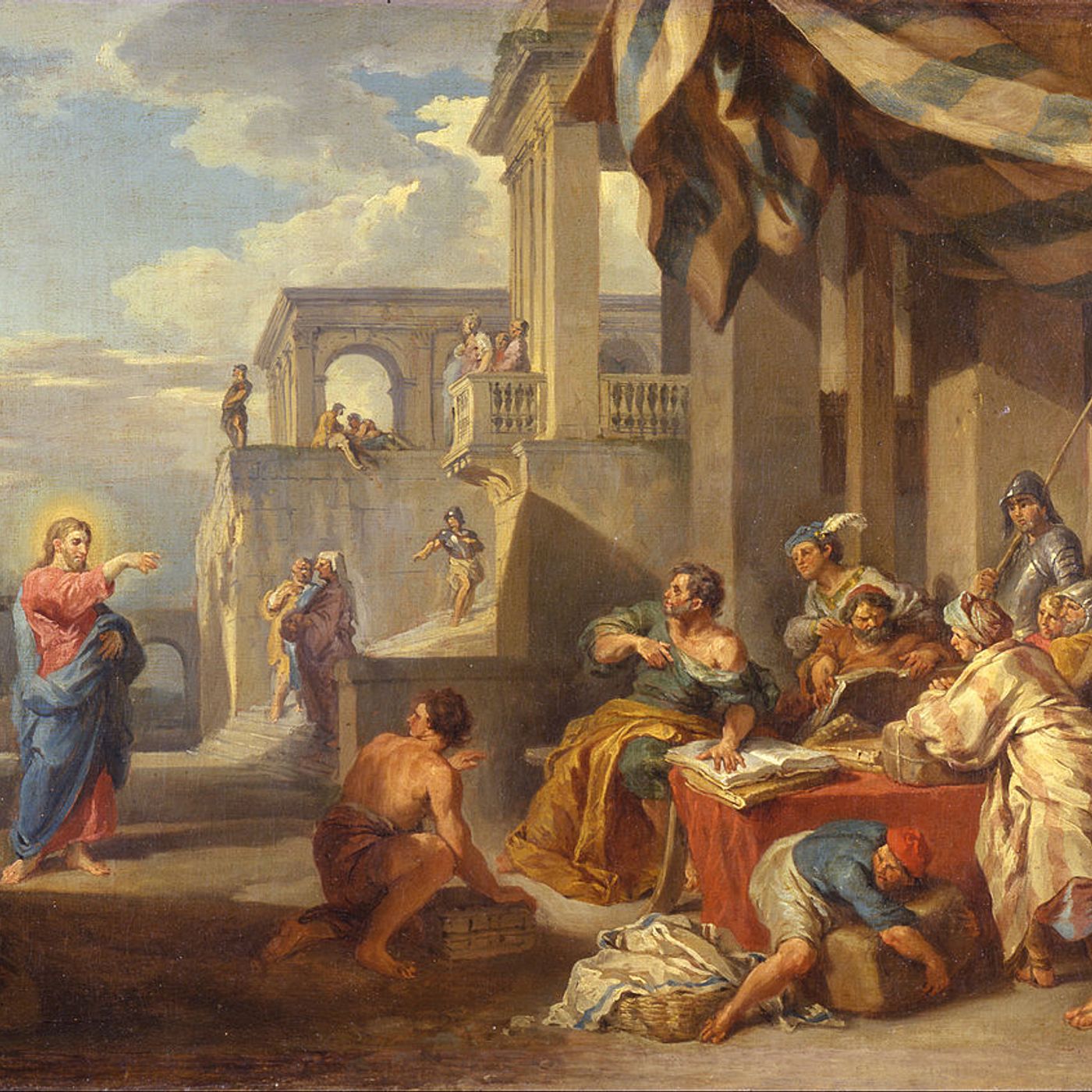
Mar 6
Friday after Ash Wednesday - The Transforming Power of Fasting
Read Online “The days will come when the bridegroom is taken away from them, and then they will fast.” Matthew 9:15 Our appetites and fleshly desires can easily cloud our thinking and keep us from desiring only God and His holy will. Therefore, in order to curb one’s disordered appetites, it is useful to mortify them by acts of self-denial, such as fasting. But during Jesus’ public ministry, when He was daily with His disciples, it appears that self-denial was unnecessary for His disciples. One can only speculate that this was because Jesus was so intimately present to them every day that His divine presence sufficed to curb any and every disordered affection. But the day did come when Jesus was taken away from them—first by His death, and then shortly after by His Ascension into Heaven. After the Ascension and Pentecost, Jesus’ relationship with His disciples changed. It was no longer a tangible and physical presence. It was no longer a daily dose of authoritative teaching and inspiring miracles that they saw. Instead, their relationship with our Lord began to take on a new dimension of conformity to Jesus’ Passion. The disciples were now being called to imitate our Lord by turning their eyes of faith to Him interiorly, and exteriorly acting as His instrument of sacrificial love. And for that reason, the disciples needed their passions and fleshly appetites under control. Hence, after Jesus’ Ascension and with the beginning of the disciples’ public ministry, they greatly benefitted from fasting and all other forms of mortification. Each one of us is called to be not only a follower of Christ (a disciple) but also an instrument of Christ (an apostle). And if we are to fulfill these roles well, our disordered fleshly appetites cannot get in the way. We need to allow the Spirit of God to consume us and lead us in all that we do. Fasting and all other forms of mortification help us to stay focused upon the Spirit rather than upon our weaknesses and fleshly temptations. Reflect, today, upon the importance of fasting and mortification of the flesh. These penitential acts are not usually desirable at first. But that’s the key. By doing that which our flesh does not “desire,” we strengthen our spirit to take greater control, which enables our Lord to use us and direct our actions more effectively. Commit yourself to this holy practice and you will be amazed at how transforming it will be. My dear Lord, I thank You for choosing to use me as Your instrument. I thank You that I may be sent by You to share Your love with the world. Give me the grace to conform myself more fully to You by mortifying my disordered appetites and desires so that You and You alone can take complete control of my life. May I be open to the gift of fasting and may this penitential act help to transform my life. Jesus, I trust in You. Image via Pixabay. Source of content: catholic-daily-reflections.com Copyright © 2025 My Catholic Life! Inc. All rights reserved. Used with permission via RSS feed.
Mar 5
Thursday after Ash Wednesday - Deep Love Casts Out Fear
Read Online Jesus said to his disciples: “The Son of Man must suffer greatly and be rejected by the elders, the chief priests, and the scribes, and be killed and on the third day be raised.” Luke 9:22 Jesus knew He would suffer greatly, be rejected and killed. How would you deal with that knowledge if you somehow knew this about your own future? Most people would be filled with fear and become obsessed with trying to avoid it. But not our Lord. This passage above shows just how intent He was on embracing His Cross with unwavering confidence and courage. This is just one of several times that Jesus began to break the news to His disciples about His pending fate. And each time He spoke this way, the disciples for the most part remained either silent or in denial. Recall, for example, one such reaction of Saint Peter when he responded to Jesus’ prediction of His Passion by saying, “God forbid, Lord! No such thing shall ever happen to you” (Matthew 16:22). In reading this passage above, the strength, courage and determination of our Lord shine through by the fact that He speaks so clearly and definitively. And what motivates Jesus to speak with such conviction and courage is His love. Too often, “love” is understood as a strong and good feeling. It’s perceived as an attraction to something or a strong liking of it. But that’s not love in the truest form. True love is a choice to do what is best for another, no matter the cost, no matter how difficult. True love is not a feeling that seeks selfish fulfillment. True love is an unwavering strength that seeks only the good of the person who is loved. Jesus’ love for humanity was so strong that He was driven toward His pending death with great power. He was unwaveringly determined to sacrifice His life for us all, and there was nothing that would ever deter Him from that mission. In our own lives, it’s easy to lose sight of what true love actually is. We can easily become caught up in our own selfish desires and think that these desires are love. But they are not. Reflect, today, upon the unwavering determination of our Lord to sacrificially love us all by suffering greatly, by enduring rejection, and by dying upon the Cross. Nothing could have ever deterred Him from this love. We must show the same sacrificial love. My loving Lord, I thank You for Your unwavering commitment to sacrifice Yourself for us all. I thank You for this unfathomable depth of true love. Give me the grace I need, dear Lord, to turn away from all forms of selfish love so as to imitate and participate in Your most perfect sacrificial love. I do love You, dear Lord. Help me to love You and others with all my heart. Jesus, I trust in You. Image: Pietro della Vecchia, Public domain, via Wikimedia Commons Source of content: catholic-daily-reflections.com Copyright © 2025 My Catholic Life! Inc. All rights reserved. Used with permission via RSS feed.
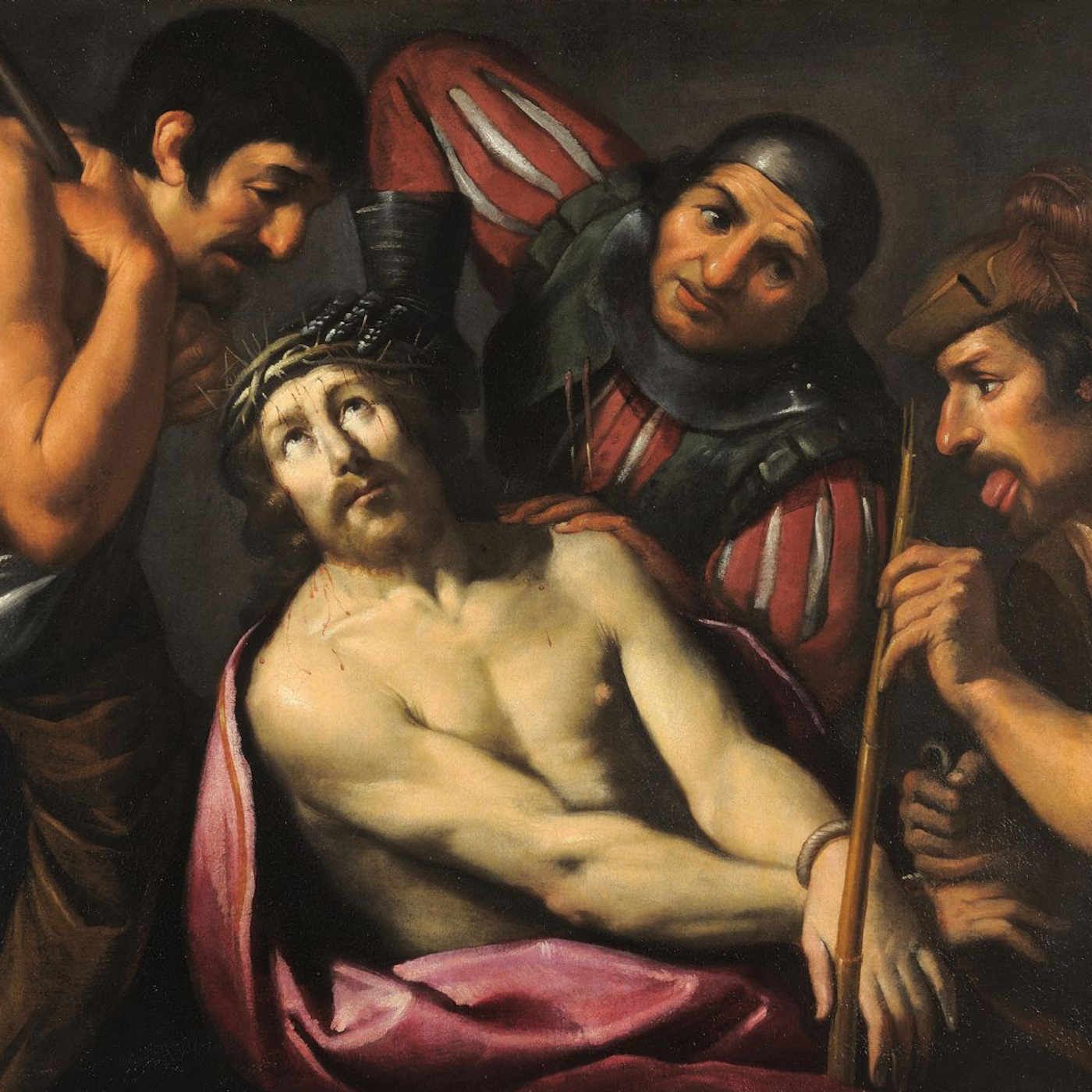
Mar 4
Ash Wednesday (Year C) - Lent—Combating Sin with Virtue
Read Online “But when you give alms, do not let your left hand know what your right is doing… But when you pray, go to your inner room, close the door, and pray to your Father in secret. But when you fast, anoint your head and wash your face…” Matthew 6:3; 6; 17 One Church Father explains that almsgiving, prayer and fasting are three acts that help us to combat the three temptations that Jesus overcame in the desert. First, our Lord overcame gluttony when the evil one tempted Him to turn stones into bread to satiate His hunger after fasting for 40 days. Second, our Lord overcame vainglory when the evil one took Him to the parapet of the temple and tempted Him to throw Himself down so that the angels of God would save Him, proving His divinity. Third, our Lord overcame greed when the evil one took Him up a high mountain and showed Him all the kingdoms of the world, promising to give them to Jesus if He worshiped him. Today’s Gospel identifies the three ways that we are able to overcome these same temptations of gluttony, vainglory and greed. Almsgiving, or generosity, is the cure for greed. Prayer within the “inner room” of your soul is the cure for vainglory. Fasting is the cure for gluttony. As Lent begins, we are also invited into the desert for 40 days. We are invited to face the many temptations we endure in life so as to overcome them by the power of God. If you struggle with one of these above-mentioned temptations, all of them, or some similar temptation, the cure is found when the temptation is identified and the contrary virtue is embraced. Do you struggle with greed? If so, consider being generous this Lent. God has promised to provide for your needs. He has not promised earthly wealth, but He has promised to care for you. There is great freedom found in believing that promise. One way to more fully trust in God’s providence is to generously give of your money to those in need. Don’t hesitate to do so if this is your struggle. Do you struggle with a desire for vainglory and have an inordinate desire to prove your worth to others? If so, turn to prayer. It is in personal prayer, within that “inner room” of your heart, where God will meet you and reveal to you your true value and worth. As you discover your dignity in prayer, you will find you have no need to prove that dignity and value to others through prideful means. Do you struggle with gluttony and seek to satiate your longings by the excessive consumption of food and drink? If so, the cure will be found in fasting. Denying your disordered appetites has great spiritual value. Fasting intermingled with prayer opens your soul to seek satisfaction only in God, and not in the flesh. Reflect, today, upon that which needs to be your primary focus this Lent. What is it that keeps you from God? What temptations do you struggle with the most? Perhaps greed, vainglory or gluttony is among your struggles. If so, then do not hesitate to commit yourself to the cures this Lent. The end result will be that “your Father who sees in secret will repay you.” My freeing Lord, help me to see my greatest sins this Lent and to begin the process of overcoming them. Please reveal to me the virtues I need to embrace so as to be freed of these burdens and to grow more firmly in my love of You and others. Jesus, I trust in You. Image: Guido Cagnacci - Collezione privata, Public domain, via Wikimedia Commons Source of content: catholic-daily-reflections.com Copyright © 2025 My Catholic Life! Inc. All rights reserved. Used with permission via RSS feed.
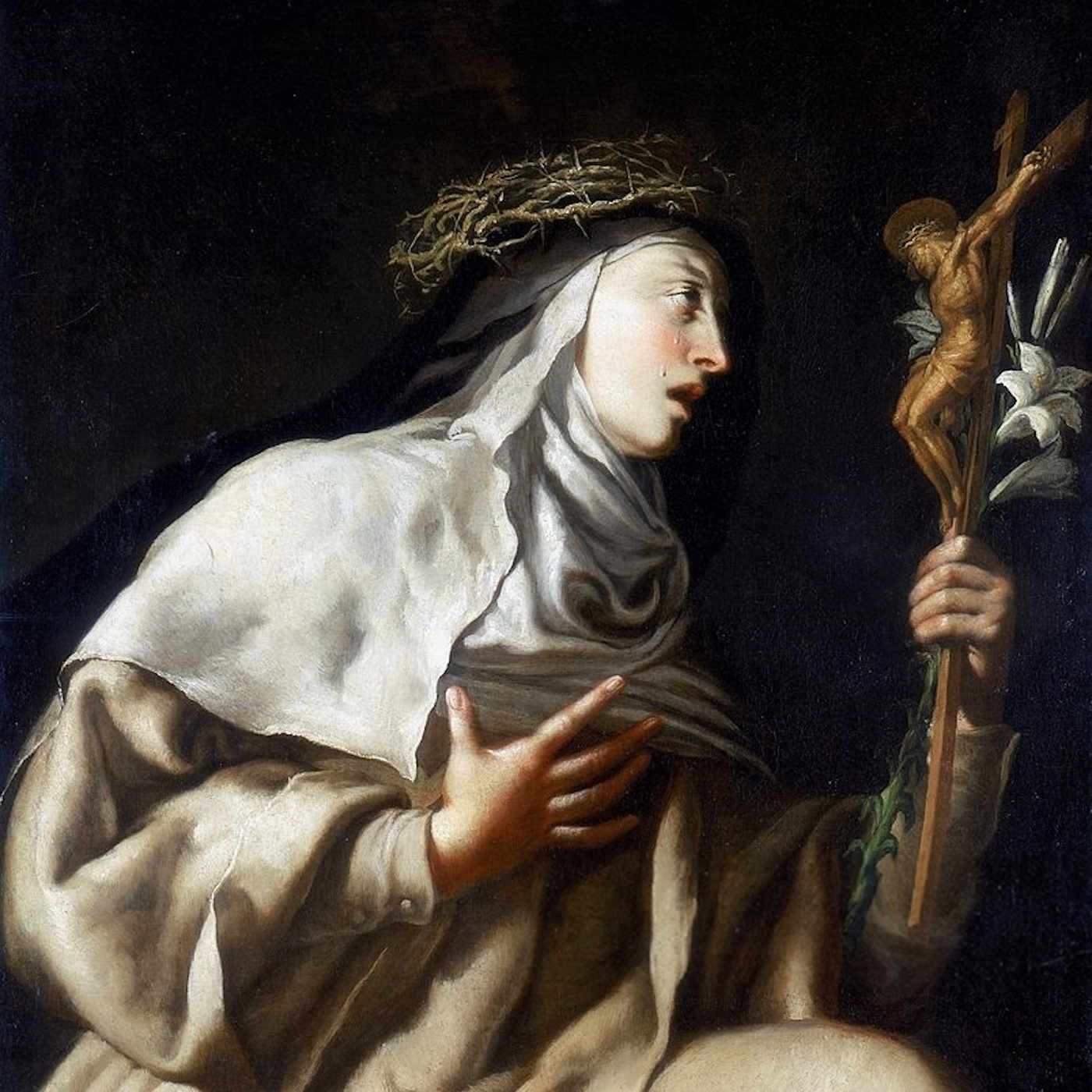
Mar 3
Tuesday of the Eighth Week in Ordinary Time - An Exchange of Gifts
Read Online Jesus said, “Amen, I say to you, there is no one who has given up house or brothers or sisters or mother or father or children or lands for my sake and for the sake of the Gospel who will not receive a hundred times more…” Mark 10:29–30 Jesus’ statement above is in response to Peter who said to Him, “We have given up everything and followed you.” It was as if Peter were patting himself on the back, attempting to highlight just how much he and the other disciples had sacrificed to follow Jesus. And it was true, they did give up everything of their former life. They left home, their occupation, their relationships and everything that had been part of their daily established life in response to the call of Jesus. They were truly all in. In hearing this statement from Peter, Jesus does not give the expected response. He doesn’t say to Peter, “Yes, you have, that’s very impressive Peter. Good job and thank you!” Instead, Jesus immediately explains to Peter that the sacrifice he and the others have made is worth it. Their unwavering commitment to follow Jesus would be repaid with gifts beyond their imagination. Thus, Jesus was saying that the gifts that He would bestow upon them would be exponentially greater than every sacrifice they made. This was not a belittling of Peter’s self-sacrifice; rather, it was a form of encouragement by Jesus. He was encouraging Peter, and the other disciples, to have full confidence in their decision to follow Him. Their sacrifice would yield a hundredfold return. That is truly a good investment. It can be tempting for us all, at times, to feel as though God asks too much of us. It’s true that God asks much of us. He asks everything from us. He asks for the complete and total gift of our lives to Him. He calls us to abandon all selfishness and to dedicate ourselves to His holy will without exception. But if we understand the reward of our self-giving, then the sacrifices we make will pale in comparison to the reward. Reflect, today, upon whether or not you can say those words with the Apostle, Saint Peter: “Lord, I have given up everything to follow You.” Have you truly given your life completely to Christ Jesus? Are there things that you still hold back, not wanting to “sacrifice” for our Lord? Ponder those words of Peter and allow yourself to see the areas of your life you still need to surrender over to Jesus. And as you do so, allow the reward promised by our Lord to motivate you to the point that you truly hold nothing back and truly have given up everything to follow His holy will. My generous Lord, You ask everything of me. You ask me to abandon everything in my pursuit of Your perfect will. Give me the grace I need to answer Your call and to live sacrificially for You without counting the cost. You are generous beyond description, dear Lord, and I trust that following You will produce an abundance of good fruit. Jesus, I trust in You. Image: Jesus entrusts his Flock to St Peter by Lawrence OP , license CC BY-NC-ND 2.0 . Source of content: catholic-daily-reflections.com Copyright © 2025 My Catholic Life! Inc. All rights reserved. Used with permission via RSS feed.
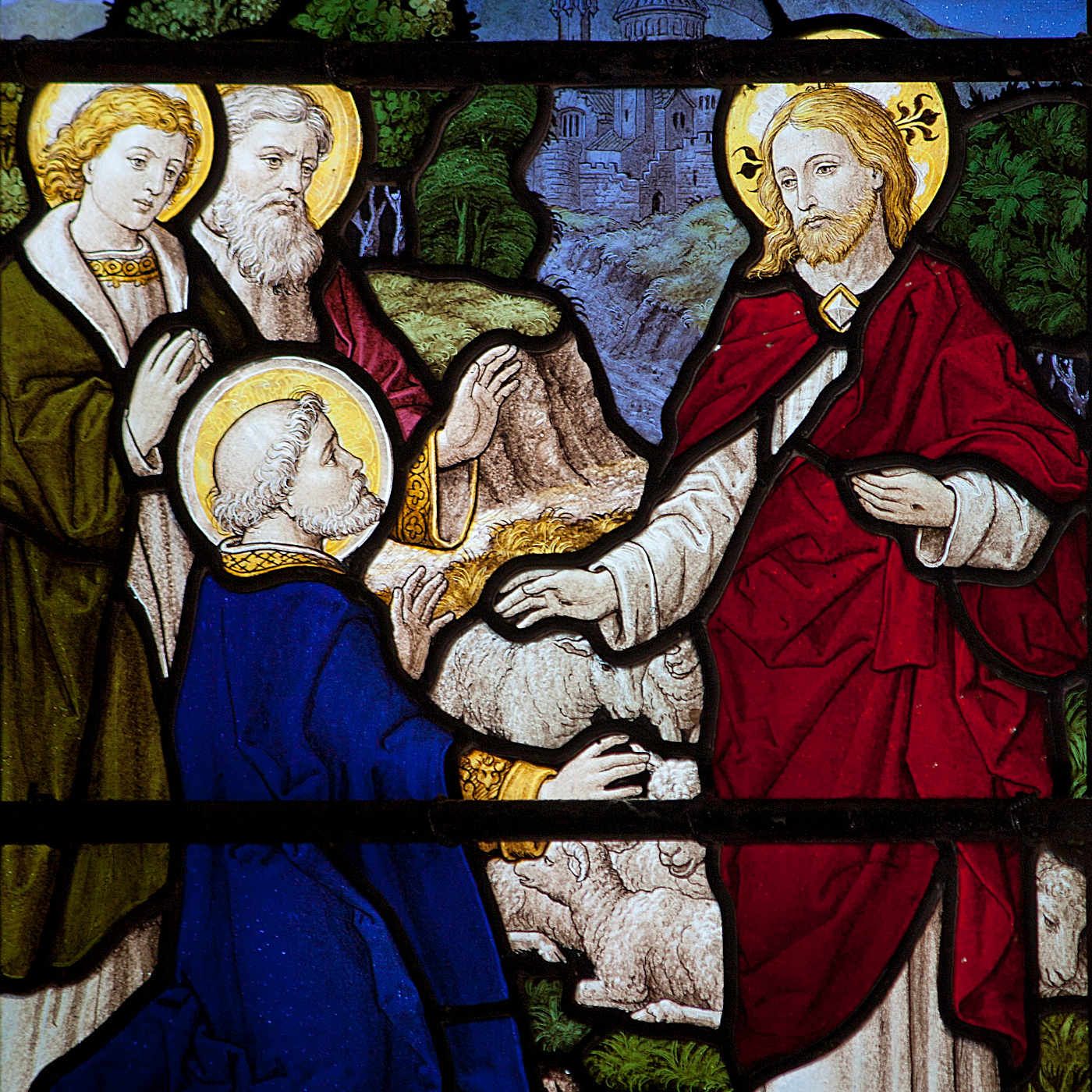
Mar 2
Monday of the Eighth Week in Ordinary Time - The Path to Perfection
Read Online As Jesus was setting out on a journey, a man ran up, knelt down before him, and asked him, “Good teacher, what must I do to inherit eternal life?” Jesus answered him, “Why do you call me good? No one is good but God alone. You know the commandments…” Mark 10:17–19 Jesus addresses different people in different ways. He chastised the proud and arrogant who came to trap Him. He was exceptionally gentle and kind to the repentant sinner who came in tears. He spoke in parables and figures of speech to those who were curious but had little faith. And to those who came with openness, sincerely seeking the truth, He spoke clearly, lovingly and directly. Today’s Gospel presents us with the familiar story of the Rich Young Man. Notice how this young man came to Jesus. First, he “ran up” to Jesus. This suggests he was very desirous to speak with our Lord. He also knelt down before Jesus, which points to his humility and reverence. Then he asked Jesus a direct and important question. He didn’t ask Jesus to heal someone. He wasn’t looking for a miracle or a personal favor. Instead, this young man asked the question we should all ask Jesus every day. “Good teacher, what must I do to inherit eternal life?” Is this a question that you ponder and ask our Lord? As the story unfolds, Jesus gives two answers. First, He gives the young man the fundamental answer to his question. Eternal life is obtained by keeping away from serious sin, out of love and obedience to the will of God. But after the young man inquires further, Jesus gives him a much deeper answer. This second answer was one based on a deep love for this young man because it presented the key to perfection. “You are lacking in one thing. Go, sell what you have, and give to the poor and you will have treasure in heaven; then come, follow me.” Many people go through life fulfilling the most fundamental precepts of holiness. They avoid serious sin so as to remain in a state of grace. And this is good. But Jesus wants so much more: He wants perfection. When we sincerely seek out perfection, Jesus will answer us as He answered the Rich Young Man. Perfection requires the deepest purification from all unhealthy attachments. Most people have many attachments that hinder perfection. Those attachments might not be mortal sins, but they are venial sins, or spiritual imperfections. Therefore, it’s important to know that if you want perfection, and if you humble yourself before our Lord and sincerely ask how to obtain it, He will lovingly invite you to detach from everything but God and His holy will for your life. What that means practically for you must be prayerfully discerned. Reflect, today, upon whether or not you could join this rich young man in his humble questions posed to Jesus. Do you want to know how to be perfect? If so, are you ready to respond to Jesus’ answer? Are you willing to abandon everything that is a hindrance to the will of God so that you can follow Him and fulfill His perfect will? Ponder this question and commit yourself to the full embrace of Jesus’ answer and you will become richer in what matters than you could ever imagine. My generous Lord, You call me to perfection. You call me to turn from everything that hinders my perfect love of You and my full embrace of Your will. Please help me to sincerely turn to You every day, seeking only Your full will in all things. As I do, please set me free from all that keeps me from the life of perfection to which I am called. Jesus, I trust in You. Image: Nheyob, CC BY-SA 4.0 , via Wikimedia Commons Source of content: catholic-daily-reflections.com Copyright © 2025 My Catholic Life! Inc. All rights reserved. Used with permission via RSS feed.
Mar 1
Eighth Sunday in Ordinary Time (Year C) - Fully Trained
Read Online Jesus told his disciples a parable, “Can a blind person guide a blind person? Will not both fall into a pit? No disciple is superior to the teacher; but when fully trained, every disciple will be like his teacher.” Luke 6:39–40 Are you “fully trained?” What does it mean to be fully trained? Jesus makes it clear that those who are fully trained will be like their teacher. Of course, we must become like our Lord, who is the one and only Teacher. So are you like Him in every way? Being fully trained as a Christian is different than being fully trained in an occupation. For example, a doctor is fully trained when all the necessary lessons are learned and the practical aspects of medicine are put into practice. That is why that person becomes a doctor, just like the doctors who were their teachers. But the Christian life is not something we master by learning many teachings of the faith so that, by our expertise, we can then put them into practice using our natural talents. For a Christian to be fully trained, it is necessary that the Divine Physician fully possess them, live within them, and act through them. Thus, Christian training is the practice of allowing God to become one with you so that it is God Who acts in and through you. This form of “training” first takes on the goal of freeing us from spiritual blindness. We must see Christ and come to know Him. Again, this is not a matter of simply learning various truths about God in an intellectual way. It’s a matter of coming to know the Truth Himself. We must see and know the Person Who is Christ Jesus. This is true sight. Blindness, however, can always set in again when we take the eyes of our soul off the Savior. Seeing Christ, however, is not enough. Seeing must be followed by doing. That is why our Lord goes on to say in today’s Gospel that “every tree is known by its own fruit” and that a “good person out of the store of goodness in his heart produces good.” Seeing Christ Himself, within your soul, will produce that “store of goodness,” and this will make you more “fully trained.” Only then can you produce good fruit, for it will be Christ Himself producing the good fruit in and through you. So back to our original question: “Are you fully trained?” Do you daily keep your eyes on a Person, Jesus Himself? And if so, do You allow Him to act in your life and, through you, in the lives of others? If you cannot answer these questions with a confident “Yes,” then you might have more blindness in the spiritual life than you realize. Reflect, today, upon your mission to become a fully trained soldier of Christ. God wants to use you, to live within you, and to act through you. He wants you to be like Him in every way. This is only possible when you admit the blindness with which you struggle, turn your eyes to Him, and allow Him to become one with you. Start by turning to Him as He dwells within you. Search for Him, seek Him, and love Him. If you keep your eyes upon Him, He will carefully take care of the rest, leading you to a fully trained and fruitful life. My divine Teacher, I turn to You, the Lord of all, and seek to fix my gaze upon You. As I see You, please remove my blindness and confusion. In place of these, give me wisdom so that I will always allow You to live in me and act through me, bearing an abundance of good fruit. Jesus, I trust in You. Image: Jesus tells the Parable of the Barren Tree by Lawrence OP , license CC BY-NC-ND 2.0 . Source of content: catholic-daily-reflections.com Copyright © 2025 My Catholic Life! Inc. All rights reserved. Used with permission via RSS feed.
Feb 28
Saturday of the Seventh Week in Ordinary Time - Dependence Upon God
Read Online People were bringing children to Jesus that he might touch them, but the disciples rebuked them. When Jesus saw this he became indignant and said to them, “Let the children come to me; do not prevent them, for the Kingdom of God belongs to such as these.” Mark 10:13–14 Simplicity, trust, purity of intent, transparency, and resiliency are all qualities that children often have by nature. They are not yet capable of evil intent. They are quick to forgive and reconcile when conflicts arise. And they have an unwavering confidence in the care of their parents. These are among the qualities that we need to imitate in our relationship with God. It seems that as we age and as our human reason develops, we can lose some of the important qualities we had as children. But when it comes to our relationships with our loving God, we must never lose the important childlike qualities that lead us to be completely trusting and dependent upon God’s providence and care. Children are also weak in the sense that they are not able to care for themselves. They rely completely upon the care of others, especially parents. For that reason, a child is an ideal image of how we must approach God. We must see our weakness and dependence. We must know, with deep conviction, that we are incapable of caring for ourselves. And though we may achieve a certain independence as we age, being able to provide for ourselves materially, we will never be able to provide for the interior spiritual needs we have. For our spiritual needs, we remain completely dependent upon the mercy of God. We must never forget that, at our core, we are spiritual beings who long for true spiritual satisfaction. Material or fleshly satisfactions that we can obtain by ourselves will never suffice to fulfill us at the deepest level of who we are. God and God alone is capable of this form of fulfillment. Think about your own approach to life. Do you seek to find fulfillment and satisfaction in life through your own efforts? Have you attempted to take complete control of your present and future happiness? Though it is essential that we act responsibly in life, it must be understood that the most responsible way we can act is by willfully turning over complete control of our lives to God’s providence and care. As a child depends upon a parent, so we must depend upon the grace of God. Reflect, today, upon a child. Ponder, especially, how a child is dependent upon others. As you do, see yourself similarly as one who must become completely dependent upon God for all that is important in life and for all that ultimately fulfills who you are. Trust in God’s providence and mercy, and allow that childlike trust to place you firmly in the arms of your Father in Heaven. Loving Father, I turn to You in complete trust as a small child turns to a loving parent. May I never become so self-sufficient that I fool myself into thinking I am capable of finding my own fulfillment in life. Instead, may I always see You as the one and only source of true fulfillment and always trust in You alone. Jesus, I trust in You. Image: Charles Lock Eastlake, Public domain, via Wikimedia Commons Source of content: catholic-daily-reflections.com Copyright © 2025 My Catholic Life! Inc. All rights reserved. Used with permission via RSS feed.
Feb 27
Friday of the Seventh Week in Ordinary Time - Resolving Conflict
Read Online Jesus came into the district of Judea and across the Jordan. Again crowds gathered around him and, as was his custom, he again taught them. The Pharisees approached him and asked, “Is it lawful for a husband to divorce his wife?” They were testing him. Mark 10:1–2 Notice the contrast above. The crowds gathered around Jesus to listen to Him. Clearly, they were coming to faith. But the Pharisees came to Jesus to test Him. They did not come in faith; they came with jealousy and envy and were already seeking to trap Him. The question they proposed was a trick question, not an honest attempt at communication with our Lord. They presumed that however Jesus answered the question, some people would be offended. The Pharisees were ready to stir things up, since so many were flocking to Jesus. Also, the Pharisees wanted to find fault with Jesus’ answer so as to show that He opposed the Law of Moses. But Jesus’ answer was perfect. Much could be said about the content of Jesus’ answer. He clearly supports the indissolubility of marriage. He states that “what God has joined together, no human being must separate.” He adds: “Whoever divorces his wife and marries another commits adultery against her; and if she divorces her husband and marries another, she commits adultery.” For those who have suffered through a divorce, it is important to prayerfully ponder this teaching from our Lord. It is also important to work with the Church Tribunal to examine the marriage in the light of truth so that a determination can be made about the validity or invalidity of the marriage bond. With that said, the approach that both the crowds and the Pharisees took toward Jesus also teaches us an important lesson about communication, not only with God but also with one another. This is a lesson that is especially important for married couples to learn. Think about your own approach to communication. When you struggle with conflict with another, how do you resolve it? How do you bring your questions and concerns to your spouse? The crowds came to Jesus to listen and understand. The reward was the gift of faith in that they received a deeper knowledge of Who Jesus was. The Pharisees, however, came to Jesus with the intent of finding fault with Him. And though it is obviously foolish to take this approach with our Lord, it is also foolish to do so with another, especially a spouse. Use the above approaches of the crowds and the Pharisees to think about how you come to others with your questions and concerns. When there is some conflict or misunderstanding, do you come with an open mind and heart, seeking to understand and resolve the question? Or do you come with a loaded question so as to trap and find fault with the other? So many conflicts in life with others, especially among spouses, could be resolved if the goal of any conversation was simply to understand the other person, not trap them or find fault with them. This is hard for many people to do and requires much humility and openness. Reflect, today, upon any relationship with which you are currently struggling. Reflect, especially, upon whether your approach to communication with that person is more like the crowds or more like the Pharisees. Commit yourself to the approach of seeking open and honest communication and you will find that this commitment brings true resolution, peace and unity. Lord of all truth, You desire that I always come to You with sincerity, honesty and humility, seeking resolution to every internal question and conflict I face. You call me to approach others with this same depth of communication. Give me the grace to always seek the unity and truth that result in peace of mind and heart. Jesus, I trust in You. Source of content: catholic-daily-reflections.com Copyright © 2025 My Catholic Life! Inc. All rights reserved. Used with permission via RSS feed. Jacob Jordaens, Public domain, via Wikimedia Commons

Feb 26
Thursday of the Seventh Week in Ordinary Time - Mercy for the Weak
Read Online “Whoever causes one of these little ones who believe in me to sin, it would be better for him if a great millstone were put around his neck and he were thrown into the sea.” Mark 9:42 St. Bede, an early Church Father, states that “he who is great, whatever he may suffer, departs not from the faith; but he who is little and weak in mind looks out for occasions of stumbling.” In other words, the “little ones” here could be understood to be those who are weak in faith and are constantly looking for reasons to depart from the faith. Consider who might struggle with this tendency in your own life. Perhaps there is a family member who continually questions the practice of the faith, perhaps someone you know considers himself or herself a “fallen away Catholic.” According to St. Bede, these are the “little ones” of whom Jesus is speaking. When dealing with someone who appears to lack faith, expresses doubts and disagreements, is caught in a life of manifest sin, or has begun to walk away from the practice of the faith, there can be a temptation to criticize, argue or condemn. If this is a temptation you struggle with, then listen closely to Jesus’ words: “Whoever causes one of these little ones who believe in me to sin…” We cause those who are weak in faith to sin when we fail to show an abundance of virtue toward them during their struggles. Deep down, most people who are struggling with a life of sin or a weakness of faith do, in fact, have some faith. They do believe in God. But their faith is often easily shaken, and they can be easily pushed further away from God if we fail to exercise the necessary virtues of patience, compassion and mercy they need. With that said, we also have to avoid offering a “compassion” that is not grounded in the truth. On this point, St. Gregory states: “If a stumbling block is laid before men in what concerns the truth, it is better to allow the offense to arise, than that the truth should be abandoned.” In other words, it is not compassionate or merciful to show support for another in their error so as to make them feel good. The truth of the Gospel must never be abandoned; instead, that truth must always be offered with the greatest of charity, especially toward those “little ones” who are weak in faith. Reflect, today, upon the important balance that is necessary in the apostolic life. “Balance” does not mean compromise. Rather, it means that we seek to continually bring forth the full truth of the Gospel while also seeking to exercise the fullness of every virtue in the process. Do not become a stumbling block to others in the faith. Seek, instead, to lavish God’s grace and mercy upon those in your life who need it the most. If you do, then many of those little ones will one day become truly strong in the grace and truth of our loving God. Most merciful Lord, You desire that all of Your children come to the full revelation of Your truth and mercy. Please use me as You choose to reach out to those who struggle with their faith and need to be treated with the utmost care. May I never be a stumbling block to them but always be a bridge to You and Your abundance of grace. Jesus, I trust in You. Source of content: catholic-daily-reflections.com Copyright © 2025 My Catholic Life! Inc. All rights reserved. Used with permission via RSS feed. James Tissot, Public domain, via Wikimedia Commons
Feb 25
Wednesday of the Seventh Week in Ordinary Time - Mutual Support
Read Online John said to Jesus, “Teacher, we saw someone driving out demons in your name, and we tried to prevent him because he does not follow us.” Jesus replied, “Do not prevent him…” Mark 9:38–39 Why would John and the other disciples try to stop someone from driving out demons? To understand this, imagine the scene. John and the other disciples had come to believe that Jesus was the Christ, the Messiah of God. They witnessed Him perform many miracles and change many lives. As a result, they no doubt wanted everyone to discover Who Jesus was and come to faith in Him. But then they encountered someone they did not know, who was driving out demons in Jesus’ name, and they tried to stop him. Just prior to this passage, we read the story of a man who had brought his possessed son to Jesus’ disciples and asked them to cure the boy, but they were unable to do so. Perhaps the disciples were a bit humbled by their inability to cast out the demon, and then they witnessed another person, not of their company, who was able to cast out demons in Jesus’ name. This might have added to their feelings of weakness and humiliation, and perhaps that is part of their motivation for trying to stop the man from exercising authority in Jesus’ name. One common temptation that the evil one issues upon the members of the Church is that of internal division. As followers of Christ, we are all entrusted with the same mission, in different ways. We are called to become instruments of God’s grace for the salvation of souls and the glory of God. But sometimes we fail to act in unison and, instead, see our co-workers as our opponents. Within our Church today, there are plenty of internal divisions that must cease. Perhaps the best way to accomplish this is to make it a priority to focus upon mutual support. Instead of allowing pride to create jealousy toward those who perform “mighty deeds” by the grace of God, we must work to rejoice in every good that we see. This seems like an obvious statement, but pride and feelings of inadequacy are real temptations that lead us to look down upon those who accomplish the will of God in powerful ways. When we see someone doing something good, we often immediately think about ourselves, wishing we were the ones doing the good work. And when God uses another in a powerful way, we can easily be tempted to see our own inadequacies and failings, rather than glorifying God for the good deeds done by another. Reflect, today, upon the simple truth that every Christian is on the same spiritual team. We are all called to work toward the goals of the glory of God and the salvation of souls. Try to humbly think about those in your life who do this well and consider your attitude toward them. If you see any form of jealousy, envy or criticism, commit to dispel those attitudes. Instead, seek to have gratitude as you rejoice in the many ways that God uses others for His purpose. Lord of power and might, You accomplish countless good through the generosity and fidelity of Your people. You constantly use all who follow You to bring forth Your will. Please use me, dear Lord, as an instrument of Your will, and help me to always rejoice in the ways that You bring Your grace forth through others. Jesus, I trust in You. Source of content: catholic-daily-reflections.com Copyright © 2025 My Catholic Life! Inc. All rights reserved. Used with permission via RSS feed. Ilyas Basim Khuri Bazzi Rahib, CC BY-SA 3.0 , via Wikimedia Commons
Feb 24
Tuesday of the Seventh Week in Ordinary Time - Alone with Jesus
Read Online Jesus and his disciples left from there and began a journey through Galilee, but he did not wish anyone to know about it. He was teaching his disciples and telling them, “The Son of Man is to be handed over to men and they will kill him, and three days after his death the Son of Man will rise.” Mark 9:30–31 Why would Jesus wish that no one know that He and His disciples were traveling through Galilee at that time? It appears the reason was that Jesus was intently focused upon teaching His disciples about His coming passion, death and resurrection. Today’s Gospel presents us with three moments in which Jesus taught His disciples privately, directly and clearly: first, while they were journeying; second, when they arrived in Capernaum and entered a house; and third, when Jesus called a child over. Though the content of what Jesus taught His disciples is significant, it is also helpful to first reflect upon the simple fact that Jesus spent time alone with the disciples teaching them. In many ways, our Lord does the same with us. Jesus is constantly calling us to various forms of solitude with Him so that we can listen to all that He wants to teach us. This is difficult for many today. So many people are constantly bombarded with the various noises of the world, are constantly distracted by momentary and passing experiences, and find it difficult to go off with our Lord alone so that He can teach them the most important lessons of life. As you consider your weekly activities, how much time do you devote to being alone with our Lord? How much time do you spend in prayer, in the reading of Scripture and in silent meditation away from other distractions? For many, this is a challenge. It is also useful to consider the content of what Jesus taught His disciples in private. He spoke to them about His coming passion, death and resurrection. This was the central purpose of His life and was clearly something that Jesus wanted to communicate to His disciples. Notice also that Jesus spoke very directly and without any figure of speech as He explained this. Contrast that with the many parables He told to the crowds. It appears that when Jesus was able to be alone with those who had dedicated their lives to following Him in faith, Jesus was able to speak His saving message more clearly and directly. Reflect, today, upon the fact that our Lord wants to draw you into silence and solitude from time to time. He wants to spend time with you alone. This is especially the case for those who have chosen to fully devote their lives to Him and His mission. If that is you, then seek out these moments of solitude in which our Lord can speak more clearly and directly to you so that your faith will deepen and your understanding and knowledge will grow by leaps and bounds. Lord, You have so much to say, so much to teach and so much to reveal. As I choose to follow You and devote my entire life to You, I pray that You will continuously draw me into greater silence and solitude so that I can receive from You the deep, clear and direct messages that I need to hear, understand and believe. Jesus, I trust in You. Source of content: catholic-daily-reflections.com Copyright © 2025 My Catholic Life! Inc. All rights reserved. Used with permission via RSS feed. Qui es in Caelis by Lawrence OP , license CC BY-NC-ND 2.0 .
Feb 23
Monday of the Seventh Week in Ordinary Time - Moving Forward
Read Online As Jesus came down from the mountain with Peter, James, John and approached the other disciples, they saw a large crowd around them and scribes arguing with them. Mark 9:14 This line, from the beginning of today’s Gospel, reveals a transition from an experience of incredible glory to one that is very sad. On the mountain, Jesus was transfigured before three of His disciples, and a small glimpse of His divine essence was revealed to them. The three disciples were overwhelmed with joy and amazement. But as they came down the mountain, they immediately encountered an argument between the scribes and the people. The argument had to do with a man who brought his son to Jesus’ disciples for healing. The boy had been possessed by a mute and deaf spirit from childhood, and the disciples were unable to cast the demon out. What’s more, the scribes appear to be critical of the whole situation, and the father appears to lack faith. Jesus’ response to them all was, “O faithless generation, how long will I be with you? How long will I endure you? Bring him to me.” After the boy was brought to Jesus, Jesus did two things for the boy. First, He commanded the demon to “come out of him.” Second, He told the demon to “never enter him again.” Though there is much we can learn from this passage, it’s worth pondering this twofold command of Jesus. Certainly, to set the boy free from the possession of this demon was significant and life-changing. But this act of mercy would have ultimately ended in tragedy if the demon were to reenter the boy after Jesus left. Therefore, the second command, forbidding the demon to ever enter him again, is also an act of great mercy. One thing this should teach us is that overcoming evil is not enough. This is because the temptations and oppressions that come from the legion of fallen angels are continuous and relentless. It often happens that once a person finds freedom from some diabolical influence and from some sin, they later fall back into that sin as they become lax. Therefore, we must always remember that once we overcome some sin, temptation or oppression, we must perpetually remain vigilant so that we do not fall back into these evils. Ongoing vigilance is essential if we are to remain firmly grounded on the road to virtue and holiness. Reflect, today, upon any temptation you have endured and overcome, only to later fall into it again. Reflect, especially, upon the importance of the vigilance that is necessary so as to not only refrain from returning to your former sins but to also move forward in holiness and virtue. The evil one never relents, but God is even more relentless in His compassion and grace. Keep moving forward in the spiritual life so that you never slip and fall back into previous sin. Most glorious Lord, I turn to You in confidence and beg that You not only free me from the sins with which I struggle, but that You also keep me from ever turning back to them once I am free. May I always move forward toward You and never become lax in my journey of faith. Jesus, I trust in You. Source of content: catholic-daily-reflections.com Copyright © 2025 My Catholic Life! Inc. All rights reserved. Used with permission via RSS feed. Cast out Satan by Lawrence OP , license CC BY-NC-ND 2.0 .
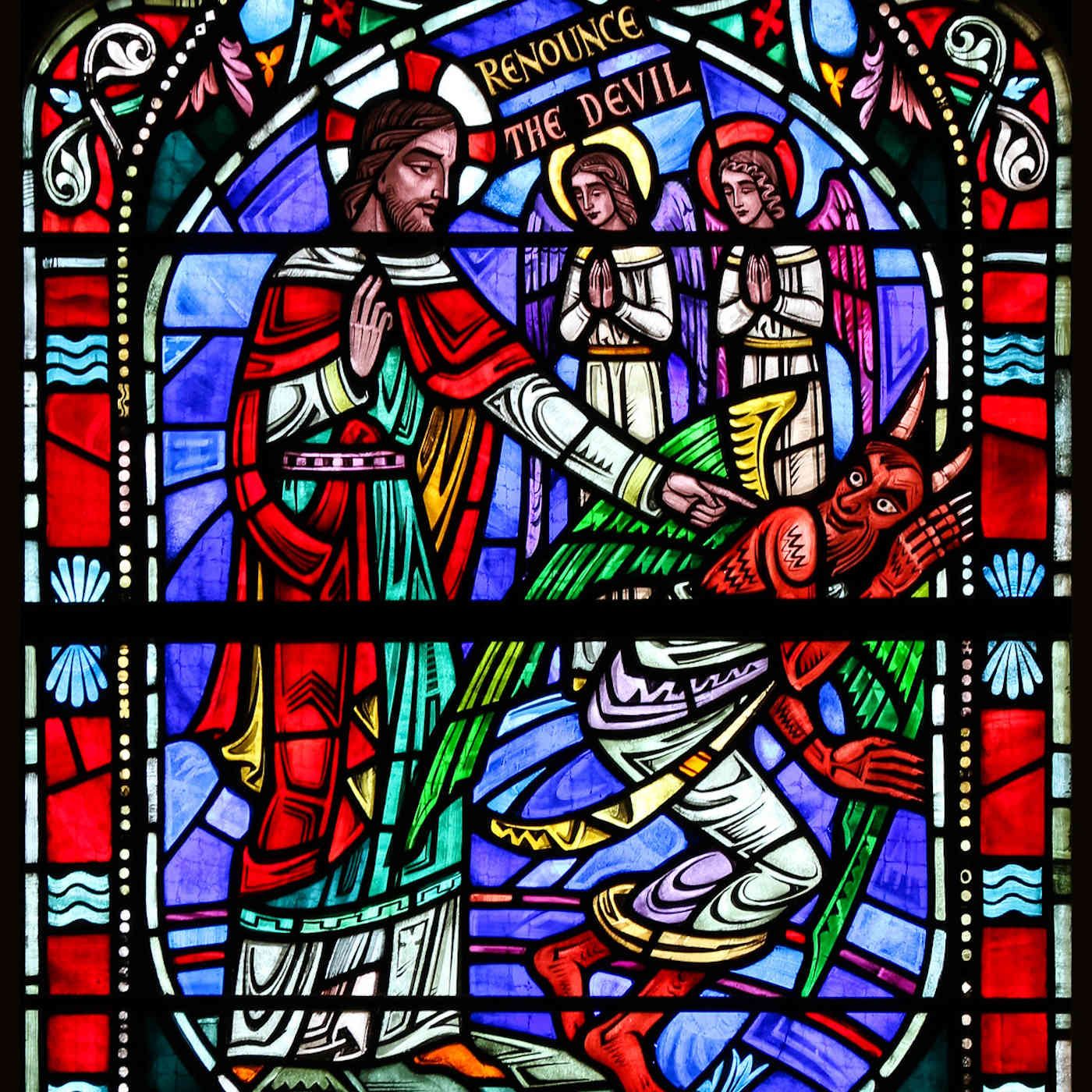
Feb 22
Seventh Sunday in Ordinary Time (Year C) - Kindness Toward All
Read Online “But rather, love your enemies and do good to them, and lend expecting nothing back; then your reward will be great and you will be children of the Most High, for he himself is kind to the ungrateful and the wicked. Be merciful, just as your Father is merciful.” Luke 6:35–36 It is certainly difficult to be “kind to the ungrateful and the wicked.” But doing so is exactly what our Lord commanded us to do. And His command is not a command in the sense of being a burden. On the contrary, it’s a command that frees us from the ingratitude and wickedness we encounter. Oftentimes, when we encounter ingratitude from another, or any other form of wickedness, we tend to react in kind. Our fallen human nature lures us into cruelty when faced with cruelty. We criticize, condemn, attack and get angry. But Jesus is very clear that this is not how the “Most High” acts toward the wicked. And it is not how He acts toward us. In the end, the wicked who fail to repent will endure the consequences of their rejection of God’s mercy. But until that final judgment, hope of conversion must always be present. And for that reason, we must never give up on another, no matter how difficult. Kindness shown to everyone, in every circumstance, goes to the heart of the mission we have received as children of God. Think about the person in your life who seems unworthy of your kindness and generosity. Why are they undeserving? Are they truly undeserving? The truth, according to our Lord’s teaching, is that these are not questions we should even ask ourselves. Instead, we must fully commit ourselves to loving everyone who appears to be our enemy, and do good to them and to everyone whom we encounter. Though this is difficult, it won’t be if we understand the goodness that God has shown to us. God has shone us perfect goodness, not because He expected anything back, but simply because He has willed to love us. If we want to be children of God the Most High, then we must reciprocate the love given to us. That’s the nature of God’s love. It cannot be contained. It cannot be selfishly received without also allowing it to pour forth from our lives. When we understand this, we will understand the reason Jesus instructed us to be “kind to the ungrateful and the wicked.” It is simply because this is how God has treated us. Reflect, today, upon the unlimited love God has for you. It is beyond what you could ever comprehend. Reflect, also, upon the great benefit there is in opening yourself to God’s perfect love, kindness, generosity and mercy. The benefit is that you are able to be filled with that which you receive. And as you receive this love of God, it necessarily overflows into the lives of everyone you encounter, the good and the wicked. Everyone must always be offered this love. Do not hesitate, for God does not hesitate with you. Most merciful Lord, You bestow Your abundant goodness upon all people, the good and bad alike. You never cease offering Your love and mercy. May I always be counted among those who fully open themselves to Your grace, and may I always offer this same depth of love to all. Jesus, I trust in You. Source of content: catholic-daily-reflections.com Copyright © 2025 My Catholic Life! Inc. All rights reserved. Used with permission via RSS feed. Matthias Grünewald, Public domain, via Wikimedia Commons
Feb 21
February 22, Feast of the Chair of St. Peter - The Church Shall Always Prevail
Read Online “And so I say to you, you are Peter, and upon this rock I will build my Church, and the gates of the netherworld shall not prevail against it. I will give you the keys to the Kingdom of heaven. Whatever you bind on earth shall be bound in heaven; and whatever you loose on earth shall be loosed in heaven.” Matthew 16:18–19 There are several foundational truths taught to us by this passage above. One of those truths is that “the gates of the netherworld” shall never prevail against the Church. There is much to rejoice over by that fact. Think of the many human institutions that have existed throughout the centuries. The most powerful governments have come and gone. Various movements have come and gone. Countless organizations have come and gone. But the Catholic Church still remains and will remain until the end of time. That is one of the promises of our Lord that we celebrate today. The Church has not remained simply because of good leadership all of these years. In fact, corruption and serious internal conflict have been evident within the Church from the beginning. Popes have lived immoral lives. Cardinals and bishops have lived as princes. Some priests have gravely sinned. And many religious orders have struggled with serious internal divisions. But the Church itself, this shining Bride of Christ, this infallible institution still remains and will continue to remain because Jesus guaranteed it. With today’s modern media by which every sin of every member of the Church is able to be instantly and universally broadcast to the world, there can be a temptation to look down on the Church. Scandal, division, controversy and the like can shake us to the core, at times, and cause some to question their ongoing participation in the Roman Catholic Church. But the truth is that every weakness within Her members should actually be cause for us to renew and deepen our faith in the Church itself. Jesus did not promise that every Church leader would be a saint, but He did promise that “the gates of the netherworld” would not prevail against Her. Reflect, today, upon your own view of the Church today. If scandals and divisions have weakened your faith, then turn your eyes to our Lord and to His holy and divine promise. The gates of the netherworld shall not prevail against the Church. That is a fact promised by our Lord Himself. Believe it and rejoice in that glorious truth. My glorious Bridegroom, You have instituted the Church upon the rock foundation of Peter’s faith. Peter and all of his successors are Your precious gift to us all. Help me to see beyond the sins of others, the scandals and divisions, and to see You, my Lord, leading all people to salvation through Your bride the Church. I renew my faith, this day, in the gift of this One, Holy, Catholic and Apostolic Church. Jesus, I trust in You. Source of content: catholic-daily-reflections.com Copyright © 2025 My Catholic Life! Inc. All rights reserved. Used with permission via RSS feed. Nicolas Poussin, Public domain, via Wikimedia Commons
Feb 20
Friday of the Sixth Week in Ordinary Time - True Fulfillment
Read Online “What profit is there for one to gain the whole world and forfeit his life?” Mark 8:36 This short and direct question is worth much meditation. In Mark’s Gospel, this line comes within the context of Jesus teaching about the requirements of being His disciple. And it comes after Jesus began to explicitly teach that He Himself would suffer and die as the Christ. Think about this question above, starting with the first part of the question. “What profit is there for one to gain the whole world…” Do you want to gain the whole world? For most people, such a possibility is quite enticing. To “gain the whole world” is to gain everything this world has to offer. Imagine being offered unlimited wealth in this world. What if you were to win the largest jackpot any lottery ever offered and more? What if you were able to have beautiful mansions around the world, your own private jet, every modern convenience, the most expensive of cars, and the ability to do whatever you wanted for the rest of your life? Is this enticing? Certainly it is on a superficial level. But it is also a very deceptive enticement, because all of this could not make you any happier or more fulfilled than you already are. The second part of this question is also easy to address. Would you want to forfeit your life? Certainly not. So Jesus offers two contrasting statements in one sentence. Most people would want to gain the whole world but would never want to forfeit their lives. Jesus sets up this contrast as a way of telling us very clearly that we cannot desire one without also choosing the other. In other words, if your heart's desire is for the riches of this world, then you do indeed forfeit your very life to the extent that you give into that desire. On the contrary, if you choose the salvation of your soul, then you must forfeit the desire for the riches and enticements of this world. You cannot desire and choose both. With that said, there might be a very rare soul who has many things in this world but has no attachment to them at all. They live completely detached from the things of this world, finding true satisfaction only in God and His holy will, becoming indifferent to any material things they have. Of course, this is a very difficult interior disposition for one to arrive at when they have accumulated much wealth. Alternately, there are those in this world who have very little. They are truly poor in the literal sense. However, they spend their days dreaming about riches and covet all that they do not have. Sadly, this poor soul is, in fact, just as materially attached as the one who has made riches the goal and focus of life. And that interior attachment will do great spiritual damage. Reflect, today, upon this question of Jesus: “What profit is there for one to gain the whole world and forfeit his life?” Use that question as a source of prayer, meditation and self-examination. Try to be honest about your desires. If you find that you spend much time daydreaming about riches, then pay particular attention to this question. Life in its fullness can never be obtained through those desires or the fulfillment of those desires. God and God alone fulfills. Seek God above all else and you will find that nothing this world has to offer comes close to the riches of the Kingdom of God. Lord, You and You alone are the source of fulfillment in life. Please purify my desires so that I ultimately desire only You and Your holy will. Free me from every deception and false enticement in life so that I will find satisfaction only in You. Jesus, I trust in You. Source of content: catholic-daily-reflections.com Copyright © 2025 My Catholic Life! Inc. All rights reserved. Used with permission via RSS feed. Day of Judgement by Lawrence OP , license CC BY-NC-ND 2.0
Feb 19
Thursday of the Sixth Week in Ordinary Time - Understand, Accept, Embrace
Read Online Jesus and his disciples set out for the villages of Caesarea Philippi. Along the way he asked his disciples, “Who do people say that I am?” Mark 8:27 In answer to this question, the disciples informed Jesus that some thought He was “John the Baptist, others Elijah, still others one of the prophets.” But then Jesus asked the disciples who they thought He was. It was Peter who responded by saying, “You are the Christ.” As we ponder this exchange between Jesus and the disciples, try to hear our Lord ask you the same question. “But who do you say that I am?” Though you most likely will find this easy to answer on an intellectual level, don’t answer it too quickly. Think about it. Deep within your soul, what do you believe about Jesus? Though Peter’s answer is the correct answer, it’s important to ponder what that actually means. This is especially evident by the fact that as soon as Jesus began to explain His mission as the Christ, Peter could not accept it. Jesus explained to Peter and the other disciples that, as the Christ, he would “suffer greatly and be rejected by the elders, the chief priests, and the scribes, and be killed, and rise after three days.” In other words, Jesus wanted the disciples to understand the essence of His mission. His mission was one in which He would become the sacrificial Lamb of God and die for our sins. But this was too much for the disciples to immediately understand, accept and embrace with gratitude. Do you understand, accept and embrace this primary mission of Jesus? Do you understand that because of the sins you have personally committed, you need a Savior? Do you understand that the consequences of your sins are death? Eternal death? And do you further understand that it is only by Jesus’ death that all sin and death are destroyed? Sometimes we can fall into the fallacy of thinking that Jesus is only an inspirational figure Who teaches us how we should live. And though that is true, Jesus is so much more. He is the one and only way to Heaven. Without His death and resurrection we cannot attain Heaven. He is the one and only Savior. The Lamb Who was slain for our sins. The one and only source of eternal redemption. The exclusive bridge between Heaven and humanity. And though you might understand this intellectually to a certain extent, your faith in this fact must enter deeply into your soul so that you can believe it and embrace His gift of eternal salvation within the deepest core of your being. This takes a radical understanding, acceptance and embrace if we are to truly receive the gift of Jesus’ life. Reflect, today, upon how you would answer this question from our Lord. “Who do YOU say that I am?” If you are to answer this correctly, then it requires that you continually deepen your understanding, acceptance and full embrace of the saving mission of our Lord. Though this is a lifelong process, we must never stop entering more deeply into this divine mystery and gift so that we will become completely transformed by the life, death and resurrection of He Who is the Christ of God. Saving Lord, please open my mind and heart to You more deeply this day and every day of my life. May I continually go deeper in my faith and understanding of You and Your divine mission of salvation. As I do, please transform me more and more so that I will be more fully disposed to receive all that You came to bestow upon me. Jesus, I trust in You. Source of content: catholic-daily-reflections.com Copyright © 2025 My Catholic Life! Inc. All rights reserved. Used with permission via RSS feed. Pieter Coecke van Aelst, Public domain, via Wikimedia Commons
Feb 18
Wednesday of the Sixth Week in Ordinary Time - God’s Almighty Power
Read Online When Jesus and his disciples arrived at Bethsaida, people brought to him a blind man and begged Jesus to touch him. He took the blind man by the hand and led him outside the village. Mark 8:22–23 Bethsaida was one of the towns just north of the Sea of Galilee in which Jesus preached. Later in His public ministry, Jesus condemns the town of Bethsaida for its failure to convert. “Woe to you, Bethsaida! For if the mighty deeds done in your midst had been done in Tyre and Sidon, they would long ago have repented in sackcloth and ashes” (Matthew 11:21). It may be because of their lack of faith and immoral living that Jesus led the blind man outside of the city before He cured Him. And it appears that the people who brought the blind man to Jesus brought him not because of their deep faith, but because of curiosity. This might also be the reason that, once Jesus cured the man, He sent him to his home saying, “Do not even go into the village.” Thus, Jesus knew that this miracle would not lead to faith in the hearts of those living in Bethsaida. So, Jesus instructed the man not to return there. God has almighty power and can clearly do whatever He chooses, whenever He chooses. And what He often chooses to do is to exercise His almighty power only in the presence of those who already believe, or at least in the presence of those who have not yet rejected Him. When Jesus encounters people who have heard Him preach but have failed to come to faith, He refuses to perform any miracles in their presence. What this tells us is that faith must come first; then, God’s Almighty power flows freely. Of course, the grace of the Word of God is always given to everyone. The seed of God’s holy Word is always available to all. But it’s important to distinguish between the sending forth of His holy Word of the Gospel and the sending forth of His transforming almighty power. The only way to receive the latter is to first accept the former. Unless we hear, accept and believe in His Word, we will not receive the grace of His transforming power. With that said, it must also be understood that God’s “almighty power” cannot be reduced to miracles alone. We all know that physical miracles are not nearly as prevalent today as they were at the time Jesus walked the earth. But His almighty power is still at work today; and in a way that is even greater than when Jesus walked the earth. Today, His power is one that transforms us interiorly by the fullness of grace and the bestowal of the Holy Spirit. That is the true miracle that we must always seek and anticipate when we have heard the Word of God and responded with authentic faith. Reflect, today, upon your faith and your need for God’s transforming power in your life. Do you see faith alive within you? If so, then you will most certainly encounter the power of God in your life and the transformation given by the Holy Spirit. If you do not see this power of grace and interior transformation at work, then ponder the image of Jesus leading the blind man outside of the city to exercise his power. Seek first to have faith, because if you do, our Lord will be able to remain close to you and will do miracles within your soul. All-powerful Lord, You choose to send forth Your almighty power upon those who have come to faith in You by receiving the Gospel You have sent forth. Please open my ears to hear so that I will choose to convert and believe and, thus, be disposed to be transformed by Your abundant grace. Jesus, I trust in You. Image: Andrey Mironov, CC BY-SA 4.0 , via Wikimedia Commons Source of content: catholic-daily-reflections.com Copyright © 2025 My Catholic Life! Inc. All rights reserved. Used with permission via RSS feed.
Feb 17
Tuesday of the Sixth Week in Ordinary Time - Comprehending the Mysteries of Heaven
Read Online “Do you not yet understand or comprehend? Are your hearts hardened? Do you have eyes and not see, ears and not hear?” Mark 8:17–18 How would you answer these questions that Jesus posed to His disciples if He had posed them to you? It takes humility to admit that you do not yet understand or comprehend, that your heart is in fact hardened, and that you fail to see and hear all that God has revealed. Of course there are various levels to these struggles, so hopefully you do not struggle with them to a grave degree. But if you can humbly confess that you do struggle with these to a certain extent, then that humility and honesty will gain you much grace. Jesus posed these questions to His disciples within the larger context of a discussion about the leaven of the Pharisees and Herod. He knew that the “leaven” of these leaders was like a yeast that corrupted others. Their dishonesty, pride, desire for honors and the like had a seriously negative affect upon the faith of others. So by posing these questions above, Jesus challenged His disciples to see this evil leaven and to reject it. Seeds of doubt and confusion are all around us. It seems these days that almost everything the secular world promotes is in some way contrary to the Kingdom of God. And yet, just like the disciples’ inability to see the evil leaven of the Pharisees and Herod, we also frequently fail to see the evil leaven within our society. Instead, we allow the many errors to confuse us and lead us down the path of secularism. One thing this should teach us is that just because someone has some form of authority or power within society does not mean that they are a truthful and holy leader. And though it’s never our place to judge the heart of another, we absolutely must have “ears to hear” and “eyes to see” the many errors that are held up within our world as good. We must constantly seek to “understand and comprehend” the laws of God and use them as a guide against the lies within the world. One important way to make sure we do this well is to make sure that our hearts never become hardened to the truth. Reflect, today, upon these questions of our Lord and examine them especially within the broader context of society as a whole. Consider the false “leaven” taught by our world and by so many in positions of authority. Reject these errors and recommit yourself to the full embrace of the holy mysteries of Heaven so that those truths and those truths alone become your daily guide. My glorious Lord, I thank You for being the Lord of all Truth. Help me to daily turn my eyes and ears to that Truth so that I will be able to see the evil leaven all around me. Give me wisdom and the gift of discernment, dear Lord, so that I will be able to immerse myself into the mysteries of Your holy life. Jesus, I trust in You. Source of content: catholic-daily-reflections.com Copyright © 2025 My Catholic Life! Inc. All rights reserved. Used with permission via RSS feed. James Tissot, Public domain, via Wikimedia Commons
Feb 16
Monday of the Sixth Week in Ordinary Time - From the Depths
Read Online The Pharisees came forward and began to argue with Jesus, seeking from him a sign from heaven to test him. He sighed from the depth of his spirit and said, “Why does this generation seek a sign? Amen, I say to you, no sign will be given to this generation.” Mark 8:11–12 Jesus had performed many miracles. He healed the sick, restored sight to the blind, hearing to the deaf and fed thousands with only a few fish and loaves of bread. But even after all of that, the Pharisees came to argue with Jesus and demanded a sign from Heaven. The response of Jesus is quite unique. “He sighed from the depth of his spirit…” This sigh was an expression of His holy sorrow over the hardness of hearts of the Pharisees. If they had the eyes of faith, they would have no need for yet another miracle. And if Jesus would have performed a “sign from heaven” for them, even that would not have helped them. And so Jesus does the only thing He can—He sighed. At times, this type of reaction is the only good one. We may all face situations in life where others confront us with harshness and stubbornness. When this happens, we will be tempted to argue with them, condemn them, try to convince them we are right, and the like. But sometimes one of the holiest reactions we can have to the hardness of the heart of another is to experience a deep and holy sorrow. We must also “sigh” from the depths of our spirits. When one is hard of heart, rational talking and arguing will prove to be of little avail. Hardness of heart is also what we traditionally call the “sin against the Holy Spirit.” It’s a sin of obstinacy and stubbornness. In that case, there is little or no openness to the truth. When you experience this in the life of another, silence and a sorrowful heart are often the best reaction. Their hearts need to be softened and your deep sorrow, shared with compassion, may be one of the only responses that can help make a difference. Reflect, today, upon any person in your life with whom you regularly argue, especially regarding matters of faith. Examine your approach and consider changing how you relate to them. Dismiss their irrational arguments and let them see your heart in the same way that Jesus allowed His divine heart to shine forth in a holy sigh. Pray for them, have hope, and allow your sorrow to help melt the most stubborn of hearts. My compassionate Jesus, Your heart was filled with the deepest compassion for the Pharisees. That compassion led You to express a holy sorrow over their stubbornness. Give me Your same heart, dear Lord, and help me to grieve not only over the sins of others, but also over my own sins, especially when I am stubborn of heart. Melt my heart, dear Lord, and help me to also be an instrument of Your holy sorrow to those in need of this grace. Jesus, I trust in You. Source of content: catholic-daily-reflections.com Copyright © 2025 My Catholic Life! Inc. All rights reserved. Used with permission via RSS feed. Jacob Jordaens, Public domain, via Wikimedia Commons
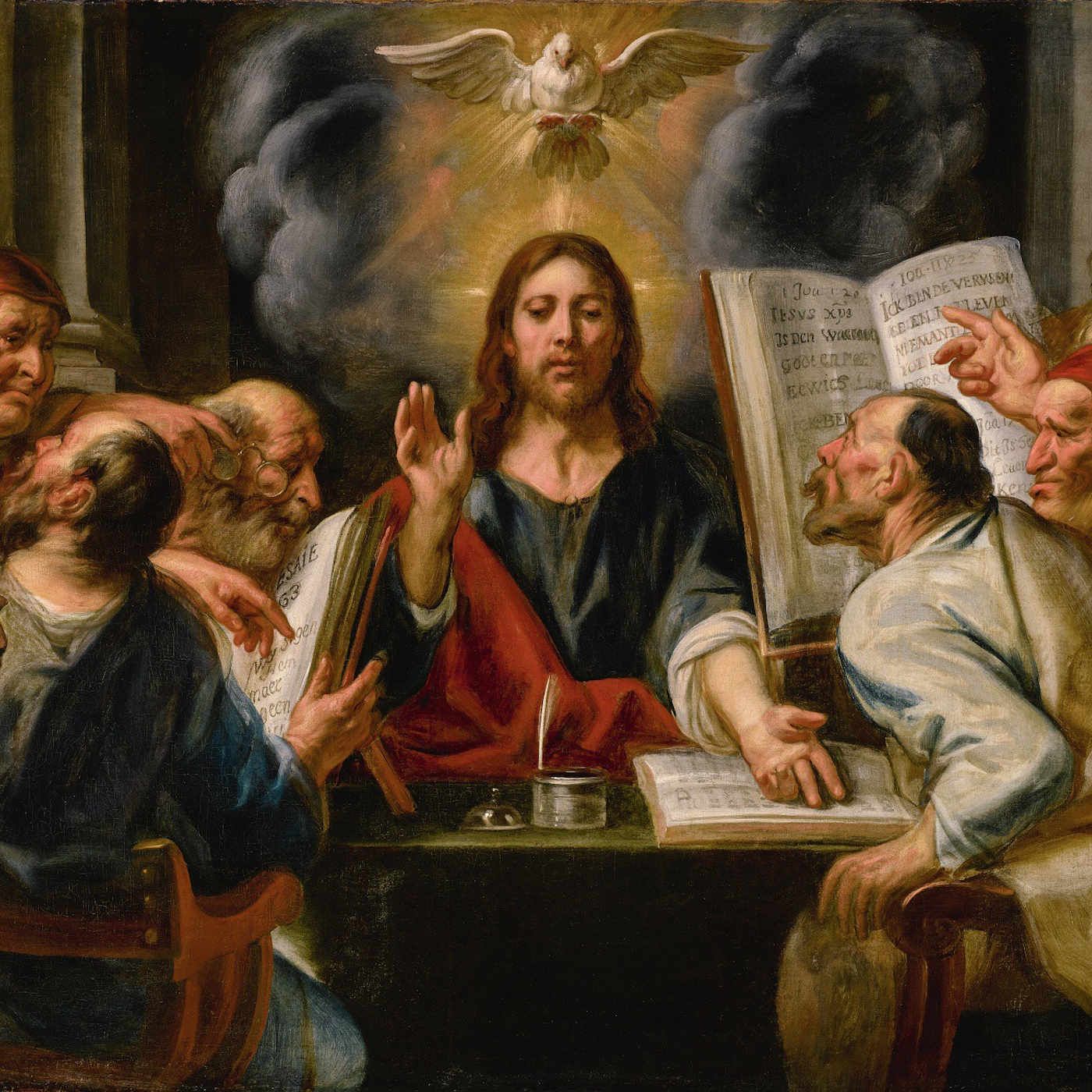
Feb 15
Sixth Sunday in Ordinary Time (Year C) - Beatitudes and Woes
Read Online “But woe to you who are rich, for you have received your consolation. Woe to you who are filled now, for you will be hungry. Woe to you who laugh now, for you will grieve and weep. Woe to you when all speak well of you, for their ancestors treated the false prophets in this way.” Luke 6:24–26 Luke 6:20–49 offers us a shortened version of the Sermon on the Mount found in Matthew’s Gospel. Luke’s version of this sermon takes place on a plain, “a stretch of level ground.” The teachings in the two Gospels are very similar, despite their difference in length. Luke’s teaching on the Beatitudes adds the “woe to you’s” quoted above, which are not found in Matthew’s version. The early Church Father Saint Bede comments that Saint Luke’s version of the “woes” are meant for those who are “uninstructed hearers” because they “must first be brought by terrors to good works.” He goes on to say that the first part of the Beatitudes, the “blessings,” are meant for the “perfect” because they “need but be invited by rewards” rather than fear of punishment. The fact that Saint Luke includes a teaching for both the sinner and the saint should lead us to the conclusion that we can benefit from both approaches in our spiritual lives. When your spiritual life is strong and you are consistently avoiding serious sin, it might be more helpful to reflect regularly upon the blessings found in the Beatitudes. This will have the effect of drawing you into greater perfection as the desire for the reward of holiness becomes the object of your hope. When your spiritual life is weaker and you are regularly struggling with more serious sin, it might be more helpful to reflect upon the woes of the Beatitudes. This will have the effect of deterring you from the cycle of sin you struggle with, on account of the fear of the consequences of those sins. In the end, the Beatitudes and their subsequent woes are meant to point us interiorly to the desires of our hearts. We must become more and more aware of what occupies our thinking and desires. Ultimately, wealth or poverty, hunger or satisfaction, worldly praise or persecution do not matter. What matters is that our hearts are detached from the desires identified in this sermon so that we more fully desire only God and His holy will, regardless of the circumstances of life we find ourselves in. Reflect, today, upon your own spiritual and moral life and first consider whether you are blessed to be living a life that more imitates the saints or whether you more often reflect the serious struggles of the sinner. From there, try to choose which form of teaching you need the most. Do you need to ponder the rewards of seeking even greater beatitude in life so as to grow deeper in holiness? Or do you need Jesus’ clear condemnations to help you break free from the cycle of sin with which you are struggling? Humbly identify that which is most helpful to you right now in your spiritual life and allow this full sermon of Jesus to help you on your journey to the Kingdom of Heaven. Lord of holiness, I do desire to follow You and become truly holy. Please free me from my sin so that I am able to avoid the consequences of those sins. Please help me to also desire the heights of holiness so that I will receive the great rewards that You promised to the saints in Heaven. Jesus, I trust in You. Source of content: catholic-daily-reflections.com Copyright © 2025 My Catholic Life! Inc. All rights reserved. Used with permission via RSS feed. Boston at English Wikipedia & John Stephen Dwyer , CC BY-SA 3.0
Feb 14
Saturday of the Fifth Week in Ordinary Time - First Things First
Read Online “My heart is moved with pity for the crowd, because they have been with me now for three days and have nothing to eat. If I send them away hungry to their homes, they will collapse on the way, and some of them have come a great distance.” Mark 8:2–3 Jesus’ primary mission was a spiritual one. He came to set us free from the effects of sin so that we could enter the glories of Heaven for all eternity. His life, death and resurrection destroyed death itself and opened the way for all who turn to Him to be saved. But Jesus’ love for the people was so complete that He was also attentive to their physical needs. First of all, ponder the first line of this statement of our Lord above: “My heart is moved with pity for the crowd…” Jesus’ divine love was intertwined with His humanity. He loved the entire person, body and soul. In this Gospel story, the people were with Him for three days and they were hungry, but they were showing no signs of leaving. They had become so amazed by our Lord that they didn’t want to leave. Jesus pointed out that their hunger was serious. If He sent them away, He feared that they would “collapse on the way.” Thus, these facts are the basis for His miracle. One lesson we can learn from this story is that of our priorities in life. Oftentimes, we may tend to have our priorities reversed. Of course, taking care of the necessities of life is important. We need food, shelter, clothing and the like. We need to care for our families and provide for their basic needs. But too often we elevate these basic necessities in life over our spiritual need to love and serve Christ, as if the two were opposed to each other. But that’s not the case. In this Gospel, the people who were with Jesus chose to put their faith first. They chose to remain with Jesus despite the fact that they did not have food to eat. Perhaps some people had left a day or two earlier, deciding that the necessity of food took precedence. But those who may have done this missed out on the incredible gift of this miracle in which the entire crowd was fed to the point of being completely satisfied. Of course, our Lord does not want us to be irresponsible, especially if we have a duty to care for others. But this story does tell us that our spiritual need to be fed by the Word of God should always be our greatest concern. When we put Christ first, all other needs are met in accord with His providence. Reflect, today, upon your own priorities in life. What’s more important to you? Your next good meal? Or your life of faith? Though these do not have to be opposed to each other, it’s important to always put your love of God first in life. Ponder this vast crowd of people who spent three days with Jesus in the wilderness without food and try to see yourself with them. Make their choice to remain with Jesus your choice also, so that your love of God becomes the primary focus of your life. My providential Lord, You know my every need and are concerned for every aspect of my life. Help me to trust You so completely that I always put my love of You as my first priority in life. I do believe that if I can keep You and Your will as the most important part of my life, all other necessities in life will fall in place. Jesus, I trust in You. Source of content: catholic-daily-reflections.com Copyright © 2025 My Catholic Life! Inc. All rights reserved. Used with permission via RSS feed. Francisco Herrera the Elder, Public domain, via Wikimedia Commons
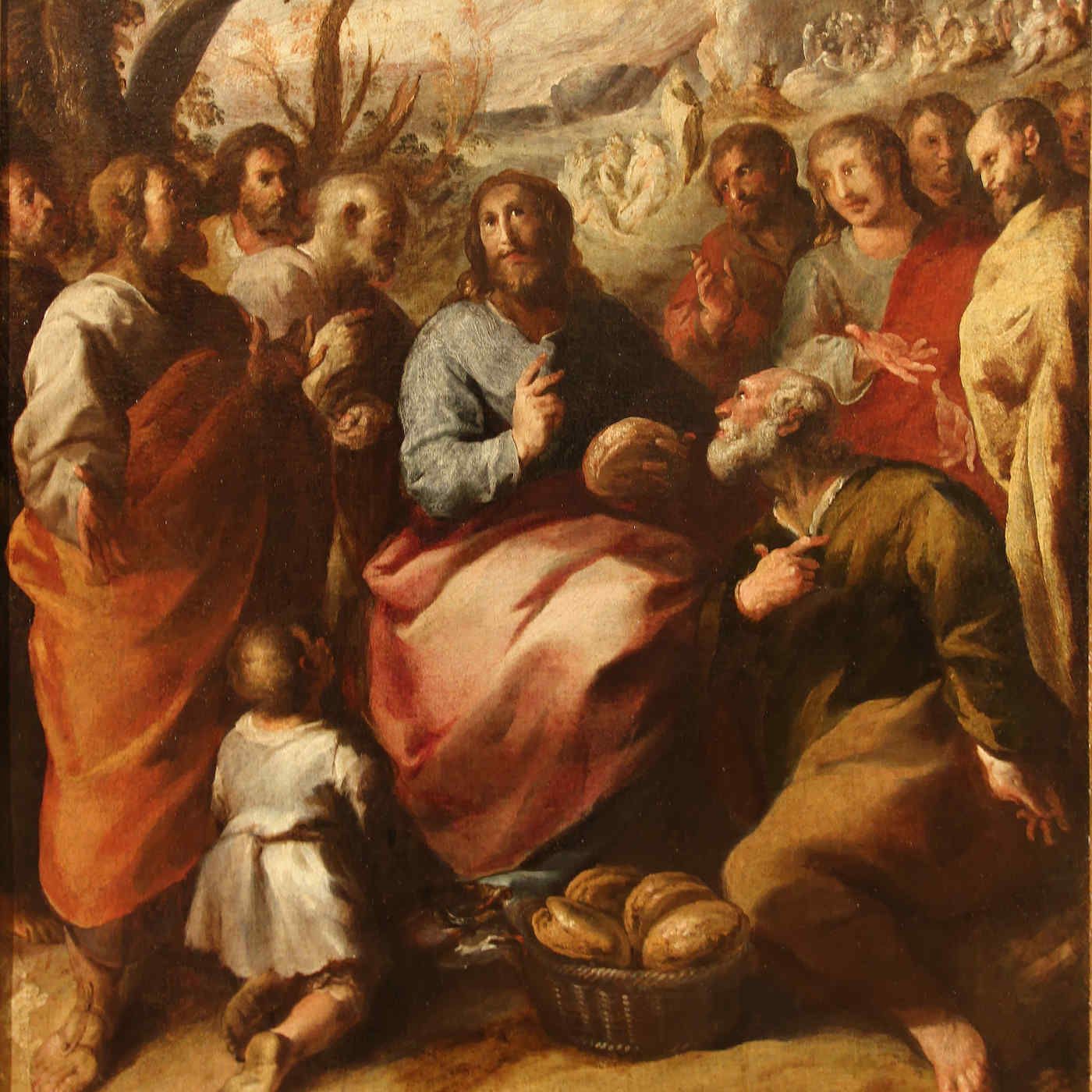
Feb 13
Friday of the Fifth Week in Ordinary Time - Hearing and Speaking the Word of God
Read Online They were exceedingly astonished and they said, “He has done all things well. He makes the deaf hear and the mute speak.” Mark 7:37 This line is the conclusion to the story of Jesus healing a deaf man who also had a speech impediment. The man was brought to Jesus, Jesus took him off by himself, cried out “ Ephphatha! ” (that is, “Be opened!”), and the man was cured. And though this was an incredible gift to this man and an act of great mercy toward him, it also reveals that God wants to use us to draw others to Himself. On a natural level, we all lack the ability to hear the voice of God when He speaks. We need the gift of grace for this. As a result, on a natural level, we are also incapable of speaking the many truths that God wants us to speak. This story teaches us that God also desires to heal our ears so as to hear His gentle voice and to loosen our tongues so that we can become His mouthpiece. But this story is not only about God speaking to each one of us; it also reveals our duty to bring others to Christ who do not know Him. The friends of this man brought him to Jesus. And Jesus took the man off by himself. This gives us insight into how we help others to come to know our Lord’s voice. Oftentimes when we want to share the Gospel with another, we tend to talk to them and try to rationally convince them to turn their lives to Christ. And though this can bear good fruit at times, the real goal we must have is to help them to go off with our Lord by themselves for a while so that Jesus can do the healing. If your ears have truly been opened by our Lord, then your tongue will also be loosened. And only if your tongue is loosened will God be able to draw others to Himself through you. Otherwise your act of evangelizing will only be based on your effort alone. Therefore, if you have people in your life who do not appear to be listening to the voice of God and following His holy will, then first and foremost commit yourself to listening to our Lord yourself. Let your ears hear Him. And when you do hear Him, it will be His voice that, in turn, speaks through you in the way He desires to reach out to others. Reflect, today, upon this Gospel scene. Ponder, especially, the friends of this man as they are inspired to bring him to Jesus. Ask our Lord to use you in a similar way. Prayerfully ponder those in your life whom God wants to call to Himself through your mediation and place yourself at the service of our Lord so that His voice can speak through you in the way He chooses. My good Jesus, please open my ears to hear all that You wish to say to me and please loosen my tongue so that I will become a mouthpiece of Your holy word to others. I offer myself to You for Your glory and pray that You will use me in accord with Your holy will. Jesus, I fully trust in You. Source of content: catholic-daily-reflections.com Copyright © 2025 My Catholic Life! Inc. All rights reserved. Used with permission via RSS feed. Image via Wikimedia Commons
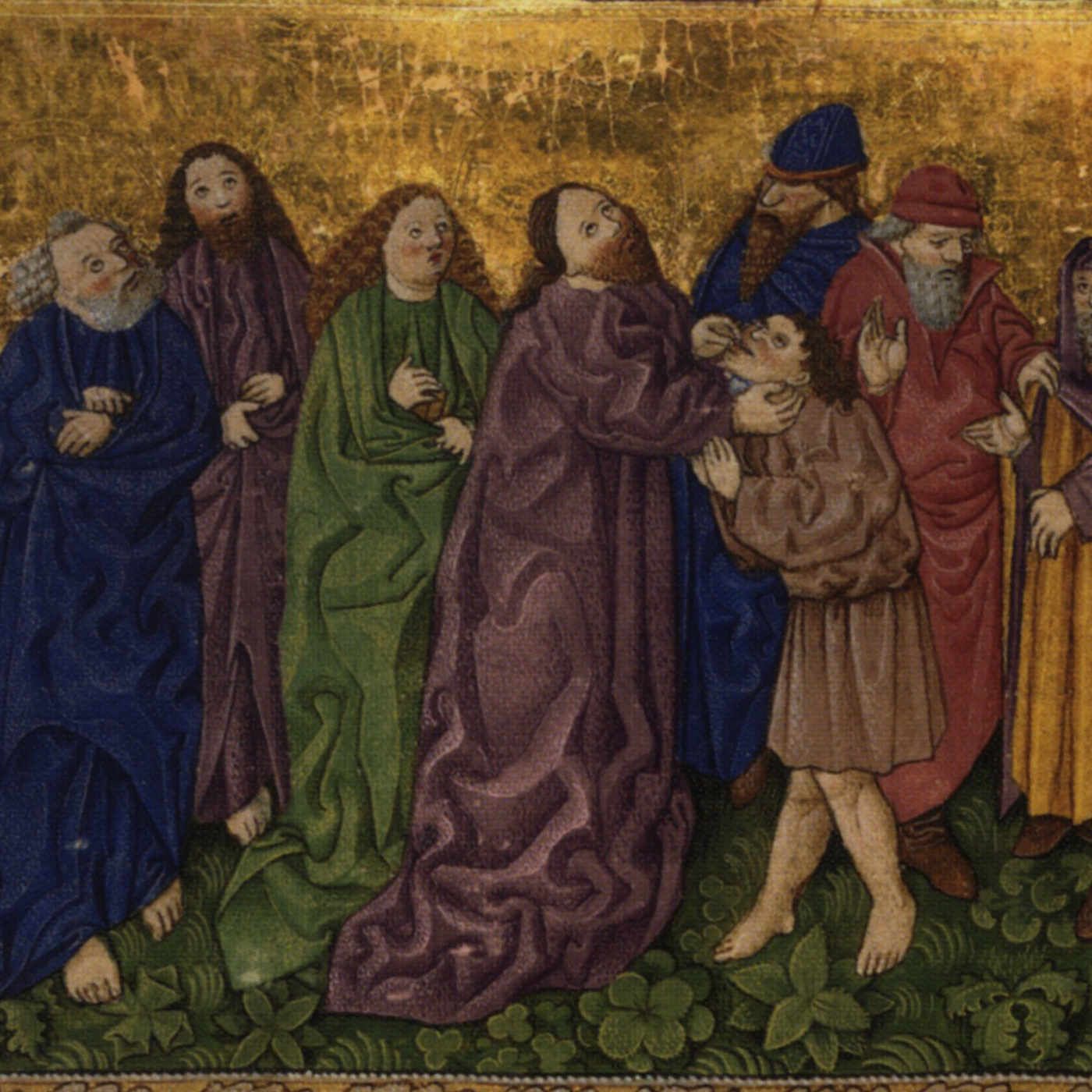
Feb 12
Thursday of the Fifth Week in Ordinary Time - A Gentile’s Faith
Read Online Soon a woman whose daughter had an unclean spirit heard about him. She came and fell at his feet. The woman was a Greek, a Syrophoenician by birth, and she begged him to drive the demon out of her daughter. Mark 7:25–26 A parent’s love is powerful. And the woman in this story clearly loves her daughter. It is that love that drives this mother to seek out Jesus in the hope that He will free her daughter from the demon who possessed her. Interestingly, this woman was not of the Jewish faith. She was a Gentile, a foreigner, but her faith was very real and very deep. When Jesus first encountered this woman, she begged Him to free her daughter from the demon. Jesus' response was at first surprising. He said to her, “Let the children be fed first. For it is not right to take the food of the children and throw it to the dogs.” In other words, Jesus was saying that His mission was first to the people of Israel, the chosen people of the Jewish faith. They were the “children” of whom Jesus was speaking, and the Gentiles, such as this woman, were the ones referred to as “the dogs.” Jesus spoke this way to this woman not out of rudeness but because He could see her deep faith, and He wanted to give her an opportunity to manifest that faith for all to see. And so she did. The woman responded to Jesus, “Lord, even the dogs under the table eat the children’s scraps.” Her words were not only exceptionally humble but were also based on deep faith and a deep love for her daughter. As a result, Jesus responds with generosity and immediately frees her daughter from the demon. In our own lives, it’s easy to fall into the trap of thinking we deserve the mercy of God. We can think that we have a right to God’s grace. And even though Jesus deeply desires to pour forth His grace and mercy in superabundance on our lives, it is essential that we fully understand our unworthiness before Him. The disposition of this woman’s heart sets for us a perfect example of how we must come to our Lord. Reflect, today, upon the beautiful example of this woman of deep faith. Prayerfully read her words over and over. Try to understand her humility, her hope, and her love for her daughter. As you do, pray that you will be able to imitate her goodness so as to share in the blessings she and her daughter received. My merciful Lord, I trust in Your perfect love for me and for all peoples. I pray especially for those who carry heavy burdens and for those whose lives are deeply intertwined with evil. Please set them free, dear Lord, and welcome them into Your family so that they become true children of Your Father. May I have the humility and faith I need to help bring forth this abundance of grace for others. Jesus, I trust in You. Source of content: catholic-daily-reflections.com Copyright © 2025 My Catholic Life! Inc. All rights reserved. Used with permission via RSS feed. Image via Web Gallery of Art
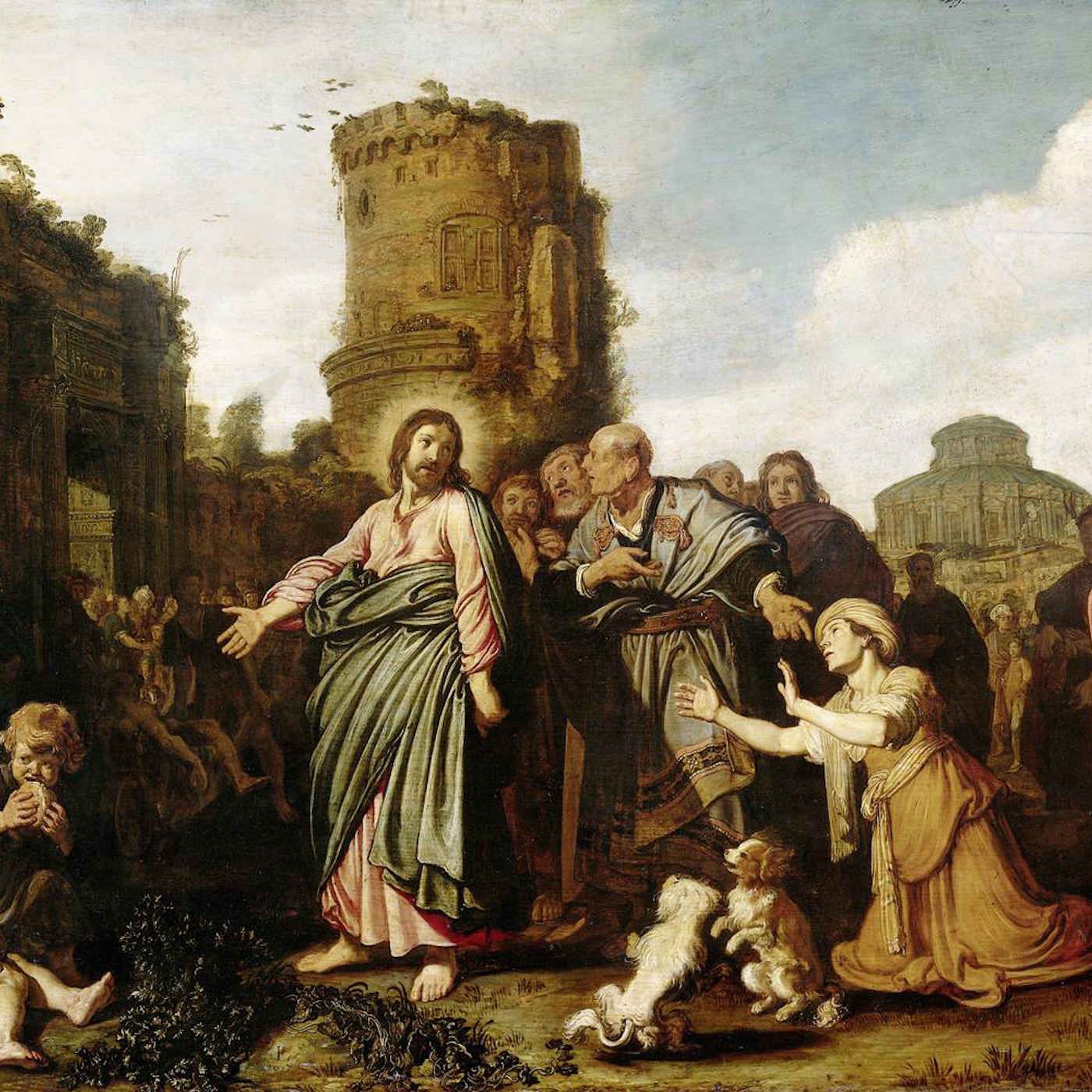
Feb 11
Wednesday of the Fifth Week in Ordinary Time - That Which is Within
Read Online Jesus summoned the crowd again and said to them, “Hear me, all of you, and understand. Nothing that enters one from outside can defile that person; but the things that come out from within are what defile.” Mark 7:14–15 What is within you? What is in your heart? Today’s Gospel concludes with a list of vices that sadly come from within: “evil thoughts, unchastity, theft, murder, adultery, greed, malice, deceit, licentiousness, envy, blasphemy, arrogance, folly.” Of course, none of these vices are desirable when looked at objectively. They are all quite repulsive. And yet too often they are sins that people deal with on a regular basis to one extent or another. Take greed, for example. When understood clearly, no one wants to be known as one who is greedy. It’s a shameful attribute to have. But when greed is not looked at as greed, it’s easy to fall into the trap of living it. One who is greedy desires an excessive amount of this or that. More money, a better house, a nicer car, more luxurious vacations, etc. Thus, when a person is acting in a greedy way, greed does not seem undesirable. It’s only when greed is looked at in an objective way that it is understood for what it is. In this Gospel, by naming this long list of vices, Jesus does us an incredible act of mercy. He rattles us and calls us to step back and look at sin for what it is. Jesus also makes it clear that when you live one or more of these vices, you become defiled. You become greedy, a liar, cruel, a gossip, hateful, arrogant, etc. Objectively speaking, no one wants this. What is it in that list of vices that you struggle with the most? What do you see within your own heart? Be honest with yourself before God. Jesus desires that your heart be pure and holy, freed from these and every filth. But unless you are able to look at your own heart with honesty, it will be difficult to reject the sin with which you struggle. Reflect, today, upon this list of sins identified by our Lord. Consider each one and allow yourself to see each sin for what it truly is. Allow yourself to despise these sins with a holy wrath and then turn your eyes to that sin with which you struggle the most. Know that as you consciously see that sin and reject it, our Lord will begin to strengthen you and purify your heart so that you become freed from that defilement and become, instead, the beautiful child of God you were made to be. My merciful Lord, help me to see sin for what it is. Help me, especially, to see my own sin—that sin within my own heart that defiles me as Your dear child. As I see my sin, give me the grace I need to reject it and to turn to You with all my heart so that I can become a new creation in Your grace and mercy. Jesus, I trust in You! Image: Rembrandt, Public domain, via Wikimedia Commons Source of content: catholic-daily-reflections.com Copyright © 2025 My Catholic Life! Inc. All rights reserved. Used with permission via RSS feed.
Feb 10
Tuesday of the Fifth Week in Ordinary Time - Worship From the Heart
Read Online When the Pharisees with some scribes who had come from Jerusalem gathered around Jesus, they observed that some of his disciples ate their meals with unclean, that is, unwashed, hands. Mark 7:6–8 It seems quite clear that Jesus’ instant fame led these religious leaders to jealousy and envy, and they wanted to find fault with Him. As a result, they carefully observed Jesus and His disciples, and they noticed that Jesus’ disciples were not following the traditions of the elders. So the leaders began questioning Jesus about this fact. Jesus’ response was one of severe criticism of them. He quoted Isaiah the prophet who said, “This people honors me with their lips, but their hearts are far from me; in vain do they worship me, teaching as doctrines human precepts.” Jesus strongly criticized them because their hearts were lacking true worship. The various traditions of the elders were not necessarily bad, such as the careful ceremonial washing of one’s hands before eating. But these traditions were empty if they were not motivated by a deep faith and love of God. The external following of human traditions was not truly an act of divine worship, and that’s what Jesus wanted for them. He wanted their hearts to be set ablaze with a love of God and with true divine worship. What our Lord wants of each one of us is worship. Pure, heartfelt, sincere worship. He wants us to love God with a deep interior devotion. He wants us to pray, to listen to Him, and to serve His holy will with all the powers of our soul. And this is only possible when we engage in authentic worship. As Catholics, our life of prayer and worship is grounded in the holy Liturgy. The Liturgy incorporates many traditions and practices that reflect our faith and become a vehicle of the grace of God. And though the Liturgy itself is far different from the mere “tradition of the elders” that Jesus was criticizing, it’s useful to remind ourselves that the many Liturgies of our Church must move from the external actions to interior worship. Going through the motions alone is pointless. We must allow God to act on us and within us as we engage in the external celebration of the Sacraments. Reflect, today, upon the burning desire in the heart of our Lord to draw you into worship. Reflect upon how well you allow yourself to be drawn into this worship every time you attend the holy Mass. Seek to make your participation not only an exterior one but, first and foremost, an interior one. Doing so will help ensure that the rebuke of our Lord upon the scribes and Pharisees does not also fall upon you. My divine Lord, You and You alone are worthy of all worship, adoration and praise. You and You alone deserve the worship I offer You from the depths of my heart. Help me and Your entire Church to always interiorize our exterior acts of worship so as to give You the glory that is due Your holy name. Jesus, I trust in You. Source of content: catholic-daily-reflections.com Copyright © 2025 My Catholic Life! Inc. All rights reserved. Used with permission via RSS feed. James Tissot, Public domain, via Wikimedia Commons
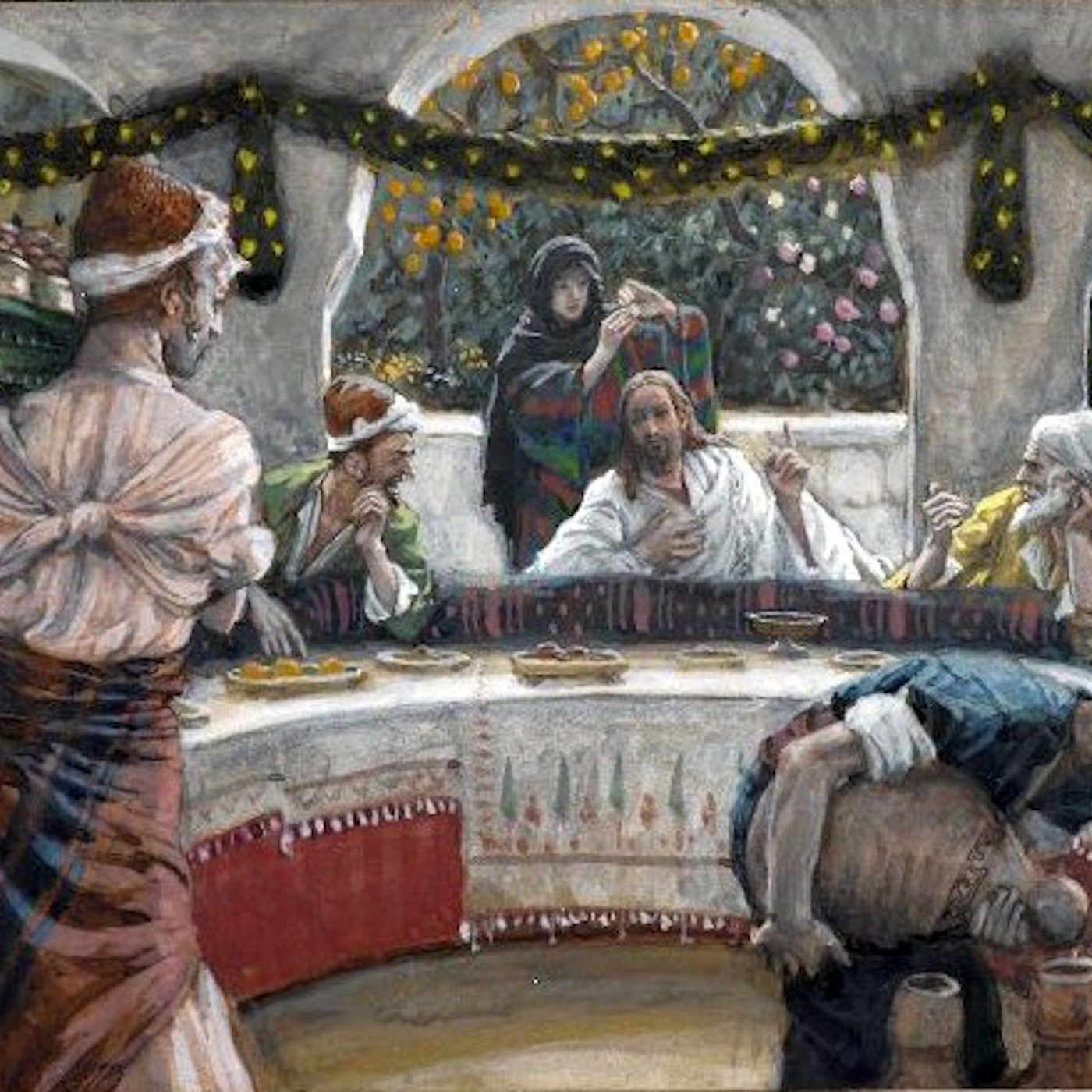
Feb 9
Monday of the Fifth Week in Ordinary Time - Seeking Healing
Read Online Whatever villages or towns or countryside he entered, they laid the sick in the marketplaces and begged him that they might touch only the tassel on his cloak; and as many as touched it were healed. Mark 6:56 It would have been truly awe-inspiring to witness Jesus healing the sick. The people who witnessed this clearly had never seen anything like it before. For those who were sick, or whose loved ones were sick, each healing would have had a powerful effect upon them and upon their whole family. Today, modern science, with its ability to treat so many illnesses, has lessened the fear and anxiety over getting sick. But in Jesus’ time, serious illness was of far greater concern. For that reason, the desire of so many people to bring their sick to Jesus so that they could be healed was very strong. This desire drove them to Jesus so that “they might touch only the tassel on his cloak” and be healed. And Jesus didn’t disappoint. Though Jesus’ physical healings were unquestionably an act of charity given to those who were sick and to their families, they obviously weren’t the most important thing Jesus did. And it’s important for us to remind ourselves of that fact. Jesus' healings were primarily for the purpose of preparing the people to listen to His Word and to ultimately receive the spiritual healing of the forgiveness of their sins. In your own life, if you were seriously ill and were given the option to receive either a physical healing or to receive the spiritual healing of the forgiveness of your sins, which would you choose? Clearly, the spiritual healing of the forgiveness of your sins is of infinitely greater value. It will affect your soul for all eternity. The truth is that this far greater healing is available to us all, especially in the Sacrament of Reconciliation. In that Sacrament, we are invited to “touch the tassel on his cloak,” so to speak, and be spiritually healed. For that reason, we should have a much deeper desire to seek out Jesus in the confessional than the people of Jesus’ day had for physical healing. And yet, too often we ignore the priceless gift of God’s mercy and healing offered so freely to us. Reflect, today, upon the desire in the hearts of the people in this Gospel story. Think, especially, about those who were seriously ill and about their burning desire to come to Jesus for healing. Compare that desire in their hearts to the desire, or lack of desire, in your heart to run to our Lord for the spiritual healings your soul so desperately needs. Seek to foster a greater desire for this healing, especially as it comes to you through the Sacrament of Reconciliation. My healing Lord, I thank You for the spiritual healing You continually offer me, especially through the Sacrament of Reconciliation. I thank You for the forgiveness of my sins on account of You suffering on the Cross. Fill my heart with a greater desire to come to You so as to receive the greatest gift I could ever receive: the forgiveness of my sins. Jesus, I trust in You. Source of content: catholic-daily-reflections.com Copyright © 2025 My Catholic Life! Inc. All rights reserved. Used with permission via RSS feed. Image via Adobe Stock
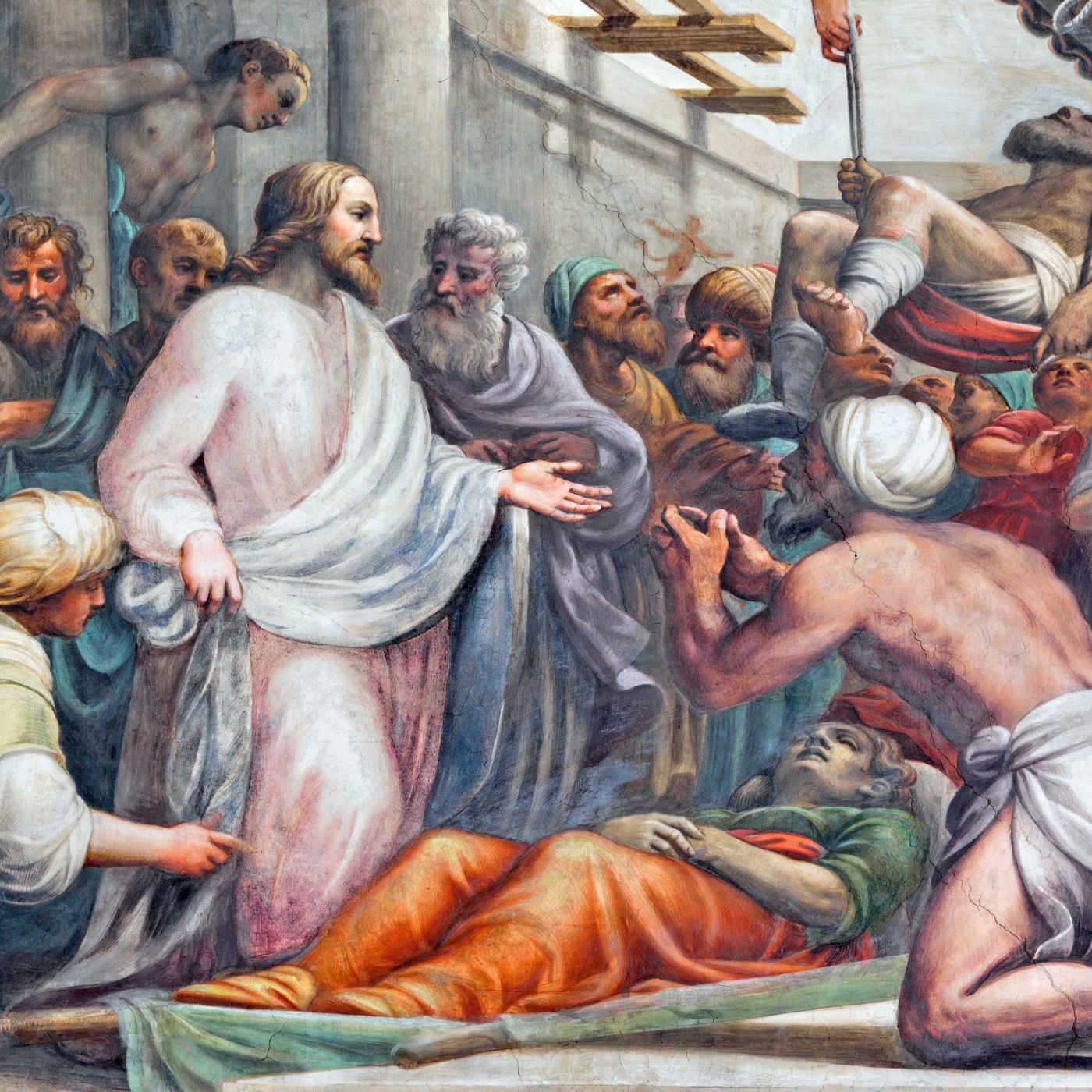
Feb 8
Fifth Sunday in Ordinary Time (Year C) - Overcoming Discouragement
Read Online After he had finished speaking, he said to Simon, “Put out into deep water and lower your nets for a catch.” Simon said in reply, “Master, we have worked hard all night and have caught nothing, but at your command I will lower the nets.” When they had done this, they caught a great number of fish and their nets were tearing. Luke 5:4–6 Jesus had just cured Simon Peter’s mother-in-law as one of His first miracles. As a result of this and other miracles, Peter’s entire hometown of Capernaum, as well as many of the surrounding towns, were quickly coming to faith in Jesus. Today’s Gospel takes place during this initial excitement over our Lord. In it, Jesus personally invites Peter to become an Apostle, promising to make him a fisher of men. There is much symbolism in this passage worth pondering. First, notice that Jesus uses something very familiar to Peter to invite Him to become one of the Twelve Apostles. He used his trade of fishing. This is similar to the way God used a star to draw the Magi, who were astrologers, to Bethlehem. Another symbolic action Jesus uses is that of putting out “into deep water.” It was not enough to simply go a short distance from shore. Instead, the deep water was to symbolize the fact that the Gospel was to go forth to the ends of the earth, just as the fishermen were to fish in the depths of the sea. Finally, the fact that they “caught a great number of fish” symbolizes the superabundance that would come forth through Peter’s apostolic ministry. And the fact that the “nets were tearing” points to the fullness that everyone will experience when they embark upon the mission of Christ. Though the symbolic aspects of this Gospel passage are worth much prayerful pondering, there is another line within the Gospel that might speak to you just as powerfully. Peter had been fishing all night and had caught nothing. The fact that he relates this to Jesus suggests that he was tired and perhaps even discouraged. Any fisherman could relate to this. But the important lesson Peter teaches us is that he does not give in to that discouragement. And the reason he doesn’t give in to discouragement is because it was Jesus Who commanded him to lower the nets. In our own lives, we can all get discouraged at times. But the real test of our fidelity to God is whether or not we continue to listen to His commands of love and respond generously, dispelling any temptations to discouragement when things do not seem to be going our way. If we can do this, it is especially in these moments that God often uses us in powerful ways. Reflect, today, upon the voice of God in your life. What is it that you sense Him calling you to do? What is that “deep water” to which He is calling you? As you ponder this, reflect especially upon the words of Peter, “Master…at your command I will lower the nets.” Say “Yes” to the command of our Lord. Do so even if it is difficult, and especially if you do not feel like doing what He asks of you. If you do, you will find that in this act of fidelity, God will bring forth an abundance of good fruit. My miraculous Lord, You gave a command of love to Saint Peter, and he obeyed You with generosity. As a result, You brought forth an abundant catch. Please give me the strength of will to obey all that You speak to me, so that You will bring forth an abundance of good fruit in my life also. Jesus, I trust in You. Source of content: catholic-daily-reflections.com Copyright © 2025 My Catholic Life! Inc. All rights reserved. Used with permission via RSS feed. Image via Flickr , CC BY-NC-SA 2.0
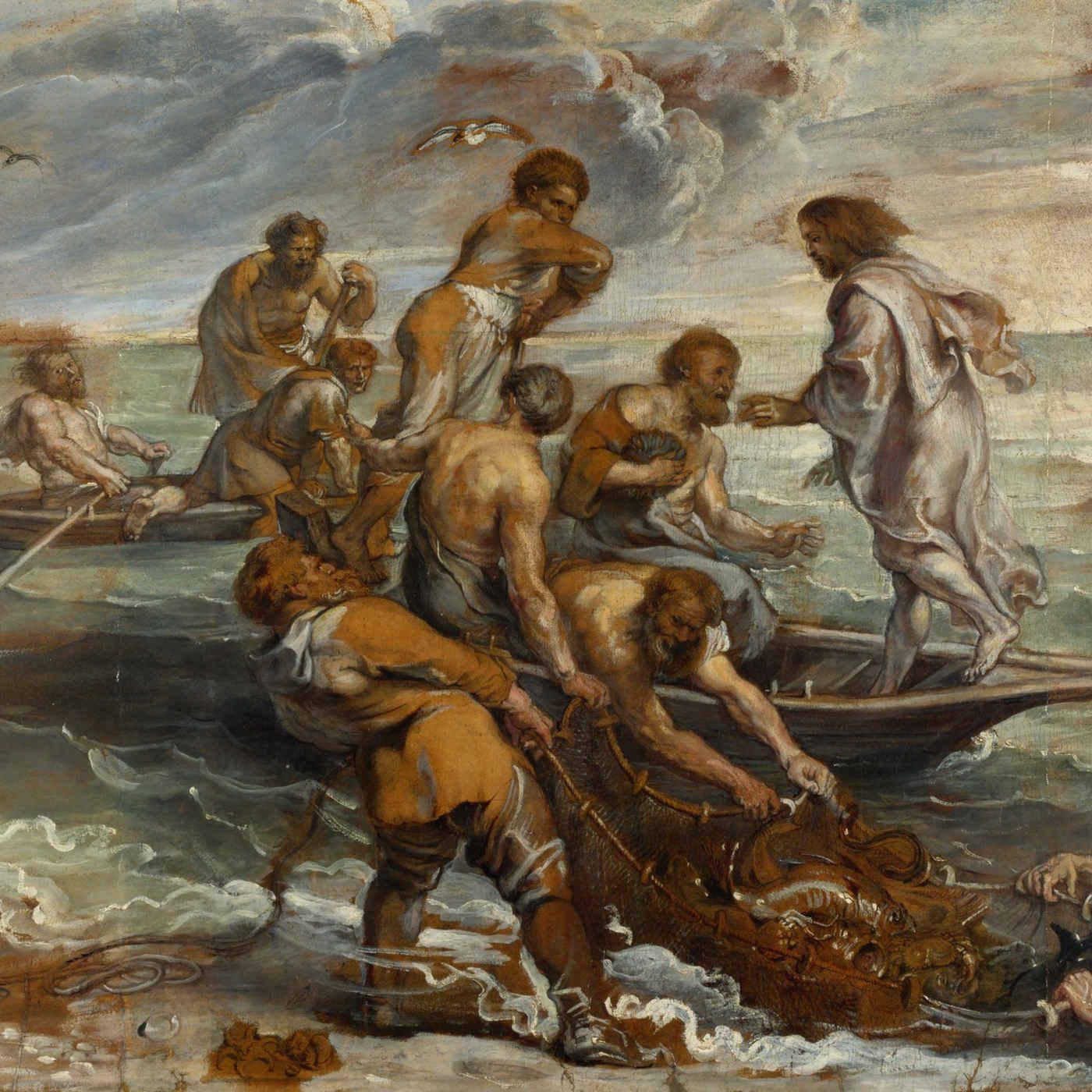
Feb 7
Saturday of the Fourth Week in Ordinary Time - Unexpected Ministry
Read Online “Come away by yourselves to a deserted place and rest a while.” Mark 6:34 The Twelve had just returned from going about the countryside preaching the Gospel. They were tired. Jesus, in His compassion, invites them to come away with Him to rest for a while. So they get in a boat to cross over to a deserted place. But when the people hear about this, they hurry on foot to the place that their boat was heading. So, when the boat arrives, there is a crowd awaiting them. Of course, Jesus does not get upset. He does not get discouraged by the burning desire of the people to be with Him and the Twelve. Instead, the Gospel relates that when Jesus saw them, “his heart was moved with pity,” and He began to teach them many things. In our own lives, after serving others well, it’s understandable to desire rest. Even Jesus desired this for Himself and His Apostles. But the one thing that Jesus permitted to “interrupt” His rest was the clear desire of the people to be with Him and to be fed by His preaching. There is much to learn from this example of our Lord. For example, there are many times when a parent may only want to be alone for a while, and yet family concerns arise that need their attention. Priests and religious may also have unexpected duties that arise from their ministry that can, at first, appear to interrupt their plans. The same can be said for any vocation or situation in life. We may think we need one thing, but then duty calls and we find we are needed in a different way. One key to sharing in the apostolic mission of Christ, be it to our families, Church, communities or friends, is to be ready and willing to be generous with our time and energy. It’s true that prudence will dictate the need for rest at times, but at other times the call to charity will supersede what we perceive as a legitimate need for our own rest and relaxation. And when true charity is demanded of us, we will always find that our Lord gives us the needed grace to be generous with our time. It is often in those moments when our Lord chooses to use us in ways that are truly transforming for others. Reflect, today, upon the true needs of those around you. Are there people who would greatly benefit from your time and attention today? Are there needs that others have that will require you to change your plans and to give of yourself in a way that is difficult? Do not hesitate to give generously of yourself to others. In fact, this form of charity is not only transforming for those whom we serve, it is often one of the most restful and rejuvenating activities we can also do for ourselves. My generous Lord, You gave of Yourself without reserve. People came to You in their need, and You did not hesitate to serve them out of love. Give me a heart that imitates Your generosity and help me to always say “Yes” to the charitable work to which I am called. May I learn to find great joy in serving others, especially in those unplanned and unexpected circumstances of life. Jesus, I trust in You. Source of content: catholic-daily-reflections.com Copyright © 2025 My Catholic Life! Inc. All rights reserved. Used with permission via RSS feed. Rembrandt, Public domain, via Wikimedia Commons
Feb 6
Friday of the Fourth Week in Ordinary Time - “Perplexed” by the Truth
Read Online Herod feared John, knowing him to be a righteous and holy man, and kept him in custody. When he heard him speak he was very much perplexed, yet he liked to listen to him. Mark 6:20 Ideally, when the Gospel is preached and received by another, the effect is that the receiver is filled with joy, consolation and a desire to change. The Gospel is transforming for those who truly listen and respond with generosity. But what about those who do not respond with generosity? What effect does the Gospel have upon them? Our Gospel today gives us that answer. The line above comes from the story of the beheading of Saint John the Baptist. The bad actors in this story are Herod, Herod’s illegitimate wife Herodias, and Herodias’ daughter (traditionally named Salome). John had been imprisoned by Herod because John told Herod, “It is not lawful for you to have your brother’s wife.” But what’s most interesting about this story is that, even in prison, Herod would listen to John preach. But instead of leading Herod to conversion, he was left “perplexed” by what John preached. Being “perplexed” was not the only reaction to John’s preaching. Herodias’ reaction was one of hatred. She appeared to be stung to the heart by John’s condemnation of her “marriage” to Herod, and it was she who then orchestrated John’s beheading. This Gospel, then, teaches us of two other common reactions to the Truth of the holy Gospel when it is preached. One is hatred and another is confusion (being perplexed). Obviously, hatred is far worse than simply being perplexed. But neither is the right reaction to the words of Truth. What is your reaction to the full Gospel when it is preached? Are there aspects of the Gospel that leave you uneasy? Are there teachings of our Lord that confuse you or lead you to anger? First look within your own heart to determine if you struggle with having a similar reaction as did Herod and Herodias. And then consider how the world reacts to the Truth of the Gospel. We should not be surprised at all that we find many Herods and Herodiases alive today. Reflect, today, upon any ways that you see the Gospel being rejected on one level or another. If you sense this within your own heart, then repent with all your might. If you see it elsewhere, do not allow the hostility to shake you or concern you. Keep your mind and heart upon the Truth and remain steadfast no matter the reaction you encounter. My Lord of all Truth, Your Word and Your Word alone brings grace and salvation. Please give me the grace I need to always listen to Your Word and to respond generously with all my heart. May I repent when I am convicted by Your Word and may I wholeheartedly return to You. Give me courage when others reject Your Truth and wisdom to know how to share that Word with love. Jesus, I trust in You. Source of content: catholic-daily-reflections.com Copyright © 2025 My Catholic Life! Inc. All rights reserved. Used with permission via RSS feed. Pieter de Grebber, Public domain, via Wikimedia Commons

Feb 5
Thursday of the Fourth Week in Ordinary Time - Relying Upon Divine Providence
Read Online Jesus summoned the Twelve and began to send them out two by two and gave them authority over unclean spirits. He instructed them to take nothing for the journey but a walking stick—no food, no sack, no money in their belts. Mark 6:7–8 Why would Jesus instruct the Twelve to go forth to preach with authority but to take nothing with them on the journey? Most people who set out on a journey prepare ahead and make sure to pack what they need. Jesus’ instruction was not so much a lesson in relying upon others for basic needs as it was a lesson on reliance upon divine providence for their ministry. The material world is good in and of itself. All creation is good. Therefore, there is nothing wrong with having possessions and using them for our good and for the good of those who have been entrusted to our care. But there are times when God wants us to rely more upon Him than upon ourselves. The story above is one of those situations. By instructing the Twelve to go forth on their mission without bringing the basic necessities of life, Jesus was helping them to trust not only in His providence for those basic needs but also to trust that He would provide for them spiritually in their mission of preaching, teaching and healing. They were given great spiritual authority and responsibility and, for that reason, needed to rely upon the providence of God to a far greater extent than others. Thus, Jesus exhorts them to trust Him regarding their basic needs so that they will also be disposed to trust Him on this new spiritual mission. The same is true in our lives. When God entrusts us with a mission to share the Gospel with another, He will often do so in a way that requires great trust on our part. He will send us forth “empty-handed,” so to speak, so that we will learn to rely upon His gentle guidance. Sharing the Gospel with another is an incredible privilege, and we must realize that we will be successful only if we rely wholeheartedly upon the providence of God. Reflect, today, upon those to whom you sense God wants you to reach out to with the Gospel. How do you do this? The answer is quite simple. You do so only by relying upon the providence of God. Step out in faith, listen to His guiding voice every step of the way, and know that His providence is the only way that the Gospel message will be effectively shared. My trustworthy Lord, I accept Your call to go forth and to share Your love and mercy with others. Help me to always rely upon You and Your providence for my mission in life. Use me as You will and help me to trust in Your guiding hand for the upbuilding of Your glorious Kingdom on earth. Jesus, I trust in You. Source of content: catholic-daily-reflections.com Copyright © 2025 My Catholic Life! Inc. All rights reserved. Used with permission via RSS feed. Phillip Medhurst, CC BY-SA 3.0 , via Wikimedia Commons
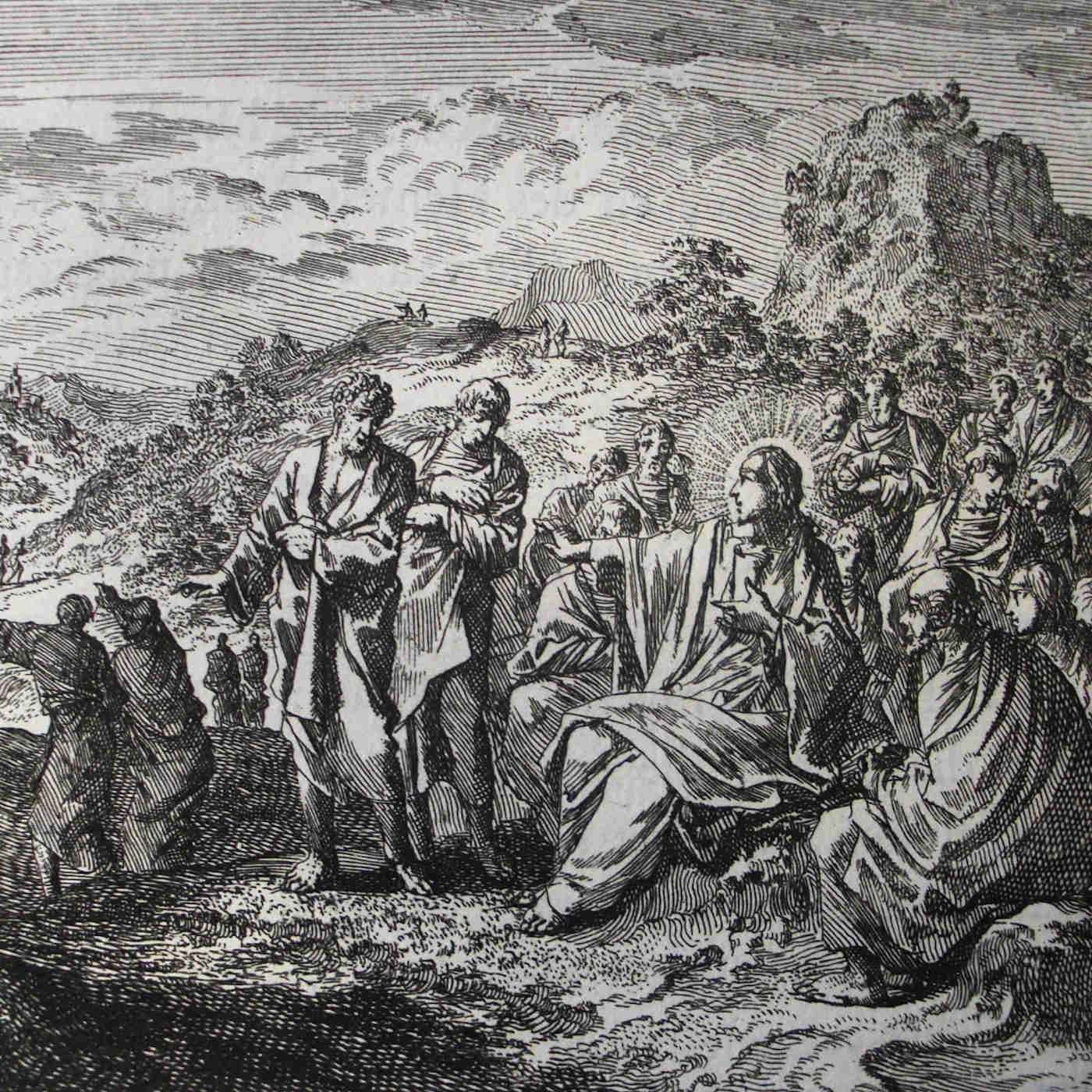
Feb 4
Wednesday of the Fourth Week in Ordinary Time - Christ All Around Us
Read Online “Is he not the carpenter, the son of Mary, and the brother of James and Joseph and Judas and Simon? And are not his sisters here with us?” And they took offense at him. Mark 6:3 After traveling throughout the countryside performing miracles, teaching the crowds and gaining many followers, Jesus returned to Nazareth where He grew up. Perhaps His disciples were excited to return with Jesus to His native place, thinking that His own townspeople would be overjoyed to see Jesus again because of the many stories of His miracles and authoritative teaching. But the disciples were soon to have quite a surprise. After arriving in Nazareth, Jesus entered the Synagogue to teach, and He taught with an authority and wisdom that confounded the locals. They said among themselves, “Where did this man get all this? What kind of wisdom has been given him?” They were confused because they knew Jesus. He was the local carpenter who worked for years with His father who was a carpenter. He was Mary’s son, and they knew His other relatives by name. The primary difficulty Jesus’ townspeople had was their familiarity with Jesus. They knew Him. They knew where He lived. They knew Him as He grew up. They knew His family. They knew all about Him. Therefore, they wondered how Jesus could be anything special. How could He now teach with authority? How could He now do miracles? Thus, the townspeople were astonished, and they allowed that astonishment to turn into doubt, judgment and criticism. The same temptation is something we all deal with more than we may realize. It is often easier to admire a stranger from afar than one whom we know well. When we hear of someone for the first time who is doing something admirable, it’s easy to join in that admiration. But when we hear good news about someone we know well, we can easily be tempted to jealousy or envy and to be skeptical and even critical. But the truth is that every saint has a family. And every family potentially has brothers and sisters, cousins and other relatives through whom God will do great things. This should not surprise us—it should inspire us! And we should rejoice when those close to us and with whom we are familiar are used powerfully by our good God. Reflect, today, upon those whom you are familiar with in life, especially your own family. Examine whether or not you struggle with an ability to see beyond the surface and accept that God dwells within everyone. We must constantly seek to discover the presence of God all around us, especially in the lives of those whom we know very well. My ever-present Lord, thank You for the countless ways in which You are present in the lives of those all around me. Give me the grace to see You and to love You in the lives of those closest to me. As I discover Your glorious presence in their lives, fill me with deep gratitude and help me to acknowledge Your love that comes forth from their lives. Jesus, I trust in You. Source of content: catholic-daily-reflections.com Copyright © 2025 My Catholic Life! Inc. All rights reserved. Used with permission via RSS feed. Image: James Tissot, Public domain, via Wikimedia Commons
Feb 3
Tuesday of the Fourth Week in Ordinary Time - Fear Transformed by Faith
Read Online While he was still speaking, people from the synagogue official’s house arrived and said, “Your daughter has died; why trouble the teacher any longer?” Disregarding the message that was reported, Jesus said to the synagogue official, “Do not be afraid; just have faith.” Mark 5:35–36 This short line is one worth pondering every day. “Do not be afraid; just have faith.” This statement can apply to many situations we experience throughout our lives. It is a command of love from our Lord and is a command that we all need to hear, especially when hardships come our way. First, it should be noted that this was a grave situation in which extreme emotion and temptations to fear would be understandable. The father in this story had a young daughter at the point of death, and he came to beg Jesus to heal her. Jesus agreed. But while they were on their way, Jesus and the father received the heartbreaking news that the daughter had just died. As any parent would know, this news must have been incredibly difficult to hear. So begin by trying to understand the grief that this father was experiencing. Try to especially understand his grief at that moment as he heard this devastating news. As you ponder his grief, try to also ponder the heart, thinking, emotions and words of Jesus. Jesus had no fear. He knew that this would end very well. But because He also had deep empathy and love for this grieving father, Jesus turned to him to give him hope. Hope in the midst of a very difficult and painful experience in life is hard to come by. When faced with grief, it is very tempting to give in to despair. Despair is a complete loss of hope. Despair keeps us from God and strips us of faith. But despair is always avoidable if we follow Jesus’ command of love. “Do not be afraid; just have faith.” What is it that tempts you to fear in life? What is it that tempts you to lose your hope? Perhaps you struggle with the death of a loved one, and you find it very difficult. Perhaps your grief comes from small sources and is only minor right now. The truth is that all of us will experience small temptations to lose hope every day. And most will also experience grave temptations at one time or another. For these reasons, we must all constantly listen to Jesus’ words and work to dispel every fear in life as we invite God to bestow upon us the gift of hope that comes from unwavering faith in His plan for our lives. Reflect, today, upon any struggles you have with despair, fear or anxiety in life. As you do, know that all things are possible when you turn to God with faith. Faith does not necessarily remove the hardships of life; it does something even better. It transforms hardships so that you can endure them with grace, joy and supernatural hope. When this happens, everything in life has the potential to be used by God for our good. All we need to do is continually reject fear and “just have faith.” My compassionate Lord, You consoled this grieving father and instilled within him the gifts of faith and hope. Please also speak your command of love to me, calling me to trust in You no matter what I struggle with in life. May I always have faith in You and never fall into despair or fear. Jesus, I trust in You. Source of content: catholic-daily-reflections.com Copyright © 2025 My Catholic Life! Inc. All rights reserved. Used with permission via RSS feed. Image: Gabriel von Max, CC0, via Wikimedia Commons

Feb 2
Monday of the Fourth Week in Ordinary Time - Never Give Up on Another
Read Online “What have you to do with me, Jesus, Son of the Most High God? I adjure you by God, do not torment me!” (He had been saying to him, “Unclean spirit, come out of the man!”) He asked him, “What is your name?” He replied, “Legion is my name. There are many of us.” Mark 5:7–9 To most people, such an encounter would be terrifying. This man whose words are recorded above was possessed by a multitude of demons. He lived on the hillsides among various caves by the sea, and no one wanted to go near him. He was a violent man, crying out day and night, and all the townspeople were fearful of him. But when this man saw Jesus at a distance, something amazing happened. Instead of Jesus being terrified of the man, the multitude of demons possessing the man became terrified of Jesus. Jesus then commanded the many demons to leave the man and enter a herd of about two thousand swine instead. The swine immediately ran down the hill into the sea and drowned. The possessed man returned to normal, becoming clothed and in his right mind. All who saw him were amazed. Clearly, this brief summary of the story does not adequately explain the terror, trauma, confusion, suffering, etc., that this man endured during the years of his diabolical possession. And it does not adequately explain the grave suffering of this man's family and friends, as well as the disorder caused to the local townspeople as a result of his possession. Thus, to better understand this story, it is useful to contrast the before-and-after experience of all involved. It was very difficult for everyone to comprehend how this man could go from being possessed and out of his mind to calm and rational. For that reason, Jesus told the man to “Go home to your family and announce to them all that the Lord in his pity has done for you.” Imagine the mix of joy, confusion and disbelief that his family would have experienced. If Jesus could transform the life of this man who was completely possessed by a Legion of demons, then no one is ever without hope. Too often, especially within our families and among old friends, there are those whom we have written off as irredeemable. There are those who have gone so far astray that they seem hopeless. But one thing this story tells us is that hope is never lost for anyone—not even those completely possessed by a multitude of demons. Reflect, today, upon anyone in your life whom you have written off. Perhaps they have hurt you over and over. Or perhaps they have chosen a life of grave sin. Look at that person in the light of this Gospel and know that there is always hope. Be open to God acting through you in a profound and powerful way so that even the most seemingly irredeemable person you know will be given hope through you. My most powerful Lord, I offer to You, this day, the person whom I call to mind who is most in need of Your redeeming grace. May I never lose hope in Your ability to transform their life, to forgive their sins and to bring them back to You. Use me, dear Lord, to be an instrument of Your mercy, so that they will come to know You and experience the freedom You so deeply desire that they receive. Jesus, I trust in You. Source of content: catholic-daily-reflections.com Copyright © 2025 My Catholic Life! Inc. All rights reserved. Used with permission via RSS feed. Image: Giotto, Public domain, via Wikimedia Commons
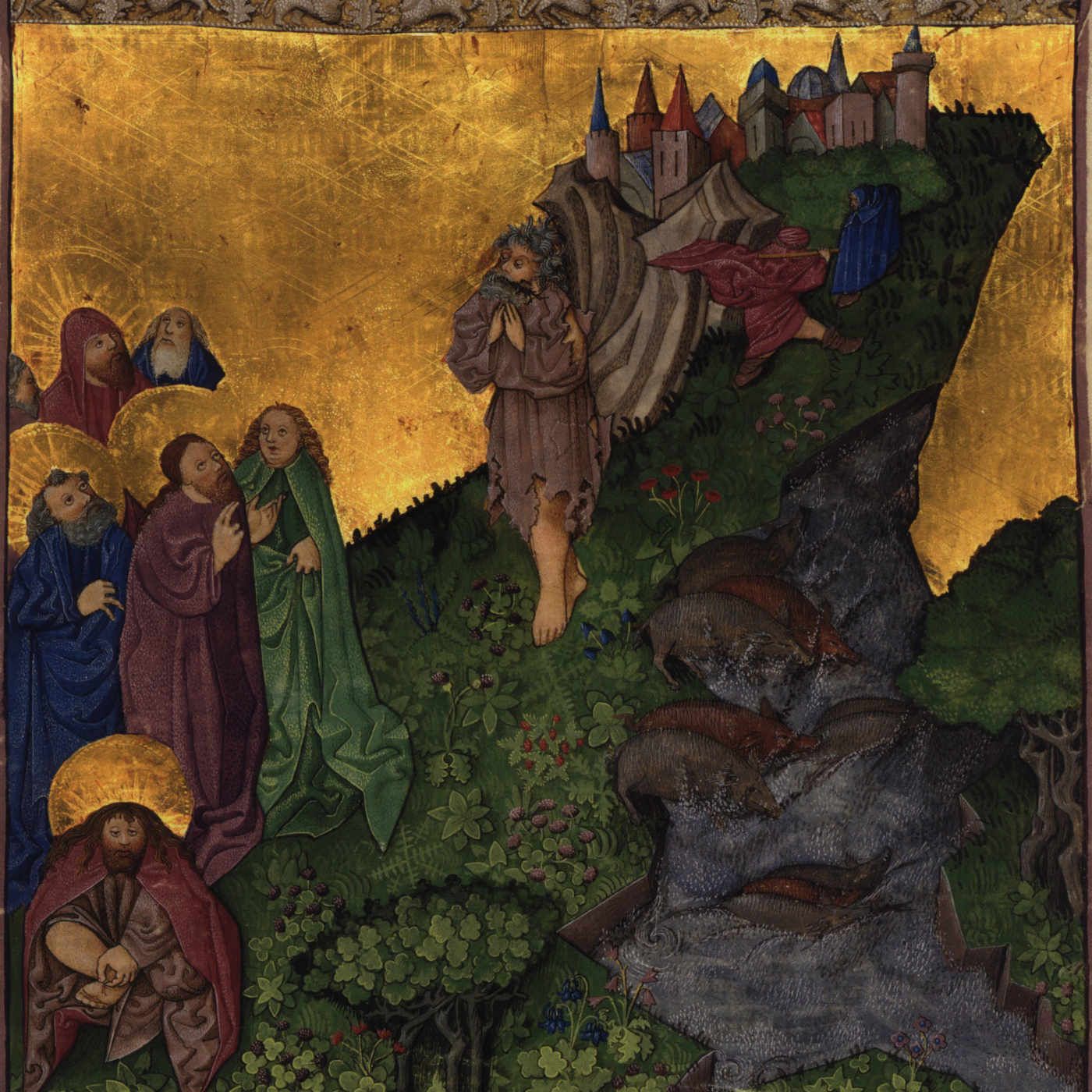
Feb 1
February 2, Feast of the Presentation of the Lord - The Culmination of a Life of Faith
Read Online “Now, Master, you may let your servant go in peace, according to your word, for my eyes have seen your salvation, which you prepared in the sight of all the peoples: a light for revelation to the Gentiles, and glory for your people Israel.” Luke 2:29–32 At the time of Jesus’ birth, there was a man named Simeon who had spent his whole life preparing for one significant moment. Like all faithful Jews at the time, Simeon was waiting for the coming Messiah. The Holy Spirit had revealed to him that he would indeed see the Messiah before his death—and so this happened when Mary and Joseph brought Jesus into the Temple to offer Him to the Lord as an infant. Try to imagine the scene. Simeon had lived a holy and devout life. And deep within his conscience, he knew that his life on earth would not come to an end until he was privileged to see the Savior of the World with his own eyes. He knew this by a special gift of faith, an interior revelation of the Holy Spirit, and he believed. It’s helpful to think about this unique gift of knowledge that Simeon had throughout his life. Normally we gain knowledge through our five senses. We see something, hear something, taste, smell, or feel something, and as a result come to know it to be true. Physical knowledge is very reliable and is the normal way we come to know things. But this gift of knowledge Simeon had was different. It was deeper and was spiritual in nature. He knew he would see the Messiah before he died, not because of some external sensory perception he had received but because of an interior revelation from the Holy Spirit. This truth begs the question, which type of knowledge is more certain? Something you see with your eyes, touch, smell, hear or taste? Or something that God speaks to you in the depths of your soul by a revelation of grace? Though these types of knowledge are different, it’s important to understand that the spiritual knowledge that is given by the Holy Spirit is far more certain than anything perceived through the five senses alone. This spiritual knowledge has the power to change your life and direct all your actions toward that revelation. For Simeon, this interior knowledge of a spiritual nature suddenly united with his five senses when Jesus was brought into the Temple. Simeon suddenly saw, heard and felt this Child Whom he knew he would one day see with his own eyes and touch with his own hands. For Simeon, that moment was the culminating moment of his life. Reflect, today, upon anything that our Lord has spoken to you in the depths of your soul. Too often we ignore His gentle voice as it speaks, preferring instead to live only in the sensory world. But the spiritual reality within us must become the center and foundation of our lives. It is there where God speaks, and it is there where we, too, will discover the central purpose and meaning of our lives. My spiritual Lord, I thank You for the countless ways in which You speak to me day and night in the depths of my own soul. Help me to be always attentive to You and to Your gentle voice as You speak to me. May Your voice and Your voice alone become the guiding direction of my life. May I trust in Your Word and never waver from the mission You have given to me. Jesus, I trust in You. Source of content: catholic-daily-reflections.com Copyright © 2025 My Catholic Life! Inc. All rights reserved. Used with permission via RSS feed. Image: Giotto, Public domain, via Wikimedia Commons
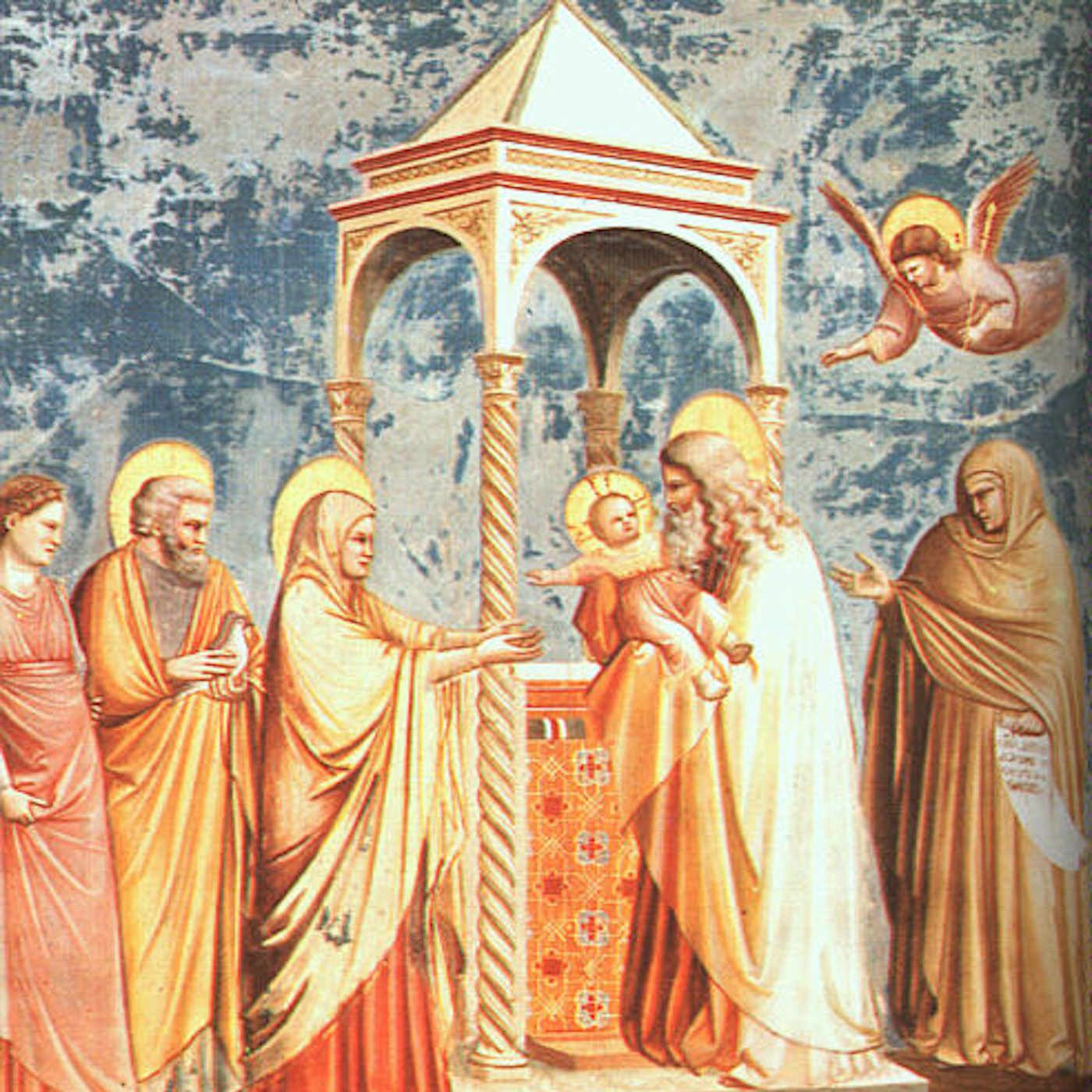
Jan 31
Saturday of the Third Week in Ordinary Time - Faith During the Storms of Life
Read Online Leaving the crowd, they took Jesus with them in the boat just as he was. And other boats were with him. A violent squall came up and waves were breaking over the boat, so that it was already filling up. Jesus was in the stern, asleep on a cushion. Mark 4:36–38 Throughout our lives, we can be assured that at some point we will encounter a storm. Not just a physical storm but a spiritual one. It may come in the form of a tragic event, a deep wound inflicted by another, the effects of our own sin or some other painful experience. And for many people, this will happen more than once. When such a “storm” is encountered in life, it may seem as if Jesus is “asleep” and not readily available to help us through. When this happens, the message of the Gospel above is very helpful to prayerfully ponder. As this Gospel passage continues, we read that the disciples, in a panic, woke up Jesus and said, “Teacher, do you not care that we are perishing?” Jesus got up, addressed the storm and said, “Quiet! Be still!” and all was calm. He then said to the disciples, “Why are you terrified? Do you not yet have faith?” The disciples were left in amazement and wonder. The key is faith. When we face a storm in life, we must have faith. But what does that mean? It means that we must know, with a deep certitude, that Jesus is in fact always with us. We must know, with a deep certitude, that if we place all our trust and hope in Him, He will never abandon us. We must know, with a deep certitude, that every storm will ultimately pass and that peace and calm will ensue. Facing the storms in life with faith is transforming. And often Jesus appears to be asleep for a reason. The reason is that He wants us to trust. Too often we turn our eyes to the storm itself and allow fear and anxiety to dominate our lives. But every storm we encounter is an opportunity to trust Him on a new and deeper level. If life were always easy and consoling then we would have little reason to trust deeply. Therefore, every storm must be seen as an opportunity for tremendous grace as we place all our trust in Jesus, despite how things immediately appear. Reflect, today, upon how deep and sustaining your own faith in Christ truly is. Do you trust Him no matter what? Are you able to trust Him when all seems lost, when life is difficult and when confusion tempts you? Prepare, now, for the next such storm you may face and resolve to use that opportunity as a moment in which your faith is made manifest and becomes the stabilizing force of your life. My sleeping Lord, help me to always place all my trust in You, no matter what the circumstances are in my life at every moment. Strengthen my faith, especially during those times when I face challenges and temptations. May I never doubt that You are there with me, leading me and keeping me close to Your merciful Heart. Jesus, I trust in You. Source of content: catholic-daily-reflections.com Copyright © 2025 My Catholic Life! Inc. All rights reserved. Used with permission via RSS feed. Image: Eugène Delacroix, Public domain, via Wikimedia Commons
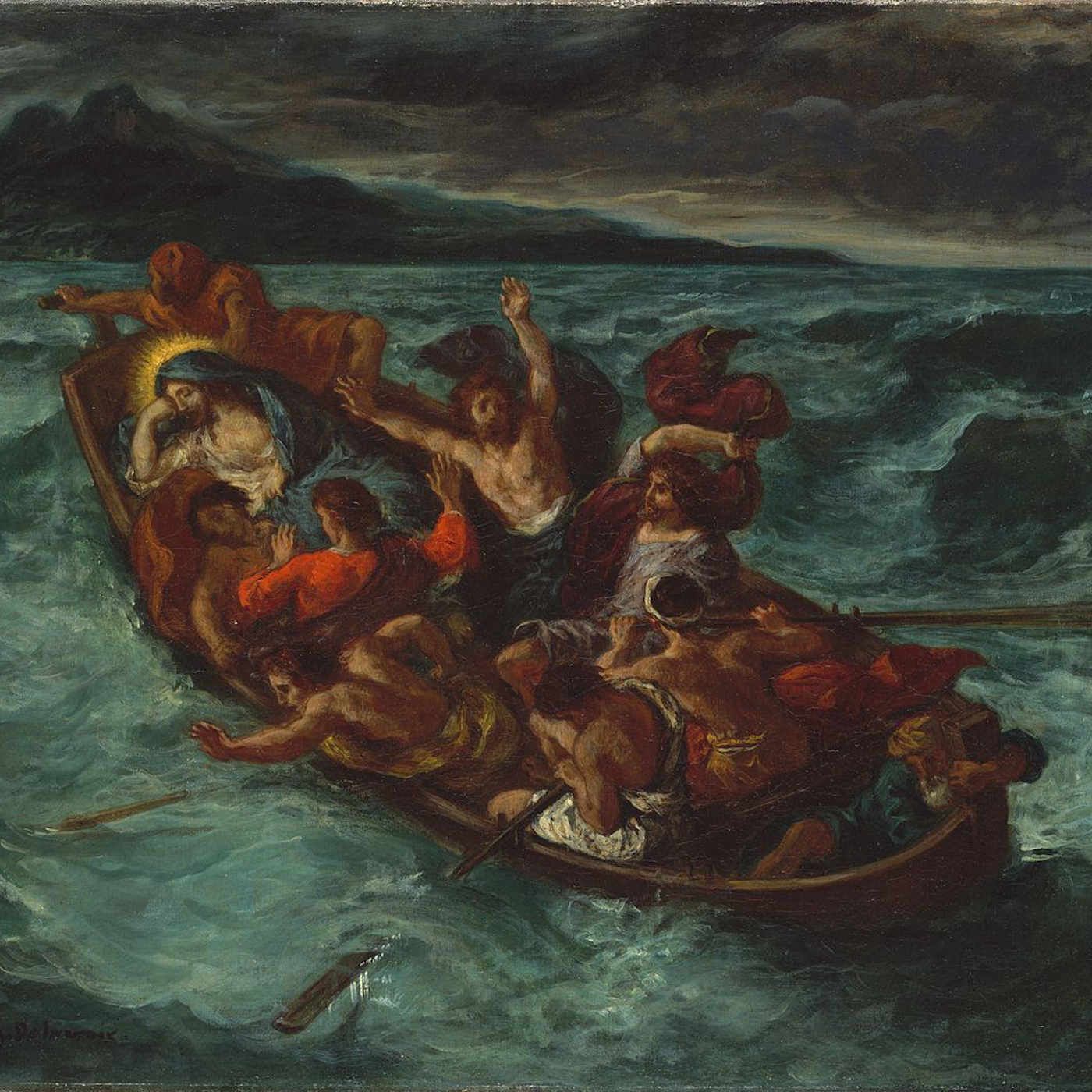
Jan 30
Friday of the Third Week in Ordinary Time - Transformation in God’s Grace
Read Online Jesus said to the crowds: “This is how it is with the Kingdom of God; it is as if a man were to scatter seed on the land and would sleep and rise night and day and the seed would sprout and grow, he knows not how. Mark 4:26–27 It’s beautiful to reflect upon how the Word of God changes people’s lives. This short passage above analogizes the sharing of the Word of God with the planting of seed. The sower goes forth and scatters seed into the ground and then observes how that seed grows into a fruitful plant. The mysterious line states “he knows not how.” So it is with the Word of God. When that Word is received by another, we are blessed to be able to stand back and watch as that Word takes root and transforms their lives. Of course, at times we may sow the Word and it doesn’t take root. This is on account of either the hardness of another’s heart or on account of the way in which we sow. But when the seed of God’s Word does take root, we should be in awe of how God works in that soul. Think about this reality in your own life. How did you first receive the good seed of God’s word? Perhaps it was through a sermon, a retreat, the reading of Scripture, a book or the witness of another. Think about how you first received God’s Word into your life and what effect it had upon you. Once God’s Word has taken root in a soul, it is a holy practice to “rise night and day” so as to observe this seed as it grows. Specifically, we must allow ourselves to be amazed at the mysterious way that a life is changed, be it your own life or the life of another. It’s inspiring to observe the soul of a person as it begins to root out sin, to seek virtue, to establish a life of prayer and to grow in the love of God. If this is something to which you find it hard to relate, then perhaps it’s time to either allow that seed of God’s Word to fall gently and deeply into the fertile ground of your own soul or to prayerfully look for ways in which God wants to use you to sow that seed into the heart of another. Doing the latter takes much openness to the working of the Holy Spirit. It requires that we allow God to inspire us so as to know how we can cooperate with His hand in evangelization. Reflect, today, upon the “mystery” of a soul who goes through this process of change and spiritual growth. If you find it difficult to find such an example to ponder, then turn to the lives of the saints. The saints are among the greatest witnesses of those who allowed God’s Word to sink deeply into their lives so that they became new creations, transformed by God’s grace. Ponder this transforming witness and allow yourself to be drawn into gratitude and amazement as you do. My transforming Lord, I thank You for the way that You have sown the seed of Your holy Word into my own life. I thank You for the way in which You have changed me, freed me from sin and set me on the path to holiness. Use me, dear Lord, to sow that seed in the lives of others and fill me with wonder and awe as I witness Your merciful hand at work. Jesus, I trust in You. Source of content: catholic-daily-reflections.com Copyright © 2025 My Catholic Life! Inc. All rights reserved. Used with permission via RSS feed. Featured image above: The Sower By Jean-François Millet, via Wikimedia Commons
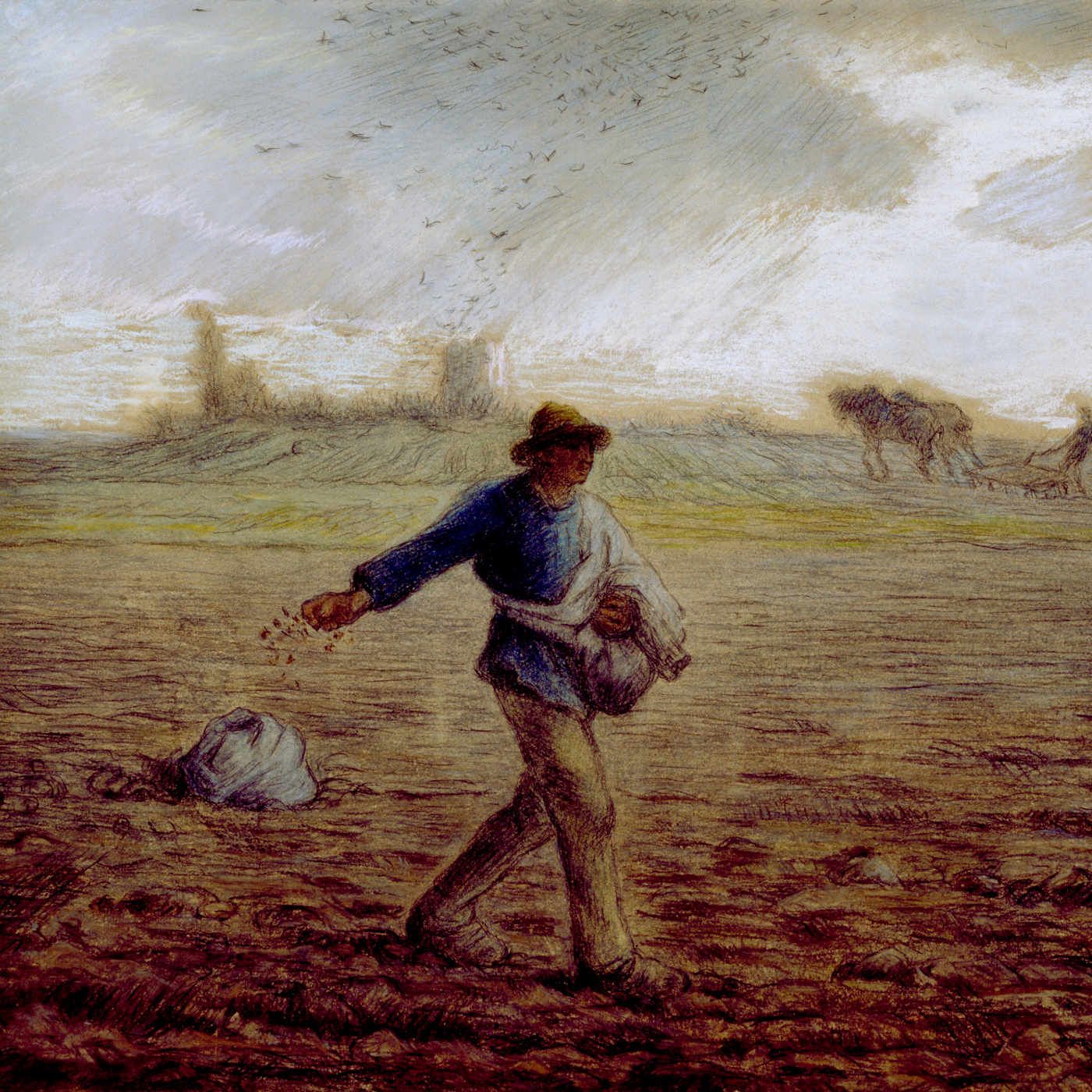
Jan 29
Thursday of the Third Week in Ordinary Time - The Manifestation of Your Soul to All
Read Online “For there is nothing hidden except to be made visible; nothing is secret except to come to light.” Mark 4:22 What a fascinating little line in the Gospel for today! What does this line mean? Though many have offered various commentaries upon the meaning of this line, let’s turn to the Catechism of the Catholic Church for some insight: In the presence of Christ, who is Truth itself, the truth of each man's relationship with God will be laid bare. The Last Judgment will reveal even to its furthest consequences the good each person has done or failed to do during his earthly life… ( CCC #1039). This passage comes from the section on “The Last Judgment” rather than “The Particular Judgment.” The Particular Judgment will come for all of us at the moment of our passing from this world. It will be an accounting of our sins and virtues before God in a personal and private way. But the Last Judgment will come at the end of time and should be seen as a universal judgment upon all in a very definitive and public way. Thus, this line from the Catechism seems to suggest that both our good actions and evil ones will be revealed for all to see. If the Scripture passage above, as well as the passage from the Catechism, are properly interpreted to mean that during the Last Judgment even our deepest sins, including those that have been forgiven through the Sacrament of Confession, will be made manifest for all to see, this idea can, at first, be a bit frightening. But it shouldn’t be. It should be liberating. If every action of our lives, both good and bad, will be made manifest for all to see at The Last Judgment, then this will result in one thing and one thing alone for those who are in Heaven: the glory of God and much rejoicing! In other words, if God reveals every sin we have committed, then He will also reveal our repentance from those sins, the purification we endured, and the forgiveness we received. Therefore, those who make up the Communion of Saints will not look upon us with judgment; rather, they will glorify God in the same way we glorify God and thank Him for His abundant mercy and forgiveness. We must always remember His forgiveness and continually rejoice in that fact. Therefore, if all truly is made manifest, then it will be so that we can all rejoice together in the incredible mercy of God and can look at each other with gratitude for all that God had done for the other. Reflect, today, upon the possibility of that glorious moment. Imagine the freedom you will experience by allowing God to share the deepest sins and the deepest virtues of your life with all who share Heaven with you. Shame will be gone. Judgment will be gone. Rejoicing and gratitude alone will remain. What a glorious moment that will be! My glorious Judge, I thank You for Your mercy and forgiveness in my life. I thank You for freeing me from all sin. Please continue to purify my soul and free me from even the attachment to all sin. May I never forget all that You have done for me, and may Your mercy become the cause of my eternal rejoicing and Your eternal glory. Jesus, I trust in You. Source of content: catholic-daily-reflections.com Copyright © 2025 My Catholic Life! Inc. All rights reserved. Used with permission via RSS feed. Featured image above: The Last Judgment, via Wikimedia Commons
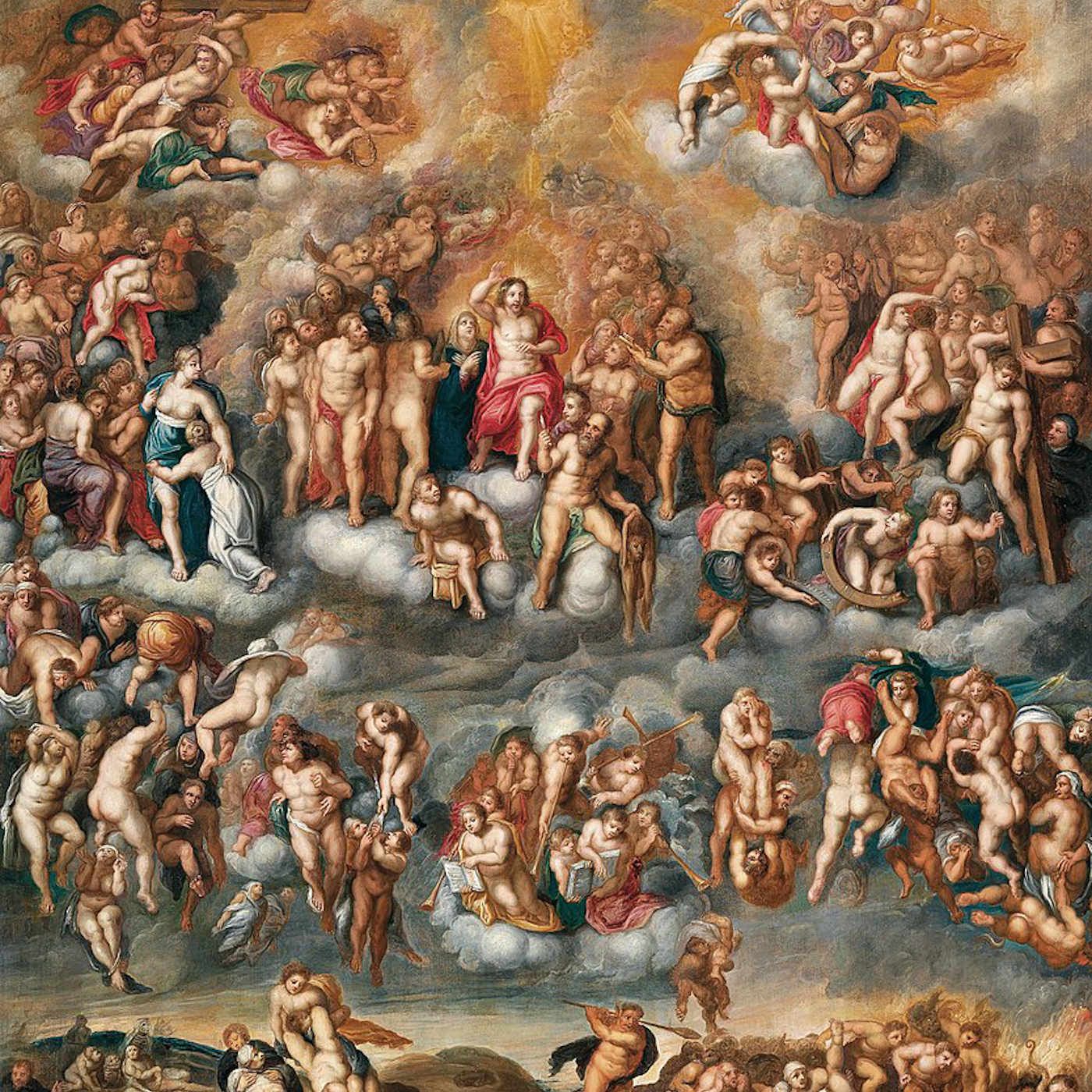
Jan 28
Wednesday of the Third Week in Ordinary Time - The Deepest Desire of Your Heart
Read Online “Those sown among thorns are another sort. They are the people who hear the word, but worldly anxiety, the lure of riches, and the craving for other things intrude and choke the word, and it bears no fruit.” Mark 4:20 This description from the Parable of the Sower seems to describe a growing number of people in our world today. The first grouping of people mentioned in this parable have little to no faith and are represented by the seed sown on the path which is quickly consumed by satan. The second group of people have a little initial faith and are represented by seed sown on rocky ground. The passage above represents the third grouping of people who are like seeds sown in good soil but are also among thorns. The fourth are those who are like rich soil and the Word of God grows deeply in their lives. Let’s consider the third grouping of people in more detail. There are three evils that choke off the Word of God in our lives: “worldly anxiety, the lure of riches, and the craving for other things.” In our day and age, there are many who encounter various types of anxieties, are consumed with a desire for material wealth and find themselves craving many other things. In all three cases, these interior temptations have the effect of overwhelming the pure Truth of the Word of God in their lives. Anxiety is a common problem today. And though this is a psychological struggle much of the time, it also can have spiritual roots. Anxiety is the struggle of worrying excessively, nervousness about many aspects of life and an uneasiness about the future. In this case, when the Person of Jesus and the Truth of the Gospel message does not consume and direct our lives, we are left on our own to “figure it out.” And this loneliness will almost always lead us into a loss of hope, fear and lack of deep peace. Most people who struggle with anxiety will constantly look for a cure. And one place they often look is the deceptive consolation of material wealth or the “craving for other things.” Imagine if you won a tremendous amount of money. Would this resolve your worries in life? Though you may be tempted to think it would, deep down we all know that this is a lie. Material wealth is never a reliable source of satisfaction in life. The same is true with almost everything else we “crave” in life. One thing and one thing alone can satisfy. And that one thing is God. Reflect, today, upon those things in your life that seem to occupy your mental energy. What do you worry about, hope for, deeply desire? What do you falsely believe will relieve your interior struggles? What do you crave? Take time today to remind yourself of the irrefutable truth that God, His holy will and all that He has revealed as True is the only source of satisfaction. Seek to let that Truth sink in deeply in your heart so that the Truths of God will grow and bear the abundant good fruit you so deeply desire. My merciful Lord, help me to be open fully to Your holy Word so that the seed of Your Word will be planted deeply in my heart. May I always reject the many lies and deceptions of the world so that I can be freed of the anxieties and fleeting pleasures of life. May I seek only the deep and sustaining delights that come from a life fully given over to You so that I will live in the peace and grace of Your holy will. Jesus, I trust in You. Source of content: catholic-daily-reflections.com Copyright © 2025 My Catholic Life! Inc. All rights reserved. Used with permission via RSS feed. Featured image above: Parable of the sower (September) By Marten van Valckenborch
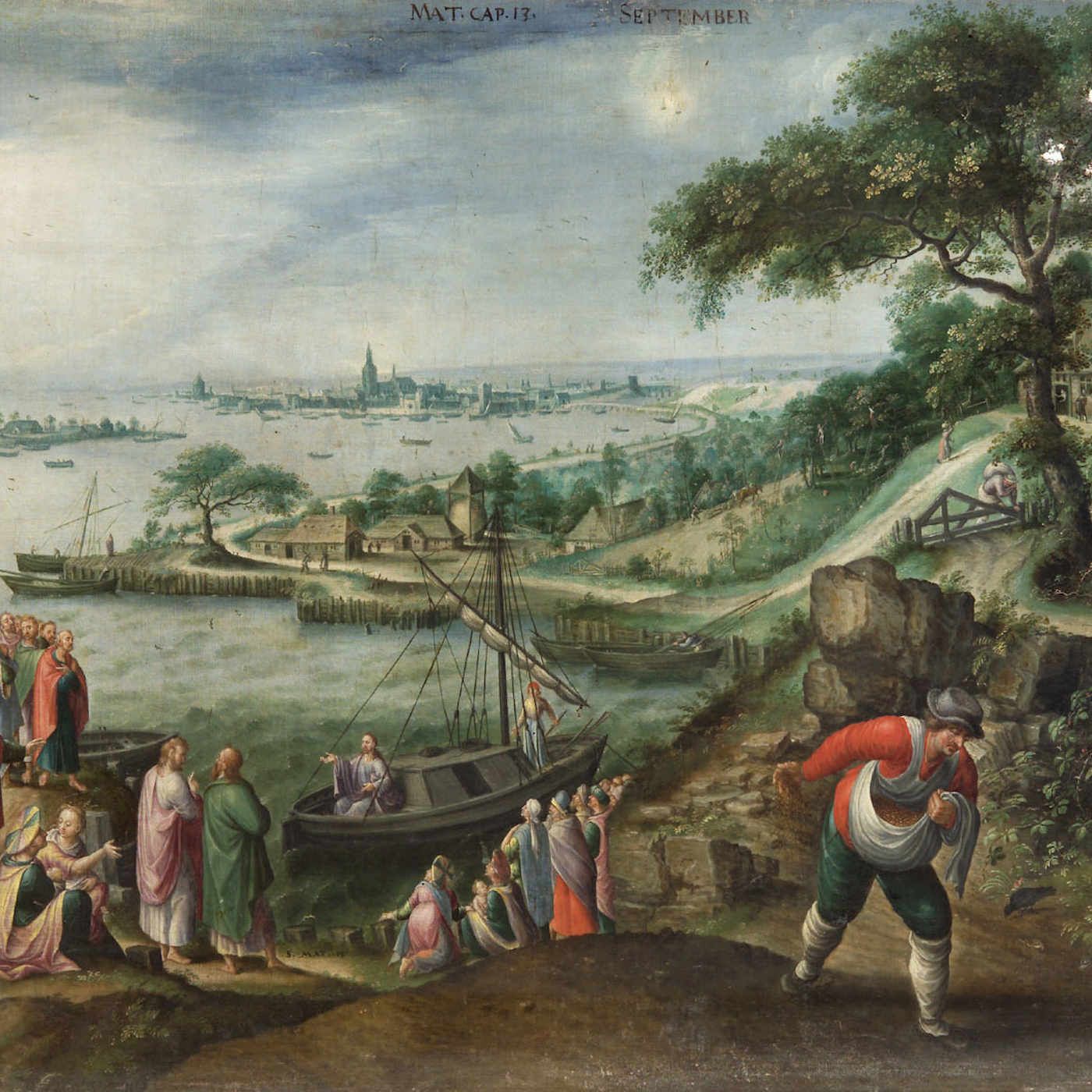
Jan 27
Tuesday of the Third Week in Ordinary Time - Doing the Will of God
Read Online “Here are my mother and my brothers. For whoever does the will of God is my brother and sister and mother.” Mark 3:34–35 Jesus said many things that caused people to pause and think. Today’s Gospel passage is one of those times. Just prior to the passage quoted above, Jesus was told that His mother and brothers were outside looking for Him. After hearing this, instead of going to greet them, He asked those around Him, “Who are my mother and my brothers?” Then He looked around and answered His own question with the above quoted Scripture. What may have caused some people to pause and think at that time, and even now when this passage is read, is that Jesus’ comments can easily be misunderstood. Some will conclude that He was distancing Himself from His own family and that He was even disowning them to a certain extent. But nothing could be further from the truth. First of all, we know that Jesus had a perfect love for His dear mother Mary and that she loved Jesus with a perfect reciprocal love. As for His “brothers,” it was common to refer to one’s extended family (such as cousins) as brothers and sisters. Therefore, these brothers who were coming to see Jesus were relatives to one degree or another. And though our Blessed Mother, the mother of Jesus, was perfect in every way, Jesus’ extended family was not. Recall that some of them thought Jesus was out of his mind and tried to prevent His public ministry. But back to our question: Was Jesus disowning His family members in some way? Certainly not. Instead, He was establishing a deeper context for His new family in grace. Though biological bonds are a gift and must be respected and cherished, the spiritual bonds established by our joint conformity to the will of God is of much greater importance. Jesus simply pointed to this fact, elevating the spiritual family bond over the purely natural. Of course, it’s also important to point out that Jesus' mother was first and foremost His mother, not only because she gave physical birth to Jesus, but primarily because she was in perfect conformity to the will of God with Him and, thus, the most intimate member of His family by grace. And the same can be true for all of us. When we conform our wills to the will of God, we become Jesus’ “mother” in the sense that He enters our world through us. And we become His “brothers and sisters” in that we become intimate members of His eternal family and enjoy a profound and spiritual union with Him. Reflect, today, upon the fact that you are called to be so much more than just a physical brother or sister of Christ Jesus. You are called to the most intimate and transforming familial union imaginable. And this union is more fully accomplished when you seek to fulfill the will of God with your whole heart, mind, soul and strength. My dear Lord, I desire deeply to become more fully a member of Your most intimate family in grace. Help me to always dedicate myself to the complete fulfillment of the will of our Father in Heaven. And as I conform my will more fully with that of the Father’s, draw me deeper and deeper into union with You. Jesus, I trust in You. Source of content: catholic-daily-reflections.com Copyright © 2025 My Catholic Life! Inc. All rights reserved. Used with permission via RSS feed. Featured image above: Christ taking Leave of his Mother by Albrecht Altdorfer, via Wikipedia

Jan 26
Monday of the Third Week in Ordinary Time - Daily Humble Repentance
Read Online The scribes who had come from Jerusalem said of Jesus, “He is possessed by Beelzebul,” and “By the prince of demons he drives out demons.” Mark 3:22 By this time, Jesus was fully engaged in His public ministry. He had healed the sick and lame, cast out many demons, called the Twelve Apostles and given them authority over evil spirits, and preached the Good News to many. Just prior to this Gospel passage, some of Jesus’ own extended family had criticized Him, claiming that Jesus was out of His mind. Then the scribes began their public condemnation of our Lord. The scribes were faced with a dilemma. They saw Jesus cast out demons from those who were possessed, so they needed to come up with an explanation. They concluded that Jesus was able to cast out demons by the power of the prince of demons. Jesus goes on to address the scribes’ criticism by identifying their condemnation as a sin against the Holy Spirit. Jesus explains that every sin can be forgiven except the sin against the Holy Spirit. He says that “whoever blasphemes against the Holy Spirit will never have forgiveness, but is guilty of an everlasting sin.” Why is that? In this case, the sin against the Holy Spirit is not only the false condemnation spoken by the scribes against Jesus. First and foremost, their sin is one of obstinacy. They spoke falsely about our Lord, which is a grave sin, but what’s worse is that they did so in such a way that they remained firmly grounded in their error. They refused to humble themselves and reconsider their error. And it is this stubbornness that leaves them with an “everlasting sin.” Perhaps the most important lesson we can learn from this passage is that we must avoid remaining stuck in our pride in an obstinate way. We must always be humble and be ready and willing to reexamine our actions. Humility will help us to perpetually remember that we can easily become misled in life. And though this will happen from time to time in various ways, if we remain humble and open to change, then we can always receive the mercy of God and find forgiveness. But if we are prideful and continually refuse to admit our errors, then we are also potentially guilty of a sin against the Holy Spirit. Reflect, today, upon any tendency you have in your life to be stubborn. Stubbornness can be a virtue when the stubbornness is an unwavering commitment to the Gospel and to the will of God. However, you must always intentionally reexamine the path you are on so that you can change when that path begins to deviate from the Truth of God. Humble yourself this day and allow God's voice to lead you back from any errors with which you now struggle. My merciful Jesus, I sin every day and will continue to fail to follow You with perfection. For this reason, I thank You for Your abundant mercy. Please help me to always be open to that mercy by regularly re-examining my decisions in life. Give me humility, dear Lord, to always repent and to turn back to You when I stray. Jesus, I trust in You. Source of content: catholic-daily-reflections.com Copyright © 2025 My Catholic Life! Inc. All rights reserved. Used with permission via RSS feed. Featured image above: The Pharisees and the Saduccees Come to Tempt Jesus By James Tissot, via Wikimedia Commons
Jan 25
Third Sunday in Ordinary Time (Year C) - Enthused by the Gospel
Read Online Jesus returned to Galilee in the power of the Spirit, and news of him spread throughout the whole region. He taught in their synagogues and was praised by all. Luke 4:14–15 This Gospel passage reveals to us the very beginnings of Jesus’ public ministry. He began His public ministry immediately after spending forty days in the desert being tempted by the devil. As He began, He went to Galilee “in the power of the Spirit.” Many people heard about Him and welcomed Him with much enthusiasm. Though Jesus was initially welcomed with praise, we know that things quickly changed. Some eventually became so hostile that they put Jesus to death, but it’s useful to ponder the initial response He received. This initial response is one that must become continuously new in our lives. The initial response was that He “was praised by all.” Jesus would later teach about this initial experience many would have toward the Gospel when He taught the Parable of the Sower. Recall that the seed that was sown on rocky ground, that fell among thorns, and that was sown in good soil all began to grow. Only that which was sown on the path failed to grow, because the birds came and ate it up. This latter case describes those who are completely indifferent to the Gospel. But in today’s Gospel, the “all” are those who at least paid attention and initially responded with enthusiasm. The seed began to grow in these three scenarios—but, of course, in only one of those cases did the seed ultimately bear good fruit. Another way to look at this initial encounter with the Gospel is to consider a child. In almost every case, when a child is presented with the Gospel, they will begin to respond and even find excitement in the faith. But, as many parents have seen, this initial welcome is sometimes followed by a rejection of the Gospel later in life. When did you initially encounter the Gospel? For some it was during childhood. For others, there was a powerful experience of conversion later in life. Think of that initial encounter you had and the ways that you were excited by your newfound faith. Has that experience continued and grown in your life? Or has your initial praise of God and enthusiasm dwindled or even died? Reflect, today, upon the fact that God wants us to continuously experience the Gospel as something new and transforming. The newness of the life of grace must never wear off. Ponder this experience in your life and try to see yourself as one of the people in today’s Gospel who heard Jesus for the first time. Ponder their enthusiasm and join in their praise of our Lord so that you will be motivated to let God and the preaching of His holy Word continuously transform you. Glorious Word of God, You have come to set us free by revealing to us Your love and mercy and by bestowing that grace upon us. Please open my mind and heart to Your holy Word so that I will be driven by a holy love to serve and follow You all the days of my life. Jesus, I trust in You. Source of content: catholic-daily-reflections.com Copyright © 2025 My Catholic Life! Inc. All rights reserved. Used with permission via RSS feed. Featured image above: Christ Reading Isaiah in Synagogue, via flickr
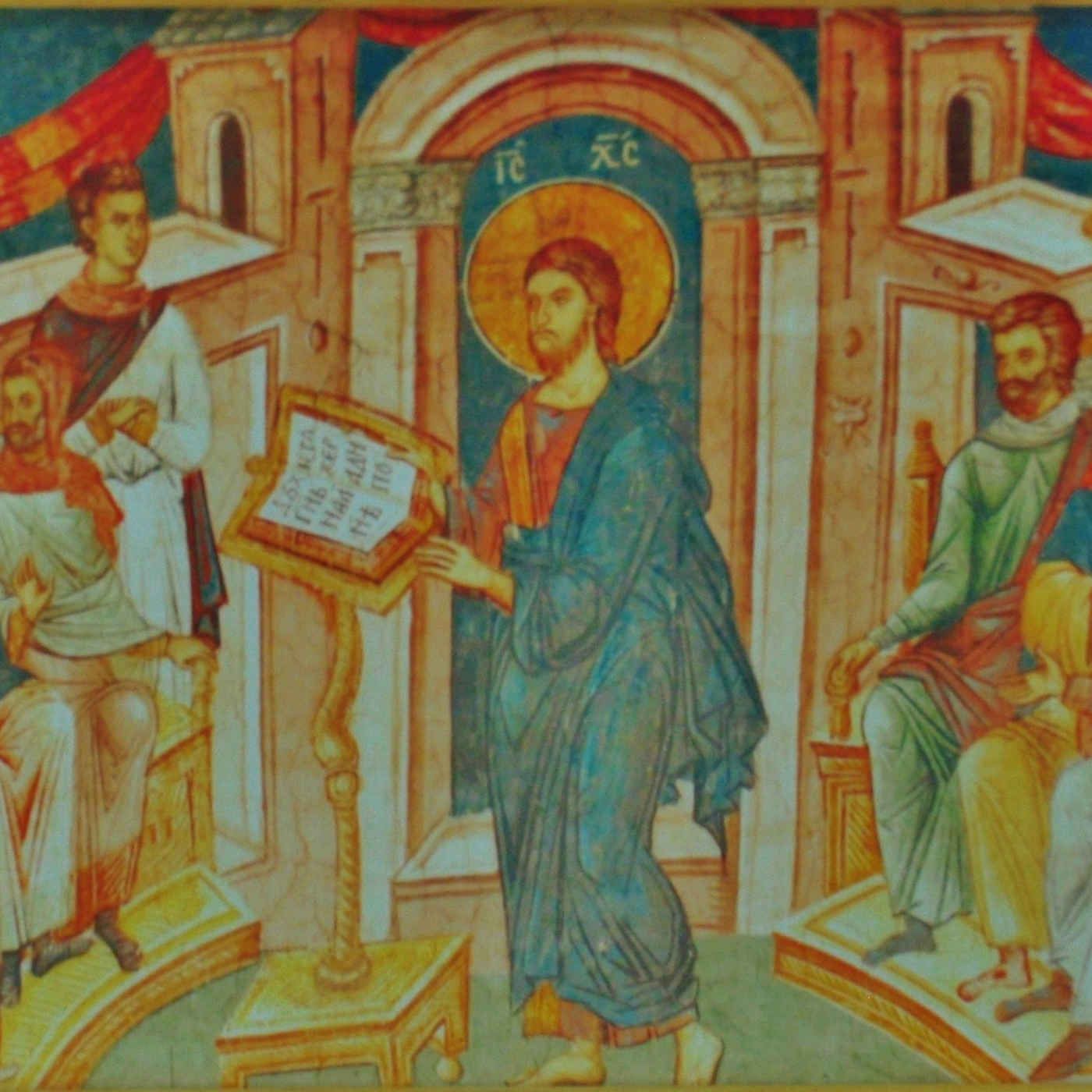
Jan 24
January 25, Feast of the Conversion of Saint Paul, Apostle - Becoming an Evangelist
Read Online “Saul, my brother, the Lord has sent me, Jesus who appeared to you on the way by which you came, that you may regain your sight and be filled with the Holy Spirit.” Acts 9:17 Saint Paul (who in Hebrew was known as Saul of Tarsus) was a devout Jewish Pharisee who vigorously defended the law. After Jesus’ Ascension into Heaven, the newfound Christian faith began to grow rapidly. As a result, Saul of Tarsus vigorously tried to end this new religion which he perceived as erroneous. He traveled about looking for followers of Jesus to arrest and imprison. Saul even gave his consent to the stoning of the deacon, Saint Stephen, the first martyr. However, on one of his journeys, Saul had a vision of the risen Christ Who spoke to him gently, saying, “Saul, Saul, why are you persecuting me?” (Acts 9:4). It was in that encounter that Saul was left blinded for three days. The line quoted above are the words of Ananias, a devout disciple of Jesus. Ananias had also received a vision from Jesus Who told him to go to Saul of Tarsus and to lay his hands on him so that he would be healed. Ananias was also told that Saul was “a chosen instrument” through which the Gospel would be preached to the “Gentiles, kings, and children of Israel.” Though there are many fascinating aspects to the story of Saint Paul and his conversion, it is also inspiring to reflect upon the way in which God first converted him. Jesus was not harsh with Saul. He was not condemning. Instead, he saw the goodness and vigor of Saul and knew that he would respond if he were given the opportunity. Though Jesus used the powerful action of striking him blind, He did so because He saw so much potential for good within Saul. This same truth applies to our lives. Each one of us has incredible potential for good, and God does see this. God is aware of all that He can do with us and is seeking to draw us into His mission of sharing the Gospel with those in need. The question to ponder is whether or not you have responded to the ways that God has spoken to you and invited you to serve Him with your life. Saul’s encounter with Jesus was powerful and transforming not only because he was blinded by this vision—it was powerful and transforming, first and foremost, because Saul wanted to serve God but was trying to do so in an erroneous way. And once that error was corrected, Saul responded in an immediate and complete way. As a result, Saul became one of the greatest evangelists in the history of the Church. Reflect, today, upon the desire in the heart of Jesus to invite you into His mission. Though you may be unaware of the many ways God can use you, Jesus is fully aware. He sees all of your gifts and knows who He wants to draw to Himself through you. Say “Yes” to Him this day and do so with every fiber of your soul. Doing so will allow God to do great things through you. Lord, I do love You and desire to be used by You in the way that You choose. Help me to convert my heart more fully to You so that I can be led by Your gentle and powerful hand. I accept whatever mission You give to me and pray that my life will give You true glory and further Your glorious Kingdom on earth. Jesus, I trust in You. Source of content: catholic-daily-reflections.com Copyright © 2025 My Catholic Life! Inc. All rights reserved. Used with permission via RSS feed. Featured image above: Calling of the First Apostles By Domenico Ghirlandaio, via Wikimedia Commons
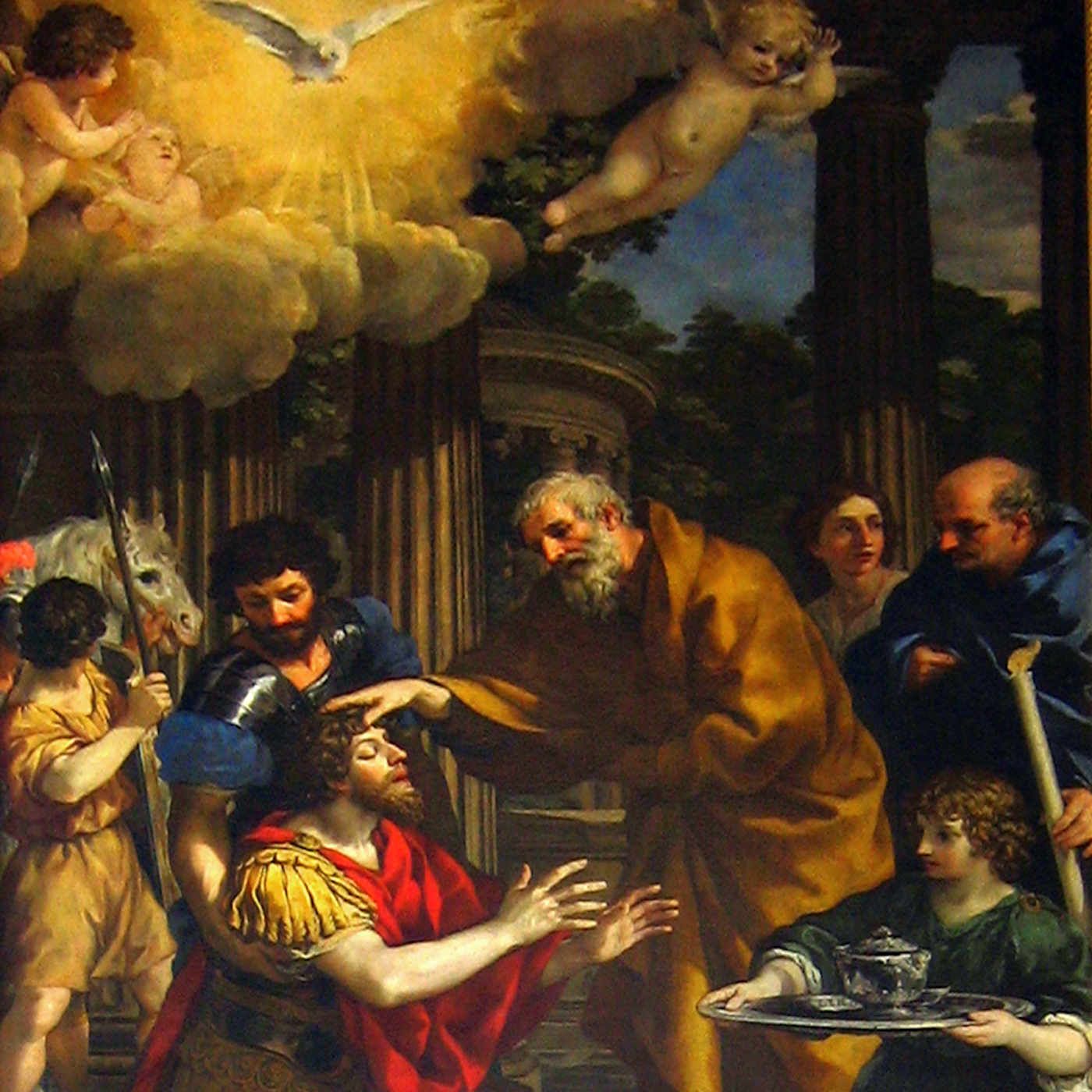
Jan 23
Friday of the Second Week in Ordinary Time - Confronting Evil with the Gospel
Read Online He appointed Twelve, whom he also named Apostles, that they might be with him and he might send them forth to preach and to have authority to drive out demons. Mark 3:14–15 The Twelve Apostles were first called by Jesus and then sent to preach with authority. The authority they were given was for the purpose of driving out demons. But how did they do that? It’s interesting to note that the authority they were given over demons was, in part, associated with their commission to preach. And though there are some recorded instances in the Scriptures of the Apostles driving out demons directly by command, it should also be understood that the preaching of the Gospel with the authority of Christ has a direct effect of driving out demons. Demons are fallen angels. But even in their fallen state, they retain the natural powers they have, such as the power of influence and suggestion. They seek to communicate with us to deceive us and draw us away from Christ. The good angels, of course, also exercise this same natural power for our good. Our guardian angels, for example, constantly seek to communicate to us the truths of God and His grace. The angelic battle for good and evil is real, and as Christians we must be aware of this reality. One of the greatest ways to confront satan and his demons is to listen to the Truth and to proclaim it with the authority of Christ. Though the Apostles were given a special authority for their preaching, every Christian, by virtue of their Baptism and Confirmation, is entrusted with the message of the Gospel to proclaim in various ways. And with that authority, we must constantly strive to bring forth the Kingdom of God. Doing so will have a direct impact on the diminishment of the kingdom of satan. Reflect, today, upon your duty to share the Gospel with others. Sometimes this is done by an explicit sharing of the message of Jesus Christ, and at other times the message is shared more by our actions and virtue. But every Christian is entrusted with this mission and must learn to fulfill that mission with true authority, knowing that as that authority from Christ is exercised, the Kingdom of God increases and the activity of the evil one is overcome. My all-powerful Lord, I thank You for the grace You have given me to proclaim the truth of Your saving message to those whom I encounter every day. Help me to fulfill my mission to preach in both word and deed and to do so with the gentle yet powerful authority given me by You. I offer myself to Your service, dear Lord. Do with me as You will. Jesus, I trust in You. Source of content: catholic-daily-reflections.com Copyright © 2025 My Catholic Life! Inc. All rights reserved. Used with permission via RSS feed. Featured image above: Calling of the First Apostles By Domenico Ghirlandaio, via Wikimedia Commons
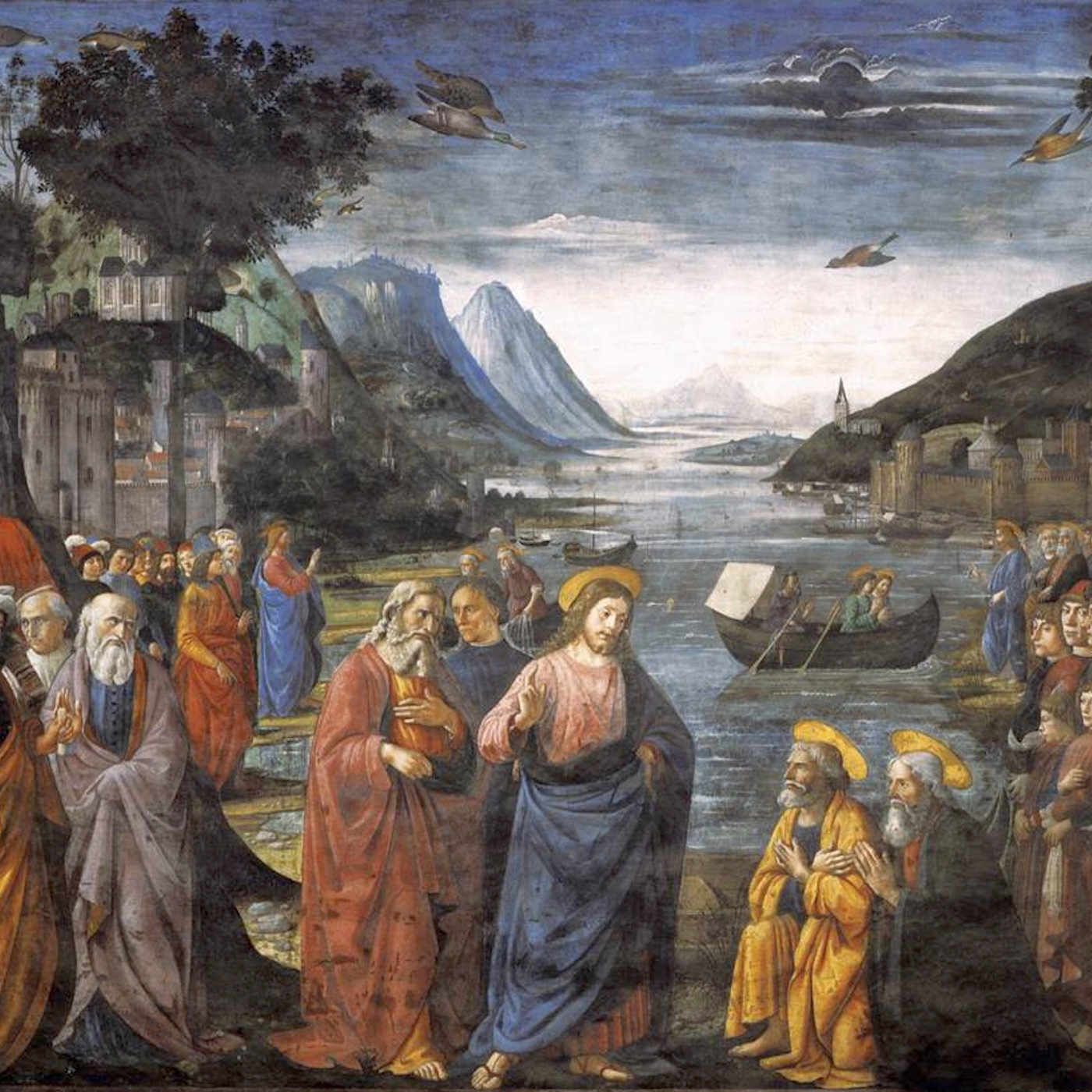
Jan 22
Thursday of the Second Week of Ordinary Time - Single-Minded Devotion
Read Online He told his disciples to have a boat ready for him because of the crowd, so that they would not crush him. He had cured many and, as a result, those who had diseases were pressing upon him to touch him. Mark 3:9–10 It’s fascinating to ponder the enthusiasm that so many people had toward Jesus. In the passage above, we see Jesus asked His disciples to have a boat ready for Him so that He would not be crushed as He taught the crowd. He had been curing many who were sick, and the crowd was pressing upon Him to try to simply touch Him. This scene provides us with an illustration of what must happen within our interior lives regarding our Lord. The people can be said to have been single-minded in their devotion to Jesus and fervent in their desire for Him. Granted, their desire may have been somewhat selfishly motivated by the desire for physical cures of their ailments and those of their loved ones, but nonetheless, their attraction was real and powerful, driving them to put their complete focus upon our Lord. Jesus’ choice to get into a boat and distance Himself a bit from the crowd was also an act of love. Why? Because this act allowed Jesus to help them refocus upon His deeper mission. Though He did miracles out of compassion and so as to manifest His almighty power, His primary focus was to teach people and to lead them into the full Truth of the message He was preaching. Therefore, by separating Himself from them, they were invited to listen to Him rather than just try to touch Him for the sake of a physical miracle. For Jesus, the spiritual wholeness He desired to give the crowd was of much greater significance than any physical healing He also gave. In our own lives, Jesus may “separate” Himself from us in somewhat superficial ways so that we will be more open to the deeper and more transforming purpose of His life. For example, He may remove certain feelings of consolation or permit us to encounter some trial through which He seems to be less present to us. But when this happens, it is always so that we will turn to Him on a deeper level of trust and openness so as to be drawn more deeply into a relationship of love. Reflect, today, upon how single-minded your devotion is to our Lord. From there, ponder, also, if you are more attached to the good feelings and consolations you seek or if your devotion is deeper, focused more on the transforming message our Lord wants to preach to you. See yourself on that shore, listening to Jesus speak, and allow His holy words to transform your life more deeply. My saving God, I turn to You, this day, and seek to be single-minded in my love and devotion to You. Help me, first and foremost, to listen to Your transforming Word and to allow that Word to become the central focus of my life. Jesus, I trust in You. Source of content: catholic-daily-reflections.com Copyright © 2025 My Catholic Life! Inc. All rights reserved. Used with permission via RSS feed. Featured image above: Christ preaching to the multitudes By James Smetham, via Wikimedia Commons
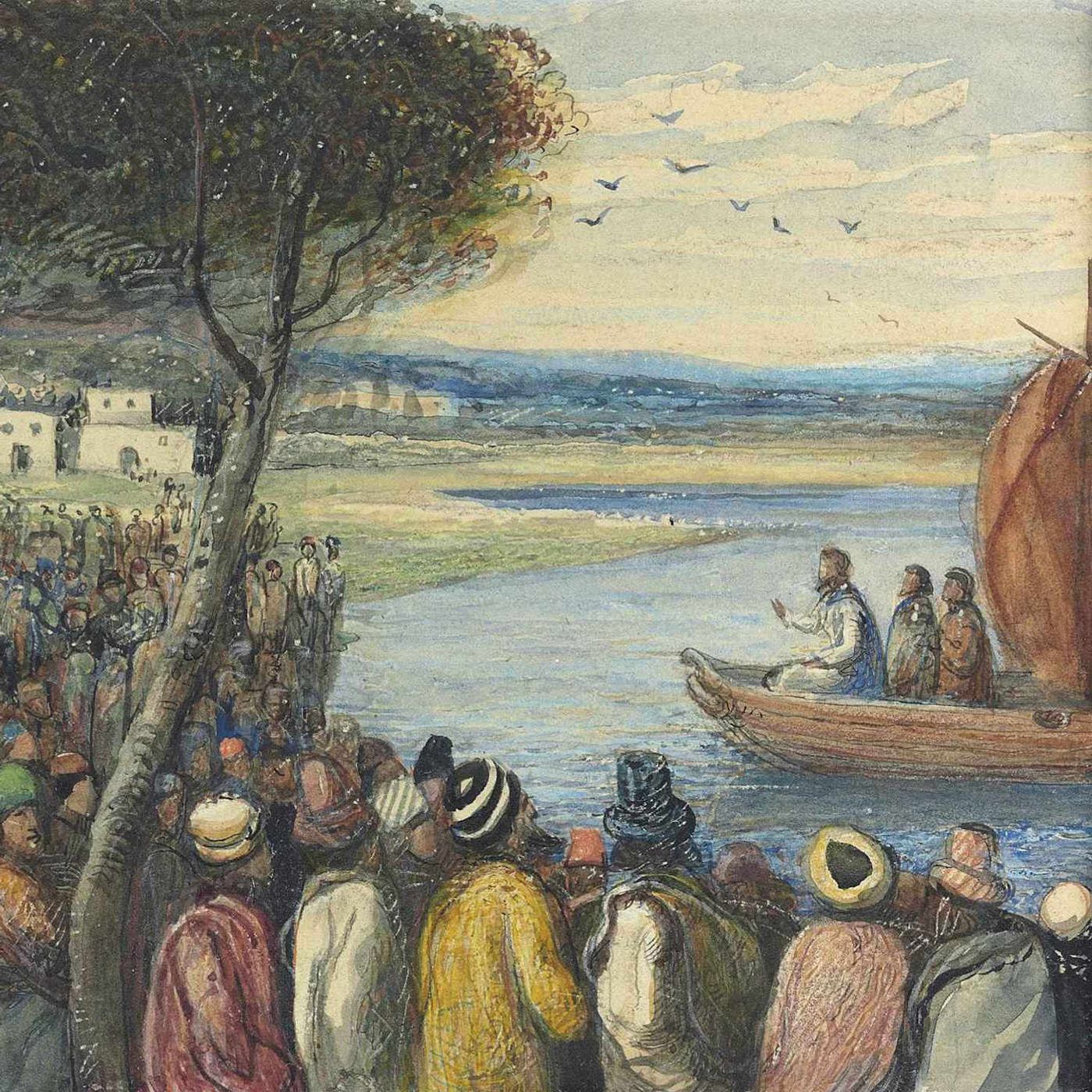
Jan 21
Wednesday of the Second Week in Ordinary Time - Grieved at the Hardness of Heart
Read Online Then he said to the Pharisees, “Is it lawful to do good on the sabbath rather than to do evil, to save life rather than to destroy it?” But they remained silent. Looking around at them with anger and grieved at their hardness of heart, Jesus said to the man, “Stretch out your hand.” He stretched it out and his hand was restored. Mark 3:4–5 Sin damages our relationship with God. But hardness of heart is even more damaging because it perpetuates the damage done by sin. And the harder one's heart, the more permanent the damage. In the passage above, Jesus was angry with the Pharisees. Oftentimes the passion of anger is sinful, resulting from impatience and a lack of charity. But at other times, the passion of anger can be good when it is motivated by love of others and hatred for their sin. In this case, Jesus was grieved by the hardness of heart of the Pharisees, and that grief motivated His holy anger. His “holy” anger did not cause irrational criticism; rather, it drove Jesus to cure this man in the presence of the Pharisees so that they would soften their hearts and believe in Jesus. Sadly, it didn’t work. The very next line of the Gospel says, “The Pharisees went out and immediately took counsel with the Herodians against him to put him to death” (Mark 3:6). Hardness of heart should be greatly avoided. The problem is that those who are hard of heart are usually not open to the fact that they are hard of heart. They are obstinate and stubborn, and oftentimes self-righteous. Therefore, when people suffer from this spiritual ailment, it is difficult for them to change, especially when confronted. This Gospel passage offers you an important opportunity to look into your own heart with honesty. Only you and God need to be part of that interior introspection and conversation. Begin by reflecting upon the Pharisees and the poor example they set. From there, try to look at yourself with great honesty. Are you obstinate? Are you hardened in your convictions to the point that you are unwilling to even consider that you may be wrong at times? Are there people in your life with whom you have entered into a conflict that still remains? If any of this rings true, then you may indeed suffer from the spiritual ill of a hardened heart. Reflect, today, upon your own soul and your relationships with others with as much honesty as possible. Do not hesitate to let your guard down and be open to what God may want to say to you. And if you detect even the slightest tendency toward a hardened and stubborn heart, beg our Lord to enter in to soften it. Change like this is difficult, but the rewards of such a change are incalculable. Do not hesitate and do not wait. Change is worth it in the end. My loving Lord, this day I open myself to an examination of my own heart and pray that You will help me to always be open to change when necessary. Help me, especially, to see any hardness I may have within my heart. Help me to overcome any obstinacy, stubbornness and self-righteousness. Give me the gift of humility, dear Lord, so that my heart can become more like Yours. Jesus, I trust in You. Source of content: catholic-daily-reflections.com Copyright © 2025 My Catholic Life! Inc. All rights reserved. Used with permission via RSS feed. Featured image above: Jesus Heals the Man with a Withered Hand, via Wikimedia Commons
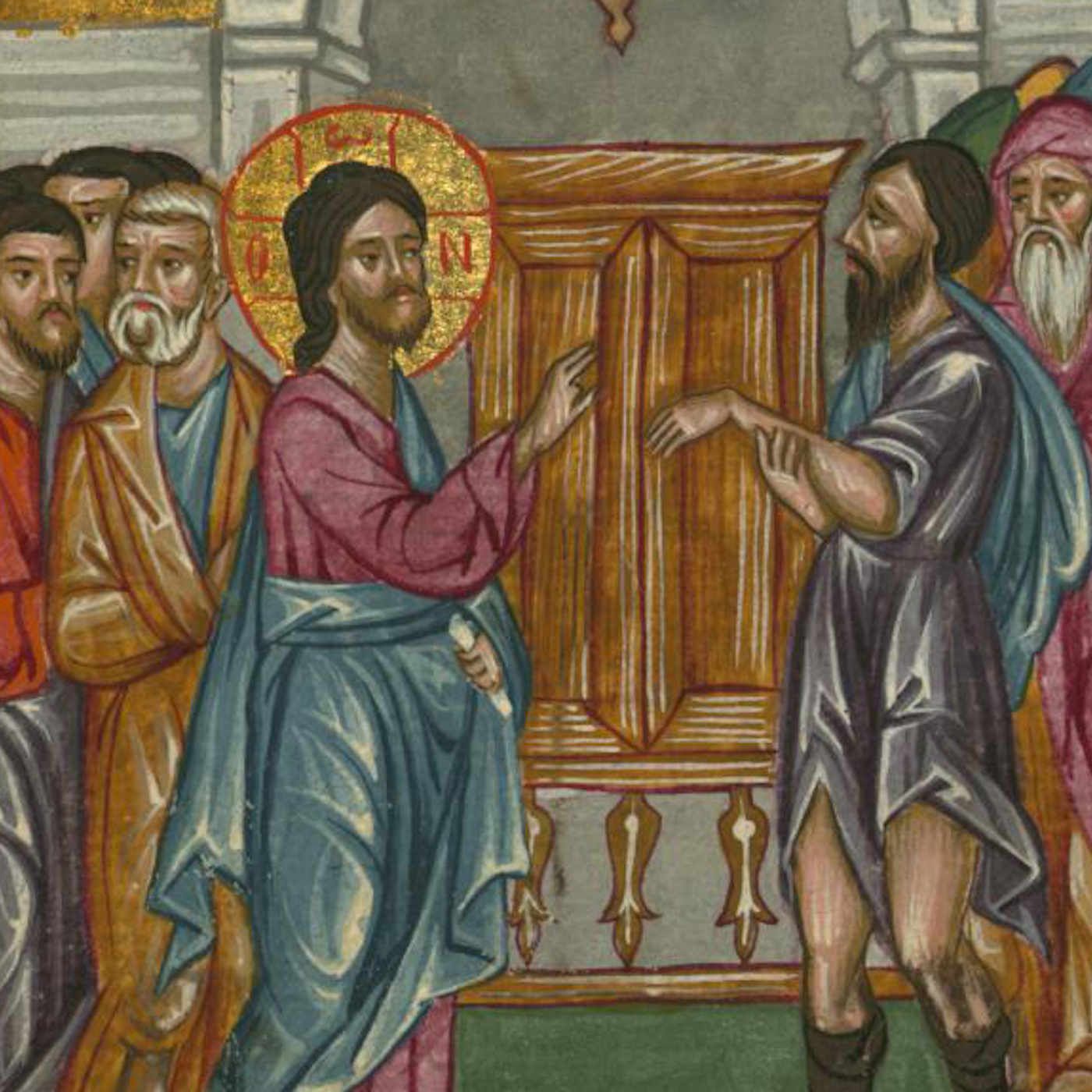
Jan 20
Tuesday of the Second Week in Ordinary Time - Keeping Holy the Sabbath
Read Online As Jesus was passing through a field of grain on the sabbath, his disciples began to make a path while picking the heads of grain. At this the Pharisees said to him, “Look, why are they doing what is unlawful on the sabbath?” Mark 2:23–24 The Pharisees were greatly concerned about many things that were distortions of the law of God. The Third Commandment calls us to “Keep holy the Sabbath Day.” Furthermore, we read in Exodus 20:8–10 that we are not to do any work on the Sabbath but are to use that day for rest. From this Commandment, the Pharisees developed extensive commentary on what was permitted and what was forbidden to do on the Sabbath. They determined that picking the heads of grain was one of the forbidden actions. In many countries today, the Sabbath rest has all but disappeared. Sadly, Sunday is rarely set aside any longer for a day of worship and rest with family and friends. For that reason, this hypercritical condemnation of the disciples by the Pharisees is hard to relate to. The deeper spiritual issue seems to be the hyper “nitpicky” approach taken by the Pharisees. They were not so much concerned about honoring God on the Sabbath as they were interested in being judgmental and condemning. And though it may be rare today to find people overly scrupulous and nitpicky about the Sabbath rest, it’s often easy to find ourselves becoming nitpicky about many other things in life. Consider your family and those who are closest to you. Are there things they do and habits they have formed that leave you constantly criticizing them? Sometimes we criticize others for actions that are clearly contrary to the laws of God. At different times, we criticize others on account of some exaggeration of fact on our part. Though it is important to speak charitably against violations of the external law of God, we must be very careful not to set ourselves up as the judge and jury of others, especially when our criticism is based on a distortion of the truth or an exaggeration of something minor. In other words, we must be careful not to become nitpicky ourselves. Reflect, today, upon any tendency you have in your relationships with those closest to you toward being excessive and distorted in your criticism. Do you find yourself obsessing over the apparent minor faults of others on a regular basis? Try to step back from criticism today and renew, instead, your practice of mercy toward all. If you do, you may actually discover that your judgments of others do not fully reflect the truth of God’s law. My merciful Judge, give me a heart of compassion and mercy toward all. Remove from my heart all judgmentalness and criticalness. I leave all judgment to You, dear Lord, and seek only to be an instrument of Your love and mercy. Jesus, I trust in You. Source of content: catholic-daily-reflections.com Copyright © 2025 My Catholic Life! Inc. All rights reserved. Used with permission via RSS feed. Featured image above: Jesus and his disciples walk through the corn, via Wikimedia Commons
Jan 19
Monday of the Second Week of Ordinary Time - To Fast or Not to Fast
Read Online “Can the wedding guests fast while the bridegroom is with them? As long as they have the bridegroom with them they cannot fast. But the days will come when the bridegroom is taken away from them, and then they will fast on that day.” Mark 2:19–20 The passage above reveals Jesus’ response to the disciples of John the Baptist and some Pharisees who question Jesus about fasting. They point out that the disciples of John and the Pharisees each follow the Jewish laws on fasting, but Jesus’ disciples do not. Jesus’ answer goes to the heart of the new law on fasting. Fasting is a wonderful spiritual practice. It helps to strengthen the will against disordered fleshly temptations and helps to bring purity to one’s soul. But it needs to be pointed out that fasting is not an eternal reality. One day, when we are face-to-face with God in Heaven, there will no longer be any need to fast or do any form of penance. But while on earth, we will struggle and fall and lose our way, and one of the best spiritual practices to help us return to Christ is prayer and fasting combined. Fasting becomes necessary “when the bridegroom is taken away.” In other words, fasting is necessary when we sin and our union with Christ begins to fade. It is then that the personal sacrifice of fasting helps open our hearts once again to our Lord. This is especially true when habits of sin form and become deeply ingrained. Fasting adds much power to our prayer and stretches our souls so as to be able to receive the “new wine” of God’s grace where we need it the most. Reflect, today, upon your approach to fasting and other penitential practices. Do you fast? Do you make regular sacrifices so as to strengthen your will and help you to turn more fully to Christ? Or has this healthy spiritual practice been somewhat neglected in your life? Renew your commitment to this holy endeavor today and God will work powerfully in your life. Lord, I open my heart to the new wine of grace that You wish to pour forth upon me. Help me to be properly disposed to this grace and to use every means necessary to become more open to You. Help me, especially, to commit to the wonderful spiritual practice of fasting. May this act of mortification in my life bear abundant fruit for Your Kingdom. Jesus, I trust in You. Source of content: catholic-daily-reflections.com Copyright © 2025 My Catholic Life! Inc. All rights reserved. Used with permission via RSS feed. Featured image above: Jesus and his Disciples on the Sea of Galilee By Carl Oesterley, via Wikimedia Commons
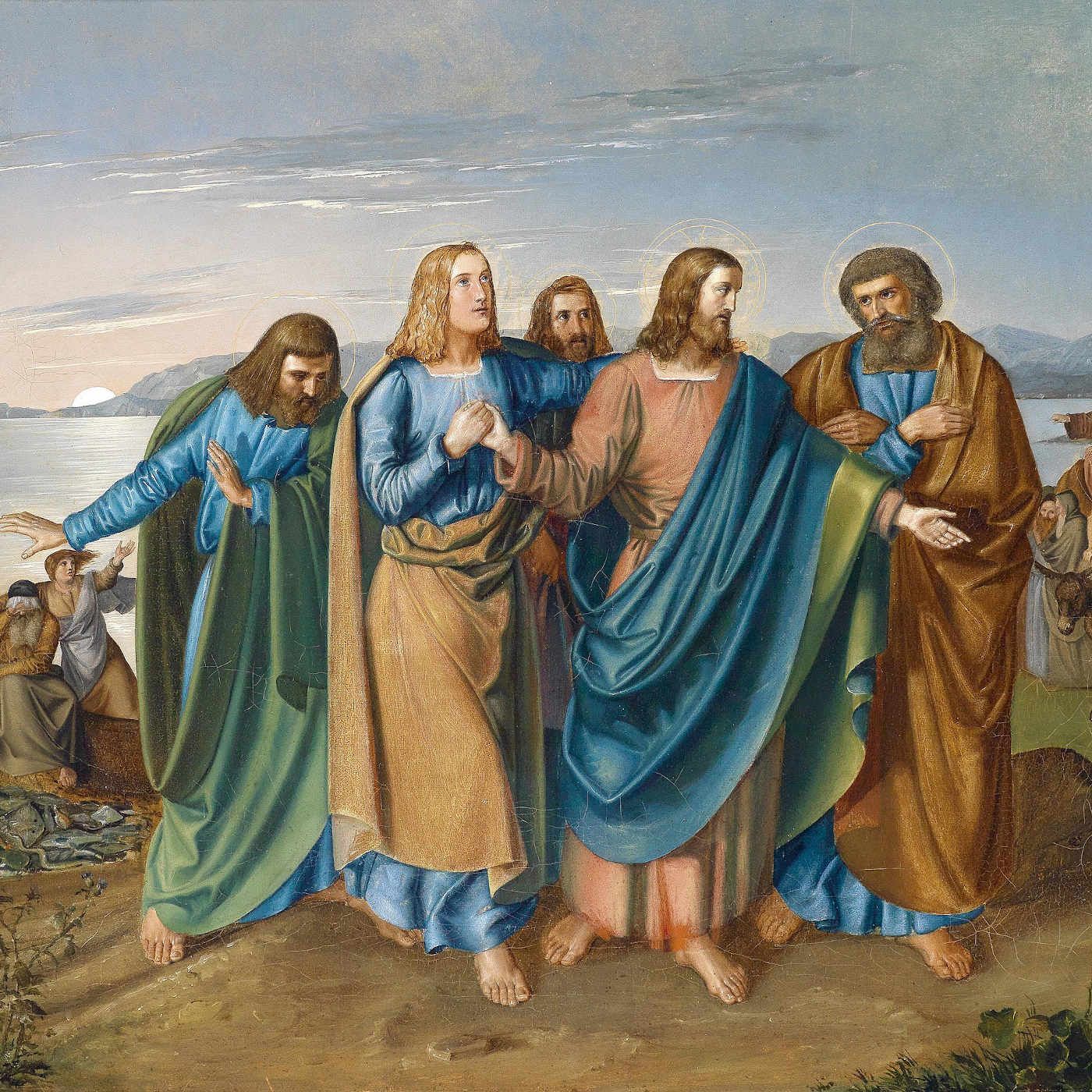
Jan 18
Second Sunday in Ordinary Time (Year C) - The Book of Signs
Read Online Jesus did this as the beginning of his signs at Cana in Galilee and so revealed his glory, and his disciples began to believe in him. John 2:11 John’s Gospel is commonly divided into four sections: the Prologue, the Book of Signs, the Book of Glory and the Epilogue (which contains the resurrection appearance in Galilee). Today’s Gospel comes from the beginning of the Book of Signs, which begins at Chapter 1:19 and continues through Chapter 12. In this section, the Apostle John presents us with seven “signs,” which are seven miracles Jesus performed. Each sign has a deeper spiritual meaning that reveals Jesus’ divinity and mission. In many ways, the entire Book of Signs prepares us for the Book of Glory in which Jesus’ “hour” of glory is identified with Him taking up His glorious throne of the Cross, fulfilling His mission as the “Lamb of God” Who offers His life for the salvation of all, and pouring forth His grace and mercy from His wounded side. The first of seven signs Jesus performs in John’s Gospel is the changing of water into wine at the Wedding of Cana, which was done in superabundance! The six stone jars, filled to the brim with water, were transformed into as much as 180 gallons of the finest wine. The changing of water into wine was done at the request of Jesus’ mother, who told the servants to do whatever Jesus told them to do. There is certainly much to ponder in this incredible miracle. One specific thing to consider, as we begin reading the first of these signs, is that Jesus uses His miracles to prepare His disciples for the “hour” of grace and glory that is to come. And though the hour of Jesus has already taken place in time, it’s important to understand that each one of us needs to go through the process of preparing for that hour in our own lives. We must let Christ continuously prepare us for the hour of glory by which we receive Him and all the grace He won for us on the Cross. This preparation will take place in our lives, just as it was presented in John’s Gospel. Jesus’ seven signs, His miraculous actions, were performed to prepare His disciples to receive all that He bestowed on the Cross. We must not only prayerfully reflect upon these signs as recorded by John throughout the year, we must also look for the many personal signs that our Lord gives to each one of us. Just as the participants at the Wedding of Cana were left in amazement at the miracle of Jesus, so we must allow ourselves to become continuously amazed at His action in our lives. The seven signs that are recorded in Scripture, as well as the effect of our spiritual pondering of them, must become beacons of light that prepare us to come to know our Lord more fully and to receive the grace won by His Cross of glory. Reflect, today, upon this, the first of Jesus’ signs. Try to meditate upon this story as a way of preparing yourself to receive His grace more fully in your life. Think of the superabundance of the miracle and ponder the fact that it points to the superabundance of grace God wants to give you. Reflect, also, upon the fact that it took place by the intercession of Jesus’ dear mother. She also will anticipate your needs and pray for you with her motherly heart. Ponder the beautiful meaning and symbolism in this passage so that you will more fully share in God’s abundant glory. My glorious Lord, Your entire earthly life was a preparation for the hour in which You gave Your life as a sacrifice on the Cross for the remission of sins. Please continuously prepare me to receive You more fully and to open my heart to You and all that You have bestowed upon me through Your perfect sacrifice of love. Jesus, I trust in You. Source of content: catholic-daily-reflections.com Copyright © 2025 My Catholic Life! Inc. All rights reserved. Used with permission via RSS feed. Image by Dimitris Vetsikas from Pixabay
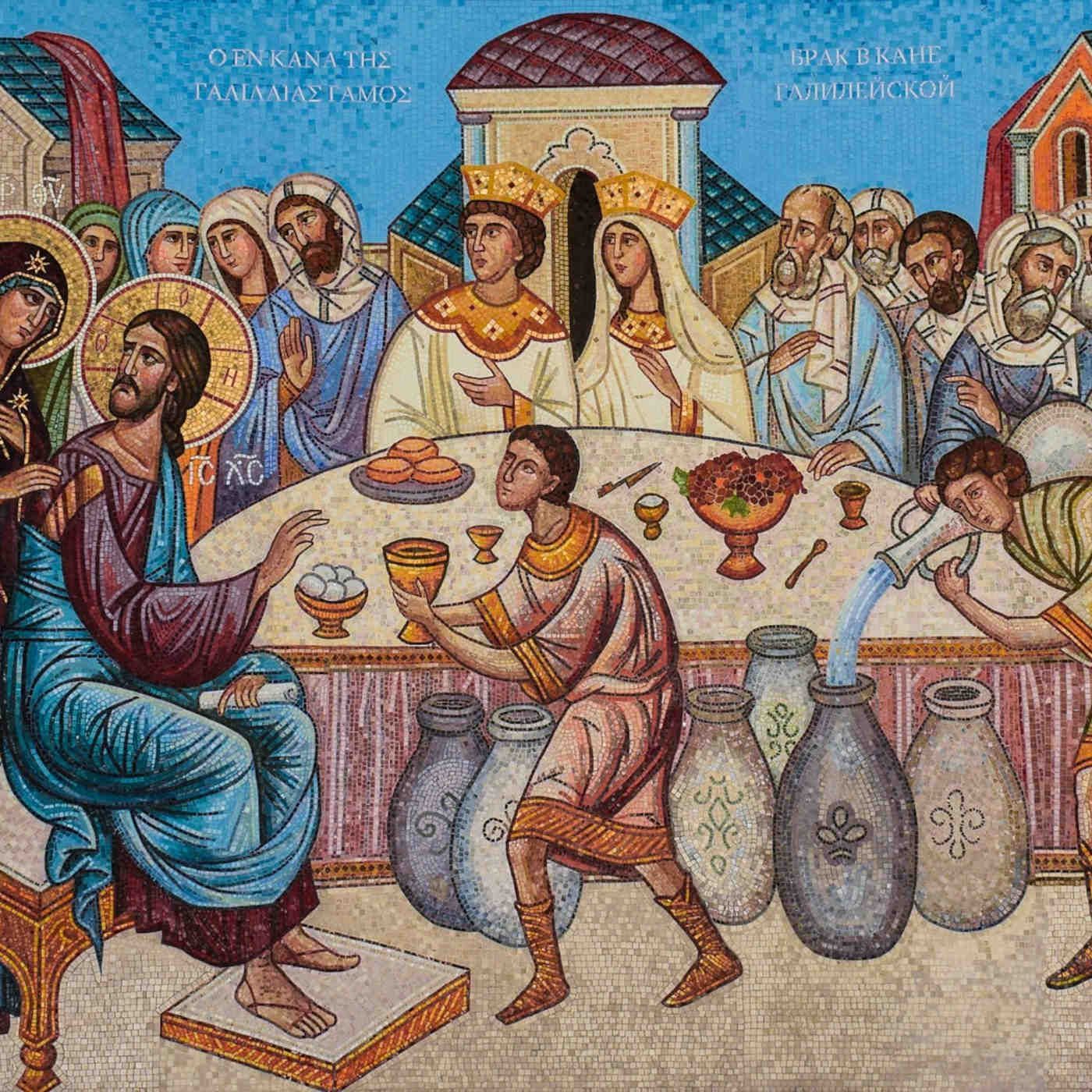
Jan 17
Saturday of the First Week of Ordinary Time - Discerning the Will of God
Read Online As he passed by, he saw Levi, son of Alphaeus, sitting at the customs post. Jesus said to him, “Follow me.” And he got up and followed Jesus. Mark 2:14 How do you know the will of God for your life? In his spiritual classic, The Spiritual Exercises , Saint Ignatius of Loyola presented three ways in which we come to know the will of God. (See mycatholic.life/ignatius for more.) The first way is the clearest and most definitive way. It is a time in which the person experiences a “clarity beyond doubting” as a result of a special grace of God. In describing this experience, Saint Ignatius mentions the passage quoted above as an illustration of this experience. There is little said about this call of Levi in the Gospel of Mark, which is also recorded in Matthew’s Gospel (Matthew 9:9). Levi, who is also known as Matthew, was going about his occupation of collecting taxes at his customs post. It appears that Jesus spoke only these two simple words to Levi: “Follow me.” As a result of these two words, Levi abandons his former life and becomes a follower of Jesus. Why would Levi do such a thing? What was it that convinced him to follow Jesus? Clearly there was much more than just a two-word invitation from Jesus that convinced him to respond. That which convinced Levi was a special grace of God which produced within his soul a “clarity beyond doubting.” Somehow Levi just knew that God was calling him to abandon his former life and embrace this new life. There was no long discussion, no weighing of the pros and cons, no prolonged thinking about it. Levi just knew, and he responded. Though this form of clarity in life is rare, it’s important to be aware of the fact that sometimes God does act this way. This is a great gift when it happens! And though this depth of instant clarity is not always the way God speaks to us, it’s important to acknowledge that God does speak to us this way at times. Reflect, today, upon this call of Levi. Ponder this inner certitude he was given in that moment. Try to imagine what he experienced and what others may have thought of his choice to follow Jesus. Be open to this same grace; and if you ever feel as if God speaks to you with such clarity, be ready and willing to respond without hesitation. My dear Lord, thank You for calling us all to follow You without hesitation. Thank You for the joy of being Your disciple. Give me the grace to always know Your will for my life and help me to respond to You with total abandonment and trust. Jesus, I trust in You. Source of content: catholic-daily-reflections.com Copyright © 2025 My Catholic Life! Inc. All rights reserved. Used with permission via RSS feed. Featured image above: The Calling of Saint Matthew By Giovanni Paolo Panini
Jan 16
Friday of the First Week of Ordinary Time - An Act of the Greatest Charity
Read Online They came bringing to him a paralytic carried by four men. Unable to get near Jesus because of the crowd, they opened up the roof above him. After they had broken through, they let down the mat on which the paralytic was lying. Mark 2:3–4 This paralytic is a symbol of certain people in our lives who seem to be incapable of turning to our Lord by their own effort. It’s clear that the paralytic wanted healing, but he was unable to come to our Lord by his own effort. Therefore, the friends of this paralytic carried him to Jesus, opened the roof (since there was such a large crowd), and lowered the man down before Jesus. The paralysis of this man is a symbol of a certain type of sin. It’s a sin for which someone desires forgiveness but is incapable of turning to our Lord by their own effort. For example, a serious addiction is something that can so dominate a person’s life that they cannot overcome this addiction by their own effort. They need the help of others to even be able to turn to our Lord for help. We each must see ourselves as the friends of this paralytic. Too often when we see someone who is trapped in a life of sin, we simply judge them and turn away from them. But one of the greatest acts of charity we can offer another is to help provide them with the means they need to overcome their sin. This can be done by our counsel, our unwavering compassion, a listening ear, and by any act of fidelity to that person during their time of need and despair. How do you treat people who are caught in the cycle of manifest sin? Do you roll your eyes at them and turn away? Or do you firmly determine to be there for them to give them hope and to assist them when they have little or no hope in life to overcome their sin? One of the greatest gifts you can give to another is the gift of hope by being there for them to help them turn fully to our Lord. Reflect, today, upon a person you know who seems to be not only caught in the cycle of sin but has also lost hope to overcome that sin. Prayerfully surrender yourself over to our Lord and commit yourself to the charitable act of doing anything and everything you can so as to help them fully turn to our divine Lord. My precious Jesus, fill my heart with charity toward those who need You the most but seem incapable of overcoming the sin in their lives that keep them from You. May my unwavering commitment to them be an act of charity that gives them the hope they need to surrender their life to You. Use me, dear Lord. My life is in Your hands. Jesus, I trust in You. Source of content: catholic-daily-reflections.com Copyright © 2025 My Catholic Life! Inc. All rights reserved. Used with permission via RSS feed. Featured image above: The sick of the palsy is let down before Jesus, via Wikimedia Commons
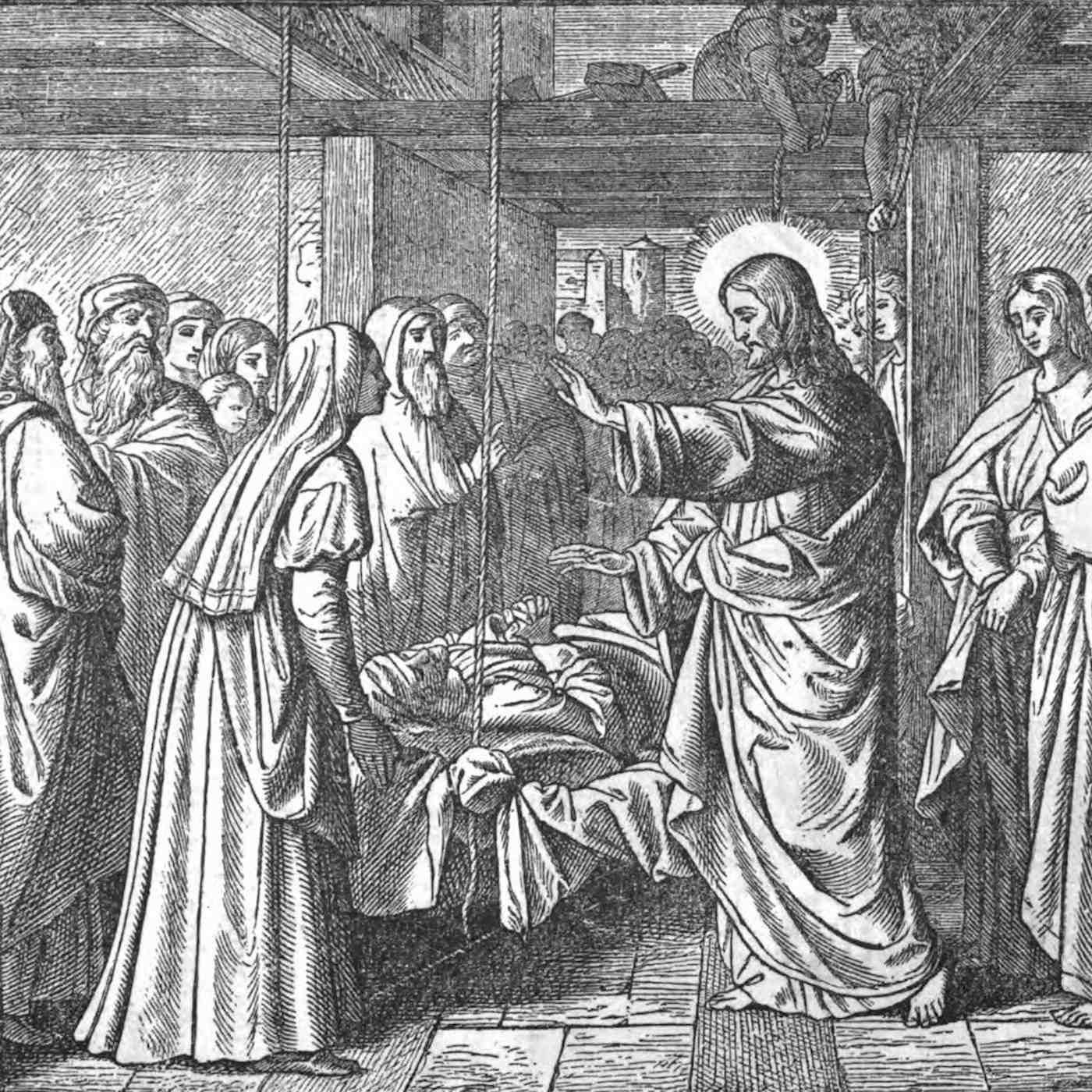
Jan 15
Thursday of the First Week of Ordinary Time - Be Made Clean
Read Online A leper came to him and kneeling down begged him and said, “If you wish, you can make me clean.” Moved with pity, he stretched out his hand, touched the leper, and said to him, “I do will it. Be made clean.” Mark 1:40–41 If we come to our divine Lord with faith, kneel down before Him and present our need to Him, then we also will receive the same response given to this leper: “I do will it. Be made clean.” These words should give us hope in the midst of any and every challenge in life. What is it that our Lord wills for you? And what is it that He desires to make clean in your life? This story of the leper coming to Jesus does not mean that our Lord will grant any and every request we bring to Him. Instead, it reveals that He wills to make us clean of that which afflicts us the most. Leprosy in this story should be seen as a symbol of the spiritual ills that afflict your soul. First and foremost, it should be seen as a symbol of the sin in your life that has become habitual and slowly does great damage to your soul. At that time, leprosy not only caused grave physical damage to a person, but it also had the effect of isolating them from the community. They had to live apart from others who did not have the disease; and if they came near others, they had to show they were lepers by certain external signs so that people would not come in contact with them. Thus, leprosy had both personal and communal ramifications.The same is true with many habitual sins. Sin does damage to our souls, but it also affects our relationships. For example, a person who is habitually harsh, judgmental, sarcastic or the like will experience the ill effects of these sins on their relationships. Returning to the statement of Jesus above, consider that sin which not only affects your soul the most but also your relationships. To that sin, Jesus wishes to say to you, “Be made clean.” He wants to strengthen your relationship by cleansing the sin within your soul. And all it takes for Him to do that is for you to turn to Him on your knees and to present your sin to Him. This is especially true within the Sacrament of Reconciliation. Reflect, today, upon your closest relationships in life. And then consider which of your sins most directly hurts those relationships. Whatever comes to mind, you can be certain that Jesus wants to rid you of that spiritual leprosy within your soul. My divine Lord, help me to see that which is within me that most harms my relationships with others. Help me to see that which causes isolation and hurt. Give me the humility to see this and the trust I need to turn to You to confess it and seek Your healing. You and You alone can free me from my sin, so I turn to You in confidence and surrender. With faith, I also await Your healing words, “I do will it. Be made clean.” Jesus, I trust in You. Source of content: catholic-daily-reflections.com Copyright © 2025 My Catholic Life! Inc. All rights reserved. Used with permission via RSS feed. Featured image above: Christ cleans leper man By Sibeaster, via Wikimedia Commons
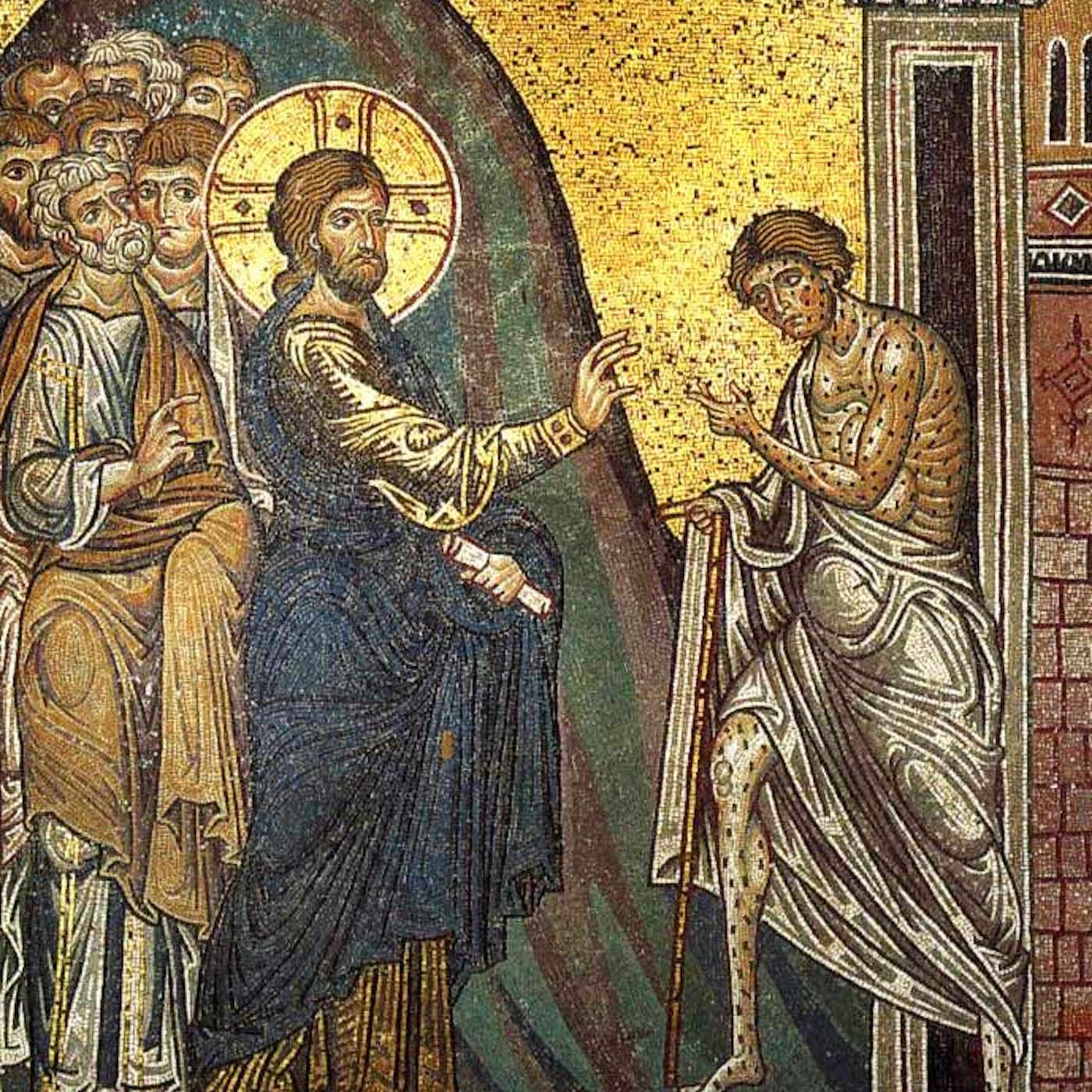
Jan 14
Wednesday of the First Week in Ordinary Time - More Demons Driven Out
Read Online When it was evening, after sunset, they brought to him all who were ill or possessed by demons. The whole town was gathered at the door. He cured many who were sick with various diseases, and he drove out many demons, not permitting them to speak because they knew him. Mark 1:32–34 Today we read that Jesus once again “drove out many demons...” The passage then adds, “...not permitting them to speak because they knew him.” Why would Jesus not permit these demons to speak? Many of the early Church fathers explain that even though the demons had an understanding that Jesus was the promised Messiah, they did not understand fully what that meant and how He would accomplish His ultimate victory. Therefore, Jesus did not want them to speak only half-truths about Him, as the evil one often does, thus misleading the people. So Jesus always forbade these demons from speaking about Him publicly. It’s important to understand that all of the demonic spirits failed to understand the full truth that it would be Jesus’ death that ultimately destroys death itself and sets all people free. For that reason, we see that these diabolical forces continually conspired against Jesus and tried to attack Him throughout His life. They stirred up Herod when Jesus was a baby, which forced Him into exile in Egypt. Satan himself tempted Jesus just prior to the beginning of His public ministry so as to try to dissuade Jesus from His mission. There were many diabolical forces who continually attacked Jesus throughout His public ministry, especially through the ongoing hostility of the religious leaders at the time. And it can be presumed that these demons may have initially thought they won the battle when they accomplished their goal of having Jesus crucified. The truth, however, is that Jesus’ wisdom continually confounded these demons and ultimately transformed their evil act of having Him crucified into an ultimate victory over sin and death itself by rising from the dead. Satan and his demons are real, but compared to the truth and wisdom of God, these diabolical forces reveal their complete foolishness and weakness. Just like Jesus, we need to rebuke these tempters in our lives and command that they be silent. Too often we allow their half truths to mislead us and confuse us. Reflect, today, upon the importance of confidently rebuking the evil one and the many lies he tempts us to believe. Rebuke him with the truth and authority of Christ and pay no attention to what he says. My precious and all-powerful Lord, I turn to You and You alone as the source of all Truth and the fullness of Truth. May I listen to Your voice alone and reject the many deceptions of the evil one and his demons. In Your precious name, Jesus, I rebuke satan and all evil spirits, their lies and their temptations. I send these spirits to the foot of Your Cross, dear Lord, and open my mind and heart only to You. Jesus, I trust in You. Source of content: catholic-daily-reflections.com Copyright © 2025 My Catholic Life! Inc. All rights reserved. Used with permission via RSS feed. Featured image above: The Blind and Mute Man Possessed by Devils By James Tissot, via Wikimedia Commons
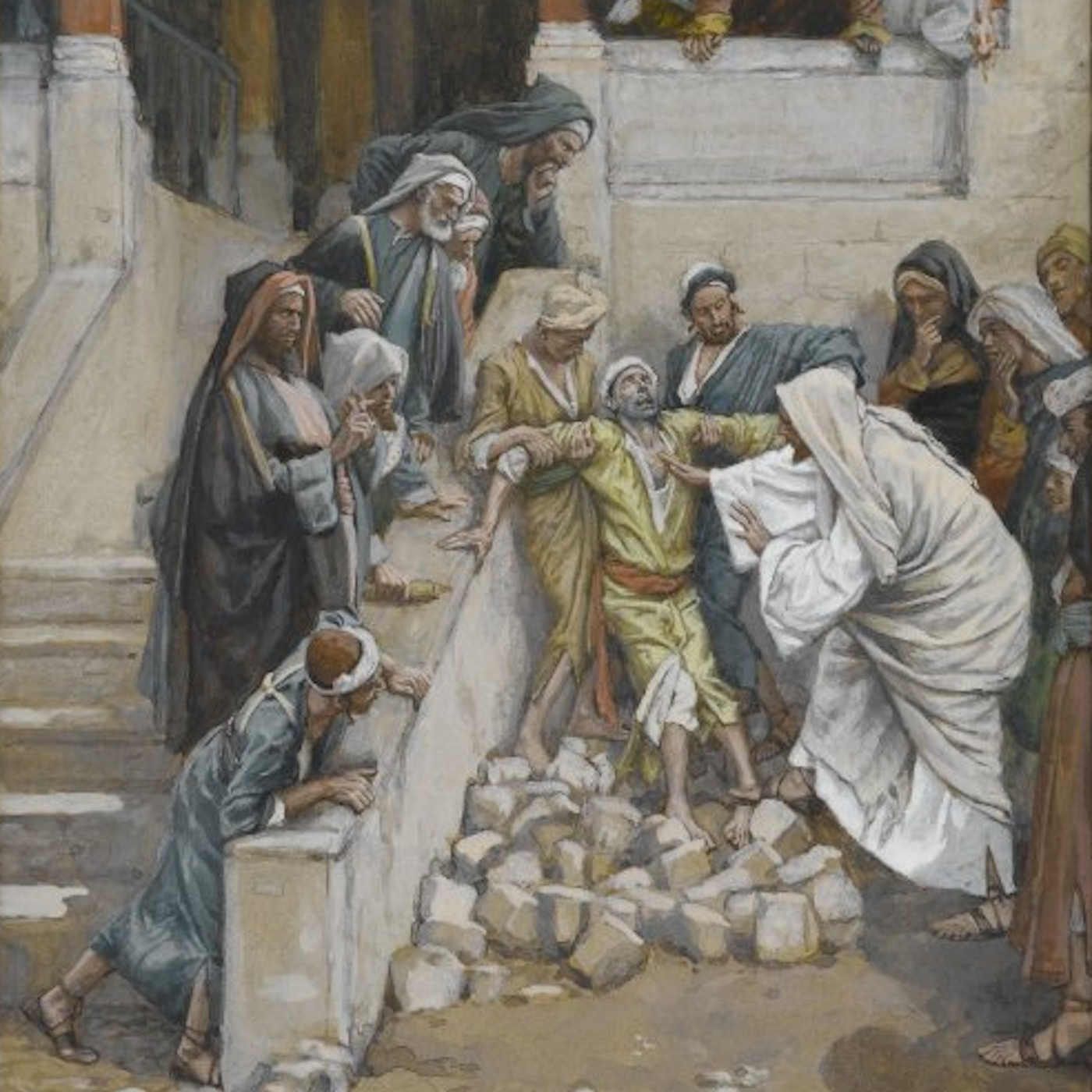
Jan 13
Tuesday of the First Week of Ordinary Time - Confronting the Evil One
Read Online In their synagogue was a man with an unclean spirit; he cried out, “What have you to do with us, Jesus of Nazareth? Have you come to destroy us? I know who you are–the Holy One of God!” Jesus rebuked him and said, “Quiet! Come out of him!” Mark 1:23–25 There were numerous times when Jesus directly confronted demons in the Scriptures. Each time He rebuked them and exercised His authority over them. The passage above illustrates one such case. The fact that the devil shows himself over and over in the Gospels tells us that the evil one is real and needs to be dealt with appropriately. And the appropriate way to deal with the evil one and his fellow demons is to rebuke them with the authority of Christ Jesus Himself in a calm but definitive and authoritative way. It’s very rare that the evil one makes himself fully manifest to us in the way that he did in the passage above to Jesus. The demon speaks directly through this man, which indicates that the man was fully possessed. And though we do not see this form of manifestation often, it doesn’t mean that the evil one is any less active today. Instead, it shows that the authority of Christ is not being exercised by the Christian faithful to the extent that is necessary to combat the evil one. Instead, we often cower in the face of evil and fail to confidently and charitably stand our ground with Christ. Why did this demon manifest himself in such a visible way? Because this demon was directly confronted with the authority of Jesus. The devil usually prefers to remain hidden and deceptive, presenting himself as an angel of light so that his evil ways are not known clearly. Those whom he controls often do not even know how much they are influenced by the evil one. But when the evil one is confronted with the pure presence of Christ, with the Truth of the Gospel that sets us free, and with Jesus’ authority, this confrontation often forces the evil one to react by manifesting his evil. Reflect, today, upon the fact that the evil one is constantly at work all around us. Consider the people and circumstances in your life where the pure and holy Truth of God is attacked and rejected. It is in those situations, more than any other, that Jesus wants to bestow upon you His divine authority to confront evil, rebuke it and take authority over it. This is primarily done through prayer and deep trust in the power of God. Don’t be afraid to allow God to use you to confront the activity of the evil one in this world. Lord, give me courage and wisdom when I face the activity of the evil one in this world. Give me wisdom to discern his hand at work and give me courage to confront and rebuke him with Your love and authority. May Your authority be alive in my life, Lord Jesus, and may I daily become a better instrument of the coming of Your Kingdom as I confront the evil present in this world. Jesus, I trust in You. Source of content: catholic-daily-reflections.com Copyright © 2024 My Catholic Life! Inc. All rights reserved. Used with permission via RSS feed. Featured image above: The Possessed Man in the Synagogue By James Tissot via Wikimedia Commons
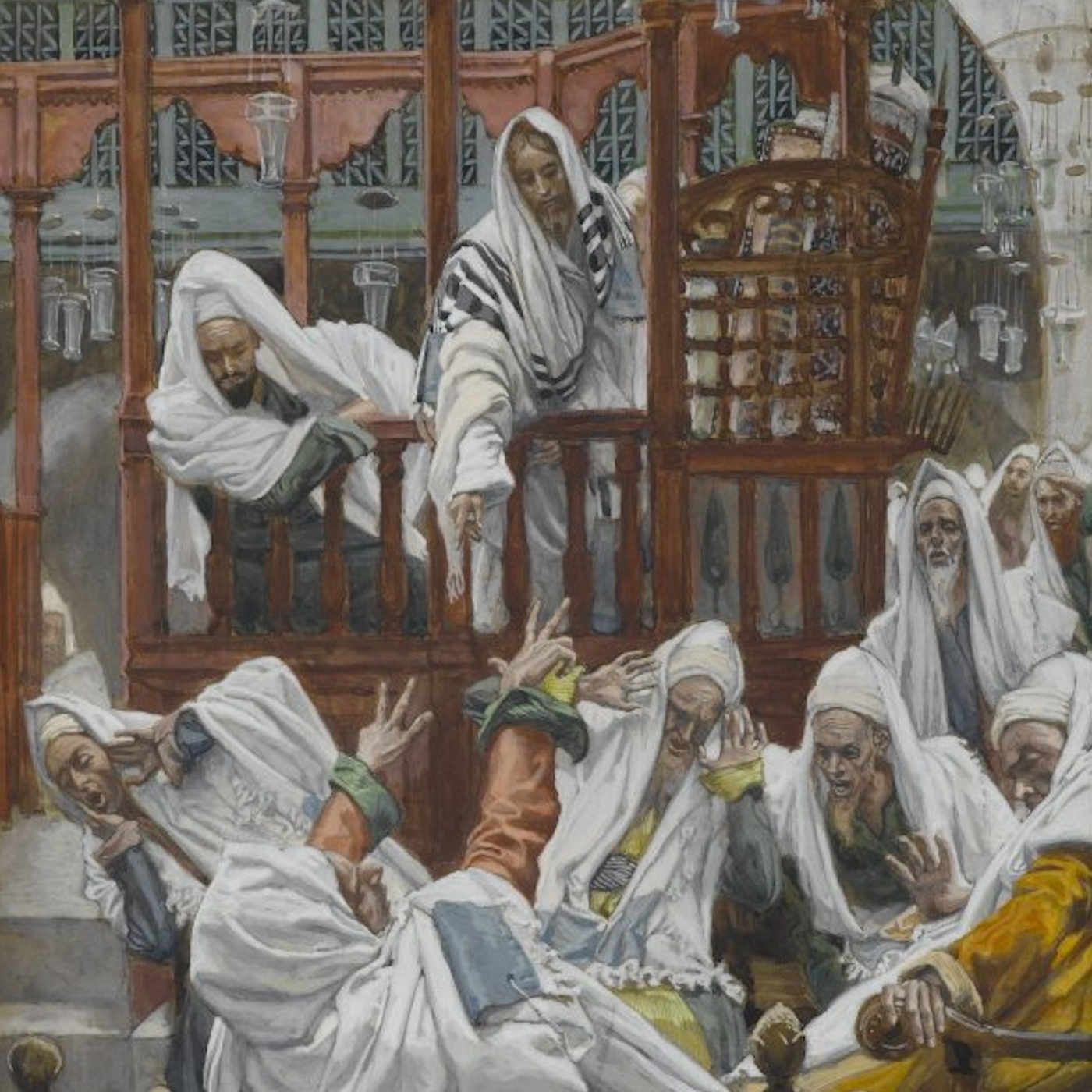
Jan 12
Monday of the First Week of Ordinary Time - A Time to Repent and Believe
Read Online Jesus came to Galilee proclaiming the Gospel of God: “This is the time of fulfillment. The Kingdom of God is at hand. Repent, and believe in the Gospel.” Mark 1:14–15 We have now completed our Advent and Christmas Seasons, and thus we begin the liturgical season of “Ordinary Time.” Ordinary Time must be lived in our lives in both an ordinary and extraordinary way. First of all, we begin this liturgical season with an extraordinary calling from God. In the Gospel passage above, Jesus begins His public ministry by proclaiming that “The Kingdom of God is at hand.” But He then goes on to state that, as a result of the new presence of the Kingdom of God, we must “repent” and “believe.” It’s important to understand that the Incarnation, which we especially celebrated in Advent and Christmas, changed the world forever. Now that God had united Himself with human nature in the Person of Jesus Christ, God’s new Kingdom of grace and mercy was at hand. Our world and our lives are changed because of what God did. And as Jesus began His public ministry, He begins to inform us through His preaching of this new reality. The public ministry of Jesus, as it is transmitted to us through the inspired Word of the Gospels, presents to us the very Person of God and the foundation of His new Kingdom of grace and mercy. It presents us with the extraordinary calling of holiness of life and an unwavering and radical commitment to following Christ. Thus, as we begin Ordinary Time, it’s good to be reminded of our duty to immerse ourselves in the message of the Gospel and to respond to it without reserve. But this calling to an extraordinary way of life must ultimately become ordinary. In other words, our radical calling to follow Christ must become who we are. We must see the “extraordinary” as our “ordinary” duty in life. Reflect, today, upon the beginning of this new liturgical season. Use it as an opportunity to remind yourself of the importance of both daily studying and prayerfully pondering the public ministry of Jesus and all He taught. Recommit yourself to a faithful reading of the Gospel so that it becomes an ordinary part of your daily life. My precious Jesus, I thank You for all You have spoken and revealed to us through Your public ministry. Strengthen me during this new liturgical season of Ordinary Time to devote myself to the reading of Your holy Word, so that all that You have taught us becomes an ordinary part of my daily life. Jesus, I trust in You. Source of content: catholic-daily-reflections.com Copyright © 2024 My Catholic Life! Inc. All rights reserved. Used with permission via RSS feed. Featured image above: Sermon on the Mount By Carl Bloch, via Wikimedia Commons
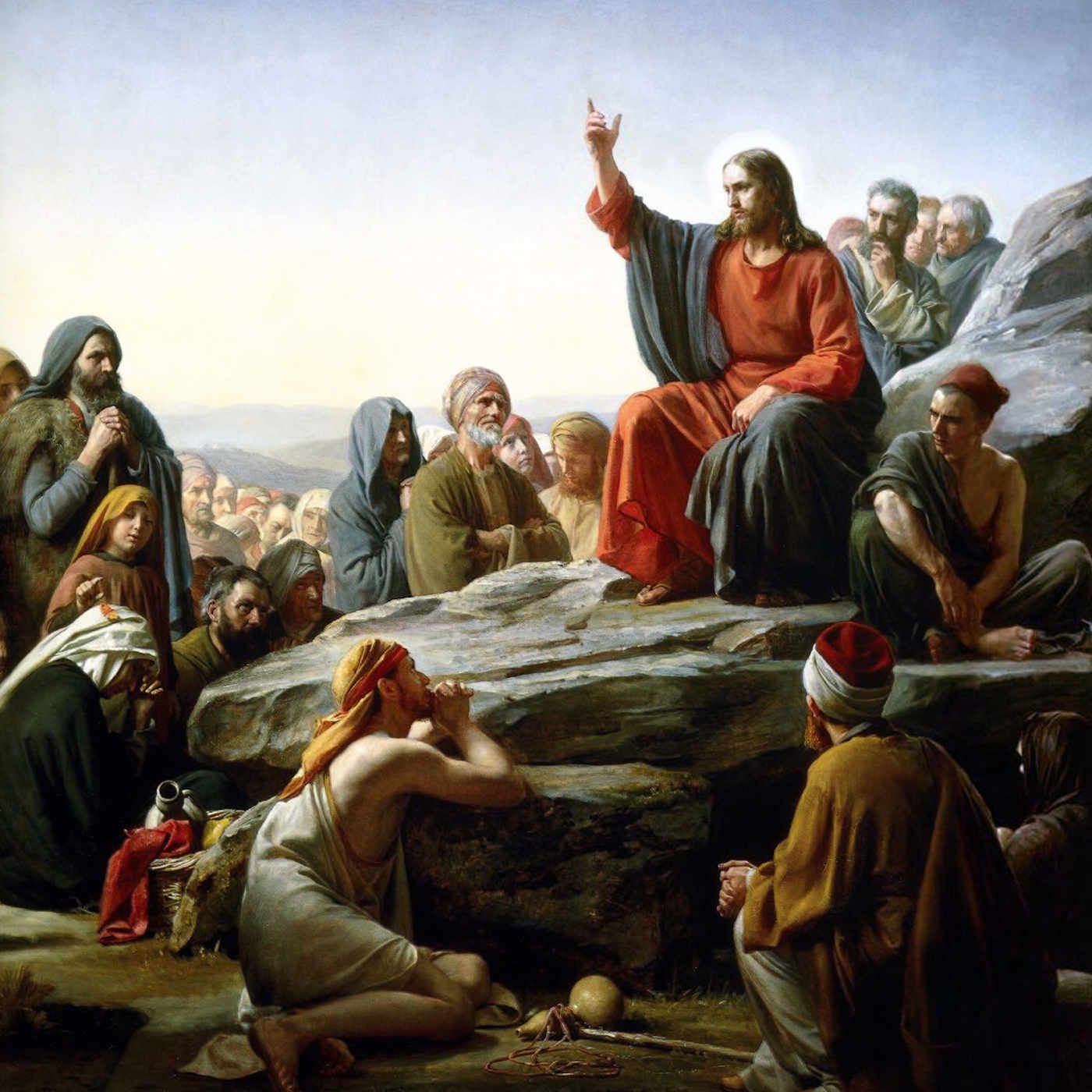
Jan 11
Feast of the Baptism of the Lord - “You are My Beloved Son”
Read Online It happened in those days that Jesus came from Nazareth of Galilee and was baptized in the Jordan by John. On coming up out of the water he saw the heavens being torn open and the Spirit, like a dove, descending upon him. And a voice came from the heavens, “You are my beloved Son; with you I am well pleased.” Mark 1:9–11 The Feast of the Baptism of the Lord concludes for us the Christmas Season and transitions us into the beginning of Ordinary Time. From a Scriptural point of view, this event in Jesus' life is also a transitional moment from His hidden life in Nazareth to the beginning of His public ministry. As we commemorate this glorious event, it’s important to ponder a simple question: Why was Jesus baptized? Recall that John’s baptism was one of repentance, an act by which he invited his followers to turn from sin and to turn to God. But Jesus was sinless, so what was the reason for His Baptism? First of all, we see in the quoted passage above that Jesus’ true identity was made manifest through His humble act of baptism. “You are my beloved Son; with you I am well pleased,” spoke the voice of the Father in Heaven. Furthermore, we are told that the Spirit descended upon Him in the form of a dove. Thus, Jesus’ baptism is in part a public declaration of Who He is. He is the Son of God, a divine Person Who is one with the Father and the Holy Spirit. This public testimony is an “epiphany,” a manifestation of His true identity for all to see as He prepares to begin His public ministry. Second, by His baptism, Jesus’ incredible humility is made manifest. He is the Second Person of the Most Holy Trinity, but He allows Himself to become identified with sinners. By sharing in an act that was focused upon repentance, Jesus speaks volumes through His action of baptism. He came to unite Himself with us sinners, to enter our sin and to enter into our death. By entering the water, He symbolically enters into death itself, which is the result of our sin, and rises triumphantly, allowing us to also rise with Him to new life. For this reason, Jesus’ baptism was a way of Him “baptizing” the waters, so to speak, so that water itself, from that moment onward, would be endowed with His divine presence and could be communicated to all who are baptized after Him. Therefore, sinful humanity is now able to meet divinity through baptism. Lastly, when we share in this new baptism, through water that has now been sanctified by our divine Lord, we see in Jesus’ baptism a revelation of who we become in Him. Just as the Father spoke and declared Him as His Son, and just as the Holy Spirit descended upon Him, so also in our baptism we become the adopted children of the Father and are filled with the Holy Spirit. Thus, Jesus’ baptism gives clarity as to whom we become in Christian baptism. Lord, I thank You for Your humble act of baptism by which You opened the Heavens to all who are sinners. May I open my heart to the unfathomable grace of my own baptism each and every day and more fully live with You as a child of the Father, filled with the Holy Spirit. Jesus, I trust in You. Source of content: catholic-daily-reflections.com Copyright © 2024 My Catholic Life! Inc. All rights reserved. Used with permission via RSS feed. Featured image above: The Baptism of Christ by Verrocchio & Leonardo, via Wikimedia Commons
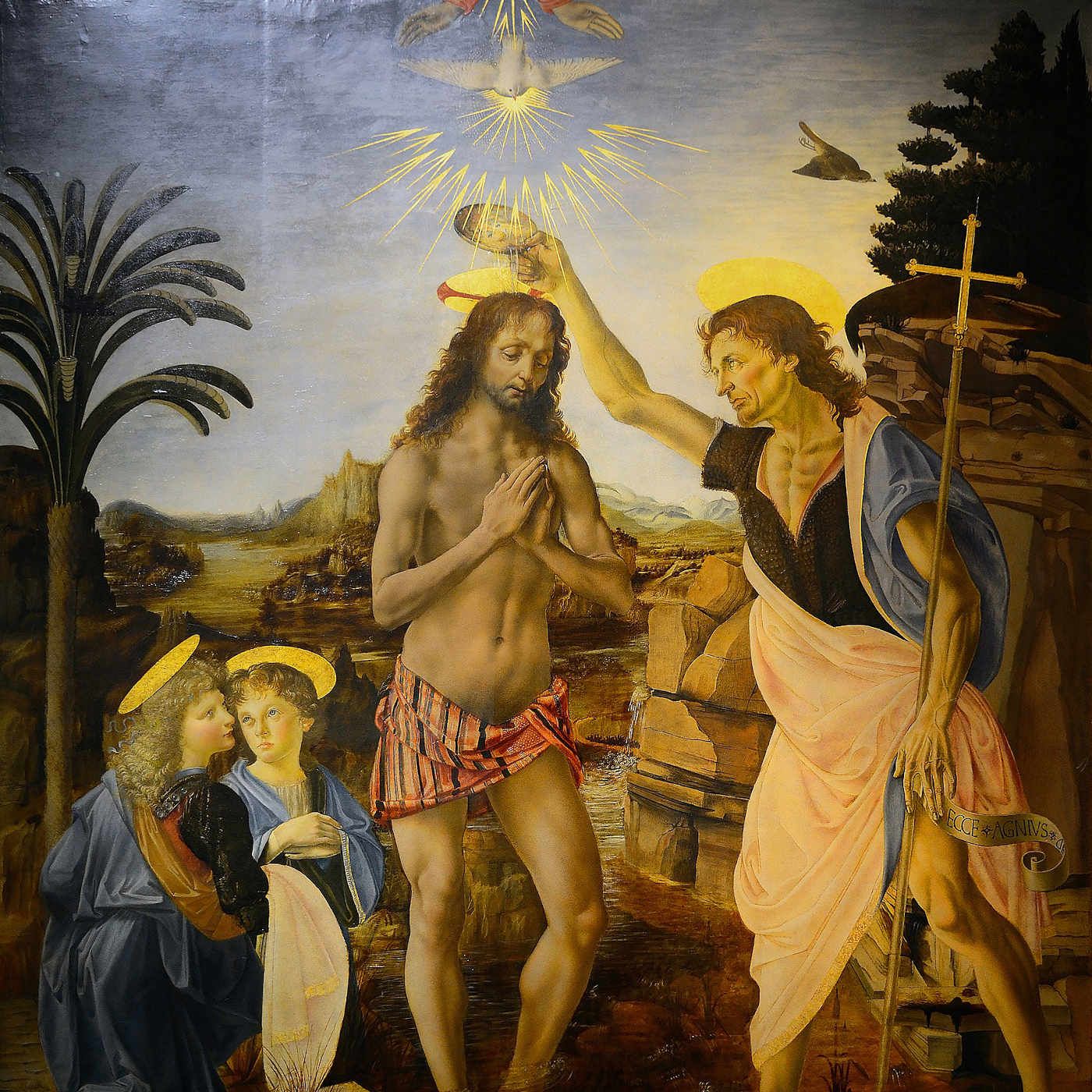
Jan 10
Saturday after Epiphany - Fulfilling Only Our Role
Read Online “Rabbi, the one who was with you across the Jordan, to whom you testified, here he is baptizing and everyone is coming to him.” John 3:26 John the Baptist had amassed quite a following. People kept coming to Him to be baptized, and many wanted his ministry to grow. However, once Jesus began His own public ministry, some of the followers of John became jealous. But John gave the right answer to them. He explained to them that his life and mission was to prepare people for Jesus. Now that Jesus had begun His ministry, John joyfully said, “So this joy of mine has been made complete. He must increase; I must decrease” (John 3:29–30). This humility of John is a great lesson, especially for those who are actively engaged in the apostolic mission of the Church. Too often when we get involved with some apostolate and another’s “ministry” seems to grow faster than ours, jealousy can set in. But the key to understanding our role in the apostolic mission of Christ’s Church is that we must seek to fulfill our role and our role alone. We must never see ourselves in competition with others within the Church. We must know when we are to act in accord with God’s will, and we must know when we are to step back and allow others to fulfill God’s will. We must do the will of God, nothing more, nothing less and nothing other. Additionally, that last statement from John must always resound within our hearts when we are called to actively engage in the apostolate. “He must increase; I must decrease.” This is an ideal model for everyone who serves Christ and others within the Church. Reflect, today, upon those holy words of the Baptist. Apply them to your mission within your family, among your friends and especially if you are involved in some apostolic service within the Church. Everything you do must point to Christ. This will only happen if you, like Saint John the Baptist, understand the unique role that God has given to you and you embrace that role alone. Lord, I give myself to You for Your service and glory. Use me as You will. As You use me, please give me the humility I need to always remember that I serve You and Your will alone. Free me from jealousy and envy and help me to rejoice in the numerous ways that You act through others in my life. Jesus, I trust in You. Source of content: catholic-daily-reflections.com Copyright © 2024 My Catholic Life! Inc. All rights reserved. Used with permission via RSS feed. Featured image above: Metanoiete! via Flickr
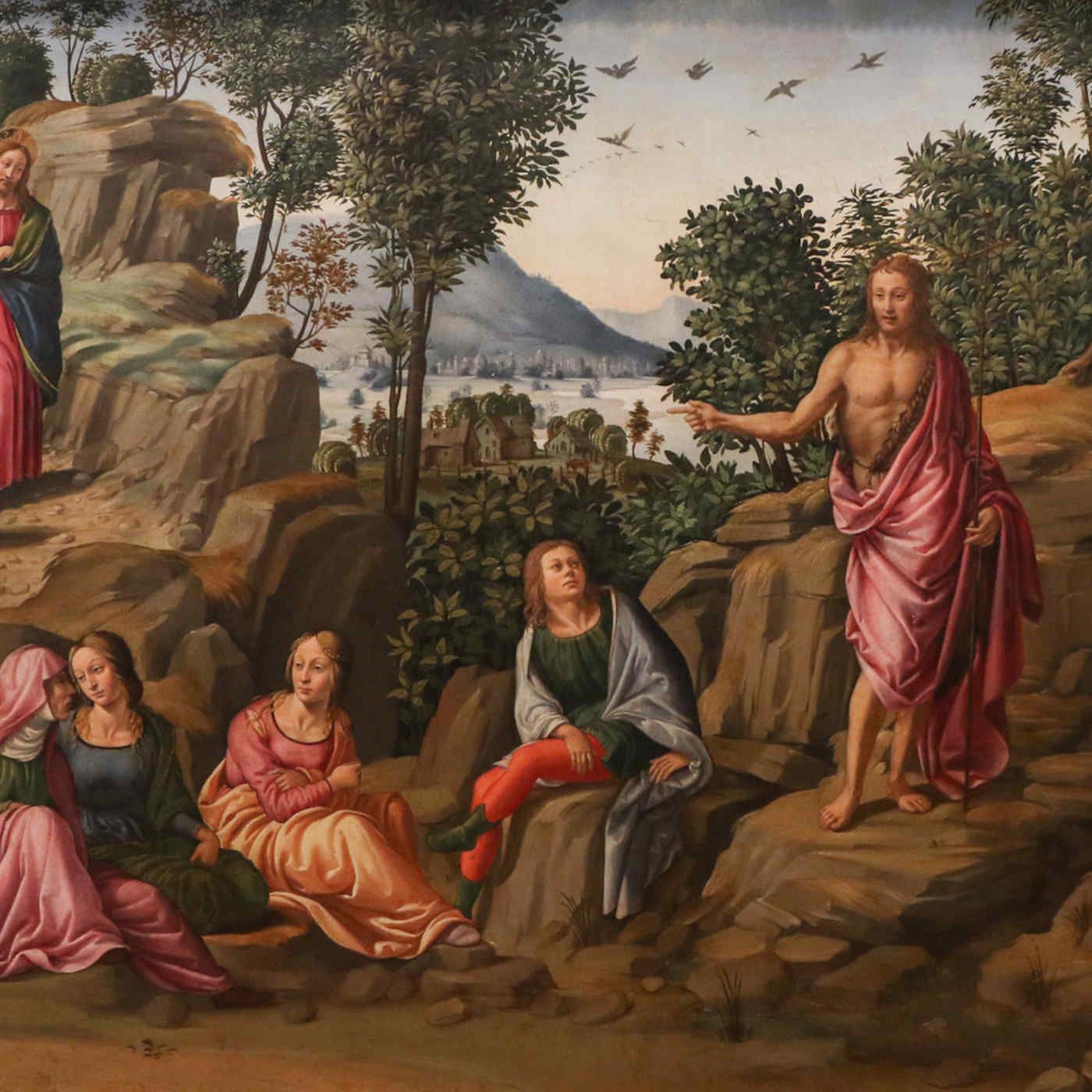
Jan 9
Friday after Epiphany - Preaching by Example
Read Online The report about him spread all the more, and great crowds assembled to listen to him and to be cured of their ailments, but he would withdraw to deserted places to pray. Luke 5:15–16 This line concludes the beautiful and powerful story of a man who was full of leprosy and who came to Jesus, fell prostrate before Him and pleaded with Jesus to heal Him if it was His will. Jesus’ response was simple: “I do will it. Be made clean.” And then Jesus did the unthinkable. He touched the man. The man, of course, was immediately healed of his leprosy, and Jesus sent him to show himself to the priest. But word of this miracle spread fast, and many people kept coming to see Jesus as a result. It’s easy to imagine the scene of people talking about this miracle, thinking of their own ailments and those of their loved ones, and wanting to be healed by this miracle worker. But in the passage above, we see Jesus do something very interesting and prophetic. Just as the great crowds gathered and just as there was much excitement about Jesus, He withdrew from them to a deserted place to pray. Why would He do this? Jesus’s mission was to teach His followers the truth and to lead them to Heaven. He did this not only by His miracles and teachings but also by setting an example of prayer. By going off to pray to His Father alone, Jesus teaches all of these excited followers what is most important in life. Physical miracles are not what is most important. Prayer and communion with the Father in Heaven is what’s most important. If you have established a healthy life of daily prayer, one way you can share the Gospel with others is by allowing others to witness your commitment to prayer. Not so as to receive their praise, but to let them know what you find most important in life. When you commit yourself to daily Mass, going to church for adoration, or simply taking time alone in your room to pray, others will notice and will be drawn into a holy curiosity which may also lead them to a life of prayer. Reflect, today, upon your mission to evangelize others by the simple act of allowing your life of prayer and devotion to be known by them. Let them see you pray, and if they ask, share with them the fruits of your prayer. Allow your love of our Lord to shine forth so that others will receive the blessing of your holy witness. Lord, help me to be committed to a life of true prayer and devotion each and every day. Help me to be faithful to this life of prayer and to continually be drawn deeper in my love of You. As I learn to pray, use me to be a witness to others so that those who need You the most will be changed by my love of You. Jesus, I trust in You. Source of content: catholic-daily-reflections.com Copyright © 2024 My Catholic Life! Inc. All rights reserved. Used with permission via RSS feed. Featured image above: Christ cleans leper man, via Wikimedia Commons
Jan 8
Thursday after Epiphany - Good News Travels Fast
Read Online Jesus returned to Galilee in the power of the Spirit, and news of him spread throughout the whole region. He taught in their synagogues and was praised by all. Luke 4:14–15 Jesus had just spent forty days in the desert, fasting and praying prior to beginning His public ministry. His first stop was Galilee, where He entered the Synagogue and read from the Prophet Isaiah. However, soon after His words were spoken in the Synagogue, Jesus was driven out of the town, and the people tried to throw Him over the hill to kill Him. What a shocking contrast. At first Jesus was “praised by all,” as we see in the passage above. Word of Him spread like wildfire throughout the towns. They had heard of His baptism and the Voice of the Father speaking from Heaven, and many were curious and excited about Him. But as soon as Jesus began to preach the pure Gospel message and when He began to address their hardness of heart, they turned on Him and sought His life. Sometimes we can fall into the trap of thinking that the Gospel will always have the effect of drawing people together as one. Of course, this is one of the central goals of the Gospel: to unite us in the Truth as the one people of God. But the key to unity is that unity is only possible when we all accept the saving Truth of the Gospel. All of it. And that means we must change our hearts, turn from the stubbornness of our sins, and open our minds to Christ. Sadly, some do not want to change, and the result is division. If you find that there are aspects of Jesus’ teaching that are hard to accept, reflect upon the passage above. Return to this initial reaction of the townspeople when they were all talking about Jesus and praised Him. That is the right response. Our difficulties with what Jesus says and what He calls us to repent of should never have the effect of leading us to disbelief rather than to praise Him in all things. Reflect, today, on the most difficult teaching of Jesus with which you have struggled. Everything He says and everything He has taught is for your good. Praise Him no matter what and allow your heart of praise to give you the wisdom you need to understand all that Jesus asks of you. Especially those teachings that are most difficult to accept. Lord, I accept all that You have taught, and I choose to change those parts of my life that do not conform to Your most holy will. Give me wisdom to see the thing from which I must repent and soften my heart so that I will always remain open to You. Jesus, I trust in You. Source of content: catholic-daily-reflections.com Copyright © 2024 My Catholic Life! Inc. All rights reserved. Used with permission via RSS feed. Featured images above: Christ Reading Isaiah in Synagogue, via flickr
Jan 7
Wednesday after Epiphany - Take Courage, Do Not Fear
Read Online “Take courage, it is I, do not be afraid!” Mark 6:50 Fear is one of the most paralyzing and painful experiences in life. There are many things we can fear, but most often, the cause of our fear is the evil one trying to deter us from faith and hope in Christ Jesus. This line above is taken from the story of Jesus walking on the water toward the Apostles during the fourth watch of the night as they were rowing against the wind and being tossed by the waves. When they saw Jesus walking on the water, they were terrified. But when Jesus spoke to them and got into the boat, the wind immediately died down, and the Apostles remained there “completely astounded.” The boat on the stormy sea has traditionally been understood to represent our journey through this life. There are countless ways that the evil one, the flesh and the world fight against us. In this story, Jesus sees their trouble from the shore and walks toward them to come to their aid. His reason for walking towards them is His compassionate Heart. Often in times of fear in life, we lose sight of Jesus. We turn in on ourselves and focus on the cause of our fear. But our goal must be to turn from the cause of fear in life and look for Jesus Who is always compassionate and is always walking toward us in the midst of our fear and struggle. Reflect, today, upon whatever it is that causes you the most fear and anxiety in life. What is it that leads you to interior confusion and struggle? Once you identify the source, turn your eyes from that to our Lord. See Him walking toward you in the midst of whatever you struggle with, saying to you, “Take courage, it is I, do not be afraid!” Lord, once again I turn to Your most compassionate Heart. Help me to lift my eyes toward You and to turn away from the sources of my anxiety and fear in life. Fill me with faith and hope in You and give me the courage I need to put all my trust in You. Jesus, I trust in You. Source of content: catholic-daily-reflections.com Copyright © 2024 My Catholic Life! Inc. All rights reserved. Used with permission via RSS feed. Featured image above: Jesus Walks Water, via publicdomainpictures.net
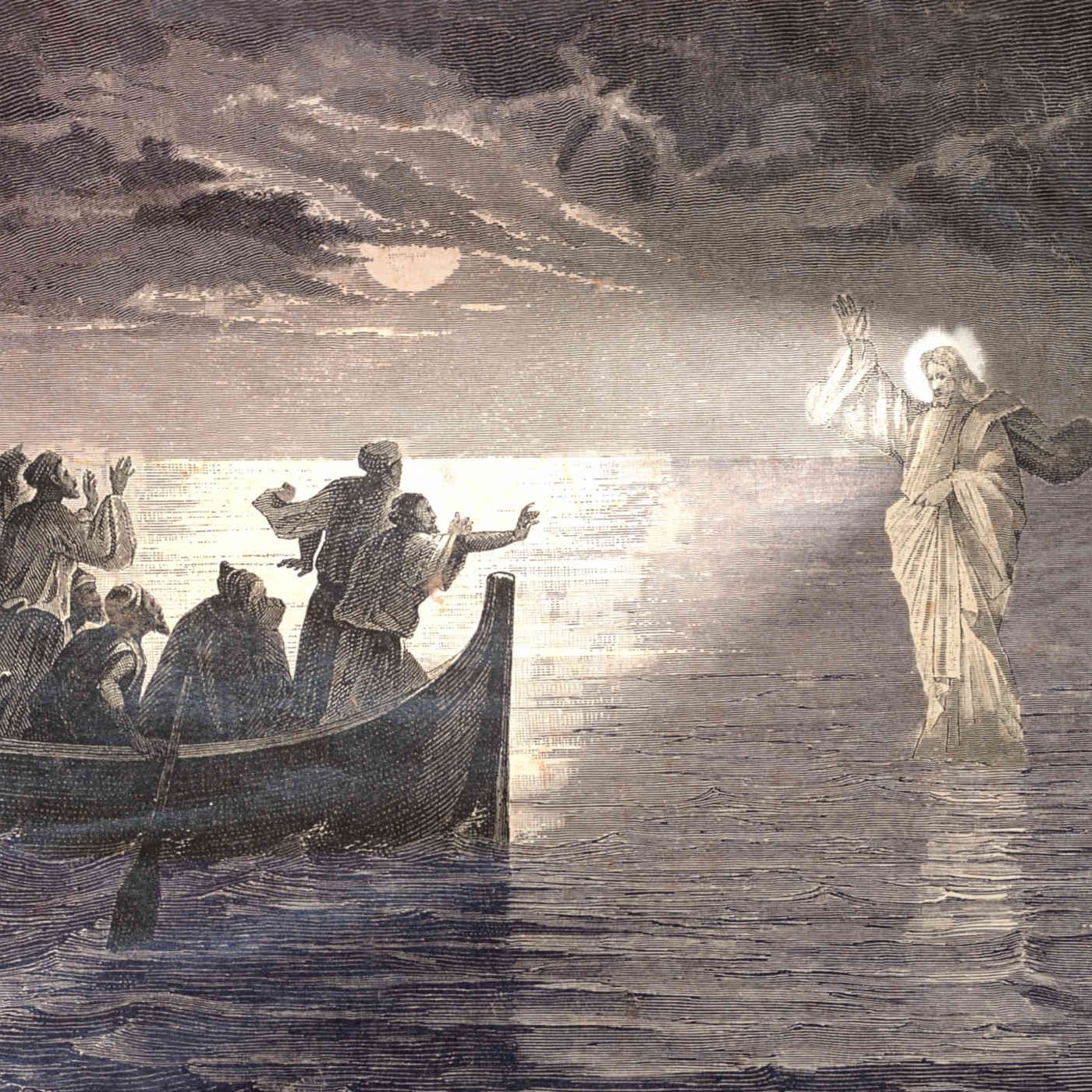
Jan 6
Tuesday after Epiphany - A Heart of Compassion
Read Online When Jesus saw the vast crowd, his heart was moved with pity for them, for they were like sheep without a shepherd; and he began to teach them many things. Mark 6:34 What is compassion? It’s an attribute by which someone sees the suffering of another and experiences true empathy for them. This empathy, in turn, leads the person to reach out and share in the person’s suffering, helping them to endure whatever they are going through. This is what Jesus experienced within His own Sacred Heart as He looked out upon this vast crowd. The Scripture above introduces the familiar miracle of the feeding of the five thousand with only five loaves of bread and two fish. And though the miracle itself offers much to ponder, this introductory line also gives us much to ponder regarding our Lord’s motivation for performing this miracle. When Jesus looked out at the large crowd, He saw a group of people who seemed lost, were searching and were spiritually hungry. They desired some direction in their lives, and, for that reason, they were coming to Jesus. But what’s very helpful to reflect upon is Jesus’ Heart. He was not annoyed by their insistence, He was not burdened by them; rather He was deeply moved by their spiritual poverty and hunger. This moved His Heart to “pity,” which is a form of sincere compassion. For that reason, He taught them “many things.” Interestingly, the miracle was simply an extra blessing but was not the primary action Jesus took on account of His compassionate Heart. First and foremost, His compassion led Him to teach them. Jesus looks at each one of us with the same compassion. Whenever you find yourself confused, lacking direction in life and spiritually hungry, Jesus gazes at you with the same gaze He offered this vast crowd. And His remedy for your needs is to teach you, also. He wants you to learn from Him by studying the Scripture, by daily prayer and meditation, by reading the lives of the saints and learning the many glorious teachings of our Church. This is the food that every wandering heart needs for spiritual satisfaction. Reflect, today, upon the most compassionate Heart of our Divine Lord. Allow yourself to see Him gazing at you with the utmost love. Know that His gaze is one that drives Him to speak to you, to teach you and to lead you to Himself. Trust this most compassionate Heart of our Lord and allow Him to reach out to you in love. Lord, help me to see You as You gaze at me with the most heartfelt love and compassion. I know You know my every struggle and my every need. Help me to open myself up to You and Your mercy so that You become my true Shepherd. Jesus, I trust in You. Source of content: catholic-daily-reflections.com Copyright © 2024 My Catholic Life! Inc. All rights reserved. Used with permission via RSS feed. Featured image above: St. Martin Church - The Sermon on the Mountain by Arsène Robert, via Wikimedia Commons
Jan 5
Monday after Epiphany - Repent with Your Whole Heart
Read Online From that time on, Jesus began to preach and say, “Repent, for the Kingdom of heaven is at hand.” Matthew 4:17 Now that our Christmas Octave and Epiphany celebrations are complete, we begin to turn our eyes to the public ministry of Christ. The above line from today’s Gospel presents us with the most central summary of all of the teachings of Jesus: Repent. However, He doesn’t say only to repent, He also says that “the Kingdom of heaven is at hand.” And that second statement is the reason we must repent. In his spiritual classic, The Spiritual Exercises , Saint Ignatius of Loyola explains that the primary reason for our lives is to give to God the greatest glory we can. In other words, to bring forth the Kingdom of Heaven. But he also goes on to say that this can only be accomplished when we turn away from sin and all inordinate attachments in our lives so that the one and only focus of our lives is the Kingdom of Heaven. This is the goal of repentance. Soon we will celebrate the Feast of the Baptism of the Lord, and then we return to Ordinary Time within the Liturgical Year. Throughout Ordinary Time, we will reflect upon the public ministry of Jesus and focus upon His many teachings. But all of His teachings, everything that He says and does, ultimately points us to repentance, a turning away from sin and a turning toward our glorious God. In your own life, it is essential that you place before your mind and heart the call to repentance. It is essential that you daily hear Jesus saying those words to you: “Repent, for the Kingdom of heaven is at hand.” Do not only think about Him saying this many years ago; rather, hear it said to you, today, tomorrow and every day of your life. There will never be a time in your life when you do not need to repent with all your heart. We will never reach perfection in this life, so repentance must be our daily mission. Reflect, today, upon this exhortation from our Lord to repent. Repent with your whole heart. Examining your actions every day is essential to this mission. See the ways that your actions keep you from God and reject those actions. And look for the ways that God is active in your life and embrace those acts of mercy. Repent and turn toward the Lord. This is Jesus’ message to you this day. Lord, I repent of the sin in my life and pray that You give me the grace to become free from all that keeps me from You. May I not only turn from sin but also turn to You as the source of all mercy and fulfillment in my life. Help me to keep my eyes on the Kingdom of Heaven and to do all I can to share in that Kingdom here and now. Jesus, I trust in You. Source of content: catholic-daily-reflections.com Copyright © 2024 My Catholic Life! Inc. All rights reserved. Used with permission via RSS feed. Featured image above: Repentance of St Peter By Guido Reni, via Wikimedia Commons
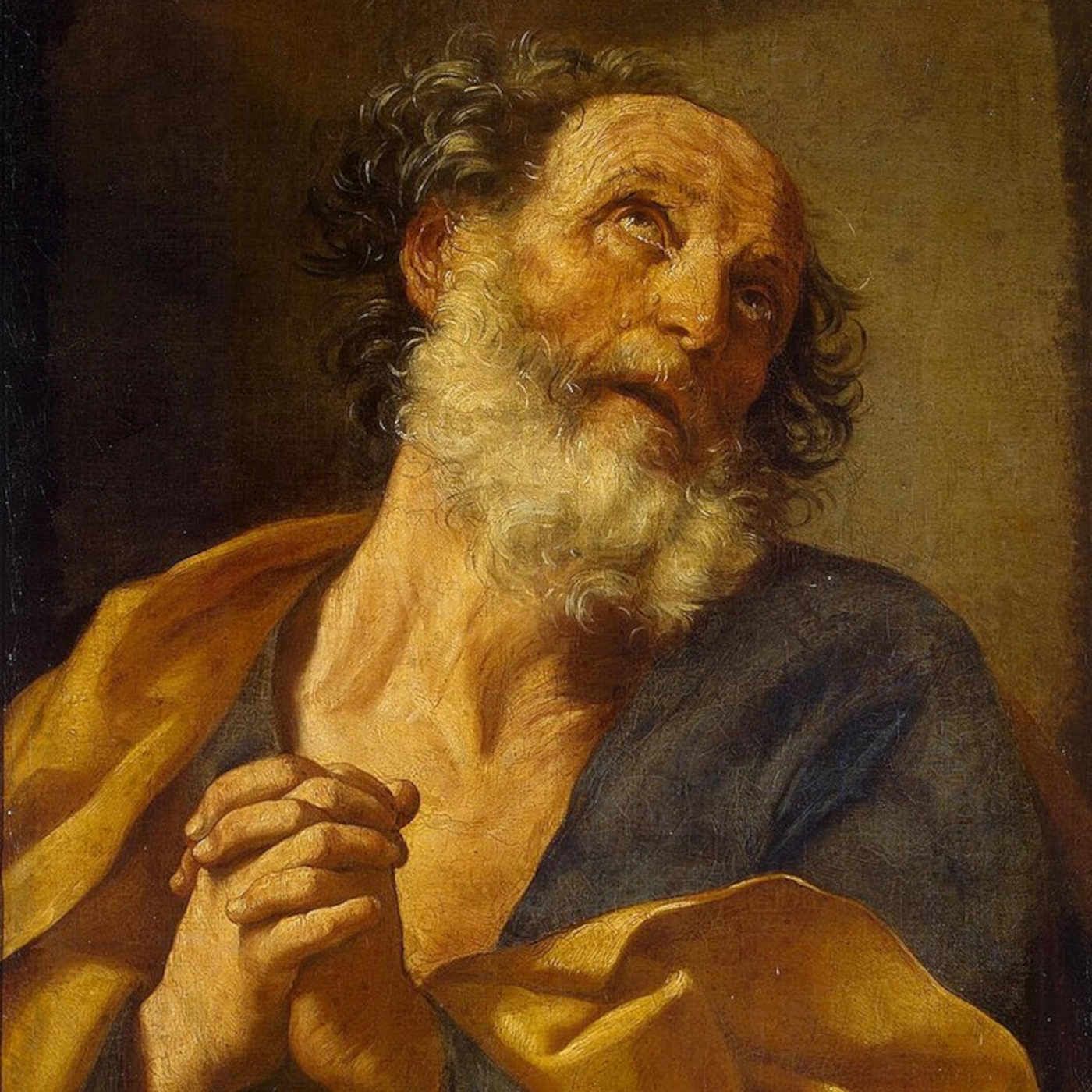
Jan 4
The Epiphany of the Lord - A Manifestation to the World
Read Online When Jesus was born in Bethlehem of Judea, in the days of King Herod, behold, magi from the east arrived in Jerusalem, saying, "Where is the newborn king of the Jews? We saw his star at its rising and have come to do him homage." Matthew 2:1–2 The Magi were most likely from Persia, modern-day Iran. They were men who regularly engaged in a study of the stars. They were not Jewish but were most likely aware of the popular belief of the Jewish people that a king would be born who would save them. These Magi were called by God to encounter the Savior of the World. Interestingly, God used something very familiar to them as an instrument of their calling: the stars. It was among their belief that when someone of great importance was born, this birth was accompanied by a new star. So when they saw this new, bright and brilliant star, they were filled with curiosity and hope. One of the most significant aspects of this story is that they responded. God called them through the use of a star, and they chose to follow this sign, embarking on a long and arduous journey. God often uses those things most familiar to us that are part of our daily life to send forth His calling. Recall, for example, that many of the Apostles were fishermen, and Jesus used their occupation to call them, making them “fishers of men.” He especially used the miraculous catch of fish to clearly indicate to them that they had a new calling. In our own lives, God is constantly calling us to seek Him out and worship Him. He will often use some of the most ordinary parts of our lives to send forth that calling. How is He calling you? In what way is He sending you a star to follow? Many times when God speaks, we ignore His voice. We must learn from these Magi and diligently respond when He calls. We must not hesitate and must seek to daily be attentive to the ways that God invites us to deeper trust, surrender and worship. Reflect, today, upon God’s call in your life. Are you listening? Are you responding? Are you ready and willing to abandon all else in life so as to serve His holy will? Seek Him, wait on Him and respond. Doing so will be the best decision you ever make. Lord, I love You and pray that I will be open to Your guiding hand in my life. May I always be attentive to the countless ways that You call to me each and every day. And may I always respond to You with all my heart. Jesus, I trust in You. Source of content: catholic-daily-reflections.com Copyright © 2024 My Catholic Life! Inc. All rights reserved. Used with permission via RSS feed. Featured image above: via flickr

Jan 3
January 4, when before Epiphany - Come, and You Will See
Read Online They said to him, “Rabbi” (which translated means Teacher), “where are you staying?” He said to them, “Come, and you will see.” So they went and saw where he was staying, and they stayed with him that day. John 1:38–39 What an interesting exchange. Andrew was one of two disciples of John the Baptist who heard John say that Jesus was the “Lamb of God.” As a result, Andrew and the other disciple left the Baptist and started to physically follow Jesus. As they began to follow Jesus, He turned to them and asked them what they were looking for. And their response, followed by Jesus’ invitation, is recorded above. Jesus’ invitation was unique: “Come, and you will see.” With that invitation, these two disciples went and remained with Jesus that day. But that’s not all that happened. It is clear from the subsequent passage that by spending the day with Jesus, these two disciples came to faith in Who Jesus was. Later in the passage, Andrew goes to his brother Peter to tell him, “We have found the Messiah.” What was it about their day with Jesus that convinced them of Who He was? Though the details of their stay with Jesus are not included in the Gospel, it seems clear that simply being in Jesus’ presence is all that these disciples need. Consider, again, Jesus’ twofold invitation: “Come…” followed by “and you will see.” When our Lord speaks to each of us, His invitation is quite similar. First, He will invite us to come with Him. We are to come to the place where Jesus is staying. Where is that? For us, it is not necessarily a physical place; rather, it is first and foremost a place of prayer. We must hear Jesus invite us to come to Him through the interior journey of personal prayer. It is there, within the depths of our soul, that we will rest with our Lord. He invites us to simply be there in His divine presence. When we come to Him and rest with Him in His presence, another thing will happen: “and you will see.” We will see Him, come to know Him, be enlightened by Him and come to faith in Him. At first, this happens by His spoken Word. Ultimately, this takes place through an interior revelation that we can only receive in prayer. Reflect, today, upon this gentle invitation that our Lord gave to these disciples. As you ponder these words, hear them spoken also to you. At first, spend time reflecting only upon the word “come.” Allow it to penetrate your soul. Allow it to become deeply personal. Know that it is a real and loving invitation from Jesus. After that, try to spend time pondering the words “and you will see.” What is it that God wants you to see? What personal revelation of faith does God want to bestow upon you? “Come, and you will see.” Allow these words to change your life, just as they changed the lives of these first disciples of our Lord. Lord, You continuously invite me to come to You, to be with You and to sit with You in Your divine presence. Please help me to hear this gentle invitation of Your love. As I do, please open the eyes of my soul to see You, know You and love You more fully. And as I see You, give me grace and strength to follow You wherever You lead. Jesus, I trust in You. Source of content: catholic-daily-reflections.com Copyright © 2024 My Catholic Life! Inc. All rights reserved. Used with permission via RSS feed. Featured image above: St Andrew the First-Called, via flickr
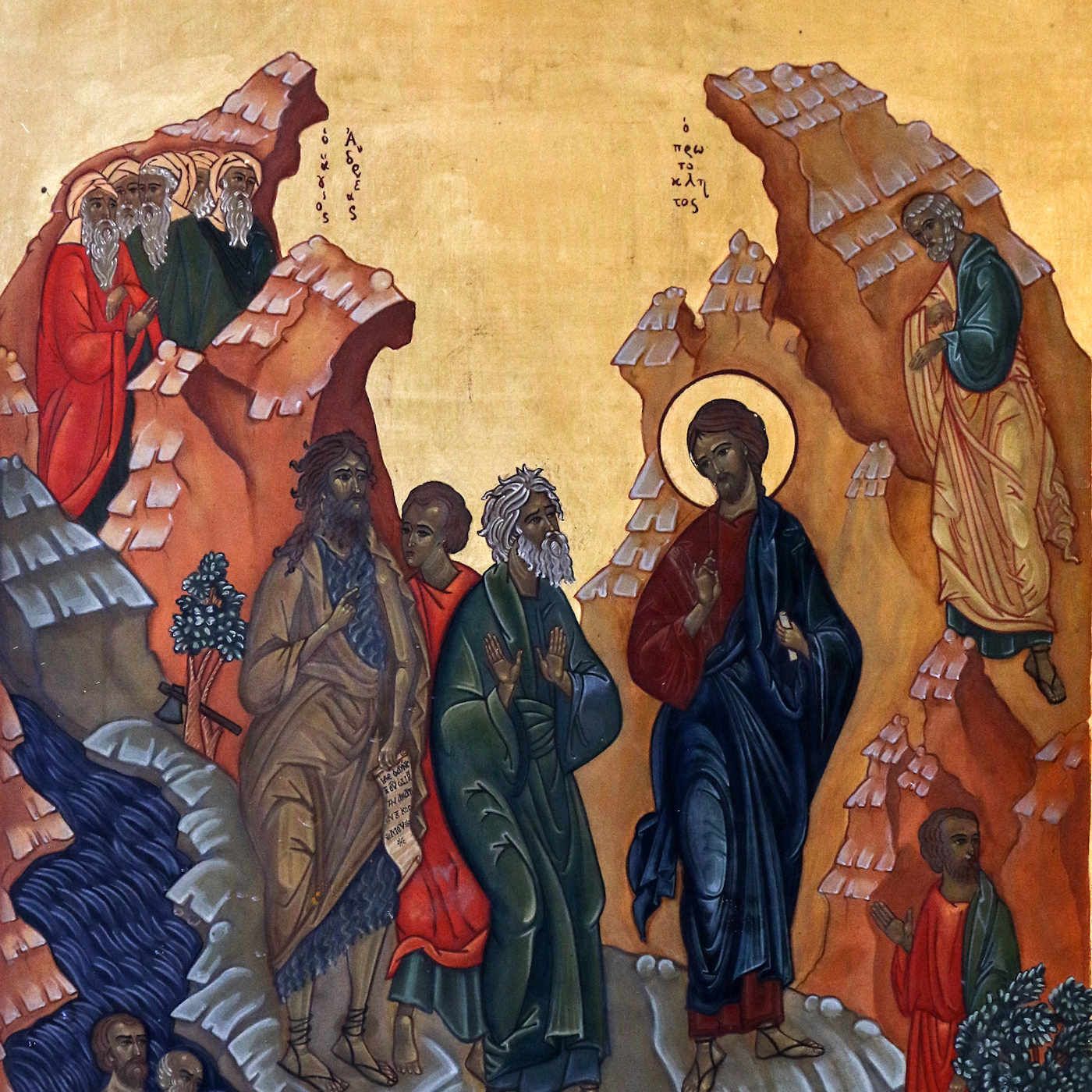
Jan 2
January 3, when before Epiphany - Hearing God Speak
Read Online John testified further, saying, “I saw the Spirit come down like a dove from the sky and remain upon him. I did not know him, but the one who sent me to baptize with water told me, ‘On whomever you see the Spirit come down and remain, he is the one who will baptize with the Holy Spirit.’ Now I have seen and testified that he is the Son of God.” John 1:32–34 It’s interesting to note that in the Gospel of John, Saint John the Baptist never baptized Jesus, as is depicted in the Gospels of Matthew, Mark and Luke. Instead, in the Gospel of John, John the Baptist simply witnessed the descent of the Holy Spirit from a distance, and then spoke the quoted line above. The next day, the Baptist pointed to Jesus as the “Lamb of God,” and two of his own disciples left the Baptist to follow Jesus. Why is there this apparent discrepancy between the Gospel of John and the three Synoptic Gospels? Though it’s hard to answer that for certain, one thing that is made uniquely clear in the Gospel of John is that the Baptist was given a unique spiritual knowledge by the Father that Jesus was the “Lamb of God.” In this Gospel, the revelation of Who Jesus was did not take place in a way that everyone present heard and saw. Rather, John’s Gospel focuses upon the interior realization that John the Baptist received from the One Who sent him. And the One Who sent him was the Father in Heaven. One spiritual truth worth pondering from the account of the Gospel of John read today is that the conviction and certainty given to the Baptist about Jesus’ identity was so certain that he knew Who Jesus was beyond any shadow of a doubt. This personal revelation given to the Baptist changed his life. From that moment on, all he did was point people to Jesus. As you ponder this spiritual revelation about Jesus that the Baptist received from the Father in Heaven, consider for yourself what would be more convincing. Would it be more convincing to hear an audible voice from Heaven declare Who Jesus was? Or to receive this same knowledge through an interior and spiritual communication from the Father? If you believe that the former, the external and audible voice, would be more convincing, then you might want to pause and think again. The truth is that God’s clearest and most certain form of communication to us is one that is internal. And even if there were an audible voice spoken from Heaven, as depicted in the Synoptic Gospels, that Voice would have to also be interiorly confirmed by faith in the hearts of the hearers so as to convince them on the deepest level. Reflect, today, upon the spiritual truth that God the Father wants to speak to you in the depths of your own soul so as to draw you into a certainty about Himself and all that He has spoken as true. Do you hear God speak? Have you allowed yourself to be convinced by His Voice? Listen to Him today and allow all that He speaks to you to become the source and goal of all that you say and do in life. Father in Heaven, You have revealed to me Who You are and Your plan for my life in many ways. And though You are always speaking to me, I acknowledge that I do not always listen. Please open my soul to You more fully so that I may come to faith and be certain of Your love and Your perfect will in my life. Jesus, I trust in You. Source of content: catholic-daily-reflections.com Copyright © 2024 My Catholic Life! Inc. All rights reserved. Used with permission via RSS feed. Featured image above: Baptism of Christ By Andrea del Verrocchio, via Wikimedia Commons

Jan 1
January 2, when before Epiphany - The Greatness of Humility
Read Online “I baptize with water; but there is one among you whom you do not recognize, the one who is coming after me, whose sandal strap I am not worthy to untie.” John 1:26–27 Now that our Christmas Octave is completed, we immediately begin to look toward the future ministry of our Lord. In our Gospel today, Saint John the Baptist is the one who points us to that future ministry of Jesus. He acknowledges his mission to baptize with water is one that is temporary and only a preparation for the One Who is coming after him. As we saw in several of our Advent readings, Saint John the Baptist is a man of great humility. His admission that he is not worthy to untie even Jesus’ sandal straps is proof of this fact. But ironically, it is this humble admission that makes him so great! Do you want to be great? Deep down we all do. This desire goes hand in hand with our innate desire for happiness. We want our lives to have meaning and purpose, and we want to make a difference. The question is “How?” How do you do this? How do you achieve true greatness? From a worldly perspective, greatness can often become synonymous with success, riches, power, admiration from others, etc. But from a divine perspective, greatness is achieved by humbly giving God the greatest glory we can with our lives. Giving God all the glory has a double effect upon our lives. First, doing so allows us to live in accord with the truth of life. The truth is that God and God alone deserves all our praise and glory. All good things come from God and God alone. Second, humbly giving God all the glory and pointing to the fact that we are unworthy of Him has the reciprocal effect of God reaching down and elevating us to share in His life and His glory. Reflect, today, upon your calling to imitate the humility of Saint John the Baptist. Never shy away from humbling yourself before the greatness and glory of God. Doing so will not demean you or hamper your greatness. Rather, only in the deepest humility before the glory of God is God able to draw you into the greatness of His very life and mission. Lord, I give all glory and praise to You and You alone. You are the source of all good; without You I am nothing. Help me to continually humble myself before You so that I may share in the glory and greatness of Your life of grace. Jesus, I trust in You. Source of content: catholic-daily-reflections.com Copyright © 2024 My Catholic Life! Inc. All rights reserved. Used with permission via RSS feed. Featured image above: The Baptism of Christ By Nicolás Enríquez, via Wikimedia Commons
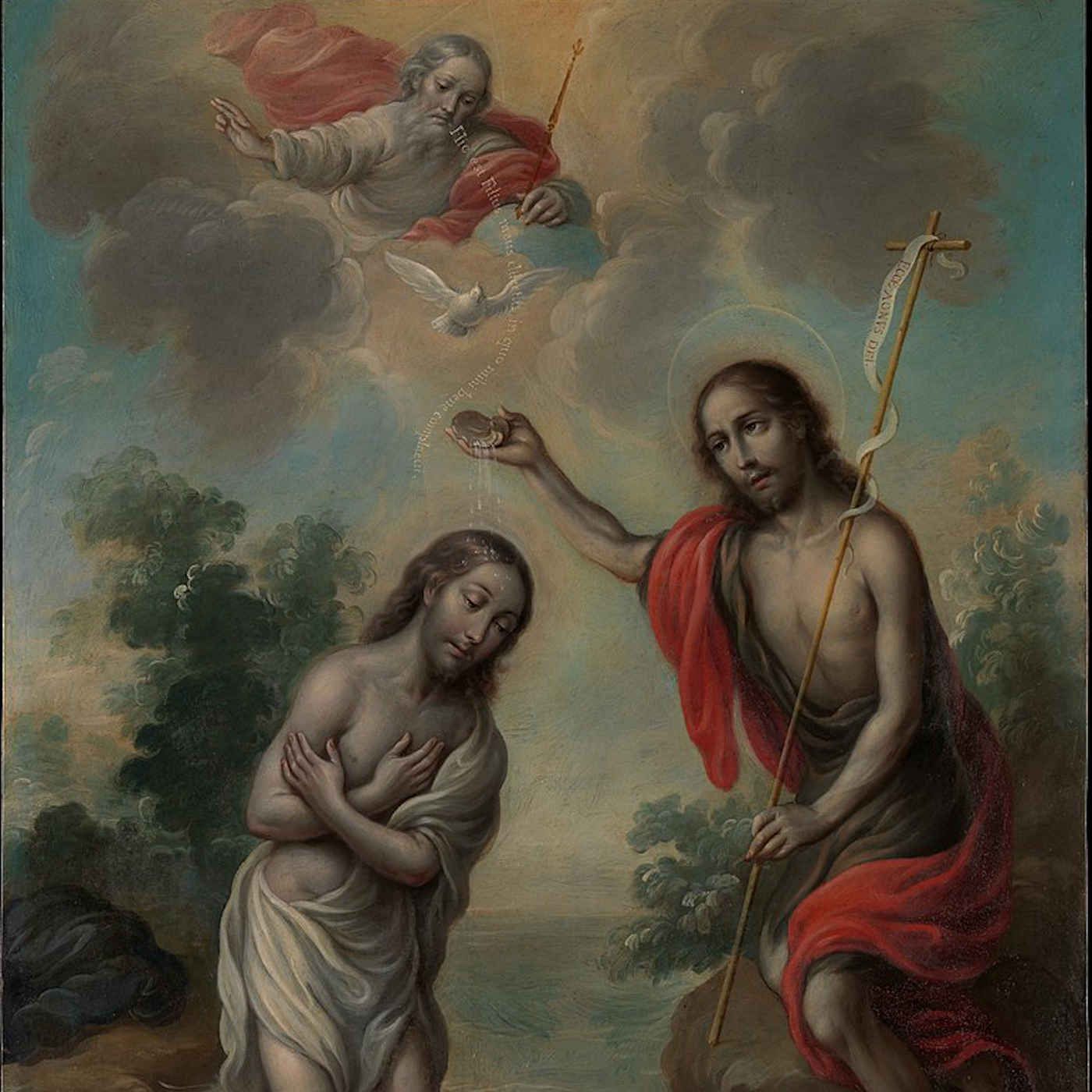
Dec 31, 2024
Solemnity of Mary, Mother of God - The Mother of Jesus is the Mother of God
Read Online And Mary kept all these things, reflecting on them in her heart. Luke 2:19 Today, January 1, we complete our octave celebration of Christmas Day. It’s an often overlooked liturgical fact that we celebrate Christmas Day for eight straight days. We do this also with Easter Day, which concludes with the great celebration of Divine Mercy Sunday. On this, the eighth day of the Octave of Christmas, we turn our focus to the unique and beautiful fact that God chose to enter our world through a human mother. Mary is called the “Mother of God” for the simple fact that her Son is God. She was not the mother of her Son’s flesh alone, nor the mother only of His human nature. This is because the Person of Jesus, the Son of God, is one Person. And that one Person took on flesh within the womb of the Blessed Virgin Mary. Though becoming the Mother of God was a pure gift from Heaven and not something that Mother Mary merited on her own, there was one particular quality that she had that made her uniquely qualified to fulfill this role. That quality was her immaculate nature. First, Mother Mary was preserved from all sin when she was conceived within the womb of her mother, Saint Anne. This special grace was a grace that was imparted to her from the future life, death and resurrection of her Son. It was the grace of salvation, but God chose to take that gift of grace and transcend time to impart it to her at the moment of her conception, thus making her the perfect and pure instrument necessary to bring forth God into the world. Second, Mother Mary remained faithful to this gift of grace throughout her life, never choosing to sin, never wavering, never turning from God. She remained immaculate throughout her life. Interestingly, it is this choice of hers, to forever remain obedient to the will of God in every way, that makes her more fully the Mother of God than the simple act of bearing Him within her womb. Her act of perfect unity with the will of God throughout her life makes her, also, the perfect mother of divine grace and mercy and perpetually the spiritual Mother of God, continually and perfectly bringing Him into our world. Reflect, today, upon these most solemn mysteries of our faith. This eighth day of the Octave of Christmas is a solemn celebration, a celebration worthy of our pondering. The Scripture above reveals not only how our blessed Mother approached this mystery but also how we are to approach it. She “kept all these things, reflecting on them in her heart.” Ponder these mysteries, also, in your own heart and allow the grace of this holy celebration to fill you with joy and gratitude. Dearest Mother Mary, you were graced with a grace beyond any other. You were preserved from all sin and remained perfectly obedient to the will of God throughout your life. As a result, you became the perfect instrument of the Savior of the World by becoming His mother, the Mother of God. Pray for me that I may ponder this great mystery of our faith this day and ever more deeply rejoice in the incomprehensible beauty of your motherly soul. Mother Mary, the Mother of God, pray for us. Jesus, I trust in You. Source of content: catholic-daily-reflections.com Copyright © 2024 My Catholic Life! Inc. All rights reserved. Used with permission via RSS feed. Featured image above: Madonna with child By William-Adolphe Bouguereau, via Wikimedia Commons
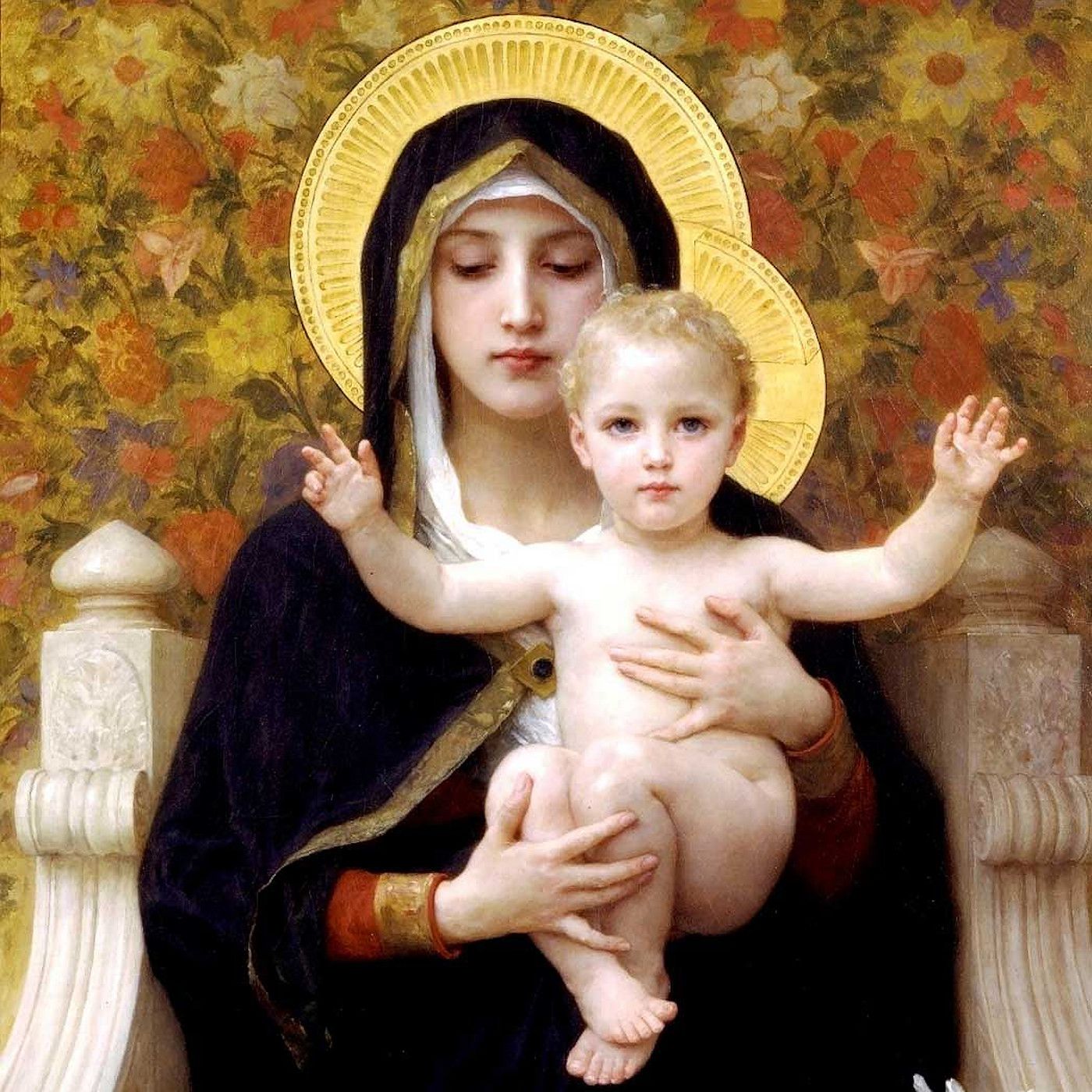
Dec 30, 2024
December 31, Seventh Day in the Octave of Christmas - Light Dispels Darkness
Read Online What came to be through him was life, and this life was the light of the human race; the light shines in the darkness, and the darkness has not overcome it. John 1:3–5 What a great image for meditation: “...the light shines in the darkness, and the darkness has not overcome it.” This line completes the unique approach taken by John’s Gospel to introduce Jesus, the Eternal “Word” Who existed from the beginning and through Whom all things came to be. Though there is much to meditate on in the first five lines of John’s Gospel, let’s consider that ending line about light and darkness. Within the material world, there is much we can learn about our Divine Lord from the physical phenomenon of light and darkness. If we briefly consider light and darkness from the perspective of physics, we know that the two are not two opposing forces fighting with each other. Rather, darkness is simply the absence of light. Where there is no light, there is darkness. Similarly, heat and cold are the same way. Cold is nothing other than the absence of heat. Introduce heat and the cold disappears. These basic laws of the physical world also teach us about the spiritual world. Darkness, or evil, is not some powerful force fighting against God; rather, it’s the absence of God. Satan and his demons do not try to impose a dark power of evil on us; rather, they seek to extinguish the presence of God in our lives by getting us to reject God through our choices, thus leaving us in spiritual darkness. This is a very significant spiritual truth to understand, because where there is spiritual Light, the Light of God’s grace, the darkness of evil is dispelled. This is clearly seen in the line “and the darkness has not overcome it.” Overcoming the evil one is as easy as inviting the Light of Christ into our lives and not allowing fear or sin to turn us from the Light. Reflect, today, upon the very real spiritual battle that takes place each and every day within your soul. But reflect upon it in the truth of this Gospel passage. The battle is easily won. Invite Christ the Light, and His Divine Presence will quickly and easily replace any darkness within. Lord, Jesus, You are the Light Who dispels all darkness. You are the Eternal Word Who answers every question in life. I invite You into my life this day so that Your Divine Presence may fill me, consume me and lead me down the path toward eternal joys. Jesus, I trust in You. Source of content: catholic-daily-reflections.com Copyright © 2024 My Catholic Life! Inc. All rights reserved. Used with permission via RSS feed. Featured image above: Detail of the third window of the north wall with stained glass depicting Jesus: I am the light of the world (John 8:12) , via Wikimedia Commons
Dec 29, 2024
December 30, Sixth Day in the Octave of Christmas - A Unique and Sacred Calling
Read Online There was a prophetess, Anna…She never left the temple, but worshiped night and day with fasting and prayer. And coming forward at that very time, she gave thanks to God and spoke about the child to all who were awaiting the redemption of Jerusalem. Luke 2:36–38 We all have a unique and sacred calling given to us from God. Each one of us is called to fulfill that calling with generosity and wholehearted commitment. As the famous prayer of Saint John Henry Newman puts it: God has created me to do Him some definite service. He has committed some work to me which He has not committed to another. I have my mission. I may never know it in this life, but I shall be told it in the next. I am a link in a chain, a bond of connection between persons… Anna, the prophetess, was given a very unique, one-of-a-kind mission. When she was young, she was married for seven years. Then after losing her husband, she remained a widow until she was eighty-four. During those decades of her life, the Scripture reveals that “She never left the temple, but worshiped night and day with fasting and prayer.” What an incredible calling from God! Anna’s unique calling was to be a prophetess. She fulfilled this calling by allowing her whole life to be a symbol of the Christian vocation. Her life was spent in prayer, fasting and, most especially, in anticipation. God called her to wait, year after year, decade after decade, for the one and definitive moment of her life: her encounter with the Christ Child in the Temple. Anna’s prophetic life tells us that we each must live our lives in such a way that our ultimate goal is to continually prepare for the moment when we meet our divine Lord in the Temple of Heaven. Unlike Anna, most are not called to literal fasting and prayer every day all day within the church buildings. But like Anna, we must all foster an interior life of ongoing prayer and penance, and we must direct all of our actions in life to the praise and glory of God and the salvation of our souls. Though the way this universal vocation is lived out will be unique to each and every person, Anna’s life is nonetheless a symbolic prophecy of every vocation. Reflect, today, upon how well you imitate this holy woman in your own life. Do you foster an interior life of prayer and penance and daily seek to devote yourself to the glory of God and the salvation of your soul? Evaluate your life this day in light of the wonderful prophetic life of Anna that we are given to ponder. Lord, I thank You for the powerful witness of the prophetess Anna. May her lifelong devotion to You, a life of continual prayer and sacrifice, be a model and inspiration for me and for all who follow You. I pray that You daily reveal to me the unique way in which I am called to live out my vocation to total dedication to You. Jesus, I trust in You. Source of content: catholic-daily-reflections.com Copyright © 2024 My Catholic Life! Inc. All rights reserved. Used with permission via RSS feed. Featured image above: Simeon in the Temple by Rembrandt, via Wikimedia Commons
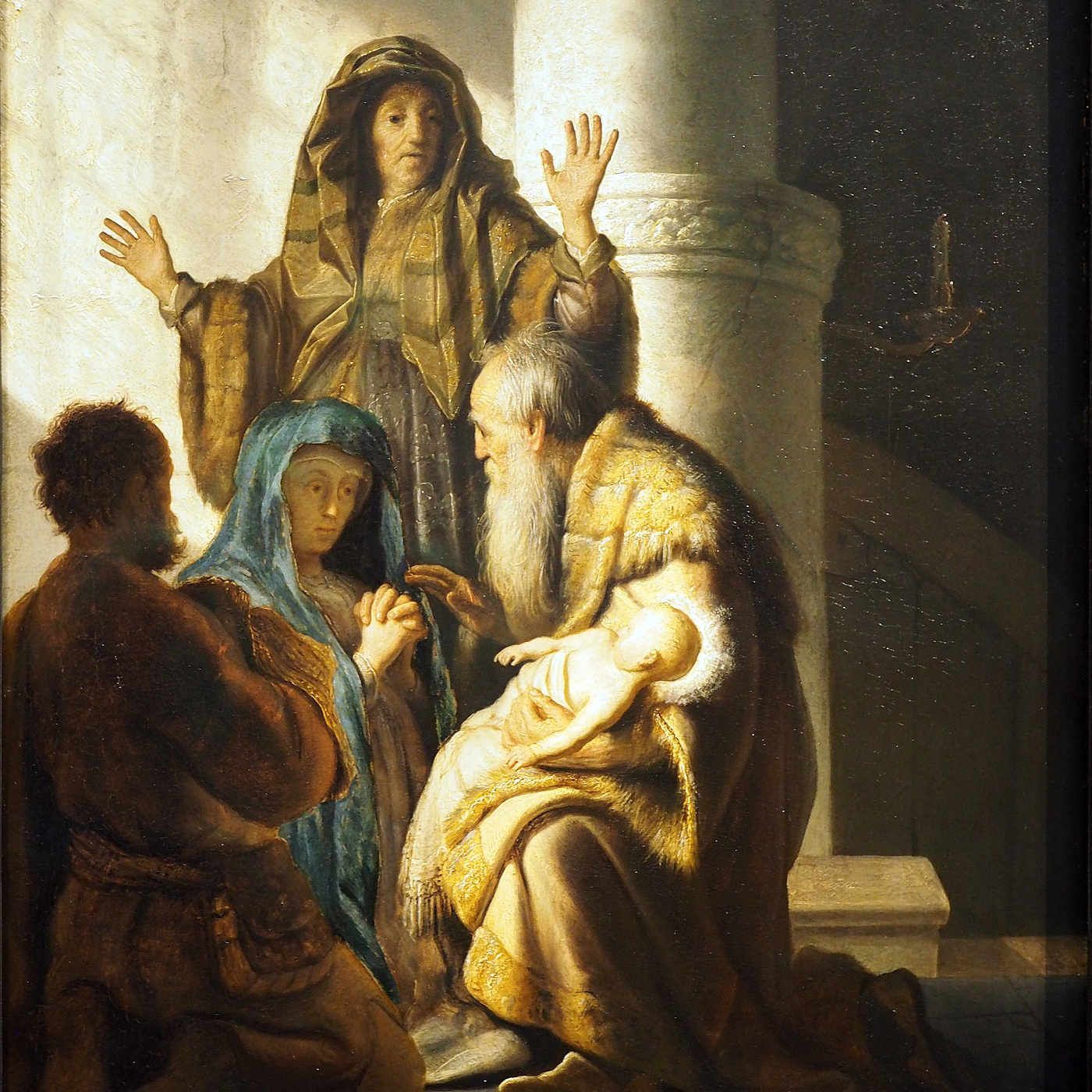
Dec 28, 2024
The Holy Family of Jesus, Mary and Joseph - The Family as a Communion of Love
Read Online When they had fulfilled all the prescriptions of the law of the Lord, they returned to Galilee, to their own town of Nazareth. The child grew and became strong, filled with wisdom; and the favor of God was upon him. Luke 2:39–40 Today we honor family life in general by pausing to ponder the particular and beautiful hidden life within the home of Jesus, Mary and Joseph. In many ways, their daily life together would have been very similar to other families at that time. But in other ways, their life together is entirely unique and provides us with a perfect model for all families. By God’s providence and design, the family life of Jesus, Mary and Joseph was spoken of in the Scripture very little. We read of the birth of Jesus, the presentation in the Temple, the flight into Egypt and the finding of Jesus in the Temple at age twelve. But other than these stories of their life together, we know very little. The line from today’s Gospel quoted above does, however, give us some insight worth pondering. First, we see that this family “fulfilled all the prescriptions of the law of the Lord…” Though this is in reference to Jesus being presented in the Temple, it should also be understood to apply to all aspects of their life together. Family life, just like our individual lives, must be ordered by the laws of our Lord. The primary law of the Lord regarding family life is that it must share in the very unity and “communion of love” found in the life of the Most Holy Trinity. Each person of the Holy Trinity has perfect respect for the other, gives selflessly to each other without reserve, and receives each person in their totality. It is their love that makes them one and enables them to act together in perfect harmony as a communion of divine Persons. Though Saint Joseph was not immaculate in his nature, the perfection of love did live in his divine Son and in his immaculate wife. This overwhelming gift of their perfect love would have daily drawn him into the perfection of their lives. Ponder your own closest relationships today. If you are blessed with a close family, ponder them. If not, ponder the persons put into your life who you are called to love with familial love. Who are you to be there for in good times and in bad? Who are you to sacrifice your life for without reserve? Who are you to offer respect, compassion, time, energy, mercy, generosity and every other virtue? And how well do you fulfill this duty of love? Reflect, today, upon the fact that God wants you to share in a communion of life, not only with the Most Holy Trinity but also with those around you, especially your family. Try to ponder the hidden life of Jesus, Mary and Joseph and seek to make their family relationship the model for how you love others. May their perfect communion of love be a model for us all. Lord, draw me into the life, love and communion that You lived with Your Immaculate Mother and Saint Joseph. I offer You myself, my family and all those to whom I am called to love with a special love. May I imitate Your family love and life in all my relationships. Help me to know how to change and grow so that I may more fully share in Your family life. Jesus, I trust in You. Source of content: catholic-daily-reflections.com Copyright © 2024 My Catholic Life! Inc. All rights reserved. Used with permission via RSS feed. Featured image above: The Holy Family of Nazareth, via flickr
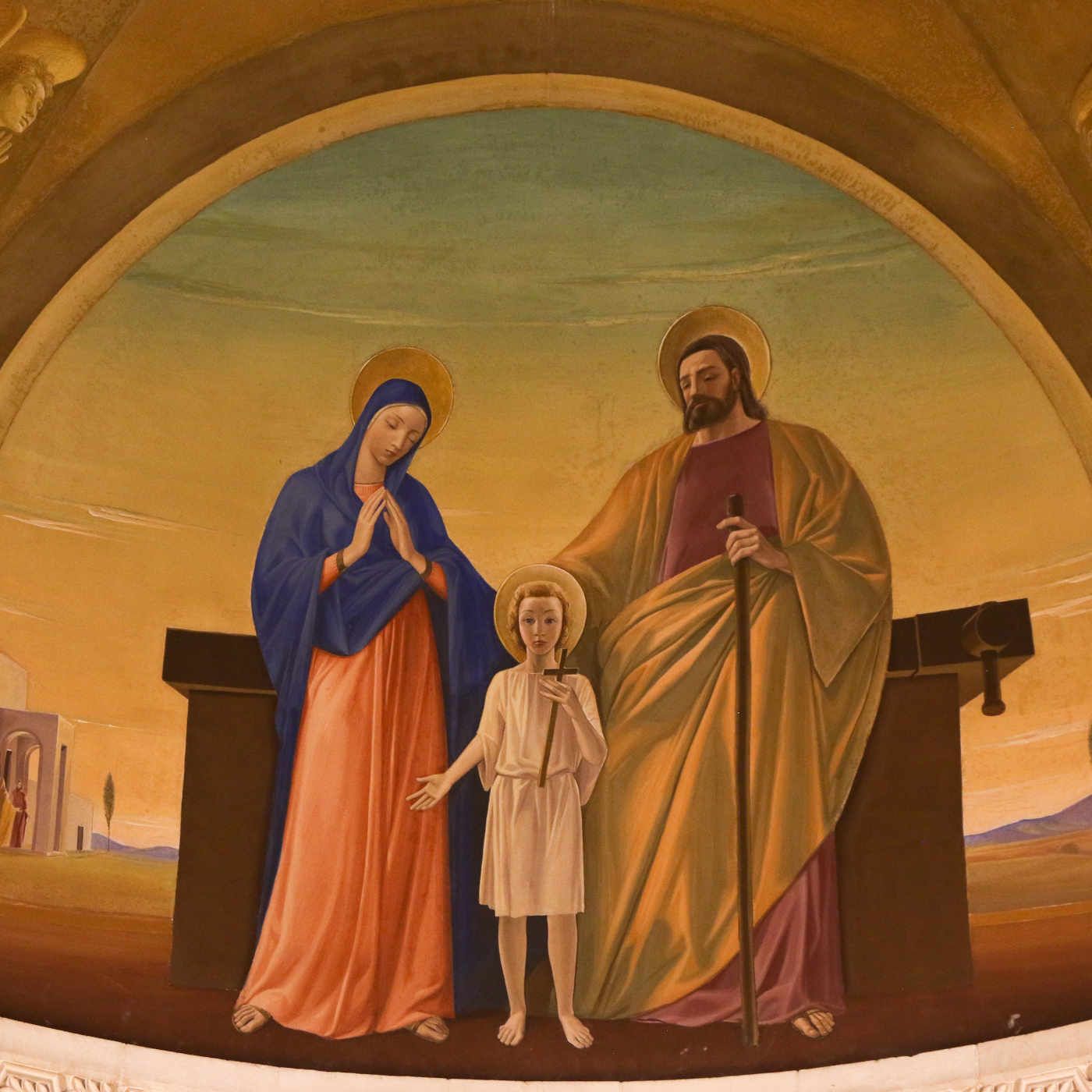
Dec 27, 2024
December 28, Feast of the Holy Innocents, Martyrs - Courage in the Face of Evil
Read Online When the magi had departed, behold, the angel of the Lord appeared to Joseph in a dream and said, “Rise, take the child and his mother, flee to Egypt, and stay there until I tell you. Herod is going to search for the child to destroy him.” Matthew 2:13 The most glorious event ever to take place in our world also filled some with hatred and rage. Herod, who was jealous of his own earthly power, felt greatly threatened by the message shared with him by the Magi. And when the Magi failed to return to Herod to tell him where the Newborn King was located, Herod did the unthinkable. He ordered the slaughter of every boy, two years old and younger, who was in Bethlehem and its vicinity. Such an act is hard to comprehend. How could the soldiers carry out such an evil plot? Imagine the deep mourning and devastation so many families encountered as a result. How could a civil ruler murder so many innocent children. Of course, in our day and age, so many civil leaders continue to support the barbaric practice of permitting the slaughter of the innocent within the womb. Thus, in many ways, Herod’s action is not that different from today. The passage above reveals to us the will of the Father regarding not only the protection of His divine Son but also His divine will for the protection and sanctity of all human life. It was satan who inspired Herod to kill those precious and innocent children so long ago, and it is satan who continues to promote a culture of death and destruction today. What should our response be? We, like Saint Joseph, must see it as our solemn duty to protect the most innocent and vulnerable with unwavering determination. Though this newborn Child was God, and though the Father in Heaven could have protected His Son with a myriad of angels, it was the Father’s will that a man, Saint Joseph, protect His Son. For that reason, we should also hear the Father calling each and every one of us to do all we can to protect the innocent and most vulnerable, especially the child within the womb. Reflect, today, upon the will of God for your life. In what ways is God calling you to be like Saint Joseph and protect the most innocent and most vulnerable? How are you being called to be a guardian of those entrusted to your care? Certainly on a civil level we must all work to protect the lives of those who are unborn. But every parent, grandparent and all those entrusted with responsibility for another must strive to protect those in their care in countless other ways. We must diligently work to preserve them from the evils in our world and the numerous attacks of the evil one on their lives. Ponder this question today and allow the Lord to speak to you of your duty to imitate the great protector, Saint Joseph. Lord, give me insight, wisdom and strength so that I can work in accord with Your will to protect the most innocent from the evils of this world. May I never cower in the face of evil, and may I always fulfill my duty to protect those entrusted to my care. Saint Joseph, pray for me. Jesus, I trust in You. Source of content: catholic-daily-reflections.com Copyright © 2024 My Catholic Life! Inc. All rights reserved. Used with permission via RSS feed. Featured image above: The Virgin and Child surrounded by angels by Peter Paul Ruben, via Wikimedia Commons
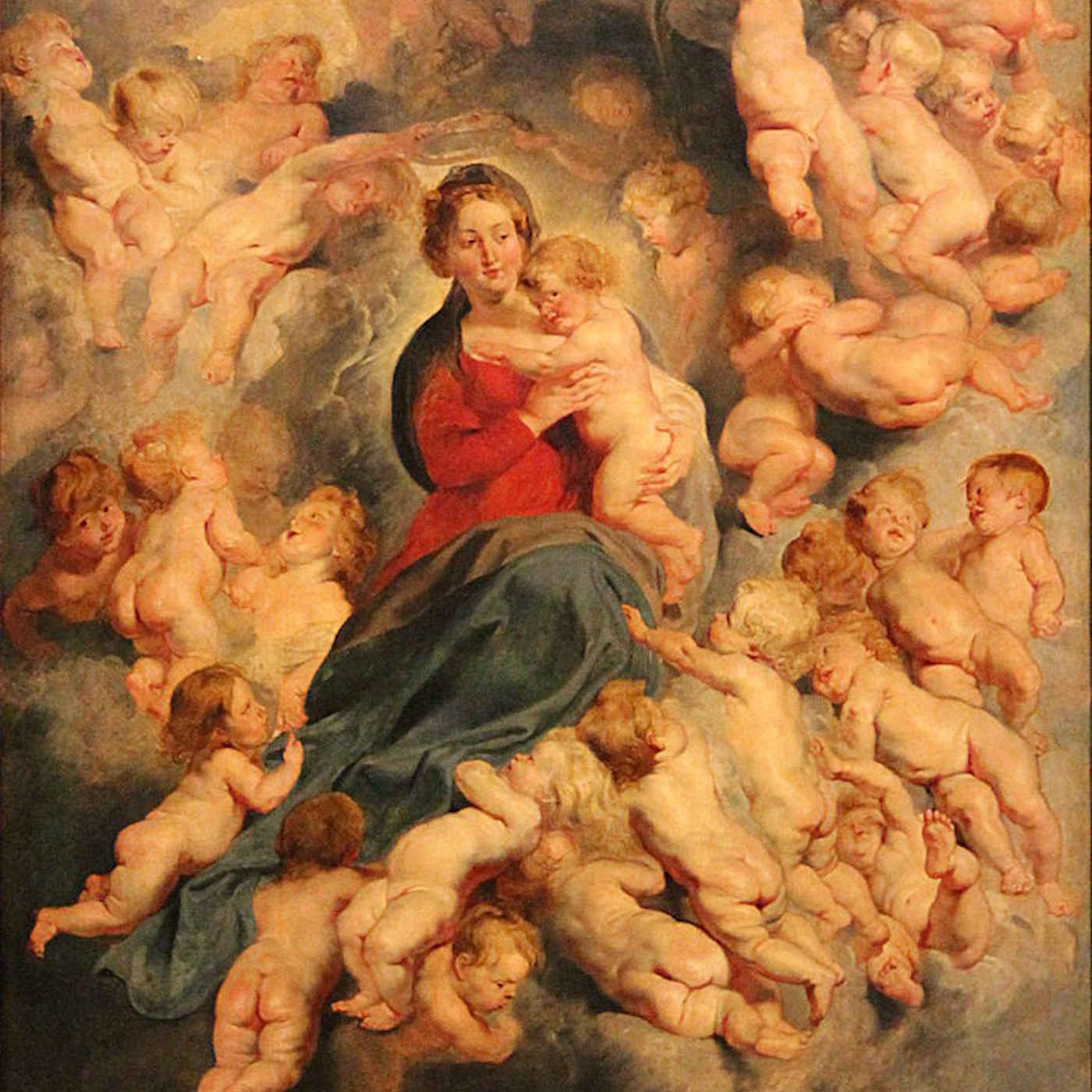
Dec 26, 2024
December 27, Feast of St. John, Apostle and Evangelist - The Beloved Disciple
Read Online On the first day of the week, Mary Magdalene ran and went to Simon Peter and to the other disciple whom Jesus loved, and told them, “They have taken the Lord from the tomb, and we do not know where they put him.” So Peter and the other disciple went out and came to the tomb. John 20:1–3 It’s interesting that Saint John refers to himself as the disciple “whom Jesus loved.” Of course, Jesus loved all people. He loved all of the disciples. But in John’s Gospel, this unique title of the beloved disciple is given to John. Saint John the Apostle may be understood as this beloved disciple for many reasons. First, recall the special closeness and affection John shows Jesus at the Last Supper when John reclined next to Him. Recall, also, that it was John alone who stood at the foot of the Cross with Jesus’ mother and that Jesus entrusted His mother to John and John to His mother. And note in the passage above that it was John who first ran to the empty tomb as soon as Mary Magdalene revealed her discovery to him. Furthermore, many scholars believe John to be the youngest disciple. And as a younger disciple, he may have received special fatherly-like attention from our Lord. However, John may also be understood as the beloved disciple for another reason. Simply put, this is how John saw himself as he wrote his Gospel account. John may have done so because telling the story of Jesus’ life was deeply personal to him. His own love and affection for his Lord was the central and most consuming passion of his soul. And it appears that as John speaks of Jesus, and of his own encounters with Jesus, John was compelled to prayerfully ponder the holy and spiritual love that Jesus had for him. Thus, it appears that John could not speak of his encounters with our Lord without also identifying the divine love that united them. It’s as if every time his Gospel story spoke of an encounter he had with Jesus, John was overwhelmed by the simple fact that Jesus, the Son of God, the Messiah, knew him and loved him personally. And so he was compelled to state that fact over and over. In this case, it’s quite beautiful, on a spiritual level, to ponder John’s soul. He was clearly a man who was deeply touched by God in the Person of Jesus. And after Jesus ascended into Heaven, it appears that John’s holy love for Jesus only grew. As he went forth as an Apostle, preaching about the salvation that comes through his Savior and dear friend, he clearly grew closer to our Lord day by day. When John wrote his Gospel toward the end of his life, his heart was clearly aflame with divine love as he was intensely looking forward to being fully united with his Lord in Heaven. As we honor this unique and holy Apostle, reflect, today, upon the simple truth that you are also invited to share in the holy and intimate love shared by Jesus and Saint John. Ponder the fact that our Lord also loves you with perfect charity, intimacy and totality. If you can gaze upon the love in the heart of this beloved disciple, then you, too, can share in that love and become a beloved disciple yourself. My beloved Lord, the love You bestowed upon the disciple John was perfect in every way. After Your ascension into Heaven, You continued to deepen Your relationship with him, drawing him ever closer to Your Sacred Heart. Please pour forth upon me that same love and draw me into Your Heart so that I, too, will become Your beloved disciple. Saint John, pray for us. Jesus, I trust in You. Source of content: catholic-daily-reflections.com Copyright © 2024 My Catholic Life! Inc. All rights reserved. Used with permission via RSS feed. Featured images above: Saint John with the Eagle, via flickr

Dec 25, 2024
December 26, Feast of St. Stephen, First Martyr - God’s Promised Inspiration
Read Online “When they hand you over, do not worry about how you are to speak or what you are to say. You will be given at that moment what you are to say. For it will not be you who speak but the Spirit of your Father speaking through you.” Matthew 10:19–20 These words of our Lord came to fruition in the life of Saint Stephen, the Church’s first martyr. Saint Stephen was martyred within a couple of years after Jesus’ ascension into Heaven. He was one of seven deacons who the Apostles appointed to assist them in their work of caring for the poor as the Church began to grow. Stephen was a man of deep faith and was filled with the Holy Spirit. After he was appointed deacon, he began to preach with boldness. Among his listeners were members of the synagogue of Hellenistic Jews. Stephen debated them vigorously and proved himself to be full of wisdom and power, performing many signs and wonders in their midst. But this only led his listeners to become outraged to the point of seeking his death. As a result, they made false claims that Stephen was preaching against the Temple and the Law of Moses. In the Acts of the Apostles (Acts 7:2–53), Stephen responded by giving a long and detailed speech by which he explained the full truth of Jesus in light of the Old Testament. Stephen concluded by saying, “You stiff-necked people, uncircumcised in heart and ears, you always oppose the Holy Spirit; you are just like your ancestors.” This infuriated his listeners in the synagogue even more. After this, something truly miraculous happened. Stephen had a vision. He looked up to Heaven and said, “Behold, I see the heavens opened and the Son of Man standing at the right hand of God.” He saw his Lord, standing at the right hand of the Father. And it was his proclamation of this vision that finally drove the infuriated crowd to drag him out of the synagogue and city and to stone him to death. Stephen’s story, however, ended in a beautiful and inspired way. As the crowd was stoning him, he spoke two powerful statements. First, he said, “Lord Jesus, receive my spirit.” And then he prayed in a loud voice, “Lord, do not hold this sin against them.” As mentioned above, the words our Lord speaks in the Gospel today came to fruition in the life of Saint Stephen. First of all, we see that Jesus’ prediction that some of His followers would be handed over to deaths by their own kinsmen came true in the life of Saint Stephen. But Jesus also promised that when this would happen, “You will be given at that moment what you are to say.” And it will be the Spirit of the Father “speaking through you.” And that’s exactly what happened with Saint Stephen. First, he was given a glorious vision of Heaven. Second, he was inspired to fully surrender his spirit over to Jesus. And third, he was inspired to pray for his persecutors and forgive them. These words and actions did not come from Stephen alone. They were the fulfillment of Jesus’ promise that when one is persecuted for the sake of the Gospel, the Father will be especially present and give powerful inspiration at the moment of need. Reflect, today, upon the profound truth that God never abandons us. In fact, when we suffer the most or endure persecution, rejection or any form of mistreatment, God is especially present. Look at your own life and consider those moments that you find most challenging. Pray to Saint Stephen and ask him to pray for you so that you will be open to the inspired words and actions of our Lord when you need them the most. Most glorious Saint Stephen, please pray for me. Pray for me especially when I experience the heaviest crosses in my life. Pray that I, like you, will be open to God’s inspiration and grace at those times I need it the most. St. Stephen, pray for me. Jesus, I trust in You. Source of content: catholic-daily-reflections.com Copyright © 2024 My Catholic Life! Inc. All rights reserved. Used with permission via RSS feed. Featured image above: Martyrdom of Saint Stephen by flickr
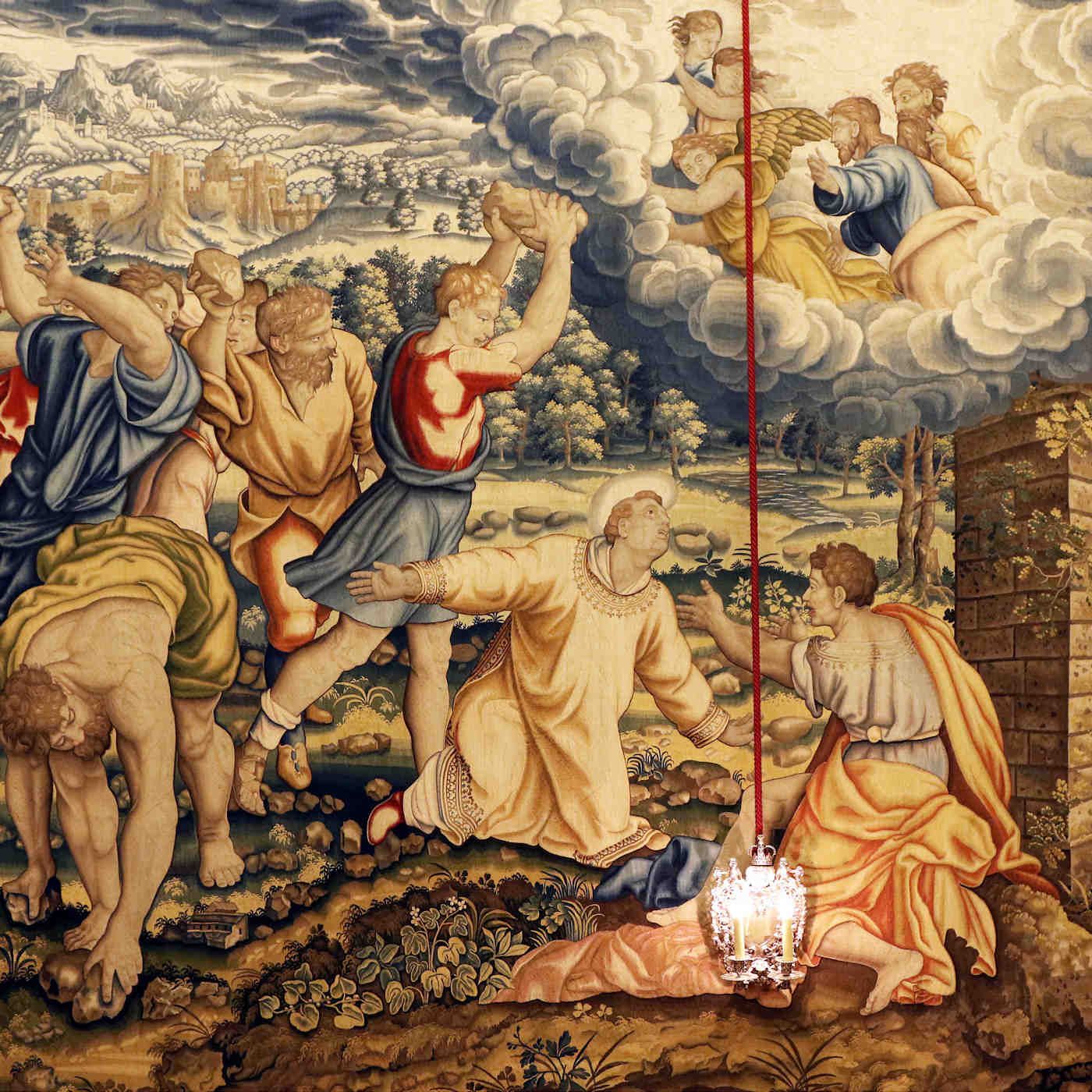
Dec 24, 2024
December 25, The Nativity of the Lord (Christmas) - Pondering the Birth of Christ
Read Online Merry Christmas! Our Advent preparations have been completed, and we are now invited by our Lord to enter into the glorious celebration of His birth! How well do you understand the awe-inspiring mystery of Christmas? How fully do you comprehend the significance of God becoming a human, born of a virgin? Though many are quite familiar with the beautiful and humble story of the birth of the Savior of the World, that familiarity can have the surprising negative effect of keeping our intellect from deeply probing the depths of the meaning of what we celebrate. Notice the last line of the Gospel passage quoted above: “And Mary kept all these things, reflecting on them in her heart.” What a beautiful line to ponder this Christmas day. Mother Mary was the one person who would have understood the mystery of the birth of her Son, the Son of God, the Savior of the World, far more deeply than anyone else. It was to her that the Archangel Gabriel appeared, announcing her pregnancy and His birth. It was her who carried her Son, the Son of God, in her Immaculate womb for nine months. It was to her that Elizabeth, her cousin, cried out, “Most blessed are you among women, and blessed is the fruit of your womb” (Luke 1:42). It was Mary who was the Immaculate Conception, the one who was preserved from all sin throughout her life. And it was her who gave birth to this Child, carried Him in her arms and nursed Him at her breast. Our Blessed Mother, more than any other, understood the incredible event that had taken place in her life. But, again, the Gospel above says that “Mary kept all these things, reflecting on them in her heart.” One thing this tells us is that even Mary, the Mother of Jesus and the Mother of God, needed time to ponder, reflect and savor this most holy mystery. She never doubted, but her faith continually deepened, and her heart pondered the unfathomable and incomprehensible mystery of the Incarnation. Another thing this tells us is that there is no end to the depth of the “pondering” to which we must commit ourselves if we want to enter more deeply into the mystery of the birth of the Son of God. Reading the story, setting up a nativity scene, sharing Christmas cards, attending Mass and the like are central to a holy celebration of Christmas. But “pondering” and “reflecting,” especially during prayer and especially at the Christmas Mass, will have the effect of drawing us ever deeper into this Mystery of our Faith. Reflect, today, with our Blessed Mother. Ponder the Incarnation. Place yourself into the scene that first Christmas. Hear the sounds of the town. Smell the smells of the stable. Watch as the shepherds come forth in adoration. And enter the mystery more fully, acknowledging that the more you know about the mystery of Christmas, the more you know how little you actually know and understand. But that humble realization is the first step to a deeper understanding of what we celebrate this day. Lord, I gaze at the wonder of Your birth. You Who are God, the Second Person of the Most Holy Trinity, God from God and Light from Light, became one of us, a humble child, born of a virgin and laid in a manger. Help me to ponder this glorious event, to reflect upon the mystery with awe and to more fully grasp the meaning of what You have done for us. I thank You, dear Lord, for this glorious celebration of Your birth into the world. Jesus, I trust in You. Source of content: catholic-daily-reflections.com Copyright © 2024 My Catholic Life! Inc. All rights reserved. Used with permission via RSS feed. Featured image above: Shepherds at the Manger, via flickr
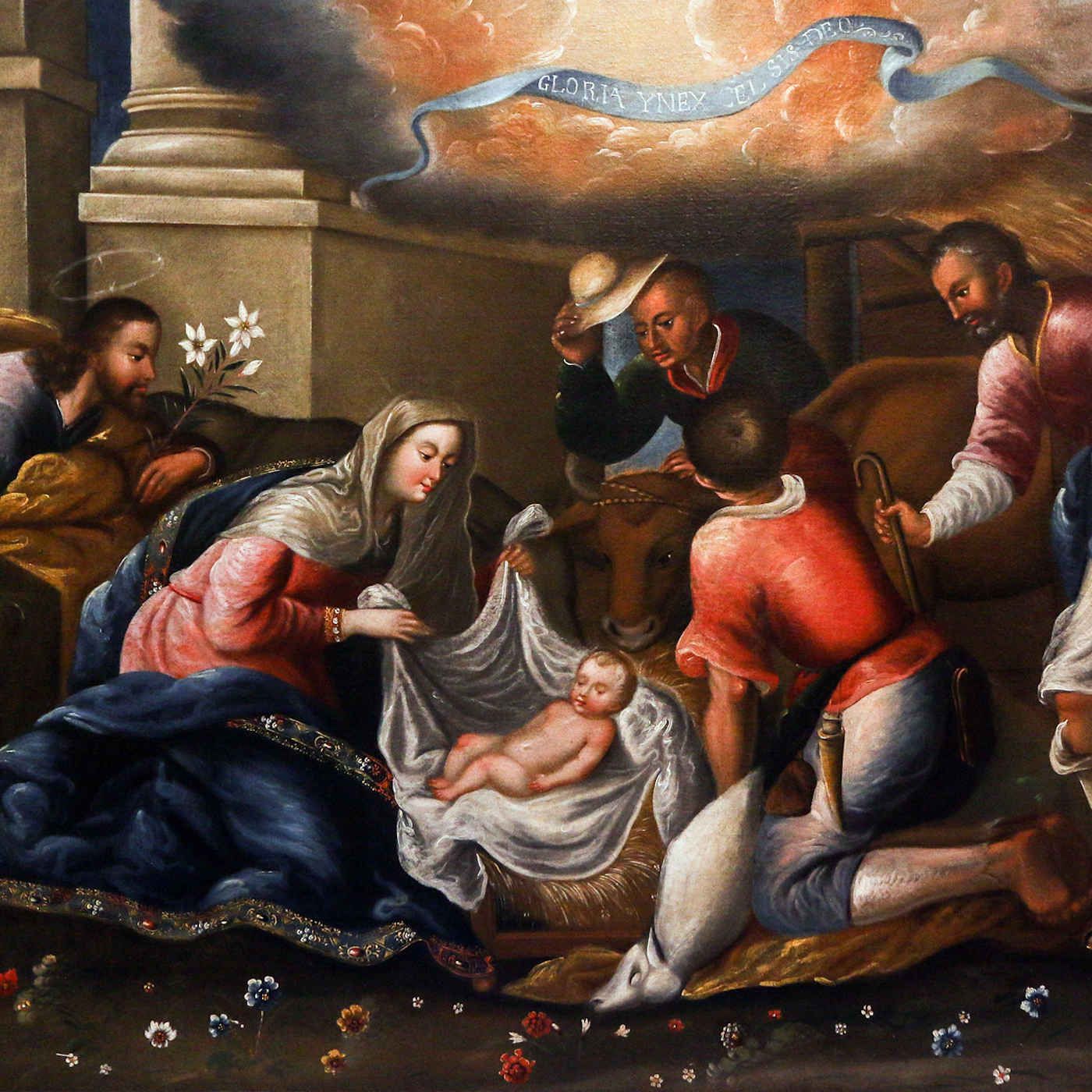
Dec 23, 2024
December 24, Mass in the Morning - Transformation by the Holy Spirit
Read Online Zechariah his father, filled with the Holy Spirit, prophesied, saying: “Blessed be the Lord, the God of Israel; for he has come to his people and set them free…” Luke 1:67–68 Our story of the birth of Saint John the Baptist concludes today with the song of praise spoken by Zechariah after his tongue had been loosened on account of his transformation in faith. He had moved from doubting what the Archangel Gabriel had spoken to him to believing and following the command of the Archangel to name his firstborn son “John.” As we saw in yesterday’s reflection, Zechariah is a model and example for those who have lacked faith, have suffered the consequences of their lack of faith, and have changed as a result. Today, we see an even fuller illustration of what happens when we change. No matter how deeply we have doubted in the past, no matter how far we have turned from God, when we turn back to Him with all our heart, we can hope to experience the same thing experienced by Zechariah. First, we see that Zechariah is “filled with the Holy Spirit.” And as a result of this gift of the Holy Spirit, Zechariah “prophesied.” These two revelations are very significant. As we prepare for the celebration of the Birth of Christ tomorrow on Christmas Day, we are also called to be “filled with the Holy Spirit” so that we also can act as a prophetic messenger of the Lord. Though Christmas is all about the Second Person of the Most Holy Trinity, Christ Jesus our Lord, the Holy Spirit (the Third Person of the Holy Trinity) plays just as much of a significant role in the glorious event, both at that time and also today. Recall that it was by the Holy Spirit Who overshadowed Mother Mary that she conceived the Christ Child. In today’s Gospel, it was the Holy Spirit Who enabled Zechariah to proclaim the greatness of God’s act of sending John the Baptist ahead of Jesus to prepare the way for Him. Today, it must be the Holy Spirit Who fills our lives so as to enable us to proclaim the Christmas Truth. In our day and age, Christmas has become very secular in many parts of the world. Few people take time on Christmas to truly pray and worship God for all that He has done. Few people continually proclaim that glorious message of the Incarnation to family and friends during this most solemn celebration. How about you? Are you able to be a true “prophet” of the Most High God this Christmas? Has the Holy Spirit overshadowed you and filled you with the grace needed to point others to this glorious reason for our celebration? Reflect, today, upon the role of the Holy Spirit in your life this day. Invite the Holy Spirit to fill you, inspire you, and strengthen you, and to give to you the wisdom you need to be a mouthpiece of the glorious gift of the birth of the Savior of the World this Christmas. No other gift could be more important to give to others than this message of truth and love. Holy Spirit, I give You my life and invite You to come to me, to overshadow me and to fill me with Your divine presence. As You fill me, give me the wisdom I need to speak of Your greatness and to be an instrument through which others are drawn into the glorious celebration of the birth of the Savior of the World. Come, Holy Spirit, fill me, consume me and use me for Your glory. Jesus, I trust in You. Source of content: catholic-daily-reflections.com Copyright © 2024 My Catholic Life! Inc. All rights reserved. Used with permission via RSS feed. Featured image above: Benedictus Dominus Deus Israel!, via flickr
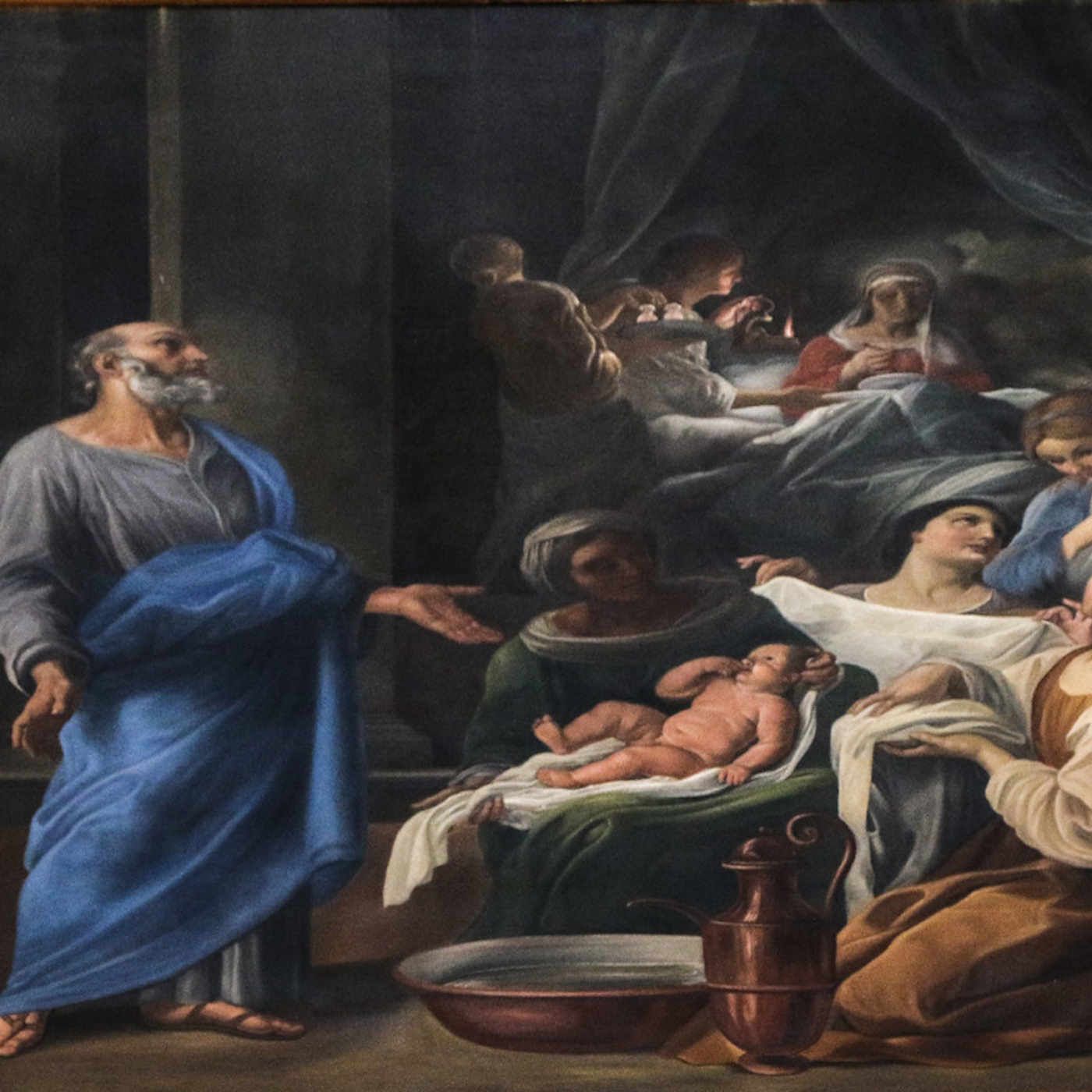
Dec 22, 2024
December 23 - Zechariah’s Victory
Read Online Immediately his mouth was opened, his tongue freed, and he spoke blessing God. Luke 1:64 This line reveals the happy conclusion to Zechariah’s initial failure to believe in what God revealed to him. Recall that nine months earlier, as Zechariah was fulfilling his priestly duty of offering sacrifice within the Holy of Holies in the Temple, he received a visit from the glorious Archangel Gabriel, who stands before God. Gabriel revealed to Zechariah the good news that his wife would conceive in her old age and that this child would be the one to prepare the people of Israel for the coming Messiah. What an incredible privilege that would have been! But Zechariah disbelieved. And as a result, the Archangel struck him mute for the nine months of his wife’s pregnancy. The punishments of the Lord are always gifts of His grace. Zechariah was not punished out of spite, or for punitive reasons. Instead, this punishment was more like a penance. He was given the humbling penance of losing his ability to speak for nine months for a good reason. It appears as if God knew that Zechariah needed nine months to silently reflect upon what the Archangel had said. He needed nine months to ponder his wife’s miraculous pregnancy. And he needed nine months to ponder who this child would be. And those nine months produced the desired effect of a full conversion of heart. After the child was born, it was expected that this firstborn son would be named after the father, Zechariah. But the Archangel had told Zechariah that the child was to be named John. Therefore, on the eighth day, the day of his son’s circumcision when he was presented to the Lord, Zechariah wrote on a tablet that the baby’s name was John. This was an act of faith and a sign that he had fully turned from disbelief to belief. And it was this act of faith that undid his prior doubt. Every one of our lives will be marked by failures to believe on the deepest level of faith. For that reason, Zechariah is a model for us of how we are to deal with our failures. We deal with them by allowing the consequences of past failures to change us for the good. We learn from our mistakes and move forward with new resolutions. This is what Zechariah did, and this is what we must do if we wish to learn from his good example. Reflect, today, upon any sin you have committed that has had painful consequences in your life. As you ponder that sin, the real question is where you go from here. Do you allow that past sin, or lack of faith, to dominate and control your life? Or do you use your past failures to make new resolutions and decisions for the future so as to learn from your mistakes? It takes courage, humility and strength to imitate the example of Zechariah. Seek to bring these virtues into your life this day. Lord, I know I lack faith in my life. I fail to believe all that You speak to me. As a result, I often fail to put Your words into action. Dear Lord, when I suffer as a result of my weakness, help me to know that this and all suffering can result in giving glory to You if I renew my faith. Help me, like Zechariah, to return to You always, and use me as an instrument of Your manifest glory. Jesus, I trust in You. Source of content: catholic-daily-reflections.com Copyright © 2024 My Catholic Life! Inc. All rights reserved. Used with permission via RSS feed. Featured image above: The Birth and Naming of St John the Baptist by Barent Fabritius, via Städel Museum, Frankfurt am Main
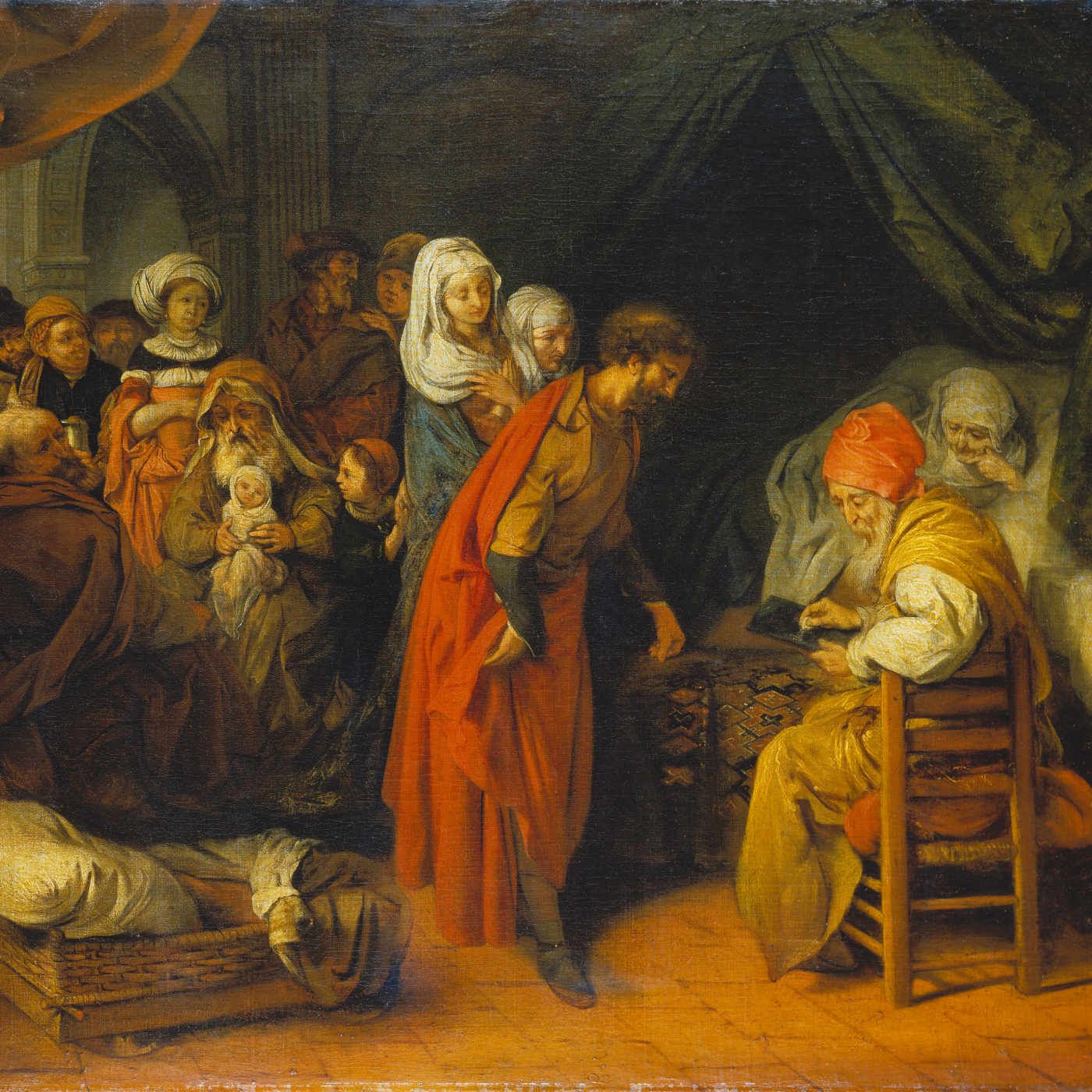
Dec 21, 2024
Fourth Sunday of Advent (Year C) - Wonder and Awe
Read Online “Blessed are you among women, and blessed is the fruit of your womb. And how does this happen to me, that the mother of my Lord should come to me?” Luke 1:42–43 Elizabeth expressed a beautiful humility in this statement. The Blessed Virgin Mary had just made a long journey to be with Elizabeth in her final months of pregnancy. As soon as our Blessed Mother greeted Elizabeth, Elizabeth’s child, Saint John the Baptist, leaped for joy in her womb. Elizabeth acknowledges this and then humbly expresses the fact that she is exceptionally blessed to have Mary, the mother of her Lord, come to visit her. There are many things worth pondering in this visitation of our Blessed Mother. But try to focus upon the humble wonder and awe expressed by Elizabeth. “And how does this happen to me, that the mother of my Lord should come to me?” Elizabeth was clearly grateful for Mary’s visit. But it appears that her reaction went even beyond gratitude. She was given the gift of wonder and awe. She clearly knew she was incredibly blessed by the fact that both the Mother of God and her Lord Himself were now in her presence in her home. This gift of wonder and awe that Elizabeth experienced is one of the Seven Gifts of the Holy Spirit. It’s a gift that enters a humble heart, enabling it to first see its unworthiness of a special grace given. But then this humble soul receives the special grace and responds with an overwhelming amazement. Thus, not only is gratitude present, but there is also this holy amazement that results in praise of God. In our own lives, there are so many incredible graces we have received from God. But too often we fail to see them for what they are. We fail to see the incredible graces God has given us and, thus, fail to experience the amazement that should result from God’s gifts. As you look at your own life, what graces has God given to you? Do you see them? Are you grateful for them? And, if so, are you able to go even beyond gratitude so as to experience a holy wonder and awe of God’s goodness and blessings in your life? Though it might be difficult to arrive at this level of amazement, it is a true gift that we must all strive to obtain and experience every day of our lives. Reflect, today, upon this holy gift of the Holy Spirit that Elizabeth experienced. Place yourself at the scene. Try to see the experience within her heart. Try to feel how she felt. Try to sense the praise that resulted. And try to open yourself more fully to receive this same gift of the Holy Spirit in your life. The Lord comes to you constantly by grace, especially every time you receive Him in Holy Communion. For that reason, we must all strive to live a holy wonder and awe every day of our lives. My most glorious Lord, You grace me beyond imagination. Too often, I fail to experience the gratitude and the wonder and awe that should result. Please help me to first see the countless blessings of Your grace and presence in my life. And as I see them, please fill me with the Holy Spirit so that I, too, may continually sing Your worthy praises. Jesus, I trust in You. Source of content: catholic-daily-reflections.com Copyright © 2024 My Catholic Life! Inc. All rights reserved. Used with permission via RSS feed. Featured image above: The Visitation, via flickr
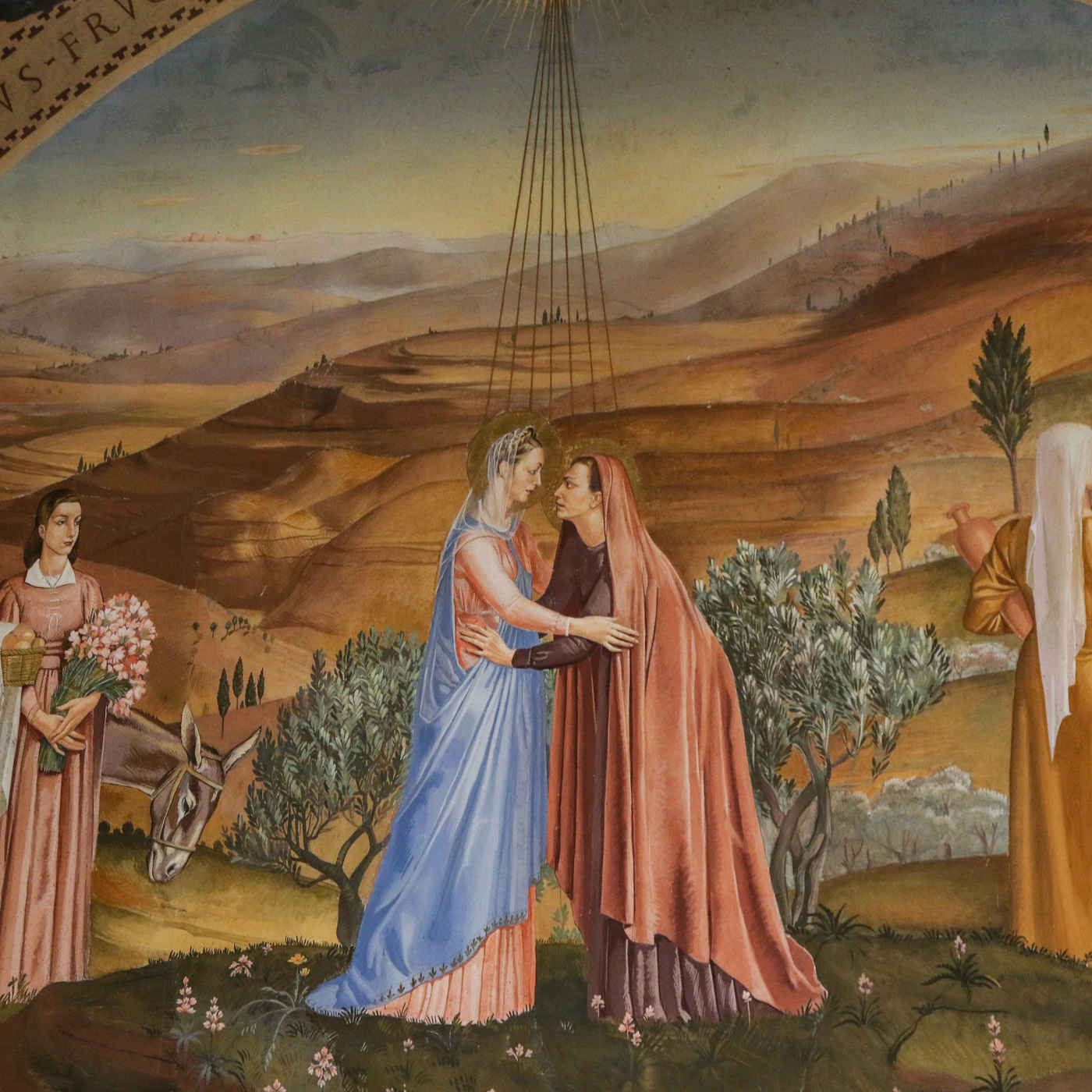
Dec 20, 2024
December 21 - Bringing Christ to Others
Read Online Mary set out in those days and traveled to the hill country in haste to a town of Judah, where she entered the house of Zechariah and greeted Elizabeth. Luke 1:39–40 We are presented today with the glorious story of the Visitation. When Mary was about two months pregnant, she traveled to be with her cousin Elizabeth who was to give birth within a month. Though much could be said about this as an act of familial love given from Mary to Elizabeth, the central focus immediately becomes the precious Child within the womb of Mary. Imagine the scene. Mary had just traveled about 100 miles. She was most likely exhausted. As she finally arrived, she would have been relieved and joyful at the completion of her journey. But Elizabeth says something quite inspiring at that moment, which elevates the joy of all present, including the joy of Mother Mary. Elizabeth says, “For at the moment the sound of your greeting reached my ears, the infant in my womb leaped for joy” (Luke 1:44). Again, imagine the scene. It was this tiny child within Elizabeth’s womb, John the Baptist, who immediately perceived the presence of the Lord and leaped for joy. And it was Elizabeth who immediately perceived the joy in her child living within her womb. As Elizabeth expressed this to Mary, who was already joyful at completing her journey, Mary was suddenly all the more overjoyed at the realization that she had brought to Elizabeth and John the Savior of the World living within her womb. This story should teach us much about what is most important in life. Yes, it’s important to reach out in love to others. It’s important to care for our relatives and friends when they need us the most. It’s important to be sacrificial with our time and energies for the good of others, because through these acts of humble service, we certainly share the love of God. But most importantly, we must bring Christ Jesus Himself to others. Elizabeth was not filled with joy first and foremost because Mary was there to help her in her pregnancy. Rather, she was overjoyed primarily because Mary brought her Jesus, her Lord, living within her womb. Though we do not bring Christ in the same way as our Blessed Mother did, we nonetheless must make this our central mission in life. First, we must foster a love and devotion to our Lord so deep that He truly dwells within us. Then, we must bring Him who dwells within us to others. This is unquestionably the greatest act of charity we will ever be able to offer to another. Reflect, today, not only upon your mission to invite your Lord to dwell within you as our Blessed Mother did but also upon your Christian duty to then bring Him who dwells within you to others. Do others encounter Christ living within you with joy? Do they sense His presence in your life and respond with gratitude? Regardless of their response, commit yourself to this holy calling of bringing Christ to others as an act of the deepest love. Lord, please do dwell within me. Come and transform me by Your holy presence. As You do come to me, help me to then become a missionary of Your divine presence by bringing You to others so that they may encounter the joy of Your presence. Make me a pure instrument, dear Lord, and use me to inspire all whom I encounter every day. Jesus, I trust in You. Source of content: catholic-daily-reflections.com Copyright © 2024 My Catholic Life! Inc. All rights reserved. Used with permission via RSS feed. Featured image above: via flickr

Dec 19, 2024
December 20, Advent Weekday - Running to the Will of God
Read Online And the angel said to her in reply, “The Holy Spirit will come upon you, and the power of the Most High will overshadow you. Therefore the child to be born will be called holy, the Son of God.” Luke 1:35 Try to set aside all that you know about Jesus and simply ponder these words of the Archangel Gabriel as if you were to hear them as our Blessed Mother did for the very first time. She was told she would have a child, even though she had not had relations with a man. She was told that this pregnancy would happen by the overshadowing of the Holy Spirit. And she was told that her Child would be the Son of God. What was Mary to think about these amazing revelations given to her by this most glorious Archangel? The ordinary person would most likely conclude that this was some sort of hallucination and that what they were seeing and hearing was the result of some temporary psychological disorder. Perhaps she was dreaming? Or perhaps it was something she unknowingly ingested that has led to this experience? But our Blessed Mother was no ordinary person, and she had no ordinary mind. Her mind was perfectly sharp on account of her immaculate nature. And her mind was continually “full of grace,” as Gabriel said in his greeting to her. She knew God’s voice, and she knew that this Archangel was speaking to her a message from on high. As a result, she listened, accepted, believed and consented. We can also conclude that Mary did even more than merely consent. The love she had for God and His will would have been so strong that she would have been filled with an immediate and burning desire to fulfill this command of the Archangel. She would have been filled with a holy desire to do all she could to bring about this miraculous calling she had received. And this calling would have immediately become the central purpose of her life. Though none of us has been given the unique and glorious vocation that was given to our Blessed Mother, we are all most certainly given a mission by God. Sometimes we listen and consider it. Sometimes we choose to embrace it. But the ideal is that we imitate our Blessed Mother and run to it. We must not only be open. We must not only submit. We must also allow every desire within our soul, every passion we have and every longing within us to work toward the accomplishment of God’s will. What is it that God is calling you to do in life? What is your purpose? What is your mission? If you struggle in answering these questions, then perhaps start by praying for the deep and all-consuming holy desire to accomplish that which God has chosen for you. If all you desire is the fulfillment of the will of God, then when God reveals His will to you, you will more easily and more quickly be able to accomplish it. Reflect, today, upon the unique mission that God has given to you. Whatever He has called you to do with your life is a calling given only to you. Do not run from it. Do not reluctantly accept it. Instead, run to it with your whole being and allow God to do great things through you. Most holy Lord, I know that You have a perfect plan for my life. I know that You have given me a mission that has not been given to anyone else. Please flood my soul with a holy desire to fully accomplish Your will and to do so with the most fervent commitment and strength. I, too, am a servant of You, O Lord; may it be done to me according to Your will. Mother Mary, pray for us. Jesus, I trust in You. Source of content: catholic-daily-reflections.com Copyright © 2024 My Catholic Life! Inc. All rights reserved. Used with permission via RSS feed. Featured image above: The Annunciation By Philippe de Champaigne, via Wikimedia Commons
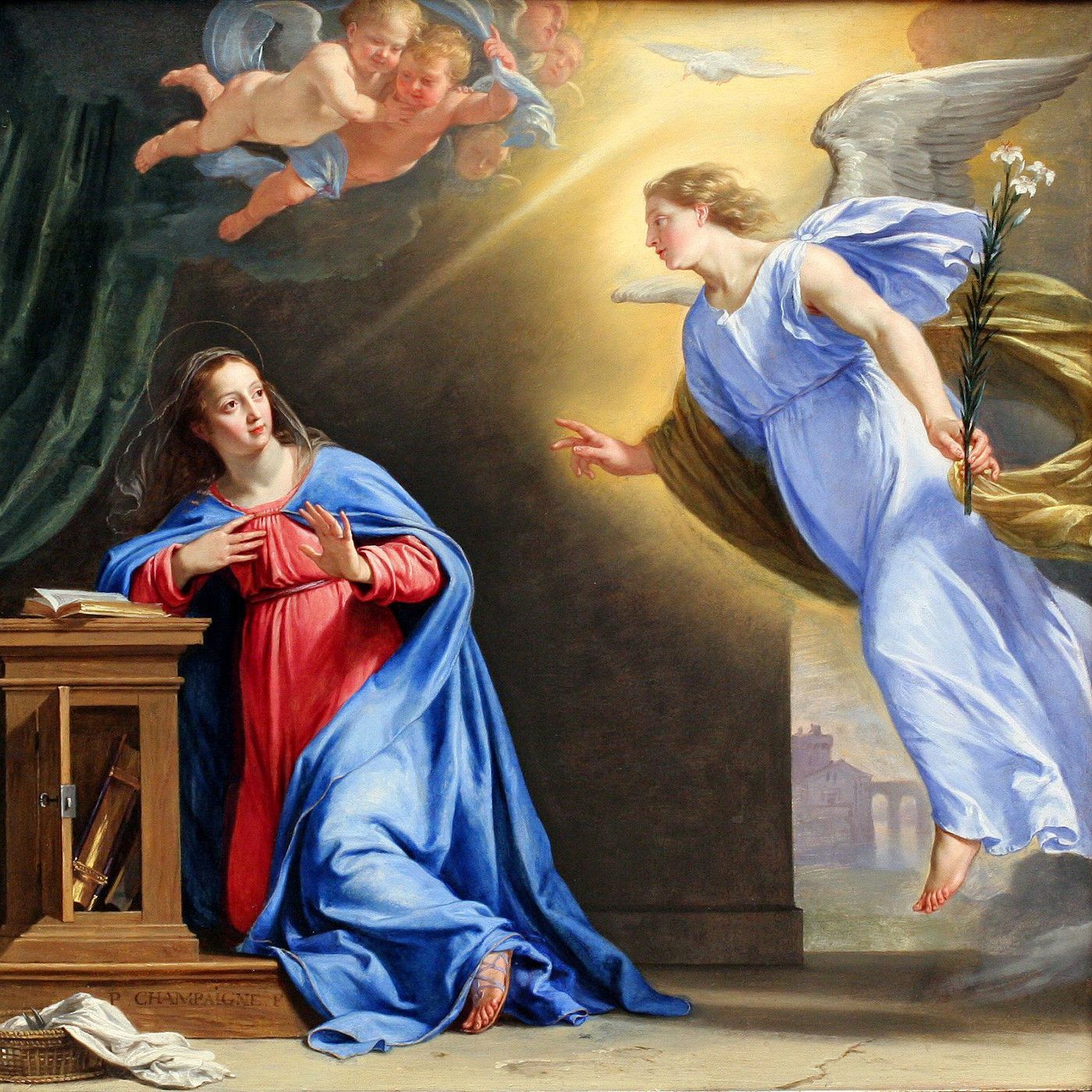
Dec 18, 2024
December 19 Weekday - Faith or Doubt
Read Online “I am Gabriel, who stand before God. I was sent to speak to you and to announce to you this good news. But now you will be speechless and unable to talk until the day these things take place, because you did not believe my words, which will be fulfilled at their proper time.” Luke 1:19–20 Imagine if the Archangel Gabriel appeared to you. What would that have been like? This particular Archangel stands before the incomprehensible beauty and splendor of the Most Holy Trinity and brings forth messages of the greatest importance. Gabriel is God’s most notable messenger. Take a moment to ponder what such a glorious apparition would have been like. In the passage above, this glorious Archangel appears to Zechariah as he is fulfilling his priestly duty to burn incense before the Lord within the Holy of Holies. As Zechariah enters the sanctuary while all the people remain outside praying, he suddenly has a vision of the Archangel telling him that his wife Elizabeth will have a child, even though she is advanced in years. But even though Zechariah hears this message from Gabriel, the Archangel who stands before God, he doubts what he is being told. Would you have believed the Archangel Gabriel if you were Zechariah? Or would you have doubted? Though there may not be a way to know the answer to that question, it’s helpful to ponder the humble truth that you very well may have doubted. It takes true humility to admit that possibility. Like Zechariah, we are all weak and sinful. We lack the perfect faith that our Blessed Mother had. And if you can humbly admit this, then you are in a great position to overcome the weakness of faith you struggle with. Zechariah suffered much for his lack of faith, but that suffering led to a renewal of faith when he named his child John in obedience to the Archangel. Reflect, today, upon how well you listen to all that God says to you. Do you listen, believe and obey? Or do you question and doubt God’s voice. Know that God speaks to you each and every day. Admit the ways that you lack perfect faith and allow that act of humble acknowledgment to strengthen you where you need help the most. Lord, I know I lack the depth of perfect faith that I so deeply desire to have. I know that You speak to me day and night, and I fail to listen and obey. As I humble myself before You and confess my weakness of faith, strengthen me to respond more fully each day to all that You say to me. Jesus, I trust in You. Source of content: catholic-daily-reflections.com Copyright © 2024 My Catholic Life! Inc. All rights reserved. Used with permission via RSS feed. Featured image above: The Angel Appearing to Zacharias By William Blake, via The Met
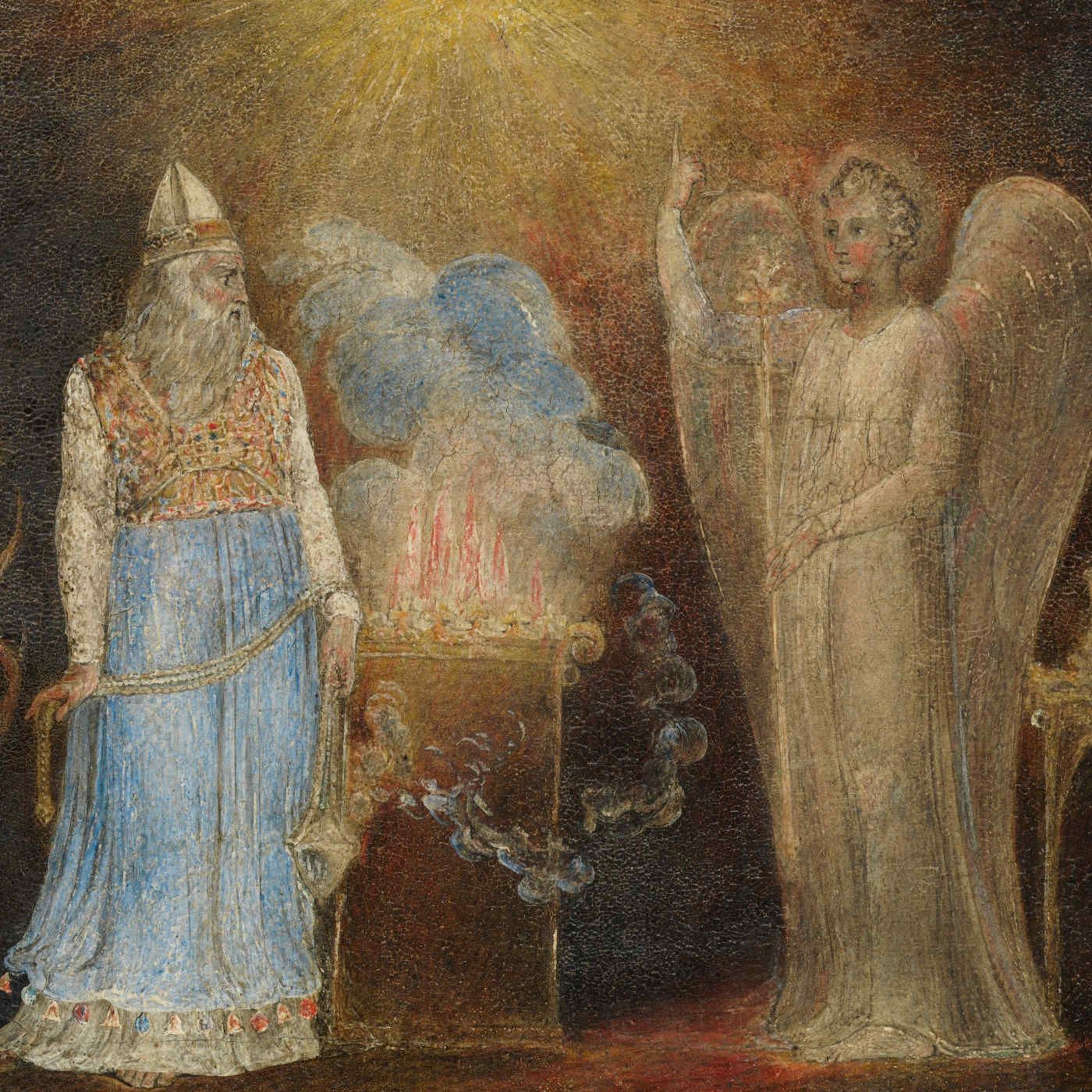
Dec 17, 2024
December 18 Weekday - A Mysterious Pregnancy and Apparent Scandal
Read Online This is how the birth of Jesus Christ came about. When his mother Mary was betrothed to Joseph, but before they lived together, she was found with child through the Holy Spirit. Joseph her husband, since he was a righteous man, yet unwilling to expose her to shame, decided to divorce her quietly. Matthew 1:18–19 Mary’s pregnancy was truly mysterious. In fact, it was so mysterious that even Saint Joseph initially couldn’t accept it. But, to Joseph's defense, who could accept such a thing? He was faced with what was a most confusing situation. The woman to whom he was engaged was suddenly with child, and Joseph knew he was not the father. But he also knew that Mary was a holy and pure woman. So, naturally speaking, it makes sense that this situation simply did not make immediate sense. But that’s the key. “Naturally speaking” this did not make immediate sense. The only way to understand the situation of Mary’s sudden pregnancy was through supernatural means. Thus, an angel of the Lord appeared to Joseph in a dream, and that dream was all he needed to accept this mysterious pregnancy in faith. It’s amazing to consider the fact that the greatest event to ever take place in human history happened under a cloud of apparent scandal and confusion. The angel revealed the deep spiritual truth to Joseph secretly, in a dream. And though Joseph may have shared his dream with others, it’s most likely the case that many people still assumed the worst. Most would have presumed that Mary was pregnant either by Joseph or by someone else. The idea that this conception was the working of the Holy Spirit would have been a truth beyond what their friends and relatives could ever comprehend. But this presents us with a great lesson about judgment and the action of God. There are countless examples in life when God and His perfect will lead to judgment, apparent scandal and confusion. Take, for example, any martyr of old. We now look at the many acts of martyrdom in a heroic way. But when the martyrdom actually happened, many would have been deeply saddened, angered, scandalized and confused. Many, at the time of a loved one being martyred for the faith, would be tempted to question why God permitted this. The holy act of forgiving another could also lead some to a form of “scandal” in life. Take, for example, the crucifixion of Jesus. From the Cross, He cried out, “Father, forgive them…” Were not many of His followers confused and scandalized? Why didn’t Jesus defend Himself? How could the promised Messiah have been found guilty by the authorities and killed? Why did God allow this? Reflect, today, upon the mystery of God’s actions in life. Are there things in your own life that are hard to accept, to embrace, or to understand? Know that you are not alone in this. Even Saint Joseph experienced this. Prayerfully commit yourself to a deeper faith in God’s wisdom in the face of any mystery with which you struggle. And know that this faith will help you to live more fully in accord with the glorious wisdom of God. Lord, I turn to You with the deepest mysteries of my life. Help me to face them all with confidence and courage. Give me Your mind and Your wisdom so that I can walk each day in faith, trusting in Your perfect plan, even when that plan appears mysterious. Jesus, I trust in You. Source of content: catholic-daily-reflections.com Copyright © 2024 My Catholic Life! Inc. All rights reserved. Used with permission via RSS feed. Featured image above: Scenes from the life of Christ on the ceiling: the dream of St Joseph, via Wikimedia Commons
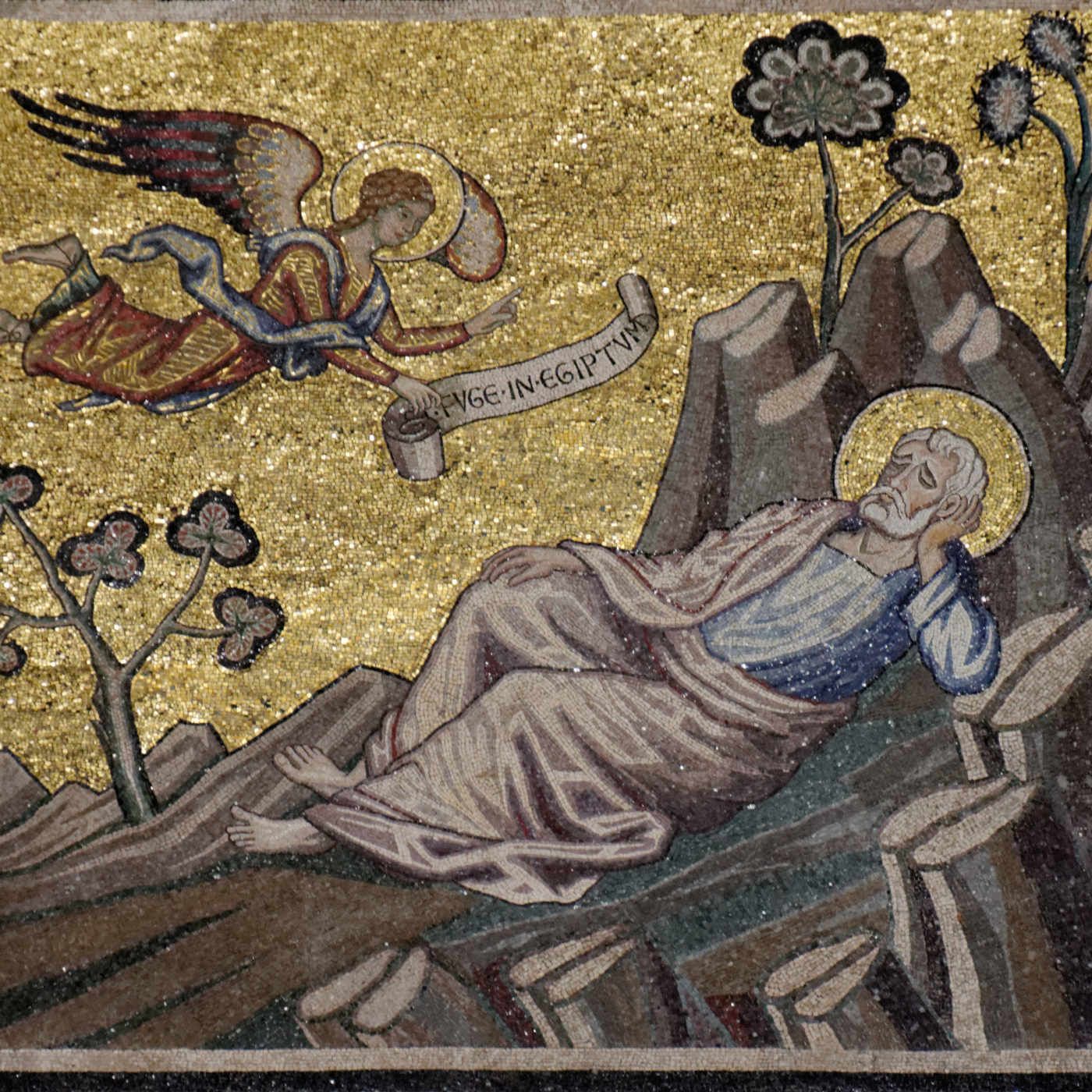
Dec 16, 2024
December 17 Weekday - An Amazing Reality
Read Online Eleazar became the father of Matthan, Matthan the father of Jacob, Jacob the father of Joseph, the husband of Mary. Of her was born Jesus who is called the Christ. Matthew 1:15–16 The last line of the Gospel passage above offers much for us to meditate upon this day and throughout the week ahead. “Of her was born Jesus who is called the Christ.” What an amazing reality we celebrate! God Himself took on our human life, experienced conception, birth, infancy, childhood, etc. As a human, He also experienced hatred, abuse, persecution, and murder. Again, what an amazing reality we celebrate! For the next eight days, the readings for Mass will focus more directly upon this amazing reality. We ponder today the lineage of Christ Jesus and see that He comes from the line of Abraham and David and that His ancestors were the great Judges, Kings and Levitical Priests. In the coming days of preparation for Christmas, we will ponder the role of Saint Joseph, the response of our Blessed Mother to the angel, the Visitation, Zechariah’s lack of faith and our Blessed Mother’s perfect faith. As we enter into this octave of immediate preparation for the celebration of the birth of Christ, do use it as a time of true spiritual preparation. Though all of Advent is a season of preparation, these final days should especially focus upon the great mysteries surrounding the Incarnation and birth of the Christ Child. We must ponder the people Whom God chose to be intimately involved, and we should reflect upon the smallest of details regarding how this miracle of miracles took place. Reflect, today, upon the true reason for Advent and Christmas. This final week leading up to Christmas can oftentimes become filled with busyness and other forms of preparation, such as shopping, cooking, traveling, decorating, etc. Though all of these other preparations have a place, don’t neglect the most important preparation—the spiritual preparation of your soul. Spend time with the Scriptures this week. Savor the story. Think about the amazing reality that we are about to celebrate. My precious Lord, I thank you for coming to dwell among us, and I thank you for this Advent season in which I am able to prayerfully ponder all that You have done for me. Please make this last week before Christmas a time of true preparation in which I prayerfully ponder the amazing reality of Your Incarnation. May this last week of preparation not be wasted but, rather, used as a foundation for a glorious and prayerful celebration of the holy gift of Christmas. Jesus, I trust in You. Source of content: catholic-daily-reflections.com Copyright © 2024 My Catholic Life! Inc. All rights reserved. Used with permission via RSS feed. Featured image above: Virgin and Child By Giovanni Battista Salvi da Sassoferrato, via Wikimedia Commons
Dec 15, 2024
Monday of the Third Week of Advent - Religious Politicians
Read Online “Where was John’s baptism from? Was it of heavenly or of human origin?” They discussed this among themselves and said, “If we say ‘Of heavenly origin,’ he will say to us, ‘Then why did you not believe him?’ But if we say, ‘Of human origin,’ we fear the crowd, for they all regard John as a prophet.” So they said to Jesus in reply, “We do not know.” Matthew 21:25–27 This is a perfect example of how not to live your life. But, sadly, this is too often an illustration of the way many in authority do live their lives. In this Gospel passage, we see the Pharisees acting as what we may term “religious politicians.” A religious politician is one whose religious convictions are decided in a backwards sort of way. Ideally, we will turn our eyes to Christ and all that He has revealed to us. This will produce the glorious gift of authentic faith, and from that rock foundation of faith, we act. But the Pharisees allowed their “convictions” to be based on what they perceived would produce the best outcome at the moment. They chose to say “We do not know” where John’s baptism was from because they thought it was the answer that most safeguarded them from any criticism. As followers of Christ, we need to be ready and willing to suffer any and all ridicule that comes from living our convictions of faith in an open way. Faith will lead to charity, and charity will always be grounded in the truths of faith. But when we live and proclaim the truth, we will be criticized by some and will suffer as a result. This Gospel offers us all an invitation to reflect upon the difficult truths of our day and age and to decide whether or not we are willing to publicly profess the truth. Think, especially, about the many moral truths of our faith that seem to be continually under attack. Are you willing to speak your faith clearly, with charity and with conviction, even if it means criticism from the world? Reflect, today, upon the backwards approach taken by the Pharisees when they were confronted with a difficult question. Make the choice not to follow their example, choosing instead the unwavering convictions that you are called to embrace by your faith. What questions are being asked of you today? In which ways are you being tested by others? What is your approach to those tests? Do you speak more like a “religious politician?” Or do you speak with a clarity flowing from the rock foundation of your faith? My Lord of all truth, give me the grace I need to stand firm on all that You have revealed to me. Give me courage to remain firm in the convictions of faith that have been given to me by You. May I proclaim this faith to all whom I encounter so that I can be an instrument of Your love and mercy to the world. Jesus, I trust in You. Source of content: catholic-daily-reflections.com Copyright © 2024 My Catholic Life! Inc. All rights reserved. Used with permission via RSS feed. Featured image above: The Chief Priests Ask Jesus by What Right Does He Act in This Way By James Tissot, via Brooklyn Museum
Dec 14, 2024
Third Sunday of Advent (Year C) - Turn From Sin
Read Online The crowds asked John the Baptist, “What should we do?” Luke 3:10 Among those within the crowds who were asking Saint John the Baptist this question were tax collectors, soldiers and ordinary people. John gave an answer to them all, first telling them to turn away from the sins that they struggled with the most. Sin takes on many forms and often is closely associated with our daily duties in life. Some sins are sins of commission, meaning sins we commit by an intentional act. Some sins are those of omission, meaning a lack of certain virtues or a failure to do what we ought to do. After addressing the particular sins that those in the crowds were struggling with, John then turns their attention to Christ. He states to them that “one mightier than I is coming” and that “He will baptize you with the Holy Spirit and fire.” In other words, John was giving the people a twofold command. First, work to overcome sin. And second, turn your eyes to Him Who is coming to you. Repenting from sin is not enough. Once we repent, we must then fill the void within our souls with the presence of Christ. Advent, just like Lent, is an important time within our liturgical year to heed these messages. Though it’s true that we must work to overcome sin and turn to Christ every day of the year, God knows we need a special time each year when we give concerted effort to these spiritual endeavors. So before Advent passes you by, heed the words of the Baptist and take some time to examine your conscience thoroughly. Perhaps use a detailed list of the Ten Commandments or the Seven Capital Sins. Once you do that, seek out an opportunity to celebrate the Sacrament of Reconciliation. Doing so is essential to a fruitful Advent season. Once you thoroughly repent of the sins you struggle with the most right now, turn to the Savior of the World with special attentiveness to the miracle of the Incarnation this Advent. Spend time adoring the God Who came to us in the form of a little child. Meditate on this Gift. Gaze at a nativity scene prayerfully. Read the Scripture passages about the birth of Christ. Close your eyes and imagine yourself there at His birth. Reflect, today, upon this twofold exhortation from John and apply it to your Advent preparations. Cleanse your soul in a special way from all sin this Advent. Then prayerfully ponder and meditate upon the reality we are preparing to celebrate. As John says, allow the Christ Child to truly “baptize you with the Holy Spirit and fire” through your deepening devotion and prayer this Advent. My dear Jesus, please help me to see my sins as You see them. Help me to be attentive to every sinful action I commit and even those smaller sins of omission. As I ponder my sin, please draw me to Your mercy and grace so that I can then open the eyes of my soul more deeply to see You and to adore You more completely this Advent. Jesus, I trust in You. Source of content: catholic-daily-reflections.com Copyright © 2024 My Catholic Life! Inc. All rights reserved. Used with permission via RSS feed. Featured Image above: "Repent, for the kingdom of heaven is close at hand!", via flickr
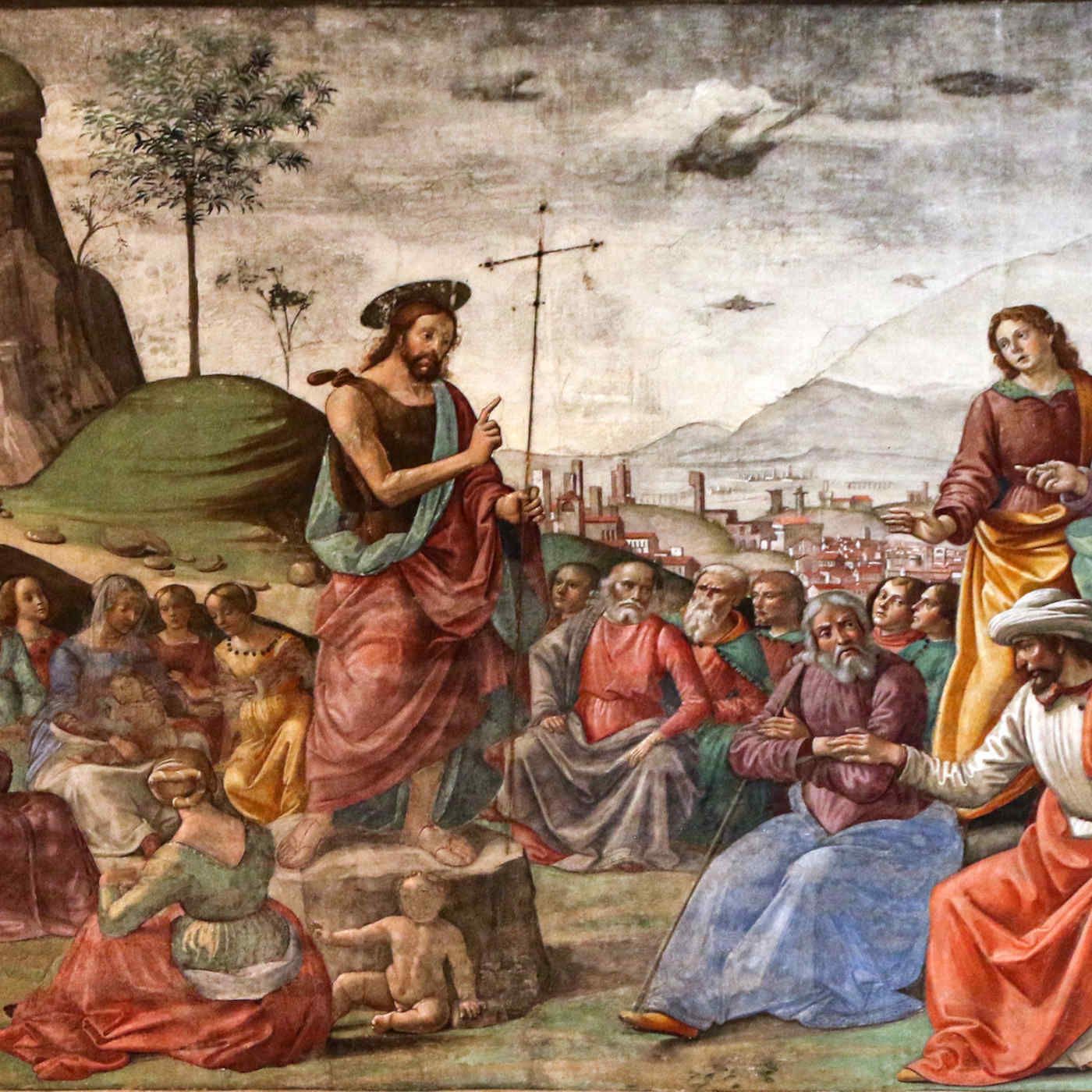
Dec 13, 2024
Saturday of the Second Week of Advent - Approaching the Word of God
Read Online “I tell you that Elijah has already come, and they did not recognize him but did to him whatever they pleased. So also will the Son of Man suffer at their hands.” Then the disciples understood that he was speaking to them of John the Baptist. Matthew 17:12–13 The last of the Old Testament Prophets was Malachi. He concluded his ministry about 400 years prior to the coming of Christ. Malachi prophesied that a “messenger” would come before the Messiah so as to prepare the way before Him. Malachi goes on further to say that “Elijah the Prophet” will come before the day of the Lord (See Malachi 3:1–24). Many of the people at the time of Jesus did not understand this prophecy and were not even aware of it. Therefore, the scribes used this prophecy to confuse many of the people by claiming that since “Elijah” had not come, then clearly Jesus was not the promised Messiah. Jesus clarified to the disciples that the “messenger,” who was to be the new Elijah, had already come in the person of John the Baptist. Thus, in clarifying this, Jesus also clarified that the scribes were not accurate in their attempt to interpret the Scriptures and were actively misleading the people on account of their errors. One thing this tells us is that we must approach the word of God with humility. The pride of the scribes led them to believe that they had some sort of extraordinary wisdom that they did not. Thus, they acted as poor spiritual teachers of the people of God. Humility before the Word of God is essential if we are to properly understand not only the Old Testament prophecies but also the very words of Jesus Himself. Without humility before the Word of God, we can all easily misinterpret the beautiful and holy words spoken by our Lord. Everything in the Scriptures is profound, deep and true. And by this holy Word of God we come to meet God Himself. But if we allow pride to seep in, we may find ourselves imitating the scribes and misunderstanding God’s Word. The result will be a skewed image of God which will become an impediment to our personal encounter with our loving Lord. But if we can always remain humble before all that God has revealed to us, then we will more easily be open to those deepest and most beautiful truths God wants to speak to our hearts. Reflect, today, upon any way that you have found yourself confused by the Word of God. Try to humbly open your heart more fully to that which our Lord wants to speak to you. Listen with an open mind and heart and allow the pure gift of faith to become your guide so that you will be led to those deepest truths of our faith. My mysterious and beautiful Lord, You have revealed to us the deepest and most profound mysteries of life through Your written Word. May I always approach Your Word with humility and openness so that I will come to know You more fully. Jesus, I trust in You. Source of content: catholic-daily-reflections.com Copyright © 2024 My Catholic Life! Inc. All rights reserved. Used with permission via RSS feed. Featured image above: St John the Baptist Baptizes the People By Nicolas Poussin, via Wikimedia Commons
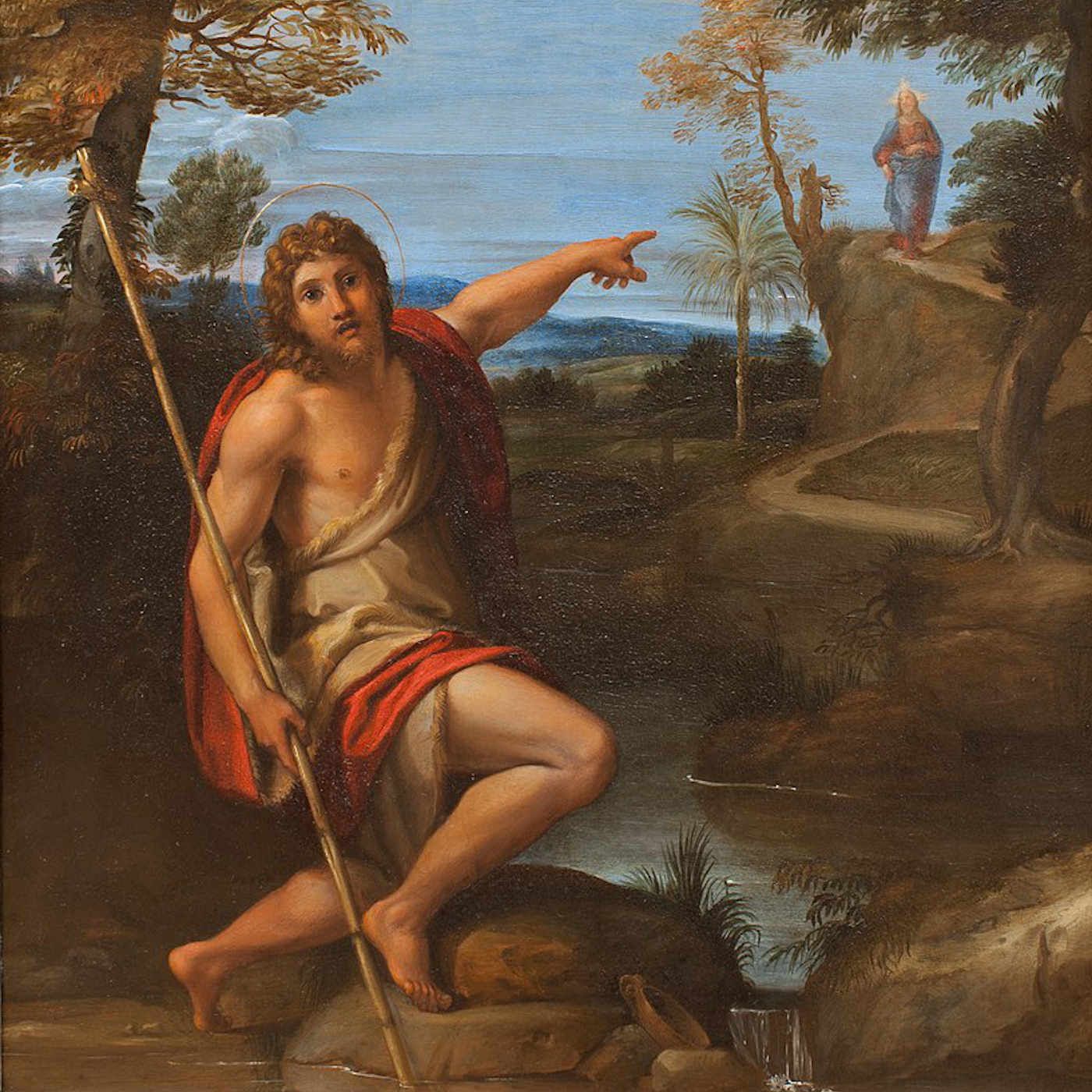
Dec 12, 2024
Friday of the Second Week of Advent - Dancing and Mourning
Read Online Jesus said to the crowds: “To what shall I compare this generation? It is like children who sit in marketplaces and call to one another, ‘We played the flute for you, but you did not dance, we sang a dirge but you did not mourn.’” Matthew 11:16–17 What does Jesus mean when He says “We played the flute for you…” and “we sang a dirge…?” The Church Fathers clearly identify this “flute” and “dirge” as the word of God that has been preached by the prophets of old. So many came before Jesus to prepare the way, but so many failed to listen. John the Baptist was the final and greatest prophet, and he called people to repentance, but few listened. Thus, Jesus points out this sad truth. In our day and age, we have so much more than the prophets of the Old Testament. We have the incredible witness of the saints, the infallible teaching of the Church, the gift of the Sacraments and the life and teaching of the Son of God Himself as recorded in the New Testament. Yet, sadly, so many refuse to listen. So many fail to “dance” and “mourn” in response to the Gospel. We must “dance” in the sense that the gift of Christ Jesus, by His life, death and resurrection should be the cause of our wholehearted rejoicing and eternal adoration. Those who truly know and love the Son of God are filled with joy! Furthermore, we must “mourn” on account of the countless sins in our own lives and in the lives of those all around us. Sin is real and prevalent, and a holy sorrow is the only appropriate response. Salvation is real. Hell is real. And both of these truths demand a total response from us. In your own life, how fully have you allowed the Gospel to affect you? How attentive are you to the voice of God as it has been spoken through the lives of the saints and through our Church? Are you tuned in to the voice of God as He speaks to you in the depths of your conscience in prayer? Are you listening? Responding? Following? And giving your whole life in the service of Christ and His mission? Reflect, today, upon the clear, unmistakable, transforming and life-giving words and presence of the Savior of the world. Reflect upon how attentive you have been in life to all that He has clearly spoken and to His very presence. If you do not find yourself “dancing” for God’s glory and “mourning” over the evident sins of your life and within our world, then recommit yourself to a radical following of Christ. In the end, the Truth that God has spoken throughout the ages and His holy and divine presence are all that matter. My glorious Lord Jesus, I acknowledge Your divine presence in my life and in the world all around me. Help me to be more attentive to the countless ways that You speak to me and come to me each and every day. As I discover You and Your holy word, fill me with joy. As I see my sin and the sins of the world, give me true sorrow so that I will work tirelessly to combat my own sin and bring Your love and mercy to those who are most in need. Jesus, I trust in You. Source of content: catholic-daily-reflections.com Copyright © 2024 My Catholic Life! Inc. All rights reserved. Used with permission via RSS feed. Featured image above: Let the Children Come, via flickr
Dec 11, 2024
December 12 - Feast of Our Lady of Guadalupe
Read Online Then the angel said to her, “Do not be afraid, Mary, for you have found favor with God. Behold, you will conceive in your womb and bear a son, and you shall name him Jesus.” Luke 1:30–31 Today we celebrate five successive apparitions of our Blessed Mother to Juan Diego, who was an Indian convert to the faith. Early in the morning of December 9, 1531, Juan was traveling to the town of Tlatelolco where he intended to attend a catechism class and the holy Mass. However, on his way, as he passed by the Tepeyac Hill, he was gifted by the vision of a bright light and heavenly music. As he gazed upward with wonder and awe, he heard a beautiful voice calling him. As he moved toward the voice, he saw the glorious Mother of God standing in youthful appearance in heavenly splendor. She said to him, “I am your merciful Mother…” She further revealed to him that she wanted a church built on that spot and that Juan was to go and tell this to the Bishop of Mexico City. Juan did as our Lady asked, but the bishop was reluctant to believe. But once again, the Mother of God appeared to Juan and asked him to return to the bishop with her request. This time the bishop asked for a sign, and Juan reported this to the Mother of God. She said a sign would be provided, but Juan was prevented from receiving that sign, since he needed to attend to his sick uncle. However, after two days, on December 12, 1531, Juan was once again traveling to the church in Tlatelolco to ask the priest to come and attend to his dying uncle. But this time Juan had taken a different route so as to avoid delay from his heavenly visitor. But this time our Blessed Mother came to him and said, “It is well, littlest and dearest of my sons, but now listen to me. Do not let anything afflict you and be not afraid of illness or pain. Am I not here who am your Mother? Are you not under my shadow and protection? Are you not in the crossing of my arms? Is there anything else you need? Do not fear, for your uncle is not going to die. Be assured…he is already well.” As soon as Juan heard this from his heavenly visitor, he was overjoyed and asked for a sign to give to the bishop. The Mother of God directed him to the top of the hill where he would find many flowers that were in bloom completely out of season. Juan did as she said, and upon finding the flowers, he cut them and filled his outer cloak, his tilma, with them so he could bring them to the bishop as the sign requested. Juan then made his way back to Bishop Fray Juan de Zumarraga, the Bishop of Mexico City, to present him with the flowers. To the surprise of all, as he opened his tilma to pour forth the flowers, there appeared on his tilma the image of the very woman who had appeared to him. The image was not painted; rather, every thread of this simple and coarse cloak had changed color to create the beautiful image. That same day, our Blessed Mother had also appeared to Juan’s uncle and miraculously cured him. Though these miraculous events have become embedded into the fabric of Mexican culture, the message is far more than cultural in significance. “I am your merciful mother,” she said! It is our Blessed Mother’s deepest desire that all of us come to know her as our mother. She wants to walk with us through the joys and sorrows of life as any loving mother would. She wants to teach us, lead us and reveal to us the merciful love of her divine Son. Reflect, today, upon the miraculous actions of the Mother of God. But reflect, especially, upon her motherly love. Her love is a pure mercy, a gift of the deepest care and compassion. Her only desire is our holiness. Speak to her this day and invite her to come to you as your merciful mother. My most merciful mother, I love you and invite you to pour forth upon me your love. I turn to you, this day, in my need, and I trust that you will bring me the abundant grace of your Son, Jesus. Mother Mary, O Virgin of Guadalupe, pray for us who turn to you in our need. Saint Juan Diego, pray for us. Jesus, I trust in You. Source of content: catholic-daily-reflections.com Copyright © 2024 My Catholic Life! Inc. All rights reserved. Used with permission via RSS feed. Featured image above: Our Lady of Guadalupe, via Wikimedia Commons
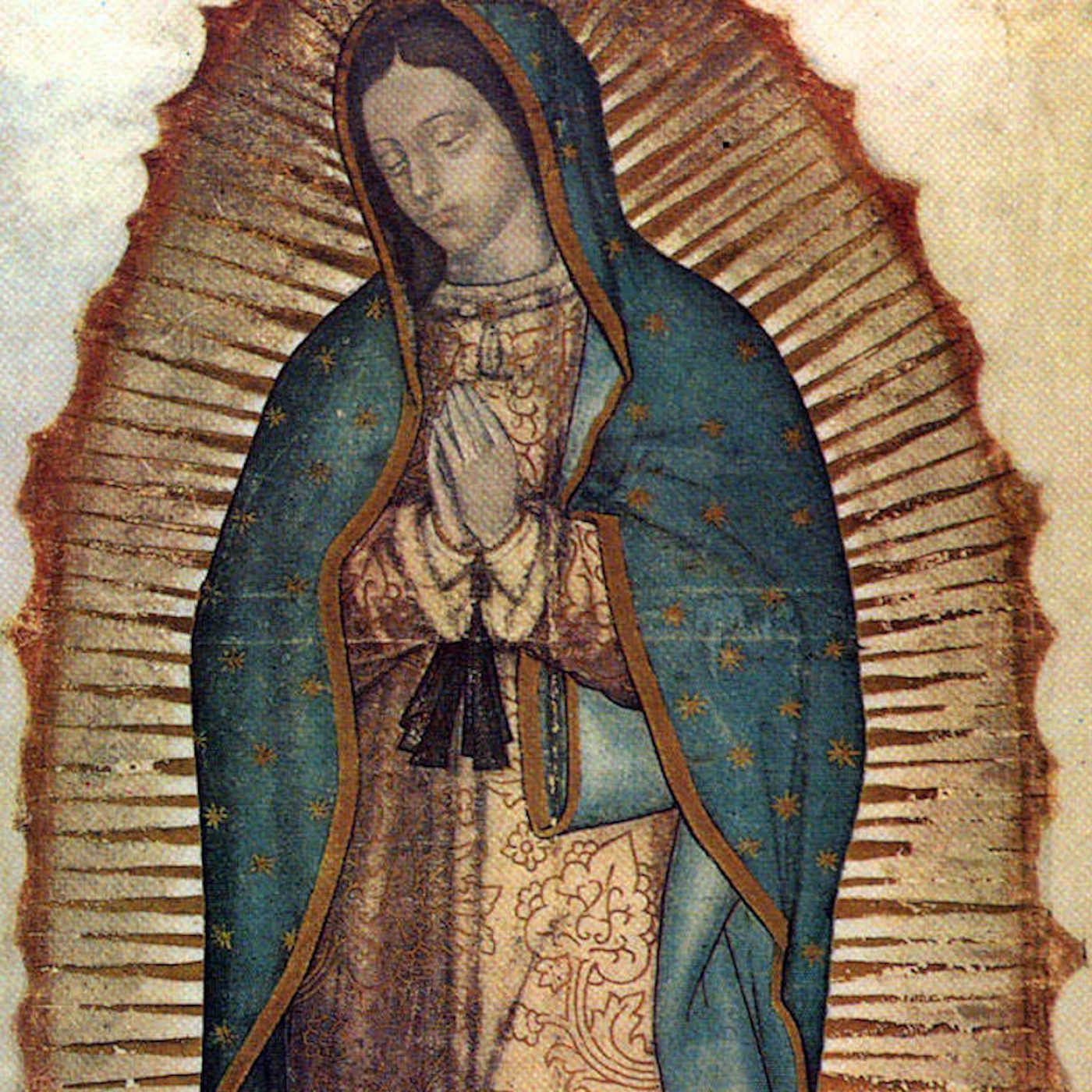
Dec 10, 2024
Wednesday of the Second Week of Advent - Laying Down Your Burdens
Read Online “Come to me, all you who labor and are burdened, and I will give you rest.” Matthew 11:28 One of the most delightful and healthy activities in life is sleep. This is especially the case when one is able to enter into a deep and refreshing sleep. Upon awakening, the person who has slept deeply feels refreshed and ready for a new day. Of course, the opposite is also true. When sleep is difficult and restless, the person can suffer numerous ill effects, especially when a lack of healthy sleep becomes the norm. The same is true in our spiritual lives. For many people, “spiritual rest” is something foreign to them. They may say a few prayers each week, attend Mass, or even make a holy hour. But unless each one of us enters into a form of prayer that is deep and transforming, we will not be able to experience the interior spiritual rest we need. Jesus’ invitation in today’s Gospel to “Come to me…” is an invitation to become transformed, interiorly, as we allow Him to relieve us of the burdens of our daily lives. Each day we often face spiritual hardships and challenges, such as temptations, confusions, disappointments, angers and the like. We are often daily bombarded with the lies of the evil one, the hostility of a growing secularized culture and an assault on our senses through the numerous forms of media we daily digest. These and many other things we encounter each and every day will have the effect of wearing us down interiorly on a spiritual level. As a result, we need the spiritual refreshment that comes only from our Lord. We need the spiritual “sleep” that results from deep and revitalizing prayer. And that form of prayer is only possible if we heed Christ’s invitation to come to Him with every fiber of our being, surrendering all that we are and all that we encounter each and every day. Reflect, today, upon whether you feel weary at times. Ponder, especially, any mental or emotional weariness. Oftentimes these forms of weariness are actually spiritual in nature and need a spiritual remedy. Seek the remedy our Lord offers you by accepting His invitation to come to Him, deeply in prayer, and rest in His presence. Doing so will help to lift the heavy burdens with which you struggle. My loving Lord, I accept Your invitation to come to You and rest in Your glorious presence. Draw me in, dear Lord, to Your heart that is overflowing with grace and mercy. Draw me into Your presence so that I may rest in You and be delivered from the many burdens of life. Jesus, I trust in You. Source of content: catholic-daily-reflections.com Copyright © 2024 My Catholic Life! Inc. All rights reserved. Used with permission via RSS feed. Featured images above: The Miracle of Christ Healing the Blind, via flickr
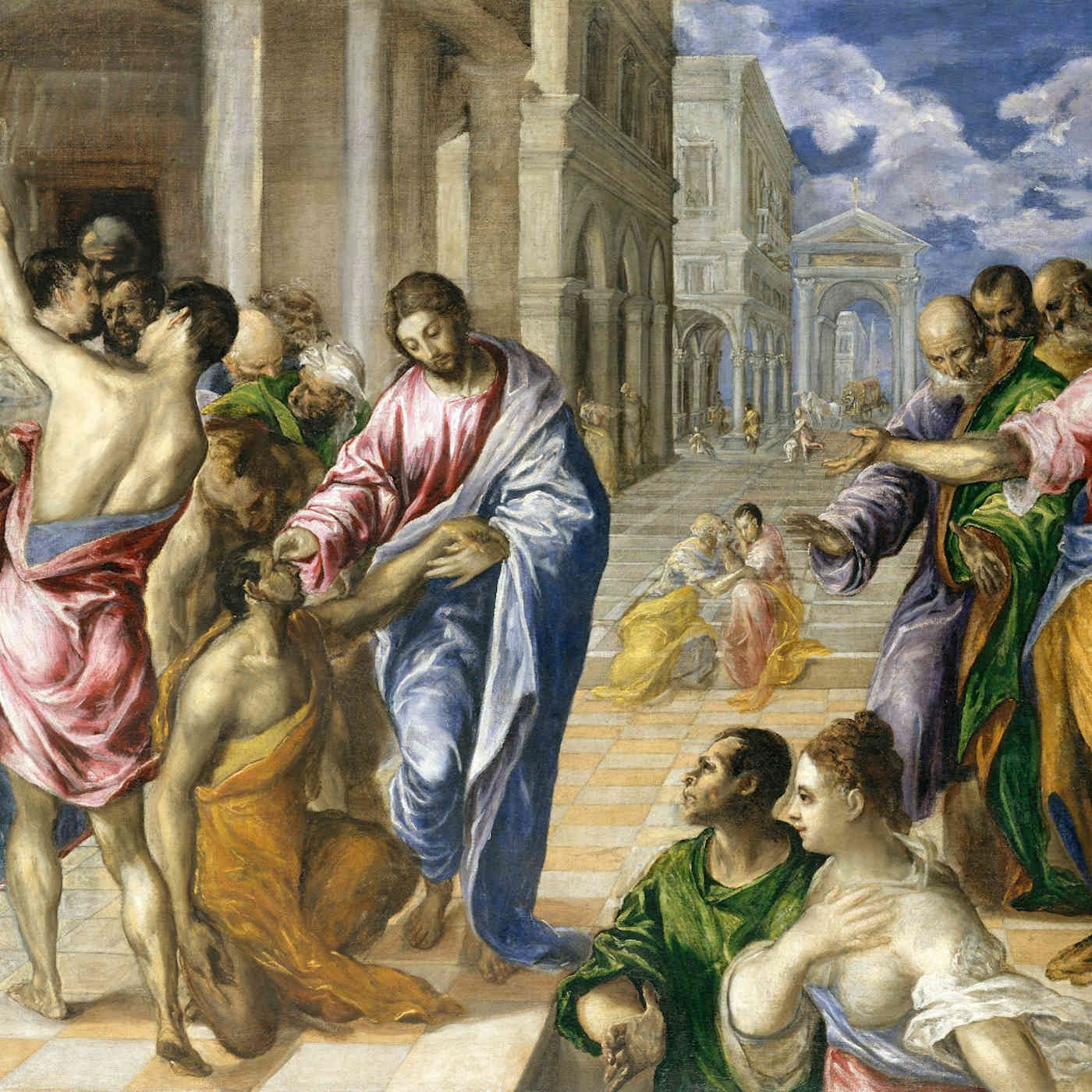
Dec 9, 2024
Tuesday of the Second Week of Advent - The Joy of Our Lord
Read Online “Jesus said to his disciples: “What is your opinion? If a man has a hundred sheep and one of them goes astray, will he not leave the ninety-nine in the hills and go in search of the stray?” Matthew 18:12 This Gospel passage goes on to say that the man who finds that one stray sheep “rejoices more over it than over the ninety-nine that did not stray.” At first, this might seem unfair. Why not primarily rejoice over the ninety-nine who did not stray? Saint Hillary, in commenting on this passage, interprets the man who sought out the one stray sheep as the Son of God. He left the “ninety-nine,” meaning the glory of the hosts of Heaven, to descend to earth to seek out straying humanity. Humanity as a whole is that one lost sheep. That includes us all. The first thing this interpretation reveals to us is that the Son of God was clearly sent on a mission to seek out each and every one of us after we strayed far from the Father in Heaven. The Father did not sit back and wait for us to return. Rather, He sent the Son on a diligent mission of seeking us out to bring us back into His divine fold. As we reflect upon this passage, it is important to see the zeal and determination of our Lord as He seeks us out. Do you see this in your own life? Sometimes we can fall into the trap of thinking that it is primarily our responsibility to seek out God. And though we certainly have this responsibility, our duty is made much easier when we understand how passionately our Lord seeks us out and desires to find us when we stray. Only in Heaven will we fully understand all that our Lord has done to seek us out, day in and day out. But for now, we must strive to understand this spiritual truth so that we will be more open to Jesus’ diligent search for us. A second thing this passage reveals is the joy in the Heart of the Son of God every time He finds us and carries us away from our sin. Too often we can fall into the trap of seeing God as a judgmental God who is angry at us and condemning. But if we understand the extent to which the Son of God went, so as to find us when we stray, and if we can understand the joy in His heart upon finding us and carrying us away from sin, then we will more readily open ourselves to Him, to His gentle invitations, and to His merciful Heart every time He comes to us by grace. Reflect, today, upon the great anticipation in the Heart of our Lord as He personally seeks you out. The anticipation is that of joy—the joy that He is filled with as He picks you up and gently carries you back to the Father. Allow this joy in the Heart of our Lord to come to fruition so that you will share in this abundance of joy. My diligent Lord, You seek me out, day and night, never tiring of calling me to return more fully to Yourself. Please help me to fill Your Heart with joy by always responding to Your gentle invitations of love and mercy. Jesus, I trust in You. Source of content: catholic-daily-reflections.com Copyright © 2024 My Catholic Life! Inc. All rights reserved. Used with permission via RSS feed. Featured Image above: Jesus the Good Shepherd, via flickr
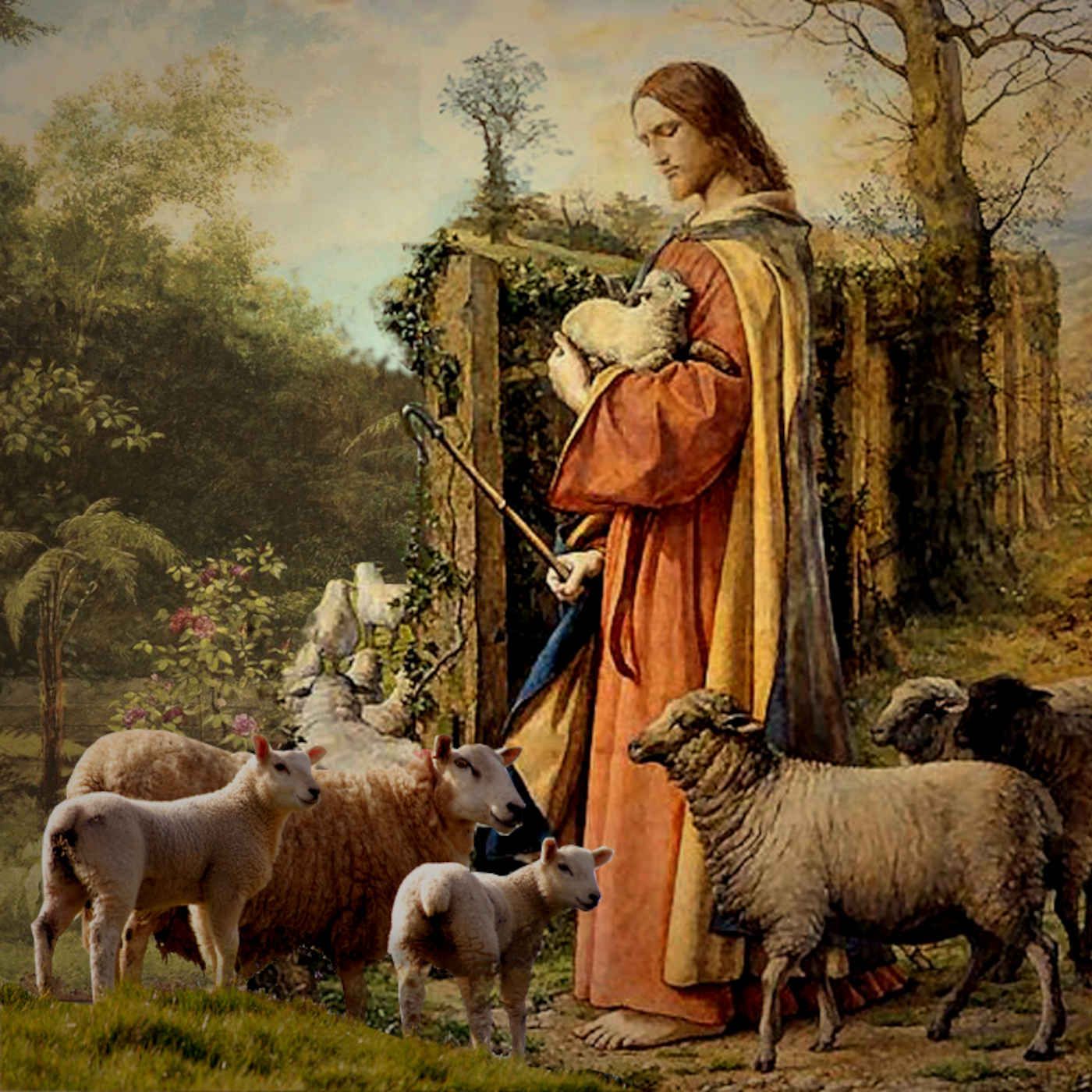
Dec 8, 2024
December 8, Solemnity of the Immaculate Conception - Full of God's Grace!
Read Online The angel Gabriel was sent from God to a town of Galilee called Nazareth, to a virgin betrothed to a man named Joseph, of the house of David, and the virgin’s name was Mary. And coming to her, he said, “Hail, full of grace! The Lord is with you.” Luke 1:26–28 What does it mean to be “full of grace?” This is a question at the heart of our solemn celebration today. Today we honor the Blessed Virgin Mary, the Mother of the Savior of the World, under the unique title of “The Immaculate Conception.” This title acknowledges that grace filled her soul from the moment of her conception, thus preserving her from the stain of sin. Though this truth had been held for centuries among the Catholic faithful, it was solemnly declared as a dogma of our faith on December 8, 1854, by Pope Pius IX. In his dogmatic declaration he stated: We declare, pronounce, and define that the doctrine which holds that the most Blessed Virgin Mary, in the first instance of her conception, by a singular grace and privilege granted by Almighty God, in view of the merits of Jesus Christ, the Savior of the human race, was preserved free from all stain of original sin, is a doctrine revealed by God and therefore to be believed firmly and constantly by all the faithful. By raising this doctrine of our faith to the level of a dogma, the holy father declared that this truth is to be held as certain by all the faithful. It is a truth that is found in the words of the angel Gabriel, “Hail, full of grace!” To be “full” of grace means just that. Full! 100%. Interestingly, the Holy Father did not say that Mary was born in a state of Original Innocence as were Adam and Eve before they fell into Original Sin. Instead, the Blessed Virgin Mary is declared to be preserved from sin by “a singular grace.” Though she had not yet conceived her Son, the grace that He would win for humanity by His Cross and Resurrection was declared to have transcended time so as to heal our Blessed Mother at the moment of her conception, preserving her of even the stain of Original Sin, by the gift of grace. Why would God do this? Because no stain of sin could be mingled with the Second Person of the Most Holy Trinity. And if the Blessed Virgin Mary were to become a fitting instrument by which God unites with our human nature, then she needed to be preserved from all sin. Additionally, she remained in grace throughout her life, refusing to ever turn from God by her own free will. As we celebrate this dogma of our faith today, turn your eyes and heart to our Blessed Mother by simply pondering those words spoken by the angel: “Hail, full of grace!” Ponder them, this day, reflecting upon them over and over in your heart. Imagine the beauty of the soul of Mary. Imagine the perfect grace-filled virtue she enjoyed in her humanity. Imagine her perfect faith, perfect hope and perfect charity. Reflect upon every word she spoke, being inspired and directed by God. She truly is The Immaculate Conception. Honor her as such this day and always. My mother and my queen, I love you and honor you this day as The Immaculate Conception! I gaze upon your beauty and perfect virtue. I thank you for always saying “Yes” to the will of God in your life and for allowing God to use you with such power and grace. Pray for me, that as I come to know you more deeply as my own spiritual mother, I may also imitate your life of grace and virtue in all things. Mother Mary, pray for us. Jesus, I trust in You! Source of content: catholic-daily-reflections.com Copyright © 2024 My Catholic Life! Inc. All rights reserved. Used with permission via RSS feed. Featured images above: The Immaculate Conception By Francisco Rizi, via Wikimedia Commons
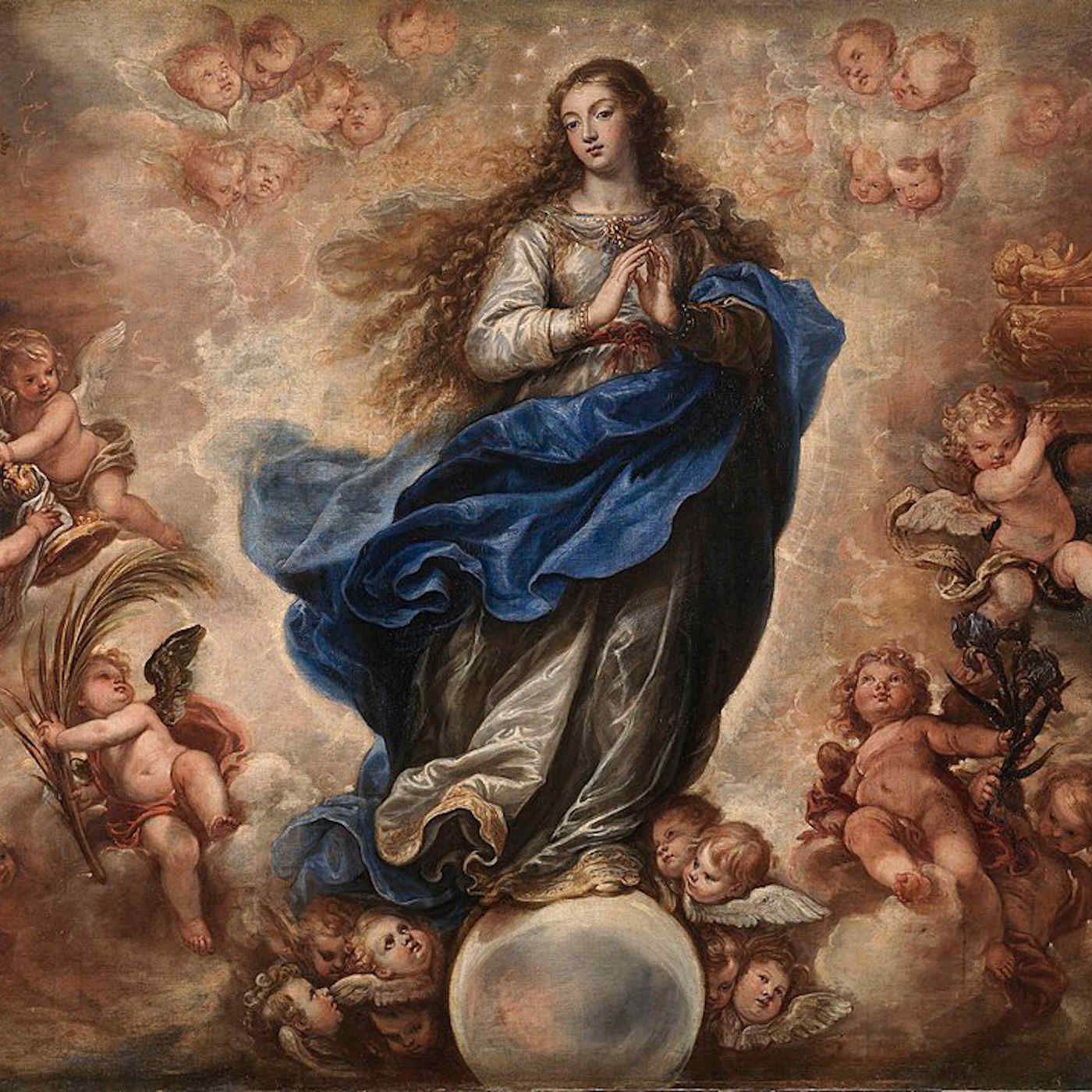
Dec 7, 2024
Second Sunday of Advent (Year C) - Removing the Obstacles to Grace
Read Online “Every valley shall be filled and every mountain and hill shall be made low. The winding roads shall be made straight, and the rough ways made smooth, and all flesh shall see the salvation of God.” Luke 3:5–6 These, the words of the prophet Isaiah, were spoken about the mission of Saint John the Baptist. John was to “Prepare the way of the Lord” and to “make straight his paths.” In prophesying this, Isaiah goes on to give this very descriptive image of John’s ministry. It would be one that levels mountains and valleys, straightens every winding road, and smooths out the rough terrain. In other words, John came to remove every obstacle to God, making it easy to encounter the Messiah. How does John complete this mission? By calling the people of that time to the dry and empty desert where all the false allurements cease to exist. This is done by detachment from the many sins and temptations they faced. Their repentance was an act by which the people humbled themselves before God, admitted their sins and acknowledged their need for a Savior. This humble admission, coupled with the commitment to change their ways, prepared heart after heart for the grace and mercy that came through Christ the Lord. Today, there are countless obstacles to grace that so many people encounter. Some have been drawn into the satisfactions of earthly riches and material comforts and find little need for God. Others have very little that this world can offer but are consumed with a desire for money and the passing comforts it promises. And still others are drawn into many other forms of sins and false satisfactions. But there are some who are like a dry and deserted desert, just waiting to soak up the gentle rain of God’s grace. These are those who have sought to detach themselves from the false promises of this world and remain “empty” and “dry” so as to be prepared for the abundance of grace when it comes. These holy souls have heeded the call to repentance and have humbly acknowledged their need for the Savior. Reflect, today, upon whether or not your soul is like that dry and barren desert, detached from all the false and passing satisfactions of this world, and prepared to soak up the mercy and grace of God alone. Repentance brings forth detachment, and detachment prepares the soul for God. When one is truly detached and free from the many obstacles to God, then the road from God to your soul will be straight and easily traveled. Reflect upon your soul today and where you see unhealthy attachments. Repent with all your heart so that you are among those most fully ready for an abundance of the grace and mercy of God. Lord, I turn to You in my need and repent of the many lies and false promises of satisfaction in this world. Please free me from all that is not of You so that my soul will be more fully prepared to soak You and Your mercy up like a gentle rain upon a dry and barren desert. I open myself to You, my Lord. Come fill and satiate my soul. Jesus, I trust in You. Source of content: catholic-daily-reflections.com Copyright © 2024 My Catholic Life! Inc. All rights reserved. Used with permission via RSS feed. Featured image above: "Repent, for the kingdom of heaven is close at hand!", via flickr
Dec 6, 2024
Saturday of the First Week of Advent - On Mission From Christ
Read Online “The harvest is abundant but the laborers are few; so ask the master of the harvest to send out laborers for his harvest.” Matthew 9:37–38 What does God want of you? What is your mission? Some fervent Christians may dream of becoming a popular evangelist. Some may dream of doing heroic acts of charity that are praised by all. And others may wish to live a very quiet and hidden life of faith, close to family and friends. But what does God want of YOU? In the passage above, Jesus exhorts His disciples to pray for “laborers for his harvest.” You can be certain that you are among the “laborers” of which our Lord speaks. It’s easy to think that this mission is for others, such as priests, religious and full-time lay evangelists. It’s easy for many to conclude that they do not have much to offer. But nothing could be further from the truth. God wants to use you in exceptionally glorious ways. Yes, “exceptionally glorious!” Of course, that does not mean that you will be the next most popular YouTube evangelist or enter the spotlight like Saint Mother Teresa did. But the work God wants of you is just as real and just as important as any of the greatest saints of old or who are alive today. Holiness of life is discovered in prayer but also in action. As you pray each and every day and grow closer to Christ, He will exhort you to “Cure the sick, raise the dead, cleanse lepers, drive out demons” (Matthew 10:8), as today’s Gospel goes on to state. But He will call you to do this in the unique way within your own vocation. Your daily duty is not to be ignored. So who in your daily encounters are those who are the sick, the dead, the lepers and the possessed? Most likely they are all around you, to one extent or another. Take, for example, those who are “lepers.” These are those who are the “rejects” of society. Our world can be harsh and cruel, and some may find themselves feeling lost and alone. Who do you know who may fall into this category? Who needs a bit of encouragement, understanding and compassion? God has given you a daily duty that He has not given to another, and, for that reason, there are some who need your love. Look for them, reach out to them, share Christ with them, be there for them. Reflect, today, upon this exceptionally glorious calling you have been given to be Christ to another. Embrace this duty of love. See yourself as one called to be a laborer for Christ and commit yourself to the full and glorious fulfillment of this mission, no matter how it is to be lived out in your life. My dear Lord, I commit myself to Your divine mission. I choose You and Your holy will for my life. Send me, dear Lord, to those who are most in need of your love and mercy. Help me to know how I can bring that love and mercy to those entrusted to me so that they will experience in their lives Your glorious and saving grace. Jesus, I trust in You. Source of content: catholic-daily-reflections.com Copyright © 2024 My Catholic Life! Inc. All rights reserved. Used with permission via RSS feed. Featured image above: Jesus teaching his disciples By Ilyas Basim Khuri Bazzi Rahib, via Wikimedia Commons
Dec 5, 2024
Friday of the First Week of Advent - The True Messiah
Read Online And their eyes were opened. Jesus warned them sternly, “See that no one knows about this.” But they went out and spread word of him through all that land. Matthew 9:30–31 Who is Jesus? This question is much more easily answered today than it was at the time Jesus walked the Earth. Today we are blessed with countless saints who have gone before us who have prayerfully and intelligently taught much about the person of Jesus. We know Him to be God, the Second Person of the Holy Trinity, the Savior of the World, the promised Messiah, the Sacrificial Lamb and so much more. The Gospel above comes from the conclusion of the miracle in which Jesus healed two blind men. These men were overwhelmed with their cure, and their emotion overtook them. Jesus instructed them to “See that no one knows about this” miraculous healing. But their excitement could not be contained. It’s not that they were intentionally disobedient to Jesus; rather, they did not know how else to express their sincere gratitude other than to tell others about what Jesus had done. One reason Jesus told them not to tell others about Him is because Jesus knew they did not fully understand Who He was. He knew that their testimony about Him would fail to present Him in the way that was most truthful. He was the Lamb of God. The Savior. The Messiah. The Sacrificial Lamb. He was the One Who came into this world to redeem us by the shedding of His blood. Many of the people, however, wanted a nationalistic “messiah” or a miracle worker alone. They wanted one who would save them from political oppression and make them a great earthly nation. But this was not Jesus' mission. Oftentimes we can also fall into the trap of misunderstanding Who Jesus is and Who He wants to be in our lives. We can want a “god” who will save us only from our daily struggles, injustices and temporal difficulties. We can want a “god” who acts in accord with our will and not vice versa. We want a “god” who will heal us and free us of every earthly burden. But Jesus taught clearly throughout His life that He would suffer and die. He taught us that we must take up our own crosses and follow Him. And He taught us that we are to die, embrace suffering, offer mercy, turn the other cheek, and find our glory in that which the world will never understand. Reflect, today, upon whether Jesus would caution you about speaking too loudly about your vision of Who He is. Do you struggle with presenting a “god” who is not actually God? Or have you come to know the very Person of Christ our Lord to such an extent that you are able to give witness to Him Who died. Do you boast only in the Cross? Do you proclaim Christ crucified and preach only the deepest wisdom of humility, mercy and sacrifice? Recommit yourself to a true proclamation of Christ, setting aside any and all confused images of our saving God. My true and saving Lord, I commit myself to You and pray that I will come to know and love You as You are. Give me the eyes I need to see You and the mind and heart I need to know and love You. Remove from me any false vision of Who You are and replace within me a true knowledge of You, my Lord. As I come to know You, I offer myself to You so that You may use me to proclaim Your greatness to all. Jesus, I trust in You. Source of content: catholic-daily-reflections.com Copyright © 2024 My Catholic Life! Inc. All rights reserved. Used with permission via RSS feed. Featured images above: Christ Healing the Blind Man, via flickr
Dec 4, 2024
Thursday of the First Week of Advent - Authentic Christians
Read Online “Not everyone who says to me, ‘Lord, Lord,’ will enter the Kingdom of heaven, but only the one who does the will of my Father in heaven.” Matthew 7:21 It’s frightening to think of those of whom Jesus is speaking. Imagine arriving before the throne of God upon your passing from this earthly life and you cry out to Him, “Lord, Lord!” And you expect Him to smile and welcome you, but instead you come face-to-face with the reality of your ongoing and obstinate disobedience to the will of God throughout your life. You suddenly realize that you acted as if you were a Christian, but it was only an act. And now, on the day of judgment, the truth is made manifest for you and for all to see. A truly frightening scenario. To whom will this happen? Of course, only our Lord knows. He is the one and only Just Judge. He and He alone knows a person’s heart, and judgment is left only to Him. But the fact that Jesus told us that “Not everyone” who expects to enter Heaven will enter should grab our attention. Ideally, our lives are directed by a deep and pure love of God, and it is this love and this love alone that directs our lives. But when a pure love of God is not clearly present, then the next best thing may be a holy fear. The words spoken by Jesus should evoke this “holy fear” within each of us. By “holy,” we mean that there is a certain fear that can motivate us to change our lives in an authentic way. It’s possible that we fool others, and maybe even fool ourselves, but we cannot fool God. God sees and knows all things, and He knows the answer to the one and only question that matters on the day of judgment: “Did I fulfill the will of the Father in Heaven?” A common practice, recommended over and over by Saint Ignatius of Loyola, is to consider all our current decisions and actions from the point of view of the day of judgment. What would I wish I had done in that moment? The answer to that question is of essential importance to the way we live our lives today. Reflect, today, upon that important question in your own life. “Am I fulfilling the will of the Father in Heaven?” What will I wish I had done, here and now, as I stand before the judgment seat of Christ? Whatever comes to mind, spend time with that and strive to deepen your resolve to whatever God reveals to you. Do not hesitate. Do not wait. Prepare now so that the day of Judgment will also be a day of exceeding joy and glory! My saving God, I pray for insight into my life. Help me to see my life and all of my actions in the light of Your will and Your Truth. My loving Father, I desire to live fully in accord with Your perfect will. Give me the grace I need to amend my life so that the day of judgment is a day of the greatest glory. Jesus, I trust in You. Source of content: catholic-daily-reflections.com Copyright © 2024 My Catholic Life! Inc. All rights reserved. Used with permission via RSS feed. Featured images above: Ascension of the Lord, via flickr
Dec 3, 2024
Wednesday of the First Week of Advent - A Miracle of Superabundance!
Read Online Then he took the seven loaves and the fish, gave thanks, broke the loaves, and gave them to the disciples, who in turn gave them to the crowds. They all ate and were satisfied. They picked up the fragments left over–seven baskets full. Matthew 15:36–37 This line concludes the second miracle of the multiplication of the loaves and fishes as told by Matthew. In this miracle, seven loaves and a few fish were multiplied to feed 4,000 men, not counting the women and children. And once everyone ate and was satisfied, seven full baskets remained. It’s hard to underestimate the effect that this miracle had on those who were actually there. Perhaps many did not even know where the food came from. They just saw the baskets being passed, they took their fill, and passed the rest on to others. Though there are many important lessons we can take from this miracle, let’s consider one of them. Recall that the crowds had been with Jesus for three days without food. They were amazed at Him as He taught and continually healed the sick in their presence. They were so amazed, in fact, that they showed no sign of leaving Him, despite the obvious hunger they must have been experiencing. This is a wonderful image of what we must seek to have in our interior life. What is it that “amazes” you in life? What is it that you can do hour after hour without losing your attention? For these first disciples, it was the discovery of the very Person of Jesus that had this effect upon them. How about you? Have you ever found that the discovery of Jesus in prayer, or in the reading of Scripture, or through the witness of another, was so compelling that you became engrossed in His presence? Have you ever become so engrossed in our Lord that you thought of little else? In Heaven, our eternity will be spent in a perpetual adoration and “amazement” of the glory of God. And we will never tire of being with Him, in awe of Him. But too often on Earth, we lose sight of the miraculous action of God in our lives and in the lives of those around us. Too often, instead, we become engrossed in sin, the effects of sin, hurt, scandal, division, hatred and those things that lead to despair. Reflect, today, upon these first disciples of Jesus. Ponder, especially, their wonder and awe as they stayed with Him for three days without food. This draw of our Lord must take hold of you and overwhelm you so much that Jesus is the one and only central focus of your life. And when He is, all else falls into place and our Lord provides for your many other needs. My divine Lord, I love You and desire to love You more. Fill me with a wonder and awe for You. Help me to desire You above all things and in all things. May my love of You become so intense that I find myself trusting You always. Help me, dear Lord, to make You the center of my entire life. Jesus, I trust in You. Source of content: catholic-daily-reflections.com Copyright © 2024 My Catholic Life! Inc. All rights reserved. Used with permission via RSS feed. Featured image above: The Miracle of the Loaves and Fishes By Jacopo Tintoretto, via Jacopo Tintoretto, via Wikimedia Commons
Dec 2, 2024
Tuesday of the First Week of Advent - They Eyes of Faith
Read Online Turning to the disciples in private he said, “Blessed are the eyes that see what you see. For I say to you, many prophets and kings desired to see what you see, but did not see it, and to hear what you hear, but did not hear it.” Luke 10:23–24 What did the disciples see that made their eyes “blessed?” Clearly, they were blessed to see our Lord. Jesus was the One promised by the prophets and kings of old, and now He was there, in flesh and bone, present for the disciples to see Him. Though we do not have the privilege to “see” our Lord in the same way that the disciples did some 2,000 years ago, we are privileged to see Him in countless other ways in our daily lives, if we only have “eyes that see” and ears to hear. Since the time of Jesus’ appearance on Earth, in the flesh, so much has changed. The Apostles were eventually filled with the Holy Spirit and sent forth on a mission to change the world. The Church was established, the Sacraments were instituted, the teaching authority of Christ was exercised, and countless saints have given witness to the Truth with their lives. The past 2,000 years have been years in which Christ was continually made manifest to the world in countless ways. Today, Christ is still present and continues to stand before us. If we have the eyes and ears of faith, we will not miss Him day in and day out. We will see and understand the countless ways that He speaks to us, leads us and guides us today. The first step toward this gift of sight and hearing is your desire. Do you desire the Truth? Do you desire to see Christ? Or are you satisfied with the many confusions of life that seek to distract you from what is most real and most life-changing? Reflect, today, upon your desire. The prophets and kings of old “desired” to see the Messiah. We are privileged to have Him alive in our presence today, speaking to us and calling to us continually. Foster within yourself a desire for our Lord. Allow it to become a blazing flame which longs to consume all that is true and all that is good. Desire God. Desire His Truth. Desire His guiding hand in your life and allow Him to bless you beyond what you can fathom. My divine Lord, I know You are alive today, speaking to me, calling me and revealing to me Your glorious presence. Help me to desire You and, within that desire, to turn to You with all my heart. I love You, my Lord. Help me to love You more. Jesus, I trust in You. Source of content: catholic-daily-reflections.com Copyright © 2024 My Catholic Life! Inc. All rights reserved. Used with permission via RSS feed. Featured images above: Prophets and Patriarchs, via flickr
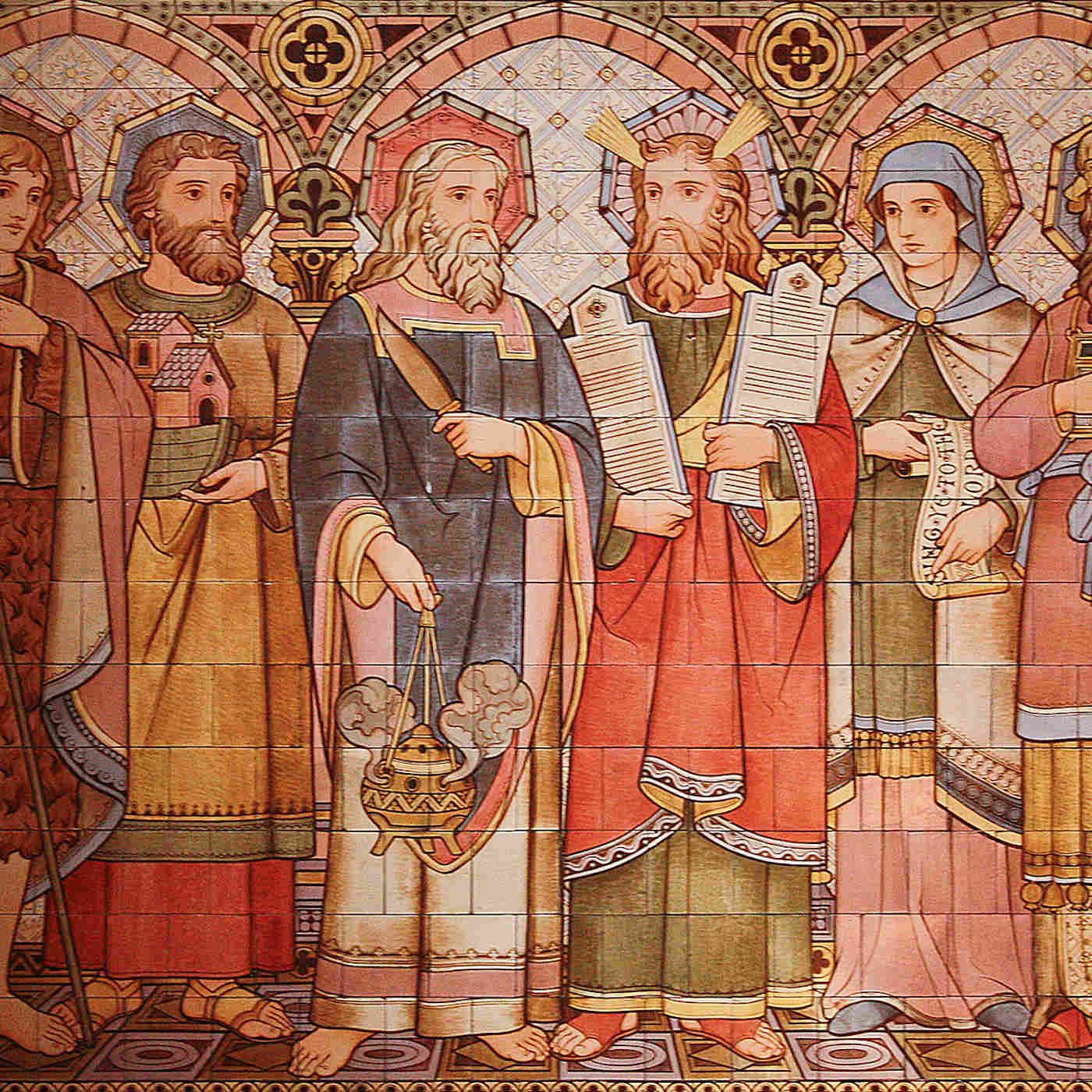
Dec 1, 2024
Monday of the First Week of Advent - The Authority of God
Read Online “Lord, I am not worthy to have you enter under my roof; only say the word and my servant will be healed. For I too am a man subject to authority, with soldiers subject to me. And I say to one, ‘Go,’ and he goes; and to another, ‘Come here,’ and he comes; and to my slave, ‘Do this,’ and he does it.” Matthew 8:8–9 These are words spoken by a man who is very familiar with the exercise of authority. He is a Roman centurion, and he states that he himself is “a man subject to authority” and that he also has soldiers who are subject to him. Thus, his daily life consists of following orders and giving orders that are to be obeyed. When authority is exercised properly, it is a gift that helps to order society, family life, the life of the Church and even our personal lives. Of course, when authority is exercised improperly, in an oppressive and abusive way, it causes much damage. But the exercise of authority is, in and of itself, an act that has the potential to do much good. Jesus Himself is quite impressed with the Roman centurion in the Gospel passage quoted above. Of him, Jesus states, “Amen, I say to you, in no one in Israel have I found such faith.” Imagine having the Son of God say that about you! Jesus is impressed, in part, because the centurion acknowledges that he is not worthy to have Jesus come to his house. This is humility, in that the centurion clearly perceives his unworthiness. But Jesus is also impressed because the man manifests a clear and certain faith in Jesus’ authority to heal his servant from a distance. He does not hesitate to profess his belief in this authority of our Lord. In our own lives, we are often lacking in this area. We face a difficulty (such as the illness this centurion’s servant was enduring), and instead of turning to God with full and unwavering confidence, we turn in on ourselves. We become anxious, fearful, doubtful, confused and sometimes even angry. When any of these qualities are present, it is not because of the difficult situation we face; rather, it is because of our lack of faith and our lack of confidence in the all-powerful authority of our Lord. In the case of the Roman centurion’s servant, it was the will of God that Jesus physically heal, and so He did. But in the countless daily challenges we face in life, God’s answers might be varied. One unwavering quality we must always have is a certain conviction that God desires to exercise His loving authority in our lives, in the way He chooses, if we trust Him and invite Him to take control. Reflect, today, upon the perfection of the authority of Christ. Do you believe that He can exercise His perfection of power in your life? Do you believe that His authority is what is needed to order your life, your family, our Church and even our world? Prayerfully submit yourself to the authority of Christ this day and allow yourself to become amazed as you witness all that He is able to do. All-powerful Father, I entrust to You my life and every situation in my life that needs Your power and control. Please bring order and harmony to my life and to the lives of those around me. May all Your children learn to more fully entrust themselves to You as their loving God. Jesus, I trust in You. Source of content: catholic-daily-reflections.com Copyright © 2024 My Catholic Life! Inc. All rights reserved. Used with permission via RSS feed. Featured images above: Christ and the centurion by Sebastiano Ricci, via Wikimedia Commons
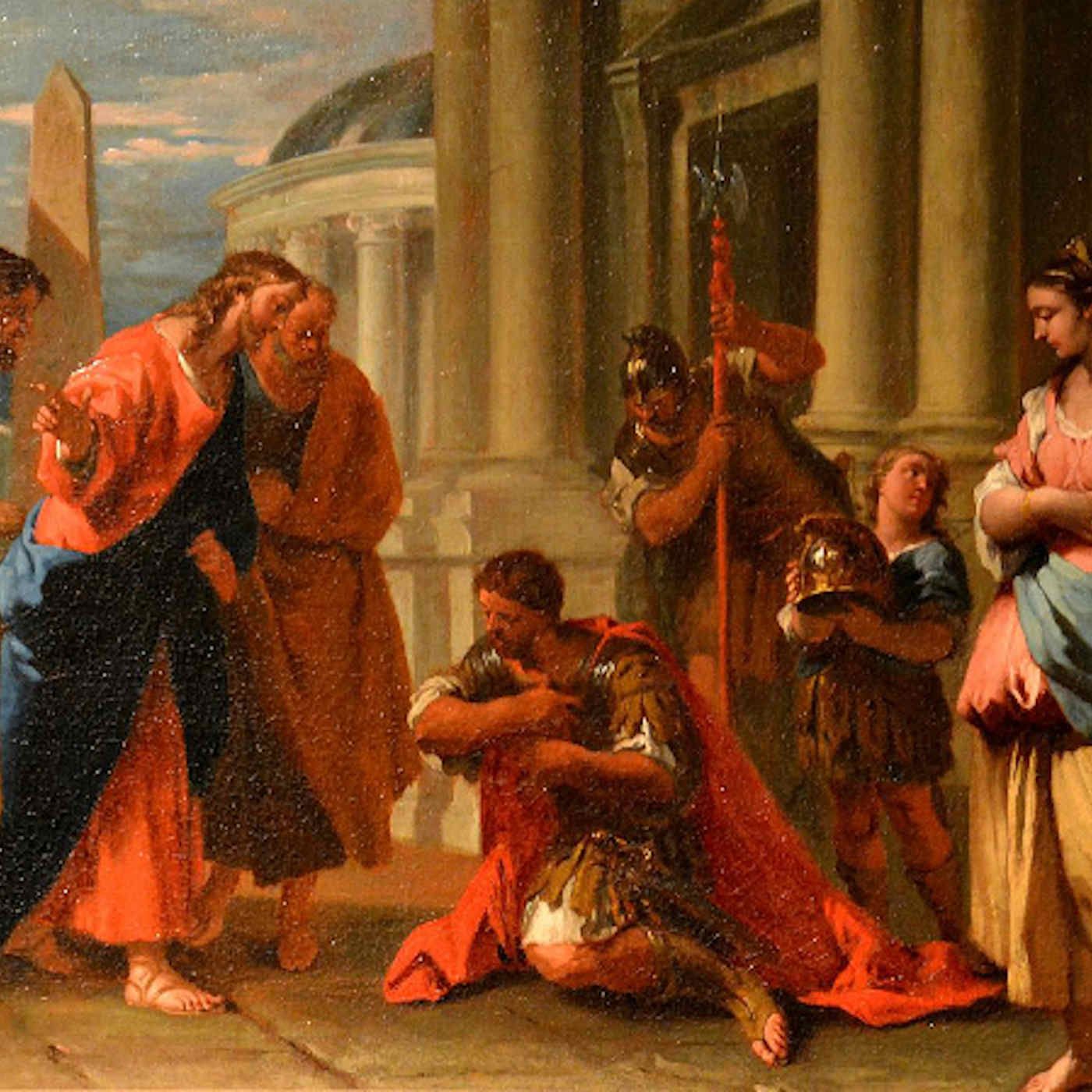
Nov 30, 2024
First Sunday of Advent (Year C) - Supernatural Instinct
Read Online “Beware that your hearts do not become drowsy from carousing and drunkenness and the anxieties of daily life, and that day catch you by surprise like a trap. For that day will assault everyone who lives on the face of the earth. Be vigilant at all times and pray that you have the strength to escape the tribulations that are imminent and to stand before the Son of Man.” Luke 21:34–36 “That day.” These two words are spoken twice in the passage above. To which day is our Lord referring? Clearly, He is referring primarily to the day of our final judgment and is warning us to make sure we are prepared for it in case it were to come at an unexpected moment. So how do we prepare? Animals have the natural gift of instinct. They know how to survive, how to reproduce, how to gather food and how to avoid danger. They know this because God has implanted this knowledge within them. By this natural gift of instinct, they know what to do and what to avoid. We, as humans, also have basic natural instincts. But our natural instincts are only sufficient to help us accomplish that which the animals accomplish. Therefore, if we are to gain an even greater knowledge and are to know how to properly prepare ourselves spiritually for the sudden and unexpected coming of Christ, then we need more. The way we most properly prepare is through a special grace by which God reveals Himself and His will to our human reason. When that happens, we will know the best way to be fully prepared for “that day” the moment it comes. Perhaps one of the best ways to describe this ability is by describing it as a “supernatural instinct.” When our natural instincts become open to grace, and when the information on which we base our daily decisions in life comes to us by an ongoing and personal revelation from God through the infused gift of faith, then we will find that we simply know what to do and what to avoid. By analogy, just as a bird knows to fly south for the winter or a salmon knows to return to its place of birth to lay its eggs, so we will “know” within our spirit how to best serve the will of God and, thus, be most fully prepared for His imminent return. “Supernatural instinct” is nothing other than us allowing the grace of God to enter our lives so as to take control of everything we do and to lead us into the fulfillment of the perfect and glorious will of God. When that happens, we can be certain that we are perpetually prepared for all that comes and will never be caught by surprise like a trap. Reflect, today, upon whether you are daily led by the knowledge of God’s will alive within you as a supernatural instinct. If this language seems foreign to you, then perhaps it is a time to ponder the question “Why?” Why aren’t you led by God’s grace through an ongoing gift of supernatural knowledge of His will? And if this language does resonate within you, then spend time pondering this gift and being grateful for the way that God has truly taken over your day-to-day life. My revealing Lord, I pray that I will always know Your will and be led only by Your gentle but unmistakable promptings of grace. Please lead me, dear Lord, so that I will be perpetually prepared for Your glorious and final coming the moment it arrives. Jesus, I trust in You. Source of content: catholic-daily-reflections.com Copyright © 2024 My Catholic Life! Inc. All rights reserved. Used with permission via RSS feed. Featured images above: The Agony in the Garden By Andrea Mantegna, via Wikimedia Commons
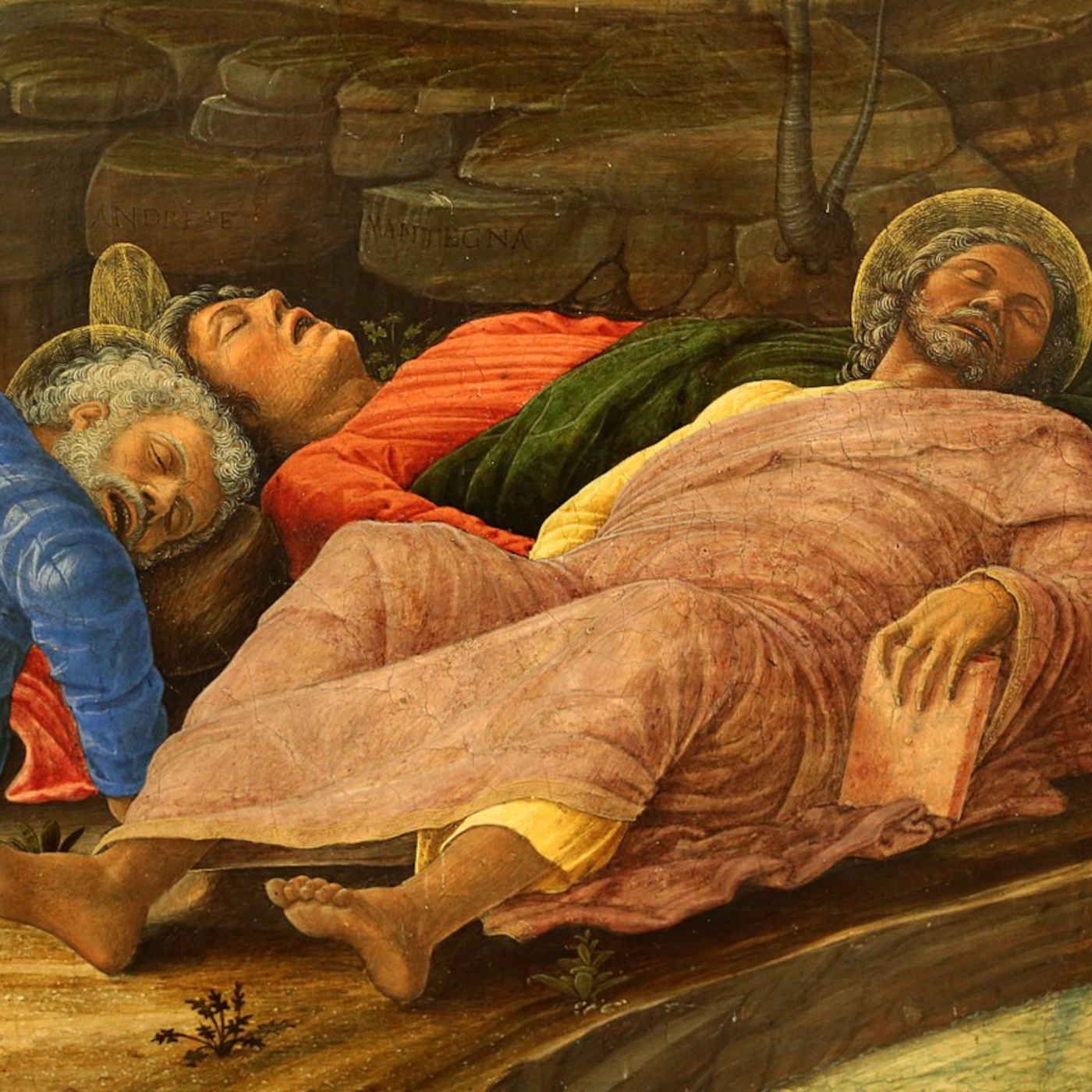
Nov 29, 2024
November 30, Feast of Saint Andrew, Apostle - The Eyes of Our Lord
Read Online As Jesus was walking by the Sea of Galilee, he saw two brothers, Simon who is called Peter, and his brother Andrew, casting a net into the sea; they were fishermen. He said to them, “Come after me, and I will make you fishers of men.” Matthew 4:18–19 Today, we honor one of the Apostles: Saint Andrew. Andrew and his brother Peter were fishermen who would soon take on a new form of fishing. They would soon become “fishers of men,” as Jesus said. But prior to being sent on this mission by our Lord, they had to become His followers. And this happened as our Lord was first the fisher of these men. Notice that in this Gospel, Jesus was simply walking by and “saw” these two brothers working hard at their occupation. First, Jesus “saw” them, and then He called them. This gaze of our Lord is worth pondering. Imagine the profound truth that our Lord is continually gazing at you with divine love, looking for the moment that you turn your attention to Him. His gaze is perpetual and deep. His gaze is one that yearns for you to follow Him, to abandon all else so as to hear His gentle invitation not only to follow Him, but to then go forth and invite others on the journey of faith. As we begin this Advent season, we must allow the call of Andrew and Peter to also become our own calling. We must allow ourselves to notice Jesus as He looks at us, sees who we are, is aware of everything about us, and then speaks a word of invitation. He says to you, “Come after me…” This is an invitation that must permeate every aspect of your life. To “come after” Jesus is to leave all else behind and to make the act of following our Lord the single purpose of your life. Sadly, many people pay little attention to this calling in their lives. Few people hear Him speak and fewer respond, and even fewer respond with complete abandonment of their lives. The beginning of Advent is an opportunity to evaluate your responsiveness to the call of our Lord once again. Reflect, today, upon Jesus speaking these words to you. First, ponder the question of whether you have said “Yes” to Him with all the powers of your soul. Second, reflect upon those whom our Lord wants you to invite on the journey. To whom is Jesus sending you to invite? Who, in your life, is open to His call? Who does Jesus want to draw to Himself through you? Imitate these Apostles as they said “Yes” to our Lord, even though they did not immediately understand all that this would entail. Say “Yes” today and be ready and willing to do whatever comes next on this glorious journey of faith. My dear Lord, I do say “Yes” to You this day. I hear You calling me, and I choose to respond with the utmost generosity and abandonment to Your holy and perfect will. Give me the courage and wisdom I need to hold nothing back from You and Your divine calling in my life. Jesus, I trust in You. Source of content: catholic-daily-reflections.com Copyright © 2024 My Catholic Life! Inc. All rights reserved. Used with permission via RSS feed. Featured image above: St Andrew By Artus Wolffort, via Wikimedia Commons
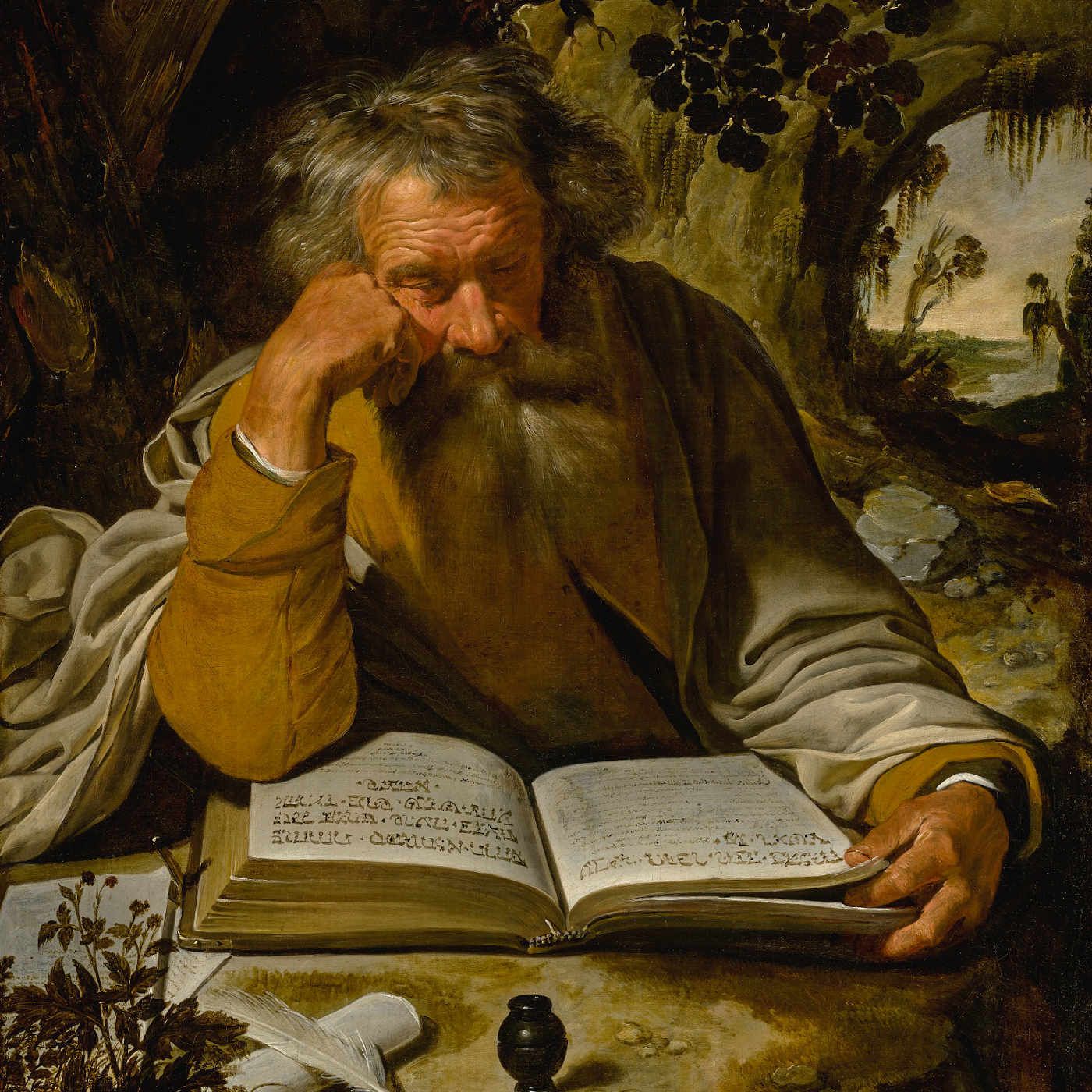
Nov 28, 2024
Friday of the Thirty-Fourth Week in Ordinary Time - Relying Upon the Word of God
Read Online “Amen, I say to you, this generation will not pass away until all these things have taken place. Heaven and earth will pass away, but my words will not pass away.” Luke 21:32–33 As we approach the final days of this liturgical year, we continue to read about the end of the world. Today we read that both Heaven and earth, as they currently are, will pass away. This is worth pondering. We know that life is full of change. It has been said that the one thing that never changes is change itself. Everything else changes. But when it comes to earth, it is hard to believe that it will one day “pass away.” Some scientists believe that the earth has existed for over four and a half billion years. That’s a long time! Now consider the fact that Jesus prophesied the end of this earth as we know it today. When will it happen? Only God knows. Heaven, as it exists today, is also prophesied by our Lord to pass away. Heaven, as it is right now, is a pure spiritual reality in which the only corporeal bodies present are those of Jesus and our Blessed Mother. The rest of Heaven consists of the Divine Essence, the souls of those who have been redeemed and the angels of God. But if Heaven even passes away, what awaits? First of all, the only reason that these two realities, Heaven and earth, will pass away in their current form is because, at the Final Judgment, there will be a “New Heavens and a New Earth,” as spoken of in the Book of Revelation. At that time, Heaven and earth will be united as one, and this new creation will exist for eternity. But is there anything that is currently eternal? Anything that will never experience change? We humans will be changed at the resurrection of the dead, the angels will encounter a new home, so to speak, and God will establish a new and permanent Kingship. But, according to Jesus’ teaching today, the one thing that will remain are His words: “...my words will not pass away.” Again, this is worth pondering. In a world filled with change and uncertainty, we need some form of stability. And that stability is the Truth found in the Word of God. The Word of God, as revealed to us through the Scriptures, must become our rock foundation upon which our whole lives are built and exist. Pondering, praying with, meditating on, and believing the Word of God enables us to stand on firm and unchanging spiritual ground as we go through the change of this life and even the changes that will come at the end of time. Though this may seem somewhat mysterious in nature, it is a helpful truth to understand and believe. Everything will pass away except Jesus’ words. Thus, the most secure thing we can do in life is to cling to His words and never let go. Reflect, today, upon the importance of truly immersing yourself in the Word of God. How much time do you spend each week reading it, praying with it and allowing it to become your daily food? The Word of God is not simply a book of teachings meant to inspire you or guide you. The Word of God is a Living Word. It is God in His unchangeable form. God, in His essence, will never change, and engaging Him through the revelation of His written Word is one essential way by which you will be able to experience true stability in life and prepare for each and every change to come until the final order of life is permanently established. My Eternal Word, You are unchanging and eternal. You are the rock foundation upon which I must always rely. As I continue to experience the many changes encountered in this life, please enter my soul through Your written Word, so that I will find the stability I need. As I stand firm in You, I look forward with joy to the New Heavens and New Earth that await. Jesus, I trust in You. Source of content: catholic-daily-reflections.com Copyright © 2024 My Catholic Life! Inc. All rights reserved. Used with permission via RSS feed. Featured image above: by readerjoseph from Pixabay
Nov 27, 2024
Thanksgiving Day, United States - Gratitude for Immeasurable Blessings
“Ten were cleansed, were they not? Where are the other nine? Has none but this foreigner returned to give thanks to God?” Then he said to him, “Stand up and go; your faith has saved you.” Luke 17:17–19 He was saved by faith through the expression of gratitude! What a wonderful story to ponder today as we celebrate the national holiday of Thanksgiving! Though Thanksgiving Day is not specifically a Church holy day, gratitude is certainly central to our Christian faith, as is illustrated by today’s Gospel in which ten lepers were healed by Jesus. And their communal reaction is something of which to take note. Nine of them were healed and went about their business, not returning to the source of their healing to thank Him. But one did. This one leper, who was suddenly no longer a leper, returned to Jesus, glorified Him, fell at His feet and thanked Him. This one leper was a foreigner, a Samaritan, but he manifested a faith that we must all strive to imitate. The faith of this Samaritan was evident by the fact that he knew he needed to not only be grateful for the grace of healing but that he also needed to express it. As we celebrate Thanksgiving Day, we are reminded that of all the things for which we must be grateful, nothing is more important than our gratitude to God for the immeasurable graces He has given us. But as the story goes, it is clearly very easy to overlook the importance of our response to God’s blessings. Only ten percent of the lepers responded with such an expression. Therefore, it is helpful today to examine the many reasons we should be thankful and should work to express that gratitude to God. First, God created us out of love. This is no small gift. It is the first gift He has given us and one we often take for granted. God did not need to create us. He did not need to create you. But He did. And the gift of life, the gift of an immortal soul, is something that we must never overlook and always rejoice in. Second, God entered our fallen state through the Incarnation within the womb of the Blessed Virgin Mary. Doing so elevated our fallen human nature to a height never known before. Humanity and divinity were united in the Person of the Incarnate Son of God and Son of Man, and we must be grateful for this unmerited and awe-inspiring gift. Third, we know the rest of the story. God, in the Person of the Incarnate Son, suffered, died and rose again. In so doing, He made it possible for every sin of ours to be wiped away. As we die with Him, we are invited to rise with Him. And as we rise with Him, we are invited to share in His glory in Heaven. Lastly, in each and every life, there are countless graces given to us every day. But as spoiled children, we often overlook these blessings and take them for granted. Examples here do not suffice. It is essential that if you want to have a grateful heart that you learn to see these blessings in your own life. Too often we focus on our struggles and pain. But the blessings are abundant, and the more we turn to our Lord in total surrender, the more the blessings flow. Reflect, today, upon the attitude that you have toward the many blessings God has bestowed upon you. Begin by considering the central blessings of God’s creation and His saving acts of love. From there, try to ponder the many small ways that God has been with you, guided you, strengthened you, and blessed you abundantly. If you do not see these clearly, then use this day to consciously listen so that God can reveal them to you. As you see your blessings, respond as this one leper. Turn to Jesus, glorify Him, fall at His feet in prayer and thank Him. Doing so will fill you with the same saving faith granted to this one leper. My most generous Lord, You have bestowed upon me blessings beyond my imagination. I realize that I will never fully understand how good You have been to me and will never be able to express my gratitude adequately enough. Please do fill me with a grateful heart. Help me to see Your action in my life and to respond to You as this one leper. Jesus, I trust in You. Source of content: catholic-daily-reflections.com Copyright © 2024 My Catholic Life! Inc. All rights reserved. Used with permission via RSS feed. Featured image above: The Healing of Ten Lepers by James Tissot, via Wikimedia Commons
Nov 27, 2024
Thursday of the Thirty-Fourth Week in Ordinary Time - Being Ready, Always
Read Online “And then they will see the Son of Man coming in a cloud with power and great glory. But when these signs begin to happen, stand erect and raise your heads because your redemption is at hand.” Luke 21:28 This passage above concludes a series of teachings by Jesus on the suffering and persecution that will come in this world. But His teachings conclude with this line above, which offers great hope in anticipation of Jesus’ return in glory. This passage speaks of the prophetic vision of Daniel (Daniel 7:13–14) that terrified Daniel when he saw it. He witnessed the great persecution to come, as well as the destruction of all evil that will accompany the return of the Son of Man. When you think about both the final coming of Christ as well as your own future death, what comes to mind? If you were informed by an angel that tomorrow would be that day, the day that the Son of Man would return in all His splendor and glory to bring about an end to this world and to issue forth His judgment upon it, how would you react? Would you be terrified? Overjoyed? Hopeful? Confused? Perhaps a little of each of these reactions would be present. Of this time, Jesus said that “nations would be in dismay” and that “People will die of fright in anticipation of what is coming into the world.” So what is your reaction to this promised day of our Lord? Those who “die of fright” are clearly those who will experience this day completely unprepared. Meeting the Son of Man, the Son of God, the Savior of the World and the Eternal Judge when you are completely unprepared should be frightful. Imagine, for example, that you were hosting a large dinner party and you got your days mixed up. The day arrived and you weren’t expecting anyone until the following week, but the guests started to arrive in great numbers. Imagine your anxiety and embarrassment. Such an experience would be nothing compared to being unprepared for the judgment of Christ when we stand before Him at the time of our death and then at the Final Judgment at the end of the world. The good news is that on that day, for those who are truly prepared through a life of faith and selfless service of God’s will, they are told to “stand erect and raise your heads because your redemption is at hand.” If you do all you can to prepare for that day, then it will be a day in which you anticipate with the utmost hope and excitement. You will indeed be able to stand erect, turn your eyes to the coming Judge of All, and receive the eternal reward that He so deeply desires to bestow. But this will be your experience only if you are truly ready for that day through a life lived in complete imitation of Christ. Reflect, today, upon that final day. Imagine every person ever created standing before the Judgment Seat of Christ. Every sin and every virtue will be made manifest on that day. The minds and hearts of all will be seen in the light as they are revealed to all by God. And those who have lived lives of fidelity will rejoice as they see God’s justice and His mercy unite as His judgments are issued forth. If this day is one that frightens you, consider the reasons why. If you do not look forward to this definitive moment in time, then perhaps you need to ponder more deeply those things you need to do so as to be fully prepared. Prepare yourself today. Do not wait. Our Lord could return at any time. Do not be caught off guard. My eternal Judge, You promise to return to earth at a definitive moment in time to bring about the fullness of justice. May I always be prepared for that day through a life lived in union with You and Your holy will. I pray for that day to come quickly, dear Lord, and that all Your children will be ready to meet You when You come. Jesus, I trust in You. Source of content: catholic-daily-reflections.com Copyright © 2024 My Catholic Life! Inc. All rights reserved. Used with permission via RSS feed. Featured image above: The Last Judgement by Jose Luiz, via Wikimedia Commons
Nov 26, 2024
Wednesday of the Thirty-Fourth Week in Ordinary Time - Responding with Grace
Read Online “Remember, you are not to prepare your defense beforehand, for I myself shall give you a wisdom in speaking that all your adversaries will be powerless to resist or refute.” Luke 21:14–15 This line is embedded in today’s Gospel in which Jesus makes it clear that His followers will be persecuted. Many of them will be seized, sent to prison, hated and even be put to death. For some, this will even happen at the hands of their own family. But Jesus tells them this to prepare them and to let them know that these persecutions will enable them to give testimony to Jesus. The Gospel passage above explains how they are to do this. First of all, giving “testimony” especially means they are to be a witness to Christ. And one of the best ways such a witness is fulfilled is through the various forms of martyrdom. To be a martyr is to be a witness. And those who suffer persecution for the sake of Christ, and then respond to that persecution in accord with the wisdom and inspiration of Jesus, are true martyrs. It’s helpful to note that if one is persecuted and responds with anger or returns the violence in accord with their own irrational will, then they are no martyr. They simply become what they have received. They become angry and bitter people. Being a martyr requires both unjust treatment and a response to that mistreatment in accord with God’s will. For that reason, though persecution is never initiated by God, it does offer the Christian an opportunity to deeply conform themself to Christ by responding as He dictates. Jesus says that responding to persecution requires that we not prepare a defense beforehand. In part, this is because there is great temptation one experiences when persecuted by another. It is very understandable that when a person experiences persecution in any way, they will encounter anger and be tempted to fight back in a way that is uncharitable and only furthers the disorder. Responding to persecution in accord with the will of God requires great attentiveness to the promptings of the Holy Spirit, great humility, and unwavering charity directed at the one doing the persecution. Therefore, Jesus makes the promise that He will be with you in such situations and will give you “a wisdom in speaking that all your adversaries will be powerless to resist or refute.” What a grace! But this grace is only available to those who rely completely upon Christ, and not upon their own disordered passions and emotions. Reflect, today, upon this promise from Jesus. Some will encounter little persecution in their lives at various times. But others will encounter severe persecution in various ways, even from their family. Reflect upon any ways that you have experienced the unjust treatment of another and then reflect upon your response. Were you able to immediately forgive? Were you able to set aside your anger, wounded pride and desire for revenge? Were you able to keep your eyes on Christ and rejoice that you have been found worthy to share in the ridicule, persecutions and sufferings that Jesus endured? Pray that you will always be open to the grace of this promise of Jesus so that you will always respond to everyone in accord with the wisdom of God. My persecuted Lord, though You were perfect in every way, You endured much cruelty in Your earthly life. The injustice You endured is beyond our comprehension. But Your response to such persecution was perfect. You were able to transform all ill-treatment into grace and mercy, offered especially for those who mistreated You. Give me the grace I need to imitate Your perfect response and to always rely upon Your wisdom and guidance alone. Jesus, I trust in You. Source of content: catholic-daily-reflections.com Copyright © 2024 My Catholic Life! Inc. All rights reserved. Used with permission via RSS feed. Featured image above: Christ and Pilate by an anonymous disciple of Gerard David, via Wikimedia Commons
Nov 25, 2024
Tuesday of the Thirty-Fourth Week in Ordinary Time - Remain At Peace in All Things
Read Online While some people were speaking about how the temple was adorned with costly stones and votive offerings, Jesus said, “All that you see here—the days will come when there will not be left a stone upon another stone that will not be thrown down.” Luke 21:5–6 In a literal way, this prophecy of our Lord came true. In 70 A.D., the Temple upon which they were commenting was destroyed. After prophesying this, Jesus then goes on to warn the disciples that there will be many confusions that will come. There will be false prophets, wars and insurrections, powerful earthquakes, famines, plagues, “and awesome sights and mighty signs will come from the sky.” Why does Jesus prophesy all of these things? The answer was simple. He was not trying to scare them. He was not simply trying to satisfy their curiosity. Instead, He was warning them and preparing us all so that we do not become misled or terrified when they come. He says, “See that you not be deceived” and “do not be terrified.” As the old saying goes, “Life is not a bowl of cherries.” While we live in this fallen world, chaos, confusion, deception, abuse, scandal, conflict and the like will be all around us. And when we do come face-to-face with any such difficulty, there is a temptation to fear, anger and despair. Be it family conflicts, civil unrest or even divisions within the Church itself, God wants us to remain at peace and to trust Him always. Take Jesus’ own life as an example. He was arrested, falsely accused, sentenced to death and crucified. And through it all, He remained at peace, knowing that His suffering would become the very source of new life. God can use all things for good for those who love and serve Him. Reflect, today, upon the undeniable fact that your life will involve difficulty. Sometimes that difficulty is self-imposed as a result of your sin, and sometimes it is unjustly imposed on account of the sin of another. Truth be told, we should only be concerned about our own sin. If other challenges come your way that are out of your control, then use those challenges as opportunities to trust. Entrust all things to God, every suffering, every persecution, every tragedy, every struggle, everything. If God the Father could bring about the greatest good ever known through the brutal murder of His own divine Son, then He can certainly do the same with all that you offer to Him in trust. Trust at all times and in all circumstances, and our all-powerful Lord will bring good from everything. My most powerful Lord, You warned us of the many hardships that would come our way before Your glorious return. You did so to help prepare us and to strengthen us in those moments of testing. Please give me the grace I need to always trust in You and to surrender over to You every cross I carry. I do believe, dear Lord, that You can bring good from everything, even those things that are most difficult in life. Jesus, I trust in You. Source of content: catholic-daily-reflections.com Copyright © 2024 My Catholic Life! Inc. All rights reserved. Used with permission via RSS feed. Featured image above: Jesus teaches in the Temple by Jan van Orley, via Wikimedia Commons
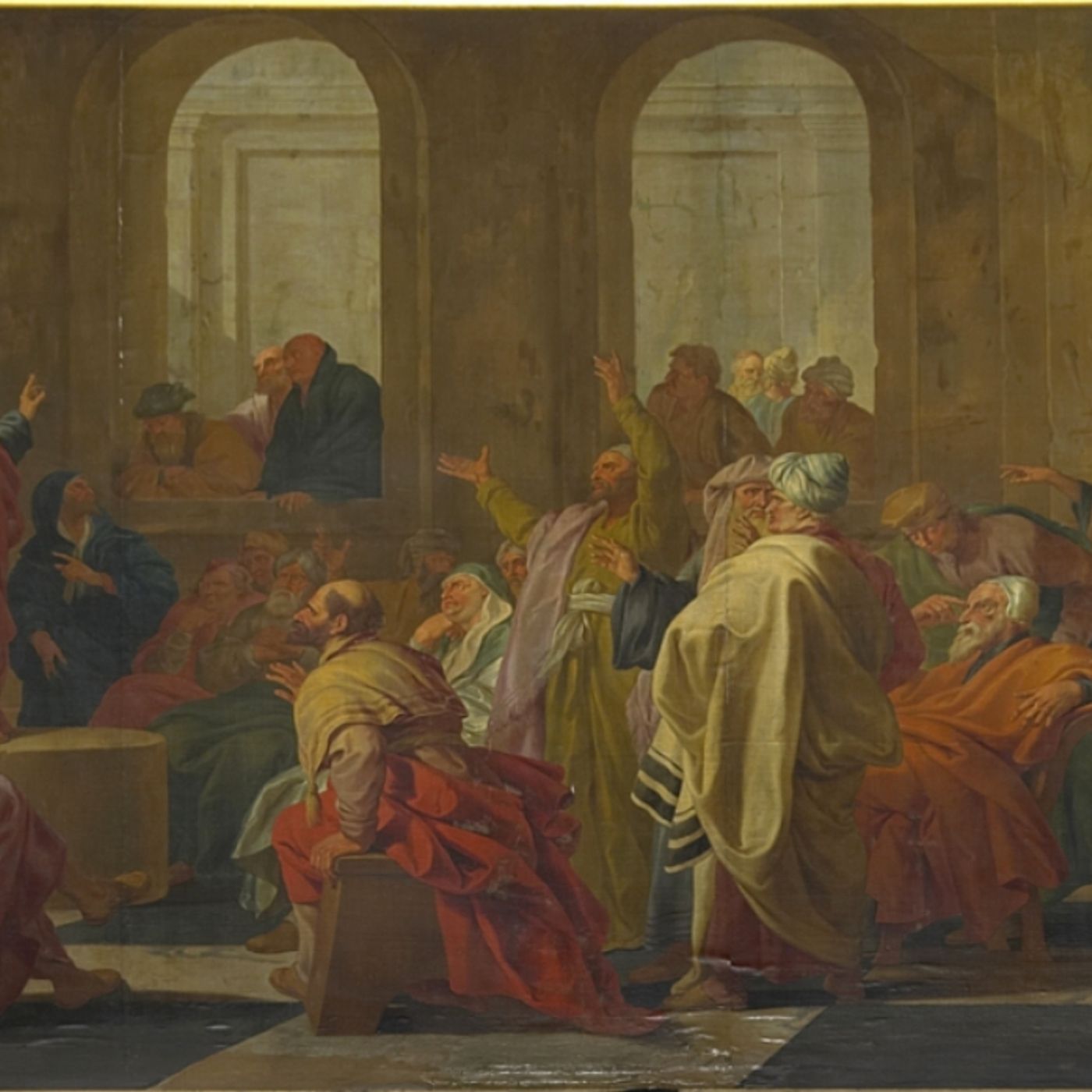
Nov 24, 2024
Monday of the Thirty-Fourth Week in Ordinary Time - A Total Offering to God
Read Online “I tell you truly, this poor widow put in more than all the rest; for those others have all made offerings from their surplus wealth, but she, from her poverty, has offered her whole livelihood.” Luke 21:3–4 We must all see ourselves as this poor widow by offering our “whole livelihood” to Christ. Everything we have is a gift from God, and it must be offered back to God, sacrificially, as our gift to Him. The material offering made by this poor widow was two small coins worth very little. The truth is that even if you were the richest person in the world and donated all that you had to God, it would greatly pale in comparison to the gift given to us by our Lord. We are all poor in the big picture of God’s grace and His Kingdom. The most any one of us can offer is symbolized by these two small coins. As you look at your own life, how willing are you to give everything you have to our Lord for His glory and service? The only appropriate “offering” we are called to give to our Lord is the “sacrifice” of our entire life. This spiritual truth is something very difficult for those who are very wealthy in the things of this world. Material wealth offers an easy way to live in comfort. Money can provide every modern convenience, entertainment, fun, worldly security and much of what this world has to offer. But money cannot buy fulfillment. It cannot satisfy us in the truest sense. This is why many people who live very luxurious lives are not truly happy. Happiness is found in sacrifice. Specifically, it is found in sacrificial love by which we dedicate everything we are and all that we have to the sole purpose of the glory of God and the furtherment of His Kingdom. Sadly, when one is rich in the things of this world, it is easy to think that offering a portion of their wealth, such as a tithe, means that they can keep and use the rest any way they want. But that’s not true. Giving of ourselves completely to God and to His service does not necessarily mean that we donate all of our money to the Church. But it does mean that we offer everything to God. For many, when this complete offering is done every day, God will lead them to use their material resources for the raising of their family, to take care of their basic needs, and, at times, to even enjoy various comforts in life. But the real question is whether or not you truly live as though all you have and all you are is God’s and is to be used for His glory and the furtherment of His will. Reflect, today, upon this poor widow. She was greatly blessed to have very little. This made it easier for her to remain detached from money and other forms of material wealth. And in that detachment, she gave all to God. She entrusted all to Him, and Jesus noticed and praised her. Reflect upon our Lord’s reaction to you and to the offering of your life to Him. If you are holding back from our Lord, then use the witness of this poor widow to inspire you to daily dedicate everything to the service of God in accord with His holy will. My wealthy Lord, Your riches are all that matter in life. You bestow the riches of eternal salvation and countless other graces upon those who have given all to You. I do give my life to You, dear Lord. I give all that I have and all that I am. Please receive the offering of my life and use me in accord with Your holy will. Jesus, I trust in You. Source of content: catholic-daily-reflections.com Copyright © 2024 My Catholic Life! Inc. All rights reserved. Used with permission via RSS feed. Featured image above: She Gave All She Had, via flickr
Nov 23, 2024
The Solemnity of Jesus Christ, King of the Universe (Year B) - May Thy Kingdom Come!
Read Online Jesus answered, “My kingdom does not belong to this world. If my kingdom did belong to this world, my attendants would be fighting to keep me from being handed over to the Jews. But as it is, my kingdom is not here.” John 18:36 Today, on the final Sunday of our Church year, we celebrate the glorious Solemnity of Jesus Christ, King of the Universe. Next Sunday begins Advent. On this day we profess the profound truth that our Lord is King! He is the King of all things. He is King of the Universe. And He is King of Heaven and all spiritual realities. However, in the Gospel passage quoted above, Jesus responds to Pilate who was questioning Him about whether or not He was the King of the Jews. Jesus is clear that He is a King, but that His Kingdom does not belong to this world. So where is His Kingdom? We can look at Jesus’ statement from two points of view. First of all, if Jesus would have claimed that He were an earthly king, one with civil authority, then Pilate would have judged Him to be guilty of trying to overthrow the Roman authority. This would be unlawful and would be punishable by death. In that case, Jesus could have been found legally guilty of violating civil law. But Jesus was purely innocent. He was morally perfect in every way, and that included His obedience to all legitimate civil law. But Jesus was a King. He was The King of all Kings! Therefore, so as to exercise His Kingship, He declared that His Kingdom was not of this world. In other words, it was not a Kingdom that was in competition with the Roman authorities or any other civil authority. To that, Pilate did not know how to respond. Today and always, God desires that His glorious Kingdom reign in every way. God begins by reigning in our souls. He invites us to invite Him to enter in and take control of our lives. He desires to be the ruler of every passion, desire, thought and action that is ours. When this happens, His Kingdom is firmly established within us. It also needs to be pointed out that Jesus wants His Kingdom to grow. First, it must grow in the minds and wills of all people. But from there, He wants every person to then work to conform every part of our society to the governance of Him as King. This means that as the hearts of civil leaders are converted, they will be called to enact laws that fully support and build up God’s Kingdom on earth. It means that business leaders, as they convert, are called to govern their businesses in accord with the will of God so that their businesses contribute to the establishment of God’s Kingdom here and now. It means that as the leaders of our schools, sports programs, social programs and the like all invite Jesus to reign in their hearts as King, The King of the Universe will then guide them to conform all of their endeavors to His will and to the continued upbuilding of His Kingdom. The first duty of the Christian, in regard to the governance of every aspect of society, is not to impose God’s law from without, as a ruthless authoritarian would. Rather, it is to convert minds and hearts so that God’s governance comes forth from within. As God’s Kingdom is established in the lives of His people, all objectively grave evils embedded within our earthly laws must be overturned. For example, the legalization of abortion stands out as perhaps the greatest of moral evils, since it involves the taking of a completely innocent life. This and countless other immoral earthly laws must be replaced by the laws of God as hearts and minds are converted to His Truth. Reflect, today, upon your duty to help bring forth the Kingdom of God here and now. Start by seeing your duty to allow God's Kingdom to grow within you and your family. From there, be open to the many ways that God wants to use you to help others do the same. As you do, do not be afraid to work toward the external establishment of God’s Kingdom in all that you do and in all that falls within your responsibility. Jesus is King, and He desires to reign everywhere. Cooperate with Him, and His Kingdom will indeed come. My glorious King, I choose You as King of my life, and I dedicate to You all my actions and endeavors. Please use me to further Your Kingdom. I pray for wisdom, prudence and courage as I am sent forth by You to help bring forth Your merciful and just reign in the lives of all people and within the entire Universe that You created. May Your Kingdom come and Your will be done! Jesus, I trust in You. Source of content: catholic-daily-reflections.com Copyright © 2024 My Catholic Life! Inc. All rights reserved. Used with permission via RSS feed. Featured image above: Stained glass panel in the transept of St. John’s Anglican Church, Ashfield, New South Wales (NSW) by Toby Hudson, via Wikimedia Commons
Nov 22, 2024
Saturday of the Thirty-Third Week in Ordinary Time - Preparing for Eternity
Read Online “That the dead will rise even Moses made known in the passage about the bush, when he called ‘Lord’ the God of Abraham, the God of Isaac, and the God of Jacob; and he is not God of the dead, but of the living, for to him all are alive.” Luke 20:37–38 Jesus gives this response to some of the Sadducees who question Him about the resurrection of the dead. The Sadducees did not believe in the resurrection of the body, whereas the Pharisees did. Thus, the Sadducees asked Jesus about the resurrection of the body using an almost unheard of example. They refer to the levirate law found in Deuteronomy 25:5ff which states that if a married man dies before having children, the brother of that man must marry his wife and provide descendants for his brother. Thus, the Sadducees present the scenario where seven brothers die, each one subsequently taking the same wife. The question they posed was, “Now at the resurrection whose wife will that woman be? For all seven had been married to her.” Jesus answers by explaining that marriage is for this life, not the life to come at the resurrection. Therefore, none of the brothers will be married to her when they rise. Some spouses have a hard time with this teaching, in that they love their spouse and desire to remain married in Heaven and at the time of the final resurrection. For those who feel this way, rest assured that the bonds of love we form on earth will remain and even be strengthened in Heaven. And when the end of the world comes and all of our bodies rise and are reunited with our souls, those bonds of love will remain stronger than ever. However, marriage, in the earthly sense, will be no more. It will be replaced by the pure love of the new life to come. This teaching gives us reason to ponder further the beautiful teaching of our Lord about His return in glory and, as we say in the Creed, “the resurrection of the dead and the life of the world to come.” We profess this belief every Sunday at Mass. But for many, it can be hard to understand. So what do we actually believe? Simply put, we believe that when we die, our body is “laid to rest,” but our soul enters a moment of particular judgment. Those who remain in mortal sin are eternally separated from God. But those who die in a state of grace will eternally live with God. Most people who die will most likely die with some lasting venial sins on their soul. Thus, Purgatory is the grace of final purification that the person’s soul encounters upon death. Purgatory is simply the purifying love of God which has the effect of eliminating every last sin and imperfection, and every attachment to sin, so that the purified soul can see God face-to-face in Heaven. But it doesn’t stop there. We also believe that at some definitive time in world history, Jesus will return to earth and transform it. This is His Final Judgment. At that time, every body will rise, and we will live eternally as we were intended to live: body and soul united as one. Those souls who are in mortal sin will also be reunited with their bodies, but their body and soul will live separated from God forever. Thankfully, those who are in a state of grace and have endured their final purification will be resurrected and share in the new Heavens and new Earth forever, body and soul as God intended. Reflect, today, upon this glorious teaching of our Lord that you profess faith in every time you pray the Creed. Keeping your eyes on Heaven and, especially, on the final and glorious resurrected state in which you will live in the new Heaven and Earth must become your daily practice. The more we live with this holy expectation, the more we will live here and now as a time of preparation for this final existence. Build treasure now in anticipation of this glorious day and believe that it is the eternity to which you are called. My resurrected Lord, You now reign in Heaven, body and soul, in anticipation of the final and glorious resurrection of all the dead. May I always keep my eyes on this final goal of human life and do all that I can to prepare for this eternity of glory and love. Jesus, I trust in You. Source of content: catholic-daily-reflections.com Copyright © 2024 My Catholic Life! Inc. All rights reserved. Used with permission via RSS feed. Featured image above: The Chief Priests Ask Jesus by What Right Does He Act in This Way by James Tissot, via Wikimedia Commons
Nov 21, 2024
Friday of the Thirty-Third Week in Ordinary Time - Consoled by Fervent Preaching
Read Online And every day he was teaching in the temple area. The chief priests, the scribes, and the leaders of the people, meanwhile, were seeking to put him to death, but they could find no way to accomplish their purpose because all the people were hanging on his words. Luke 19:47–48 Jesus had just entered Jerusalem for the upcoming Feast of Passover. He arrived in that holy city and then returned again the next day and entered the Temple area. As He witnessed the corruption of those selling animals for the Temple sacrifices, Jesus responded with fervent preaching in an attempt to cleanse the Temple from this corruption. He quoted the Prophet Isaiah and cried out, “ It is written, My house shall be a house of prayer, but you have made it a den of thieves. ” Luke’s Gospel points out the reaction of the chief priests, the scribes and the leaders of the people. They were “seeking to put him to death.” However, as the Gospel further relates, “they could find no way to accomplish their purpose because all the people were hanging on his words.” It’s important to consider this passage within its context. The words that Jesus spoke were words that sought to cleanse the Temple of corruption. With the approval of the temple priests, who benefitted from the temple tax, there were many people who were using the practice of divine worship to make a profit for selfish gain, turning the Temple into a marketplace. Jesus could see this clearly, and many of the people would have also sensed the corruption of these practices. Though they needed to purchase animals for the ritual sacrifices and Passover meal, many of them were most likely disturbed by this abuse. Therefore, as Jesus spoke with fervor and condemnation, it angered those who were responsible for the corruption but left the people with consolation. Hence, they were “hanging on his words.” The Gospel is always consoling, and, for those who are open, it leads them to hang on every word that is spoken. It refreshes and invigorates, clarifies and motivates. Usually when we think of the Gospel, we think of words that are gentle and inviting—words of mercy to the sinner and compassion for those who are struggling. But sometimes the pure Gospel message from our Lord fiercely attacks sin and evil. And though this may be shocking to the evil doers, to those with pure faith, these words also refresh and strengthen. Today, we need the full Gospel message. Many need to hear Jesus’ gentle invitation to conversion by which their heavy burdens are lifted. But many others need to hear His firm words of condemnation. And the Church as a whole needs both of these messages to be proclaimed if we are to fully participate in the apostolic ministry of our Lord. Only our Lord has the right to condemn, chastise, and call others to repentance. But we are all called to share in this mission of our Lord. And though we do not have the right to judge the hearts of others, when we see objective evil and disorder within our world and even within our Church, we must cry out with our Lord, “ My house shall be a house of prayer, but you have made it a den of thieves. ” And when we do hear the holy and inspired words of God’s messengers who boldly and courageously proclaim the truth and call others to repentance, it should inspire, invigorate and console us as we find ourselves hanging on their every word. Reflect, today, upon the Gospel messages that need to be preached in our day and age that are both inspired by God and are also fervently directed at corruption within the world and even within our Church. Allow yourself to support such holy preaching and to be inspired by it. Hang on these holy words of God’s prophets today. As you do, God will protect them and inspire them to continue His holy mission of purification. My purifying Lord, the corruption within our world, and at times even within our Church, requires Your holy preaching and purifying action. Please send Your messengers to those in need so that all may be cleansed as You cleansed the Temple. May I share in this mission in the ways in which You call me, and may I always hang on every word spoken from Your merciful and fervent heart of love. Jesus, I trust in You. Source of content: catholic-daily-reflections.com Copyright © 2024 My Catholic Life! Inc. All rights reserved. Used with permission via RSS feed. Featured image above: The Pharisees Question Jesus by James Tissot, via Wikimedia Commons
Nov 20, 2024
Thursday of the Thirty-Third Week in Ordinary Time - Holy Sorrow
Read Online “For the days are coming upon you when your enemies will raise a palisade against you; they will encircle you and hem you in on all sides. They will smash you to the ground and your children within you, and they will not leave one stone upon another within you because you did not recognize the time of your visitation.” Luke 19:43–44 Jesus spoke these words as He looked at Jerusalem from a distance, preparing to enter that holy city for the last time in preparation for His passion and death. As He spoke these words, the Gospel says that Jesus wept over the city. Of course, it wasn’t primarily tears over the future physical destruction of the Temple and invasion by Roman forces. It was first and foremost tears over the lack of faith of so many which was the true destruction He mourned. As mentioned above, the city of Jerusalem was indeed sieged by the military commander Titus in the year 70 A.D. Titus was acting under the authority of his father, the emperor, and destroyed not only the Temple but also much of the city itself, as well as the Jewish inhabitants. As Jesus approached the city of Jerusalem, so as to enter the Temple one last time to offer His life as the definitive Sacrificial Lamb for the salvation of the world, Jesus knew that many within this holy city would not accept His saving sacrifice. He knew that many within that city would become the instruments of His pending death and would have no remorse for killing the Savior of the World. And though this one point can easily be missed, it should be emphasized that Jesus’ reaction was not fear, it was not anger, it was not disgust. Rather, His reaction was holy sorrow. He wept over the city and its inhabitants despite what many of them would soon do to Him. When you suffer injustice, how do you react? Do you lash out? Condemn? Get defensive? Or do you imitate our Lord and allow your soul to be filled with holy sorrow? Holy sorrow is an act of love and is the appropriate Christian response to persecution and injustice. Too often, however, our response is not holy sorrow but anger. The problem with this is that reacting in unholy anger does not accomplish anything good. It does not help us to imitate Jesus, and it doesn’t help those with whom we are angry. Though the passion of anger can be used for good at times, it becomes a sin when it is selfish and a reaction to some injustice done to us. Instead of this unholy anger, seek to foster holy sorrow in imitation of Jesus. This virtue will not only help your soul grow in love of those who have hurt you, it will also help them to see more clearly what they have done so that they can repent. Reflect, today, upon your own approach to the evil you face in your life. Consider carefully your interior and exterior reaction. Do you mourn with love over sins you witness and experience? Do you mourn, with a holy sorrow, over your own sins and the sins of others? Work to foster this form of love within you and you will find that it can become a motivation for you to help transform the sins you commit and the sins of others you endure. My sorrowful Lord, You endured the sins of many. You were treated with cruelty and injustice. To all of these sins, including those that you foresaw, You reacted with the love of holy sorrow. And that sorrow led you to true compassion and concern for all. Please give me the grace to imitate this same love of Yours so that I, too, may share in the holiness of Your sorrowful heart. Jesus, I trust in You. Source of content: catholic-daily-reflections.com Copyright © 2024 My Catholic Life! Inc. All rights reserved. Used with permission via RSS feed. Featured image above: The Siege and Destruction of Jerusalem by the Romans Under the Command of Titus, A.D. 70 by David Roberts, via Wikimedia Commons
Nov 19, 2024
Wednesday of the Thirty-Third Week in Ordinary Time - Your Apostolic Calling
Read Online “A nobleman went off to a distant country to obtain the kingship for himself and then to return. He called ten of his servants and gave them ten gold coins and told them, ‘Engage in trade with these until I return.’ His fellow citizens, however, despised him and sent a delegation after him to announce, ‘We do not want this man to be our king.’” Luke 19:12–14 There are three categories of people in this parable. The first includes those who received a gold coin and followed the master’s request to “engage in trade” until he returned. The second has those who received the same command but were lazy and failed to produce any good fruit from that which our Lord has given them. And the third includes those who “despise” our Lord and do not want Him as their King. Upon the king's return, this first category of people are represented by the two servants who took the gold coins, engaged in trade, and made five and ten more. These are those who have much apostolic zeal. God not only calls us to use the gifts we have received to expand His Kingdom on earth, He also expects it of us. His expectation is a command of love. For those who understand this command, they see it as a glorious invitation to make an eternal difference in the lives of many. They do not see the apostolic works to which they are called as a burden. Rather, they see them as a joy, and that joy fuels their efforts. The result will have exponential effects for God’s Kingdom. The second category of people is illustrated by the one servant who kept the one gold coin “stored away in a handkerchief” out of fear. These are the people who avoid evangelizing and furthering the Kingdom of God out of fear. Fear is paralyzing. But giving in to fear is a sin. It’s a lack of faith and trust in God. Serving God will inevitably require courage on our part. It will demand that we step out of our comfort zone and do that which we may not immediately feel comfortable doing. But as that servant in the parable foretold, God is a demanding God. And He will not accept fear as an acceptable excuse not to zealously help to build the Kingdom of God. The third category of people is the category in which you definitely do not want to fall. These are those who actively work to undermine God’s Kingship and reject Him as God. The world is filled with these people. The only thing we need to say about those who fall into this category is that which our Lord said of them. “Now as for those enemies of mine who did not want me as their king, bring them here and slay them before me.” Reflect, today, upon which category of people your life most fully resembles. Most likely it is one of the first two. Do you have great zeal for God’s Kingdom? Are you willing to do all that you can to help build His Kingdom? Are you willing to do so even at the cost of great personal sacrifice? If so, then rejoice and know that an abundant reward awaits. But if you are one who struggles with fear, specifically, if you struggle with a fear to evangelize, to share the Gospel and to live your faith openly with humility and love, then spend more time with this parable and the fate of that one servant who hid the coin in the handkerchief. Engage in the apostolate. Commit yourself to the furtherance of God’s Kingdom. Dispel all fear and know that you will never regret putting your whole heart and soul into the service of God and the building of His Kingdom. My demanding Lord, You have entrusted me with much, and You demand that I use all that You have given me to help build Your Kingdom of grace. What a privilege it is to be called by You and used by You for this apostolic mission. Please free me from all fear, dear Lord, so that I will never hesitate to serve You in the ways that You call me to serve. Jesus, I trust in You. Source of content: catholic-daily-reflections.com Copyright © 2024 My Catholic Life! Inc. All rights reserved. Used with permission via RSS feed. Featured image above: Painting by Willem de Poorter entitled The Parable of The Talents or Minas, via Wikimedia Commons
Nov 18, 2024
Tuesday of the Thirty-Third Week in Ordinary Time - The Desire of the Heart
Read Online At that time Jesus came to Jericho and intended to pass through the town. Now a man there named Zacchaeus, who was a chief tax collector and also a wealthy man, was seeking to see who Jesus was; but he could not see him because of the crowd, for he was short in stature. So he ran ahead and climbed a sycamore tree in order to see Jesus, who was about to pass that way. Luke 19:1–3 Once again, our Lord reaches out to someone who comes to Him in humility and need. Zaccheaus was a wealthy man, materially speaking. But interiorly he was poor and in need. And it was this spiritual poverty he was experiencing that led him to seek out Jesus with much determination. Zacchaeus probably never imagined that day that Jesus would offer to come to his home. Clearly, he climbed the tree to get a glimpse of Jesus because he felt a strong desire to know our Lord. Since he was physically wealthy, it seems clear that he no longer was satisfied in life simply because of a comfortable lifestyle. Something was missing, and he couldn’t help but know that Jesus held the answer. So Zacchaeus did what some may have thought unusual. He climbed a tree to be able to see Jesus. Why did Jesus stop, look up at Zacchaeus, and call him down, stating that He was going to stay at Zacchaeus’ home? It’s because Jesus was able to sense the need within the heart of Zacchaeus. Hearts that are poor, in need, and open are very attractive to Jesus. He never misses the opportunity to come to humble souls like this. Zacchaeus responds to our Lord immediately by promising to right the wrongs he has done in the past. He promises to give away half of his possessions and to repay anyone he has extorted fourfold. This reveals the authenticity of Zacchaeus’ heart. As Jesus passes by you, what does He sense? Is He drawn to your heart? Is He drawn to you because of your interior disposition of humility and need? It is easy for us to go through life acting as if we have it all together. We can put on a facade that portrays an attitude of strength and success. But Jesus rarely comes to the soul who expresses little need. If we want to draw Jesus to ourselves, then we must acknowledge the poverty within ourselves, even if we are materially wealthy and successful in a worldly way. Every one of us must humble ourselves like Zacchaeus by knowing that Jesus is the only answer in life. Reflect, today, upon the fact that you and you alone have the ability to draw Jesus to yourself. You can do this by looking at your need for Him. Do not hide it. Climb the figurative tree by which you will be able to look for Jesus and, more importantly, by which Jesus can see your manifest desire for Him. As you express your need for Him, know that He will be compelled, by His unshakable love and mercy, to come to you and to stay with you in the house of your soul. And when He does, be ready and willing to abandon all that has been a hindrance to your meeting with Christ in the past. My attentive Lord, You are always aware of every heart that longs for You. You never ignore those who desire You in their life. Please help me to see my own interior needs and struggles and to see You as the only source of fulfillment in life. I commit myself to seeking You out, dear Lord. And as You come to me, I commit to abandon all that has kept me from You in the past. Jesus, I trust in You. Featured image above: Christ And Zacchaeus by Niels Larsen Stevns, via Wikimedia Commons Source of content: catholic-daily-reflections.com Copyright © 2024 My Catholic Life! Inc. All rights reserved. Used with permission via RSS feed.
Nov 17, 2024
Monday of the Thirty-Third Week in Ordinary Time - A Model for Prayer
Read Online As Jesus approached Jericho a blind man was sitting by the roadside begging, and hearing a crowd going by, he inquired what was happening. They told him, “Jesus of Nazareth is passing by.” He shouted, “Jesus, Son of David, have pity on me!” The people walking in front rebuked him, telling him to be silent, but he kept calling out all the more, “Son of David, have pity on me!” Luke 18:35–39 This beautiful story of the healing of this blind man, named Bartimaeus in the Gospel of Luke, sets for us a model of how we must come to Jesus in prayer. Bartimaeus and his encounter with Christ is an icon upon which we must meditate so as to imitate him in his weakness, openness, confidence and perseverance. To begin, this “blind man was sitting by the roadside begging.” We must see this as an ideal image of how to begin our prayer. When we start to pray, we must see our littleness, weakness and extreme poverty in our spiritual life. We come to God with nothing. Unable to see. A beggar. And one who is incapable of meeting our own spiritual needs. This is Bartimaeus, and this must be the way we come to our Lord in prayer. Sometimes we can fall into the illusion that our prayers are so elevated and pious that God must be very impressed. If that’s your struggle, then you are more like the Pharisees. This blind man, however, is the ideal to aim for. So when you begin your prayer, come to our Lord as a spiritually poor and needy beggar. In this state of humility, just as it happened in this Gospel story, you can be certain that “Jesus of Nazareth is passing by.” So as you sit in your humble and needy state, wait and be attentive to Jesus passing by. Wait upon His gentle voice, His quiet inspiration, His calming and unmistakable presence. If you can humble yourself this way and then sense our Lord’s divine presence touching you in some way, then further imitate Bartimaeus by calling out interiorly, “Jesus, Son of David, have pity on me!” The cry from the depths of your heart in prayer must come as a result of Jesus “passing by.” It must be a response to Him coming to you on His own. As Jesus passes by, spiritually speaking, He waits for you to call to Him. He desires that you call to Him. And He desires that you do it with firm confidence and perseverance. Notice that as this blind beggar cried out, there were obstacles put in his way. The people “rebuked him, telling him to be silent.” But even this was a gift, because it enabled Bartimaeus to cry out all the more. So also with us, when obstacles arise in our prayer, such as distractions, temptations, a lack of consolation, or any other challenge to our prayer, we must see these obstacles as hurdles that must be overcome. Doing so will deepen our union with Jesus, turning that apparent obstacle into a source of blessing. Reflect, today, upon these four aspects of a deep prayer life that are presented to us through the witness of this blind beggar. First, ponder your weakness and poverty as you turn to God in prayer. Second, be attentive to the presence of God as He passes by, waiting for you to call to Him. Third, cry out to Him and beg Him to come closer. And fourth, work to overcome every obstacle to prayer and see those obstacles as opportunities to call out to God all the more. My compassionate Lord, I come to You in my weakness and poverty, I come in need of Your divine touch and healing. As You do pass by, I acknowledge Your presence and call to You. Jesus, please do come to me, have pity on me. Help me to overcome every obstacle to Your love and to trust in You always, never wavering from my commitment to You. Jesus, I trust in You. Source of content: catholic-daily-reflections.com Copyright © 2024 My Catholic Life! Inc. All rights reserved. Used with permission via RSS feed. Featured image above: The Healing of the Blind Bartimaeus by Fernando Gallego, via Wikimedia Commons
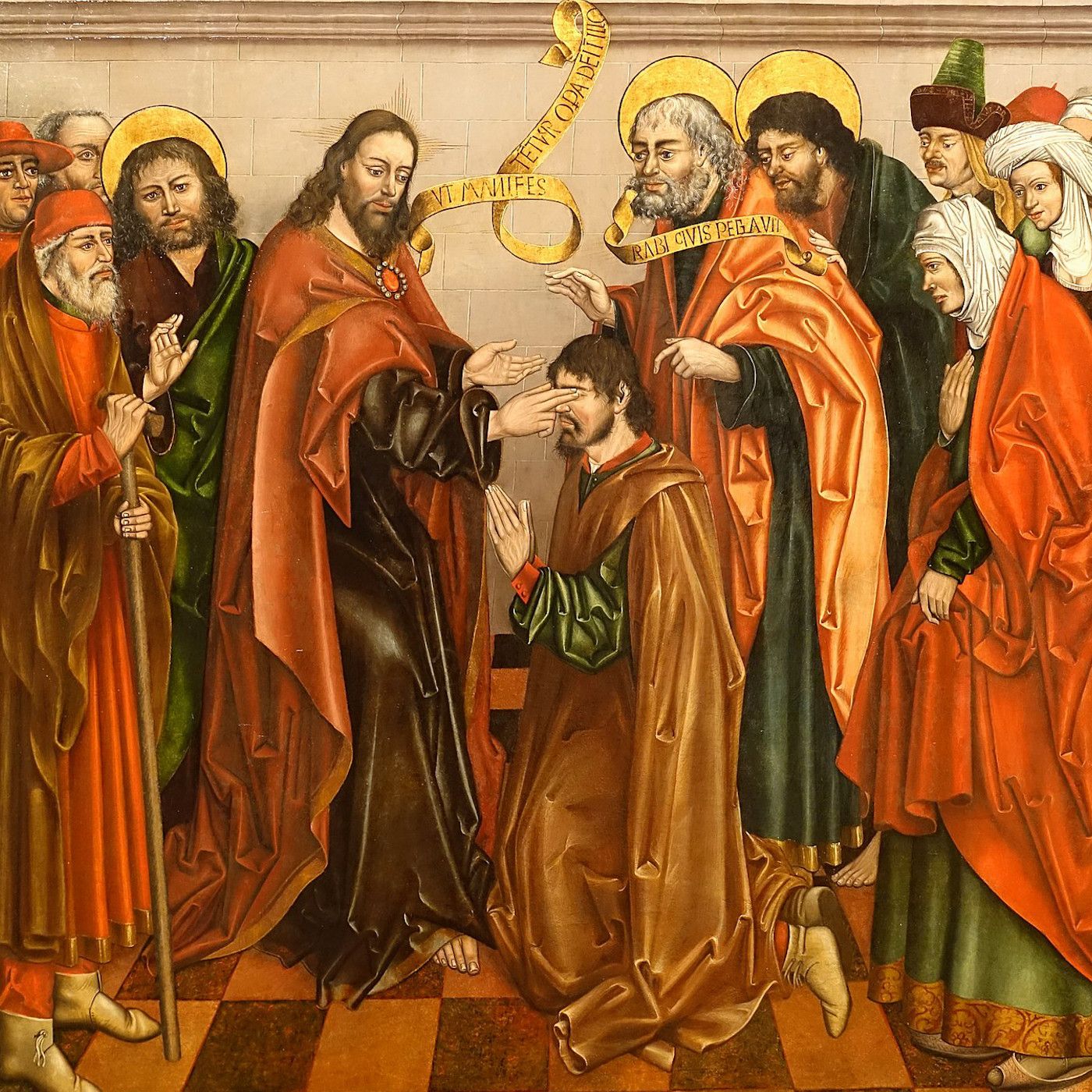
Nov 16, 2024
Thirty-Third Sunday in Ordinary Time (Year B) - The Tribulations to Come
Read Online Jesus said to his disciples: “In those days after that tribulation the sun will be darkened, and the moon will not give its light, and the stars will be falling from the sky, and the powers in the heavens will be shaken.” Mark 13:24–25 The “tribulation” of which our Lord speaks, refers to a great persecution of the Church and of those with faith. Regarding this tribulation, the Catechism of the Catholic Church states: Before Christ's second coming the Church must pass through a final trial that will shake the faith of many believers. The persecution that accompanies her pilgrimage on earth will unveil the “mystery of iniquity” in the form of a religious deception offering men an apparent solution to their problems at the price of apostasy from the truth. (#675). Is this “final trial” happening today? Though it is impossible to apply Jesus’ prophecy and the Catechism’s teaching to one specific moment in time, the fact remains that this trial and tribulation will take place. That is for certain. But how and when it will take place we do not know. It might be that it already has taken place or that it is taking place right now. Only God can properly interpret these prophetic words. With that said, this final trial and “mystery of iniquity” does take place in all of our lives in various ways. When we devote ourselves to the love and service of God, we can be certain that our faith will be tested and that persecution will be experienced in one way or another. Knowing this, however, should not frighten us. On the contrary, it was spoken by our Lord to prepare us and to help us endure whatever trials we experience in life. Jesus’ words must instill hope within us when we endure the suffering caused by evil. Jesus also said that when we see persecutions, trials and tribulation, we must “know that he is near, at the gates.” In other words, the greater the suffering one endures for their faith, the more present God is. He is there, at the gate of your heart, waiting for you to run to Him in trust and hope. As we approach the end of our current Church year, most of our readings at Mass will focus upon the end times. We will read about Jesus’ glorious return in glory, the end of the world, and the establishment of His permanent Kingdom as Heaven and earth are united as one. It could take place today or tomorrow, or it might not take place for thousands of years. But it will happen. On that day, the day of the final judgment, the only thing that will matter is our fidelity to God. For that reason, we must daily strive to live as if that day were today. We must diligently prepare for that day and live for that glorious moment alone. If life is easy right now, we should work to be more selfless and sacrificial so as to be prepared. If life is challenging right now, we must enter those challenges with hope and trust, uniting every suffering to Christ’s sufferings as a sacrifice of love. Reflect, today, upon Jesus’ prophecy that “the sun will be darkened, and the moon will not give its light, and the stars will be falling from the sky, and the powers in the heavens will be shaken.” As you do, know that these are words spoken not only to the Church as a whole, but also to you. Jesus wants you to know that any suffering and tribulation you endure, every “darkening of the sun” or any way that you feel “shaken” are opportunities for you to turn to God in trust. Invite our Lord into these experiences and know that they are signs of His closeness to help purify you and prepare you for the glorious day of His return. Most glorious Judge, You will return one day in glory to judge the living and the dead. Before that day, You have revealed that Your Church will endure much suffering. Please give me hope during those moments in my life so that I can offer to You every suffering I endure as a sacrifice of love, offered in union with Your own perfect sacrifice. Jesus, I trust in You. Source of content: catholic-daily-reflections.com Copyright © 2024 My Catholic Life! Inc. All rights reserved. Used with permission via RSS feed. Featured image above: Christ Pantocrator, via flickr
Nov 15, 2024
Saturday of the Thirty-Second Week in Ordinary Time - Praying for the Will of God
Read Online The Lord said, “Pay attention to what the dishonest judge says. Will not God then secure the rights of his chosen ones who call out to him day and night? Will he be slow to answer them? I tell you, he will see to it that justice is done for them speedily.” Luke 18:6–8 It’s interesting that Jesus uses the example of a dishonest judge to illustrate the importance of praying to God, calling out to Him day and night for justice. As the parable goes, this judge cared little about a widow in his town who continually came to him asking for a just decision. He felt as though she was continually bothering him. Because she was so persistent, the judge thought to himself, “...because this widow keeps bothering me I shall deliver a just decision for her lest she finally come and strike me.” Jesus’ conclusion from this parable is quoted above. The simple lesson we ought to learn from this parable is that we must be persistent in prayer. God will always answer our prayers, seeing to it that “justice is done” speedily. But many people have prayed and prayed and prayed for some situation, prayed even for justice, and it appeared that God did not answer their prayer. Thus, some may question the promise of Jesus that persistent prayer will always be answered and justice always be rendered. If this is your experience, it is essential that you remind yourself of two things. First, Jesus’ words are true. When we persevere in prayer and trust in God, He hears us and answers. This is our Lord’s unwavering promise. But secondly, the “justice” that God delivers may often be different than the justice we expect. It may be that we want someone to pay for a wrong they did to us, but after praying fervently, our expectation is not met by our Lord. For this reason, it is essential that we know that God answers every prayer we pray, but in accord with His perfect will and wisdom. Therefore, God’s view of justice at times may be very different than ours. At times, His justice is satisfied by His invitation to us to show mercy in abundance. True mercy always satisfies justice. Take, for example, the case of someone speaking in a rude manner to you. If you offer that situation to our Lord, He will enter in and provide His grace for you to deal with it in accord with His will. Perhaps He will soften the other person's heart so that they apologize, or perhaps, if they don’t apologize and their heart is not softened, then God’s answer to your prayer will be to give you the grace of humility so that you can love that person despite their unrepentance. Regardless of the way our Lord intervenes, the fact remains that He will intervene and enable you to fulfill His perfect will. If, however, your prayer is that the person be held accountable and condemned, then you are trying to tell God what to do, and He will not accede to your request. All of our prayer must ultimately be for the fulfillment of God’s perfect will in accord with His wisdom. Reflect, today, upon how completely you trust in God. Do you know, with certainty, that He will answer every prayer that you fervently pray with faith in accord with His divine will? Believing this is freeing and enables you to live more fully in union with Him. If there is some issue with which you struggle right now, even some apparent injustice, then entrust it to our Lord, day and night without ceasing, and know that His grace will guide you as He answers you in accord with His will. My all-wise Lord, Your will is perfect in all things, and You always bestow Your grace upon me when I pray without ceasing. Please give me a trusting Heart, dear Lord, so that I will never waver in my hope that You will always answer my prayers in accord with Your will. Jesus, I trust in You. Source of content: catholic-daily-reflections.com Copyright © 2024 My Catholic Life! Inc. All rights reserved. Used with permission via RSS feed. Featured image above: Parable of the Unjust Judge, via Wikimedia Commons
Nov 14, 2024
Friday of the Thirty-Second Week in Ordinary Time - Embracing the Present Moment
Read Online Jesus said to his disciples: “As it was in the days of Noah, so it will be in the days of the Son of Man; they were eating and drinking, marrying and giving in marriage up to the day that Noah entered the ark, and the flood came and destroyed them all.” Luke 17:26–27 As we enter into the final weeks of the liturgical year, we begin to turn our attention to the final coming of Christ. In today’s Gospel, Jesus gives us the example of Noah and Lot. In both of their stories, people were eating, drinking, marrying, buying, selling, planting and building up, until the very day that the floods came to destroy the earth at the time of Noah and fire rained down from the sky at the time of Lot. Both Noah and Lot were saved, but many others alive at that time met with sudden and unexpected destruction. Jesus says that the “days of the Son of Man” will be similar to these previous two events. At an unexpected time, Jesus will return to earth, and the Final Judgment will ensue. So His message is clear: Be ready at all times. Though we are familiar with this teaching of our Lord, spoken many times and in various ways in the Gospels, many people do not heed the message. It is easy to believe that you always have tomorrow to change, and so you give into temptation today. And then tomorrow comes, and the temptation is once again embraced with the thought that you will work on it tomorrow, and henceforth. We can easily go about perpetuating our sins and embracing our temptations while we have the ongoing good intention of changing tomorrow. This is a mistake for two reasons. First of all, it always remains a possibility that our Lord will indeed come today and that today truly will be the end of the world. Or, it always remains a distinct possibility that your life will come to an end today, suddenly and unexpectedly. If that were to happen, would you be fully ready to stand before the judgment seat of Christ? Most people would not, at least not fully ready. Thus, this should be motivation enough to work tirelessly today to be ready now and every moment hereafter. But we should also see this prophecy of our Lord as applying to every present moment of every day. Jesus is always coming to us, suddenly and without warning, inviting us to serve Him by grace. This Gospel passage states that “Whoever seeks to preserve his life will lose it, but whoever loses it will save it.” This applies to the end of our lives and to the end of the world, but it also applies to every present moment of every day. If we continually seek to lose our lives, meaning, to choose the Heavenly realities over the temporal earthly indulgences we are daily tempted with, then we will also daily experience the grace of salvation, here and now, in every present moment of our lives. Reflect, today, upon whether or not you regularly seek to lose your life for the sake of the Kingdom of God. Do you continually choose grace, mercy, Heaven, obedience, love, self-sacrifice, compassion, forgiveness and the like, every moment of every day of your life? If so, then our Lord will continually bestow the gift of His saving grace upon you here and now, preparing you for the ultimate moment of judgment. If not, then you will be more like the people of Noah’s and Lot’s time who met with sudden destruction when they least expected it. Live for God now, today, in this moment, and you will be eternally grateful you did. My ever-present Lord, You come to me always, suddenly and unexpectedly, and so often I do not hear You or perceive Your presence. Please help me to live continually for You and by Your grace, choosing Heavenly realities over temporary indulgences. May I live this way always, meeting You every moment of my life and anticipating that glorious final meeting with You at the time of judgment. Jesus, I trust in You. Source of content: catholic-daily-reflections.com Copyright © 2024 My Catholic Life! Inc. All rights reserved. Used with permission via RSS feed. Featured image above: Noah and His Ark by Charles Willson Peale, via Wikimedia Commons
Nov 13, 2024
Thursday of the Thirty-Second Week in Ordinary Time - Perceiving the Kingdom of God
Read Online Asked by the Pharisees when the Kingdom of God would come, Jesus said in reply, “The coming of the Kingdom of God cannot be observed, and no one will announce, ‘Look, here it is,’ or, ‘There it is.’ For behold, the Kingdom of God is among you.” Luke 17:20–21 Why did the Pharisees ask Jesus this question? Why did they want to know when the Kingdom of God would come? To answer this question, we must first look at the full context of the various communications between Jesus and the Pharisees. When we do this and see the many ways that the Pharisees attempted to trap Jesus in speech and the times in which our Lord firmly rebuked the Pharisees, it seems clear that the Pharisees did not ask Jesus this question in innocence and openness. Instead, they once again were trying to trap Him. They posed a question by which they gave the appearance of believing Jesus’ teachings that the Kingdom of God was coming, but they asked not in faith but in mockery and in an attempt to trip Jesus up in His answer. Jesus’ answer is mysterious. It leaves little room for the Pharisees to use Jesus’ speech against Him. Perhaps the Pharisees were hoping that Jesus would say that the Kingdom was coming soon, or next month, or within the year. But Jesus’ answer leaves them with confusion in the face of this mystery that “the Kingdom of God is among you.” Much of what Jesus says can only be fully understood through faith. He often speaks in veiled language intentionally, because the only way to lift the veil to perceive the meaning of His teachings is to rely upon the inspired gift of faith. Faith is like a key to unlock the secrets of the mysteries of God. Faith becomes a lens through which every parable, every figure of speech, and every mystery taught by our Lord is understood. But without this inspired gift of faith, Jesus’ teachings remain mysterious and incomprehensible. When you ponder these words that “the Kingdom of God is among you,” what do you understand? Are you able to use the gift of faith to unlock the meaning of this sacred teaching? Interestingly, reading Jesus’ words, spoken in a veiled way, offer us the opportunity to test our own faith. If we read these words and are left in confusion, then this is a clear sign that we need to pray for and be open to the gift of faith. But if we do read Jesus’ mysterious teachings and the light of understanding is given to us, then this is a clear reason to rejoice, since this comprehension is only possible through the gift of faith. Reflect, today, upon this sacred teaching of our Lord: “The Kingdom of God is among you.” Meditate on those words and pray for insight and understanding. Jesus’ words are true. His Kingdom truly is everywhere, all around us and within us. It is alive and well. Do you see it? Do you perceive it? Do you see your role in building it? Use these questions as a test of your own level of faith and know that God wants to reveal to you these mysteries that are only able to be comprehended by His grace. My mysterious Lord, Your Kingdom is everywhere, all around us and within us. I do believe. Give me the eyes of faith so that I may continually perceive Your hand at work. May I always be attentive to all that You wish to reveal to me and open to the deep meaning of the mysteries You do reveal. Increase my faith, dear Lord, so that I may know You and join in the upbuilding of Your glorious Kingdom. Jesus, I trust in You. Source of content: catholic-daily-reflections.com Copyright © 2024 My Catholic Life! Inc. All rights reserved. Used with permission via RSS feed. Featured image above: Christ among the Pharisees by Jacob Jordaens, via Wikimedia Commons
Nov 12, 2024
Wednesday of the Thirty-Second Week in Ordinary Time - Thank You, My Lord
Read Online Jesus said in reply, “Ten were cleansed, were they not? Where are the other nine? Has none but this foreigner returned to give thanks to God?” Then he said to him, “Stand up and go; your faith has saved you.” Luke 17:17–19 This reply from our Lord came in response to the one leper who returned to Jesus to thank Him. Ten lepers had come to Jesus, stood at a distance, cried out, “Jesus, Master! Have pity on us!” And with that, Jesus healed them all. But the heart of this healing is not as much the healing itself as it is the gratitude expressed by only one of the ten. This Gospel relates to us that this one leper did five things to profoundly express his gratitude. He returned, glorified God, did so in a loud voice, fell at the feet of Jesus, and thanked him. What a wonderful witness for us all! By analogy, children often take the loving care of their parents for granted. That’s why many good parents regularly remind their children to say “thank you.” In our relationship with God, we can also easily take God’s saving actions for granted. We can easily see all the grace we receive as something we deserve rather than as an infinitely merciful gift. When that happens, we become more like the other nine who failed to properly express their gratitude to Jesus. First of all, it must be noted that expressing gratitude to God is not done because God needs these accolades. He does not depend upon our gratitude to affirm His self-worth. This is obvious. God is God, and He does not need our praise in any way. However, giving profound praise and glory to God is essential. It is essential because we need this virtue of gratitude so as to daily be reminded that all we receive from God is an unmerited gift. We cannot earn His love and grace. We do not deserve it. But He chooses to bestow it anyway out of mercy. And the only appropriate response to mercy is gratitude. Profound gratitude. Gratitude is essential because it is the truth. We should always return to our Lord after He has graced us. We should glorify Him with much fervor, crying out to Him with passion. We should, literally and interiorly, fall on our face before Him, at His feet, and thank Him, over and over and over again. Doing so will always help us to remember the truth that everything we have and everything we are is a gift from God. An unmerited and undeserved gift of grace. Reflect, today, upon the depth of gratitude in your own heart. Do you often act more like a spoiled and selfish child, or do you regularly perceive the graciousness of God? If you lack in any way this fullness of gratitude, then ponder this one leper. His gratitude, expressed with the fullness of passion, is the most important part of this story. In the end, he was graced far more than the other nine because his healing produced faith; and it was that faith that saved not only his body but his soul. Seek to save your soul by imitating the faith of this one holy and healed leper. My gracious Lord, You bestow Your mercy upon me in superabundance. Without You, Jesus, I have nothing; but with You, I receive everything. May I always know and understand my need for Your grace. And as I am gifted with it, may I respond with the deepest gratitude, thus, saving my soul through faith. Jesus, I trust in You. Source of content: catholic-daily-reflections.com Copyright © 2024 My Catholic Life! Inc. All rights reserved. Used with permission via RSS feed. Featured image above: Healing of the Leper by Niels Larsen Stevns, via Wikimedia Commons
Nov 11, 2024
Tuesday of the Thirty-Second Week in Ordinary Time - Servants of the Master
Read Online Jesus said to the Apostles: “Who among you would say to your servant who has just come in from plowing or tending sheep in the field, ‘Come here immediately and take your place at table?’ Would he not rather say to him, ‘Prepare something for me to eat. Put on your apron and wait on me while I eat and drink. You may eat and drink when I am finished?’ Is he grateful to that servant because he did what was commanded?” Luke 17:7–9 In most cultures today, the idea of having a servant whom you command to wait on you is far from ideal. Jesus uses this image because the people to whom He was speaking would have easily related. He used it as a way of humbling them because when the illustration is properly understood, He was identifying each one of them as the servant, not the master. Only God is the Master. When it comes to our service of God, there is no limit to the commands that God will give. At first, that might seem harsh, but it’s not because the commands that God gives to us are dictates of perfect love. We need His commands. We need the order He provides. We need to enter into perfect obedience to Him. We need to listen to everything He tells us and obey it to perfection. Seeing God as our Master and ourselves as His servants will only appear harsh when we fail to understand what sort of Master He is. Recall the beautiful words of our Blessed Mother when she was given the command from the Archangel Gabriel. The angel said to her, “You will conceive in your womb and bear a son, and you shall name him Jesus.” This was not a question posed to her; it was a command of love. Mary did not hesitate and did not refuse. She said, “Behold, I am the handmaid of the Lord. May it be done to me according to your word.” At the conclusion of today’s Gospel, Jesus went on to say, “When you have done all you have been commanded, say, ‘We are unprofitable servants; we have done what we were obliged to do.’” In many ways, this is exactly what our Blessed Mother did. She was a servant of God’s perfect commands, and she knew that her love for God obliged her to follow His will. When you think about your service of the will of God, do you see it as you doing God a favor? Do you see obedience to God’s dictates as an act of generosity on your part and your cooperation with those dictates as above and beyond your natural duties? Hopefully not. Hopefully you understand that you, like our Blessed Mother, are a servant of the one true Master of all. Hopefully you also see the commands of God as the roadmap toward a life of complete fulfillment. When we understand Who the Master is, we will never hesitate in being a servant, or even a slave. We will not hesitate in freely surrendering ourselves over to His will in complete and unwavering obedience. God alone knows what is best for us, and we need to give Him complete control over our lives. Reflect, today, upon the image of a master and a slave. As you do, try to shed every preconceived image you have that includes harshness, cruelty, dominance and control. Instead, try to see the image of a divine Master Whose only concern is for the servant. Try to see a Master Who perfectly loves the servant. Reflect upon your own need for such a Master in your life. Pray that you will be able to surrender complete control over to God in all things so that He can direct your life into the glorious things He has in store for you. My Lord and Master, You have commanded me and all Your servants to obey Your commands of perfect love. Your will alone is what is best for our lives and Your dictates bring fulfillment and purpose to our lives. May I, with Your Blessed Mother, always obey You in everything, for I am a servant of You, dear Lord. May I joyfully do what I am obliged to do. Jesus, I trust in You. Source of content: catholic-daily-reflections.com Copyright © 2024 My Catholic Life! Inc. All rights reserved. Used with permission via RSS feed. Featured images above: Fresco depicting Jesus Christ and the twelve apostles by Fra Angelico
Nov 10, 2024
Monday of the Thirty-Second Week in Ordinary Time - Loving Every Sinner
Read Online Jesus said to his disciples, “Things that cause sin will inevitably occur, but woe to the one through whom they occur. It would be better for him if a millstone were put around his neck and he be thrown into the sea than for him to cause one of these little ones to sin.” Luke 17:1–2 Having a millstone placed around your neck and thrown into the sea is very descriptive. Jesus is using very evocative language. A millstone was a large round stone with a hole in the center. If it were placed around someone’s neck and they were thrown into the sea, they would obviously sink to the bottom and die. Thus, Jesus is clearly stating that this awful fate is actually better than the fate of those who cause “one of these little ones to sin.” First of all, it should be clarified that no one can actually cause us to sin. Sin is our own free choice, and we, and we alone, will be held accountable for our own sin. One thing that Jesus is pointing out here is that even though every person must take responsibility for their own actions and their own sins, we must also take responsibility for the ways that we act as tempters of others. We are all sinners. Therefore, by our sin, we will all tempt others to sin also. Sometimes we will tempt people to sin by provoking them to anger. At other times we will tempt others to sin by setting a poor example. And on the contrary, we also have the ability to “tempt” people to virtue. Or more properly speaking, to inspire and encourage them. With that said, Jesus explains that the fate of those who act as tempters of others, especially the “little ones,” will suffer consequences graver than an untimely death. The little ones of which Jesus speaks should be understood as those who are weak in faith, overly sensitive, particularly vulnerable at that time in their life, and susceptible to outside influence. This could be a child, or it could be someone who is currently teetering on the edge of despair, confusion, anger, or any serious sin. When you encounter people like this, how do you treat them? Jesus has a deep heart of compassion for these people and wants us to have the same depth of compassion. But sometimes we fail. We may be negligent in our duty to reach out to them. Even this negligence could be a form of causing “one of these little ones to sin.” Of course, it is even far worse if we were to actively agitate them, harshly judge them, provoke their anger, draw them into some sin of weakness and false consolation by our temptation, etc. The simple truth is that Jesus loves those who are weak, vulnerable and sinful, and He wants us to love them with His heart. When we fail to do so, Jesus will hold us accountable for their further fall from grace. Reflect, today, upon the person or persons in your life that appear especially vulnerable, sinful, confused and lost at this time. Who is it that struggles with anger, or an addiction or some sinful lifestyle? Ponder your attitude toward them. Are you judgmental, condemning, belittling and the like? Do you tempt them to fall further into any sins of weakness they commit in a vulnerable state, thus leading them into further sin? Or, when you encounter someone who is greatly struggling, do you turn to them with the deepest compassion and mercy, forgiving any ways that they may sin against you, and work hard only to be there for them in their need, no matter how hard it is on you? Commit yourself to a profound love of all of God’s “little ones” and seek to serve them with the heart of Christ so that one day they will eternally rejoice with you in Heaven. My most compassionate Lord, You love the sinner and deeply desire that they turn to You in their need. Please give me Your heart of compassion so that I will be free to love them as You love them. May I never become an instrument of temptation for them to fall further away from You but, instead, become an instrument of Your unfailing mercy. Jesus, I trust in You. Featured image above: Jesus and the Little Child by James Tissot, via Wikimedia Commons Source of content: catholic-daily-reflections.com Copyright © 2024 My Catholic Life! Inc. All rights reserved. Used with permission via RSS feed.
Nov 9, 2024
Thirty-Second Sunday in Ordinary Time (Year B) - Giving Your Whole Livelihood
Read Online Jesus sat down opposite the treasury and observed how the crowd put money into the treasury. Many rich people put in large sums. A poor widow also came and put in two small coins worth a few cents. Mark 12:41–42 If you were in charge of the Temple treasury, which would you prefer? The rich putting in large sums of money? Or one poor widow putting in two small coins? Of course, an honest answer to that question might be hard to give. Much good can be done with large sums of money, right? Wouldn’t it be better to accept more than a few cents? The dilemma one would experience in this situation reveals a misperception that we regularly encounter in life. Is more better than less? Is wealth better than poverty? Is success better than failure? It all depends upon the spiritual reality at hand. Take, for example, success vs. failure. Say one person sets off on a selfish and immoral business venture that quickly produces a huge income. Many would consider that a success. Say another person prayerfully sought to fulfill the will of God and started some other business. After years of trying, that business failed and went into bankruptcy. Which situation is better? Clearly, the one who sought to fulfill the will of God is the winner. Why? Because the spiritual fruit of fidelity to the will of God, despite worldly setbacks, produced an eternal treasure more valuable than earthly wealth. God judges the heart, not the worldly outcome. In fact, from a worldly perspective alone, Jesus’ life was a complete failure. He was arrested, charged with a capital crime, beaten and killed. His earthly kingdom—desired by many of his followers—was never established. Many of them abandoned Him when He was killed. Even after He rose from the dead, He didn’t establish an earthly kingdom. Of course, in the spiritual realm, the realm of eternal realities, Jesus’ life was infinitely successful. His death destroyed death itself, and His Resurrection enabled all who believe in Him to share in eternal life. His spiritual Kingdom is now in full bloom and will one day be visible to all. Back to our original question. If you were in charge of the Temple treasury, and you were given the same option that Jesus pointed to of receiving the large sums of money from the rich, or the two coins from the poor widow, it would certainly be better to accept the two coins. If that is hard to comprehend, then it is a sign that you live more according to the values of the world than the values of the spiritual Kingdom of God. The poor widow gave more than two small coins; she also gave the spiritual gift of her generosity and complete trust in God. She gave all she had and trusted that God would take care of her and use her gift for good. This is infinitely more fruitful for the building of the Kingdom of God than the gift of someone's excess of money. God does not need our money, but we need to give it, be detached from it, and be ready and willing to give everything we have, all that we are, our entire livelihood to God. This is trust. This is a spiritual gift that will have far greater eternal ramifications for the salvation of souls than all the money in the world. Reflect, today, upon the compliment Jesus pays to this poor widow. “She, from her poverty, has contributed all she had, her whole livelihood.” Do you contribute your whole livelihood? Do you dedicate everything you have, all your energies and gifts, and all that you are to the service of God for His glory? We are called to give everything to God—not just a portion of our lives. Reflect upon how well you imitate this poor widow and seek to follow her holy example. Most generous Lord, You gave all that You had and all that You are out of love for the salvation of the world. Help me to imitate Your total gift by returning all to You, entrusting my entire life, all that I am, and my entire livelihood to You. Jesus, I trust in You. Source of content: catholic-daily-reflections.com Copyright © 2024 My Catholic Life! Inc. All rights reserved. Used with permission via RSS feed. Featured image above: She Gave All She Had, via flickr
Nov 8, 2024
November 9, Feast of the Dedication of the Lateran Basilica in Rome - Being Shocked by Our Lord
Read Online Jesus answered and said to them, “Destroy this temple and in three days I will raise it up.” The Jews said, “This temple has been under construction for forty-six years, and you will raise it up in three days?” But he was speaking about the temple of his Body. John 2:19–21 We celebrate, today, the Lateran Basilica in Rome, the mother church of the entire Roman Catholic Church. It was given to the Bishop of Rome in the fourth century and remained the pope’s primary residence until the building of St. Peter’s Basilica, at a time when the Lateran Basilica was falling into ruins. However, the Lateran Basilica to this day remains the most important Church in the world, since it is officially the Cathedral Church of Rome. As we honor this church, we honor more than a building. The Lateran Basilica is a symbol of the one true Church of Jesus Christ. Its interior is beautiful and awe-inspiring so as to point us to the unimaginable beauty of the Church Herself, which is the Mystical Body of Christ. Today’s Gospel depicts Jesus entering the Temple and driving the money changers out with a whip and the animals they were selling for profit. As He did so, He cried out, “Take these out of here, and stop making my Father’s house a marketplace.” Psalm 69 is then quoted: Zeal for your house will consume me. Jesus loves His Church as His own Body—because that is what it is. As His Body, the members of His Church are called and sent to act as His instruments, members of His saving action. Much more than a church building, today we honor the Church Herself—which means we honor you, insofar as you are a member of the Body of Christ. And in light of this Gospel passage for today’s Feast, we are reminded of the zeal that our Lord has for the cleansing of His Church. How is the Church purified? It is purified by the cleansing of Her members. That means that Jesus desires, with perfect zeal, to drive out every sin from your soul, cleansing the filth that keeps you from fulfilling your essential role as a member of His Body. Sometimes we become slack in our own commitment to be purified. We can easily become comfortable with the sins we commit, and we can form habits that are hard to break. When this happens, it is useful to ponder this story of the cleansing of the Temple and see it as Jesus’ desire to cleanse our own soul. At times, we need to be shaken up, challenged, confronted and encouraged with the unwavering zeal in the heart of our Lord. Reflect, today, upon this powerful image of Jesus cleansing the Temple. As you do, apply it to your own life. The people selling and buying in the Temple must have been shocked at Jesus’ zeal and actions. If you have become complacent with your sins, try to allow this holy shock to also wake you up. Allow our Lord’s zeal to affect you, and know that His purifying actions are acts of love by which He desires to free you to become a more fully functioning member of His holy Church. My zealous Lord, Your heart burns with a deep desire to cleanse me and all Your children from sin. Your zeal reveals Your deep love and Your willingness to do all that You can to make me a fuller member of Your Body, the Church. Open my mind and will, dear Lord, to all that You wish to say to me and give me the grace to respond to Your purifying action in my life. Jesus, I trust in You. Source of content: catholic-daily-reflections.com Copyright © 2024 My Catholic Life! Inc. All rights reserved. Used with permission via RSS feed. Featured image above: Jesus Speaks Near the Treasury by James Tissot, via Wikimedia Commons
Nov 7, 2024
Friday of the Thirty-First Week in Ordinary Time - Stewards of Earthly Riches
Jesus said to his disciples, “A rich man had a steward who was reported to him for squandering his property. He summoned him and said, ‘What is this I hear about you? Prepare a full account of your stewardship, because you can no longer be my steward.’” Luke 16:1–2 There is much to ponder in this parable and many lessons from which we can learn. To begin, the rich man should be understood as God and you as the steward. This is an important first lesson to learn because it reveals to us that, when it comes to material things in this world, God is the true owner of all—we are only stewards. Think about that carefully. When it comes to all that you own, all your money and possessions, do you hold on to it as if you were the complete master of these material items? Clearly most people do think this way. They may work hard to earn a living, save and buy this and that, build up their bank accounts, and then remain very attached to these material things, seeing them as “mine” rather than as God’s. So the first very challenging lesson we should look at is that all we “own” is actually the possession of God. He only permits us to be stewards of the things of this world. Do you believe that? As stewards, we must be committed to use the riches within our stewardship only in the way that God wants it used. In this parable, the steward was reported to the rich man for “squandering his property.” We also are guilty of squandering the possessions of God when we use money in accord with our own will and desires rather than those of God’s. This is an exceptionally common tendency, especially for those who have become the stewards of much money. Therefore, the more money that one has stewardship over, the more they will be tempted to squander it, meaning, use it for selfish purposes rather than for the glory of God in accord with His will. This is a hard teaching to accept and live. But these truths are indeed revealed to us by this parable, so it is essential that we listen. The words spoken by the rich man, “Prepare a full account of your stewardship,” are words that we must all anticipate hearing one day. If that day were today, what would that “full account of your stewardship” look like? Have you worked hard for selfish gain? Or have you worked hard to act with great responsibility over the things God has entrusted to your care? As the parable continues, we read that the steward acted “prudently” in that he devised a plan to make sure his material needs were met once he lost his position as steward. The “prudence,” however, that is spoken of here is a reference to the worldly, and therefore, evil ingenuity, cleverness, hard work and commitment many people have regarding the material wealth they seek to obtain in this world. Though it is good to be diligent and hardworking in life, too often this is done for the purpose of selfish gain. Just imagine if everyone who worked so hard at getting rich put even more effort into building up the Kingdom of God on earth! How different this world would be if we had so many hard workers for God’s mission. Reflect, today, upon the simple truth that when it comes to the riches of this world, you are only the steward of what you possess, not its master. God wants you free from the attachment to material wealth so that you will be free to use all that you have for His glory and in accord with His purpose. That does not mean that you must donate all you have to charities. Instead, it means that you continually offer all that you have to God and seek to use it in accord with His will and His will alone. If that means you discern that God wants you to buy something new, then buy something new. If that means giving more away, then give more away. If that means living more simply as a holy sacrifice, then do just that. Money cannot buy happiness. Only embracing God’s will to the fullest will result in the happiness and fulfillment you deeply desire. My Lord of all riches, You and You alone are the Master of all things created. All that I have and possess are Yours, dear Lord. Help me to believe this and to live my life purely as a steward of the possessions I have. Free me from squandering that which You have entrusted to my care. May I use all for Your glory and only in accord with Your holy will. Jesus, I trust in You. Source of content: catholic-daily-reflections.com Copyright © 2024 My Catholic Life! Inc. All rights reserved. Used with permission via RSS feed. Featured image above: The Parable of the Unfaithful Ruler by Andrey Nikolaevich Mironov, via Wikimedia Commons
Nov 6, 2024
Thursday of the Thirty-First Week in Ordinary Time - Carried Home
“What man among you having a hundred sheep and losing one of them would not leave the ninety-nine in the desert and go after the lost one until he finds it? And when he does find it, he sets it on his shoulders with great joy and, upon his arrival home, he calls together his friends and neighbors and says to them, ‘Rejoice with me because I have found my lost sheep.’” Luke 15:4–6 Some of the great saints point out that the number one hundred represents perfection. One hundred refers to the perfection of the Kingdom of God, which represents not only all of the saints in Heaven but also the angels. The one lost sheep represents all of humanity as we make our way through this life. Jesus, of course, is the Shepherd Whose attention turns to fallen humanity on a diligent search for us so as to carry us home. First, notice that the Shepherd does not search for the one stray sheep out of anger but out of concern and love. Understanding this is essential if we are to have a correct understanding of how our Lord sees us when we stray. We must see His deep concern, His diligence in searching, and His unwavering commitment to find us in our straying condition. This is not a God Who sits back in judgment and anger but a God Who came to us, took on our fallen human nature, and endured all suffering so as to find us and bring us home. Notice also that in this parable, the Shepherd places the lost sheep on His shoulders and carries the sheep home. Oftentimes we can fall into the trap of thinking that we must make our way back to God by our own effort. But the truth is that God is always there, waiting to pick us up and carry us home. Our duty is to surrender to His merciful hands and to stop running. This is done by turning to Him and allowing Him to come to us and minister to us. The primary effort is on the part of our Lord once we surrender ourselves into His gentle Hands. Finally, notice that the rejoicing mentioned in this parable is on the part of the Shepherd. Of course we also will rejoice at being picked up and carried home to the perfection of God’s Kingdom, but our rejoicing is done in response to the joy of our Lord. It is His joy we are invited to share in. It is His heart that is filled with gratitude as we allow Him to tenderly carry us home. “Rejoice with me because I have found my lost sheep,” He says. Reflect, today, upon this holy image of the Good Shepherd. As you ponder this parable and imagery, be attentive to the various thoughts, memories, emotions and fears that are evoked within you. Each one of us is different, and our Lord deeply desires to come to each one of us right where we are, in the midst of our sins. Pondering the compassion of this Good Shepherd will open the door for our Lord to speak to you and to invite you personally to come to Him, turning away from the ways that you personally have strayed. Do not run away. Remain in confidence as He comes to you. Listen to His voice and say “Yes” to Him as He lifts you up to carry you home. My gentle Jesus, You are the Good Shepherd. You love me and search for me with diligence and fidelity. May I trust You enough to stop running from You and hiding from Your gentle voice. Please come to me, pick me up, place me on Your shoulders and carry me home. Jesus, I trust in You. Source of content: catholic-daily-reflections.com Copyright © 2024 My Catholic Life! Inc. All rights reserved. Used with permission via RSS feed. Featured image above: by Myriams-Fotos from Pixabay
Nov 5, 2024
Wednesday of the Thirty-First Week in Ordinary Time - Loving through “Holy Hate”
Great crowds were traveling with Jesus, and he turned and addressed them, “If anyone comes to me without hating his father and mother, wife and children, brothers and sisters, and even his own life, he cannot be my disciple.” Luke 14:25–26 After this startling opening line from our Lord, Jesus concludes today’s Gospel by saying, “In the same way, everyone of you who does not renounce all his possessions cannot be my disciple.” Thus, at first read it appears that we are called to not only renounce all we possess but also to hate those within our own family. But is this truly what our Lord means? Let’s begin with the idea of “hating” those within our family and even our own life. Obviously the word “hate” in this Gospel passage is not the same as the sin of hate and anger. In commenting on this passage, one Church Father explains that there are some cases when the best way to love another is through a form of hate. That is, if another were to act as an obstacle to God, working to deter us from the will of our Lord, then our “hatred” for the actions they do must be firmly expressed. But this is love. A refusal to turn from God, by rejecting another’s disordered actions, is a way of sharing the Gospel with them. Let’s take an extreme example. Imagine that you lived at a time and circumstance where being a Christian was a crime. You were arrested and commanded to publicly renounce your faith. Instead, you renounced that command with every strength of your soul. In this case, you exercise a form of holy “hate” for the persecution the person is imposing upon you. But that is also an act of love toward them as you fully reject their action by renouncing their command. Or consider also how you hate even your “own life.” Let’s say that you fall into serious sin, over and over. The appropriate response is not only to repent but also to have a form of holy hatred for the habit into which you have fallen. This is a true hatred for yourself in the sense that it is a hatred for that which you have become by your sin. But this holy hatred has the ultimate goal of passionately overcoming your sin and is therefore a true act of love for yourself. The concluding line of today’s Gospel mentioned above calls us to renounce all of our possessions. In other words, we must renounce anything that we are attached to in a way that is contrary to the will of God. Of course, in God’s providence most people (except those who take a vow of poverty) are invited by God to have various possessions so as to meet the material needs of life. But even in this case, we must “renounce” all that we possess, meaning, we must not allow ourselves to become attached to anything other than God. But this is freedom in the truest sense. Even if you have many things, it must be understood that those things do not make you happy. Only God and His will can fulfill you. Nothing else. Thus, we must learn to live as if God and God alone suffices. And if it is God’s will that you obtain a house, car, computer, television and other modern conveniences, then so be it. But true “renunciation” of all of these possessions simply means that if at any time you were to lose them, then this would be fine. Therein is perfect detachment. The loss of something material would not deter you in any way from loving and serving God and His holy will. Reflect, today, upon these radical words of Jesus. Try to hear them in the way our Lord meant them. Work to be detached from everything that is contrary to the will of God and everything that becomes an obstacle to God in your life. In the end, possessing God alone is more than you could ever hope for. And only if you fully possess our merciful God will you be able to love yourself and others with the pure heart and love of Jesus our Lord. My demanding Lord, You call us all to a life of radical holiness. You desire that I come to love You above all with all my heart. Please give me the grace and wisdom I need to renounce all that is an obstacle to my love and service of You. May You and You alone be glorified in my life. Jesus, I trust in You. Source of content: catholic-daily-reflections.com Copyright © 2024 My Catholic Life! Inc. All rights reserved. Used with permission via RSS feed. Featured image above: Christ Preaching by Rembrandt, via Wikimedia Commons
Nov 4, 2024
Tuesday of the Thirty-First Week in Ordinary Time - You are Invited
Read Online “A man gave a great dinner to which he invited many. When the time for the dinner came, he dispatched his servant to say to those invited, ‘Come, everything is now ready.’ But one by one, they all began to excuse themselves.” Luke 14:16–18 Do you ever excuse yourself from the will of God? Do you pass up His invitation to feast at the table of His great dinner? More than anything else, the invitation God has given us to this “great dinner” is the invitation to participate in the Holy Mass and to pray. The fact that some would regularly excuse themselves from such an invitation shows that they do not understand that to which they have been invited. Others attend physically, but interiorly they are far from the feast that they attend. In this parable, one after another of the invited guests did not come. So the man throwing the dinner sent out an invitation to “the poor and the crippled, the blind and the lame.” This is a reference to those Jews of Jesus’ time who recognized their need for the gift of salvation. They are those who were aware of their weaknesses and sins and knew that Jesus was the answer. After the poor, crippled, blind and lame came to the feast, there was still more room. So the man sent his servants to invite those from “the highways and hedgerows” which is a reference to the Gospel being preached to the Gentiles who were not of Jewish origin. Today, this feast continues to be offered. There are many lax Catholics, however, who refuse to come. There are those who find that life is too busy for them to make time for prayer and for Mass. They are those who are so caught up in worldly pursuits that they see little personal benefit in devoting themselves to the celebration of the Holy Eucharist. If you wish to be among those who attend the feast of our Lord, you must work to identify yourself with the poor, crippled, blind and lame. You must recognize your brokenness, weaknesses and sins. You must not shy away from seeing yourself this way because it is to those that Jesus sends a desperate invitation. His desperation is an all-consuming desire for us to share in His love. He wants to love and heal those in need. We are those who are in need. When we come to our Lord’s Feast through prayer, fidelity to His Word, and by our participation in the Sacraments, we will notice that He wants others to join us for His feast. Therefore, we must also see ourselves as those servants who are sent forth to the highways and hedgerows where we will find those who do not follow God’s will. They must be invited. Though they might not feel as though they belong, God wants them at His feast. We must do the inviting. Reflect, today, upon two things. First, reflect upon any excuse you regularly use when God invites you to pray, to deepen your faith, and to participate in the Eucharist. Do you respond immediately and with eagerness? Or do you excuse yourself more often than you want to admit? Reflect, also, upon the duty given to you by God to go forth to the most lost souls so as to invite them to God’s feast. Our Lord wants everyone to know they are invited. Let Him use you to send forth His invitation. My generous Lord, You have invited me to share in the glory of Your great Feast. You invite me every day to pray, grow strong in my faith, and to share in the Holy Eucharist. May I always respond to You and never excuse myself from Your invitations. Please also use me, dear Lord, to send forth Your invitation to those most in need. Jesus, I trust in You. Source of content: catholic-daily-reflections.com Copyright © 2024 My Catholic Life! Inc. All rights reserved. Used with permission via RSS feed. Featured images above: Parable of the wedding feast by Andrey Nikolaevich Mironov, via Wikimedia Commons
Nov 3, 2024
Monday of the Thirty-First Week in Ordinary Time - The Reward of Eternal Glory
Read Online “When you hold a lunch or a dinner, do not invite your friends or your brothers or sisters or your relatives or your wealthy neighbors, in case they may invite you back and you have repayment. Rather, when you hold a banquet, invite the poor, the crippled, the lame, the blind; blessed indeed will you be because of their inability to repay you.” Luke 14:12–14 Is Jesus telling us that it is sinful to invite friends and family to a dinner party? Certainly not. He is teaching us about something much deeper. Throwing a dinner party for others is good when our motive is love. But if the goal of the dinner, or any other act of charity, is vainglory, then the vanity we achieve from such an act is the payment we will receive. Sadly, the “payment” of vainglory is sought and obtained by many in various ways. Jesus’ lesson teaches us that our only motive for the good we do should be the humble and hidden motive of loving service. As a result of the temptation to pride, we can easily find ourselves being inordinately concerned about what others think about us. Holding a lunch or dinner for friends, family, and your wealthy neighbors is simply an illustration of the sin of pride at work. Within this context, Jesus is speaking about a person who performs some act for the sole purpose of building up their self-image and obtaining praise and flattery from others. This form of “glory” is truly vain in that it is not only worthless to the good of the soul, it is also damaging. Why do you do what you do? Are your good actions done so that others will see and praise them? Do you go out of your way to show people how good you are? Are you overly concerned about the opinions of others? If the answer to any of these questions is “yes,” then you might be struggling with pride more than you realize. On the contrary, are you content with doing some good deed that is hidden from the eyes of others? Can you take delight solely in helping others, even if no one knows about it? Are you motivated to serve and give of yourself for the exclusive reason that you want to make a difference in the lives of others? This is what Jesus means when He says you should hold a banquet for the poor, crippled, lame, blind, and everyone who is unable to repay you. In other words, when you are not able to receive the “reward” of vainglory, that is good. That must be your goal. Reflect, today, upon how strong your desire is for notoriety. Consider some scenario where you worked hard day and night for some time to do some good work. Imagine that the good work accomplished great benefits for others. Then imagine that no one knew you were behind that good work and, therefore, you received no gratitude or acknowledgment. How would you feel? Ideally, you would rejoice for two reasons. First, you would rejoice that you were able to serve and make a difference. Second, you would rejoice that God and God alone was aware of your act of charity. When God sees our goodness and selfless service, He puts Himself in debt to us in a certain sense. The “debt” that God takes on is His gratitude and love which are expressed to us through eternal rewards of His making. Seek to obtain these eternal rewards by striving to serve in the most hidden and humble ways possible. Those rewards infinitely surpass the fleeting rewards of vainglory. Most glorious God, You came to earth to suffer and die. In that act of perfect love You brought about the greatest good ever known. You offered this holy service of love in the most hidden and humble of ways. As a result, You are now glorified forever. Help me to share in Your acts of humble and hidden service so that I, too, may one day share in the glory of Heaven. Jesus, I trust in You. Source of content: catholic-daily-reflections.com Copyright © 2024 My Catholic Life! Inc. All rights reserved. Used with permission via RSS feed. Featured image above: Jesus, under the tree By Left, via Adobe
Nov 2, 2024
Thirty-First Sunday in Ordinary Time (Year B) - Seekers of Truth
Read Online The scribe said to him, “Well said, teacher. You are right in saying, ‘He is One and there is no other than he.’ And ‘to love him with all your heart, with all your understanding, with all your strength, and to love your neighbor as yourself’ is worth more than all burnt offerings and sacrifices.” Mark 12:32–33 This scribe got it. He posed a question to Jesus after Jesus was challenged by some of the Sadducees who did not accept Jesus’ teachings about the resurrection of the dead. The Sadducees were trying to trip Jesus up, and this scribe listened carefully to Jesus’ answer and found it to be well said. Therefore, this scribe asks Jesus his own question. He doesn’t ask this question in an attempt to trap Jesus, but because he appeared to sincerely want to hear Jesus’ answer. So he asked Jesus, “Which is the first of all the commandments?” To that question, Jesus gives a summary of the whole law of God saying that we must first love God with our whole heart, mind, soul and strength and then love our neighbor as ourselves. We must all try to imitate this scribe. It was risky for him to show support of Jesus. Many of the other scribes were quite hostile toward Jesus. Therefore, by openly expressing His agreement with what Jesus taught, he was putting himself at risk of being criticized. But it appears he was not concerned about that. He was a seeker of truth, and Jesus ended up paying him a huge compliment by saying, “You are not far from the kingdom of God.” In our growingly secular world, there are many truths of God that are being openly questioned and challenged. Agreement on what are the moral truths is becoming more of the exception than the norm. As a result, we will all find ourselves experiencing hostility from the world simply by being seekers of the truth. Many people even find that a mere refusal to openly support objective immorality will make them a target of the secular world. Are you a seeker of truth? Do you recognize the holy truths of God when you hear them? If so, do you have the courage you need to pursue those truths and articulate them in accord with the mind of God in the presence of others? Evangelization is different from proselytism. Proselytism is a hostile and forceful preaching of the truths of God. It is argumentative and lacks basic respect for the freedom and dignity of others. Evangelization, on the other hand, is an essential practice that every follower of Christ must engage in. At the heart of evangelization is an honest and humble seeking of the truth in every situation. One who evangelizes does not attack another. They do not criticize and condemn. Instead, they seek to understand the full truth themselves and then openly share that truth with those who are open to it. In many ways, this scribe did just that. He listened, understood, inquired, and then freely shared his faith in what Jesus said. Those who listened to him, especially other scribes, might not have agreed with his conclusions. They might have even criticized him among themselves. But the witness of this scribe might have opened the minds and hearts of others who were listening. Some would have sensed his openness, his understanding, and his joyful response and allowed his conversation with Jesus to affect them for the good. Thus, by openly seeking the truth, this scribe also evangelized others and Jesus praised Him for his good work. Reflect, today, upon the way that you share your faith with others. Are you one who tends to be argumentative and condemning? Or do you allow the joy of your own discovery of the truths of God do the evangelizing? Be a seeker of Truth. Do so openly and with joy. If you do, others will discover in you the truths of God that they need and will be invited to imitate your truth-seeking in their own lives. Lord of all Truth, in You and You alone will we discover the truths that set us free. Give me the grace and courage I need to always seek out the truth You teach. As I discover and understand all that You teach, help me to express my discoveries with joy and enthusiasm so that others will also be drawn to You. Jesus, I trust in You. Source of content: catholic-daily-reflections.com Copyright © 2024 My Catholic Life! Inc. All rights reserved. Used with permission via RSS feed. Featured image above: Christ preaching - unfinished by Richard Parkes Bonington, via Wikimedia Commons
Nov 1, 2024
November 2, All Souls Day - Commemorating All Souls
Read Online “For this is the will of my Father, that everyone who sees the Son and believes in him may have eternal life, and I shall raise him on the last day.” John 6:40 Yesterday’s Solemnity of All Saints gave us an opportunity to celebrate and rejoice in the fact that there are countless people who have gone before us who are now enjoying the glories of Heaven. These faithful souls lived lives that were grounded in God’s grace and have been fully purified of all sin. They now gaze at our good God face-to-face. Today, we commemorate the fact that many who die in a state of grace are not immediately ready to stand before the glorious throne of God and see Him face-to-face. The only way this is possible is if every sin and every attachment to sin is purged from our souls. We must have nothing but pure charity alive within us if we are to enter the eternal glories of Heaven. But how many people die in such a state? The Church, in her wisdom and holiness, has taught clearly through the centuries that when a person passes from this world to the next while still attached to less serious sin, they need to be fully purified in order to enter Heaven. This is Purgatory. The Catechism of the Catholic Church states: “All who die in God's grace and friendship, but still imperfectly purified, are indeed assured of their eternal salvation; but after death they undergo purification, so as to achieve the holiness necessary to enter the joy of heaven. The Church gives the name Purgatory to this final purification of the elect, which is entirely different from the punishment of the damned” (#1030–31a). For some, Purgatory can be a frightening and even confusing thought. Why doesn’t God, in His infinite mercy, simply take all our loved ones who followed Him straight to Heaven? The answer is simple. He does! And the path for them to Heaven is this incredible mercy of their final purification. Purification of all attachment to sin within our soul is a mercy beyond what we can imagine. Through this final purification, God prepares the holy souls who have died for an eternity of joy. But this purification is necessary because God, in His love, does not want any soul to live eternally with even a minor attachment to sin. God wants us all free. The truth is that every sin on our soul, even the smallest one, is reason enough for us to be excluded from Heaven. So Purgatory must be seen as a final mercy from God by which He lifts every last burden that keeps us from perfect love, so that our eternity will be one of utmost freedom and ecstasy. God wants us to be filled only with the purity of love forever. Thus, upon our death, we are graced to enter into a final and intense purification of every minor sin, so that when we see God in all His glory, we will see Him with the perfection to which we are called. Purgatory is a gift, a grace, a mercy. It will be painful to go through in the same way that overcoming any sin is painful. But the good fruit of freedom from sin makes every final purification we must endure worth it a hundredfold and more. Reflect, today, upon the spiritual truth that God wants you to be a saint. If you are among those few who die in a state in which you are purified from every sin, then be assured that you have already completed your purgatory on earth. But if you or your loved ones are among the many who still hold some minor attachment to sin at the time of death, then rejoice that God is not done with you yet. Anticipate with much gratitude the final purification that awaits and look forward to the freedom that ultimately comes from that purification. My merciful Lord, You desire that my soul and the souls of all your faithful be purified of every sin, even the smallest imperfection. I thank You for the mercy of Purgatory and pray that I will continually work toward that purification here and now. I pray, also, for all those who have gone before me and are still in need of these purifying fires. Pour forth Your mercy upon them so that they may be counted among the saints in Heaven. Jesus, I trust in You. Source of content: catholic-daily-reflections.com Copyright © 2024 My Catholic Life! Inc. All rights reserved. Used with permission via RSS feed. Featured image above: Madonna and Child with Souls in Purgatory by Luca Giordano, via Wikimedia Commons
Oct 31, 2024
November 1, Solemnity of All Saints - Honoring All Saints
Read Online When Jesus saw the crowds, he went up the mountain, and after he had sat down, his disciples came to him. He began to teach them, saying: “Blessed are the poor in spirit, for theirs is the Kingdom of heaven.” Matthew 5: 1–3 Today we celebrate one of the most glorious solemnities within our Church! Every saint, canonized or not, is honored today. Our Gospel passage lays out the path by which these saints entered Heaven. While on earth, these great men and women lived lives that were poor in spirit, filled with a holy mourning, meekness, a hunger and thirst for righteousness, mercy, peace, purity of heart and even persecution. Each one of these Beatitudes concludes by stating the reward that those who lived these qualities obtains: Heaven, comfort, satisfaction, mercy, seeing God, being children of God and rewards beyond what we can imagine in God’s Kingdom. The Beatitudes invite us to the heights of holiness. They are not for the faint of heart or for those living a lukewarm spiritual life. These Beatitudes present us with the pinnacle of holy living and challenge us to the core. But every effort put into living these Beatitudes are worth it here on earth and ultimately in Heaven. Let’s look briefly at two of these Beatitudes. The second Beatitude states that those “who mourn...will be comforted.” This is an interesting Beatitude. Why is it holy to mourn? Simply put, this form of holy mourning means that you not only have a holy sorrow for your own sins but that you have this holy sorrow as you see the many evils within our world. This is crucial today. First, it should be quite obvious that we must have holy sorrow for our own sins. Doing so means your conscience is working. And when your conscience is working, you will be compelled, by this holy sorrow, to acknowledge your offenses against God and work diligently to change. But we must also have a holy sorrow as we see the many evils within our world. Too often today there is a tendency to undermine this Beatitude by presenting universal acceptance of all things as a good. We are told we must not judge, and though that is true when it comes to judging another’s heart, a worldly presentation of this secular “virtue” attempts to lead us to downplay the objective nature of sin. Our secular world tempts us to ignore many objective moral truths by which God guides us into all truth. But as Christians, our first approach must be to despise all that our Lord taught was objectively morally evil. And when we do come face-to-face with immoral lifestyles, the appropriate response must be holy sorrow, not acceptance of grave sin. To mourn over another’s poor choices is a true act of charity toward them. The fourth Beatitude calls us to “hunger and thirst for righteousness.” This means that we not only have a holy sorrow over our sins and the objective evils of our world, but that we also allow ourselves to be filled with a hunger and thirst for truth and holy living. This drive must become a burning motivation within us to do all we can to further the Kingdom of God everywhere. This Beatitude enables us to overcome indifference, inspiring us to bring about change in the face of all opposition. And this drive is fueled by charity and every other accompanying virtue. Reflect, today, upon the beautiful truth that you are called to become a saint. And the surest path to sainthood is the Beatitudes. Read them carefully. Meditate upon them and know that they reveal to you how God is calling you to live. If one of these Beatitudes stands out to you, then spend time focusing upon it. Work to internalize these graces, and God will work wonders in your life, one day making this solemnity within our Church a true celebration of your life well lived. My most holy Lord, You reign now in Heaven and desire that Your glorious Kingdom be firmly established upon earth. Give me the grace I need to seek holiness with all my heart and to especially use Your revelation of the Beatitudes as the path by which I travel. I pray that I will become a true saint in this world and that You will use me to further Your Kingdom now and for eternity. Jesus, I trust in You. Source of content: catholic-daily-reflections.com Copyright © 2024 My Catholic Life! Inc. All rights reserved. Used with permission via RSS feed. Featured image above: The Holy Trinity and Saints in Glory, a sketch for a ceiling by Sebastiano Conca, via Wikimedia Commons
Oct 30, 2024
Thursday of the Thirtieth Week in Ordinary Time - Protection, Healing and Salvation
Read Online “Jerusalem, Jerusalem, you who kill the prophets and stone those sent to you, how many times I yearned to gather your children together as a hen gathers her brood under her wings, but you were unwilling!” Luke 13:34 It’s helpful to ponder the Sacred Heart of Jesus. His heart is one that is strong and gentle, compassionate and just, merciful and truthful. In this Gospel passage, we are given a glimpse of Jesus’ love for the people of Jerusalem. He was not expressing His love for the city, but for the people in the city. It is clear that His deepest desire, His strong yearning, was that they allow Him to draw them close to Him so that He can protect them from all evil. Jesus begins by speaking the word “Jerusalem” twice. This expresses deep compassion for the people of that city. It also expresses a lament that they have not turned to Him, remaining unwilling to change. Their refusal began long before Jesus walked the earth when their forefathers rejected the call of the prophets to repent and turn back to God. The stubbornness of their fathers continued with the people of Jesus’ day, and He experienced their rejection. This rejection did not lead Jesus to anger or condemnation as much as it led Him to holy sorrow. The image of a hen gathering her brood under her wings is a lovely image to meditate upon. A mother hen protects her chicks with great courage and without concern for her own safety. When danger approaches, she extends her wings and covers the vulnerable chicks to protect them. Jesus uses this motherly image to express His desire to protect not only the people of Jerusalem, but all of us. If Jesus yearned to gather the people together under his “wings” to protect them, then we should know, with certainty, that we need our Lord’s protection. He would not desire something that was unnecessary. He is not an overly protective God Who irrationally worries about His children. His concern is real and necessary, and we must know that we need His protection. As you go about your daily life, do you feel as though you can handle life on your own? Do you act as an independent child who wants to separate yourself from the safety of your parents? Though we must all work to become responsible in life, we will never arrive at a point where we no longer need the protection of our loving God. The world in which we live is filled with dangers from which only God can protect us. At the beginning of today’s Gospel, Jesus referred to Herod as a “fox.” That image must be seen in the context of Jesus desiring to act as a mother hen, protecting her brood. Jesus was told that Herod was trying to kill Him, but He clearly was not afraid of Herod. Of Herod’s desire to kill Jesus, Jesus said, “Go and tell that fox, ‘Behold, I cast out demons and I perform healings today and tomorrow, and on the third day I accomplish my purpose.’” As a protector, Jesus took authority over demons, performed healings and opened the gates of Heaven by rising from the dead on the third day. As we go through life, there will be many demons who seek to attack us. We will need many forms of healing, and without the gift of Jesus’ triumph over death itself, we will not be led to the glories of Heaven. Demons are real. Wounds are real. And the need for a Savior is real. Reflect, today, upon the image of Jesus acting as a mother hen, extending His wings over you to protect you from the many temptations and diabolical attacks you will encounter in this world. Ponder the fact that you need His daily protection. The demons will never stop their attacks. Mental, emotional and spiritual wounds need His healing. Jesus is the only one Who can protect you and heal you so that He can then pour forth the gift of eternal life. Remain under His protective care, and allow Him to fulfill the yearnings of His Sacred Heart. My compassionate Lord, You yearn to protect me from the many evils in this world. You yearn to heal me of the wounds my sins have caused. And You yearn to bestow upon me the gift of eternal life. I accept Your protection, dear Lord, and pray for the healing I need. Please cover me always and bestow upon me the gift of eternal life. Jesus, I trust in You. Source of content: catholic-daily-reflections.com Copyright © 2024 My Catholic Life! Inc. All rights reserved. Used with permission via RSS feed. Featured image above: Divine Mercy of Jesus By Prasad K Balan, via Adobe
Oct 29, 2024
Wednesday of the Thirtieth Week in Ordinary Time - Entering the Narrow Gate
Read Online Someone asked him, “Lord, will only a few people be saved?” He answered them, “Strive to enter through the narrow gate, for many, I tell you, will attempt to enter but will not be strong enough.” Luke 13:27 We should definitely take our Lord’s words spoken above to heart. It’s easy to presume we will be saved. It’s easy to simply presume that God is kind and that we are good people at heart and, therefore, salvation is assured. But that’s not what Jesus says. So who will be saved? When we get to Heaven, God willing, we may be surprised at who is saved and who is not. This is clearly one of the messages of today’s Gospel. Jesus even goes so far to say that some, when they die, will assume they are going to enter into Heaven but will hear our Lord say to them, “I do not know where you are from. Depart from me, all you evildoers!” Again, we should take these words to heart. One of the most dangerous sins we can fall into is presumption. Presumption is deadly because it has a double effect upon us. First, the person caught in presumption is one who has committed mortal sin but has not repented of it. But the presumptuous person also remains incapable of repentance because they refuse to acknowledge their sin. Their conscience is not working. They have blinders on and expect God to wear those same blinders. But God sees all things and judges accordingly. The “narrow gate” of which Jesus speaks is a simile used by Jesus to tell us that it is not easy to obtain Heaven. It requires a concerted effort on our part as well as the infinite mercy of God. But regarding our part, the attainment of Heaven is only possible if we intentionally seek out the will of God and respond generously to Him. First, that means we confess and turn away from our sins. But from there, it means that we make every effort to fulfill God’s will in our lives. If this is hard to accept, simply remind yourself that this teaching came directly from Jesus Himself. He is absolutely clear and means what He says. If that fills you with a sort of holy fear, then that is a good thing. “Holy fear” is a gift by which we have a well-ordered conscience that is able to identify those things in our lives that have become immovable obstacles to eternal salvation. The same well-ordered conscience will lead us to that narrow gate which is the only path to eternal life. Reflect, today, upon the fact that we must all take eternal salvation seriously. If you find that you have become lax in your spiritual life, then use this Gospel as a motivation to change. Do not allow yourself to be one of those knocking at the gates of Heaven, only to realize that our Lord does not know you. Do all you can to eradicate the sin of presumption from your life, and your reward will be truly great in Heaven. My most merciful Lord, You and You alone can open the gates of Heaven to us, and You and You alone will do so only to those who have responded to Your holy will. Please open my eyes to any ways that I turn from You and remain lax in my spiritual journey. Give me the grace I need to see clearly and to respond to You with all my heart. Jesus, I trust in You. Source of content: catholic-daily-reflections.com Copyright © 2024 My Catholic Life! Inc. All rights reserved. Used with permission via RSS feed. Featured image above: The Last Judgement by Jose Luiz, via Wikimedia Commons
Oct 28, 2024
Tuesday of the Thirtieth Week in Ordinary Time - Planting the Seed, Over and Over Again
Read Online Jesus said, “What is the Kingdom of God like? To what can I compare it? It is like a mustard seed that a man took and planted in the garden. When it was fully grown, it became a large bush and the birds of the sky dwelt in its branches. ” Luke 13:18–19 This short parable should speak to many people far more than they realize. It should be a source of great encouragement to us all as we seek to build up the Kingdom of God through apostolic works. The mustard seed is very small. At first, when someone holds it in their hand, they may not think much of it. But if they did plant it under ideal conditions, that seed could grow into a tree upwards of 20 feet tall. Jesus uses this parable to teach us many lessons. One such lesson is that of our apostolic works of charity. When you think of the call of being an apostle for the Lord, spreading the Gospel to the ends of the earth, what comes to mind? Perhaps the first thought is of those who have been entrusted with a very large, public and vibrant ministry. In this case, it is easier to see the good fruit born of one’s apostolic works. But what about you? For most people, they may strive to love and serve others in every small way they can, and they fail to see the abundance of good fruit born from their efforts. When this happens, some may become discouraged and lose zeal for the spreading of the Gospel. If this is you, then consider the mustard seed. Planting this small seed is representative of much of our apostolic endeavors. God calls us to do small acts of kindness, share our faith in subtle and even hidden ways, serve out of love even when it is unnoticed, and to do so without ceasing. Do these small acts bear fruit for the Kingdom of God? If you believe this parable of the mustard seed, then the answer must be a resounding “Yes.” Many times in life, we will never see the full effects that our actions have on others. Our negative influence will affect them far more than we realize. And our loving acts of charity, by which we share our faith, will also affect people far more than we realize. Believing in the message of this Parable of the Mustard Seed should lead us to believe that planting those small seeds of faith, through our charity, virtues, and words, will indeed bear an abundance of good fruit, far more than we may ever know, until we enter the glories of Heaven. Reflect, today, upon your duty to daily plant the smallest seeds of faith and love. Do not get discouraged if your efforts do not bear abundantly obvious fruit. Simply commit yourself to the planting, over and over. Take delight in sowing the seed of faith and see this as your mission. If you do this throughout your life, from Heaven you will look back and be amazed at how God powerfully brought forth His Kingdom through those seemingly insignificant acts of faith and love. My glorious King, You desire that Your Kingdom grow far and wide through our efforts of love. Please do use me, dear Lord, to plant Your seeds of faith and charity every day. May I never tire of these apostolic endeavors and may I always take great delight in serving You and building Your Kingdom in every way I can. Jesus, I trust in You. Source of content: catholic-daily-reflections.com Copyright © 2024 My Catholic Life! Inc. All rights reserved. Used with permission via RSS feed. Featured image above: Parable of the Mustard Seed, via flickr
Oct 27, 2024
October 28, Feast of Saints Simon and Jude, Apostles - Sent Forth by Christ
Read Online Jesus went up to the mountain to pray, and he spent the night in prayer to God. When day came, he called his disciples to himself, and from them he chose Twelve, whom he also named Apostles... Luke 6:12 Simon and Jude were among those very select few who were chosen by Jesus Himself to be His Apostles. Today’s Simon is not the same person as Simon Peter, and today’s Jude is not the same person as Judas Iscariot. Little is known about these two Apostles. Simon is referred to as a zealot in the Gospels, which could have meant he was a member of a more radical sect within Judaism. Jude is popularly known as the Patron Saint of Hopeless Causes. Some suggest this is because he was often the last Apostle to be prayed to by the early Christian faithful on account of the fact that he shared a name with Judas Iscariot, and praying to Jude reminded people of that betrayer. If that was the case, then in God’s providence, since Jude became the last Apostle to be prayed to, he also became the last hope for many and, thus, the patron saint for those with truly hopeless causes. One tradition states that Saints Simon and Jude are linked together in the Roman Canon and also share the same feast day because they were both martyred together on the same day, possibly in Syria, Lebanon, or Persia. However, the true details of their missionary journeys and martyrdom is unclear. The one thing that is certain about these Apostles, however, is that they were Apostles. They were chosen by our Lord and appointed by Him as two of the first bishops of our Church and were given a mandate to share the Gospel to the ends of the earth. From our perspective today, being one of those chosen Twelve is an incredible privilege. The effect of their ministry in establishing the first Christian communities has resulted in our worldwide universal Catholic Church. These men most likely did not realize the impact that their faithful service would have upon the world. As we honor these two Apostles, we are also reminded that each one of us is called to go forth to proclaim the Gospel to the ends of the earth. We each do so in a way specific to the calling and mission that Christ has entrusted to us. We are each called to make an eternal difference in the lives of those whom we serve. And if we are faithful to our mission, we can be certain that the effects of our apostolic service will be felt in the lives of countless others until the end of the world. Reflect, today, upon Jesus choosing these two men and appointing them as Apostles. As you do, listen to God’s voice as He also speaks to you. Do not underestimate the importance of accepting the mission that Jesus gives to you. Say “Yes” to Him in imitation of these two Apostles and know that your choice to serve our Lord in this way will not only have a great effect in your life, it will also have an effect in the lives of many others for all eternity. My glorious Lord, You called these two ordinary men, Simon and Jude, to be Your Apostles. You filled them with Your grace, taught them with Your Word, and sent them forth to preach to the ends of the earth. Please also send me, dear Lord, to whomever You choose. Use me as Your instrument and help me to always remain faithful and zealous, reaching out to those in need, especially to those who lack faith and hope in their lives. Saints Simon and Jude, pray for us. Jesus, I trust in You. Source of content: catholic-daily-reflections.com Copyright © 2024 My Catholic Life! Inc. All rights reserved. Used with permission via RSS feed. Featured image above: Saint Simon and Saint Thaddeus (Jude) by Ugolino di Nerio, via Wikimedia Commons
Oct 26, 2024
Thirtieth Sunday in Ordinary Time (Year B) - I Want to See
Read Online As Jesus was leaving Jericho with his disciples and a sizable crowd, Bartimaeus, a blind man, the son of Timaeus, sat by the roadside begging. On hearing that it was Jesus of Nazareth, he began to cry out and say, “Jesus, son of David, have pity on me.” Mark 10:46–47 Imagine the humiliation you might experience if your only way to survive each day was to sit on the side of the road and beg. As a blind man at that time, Bartimaeus was not able to work and support himself. Many saw his blindness as a curse from God and the result of his sin or the sins of his parents. He would have been treated as an outcast of society and as a burden to his family and community. Thus, the mental and emotional trauma a blind person experienced at that time would have been just as difficult to deal with as the physical blindness itself. The symbolism in this story is extraordinary and teaches us many things about our Christian journey. First, we must strive to identify with Bartimaeus’ humility and weakness. On a spiritual level, we are all blind and, in our fallen natural state, we are spiritual outcasts. This means that we cannot attain Heaven by ourselves. Bartimaeus is a symbol of our fallen natural state. We need to humble ourselves every day and see ourselves as people in dire need who are incapable of saving our own souls. Bartimaeus is also a symbol of what we must do in order to be drawn out of the blindness and misery we experience in life. The moment he heard that Jesus was walking by, he cried out for mercy. But he didn’t just cry out to our Lord. He did so with perseverance. The people who heard him crying out rebuked him and told him to stop. But their rebukes only led him to be more fervent in his prayer. Also, it appears that Jesus ignored him at first. Why would Jesus do that? It certainly wasn’t because Jesus didn’t care. It was because our Lord knew that Bartimaeus would persevere and He wanted him to do so. Jesus wanted Bartimaeus’ prayer to become more resolute, and it did. The prayer of Bartimaeus must become the way we pray. It is very easy to become discouraged in life and to lose hope. When that happens, our prayer becomes weak and ineffective. At times, we will experience many other temptations to give up on prayer. The rebukes by the crowd are a symbol of the many temptations we will experience to give up on prayer. When those temptations come, we must double our effort and strengthen our resolve. Jesus’ silence at first must also be seen as an invitation to pray with greater faith. If we pray and feel as though God is not listening, we must know that God does hear us and His initial silence is His way of inviting us closer and to a deeper level of faith and prayer. When Jesus stopped and told the disciples to bring Bartimaeus to Him, Bartimaeus immediately got up, threw off his cloak and went to our Lord. His cloak is a symbol of everything we need to shed in life that keeps us from immediately and quickly responding to the promptings of grace. Though there is nothing wrong with having a cloak, in that moment it was a slight hindrance to his prompt response to Jesus. So also with us; we must be ready and willing to eliminate anything that keeps us from responding to God the moment He calls to us. Finally, Bartimaeus’ prayer was perfect. “Master, I want to see.” Spiritually speaking, we must work to foster the deepest desire to see God, to see our Lord. If we desire the gift of faith, the ability to see spiritual truths and understand them, then our Lord will answer that prayer. Our Lord will also say to us, “Go your way; your faith has saved you.” Reflect, today, upon this poor blind beggar, Bartimaeus. See in his humble soul a model of how you must see yourself and of how you must pray. Observe the humility of your fallen state, the isolation you experience from your sin, and the perseverance you need to have in prayer. Follow the example of Bartimaeus, and our Lord will remove the blindness of your heart so that you can follow Him more fully every day. My healing Lord, by myself I am weak, a beggar and a sinner. My only hope is to cry out to You in my need and to do so with much zeal. Please do restore my sight, dear Lord. Heal me and help me to see You so that I can follow You wherever You lead. Jesus, I trust in You. Source of content: catholic-daily-reflections.com Copyright © 2024 My Catholic Life! Inc. All rights reserved. Used with permission via RSS feed. Featured images above: The Healing of the Blind Bartimaeus by Workshop of Fernando Gallego, via Wikimedia Commons
Oct 25, 2024
Saturday of the Twenty-Ninth Week in Ordinary Time - Cultivating the Soil of Your Heart
Read Online “‘For three years now I have come in search of fruit on this fig tree but have found none. So cut it down. Why should it exhaust the soil?’ He said to him in reply, ‘Sir, leave it for this year also, and I shall cultivate the ground around it and fertilize it; it may bear fruit in the future. If not you can cut it down.’” Luke 13:7–9 How much good fruit is born from your life? This is an important question to answer honestly. One of the best ways to discern whether or not we are serving the will of God is to look at the fruit being born from our lives. Good fruit is born in various ways and manifests itself in various forms. However, the fruit you must look for is twofold. First, it is the fruit found within your own soul resulting from a life of true prayer and union with God. Second, we must look for the fruit that is born of charity in our actions toward others. When you look honestly at your own soul, what do you see? Often, you may see a sort of war within you in which your disordered passions and appetites fight against the Spirit of God. Good spiritual fruit will require interior purification. Through prayer, fasting, spiritual reading and the like, you must look for ways in which God’s Spirit takes control of your disordered human nature and reorders it in accord with His holy will. Though we are all sinners and will all fall at times, we must work diligently to overcome every action, desire and temptation that we can objectively discern to be contrary to the will of God. At times, your fallen human nature can so forcefully draw you into sin that it can confuse your intellect and lead you to rationalization of your sins. But if you want the fruit of God’s presence in your life, then you must continually choose to make your interior life a fruitful garden in which the virtues of God grow and are nourished in abundance. So, again, what do you honestly see as you look into your own soul? As God nourishes the virtues within us, and our disordered passions and appetites fall under the control of the Spirit of God, then we will also discover a need to allow the interior fruits of God’s love to flow forth from our lives into the lives of others. We will begin to desire selfless and sacrificial living. We will begin to desire to put others first. We will consider others’ lives as precious and filled with dignity. And we will overcome judgment, harshness, anger, and the like. We will find ourselves desiring the good of others and will supernaturally be drawn to do many small acts of kindness toward all. But it all starts with one’s interior life which our Lord desires to cultivate and fertilize with His grace so that the interior fruits of His love will grow within and ultimately become very manifest in one’s daily exterior actions toward all. Reflect, today, upon your soul being like this fig tree that has not been bearing fruit. See our Lord coming to you and asking you to allow Him to cultivate the ground and fertilize it. Know that this requires change on your part. If you are to bear good fruit, then you need this intervention by our Lord. Work with Him, be diligent, and do all you can to begin to bear an abundance of good fruit so that you are not among those who are ultimately cut down by God’s justice. My laboring Lord, You never cease to work diligently to cultivate the soil of my soul so that the seeds of Your mercy will grow and produce the good fruit You desire to come forth from my life. Please give me the grace I need to be faithful to a daily life of prayer, a practice of penance and a search for Your holy Word. Transform me, dear Lord, and bring forth the good fruit of Your holy Kingdom in my life. Jesus, I trust in You. Source of content: catholic-daily-reflections.com Copyright © 2024 My Catholic Life! Inc. All rights reserved. Used with permission via RSS feed. Featured image above: The parable of the barren fig tree by Carl Rahl, via Wikimedia Commons
Oct 24, 2024
Friday of the Twenty-Ninth Week in Ordinary Time - The Convictions of Your Heart
Read Online “Why do you not judge for yourselves what is right? If you are to go with your opponent before a magistrate, make an effort to settle the matter on the way; otherwise your opponent will turn you over to the judge, and the judge hand you over to the constable, and the constable throw you into prison. I say to you, you will not be released until you have paid the last penny.” Luke 12:57–59 The Church Fathers offer many different interpretations of this passage. Among them, Saint Bede says that our “opponent” can be seen as the Word of God, in the sense that the Word of God makes war upon our weaknesses and sins. When we listen to the Word of God, our Lord will convict us of our faults so that we can reconcile our lives with the Truth of the Word of God Himself. When you think about God’s holy Word, in its entirety, what most convicts you? Sometimes we try to downplay such personal convictions. We rationalize our actions and dismiss what God is saying to us. Are there any teachings of Jesus that you recall that have truly stung you to the heart? If so, this is a grace, and it’s an opportunity to fulfill the lesson from our Lord taught in the passage above. God does not convict our hearts so as to condemn us. Rather, He convicts us, as an opponent to our sin, so that we can “make an effort to settle the matter on the way.” The conscience is a wonderful gift from our Lord and can be likened to this passage above. It is a form of courtroom where our Lord desires not to have to issue punishment upon us. Instead, He desires that we engage His holy Word, listen to what He says, and settle our sin by repenting immediately. Among the many lessons taught by our Lord, it is often the lesson that jumps out at us, even in a startling way, that we need to pay attention to the most. God often brings His most urgent teachings to us by causing us to feel a sense of guilt that cannot be denied. If we listen to these convictions, then we will not have any need to stand before the Judge. But if we do not, if we bury these convictions, downplay them and ignore them, then our Lord will find it necessary to keep at us. We will begin to experience His judgment, and we will see the effects of being out of His good graces. And in the end, if we fail to repent of the more serious sins in our lives, then we will even be held accountable for the smallest of sins. We will be required to “pay the last penny.” Reflect, today, upon the idea that the Word of God, all that our Lord has taught us, is the opponent to the sin in your soul. This good and holy opponent wants only what is best for you. Commit yourself to an ongoing reading of God’s holy Word so that you will be continually disposed to hear all that God wants to say to you and so that you will be able to reconcile with our Lord before He is compelled to issue forth His judgments. My most merciful Judge, You desire that I listen to Your holy Word, revealed through Scripture, so as to receive Your most merciful conviction of my sin. I pray that I will be open to always hear all that You desire to say to me so that I can respond with generosity and trust, reconciling with You and others continually through my journey in life. Enliven my conscience with Your holy Word, dear Lord. Jesus, I trust in You. Source of content: catholic-daily-reflections.com Copyright © 2024 My Catholic Life! Inc. All rights reserved. Used with permission via RSS feed. Featured image above: Parable of the Unjust Judge by Brothers Belousov, via Wikimedia Commons
Oct 23, 2024
Thursday of the Twenty-Ninth Week in Ordinary Time -A Blazing Fire of Mercy
Read Online Jesus said to his disciples: “I have come to set the earth on fire, and how I wish it were already blazing! There is a baptism with which I must be baptized, and how great is my anguish until it is accomplished!” Luke 12:49–50 There is much that we can take from these teachings of our Lord. Not only did Jesus say, “I have come to set the earth on fire…” He also said that it’s His desire that this fire be “blazing!” Fire is powerful. A blazing fire, for example, can purify the precious metal gold. When heated to a liquid state, the impurities rise to the surface for easy removal. Fire can also consume. When a blazing fire completes its burning, what’s left are only ashes. Many great saints have reflected upon the image of fire as an image of the purification God wants to do within our souls. Saint John of the Cross, for example, reflected in depth upon this image. He explained that entering into divine union was similar to a log burning. At first, as the log begins to burn, it crackles and pops. This is because the impurities within the wood, such as moisture or sap, do not burn as the wood burns. But as a log continues to burn, as Saint John explains, eventually the log becomes one with the fire. At first, you can distinguish the log from the fire when only part of the log is burning. But once the entire log is engulfed in the flames and all the impurities are burnt out, you have a piece of wood that is one with the fire. It glows and emits light and heat. When we ponder these words from Jesus regarding His desire to “set the earth on fire,” we must first see this as His desire to purify our souls. Within our souls, there are many impurities that need to be removed if we are to become one with God, emitting His radiance and glory. This purification involves a process of allowing God to bring our sins to the surface so that they are seen and can be removed. But this is only possible if we allow the blazing fire of God’s purifying love to consume us. Oftentimes in life, we are content with simply being mediocre in our faith journey. We pray, go to Mass on Sunday, and try to be good. But this is not the life our Lord wants for us. He wants a life that is radically consumed with the blazing fire of His love. He wants us to become so purified from our sin that He is able to become one with us, sending forth the radiance of His glory through our lives. Reflect, today, upon this image of a blazing and purifying fire. Use the image of gold melting to the point that all impurities rise to the surface. Or use the image that Saint John of the Cross uses with the log. God wants so much more from you. He wants to transform you and use you in ways beyond your imagination. Do not be afraid to make the radical decision to allow the blazing and purifying fire of our Lord’s mercy to transform you. And don’t wait for this to start tomorrow—kindle that flame today. My purifying Lord, You deeply desire to set my heart and soul on fire with the transforming mercy of Your love. Please give me the grace I need to permit You to kindle this fire of love in my heart so that it will truly become blazing and all-consuming. May this blaze ignite me in the inner depths of my heart so that You will shine brightly in my life, bringing forth the warmth of Your love into our world. Jesus, I trust in You. Source of content: catholic-daily-reflections.com Copyright © 2024 My Catholic Life! Inc. All rights reserved. Used with permission via RSS feed. Featured image above: Our Lord Jesus Christ the Universal King, via flickr
Oct 22, 2024
Wednesday of the Twenty-Ninth Week in Ordinary Time - The Lord is Coming, Today
Read Online Jesus said to his disciples: “Be sure of this: if the master of the house had known the hour when the thief was coming, he would not have let his house be broken into. You also must be prepared, for at an hour you do not expect, the Son of Man will come.” Luke 12:39–40 These words from Jesus should cause us to sit up and take notice. This parable, followed by the rest of today’s Gospel, exhorts us to always be prepared for our particular judgment at the conclusion of our earthly life. There are various reasons these words should be heeded. First of all, the obvious reason is that life for any of us could end at any time. We only need to recall various tragedies in which people have suddenly died from a car accident or from some other unexpected reason. Furthermore, there truly will be a specific moment in time when our Lord does return to earth for the Final Judgment. That moment will take place in an instant without any warning. It’s easy to presume that this end of the world when our Lord “comes to judge the living and the dead” will not happen for hundreds or perhaps even thousands of years. But the simple truth is that it could be at any time, when those who are alive least expect it. With that said, there is another important reason to always be prepared and ready to meet our Lord for our particular judgment. Even though our particular judgment will take place in a definitive way at the end of our life when we see our Lord face-to-face, we also encounter Him every day, all day, receiving daily rewards for our fidelity or judgment for our sins. It is useful to see this “hour you do not expect” as every moment of every day. If you can live every day with this ongoing expectation that our Lord is coming to you, today, then every moment can be turned into a moment of much grace. Think about your day today. Does God want to come to you, to inspire you and to lead you to fulfill His holy mission today? Indeed He does. He has a specific mission for you today that will not be there tomorrow. He wants you to be aware of His presence right now so that you can respond to Him with much generosity. Reflect, today, upon the importance of always being vigilant and attentive to God’s presence in your life. He wishes to speak to you, day and night, so as to guide you into a life of true holiness. If you can build a habit of attentiveness to His continual comings, then you will truly be prepared for that final coming when you meet our Lord face-to-face. My ever-present Lord, You do come to me day and night, speaking to me, inspiring me, and leading me. Please fill me with the gift of holy vigilance so that I will always be prepared to meet You and hear Your holy voice. May I learn to build a habit of responding to You always. And may I especially be prepared for that glorious moment when I am blessed to see You face-to-face. Jesus, I trust in You. Source of content: catholic-daily-reflections.com Copyright © 2024 My Catholic Life! Inc. All rights reserved. Used with permission via RSS feed. Featured image above: Jesus Discourses with His Disciples by James Tissot, via Wikimedia Commons
Oct 21, 2024
Tuesday of the Twenty-Ninth Week in Ordinary Time - Being Vigilant Throughout Life
Read Online Jesus said to his disciples: “Gird your loins and light your lamps and be like servants who await their master’s return from a wedding, ready to open immediately when he comes and knocks.” Luke 12:35–36 What does it mean to “Gird your loins?” This phrase, which is not commonly used today, literally means “tighten your belt.” It traditionally refers to one who is wearing a long robe that makes it difficult to move quickly and easily. Thus, to gird your loins means that you tuck in the long robe and tighten your belt so that you are prepared for some physical activity. It was also commonly used to exhort those preparing for battle to get ready. Symbolically, then, this phrase simply means to be ready for something difficult or challenging. It means to be vigilant and prepared. Spiritually speaking, Jesus is telling His disciples to be ready for the spiritual battle that awaits them. Jesus then tells His disciples to light their lamps. That phrase could have a variety of meanings, such as “Do not remain in the darkness of sin or ignorance” or “Let the light of charity shine forth as you navigate through life” or “Allow the light of truth to shine within your mind.” Hence, by the light of faith, they are to be prepared and vigilant, ready to do all that the Lord sends them to do. Today’s Gospel ends by Jesus saying that the disciples will be truly blessed if they remain vigilant even until the second or third watch of the night. Some Church Fathers see this as a reference to three periods in one’s life: childhood being the first watch, middle age being the second, and old age being the third watch. With these meanings understood, one message we can take from this Gospel is that Jesus is calling us to be vigilant in our faith at every moment of our lives. For those who have lived many years, it may be useful to look back at how faithful you have been throughout every period of your life. God wants to use you in many ways during childhood, through your middle age, and even in old age. The journey of faith must never end. Instead, it must continually deepen as you age. But this will only be possible if you “gird your loins” and “light your lamps.” You must continually be vigilant, continually attentive to the light of faith, and continually be ready to act every time God inspires you to act. Reflect, today, upon the lifelong journey of faith and service of God to which you are called. Being a Christian is not simply something you are born into. If you were born into the faith, then ponder especially what you have done throughout your life to daily deepen and strengthen that faith. Ponder whether or not you have diligently responded to the countless inspirations of the Holy Spirit to spread the light of faith to others. If you have been truly faithful throughout your life, then give thanks to God and recommit yourself to this fidelity for the rest of your life. If you have lacked faith and vigilant attentiveness to the will of God, then place that in the hands of God’s mercy and resolve from this day forward to do all you can to respond to the will of God the moment God calls. My most merciful Lord, I thank You for the countless ways throughout my life that You have spoken to me, calling me to fulfill my mission of faith and love in this world. I commit to You, this day, to always remain vigilant and attentive to You every time You call. Use me, dear Lord, so that I may bring the light of Your saving Gospel to a world in need. Jesus, I trust in You. Source of content: catholic-daily-reflections.com Copyright © 2024 My Catholic Life! Inc. All rights reserved. Used with permission via RSS feed. Featured image above: Appearance on the Mountain in Galilee by Duccio di Buoninsegna, via Wikimedia Commons
Oct 20, 2024
Monday of the Twenty-Ninth Week in Ordinary Time - The Reality of Greed
Read Online Someone in the crowd said to Jesus, “Teacher, tell my brother to share the inheritance with me.” He replied to him, “Friend, who appointed me as your judge and arbitrator?” Then he said to the crowd, “Take care to guard against all greed, for though one may be rich, one’s life does not consist of possessions.” Luke 12:13–15 What’s interesting in Jesus’ statement is that of all the people who ever walked the earth, no one is more worthy to be a “judge and arbitrator” of an injustice than Jesus Himself. Yet He refuses to intervene. Why is that? It appears to be a just request from the person, but instead of intervening Jesus tells a parable about greed. Material possessions can be very seductive. That’s a fact. Yet many people have a very hard time admitting their attachment to possessions and money. They rationalize that they have worked hard, have earned what they have and should be able to indulge a bit. Some good-minded people who have many possessions appease their consciences by giving a small portion of what they have to charitable causes and then conclude that they can keep the rest for themselves. But what does Jesus think about that? In and of themselves, material possessions are neither good nor bad. The problem is the sin of greed. Greed is an interior disposition by which a person becomes more attached to the passing things of this world than they are to God and His holy will. Though it might be possible to have many possessions and still remain interiorly detached from them, this is quite difficult. But having possessions is not the ultimate problem. Desiring possessions is the real problem. Therefore, even those with very little can fall into the same trap by becoming attached to what they do not have and by believing that the attainment of more will satisfy. Jesus refused to act as “judge and arbitrator” in this case because it was clear to Him that the person making the request was struggling with greed. Jesus was far more concerned about this person's interior attachments than He was about the inheritance being properly shared. Earthly justice means very little from the perspective of eternity. This may be hard for many to understand and accept. Doesn’t justice demand fairness? Not if the desire to be treated fairly is based on some sin such as greed. In that case, it is far better for the soul to be cheated out of their inheritance than it is to receive their fair share. In fact, if a person does struggle with greed, one of the best things for their soul might be to be cheated out of their own possessions. This will only be understood when we see that spiritual riches are infinitely greater than material riches. Reflect, today, upon your interior desires. Look at them honestly. What do you desire the most in life? Do you dream of becoming rich? If so, does that desire consume much of your thinking? Reflect upon the scenario in which you were supposed to receive a very large inheritance but were cheated out of it. How would you react? The right reaction would be to care more for the soul of the person who cheated you than to care about actually being cheated. A person who is fully detached from material possessions will care little about losing such an inheritance or gaining one. It will truly matter not. If that is hard to accept, know that this is a sign that your soul is too attached to the things of this world. Pray for freedom from all greed. That is the only way to obtain the true riches of God. Most generous Lord, You bestow mercy in superabundance. Your grace and love are all I need in life. By obtaining You and Your mercy, I obtain the one and only source of fulfillment in life. Please free me from earthly greed, and help me to see the things of this world as You see them. Jesus, I trust in You. Source of content: catholic-daily-reflections.com Copyright © 2024 My Catholic Life! Inc. All rights reserved. Used with permission via RSS feed. Featured image above: Feeding the multitude By jorisvo, via Adobe
Oct 19, 2024
Twenty-Ninth Sunday in Ordinary Time (Year B) - Jesus’ Gentle Truth
Read Online James and John, the sons of Zebedee, came to Jesus and said to him, “Teacher, we want you to do for us whatever we ask of you.” He replied, “What do you wish me to do for you?” They answered him, “Grant that in your glory we may sit one at your right and the other at your left.” Mark 10:35–37 What a bold statement from James and John. But notice the gentleness in Jesus’ response. The other apostles, however, were not as gentle. We read that when they heard about this request from James and John they “became indignant” about it. In response, Jesus explains to them all that “whoever wishes to be great among you will be your servant; whoever wishes to be first among you will be the slave of all.” Our fallen human nature is regularly tempted to desire worldly greatness, prestige, honors and admiration. We want others to think well of us and even to envy us. But this is a sin. Recall that this was one of the temptations that Jesus overcame in the desert. The devil tempted our Lord by promising Him earthly rule over all the nations. Jesus rejected this temptation and, by doing so, provides all the grace we need to do the same. One thing this passage reveals is that our Lord is patient with us as we work through our sin. He was patient and gentle with James and John while they attempted to gain places of honor next to Him. He was patient with the indignation of the other apostles when they struggled with envy and jealousy. And Jesus will be patient with us as we work through the sins that most tempt us. In addition to His patience, Jesus also provides us with the tools we need to overcome our own temptations. One tool Jesus provides us with is truth itself. Jesus’ truth, found in His many teachings and in the example He set, is often contrary to the wisdom of our age and the tendencies we experience within our fallen human nature. In fact, we can be certain that almost every tendency and desire we will experience in life will be disordered to a certain extent. This is because our human nature itself is disordered on account of original sin. The only way to reorder our desires and tendencies is to turn to the clear and profound truths our Lord has given us. Regarding the desire for worldly honors and greatness, Jesus provides the truth spoken above: “whoever wishes to be great among you will be your servant; whoever wishes to be first among you will be the slave of all.” Do you desire to be a servant? And to go even further, do you desire to be the slave of all? Hopefully you do, but most likely you do not. The reordering of our desires and tendencies begins by gently confronting them with the truth Jesus spoke. It is helpful to see Jesus speak these words to us with all gentleness and love, just as He did to the apostles. Facing the truth within our fallen human nature does not have to be difficult. We only make it difficult when we refuse to admit our disorders. In reality, conversion of our hearts and the reordering of our desires can be a gentle, peaceful and even joyful process if we allow our Lord to speak to us in the way He spoke to the apostles. Of course, when we become obstinate, self-righteous, or remain in denial, our Lord will become more severe and we will experience the pain of our sin. But when we face the truth with openness and with a willingness to let grace change us, we will convert more quickly and will experience the joy and freedom that the embrace of the truth bestows. Reflect, today, upon the disordered desires of these apostles. Reflect, also, upon Jesus’ gentle correction of them. As you do, look into your own soul and seek to discover the disordered desires and tendencies that Jesus wants to reorder within you. Do not be afraid to face the gentle and freeing truths that our Lord wants to speak to you. Listen to Him, be open, and wisely accept what He says to you so that you will be free and will experience the joys that await. My freeing Lord, You speak all Truth clearly and gently. You desire to enter my life, reveal my sin, and help me to overcome it. Please give me the grace I need to always listen to You and to allow Your words to change my life. Please free me from every disordered desire and tendency in my life, dear Lord, so that I can experience the joy of true freedom. Jesus, I trust in You. Source of content: catholic-daily-reflections.com Copyright © 2024 My Catholic Life! Inc. All rights reserved. Used with permission via RSS feed. Featured images above: Christ meeting the wife and the sons of Zebedee By Paolo Veronese, via Wikimedia Commons
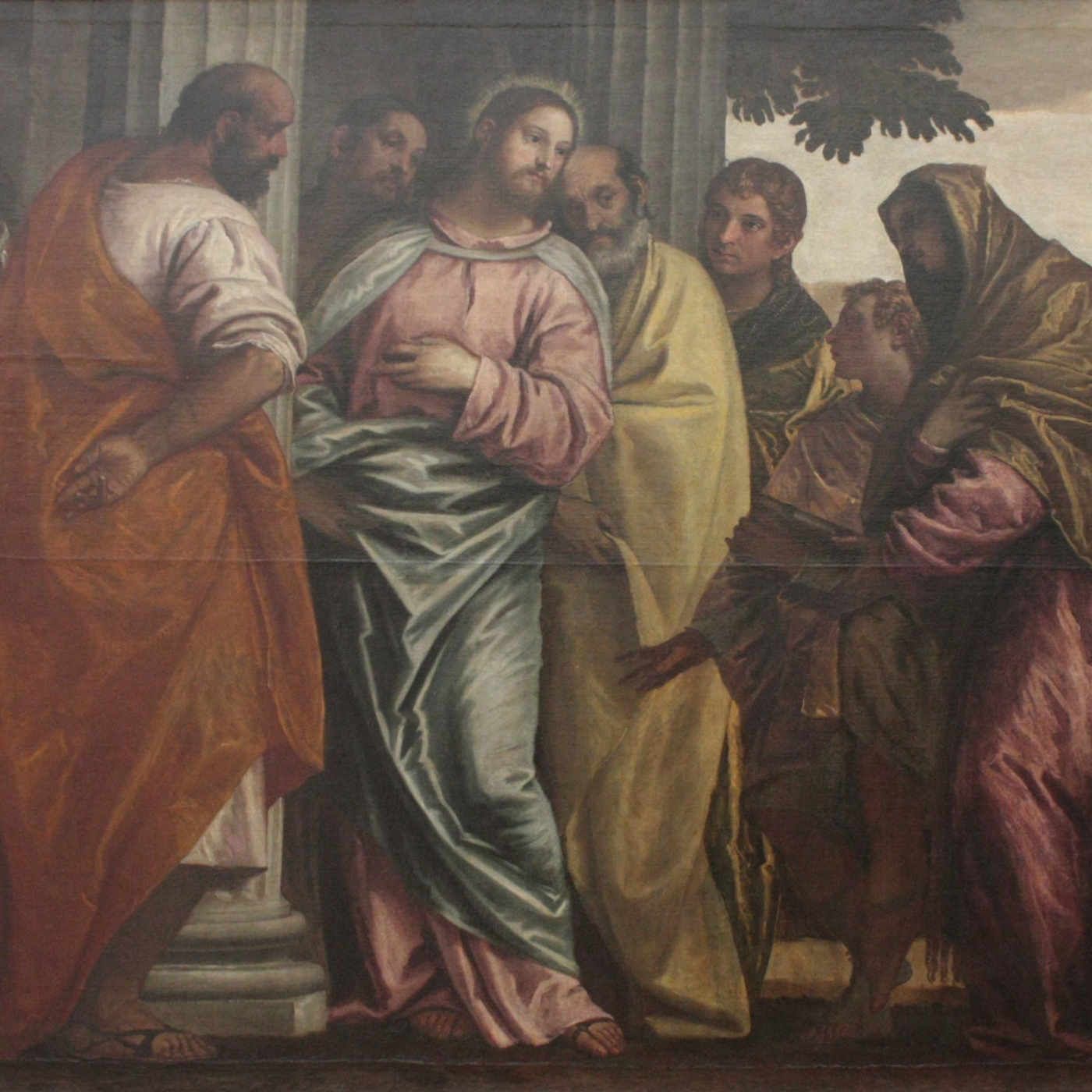
Oct 18, 2024
Saturday of the Twenty-Eighth Week in Ordinary Time - Peace in the Face of Judgment
Read Online When they take you before synagogues and before rulers and authorities, do not worry about how or what your defense will be or about what you are to say. For the Holy Spirit will teach you at that moment what you should say.” Luke 12:11–12 Jesus lived this Gospel passage in His own life to perfection. He was arrested, interrogated, falsely condemned and questioned by the Chief Priest, Herod and Pontius Pilate. During His interrogations, sometimes He spoke and at other times He remained silent. In preparation for these interrogations, Jesus did not study each ruler ahead of time, trying to figure out what He should say and not say. He did not prepare a defense but relied upon His perfect union with the Holy Spirit and with the Father to be led at every moment in His human nature. Though it may be unlikely that you will be arrested for your faith and put on trial for being Christian by the civil authorities, it is possible that you will experience various other forms of interrogation and condemnation at times during which you are challenged to respond. And more likely, if you are judged by another, you may be tempted to defend yourself in anger, attacking back. This Gospel passage, when clearly understood and lived, should have the effect of calming you and reassuring you during any and every experience of judgment. The Catechism of the Catholic Church states that “To avoid rash judgment, everyone should be careful to interpret insofar as possible his neighbor's thoughts, words, and deeds in a favorable way” (# 2478). And though you must always strive to do this yourself, there will most likely be times when others do not act in this careful and truthful way toward you. Thus, if you are judged by another, even if what they say has truth to it, it is important that you not react with defensiveness and anger, unless the Holy Spirit has unmistakably led you to do so. The key message Jesus gives is that you must trust that the Holy Spirit will always lead you as you humbly and continually seek to follow His every prompting. This is only possible if you have built a firm habit of attentiveness to the Voice of God within your conscience. Because the experience of rash judgment, detraction, calumny and the like are painful to encounter, you must prepare your defense ahead of time by learning to only rely upon the Holy Spirit in all things. Jesus exhorts us to do so! Therefore, if you daily and humbly seek to fulfill God’s will, hear His voice, and respond with generosity, then you can be certain that when the time comes and you experience these forms of judgment, you will be ready. The Holy Spirit will speak to you, inspire you, console you and give you every grace you need to respond in accord with God’s will. Do not doubt this. Have faith and confidence in these words and this promise of our Lord. Reflect, today, upon the ways that you have responded in the past to the judgment of another. Try to call to mind specific moments when this has happened. Did you respond with similar judgments? Were you filled with anger? Did you brood over injury? Did you lose your peace of heart? If you have fallen into these temptations, then commit yourself in faith to believe what Jesus says today. Trust Him. Trust that He will be with you in those difficult moments in the future and pray that you will be graced to respond only as the Holy Spirit directs you. My innocent Lord, You were put on trial, judged and falsely condemned. Yet in all of that, You were the Innocent Lamb Who always loved and spoke truth with perfection. When I experience judgment in my life, please fill me with peace of heart and trust in Your promise that the Holy Spirit will be with me, inspiring me and leading me in accord with Your perfect will. Holy Spirit, I abandon myself to You now and always. Jesus, I trust in You. Source of content: catholic-daily-reflections.com Copyright © 2024 My Catholic Life! Inc. All rights reserved. Used with permission via RSS feed. Featured image above: Christ in front of Pilate by Mihály Munkácsy, via Wikimedia Commons
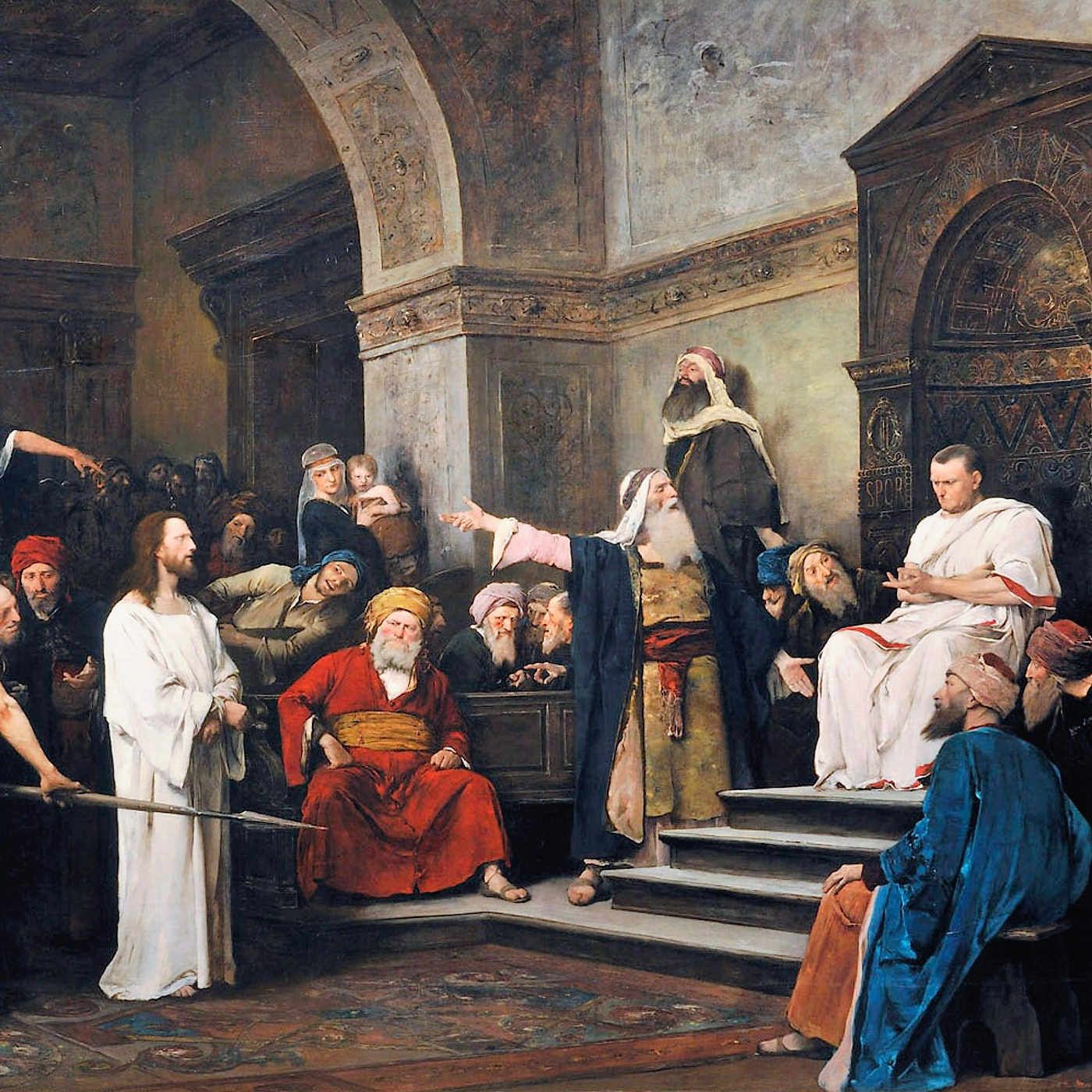
Oct 17, 2024
October 18, Feast of Saint Luke, Evangelist - Evangelizing the World
Read Online The Lord Jesus appointed seventy-two disciples whom he sent ahead of him in pairs to every town and place he intended to visit. He said to them, “The harvest is abundant but the laborers are few; so ask the master of the harvest to send out laborers for his harvest.” Luke 10:1–2 Saint Luke, whom we honor today, was a true evangelist. As an evangelist, he followed the inspiration from our Lord and was used to bring God’s saving message to the ends of the earth. And there is little doubt that his ministry will continue to have a transforming effect on the lives of many until the end of the world. Tradition states that Saint Luke became a martyr, being hanged on an olive tree. He is identified in the New Testament as a physician and as a disciple of Saint Paul. Both the Gospel of Luke and the Acts of the Apostles are attributed to him. Saint Luke is often spoken of as an evangelist to the gentiles. His Gospel was written in such a way that it didn’t presume a full understanding of the Jewish faith and customs. Therefore, it is believed to have been primarily written for those who are not of Jewish origin. Thus, the life and mission of Saint Luke must remind us that the Gospel needs to be shared with all people, especially with those who do not have a deep and sustaining relationship with God. In today’s Gospel from Saint Luke, we read that Jesus sent seventy-two disciples “to every town and place he intended to visit.” Only Luke mentions the larger scale sending of seventy-two disciples. The other Gospels only mention the sending of the Twelve. Though many of these seventy-two disciples would have gone to Jewish territory, some would have unquestionably gone to non-Jewish territory. The mission of these seventy-two was to prepare everyone they encountered for the preaching of Jesus and for the establishment of the Kingdom of God. As we honor Saint Luke today and read this passage from his Gospel, we are reminded that we are all sent by our Lord. We are sent to those who share our faith, such as family, friends and fellow parishioners. We are sent to love them and do all we can to help deepen their faith and love of God. But we are also called to share the Gospel with those who do not yet know Jesus as their Savior. There are so many people we encounter every day who have never truly met our Lord. Are there people in your life that God is calling you to reach out to? Who do you know that God may be calling you to share the Gospel with? Reflect, today, upon the fact that the Gospel is meant for everyone. Speak to our Lord and tell Him that you are ready and willing to be used by Him to bring His saving message to others. As you do so, wait on the Lord, listen to His inspiration, and respond when He calls. If someone comes to mind whom you sense God is calling you to evangelize, begin to pray for that person. Pray for them every day and be attentive to any inspiration God gives you to share His love and saving message with them. Do not be afraid to be an evangelist like Saint Luke. Doing so might make an eternal difference in someone's life. My saving Lord, You sent Your disciples on a mission to share Your saving message with all. Today I especially thank You for the life and ministry of Saint Luke. Please use me, dear Lord, to imitate his wonderful example and to share Your glorious life with others. Please lead me and inspire me to especially reach out to those whom You have put into my life. Jesus, I trust in You. Source of content: catholic-daily-reflections.com Copyright © 2024 My Catholic Life! Inc. All rights reserved. Used with permission via RSS feed. Featured image above: Vienna - Saint Luke the Evangelist in Carmelites church By Renáta Sedmáková, via Adobe
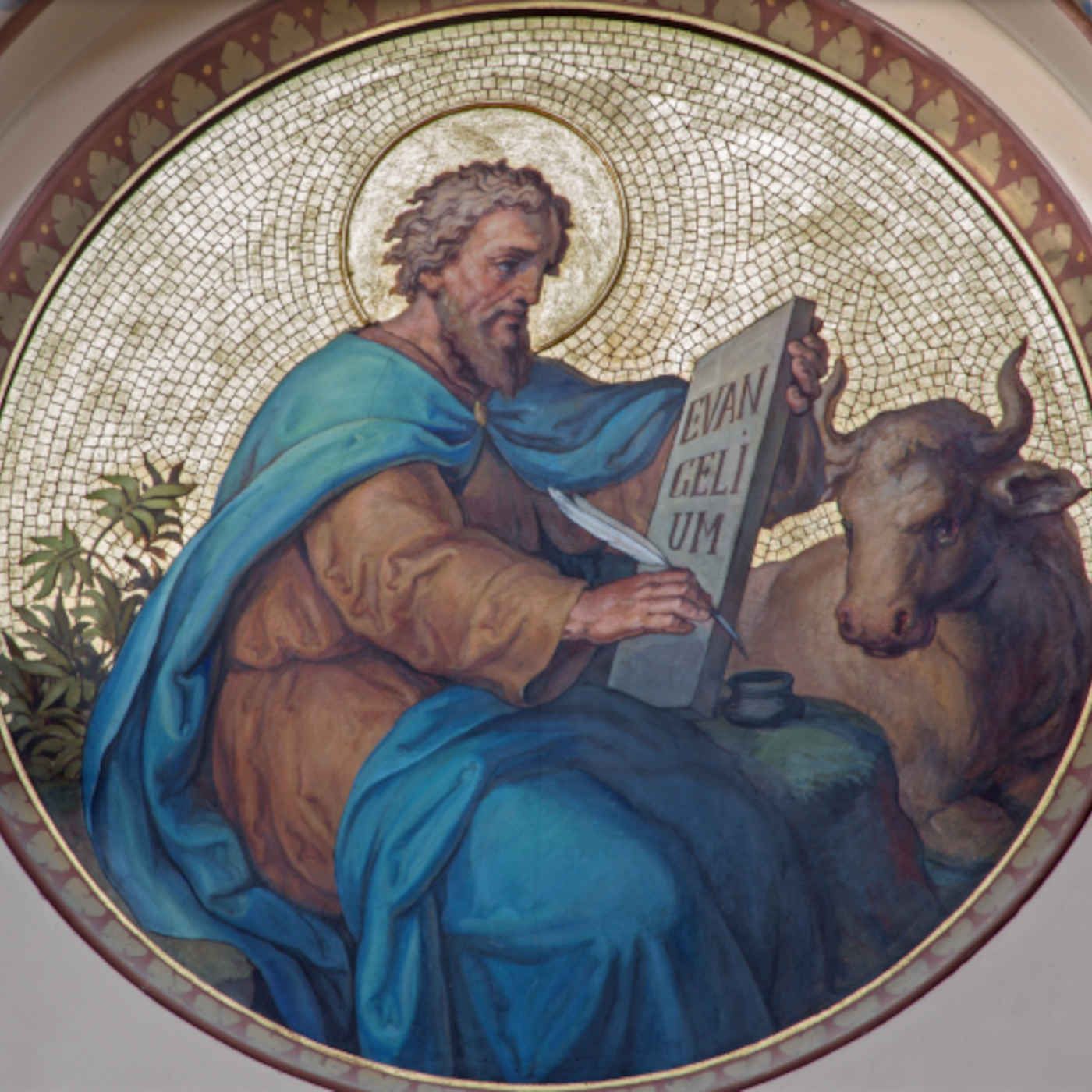
Oct 16, 2024
Thursday of the Twenty-Eighth Week in Ordinary Time - Overcoming Plotting
Read Online When Jesus left, the scribes and Pharisees began to act with hostility toward him and to interrogate him about many things, for they were plotting to catch him at something he might say. Luke 11:53–54 Over the past few days, we have been reading Saint Luke’s version of Jesus’ “Woe to you” rebukes of the scribes, Pharisees and the scholars of the law. Today’s Gospel concludes these rebukes of love by pointing out that these religious leaders did not convert. Instead, they began plotting against Jesus so as to “catch him at something he might say.” This is what happens when people use God's holy law as a weapon to attack. Normally, we take inspiration from the Holy Scriptures in a positive way, meaning, by reflecting upon Jesus’ words and actions and applying them to our lives. However, we can also learn from the evil others commit and allow their actions to inspire us to avoid their sin. In today’s Gospel, we are invited to ponder the obsessive plotting of these religious leaders so as to consider whether we also are guilty of their sin. First, note that at the conclusion of Jesus’ rebukes, these religious leaders “began to act with hostility” toward Jesus. Normally, when we act with hostility toward another, it is done with the mindframe that we are right and they have done something wrong. We justify our hostility by pointing to their perceived sin. However, it must be understood that every act of hostility on our part is a clear indication that we have started down the road of sin and are not justified in our obsession. Notice also that these religious leaders exercised their hostility toward Jesus by interrogating Him. In other words, in their anger, they kept asking Him questions so as to find some fault with Him. They tried to trick Him and trap Him with their speech using God’s very Law handed down through Moses and the prophets. But they manipulated that Law so as to justify their hostility and, out of pride, to falsely accuse Jesus. Think about any times in your life in which you found yourself somewhat obsessed with what you judged to be the sin of another. Hostility in this case can even be passive, meaning you may present a kind disposition on the surface, but interiorly you are obsessively thinking about how you can condemn the person. Often when this happens, we can feel justified in that we convince ourselves that justice must be done and that we are the dispensers of that justice. But if God is in control of our lives, He will not call us to obsessive plotting in regard to another. Instead, when we are following the will of God, we will sense Him inspiring us to act with immediacy, calm, joy, kindness, honesty, and freedom from all anger and obsession. Reflect, today, upon any way that you have seen this misguided tendency within your own life. If you can identify a time when you struggled with hostility toward another, look at the fruit it bore. Was God glorified through your actions? Did this leave you at peace or agitated? Were you fully objective in your thinking? Be honest with these questions and you will begin to discover the road to freedom from such obsessive thinking. God wants you to be at peace. If there is injustice, trust that our Lord will sort it out. You, for your part, must continually work to forgive, act with charity, and direct your attention to the will of God as it is gently presented to you. My patient and kind Lord, You were falsely accused and condemned by many of the religious leaders of Your time because You spoke the pure truth with love, clarity and boldness. When I act with hostility and anger toward another, help me to turn from these sins so that I will never condemn, never judge and never manipulate Your divine Law for my own purposes. Fill me with Your peace and charity alone, dear Lord. Jesus, I trust in You. Source of content: catholic-daily-reflections.com Copyright © 2024 My Catholic Life! Inc. All rights reserved. Used with permission via RSS feed. Featured image above: Christ Accused by the Pharisees by Duccio di Buoninsegna, via Wikimedia Commons
Oct 15, 2024
Wednesday of the Twenty-Eighth Week in Ordinary Time - A Pricked Conscience
Read Online Then one of the scholars of the law said to him in reply, “Teacher, by saying this you are insulting us too.” And he said, “Woe also to you scholars of the law! You impose on people burdens hard to carry, but you yourselves do not lift one finger to touch them.” Luke 11:45–46 This scholar of the law had been listening to Jesus firmly rebuke the Pharisees. As he listened, his own conscience was pricked, and he challenged our Lord. What does Jesus do? He quickly and firmly rebukes the scholar of the law, pointing out that the scholar uses the law to impose heavy burdens on people. Jesus did not back down in this rebuke of love. Instead, He directed it to the very place that His rebuke was bearing fruit: in the conscience of this scholar of the law. This experience of the scholar of the law teaches us two important lessons. First, we learn from him the importance of paying attention to our conscience when it is “pricked.” Second, it teaches us that when this happens, it is very easy to become defensive. What is it that pricks your own conscience? Think back over the past month and reflect upon anything that you became defensive about. Did something someone said bother you? If so, pay attention to this. Sometimes we are bothered for reasons other than our own sin. But oftentimes, what actually bothers us is that we come face-to-face with some sin with which we struggle, and we do not want to admit it. What if this scholar of the law would have listened to Jesus and, instead of being offended, became grateful for Jesus’ words? What if he would have humbly looked at his own life and realized that he was also guilty of the very things that Jesus was condemning the Pharisees for? If he would have done that, he would have been put in a position to sincerely examine his actions and begin a process of change. But this is hard to do. Reflect, today, upon anything that has recently offended you. Be honest and admit that it is often the case that when God presents you with your sin through some means such as the loving rebuke of another, you must work diligently to overcome any pride. And when you feel defensive, you must immediately see that as an indication that there is something in your life that you need to change. A pricked conscience is a gift from God. Rejoice when that happens, rather than being offended, and you will discover one of the best ways by which you can grow in holiness of life by becoming free of the very sin our Lord is presenting to you. My challenging Lord, You are constantly speaking to me in various ways. Sometimes You are gentle, and at other times You lovingly rebuke me. Please help me to see my sin. As I do, I pray that I will not become defensive or dismissive, rationalizing my erroneous actions. May I learn to rejoice in all that You say to me, especially when You speak Your rebukes of love. Jesus, I trust in You. Source of content: catholic-daily-reflections.com Copyright © 2024 My Catholic Life! Inc. All rights reserved. Used with permission via RSS feed. Featured image above: Christ among the Pharisees by Jacob Jordaens, via Wikimedia Commons
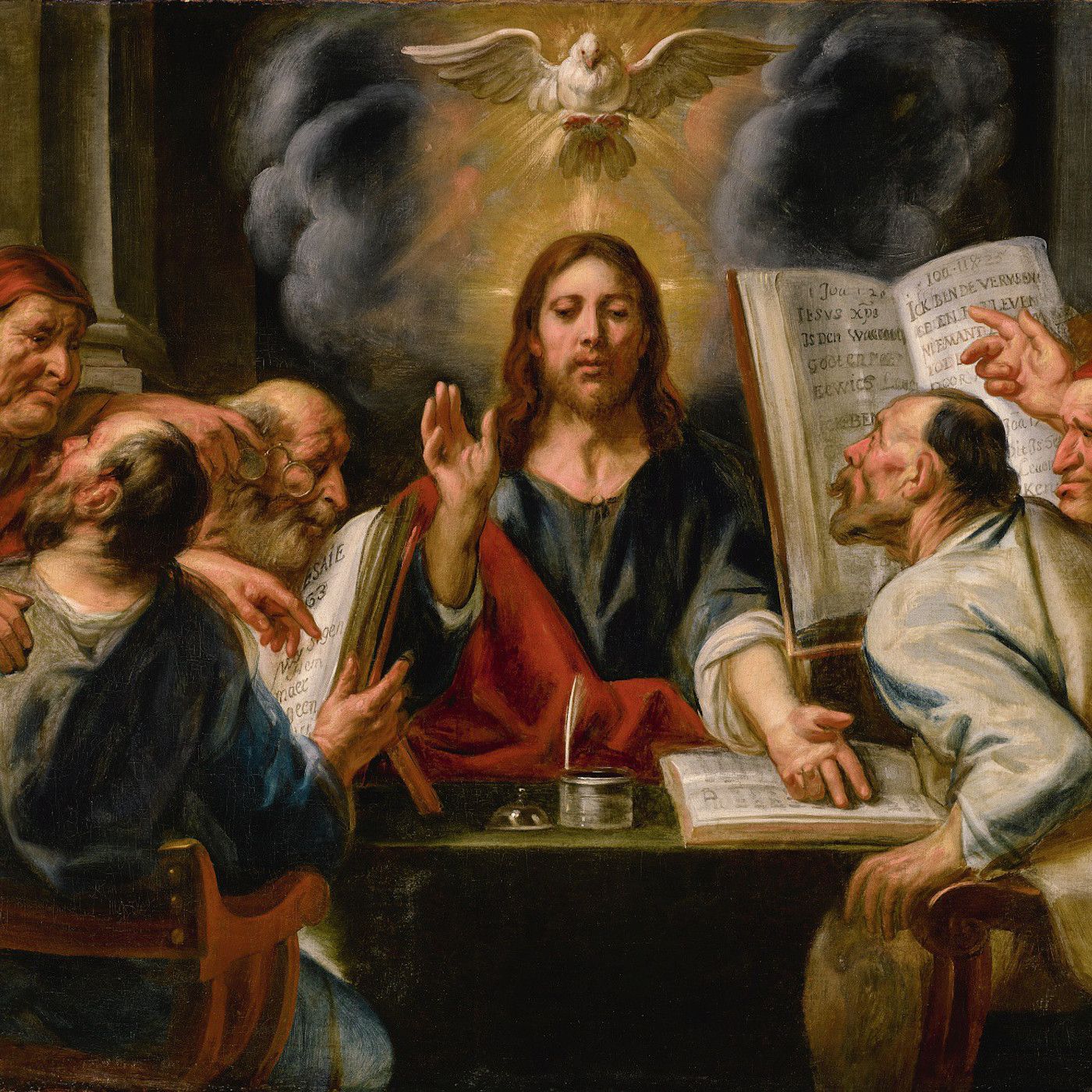
Oct 14, 2024
Tuesday of the Twenty-Eighth Week in Ordinary Time - Interior Transformation
Read Online After Jesus had spoken, a Pharisee invited him to dine at his home. He entered and reclined at table to eat. The Pharisee was amazed to see that he did not observe the prescribed washing before the meal. The Lord said to him, “Oh you Pharisees! Although you cleanse the outside of the cup and the dish, inside you are filled with plunder and evil. You fools!” Luke 11:37–40 It’s hard to imagine Jesus calling someone a fool. But that’s exactly what He did. This Pharisee had just finished listening to Jesus give a series of teachings and then invited our Lord to His home for dinner in an apparent gesture of kindness. But as the passage unfolds, it’s clear that this Pharisee is no friend of Jesus. Instead, his hospitality and kindness are a cloak for the evil within his soul. Why does Jesus respond so fiercely, calling the Pharisee a fool? Because this Pharisee is filled with hypocrisy. His exterior actions do not flow from a heart filled with charity and faith. Instead, his exterior actions are a show. He is a fraud. He, like many of the Pharisees, was very concerned with various external rituals, such as scrupulously washing his hands before he ate. He believed that doing so was a sign of his holiness and closeness to God. But it wasn’t. His heart was one that was filled with judgment and self-righteousness. He looked down on others and elevated himself. In doing so, he deceived others and even deceived himself. The central message we must take from this is that we must diligently focus upon that which is in our hearts. Our hearts, our interior life, must be blooming with love of God and others. We must place all of our efforts on cultivating a sincere life of virtue within. This is done by prayer and humility. Humility will open our eyes to see the truth of who we are. Prayer will strengthen us to change as we see that which needs to be changed within. Only then, when we see clearly the truth of who we are and prayerfully rely upon grace obtained by prayer, will we be able to become people of true integrity and holiness. And only then will our interior holiness be made manifest externally in our actions. Reflect, today, upon these powerful words of Jesus: “You fools!” Don’t be offended by these words; they are words of love from our Lord. They are His fierce attempt to wake this Pharisee up and lead him away from his hypocrisy. Listen to these words as if they were also spoken to you. Every one of us can humbly benefit from this loving chastisement from Jesus. Every one of us needs to humbly be transformed more fully interiorly. Let Jesus’ words speak to you and reveal to you the ways that you need to change. Perhaps your pride has led you to an interior practice of judgment of others. Perhaps it has blinded you to sins that you need to confess. If you can listen to these words as if they were spoken to you, then Jesus’ fervor will reach you, and your eyes will be opened to that which is in your soul that needs to be changed. Do not turn a blind eye to this. Be open, be humble and listen. My fervent Lord, You spoke words of love in many ways. At times You were gentle and at times You were firm. Please give me the grace and humility I need to be open to Your firm rebukes of love. Help me to sincerely see the ways in which I need to change my life so that Your grace will transform my interior life, flowing over into my actions. I love You, dear Lord. Help me to love You more. Jesus, I trust in You. Source of content: catholic-daily-reflections.com Copyright © 2024 My Catholic Life! Inc. All rights reserved. Used with permission via RSS feed. Featured image above: Christ in the House of Simon the Pharisee By Luca Signorelli, via Wikimedia Commons
Oct 13, 2024
Monday of the Twenty-Eighth Week in Ordinary Time - A Sign From God
Read Online “This generation is an evil generation; it seeks a sign, but no sign will be given it, except the sign of Jonah. Just as Jonah became a sign to the Ninevites, so will the Son of Man be to this generation.” Luke 11:29–30 Do you ever find yourself looking for signs from God? Often when we go through life, navigating through the ups and downs we all experience, we can easily find ourselves looking for signs from God about what we should do about this or that. And though God certainly communicates to us at times through special graces that are signs from Heaven, the passage above gives clarity to what sign we must be most attentive to. The simple message in this Gospel passage from our Lord is that we must discover the meaning of the most profound sign ever given and use that as the foundation of all our decisions in life. Jesus’ life, death, and resurrection were not only the source of eternal life, they are also the clearest sign we need as we make all of our decisions in life. A sign is some action that reveals a deep and hidden mystery. One mystery that Jesus’ life, death and resurrection reveals is that if we are to share in the new life won for us by His Cross, then we must follow the example He set by living a life of selfless sacrifice, laying down our lives for others, so that they will discover and embrace the new life of Christ’s Resurrection. Practically speaking, if you find yourself looking for answers in life, seeking signs from God about what you should do at times, then turn your eyes to the life of Christ and ponder ways in which you can more fully imitate His life in every daily practical decision you make. This is true whether you are discerning some important decision in life or some small practical decision. It is common to engage in such a discernment by looking at ourselves in a more selfish way. It’s difficult to move away from this line of thinking, but if we are to use the “sign” of the Son of Man, then we will discern our life decisions very differently. When we use the life, death and resurrection of our Lord as the source of our discernment and decision making in life, then we will end up making decisions that imitate His selfless sacrifice of love. So if you are faced with a decision, you will not ponder what is easier or what you prefer; rather, you will ponder what is more selfless and best for others. What is it that best imitates the sacrificial love of Jesus? Reflect, today, upon any decision you are trying to make. Then reflect upon how you are going about this decision. Do you use the witness Jesus gave to us as the foundation of your discernment? Do you reflect upon how you can lay your life down as a sacrificial gift for others? Do you look at love from the point of view of the Cross of our Lord and strive to imitate His glorious and selfless dedication to the salvation of those whom He loves? Seek to imitate our Lord, using the witness of His actions as the foundation of all of your discernment and decisions in life, and you will have discovered the only true sign you need to navigate the challenges of life. My perfect Lord, every decision You made in life was made out of love and was in accord with the perfect will of the Father. Give me the grace I need to make every decision in life in imitation of Your perfect example. May my life imitate You as You laid down Your life for others. I choose You and Your glorious sacrificial life as the sign by which I am directed in life. Jesus, I trust in You. Source of content: catholic-daily-reflections.com Copyright © 2024 My Catholic Life! Inc. All rights reserved. Used with permission via RSS feed. Featured image above: by Dimitris Vetsikas from Pixabay
Oct 12, 2024
Twenty-Eighth Sunday in Ordinary Time (Year B) - Exceedingly Astonished
Read Online “Children, how hard it is to enter the kingdom of God! It is easier for a camel to pass through the eye of a needle than for one who is rich to enter the kingdom of God.” They were exceedingly astonished and said among themselves, “Then who can be saved?” Jesus looked at them and said, “For human beings it is impossible, but not for God. All things are possible for God.” Mark 10:24–27 Have you ever been “exceedingly astonished” by the demands of the Christian life? Hopefully you have been. And if you have been, hopefully you are no longer. Being exceedingly astonished is one of many purifications we must go through in order to enter the Kingdom of God. The “eye of a needle” is a reference to one of the gates in the wall surrounding the city of Jerusalem. After dark, the gate would be closed and the only way to enter was through a small door in the center of that gate. A person could pass through by ducking down, but a camel could not enter unless it got down on the ground and literally crawled through. This took much effort and direction from the master of that camel, but it was possible. The point of this story is to emphasize that we will not be able to easily stroll into Heaven. In this case, Jesus was speaking about how easy it is for a person with money to become so attached to that money that they fail to obtain the riches of Heaven. The rich young man, to whom Jesus was just speaking, went away sad because Jesus lovingly invited him to detach from his earthly wealth so as to obtain the riches of Heaven. Jesus said to him, “Go, sell what you have, and give to the poor and you will have treasure in heaven; then come, follow me.” To that, the rich young man went away sad. Greed and an all-consuming attachment to material wealth clearly have the potential to destroy your soul. That’s a fact. There is no way around it. But this teaching applies to every other form of attachment also. When we are attached to any sin to a serious degree and refuse to separate ourselves from that sin, we will not enter the Kingdom of Heaven. Therefore, if love of God does not motivate us to turn from sin, perhaps fear of hell will. When the disciples witnessed this rich young man preferring his wealth over Heaven, and then Jesus standing His ground and making it clear that it is very hard to make it to Heaven, their astonishment would have challenged them personally. But that is good. It is good because it reveals that they were also convicted of their own unholy attachments and their astonishment arose from a holy fear within. As they saw the rich young man walk away, they would have thought about those things that they also held onto that needed to be purged from their lives. “Astonishment” in this case is the holy realization that they needed to change. The good news, however, is that when a person does change and becomes freed from the attachments that keep them from God, then they will no longer have any attachment that will lead them to be astonished at God’s demands. The ultimate goal is to overcome the astonishment caused by the demands of discipleship so that conformity to these demands becomes a way of life. Reflect, today, upon anything that our Lord has taught that is difficult for you to face. Is there any commandment that you tend to ignore? Any teaching that you attempt to rationalize? Any demand that appears to you to be too much? If you are to enter the eye of the needle, you must be wholeheartedly committed. Jesus will not shy away from demanding a total surrender of your life to Him. Reflect upon those attachments that you continue to hold onto and try to see Jesus speaking to you about those attachments as He spoke to this rich young man. Overcome all astonishment and make unwavering submission to the will of God your way of life. This is the only way to enter the gates of the Kingdom of God. Most demanding Lord, Your invitation to discipleship is an invitation to surrender every sinful attachment over to You so as to be freed of those sins. You ask and demand of me everything, dear Lord. May I accept Your demands of holy love and respond generously, holding nothing back, so that I can share in the riches of the Kingdom. Jesus, I trust in You. Source of content: catholic-daily-reflections.com Copyright © 2024 My Catholic Life! Inc. All rights reserved. Used with permission via RSS feed. Featured image above: Jerusalem. Jaffa Gate. Needle's eye. Matt. 19:24, via Wikimedia Commons
Oct 11, 2024
Saturday of the Twenty-Seventh Week in Ordinary Time - Living a Truly Blessed Life
Read Online While Jesus was speaking, a woman from the crowd called out and said to him, “Blessed is the womb that carried you and the breasts at which you nursed.” He replied, “Rather, blessed are those who hear the word of God and observe it.” Luke 11:27–28 This short Gospel reading reveals much about what makes one “blessed” in life. Specifically, Jesus considers those truly blessed who do two things: “hear the word of God” and then “observe it.” Though this seems quite obvious at first read, it is often harder than it seems. The first step to a blessed life is hearing the Word of God. To “hear” implies that we do much more than become familiar with the Gospels. Hearing means we are not only aware of all that our Lord has revealed, it also means that we have truly internalized it, understanding all that our Lord requires of us. Have you heard our Lord? It’s important to understand that the Gospel is alive. In other words, becoming familiar with the Word of God is not the same as reading some ancient book of lessons. Rather, hearing the Word of God means we hear a Person: the Son of God, speaking to us and guiding us each step of our lives. God’s Word is something that must speak to us every moment of every day, inspiring us to do this and avoid that. It is accomplished through a lifelong habit of prayerful communion with our Lord through which we are attentive to His voice always. Hearing the very Person of the Son of God, the Word made flesh, necessarily implies that we also observe all that He speaks to us. In fact, failure to follow His continuous and gentle command to love will result in us being unable to clearly hear Him at all. We will become confused and will easily become directed by the many other voices in our world, unable to discern the glorious path chosen for us by our Lord. Reflect, today, upon whether or not you struggle in any way with both hearing and observing the voice of God. If this is your struggle, then recommit yourself to a time of humble and wholehearted discovery. Tell our Lord that you are sorry for not being attentive to Him and set yourself on a mission to seek and find Him. Reject the confusion and anxiety of life, reject the many other voices of “wisdom” within our world, and listen for His gentle but clear voice. He is always speaking. He is always calling you. He is always present. Open the eyes of your soul and give Him your full attention. And when you sense Him speaking to you, respond with the utmost generosity and obedience. Doing so will result in you discovering what it means to be truly blessed by our Lord. My blessed Lord, You are glorious beyond all things, and You invite me and all Your creatures to share in Your very life. Give me the grace I need to turn from the confusion and deceptions of life so that I will hear only You and respond only to Your voice. I commit myself to Your holy will, dear Lord. As I do, please bestow upon me every blessing You desire to give. Jesus, I trust in You. Source of content: catholic-daily-reflections.com Copyright © 2024 My Catholic Life! Inc. All rights reserved. Used with permission via RSS feed. Featured image above: A Woman Cries Out in a Crowd By James Tissot, via Brooklyn Museum
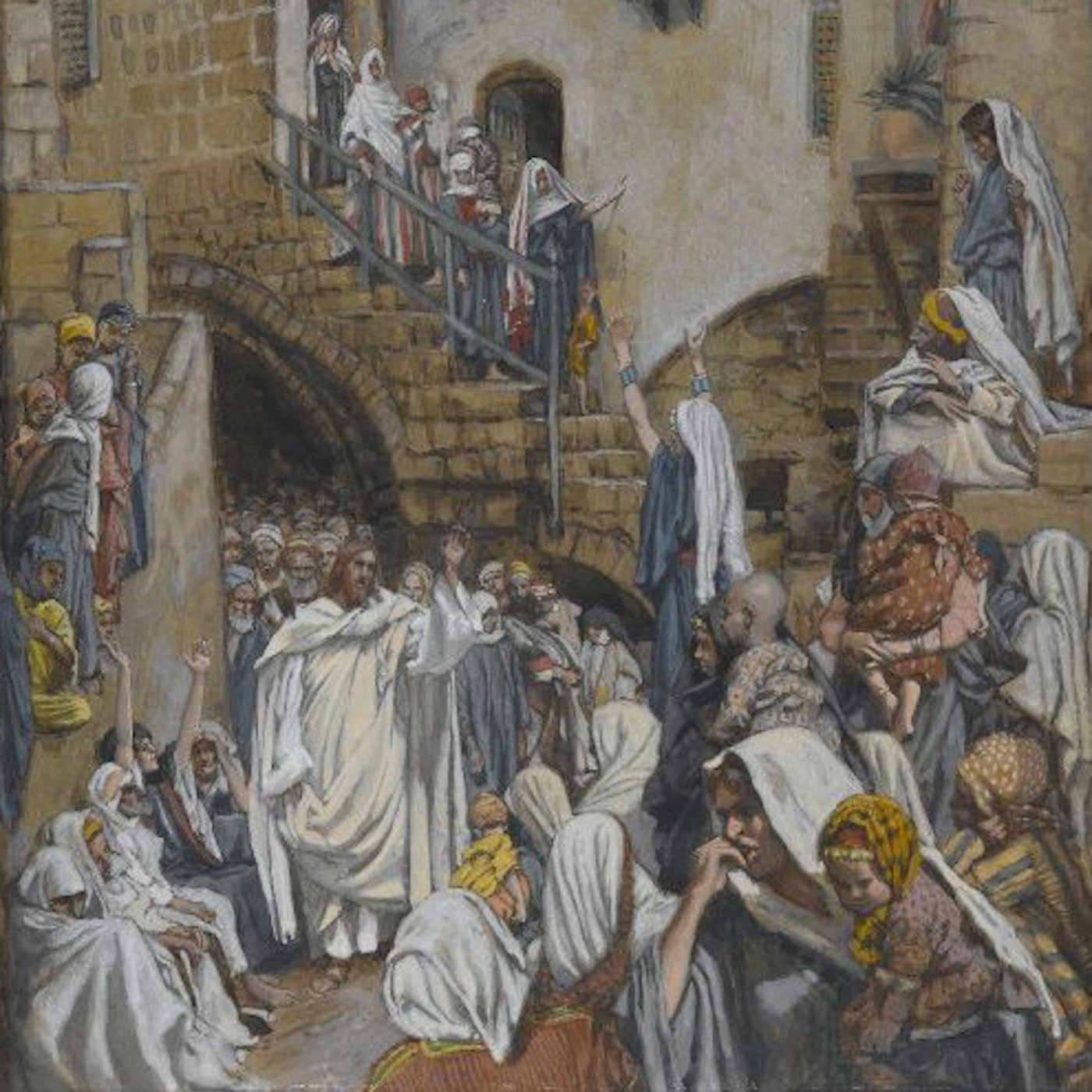
Oct 10, 2024
Friday of the Twenty-Seventh Week in Ordinary Time - Overcoming “Neutrality”
Read Online “Whoever is not with me is against me, and whoever does not gather with me scatters.” Luke 11:23 These words are embedded within several powerful teachings of Jesus, but, in many ways, this single sentence can stand alone as an important Christian truth. Specifically, it tells us that we cannot be neutral in our position regarding Jesus and all that He has taught us. This is an important message in the world today. Today, there seems to be a growing secular value that we might call “neutrality.” We are told by many in the world that we must accept any morality, any lifestyle, any choice that others make. And though it is true that we must always love and accept every person and treat them with the utmost dignity and respect, it is not true that we should be neutral to the choices and secular values that some choose to live and express. Sadly, when we do speak the full truth, especially the many moral truths our Lord has revealed, we are often labeled as judgmental. But this is not the truth. This quote above from today’s Gospel makes it clear that we cannot remain indifferent to the teachings of our Lord and still remain in His good graces. In fact, Jesus makes it clear that the opposite is true. He says that if we are not with Him, meaning, if we do not accept all that He has revealed, then we are, in fact, against Him. Being neutral on matters of faith and morality is not actually being neutral at all. It’s a choice that some make that has the clear effect of separating them from Jesus. For example, regarding matters of faith, if someone were to say, “I do not believe in the Eucharist,” then they are, in fact, rejecting God. And though it is not our duty to be their judge, it is our duty to acknowledge that they have expressed a belief contrary to the truth. They are in error, and if they persist in this error, then they do separate themselves from God. That’s what Jesus is saying. The same is true regarding morality. There are many examples in the moral life that are becoming more and more blatant in their opposition to our Lord’s teaching. Thus, we must remind ourselves that when we reject a moral teaching given to us by our Lord, we reject Jesus Himself. Jesus goes even further when He says that “whoever does not gather with me scatters.” In other words, it’s not enough to simply personally believe all that Jesus taught, we must also teach it to others. If we do not and if we, instead, offer a false form of “acceptance” of another’s error, then we are actually working against Jesus. We all have a moral duty to actively promote the truths of the Gospel given to us by our Lord. Reflect, today, upon how fully you are “with” our Lord and “gather” with Him. Do you fully accept all that He has taught and also seek to gather many others for the Kingdom of God? If you do not see yourself actively believing in and participating in the mission of our Lord, then heed these words of Jesus and allow them to gently but firmly challenge you, so that you will more fully work to build up God’s Kingdom in your own heart and in the world all around you. My glorious King, You desire to build up Your Kingdom in my life and, through me, in the lives of others. Give me the grace and courage I need to fully accept all that You have taught me and to actively become an instrument of Your grace and truth in the world. May I be with You in all things, dear Lord, and gather many into Your loving arms of grace. Jesus, I trust in You. Source of content: catholic-daily-reflections.com Copyright © 2024 My Catholic Life! Inc. All rights reserved. Used with permission via RSS feed. Featured image above: Christ and His Disciples in the Garden of Gethsemane By Rembrandt, via Wikimedia Commons
Oct 9, 2024
Thursday of the Twenty-Seventh Week in Ordinary Time - Praying with Fervor and Detachment
Read Online Jesus said to his disciples: “Suppose one of you has a friend to whom he goes at midnight and says, ‘Friend, lend me three loaves of bread, for a friend of mine has arrived at my house from a journey and I have nothing to offer him…’” Luke 11:5–6 Unless your friend were truly a very close friend, you may hesitate in waking them and their family at midnight to ask to borrow some food. And even if it were a very close friend, you would probably hesitate for fear of disturbing them. But in this parable, the “friend” is God. Jesus just finished giving His disciples the “Our Father” prayer, and now He adds this parable as a way of expressing the great confidence and determination with which we must pray to the Father. The parable concludes by stating that even if the person in bed does not get up to meet the request, they will do so “because of his persistence.” And though God always is attentive to our prayer, our persistence is an essential quality we must have. When we pray to God with persistence, never doubting the goodness and generosity of God, God will pour forth upon us everything that is good. Of course, if our prayer is for something that is selfish or not in accord with the will of God, then all the begging in the world will not be effective. But when we pray as the “Our Father” prayer teaches us, then we can be certain that our fidelity to that prayer, prayed with the utmost trust and persistence, will effect the good gifts of the will of God in our lives. One of the seven petitions of the “Our Father” prayer is “Thy Kingdom come, Thy will be done on earth as it is in Heaven.” This is a truly beautiful petition that requires not only ongoing persistence but also detachment from our preference in life. To pray that “God’s” will be done and that “His” Kingdom come is a way of also saying that you surrender all of your preferences to God. You come to God acknowledging that your will may not be God’s will. Thus, this petition expresses detachment in a powerful way. Reflect, today, upon the importance of praying with the utmost fervor and persistence to God. Reflect, also, upon the importance of doing so with detachment. What does God want of you? What is His holy will for your life? Seek that will and that will alone with all your heart and you will discover that His will truly will come to be in your life. My perfect Lord, Your will and Your will alone is what I want and seek. I seek it with all the powers of my soul. Help me to grow in confidence in You and Your goodness. May I trust in You and believe with all my heart that You truly will bring forth Your holy will in my life if I only persist in prayer and trust. Jesus, I trust in You. Source of content: catholic-daily-reflections.com Copyright © 2024 My Catholic Life! Inc. All rights reserved. Used with permission via RSS feed. Featured image above: Qui es in Caelis, via flickr
Oct 8, 2024
Wednesday of the Twenty-Seventh Week in Ordinary Time - The Perfect Prayer
Read Online Jesus was praying in a certain place, and when he had finished, one of his disciples said to him, “Lord, teach us to pray just as John taught his disciples.” Luke 11:1 What a great prayer for us to pray also, “Lord, teach us to pray…” Jesus’ response to this disciple was to present him with the “Our Father” prayer. Of this prayer, Saint Andre Bessette said, “When you say the Our Father, God's ear is next to your lips.” The great mystical Doctor of the Church Saint Teresa of Ávila gave this advice while praying the Lord’s Prayer: “Much more is accomplished by a single word of the Our Father said, now and then, from our heart, than by the whole prayer repeated many times in haste and without attention.” And Saint Thérèse of Lisieux said that the “Our Father” prayer was one of the prayers she prayed when she felt so spiritually barren that she could not summon up a single worthwhile thought. At the Holy Mass, when the priest invites the people of God to pray the “Our Father,” he says, in part, that this prayer is one that “...we dare to say.” This is an interesting statement which especially reveals the childlike boldness we are called to have as we pray this prayer sincerely from the heart. It is exceptionally bold to call God our “Father.” Chapter 11 of My Catholic Worship , which offers a teaching on this perfect prayer, states the following about this boldness: Each Christian is to see the Father as my Father. We must see ourselves as God’s children and approach Him with the confidence of a child. A child with a loving parent is not afraid of that parent. Rather, children have the greatest trust that their parents love them no matter what. Even when they sin, children know they are still loved. This must be our fundamental starting point for all prayer. We must start with an understanding that God loves us no matter what. With this understanding of God, we will have all the confidence we need to call on Him. Since many of us are very familiar with this ideal prayer taught to us by our Lord Himself, there is a temptation to pray this prayer in a somewhat rote way. We can easily fail to say it from the depths of our hearts, making each word our own, offered with the utmost confidence to our loving Father in Heaven. How do you pray the Lord’s Prayer? Do you pray it out of habit, failing to fully comprehend and mean the words you pray? Most likely this is the case for many. Reflect, today, upon this most holy prayer given to us by the Son of God Himself. He is the author of this perfect prayer, so we should use it as the foundation of all of our prayer. Try to follow the advice of Saint Teresa of Ávila quoted above. Take each word of that prayer and pray it slowly, intentionally and with love. Begin by acknowledging God as your Father. Ponder the infinite care He has for you as a perfect father would. See Him in a real, intimate, and personal way. This perfect prayer begins by acknowledging Who God is and then continues with seven perfect petitions. After praying the introduction to this prayer, pick one of the seven petitions to meditate upon so that the richness of this prayer will have a transformative effect upon your soul. Our Father who art in heaven, hallowed be thy name. Thy kingdom come. Thy will be done on earth as it is in heaven. Give us this day our daily bread, and forgive us our trespasses, as we forgive those who trespass against us, and lead us not into temptation, but deliver us from evil. Jesus, I trust in You. Source of content: catholic-daily-reflections.com Copyright © 2024 My Catholic Life! Inc. All rights reserved. Used with permission via RSS feed. Featured image above: St Peter and St Paul, via flickr
Oct 7, 2024
Tuesday of the Twenty-Seventh Week in Ordinary Time - Fidelity to Daily Prayer
Read Online Martha, burdened with much serving, came to him and said, “Lord, do you not care that my sister has left me by myself to do the serving? Tell her to help me.” The Lord said to her in reply, “Martha, Martha, you are anxious and worried about many things. There is need of only one thing. Mary has chosen the better part and it will not be taken from her.” Luke 10:40–42 In many ways, this statement of our Lord summarizes the most important and central message of the Gospel. We are all called to choose “the better part” every day. Jesus was close friends with Martha, Mary and Lazarus. He frequently visited their home, which was only a short distance from Jerusalem. On this occasion, when Jesus was visiting their home, one of these siblings, Mary, had placed herself at Jesus’ feet, listening to Him and conversing with Him. Martha was busy with the important details of hospitality and appeared to be upset with Mary, so she confronted Jesus, asking Him to tell Mary to help her. But in so doing, she was also unknowingly trying to dissuade Mary from the most important purpose of her life. As Mary sat at the feet of Jesus, she gave us an example of the most important focus we must have in life. Though our days will be filled with many necessary duties, such as cooking, cleaning, working, entertainment, and caring for others, we must never forget that which we were made for and that which we will be doing for all eternity: adoration of our glorious God. Consider all that occupies your day. Though most of what you do may be important, do you daily take time out to adore our Lord, listen to Him and glorify Him through your prayer? We can often make time for many other important duties in life, as well as those that are not so important. We may spend hours on chores, immerse ourselves in movies, devote whole evenings to reading, fulfill our duties in the workplace, but only devote a minute or two each day, if even that, to silent prayer and adoration of our God! What would happen to your life if you chose “the better part” for a full hour every day? What if you decided that the first hour of your day would be dedicated to an imitation of Mary in the Gospel passage and that you would do nothing but adore Jesus through silent prayer and meditation? At first, you may think of the many other tasks you could be doing at that moment. You may decide that you do not have the time for extended prayer every day. But is that true? Perhaps you are actually being Martha to yourself, saying to yourself that you should do more important things with your time and that Jesus will understand if you do not spend time with Him alone in adoration and prayer every day. If that is you, then be very attentive to this Gospel passage. In many ways, Jesus deeply desires to say this about you. He wants to say of you that you have chosen the better part for an extended period of time every day and that this will not be taken from you. Reflect, today, upon that which is most important in life. Dispel excuses and temptations to simply fulfill all the other important duties of life, neglecting that which is most important. Reflect upon the simple truth that Jesus does want you to devote much time to Him every day for silent prayer and adoration. Do not give into excuses and distractions. Commit yourself to remain at the feet of Jesus, adoring Him, listening to Him and loving Him. If you do, you will find that your life is more ordered and that the time you spend in prayer bears more good fruit than every other important duty you fulfill every day. My inviting Lord, I do believe that adoration of You in silent and devout prayer is the most important duty I have to fulfill every day. May I never be deterred from adoring You every day, devoting as much time as You desire to silent and loving prayer. May I discover this gift of prayer, dear Lord, and sit at Your feet with Mary and with all the glorious saints. Jesus, I trust in You. Source of content: catholic-daily-reflections.com Copyright © 2024 My Catholic Life! Inc. All rights reserved. Used with permission via RSS feed. Featured image above: Jesus in the house of Martha and Mary By Erasmus Quellinus II and Adriaen van Utrecht, via Wikimedia Commons
Oct 6, 2024
Monday of the Twenty-Seventh Week in Ordinary Time - Openness to the Gospel
Read Online There was a scholar of the law who stood up to test Jesus and said, “Teacher, what must I do to inherit eternal life?” Luke 10:25 The question is very good. We should all seek to understand, with all our hearts, what we must do to inherit eternal life. Of course the problem is that this scholar of the law did not ask this question with sincerity and openness. Rather, he asked Jesus this question to test our Lord. This scholar, as well as other scribes, Pharisees, Sadducees and elders, was envious of Jesus and sought to find fault with Him. This scholar appeared to be concerned that Jesus was teaching contrary to the Law of Moses. But what does our Lord do? He says nothing more than to put the question back to the scholar, asking him, “What is written in the law? How do you read it?” The scholar answers correctly, according to the Law of Moses, and Jesus responds to him, “You have answered correctly; do this and you will live.” Thus, the test was passed. What’s interesting and helpful to ponder in this exchange is the way Jesus responds to this scholar. Because Jesus knew the scholar’s heart, and because He knew that this scholar was not asking with humility and openness, Jesus responded with great prudence, inviting the scholar of the law himself to answer his own question. Though we are not able to read another’s heart in the way our Lord did, we should learn a lesson from Him on how to respond to others who have as their goal to trick, trap, test, and twist our words if they disagree with us. This is especially important in matters of faith and morality. If you are striving to live the Gospel with all your heart and you encounter the “testing” of others as a result of the holy life you are striving for, ponder Jesus’ actions here. Too often, when another challenges us or tests us, we become defensive and even offended. As a result, we can enter into arguments back and forth that bear little or no fruit. Jesus did not argue. He did not allow this test to trip Him up. Rather, He only offered responses that could not be doubted. Jesus knew that this scholar was not interested in the deepest spiritual truths. He was only interested in finding fault. Therefore, the deeper and fuller Gospel message could not be offered. We should also learn from this passage the importance of coming to Jesus with an open heart, sincerely seeking the deepest spiritual answers to life. We ought never test Jesus. Instead, in humility, we must believe that He is the source of all truth and that He has every answer in life that we seek. Reflect, today, upon two things. First, reflect upon how completely open you are to all that Jesus has to say. If you were to ask our Lord this question, “What must I do to inherit eternal life?,” what would Jesus say to you? Would He only be able to offer you general answers in the form of questions? Or would Jesus see the open and sincere nature of your heart and be able to speak in great depth and detail to you? Second, reflect upon anyone with whom you constantly have to defend yourself for the practice of your faith. If this is your experience, perhaps reexamine your approach, realizing that the deepest pearls of your faith should only be shared with those who are sincerely open and are seeking to embrace them with all their heart. My deep and wise Lord, You and You alone have every answer to life. You and You alone can reveal to me all that I need to know in life so as to achieve holiness and fulfillment. Please open my heart so that I can come to You with humility and sincerity, open to all that You wish to reveal to me. Jesus, I trust in You. Source of content: catholic-daily-reflections.com Copyright © 2024 My Catholic Life! Inc. All rights reserved. Used with permission via RSS feed. Featured image above: The Pharisees and the Sadducees Come to Tempt Jesus by James Tissot, via Wikimedia Commons
Oct 5, 2024
Twenty-Seventh Sunday in Ordinary Time (Year B) - Authentic Love
Read Online The Pharisees approached Jesus and asked, “Is it lawful for a husband to divorce his wife?” They were testing him. Mark 10:2 The Pharisees were not interested in the deepest truths of God. They were only interested in twisting God’s truths in an attempt to prove their own self-righteousness. The question they posed to Jesus was a trap, but Jesus doesn’t fall into it. He asks them what Moses taught about the love in marriage and then explains that their understanding of Moses’ teaching was based on the hardness of their hearts and not the original intent of God as was revealed in the beginning. Our Church’s teaching regarding the indissolubility of marriage flows from the teachings found in the Book of Genesis, subsequently confirmed and clarified by Jesus in today’s Gospel. When a true marriage bond is established by the free and total consent of a man and woman, that bond can only be separated by death. From a much broader perspective, the marriage bond of which Jesus speaks also reveals to us the depth of commitment that God has made to each one of us and the reciprocal commitment He invites us to make. God’s covenant offered to us is freely given, total, and irrevocable. This is important to understand. God will never change His mind when it comes to the commitment He has made to each one of us. For our part, we must continuously seek to reciprocate that commitment by giving ourselves to the will of God in the same way. Though much more could be said about this exchange between Jesus and the Pharisees regarding earthly marriage, we must also see in this exchange a common trap that we will encounter in our marital covenant with God and our love of others. Just as the Pharisees used the law of marriage to try to trap Jesus in His speech, caring nothing about the deeper truths that this teaching revealed, we can also use the Law of God in a way that reveals our own hardness of heart. Love, be it that of marriage or the love that is the basis of our union with God, can easily be used as a weapon rather than a source of unity. Regarding others, we can easily fall into the trap of using the precepts of love as a source of manipulation and persuasion. “If you loved me, then you would…” Regarding our love of God, we can often reduce our love into a reluctant following of God’s most basic laws, such as “I have to go to church.” If love is to be pure and holy, it must rise above erroneous interpretations of love and be lived in the way it was intended to be lived. Pure love is always self-giving. It is sacrificial. It always looks to the good of the other. Love is total and must be irrevocable. Love forges a bond that should never be broken. It must endure everything and is possible only when it is grounded in the love that God has for us. Reflect, today, upon the way that you love. Does the hardness of your heart lead you to misrepresent the love God wants you to share with others? Do you minimize the requirements of love? Is your love total, irrevocable, and freely given? Is your love self-seeking or self-giving? Reflect upon the pure and holy nature of the love God has offered to you, and recommit yourself to offer this same depth of love to God and to others so that the covenants that result from your love will always endure. Lord of the Covenant, Your love is perfect. It is pure, it is selfless, self-giving, total and irrevocable. Please help me to love You with this same love so that I can share in the divine marriage covenant to which I am called. May this holy love also overflow into every relationship so that You will be the foundation of those holy bonds. Jesus, I trust in You. Source of content: catholic-daily-reflections.com Copyright © 2024 My Catholic Life! Inc. All rights reserved. Used with permission via RSS feed. Featured image above: Christ among the Pharisees By Jacob Jordaens, via Wikimedia Commons
Oct 4, 2024
Saturday of the Twenty-Sixth Week in Ordinary Time - Perceiving the Presence of God
Read Online Turning to the disciples in private he said, “Blessed are the eyes that see what you see. For I say to you, many prophets and kings desired to see what you see, but did not see it, and to hear what you hear, but did not hear it.” Luke 10:23–24 Imagine seeing Jesus in person. What would that have been like? What would it have been like to see Him, listen to Him preach, witness His miracles and spend time sitting with Him quietly? The experience of being with Him as He walked the earth would have been determined by the depth of interior sight you had. There were many who saw Jesus but rejected Him, and even killed Him. Clearly, they did not have the interior eyes of faith to see Him for Who He was. Others left everything behind to follow Him. Clearly, they perceived Who He was in His divine soul through the gift of faith. As Jesus states above, the disciples were blessed to see Him. Many prophets and kings of old desired to see the Messiah. Century after century, the prophecies about the coming of the Messiah would have left many with much anticipation and hope that they would be among those blessed to see Him. Recall, for example, Simeon the prophet who waited his whole life to see the Christ Child. Then, when Mary and Joseph brought the Child Jesus into the Temple to present Him to the Lord, Simeon took the Child into his hands and proclaimed, “Now, Master, you may let your servant go in peace, according to your word, for my eyes have seen your salvation, which you prepared in sight of all the peoples, a light for revelation to the Gentiles, and glory for your people Israel” (Luke 2:29–32). Indeed, Simeon, the disciples, and all who encountered Jesus as He walked the earth were truly blessed. They were blessed to see the Son of God with their own eyes. Jesus proclaimed the eyes of the disciples to be blessed for seeing Him. However, if He were to speak to us today, He would proclaim us doubly blessed. We do not see Him in physical form, walking the earth. But we are able to perceive Him in a way that even Simeon did not experience in His life. Simeon saw the Savior of the World with his eyes, present in human form. But today, we are able to see Him in an even more profound way. By the gift of grace and the indwelling of God, we are able to look within our own souls and discover the true presence of God living within us. One might argue that seeing Jesus with your eyes is preferable to seeing His divine presence within your soul. But is it? Certainly not. Again, recall that there were many who saw Jesus with their eyes but did not recognize Him as God. Today, we are privileged to perceive the presence of Christ in our world in the deepest way possible. He came to live within us. He came to possess us. He came to unite Himself with us in a union so deep that it transforms us completely, making us into His very body. If it took faith to see the divinity of Jesus when He walked the earth, it will also take faith to see His true presence within us. Our sins cloud His presence. Our lack of faith makes it hard to see Him there. But God is alive within every soul that is in a state of grace, and it must be our ongoing duty to discover His indwelling presence and to be with Him within. In her spiritual masterpiece, “Interior Castles,” Saint Teresa of Ávila explains that the infinite God does dwell within us. It is our duty to enter into the most secret core of our being, the most interior castle, navigating through our many sins, so that we will enter the deepest center where the fullness of the great King dwells. Reflect, today, upon Jesus’ words spoken to the disciples: “Blessed are the eyes that see what you see.” Know that this statement applies even more to you. Seek to have the eyes of faith so that you can perceive the true presence of the Savior of the World living within your own soul. Seek Him out, gaze at Him with love, bask in His divine presence and allow that presence to overshadow you, transforming you into the person God wants you to be. My indwelling Lord, I am blessed beyond belief by Your divine presence dwelling within me. Please open my eyes to see You and my ears to hear You so that I will be able to dwell with You Who have come to dwell in me. Jesus, I trust in You. Source of content: catholic-daily-reflections.com Copyright © 2024 My Catholic Life! Inc. All rights reserved. Used with permission via RSS feed. Featured image above: Stained glass showing Jesus blessing a man By CURAphotography, via Adobe
Oct 3, 2024
Friday of the Twenty-Sixth Week in Ordinary Time - Public Repentance
Read Online Jesus said to them, “Woe to you, Chorazin! Woe to you, Bethsaida! For if the mighty deeds done in your midst had been done in Tyre and Sidon, they would long ago have repented, sitting in sackcloth and ashes.” Luke 10:13 Have you ever sat in sackcloth and ashes? In the Gospel passage above, Jesus gives clear indication that doing so is a holy sign of responding to His preaching. He states that the pagan towns of Tyre and Sidon would have certainly sat in sackcloth and ashes if they would have been privileged to witness the mighty deeds done in the Jewish towns of Chorazin and Bethsaida. “Sackcloth and ashes” were a common sign used to indicate interior repentance and sorrow for sin. There are many times throughout the Old Testament when this happened. Recall, for example, that when Jonah preached to the people of Nineveh, everyone from the king down to the common citizen responded by expressing their repentance in this way (Jonah 3:5–7). Sackcloth was a rough and uncomfortable material usually made out of black goats hair, symbolizing the rejection of the false consolation of sin. Ashes symbolized desolation and destruction resulting from purifying fire. Of course, all of us do sit in ashes every Ash Wednesday as an external manifestation of our desire to repent. And though putting on actual sackcloth for clothing today may not be our literal practice, it is good to see the spiritual fruitfulness of these actions and to consider ways in which these actions can still be performed in our day and age. How might you sit in sackcloth and ashes today? What practical action can you take to publicly manifest your desire to turn from sin and toward the Gospel? First of all, to properly answer this question, it’s important to recognize the fact that turning from sin should not only be a personal and interior act, it must also be exterior and manifest for others to see. Sin not only does harm to us individually, but it also damages others in varying degrees. Therefore, if your sin has done clear harm to others, it’s important to realize that you not only need to repent to God but that you must also repent in such a way that others see your repentance and sorrow. So how might you repent in sackcloth and ashes today? There are many ways to do this. The essential quality present in such an act will be that it is clear to others that you are sorry for your sin and that you are attempting to change. If the sin you have committed toward another is grave, then your interior repentance must match the seriousness of your sin, and the exterior manifestation of that repentance must also measure up. Reflect, today, upon some practical ways in which God is calling you to publicly manifest your “sitting in sackcloth and ashes” as a sign of your sorrow toward those against whom you have sinned. For example, if your sin is that of anger and you have regularly harmed another by that sin, then don’t only repent to God, look also for external ways to manifest your sorrow to them. Perhaps do some form of manifest service for them. Or engage in a public act of penance, such as fasting, as a way of showing them you are sorry. Manifest charitable good works, service, prayer, public penance and the like are all ways that you can spiritually and practically sit “in sackcloth and ashes” today. My merciful Lord, You call me to daily repent of my sin and to do so through the manifest signs of sitting “in sackcloth and ashes.” Give me the grace of true sorrow for my sins and help me to sincerely repent as I trust in Your mercy. As I do, please also guide me so that I may humble myself and express my sorrow in manifest ways toward those against whom I have sinned. May this humble act bring healing and unity in You. Jesus, I trust in You. Source of content: catholic-daily-reflections.com Copyright © 2024 My Catholic Life! Inc. All rights reserved. Used with permission via RSS feed. Featured image above: Day of Judgement, via flickr
Oct 2, 2024
Thursday of the Twenty-Sixth Week in Ordinary Time - Protected by the Good Shepherd
Read Online Jesus appointed seventy-two other disciples whom he sent ahead of him in pairs to every town and place he intended to visit. He said to them, “The harvest is abundant but the laborers are few; so ask the master of the harvest to send out laborers for his harvest. Go on your way; behold, I am sending you like lambs among wolves.” Luke 10:1–3 Why would our Lord send His disciples out like lambs among wolves? At first, this might be concerning and cause us to wonder if our Lord were sending them into a situation in which they would encounter harm. Saint Ambrose, in commenting on this, explains that there is no reason for these disciples to fear, since Jesus is the Good Shepherd Who always protects His sheep. It’s helpful to reflect upon what sort of danger these disciples would encounter on this mission and all future missions and to contrast that danger with the only form of danger we should fear. The “wolves” in this situation are especially some of the cruel religious and civil leaders of that time, as well as those who would reject the disciples and their teaching. When looking at the worldly danger that our Lord encountered, as well as His disciples, we see that it was a danger of persecution. But is that a “danger” that one should fear? Clearly not, since Jesus never cowered in the face of it. In the Acts of the Apostles, we see how this same fate of persecution befell Jesus’ followers. But in the divine perspective, true “danger” is only that which has the potential to do eternal damage to one’s soul: sin. Sin and sin alone has the potential to do true damage, not persecution or even death. So when Jesus sent His disciples out “like lambs among wolves,” He was fully aware of the persecution they would receive in this world. But He exhorted them and sent them, because He knew that even if they were to eventually suffer persecution and death, their faith and courage in the midst of it would gain them merit in eternal life and would become an instrument of grace for others in their life of faith. As was commonly said in the early Church, “The blood of martyrs is the seed of Christians.” For that reason, as Jesus sent these sheep out among wolves, He also accompanied their souls as the Good Shepherd, protecting their virtue, strengthening them in their witness to the faith, and keeping them from fear and from sin. He did not want them to fear the death of their body or their worldly reputation—rather, only the death of their souls which He, as the Good Shepherd, vigorously defended. Reflect, today, upon the glorious truth that our Lord also sends you forth to be like a lamb among wolves. The fulfillment of the will of God in your life will take fortitude and courage as you trust that our Lord will keep you free from the countless temptations of sin. As you go forth, do not be surprised if you encounter harshness from others in the world, judgment and even persecution in various forms. When you do, respond with virtue. Keep faith, hope and charity alive in your life and do not fear those who can harm you in ways that are not eternal. Instead, stay firmly grounded in your mission to love and to share the mercy and truth of God in our world, no matter the consequences. Doing so will bring with it countless interior blessings of grace and will enable God to use you as an instrument of His grace in ways beyond that which you can ever conceive. My courageous Lord, You came face-to-face with a harshness and cruelty in this world that ultimately enabled You to give witness to Your divine love by freely laying down Your life. Please send me forth on Your mission and strengthen me with every divine virtue so that I will not fear any form of persecution but always remain steadfast in my love of You, overcoming all fear through the gift of faith. My life is Yours, dear Lord. Do with me as You will. Jesus, I trust in You. Source of content: www.divinemercy.life Copyright © 2024 My Catholic Life! Inc. All rights reserved. Used with permission via RSS feed. Featured image above: He Sent them out Two by Two By James Tissot, via Wikimedia Commons
Oct 1, 2024
October 2, Memorial of the Holy Guardian Angels - Your Protector and Guide
Read Online “See that you do not despise one of these little ones, for I say to you that their angels in heaven always look upon the face of my heavenly Father.” Matthew 18:10 The reality of angels is fascinating to most people, especially to children. The Guardian Angels, in particular, are often pictured in sacred art as walking hand-in-hand with children. And though this is true, they also walk hand-in-hand with each one of us throughout our lives. This is their sacred duty given to them by God. In quoting Saint Basil, the Catechism of the Catholic Church explains the existence of Guardian Angels by saying: “From its beginning until death, human life is surrounded by their watchful care and intercession. ‘Beside each believer stands an angel as protector and shepherd leading him to life’” (#336). Imagine, in an earthly sense, that you had a personal bodyguard to look after you day and night throughout your life. Perhaps this evokes two different sentiments. First, it would most certainly comfort you when there is imminent danger around. You would know you are not alone and that you would be kept safe from physical harm. Another sentiment it may invoke is that of a loss of personal privacy. If someone were watching over you, day and night, you would always be aware of their watchful eye. Everything you said and did would be noticed. For some, this may not always be welcome. Why? Because this means they see all you do, including your sin. Fear of judgment, the loss of personal privacy and the like may be difficult to accept. But now imagine that this “bodyguard” is one who offers no judgment, acts with perfect love for you, keeps confidentiality with perfection and cares only for your well-being. Though it may be hard to imagine that such a person could exist, that person does exist in the person of your guardian angel. Your guardian angel is real, has a keen and powerful intellect, has a will perfectly united with the will of God, and was created for the single purpose of protecting you and leading you into the fulfillment of God’s will. When you sin and stray, your guardian angel’s only concern is to guide you back to God. When you are fearful or in trouble, your guardian angel’s only care is to protect you and fill you with God’s peace and courage. And though God could have provided you with all of these graces directly, without the mediation of an angel, He chose to do so through the mediation of your personal guardian angel. Only in Heaven will we fully understand the profound depth of love, protection, and care given to us by these angelic beings. Reflect, today, upon the intimate knowledge that your guardian angel has of you. As you ponder this reality, rejoice that someone knows you so well and loves you with a perfect love. This angel of yours not only loves you perfectly but also has been entrusted with great power from God to protect you and shepherd you to the fulfillment of your life mission. Prayerfully acknowledge the great gift that your guardian angel is to you and entrust yourself more fully to this angelic mediation. Angel of God, my guardian dear, to whom God’s love commits me here, ever this day be at my side, to light and guard, to rule and guide. Amen. Guardian angel, pray for me. Jesus, I trust in You. Source of content: catholic-daily-reflections.com Copyright © 2024 My Catholic Life! Inc. All rights reserved. Used with permission via RSS feed. Featured image above: Guardian angel By Domenichino, via Wikimedia Commons
Sep 30, 2024
Tuesday of the Twenty-Sixth Week in Ordinary Time - Courage to Conquer Fear
Read Online When the days for Jesus to be taken up were fulfilled, he resolutely determined to journey to Jerusalem, and he sent messengers ahead of him. Luke 9:51–52 Shortly after Jesus spoke to His disciples about His pending suffering, death and resurrection, we read that Jesus “resolutely determined to journey to Jerusalem.” There is much to reflect upon in that short statement. First of all, Jerusalem was the place of the Temple where the animal sacrifices of the Old Testament took place as a prefiguration of the one and ultimate sacrifice to come. Jesus came into this world as the Lamb of God, the Sacrificial Victim Who would die for our sins. He knew His ultimate end in this world, and He knew it would require much suffering. This knowledge of His future suffering is the foundational context of this passage today. As Jesus’ suffering and death drew close, He became more and more determined in His human will to fulfill the will of the Father by laying down His life. Of course, Jesus always fulfilled the will of the Father, but little by little the human manifestation of Jesus’s determination became more and more pronounced. The specific human virtue that slowly became manifest was courage. Spiritual courage is the supernatural ability to embrace the will of the Father when His will leads a person into a life of sacrifice. Within our fallen human nature, we tend to avoid sacrifice. We often work to avoid conflict and suffering and to embrace the easy way in life. Therefore, to come face-to-face with some future suffering brings forth a temptation to fear—and that fear requires courage to overcome it. As His suffering drew closer, the temptation to fear grew stronger and, as a result, His perfect virtue of courage became more manifest. Note that Jesus not only decided to go to Jerusalem to offer His life sacrificially, He “resolutely determined” to do so. There was no wavering, no doubting the Father’s will, no hesitancy, no fear. His perfect sacrificial love slowly became manifest for all to see. Another reason Jesus became resolute in His determination to travel to Jerusalem was to witness His love to His disciples. They needed courage themselves. So, as they listened to Jesus speak about what was coming in Jerusalem and as they witnessed His unwavering determination, they were also encouraged and were strengthened to overcome the temptations to fear. Of course, they only perfected that virtue later in their lives when they also followed in the footsteps of our Lord, laying down their own lives as martyrs. Reflect, today, upon that which causes fear and anxiety in your own life. If that suffering is of your own making, then seek to rectify it. But if that suffering is a cross that our Lord is calling you to embrace with love, then do so sacrificially and with much determination. Do not be cowed by the heaviness of the cross you are given in life. The crosses we are called to embrace are always able to be transformed into grace. Allow courage to grow within you and allow the witness of our Lord to encourage you as you seek to imitate His sacrificial love. My courageous Lord, You faced Your suffering with much courage, strength, surrender and hope. You saw the value of Your free embrace of Your suffering and chose it with all the power of your soul. Give me the grace I need, dear Lord, to also resolutely determine to journey toward the cross I am called to embrace in life, so that my free embrace of my cross will unite me more fully with You. Jesus, I trust in You. Source of content: catholic-daily-reflections.com Copyright © 2024 My Catholic Life! Inc. All rights reserved. Used with permission via RSS feed. Featured image above: Entry of the Christ in Jerusalem By Jean-Léon Gérôme, via Wikimedia Commons
Sep 29, 2024
Monday of the Twenty-Sixth Week in Ordinary Time - Attentive to the Details of Grace
Read Online An argument arose among the disciples about which of them was the greatest. Jesus realized the intention of their hearts and took a child and placed it by his side and said to them, “Whoever receives this child in my name receives me, and whoever receives me receives the one who sent me. For the one who is least among all of you is the one who is the greatest.” Luke 9:48 This conversation between Jesus and His disciples took place shortly after three events. First, it took place after the disciples returned from the first mission on which Jesus had sent them. Second, it was after Peter made his profession of faith stating that Jesus was “The Messiah of God.” Third, it occurred after the Transfiguration in which Jesus took Peter, James and John up the mountain to reveal His glory. After these three events, it appears that a certain rivalry began to manifest itself among the disciples. Perhaps there was jealousy of Peter’s profession of faith, or perhaps the disciples who were not taken up the mountain of the Transfiguration were a bit envious. But whatever the cause, Jesus addresses what is the beginning of a desire for vainglory among the disciples. In commenting on this passage, Saint Cyril of Alexandria notes that in the spiritual battle, the devil’s first tactic is to stir up fleshly desires within our souls to keep us bound by the desire for those pleasures. However, when a person is able to escape these more base and fleshly desires, then the devil stirs up a spiritual sin; namely, a selfishness and vainglory. It is this desire for vainglory, the desire to be perceived as the greatest, with which the disciples were struggling. Our Lord addresses the disciples after He “realized the intention of their hearts.” This is a very important line. Essentially, Jesus noticed that the desire for vainglory was just beginning. By analogy, when a weed begins to grow, it is easily pulled up by the roots. But if it is left to grow for a while, then the roots are more difficult to pull up, and doing so often affects the other plants and ground around the weed. So it is with sin. By gently bringing a child into their midst and stating that “the one who is least among you is the one who is the greatest,” Jesus was helping them to remove this “weed” of the sin of vainglory before it took deep root in their lives. As Jesus continues His conversation with the disciples, He continues to act with gentleness, addressing their slight error in their reasoning. This is important to understand, because our Lord always desires to address our sin the very moment it begins. If we are open to His subtle promptings of grace, gently redirecting our actions the moment we begin to go astray, then our attentiveness to His loving rebuke will help keep us from becoming more deeply rooted in our error, whatever it may be. Establishing a practice of constant self-reflection greatly helps with this. Establishing this habit means we do not see our Lord as a harsh and critical Judge; rather, we see Him in His gentleness and care. This image of Jesus gently bringing a child before the disciples so as to teach them about true greatness should help us to realize that we should never fear these gentle promptings of grace. Reflect, today, upon our Lord appearing before you, gently addressing the small sins with which you are struggling. Of course, all serious sins must be firmly dealt with first. But once all serious sin is rooted out of your life, be attentive to the gentle and merciful promptings of grace by which Jesus wants to root out every small sin at its beginning and even every spiritual imperfection. Attentiveness to these graces is the surest way to grow in holiness and to allow our Lord to lead you into His glorious will, making you truly great within His Kingdom. My most merciful and gentle Jesus, I thank You for the many ways in which You come to me, revealing Your love and grace. Please help me to see clearly the ways that I must change, so that even the beginnings of the smallest sin in my life may be rooted out. I love You, my Lord. Help me to love You with all my heart. Jesus, I trust in You. Source of content: catholic-daily-reflections.com Copyright © 2024 My Catholic Life! Inc. All rights reserved. Used with permission via RSS feed. Featured image above: Jesus Christ with the children / Let the little Children come unto Me / Suffer the Children By Carl Bloch, via Wikimedia Commons
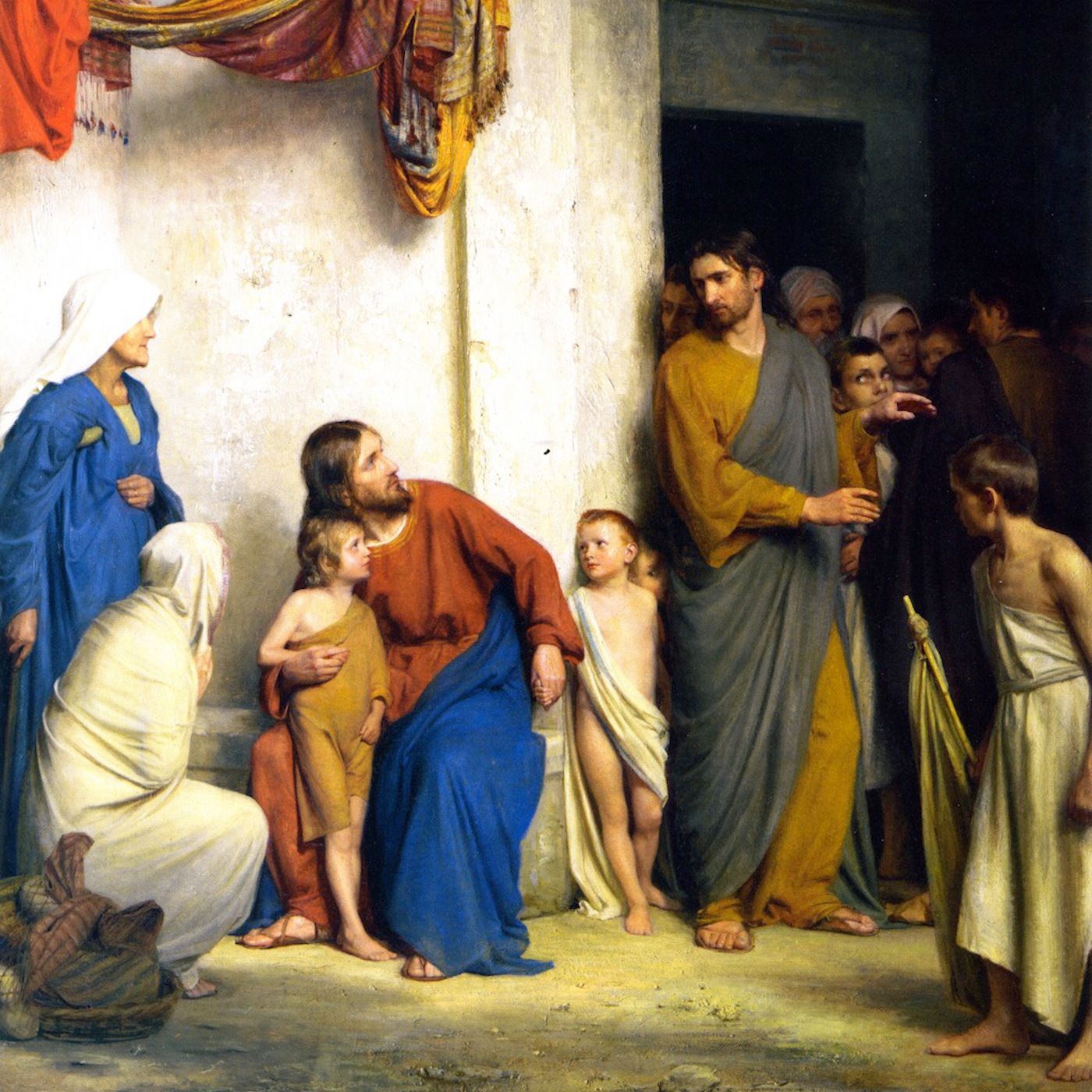
Sep 28, 2024
Twenty-Sixth Sunday in Ordinary Time (Year B) - Eliminating Occasions of Sin
Read Online “If your hand causes you to sin, cut it off. It is better for you to enter into life maimed than with two hands to go into Gehenna, into the unquenchable fire. And if your foot causes you to sin, cut it off. It is better for you to enter into life crippled than with two feet to be thrown into Gehenna. And if your eye causes you to sin, pluck it out…” Mark 9:43–47 Sometimes we need to wake up to the horror of sin. Sin and sin alone is capable of sending you to hell. Hell is real, and going there for eternity is a real possibility. Therefore, we must do whatever it takes to avoid that frightful possibility. This teaching from Jesus might not, at first, be thought of as one of His most inspiring teachings, but it should be. It’s not inspiring in the sense that it is quite graphic. But it is very inspiring in the sense that it has the potential to motivate us to action. Are you motivated to do all that you can to avoid sin? Would you even go so far as to cut off your hand or foot, and to pluck out your eye so as to avoid sin? First of all, this should not be seen as a literal command in which Jesus is telling us to mutilate ourselves. But He is the one Who chose such graphic language. Therefore, we should not shy away from pondering these images in a prayerful way so as to more clearly see those things that lead us into sin. When we see them, we must take the radical step of completely eliminating them from our lives. Many of the Church Fathers say that the hand, foot and eye in this teaching refer to our friends. Just as a hand, foot and eye are good in and of themselves, so also are friends. We are made for friendship with God and with others. However, not every friendship helps us grow closer to God. Therefore, when an earthly friend becomes a source of sin, we must eliminate that friendship. Friendship is different from charity. We owe charity to all people, even those who are the most sinful. But acting with charity toward others is different from being friends with them. To be a friend implies mutual giving and receiving. And though we must always give of ourselves to others, we ought not always receive from them when what they have to offer is an invitation to sin. This is how we “cut it off” and “pluck it out.” When another person tries to relate to us in such a way that they lead us into sin, we must take that temptation very seriously and reject it with much vigor. The hand, foot and eye in this teaching also represent every situation in life that tempts us to sin. For example, consider material possessions. If buying a very expensive car, house, or electronic gadget tempts you to become more materialistic, then you must avoid buying it. People are drawn to nice things. But does possessing nice things help your soul to become holy? One could argue that they can have nice things, while at the same time remain spiritually detached from them. But this is difficult to live. The more luxurious our material possessions, the more tempted we will be to rely upon them for our happiness. Therefore, choosing to live simply is almost always better for your soul than choosing to live in luxury. This teaching also applies to anything else that could become a source of temptation. Reflect, today, upon those things or persons in your life that have become an occasion of sin for you. Do not fool yourself into believing that you can handle the temptation. If you have some source of ongoing temptation in your life, you need to eliminate it. Ponder this very graphic teaching from Jesus and try to apply it to your life. Identify those things that lead you into sin and eliminate them with much determination. My radical Lord, You call all of Your children to a life of holiness and perfection. Please help me to take Your teachings seriously so as to eliminate all occasions of sin from my life. May I have the eyes to see these temptations and the courage to reject them with all my might. Jesus, I trust in You. Source of content: catholic-daily-reflections.com Copyright © 2024 My Catholic Life! Inc. All rights reserved. Used with permission via RSS feed. Featured image above: Jesus Christ preaching on a boat on the sea of Galilee By Fulcanelli, via Adobe
Sep 27, 2024
Saturday of the Twenty-Fifth Week in Ordinary Time - A Well Ordered Soul
Read Online “Pay attention to what I am telling you. The Son of Man is to be handed over to men.” But they did not understand this saying; its meaning was hidden from them so that they should not understand it, and they were afraid to ask him about this saying. Luke 9:44–45 This is the second time that Jesus predicts His coming passion to His Apostles. After telling them that He will be handed over, the Gospel relates that “they did not understand this saying.” It also states that “they were afraid to ask him about this saying.” Why did they not understand, and why were they afraid to ask Jesus about His coming passion? The Apostles were deeply attached to our Lord, both on a spiritual level and also through their affections. And this is good. But sometimes our affections can cloud our thinking and make it difficult to understand the deeper spiritual realities in life. Though our affections are natural, they must always be directed by the will of God. For example, if we were to try to understand Jesus’ affections, we’d have to conclude that He both spiritually and affectionately desired to lay down His life for the salvation of souls in accord with the will of the Father. He not only chose this with His will, but He also desired it in His affections, because His affections were perfectly ordered. The Apostles, however, were unable to understand that Jesus had to lay down His life, be rejected, suffer and die, in part because they were very attached to Jesus in an emotional and affectionate way. So in this instance, their human love and attachment to Jesus hindered their ability to understand the greater spiritual good of Jesus laying down His life. Consider, also, our Blessed Mother. How would she have reacted to Jesus saying that He had to be handed over, be rejected, suffer and die? Though this would have grieved her with a holy sorrow, the perfection of her human nature would have led her to not only understand and accept this deep spiritual truth, but she would have also desired this to happen within her affections because she perfectly desired the fulfillment of the will of the Father. There would have been no conflict within her between the will of the Father and what she desired. In our own lives, we will often tend to struggle in the same way that the Apostles struggled. When faced with some challenging cross in life, a cross that the Father calls us to embrace freely, we will often find that our affections resist. When this happens, we become confused and even fearful of the future. Thus, the only way to conquer fear is to work to surrender every emotion, every affection and every human attachment over to the will of the Father so that His will is all we desire with every power of our soul. Reflect, today, upon the interior struggle of these Apostles as they came face-to-face with this the second time Jesus began to prepare them to accept, understand, choose and desire His passion. Consider the interior struggle they went through at that time and even as they saw this unfold. Eventually they understood. Eventually all fear vanished. And eventually they affectionately rejoiced in Jesus’ sacrifice. But it took much time and much surrender. Reflect upon those ways our Lord is inviting you to choose His Cross in your life. Where you see your affections resisting, try to surrender, pray for understanding and seek the courage you need to desire His Cross with all your soul. My revealing Lord, You opened Your divine heart to Your Apostles and invited them to understand and choose Your suffering and death. And though they hesitated and struggled, You continued to invite them to embrace the Father’s will. Give me the grace I need, dear Lord, to embrace every spiritual truth first and foremost and to allow that Truth to free me from fear and fill me with the gift of understanding. Jesus, I trust in You. Source of content: catholic-daily-reflections.com Copyright © 2024 My Catholic Life! Inc. All rights reserved. Used with permission via RSS feed. Featured image above: Christ Taking Leave of the Apostles By Duccio di Buoninsegna, via Web Gallery of Art
Sep 26, 2024
Friday of the Twenty-Fifth Week in Ordinary Time - The Deepest Human Satisfaction
Read Online Once when Jesus was praying in solitude, and the disciples were with him, he asked them, “Who do the crowds say that I am?” Luke 9:18 It’s interesting that Jesus was both “praying in solitude” and that “the disciples were with him.” Saint Bede explains this apparent contradiction by stating that “the Son alone is able to penetrate the incomprehensible secrets of the Father’s will.” Therefore, our Lord was always alone with the Father in the sense that only Jesus knew the Father fully and intimately. This is because He is the Second Person of the Most Holy Trinity, the Eternal Son of the Father. With that fact clearly understood, it’s also important to understand that as Jesus prayed to the Father within His human nature, something new took place. Though Jesus was eternally with the Father, His human nature was not eternally with the Father. Therefore, as the Eternal Son of God communed with the Eternal Father while living in human flesh, human nature was suddenly elevated to a height that it had never been before. Not only was the Eternal Son living in perfect union with the Father, but now the Eternal Son, fully human, brought His human nature into this oneness. Though this may seem a bit philosophical to some, it points to a very important reality that affects us all. Through our Lord’s human prayer to the Father, we are all invited to join with Jesus and share in this divine oneness. The Son of God, as a human being, made it possible for us as humans to share in the elevation of our very lives to oneness with God the Father. And though the Son of God will always retain a unique union with the Father, we are, nonetheless, by participation, invited to share in their life. So why is this important? One reason is that there is no greater human fulfillment we could ever achieve than to share in the prayer of the Son to the Father. Throughout our lives, we are constantly looking for fulfillment in one form or another. We want to be happy. We want enjoyment in life. We have a natural desire for happiness that we are constantly seeking to fulfill. What’s important to understand is that the greatest happiness comes by sharing in the deep human prayer of the Son to the Father. Prayer, true prayer, is the answer to our deepest desire. Reflect, today, upon whether or not you regularly engage in deep prayer. Can you point to times when you, like our Lord, were alone with God, communing with Him in the depths of your human soul, being drawn to Him through prayer? There are many levels of prayer, as is attested to by many saints. Make the choice to deepen your prayer. Go before our Lord today and pour out your heart to Him, asking Him to draw you into the holy solitude of His prayer to the Father. Doing so will bring forth in you the deepest human satisfaction possible in life. My praying Lord, as You spent time alone with the Father, You united Your human nature with Him, thus elevating our nature to a glorious degree. Please draw me to You, dear Lord, so that I may know You and the Father through true, deep and sustaining prayer. May this oneness with You be the cause of my deepest fulfillment in life. Jesus, I trust in You. Source of content: catholic-daily-reflections.com Copyright © 2024 My Catholic Life! Inc. All rights reserved. Used with permission via RSS feed. Featured image above: The Exhortation to the Apostles By James Tissot, via Wikimedia Commons
Sep 25, 2024
Thursday of the Twenty-Fifth Week in Ordinary Time - Courage to Change
Read Online Herod the tetrarch heard about all that was happening, and he was greatly perplexed because some were saying, “John has been raised from the dead”; others were saying, “Elijah has appeared”; still others, “One of the ancient prophets has arisen.” Luke 9:7–8 Herod the tetrarch, also known as Herod Antipas, ruled the Jews of Galilee for some forty-two years. He began his reign in 2 BC and continued to reign until he was exiled by the Roman Emperor in 37 AD. During his reign, he spent much time in Tiberias, one of the main cities on the western edge of the Sea of Galilee. Most of Jesus’ ministry took place within the region of Herod’s domain, all of Galilee, so Herod was very aware of the many stories about Jesus. Today’s Gospel concludes by saying that Herod kept trying to see Jesus. Of course, Herod, just like anyone living in that region, could have traveled to where Jesus was preaching so as to listen to Him at any time. But he didn’t do that. Instead, he continued to receive reports about Jesus and remained curious about Him, trying to find a way to figure out Who Jesus was. Try to imagine what would have happened if Herod would have traveled to where Jesus was preaching so as to listen to Him with an open heart. If he would have done that, and truly listened, Herod would have received one of the greatest gifts imaginable. He would have received the gift of faith and conversion and would have begun down the road toward eternal salvation. But Herod was living an immoral life. He was known to be a cruel leader and also an unrepentant adulterer. He loved his power and was quite jealous of it. Herod most likely knew, at least in the back of his mind, that if he were to listen to Jesus, he would have to change. And he most likely didn’t want to change. This presents us all with a powerful lesson. Each one of us can easily dismiss various communications and invitations from our Lord, because, deep down, we do not want to change. God is speaking to us all day long, every day of our lives. He is constantly offering us His message of the full Gospel. And though you may be open to much of what God says, there are most likely parts of His divine message that you either knowingly or unknowingly do not listen to. The key to being able to hear everything that God wants to speak to you is to be disposed to completely change in any and every way that God wants you to change. Reflect, today, upon Herod. First, reflect upon his curiosity about Jesus. This is a good quality, in that it’s much better than being indifferent. From there, think also about the fact that Herod never went to Jesus to listen to Him. His first meeting with Jesus was on the night of His arrest, when he interrogated our Lord and made fun of Him. As you consider Herod’s obstinacy, use it as an examination of your own life. Where you see any small reflection of obstinacy, fear of change or a closed heart, seek to remedy that by turning to our Lord telling Him you are open to all He wishes to say and that you are ready and willing to change in any way He calls you to do so. Do not fear the change our Lord wants of you. Embracing that change will land you on the quick and narrow road toward true holiness of life. My ever-present Lord, You call to me day and night, inviting me to change as I listen to Your holy Word. I thank You for these constant promptings of grace and commit myself to remain open to all that You ask of me. I choose You, my Lord. And as I turn to You, I pray that I will have the courage I need to respond wholeheartedly to Your call. Jesus, I trust in You. Source of content: catholic-daily-reflections.com Copyright © 2024 My Catholic Life! Inc. All rights reserved. Used with permission via RSS feed. Featured image above: John the Baptist reproving Herod by John Rogers Herbert, via Wikimedia Commons
Sep 24, 2024
Wednesday of the Twenty-Fifth Week in Ordinary Time - Authority Over demons
Read Online Jesus summoned the Twelve and gave them power and authority over all demons and to cure diseases, and he sent them to proclaim the Kingdom of God and to heal the sick. Luke 9:1–2 This is the first time that Jesus sends His Apostles out on a mission. On this mission, He is preparing them for their ultimate mission, which will come at the time of Pentecost, after Jesus dies, rises and ascends to Heaven. But for now, Jesus commissions these Apostles to do three things: to cast out demons, heal the sick and proclaim the Kingdom of God. Just like the Apostles, we are called to combat the devil and his demons. They are fallen angels who retain their natural powers, and they use those natural powers to try to deceive us, oppress us and, in some cases, even possess us. But demons are powerless in the face of God, and God gives us spiritual authority over them. And though there are some who are given the unique ministry of exorcism within the Church, all of us do have spiritual authority over demons, especially over their natural spiritual attacks of temptations. We combat demons primarily by revealing their lies and bringing them to light. Saint Ignatius of Loyola, in his spiritual classic The Spiritual Exercises , explains to us some of the ordinary tactics these demons use and how we overcome them. He says that for those steeped in a life of serious sin, the demons continually place before their mind the lie that their sins are enjoyable and rewarding, so that they will continue to choose them. And for those who are striving for holiness, these demons try to discourage them in their deepening conversion. They “bite, sadden and put obstacles, disquieting with false reasons, that one may not go on” (Rule 2). The way to overcome these temptations is by turning to the truth. First, by realizing that the false “pleasures” of sin are just that: false, fleeting and ultimately demeaning. Furthermore, we overcome these temptations by receiving from God “courage and strength, consolations, tears, inspirations and quiet, easing, and putting away all obstacles.” In other words, we overcome the demons by allowing God to strengthen us, clear our thinking, dispel all false obstacles on the road to holiness and by receiving the abundant consolations that God bestows as help on the journey. Reflect, today, upon the fact that our Lord wants to minister to you in this threefold way. If you can work to overcome the obstacles put in your path by these demons, then you are in a good position to share in the other two missions given to the Apostles. You will be able to experience mental, emotional and spiritual healing in your life, and you will be able to allow the Kingdom of God to grow strong and powerful within your own soul. From there, you will be sent on a mission by our Lord to bring these graces to others in need. My all-powerful Lord, You have authority over evil, the power to heal and offer all the gifts of eternal salvation. Help me to be open to the ways that You desire to come to me. Please free me from the attacks of the evil one, bring healing and hope, and bring forth the abundance of Your glorious Kingdom in my life. Jesus, I trust in You. Source of content: catholic-daily-reflections.com Copyright © 2024 My Catholic Life! Inc. All rights reserved. Used with permission via RSS feed. Featured image above: A an etching by Jan Luyken from the Phillip Medhurst Collection of Bible illustrations housed at Belgrave Hall, Leicester, England, photo by Philip De Vere, Wikimedia Commons
Sep 23, 2024
Tuesday of the Twenty-Fifth Week in Ordinary Time - Becoming Jesus’ Mother and Brothers
Read Online The mother of Jesus and his brothers came to him but were unable to join him because of the crowd. He was told, “Your mother and your brothers are standing outside and they wish to see you.” He said to them in reply, “My mother and my brothers are those who hear the word of God and act on it.” Luke 8:19–21 The term “brothers” in this passage is obviously not to be understood that Jesus had blood brothers. It is a dogma of our faith that Jesus was the only Child of Mary. At that time, it was common practice to refer to one’s extended family as “brothers.” This would have especially applied to Jesus’ cousins and perhaps even those who were unrelated by blood but were from the same village. As these relatives of Jesus stood outside and announced their presence, what did they expect Jesus to do? His “brothers” might have been there to try to talk some sense into Him. We know from other passages in the Gospels that some of Jesus’ extended family thought He was out of His mind. Therefore, it is possible that these brothers were there to resolve an extended family conflict that was erupting as Jesus began His public ministry. Jesus’ response was not a rude response. This is clear from the fact that Jesus lived the perfection of charity. But true charity is always grounded in the truth. Jesus spoke a truth that cut through the merely human ties and conflicts that were driving these brothers. By saying, “My mother and my brothers are those who hear the word of God and act on it,” Jesus was challenging His brothers to stop looking at Him only in an earthly way. Everyone, including His relatives, needed to learn to see Jesus as the Son of the Father in Heaven. It was the act of accepting Jesus’ divine identity and submitting in obedience to the will of the Father that established a much deeper bond with Him. That is the relationship that Jesus desired with His earthly brothers. The mother of Jesus, on the other hand, was also perfect in every way. She was free from the disorder of sin and even her mind was clear, being filled with perfect wisdom and understanding. Therefore, when it was reported to her what Jesus said, she would have understood and believed. Saint Bede says that when we hear the word of God and obey it, we become Jesus’ “mother” by bringing Him forth into the world through our words and actions. This also makes us Jesus’ “brothers” because our obedience makes us all children of the Father in Heaven. By the gift of the fullness of grace, our Blessed Mother would have fully understood that her unity with her Son was primarily the result of their shared obedience to the Father’s will. She not only experienced the Son of God being conceived within her womb, she also had the profound experience of conceiving Him in her heart through her obedience to the will of the Father. That “conception” of Jesus within her Immaculate Heart would have been unmistakably clear to her and the cause of her greatest joy. For that reason, she would have treasured this spiritual motherhood of her Son as the greatest gift of all, even more than the gift of natural motherhood. Reflect, today, upon the fact that you are also invited to be the “mother” and the “brother” of Jesus. You share in these holy callings through obedience to the will of the Father. The more clearly you hear God speak and the more fully you obey all that He says will determine the depth of spiritual union you have with Him. Our natural selves must give way to the supernatural life of grace. Make the choice, with our Blessed Mother, to pursue the glorious life of grace so that you will conceive the Son of God in your heart, become a true child of the Father in Heaven, and become a spiritual brother or sister of our Lord. My divine Lord, Your love for Your earthly mother was perfect in every way. That earthly bond was transformed and elevated by Your spiritual union with her on account of Your mutual obedience to the will of the Father. Please draw me into Your divine Family by helping me to listen to and to obey all that the Father speaks. Jesus, I trust in You. Source of content: catholic-daily-reflections.com Copyright © 2024 My Catholic Life! Inc. All rights reserved. Used with permission via RSS feed.
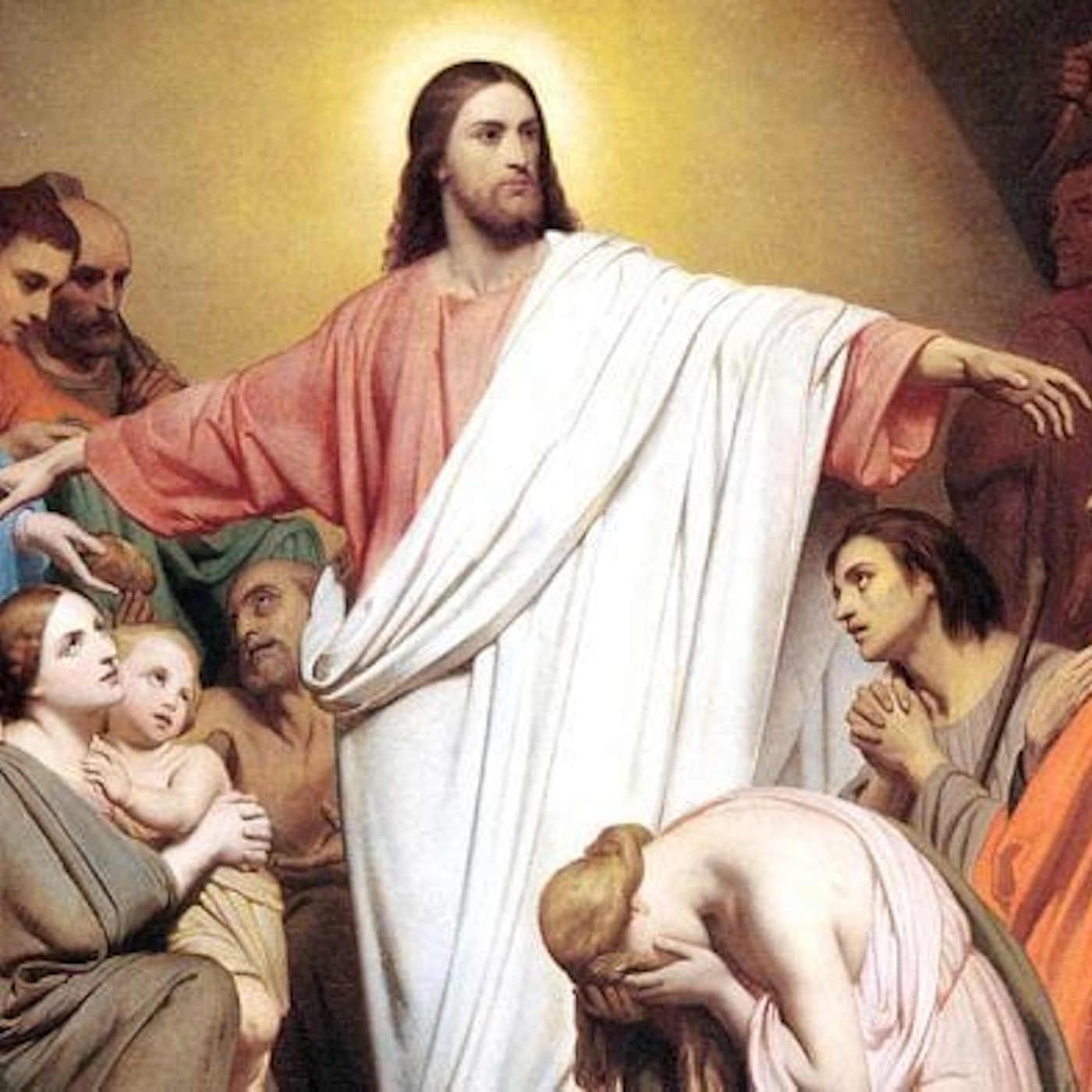
Sep 22, 2024
Monday of the Twenty-Fifth Week in Ordinary Time - Growth in Understanding
Read Online “Take care, then, how you hear. To anyone who has, more will be given, and from the one who has not, even what he seems to have will be taken away.” Luke 8:18 Do you have much? Or little? According to Jesus’ words, if you have much, then you will receive much more; but if you have little, then you will lose even what you have. Does this seem fair? Of course, our Lord is not speaking in worldly terms. He’s not saying that if you have much money, then you will gain more, or if you are poor, then you will become poorer. Instead, Jesus is speaking about the grace that comes from understanding His holy Word. Notice that the passage above begins by saying, “Take care, then, how you hear.” To “hear” the Word of God implies that you truly receive what Jesus teaches. Hearing is not just hearing the words spoken with your ears. One early Church Father, Saint Bede, explains that truly hearing the Word of God with our minds leads us to love that Word, and loving the Word leads to understanding. This is not accomplished by an intellectual exercise alone, as if our natural gifts are the primary means by which we comprehend all that Jesus teaches. Rather, it comes through spiritual insight gained by the supernatural gift of the Spirit Who teaches us all things. If you want “more” understanding of the mysteries of God, then commit yourself to engaging the holy Scriptures with your mind. Read the Scriptures, ponder them and pray with them. It’s easy to forget that the Word of God is a Living Word. This means that when we prayerfully immerse ourselves in the Scriptures, we are prayerfully encountering God Himself. God is alive in His holy Word. We meet Him, personally, and this happens only by a special grace that we must be open to receive. The beautiful aspect of this teaching of Jesus is that the more we understand His Word by this grace, the more we will immerse ourselves in it, and it will continue to grow within us. If, however, we devote little time to engaging the Word of God in prayer, we will begin to “forget,” so to speak, the spiritual depths of the wisdom of God. We will lose the little understanding we have and when this happens, we will be prone to engaging and accepting the many confusions and deceptions alive in our world. Reflect, today, upon your practice of prayerfully meditating upon the Scriptures. If this is not your current practice, resolve to make it so. Perhaps start with one of the Gospels and commit yourself to prayerfully reading it little by little every day. The goal is not to get through the books of the Bible. The goal is to enter into each book. Every chapter and every line provides us with a depth of spiritual insight and understanding just waiting to be given and received. Commit yourself to this holy practice, and you will be amazed at the spiritual riches our Lord bestows upon you. Living Word of God, my Lord and my King, I thank You for the way in which You come to me and all Your children through Your written Word. Fill me with a love for that Word so that I will daily engage my mind in the deep truths revealed within it. May I meet You, dear Lord, and grow in an understanding of Who You are and what You wish to reveal to me. Jesus, I trust in You. Source of content: catholic-daily-reflections.com Copyright © 2024 My Catholic Life! Inc. All rights reserved. Used with permission via RSS feed. Featured image above: By Thomas B. from Pixabay
Sep 21, 2024
Twenty-Fifth Sunday in Ordinary Time (Year B) - The Greatness of Holiness
Read Online They came to Capernaum and, once inside the house, he began to ask them, “What were you arguing about on the way?” But they remained silent. They had been discussing among themselves on the way who was the greatest. Mark 9:33–34 One of the desires that we all have is for greatness. This is a good and natural desire. This desire is manifested in competitiveness in sports and games. It becomes a driving force in business and politics. It drives us to do better in life, such as in school, artistic endeavors, and hobbies, working hard to perfect various skills and talents so as to excel. The problem is that every good and natural desire we have is now disordered to a certain degree because of original sin. As a result, the desire we have for greatness can become an obsession, a cause of discouragement when we fail, a source of jealousy when others appear to do better, and can lead us to pursue empty and fleeting goals in life. Even within the life of faith, we can be affected by both the natural desire for greatness and the fallenness of that desire. The natural desire for greatness, when mingled with faith, will lead us to the desire to be a saint and to do great things for the Kingdom of God. But as a fallen natural quality, we can also fall into the trap of seeing ourselves in competition with others within the Church, and we can become jealous of those who appear to be holy and who are recognized for their good work for Christ. Just prior to the passage quoted above in which the disciples were discovered to have been arguing among themselves about who was the greatest, Jesus predicted to them, for the second time, that He would suffer and die. Recall that after the first prediction of His passion, Jesus took Peter, James and John up a high mountain and was transfigured before them. Perhaps some of the other disciples became jealous of this apparent special treatment. Then, after Jesus predicted His passion to them for the second time, they might have wondered if some of them would likewise share in a similar experience as the Transfiguration. Regardless of what motivated the disciples to argue among themselves about who was the greatest, the fact remains that they did so. This was not the result of a holy and purified desire. It was the result of a good desire for greatness that became distorted and turned into an unholy competition based on jealousy and selfishness. In Heaven, we will all know who is the greatest. Interestingly, the Scriptures, the official Church teachings, and many of the saints reveal to us that there will be levels of glory in Heaven. This is why Jesus said elsewhere, “Store up treasure in Heaven” (Matthew 6:20). In Heaven, each of us will be perfectly happy. But each of us will also share in God’s glory in varying degrees, based upon the merit of our charity on earth. The classic example of this is that if every soul is like a glass of water in Heaven, then every glass will be full. But some glasses will be larger than others and will be able to contain more water (glory). For this reason, we must remember that the natural desire for greatness is good, but it must be properly ordered by grace. That desire must not become as it was among the disciples who saw each other as competitors. Instead, it must be directed to the deepest desire for holiness and charity. In Heaven, we will all be in awe of those holy souls who are filled with the greatest depths of glory forever. Most likely, they will be widely unknown on earth, but loved and admired in Heaven for the greatness of their holiness. Reflect, today, upon the desire within your own soul for greatness. Pray that this desire will not fall into selfishness or lead you to see others as competitors. Instead, pray that your desire for greatness will lead you to holiness so that you will be able to store up for yourself the most abundant treasures in Heaven and radiate that glory forever. Most glorious Lord, You are Greatness Itself. You are our eternal glory. I thank You for the natural desire for greatness that has been instilled within my soul. Please purify that desire, and help me to direct it toward holiness so that I will be able to store up in Heaven the many treasures You wish to bestow. Jesus, I trust in You. Source of content: catholic-daily-reflections.com Copyright © 2024 My Catholic Life! Inc. All rights reserved. Used with permission via RSS feed. Featured image above: Stained Glass - Jesus speaking to his disciples By jorisvo, via Adobe
Sep 20, 2024
September 21, Feast of Saint Matthew, Apostle and Evangelist - Seeking True Satisfaction
Read Online “Why does your teacher eat with tax collectors and sinners?” He heard this and said, “Those who are well do not need a physician, but the sick do. Go and learn the meaning of the words, I desire mercy, not sacrifice . I did not come to call the righteous but sinners.” Matthew 9:11–13 Just prior to this passage quoted above, Jesus saw Matthew, a tax collector, sitting at his custom post collecting taxes. Jesus walked up to him and said two simple words: “Follow me.” What did Matthew do? He got up and followed Jesus and invited Him to his home for a meal. When the Pharisees saw this, they acted with judgment and cruelty. They said, “Why does your teacher eat with tax collectors and sinners?” Their reaction and Jesus’ subsequent response to them says much about the goodness of our Lord. When Jesus said that He “did not come to call the righteous but sinners,” He was not speaking of the truly righteous. For example, the most righteous person alive at that time, other than Jesus, was His dear mother. And we can be certain that not only did Jesus call her but that she always responded with her whole heart. However, Jesus was speaking of those who were “self-righteous.” A self-righteous person is one who thinks highly of themself, ignoring the truth of God but choosing, instead, to elevate their own image in their own eyes and in the eyes of others. Simply put, to be self-righteous is to believe a lie and, in fact, to believe the worst of lies. It’s the worst of lies because this sin has the effect of causing a person to remain obstinate and stuck in their sin. The self-righteous person does not see any need for repentance or change in their life. Therefore, they are not open to the Word of God and to allowing that Word to transform them. Saint Matthew, whom we honor today, was different. He was a sinner indeed. Most likely he was greedy and overly attached to his money. Tax collectors were not highly regarded at that time because they were Jews who worked for the Romans and were, therefore, seen as traitors to their own people. Additionally, they were seen as thieves, because they often extorted more than they should receive so that they could pocket some of the money. For this reason, many Jews also feared the tax collectors because they knew the tax collectors had Rome’s support in this illicit activity. What’s amazing is that Jesus approached Matthew, the sinner and tax collector, and confidently called him to be a follower. Most likely, Jesus could see into his heart. He knew Matthew was not happy with his life and was searching for more. Therefore, as soon as Jesus called him to follow Him, it is clear that something took place within Matthew’s soul. The fact that he got up and followed our Lord shows that the spiritual draw to Jesus was far more powerful than his desire for earthly wealth. This same truth applies to each and every one of us. No matter what we find ourselves drawn to and no matter how we seek satisfaction in life, the supernatural truth is that there is only one thing that will satisfy. We could have all the money in the world, all earthly power and prestige, and still, in the depths of our souls, we will not find peace until we turn to Jesus and follow Him. Some people learn this truth early in life, some later in life, and some never discover it at all. Reflect, today, upon how satisfied you are with your life. Is there something missing? If so, look at your goals and priorities in life. What do you spend most of your time thinking about, talking about and daydreaming about? If it is not our Lord Who occupies your mind, heart and every desire, then you can expect that you will experience discontentment in life. In that case, look to the witness of Saint Matthew. He is a saint today because he responded to Jesus’ invitation to abandon his life of sin and greed so as to follow Him in poverty. But in that worldly poverty and abandonment of earthly things, Saint Matthew became abundantly rich and will remain so forever in Heaven. Lord of all satisfaction, You call all Your people to follow You. Please open my mind and heart to that call so that I can not only hear You but also respond with all my heart. Please help me to detach from the things of this world that keep me from You, so that I can follow You wherever You lead. Jesus, I trust in You. Source of content: catholic-daily-reflections.com Copyright © 2024 My Catholic Life! Inc. All rights reserved. Used with permission via RSS feed.
Sep 19, 2024
Friday of the Twenty-Fourth Week in Ordinary Time - All In!
Read Online Jesus journeyed from one town and village to another, preaching and proclaiming the good news of the Kingdom of God. Accompanying him were the Twelve and some women who had been cured of evil spirits and infirmities… Luke 8:1–2 Our Lord was on a mission. He traveled on foot from one town to another, “preaching and proclaiming the good news of the Kingdom of God.” His message truly was “good news.” He healed the sick, cast out demons and, most importantly, He forgave sins. As a result, many began to follow Him. Not only did His followers consist of the Twelve whom Jesus personally called and who He would eventually send forth as His Apostles, but others followed Him also. Today’s Gospel also mentions three women by name: Mary of Magdala, Joanna and Susanna. These are but a few of the people who were deeply touched by our Lord, who in turn left all to follow Him. The choice of these first followers to abandon all and follow Jesus invites us to examine the extent to which we have committed our lives to following Him also. Among the many people who heard Jesus preach, there were undoubtedly various responses. Some rejected Him, others were intrigued by Him, others believed in Him but were not willing to become His disciple, and some did commit themselves wholeheartedly to Jesus and His mission of proclaiming good news. For the latter, the good news they heard changed their lives. What is your response to our Lord? One good way to properly answer this question is to examine the amount of time and energy you have committed to our Lord and His message of good news. How much time have you spent reading His holy Word, praying to Him, speaking about Him and learning the faith that He has taught? How much does His message affect the decisions you make in life? Being a Christian is not something we can compartmentalize. We cannot have our “faith time” a few moments of each week and then spend the rest of our time on other activities. True, our days will be filled with many activities that are simply normal parts of our lives. We all have duties and responsibilities that occupy much of our days. But being “all in,” so to speak, means that Jesus and His message permeates everything we do. Even our ordinary daily activities such as work, chores, and the like must be done for God’s glory and in accord with His divine will. For Jesus’ first followers, though they traveled with Him from town to town and radically changed the course of their daily lives, they still would have engaged in many ordinary activities. But those ordinary activities were ultimately done so as to help them and others fulfill their ultimate mission of listening to and responding to the Word of God. Reflect, today, upon the extent that you have consecrated every part of your life to our Lord and His mission. Doing so does not necessarily require that you become a public evangelist, spend all day at Church or the like. It simply means that Jesus and His mission are invited into everything you do every day all day. We can never serve our Lord fully enough. As you examine your daily activity, look for ways to bring our Lord into everything you do. Doing so will truly make you one of His faithful disciples who are all in with your life. My divine Lord, You are on a mission to save souls and to build up Your glorious Kingdom. I thank You for inviting me to not only become transformed by Your holy Word but to help spread that Word to others. My life is Yours, dear Lord. Please enter into every part of my daily life and use me for Your glory. Jesus, I trust in You. Source of content: catholic-daily-reflections.com Copyright © 2024 My Catholic Life! Inc. All rights reserved. Used with permission via RSS feed. Featured image above: John 1:43-45. With these and two other disciples, Philip and Nathaniel, Jesus journeyeth into Gallilee By William Hole, Wikimedia Commons
Sep 18, 2024
Thursday of the Twenty-Fourth Week in Ordinary Time - Awe at the Forgiveness of Sins
Read Online He said to her, “Your sins are forgiven.” The others at table said to themselves, “Who is this who even forgives sins?” But he said to the woman, “Your faith has saved you; go in peace.” Luke 7:48–50 These loving words from Jesus were spoken to a sinful woman who showed up unannounced at a dinner Jesus was having at the house of a Pharisee. The Pharisee looked down upon her in judgment, but she didn’t care. In sorrow for her sins, she anointed Jesus’ feet and humbled herself before Him, bathing His feet with her tears and drying them with her hair. The conversation ends with Jesus looking at her and telling her “Your sins are forgiven.” Note the reaction of those who were at the table. We are given an insight into their interior thoughts. They said to themselves, “Who is this who even forgives sins?” Those who have been born and raised within the faith have always understood that God forgives. We were taught this from an early age, learned much about it in preparation for the Sacrament of Reconciliation, and have heard this message throughout our lives in one form or another. But imagine never hearing about or experiencing the forgiveness of God throughout your life, and then suddenly one day you do. Imagine what these people must have been experiencing as they encountered the forgiveness of sins for the first time in the Person of Jesus as He forgave this sinful woman. They may have been a bit confused by this, but, perhaps more than anything else, they would have experienced a holy awe and amazement at what God had done. They saw this sinful woman come in, they sensed the judgment and demeaning attitude of the Pharisees, they saw her express sorrow and humiliation, and then they saw Jesus forgive her. Are you amazed at the gift of the forgiveness of your sins and the sins of others? Or do you take forgiveness for granted? The wonder and awe that the people manifested at the forgiveness of the sins of this woman should help us to examine our own attitude toward God’s mercy and forgiveness. We need to continually foster within ourselves the same amazement at God’s mercy that these people had. We must work to never take forgiveness for granted or to see it as just one more normal part of life. Rather, we must see it as extraordinary, ever new, ever glorious and forever awe inspiring. Reflect, today, upon the awe-inspired words of these first followers of Jesus: “Who is this who even forgives sins?” As you do, let God fill you with the deepest gratitude for the forgiveness He has offered you. Renew your appreciation for this unmerited gift from God and allow that gratitude to become the source of your ongoing amazement at the mercy of God. My forgiving Lord, Your mercy and compassion for the sinner is truly awe-inspiring. Thank You for loving me and all Your followers with a love so deep. Please fill my heart with a holy awe at Your incredible mercy. May I always be amazed at Your forgiveness and always be filled with the deepest gratitude as I experience it in my life. Jesus, I trust in You. Source of content: catholic-daily-reflections.com Copyright © 2024 My Catholic Life! Inc. All rights reserved. Used with permission via RSS feed. Featured image above: The Feast in the House of Simon the Pharisee by Paolo Veronese, via Wikimedia Commons
Sep 17, 2024
Wednesday of the Twenty-Fourth Week in Ordinary Time - A Well-Ordered Soul
Read Online “‘We played the flute for you, but you did not dance. We sang a dirge, but you did not weep.’ John the Baptist came neither eating food nor drinking wine, and you said, ‘He is possessed by a demon.’ The Son of Man came eating and drinking and you said, ‘Look, he is a glutton and a drunkard, a friend of tax collectors and sinners.’ But wisdom is vindicated by all her children.” Luke 7:32–35 Ecclesiastes 3 is a very popular reading for funerals. It says, “There is an appointed time for everything, and a time for every affair under the heavens. A time to give birth, and a time to die; a time to plant, and a time to uproot the plant…A time to weep, and a time to laugh; a time to mourn, and a time to dance.” This reading is consoling to those who are mourning at a funeral because life is filled with many different emotions and experiences. When those at a funeral think about their loved one, they will recall both the good times and the bad, the sorrows and the joys. Doing so helps remind them that even though the funeral is a time of sorrow, joys will follow in the future. This is the natural rhythm of life. In our Gospel today, Jesus challenged those who failed to have the proper human response at the right time. “We played the flute for you, but you did not dance. We sang a dirge, but you did not weep.” The image of playing a flute and singing a dirge and the subsequent failure to dance and weep reveals a certain disconnect that many people had to John the Baptist and to Jesus Himself during their ministries. In commenting upon this passage, Saint Augustine says that John the Baptist’s preaching was like a dirge that called people to the “weeping” of repentance. However, when he preached, there were many who failed to respond with the appropriate repentance. When Jesus came, He preached and gave witness to the new life of grace that He came to bestow. Though some listened and responded to Him, there were many who did not. Jesus’ message was like the music of the flute that was to inspire people to “dance.” But many failed to respond with the joy that they were invited to experience and live through His transforming message and grace. There is, indeed, an appointed time for everything and for every affair under Heaven. The mission we have been given is to be attentive to that which God is speaking to us at each and every moment of our lives. At times we must “weep” by looking at our sins honestly, experience the horror of those sins, and passionately reject them. At other times we will “dance” when God invites us into His consoling grace and asks us to see clearly His merciful love. At those moments we are invited to be deeply grateful and to express that gratitude with our whole souls. Reflect, today, upon the calling you have been given to live in a well-ordered way. Do so by considering how attentive you are to the people around you. Does the attentiveness of your charity help you to see the hurt within the hearts of those who are suffering? Are you compelled to offer them a compassionate ear and merciful heart? When others are experiencing the joys of life, are you able to share that joy with them? Can you do so fully, without jealousy or envy of any kind? When God inspires you to some act of conversion and bestows some grace, do you listen and promptly obey, responding in the most appropriate way? Our souls must become sensitive to the promptings of grace and must respond accordingly. Seek to have a well-ordered soul so that you will live and experience the life that God places before you each day in accord with His perfect will. Lord, Your soul was perfectly ordered, always responding to the will of the Father with perfection. You were firm when love demanded it, courageous in the face of hardship, merciful to the repentant sinner, and joyful at the conversion of all. Please help me to always be attentive to the promptings of Your grace and to always respond to You in the way I am called. Jesus, I trust in You. Source of content: catholic-daily-reflections.com Copyright © 2024 My Catholic Life! Inc. All rights reserved. Used with permission via RSS feed. Featured images above: Saint John the Baptist, Standing in a Landscape, via Wikimedia Commons
Sep 16, 2024
Tuesday of the Twenty-Fourth Week in Ordinary Time - Compassion, Hope and Faith
Read Online Jesus journeyed to a city called Nain, and his disciples and a large crowd accompanied him. As he drew near to the gate of the city, a man who had died was being carried out, the only son of his mother, and she was a widow. A large crowd from the city was with her. Luke 7:11–12 Try to imagine this mother. She had been married, she and her husband had a child, they raised their child, she and her son watched her husband die, and then she watched her son die and was participating in his funeral. Since he was her only son, she was now alone. When we think about this woman, it is easy to feel compassion for her. Her heart would have been filled with a sorrow that is tangible to anyone with empathy. Her heart might also have been filled with fear. At that time, a widow would have had a very difficult time taking care of herself in a rural village. With her husband gone, she would have had to rely upon her son to provide for her as she aged. But now that he was gone, her heart would have not only felt the pain of his loss, but also fear for her future. What would become of her? Who would provide food for her year after year? Would she be reduced to begging and poverty? It is in the context of this very real sorrow and fear that Jesus enters her life. We do not know if she knew anything about Jesus. It appears she was not one of His followers and might not have even heard about Jesus since He had not been ministering publicly for very long. Jesus’ encounter with her and her dead son appears to be unplanned and unexpected. What is it that moves Jesus to raise this man from the dead? It does not appear to be a response to anyone’s faith within the village. It is not even done at anyone’s request. Instead, it appears to be done purely out of Jesus’ compassion for this mother. At least that’s how it seems at first read. And though Jesus clearly acted out of compassion for her, if we consider the entire context, there might also be a secondary motive. Jesus, his disciples and a large crowd were all walking together through this village. Since Jesus’ miracles were normally performed in response to people’s faith, it is most likely that faith was a contributing factor to this miracle. The faith that called forth this miracle, however, could only have come from the crowds of people who were walking with Jesus from Capernaum. The day prior, these same crowds witnessed Jesus heal the servant of a centurion. They clearly believed in Jesus. As they walked with Him and encountered this funeral procession, it was not only Jesus’ heart that was moved with compassion, it was also the hearts of His followers. Therefore, as Jesus’ followers witnessed this mother’s sorrow and then witnessed Jesus’ own human sorrow and compassion for her, they would have had hope that He would do something. Their hope would have been supernatural in origin, which means that it was also united with faith. By faith, they knew Jesus would act. Thus, in a very real way, the compassion, hope and faith of the people traveling with Jesus would have called forth His almighty power to heal, and Jesus responded. There are many ways to act as mediators of God’s grace. One way to do so is by growing in compassion for others and hope in God. When we witness the sufferings of others, allow ourselves to feel compassion for them, manifest hope in the power of God to heal, and then stand there, in faith, waiting for God to act, God will be compelled to act. Our holy compassion, hope and faith act as a prayer to which God always responds. The crowds accompanying Jesus through the Village of Nain appear to have acted in this manner and, inspired by their witness, we, too, must act as intercessors for others in the same way. Reflect, today, upon anyone in your life who resembles this widow of Nain. Who is it that God wants you to notice and to feel compassion for? As your empathetic heart notices those who need your compassion, open yourself, also, to the supernatural gift of hope. Have divine hope that God will heal them. As you do, allow that hope to manifest faith in God and offer that compassion, hope and faith to God as your prayer for those who are in need. Most compassionate Lord, You are always attentive to our needs and our sorrows. Your Heart is filled with compassion for all. Please give me a truly empathetic heart so that I will see those in need. As I do, fill me with hope and faith that You will pour forth Your mercy upon them so that I will become an intercessor for all. Jesus, I trust in You. Source of content: catholic-daily-reflections.com Copyright © 2024 My Catholic Life! Inc. All rights reserved. Used with permission via RSS feed. Featured image above: Detail of the fourth stained glass window in the south aisle (counting from west to east, not counting the mortuary chapel), depicting the raising of the son of the widow of Nain, By Andreas F. Borchert, via Wikimedia Commons
Sep 15, 2024
Monday of the Twenty-Fourth Week in Ordinary Time - The Humility of Intercession
Read Online “Lord, do not trouble yourself, for I am not worthy to have you enter under my roof. Therefore, I did not consider myself worthy to come to you; but say the word and let my servant be healed.” Luke 7:6–7 What’s interesting is that these humble words, spoken by a Roman centurion, were not actually spoken by the centurion to Jesus. This is because the centurion did not believe he was even worthy of going to Jesus himself. Therefore, he sent some of his friends to speak these words to Jesus on his behalf. In a real way, the friends of this centurion acted as intercessors before Jesus. Jesus’ response was to express amazement at the centurion’s faith. Jesus said to the crowd who was with Him, “I tell you, not even in Israel have I found such faith.” And at that point, the servant was healed by Jesus from a distance. Most of the time, if we have an important request to make of another, we do so in person. We go to the person and speak face-to-face. And though we certainly can go to our Lord in prayer, face-to-face, person to Person, there is something very humble about bringing our needs to our Lord through the intercession of another. Specifically, there is something very humble about asking for the intercession of the saints. Seeking the intercession of the saints before our Lord is not done because we are afraid of our Lord or because He would be offended by us going directly to Him. It is ideally done as an act of the utmost humility. By entrusting our prayer to those who are in Heaven, gazing upon the face of God, we do entrust our prayer to God. But relying upon the intercession of the saints is also a way of acknowledging that we are not worthy, by our own merits, to stand before the Lord and bring Him our request. This humility can be difficult to understand at times, but it’s important to try. What is it that you need to pray for in your life right now? As you call that to mind, pick a saint to act as your friend and intercessor before God. Turn to that saint in humility and say a prayer to that saint, admitting that you are not worthy of going to our Lord on your own. Then entrust your petition to that saint and ask him or her to present that prayer to our Lord on your behalf. Praying to our Lord, through the intercession of a saint, is a way of also saying that you know Jesus’ response to you is pure mercy on His part. And the good news is that Jesus deeply desires to shower His mercy when we humble ourselves before Him, especially by coming to Him through the mediation of the saints. Reflect, today, upon the humility of this well-respected Roman centurion. Try to understand the power of his humble approach by which he sent his friends to Jesus on his behalf. As you do, pick a saint in Heaven and ask them to go to our Lord on your behalf and request that our Lord grant you the same humility and faith as this centurion. Doing so will lead our Lord to be amazed at your faith and humility also. Saints of God, please offer to Jesus my humble request that I grow more in humility and faith. My precious Lord, I do bring this and all my prayers to You. As I do, I acknowledge that I am not worthy of Your Divine Mercy. But through the mediation of the saints in Heaven, if it be Your will that You bestow Your mercy upon me, then I humbly make this request of You through them. Mother Mary, I especially entrust all my prayers to Your holy intercession. Jesus, I trust in You. Source of content: catholic-daily-reflections.com Copyright © 2024 My Catholic Life! Inc. All rights reserved. Used with permission via RSS feed. Featured image above: Jesus and the Centurion by Paolo Veronese, via Wikimedia Commons
Sep 14, 2024
Twenty-Fourth Sunday in Ordinary Time (Year B) - A Spiritual U-Turn
Read Online He summoned the crowd with his disciples and said to them, “Whoever wishes to come after me must deny himself, take up his cross, and follow me. For whoever wishes to save his life will lose it, but whoever loses his life for my sake and that of the gospel will save it.” Mark 8:34–35 Practically speaking, how do we follow Jesus and save our souls? Is it enough to profess that we believe in Jesus? If we were to arrive at the conclusion that Jesus is God and the Savior of the World, would we then be saved? Certainly not. Even the demons believe this truth. Jesus is quite clear that salvation requires action on our part. We must deny ourselves, take up our crosses, and follow Him. Furthermore, the road to salvation requires that we lose ourselves for the sake of Christ and the Gospel. What exactly does this mean, practically speaking? To answer this question, let’s first consider the way that many people live. We tend to desire that which is the easiest in life, the most enjoyable, the greatest, and the most consoling. We often seek out those things that make us feel good and the path of least resistance. For example, if you could choose to fast on bread and water or feast on the most delicious foods, which would you choose? If you could choose between a vacation in the most exotic and luxurious location or a week of very difficult work, which would you choose? If you could choose to drive a brand new, high-end car or a very old beater, which one would you prefer? Most people would quickly pick the nice food, luxurious vacation and fancy new car. In his spiritual classic, the Ascent to Mount Carmel , Saint John of the Cross outlines a very different path. He gives a series of spiritual maxims to use for prayer and meditation to help purify your soul of every unhealthy attachment so that you can become more fully attached to God and His holy will. St. John says, “Strive always to prefer, not that which is easiest, but that which is most difficult; Not that which is most attractive, but that which is most unpleasant; Not that which gives most pleasure, but rather that which gives least…” These spiritual maxims, when read in their entirety, challenge us to the core of our being. They quickly reveal to those who are honest that they often prefer the easiest, most pleasant and best that this world has to offer. But what is best for your eternal soul? Jesus’ teaching, that we must deny ourselves, take up our cross, and follow Him, is the road map to saving your eternal soul and to discovering a spiritual fulfillment that far surpasses anything this world or our flesh have to offer. But in order to understand this road map and then to follow it, we often need to make a “spiritual U-turn” so to speak. This U-turn begins with us choosing the Cross on every level of our being and concludes with God stripping away all selfish desires and replacing them with a desire for sacrificial love. If you were to carefully examine your thoughts throughout the day, you might find that you think about yourself a lot. “I like this, don’t want to do that, am angry about this, and am trying to avoid that…” Very often, our thoughts begin with “I” and end with “me.” Denying yourself, taking up your cross, and losing your life means that you no longer think about yourself. It means that the eyes of your soul have turned away from yourself and focus exclusively upon the will of God and the love of others. But this will never be possible until we are freed of the numerous selfish desires that often direct most of our actions day in and day out. Reflect, today, upon that which you desire throughout your day. What occupies your thoughts the most? What are you drawn to the most? Do you spend most of your day thinking about how you can better serve God and His holy will? Or do you spend most of your day thinking about yourself? Do the eyes of your soul most often turn to the selfless service of others? Or do they more often think about what you want in a selfish way? Reflect upon these difficult questions and seek to eradicate everything within you that is selfish. Doing so will enable you to make a spiritual U-turn so that you can carry the glorious and transforming Cross of Christ. My sacrificial Lord, You lived a selfless life in which Your only concerns were the glory of the Father in Heaven and the salvation of the world. Please free me from all selfishness so that I will be more able to deny myself in every way, run toward every cross in life, and follow You into the beautiful life of selfless and sacrificial love. Jesus, I trust in You. Source of content: catholic-daily-reflections.com Copyright © 2024 My Catholic Life! Inc. All rights reserved. Used with permission via RSS feed. Featured image above: Jesus´ sermon on the mount, graphic collage from engraving of Nazareene School, via Adobe
Sep 13, 2024
September 14, Feast of the Exaltation of the Holy Cross - The Transforming Power of the Cross
Read Online For God so loved the world that he gave his only Son, so that everyone who believes in him might not perish but might have eternal life. For God did not send his Son into the world to condemn the world, but that the world might be saved through him. John 3:16–17 If Jesus would never have given His life on a cross for the salvation of the world, then a cross would never have been seen in “exultation.” A cross, in and of itself, is an instrument of death, a horrific and violent death. It’s also an instrument of humiliation and torture. Yet, today, the Cross is seen as a holy and blessed object. We hang crosses in our homes, wear them around our neck, keep them in our pocket on the end of the rosary, and spend time in prayer before them. The Cross is now an exalted image by which we turn to God in prayer and surrender. But that is only the case because it was on a cross that we were saved and brought to eternal life. If you step back and consider the amazing truth that one of the worst instruments of torture and death is now seen as one of the holiest of images on earth, it should be awe inspiring. Comprehending this fact should lead us to the realization that God can do anything and everything. God can use the worst and transform it into the best. He can use death to bring forth life. Though our celebration today, the “Feast of the Exaltation of the Holy Cross,” is first and foremost a feast by which we give glory to the Father for what He did in the Person of His divine Son, it is also a feast by which we must humbly understand that God can “exalt” every cross we endure in life and bring forth much grace through them. What is your heaviest cross? What is the source of your greatest suffering? Most likely, as you call this to mind, it is painful to you. Most often, our crosses and sufferings are things we seek to rid ourselves of. We easily point to crosses in life and blame them for a lack of happiness. We can easily think that if only this or that were to change or be removed, then our life would be better. So what is that cross in your life? The truth is that whatever your heaviest cross is, there is extraordinary potential for that cross to become an actual source of grace in your life and in the world. But this is only possible if you embrace that cross in faith and hope so that our Lord can unite it to His and so that your crosses can also share in the exaltation of Christ’s Cross. Though this is a profoundly deep mystery of faith, it is also a profoundly deep truth of our faith. Reflect, today, upon your own crosses. As you do, try not to see them as a burden. Instead, realize the potential within those crosses. Prayerfully look at your crosses as invitations to share in Christ’s Cross. Say “Yes” to your crosses. Choose them freely. Unite them to Christ’s Cross. As you do, have hope that God’s glory will come forth in your life and in the world through your free embrace of them. Know that these “burdens” will be transformed and become a source of exaltation in your life by the transforming power of God. My exalted Lord, I turn to You in my need and with the utmost faith in Your divine power to save. Please give me the grace I need to fully embrace every cross in my life with hope and faith in You. Please transform my crosses so that You will be exalted through them and so that they will become an instrument of Your glory and grace. Jesus, I trust in You. Source of content: catholic-daily-reflections.com Copyright © 2024 My Catholic Life! Inc. All rights reserved. Used with permission via RSS feed. Featured image above: By Aaron Burden on Unsplash
Sep 12, 2024
Friday of the Twenty-Third Week in Ordinary Time - Seeing Through the Eyes of God
Read Online “Why do you notice the splinter in your brother’s eye, but do not perceive the wooden beam in your own?” Luke 6:41 Saint Teresa of Ávila, one of the greatest spiritual writers and doctors of the Church, explains in her spiritual masterpiece “Interior Castles,” that one of the first steps on the path to holiness is self-knowledge. Self-knowledge produces humility, because humility is simply having a true opinion about yourself. When a person fails to know themself from the true perspective of the mind of God, then they open themselves up to many errors of judgment. One such error is that they can easily become fixated upon their perceived sins of others. The Gospel passage quoted above depicts a person who gravely lacks self-knowledge. Why? Because they “do not perceive the wooden beam” in their own eye, meaning, they do not see their own sin. As a result, Jesus explains that this person also becomes fixated upon the “splinter” in their brother’s eye. When you consider your own thoughts, what do you dwell upon the most all day long? Do you honestly look inward, seeking to know yourself as God knows you? Or do you spend excessive time thinking about others, analyzing and judging their actions? This is an important question to ask yourself and to answer with honesty. The best way to know yourself is to gaze upon Jesus. When He becomes the focus of your attention throughout the day, you will not only come to know Him, but you will also come to know yourself more honestly. Gazing at the beauty and perfection of our Lord will have the double effect of knowing Him and knowing yourself through His eyes. It will also help you to know others as He sees them. How does Jesus look at those around you? He looks at them with perpetual mercy. True, at the end of every life, when we pass from this world to the next, we will encounter our particular judgment from our Lord. But while here on earth, God continually gazes upon us with mercy. For that reason, mercy must become our daily mission, and we must build a habit of gazing upon everyone in our life with the eyes of mercy. Reflect, today, upon our Lord. Look at Him, gaze upon Him, seek to know Him and make Him the focus of your attention. As you do, try to dismiss from your thinking process your own perceived judgments of others. Allow your gaze upon our Lord to help you to not only see Him but to also see others through His eyes. Build this habit and you will be on the fast track to the path to holiness. My merciful Jesus, may I build a humble and true habit of gazing upon You in Your splendor and beauty. As I see You, day in and day out, please also help me to see myself through Your eyes of mercy so that I will also grow in humility. Please remove all judgment from my heart so that I will be free to know and love all people as You know and love them. Jesus, I trust in You. Source of content: catholic-daily-reflections.com Copyright © 2024 My Catholic Life! Inc. All rights reserved. Used with permission via RSS feed. Featured image above: The Sermon on the Mount by Fra Angelico, via Wikimedia Commons
Sep 11, 2024
Thursday of the Twenty-Third Week in Ordinary Time - The Most Important Thing in Life
Read Online To the person who strikes you on one cheek, offer the other one as well, and from the person who takes your cloak, do not withhold even your tunic. Give to everyone who asks of you, and from the one who takes what is yours do not demand it back. Luke 6:29–30 This must have been shocking to Jesus’ first disciples. First of all, recall that Jesus taught these words with a spiritual authority that left those with an open heart with a conviction that what Jesus taught was truth. Also recall that Jesus taught these deep spiritual lessons within the context of performing numerous miracles. So, for these reasons, His new followers would have known that what Jesus taught was true. But how could they fully accept such teachings? Though many commentators will try to point to the deeper spiritual principles that Jesus was teaching, try to first take His words on face value. He really said that you must offer the other cheek to someone who strikes you, to give your tunic to one who steals your cloak, and to give to everyone who asks of you, never demanding back that which someone takes from you. These are not easy lessons to accept! One thing that these powerful lessons teach us is that there is something far more important in life than the humiliation of being struck on the cheek and having your possessions stolen. What is that more important thing? It’s the salvation of souls. If we were to go through life demanding earthly justice and retribution for wrongs received, we would not be able to focus upon that which is most important. We would not be able to focus upon the salvation of those who have wronged us. It’s easy to love those who are kind to us. But our love must extend to everyone, and sometimes the form of love we must offer another is the free acceptance of injustices they commit against us. There is great power in this act of love. But we will only be able to love another this way if our deep desire is for their eternal salvation. If all we want is earthly justice and satisfaction for wrongs committed, we may achieve that. But it may come at the expense of their salvation. Sometimes we can fall into the trap of thinking that every wrong must be righted here and now. But that’s clearly not what Jesus taught. His wisdom is so much deeper. He knew that a profound act of mercy and forgiveness to another, especially when they have hurt us deeply, is one of the greatest gifts we can give. And it’s one of the most transformative actions we can also do for our own souls. When love hurts, in the sense that it costs us our earthly pride, especially by completely letting go of injustice, then our act of love for that person has great power to change them. And if that act changes them, then this will be the cause of your joy for eternity. Reflect, today, upon any way that this hard teaching of Jesus is difficult for you. Who comes to mind as you ponder this teaching? Do your passions revolt against this command of love from Jesus? If so, then you have discovered the specific area where God wants you to grow. Think about anyone with whom you have a grievance and ponder whether you desire their eternal salvation. Know that God can use you for this mission of love if you will love in the way our Lord commands. My merciful Lord, Your love is beyond my own ability to comprehend. Your love is absolute and always seeks the good of the other. Give me grace, dear Lord, to love with Your heart and to forgive to the extent that You have forgiven. Use me, especially, to be an instrument of salvation and mercy to those who need it most in my life. Jesus, I trust in You. Source of content: catholic-daily-reflections.com Copyright © 2024 My Catholic Life! Inc. All rights reserved. Used with permission via RSS feed. Featured image above: Sermon on the Mount by Ivan Makarov, via Wikimedia Commons
Sep 10, 2024
Wednesday of the Twenty-Third Week in Ordinary Time - A Double Blessing
Read Online “But woe to you who are rich, for you have received your consolation. But woe to you who are filled now, for you will be hungry. Woe to you who laugh now, for you will grieve and weep. Woe to you when all speak well of you, for their ancestors treated the false prophets in this way.” Luke 6:24–26 Is it dangerous to be rich, to be filled, to laugh, and to have all speak well of you? According to Jesus, it appears so. Why would Jesus warn against these things? And before that, why would He pronounce it blessed to be poor, hungry, weeping and insulted? Essentially, Jesus was condemning four common sins—greed, gluttony, intemperance, and vainglory—and promoting their opposite virtues. Poverty, in and of itself, is not sufficient for holiness. But in Luke’s Gospel, Jesus declares it blessed to be poor, literally. This goes further than Matthew’s Gospel which says it is blessed to be “poor in spirit.” To be poor in spirit is to be spiritually detached from the material things of this world so that you can be fully open to the riches of God. One common tendency among those with material wealth is to rationalize that even though they have many things, they are detached from them. Hopefully that is the case. However, in Luke’s version of the Beatitudes, Jesus directly says, “Blessed are you who are poor” and “woe to you who are rich.” In this teaching, we discover a second blessing not found in Matthew’s version. In addition to spiritual detachment (poverty of spirit) being identified as a blessing, literal poverty is proclaimed as the easier way to achieve this spiritual detachment. Material wealth, though not a sin in and of itself, brings with it many temptations toward attachment, self-reliance, and self-indulgence. Thus, spiritually speaking, it is easier to be detached when one is poor, rather than when one is rich. This is a hard truth for both the poor and the rich to accept. The poor often want to be rich, thinking that if they were, they would share their wealth with others and remain detached. The rich often enjoy being rich and believe that they are more spiritually detached than they actually are. Being “hungry” is also identified as a blessed state, whereas being “filled” is a dangerous state. When you are literally hungry, either from fasting or from lack of an abundance of food, it is easier to turn your hunger and thirst toward God so as to be filled by Him and to more easily trust in His providence. An abundance of food, especially fine food, tempts you with a gluttonous satisfaction that makes it difficult to hunger and thirst for God and His holy will in a complete way. Therefore, if you refrain from indulgence and experience hunger, you will be blessed to be free from gluttony and even the temptation toward it. “Laughing” and “weeping” in this case are not referring to joy and despair. Rather, they are referring to those who are always seeking fun and an indulgent life. Many people live for fun, entertainment, and momentary pleasures. Weeping refers to those who have discovered that the fleeting pleasures of the world can never satisfy. Constant entertainment, therefore, brings with it a real temptation, whereas the loss of that form of fleeting pleasure helps eliminate that temptation. Finally, Jesus declares it blessed to be hated, excluded, insulted, and denounced as evil on account of Him rather than being spoken well of by all. In this case, Jesus is referring to the praise that comes from things that mean nothing from an eternal perspective. When all speak well of us, praising qualities and accomplishments that are not true Christian virtues, we will be tempted to rely upon that praise for our satisfaction. But this form of satisfaction is nothing other than vainglory and never truly satisfies in the end. However, when one sees and praises the virtues of God within us, God is praised first and foremost, and we are blessed to share in God’s glory. Reflect, today, upon whether you prefer to be rich, to indulge in the best of foods, to be constantly entertained and to be the envy of others, or whether you see the temptations this type of life brings. Reflect also upon the concrete spiritual blessings that come to those who are literally poor, hungry, temperate and humble. This is a very demanding teaching from Jesus. If it doesn’t sit well with you, then know that it is a sign that you still have various attachments in life. Reflect, especially, upon the beatitude that is most difficult to embrace, and make that beatitude the source of reflection and prayer. Doing so with honesty and openness will result in you being among those who are truly blessed in the eyes of God. My blessed Lord, You were poor, hungry, temperate and humble to the perfect degree. For these reasons, You were filled with perfect virtue and were satisfied to the greatest degree. Please open my eyes to the deceptions of this world so that I can live with You a life of true holiness, experiencing the riches of the Kingdom of Heaven. Jesus, I trust in You! Source of content: catholic-daily-reflections.com Copyright © 2024 My Catholic Life! Inc. All rights reserved. Used with permission via RSS feed. Featured image above: Sermon on the Mount by Danijel Dukić , via Wikimedia Commons
Sep 9, 2024
Tuesday of the Twenty-Third Week in Ordinary Time - Hearing and Healing
Read Online And he came down with them and stood on a stretch of level ground. A great crowd of his disciples and a large number of the people from all Judea and Jerusalem and the coastal region of Tyre and Sidon came to hear him and to be healed of their diseases; and even those who were tormented by unclean spirits were cured. Everyone in the crowd sought to touch him because power came forth from him and healed them all. Luke 6:17–19 The Gospel of Luke presents us with what is traditionally known as the “Sermon on the Plain.” Almost everything Luke includes in this sermon is also found in Matthew’s “Sermon on the Mount.” Matthew, however, adds some teachings not found in Luke. Matthew’s sermon has three chapters while Luke’s has only one. In this, the introduction to this “Sermon on the Plain,” from which we will be reading all week, Luke points out that large numbers of people came from far and wide to listen to Jesus. This crowd included many Jews but also included many people from the pagan territory of Tyre and Sidon. And what was it that drew so many of them? They came to “hear” Jesus preach and “to be healed.” They wanted to hear the words of Jesus since He spoke with great authority and in a way that was changing lives. And they were especially amazed by the healing power that Jesus manifested. The last line of the passage above gives great emphasis to this desire for healing. “Everyone in the crowd sought to touch him because power came forth from him and healed them all.” It’s interesting that Jesus performed so many powerful miracles as He went about His public ministry. This was especially the case as He began His ministry. He became a sort of instant celebrity to many and was the talk of the many surrounding towns. But it’s also interesting to note that, as time went on, Jesus gave more emphasis to His teaching than He did to the miracles. What is it that draws you to our Lord? Perhaps if there were numerous manifest miracles performed today by God, many people would be amazed. But physical miracles are not the greatest work of our Lord and, therefore, should not be the primary focus of our relationship with Him. The primary reason we should be drawn to our Lord is because His holy Word sinks in deeply, changes us and draws us into communion with Him. This is clearly seen by the fact that now that the Gospel message has been deeply established and the Church formed, physical miracles are rare. They do happen, but not in the same way that they did as Jesus first established His public ministry. Reflect, today, upon the primary reason you find yourself drawn to our Lord. Seek out His living Word, spoken within the depths of your heart. The most important miracle that takes place today is that of interior transformation. When a person hears God speak, responds to that Word, and allows Him to change their life, this is among the most important miracles of grace that we could ever encounter. And this is the central reason we should be drawn to Him, seek Him out and follow Him wherever He leads. My miraculous Lord, please draw me to Yourself, teaching in the wilderness of my interior life of silence and solitude. Help me to seek You out so that I can hear Your Word, spoken to me to give me new life. May I always listen to You so that Your holy Word will transform me more fully, making me into the new creation You desire me to be. Jesus, I trust in You. Source of content: catholic-daily-reflections.com Copyright © 2024 My Catholic Life! Inc. All rights reserved. Used with permission via RSS feed. Featured image above: Sermon on the Mount by Cosimo Rosselli, via Wikimedia Commons
Sep 8, 2024
Monday of the Twenty-Third Week in Ordinary Time - Perceiving the Intentions of Others
Read Online On a certain sabbath Jesus went into the synagogue and taught, and there was a man there whose right hand was withered. The scribes and the Pharisees watched him closely to see if he would cure on the sabbath so that they might discover a reason to accuse him. But he realized their intentions… Luke 6:6–8 Jesus had a gift. Of course, He had every good gift to perfection. But in today’s Gospel, we see one of Jesus’ gifts made manifest. Namely, Jesus was able to realize the intentions of those He daily encountered. Normally, we can only know another’s intentions if they were to tell us their intentions. We cannot read minds and hearts. But our Lord could. He had the divine ability to read every soul and know every heart. For that reason, when someone came to Him with great faith, He knew it. And when someone came to Him with evil intent, He knew it. When Jesus perceived the ill intentions of the scribes and Pharisees, He used that knowledge to manifest their intentions. They intended to find a reason to accuse Jesus, so He gave them one. Jesus cured a man with a withered hand on the Sabbath, and the scribes and Pharisees “became enraged and discussed together what they might do to Jesus.” They thought miracles were violations of the law of Sabbath rest. Jesus knew they would apply their twisted logic to this miraculous healing, and He knew they would become enraged at Him on account of their envy. So, in a sense, Jesus provoked them so that that which was in their hearts would come forth for them to see. All of our interior intentions and thoughts are known by God and must become manifest to us in the presence of God. By provoking the scribes and Pharisees in charity, Jesus forces them to face that which was within them. They had to choose to either continue down the path of envy or to realize the foolishness of their interior thoughts. Sadly, for the scribes and Pharisees, it appears that many of them became more hardened in their sin. But this was a choice only they could make. Reflect, today, upon your own interior intentions and thoughts. Why do you do the things you do? What hidden motivations are in your heart? Is there some person, or a certain situation you find yourself in that causes you to obsess in anger interiorly? Or is it true charity that resides within you and is the source of your actions? Is there a profound faith? A supernatural hope? Or is it primarily some sin with which you struggle? Know that Jesus knows your heart, and He wants you also to see clearly those things hidden in your heart. He wants you to see your intentions as clearly as He sees them. Allow Him to reveal the depths of your heart to you so that you can turn away from the sins you find and rejoice in the virtues by which you live. My glorious Lord, you know all thoughts and probe the depths of every heart. You know me, Lord, through and through. Please open my eyes to see that which is within me so that I can discern the ill intentions I have and rejoice in the virtues given to me by You. May I always be attentive to You, dear Lord, so that I become aware of all that You wish to reveal to me. Jesus, I trust in You. Source of content: catholic-daily-reflections.com Copyright © 2024 My Catholic Life! Inc. All rights reserved. Used with permission via RSS feed. Featured image above: The Healing of The Man with the Withered Hand via Wikimedia Commons
Sep 7, 2024
Twenty-Third Sunday in Ordinary Time (Year B) - Humble Instruments of Grace
Read Online He put his finger into the man’s ears and, spitting, touched his tongue; then he looked up to heaven and groaned, and said to him, “Ephphatha!”—that is, “Be opened!”—And immediately the man’s ears were opened, his speech impediment was removed, and he spoke plainly. Mark 7:33–35 One interesting point in this story is that the people who brought this deaf and mute man to Jesus begged Him to “lay his hand on him” so as to heal him. But what did Jesus do? Instead, He took the man away from the crowd, put His divine finger into the man’s ears, touched the man’s tongue with His own sacred saliva and the man was cured. At first, the act of putting your finger into someone else’s ear and touching their tongue with your own saliva may seem repulsive. Normally it would be. To understand these two actions, we must understand the symbolism. The image of a finger is used a number of times in the Scriptures to refer to God’s power. In the Book of Exodus after the plague of the gnats, Pharaoh's magicians said that this was clearly done “by the finger of God” (Exodus 8:19). On the mountain when Moses received the Ten Commandments we know that it was also God’s finger that wrote them (Exodus 31:18). In the book of Daniel, a finger appeared and wrote a prophetic message on a wall (Daniel 5:5). In the New Testament, Jesus cast out a demon “by the finger of God” (Luke 11:20) and in today’s Gospel He healed this man’s hearing with His finger. The “finger of God” is understood as the power of God and an action of the Holy Spirit. Thus, by using His sacred finger to heal, Jesus was symbolically revealing that He fully exercised the power of God and acted in perfect union with the Holy Spirit and the Father. The image of saliva is also interesting. Perhaps you have noticed that when an animal has a wound it often licks that wound. This is a natural instinct but also one that makes sense. Saliva has a certain medicinal power of healing. It contains antibacterial agents. Therefore, since normal saliva can help heal a wound, Jesus’s saliva is able to heal in a supernatural way. Recall, also, that Jesus healed a blind man by spitting on the ground and then smearing the mud on his eyes (John 9:6). Did Jesus need to use His finger and His saliva to heal this man? Certainly not. He could have done it with a mere thought. But He chose to use His body as an instrument of His healing power. Doing so reveals to us that Jesus’ humanity became the source of unity between God and man. Even His finger and His saliva unite us to God. Everything about the Son of God in His human form dispensed grace, healing and mercy. Even that which may, at first, seem most repulsive. Though there is much we can take from this passage, one thing that should not be missed is that if Jesus chose to use His finger and even his saliva to dispense His power, so, also, He desires to continue using the members of His Body to distribute His grace. By Baptism, you are a member of Christ’s Body, the Church. You are His hands and feet, His eyes and voice, His heart and finger, and even His saliva. That last thought is very humbling. But if Jesus can use His saliva for healing, He can use you. If we can humbly understand that, then we will be better disposed to become an instrument of His divine mercy to those who need it. God is able to use us NOT because we are worthy of being used. Rather, He can use us because He has chosen to do so, even in our most humble state. Reflect, today, upon the image of Jesus healing this deaf and mute man. If you ever feel as though God cannot use you, call to mind the way in which our Lord worked this miracle. If God can use His finger and His saliva, He certainly can use you, no matter how unworthy or sinful you may be. This miracle shows us that God can use all things for His glory for the simple reason that He is God. Humble yourself and offer yourself to God to use you as He wills. Doing so will give God the opportunity to manifest His almighty power through you. My healing Lord, when You took on human form, You united divinity with humanity. Through Your sacred humanity, You poured forth Your grace and mercy and continue to do so today. Please use me, dear Lord, as an instrument of Your grace. May I always humbly see myself as Your unworthy instrument, whom You choose to use despite my unworthiness. Jesus, I trust in You. Source of content: catholic-daily-reflections.com Copyright © 2024 My Catholic Life! Inc. All rights reserved. Used with permission via RSS feed. Featured image above: Jesus Healing the Deaf Man By Scott Griessel, via Adobe
Sep 6, 2024
Saturday of the Twenty-Second Week in Ordinary Time - The Divine Law of Our Lord
Read Online “The Son of Man is lord of the sabbath.” Luke 6:5 This short yet powerful statement by Jesus was spoken in response to the Pharisees who questioned Jesus as to why His disciples were apparently doing what was unlawful on the sabbath. They were walking through a field of grain, picking grain as they walked, and eating it for nourishment on their journey from one town to another. This challenge from the Pharisees highlights their scrupulous approach to the moral law. Recall the Third Commandment given through Moses: “Remember the sabbath day—keep it holy. Six days you may labor and do all your work, but the seventh day is a sabbath of the LORD your God. You shall not do any work…” (Exodus 20:8–10). From this Commandment, the Pharisees had developed a complex commentary which went into great detail about what kind of work was forbidden on the Sabbath in their view. One such regulation was to pick and mill grain. Thus, they judged that this was what the disciples were doing and were, therefore, violating the Third Commandment. The laws of God, as they are given by God, must be followed perfectly. His divine Law refreshes us, enlivens us and enables us to live in union with Him. The Pharisees, however, deeply struggled with a need to control the lives of the people through their human interpretation of the divine Law. By saying that “The Son of Man is lord of the sabbath,” Jesus made it clear that this scrupulous interpretation of the Third Commandment taught by the Pharisees did not align with the truths of that divine Law. One lesson to learn from this encounter is that each one of us can easily fall into a similar trap. It’s easy to replace God’s true Law with our perception of faith and morality. We are weak human beings, and there are many things that affect our thinking and our convictions in life. Emotions, habits, family relationships, friendships, media and so many other things affect us in powerful ways. Sometimes for good and sometimes for ill. We can easily arrive at certain judgments of faith and morality that are slightly erroneous, being based on subtle errors. As a result, we can easily begin to get off track in our thinking and convictions and, over time, can find that we have deviated far from the truths of God. When this happens, it can be difficult to humbly admit it and change our convictions. Reflect, today, upon the humble truth that Jesus and Jesus alone is Lord of the divine Law. This means that we must perpetually remain open to changing our opinions when we hear our Lord speak to us. Ponder any way in which you have become overly attached to your own opinions. If they bring forth peace, joy, charity and the like, then they are most likely in union with God. If they are burdensome, a cause of confusion, contention or frustration, then you may need to step back and humbly reexamine the convictions you hold, so that He Who is Lord of all will be able to speak His divine Law to you more clearly. Lord of all Truth, You and You alone are the guide of my life. You and You alone are the Truth. Help me to be humble, dear Lord, so that I can recognize any error in my convictions and turn to You and Your divine Law as the one and only guide for my life. Jesus, I trust in You. Source of content: catholic-daily-reflections.com Copyright © 2024 My Catholic Life! Inc. All rights reserved. Used with permission via RSS feed. Featured image above: Jesus and his disciples walk through the corn, via Wikimedia Commons
Sep 5, 2024
Friday of the Twenty-Second Week in Ordinary Time - Courage to Change
Read Online “Likewise, no one pours new wine into old wineskins. Otherwise, the new wine will burst the skins, and it will be spilled, and the skins will be ruined. Rather, new wine must be poured into fresh wineskins. And no one who has been drinking old wine desires new, for he says, ‘The old is good.’” Luke 5:37–39 This short parable comes at the beginning of Jesus’ public ministry. He just called Levi, the tax collector, to become one of His disciples, and then Levi invited Jesus to dine at his home with other tax collectors and sinners. When the scribes and Pharisees saw this, they objected and challenged our Lord. In response, Jesus tells this parable as a way of explaining that He came to call everyone to change and to experience a new transformation of their life. The “new wine” spoken of in this parable is the grace poured forth from the Cross. Remember that blood and water sprung forth from His side as He hung upon the Cross. This has been symbolically understood as the grace and mercy given to us from the Cross, which is transmitted today through the Sacraments of Baptism and Holy Communion. Baptism transforms us into a new creation, and, as a new creation in Christ, we must desire the new wine of the Most Holy Eucharist so as to be daily transformed by our Lord. Many of the Church Fathers point out that the “old wine” that many prefer is a reference to those who wanted to continue living according to the old law. This is especially true of the scribes and Pharisees to whom Jesus was speaking this parable. Jesus was bringing them a new teaching and preparing them for a new grace. But they rejected it, preferring the old life they were living. One thing this tells us is that if we are to receive this new wine of the grace of God, we must be ready and willing to abandon our old selves and become new. Change can be hard. Even as evangelized Christians who are already living in the grace of Christ, we will be continually called to a deeper and deeper change in our lives. Too often we can easily become complacent and content with the life we are living. When that happens, it will hinder our Lord from pouring the new wine of His grace into our souls in ongoing superabundance. How do you deal with change in life? If you want to grow in holiness, you can be certain that change is the only constant in life. We must become new creations each and every day, growing, being more fully transformed, changing our ways, giving up the old and embracing that which is ever new. This requires a certain amount of courage as we come face-to-face with the daily need to be changed by grace. It means daily death to our old self and daily becoming a new creation in God. Reflect, today, upon the courage it takes to change. What is it in your life that you may be afraid to change? What “old wine” do you prefer over the “new wine” of God’s grace? What old habits or attachments do you have that our Lord wants you to let go of? Face the changes God wants for you with courage and trust, and You will indeed become more fully the new creation in Christ you are meant to be. My most merciful Lord, I know You call me to continual change in my life. Please give me the courage I need to face all that I need to detach from in life and all that hinders me from becoming the glorious new creation You have called me to become. Pour forth Your abundant grace into my life, dear Lord, making me into Your new and glorious creation in grace. Jesus, I trust in You. Source of content: catholic-daily-reflections.com Copyright © 2024 My Catholic Life! Inc. All rights reserved. Used with permission via RSS feed. Featured image above: The Feast in the House of Levi by Paolo Veronese, via Wikimedia Commons
Sep 4, 2024
Thursday of the Twenty-Second Week in Ordinary Time - A Personal Encounter
Read Online When Simon Peter saw this, he fell at the knees of Jesus and said, “Depart from me, Lord, for I am a sinful man.” Luke 5:8 Consider carefully this very moving action of Simon Peter. Jesus had just begun His public ministry, healing Simon’s mother-in-law as one of His first miracles. After that, Simon witnessed Jesus heal many other sick people and cast out many demons. And then, shortly after these initial miracles, Jesus got into the boat of Simon, directed him to “Put out into deep water and lower your nets for a catch.” As soon as Simon obeyed, he caught so many fish that they needed a second boat to come and help them. The response of Simon to this additional miracle is recorded above. Three things take place in this passage. First, “Simon Peter saw this…” And though he saw this, literally with his eyes, we should see his “seeing” as something even deeper. Simon Peter saw not just the best day of fishing he had ever had. He saw God’s grace at work through Jesus and was deeply moved interiorly by what he saw. Jesus used that which was one of the most central parts of Simon Peter’s life (fishing) to manifest His divine power. In a sense, Jesus brought this lesson home to Simon, using fishing as the source of His lesson. Secondly, Simon’s response was perfect. By encountering this divine miracle, Simon immediately was aware of his sin. Though we do not know what Simon’s sin was, it is clear that this encounter with our Lord led him to immediately call to mind whatever he was guilty of. Perhaps he had struggled with some ongoing habitual sin for years, or perhaps he had done something of a grave nature that still haunted him. But all we know is that Simon’s encounter with this very powerful and personal miracle moved him to an awareness of his sin. Thirdly, Simon falls at the knees of Jesus and tells the Lord to depart from him. And though Jesus’ mercy is so great that Jesus would never depart from him, Simon is not only aware of the fact that he is unworthy to be in Jesus’ presence, but he also manifests this conviction through his humble action of repentance. What does Jesus do? He said, “Do not be afraid…” And when these new disciples arrived at shore, “they left everything and followed him.” Each one of us must encounter our Lord in this same way. We must see Jesus. We must be deeply attentive to Him. We must recognize His presence, hear His voice and see His action in our life. If this is done well and through faith, then our personal encounter with our Lord will shine light on the sin we need to repent of. This is not so that we remain in guilt and shame; rather, it is so that we can also humble ourselves before Jesus and acknowledge we are not worthy of Him. When this humble admission is done well, we can be assured that Jesus will also say to us, “Do not be afraid.” His consoling words to us must then be responded to with the same choice made by Simon and the others. We must be ready and willing to leave everything behind so as to follow Him. Reflect, today, upon this image of Simon Peter on his knees before Jesus. See his humility and honesty. See his sincerity and interior awareness. And see his understanding of the divine power of Jesus before him. Pray that you, too, will see our Lord, experience your sin, humble yourself before Him and hear Him call you to radically and completely follow after Him wherever He leads. My consoling Lord, You manifested Your almighty power to Simon Peter through his ordinary daily activity. You allowed him to see Your divine power at work. Help me to see You at work in my life also, dear Lord. And as I see You, help me to humble myself before You, acknowledging my unworthiness. As I do, I pray that I also hear You say to me “Do not be afraid,” so that I can get up and follow You wherever You lead. Jesus, I trust in You. Source of content: catholic-daily-reflections.com Copyright © 2024 My Catholic Life! Inc. All rights reserved. Used with permission via RSS feed. Featured image above: The Miraculous Draught of Fishes By Konrad Witz, via Wikimedia Commons
Sep 3, 2024
Wednesday of the Twenty-Second Week in Ordinary Time - Laying the Foundation
Read Online After Jesus left the synagogue, he entered the house of Simon. Simon’s mother-in-law was afflicted with a severe fever, and they interceded with him about her. He stood over her, rebuked the fever, and it left her. She got up immediately and waited on them. Luke 4:38–39 If you wanted to share some important message with a group of people, you would first need to get their attention. This could be done through a variety of means, such as through a charismatic personality, a powerfully moving story, a heroic act of virtue, or anything else that leaves people impressed or even amazed. Once you have their complete attention, you can share the message you want to share. This is what Jesus did in today’s Gospel. Jesus began His public ministry in Nazareth, but the people of his hometown rejected Him from their Synagogue. Therefore, He immediately traveled some 20 miles on foot to Capernaum, a town just north of the Sea of Galilee, where Jesus would spend much of His time. In this first visit to Capernaum, at the beginning of His public ministry, Jesus taught in their Synagogue, cast out a demon, and then went to the home of Simon (who eventually was given the name Peter) to perform His first recorded physical healing in Luke’s Gospel. He cured Simon’s mother-in-law, who suffered from a severe fever. Then, later that evening, many people brought to Jesus the sick and possessed, and Jesus “Laid his hands on each of them and cured them.” He certainly got their attention. And the next morning, as Jesus was preparing to leave Capernaum after this first visit during His public ministry, the people tried to convince Jesus to stay. However, Jesus said to them, “To the other towns also I must proclaim the good news of the Kingdom of God, because for this purpose I have been sent.” Has Jesus ever gotten your complete attention? Though you most likely have never witnessed a miraculous healing first hand or seen a demon being cast out of one who was possessed, Jesus still wants your full attention. He wants you to be so amazed at Him and so impressed by Him that you find yourself seeking Him out so as to be more fully fed by His divine teaching. Some people give their full attention to our Lord after a powerful experience on a retreat. Others are struck by a powerful sermon. And there will be countless other ways by which Jesus has gotten your attention so as to fill you with a desire to listen to Him and be with Him. Such experiences lay a wonderful foundation by which we are continually invited to turn to our Lord. If this is not an experience to which you can relate, then ask yourself the question “Why?” Why haven’t you been amazed by our Lord to the point that you fervently seek Him out so as to listen to His nourishing Word? Reflect, today, upon this initial way by which our Lord got the attention of the people of Capernaum. Though some would eventually turn from Him, many did become faithful followers on account of these personal experiences. Reflect upon any way that you have encountered our Lord powerfully in the past. Have you allowed that experience to become an ongoing motivation for you to seek Him out? And if you cannot point to any such experience, beg our Lord to give you an interior drive to desire more of Him and to be fed by His holy Word and divine presence. My miraculous Lord, I know that You desire my complete attention in life. And I know that I am often distracted by many things that compete with You. Give me the grace I need to become so amazed by You and by Your action in my life that I fervently seek You out so as to be continually nourished by Your holy Word and divine presence in my life. Jesus, I trust in You. Source of content: catholic-daily-reflections.com Copyright © 2024 My Catholic Life! Inc. All rights reserved. Used with permission via RSS feed. Featured image above: Christ Healing the Mother of Simon Peter’s Wife by John Bridges, via Wikimedia Commons
Sep 2, 2024
Tuesday of the Twenty-Second Week in Ordinary Time - Authority and Power
Read Online They were all amazed and said to one another, “What is there about his word? For with authority and power he commands the unclean spirits, and they come out.” And news of him spread everywhere in the surrounding region. Luke 4:36–37 Jesus had just encountered the wrath of many in His hometown of Nazareth, so He left there and traveled about 30 miles to Capernaum, a town just north of the Sea of Galilee. This was to become His new home during His public ministry. The reaction He received in Capernaum was much different than that which He received in Nazareth. As He taught in the Synagogue in Capernaum, a man with a demon came to Him, Jesus rebuked the demon and cast it out, and the people were amazed. Word spread about Jesus quickly. After this, Jesus performed many other miracles, and the people continued to be in awe of Him. What was it that impressed the people of Capernaum? In part it was the “authority and power” with which Jesus spoke and acted. But it was not only this, since Jesus had done so also in Nazareth where the people failed to believe in Him. In Capernaum it wasn’t that Jesus was different, it seems that the people were different. Jesus won over many hearts in Capernaum because the people were open to the gift of faith. In fact, when Jesus was preparing to leave from Capernaum, the people begged Him to stay. Though eventually Jesus would also encounter resistance from the people there, their initial reaction was one of faith. Do you want Jesus to act powerfully in your life? Do you want Him to act upon you with authority and power? Many people, from time to time, can feel as though their lives are somewhat out of control. They experience weakness, confusion, a lack of direction and the like. For that reason, true spiritual “authority and power” is very welcome. What sort of authority and power do you need Jesus to exert over your life today? Think of a small child who is frightened. When this happens, the child turns to a loving parent for comfort and security. The embrace of a parent immediately helps to dispel the fear and worry of the child. So it is with us. We must see Jesus as the source of calm in our lives. He is the only one Who is capable of ordering our lives, freeing us from the attacks of the evil one, bringing peace and calm to our disordered emotions and clarity to our questions and doubts. But this will only be possible if we are open. His power never changes, but it can only enter our lives when we change and when we recognize our weakness and our need for Him to take control. Reflect, today, upon the infinite spiritual authority and power of our Lord. It is a power beyond anything else we could imagine. He wants to exercise this authority in your life out of love. What is hindering Him from taking greater control of your life? What sin or temptation does Jesus want to rebuke in your life? From what oppression does He want to set you free? Reflect upon yourself being a member of the town of Capernaum who fully welcomes Jesus, is amazed at Him and desires Him in your life. His working in your life depends upon you and your response to Him. Call on Him and let Him in. My most powerful Lord, You and You alone are able to take authority over my life and bring order and peace. Please remove any doubt and stubbornness from my heart so that I can open myself to You and Your grace. Take authority of my life, dear Lord, and lead me into Your most holy will. Jesus, I trust in You. Source of content: catholic-daily-reflections.com Copyright © 2024 My Catholic Life! Inc. All rights reserved. Used with permission via RSS feed. Featured image above: Christ heals a man possessed, via Wikimedia Commons
Sep 1, 2024
Monday of the Twenty-Second Week in Ordinary Time - An Emotional Reaction to Jesus
Read Online When the people in the synagogue heard this, they were all filled with fury. They rose up, drove him out of the town, and led him to the brow of the hill on which their town had been built, to hurl him down headlong. But he passed through the midst of them and went away. Luke 4:28–30 It’s hard to believe that those people who knew Jesus, those from the town in which He had been raised, reacted in such a severe way to our Lord. Jesus had just entered the Synagogue and read from the Prophet Isaiah who stated that “the Spirit of the Lord” was upon him and that he had come to “proclaim liberty to captives.” Jesus’ mission was clear. He was the Messiah, sent from the Father, in fulfillment of the teachings of the prophets, and yet Jesus was rejected to the point that the people drove Him out of the town and tried to throw Him off a cliff near the town to kill Him. Again, it’s hard to comprehend the extreme emotions that people experienced in regard to Jesus. Some came to love Jesus with the deepest passion, others were outraged at Him and sought His life. One thing that these extreme emotions experienced by many should tell us is that we cannot remain indifferent to Jesus when we truly listen to His words. Indifference comes when Jesus is ignored. But when He is heard and understood, it is clear that His message demands a response. If we do not fully accept Him as we listen to His message, then we will be tempted to reject Him and all that He speaks. Jesus wants to do the same with us. He wants a response from us. First, He wants us to hear Him, to understand the radical nature of His message, and then to make a choice. He wants us to follow Him with passion and zeal, to believe in everything He teaches, and to radically change our lives as a result. And if we will not change, then Jesus’ words will challenge us and evoke a response. One example of this that is common today is the strong response that sometimes comes from a teenager or young adult when a loving parent confronts them when they begin to go astray. When confronted in love and with the truth, emotion is often evoked and stirred up. But that is not always bad. The temptation on the part of the parent is to back off and compromise. But that’s not what Jesus did with the townspeople. He spoke the truth in love and accepted their response. So it is with those in our lives. At times we must speak the hard but loving truth others need to hear even if we know they will lash out. In the end, challenging them with compassion and truth may ultimately win them over. We do not know what ultimately happened to those townspeople who tried to kill Jesus that day out of anger, but it is entirely possible that the extreme emotion they experienced eventually led them to the truth. Reflect, today, upon the courage and love Jesus had as He directly confronted and challenged His own townspeople for their lack of faith. Try to understand that Jesus’ challenge of them was a mercy He offered them to move them from indifference. In your life, are there ways in which you need to be challenged? Are there things you have reacted strongly to and even with a form of rage? Try to see yourself as one of those townspeople who became enraged by our Lord. Be open to any way that you have reacted negatively to that which Jesus has spoken to you. Consider, also, any ways that Jesus may want to use you to speak His clear message of love to another, even if you know it may not immediately be received. Pray for courage, compassion, clarity and love so that you will be able to imitate Jesus as He sought to move those of His own hometown out of the indifference they were experiencing. My challenging Lord, You desire that all Your children turn to You with their whole heart. Your chastisements are acts of mercy meant to move us out of indifference. Please speak to me the truths that I need to hear this day and use me to share Your holy word with others, especially those of my own family. Jesus, I trust in You. Source of content: catholic-daily-reflections.com Copyright © 2024 My Catholic Life! Inc. All rights reserved. Used with permission via RSS feed. Featured image above: Jesus Unrolls the Book in the Synagogue by James Tissot, via Wikimedia Commons
Aug 31, 2024
Twenty-Second Sunday in Ordinary Time (Year B) - Rejecting False Accusations
Read Online When the Pharisees with some scribes who had come from Jerusalem gathered around Jesus, they observed that some of his disciples ate their meals with unclean, that is, unwashed, hands. Mark 7:1–2 What a foolish thing for these Pharisees and scribes to be concerned about! They were in the presence of the Son of God, the Savior of the World, a man of perfect virtue and pure goodness, and all they could do was to observe that some of Jesus’ disciples failed to follow the scrupulous teaching on how they should wash their hands before a meal. The reason for this was their pride. These teachers of Israel had devised a large body of detailed, unwritten, human laws that they treated with the same binding force as the Law of Moses that they received from God. But the scribes’ and Pharisees’ human traditions were not from God; they were a body of regulations flowing from their own self-righteous need to act as interpreters of the Law. Therefore, whenever someone failed to follow the traditions the Pharisees and scribes taught as binding, they took it personally and reacted with judgment. One lesson we can learn from these religious leaders is that we should never take things personally. Allowing ourselves to become personally offended at anything at all is, in fact, an act of our own pride. We do need to have sorrow for the sin we see, but that is different than allowing ourselves to become personally offended. For example, even if we were to teach the very Law of God and someone rejects that teaching, our response must be sorrow for them as we reject their error. Jesus went on to respond to the Pharisees and scribes by quoting to them the Prophet Isaiah: “ This people honors me with their lips, but their hearts are far from me; in vain do they worship me, teaching as doctrines human precepts ” (See Isaiah 29:13). What’s interesting is that Jesus didn’t really engage them in conversation about this, defending Himself or His disciples in their eyes. Instead, He rebuked the Pharisees and scribes in a general way so as to dismiss their criticism as false, and then turned away from them and addressed the crowds. We will all experience unjust condemnation at times. If we are in the wrong, then we must receive the condemnation as if it were from God and repent. But if the condemnation flows from someone’s wounded pride or error, then Jesus set the example on how we ought to respond. The best response is to reject their error and then refuse to become engaged in the conversation further. Too often when we are criticized unjustly, we also take it personally. We tend to fight back and justify ourselves, trying to prove that the other person is wrong. But when we do that, we are most likely acting out of our own wounded pride. This will result in angry sulking feelings and the experience of oppression that the evil one inflicts upon us. Jesus’ model is to reject the lie and then refuse to engage it further. The reason for this is that the unjust condemnation is actually the seed of the evil one. The person delivering it is only the instrument. So we rebuke the lie of the evil one and refuse to get into a personal battle with the person delivering the lie. Doing so brings freedom from oppression and allows our hearts to remain at peace, no matter what we endure. Reflect, today, upon any ways that you have taken some conversation personally, allowing it to oppress you with anger, becoming defensive or argumentative. Know that whenever that happens, this is an attack from the evil one as he seeks to oppress you. Do not accept that abuse. The guide for each of us is the peace and joy that comes from the Holy Spirit. Even the greatest martyrs remained at peace and felt joy in the midst of their persecution. Reflect upon any ways that you have allowed the evil one to agitate you and leave you upset with your wounded pride. Do not fall into his trap. Hold on to the truth and remain at peace, and that will be all the defense you need to make. My persecuted Lord, You endured much criticism in life, but You never allowed it to steal Your peace. You remained perfectly strong, rejecting the lies and turning from them. Please give me the grace I need to always turn away from the lies of the evil one and to listen only to Your clear and gentle voice. Jesus, I trust in You. Source of content: catholic-daily-reflections.com Copyright © 2024 My Catholic Life! Inc. All rights reserved. Used with permission via RSS feed. Featured image above: The icon Jesus reproves the Scribes and Pharisees in the church, via Adobe
Aug 30, 2024
Saturday of the Twenty-First Week in Ordinary Time - Gifts of the Holy Spirit in Superabundance
Read Online “The one who had received five talents came forward bringing the additional five. He said, ‘Master, you gave me five talents. See, I have made five more.’ His master said to him, ‘Well done, my good and faithful servant. Since you were faithful in small matters, I will give you great responsibilities.’” Matthew 25:20–21 Oftentimes, when we are presented with a story of success versus tragedy, our attention goes to the tragedy first. The parable we are given today, the Parable of the Talents, presents us with three persons. Two of the people display stories of great success. One, however, offers a story that is more tragic. The tragic story ends by the master telling the servant who buried his money that he is a “wicked, lazy servant!” But both of the success stories end with the master saying, “Well done, my good and faithful servant. Since you were faithful in small matters, I will give you great responsibilities.” Let’s focus upon these success stories. Both of the servants who were successful doubled the master’s money. Even from a secular point of view, that is very impressive. If you were investing money with a financial advisor and shortly after investing you were told that your money had doubled, you’d be quite pleased. Such a rate of return is rare. This is the first message we should take from this parable. Doubling the gifts and graces God gives us is very doable. The reason for this is not primarily because of us; rather, it’s because of God. By their very nature, God’s gifts to us are meant to grow. By its very nature, grace flows in superabundance; and, when we cooperate with God’s grace, then it grows in an exponential way. When you consider your own life, what gifts has God given to you that He wants you to use for His glory? Are there gifts buried away that remain stagnant or, even worse, are used for purposes that are contrary to the divine plan for your life? Some of the more obvious gifts you were given within your very nature are your intellect and will. Additionally, you may be extra-talented in one way or another. These are all gifts given on a natural level. In addition to these, God often bestows supernatural gifts in abundance when we begin to use what we have for His glory and for the salvation of others. For example, if you work to share the truths of our faith with others, God will begin to deepen your supernatural gifts of Counsel, Wisdom, Knowledge and Understanding so that you will be able to speak about God and His will. All seven of the Gifts of the Holy Spirit are among the clearest examples of supernatural gifts given by God as follows: Wisdom, Understanding, Counsel, Fortitude, Knowledge, Piety, Fear of the Lord. The prayer that concludes this reflection comes from a traditional novena to the Holy Spirit and not only asks for these gifts but also gives a short description of them for a better understanding. Reflect, today, upon the fact that what God has given to you, both on a natural and supernatural level, must be devoted to the service of God and others. Do you do this? Do you try to use every talent, every gift, every part of who you are for God’s glory and the eternal good of others? If you don’t, then those gifts dwindle away. If you do, you will see those gifts of God’s grace grow in manifold ways. Strive to understand the gifts you have received and firmly resolve to use them for God’s glory and the salvation of souls. If you do, you will also hear our Lord say to you one day, “Well done, my good and faithful servant.” Oh, Lord Jesus Christ, grant me the Spirit of Wisdom, that I may despise the perishable things of this world and aspire only after the things that are eternal; the Spirit of Understanding, to enlighten my mind with the light of Your divine truth; the Spirit of Counsel, that I may choose the surest way of pleasing God and gaining Heaven; the Spirit of Fortitude, that I may bear my cross with Thee and that I may overcome with courage all the obstacles that oppose my salvation; the Spirit of Knowledge, that I may know God and know myself and grow perfect in the science of the Saints; the Spirit of Piety, that I may find the service of God sweet and amiable; the Spirit of Fear of the Lord, that I may be filled with a loving reverence towards God and may dread in any way to displease Him. Jesus, I trust in You. Source of content: catholic-daily-reflections.com Copyright © 2024 My Catholic Life! Inc. All rights reserved. Used with permission via RSS feed. Featured image above: The Parable of The Talents or Minas by Willem de Poorter, via Wikimedia Commons
Aug 29, 2024
Friday of the Twenty-First Week in Ordinary Time - Being Prepared by Charity
Read Online Jesus told his disciples this parable: “The Kingdom of heaven will be like ten virgins who took their lamps and went out to meet the bridegroom. Five of them were foolish and five were wise.” Matthew 25:1–2 The “ten virgins” in this parable refer to the bridesmaids who were following Jewish tradition by going to the home of the bride to await the coming of the groom for a wedding. This parable is one of a few parables Jesus told that emphasizes the importance of being vigilant in our Christian walk. As the parable goes on, we are told that the groom was delayed and that the bridesmaids fell asleep. Upon waking, the foolish ones had no more oil for their lamps and had to leave to get some more. When they returned, they discovered that the groom had already arrived and that the door was locked. They then knocked and said, “Lord, Lord, open the door for us!” But the reply came to them, “Amen, I say to you, I do not know you.” And they missed out on the wedding celebration. Traditionally, the “oil” has been understood as a reference to charity. The message is simple. As we prepare to meet our Lord in Heaven, it is not enough to make the claim that we are Christians. We must also produce the good fruit of charity by our actions. Faith must result in charity, otherwise it is not true faith at all. This parable should be taken seriously. We should use it as a regular source of examination of our lives in regard to the charity we have...or do not have. When you look at your life, can you point to regular acts of charity that flow from your love of God and are bestowed upon others? Charity is not based on your preferences in life. It’s not based on what you feel like doing. Charity is always selfless and sacrificial. It always looks toward the good of the other. How much charity is alive in your life? Jesus clearly told this parable because He was aware of many who professed a faith in God but did not live the love of God. It’s very easy to live our lives day in and day out, doing what we do because of our personal likes or dislikes. However, it is very difficult to foster true charity within our souls and to regularly choose to love others because it is good for them. We must work to foster charity, first, in our thoughts. Critical and condemning thoughts must be eliminated, and we must strive to see others as God sees them. Charity must also direct our words. Our words must be encouraging of others, kind, supportive and merciful. Our actions become charitable when we become generous with our time, go out of our way to serve and are diligent in the ways we express our love of others. Reflect, today, upon the high calling you have been given to live an active and manifest life of charity. Spend time reflecting upon what charity truly is. Have you allowed yourself to become guided by a more secular and selfish form of “love?” Do you act more out of selfish preferences than out of self-giving and sacrifice? Do you truly build people up and witness the love of God to them? Try to answer these questions seriously. This parable spoken from our Lord is much more than a story. It is truth. And the truth is that some will arrive at the day of judgment without the necessary “oil” for their lamps. Take our Lord seriously and examine your life of charity. Where you are lacking, become fervent in your mission to change. In the end, you will be eternally grateful you did. My loving Lord, You showed us all that true love is selfless and sacrificial. You came to this world to serve and to give Your sacred life for us all. May I open my life more fully to Your love so that Your love may also affect and direct every relationship I have. Fill me with the gift of charity, dear Lord, so that I will be fully prepared for the day of my particular judgment. Jesus, I trust in You. Source of content: catholic-daily-reflections.com Copyright © 2024 My Catholic Life! Inc. All rights reserved. Used with permission via RSS feed. Featured image above: The Parable of Wise and Foolish Virgins by Peter von Cornelius, via Wikimedia Commons
Aug 28, 2024
August 29, Memorial of the Passion of Saint John the Baptist - Fidelity in Suffering
Read Online Herod was the one who had John the Baptist arrested and bound in prison on account of Herodias, the wife of his brother Philip, whom he had married. John had said to Herod, “It is not lawful for you to have your brother’s wife.” Herodias harbored a grudge against him and wanted to kill him but was unable to do so. Mark 6:17–19 The suffering and death of Saint John the Baptist greatly parallels the suffering and death of Jesus. They were cousins. John was one of the first to acknowledge the divine presence of our Lord when he leaped for joy in the womb of his mother during the Visitation of Mary to Elizabeth. John lived a holy and simple life, embracing His mission to prepare the way for the Lord. He was the last and greatest of the Old Testament prophets. Of him, Jesus said that there was no one born of woman who was greater than John. For these reasons, we should not be the least bit surprised that John’s suffering and death parallelled and prefigured the death of the Savior of the World. Herod was fearful of John, believing him to be a holy man of God. He imprisoned him with a certain regret, knowing that he was innocent. Similarly, before Pilate condemned Jesus to death, he found Him not guilty of any crime. Pilate knew Jesus was innocent but allowed fear to direct his choice to condemn our Lord. John was ultimately killed because of the hatred and plotting of Herodias, the unlawful wife of Herod. It was Herodias’ anger that became a weapon, forcing Herod to put John to death. Similarly, it was the jealousy and anger of the religious leaders at that time that instigated and drove the death of Jesus. Pilate, like Herod, was at first unwilling to condemn our Lord. But the relentless hatred of the scribes and Pharisees compelled Pilate to condemn Jesus, just as it was Herodias’ hatred that compelled Herod to kill John. After John’s death, some of his disciples came to carry his body away for burial. This was permitted by Herod, perhaps because of his feelings of guilt. So also with our Lord, Pilate permitted some disciples and the holy women to carry Jesus’ dead body to the tomb for burial. In the end, the good fruit of Jesus’ death infinitely overshadowed the crime that was committed against Him. So also with John. We can be certain that, as a martyr, the blood he shed as a witness to Christ bore spiritual fruit that surpassed all he had done in his public ministry. Each of us is called to imitate our Lord and, therefore, should also take inspiration from Saint John the Baptist. They both were innocent but suffered greatly. They both spoke the truth, despite the hatred of some. They both gave their lives, in accord with the Father’s plan. Jesus was John’s Savior; John was but a precursor and servant of our Lord. Reflect, today, upon the invitation God has given to you to imitate the life of John the Baptist by uniting yourself to his Lord. The first form of imitation will take place when you commit yourself to the proclamation of the truth in accord with your mission. What mission has God given to you? How is He calling you to proclaim the Gospel with courage, strength, determination and fidelity to the end? Reflect, also, upon the injustice inflicted first upon John and then upon our Lord. As you do, try to look at any injustice you have received in life in the light of John’s and Jesus’ lives. They did not run away from injustice. They embraced it as a sacrifice and offered it to the Father in Heaven. Jesus’ Sacrifice brought forth the Salvation of the World; John’s was but a sharing in that glorious offering. Make your offering with them, and do not hesitate to do so with deep love and trust in the Father’s plan. Most glorious Lord, You invited Saint John the Baptist to prepare the way for Your coming and Your death. He gave his life as a martyr, and this sacrifice bore an abundance of good fruit. Please give me the grace to walk in his footsteps by faithfully fulfilling my mission in life with courage and strength. May I never waver in the face of injustice so that I can embrace it and make it my spiritual offering to You. Jesus, I trust in You. Source of content: catholic-daily-reflections.com Copyright © 2024 My Catholic Life! Inc. All rights reserved. Used with permission via RSS feed. Featured Image above: The painting of Decapitation of st. John the Baptist in church Chiesa di Santo Stefano by Sebastiano Galeotti, via Adobe
Aug 27, 2024
Wednesday of the Twenty-First Week in Ordinary Time - The Firmness and Strength of Love
Read Online Jesus said, “Woe to you, scribes and Pharisees, you hypocrites. You are like whitewashed tombs, which appear beautiful on the outside, but inside are full of dead men’s bones and every kind of filth. Even so, on the outside you appear righteous, but inside you are filled with hypocrisy and evildoing.” Matthew 23:27–28 This would not have been an easy thing for the scribes and Pharisees to hear. It is a hard truth, spoken by our Lord, partly in an attempt to shake them free of their sin. And even though they may not have enjoyed hearing this clear condemnation spoken, since it came from the Savior of the World, we can be sure that these are words of the deepest love and were spoken so that these men would repent and change their ways. Perhaps each of us, at times, feels like criticizing another. Most often, when we feel this way, it stems from our own personal sin of anger. Perhaps we were hurt by another and that hurt results in a desire for a form of vengeance that comes from anger. But this was not the case with Jesus. First, these words were spoken by Jesus to his disciples and to the crowds of people, not only to the scribes and Pharisees. So in many ways Jesus spoke this for the good of those who were suffering under the misguided leadership of these religious leaders. But Jesus knew that these leaders would also hear His words, so He spoke those words to them. But unlike us, He did it out of perfect virtue so as to care for their souls. At times, each one of us needs to hear Jesus rebuke us in love. If any of the scribes and Pharisees were open at that time, then Jesus’ words would have first stung them to the heart but then had the powerful effect of challenging them to change. They needed this and so do we. When we become stuck in our sins, especially if obstinacy sets in, then we need to allow Jesus to challenge us firmly. Such a challenge can be rattling, but that rattling is sometimes necessary. Emotion and passion can lead to sin, but it can also lead to repentance and conversion. The passion with which Jesus spoke became an instrument by which their own passions made them sit up and take notice. The result was that they either became more steeped in their sin or they repented. And though most became even more steeped in sin, which ultimately resulted in their persecution and death of Jesus, we can hope that there were some who did repent, such as Nicodemus. Reflect, today, upon the strength of Jesus’ words to these religious leaders. Though they were supposed to be both “religious” and “leaders,” they were neither. They needed Jesus' strength, courage and firmness. They needed to be confronted directly and receive the hard and clear truth about their sin. Reflect upon what it is in your own life that Jesus wants to say to you. Is there an area of your life in which our Lord needs to address you with passion, strength, clarity and firmness? Most likely there is. Perhaps not in an area of serious sin like it was with these scribes and Pharisees, but if we are open, Jesus wants to powerfully go after every sin within us. Open yourself to Him and allow Him to help rid you of the sins with which you struggle the most. And be grateful for this grace when He does. My passionate Lord, You hate sin but love the sinner. You perfectly desire to rid me of all sin and all attachment to sin. Please open my mind and heart to hear Your rebukes of Love so that I may respond to Your invitation to repent with all my heart. I love You dear Lord. Free me from sin so that I may love You more. Jesus, I trust in You. Source of content: catholic-daily-reflections.com Copyright © 2024 My Catholic Life! Inc. All rights reserved. Used with permission via RSS feed. Featured image above: Jerusalem - Jesus among the scribes mosaic, via Adobe
Aug 26, 2024
Tuesday of the Twenty-First Week in Ordinary Time - The Sanctuary Within You
Read Online “Blind guides, who strain out the gnat and swallow the camel! Woe to you, scribes and Pharisees, you hypocrites. You cleanse the outside of cup and dish, but inside they are full of plunder and self-indulgence. Blind Pharisee, cleanse first the inside of the cup, so that the outside also may be clean.” Matthew 23:24–26 Imagine if someone were to offer to wash the dishes after dinner and all they did was to wash the outside of the cups and bowls but left the inside untouched and then placed them back in the cupboard. The next time you would go to use them, you would find them looking good until you took them down and saw the dried liquid and food inside. This is the image that Jesus uses to describe the Pharisees. They only cared about the external appearance and ignored the more important interior of the soul. Jesus also used the contrasting images of straining out the gnat and swallowing the camel. This was a reference to the laws in Leviticus that forbade the Israelites from eating “swarming creatures,” such as gnats and other bugs, (Leviticus 11:41–45) as well as the meat of camels (Leviticus 11:4). Saying that the Pharisees “strain out the gnat and swallow the camel” was a figure of speech by which Jesus accused the Pharisees of distorting the smallest details of the law while ignoring the most important ones. For example, the Pharisees required everyone to strain all liquid before drinking it, just in case a gnat accidentally was present in that liquid, but they cared little about true justice when it came to killing the Son of God. For these reasons, the Pharisees had become “blind guides” and “hypocrites,” incapable of leading people to holiness. The bottom line is that Jesus is telling us that we must truly become holy, not just appear so. God sees the heart and judges the heart. The only other person who can see your heart is you. Therefore, we must also hear this condemnation of the Pharisees so that we will understand the importance of looking into our own souls first and foremost. From there, from the holiness within, our exterior will also radiate the holiness of God. One of the documents of Vatican II, Gaudium et Spes , beautifully speaks to us about the conscience: “Conscience is the most secret core and sanctuary of a man. There he is alone with God, Whose voice echoes in his depths” (#16). This “secret core and sanctuary” within us is what Jesus is most concerned about. Very often we are tempted to be far more concerned about how we look to others than how we truly are inside. For example, the person who lives a sinful double life may go to great lengths to look holy to others, doing all they can to hide their sin from others. On the contrary, someone might be living a very holy life but be falsely accused by another publicly, causing much pain. In the former case, as long as the person is not found out, they appear at peace. In the latter case, even though the person is living a good and holy life, if they are falsely accused, they may be tempted to despair as their public image is shattered. What others think and say about us is ultimately out of our control to a lesser or greater degree. What is within our control is that which is within us. Our interior life, that secret core, that sanctuary within where we meet God, must become the focus of our energies. Exteriorly, it ought not matter that others praise us or criticize us. What matters is that which is true, and only you and God can look into your heart to see that truth. The Pharisees failed to understand this essential truth. They put all their energy into their public image, neglecting that which was most important, making them incapable of leading others to God. Reflect, today, upon your soul. How often do you look inside yourself? Are you able to be honest with yourself, acknowledging your sin and being grateful for your virtue? Or are you among those who are more concerned with how you look to others? Turn your eyes to the secret sanctuary within because it is there, in that secret core, that you will meet God, grow in holiness and then radiate that true holiness within our world. When that happens, God will also be able to use you to be a true guide to holiness for others. Lord of true holiness, You desire to cleanse my soul, and You invite me to meet You there within. Please give me the grace I need to care more about my holiness within than the external perceptions and judgments of others. May I become holy, dear Lord, and learn to become an instrument of that holiness for others. Jesus, I trust in You. Source of content: catholic-daily-reflections.com Copyright © 2024 My Catholic Life! Inc. All rights reserved. Used with permission via RSS feed. Featured images above: Curses Against the Pharisees By James Tissot, via Brooklyn Museum
Aug 25, 2024
Monday of the Twenty-First Week in Ordinary Time - Unity of Truth and Virtue
Read Online “Woe to you, scribes and Pharisees, you hypocrites. You lock the Kingdom of heaven before men. You do not enter yourselves, nor do you allow entrance to those trying to enter.” Matthew 23:13 Today begins Jesus’ “Woe to you…” condemnations of the scribes and Pharisees. He issues seven subsequent condemnations. The one quoted above is His first. At the time, Jesus’ condemnations of these religious leaders fell mostly on deaf ears. They were obstinate and would not listen to what Jesus had to say. But it’s useful to note that these condemnations appear to actually be spoken about the scribes and Pharisees to the disciples and the crowds to whom Jesus was speaking. Though there are many lessons we can learn from our Lord, let’s consider the first thing He says. He condemns hypocrisy. Hypocrisy is essentially saying one thing and doing another. It’s a disconnect between what we say and what we do. Hypocrisy can also come in the form of trying to present oneself as if one has every virtue under Heaven but in reality cares little for the clear doctrine and moral precepts given us by God. In the scripture passage, the scribes and Pharisees claimed to be leading people to salvation, but they were condemning the very source of salvation. On one hand, some of what they taught was true, but they failed to teach with the virtue that comes from God. On the other hand, some of what they taught was flat-out erroneous, because they were more concerned about their public persona than they were about the truth. Essentially, they were hypocrites, because their words and actions were neither united in the truth nor lived through the virtues given by God. These two opposing tendencies seem to be a source of much division within our Church today. On the extreme “right,” we have those who preach doctrine but fail to exercise the necessary virtue so as to be effective instruments of those truths. And on the extreme “left” are those who act as if so-called virtue is all that matters. They deemphasize the clear and unambiguous moral and doctrinal truths that were given to us by our Lord, so that others will praise them for appearing kind, accepting and compassionate toward all. The problem is that one cannot exclude truth from virtue or virtue from truth. Compassion is not compassionate if it lacks truth, and the truth is not true if it is not presented with the virtues by which our Lord wants them brought forth. And though the scribes and Pharisees appear to be more focused upon their interpretations of various truths to the exclusion of virtue, their struggle with hypocrisy is just as real for those on both extremes today. Reflect, today, upon the importance of embracing each and every moral and doctrinal precept given by our Lord. We must embrace everything He says with every fiber of our being. Reflect, also, upon how you express these teachings of Jesus to others. Do you strive to present the full Gospel with the greatest virtue? The deeper the truth, the more necessary is the virtue with which it is presented. And the more virtue you have, the better instrument of the full truth you will be. Strive to overcome every form of hypocrisy within your life by working toward true holiness. Holiness is wholeness. The Truth united to virtue. Only then will you escape from the condemnation of our Lord, but you will also thrive as a pure instrument of His saving grace. My saving Lord, You desired deeply that the religious leaders of the time be powerful instruments of Your saving Gospel by presenting all truth in pure love. Please free me from every error so that Your holy Word will be alive in me and will be sent forth to others through the manifestation of the many virtues You wish to bestow. Jesus, I trust in You. Source of content: catholic-daily-reflections.com Copyright © 2024 My Catholic Life! Inc. All rights reserved. Used with permission via RSS feed. Featured image above: Woe unto You, Scribes and Pharisees By James Tissot, via Wikimedia Commons
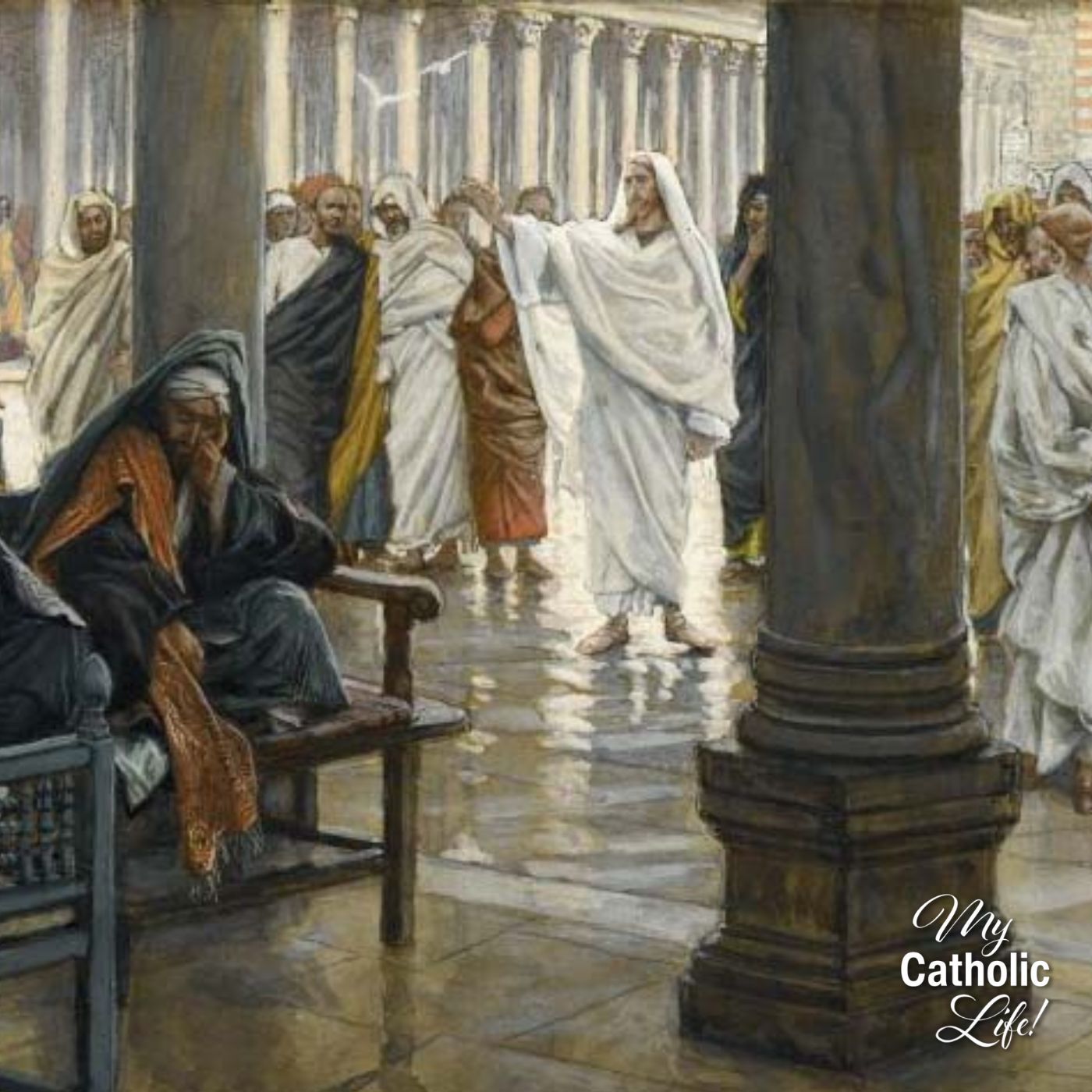
Aug 24, 2024
Twenty-First Sunday in Ordinary Time (Year B) - Unwavering Fidelity Always
Read Online Jesus then said to the Twelve, “Do you also want to leave?” Simon Peter answered him, “Master, to whom shall we go? You have the words of eternal life. We have come to believe and are convinced that you are the Holy One of God.” John 6:67–69 These words of Saint Peter present us with the conviction we must have when fidelity to the will of God becomes difficult. God is demanding. He wants everything from us. We will only obtain Heaven once we surrender everything over to the will of the Father and believe all that He has revealed. If we fail to do so before we die, we will need to be purified in Purgatory. There is no way around this. God is a demanding God to the greatest extent possible. The truth is that this is all good. It is good that God demands complete submission to His perfect will and teaching because these are exactly what is best for us. From time to time, because of our weak and fallen human nature, we can perceive God’s will as too demanding and His teaching as too difficult. Do I really have to forgive everyone completely? Do I really have to lay my life down without reserve? Do I really have to keep the Commandments to perfection? Do I really have to be perfect as the Father in Heaven is perfect? Yes. But as we try to do so, we will experience many temptations to give up, thinking that God’s will is too hard. Today’s Gospel comes at the end of the beautiful Bread of Life Discourse in which our Lord taught clearly, “Amen, amen, I say to you, unless you eat the flesh of the Son of Man and drink his blood, you do not have life within you.” At the beginning of today’s Gospel, upon listening to Jesus’ new teaching, many of His disciples murmured among themselves saying, “This saying is hard; who can accept it?” This teaching of Jesus is “hard” in the sense that it requires a profound faith to understand completely. But just because something is hard to accept does not mean that we should not accept it. Peter’s statement quoted above gives us the words we should say whenever we find God’s will or His teaching difficult to accept. When that happens, we must hear Jesus ask us the same question He asked the Twelve: “Do you also want to leave?” Jesus will not try to manipulate us. He will not back down when He sees we are struggling. He will not lessen the requirement of being His faithful follower. Instead, He will give us the freedom to either believe or leave. And when we feel like leaving, we should always remember Peter’s words, “Master, to whom shall we go? You have the words of eternal life. We have come to believe and are convinced that you are the Holy One of God.” Peter’s statement says all we need to know in the face of any interior conflict of faith. Sure, we could leave our Lord and do our own thing. But where would we go? To embrace the passing pleasures of the world? To what end? If we believe and are convinced that Jesus is the Holy One of God, then no matter how hard, no matter how demanding, no matter how difficult, we must embrace fidelity to God in all things. That act of fidelity, especially when we struggle with some interior conflict, is the key to unlocking the transforming power of God in our lives. Reflect, today, upon any ways that you have felt God’s will or any of His revealed truths to be difficult and demanding. When you face such an interior challenge, what do you do? If your response is to turn from God and become lax in your fidelity to Him, then reflect upon Peter’s words to Jesus. Make those words your prayer, and let that prayer strengthen your conviction to become an unwavering and faithful follower of God. My demanding Lord, in Your great love and mercy You require everything of me. You ask me to give You my life in total surrender and service of Your perfect will. When I am weak, give me strength. When I doubt, give me faith. Help me, Lord, to always deepen my resolve and to follow You with complete fidelity. Jesus, I trust in You. Source of content: catholic-daily-reflections.com Copyright © 2024 My Catholic Life! Inc. All rights reserved. Used with permission via RSS feed. Featured image above: Jesus in glory with apostles by Edouard Amedee Didron, stained glass window in Saint Thomas Aquinas in Paris, France, via Adobe Stock
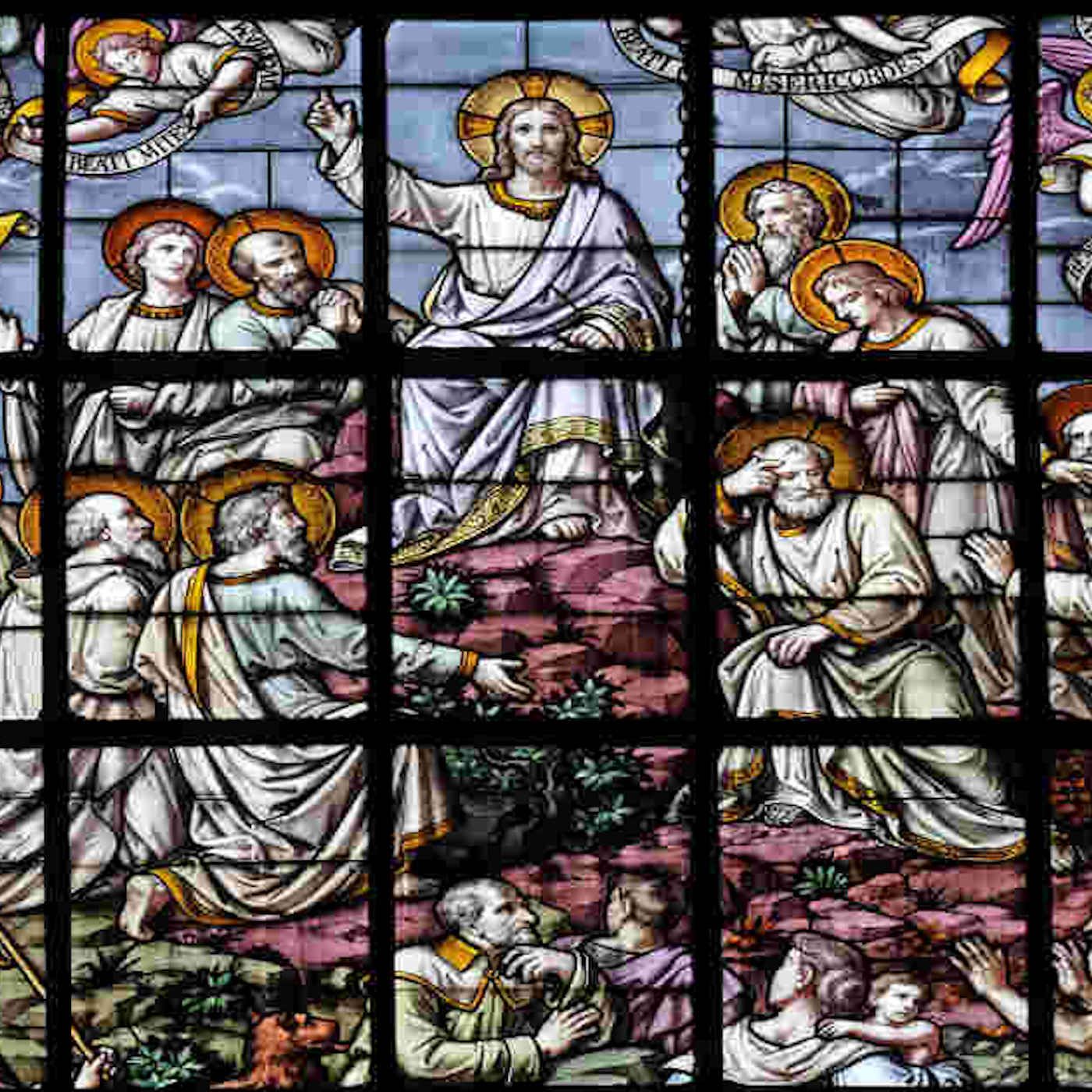
Aug 23, 2024
August 24, Feast of Saint Bartholomew, Apostle - The Faith of Bartholomew
Read Online Philip found Nathanael and told him, “We have found the one about whom Moses wrote in the law, and also the prophets, Jesus son of Joseph, from Nazareth.” But Nathanael said to him, “Can anything good come from Nazareth?” Philip said to him, “Come and see.” John 1:45–46 Nathanael, who also goes by the name Bartholomew, reacted strongly to the news from his friend Philip that they had found the promised Messiah. Why did Nathanael react this way? Most likely because it was common knowledge among the Jews that the promised Messiah would come from Bethlehem, not from Nazareth. So Nathanael immediately raises this doubt because of Jesus’ supposed origin. Of course, Jesus actually was born in Bethlehem and only later moved to Nazareth, but Nathanael did not immediately realize this. The first lesson to ponder today is that, just like Nathanael, we can easily doubt matters of faith because we do not fully understand. Perhaps if Philip had come and said that Jesus was born in Bethlehem but raised in Nazareth, then Nathanael may have been more immediately open. But this encounter most likely unfolded as it did, with Nathanael’s initial doubt, because the Holy Spirit, Who inspired these Scriptures, wanted us to learn an important lesson. The lesson we must learn is that we must not close the door on the Truth just because something doesn’t immediately make sense to us. Doubts are never from God. The good news in this Gospel passage is that, even though Nathanael did immediately express a certain doubt, he remained open to what Philip was saying. Philip, in answer to this doubt, said the best thing he could have said. He said, “Come and see.” What is it in your life that seems confusing to you in regard to your life or in regard to the many truths of our faith? If there is something that you struggle with in this way, then listen to the words of Philip and allow them to be spoken to you: “Come and see.” Once Philip brought Nathanael to Jesus, Nathanael quickly professed his full faith in Jesus as the “Son of God” and the “King of Israel.” Jesus said very little to Nathanael to convince him of these truths. Jesus simply told Nathanael that he had seen him sitting under the fig tree and that He knew that Nathanael was a man without guile. To be without guile means that you are not two-faced; rather, you are a very honest and straightforward person. Nathanael’s immediate realization of the greatness of Jesus could have only come by the gift of grace working in his soul. He came to see Jesus and believed through the interior gift of faith. The lesson of Nathanael tells us that if we bring our confusion to our Lord in faith and openness, all will be made clear. We will have our temptations to doubt removed, and we will be able to have faith that goes far beyond human reason alone. Reflect, today, upon the genuineness and openness of the heart of Nathanael. Bring to our Lord any and every question you have with the expectation that you will receive what you need. Faith does not usually come through convincing arguments or detailed deductive reasoning. It normally comes through a pure and simple openness to the Voice of God speaking within our soul. But when the gift of faith is given, it brings with it a holy certainty that cannot be doubted. My loving Lord, You invite all of us to come to You, to see You and to have faith in You. You truly are the Son of God and the King of all. Please open my mind to all that You wish to say to me so that I may shed my doubts and come to a transforming faith in all things. Jesus, I trust in You. Source of content: catholic-daily-reflections.com Copyright © 2024 My Catholic Life! Inc. All rights reserved. Used with permission via RSS feed. Featured image above: Exhibit in the Princeton University Art Museum By Daderot, via Wikimedia Commons
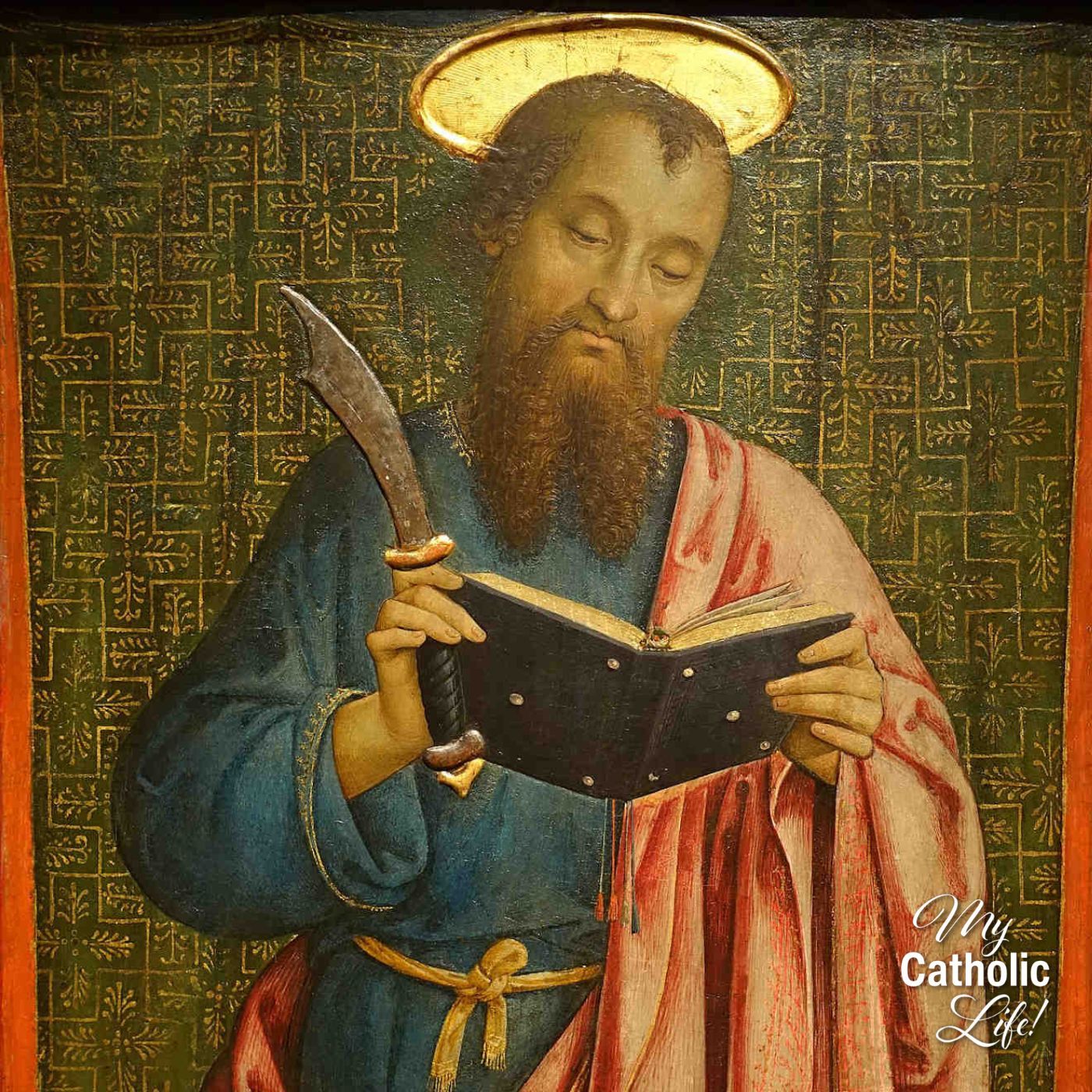
Aug 22, 2024
Friday of the Twentieth Week in Ordinary Time - Loving in Difficult Situations
Read Online “You shall love the Lord, your God, with all your heart, with all your soul, and with all your mind. This is the greatest and the first commandment. The second is like it: You shall love your neighbor as yourself.” Matthew 22:37–39 We are very familiar with this passage above. It is Jesus’ answer to the Pharisees who came to test Jesus. Prior to this, a group of Sadducees tried to trap Jesus and failed. So now it was the Pharisees who gave it their best shot to trap our Lord. Of course, Jesus’ answer was perfect. And upon the conclusion of this answer, Jesus returned the favor by asking the Pharisees some questions that they could not answer, and they dared not ask Him any further questions at that time. Sometimes, being challenged by another in matters of faith helps us, in that it allows us to clarify what we actually believe. Though Jesus did not need clarity for His own sake, He did offer this clarity in the face of trickery so as to help both the Pharisees as well as His followers who were listening attentively. Have you ever been challenged by another about matters of faith? If so, what was your response? Were you able to respond by the inspiration and clarity given by the Holy Spirit? Or did you walk away confused and unable to respond? Having our faith challenged by another will either result in our own confusion or in our deeper understanding. By answering this question in the way that Jesus did, He presented the entire Law given by Moses in the Ten Commandments in a new and summarized way. The first three of the Ten Commandments have to do with love of God, and the last seven have to do with love of neighbor. The second commandment Jesus gives, “You shall love your neighbor as yourself,” is a consequence of the first commandment. How do you “love yourself?” You do so by fulfilling the first commandment Jesus gave: “love the Lord, your God, with all your heart, with all your soul, and with all your mind.” When God is loved above all, then loving your neighbor simply means that you love God Who dwells within your neighbor in accord with the way God loves them. It is also helpful to note that it is possible to “love” our neighbor in such a way that is contrary to the love of God. For example, if our love of neighbor is expressed in such a way that is contrary to the Love of God, then this is not true love. Let’s say that your neighbor has chosen a gravely immoral lifestyle. How do you love them with the love of God? You don’t say to them “I support you in your immoral living.” Doing so is not love of God; it’s a selfish form of love that cares more about how the person will respond back to you than caring for their eternal soul. The right form of love for one who has gone astray in an objectively immoral way is to let them know you love them but do not support the choices they are making. And though they may respond negatively to this, caring for their eternal salvation must supersede every desire to simply get along with them. Love of neighbor, at times, especially when the “neighbor” is a family member who has turned from God, can be challenging. But when it is, think about the way that the Sadducees and Pharisees tried to constantly trap Jesus. He always gave the perfect response of love and never allowed their misguided conversation to leave confusion. So with us, we must rely upon the wisdom and love of God when loving another is difficult. God must guide our every conversation in that case so that the other knows they are loved and so that our love does not deviate from the pure love of God. Reflect, today, upon the high calling you have been given to love God above all and to love your neighbor with that same love that you have for God. If you find loving someone is difficult, pray for the wisdom you need to remain faithful to them in God’s love alone. And if you find your love challenged, rely upon our Lord to lead you and to give you the words you need when you need them the most. My loving Lord, You love all people with a perfect love, and You call us all to love You with our whole heart, soul and mind. And You call us to love others with the love You have for them. Fill my heart with love of You and all people, especially those who are most difficult to love. Give me wisdom, dear Lord, to know how to love others in You so that they will experience Your perfect love in their lives. Jesus, I trust in You! Source of content: catholic-daily-reflections.com Copyright © 2024 My Catholic Life! Inc. All rights reserved. Used with permission via RSS feed. Featured image above: The Messiah gives the New Law, via flickr
Aug 21, 2024
Thursday of the Twentieth Week in Ordinary Time - An Invitation From the Father
Read Online “The Kingdom of heaven may be likened to a king who gave a wedding feast for his son. He dispatched his servants to summon the invited guests to the feast, but they refused to come.” Matthew 22:2–3 The king in this parable is God the Father, and the wedding is the marriage between Christ and the Church. The Father invites each one of us to be a member of the Church and to enter into divine union with His Son Jesus, thus entering into the life of the Holy Trinity. But we see right away in the parable that the invited guests “refused to come.” As the parable goes on, the king tried even harder to invite the guests, but they all responded in one of two ways. “Some ignored the invitation and went away…” and “The rest laid hold of his servants, mistreated them, and killed them.” Clearly, this was not the response hoped for by the generous king. We see in these two responses two levels of rejection of the Gospel that are present in our world today, just as it was at the time of Jesus. The first level of rejection is indifference. Many people are very busy today. We easily become occupied with many things that matter little in the end. Many are consumed by their smartphones, computers and tablets. Many spend countless hours watching television. Others become workaholics, spending most of their time at their occupation and leaving little time for that which is most important, such as family, prayer and service. As a result, it is very easy to become indifferent to the matters of faith and easy to fail to pray every day so as to seek out and fulfill God’s will. This indifference is quite serious. There is also a rejection of the faith in our world through a growing hostility toward the Church and morality. There are many ways in which the secular world continues to promote a culture that is contrary to the Gospel. And when Christians speak out and oppose these new cultural tendencies, they are condemned and often characterized as being prejudiced or judgmental. Such malice was displayed by the guests in this parable who “laid hold of his servants, mistreated them, and killed them.” Hostility toward the Church, the faith and clear moral principles laid down by God appears to be growing every year. This form of rejection of the Gospel is even more damaging than the simple indifference mentioned above. In this parable for today, Jesus says that in response to those who were indifferent and hostile, the king “sent his troops, destroyed those murderers, and burned their city.” This parable should not be read in such a way that we look at others and condemn them as if we were the king and had the right to do so. We do not have that right. Only God does. Instead, this parable should be read from the perspective of your own life. Hopefully you are not one of those who are hostile to the Gospel. But perhaps you and many other Christians struggle with the first form of rejection: indifference. We can easily become indifferent in many various ways and on many different levels. The opposite of being indifferent is to care and to care deeply about going to the wedding feast when invited. Reflect, today, upon the Wedding Feast to which you are invited. You are invited to enter into the glorious celebration of becoming one with the Savior of the World. You are invited to surrender your life to Him without reserve. You are invited to holiness, moral integrity, unwavering fidelity to God, service of others, charity that knows no bounds and so much more. To enter the Wedding Feast of the Lamb is something that must take place every day and every moment of your day for the rest of your life. God is inviting you. Will you say “Yes” with every fiber of your being? My inviting Lord, You desire that all people fully accept the invitation You have given to become one with You through spiritual marriage. You call us to the glorious Wedding Feast and eternal rejoicing. May I never be indifferent to Your invitation and always make my response with all my heart. I love You, dear Lord. Help me to love You all the more. Jesus, I trust in You. Source of content: catholic-daily-reflections.com Copyright © 2024 My Catholic Life! Inc. All rights reserved. Used with permission via RSS feed. Featured image above: Parable of the Great Banquet By Brunswick Monogrammist, via Wikimedia Commons

Aug 20, 2024
Wednesday of the Twentieth Week in Ordinary Time - Overcoming Envy
Read Online Going out about five o’clock, he found others standing around, and said to them, “Why do you stand here idle all day?” They answered, “Because no one has hired us.” He said to them, “You too go into my vineyard.” Matthew 20:6–7 These are very generous words spoken by the landowner. As the parable explains, this landowner hired workers for his vineyard early in the morning, and then again at nine o’clock, noon, three o’clock and finally at five o’clock. But at the end of the day, he paid them all the same daily wage as if they had all been working since early morning. The ones hired first were upset thinking it was unfair that those who worked just an hour were paid the same wage as they were. But the landowner concludes, “What if I wish to give this last one the same as you? Or am I not free to do as I wish with my own money? Are you envious because I am generous?” God, in His mercy, is generous beyond comprehension. But we, as fallen humans, are constantly examining whether we are getting our fair share and comparing ourselves to others. We tend to want more and more and easily become envious when we see others succeed or receive blessings that we do not have. For example, if someone is more popular than us on social media, or drives a nicer car, or has a bigger home, or goes on an expensive vacation, we often tend to notice with a sort of sorrow that we do not have what they do. And that is envy. The cure for envy is wholehearted generosity. Not just generosity with our money but generosity with our affections and our ability to rejoice in the blessings that others receive. For example, if someone were to tell you that they were going on a nice vacation next month to a place you always wanted to go, how would you react? You might jokingly say, “Wow, I’m jealous!” Jealousy can quickly turn into envy, which is a form of sorrow over the blessings another has that you do not. And that sorrow over the blessings of another can subsequently turn to anger. These workers in the vineyard who worked all day and received the same amount as those who worked only one hour could have responded by congratulating the later workers and could have even jokingly said, “Lucky you, I wish I would have shown up at five o’clock!” But instead, they grumbled and tried to interfere with the generosity of the landowner saying, “These last ones worked only one hour, and you have made them equal to us, who bore the day’s burden and the heat.” Again, this is envy, in that their sorrow over the generosity of the landowner led them to try to interfere with the blessing the others received. Whenever you notice this form of unholy sorrow within you, take notice. It means that you lack a selfless generosity toward others. And if you see God blessing another in spiritual riches, try to generously rejoice in that. Offer praise and thanks to God for His goodness. Don’t dwell on yourself and dismiss every temptation to compare. In many ways, everyone of us is represented by those who worked only one hour and received the full daily wage. This is because we could never earn the grace of salvation. The one and only reason we are able to receive the gift of eternal salvation and every other grace given to us by God is because God is infinitely generous. Therefore, the goodness and generosity of God must be our constant focus, and we must rejoice in that generosity when it is given to us and when it is also given to others. Reflect, today, upon any tendency you have toward envy. Think about the blessings that others have been given that you have not. Sincerely look at your interior reaction to that and pray that God will grant you the gift of being able to be generous in your rejoicing in those blessings. Every blessing given by God must be the cause of our joy, no matter if those blessings are bestowed upon us or upon others. My most generous Lord, You bestow Your blessings upon all in superabundance. When I witness the ways that others are blessed by You, help me to foster a sincere gratitude for all that they have received. Help me truly rejoice in the many ways You bless all Your people. Free me from envy, dear Lord, so that I am not burdened down by that ugly sin. Jesus, I trust in You. Source of content: catholic-daily-reflections.com Copyright © 2024 My Catholic Life! Inc. All rights reserved. Used with permission via RSS feed. Featured image above: Parable of the Workers in the Vineyard By Johann Christian Brand, via Web Gallery of Art
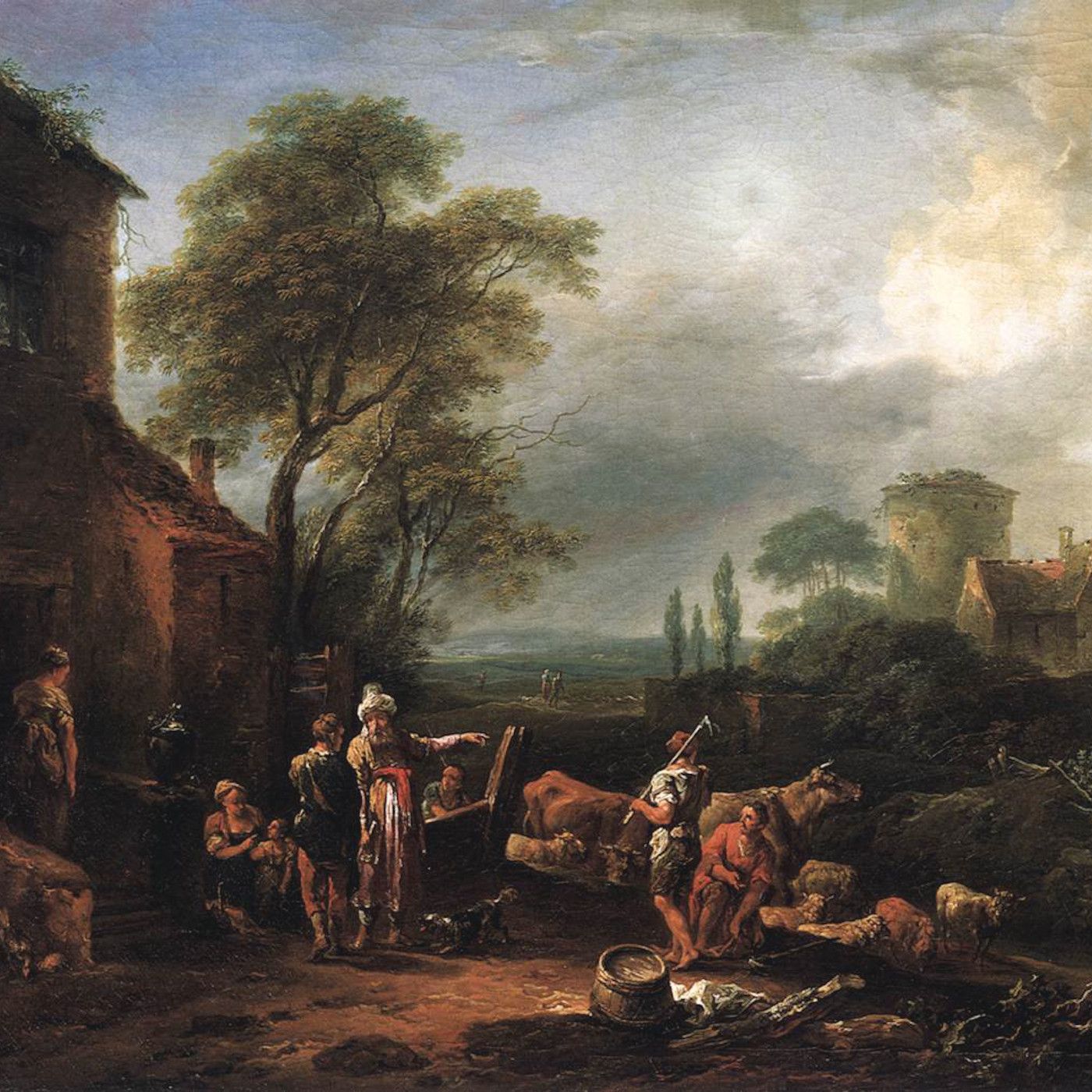
Aug 19, 2024
Tuesday of the Twentieth Week in Ordinary Time - The Eye of a Needle
Read Online Again I say to you, it is easier for a camel to pass through the eye of a needle than for one who is rich to enter the Kingdom of God.” When the disciples heard this, they were greatly astonished and said, “Who then can be saved?” Jesus looked at them and said, “For men this is impossible, but for God all things are possible.” Matthew 19:24–26 According to one tradition, the “eye of the needle” referred to a gate in the wall of Jerusalem. During the day, there was a large gate that was open through which a camel could easily pass. But at night, the larger gate was closed and there was a smaller opening in the center of the gate that allowed people to pass through. A camel, however, could not pass through that smaller opening unless it got down on its knees, had its load removed from its back, and then crawled through. In referencing this story, Saint Anselm states that “the rich should not be able to pass along the narrow way that leads to life, till he had put off the burden of sin, and of riches, that is, by ceasing to love them” ( Catena Aurea ). So is it possible for a camel to enter through the “eye of the needle” and, therefore, a rich man to enter into Heaven? Yes. But only under the condition of being on their knees, humbling themselves, and ridding themselves of the “baggage” of their riches. For those who are truly rich in the things of this world, this Gospel passage may be difficult to read and reflect upon. It was spoken in reference to the rich young man who asked Jesus how he can enter into eternal life. Jesus’ answer was “go, sell what you have and give to the poor, and you will have treasure in heaven.” At that, the rich young man went away sad because he was clearly attached to his wealth. Jesus’ explanation above, however, should give hope to anyone who struggles with this high expectation. The disciples were truly troubled by what Jesus said, and that is why Jesus followed up by saying, “For men this is impossible, but for God all things are possible.” For God all things are possible! This statement of fact should be carefully pondered and believed by anyone who struggles with being overly attached to material riches. It should also be noted that one can be attached to riches even if they do not have riches. The desire for more is the attachment that needs to be cleansed, not the actual possession of riches. In fact, it is possible to have many possessions and not be attached to them at all. This is the beauty of poverty of spirit. But be careful not to presume that you have perfected this beatitude too quickly. Jesus’ statement above was said out of love for those who are overly attached to the things of this world. So if this is you, be merciful to yourself and pay close attention to Jesus’ words and your own interior struggle with this. Reflect, today, upon this clear and unambiguous statement of Jesus. “It is easier for a camel to pass through the eye of a needle than for one who is rich to enter the Kingdom of God.” Do you believe this? Can you accept this? Is Jesus speaking to you through this passage? Again, even if you are materially poor, is your desire for riches strong? If so, this passage equally applies to you. Allow this passage to sit within your heart in a prayerful way and try to be as honest as you can with yourself as you read it. Do not hesitate to choose the true riches of Heaven over the passing things of this world. In the end, the value of spiritual wealth infinitely outweighs anything you possess for your short time here on earth. Lord of true riches, You desire that each of us be filled with spiritual wealth that is infinitely greater than anything we could obtain in this world. Please free me from my attachment to material wealth so that I can live free from that burden. Help me to see the value of the treasures of Your grace and mercy and to make this true wealth the single focus of my life. Jesus, I trust in You. Source of content: catholic-daily-reflections.com Copyright © 2024 My Catholic Life! Inc. All rights reserved. Used with permission via RSS feed. Featured image above: Title: Jerusalem. Jaffa Gate. Needle’s eye. Matt. 19:24, via Wikimedia Commons
Aug 18, 2024
Monday of the Twentieth Week in Ordinary Time - Perfection
Read Online “If you wish to be perfect, go, sell what you have and give to the poor, and you will have treasure in heaven. Then come, follow me.” When the young man heard this statement, he went away sad, for he had many possessions. Matthew 19:21–22 This is the conclusion to the conversation that Jesus had with a rich young man who came to Him and asked, “Teacher, what good must I do to gain eternal life?” Jesus went on to tell him to keep the commandments. The young man said he has done so from his youth and wanted to know what else he could do. So Jesus answered his question. But the answer was more than the young man could accept. “If you wish to be perfect, go, sell what you have and give to the poor, and you will have treasure in heaven. Then come, follow me.” Do you want to be perfect? If so, then Jesus has set a high bar for such a goal. It seems that many followers of Christ are okay with simply being okay. In other words, it seems that it is rare to find a person who is wholeheartedly committed to perfection. Many may have good intentions, but it seems that there are few who fully commit themselves to all it takes to truly obtain the perfection to which we are all called. It’s interesting to note that Jesus’ initial response to this rich young man explained the requirements for entering eternal life, that is, the minimal requirement for obtaining Heaven. Simply put, Jesus said that if you refrain from serious sin by keeping the commandments, then you will inherit eternal life. Of course, that also presumes that you have the gift of faith and are thus open to the gift of salvation. So is that what you are content with? Are you satisfied with doing the minimum it takes to get to Heaven? The idea of perfection can appear to be beyond us. Too often we can think, “I’m only human.” But as a human who is called by God, we are invited to work toward the obtainable goal of greater holiness. Though we will always fall short, we must strive to become as holy as we can, holding nothing back. Though the invitation given to this young man to “go, sell what you have and give to the poor” is not a requirement that our Lord places on everyone, He does call some to do this literally. But for everyone else, the invitation still remains—but in a spiritual sense rather than a literal sense. This is the spiritual call to interior poverty of spirit. Everyone of us is called to be interiorly detached from the things of this world in a complete way, even though we retain our possessions. We must have as our single possession the love of God and the service of His will. This depth of spiritual detachment means that God and His holy will is all we desire in life. And if He ever were to call us to literally give everything up, we would do it without hesitation. And though that may seem extreme, it is, in fact, exactly what will benefit us the most. It is the only way to become fully human and fully the person we were meant to be. And the end reward is not only the attainment of Heaven but an incomprehensible amount of glory in Heaven. The holier we become here on earth, the greater will our eternal reward be in Heaven. Do not hesitate to do all you can to build up that treasure that will be with you forever. Reflect, today, upon the high calling to perfection given to you by God. Ask yourself in a very sincere way whether or not you are simply okay with being okay or if you want so much more. Do you want the greatest riches in Heaven? Do you want your eternity to be one in which the spiritual treasures you build up now are with you forever? Do not hesitate to accept this high calling from Jesus. Allow His invitation to this rich young man to echo within your heart as His personal invitation to you, also. Say “Yes” to Him and know that you will be eternally grateful you did. My loving Lord, You invited the rich young man to strive for perfection. You also invite me and all Your children to this holy and high calling. Give me the grace I need to detach from all that hinders this goal so that I can make You and Your holy will the central and only goal of my life. Jesus, I trust in You. Source of content: catholic-daily-reflections.com Copyright © 2024 My Catholic Life! Inc. All rights reserved. Used with permission via RSS feed. Featured image above: Cathedral Church of Saint Patrick (Charlotte, North Carolina) – stained glass, Christ and the rich young man By Nhevob, via Wikimedia Commons
Aug 17, 2024
Twentieth Sunday in Ordinary Time (Year B) - Changed by the Eucharist
Read Online Jesus said to the crowds: “I am the living bread that came down from heaven; whoever eats this bread will live forever; and the bread that I will give is my flesh for the life of the world.” John 6:51 It must have been somewhat shocking to the people who heard Jesus say this for the first time. Immediately after Jesus said this, we read that “The Jews quarreled among themselves, saying, ‘How can this man give us his flesh to eat?’” Jesus addressed their confusion even more directly by saying, “Amen, amen, I say to you, unless you eat the flesh of the Son of Man and drink his blood, you do not have life within you.” Those who were confused must have become even more confused, and those who believed must have deepened their faith as they heard Jesus teach so clearly and profoundly. Of course, Jesus was speaking about the Eucharist. The Eucharist is truly His Body and Blood, Soul and Divinity. We know that. We believe it. But from time to time, it is a helpful spiritual practice to revisit our Lord’s very direct and definitive teaching. On the deepest level, the Eucharist will always remain a profound mystery of faith. How can we eat His flesh and drink His blood? To someone without faith and without a basic understanding of the Eucharist, this teaching seems shocking and unbelievable. In fact, it’s easy to understand how some of the first hearers of this teaching quarreled among themselves in confusion. For that reason, we must listen to Jesus’ words with the spiritual gift of understanding so that we are not among those who are confused. Understanding is a gift of the Holy Spirit that opens our minds to the deep spiritual truths Jesus is revealing. If we attempt to listen to this teaching using our human reason alone, we will never understand. When you consider Jesus’ teaching on the Holy Eucharist, what do you understand and believe? Especially consider what goes through your mind when you attend the Holy Mass and go forward to receive Communion. What normally takes place within you at that moment? Some come forward distracted or even disinterested, paying more attention to the others around them than to the Eucharist. Others simply go forward out of habit because that’s what they have always done. Some see the Eucharist more as a symbol of our sharing in God’s banquet. But some come forward with a deep spiritual hunger and thirst for God, receive Him in faith, love Him deeply as they consume Him, and are filled with hopeful anticipation that their reception of this holy gift will transform them interiorly and set them more firmly on the path to holiness. Which person are you most like? Believing in the Holy Eucharist and receiving it with the utmost faith and devotion will only happen when we believe. But believing doesn’t come automatically. It first requires understanding. And understanding will only come when we allow our minds to engage the mystery and teaching of Jesus, ponder it, contemplate it, penetrate it and open ourselves to God’s gentle and revealing voice. Words do not suffice to explain this mystery. Prayer that opens oneself to the voice of God alone suffices. Reflect, today, upon how you approach Holy Communion each week. Start by thinking about the last few times you went forward to receive our Lord in this way. From there, think about how deeply you understand that moment. Is it transforming for you? Are you among those who hunger and thirst for Jesus? Do you notice the spiritual effects that take place within you as a result of your reception of the Eucharist? If so, then deepen your faith by committing yourself to a more prayerful participation in the Mass the next time you attend. If not, then try to step back and examine that which you actually believe, are confused about or do not believe. There is no greater gift we will ever receive in life than the Eucharist. Believe it with all your heart, and the Eucharist will change your life. My Eucharistic Lord, I do believe; help my unbelief. I thank You for the very gift of Yourself, given to me in the reception of Holy Communion. Please continue to teach me about this Gift, dear Lord. Open my mind to understand so that I will always come forward to receive with the utmost faith, love and hope. Jesus, I trust in You. Source of content: catholic-daily-reflections.com Copyright © 2024 My Catholic Life! Inc. All rights reserved. Used with permission via RSS feed. Featured image above: I Am the Bread of Life, via flickr
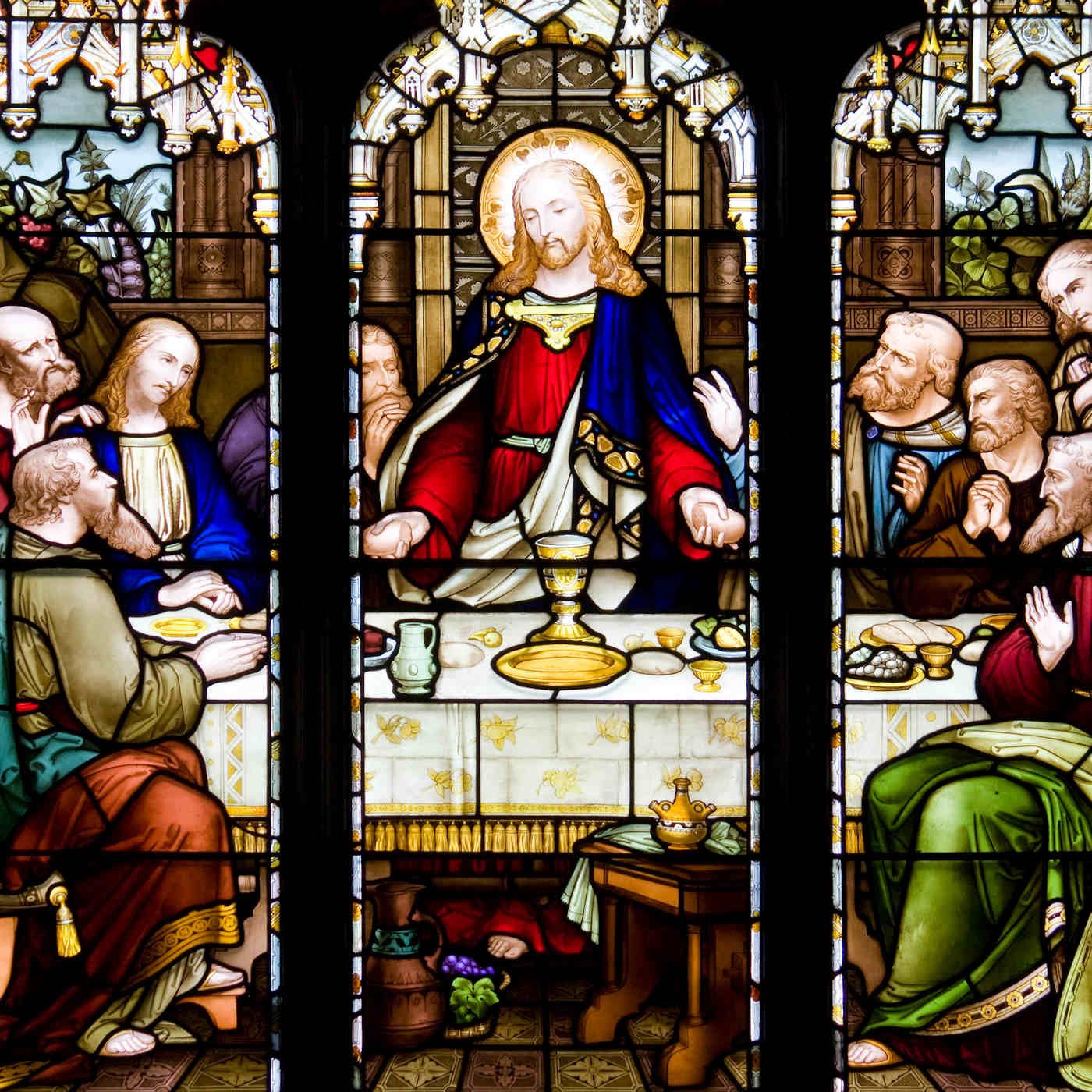
Aug 16, 2024
Saturday of the Nineteenth Week in Ordinary Time - All Are Welcome
Read Online Children were brought to Jesus that he might lay his hands on them and pray. The disciples rebuked them, but Jesus said, “Let the children come to me, and do not prevent them…” Matthew 19:13–14 In the Catechism of the Council of Trent , which was promulgated by Pope Saint Pius V, this passage is linked with infant baptism. It states, “Besides, it is not to be supposed that Christ the Lord would have withheld the Sacrament and grace of Baptism from children, of whom He said: Suffer the little children, and forbid them not to come to me…” (II, 2, 32). This teaching clearly indicates one of the best ways that this passage is fulfilled today. Inviting even infants before they reach the age of reason to receive the Sacrament of Baptism fulfills this loving command of Jesus to “Let the children come to me…” Young children do not have the ability to rationally understand love in its purest form. That comes with the age of reason, which has traditionally been understood to be around the age of seven. But children, and even infants, are capable of receiving our love and are capable of receiving the love of God, even if they do not yet fully comprehend this gift. As a child grows, they learn what love means as they witness it and experience it, especially through the mediation of their parents. This helps form their consciences in such a way that they become capable of making their own free choice to love as they mature in age. But if a child is to grow into a loving adult, they need more than just a good example, they need grace. The grace of Baptism is the primary source of that grace in their lives. It’s easy for many to see Baptism only as a nice ceremony to welcome the newly born child into God’s family. And though that is true, it is so much more. The Catechism of the Catholic Church states that Baptism bestows an indelible mark which “remains for ever in the Christian as a positive disposition for grace, a promise and guarantee of divine protection, and as a vocation to divine worship and to the service of the Church” ( CCC #1121). In other words, Baptism bestows upon one’s soul a gift that can never be removed and becomes an ongoing source of grace. And when an infant is baptized, it’s as if this Scripture passage above is perpetuated throughout that person’s life. Because of this sacramental grace, Jesus continually says to this baptized soul, “Come to Me.” In addition to the grace of Baptism, we must all imitate Jesus’ action of welcome and acceptance of not only children but of every child of God. Though the disciples initially tried to prevent the children from coming to our Lord, we must not. We must understand that there is a real temptation within our fallen human nature to both withhold the love of God from others and to even prevent others from coming to God. Anger, pride, envy, jealousy and the like can cause us to object to the conversion of others and to God welcoming them to Himself. When that temptation sets in, we must hear Jesus say to us, “Let the children come to me” and “do not prevent them.” Reflect, today, upon these gentle and inviting words of Jesus. As you do, try to call to mind anyone who you might try to prevent from coming to our Lord. Do you desire the holiness of all people? Is there anyone in your life whom you find it difficult to encourage to come to Jesus to be embraced and blessed? Take on the heart of Jesus and see it as your duty to embrace others as He embraced these children. The more you become an instrument of the love of Christ, the more you will daily rejoice in God’s blessings as they are bestowed on others. My tender Lord, You welcome all people to share in Your grace. You welcome every child and every child of God to share in Your loving embrace. Please extend that welcome to me and help me to accept this gift of Your infinite love. And help me to become a better instrument of Your love toward others, never interfering or preventing them from turning to You. Jesus, I trust in You. Source of content: catholic-daily-reflections.com Copyright © 2024 My Catholic Life! Inc. All rights reserved. Used with permission via RSS feed. Featured image above: Christ Blessing Little Children By Charles Lock Eastlake, via Wikimedia Commons
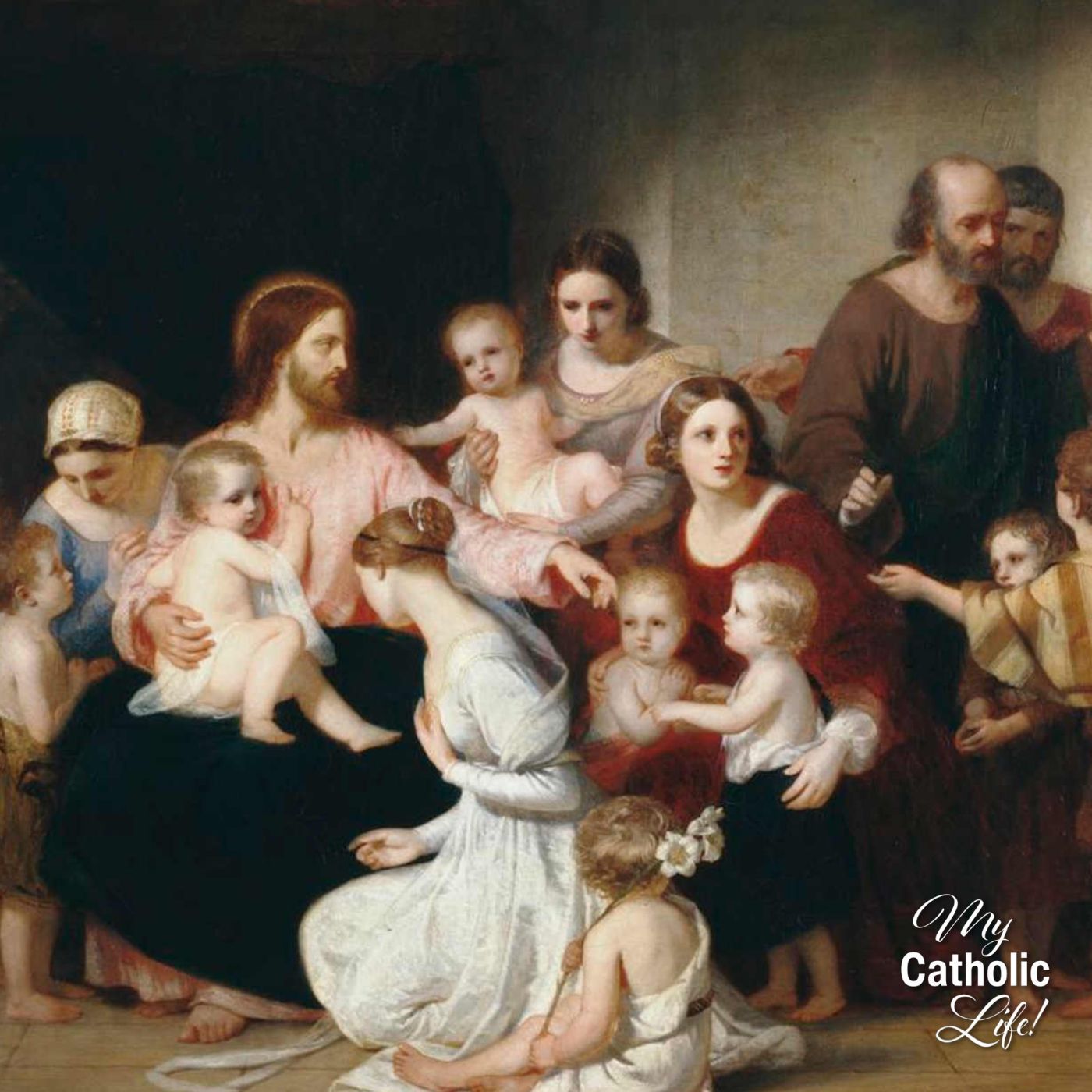
Aug 15, 2024
Friday of the Nineteenth Week in Ordinary Time - The Love for Holy Living
Read Online He answered, “Not all can accept this word, but only those to whom that is granted.” Matthew 19:11 This was Jesus’ response to a lengthy discussion about the indissolubility of marriage. One of the reasons that “Not all can accept this word…” is because marriage, and every other vocation, requires wholehearted sacrifice and selflessness. When this is not present, and when the selfless living that is required of us turns to selfishness, then every conflict becomes a heavy burden. A burden that is unbearable without grace. What is love? What form of love is required in marriage and every other vocation? What love is required of parents and grandparents? The answer is the same to all of these questions. We must love with complete selflessness and in a sacrificial way. Love, in its truest form, always looks to the good of the other and never focuses upon oneself. Only grace can enable us to live a life based on true love. Our fallen human nature tends to “navel gaze,” meaning, we tend to go through life thinking about ourselves—“What will make my life better? How will this affect me? This person has hurt me. I don’t want to do this or that, etc.” It is very difficult in life to turn our eyes from ourselves to the love of others. This is why Jesus said that this form of love can only be embraced by “those to whom that is granted.” And those to whom this depth of love is granted are those who are open to God’s transforming grace in their lives. One reason that it is very difficult to love in a completely selfless way is because it requires us to live by grace. Our feeble human minds cannot arrive at the high calling of charity by itself. It is only by grace that we will understand that selfless living is not only best for those whom we are called to love, but it is also best for us. And in the context of married life, parenting, other vocations and every other situation in life, if our love is always focused upon the good of the other, and if our lives imitate the total sacrifice of Christ, then we will see God do great things through us. As He does, we will also see God do great things in us. The bottom line is that we only become who we were made to be when we live like Christ. And He lived a life that was unconditionally sacrificial and selfless. Reflect, today, upon the high calling of love that you have been given. Can you accept this teaching of our Lord? Has an understanding of the nature of true love been granted to you by grace? And if so, are you doing all you can to live a life of selfless sacrificial love in union with Christ Jesus? As you examine your life and your relationships, especially with those closest to you, consider how well you act as Christ to them. Consider whether you forgive, turn the other cheek, seek mercy, compassion, understanding, gentleness and every other virtue and fruit of the Holy Spirit. Where you are lacking and find selfishness, do not hesitate to beg our Lord to grant you the grace to not only understand your high calling of love, but to also embrace it in your actions to the fullest degree. Then, and only then, will you be able to live the vocation to which you have been called. My loving Lord, Your love is beyond all comprehension. It is a love that can only be understood by the gift of Your grace. Please do grant me the grace I need to not only understand and to receive Your love in my life but to also offer Your love to all. May my life become an ongoing instrument of the perfection of love that You lived. Jesus, I trust in You. Source of content: catholic-daily-reflections.com Copyright © 2024 My Catholic Life! Inc. All rights reserved. Used with permission via RSS feed. Featured image above: Jesus Preaches in a Ship By James Tissot, via Wikimedia Commons
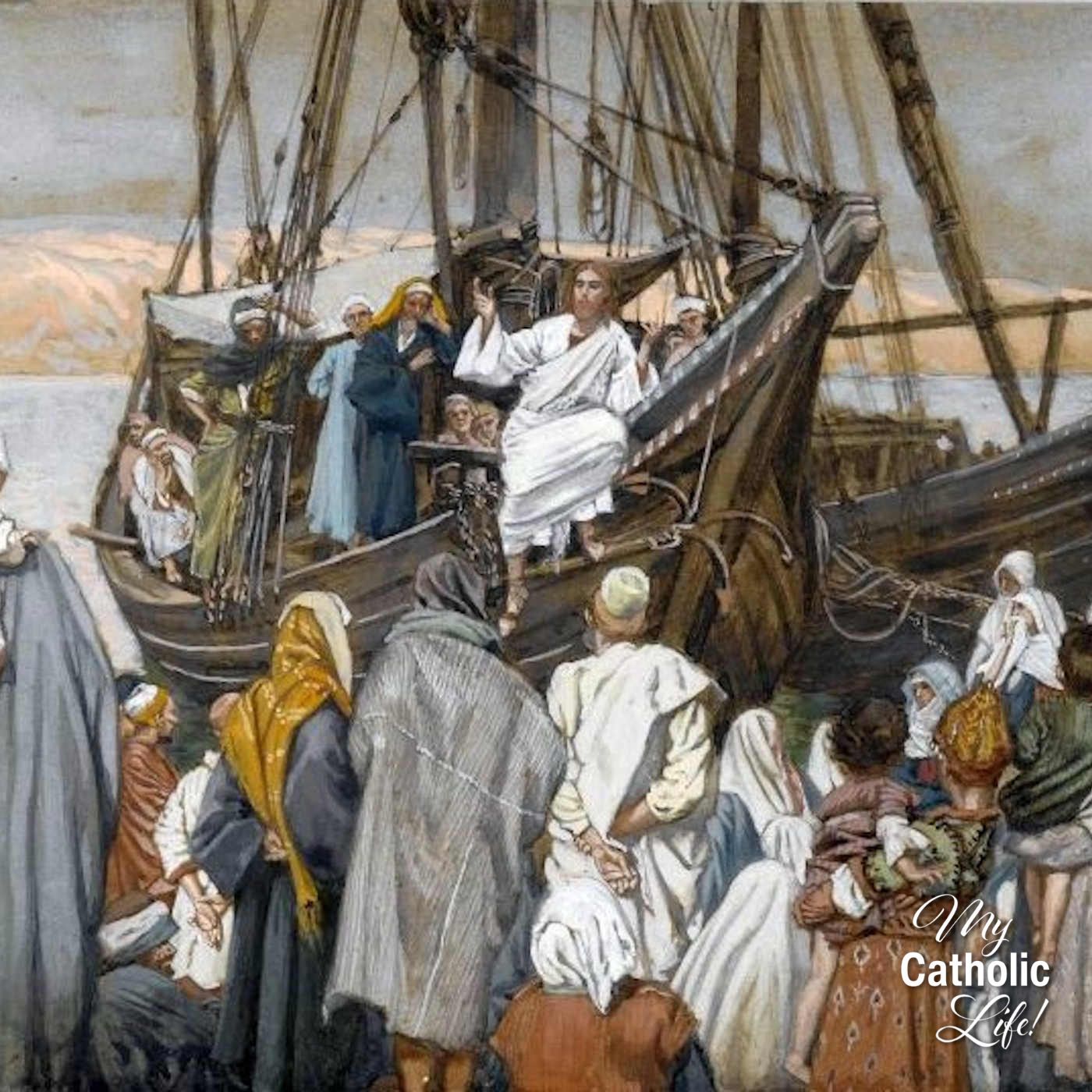
Aug 14, 2024
August 15, Solemnity of the Assumption of the Blessed Virgin Mary - The Assumption of the Mother of God
Read Online “My soul proclaims the greatness of the Lord; my spirit rejoices in God my Savior for he has looked with favor on his lowly servant. From this day all generations will call me blessed: the Almighty has done great things for me and holy is his Name.” Luke 1:46–49 Today we celebrate one of seventeen different memorials, feasts and solemnities in honor of the Blessed Virgin Mary that are found on the Roman Liturgical Calendar. Today’s celebration is one of the four great Solemnities by which our Blessed Mother is honored. Obviously, no other person other than our Lord is honored and celebrated with as much solemnity as the Mother of God. The Solemnity of the Assumption honors the fact that when the Blessed Virgin Mary completed her life on earth, she was taken body and soul into Heaven to be with her resurrected Son so as to adore the Most Holy Trinity forever. It’s an amazing fact to consider that she retains her body and soul, united as one in Heaven, in anticipation of that glorious day when the new Heavens and Earth will be created and when all the faithful will rise so as to live in a new bodily form forever with God. Though this dogma of our faith had been held and believed by the faithful from the earliest times of our Church, especially since it was witnessed by those closest to our Blessed Mother at the time of her glorious Assumption, it wasn’t until November 1, 1950, that Pope Pius XII solemnly proclaimed it to be so, raising this teaching of our faith to the level of a dogma, meaning, it must be held and believed by all. In part, the Holy Father declared, “...we pronounce, declare, and define it to be a divinely revealed dogma: that the Immaculate Mother of God, the ever Virgin Mary, having completed the course of her earthly life, was assumed body and soul into heavenly glory.” The Gospel passage quoted above comes from the beginning of Mary’s song of praise, her Magnificat , by which she not only gives the greatest glory to God but also reveals who she is. She is the one whom “all generations” will call “blessed.” She is the one for whom “the Almighty has done great things.” She is the one who will eternally proclaim “the greatness of the Lord” and whose spirit will forever rejoice in God her Savior. And she is that lowliest of servants whom God has raised up to the greatest glory. Reflect, today, with the whole Church, upon the Most Glorious Ever-Virgin Mary who was conceived without sin, remained sinless throughout her life, and was taken body and soul into Heaven where she now adores the Most Holy Trinity and intercedes for you and for the whole Church. This is a Solemnity of great rejoicing! Share in this joy with the whole Church and with all the saints in Heaven! Most glorious and Ever-Virgin Mary, I rejoice today with you and with the whole Church for the most glorious things that God has done for you. You are beauty beyond beauty, Immaculate in every way, and worthy of our deepest love. As you now share body and soul in the glories of Heaven, please pray for me and for all your dear children on earth. Cover us with your mantle of love and pour forth the mercy of God upon us always. Mother Mary, assumed into Heaven, pray for us who have recourse to thee. Jesus, I trust in You. Source of content: catholic-daily-reflections.com Copyright © 2024 My Catholic Life! Inc. All rights reserved. Used with permission via RSS feed. Featured image above: The Assumption of the Virgin Mary by Peter Paul Rubens, via Wikimedia Commons
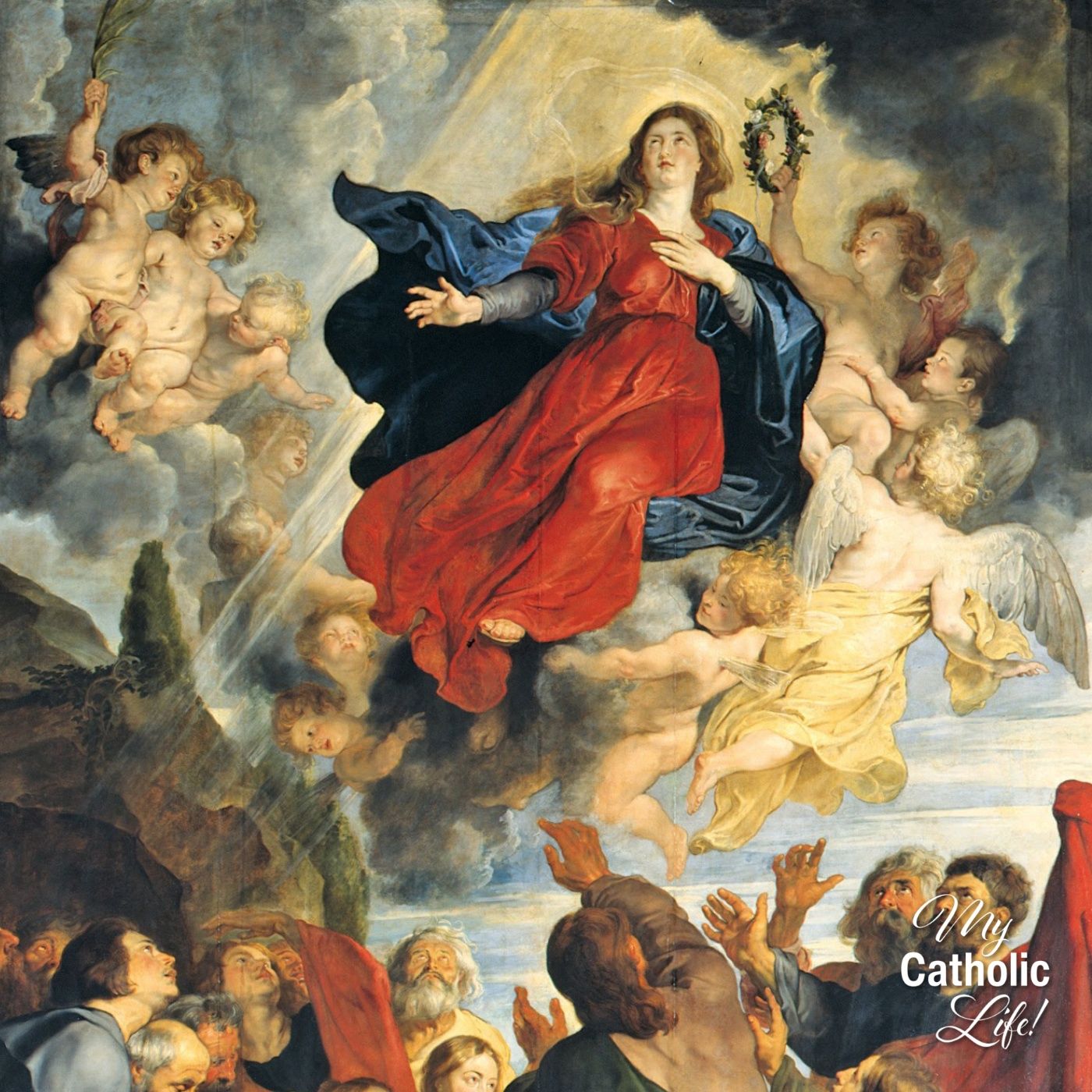
Aug 13, 2024
Wednesday of the Nineteenth Week in Ordinary Time - Praying Together with the Son
Read Online “Again, amen, I say to you, if two of you agree on earth about anything for which they are to pray, it shall be granted to them by my heavenly Father. For where two or three are gathered together in my name, there am I in the midst of them.” Matthew 18:19–20 This is a bold and awe-inspiring promise from our Lord. This passage reveals Jesus’ desire that we pray with others, uniting our prayer as one and offering it to the Father. Jesus says that when we do this in union with His prayer, our prayer will be answered. The first thing to note is that this passage could easily be misunderstood. For example, is Jesus telling us that if two or more people get together and pray that it rains, then it will happen? Certainly not. The key to understanding this passage is found in the last line: “...there am I in the midst of them.” This means that the goal of gathering together with two or more people in prayer is to unite our unified prayer to the prayer of Jesus. The Father always hears and answers the prayer of the Son. No matter what the Son asks the Father, it is granted. Thus, this passage tells us that the goal of gathering together in prayer with others, that is, with the Church, is to unite ourselves with the one and eternal prayer of God the Son. This is first and foremost fulfilled within the Sacred Liturgy. When we come together in the Liturgy, our prayer is always heard. Why? Because the Liturgy is first an action of God the Son in which He invites us, the Church, to share. And the prayer that is offered is the one and eternal prayer by which God the Son asks the Father to bring salvation to all those who accept the saving action of His sacrifice on the Cross. When we join in this prayer, it is granted. What type of prayer is not answered? First, God does not grant that which fails to serve His mission. Second, if we pray for God’s will but fail to do our part, then our prayer cannot be answered. For example, if you pray that you overcome a particular sin but then fail to respond to the grace God gives, then this is not the fault of God. Third, praying for vengeance on those who have hurt us is ineffective. And fourth, praying for the conversion of one who refuses to repent will also be unable to be fulfilled, unless they ultimately repent. These are but a few examples. What type of prayer is effective? As already mentioned, the prayer of the Liturgy as the one Sacrifice of Christ is always heard when we participate in it. But there are other ways that our united prayer will be fulfilled with certainty. For example, if you gather with others and together pray for the grace of deeper conversion, you can be certain that the grace will be offered. It is then up to you to open your heart to that grace so that it is effective. Or if you pray that God offers His mercy to someone caught in sin, you can be certain that that grace will be offered, even if the person refuses to accept it. And the list could go on. Simply put, if we gather with others and seek to unite our prayer to the one and perfect prayer of God the Son as it is offered to the Father in Heaven, then that prayer of the Son in which we share will be answered. Perhaps the best way to pray together in this way is to pray the “Our Father” prayer with another. This prayer is always heard and answered by the Father since it is the prayer given to us by the Son. Reflect, today, upon God the Son praying to the Father. What is His perfect prayer? What does He ask the Father? Look for ways in which you can join with others to unite your own prayer to this prayer of the Son of God. Do this first and foremost in the Sacred Liturgy, but look for other ways in which you can practice this form of prayer. Praying together with others in union with the one prayer of Jesus will always be answered by the Father in Heaven. My perfect Lord, all that You ask of the Father is granted to You. Please draw me and all the members of Your Church into Your perfect prayer to the Father. May we participate in this prayer especially through the Sacred Liturgy, and also as we gather as two or more. May we pray only with You and in accord with Your perfect will. Jesus, I trust in You. Source of content: catholic-daily-reflections.com Copyright © 2024 My Catholic Life! Inc. All rights reserved. Used with permission via RSS feed. Featured image above: Three Camaldolese Monks in Ecstatic Prayer By Alessandro Magnasco, via Web Gallery of Art
Aug 12, 2024
Tuesday of the Nineteenth Week in Ordinary Time - Carrying You Home
Read Online “What is your opinion? If a man has a hundred sheep and one of them goes astray, will he not leave the ninety-nine in the hills and go in search of the stray? And if he finds it, amen, I say to you, he rejoices more over it than over the ninety-nine that did not stray. In just the same way, it is not the will of your heavenly Father that one of these little ones be lost." Matthew 18:12–14 It is so easy to go astray. There are many wandering souls who are lost, confused, and in need of the Shepherd. Perhaps there are many reasons for this straying, including the lure of fleshly indulgence, the lure of money, temptations toward pride, anger, and selfishness, confusion, and much more. Today’s Gospel passage is not so much about the fact that people do stray; rather, it’s about God’s desire to win them back. When a person strays from God, they are left empty. That is the reality of our human condition. The only way to be satisfied in life is to give yourself to God out of love. God and God alone fulfills us. God and God alone can bestow joy and happiness upon us. So when a person is straying and is left empty inside, they have to make a choice. Will they repent of their sins and turn back to God? Or will they continue to seek satisfaction elsewhere? One of the greatest obstacles to repenting of one’s sins and turning back to God is our pride. It is hard to admit to sin. It is hard to admit we went astray. It is hard to take ownership of what we have done and turn to God for His mercy and compassion. Today’s Gospel is especially for the sinner who has strayed. It presents us with an image of God that is exceptionally inviting. It’s the image of a God Who goes forth searching for the stray sheep. But the most important image in today’s Gospel is that of the rejoicing of the Shepherd. We must come to realize that when God seeks us out and gets through to us, we should have no shame anymore. God does not condemn the person who has sorrow. Instead, He rejoices and carries that soul back home. Whenever we start to stray in life and give into a life of sin, we must understand this image of God and know that it applies to us. The truth is that sin is humiliating. And facing humiliation is difficult. But it’s also purifying. And if you are willing to embrace the humiliation experienced by confessing your sin, an endless amount of freedom awaits. Freedom comes especially in the form of God rejoicing and carrying you home. Reflect, today, upon the holy image of the Good Shepherd diligently searching for you. See His loving desire to get through to you, to reunite with you, to forgive you, and to lovingly carry you home. Allow fear of judgment to disperse. Humble yourself and acknowledge your sin. Admit that you are incapable of overcoming it by yourself. If you do, the heart of the Good Shepherd will rejoice as He lifts you up and carries you to freedom. Jesus, my Good Shepherd, Your love and compassion are incredible. You are a God of the utmost mercy. Please open my eyes to see You as You are, and dispel all fear from my heart. Please forgive me of my sin, lift me up, and carry me back to Your fold. Jesus, I trust in You. Source of content: catholic-daily-reflections.com Copyright © 2024 My Catholic Life! Inc. All rights reserved. Used with permission via RSS feed. Featured Image: The Rebuking or Calling of Saint Peter , via Wikimedia Commons
Aug 11, 2024
Monday of the Nineteenth Week in Ordinary Time - Miracles of Hope
Read Online From whom do the kings of the earth take tolls or census tax? From their subjects or from foreigners?” When he said, “From foreigners,” Jesus said to him, “Then the subjects are exempt. But that we may not offend them, go to the sea, drop in a hook, and take the first fish that comes up. Open its mouth and you will find a coin worth twice the temple tax. Give that to them for me and for you.” Matthew 17:25–27 Prior to this minor miracle, Jesus had just told His disciples for the second time about His coming passion. Again, this was difficult for them to hear. Recall that after the first prediction of Jesus’ coming passion and death, Jesus took Peter, James and John up the mountain and was Transfigured before them. The Transfiguration was meant, in part, to dispel the fear of the disciples and to give them hope for that which was to come. And now, after Jesus’ second prediction of His passion, another miracle was performed for Peter, personally, to help encourage him and give him hope. Imagine if you were Peter. Imagine following through with Jesus’ instructions by going to the sea, dropping in a hook, pulling out a fish and then opening its mouth. Peter must have been filled with hope and excitement as he pulled this fish in, wondering if Jesus’ words would come true. And as soon as Peter saw the coin, just as Jesus said, he must have been in awe. Slowly, the fear and anxiety he was experiencing at this second prediction of Jesus’ passion and death would have begun to subside as Peter witnessed yet another incredible sign from his Lord. God performs miracles in our lives every day. The problem is that we often fail to discern them. Any time His glorious power works within us to strengthen us or fills us with courage, hope, charity and every other virtue, this is a miracle of transforming grace. God always knows what we need in life. He knows our struggles and doubts. At times, He is silent so as to draw us deeper through intentional prayer and acts of faith. And at times, we suddenly find that we receive a new clarity in life that is the result of His grace at work. Jesus knew that Peter needed this extra grace of this personal miracle so that he could move beyond his fears and struggles and place all of his trust in Jesus. Jesus was trustworthy. This is the conclusion Peter would have arrived at. He was trustworthy. Therefore, everything He said should be believed. What a wonderful conclusion for us all to arrive at. Reflect, today, upon the ways that God has assured you of His divine presence and action in your life. Though the assuring miracles God has performed in your life may not be physical in their manifestation, God’s workings can be just as convincing if we clearly perceive them. What does God want to assure you of in your life? What struggle or doubt do you struggle with? If you struggle, turn your mind to the ways that God has been present and active in your life. Ponder His intervention and the ways He has cared for you and led you. Be grateful and allow the memory of what God has done to be your strength today and the source of hope when you need it the most. My miraculous Lord, Your action in my life is truly glorious and amazing. You never fail to provide for me when I am in need. Help me to turn to You whenever I struggle so as to be filled with new hope in You. You are always faithful, dear Lord. I do place all my hope in You. Jesus, I trust in You. Source of content: catholic-daily-reflections.com Copyright © 2024 My Catholic Life! Inc. All rights reserved. Used with permission via RSS feed. Featured image above: Saint Peter paying the tribute with a piece of silver found in a fish By George Hayter, via Wikimedia Commons
Aug 10, 2024
Nineteenth Sunday in Ordinary Time (Year B) - Transforming Faith From Knowledge
Read Online “I am the bread of life. Your ancestors ate the manna in the desert, but they died; this is the bread that comes down from heaven so that one may eat it and not die. I am the living bread that came down from heaven; whoever eats this bread will live forever; and the bread that I will give is my flesh for the life of the world.” John 6:48–51 We continue this Sunday with the beautiful “Bread of Life Discourse” from John’s Gospel. At the beginning of today’s passage, we read that the people listening to this discourse “murmured about Jesus.” They did so because He had been teaching them that He was the Bread of Life Who had come down from Heaven. For some of His listeners, this was too much to accept. It was especially difficult for those who knew Jesus and His family from Nazareth. When Jesus became aware of their murmurs, He confronted them straight on saying, “Stop murmuring among yourselves.” He then doubled down on His teaching, taking it even further, telling them that whoever eats His flesh will live forever. In some ways, Jesus’ teaching could be said to defy human reason. Imagine hearing this teaching for the first time from someone who grew up in your hometown. Human reason alone is insufficient to comprehend and accept such teaching. But that is precisely the point. Human reason alone is insufficient. But when human reason is endowed with a special revelation from the Father in Heaven, then all becomes clear and all makes sense. On that point, Jesus said, “No one can come to me unless the Father who sent me draw him” and that “Everyone who listens to my Father and learns from him comes to me.” Therefore, even though it is beyond the ability of natural human reason alone to make sense of what Jesus was teaching, those who were drawn by the Father and listened to His voice were given a new form of knowledge that brought clarity to their human minds. This knowledge is essential if we are to know and understand the path to eternal life and if we are to understand and believe in the Most Holy Eucharist. Sometimes we can fall into the trap of thinking that faith is just believing in something that is beyond us. But faith is much more. It’s not just blindly believing. It’s not just wishful thinking that turns into a personal choice to believe. Faith is based on something absolutely real and unmistakable. It’s based on true spiritually revealed knowledge—a knowledge given to us by God. In fact, this form of knowledge, given by God, is far more certain than any other form of knowledge. For example, you know that 2+2=4 because you can take two objects, add two more, and then count four. Or you know that music is playing because your ears perceive the sound. Thus, you rely upon your senses to produce knowledge to arrive at conclusions. Spiritually infused knowledge, however, is even more certain than that which we can obtain through our senses because it is God Who reveals the truth. Therefore, if God speaks to you and imparts to you a knowledge that His flesh is true food and His blood is true drink, and that if you eat His flesh and drink His blood then you will obtain eternal life, then this knowledge is certain, transforming, and becomes the basis of a life of pure faith. Though this may seem overly philosophical, it is true and necessary to understand. Reflect, today, upon anything that you fail to have perfect faith in. Do you believe in the Most Holy Eucharist? Do you believe that it is the food for eternal life? Do you believe in everything Jesus taught? Examine your faith and where it is lacking; seek the voice of the Father. Only God can impart the deepest spiritual knowledge to you. For your part, you must listen, comprehend, accept and believe. Doing so will produce the gift of faith within your human reason, and that faith will be your guide to the life of the fullness of grace. Lord, You have revealed to us the deepest mysteries of life. You have revealed Your love and compassion, and You have revealed the way to eternal life. Please give me the gift of faith so that I will believe all that You have revealed. Please especially deepen my faith in the Gift of the Most Holy Eucharist. Jesus, I trust in You. Source of content: catholic-daily-reflections.com Copyright © 2024 My Catholic Life! Inc. All rights reserved. Used with permission via RSS feed. Featured image above: I Am the Bread of Life, via flickr
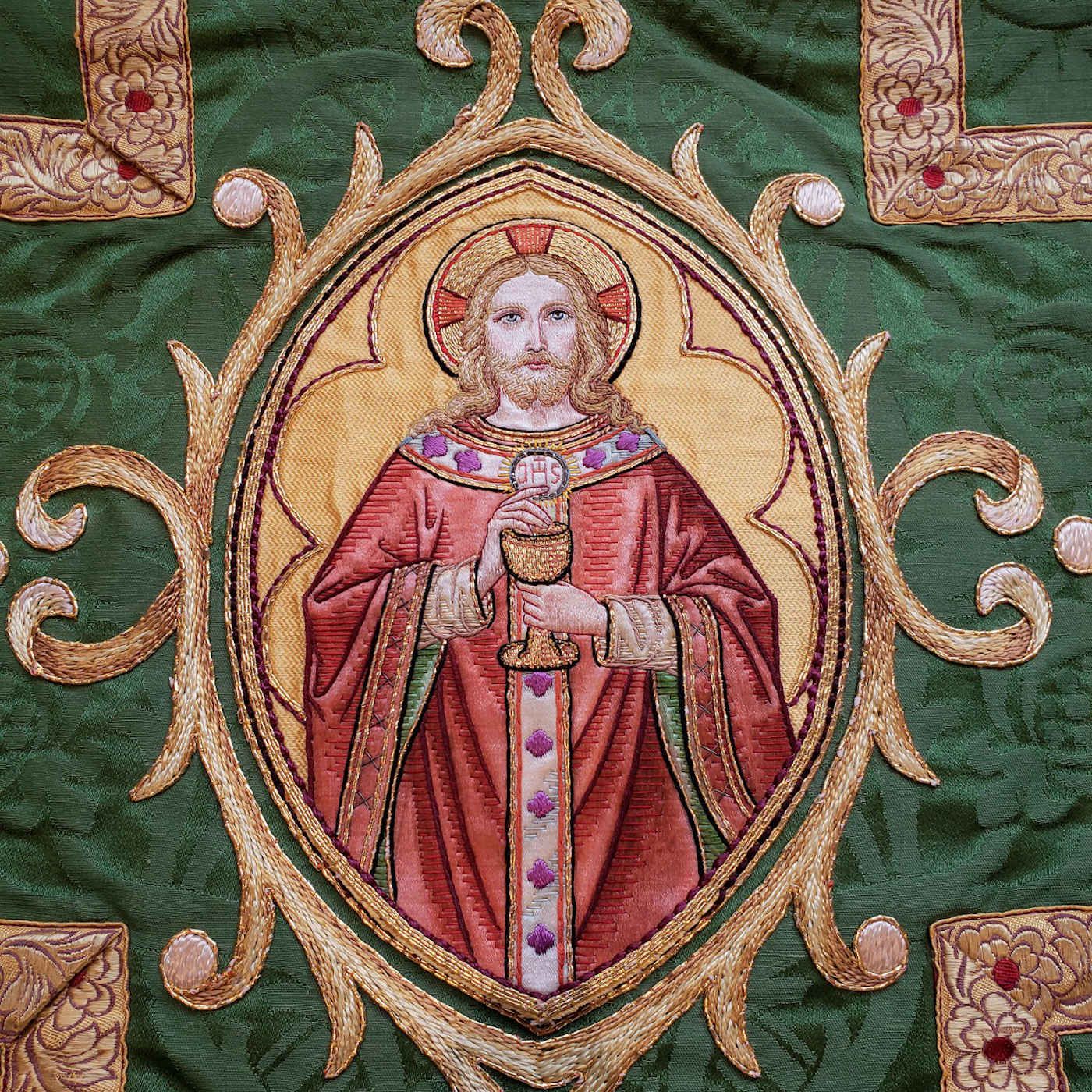
Aug 9, 2024
August 10, Feast of Saint Lawrence, Deacon and Martyr - The Loss of All and the Gain of More
Read Online Whoever loves his life loses it, and whoever hates his life in this world will preserve it for eternal life. John 12:25 This is one of the many powerful and even shocking statements of Jesus. A similar statement by Jesus is found in all four of the Gospels. In this, John’s version, the words “love” and “hate” are used. By loving our lives we lose them, but by hating our lives we preserve them. At first read, one may think that those words “love” and “hate” were accidentally reversed. One might conclude that what Jesus meant to say was, “Whoever hates his life loses it” and “whoever loves his life preserves it.” But that’s not what He said. He did in fact say the opposite. It must be understood that the words “love” and “hate” here are not used in the way we normally use them. In this passage, Jesus is using the word “love” to refer to selfishness or self-centeredness. And He uses the word “hate” to refer to selflessness or sacrificial self-giving. In other words, whoever is selfish in life will lose everything in the end but the one who is truly selfless and self-giving in life will ultimately gain everything. This profound teaching of our Lord is difficult to comprehend without the gift of grace. Our human reason alone may struggle with the idea that selfless living is good. It is easy to rationally conclude that it is far better to elevate ourselves before everyone. The rational mind might conclude that happiness and the “good life” is found in obtaining riches, status, power and the respect of all. But this form of selfish self-centered living, though tempting on a purely human level, is actually the path to losing everything that is truly good. On the contrary, it is only when we allow God’s grace to inform our human reason that we will arrive at the conclusion that being selfless rather than selfish is what’s best. To be selfless means our eyes are always turned to the good of the other. It means we do not sit and dwell on ourselves. It means we are fully committed to the service of God and our neighbor no matter the cost to us. We must give everything away in the service and love of God and that is the only way by which God gives back to us more than we could ever hope for. Saint Lawrence, whom we honor today, was a deacon and martyr in the third century. This great saint literally gave up everything, including his very life, so as to say “Yes” to God. As a deacon in the Cathedral Church in Rome, he was entrusted with the task of distributing alms to the indigent people in need. In August of the year 258, the Emperor issued an edict stating that all clergy were to be put to death. After the pope was killed, they came for Lawrence and, before killing him, asked him to turn over all the riches of the Church. He asked for three days to gather those treasures, and, during those three days, he distributed all he could to the poor. Then, on the third day, he presented himself before the prefect and brought with him not the material wealth of the Church but the true wealth. He brought the poor, crippled, blind and suffering and declared that the Church was truly rich and that the people with him were the Church’s true treasures. The prefect, in anger, sentenced Lawrence to death by fire, to which Lawrence freely submitted. Reflect, today, upon the high Christian calling you have been given to live a life that is completely selfless and self-giving in every way. If you find that you dwell on yourself most often, then try to change that habit. Turn your eyes to God and the service of others. Try to care more about the needs of those around you than your own concerns. Do so because this is what Jesus calls us to do, and, if He calls us to such a selfless life, then we must know and believe that it is worth it in the end. My sacrificial Lord, You gave Your precious life away to all out of love. The total self-giving of Your life resulted in the salvation of those who will accept this glorious gift. Help me to not only open myself to this freely given gift of Yours but to also imitate Your selfless life by giving myself in service of You and others. Saint Lawrence, deacon and martyr, pray for us. Jesus, I trust in You. Source of content: catholic-daily-reflections.com Copyright © 2024 My Catholic Life! Inc. All rights reserved. Used with permission via RSS feed. Featured image above: The Martyrdom of Saint Lawrence By Jean Baptiste de Champaigne, via Wikimedia Commons
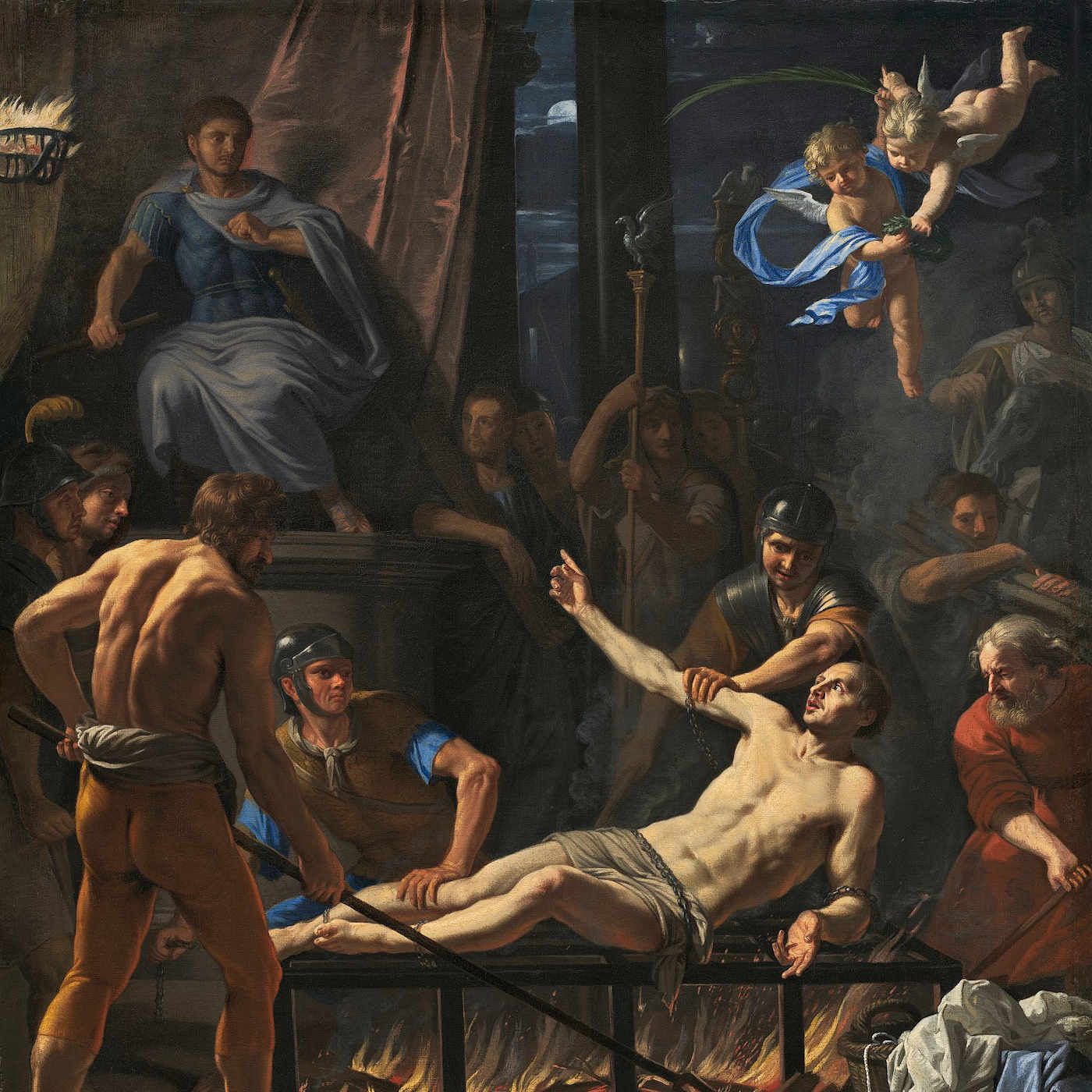
Aug 8, 2024
Friday of the Eighteenth Week in Ordinary Time - Purifying Worldly Desires
Read Online “What profit would there be for one to gain the whole world and forfeit his life? Or what can one give in exchange for his life?” Matthew 16:26 Would you like to “gain the whole world?” Many people daydream about becoming exceptionally rich and being able to purchase everything they ever wanted. Others dream of doing heroic acts that thrust them into the public spotlight and lead to public admiration. Still, others dream of having great power in this world and being a person of great importance. Though none of these are bad in and of themselves, the inordinate desire for them will damage your relationship with God. And when one of these desires becomes the dominant and all-consuming desire within, the result is that you forfeit your eternal soul. When we speak of the “world,” we can understand different things. First, this is a reference to all the material things of this world—for example, the best of food and drink, self-indulgence, fleshly pleasures, material wealth, and all that is temporary and passing in this life. Second, the “world” can refer to pride and desire for attention and praise. This is when we become consumed with concern about what others think and say about us. Third, the “world” can refer to the desire for power so as to insert our own will. At a very high level, this is often the cause of wars among countries. One leader has a desire for domination and control. This desire for power and control can also affect each person within any part of that person’s life, including family, friends, work, social circles, etc. The common thread among all three of these examples of worldly desires is the deception that obtaining more of them will satisfy you. Though they may satisfy you in a temporal and passing way, these desires will also have the effect of destroying your soul. This is because we have to choose. Either we seek to satiate the spiritual yearning of our souls, or we will seek to satiate ourselves with the passing promises of the world. We cannot have both. It should be noted that obtaining wealth, being publicly praised, or being put in a position of power is not evil in and of itself. In fact, any one of these offers potential for good. The problem arises when a person seeks one of these worldly desires for selfish reasons and under the delusion that it will provide fulfillment. Truth be told, any one of those situations imposes a true cross on the person who is seeking to serve God alone. The responsibility that comes with wealth, prestige, or power is real. Therefore, when one or more of these are obtained, they must be handled with detachment and humility. For example, if one becomes quite wealthy, the precept to live spiritually detached from material things still remains. Thus, in this case, material wealth poses a certain burden in the form of temptation. While this temptation certainly can be overcome and wealth can be used for good, the danger is real and must be regularly acknowledged. Or, if you are praised by many for something you did, or if you are given much responsibility and authority over others, humility and detachment must also increase so that God and God alone remains the single object of your desire. Reflect, today, upon your desires. What do you want in life? Do you want to “gain the whole world?” Do you desire to gain even some of the worldly ambitions? If so, be careful. Reflect honestly upon your interior desires and work to purify them so that you desire God’s will alone. Once that happens, it will not matter to you if you are rich or poor, publicly praised or criticized, entrusted with earthly power or not. All that will matter is that you use all for the glory of God, in accord with His perfect and fulfilling will. Most glorious God, Your will is perfect and is the one and only source of fulfillment in life. Please purify my soul of all desires pertaining only to this world. May my one and only desire in life be the fulfillment of Your holy will so that all I have will only be used for Your glory. Jesus, I trust in You. Source of content: catholic-daily-reflections.com Copyright © 2024 My Catholic Life! Inc. All rights reserved. Used with permission via RSS feed. Featured Image: via pixabay
Aug 7, 2024
Thursday of the Eighteenth Week in Ordinary Time - Facing Fear with Hope
Read Online Then Peter took Jesus aside and began to rebuke him, “God forbid, Lord! No such thing shall ever happen to you.” He turned and said to Peter, “Get behind me, Satan! You are an obstacle to me. You are thinking not as God does, but as human beings do.” Matthew 16:22–23 What a shocking statement this must have been that was spoken by Jesus to Peter. “Get behind me, Satan!” Jesus said. In the paragraph before this, Peter professed that Jesus was “the Christ, the Son of the living God.” Jesus in turn told Peter that he was Petros and on this petra He would build His Church. Petros is the Greek word for a movable rock and petra was an immovable solid rock foundation. Thus, Peter was told that he would be the stone, set upon a solid foundation, by which Jesus would build His Church. Jesus even went on to promise Peter that he would receive the keys to the Kingdom and that whatever he bound on earth would be bound in Heaven. And then, one paragraph later, Jesus rebukes Peter for thinking “not as God” but as a human being. Jesus rebuked Peter because Peter could not accept Jesus’ teaching about His coming passion and death. Jesus told Peter and the other disciples that He would soon suffer greatly, be rejected by the chief priest, the scribes and the elders, be killed and then rise on the third day. So Peter went from a profound proclamation of faith, to fear and a rejection of the divine plan of salvation. And for that reason, Jesus went from entrusting much authority to Peter to rebuking him for his weakness and fear. Fear is often a paralyzing passion. Saint Thomas Aquinas explains that the passion of fear comes from a perceived future evil. Sorrow is the normal reaction to a present suffering such as the death of a loved one. But when the perceived suffering, or apparent evil, is something that has not yet come, then we often react with fear. When that fear is caused by something exterior and out of our control, it tempts us to feel shock, a sense of being overwhelmed and anxiety. In the case of Peter, the thought of Jesus suffering greatly, and being killed, was more than he was able to accept. So Peter says, “God forbid, Lord! No such thing shall ever happen to you.” Jesus’ rebuke of Peter was an act of true love. It was a way of shaking him free from the paralysis of fear. Jesus wanted Peter to think clearly and to face this future suffering with courage, acceptance, hope and faith. Courage provides strength. Acceptance cures anxiety. Hope produces joy. And faith is the remedy for all fear. These and other similar virtues were necessary if Peter and the other disciples were going to be able to endure the suffering and passion of Jesus. They needed to know that this perceived evil was going to be transformed by the Father in Heaven and used for the greatest good the world had ever known. They needed to know that Jesus “must go to Jerusalem and suffer greatly…” It was the Father’s will. And because it was the Father’s will, the greatest good would come from the greatest evil because of God’s almighty power. Reflect, today, upon that which causes you the most fear and anxiety in your life. When you look to the future, what is it that paralyzes you or at least tempts you to fear and worry? The truth is that any evil or suffering that you foresee has the potential to bring forth the greatest good in your life. Your natural human mind cannot discern this. We must strive to think as God, not as humans, as Jesus says. Try to look at anything that causes you anxiety through the eyes of God alone. Trust that, in faith, all can be used by God for good. Do not doubt but believe and God will begin to bestow upon you the many virtues you need to move forward with peace, courage and confidence. My suffering Lord, You faced the evil You endured with the utmost courage and love. You never gave in to fear but pressed on, fulfilling the Father’s will. Give me the grace I need to share in Your strength so as to overcome all that tempts me to fear. I love You, my Lord. May I rely upon You for all things. Jesus, I trust in You. Source of content: catholic-daily-reflections.com Copyright © 2024 My Catholic Life! Inc. All rights reserved. Used with permission via RSS feed. Featured image above: The Rebuking or Calling of Saint Peter, via Wikimedia Commons
Aug 6, 2024
Wednesday of the Eighteenth Week in Ordinary Time - Perseverance in Humble Faith
Read Online At that time Jesus withdrew to the region of Tyre and Sidon. And behold, a Canaanite woman of that district came and called out, “Have pity on me, Lord, Son of David! My daughter is tormented by a demon.” But he did not say a word in answer to her. Matthew 15:21–23 The district of Tyre and Sidon was non-Jewish territory. The people there were said to have been descendants of Cain, the son of Adam and Eve who killed his brother, Abel, and was banished. He and his descendants settled in the area of Tyre and Sidon and were not heirs to the faith given through Abraham, Moses and the prophets, making them Gentiles. Jesus and His disciples traveled about 40 miles by foot to this district from Galilee to flee Herod and the Pharisees who were seeking to kill Him. While there, Jesus intended to keep a low profile, but word of His presence spread, and this Canaanite woman came to Him to beg that He heal her daughter. At first, it is surprising that Jesus remained silent. She came to Him with deep faith and trust, and He did not answer her at first. His disciples wanted her to stop bothering them, and Jesus Himself eventually responded to her stating that His mission during His public ministry was to the “lost sheep of the house of Israel,” meaning, to the Jews. Of course, later Jesus would expand His mission entrusted to the Apostles to include the Gentiles. But at first, Jesus’ mission was to the descendants of Abraham. As we read this story today, it is clear that it was by God’s providence that this woman came to Jesus as she did. The Father drew her to Him, and Jesus participated in this discourse, not to be rude or dismissive but to allow her to manifest a faith that was clearly lacking in the lives of many. In our lives, at times God seems silent. But if He is silent, we must know that it is for good reason. God never ignores us; rather, His silence is a way of drawing us even closer to Himself than if He were to be immediately “loud and clear,” so to speak. Silence from God is not necessarily a sign of His disfavor. It’s often a sign of His purifying action drawing us to a much fuller manifestation of our faith. As for the Gentile woman, unlike many of the Jews, she manifested a faith in the fact that Jesus was the Messiah. This is evident by her calling Him “Son of David.” Her trust in Jesus’ ability to heal her daughter was expressed in very simple and clear words. She didn’t need to present herself as worthy of His help, because her trust in Him was all that was needed. Furthermore, she persevered in her prayer. First, Jesus is silent. Then, His disciples try to dismiss her. And then, Jesus gives the appearance of refusing her request. All of this results not in her discouragement but in perseverance and hope. And that hope was also extraordinarily humble. Jesus’ goal of allowing her to deepen her faith and manifesting it for all to see was accomplished. Reflect, today, upon the qualities of this woman’s prayer. Try to imitate her by first acknowledging the truth of Who Jesus is. He is the Messiah, the Son of David, the Savior of the World, God Incarnate and so much more. Calling Jesus’ true identity to mind is a wonderful way to begin to pray. From there, make your prayer simple, clear and humble. Don’t present your wants, present your needs. What do you need from the Savior of the World? Of course God knows what we need more than we do, but asking is an act of trust, so do so. Lastly, persevere. Do not get discouraged in prayer. Be fervent, relentless and unwavering. Humble yourself before the almighty power and mercy of God and do so without ceasing and God will always answer your prayer in accord with His holy will. My Saving Lord, You are truly the Messiah, the Son of David, the Son of God. You and You alone deserve all honor, glory and praise. As I come to know You as You are, please fill me with a deep trust and unwavering faith in You. May I persevere through all things and never cease to put all my hope in You. Jesus, I trust in You. Source of content: catholic-daily-reflections.com Copyright © 2024 My Catholic Life! Inc. All rights reserved. Used with permission via RSS feed. Featured image above: Christ and the woman from Canaan By Pieter Lastman, via Wikimedia Commons
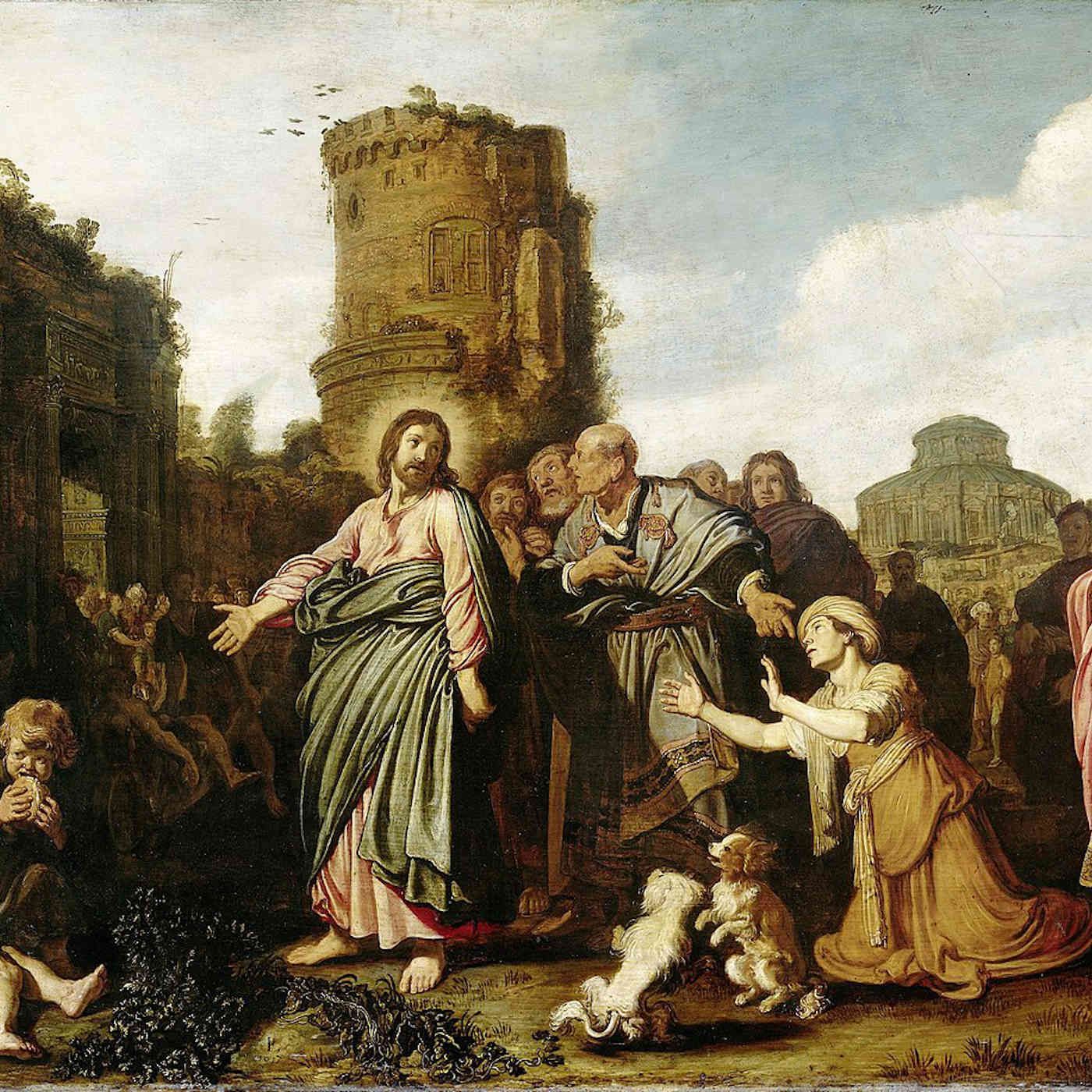
Aug 5, 2024
August 6, Feast of the Transfiguration of the Lord - The Glory of the Transfiguration
Read Online Then Peter said to Jesus in reply, “Rabbi, it is good that we are here! Let us make three tents: one for you, one for Moses, and one for Elijah.” He hardly knew what to say, they were so terrified. Then a cloud came, casting a shadow over them; from the cloud came a voice, “This is my beloved Son. Listen to him.” Mark 9:5–7 Just prior to the Transfiguration, Jesus began to reveal to His disciples that He would suffer greatly, be rejected by the elders, be killed and then rise on the third day. This caused much fear for the disciples as they grappled with this unsettling revelation from our Lord. And even though Jesus remained firm with them and even rebuked Peter for his fear, Jesus also gave three of His disciples a very precious gift. After much traveling, preaching, miracle working and private conversations about His passion with the Twelve, Jesus invited Peter, James and John to go with Him up a high mountain to pray. These disciples most likely had no idea what they would soon encounter. As they made the difficult and arduous journey, their minds must have been pondering not only the mighty deeds done by Jesus in the previous months but also His words about the suffering to come. As they struggled with this, much to their amazement, Jesus “was transfigured before them, and his clothes became dazzling white.” Suddenly Moses and Elijah appeared before them, representing the Law and the prophets. These two Old Testament figures appeared as a way of saying to these disciples that everything that Jesus was telling them was to take place to fulfill all that had been foretold about Him from of old. Perhaps Jesus thought that if His disciples would not fully listen to Him, then seeing Moses and Elijah would help. But Jesus went even further. The Voice of the Father Himself thundered and said, “This is my beloved Son. Listen to him.” Thus, if these disciples would not ultimately listen to Jesus alone, or if even Moses and Elijah failed to convince them, then the last hope was the Father Himself. And Jesus delivered such a grace. The Transfiguration was a true mercy. These disciples had never seen anything like it before. But it was most likely this act of mercy that ultimately helped them to accept the hard truth that Jesus was trying to teach them about His coming suffering and death. If the Father in Heaven Personally gave witness to Jesus, then everything that Jesus had said was trustworthy. As we read through the Gospels and the many teachings God has given us through the Church, think about whether there are some teachings with which you struggle? Or in your own life, on a personal level, are there some things you know God wants of you but you find it difficult to accept? When confusion sets in, that means we are not listening, are not fully hearing what God is saying to us or are not understanding. And though we will not see the Transfigured Lord with our eyes and hear the Voice of the Father with our ears as these three disciples did, we must choose to believe all that God has said as if it were the Transfigured Lord, with Moses and Elijah, and the Father Himself speaking clearly and directly to us. “This is my beloved Son. Listen to him.” Those words were not only spoken for the good of the disciples, they are also spoken to us. Reflect, today, upon this powerful experience given to these disciples by our Lord. Try to place yourself in the scene so as to witness Jesus transfigured in the most glorious way, with Moses and Elijah and with the thundering Voice of the Father. Allow the Father to speak also to you, telling you that all He has spoken through the Scriptures, the Church and within your own conscience is true. Allow this revelation to convince you on the deepest level to acknowledge not only the divinity of Jesus but also to “Listen to Him” in every way. My transfigured Lord, You are glorious beyond imagination, and You revealed a small glimpse of this glory to Your disciples to help them trust You more fully. May I also trust in You more completely, knowing that all You have spoken to me is true. Please remove any doubt and fear in my life so that nothing keeps me from embracing Your holy will. Jesus, I trust in You. Source of content: catholic-daily-reflections.com Copyright © 2024 My Catholic Life! Inc. All rights reserved. Used with permission via RSS feed. Featured image above: Transfiguration By Duccio di Buoninsegna, via Wikimedia Commons
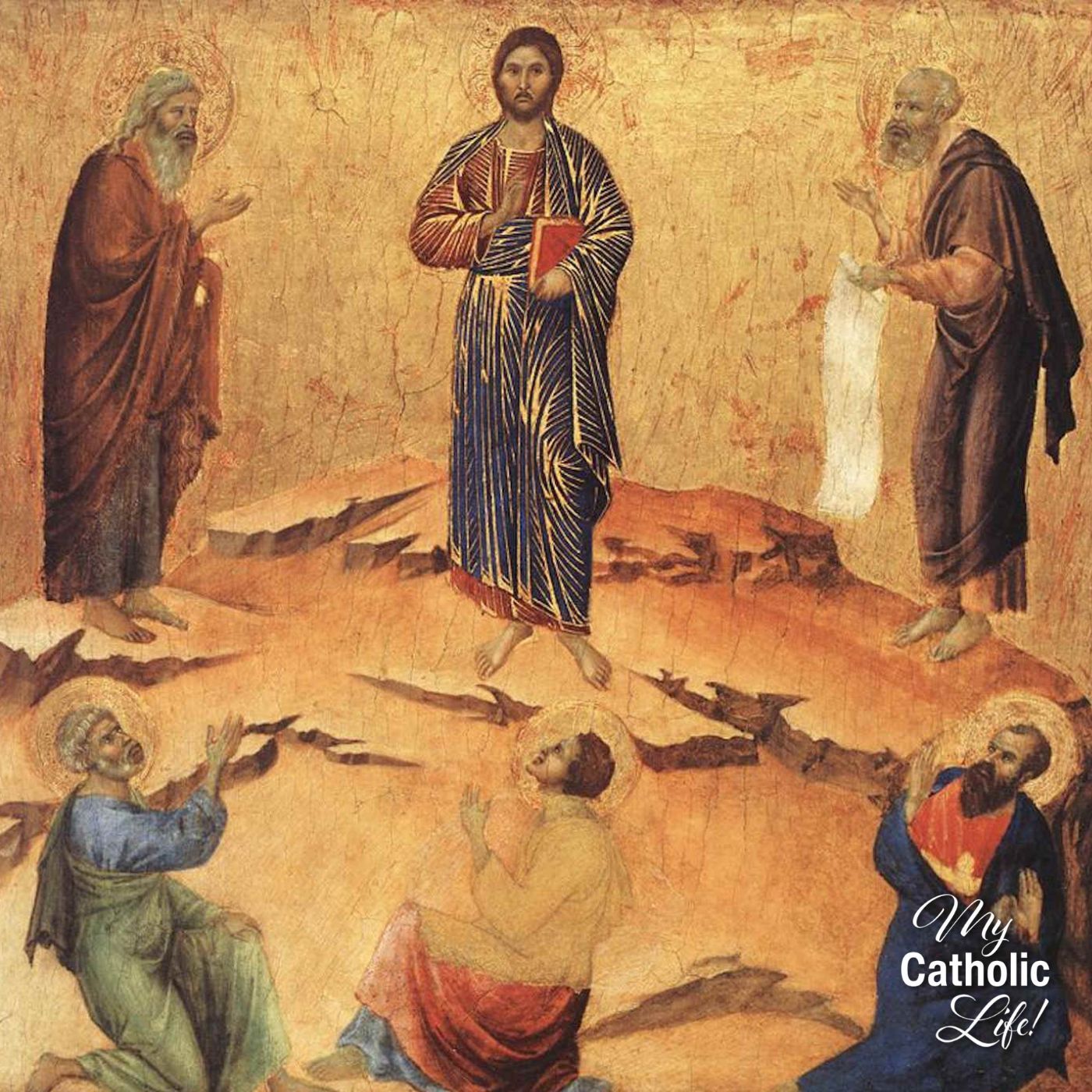
Aug 4, 2024
Monday of the Eighteenth Week in Ordinary Time (Years B&C) - Giving What You Receive
Read Online Taking the five loaves and the two fish, and looking up to heaven, he said the blessing, broke the loaves, and gave them to the disciples, who in turn gave them to the crowds. They all ate and were satisfied, and they picked up the fragments left over—twelve wicker baskets full. Matthew 14:19–20 An important aspect of this miracle that is easy to miss is that Jesus multiplied the loaves and fishes through His disciples’ instrumentality. He did this by inviting them to assist in the distribution of the loaves and in the gathering of the fragments left over. This reveals that God often uses us as mediators of His superabundant graces given to others. Though God could pour forth His mercy directly, most often He does so through others. As you ponder this miracle, try to see yourself as one of the disciples who was invited to distribute the bread to the people. If you were there and were hungry and then were given bread, you would be tempted to eat the bread yourself before giving any away. But Jesus gave the bread to His hungry disciples with the instruction to first give it to others. Sometimes, when God calls us to give His mercy to others, we become selfish. It’s easy to think that we must first take care of ourselves and our own needs. We erroneously believe that we can only offer mercy to others after our needs are met. Imagine, for example, if upon receiving the bread from Jesus the disciples would have decided that they should eat of it first. Then, if there was anything extra, they could give it to others. Had they done this, the superabundance of the multiplication of the loaves would not have happened. In the end, the disciples themselves received a superabundance of food—precisely because they first gave away what they had received. Spiritually speaking, the same is true with us. When we receive spiritual nourishment from our Lord, our first thought must be to give it away. We must first see all that we receive from God as an opportunity to bestow those blessings upon others. This is the nature of grace. For example, if we are given a sense of peace or joy within our hearts, we must realize that this peace or joy we receive is a gift that must be immediately offered to others. If we are given a spiritual insight into the Scriptures, this is given to us first and foremost to share with others. Every gift we receive from God must be understood as a gift given to us so that we can immediately share it with others. The good news is that when we seek to give away that which we have received, more is given to us and, in the end, we will be far richer. Reflect, today, upon the action of the disciples receiving this food from our Lord and immediately giving it away. See yourself in this miracle, and see the bread as a symbol of every grace you receive from God. What have you received that God wants you to distribute to others? Are there graces you have received that you selfishly try to hold onto? The nature of grace is that it is given to give it to others. Seek to do this with every spiritual gift you receive, and you will find that the graces multiply to the point that you receive more than you could ever imagine. Most generous Lord, You pour forth Your grace and mercy in superabundance. As I receive all that You bestow, please fill my heart with generosity so that I will never hesitate to offer Your mercy to others. Please use me as Your instrument, dear Lord, so that, through me, You may abundantly feed others. Jesus, I trust in You. Source of content: catholic-daily-reflections.com Copyright © 2024 My Catholic Life! Inc. All rights reserved. Used with permission via RSS feed. Featured image above: The Miracle of the Loaves and Fishes By Jacopo Tintoretto, via Wikimedia Commons
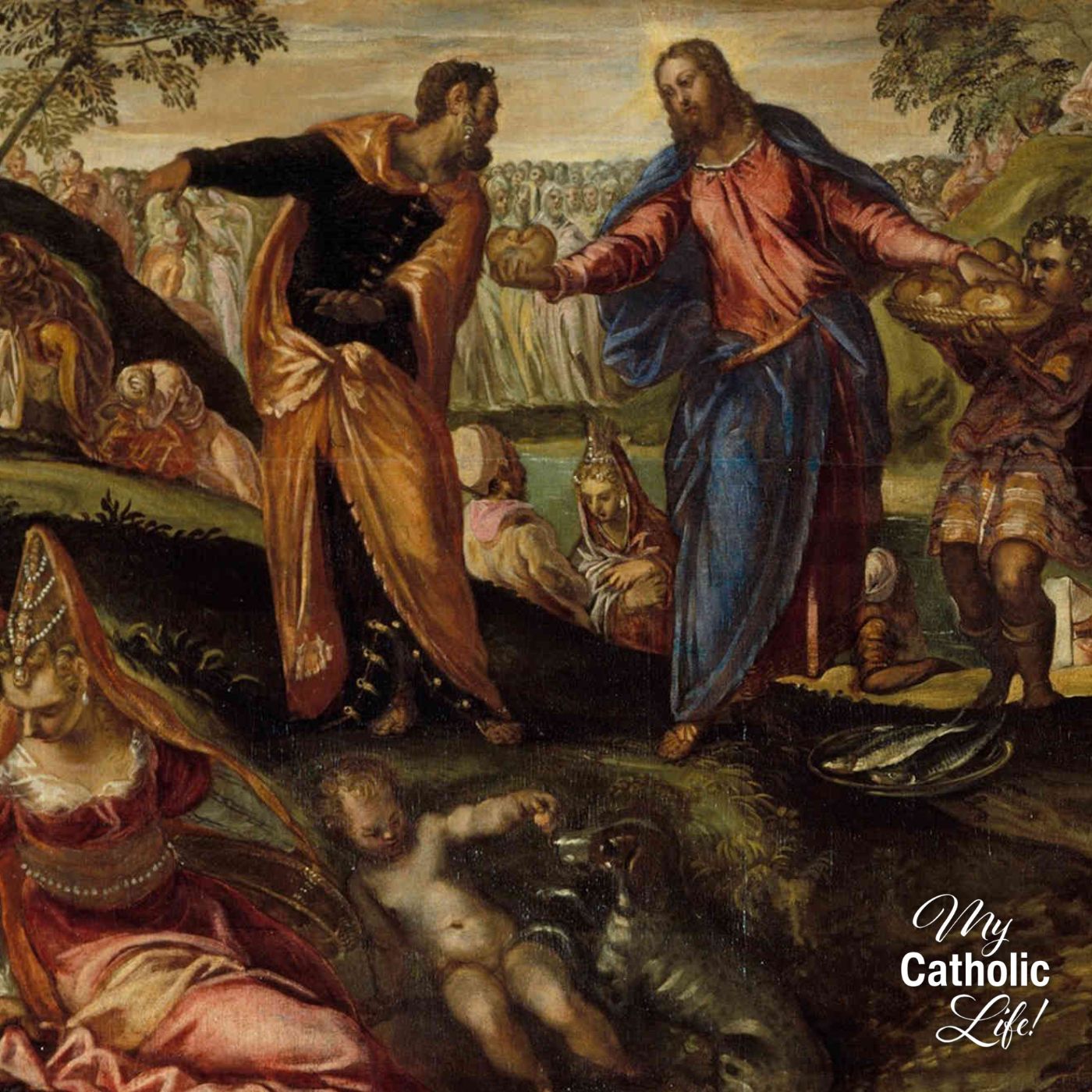
Aug 3, 2024
Eighteenth Sunday in Ordinary Time (Year B) - Hunger for God
Read Online “Rabbi, when did you get here?” Jesus answered them and said, “Amen, amen, I say to you, you are looking for me not because you saw signs but because you ate the loaves and were filled. Do not work for food that perishes but for the food that endures for eternal life, which the Son of Man will give you.” John 6:25–27 The day before, Jesus fed the crowds at the miracle of the multiplication of the loaves and fish. The next day, the people were hungry again, so they went looking for Jesus thinking that He might miraculously feed them again. In the passage above, Jesus uses their physical hunger to point them to a deeper spiritual reality. Each one of us is hungry. We continually have cravings that we want satiated. Certainly, food and drink are among our cravings, but the deepest craving we each have is a spiritual one. The problem is that we often try to satiate ourselves in ways that will never satisfy us. Therefore, we each need to hear Jesus say, “Do not work for food that perishes but for the food that endures for eternal life, which the Son of Man will give you.” What is that food that the Son of Man will give to us? Of course, it is His very Body and Blood, Soul and Divinity. It is the Most Holy Eucharist. This passage begins the lengthy “Bread of Life Discourse” from which we will read over the next three Sundays. Throughout this discourse, Jesus makes it clear that His flesh is true food and His blood is true drink. Eating Jesus’ flesh and blood is the only way to eternal life. Some who listen to this teaching find that it is too difficult to accept and, as a result, reject Jesus and His teaching. The discourse ends with Jesus asking the Twelve if they want to leave too. Peter gives the perfect response by saying, “Master, to whom shall we go? You have the words of eternal life. We have come to believe and are convinced that you are the Holy One of God.” As we ponder this teaching of Jesus over the next few weekends, it is important to start with the foundation. The foundation is our spiritual hunger. We each experience it. We each are aware of it. We cannot escape it. For that reason, look into your own soul. What do you see? Do you see a certain restlessness and unfulfilled desire? Do you sense the cravings within your own soul? When you see this, know that you have discovered the starting point of the life of fulfillment. Unless you can see that hunger within, you cannot turn to the source of satiation. The Eucharist is the source of all that we long for in life; however, too often we fail to see that. We can easily fall into the trap of seeing the Eucharist as an obligation we must meet each week. Sometimes Mass can even be seen as an inconvenience. If this is your struggle, try to use the next few Sundays to reexamine your understanding of the Most Holy Eucharist. Sunday Mass, more than anything else in life, must be understood as the source of our deepest satisfaction in life. It must be seen as the answer to every interior longing and restlessness we have. It is not money, recognition, status, power, or anything else in life that fulfills us. It is God. And God comes to us first and foremost in the celebration of the Mass. Do you believe this? Do you understand? Reflect, today, and for the next few weeks, upon the Gift of the Most Holy Eucharist. As you do, try to see it as the answer to every interior longing and hunger that you have in life. Try to make an act of faith in this spiritual truth. If you do not regularly experience the satiation offered by consuming the Eucharist, ask yourself why not. Believe in everything that Jesus teaches in this holy discourse of the Bread of Life. If you do, you will also begin to receive the nourishment that our Lord promises. My Eucharistic Lord, You are the Bread of Life and the source of all satisfaction in life. Your Body and Blood, given to me through my participation in the Holy Mass, is the greatest Gift I could ever receive. Please renew and deepen my love for You in this Gift so that I will find full satisfaction and fulfillment in You alone. Jesus, I trust in You. Source of content: catholic-daily-reflections.com Copyright © 2024 My Catholic Life! Inc. All rights reserved. Used with permission via RSS feed. Featured image above: Miracle of the Bread and Fish by Giovanni Lanfranco, via Wikimedia Commons
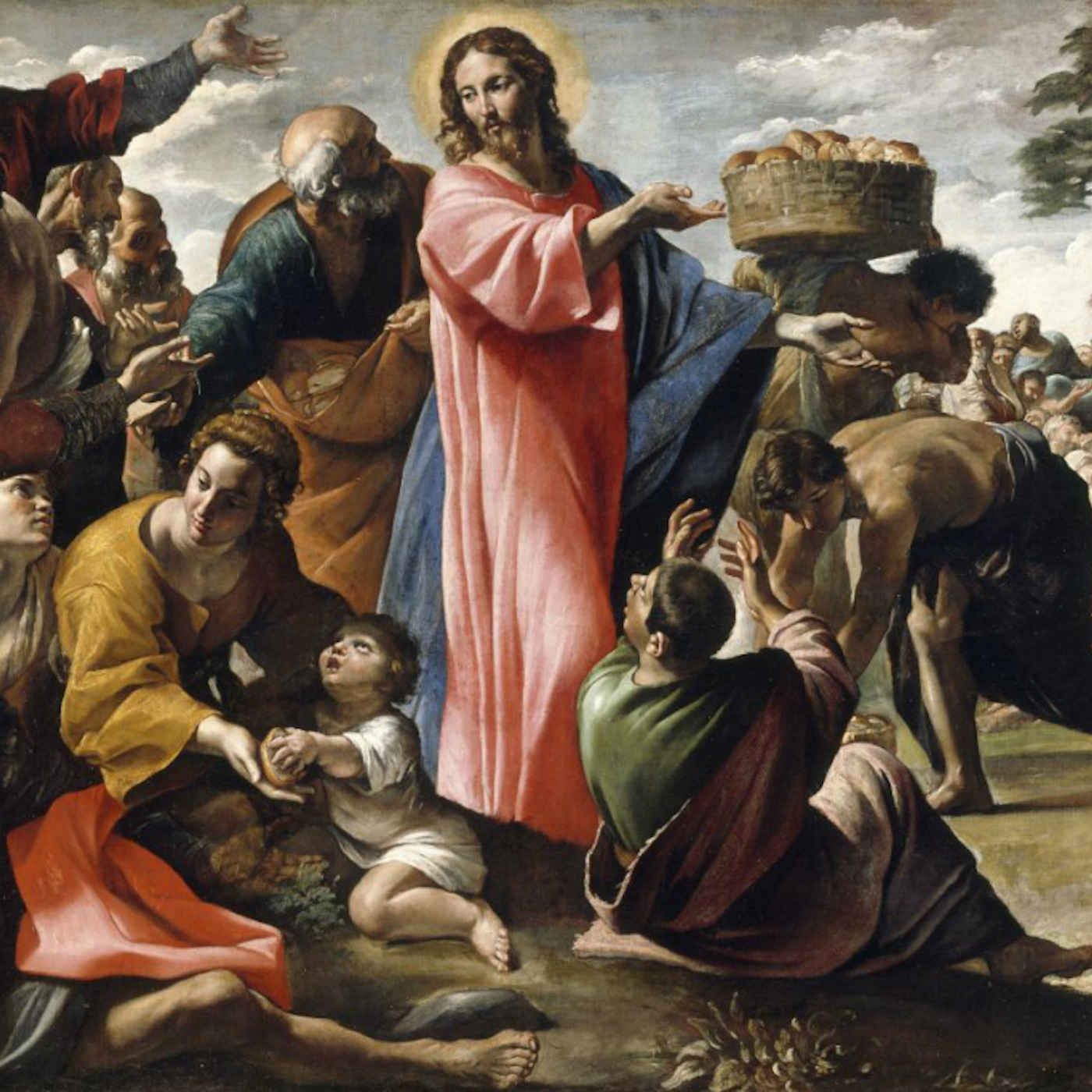
Aug 2, 2024
Saturday of the Seventeenth Week in Ordinary Time - Overcoming Regret
Read Online Herod the tetrarch heard of the reputation of Jesus and said to his servants, “This man is John the Baptist. He has been raised from the dead; that is why mighty powers are at work in him.” Matthew 14:1–2 Herod the tetrarch was one of three brothers and a sister who became 1st-century rulers to succeed their father, Herod the Great, when he died in 4 B.C. Herod governed much of the territory west of the Sea of Galilee, which was the territory in which Jesus spent most of His time during His public ministry. He also ruled a territory just east of the Dead Sea, which is where he had imprisoned and ultimately killed John the Baptist. Herod was known for being a very busy builder and is prominently known for his role in the deaths of Saint John the Baptist and Jesus. Recall that Herod had taken his brother’s wife, Herodias, as his own, and John the Baptist publicly opposed this. For that reason, Herod had John arrested and ultimately beheaded at the request of Herodias, who took the Baptist’s criticism very personally. Herod, on the other hand, had a strange sort of admiration for the Baptist. The Gospel passage quoted above reveals a somewhat unusual statement by Herod. After he had killed Saint John the Baptist, he heard about the reputation of Jesus Who was traveling throughout Herod’s territory preaching and performing many mighty deeds. Word spread fast about Jesus and quickly reached even the ears of Herod. So why did Herod strangely think that Jesus must have been John the Baptist raised from the dead? Though we do not know for certain, we certainly can speculate. In the version of this story found in the Gospel of Mark, we read, “Herod feared John, knowing him to be a righteous and holy man, and kept him in custody. When he heard him speak he was very much perplexed, yet he liked to listen to him” (Mark 6:20). Herod may have been a man who had a spark of faith but was ultimately ruled by his passions and desire for power. Perhaps that is why he initially kept John the Baptist alive in his prison. It also appears that Herod had some form of either regret or fear over his beheading of John. And it is most likely for this reason that Herod immediately thought of John when he initially heard of Jesus and the “mighty powers” that were at work within Him. Regret, fear and guilt are common effects of a conscience that is in conflict. Herod the tetrarch is a good example of what happens when we do not resolve that conflict within ourselves. The only way to resolve the interior confusion of a conflicted conscience is to humbly submit to the truth. Imagine if Herod would have repented. Imagine if he would have sought out Jesus, confessed his sins, and begged for forgiveness. What a glorious story that would have been. Instead, we have the witness of a man who has gone astray and remained obstinate in his sin. Reflect, today, upon this unholy witness of Herod. God can use all things for His glory, and He can even use the example of Herod to reveal to ourselves any similar tendency. Do you struggle with regret, fear and guilt? Does this cause conflict within you? The good news is that this conflict is easily resolved by a humble heart that seeks the truth. Seek the truth by admitting any long-lasting sin you need to resolve and permit the mercy of God to enter in so as to set you free. My merciful Jesus, You desire that all people experience freedom from the sins of the past. You desire to penetrate our hearts and to bring resolution and peace. Please help me to open my mind and heart to You in the areas that still cause pain and regret, and help me to be set free by Your infinite mercy. Jesus, I trust in You. Source of content: catholic-daily-reflections.com Copyright © 2024 My Catholic Life! Inc. All rights reserved. Used with permission via RSS feed. Featured image above: Herod the Great By James Tissot, via Wikimedia Commons
Aug 1, 2024
Friday of the Seventeenth Week in Ordinary Time - Seeing the Greatness of Christ
Read Online Jesus came to his native place and taught the people in their synagogue. They were astonished and said, “Where did this man get such wisdom and mighty deeds?” Matthew 13:54 Today’s Gospel goes on to say that the people in Jesus’ hometown of Nazareth took offense at Him, which led Jesus to say, “A prophet is not without honor except in his native place and in his own house.” It is somewhat surprising that they took offense at Jesus after witnessing His wisdom and mighty deeds. Jesus was very familiar to the townspeople, and it seems that that familiarity led them to doubt that Jesus was someone special. It should be noted that, in many ways, the people who knew Jesus for many years should have been the first people to see His greatness. And most likely there were some from His hometown who did. They would have known Jesus' mother, the Blessed Virgin Mary, and she would have given daily witness to incredible virtues. They would have known Joseph as a truly righteous and just man. And Jesus would have exuded every human virtue to perfection as He grew. And again, that should have been easily noticeable. But many failed to see the holiness of Jesus and the Holy Family. This experience of our Lord should remind us that it is easy to miss the presence of God all around us. If those who were closest to Jesus did not recognize Him as a man of exceptional virtue and holiness, then how much more might we fail to see the presence of God in the lives of those we encounter every day? For some reason, perhaps because of our struggles with pride and anger, it is easier to look at the faults of another than at their virtues. It’s easy to be critical of them and to dwell upon their perceived weaknesses and sins. But this Gospel story should encourage us to do all we can to look beyond the surface and to see God present in every life we encounter. On the most fundamental level, God dwells within each and every person He has created. Even those who remain in a state of persistent mortal sin are still made in the image of God and reflect God by their very nature. And we must see this. And those who are in a state of grace carry the presence of God, not only within themselves by nature but also through God’s action in their lives. Every virtue that every person has is there because God is at work in them. And we must work to see this divine activity in their lives. Begin by thinking about the people with whom you are closest. When you think about them, what comes to mind? Over the years, we can build habits of dwelling upon others’ faults. And those habits are hard to break. But they can only be broken by intentionally seeking out the presence of God in their lives. As noted, if Jesus’ own townspeople had a difficult time doing this with Him Who was perfect, then this should tell us that it will be even harder for us to do with those who lack perfection. But it must be done and is a very holy endeavor. Reflect, today, upon the important mission you have been given to see the presence of God in the lives of those all around you. What if Jesus had grown up in your town? As your neighbor? And though the Incarnate Son of God does not live next door as He did in Nazareth, He does live in each and every person you encounter every day. Honestly reflect upon how well you see Him and commit yourself to the holy mission of seeing Him more clearly so that you can rejoice in His greatness which is truly manifest all around you. My Lord of true greatness, You are truly present all around me. You are alive and living in the lives of those whom I encounter every day. Please give me the eyes of faith to see You and a heart that loves You. Help me to overlook the faults and weaknesses of others. Jesus, I trust in You. Source of content: catholic-daily-reflections.com Copyright © 2024 My Catholic Life! Inc. All rights reserved. Used with permission via RSS feed. Featured image above: Crowds gather as Christ heals the sick, via Wikimedia Commons
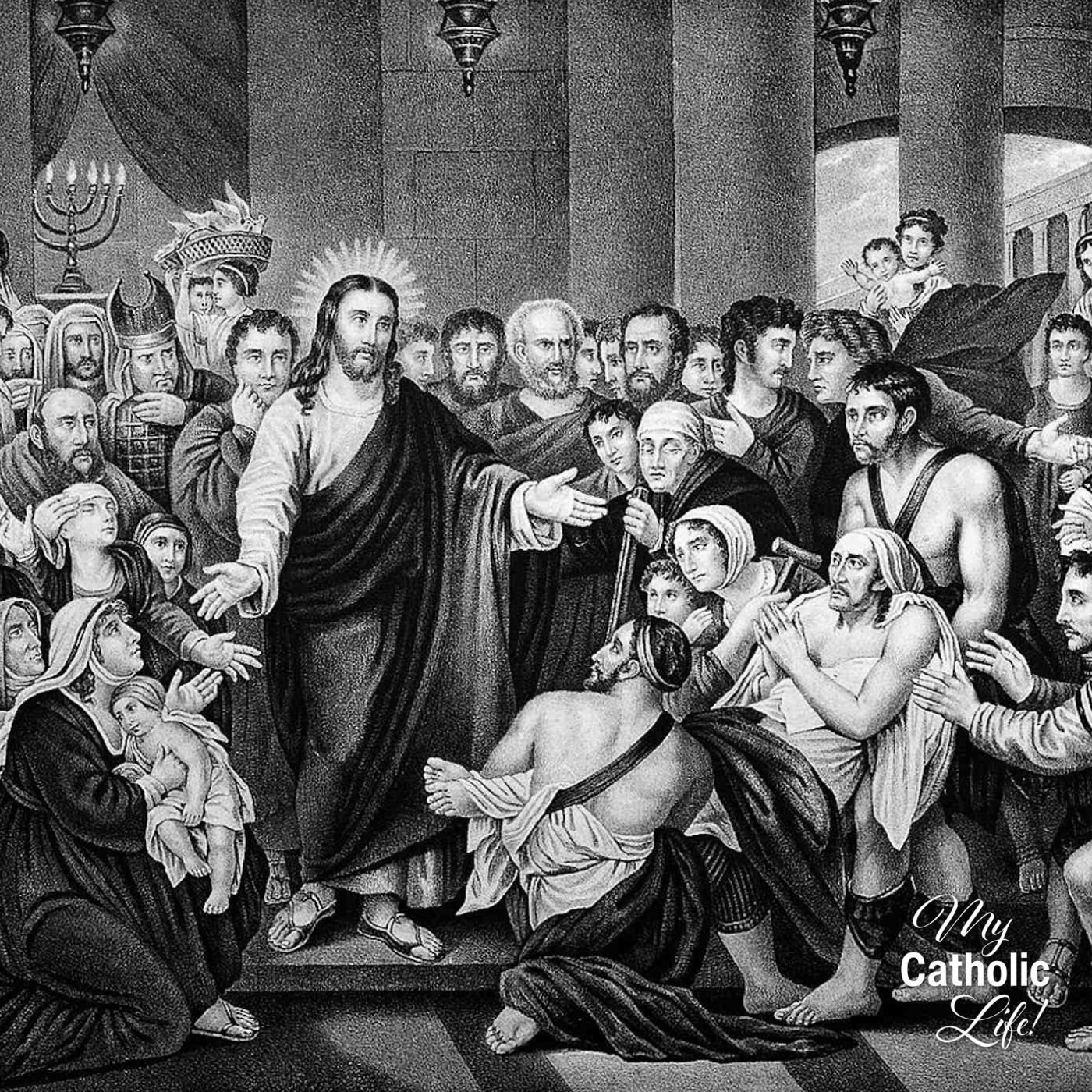
Jul 31, 2024
Thursday of the Seventeenth Week in Ordinary Time - Understanding the Voice of God
Video “Do you understand all these things?” They answered, “Yes.” And he replied, “Then every scribe who has been instructed in the Kingdom of heaven is like the head of a household who brings from his storeroom both the new and the old.” Matthew 13:51–52 At times, Jesus’ words are difficult to understand. How well do you understand what He teaches you? He often teaches in figures of speech, as well as with parables. The passage quoted above concludes a section in which He speaks three subsequent parables. The third of these parables, the parable about the fishnet, is contained in the beginning of today’s Gospel passage. But just prior to that parable are the parables about the pearl of great price and the treasure buried in a field. Upon the conclusion of these three parables, Jesus asked His disciples, “Do you understand all these things?” After they affirmed that they did understand, Jesus gave an overview of the mission to which they had been entrusted. These soon-to-be bishops would become the new scribes who were instructed in the Kingdom of Heaven. Their mission would be to bring forth both the “new and the old.” Many Church Fathers identify the “new and the old” as a reference to the Old Testament and the New Testament. Thus, the Twelve are being entrusted with the mission of being the scribes of the full revelation contained in what will become the full Bible as we have it today. Other commentators suggest that the “old” refers to the old life of sin and the “new” refers to the new life of grace. It will be the mission of the Twelve to instruct people in the full Gospel message, so as to draw them from their old life of sin to the new life of grace. Though Jesus’ words can be difficult to understand from the perspective of a biblical scholar, the first of His words quoted above are very straightforward. “Do you understand all these things?” As we ponder that question in particular, try to hear our Lord asking that question of you. Though many scholars and saints of old have offered much clarity on what Jesus’ teachings actually mean, the question that Jesus posed to the Twelve must be answered in a more personal way for each of us. As you hear Jesus ask you if you understand these things, the answer you give is not primarily based upon whether or not you have sufficiently studied the text of His teaching and can rationally explain it as a scholar. Instead, the answer He is seeking is whether or not you can respond from faith. He wants you to say, “Yes, I hear You speaking to me, Lord. Yes, my heart is convicted by the words You have spoken. Yes, I understand what I must do. Yes, Lord, I believe.” The Word of God is alive and can only be “understood” properly when we allow our Living Lord to speak to us, personally, as we listen to His holy Word. Reflect, today, upon this question that Jesus posed to the Twelve. As you do, hear Him asking you this question. How fully do you understand what God is saying to you, right now at this moment in your life? As you read the Scriptures, do you sense God revealing Himself to you? Do you understand what He wants of you? If hearing the voice of God is a challenge at times, then spend more time prayerfully pondering His holy Word so that His Living Voice will more clearly resonate within your soul. My revealing Lord, You speak to me day and night, continuously revealing Your love and mercy to me. May I learn to become more attentive to Your voice speaking within the depths of my soul. As I hear You speak, please give me the gift of understanding to know Your will and to embrace it with all my heart. Jesus, I trust in You. Source of content: catholic-daily-reflections.com Copyright © 2024 My Catholic Life! Inc. All rights reserved. Used with permission via RSS feed. Featured image above: The Primacy of Saint Peter By James Tissot, via Wikimedia Commons
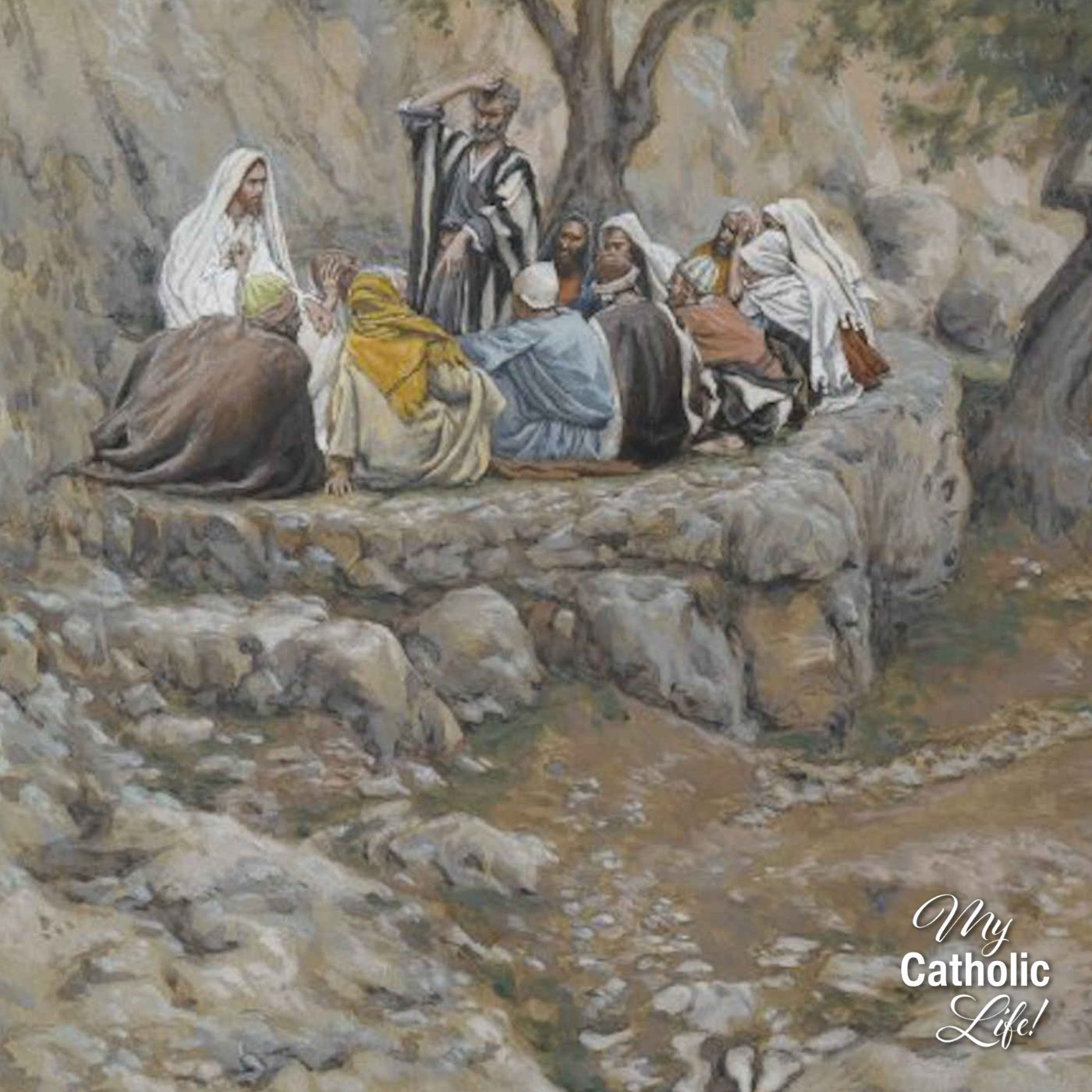
Jul 30, 2024
Wednesday of the Seventeenth Week in Ordinary Time - Discovering the Riches of Heaven
Read Online Jesus said to his disciples: “The Kingdom of heaven is like a treasure buried in a field, which a person finds and hides again, and out of joy goes and sells all that he has and buys that field.” Matthew 13:44 Today’s Gospel presents us with two very short and similar parables. In the first, quoted above, the Kingdom of Heaven is likened to a “treasure.” In the second parable, the Kingdom of Heaven is likened to a “pearl of great price.” Though these parables are very similar to each other, there are also subtle differences worth pondering. It appears that the treasure mentioned in the first parable is discovered almost by accident. The person simply “finds” it. This is in contrast to the second parable, in that the merchant who finds the pearl of great price did so after “searching” for it. We often encounter the Treasure of the Gospel without even looking for it. We do so any time God intervenes in our lives without us seeking His intervention. For example, if someone were to offer an act of charity to you without you seeking it out, this is God giving you a treasure of His Kingdom. Or if someone shares with you their faith, or an inspiration they received, this is indeed a treasure given to you by God. The problem is that many times when we are given these treasures of the Gospel, we do not always see them as treasures. Imagine, for example, if the person in this parable were to stumble upon the treasure in the field and fail to open it out of indifference. They see it from a distance, have a bit of curiosity about what is in the box, but they are not energetic enough to actually open the box and look inside. In that case, the person would have no reason to go and sell all that they have so as to buy the field in which the treasure is found. One clear message that this first parable reveals is that we must be attentive to the countless treasures of God’s graces given to us each and every day. God is so prolific in offering us grace, that we truly do stumble upon His grace all the time. Thus, having eyes to perceive His actions and ears to Hear His Voice is essential. A second message clearly given in both of these parables is that once we discover the graces God gives us every day, we must foster within ourselves a desire for those graces that is so strong that we are willing to do anything necessary to obtain them. The discovery is made through the gift of faith, but the discovery by faith must then be followed with a zeal that drives our will to conform to that discovery. Reflect, today, upon two things. First, have you discovered the treasures God has given to you? If you hesitate in answering this, then it’s most likely the case that there is much you have yet to discover. Secondly, as you do discover the riches that come with the gift of faith, then have you allowed that which God has spoken to you to consume you to such a point that you are willing to sell all you have, meaning, do whatever it takes to further accept all God wants to bestow? Resolutely determine to go forth on this holy search and you will find that the riches of grace that you obtain are of infinite value. My Lord of all riches, You bestow upon me and upon all Your children countless graces every day. The treasures of Your mercy are of infinite value. Please open my eyes so that I can see and my ears so that I can hear so as to discover all that You wish to bestow. May You and the riches of Your Kingdom become the one and only, all-consuming focus of my life. Jesus, I trust in You. Source of content: catholic-daily-reflections.com Copyright © 2024 My Catholic Life! Inc. All rights reserved. Used with permission via RSS feed. Featured image above: Parable of the Hidden Treasure By Gerrit Dou or Rembrandt, via Wikimedia Commons
Jul 29, 2024
Tuesday of the Seventeenth Week in Ordinary Time - Our Final Destiny
Read Online “Then the righteous will shine like the sun in the Kingdom of their Father. Whoever has ears ought to hear.” Matthew 13:43 This passage concludes Jesus’ explanation of the Parable of the Weeds in the Field. Recall that in this parable there were good seeds sown in a field. The Sower is the Son of Man, Jesus, and the seed He sows are the children of the Kingdom, which includes all those who are in a state of grace. The field is the whole world. Thus, Jesus is saying that He has sent His followers, each one of us, into the world to build His Kingdom. But the evil one also sows his “children,” which refers to all of those who live evil lives that are contrary to the will of God. The passage above refers to the reward that the children of the Kingdom receive, whereas the passage just prior to this points out that at the end of the age, the children of the evil one will be condemned and sent “into the fiery furnace, where there will be wailing and grinding of teeth.” The end result of being the children of the Kingdom is quite hopeful. “Then the righteous will shine like the sun in the Kingdom of their Father.” This promise from our Lord should be pondered, believed and become the driving force of our hope in life. Hope is an essential virtue that we often do not speak of enough. The gift of hope is not simply wishful thinking, such as when one hopes they win the lotto. The theological virtue of hope is a gift from God that is based on truth. The truth that it is based on is the promise of eternal life in Heaven if we accept all that God speaks to us and if we fulfill His glorious will in our lives. By analogy, say that you have a large mortgage on your home. And say that the bank was doing a promotion in which they were going to pay off the mortgage for one lucky family. And that family was yours. They contacted you and let you know that all you need to do is fill out an application for this grant and that it would then be given to you. What would you do? Of course you would go and fill out the application. The bank is trustworthy, and you are confident that if you do what they ask, a small task of filling out the application, then they will follow through with the promise they made of paying off your mortgage. In a sense, there is hope established within you once you learn of this offer; and that hope, which is based on a true promise, is what drives you to do the small task of filling out the application. So it is with God. The “mortgage” that He promises to pay is the debt of all our sin. And the requirement to receive this promise is fidelity to all He commands of us for our good. The problem is that we often do not fully understand the reward we are promised. That is: to “shine like the sun” in the Kingdom of our Father in Heaven. Having your mortgage paid off by the bank is something concrete and clear and very desirable. But the reward of shining like the sun in the Kingdom is of infinitely greater value. Do you believe that? The best way to strengthen the virtue of theological hope in our lives is to become more and more certain of the truthful promise of our Lord. We need to understand Heaven and the infinite value we receive by obtaining it. If we truly understood what Jesus was promising us, we would become so intensely driven to do all that He commands us to do that this would become the single focus of our life. The hope would become a strength so strong that we would become consumed with doing anything and everything necessary to obtain such a reward. Reflect, today, upon the depth of hope you have in your life. How driven are you by the promises made by our Lord? How clearly do you understand those promises? If you struggle with hope, then spend more time on the end reward that is promised to you by Jesus. Believe what He says and make that end goal the central focus of your life. My glorious King, You invite all people to share in the glories of Heaven. You promise us that if we are faithful, we will shine like the sun for all eternity. Help me to understand this glorious gift so that it becomes the single object of my hope and the drive of all that I do in life. Jesus, I trust in You. Source of content: catholic-daily-reflections.com Copyright © 2024 My Catholic Life! Inc. All rights reserved. Used with permission via RSS feed. Featured image above: The Saints will Shine, via flickr
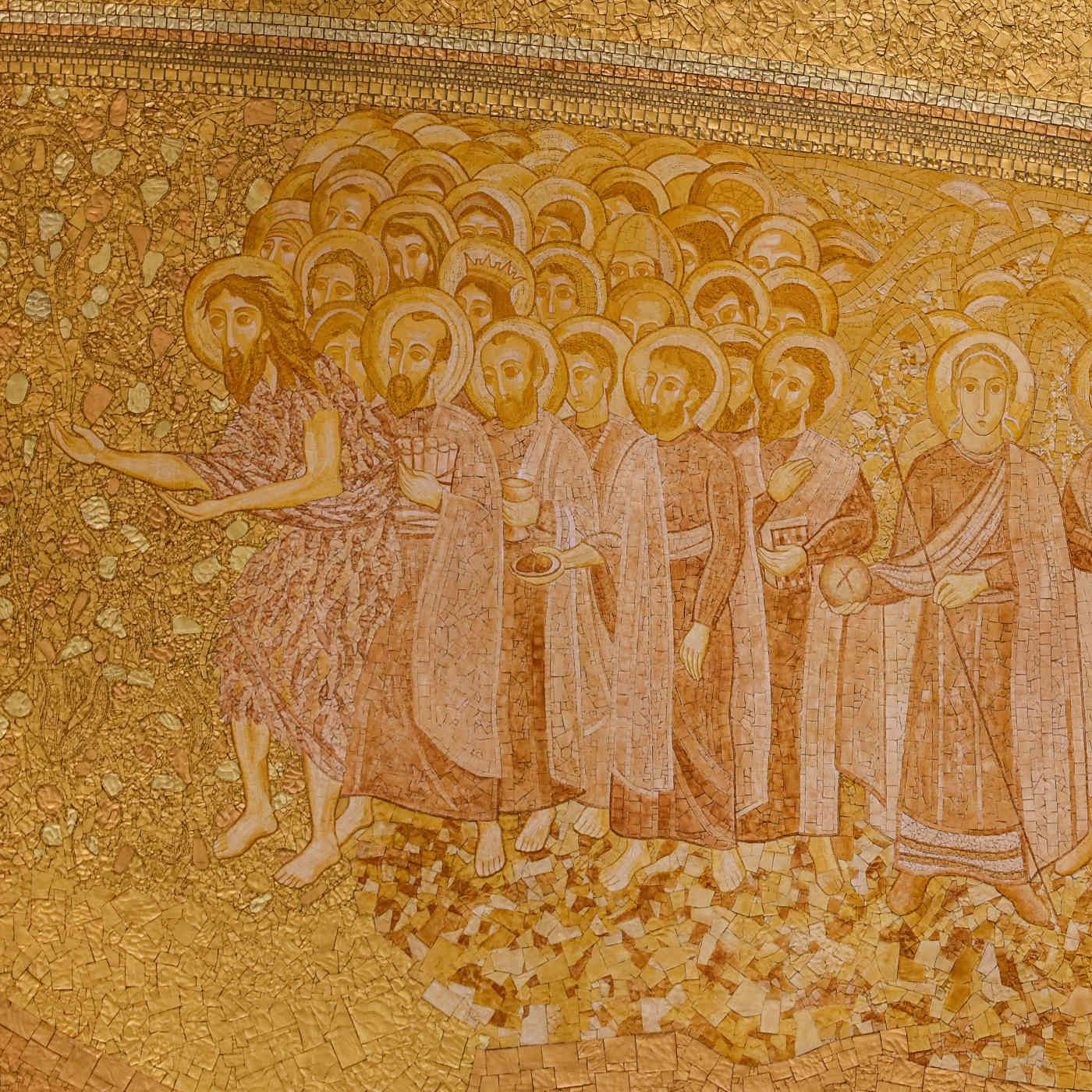
Jul 28, 2024
July 29, Memorial of Saints Martha, Mary and Lazarus - A Holy and Imperfect Family
Read Online Many of the Jews had come to Martha and Mary to comfort them about their brother [Lazarus, who had died]. When Martha heard that Jesus was coming, she went to meet him; but Mary sat at home. Martha said to Jesus, “Lord, if you had been here, my brother would not have died. But even now I know that whatever you ask of God, God will give you.” John 11:19–22 Today’s memorial is relatively new within our Church. In the year 2021, Pope Francis replaced the Memorial of Saint Martha with this memorial in honor of all three siblings: Martha, Mary and Lazarus. In commenting on the reason for this new memorial, the Congregation for Divine Worship stated: “Martha generously offered him hospitality, Mary listened attentively to his words, and Lazarus promptly emerged from the tomb at the command of the One who humiliated death.” Furthermore, these three siblings gave an evangelical witness to us all. They model for us how to be Christians within our imperfections. They did this by welcoming Jesus into their home, by listening to Him attentively, and by believing that He is the Resurrection and the Life. These three siblings each had their own unique personality and loved Jesus in their own way. Though not much is said about Lazarus' personal interactions with Jesus, we do have some helpful insights into both Martha and Mary. In one Gospel story, Martha complained to Jesus that her sister left her to do all the cooking. Jesus gently corrected her. Mary, on the other hand, gave a witness of deep prayer and love of Jesus by sitting at His feet listening to Him. However, in the story of the raising of Lazarus from the dead, there is a reversal of roles. Martha is the one who runs out to meet Jesus and expresses her deep faith in Him. Mary, on the other hand, heard that Jesus was coming and appeared to stay at home because she was upset. Perhaps the most helpful way to ponder these siblings is to acknowledge two things. First, they are now saints in Heaven enjoying eternal beatitude and glory. Second, on earth they were people of faith and love, but they were also very clearly imperfect. Therefore, the witness they give to us should be twofold. We hope to share in the glory in which they now share, and we trust this will happen if we also befriend our Lord and welcome Him into our homes, imperfect though we may be. Reflect, today, upon this holy but imperfect family. The imperfections and manifest weaknesses of these three siblings should encourage us to press on in our practice of the faith when things are not perfect in our lives either. There are many reasons why we might get discouraged or feel like doubting or giving up at times. Perhaps things are not perfect within the Church—or at the particular church you attend. Perhaps you are struggling with loving someone in your family. Perhaps you are struggling with an emotional issue. Perhaps there is some sin you seem to be incapable of overcoming. Perhaps you struggle with a physical ailment and wonder why God permitted it to happen. If you are able to relate to any of these, or any other forms of imperfection, then take inspiration from this family of Martha, Mary and Lazarus. Invite Jesus into the home of your heart, your family home and everywhere you go. He will come, gently correct you when needed, and give you the gift of new life, raising you up from your sins and weaknesses. Lord, You befriended this ordinary family of Martha, Mary and Lazarus. You visited their home, received their hospitality, gently corrected them when needed and eventually raised them to the new life of eternal glory. May I also welcome You into the home of my soul, within my family and into every aspect of my life. Please come to me and raise me to the newness of the life of grace. Jesus, I trust in You. Source of content: catholic-daily-reflections.com Copyright © 2024 My Catholic Life! Inc. All rights reserved. Used with permission via RSS feed. Featured image above: Jesus raises Lazarus, via flickr
Jul 27, 2024
Seventeenth Sunday in Ordinary Time (Year B) - Journeying in Faith and Prayer
Read Online Then Jesus took the loaves, gave thanks, and distributed them to those who were reclining, and also as much of the fish as they wanted. When they had had their fill, he said to his disciples, “Gather the fragments left over, so that nothing will be wasted.” John 6:11–12 The people who were present for this miracle of the multiplication of loaves and fish had to journey to be there. First, they followed Jesus to the other side of the Sea of Galilee, and then they followed Him up a mountain in a remote area. This is significant because it tells us that a miracle of such magnitude could only take place for those who had faith and acted on that faith. Jesus could have easily performed this miracle in the Temple in Jerusalem or in a synagogue where people doubted Him. If He did that, then many of His skeptics and critics would have seen His almighty power with their own eyes. Jesus could have also done this miracle in Nazareth, His hometown, in the presence of His extended family and friends. Perhaps if He had done this, then they would have come to believe in Him. But Jesus didn’t do this incredible miracle in places where faith was lacking. Instead, He went to a remote area where only those who truly wanted to be with Him were present. Note that the actions by which Jesus performed this miracle are similar to the way He instituted the Holy Eucharist during the Last Supper. We read above that Jesus “took the loaves, gave thanks, and distributed them…” Though this miracle is recorded in all four Gospels, in John’s Gospel it is a prelude to Jesus’ Bread of Life Discourse in which Jesus teaches, “I am the bread of life; whoever comes to me will never hunger, and whoever believes in me will never thirst.” Therefore, this miracle of the multiplication of the loaves and fish should be seen as a teaching about the Eucharist. It is in the Eucharist that Jesus feeds us to superabundance. The Eucharist is the gift of His very life and the food that will bring us to eternal life. Unfortunately, it seems that very few people ever discover the gift of the Eucharist. Many people look at their participation in Mass as a duty that they must fulfill rather than as an invitation to share in the superabundant life. The only way we will discover the superabundant life given to us through the Eucharist is by working to imitate the faith of the people whom Jesus fed on that mountain. Again, the people who received this miracle had to journey either around or across the sea and climb a mountain. So also with us, the only way to come to a fruitful participation in the Eucharist is to make a concerted effort. The journey we make is one of faith, and the mountain we climb is one of prayer. Unless we believe deeply in our Lord, believe in the superabundant and transforming power of the Eucharist, seek it out faithfully every week and do so prayerfully, we will never be fed in this superabundant way. Reflect, today, upon the symbolism of Jesus traveling to this remote area so as to perform this most incredible miracle. See this journey that you are invited to take as a journey toward the discovery of the superabundant grace bestowed upon you through the Most Holy Eucharist. The only way that you will receive this grace is by committing yourself to the journey of faith and prayer. Don’t miss out. Don’t ignore the incredible value of this Gift. Seek out our Lord and discover His Gift of superabundant grace within your fruitful participation in the Holy Mass. My Eucharistic Lord, You call me to journey up the mountain of faith in the most Holy Eucharist through prayer and determination. May I more deeply discover the great value of the Holy Mass and seek to be fed by You in this superabundant way. Jesus, I trust in You. Source of content: catholic-daily-reflections.com Copyright © 2024 My Catholic Life! Inc. All rights reserved. Used with permission via RSS feed. Featured image above: The Miracle of the Loaves and Fishes by Jacopo Tintoretto (Jacopo Robusti), via The Met
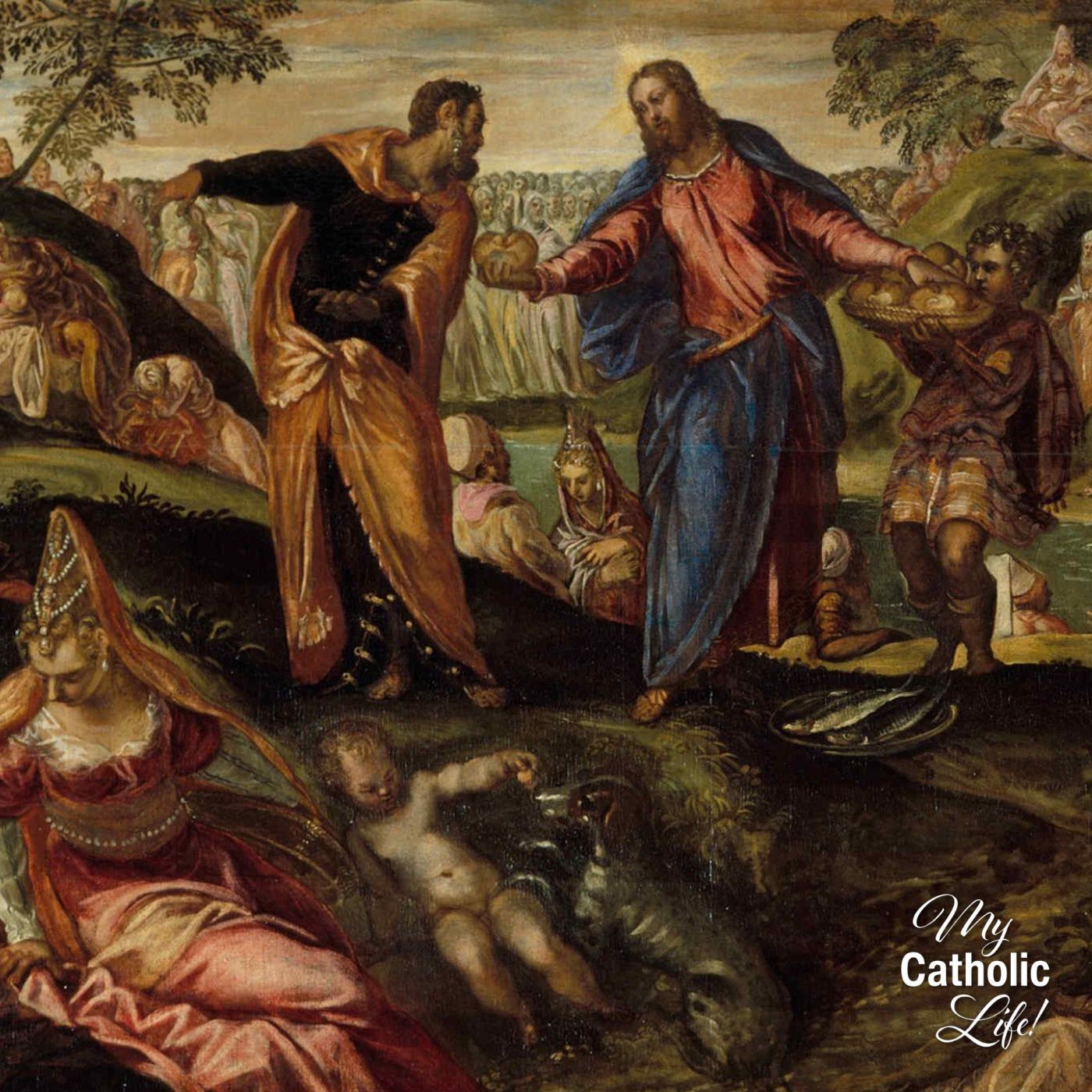
Jul 26, 2024
Saturday of the Sixteenth Week in Ordinary Time - Vigilance with Gospel
Read Online Jesus proposed a parable to the crowds. “The Kingdom of heaven may be likened to a man who sowed good seed in his field. While everyone was asleep his enemy came and sowed weeds all through the wheat, and then went off.” Matthew 13:24–25 This parable begins in a very good way. It states that good seed was sown. In other words, the pure Gospel was preached into good soil. This should be understood as any situation where the preacher is truly effective and where the Gospel reaches many ears and is planted in many hearts. This is worth rejoicing over. But this parable quickly points out that those responsible for guarding the good soil in which the Word of God was planted, failed in their duty to protect it. As a result, the “enemy came and sowed weeds all through the wheat.” In other words, the evil one also had sown his lies into the hearts of those who heard the Word of God, and those lies took root and began to grow. This is a clear description of the world we live in today. First, it’s a description of the hearts of many Christians who have heard the Word of God and have responded, only to also struggle with doubts, confusions and lies sown by the evil one. But it is also a clear description of the world as a whole and even of the Church on earth. There are many divisions within societies and even within the Church. There are many competing voices. And among those whose hearts are good soil, it can be hard to distinguish between that which is from God and that which is a subtle deception from the evil one. The weed referred to in this parable is called cockle. Cockle was a weed that, as it grew, looked much like wheat. It was very difficult to distinguish from wheat until the grain began to appear. But when the grain did begin to appear, it was clearly distinguishable. And if the cockle were to accidentally be ground in with the wheat, it would cause nausea when eaten. The parable is quite clear. The lies that the evil one sows in the hearts of the faithful, those with fertile hearts, are very subtle, especially at first. It is easy for those subtle lies to confuse us. The evil one rarely succeeds in misleading the faithful through grave and obvious errors. Therefore, he deceives with small errors. As a result, the error is often not understood until much later as the fruit is born. The result is division, confusion, conflict and the like—conflict within our own souls, within our world and even within our Church. What is the solution? Vigilance. We, as followers of Christ, must be exceptionally vigilant in regard to that which we allow our hearts to receive. Just because something sounds good at first doesn’t make it good. This is why we have the Scripture, the Magisterium of the Church and the teachings of the saints. We must constantly examine all that we allow into our hearts, our families, our world and our churches in the light of the pure and consistent teachings of our faith. And when we see divisions, this is a clear sign of some subtle error that has crept in. In the end, at the harvest time, when we all face Christ our Lord at our judgments, He will separate the good from the bad. But for our part, vigilance is essential so that only the pure seed of God’s Word is received by us and sown by us. Reflect, today, on your own soul as fertile ground. What “seed” is sown there? What do you allow to penetrate your heart and take root? Are you vigilant, remaining attentive to the ways that the evil one tries to mislead you through subtle lies and errors? Ponder these questions honestly, and if you find conflict and confusion in your life, look more deeply at the source of these troubles. If there are lies that you have allowed into your own life, then turn them over to our Lord so that He can remove them at the proper time. Most holy Word of God, You are the living Word who sows seed upon the fertile ground of our Hearts. You plant Yourself in the hearts of those who believe so that Your life can bear good fruit in the faithful. Please sow the seed of Your Word in my own heart, dear Lord, and protect me from the deceptions of the evil one. As You do, I pray that You bring forth an abundance of good fruit through me. Jesus, I trust in You. Source of content: catholic-daily-reflections.com Copyright © 2024 My Catholic Life! Inc. All rights reserved. Used with permission via RSS feed. Featured image above: Parable of the Sower, via flickr
Jul 25, 2024
Friday of the Sixteenth Week in Ordinary Time - Bearing Good Fruit One Hundredfold
Read Online “The seed sown among thorns is the one who hears the word, but then worldly anxiety and the lure of riches choke the word and it bears no fruit. But the seed sown on rich soil is the one who hears the word and understands it, who indeed bears fruit and yields a hundred or sixty or thirtyfold.” Matthew 13:22–23 Today, Jesus clarifies for His disciples the meaning of His parable told to the crowds. He explains the meaning of the seed sown on the path, on the rocky ground, among the thorns and on the rich soil. Quoted above are the last two of those explanations. When we look carefully at the meaning of the seed sown into the rich soil, we see that these are those who hear, understand and bear fruit. And the fruit that is born is in varying degrees. One thing that this parable tells us is that hearing and even understanding the Word of God is not enough. There are many temptations we will face that will hinder God’s Word in our lives. Let’s briefly consider each. First, there are many people who have been blessed to hear the Word of God. There are many who have been to religious education classes, have been taught by parents and others, have attended Church services but have failed to allow what they have heard to penetrate deeply to the point that they understand. To hear the Word of God is very different from understanding the Word of God. One reason for this is that the pure Word of God, when heard and understood, challenges us to the core of our being. If one truly understands God’s Word, then that person cannot remain indifferent. They must change. And they must change in a complete way. Failure to do so means that it is impossible for good fruit to be born in their life to the degree God wants. But understanding and changing is not even enough. This is because the enemies of our soul, traditionally spoken of as the world, the flesh, and the devil, will powerfully attack any person who receives the Word of God and decides to abide by that Word. For example, if you were to fully accept the teachings of Jesus regarding forgiveness of others, as soon as you make the choice to forgive, there would most likely be numerous temptations to abandon that practice. Pride, anger, hurt, the lies of the evil one and the world will all try to deter you from an act of complete forgiveness of others. Or take, for example, the call to live completely detached from “riches.” Jesus’ teachings on true spiritual poverty versus true spiritual riches require a depth of conversion that is difficult to obtain. Thus, the “lure of riches” is very hard to overcome. In the end, if your soul is truly fertile ground and if you allow the most pure and complete teaching of the Gospel to penetrate your soul so as to change you in every way God wants to change you, then this means that you have overcome each and every temptation thrown at you. You have rejected the temptations that come from greed, pride, anger and the like. You have embraced humility, rejected worldly esteem, dismissed anxiety and worry and are directed only by the powerful, gentle, holy, and clear Voice of God in your life. This requires much prayer, much interior purification, total dedication and unwavering obedience to the Word of God spoken to you both through the Gospels and in the depths of your conscience. And even among those who achieve this level of holiness, the fruit born in their lives is dependent upon how fully and habitually they live by the guiding Word of God. Reflect, today, upon this high calling from our Lord. Achieving the goal of having exceptionally rich soil in your heart for the Word of God requires unyielding commitment and determination. There are numerous temptations that will fight against the creation of a fertile heart. Try to look at your own heart today. Be honest. How fertile is it? Does the Word of God grow there? And if so, does it grow to superabundance? Commit yourself to the goal of becoming that rich soil in which the Word of God is sown that not only bears good fruit but bears good fruit that is a hundredfold. My demanding Lord, You desire that every soul of every person You have created become the most pure and most fertile ground in which the seed of Your Word can grow and produce fruit in superabundance. Please help me to commit myself to this radical depth of holiness, dear Lord. My life is Yours. Please purify me, change me, mold me and produce in me an abundance of good fruit. Jesus, I trust in You. Source of content: catholic-daily-reflections.com Copyright © 2024 My Catholic Life! Inc. All rights reserved. Used with permission via RSS feed. Featured image above: The Parable of the Sower, from The Story of Christ By Georg Pencz, via Wikimedia Commons
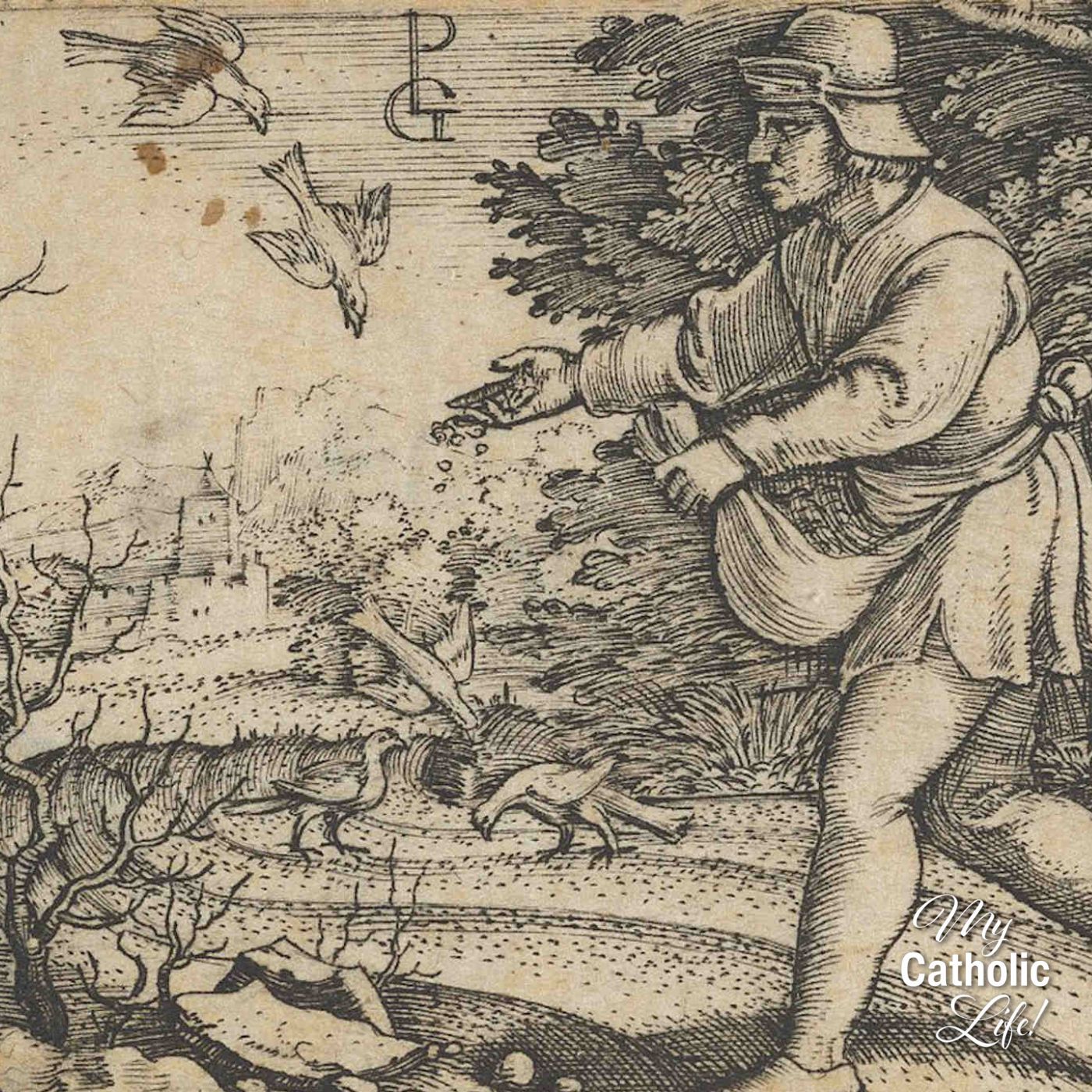
Jul 24, 2024
July 25, Feast of Saint James, Apostle - The Path to the Kingdom
Video “You do not know what you are asking. Can you drink the chalice that I am going to drink?” They said to him, “We can.” He replied, “My chalice you will indeed drink, but to sit at my right and at my left, this is not mine to give but is for those for whom it has been prepared by my Father.” Matthew 20:22–23 Saint James was the brother of the beloved disciple John and the son of Zebedee and Salome. Jesus called both James and John while they were working with their father, mending their fishing nets in their boat. Their response to Jesus’ call was immediate: “...they left their father Zebedee in the boat along with the hired men and followed him” (Mark 1:20). James was present at the raising of Jarius’ daughter, the Transfiguration, and is mentioned a few other times in the Gospels. In the Acts of the Apostles, James is identified as the first of the Apostles to give his life as a martyr, being beheaded by Herod in Jerusalem in the year 44 AD (See Acts 12:2). Among the other references to Saint James in the Gospels is the passage quoted above in which Salome, the mother of James and John, asks Jesus for the unique favor of allowing her two sons to sit at His left and right in His Kingdom. Upon her request on behalf of her two sons, Jesus turns to them and asks if they can drink the chalice that He is going to drink, to which they respond, “We can.” And though this is a bold request on their parts and that of their mother, there is also something courageous and holy about their request. Just prior to this passage, as Jesus journeyed to Jerusalem with the Twelve, He explained to them the fate that awaited Him. “Behold, we are going up to Jerusalem, and the Son of Man will be handed over to the chief priests and the scribes, and they will condemn him to death, and hand him over to the Gentiles to be mocked and scourged and crucified, and he will be raised on the third day” (Matthew 20:18–19). This was the third time that Jesus explained this to the Twelve and, therefore, it must have started to truly sink in. It is within this context that James and John ask to remain close to Jesus in His mission of establishing His Kingdom, even though Jesus explained that the path to that Kingdom was His suffering and death. Each of us should learn from James and John. Though their request might have had some selfishness mixed in with it, it was also courageous. It showed they did not fear Jesus’ prediction of His passion. Instead, they wanted to be part of it and were willing to endure whatever was necessary so as to share in the glory of the Kingdom to come. Reflect, today, upon making a similar request to our Lord. Say to Him that you desire to be close to Him in His Kingdom, and do so with the full knowledge that the path to this glory is by drinking the chalice of selfless sacrifice that Christ drank. It is obtained by courageously following Him, no matter what that requires of you. If that means suffering and persecution, so be it. If that means great sacrifice, so be it. If that means abandoning certain hopes and dreams, so be it. See yourself walking with these disciples and Jesus on the road to Jerusalem where our Lord would offer His life in sacrifice. Saint James would soon follow, dying by the sword of Herod. Say “Yes” to whatever our Lord asks of you and commit yourself to the drinking of the chalice of selfless sacrificial love. Doing so will enable you to share in the glory of the Kingdom of Heaven. My glorious King, You invite all people to share in Your glorious Kingdom to come. May I enter that Kingdom with all the saints and fully share in its glory. I choose that path that leads to that Kingdom and willingly offer my life in sacrifice to You and for others. Jesus, I trust in You. Source of content: catholic-daily-reflections.com Copyright © 2024 My Catholic Life! Inc. All rights reserved. Used with permission via RSS feed. Featured Image: Sons of Thunder, via flickr
Jul 23, 2024
Wednesday of the Sixteenth Week in Ordinary Time - Speaking in Parables
Read Online On that day, Jesus went out of the house and sat down by the sea. Such large crowds gathered around him that he got into a boat and sat down, and the whole crowd stood along the shore. And he spoke to them at length in parables… Matthew 13:1–3 Why did Jesus speak in parables? In today’s Gospel, Jesus goes on to teach the familiar “Parable of the Sower.” Immediately after that parable in today’s Gospel, the disciples do ask Jesus this question. They ask, “Why do you speak to them in parables?” Jesus responds to them, “Because knowledge of the mysteries of the kingdom of heaven has been granted to you, but to them it has not been granted.” So why is that? First of all, a story is easy to listen to. It keeps our attention and is easily remembered. In the “Parable of the Sower” that we hear today, Jesus explains that the seed sown by the sower falls either on the path, on rocky ground, among thorns, or on rich soil. This is a very visible description that will lead people to conclusions right away. Everyone knows that the ideal place for seed to be sown is rich soil. And everyone knows that the seed sown on the path, rocky ground and among thorns has little hope of producing fruit. Therefore, this parable easily draws the listener in so as to understand some basic lessons. With that said, this story will only become a parable if the deeper lesson is learned. Clearly, Jesus wanted the crowd to understand that they will only understand the mysteries He is teaching them if they are like the rich soil. And He also wanted them to understand that much of what He was teaching them was not falling on rich soil in their hearts. This parable, as well as all of Jesus’ parables, has the effect of causing the listener to think. Thinking leads to what we may term a holy curiosity. And this holy curiosity will begin to produce the rich soil that was needed within them so as to open the door to the deeper mysteries of the Kingdom of Heaven. How does Jesus speak to you? Are you able to listen to Jesus speak directly to you, in prayer, so as to reveal to you the deepest mysteries of Heaven? When God speaks to you, in prayer and meditation, does the seed of His Word take root in your very soul? Does His gentle, quiet but transforming Voice communicate to you Who He is and what His will is for your life? If not, then parables are for you. And knowing that is an important discovery. Reflect, today, upon the desire of God to speak to you. If you do struggle with hearing the clear and profound Voice of God resonate within your soul, then do not be afraid to spend time with the many parables that Jesus told. Try to place yourself within the scene. See yourself as a participant. In today’s parable, see your inner self as the field. Think about those things in your life that keep your soul from being rich soil. Allow this story of Jesus to speak to you. As you do, be attentive to God’s Voice. Listen for Him and listen to Him. And as you do hear Him, know that the seed He has scattered has begun to reach that rich soil of your heart. My teaching Lord, You desire to speak to me and to reveal to me all that You are. Help me to hear Your Voice so that I will come to know You more. Make my heart truly fertile soil in which the seed of Your Word is sown, so that You can produce within me an abundance of good fruit. Jesus, I trust in You. Source of content: catholic-daily-reflections.com Copyright © 2024 My Catholic Life! Inc. All rights reserved. Used with permission via RSS feed. Featured image above: The pathway of life to which is added a biography of Dr. Talmage, via Wikimedia Commons
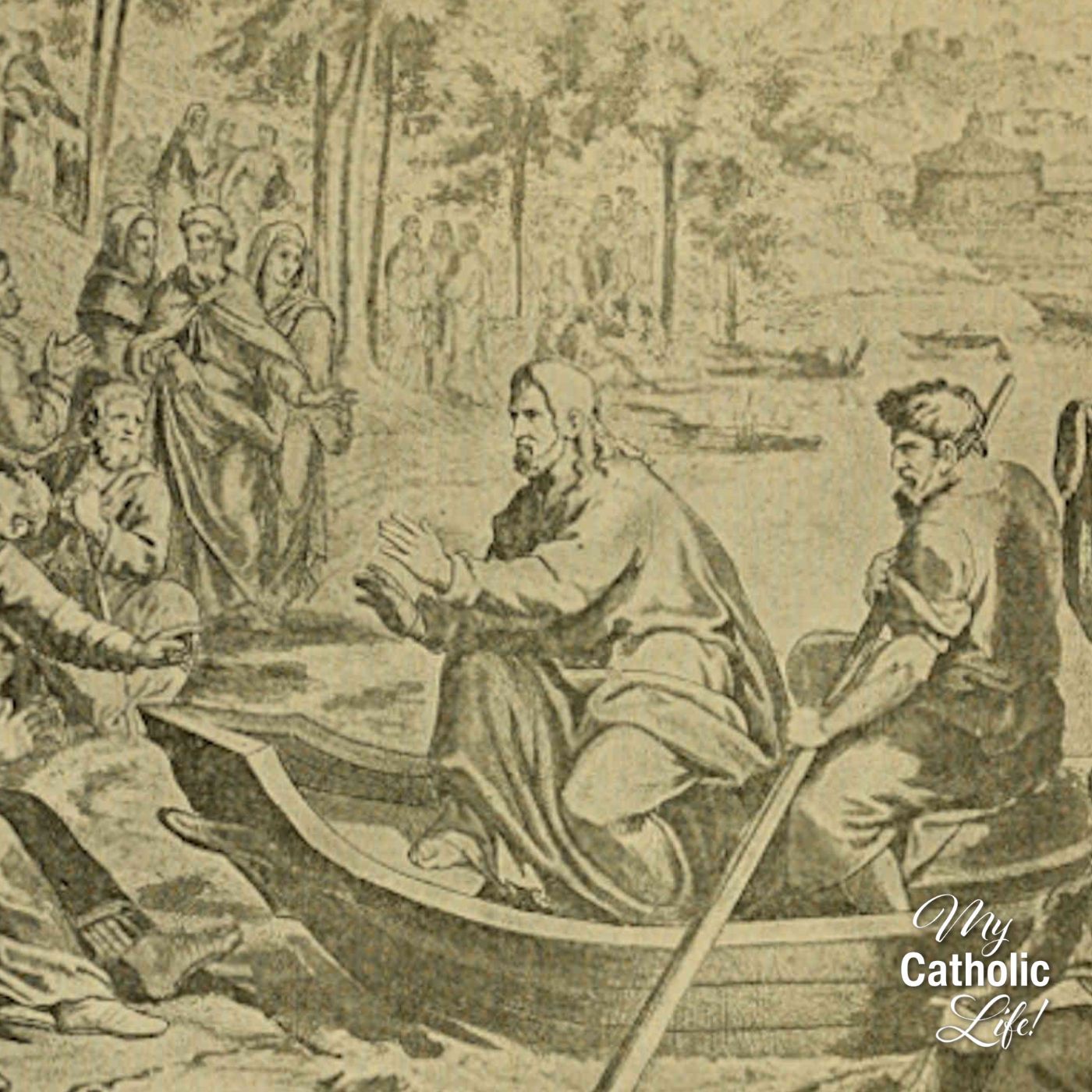
Jul 22, 2024
Tuesday of the Sixteenth Week in Ordinary Time - Obedience to the Father
Read Online “Who is my mother? Who are my brothers?” And stretching out his hand toward his disciples, he said, “Here are my mother and my brothers. For whoever does the will of my heavenly Father is my brother, and sister, and mother.” Matthew 12:48–50 These questions of Jesus were posed by Him to a crowd of people who were inside a house where He was teaching. His mother and brothers arrived outside asking to speak to Him. First of all, it should be noted that the word “brothers” in ancient Hebrew, Aramaic and other languages did not necessarily mean siblings. The same word was used to refer to anyone within the same extended family, such as cousins. Therefore, it is clear that Jesus’ mother and some other male relatives were coming to see Him. Jesus uses that opportunity to continue teaching the crowd about the family of God. He clearly states that we become a member of His family simply by obeying the will of the Father in Heaven. Thus, Jesus’ definition of family exceeds blood relationships to include everyone who is spiritually united to Him through the unity of their wills with that of the Father. One reason this is so helpful to understand is because it reveals to us our identity. God wants us to belong. He wants us to understand who we are called to be. We are called to be children of the Father, brothers and sisters of Christ, and even mothers and fathers of our Lord in a spiritual sense. We become His mothers and fathers in the sense that we bring Him into this world through our obedience to the will of the Father. Children, from the earliest ages, want to belong. They want friends, they want to be included, they want to have relationships with others. This innate desire is placed within us from the moment of our creation and is central to who we are. And that desire can only be completely fulfilled through our spiritual membership within the family of God. Think, for a moment, about your own desire for friendship. Oftentimes when two people are the closest of friends, they refer to each other as a brother or sister. The bond of friendship is deeply fulfilling because this is what we are made for. But true friendship, true spiritual family bonds, are only fulfilling in the most pure form when they are relationships that result from our unity with the will of the Father. When you are united with the will of the Father and when another is also united to the will of the Father, then this creates a family bond that fulfills on the deepest level. And that bond not only unites us with other Christians, it also deeply unites us with Jesus, as He mentions in this Gospel passage. Reflect, today, upon these words of Jesus as if they were a form of invitation given to you. He is inviting you into His family. He wants you to belong. He wants you to take your identity in Him. As you seek to enter into full obedience to the will of the Father, consider also the effect that that has on your relationships with others who are also seeking to live the will of the Father. Rejoice in the bond that your mutual obedience to God creates and savor those bonds with much gratitude. M y loving Lord, You have established the human family for unity and love. You invite all people to share in Your family in love. I accept Your holy invitation, dear Lord, and pledge my wholehearted obedience to the will of the Father in Heaven. As I do, I rejoice in the reward of a deepening relationship with You and with all who are united to You. Jesus, I trust in You. Source of content: catholic-daily-reflections.com Copyright © 2024 My Catholic Life! Inc. All rights reserved. Used with permission via RSS feed. Featured image above: The Holy Family with a Shepherd By Titian, via Wikimedia Commons
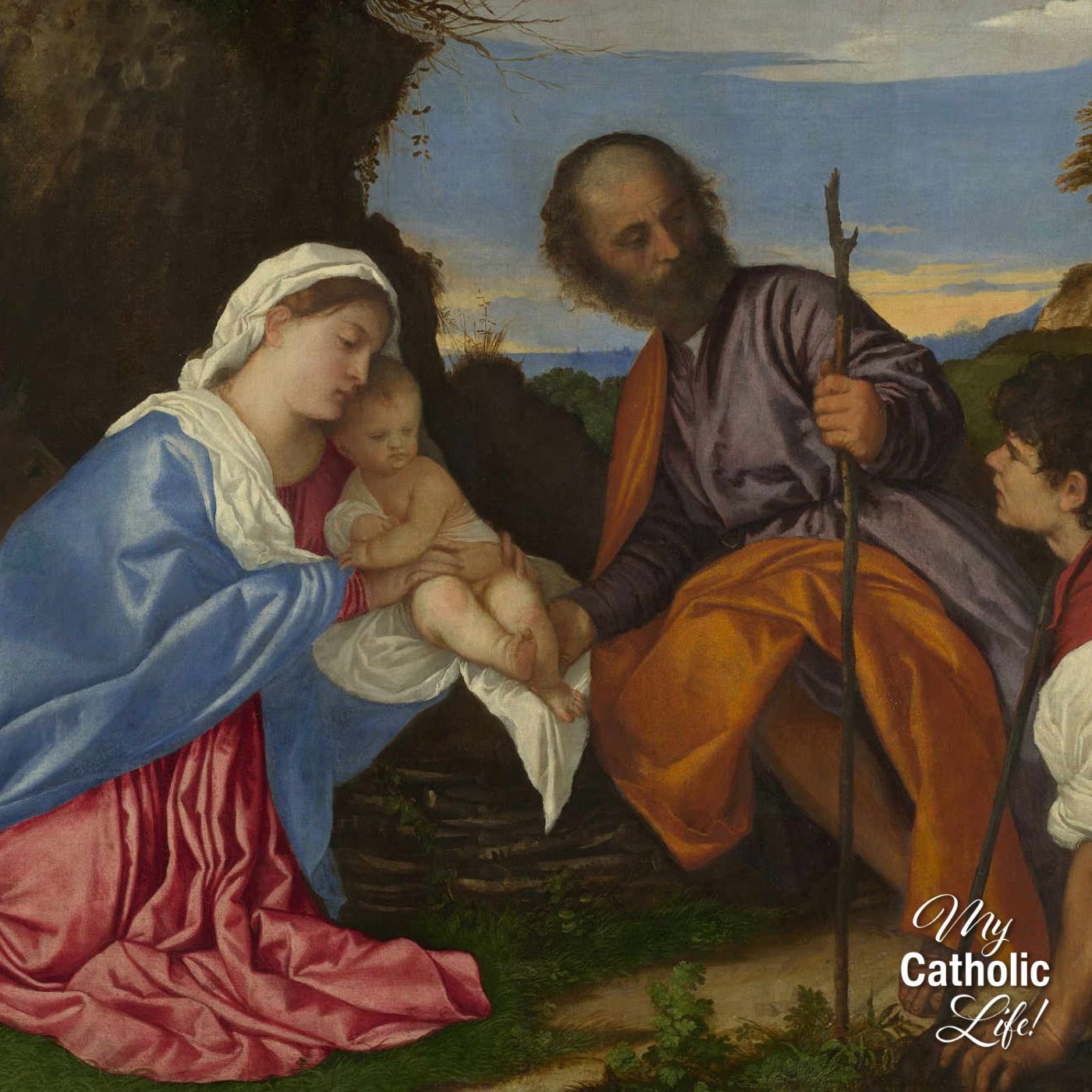
Jul 21, 2024
July 22, Feast of Saint Mary Magdalene - Unwavering Fidelity
Read Online Mary stayed outside the tomb weeping. And as she wept, she bent over into the tomb and saw two angels in white sitting there, one at the head and one at the feet where the Body of Jesus had been. John 20:11–12 Early in His ministry, Jesus cast seven demons out of Mary of Magdala. As a result, she became an exceptionally faithful follower of Jesus. She was most likely one of His followers who provided for Jesus and the disciples out of her own resources as they traveled. She listened to His teachings, witnessed His miracles, was present when He was condemned, stood at the foot of the Cross with Jesus’ mother, helped to prepare His body for burial and was the first person recorded in Scripture to whom Jesus appeared after His Resurrection. The Gospel for today’s Mass tells the story of Mary going to the tomb early Sunday morning to complete the anointing of Jesus’ dead body as He laid in the tomb. But much to her surprise, the tomb was empty. Therefore, she ran to tell the Apostles, which makes Mary Magdalene the first of His followers to witness to the Resurrection. After telling the Apostles, she returned to the tomb with Peter and John; and, after Peter and John left, she remained outside the tomb weeping, as is mentioned in the Gospel passage quoted above. Mary’s tears are beautiful. They are an expression of her deep devotion to her Lord. She did not yet understand that He had risen, but her fidelity to Jesus is a testimony to her love. Jesus had restored her dignity. He freed her from the seven demons who tormented her. She most likely had been a sinful woman in the past, but now she was singly devoted to the Savior of the World. The witness of Mary of Magdala is one that should inspire us all. Though few people are possessed by seven demons, we are all tormented in one way or another. We all sin. We all are weak. We all have a past we regret. And we all are invited to do better. Mary’s “better” was a life that was given to Jesus with the utmost fidelity. She didn’t care if the authorities saw her at the foot of the Cross. If they were to persecute her as a result, it did not matter. She was faithful. She didn’t care if the soldiers would have harassed her when she went to the tomb to anoint the body of Jesus—she only thought of that last act of love she could offer Him. And when she saw Jesus risen and thought He was the gardener, she didn’t care if He saw her heartbroken and in tears—she only wanted to see the body of her Lord. As a result of her unwavering fidelity, Jesus gave her a gift beyond imagination. He appeared to her, after being resurrected from the dead, and sent her to be an apostle to the Apostles. He sent her to go to the Apostles to tell them that Jesus had risen and that He was preparing to go to His Father in Heaven. Reflect, today, upon the holy soul of this woman. She was a repentant sinner who turned her whole life around. She devoted everything to Jesus and, in return, received even more. In Heaven, Mary Magdalene will forever cling to Jesus and adore His Sacred Heart. May we all strive to imitate her by turning from our own life of sin and becoming unwaveringly faithful to our Lord. My resurrected Lord, You appeared first to Mary of Magdala after Your Resurrection. You now invite her to share in Your glorious life in Heaven. Help me to learn from her by turning away from all sin and becoming deeply devoted to You. May my fidelity to You, dear Lord, be absolute and unwavering, so that I, too, will one day share in the glory of Your Resurrection. Jesus, I trust in You. Source of content: catholic-daily-reflections.com Copyright © 2024 My Catholic Life! Inc. All rights reserved. Used with permission via RSS feed. Featured image above: Mary Magdalene at the Tomb By Scipione Pulzone, via Wikimedia Commons
Jul 20, 2024
Sixteenth Sunday in Ordinary Time (Year B) - Zeal and Determination
Read Online When he disembarked and saw the vast crowd, his heart was moved with pity for them, for they were like sheep without a shepherd; and he began to teach them many things. Mark 6:34 Both Jesus and the Twelve Apostles had been working very hard. The Twelve had been out on mission to many of the neighboring towns preaching, healing the sick and casting out demons. Upon the completion of their mission, they returned to Jesus and reported all that they had done. Jesus, in turn, invited them to “Come away by yourselves to a deserted place and rest a while.” But the crowds heard about their departure by boat and quickly went to the other side of the Sea of Galilee so that they would arrive before Jesus and the Twelve. The passage quoted above reveals the internal reaction that Jesus had toward the crowds as He and the Twelve disembarked from the boat. Though they had attempted to go away together to a quiet place for rest, the crowds were intent on being with them. Jesus, of course, was not upset that the crowds had spoiled His attempt to find some quiet time with the Twelve. Instead, His heart was moved with compassion. He could see that the people were hungry for more and were “like sheep without a shepherd.” For that reason, Jesus immediately began to feed them with His teachings. A helpful point to ponder in this passage is that the people who gathered were described as a “vast crowd.” From the subsequent passage in Mark’s Gospel, we learn that when Jesus finished teaching them many things, He performed the miracle of the multiplication of fish and bread and fed 5,000 men, not counting the women and children. Given the fact that the estimated ratio at that time of adult men to women and children was at least 5:1, the crowd could have been as large as 25,000 people. For a spontaneous gathering of people in a remote area by the Sea of Galilee, that is a huge number. This is especially the case, since it is estimated that there were only about 1,500 people living in Capernaum at that time. People had flocked to our Lord from very far away. This vast and spontaneous gathering reveals to us the hunger that Jesus instilled in the hearts of very many people. Some of these people had already heard Jesus speak and had witnessed His miracles. Others were those to whom the Twelve had just preached in the surrounding villages. The Twelve had spoken clearly and convincingly by the power of the Holy Spirit about Jesus, and many people responded, wanting to know more about our Lord. As you ponder the enthusiasm of so many people, try to compare that with your own enthusiasm for Jesus. Are you driven to seek Him out with the same passion and zeal that consumed these first followers? Or do you find that your zeal and enthusiasm are lacking at times? This vast crowd, with their zeal and determination to seek out our Lord, should be a source of inspiration and self-examination for us all. Reflect, today, upon this vast crowd. Try to see yourself joining them. Ponder yourself being so moved by the preaching of the Apostles that you become single-focused in your determination to be fed by Jesus’ holy teaching. If it is hard to imagine yourself acting this way, then humbly acknowledge that you may need more zeal for Jesus in your life. Pray that these holy desires become stirred up within you, and do all that you can to foster such zeal. My compassionate Lord, the vast crowds sought You out to listen to You and to be fed by Your holy Word. They burned with a desire to be with You, and You responded to them with great mercy. Please fill my heart with the same zeal and desire for You. Teach me, Lord, feed me and draw me close to You. Jesus, I trust in You. Source of content: catholic-daily-reflections.com Copyright © 2024 My Catholic Life! Inc. All rights reserved. Used with permission via RSS feed. Featured image above: Miracle of the Loaves and Fish, via flickr
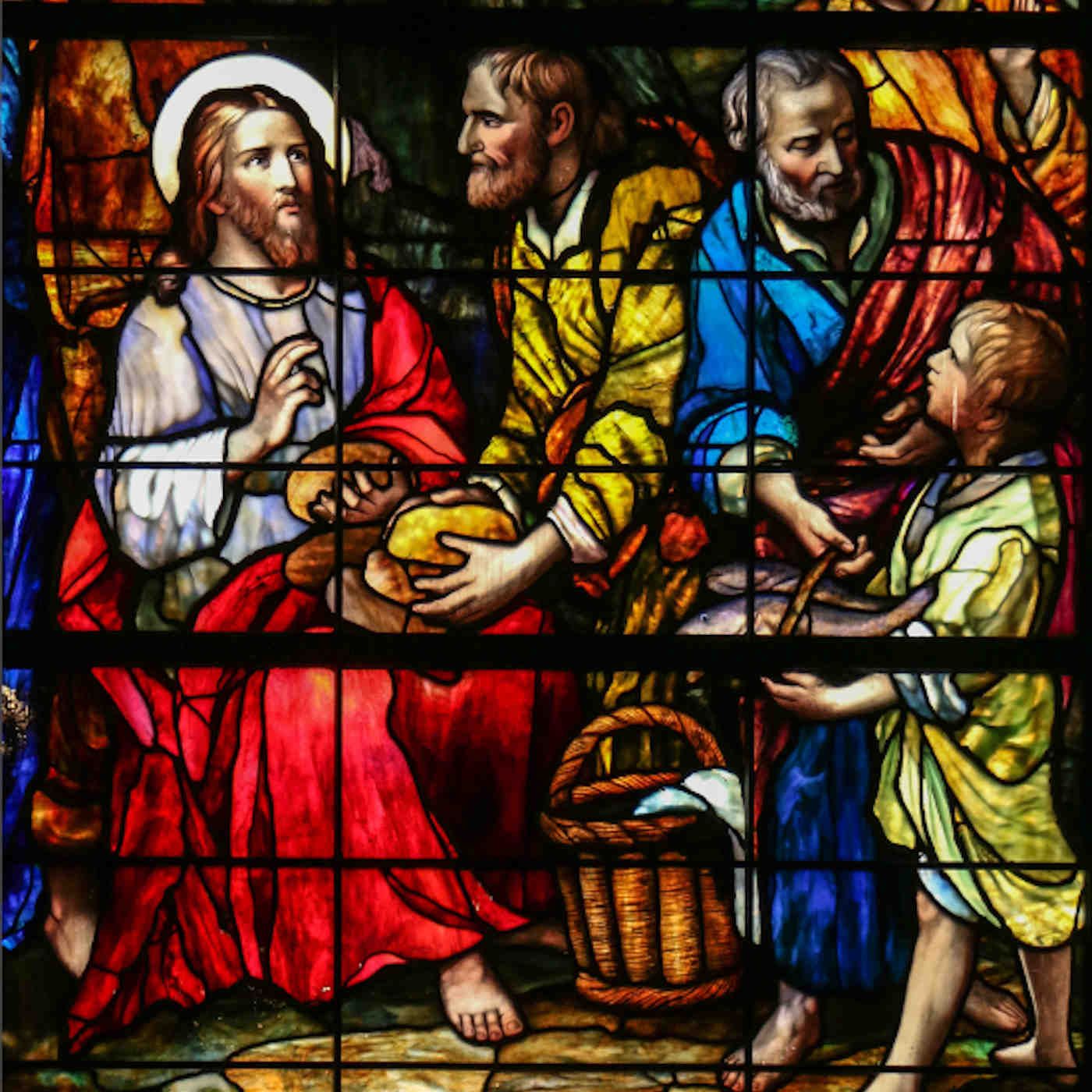
Jul 19, 2024
Saturday of the Fifteenth Week in Ordinary Time - A Different Kind of Messiah
Read Online The Pharisees went out and took counsel against Jesus to put him to death. When Jesus realized this, he withdrew from that place. Many people followed him, and he cured them all, but he warned them not to make him known. Matthew 12:14–16 This passage goes on to say that Jesus withdrew to a more deserted place to fulfill the prophecy of Isaiah the Prophet (Isaiah 42:1–4). That prophecy is the first of what is referred to as “The Songs of the Suffering Servant.” In these songs or poems of Isaiah, the Messiah is presented to us as one who would be sent on a mission from God, would suffer injustice for the sake of others, would be rejected, and ultimately be vindicated and exalted. The mission of the Suffering Servant was to bring justice and salvation to all, including to the Gentiles. At that time, the idea of a messianic king was still prominent in the minds of many. They anticipated the coming of a messiah who would be a political leader and would lead the people of Israel out of oppression, making them a free, prosperous and powerful nation. But Jesus acts in the opposite manner. Instead of raising up an army to combat the evil intentions of the Pharisees and to overthrow the Romans, Jesus withdrew from them and invited people to come to Him for healing and to receive His teachings. Jesus perfectly fulfills the prophecy of Isaiah by becoming the Suffering Servant. And because His messianic role was much different than what many people had anticipated, Saint Matthew points us to the Old Testament prophecy of Isaiah as a way of clearly showing that Jesus truly was the promised Messiah. He was just not the form of messiah that many expected. He was One Who was humble and gentle of heart. He was One Who would redeem people by the Blood of His Cross. And He was One Who would extend salvation to all people, not only the people of Israel. One lesson this teaches us is that even today we can have false expectations of God. It is easy for us to set forth our own idea of what God should do and what true justice demands. But we also read in Isaiah, “For my thoughts are not your thoughts, neither are your ways my ways, says the Lord. For as the heavens are higher than the earth, so are my ways higher than your ways and my thoughts than your thoughts” (Is. 55:8–9). Just as it must have been difficult for the people of Israel to come to accept the promised Messiah as a servant Who suffers and Who redeems all people through that suffering, so it is often difficult for us to accept our Lord as He is. It is difficult to shed our own ideas of what we want God to do and this is especially difficult when He calls us to share in His own suffering and servanthood. To serve, suffer, sacrifice our lives, and the like can be difficult to accept. But this is the way of our Lord—it is the way of the Suffering Servant of God. Reflect, today, upon your own expectations of God. Do you have a long list of things that you think God should do? Do you pray for that list of your ideas, thinking that if you only ask enough, God will grant your requests? If your requests flow from His perfect will, then praying for them in faith will bring them about. But if they flow more from you and your own ideas of what God should do, then all the prayers in the world will not bring them to be. If this is your struggle, then try to start anew by turning your eyes to the Servant Who Suffers for the salvation of all. Reflect upon the fact that God’s thoughts and ways are most often very far above your own thoughts and ways. Try to humble yourself before the Suffering Servant and abandon all ideas that do not flow from His Heart. My Suffering Servant, I thank You for Your suffering and death and for the redemption that flows from Your sacrifice of love. Help me to shed all false expectations that I have of You, dear Lord, so that I will be guided by You and Your mission of salvation alone. Jesus, I trust in You. Source of content: catholic-daily-reflections.com Copyright © 2024 My Catholic Life! Inc. All rights reserved. Used with permission via RSS feed. Featured image above: Image by Pete Linforth from Pixabay
Jul 18, 2024
Friday of the Fifteenth Week in Ordinary Time - Freedom From Condemnation
Read Online Jesus was going through a field of grain on the sabbath. His disciples were hungry and began to pick the heads of grain and eat them. When the Pharisees saw this, they said to him, “See, your disciples are doing what is unlawful to do on the sabbath.” Matthew 12:1–2 When Moses gave the Ten Commandments to the people, there was a prohibition against working on the Sabbath. The Third Commandment said, in part, that “you shall not do any work” on the Sabbath (Exodus 20:10). By the time of Jesus, the Pharisees had added much commentary to this law and expanded it to include as many as 39 different forms of work that they believed was forbidden. Included in their list were the practices of harvesting and milling of grain. For that reason, when the Pharisees saw that the disciples were picking heads of grain and rubbing the grain off the husks so that they could eat it, the Pharisees condemned them for violating what they interpreted to be an offense against the Third Commandment. The first thing we can note from this passage is that the disciples were hungry. They were exceptionally devoted to Jesus and had been traveling with Him from town to town so that He could preach the Gospel. They had given up occupation, home, family and income so as to be singly devoted to Jesus and His mission. And as a result of this, they were living in poverty and relying upon the generosity of others. It is in this context that they chose to eat the most humble of foods: grain that they picked as they walked. They didn’t complain that there wasn’t a hot meal waiting for them at their destination. They were accepting of the many long journeys by foot that they made. They were okay with the fact that they did not get to sleep in their own bed every night. But they did have the basic human need for food, so they picked this grain as they walked to fulfill this basic need of hunger. Though there are many lessons we can learn from this passage, one clear lesson is that of the temptation to judge and condemn others. When we fall into the trap of judging others, there are a few things that are common. First, judging and condemning often is based on perceived wrongs that are inflated and exaggerated. The Pharisees clearly inflated and exaggerated this “sin” of the disciples. In our lives, judgmentalness almost always makes the perceived sin of another far more serious than it is, if it is sin at all. Another common temptation that flows from a judgmental and condemning heart is the failure to even understand the condemned party. In this case above, the Pharisees did not even inquire into the reason the disciples were picking and eating grain. They didn’t ask if they had been without food for some time or how long they had been traveling. It didn’t matter to them that they were hungry, and most likely, very hungry. So also with us, it is common that when we judge and condemn another, we arrive at our verdict without even seeking to understand the situation. Lastly, it needs to be said that judging others is not our right. Doing so is usually reckless and caused by our own self-centeredness. God did not give the Pharisees the authority to expand the Third Commandment into 39 forbidden practices, nor did He give them the authority to apply those interpretations to the perceived actions of the disciples. And God does not give us the authority to judge others either. If another is clearly caught in a cycle of objectively grave sin, we must do all we can to help draw them out of that sin. But even in that case, we have no right to judge or condemn. Reflect, today, upon any tendency you have toward being judgmental and condemning of others. If you see this tendency within yourself, spend time thinking about the Pharisees. Their self-righteousness was ugly and damaging. The negative example they set should inspire us to turn away from such acts of condemnation and to reject those temptations the moment they come. My divine Judge of All, You and You alone know the heart, and You and You alone are capable of acting as Judge. Please exercise Your authority in my life so that I can perceive my own sin. As You do, please also free me from the tendency to judge and condemn. Fill me, instead, with a heart full of mercy and truth toward all. Jesus, I trust in You. Source of content: catholic-daily-reflections.com Copyright © 2024 My Catholic Life! Inc. All rights reserved. Used with permission via RSS feed. Featured image above: Christ defends the plucking of the ears of grain on the Sabbath By Marten van Valckenborch, via Wikimedia Commons
Jul 17, 2024
Thursday of the Fifteenth Week in Ordinary Time - The Yoke of Christ
Read Online “Take my yoke upon you and learn from me, for I am meek and humble of heart; and you will find rest for yourselves. For my yoke is easy, and my burden light.” Matthew 11:29–30 For those first followers of Jesus, a “yoke” was a familiar term. Many would have worked with oxen and other animals on a regular basis to plow their fields. To do so, they would place a wooden yoke over the oxen, which was a form of harness that was also attached to the plow, making it easier for the oxen to till the soil. To be strapped with a yoke was an indication of servitude, since that was the role of the oxen. In commenting upon this passage, Saint Augustine (in Sermon 126) analogized the yoke of Christ with the wings of a bird. A bird's wings are large in comparison to its body. As a result, if someone were to conclude that removing the wings from a bird would make its life easier by ridding it of that excess weight, such an action would have the effect of keeping it bound to the earth. But give its wings back and that “yoke” will enable it to soar through the skies. So it is with the yoke of our Lord. If we accept the invitation to be a servant of God and we take upon ourselves the yoke of Christ for the fulfillment of our mission of service, we will discover that the act of serving lightens us, refreshes us, invigorates us and energizes us. Service of God is what we are made for, just as a bird is made to have wings. And like the bird, if we remove the yoke of service of God from our lives, then we are weighed down and cannot accomplish the good we are meant to do. We are also told in this passage that we are not to carry our yoke; rather, we are meant to carry Christ’s yoke. “Take my yoke upon you…,” Jesus said. Carrying Jesus’ yoke means we are called to live our lives with Him and in Him. He came to serve and to give His life for others. It is our duty to do the same by allowing Him to do so within us. It is Christ and His servitude that must be the motivation and foundation of our lives. Reflect, today, upon your call to be a servant in Christ. How is God calling you to serve? Whom is God calling you to serve? And as you answer that question, how do you see your act of service? Does service seem burdensome to you? Or do you understand that it is what you are made for? If you do see humble service as a burden, then perhaps that is because you have not actually tried to serve with and in Christ Himself. Try to ponder Jesus placing His yoke upon your shoulders. Say “Yes” to that act and to the mission of humble service you are called to fulfill. Doing so wholeheartedly will not only refresh you, it will also give meaning and purpose to your life. My gentle Lord, You came to us to serve and to give Your life out of love. Give me the grace I need to accept Your act of service to me and to also imitate and participate in the service to which I am called. May I take Your yoke upon me, dear Lord, so that I can fulfill the mission that You have entrusted to me. Jesus, I trust in You. Source of content: catholic-daily-reflections.com Copyright © 2024 My Catholic Life! Inc. All rights reserved. Used with permission via RSS feed. Featured image above: flickr
Jul 16, 2024
Wednesday of the Fifteenth Week in Ordinary Time - Rejoicing at the Gift of Faith
Read Online At that time Jesus exclaimed: “I give praise to you, Father, Lord of heaven and earth, for although you have hidden these things from the wise and the learned you have revealed them to the childlike.” Matthew 11:25 This passage is in stark contrast to the passage just before it in which Jesus chastised the towns of Chorazin, Bethsaida and Capernaum for not repenting and believing in Him. And as soon as Jesus issued those rebukes, He turned His eyes to Heaven and offered praise to the Father for revealing the hidden mysteries of the Kingdom of Heaven to those who were “childlike.” One of the greatest threats to a pure and childlike faith is intellectual pride. Those who consider themselves as “wise and learned” are often tempted to rely upon their own reasoning abilities to come to conclusions and beliefs in life. The problem is that even though the matters of our faith are fully reasonable, they go beyond the conclusions that human reason alone can achieve. We cannot figure out God by ourselves. We need the gift of faith for that, and the gift of faith begins with a spiritual communication from God through which He reveals to us Who He is and what is true. Only the childlike, meaning, those who are humble, are able to hear this form of communication from God and respond. This passage also reveals to us that Jesus passionately rejoices in this form of humble faith. He gives “praise” to the Father in Heaven for witnessing such faith, because Jesus knows that this form of faith originates from the Father. In your life, it is important that you regularly ponder whether you are more like the wise and learned or like those who are childlike. Though God is an infinite and incomprehensible mystery, He must be known. And the only way we can come to know God is if He reveals Himself to us. And the only way God will reveal Himself to us is if we remain humble and childlike. As we come to childlike faith, we must also imitate the praise that Jesus offered the Father for the faith that He witnessed in the lives of His followers. We, too, must turn our eyes to those who clearly manifest this pure knowledge of God by the gift of faith. As we see this faith lived, we must rejoice and offer praise to the Father. And this act of praise must be given not only when we see faith alive in others, it must also be given when we see the gift of faith grow within our own soul. We must foster a holy awe of what God does within us, and we must rejoice in that experience. Reflect, today, upon Jesus giving praise to the Father as He witnesses the faith born in the hearts of His followers. When Jesus looks at you, what does He do? Does He issue chastisements? Or does His Sacred Heart rejoice and give praise for what He sees. Give joy to the Heart of Christ by humbling yourself to the point that you, too, are counted among the childlike who truly know and love God. My rejoicing Lord, You are attentive to the workings of grace in every human heart. As You see the Voice of the Father speaking to Your children, You rejoice at such a sight. Dear Lord, I pray that my own heart will be the cause of Your joy and Your praise of the Father in Heaven. Please speak to me and help me to believe with all my heart. Jesus, I trust in You. Source of content: catholic-daily-reflections.com Copyright © 2024 My Catholic Life! Inc. All rights reserved. Used with permission via RSS feed. Featured image above: Jesus Goes Up Alone onto a Mountain to Pray By James Tissot, via Wikimedia Commons
Jul 15, 2024
Tuesday of the Fifteenth Week in Ordinary Time - Becoming Lukewarm
Read Online “Woe to you, Chorazin! Woe to you, Bethsaida! For if the mighty deeds done in your midst had been done in Tyre and Sidon, they would long ago have repented in sackcloth and ashes. But I tell you, it will be more tolerable for Tyre and Sidon on the day of judgment than for you.” Matthew 11:21–22 Chorazin and Bethsaida were Jewish towns that Jesus visited frequently to preach and to perform many “mighty deeds.” They were located just north of His city of residence, Capernaum. Tyre and Sidon were pagan coastal cities northeast of Chorazin and Bethsaida, in modern-day Lebanon, and were towns known for their immoral living. Though Jesus did not spend much time in those cities, He did visit them at times. During Jesus’ first recorded visit there, recall His encounter with the Syrophoenician woman who begged Him to heal her daughter (Matthew 15:21–28). The Gospel passage quoted above took place prior to Jesus making that journey. Why was Jesus so harsh toward the towns He spent so much of His time in. Why did He rebuke Chorazin, Bethsaida and Capernaum? To answer this, it’s important to remember that Jesus spent most of His time preaching to the “lost sheep of the house of Israel.” In other words, His primary mission during His public ministry was to share the Gospel with those who were descendants of Abraham and had been entrusted with the Law of Moses, the teachings of the prophets and the liturgical rites. For that reason, Jesus not only preached with perfection to these people, He also did miracle after miracle. And though there were many who did believe in Him and became His disciples, there were many others who were indifferent or who flatly refused to believe in Him. Today, Chorazin, Bethsaida and Capernaum could be seen as symbols of those Catholics who were born and raised in the faith and were given good formation by their parents and others. Many parents whose children have gone astray from the faith wonder what they did wrong. But the truth is that even Jesus Himself was rejected, despite His perfect preaching, perfect charity and undeniable miracles. And the same happens today. There are many who, despite being raised within the holy faith given to us by Christ Himself, reject that faith and turn a blind eye to the Gospel and the Church. Jesus’ rebuke of those towns should echo today in the minds of those who, despite being given so much in regard to a good upbringing, have rejected God. Of course, that rejection is not always absolute and total. More often, it is a rejection in degrees. First, the rejection comes in the form of missing Mass. Then moral compromises. Then a lack of faith. And eventually confusion, doubt and a complete loss of faith sets in. If you are one who has started down the road of becoming more and more lukewarm in your faith, then the rebuke of these towns by Jesus should be understood to also be directed at you in love. “Every one to whom much is given, of him will much be required…” (Luke 28:48). Therefore, to those who have been taught the faith well, much is expected. And when we fail to live up to that which is demanded of us by God out of love, a holy rebuke is exactly what we need. Reflect, today, upon whether the rebuke Jesus issues toward these towns is also issued toward you. Have you been blessed with a good formation in the faith? If so, have you done all you can to help nourish that faith and grow in your love of God? Or have you allowed your faith to dim, to become lukewarm and to begin to wither and die? If you have been given much, have been raised in the faith and have been privileged with good examples in your life, then know God expects much of you. Answer that high calling that is given to you and respond to God with all your heart. My passionate Jesus, You poured out Your heart and soul through Your preaching to the people of Israel. Although many accepted You, many others rejected You. I thank You for the privilege I have been given to hear Your holy Word preached to me. Help me to respond to You with all my heart so that I will be counted among those who listen and believe. Jesus, I trust in You. Source of content: catholic-daily-reflections.com Copyright © 2024 My Catholic Life! Inc. All rights reserved. Used with permission via RSS feed. Featured image above: Day of Judgement via flickr
Jul 14, 2024
Monday of the Fifteenth Week in Ordinary Time - Authentic Love
Read Online “Whoever loves father or mother more than me is not worthy of me, and whoever loves son or daughter more than me is not worthy of me; and whoever does not take up his cross and follow after me is not worthy of me.” Matthew 10:37–38 At first read, this appears to be a difficult teaching of our Lord. But when properly understood, it is clear that it helps us keep our relationships with God and with our family properly ordered in charity and truth. Following this command will never result in a lack of love for family; rather, it will help us to love solely with the heart of Christ. What does this teaching of Jesus require of us? Simply put, if a family member, or anyone else, imposes expectations on us that are contrary to the will of God, then we must choose the will of God over those other expectations. To understand this more clearly, think about how one might choose to love “father or mother” or “son or daughter” more than God. Say, for example, that a child chooses to go astray in their moral or faith life, and they want their parents to support them in their sin. But the parents remain firm in their moral convictions and, out of love, offer no support for the immoral lifestyle their child has chosen. This would become especially difficult for the parents if the child becomes angry and criticizes the parents, with the claim that the parents are being judgmental and are lacking in love. What the child is actually requesting is “Mom and dad, you must love me more than God and His laws.” And if the parents do not support their child’s misguided lifestyle, the relationship may be deeply wounded. Perhaps that is one of the reasons that Jesus followed this command by saying, “and whoever does not take up his cross and follow after me is not worthy of me.” Love always involves the Cross. At times, it is a cross of personal self-sacrifice and self-giving. And at other times, it’s a cross by which our love is misunderstood, and we are deemed as “unloving” by those we actually love the most. When parents truly love their child, they will care first and foremost for their child’s eternal salvation and moral living, and they will not choose “friendship” with their child over truth. Of course, this same truth applies to every relationship we will have and even to our “relationship” to society as a whole. More and more, there are those who demand of us all that we support them in behaviors that are objectively disordered and contrary to the will of God. We are told that if we oppose these choices that some make, then we are judgmental and hateful. But this is exactly what Jesus is speaking about. If we choose to “love” others more than God and His holy will, meaning, if our first priority is to make people “feel” supported in the immoral and confused decisions they make, then we are not actually loving them at all. At least not with the love of God. Instead, we are prioritizing their sin over the truth they so deeply need to know so as to be set free and to enter into an authentic relationship of love with the God of Truth. Reflect, today, upon true love. Love is only true love when it is grounded and centered in God and every moral law He has set forth. Reflect upon your own relationships, especially with family and those closest to you. Do you love them with the pure love of God? Does your love remain firmly rooted in the will of God? Or do you, at times, choose to compromise the truths of faith and morality so as to appease the misguided expectations of others. Kindness, gentleness and compassion must always be present. But moral truth must also be just as present and must be the foundation of every virtue we exercise in our relationships with everyone. Do not be afraid to love others exclusively with the mind and heart of God. Doing so is the only way to have true love for everyone in your life so as to help save their souls. Lord of All, You call all people to love You with all of their mind, heart, soul and strength. You call us all to adhere to every truth that You have spoken. Give me the courage and love I need to not only love You above all but to also love others with Your love alone. Help me to embrace Your Cross when this is difficult so that I will be a better instrument of the love You have for all. Jesus, I trust in You. Source of content: catholic-daily-reflections.com Copyright © 2024 My Catholic Life! Inc. All rights reserved. Used with permission via RSS feed. Featured image above: The Exhortation to the Apostles By James Tissot, via Wikimedia Commons
Jul 13, 2024
Fifteenth Sunday in Ordinary Time (Year B) - Trusting in Providence
Read Online Jesus summoned the Twelve and began to send them out two by two and gave them authority over unclean spirits. He instructed them to take nothing for the journey but a walking stick—no food, no sack, no money in their belts. They were, however, to wear sandals but not a second tunic. Mark 6:7–9 If you felt called by God to go forth to another land to spread the Gospel message, you most likely would plan ahead and pack all that you needed for the journey. You would bring extra clothing, money, and various other provisions. But in the Gospel above, Jesus instructs the Twelve to go forth on a mission with nothing but a walking stick. He instructs them to rely upon divine providence for the physical necessities of daily living while on their journey. Though there was nothing wrong with planning ahead and taking care of their physical needs, Jesus’ instruction was given to teach the Twelve a more important spiritual lesson. In their mission of preaching the Gospel, curing the sick and casting out demons, they had to learn to rely upon the power of God and not on their natural abilities. Therefore, by learning to rely upon providence for things like food, clothing and shelter, they were more prepared to also rely upon divine providence in their apostolic mission. As you ponder this passage, try to imagine what might have gone through the minds of the Twelve as they traveled. Imagine them walking for many miles and arriving at a town as the sun began to set. Since they had no money or food, they would have been tempted to fear and worry. They could not rent a room for the night. They could not buy anything to eat. This was a test of their trust in God. Imagine further that these same Apostles suddenly encountered God’s providence. To their surprise, they were offered free lodging for the night and a meal. The next day, the same thing happened. As they trusted, journeyed, preached, healed and drove out demons, they found that they had what they needed every day and every night. This experience of God’s providence would certainly have affected their personal faith. But it also would have affected their ministry. As they witnessed God providing for their physical needs, they would also have grown in their trust in grace to more fruitfully fulfill their mission. Just as the Twelve had to learn to rely upon the providence of God in all things, so God wants the same for you. He might not call you to go forth on a mission without any physical provisions, but He does want you to learn to trust Him always. Perhaps that means donating more than a tithe of your money to the poor or to the mission of the Church as a way of showing you trust God with your money. Perhaps it means buying less for yourself and learning to live more simply. Or perhaps it means taking a step in faith by speaking to a friend about the Gospel, engaging in an apostolic ministry at Church, or stepping out in faith in some other way while you learn to put your trust in God. Trust in God means you overcome fear and worry as you journey through life and fulfill the mission God has given to you. Reflect, today, upon the fact that God wants you to learn to trust Him in all things and to especially trust that He will use you to share the Gospel with others. If you find this fearful, that is a good interior discovery. It means that you have found the fear holding you back. Whatever that may be, step forward in faith and conquer that fear. God will provide for you, giving you what you need to wonderfully fulfill His divine mission in your life. My providential Lord, You always provide for us in every way. You know our every need and always meet those needs. Please help me to trust in You in every way and to learn to rely upon Your providential grace. Please use me as You will and work powerfully through me so that my life produces an abundance of good fruit for Your Kingdom. Jesus, I trust in You. Source of content: catholic-daily-reflections.com Copyright © 2024 My Catholic Life! Inc. All rights reserved. Used with permission via RSS feed. Featured image above: Jesus blesses the Apostolic College, via flickr
Jul 12, 2024
Saturday of the Fourteenth Week in Ordinary Time - The Whispers of God
Read Online “What I say to you in the darkness, speak in the light; what you hear whispered, proclaim on the housetops.” Matthew 10:27 What is it that our Lord speaks to you in the “darkness” and what is it that you “hear whispered” by Him? This is an important question to consider, since whatever it is that is spoken that way must be spoken “in the light” and proclaimed “on the housetops.” Recall that when people first came to Jesus, curious about Him, He would often speak in a veiled way, in figures of speech and in parables. This method of teaching is the first step in Jesus’ ongoing deepening revelation to us. His parables and various figures of speech are meant to draw the listener in so that they are attentive to the deeper message. Recall, also, that Jesus said to His disciples, “I have told you this in figures of speech. The hour is coming when I will no longer speak to you in figures but I will tell you clearly about the Father” (John 16:25). In which way does our Lord speak to you? As we grow in faith, and become more and more familiar with our Lord, He will begin to “lift the veil,” so to speak, and will begin to whisper His deepest truths to us within the depths of our souls. He will communicate to us in ways that go far beyond the veiled message of His parables and figures of speech and will communicate His very self to us, in ways that are beyond words. The Gospel passage above, when taken by itself, seems to clearly indicate that there is much God wants to say to us in a clear way. But He wants to speak it to us in the “darkness” of our interior life and with gentle whispers that can only be heard when we give Him our full attention. Saint John of the Cross, for example, speaks much of the “darkness of faith” by which the deepest communications from our Lord are received. These communications are beyond words, concepts and images and can only be communicated in a direct and spiritual way through infused prayer. Infused prayer is not something you can accomplish on your own; it is a gift by which God continually draws you deeper, you respond and are called even deeper, and you continue to respond. The Gospel passage above also clearly indicates that God wants us to share this most pure faith with others. To share it in the light and to proclaim it on the housetops. This is first done by the witness of our lives, by allowing the transforming grace of God to shine forth through us in ways that He can only do. It is also done by being attentive to those moments when God wants to use you to share His deeper and often veiled truths with others. God must first speak them to you, and then at the promptings of His grace, He will, at times, use you to share Him with others. Reflect, today, upon this twofold action commanded by our Lord. First listen to Him. Listen to Him in the “darkness of faith.” Let Him draw you into the deepest and most certain convictions about His love and mercy and His very Self. Then, as you savor these hidden and holy communications from our Lord, look for ways by which He wants to speak to others through you. You do not have to initiate this proclamation, you only need to respond when He directs you. By building a deep level of prayer in this way, you will not only come to know our Lord in ways that are beyond words, you will also know how and when He wants to speak to others through you. My good Jesus, You desire to speak to me and all Your children in ways that are deep, profound and beyond words. Please do draw me deeper into these communications of Your love so that I may see beyond the veil and come to know You as You are. Please also use me, dear Lord, to speak to others as You choose. Jesus, I trust in You. Source of content: catholic-daily-reflections.com Copyright © 2024 My Catholic Life! Inc. All rights reserved. Used with permission via RSS feed. Featured images above: Jesus teaching his disciples By Ilyas Basim Khuri Bazzi Rahib, via Wikimedia Commons
Jul 11, 2024
Friday of the Fourteenth Week in Ordinary Time - Speaking in the Spirit of the Father
Read Online “When they hand you over, do not worry about how you are to speak or what you are to say. You will be given at that moment what you are to say. For it will not be you who speak but the Spirit of your Father speaking through you.” Matthew 10:19–20 This is an easy lesson to understand but very hard to live. This teaching of Jesus comes within the context of Him telling His Apostles that as they go forth to preach the Gospel of the Kingdom, they will be handed over to courts, scourged in synagogues, and led before governors and kings. They will be persecuted in one town after another for sharing the Gospel. Though such a “pep-talk” may not at first seem that encouraging, the Gospel passage quoted above should provide much encouragement. Encouragement, that is, if they can follow Jesus’ advice in faith. When we are condemned, judged, misunderstood and the like, it is very common to begin mounting our defense within our minds right away. We justify our actions, set up a tribunal in our minds by which we act as judge and jury of the other, finding them guilty and issuing them punishments. The sin traditionally referred to as “self-love” is a sin that stems from pride and is not love at all. It tempts us to defend ourselves, using our own human wisdom and counsel. If we carefully consider Jesus’ teaching above, most people will realize that it is a very hard teaching to embrace. Essentially, when you are condemned or mistreated by another, remain silent in your heart. Do not immediately dwell on the wound they have inflicted. Do not become obsessed with the apparent injustice. Do not worry or become filled with anxiety at the perceived persecution. Instead, turn your eyes to Jesus, consider only His Voice and His Truth. And instead of looking at the wound that was inflicted upon you, look at the person inflicting it. And look at them with love. They are not the enemy, they are the battleground for Truth, and it is your mission to help them hear God’s truth. So how do you do that? Jesus’ answer is straightforward. “You will be given at that moment what you are to say.” Furthermore, Jesus makes it clear that it must be the “Spirit of your Father” who is to speak through you in such a case. Living such a teaching especially requires two things: humility and trust. Humility will allow the temptation to self-love (pride) to be set aside. This is essential if you are to hear the Voice of God speaking to you and, ultimately, allow Him to speak through you. Second, it is essential that you trust that what Jesus says is true. You must trust that, if you are humble and open to His Voice, that He will give you His words when He wants them spoken. This is difficult, because we often want to say far more than God chooses to say. God often calls us to silence in the face of injustice. A silence that is also imbued with love for the persecutor. This requires much trust in the grace of God, which results in an abundance of charity on your part. Reflect, today, upon this teaching of our Lord. Consider how you react when someone condemns or judges you. How do you respond to such persecutions? Begin with silence, turn your eyes to the other out of love for them, and then listen and wait on the Lord. Wait until He gives you the words to say. Doing so is not only good for the persecutor, it is also exceptionally good for your own soul and holiness of life. My patient Lord, You, Who are the Savior of the World and the God of all, allowed Yourself to be falsely accused, judged and condemned. During it all, You remained silent and spoke only when the Father spoke through You. Help me to be freed of all pride, dear Lord, so that I will speak only Your holy words, think only the thoughts inspired by You and act only on Your holy command of love. Jesus, I trust in You. Source of content: catholic-daily-reflections.com Copyright © 2024 My Catholic Life! Inc. All rights reserved. Used with permission via RSS feed. Featured image above: Tribute Money By Masaccio, via Web Gallery of Art
Jul 10, 2024
Thursday of the Fourteenth Week in Ordinary Time - Soften Your Heart
Read Online “Whoever will not receive you or listen to your words—go outside that house or town and shake the dust from your feet. Amen, I say to you, it will be more tolerable for the land of Sodom and Gomorrah on the day of judgment than for that town.” Matthew 10:14–15 Recall how Jesus harshly condemned the Pharisees for their hardness of heart. In Matthew’s Gospel, Chapter 23, Jesus issues seven “woe to you” condemnations of these Pharisees for being hypocrites and blind guides. These condemnations were acts of love on Jesus’ part, in that they had the goal of calling them to conversion. Similarly, in today’s Gospel, Jesus gives instructions to His Twelve about what they are to do if they preach the Gospel in a town and are rejected. They are to “shake the dust” from their feet. This instruction was given within the context of Jesus sending the Twelve to the “lost sheep of the house of Israel” with the commission of preaching the Gospel. At that time, they were to go to those who had already been entrusted with the message of the Law of Moses and the prophets but were to now proclaim that the Kingdom of God has arrived. Jesus was the promised Messiah, and He was now here. And for those of the house of Israel who reject Jesus, they were to be condemned by this prophetic act of the wiping of the dust of their town from the Apostles’ feet. At first, this can seem somewhat harsh. One can think that patience, ongoing discussions, gentleness and the like would be more effective. And though that may be the case in many of our experiences today, the fact remains that Jesus gave the Twelve this command. Just like the condemnation of the Pharisees, this prophetic action of wiping the dust from their feet was an act of love. Certainly, the Apostles were not to do this out of an irrational anger. They were not to do so because their pride was wounded by rejection or because of their disdain for these people. Rather, the Apostles were to do so as a way of showing the consequences of the townspeople’s actions. When these towns of the chosen people rejected the promised Messiah, they needed to understand the consequences. They needed to know that by rejecting the messengers, they were rejecting the saving grace of the Gospel. First of all, it’s important to consider those about whom Jesus was speaking. He was speaking about those who “will not receive” nor even “listen” to the message of the Gospel. These are those who have fully rejected God and His saving message. They, by their free choice, have separated themselves from God and His holy Gospel. They are stubborn, obstinate and hard of heart. Thus, it is in this most extreme case, of being completely closed to the Gospel, that Jesus instructs His Apostles to leave with this prophetic act. Perhaps upon seeing this done, some people would experience a certain sense of loss. Perhaps some would realize they made a mistake. Perhaps some would experience a holy sense of guilt and would eventually soften their hearts. This teaching of Jesus should also open your eyes. How fully do you receive and listen to the message of the Gospel? How attentive are you to the saving proclamation of God’s Kingdom? To the extent that you are open, the floodgates of God’s mercy flows forth. But to the extent that you are not, the experience of loss is encountered. Reflect, today, upon your being present in one of these towns. Consider the many ways that you have been closed to all that God wants to speak to you. Open your heart wide, listen with the utmost attentiveness, be humble before the message of the Gospel and be ready to receive it and to change your life as you do. Commit to being a member of the Kingdom of God so that all that God speaks to you will have a transforming effect upon your life. My compassionate Lord, Your firmness and chastisements are an act of Your utmost mercy for those who are hard of heart. Please soften my heart, dear Lord, and when I am stubborn and closed, please rebuke me in Your great love so that I will always turn back to You and Your saving message with all my heart. Jesus, I trust in You. Source of content: catholic-daily-reflections.com Copyright © 2024 My Catholic Life! Inc. All rights reserved. Used with permission via RSS feed. Featured images above: Jesus blesses the Apostolic College via flickr
Jul 9, 2024
Wednesday of the Fourteenth Week in Ordinary Time - Proclaiming the Kingdom
Read Online Jesus sent out these Twelve after instructing them thus, “Do not go into pagan territory or enter a Samaritan town. Go rather to the lost sheep of the house of Israel. As you go, make this proclamation: ‘The Kingdom of heaven is at hand.’” Matthew 10:5–7 The very last words of Jesus, just prior to His Ascension into Heaven, expands the mandate we read above that Jesus gave to His Apostles. He later says, “Go, therefore, and make disciples of all nations, baptizing them in the name of the Father, and of the Son, and of the holy Spirit…” (Matthew 28:19). Eventually, Jesus sends the Twelve and all of His disciples to the ends of the earth to proclaim the Gospel to every creature. But here, prior to the coming of the Holy Spirit, and prior to the completion of Jesus’ earthly mission, He instructs the Twelve to go only “to the lost sheep of the house of Israel.” Thus, Jesus gives a sort of priority to the preaching of the Gospel to those who have already been entrusted with the revelations of the Old Testament—that is, the teachings of the Law of Moses and the prophets. Though, today, we must all hear the call from our Lord to “make disciples of all nations,” we must also hear this unique commission to first preach to those who are already members of the family of God. And though, today, the Holy Spirit has already come and the Gospel has already gone forth far and wide, there is still an important spiritual lesson to be learned by Jesus’ progressive commission from those of the family of God to those who do not yet know the Gospel. Start with yourself. By hearing Jesus give special emphasis to His Twelve to go first to the lost sheep of the house of Israel, you should hear our Lord speaking especially about you. You, who were baptized, have been confirmed and have received Holy Communion, now have a special obligation to listen to and respond to the Gospel of Christ. From there, God entrusts you with the sharing of the Gospel in a special way to those who also share your faith. For that reason, parents are uniquely obliged to share the Gospel with their children. Friends within the same faith community are uniquely obliged to reach out to others who share their faith. And pastors of the Church must do the same. The Gospel is now universal and must be proclaimed to all people, but this passage appears to highlight the importance of sharing the Gospel with fellow disciples of Christ. We know from our daily life that there are many who profess faith in Christ who still are not fully evangelized. There are many who have received the Sacraments but lack the deep faith to which they are called. It can appear that most fail to worship our Lord every day, and many fail in their prayerful worship each and every week. Therefore, it is useful to place yourself into this Gospel passage and to hear our Lord call you to especially devote yourself to the sharing of the Gospel with those who have already become members of His Church, even if it is only in name. If we begin with ourselves, seeking to daily grow deeper in our life of faith, praying and seeking out the will of God, then God will more easily be able to use us as He wills to share the faith with those who belong to God’s family but whose faith may be weak. And for those who are “all in” and have truly given themselves over to Christ, God will certainly also use you for the proclamation of the Gospel to those who have not yet come to know Christ through the gift of faith. Reflect, today, upon the invitation Jesus gives to you to be His evangelist. First, look at your own life and do all you can to allow the Gospel to transform you into a fervent follower of Christ. From there, be open to the many ways that God wants to use you every day to inspire others to become followers of our Lord. Start with your family. Pray for them. Be attentive to the promptings of grace God gives to reach out to them. Then turn your eyes, also, to the wider community. Allow the Lord to lead, follow His voice, and He will use you in many ways to help others come to know His burning love for them. My universal King, You came to establish Your Kingdom in the lives of all people. You call all Your creatures to faith in You. Help me to be among the first who turn to You with my whole heart. Please also use me to become an instrument of Your saving grace to those whom You’ve put into my life. My life is Yours, dear Lord. Use me as You will. Jesus, I trust in You. Source of content: catholic-daily-reflections.com Copyright © 2024 My Catholic Life! Inc. All rights reserved. Used with permission via RSS feed. Featured images above: He Sent them out Two by Two By James Tissot, via Wikimedia Commons
Jul 8, 2024
Tuesday of the Fourteenth Week in Ordinary Time - Zeal for Souls
Read Online Jesus went around to all the towns and villages, teaching in their synagogues, proclaiming the Gospel of the Kingdom, and curing every disease and illness. At the sight of the crowds, his heart was moved with pity for them because they were troubled and abandoned, like sheep without a shepherd. Matthew 9:35–36 Jesus was quite zealous for souls. Zeal is an energy, a passion and a drive to accomplish some task. The task that Jesus was zealous for was the conversion of every heart that He encountered. As He walked from town to town, encountering person after person, Jesus could see into their hearts. He saw that so many people were “troubled and abandoned.” He could see they were like “sheep without a shepherd.” And this moved Him to compassion with a zeal to become their Shepherd, to remove the trouble from their hearts and to let them know they were invited to belong to His new Kingdom. The image of Jesus encountering numerous people who were troubled and abandoned is a good image to ponder. The reason is that this is us. Each one of us has our own interior troubles. We can feel alone, confused, uncertain and lost at times. The person who doesn’t feel this way is either a perfect saint or is not being honest. Deep holiness and union with God does, of course, cure this interior struggle that many have. In that case, the person clearly knows they belong to the family of God, understands himself or herself as a son or daughter of God, and finds deep peace in this truth. But for those who struggle, this Scripture passage is especially for you. First of all, to be “troubled” could be caused by many things. For some, they struggle with memories of the past, broken relationships, a lack of direction, serious sin, anger and the like. So the first question to honestly ponder is whether or not you have a troubled heart. Even the greatest of saints will find some areas they struggle with. So what is that for you? Secondly, feeling “abandoned” is a heavy cross. The reason Jesus came was to enable us to belong to His family. That is accomplished by the gift of eternal salvation which must begin now. By receiving the forgiveness of sins and growing in a life of prayer, we come to know God in a very intimate and personal way. Yes, He is the Almighty God and Creator of all. But He is also deeply personal and intimate, and He wants to form a real relationship of love with you. If you struggle with either of these, being troubled and/or abandoned, then consider the zeal that Jesus has for you. His tireless and extensive travels, by foot, while He was engaging in His public ministry, should be seen as a sign to you of His zeal to come to you, personally, to become your Shepherd. He wants to lift every burden and clear the way for you to discover your place in His family. The “Gospel of the Kingdom” that Jesus preached was one that invited everyone to become a member of that Kingdom. As He comes to you, know that His heart is filled with compassion for you, just as it was when He traveled the countryside so long ago. He sees you, gazes at your heart with love, and never takes His eyes off of you in your need, weakness and sin. Reflect, today, upon the zeal that Jesus has for your own eternal salvation and holiness of life. You cannot make it through this world without Him. Let Jesus seek you out, come to you, speak to you and invite you to allow Him to shepherd you. He wants to do so with every fiber of His being; let Jesus fulfill His mission in you. My divine Shepherd, You seek out all people with the greatest of zeal and compassion. You see every hurting and broken heart, and You desire to heal each one. Thank You for coming to me, dear Lord, for being my Shepherd and Guide. Help me to see You as You gaze at me in my weakness and pain. And help me to open my heart to You now and throughout my life. I love You, my Lord. Jesus, I trust in You. Source of content: catholic-daily-reflections.com Copyright © 2024 My Catholic Life! Inc. All rights reserved. Used with permission via RSS feed. Featured image above: Christ Preaching (The Hundred Guilder Print) By Rembrandt, via Wikimedia Commons
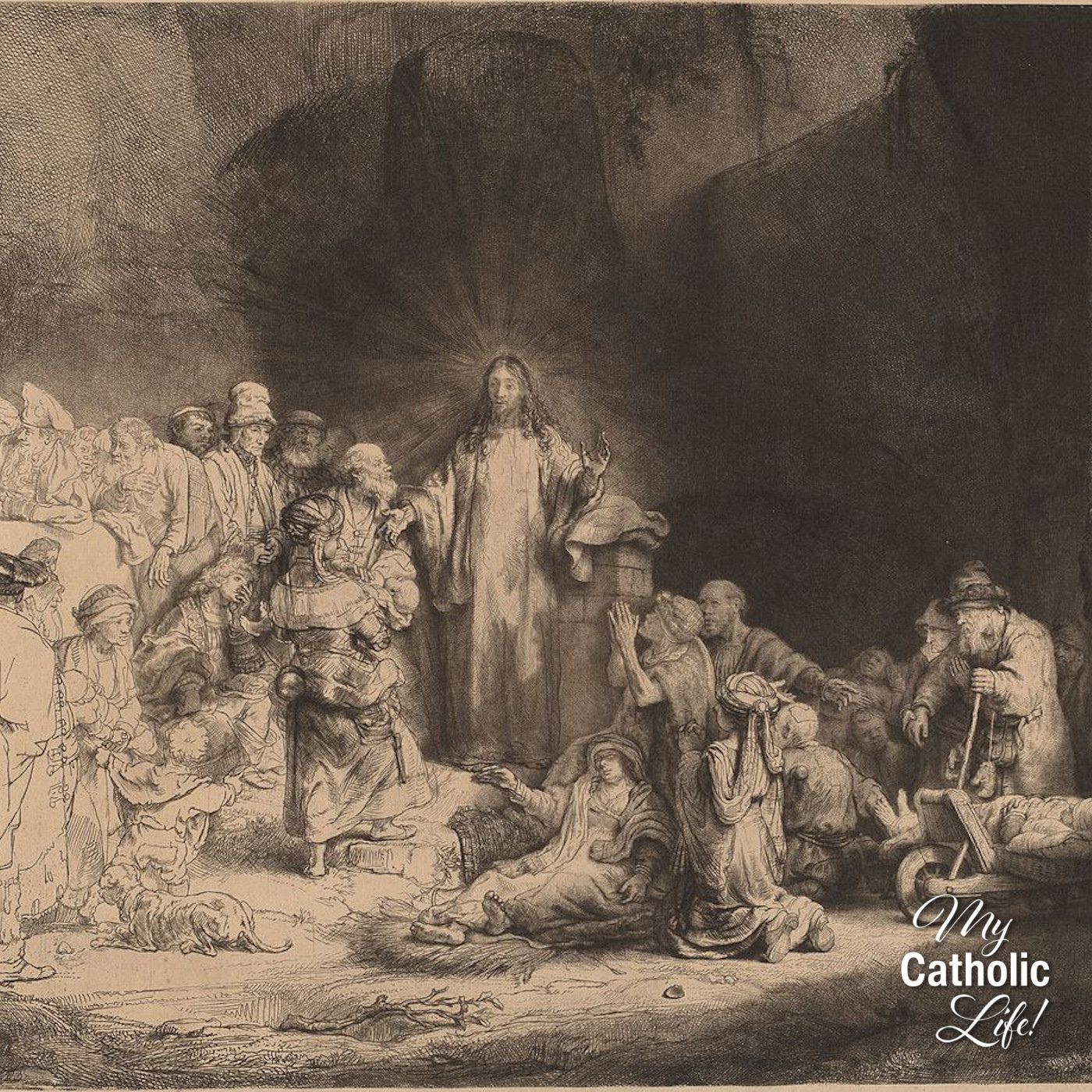
Jul 7, 2024
Monday of the Fourteenth Week in Ordinary Time - Responding to the Voice of God
Read Online A woman suffering hemorrhages for twelve years came up behind him and touched the tassel on his cloak. She said to herself, “If only I can touch his cloak, I shall be cured.” Jesus turned around and saw her, and said, “Courage, daughter! Your faith has saved you.” And from that hour the woman was cured. Matthew 9:20–21 What a tremendous amount of faith this woman had! She had suffered for many years and continued to suffer with her hemorrhages. How did she know that touching Jesus’ cloak would cure her? The only answer to that is faith. Faith is not just wishful thinking or hoping. Faith is a certain knowledge, given by a special grace and revelation from God, by which a person freely assents to belief. God spoke to her heart, she listened, she responded, and she was cured. One thing that is very inspiring in this Gospel story is the humility with which this woman approached Jesus. She didn’t feel as though she needed to bother Jesus, to speak to Him, or to trouble Him with her problem. Instead, in her humility, she presented her need to Jesus through her gift of faith, interiorly and silently, and the grace of God was given her because God sees the heart and responds to such humble and sincere faith. Imagine if everyone had this depth of faith in our Lord. Imagine if all of us knew, with the deepest conviction of certitude, that God would take care of every need we have. And imagine if we turned to our Lord with this deep conviction of certitude every day with every need. If we could do that, then our Lord would be able to continually care for us in every way. One key component to this woman’s healing is that it was God the Father who spoke to her and invited her to touch the cloak of His Son Jesus. And it was Jesus who sensed the healing she received, since He was in perfect union with the will of His Father. Therefore, touching Jesus’ cloak was not simply a magical act by which whatever this woman wanted would be granted to her. Instead, it was a response to the interior invitation she was given by the Father. In our lives, we must work to do the same. Too often we present our preferences to God and tell Him what we want Him to do. God does not respond to such requests. Instead, we must seek His will...and His will alone. This woman knew she would be healed, because God the Father spoke to her in her mind and heart and inspired her to touch the cloak of Jesus His Son, and she responded, and the healing took place. God must speak first, we must hear and respond, and then His will is accomplished. Reflect, today, upon the gentle Voice of God as He speaks to you in the depths of your heart. Do you hear Him? What is He inviting you to do? What healing does He want to bestow? As you ponder God’s Voice, try to respond only to Him. Set aside all of your own preferences and ideas of what God should do and seek only what He is speaking to you. Say “Yes” to Him, do so with certitude and conviction, and trust that whatever He speaks to you, if you have faith in what He says, He will do it. My gentle Lord, You speak to me day and night, calling me to the healing I need. Help me to hear Your Voice and to respond to You in faith. May my faith and confidence in You grow strong and become the source of Your glorious action in my life. Jesus, I do trust in You. Source of content: catholic-daily-reflections.com Copyright © 2024 My Catholic Life! Inc. All rights reserved. Used with permission via RSS feed. Featured image above: Around the tea-table By Thomas De Witt, via Wikimedia Commons
Jul 6, 2024
Fourteenth Sunday in Ordinary Time (Year B) - Faith and Miracles
Read Online Jesus said to them, “A prophet is not without honor except in his native place and among his own kin and in his own house.” So he was not able to perform any mighty deed there, apart from curing a few sick people by laying his hands on them. He was amazed at their lack of faith. Mark 6:4–6 Why was Jesus “not able to perform any mighty deed” in His hometown of Nazareth? Because the people who had known Him since He was a youth lacked faith in Him. But why wouldn’t Jesus simply perform awe-inspiring miracles with the hope of winning them over? Why not try to convince them by raising someone from the dead or by revealing His transfigured glory to His kinfolk, as He did on the Mount of Transfiguration to three of His disciples? The answer goes to the heart of the workings of faith in each soul. Jesus’ goal in His hometown was not to convince the people that He was the Son of God, the Messiah. He could have easily convinced them of this by the most incredible of miracles and proved Who He was. But doing so would have undermined the reason He came. He came to ignite authentic faith in people’s hearts, not to convince them through clever reasoning or by the proof of miracles. Miracles were offered to those who already had faith, so as to increase their faith and to show them mercy. But when one lacked faith, a miracle could not increase that which was absent. It might have convinced them on a rational level, or at least impressed them greatly, but that is not true faith. By analogy, say your spouse said to you, “I love you,” and your response was “Prove it.” How would they do so? What could they do to prove that they truly love you? Perhaps they could show charity, kindness, compassion and the like. These qualities certainly are manifestations of authentic love. But deep down, no one can prove they love another. Instead, love must be offered and received in a spiritual way. When that happens, each person somehow simply knows they love and are loved. This is the mystery of spiritual and authentic love. The same is true with faith. Faith can’t be proved. It can’t be analyzed rationally. It must be embraced and lived. If the people in Jesus’ hometown were to have faith in Him, this gift of faith would start within their own souls. They would look at Him and listen to Him. By their openness and a special personal revelation from God, they would come to know and to believe Who He was. Faith comes first from within, when God communicates to the heart. Reflect, today, upon your own level of faith in Jesus. When you look into your own soul, what do you see? Do you see a heart that knows Christ Jesus as its Lord? Have you discovered the presence of God within you, speaking to you, revealing Himself to you? Or do you primarily look for external signs and proofs of God’s presence and love? Look into your soul today and ponder the depth of faith that you discover there. When you discover this gift, gaze at it with love, for you are seeing God’s revelation of Himself to you. My revealing Lord, You continuously speak to me in the depths of my heart, revealing to me Your divine presence and love. Give me a heart that is truly open to You on the deepest level, so that my faith will grow and I will know for certain Your divine love. Jesus, I trust in You. Source of content: catholic-daily-reflections.com Copyright © 2024 My Catholic Life! Inc. All rights reserved. Used with permission via RSS feed. Featured image above: In the Villages the Sick Were Presented to Him By James Tissot, via Brooklyn Museum

Jul 5, 2024
Saturday of the Thirteenth Week in Ordinary Time - The Newness of Grace
Read Online “No one patches an old cloak with a piece of unshrunken cloth, for its fullness pulls away from the cloak and the tear gets worse. People do not put new wine into old wineskins. Otherwise the skins burst, the wine spills out, and the skins are ruined. Rather, they pour new wine into fresh wineskins, and both are preserved.” Matthew 9:16–17 The parable above teaches us that even if someone were to faithfully understand and live the authentic Law that was given through Moses and the prophets, Jesus’ new teaching of grace, the New Law, was so different that it was not simply an improvement of the old, it completely replaced it. Furthermore, many of the customs taught by the Pharisees were unfaithful representations of the Law of Moses. They had deviated from the Law’s meaning and replaced it with their own scrupulous and erroneous multiplication of external practices. Thus, Jesus’ New Law needed to break away from these deviations completely. To use a modern example, if you were to have an old phone that had become obsolete or stopped working, you wouldn’t buy a new phone so as to remove various parts from it to try to add those parts to the old phone to fix it. Instead, you use the new phone as a complete replacement for the old one. A central quality of the New Law of grace is that it is entirely new and transforming. Therefore, by embracing this New Law, we become entirely new creations in Christ. Grace doesn’t simply patch that which is weak and sinful in us. It transforms us, elevating our human nature to an entirely new existence. This teaching is not only directed at the misguided teachings that the Pharisees had developed over the years, it was directed at human life itself. Not only were the Jewish customs to go through a transformation, humanity itself was to go through a transformation. Everything is made new in Christ. This teaching applies just as much to us today as it did to the Jewish people of old. Today, we not only receive the new life of grace in Baptism, but we also receive it anew and share in this ongoing transforming renewal every time we allow grace to touch us more deeply and transform us more fully into the people God wants us to be. The “new patch” and the “new wine” are always transforming, and we must look forward to this newness throughout our lives. Reflect, today, upon the joyful discovery that awaits you every day. Discovering the New Law of grace, accepting it into your life, and allowing it to transform you will set you on a path of discovery that will never get old. It is an ongoing discovery that is far greater than anything this world has to offer. Nothing can ever compare to the gift of God alive in our lives. It will never get old. It will always be transforming. And it will always be new. Ponder this gift God offers you today and say “Yes” to it with all your heart. My transforming Lord, You continuously offer to renew me, transform me and elevate me to the life of grace. I thank You for this Gift and desire to accept it with all my heart. May I always be ready and willing to say “Yes” to You and the transformation that awaits me as I discover this ever new treasure of Your Grace. Jesus, I trust in You. Source of content: catholic-daily-reflections.com Copyright © 2024 My Catholic Life! Inc. All rights reserved. Used with permission via RSS feed. Featured Image: Saint Catherine of Alexandria at Prayer By Titian, via Wikimedia Commons
Jul 4, 2024
Friday of the Thirteenth Week in Ordinary Time - Dining with Sinners
Read Online “Those who are well do not need a physician, but the sick do. Go and learn the meaning of the words, I desire mercy, not sacrifice. I did not come to call the righteous but sinners.” Matthew 9:12–13 Would you describe yourself as one who is “well” or one who is “sick?” Are you among the “righteous” or the “sinners?” Be careful how you answer this question. Of course, the pride that comes with our fallen human nature often tempts us to claim that we are “well” and “righteous.” But humility will reveal the truth that we are among the “sick” and “sinners.” This statement of Jesus is a response to the Pharisees who noticed that Jesus was dining at the house of Matthew, the tax collector, whom He had just called to follow Him. Matthew did indeed leave everything behind and followed Jesus, and then he hosted dinner for Jesus at his house. At that dinner, there were “many tax collectors and sinners” who came and sat with Jesus and His disciples, which led the Pharisees to ridicule them all. Jesus’ response is very important for us to hear. By stating that He came not for those who were well and righteous but for those who were sick and sinners, it tells us two important things. First, it tells us that we are all spiritually sick and sinful. Second, it tells us that if we cannot humbly admit to that, and in our pride claim that we are well and are righteous, then we essentially reject Jesus, the Divine Physician, from our lives. We essentially say, “Lord, I do not need You.” It’s also helpful to notice that Jesus was not embarrassed to be seen with sinners. He did not hesitate at all and, in fact, clearly stated that they were those whom He came for. For that reason, we should not be afraid or embarrassed to admit we are sinners who are spiritually ill and in need of our Lord. To deny that fact is to deny reality and to deny the very source of the ongoing healing we most certainly need in life. It’s a denial of our need for Christ Jesus Himself. Do you need our Lord? Do you need interior cleansing, healing, and forgiveness every day? If it’s difficult for you to wholeheartedly say “Yes” to that question, then perhaps you struggle with the pride of the Pharisees more than you know. No matter how holy you become, no matter how deeply you pray and no matter how charitable you are, you will always need the healing and forgiveness of the Divine Physician each and every day. Reflect, today, upon the need you have in your life today for forgiveness. What sin do you struggle with the most? Interestingly, the holier one becomes, the more clearly they see their daily sins and their need for forgiveness and healing. If you struggle with this at all, spend time examining your conscience. Look for ways to do it more thoroughly and honestly. If you do, you can be certain that our Lord, the Divine Physician, will deeply desire to dine with you today and always. My forgiving Lord, You are the Divine Physician Who has come to forgive and heal all of our ills. Remove my pride and self-righteousness so that I can be filled with humility and see clearly the sin in my life. As I see my sin, help me to turn to You and to trust in Your abundant mercy. You came for sinners, dear Lord, and I am one of those sinners in need. Jesus, I trust in You. Source of content: catholic-daily-reflections.com Copyright © 2024 My Catholic Life! Inc. All rights reserved. Used with permission via RSS feed. Featured images above: The Meal in the House of Matthew By James Tissot, via Wikimedia Commons
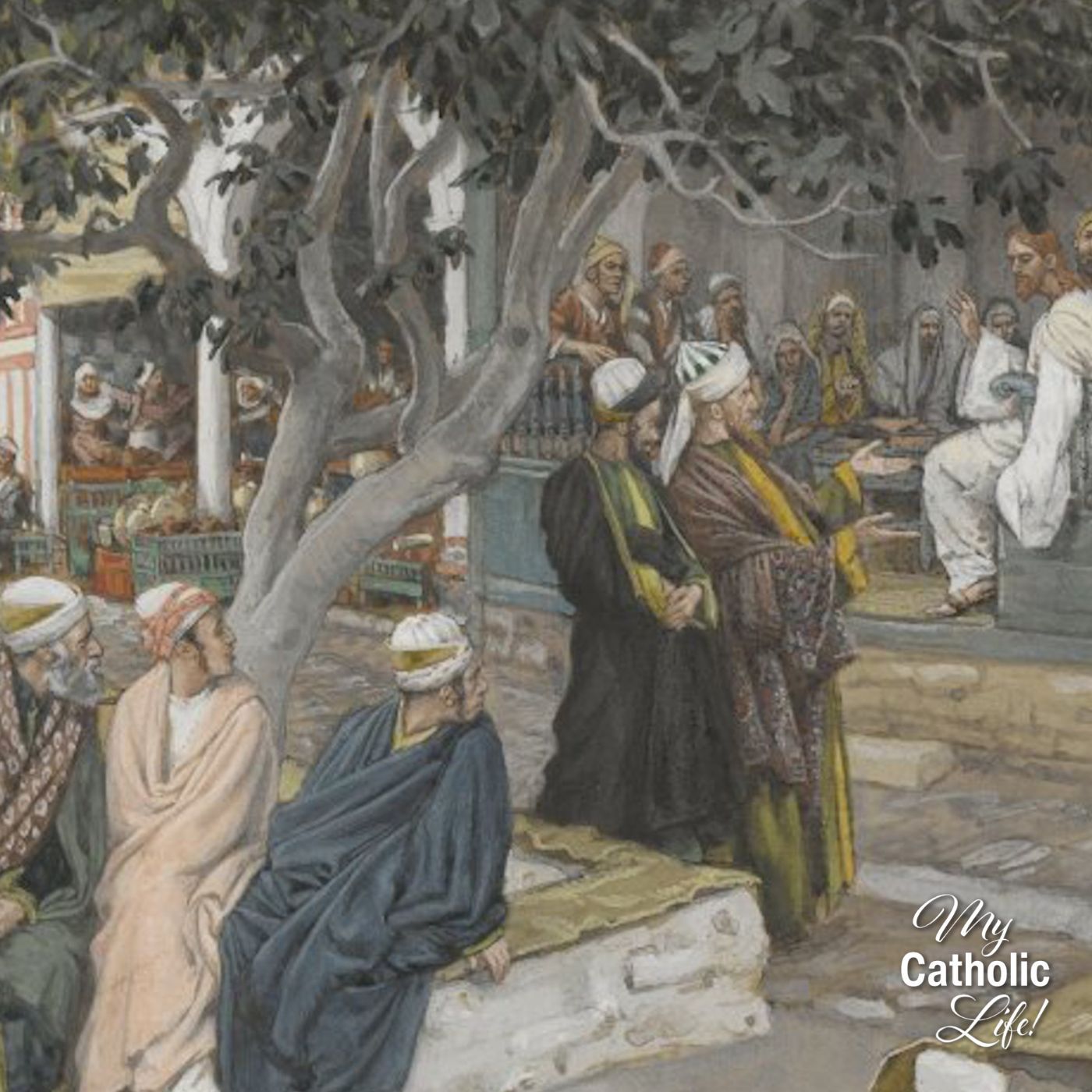
Jul 3, 2024
Thursday of the Thirteenth Week in Ordinary Time - Priorities in Prayer
Read Online After entering a boat, Jesus made the crossing, and came into his own town. And there people brought to him a paralytic lying on a stretcher. When Jesus saw their faith, he said to the paralytic, “Courage, child, your sins are forgiven.” Matthew 9:1–2 Just prior to this passage, Jesus cast out demons from two men from the town of the Gadarenes. Afterwards, the townspeople told Him to leave their town, so Jesus departed by boat and arrived in Capernaum, which was where He had been living after leaving Nazareth. This encounter with a paralytic on a stretcher is what awaited Him when He disembarked from the boat. Recall that when Jesus had returned to Nazareth, where He grew up, He was not able to perform any miracles there because of their lack of faith. Their familiarity with Him tempted them to disbelieve that He was someone special. But now, in His new town where He had recently moved to, Jesus was able to perform mighty miracles because the people had manifest faith. In the passage above, try to enter the scene. Jesus was just rejected by the Gadarenes, He came by boat to Capernaum, He disembarked and was immediately met with a group of people who had clearly been waiting for Him. Try to imagine their conversations while Jesus was away at the other side of the lake. They knew He would return to His new home, they prepared a stretcher for the paralytic, and then they waited, hoped and prayed that Jesus would come and heal the man. It is also clear that Jesus could immediately sense their faith and was deeply touched by it. One of the most important parts of this passage is that Jesus did not simply say “Yes” to the physical healing and leave it at that. Instead, His response to the paralytic was to first forgive his sins. There is an important lesson for us to learn from this which will help us know how best to pray. Oftentimes when we pray, we pray for this or that favor from our Lord. We pray for what we want Jesus to grant us. But this story shows us that what Jesus wants for us is different. First, He wants to grant us forgiveness for our sins. This is His priority, and it should also be ours. Once the forgiveness of sins takes place with this paralytic, Jesus also heals, as proof of His power to forgive sins. This story should help us to order our priorities in prayer according to Jesus’ priorities. If we make sorrow for sin our first priority, we can be certain that Jesus will answer us. From there, Jesus knows all of our needs. We can present them to Him but only when we are reconciled within our own heart with Him. Reflect, today, upon the way you pray each day. Try to understand the importance of making a daily examination of your sins. This must become the first and most important part of your daily prayer. Though many people do not like to look at sin, it is much easier to do when the focus is not so much the sin as it is a focus upon the mercy of forgiveness and spiritual healing you need. The more aware you become of your daily sin, the more mercy you will receive. And the more mercy for the forgiveness of your sins you receive, the more our Lord will be able to bless you abundantly in other ways. Always start with the mercy of our Lord and your own need for that mercy every day, and all else will be taken care of by our Lord. My merciful Lord, You desire reconciliation with me, in the innermost depths of my heart, to be my daily priority in prayer. You desire to forgive and to heal me so that I will grow closer to You. Please do forgive me for my sins, dear Lord, and help me to become more attentive to the ways that I sin against You and others every day. Thank You in advance for this saving grace and mercy. Jesus, I trust in You. Source of content: catholic-daily-reflections.com Copyright © 2024 My Catholic Life! Inc. All rights reserved. Used with permission via RSS feed. Featured image above: Christ Healing the Lame Man By Jacopo Bassano, Via Wikimedia Commons
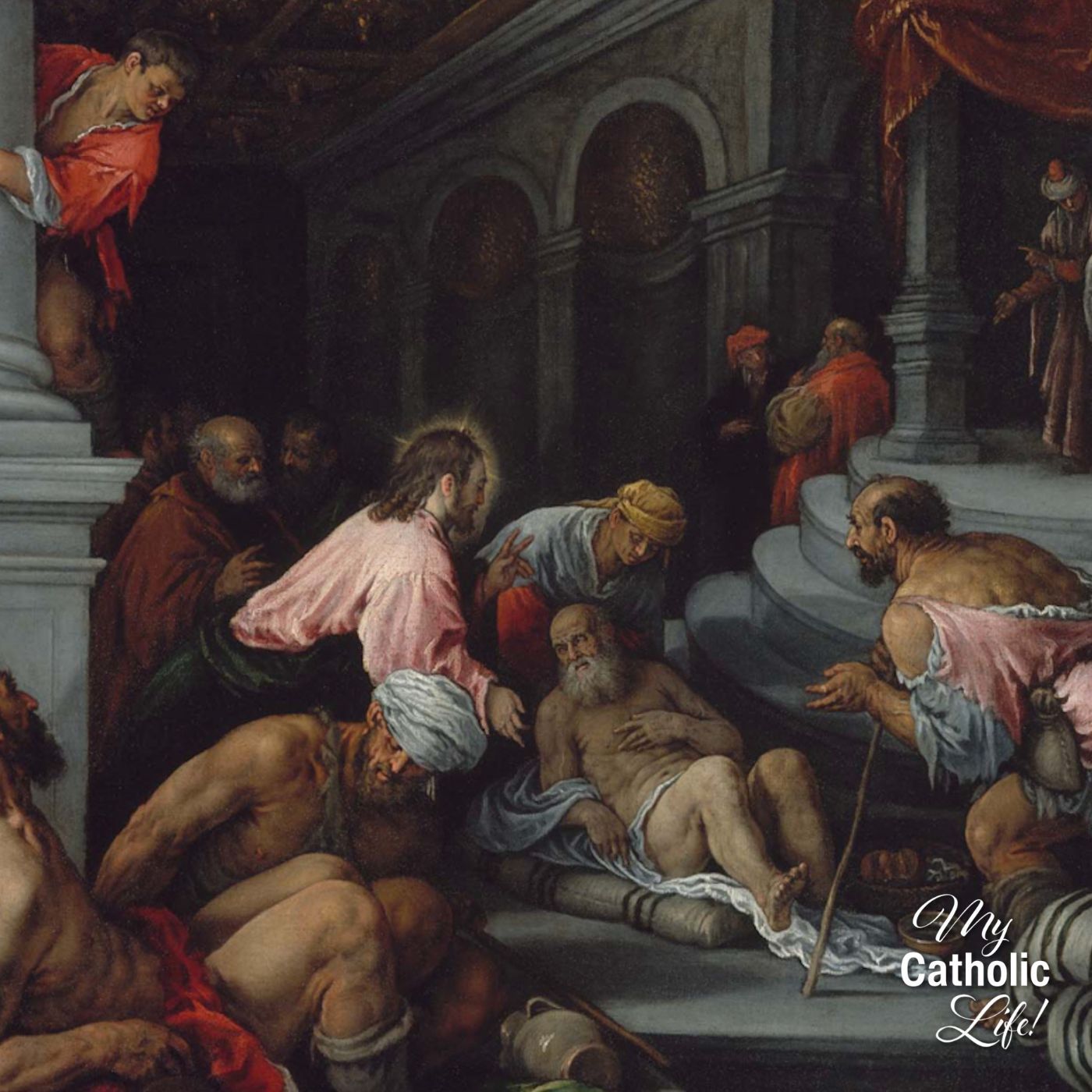
Jul 2, 2024
July 3, Feast of Saint Thomas the Apostle - Rejoicing in the Blessings Given to Others
Read Online “Put your finger here and see my hands, and bring your hand and put it into my side, and do not be unbelieving, but believe.” Thomas answered and said to him, “My Lord and my God!” Jesus said to him, “Have you come to believe because you have seen me? Blessed are those who have not seen and have believed.” John 20:27–29 Thomas the Apostle, in many ways, represents each and every one of us in this exchange with Jesus. We’d like to believe that we always believe and are not unbelieving. But it’s important to admit the humble truth that we may not believe as deeply as we should. And it’s important to reflect upon our own reaction to the blessings that others receive that we do not. Recall that Thomas was not among the other Apostles when Jesus first appeared to them. Therefore, when Thomas returned and heard that Jesus had appeared and that he missed His appearance, he clearly felt bad. Unfortunately, the sorrow Thomas felt at not being present when the Lord appeared to the others left him with a certain bitterness rather than joy. This is the sin of envy. Envy is a certain sorrow over the blessings others receive that we do not. Ideally, Thomas would have rejoiced at the blessing that the other Apostles received by encountering the risen Lord. But, instead, his sorrow at missing this even left him sad. He said, “Unless I see the mark of the nails in his hands and put my finger into the nail marks and put my hand into his side, I will not believe.” Why was Thomas absent from this encounter with our Lord? Perhaps it was by divine providence, in that God wanted Thomas to set an example for us. If so, then one example Thomas set was that we must humbly rejoice in the blessings others receive when we are not also the recipient. Of course, if Thomas were there, then it would have been easier for him to share in the joy. But, in many ways, Thomas’ absence provided him an even greater opportunity. An opportunity that he failed to embrace. When you see others receive blessings from God, how do you respond? Many people respond by immediately looking at themselves, wishing they were blessed in the same way. They struggle with envy. They think, “I wish I had received that blessing.” This form of envy is not always easy to see. For that reason, Thomas is given to us as a witness of what not to do in this situation. Of course, Thomas is not a horrible person, which is why Jesus does later appear to him. That time, Thomas spoke words that are traditionally spoken as a devotion by the faithful at Mass when the Consecration occurs. He said, “My Lord and my God!” Jesus then gently rebukes Thomas by saying, “Have you come to believe because you have seen me? Blessed are those who have not seen and have believed.” But this gentle rebuke was an act of love, in that Jesus wanted Thomas to ponder the reason for his unbelief. Jesus clearly wanted Thomas to examine the unbelief caused by envy, which appears to have led to an intentional lack of faith. Reflect, today, upon this holy Apostle. Today, Saint Thomas the Apostle is among the great saints in the Kingdom of Heaven. God used him to teach us these important lessons about envy, humility and faith. Let his weakness, from which he fully recovered, help you examine your own struggle with envy over the blessings that others receive that you do not. Learn to rejoice always in the ways that God is at work in our world and learn to grow in humility, so that when others are blessed in ways that you are not, you react as Saint Thomas ultimately did: “My Lord and my God!” My most generous Lord, You pour forth Your blessings upon others, day and night. As I see those blessings, help me to overcome all temptations toward envy so that I may rejoice in Your grace given to all. You are my Lord and my God, and I thank You for every way that You bless my life and the lives of those around me. Fill me with a deeper gratitude, dear Lord, for every grace and blessing I see every day, especially those graces not given directly to me. Jesus, I trust in You. Source of content: catholic-daily-reflections.com Copyright © 2024 My Catholic Life! Inc. All rights reserved. Used with permission via RSS feed. Featured image above: The Incredulity of Saint Thomas By Caravaggio, via Wikimedia Commons
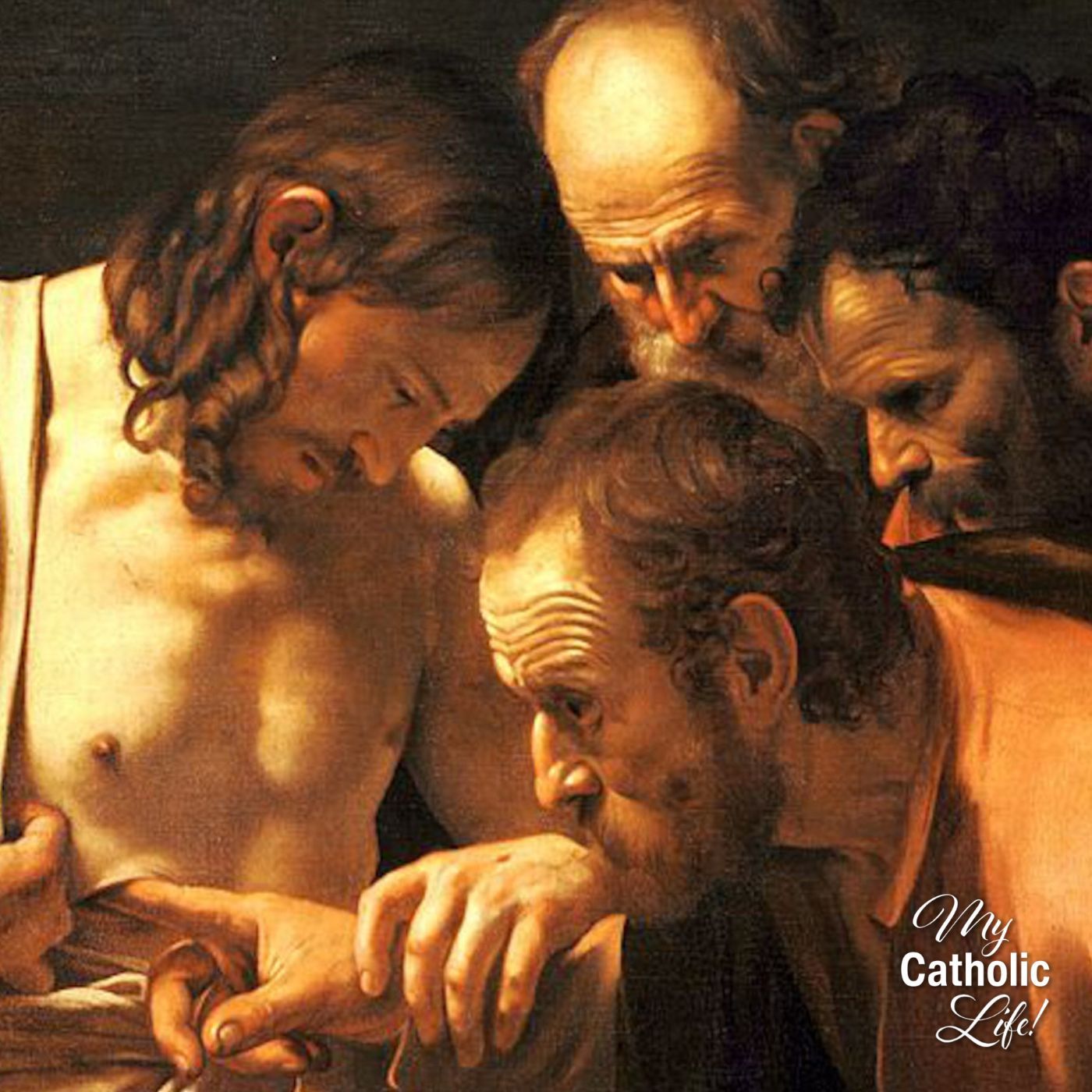
Jul 1, 2024
Tuesday of the Thirteenth Week in Ordinary Time - Save Us Lord!
Read Online As Jesus got into a boat, his disciples followed him. Suddenly a violent storm came up on the sea, so that the boat was being swamped by waves; but he was asleep. Matthew 8:23–24 This experience had quite an impression upon the disciples, which is evidenced by the fact that it is recorded in all three Synoptic Gospels. We also see this in the concluding words of the story after Jesus calmed the storm: “The men were amazed and said, ‘What sort of man is this, whom even the winds and the sea obey?’” Traditionally, this story has been interpreted as both an image of the Church as a whole, as well as the individual soul. The boat is an image of the Church through which we Christians navigate the perils of this life. We must remain in the Church to survive. Each person within the boat represents each one of us who is a member of the Church. The violent storm is an image of the many personal struggles we endure in life, as well as the persecutions that the Church has endured and will continue to endure until the end of time. As the storm took hold of the boat, Jesus was asleep. But He was asleep for a reason. As we look at human history, especially the history of the Church, we find many times when God has seemed absent or “asleep” when turmoil, persecution, and hardship have arisen. Many people, if not all, have had the same experience at one time or another in life. As the disciples experience this storm, they offer us an ideal way to pray when we are tempted to despair in life. They wake Jesus and say, “Lord, save us! We are perishing!” And though Jesus rebukes them for their lack of faith and their fear, He also responds to their pleas and calms the storm. What should the disciples have done in this case? Should they have trusted and allowed Jesus to remain asleep? Though our Lord did rebuke them for lacking faith, this story is primarily a revelation about God’s mercy when we are tempted to fear. God knows that at times we will all feel overwhelmed and find ourselves tempted in this way. He knows our faith is not perfect, and so He allowed His disciples to set this example for us. Thus, whenever we do find ourselves overwhelmed and fearful in life, we should cry out to Him to save us. He wants us to turn to Him. Reflect, today, upon this prayer of the disciples. If you find that you are facing some personal crisis, or a larger family difficulty that remains unresolved, or are increasingly aware of other struggles afflicting the Church or society as a whole, then try to imitate this prayer of the disciples: “Lord, save us! We are perishing!” Though these words, at first, may seem to be words of despair, they are actually words of hope and trust. They point us to Him Who is the only source of the peace we seek in our souls, families, the Church and our world. Look for the many ways that you and others experience the feeling of “perishing,” and cry out with all your heart to our Lord to save you and all who are in need. Most powerful Lord, I am amazed at Your divine power and ability to perfectly calm the storms that afflict Your people. Please fill me with hope and humility so that I will never hesitate to turn to You in my need and to also cry out to You for Your continuous intervention in the lives of others. Awake, oh Lord, and save Your people, for we will truly perish without You! Jesus, I trust in You. Source of content: catholic-daily-reflections.com Copyright © 2024 My Catholic Life! Inc. All rights reserved. Used with permission via RSS feed. Image: Jesus Calms the Storm – Fresco by Silvestro Pistolesi in the clerestory of the Church of the Transfiguration at the Community of Jesus, via Wikimedia Commons
Jun 30, 2024
Monday of the Thirteenth Week in Ordinary Time - Wherever God Leads You
Read Online “Teacher, I will follow you wherever you go.” Jesus answered him, “Foxes have dens and birds of the sky have nests, but the Son of Man has nowhere to rest his head.” Matthew 8:19–20 It is unclear from this passage alone why Jesus answered this scribe the way He did. At first, the statement of the scribe seems very devout: “Teacher, I will follow you wherever you go.” But many of the Church Fathers, in their reflections of this conversation between Jesus and the scribe, offer helpful insights. First of all, note that Jesus neither accepts the proposal of the scribe to be His follower nor rejects it. Rather, Jesus simply makes a statement which clarifies just what is involved in being His follower. Some Church Fathers suggest that this scribe was desirous of following Jesus because he thought there would be great rewards given to him by doing so. After all, Jesus was a miracle worker, was becoming quite popular, and showed potential to be a great leader. Therefore, the interior motivation of this scribe to follow Jesus wherever Jesus went was a questionable motivation. Did he want to follow Jesus because he thought it would benefit him in some worldly way? Jesus’ response to this scribe does two things. First, it removes all misconceptions of what it means to follow Jesus. If the scribe wanted to follow Jesus, then he had to be prepared to follow Him into poverty and homelessness rather than riches and possessions. Jesus wanted it to be clear to the scribe just what he was choosing. Secondly, Jesus’ response was certainly an invitation to the scribe to follow Him, but only in the light of this new knowledge. In other words, Jesus was saying, “Yes, come follow me. But be aware of what that means. Following me will not result in your earthly riches but in your earthly poverty.” Why do you follow Jesus? It’s important to consider your motivations at times. Some choose to follow Jesus because this was simply the way they were raised. Others do so because it makes them feel better to do so. And still others do so because they think it will make their lives better in various ways. But what is the ideal motivation for following our Lord? The ideal motivation for following Jesus in a total and unwavering way is very simple: we follow Him because He is the Son of God and the Savior of the World. Jesus came to call us to Himself and has invited us to live in union with Him through faith. So ideally, we will follow Jesus simply because it is the right thing to do. We will not do so because of the so-called benefits. Love, in its purest form, does not love the other because of what we get out of it. Pure love is a gift given to another because they are worthy of our love. And with Jesus, He is worthy of our love and worship simply because of Who He is. Reflect, today, upon Jesus inviting you to follow Him into poverty, detachment from all, simplicity of life and ultimately the sacrifice of your entire life. Do you understand what it means to be a follower of Christ Jesus? Do you understand that following Jesus cannot be done for selfish reasons? Do you realize that saying “Yes” to our Lord is saying “Yes” to His Cross? Ponder Jesus’ life and reflect upon whether or not you are willing to follow Him to the poverty of the Cross. If you can make the choice to follow our Lord, knowing full well what you are saying “Yes” to, then the end result will also be a glorious sharing in His resurrected life. My glorious Lord, You walked through this world in poverty, rejection and suffering. You had no earthly home of Your own but now live in the riches of Heaven. Help me to follow You, dear Lord, wherever You lead me in this life. If You lead me to worldly poverty and suffering, I thank You. I thank You and choose to follow You no matter what. Give me the grace I need to follow You purely out of love for You, for You are God and are worthy of all my praise and worship. Jesus, I trust in You. Source of content: catholic-daily-reflections.com Copyright © 2024 My Catholic Life! Inc. All rights reserved. Used with permission via RSS feed. Featured images above: The Scribe Stood to Tempt Jesus By James Tissot, via Wikimedia Commons
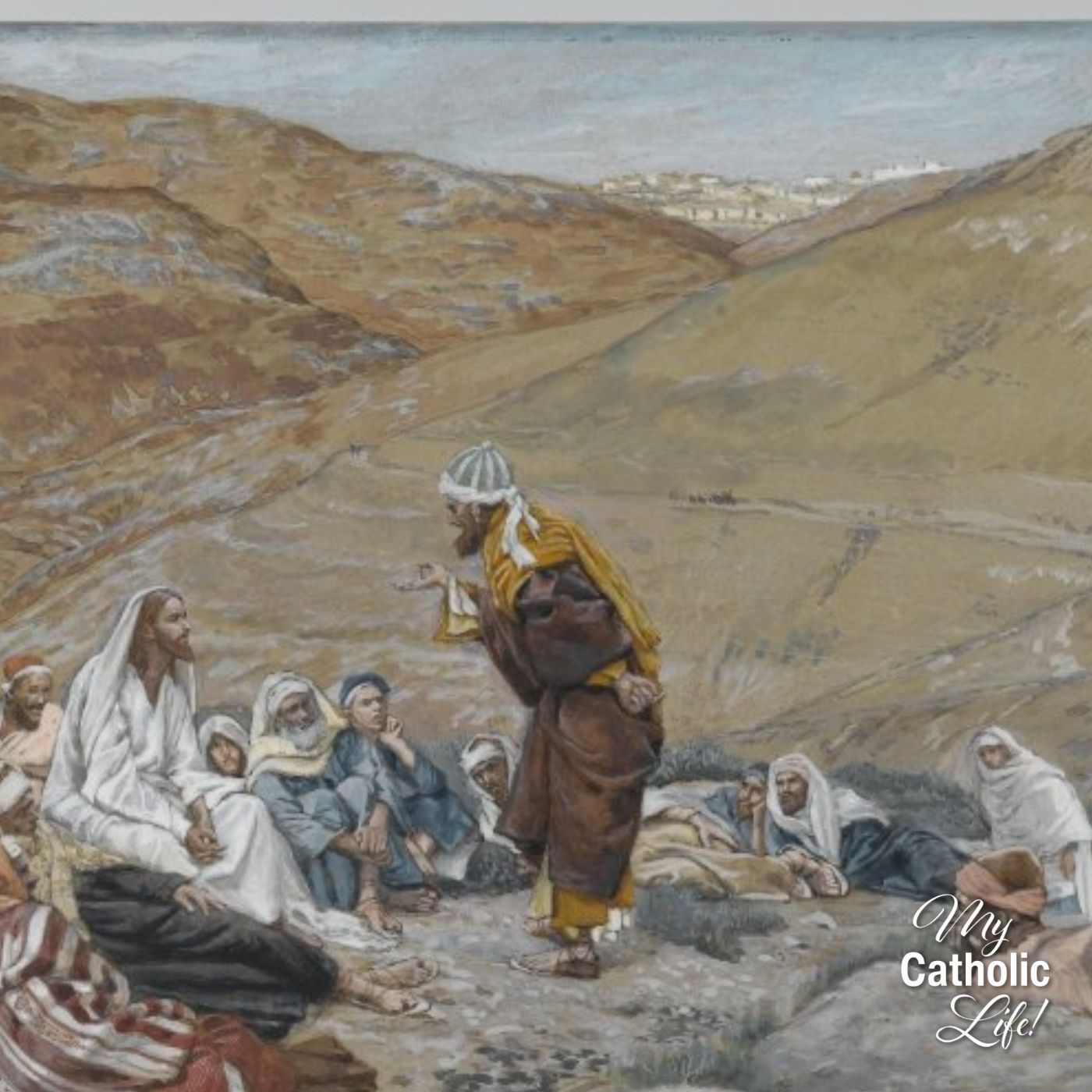
Jun 29, 2024
Thirteenth Sunday in Ordinary Time (Year B) - The Faith of Jairus
Read Online He took the child by the hand and said to her, “ Talitha koum ,” which means, “Little girl, I say to you, arise!” The girl, a child of twelve, arose immediately and walked around. At that they were utterly astounded. He gave strict orders that no one should know this and said that she should be given something to eat. Mark 5:41–43 Jairus was the leader of the synagogue in Capernaum. In that position, he would have been pressured to be in opposition to Jesus. But his daughter was ill, and his daughter was more important to him than the opinions of the other religious leaders of the time. So he humbly came to Jesus by himself, fell at Jesus’ feet and pleaded with Him to heal his daughter. Jairus makes two acts of faith in Jesus. The first was his request that Jesus heal his infirmed daughter. But the second took even more faith. On the journey with Jesus to see his daughter, he received the sorrowful news that his daughter had died. Jesus’ response to this was to turn to Jairus and say, “Do not be afraid; just have faith.” Clearly, Jairus responded to this command of love with faith and trusted that Jesus could even raise his daughter from the dead. As you ponder the faith of Jairus, consider this interior tension he must have been experiencing. He was tempted by the political and peer pressure of the scribes and Pharisees who opposed Jesus. He was tempted to despair while his daughter’s illness became increasingly worse. And when he heard she had died, he would have been tempted even more to despair when faced with the apparent fact that Jesus was too late. But he didn’t give in to these temptations. He remained in hope and trust. When Jesus arrived at Jairus’ home, He saw many people who were “weeping and wailing loudly.” When Jesus questioned their acts of despair, He said to them, “The child is not dead but asleep.” But upon hearing this, they ridiculed Him. Clearly, the other people present did not have the hope and the faith that Jairus had. Therefore, it is also helpful to prayerfully meditate upon the contrast of Jairus and the others present. The story concludes with Jesus raising the girl from the dead. He then told those present to keep this miracle quiet. Jesus did not heal her to gain fame. He did not heal her to prove to the people who were despairing and without faith that they were wrong. Instead, He primarily healed her on account of the faith manifested by the girl's father. Finally, Jesus’ divine love shining through His humanity is clearly seen when He says that “she should be given something to eat.” Jesus did not stand there expecting praise from those present. Rather, His loving compassion shone through as He expressed His concern that this little girl must have been hungry. His love led Him to address this minor detail. Reflect, today, upon how you would have acted were you Jairus. What would you have done in the face of spiritual and moral opposition? Would you have turned to our Lord in trust and confidence? And when all human hope seemed lost, would you have maintained your trust in our Lord? Pray that the faith and hope of Jairus will inspire you, and commit yourself to follow his holy example. My compassionate Lord, You responded to the faith of this loving father, Jairus, with mercy and compassion. You encouraged Him to trust and were attentive to every detail. Please give me a similar faith so that I will never despair in life but always keep my hope in You. Jesus, I trust in You. Source of content: catholic-daily-reflections.com Copyright © 2024 My Catholic Life! Inc. All rights reserved. Used with permission via RSS feed. Featured images above: The Raising of Jairus' Daughter By Gabriel von Max, via Wikimedia Commons
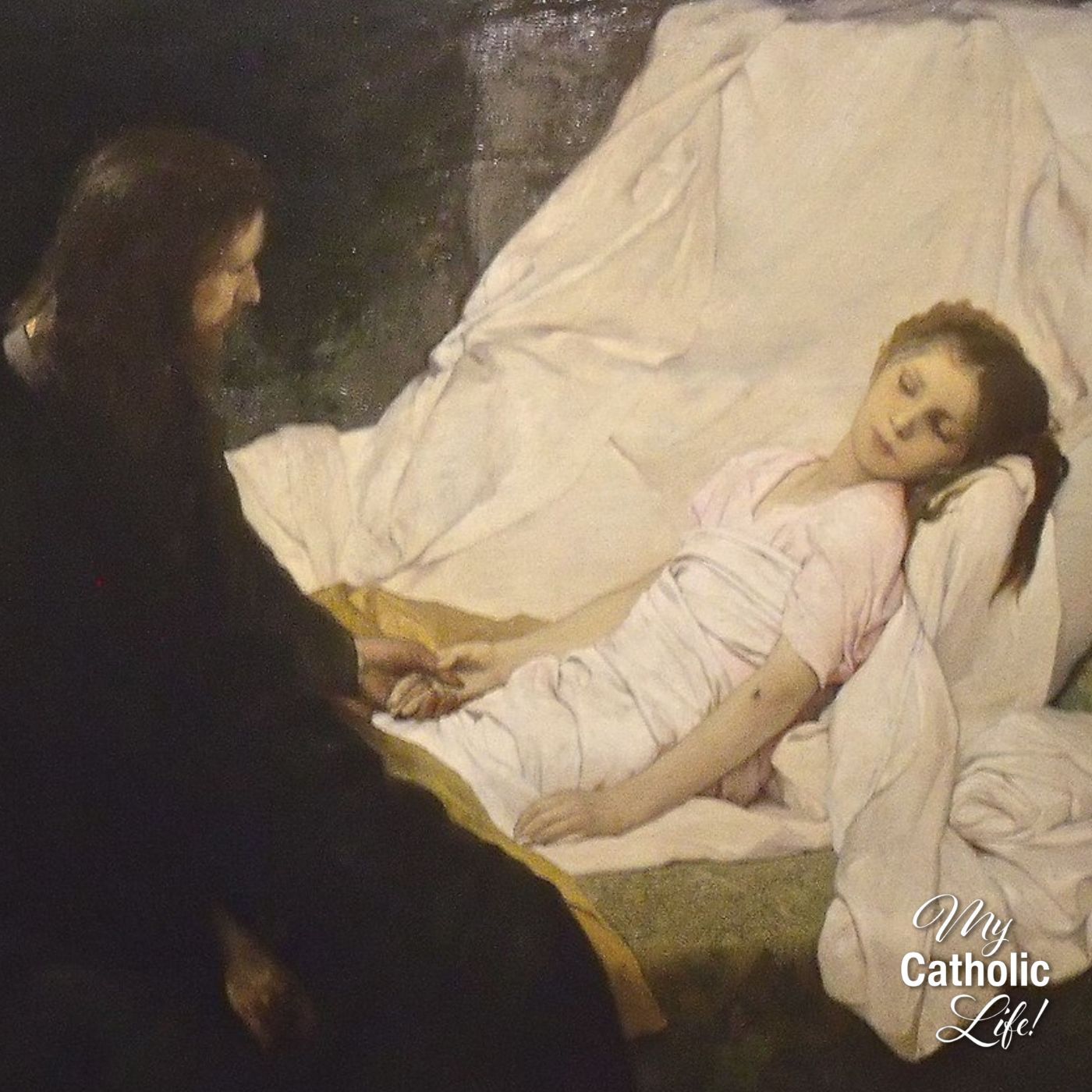
Jun 28, 2024
June 29, Solemnity of Saints Peter and Paul - Pillars of the Church
Read Online “And so I say to you, you are Peter, and upon this rock I will build my Church, and the gates of the netherworld shall not prevail against it. I will give you the keys to the Kingdom of heaven. Whatever you bind on earth shall be bound in heaven; and whatever you loose on earth shall be loosed in heaven.” Matthew 16:17–19 Saints Peter and Paul are often referred to as two of the great “Pillars of the Church.” They each played an incredibly essential role in the establishment of the early Church. And though each of their roles was essential and foundational, their roles were as different as they were different as persons. Peter was a family man, a local fisherman, uneducated and quite ordinary. From what we know about him prior to being called by Jesus, there was nothing that made him uniquely qualified to become one of the pillars of the new Church to be established by the Son of God. Jesus simply called him, and he responded. Jesus got into Peter’s boat, ordered him to lower the nets, and produced a huge catch of fish. When Peter saw this miracle, he fell down at Jesus’ feet and acknowledged that he was “a sinful man” who was unworthy of being in Jesus’ presence (See Luke 5:8). But Jesus informed Peter that he would from now on be catching men. Peter immediately left everything behind and followed Jesus. Paul describes himself as “a Jew, born at Tarsus in Cili′cia, but brought up in this city at the feet of Gama′li-el, educated according to the strict manner of the law of our fathers, being zealous for God as you all are this day” (Acts 22:3). Paul was well educated in the strictest interpretation of the Jewish law, understood philosophy and was quite zealous as a young man. Recall, also, that prior to becoming a convert to Christianity, he “persecuted the church of God violently and tried to destroy it” (Galatians 1:13). In many ways, Paul would have been seen as the most unlikely person to be chosen to be a pillar of the Church, because he so vigorously opposed it at first. He even supported the killing of Saint Stephen, the first Christian martyr. Though each of these men would have been considered by many as very unlikely founders of the Christian Church, this is exactly what they became. Paul, after his conversion, traveled far and wide to preach the Gospel, founding several new Churches throughout Asia Minor and Europe. Eventually he was arrested in Jerusalem, brought to Rome for trial and was beheaded. Over half of the New Testament books are attributed to Paul and half of the Acts of the Apostles detail Paul’s missionary journeys. Paul is especially known for his missionary activity to the Gentiles, those who were not Jews. Peter’s role was truly a unique one. His name was changed from “Simon” to “Peter” by Jesus. Recall Jesus saying, “And I tell you, you are Peter ( Petros ), and on this rock ( petra ) I will build my church…(Matthew 16:18). “Peter” in Greek is Petros , meaning a single stone that is movable. However, the Greek word petra means a rock as a solid formation that is fixed, immovable, and enduring. Therefore, Jesus chose to make Peter, this single stone, into a solid foundation of immovable rock on which the Church was to be built. You, too, have been called by our Lord to a unique mission within the Church that has not been entrusted to another. In your own way, God wants to use you to reach certain people with the Gospel as He did with Saint Paul. And like Saint Peter, God wants to continue to establish His Church upon you and your faith. Reflect, today, upon these two holy and unique pillars of our Church. As you do, ponder how God may want to use you to continue their mission in this world. Though Saints Peter and Paul are among the greatest and most consequential Christians within our world, their mission must continue, and you are among the instruments that God wants to use. Commit yourself to this mission so that the preaching of the Gospel and the rock foundation of our Church will remain strong within our day and age just as it was of old. Saint Peter, you were uniquely chosen to be a rock foundation of faith upon which the Church was established. Saint Paul, you went forth to preach this faith far and wide, establishing many new communities of faith. Please use me, dear Lord, to continue the mission of Your Church so that the faith may be firmly planted in the minds and hearts of all Your people throughout the world. Jesus, I trust in You. Source of content: catholic-daily-reflections.com Copyright © 2024 My Catholic Life! Inc. All rights reserved. Used with permission via RSS feed. Featured image above: Saint Peter and Saint Paul By Jusepe de Ribera, via Wikimedia Commons
Jun 27, 2024
Friday of the Twelfth Week in Ordinary Time - Homage, Reverence and Respect
Read Online When Jesus came down from the mountain, great crowds followed him. And then a leper approached, did him homage, and said, “Lord, if you wish, you can make me clean.” Matthew 8:1–4 To do homage to another is to publicly express reverence and respect. This is what this leper did to Jesus. He “did him homage.” But the leper went even further. He also expressed his certain faith that Jesus could cure him if He wished to do so. And Jesus did desire this. Jesus stretched out His hand to touch the leper and pronounced the words, “I will do it. Be made clean.” And with that, the leper was cleansed. The first thing to note in this passage is that Jesus “touched” the leper. This was a forbidden practice, since lepers were unclean, and touching them could spread their disease. But Jesus broke the norm and touched the man, revealing to him his innate dignity. It’s interesting to consider the question: Who paid whom a greater act of homage? Was the act of homage shown by the leper greater? Or the act of touching and cleansing the leper greater? Though we need not compare these two acts, it is helpful to reflect upon the profound fact that Jesus did show a form of homage to this unclean leper. As was said above, to do homage to another is to publicly express reverence and respect to them. Without a doubt, Jesus did just this. He not only honored the leper by His touch and healing, but He publicly expressed His love and respect for this man through this act. Of course, the homage we owe to God is unique. It is the homage of worship. We must bow down before Him, surrendering our lives in total abandonment and trust. We must honor Him as God and express our love accordingly. But, in addition to Jesus showing His almighty power by this miracle, He also sets for us an example of how we must treat others. Every person, because they are made in the image and likeness of God, deserves our utmost respect, and they deserve to receive that respect in a public way. We must continually seek to honor and respect others and express that honor and respect for others to see. This is especially difficult when the person we are called to show respect for is considered by others as “unclean.” The leper is only a symbol of the many types of people whom the world considers unclean and unworthy. Criminals, the poor, the confused, the sinner, the homeless, the political opponent and every other person in our world deserves our utmost respect and reverence. Doing so does not justify their sin; rather, it cuts through the surface and looks at their innate dignity. Reflect, today, upon the act of homage done by this leper to Jesus. And then reflect upon the act of homage Jesus offers this leper by publicly confirming his innate dignity. Who in your life is represented by this leper? Who is “unclean” because of the condition of their life, the sin they commit, or the public stigma they have? Whom is God calling you to reach out and touch with love and respect, for others to see? Seek out the leper in your life and do not be afraid to imitate this holy act of homage exemplified by our Lord. My holy Lord, You are worthy of all adoration, glory and homage. You and You alone deserve our worship. Help me to continually discover Your hidden presence in the lives of those around me. Help me, especially, to see You in the leper of our day. May my love and respect for them flow from my love for You and become an imitation of Your act of love for all. Jesus, I trust in You. Source of content: catholic-daily-reflections.com Copyright © 2024 My Catholic Life! Inc. All rights reserved. Used with permission via RSS feed. Featured image above: Christ Healing the Leper, from The Story of Christ By Georg Pencz, via Wikimedia Commons
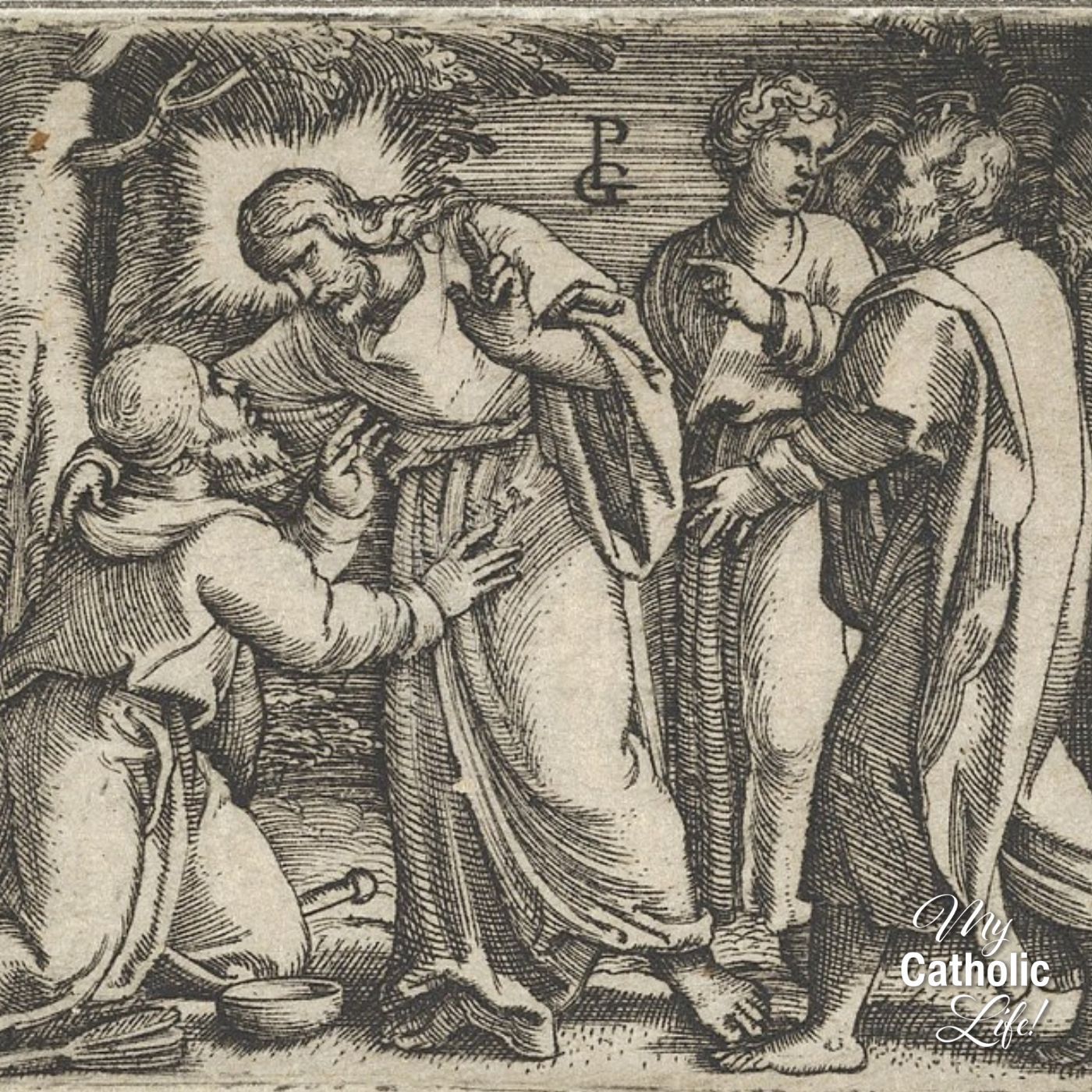
Jun 26, 2024
Thursday of the Twelfth Week in Ordinary Time - An Authoritative New Law
Read Online When Jesus finished these words, the crowds were astonished at his teaching, for he taught them as one having authority, and not as their scribes. Matthew 7:28–29 These lines conclude the Sermon on the Mount found in Matthew’s Gospel chapters 5–7. In that lengthy sermon, Jesus touches on many topics and presents us with a summary of all we need to know in our lives of faith. In these concluding lines of His sermon, the words “astonished” and “authority” should stand out. Why were the crowds astonished at Jesus’ teaching? Because His teaching was new and relied upon a new authority that the people hadn’t experienced before. The authority with which the scribes taught was based upon their knowledge of the traditions handed down to them from earlier teachers. The scribes studied long and hard and then presented what they had learned. This was the form of religious teaching that the people were used to receiving. Jesus, however, arrived on the scene and astonished the crowds, because He spoke with a new authority that they had not seen before. Jesus’ authority came forth from His very Person. It was not based upon what He had studied and learned from those who preceded Him. Instead, when He spoke, it was He Himself Who was not only the mouthpiece of the New Law of grace, He was also the Author of the Law and its source. Try to ponder the idea of authority. For example, a child knows that a parent has authority over them. They may not like it at times, but they understand that they do not set the rules of the house but must abide by the rules set by their parents. Or consider the authority of civil leaders. Law enforcement officers, for example, have an authority entrusted to them by their office. They are not only well versed in the rule of law, they can also enforce it and everyone knows it. Similarly, Jesus did not just know about the new and glorious truths He taught. He did not simply learn them from the Father in Heaven and then pass them on verbally. Instead, when He taught, He did so as the One Who knew the New Law of grace, the One from Whom it originated, and the one and only Person sent to enact and enforce this New Law. Reflect, today, upon the New Law of grace and mercy taught by our Lord, especially as it is contained in the lengthy Sermon on the Mount. Reading those words is much more than something we study and learn. The words themselves are alive; they are the Word of God. Reading them makes present to us the same authority that the crowds experienced in Jesus’ time. Everything Jesus taught was and is new, deep, profound, transforming and alive. And when He teaches it, He also establishes His divine authority to enforce it upon the world. This is good news, because His New Law is not an imposition; it is the one and only source of freedom and new life. Reflect upon this New Law of our Lord and pray that you will more fully come under its authority. My glorious Lawgiver, You taught as One with authority. Today, as Your holy Word is read and proclaimed, You continue to exercise Your new and glorious authority of love and mercy. Please help me to listen to You and to always submit myself to Your authority so that I am governed by Your New Law of grace. Jesus, I trust in You. Source of content: catholic-daily-reflections.com Copyright © 2024 My Catholic Life! Inc. All rights reserved. Used with permission via RSS feed. Featured image above: Jesus teachers, via flickr
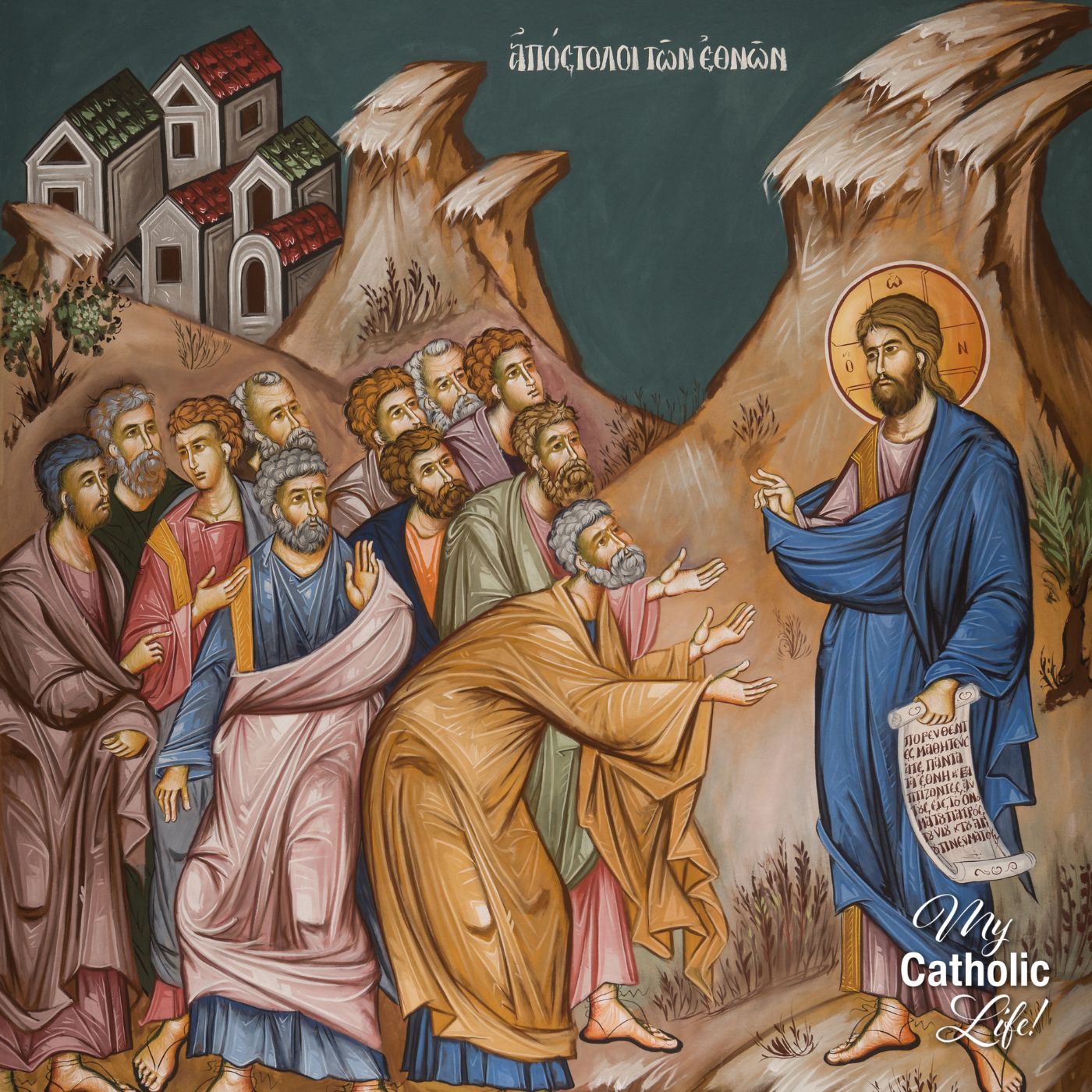
Jun 25, 2024
Wednesday of the Twelfth Week in Ordinary Time - Good Fruit—Bad Fruit
Read Online “Do people pick grapes from thornbushes, or figs from thistles? Just so, every good tree bears good fruit, and a rotten tree bears bad fruit.” Matthew 7:16–17 “So by their fruits you will know them.” This is how our Gospel passage for today concludes. It offers us an exceptionally practical way by which you can discern the working of God in your own life and in the life of others. When you look at your own life, what good fruit, born for the upbuilding of the Kingdom of God, do you see? Some people may find little to no fruit born, either for good or bad. Such complacency is, in and of itself, bad fruit. Other people may see an abundance of fruit, thus producing many consequences in this world. They influence the lives of many, and their public actions make a true difference. Sometimes for good...and other times for evil. When discerning the actions of God in our world, we must first be very objective. The evil one is always very deceptive and regularly presents his bad fruit as good. For example, the legalization of abortion is often presented by many within our world as a “right to choose” or a “health service.” But the intentional death of any unborn child is clearly “bad fruit” from a “rotten tree.” There are even many so-called “humanitarian groups” or very wealthy “philanthropists” who present their work as “good fruit,” when it is anything but good. And on the contrary, there are many who work hard to bring forth a greater respect for life from the moment of conception to natural death, or strive to uphold the sacredness of marriage as God designed it, or work to promote the freedom to worship in accord with the will of God, but are labeled by the secular world as prejudiced, bigoted, fearmongers and even hateful. But their work, done very sacrificially, truly does bear good fruit for the Kingdom of God. How about your own life? When you examine your actions and the fruit born of those actions, from where does that fruit originate? Does it come from a false sense of compassion, a misguided “charity,” and a fear of being criticized for standing for the truth? Or does it come from a deep love of God, an awareness of the truth God has revealed to us, and through a courageous proclamation of the pure Gospel? Good fruit, born from the heart of the Father in Heaven, will always mirror the truths of our faith. A false sense of compassion, false accusations, persecutions and the like will flow from the rotten trees in our world. We must work diligently to be those good trees that bear the good fruit coming from God. This requires a radical commitment to do what is right in the face of the evil all around us. Reflect, today, upon these images Jesus presents. Do you see clearly both the good and bad fruit around you? Is your life helping to foster the lies of the evil one or the truth and love of God? Look at the fruit your life bears, as well as the fruit within our world, in an objective way, comparing it to the clear and unambiguous teachings of Jesus. Seek out that good fruit with all your heart and do all you can to bring it forth, no matter the cost, and you will not only save your soul, you will also help feed others with the good fruit of Heaven. My Lord of all truthfulness, You and You alone define the good and evil in our world. Your truth reveals the good fruit that is born to nourish the growth of Your glorious Kingdom. Give me courage and clarity of mind and heart so that I may continually do all that You call me to do so as to bring the good fruit of the Kingdom to all in need. Jesus, I trust in You. Source of content: catholic-daily-reflections.com Copyright © 2024 My Catholic Life! Inc. All rights reserved. Used with permission via RSS feed. Featured images above: Jesus tells the Parable of the Barren Tree, via flickr
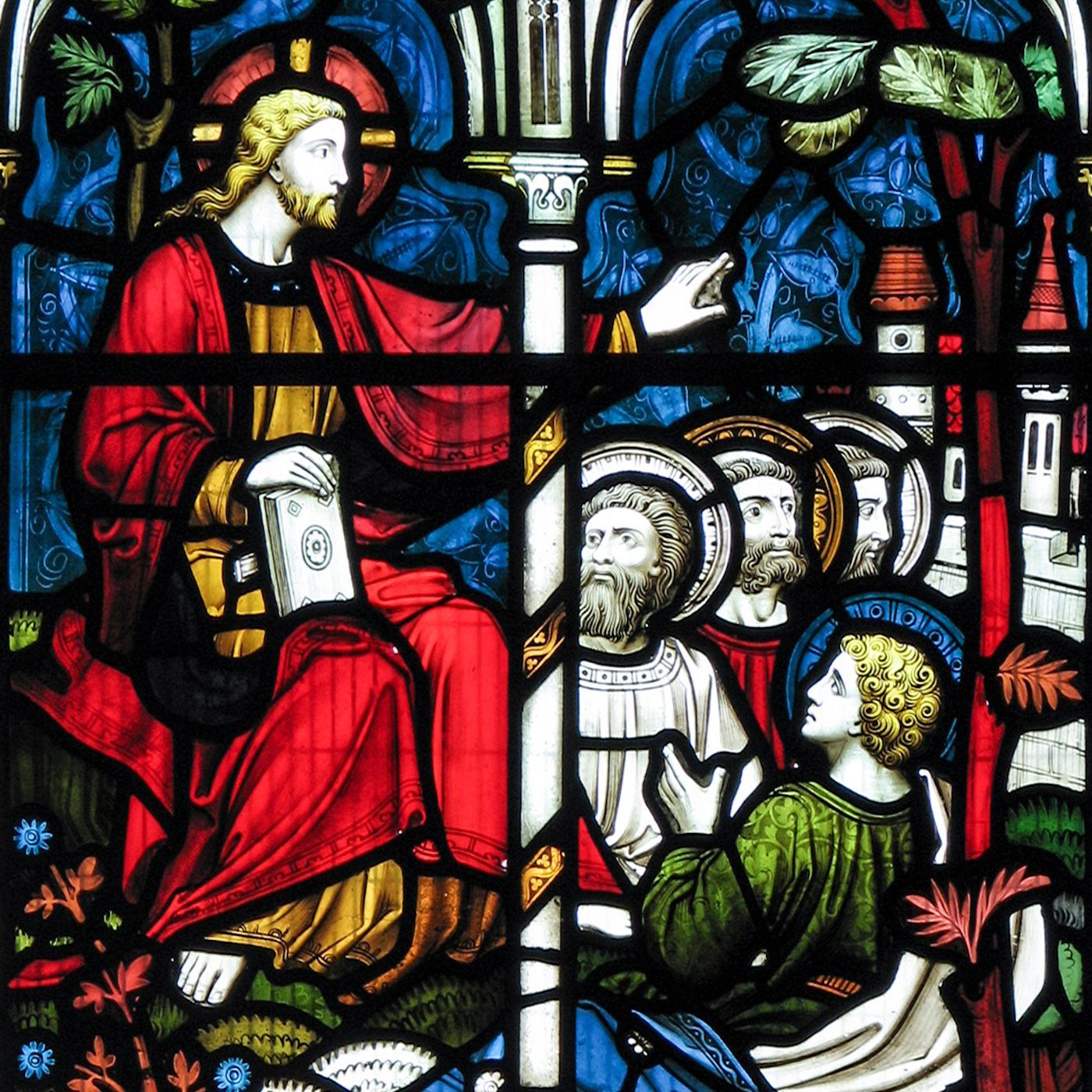
Jun 24, 2024
Tuesday of the Twelfth Week in Ordinary Time - The Narrow Gate
Read Online “Enter through the narrow gate; for the gate is wide and the road broad that leads to destruction, and those who enter through it are many. How narrow the gate and constricted the road that leads to life. And those who find it are few.” Matthew 7:13–14 Is fear helpful? That depends. It depends upon which form of fear we are speaking of. First, there is a form of fear that is contrary to faith. It’s a fear that leads us to doubt and even despair. It’s a fear that results from the attack of the evil one and others who may sin against us. This form of fear is unhealthy and must be overcome through a faith that turns to our Lord with the utmost confidence and hope. But there is also a holy fear that is most useful and one of the seven gifts of the Holy Spirit. Recall the Proverb that says, “The fear of the Lord is the beginning of wisdom…” (Proverbs 9:10). At a minimal level, this holy fear makes you aware of your sins and the consequences of those sins, especially serious sin. And this holy fear leads you to fear the punishment that results from sin, leading you to avoid serious sin. But the ideal form of “fear of the Lord” we must strive for is “filial fear,” which is the holy fear of a son or daughter of God. This fear is one that is grounded in a profound love of God and leaves you so filled with a wonder and awe of the glory, goodness and majesty of God that you are filled with a desire to please Him and give Him great glory with your life. Thus, this “fear” leads you to a desire to avoid even the smallest of sin, because, in your love of God, you not only want to avoid offending Him, you also want to honor Him to the greatest extent possible. The Scripture passage above should lead us to, at a minimum, a fear of not entering the gate to the “road that leads to life.” It is useful to consider Jesus’ teaching in a very straightforward way. Jesus essentially says that it is quite easy to walk through the gate that is “wide” and down the road that is “broad” in this life. In other words, it’s exceptionally easy to embrace a life of sin and head toward “destruction.” Jesus further says that those who walk through this wide gate and down this broad road are “many.” This fact should be the cause of our honest daily examination. If this broad road is so easy, then we should honestly admit that we can easily find ourselves walking it. The “narrow gate” and the “constricted” road are found and walked by only a “few,” according to Jesus’ words. Again, we should take notice of this and take it seriously. Jesus would not say this if it were not true. Therefore, if the gift of the fear of the Lord is alive in your life, and if you truly are a son or daughter of God, then you will daily strive to be one of those “few” who find this narrow way to holiness. And, ideally, you will do so out of your love for God and your desire to give Him the greatest glory you can. Reflect, today, upon this challenging teaching of our Lord. Take Him at His word and evaluate your life in light of this teaching. What are you doing in life to be certain that you are one of those few who have begun to walk through this narrow gate? Does your love for God leave you with such a wonder and awe of the greatness of God that your deepest desire is to not only please Him but to glorify Him fully with your actions? Strive to enter the narrow gate and the constricted road and do not turn back. Though this requires much determination, sacrifice and love, the goal and end of the road are worth it. My most magnificent Lord, You and You alone are worthy of all glory, honor and praise. May everything I do in life lead to Your glory and may I avoid everything that harms my relationship with You. I love You, dear Lord. Help me to love You and glorify You with all my heart. Jesus, I trust in You. Source of content: catholic-daily-reflections.com Copyright © 2024 My Catholic Life! Inc. All rights reserved. Used with permission via RSS feed. Featured image above: The road to heaven By Kranj Jamnik, via Wikimedia Commons

Jun 23, 2024
June 24, Solemnity of the Nativity of Saint John the Baptist - Formed by the Hand of the Lord
Read Online All who heard these things took them to heart, saying, “What, then, will this child be?” For surely the hand of the Lord was with him. The child grew and became strong in spirit, and he was in the desert until the day of his manifestation to Israel. Luke 1:65–66 John the Baptist was formed by the hand of the Lord. Saint Thomas Aquinas goes so far as to say that John was sanctified in the womb of his mother, Elizabeth, as is written: “He will be filled with the holy Spirit even from his mother’s womb” (Luke 1:15). From the moment that the Blessed Virgin Mary greeted Elizabeth and John leaped for joy, the hand of the Lord was upon John, making him holy and leading him to the fulfillment of God’s holy will. John’s early life is not recorded for us, other than in the passage quoted above. We are told that he “grew and became strong in spirit, and he was in the desert until the day of his manifestation to Israel.” We should see in this passage the truth that John was not only sanctified within the womb of his mother but that, throughout his childhood and on into adulthood, he remained deeply united to God and was filled with the Holy Spirit. Today we honor one particular aspect of John’s life—his birth. We know that he was blessed to not only be born into the blessed family of Elizabeth and Zechariah but that the Blessed Virgin Mary, the Mother of God, was also his relative and was present at his birth. Zechariah, his father, gave him the name “John” even though it would have been the custom to call him Zechariah after his father. Zechariah did this in obedience to the Archangel Gabriel, who appeared to him prior to John’s birth and instructed him to do so. Great mystery and excitement surrounded the birth of John, and there is little doubt that those who were present at his birth would have been caught up in the intrigue and hope of who he would become. And John didn’t disappoint. It was of him that Jesus one day would say, “I tell you, among those born of women, no one is greater than John…” (Luke 7:28). Though you may not have had the privilege of being sanctified in the womb of your mother, or to have had your father receive a revelation from the Archangel Gabriel prior to your birth, you are, nonetheless, called to be guided by the hand of the Lord each and every day. God wants you to become “strong in spirit” so that you can fulfill the unique will given to you. We honor the great saints, in part, because they give us an example of how to live. For that reason, we must see in each of their lives the model to which we must conform. The primary witness set by Saint John the Baptist is that he was unwaveringly obedient to God and to being formed by His hand. The result was the glorious fulfillment of his unique mission in life, all the way to giving his life as a martyr. Reflect, today, upon the very real fact that, though you were not sanctified in the womb, you were sanctified by Baptism. From there, you were strengthened by the Spirit through Confirmation and are regularly fed by the Most Holy Eucharist. In many ways, you are just as blessed as John. Reflect upon the simple yet profound fact that God wants to use you for His holy mission. He gives to you some particular mission He has not entrusted to another. Say “Yes” to that mission today so that you, too, will be seen as “great” in the Kingdom of Heaven. Lord of all greatness, You sanctified Saint John the Baptist in the womb, and You continued to pour forth Your grace upon him throughout his life. He responded to You and fulfilled his glorious mission. I thank You for the sanctification given to me by my Baptism and strengthened through Confirmation and the Holy Eucharist. Help me to be open to all the graces You wish to bestow so that I may fulfill the unique mission given to me. Jesus, I trust in You. Source of content: catholic-daily-reflections.com Copyright © 2024 My Catholic Life! Inc. All rights reserved. Used with permission via RSS feed. Featured images above: Birth of St John the Baptist By Luca Giordano, via Wikimedia Commons
Jun 22, 2024
Twelfth Sunday in Ordinary Time (Year B) - God is Speaking
Read Online Jesus was in the stern, asleep on a cushion. They woke him and said to him, “Teacher, do you not care that we are perishing?” He woke up, rebuked the wind, and said to the sea, “Quiet! Be still!” The wind ceased and there was great calm. Mark 4:38–39 Do you desire to hear God speak to you? The most common way this happens is through prayerful meditation on the Gospels. Over the centuries, the saints have prayerfully pondered the Gospels and have offered various insights on the stories and our Lord’s actions. Their insights are not primarily an intellectual exercise. Rather, they are first an exercise of prayer and meditation, revealing that the Scriptures have various layers of depth and meaning. One Church Father, Saint Bede, explains from his prayerful pondering of today’s Gospel passage that the boat in which Jesus crossed the sea represents the Cross by which safe passage is obtained to arrive at the shores of Heaven. The other boats that followed represent those who have faith in the Cross of Christ and follow. Though they suffer the waves of temptation and hardship, they press on, relying upon the saving power of the Cross. Jesus being asleep represents His sleep of death, and His wakening represents His resurrection. The pleas of the disciples represent our need to turn to Jesus during the storms and temptations of life. The rebuke of the waves and the ensuing calm reveal the grace won by His death and resurrection, which is able to silence the demons and disordered passions. The fear that the disciples encountered points to our own fear that results from a lack of faith and trust in God. God is able to speak these and many other truths to us through His actions and words contained in the Scriptures. There is no limit to the depth and meaning we can receive through His holy Word. Therefore, though it is useful to reflect upon the saints’ various interpretations of the Gospels, it is also very important to reflect upon these passages ourselves, so as to allow our Lord to speak to us the message we need to hear. Reflect, today, upon this Gospel scene. Try to find time to slowly read today’s Gospel from beginning to end. Read a sentence and then close your eyes and try to imagine it. See Jesus entering the boat. Ponder the boat being an image of the Cross. See the sea as the many evils within this world. Consider the fear the disciples encountered during the storm. See yourself in that boat, waking our Lord. Listen to Him silence the waves and restore peace. Hear Him say to you about your own struggles in life: “Why are you terrified? Do you not yet have faith?” As you prayerfully meditate upon this and other Gospel passages, know that God will speak to you and reveal to you the meaning that He wishes to communicate to you today. My sleeping Lord, as I endure the many storms of life, may I always have faith in the saving power of Your Cross and Resurrection. May I always call upon You to calm the storms and hear You speak to me the many truths I need to hear. Jesus, I trust in You. Source of content: catholic-daily-reflections.com Copyright © 2024 My Catholic Life! Inc. All rights reserved. Used with permission via RSS feed. Featured images above: Ludolf Backhuysen - Christ in the Storm on the Sea of Galilee [1695], via flickr
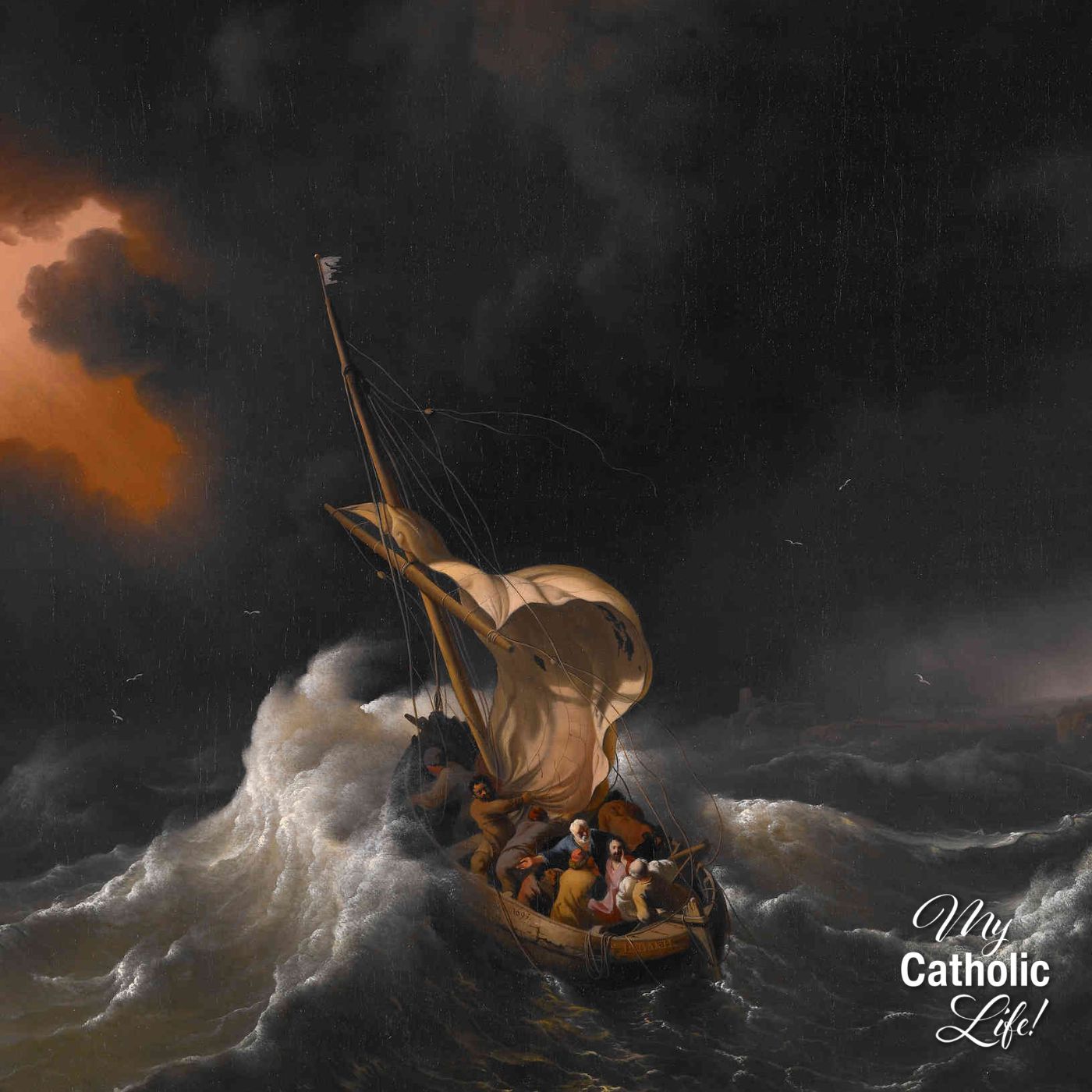
Jun 21, 2024
Saturday of the Eleventh Week in Ordinary Time - Singularly Devoted
Read Online Jesus said to his disciples: “No one can serve two masters. He will either hate one and love the other, or be devoted to one and despise the other. You cannot serve God and mammon.” Matthew 6:24 Mammon is another word for money. Jesus is clear that you must choose to serve either God or money, but not both. A divided heart does not suffice. Saint John of the Cross, in His spiritual classic “Ascent to Mount Carmel,” explains something similar. He says that our desires must become completely purified to the point that all we desire is God and His holy will. Every other desire in life must be purged away so that we are singularly devoted to God. Does this mean that God and God alone should be the object of all of our love? Yes, indeed. But that truth must be properly understood. When we consider the calling we have been given from God to love, it is true that we must love not only God but also many other things in life. We must love family, friends, neighbors, and even our enemies. Hopefully we also love other aspects of our lives, such as our vocation, our job, our home, a certain pastime, etc. So how do we love God with singular devotion when we also have many other things we must love? The answer is quite simple. The love of God is such that when we make God the singular object of our love and devotion, the love we have for God will supernaturally overflow. This is the nature of the love of God. As we love God, we will find that God calls us to love Him by loving other people and even various aspects of our lives. As we love what God wills us to love and as we express our love for all that is contained in the will of God, we are still loving God with all our heart, mind, soul and strength. But back to our Scripture above. Why is it that we cannot love God and money? “Mammon” in this passage must be understood as a love that becomes an unhealthy attachment and desire. Money is such that we can “love” it by allowing our desires for it to become disordered and, thus, exclude the will of God from that “love.” Money is not evil when it is used solely in accord with the will of God. In that case, the money we use will give God great glory. But when money, or any other object of our desire, begins to take on a life of its own, so to speak, then that desire will be at odds with our love of God. To love God and God alone means we love God and all that He wills us to love in life. Reflect, today, upon the necessity of being singularly devoted to God. As you commit yourself to this exclusive love, consider also whom and what God calls you to love in and through Him. Where does His perfect will lead you, and how are you called to show your love of God through the love of others? Consider, also, any ways in which you have allowed an unhealthy attachment to money or anything else in life to distract you from the one and ultimate purpose of your life. Allow God to purge those unhealthy desires and false “loves” from your heart so that you will be free to love as you were made to love. My Lord and God, You are worthy of all of my love. You and You alone must become the single focus of all of my love. As I love You, dear Lord, help me to discover all that Your will directs me to love more and all that Your will calls me to detach from. May I choose only You and that which is contained in Your holy and perfect will. Jesus, I trust in You. Source of content: catholic-daily-reflections.com Copyright © 2024 My Catholic Life! Inc. All rights reserved. Used with permission via RSS feed. Featured image above: The Sermon of the Beatitudes By James Tissot, via Wikimedia Commons
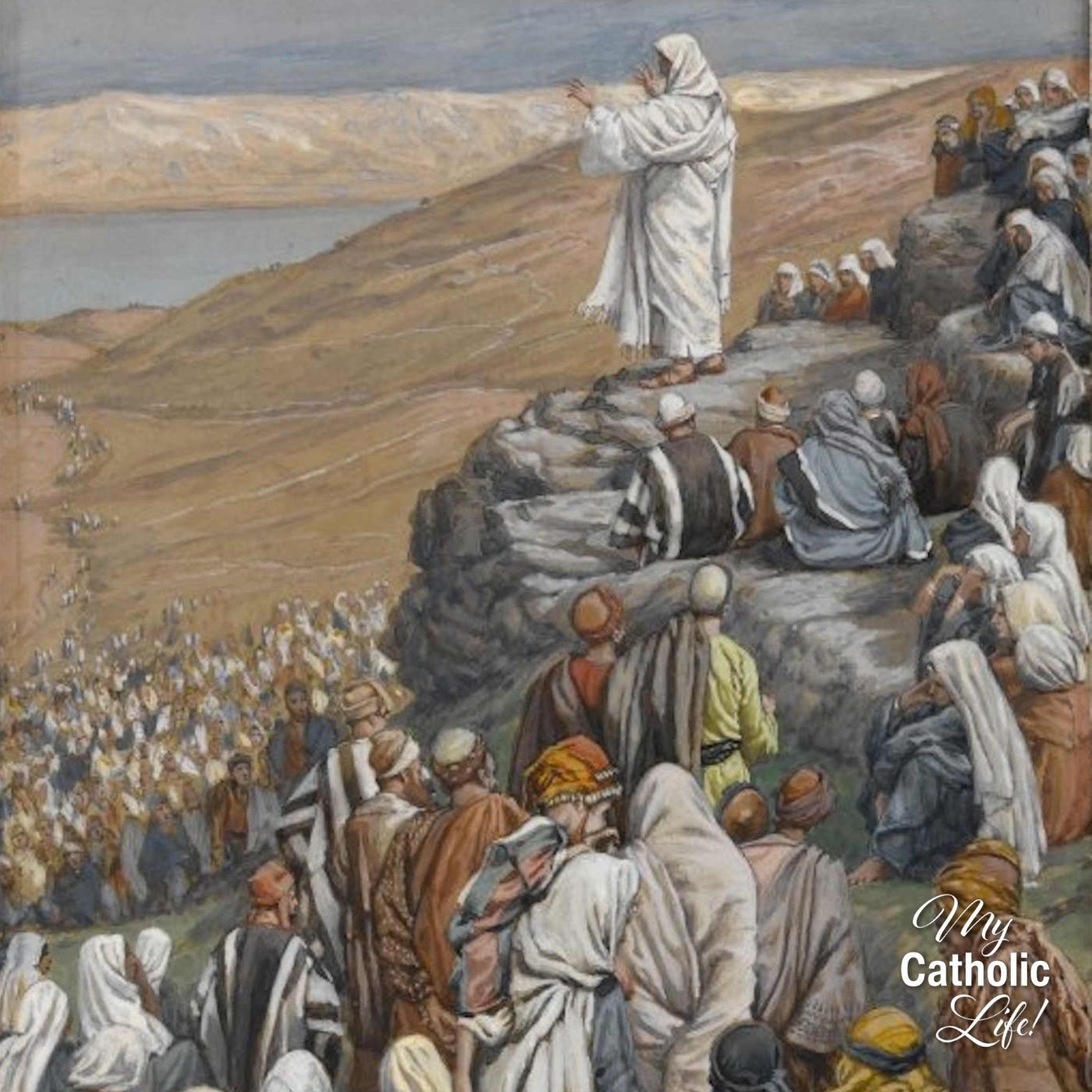
Jun 20, 2024
Friday of the Eleventh Week in Ordinary Time - Your Intentions in Life
Read Online “The lamp of the body is the eye. If your eye is sound, your whole body will be filled with light; but if your eye is bad, your whole body will be in darkness. And if the light in you is darkness, how great will the darkness be.” Matthew 6:22–23 Every Scripture passage, in a spiritual sense, can teach us many lessons. Saint Thomas Aquinas, in his commentary on Matthew’s Gospel, offers one interpretation to the passage quoted above by saying that the “eye” in this passage refers to your intention and “your whole body” refers to all of your actions that follow from your intention. Therefore, when your intentions are in line with God’s will, the actions that follow will be also. This is a very practical and useful lesson for your journey toward holiness. With this insight from Saint Thomas, we must look at our intentions in an honest and complete way. What are your intentions in life? It’s easy for us to form various intentions that may seem good as well as some that are contrary to the will of God without even realizing it. We may intend to get a good night's sleep on one occasion. Or intend to have fun with family and friends on a certain day. Or we may intend to cook a good meal, clean the house, do well at work, etc. There are many momentary intentions that are good and are a normal part of daily living. However, the most important intention to consider is that which is the deepest of them all. What is the most central, foundational, and fundamental intention by which your life is directed? The primary intention that you should work to acquire is to give God the greatest glory possible in all that you do. Giving glory to God is accomplished when you choose Him and His holy will above everything else in life. When this is the deepest and most fundamental intention of your life, everything else will flow from it. All secondary intentions and actions will align with this central focus and work toward its accomplishment. But when there are other “first intentions” that you have on the most fundamental level, then all the rest of your intentions and actions will be misguided and directed in a disordered way. Reflect, today, upon the most fundamental intention you have in life. Doing so will require a considerable amount of interior reflection and honesty. It will require that you sort through the many things that motivate you and the decisions you make each and every day. Reflect upon the primary purpose of your life, which must be to give God the greatest glory possible by choosing and living His perfect will. Do all of your daily actions align with this ultimate goal? Commit yourself to the holy work of examining all of your actions in this light so that you will more fully achieve the purpose for which you were created. God of all glory, You and You alone are worthy of all my praise. Your will and Your will alone must become the foundation of all that I choose in life. Give me the spiritual insight I need to look deeply at all that motivates me and all of my most interior intentions in life. May all of my intentions and all of my actions have as their goal Your eternal glory. Jesus, I trust in You. Source of content: catholic-daily-reflections.com Copyright © 2024 My Catholic Life! Inc. All rights reserved. Used with permission via RSS feed. Featured images above: Sermon on the Mountain By Károly Ferenczy, via Wikimedia Commons
Jun 19, 2024
Thursday of the Eleventh Week in Ordinary Time - Forgiving Others
Read Online “If you forgive others their transgressions, your heavenly Father will forgive you. But if you do not forgive others, neither will your Father forgive your transgressions.” Matthew 6:14–15 It’s truly amazing how often our Lord exhorts us to forgive. Much of Jesus’ Sermon on the Mount, from which we have been reading all week, continually calls us to offer mercy and forgiveness to others. And in the passage above from the end of today’s Gospel, Jesus offers us the consequences of not heeding His exhortations. This passage is a sort of addendum to the “Our Father” prayer which immediately precedes it. The Our Father prayer gives us seven petitions, one of them being “forgive us our trespasses, as we forgive those who trespass against us.” It’s interesting to note that as soon as Jesus taught us this prayer with its seven petitions, He then re-emphasised one of those petitions by stating it again as is seen in the passage quoted above. This added emphasis should assure us of the seriousness of this petition. At first, Jesus simply tells us to pray for forgiveness “as we forgive.” But He then makes it clear that if we fail to do so, we will not be forgiven ourselves. This should highly motivate us to make every effort possible to completely forgive others from the deepest depths of our hearts. Who do you need to forgive? Forgiveness can be a confusing endeavor at times. The act of forgiveness gets confusing when our feelings do not reflect the choice we make in our will. It is a common experience that when we make the interior choice to forgive another, we still feel anger toward them. But these disordered feelings should not deter us nor should we allow them to cause doubt in what we need to do. Forgiveness is first an act of the will. It’s a prayerful choice to say to another that you do not hold their sin against them. Forgiveness does not pretend that no sin was committed. On the contrary, if there were no sin committed, then there would be no need for forgiveness. So the very act of forgiving is also an acknowledgment of the sin that needs to be forgiven. When you make the choice to forgive another, and if your feelings do not immediately follow after, keep forgiving them in your heart. Pray for them. Try to change the way you think about them. Do not dwell upon the hurt that they have inflicted. Think, instead, about their dignity as a person, the love God has for them and the love you must continue to foster for them. Forgive, forgive and forgive again. Never stop and never tire of this act of mercy. If you do this, you may even discover that your feelings and passions eventually align with the choice you have made. Reflect, today, upon any lingering feelings of anger you experience. Address those feelings by the free and total choice to forgive the person with whom you are angry. Do so now, later today, tomorrow and on and on. Go on the offensive against anger and bitterness by overwhelming it with your personal act of forgiveness and you will find that God will begin to free you of the heavy burden that a lack of forgiveness imposes. My forgiving Lord, You offer the perfection of forgiveness to me and call me to do the same toward others. I pray for Your forgiveness in my life. I am sorry for my sin and beg for Your mercy. In exchange for this holy gift, I pledge to You today to forgive everyone who has sinned against me. I especially forgive those with whom I remain angry. Free me from this anger, dear Lord, so that I may reap the full benefits of Your mercy in my life. Jesus, I trust in You. Source of content: catholic-daily-reflections.com Copyright © 2024 My Catholic Life! Inc. All rights reserved. Used with permission via RSS feed. Featured images above: The Life of Jesus by William Hole By William Brassey, via Wikimedia Commons
Jun 18, 2024
Wednesday of the Eleventh Week in Ordinary Time - Transformed by Silent Sacrifices
Read Online “When you fast, do not look gloomy like the hypocrites. They neglect their appearance, so that they may appear to others to be fasting. Amen, I say to you, they have received their reward. But when you fast, anoint your head and wash your face, so that you may not appear to others to be fasting, except to your Father who is hidden. And your Father who sees what is hidden will repay you.” Matthew 6:16–18 Many today have abandoned the holy practice of fasting. Fasting is a powerful penitential practice that bestows great benefits upon the soul. The act of self-denial from certain food and drink, choosing instead simple nourishment from time to time, such as bread and water, or a reduced amount of food, greatly strengthens the soul and disposes a person to many spiritual blessings. Too often, we live for fleshly satisfactions and fall into the trap of trying to indulge our appetites on a regular basis. But doing so has the negative effect of tempting us to neglect the more important spiritual desires for holiness. By depriving ourselves of sensory delights from time to time, we become more disposed to seek the true and lasting delights that come only from God’s grace. Therefore, this passage above presumes that we do regularly fast and engage in other forms of self-denial. Do you fast? Do you engage in other forms of self-denial on a regular basis? Daily prayer, reading the Scriptures, learning about the lives of the saints, and regular participation in the Sacraments all lead us closer to God and make us holy. But fasting and self-denial are also very important, so it is essential that we strive to embrace them as a part of our spiritual growth. In this passage, Jesus specifically calls us to seek the interior rewards that come from fasting and self-denial. He points out that if we use fasting as a way of gaining praise from others, then we lose the spiritual benefits of our fasting. Prayer, fasting, and almsgiving must all be done in a way that they are as hidden as possible so that our acts are truly sincere and not done so as to receive the earthly rewards of the admiration of others. Additionally, the lesson taught in this Gospel can also be applied to other areas of our lives. For example, if you are suffering from some illness or some form of bodily pain or discomfort, then of course you should seek the necessary medical attention. But these physical ailments also offer us another opportunity for spiritual growth when they are embraced in a silent and interior way. Even our pain or discomfort can be transformed into grace if we choose to embrace it with joy, offer it to God as a sacrifice, and keep it to ourselves as a silent gift given to God. Reflect, today, upon your practice of fasting, as well as every other opportunity you have each day to make silent and interior sacrifices to God. If you do suffer from some daily cross that is beyond your control, then try to turn it into a spiritual offering to our Lord. And if you are able to freely embrace fasting on a regular basis, then try to prayerfully commit to this practice. Try to do it every week, especially on Friday in honor of the Good Friday sacrifice made by our Lord. Don’t underestimate the value of these hidden sacrifices. Make them a regular part of your spiritual life and God will bestow upon you many spiritual riches from Heaven. My sacrificial Lord, You denied Yourself of many earthly delights, especially when You fasted for forty days in the desert. Help me to take seriously this obligation to fast and to mortify my appetites. And help me to do so in a hidden way. May my life continually imitate Your perfect sacrifice so that I may become more like You every day. Jesus, I trust in You. Source of content: catholic-daily-reflections.com Copyright © 2024 My Catholic Life! Inc. All rights reserved. Used with permission via RSS feed. Featured images above: Makarov I.K. Sermon on the Mount 1889 The family of Alexander III before Christ “The blessing of the Lord be upon you”, via Wikimedia Commons
Jun 17, 2024
Tuesday of the Eleventh Week in Ordinary Time - The “Gift” of Being Persecuted
Read Online Jesus said to his disciples: “You have heard that it was said, You shall love your neighbor and hate your enemy. But I say to you, love your enemies and pray for those who persecute you, that you may be children of your heavenly Father, for he makes his sun rise on the bad and the good, and causes rain to fall on the just and the unjust.” Matthew 5:43–45 Jesus continues to deepen and clarify His call to His new command to love of others. The love to which He calls us is radical, total, and can be very challenging at first. He calls us to move far beyond the Old Testament understanding of justice by commanding that we love everyone, including those who persecute us. This call to love is not an option but a command. It’s a requirement for every Christian. In implementing this command, Jesus gives us not only the command itself but also offers some very practical advice on how we can achieve this depth of love. He says that we should not only love our enemies but that we should pray for them when they persecute us. First of all, an “enemy” is one who tries to inflict some form of harm on us and, generally speaking, sins against us. The common response to these experiences is to defend ourselves and fight back. So the first step is to reject any such temptation. As Jesus said in the Gospel passage prior to this one, “offer no resistance to one who is evil.” Today’s Gospel passage takes us even further. The practical advice our Lord gives is to “pray for those who persecute you.” This command not only requires that you reject the temptation to “get back” at a person or even to simply “resist” what they do to us. You must now pray for them. Praying for someone who sins against you is an act of the greatest charity and generosity. And it’s a very practical way to imitate the abundant mercy of God. For that reason, praying for your persecutors radically transforms you interiorly and makes you holy. In a sense, the evil another does to you has the potential to be transformed into a gift given to you, because it gives you an opportunity to return prayer for an injury inflicted. And that is a very real and practical gift we must embrace by this new command of our Lord. Reflect, today, upon those for whom this new commandment calls you to pray. Whose sin has inflicted some hurt or injury upon you or your family? Who do you hold a grudge toward? Whoever comes to mind, commit yourself to deep and sustained prayer for that person. Pray often for them and continue that prayer for as long as the persecution continues. Doing so will transform any and every attempted malice issued toward you into grace for them and holiness for you. My Lord of abundant mercy, Your command to pray for those who persecute me was first lived by You to perfection. You prayed for those who crucified You as You hung upon the Cross. Give me the grace I need to not only forgive but to also pray for those who have and continue to try to inflict harm upon me. Give me a heart so filled with mercy that every sin committed against me is transformed into love and my own holiness of life. Jesus, I trust in You. Source of content: catholic-daily-reflections.com Copyright © 2024 My Catholic Life! Inc. All rights reserved. Used with permission via RSS feed. Featured images above: The Sermon on the Mount By Sebastiano Ricci, via Web Gallery of Art
Jun 16, 2024
Monday of the Eleventh Week in Ordinary Time - A New Depth of Mercy
Read Online Should anyone press you into service for one mile, go with him for two miles. Give to the one who asks of you, and do not turn your back on one who wants to borrow.” Matthew 5:41–42 As the faith of Israel developed over the centuries, prior to the coming of Christ, there were various stages of advancement in morality. Prior to the establishment of moral laws in the Old Testament, it was common for families to inflict severe vengeance upon other families when harm was done to them. This caused ongoing violence and feuds. But advancements were made when the law of retaliation was established which said, “When a man causes a disfigurement in his neighbor, as he has done it shall be done to him, fracture for fracture, eye for eye, tooth for tooth; as he has disfigured a man, he shall be disfigured” (Leviticus 24:19–20). This was a new form of justice that forbade the vengeance from being more severe than the crime that was retaliated against. At the time, this helped end ongoing family feuds that continually escalated. It is this law of retaliation that Jesus addresses in our Gospel today. The new and much higher form of morality that Jesus taught called His disciples to “offer no resistance to one who is evil” and to turn the other cheek when evil was done to them. Though strict justice requires satisfaction for sin, Jesus’ new teaching was that mercy pays every debt. First, His mercy bestowed upon us, for the forgiveness of our sins, pays the debt of our sins when we truly repent and change. But if we desire our debts to God for our sins to be forgiven and repaid, then we must do the same to others, holding nothing against them. But Jesus goes even further. In the passage quoted above, Jesus exhorts His disciples to a new and radical form of charity and generosity. This new moral code was how the children of the Kingdom of God were now called to act. It was not enough to only forgive and to forget the debt one owes you because of their sin. Mercy now requires us to “Give to the one who asks” and to walk “two miles” with one who only asks you to walk one mile with them. In other words, Christian charity far exceeds every concept of strict justice and even goes beyond basic forgiveness. This was certainly a new and radical teaching from our Lord. Think about this new moral law in your own life. What level of “justice” do you most commonly live by? When someone wrongs you, do you live like those prior to the Old Testament laws by seeking to get back at them to an even greater degree than the harm done to you? Do you live by the law that seeks the equal justice of an eye for an eye? Do you seek to forgive and offer mercy as a payment for the debt another has incurred by the sin they have committed against you? Or, ideally, do you strive to go even beyond the act of forgiveness and bestow mercy in a new and generous, superabundant way? This last level of love is difficult to obtain and live, but it is the way our Lord treats us and it is the way that He calls us to treat others. Reflect, today, upon any hurt you may currently be struggling with. And consider the way in which you have been dealing with that hurt. As you seek to understand this new law of love and mercy given by our Lord, pray to Him that He will give you the grace you need to give to others the same level of mercy that God gives to you. My generous Lord, You offer Your mercy in superabundance. You not only forgive when we repent, You also restore us to far greater heights of holiness than we could ever deserve. Give me the grace I need, dear Lord, to offer this same level of mercy and love to those who have sinned against me. I forgive all who have hurt me. Please help me to also love them with all my heart. Jesus, I trust in You. Source of content: catholic-daily-reflections.com Copyright © 2024 My Catholic Life! Inc. All rights reserved. Used with permission via RSS feed. Featured images above: Sermon on the mount windows at Herzogenbuchsee Reformed church near Berne. Picture by Eugène Burnand, glass by Emil Gerster of Basel, via Wikimedia Commons
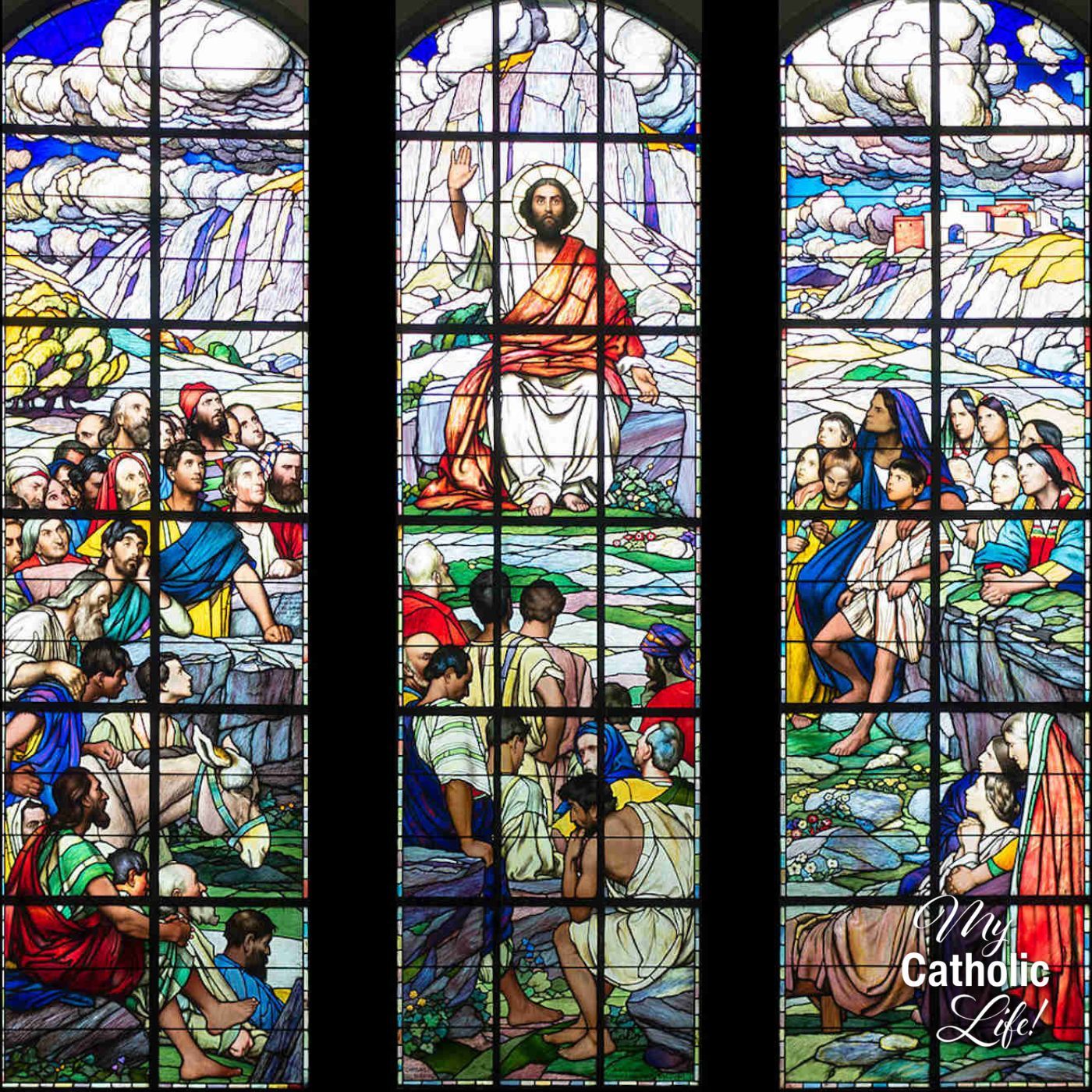
Jun 15, 2024
Eleventh Sunday in Ordinary Time (Year B) - The Mysteries of the Kingdom
Read Online With many such parables he spoke the word to them as they were able to understand it. Without parables he did not speak to them, but to his own disciples he explained everything in private. Mark 4:33–34 The deepest mysteries of our faith can only be understood by someone who has deep faith. Understanding requires much more than just a keen intellect; it also requires an interior attentiveness to and familiarity with the voice of God. For that reason, as Jesus spoke to the crowds, He used parables and figures of speech rather than speaking directly about the mysteries of Heaven. By analogy, if you were to attend a very special feast and you had well-formed taste buds, you might enjoy being served the best cut of meat cooked to perfection with a fine glass of wine. But to a small child, such a meal might not be that appealing. The same is true with music. If you were a musician who studied and played music throughout life, then you might have a greater appreciation for certain types of music. Others might simply be drawn to a certain type of music by the beat or because it has catchy lyrics. In a similar way, a person who has only a little faith might not be immediately drawn into the deepest mystical truths of God when they are explained directly and clearly. Instead, they might find that a simplified Gospel message that uses familiar imagery or stories is better able to catch their attention and communicate the message. This is good for us to understand because it’s good for us to turn to the means of communication with God most suited for our depth of faith and understanding. For most people, it will be very useful to see themselves as one of those people in the crowds to whom Jesus spoke His parables. We should especially see ourselves as a part of the crowds as we begin our journey of faith. However, when a person has spent much time in prayer and meditation over the years and their faith begins to deepen, they may find that parables and stories are not as inspiring as they once were. They need more. They long for God to speak to them more clearly and deeply. Practically speaking, as your faith grows, it is good to look for the deeper ways that God speaks to you. How does He come to you and explain His will and the truths of faith more directly as Jesus did to the Apostles? Perhaps reading the lives of the saints, the Catechism of the Catholic Church , or some other spiritual book will engage you more deeply. Also, some Scripture passages may feed you more as you grow in faith, such as the passages where Jesus speaks more directly to His disciples. Reflect, today, upon the way that you are most fully fed by God’s holy Word at this point in your life. The best way to identify this is to consider what it is that has given you the most consolation and inspiration as of late. How has God’s Word most powerfully resonated within you over this past year? Identifying the way that God has spoken to you recently is the best way to decide how to continue to receive from Him all that He wants to teach you and reveal to you at this point of your journey of faith. Continue to seek out God’s voice, and be open to letting Him draw you ever more deeply into the beautiful depths of the mysteries of His Kingdom. Glorious Word of God, You choose to speak to Your people in varied ways. To some, You speak through parables and figures of speech. To others, You speak more directly and intimately, revealing the depths of Your Heart. Please speak to me in the ways that will deepen my faith so that I can continue my journey into the many mysteries You wish to reveal. Jesus, I trust in You. Source of content: catholic-daily-reflections.com Copyright © 2024 My Catholic Life! Inc. All rights reserved. Used with permission via RSS feed. Featured images above: Sorrowful Mother Shrine Chapel (Bellevue, Ohio) - stained glass, Jesus Zealous for Souls - detail, via Wikimedia Commons
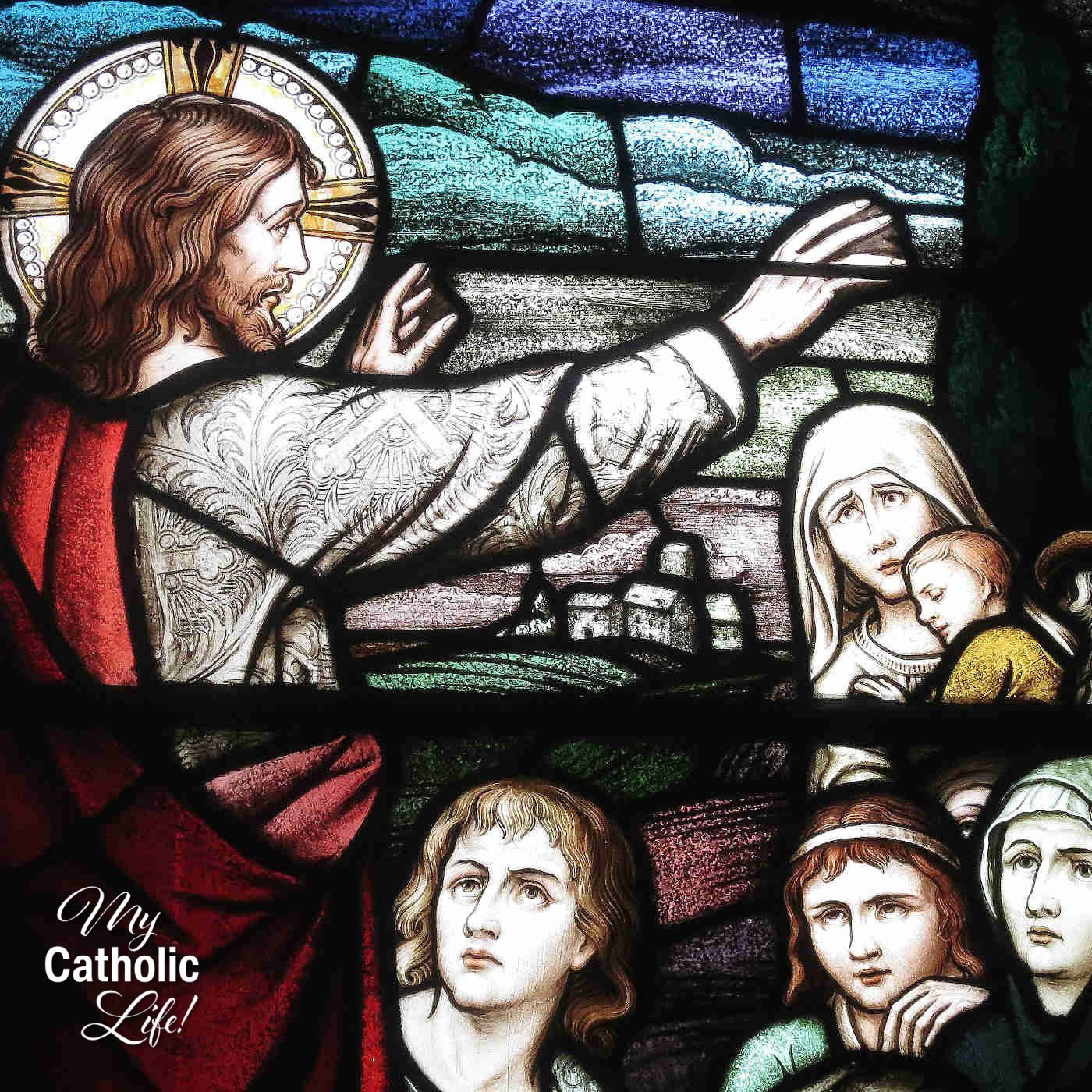
Jun 14, 2024
Saturday of the Tenth Week in Ordinary Time - Daily Sincerity and Honesty
Read Online Jesus said to his disciples: “You have heard that it was said to your ancestors, Do not take a false oath, but make good to the Lord all that you vow. But I say to you, do not swear at all…” Matthew 5:33–34 The purpose of an oath was to guarantee the truthfulness of the statement made. Sometimes this can be very good. For example, many of the Sacraments involve making a public vow before God and the Church. In these cases, the vow is a form of oath that is solemnized so as to invite the grace of God to enter and strengthen it. It becomes a way of making a public witness to one’s faith and an expression of one’s need for God’s grace to be faithful to the promise that is made. Jesus is not speaking about these forms of public vows, oaths and promises in the Gospel today. Instead, He is addressing a practice that some engaged in, whereby they regularly swore on God’s name about the truthfulness of what they were saying. The problem with this is that it takes something solemn and sacred and carelessly turns it into something ordinary. There is no need to “swear to God” about everything one says. First of all, if one feels a need to call on God’s name regularly so as to convince another of the truthfulness of their statements, then it is most likely the case that they do so because they are struggling with dishonesty. Oath-taking on a regular basis seems to presuppose a human tendency to lie. For that reason, it is not ideal to go about one’s daily interactions with this presupposition. Instead, as Christians we must strive for a fundamental disposition of truthfulness. Jesus concludes this Gospel teaching by saying, “Let your ‘Yes’ mean ‘Yes,’ and your ‘No’ mean ‘No.’ Anything more is from the Evil One.” In other words, work to become a person of true honesty and integrity. Be sincere in all of your dealings, and do not begin with a presupposition of dishonesty. Begin with the intention of complete honesty and sincerity, and that will suffice. Furthermore, if one were to go about their day making one oath after another, swearing on God’s name to the truthfulness every time, this would have the effect of lessening the solemnity of those few times when this is a good and holy practice. Making public vows, such as marriage vows, or public promises, such as priests make, are unique and solemn. Publicly renewing our faith within the Church, taking an oath as one begins the responsibility of some public office, or any other more solemn opportunity for oath-taking should be seen as a special occasion. Therefore, our daily commitments must simply be the fruit of our honesty and integrity as persons. Reflect, today, upon your own daily approach to honesty and sincerity. Do you go about your day with the goal of living in the truth, speaking the truth and seeking the truth? Are you honest with others, seeking good and clear communication with them? Ponder these questions and know that interior integrity requires these virtues of honesty and sincerity. Seek that integrity and others will benefit as they grow to trust you each and every day. Lord, You are the source of all truth, and You are Truth Itself. Please help me to become a daily instrument of that Truth in all that I say and do. I choose You and Your holy will always, and I choose to be Your instrument for all to see. Jesus, I trust in You. Source of content: catholic-daily-reflections.com Copyright © 2024 My Catholic Life! Inc. All rights reserved. Used with permission via RSS feed. Featured images above: via pxhere
Jun 13, 2024
Friday of the Tenth Week in Ordinary Time - The Love of Friendship
Read Online If your right eye causes you to sin, tear it out and throw it away. It is better for you to lose one of your members than to have your whole body thrown into Gehenna. And if your right hand causes you to sin, cut it off and throw it away. It is better for you to lose one of your members than to have your whole body go into Gehenna. Matthew 5:29–30 This imagery of tearing out your eye and cutting off your hand is clearly meant to get our attention. Though we can be certain that Jesus is not actually suggesting we mutilate our bodies, we should not hesitate to prayerfully ponder this imagery so as to understand the truths Jesus is speaking. Saint Augustine, in reflecting upon this passage, states: “By the eye we must understand our most cherished friend…” Augustine further points out that Jesus specifically mentions the “right eye” as a way of denoting those friendships that have a “higher degree of affection” ( Serm. in Mont. i. 13. ). Thus, although friendship—especially very close friendship—is a gift, sometimes those close to us can become a source of sin or an occasion of sin. In that case, they are not truly friends, and it might be better to limit or even end that relationship rather than to allow it to lead us into sin. Think about the people in your own life. Though we must love all people with the love of God, friendship is more than love. Friendship establishes a special bond with another and opens you up to their presence and influence in your life. When you establish a friendship, you allow another a certain influence in your life. When that influence is good, then the friendship produces much good fruit. But when that influence is evil, then that friendship becomes a danger to the good of your soul. In that case, it may need to be torn out or cut off so that you are not drawn into serious sin or even the occasion of sin. When a friend in your life becomes an occasion of sin to you, your love for them must remain, but it must also change. Love, in this case, may take on the form of a loving rebuke, a withdrawal of your own heart, or a limiting of your interactions. But this is love. By analogy, when a person sins against God, their relationship with God also changes. God withdraws His friendship. He is less present to the person, and their internal communion diminishes or even ends when the sin is serious. This is not a lack of love on God’s part; it is simply the effect of sin. So also in our relations with another, when the grace of God is not mutually given and received between two people, then friendship in the truest sense is not possible. True friendship is always centered in God’s grace and dependent upon it. Therefore, when God is excluded from a relationship, that relationship must change from a true friendship to a relationship that imitates God’s love for a sinner. Mercy, compassion and forgiveness must continually be offered, but interior communion and unity will end. But this is love. Reflect, today, upon those in your life whom God has given you to love. First, reflect upon those relationships that do have God at the center. These relationships will become true friendships and will produce an abundance of good fruit in your life. Rejoice in these friendships and give thanks to God for them. Second, reflect upon any relationship that does not bear good fruit. As you do, prayerfully consider how you approach that relationship. Do you attempt to maintain a “friendship” even though God is not able to be the center of that relationship? If so, ponder how God is calling you to change that relationship so that it more fully reflects the love God has for you and for that other person in your life. My Lord and true Friend, I thank You for loving me with a perfect love. I pray that I will always be open to that love so that my unity with You will ever deepen. I also pray that I will be an instrument of Your love to others. Please give me the grace to love everyone in my life in the way that You love them, nothing less and nothing more. Jesus, I trust in You. Source of content: catholic-daily-reflections.com Copyright © 2024 My Catholic Life! Inc. All rights reserved. Used with permission via RSS feed. Featured images above: Christ the Saviour Blessing, via flickr
Jun 12, 2024
Thursday of the Tenth Week in Ordinary Time - The Burden of Anger
Read Online “You have heard that it was said to your ancestors, Y ou shall not kill; and whoever kills will be liable to judgment. But I say to you, whoever is angry with his brother will be liable to judgment, and whoever says to his brother, Raqa , will be answerable to the Sanhedrin, and whoever says, ‘You fool,’ will be liable to fiery Gehenna.” Matthew 5:21–22 The passage quoted above gives us three deepening levels of sin that we commit against another. These sins were new teachings not contained in the Old Testament. By this teaching, Jesus’ call to radical holiness and love of neighbor is made very clear. The first level of sin is simply to be “angry” interiorly. The sin of anger is an interior attitude of disgust toward another. Jesus says that the consequence of having anger toward another is that you will be “liable to judgment.” The second level of sin is when you say to another “ Raqa. ” This Aramaic word is difficult to translate but would include some form of expression of one’s anger toward another. It would be a derogatory way of saying to another that they are unintelligent or inferior. The third level of sin Jesus identifies is when you call another “fool.” This word is an even stronger expression of Raqa and would be a verbal criticism of them, indicating that the person is a lost soul in a moral sense. It’s a strong moral condemnation of another that is expressed. So, do you struggle with anger? Jesus’ calling to freedom from all levels of this sin is a high one. There are many times in life when our passion of anger is stirred up for one reason or another, and that passion leads to one of these levels of sin. It’s a common temptation to want to condemn another with whom you are angry in the strongest way possible. It’s important to understand that this new teaching of Jesus is truly not a burden when understood and embraced. At first, it can seem that these laws of our Lord against anger are negative. That’s because lashing out at another gives a false sense of satisfaction, and these commands of our Lord, in a sense, “rob” us of that satisfaction. It can be a depressing thought to think about the moral obligation to forgive to the point that disordered anger disappears. But is it depressing? Is this law of our Lord a burden? The deep truth is that what Jesus teaches us in this passage is, in many ways, more for our own good than that of others. Our anger toward another, be it interior, verbally critical or all-out condemning, can be hurtful toward the person with whom we are angry, but the damage these forms of anger do is far worse for us than them. Being angry, even interiorly, even if we put on a happy face, does great damage to our soul and our ability to be united to God. For that reason, it is not this new law of our Lord regarding anger that is the burden, it is the anger itself that is a heavy burden and a burden from which Jesus wants you free. Reflect, today, upon the sin of anger. As you do, try to see your disordered anger as the real enemy rather than the person with whom you are angry. Pray to our Lord to free you from this enemy of the soul and seek the freedom that He wants to bestow. My merciful Lord, You call us to perfect freedom from all that burdens us. Anger burdens us. Help me to see the burden that my anger imposes upon me and help me to seek true freedom through the act of forgiveness and reconciliation. Please forgive me, dear Lord, as I forgive all who have hurt me. Jesus, I trust in You. Source of content: catholic-daily-reflections.com Copyright © 2024 My Catholic Life! Inc. All rights reserved. Used with permission via RSS feed. Featured images above: The Sermon on the Mount By Fra Angelico, via Wikimedia Commons
Jun 11, 2024
Wednesday of the Tenth Week in Ordinary Time - The New Law of Grace
Jesus said to his disciples: “Do not think that I have come to abolish the law or the prophets. I have come not to abolish but to fulfill. Amen, I say to you, until heaven and earth pass away, not the smallest letter or the smallest part of a letter will pass from the law, until all things have taken place.” Matthew 5:17–18 The law and the prophets, as found in the Old Testament, consists of three types. First, there are the moral laws, such as the Ten Commandments, that are primarily based on the natural law of God. By “natural law,” we mean that our human reason can understand their truthfulness, such as with “Thou shall not kill, steal, etc.” Second, there were many liturgical precepts that were laid down and practiced as a preparation for and prefiguration of their ultimate liturgical fulfillment. The fulfillment is now found in the sacramental life of the Church. Third, there were various legal precepts that gave specific directions on daily living. These laws include instructions on food, relations with others, how to treat foreigners, cleansings, purifications of utensils, tithing, and much more. In our Gospel today, Jesus essentially says two things. First, regarding the legal and liturgical precepts, He says that He came to “fulfill” them. Thus, Christians are no longer bound by these Old Testament legal and liturgical laws, in that we are now called to a much higher fulfillment of them all. But as for the moral laws, especially those found in the Ten Commandments, not a single precept taught is abolished. Instead, these Commandments are deepened, and the call to moral perfection is now much clearer. It is for this reason that Jesus goes on to say, “Therefore, whoever breaks one of the least of these commandments and teaches others to do so will be called least in the Kingdom of heaven. But whoever obeys and teaches these commandments will be called greatest in the Kingdom of heaven.” It’s important to understand that those who lived before the time of Christ were not held to the same standard as we are today. That’s because they did not enjoy the gift of grace that was won by the Cross and is bestowed by the Holy Spirit. Today, we have so much more and, for that reason, are called to a much greater life of holiness. For example, we no longer celebrate the Passover as a mere remembrance of what God did by setting the Israelites free from slavery to the Egyptians. Today, we celebrate the New Passover through our participation in the Holy Eucharist, and our “remembrance” goes beyond the simple recalling of a memory of old. Our remembrance is one that enables us to actually participate in the saving sacrifice of Christ. We share in the actual event and are partakers of the grace won on the Cross each time we celebrate the Holy Mass. And as for the moral laws of the Old Testament, they become the bottom line of morality. The upper limit is now much higher. We are to love our enemies and pray for those who persecute us. We are to lay down our lives for others and take up our crosses daily to follow Jesus. We are called to the perfection of sacrificial love, and that is only possible by our sharing in the very life, death and resurrection of Christ our Lord. Reflect, today, upon the very high calling you have been given by our Lord. It’s not enough to simply do the bare minimum in our worship and moral life. Doing so may permit you to be “least in the Kingdom of heaven,” but God wants you to share in His greatness. He calls you to be among the “greatest in the Kingdom of heaven.” Do you understand your high calling? Do you have the perfection of holiness as your goal? Commit yourself to the full participation in the New Law of Christ and you will be eternally grateful that you did. My most glorious Lord, You came to bring our lives to the fullness of grace and holiness. You call us to the heights of Heaven. Help me to see my high calling, dear Lord, and to work diligently to embrace all that You now command by Your New Law of grace and mercy. Jesus, I trust in You. Source of content: catholic-daily-reflections.com Copyright © 2024 My Catholic Life! Inc. All rights reserved. Used with permission via RSS feed Featured image above: Sermon on the Mount By Cosimo Rosselli, via Wikimedia Commons
Jun 10, 2024
Tuesday of the Tenth Week of Ordinary Time - Salt and Light for the World
Jesus said to his disciples: “You are the salt of the earth. But if salt loses its taste, with what can it be seasoned? It is no longer good for anything but to be thrown out and trampled underfoot. You are the light of the world…” Matthew 5:13–14 Every Christian has two primary duties in life. First, we must strive for personal holiness. And second, we must work to help others achieve this same degree of holiness. This is what it means to be the “salt of the earth” and the “light of the world.” Consider salt. Salt is a preservative, and it also adds flavor to food. It does so by entering the food and, in a sense, disappearing. So it must be with us. First, our Lord must enter our lives and preserve us from the corruption of sin. But as He does so, He will also bring out our goodness in a way that the “flavor” of holiness is evident to others. In this way, we will be used as salt for others. This is especially done by our works of charity. Saint Thérèse of Lisieux said in her autobiography, “I see now that true charity consists in bearing with the faults of those about us, never being surprised at their weaknesses, but edified at the least sign of their virtue.” She believed that this was especially the way we act as salt and light to others. We help to preserve others from sin by being merciful to them when they are weak. We enrich their lives by seeing their goodness and rejoicing in it. And we do so in a hidden way. By our gentleness and compassion, our kindness and mercy, we preserve others and help them to grow in God’s abundant grace. And we do so, many times, without them even realizing how God used us. Consider, also, light. The world in which we live is oftentimes quite dark and despairing. There is corruption all around us and temptations abound. Thus, the light of Christ must be made manifest far and wide. Those all around us need to see clearly the path to holiness and happiness. Again, this is possible if we first work to become light itself. Christ, the true Light of the World, must so permeate our lives that we find it almost automatic to shine brightly in a fallen world. When Christ is alive in us, we will radiate joy and peace, calm and conviction, moral goodness and determination. And when we live this way, we will not have to “impose” the Gospel on others; rather, God's light will simply shine and be a beacon of hope to those who come into our presence. Reflect, today, upon these two missions in life. First, ponder your call to holiness. How does God want to bring light into your own life, preserve you from all sin and add spiritual flavor for holy living? Second, who does God want you to love with His love? Who needs hope and joy, mercy and kindness, words of wisdom and encouragement? Be holy and then allow that holiness to shine forth to others and you will indeed be the salt of the earth and the light of the world. My Jesus, the true Light of the World, please shine brightly in my life so that I will see clearly and will be preserved from the darkness of sin. As You fill me with Your light, please use me as an instrument of Your love and mercy to a world filled with chaos and confusion. Dispel the darkness, dear Lord, and use me as Your instrument as You will. Jesus, I trust in You. Source of content: catholic-daily-reflections.com Copyright © 2024 My Catholic Life! Inc. All rights reserved. Used with permission via RSS feed. Featured image above: Flicker
Jun 9, 2024
Monday of the Tenth Week in Ordinary Time - The Heights of Holiness
When Jesus saw the crowds, he went up the mountain, and after he had sat down, his disciples came to him. He began to teach them, saying: “Blessed are the poor in spirit, for theirs is the Kingdom of heaven.” Matthew 5:1–3 Today we are given the incredibly high calling of the Beatitudes to ponder. These lessons were taught by Jesus on a hill just north of the Sea of Galilee. Many were coming to Jesus to listen to Him preach and to witness His many miracles. They flocked to Him in this remote location, and Jesus had them recline as He preached what is now referred to as “The Sermon on the Mount.” This sermon is found in Chapter 5 through 7 of Matthew’s Gospel, and it takes place shortly after Jesus began His public ministry. What a way to begin His public ministry! This teaching of Jesus was brand new and must have left many people mesmerized. Jesus no longer taught only the precepts of the Old Testament, such as the Ten Commandments; He now elevated the moral law to a level never conceived of before. As the people listened to this new teacher speak with new authority and wisdom, they may have been excited and confused at the same time. To hunger and thirst for righteousness, to be merciful and clean of heart, and to be a peacemaker could have been accepted. But why was it that being poor, mournful, and meek were considered blessings? And even more challenging, why was it good to be persecuted for the sake of righteousness or insulted and falsely accused because of Jesus? When Jesus’ new and radical teaching is clearly understood, it is not only His first disciples who may have been confused and excited at the same time. You, too, if you truly listen to His teachings and understand what He means, will find that you may be challenged to the core of your being. Jesus’ teaching must be embraced, fully, and without hesitation. The Beatitudes are our call to perfection. They lay out for us the path by which we travel to the heights of holiness and obtain the glory of Heaven. They are our fine-tuned and detailed road map to the fullness of happiness and joy. But they also call us to a radical transformation of our minds and in our actions. They are not “easily” embraced, in the sense that they require that we turn from every selfish tendency we have and choose to live free of every earthly temptation, attachment and sin. Perfection awaits those who listen to, understand, and embrace the Beatitudes. Reflect, today, upon the beginning of this challenging Sermon on the Mount. Try to find time to take each Beatitude to prayer. It is only through prayer and meditation that the full meaning of each of these invitations to holiness will be understood. Start with the call to interior poverty of spirit. This Beatitude calls us to complete detachment from all that is not part of God’s will. From there, consider the importance of mourning over your sin, of seeking purity of heart and humility in all things. Ponder each Beatitude and spend time with the one most challenging to you. Our Lord has much to say to you through this sermon. Don’t hesitate to allow Him to lead you to the heights of holiness through it. Lord of all holiness, You are perfect in every way. You lived every virtue and Beatitude to perfection. Give me the grace to open myself to You so that I may hear You call me to perfection of life and so that I may respond generously with my whole life. Make me holy, dear Lord, so that I will find the happiness and fulfillment You wish to bestow. Jesus, I trust in You. Source of content: catholic-daily-reflections.com Copyright © 2024 My Catholic Life! Inc. All rights reserved. Used with permission via RSS feed. Featured image above: Flickr
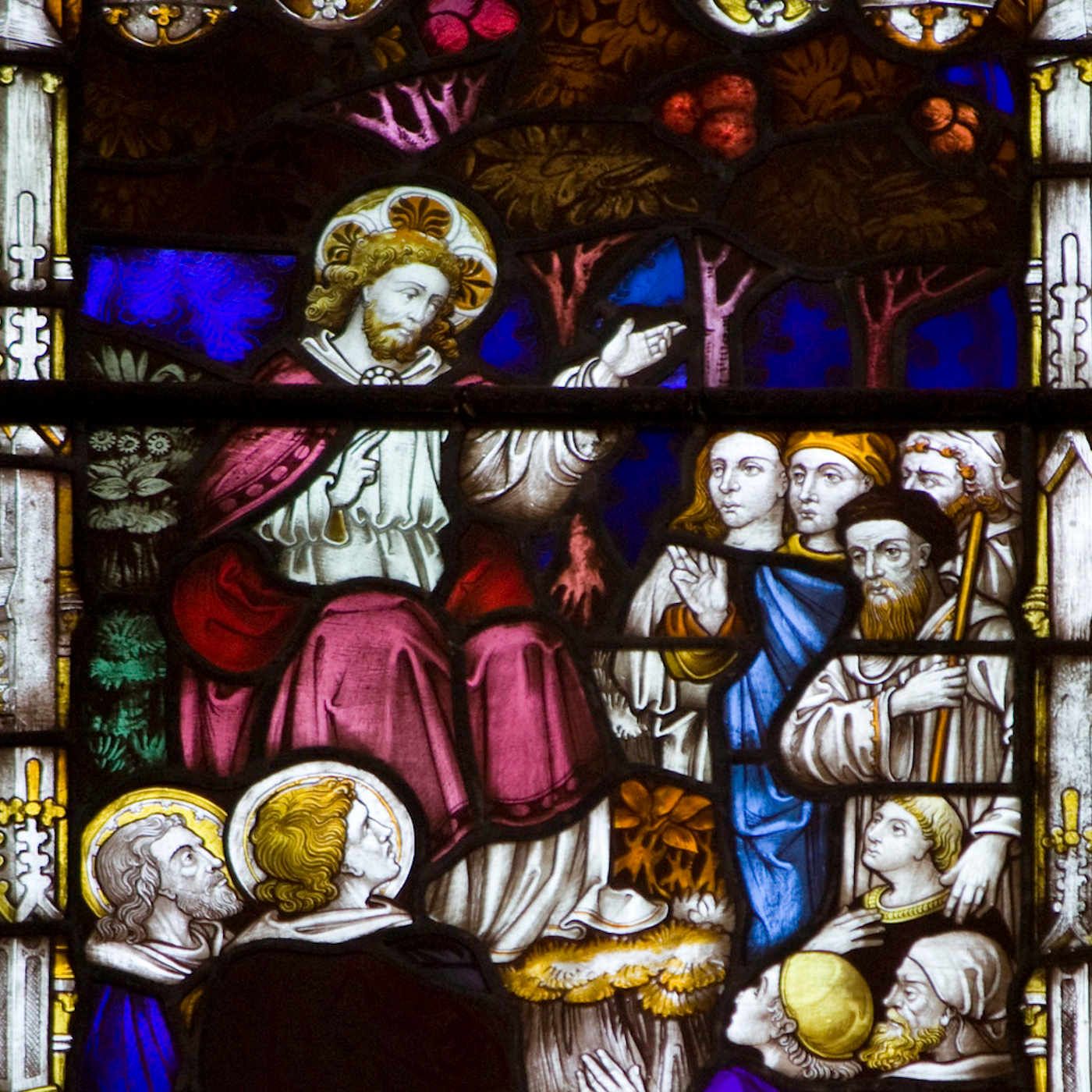
Jun 8, 2024
Tenth Sunday in Ordinary Time (Year B) - Sincere Repentance
“Amen, I say to you, all sins and all blasphemies that people utter will be forgiven them. But whoever blasphemes against the Holy Spirit will never have forgiveness, but is guilty of an everlasting sin.” For they had said, “He has an unclean spirit.” Mark 3:28–30 Jesus spoke these words to the crowds who had gathered around His home in Capernaum because two groups of people had just spoken very critically of Him in a public way. First, some of His extended family arrived and said to everyone, “He is out of his mind.” And then some of the scribes from Jerusalem said, “He is possessed by Beelzebul.” Thus, Jesus states clearly that their blasphemy is a sin against the Holy Spirit and will have everlasting consequences. Why is it that certain sins will never be forgiven? What exactly is a sin against the Holy Spirit? Traditionally, our Church has identified this sin in a couple of ways. First, it is a sin of final impenitence, that is, the sin of obstinately persisting in grave sin. Obstinacy, or the refusal to repent, is a sin that cannot be forgiven, simply because the person committing it never seeks forgiveness. They become so entrenched in their sin that they refuse to change. Thus, the mercy of God is incapable of entering into them. Second, it has also been identified as presumption, meaning a person sins while expecting God to forgive. Presumption is more subtle; however, it also has the effect of keeping a person from the sincere repentance that is needed for forgiveness. The presumptuous person never fully repents and amends their life as long as they remain in their sin. Of all the many sins you struggle with or might struggle with in the future, pay special attention to the sins against the Holy Spirit. Though we should never think we have a right to God’s forgiveness, we must always believe that God’s mercy is so great that the moment we humbly acknowledge our sin and sincerely repent of it, God will forgive. But the key is “sincerity.” In order to be forgiven, the repentance within us must be sincere, authentic, real and complete. We cannot fool God. We can certainly fool ourselves, but not God. One of the best ways to regularly be certain that you are not guilty of any sin against the Holy Spirit is by going to the Sacrament of Confession and confessing your sins with openness, thoroughness and humility. Own your sin. Acknowledge it. Experience sorrow for it. Resolve to change. Then confess it and trust in God’s mercy. Reflect, today, upon any way that you lack sincerity and thoroughness in your repentance from sin. Are you honest with yourself about the sins you have committed? Have you taken ownership of those sins? If so, have you also confessed them to God and firmly resolved never to commit them again? Take repentance seriously so that you never even begin to fall down the slippery slope that leads to any sin against the Holy Spirit. Most merciful Lord, You offer forgiveness to all who come to You with humility and sincere sorrow. Please fill me with these virtues and give me the resolve to change as I open myself to Your unfathomable mercy. Jesus, I trust in You. Source of content: catholic-daily-reflections.com Copyright © 2024 My Catholic Life! Inc. All rights reserved. Used with permission via RSS feed. Featured image above: Jesus Tempted by Carl Bloch, via picryl
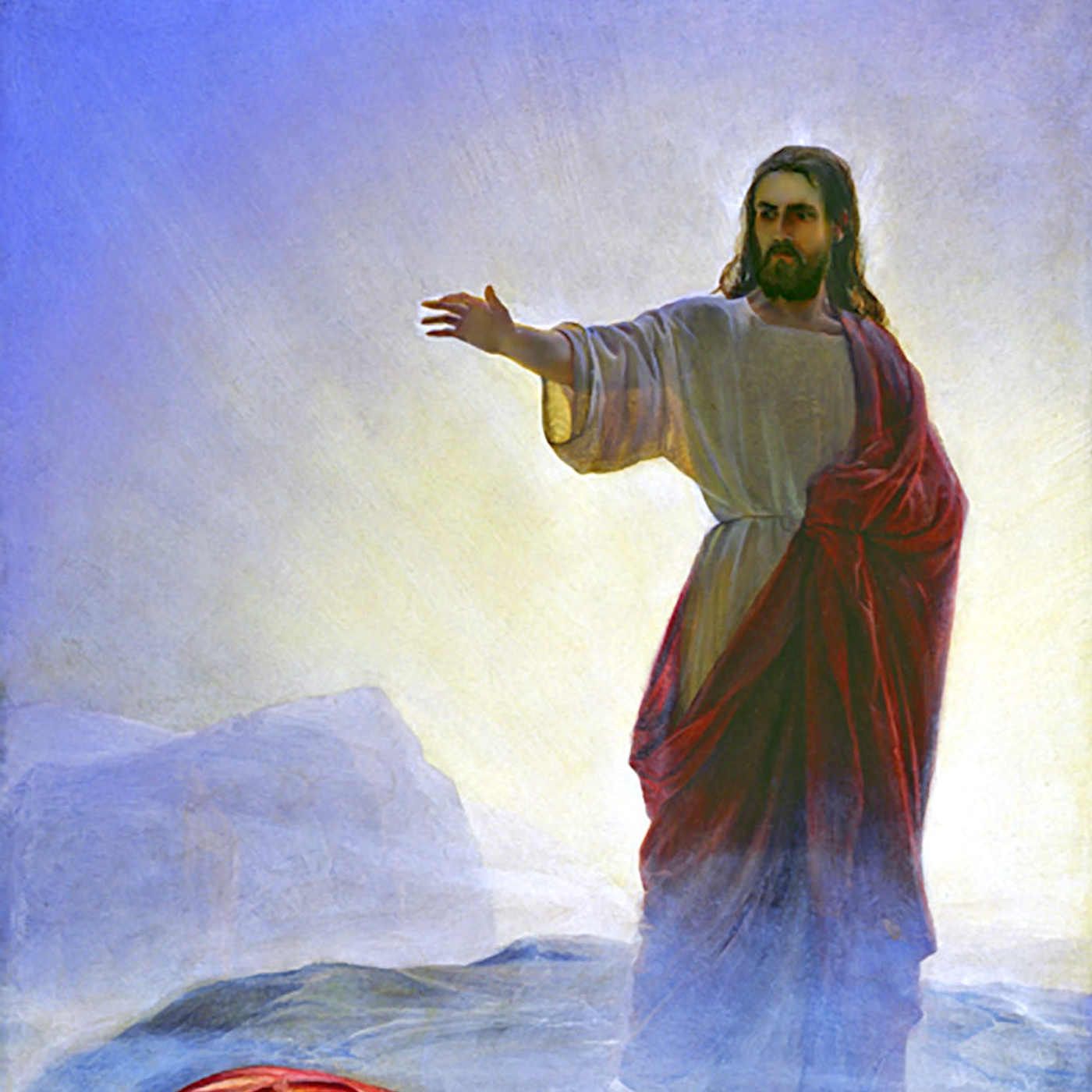
Jun 7, 2024
Memorial of the Immaculate Heart of Mary - The Heart of Perfect Love
He went down with them and came to Nazareth, and was obedient to them; and his mother kept all these things in her heart. Luke 2:51 Over and over, the Scriptures reveal to us that the Blessed Virgin Mary “kept all these things in her heart.” What things? She continually pondered the great mystery of the life of her Son as His sacred life unfolded before her eyes. A mother’s love is strong. Many times, a mother is more aware of the details of her child’s life than even the child itself. She is attentive, consoling, present, tender and loving. This was who Mary was to her divine Son, Jesus. Mother Mary did not have full knowledge of every divine reality. She did not gaze upon the Most Holy Trinity with her eyes as she walked the earth. She did not have the full knowledge of the plan of the Father. But she did walk through life with the perfection of faith. She also knew the many truths of Heaven and earth through her Immaculate Heart. Her heart was a heart filled with every virtue. She loved with a love that was indescribable. And what she especially pondered in her Immaculate Heart, over and over throughout life, was the pure and perfect love she had for her Son. To her, this love left her in amazement. She was continually in a state of holy awe as she interacted with her Son, gazed upon His sacred life, and watched Him advance in “wisdom and age and favor before God and man” (John 2:52). The love in her heart was a lesson to herself. She continually deepened her knowledge of God through the pondering of the perfect love placed in her heart by her God. And this God, her Savior, was her Son. We celebrate today the Memorial of the Immaculate Heart of Mary. Though there are many feasts throughout the year in which we honor this holy daughter of God, this celebration is an opportunity for us all to ponder her pondering heart. A human heart is not just physical, it is also spiritual. It is the spiritual source of our love of God and others. From our heart flows either virtue or vice, love or hate, generosity or selfishness. As we honor the Immaculate Heart today, we are called to look at the ideal of what should live within our own hearts and what should flow forth from them. The perfection of all virtue is what must ideally flow from every human heart throughout time. And it is the heart of our Blessed Mother that will teach us how to internalize those virtues so as to become an instrument of the love of God to others. Reflect, today, upon the spiritual perfection of the Immaculate Heart of Mary. Perfection is difficult to comprehend in our fallen state. But the more we look to the ideal, the more we will desire that ideal. And the more we desire that ideal, the more we will obtain it. Allow yourself today to ponder the ideal heart as it resided in the Mother of God and ask for her to intercede for you so that you will more fully imitate her. Most Immaculate Heart of Mother Mary, you reveal to us the perfect way to love your Son and to be devoted to Him. Fill me with the love you had for your Son by interceding for me. Thank you for the witness you gave to us all and help us to imitate the countless virtues that flowed from your heart. Immaculate Heart of Mary, pray for us. Jesus, I trust in You. Source of content: catholic-daily-reflections.com Copyright © 2024 My Catholic Life! Inc. All rights reserved. Used with permission via RSS feed. Featured images above: Flickr
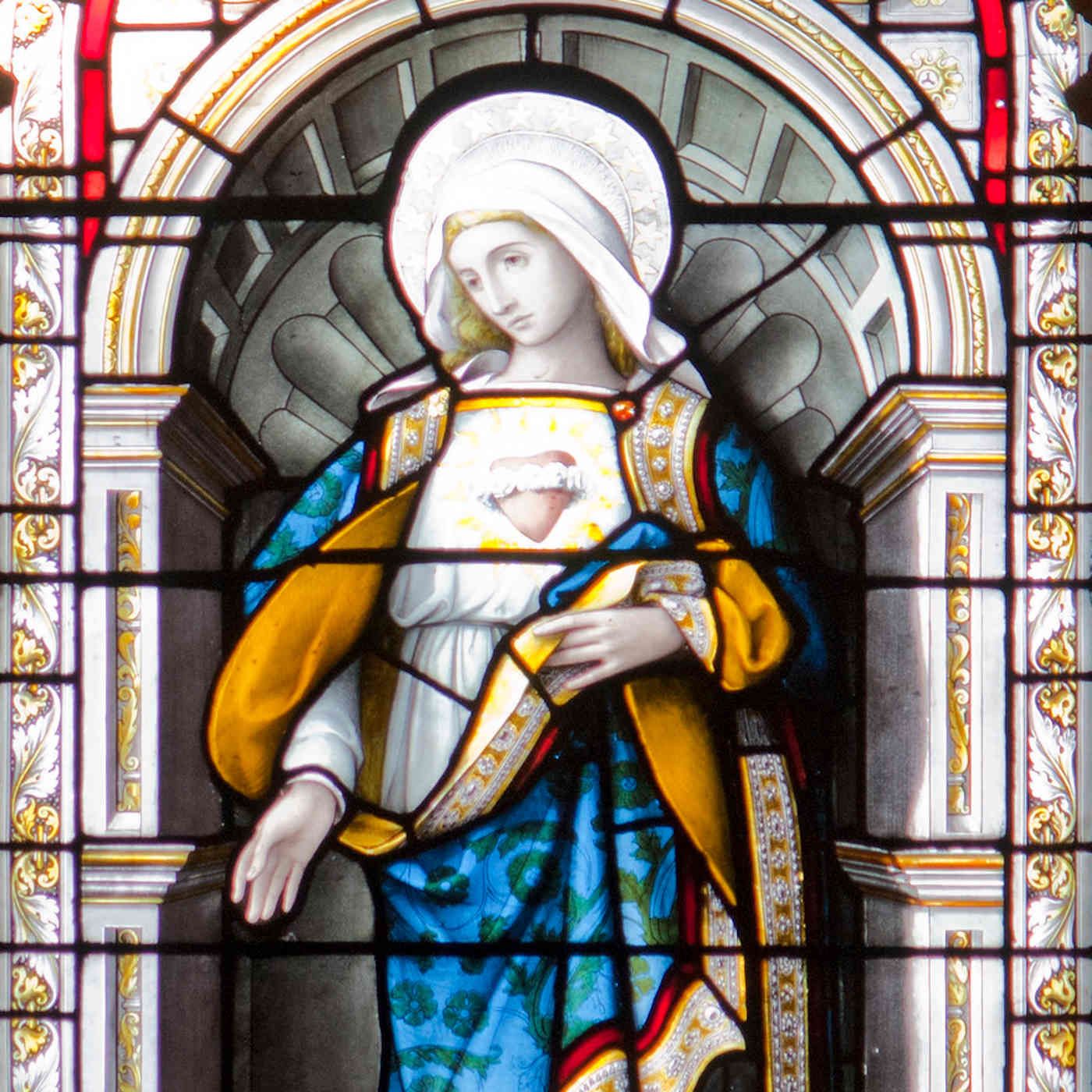
Jun 6, 2024
Solemnity of the Most Sacred Heart of Jesus - The Font of Mercy
But when they came to Jesus and saw that he was already dead, they did not break his legs, but one soldier thrust his lance into his side, and immediately blood and water flowed out. John 19:33–34 John’s Gospel is filled with deep spiritual imagery and symbolism. It is clear that this imagery and symbolism was divinely inspired so as to give us spiritual food for reflection and meditation. One such image is given to us today as we celebrate the Solemnity of the Sacred Heart of Jesus. As Jesus and the two criminals on either side of Him hung upon their crosses, the soldiers came to hasten their deaths by breaking their legs to cause them to more quickly suffocate. But when they came to Jesus, He had already died. So one of the soldiers, traditionally known as Longinus, thrust his spear into Jesus’ side, and blood and water flowed forth. Some traditions identify Longinus with the centurion who cried out after Jesus’ death, “Truly, this was the Son of God!” (See Matthew 27:54.) Other traditions state that he converted at that moment, making him the first convert to Christianity. And still other traditions state that Longinus could not see well, and the blood and water from Jesus’ side poured upon his eyes, healing him. Regardless of whether these traditions are true, we know that Jesus’ side was pierced and blood and water flowed forth. The symbolism of this act was more than a mere human symbol. It was an instrument of the profound spiritual reality that was taking place at that moment. As Jesus’ Sacred Heart was pierced, the blood and water that poured forth was the new sacramental life of the Church. The Blood was the Most Holy Eucharist and the Water was the gift of Baptism. And when Jesus had previously “breathed His last” and “handed over His Spirit,” the Sacrament of Confirmation was bestowed. When we celebrate those Sacraments today, it is easy to see them as mere symbols of what we partake in. But in our Christian Tradition, the Sacraments are so much more. The symbol is also the reality. It is the instrument of what it symbolizes. Therefore, every time we witness a Baptism or partake in the Holy Eucharist, we are mystically present with Longinus, receiving the grace and mercy of our redemption, pouring forth from Jesus’ wounded side, so as to heal us and make us whole. The human heart is, physically speaking, a bodily organ responsible for pumping blood throughout. But from a spiritual perspective, given that we are both body and soul, the human heart is also the source of our life. Without it, we physically and spiritually die. So it is with the Sacred Heart of Jesus. It was not only a physical heart that was physically pierced by the lance long ago. It is now also the source of our ongoing spiritual life, and, without Jesus’ Sacred Heart of Mercy, we will die in our sins. Reflect, today, upon the Most Sacred Heart of Jesus. See His Heart as the ongoing source of your new life in grace. Understand that His Heart is more than a symbol of His grace and mercy, it is the spiritual source and the font of that mercy. Prayerfully place yourself before His Cross, this day, and allow the blood and water, flowing from His wounded side, to cover you so that you, too, may believe. Most Sacred Heart of Jesus, You poured out upon the world the love and mercy of Your transforming grace through the instrument of the blood and water pouring forth from Your wounded side. Help me to gaze upon this font of mercy and to be covered with it through the gift of the Sacraments. May I always be open to all that You wish to bestow upon me by these precious and transforming instruments of Your love. Sacred Heart of Jesus, have mercy on us. Jesus, I trust in You. Source of content: catholic-daily-reflections.com Copyright © 2024 My Catholic Life! Inc. All rights reserved. Used with permission via RSS feed. Featured images above: Flickr
Jun 5, 2024
Thursday of the Ninth Week of Ordinary Time - The Gift of Understanding
And when Jesus saw that he answered with understanding, he said to him, “You are not far from the Kingdom of God.” And no one dared to ask him any more questions. Mark 12:34 Finally, we have the witness of one of the religious leaders, a scribe, who got it right. The passage above is the conclusion of the interaction with this scribe who asks Jesus which of all the commandments is the first and greatest. Jesus gives the twofold answer that we are to love God above all, with all your heart, mind, soul and strength, and our neighbor as ourselves. The scribe then responds to Jesus’ answer by saying, “Well said, teacher. You are right…” And then Jesus compliments this scribe with the quoted passage above. Recall that almost all of the Pharisees were continually rebuked by Jesus because of their self-righteous arrogance. The Sadducees were also chastised but often to a lesser degree. And now we have a scribe who outshines them all. The scribes were primarily functionaries who copied or created various liturgical and legal documents. Some of the Pharisees were also scribes. And most of the time, when Jeus condemned the Pharisees, He also condemned the scribes. But this scribe is different. This scribe appears to not only be interested in Jesus’ answer but also manifests “understanding” of what Jesus said to him. Don’t underestimate the importance of this gift of understanding. In order to truly understand that which our Lord speaks to us, we must be open. And openness requires humility. Humility is a virtue that is contrary to a “know-it-all” attitude. It’s a disposition of mind and heart that listens to God speak, hears what He says, comprehends all truth by the gift of grace, and prayerfully submits to that truth. Humility enables us to look beyond ourselves for the answers to the most difficult questions in life. It enables us to turn to the one and only source of truth, Jesus Christ Himself. And the fruit of this humble openness is the gift of understanding. It’s an understanding of the mysteries of life which is beyond our natural intellectual capacity. The grace of God is able to teach and form the humble soul and fill it with clarity of vision and an acceptance of the deepest truths. Reflect, today, upon Jesus’ words to this scribe. “You are not far from the Kingdom of God.” Does Jesus also speak these words to you? Have you humbly sought out the answers to the many questions of life by turning to our Lord? More specifically, are you able to look at your life and rejoice in the fact that God has also given you His gift of understanding? If not, then look within and consider which questions you most need to bring to Jesus. Place them before Him and then listen, be open and be ready to respond when He speaks. Hearing and responding to our Lord will result in our Lord saying these same words to you. My Lord of all Truth, You look upon the humble souls with graciousness and mercy, and You reveal to them the mysteries of the Kingdom of Heaven. Please give me the gift of humility, dear Lord, so that I may always turn to You with every question in life. Fill me with the gift of understanding so that I may know how to love and serve You more faithfully each and every day. Jesus, I trust in You. Source of content: catholic-daily-reflections.com Copyright © 2024 My Catholic Life! Inc. All rights reserved. Used with permission via RSS feed. Featured image above: The Scribe Stood to Tempt Jesus By James Tissot, via Wikimedia Commons
Jun 4, 2024
Wednesday of the Ninth Week of Ordinary Time - The Wisdom of God
Some Sadducees, who say there is no resurrection, came to Jesus and put this question to him, saying, “Teacher, Moses wrote for us, ‘If someone’s brother dies, leaving a wife but no child, his brother must take the wife and raise up descendants for his brother.’ Now there were seven brothers…” Mark 12:18–20 And these Sadducees then go on to present to Jesus a long and unlikely hypothetical scenario in which this woman eventually married all seven brothers after each one died. And at the conclusion of their hypothetical situation, the Sadducees ask Jesus, “At the resurrection when they arise whose wife will she be?” Of course, Jesus offers them the correct answer and then also states something interesting. He tells the Sadducees that they “are greatly misled.” Just prior to this conversation with the Sadducees, the Pharisees had presented their own question to Jesus in an attempt to trap Him. The difference seems to be that the Sadducees had more sincerity in their pursuit of the truth whereas the Pharisees were more obsessed with their own authority and power. The Sadducees were considered the more traditional of the religious leaders, in that they accepted only the Torah, the first five books of the Old Testament, as authentically revealed. They also did not accept the afterlife or the resurrection of the dead because they believed that the Torah did not explicitly teach those things. The Pharisees not only accepted the Torah but also the rest of what is contained in the Old Testament. The Pharisees also accepted what was referred to as the “tradition of the elders,” which meant that they paid much attention to the scrupulous multiplication of laws and regulations that other Pharisees devised, and they sought to impose those man-made laws upon the people. In this Gospel passage, the problem with the Sadducees seems to be scrupulosity and rigidity in their approach to the faith. They clearly relied upon human reason, and they applied their human reason to the Torah. And though human reason and logical deduction are helpful and necessary in life, they attempted to solve every matter of faith by their own effort by narrowly and rigidly interpreting the Torah. They did not allow themselves to be open to the deeper wisdom of God that floods one's human reason when one is attentive to divine inspiration and revelation. Instead, they were black and white in all of their deductions and practices. This rigidity left them “greatly misled.” In our own lives, we can also become greatly misled when we use the gift of our human reason in a rigid and narrow way. We must never overly simplify the faith, and we must never think that we will easily be able to arrive at all the answers by our own effort. Our constant goal must be to allow our minds to become fully immersed in the deepest wisdom of God and all that He has revealed. The teachings of the Church will guide us, keeping us on the straight path, but it will be the voice of God, speaking to our minds in a real and personal way, that will help us to understand the depth and breadth of God’s Will, His Truth, and Wisdom. Reflect, today, upon any tendency you have to be like these Sadducees. Are you rigid? Or narrow minded? Do you allow yourself to be misled into thinking you have all the answers? If so, seek humility. Humble yourself before the awesome mysteries of Heaven. Use your mind to probe the truths that God has revealed and be ready to be drawn deeper and deeper into the life of God Himself. My Lord of infinite wisdom, You are Truth Itself, and You continually reveal Yourself to us. Give me the humility I need to always be open to all divine Truth in my life so that I will come to know You and Your holy will as You desire. Jesus, I trust in You. Source of content: catholic-daily-reflections.com Copyright © 2024 My Catholic Life! Inc. All rights reserved. Used with permission via RSS feed. Featured image above: The Sermon on the Mount By Guillaume Fouace, via Wikimedia Commons
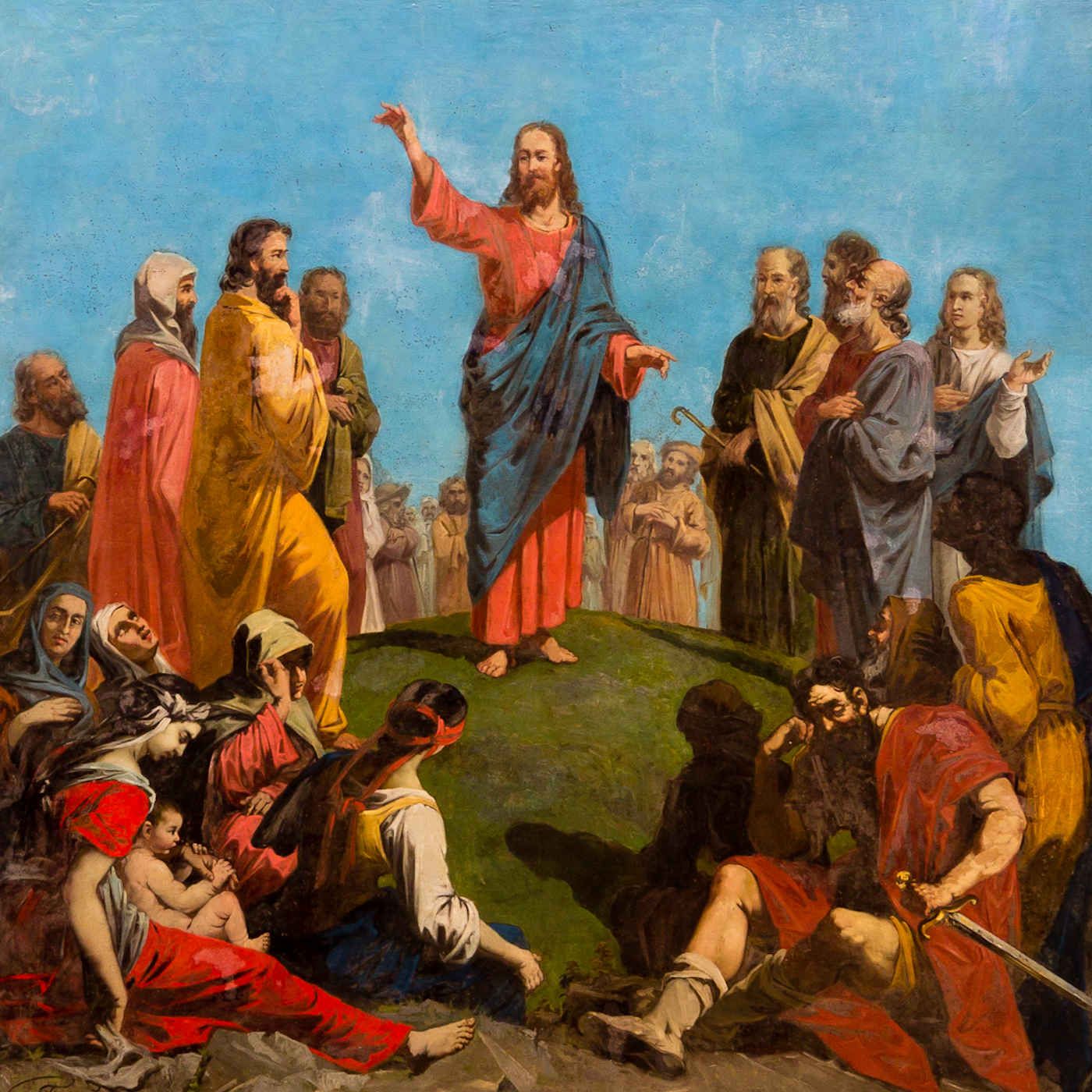
Jun 3, 2024
Tuesday of the Ninth Week of Ordinary Time - Combating the Deceptions of the World
“Is it lawful to pay the census tax to Caesar or not? Should we pay or should we not pay?” Knowing their hypocrisy he said to them, “Why are you testing me? Bring me a denarius to look at.” Mark 12:14–15 These Pharisees and Herodians were sent to trap Jesus in His speech. These men were very politically minded and loved to pick sides and find fault with others. They were self-righteous and cared little about the salvation of souls. So they came to Jesus with what appeared to be an innocent question. They appear to presume that Jesus would voice opposition to paying the census tax to Caesar, and, if He did, they were ready to report Him to the civil authorities. They didn’t care about the truth; they only cared about trapping our divine Lord. When they brought the Roman coin to Jesus with the image of Caesar on it, Jesus spoke that profoundly wise line, “Repay to Caesar what belongs to Caesar and to God what belongs to God.” Clearly, if these hypocritical religious leaders would have come to Jesus with humility and sincerity, Jesus would have responded to them much differently. But because they came only to trap, twist and destroy our Lord, Jesus puts them in their place with an act of divine wisdom. He doesn’t show support for paying the census tax, nor does He speak against it. Therefore, this Gospel passage ends with the line: “They were utterly amazed at him.” “Amazement” is the right response. Therefore, in a sense, we can learn from these hypocritical religious leaders. Whenever we come face-to-face with the profound wisdom of God, we should experience awe and holy amazement. Of course, the amazement they experienced was on account of Jesus thwarting their evil trap. But even though that is the case, we can learn from this that the wisdom of God can never be outdone. God’s wisdom silences the foolishness of the age and reveals the hidden malice behind that evil. Have you ever been confronted by the trickery of the secular “know-it-alls” of our age. Have you ever been challenged by another, had your faith directly attacked, or your moral convictions called into question? Most likely, if you have chosen to live your faith openly and with confidence, you may have felt the attack of another. For those who lack a deep faith and a clear gift of divine wisdom, such trickery can cause confusion and anxiety. You may find you do not know how to respond and feel trapped by the erroneous “wisdom” of the age. In that case, what do you do? The only answer to the false doctrines and deceptions we will all encounter within the growingly secular and atheist world is the answer that comes from divine wisdom. By ourselves, none of us is wise enough to combat these errors. Therefore, our only recourse is to continually turn to the wisdom of God. We turn to the wisdom of God through prayer and sacred study. Our prayer opens our minds to the clear voice of God Who speaks pure truth. And sacred study, especially of the Scripture, the teachings of the Church and the lives of the saints, will help to clarify God’s voice and dispel the confusion the world tries to throw at us. In the end, if we are not immersing our minds in the true wisdom of God, we will be unprepared for that which we encounter within the world. Reflect, today, upon your need to be filled with divine wisdom so as to navigate the trickery and foolishness of the world. Acknowledge that you are not wise enough on your own to cut through the confusion of life. Pray for the gift of wisdom and allow our Lord to bestow it upon you. Lord of all Truth, You are wise beyond all worldly wisdom, and You thwart the trickery of the evil one. Open my mind, dear Lord, to Your holy Truth so that I may be able to navigate through the challenges of life. Bestow Your wisdom upon me, dear Lord, so that I may follow You wherever You lead. Jesus, I trust in You. Source of content: catholic-daily-reflections.com Copyright © 2024 My Catholic Life! Inc. All rights reserved. Used with permission via RSS feed. Featured image above: The Tribute Money By Leopold Layer, via Wikimedia Commons
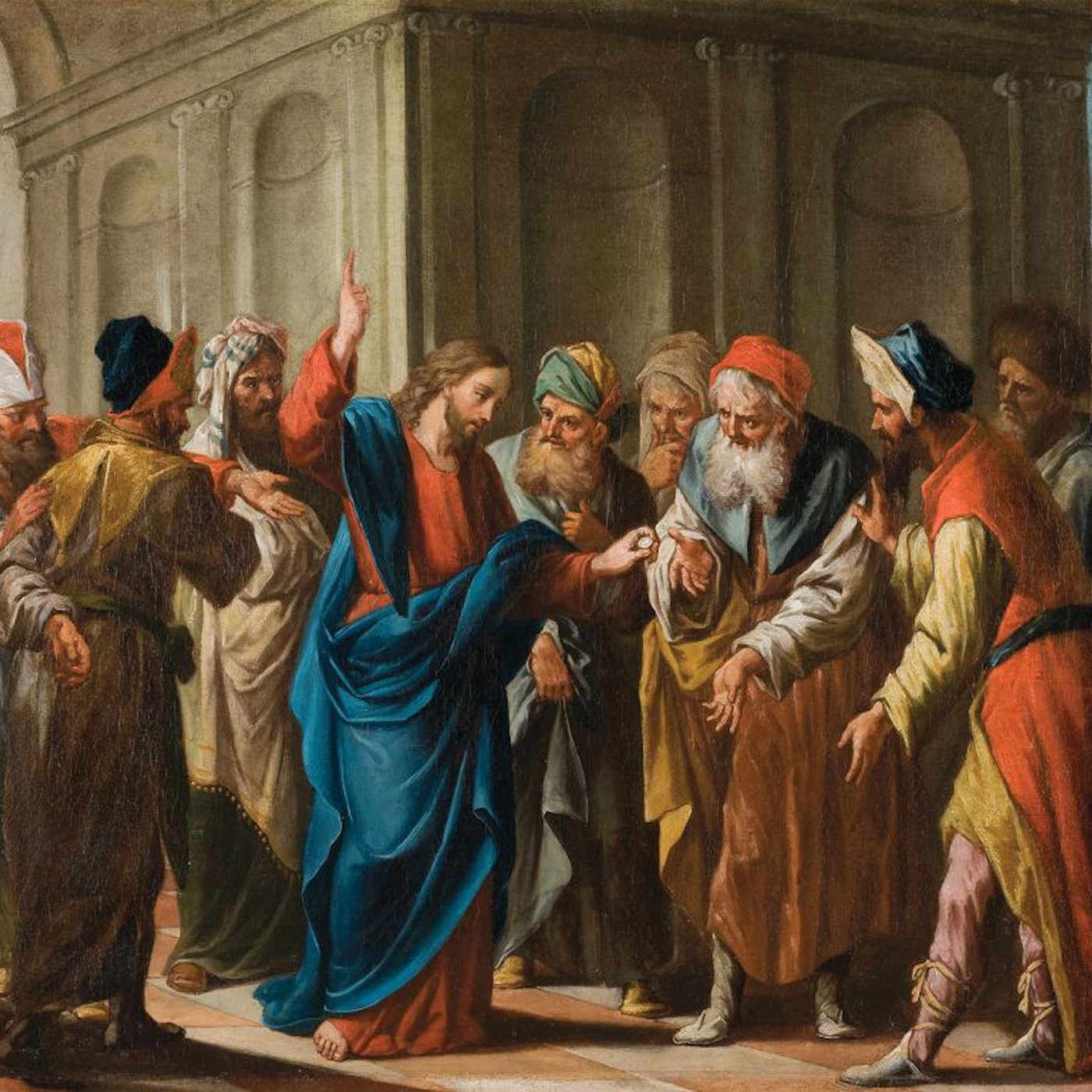
Jun 2, 2024
Monday of the Ninth Week in Ordinary Time - Exercising Authority
Jesus began to speak to the chief priests, the scribes, and the elders in parables. “A man planted a vineyard, put a hedge around it, dug a wine press, and built a tower. Then he leased it to tenant farmers and left on a journey. At the proper time he sent a servant to the tenants to obtain from them some of the produce of the vineyard. But they seized him, beat him, and sent him away empty-handed.” Mark 12:1–3 This was the first of “many” servants the owner of the vineyard sent to the tenants to obtain some of the produce of the vineyard. Some of the servants were mistreated, some beaten and others were killed. In the end, the owner sent his son. The tenants killed him, thinking that they would inherit the vineyard if the son were dead. The context of this parable is important. Jesus had just entered Jerusalem for the beginning of the first Holy Week, which would ultimately end with His death and resurrection. The day before, Jesus had cleansed the Temple of the money changers. The chief priests, scribes and elders were outraged and began to plot His death. Jesus especially addressed this parable to them. To understand this parable, you need to understand who represents whom. The religious leaders of Israel were the tenants, the vineyard was the Jewish nation, God the Father was the man who planted the vineyard, the many servants sent to gather the produce were the prophets of old, and Jesus was the Beloved Son Who was killed. The parable concludes by saying that the owner of the vineyard (God the Father) will put the tenants to death and give the vineyard to others. In other words, the scribes, Pharisees, chief priests and elders would soon have their religious authority taken away from them, and it would be given to the Apostles and their successors. This parable, therefore, presents us with a summary of the way the Church was formed. It’s helpful to note that the religious leaders of the time knew that Jesus addressed this parable to them, but they failed to heed the lesson. Ideally, if they were open to the gift of faith, they would have realized that they were attempting to steal the “vineyard” from God. They were attempting to control and manipulate the Kingdom of Israel, to make it into their own image, and to disregard the will of God Who established it. This parable is especially important for anyone who exercises some form of holy authority. Parents exercise authority within the home. Bishops and priests exercise authority within the Church. And we all exercise a certain spiritual authority when we seek to fulfill our unique mission in life. The lesson from this parable is simple: don’t abuse your authority. Don’t exercise authority according to your own will; exercise it with humility only in accord with God’s will. Every leader, always and everywhere, must lead according to the mind and will of God. If they fail, they will suffer the consequences. Reflect, today, upon any way that God has entrusted you with a spiritual duty to fulfill His mission in this world. When a duty of leadership is entrusted to a person, the leader is also entrusted with the spiritual authority to fulfill that duty in accord with the mind and will of God. This requires constant humility so that it is only God’s will that is fulfilled. Seek to exercise all authority in accord with the mind and will of God, and the vineyard entrusted to your care will bear an abundance of good fruit. Loving Father, You have chosen to send me, as a tenant of Your Kingdom, to bear good fruit for eternal life. Please help me to always exercise the authority and duty entrusted to me with humility so that I will seek to fulfill Your will and Your will alone. Jesus, I trust in You. Source of content: catholic-daily-reflections.com Copyright © 2024 My Catholic Life! Inc. All rights reserved. Used with permission via RSS feed. Featured image above: The Parable of the Vineyard (one of a set of twelve scenes from The Life of Christ) Creator:Jan Rombouts, via Wikimedia Commons
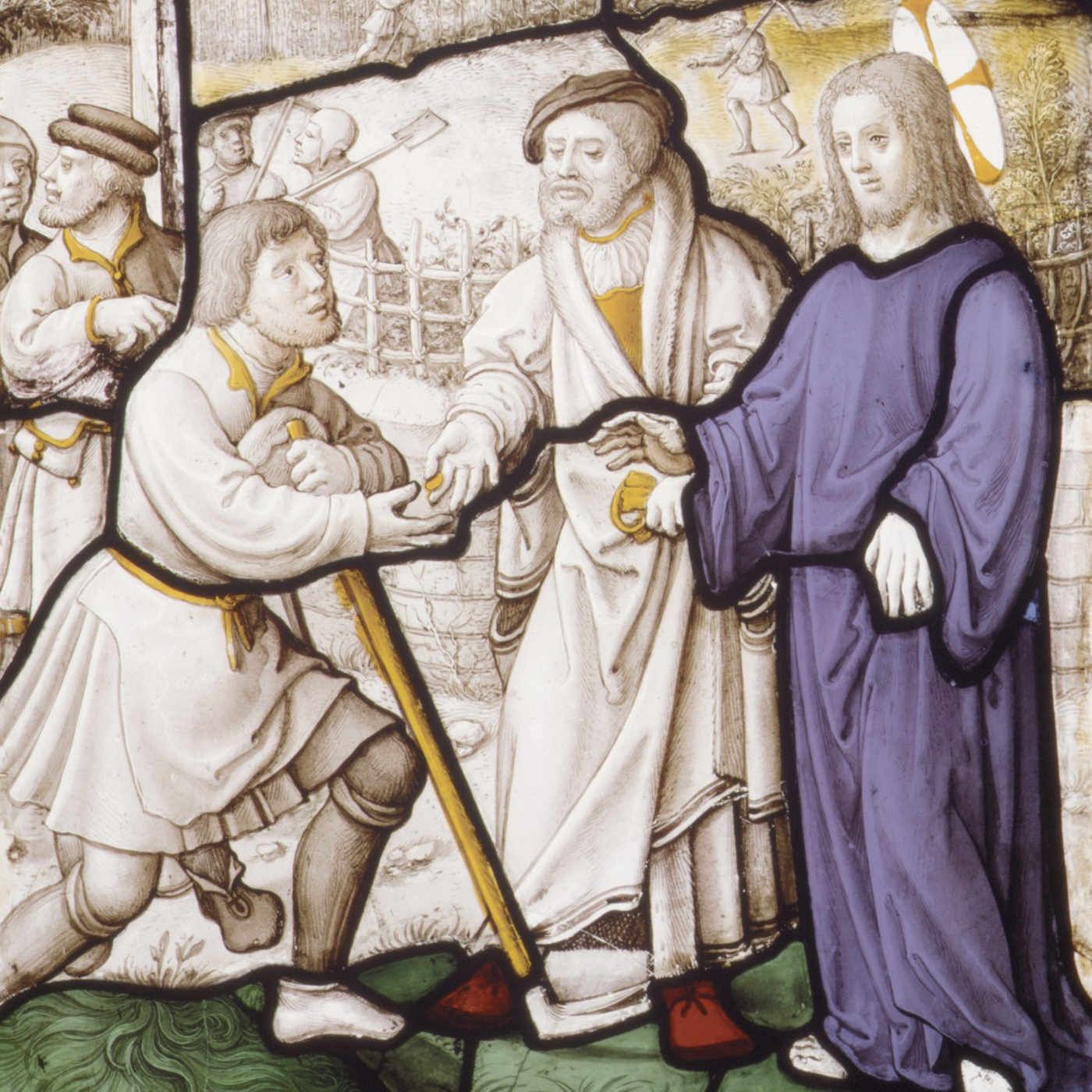
Jun 1, 2024
Solemnity of the Most Holy Body and Blood of Christ - Wonder and Awe Before the Eucharist
While they were eating, he took bread, said the blessing, broke it, gave it to them, and said, “Take it; this is my body.” Then he took a cup, gave thanks, and gave it to them, and they all drank from it. He said to them, "This is my blood of the covenant, which will be shed for many.” Mark 14:22–24 (Year B Gospel) At the holy Mass, as soon as the priest pronounces the words of the consecration, transforming the bread and wine into the Body and Blood, Soul and Divinity of Jesus Christ our Lord, he genuflects, rises, and then says, “The mystery of faith.” What is “the mystery of faith?” Oftentimes, when we say that something is a mystery, we mean that the conclusion is hidden but that there are certain clues to help solve the mystery. And once the mystery is solved, everything is clear and it is no longer a mystery. “The mystery of faith” is much different. Those words are spoken at Mass immediately after the consecration as a way of drawing the faithful into a holy awe and amazement of what just took place. But this mystery can only produce wonder and awe if the reality of what just took place is understood through the gift of faith. Faith is knowing and believing without perceiving the reality before us with our five senses or through logical deduction. In other words, faith produces true knowledge of a spiritual reality that can only be known, understood and believed through spiritual insight. Therefore, if we attend the Mass and have been gifted with the knowledge of faith, then as soon as the consecration of the bread and wine takes place, we will cry out interiorly, “My Lord and my God!” We will know that God the Son is present before us in a veiled way. Our eyes do not perceive, nor do any of our senses reveal to us the great reality before us. We cannot rationally deduce what just took place. Instead, we come to know and believe that the Son of God, the Savior of the World, is now present before us in His fullness, under the veil of mere bread and wine. In addition to the divine presence of our Lord and our God, the entire Mystery of our Redemption is made present. Saint Pope John Paul II tells us that in this moment there is a “oneness in time” that links the Paschal Mystery , that is, the Life, Death and Resurrection of Jesus, to every moment that the Eucharist is celebrated and made present through the words of consecration. And that unity between each Mass and the Paschal Mystery “leads us to profound amazement and gratitude” ( Ecclesia de Eucharistia , #5). Do you sense and experience this profound amazement and gratitude each time you attend the Holy Sacrifice of the Mass? Do you realize as you attend the Mass and as the words of consecration are spoken that the entire Mystery of your redemption is made present before you, hidden from your eyes but visible to your soul by faith? Do you understand that it is God the Second Person of the Most Holy Trinity Who descends to us to dwell with us in that moment of time in this glorious Sacrament? Reflect, today, upon the hidden but real Mystery of Faith. Allow yourself to be drawn into a wonder and awe at what you are privileged to attend. Let your faith in the Most Holy Eucharist grow by being open to a deepening of this gift of faith through spiritual insight and belief. Behold this great Gift of the Eucharist with the eyes of faith and you will be drawn into the wonder and awe that God wants to bestow upon you. My ever-glorious Eucharistic Lord, I do believe that You are here, made present in our world under the form of bread and wine, every time the Holy Mass is celebrated. Fill me with a deeper faith in this Holy Gift, dear Lord, so that I may be drawn into wonder and awe every time I witness this holy Consecration. Jesus, I trust in You. Source of content: catholic-daily-reflections.com Copyright © 2024 My Catholic Life! Inc. All rights reserved. Used with permission via RSS feed. Featured image above: The Last Supper By Philippe de Champaigne, via Wikimedia Commons
May 31, 2024
Saturday of the Eighth Week in Ordinary Time - The Danger of Obstinacy
“I shall ask you one question. Answer me, and I will tell you by what authority I do these things. Was John’s baptism of heavenly or of human origin? Answer me.” Mark 11:29–30 This is Jesus’ response to the chief priests, the scribes, and the elders when they approached Jesus in the Temple area and asked Him by what authority He did the things He did. And what was it that Jesus did? The day before, Jesus had been in the Temple and drove the money changers out, telling them, “Is it not written: ‘My house shall be called a house of prayer for all peoples’? But you have made it a den of thieves.” This outraged the religious leaders, and they immediately began to discuss how they could put Jesus to death. Consider, first, the tension in the air. They literally were plotting to put Jesus, the Son of God, to death. They were filled with hatred and jealousy and refused to believe in Him. Jesus saw their hardness of heart and put them on the spot to first answer His question before He would answer theirs. Why would Jesus do this? The question Jesus asked them was actually an act of great mercy on His part. He gave them an opportunity to repent. If they had only answered His question with humble faith and honesty, they could have saved their lives. Instead, they discussed among themselves His question and gave the politically correct answer. If they had said John’s baptism was of human origin, and not from God, they were afraid that the people would turn on them. So they simply said, “We do not know.” But imagine if they would have given the right answer. What if they had discussed it among themselves and concluded that John’s baptism truly was from God and that they should have believed in him? If they would have only humbled themselves, admitted that they had gravely erred in regard to John, then Jesus would have answered their question, and their life of true faith could have begun. But they didn’t. They remained obstinate. They could not admit they were wrong. Obstinacy is among the most dangerous of sins. It’s a sin that cannot be forgiven, because, in essence, it’s a refusal to change. And when a person refuses to admit their sin, and refuses to change, then God cannot help them. They remain lost in their sin and suffer the consequences. Do you struggle with obstinacy in your life? Do you find it difficult to admit when you are wrong? Do you find it difficult to apologize to another and seek to change? Reflect, today, upon anything you remain obstinate about. Are there matters of faith that you refuse to believe? Are there broken relationships that you refuse to humbly restore? Do you justify your sin and refuse to admit your guilt and need to change? Pray to our Lord for the gift of a humble heart. Humility, in many ways, is nothing other than being completely honest with yourself and others before God. Do not follow the example of these religious leaders. Humbly seek to remove all obstinacy from your heart so that Our Lord can enter in and bring His mercy into your life. My unwavering Jesus, You confront those who are proud, arrogant and obstinate with much strength and love. You do so to help them overcome their stubbornness of heart. Give me the grace of humility, dear Lord, so that I will always be able to admit my sin and turn to You in love. Jesus, I trust in You. Source of content: catholic-daily-reflections.com Copyright © 2024 My Catholic Life! Inc. All rights reserved. Used with permission via RSS feed. Featured image above: The Chief Priests Ask Jesus by What Right Does He Act in This Way ByJames Tissot, via Wikimedia Commons
May 30, 2024
May 31, Feast of the Visitation of the Blessed Virgin Mary - Joy at the Presence of the Lord
Mary set out and traveled to the hill country in haste to a town of Judah, where she entered the house of Zechariah and greeted Elizabeth. When Elizabeth heard Mary’s greeting, the infant leaped in her womb, and Elizabeth, filled with the Holy Spirit, cried out in a loud voice and said, “Most blessed are you among women, and blessed is the fruit of your womb.” Luke 1:39–42 The beautiful feast we celebrate today depicts two miraculous pregnancies. One came about by the overshadowing of the Holy Spirit. The other was the miraculous conception in the womb of a woman who was advanced in years. The Scripture passage quoted above presents us with the initial encounter of Mary and Elizabeth as they greeted each other upon Mary’s arrival. Mary had traveled a long distance to be with her cousin for the last few months of Elizabeth’s pregnancy. And upon greeting Elizabeth, another miraculous event occurred. The baby in the womb of Elizabeth, Saint John the Baptist, “leaped for joy.” Thus, even prior to his birth, John began to fulfill his unique mission of preparing the way for the Lord. He did so at that moment by inspiring his own mother, Elizabeth, with a knowledge of the divine presence of the Savior within the womb of Mary. Consider, especially, the conversations that these two holy women would have shared during their months together. Though we are given only a small insight into their initial conversation from the Scriptures, we can be certain that this was but a small sampling of what they would have discussed in much prayerful detail. In particular, their conversations would have contained a mutual sharing of the spiritual gift of joy. Joy is much more than an emotion. It is spiritual in nature. It is not only an experience of something fun, it’s the experience of realizing the action of God in your life. Seeing God at work in wonderful ways leads to gratitude and rejoicing. This joy produces a strength and energy that is contagious and uplifting. We must all strive to see the hand of God at work in our own lives so that our focus upon His divine actions will produce joy also. We need joy. We need to be strengthened by this gift so that we will be encouraged and strengthened as we daily strive to fulfill His will. Reflect, today, upon the witness of joy that these two holy women give us. Know that you are called to share in the same joy as you humbly turn your attention to the ways in which God has blessed you. If you find that you lack joy in life, then consider where you allow your mind to wander throughout the day. Do you dwell on the past, on hurts, on problems and the like? If so, these thoughts will undoubtedly lead to depression and possibly even despair. Try to turn your mind to the action of God in your life. See the many blessings you have been given and savor those divine actions. Doing so will lead you to rejoice with Saint Elizabeth and our Blessed Mother. My holy infant Jesus, as You dwelt in the sacred womb of Your own dear mother, Your presence caused much rejoicing in her heart and in the hearts of Elizabeth and John. Help me to see Your presence in our world and in my life, so that I, too, will be filled with the joy of You constantly coming to me. Jesus, I trust in You. Source of content: catholic-daily-reflections.com Copyright © 2024 My Catholic Life! Inc. All rights reserved. Used with permission via RSS feed. Featured image above: Stained glass windows of the Visitation in Trofa Church, Portugal, via Wikimedia Commons
May 29, 2024
Thursday of the Eighth Week in Ordinary Time - Crying Out to Jesus
As Jesus was leaving Jericho with his disciples and a sizable crowd, Bartimaeus, a blind man, the son of Timaeus, sat by the roadside begging. On hearing that it was Jesus of Nazareth, he began to cry out and say, “Jesus, son of David, have pity on me.” Mark 10:46–47 How do you pray? Do you ever “cry out” to Jesus with deep conviction and intensity? This blind man, Bartimaeus, sets for us a wonderful example of how we should pray to our Lord. First of all, the blind man was in a state of need. His blindness symbolizes every weakness and need you have in life. So what is it that you struggle with the most in life? What is your greatest habitual sin? Or what causes you the most grief? Seeing our weakness is the first step. Once we are aware of our greatest needs, we must also “cry out” to our Lord just as Bartimaeus did. Upon hearing that it was Jesus, Bartimaeus somehow sensed within his soul that Jesus wanted to cure him. How did he sense this? He listened to the voice of God within. Yes, he heard the commotion of many speaking about Jesus as He walked by. But this alone could not have compelled him to cry out and to know that Jesus was the source of the mercy he needed. That which compelled him was the clear voice of God, a prompting from the Holy Spirit, within his soul, revealing to him that he needed Jesus and that Jesus wanted to cure him. At first, those around him rebuked Bartimaeus and told him to be quiet. And if Bartimaeus would have been weak in faith, he may have listened to the crowd and, in despair, remained silent. But it is quite clear that he not only ignored the rebukes of others, he “kept calling out all the more.” Bartimaeus gives us here a double witness of how we must turn to our Lord. First, we must sense His gentle but clear presence within our soul. We must recognize His voice and His promptings of grace. He wants to heal us, and His presence in our lives must be sensed within. Secondly, we must become intensely fixed upon that voice within. The crowds who rebuked Bartimaeus are symbolic of the many “voices” and temptations we experience in life that try to keep us from faithfully and fervently crying out to the God who speaks to us. Nothing should deter us from our wholehearted determination to call to Jesus with our need. Reflect, today, upon Bartimaeus being an image of yourself. See yourself in desperate need of our Lord and listen for His clear voice. Do you hear Him? Do you sense Him walking by? As you do, cry out to Him with fervor, intensity, and conviction. And if you find that there are temptations that try to silence your prayer and faith, increase your intensity and cry out “all the more” to our Lord. He will hear you, call you to Himself and give you that grace which He desires to bestow. My merciful Jesus, You are constantly passing by, drawing me to Yourself by Your divine presence. Give me the grace I need in order to see my need and to call out to You with all my heart. May I never be deterred from this fervent prayer, dear Lord, and when temptation sets in, may I call out all the more. Jesus, I trust in You. Source of content: catholic-daily-reflections.com Copyright © 2024 My Catholic Life! Inc. All rights reserved. Used with permission via RSS feed. Featured image above: The Healing of the Blind Bartimaeus By Fernando Gallego, via Wikimedia Commons
May 28, 2024
Wednesday of the Eighth Week in Ordinary Time - Greatness in Holy Servitude
Then James and John, the sons of Zebedee, came to Jesus and said to him, ‘Teacher, we want you to do for us whatever we ask of you.” He replied, ‘What do you wish me to do for you?” They answered him, “Grant that in your glory we may sit one at your right and the other at your left.” Mark 10:35–37 James and John were feeling quite bold. Their boldness may have come, in part, from the fact that they had become very familiar with the goodness of Jesus. He was unlike any other, and His genuineness was very evident to them. Therefore, they allowed themselves to slip into the trap of taking Jesus’ goodness for granted by seeking a selfish favor from our Lord. Jesus’ response is gentle and thoughtful, and, in the end, James and John are somewhat humbled by their attempt to obtain this selfish favor when the other disciples become “indignant” at their request. Jesus summarizes His response to these disciples this way: “...whoever wishes to be great among you will be your servant; whoever wishes to be first among you will be the slave of all.” Jesus, of course, was especially speaking about Himself. He was the greatest and the first among them. And for that reason, Jesus humbled Himself as their servant and the “slave of all.” Normally, the idea of being a slave has very negative connotations. Slavery is an abuse of the dignity of another. It’s a way of discarding the dignity of the person. But, nonetheless, Jesus says that the ideal way to be truly great is to become a slave of all. When literal slavery is imposed upon another, this is a grave abuse. But there is another form of holy slavery of which Jesus is speaking. For Jesus, a holy slavery is one in which we give ourselves to another in a sacrificial way out of love. And this is what Jesus did to perfection. His death on the Cross was a true physical death. It was a sacrifice of His earthly life, but it was done freely and for the purpose of setting others free. In referring to Himself, Jesus explains His holy “slavery” when He says, “For the Son of Man did not come to be served but to serve and to give his life as a ransom for many.” Jesus’ greatness is first found in the simple fact that He is God. But His greatness is made most manifest in His human nature when He gives His life “as a ransom for many.” It is the Cross that becomes the greatest act of loving service ever known. The fruit of His selfless sacrifice is the salvation of all who turn to Him. Thus, Jesus turns slavery and death into the greatest act of love ever known. Reflect, today, upon your own calling to live a life of holy slavery. How is God calling you to sacrificially give yourself to others out of love? From a purely human point of view, the idea of sacrifice, servitude and even holy slavery is hard to comprehend. But when we use Jesus as the model, it becomes much clearer. Look for ways in which you can give yourself to others selflessly and know that the more you can imitate our Lord in this holy endeavor, the greater your life will be. Lord of all holiness, Your greatness was made manifest in Your human nature by Your act of perfect servitude when You freely chose to die for the sins of those who turn to You for redemption. You humbled Yourself, taking on the form of a slave, so that all could be set free. Help me to always trust in Your great love and to continually open myself to the gift of redemption You offer. Jesus, I trust in You. Source of content: catholic-daily-reflections.com Copyright © 2024 My Catholic Life! Inc. All rights reserved. Used with permission via RSS feed. Featured image above: Jesus and his Disciples on the Sea of Galilee By Carl Oesterley, Wikimedia Commons
May 27, 2024
Tuesday of the Eighth Week in Ordinary Time - An Exchange of Gifts
Jesus said, “Amen, I say to you, there is no one who has given up house or brothers or sisters or mother or father or children or lands for my sake and for the sake of the Gospel who will not receive a hundred times more…” Mark 10:29–30 Jesus’ statement above is in response to Peter who said to Him, “We have given up everything and followed you.” It was as if Peter were patting himself on the back, attempting to highlight just how much he and the other disciples had sacrificed to follow Jesus. And it was true, they did give up everything of their former life. They left home, their occupation, their relationships and everything that had been part of their daily established life in response to the call of Jesus. They were truly all in. In hearing this statement from Peter, Jesus does not give the expected response. He doesn’t say to Peter, “Yes, you have, that’s very impressive Peter. Good job and thank you!” Instead, Jesus immediately explains to Peter that the sacrifice he and the others have made is worth it. Their unwavering commitment to follow Jesus would be repaid with gifts beyond their imagination. Thus, Jesus was saying that the gifts that He would bestow upon them would be exponentially greater than every sacrifice they made. This was not a belittling of Peter’s self-sacrifice; rather, it was a form of encouragement by Jesus. He was encouraging Peter, and the other disciples, to have full confidence in their decision to follow Him. Their sacrifice would yield a hundredfold return. That is truly a good investment. It can be tempting for us all, at times, to feel as though God asks too much of us. It’s true that God asks much of us. He asks everything from us. He asks for the complete and total gift of our lives to Him. He calls us to abandon all selfishness and to dedicate ourselves to His holy will without exception. But if we understand the reward of our self-giving, then the sacrifices we make will pale in comparison to the reward. Reflect, today, upon whether or not you can say those words with the Apostle, Saint Peter: “Lord, I have given up everything to follow You.” Have you truly given your life completely to Christ Jesus? Are there things that you still hold back, not wanting to “sacrifice” for our Lord? Ponder those words of Peter and allow yourself to see the areas of your life you still need to surrender over to Jesus. And as you do so, allow the reward promised by our Lord to motivate you to the point that you truly hold nothing back and truly have given up everything to follow His holy will. My generous Lord, You ask everything of me. You ask me to abandon everything in my pursuit of Your perfect will. Give me the grace I need to answer Your call and to live sacrificially for You without counting the cost. You are generous beyond description, dear Lord, and I trust that following You will produce an abundance of good fruit. Jesus, I trust in You. Source of content: catholic-daily-reflections.com Copyright © 2024 My Catholic Life! Inc. All rights reserved. Used with permission via RSS feed. Featured image above: Jesus entrusts his Flock to St Peter, via flickr
May 26, 2024
Monday of the Eighth Week in Ordinary Time - The Path to Perfection
As Jesus was setting out on a journey, a man ran up, knelt down before him, and asked him, “Good teacher, what must I do to inherit eternal life?” Jesus answered him, “Why do you call me good? No one is good but God alone. You know the commandments…” Mark 10:17–19 Jesus addresses different people in different ways. He chastised the proud and arrogant who came to trap Him. He was exceptionally gentle and kind to the repentant sinner who came in tears. He spoke in parables and figures of speech to those who were curious but had little faith. And to those who came with openness, sincerely seeking the truth, He spoke clearly, lovingly and directly. Today’s Gospel presents us with the familiar story of the Rich Young Man. Notice how this young man came to Jesus. First, he “ran up” to Jesus. This suggests he was very desirous to speak with our Lord. He also knelt down before Jesus, which points to his humility and reverence. Then he asked Jesus a direct and important question. He didn’t ask Jesus to heal someone. He wasn’t looking for a miracle or a personal favor. Instead, this young man asked the question we should all ask Jesus every day. “Good teacher, what must I do to inherit eternal life?” Is this a question that you ponder and ask our Lord? As the story unfolds, Jesus gives two answers. First, He gives the young man the fundamental answer to his question. Eternal life is obtained by keeping away from serious sin, out of love and obedience to the will of God. But after the young man inquires further, Jesus gives him a much deeper answer. This second answer was one based on a deep love for this young man because it presented the key to perfection. “You are lacking in one thing. Go, sell what you have, and give to the poor and you will have treasure in heaven; then come, follow me.” Many people go through life fulfilling the most fundamental precepts of holiness. They avoid serious sin so as to remain in a state of grace. And this is good. But Jesus wants so much more: He wants perfection. When we sincerely seek out perfection, Jesus will answer us as He answered the Rich Young Man. Perfection requires the deepest purification from all unhealthy attachments. Most people have many attachments that hinder perfection. Those attachments might not be mortal sins, but they are venial sins, or spiritual imperfections. Therefore, it’s important to know that if you want perfection, and if you humble yourself before our Lord and sincerely ask how to obtain it, He will lovingly invite you to detach from everything but God and His holy will for your life. What that means practically for you must be prayerfully discerned. Reflect, today, upon whether or not you could join this rich young man in his humble questions posed to Jesus. Do you want to know how to be perfect? If so, are you ready to respond to Jesus’ answer? Are you willing to abandon everything that is a hindrance to the will of God so that you can follow Him and fulfill His perfect will? Ponder this question and commit yourself to the full embrace of Jesus’ answer and you will become richer in what matters than you could ever imagine. My generous Lord, You call me to perfection. You call me to turn from everything that hinders my perfect love of You and my full embrace of Your will. Please help me to sincerely turn to You every day, seeking only Your full will in all things. As I do, please set me free from all that keeps me from the life of perfection to which I am called. Jesus, I trust in You. Source of content: catholic-daily-reflections.com Copyright © 2024 My Catholic Life! Inc. All rights reserved. Used with permission via RSS feed. Featured images above: Cathedral Church of Saint Patrick (Charlotte, North Carolina) - stained glass, Christ and the rich young man, via Wikimedia Commons
May 25, 2024
Solemnity of the Most Holy Trinity - The Essence of the Most Holy Trinity
“All power in heaven and on earth has been given to me. Go, therefore, and make disciples of all nations, baptizing them in the name of the Father, and of the Son, and of the Holy Spirit, teaching them to observe all that I have commanded you. And behold, I am with you always, until the end of the age.” Matthew 28:19–20 (Year B Gospel) Of all the great feasts we celebrate within the Church throughout the year, today’s Solemnity presents us with a Mystery that is so deep and transcendent that our eternity will be spent in perpetual contemplation. The Trinity, the life of the Father, Son and Holy Spirit, will never get old, never be fully understood, and will be the cause of our everlasting adoration and joy. Though the Church has used philosophical concepts to explain the Trinity, no human concept or description will ever fully explain Who God is. Though we can point to some general truths about God, we will never be able to fully depict the inner essence, depth, beauty and omnipotence of the Trinity. As we consider that fact, it’s important to understand that the Trinity is not first a theological mystery we try to define. Rather, the Trinity is first a communion of Persons we are invited to know. We do not primarily come to know God through intellectual deduction. We come to know God through prayerful union with Him. Though theology is exceptionally useful and important, the essence of God is beyond any and every philosophical concept we can define. The Father, Son and Holy Spirit are Persons. And as Persons, they want to be known. And they want to be known primarily through a life of deep and intimate prayer. Praying to One Person, of course, is praying to all, since they are One God. But we are, nonetheless, called to a relationship of love with the Father, the Son and the Holy Spirit. And though our feeble minds may not be able to fully comprehend the essence of God, He will draw us deeper and deeper into a knowledge of Him if we let Him. Prayer often begins by saying prayers, by meditating upon Scripture, and by listening. But true prayer is something much deeper. True prayer is contemplative prayer that ultimately leads to divine union. Only God can initiate this form of prayer in our lives, and only God, through this deep form of prayer, can communicate Himself to us as He is. Some of the greatest mystics of our Church, such as Saint John of the Cross and Saint Teresa of Ávila, explain in their mystical theology that the deepest knowledge of God does not come through concepts or images. In fact, if we wish to obtain a knowledge of God in His essence, we must allow Him to purge every concept of Who He is so that the pure light of His essence can be poured forth upon our minds. This knowledge, they say, is beyond knowing “about” God. It’s the beginning of a knowledge “of” God. Reflect, today, upon the Most Holy Trinity. As you do, say a prayer to God asking for a deeper and more intimate knowledge of Him. Ask Him to communicate to you His divine love and to open your mind and heart to a deeper understanding of Who He is. Try to humble yourself before the great Mystery of the inner life of God. Humility before the Mystery of God means that we know how little we know about Him and how little we know of Him. But that humble truth will help you move closer to the deeper relationship of love to which you are called. Most Holy Trinity, Father, Son and Holy Spirit, please draw me into a relationship of love with You Who are one God and three divine Persons. May the mystery and beauty of Your life become more known and loved by me each day through the gift of transforming mystical prayer. Jesus, I trust in You. Source of content: catholic-daily-reflections.com Copyright © 2024 My Catholic Life! Inc. All rights reserved. Used with permission via RSS feed. Featured images above: Holy Trinity By Hendrick van Balen, via Web Gallery of Art
May 24, 2024
Saturday of the Seventh Week in Ordinary Time - Dependence Upon God
People were bringing children to Jesus that he might touch them, but the disciples rebuked them. When Jesus saw this he became indignant and said to them, “Let the children come to me; do not prevent them, for the Kingdom of God belongs to such as these.” Mark 10:13–14 Simplicity, trust, purity of intent, transparency, and resiliency are all qualities that children often have by nature. They are not yet capable of evil intent. They are quick to forgive and reconcile when conflicts arise. And they have an unwavering confidence in the care of their parents. These are among the qualities that we need to imitate in our relationship with God. It seems that as we age and as our human reason develops, we can lose some of the important qualities we had as children. But when it comes to our relationships with our loving God, we must never lose the important childlike qualities that lead us to be completely trusting and dependent upon God’s providence and care. Children are also weak in the sense that they are not able to care for themselves. They rely completely upon the care of others, especially parents. For that reason, a child is an ideal image of how we must approach God. We must see our weakness and dependence. We must know, with deep conviction, that we are incapable of caring for ourselves. And though we may achieve a certain independence as we age, being able to provide for ourselves materially, we will never be able to provide for the interior spiritual needs we have. For our spiritual needs, we remain completely dependent upon the mercy of God. We must never forget that, at our core, we are spiritual beings who long for true spiritual satisfaction. Material or fleshly satisfactions that we can obtain by ourselves will never suffice to fulfill us at the deepest level of who we are. God and God alone is capable of this form of fulfillment. Think about your own approach to life. Do you seek to find fulfillment and satisfaction in life through your own efforts? Have you attempted to take complete control of your present and future happiness? Though it is essential that we act responsibly in life, it must be understood that the most responsible way we can act is by willfully turning over complete control of our lives to God’s providence and care. As a child depends upon a parent, so we must depend upon the grace of God. Reflect, today, upon a child. Ponder, especially, how a child is dependent upon others. As you do, see yourself similarly as one who must become completely dependent upon God for all that is important in life and for all that ultimately fulfills who you are. Trust in God’s providence and mercy, and allow that childlike trust to place you firmly in the arms of your Father in Heaven. Loving Father, I turn to You in complete trust as a small child turns to a loving parent. May I never become so self-sufficient that I fool myself into thinking I am capable of finding my own fulfillment in life. Instead, may I always see You as the one and only source of true fulfillment and always trust in You alone. Jesus, I trust in You. Source of content: catholic-daily-reflections.com Copyright © 2024 My Catholic Life! Inc. All rights reserved. Used with permission via RSS feed. Featured image above: Christ Blessing Little Children by Charles Lock Eastlake, via Wikimedia Commons
May 23, 2024
Friday of the Seventh Week in Ordinary Time - Resolving Conflict
Jesus came into the district of Judea and across the Jordan. Again crowds gathered around him and, as was his custom, he again taught them. The Pharisees approached him and asked, “Is it lawful for a husband to divorce his wife?” They were testing him. Mark 10:1–2 Notice the contrast above. The crowds gathered around Jesus to listen to Him. Clearly, they were coming to faith. But the Pharisees came to Jesus to test Him. They did not come in faith; they came with jealousy and envy and were already seeking to trap Him. The question they proposed was a trick question, not an honest attempt at communication with our Lord. They presumed that however Jesus answered the question, some people would be offended. The Pharisees were ready to stir things up, since so many were flocking to Jesus. Also, the Pharisees wanted to find fault with Jesus’ answer so as to show that He opposed the Law of Moses. But Jesus’ answer was perfect. Much could be said about the content of Jesus’ answer. He clearly supports the indissolubility of marriage. He states that “what God has joined together, no human being must separate.” He adds: “Whoever divorces his wife and marries another commits adultery against her; and if she divorces her husband and marries another, she commits adultery.” For those who have suffered through a divorce, it is important to prayerfully ponder this teaching from our Lord. It is also important to work with the Church Tribunal to examine the marriage in the light of truth so that a determination can be made about the validity or invalidity of the marriage bond. With that said, the approach that both the crowds and the Pharisees took toward Jesus also teaches us an important lesson about communication, not only with God but also with one another. This is a lesson that is especially important for married couples to learn. Think about your own approach to communication. When you struggle with conflict with another, how do you resolve it? How do you bring your questions and concerns to your spouse? The crowds came to Jesus to listen and understand. The reward was the gift of faith in that they received a deeper knowledge of Who Jesus was. The Pharisees, however, came to Jesus with the intent of finding fault with Him. And though it is obviously foolish to take this approach with our Lord, it is also foolish to do so with another, especially a spouse. Use the above approaches of the crowds and the Pharisees to think about how you come to others with your questions and concerns. When there is some conflict or misunderstanding, do you come with an open mind and heart, seeking to understand and resolve the question? Or do you come with a loaded question so as to trap and find fault with the other? So many conflicts in life with others, especially among spouses, could be resolved if the goal of any conversation was simply to understand the other person, not trap them or find fault with them. This is hard for many people to do and requires much humility and openness. Reflect, today, upon any relationship with which you are currently struggling. Reflect, especially, upon whether your approach to communication with that person is more like the crowds or more like the Pharisees. Commit yourself to the approach of seeking open and honest communication and you will find that this commitment brings true resolution, peace and unity. Lord of all truth, You desire that I always come to You with sincerity, honesty and humility, seeking resolution to every internal question and conflict I face. You call me to approach others with this same depth of communication. Give me the grace to always seek the unity and truth that result in peace of mind and heart. Jesus, I trust in You. Source of content: catholic-daily-reflections.com Copyright © 2024 My Catholic Life! Inc. All rights reserved. Used with permission via RSS feed. Featured images above: Christ among the Pharisees By Jacob Jordaens, via Wikimedia Commons
May 22, 2024
Thursday of the Seventh Week in Ordinary Time - Mercy for the Weak
“Whoever causes one of these little ones who believe in me to sin, it would be better for him if a great millstone were put around his neck and he were thrown into the sea.” Mark 9:42 St. Bede, an early Church Father, states that “he who is great, whatever he may suffer, departs not from the faith; but he who is little and weak in mind looks out for occasions of stumbling.” In other words, the “little ones” here could be understood to be those who are weak in faith and are constantly looking for reasons to depart from the faith. Consider who might struggle with this tendency in your own life. Perhaps there is a family member who continually questions the practice of the faith, perhaps someone you know considers himself or herself a “fallen away Catholic.” According to St. Bede, these are the “little ones” of whom Jesus is speaking. When dealing with someone who appears to lack faith, expresses doubts and disagreements, is caught in a life of manifest sin, or has begun to walk away from the practice of the faith, there can be a temptation to criticize, argue or condemn. If this is a temptation you struggle with, then listen closely to Jesus’ words: “Whoever causes one of these little ones who believe in me to sin…” We cause those who are weak in faith to sin when we fail to show an abundance of virtue toward them during their struggles. Deep down, most people who are struggling with a life of sin or a weakness of faith do, in fact, have some faith. They do believe in God. But their faith is often easily shaken, and they can be easily pushed further away from God if we fail to exercise the necessary virtues of patience, compassion and mercy they need. With that said, we also have to avoid offering a “compassion” that is not grounded in the truth. On this point, St. Gregory states: “If a stumbling block is laid before men in what concerns the truth, it is better to allow the offense to arise, than that the truth should be abandoned.” In other words, it is not compassionate or merciful to show support for another in their error so as to make them feel good. The truth of the Gospel must never be abandoned; instead, that truth must always be offered with the greatest of charity, especially toward those “little ones” who are weak in faith. Reflect, today, upon the important balance that is necessary in the apostolic life. “Balance” does not mean compromise. Rather, it means that we seek to continually bring forth the full truth of the Gospel while also seeking to exercise the fullness of every virtue in the process. Do not become a stumbling block to others in the faith. Seek, instead, to lavish God’s grace and mercy upon those in your life who need it the most. If you do, then many of those little ones will one day become truly strong in the grace and truth of our loving God. Most merciful Lord, You desire that all of Your children come to the full revelation of Your truth and mercy. Please use me as You choose to reach out to those who struggle with their faith and need to be treated with the utmost care. May I never be a stumbling block to them but always be a bridge to You and Your abundance of grace. Jesus, I trust in You. Source of content: catholic-daily-reflections.com Copyright © 2024 My Catholic Life! Inc. All rights reserved. Used with permission via RSS feed. Featured images above: Jesus and the Little Child by James Tissot, via Wikimedia Commons
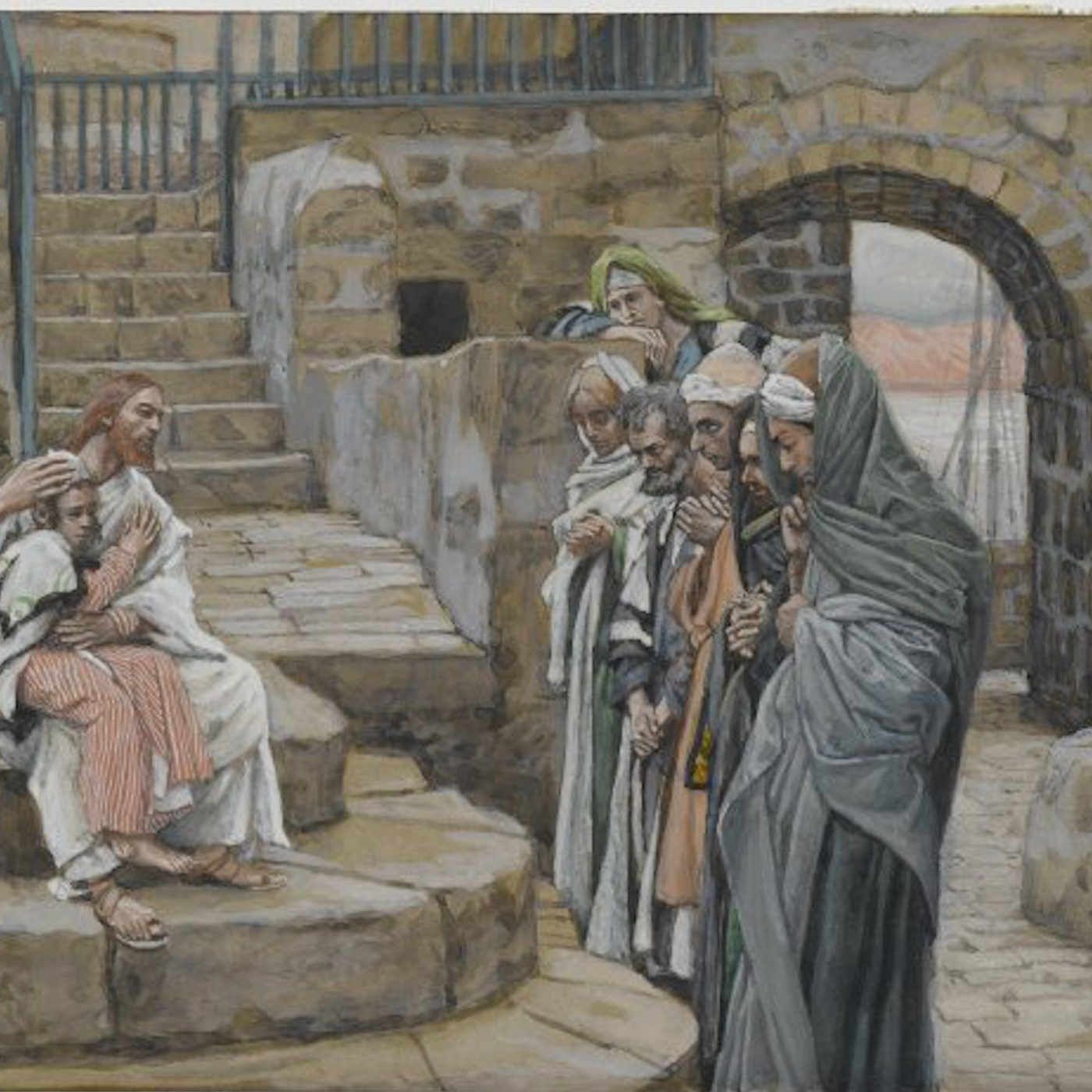
May 21, 2024
Wednesday of the Seventh Week in Ordinary Time - Mutual Support
John said to Jesus, “Teacher, we saw someone driving out demons in your name, and we tried to prevent him because he does not follow us.” Jesus replied, “Do not prevent him…” Mark 9:38–39 Why would John and the other disciples try to stop someone from driving out demons? To understand this, imagine the scene. John and the other disciples had come to believe that Jesus was the Christ, the Messiah of God. They witnessed Him perform many miracles and change many lives. As a result, they no doubt wanted everyone to discover Who Jesus was and come to faith in Him. But then they encountered someone they did not know, who was driving out demons in Jesus’ name, and they tried to stop him. Just prior to this passage, we read the story of a man who had brought his possessed son to Jesus’ disciples and asked them to cure the boy, but they were unable to do so. Perhaps the disciples were a bit humbled by their inability to cast out the demon, and then they witnessed another person, not of their company, who was able to cast out demons in Jesus’ name. This might have added to their feelings of weakness and humiliation, and perhaps that is part of their motivation for trying to stop the man from exercising authority in Jesus’ name. One common temptation that the evil one issues upon the members of the Church is that of internal division. As followers of Christ, we are all entrusted with the same mission, in different ways. We are called to become instruments of God’s grace for the salvation of souls and the glory of God. But sometimes we fail to act in unison and, instead, see our co-workers as our opponents. Within our Church today, there are plenty of internal divisions that must cease. Perhaps the best way to accomplish this is to make it a priority to focus upon mutual support. Instead of allowing pride to create jealousy toward those who perform “mighty deeds” by the grace of God, we must work to rejoice in every good that we see. This seems like an obvious statement, but pride and feelings of inadequacy are real temptations that lead us to look down upon those who accomplish the will of God in powerful ways. When we see someone doing something good, we often immediately think about ourselves, wishing we were the ones doing the good work. And when God uses another in a powerful way, we can easily be tempted to see our own inadequacies and failings, rather than glorifying God for the good deeds done by another. Reflect, today, upon the simple truth that every Christian is on the same spiritual team. We are all called to work toward the goals of the glory of God and the salvation of souls. Try to humbly think about those in your life who do this well and consider your attitude toward them. If you see any form of jealousy, envy or criticism, commit to dispel those attitudes. Instead, seek to have gratitude as you rejoice in the many ways that God uses others for His purpose. Lord of power and might, You accomplish countless good through the generosity and fidelity of Your people. You constantly use all who follow You to bring forth Your will. Please use me, dear Lord, as an instrument of Your will, and help me to always rejoice in the ways that You bring Your grace forth through others. Jesus, I trust in You. Source of content: catholic-daily-reflections.com Copyright © 2024 My Catholic Life! Inc. All rights reserved. Used with permission via RSS feed. Featured image above: Jesus teaching his disciples by Ilyas Basim Khuri Bazzi Rahib, via Wikimedia Commons
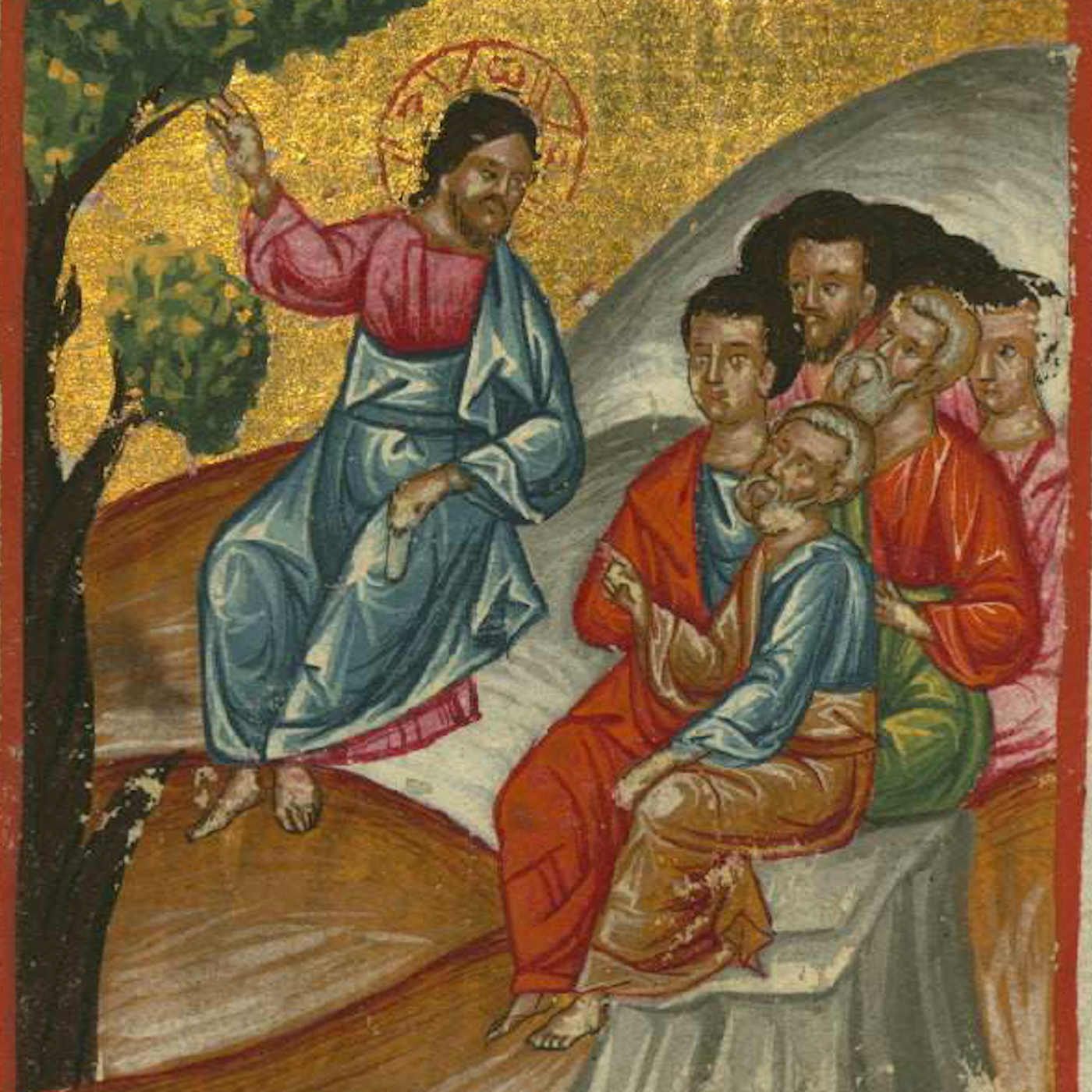
May 20, 2024
Tuesday of the Seventh Week in Ordinary Time - Alone with Jesus
Jesus and his disciples left from there and began a journey through Galilee, but he did not wish anyone to know about it. He was teaching his disciples and telling them, “The Son of Man is to be handed over to men and they will kill him, and three days after his death the Son of Man will rise.” Mark 9:30–31 Why would Jesus wish that no one know that He and His disciples were traveling through Galilee at that time? It appears the reason was that Jesus was intently focused upon teaching His disciples about His coming passion, death and resurrection. Today’s Gospel presents us with three moments in which Jesus taught His disciples privately, directly and clearly: first, while they were journeying; second, when they arrived in Capernaum and entered a house; and third, when Jesus called a child over. Though the content of what Jesus taught His disciples is significant, it is also helpful to first reflect upon the simple fact that Jesus spent time alone with the disciples teaching them. In many ways, our Lord does the same with us. Jesus is constantly calling us to various forms of solitude with Him so that we can listen to all that He wants to teach us. This is difficult for many today. So many people are constantly bombarded with the various noises of the world, are constantly distracted by momentary and passing experiences, and find it difficult to go off with our Lord alone so that He can teach them the most important lessons of life. As you consider your weekly activities, how much time do you devote to being alone with our Lord? How much time do you spend in prayer, in the reading of Scripture and in silent meditation away from other distractions? For many, this is a challenge. It is also useful to consider the content of what Jesus taught His disciples in private. He spoke to them about His coming passion, death and resurrection. This was the central purpose of His life and was clearly something that Jesus wanted to communicate to His disciples. Notice also that Jesus spoke very directly and without any figure of speech as He explained this. Contrast that with the many parables He told to the crowds. It appears that when Jesus was able to be alone with those who had dedicated their lives to following Him in faith, Jesus was able to speak His saving message more clearly and directly. Reflect, today, upon the fact that our Lord wants to draw you into silence and solitude from time to time. He wants to spend time with you alone. This is especially the case for those who have chosen to fully devote their lives to Him and His mission. If that is you, then seek out these moments of solitude in which our Lord can speak more clearly and directly to you so that your faith will deepen and your understanding and knowledge will grow by leaps and bounds. Lord, You have so much to say, so much to teach and so much to reveal. As I choose to follow You and devote my entire life to You, I pray that You will continuously draw me into greater silence and solitude so that I can receive from You the deep, clear and direct messages that I need to hear, understand and believe. Jesus, I trust in You. Source of content: catholic-daily-reflections.com Copyright © 2024 My Catholic Life! Inc. All rights reserved. Used with permission via RSS feed. Featured image above: via flickr
May 19, 2024
Memorial of the Blessed Virgin Mary, Mother of the Church - Your Heavenly Mother
Standing by the cross of Jesus were his mother and his mother’s sister, Mary the wife of Clopas, and Mary of Magdala. When Jesus saw his mother and the disciple there whom he loved, he said to his mother, "Woman, behold, your son." Then he said to the disciple, "Behold, your mother." And from that hour the disciple took her into his home. John 19:25–27 The memorial we celebrate today, which was added to the Roman Liturgical Calendar in 2018 by Pope Francis, highlights the truth that the Blessed Virgin Mary is not only the Mother of the Person of Christ, and, therefore, the Mother of God, she is also the Mother of the Church, that is, the Mother of all the faithful. The Blessed Virgin Mary is your mother. And as your mother, she is truly tender, compassionate, caring and merciful, bestowing upon you everything that a perfect mother desires to bestow. She is the fiercest of mothers who will stop at nothing to protect her children. She is a mother wholly devoted to you, her dear child. The Gospel passage chosen for this memorial depicts our Blessed Mother standing at the foot of the Cross. She would have been no other place than directly beneath her Son as He endured His last agony. She did not flee in fear. She was not overwhelmed by grief. She did not sulk in self-pity. No, she stood by her Son with the perfect love and strength of a devoted, caring, compassionate and faithful mother. As she stood by her Son in His hour of suffering and death, Jesus turned to her and entrusted the Apostle John to her maternal care. From the early Church Fathers until the most recent teachings of the Church today, this act of entrusting John to Mary and Mary to John by Jesus has been understood as an entrustment of all the faithful to the maternal care of Mother Mary. Mother Mary is, therefore, not only the Mother of the Redeemer, Christ Himself, she also becomes the Mother of all the redeemed, the mother of us all, the Mother of the Church. Consider the spiritual mother you have in Heaven. A mother is one who gives life. Your mother in Heaven is entrusted with the task of bestowing upon you the new life of grace won by the Cross. And as your mother, she will not withhold anything from you that is to your benefit. A mother is also one who is tender with her children. The Immaculate Heart of our mother in Heaven is one that is filled with the greatest tenderness toward you. Though her caresses are not physical, they are much deeper. She caresses with the tenderness of grace which she imparts to you as you pray and turn to her in your need. She gives you the grace of her Son, poured out upon the Cross as the blood and water sprung forth as a font of mercy. Mother Mary pours that mercy upon you as a tender and devoted mother would. She holds nothing back. If you are unaware of the love in the heart of our Blessed Mother for you, use this memorial as an opportunity to deepen your understanding of her role in your life. Many children take their mothers for granted, not fully understanding the depth of their love. So it is with our Mother in Heaven. We will never fully comprehend her love and her constant motherly workings in our life until we join her in Heaven face to face. Reflect, today, upon Mother Mary standing by you in every moment of your life. See her there in your joys and in your sorrows, during your moments of temptation and struggles, in your moments of confusion and clarity. See her there by your side, bestowing every good spiritual gift upon you when you need it the most. She is a true mother, and she is worthy of your love and gratitude. My dearest Mother, you stood by your Son with unwavering fidelity and love. You cared for Him, nurtured Him and never left His side. I also am your dear child. I thank you for your loving fidelity toward me and open my heart to the grace of your Son that you bestow upon me throughout life. Help me to be more attentive to your motherly care and to daily grow in gratitude for your presence in my life. Mother Mary, pray for us. Jesus, I trust in You. Source of content: catholic-daily-reflections.com Copyright © 2024 My Catholic Life! Inc. All rights reserved. Used with permission via RSS feed. Featured images above: The Crucifixion By Lucas Cranach the Elder, via Wikimedia Commons
May 18, 2024
Solemnity of Pentecost Sunday (Year B) - Reconciled & Filled by the Holy Spirit
Jesus said to them again, “Peace be with you. As the Father has sent me, so I send you.” And when he had said this, he breathed on them and said to them, “Receive the Holy Spirit. Whose sins you forgive are forgiven them, and whose sins you retain are retained.” John 20:21–23 Happy Pentecost! Today, throughout the world, our Church celebrates the full outpouring of the Holy Spirit upon Jesus’ first followers and upon all of us. Why do we need the Holy Spirit in our lives? This is an important question to ponder. Today, as always, the Father, Son and Holy Spirit work as One God. It is the Father Who wills that we be reconciled to Him; it was the Son Who made this reconciliation possible; and it is the Holy Spirit Who now accomplishes the completion of this act in our lives. At the heart of that gift of salvation is the remission of our sins. The passage above clearly reveals to us that Jesus bestowed a unique gift of the Holy Spirit upon the Apostles, His first bishops, entrusting them with the ability to forgive sins in His name and by His power. As we celebrate Pentecost, it is a good opportunity to prayerfully consider the action of the Holy Spirit in your life. One of the greatest ways that the Holy Spirit is potentially active in your life is through the Sacrament of Reconciliation. Through that Sacrament, the Holy Spirit draws you to the Father and enables you to see and understand His perfect will, living more fully in union with the Son as a member of His Body. The Seven Gifts of the Holy Spirit are some of the other ways that the Holy Spirit helps us in our Christian walk. However, these gifts would be ineffective in our lives if we did not first receive the gift of forgiveness given through the Sacrament of Reconciliation. That is the first and most foundational action of the Holy Spirit and opens the door to every other gift. Perhaps that is why Jesus’ first bestowal of the Holy Spirit focused upon the power given to His Apostles to forgive sins in His name. Once we are reconciled to the Father and begin to live in a state of grace, the Holy Spirit will continue to deepen His relationship with us and bestow His help upon us for our Christian journey. This especially happens through the Seven Gifts of the Holy Spirit. The gifts most affecting our intellect are the Gifts of Wisdom, Understanding and Knowledge. Wisdom helps us to understand the inner life of the Trinity more clearly. Understanding helps us to make sense of our lives and mission in the light of the Gospel. Knowledge helps us make practical decisions in accord with God’s will. The gifts of Fear of the Lord and Piety assist us in our love of God. Fear of the Lord helps us to see how our actions help or hinder our relationship with God, helping to motivate us to avoid all that harms this relationship and choose all that strengthens it. Piety helps us to see the great dignity and beauty of God and enables us to have a deep reverence for Him and for all of His people. Counsel and Fortitude are also given by the Holy Spirit and help us to firmly move forward in faith and love. Counsel especially helps us with love of neighbor, and Fortitude adds the strength we need to do all that we are called to do in love with unwavering commitment. As we celebrate the great Solemnity of Pentecost, reflect, today, upon the transforming power of the Holy Spirit. If you want to be open to the full outpouring of the Holy Spirit in your life and receive the many gifts you need for your journey of faith, then begin with the most fundamental gift. Begin with the Sacrament of Reconciliation. Ponder the words Jesus spoke in our Gospel today and know that by entrusting the grace to forgive sins in His name to His first priests, Jesus was also calling you to embrace that gift. The Holy Spirit wants you to be cleansed of all sin. Allow Him to do so and you will be amazed at all the grace that follows. My glorious Lord, You promised to send the Holy Spirit upon us to lead us into all Truth and to reconcile us to the Father. You were faithful to that promise at Pentecost and now continuously bestow the Holy Spirit upon all who believe. Holy Spirit, please come upon me, especially by forgiving my sins in the Sacrament of Reconciliation and by filling me with Your sevenfold Gifts. Jesus, I trust in You. Source of content: catholic-daily-reflections.com Copyright © 2024 My Catholic Life! Inc. All rights reserved. Used with permission via RSS feed. Featured images above: Pentecost By Juan Bautista Maíno, via Wikimedia Commons
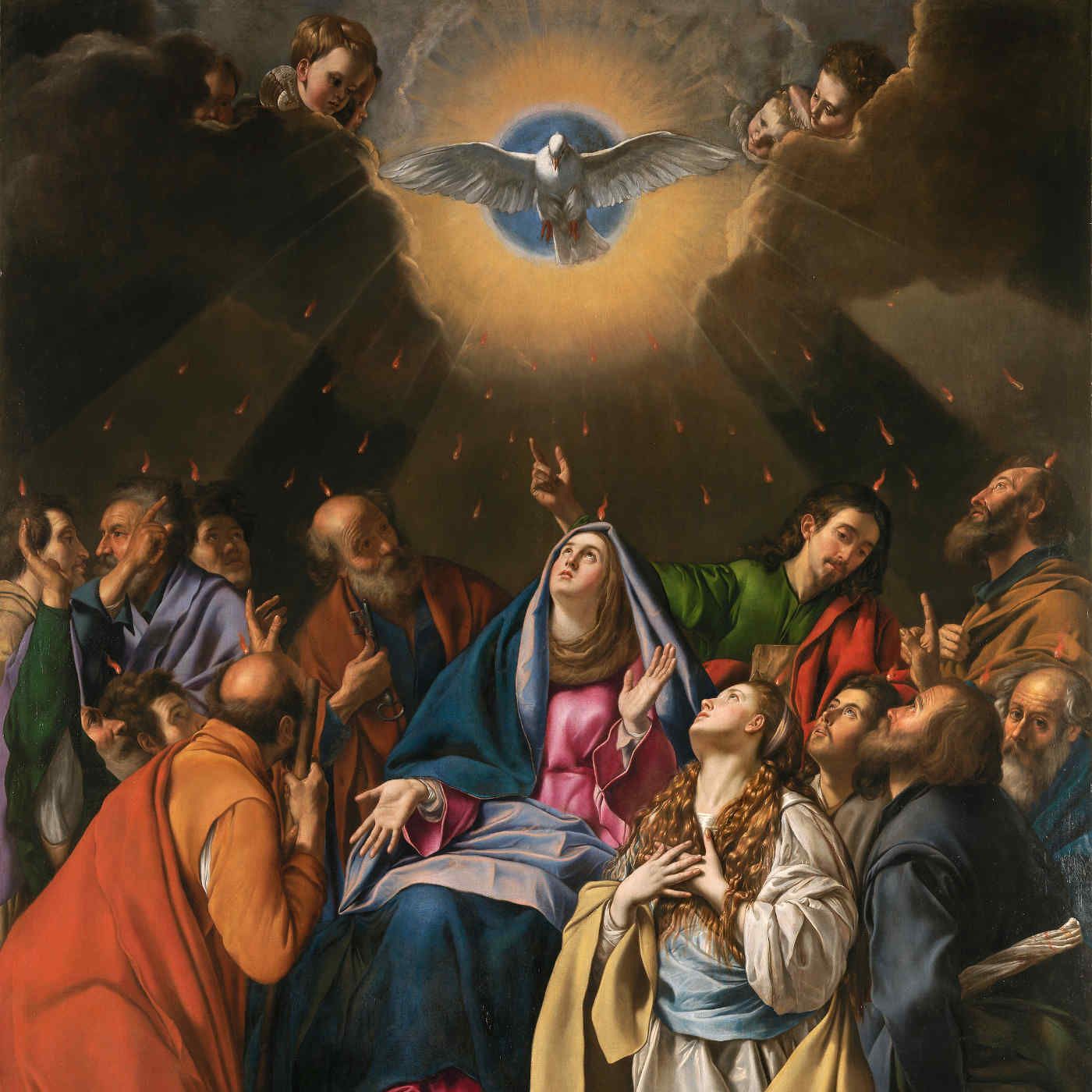
May 17, 2024
Saturday of the Seventh Week of Easter - A Holy Awe
It is this disciple who testifies to these things and has written them, and we know that his testimony is true. There are also many other things that Jesus did, but if these were to be described individually, I do not think the whole world would contain the books that would be written. John 21:24–25 As we conclude our Easter season, we are given the conclusion of the Gospel of Saint John to ponder. Recall that John’s Gospel has been a central focus throughout the Easter Season. Therefore, if you have been prayerfully reading the Gospel for Mass each day for the past several weeks, then you have truly immersed yourself in this holy Gospel. The Gospel of Saint John is much different from the other three Synoptic Gospels. John’s language is mystical and symbolic. John presents the seven miracles as the seven “signs” that reveal Jesus’ divinity. Jesus is identified as I AM, the Son of the Father, the Vine, the Bread of Life, the Light of the World, the Eternal Word, and more. John points to the Crucifixion as Jesus’ hour of glory in which He takes up His throne of the Cross for the salvation of the world. And John’s teaching on the Eucharist is truly profound. John states that the reason he wrote his Gospel was so “that you may come to believe that Jesus is the Messiah, the Son of God, and that through this belief you may have life in his name” (John 20:31). John clearly loved our Lord and understood Him, not only by personal experiences while Jesus was alive on earth but also through a profound level of prayer in his later years. And this depth of understanding and mystical knowledge is communicated in such a way that the reader is easily drawn into John’s prayerful understanding. As John concludes His testimony about Jesus, he states something worth pondering. He states that Jesus did so many things that were not recorded by him or others, that if they were all written down, the whole world would not contain the books that would be written. First of all, everything that was written down could be the source of prayerful study for a lifetime. John’s Gospel alone could never be exhausted of its meaning. But then consider this final line of John’s Gospel and try to take it as a literal statement for a moment. If that statement were literally true, that the whole world could not contain the books that would record all that Jesus did, then this fact should leave us with a holy awe. In fact, the reason this must be true is because what Jesus did within each and every mind and heart He touched is truly indescribable. Volumes upon volumes could not thoroughly describe it. His divine action of saving souls, rescuing people from sin and death, and pointing them to eternal life is more than our feeble minds can fully comprehend. Reflect, today, upon the holy Gospel of Saint John. As we do conclude this Easter Season and our reading of John’s Gospel, allow yourself to sit in awe of the infinite activity of our divine Lord in the lives of those who have turned to Him. Consider every movement of grace in their lives that has been accomplished with such care and love by our Lord. Reflect upon the fact that for eternity you will be contemplating the Eternal Word made Flesh, the Messiah, the Great I AM, the Son of the Father and every other name given to Him Who is our God and King. Saint John loved our Lord and understood Him deeply because he spent his life prayerfully pondering all that Jesus did. Continue to commit yourself to this holy pondering so that you will be drawn more deeply into this contemplation with holy awe. Jesus, Messiah, You are truly beyond comprehension in Your beauty, glory and holiness. You are God from God and Light from Light. You are the Great I AM, and all the books in the world could not properly describe the depth of Your greatness. Fill my mind and heart with the gift of deep spiritual insight so that I, like Saint John the Evangelist, will be continually drawn into a holy awe of You. Jesus, I trust in You. Source of content: catholic-daily-reflections.com Copyright © 2024 My Catholic Life! Inc. All rights reserved. Used with permission via RSS feed. Featured images above: Apostle John the Theologian on the island of Patmos By Andrey Mironov, via Wikimedia Commons
May 16, 2024
Friday of the Seventh Week of Easter - True Love
“Amen, amen, I say to you, when you were younger, you used to dress yourself and go where you wanted; but when you grow old, you will stretch out your hands, and someone else will dress you and lead you where you do not want to go.” He said this signifying by what kind of death he would glorify God. And when he had said this, he said to him, “Follow me.” John 21:18–19 On this, the third time that Jesus appeared to His disciples, Jesus enters into a threefold discourse with Peter. Each time that Jesus asks Peter if he loves Him, Peter responds that he does. And Jesus responds back each time, “Feed my lambs,” “Tend my sheep,” and “Feed my sheep.” The passage quoted above concludes Jesus’ discourse with Peter using very powerful language. Jesus tells Peter that when he grows old, “someone else will dress you and lead you where you do not want to go.” This was Jesus' way of saying to Peter that he would ultimately express his love of Jesus by dying for Him. As we know, tradition states that Peter was ultimately crucified. And at Peter’s request, he was crucified upside down because he felt unworthy of dying in the exact same way Jesus died. As we consider this conversation between Jesus and Peter, it is clear that Jesus' understanding of love is very different from the way many others understand it today. Jesus was not only telling Peter that he would die for Jesus, but Jesus was clearly offering His approval of this act of love Peter would one day offer. Most often when we love someone, we would do all we can to keep them from any such fate. In fact, when a loved one suffers, we often will do all we can to look for a way to relieve them of that suffering. So which approach is most loving? Clearly, Jesus sees suffering differently than most of us. For Jesus, suffering is not opposed to love when the suffering is freely embraced for a higher purpose. Suffering in and of itself is of no value. But when suffering is embraced sacrificially out of love for another, it is able to take on tremendous power. And when Jesus offered His clear support to Peter who would one day die out of love for Jesus, Jesus was focusing upon the eternal merit that would be won by Peter’s cross. The fact that Jesus did not shy away from Peter’s future sacrificial suffering is one of the clearest signs of Jesus’ more perfect love for Peter. Reflect, today, upon your attitude toward the sufferings that your loved ones endure. Do you find that your primary goal is to rid them of their sufferings? Or do you understand that even their sufferings have the potential to become a source of their own holiness and the source of grace for others? Strive to see suffering as Jesus sees it. Look at the sacrificial love that is made possible when your loved ones unite their sufferings to the Cross of Christ and try to commit yourself to the mission of helping them embrace that sacred gift of love. My most compassionate Jesus, in Your great love for us all, You desire that we unite our sufferings to Your Cross so that all suffering shares in Your redemptive love. Give me the grace I need to not only embrace my own sufferings in life out of love for You but to also help those whom I love to live sacrificially by embracing the crosses they carry out of love. Jesus, I trust in You. Source of content: catholic-daily-reflections.com Copyright © 2024 My Catholic Life! Inc. All rights reserved. Used with permission via RSS feed. Featured images above: Crucifixion of Saint Peter By Luca Giordano, via Wikimedia Commons
May 15, 2024
Thursday of the Seventh Week of Easter - Gestures of Love
Lifting up his eyes to heaven, Jesus prayed saying: “I pray not only for these, but also for those who will believe in me through their word, so that they may all be one, as you, Father, are in me and I in you, that they also may be in us, that the world may believe that you sent me.” John 17:20–21 Over the past couple of weeks, we have been continually reading from Chapter 14–17 of John’s Gospel. These chapters contain Jesus’ Last Supper Discourses and provide us with Jesus’ last sermon, so to speak. Chapter 17, which we have been reading this past week, presents us with Jesus’ final prayer for His disciples and for all of us “who will believe” in Him through the preaching of the disciples. Each time we read from Chapter 17, the Lectionary begins the reading with the phrase “Lifting up his eyes to heaven, Jesus prayed saying…” That line is an adaptation of Chapter 17:1 but is used to introduce the various parts of the prayer of Jesus each time it is read at Mass. It’s interesting that Jesus would look up to Heaven when He prayed. Of course, Heaven is not physically in the sky, because Heaven is a spiritual reality. The Father is not located in some place in the sky but is omnipresent, meaning, present all places and all times. And yet, Jesus raises His eyes upward when He prays to the Father. There is a great lesson in this. Our physical disposition is important, at times. For example, when someone we owe respect to enters a room, we usually rise and greet them. It would be disrespectful to remain lounging on a bed or sofa in that case. And at Mass, we do not sit back with legs crossed during the Consecration; rather, we kneel in adoration. And when we greet someone for the first time, we do not look at the floor; rather, we look them in the eyes. Jesus’ act of “Lifting his eyes to heaven” was not done because He thought He might see the Father in the sky; rather, it was done out of respect and love and as a way of acknowledging the dignity of the Father. This should teach us about our own bodily disposition and the message we communicate to others, especially to God in prayer. When you pray, what do you do? Though you can pray at any time and while in any disposition, it is an excellent practice to speak to God not only by your words but also by the disposition you take. Kneeling, raising hands in prayer, falling prostrate before your Lord, sitting upright with attentiveness, etc., are all ways in which you communicate to God your love. Reflect, today, upon this image of Jesus praying. Gaze at how attentive He would have been as He lifted His sacred eyes upward as a physical gesture honoring the glorious, all-powerful Father in Heaven. Try to imagine Jesus' devotion, intensity, respect and burning love. Imitate this holy gesture of prayer and attentiveness to the Father and remind yourself of the importance of expressing your love in bodily form. My most holy Father in Heaven, I do join Your Son, Jesus, in lifting my eyes, my heart and my whole life to You in honor, love and respect. May I always be attentive to You and always show You the devotion due Your greatness. My dear Jesus, thank You for Your love of the Father in Heaven. Give me the grace I need to imitate You and Your perfect love in my life. Jesus, I trust in You. Source of content: catholic-daily-reflections.com Copyright © 2024 My Catholic Life! Inc. All rights reserved. Used with permission via RSS feed. Featured images above: Christ in Prayer By El Greco, via Wikimedia Commons
May 14, 2024
Wednesday of the Seventh Week of Easter - Rejecting the evil one
“I gave them your word, and the world hated them, because they do not belong to the world any more than I belong to the world. I do not ask that you take them out of the world but that you keep them from the Evil One.” John 17:14–15 Unfortunately, the evil one is real. He is the highest of the fallen angels who retain their natural spiritual power given them at their creation. God created all angelic creatures with the purpose of serving His holy will. The Scripture reveals that there are nine levels or “choirs” to which these angelic creatures belong. Among the fallen angels, the highest of them directs the others, and he is traditionally given the name Lucifer or “the devil.” One of the natural spiritual powers that these fallen angelic creatures retain is the power of influence and suggestive thought. They were created to be messengers of God’s truth to us; but, in their fallen state, they seek to communicate confusion and lies instead. Therefore, it is very helpful to understand the way the evil one and the other fallen angels communicate to us so that we can reject their lies and listen only to the voice of God. In his rules for the discernment of spirits, Saint Ignatius of Loyola explains that when a person is going “from mortal sin to mortal sin,” the evil one and the other demons continually propose to their imagination the “apparent pleasures” and “sensual delights” that they obtain from their sin as a way of keeping them firmly controlled by that sin. However, when a person is “intensely cleansing their sins and rising from good to better,” the evil one and the other demons act in a contrary way. They will “bite, sadden and put obstacles, disquieting with false reasons, that one may not go on” in their pursuit of holiness. God and the good angels will act in the opposite way. For those immersed in sin, God and the good angels will use “the opposite method, pricking them and biting their consciences through the process of reason” so as to draw them away from sin. And when a person is, in fact, growing in holiness, God and the good angels will “give courage and strength, consolations, tears, inspirations and quiet, easing, and putting away all obstacles, that one may go on in well doing” (See mycatholic.life/ignatius ). These spiritual lessons on the discernment of spirits are of great value and will assist you on your daily struggle with sin and your daily pursuit of holiness. Understanding the deceptions of the evil one and discerning the promptings of grace given by God bring clarity to our daily lives and direction to all of our actions. The good news that is revealed by the Scripture passage above is that our Lord is fully aware of the working of the evil one, has prayed for you and will assist you as you seek to combat these lies and deceptions in your life. Reflect, today, upon the importance of learning how to discern both the voice of God and the lies of the evil one. Work to discern the voice of God so that you may follow Him more faithfully. And seek to discern the lies of the evil one so that you will not be influenced by him and can directly reject him. Commit yourself to a more rigorous discernment of these spiritual experiences in your life and allow this prayer of Jesus to direct you into His holy will. My all-powerful Lord, You have conquered the evil one and provide all the grace I need to overcome his lies and deceptions. Open my mind to discern Your voice and give clarity to the voice of the evil one so that I may choose You with my whole heart and reject all that the evil one tries to say to me. Jesus, I trust in You. Source of content: catholic-daily-reflections.com Copyright © 2024 My Catholic Life! Inc. All rights reserved. Used with permission via RSS feed. Featured image above: Temptation of Christ By Philips Augustijn Immenraet, via Wikimedia Commons
May 13, 2024
May 14, Feast of Saint Matthias, Apostle - Bearing Fruit for the Kingdom
“It was not you who chose me, but I who chose you and appointed you to go and bear fruit that will remain, so that whatever you ask the Father in my name he may give you.” John 15:16 After Judas betrayed our Lord, the Apostles gathered together to pick someone to succeed him. They decided it should be someone who had been with them from the beginning. They prayed for guidance and cast lots “and the lot fell upon Matthias, and he was counted with the Eleven Apostles” (Acts 1:26). Little is known about the ministry of Saint Matthias. Being chosen as one of the Twelve makes him a bishop of the early Church. Various traditions state that he preached in the territory of either modern-day Ethiopia, Turkey or Georgia—perhaps all of these territories. He is thought to have been killed for his faith, either by stoning or by beheading or both, which is why he is today honored as a martyr. As we honor Saint Matthias, we honor more than just a man who became an Apostle and preached the Gospel with His life, we also honor the divine plan by which God has chosen to use weak and humble instruments to further His Kingdom. The Gospel passage above certainly applies to Saint Matthias, as well as to all of us to one extent or another. It was God who “chose” Saint Matthias, as well as each and every one of us, for the purpose of going forth to “bear fruit that will remain.” But this form of good fruit, the fruit that has eternal consequences, can only be produced when we ask for it from the Father in the name of His Son Jesus. Asking the Father to produce good fruit through us in the name of Jesus His Son does not mean that we get to choose what we ask of the Father. Rather, asking “in Jesus’ name” must be understood to mean that we ask the Father only what the Son has asked. We choose to share in the one eternal prayer of the Son that the will of the Father be fulfilled. And in praying this way, we commit ourselves to unity with His holy will. Sometimes we can all find ourselves asking God for this favor or that. We can place before Him our preference and our will. But if we want to be used by God, to become an instrument of His grace so as to bear an abundance of good fruit, then we must humbly set aside our own will and allow God to be the one Who chooses our mission and appoints us to His holy task. Detachment from our own will and humble submission to the will of God is the only way to bring forth God’s Kingdom. Reflect, today, upon God's choice to call you to share in His divine mission. How He calls is up to God, but you can be certain that He does call you and invites you to share in His mission. Be open to any way that God appoints you to bear good fruit and humbly seek to conform your will to the Father’s plan as you pray in Jesus’ holy name. Lord Jesus, You have perfectly fulfilled the will of the Father in all things, and You have chosen me and appointed me to share in Your divine mission. Help me to open my mind and will to all that You call me to do, so that I, too, may be an instrument of the Kingdom of Your Father in Heaven. I make this prayer in Your most holy name. Jesus, I trust in You. Source of content: catholic-daily-reflections.com Copyright © 2024 My Catholic Life! Inc. All rights reserved. Used with permission via RSS feed. Featured image above: St. Matthias By Robert van der Hoecke, via Wikimedia Commons
May 12, 2024
Monday of the Seventh Week of Easter - Peace? Or the World?
“I have told you this so that you might have peace in me. In the world you will have trouble, but take courage, I have conquered the world.” John 16:33 What did Jesus tell His disciples that produced the “peace” of which He spoke? He is especially referring to His entire Last Supper Discourse from which we have been reading. The words spoken throughout this discourse are meant to give the disciples, and us, “courage” and the ability to conquer the trouble imposed upon us by the world. Throughout Jesus’ discourse, He especially points to the unity He has with His Father and the fact that if we stay united with Jesus, we will also be united to the Father. He spoke of Himself being the vine and us the branches who must remain firmly attached to Jesus. He spoke of this being possible only by the coming power of the Holy Spirit Whom He will send. And He spoke of the hatred that the world has for all who remain firmly grounded in the Truth. Therefore, if you are one who seeks to remain deeply rooted in Christ, filled with the Holy Spirit and separated from the deceptions of the secular and un-Christian world, then Jesus is clearly speaking to you. In this passage above, Jesus identifies one gift that will help us on this journey. This particular gift is the gift of His peace. Peace is the ability to remain calm and focused in the midst of any and every “trouble” we encounter. The trouble that Christians will especially face are the various persecutions of the world when we live in accord with the Truth. And though there are many moral truths presented clearly by our faith that the world attacks, there are also other forms of troubles we will encounter within the world today. One of the most manifest troubles inflicted upon many by the world comes in the form of constant visual, auditory and mental stimulation. Our world is a noisy world. Modern electronics, the mass media, commercials, radio, Internet, social media and so many other parts of our daily life have the subtle effect of distracting us, stimulating us and stealing away the peace of Christ. Consider, for example, the idea of entering into the silence of a retreat for a day, or two, or longer. How would you handle turning off your smartphone, tablet, computer, television and radio for an extended period of time? Would you go through a form of withdrawal? Many today would indeed find this difficult. And the reason for this is that the “peace” of which Jesus speaks is slowly dwindling in the lives of many. Instead of God’s peace, we are filled with constant noise, commotion and activity. This is the “world” attacking us and stealing the peace God wants to bestow. Reflect, today, upon the exceptionally important truth—that Jesus wants you to know His peace in your heart. And He wants that peace to sustain you. Reflect upon the interior battle that may take place within you between the world and the peace of Christ. Who is winning that battle for your soul? Is there more of the world or more of the peace of Christ reigning within you? Seek out the peace that only Jesus gives, and, as you discover His peace, you will also discover the source of that peace: Jesus Himself. Lord of all peace, You have called us out of the world so that Your peace will abide within us, sustaining us, giving us courage, wisdom and strength. I open my life to You, dear Lord, and pray that the many distractions and commotions imposed upon me by the world will begin to cease. May I always hear Your gentle voice and follow You to the place of silent repose found only in You. Jesus, I trust in You. Source of content: catholic-daily-reflections.com Copyright © 2024 My Catholic Life! Inc. All rights reserved. Used with permission via RSS feed. Featured image above: The Temptation of Christ by the Devil By Félix Joseph Barrias, via Wikimedia Commons
May 11, 2024
Seventh Sunday of Easter (Year B) - Consecrated in the Truth
“Consecrate them in the truth. Your word is truth. As you sent me into the world, so I sent them into the world. And I consecrate myself for them, so that they also may be consecrated in truth.” John 17:17–19 What does it mean to “consecrate” something or someone? Consecration is, of course, a very familiar term within our faith. We speak of the bread and wine being consecrated and becoming the Body, Blood, Soul and Divinity of Jesus our Lord. The consecration of the mere earthly substances of bread and wine transform them into God Himself. Thus, “consecration” is a powerful word. Another familiar use of this word is in reference to those women who have been called by God to enter religious life so as to dedicate themselves to God as spouses of Christ. They become “Consecrated Religious” through their solemn lifelong vows. They are dedicated, taken out of the world and presented to Christ in a unique way. Among the laity, there are many who have consecrated themselves to our Blessed Mother, or to the Sacred Heart, or to our divine Lord through some other special form of devotion. In all of these cases, to “consecrate” is to dedicate, set aside and make holy. Another translation for the word “consecrate” above is “sanctify.” To “Sanctify them in the truth” is to make them holy by the truth. This is Jesus’ prayer in the above-quoted passage. This line comes from Jesus’ beautiful High Priestly Prayer in which He prays to the Father for His disciples and for all who will eventually become His disciples—and that includes you! Jesus’ prayer is not only effective as a prayer, it is also effective as a lesson on holiness. How do we become holy? Simple. We allow the Word of the Father to consecrate us in truth. In other words, we allow God’s holy Word to engage us, challenge us, change us, call us from sin, point us to Heaven and transform every aspect of our lives. God’s Word is the Truth, and we will become holy if we are transformed by this Truth. In what ways do you need the Truth, spoken by the Father in Heaven, to engage you? What are the truths of our faith that you especially need to know, accept, profess and believe? One of the best ways to answer this question is to commit yourself to an in-depth, prayerful reading of the Word of God. By prayerfully reading the Scriptures, you will open yourself to all that God wants to reveal to you. And as the voice of God speaks to you through His Word, you will be invited to change. His Word will combat the confusion and lies of the world and the evil one and set you upon the path to holiness, to true sanctity and interior consecration. Reflect, today, upon the transforming power of the Word of God. Reflect upon how fully you have allowed His Word to speak to you, call you out of the world, set you apart for holiness and direct you toward Himself. Engaging the Word of God must become your daily spiritual food, and it must paint for you the picture of your glorious life to which you are called. My Jesus, Word of the Father, You are Truth Itself. You are the Living Word Who has come to set us free. Give me the grace I need to listen to Your holy voice so that Your Truth will engage me in the depths of my soul, transforming me into the person You have called me to be. I open myself to You, dear Lord, and to all You wish to say to me. Jesus, I trust in You. Source of content: catholic-daily-reflections.com Copyright © 2024 My Catholic Life! Inc. All rights reserved. Used with permission via RSS feed. Featured image above: By Prabowo Shakti from Pixabay
May 10, 2024
Saturday of the Sixth Week of Easter - The Love of the Father Revealed
“I have told you this in figures of speech. The hour is coming when I will no longer speak to you in figures but I will tell you clearly about the Father.” John 16:25 When is it that Jesus will speak clearly about the Father? When is that “hour” of which He speaks? First, this “hour” can be understood to be the time after His death, Resurrection and Ascension to Heaven. It is then when the Holy Spirit will come upon them at Pentecost to open their minds to understand all that He has taught with much greater insight and clarity. But in John’s Gospel, the “hour” is also a reference to His death on the Cross. It is His hour of glory, the hour in which the Son of Man saves us through His holy passion. Therefore, this statement of Jesus should be read within the context of Him alluding to His coming passion. Recall that this sermon Jesus gives is part of His “Last Supper Discourse.” It is given immediately prior to Jesus going out to the Garden of Gethsemane to be arrested. When we consider this “hour” to be the passion and death of Jesus on the Cross, we should be aware of the fact that His act of dying is not only a saving act of redemption, it is also one of the clearest ways in which He speaks about His Father in Heaven. Jesus’ suffering and death does, in fact, reveal the Father to the disciples in ways that His “figures of speech” could not reveal. Jesus’ veiled language was spoken as truth but as truth that could not be fully communicated. However, Jesus’ freely embraced suffering and death does clearly communicate the Father in the most profound way possible. The Cross is pure love, and the Father is pure love. Jesus’ death on the Cross in obedience to the will of the Father reveals to all that the Father loves us so much that He was willing to sacrifice His only begotten Son so that if we but believe in Him, we will inherit eternal life. The message of the Cross is a true teaching about the love of the Father. It’s a teaching that took place through an act of the most pure and sacrificial love imaginable. The Cross was Jesus speaking “clearly about the Father” insofar as it reveals the depth of the Father’s love for all humanity. If you find this difficult to understand, then you are not alone. The disciples themselves struggled with this. That is why they ultimately needed the Holy Spirit to come upon them to open their minds. We too need the Holy Spirit if the veil is to be lifted and we are to comprehend this most powerful message of God’s infinite love. Reflect, today, upon Jesus’ burning desire to lift the veil of His teaching and to reveal to you, clearly, the depth of the Father’s love for you. Allow the Holy Spirit to open your mind to this revelation as it is given through the Crucifixion. Pray for that gift. Listen to Jesus tell you He desires to give you this understanding and then await the grace you need to see and understand the very heart of the Father and His divine love for you. My precious Jesus, Your hour of glory upon the Cross is the clearest and fullest revelation of the Father’s love. On the Cross, You show us all how deeply we are loved by You and Your Father in Heaven. Please do open my mind, dear Lord, to all You wish to reveal to me, so that as I come to know You, I will also come to know Your Father in Heaven. Jesus, I trust in You. Source of content: catholic-daily-reflections.com Copyright © 2024 My Catholic Life! Inc. All rights reserved. Used with permission via RSS feed. Featured image above: The Exhortation to the Apostles By James Tissot, via Wikimedia Commons
May 9, 2024
Friday of the Sixth Sunday of Easter - The “Labor Pains” of God’s Will
“When a woman is in labor, she is in anguish because her hour has arrived; but when she has given birth to a child, she no longer remembers the pain because of her joy that a child has been born into the world.” John 16:21 This truth can certainly be extended to any form of anguish we experience for a good reason. Note that the pain experienced in childbirth is pain for a good and holy reason. Therefore, the pain is forgotten, in a sense, when the mother sees and holds her newborn child. That suffering is forgotten in the sense that it is transformed into joy by the birth of a child. There is much in life that can cause anguish. In today’s Gospel, Jesus goes on to say to His disciples: “So you also are now in anguish.” He says this because He had just finished speaking to them about His coming departure to the Father and about the suffering that they would all experience in the form of persecution. But then He says to them that after He departs and they no longer see Him, they will then see Him again and will rejoice. And He says, “On that day you will not question me about anything.” This is an important line to understand. Anguish, or any form of suffering, can tempt us to question our lives and even to question God. It is clear that after Jesus was killed, the disciples questioned everything. They were confused and frightened. All appeared to be lost. Then, to a lesser degree, after Jesus ascended into Heaven and prior to Him sending the Holy Spirit, the disciples would have also experienced confusion. Why did Jesus leave them? Why didn't He stay longer? Who was going to lead them now? These and many other similar questions would have arisen in their minds. So also with us, when things do not go as planned, or when things take a painful turn in our lives, we can immediately question and even doubt the perfect plan of God. If things fall apart because of our sin, then repentance is the remedy. But if things fall apart, in the sense that life becomes difficult, then we should especially listen to the words of Jesus today. When anguish in life happens because we are fulfilling God’s will, we must see that anguish as a means to a much greater good. Just as the pains of childbirth lead to the gift of a child, so the pains of bringing forth God’s will in our lives will lead to the presence of God Himself. Patient endurance is a virtue that is especially important in this case. For example, the anguish of overcoming an addiction, or of praying when we don’t feel like praying, or of forgiving someone who hurt us are all examples of anguish turning into blessings. Very often, combatting our own selfish will is difficult. But the fruit of engaging in such a battle within us is joy. There is joy found in victory over sin. Joy is found in persevering in prayer. Joy is found in every difficulty we endure for the Kingdom of God. But the joy is not always our first experience. It is only experienced when we patiently endure the situation. Reflect, today, upon any form of anguish you are currently enduring for the glory of God, or anything you are currently avoiding because it seems difficult to do. Do not shy away from these difficulties. See them as a means to a glorious end. Endure the “labor pains” of the purification and mission God is calling you to by looking beyond the difficulties you initially experience so that you will see the end result that awaits you. My glorious Lord, You endured Your passion with perfect virtue. You never wavered from fulfilling the will of the Father, and the fruit of Your perseverance was the glory of the Resurrection. Please help me to patiently endure the crosses in my life and give me hope to see that from them You will bring forth the good fruit of eternal joy. Jesus, I trust in You. Source of content: catholic-daily-reflections.com Copyright © 2024 My Catholic Life! Inc. All rights reserved. Used with permission via RSS feed. Featured image above: Jesus birth illustration in Byzantine style By Julia, via Adobe
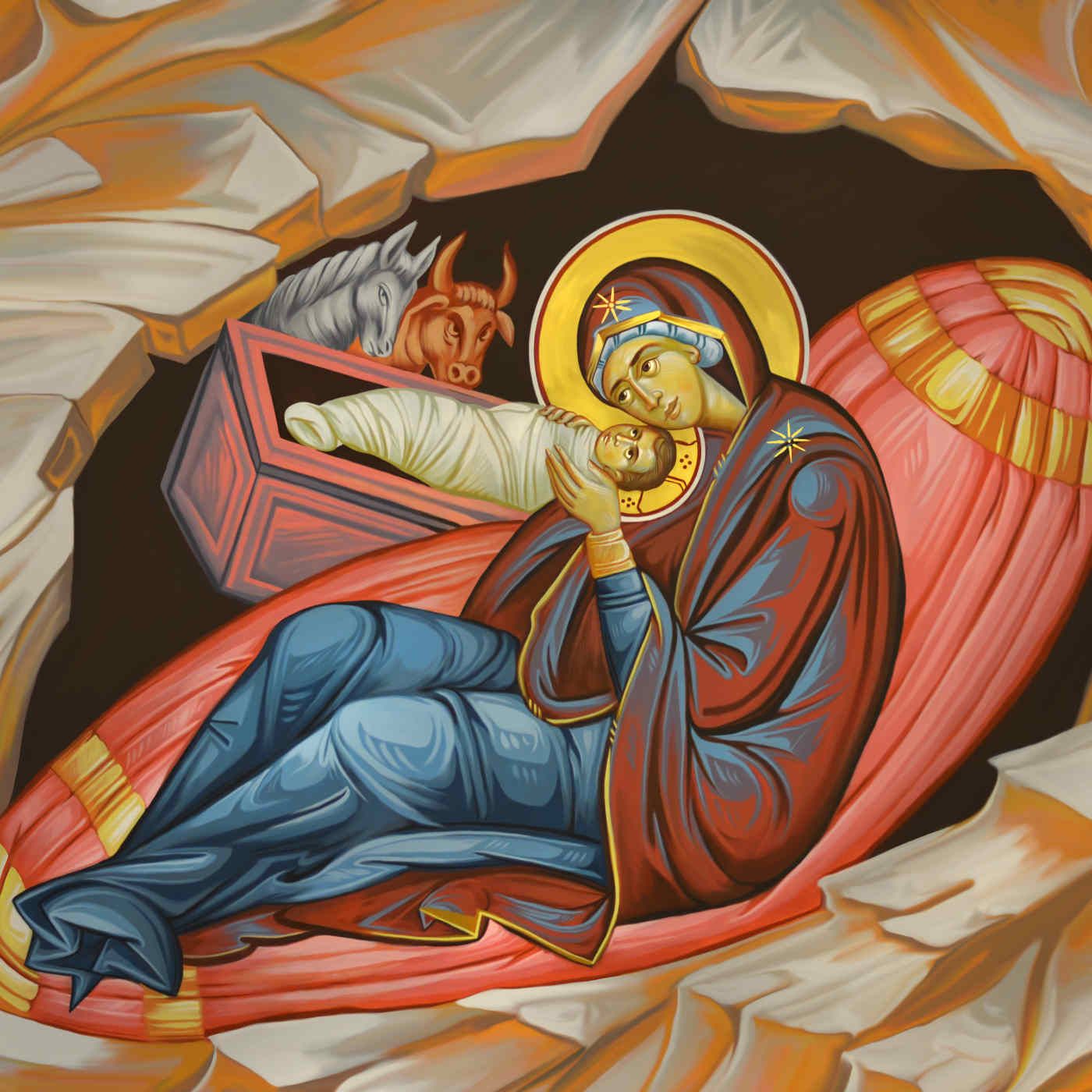
May 8, 2024
Ascension of Our Lord (Year B) - The End is the Beginning
Jesus said to his disciples: “Go into the whole world and proclaim the gospel to every creature. Whoever believes and is baptized will be saved; whoever does not believe will be condemned.” Mark 16:15–16 We celebrate today one more step in the completion of the mission of the Son of God. Humanity had sinned at the beginning of time and fallen from Original Innocence. God immediately began to prepare the world for the gift of eternal redemption by establishing a covenant with Noah, Abraham and Moses. He raised up various prophets and kings to further prepare His people for what was to come. And then, when the time was right, God entered our world through the Blessed Virgin Mary. Jesus, the Son of God, eventually entered into His public ministry, teaching, performing miracles, gathering the faithful to Himself, dying, rising and then appearing to His disciples in preparation for the Ascension. The Ascension completes the mission of the Son of God. Today we honor that definitive moment when God the Son, in His transformed and resurrected Human nature, ascends by His own power to the Father, bringing with Himself our humanity so that all humanity may ascend with Him. As we celebrate the Ascension of Jesus, we must first see all that led up to that moment and seek to unite ourselves with all of those preceding events. We must listen to the words of the patriarchs and prophets of the Old Testament. We must especially listen to the teachings of Jesus in the New Testament and embrace His words without hesitation. And we must unite ourselves with His own death, dying to sin, so that we may also share in His Resurrection. Today, we must further see the invitation we are all given to ascend with Jesus to the Father. We must understand that where Jesus has gone, we are invited to follow if we only believe, embrace and live all that took place leading up to this glorious moment. The Ascension was the end of Jesus' life on Earth but also the beginning of our sharing in the life of Heaven. As Jesus ascended, He commissioned His disciples to go forth and “preach the gospel to every creature.” They were to preach to all about the saving plan of God that began at the time of Adam and Eve and was completed with the Ascension. Reflect, today, upon your calling to not only share in this glorious moment of Jesus’ Ascension but also your calling to go forth and to do all you can to draw others into this new life. Reflect upon Jesus, Who also speaks to you today to invite you to bring others to that mountain. By teaching friends, family and all with whom God has entrusted to you to share the Gospel, you fulfill Christ’s mission to “go into the whole world” to gather the scattered people into the one fold of Christ so as to ascend with Him one day into eternity. My ascended Lord, all things throughout history were but a preparation for the moment when You drew fallen humanity into Heaven to be with Your Father forever. Help me to always heed Your holy words, so that I, too, will share in Your Ascension. Use me, dear Lord, to also go forth and to draw many others to You so that the Kingdom will be filled with all those whom You have called. Jesus, I trust in You. Source of content: catholic-daily-reflections.com Copyright © 2024 My Catholic Life! Inc. All rights reserved. Used with permission via RSS feed. Featured image above: Stained glass windows in the Mausoleum of the Roman Catholic Cathedral of Our Lady of the Angels, via Wikimedia Commons
May 8, 2024
Thursday of the Sixth Week of Easter - Deepening Your Understanding
So some of his disciples said to one another, “What does this mean that he is saying to us, ‘A little while and you will not see me, and again a little while and you will see me,’ and ‘Because I am going to the Father’?” So they said, “What is this ‘little while’ of which he speaks? We do not know what he means.” John 16:17–18 How about you? Do you know what Jesus means? Or do you find that you are confused by what He said just like these disciples were? Though pride may tempt you to claim that you fully understand all that Jesus taught, the humble and honest truth is that you are probably very much like these disciples in their confusion. And that is not necessarily a bad place to be. First, the confusion of these disciples shows they took Jesus seriously. They were not indifferent. They cared, were interested, wanted to understand, and must have had some level of faith in Jesus. Otherwise, they would have ignored Him. But they didn’t. They listened, tried to understand, discussed His teaching, thought about His words and humbly concluded that they didn’t understand. Jesus is not critical of their confusion. He sees that they are trying and that they have some level of faith. And even though these disciples are confused, Jesus continues to speak to them in figures of speech rather than directly and clearly. One of the reasons that Jesus speaks in figurative language is because the message that He is teaching is profound and deep. It’s not something that can be quickly and easily understood and mastered. The mysteries of the Kingdom of Heaven are so deep, vast, profound and mystical that the only way to begin to understand them is to first have faith. Faith does not mean you fully understand everything. Faith is a supernatural gift by which you come to believe without fully seeing and understanding. The certainty comes for God, not from your own reasoning ability. But faith always leads to deeper understanding. Therefore, as these disciples professed their faith, they also came to understand. And even though Jesus speaks in this figurative way, these disciples ultimately made the choice to believe. Later in this chapter they conclude, “Now we realize that you know everything and that you do not need to have anyone question you. Because of this we believe that you came from God” (John 16:30). If you find yourself confused about various matters of faith, God, morality, and the like, or if you find yourself confused about the various mysteries of life itself, or your life in particular, do not be afraid to admit to this confusion. Admitting confusion is the humble admittance of the truth, and this humility will be a helpful step toward the gift of faith. Reflect, today, upon whether you struggle at all with indifference toward the mysteries of life. If so, commit yourself to be more like these disciples who intentionally grappled with all that Jesus spoke. Do not be afraid to admit your confusion and to place that confusion before our Lord. Strive to have the gift of faith and allow that spark of faith to become the pathway for your deeper understanding of the many mysteries of life. My mysterious Lord, You and all the mysteries of the Kingdom of Heaven are so deep and profound that no one will ever fully comprehend their depth, breadth and beauty. Please open my mind, dear Lord, to a deeper understanding of You so that I may profess my faith in You and in all that You have chosen to reveal. I do believe, my God. Help my unbelief. Jesus, I trust in You. Source of content: catholic-daily-reflections.com Copyright © 2024 My Catholic Life! Inc. All rights reserved. Used with permission via RSS feed. Featured image above: Christ Washing the Feet of the Disciples By Paolo Veronese, via Wikimedia Commons
May 7, 2024
Wednesday of the Sixth Week of Easter - The Best is Yet to Come
Jesus said to his disciples: “I have much more to tell you, but you cannot bear it now. But when he comes, the Spirit of truth, he will guide you to all truth.” John 16:12–13 This passage still rings true for all of us today. God wants to reveal to us, within the depths of our consciences, the deepest, most profound and transforming truths that flow from the mind of the Father in Heaven. But we cannot bear it all now. Not fully. And eternity will be spent continually deepening our understanding of all that God reveals. And the process of this ongoing and deepening discovery will fill us with an ongoing and deepening joy. This will be our Heaven, but it must begin now. First of all, it’s important to understand that God does “have much more to tell you.” Interestingly, coming to know how much you do not already know is itself a form of knowledge. Knowing that there is so much more, that God’s wisdom is infinitely beyond you, that the mind of God compared to yours is incomparable is itself a beautiful truth that must be understood. This truth should both humble you and also fill you with a holy awe of God and the infinite depth of wisdom, truth, beauty and glory contained within Him. This is an essential first step. Furthermore, by saying that “you cannot bear it now” does not mean that you should not try to bear more and more of the truth that God wants to reveal. In fact, it’s a form of invitation, in that it indicates that there will come a time when you will be able to comprehend more. This should once again foster a hope and anticipation for all that remains hidden to be revealed. Humility in the face of the infinite God is necessary for growth in wisdom and knowledge of God. How does this growth in wisdom and the knowledge of God happen? It happens by the power and working of the Holy Spirit. It is the “Spirit of truth” who will “guide you to all truth.” But even this statement, once again, implies that this is a process. It is the Spirit Who will “guide” you. And this guidance will continue throughout this life and on into eternity. This teaching of our Lord begs the question: Have you begun the process? Have you begun to allow the Holy Spirit to guide you into the truth? Have there been concrete moments in your life when you came to know God in a new and profound way that could only have been possible by the power and working of God Himself? Reflect, today, upon these essential questions. If you have had God the Holy Spirit speak clearly to You, then humble yourself before that truth. Pray for more wisdom and more knowledge of all that you do not know. And if you cannot relate to the idea of there being so much more that is beyond you, then humbly turn to our Lord and beg Him to begin to open your mind to all that He wants to say to you. The infinite mind of our God awaits you to be discovered and embraced. Begin the process today and let Him guide you into all truth. God of all truth, You, Your wisdom, Your love and all of Your glorious attributes are infinite in nature and are beyond my complete comprehension. As I humble myself before these holy truths, dear Lord, please bestow upon me the Holy Spirit, the Spirit of Truth, so that I may open my mind more fully to You by Your grace. May the process of deep discovery be one of great joy and become for me a process that continues into eternity. Jesus, I trust in You. Source of content: catholic-daily-reflections.com Copyright © 2024 My Catholic Life! Inc. All rights reserved. Used with permission via RSS feed. Featured image above by Gerd Altmann from Pixabay
May 6, 2024
Tuesday of the Sixth Week of Easter - Grieved at Changes in Life
Jesus said to his disciples: “Now I am going to the one who sent me, and not one of you asks me, ‘Where are you going?’ But because I told you this, grief has filled your hearts. But I tell you the truth, it is better for you that I go. For if I do not go, the Advocate will not come to you. But if I go, I will send him to you.” John 16:5–7 Jesus continues to speak prophetically to His disciples about the necessity for Him to go to the Father so that He can send the Holy Spirit. What’s interesting in this passage is that Jesus points out to His disciples that “grief” has filled their hearts because of what He has said to them. Clearly, this grief in their hearts is because they do not understand what they will soon experience and do not want their relationship with Jesus to change. Throughout our lives, our Lord will call us to change. At times, He calls us away from that with which we are familiar and comfortable, and He calls us to something new. This can be frightening and can become the cause of “grief” for us also. To help, let’s consider this passage above in detail. Recall that there were many times, prior to Jesus' death, that Jesus slowly started to reveal to His disciples, especially to the Twelve, that He would be going to the Father and that He would no longer be with them in the way He had been. Jesus wanted the Twelve to begin to understand that their relationship with Him, with the Father and with the Holy Spirit would soon take on new meaning in their lives. But the fact that this was something new, a change to what they had grown accustomed, meant that they were more focused upon the grief that accompanies loss than they were focused upon the joy that awaited. This same experience can often be found in all of our lives. Though dramatic change is not necessarily a regular occurrence throughout life, most everyone will experience change at various moments in life. And when that change occurs in accord with the will of God, it must be embraced with hope and great expectation. For example, vocational changes, such as getting married, having children, or entering a religious vocation, always bring with it much change—but a change that God can use for much good. Also, the death of a loved one, a move to a new community, a new job or school, the establishment of new relationships and the like can be difficult but also fruitful. Since the Gospel passage above specifically refers to the change that comes from the outpouring of the Holy Spirit, it might be helpful to consider the fact that whenever some new change takes place in our lives, the Holy Spirit is there, waiting to enter into the new situation in ways we could have never imagined. So if you find yourself at times experiencing the grief of some loss, or difficulty with some new endeavor in life, know that the disciples experienced something similar. But in the end, Jesus’ words came true—“it is better for you that I go.” Though they did not want to see Jesus die and then ascend to Heaven out of their sight, this was part of the plan of God for their lives. So also when the changes we encounter in life are part of God’s divine plan, we can be certain that good things await. Reflect, today, upon anything that our Lord may be asking of you in regard to a change in your life. Are you open, ready and willing to do whatever He asks? Or are you fearful or grieved by the thought of some change. Be open to anything our Lord asks of you and know that the full embrace of His holy will is the only path to true happiness in life. My dear Jesus, You prepared Your disciples for the new life of grace that they would receive after Your death and Resurrection. Though fearful and uncertain, they embraced the new life You called them to live, and You did marvelous things through them. Please open my heart to the full embrace of my vocation and any changes that You desire for my life. I say “Yes” to You, my Lord, and pray that You work powerfully through me by the Holy Spirit. Jesus, I trust in You. Source of content: catholic-daily-reflections.com Copyright © 2024 My Catholic Life! Inc. All rights reserved. Used with permission via RSS feed. Featured images above: God the Father By Jacob Herreyns I, via Wikimedia Commons
May 5, 2024
Monday of the Sixth Week of Easter - Giving Testimony
Jesus said to his disciples: “When the Advocate comes whom I will send you from the Father, the Spirit of truth who proceeds from the Father, he will testify to me. And you also testify, because you have been with me from the beginning.” John 15:26–27 Jesus informs His disciples that “the Spirit of truth” will come and that the Spirit, as well as the disciples, will “testify” to Him. When Jesus first spoke these words to His disciples, they would not have comprehended what He meant. Since these words are prophetic in nature, they are words spoken that were to come to fulfillment and, then, once fulfilled, the words would be understood. So what does Jesus mean? When we look at the Acts of the Apostles and read about the early Church, it is clear that something incredibly transforming took place after Jesus ascended into Heaven. Up until that time, the disciples and other followers of Jesus had faith, but they were also fearful. They communicated with those others who believed, but did so in secret and with fear. But as soon as Pentecost came and the Holy Spirit, the Advocate, the Spirit of Truth, descended upon them, the Apostles began to be used by God to powerfully proclaim the Gospel without fear and with great effect upon many. It was this experience of the disciples of our Lord, being filled with the Holy Spirit, to which Jesus was referring. After Jesus died, and perhaps even more so after Jesus ascended into Heaven, it is likely that some of His disciples immediately concluded that the new movement Jesus started was now over. They could have never conceived of the idea that what Jesus started was only beginning. They could have never conceived of the fact that soon they would share in the beginning of the Church, proclaim the Gospel with courage and power, see the conversion of countless lives, witness the ongoing forgiveness of sins, and ultimately give their lives in imitation of our Lord. These disciples had no idea just what awaited them with the coming of the Advocate, the Spirit of Truth. What was awaiting them was their sharing in the ability to “testify” to Jesus by the power of the Holy Spirit. They soon realized that Jesus was actually more alive than ever and that He was now going forth to convert souls by the power of the Holy Spirit and through the instrumentality of all of His new disciples. The same is true in our lives today. It is far too common for Christians to simply believe in Jesus personally, but then fail to wholeheartedly give testimony to Him by the transforming power of the Holy Spirit. It is far too common for followers of Christ to act more like the disciples prior to the coming of the Holy Spirit. Too often, Christians keep the Gospel to themselves, fearful of giving testimony by the power of the Holy Spirit. Reflect, today, upon these prophetic words of Jesus. Though these words were initially spoken to the Twelve, Jesus also speaks these words to you today. He wants you, too, to be a witness to Him, giving testimony to others so that they will come to believe. Reflect upon how well you fulfill this prophetic calling. Where you are lacking, pray for the outpouring of the Holy Spirit in your life so that God can reach many hearts through you. Most glorious Jesus, You promised to send upon Your disciples and also upon me the Holy Spirit, the Advocate and Spirit of Truth. Holy Spirit, I welcome You into my life and offer myself to You without reserve to be used to give testimony to the Truth. Please do use me, my God, and touch many lives through me. Jesus, I trust in You. Source of content: catholic-daily-reflections.com Copyright © 2024 My Catholic Life! Inc. All rights reserved. Used with permission via RSS feed. Featured images above: The Descent of the Holy Ghost By Titian, via Wikimedia Commons
May 4, 2024
Sixth Sunday of Easter (Year B) - Friendship with God
“I no longer call you slaves, because a slave does not know what his master is doing. I have called you friends, because I have told you everything I have heard from my Father. It was not you who chose me, but I who chose you and appointed you to go and bear fruit that will remain, so that whatever you ask the Father in my name he may give you. This I command you: love one another.” John 15:15–17 Just prior to the passage quoted above, Jesus says, “You are my friends if you do what I command you.” Is that the measure of true friendship? That we do what our friend commands us to do? That depends upon which friend we are speaking about. There are many images we use for God. We call Him Father, Savior, Master, Lord, King, Redeemer, Spirit and Friend. When it comes to God as our divine Friend, it is important to understand the nature of that friendship properly. Jesus’ friendship is not one that simply makes us “buddies.” Friendship with our Lord is not the same as a friendship between two equals. He is God. And because He is God, our friendship with Him takes on unique characteristics that are not present in other friendships. With that said, there could be no greater friend than the Lord Himself. Among humans, our friendships have various foundations. It could be that two people have mutual interests and they enjoy engaging in those interests together. It could be that two people have spent much pleasant time together since childhood. Or it could be that two people have endured some difficulty together and that experience has bonded them together. But according to Saint Thomas Aquinas, friendship in its purest form is based on just one thing: mutual charity. Charity is the form of love that is purely selfless. It’s a way of relating to another in which a person’s sole focus is the good of the other. It is not based on one’s own self interests. It’s not a matter of “what do I get out of it?” In 1 Corinthians 13:4–8, St. Paul defines the love of charity this way: “Love is patient, love is kind. It is not jealous, it is not pompous, it is not inflated, it is not rude, it does not seek its own interests, it is not quick-tempered, it does not brood over injury, it does not rejoice over wrongdoing but rejoices with the truth. It bears all things, believes all things, hopes all things, endures all things. Love never fails.” This is not only the definition of charity, it is also the only foundation for true friendship. When you consider all of these qualities of charity, you will find that God relates to us in each of these ways. For that reason, God offers us the purest friendship possible. Whether or not we reciprocate these qualities to God will determine the depth of the bond of friendship that we establish with Him. But there is more. When we love God, we must love Him in a way that is proper and proportionate to Who God is. For example, if we offer charity to God, we seek to fulfill only God’s interests and rejoice in the Truth of Who He is. Thus, the charity we offer to God comes in the form of worship. He is God and is worthy of worship, adoration, surrender, trust and perfect obedience. When it is God we are loving, the very essence of the Person we love requires these responses. One beautiful and consoling thing to recognize with this form of charity given to God is that it also establishes a true friendship with God. When we offer our worship to God, we are in a position to receive the very life of God in return. And the giving of ourselves, coupled with the reception of the life of God, establishes a bond of holy friendship that will transform us, unite us with Him and fulfill us to perfection. Friendship with God makes us one with Him and opens us to receive everything that He shares with us—namely, His very Self. Reflect, today, upon the invitation Jesus has offered you to enter into a true friendship with Him. This means that God becomes the center of your life. It means that you seek to give yourself, selflessly and without reserve, to Him Who is deserving of all your love. It means you choose worship and obedience to perfection. The reward of such love is that you are able to enter into a bond that is so holy, so pure and so fulfilling that it completes you, enabling you to become who you were meant to be. My God and true Friend, You offer me everything in life. You offer me Your perfect love, given fully and without reserve. I pray that I will reciprocate that depth of love and offer to You all that You deserve. I offer You my love, worship and obedience, dear Lord. May this mutual love form a bond that will never end. Jesus, I trust in You. Source of content: catholic-daily-reflections.com Copyright © 2024 My Catholic Life! Inc. All rights reserved. Used with permission via RSS feed. Featured images above: Jesus teaches By Jaroslav, via Adobe
May 3, 2024
Saturday of the Fifth Week of Easter - The Hatred of the World
Jesus said to his disciples: “If the world hates you, realize that it hated me first. If you belonged to the world, the world would love its own; but because you do not belong to the world, and I have chosen you out of the world, the world hates you.” John 15:18–19 This is a sobering thought: “the world hates you.” That is, if you are among those who have been taken by our Lord out of the world. In that case, Jesus says that the world will hate you. No one wants to be hated. No one wants to experience the wrath, persecution, attacks, or ridicule of another. Hatred is ugly, painful and difficult to endure. But that is part of the nature of hate. It’s not only a form of persecution, it’s also a form of manipulation. Hate is an attack upon another by which the hater seeks to inflict injury and to manipulate them to change and conform to their will. The secular and unchristian “world” wants to win you over and away from God. Jesus offers this teaching, in part, to prepare us so that when we do experience hatred from the world, we will not be affected by it nor manipulated to turn from Him. Therefore, this teaching is a revelation of much mercy from our Lord. Remember that Jesus spoke of three enemies of our soul. The flesh, the devil and the world. In this Gospel passage, to “belong to the world” means that a person allows themself to be negatively influenced by the countless lies embedded within the world. The secular media, pop-culture, biased opinions, social pressures, false images of happiness and the like seek to constantly misguide us and draw us in. We are regularly tempted to believe that fulfillment is found in money, our physical appearance, the recognition of our accomplishments and much more. The world tells us that our opinions must conform to the secular values of the age—and if they don’t, then we are judgmental, close-minded extremists and should be shunned and “canceled” or silenced. These worldly temptations and pressures are real, and, for that reason, Jesus’ words are freeing. They free us from the manipulations and deceptions we will experience when we live our faith openly for all to see. When we do so, we will be hated by the world. But knowing that provides peace of heart when it happens. Reflect, today, upon these powerful and consoling words of Jesus. If you do not experience any form of hatred from the world, then this should be a concern and the cause for reflection. And if you do experience some form of hatred, know that our Lord prepared you for this and offers you His strength and courage to endure it with joy. In the end, all that matters is what our Lord thinks—and nothing else. In the end, if you experience hatred by the world in any form, know that this makes you more like Christ Himself. My persecuted Lord, You endured the hatred and ridicule of many who were engulfed by the false values of the world. I pray that I may share not only in Your life of love and mercy but also in Your strength during the times that I also endure the world's hatred. I commit myself to You and pray that You continually take me out of the world and bring me close to Yourself. Jesus, I trust in You. Source of content: catholic-daily-reflections.com Copyright © 2024 My Catholic Life! Inc. All rights reserved. Used with permission via RSS feed. Featured images above: Christ Mocked and Crowned with Thorns By Jan Miense Molenaer, Wikimedia Commons
May 2, 2024
May 3, Feast of Saints Philip and James, Apostles - Do You NotKnow Me?
Philip said to Jesus, “Master, show us the Father, and that will be enough for us.” Jesus said to him, “Have I been with you for so long a time and you still do not know me, Philip? Whoever has seen me has seen the Father. How can you say, ‘Show us the Father’?” John 14:8–9 Today’s liturgical feast is in honor of two of the Apostles, Philip and James the Lesser. Little is known about James other than that he was chosen by our Lord for the apostolic ministry and that we have one of his letters, which is contained in the New Testament. James eventually went to Jerusalem and led the Church for a few decades until he was stoned to death as a martyr. Philip preached in Greece, Phrygia and Syria. He and Saint Bartholomew were thought to have been crucified upside down. Philip preached upside down from the cross until his death. In the Gospel for today’s Mass, we are presented with an encounter that Philip had with Jesus. Though this encounter appears to be a rebuke of Philip by Jesus, it’s a rebuke that is quite heartfelt. Jesus says, “Have I been with you for so long a time and you still do not know me, Philip?” Jesus did, indeed, spend much time with His disciples. They stayed together, ate together, traveled together and spent much time talking with each other. Therefore, Jesus’ comments to Philip emanated from His real and lived personal relationship with Philip. Take the first part of that statement to begin with. “Have I been with you so long…” Imagine Jesus saying this to you. Is this something He would be able to say to you? Is it true that you do spend much time with Him? Do you spend time reading the Gospels, speaking to Him from the depths of your heart, conversing with Him, praying to Him and listening to His gentle voice? But Jesus goes on: “...and you still do not know me...?” This is a humble truth that is important to admit. It is true that even those who have a very deep and transforming life of prayer do not know our Lord deeply enough. There is no limit to the transformation that can take place in our lives when we know Jesus personally. Jesus’ statement goes on: “Whoever has seen me has seen the Father.” So the next question is this: “Do you know the Father?” Do you know the Father’s love, His care for you, His perfect will? Though the Father and the Son are united as one God, They are still distinct Persons, and we must, therefore, work to establish a relationship of love with each one of them. As initially mentioned, the comments from Jesus are a gentle rebuke of love to Philip, and He wants to speak this same gentle rebuke to you. But it’s a rebuke of love meant to encourage you to get to know Him better. It’s an invitation to personalize your relationship with Jesus and the Father in a real and concrete way. Do you know Him? Do you know the Son of God? Do you know the Father in Heaven? Reflect, today, upon these loving questions of our Lord as if they were spoken to you. Let His words encourage you to get to know Him more deeply. Pray for your relationship to become more personal and transforming. And as you get to know our Lord more intimately, know that it is also the Father in Heaven Whom you are getting to know. My divine and personal Lord, it is the deepest desire of Your Sacred Heart to know me and to love me. Fill my heart with this same desire so that I will not only know You, dear Lord, but also the Father in Heaven. Heavenly Father, I thank You for Your perfect love and pray that I may open myself to that love more fully each and every day. Saints Philip and James, pray for me. Jesus, I trust in You. Source of content: catholic-daily-reflections.com Copyright © 2024 My Catholic Life! Inc. All rights reserved. Used with permission via RSS feed. Featured image above: SS. Philip and James the Less By Paolo Veronese, via Wikimedia Commons
May 1, 2024
Thursday of the Fifth Week of Easter - The Good Fruit of Obedience
“If you keep my commandments, you will remain in my love, just as I have kept my Father’s commandments and remain in his love.” John 15:10 When Jesus spoke the line above, He followed it by saying, “I have told you this so that my joy might be in you and your joy might be complete.” These two lines, taken side by side, provide a helpful unity of Jesus’ teaching regarding holy obedience to Him. First, Jesus speaks of the necessity of keeping His commandments. To some, such a statement, when taken by itself, can seem burdensome, dictatorial, oppressive and confining. But is it? The answer is found clearly as we read on. The next thing Jesus teaches is that the effect of keeping His commandments is that we “remain in His love.” He further explains that He is not asking us to do anything that He Himself was not willing to do. He was obedient to the will of the Father, keeping the commandments of the Father to perfection. Therefore, we should hear His command as a dictate flowing from His own freely lived choice to be obedient. As the Incarnate Son of God, He perfectly obeyed the Father in His human nature. The result was that He remained perfectly filled with the love of the Father. But that’s not all. Joy is also experienced in a “complete” way when we imitate Jesus’ perfect obedience. In light of the teaching from our Lord, how do you view holy obedience to the will of God? Take, for example, each of the Ten Commandments. Do you struggle with unwavering obedience to them? Do you experience them as oppressive and imposed limitations rather than what they truly are? When understood correctly, the Ten Commandments, and every other dictate of the will of God, are exactly what we need and, even more so, exactly what we deeply desire in life. We want interior order rather than chaos. We want integrity rather than fragility. We want joy rather than sadness. And we want unity with the love of God rather than the loss of God. The path to the life we so deeply desire is obedience to the commands of the will of God in all things. Reflect, today, upon your immediate interior reaction to holy obedience. If you do find yourself resistant in any way to this teaching of Jesus, then that is a good sign that you need this teaching more than you may know. Try to look at obedience in the light of truth. Try to see that, deep down, your soul yearns for obedience and the interior order it brings. Examine, especially, any areas of obedience you struggle with and firmly recommit yourself to unwavering obedience to each and every command of our Lord. My obedient Lord, You obeyed the will of Your Father in Heaven to perfection. Through this obedience, You not only experienced the full love and joy of the Father in Your human nature, You also set for us a perfect example and model for holiness. Help me to see the areas of my life in which I need to be more obedient, so that I, too, will share in Your holy life and that of the Father’s. Jesus, I trust in You. Source of content: catholic-daily-reflections.com Copyright © 2024 My Catholic Life! Inc. All rights reserved. Used with permission via RSS feed. Featured images above: I Come to Fulfill the Law on flickr
Apr 30, 2024
Wednesday of the Fifth Week of Easter - Firmly Connected to Christ
“I am the vine, you are the branches. Whoever remains in me and I in him will bear much fruit, because without me you can do nothing.” John 15:5 The first amazing thing to recognize in this passage is the simple fact that God wants to produce good fruit in your life. He also wants to bring His grace and mercy into the world through you. The vine does not produce the fruit alone but does so through the instrumentality of the branches. So if we take this teaching at face value, God is saying that He has chosen to bring His grace and mercy into your life and into the world through you. To add greater clarity to this holy mission that we have all been given, Jesus makes a very profound statement. He says “without me you can do nothing.” When considering this line spoken by our Lord, it may be useful to reflect upon what the word “nothing” means. Saint Augustine points out that Jesus added “you can do nothing” to emphasize the fact that, by ourselves, by our own effort, we cannot even produce a “little” good fruit. For example, it would be like cutting off a twig from an apple tree and hoping that the twig will produce an apple. The fruit that God wants to produce also takes place within your soul, in the form of the Fruits of the Holy Spirit. These fruits consist of love, joy, peace, patience, kindness, goodness, faithfulness, gentleness and self-control (See Galatians 5:22–23). Each one of these gifts from God will have the effect of transforming you more fully into an image of God Himself in our world. Try to take a moment to consider each one of those Fruits of the Holy Spirit. Each one is very desirable. Growing in a desire for them will help you grow in a desire for the Holy Spirit in your life. When the Gospel passage quoted above is considered in its two parts, it is also clear that if we separate ourselves from God, then it is impossible to experience any one of the Fruits of the Holy Spirit. Without a firm connection to our God, we will have no love, no joy, no patience, kindness, etc. None of that is possible unless our lives are firmly connected to the Vine, Who is Christ Himself. So fostering a positive desire for these good fruits, as well as a holy fear of losing them, is useful. Reflect, today, upon the beautiful and meaningful image given to us by Jesus of the vine and the branches. Think of a vine and then think of yourself firmly attached to that vine. Sit with that image prayerfully and let God speak to you. He wants to do great things in you and through you. If you will only cling to Him with all your heart, an abundance of good fruit will be produced. Jesus the Vine, You are the source of all goodness, and, without You, I can do nothing. Help me to always remember how deeply I need You in my life and help me to cling to You always. Please bring forth an abundance of good fruit in my life and, through me, into the world. Jesus, I trust in You. Source of content: catholic-daily-reflections.com Copyright © 2024 My Catholic Life! Inc. All rights reserved. Used with permission via RSS feed. Featured images above: by Dimitris Vetsikas from Pixabay
Apr 29, 2024
Tuesday of the Fifth Week of Easter - The Peace of Christ
Jesus said to his disciples: “Peace I leave with you; my peace I give to you. Not as the world gives do I give it to you.” John 14:27 So how does the peace that Jesus gives you differ from the apparent peace that the world gives? We all want peace in life. The desire for interior peace is written upon our very nature. And though many people make choices that lead to interior disorder and even chaos, those choices are often made out of a confused sense of what actually provides fulfillment. For example, those who choose to feed an addiction to drugs or alcohol often began that addiction out of a misguided desire for happiness. The temporary fix experienced gives the temporary sense of well-being. But objectively speaking, it is very clear that the temporary “peace” one receives from these actions leads ultimately to a loss of the very thing they desire. And when these choices become addictions, the person often finds themself trapped in a downward spiral. There are also countless other ways in which people find themselves seeking satisfaction and fulfillment in life. Money, promiscuity, cheating, selfishness, anger, deception, and the like are all actions that are done with the intent of some satisfaction. Our daily goal must be to unmask those deceptive actions so that we can see them for what they are and for the fruit that they produce. These are clearly among the many ways that the “world” offers us peace. When it comes to true happiness in life, the gift of true interior peace is one of the clearest signs that we are on the right track and are making the right decisions. When we choose the will of God each and every day, those choices may be difficult and require much initial sacrifice. Love can be hard. Faithfulness to the moral law of God can be challenging. And refusing to sin is difficult. But choosing the will of God throughout our day, every day, will begin to produce within us the consoling and sustaining gift of the peace of Christ. True peace produces strength. It leads to interior integrity and wholeness. It produces clarity of thought and certitude in convictions. God’s peace leads to more peace. It leads to choices based on well-thought-out actions of love. Peace leads us to the will of God, and the will of God leads to peace. The cyclical effect is exponential and is one of the clearest guides to happiness in life. Reflect, today, upon whether you truly have peace in your heart. Do you recognize the still, strong and sustaining presence of God within your soul? Do your daily choices produce greater integrity of heart and clarity of mind? Do you find that you have joy and calm, even in the midst of life’s greatest challenges? Seek out this peace, for if you do, you will be seeking out the good God Who produces this glorious gift within your heart. My Lord of true peace, You and Your holy will are the only path to the deepest fulfillment of all of my desires in life. When I make poor choices that lead to disorder and confusion, help me to turn to You with all my heart. Please unmask any deception I struggle with and give me the strength I need to seek You and Your peace alone. Jesus, I trust in You. Source of content: catholic-daily-reflections.com Copyright © 2024 My Catholic Life! Inc. All rights reserved. Used with permission via RSS feed. Featured images above: “Figure of Christ” by Heinrich Hofmann, via Wikimedia Commons,
Apr 28, 2024
Monday of the Fifth Week of Easter - Remembering God’s Revelations
“I have told you this while I am with you. The Advocate, the Holy Spirit whom the Father will send in my name—he will teach you everything and remind you of all that I told you.” John 14:25–26 Sometimes we forget all that God has spoken to us. For example, we may have some clear experience of God’s presence in our lives, such as a powerful spiritual insight gained through prayer, a deep conviction of His voice spoken through a sermon, the transforming freedom encountered through the Sacrament of Reconciliation, or some form of unmistakable clarity imparted through the reading of the holy Scriptures. When God speaks to us, imparting His Truth, strength, forgiveness and every other form of grace, we are spiritually consoled as we sense His closeness. But when trouble comes our way, those moments of clarity can be easily lost. The disciples would have had many clarifying experiences during the three years of Jesus’ public ministry. They marveled at the spiritual authority they encountered in His sermons, witnessed countless miracles, looked on as sinners were set free, saw Jesus transfigured in glory, and watched our Lord enter deeply into prayer with the Father. Each time they encountered the power of God at work, they would have grown in their conviction that Jesus was the Messiah, the Son of God, the Savior of the World. But Jesus also knew that these disciples would soon have their faith in Him shaken. He knew that as they looked on from a distance in fear as Jesus was arrested, beaten and killed, they would start to forget all that they previously experienced. Fear can cause confusion, and Jesus knew that His disciples would soon fall into that trap. For this reason, Jesus spoke the words above to His disciples. He promised them that the Holy Spirit would soon come upon them to teach them everything and to remind them all that He told them. How nice it would be if every lesson we ever learned from God remained front and center in our lives. How nice it would be if we never allowed fear to confuse us and cause us to forget all that God has spoken to us in varied ways. Just as Jesus knew the disciples would need the help of the Holy Spirit to remember, He also knows that we need the same help from the Holy Spirit. Therefore, the words spoken to the disciples above are also spoken to us. “The Advocate, the Holy Spirit whom the Father will send in my name—he will teach you everything and remind you of all that I told you.” What lessons of faith have you learned in the past that you need to be reminded of? It is the role of the Holy Spirit to bring those lessons to mind every time we need them. Therefore, as we move closer to the glorious celebration of the Solemnity of Pentecost, it is a good time to pray to the Holy Spirit and ask for the gift of remembering the many ways that God has revealed Himself to us. The Father, Son and Holy Spirit work in perfect harmony with each other, but each has a distinct role in our lives. The Holy Spirit’s role is especially to lead us day-by-day into the fulfillment of the Father’s will of becoming perfectly conformed to the Person of Christ Jesus. Reflect, today, upon this powerful promise that our Lord gave to His disciples and to us. Pray to the Holy Spirit. Open yourself to the Spirit’s ongoing direction in your life and never allow fear to lead to confusion. Instead, allow God to dispel all confusion and to remind you of all that He has spoken to you throughout your life. Most glorious Lord Jesus, You promised the disciples and all Your people that the Holy Spirit would be sent to us to remind us of all that You have revealed. Holy Spirit, please continuously descend upon me, teach me and guide me. Help me to never forget the many lessons I have been taught so that I will never let fear lead to confusion. Jesus, I trust in You. Source of content: catholic-daily-reflections.com Copyright © 2024 My Catholic Life! Inc. All rights reserved. Used with permission via RSS feed. Featured images above: Throne Bernini Holy Spirit Dove, Saint Peter's Basilica in Rome By Paolo Gallo, via Adobe
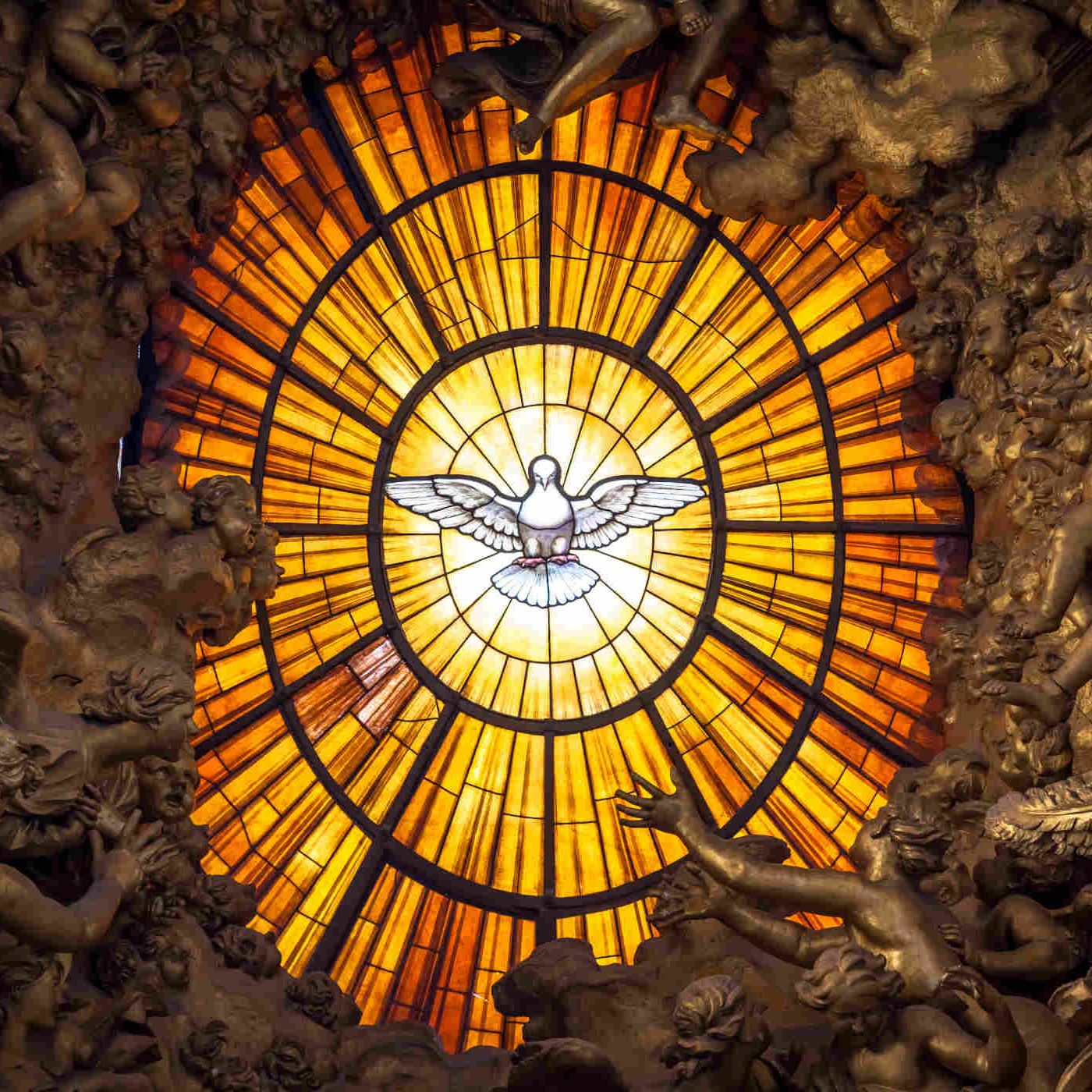
Apr 27, 2024
Fifth Sunday of Easter (Year B) - Seeking to be Pruned
Jesus said to his disciples: “I am the true vine, and my Father is the vine grower. He takes away every branch in me that does not bear fruit, and every one that does he prunes so that it bears more fruit. You are already pruned because of the word that I spoke to you.” John 15:1–3 Pruning a vine is an important part of helping it to grow and produce not only more fruit but the best fruit. If left unpruned, a grape vine will eventually produce less fruit and poorer quality fruit. Good pruning helps to direct the nourishment of the vine to the new buds that are most fruitful. Jesus’ teaching above uses the imagery of pruning a vine to help us understand that faith must lead to charity. First, Jesus says that He is the “true vine.” He is the only source of the nourishment we need for the new life of grace. He is the only way to Heaven and salvation. Knowing our Lord and being attached to Him firmly is faith. Second, our Lord says that He takes away every branch that does not bear fruit. This indicates that faith without the good fruit of charity is dead and is like a branch on a vine that produces nothing. Third, when Jesus finds a branch that bears good fruit, he doesn’t leave it alone. Instead, He prunes it with loving attention so that “it bears more fruit.” To apply these teachings to your own life, begin by looking at your faith as if it were a branch firmly attached to a vine. Do you believe all that God has spoken through His holy Word? It is useful to regularly examine your conscience in regard to your faith. Since faith is the first step in the spiritual life, it must remain firmly grounded in the Truth God has revealed. This means we must regularly study the Word of God as it is revealed through the Scriptures and the catechetical teachings of the Church, and assent to those teachings with all our mind. Next, after affirming your faith in all that God has spoken through the Scriptures and the Church, try to examine your charity. Do you see concrete acts of love in your life that result from your faith? In other words, we can “love” many things in a purely emotional sort of way. But charity is based on faith, not on how we feel. Charity is the fruit of faith. What acts of charity can you point to in your life? What have you sensed God calling you to do in a selfless and sacrificial way? Have you done it? Finally, when you discover the ways that charity is alive within you, know that God will focus His pruning there. Pruning can be painful. It will require sacrifice, patience in the face of trial, overcoming selfishness, and doing things you don’t feel like doing. In fact, sometimes God even makes charitable acts seem unpleasant as a way of pruning your motivations and making them more pure, based more on faith than on emotion. But this is good. Reflect, today, upon this holy imagery from Jesus. It’s a lesson from nature that reveals the supernatural life of grace at work. Don’t be deterred by the pruning God wants to do. Embrace suffering with love, respond to injustice with forgiveness, offer mercy when you don’t feel like it, and seek to serve selflessly those who seem undeserving. Doing so will prune you so that God will be able to build up His Kingdom in glorious ways through you. Jesus, most glorious Vine, You and You alone are the source of all nourishment in life. From You all good things come. Help me to have a firm faith in You and all that You have revealed, so that this faith will bud forth and bring about an abundance of good fruit for the glorious building up of Your Kingdom. Jesus, I trust in You. Source of content: catholic-daily-reflections.com Copyright © 2024 My Catholic Life! Inc. All rights reserved. Used with permission via RSS feed. Featured image above: The Last Supper (mosaic) By Howgill, via Adobe
Apr 26, 2024
Saturday of the Fourth Week of Easter - Doing the Greatest Work on Earth
“Amen, amen, I say to you, whoever believes in me will do the works that I do, and will do greater ones than these, because I am going to the Father. And whatever you ask in my name, I will do, so that the Father may be glorified in the Son. If you ask anything of me in my name, I will do it.” John 14:12–14 How is it that we are called to do greater works than the works that Jesus Himself did? Of course, it’s true. This is our calling. We know that, because this is what our Lord promised us. This truth should fill us with gratitude for being used so powerfully by God. Among the “greater” works of which Jesus speaks is, first and foremost, the sharing of the Gospel to the ends of the earth. As Jesus walked the earth, His mission was primarily to the people of Israel. But when He ascended to Heaven and sent the Holy Spirit upon the Church, He also empowered all who would receive the Holy Spirit to share the Gospel to the ends of the earth. Thus, the conversion of hearts is the greatest work that we can cooperate with. Do you want to do great things? Most children dream of doing so because this desire is written upon our human nature. We want to make a difference. We want to be great. But too often we become confused about true greatness. We attempt to fulfill that innate desire through acts of worldly and passing greatness. We seek recognition, wealth, and other passing rewards that stem from selfish ambitions. None of these ultimately fulfill us, even if we were to achieve them to the greatest extent. For example, imagine if you won the Nobel Peace Prize, or became the leader of a nation, or became the wealthiest person alive. Would the attainment of one of these goals fulfill you? Only if it were the will of God. If not, it would be an empty and meaningless act. Begin by looking within. Do you see the desire within you to do great things? Hopefully you do. From there, remind yourself that the greatest thing you can do, so as to fulfill the desire within you, is to do that which is the will of God for your life. Jesus says, “If you ask anything of me in my name, I will do it.” Asking in Jesus’ name means asking for the fulfillment of His will. It means asking that God use you to bring His saving grace to others any way He chooses. If you ask our Lord for this grace, He will grant it. This form of prayer requires humility and a complete detachment from our own will. It requires that we ask the Father only for that which the Son asks the Father for us. But the reward of such a humble prayer is that God will bestow His grace and mercy on others through us. This is His perfect will. Reflect, today, upon this high calling. Do so by looking at the desire within your own soul for greatness and then unite that desire with God’s will as the only thing that can fulfill you. Pray for this gift every day with humility and detachment and you will become an instrument of acts that give eternal glory to God. In Heaven, this will be your eternal joy. Providential Lord, Your will is perfect and glorious. Please help me to humble myself before You, every day, so that I will understand Your will for my life and choose it always. May I be an instrument of Your saving grace to all whom You wish to touch through me. Jesus, I trust in You. Source of content: catholic-daily-reflections.com Copyright © 2024 My Catholic Life! Inc. All rights reserved. Used with permission via RSS feed. Featured images above: Saints Peter and John Healing the Lame Man By Nicolas Poussin, via Wikimedia Commons
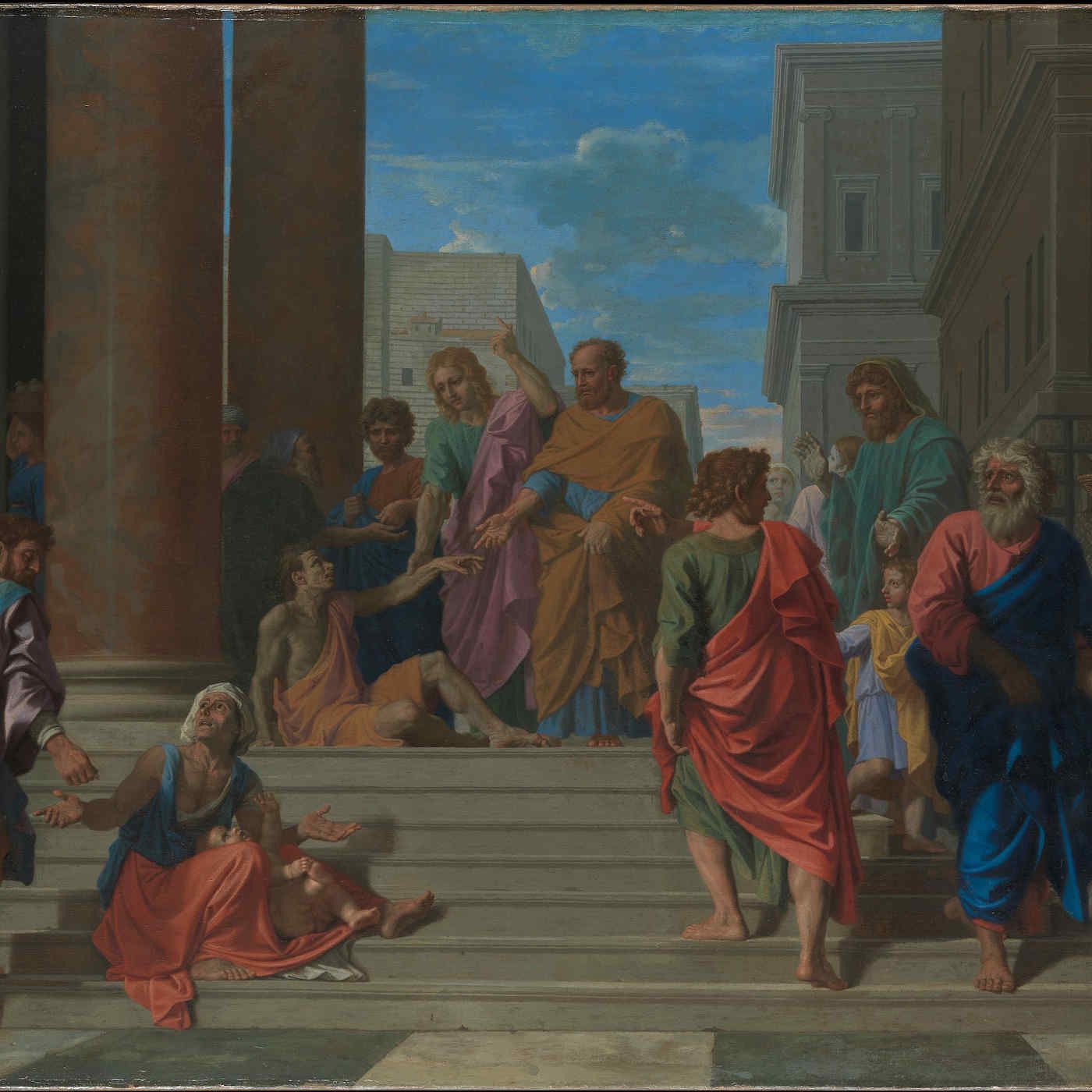
Apr 25, 2024
Friday of the Fourth Week of Easter - Overcoming a Troubled Heart
Jesus said to his disciples: “Do not let your hearts be troubled. You have faith in God; have faith also in me.” John 14:1 In John’s Gospel, Chapters 14–17 present us with what is referred to as Jesus’ “Last Supper Discourses,” or His “Final Discourses.” These are a series of sermons given by our Lord to the disciples the night He was arrested. These discourses are deep and filled with symbolic imagery. He speaks of the Holy Spirit, the Advocate, the vine and the branches, the world’s hatred, and these discourses conclude with Jesus’ High Priestly Prayer. These discourses begin with today’s Gospel in which Jesus addresses the coming fear, or troubled hearts, that He knows His disciples will experience. Let’s begin by considering this first line spoken by Jesus above: “Do not let your hearts be troubled.” This is a command. It’s a gentle command but a command nonetheless. Jesus knew that His disciples would soon see Him arrested, falsely accused, mocked, beaten and killed. He knew they would be overwhelmed by what they would soon experience, so He took this opportunity to gently and lovingly rebuke the fear that they would soon face. Fear can come from many different sources. Some fear is helpful to us, such as the fear present in a dangerous situation. In this case, that fear can heighten our awareness of the danger so that we proceed with caution. But the fear that Jesus was speaking of here was of a different kind. It was a fear that could lead to irrational decisions, confusion, and even despair. This was the kind of fear that our Lord wanted to gently rebuke. What is it that causes you to fear at times? Many people struggle with anxiety, worry, and fear for many different reasons. If this is something you struggle with, it’s important to allow Jesus’ words to resonate within your mind and heart. The best way to overcome fear is to rebuke it at its source. Hear Jesus say to you, “Do not let your heart be troubled.” Then listen to His second command: “You have faith in God; have faith also in me.” Faith in God is the cure for fear. When we have faith, we are under the control of the voice of God. It is God’s truth that directs us rather than the difficulty we are facing. Fear can lead to irrational thinking, and irrational thinking can lead us deeper and deeper into confusion. Faith pierces through the irrationality we are tempted with, and the truths that faith presents to us bring clarity and strength. Reflect, today, upon whatever it is that causes you the most anxiety, worry and fear in your life. Allow Jesus to speak to you, to call you to faith and to rebuke those troubles gently but firmly. When you have faith in God, you can endure all things. Jesus endured the Cross. The disciples eventually endured their crosses. God wants to strengthen you, too. Let Him speak to you so that you will overcome whatever is most troublesome to your heart. My loving Shepherd, You know all things. You know my heart and the difficulties I face in life. Give me the courage I need, dear Lord, to face every temptation to fear with confidence and trust in You. Bring clarity to my mind and peace to my troubled heart. Jesus, I trust in You. Source of content: catholic-daily-reflections.com Copyright © 2024 My Catholic Life! Inc. All rights reserved. Used with permission via RSS feed. Featured images above: Christ Taking Leave of the Apostles By Duccio di Buoninsegna, via Wikimedia Commons
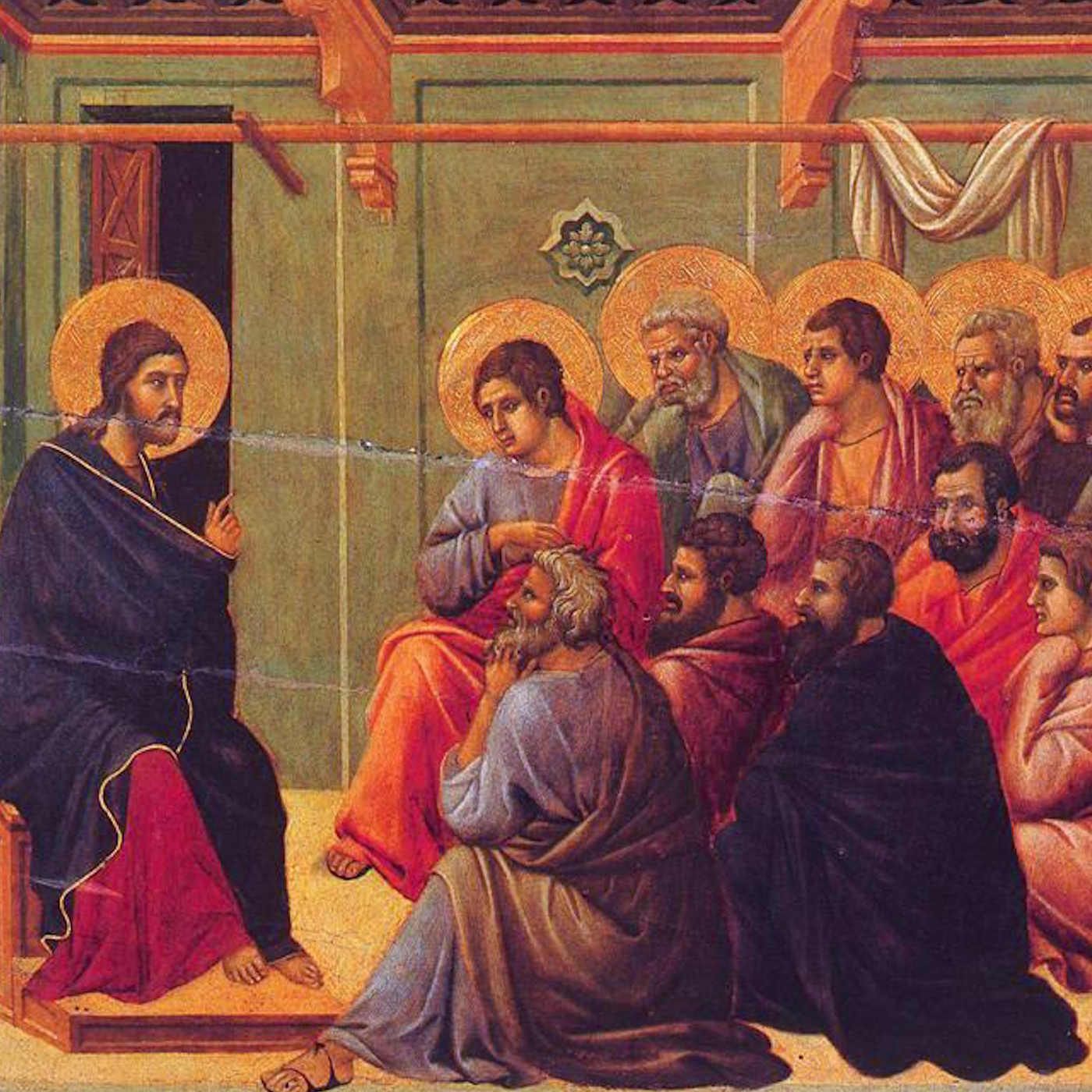
Apr 24, 2024
April 25, Feast of Saint Mark - Continuing the Mission
Jesus appeared to the Eleven and said to them: “Go into the whole world and proclaim the Gospel to every creature. Whoever believes and is baptized will be saved; whoever does not believe will be condemned.” Mark 16:15–16 Saint Mark, whom we honor today, certainly fulfilled this mission that was given to the Apostles. Though Mark was not one of the Twelve and might not have even known Jesus while He walked the earth, he certainly fulfilled the mission of proclaiming the Gospel to the whole world by writing his Gospel account. Mark’s Gospel is the shortest of the Gospels, but it is packed with detail. It recounts the life of Jesus vividly and in an almost breathless way. His Gospel presents the central messages of fulfillment found in Christ, the nearness of His Kingdom and the need to repent and believe. Though not much is known about Mark, our first reading from the Letter of Saint Peter written to the Christian communities in Asia Minor reveals that Mark was a follower of Peter who refers to Mark with affection as his “son.” It is also likely that Mark was a co-worker of Saint Paul (Philemon 1:24). As we honor this great evangelist, the most notable testament to His work of evangelizing is the Gospel attributed to him. Though he most certainly made a difference in the lives of those with whom he worked, preached to in person and witnessed to by his charity, it’s amazing to ponder the ongoing effect that his Gospel has had upon the world. As you think about his life, try to imagine him sitting and writing out the Gospel account we now have. As he did so, he could never have imagined that the words he wrote would be read by countless millions until the end of the age. For him, he was fulfilling but one small service to the people of his time. He was motivated by a desire to make Jesus known to them, and the best way he knew how to do this was to write down Jesus’ story. As Mark wrote his Gospel, we can be certain that he did so not only out of his own desire to share the life of Christ with others, but primarily because he was inspired by the Holy Spirit. Mark’s gift of the writing of the Gospel was a response to grace. God gave him this mission, and he listened and obeyed. As a result, his short telling of the life of Christ has become part of the most widely read story in all of human history. And not only that, it is also among the most transformative stories ever written. Though God will not call you to write a Gospel account, He is calling you to a particular mission. What is that mission? Sometimes we can easily think that what we do is insignificant. But if what we do in life is done through the inspiration of the Holy Spirit, then we can be certain that God will use our small effort in great ways. Like Saint Mark, we might never see how God uses us until we enter the glories of Heaven. But make no mistake, if you, like Saint Mark, listen to the will of God and act in obedience to Him, then the little you offer will have eternal and transformative consequences for the good of others. Reflect, today, upon this simple and humble servant of God. Consider Mark’s limited knowledge about the extent that his contribution would end up making for the entire world. As you reflect upon him writing his Gospel account, ponder your own calling from God to do your small part. Know that you, too, can become an instrument of the gift of salvation for many. The key is to seek out the will of God for your life and commit yourself to the fulfillment of that will with passion and drive. Do not be deterred by any apparent lack of immediate results. Stay faithful to your mission and, from Heaven, you will eternally rejoice as you see the unexpected ways that God used you. Glorious Lord Jesus, You gave Your followers the great mission to preach Your Gospel to the ends of the world. I thank You for the ways that Saint Mark responded to Your inspiration and was used in such a powerful way. Please use me, dear Lord, as an instrument of Your grace so that I can share in the mission You have given to the Church. Jesus, I trust in You. Source of content: catholic-daily-reflections.com Copyright © 2024 My Catholic Life! Inc. All rights reserved. Used with permission via RSS feed. Featured images above: Bible drawings by Otto Semler and others, many based on the engravings by Carolsfeld, via flickr
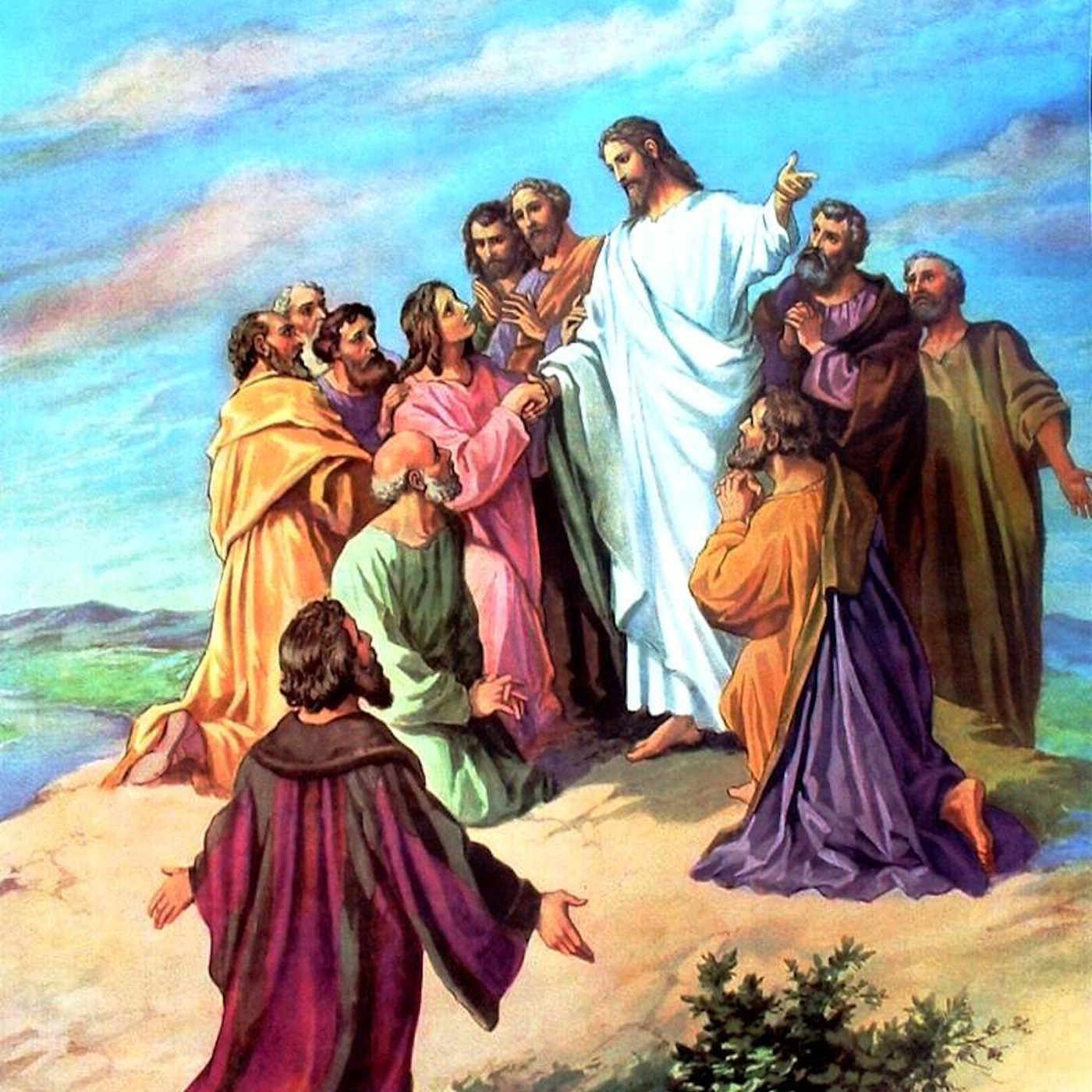
Apr 23, 2024
Wednesday of the Fourth Week of Easter - The Oneness of God
Jesus cried out and said, “Whoever believes in me believes not only in me but also in the one who sent me, and whoever sees me sees the one who sent me.” John 12:44–45 Note that Jesus’ words in the above quoted passage start by stating that “Jesus cried out…” This intentional addition by the Gospel writer adds emphasis to this statement. Jesus didn’t just “say” these words, He “cried out.” For that reason, we should be extra attentive to these words and allow them to speak to us all the more. This Gospel passage takes place during the week prior to Jesus’ Passion. He entered Jerusalem triumphantly and, then, throughout the week, spoke to various groups of people while the Pharisees plotted against Him. The emotions were tense, and Jesus spoke with greater and greater vigor and clarity. He spoke about His pending death, the unbelief of many, and His oneness with the Father in Heaven. At one point during the week, as Jesus was speaking of His oneness with the Father, the voice of the Father spoke audibly for all to hear. Jesus had just said, “Father, glorify your name.” And then the Father spoke, saying, “I have glorified it and will glorify it again.” Some thought it was thunder and others thought it was an angel. But it was the Father in Heaven. This context is useful when reflecting upon today’s Gospel. Jesus passionately wants us to know that if we have faith in Him, then we also have faith in the Father, because the Father and He are one. Of course, this teaching on the oneness of God is nothing new to us today—we should all be very familiar with the teaching on the Most Holy Trinity. But in many ways, this teaching on the unity of the Father, Son and Holy Spirit must be seen as new and pondered anew every day. Imagine Jesus speaking to you, personally, and with great vigor, about His unity with the Father. Consider carefully how deeply He desires that you understand this divine mystery of Their oneness. Allow yourself to sense how much Jesus wants you to understand Who He is in relation to His Father. Prayerfully understanding the Trinity teaches us much, not only about Who God is but about who we are. We are called to share in the oneness of God by becoming united with Them through love. The early Church Fathers often spoke of our calling to be “divinized,” that is, to share in the divine life of God. And though this is a mystery beyond complete comprehension, it’s a mystery that Jesus deeply desires us to prayerfully ponder. Reflect, today, upon the passion in the heart of Jesus to reveal to you Who He is in relation to the Father. Be open to a deeper understanding of this divine truth. And as you open yourself to this revelation, allow God to also reveal to you His desire to draw you into Their holy life of unity. This is your calling. This is the reason Jesus came to earth. He came to draw us into the very life of God. Believe it with much passion and conviction. My passionate Lord, You spoke long ago about Your oneness with the Father in Heaven. You speak again, today, to me, about this glorious truth. Draw me in, dear Lord, not only to the great mystery of Your oneness with the Father but also to the mystery of Your calling to me to share in Your life. I accept this invitation and pray that I become more fully one with You, the Father and the Holy Spirit. Most Holy Trinity, I trust in You. Source of content: catholic-daily-reflections.com Copyright © 2024 My Catholic Life! Inc. All rights reserved. Used with permission via RSS feed. Featured image above: Jesus teaches in the Temple By Jan van Orley, via Wikimedia Commons
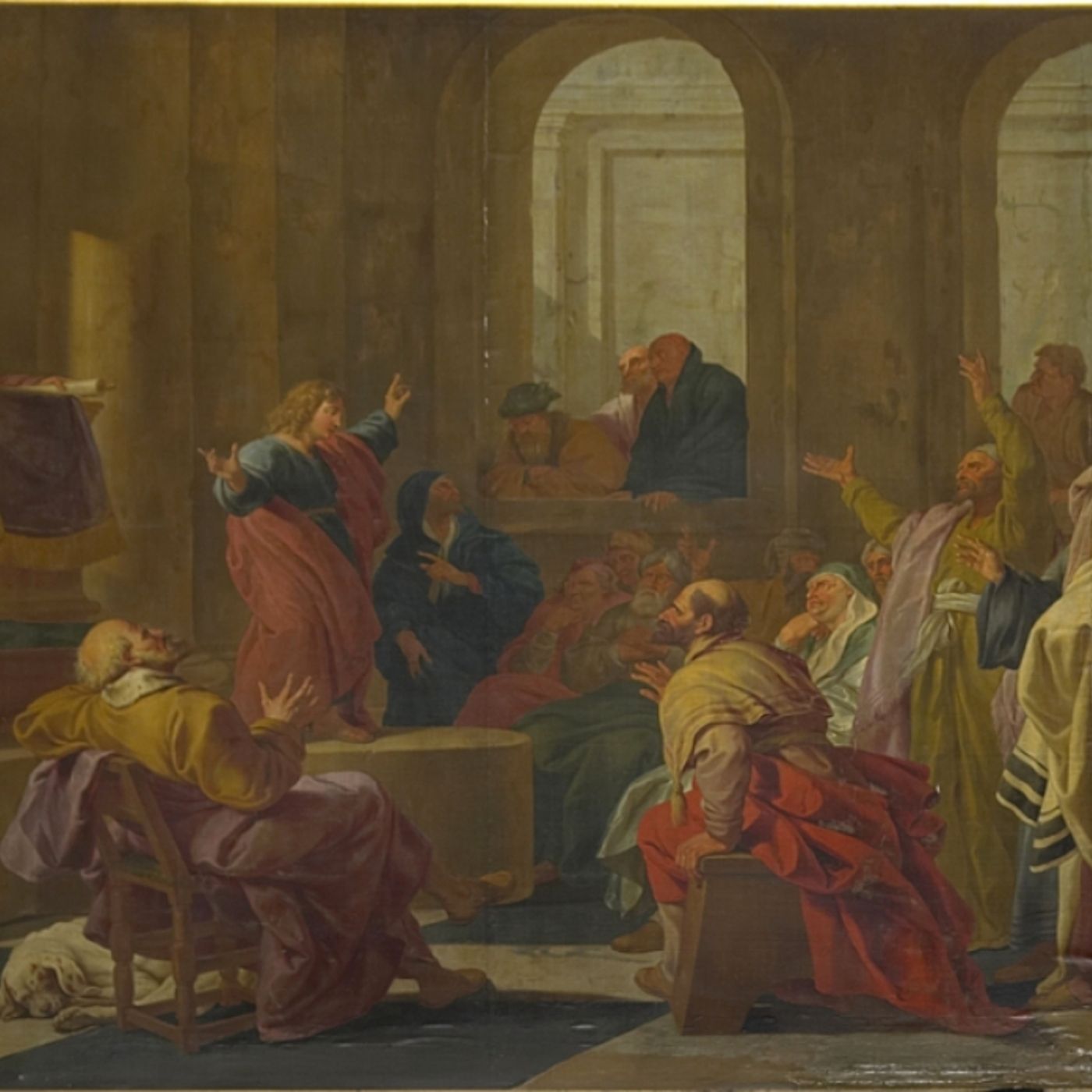
Apr 22, 2024
Tuesday of the Fourth Week of Easter - Learning the Language of God
Jesus walked about in the temple area on the Portico of Solomon. So the Jews gathered around him and said to him, “How long are you going to keep us in suspense? If you are the Christ, tell us plainly.” Jesus answered them, “I told you and you do not believe.” John 10:24–25 Why is it that these people did not know that Jesus was the Christ? They wanted Jesus to speak “plainly” to them, but Jesus surprises them by saying that He already answered their question but they “do not believe.” This Gospel passage continues the beautiful teaching about Jesus being the Good Shepherd. It’s interesting that these people want Jesus to speak plainly about whether or not He is the Christ, but instead, Jesus speaks plainly about the fact that they do not believe in Him because they are not listening. They have missed what He has said and are left in confusion. One thing this tells us is that God speaks to us in His own way, not necessarily in the way we would like Him to speak. He speaks a mystical, profound, gentle and hidden language. He reveals His deepest mysteries only to those who have come to learn His language. But to those who do not understand God’s language, confusion sets in. If you ever find yourself confused in life, or confused about the plan God has for you, then perhaps it’s time to examine how carefully you listen to the way God speaks. We could beg God, day and night, to “speak plainly” to us, but He will only speak in the way He has always spoken. And what is that language? On the deepest level, it’s the language of infused prayer. Prayer, of course, is different than only saying prayers. Prayer is ultimately a relationship of love with God. It’s a communication on the deepest level. Prayer is an act of God within our soul by which God invites us to believe in Him, to follow Him, and to love Him. This invitation is continually offered to us, but too often we fail to hear it because we fail to truly pray. Much of John’s Gospel, including Chapter Ten from which we are reading today, speaks in a mystical way. It’s not possible to simply read it like a novel and comprehend all that Jesus says with one read. Jesus’ teaching must be heard in your soul, prayerfully, pondered, and heard. This approach will open the ears of your heart to the certitude of the voice of God. Reflect, today, upon the mysterious ways in which God communicates to you. If you do not understand how He speaks, then that is a good starting point. Spend time with this Gospel, prayerfully pondering it. Meditate upon Jesus’ words, listening for His voice. Learn His language through silent prayer and allow His holy words to draw you to Himself. My mysterious and hidden Lord, You speak to me day and night and continually reveal Your love to me. Help me to learn to listen to You so that I may grow deep in faith and may truly become Your follower in every way. Jesus, I trust in You. Source of content: catholic-daily-reflections.com Copyright © 2024 My Catholic Life! Inc. All rights reserved. Used with permission via RSS feed. Featured images above: Jesus Walks in the Portico of Solomon By James Tissot, via Wikimedia Commons
Apr 21, 2024
Monday of the Fourth Week of Easter - Recognizing the Voice of God
“But whoever enters through the gate is the shepherd of the sheep. The gatekeeper opens it for him, and the sheep hear his voice, as the shepherd calls his own sheep by name and leads them out. When he has driven out all his own, he walks ahead of them, and the sheep follow him, because they recognize his voice.” John 10:2–4 Do you recognize the voice of the Shepherd? Does He lead you each and every day, guiding you into His holy will? How attentive are you to what He speaks each day? These are some of the most important questions to ponder. Recognizing God’s voice is something that many people struggle with. There are often many competing “voices” that speak to us each and every day. From the latest news in the headlines, to the opinions of friends and family, to the temptations all around us within the secular world, to our own self-drawn opinions, these “voices” or “ideas” that fill our minds can be hard to sort through. What is from God? And what is from other sources? Recognizing the voice of God is indeed possible. First of all, there are many general truths that God has already spoken to us. For example, everything contained in the Holy Scriptures is the voice of God. His Word is alive. And when we read the Scriptures, we become more and more familiar with God’s voice. God also speaks to us through gentle inspirations that result in His peace. For example, when considering a certain decision you may need to make, if you present that decision to our Lord prayerfully and then remain open to whatever He wants of you, oftentimes His answer comes in the form of a deep and certain peace of heart. Learning to recognize the voice of God in your daily life is accomplished by building an interior habit of listening, recognizing, responding, listening some more, recognizing and responding, etc. The more you hear the voice of God, the more you will recognize His voice in the most subtle of ways, and the more you come to hear the subtleties of His voice, the more you will be able to follow. In the end, this is only accomplished by an ongoing habit of deep and sustaining prayer. Without that, it will be very difficult to recognize the voice of the Shepherd when you need Him the most. Reflect, today, upon how attentive you are to God in prayer. What does your daily prayer look like? Do you spend time each day listening to the gentle and beautiful voice of our Lord? Do you seek to form a habit by which His voice becomes clearer and clearer? If not, if you do struggle in recognizing His voice, then make the decision to establish a deeper habit of daily prayer so that it is the voice of our loving Lord Who leads you every day. Jesus, my Good Shepherd, You speak to me each and every day. You are constantly revealing to me Your most holy will for my life. Help me to always recognize Your gentle voice so that I can be led by You through the challenges of life. May my life of prayer become so deep and sustaining that Your voice always echoes within my heart and soul. Jesus, I trust in You. Source of content: catholic-daily-reflections.com Copyright © 2024 My Catholic Life! Inc. All rights reserved. Used with permission via RSS feed. Featured images above: Jesus, the Good Shepherd window at St. Matthew’s Lutheran Church, Charleston, South Carolina, via Wikimedia Commons
Apr 20, 2024
Fourth Sunday of Easter (Year B) - Instruments of the Good Shepherd
Jesus said: “I am the good shepherd. A good shepherd lays down his life for the sheep. A hired man, who is not a shepherd and whose sheep are not his own, sees a wolf coming and leaves the sheep and runs away, and the wolf catches and scatters them. This is because he works for pay and has no concern for the sheep.” John 10:11–13 Today, on the Fourth Sunday of Easter, we celebrate Good Shepherd Sunday. It is a day when we reflect upon the tender image of Jesus as the Shepherd of us all. It is also a day set aside to pray for more shepherds within our Church who will shepherd God’s flock with the Heart of Christ. Our Gospel passage comes from John 10 which, in part, is a commentary on the previous chapter that includes the long and detailed story of the healing of the blind man. Recall that Jesus healed this man who was blind from birth. He did this healing “so that the works of God might be made visible through him.” As a result of this man's healing, the Pharisees cast the blind man out of the synagogue, not believing that Jesus’ healing was from God. After the man was cast out of the synagogue, Jesus spoke with him again and he professed his deep faith in Jesus, the true Shepherd. The healed blind man said, “I do believe, Lord.” Then he worshiped Jesus. Thus, the greater healing of this man was that he became a member of God’s flock, accepting Jesus as his true Shepherd. Our Gospel today is Jesus’ commentary upon the actions of the Pharisees in contrast to His own. The Pharisees, as religious leaders, were not shepherds. They were “thieves and robbers” who came to “steal and slaughter and destroy.” Jesus, however, came so that those who listened to His voice “might have life and have it more abundantly.” The Gospel passage quoted above explains why the Pharisees were not true shepherds. It was because they “work for pay” and have “no concern for the sheep.” Think about that statement as it applies to the Pharisees and their treatment of this man who was blind from birth. First of all, the “pay” that these Pharisees worked for was their own self importance—a fleeting and worldly reward. They saw themselves as the true teachers and interpreters of the Law and saw anyone who did not follow them as a threat. The Pharisees clearly perceived Jesus as such a threat to them. For that reason, they took their envy out on this humble and simple blind man. They were not shepherds to him. They did not encourage him, support him, point him to God or act in any way as an instrument of God’s grace. Instead, they condemned this innocent and holy man out of their pride. Though God shepherds us today through His sacred pastors, we are all called to participate in this shepherding of the Good Shepherd in our own unique way. We are called to lead those within our families, at work, at school, within our neighborhoods, social circles and in every other societal context. But too often we imitate these Pharisees by allowing our own selfishness and desire for self importance to interfere with our ability to put others first and love them with the Shepherd's heart. Reflect, today, upon the calling you have received to lay down your life for others in imitation of the Good Shepherd. In order to imitate this love in the Heart of Christ, we must love without seeking love in return. Laying our lives down is an act of sacrificial love that enables us to look only at the needs of those around us. Pride and selfishness must disappear, and the good of the other must become our only goal. Reflect upon how well you do this, and pray that the Good Shepherd will use you to shepherd those in your life who need it the most. Divine Shepherd, You came to lay down Your life for us all so that we might have life and have it to the fullest. Like the blind man You cured, I profess my belief in You and worship You. Help me to receive and imitate Your love so that I will lay my life down for others, leading them to You, their holy Shepherd. Jesus, my Good Shepherd, I trust in You. Source of content: catholic-daily-reflections.com Copyright © 2024 My Catholic Life! Inc. All rights reserved. Used with permission via RSS feed. https://stock.adobe.com/images/vienna-fresco-of-jesus-as-good-shepherd/62871846?prev_url=detail
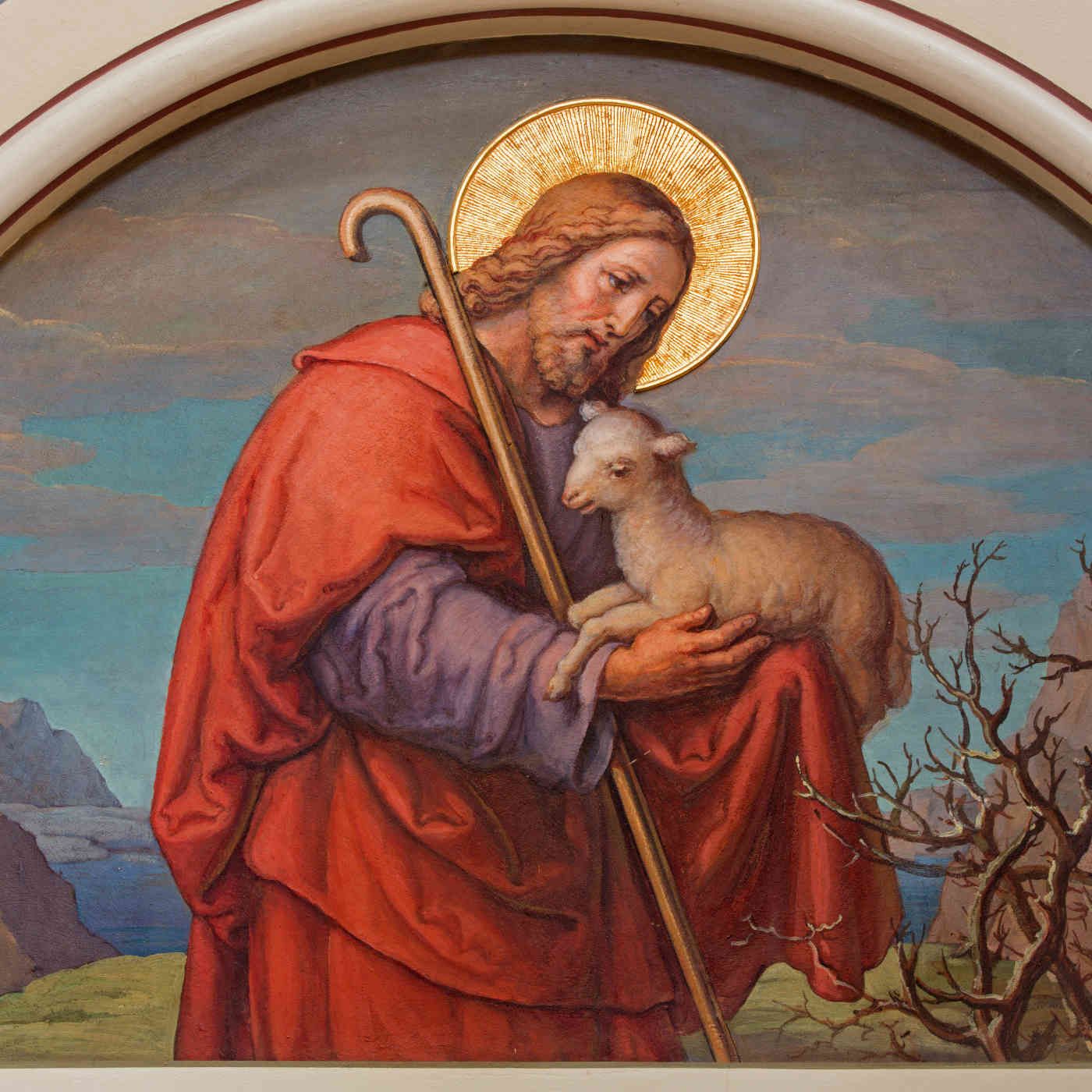
Apr 19, 2024
Saturday of the Third Week of Easter - A _Hard_ and Deep Mystery
As a result of this, many of his disciples returned to their former way of life and no longer walked with him. Jesus then said to the Twelve, “Do you also want to leave?” John 6:66–67 Today’s Gospel concludes the beautiful and profound sermon on the Bread of Life (see John 6:22–71). When you read this sermon from beginning to end, it is noticeable that Jesus moves from more general statements about the Bread of Life that are easier to accept to more specific statements that are challenging. He concludes His teaching just prior to today’s Gospel by saying very directly, “Whoever eats my flesh and drinks my blood remains in me and I in him.” After Jesus said this, many who had been listening to Him left Him and no longer followed Him. There are generally three common attitudes people have toward the Most Holy Eucharist. One attitude is that of profound faith. Another is that of indifference. And a third is what we find in today’s Gospel: disbelief. Those who walked away from Jesus in today’s Gospel did so because they said, “This saying is hard; who can accept it?” What a great statement and question to ponder. It is true, in a certain way, that the teaching of Jesus on the Most Holy Eucharist is a hard saying. “Hard,” however, is not bad. It’s hard in the sense that belief in the Eucharist is only possible through a faith that comes from a deep interior revelation from God. In the case of those who walked away from Jesus, they heard His teaching, but their hearts were closed to the gift of faith. They remained stuck on a purely intellectual level, and, thus, the idea of eating the Flesh and Blood of the Son of God was more than they could comprehend. So who could accept such a statement? Only those who listen to our Lord as He speaks to them interiorly. It is only that interior conviction that comes from God that can be proof of the truthfulness of the Holy Eucharist. Do you believe that when you consume that which appears to be only “bread and wine,” you are actually consuming Christ Himself? Do you understand this teaching of our Lord on the Bread of Life? It is a hard saying and a difficult teaching, which is why it must be taken very seriously. For those who do not flat out reject this teaching, there is also the temptation to be somewhat indifferent to the teaching. It can easily be misunderstood to be just symbolism in the way our Lord talks. But the symbolism is much more than just symbolism. It’s a profound, challenging, and life-changing teaching of how we share in the divine and eternal life our Lord wishes to bestow upon us. Reflect, today, upon how deeply you believe this hard saying of Jesus. The fact that it is a “hard” saying should make you seriously examine your own faith or lack thereof. What Jesus teaches is life-changing. It’s life-giving. And when clearly understood, you will be challenged to either believe with your whole heart or turn away in disbelief. Allow yourself to believe in the Most Holy Eucharist with your whole heart and you will find that you are believing one of the most profound Mysteries of Faith. My glorious Lord, Your teaching on the Most Holy Eucharist is beyond human comprehension. It is a mystery so deep that we will never fully understand this precious gift. Open my eyes, dear Lord, and speak to my mind so that I may listen to Your words and respond with the deepest faith. Jesus, I trust in You. Source of content: catholic-daily-reflections.com Copyright © 2024 My Catholic Life! Inc. All rights reserved. Used with permission via RSS feed. Featured image above: Ordaining of the Twelve Apostles By James Tissot, via Wikimedia Commons
Apr 18, 2024
Friday of the Third Week of Easter - A "Holy Fear"
“Amen, amen, I say to you, unless you eat the Flesh of the Son of Man and drink his Blood, you do not have life within you. Whoever eats my Flesh and drinks my Blood has eternal life, and I will raise him on the last day. For my Flesh is true food, and my Blood is true drink.” John 6:53–55 On a philosophical level, it’s useful to consider various things that appear to be “competing forces.” Good appears to be the opposite of evil. Light the opposite of dark. Heat the opposite of cold. And life the opposite of death. But are they truly opposites in the sense of being competing forces? When considered carefully, it is clear that good and evil, light and dark, heat and cold, and life and death are not actually “competing forces;” rather, evil is simply the absence of good, darkness the absence of light, cold the absence of heat, and death the loss of life. And though this philosophical distinction may not seem that interesting to some, and confusing to others, it is a helpful truth to ponder in light of today’s Gospel. Today’s Gospel tells us that failure to “eat the Flesh of the Son of Man and drink his Blood” results in death. Death is the loss of life, and the Eucharist is the source of life. Jesus says that if you fail to eat His Flesh and drink His Blood, “you do not have life within you.” This bold teaching of Jesus should cause us to stop and examine our approach to the Most Holy Eucharist. Sometimes we can fall into the trap of thinking that going to Mass and receiving Communion is something we do as a “favor” to our Lord. But in truth, it’s God’s most profound favor to us, because the Eucharist is the gateway to eternal life. And without it, we have no life within us. Our spirits die because we lose the presence of God. Looking at the negative effect of not receiving the Most Holy Eucharist can be very useful. Sometimes we need to consider the consequences of our actions as a way of motivating us to greater fidelity. For that reason, considering the fact that failure to eat the Flesh of the Son of God results in death should be very motivating. It should fill us with a holy fear of the loss of the life-giving presence of God within us. This “holy fear” is a true gift from God and is, in fact, one of the Seven Gifts of the Holy Spirit. Reflect, today, upon your interior attitude toward the Most Holy Eucharist. Do you see your participation in the Holy Mass more as a favor you offer to our Lord? Or do you see it as it is: the life-giving source of eternal life? Reflect upon how important this precious gift truly is and recommit yourself to a faithful and devout participation in this most holy Gift. My Eucharistic Lord, Your Flesh and Blood are truly the source of eternal life for all who receive You in faith. I thank You, dear Lord, for this most precious Gift of the Most Holy Eucharist, and I pray that I will be filled with a deep hunger and thirst for You always. Jesus, I trust in You. Source of content: catholic-daily-reflections.com Copyright © 2024 My Catholic Life! Inc. All rights reserved. Used with permission via RSS feed. Featured images above: Fra Angelico (Guido di Pietro) 1400-1455. Florence. The Sermon on the Mount, via flickr
Apr 17, 2024
Thursday of the Third Week of Easter - The Flesh of Our Lord
I am the living bread that came down from heaven; whoever eats this bread will live forever; and the bread that I will give is my Flesh for the life of the world.” John 6:51 Jesus was starting to stir up the emotions of some within the crowd. They began to ridicule Him because He had said that He was the “bread that had come down from heaven.” Thus, many of those who had sought Jesus out in hopes of another miraculous free meal began to murmur among themselves and ridicule Him. As a result, Jesus began to speak even more clearly and shockingly. He then went even further and said that He is not only the “living bread that came down from heaven” but that those who want to “live forever” must also eat His “Flesh.” How would you have reacted to such a statement if you were among those within the crowd? Consider the fact that you would have recently seen, with your own eyes, the miracle of the multiplication of the loaves and fishes. Therefore, you would have realized that Jesus was someone special, to say the least. But how would you have reacted to this statement of Jesus, “and the bread that I will give is my Flesh for the life of the world,” if you had heard it spoken at that time? Most likely, your reaction would have been the same reaction that you have right now to the teaching of the Most Holy Eucharist. Many who heard Jesus speak this way may have thought it was a bit of an unusual thing to say. Some would have reacted strongly, while others would have reacted with indifference. But some would have had an entirely different reaction. Some would have heard Jesus speak these new and shocking words, would have realized that they did not fully understand what He meant, but would have believed deeply on account of the gift of faith. Somehow they would have known, in the depths of their consciences, that they did indeed need to eat the Flesh of Him Who came down from Heaven since He was indeed the Bread of Life. Believing in the Eucharist, in the fact that these tangible and visible gifts of the Sacred Host and the Precious Blood are, in fact, the Body and Blood, Soul and Divinity of the Eternal Son of God, can only happen through the interior and transforming gift of faith. How else can you believe such a teaching? How else could you believe that these words in today’s Gospel have come true? And that the reception of the Most Holy Eucharist is the pathway to eternal life? The gift of faith in the Most Holy Eucharist is the one and only way to understand, accept and deeply believe what our Lord has spoken in this Holy Gospel. Reflect, today, upon Jesus speaking these most holy words for the first time: “...the bread that I will give is my Flesh for the life of the world.” As you prayerfully reflect upon these words, ponder how deeply you believe them. How deep is your faith in the Most Holy Eucharist? The Eucharist is the fulfillment of this passage, and our divine Lord invites you to not only believe in His holy words but to allow this truth to transform you in ways beyond what you could ever imagine. My Eucharistic Lord, You are truly the Bread of Life, and all those who eat Your Flesh and drink Your Blood will inherit eternal life. I do believe this, dear Lord. I believe that the Most Holy Eucharist is You, Your Soul and Divinity, given to me so that I can share in Your holy life. Give me the grace I need to deepen my faith in the Most Holy Eucharist so that I will be drawn more fully into the joys of Your Eternal Kingdom. Jesus, I trust in You. Source of content: catholic-daily-reflections.com Copyright © 2024 My Catholic Life! Inc. All rights reserved. Used with permission via RSS feed. Featured images above: Christ Preaching (La Petite Tombe) By Rembrandt, via Wikimedia Commons
Apr 16, 2024
Wednesday of the Third Week of Easter - Holy Sight
“For this is the will of my Father, that everyone who sees the Son and believes in him may have eternal life, and I shall raise him on the last day.” John 6:40 Do you believe in Jesus? Unquestionably the answer is “Yes.” However, to believe in our Lord is something that must deepen with every passing day. Therefore, if you do have faith in Jesus, you can also admit that you do not have faith enough. In this Gospel passage in which the “Bread of Life Discourse” is continued, Jesus calls us to do two things. First, we must see Him. Second, we must believe . Let’s start with the first. When Jesus first spoke these words to the crowd, they did see His physical presence. But many of them did not see beyond the surface. They saw His miracles, heard His teaching, but very few saw the deeper reality of Jesus as the Son of the Eternal Father and the Savior of the World. If you are to believe in our Lord and all that He is, then you must first see Him. One of the best ways to foster this “holy sight” of our Lord is to gaze at Him in the Most Holy Eucharist. When you attend Mass or spend time in adoration and look upon the Most Holy Eucharist, what do you see? Do you see the Eternal Son? Do you see His holy divinity? Do you see your God and the Lord of all? As we stand or kneel before our Lord, present in the Most Holy Eucharist, it’s easy to become distracted. It’s easy to allow our minds to wander to the many other aspects of our daily lives and to fail to see the eternal Son of God as He is present to us. Reflect, today, upon the way you look at our Lord. If you want to deepen your faith, your belief, then start with your sight. Start by considering how you look at Jesus, present in the Most Holy Eucharist. If you are blessed to be with Him this day at the Holy Mass or in adoration, examine the way to see Him. Gaze at Him. Make an intentional act of faith in His divine presence. Acknowledge His Godhead, His glory, His holiness and His sacred presence. If you can look beyond the surface and lift the veil that covers His glory, then this holy gift of sight will give way, also, to the gift of profound faith. My ever-present Lord, I thank You profoundly for the way You come to me in the Most Holy Eucharist. I thank You for Your divine presence and glory. Help me to see beyond the veil of the appearance of bread and wine so that I can see more clearly Your divinity. As I see Your divine presence, dear Lord, help me to profess my belief in You with greater certitude and faith. Jesus, I trust in You. Source of content: catholic-daily-reflections.com Copyright © 2024 My Catholic Life! Inc. All rights reserved. Used with permission via RSS feed.
Apr 15, 2024
Tuesday of the Third Week of Easter - The Bread of Life
So they said to Jesus, “Sir, give us this bread always.” Jesus said to them, “I am the bread of life; whoever comes to me will never hunger, and whoever believes in me will never thirst.” John 6:34–35 Imagine if you were to never grow hungry or never thirst again. On a natural level, this would be an interesting reality. Of course, if you never had physical hunger or thirst, then you may never enjoy the delight of good food and drink. So why would anyone want to lose out on such delights? Of course, Jesus was not speaking of natural food and drink, He was speaking of supernatural hunger and thirst. And He was not saying that the spiritual food and drink He came to give us would eliminate our ability to delight in spiritual fulfillment. On the contrary, Jesus was saying that the spiritual food and drink He was to provide would result in never-ending fulfillment and satisfaction. Chapter 6 of John’s Gospel will continue to be read throughout this week, the Third Week of Easter. This chapter presents us with what is traditionally called the “Bread of Life Discourse.” It’s John’s deep, mystical and profound teaching on the Most Holy Eucharist. First of all, it’s useful to look at this Gospel within its context. Recall that on the previous day, Jesus performed the miracle of the multiplication of the loaves and fishes, and a crowd of people who had been fed by Him were now seeking more food. Jesus uses their desire for more food to begin to teach them about the Most Holy Eucharist, and He wants to do the same for you. Put yourself into this scene. What is it that you hunger and thirst for the most? Perhaps you have plenty of physical food, but perhaps you don’t. If you do, what else do you crave? What do you desire? When you have identified your deepest desires right now, use these desires to allow our Lord to teach you about the Bread of Life. It might be useful to say to our Lord, “Here are my current desires in life…” And then, allow yourself to hear Jesus say to you, “I want to give you so much more. I am what you truly long for. If you come to Me, you will have all your desires fulfilled and more.” This is essentially the conversation Jesus had with this crowd throughout John Chapter 6. Do you believe that the Most Holy Eucharist is capable of fulfilling you on the deepest level? Too often we approach that Sacrament in a lazy and distracted way. As a result, we often fail to truly receive our Lord on a level that provides this deepest delight and satisfaction. Reflect, today and throughout this week, upon your approach to Holy Communion. The Eucharist is Christ Himself. It’s a gift that has the potential to not only sustain us in every way but also to draw us into the greatest Heavenly delights. Believe Jesus’ words in this holy chapter of John’s Gospel. For if you deepen your belief in all that Jesus has said, you will begin to realize that all you crave in life will begin to be fulfilled by this precious gift in ways beyond your imagination. My Eucharistic Lord, You are the Bread of Life. You are all that I desire in life. Give me the grace of understanding, dear Lord, so that I can come to believe all that You have revealed about the Most Holy Eucharist. I do believe, my God. Help my unbelief. Jesus, I trust in You. Source of content: catholic-daily-reflections.com Copyright © 2024 My Catholic Life! Inc. All rights reserved. Used with permission via RSS feed. Image: Christ the Saviour By Juan de Juanes, via Wikimedia Commons
Apr 14, 2024
Monday of the Third Week of Easter - Food for Eternity
“Rabbi, when did you get here?” Jesus answered them and said, “Amen, amen, I say to you, you are looking for me not because you saw signs but because you ate the loaves and were filled. Do not work for food that perishes but for the food that endures for eternal life, which the Son of Man will give you.” John 6:25–27 What do you work for in life? That which ultimately perishes? Or that which is eternal? This is an important question to sincerely answer. Too often we spend most of our lives putting most of our time and energy into those things that have little value for eternity. The day before the above quoted conversation, Jesus had multiplied the loaves and fishes and fed five thousand households. The people were so impressed that the next day, when they were hungry again, they came looking for Jesus and found Him on the other side of the lake. Jesus, of course, immediately understands the situation. He realizes that the crowd of people who found Him were more interested in another meal than they were in the spiritual food that is eternal. So Jesus gently uses the opportunity to give them this short lesson about what is most important. The “food that endures for eternal life” is ultimately faith in Jesus. Imagine if you were one of those people who witnessed, first hand, the miracle of the multiplication of the loaves and fishes. What sort of an impact would that have had on you? Would it have drawn you into a deep faith in Jesus, the Son of God? Or would you have been more impressed with the free and miraculous food? What’s interesting is that Jesus feeds the five thousand when they are not expecting it and not desiring it. But when they do come expecting it and desiring it the next day, He refuses. Jesus refuses another miracle because He wants the people to look deeper to the eternal reality. In our own lives, living primarily for the deeper and eternal reality is often hard to do. It’s easy to keep our eyes on the superficial and less important aspects of life. How do I make more money? Or buy a new car? Or have a fancier meal? How can I better entertain myself? What new piece of clothing should I buy? And the list goes on. Of course none of these things are evil, but they are all passing and will not have an effect upon our eternal soul. And, in fact, if we give too much attention to the superficial and least important aspects of life, they will have the effect of distracting us from that which is most important. Reflect, today, upon this challenge from Jesus. Do not work for that which perishes; work for that which is eternal. Look at your priorities in life. Where is your focus? What concerns you the most every day? Hopefully your greatest concern is to grow deeper in faith in the Son of God. Hopefully it is to live the charity that is eternal. If you honestly look at your life and the goals you have and see yourself overly concerned with the things of this world, then allow these words of our Lord to speak to you directly so that you are storing up riches for eternal life. My most glorious Lord, You are the Food that is eternal. You are the Food for everlasting life. Give me the wisdom I need, dear Lord, to turn my eyes from the passing and least important things of this world and to turn, instead, to that which is eternal. May I keep my eyes upon You and be nourished by my faith in You. Jesus, I trust in You. Source of content: catholic-daily-reflections.com Copyright © 2024 My Catholic Life! Inc. All rights reserved. Used with permission via RSS feed. Featured image above: Sermon on the Mount By Cosimo Rosselli, via Wikimedia Commons
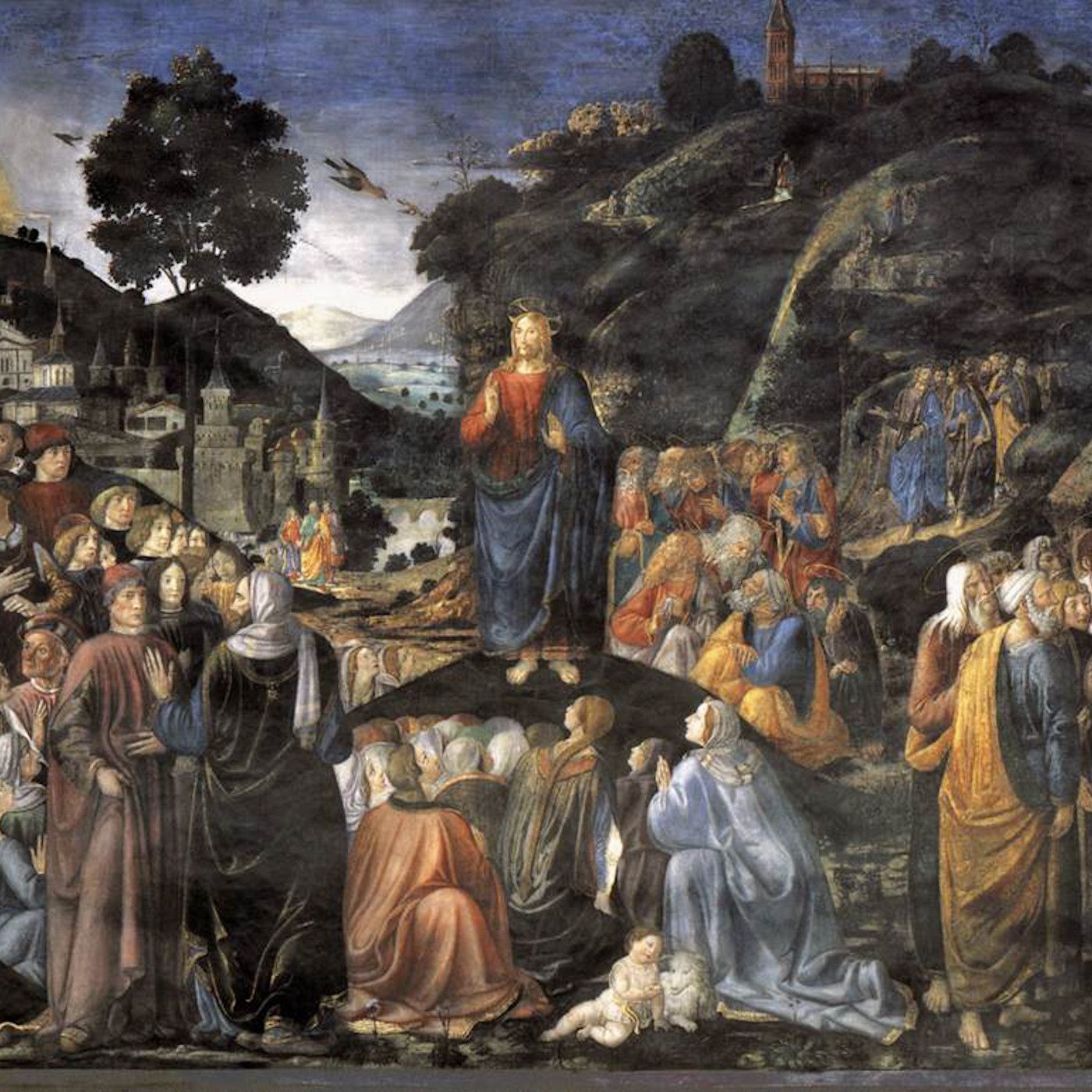
Apr 13, 2024
Third Sunday of Easter (Year B) - Spiritual Knowledge From Within
“Why are you troubled? And why do questions arise in your hearts? Look at my hands and my feet, that it is I myself. Touch me and see, because a ghost does not have flesh and bones as you can see I have.” Luke 24:38–39 Imagine if Jesus appeared to you. What if He showed you the wounds in His hands and feet and invited you to touch Him so as to believe. Would you believe? Most likely you would, to a certain extent. It would be the beginning of an experience that could be life-changing, just as it was for these disciples. Our Lord’s appearance to the disciples led to their transformation from men who were confused and doubtful to men who were filled with joy and zeal. Eventually, they would go forth preaching about Jesus as witnesses to His death and Resurrection with courage and with a desire that all who heard them would turn to Jesus as their Savior. In the first reading of today’s Mass, Saint Peter is recorded as doing this very thing. After healing a crippled man at the gate of the Temple, a crowd gathered in amazement and Peter preached to them about Jesus. He concluded His sermon by saying, “God has thus brought to fulfillment what he had announced beforehand through the mouth of all the prophets, that his Christ would suffer. Repent, therefore, and be converted, that your sins may be wiped away.” Today, we are entrusted with the same mission given to our Lord’s disciples, and we must preach with the same zeal, courage and conviction with which they preached. First, we must become as certain as they were about Jesus’ triumph over sin and death. We must turn from all sin and believe that the fullness of life is found only in Christ Jesus. But then we must commit ourselves to the proclamation of this faith with every fiber of our being. Begin by considering how deeply you believe in Jesus as the Savior of the World. Though it might be tempting to think that having Jesus appear to you in person would help deepen your faith in Him, the truth is that the first disciples were not primarily convinced because of the physical appearances of Jesus. Rather, this gift came primarily through the spiritual touching of their minds. After appearing to the disciples physically, we read that Jesus “opened their minds to understand the Scriptures.” This was what convinced them more than anything—the spiritual gift of understanding. And that gift is offered to you today, just as it was to the first followers of Jesus. Saint Thomas Aquinas explains that the spiritual gift of understanding is a gift that reveals to us the very essence of God. He explains that it is a much deeper form of knowledge than that which is obtained through our five senses. Thus, simply seeing something with our eyes, touching it or hearing it is not nearly as convincing as the knowledge obtained through the spiritual gift of understanding. The gift of understanding enables us to “read inwardly” and to penetrate the very essence of something. For that reason, the physical appearance of Jesus might have been the first step toward believing, but it wasn’t until these same disciples encountered our Lord within their souls, perceiving the very essence of His Resurrection inwardly, that they were forever changed. Only this form of knowledge could then convince them to go forth and proclaim the message of salvation. Reflect, today, upon your own knowledge of Jesus and the transforming power of His Resurrection in your life. Has God spoken to you within the depths of your soul? Have you perceived this inward knowledge and had your mind opened? Listen attentively to our Lord—not just with your ears but primarily with your spirit. It is there, within you, that you, like the first disciples, will come to know and believe in the life, death and resurrection of Christ so that you can then go forth empowered to proclaim these truths to others. My revealing Lord, You showed Yourself to Your disciples not only physically but spiritually, revealing Your very essence to them interiorly. Please bestow this gift upon me, dear Lord. May I come to know You and believe in You with all my heart. As I do, please use me as an instrument of Your mercy to others. Jesus, I trust in You. Source of content: catholic-daily-reflections.com Copyright © 2024 My Catholic Life! Inc. All rights reserved. Used with permission via RSS feed. Featured images above: Appearance of Jesus to the disciples, fresco in the basilica of Saint Andrew in Mantua, Italy, via Adobe
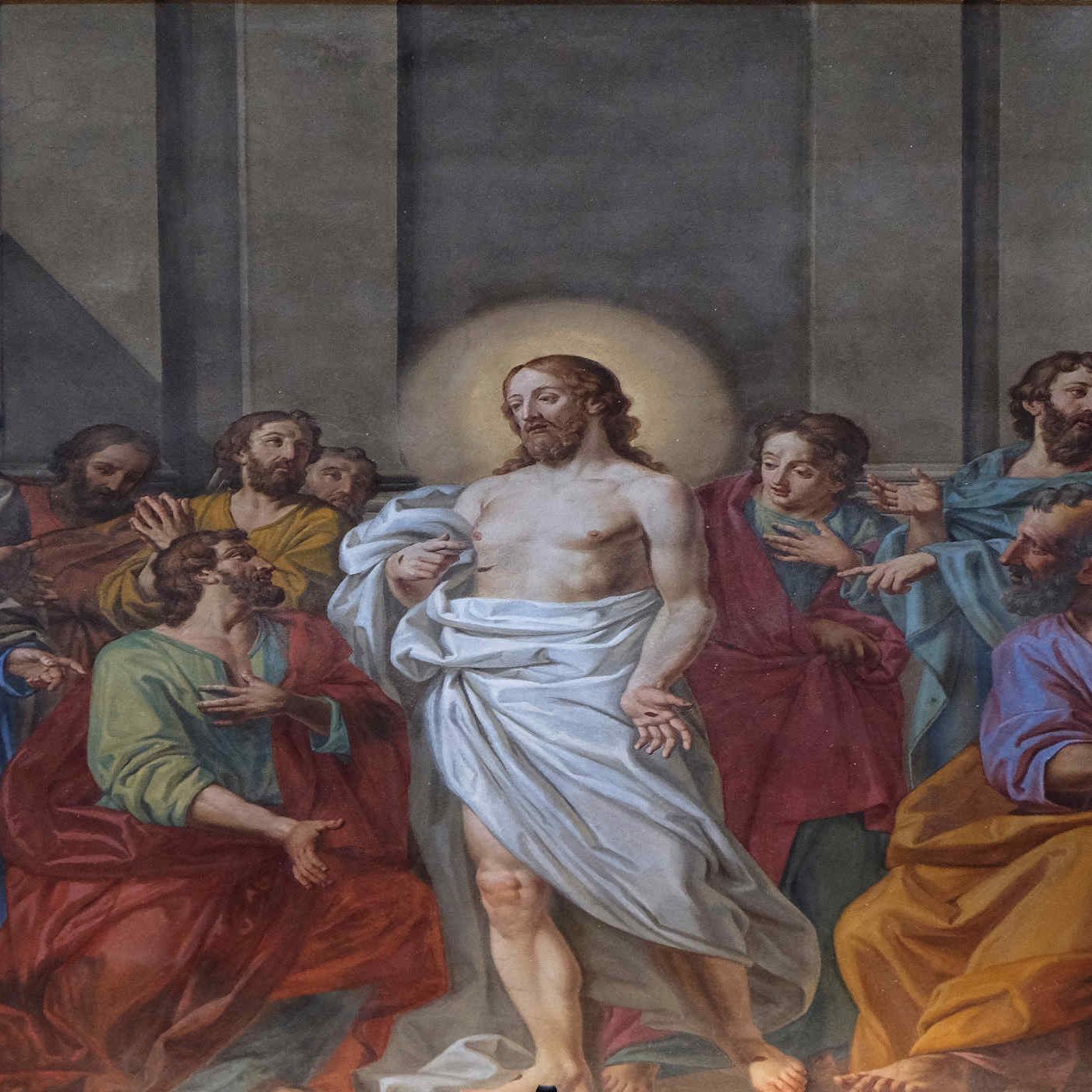
Apr 12, 2024
Saturday of the Second Week of Easter - Do Not Be Afraid
When they had rowed about three or four miles, they saw Jesus walking on the sea and coming near the boat, and they began to be afraid. But he said to them, “It is I. Do not be afraid.” John 6:19–20 On October 22, 1978, Pope Saint John Paul II was inaugurated as the 264th pope of our Holy Church. During his homily, the Holy Father said, “Brothers and sisters, do not be afraid to welcome Christ and accept his power.” The phrase “Do not be afraid” was repeated over and over again throughout his pontificate. In his book, Crossing the Threshold of Hope, which was written as a preparation for the new millenia, the Holy Father explained the following: “When pronouncing these words in St. Peter’s Square, I already knew that my first encyclical and my entire papacy would be tied to the truth of the Redemption. In the Redemption we find the most profound basis for the words “Be not afraid!”: “For God so loved the world that he gave his only Son” (cf. Jn 3:16). This exhortation against fear is repeated throughout the Bible numerous times. It is found in the Old Testament over a hundred times in some form and in the New Testament over fifty times. Again and again, God wants us to conquer fear, worry, and anxiety. He wants us to trust in Him in all things and place all of our hope in Him. What is it that you fear the most in life? For some, fear comes on a daily basis. Perhaps you face financial insecurity, poor health, a broken relationship, psychological difficulties, etc. There are numerous things in life that can easily tempt us to fear. In the Gospel passage for today, Jesus walks toward His disciples on the water during a turbulent time on the Sea of Galilee. The wind was blowing, and the waves were distressing. And though these fishermen had spent many nights on the sea, Jesus chose to come to them at this moment, not so much to help them get to shore but to teach all of us that no matter what “storm” we face in life, He will be there in ways that are truly miraculous. Certainly, none of the disciples ever expected to see Jesus walking on the water in the middle of the night while the waves were crashing upon their boat. But Jesus did this and spoke those words, “Do not be afraid,” because He wanted us to know that no matter what we struggle with in life, He is always there, coming to us in love, and will see us safely to the shore of His peace. If fear is something you struggle with on a personal level, then turn your eyes to the reality of the Redemption. The Father sent the Son into the world to save you. Jesus did not only come to teach, or to inspire, or to help. He came to save. To redeem. To destroy death, fear, sin and all that keeps us from the Father. His saving act changes humanity forever. If you understand that and believe it, then nothing can steal away your peace and fill you with fear. Reflect, today, upon this powerful little phrase: “Do not be afraid!” Imagine yourself in the boat with the disciples at night, being tossed by the waves, surrounded by darkness. And then see Jesus coming to you speaking those words. Know that He speaks them to you in the darkest moments of your life and that He will never leave you. Hope in Him and let His saving act of the Redemption transform your life forever. Jesus, my Redeemer, I thank You for coming into this world to save us. Thank You for the gift of the Redemption of the world. When I am tempted to fear and turn my eyes to the difficulties of the world, give me the grace I need to turn to You in hope and trust. Enter the storms of my life, dear Lord, and lift my burden of fear. Jesus, I trust in You. Source of content: catholic-daily-reflections.com Copyright © 2024 My Catholic Life! Inc. All rights reserved. Used with permission via RSS feed. Featured images above: Jesus walking on the Sea of Galilee By Paul Bril and Frederik van Valckenborch, via Wikimedia Commons

Apr 11, 2024
Friday of the Second Week of Easter - Superabundance
“Gather the fragments left over, so that nothing will be wasted.” So they collected them, and filled twelve wicker baskets with fragments from the five barley loaves that had been more than they could eat.” John 6:12–13 John’s Gospel is filled with much symbolic meaning. The passage above concludes the story of the miracle of the multiplication of the loaves and fishes. After feeding the multitude of people with only five barley loaves and two fish, they were able to fill twelve wicker baskets with what remained. What was the reason for the extra? Saint Augustine, in commenting upon this passage, explains that Jesus provided more than the people could eat as a way of symbolically representing spiritual truths that were beyond what the vast crowds could comprehend. Thus, Jesus’ teachings spiritually nourished the crowds to the point that they were fully satisfied. But even though the general crowds were satisfied with what Jesus taught them, there was still so much more that He had to teach. These deeper spiritual truths are represented by the extra twelve baskets. The twelve baskets represent the Twelve Disciples. They were the ones specially chosen by Jesus to receive so much more. Recall the times when Jesus taught the crowds in parables and then, later, would explain the meaning to the Twelve in private. He revealed to them certain truths that most people could not understand and accept. It is helpful to consider three different groups of people in this miracle and apply those groupings to us today. The first group of people are those who were not even present for the miracle. Those who did not make the journey to be with Jesus in the wilderness. This is the largest group of people within society who go about their daily lives without even seeking minimal nourishment from our Lord. The second grouping of people is this “large crowd” who followed Jesus to the remote side of the Sea of Galilee to be with Him. These represent those who diligently seek out our Lord every day. These are those who are faithful to the celebration of the Mass, the reading of Scripture, to daily prayer and study. To this grouping of people, our Lord teaches many things, and they are nourished by His holy Word and Sacraments. The third grouping of people, the Twelve Disciples who are represented by the Twelve wicker baskets left over, are those who are exceptionally faithful to our Lord and continue to be nourished by Him in a superabundant way. These are those who seek to understand and embrace the deepest spiritual truths so as to be nourished and transformed on the deepest level. Reflect, today, upon the fact that the spiritual food our Lord wishes to offer you is most often far more than you can immediately accept and consume. But understanding that fact is the first step to disposing yourself to receive even more. As you reflect upon this superabundance of spiritual food from our Lord, recommit yourself especially to seek out that remaining “twelve wicker baskets” of spiritual truths. If you do, you will discover that there is truly no end to the transforming depths of the gifts of grace our Lord wishes to bestow upon you. My most generous Lord, You not only give spiritual nourishment to Your people, You give it in superabundance. As I daily seek You out and am filled with Your mercy, help me to never tire of feasting upon the superabundant gift of Your grace. Please do nourish me, dear Lord, and help me to consume Your holy Word. Jesus, I trust in You. Source of content: catholic-daily-reflections.com Copyright © 2024 My Catholic Life! Inc. All rights reserved. Used with permission via RSS feed. Featured image above: Multiplication of the loaves and fish By Ambrosius Francken I, via Wikimedia Commons
Apr 10, 2024
Thursday of the Second Week of Easter - The Meaning of Love
The Father loves the Son and has given everything over to him. John 3:35 It’s interesting to note that the words of today’s Gospel appear to be from Saint John the Baptist, since they come within the context of his testimony to Jesus. Some commentators, however, suggest that they are words that were actually spoken by Jesus and that the Evangelist inserts them here as a continuation of the testimony of the Baptist, attributing them to Saint John. Regardless of who actually spoke these words, the line quoted above gives us much to reflect upon, in that it gives us insight into the very meaning and practice of true love. What is love? Is it a feeling? An emotion? A drive or a desire for something or someone? Of course, the secular understanding of love is much different than a divine understanding of love. Oftentimes the secular view of love is more self-centered. To “love” someone or something is to want to possess that person or object. “Love” from a secular view focuses upon the attraction and desire. But true love, from a divine perspective, is very different. The line quoted above tells us two things: First, we are told that “The Father loves the Son…” But then we are given a definition of that love. We are told that love in this case results in the Father giving “everything over” to the Son. When we consider the word “everything” in this passage, it is clear that this can only refer to the Father giving Himself to the Son in totality. Within the life of the Father, everything means His very essence, His being, His personhood, His whole divine self. The Father does not say, “I want;” rather, the Father says, “I give.” And the Son receives all that the Father is. Though this is deep and mystical language, it becomes very practical for our lives when we understand that divine love is not about wanting, taking, desiring, feeling, etc. Divine love is about giving. It’s about the giving of oneself to another. And it’s not just about giving some of yourself away, it’s about giving “everything” away. If the Father gave everything to the Son, does that mean that the Father has nothing left? Certainly not. The beautiful nature of divine love is that it is never ending. The more one gives themself away, the more they have. Thus, the gift of the life of the Father to the Son is infinite and eternal. The Father never ceases to give, and the Son never ceases to receive. And the more the Father gives Himself to the Son, the more the Father becomes the essence of love itself. The same is true in our lives. It’s easy to fall into the trap of thinking that love should only go so far. But if we are to strive to imitate and participate in the love the Father has for the Son, then we must also understand that love is about giving, not receiving, and that the giving must be a gift of everything, holding nothing back. We must give ourselves away to others without counting the cost and without exception. Reflect, today, upon your view of love. Look at it from a practical perspective as you think about the people whom you are especially called to love with a divine love. Do you understand your duty to give yourself to them completely? Do you realize that giving yourself away will not result in the loss of your life but in the fulfillment of it? Ponder the divine love that the Father has for the Son and make the radical and holy choice today to strive to imitate and participate in that same love. My loving Lord, the Father has given all to You, and You, in turn, have given all to the Father. The love You share is infinite and eternal, overflowing into the lives of all Your creatures. Draw me into that divine love, dear Lord, and help me to imitate and share in Your love by fully giving my life to others. Jesus, I trust in You. Source of content: catholic-daily-reflections.com Copyright © 2024 My Catholic Life! Inc. All rights reserved. Used with permission via RSS feed. Featured images above: Sancta Trinitas, via flickr
Apr 9, 2024
Wednesday of the Second Week of Easter - A Summary of Clarity
“God so loved the world that he gave his only-begotten Son, so that everyone who believes in him might not perish but might have eternal life.” John 3:16 We continue, today, to read from the conversation that Jesus had with Nicodemus, the Pharisee who ultimately converted and is venerated as one of the early saints of the Church. Recall that Jesus challenged Nicodemus as a way of helping him to make the difficult decision to reject the malice of the other Pharisees and to become His follower. This passage quoted above comes from Nicodemus’ first conversation with Jesus and is often quoted by our evangelical brothers and sisters as a summary of the whole Gospel. And indeed it is. Throughout Chapter 3 of John’s Gospel, Jesus teaches about light and darkness, being born from above, wickedness, sin, condemnation, the Spirit and much more. But in many ways, all that Jesus taught in this chapter and throughout His public ministry can be summed up in this short and to-the-point statement: “God so loved the world that he gave his only-begotten Son, so that everyone who believes in him might not perish but might have eternal life.” This short teaching could be broken down into five essential truths. First, the Father’s love for humanity, and specifically, for you, is a love so deep that there is no way we will ever fully understand the depths of His love. Second, the love the Father has for us compelled Him to give us the greatest gift we could ever receive and the greatest gift the Father could give: His own divine Son. This gift must be prayerfully pondered if we are to come to a deepening understanding of the infinite generosity of the Father. Third, as we prayerfully enter deeper and deeper into our understanding of this incredible gift of the Son, our only appropriate response is faith. We must “believe in Him.” And our belief must deepen just as our understanding deepens. Fourth, we must realize that eternal death is always possible. It is possible that we eternally “perish.” That realization will give even greater insight into the gift of the Son, in that we will realize that the first duty of the Son is to save us from eternal separation from the Father. Lastly, the gift of the Son from the Father is not only to save us but also to draw us to the heights of Heaven. That is, we are given “eternal life.” This gift of eternity is of infinite capacity, value, glory and fulfillment. Reflect, today, upon this summary of the whole Gospel: “God so loved the world that he gave his only-begotten Son, so that everyone who believes in him might not perish but might have eternal life.” Take it line by line, prayerfully seeking to understand the beautiful and transforming truths revealed to us by our Lord in this holy conversation with Nicodemus. Try to see yourself as Nicodemus, a good person who is trying to understand Jesus and His teachings more clearly. If you can listen to these words with Nicodemus and accept them deeply in faith, then you, too, will share in the eternal glory these words promise. My glorious Lord, You came to us as the greatest Gift ever imagined. You are the gift of the Father in Heaven. You were sent out of love for the purpose of saving us and drawing us into the glory of eternity. Help me to understand and believe all that You are and to receive You as the saving Gift for Eternity. Jesus, I trust in You. Source of content: catholic-daily-reflections.com Copyright © 2024 My Catholic Life! Inc. All rights reserved. Used with permission via RSS feed. Featured image above: Jesus Christ and Nicodemus By Matthias Stom, via Wikimedia Commons
Apr 8, 2024
Tuesday of the Second Week of Easter - A "Holy Push"
Nicodemus answered and said to him, ‘How can this happen?” Jesus answered and said to him, “You are the teacher of Israel and you do not understand this? Amen, amen, I say to you, we speak of what we know and we testify to what we have seen, but you people do not accept our testimony.” John 3:9–11 As we reflected upon yesterday, Nicodemus is one of the only Pharisees who ultimately converted, became a follower of Jesus, and is today considered a saint. The only other Pharisees who were recorded by name as converts to Christianity were Saint Paul and Gamaliel. Acts 15:5 also indicates that some other Pharisees ultimately converted. When the many encounters between Jesus and the Pharisees are considered as a whole, it’s clear that there was great resistance among them toward Jesus and His teaching. They were constantly seeking to trap Him and, of course, ultimately were responsible for His death, along with other leading religious leaders from the Sanhedrin. For that reason, it’s easy to understand that there must have been great pressure upon all the Pharisees to reject Jesus. Each one of them would have felt the power of peer pressure to act in accord with the general view of Jesus’ condemnation. This is the context of this passage above in which Nicodemus questions Jesus. This passage continues yesterday’s Gospel conversation in which Jesus says clearly to Nicodemus that the way to Heaven is to be “born from above.” Nicodemus questions how one can “be born again,” and then Jesus issues this apparent criticism of Him quoted above. It’s helpful to understand that Jesus’ criticism was not a condemnation of Nicodemus. It was not in the tone of His normal “Woe to you…” statements; rather, it was a gentle but very direct challenge to Nicodemus so as to move him from his questions to faith. And that’s the key. Nicodemus did not come to Jesus to trap and condemn Him like the other Pharisees did. Nicodemus came because he was confused. And most likely, he was confused because he felt great peer pressure from his fellow Pharisees to condemn Jesus. Understanding this context should help us understand not only the goodness and courage of Nicodemus but also the loving boldness of Jesus. Jesus knew that Nicodemus was open. He knew that Nicodemus could be won over. But Jesus also knew that Nicodemus needed to be challenged in a direct and firm way. He needed a bit of a “holy push” so as to enter into the gift of faith. Of course, Jesus’ challenge ultimately won Nicodemus over. Reflect, today, upon any way in which you, too, need a “holy push” from our Lord. What form of worldly pressure do you experience in life? Do friends, neighbors, family members or co-workers impose upon you in some way a peer pressure that is contrary to the life of true holiness? If so, ponder the ultimate courage of Nicodemus, Saint Paul and Gamaliel. Let their witness inspire you and allow our Lord to challenge you where you need it the most so that you, too, will receive the “holy push” that you need to be a more faithful follower of Jesus. My Lord of all strength, You are unwavering in Your determination to challenge me in the area that I need it the most. Help me to receive Your gentle rebukes of love when I am weak so that I will have the courage and strength I need to be a faithful follower of You. Give me clarity and understanding, dear Lord, and help me to overcome the misleading pressures of the world. Jesus, I trust in You. Source of content: catholic-daily-reflections.com Copyright © 2024 My Catholic Life! Inc. All rights reserved. Used with permission via RSS feed. Featured image above: Visit of Nicodemus to Christ By John La Farge, via Wikimedia Commons
Apr 7, 2024
Solemnity of the Annunciation - Let it Be
The angel Gabriel was sent from God to a town of Galilee called Nazareth, to a virgin betrothed to a man named Joseph, of the house of David, and the virgin’s name was Mary. And coming to her, he said, “Hail, full of grace! The Lord is with you.” Luke 1:26–28 Imagine if the Angel Gabriel, the glorious Archangel who stands before the Most Holy Trinity, were to come to you and announce to you that you were “full of grace” and that “The Lord is with you.” What an indescribable and awe-inspiring experience that would be! And yet this is exactly what happened to this young teenager, the Blessed Virgin Mary. We celebrate today this amazing event that took place, marking the moment when God took on human flesh within her blessed womb. Note that today is nine months before Christmas. The Church gives us this Solemnity today to invite us to walk with Mary over these coming nine months so as to join her in her rejoicing over the birth of her divine Son. Much could be said about this glorious Solemnity. We could ponder Mother Mary and her Immaculate Conception. We could ponder the very words spoken by the Archangel. We could ponder the mystery surrounding her pregnancy and the way in which God chose to set this gift into motion. And we could ponder so much more. Though all of these aspects are worth fully pondering and praying over, let’s focus upon the reaction of this young woman to the angelic announcement. First, we read that Mary was “greatly troubled” and “pondered” these words spoken by the Archangel. Being troubled reveals that Mary did not have full knowledge of what the Archangel was revealing. But the fact that she pondered the words also reveals her openness to a fuller understanding. She then seeks a deeper gift of knowledge by asking, “How can this be, since I have no relations with a man?” This response is first an assent of belief in faith followed by a request for a deeper understanding of this revelation. Faith is the ability to assent to that which we do not fully understand, but true faith always seeks a deeper understanding—and this is what Mary did. After being given some further revelation by the Archangel, Mary fully accepts what was revealed and trusts that what she was told was all she needed to know at that time. And then she offers what has come to be known as her “fiat.” She says, “Behold, I am the handmaid of the Lord. May it be done to me according to your word.” This fiat of Mary is her perfect prayer of surrender to the will of God, and it is also the perfect model for how we all must respond to the will of God. We must see ourselves as true servants of His will, and we must fully embrace whatsoever God asks of us, completely uniting our wills to His. Reflect, today, upon these words of our Blessed Mother: “Behold, I am the handmaid of the Lord. May it be done to me according to your word.” How is God asking you to make this your prayer also? How is God calling you to serve His most holy will? Are you willing to fully assent to anything and everything God asks of you? As you prayerfully reflect upon this fiat of our Blessed Mother, seek to unite her response to yours so that you, too, will be a servant of the most high God. Father in Heaven, You sent Your Son to become incarnate in the womb of the Blessed Virgin Mary. Your glorious Archangel Gabriel brought forth this Good News. May I always be attentive to the messages You send forth to me as You invite me to join in Your divine mission of bringing Your Son into the world. I say “Yes'' this day, dear Lord, to serve Your most holy will. Jesus, I trust in You. Source of content: catholic-daily-reflections.com Copyright © 2024 My Catholic Life! Inc. All rights reserved. Used with permission via RSS feed. Featured image above: The Annunciation By Benvenuto Tisi, via Wikimedia Commons
Apr 6, 2024
Divine Mercy Sunday (Year B) - Eternal Contemplation of God’s Mercy
Saint Faustina writes in her Diary: “My mercy is so great that no mind, be it of man or of angel, will be able to fathom it throughout all eternity. Everything that exists has come forth from the very depths of My most tender mercy. Every soul in its relation to Me will contemplate My love and mercy throughout eternity. The Feast of Mercy emerged from My very depths of tenderness. It is My desire that it be solemnly celebrated on the First Sunday after Easter. Mankind will not have peace until it turns to the Fount of My Mercy” ( Diary #699). What will it be like to contemplate the love and mercy of God for all eternity? To some, this might not at first seem that appealing. Won’t it become boring if all we do for all eternity is contemplate God’s mercy? If that is a question that resonates with you, then the reason this idea initially lacks appeal is because you cannot fathom how fulfilling and glorious this will be. Jesus said, “My mercy is so great that no mind, be it of man or of angel, will be able to fathom it throughout all eternity.” God willed that this Sunday, the eighth day of the Octave of Easter, be celebrated as the Feast of Mercy. By placing this Feast on the last day of the Octave of Easter, God is telling us that the message of this Feast reveals the ultimate purpose of our lives. Easter is the culmination of the perfect plan of redemption. And Divine Mercy Sunday is the culmination of that perfect plan. Therefore, nothing is more important than trying to understand the message this Feast presents. By analogy, if you were given a new car but never drove it, the car would be of no use. Or if you won the lottery and the money simply sat in your account unused, what’s the benefit? Or if you were gravely ill and were given a medicine that would cure that illness but you never took it, then you would remain ill. So also, if we believe in the death and resurrection of Jesus, but never allow the Mercy that is given by that act to transform us, then we have missed the point. The Divine Mercy is the point of life. It’s the only thing worth seeking. It’s the only source of satisfaction and fulfillment. It’s the only cure for our ills. It’s the only source of true riches. In three short words: It Is Everything! When Jesus says that our eternity will be spent contemplating His Mercy, He doesn’t only mean that this is something we will do after we die. True, the fullness of the revelation of His Mercy will be set before us when we enter into the Beatific Vision and contemplate God forever. But “eternity” includes today. It includes the here and now. Therefore, our contemplation of The Divine Mercy must be the single most important goal in our life today. When it is, everything else in life will fall into place in support of this goal. In order to make the contemplation of The Divine Mercy the most important goal of your life, you must begin to understand it. That’s why we were given this special day, this most solemn Feast of Mercy. Therefore, use this day as an opportunity to deepen your contemplation of this Gift. Begin by reading about God’s Mercy as it was revealed to us through Saint Faustina. Try to spend time reading Jesus’ words, His explanations, descriptions and revelations about His Mercy. As you do, if you find that it remains incomprehensible, don’t worry. It is incomprehensible! However, since Jesus promised us that our eternity would be spent in contemplation of His Mercy, then we must believe that the more deeply we enter into that contemplation now, the more glorious our lives will become. If we can truly taste of this Mercy, gain a small glimpse of its grandeur, and comprehend even a small aspect of its meaning, then we will truly find much satisfaction in this endeavor. Reflect, today, upon The Divine Mercy. As you do, humble yourself through prayer by admitting to God and to yourself that His Mercy is beyond what you will ever comprehend. Do this in prayer. Reading about God’s Mercy is important, but it will only be through prayer that we begin our contemplation. And it will only be through this contemplation that we will begin to live the central purpose of our lives. Glorious Divine Mercy, pour down upon me; open my mind to Your depth and breadth. Help me to begin to contemplate You in Your fullness so that I can begin my eternity with You now. My loving Savior, You have revealed so much about Your Mercy. May I not only learn about this Gift but also receive it into my life. Jesus, I trust in You. Source of content: catholic-daily-reflections.com Copyright © 2024 My Catholic Life! Inc. All rights reserved. Used with permission via RSS feed. Featured image above: Divine Mercy. Painting in Divine Mercy Sanctuary in Vilnius by Eugeniusz Kazimirowski, via Wikimedia Commons
Apr 5, 2024
Saturday in the Octave of Easter - The Beauty of Repentance
When Jesus had risen, early on the first day of the week, he appeared first to Mary Magdalene, out of whom he had driven seven demons. Mark 16:9 The first person recorded in Scripture to whom Jesus appeared was Mary Magdalene. Notably, she was the one out of whom Jesus cast seven demons. Being possessed by seven demons has traditionally been understood to mean that she was completely possessed. Prior to Jesus freeing her, satan and His demons had completely taken over her will by her free submission to evil. And yet, it was to her, a woman with such a horrible past, that Jesus chose to give the honor of His first appearance. What an amazing fact! Everyone has a past. Some have been grave sinners. Others, like Saint Thérèse of Lisieux, have never committed a mortal sin. Obviously, the beauty of a soul like Saint Thérèse is deeply admirable, and such a soul will be greatly rewarded in Heaven. But what about the grave sinner? What about those like Mary Magdalene who have lived horribly sinful lives? What does our Lord think about them? The fact that Mary Magdalene is the first person recorded in Scripture to have seen the risen Lord should tell us much about how Jesus views a person who has greatly struggled with serious sin but has later overcome that sin and turned wholeheartedly to our Lord. Sin is demoralizing. When unrepented, it leaves a loss of dignity and integrity. However, even after one has repented, some people will continue to struggle with unhealthy guilt and shame. And for some, these struggles can become a weapon by which the evil one tries to discourage them from feeling worthy to serve our Lord with zeal and passion. But the truth in the mind of God is that repentant sinners are true jewels and beautiful in the eyes of our Lord. They are worthy of the greatest honors. God does not dwell on our past sin. Instead, our past sin, when it has been repented of and forgiven, will be an eternal sign of the love and mercy of God. How do you deal with your past sin? First, have you completely acknowledged it, repented of it and sought forgiveness from our Lord? If so, does it still haunt you? Does the evil one still try to remind you of your past and strip away your hope in the mercy of God? Reflect, today, upon the most grievous of your past sins. If you haven’t yet confessed them, then do so as soon as you can. If you have, try to see your soul through the eyes of God. God does not see your past sins with anger and disgust. Rather, He sees only the depth of your conversion, sorrow and repentance. And, to Him, this is holy and beautiful. Ponder the beauty of your repentant heart and know that, as you do, you will be looking at your own heart through the eyes of God. My most merciful God, You love the sinner and hate the sin. You love me in ways that are beyond my understanding. Help me to understand how deeply You love my heart when I completely repent. And help me to see my heart only through Your eyes. I thank You for Your love and mercy, dear Lord. Help me to love You all the more. Jesus, I trust in You. Source of content: catholic-daily-reflections.com Copyright © 2024 My Catholic Life! Inc. All rights reserved. Used with permission via RSS feed. Featured images above: Christ Appearing to Mary Magdalene, ‘Noli me tangere’ By Rembrandt, via Wikimedia Commons
Apr 4, 2024
Friday in the Octave of Easter - The Mystery of the Resurrection
Jesus said to them, “Come, have breakfast.” And none of the disciples dared to ask him, “Who are you?” because they realized it was the Lord. Jesus came over and took the bread and gave it to them, and in like manner the fish. This was now the third time Jesus was revealed to his disciples after being raised from the dead. John 21:12–14 The appearances of Jesus after His Resurrection were cloaked in mystery. Not a mystery of confusion, but a mystery of profound depth and awe. On this, the third time Jesus appeared to His disciples, Jesus first spoke to them from the shore after they had been fishing all night without catching anything. He told them to try again and to throw the net over the right side of the boat. They did so without even realizing that it was Jesus Who was speaking to them. But upon catching more than they could handle, they realized it was the Lord. The “mystery” present in this resurrection appearance has many aspects. Why did the disciples not recognize Jesus at first? Why did Jesus instruct them to throw the net over the right side of the boat? Why was Jesus made known through this catch of one hundred and fifty-three large fish? Why was Jesus cooking breakfast for the disciples on the shore? And why did John record that “none of the disciples dared to ask him, ‘Who are you?’” Though all of these mysteries have answers that have been offered over the centuries by the saints and great Scripture commentators, it’s useful to also simply ponder the fact that Jesus’ resurrection appearances were, indeed, cloaked in mystery. In a mystery novel, the reader is given various vague clues to help them try to figure out the mystery and solve it. The clues are vague intentionally so as to make the solving more enjoyable and challenging. However, when it comes to a “mystery of faith,” such as the mystery of faith surrounding Jesus’ resurrection appearances, the mystery is of an entirely different sort. In these cases, the mystery is one of depth and breadth and is something that has the potential to draw us deeper and deeper into the infinite nature of God and His saving action. Take, for example, this one line quoted above: “And none of the disciples dared to ask him, ‘Who are you?’ because they realized it was the Lord.” It appears that the disciples gathered around Jesus as He was preparing breakfast on the shore and sat there in awe of Him. Their silent awe of Him in this appearance reveals that words are not sufficient. Normally, when you see someone whom you are happy to see, you greet them and start talking, asking them how they are, etc. But here, the disciples remained in this holy awe, listening to Him, receiving this meal and pondering the mystery of His resurrected presence. Reflect, today, upon the ways that our Lord comes to you. It’s easy to miss Him since His ongoing presence in our lives is also mysterious. Imagine if the disciples would have ignored Jesus’ call to “Cast the net over the right side of the boat…” If they would have ignored that command, they may have never come to realize it was the Lord. Reflect upon the ways that our Lord speaks to you. Do you respond? Do you recognize Him? Do you allow yourself to be drawn into this holy awe of His divine presence? Follow the example of the disciples and be on the lookout for the ongoing presence of our Lord all around you. My divine Lord, You are constantly present to me, day and night, and yet I so often fail to perceive You and adore You. Help me to become more aware of Your presence in my life. As I do, help me to enter more deeply into these holy mysteries with love, devotion and awe. Jesus, I trust in You. Source of content: catholic-daily-reflections.com Copyright © 2024 My Catholic Life! Inc. All rights reserved. Used with permission via RSS feed. Featured images above: Meal of Our Lord and the Apostle By James Tissot, via Wikimedia Commons
Apr 3, 2024
Thursday in the Octave of Easter - Becoming a Witness to the Truth
Then he opened their minds to understand the Scriptures. And he said to them, “Thus it is written that the Christ would suffer and rise from the dead on the third day and that repentance, for the forgiveness of sins, would be preached in his name to all the nations, beginning from Jerusalem. You are witnesses of these things.” Luke 24:45–48 Jesus once again appears to a group of His disciples, and He once again gets straight to the point. He “opened their minds” so that they would understand all that the Scriptures revealed about Him. He helped them to see that His death and Resurrection were fulfillments of the teachings of Moses and the prophets. And then Jesus says something new: “You are witnesses of these things.” As we saw in yesterday’s Gospel, it’s clear that the disciples did not yet understand why Jesus had to die and then rise again. They were still in shock and traumatized by these events. Therefore, Jesus had to carefully explain to His disciples the meaning of what had just taken place. They needed to understand this on a level that they couldn’t comprehend by themselves. They needed Jesus’ clear and detailed explanation as well as a special grace by which their minds would be opened to an understanding of these profound mysteries of faith. We are no different than these disciples. It’s easy to believe in Jesus for insufficient reasons which only result in superficial faith. Some believe simply because that’s what they were taught when they were young. Some believe because it makes them feel better to believe. Some believe because they don’t know of anything better to believe. But then there are those who believe for the right reason. Like the disciples in this resurrection appearance, they have listened to Jesus speak clearly and in detail to them, such as through their study of Scripture, the Catechism , or other holy sources, and then they were given a special grace from God that “opened their minds” to an understanding that goes far beyond human rational abilities alone. Are you one of those people? If you are, then you have another duty. Not only must you continue to internalize these truths, allowing them to deepen and change your own life completely and totally, but you must also become a “witness” to these things. When you grow in an authentic knowledge of the faith revealed by our Lord, you must also share it with others. Real faith must be shared! Reflect, today, upon this powerful resurrection appearance. As you do, ponder whether or not you have allowed our Lord to speak to you in the same way that He did to these disciples, and whether or not you have truly internalized all that He has spoken to you and explained to you. If you are among this grouping of people, reflect also upon your duty to be a witness of these truths to others. Jesus wants to appear in His resurrected form to many others, but He especially does this, today, through the mediation of His faithful followers who are now sent forth to be witnesses to Christ and His glorious Resurrection. My risen Jesus, You gave Your disciples a glorious gift when You opened their minds to Your holy Truth and taught them many things. Please open my mind also, dear Lord, so that I will comprehend the deep and profound mysteries of faith. Help me to understand Who You are, why You had to die, and how to share in the new life of Your Resurrection. Please also use me as Your witness so that many will come to know You and share in the new life won by Your Resurrection. Jesus, I trust in You. Source of content: catholic-daily-reflections.com Copyright © 2024 My Catholic Life! Inc. All rights reserved. Used with permission via RSS feed. Featured image above: The Resurrected Christ Appearing to His Disciples By Luca Signorelli, via Wikimedia Commons
Apr 2, 2024
Wednesday in the Octave of Easter - The Word of God Burning Within
And it happened that, while he was with them at table, he took bread, said the blessing, broke it, and gave it to them. With that their eyes were opened and they recognized him, but he vanished from their sight. Then they said to each other, “Were not our hearts burning within us while he spoke to us on the way and opened the Scriptures to us?” Luke 24:30–31 Two of Jesus’ disciples had been discussing the events of the past week as they walked the seven-mile journey along the road from Jerusalem to Emmaus. They previously had hoped that Jesus was the one Who would redeem Israel—but then He was killed. And three days later, there were rumors of His Resurrection, which only left them confused. As they journeyed, Jesus appeared to the two disciples, but they did not recognize Him at first. His identity was hidden from their eyes. Jesus listened to them and expressed sorrow at their lack of understanding, so He explained to them the teachings of Moses and the prophets and that the Messiah needed to suffer, die and rise on the third day. As Jesus spoke, the disciples began to understand, and their hearts burned within them. Finally, in the gift of the Holy Eucharist, in the breaking of the Bread, their eyes were opened to see that it was Jesus with them. Why did Jesus hide His risen presence from these disciples? It appears that He did so because they lacked faith. They said, “...we were hoping that he would be the one to redeem Israel.” But the Crucifixion was too much for them to handle. They could not comprehend why the Redeemer had to suffer as Jesus did, so they began to doubt. Too often we are like these disciples who are confused about matters of faith and who struggle with doubts. For that reason, we must see ourselves in the persons of these disciples as they walked the road to Emmaus. Jesus offered these disciples a wonderful gift of mercy by helping them to understand His saving act. He explained to them all that was taught in Scripture regarding Him. And as these disciples listened to Jesus teach them, they slowly came to believe. We, too, must allow Jesus to teach us about the transforming power of His death and Resurrection. We must listen attentively and allow our hearts to burn within us as we listen to His holy Word. Only in this way will we come to the level of faith we need to more fully comprehend and accept the transforming power of the Paschal Mystery. Reflect, today, upon these disciples and their need to reflect upon the Word of God so as to understand, believe and have their eyes opened. Know that you need this same grace. You need to spend time with our Lord, immersed in His Word, listening to His voice, so that you will come to believe more fully. Allow the message of Jesus’ death and Resurrection to burn within you so that you, too, will come to believe. My resurrected Lord, You appeared to these disciples who lacked faith and understanding and gave them the gift of Your holy teaching. Teach me, dear Lord, all that I must come to understand and know about You, Your death, Resurrection and glorious gift of new life. May Your Word burn within me and lead me to a transformation of my life. Jesus, I trust in You. Source of content: catholic-daily-reflections.com Copyright © 2024 My Catholic Life! Inc. All rights reserved. Used with permission via RSS feed. Featured image above: The Emmaus Disciples By Abraham Bloemaert, via Wikimedia Commons
Apr 1, 2024
Tuesday in the Octave of Easter - Cling to Jesus Now!
Jesus said to her, “Stop holding on to me, for I have not yet ascended to the Father. But go to my brothers and tell them, ‘I am going to my Father and your Father, to my God and your God.’” John 20:17 Mary of Magdala was one of the first persons to whom Jesus appeared. She was deeply devoted to Him, especially because of the great mercy He offered her when He forgave her manifest sins and expelled seven demons from her. After He had done that, Mary became a devout follower and was one of the few who remained faithful to Him, even as He hung upon the Cross. On the first day of the week, the Sunday after the Crucifixion, Mary came to the tomb to anoint Jesus’ body in accord with Jewish custom. But when she arrived, Jesus’ body was gone. And when Jesus appeared to her as she was weeping, she didn’t immediately recognize Him, for He had His new glorified body. But when Jesus spoke her name, Mary, she recognized Him. But rather than embracing her, Jesus said, “Stop holding on to me…” Why would Jesus say this? Even though Mary’s attachment and devotion to Jesus was beautiful and holy, it wasn’t yet perfected. She wanted her Lord Whom she had come to know and followed. She wanted her former relationship with Jesus to be returned to her. But for this reason, Jesus said, “Stop holding on to me…” Jesus wanted much more. He was telling her that her relationship with Him was soon to change for the better. No longer would He simply be her earthly companion; instead, He would soon live within her, dwell within her very heart, become one with her, and be her Bridegroom for eternity. But this could only happen once Jesus ascended to the Father in Heaven to complete His divine mission of salvation. At times, we also seek favors from our Lord that are purely temporal. Though we do need to trust Him for “our daily bread,” meaning, for all the basic necessities of life, we must realize that the gifts God wants to give us far surpass anything in this world. The supernatural gift of grace, the gift of the Indwelling of the Most Holy Trinity, the gift of oneness with our Lord is what we are made for and is the end goal and desire of our Lord. Reflect, today, upon these words Jesus spoke to Mary: “Stop holding on to me, for I have not yet ascended to the Father.” But do so with the knowledge that, now, Jesus has indeed ascended to the Father. Therefore, He now invites us all to cling to Him as He reigns in Heaven. Ponder the deep desire in the heart of our Lord that you cling to Him with every fiber of your being. He wants to dwell within you, to become one with you and to transform you in every way. This holy union is now being enjoyed for all eternity by Saint Mary of Magdala, and this same gift is being offered to you. Cling to Him and never let go, for this will be your eternal joy. My risen and ascended Lord, You now reign in Heaven in perfect glory and splendor. Draw me into Your glorious life and invite me to cling to You with all my heart. I invite You, dear Lord, to come and make Your dwelling within me so that I can hold on to You forevermore. Jesus, I trust in You. Source of content: catholic-daily-reflections.com Copyright © 2024 My Catholic Life! Inc. All rights reserved. Used with permission via RSS feed. Featured image above: The Appearance of Christ to Mary Magdalene after the Resurrection painting by Alexander Ivanov, via Wikimedia Commons
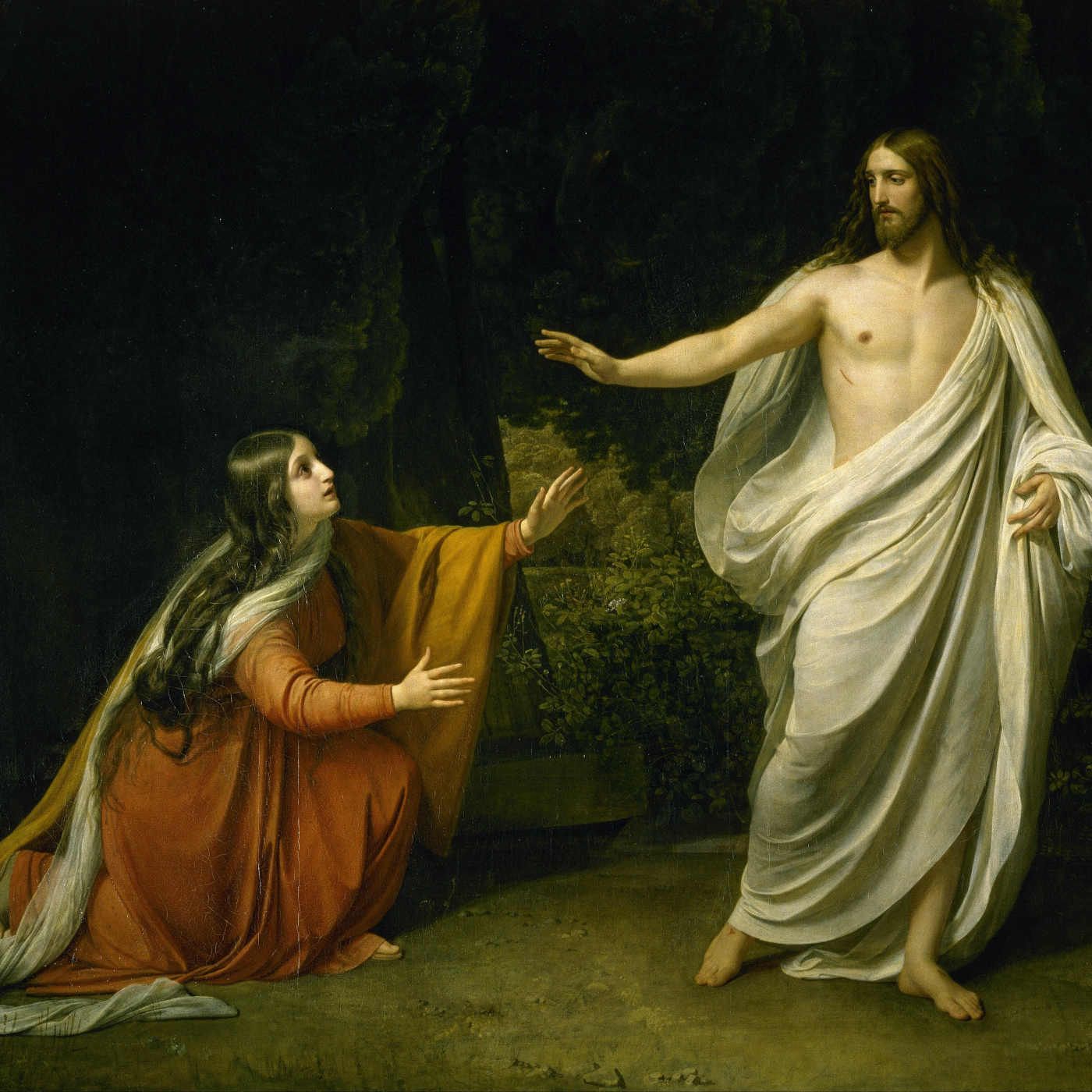
Mar 31, 2024
Monday in the Octave of Easter - Humility in the Face of the Resurrection
The chief priests assembled with the elders and took counsel; then they gave a large sum of money to the soldiers, telling them, “You are to say, ‘His disciples came by night and stole him while we were asleep.’ And if this gets to the ears of the governor, we will satisfy him and keep you out of trouble.” Matthew 28:12–14 The Lord of all rose from the grave, conquering sin and death, making it possible for us all to share in His glorious Resurrection! Death had lost. Satan had lost. The corrupt religious leaders had lost. And all those who believed in Jesus now had their eternal hope renewed. Sadly, though, what was the greatest victory ever known for humanity, a victory that opened the doors to eternal glory for all who believe, could not be accepted by the chief priests and elders of the people. They saw to His death, and, now that He had risen, they scrambled to do all they could to hide that truth. Pride is hard to overcome. When a person professes they are right, when in fact they are wrong, and when they are then confronted with their error, the sin of pride will inevitably tempt them to further sin. This is what we see today in this passage from our Gospel. The chief priests and elders were informed by the soldiers that when the women came to the tomb early in the morning, there was a great earthquake, and they saw an angel of the Lord descend from Heaven, roll back the stone, and sit on it. When they saw this, “The guards were shaken with fear of him and became like dead men” (Matthew 28:4). And after they heard the angel tell the women that Jesus had risen, the guards went off to tell the chief priests and elders. After all the miracles and powerful preaching of Jesus, you would think that the chief priests and elders would have believed. But they didn’t. And then, after hearing the testimony of these soldiers, you would think they would have fallen on their knees, repented of their hardness of hearts, and come to believe. But they didn’t. They doubled down in their sin and added sin upon sin. Some forms of sin can more easily be admitted, especially sins of weakness. When one is weak and falls, it may not be always easy to overcome that sin in the future, but it is easier to acknowledge it as sin when it is caused by human weakness. But a sin of weakness is much different than a sin of obstinate pride. Obstinate pride is not only hard to overcome, it’s hard to admit. It’s hard to admit our sin when it is based on our obstinacy and pride. As a result, this type of sin often leads to other sins such as ongoing deception, manipulation and anger. This is illustrated by these chief priests and elders. But if you can humble yourself and admit your sin when it comes from your pride, that humility can have a powerful and transformative effect upon your life. Reflect, today, upon these chief priests and elders of the people. Try to ponder their hardness of heart and the sad situation they found themselves in as they attempted to cover up their error and sin. Resolve never to fall into this form of sin yourself. However, if this is a struggle for you, seek humility so that you can be freed of this heavy burden by the grace of the Resurrection of our Lord. My resurrected Lord, You conquered sin and death and brought forth new life for all who believe in You. Give me the grace, dear Jesus, to never allow my sin of pride to keep me from being open to the glorious and transforming action You desire to do in my life. Please give me the gift of humility so that I may always turn from my sin and turn to You. Jesus, I trust in You. Source of content: catholic-daily-reflections.com Copyright © 2024 My Catholic Life! Inc. All rights reserved. Used with permission via RSS feed. Featured image above: Resurrection by Piero della Francesca, via flickr
Mar 30, 2024
Easter Sunday (Year B) - Glory Beyond Imagination!
“Do not be afraid! I know that you are seeking Jesus the crucified. He is not here, for he has been raised just as he said. Come and see the place where he lay. Then go quickly and tell his disciples, ‘He has been raised from the dead, and he is going before you to Galilee; there you will see him.’ Behold, I have told you.” Matthew 28:5–7 The Lord has truly risen! Alleluia! Sin and death have been destroyed, and new life has been offered to all who cling to the Savior in faith. What a glorious day we celebrate today! Matthew’s Gospel, quoted above, is read at the Easter Vigil Mass. Prior to the reading of this Gospel are seven Old Testament readings, each followed by a psalm, as well as a New Testament reading, another psalm and the Gospel. There are seventeen readings in all at the Easter Vigil! For that reason, the Easter Vigil is called “the mother of all vigils.” Though many people have not had the opportunity to participate in the Easter Vigil, it is helpful to understand it, because its structure and length reflect the awe and wonder we must have at the Resurrection of Christ. The Easter Vigil Mass begins in darkness, after the sun sets, with all the lights out in the Church. Outside, a new “blazing fire” is lit and blessed that symbolizes the Light of Christ that dispels all darkness. From that fire, the Easter candle and other candles held by the faithful in the church are lit, and the new light illuminates the church. The procession into the church with the candles is followed by the singing of the ancient hymn the Exaultat . That hymn is the Church’s announcement of the Resurrection of Christ and is filled with profound theology, presented with youthful excitement and amazement. The tabernacle remains empty as a way of inviting the faithful to anticipate the celebration of the Eucharist once again. The lengthy Liturgy of the Word follows, as it recounts the history of God’s plan of salvation. Finally, the Sacraments of Initiation are celebrated within the Mass that culminates with the celebration of the Most Holy Eucharist. Why is so much solemnity given to this celebration? Because Easter is worth it! Nothing ever has been and nothing ever will be more glorious than the triumph of the Son of God over sin and death. Easter must fill us with awe and wonder. Because of His death and Resurrection, our lives are changed forever. Therefore even if you are not able to participate in the “mother of all vigils,” try to learn the lessons this vigil teaches. Among the many lessons we can learn from the Easter Vigil is that God’s glorious plan of salvation unfolds over time and then culminates with glory beyond imagination. This is especially depicted through the many readings in the Liturgy of the Word. The first reading for that Mass comes from Genesis and recounts the six days of creation. We then read the story of Abraham, our father in faith, and how his trust in God was tested when he was told to offer his son Isaac as a sacrifice, in a prefiguration of the Father in Heaven offering His only Son for us all. We then read the story of Moses leading the people out of Egypt from slavery through the Red Sea. The waters of the Red Sea are a symbol of Baptism that crushes sin and leads us to freedom. Readings from the prophets Isaiah, Baruch and Ezekiel follow, revealing the unfolding of God’s promise of the gift of salvation to come. At times in life, we can become impatient. We tend to want what we want when we want it. But the lesson of the Holy Scriptures is that God’s plan is not only perfect but is also fulfilled only in accord with God’s timing. This is His perfect wisdom. It’s a wisdom that we cannot always comprehend. In the end, if we embrace the perfect plan of God in our lives, we will share in the Resurrection of Christ. Nothing could ever be better than this. There is nothing that this world can offer us that even comes close to the glorious reward of sharing in the Resurrection of Christ. As we celebrate the great Solemnity of Easter, reflect, today, upon the fact that God’s plan for your life is perfect. It’s a plan that God wants to unfold for you one step at a time. The end result is the glory of the Resurrection! It’s a life of perfection with Him in Heaven when every tear will be wiped away. It’s a plan that removes every sin, sorrow and suffering, and leads you to the fullness of joy. The way to embrace that plan is to take one step at a time as God leads. Little by little, God wants to change you, free you, forgive you, strengthen you and set you on the path to glory. Believe in the most awe-inspiring glory that you could ever share in. Believe in the promise of the Resurrection. Make sharing in it your one and only goal in life, and let God lead you down that path, one step at a time. My resurrected Lord, the glory that we celebrate today, the glory of Your Resurrection, is far above anything I can imagine. The new life given to all who surrender their lives to You is glorious and awe-inspiring. Please help me to keep my mind and heart fixated upon this glorious promise and to always allow You to lead me toward it, one step at a time. Jesus, I trust in You. Source of content: catholic-daily-reflections.com Copyright © 2024 My Catholic Life! Inc. All rights reserved. Used with permission via RSS feed. Featured image above: The three women on the tomb of Christ by Irma Martin, via Wikipedia
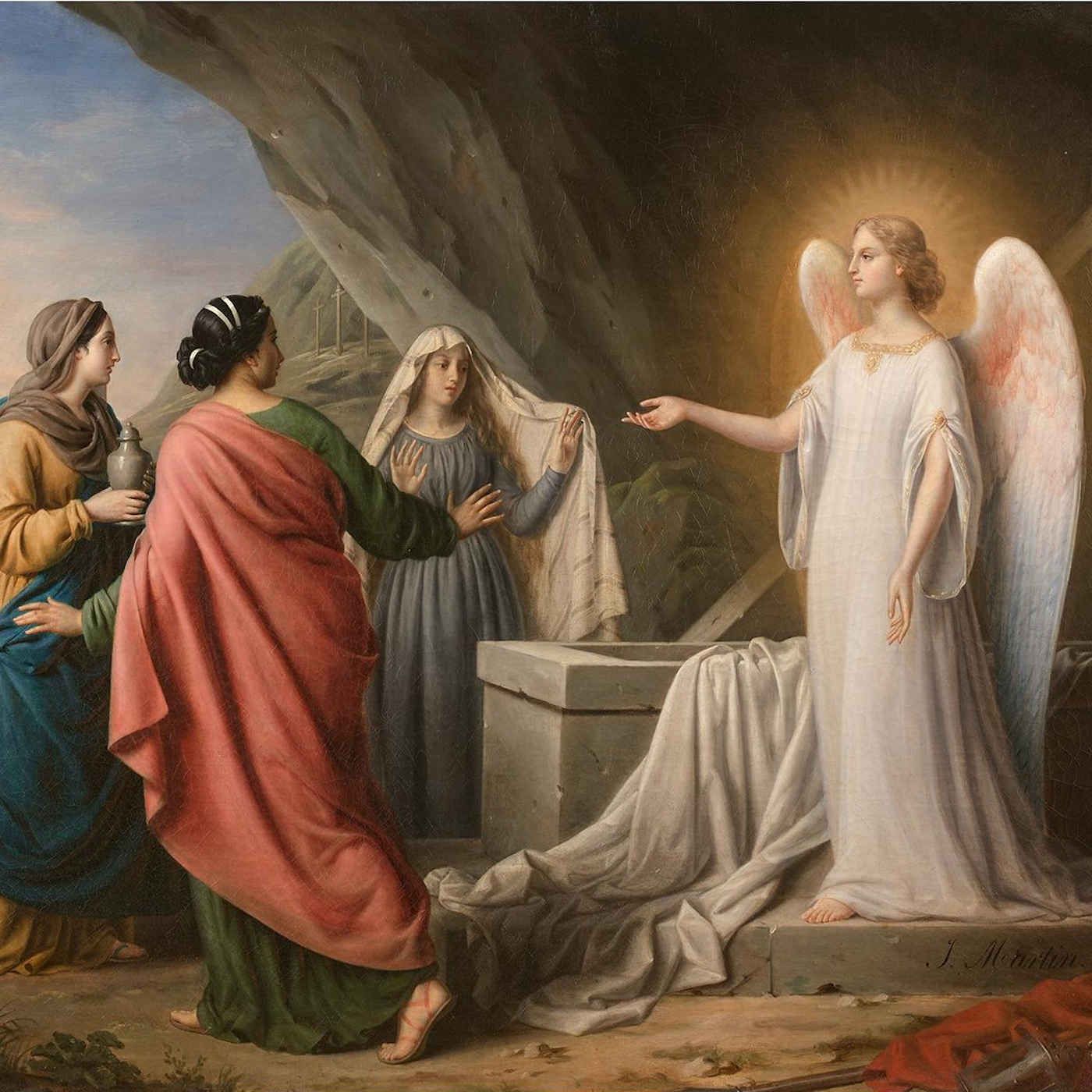
Mar 29, 2024
Holy Saturday with Mother Mary
The Savior of the World died a cruel death upon the Cross. His broken body was laid in the tomb. His disciples scattered and were fearful that they would be next. But our Blessed Mother kept vigil in the perfect hope that her Son would soon rise. Traditionally, Saturdays within the Church year are dedicated to the Blessed Virgin Mary. This ancient tradition developed in part due to the belief that, as others were filled with fear and confusion, Mother Mary kept vigil on Holy Saturday in prayerful anticipation of Jesus’ resurrection. She knew her Son would rise. She had hope beyond hope. Her faith was certain. Her love kept her vigilant as she awaited the return of her Son. For many centuries, it has been suggested that the first person to whom Jesus appeared after His Resurrection was His own mother. Pope Saint John Paul II believed this. Saint Ignatius of Loyola believed it. And many others throughout the centuries shared this belief. For these reasons, Holy Saturday is an ideal day to ponder the pondering heart of our Blessed Mother. There are several times in Sacred Scripture where we are told that Mother Mary pondered the mysteries of her Son’s life in her heart. She was one of the few who stood by Him in His agony and death. She stood before the Cross and prayerfully pondered His perfect sacrifice. The Blessed Mother held His dead body in her arms and pondered where His spirit had gone. And today she keeps vigil, pondering His imminent return to her. Ponder her pondering heart. Try to unite your own heart with hers. Try to understand what she was thinking and hoping. Try to feel what she felt this sorrowful day. Try to experience her faith, her trust and her joyful expectation. So many people in this world walk in despair and confusion. So many have lost hope in the new life that awaits them. So many have their own form of interior death without allowing God to draw them into His Resurrection. So many people today need the hope that was so alive in the heart of our Blessed Mother that first Holy Saturday. Ponder the reality of Holy Saturday in silence this day and allow the glorious heart of our Blessed Mother to inspire you and draw you more deeply into her life of faith, hope and love. Dearest Mother Mary, on that first Holy Saturday, you kept vigil for your Son. You allowed the divine gift of hope to grow within you, and you allowed that hope to be your strength in the midst of the horror of the Cross. Pray for me that I may ponder your beautiful heart this day so that I, too, may be filled with hope as I endure the challenges of this earthly life. Give me a heart of joyful anticipation as I await the grace of new life our Lord so deeply desires to bestow upon me. Mother Mary, pray for me. Jesus, I do trust in You. Source of content: catholic-daily-reflections.com Copyright © 2024 My Catholic Life! Inc. All rights reserved. Used with permission via RSS feed. Featured images above: St Peter Weeping before the Virgin By Guercino, via Wikimedia Commons

Mar 28, 2024
Good Friday of the Lord’s Passion (Year B) - “I Thirst!”
After this, aware that everything was now finished, in order that the Scripture might be fulfilled, Jesus said, “I thirst.” There was a vessel filled with common wine. So they put a sponge soaked in wine on a sprig of hyssop and put it up to his mouth. When Jesus had taken the wine, he said, “It is finished.” And bowing his head, he handed over the spirit. John 19:28–30 Consider the thirst of Jesus. Though His physical thirst must have been excruciating as He hung upon the Cross, pouring forth His precious blood upon the world, the spiritual thirst our Lord felt would have greatly overshadowed His physical thirst. His spiritual thirst is for you, for your soul, for your salvation. As He hung upon the Cross, Jesus did not think of Himself, His suffering or His wretched physical condition. Instead, He thought of you and of all those for whom He was giving His life. Psalm 69:22 says, “Instead they gave me poison for my food; and for my thirst they gave me vinegar.” Jesus fulfilled this Scripture passage as He thirsted on the Cross. The vinegar symbolically refers to each one of us. The vinegar given to our Lord on the Cross was spoiled wine. Each one of us, symbolically speaking, is this spoiled wine. The purity of our humanity has been corrupted by original sin. As a result, we are not the people God intended us to be by nature. But in our fallen state, we have the potential to satiate Jesus’ spiritual thirst. As you think about your own life, what do you see? Can you see yourself as spoiled wine? Perhaps it is a bit humiliating to think of yourself this way. But humility is good, especially when we understand that our Lord longs for us in our brokenness. Upon the Cross, Jesus did not cry out for the best of wine, the finest and most delicious. As He thirsted on the Cross, He longed to be satiated by you, in your weakened and broken state, just as you are, so that He can pour forth His cleansing mercy upon you. As soon as Jesus tasted the sour wine, He cried out, “It is finished.” This symbolically represents His soul being satiated by you every time you turn to Him in your need. It’s amazing to consider the fact that you have the ability to console the Heart of Jesus and satiate His thirst this way. Saint Thérèse of Lisieux was very fond of a devotion dedicated to consoling Jesus’ Heart. As a child, she was given a prayer card that pictured Jesus in prison, looking out at one small flower. Thérèse saw herself as that one small flower who was given the mission to console Jesus’ Heart by visiting Him regularly in the prison of the tabernacle. Spiritually speaking, that moment of Jesus’ thirst on the Cross permeates all time and continues today. Every time you come to Him in your need, especially when you come before Him in the Eucharist, He turns His eyes to you and calls to you, inviting you to console Him by offering Him the humility and brokenness of your life. Today our churches are empty. The Blessed Sacrament has been removed. As a result, we should seek to satiate the thirst of our Lord by thirsting for His divine presence that will return on Easter when the Mass is celebrated once again. Today is a day to grow in our desire for the presence of our Lord in our lives. We must allow ourselves to feel His loss, experience His death, and mourn His suffering. As we do, we must open ourselves to a deep spiritual longing to consume His broken Body and precious Blood once again. Doing so will not only prepare us to be satiated ourselves, it will also enable us to satiate the Heart of our Lord. Reflect, today, upon Jesus on the Cross. Gaze at Him as He gazes at you. See the longing in His Heart for you. Know that He gave His life for you, so that you could receive the gift of new life. Know, also, that your openness to this gift of His life poured out for you will console our Lord’s Heart and bring His divine mission of salvation to fruition. Satiate our Lord’s thirst today so that He can once again say, “It is finished.” My thirsting Lord, Your Sacred Heart longs for me with a love that is infinite and incomprehensible. You desire that I come to You, receive Your love and satiate Your thirst. As I gaze upon You in Your suffering state, I open myself to You and to the gift of Your Precious Blood poured out for me. May my openness to You be a consolation to You as I receive Your divine love. Jesus, I trust in You. Source of content: catholic-daily-reflections.com Copyright © 2024 My Catholic Life! Inc. All rights reserved. Used with permission via RSS feed. Featured images above: The painting of the crucifixion of Jesus Christ, via Adobe
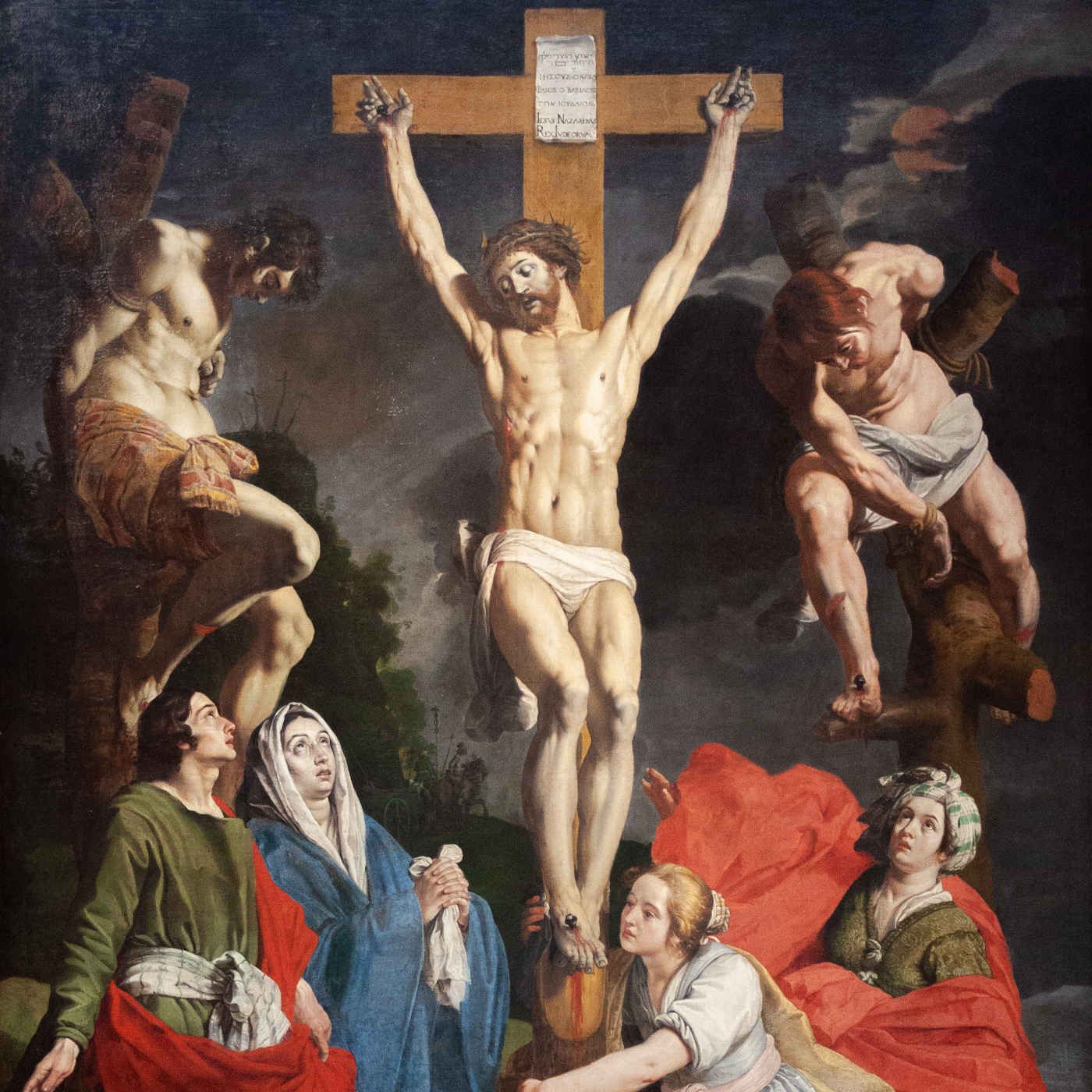
Mar 27, 2024
Holy Thursday, Mass of the Lord’s Supper (Year B) - Eucharistic Freedom
“This day shall be a memorial feast for you, which all your generations shall celebrate with pilgrimage to the LORD, as a perpetual institution.” Exodus 12:11 The holy Triduum begins. Today we fulfill this Old Testament passage, revealing that the Passover would become “a perpetual institution.” This passage concludes our First Reading instruction from the LORD given to Moses and Aaron on how to prepare for the Israelites’ liberation from Egypt. Plague after plague had been inflicted upon the Egyptians, and none of them resulted in the Israelites being set free. Therefore, the LORD instructed the Israelites to celebrate the first Passover by killing a year-old lamb, sprinkling its blood on their doorposts, and feasting on the flesh in preparation for the journey to the Promised Land. Today, we continue this Passover celebration as we share in the Sacrifice of the Lamb of God, Whose Blood has been shed, Whose flesh we consume, and Who leads us through the desert of life to the new and eternal Promised Land of Heaven. Just as the first Passover was a prefiguration of the Sacrifice of the Lamb of God, so also the plagues that led up to the Passover present us with much meaning. At first, all the water in Egypt turned to blood. Then frogs, gnats, flies and pestilence covered the land. Boils covered the skin of humans and animals. Hail rained down, locusts covered the land, and finally darkness covered the land for three days. None of these plagues was ultimately successful in convincing Pharaoh to let God’s people go; therefore, the final plague to be inflicted was the death of the firstborn. It was the blood of the paschal lamb, sprinkled on the doorposts of the Israelites’ houses that signaled to the angels to pass over their homes. The plagues inflicted on Pharaoh and the Egyptians were severe. But because of their obstinacy, God continued until they changed. Recall, also, that even after the Israelites were set free, Pharaoh changed his mind and pursued them into the Red Sea where his army perished. Though these prefiguring events might not be that pleasant to consider, they must be reflected upon. We must see in them God’s tireless and relentless efforts to set us free from sin. The obstinacy and oppression of Pharaoh are clear signs of the oppressive evil within our world today, and within our own souls. When we seek to embrace the freedom to which we are called, we will be met with much temptation and oppression from the evil one, as well as from our own fallen human nature. But if we trust in God, as Moses did, then we will be given all we need to begin the journey to freedom. Most specifically, the Flesh and Blood of the Son of Man is our Paschal Lamb. The Eucharist, which was instituted on Holy Thursday, protects us from the final death. Consuming the Body of Christ also strengthens us for our spiritual journeys. Without it, we have no protection from the evil one and lack the strength we need to be faithful on our journey. Reflect, today, upon God’s incredible commitment to set you free. He came to earth, took on human form, offered His life in sacrifice, and now feeds you with His sacred flesh. Without the Eucharist as your spiritual food and His Sacred Blood covering you, you will not survive. We all need the Eucharist. We need the Bread of Heaven. We need the Body and Blood, Soul and Divinity of the Savior of the World. God went to the greatest length to save you. Accept His Gift that we especially commemorate and participate in today. My Sacrificial Lamb, You came to earth to set us free from the oppression of the evil one and from the disorders of our fallen human nature. Please feed me today and always with Your Sacred Body and Precious Blood. By the strength of this Food from Heaven, continue to lead me to the Promised Land of Heaven. Jesus, I trust in You. Source of content: catholic-daily-reflections.com Copyright © 2024 My Catholic Life! Inc. All rights reserved. Used with permission via RSS feed. Featured images above: Venice - Last supper of Christ by Girolamo da Santacroce By Renáta Sedmáková, via Adobe
Mar 26, 2024
Wednesday of Holy Week - Rejecting Empty Promises
One of the Twelve, who was called Judas Iscariot, went to the chief priests and said, “What are you willing to give me if I hand him over to you?” They paid him thirty pieces of silver, and from that time on he looked for an opportunity to hand him over. Matthew 26:14–16 The desire for money can become a powerful incentive to betray our Lord. In this Gospel passage, it seems clear that Judas’ betrayal was based on his desire for money. He most likely had some level of faith in our Lord, or he wouldn’t have become His disciple. But even if Judas did have some level of faith, his desire for money appeared to overshadow the faith he may have had. One of the central lessons we can learn from Judas is that the desire for money is a powerful incentive for the decisions we make. So many of the great saints have taught us that the path to holiness consists, first, in a purification of all our disordered affections. And since one of the most powerful attachments that many struggle with is an attachment to money, this is an important desire to purify in all of our lives. It’s true that material possessions are not evil when they are used for the fulfillment of God’s will. But the desire for more, for an excess, will always cloud our ability to see clearly the will of God and live for His glory alone. Once Judas had betrayed our Lord and Jesus was arrested, recall that Judas “deeply regretted what he had done.” And during Jesus’ trial, Judas went back to the chief priests and said “I have sinned in betraying innocent blood” in an apparent attempt to stop the trial. But Jesus’ death was set in motion and could not be stopped. As a result, Judas returned the money and sadly went off to hang himself (See Matthew 27:3–5). The desire Judas had for money clouded his thinking. And his sin did to him what sin always does. As soon as his sin of betrayal was done, Judas saw the consequences of that choice. And the consequences grieved him deeply. He learned that choosing sin ends with an empty promise. He realized that thirty pieces of silver was not worth the value of his soul. But of course, even then Judas could have repented and received the mercy of God. But he didn’t. He simply ended his life in ultimate despair. Reflect, today, upon the witness of Judas. Use him as a source of meditation and self-examination this Holy Week. What is it in your life that you desire more than our Lord? What temptation clouds your thinking and leads you to choices that you know will end in emptiness? Strive to eradicate every disordered desire within you this day and choose wisely the will of God instead. Do not let yourself continue to believe the lies that keep you from making Jesus and His holy will the one and only focus of your life. My divine Lord, You and You alone must become the focus of my life. You and You alone are of the greatest value in life. Help me to shed all earthly desires in life so that I will not fall into the temptations that lead to empty promises and so that I will embrace the true and fulfilling promises that come from You. Jesus, I trust in You. Source of content: catholic-daily-reflections.com Copyright © 2024 My Catholic Life! Inc. All rights reserved. Used with permission via RSS feed. Featured image above: Judas Receiving Payment for his Betrayal By Giotto di Bondone, via Wikimedia Commons
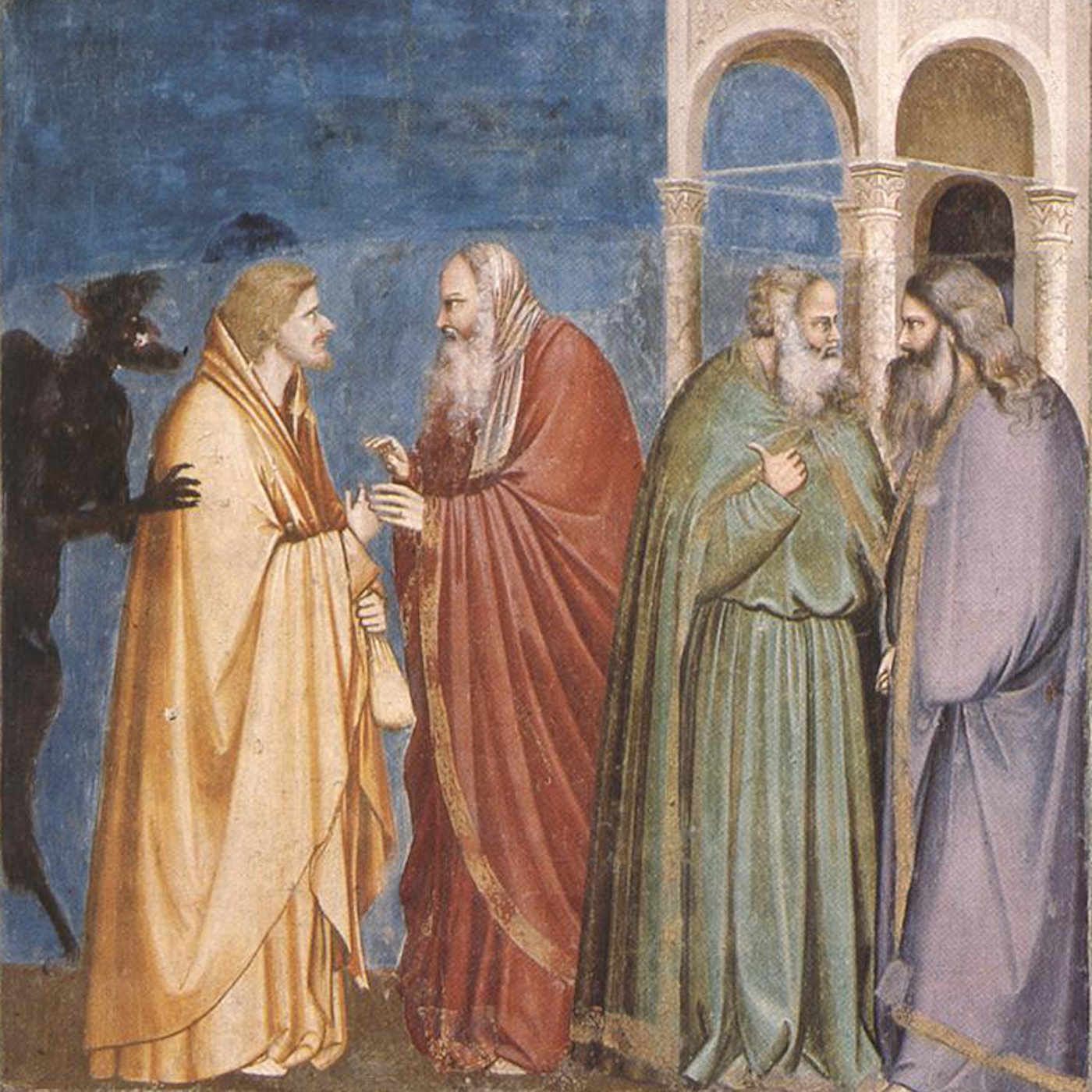
Mar 25, 2024
Tuesday of Holy Week - The Glory of God in All Things
“Now is the Son of Man glorified, and God is glorified in him. If God is glorified in him, God will also glorify him in himself, and he will glorify him at once.” John 13:31–32 Jesus speaks this line about Himself being glorified immediately after Judas leaves the supper to go forth to betray Him. Jesus had just finished washing the feet of His disciples, and soon He would finish the Last Supper, go to the Garden of Gethsemane, be arrested, beaten and crucified. And this was to all take place through the betrayal of one of the Twelve. Yet rather than speak of these pending events in a fearful or anxious way, Jesus points to the glory He will receive through them. Everything in life has the potential to become an instrument of the glory of God. Even our sin can end in God’s glory when we repent and receive God’s forgiveness. It will not be our sin that glorifies God but His mercy poured forth from the Cross upon us that gives Him glory. The same is true with the events of Holy Week. When looked at from a purely human perspective, what Jesus endured was tragic and horrific. One of His closest companions betrayed Him. The religious leaders of the time betrayed Him. The civil authorities betrayed Him. And all of the disciples except John fled in fear as Jesus was betrayed. But Jesus did not look at any of this through human eyes alone. He saw it all from the eternal perspective and clearly taught that all of these seemingly tragic events would end in His glory. When we commit ourselves to the following of Christ, we can be assured that we will also share in His Cross. We will experience the sins of others, encounter mistreatment, and have to endure various sufferings. The question for us all as we have these encounters in life is whether we will endure them in anger and despair or with the hopeful confidence of our Lord. Again, everything in life has the potential to become an instrument of the glory of God. Nothing in life has the power to steal away that glory when we keep our eyes upon the will of God and His power to use all for His glory. Reflect, today, upon your call in life to see everything from the divine perspective. If you are upset, angry, despairing or confused at times, know that God wants to bring clarity and grace to every situation. He wants to show you how you can share in His divine mission of transforming every evil into God’s glory. Seek out the ways that your life must give glory to God in everything, especially those things that seem incapable of being used for good. The more an experience in life seems incapable of being used for God’s glory, the more that experience is capable of giving true glory to God. My glorious Lord, You brought forth good from all things. Even the grave evil of Your betrayal was transformed into a manifestation of Your glory. I offer to You, dear Lord, all that I endure in life and pray that You will be glorified in all things, and that my life will continually become a manifestation of the glory due Your holy name. Jesus, I trust in You. Source of content: catholic-daily-reflections.com Copyright © 2024 My Catholic Life! Inc. All rights reserved. Used with permission via RSS feed. Featured image above: The Last Supper By Philippe de Champaigne, via Wikimedia Commons
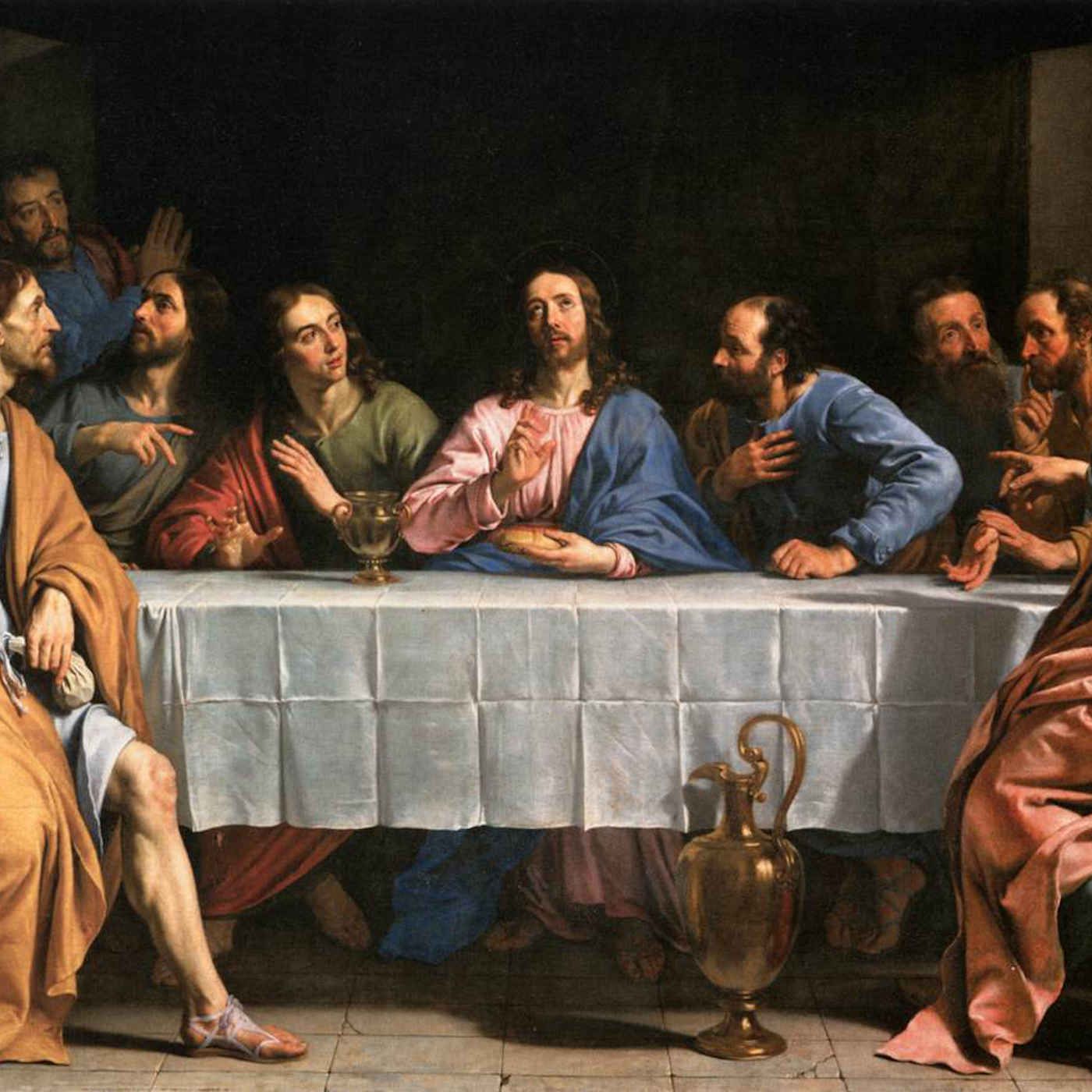
Mar 24, 2024
Monday of Holy Week - Expressing Your Love of God
Then Judas the Iscariot, one of his disciples, and the one who would betray him, said, “Why was this oil not sold for three hundred days’ wages and given to the poor?” John 12:4–5 Jesus was with His disciples at the home of Lazarus, Martha and Mary. He regularly spent time at their home and was close to them. This meal took place just before Jesus entered into Jerusalem for the first Palm Sunday and Holy Week. It was six days before Jesus would die on the cross. Recall that Lazarus had recently been raised from the dead by Jesus and also that Mary, Lazarus’ sister, was deeply devoted to Jesus and is recorded as the one who sat at His feet, while her sister Martha served. During this visit, Mary offered another act of devotion to Jesus when she anointed Him with “a liter of costly perfumed oil.” She offered Him an act of love and devotion. The Scripture passage above records Judas’ response as he also was at the meal. Jesus rebukes Judas and defends the act of devotion given by Mary, and the meal continues on. One clear lesson this teaches us is that nothing is too good for our Lord. It’s true that we must do our part to help care for the poor, but Jesus’ response to Judas is quite interesting. He says, “Leave her alone. Let her keep this for the day of my burial. You always have the poor with you, but you do not always have me.” Jesus was not downplaying the importance of caring for the poor; He was emphasizing the importance of offering acts of love and devotion to Him. As we enter into this the holiest week of the year, we are given this image of Mary lavishing upon Jesus this liter of costly perfumed oil as a way of inviting us to do the same. Though we serve Christ in others who are in need, we must also seek to regularly offer Him devotion and love directly, even in ways that others may think is excessive. Honoring Him, expressing our love, spending time with various devotions, praying for extended periods of time, and even offering Him our financial resources are all ways in which we give Jesus the glory that is due Him. Reflect, today, upon ways in which you can imitate this act of loving devotion offered by Mary to Jesus. In what ways can you pour forth in an abundant way your time, money, talents, and energy upon our Lord? How can you best express your devotion to Him this Holy Week? Seek out ways to do this directly for the one and simple reason that you love our Lord and want to express that love this week. My glorious Jesus, You are worthy of all praise and honor. You are worthy of our deepest devotion and love. As I enter into this Holy Week, I pray that it will be a time in which I may express my deepest love for You. Help me to pour forth that love in abundance this week so as to show You the glory and praise You deserve. Jesus, I trust in You. Source of content: catholic-daily-reflections.com Copyright © 2024 My Catholic Life! Inc. All rights reserved. Used with permission via RSS feed. Featured image above: The Ointment of the Magdalene, By James Tissot, via Wikimedia Commons
Mar 23, 2024
Palm Sunday of the Lord’s Passion (Year B) - Hosanna! To the Suffering Christ!
Those preceding him as well as those following kept crying out: “Hosanna! Blessed is he who comes in the name of the Lord! Blessed is the kingdom of our father David that is to come! Hosanna in the highest!” Mark 11:9–10 Throughout Jesus’ life, He traveled to Jerusalem many times. As a child, He was presented in the Temple. At age twelve, He was found teaching the teachers of the Law in the Temple. As He grew, He made regular pilgrimages to the Temple. During His temptation in the desert, the devil took Him to the pinnacle of the Temple. In the Gospels, we read of at least four different trips to the Temple during Jesus’ public ministry. However, the trip to Jerusalem that we commemorate today was unlike any other. As Jesus entered Jerusalem this time, His life was already being sought by the religious leaders. Despite that fact, Jesus entered Jerusalem with great solemnity and with much attention. “Hosanna! Blessed is he who comes in the name of the Lord!” was the cry by the crowd as Jesus rode into Jerusalem on a donkey while palm branches and cloaks were strewn before Him. Though this was the most fitting way for the people of faith to welcome their King, their warm welcome, their cries “Hosanna!” and their excitement were more beneficial to them than they were to Jesus. Jesus is God. He has no need of our praise and honor. But Jesus came to us to invite us to praise, honor and worship Him because it is good for us. We need to praise Him. This is what we are made for. This leads to the fulfillment of our lives. As we begin Holy Week, try to spend time with this image of the people honoring our Lord with much enthusiasm. This is an image depicting who we must become. As we continue through this Holy Week, we must become increasingly aware of the God to Whom we offer our praise and worship. He is a God Who lowered Himself in the eyes of all, took on the form of a slave, permitted Himself to be labeled as a grave sinner, was rejected, beaten and killed. This week, especially, we worship the suffering Christ. We worship a Man Who was arrested and cruelly treated. We worship a Man who was hated and mistreated in the worst way possible. Our wholehearted worship of the suffering Christ is an important act to fulfill. In many ways, it is easier to worship God as He is in Heaven on His glorious throne. When we ponder the myriads of angels gathered around Him, the saints of all time bowing to the ground and glory and splendor radiating from His face, worship seems right. To worship a Man accused of being a criminal and suffering capital punishment while enduring the hatred of many is more difficult to comprehend. But if we are able to see Jesus through the eyes of faith and peer through the hatred and lies that surrounded Him, then we will be in awe of the humility of our God Who came to us this way. Our worship of the suffering Christ also invites us to share in His virtue as He endured all that was inflicted upon Him. When we worship the humiliated Christ, our humiliations take on new power and meaning. When we worship the suffering Christ, our sufferings are elevated to share in His redemption. When we worship the rejected, despised and persecuted Christ, any ways that we share in these hardships are transformed. Reflect, today, upon the God Whom you worship this Holy Week. Do not shy away from all that Jesus endured. Gaze at His rejection and passion. Look at the hatred He endured. As you do, see not only your glorious God, see also the remedy for all your ills. God descended to us in this most humble form so that He could meet us where we are at and raise us to new life with Him. My suffering Lord, I worship You and praise You with all my heart. As You entered Jerusalem for the Passover, You intended to give new power to that celebration by becoming the New and Eternal Paschal Lamb. May I always worship You Who suffered for me and give to You all that I endure in life to be transformed by Your saving act. Jesus, I trust in You. Source of content: catholic-daily-reflections.com Copyright © 2024 My Catholic Life! Inc. All rights reserved. Used with permission via RSS feed. Featured image above: Jesus Christ Icon, via Adobe
Mar 22, 2024
Saturday of the Fifth Week of Lent - The Effects of Jesus’ Ministry
So the chief priests and the Pharisees convened the Sanhedrin and said, “What are we going to do? This man is performing many signs. If we leave him alone, all will believe in him, and the Romans will come and take away both our land and our nation.” John 11:47–48 Jesus’ public ministry had two primary effects upon the people. For many, they were coming to believe in Him and were hanging on His every word. They sought Him out and began to understand that He was the promised Messiah. This was the response of faith. But the reaction of the chief priests and the Pharisees was far more worldly. In the passage above, we see a group of religious leaders who are completely consumed with worldly concerns to the point that these concerns drown out all matters of faith. As the Sanhedrin convened and discussed what they should do, Caiaphas, the high priest that year, spoke up and gave advice that perfectly depicts this worldly vision. He said, “You know nothing, nor do you consider that it is better for you that one man should die instead of the people, so that the whole nation may not perish.” Caiaphas and many other religious leaders at the time appeared to be far more concerned with their worldly status and power than they were with matters of true faith and eternal salvation. If they were men who deeply loved God and sought only His holy will, then they would have rejoiced that Jesus’ ministry was so fruitful in the lives of the people. They would have offered thanks to God, day and night, for the privilege of seeing the prophecies of old about the Messiah come to fruition before their own eyes. They should have had joy and gratitude, and they should have allowed those spiritual blessings to grow within them and give them the courage they needed to go forth and die with our Lord if necessary. But instead, they chose their comfortable lives and worldly status above the truth, and they decided that Jesus needed to die. One beautiful truth to reflect upon within this context is that God uses all things for His glory and for the salvation of those who believe. With this meeting of the Sanhedrin, these men began to plot the death of Jesus. Eventually they used deceit, manipulation, intimidation and fear to accomplish their goal. But even though from a worldly perspective these misguided religious leaders “won,” from a divine perspective, God used their evil to bring about the greatest good the world had ever known. Through their malice, Jesus’ passion and death gave way to the new life of the Resurrection. Reflect, today, upon the fact that God is able to use all things for our good. Be it in the midst of corruption, persecution, discord, sin, illness or any other evil in life, when we turn to God in faith and surrender, He is able to transform all things and bring forth an abundance of good fruit through them if we only let Him and trust in faith. Prayerfully surrender over to God, today, any of the above concerns that have affected you, and allow yourself to believe the simple truth that nothing can keep you from the glorious fulfillment of the will of God. All things can help toward the salvation of your soul and end in God’s eternal glory. My glorious Lord, You were loved by many but also hated by some. Those with power and authority could not see beyond their worldly ambitions, so they began to plot against You. Give me the grace, dear Lord, to see every act of evil inflicted upon me as an opportunity for You to bring forth good. You are glorious, dear Lord. May You be glorified in all things. Jesus, I trust in You. Source of content: catholic-daily-reflections.com Copyright © 2024 My Catholic Life! Inc. All rights reserved. Used with permission via RSS feed. Featured image above: The Chief Priests Take Counsel Together By James Tissot, via Brooklyn Museum
Mar 21, 2024
Friday of the Fifth Week of Lent - Entering the Desert
“If I do not perform my Father’s works, do not believe me; but if I perform them, even if you do not believe me, believe the works, so that you may realize and understand that the Father is in me and I am in the Father.” John 10:37–39 These words spoken by Jesus took place during the feast of the Dedication in Jerusalem. Jesus had been preaching clearly about His relationship with the Father in Heaven, and this was causing some to become outraged to the point of them trying to arrest Him right then and there. But He escaped and went back into the wilderness where He had been baptized by John. As Jesus remained there in the desert, many people came to Him to be with Him and to listen to His words. As they listened, they began to believe. It’s interesting to note the contrast of reactions. In Jerusalem within the Temple area, among large crowds gathered for the feast of the Dedication, Jesus was increasingly rejected and persecuted. But when He returned to the desert and people had to come to see Him, they listened and believed. This contrast presents us with one way in which we will more easily grow in our faith and help others grow in their faith. Specifically, we are invited to go into the “desert” to encounter our Lord, away from the busyness of life, and we must also invite others to join us in such a journey. It’s true that, while in Jerusalem, there were people who happened to stumble upon Jesus as He was teaching and were moved by His word and came to believe. But it’s also clear that, when people had to commit to the effort of seeking Him out in a deserted place, His words were even more transformative. In our own lives, within the ordinary activities of life, such as regular attendance at Mass, we will be given the opportunity to hear the Gospel and deepen our life of faith. But all of us need to take time to seek Jesus out “in the wilderness,” so to speak, so as to be even more disposed to hear Him and believe. These “desert experiences” come in many forms. Perhaps it’s an experience as simple as going into your room alone to pray and ponder the Word of God. Or perhaps it’s a participation in a Bible study, an online devotional program, or parish catechesis event. Or perhaps it’s the choice to go away for a weekend or longer for a guided retreat where all you do for some time is pray and listen to our Lord. Throughout history, saint after saint has shown us the value of going off to pray to be with our Lord, in a place where the many other distractions of life and the many voices of the world are silenced, so that God can speak to the heart and so that we can more fully respond. Reflect, today, upon the invitation Jesus is giving you to go out to meet Him in the wilderness. Where is that place? How can you accomplish this short journey while keeping up with the important duties of life? Do not hesitate to seek out the desert to which our Lord is calling you, so that you will be able to meet Him there, listen to His voice, and respond with complete generosity. My Lord Jesus, You are calling me to enter deeper into a relationship of love with You, my divine Lord. Give me the grace I need to say “Yes” to You and to enter into the desert of silence and prayer I need so as to hear Your voice. Draw me to You, my Lord, and help me to more fully believe all that You wish to say. Jesus, I trust in You. Source of content: catholic-daily-reflections.com Copyright © 2024 My Catholic Life! Inc. All rights reserved. Used with permission via RSS feed. Featured image above: Jesus Went Out into a Desert Place By James Tissot, via Wikimedia Commons
Mar 20, 2024
Thursday of the Fifth Week of Lent - Living in the Moment
Jesus said to them, “Amen, amen, I say to you, before Abraham came to be, I AM.” So they picked up stones to throw at him; but Jesus hid and went out of the temple area. John 8:58–59 When Moses encountered God in the burning bush, God revealed His name: I AM. The Catechism of the Catholic Church teaches that this revelation of God’s name “is at once a name revealed and something like the refusal of a name.” It expresses that God is “infinitely above everything that we can understand or say.” He is the “hidden God.” He is also a “God who makes himself close to men” at each and every moment of our lives (See CCC #206). In our Gospel today, Jesus identifies Himself with this hidden God. He states that He alone knows His Father and that the Father glorifies Him because He is the great I AM. To the people of that time, this was a shocking revelation, at least to those who failed to comprehend this truth in faith. But that mysterious name reveals to us not only the essence of God, it also reveals how we ought to relate to this infinite, hidden, exalted and glorious God. As Jesus revealed His identity, He did not say, “before Abraham came to be, I was.” He says, “I AM.” This reveals that Jesus not only existed before Abraham, but that His existence transcends all time. He always and everywhere IS. Though this might seem overly philosophical to some, it is an important concept to understand for two important reasons. First, it gives us greater insight into God. But, second, it reveals to us how we ought to relate to God every day. God is not a God of the past. He is not a God of the future. He is a God of the present moment. If we are to enter into a relationship with God, then we must realize that we can only encounter Him in the present moment. He is the Here and Now, so to speak. And we must seek Him here and now, in this present moment alone. Sometimes we find ourselves dwelling on the past. To the extent that our past has helped or hurt us in this present moment, we need to address it. But the way this is done is by seeking God’s healing grace today, allowing the past to disappear into His abundant mercy. Other times we try to live in the future, becoming anxious about what is to come. But God does not dwell in the future for, to Him, all time is here and now. Therefore, we ought not to become anxious about the future, worry about it or try to live in it now. All we have is this present moment, and it is in this moment that God comes to meet us. He is here, and we must meet Him here, turning to Him and His grace today. Reflect, today, upon this deep and mysterious revelation from our Lord. Think about his identity as the great “I AM.” Ponder that name. Ponder its meaning. See it as a way by which Jesus is inviting you to encounter Him in this present moment alone. Live in this moment. The past is gone; the future is not yet here. Live where God exists, here and now, for that is the only place that you will meet our Lord. My Lord, You are the Great I Am. You transcend all time. Help me to meet You today, to let go of the past, to look forward to the future, and to live with You in this moment alone. As I meet You here, dear Lord, help me to love You with all my heart. Jesus, I trust in You. Source of content: catholic-daily-reflections.com Copyright © 2024 My Catholic Life! Inc. All rights reserved. Used with permission via RSS feed. Featured image above: The Pharisees Question Jesus by James Tissot, via Wikimedia Commons
Mar 19, 2024
Wednesday of the Fifth Week of Lent - The Truth Will Set You Free
Jesus said to those Jews who believed in him, “If you remain in my word, you will truly be my disciples, and you will know the truth, and the truth will set you free.” John 8:31–32 These words have the potential to make a transforming difference in our lives. Note that Jesus spoke these words “to those Jews who believed in him.” That is, those who had accepted His word and were, therefore, His true disciples. We who also believe in Jesus should consider these words carefully. The heart of this teaching is twofold: you must come to “know the truth” so that the truth you come to know “will set you free.” This teaching of Jesus is exceptionally helpful on both a psychological and spiritual level. First of all, on a purely psychological level, one of the greatest helps to good mental health is the truth. Most often when one struggles with various forms of depression, it’s because they are seeing aspects of their life with confusion. “Why did this person do this to me?” Or “How will I ever get through this?” Or “My life is a mess and there is no way out.” These and other similar thoughts will inevitably lead to depression for one simple reason: they are based on erroneous thinking. One of the best forms of psychological counseling is what could be called “truth therapy.” Every despairing question that we have and every depressing conclusion that we have come to in life must be reexamined in the light of the mind of God. What does God think? What is in the mind of God in this regard? Those truths that are waiting to be discovered are the truth that “will set you free.” Depression is more easily overcome when we look at our life in the way that God looks at our life. This produces hope, and hope brings freedom to the chains of depression and confusion. On a spiritual level, these principles apply all the more. The truth about sin, forgiveness, salvation and Heaven must be known deeply and embraced fully. When we deny the truth of sin or forgiveness, then we live within a lie and we remain bound by that lie. True spiritual freedom that leads to salvation and eternity in Heaven is obtained only when we wholeheartedly embrace the holy and perfect spiritual truth given to us by God. We must clearly know our sin, repent of it, seek the forgiveness of God, amend our lives and live the new life of grace to which we are called. Reflect, today, upon this powerfully transforming teaching of Jesus: “know the truth, and the truth will set you free.” What psychological and spiritual truths do you need to more deeply know? What confusion or blindness remains? Seek the remedy of the Truth as it is in the mind of God and know that freedom awaits. God of all Truth, Your Word is liberating, transforming and fills us with hope. May I turn my mind to You and to Your holy Word so that I may know the Truth as You speak it and allow that transforming Truth to set me free. Jesus, I trust in You. Source of content: catholic-daily-reflections.com Copyright © 2024 My Catholic Life! Inc. All rights reserved. Used with permission via RSS feed. Featured image above: by Stephanie LeBlanc on Unsplash
Mar 18, 2024
March 19, Solemnity of Saint Joseph, Husband of Mary - The Greatness of Saint Joseph
When Joseph awoke, he did as the angel of the Lord had commanded him and took his wife into his home. Matthew 1:24 What is it that made Saint Joseph so great? He wasn’t immaculately conceived as our Blessed Mother was. He was not divine like Jesus. But he was the head of the Holy Family, its guardian and its provider. He became the legal father of the Savior of the World and the spouse of the Mother of God. But Joseph is not great only because he was given such incredible privileges. First and foremost, he was great because of the choices he made in life. Today’s Gospel refers to him as a “righteous man” and as a man who “did as the angel of the Lord commanded him.” Thus, his greatness is primarily on account of his moral righteousness and obedience to the will of God. Joseph’s obedience is especially seen in the fact that he obeyed the voice of God given to him in the four dreams recorded in Scripture. In his first dream, Joseph is told “do not be afraid to take Mary your wife into your home. For it is through the Holy Spirit that this child has been conceived in her. She will bear a son and you are to name him Jesus, because he will save his people from their sins” (Matthew 1:20–21). In his second dream, Joseph is told, “Rise, take the child and his mother, flee to Egypt, and stay there until I tell you. Herod is going to search for the child to destroy him” (Matthew 2:13). In his third dream, Joseph is told, “Rise, take the child and his mother and go to the land of Israel, for those who sought the child’s life are dead” (Matthew 2:20). And in his fourth dream, Joseph is warned to go instead to Galilee rather than Judea (Matthew 2:22). When these dreams are read in succession, it is clear that Saint Joseph was attentive to the voice of God. We all have dreams, but Joseph’s dreams were different. They were clear communications from God, and they required a willing recipient. Joseph was open to the voice of God and listened in faith as that willing recipient. Joseph also responded with complete submission and full determination. The commands Joseph received were not insignificant. His obedience required that he and his family travel great distances, take up residence in strange lands and do so all in faith. It’s also clear that Joseph took his vocation seriously. Pope Saint John Paul II gave him the title “Guardian of the Redeemer.” Over and over, he showed his unwavering commitment to his role as the guardian of his legal Son, Jesus, and of his wife, Mary. His life was spent providing for them, protecting them and offering them a father’s heart. Reflect, today, upon the unique vocation of Saint Joseph. Ponder, especially, the early years of his marriage and the raising of Jesus. Consider his fatherly commitment to care for, provide for and protect his Son. We all must seek to imitate Saint Joseph’s virtues by protecting the presence of Christ within our own hearts, the hearts of our family and friends and in the world as a whole. Pray to Saint Joseph, asking him to help you follow his example so that the hidden presence of our Lord in our lives will grow and come to full maturation. Hail, Guardian of the Redeemer, Spouse of the Blessed Virgin Mary. To you God entrusted his only Son; in you Mary placed her trust; with you Christ became man. Blessed Joseph, to us too, show yourself a father and guide us in the path of life. Obtain for us grace, mercy and courage, and defend us from every evil. Amen. (Prayer from Patris Corde ) Source of content: catholic-daily-reflections.com Copyright © 2024 My Catholic Life! Inc. All rights reserved. Used with permission via RSS feed. Featured image above: he Dream of St. Joseph By Luca Giordano, via Wikimedia Commons
Mar 17, 2024
Monday of the Fifth Week of Lent - Public Sinners
“Let the one among you who is without sin be the first to throw a stone at her.” John 8:7 This is a powerful line spoken by Jesus. The judgmental and condemning Pharisees brought a woman to Jesus who had apparently been caught “in the very act of committing adultery.” Was she a sinner? Yes, indeed she was. But this story is not so much about whether or not she was a sinner. It was about the attitude Jesus had toward sinners as compared to that held by the self-righteous, judgmental and condemning Pharisees. First of all, let’s look at this woman. She was humiliated. She had committed sin, was caught, and was publicly presented to all as a sinner. How did she react? She didn’t resist. She didn’t remain in denial. She didn’t get angry. She didn’t fight back. Instead, she stood there humiliated, awaiting her punishment with a sorrowful heart. Humiliation over one’s sins is a powerful experience that has the potential to bring forth true repentance. When we encounter someone who has sinned in a manifest way and is humiliated over their sin, we must treat them with compassion. Why? Because the dignity of the person always supersedes their sin. Every person is made in the image and likeness of God, and every person deserves our compassion. If one is obstinate and refuses to see their sin (such as in the case of the Pharisees), then an act of holy rebuke is necessary to help them repent. But when one experiences sorrow and, in this case, the added experience of humiliation, then they are ready for compassion. By stating “Let the one among you who is without sin be the first to throw a stone at her,” Jesus is not justifying her sin. Rather, He’s making it clear that no one holds the right of condemnation. No one. Not even the religious leaders. This is a hard teaching to live for many in our world today. It is commonplace for the headlines in the media to almost compulsively present us with the most sensational sins of others. We are constantly being tempted to be outraged at what this or that person has done. We easily shake our heads, condemn them and treat them as if they were dirt. In fact, it seems that many people today see it as their duty to act as the “watchdogs” against every sin they can dig up on others. Reflect, today, upon whether you are more like the Pharisees or Jesus. Would you have stood there in the crowd wanting this humiliated woman to be stoned? How about today? When you hear about the manifest sins of others, do you find yourself condemning them? Or do you hope that mercy is shown to them? Seek to imitate the compassionate heart of our divine Lord; and when your time of judgment comes, you also will be shown an abundance of compassion. My merciful Lord, You see past our sin and look to the heart. Your love is infinite and awe-inspiring. I thank You for the compassion You have shown to me, and I pray that I may always imitate that same compassion to every sinner all around me. Jesus, I trust in You. Source of content: catholic-daily-reflections.com Copyright © 2024 My Catholic Life! Inc. All rights reserved. Used with permission via RSS feed. Featured image above: Christ and the Adulteress By Follower of Lucas Cranach, via Wikimedia Commons

Mar 16, 2024
The Fifth Sunday of Lent (Year B) - Suffering Transformed by Glory
“I am troubled now. Yet what should I say? ‘Father, save me from this hour’? But it was for this purpose that I came to this hour. Father, glorify your name.” Then a voice came from heaven, “I have glorified it and will glorify it again.” John 12:27–28 Our Lord’s human soul was “troubled.” Other translations state that His soul was in agony. After expressing His interior suffering, Jesus identified the human temptation caused by this suffering: to flee from His “hour.” Of course Jesus dismisses this temptation as a way of teaching us a lesson from His human experience. As God, Jesus had perfect strength and always remained faithful to the mission He received from the Father. But as a human, Jesus permitted Himself to experience temptation and human suffering for many reasons. One reason was so that He could relate to us in every way. That includes being able to relate to interior human suffering. In doing so, Jesus also made it possible for us to imitate Him and to share in the strength and determination He had as He perfectly fulfilled the will of the Father. Jesus allowed Himself to endure the agony caused by foreseen suffering because we will endure similar temptations through life. What is it that causes you fear and anxiety as you look into the future? If there is something that immediately comes to mind, try to look at that within the light of Jesus’ own experience above. The first thing Jesus does is identify the temptation to fear. He does this by identifying the interior suffering He experiences and then by looking at the cause: His coming “hour.” The “hour” of Jesus in the Gospel of John is a reference to His crucifixion and death. This was the reason He came to us. He came to suffer the consequences of our sins and to destroy death itself. But this mission of His was the cause of true human suffering and was also a temptation toward fear. But it was a fear that He perfectly overcame. As you look at anything that tempts you to give into fear and anxiety, first ask yourself whether it is the will of God that you fulfill that action. If we are fearful of something that is not the will of the Father, then we should reject it. But very often the plan God has for our lives will include acting with courage in the face of some pending cross and suffering. Experiencing fear is normal, but fear will not turn into anxiety if we imitate our Lord and choose the will of God no matter the cost. Jesus also embraced His Cross by looking at it through the lens of glory. He understood that His suffering and death would glorify the Father in Heaven. Therefore, He allowed Himself to see the Cross as a glorification of the Father. The same must happen in our lives. No matter what we face in life, no matter the cross we are given, if it is the will of God that we embrace it, then we must see it not only as a suffering we must endure but primarily as an act by which God will be glorified in our lives. This truer perspective will bring with it hope, joy and strength which will free us from anxiety caused by fear. Reflect, today, upon the ways in which God is calling you to the cross. As you do, don’t allow fear to deter you. Instead, look at every pending suffering as an opportunity to glorify God in your life. See your crosses with gratitude and joy, and allow this new perspective to give you the strength you need to fulfill the mission given to you by the Father in Heaven. Most glorious Father, Your will is perfect. You called Your Son to the suffering of the Cross. Through that act of perfect love, the suffering Your Son endured gave You perfect glory. Lord Jesus, please give me Your courage as I face my own sufferings in life and help me to imitate Your perfect obedience to the Father’s will in all things so that I, too, may give Him glory. Jesus, I trust in You. Source of content: catholic-daily-reflections.com Copyright © 2024 My Catholic Life! Inc. All rights reserved. Used with permission via RSS feed. Featured images above: The teaching of Jesus on the stained glass in the church St. Catharine Cree from 19. cent., via Adobe
Mar 15, 2024
Saturday of the Fourth Week of Lent - Attacks From the evil one
The guards answered, “Never before has anyone spoken like this man.” So the Pharisees answered them, “Have you also been deceived? Have any of the authorities or the Pharisees believed in him? But this crowd, which does not know the law, is accursed.” John 7:46–49 Hopefully the Pharisees mentioned above went through a deep interior conversion before they died. If they did not, then their day of particular judgment would have been shocking and frightening to them. The greatest act of love ever known was God becoming one of us, being conceived by the Holy Spirit in the womb of the Blessed Virgin Mary, growing up in the household of Saint Joseph, and eventually beginning His public ministry by which the saving truth of the Gospel was proclaimed so that all may come to know God and be saved. And it was of this act of perfect love given to us by God that the Pharisees attacked and called those who believed in it “deceived” and “accursed.” Though the Pharisees do not offer us much by way of inspiration, they do provide us with many lessons. In the passage above, the Pharisees model for us one of the most common tactics of the evil one. In his spiritual classic, The Spiritual Exercises , Saint Ignatius of Loyola explains that when a person is moving from a life of sin to a life of holiness, the evil one will attack in various ways. He will try to unsettle you and cause an undue anxiety about serving God, he will try to sadden you with an unexplained sorrow, put obstacles in your way of virtue causing you to feel overwhelmed and think you are too weak to live a good Christian life of virtue, and he will tempt you to lose your peace of heart by doubting God’s love or His action in your life. It seems clear that this attack by the Pharisees also has these goals. Again, though this may not appear “inspiring,” it is very useful to understand. The Pharisees were vicious in their attacks, not only to Jesus but also upon anyone who began to believe in Jesus. They said to the guards who were impressed by Jesus, “Have you also been deceived?” This was clearly the evil one at work through them trying to intimidate the guards and anyone who dared believe in Jesus. But understanding the tactics of the evil one and his messengers is of great value, because it helps us reject the lies and deceptions spewed out at us. Sometimes these lies come from individuals and are directed directly at us, and sometimes the lies are more universal, coming through the media, the culture and even the government, at times. Reflect, today, upon the distasteful and bitter words of these Pharisees. But do so to help yourself understand the tactics the evil one often takes as you seek greater holiness in life. Be assured that the closer you get to God, the more you will be attacked. But do not be afraid. Identify any personal, social, cultural or even governmental attack for what it is. Have confidence and do not be deterred as you seek to follow Christ more completely every day. My divine Judge of all, at the end of time, You will establish Your permanent Kingdom of truth and justice. You will reign over all and will bestow Your mercy and justice on all. May I live fully in Your truth and never be deterred by the attacks and lies of the evil one. Give me courage and strength, dear Lord, as I always trust in You. Jesus, I do trust in You. Source of content: catholic-daily-reflections.com Copyright © 2024 My Catholic Life! Inc. All rights reserved. Used with permission via RSS feed. Featured images above: Conspiracy of the Jews By James Tissot, via Wikimedia Commons
Mar 14, 2024
Friday of the Fourth Week of Lent - The New Moses
Jesus moved about within Galilee; he did not wish to travel in Judea, because the Jews were trying to kill him. But the Jewish feast of Tabernacles was near. But when his brothers had gone up to the feast, he himself also went up, not openly but as it were in secret. John 7:1–2; 10 The Jewish Feast of Tabernacles was one of three great feasts during which the people made a pilgrimage to the Temple in Jerusalem to commemorate God’s saving action in their lives. This particular feast was to commemorate the 40 years that the Israelites traveled through the desert and dwelt in tents, or booths, as they wandered and were led by Moses. Therefore, the feast is also referred to as the “Feast of Booths.” During the seven days of this feast, people would set up tents (booths) around the Temple area and live in them to commemorate the journey of their ancestors. In the Gospel passage quoted above, we read that Jesus went up to the feast secretly. Saint Augustine explains that this means that though Jesus was present, the full revelation of His divine identity was hidden from many. He was physically there, but many did not know Who He was. That particular year, when the feast was half over, Jesus appeared in the Temple area and began to teach. Many were amazed at His words, and others thought He was possessed. After teaching the people, there was much disagreement among them about our Lord's identity. Jesus said to them, “You know me and also know where I am from. Yet I did not come on my own, but the one who sent me, whom you do not know, is true. I know him, because I am from him, and he sent me.” In that statement, Jesus essentially was saying that among those listening to Him, some had come to faith in Him and discovered His true identity as the Messiah, while others lacked the gift of faith and remained blind to Him. To them, His divine essence remained a secret. In a symbolic way, Jesus’ presence at the Feast of Tabernacles reveals Him as the new Moses. It was Moses who led the people through the desert for 40 years toward the promised land while they dwelt in tents. Our Lord now took on that role of leading the people who were commemorating this 40-year journey by appearing in the Temple and pointing the people to Heaven, the true Promised Land. Today, our Lord continues to lead His people through the journey of life by coming to each of us to teach us and to reveal His divine presence. Some listen and believe and continue on the journey. To them, the secrets of our Lord are revealed. Others do not believe and, as a result of their lack of faith, fail to discover the hidden presence of our Lord all around them. Reflect, today, upon the image of Jesus coming to you during your long journey through the desert of this life. He initially comes to you in secret, veiled in His true essence. As He teaches you, He desires to lift that veil and reveal to You His true glory. He desires that you dwell with Him through prayer and remain attentive to His Word. As you gaze upon our Lord, reflect upon the question of how clearly you hear Him speak each day. He is here, with you always. But are you with Him? Do you hear Him, believe in Him, follow Him and serve Him? Do you allow Him to lead you every day toward His promises of new life? Allow our Lord to pitch His tent next to yours so that You will daily be attentive to His teaching and be led by Him to the glories of Heaven. My hidden Lord, You came to reveal to all people Your burning love and invitation to eternal life. Please come and dwell with me during my journey through life, and open my mind and heart to all that You wish to reveal. May I know You fully and follow You to the Promised Land of Heaven. Jesus, I trust in You. Source of content: catholic-daily-reflections.com Copyright © 2024 My Catholic Life! Inc. All rights reserved. Used with permission via RSS feed. Featured images above: But No Man Laid Hands Upon Him By James Tissot, via Wikimedia Commons
Mar 13, 2024
Thursday of the Fourth Week of Lent - Human or Divine Praise?
“How can you believe, when you accept praise from one another and do not seek the praise that comes from the only God?” John 5:44 It’s quite normal and healthy for a parent to praise a young child for the good that they do. This healthy positive reinforcement is a way of teaching them the importance of doing good and avoiding what’s wrong. But human praise is not an infallible guide of what is right and wrong. In fact, when human praise is not based in the truth of God, it does great damage. This short Scripture quote above comes from a lengthy teaching from Jesus about the difference between human praise and “the praise that comes only from God.” Jesus makes it clear that the only thing that has value is the praise that comes from God alone. In fact, earlier in this Gospel, Jesus says clearly, “I do not accept human praise…” Why is that? Turning back to the example of a parent praising a child for the good they do, when the praise they offer is truly a praise of their goodness, then this is much more than human praise. It is praise from God given through a parent. A parent’s duty must be to teach right from wrong in accord with the will of God. As for the “human praise” of which Jesus speaks, this is clearly praise of another that is void of the truthfulness of God. In other words, Jesus is saying that if someone were to praise Him for something that did not originate from the Father in Heaven, He would reject it. For example, if someone were to say of Jesus, “I think He would be a great governor of our nation because he could lead a revolt against the current leadership.” Obviously such “praise” would be rejected. The bottom line is that we must praise one another, but our praise must only be that which originates from God. Our words must be spoken only in accord with the Truth. Our admiration must only be of that which is the presence of God alive in others. Otherwise, if we praise others based on worldly or self-centered values, we only encourage them in sin. Reflect, today, upon the praise you give and receive. Do you allow misguided praise of others to misdirect you in life? And when you compliment and praise another, is that praise based on the Truth of God and directed to His glory? Seek to give and receive praise only when it is grounded in the Truth of God and directs all to His glory. My praiseworthy Lord, I do thank You and praise You for Your perfect goodness. I thank You for the way that You act in perfect union with the will of the Father. Help me to listen only to Your voice in this life and to reject all the misleading and confusing voices of the world. May my values and choices be guided by You and You alone. Jesus, I trust in You. Source of content: catholic-daily-reflections.com Copyright © 2024 My Catholic Life! Inc. All rights reserved. Used with permission via RSS feed. Featured image above: The Gonzaga Family Worshipping the Holy Trinity By Peter Paul Rubens, via Wikimedia Commons
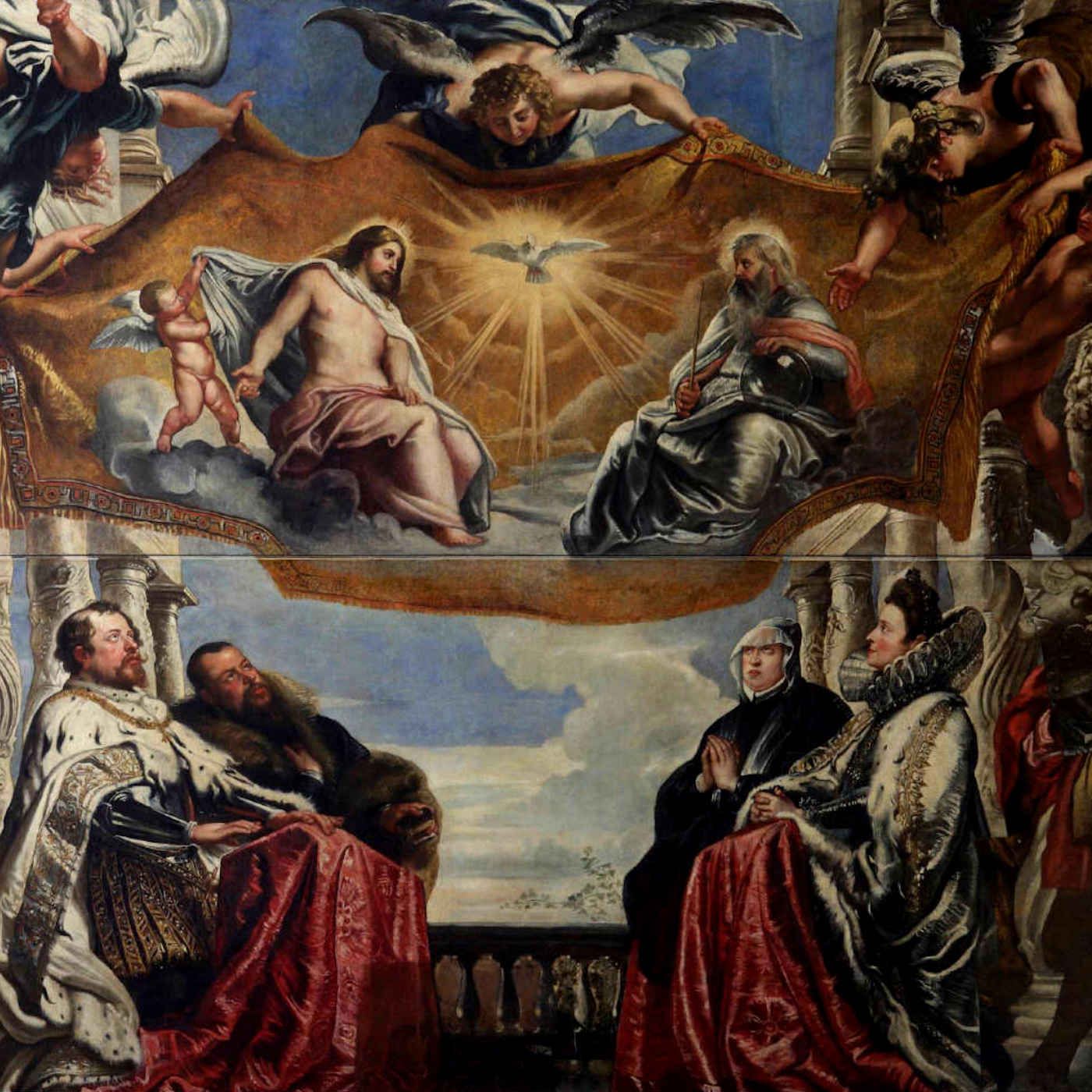
Mar 12, 2024
Wednesday of the Fourth Week of Lent - Amazement and Awe
“Amen, amen, I say to you, the Son cannot do anything on his own, but only what he sees the Father doing; for what he does, the Son will do also. For the Father loves the Son and shows him everything that he himself does, and he will show him greater works than these, so that you may be amazed.” John 5:25–26 The most central and most glorious mystery of our faith is that of the Most Holy Trinity. God the Father, Son and Holy Spirit are one God yet three distinct Persons. As divine “Persons,” each one is distinct; but as one God, each Person acts in perfect union with the others. In today’s Gospel, Jesus clearly identifies the Father in Heaven as His Father and clearly states that He and His Father are one. For this reason, there were those who wanted to kill Jesus because He “called God his own father, making himself equal to God.” The sad reality is that the greatest and most glorious truth of God’s inner life, the mystery of the Most Holy Trinity, was one of the primary reasons that some chose to hate Jesus and sought His life. Clearly, it was their ignorance of this glorious truth that drove them to this hatred. We call the Holy Trinity a “mystery,” not because they cannot be known but because our knowledge of Who They are can never be fully understood. For eternity, we will enter deeper and deeper into our knowledge of the Trinity and be “amazed” on a continually deepening level. One additional aspect of the mystery of the Trinity is that each one of us is called to share in Their very life. We will forever remain distinct from God; but, as many of the early Church Fathers liked to say, we must become “divinized,” meaning, we must share in God’s divine life through our union of body and soul with Christ Jesus. That union also unites us with the Father and the Spirit. This truth should also leave us “amazed,” as we read in the passage above. As we continue to read this week from the Gospel of John and continue to ponder the mysterious and profound teaching of Jesus on His relationship with the Father in Heaven, it is essential that we not simply gloss over the mysterious language Jesus uses. Rather, we must prayerfully enter the mystery and allow our penetration of this mystery to leave us truly amazed. Amazement and transforming edification is the only good response. We will never fully understand the Trinity, but we must allow the truth of our Triune God to take hold of us and enrichen us, at very least, in a way that knows how much we do not know—and that knowledge leaves us in awe. Reflect, today, upon the sacred mystery of the Most Holy Trinity. Pray that God reveals Himself more fully to your mind and more completely consume your will. Pray that you will be able to share deeply in the life of the Trinity so that you will be filled with a holy amazement and awe. Most holy and triune God, the love You share within Your very being of Father, Son and Holy Spirit is beyond my comprehension. The mystery of Your triune life is a mystery of the greatest degree. Draw me in, dear Lord, to the life You share with Your Father and the Holy Spirit. Fill me with wonder and awe as You invite me to share in Your divine life. Most Holy Trinity, I trust in You. Source of content: catholic-daily-reflections.com Copyright © 2024 My Catholic Life! Inc. All rights reserved. Used with permission via RSS feed. Featured image above: Trinity By Andrei Rublev, via Wikimedia Commons
Mar 11, 2024
Tuesday of the Fourth Week of Lent - Patient Endurance
One man was there who had been ill for thirty-eight years. When Jesus saw him lying there and knew that he had been ill for a long time, he said to him, “Do you want to be well?” John 5:5–6 Only those who have been crippled for many years could understand what this man endured in life. He was crippled and unable to walk for thirty-eight years. The pool he was laying next to was believed to have the power of healing. Therefore, many who were sick and crippled would sit by the pool and try to be the first to enter it when the waters were stirred up. From time to time, that person was said to have received healing. Jesus sees this man and clearly perceives his desire for healing after so many years. Most likely, his desire for healing was the dominant desire in his life. Without the ability to walk, he could not work and provide for himself. He would have had to rely upon begging and the generosity of others. Thinking about this man, his sufferings and his ongoing attempts for healing from this pool should move any heart to compassion. And since Jesus’ heart was one that was full of compassion, He was moved to offer this man not only the healing he so deeply desired but so much more. One virtue in the heart of this man that would have especially moved Jesus to compassion is the virtue of patient endurance. This virtue is an ability to have hope in the midst of some ongoing and lengthy trial. It is also referred to as “longsuffering” or “longanimity.” Usually, when one faces a difficulty, the immediate reaction is to look for a way out. As time moves on and that difficulty is not removed, it’s easy to fall into discouragement and even despair. Patient endurance is the cure for this temptation. When one can patiently endure anything and everything they suffer in life, there is a spiritual strength within them that benefits them in numerous ways. Other little challenges are more easily endured. Hope is born within them to a powerful degree. Even joy comes with this virtue despite the ongoing struggle. When Jesus saw this virtue alive in this man, He was moved to reach out and heal him. And the primary reason Jesus healed this man was not just to help him physically but so that the man would come to believe in Jesus and follow Him. Reflect, today, upon this beautiful virtue of patient endurance. The trials of life should ideally be seen not in a negative way but as an invitation to patient endurance. Ponder the way you endure your own trials. Is it with deep and ongoing patience, hope and joy? Or is it with anger, bitterness and despair. Pray for the gift of this virtue and seek to imitate this crippled man. My Lord of all hope, You endured so much in life and persevered through it all in perfect obedience to the will of the Father. Give me strength in the midst of the trials of life so that I can grow strong in the hope and the joy that comes with that strength. May I turn away from sin and turn to You in complete trust. Jesus, I trust in You. Source of content: catholic-daily-reflections.com Copyright © 2024 My Catholic Life! Inc. All rights reserved. Used with permission via RSS feed. Featured images above: Christ healing the Paralytic at the Pool of Bethesda by Bartolomé Esteban Murillo , via Wikimedia Commons
Mar 10, 2024
Monday of the Fourth Week of Lent - Faith in All Things
Now there was a royal official whose son was ill in Capernaum. When he heard that Jesus had arrived in Galilee from Judea, he went to him and asked him to come down and heal his son, who was near death. Jesus said to him, “Unless you people see signs and wonders, you will not believe.” John 4:46–48 Jesus did end up healing the royal official’s son. And when the royal official returned to discover his son healed, we are told that “he and his whole household came to believe.” Some came to believe in Jesus only after He performed miracles. There are two lessons we should take from this. First of all, the fact that Jesus performed miracles is a testimony to Who He is. He is a God of abundant mercy. As God, Jesus could have expected faith from those to whom He ministered without offering them the “proof” of signs and wonders. This is because true faith is not based upon external evidence, such as seeing miracles; rather, authentic faith is based upon an interior revelation from God by which He communicates His very self to us and we believe. Therefore, the fact that Jesus did signs and wonders shows just how merciful He is. He offered these miracles, not because anyone deserved them but simply because of His abundant generosity to help spark faith in the lives of those who found it hard to believe through the interior gift of faith alone. With that said, it’s important to understand that we should work to develop our faith without relying upon external signs. Imagine, for example, if Jesus would have never performed any miracles. How many would have come to believe in Him? Perhaps very few. But there would have been some who came to believe, and those who did would have had a faith that was exceptionally deep and authentic. Imagine, for example, if this royal official did not receive a miracle for his son but, nonetheless, chose to believe in Jesus anyway through the transforming interior gift of faith. In each one of our lives, it is essential that we work to develop our faith, even if God doesn’t seem to act in powerful and evident ways. In fact, the deepest form of faith is born in our lives when we choose to love God and serve Him, even when things are very difficult. Faith in the midst of difficulty is a sign of very authentic faith. Reflect, today, upon the depth of your own faith. When life is hard, do you love God and serve Him anyway? Even if He doesn’t remove the crosses you carry? Seek to have true faith at all times and in every circumstance and you will be amazed at how real and sustaining your faith becomes. My merciful Jesus, Your love for us is beyond what we will ever fathom. Your generosity is truly great. Help me to believe in You and to embrace Your holy will both in good times and in difficult ones. Help me, especially, to be open to the gift of faith, even when Your presence and action in my life seems silent. May those moments, dear Lord, be moments of true interior transformation and grace. Jesus, I trust in You. Source of content: catholic-daily-reflections.com Copyright © 2024 My Catholic Life! Inc. All rights reserved. Used with permission via RSS feed. Featured images above: Christ and the Centurion By Paolo Veronese, Wikimedia Commons
Mar 9, 2024
The Fourth Sunday of Lent (Year B) - Seeking the Full Truth
Jesus said to Nicodemus: “Just as Moses lifted up the serpent in the desert, so must the Son of Man be lifted up, so that everyone who believes in him may have eternal life.” John 3:14–15 The line quoted above concludes a dialogue that Jesus had with Nicodemus, a Pharisee and a member of the Sanhedrin. This is the first of three times Nicodemus is mentioned in the Gospel of John. The second time he appears is when he reminds the other members of the Sanhedrin that a man must be first heard before he is condemned. The third time was when Jesus was killed and Nicodemus brought a mixture of myrrh and aloes to prepare Jesus’ body for burial. Jesus was not accepted by most of the Pharisees and within the Sanhedrin. For that reason, Nicodemus was taking a risk by going to him at night to talk. But Jesus clearly senses faith in the heart of Nicodemus, which is why when Nicodemus asks Jesus about His teaching, Jesus answers him. Unlike the other Pharisees, Nicodemus was not trying to trap our Lord; he sincerely wanted to understand. At the beginning of this dialogue between Jesus and Nicodemus, Nicodemus professes the beginning of faith in Jesus when he says, “Rabbi, we know that you are a teacher who has come from God, for no one can do these signs that you are doing unless God is with him” (John 3:2). Interestingly, Jesus then speaks to Nicodemus in figures of speech, saying that one can only enter the Kingdom of God when they are “born from above” and “born from water and the Spirit.” Nicodemus tries to understand but fails. Jesus then gently rebukes him by saying, “You are the teacher of Israel and you do not understand this?” (John 3:10). Jesus then goes on to speak further in symbolic language and figures of speech, concluding with the beginning of today’s Gospel quoted above when He speaks in a veiled way about His coming crucifixion. One thing that is important to understand from this dialogue between Jesus and Nicodemus is that Jesus’ language is veiled in symbolic language because, even though Nicodemus was on the right path, he was not yet ready for the full revelation of the Gospel. He could not yet fully comprehend all that our Lord came to reveal. Thus, Jesus spoke in veiled language and invited Nicodemus to keep seeking its hidden meaning. In our own lives, we can come to God and want Him to speak clearly and definitively to us, revealing His perfect will for our lives. But often He doesn’t. Why? Because God knows we are not yet ready for the full truth. When He speaks to us and when we gain insight in one way or another, this is good and reveals we are on the right path. But the Gospel, in its fullness, is so radical and so demanding that most people are not yet ready for the full truth. Therefore, in His compassion, God gives us only what we can handle at the moment. But this humble truth should encourage us, as it did Nicodemus, not to give up and to continue opening ourselves to the fullness of the Word of God. Reflect, today, upon how open you are to the fullness of God’s Word. What would happen if God were to reveal to you, by an immediate personal revelation of divine knowledge, all that was in His sacred mind? Would it be too much for you to handle? Yes, it would be. But that humble admission is an important step toward that very goal. Humble yourself, today, more fully before the mysterious Word of God and pray that you will continue to be changed and open so that the clarity of God’s truth will more fully penetrate your soul. My teaching Lord, Your sacred Truth is so deep, so profound and so transforming that it remains too much for me to fully comprehend and embrace. For that reason, I thank You for the mercy of speaking to me in veiled ways so as to continually draw me deeper in my faith and knowledge of You. Please continue to open my mind and heart to You so that, one day, I will understand Your Truth most fully. Jesus, I trust in You. Source of content: catholic-daily-reflections.com Copyright © 2024 My Catholic Life! Inc. All rights reserved. Used with permission via RSS feed. Featured images above: Jesus and Nikodim By Alexander Andreyevich Ivanov, via Wikipedia
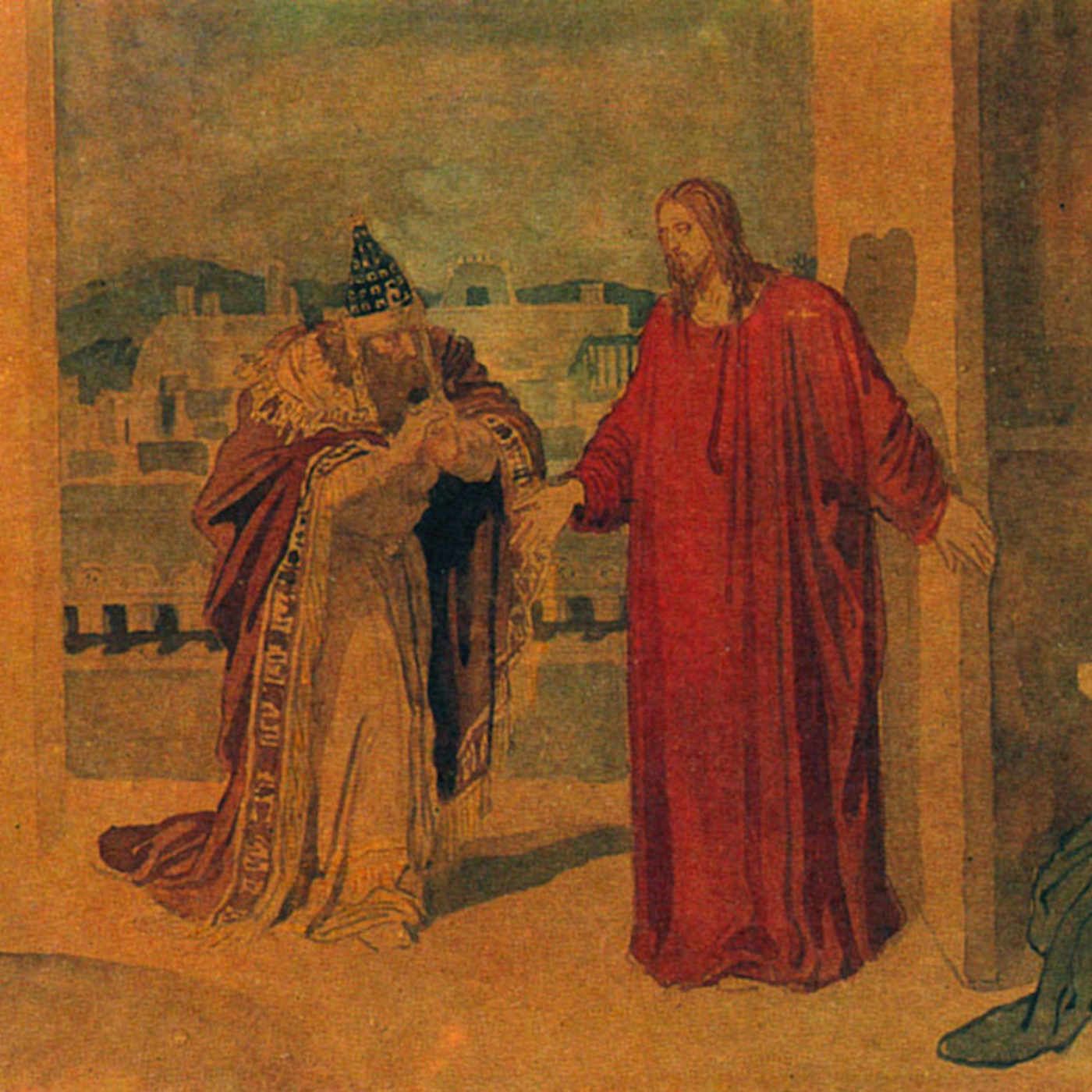
Mar 8, 2024
Saturday of the Third Week of Lent - Being Justified by Mercy
Jesus addressed this parable to those who were convinced of their own righteousness and despised everyone else. “Two people went up to the temple area to pray; one was a Pharisee and the other was a tax collector.” Luke 18:9–10 This Scripture passage introduces the Parable of the Pharisee and the Tax Collector. They both go to the Temple to pray, but their prayers are very different from each other. The prayer of the Pharisee is very dishonest, whereas the prayer of the tax collector is exceptionally sincere and honest. Jesus concludes by saying that the tax collector went home justified but not the Pharisee. He states, “...for everyone who exalts himself will be humbled, and the one who humbles himself will be exalted.” True humility is simply being honest. Too often in life we are not honest with ourselves and, therefore, are not honest with God. Thus, for our prayer to be true prayer, it must be honest and humble. And the humble truth for all of our lives is best expressed by the prayer of the tax collector who prayed, “O God, be merciful to me a sinner.” How easy is it for you to admit your sin? When we understand the mercy of God, this humility is much easier. God is not a God of harshness but is a God of the utmost mercy. When we understand that God’s deepest desire is to forgive us and to reconcile us to Himself, then we will deeply desire honest humility before Him. Lent is an important time for us to deeply examine our conscience and make new resolutions for the future. Doing so will bring new freedom and grace into our lives. So do not be afraid to honestly examine your conscience so as to see your sin clearly in the way God sees it. Doing so will put you in a position to pray this prayer of the tax collector: “O God, be merciful to me a sinner.” Reflect, today, upon your sin. What do you struggle with the most right now? Are there sins from your past that you have never confessed? Are there ongoing sins that you justify, ignore and are afraid to face? Take courage and know that honest humility is the road to freedom and the only way to experience justification before God. My merciful Lord, I thank You for loving me with a perfect love. I thank You for Your incredible depth of mercy. Help me to see all of my sin and to turn to You with honesty and humility so that I can be freed of these burdens and become justified in Your sight. Jesus, I trust in You. Source of content: catholic-daily-reflections.com Copyright © 2024 My Catholic Life! Inc. All rights reserved. Used with permission via RSS feed. Featured images above: The Pharisee and the Publican By Barent Fabritius, via Wikimedia Commons
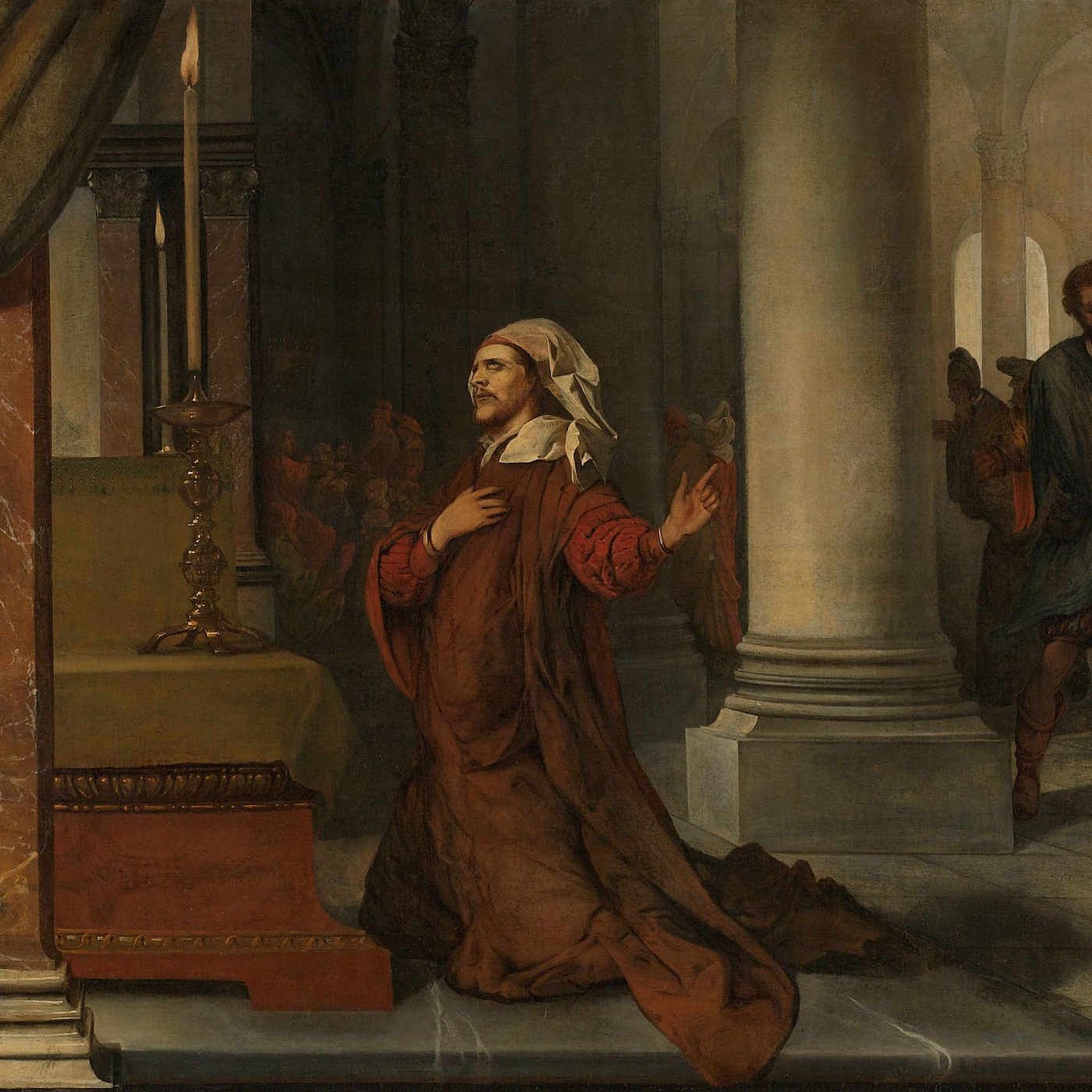
Mar 7, 2024
Friday of the Third Week of Lent - Hold Nothing Back
“Hear, O Israel! The Lord our God is Lord alone! You shall love the Lord your God with all your heart, with all your soul, with all your mind, and with all your strength.” Mark 12:29–30 Why would you choose anything less than to love the Lord your God with ALL your heart, with ALL your soul, with ALL your mind, and with ALL your strength? Why would you choose anything less? Of course, we do choose many other things to love in life, even though Jesus is clear with this commandment. The truth is that the only way to love others, and even to love ourselves, is to choose to love God with ALL we are. God must be the one and only focus of our love. But what’s amazing is that the more we do this, the more we realize that the love we have in our lives is the kind of love that overflows and overflows in superabundance. And it is this overflowing love of God that then pours forth on others. On the other hand, if we try to divide our loves by our own effort, giving God only part of our heart, soul, mind and strength, then the love we have for God cannot grow and overflow in the way God wants. We limit our capacity for love, and we fall into selfishness. Love of God is a truly amazing gift when it is total and all-consuming. Each one of these parts of our lives are worth pondering and examining. Think about your heart and how you are called to love God with your heart. And how does this differ from loving God with your soul? Perhaps your heart is more focused on your feelings, emotions and compassion. Perhaps your soul is more spiritual in nature. Your mind loves God the more it probes the depth of His Truth, and your strength is your passion and drive in life. Regardless of how you understand the various parts of your being, the key is that every part must love God in fullness. Reflect, today, upon the beautiful commandment of our Lord. It’s a command of love, and it is given to us not so much for God’s sake but for ours. God wants to fill us to the point of overflowing love. Why would we ever choose anything less? My loving Lord, Your love for me is infinite and perfect in every way. I pray that I will learn to love You with every fiber of my being, holding nothing back, and to daily grow deeper in my love of You. As I grow in that love, I thank You for the overflowing nature of that love, and I pray that this love of You will flow into the hearts of those around me. Jesus, I trust in You. Source of content: catholic-daily-reflections.com Copyright © 2024 My Catholic Life! Inc. All rights reserved. Used with permission via RSS feed. Featured images above: By Dimitris Vetsikas from Pixabay
Mar 6, 2024
Thursday of the Third Week of Lent - The Kingdom of God is Upon Us
“But if it is by the finger of God that I drive out demons, then the Kingdom of God has come upon you.” Luke 11:20 The Kingdom of God can come upon us in a variety of ways. The line from today’s Gospel above comes in the middle of a story of Jesus casting out a demon from a man who was mute. Once the demon was cast out, the mute man began to speak, and all were amazed. And though some were amazed and grew in faith as a result, others turned their amazement into irrationality. The irrationality of some was that they saw what Jesus did, but they didn’t want to accept that His power was divine. Therefore, some of them said, “By the power of Beelzebul, the prince of demons, he drives out demons.” They couldn’t deny that Jesus drove out a demon, since they saw it happen with their own eyes. But they were unwilling to accept Jesus’ divinity, so they jumped to the irrational conclusion that Jesus’ act was done by the power of “the prince of demons.” This irrational stance of some people is one of the most dangerous stances one can take. It’s the stance of an obstinate heart. They were given the incredible witness of the power of God at work but refused to respond in faith to what they witnessed. For those who are obstinate, when the Kingdom of God comes upon them, as Jesus stated above, the effect is that they react in a violent, angry and irrational way. This form of reaction is exceptionally prevalent today in the secular world. Many in the secular media, for example, constantly react violently and irrationally to all that is part of the Kingdom of God. As a result, the evil one easily misleads many, causing confusion and chaos. For those who have eyes to see clearly, this violent and irrational rejection of the Kingdom of God is very clear. And for those with faith and an open heart, the pure message of the Gospel is like water to a dry and parched soul. They soak it up and find great refreshment. For them, when the Kingdom of God comes upon them, they are energized, inspired and driven with a holy passion to further God’s Kingdom. Irrationality disappears, and God’s pure Truth prevails. Reflect, today, upon your heart. Are you obstinate in any way? Are there teachings from Christ and His Church that you are tempted to reject? Is there some truth that you need to hear in your personal life to which you find it difficult to be open? Pray that the Kingdom of God come upon you today and every day and, as it does, that you will be a powerful instrument of its establishment in this world. My glorious King of all, You are all-powerful and have full authority over all things. Please come and exercise Your authority upon my life. Come and establish Your Kingdom. I pray that my heart be always open to You and to the direction you give. Jesus, I trust in You. Source of content: catholic-daily-reflections.com Copyright © 2024 My Catholic Life! Inc. All rights reserved. Used with permission via RSS feed. Featured images above: Jesus Heals a Mute Possessed Man By James Tissot, via Wikimedia Commons
Mar 5, 2024
Wednesday of the Third Week of Lent - The Height of the New Law
“I have come not to abolish but to fulfill. Amen, I say to you, until heaven and earth pass away, not the smallest letter or the smallest part of a letter will pass from the law, until all things have taken place.” Matthew 5:17–18 The Old Law, the law from the Old Testament, prescribed various moral precepts, as well as ceremonial precepts for worship. Jesus makes it clear that He is not abolishing all that God taught through Moses and the Prophets. This is because the New Testament is the culmination and completion of the Old Testament. Thus, nothing of old was abolished; it was fulfilled and brought to completion. The moral precepts of the Old Testament were laws that flowed primarily from human reason. It made sense that one should not kill, steal, commit adultery, lie, etc. It also made sense that God should be honored and respected. The Ten Commandments and the other moral laws still hold today. But Jesus brings us much further. He not only called us to go much deeper in the keeping of these commandments, He also promised the gift of grace so that they could be fulfilled. Thus, “Thou shall not kill” is deepened to the requirement of complete and total forgiveness of those who persecute us. It’s interesting to note that the new depth of the moral law Jesus gives actually goes beyond human reason. “Thou shall not kill” makes sense to almost everyone, but “love your enemies and pray for those who persecute you” is a new moral law that makes sense only by the help of grace. But without grace, the natural human mind alone cannot arrive at this new commandment. This is extremely helpful to understand, because oftentimes we go through life relying upon our human reason alone when it comes to making moral decisions. And though our human reason will always direct us away from the most obvious moral failures, it will be insufficient alone to guide us to the heights of moral perfection. Grace is necessary for this high calling to make sense. Only by grace can we understand and fulfill the call to take up our crosses and follow Christ. Reflect, today, upon your own calling to perfection. If it doesn’t make sense to you how God can expect perfection of you, then pause and reflect upon the fact that you are right—it doesn’t make sense to human reason alone! Pray that your human reason will be flooded with the light of grace so that you will be able to not only understand your high calling to perfection but that you will also be given the grace you need to achieve it. My most high Jesus, You have called us to a new height of holiness. You have called us to perfection. Enlighten my mind, dear Lord, so that I may understand this high calling and pour forth Your grace, so that I may embrace my moral duty to the fullest extent. Jesus, I trust in You. Source of content: catholic-daily-reflections.com Copyright © 2024 My Catholic Life! Inc. All rights reserved. Used with permission via RSS feed. Featured Image: Moses with the Ten Commandments By Philippe de Champaigne, via Wikimedia Commons
Mar 4, 2024
Tuesday of the Third Week of Lent - Forgiving From the Heart
Peter approached Jesus and asked him, “Lord, if my brother sins against me, how often must I forgive him? As many as seven times?” Jesus answered, “I say to you, not seven times but seventy-seven times.” Matthew 18:21–22 Forgiveness of another is difficult. It’s much easier to remain angry. This line quoted above is the introduction to the Parable of the Unforgiving Servant. In that parable, Jesus makes it clear that if we want to receive forgiveness from God, then we must forgive others. If we withhold forgiveness, we can be certain that God will withhold it from us. Peter may have thought that he was being quite generous in his question to Jesus. Clearly Peter had been considering Jesus’ teachings about forgiveness and was ready to take the next step of offering that forgiveness freely. But Jesus’ answer to Peter makes it clear that Peter’s concept of forgiveness greatly paled in comparison to the forgiveness demanded by our Lord. The parable that Jesus then tells presents us with a man who was forgiven a huge debt. Subsequently, when that man encountered a person who owed him a small debt, he failed to offer the same forgiveness that was given to him. As a result, the master of that man who was forgiven the huge debt becomes outraged and requires once again a full payment of the debt. And then Jesus ends the parable with a shocking statement. He says, “Then in anger his master handed him over to the torturers until he should pay back the whole debt. So will my heavenly Father do to you, unless each of you forgives your brother from your heart.” Note that the forgiveness God expects us to offer others is one that comes from the heart. And note that a lack of forgiveness on our part will result in us being handed “over to the torturers.” These are serious words. By “torturers,'' we should understand that the sin of not forgiving another brings with it much interior pain. When we hold on to anger, this act “tortures” us in a certain way. Sin always has this effect upon us, and it is for our good. It’s a way in which God constantly challenges us to change. Thus, the only way to freedom from this interior form of torture by our sin is to overcome that sin, and in this case, to overcome the sin of withholding forgiveness. Reflect, today, upon the calling God has given to you to forgive to the fullest extent. If you still sense anger in your heart toward another, keep working at it. Forgive over and over. Pray for that person. Refrain from judging them or condemning them. Forgive, forgive, forgive, and God’s abundant mercy will also be given to you. My forgiving Lord, I thank You for the unfathomable depths of Your mercy. I thank You for Your willingness to forgive me over and over again. Please give me a heart worthy of that forgiveness by helping me to forgive all people to the same extent that You have forgiven me. I forgive all who have sinned against me, dear Lord. Help me to continue to do so from the depths of my heart. Jesus, I trust in You. Source of content: catholic-daily-reflections.com Copyright © 2024 My Catholic Life! Inc. All rights reserved. Used with permission via RSS feed. Featured image above: Christ and His Disciples on Their Way to Emmaus By Pieter Cock van Aelst
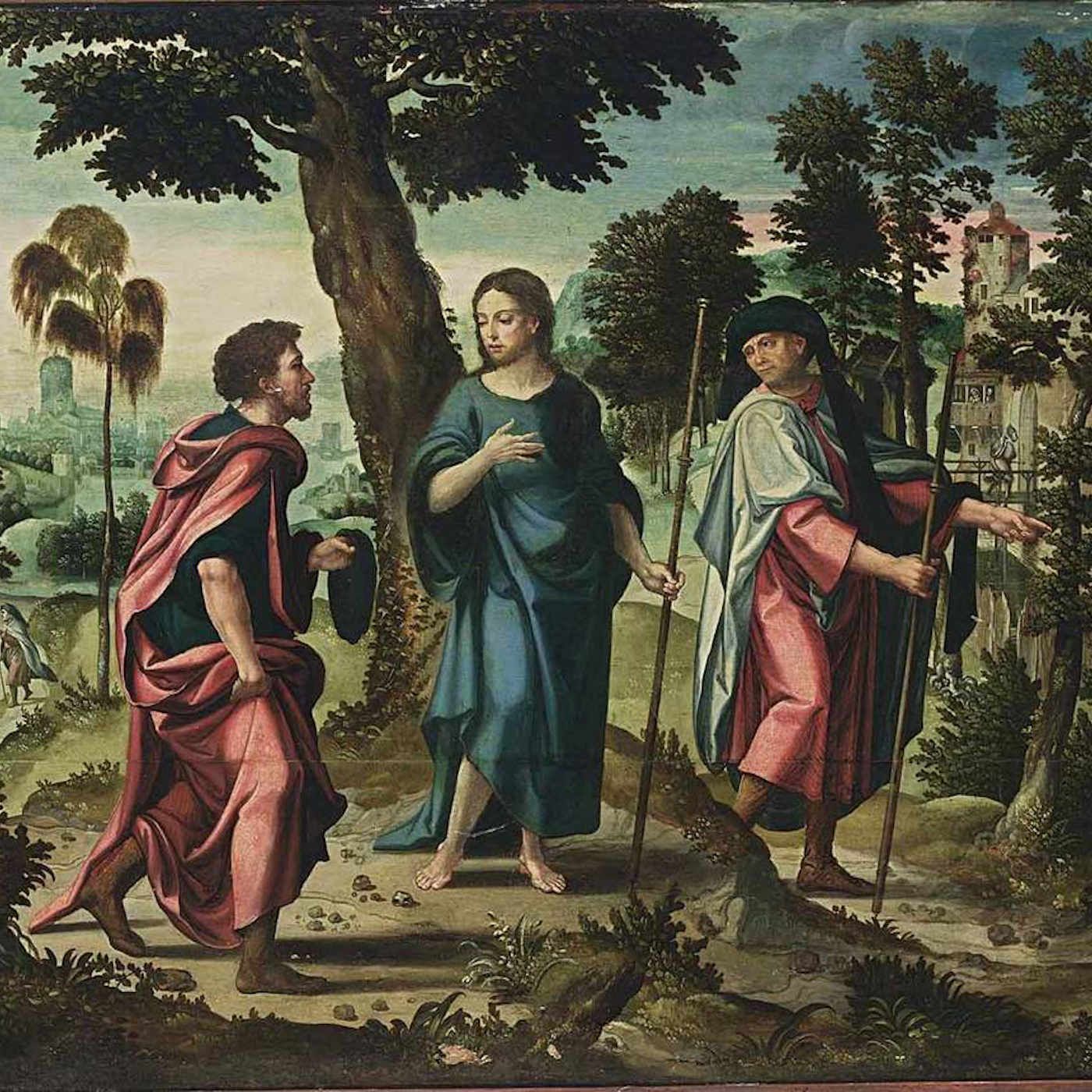
Mar 3, 2024
Monday of the Third Week of Lent - The Permissive Will of God
When the people in the synagogue heard this, they were all filled with fury. They rose up, drove him out of the town, and led him to the brow of the hill on which their town had been built, to hurl him down headlong. But he passed through the midst of them and went away. Luke 4:28–30 One of the first places Jesus went to begin His public ministry was His own home town. After entering the Synagogue and reading from the Prophet Isaiah, Jesus proclaimed that the prophecy of Isaiah was now fulfilled in His very person. This caused His townspeople to be outraged at Him, thinking He was blaspheming. So they shockingly sought to immediately kill Jesus by driving Him out of their town to the brow of a hill off which they meant to throw Him. But then something fascinating happened. Jesus “passed through the midst of them and went away.” The Father eventually permitted the grave evil of the death of His Son to take place, but only in His time. It’s unclear from this passage how Jesus was able to avoid being killed right then at the beginning of His ministry, but what’s important to know is that He was able to avoid this because it was not His time. The Father had more for Jesus to do before He would permit Him to offer His life freely for the salvation of the world. This same reality is true for our own lives. God does permit evil to happen, at times, because of the irrevocable gift of free will. When people choose evil, God will allow them to proceed—but always with a caveat. The caveat is that God only permits evil to be inflicted upon others when that evil is able to be ultimately used for God’s glory and for some form of good. And it is only permitted in God’s time. If we do evil ourselves, choosing sin rather than the will of God, then the evil that we do will end in our own loss of grace. But when we are faithful to God and some external evil is imposed upon us by another, God permits this only when that evil can be redeemed and used for His glory. The best example of this is, of course, the passion and death of Jesus. A far greater good came forth from that event than the evil itself. But it was only permitted by God when the time was right, in accord with God’s will. Reflect, today, upon the glorious fact that any evil or any suffering inflicted upon you unjustly can end in the glory of God and the greater salvation of souls. No matter what you may suffer in life, if God permits it, then it is always possible for that suffering to share in the redeeming power of the Cross. Consider any suffering you have endured and embrace it freely, knowing that if God permitted it, then He certainly has some greater purpose in mind. Surrender that suffering over with the utmost confidence and trust and allow God to do glorious things through it. God of all wisdom, I know that You know all things and that all things can be used for Your glory and for the salvation of my soul. Help me to trust You, especially when I endure suffering in life. May I never despair when treated unjustly and may my hope always be in You and in Your power to redeem all things. Jesus, I trust in You. Source of content: catholic-daily-reflections.com Copyright © 2024 My Catholic Life! Inc. All rights reserved. Used with permission via RSS feed. Featured image above: The Brow of the Hill near Nazareth By James Tissot
Mar 2, 2024
The Third Sunday of Lent (Year B) - A Dual Cleansing
He made a whip out of cords and drove them all out of the temple area, with the sheep and oxen, and spilled the coins of the money-changers and overturned their tables, and to those who sold doves he said, “Take these out of here, and stop making my Father’s house a marketplace.” John 2:15–16 All four Gospels speak of Jesus’ cleansing of the Temple. However, there is a difference between the way this event is portrayed in the Synoptic Gospels (Matthew, Mark and Luke) and in the way it is portrayed in John’s Gospel. John’s Gospel places this event at the very beginning of Jesus’ public ministry during the first of His three annual trips to Jerusalem for the Passover. This was His first attempt at cleansing the Temple. Jesus was also less severe in John’s version of the story, stating only that the moneychangers had turned His Father’s House into a “marketplace.” In the three Synoptic Gospels, this event takes place at the very end of Jesus’ public ministry, less than a week before Jesus’ death when He returned to Jerusalem for the last time. In those versions, Jesus was more severe, stating that the moneychangers had turned His Father’s House into a “den of thieves” and not just a “marketplace.” In commenting upon the differences between John’s version and the Synoptics, Saint Augustine and Saint Thomas Aquinas believe that they are two different occasions when a similar act of cleansing of the Temple took place. The Jewish Temple, at the time of Jesus’ public ministry, was the place people traveled to each year for Passover to offer the sacrifice of a spotless lamb in commemoration of the first Passover in Egypt when God set the Jews free from slavery. During this annual celebration, Jewish families who traveled to Jerusalem would purchase a lamb for sacrifice. At the appointed time, they slaughtered the animal in the courtyard of the Temple and then presented it to the priest who gathered some of the blood and sprinkled it on the altar, and then removed the skin, organs and fat to be burned in sacrifice. The meat was returned to the family and roasted on a pomegranate branch so that they could feast on it as they recalled the saving action God granted their ancestors in Egypt. Today, we see the Jewish Temple as a symbol and prefiguration of Christ, the New Temple Who is also the priest and the Lamb of Sacrifice. Recall, also, that at Jesus’ death, the veil of the Temple was torn in two, opening it up to the whole world so that all may share in the Sacrifice of the Lamb of God. We are now invited into this Holy of Holies to share in the new life of grace accomplished by His Sacrifice. Since the grace of this Sacrifice of our Lord enters into each and every heart that believes, to cleanse and purify, then every person receiving this grace becomes a new dwelling place of God, a member of His new Temple, the Body of Christ. When Jesus came to the Passover feast and witnessed the buying and selling of these animals in the Temple, He drove them out with much zeal. It was clear that this holy celebration of the Passover had become less of a celebration of faith and more of a marketplace for profit. Jesus’ action is also a symbol of the zeal with which He now seeks to cleanse the temple of your soul. At first, when sin and disorder pervade our souls, our Lord may take the approach of a gentle rebuke, as He did in His first cleansing of the Temple in John’s Gospel. If we persist in our sins, then our Lord will become more zealous in His cleansing as He was in His final attempt to cleanse the Temple the week before He died. Reflect, today, upon this twofold cleansing of the Temple in Jerusalem by our Lord and apply Jesus’ sacred actions today to your own soul. Are there new sins that you have fallen into recently that require a gentle rebuke from our Lord? Are there sins that Jesus has been revealing to you for years now that you obstinately persist in? Allow Him to rebuke you in love and to cleanse you so that His saving Sacrifice as the Lamb of God will indeed purify you, and allow His judgment and wrath to “passover” you this Lent. My cleansing Lord, You cleansed the Temple of Jerusalem not once, but twice. Your zeal for its purity of worship was clear. Please come and make my soul Your dwelling place today and cleanse me of all sin. Please help me to especially see any ways that I have remained obstinate in my sin, and please cleanse those sins with much vigor. Jesus, I trust in You. Source of content: catholic-daily-reflections.com Copyright © 2024 My Catholic Life! Inc. All rights reserved. Used with permission via RSS feed. Featured image above: Christ Cleansing the Temple, via flickr
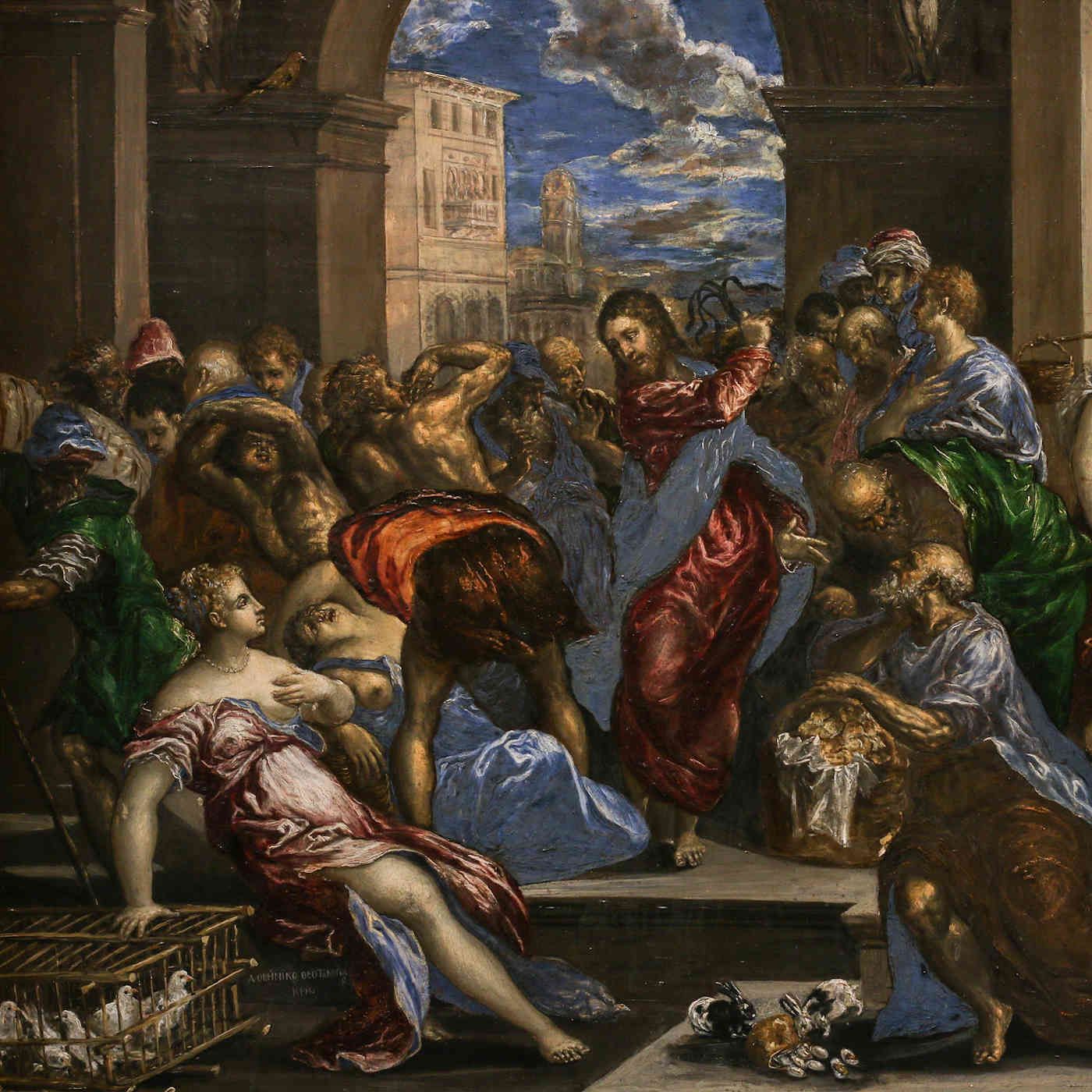
Mar 1, 2024
Saturday of the Second Week of Lent - Consolation for the Repentant Sinner
“Look, all these years I served you and not once did I disobey your orders; yet you never gave me even a young goat to feast on with my friends. But when your son returns who swallowed up your property with prostitutes, for him you slaughter the fattened calf.” Luke 15:22–24 This was the reaction of the faithful son in the Parable of the Prodigal Son. Recall that after squandering his inheritance, the Prodigal Son returns home humiliated and poor, asking his father if he will take him back and treat him as if he were a hired hand. But the father surprises him and throws a huge party for the son to celebrate his return. But the father’s other son, the one who remained with him throughout the years, would not join in the celebration. Was it fair that the father killed the fatted calf and threw this large party to celebrate his wayward son’s return? Was it fair that that same father apparently never even gave his faithful son a young goat to feast on with his friends? The right answer is that this is the wrong question. It’s easy for us to live in such a way that we always want things to be “fair.” And when we perceive that another receives more than us, we can get angry and bitter. But asking whether or not this is fair is not the right question. When it comes to the mercy of God, God’s generosity and goodness far exceed what is perceived as fair. And if we are to share in the abundant mercy of God, we too must learn to rejoice in His superabundant mercy. In this story, the act of mercy given to his wayward son was exactly what that son needed. He needed to know that no matter what he had done in the past, his father loved him and rejoiced in his return. Therefore, this son needed an abundance of mercy, partly to reassure him of his father’s love. He needed this extra consolation so as to become convinced that he made the right choice in returning. The other son, the one who had remained faithful throughout the years, was not treated unfairly. Rather, his discontent came from the fact that he himself lacked the same abundant mercy present in the heart of his father. He failed to love his brother to the same extent and, therefore, failed to see the need to offer this consolation to his brother as a way of helping him understand he was forgiven and welcomed back. Mercy is very demanding and far exceeds what we may at first perceive as rational and just. But if we desire to receive mercy in abundance, we must be ready and willing to offer it to those who need it the most. Reflect, today, upon how merciful and generous you are willing to be, especially toward those who do not appear to deserve it. Remind yourself that the life of grace is not about being fair; it’s about being generous to a shocking extent. Commit yourself to this depth of generosity toward all and look for ways that you can console another’s heart with the mercy of God. If you do, that generous love will also bless your heart in abundance. My most generous Lord, You are compassionate beyond what I can fathom. Your mercy and goodness far exceed what any of us deserve. Help me to be eternally grateful for Your goodness and help me to offer that same depth of mercy to those in most need. Jesus, I trust in You. Source of content: catholic-daily-reflections.com C opyright © 2024 My Catholic Life! Inc. All rights reserved. Used with permission via RSS feed. Featured image above: The Parable of the The Prodigal Son: Received Home by his Father By Luca Giordano
Feb 29, 2024
Friday of the Second Week of Lent - Building the Kingdom
“Therefore, I say to you, the Kingdom of God will be taken away from you and given to a people that will produce its fruit.” Matthew 21:42 Are you among those from whom the Kingdom of God will be taken away? Or among those to whom it will be given so as to produce good fruit? This is an important question to sincerely answer. The first grouping of people, those who will have the Kingdom of God taken away from them, are represented in this parable by the tenants of the vineyard. It is clear that one of their greatest sins is greed. They are selfish. They see the vineyard as a place through which they can enrich themselves and care little about the good of others. Sadly, this mind frame is easy to adopt in our own lives. It’s easy to see life as a series of opportunities for us to “get ahead.” It’s easy to approach life in a way that we are constantly looking out for ourselves rather than sincerely seeking the good of others. The second grouping of people, those to whom the Kingdom of God will be given so that it will produce good fruit, are those who understand that the central purpose of life is not to simply enrich themselves but to share the love of God with others. These are the people who are constantly looking for ways that they can be a true blessing to others. It’s the difference between selfishness and generosity. But the generosity to which we are primarily called is to build up the Kingdom of God. This is done through works of charity, but it must be a charity that is motivated by the Gospel and has the Gospel as its ultimate end. Caring for the needy, teaching, serving and the like are all good only when Christ is the motivation and end goal. Our lives must make Jesus more known and loved, more understood and followed. In fact, even if we were to feed a multitude of people in poverty, care for those who were sick, or visit those who were lonely, but did it for reasons other than to ultimately share the Gospel of Jesus Christ, then our work would not produce the good fruit of building up the Kingdom of Heaven. In that case, we would only be philanthropists rather than missionaries of the love of God. Reflect, today, upon the mission given to you by our Lord to produce an abundance of good fruit for the upbuilding of His Kingdom. Know that this can only be accomplished by prayerfully seeking out the way God is inspiring you to act. Seek to serve His will alone so that all you do will be for God’s glory and the salvation of souls. My glorious King, I pray that Your Kingdom will grow and that many souls will come to know You as their Lord and God. Use me, dear Lord, for the upbuilding of that Kingdom and help all my actions in life to bear abundant and good fruit. Jesus, I trust in You. Source of content: catholic-daily-reflections.com Copyright © 2024 My Catholic Life! Inc. All rights reserved. Used with permission via RSS feed. Featured image above: Parable of the wicked husbandmen By Marten van Valckenborch
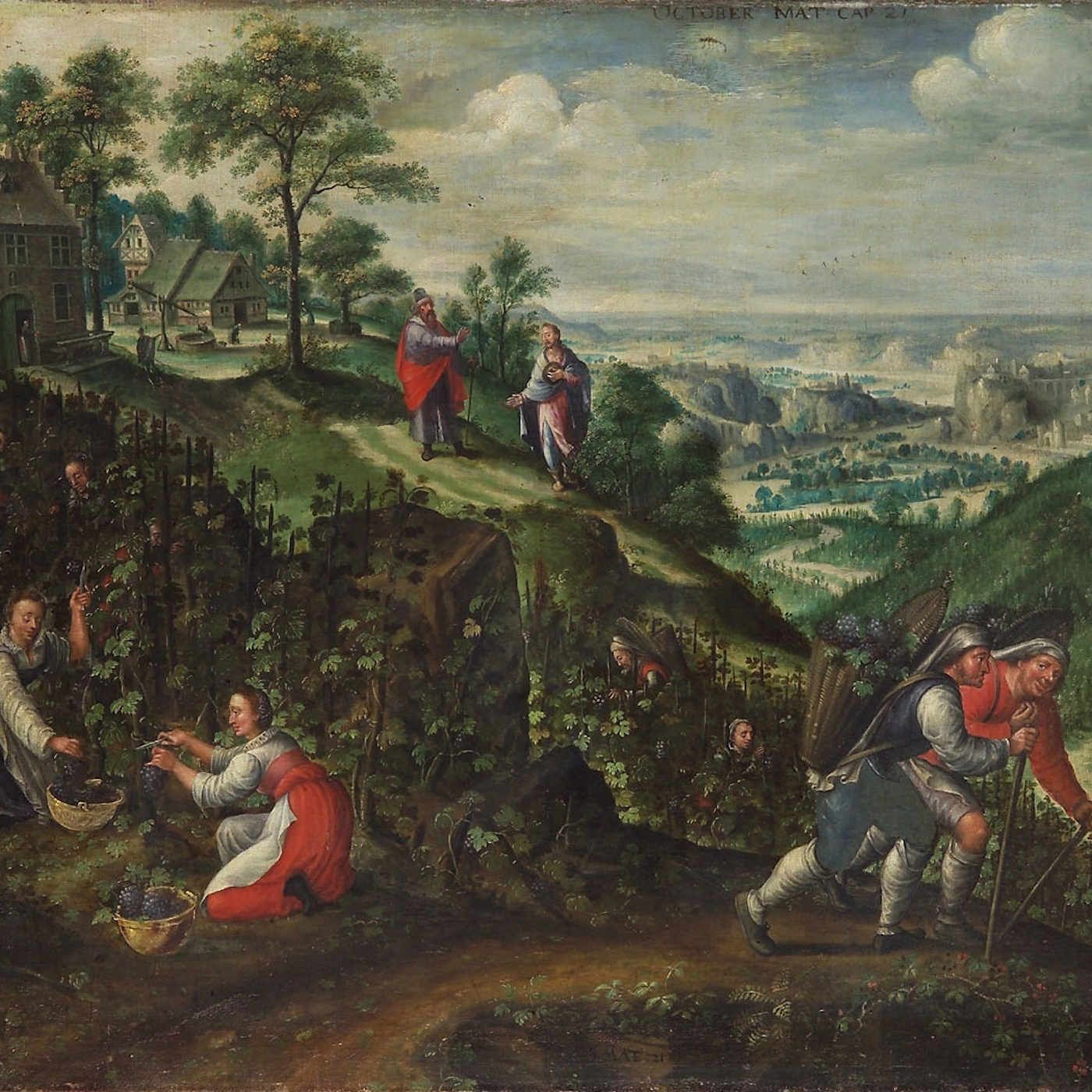
Feb 28, 2024
Thursday of the Second Week of Lent - A Powerful Contrast
Jesus said to the Pharisees: “There was a rich man who dressed in purple garments and fine linen and dined sumptuously each day. And lying at his door was a poor man named Lazarus, covered with sores, who would gladly have eaten his fill of the scraps that fell from the rich man’s table. Dogs even used to come and lick his sores.” Luke 16:19–21 One of the reasons this story is so powerful is because of the clear descriptive contrast between the rich man and Lazarus. The contrast is not only seen in the passage above, it is also seen in the final outcome of each of their lives. In the first contrast, the rich man’s life seems much more desirable, at least on the surface. He is rich, has a home to live in, dresses in fine clothing and eats sumptuously every day. By contrast, Lazarus is poor, has no home, has no food, is covered with sores and even endures the humiliation of dogs licking his wounds. Which of these persons would you prefer to be? Before you answer that question, consider the second contrast. When they both die, they experience very different eternal fates. When the poor man died, he was “carried away by angels.” And when the rich man died, he went to the netherworld, where there was ongoing torment. So again, which of these persons would you prefer to be? One of the most seductive and deceptive realities in life is the lure of riches, luxury and the fine things in life. Though the material world is not bad in and of itself, there is great temptation that goes along with it. In fact, it is clear from this story and from the many other teachings of Jesus on this topic that the lure of riches and its effect on the soul cannot be ignored. Those who are rich in the things of this world are often tempted to live for themselves rather than living for others. When one has all the comforts this world has to offer, it’s easy to simply enjoy those comforts without concern for others. And that is clearly the unspoken contrast between these two men. Though poor, it is clear that Lazarus is rich in the things that matter in life. This is evidenced by His eternal reward. It is clear that in his material poverty, he was rich in charity. The man who was rich in the things of this world was clearly poor in charity and, thus, upon losing his physical life, he had nothing to take with him. No eternal merit. No charity. Nothing. Reflect, today, upon that which you desire in life. Too often, the deceptions of material wealth and worldly possessions dominate our desires. In fact, even those who have little can easily become consumed with these unhealthy desires. Seek, instead, to desire only that which is eternal. Desire love of God and love of neighbor. Make this your only goal in life and you, too, will be carried away by angels when your life is completed. My Lord of true riches, You chose to be poor in this world as a sign to us that true riches come not with material wealth but with love. Help me to love You, my God, with all my being and to love others as You love them. May I be wise enough to make spiritual riches my single goal in life so that these riches will be enjoyed for all eternity. Jesus, I trust in You. Source of content: catholic-daily-reflections.com Copyright © 2024 My Catholic Life! Inc. All rights reserved. Used with permission via RSS feed. Featured image above: Lazarus and the Rich Man’s Table (from Luke XVI) by Kasper or Gaspar van den Hoecke, via Wikimedia Commons
Feb 27, 2024
Wednesday of the Second Week of Lent - Facing the Cross with Courage and Love
As Jesus was going up to Jerusalem, he took the Twelve disciples aside by themselves, and said to them on the way, “Behold, we are going up to Jerusalem, and the Son of Man will be handed over to the chief priests and the scribes, and they will condemn him to death, and hand him over to the Gentiles to be mocked and scourged and crucified, and he will be raised on the third day.” Matthew 20:17–19 What a conversation that must have been! As Jesus was traveling to Jerusalem with the Twelve just prior to the first Holy Week, Jesus spoke openly and clearly about what would be waiting for Him in Jerusalem. Imagine what the disciples would have thought. In many ways, it would have been too much for them to comprehend at the time. In many ways, the disciples probably preferred not to hear what Jesus had to say. But Jesus knew they needed to hear this difficult truth, especially as the moment of the Crucifixion drew near. Oftentimes, the full message of the Gospel is difficult for us to accept. This is because the full message of the Gospel will always centrally point us to the sacrifice of the Cross. Sacrificial love and the full embrace of the Cross needs to be seen, understood, loved, fully embraced and confidently proclaimed. But how is this done? Let’s start with our Lord Himself. Jesus was not afraid of the truth. He knew that His suffering and death was imminent, and He was ready and willing to accept this truth without hesitation. He didn’t see His Cross in a negative light. He did not look at it as a tragedy to be avoided. He didn’t allow fear to deter Him. Instead, Jesus looked at His imminent sufferings in the light of truth. He saw His suffering and death as a glorious act of love that He was soon to offer, and, therefore, He was not afraid to not only embrace these sufferings but also to speak of them with confidence and courage. In our own lives, we are given the invitation to imitate Jesus’ courage and love every time we must face something difficult in life. When this happens, some of the most common temptations are to be angry about the difficulty, or to look for ways to avoid it, or to blame others, or to give into despair and the like. There are numerous coping mechanisms that kick in by which we tend to try and avoid the crosses that await us. But what if we followed the example of our Lord instead? What if we faced any and every pending cross with love, courage and a willing embrace? What if instead of looking for a way out, we looked for a way in, so to speak? That is, we looked for a way to embrace our suffering in a sacrificial way, without hesitancy, in imitation of Jesus’ embrace of His cross. Every cross in life has the potential of becoming an instrument of much grace in our own lives and in the lives of others. Therefore, from the perspective of grace and eternity, crosses must be embraced, not avoided or cursed. Reflect, today, upon any difficulty you are facing. Do you see it in the same way that Jesus sees it? Can you see every cross you are given as an opportunity for sacrificial love? Are you able to embrace it with hope and confidence, knowing that God can bring good out of it? Seek to imitate our Lord by joyfully embracing the difficulties you face and those crosses will ultimately share in the Resurrection with our Lord. My suffering Lord, You freely embraced the injustice of the Cross with love and courage. You saw beyond the apparent scandal and suffering and transformed the evil done to You into the greatest act of love ever known. Give me the grace to imitate Your perfect love and to do so with the strength and confidence that You had. Jesus, I trust in You. Source of content: catholic-daily-reflections.com Copyright © 2024 My Catholic Life! Inc. All rights reserved. Used with permission via RSS feed. Featured image above: Jesus Discourses with His Disciples By James Tissot, via Wikimedia Commons
Feb 26, 2024
Tuesday of the Second Week of Lent - True Greatness
“The greatest among you must be your servant. Whoever exalts himself will be humbled; but whoever humbles himself will be exalted.” Matthew 23:11–12 Do you want to be truly great? Do you want your life to truly make a difference in the lives of others? Deep down this desire for greatness is placed within us by our Lord, and it will never go away. Even those who live eternally in hell will hold on to this innate desire, which for them will be the cause of eternal pain, since that desire will never be fulfilled. And sometimes it’s useful to ponder that reality as a motivation to make sure that this is not the fate we encounter. In today’s Gospel, Jesus gives us one of the keys to greatness. “The greatest among you must be your servant.” Being a servant means that you put others before yourself. You elevate their needs rather than trying to get them to be attentive to your needs. And this is difficult to do. It’s very easy in life to think of ourselves first. But the key is that we do put ourselves “first,” in a sense, when we practically put others before us. This is because the choice to put others first is not only good for them, it’s also exactly what is best for us. We were made for love. We were made to serve others. We were made for the purpose of giving of ourselves to others without counting the cost. But when we do this, we do not lose ourselves. On the contrary, it is in the act of giving of ourselves and seeing the other first that we actually discover who we are and become what we were created to be. We become love itself. And a person who loves is a person who is great...and a person who is great is a person whom God exalts. Reflect, today, upon the great mystery and calling of humility. If you find it difficult to put others first and to act as their servant, do it anyway. Make the choice to humble yourself before everyone else. Elevate their concerns. Be attentive to their needs. Listen to what they say. Show them compassion and be ready and willing to do so to the fullest extent. If you do, that desire for greatness that lives deep within your heart will be fulfilled. My humble Lord, thank You for the witness of Your humility. You chose to put all people first, even to the point of allowing Yourself to experience the suffering and death which was a consequence of our sins. Give me a heart that is humble, dear Lord, so that You can use me to share Your perfect love with others. Jesus, I trust in You. Source of content: catholic-daily-reflections.com Copyright © 2024 My Catholic Life! Inc. All rights reserved. Used with permission via RSS feed. Featured image above: Jesus Washing Peter’s Feet By Ford Madox Brown, via Wikimedia Commons
Feb 25, 2024
Monday of the Second Week of Lent - Mercy Goes Both Ways
Jesus said to his disciples: “Be merciful, just as your Father is merciful. Stop judging and you will not be judged. Stop condemning and you will not be condemned. Forgive and you will be forgiven.” Luke 6:36–37 Saint Ignatius of Loyola, in his guide for a thirty-day retreat, has the retreatant spend the first week of the retreat focusing upon sin, judgment, death and hell. At first, this can seem very uninspiring. But the wisdom of this approach is that after a week of these meditations, retreatants come to a deep realization of just how much they need the mercy and forgiveness of God. They see their need more clearly, and a deep humility is fostered within their soul as they see their guilt and turn to God for His mercy. But mercy goes both ways. It is part of the very essence of mercy that it can only be received if it is also given. In the Gospel passage above, Jesus gives us a very clear command about judgment, condemnation, mercy and forgiveness. Essentially, if we want mercy and forgiveness, then we must offer mercy and forgiveness. If we are judgmental and condemning, then we will also be judged and condemned. These words are very clear. Perhaps one of the reasons that many people struggle with being judgmental and condemning of others is because they lack a true awareness of their own sin and their own need for forgiveness. We live in a world that often rationalizes sin and downplays the seriousness of it. That’s why the teaching of Saint Ignatius is so important for us today. We need to rekindle a sense of the seriousness of our sin. This is not done simply to create guilt and shame. It’s done to foster a desire for mercy and forgiveness. If you can grow in a deeper awareness of your own sin before God, one of the effects will be that it is then easier to be less judgmental and condemning of others. A person who sees his sin is more apt to be merciful to other sinners. But a person who struggles with self-righteousness will most certainly also struggle with being judgmental and condemning. Reflect, today, upon your own sin. Spend time trying to understand how ugly sin is and try to grow in a healthy disdain for it. As you do, and as you beg our Lord for His mercy, pray also that you will be able to offer that same mercy you receive from God to others. As mercy flows from Heaven to your own soul, it must then also be shared. Share the mercy of God with those all around you and you will discover the true value and power of this Gospel teaching of our Lord. My most merciful Jesus, I thank You for Your infinite mercy. Help me to see clearly my sin so that I, in turn, may see my need for Your mercy. As I do, dear Lord, I pray that my heart will be open to that mercy so that I can both receive it and share it with others. Make me a true instrument of Your divine grace. Jesus, I trust in You. Source of content: catholic-daily-reflections.com Copyright © 2024 My Catholic Life! Inc. All rights reserved. Used with permission via RSS feed. Featured image above: Last Judgment by Michelangelo, via Web Gallery of Art
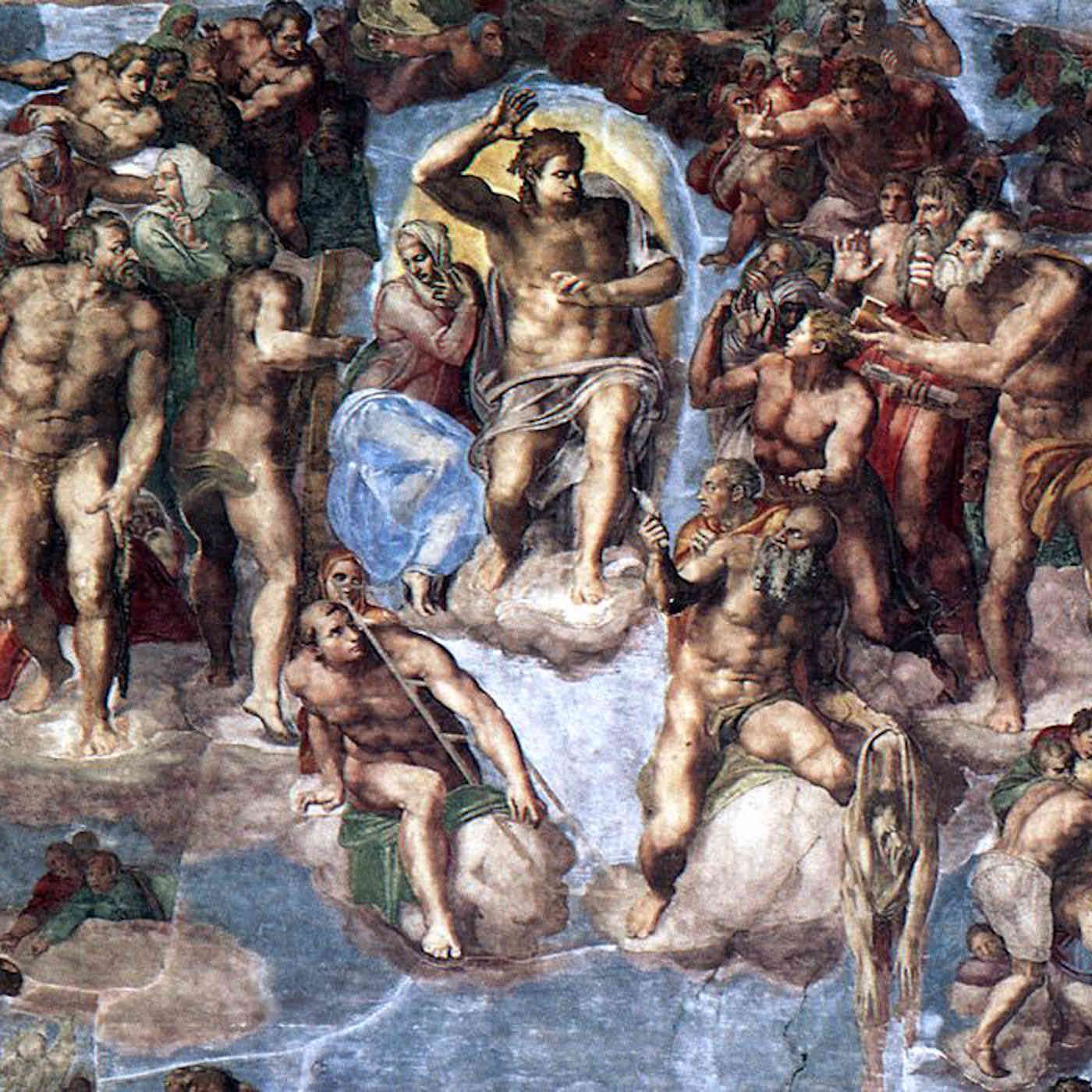
Feb 24, 2024
Second Sunday of Lent (Year B) - Glory Overshadowing the Cross
Jesus took Peter, James, and John and led them up a high mountain apart by themselves. And he was transfigured before them, and his clothes became dazzling white, such as no fuller on earth could bleach them. Mark 9:2–3 Just six days prior to this glorious event of the Transfiguration, Jesus spoke for the first time to His disciples about His pending crucifixion and death. He taught them that “the Son of Man must suffer greatly and be rejected by the elders, the chief priests, and the scribes, and be killed, and rise after three days” (Mark 8:31). Recall that Peter had a difficult time accepting this teaching. Jesus went on to rebuke Peter for his refusal to accept this prophetic teaching and further explained that “Whoever wishes to come after me must deny himself, take up his cross, and follow me” (Mark 8:34). These disciples then had six days to ponder this prophecy of our Lord before witnessing the Transfiguration. In your life, is there something that God is trying to say to you that you have difficulty accepting? If so, it will most likely be related to God’s call to you to take up your cross and follow Him. The Cross of Christ comes in many forms throughout life. It might be experienced when we allow the passion of anger to die so that pure mercy can be offered to one who has hurt us. Or it might be that God is calling you to step out in faith to embrace some endeavor that requires courage and trust. Or it might be that God is calling you to accept some hardship in life that is difficult to accept, such as the loss of a loved one, an illness, the loss of a job or any other difficulty that you struggle to accept with love and trust. Bitterness, resentment, anger, fear and the like are often the most difficult crosses we are called to embrace and let die. If this resonates with you, then this story of the Transfiguration is for you. After giving these disciples six days to ponder the difficult news of His coming Cross, Jesus gives them hope and inspiration through this sacred encounter. Though it lasted for only a short time, this manifestation of Jesus’ glory was all that these disciples needed to begin to accept Jesus’ prediction of His passion. On one hand, they feared what Jesus said was going to happen. But on the other hand, they saw His glory and majesty. By combining these two experiences, these disciples were given a new hope and strength to trust that whatever was to happen in the future, God was in control. We also need the consoling revelation of our Lord’s glory to help us navigate the difficulties we will endure. For some, life is good, very good, and they walk with joy and ease with our Lord. But for others, life has taken a difficult turn and confusion has set in. If life is good for you right now, then rejoice that you are currently sharing a taste of the glory of the Transfiguration. Give thanks to God and tell Him with Saint Peter, “Rabbi, it is good that we are here!” Give thanks to him for the joy and consolation you currently experience. But if life is difficult for you right now, ponder those six days during which the disciples struggled with the prediction of the Lord’s passion. Think about their confusion, doubts and fear. As you do, turn your eyes up the mountain. Know that the glory of God awaits you and that He wants to free you from all fear and anxiety. The mountain is climbed by a firm faith that is grounded in prayer. Make that journey with our Lord through prayer. Reflect, today, upon this holy mountain to which you are called. Know that as you climb it with perseverance and determination, hope and joy will be given to you. Pray for the ability to trust in the God Who not only died a cruel death but also is radiant in glory for all eternity. Trust Him, turn to Him and commit to the journey ahead. My Transfigured Lord, You revealed Your glory to these disciples as a way of helping them accept Your Cross. Help me to also embrace Your Cross in my life and to see clearly the glory that results from its embrace. I trust in You, dear Lord; help me to trust You more. Jesus, I trust in You. Source of content: catholic-daily-reflections.com Copyright © 2024 My Catholic Life! Inc. All rights reserved. Used with permission via RSS feed. Featured images above: The Transfiguration of the Lord, via Flickr

Feb 23, 2024
Saturday of the First Week of Lent - The Perfection of Love
“But I say to you, love your enemies, and pray for those who persecute you, that you may be children of your heavenly Father, for he makes his sun rise on the bad and the good, and causes rain to fall on the just and the unjust.” Matthew 5:44–45 Today’s Gospel ends with Jesus saying, “So be perfect, just as your heavenly Father is perfect.” This is a high calling! And it is clear that part of the perfection to which you are called requires a generous and total love even for those you may consider your “enemies” and those who “persecute” you. When faced with this high calling, one immediate reaction could be that of discouragement. When faced with such a challenging command, it is understandable that you may feel incapable of such a love, especially when the hurt caused by another is ongoing. But there is another reaction that is entirely possible and one for which we should aim. And that reaction is deep gratitude. The gratitude we should allow ourselves to experience is on account of the fact that our Lord wants us to share in His life of perfection. And the fact that He commands us to live this life also tells us that it is entirely possible. What a gift! What an honor it is to be invited by our Lord to love with His very heart and to love to the extent that He loves all people. The fact that we are all called to this level of love should result in our hearts giving deep thanks to our Lord. If discouragement, however, is your immediate reaction to this calling from Jesus, try to look at others from a new perspective. Try to suspend judgment toward them, especially against those who have and continue to hurt you the most. It’s not your place to judge; it’s your place only to love and to see others as the children of God who they are. If you dwell upon another's hurtful actions, angry feelings will inevitably arise. But if you strive only to see them as children of God whom you are called to love without reserve, then even feelings of love will more easily arise within you, helping you to fulfill this glorious command. Reflect, today, upon this high calling of love and work to foster gratitude within your heart. The Lord wants to give you an incredible gift by loving all people with His heart, including those who tempt you to anger. Love them, see them as God’s children and allow God to draw you into the heights of perfection to which you are called. My most perfect Lord, I thank You for loving me despite my many sins. I thank You for also calling me to share in the depths of Your love for others. Give me the eyes to see all people as You see them and to love them as You love them. I do love You, Lord. Help me to love You and others more. Jesus, I trust in You. Source of content: catholic-daily-reflections.com Copyright © 2024 My Catholic Life! Inc. All rights reserved. Used with permission via RSS feed.
Feb 22, 2024
Friday of the First Week of Lent - Beyond Forgiveness
“Settle with your opponent quickly while on the way to court. Otherwise your opponent will hand you over to the judge, and the judge will hand you over to the guard, and you will be thrown into prison. Amen, I say to you, you will not be released until you have paid the last penny.” Matthew 5:26 Was our Lord here giving legal advice regarding a criminal or civil case and how to avoid prosecution? Certainly not. He was presenting us with an image of Himself as the just Judge. And He was exhorting us to show mercy to anyone and everyone who could be seen as our “opponent.” Forgiveness of another is essential. It can never be withheld. But forgiveness is actually not even enough. The ultimate goal must be reconciliation, which goes much further. In this Gospel above, Jesus exhorts us to “settle” with our opponents, therein implying reconciliation. The RSV version of the Bible says it this way, “Make friends quickly with your accuser…” Working to foster a “friendship” with one who has accused you, especially if it is a false accusation, goes far beyond simply forgiving them. To reconcile with another and to reestablish a true friendship means that you not only forgive but also do all you can to ensure that you reestablish a relationship of love with that person. It means that you both put your grievance behind you and start anew. Of course, that takes both people to cooperate in love; but, for your part, it means that you work hard to establish this reconciliation. Think about someone who has hurt you, and, as a result, your relationship with them has been damaged. Have you prayerfully forgiven that person before God? Have you prayed for that person and asked God to forgive them? If so, then you are now ready for the next step of reaching out to them in love to mend your relationship. This takes great humility, especially if the other person was the cause of the hurt and especially if they have not spoken words of sorrow to you, asking for your forgiveness. Don’t wait for them to do so. Look for ways to show that person that you love them and want to heal the hurt. Don’t hold their sin before them or hold on to a grudge. Seek only love and mercy. Jesus concludes this exhortation with strong words. Essentially, if you fail to do all you can to reconcile and reestablish your relationship, you will be held accountable for it. Though this may seem unfair at first, it is clearly not, because this is the depth of mercy that our Lord offers us every day. We will never be adequately sorry for our sin, but God forgives and reconciles with us anyway. What a grace! But if we fail to offer this same mercy to others, we essentially limit God’s ability to offer this mercy to us, and we will be required to pay back “the last penny” of our own debt to God. Reflect, today, upon the person who comes to mind with whom you need to fully reconcile and rekindle a relationship of love. Pray for this grace, commit yourself to it and look for opportunities to do so. Do it without reserve and you will never regret your decision. My most merciful Lord, I thank You for forgiving me and for loving me with such perfection and totality. Thank You for reconciling with me despite my imperfect contrition. Give me a heart, dear Lord, that always seeks to love the sinner in my life. Help me to offer mercy to the fullest extent in imitation of Your divine mercy. Jesus, I trust in You. Source of content: catholic-daily-reflections.com Copyright © 2024 My Catholic Life! Inc. All rights reserved. Used with permission via RSS feed.
Feb 21, 2024
February 22, Feast of the Chair of St. Peter - The Church Shall Always Prevail
“And so I say to you, you are Peter, and upon this rock I will build my Church, and the gates of the netherworld shall not prevail against it. I will give you the keys to the Kingdom of heaven. Whatever you bind on earth shall be bound in heaven; and whatever you loose on earth shall be loosed in heaven.” Matthew 16:18–19 There are several foundational truths taught to us by this passage above. One of those truths is that “the gates of the netherworld” shall never prevail against the Church. That truth gives us much reason to rejoice. Think of the many human institutions that have existed throughout the centuries. The most powerful governments have come and gone. Various movements have come and gone. Countless organizations have come and gone. But the Catholic Church still remains and will remain until the end of time. That is one of the promises of our Lord that we celebrate today. The Church has not remained simply because of good leadership all of these years. In fact, corruption and serious internal conflict have been evident within the Church from the beginning. Popes have lived immoral lives. Cardinals and bishops have lived as princes. Some priests have gravely sinned. And many religious orders have struggled with serious internal divisions. But the Church itself, this shining Bride of Christ, this infallible institution still remains and will continue to remain because Jesus guaranteed it. With today’s modern media by which every sin of every member of the Church is able to be instantly and universally broadcast to the world, there can be a temptation to look down on the Church. Scandal, division, controversy and the like can shake us to the core, at times, and cause some to question their ongoing participation in the Roman Catholic Church. But the truth is that every weakness within Her members should actually be cause for us to renew and deepen our faith in the Church itself. Jesus did not promise that every Church leader would be a saint, but He did promise that “the gates of the netherworld” would not prevail against Her. Reflect, today, upon your own view of the Church today. If scandals and divisions have weakened your faith, then turn your eyes to our Lord and to His holy and divine promise. The gates of the netherworld shall not prevail against the Church. That is a fact promised by our Lord Himself. Believe it and rejoice in that glorious truth. My glorious Bridegroom, You have instituted the Church upon the rock foundation of Peter’s faith. Peter and all of his successors are Your precious gift to us all. Help me to see beyond the sins of others, the scandals and divisions, and to see You, my Lord, leading all people to salvation through Your bride, the Church. I renew my faith, this day, in the gift of this One, Holy, Catholic and Apostolic Church. Jesus, I trust in You. Source of content: catholic-daily-reflections.com Copyright © 2024 My Catholic Life! Inc. All rights reserved. Used with permission via RSS feed.
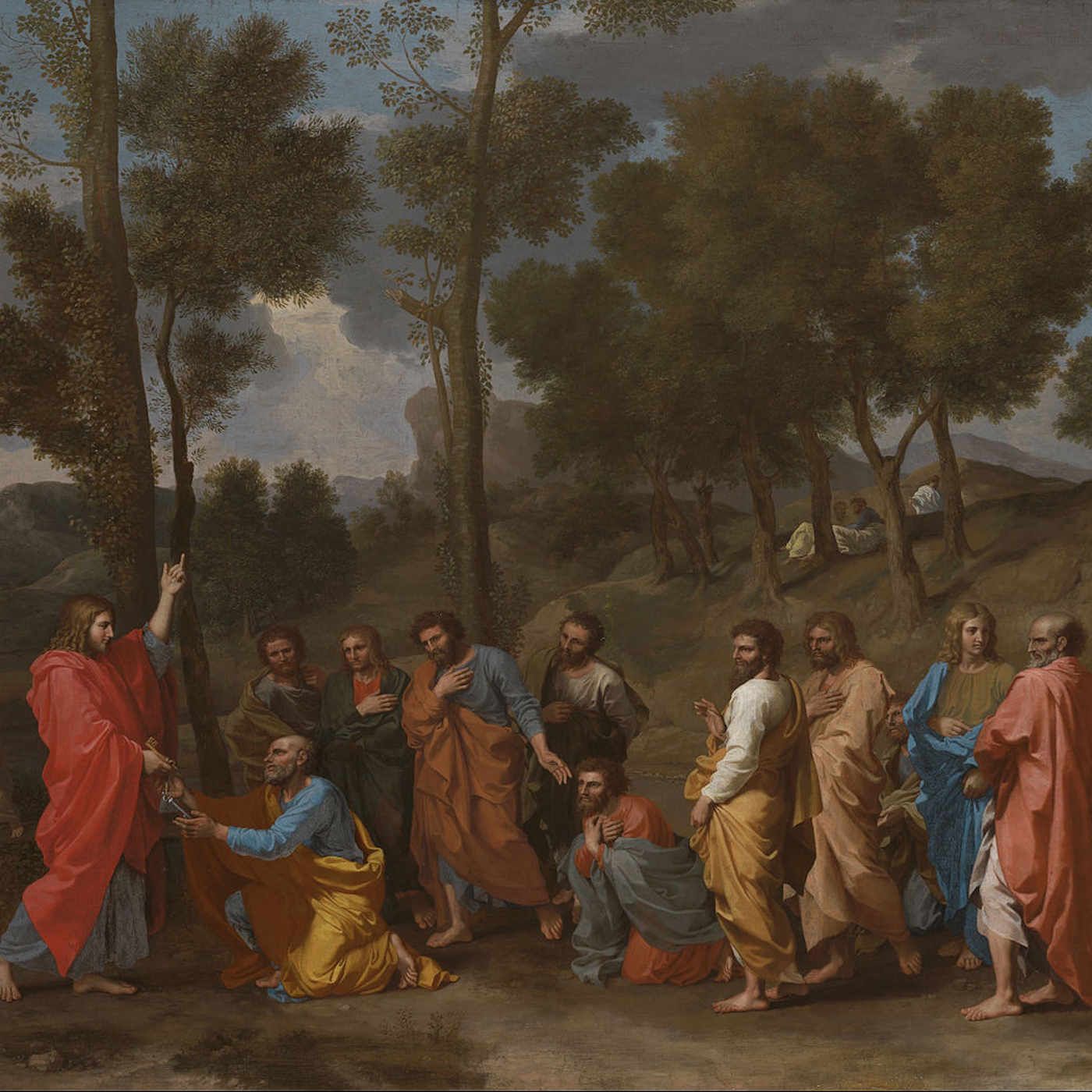
Feb 20, 2024
Wednesday of the First Week of Lent - The One True Sign of the Cross
While still more people gathered in the crowd, Jesus said to them, “This generation is an evil generation; it seeks a sign, but no sign will be given it, except the sign of Jonah.” Luke 11:29 The crowd seemed to be a mixed bunch. First, there were those who wholeheartedly believed in Jesus. The Twelve, for example, left everything behind to follow Him. His mother and various other holy women believed in Him and were His faithful followers. But within the growing crowd, it appeared that there were many who questioned Jesus and wanted some form of proof of Who He was. Thus, they wanted a sign from Heaven. A sign from Heaven would have been some externally manifest proof of Who Jesus was. Granted, Jesus had already performed numerous miracles. But it seems that this was not enough. They wanted more—and that desire is a clear indication of a stubbornness of heart and a lack of faith. So Jesus could not and would not give them the sign they wanted. Instead, Jesus says that the only sign they will receive is the sign of Jonah. Recall that the sign of Jonah was not very appealing. He was thrown over the side of a boat and swallowed by a whale, where he remained for three days before being spit up on the shores of Nineveh. Jesus’ sign would be similar. He would suffer at the hands of the religious leaders and civil authorities, be killed and be placed in a tomb. And then, three days later, He would rise. But His Resurrection was not one in which He came forth with rays of light for all to see; rather, His post-Resurrection appearances were to those who already manifested faith and already believed. The lesson for us is that God will not convince us of the matters of faith through powerful and Hollywood-like public manifestations of God’s greatness. Instead, the “sign” we are offered is an invitation to die with Christ so that we can personally begin to experience the new life of the Resurrection. This gift of faith is interior, not publicly exterior. Our death to sin is something we personally and interiorly do, and the new life we receive can only be seen by others by the witness of our lives that are changed. Reflect, today, upon the true sign God has given you. If you are one who seems to be waiting for some manifest sign from our Lord, wait no longer. Look at the crucifix, see Jesus’ suffering and death, and choose to follow Him in a death to all sin and selfishness. Die with Him, enter the tomb with Him and allow Him to bring you forth interiorly renewed this Lent, so that you can be transformed by this one and only sign from Heaven. My crucified Lord, I gaze upon the crucifix and see in Your death the greatest act of love ever known. Give me the grace I need to follow You to the tomb so that Your death will triumph over my sins. Free me, dear Lord, during the Lenten journey so that I will be able to fully share in Your new life of the Resurrection. Jesus, I trust in You. Source of content: catholic-daily-reflections.com Copyright © 2024 My Catholic Life! Inc. All rights reserved. Used with permission via RSS feed.
Feb 19, 2024
Tuesday of the First Week of Lent - Praying the Our Father
Jesus said to his disciples: “In praying, do not babble like the pagans, who think that they will be heard because of their many words. Do not be like them. Matthew 6:7–8 Recall that Jesus used to go off by Himself at times and spend the whole night in prayer. Thus, it’s clear that Jesus is in favor of long and sincere times of prayer, since He gave us His own example as a lesson. But there is clearly a difference between that which our Lord did all night and that which He criticized the pagans for doing when they “babble” with many words. After this criticism of the prayer of the pagans, Jesus gives us the “Our Father” prayer as a model for our personal prayer. The Our Father prayer begins by addressing God in a deeply personal way. That is, God is not just an all-powerful cosmic being. He is personal, familial—He is our Father. Jesus continues the prayer by instructing us to honor our Father by proclaiming His holiness, His hallowedness. God and God alone is the Holy One from which all holiness of life derives. As we acknowledge the holiness of the Father, we must also acknowledge Him as King and seek His Kingship for our lives and for the world. This is accomplished only when His perfect will is done “on earth as it is in Heaven.” This perfect prayer concludes by acknowledging that God is the source of all of our daily needs, including the forgiveness of our sins and protection from all evil. Upon the completion of this prayer of perfection, Jesus provides a context in which this and every prayer must be prayed. He says, “If you forgive men their transgressions, your heavenly Father will forgive you. But if you do not forgive men, neither will your Father forgive your transgressions.” Prayer will only be effective if we allow it to change us and make us more like the Father in Heaven. Therefore, if we want our prayer of forgiveness to be effective, then we must live what we pray for. We must also forgive others so that God will forgive us. Reflect, today, upon this perfect prayer, the Our Father. One temptation is that we can become so familiar with this prayer that we gloss over its true meaning. If that happens, then we will find that we are praying it more like the pagans who simply babble the words. But if we humbly and sincerely understand and mean every word, then we can be certain that our prayer will become more like that of our Lord’s. Saint Ignatius of Loyola recommends pondering every word of that prayer very slowly, one word at a time. Try to pray this way, today, and allow the Our Father to move from babbling to authentic communication with the Father in Heaven. Our Father, Who art in heaven, Hallowed be Thy Name. Thy Kingdom come. Thy Will be done, on earth as it is in Heaven. Give us this day our daily bread. And forgive us our trespasses, as we forgive those who trespass against us. And lead us not into temptation, but deliver us from evil. Amen. Jesus, I trust in You. Source of content: catholic-daily-reflections.com Copyright © 2024 My Catholic Life! Inc. All rights reserved. Used with permission via RSS feed.
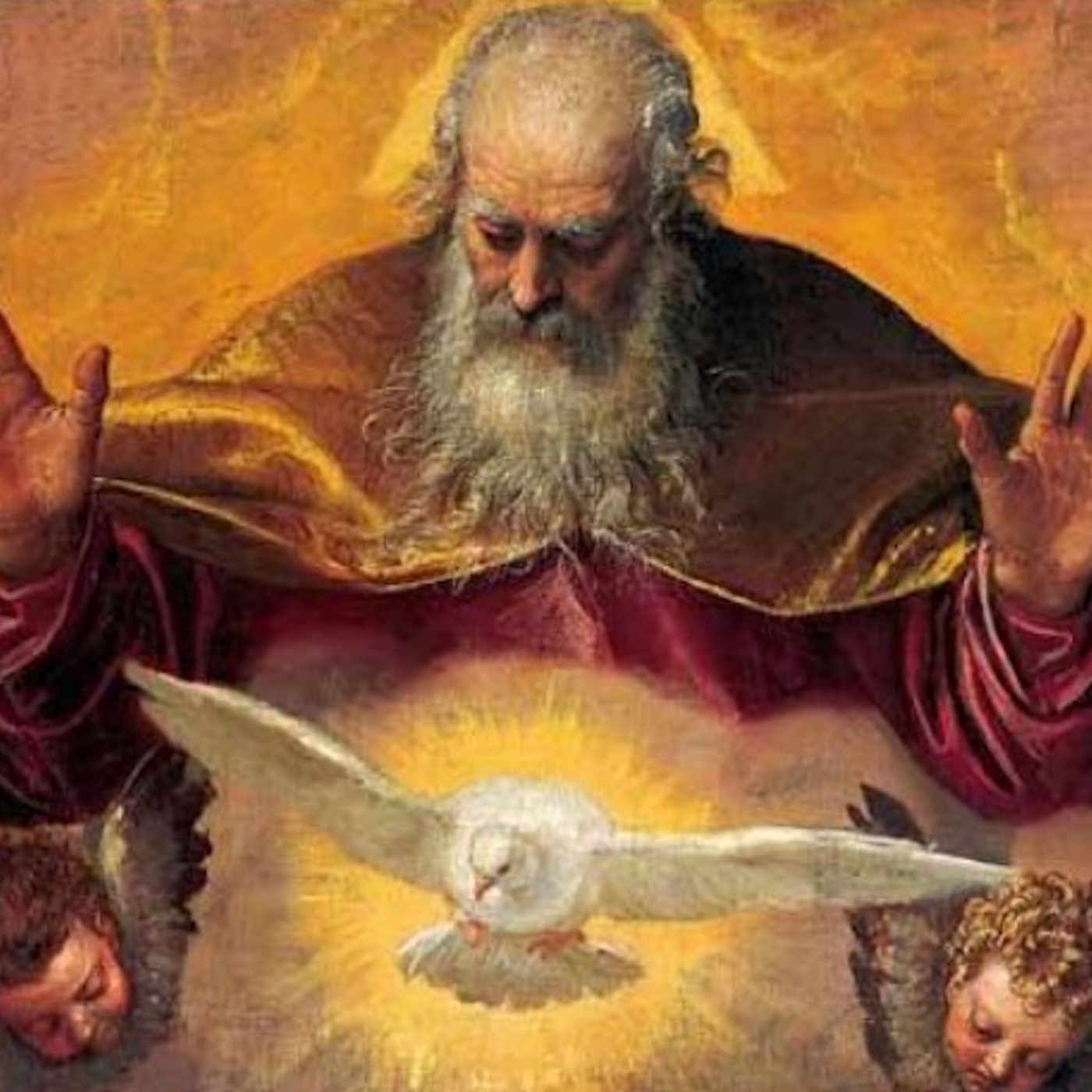
Feb 18, 2024
Monday of the First Week of Lent - The Least Deserving
Jesus said to his disciples: “When the Son of Man comes in his glory, and all the angels with him, he will sit upon his glorious throne, and all the nations will be assembled before him. And he will separate them one from another, as a shepherd separates the sheep from the goats.” Matthew 25:31–32 What an image to ponder! Try to imagine this scene. At one definitive moment in the future, the Second Person of the Most Holy Trinity, now also in human form as the “Son of Man,” will return to earth in glory surrounded by all the angels of Heaven and will sit upon His new and glorious throne. In front of that throne, every person of every nation ever to exist will be gathered together, and each person will be judged according to their deeds. Those who served our Lord and treated the least of His brothers and sisters with mercy and compassion will hear Jesus say, “Come, you who are blessed by my Father. Inherit the kingdom prepared for you from the foundation of the world.” Those who did not serve Christ and did not treat the least ones with mercy will be sent off to eternal punishment as Jesus says to them, “Depart from me, you accursed, into the eternal fire prepared for the Devil and his angels.” On that day, only one thing will matter, because eternity will be determined with permanence. All that will matter is whether you will be placed on our Lord’s right so as to inherit eternal life, or on His left and sent into the eternal fires. Sometimes, as we journey through life, we can lose sight of this glorious day. When we think of God and Heaven, it is easy to fall into the presumption that Heaven is guaranteed to us. God is kind and merciful, and He loves us. Therefore, we presume that Heaven is for certain and only the most horrible people will end in hell. But this is not how Jesus depicts the Day of Judgment. Jesus explains that at the time of judgment, the righteous will be astonished by the fact that caring for those who are hungry, thirsty, a stranger, naked, ill, or imprisoned was the same as showing love for God. Likewise, those who neglected the same people will be astonished that they failed to love God by failing to love the least of Jesus’ brothers and sisters. Do not take this teaching lightly. Jesus does not mince His words. He is abundantly clear and definitive. In your life, who are these “least ones” of which Jesus is speaking? The hungry and thirsty are not only those with physical needs but also those who have spiritual longings that need to be satisfied. They are those lost or confused in life who need to be given direction. The stranger might be anyone who is lonely and easily ignored. The naked might be those who cannot manage to care for their needs. The ill could be those who are elderly or suffering in various ways. And the imprisoned could include those bound by sin who need help to be set free. Do not fail to seek out our Lord as He is present in those all around you. Reflect, today, upon those in your life who seem most lost and most in need of your compassion. Those to whom we do not feel like reaching out are those who most often need our compassion and mercy. The “least ones” are often those we judge, condemn or ignore. Call to mind the person who seems least deserving of your love and know that Jesus is living within them, waiting for you to love Him by loving them. Most merciful Lord, Your compassion is great and Your judgment is real. Help me to always keep my mind upon that final and glorious day on which You will return in all Your splendor and glory to judge the living and the dead. May I truly heed Your words and prepare for that day by loving You in all people, especially in those most in need. Jesus, I trust in You. Source of content: catholic-daily-reflections.com Copyright © 2024 My Catholic Life! Inc. All rights reserved. Used with permission via RSS feed.
Feb 17, 2024
First Sunday of Lent (Year B) - The Ministry of Angels
The Spirit drove Jesus out into the desert, and he remained in the desert for forty days, tempted by Satan. He was among wild beasts, and the angels ministered to him. Mark 1:12–13 What an amazing event we reflect upon today. Jesus, the Son of God, the Second Person of the Most Holy Trinity humbled Himself in two ways in the passage quoted above. First, He allowed Himself to endure the temptations of satan. Second, He permitted His very own creation, the good angels, to minister to Him in His human form. First of all, recall that satan is a fallen angel. He was created by God and was created good. But the Book of Revelation (12:4) indicates that one-third of the created angels were cast out of Heaven to roam the earth. These demons act under the direction of the highest fallen angel, satan. Thus, according to the passage above, it was satan himself who tempted Jesus in the desert. Additionally, Jesus permitted the good angels to minister to Him in His human nature. These acts reveal the perfection of the virtue of humility within the humanity of our Lord. According to Saint Thomas Aquinas, angels were created for three primary reasons. The first is for the purpose of worship. Worship of God brings about communion with God and enables perfect love to flow back and forth from God to each angelic being. Second, angels enact the will of God in all things. This includes the implementation of the laws of nature and the imparting of the grace that Christ won on the Cross. Third, God uses angels as messengers. Scripture records various ways that the angels spoke to the prophets, to our Blessed Mother, to Saint Joseph and to others. Saint Thomas Aquinas also believed that each of us is given a particular guardian angel whose role is not only to protect us but also to communicate the will of God to us. As God, Jesus was the Creator of all angelic beings with the Father and the Holy Spirit. As man, Jesus was the recipient of both the ministry of the good angels and the attacks of the fallen angels. By humbly subjecting Himself to the natural powers of these angelic creatures, Jesus was also teaching us that we must do the same. One of the primary natural powers of both the good and bad angels is the power of influence and suggestive thought. Angelic beings have the ability to put before your imagination ideas meant to either influence you for the good (the good angels) or to deceive you and lead you into sin (the bad angels). These communications are real, and we should be aware of them. In his book, The Spiritual Exercises, Saint Ignatius of Loyola devotes much time and energy to the ministry of angels. He teaches how to distinguish the lies and deceptions of the fallen angels from the consoling direction communicated by the good angels. In many ways, our Gospel passage today, by which Jesus submitted Himself to the temptations and ministry of the angels, lends much support to the importance of trying to understand how these angelic creatures influence us. For more on this, see the book Probing the Depths: Ignatian Lessons and Meditations Arranged According to the Liturgical Year . Reflect, today, upon the amazing truth that both angels and demons are constantly active in your life, seeking to influence you. As you ponder their spiritual role in your life, consider the various ways you can learn more about them. Speak to your guardian angel. Ask for the intercession of the highest of angels. Try to join them in their divine worship. Pray for their protection. Ask them to communicate to you the highest of truths from God. Seek to be attentive to these holy angels so that as you learn to discern their voices, you will be ready to follow the direction they give to you from God. My Lord and Creator of All, You created the angelic order for the glorious purpose of love and worship. You also gave them the mission of enacting Your holy will and communicating to us on earth. Please help me to be more aware of the deceptions of the fallen angels and the direction of the good angels. Angels of God, pray for me, protect me and guide me into God’s perfect will. Jesus, I trust in You. Source of content: catholic-daily-reflections.com Copyright © 2024 My Catholic Life! Inc. All rights reserved. Used with permission via RSS feed.
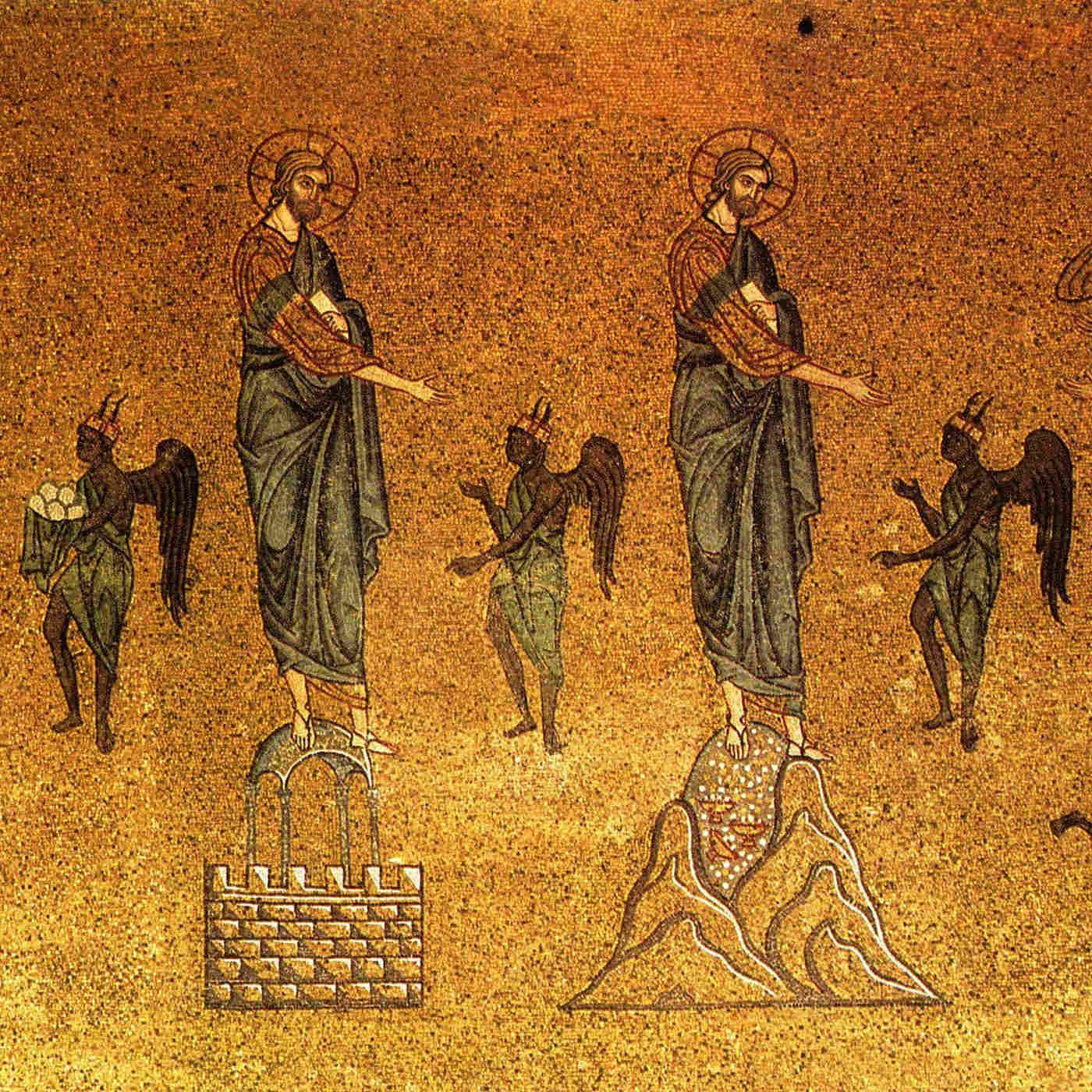
Feb 16, 2024
Saturday after Ash Wednesday - Make the Radical Choice, Today
Jesus saw a tax collector named Levi sitting at the customs post. He said to him, “Follow me.” And leaving everything behind, he got up and followed him. Luke 5:27–28 Levi had a good life. He made good money and had steady employment as a tax collector. But in an instant, he gave that all up to follow Jesus, and his life immediately changed for the good. This short story of the call of Levi is one that we should take note of. Though you most likely have already made the choice to follow Christ, that choice needs to be deepened each and every day. And the witness of Levi is one that should inspire you to do so. Oftentimes, when we sense God calling us deeper and closer to Him, when we sense that He wants us to follow Him more completely, we might pause and hesitate. It’s common for people to want to think through such a decision and weigh the “pros and cons” before stepping out in faith. But don’t do that. The witness of Levi’s immediate choice to leave all else behind and follow Christ is given to us so as to invite us to do the same. How is Jesus inviting you, today, to imitate the radicalness of Levi? What is He calling you to walk away from so as to more fully serve Him with love and totality? If you do not know the answer to that question, say “Yes” to our Lord anyway. Tell Him that you want to imitate Levi and that you want to wholeheartedly commit yourself to a complete and radical following of His holy will. It’s also interesting to note that as soon as Levi made the choice to follow Jesus, he held a dinner at his house for Jesus and other tax collectors. Levi was not afraid to let others know of his choice, and he wanted to offer his friends the opportunity to do the same. Reflect, today, upon the person and call of Levi. And as you begin this Lenten season, use Levi’s call and response as an opportunity to hear Jesus calling you. You may not be called to “leave everything behind” literally, but express your willingness to do so anyway. Put no conditions on your choice to follow our Lord and you will be eternally grateful you did. My precious Lord, You call all of your children to follow You without reserve. You call us to be ready and willing to abandon all that this life has to offer so as to obtain so much more. Give me the grace I need to trust You enough to say “Yes” to You today, tomorrow and all days. My life is Yours, dear Lord. Do with me as You will. Jesus, I trust in You. Source of content: catholic-daily-reflections.com Copyright © 2024 My Catholic Life! Inc. All rights reserved. Used with permission via RSS feed.
Feb 15, 2024
Friday after Ash Wednesday - The Transforming Power of Fasting
“The days will come when the bridegroom is taken away from them, and then they will fast.” Matthew 9:15 Our appetites and fleshly desires can easily cloud our thinking and keep us from desiring only God and His holy will. Therefore, in order to curb one’s disordered appetites, it is useful to mortify them by acts of self-denial, such as fasting. But during Jesus’ public ministry, when He was daily with His disciples, it appears that self-denial was unnecessary for His disciples. One can only speculate that this was because Jesus was so intimately present to them every day that His divine presence sufficed to curb any and every disordered affection. But the day did come when Jesus was taken away from them—first by His death, and then shortly after by His Ascension into Heaven. After the Ascension and Pentecost, Jesus’ relationship with His disciples changed. It was no longer a tangible and physical presence. It was no longer a daily dose of authoritative teaching and inspiring miracles that they saw. Instead, their relationship with our Lord began to take on a new dimension of conformity to Jesus’ Passion. The disciples were now being called to imitate our Lord by turning their eyes of faith to Him interiorly, and exteriorly acting as His instrument of sacrificial love. And for that reason, the disciples needed their passions and fleshly appetites under control. Hence, after Jesus’ Ascension and with the beginning of the disciples’ public ministry, they greatly benefitted from fasting and all other forms of mortification. Each one of us is called to be not only a follower of Christ (a disciple) but also an instrument of Christ (an apostle). And if we are to fulfill these roles well, our disordered fleshly appetites cannot get in the way. We need to allow the Spirit of God to consume us and lead us in all that we do. Fasting and all other forms of mortification help us to stay focused upon the Spirit rather than upon our weaknesses and fleshly temptations. Reflect, today, upon the importance of fasting and mortification of the flesh. These penitential acts are not usually desirable at first. But that’s the key. By doing that which our flesh does not “desire,” we strengthen our spirit to take greater control, which enables our Lord to use us and direct our actions more effectively. Commit yourself to this holy practice and you will be amazed at how transforming it will be. My dear Lord, I thank You for choosing to use me as Your instrument. I thank You that I may be sent by You to share Your love with the world. Give me the grace to conform myself more fully to You by mortifying my disordered appetites and desires so that You and You alone can take complete control of my life. May I be open to the gift of fasting and may this penitential act help to transform my life. Jesus, I trust in You. Source of content: catholic-daily-reflections.com Copyright © 2024 My Catholic Life! Inc. All rights reserved. Used with permission via RSS feed.
Feb 14, 2024
Thursday after Ash Wednesday - Deep Love Casts Out Fear
Jesus said to his disciples: “The Son of Man must suffer greatly and be rejected by the elders, the chief priests, and the scribes, and be killed and on the third day be raised.” Luke 9:22 Jesus knew He would suffer greatly, be rejected and killed. How would you deal with that knowledge if you somehow knew this about your own future? Most people would be filled with fear and become obsessed with trying to avoid it. But not our Lord. This passage above shows just how intent He was on embracing His Cross with unwavering confidence and courage. This is just one of several times that Jesus began to break the news to His disciples about His pending fate. And each time He spoke this way, the disciples for the most part remained either silent or in denial. Recall, for example, one such reaction of Saint Peter when he responded to Jesus’ prediction of His Passion by saying, “God forbid, Lord! No such thing shall ever happen to you” (Matthew 16:22). In reading this passage above, the strength, courage and determination of our Lord shine through by the fact that He speaks so clearly and definitively. And what motivates Jesus to speak with such conviction and courage is His love. Too often, “love” is understood as a strong and good feeling. It’s perceived as an attraction to something or a strong liking of it. But that’s not love in the truest form. True love is a choice to do what is best for another, no matter the cost, no matter how difficult. True love is not a feeling that seeks selfish fulfillment. True love is an unwavering strength that seeks only the good of the person who is loved. Jesus’ love for humanity was so strong that He was driven toward His pending death with great power. He was unwaveringly determined to sacrifice His life for us all, and there was nothing that would ever deter Him from that mission. In our own lives, it’s easy to lose sight of what true love actually is. We can easily become caught up in our own selfish desires and think that these desires are love. But they are not. Reflect, today, upon the unwavering determination of our Lord to sacrificially love us all by suffering greatly, by enduring rejection, and by dying upon the Cross. Nothing could have ever deterred Him from this love. We must show the same sacrificial love. My loving Lord, I thank You for Your unwavering commitment to sacrifice Yourself for us all. I thank You for this unfathomable depth of true love. Give me the grace I need, dear Lord, to turn away from all forms of selfish love so as to imitate and participate in Your most perfect sacrificial love. I do love You, dear Lord. Help me to love You and others with all my heart. Jesus, I trust in You.
Feb 13, 2024
Ash Wednesday (Year B) - Lent—Taking off the Mask
“When you give alms, do not blow a trumpet before you, as the hypocrites do… When you pray, do not be like the hypocrites… When you fast, do not look gloomy like the hypocrites…” Matthew 6:2, 5, 16 Hypocrisy is an ugly sin. Essentially, being a hypocrite is being a fraud. The word itself comes from a Greek word referring to a mask that actors wear to depict their character. The person behind the mask would pretend that they were the person depicted by the mask. Therefore, a hypocrite is one who pretends to be who they are not. In today’s Gospel, Jesus condemns those who give alms, pray and fast for the wrong reasons. Their almsgiving is not done out of charity and a desire to help, but out of an attempt to win the praise of others. They babble prayers on the street corner in an attempt to make others think they are holy. And when they fast, they make sure that their appearance looks “gloomy” so that others are impressed. Performing charitable works, praying and fasting are certainly good actions. But these actions must be authentic. Otherwise, they are not what they appear to be, and the one doing them is nothing other than an actor wearing a mask of virtue. As we begin our Lenten season, we are each invited to take off the masks we wear so that the real person shines forth. We are especially called to combat any spiritual hypocrisy we struggle with for two important reasons. First, when people wear a mask of holiness, pretending to be more virtuous than they are, they sometimes end up even fooling themselves. Just as an actor may become so caught up in their character that they temporarily take on that character's thoughts and feelings, so we also can become blinded by the truth of who we are when we habitually wear a mask of holiness. When that happens, we lose sight of who we are, where we need to grow, what we need to change and even what good there is within us. Lent is an important time for regaining authentic self knowledge so that we can grow in virtue. It is also important to take off the mask so that others will benefit from our true selves. A person who pretends to be charitable, or pretends to pray, or pretends to be holy, cannot benefit others. God cannot authentically work through a hypocrite. Though the facade of holiness may seem appealing at first, the truth is that the real you, the authentic you, is the person that others want to know and will benefit from the most. Even your weaknesses and failures, when honestly faced, will become a source of strength and blessing for others. Reflect, today, upon who you are. As your soul stands naked before the face of God, what does God see? Who are you? What masks do you wear? What is behind that mask? Use this Lent to look more deeply into your soul so that you will discover the person you are. Don’t be afraid to discover your sins and weaknesses. And don’t be afraid to see your authentic goodness. Seek to be real this Lent, and God will be able to shine more brightly through you. My authentic Lord, You wear no mask, have no facade. The purity of Your divine soul shone through Your human nature as You walked the Earth, and now You call me to share in that purity. Please help me to see the ways that I hide behind false virtue, so that I can discover my true self. As I do, please transform me and shine forth through my soul for all to see. Jesus, I trust in You. Source of content: catholic-daily-reflections.com Copyright © 2024 My Catholic Life! Inc. All rights reserved. Used with permission via RSS feed.
Feb 12, 2024
Tuesday of the Sixth Week in Ordinary Time - Comprehending the Mysteries of Heaven
“Do you not yet understand or comprehend? Are your hearts hardened? Do you have eyes and not see, ears and not hear?” Mark 8:17–18 How would you answer these questions that Jesus posed to His disciples if He had posed them to you? It takes humility to admit that you do not yet understand or comprehend, that your heart is in fact hardened, and that you fail to see and hear all that God has revealed. Of course there are various levels to these struggles, so hopefully you do not struggle with them to a grave degree. But if you can humbly confess that you do struggle with these to a certain extent, then that humility and honesty will gain you much grace. Jesus posed these questions to His disciples within the larger context of a discussion about the leaven of the Pharisees and Herod. He knew that the “leaven” of these leaders was like a yeast that corrupted others. Their dishonesty, pride, desire for honors and the like had a seriously negative affect upon the faith of others. So by posing these questions above, Jesus challenged His disciples to see this evil leaven and to reject it. Seeds of doubt and confusion are all around us. It seems these days that almost everything the secular world promotes is in some way contrary to the Kingdom of God. And yet, just like the disciples’ inability to see the evil leaven of the Pharisees and Herod, we also frequently fail to see the evil leaven within our society. Instead, we allow the many errors to confuse us and lead us down the path of secularism. One thing this should teach us is that just because someone has some form of authority or power within society does not mean that they are a truthful and holy leader. And though it’s never our place to judge the heart of another, we absolutely must have “ears to hear” and “eyes to see” the many errors that are held up within our world as good. We must constantly seek to “understand and comprehend” the laws of God and use them as a guide against the lies within the world. One important way to make sure we do this well is to make sure that our hearts never become hardened to the truth. Reflect, today, upon these questions of our Lord and examine them especially within the broader context of society as a whole. Consider the false “leaven” taught by our world and by so many in positions of authority. Reject these errors and recommit yourself to the full embrace of the holy mysteries of Heaven so that those truths and those truths alone become your daily guide. My glorious Lord, I thank You for being the Lord of all Truth. Help me to daily turn my eyes and ears to that Truth so that I will be able to see the evil leaven all around me. Give me wisdom and the gift of discernment, dear Lord, so that I will be able to immerse myself into the mysteries of Your holy life. Jesus, I trust in You. Source of content: catholic-daily-reflections.com Copyright © 2024 My Catholic Life! Inc. All rights reserved. Used with permission via RSS feed.
Feb 11, 2024
Monday of the Sixth Week in Ordinary Time - From the Depths
The Pharisees came forward and began to argue with Jesus, seeking from him a sign from heaven to test him. He sighed from the depth of his spirit and said, “Why does this generation seek a sign? Amen, I say to you, no sign will be given to this generation.” Mark 8:11–12 Jesus had performed many miracles. He healed the sick, restored sight to the blind, hearing to the deaf and fed thousands with only a few fish and loaves of bread. But even after all of that, the Pharisees came to argue with Jesus and demanded a sign from Heaven. The response of Jesus is quite unique. “He sighed from the depth of his spirit…” This sigh was an expression of His holy sorrow over the hardness of hearts of the Pharisees. If they had the eyes of faith, they would have no need for yet another miracle. And if Jesus would have performed a “sign from heaven” for them, even that would not have helped them. And so Jesus does the only thing He can—He sighed. At times, this type of reaction is the only good one. We may all face situations in life where others confront us with harshness and stubbornness. When this happens, we will be tempted to argue with them, condemn them, try to convince them we are right, and the like. But sometimes one of the holiest reactions we can have to the hardness of our heart of another is to experience a deep and holy sorrow. We must also “sigh” from the depths of our spirits. When one is hard of heart, rational talking and arguing will prove to be of little avail. Hardness of heart is also what we traditionally call the “sin against the Holy Spirit.” It’s a sin of obstinacy and stubbornness. In that case, there is little or no openness to the truth. When you experience this in the life of another, silence and a sorrowful heart are often the best reaction. Their hearts need to be softened and your deep sorrow, shared with compassion, may be one of the only responses that can help make a difference. Reflect, today, upon any person in your life with whom you regularly argue, especially regarding matters of faith. Examine your approach and consider changing how you relate to them. Dismiss their irrational arguments and let them see your heart in the same way that Jesus allowed His divine heart to shine forth in a holy sigh. Pray for them, have hope, and allow your sorrow to help melt the most stubborn of hearts. My compassionate Jesus, Your heart was filled with the deepest compassion for the Pharisees. That compassion led You to express a holy sorrow over their stubbornness. Give me Your same heart, dear Lord, and help me to grieve not only over the sins of others, but also over my own sins, especially when I am stubborn of heart. Melt my heart, dear Lord, and help me to also be an instrument of Your holy sorrow to those in need of this grace. Jesus, I trust in You. Source of content: catholic-daily-reflections.com Copyright © 2024 My Catholic Life! Inc. All rights reserved. Used with permission via RSS feed.
Feb 10, 2024
Sixth Sunday in Ordinary Time (Year B) - Restoration
A leper came to Jesus and kneeling down begged him and said, “If you wish, you can make me clean.” Moved with pity, he stretched out his hand, touched him, and said to him, “I do will it. Be made clean.” Mark 1:40–41 In the Old Testament, Leviticus 14, God gave Moses a purification rite to be used for those who were cured of leprosy. This detailed rite that spanned several days was used to reintegrate a healed leper back into society. After Jesus healed the leper in today’s Gospel passage, He ordered him to “go, show yourself to the priest and offer for your cleansing what Moses prescribed; that will be proof for them.” Thus, Jesus not only healed the man but instructed him that he was ready to be restored to the community. At that time, leprosy was a horrible disease, not only for its physical effects, but also because the leper was not permitted to be a part of the society. This was because leprosy was quite contagious. By keeping those infected separate, the disease did not spread as easily to others. As we ponder this healing, try to imagine not only the pain caused by the leper’s disease, but especially the pain caused by his isolation. Obviously, there were no phones at that time, no video chatting, and no means of communication from a distance. Therefore, isolation would have meant a complete loss of the person's relationship with his family and friends, as well as his former livelihood, home and all that was a part of his life. On a spiritual level, the various illnesses that Jesus cured are, in part, to be seen as symbols of sin. In the case of leprosy, we should see this illness as a symbol of the effects of mortal sin. And mortal sin, unless it is cured by God’s forgiveness, has the effect of completely isolating a person from the life of grace. One becomes cut off from a relationship with God, as well as every other relationship that is centered in Christ. When one commits mortal sin and remains in that sin, that person is not capable of true love, since all grace is gone from their life. Therefore, their relationships become self-centered, demanding and unholy. For those who have fallen into mortal sin, this leper is a symbol of the way out. First, he came to Jesus and knelt down before Him. He humbled himself before our Lord, acknowledging that Jesus was the answer to his ailment. He then begged Jesus for help. But the way he begged Jesus is also revealing.: he did not demand a healing but instead simply professed his faith in the fact that Jesus could heal him. And then he knelt there in trust and hope. This leper teaches us the perfect way to approach our Lord when we struggle with serious sin. Reflect, today, upon this leper. Try to understand his isolation and loss. Try to understand his humility and faith. And seek to imitate the way that he comes to our Lord. Do not be afraid to humble yourself before God as you acknowledge the sins and other needs you have. Profess your faith in His almighty power and love, and place yourself into His hands of merciful love. He will not let you down. Most merciful Lord, You desire all of Your children to be healed of the many sins that keep them from communion with You and with Your people. Please give me the faith and trust I need to always be able to humble myself before You so as to receive the restoration to Your grace I so desire. Jesus, I trust in You. Source of content: catholic-daily-reflections.com Copyright © 2024 My Catholic Life! Inc. All rights reserved. Used with permission via RSS feed.
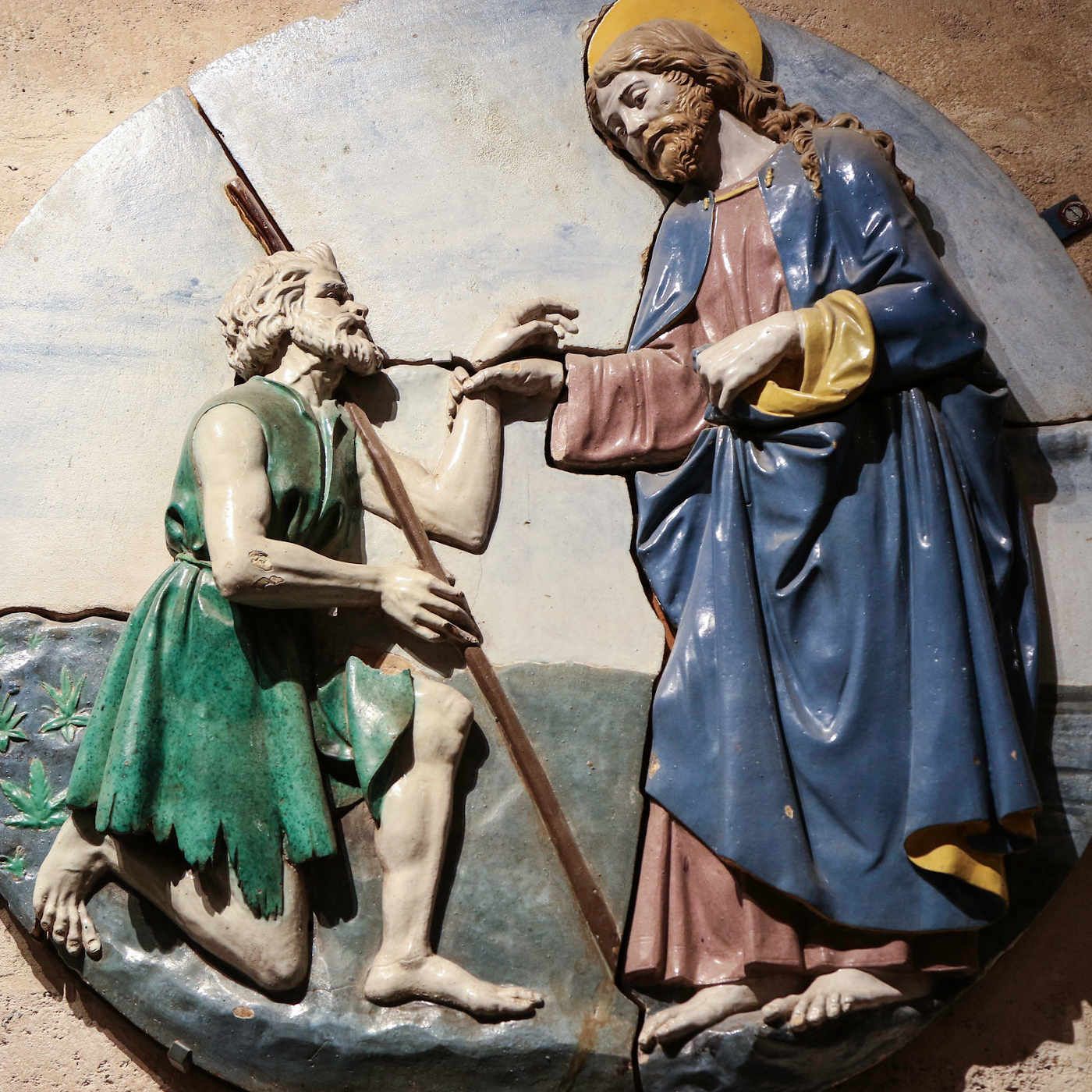
Feb 9, 2024
Saturday of the Fifth Week in Ordinary Time - First Things First
“My heart is moved with pity for the crowd, because they have been with me now for three days and have nothing to eat. If I send them away hungry to their homes, they will collapse on the way, and some of them have come a great distance.” Mark 8:2–3 Jesus’ primary mission was a spiritual one. He came to set us free from the effects of sin so that we could enter the glories of Heaven for all eternity. His life, death and resurrection destroyed death itself and opened the way for all who turn to Him to be saved. But Jesus’ love for the people was so complete that He was also attentive to their physical needs. First of all, ponder the first line of this statement of our Lord above: “My heart is moved with pity for the crowd…” Jesus’ divine love was intertwined with His humanity. He loved the entire person, body and soul. In this Gospel story, the people were with Him for three days and they were hungry, but they were showing no signs of leaving. They had become so amazed by our Lord that they didn’t want to leave. Jesus pointed out that their hunger was serious. If He sent them away, He feared that they would “collapse on the way.” Thus, these facts are the basis for His miracle. One lesson we can learn from this story is that of our priorities in life. Oftentimes, we may tend to have our priorities reversed. Of course, taking care of the necessities of life is important. We need food, shelter, clothing and the like. We need to care for our families and provide for their basic needs. But too often we elevate these basic necessities in life over our spiritual need to love and serve Christ, as if the two were opposed to each other. But that’s not the case. In this Gospel, the people who were with Jesus chose to put their faith first. They chose to remain with Jesus despite the fact that they did not have food to eat. Perhaps some people had left a day or two earlier, deciding that the necessity of food took precedence. But those who may have done this missed out on the incredible gift of this miracle in which the entire crowd was fed to the point of being completely satisfied. Of course, our Lord does not want us to be irresponsible, especially if we have a duty to care for others. But this story does tell us that our spiritual need to be fed by the Word of God should always be our greatest concern. When we put Christ first, all other needs are met in accord with His providence. Reflect, today, upon your own priorities in life. What’s more important to you? Your next good meal? Or your life of faith? Though these do not have to be opposed to each other, it’s important to always put your love of God first in life. Ponder this vast crowd of people who spent three days with Jesus in the wilderness without food and try to see yourself with them. Make their choice to remain with Jesus your choice also, so that your love of God becomes the primary focus of your life. My providential Lord, You know my every need and are concerned for every aspect of my life. Help me to trust You so completely that I always put my love of You as my first priority in life. I do believe that if I can keep You and Your will as the most important part of my life, all other necessities in life will fall in place. Jesus, I trust in You. Source of content: catholic-daily-reflections.com Copyright © 2024 My Catholic Life! Inc. All rights reserved. Used with permission via RSS feed.
Feb 8, 2024
Friday of the Fifth Week in Ordinary Time - Hearing and Speaking the Word of God
They were exceedingly astonished and they said, “He has done all things well. He makes the deaf hear and the mute speak.” Mark 7:37 This line is the conclusion to the story of Jesus healing a deaf man who also had a speech impediment. The man was brought to Jesus, Jesus took him off by himself, cried out “ Ephphatha! ” (that is, “Be opened!”), and the man was cured. And though this was an incredible gift to this man and an act of great mercy toward him, it also reveals that God wants to use us to draw others to Himself. On a natural level, we all lack the ability to hear the voice of God when He speaks. We need the gift of grace for this. As a result, on a natural level, we are also incapable of speaking the many truths that God wants us to speak. This story teaches us that God also desires to heal our ears so as to hear His gentle voice and to loosen our tongues so that we can become His mouthpiece. But this story is not only about God speaking to each one of us; it also reveals our duty to bring others to Christ who do not know Him. The friends of this man brought him to Jesus. And Jesus took the man off by himself. This gives us insight into how we help others to come to know our Lord’s voice. Oftentimes when we want to share the Gospel with another, we tend to talk to them and try to rationally convince them to turn their lives to Christ. And though this can bear good fruit at times, the real goal we must have is to help them to go off with our Lord by themselves for a while so that Jesus can do the healing. If your ears have truly been opened by our Lord, then your tongue will also be loosened. And only if your tongue is loosened will God be able to draw others to Himself through you. Otherwise your act of evangelizing will only be based on your effort alone. Therefore, if you have people in your life who do not appear to be listening to the voice of God and following His holy will, then first and foremost commit yourself to listening to our Lord yourself. Let your ears hear Him. And when you do hear Him, it will be His voice that, in turn, speaks through you in the way He desires to reach out to others. Reflect, today, upon this Gospel scene. Ponder, especially, the friends of this man as they are inspired to bring him to Jesus. Ask our Lord to use you in a similar way. Prayerfully ponder those in your life whom God wants to call to Himself through your mediation and place yourself at the service of our Lord so that His voice can speak through you in the way He chooses. My good Jesus, please open my ears to hear all that You wish to say to me and please loosen my tongue so that I will become a mouthpiece of Your holy word to others. I offer myself to You for Your glory and pray that You will use me in accord with Your holy will. Jesus, I fully trust in You. Source of content: catholic-daily-reflections.com Copyright © 2024 My Catholic Life! Inc. All rights reserved. Used with permission via RSS feed.
Feb 7, 2024
Thursday of the Fifth Week in Ordinary Time - A Gentile’s Faith
Soon a woman whose daughter had an unclean spirit heard about him. She came and fell at his feet. The woman was a Greek, a Syrophoenician by birth, and she begged him to drive the demon out of her daughter. Mark 7:25–26 A parent’s love is powerful. And the woman in this story clearly loves her daughter. It is that love that drives this mother to seek out Jesus in the hope that He will free her daughter from the demon who possessed her. Interestingly, this woman was not of the Jewish faith. She was a Gentile, a foreigner, but her faith was very real and very deep. When Jesus first encountered this woman, she begged Him to free her daughter from the demon. Jesus' response was at first surprising. He said to her, “Let the children be fed first. For it is not right to take the food of the children and throw it to the dogs.” In other words, Jesus was saying that His mission was first to the people of Israel, the chosen people of the Jewish faith. They were the “children” of whom Jesus was speaking, and the Gentiles, such as this woman, were the ones referred to as “the dogs.” Jesus spoke this way to this woman not out of rudeness but because He could see her deep faith, and He wanted to give her an opportunity to manifest that faith for all to see. And so she did. The woman responded to Jesus, “Lord, even the dogs under the table eat the children’s scraps.” Her words were not only exceptionally humble but were also based on deep faith and a deep love for her daughter. As a result, Jesus responds with generosity and immediately frees her daughter from the demon. In our own lives, it’s easy to fall into the trap of thinking we deserve the mercy of God. We can think that we have a right to God’s grace. And even though Jesus deeply desires to pour forth His grace and mercy in superabundance on our lives, it is essential that we fully understand our unworthiness before Him. The disposition of this woman’s heart sets for us a perfect example of how we must come to our Lord. Reflect, today, upon the beautiful example of this woman of deep faith. Prayerfully read her words over and over. Try to understand her humility, her hope, and her love for her daughter. As you do, pray that you will be able to imitate her goodness so as to share in the blessings she and her daughter received. My merciful Lord, I trust in Your perfect love for me and for all peoples. I pray especially for those who carry heavy burdens and for those whose lives are deeply intertwined with evil. Please set them free, dear Lord, and welcome them into Your family so that they become true children of Your Father. May I have the humility and faith I need to help bring forth this abundance of grace for others. Jesus, I trust in You. Source of content: catholic-daily-reflections.com Copyright © 2024 My Catholic Life! Inc. All rights reserved. Used with permission via RSS feed.
Feb 6, 2024
Wednesday of the Fifth Week in Ordinary Time - That Which is Within
Jesus summoned the crowd again and said to them, “Hear me, all of you, and understand. Nothing that enters one from outside can defile that person; but the things that come out from within are what defile.” Mark 7:14–15 What is within you? What is in your heart? Today’s Gospel concludes with a list of vices that sadly come from within: “evil thoughts, unchastity, theft, murder, adultery, greed, malice, deceit, licentiousness, envy, blasphemy, arrogance, folly.” Of course, none of these vices are desirable when looked at objectively. They are all quite repulsive. And yet too often they are sins that people deal with on a regular basis to one extent or another. Take greed, for example. When understood clearly, no one wants to be known as one who is greedy. It’s a shameful attribute to have. But when greed is not looked at as greed, it’s easy to fall into the trap of living it. One who is greedy desires an excessive amount of this or that. More money, a better house, a nicer car, more luxurious vacations, etc. Thus, when a person is acting in a greedy way, greed does not seem undesirable. It’s only when greed is looked at in an objective way that it is understood for what it is. In this Gospel, by naming this long list of vices, Jesus does us an incredible act of mercy. He rattles us and calls us to step back and look at sin for what it is. Jesus also makes it clear that when you live one or more of these vices, you become defiled. You become greedy, a liar, cruel, a gossip, hateful, arrogant, etc. Objectively speaking, no one wants this. What is it in that list of vices that you struggle with the most? What do you see within your own heart? Be honest with yourself before God. Jesus desires that your heart be pure and holy, freed from these and every filth. But unless you are able to look at your own heart with honesty, it will be difficult to reject the sin with which you struggle. Reflect, today, upon this list of sins identified by our Lord. Consider each one and allow yourself to see each sin for what it truly is. Allow yourself to despise these sins with a holy wrath and then turn your eyes to that sin with which you struggle the most. Know that as you consciously see that sin and reject it, our Lord will begin to strengthen you and purify your heart so that you become freed from that defilement and become, instead, the beautiful child of God you were made to be. My merciful Lord, help me to see sin for what it is. Help me, especially, to see my own sin—that sin within my own heart that defiles me as Your dear child. As I see my sin, give me the grace I need to reject it and to turn to You with all my heart so that I can become a new creation in Your grace and mercy. Jesus, I trust in You! Source of content: catholic-daily-reflections.com Copyright © 2024 My Catholic Life! Inc. All rights reserved. Used with permission via RSS feed. Featured image above: Christ Preaching By Rembrandt, via Wikimedia Commons
Feb 5, 2024
Tuesday of the Fifth Week in Ordinary Time - Worship From the Heart
When the Pharisees with some scribes who had come from Jerusalem gathered around Jesus, they observed that some of his disciples ate their meals with unclean, that is, unwashed, hands. Mark 7:6–8 It seems quite clear that Jesus’ instant fame led these religious leaders to jealousy and envy, and they wanted to find fault with Him. As a result, they carefully observed Jesus and His disciples, and they noticed that Jesus’ disciples were not following the traditions of the elders. So the leaders began questioning Jesus about this fact. Jesus’ response was one of severe criticism of them. He quoted Isaiah the prophet who said, “This people honors me with their lips, but their hearts are far from me; in vain do they worship me, teaching as doctrines human precepts.” Jesus strongly criticized them because their hearts were lacking true worship. The various traditions of the elders were not necessarily bad, such as the careful ceremonial washing of one’s hands before eating. But these traditions were empty if they were not motivated by a deep faith and love of God. The external following of human traditions was not truly an act of divine worship, and that’s what Jesus wanted for them. He wanted their hearts to be set ablaze with a love of God and with true divine worship. What our Lord wants of each one of us is worship. Pure, heartfelt, sincere worship. He wants us to love God with a deep interior devotion. He wants us to pray, to listen to Him, and to serve His holy will with all the powers of our soul. And this is only possible when we engage in authentic worship. As Catholics, our life of prayer and worship is grounded in the holy Liturgy. The Liturgy incorporates many traditions and practices that reflect our faith and become a vehicle of the grace of God. And though the Liturgy itself is far different from the mere “tradition of the elders” that Jesus was criticizing, it’s useful to remind ourselves that the many Liturgies of our Church must move from the external actions to interior worship. Going through the motions alone is pointless. We must allow God to act on us and within us as we engage in the external celebration of the Sacraments. Reflect, today, upon the burning desire in the heart of our Lord to draw you into worship. Reflect upon how well you allow yourself to be drawn into this worship every time you attend the holy Mass. Seek to make your participation not only an exterior one but, first and foremost, an interior one. Doing so will help ensure that the rebuke of our Lord upon the scribes and Pharisees does not also fall upon you. My divine Lord, You and You alone are worthy of all worship, adoration and praise. You and You alone deserve the worship I offer You from the depths of my heart. Help me and Your entire Church to always interiorize our exterior acts of worship so as to give You the glory that is due Your holy name. Jesus, I trust in You. Source of content: catholic-daily-reflections.com Copyright © 2024 My Catholic Life! Inc. All rights reserved. Used with permission via RSS feed. Featured image above: The Meal in the House of the Pharisee By James Tissot
Feb 4, 2024
Monday of the Fifth Week in Ordinary Time - Seeking Healing
Whatever villages or towns or countryside he entered, they laid the sick in the marketplaces and begged him that they might touch only the tassel on his cloak; and as many as touched it were healed. Mark 6:56 It would have been truly awe-inspiring to witness Jesus healing the sick. The people who witnessed this clearly had never seen anything like it before. For those who were sick, or whose loved ones were sick, each healing would have had a powerful effect upon them and upon their whole family. Today, modern science, with its ability to treat so many illnesses, has lessened the fear and anxiety over getting sick. But in Jesus’ time, serious illness was of far greater concern. For that reason, the desire of so many people to bring their sick to Jesus so that they could be healed was very strong. This desire drove them to Jesus so that “they might touch only the tassel on his cloak” and be healed. And Jesus didn’t disappoint. Though Jesus’ physical healings were unquestionably an act of charity given to those who were sick and to their families, they obviously weren’t the most important thing Jesus did. And it’s important for us to remind ourselves of that fact. Jesus' healings were primarily for the purpose of preparing the people to listen to His Word and to ultimately receive the spiritual healing of the forgiveness of their sins. In your own life, if you were seriously ill and were given the option to receive either a physical healing or to receive the spiritual healing of the forgiveness of your sins, which would you choose? Clearly, the spiritual healing of the forgiveness of your sins is of infinitely greater value. It will affect your soul for all eternity. The truth is that this far greater healing is available to us all, especially in the Sacrament of Reconciliation. In that Sacrament, we are invited to “touch the tassel on his cloak,” so to speak, and be spiritually healed. For that reason, we should have a much deeper desire to seek out Jesus in the confessional than the people of Jesus’ day had for physical healing. And yet, too often we ignore the priceless gift of God’s mercy and healing offered so freely to us. Reflect, today, upon the desire in the hearts of the people in this Gospel story. Think, especially, about those who were seriously ill and about their burning desire to come to Jesus for healing. Compare that desire in their hearts to the desire, or lack of desire, in your heart to run to our Lord for the spiritual healings your soul so desperately needs. Seek to foster a greater desire for this healing, especially as it comes to you through the Sacrament of Reconciliation. My healing Lord, I thank You for the spiritual healing You continually offer me, especially through the Sacrament of Reconciliation. I thank You for the forgiveness of my sins on account of You suffering on the Cross. Fill my heart with a greater desire to come to You so as to receive the greatest gift I could ever receive: the forgiveness of my sins. Jesus, I trust in You. Source of content: catholic-daily-reflections.com Copyright © 2024 My Catholic Life! Inc. All rights reserved. Used with permission via RSS feed. Featured images above: The fresco Jesus at the healing in Duomo by Lattanzio Gambara, via Adobe
Feb 3, 2024
Fifth Sunday in Ordinary Time (Year B) - Enthralled by Jesus
When it was evening, after sunset, they brought to him all who were ill or possessed by demons. The whole town was gathered at the door. He cured many who were sick with various diseases, and he drove out many demons, not permitting them to speak because they knew him. Mark 1:32–34 Jesus was in the home of Simon Peter whose mother-in-law He had just cured. “The whole town gathered at the door” when evening came. This was Jesus’ first time being in Capernaum after beginning His public ministry, and already people were flocking to Him in droves. The next morning, Jesus got up before dawn and went away alone to pray. Soon, some of the disciples found Him and told Him that, once again, the whole town was looking for Him. The excitement was great. So many were amazed. And their amazement at Jesus was not simply a form of curiosity. It was an amazement fueled by faith, which is why Jesus was able to perform so many miracles there. The people quickly realized that Jesus was the One of Whom the prophets of old had spoken. He was the Messiah, and the people gave Him their full attention. This is a good image for us to ponder. As you think of the crowds and their unwavering desire to be near our Lord, consider your own desires pertaining to God. Do you regularly find yourself consumed with a desire to find our Lord, to be with Him, to listen to Him and to receive His grace and mercy? Or are you tempted to see Jesus and the practice of your faith as boring and uninteresting? One of the unfortunate effects of modern technology is that we easily become fascinated by and intrigued with many superficial things. Perhaps it’s the latest short video on a mobile app, or the latest episode of a favorite television series, or a new post by a friend on social media. There are many things today that compete for our attention, intrigue us and even amaze us. Is Jesus one of those things in your life? In our modern world of constant stimulation and entertainment, we need to understand the difference between being amazed at the latest pop trend and being amazed by the grace and divine actions of our Lord. When we come face-to-face with the power of God in our lives, we will be amazed in a way that fulfills and satisfies us on the deepest level. It will be a spiritual amazement, which is a gift of the Holy Spirit. And the satisfaction we receive from this form of amazement is transforming, deep and sustaining. But when we turn to lesser and more sensory “amazements” common within our world today, we will find that they last only for a moment, and we are quickly left dry and wanting for more. Reflect, today, upon the people in today’s Gospel who were so enthralled by Jesus that they continually sought Him out. Consider their excitement, their hope and their genuine joy at their discovery of the Messiah. As you think about them, consider whether you share in their excitement about Jesus. If that excitement is lacking, recommit yourself to seeking out our Lord. And where you see that excitement present, rejoice and give glory to God. Most glorious Lord, Your love and mercy are truly amazing. Please help me to continually see this in my life and to continually become enthralled by Your presence in my life. May I run to You always, giving You my full attention and love. Jesus, I trust in You. Source of content: catholic-daily-reflections.com Copyright © 2024 My Catholic Life! Inc. All rights reserved. Used with permission via RSS feed. Featured image above: Crowds gather as Christ heals the sick, via Wikimedia Commons
Feb 2, 2024
Saturday of the Fourth Week in Ordinary Time - Unexpected Ministry
“Come away by yourselves to a deserted place and rest a while.” Mark 6:34 The Twelve had just returned from going about the countryside preaching the Gospel. They were tired. Jesus, in His compassion, invites them to come away with Him to rest for a while. So they get in a boat to cross over to a deserted place. But when the people hear about this, they hurry on foot to the place that their boat was heading. So, when the boat arrives, there is a crowd awaiting them. Of course, Jesus does not get upset. He does not get discouraged by the burning desire of the people to be with Him and the Twelve. Instead, the Gospel relates that when Jesus saw them, “his heart was moved with pity,” and He began to teach them many things. In our own lives, after serving others well, it’s understandable to desire rest. Even Jesus desired this for Himself and His Apostles. But the one thing that Jesus permitted to “interrupt” His rest was the clear desire of the people to be with Him and to be fed by His preaching. There is much to learn from this example of our Lord. For example, there are many times when a parent may only want to be alone for a while, and yet family concerns arise that need their attention. Priests and religious may also have unexpected duties that arise from their ministry that can, at first, appear to interrupt their plans. The same can be said for any vocation or situation in life. We may think we need one thing, but then duty calls and we find we are needed in a different way. One key to sharing in the apostolic mission of Christ, be it to our families, Church, communities or friends, is to be ready and willing to be generous with our time and energy. It’s true that prudence will dictate the need for rest at times, but at other times the call to charity will supersede what we perceive as a legitimate need for our own rest and relaxation. And when true charity is demanded of us, we will always find that our Lord gives us the needed grace to be generous with our time. It is often in those moments when our Lord chooses to use us in ways that are truly transforming for others. Reflect, today, upon the true needs of those around you. Are there people who would greatly benefit from your time and attention today? Are there needs that others have that will require you to change your plans and to give of yourself in a way that is difficult? Do not hesitate to give generously of yourself to others. In fact, this form of charity is not only transforming for those whom we serve, it is often one of the most restful and rejuvenating activities we can also do for ourselves. My generous Lord, You gave of Yourself without reserve. People came to You in their need, and You did not hesitate to serve them out of love. Give me a heart that imitates Your generosity and help me to always say “Yes” to the charitable work to which I am called. May I learn to find great joy in serving others, especially in those unplanned and unexpected circumstances of life. Jesus, I trust in You. Source of content: catholic-daily-reflections.com Copyright © 2024 My Catholic Life! Inc. All rights reserved. Used with permission via RSS feed. Featured image above: Christ and His Disciples in the Garden of Gethsemane By Rembrandt, via Wikimedia Commons
Feb 1, 2024
February 2, Feast of the Presentation of the Lord - The Culmination of a Life of Faith
“Now, Master, you may let your servant go in peace, according to your word, for my eyes have seen your salvation, which you prepared in the sight of all the peoples: a light for revelation to the Gentiles, and glory for your people Israel.” Luke 2:29–32 At the time of Jesus’ birth, there was a man named Simeon who had spent his whole life preparing for one significant moment. Like all faithful Jews at the time, Simeon was waiting for the coming Messiah. The Holy Spirit had revealed to him that he would indeed see the Messiah before his death—and so this happened when Mary and Joseph brought Jesus into the Temple to offer Him to the Lord as an infant. Try to imagine the scene. Simeon had lived a holy and devout life. And deep within his conscience, he knew that his life on earth would not come to an end until he was privileged to see the Savior of the World with his own eyes. He knew this by a special gift of faith, an interior revelation of the Holy Spirit, and he believed. It’s helpful to think about this unique gift of knowledge that Simeon had throughout his life. Normally we gain knowledge through our five senses. We see something, hear something, taste, smell, or feel something, and as a result come to know it to be true. Physical knowledge is very reliable and is the normal way we come to know things. But this gift of knowledge Simeon had was different. It was deeper and was spiritual in nature. He knew he would see the Messiah before he died, not because of some external sensory perception he had received but because of an interior revelation from the Holy Spirit. This truth begs the question, which type of knowledge is more certain? Something you see with your eyes, touch, smell, hear or taste? Or something that God speaks to you in the depths of your soul by a revelation of grace? Though these types of knowledge are different, it’s important to understand that the spiritual knowledge that is given by the Holy Spirit is far more certain than anything perceived through the five senses alone. This spiritual knowledge has the power to change your life and direct all your actions toward that revelation. For Simeon, this interior knowledge of a spiritual nature suddenly united with his five senses when Jesus was brought into the Temple. Simeon suddenly saw, heard and felt this Child Whom he knew he would one day see with his own eyes and touch with his own hands. For Simeon, that moment was the culminating moment of his life. Reflect, today, upon anything that our Lord has spoken to you in the depths of your soul. Too often we ignore His gentle voice as it speaks, preferring instead to live only in the sensory world. But the spiritual reality within us must become the center and foundation of our lives. It is there where God speaks, and it is there where we, too, will discover the central purpose and meaning of our lives. My spiritual Lord, I thank You for the countless ways in which You speak to me day and night in the depths of my own soul. Help me to be always attentive to You and to Your gentle voice as You speak to me. May Your voice and Your voice alone become the guiding direction of my life. May I trust in Your Word and never waver from the mission You have given to me. Jesus, I trust in You. Source of content: catholic-daily-reflections.com Copyright © 2024 My Catholic Life! Inc. All rights reserved. Used with permission via RSS feed. Featured image above: Presentation of Jesus at the Temple By Giotto di Bondone, via Wikimedia Commons
Jan 31, 2024
Thursday of the Fourth Week in Ordinary Time - Relying Upon Divine Providence
Jesus summoned the Twelve and began to send them out two by two and gave them authority over unclean spirits. He instructed them to take nothing for the journey but a walking stick—no food, no sack, no money in their belts. Mark 6:7–8 Why would Jesus instruct the Twelve to go forth to preach with authority but to take nothing with them on the journey? Most people who set out on a journey prepare ahead and make sure to pack what they need. Jesus’ instruction was not so much a lesson in relying upon others for basic needs as it was a lesson on reliance upon divine providence for their ministry. The material world is good in and of itself. All creation is good. Therefore, there is nothing wrong with having possessions and using them for our good and for the good of those who have been entrusted to our care. But there are times when God wants us to rely more upon Him than upon ourselves. The story above is one of those situations. By instructing the Twelve to go forth on their mission without bringing the basic necessities of life, Jesus was helping them to trust not only in His providence for those basic needs but also to trust that He would provide for them spiritually in their mission of preaching, teaching and healing. They were given great spiritual authority and responsibility and, for that reason, needed to rely upon the providence of God to a far greater extent than others. Thus, Jesus exhorts them to trust Him regarding their basic needs so that they will also be disposed to trust Him on this new spiritual mission. The same is true in our lives. When God entrusts us with a mission to share the Gospel with another, He will often do so in a way that requires great trust on our part. He will send us forth “empty-handed,” so to speak, so that we will learn to rely upon His gentle guidance. Sharing the Gospel with another is an incredible privilege, and we must realize that we will be successful only if we rely wholeheartedly upon the providence of God. Reflect, today, upon those to whom you sense God wants you to reach out to with the Gospel. How do you do this? The answer is quite simple. You do so only by relying upon the providence of God. Step out in faith, listen to His guiding voice every step of the way, and know that His providence is the only way that the Gospel message will be effectively shared. My trustworthy Lord, I accept Your call to go forth and to share Your love and mercy with others. Help me to always rely upon You and Your providence for my mission in life. Use me as You will and help me to trust in Your guiding hand for the upbuilding of Your glorious Kingdom on earth. Jesus, I trust in You. Source of content: catholic-daily-reflections.com Copyright © 2024 My Catholic Life! Inc. All rights reserved. Used with permission via RSS feed. Featured image above: A an etching by Jan Luyken from the Phillip Medhurst Collection of Bible illustrations housed at Belgrave Hall, Leicester, England, via Wikimedia Commons
Jan 30, 2024
Wednesday of the Fourth Week in Ordinary Time - Christ All Around Us
“Is he not the carpenter, the son of Mary, and the brother of James and Joseph and Judas and Simon? And are not his sisters here with us?” And they took offense at him. Mark 6:3 After traveling throughout the countryside performing miracles, teaching the crowds and gaining many followers, Jesus returned to Nazareth where He grew up. Perhaps His disciples were excited to return with Jesus to His native place, thinking that His own townspeople would be overjoyed to see Jesus again because of the many stories of His miracles and authoritative teaching. But the disciples were soon to have quite a surprise. After arriving in Nazareth, Jesus entered the Synagogue to teach, and He taught with an authority and wisdom that confounded the locals. They said among themselves, “Where did this man get all this? What kind of wisdom has been given him?” They were confused because they knew Jesus. He was the local carpenter who worked for years with His father who was a carpenter. He was Mary’s son, and they knew His other relatives by name. The primary difficulty Jesus’ townspeople had was their familiarity with Jesus. They knew Him. They knew where He lived. They knew Him as He grew up. They knew His family. They knew all about Him. Therefore, they wondered how Jesus could be anything special. How could He now teach with authority? How could He now do miracles? Thus, the townspeople were astonished, and they allowed that astonishment to turn into doubt, judgment and criticism. The same temptation is something we all deal with more than we may realize. It is often easier to admire a stranger from afar than one whom we know well. When we hear of someone for the first time who is doing something admirable, it’s easy to join in that admiration. But when we hear good news about someone we know well, we can easily be tempted to jealousy or envy and to be skeptical and even critical. But the truth is that every saint has a family. And every family potentially has brothers and sisters, cousins and other relatives through whom God will do great things. This should not surprise us—it should inspire us! And we should rejoice when those close to us and with whom we are familiar are used powerfully by our good God. Reflect, today, upon those whom you are familiar with in life, especially your own family. Examine whether or not you struggle with an ability to see beyond the surface and accept that God dwells within everyone. We must constantly seek to discover the presence of God all around us, especially in the lives of those whom we know very well. My ever-present Lord, thank You for the countless ways in which You are present in the lives of those all around me. Give me the grace to see You and to love You in the lives of those closest to me. As I discover Your glorious presence in their lives, fill me with deep gratitude and help me to acknowledge Your love that comes forth from their lives. Jesus, I trust in You. Source of content: catholic-daily-reflections.com Copyright © 2024 My Catholic Life! Inc. All rights reserved. Used with permission via RSS feed. Featured image above: Jesus Unrolls the Book in the Synagogue By James Tissot, via Wikimedia Commons
Jan 29, 2024
Tuesday of the Fourth Week in Ordinary Time - Fear Transformed by Faith
While he was still speaking, people from the synagogue official’s house arrived and said, “Your daughter has died; why trouble the teacher any longer?” Disregarding the message that was reported, Jesus said to the synagogue official, “Do not be afraid; just have faith.” Mark 5:35–36 This short line is one worth pondering every day. “Do not be afraid; just have faith.” This statement can apply to many situations we experience throughout our lives. It is a command of love from our Lord and is a command that we all need to hear, especially when hardships come our way. First, it should be noted that this was a grave situation in which extreme emotion and temptations to fear would be understandable. The father in this story had a young daughter at the point of death, and he came to beg Jesus to heal her. Jesus agreed. But while they were on their way, Jesus and the father received the heartbreaking news that the daughter had just died. As any parent would know, this news must have been incredibly difficult to hear. So begin by trying to understand the grief that this father was experiencing. Try to especially understand his grief at that moment as he heard this devastating news. As you ponder his grief, try to also ponder the heart, thinking, emotions and words of Jesus. Jesus had no fear. He knew that this would end very well. But because He also had deep empathy and love for this grieving father, Jesus turned to him to give him hope. Hope in the midst of a very difficult and painful experience in life is hard to come by. When faced with grief, it is very tempting to give in to despair. Despair is a complete loss of hope. Despair keeps us from God and strips us of faith. But despair is always avoidable if we follow Jesus’ command of love. “Do not be afraid; just have faith.” What is it that tempts you to fear in life? What is it that tempts you to lose your hope? Perhaps you struggle with the death of a loved one, and you find it very difficult. Perhaps your grief comes from small sources and is only minor right now. The truth is that all of us will experience small temptations to lose hope every day. And most will also experience grave temptations at one time or another. For these reasons, we must all constantly listen to Jesus’ words and work to dispel every fear in life as we invite God to bestow upon us the gift of hope that comes from unwavering faith in His plan for our lives. Reflect, today, upon any struggles you have with despair, fear or anxiety in life. As you do, know that all things are possible when you turn to God with faith. Faith does not necessarily remove the hardships of life; it does something even better. It transforms hardships so that you can endure them with grace, joy and supernatural hope. When this happens, everything in life has the potential to be used by God for our good. All we need to do is continually reject fear and “just have faith.” My compassionate Lord, You consoled this grieving father and instilled within him the gifts of faith and hope. Please also speak your command of love to me, calling me to trust in You no matter what I struggle with in life. May I always have faith in You and never fall into despair or fear. Jesus, I trust in You. Source of content: catholic-daily-reflections.com Copyright © 2024 My Catholic Life! Inc. All rights reserved. Used with permission via RSS feed. Featured image above: The Raising of Jairus’ Daughter By Gabriel von Max, via Wikimedia Commons
Jan 28, 2024
Monday of the Fourth Week in Ordinary Time - Never Give Up on Another
“What have you to do with me, Jesus, Son of the Most High God? I adjure you by God, do not torment me!” (He had been saying to him, “Unclean spirit, come out of the man!”) He asked him, “What is your name?” He replied, “Legion is my name. There are many of us.” Mark 5:7–9 To most people, such an encounter would be terrifying. This man whose words are recorded above was possessed by a multitude of demons. He lived on the hillsides among various caves by the sea, and no one wanted to go near him. He was a violent man, crying out day and night, and all the townspeople were fearful of him. But when this man saw Jesus at a distance, something amazing happened. Instead of Jesus being terrified of the man, the multitude of demons possessing the man became terrified of Jesus. Jesus then commanded the many demons to leave the man and enter a herd of about two thousand swine instead. The swine immediately ran down the hill into the sea and drowned. The possessed man returned to normal, becoming clothed and in his right mind. All who saw him were amazed. Clearly, this brief summary of the story does not adequately explain the terror, trauma, confusion, suffering, etc., that this man endured during the years of his diabolical possession. And it does not adequately explain the grave suffering of this man's family and friends, as well as the disorder caused to the local townspeople as a result of his possession. Thus, to better understand this story, it is useful to contrast the before-and-after experience of all involved. It was very difficult for everyone to comprehend how this man could go from being possessed and out of his mind to calm and rational. For that reason, Jesus told the man to “Go home to your family and announce to them all that the Lord in his pity has done for you.” Imagine the mix of joy, confusion and disbelief that his family would have experienced. If Jesus could transform the life of this man who was completely possessed by a Legion of demons, then no one is ever without hope. Too often, especially within our families and among old friends, there are those whom we have written off as irredeemable. There are those who have gone so far astray that they seem hopeless. But one thing this story tells us is that hope is never lost for anyone—not even those completely possessed by a multitude of demons. Reflect, today, upon anyone in your life whom you have written off. Perhaps they have hurt you over and over. Or perhaps they have chosen a life of grave sin. Look at that person in the light of this Gospel and know that there is always hope. Be open to God acting through you in a profound and powerful way so that even the most seemingly irredeemable person you know will be given hope through you. My most powerful Lord, I offer to You, this day, the person whom I call to mind who is most in need of Your redeeming grace. May I never lose hope in Your ability to transform their life, to forgive their sins and to bring them back to You. Use me, dear Lord, to be an instrument of Your mercy, so that they will come to know You and experience the freedom You so deeply desire that they receive. Jesus, I trust in You. Source of content: catholic-daily-reflections.com Copyright © 2024 My Catholic Life! Inc. All rights reserved. Used with permission via RSS feed. Featured image above: Healing of the possessed, via Wikimedia Commons
Jan 27, 2024
Fourth Sunday in Ordinary Time (Year B) - The Subtleties of Grace
In their synagogue was a man with an unclean spirit; he cried out, “What have you to do with us, Jesus of Nazareth? Have you come to destroy us? I know who you are—the Holy One of God!” Jesus rebuked him and said, “Quiet! Come out of him!” The unclean spirit convulsed him and with a loud cry came out of him. Mark 1:23–26 It’s interesting to note that this unclean spirit immediately knows Who Jesus is. This is because each of two opposites emphasizes the other very clearly. For example, the color black is most clearly seen when it is placed in front of something white. Or something hot is most noticeable after experiencing something very cold. And a loud noise is most jarring when someone is sitting in silence. And so it is with Jesus and evil. Jesus, the Holy One of God, is most clearly seen when He comes in contact with an unclean spirit. This fact gives us some wonderful insights into our journey toward the heights of holiness. Oftentimes, when one experiences a profound and transforming conversion, it is because they were first living a life of sin. When one who is living in sin encounters the saving grace of God, it is quite noticeable. And that is good. But there is also another spiritual insight we can take from this. To further the analogy, it is also true that when the color black is put next to something dark blue, or something hot is touched after holding something quite warm, there is less notice taken. So it is with the spiritual life. When we are striving to obtain true holiness of life, and when we are already living the many virtues to which we are called, the next step closer to God might not be nearly as noticeable. Instead, growth in perfection for one who is already striving for perfection will be very subtle. And that is also good. This is important to understand because sometimes, when a person has gone through a powerful conversion earlier in life, they want to return to the experience they had when they initially converted. But that should not be our goal. Instead, we should continually strive to experience these more subtle changes that take us from a life of holiness to one of even greater holiness. In this case, if you do not sense a powerful contrast of spiritual experiences within you, that may be simply because there are no serious sins you are trying to overcome. Thus, the ideal for every Christian is to eventually experience less contrasting spiritual experiences and more that are gentle and subtle as our Lord continues to gently perfect you in many ways. Reflect, today, upon your own spiritual journey toward holiness. If you do see serious sin in your life, know that God wants to profoundly free you and draw you through a major conversion. If you do not see serious sin in your life and if you already strive daily to become holy, then rejoice if your spiritual consolations and communications from God are much more subtle and, at times, undetectable. Keep working at perfection and rejoice that you are on the correct path. Lord of all holiness, please continue to draw me into the life of perfection. Help me to grow in every virtue and to continually be aware of every gift of grace I am given. Please help me, especially, to be attentive to every small and subtle grace and to respond to those graces with a truly open and grateful heart. Jesus, I trust in You! Source of content: catholic-daily-reflections.com Copyright © 2024 My Catholic Life! Inc. All rights reserved. Used with permission via RSS feed. Featured image above: Jesus Chases a Possessed Man from the Synagogue By James Tissot, via Wikimedia Commons
Jan 26, 2024
Saturday of the Third Week in Ordinary Time - Faith During the Storms of Life
Leaving the crowd, they took Jesus with them in the boat just as he was. And other boats were with him. A violent squall came up and waves were breaking over the boat, so that it was already filling up. Jesus was in the stern, asleep on a cushion. Mark 4:36–38 Throughout our lives, we can be assured that at some point we will encounter a storm. Not just a physical storm but a spiritual one. It may come in the form of a tragic event, a deep wound inflicted by another, the effects of our own sin or some other painful experience. And for many people, this will happen more than once. When such a “storm” is encountered in life, it may seem as if Jesus is “asleep” and not readily available to help us through. When this happens, the message of the Gospel above is very helpful to prayerfully ponder. As this Gospel passage continues, we read that the disciples, in a panic, woke up Jesus and said, “Teacher, do you not care that we are perishing?” Jesus got up, addressed the storm and said, “Quiet! Be still!” and all was calm. He then said to the disciples, “Why are you terrified? Do you not yet have faith?” The disciples were left in amazement and wonder. The key is faith. When we face a storm in life, we must have faith. But what does that mean? It means that we must know, with a deep certitude, that Jesus is in fact always with us. We must know, with a deep certitude, that if we place all our trust and hope in Him, He will never abandon us. We must know, with a deep certitude, that every storm will ultimately pass and that peace and calm will ensue. Facing the storms in life with faith is transforming. And often Jesus appears to be asleep for a reason. The reason is that He wants us to trust. Too often we turn our eyes to the storm itself and allow fear and anxiety to dominate our lives. But every storm we encounter is an opportunity to trust Him on a new and deeper level. If life were always easy and consoling then we would have little reason to trust deeply. Therefore, every storm must be seen as an opportunity for tremendous grace as we place all our trust in Jesus, despite how things immediately appear. Reflect, today, upon how deep and sustaining your own faith in Christ truly is. Do you trust Him no matter what? Are you able to trust Him when all seems lost, when life is difficult and when confusion tempts you? Prepare, now, for the next such storm you may face and resolve to use that opportunity as a moment in which your faith is made manifest and becomes the stabilizing force of your life. My sleeping Lord, help me to always place all my trust in You, no matter what the circumstances are in my life at every moment. Strengthen my faith, especially during those times when I face challenges and temptations. May I never doubt that You are there with me, leading me and keeping me close to Your merciful Heart. Jesus, I trust in You. Source of content: catholic-daily-reflections.com Copyright © 2024 My Catholic Life! Inc. All rights reserved. Used with permission via RSS feed. Featured image above: Christ Asleep during the Tempest By Eugène Delacroix, via Wikimedia Commons
Jan 25, 2024
Friday of the Third Week in Ordinary Time - Transformation in God’s Grace
Jesus said to the crowds: “This is how it is with the Kingdom of God; it is as if a man were to scatter seed on the land and would sleep and rise night and day and the seed would sprout and grow, he knows not how. Mark 4:26–27 It’s beautiful to reflect upon how the Word of God changes people’s lives. This short passage above analogizes the sharing of the Word of God with the planting of seed. The sower goes forth and scatters seed into the ground and then observes how that seed grows into a fruitful plant. The mysterious line states “he knows not how.” So it is with the Word of God. When that Word is received by another, we are blessed to be able to stand back and watch as that Word takes root and transforms their lives. Of course, at times we may sow the Word and it doesn’t take root. This is on account of either the hardness of another’s heart or on account of the way in which we sow. But when the seed of God’s Word does take root, we should be in awe of how God works in that soul. Think about this reality in your own life. How did you first receive the good seed of God’s word? Perhaps it was through a sermon, a retreat, the reading of Scripture, a book or the witness of another. Think about how you first received God’s Word into your life and what effect it had upon you. Once God’s Word has taken root in a soul, it is a holy practice to “rise night and day” so as to observe this seed as it grows. Specifically, we must allow ourselves to be amazed at the mysterious way that a life is changed, be it your own life or the life of another. It’s inspiring to observe the soul of a person as it begins to root out sin, to seek virtue, to establish a life of prayer and to grow in the love of God. If this is something to which you find it hard to relate, then perhaps it’s time to either allow that seed of God’s Word to fall gently and deeply into the fertile ground of your own soul or to prayerfully look for ways in which God wants to use you to sow that seed into the heart of another. Doing the latter takes much openness to the working of the Holy Spirit. It requires that we allow God to inspire us so as to know how we can cooperate with His hand in evangelization. Reflect, today, upon the “mystery” of a soul who goes through this process of change and spiritual growth. If you find it difficult to find such an example to ponder, then turn to the lives of the saints. The saints are among the greatest witnesses of those who allowed God’s Word to sink deeply into their lives so that they became new creations, transformed by God’s grace. Ponder this transforming witness and allow yourself to be drawn into gratitude and amazement as you do. My transforming Lord, I thank You for the way that You have sown the seed of Your holy Word into my own life. I thank You for the way in which You have changed me, freed me from sin and set me on the path to holiness. Use me, dear Lord, to sow that seed in the lives of others and fill me with wonder and awe as I witness Your merciful hand at work. Jesus, I trust in You. Source of content: catholic-daily-reflections.com Copyright © 2024 My Catholic Life! Inc. All rights reserved. Used with permission via RSS feed. Featured image above: The Sower By Jean-François Millet, via Wikimedia Commons
Jan 24, 2024
January 25, Feast of the Conversion of Saint Paul, Apostle - Becoming an Evangelist
“Saul, my brother, the Lord has sent me, Jesus who appeared to you on the way by which you came, that you may regain your sight and be filled with the Holy Spirit.” Acts 9:17 Saint Paul (who in Hebrew was known as Saul of Tarsus) was a devout Jewish Pharisee who vigorously defended the law. After Jesus’ Ascension into Heaven, the newfound Christian faith began to grow rapidly. As a result, Saul of Tarsus vigorously tried to end this new religion which he perceived as erroneous. He traveled about looking for followers of Jesus to arrest and imprison. Saul even gave his consent to the stoning of the deacon, Saint Stephen, the first martyr. However, on one of his journeys, Saul had a vision of the risen Christ Who spoke to him gently, saying, “Saul, Saul, why are you persecuting me?” (Acts 9:4). It was in that encounter that Saul was left blinded for three days. The line quoted above are the words of Ananias, a devout disciple of Jesus. Ananias had also received a vision from Jesus Who told him to go to Saul of Tarsus and to lay his hands on him so that he would be healed. Ananias was also told that Saul was “a chosen instrument” through which the Gospel would be preached to the “Gentiles, kings, and children of Israel.” Though there are many fascinating aspects to the story of Saint Paul and his conversion, it is also inspiring to reflect upon the way in which God first converted him. Jesus was not harsh with Saul. He was not condemning. Instead, he saw the goodness and vigor of Saul and knew that he would respond if he were given the opportunity. Though Jesus used the powerful action of striking him blind, He did so because He saw so much potential for good within Saul. This same truth applies to our lives. Each one of us has incredible potential for good, and God does see this. God is aware of all that He can do with us and is seeking to draw us into His mission of sharing the Gospel with those in need. The question to ponder is whether or not you have responded to the ways that God has spoken to you and invited you to serve Him with your life. Saul’s encounter with Jesus was powerful and transforming not only because he was blinded by this vision—it was powerful and transforming, first and foremost, because Saul wanted to serve God but was trying to do so in an erroneous way. And once that error was corrected, Saul responded in an immediate and complete way. As a result, Saul became one of the greatest evangelists in the history of the Church. Reflect, today, upon the desire in the heart of Jesus to invite you into His mission. Though you may be unaware of the many ways God can use you, Jesus is fully aware. He sees all of your gifts and knows who He wants to draw to Himself through you. Say “Yes” to Him this day and do so with every fiber of your soul. Doing so will allow God to do great things through you. Lord, I do love You and desire to be used by You in the way that You choose. Help me to convert my heart more fully to You so that I can be led by Your gentle and powerful hand. I accept whatever mission You give to me and pray that my life will give You true glory and further Your glorious Kingdom on earth. Jesus, I trust in You. Source of content: catholic-daily-reflections.com Copyright © 2024 My Catholic Life! Inc. All rights reserved. Used with permission via RSS feed. Featured image above: Ananias restoring the sight of St. Paul, via Wikimedia Commons
Jan 23, 2024
Wednesday of the Third Week in Ordinary Time - The Deepest Desire of Your Heart
“Those sown among thorns are another sort. They are the people who hear the word, but worldly anxiety, the lure of riches, and the craving for other things intrude and choke the word, and it bears no fruit.” Mark 4:20 This description from the Parable of the Sower seems to describe a growing number of people in our world today. The first grouping of people mentioned in this parable have little to no faith and are represented by the seed sown on the path which is quickly consumed by satan. The second group of people have a little initial faith and are represented by seed sown on rocky ground. The passage above represents the third grouping of people who are like seeds sown in good soil but are also among thorns. The fourth are those who are like rich soil and the Word of God grows deeply in their lives. Let’s consider the third grouping of people in more detail. There are three evils that choke off the Word of God in our lives: “worldly anxiety, the lure of riches, and the craving for other things.” In our day and age, there are many who encounter various types of anxieties, are consumed with a desire for material wealth and find themselves craving many other things. In all three cases, these interior temptations have the effect of overwhelming the pure Truth of the Word of God in their lives. Anxiety is a common problem today. And though this is a psychological struggle much of the time, it also can have spiritual roots. Anxiety is the struggle of worrying excessively, nervousness about many aspects of life and an uneasiness about the future. In this case, when the Person of Jesus and the Truth of the Gospel message does not consume and direct our lives, we are left on our own to “figure it out.” And this loneliness will almost always lead us into a loss of hope, fear and lack of deep peace. Most people who struggle with anxiety will constantly look for a cure. And one place they often look is the deceptive consolation of material wealth or the “craving for other things.” Imagine if you won a tremendous amount of money. Would this resolve your worries in life? Though you may be tempted to think it would, deep down we all know that this is a lie. Material wealth is never a reliable source of satisfaction in life. The same is true with almost everything else we “crave” in life. One thing and one thing alone can satisfy. And that one thing is God. Reflect, today, upon those things in your life that seem to occupy your mental energy. What do you worry about, hope for, deeply desire? What do you falsely believe will relieve your interior struggles? What do you crave? Take time today to remind yourself of the irrefutable truth that God, His holy will and all that He has revealed as True is the only source of satisfaction. Seek to let that Truth sink in deeply in your heart so that the Truths of God will grow and bear the abundant good fruit you so deeply desire. My merciful Lord, help me to be open fully to Your holy Word so that the seed of Your Word will be planted deeply in my heart. May I always reject the many lies and deceptions of the world so that I can be freed of the anxieties and fleeting pleasures of life. May I seek only the deep and sustaining delights that come from a life fully given over to You so that I will live in the peace and grace of Your holy will. Jesus, I trust in You. Source of content: catholic-daily-reflections.com Copyright © 2024 My Catholic Life! Inc. All rights reserved. Used with permission via RSS feed. Featured image above: Parable of the sower (September) By Marten van Valckenborch
Jan 22, 2024
Tuesday of the Third Week in Ordinary Time - Doing the Will of God
“Here are my mother and my brothers. For whoever does the will of God is my brother and sister and mother.” Mark 3:34–35 Jesus said many things that caused people to pause and think. Today’s Gospel passage is one of those times. Just prior to the passage quoted above, Jesus was told that His mother and brothers were outside looking for Him. After hearing this, instead of going to greet them, He asked those around Him, “Who are my mother and my brothers?” Then He looked around and answered His own question with the above quoted Scripture. What may have caused some people to pause and think at that time, and even now when this passage is read, is that Jesus’ comments can easily be misunderstood. Some will conclude that He was distancing Himself from His own family and that He was even disowning them to a certain extent. But nothing could be further from the truth. First of all, we know that Jesus had a perfect love for His dear mother Mary and that she loved Jesus with a perfect reciprocal love. As for His “brothers,” it was common to refer to one’s extended family (such as cousins) as brothers and sisters. Therefore, these brothers who were coming to see Jesus were relatives to one degree or another. And though our Blessed Mother, the mother of Jesus, was perfect in every way, Jesus’ extended family was not. Recall that some of them thought Jesus was out of his mind and tried to prevent His public ministry. But back to our question: Was Jesus disowning His family members in some way? Certainly not. Instead, He was establishing a deeper context for His new family in grace. Though biological bonds are a gift and must be respected and cherished, the spiritual bonds established by our joint conformity to the will of God is of much greater importance. Jesus simply pointed to this fact, elevating the spiritual family bond over the purely natural. Of course, it’s also important to point out that Jesus' mother was first and foremost His mother, not only because she gave physical birth to Jesus, but primarily because she was in perfect conformity to the will of God with Him and, thus, the most intimate member of His family by grace. And the same can be true for all of us. When we conform our wills to the will of God, we become Jesus’ “mother” in the sense that He enters our world through us. And we become His “brothers and sisters” in that we become intimate members of His eternal family and enjoy a profound and spiritual union with Him. Reflect, today, upon the fact that you are called to be so much more than just a physical brother or sister of Christ Jesus. You are called to the most intimate and transforming familial union imaginable. And this union is more fully accomplished when you seek to fulfill the will of God with your whole heart, mind, soul and strength. My dear Lord, I desire deeply to become more fully a member of Your most intimate family in grace. Help me to always dedicate myself to the complete fulfillment of the will of our Father in Heaven. And as I conform my will more fully with that of the Father’s, draw me deeper and deeper into union with You. Jesus, I trust in You. Source of content: catholic-daily-reflections.com Copyright © 2024 My Catholic Life! Inc. All rights reserved. Used with permission via RSS feed. Featured image above: Christ taking Leave of his Mother by Albrecht Altdorfer, via Wikipedia
Jan 21, 2024
Monday of the Third Week in Ordinary Time - Daily Humble Repentance
The scribes who had come from Jerusalem said of Jesus, “He is possessed by Beelzebul,” and “By the prince of demons he drives out demons.” Mark 3:22 By this time, Jesus was fully engaged in His public ministry. He had healed the sick and lame, cast out many demons, called the Twelve Apostles and given them authority over evil spirits, and preached the Good News to many. Just prior to this Gospel passage, some of Jesus’ own extended family had criticized Him, claiming that Jesus was out of His mind. Then the scribes began their public condemnation of our Lord. The scribes were faced with a dilemma. They saw Jesus cast out demons from those who were possessed, so they needed to come up with an explanation. They concluded that Jesus was able to cast out demons by the power of the prince of demons. Jesus goes on to address the scribes’ criticism by identifying their condemnation as a sin against the Holy Spirit. Jesus explains that every sin can be forgiven except the sin against the Holy Spirit. He says that “whoever blasphemes against the Holy Spirit will never have forgiveness, but is guilty of an everlasting sin.” Why is that? In this case, the sin against the Holy Spirit is not only the false condemnation spoken by the scribes against Jesus. First and foremost, their sin is one of obstinacy. They spoke falsely about our Lord, which is a grave sin, but what’s worse is that they did so in such a way that they remained firmly grounded in their error. They refused to humble themselves and reconsider their error. And it is this stubbornness that leaves them with an “everlasting sin.” Perhaps the most important lesson we can learn from this passage is that we must avoid remaining stuck in our pride in an obstinate way. We must always be humble and be ready and willing to reexamine our actions. Humility will help us to perpetually remember that we can easily become misled in life. And though this will happen from time to time in various ways, if we remain humble and open to change, then we can always receive the mercy of God and find forgiveness. But if we are prideful and continually refuse to admit our errors, then we are also potentially guilty of a sin against the Holy Spirit. Reflect, today, upon any tendency you have in your life to be stubborn. Stubbornness can be a virtue when the stubbornness is an unwavering commitment to the Gospel and to the will of God. However, you must always intentionally reexamine the path you are on so that you can change when that path begins to deviate from the Truth of God. Humble yourself this day and allow God's voice to lead you back from any errors with which you now struggle. My merciful Jesus, I sin every day and will continue to fail to follow You with perfection. For this reason, I thank You for Your abundant mercy. Please help me to always be open to that mercy by regularly re-examining my decisions in life. Give me humility, dear Lord, to always repent and to turn back to You when I stray. Jesus, I trust in You. Source of content: catholic-daily-reflections.com Copyright © 2024 My Catholic Life! Inc. All rights reserved. Used with permission via RSS feed. Featured image above: The Pharisees and the Saduccees Come to Tempt Jesus By James Tissot, via Wikimedia Commons
Jan 20, 2024
Third Sunday in Ordinary Time (Year B) - True Fulfillment
After John had been arrested, Jesus came to Galilee proclaiming the gospel of God: “This is the time of fulfillment. The kingdom of God is at hand. Repent, and believe in the gospel.” Mark 1:14–15 Jesus begins His public ministry immediately after being tempted by the devil while in the desert for forty days. As He begins His ministry, He declares: “This is the time of fulfillment.” First, the beginning of Jesus’ public ministry was, historically speaking, the “time of fulfillment,” in that the new era of the Gospel and grace had just begun. But the “time of fulfillment” of which Jesus speaks also refers to each and every time that we hear the Gospel and respond. We do this by sincerely repenting of our sins and by becoming a fuller member of God’s Kingdom. But ponder for a moment the specific word “fulfillment.” What does this mean? The word “fulfilled” can be contrasted with its opposite “unfulfilled.” To be unfulfilled is always undesirable. In this world, many people find themselves unfulfilled and try to fill this void with many things. Interestingly, the three temptations that Jesus had just experienced in the desert are among the temptations that so many people give into during their search for fulfillment in life. First, Jesus was hungry, and the devil tempted Him to turn stones into bread to satiate that hunger. This is a temptation to fleshly fulfillment. Second, the devil tempted Jesus to throw Himself off the pinnacle of the Temple to prove He was the Son of God. This is a temptation to fulfillment by pride—pride to convince another of one’s importance and identity. Third, the devil showed Jesus all the nations of the world and promised them to our Lord if Jesus worshiped him. This is a temptation to fulfillment by obtaining earthly wealth and power. Of course, Jesus rejected all three temptations as a way of showing that none of these truly fulfill us. And He did this just prior to the beginning of His public ministry so as to then go forth preaching the true message of fulfillment. “This is the time of fulfillment. The kingdom of God is at hand. Repent, and believe in the gospel.” True fulfillment is only found in the Gospel, the message of Truth that Jesus shared during His three years of public ministry and then brought to completion by His sacrificial death and resurrection. Only those who heed His words and open themselves to the grace poured forth from the Cross are able to find the fulfillment that they seek. Reflect, today, upon your own interior desire for fulfillment in life. How do you try to satiate this desire? Do you allow the evil one to trick you into thinking that fleshly desires, pride or wealth are the answer? Reject those temptations with our Lord and then immerse yourself in His Gospel message, which is the only source of fulfillment in life. Lord of true fulfillment, You and You alone are the source of the fullness of life. I believe that with all my heart. Please give me the grace I need to reject all temptations in life and to cling only to Your holy Word and the grace given to all who follow You. Jesus, I trust in You. Source of content: catholic-daily-reflections.com Copyright © 2024 My Catholic Life! Inc. All rights reserved. Used with permission via RSS feed.

Jan 19, 2024
Saturday of the Second Week in Ordinary Time - Being Misunderstood
Jesus came with his disciples into the house. Again the crowd gathered, making it impossible for them even to eat. When his relatives heard of this they set out to seize him, for they said, “He is out of his mind.” Mark 3:20–21 When you consider the sufferings of Jesus, most likely your thoughts first turn to the crucifixion. From there, you may think about His scourging at the pillar, the carrying of the Cross and the other events that took place from the time of His arrest until His death. However, there were many other human sufferings that our Lord endured for our good and the good of all. The Gospel passage above presents us with one such experience. Though physical pain is quite undesirable, there are other sufferings that can be just as difficult to endure, if not more difficult. One such suffering is being misunderstood and treated by your own family as if you were out of your mind. In Jesus’ case, it appears as if many of His extended family, not including His own mother of course, were quite vocally critical of Jesus. Perhaps they were jealous of Him and had some form of envy, or perhaps they were embarrassed by all the attention He was getting. Whatever the case may be, it’s clear that Jesus’ own relatives tried to prevent Him from ministering to the people who deeply longed to be with Him. Some of His extended family members made up the story that Jesus was “out of his mind” and sought to put an end to His popularity. Family life should be a community of love, but for some it becomes a source of sorrow and hurt. Why did Jesus allow Himself to endure this form of suffering? In part, to be able to relate with any and every suffering you endure as a result of your own family. Additionally, His endurance of it also redeemed this form of suffering, making it possible for your family hurt to share in that redemption and grace. Thus, when you turn to God in prayer with your family struggles, you will be consoled to know that the Second Person of the Most Holy Trinity, Jesus, the Eternal Son of God, understands your suffering from His own human experience. He knows the pain so many family members feel from first-hand experience. And He is able to look at every family suffering with the utmost compassion so as to give each person who asks the grace they need to not only endure that suffering but also to use it for good and for God’s glory. Reflect, today, upon any way that you need to surrender some hurt within your own family over to God. Turn to our Lord Who fully understands your struggles and invite His powerful and compassionate presence into your life so that He can transform all that you endure into His grace and mercy. My compassionate Lord, You endured much in this world, including the rejection and ridicule of those in Your own family. I offer to You my own family and especially the hurt that has been present. Please come and redeem all family struggles and bring healing and hope to me and to all those who need it the most. Jesus, I trust in You. Source of content: catholic-daily-reflections.com Copyright © 2024 My Catholic Life! Inc. All rights reserved. Used with permission via RSS feed.
Jan 18, 2024
Friday of the Second Week in Ordinary Time - Confronting Evil with the Gospel
He appointed Twelve, whom he also named Apostles, that they might be with him and he might send them forth to preach and to have authority to drive out demons. Mark 3:14–15 The Twelve Apostles were first called by Jesus and then sent to preach with authority. The authority they were given was for the purpose of driving out demons. But how did they do that? It’s interesting to note that the authority they were given over demons was, in part, associated with their commission to preach. And though there are some recorded instances in the Scriptures of the Apostles driving out demons directly by command, it should also be understood that the preaching of the Gospel with the authority of Christ has a direct effect of driving out demons. Demons are fallen angels. But even in their fallen state, they retain the natural powers they have, such as the power of influence and suggestion. They seek to communicate with us to deceive us and draw us away from Christ. The good angels, of course, also exercise this same natural power for our good. Our guardian angels, for example, constantly seek to communicate to us the truths of God and His grace. The angelic battle for good and evil is real, and as Christians we must be aware of this reality. One of the greatest ways to confront satan and his demons is to listen to the Truth and to proclaim it with the authority of Christ. Though the Apostles were given a special authority for their preaching, every Christian, by virtue of their Baptism and Confirmation, is entrusted with the message of the Gospel to proclaim in various ways. And with that authority, we must constantly strive to bring forth the Kingdom of God. Doing so will have a direct impact on the diminishment of the kingdom of satan. Reflect, today, upon your duty to share the Gospel with others. Sometimes this is done by an explicit sharing of the message of Jesus Christ, and at other times the message is shared more by our actions and virtue. But every Christian is entrusted with this mission and must learn to fulfill that mission with true authority, knowing that as that authority from Christ is exercised, the Kingdom of God increases and the activity of the evil one is overcome. My all-powerful Lord, I thank You for the grace You have given me to proclaim the truth of Your saving message to those whom I encounter every day. Help me to fulfill my mission to preach in both word and deed and to do so with the gentle yet powerful authority given me by You. I offer myself to Your service, dear Lord. Do with me as You will. Jesus, I trust in You. Source of content: catholic-daily-reflections.com Copyright © 2024 My Catholic Life! Inc. All rights reserved. Used with permission via RSS feed.
Jan 17, 2024
Thursday of the Second Week of Ordinary Time - Single-Minded Devotion
He told his disciples to have a boat ready for him because of the crowd, so that they would not crush him. He had cured many and, as a result, those who had diseases were pressing upon him to touch him. Mark 3:9–10 It’s fascinating to ponder the enthusiasm that so many people had toward Jesus. In the passage above, we see Jesus asked His disciples to have a boat ready for Him so that He would not be crushed as He taught the crowd. He had been curing many who were sick, and the crowd was pressing upon Him to try to simply touch Him. This scene provides us with an illustration of what must happen within our interior lives regarding our Lord. The people can be said to have been single-minded in their devotion to Jesus and fervent in their desire for Him. Granted, their desire may have been somewhat selfishly motivated by the desire for physical cures of their ailments and those of their loved ones, but nonetheless, their attraction was real and powerful, driving them to put their complete focus upon our Lord. Jesus’ choice to get into a boat and distance Himself a bit from the crowd was also an act of love. Why? Because this act allowed Jesus to help them refocus upon His deeper mission. Though He did miracles out of compassion and so as to manifest His almighty power, His primary focus was to teach people and to lead them into the full Truth of the message He was preaching. Therefore, by separating Himself from them, they were invited to listen to Him rather than just try to touch Him for the sake of a physical miracle. For Jesus, the spiritual wholeness He desired to give the crowd was of much greater significance than any physical healing He also gave. In our own lives, Jesus may “separate” Himself from us in somewhat superficial ways so that we will be more open to the deeper and more transforming purpose of His life. For example, He may remove certain feelings of consolation or permit us to encounter some trial through which He seems to be less present to us. But when this happens, it is always so that we will turn to Him on a deeper level of trust and openness so as to be drawn more deeply into a relationship of love. Reflect, today, upon how single-minded your devotion is to our Lord. From there, ponder, also, if you are more attached to the good feelings and consolations you seek or if your devotion is deeper, focused more on the transforming message our Lord wants to preach to you. See yourself on that shore, listening to Jesus speak, and allow His holy words to transform your life more deeply. My saving God, I turn to You, this day, and seek to be single-minded in my love and devotion to You. Help me, first and foremost, to listen to Your transforming Word and to allow that Word to become the central focus of my life. Jesus, I trust in You. Source of content: catholic-daily-reflections.com Copyright © 2024 My Catholic Life! Inc. All rights reserved. Used with permission via RSS feed.
Jan 16, 2024
Wednesday of the Second Week in Ordinary Time - Grieved at the Hardness of Heart
Then he said to the Pharisees, “Is it lawful to do good on the sabbath rather than to do evil, to save life rather than to destroy it?” But they remained silent. Looking around at them with anger and grieved at their hardness of heart, Jesus said to the man, “Stretch out your hand.” He stretched it out and his hand was restored. Mark 3:4–5 Sin damages our relationship with God. But hardness of heart is even more damaging because it perpetuates the damage done by sin. And the harder one's heart, the more permanent the damage. In the passage above, Jesus was angry with the Pharisees. Oftentimes the passion of anger is sinful, resulting from impatience and a lack of charity. But at other times, the passion of anger can be good when it is motivated by love of others and hatred for their sin. In this case, Jesus was grieved by the hardness of heart of the Pharisees, and that grief motivated His holy anger. His “holy” anger did not cause irrational criticism; rather, it drove Jesus to cure this man in the presence of the Pharisees so that they would soften their hearts and believe in Jesus. Sadly, it didn’t work. The very next line of the Gospel says, “The Pharisees went out and immediately took counsel with the Herodians against him to put him to death” (Mark 3:6). Hardness of heart should be greatly avoided. The problem is that those who are hard of heart are usually not open to the fact that they are hard of heart. They are obstinate and stubborn, and oftentimes self-righteous. Therefore, when people suffer from this spiritual ailment, it is difficult for them to change, especially when confronted. This Gospel passage offers you an important opportunity to look into your own heart with honesty. Only you and God need to be part of that interior introspection and conversation. Begin by reflecting upon the Pharisees and the poor example they set. From there, try to look at yourself with great honesty. Are you obstinate? Are you hardened in your convictions to the point that you are unwilling to even consider that you may be wrong at times? Are there people in your life with whom you have entered into a conflict that still remains? If any of this rings true, then you may indeed suffer from the spiritual ill of a hardened heart. Reflect, today, upon your own soul and your relationships with others with as much honesty as possible. Do not hesitate to let your guard down and be open to what God may want to say to you. And if you detect even the slightest tendency toward a hardened and stubborn heart, beg our Lord to enter in to soften it. Change like this is difficult, but the rewards of such a change are incalculable. Do not hesitate and do not wait. Change is worth it in the end. My loving Lord, this day I open myself to an examination of my own heart and pray that You will help me to always be open to change when necessary. Help me, especially, to see any hardness I may have within my heart. Help me to overcome any obstinacy, stubbornness and self-righteousness. Give me the gift of humility, dear Lord, so that my heart can become more like Yours. Jesus, I trust in You. Source of content: catholic-daily-reflections.com Copyright © 2024 My Catholic Life! Inc. All rights reserved. Used with permission via RSS feed.
Jan 15, 2024
Tuesday of the Second Week in Ordinary Time - Keeping Holy the Sabbath
As Jesus was passing through a field of grain on the sabbath, his disciples began to make a path while picking the heads of grain. At this the Pharisees said to him, “Look, why are they doing what is unlawful on the sabbath?” Mark 2:23–24 The Pharisees were greatly concerned about many things that were distortions of the law of God. The Third Commandment calls us to “Keep holy the Sabbath Day.” Furthermore, we read in Exodus 20:8–10 that we are not to do any work on the Sabbath but are to use that day for rest. From this Commandment, the Pharisees developed extensive commentary on what was permitted and what was forbidden to do on the Sabbath. They determined that picking the heads of grain was one of the forbidden actions. In many countries today, the Sabbath rest has all but disappeared. Sadly, Sunday is rarely set aside any longer for a day of worship and rest with family and friends. For that reason, this hypercritical condemnation of the disciples by the Pharisees is hard to relate to. The deeper spiritual issue seems to be the hyper “nitpicky” approach taken by the Pharisees. They were not so much concerned about honoring God on the Sabbath as they were interested in being judgmental and condemning. And though it may be rare today to find people overly scrupulous and nitpicky about the Sabbath rest, it’s often easy to find ourselves becoming nitpicky about many other things in life. Consider your family and those who are closest to you. Are there things they do and habits they have formed that leave you constantly criticizing them? Sometimes we criticize others for actions that are clearly contrary to the laws of God. At different times, we criticize others on account of some exaggeration of fact on our part. Though it is important to speak charitably against violations of the external law of God, we must be very careful not to set ourselves up as the judge and jury of others, especially when our criticism is based on a distortion of the truth or an exaggeration of something minor. In other words, we must be careful not to become nitpicky ourselves. Reflect, today, upon any tendency you have in your relationships with those closest to you toward being excessive and distorted in your criticism. Do you find yourself obsessing over the apparent minor faults of others on a regular basis? Try to step back from criticism today and renew, instead, your practice of mercy toward all. If you do, you may actually discover that your judgments of others do not fully reflect the truth of God’s law. My merciful Judge, give me a heart of compassion and mercy toward all. Remove from my heart all judgmentalness and criticalness. I leave all judgment to You, dear Lord, and seek only to be an instrument of Your love and mercy. Jesus, I trust in You. Source of content: catholic-daily-reflections.com Copyright © 2024 My Catholic Life! Inc. All rights reserved. Used with permission via RSS feed.
Jan 14, 2024
Monday of the Second Week of Ordinary Time - To Fast or Not to Fast
“Can the wedding guests fast while the bridegroom is with them? As long as they have the bridegroom with them they cannot fast. But the days will come when the bridegroom is taken away from them, and then they will fast on that day.” Mark 2:19–20 The passage above reveals Jesus’ response to the disciples of John the Baptist and some Pharisees who question Jesus about fasting. They point out that the disciples of John and the Pharisees each follow the Jewish laws on fasting, but Jesus’ disciples do not. Jesus’ answer goes to the heart of the new law on fasting. Fasting is a wonderful spiritual practice. It helps to strengthen the will against disordered fleshly temptations and helps to bring purity to one’s soul. But it needs to be pointed out that fasting is not an eternal reality. One day, when we are face-to-face with God in Heaven, there will no longer be any need to fast or do any form of penance. But while on earth, we will struggle and fall and lose our way, and one of the best spiritual practices to help us return to Christ is prayer and fasting combined. Fasting becomes necessary “when the bridegroom is taken away.” In other words, fasting is necessary when we sin and our union with Christ begins to fade. It is then that the personal sacrifice of fasting helps open our hearts once again to our Lord. This is especially true when habits of sin form and become deeply ingrained. Fasting adds much power to our prayer and stretches our souls so as to be able to receive the “new wine” of God’s grace where we need it the most. Reflect, today, upon your approach to fasting and other penitential practices. Do you fast? Do you make regular sacrifices so as to strengthen your will and help you to turn more fully to Christ? Or has this healthy spiritual practice been somewhat neglected in your life? Renew your commitment to this holy endeavor today and God will work powerfully in your life. Lord, I open my heart to the new wine of grace that You wish to pour forth upon me. Help me to be properly disposed to this grace and to use every means necessary to become more open to You. Help me, especially, to commit to the wonderful spiritual practice of fasting. May this act of mortification in my life bear abundant fruit for Your Kingdom. Jesus, I trust in You. Source of content: catholic-daily-reflections.com Copyright © 2024 My Catholic Life! Inc. All rights reserved. Used with permission via RSS feed.
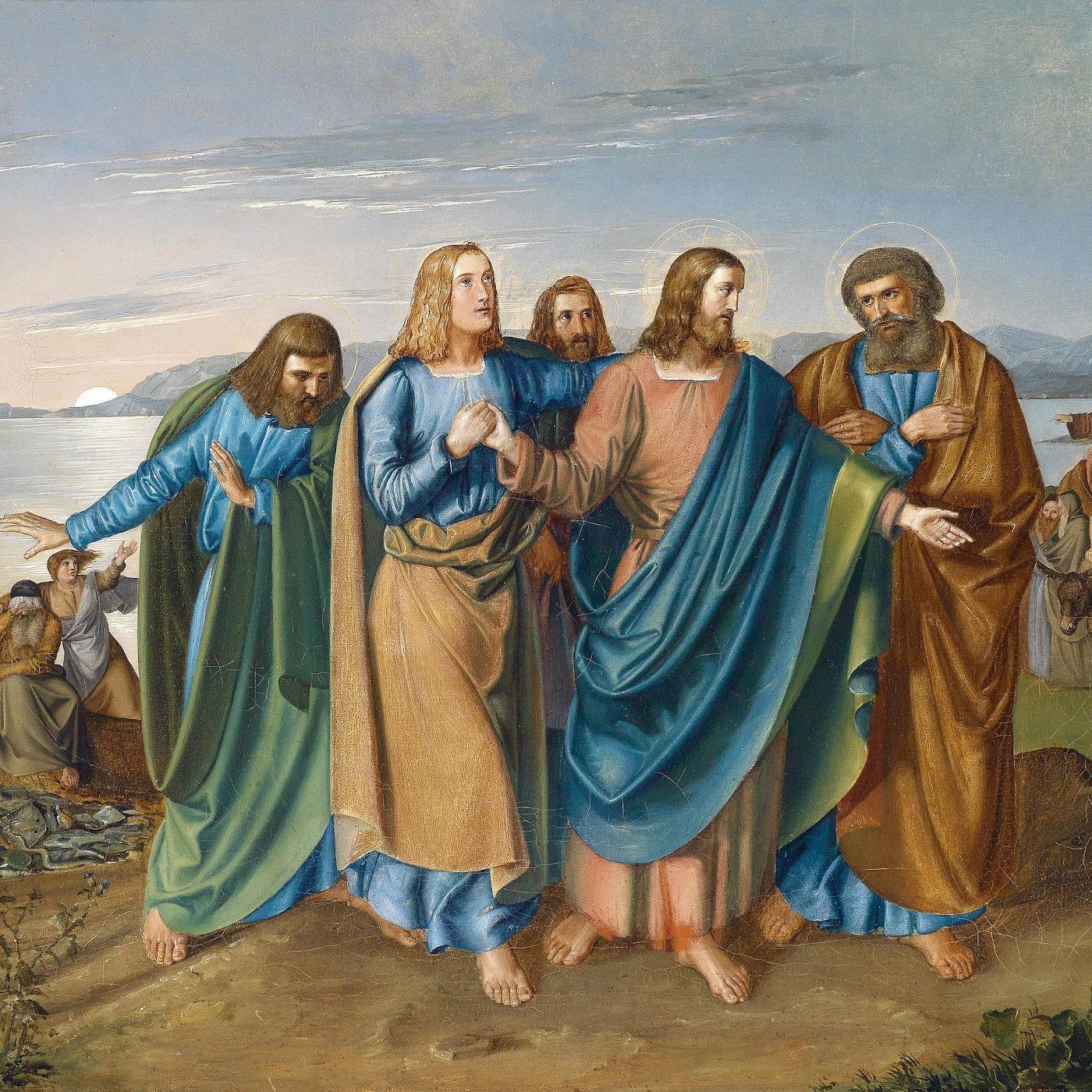
Jan 13, 2024
Second Sunday in Ordinary Time (Year B) - Being a Witness of Christ
Andrew, the brother of Simon Peter, was one of the two who heard John and followed Jesus. He first found his own brother Simon and told him, “We have found the Messiah” — which is translated Christ —. Then he brought him to Jesus. John 1:40–42 Andrew was a follower of Saint John the Baptist until John directed him to Jesus. One day John saw Jesus walk by and pointed to Jesus, telling Andrew and another disciple, “Behold, the Lamb of God.” The two disciples followed after Jesus. After spending the day with Jesus, Andrew was so impressed that the next day he excitedly went to find his brother, Simon Peter, to tell him about Jesus. As is mentioned in the passage above, he enthusiastically tells Peter, “We have found the Messiah.” Then, once Peter meets Jesus, Peter also becomes His disciple. A similar experience occurs between the brothers Philip and Nathanael (see John 1:43–51). Jesus calls Philip to follow Him, and he does. After coming to believe that Jesus is the Messiah, Philip goes to tell his brother Nathanael that he has found “the one about whom Moses wrote in the law, and also the prophets.” Nathanael believes and follows our Lord. Thus, a series of conversions began after John the Baptist gave testimony that Jesus was the “Lamb of God.” Though we can be certain that Jesus did not need the testimony of John the Baptist to convert Andrew, nor the testimony of Andrew to convert Simon Peter, nor the testimony of Philip to convert Nathanael, this is how it happened. Jesus chose to use these three to bring about the conversion of others. In God’s divine plan of salvation, He regularly uses the mediation of others to bring forth the conversion of hearts. We see this on many levels. First and foremost, He uses our Blessed Mother as the Mediatrix of Grace to bring forth His grace upon us all. She is the instrument and Jesus is the source. Through her mediation, there are other saints who act as intercessors. And there are countless angels who also act as distributors of God’s grace and mercy. God is the source of all but uses the heavenly hosts to bring forth His grace upon us all. The same is true within our earthly existence. In addition to the numerous angels and saints who act as intercessors and mediators, God uses each one of us to bring about His Kingdom here and now in the lives of many. Every time we speak God’s words or witness to God through our actions, we become instruments of God’s mercy. And if we fully commit ourselves to the divine will, there are many who will be converted by God’s grace through us. Reflect, today, upon the holy and sacred calling you have received to act as a mediator of God’s infinite grace and mercy. First, think about the many people God wants to touch through you. Also think about the fact that those people might never be drawn to God if you fail to act. God can do all things and touch many people in varied ways, but the fact remains that He does want to use you for His mission. Say “Yes” to that mission so that you, like many others, will share in the glorious calling of being an intercessor and a mediator of God’s grace. Most glorious Lord, You are abundantly generous in Your grace and mercy and desire to bestow Your love on all people. Please use me for Your divine mission of evangelizing the world. I say “Yes” to You, dear Lord. Use me as You will. Jesus, I trust in You. Source of content: catholic-daily-reflections.com Copyright © 2024 My Catholic Life! Inc. All rights reserved. Used with permission via RSS feed.
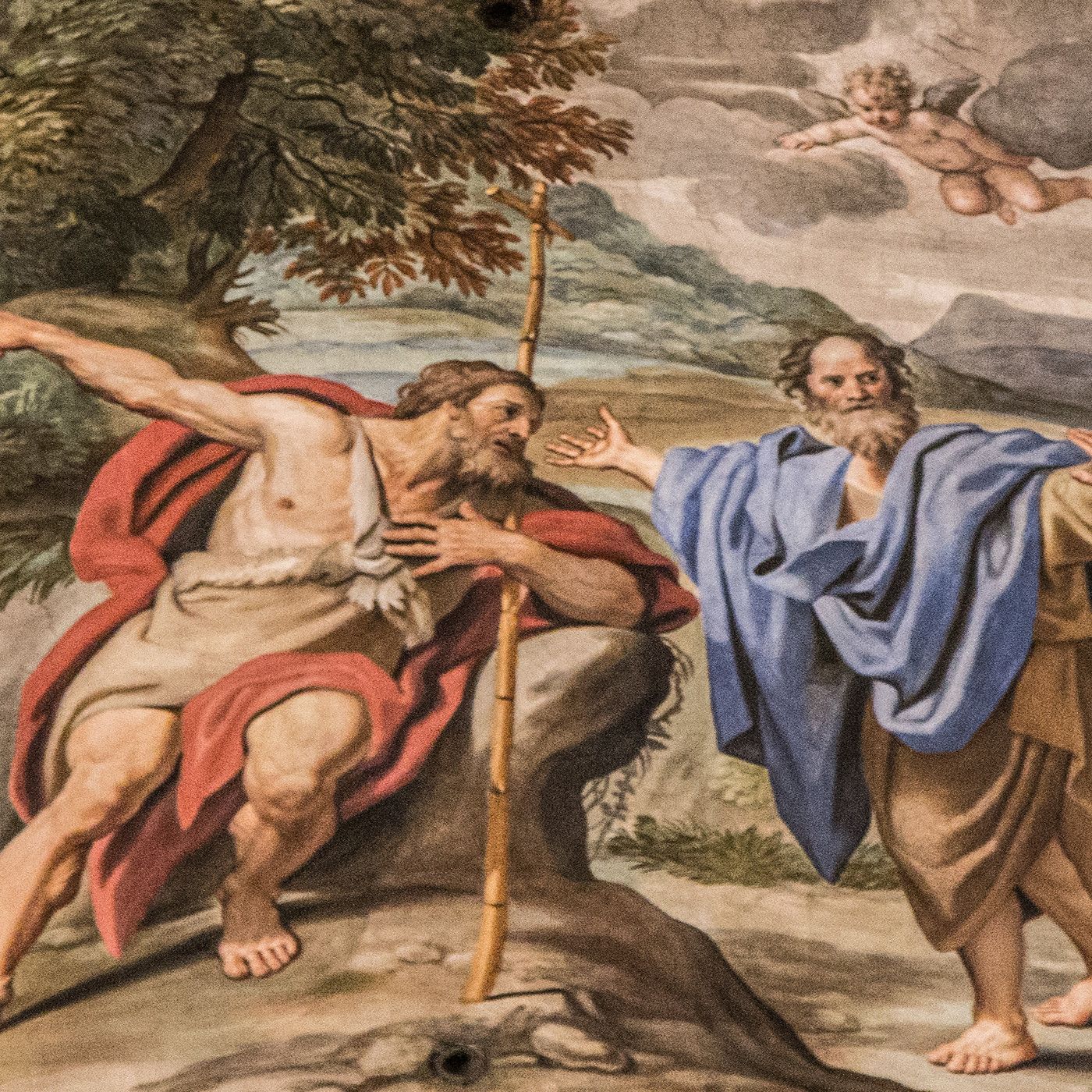
Jan 12, 2024
Saturday of the First Week of Ordinary Time - Discerning the Will of God
As he passed by, he saw Levi, son of Alphaeus, sitting at the customs post. Jesus said to him, “Follow me.” And he got up and followed Jesus. Mark 2:14 How do you know the will of God for your life? In his spiritual classic, The Spiritual Exercises , Saint Ignatius of Loyola presented three ways in which we come to know the will of God. (See mycatholic.life/ignatius for more.) The first way is the clearest and most definitive way. It is a time in which the person experiences a “clarity beyond doubting” as a result of a special grace of God. In describing this experience, Saint Ignatius mentions the passage quoted above as an illustration of this experience. There is little said about this call of Levi in the Gospel of Mark, which is also recorded in Matthew’s Gospel (Matthew 9:9). Levi, who is also known as Matthew, was going about his occupation of collecting taxes at his customs post. It appears that Jesus spoke only these two simple words to Levi: “Follow me.” As a result of these two words, Levi abandons his former life and becomes a follower of Jesus. Why would Levi do such a thing? What was it that convinced him to follow Jesus? Clearly there was much more than just a two-word invitation from Jesus that convinced him to respond. That which convinced Levi was a special grace of God which produced within his soul a “clarity beyond doubting.” Somehow Levi just knew that God was calling him to abandon his former life and embrace this new life. There was no long discussion, no weighing of the pros and cons, no prolonged thinking about it. Levi just knew, and he responded. Though this form of clarity in life is rare, it’s important to be aware of the fact that sometimes God does act this way. This is a great gift when it happens! And though this depth of instant clarity is not always the way God speaks to us, it’s important to acknowledge that God does speak to us this way at times. Reflect, today, upon this call of Levi. Ponder this inner certitude he was given in that moment. Try to imagine what he experienced and what others may have thought of his choice to follow Jesus. Be open to this same grace; and if you ever feel as if God speaks to you with such clarity, be ready and willing to respond without hesitation. My dear Lord, thank You for calling us all to follow You without hesitation. Thank You for the joy of being Your disciple. Give me the grace to always know Your will for my life and help me to respond to You with total abandonment and trust. Jesus, I trust in You. Source of content: catholic-daily-reflections.com Copyright © 2024 My Catholic Life! Inc. All rights reserved. Used with permission via RSS feed.
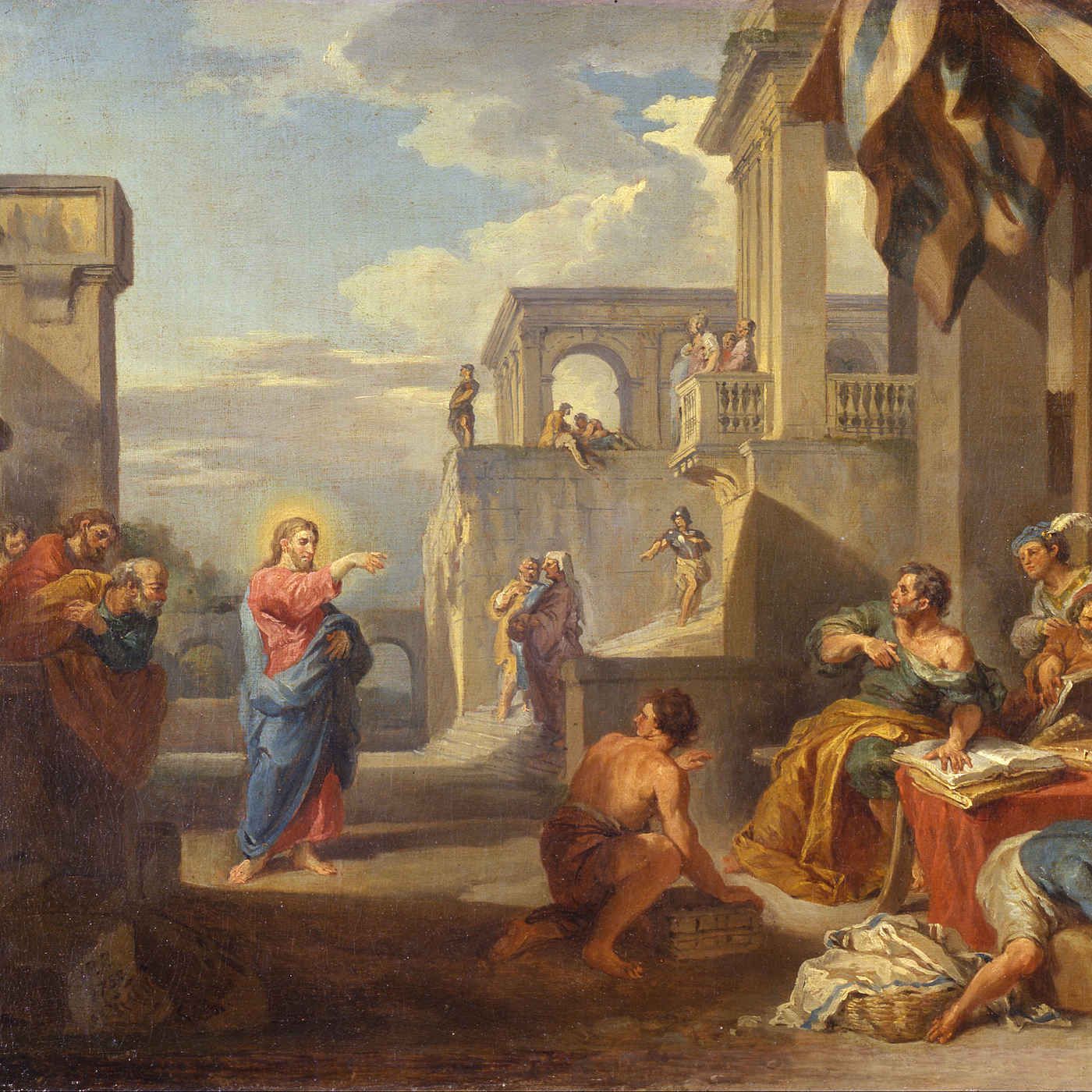
Jan 11, 2024
Friday of the First Week of Ordinary Time - An Act of the Greatest Charity
They came bringing to him a paralytic carried by four men. Unable to get near Jesus because of the crowd, they opened up the roof above him. After they had broken through, they let down the mat on which the paralytic was lying. Mark 2:3–4 This paralytic is a symbol of certain people in our lives who seem to be incapable of turning to our Lord by their own effort. It’s clear that the paralytic wanted healing, but he was unable to come to our Lord by his own effort. Therefore, the friends of this paralytic carried him to Jesus, opened the roof (since there was such a large crowd), and lowered the man down before Jesus. The paralysis of this man is a symbol of a certain type of sin. It’s a sin for which someone desires forgiveness but is incapable of turning to our Lord by their own effort. For example, a serious addiction is something that can so dominate a person’s life that they cannot overcome this addiction by their own effort. They need the help of others to even be able to turn to our Lord for help. We each must see ourselves as the friends of this paralytic. Too often when we see someone who is trapped in a life of sin, we simply judge them and turn away from them. But one of the greatest acts of charity we can offer another is to help provide them with the means they need to overcome their sin. This can be done by our counsel, our unwavering compassion, a listening ear, and by any act of fidelity to that person during their time of need and despair. How do you treat people who are caught in the cycle of manifest sin? Do you roll your eyes at them and turn away? Or do you firmly determine to be there for them to give them hope and to assist them when they have little or no hope in life to overcome their sin? One of the greatest gifts you can give to another is the gift of hope by being there for them to help them turn fully to our Lord. Reflect, today, upon a person you know who seems to be not only caught in the cycle of sin but has also lost hope to overcome that sin. Prayerfully surrender yourself over to our Lord and commit yourself to the charitable act of doing anything and everything you can so as to help them fully turn to our divine Lord. My precious Jesus, fill my heart with charity toward those who need You the most but seem incapable of overcoming the sin in their lives that keep them from You. May my unwavering commitment to them be an act of charity that gives them the hope they need to surrender their life to You. Use me, dear Lord. My life is in Your hands. Jesus, I trust in You. Source of content: catholic-daily-reflections.com Copyright © 2024 My Catholic Life! Inc. All rights reserved. Used with permission via RSS feed.
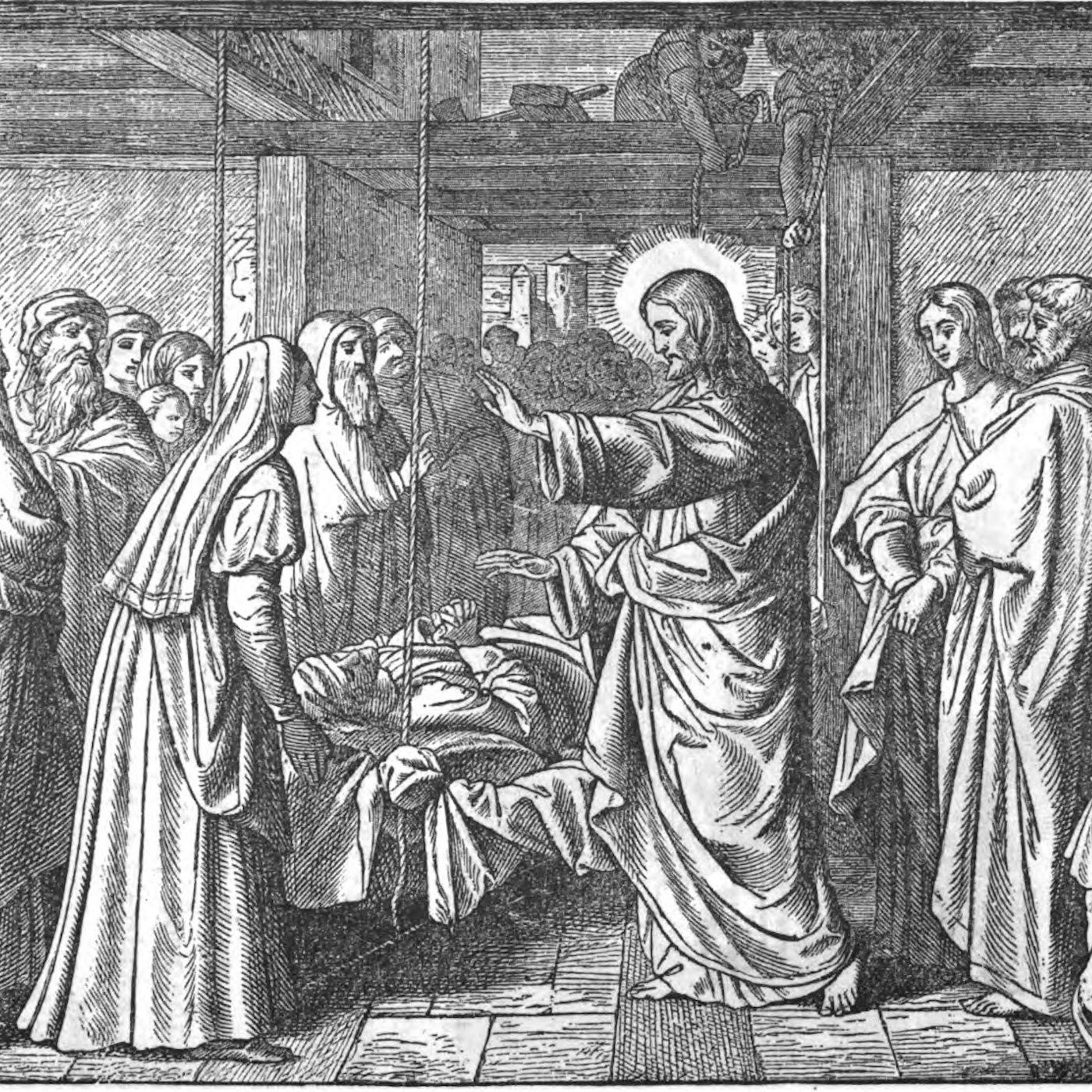
Jan 10, 2024
Thursday of the First Week of Ordinary Time - Be Made Clean
A leper came to him and kneeling down begged him and said, “If you wish, you can make me clean.” Moved with pity, he stretched out his hand, touched the leper, and said to him, “I do will it. Be made clean.” Mark 1:40–41 If we come to our divine Lord with faith, kneel down before Him and present our need to Him, then we also will receive the same response given to this leper: “I do will it. Be made clean.” These words should give us hope in the midst of any and every challenge in life. What is it that our Lord wills for you? And what is it that He desires to make clean in your life? This story of the leper coming to Jesus does not mean that our Lord will grant any and every request we bring to Him. Instead, it reveals that He wills to make us clean of that which afflicts us the most. Leprosy in this story should be seen as a symbol of the spiritual ills that afflict your soul. First and foremost, it should be seen as a symbol of the sin in your life that has become habitual and slowly does great damage to your soul. At that time, leprosy not only caused grave physical damage to a person, but it also had the effect of isolating them from the community. They had to live apart from others who did not have the disease; and if they came near others, they had to show they were lepers by certain external signs so that people would not come in contact with them. Thus, leprosy had both personal and communal ramifications. The same is true with many habitual sins. Sin does damage to our souls, but it also affects our relationships. For example, a person who is habitually harsh, judgmental, sarcastic or the like will experience the ill effects of these sins on their relationships. Returning to the statement of Jesus above, consider that sin which not only affects your soul the most but also your relationships. To that sin, Jesus wishes to say to you, “Be made clean.” He wants to strengthen your relationship by cleansing the sin within your soul. And all it takes for Him to do that is for you to turn to Him on your knees and to present your sin to Him. This is especially true within the Sacrament of Reconciliation. Reflect, today, upon your closest relationships in life. And then consider which of your sins most directly hurts those relationships. Whatever comes to mind, you can be certain that Jesus wants to rid you of that spiritual leprosy within your soul. My divine Lord, help me to see that which is within me that most harms my relationships with others. Help me to see that which causes isolation and hurt. Give me the humility to see this and the trust I need to turn to You to confess it and seek Your healing. You and You alone can free me from my sin, so I turn to You in confidence and surrender. With faith, I also await Your healing words, “I do will it. Be made clean.” Jesus, I trust in You. Source of content: catholic-daily-reflections.com Copyright © 2024 My Catholic Life! Inc. All rights reserved. Used with permission via RSS feed.
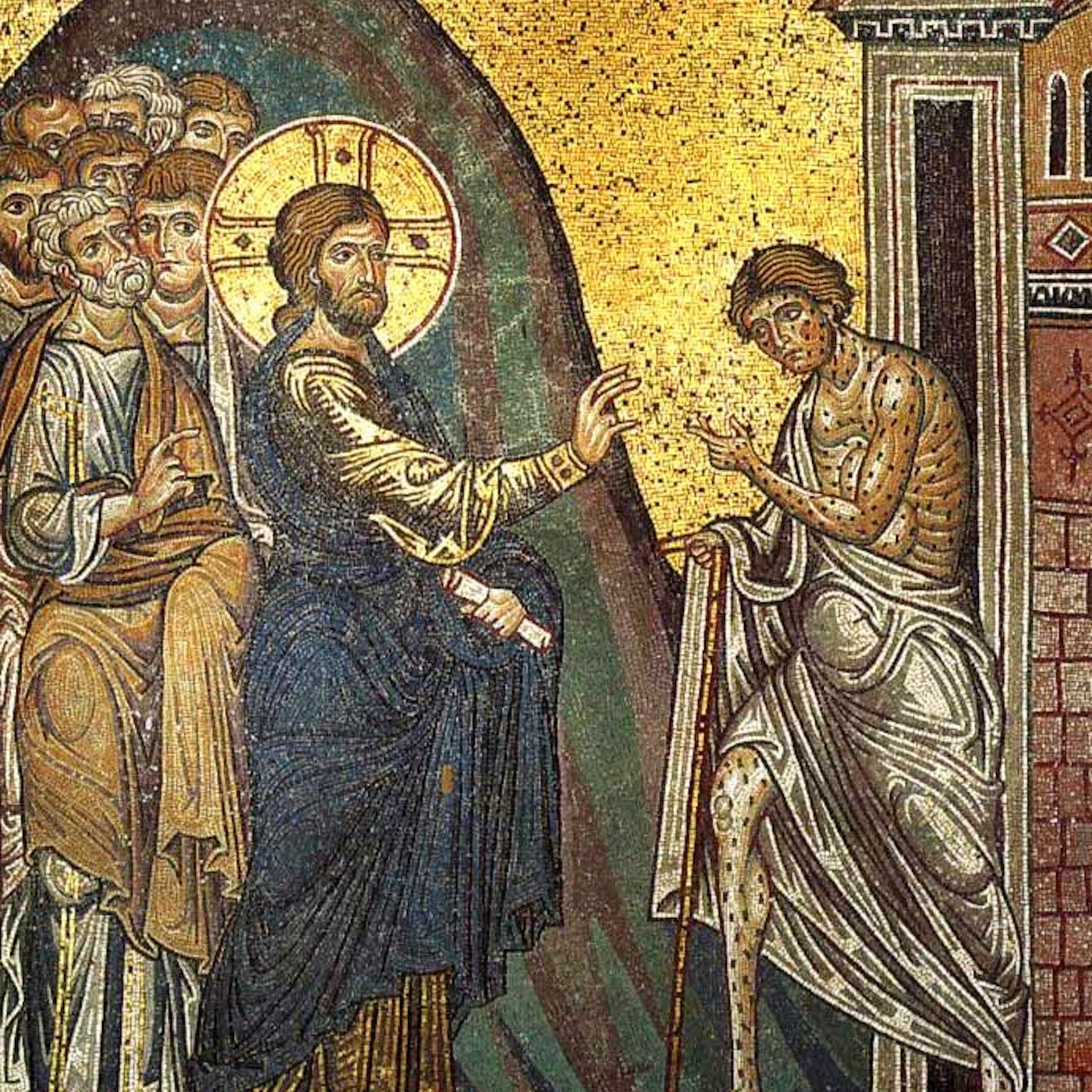
Jan 9, 2024
Wednesday of the First Week in Ordinary Time - More Demons Driven Out
When it was evening, after sunset, they brought to him all who were ill or possessed by demons. The whole town was gathered at the door. He cured many who were sick with various diseases, and he drove out many demons, not permitting them to speak because they knew him. Mark 1:32–34 Today we read that Jesus once again “drove out many demons...” The passage then adds, “...not permitting them to speak because they knew him.” Why would Jesus not permit these demons to speak? Many of the early Church fathers explain that even though the demons had an understanding that Jesus was the promised Messiah, they did not understand fully what that meant and how He would accomplish His ultimate victory. Therefore, Jesus did not want them to speak only half-truths about Him, as the evil one often does, thus misleading the people. So Jesus always forbade these demons from speaking about Him publicly. It’s important to understand that all of the demonic spirits failed to understand the full truth that it would be Jesus’ death that ultimately destroys death itself and sets all people free. For that reason, we see that these diabolical forces continually conspired against Jesus and tried to attack Him throughout His life. They stirred up Herod when Jesus was a baby, which forced Him into exile in Egypt. Satan himself tempted Jesus just prior to the beginning of His public ministry so as to try to dissuade Jesus from His mission. There were many diabolical forces who continually attacked Jesus throughout His public ministry, especially through the ongoing hostility of the religious leaders at the time. And it can be presumed that these demons may have initially thought they won the battle when they accomplished their goal of having Jesus crucified. The truth, however, is that Jesus’ wisdom continually confounded these demons and ultimately transformed their evil act of having Him crucified into an ultimate victory over sin and death itself by rising from the dead. Satan and his demons are real, but compared to the truth and wisdom of God, these diabolical forces reveal their complete foolishness and weakness. Just like Jesus, we need to rebuke these tempters in our lives and command that they be silent. Too often we allow their half truths to mislead us and confuse us. Reflect, today, upon the importance of confidently rebuking the evil one and the many lies he tempts us to believe. Rebuke him with the truth and authority of Christ and pay no attention to what he says. My precious and all-powerful Lord, I turn to You and You alone as the source of all Truth and the fullness of Truth. May I listen to Your voice alone and reject the many deceptions of the evil one and his demons. In Your precious name, Jesus, I rebuke satan and all evil spirits, their lies and their temptations. I send these spirits to the foot of Your Cross, dear Lord, and open my mind and heart only to You. Jesus, I trust in You. Source of content: catholic-daily-reflections.com Copyright © 2024 My Catholic Life! Inc. All rights reserved. Used with permission via RSS feed.
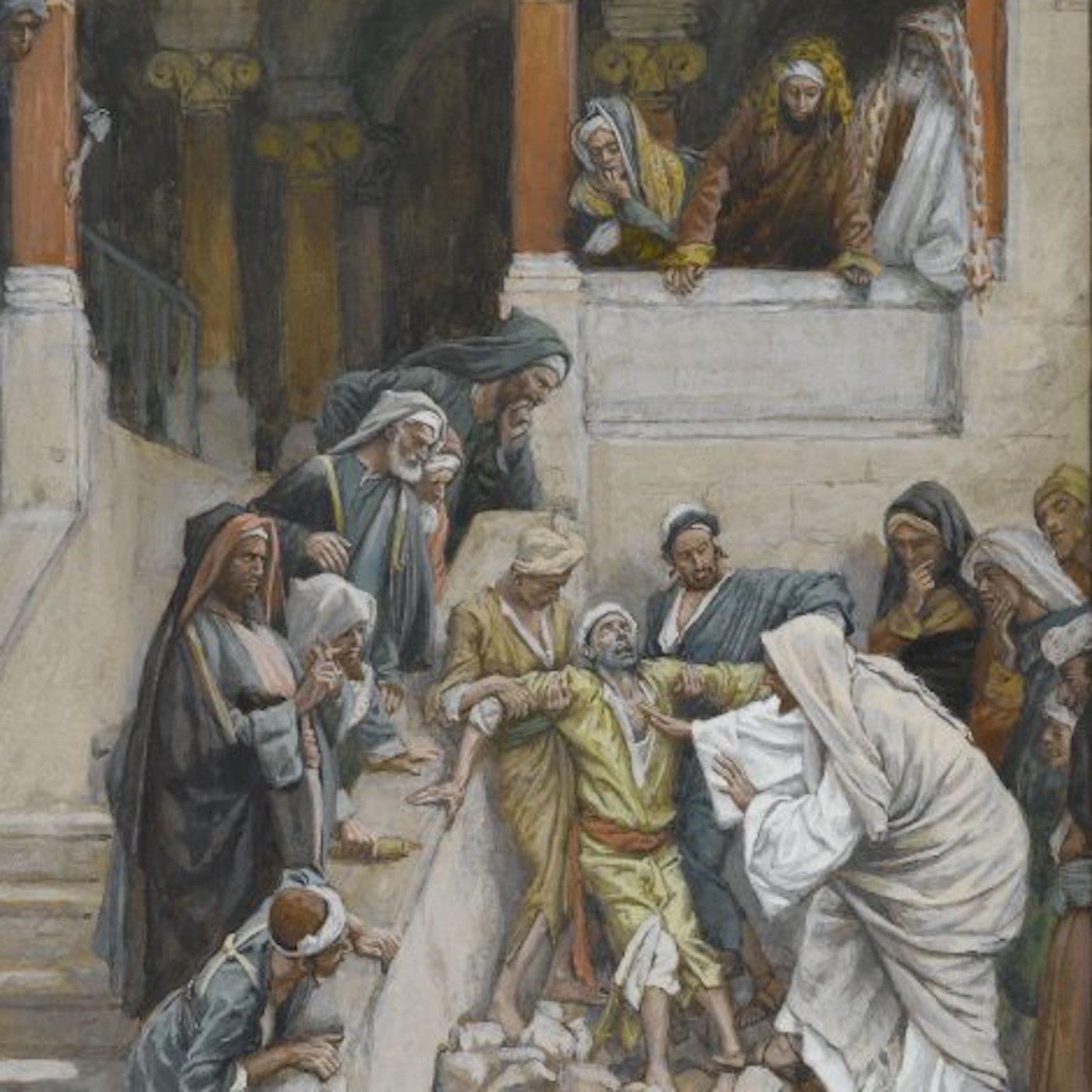
Jan 8, 2024
Tuesday of the First Week of Ordinary Time - Confronting the Evil One
In their synagogue was a man with an unclean spirit; he cried out, “What have you to do with us, Jesus of Nazareth? Have you come to destroy us? I know who you are–the Holy One of God!” Jesus rebuked him and said, “Quiet! Come out of him!” Mark 1:23–25 There were numerous times when Jesus directly confronted demons in the Scriptures. Each time He rebuked them and exercised His authority over them. The passage above illustrates one such case. The fact that the devil shows himself over and over in the Gospels tells us that the evil one is real and needs to be dealt with appropriately. And the appropriate way to deal with the evil one and his fellow demons is to rebuke them with the authority of Christ Jesus Himself in a calm but definitive and authoritative way. It’s very rare that the evil one makes himself fully manifest to us in the way that he did in the passage above to Jesus. The demon speaks directly through this man, which indicates that the man was fully possessed. And though we do not see this form of manifestation often, it doesn’t mean that the evil one is any less active today. Instead, it shows that the authority of Christ is not being exercised by the Christian faithful to the extent that is necessary to combat the evil one. Instead, we often cower in the face of evil and fail to confidently and charitably stand our ground with Christ. Why did this demon manifest himself in such a visible way? Because this demon was directly confronted with the authority of Jesus. The devil usually prefers to remain hidden and deceptive, presenting himself as an angel of light so that his evil ways are not known clearly. Those whom he controls often do not even know how much they are influenced by the evil one. But when the evil one is confronted with the pure presence of Christ, with the Truth of the Gospel that sets us free, and with Jesus’ authority, this confrontation often forces the evil one to react by manifesting his evil. Reflect, today, upon the fact that the evil one is constantly at work all around us. Consider the people and circumstances in your life where the pure and holy Truth of God is attacked and rejected. It is in those situations, more than any other, that Jesus wants to bestow upon you His divine authority to confront evil, rebuke it and take authority over it. This is primarily done through prayer and deep trust in the power of God. Don’t be afraid to allow God to use you to confront the activity of the evil one in this world. Lord, give me courage and wisdom when I face the activity of the evil one in this world. Give me wisdom to discern his hand at work and give me courage to confront and rebuke him with Your love and authority. May Your authority be alive in my life, Lord Jesus, and may I daily become a better instrument of the coming of Your Kingdom as I confront the evil present in this world. Jesus, I trust in You. Source of content: catholic-daily-reflections.com Copyright © 2024 My Catholic Life! Inc. All rights reserved. Used with permission via RSS feed.
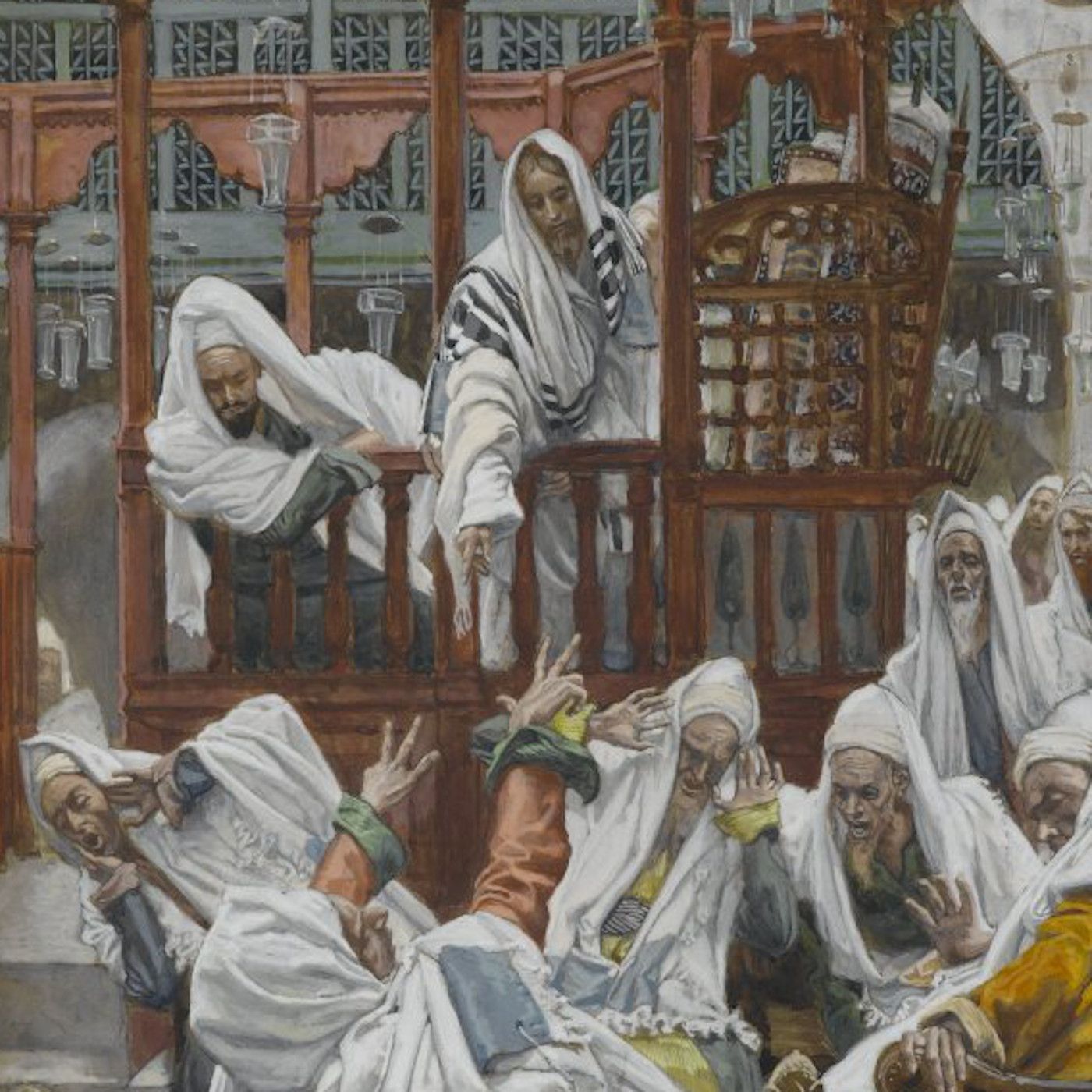
Jan 7, 2024
Feast of the Baptism of the Lord - “You are My Beloved Son”
It happened in those days that Jesus came from Nazareth of Galilee and was baptized in the Jordan by John. On coming up out of the water he saw the heavens being torn open and the Spirit, like a dove, descending upon him. And a voice came from the heavens, “You are my beloved Son; with you I am well pleased.” Mark 1:9–11 (Gospel from Year B) The Feast of the Baptism of the Lord concludes for us the Christmas Season and transitions us into the beginning of Ordinary Time. From a Scriptural point of view, this event in Jesus' life is also a transitional moment from His hidden life in Nazareth to the beginning of His public ministry. As we commemorate this glorious event, it’s important to ponder a simple question: Why was Jesus baptized? Recall that John’s baptism was one of repentance, an act by which he invited his followers to turn from sin and to turn to God. But Jesus was sinless, so what was the reason for His Baptism? First of all, we see in the quoted passage above that Jesus’ true identity was made manifest through His humble act of baptism. “You are my beloved Son; with you I am well pleased,” spoke the voice of the Father in Heaven. Furthermore, we are told that the Spirit descended upon Him in the form of a dove. Thus, Jesus’ baptism is in part a public declaration of Who He is. He is the Son of God, a divine Person Who is one with the Father and the Holy Spirit. This public testimony is an “epiphany,” a manifestation of His true identity for all to see as He prepares to begin His public ministry. Second, by His baptism, Jesus’ incredible humility is made manifest. He is the Second Person of the Most Holy Trinity, but He allows Himself to become identified with sinners. By sharing in an act that was focused upon repentance, Jesus speaks volumes through His action of baptism. He came to unite Himself with us sinners, to enter our sin and to enter into our death. By entering the water, He symbolically enters into death itself, which is the result of our sin, and rises triumphantly, allowing us to also rise with Him to new life. For this reason, Jesus’ baptism was a way of Him “baptizing” the waters, so to speak, so that water itself, from that moment onward, would be endowed with His divine presence and could be communicated to all who are baptized after Him. Therefore, sinful humanity is now able to meet divinity through baptism. Lastly, when we share in this new baptism, through water that has now been sanctified by our divine Lord, we see in Jesus’ baptism a revelation of who we become in Him. Just as the Father spoke and declared Him as His Son, and just as the Holy Spirit descended upon Him, so also in our baptism we become the adopted children of the Father and are filled with the Holy Spirit. Thus, Jesus’ baptism gives clarity as to whom we become in Christian baptism. Lord, I thank You for Your humble act of baptism by which You opened the Heavens to all who are sinners. May I open my heart to the unfathomable grace of my own baptism each and every day and more fully live with You as a child of the Father, filled with the Holy Spirit. Jesus, I trust in You. Source of content: catholic-daily-reflections.com Copyright © 2024 My Catholic Life! Inc. All rights reserved. Used with permission via RSS feed.
Jan 6, 2024
The Epiphany of the Lord - A Manifestation to the World
When Jesus was born in Bethlehem of Judea, in the days of King Herod, behold, magi from the east arrived in Jerusalem, saying, “Where is the newborn king of the Jews? We saw his star at its rising and have come to do him homage.” Matthew 2:1–2 The Magi were most likely from Persia, modern-day Iran. They were men who regularly engaged in a study of the stars. They were not Jewish but were most likely aware of the popular belief of the Jewish people that a king would be born who would save them. These Magi were called by God to encounter the Savior of the World. Interestingly, God used something very familiar to them as an instrument of their calling: the stars. It was among their belief that when someone of great importance was born, this birth was accompanied by a new star. So when they saw this new, bright and brilliant star, they were filled with curiosity and hope. One of the most significant aspects of this story is that they responded. God called them through the use of a star, and they chose to follow this sign, embarking on a long and arduous journey.God often uses those things most familiar to us that are part of our daily life to send forth His calling. Recall, for example, that many of the Apostles were fishermen, and Jesus used their occupation to call them, making them “fishers of men.” He especially used the miraculous catch of fish to clearly indicate to them that they had a new calling. In our own lives, God is constantly calling us to seek Him out and worship Him. He will often use some of the most ordinary parts of our lives to send forth that calling. How is He calling you? In what way is He sending you a star to follow? Many times when God speaks, we ignore His voice. We must learn from these Magi and diligently respond when He calls. We must not hesitate and must seek to daily be attentive to the ways that God invites us to deeper trust, surrender and worship. Reflect, today, upon God’s call in your life. Are you listening? Are you responding? Are you ready and willing to abandon all else in life so as to serve His holy will? Seek Him, wait on Him and respond. Doing so will be the best decision you ever make. Lord, I love You and pray that I will be open to Your guiding hand in my life. May I always be attentive to the countless ways that You call to me each and every day. And may I always respond to You with all my heart. Jesus, I trust in You. Source of content: catholic-daily-reflections.com Copyright © 2024 My Catholic Life! Inc. All rights reserved. Used with permission via RSS feed.
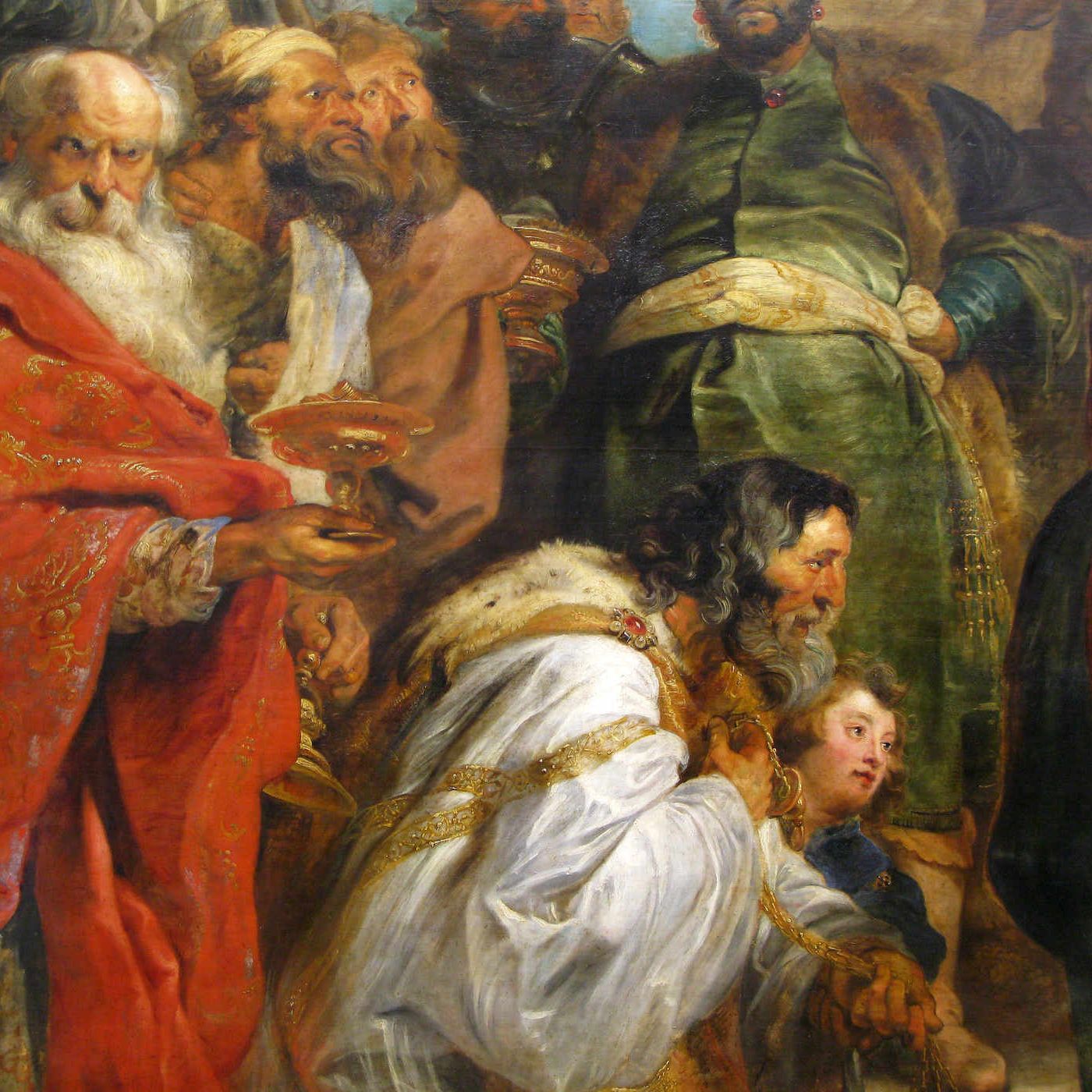
Jan 5, 2024
January 6, when before Epiphany - The Genealogy of Jesus
When Jesus began his ministry he was about thirty years of age. He was the son, as was thought, of Joseph, the son of Heli, the son of Melea… Luke 3:23–24 One of the two options for today’s Gospel is the genealogy of Jesus according to Saint Luke. Recall that Matthew’s Gospel also shares a genealogy of Jesus. Matthew’s version might be more familiar since it comes at the very beginning of his Gospel. Though the two genealogies differ significantly for various reasons, they both have the goal of tracing Jesus’ lineage. Luke inserts the genealogy of Jesus in Chapter Three of his Gospel, after Jesus is baptized and just before His public ministry. He presents the genealogy in ascending order, starting with Jesus and ending with Adam, identifying seventy-seven generations. Matthew presents the genealogy in descending order, beginning with Abraham and concluding with Jesus, identifying forty-one generations. Saint Augustine, in commenting upon Luke’s genealogy, points out that Luke identifies seventy-seven generations because Jesus states that we must forgive seventy-seven times (Matthew 18:21–22). Furthermore, since Jesus had just entered the waters of baptism, Augustine sees this as a way of saying that the Sacrament of Baptism offers all people of all times the unlimited gift of the forgiveness of sins. Perhaps one of the most important reflections we can take from either of Jesus’ genealogies is the fact that He came to give us the gift of new life as the new Adam. His gift of baptism is a way of starting over with fallen humanity. From the time of our creation, we sinned. Adam and Eve sinned. And all generations to follow have sinned. Thus, in Christ, through Baptism, we are able to begin again, to be born again, and to be transformed from the natural fallen order to the supernatural order of grace. We will soon celebrate the Epiphany and the Feast of the Baptism of our Lord. After that, we enter into the beginning of Ordinary Time when we ponder the public ministry of Jesus. As we do so, we must regularly remind ourselves of the reason Jesus came. He did not come simply to inspire us or to teach us His wisdom. Rather, He came to save fallen humanity in accord with the perfect plan of the Father. The Father’s plan began at the beginning of time when humanity fell from grace. From there, the Father prepared the world for the coming of His divine Son through generation after generation of prophets, priests and kings. Slowly, He revealed His plan of salvation until it came to fruition and perfection in the Person of His Beloved Son. Reflect, today, upon the eternal plan of the Father to save us from sin by sending His divine Son as our Savior. The plan, spanning many generations from the beginning of time, will continue to unfold until the end of time when Jesus will return in splendor and glory. Spend time pondering this incredible plan and incredible gift you have been given. As you do, seek to foster the deepest gratitude in your heart. Jesus, my Savior, I do thank You for the unfathomable gift You have given me. You took on our fallen human nature and transformed it by this unity of Your divinity and humanity. You died for my sins and the sins of all who turn to You, and You opened the doors to Heaven. May I always grow more deeply in gratitude for all You have done for us. Jesus, I trust in You. Source of content: catholic-daily-reflections.com Copyright © 2024 My Catholic Life! Inc. All rights reserved. Used with permission via RSS feed.
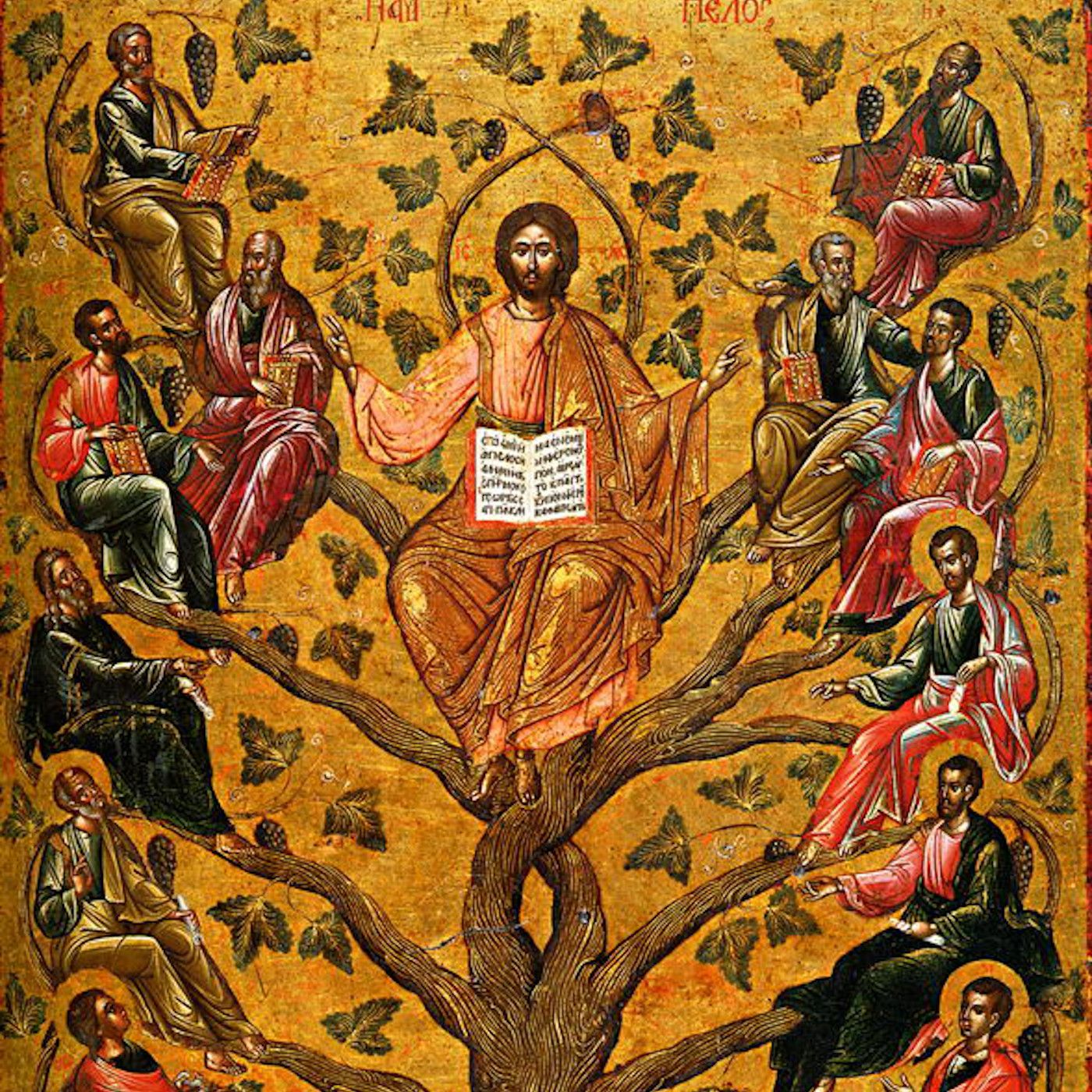
Jan 4, 2024
January 5, when before Epiphany - Conversion is Contagious
Jesus decided to go to Galilee, and he found Philip. And Jesus said to him, “Follow me.” Now Philip was from Bethsaida, the town of Andrew and Peter. Philip found Nathanael and told him, “We have found the one about whom Moses wrote in the law, and also the prophets, Jesus, son of Joseph, from Nazareth.” John 1:43–45 Recall that in the previous passage of John’s Gospel, Andrew had gone to his brother Peter to tell him that he had found the Messiah. As a result, Peter went to see Jesus and also became His disciple. We have a similar story in today’s Gospel passage that happens shortly after the story in John’s Gospel. After Jesus called Philip to be a disciple, Philip immediately went to find his brother, Nathanael, to tell him the good news. As a result, once Nathanael has a brief encounter with Jesus, Nathanael converts, saying, “Rabbi, you are the Son of God; you are the King of Israel.” In a sense, we can say that conversion is contagious. Once God calls a good and humble soul to follow Him and that soul responds, that person is almost always compelled to share their conversion with others whom they love. And when they share the conversion of their heart with another, their loved one will often become intrigued themselves, possibly even converting. Conversion is indeed contagious! This is because when we come to know God, fall in love with Him and choose to follow Him, the joy and conviction of our conversion of heart are things we naturally want to share with others. We want others to experience the spiritual peace and joy we have found by discovering Christ with us. So this begs the question: Has your love of God affected others in your life? If the answer is “Yes,” then this is something to be grateful for. But if the answer is “No,” then perhaps it’s worth pondering why not. Though it may not at all be your fault, it’s good to examine whether you have first allowed yourself to truly experience a deep conversion to Christ and then to ponder whether you have been open to sharing your heart with others. So begin with the first question. Have you allowed yourself to truly go through a conversion to Christ? A conversion will take on varying degrees. At first, a conversion changes the direction of our lives by opening our eyes to see what truly matters in life. We discover the glory of God and the fulfillment that comes from embracing His will. When this happens, the initially converted soul will often begin to turn from all serious sin, to pray, to read the Scriptures, and to manifest these changes to others. But conversions are not only a one-time event. Saint John of the Cross, for example, goes to much length to explain that as a person advances in the life of holiness, there will be a time when they must go through a whole new conversion. Their following of Christ will draw them to another and more profound change in life. Don’t be content with only an initial conversion. Seek also the ongoing process of change that is required by a commitment to follow Christ. As for the second question, whether or not your own conversion has inspired those you love to follow Christ, simply pray that God uses you as He wills. Be open to Him, do not be afraid to share your heart, and work to allow the joy of following Christ to radiate from your own life. If others are open, then God will touch them through you. Reflect, today, upon these two fundamental questions of the spiritual life and recommit yourself to a lifelong process of change, as well as an openness to allowing God to touch others through you. In the end, these two things are all that really matter in life and for eternity. Lord of all holiness, please continuously draw me closer to You. Help me to convert in my life, to turn from all sin and to choose to follow You with all my heart. Help me, also, to be open in my faith journey so that others will see all that You are doing in me and receive Your invitation, through me, to follow You. Jesus, I trust in You. Source of content: catholic-daily-reflections.com Copyright © 2024 My Catholic Life! Inc. All rights reserved. Used with permission via RSS feed.
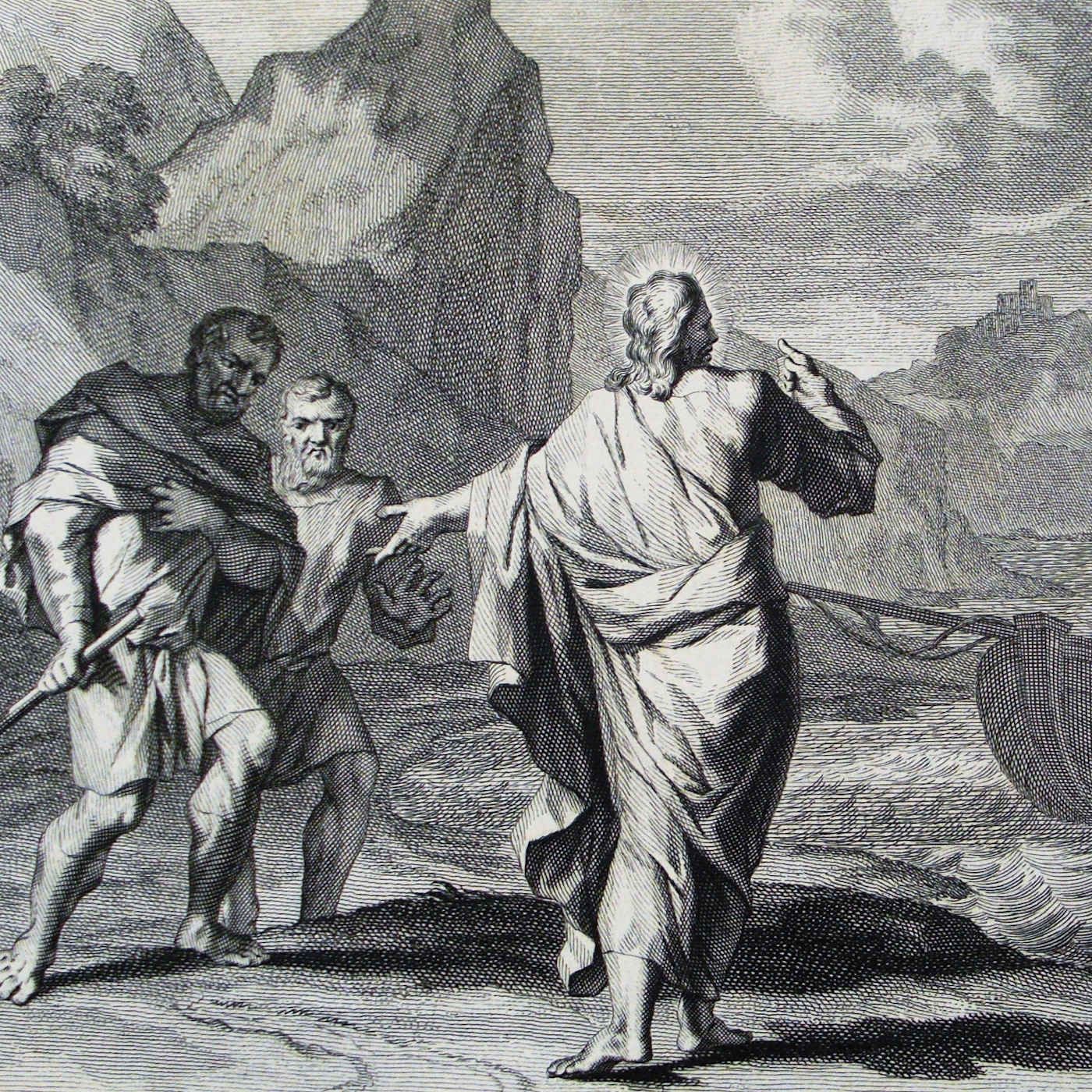
Jan 3, 2024
January 4, when before Epiphany - Come, and You Will See
They said to him, “Rabbi” (which translated means Teacher), “where are you staying?” He said to them, “Come, and you will see.” So they went and saw where he was staying, and they stayed with him that day. John 1:38–39 What an interesting exchange. Andrew was one of two disciples of John the Baptist who heard John say that Jesus was the “Lamb of God.” As a result, Andrew and the other disciple left the Baptist and started to physically follow Jesus. As they began to follow Jesus, He turned to them and asked them what they were looking for. And their response, followed by Jesus’ invitation, is recorded above. Jesus’ invitation was unique: “Come, and you will see.” With that invitation, these two disciples went and remained with Jesus that day. But that’s not all that happened. It is clear from the subsequent passage that by spending the day with Jesus, these two disciples came to faith in Who Jesus was. Later in the passage, Andrew goes to his brother Peter to tell him, “We have found the Messiah.” What was it about their day with Jesus that convinced them of Who He was? Though the details of their stay with Jesus are not included in the Gospel, it seems clear that simply being in Jesus’ presence is all that these disciples need. Consider, again, Jesus’ twofold invitation: “Come…” followed by “and you will see.” When our Lord speaks to each of us, His invitation is quite similar. First, He will invite us to come with Him. We are to come to the place where Jesus is staying. Where is that? For us, it is not necessarily a physical place; rather, it is first and foremost a place of prayer. We must hear Jesus invite us to come to Him through the interior journey of personal prayer. It is there, within the depths of our soul, that we will rest with our Lord. He invites us to simply be there in His divine presence. When we come to Him and rest with Him in His presence, another thing will happen: “and you will see.” We will see Him, come to know Him, be enlightened by Him and come to faith in Him. At first, this happens by His spoken Word. Ultimately, this takes place through an interior revelation that we can only receive in prayer. Reflect, today, upon this gentle invitation that our Lord gave to these disciples. As you ponder these words, hear them spoken also to you. At first, spend time reflecting only upon the word “come.” Allow it to penetrate your soul. Allow it to become deeply personal. Know that it is a real and loving invitation from Jesus. After that, try to spend time pondering the words “and you will see.” What is it that God wants you to see? What personal revelation of faith does God want to bestow upon you? “Come, and you will see.” Allow these words to change your life, just as they changed the lives of these first disciples of our Lord. Lord, You continuously invite me to come to You, to be with You and to sit with You in Your divine presence. Please help me to hear this gentle invitation of Your love. As I do, please open the eyes of my soul to see You, know You and love You more fully. And as I see You, give me grace and strength to follow You wherever You lead. Jesus, I trust in You. Source of content: catholic-daily-reflections.com C opyright © 2024 My Catholic Life! Inc. All rights reserved. Used with permission via RSS feed.
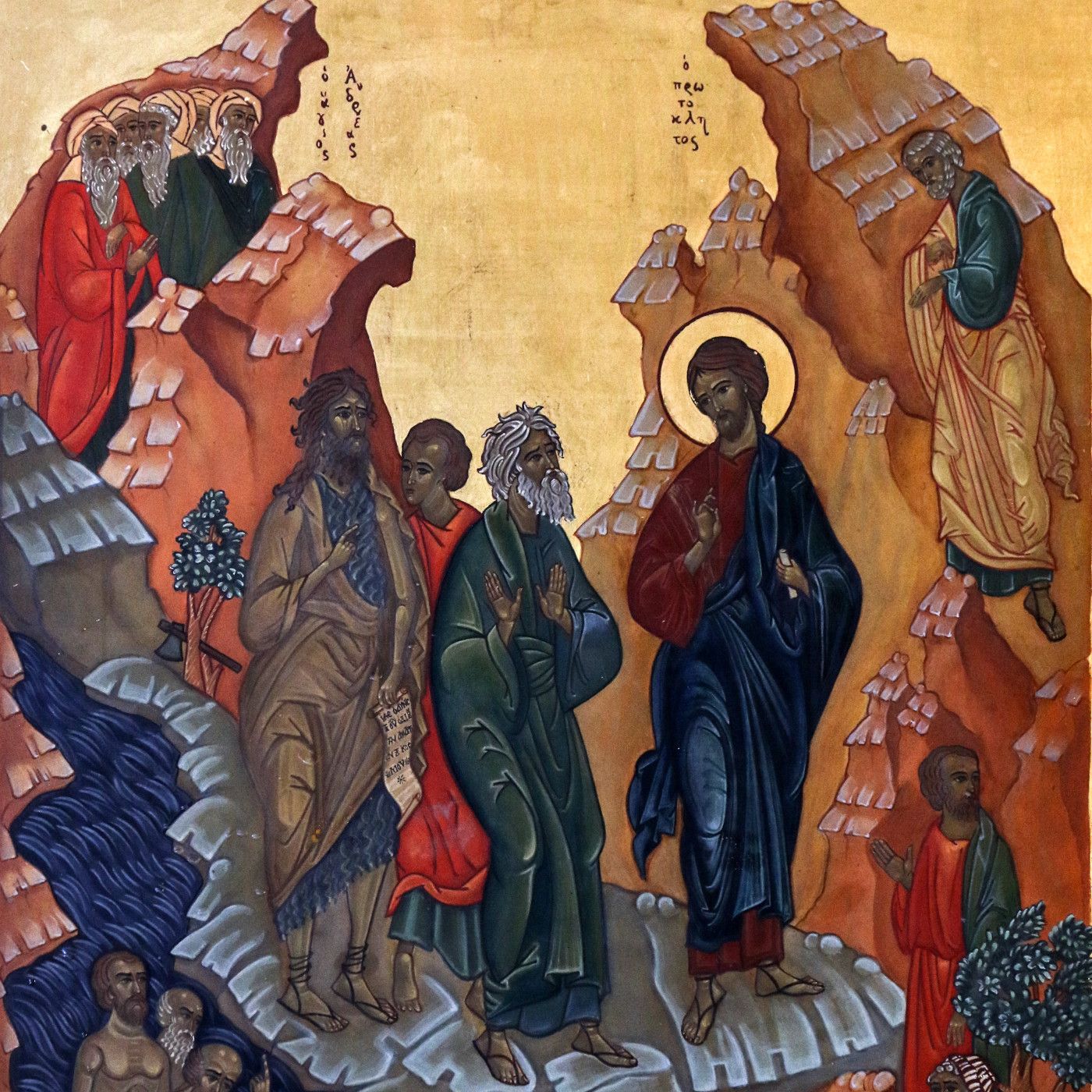
Jan 2, 2024
January 3, when before Epiphany - Hearing God Speak
John testified further, saying, “I saw the Spirit come down like a dove from the sky and remain upon him. I did not know him, but the one who sent me to baptize with water told me, ‘On whomever you see the Spirit come down and remain, he is the one who will baptize with the Holy Spirit.’ Now I have seen and testified that he is the Son of God.” John 1:32–34 It’s interesting to note that in the Gospel of John, Saint John the Baptist never baptized Jesus, as is depicted in the Gospels of Matthew, Mark and Luke. Instead, in the Gospel of John, John the Baptist simply witnessed the descent of the Holy Spirit from a distance, and then spoke the quoted line above. The next day, the Baptist pointed to Jesus as the “Lamb of God,” and two of his own disciples left the Baptist to follow Jesus. Why is there this apparent discrepancy between the Gospel of John and the three Synoptic Gospels? Though it’s hard to answer that for certain, one thing that is made uniquely clear in the Gospel of John is that the Baptist was given a unique spiritual knowledge by the Father that Jesus was the “Lamb of God.” In this Gospel, the revelation of Who Jesus was did not take place in a way that everyone present heard and saw. Rather, John’s Gospel focuses upon the interior realization that John the Baptist received from the One Who sent him. And the One Who sent him was the Father in Heaven. One spiritual truth worth pondering from the account of the Gospel of John read today is that the conviction and certainty given to the Baptist about Jesus’ identity was so certain that he knew Who Jesus was beyond any shadow of a doubt. This personal revelation given to the Baptist changed his life. From that moment on, all he did was point people to Jesus. As you ponder this spiritual revelation about Jesus that the Baptist received from the Father in Heaven, consider for yourself what would be more convincing. Would it be more convincing to hear an audible voice from Heaven declare Who Jesus was? Or to receive this same knowledge through an interior and spiritual communication from the Father? If you believe that the former, the external and audible voice, would be more convincing, then you might want to pause and think again. The truth is that God’s clearest and most certain form of communication to us is one that is internal. And even if there were an audible voice spoken from Heaven, as depicted in the Synoptic Gospels, that Voice would have to also be interiorly confirmed by faith in the hearts of the hearers so as to convince them on the deepest level. Reflect, today, upon the spiritual truth that God the Father wants to speak to you in the depths of your own soul so as to draw you into a certainty about Himself and all that He has spoken as true. Do you hear God speak? Have you allowed yourself to be convinced by His Voice? Listen to Him today and allow all that He speaks to you to become the source and goal of all that you say and do in life. Father in Heaven, You have revealed to me Who You are and Your plan for my life in many ways. And though You are always speaking to me, I acknowledge that I do not always listen. Please open my soul to You more fully so that I may come to faith and be certain of Your love and Your perfect will in my life. Jesus, I trust in You. Source of content: catholic-daily-reflections.com Copyright © 2023 My Catholic Life! Inc. All rights reserved. Used with permission via RSS feed.
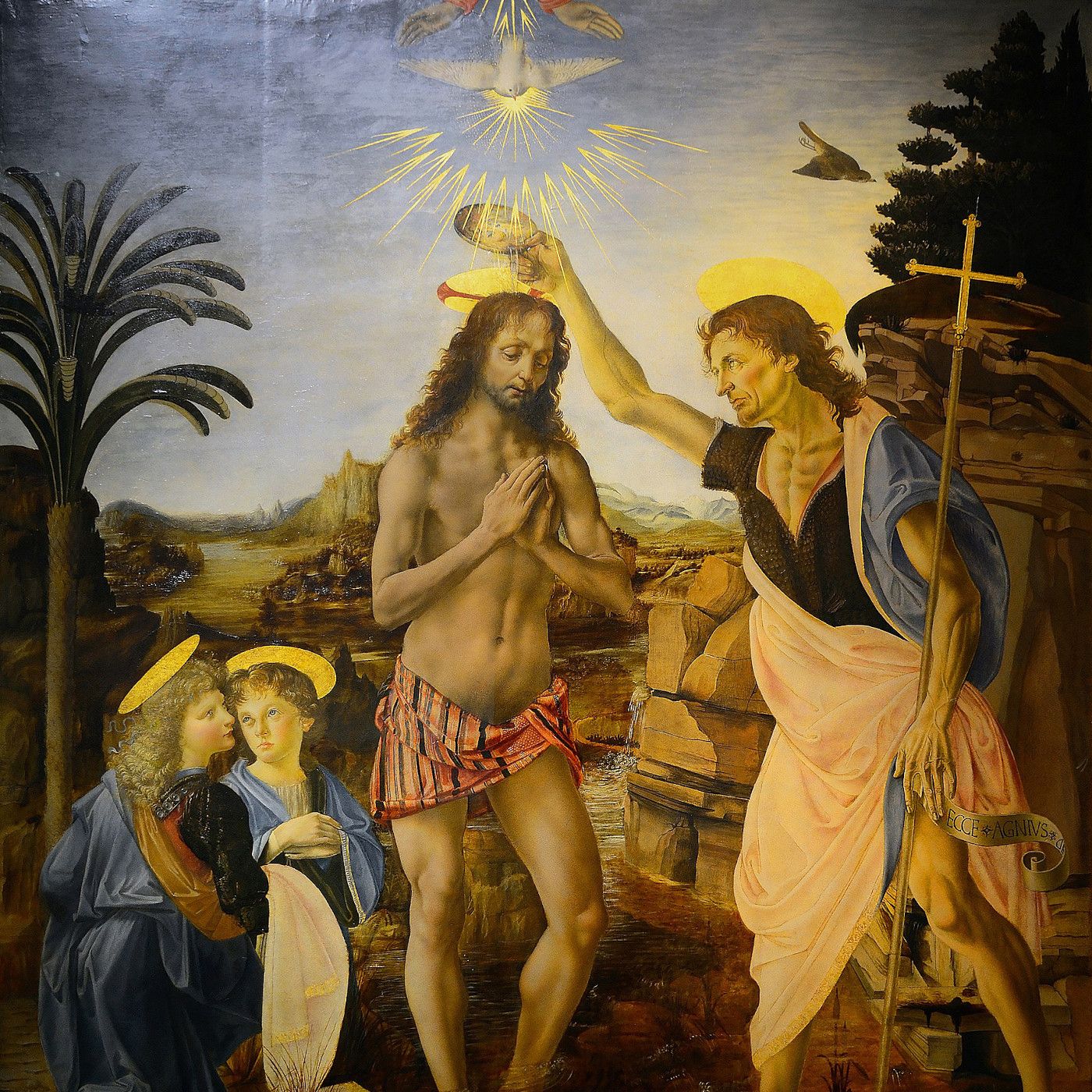
Jan 1, 2024
January 2, when before Epiphany - The Greatness of Humility
“I baptize with water; but there is one among you whom you do not recognize, the one who is coming after me, whose sandal strap I am not worthy to untie.” John 1:26–27 Now that our Christmas Octave is completed, we immediately begin to look toward the future ministry of our Lord. In our Gospel today, Saint John the Baptist is the one who points us to that future ministry of Jesus. He acknowledges his mission to baptize with water is one that is temporary and only a preparation for the One Who is coming after him. As we saw in several of our Advent readings, Saint John the Baptist is a man of great humility. His admission that he is not worthy to untie even Jesus’ sandal straps is proof of this fact. But ironically, it is this humble admission that makes him so great! Do you want to be great? Deep down we all do. This desire goes hand in hand with our innate desire for happiness. We want our lives to have meaning and purpose, and we want to make a difference. The question is “How?” How do you do this? How do you achieve true greatness? From a worldly perspective, greatness can often become synonymous with success, riches, power, admiration from others, etc. But from a divine perspective, greatness is achieved by humbly giving God the greatest glory we can with our lives. Giving God all the glory has a double effect upon our lives. First, doing so allows us to live in accord with the truth of life. The truth is that God and God alone deserves all our praise and glory. All good things come from God and God alone. Second, humbly giving God all the glory and pointing to the fact that we are unworthy of Him has the reciprocal effect of God reaching down and elevating us to share in His life and His glory. Reflect, today, upon your calling to imitate the humility of Saint John the Baptist. Never shy away from humbling yourself before the greatness and glory of God. Doing so will not demean you or hamper your greatness. Rather, only in the deepest humility before the glory of God is God able to draw you into the greatness of His very life and mission. Lord, I give all glory and praise to You and You alone. You are the source of all good; without You I am nothing. Help me to continually humble myself before You so that I may share in the glory and greatness of Your life of grace. Jesus, I trust in You. Source of content: catholic-daily-reflections.com Copyright © 2023 My Catholic Life! Inc. All rights reserved. Used with permission via RSS feed.
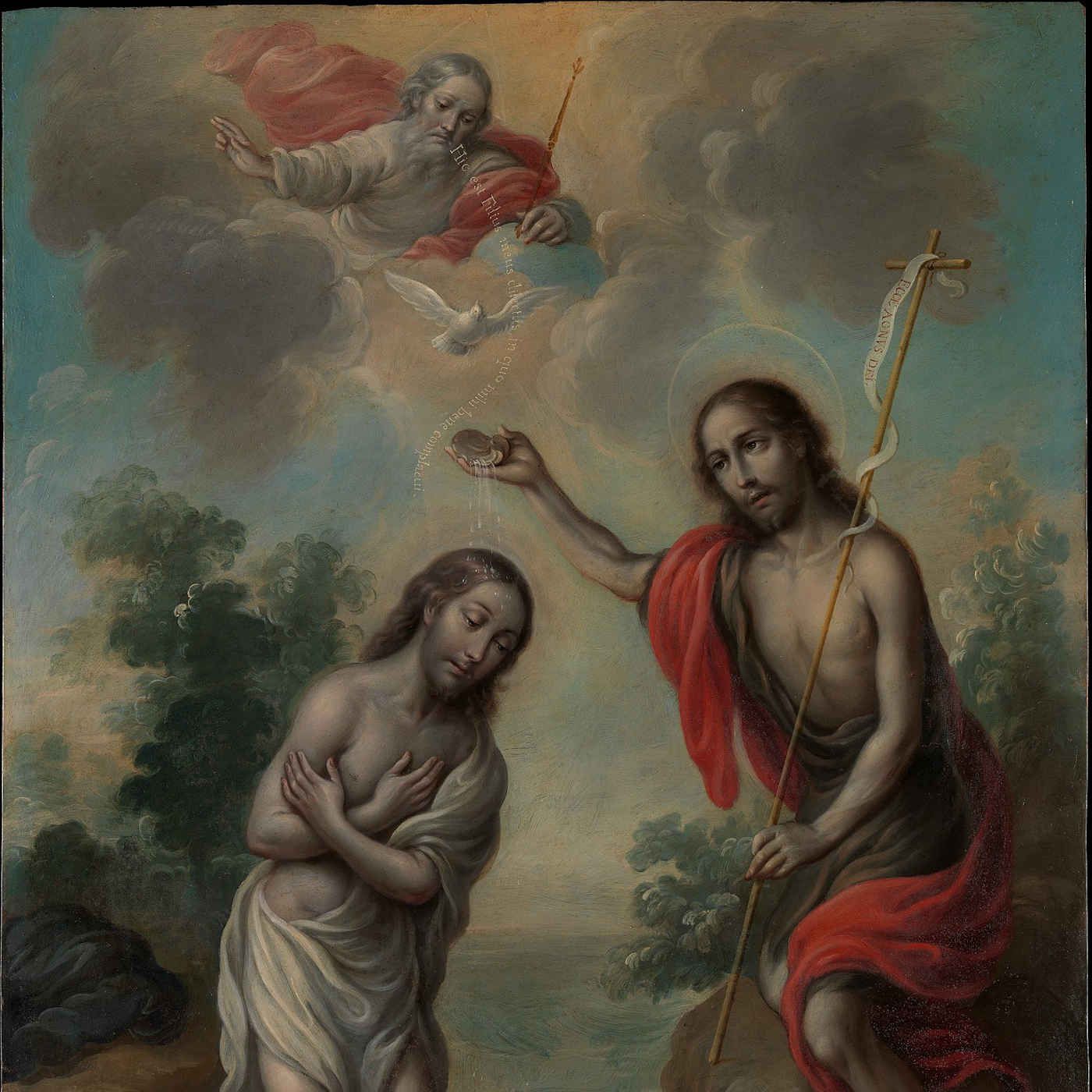
Dec 31, 2023
January 1, Solemnity of Mary, Mother of God - The Mother of Jesus is the Mother of God
And Mary kept all these things, reflecting on them in her heart. Luke 2:19 Today, January 1, we complete our octave celebration of Christmas Day. It’s an often overlooked liturgical fact that we celebrate Christmas Day for eight straight days. We do this also with Easter Day, which concludes with the great celebration of Divine Mercy Sunday. On this, the eighth day of the Octave of Christmas, we turn our focus to the unique and beautiful fact that God chose to enter our world through a human mother. Mary is called the “Mother of God” for the simple fact that her Son is God. She was not the mother of her Son’s flesh alone, nor the mother only of His human nature. This is because the Person of Jesus, the Son of God, is one Person. And that one Person took on flesh within the womb of the Blessed Virgin Mary. Though becoming the Mother of God was a pure gift from Heaven and not something that Mother Mary merited on her own, there was one particular quality that she had that made her uniquely qualified to fulfill this role. That quality was her immaculate nature. First, Mother Mary was preserved from all sin when she was conceived within the womb of her mother, Saint Anne. This special grace was a grace that was imparted to her from the future life, death and resurrection of her Son. It was the grace of salvation, but God chose to take that gift of grace and transcend time to impart it to her at the moment of her conception, thus making her the perfect and pure instrument necessary to bring forth God into the world. Second, Mother Mary remained faithful to this gift of grace throughout her life, never choosing to sin, never wavering, never turning from God. She remained immaculate throughout her life. Interestingly, it is this choice of hers, to forever remain obedient to the will of God in every way, that makes her more fully the Mother of God than the simple act of bearing Him within her womb. Her act of perfect unity with the will of God throughout her life makes her, also, the perfect mother of divine grace and mercy and perpetually the spiritual Mother of God, continually and perfectly bringing Him into our world. Reflect, today, upon these most solemn mysteries of our faith. This eighth day of the Octave of Christmas is a solemn celebration, a celebration worthy of our pondering. The Scripture above reveals not only how our blessed Mother approached this mystery but also how we are to approach it. She “kept all these things, reflecting on them in her heart.” Ponder these mysteries, also, in your own heart and allow the grace of this holy celebration to fill you with joy and gratitude. Dearest Mother Mary, you were graced with a grace beyond any other. You were preserved from all sin and remained perfectly obedient to the will of God throughout your life. As a result, you became the perfect instrument of the Savior of the World by becoming His mother, the Mother of God. Pray for me that I may ponder this great mystery of our faith this day and ever more deeply rejoice in the incomprehensible beauty of your motherly soul. Mother Mary, the Mother of God, pray for us. Jesus, I trust in You. Source of content: catholic-daily-reflections.com Copyright © 2023 My Catholic Life! Inc. All rights reserved. Used with permission via RSS feed.
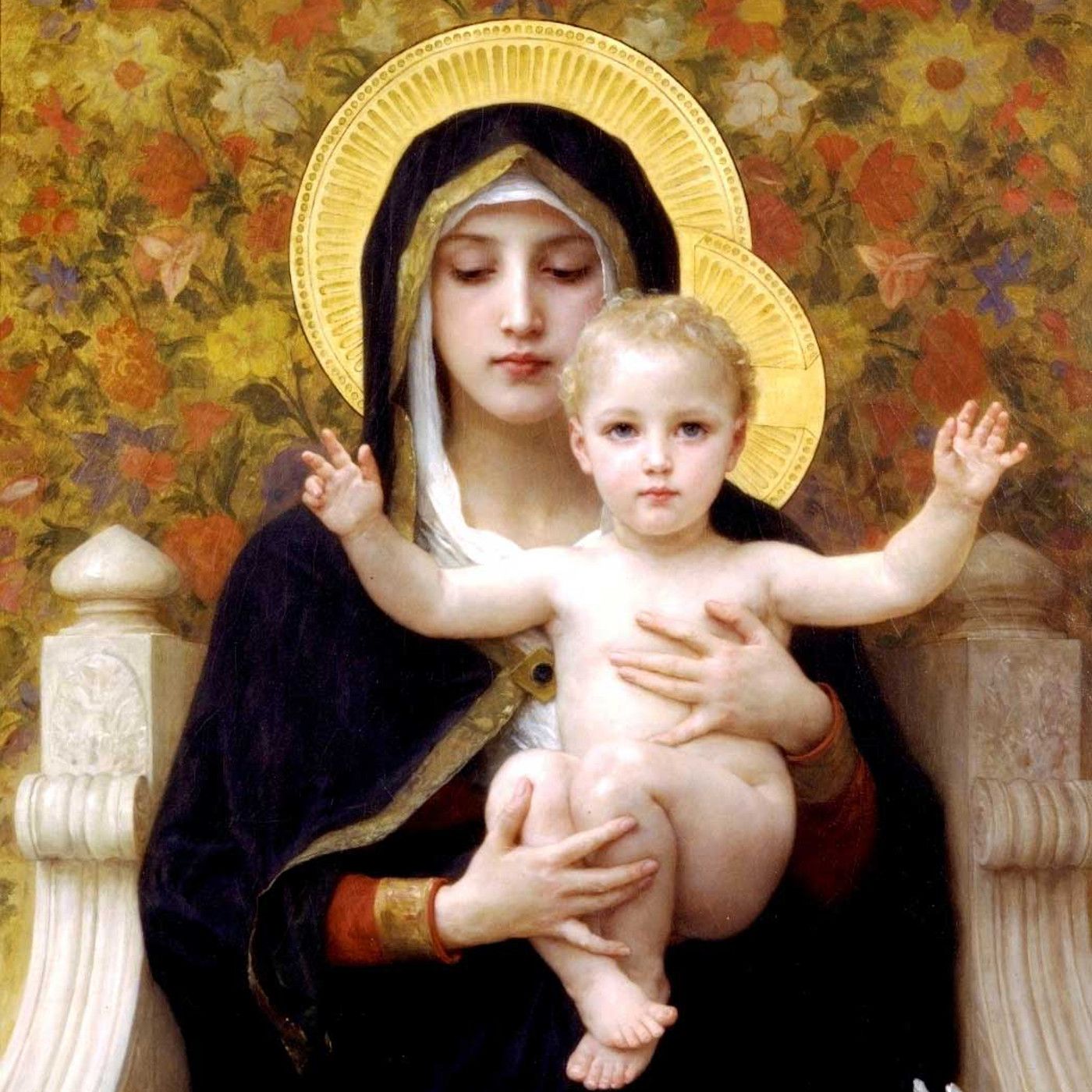
Dec 30, 2023
The Holy Family of Jesus, Mary and Joseph - The Family as a Communion of Love
When they had fulfilled all the prescriptions of the law of the Lord, they returned to Galilee, to their own town of Nazareth. The child grew and became strong, filled with wisdom; and the favor of God was upon him. Luke 2:39–40 (Gospel Year B) Today we honor family life in general by pausing to ponder the particular and beautiful hidden life within the home of Jesus, Mary and Joseph. In many ways, their daily life together would have been very similar to other families at that time. But in other ways, their life together is entirely unique and provides us with a perfect model for all families. By God’s providence and design, the family life of Jesus, Mary and Joseph was spoken of in the Scripture very little. We read of the birth of Jesus, the presentation in the Temple, the flight into Egypt and the finding of Jesus in the Temple at age twelve. But other than these stories of their life together, we know very little. The line from today’s Gospel quoted above does, however, give us some insight worth pondering. First, we see that this family “fulfilled all the prescriptions of the law of the Lord…” Though this is in reference to Jesus being presented in the Temple, it should also be understood to apply to all aspects of their life together. Family life, just like our individual lives, must be ordered by the laws of our Lord. The primary law of the Lord regarding family life is that it must share in the very unity and “communion of love” found in the life of the Most Holy Trinity. Each person of the Holy Trinity has perfect respect for the other, gives selflessly to each other without reserve, and receives each person in their totality. It is their love that makes them one and enables them to act together in perfect harmony as a communion of divine Persons. Though Saint Joseph was not immaculate in his nature, the perfection of love did live in his divine Son and in his immaculate wife. This overwhelming gift of their perfect love would have daily drawn him into the perfection of their lives. Ponder your own closest relationships today. If you are blessed with a close family, ponder them. If not, ponder the persons put into your life who you are called to love with familial love. Who are you to be there for in good times and in bad? Who are you to sacrifice your life for without reserve? Who are you to offer respect, compassion, time, energy, mercy, generosity and every other virtue? And how well do you fulfill this duty of love? Reflect, today, upon the fact that God wants you to share in a communion of life, not only with the Most Holy Trinity but also with those around you, especially your family. Try to ponder the hidden life of Jesus, Mary and Joseph and seek to make their family relationship the model for how you love others. May their perfect communion of love be a model for us all. Lord, draw me into the life, love and communion that You lived with Your Immaculate Mother and Saint Joseph. I offer You myself, my family and all those to whom I am called to love with a special love. May I imitate Your family love and life in all my relationships. Help me to know how to change and grow so that I may more fully share in Your family life. Jesus, I trust in You. Source of content: catholic-daily-reflections.com Copyright © 2023 My Catholic Life! Inc. All rights reserved. Used with permission via RSS feed.
Dec 29, 2023
December 30, Sixth Day in the Octave of Christmas - A Unique and Sacred Calling
There was a prophetess, Anna…She never left the temple, but worshiped night and day with fasting and prayer. And coming forward at that very time, she gave thanks to God and spoke about the child to all who were awaiting the redemption of Jerusalem. Luke 2:36–38 We all have a unique and sacred calling given to us from God. Each one of us is called to fulfill that calling with generosity and wholehearted commitment. As the famous prayer of Saint John Henry Newman puts it: God has created me to do Him some definite service. He has committed some work to me which He has not committed to another. I have my mission. I may never know it in this life, but I shall be told it in the next. I am a link in a chain, a bond of connection between persons… Anna, the prophetess, was given a very unique, one-of-a-kind mission. When she was young, she was married for seven years. Then after losing her husband, she remained a widow until she was eighty-four. During those decades of her life, the Scripture reveals that “She never left the temple, but worshiped night and day with fasting and prayer.” What an incredible calling from God! Anna’s unique calling was to be a prophetess. She fulfilled this calling by allowing her whole life to be a symbol of the Christian vocation. Her life was spent in prayer, fasting and, most especially, in anticipation. God called her to wait, year after year, decade after decade, for the one and definitive moment of her life: her encounter with the Christ Child in the Temple. Anna’s prophetic life tells us that we each must live our lives in such a way that our ultimate goal is to continually prepare for the moment when we meet our divine Lord in the Temple of Heaven. Unlike Anna, most are not called to literal fasting and prayer every day all day within the church buildings. But like Anna, we must all foster an interior life of ongoing prayer and penance, and we must direct all of our actions in life to the praise and glory of God and the salvation of our souls. Though the way this universal vocation is lived out will be unique to each and every person, Anna’s life is nonetheless a symbolic prophecy of every vocation. Reflect, today, upon how well you imitate this holy woman in your own life. Do you foster an interior life of prayer and penance and daily seek to devote yourself to the glory of God and the salvation of your soul? Evaluate your life this day in light of the wonderful prophetic life of Anna that we are given to ponder. Lord, I thank You for the powerful witness of the prophetess Anna. May her lifelong devotion to You, a life of continual prayer and sacrifice, be a model and inspiration for me and for all who follow You. I pray that You daily reveal to me the unique way in which I am called to live out my vocation to total dedication to You. Jesus, I trust in You. Source of content: catholic-daily-reflections.com Copyright © 2023 My Catholic Life! Inc. All rights reserved. Used with permission via RSS feed.
Dec 28, 2023
December 29, Fifth Day in the Octave of Christmas - Wonder and Awe
The child’s father and mother were amazed at what was said about him; and Simeon blessed them and said to Mary his mother, “Behold, this child is destined for the fall and rise of many in Israel, and to be a sign that will be contradicted (and you yourself a sword will pierce) so that the thoughts of many hearts may be revealed.” Luke 2:33–35 When something truly supernatural takes place, the human mind that grasps that supernatural event is filled with wonder and awe. For Mother Mary and Saint Joseph, their minds were continually filled with a holy amazement at what they were witnessing. First there was the Annunciation to our Blessed Mother. Then the angel appeared to Joseph in a dream. Then the miraculous birth took place. Shepherds came to adore their child and revealed that a multitude of angels had appeared to them. Shortly after this, the Magi from the East showed up to do homage to their child. And today we are given the story of Simeon in the Temple. He spoke of the supernatural revelation he had received about this Child. Time after time, the miracle of what was taking place was placed before Mother Mary and Saint Joseph, and each time they responded with wonder and awe. Though we are not blessed to encounter this supernatural event of the Incarnation in the same way that Mary and Joseph did, we are nonetheless able to share in their “amazement” and their “wonder and awe” by prayerfully pondering this supernatural event. The mystery of Christmas, which is a manifestation of God becoming man, is an event that transcends all time and space. It’s a spiritual reality of supernatural origin and is therefore an event that our minds of faith have full access to. Just like Mother Mary and Saint Joseph, we must hear the angel at the Annunciation, the angel in Joseph’s dream, we must witness the shepherds and Magi and, today, we must rejoice with Simeon as he gazed upon the newborn Messiah, the Savior of the World. Reflect, today, upon how fully you have allowed your mind to engage the incredible mystery that we celebrate this holy season. Have you taken time to prayerfully read the story once again? Are you able to sense the joy and fulfillment experienced by Simeon and Anna? Have you spent time considering the minds and hearts of Mother Mary and Saint Joseph as they experienced that first Christmas? Let this deep supernatural mystery of our faith touch you this Christmas season in such a way that you, too, are “amazed” at what we celebrate. Lord, give me insight, wisdom and strength so that I can work in accord with Your will to protect the most innocent from the evils of this world. May I never cower in the face of evil, and may I always fulfill my duty to protect those entrusted to my care. Saint Joseph, pray for me. Jesus, I trust in You. Source of content: catholic-daily-reflections.com Copyright © 2023 My Catholic Life! Inc. All rights reserved. Used with permission via RSS feed.
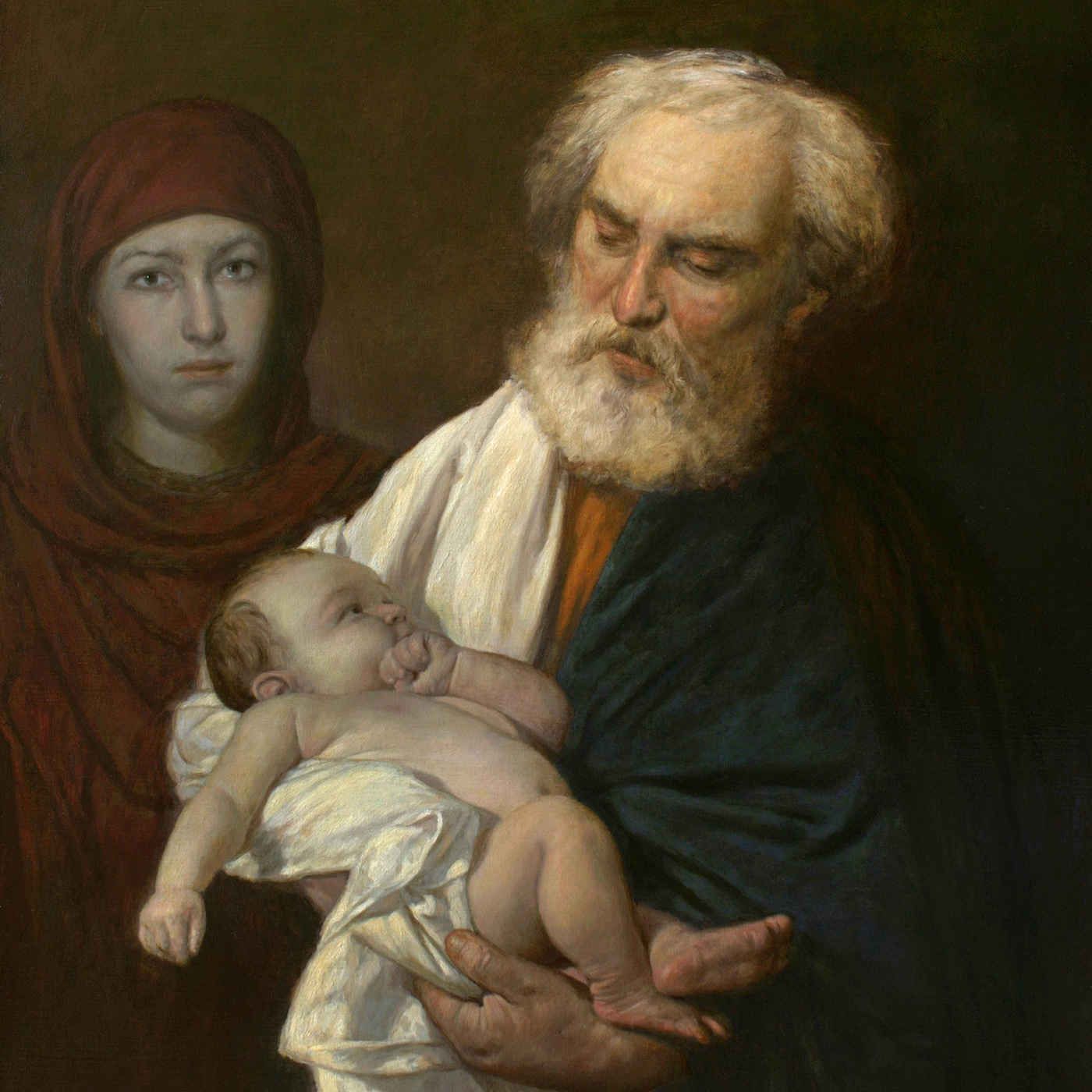
Dec 27, 2023
December 28, Feast of the Holy Innocents, Martyrs - Courage in the Face of Evil
When the magi had departed, behold, the angel of the Lord appeared to Joseph in a dream and said, “Rise, take the child and his mother, flee to Egypt, and stay there until I tell you. Herod is going to search for the child to destroy him.” Matthew 2:13 The most glorious event ever to take place in our world also filled some with hatred and rage. Herod, who was jealous of his own earthly power, felt greatly threatened by the message shared with him by the Magi. And when the Magi failed to return to Herod to tell him where the Newborn King was located, Herod did the unthinkable. He ordered the slaughter of every boy, two years old and younger, who was in Bethlehem and its vicinity. Such an act is hard to comprehend. How could the soldiers carry out such an evil plot? Imagine the deep mourning and devastation so many families encountered as a result. How could a civil ruler murder so many innocent children. Of course, in our day and age, so many civil leaders continue to support the barbaric practice of permitting the slaughter of the innocent within the womb. Thus, in many ways, Herod’s action is not that different from today. The passage above reveals to us the will of the Father regarding not only the protection of His divine Son but also His divine will for the protection and sanctity of all human life. It was satan who inspired Herod to kill those precious and innocent children so long ago, and it is satan who continues to promote a culture of death and destruction today. What should our response be? We, like Saint Joseph, must see it as our solemn duty to protect the most innocent and vulnerable with unwavering determination. Though this newborn Child was God, and though the Father in Heaven could have protected His Son with a myriad of angels, it was the Father’s will that a man, Saint Joseph, protect His Son. For that reason, we should also hear the Father calling each and every one of us to do all we can to protect the innocent and most vulnerable, especially the child within the womb. Reflect, today, upon the will of God for your life. In what ways is God calling you to be like Saint Joseph and protect the most innocent and most vulnerable? How are you being called to be a guardian of those entrusted to your care? Certainly on a civil level we must all work to protect the lives of those who are unborn. But every parent, grandparent and all those entrusted with responsibility for another must strive to protect those in their care in countless other ways. We must diligently work to preserve them from the evils in our world and the numerous attacks of the evil one on their lives. Ponder this question today and allow the Lord to speak to you of your duty to imitate the great protector, Saint Joseph. Lord, give me insight, wisdom and strength so that I can work in accord with Your will to protect the most innocent from the evils of this world. May I never cower in the face of evil, and may I always fulfill my duty to protect those entrusted to my care. Saint Joseph, pray for me. Jesus, I trust in You. Source of content: catholic-daily-reflections.com Copyright © 2023 My Catholic Life! Inc. All rights reserved. Used with permission via RSS feed.
Dec 26, 2023
December 27, Feast of St. John, Apostle and Evangelist - The Beloved Disciple
On the first day of the week, Mary Magdalene ran and went to Simon Peter and to the other disciple whom Jesus loved, and told them, “They have taken the Lord from the tomb, and we do not know where they put him.” So Peter and the other disciple went out and came to the tomb. John 20:1–3 It’s interesting that Saint John refers to himself as the disciple “whom Jesus loved.” Of course, Jesus loved all people. He loved all of the disciples. But in John’s Gospel, this unique title of the beloved disciple is given to John. Saint John the Apostle may be understood as this beloved disciple for many reasons. First, recall the special closeness and affection John shows Jesus at the Last Supper when John reclined next to Him. Recall, also, that it was John alone who stood at the foot of the Cross with Jesus’ mother and that Jesus entrusted His mother to John and John to His mother. And note in the passage above that it was John who first ran to the empty tomb as soon as Mary Magdalene revealed her discovery to him. Furthermore, many scholars believe John to be the youngest disciple. And as a younger disciple, he may have received special fatherly-like attention from our Lord. However, John may also be understood as the beloved disciple for another reason. Simply put, this is how John saw himself as he wrote his Gospel account. John may have done so because telling the story of Jesus’ life was deeply personal to him. His own love and affection for his Lord was the central and most consuming passion of his soul. And it appears that as John speaks of Jesus, and of his own encounters with Jesus, John was compelled to prayerfully ponder the holy and spiritual love that Jesus had for him. Thus, it appears that John could not speak of his encounters with our Lord without also identifying the divine love that united them. It’s as if every time his Gospel story spoke of an encounter he had with Jesus, John was overwhelmed by the simple fact that Jesus, the Son of God, the Messiah, knew him and loved him personally. And so he was compelled to state that fact over and over. In this case, it’s quite beautiful, on a spiritual level, to ponder John’s soul. He was clearly a man who was deeply touched by God in the Person of Jesus. And after Jesus ascended into Heaven, it appears that John’s holy love for Jesus only grew. As he went forth as an Apostle, preaching about the salvation that comes through his Savior and dear friend, he clearly grew closer to our Lord day by day. When John wrote his Gospel toward the end of his life, his heart was clearly aflame with divine love as he was intensely looking forward to being fully united with his Lord in Heaven. As we honor this unique and holy Apostle, reflect, today, upon the simple truth that you are also invited to share in the holy and intimate love shared by Jesus and Saint John. Ponder the fact that our Lord also loves you with perfect charity, intimacy and totality. If you can gaze upon the love in the heart of this beloved disciple, then you, too, can share in that love and become a beloved disciple yourself. My beloved Lord, the love You bestowed upon the disciple John was perfect in every way. After Your ascension into Heaven, You continued to deepen Your relationship with him, drawing him ever closer to Your Sacred Heart. Please pour forth upon me that same love and draw me into Your Heart so that I, too, will become Your beloved disciple. Saint John, pray for us. Jesus, I trust in You. Source of content: catholic-daily-reflections.com Copyright © 2023 My Catholic Life! Inc. All rights reserved. Used with permission via RSS feed.
Dec 25, 2023
December 26, Feast of St. Stephen, First Martyr - God’s Promised Inspiration
“When they hand you over, do not worry about how you are to speak or what you are to say. You will be given at that moment what you are to say. For it will not be you who speak but the Spirit of your Father speaking through you.” Matthew 10:19–20 These words of our Lord came to fruition in the life of Saint Stephen, the Church’s first martyr. Saint Stephen was martyred within a couple of years after Jesus’ ascension into Heaven. He was one of seven deacons who the Apostles appointed to assist them in their work of caring for the poor as the Church began to grow. Stephen was a man of deep faith and was filled with the Holy Spirit. After he was appointed deacon, he began to preach with boldness. Among his listeners were members of the synagogue of Hellenistic Jews. Stephen debated them vigorously and proved himself to be full of wisdom and power, performing many signs and wonders in their midst. But this only led his listeners to become outraged to the point of seeking his death. As a result, they made false claims that Stephen was preaching against the Temple and the Law of Moses. In the Acts of the Apostles (Acts 7:2–53), Stephen responded by giving a long and detailed speech by which he explained the full truth of Jesus in light of the Old Testament. Stephen concluded by saying, “You stiff-necked people, uncircumcised in heart and ears, you always oppose the Holy Spirit; you are just like your ancestors.” This infuriated his listeners in the synagogue even more. After this, something truly miraculous happened. Stephen had a vision. He looked up to Heaven and said, “Behold, I see the heavens opened and the Son of Man standing at the right hand of God.” He saw his Lord, standing at the right hand of the Father. And it was his proclamation of this vision that finally drove the infuriated crowd to drag him out of the synagogue and city and to stone him to death. Stephen’s story, however, ended in a beautiful and inspired way. As the crowd was stoning him, he spoke two powerful statements. First, he said, “Lord Jesus, receive my spirit.” And then he prayed in a loud voice, “Lord, do not hold this sin against them.” As mentioned above, the words our Lord speaks in the Gospel today came to fruition in the life of Saint Stephen. First of all, we see that Jesus’ prediction that some of His followers would be handed over to deaths by their own kinsmen came true in the life of Saint Stephen. But Jesus also promised that when this would happen, “You will be given at that moment what you are to say.” And it will be the Spirit of the Father “speaking through you.” And that’s exactly what happened with Saint Stephen. First, he was given a glorious vision of Heaven. Second, he was inspired to fully surrender his spirit over to Jesus. And third, he was inspired to pray for his persecutors and forgive them. These words and actions did not come from Stephen alone. They were the fulfillment of Jesus’ promise that when one is persecuted for the sake of the Gospel, the Father will be especially present and give powerful inspiration at the moment of need. Reflect, today, upon the profound truth that God never abandons us. In fact, when we suffer the most or endure persecution, rejection or any form of mistreatment, God is especially present. Look at your own life and consider those moments that you find most challenging. Pray to Saint Stephen and ask him to pray for you so that you will be open to the inspired words and actions of our Lord when you need them the most. Most glorious Saint Stephen, please pray for me. Pray for me especially when I experience the heaviest crosses in my life. Pray that I, like you, will be open to God’s inspiration and grace at those times I need it the most. St. Stephen, pray for me. Jesus, I trust in You. Source of content: catholic-daily-reflections.com Copyright © 2023 My Catholic Life! Inc. All rights reserved. Used with permission via RSS feed.
Dec 24, 2023
December 25, The Nativity of the Lord (Christmas) - Pondering the Birth of Christ
So they went in haste and found Mary and Joseph, and the infant lying in the manger. When they saw this, they made known the message that had been told them about this child. All who heard it were amazed by what had been told them by the shepherds. And Mary kept all these things, reflecting on them in her heart. Luke 2:16–19 Merry Christmas! Our Advent preparations have been completed, and we are now invited by our Lord to enter into the glorious celebration of His birth! How well do you understand the awe-inspiring mystery of Christmas? How fully do you comprehend the significance of God becoming a human, born of a virgin? Though many are quite familiar with the beautiful and humble story of the birth of the Savior of the World, that familiarity can have the surprising negative effect of keeping our intellect from deeply probing the depths of the meaning of what we celebrate. Notice the last line of the Gospel passage quoted above: “And Mary kept all these things, reflecting on them in her heart.” What a beautiful line to ponder this Christmas day. Mother Mary was the one person who would have understood the mystery of the birth of her Son, the Son of God, the Savior of the World, far more deeply than anyone else. It was to her that the Archangel Gabriel appeared, announcing her pregnancy and His birth. It was her who carried her Son, the Son of God, in her Immaculate womb for nine months. It was to her that Elizabeth, her cousin, cried out, “Most blessed are you among women, and blessed is the fruit of your womb” (Luke 1:42). It was Mary who was the Immaculate Conception, the one who was preserved from all sin throughout her life. And it was her who gave birth to this Child, carried Him in her arms and nursed Him at her breast. Our Blessed Mother, more than any other, understood the incredible event that had taken place in her life. But, again, the Gospel above says that “Mary kept all these things, reflecting on them in her heart.” One thing this tells us is that even Mary, the Mother of Jesus and the Mother of God, needed time to ponder, reflect and savor this most holy mystery. She never doubted, but her faith continually deepened, and her heart pondered the unfathomable and incomprehensible mystery of the Incarnation. Another thing this tells us is that there is no end to the depth of the “pondering” to which we must commit ourselves if we want to enter more deeply into the mystery of the birth of the Son of God. Reading the story, setting up a nativity scene, sharing Christmas cards, attending Mass and the like are central to a holy celebration of Christmas. But “pondering” and “reflecting,” especially during prayer and especially at the Christmas Mass, will have the effect of drawing us ever deeper into this Mystery of our Faith. Reflect, today, with our Blessed Mother. Ponder the Incarnation. Place yourself into the scene that first Christmas. Hear the sounds of the town. Smell the smells of the stable. Watch as the shepherds come forth in adoration. And enter the mystery more fully, acknowledging that the more you know about the mystery of Christmas, the more you know how little you actually know and understand. But that humble realization is the first step to a deeper understanding of what we celebrate this day. Lord, I gaze at the wonder of Your birth. You Who are God, the Second Person of the Most Holy Trinity, God from God and Light from Light, became one of us, a humble child, born of a virgin and laid in a manger. Help me to ponder this glorious event, to reflect upon the mystery with awe and to more fully grasp the meaning of what You have done for us. I thank You, dear Lord, for this glorious celebration of Your birth into the world. Jesus, I trust in You. Source of content: catholic-daily-reflections.com Copyright © 2023 My Catholic Life! Inc. All rights reserved. Used with permission via RSS feed.
Dec 23, 2023
Fourth Sunday of Advent (Year B) - Gazing Upon the Mother of God
The angel Gabriel was sent from God to a town of Galilee called Nazareth, to a virgin betrothed to a man named Joseph, of the house of David, and the virgin’s name was Mary. And coming to her, he said, “Hail, full of grace! The Lord is with you.” Luke 1:26–28 What an amazing experience this would have been. This humble servant of God, a young girl, was visited by the Archangel Gabriel and greeted with the salutation, “Hail, full of grace! The Lord is with you.” Try to imagine her experience. She was humble beyond comprehension, filled with every heavenly virtue, loved God with all her heart and suddenly came face-to-face with this glorious and most magnificent Archangel. And this heavenly visitor showered the deepest of praises upon this lowly servant of the Lord. At first, in her humility, Mary simply pondered this greeting. She pondered it in her heart through prayer and faith. Then the Archangel spoke further: “Do not be afraid, Mary, for you have found favor with God. Behold, you will conceive in your womb and bear a son, and you shall name him Jesus. He will be great and will be called Son of the Most High, and the Lord God will give him the throne of David his father, and he will rule over the house of Jacob forever, and of his kingdom there will be no end.” Though Mary inquired further about how this could be, she quickly gave her consent: “Behold, I am the handmaid of the Lord. May it be done to me according to your word.” And it was these words of this young woman that continuously echoed in her heart throughout her life. Mother Mary was great for many reasons. She was the Immaculate Conception—the one singularly conceived without sin in the womb of her own mother. She was the one chosen by the Father to bring forth the Savior of the World as her only begotten Son. But her greatness is especially found in her ongoing submission to the will of God. “May it be done to me according to your word.” This is what she said over and over throughout her life. This is her perfect “fiat” to her God. All she knew was surrender and submission to all that God asked of her. And it is this, more than anything else, that made her the worthy Mother of God. Though none of us were immaculately conceived within our mother’s wombs and none of us have remained without sin throughout our lives, we must all strive to be inspired by this holy woman. We must all ponder her deep humility and her willing acceptance of God’s will in her life. And we must all strive to imitate her fiat and her perfect virtue. Imitation of our Blessed Mother is accomplished by first coming to know her, understand her and love who she is. Gazing upon her interior beauty and holiness presents us with the vision of the perfection to which we are all called. As we prayerfully gaze upon her heart and come to understand her virtues more clearly, we will be inspired to open our own hearts so as to imitate her by the grace of God. This prayerful exercise is one of the best and quickest ways to obtain the heights of holiness to which God has called us. Reflect, today, upon this holy daughter of the Most High. She is not one we can “figure out.” Instead, she is one whom we can come to know through prayer and through God’s inspiration. Ponder her prayerfully. Be open to her inspiration. And allow the Holy Spirit to also overshadow you so that you will more closely be able to imitate her in her holy virtues. My dearest Mother, you lived a life of perfect virtue and holiness. You continuously pondered the mysteries of God in your heart and always surrendered to the will of God with perfection. Please inspire me so that I may not only learn from you but also be able to share in the overshadowing of the Holy Spirit given to you. Mother Mary, pray for us. Jesus, I trust in You. Source of content: catholic-daily-reflections.com Copyright © 2023 My Catholic Life! Inc. All rights reserved. Used with permission via RSS feed.
Dec 22, 2023
December 23 - Zechariah’s Victory
Immediately his mouth was opened, his tongue freed, and he spoke blessing God. Luke 1:64 This line reveals the happy conclusion to Zechariah’s initial failure to believe in what God revealed to him. Recall that nine months earlier, as Zechariah was fulfilling his priestly duty of offering sacrifice within the Holy of Holies in the Temple, he received a visit from the glorious Archangel Gabriel, who stands before God. Gabriel revealed to Zechariah the good news that his wife would conceive in her old age and that this child would be the one to prepare the people of Israel for the coming Messiah. What an incredible privilege that would have been! But Zechariah disbelieved. And as a result, the Archangel struck him mute for the nine months of his wife’s pregnancy. The punishments of the Lord are always gifts of His grace. Zechariah was not punished out of spite, or for punitive reasons. Instead, this punishment was more like a penance. He was given the humbling penance of losing his ability to speak for nine months for a good reason. It appears as if God knew that Zechariah needed nine months to silently reflect upon what the Archangel had said. He needed nine months to ponder his wife’s miraculous pregnancy. And he needed nine months to ponder who this child would be. And those nine months produced the desired effect of a full conversion of heart. After the child was born, it was expected that this firstborn son would be named after the father, Zechariah. But the Archangel had told Zechariah that the child was to be named John. Therefore, on the eighth day, the day of his son’s circumcision when he was presented to the Lord, Zechariah wrote on a tablet that the baby’s name was John. This was an act of faith and a sign that he had fully turned from disbelief to belief. And it was this act of faith that undid his prior doubt. Every one of our lives will be marked by failures to believe on the deepest level of faith. For that reason, Zechariah is a model for us of how we are to deal with our failures. We deal with them by allowing the consequences of past failures to change us for the good. We learn from our mistakes and move forward with new resolutions. This is what Zechariah did, and this is what we must do if we wish to learn from his good example. Reflect, today, upon any sin you have committed that has had painful consequences in your life. As you ponder that sin, the real question is where you go from here. Do you allow that past sin, or lack of faith, to dominate and control your life? Or do you use your past failures to make new resolutions and decisions for the future so as to learn from your mistakes? It takes courage, humility and strength to imitate the example of Zechariah. Seek to bring these virtues into your life this day. Lord, I know I lack faith in my life. I fail to believe all that You speak to me. As a result, I often fail to put Your words into action. Dear Lord, when I suffer as a result of my weakness, help me to know that this and all suffering can result in giving glory to You if I renew my faith. Help me, like Zechariah, to return to You always, and use me as an instrument of Your manifest glory. Jesus, I trust in You. Source of content: catholic-daily-reflections.com Copyright © 2023 My Catholic Life! Inc. All rights reserved. Used with permission via RSS feed.
Dec 21, 2023
December 22 - Proclaim and Rejoice!
“My soul proclaims the greatness of the Lord; my spirit rejoices in God my savior.” Luke 1:46–47 There is an age-old question that asks, “Which came first, the chicken or the egg?” Well, perhaps it’s an age-old “question” because only God knows the answer to how He created the world and all the creatures within it. Today, this first line from the glorious song of praise of our Blessed Mother, the Magnificat , poses to us another question. “Which comes first, to praise God or to rejoice in Him?” Perhaps you’ve never asked yourself that question, but it’s worth pondering both the question and the answer. This first line of Mary’s song of praise identifies two actions taking place within her. She “proclaims” and she “rejoices.” Think about those two interior experiences. The question can be better phrased like this: Did Mary proclaim God’s greatness because she was first filled with joy? Or was she filled with joy because she first proclaimed the greatness of God? Perhaps the answer is a bit of both, but the ordering of this line in Sacred Scripture implies that she first proclaimed and as a result was filled with joy. This is not just a philosophical or theoretical reflection; rather, it is a very practical one that offers significant insight into our daily lives. Oftentimes in life we wait to be “inspired” by God before we thank and praise Him. We wait until God touches us, fills us with a joyful experience, answers our prayer and then we respond with gratitude. This is good. But why wait? Why wait to proclaim the greatness of God? Should we proclaim the greatness of God when things are difficult in life? Yes. Should we proclaim the greatness of God when we do not feel His presence in our lives? Yes. Should we proclaim the greatness of God even when we encounter the heaviest of crosses in life? Most certainly yes. Proclaiming the greatness of God should not only be done after some powerful inspiration or answer to prayer. It should not only be done after we experience the closeness of God. Proclaiming God’s greatness is a duty of love and must always be done, every day, in every circumstance, no matter what. We proclaim God’s greatness primarily because of Who He is. He is God. And He is worthy of all our praise for that fact alone. Interestingly, however, the choice to proclaim the greatness of God, both in good times and in difficult times, often also leads to the experience of joy. It appears that Mary’s spirit rejoiced in God her Savior primarily because she first proclaimed His greatness. Joy comes from first serving God, loving Him and giving Him the honor due His name. Reflect, today, upon this twofold process of proclaiming and rejoicing. Proclaiming must always come first, even if we feel as though there is nothing to rejoice about. But if you can commit yourself to the proclamation of the greatness of God, you will suddenly find that you have discovered the deepest cause of joy in life: God Himself. Dearest Mother, you chose to proclaim the greatness of God. You acknowledged His glorious action in your life and in the world, and your proclamation of these truths filled you with joy. Pray for me that I may also seek to glorify God each and every day, no matter what challenges or blessings I receive. May I imitate you, dear Mother, and share also in your perfect joy. Mother Mary, pray for me. Jesus, I trust in You. Source of content: catholic-daily-reflections.com Copyright © 2023 My Catholic Life! Inc. All rights reserved. Used with permission via RSS feed.
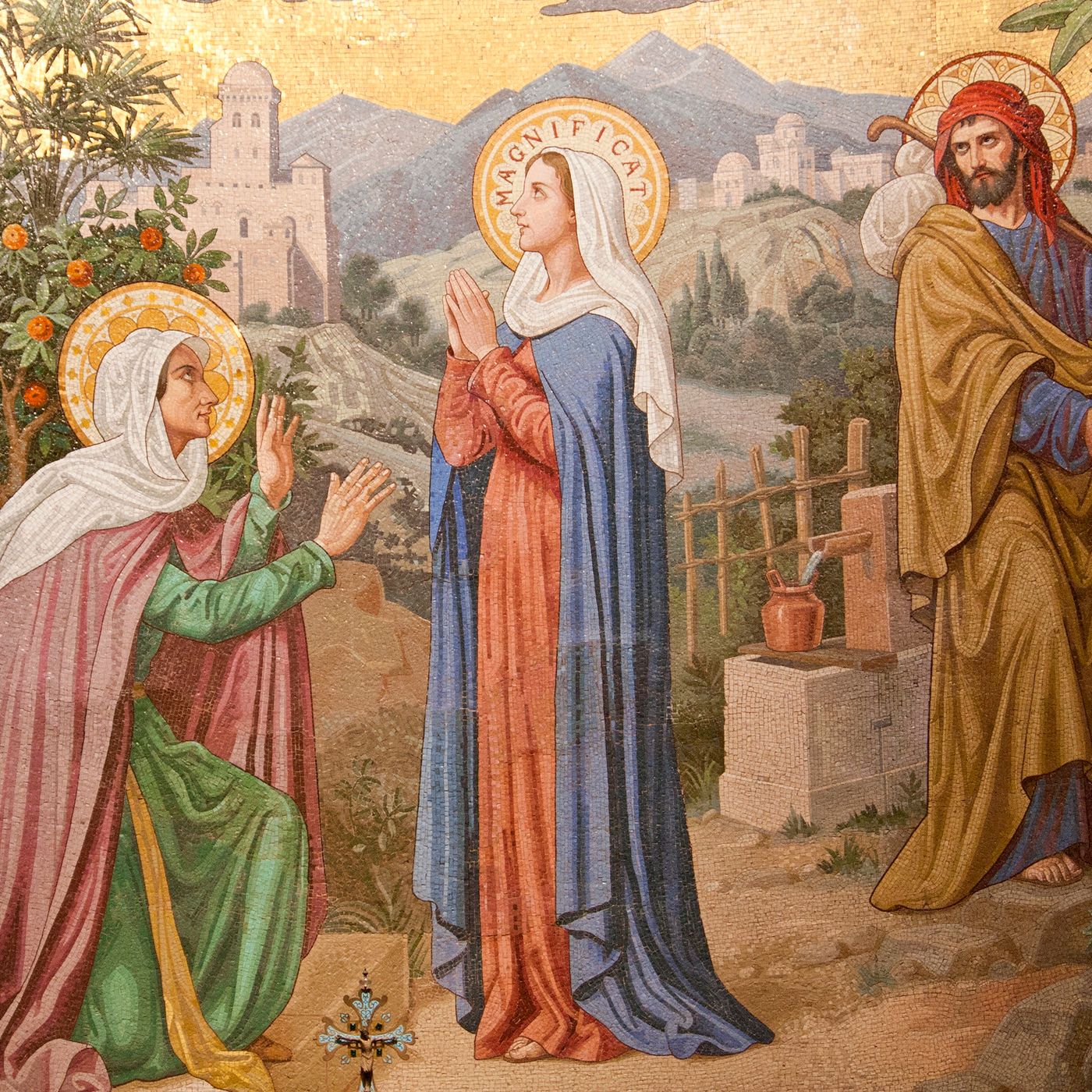
Dec 20, 2023
December 21 - Bringing Christ to Others
Mary set out in those days and traveled to the hill country in haste to a town of Judah, where she entered the house of Zechariah and greeted Elizabeth. Luke 1:39–40 We are presented today with the glorious story of the Visitation. When Mary was about two months pregnant, she traveled to be with her cousin Elizabeth who was to give birth within a month. Though much could be said about this as an act of familial love given from Mary to Elizabeth, the central focus immediately becomes the precious Child within the womb of Mary. Imagine the scene. Mary had just traveled about 100 miles. She was most likely exhausted. As she finally arrived, she would have been relieved and joyful at the completion of her journey. But Elizabeth says something quite inspiring at that moment, which elevates the joy of all present, including the joy of Mother Mary. Elizabeth says, “For at the moment the sound of your greeting reached my ears, the infant in my womb leaped for joy” (Luke 1:44). Again, imagine the scene. It was this tiny child within Elizabeth’s womb, John the Baptist, who immediately perceived the presence of the Lord and leaped for joy. And it was Elizabeth who immediately perceived the joy in her child living within her womb. As Elizabeth expressed this to Mary, who was already joyful at completing her journey, Mary was suddenly all the more overjoyed at the realization that she had brought to Elizabeth and John the Savior of the World living within her womb. This story should teach us much about what is most important in life. Yes, it’s important to reach out in love to others. It’s important to care for our relatives and friends when they need us the most. It’s important to be sacrificial with our time and energies for the good of others, because through these acts of humble service, we certainly share the love of God. But most importantly, we must bring Christ Jesus Himself to others. Elizabeth was not filled with joy first and foremost because Mary was there to help her in her pregnancy. Rather, she was overjoyed primarily because Mary brought her Jesus, her Lord, living within her womb. Though we do not bring Christ in the same way as our Blessed Mother did, we nonetheless must make this our central mission in life. First, we must foster a love and devotion to our Lord so deep that He truly dwells within us. Then, we must bring Him who dwells within us to others. This is unquestionably the greatest act of charity we will ever be able to offer to another. Reflect, today, not only upon your mission to invite your Lord to dwell within you as our Blessed Mother did but also upon your Christian duty to then bring Him who dwells within you to others. Do others encounter Christ living within you with joy? Do they sense His presence in your life and respond with gratitude? Regardless of their response, commit yourself to this holy calling of bringing Christ to others as an act of the deepest love. Lord, please do dwell within me. Come and transform me by Your holy presence. As You do come to me, help me to then become a missionary of Your divine presence by bringing You to others so that they may encounter the joy of Your presence. Make me a pure instrument, dear Lord, and use me to inspire all whom I encounter every day. Jesus, I trust in You. Source of content: catholic-daily-reflections.com Copyright © 2023 My Catholic Life! Inc. All rights reserved. Used with permission via RSS feed.
Dec 19, 2023
December 20, Advent Weekday - Running to the Will of God
And the angel said to her in reply, “The Holy Spirit will come upon you, and the power of the Most High will overshadow you. Therefore the child to be born will be called holy, the Son of God.” Luke 1:35 Try to set aside all that you know about Jesus and simply ponder these words of the Archangel Gabriel as if you were to hear them as our Blessed Mother did for the very first time. She was told she would have a child, even though she had not had relations with a man. She was told that this pregnancy would happen by the overshadowing of the Holy Spirit. And she was told that her Child would be the Son of God. What was Mary to think about these amazing revelations given to her by this most glorious Archangel? The ordinary person would most likely conclude that this was some sort of hallucination and that what they were seeing and hearing was the result of some temporary psychological disorder. Perhaps she was dreaming? Or perhaps it was something she unknowingly ingested that has led to this experience? But our Blessed Mother was no ordinary person, and she had no ordinary mind. Her mind was perfectly sharp on account of her immaculate nature. And her mind was continually “full of grace,” as Gabriel said in his greeting to her. She knew God’s voice, and she knew that this Archangel was speaking to her a message from on high. As a result, she listened, accepted, believed and consented. We can also conclude that Mary did even more than merely consent. The love she had for God and His will would have been so strong that she would have been filled with an immediate and burning desire to fulfill this command of the Archangel. She would have been filled with a holy desire to do all she could to bring about this miraculous calling she had received. And this calling would have immediately become the central purpose of her life. Though none of us has been given the unique and glorious vocation that was given to our Blessed Mother, we are all most certainly given a mission by God. Sometimes we listen and consider it. Sometimes we choose to embrace it. But the ideal is that we imitate our Blessed Mother and run to it. We must not only be open. We must not only submit. We must also allow every desire within our soul, every passion we have and every longing within us to work toward the accomplishment of God’s will. What is it that God is calling you to do in life? What is your purpose? What is your mission? If you struggle in answering these questions, then perhaps start by praying for the deep and all-consuming holy desire to accomplish that which God has chosen for you. If all you desire is the fulfillment of the will of God, then when God reveals His will to you, you will more easily and more quickly be able to accomplish it. Reflect, today, upon the unique mission that God has given to you. Whatever He has called you to do with your life is a calling given only to you. Do not run from it. Do not reluctantly accept it. Instead, run to it with your whole being and allow God to do great things through you. Most holy Lord, I know that You have a perfect plan for my life. I know that You have given me a mission that has not been given to anyone else. Please flood my soul with a holy desire to fully accomplish Your will and to do so with the most fervent commitment and strength. I, too, am a servant of You, O Lord; may it be done to me according to Your will. Mother Mary, pray for us. Jesus, I trust in You. Source of content: catholic-daily-reflections.com Copyright © 2023 My Catholic Life! Inc. All rights reserved. Used with permission via RSS feed.
Dec 18, 2023
December 19 Weekday - Faith or Doubt
“I am Gabriel, who stand before God. I was sent to speak to you and to announce to you this good news. But now you will be speechless and unable to talk until the day these things take place, because you did not believe my words, which will be fulfilled at their proper time.” Luke 1:19–20 Imagine if the Archangel Gabriel appeared to you. What would that have been like? This particular Archangel stands before the incomprehensible beauty and splendor of the Most Holy Trinity and brings forth messages of the greatest importance. Gabriel is God’s most notable messenger. Take a moment to ponder what such a glorious apparition would have been like. In the passage above, this glorious Archangel appears to Zechariah as he is fulfilling his priestly duty to burn incense before the Lord within the Holy of Holies. As Zechariah enters the sanctuary while all the people remain outside praying, he suddenly has a vision of the Archangel telling him that his wife Elizabeth will have a child, even though she is advanced in years. But even though Zechariah hears this message from Gabriel, the Archangel who stands before God, he doubts what he is being told. Would you have believed the Archangel Gabriel if you were Zechariah? Or would you have doubted? Though there may not be a way to know the answer to that question, it’s helpful to ponder the humble truth that you very well may have doubted. It takes true humility to admit that possibility. Like Zechariah, we are all weak and sinful. We lack the perfect faith that our Blessed Mother had. And if you can humbly admit this, then you are in a great position to overcome the weakness of faith you struggle with. Zechariah suffered much for his lack of faith, but that suffering led to a renewal of faith when he named his child John in obedience to the Archangel. Reflect, today, upon how well you listen to all that God says to you. Do you listen, believe and obey? Or do you question and doubt God’s voice. Know that God speaks to you each and every day. Admit the ways that you lack perfect faith and allow that act of humble acknowledgment to strengthen you where you need help the most. Lord, I know I lack the depth of perfect faith that I so deeply desire to have. I know that You speak to me day and night, and I fail to listen and obey. As I humble myself before You and confess my weakness of faith, strengthen me to respond more fully each day to all that You say to me. Jesus, I trust in You. Source of content: catholic-daily-reflections.com Copyright © 2023 My Catholic Life! Inc. All rights reserved. Used with permission via RSS feed.
Dec 17, 2023
December 18 Weekday - A Mysterious Pregnancy and Apparent Scandal
This is how the birth of Jesus Christ came about. When his mother Mary was betrothed to Joseph, but before they lived together, she was found with child through the Holy Spirit. Joseph her husband, since he was a righteous man, yet unwilling to expose her to shame, decided to divorce her quietly. Matthew 1:18–19 Mary’s pregnancy was truly mysterious. In fact, it was so mysterious that even Saint Joseph initially couldn’t accept it. But, to Joseph's defense, who could accept such a thing? He was faced with what was a most confusing situation. The woman to whom he was engaged was suddenly with child, and Joseph knew he was not the father. But he also knew that Mary was a holy and pure woman. So, naturally speaking, it makes sense that this situation simply did not make immediate sense. But that’s the key. “Naturally speaking” this did not make immediate sense. The only way to understand the situation of Mary’s sudden pregnancy was through supernatural means. Thus, an angel of the Lord appeared to Joseph in a dream, and that dream was all he needed to accept this mysterious pregnancy in faith. It’s amazing to consider the fact that the greatest event to ever take place in human history happened under a cloud of apparent scandal and confusion. The angel revealed the deep spiritual truth to Joseph secretly, in a dream. And though Joseph may have shared his dream with others, it’s most likely the case that many people still assumed the worst. Most would have presumed that Mary was pregnant either by Joseph or by someone else. The idea that this conception was the working of the Holy Spirit would have been a truth beyond what their friends and relatives could ever comprehend. But this presents us with a great lesson about judgment and the action of God. There are countless examples in life when God and His perfect will lead to judgment, apparent scandal and confusion. Take, for example, any martyr of old. We now look at the many acts of martyrdom in a heroic way. But when the martyrdom actually happened, many would have been deeply saddened, angered, scandalized and confused. Many, at the time of a loved one being martyred for the faith, would be tempted to question why God permitted this. The holy act of forgiving another could also lead some to a form of “scandal” in life. Take, for example, the crucifixion of Jesus. From the Cross, He cried out, “Father, forgive them…” Were not many of His followers confused and scandalized? Why didn’t Jesus defend Himself? How could the promised Messiah have been found guilty by the authorities and killed? Why did God allow this? Reflect, today, upon the mystery of God’s actions in life. Are there things in your own life that are hard to accept, to embrace, or to understand? Know that you are not alone in this. Even Saint Joseph experienced this. Prayerfully commit yourself to a deeper faith in God’s wisdom in the face of any mystery with which you struggle. And know that this faith will help you to live more fully in accord with the glorious wisdom of God. Lord, I turn to You with the deepest mysteries of my life. Help me to face them all with confidence and courage. Give me Your mind and Your wisdom so that I can walk each day in faith, trusting in Your perfect plan, even when that plan appears mysterious. Jesus, I trust in You. Source of content: catholic-daily-reflections.com Copyright © 2023 My Catholic Life! Inc. All rights reserved. Used with permission via RSS feed.
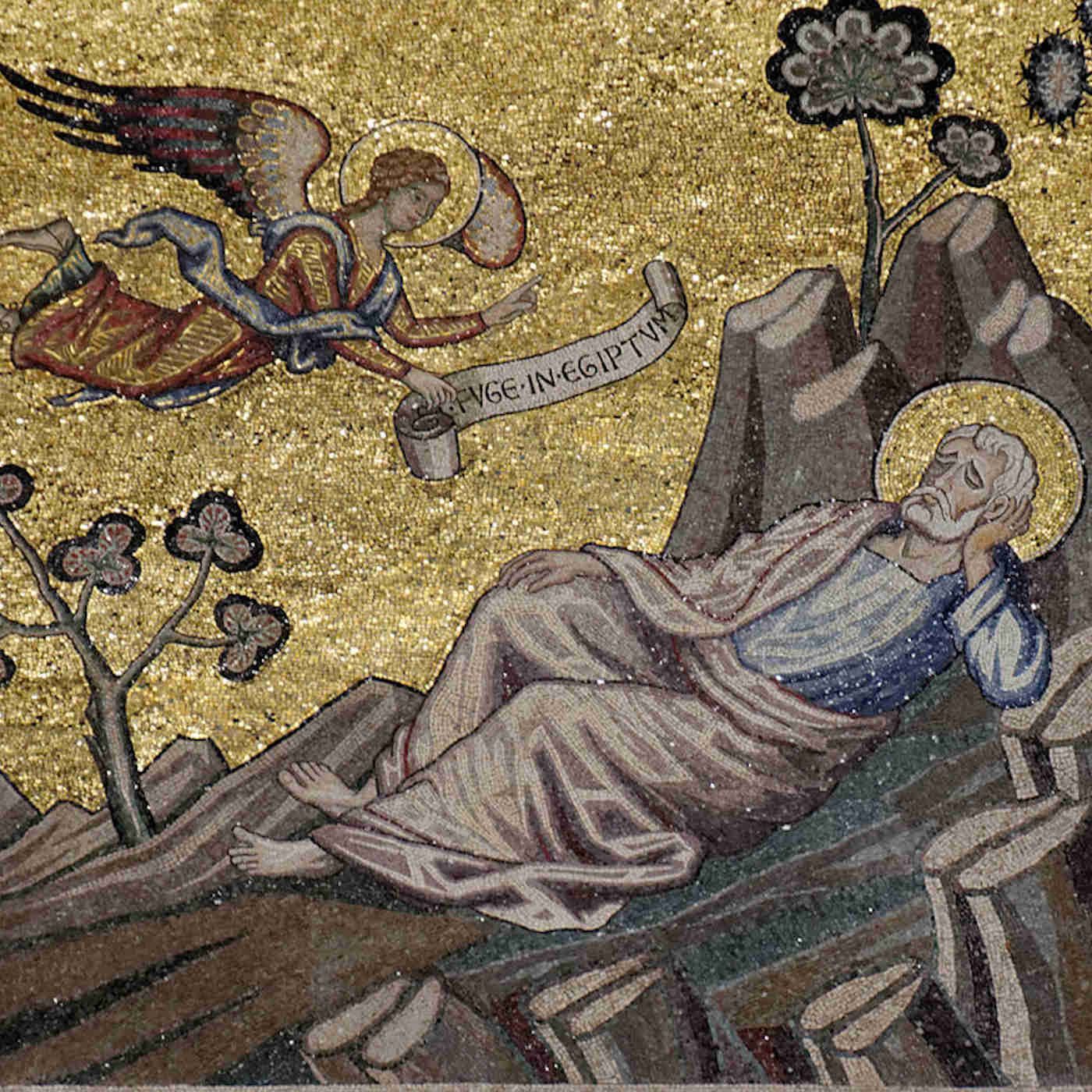
Dec 16, 2023
Third Sunday of Advent (Year B) - Meeting Christ in the Desert
“I am the voice of one crying out in the desert, ‘make straight the way of the Lord, ’” as Isaiah the prophet said.” John 1:23 In the passage above, Saint John the Baptist quotes Isaiah 40:3: “A voice proclaims: In the wilderness prepare the way of the LORD! Make straight in the wasteland a highway for our God!” This was a prophecy of Isaiah who was speaking about the return of the Jewish exiles from Babylon back to Jerusalem. Normally, people would travel along the well-watered routes from Mesopotamia to Israel. Those routes were safer than the desert and provided the necessary food and water for the journey. But Isaiah prophesied that the Jewish exiles would travel the shortest route—straight across the desert—and that God would provide for their needs during that journey. Such a journey required much trust in the providence of God. John the Baptist, in quoting Isaiah, applies this prophecy to himself. He was called to cry out in the desert and point people directly to the Messiah. It was in the desert that they would discover their Savior. First of all, John cries out in the “desert.” His message is for those who experience dryness, destitution, need and loss in life due to sin. His message of repentance is first for those who are without the spiritual nourishment God wants to bestow upon them through grace. The message of John is pointed to those who humbly see the difficult situation they are facing in life and acknowledge their need for the Living Water of the Savior of the World. Second, this new “straight” way implies that many are not walking the direct path to Christ. Instead, they are taking unnecessary detours in life. John’s message is one that calls everyone to the straight and direct way of repenting of their sins so that they can come to faith in Christ Jesus. Third, walking through the desert to find Christ requires trust in God’s providence. It takes courage to make such a journey. Trust in the ongoing providence of God, Who promises to meet all of our needs, is key. One would not walk straight through the desert if they did not trust their guide. Advent is a time to reexamine the road you are on. Are you trying to find your own way to happiness? Are you trusting in your own abilities, your own intelligence and your own plan for the future? If so, then listen to the “voice of one crying out in the wilderness.” Listen to Saint John speak to you, calling you to the simplicity of the desert, to a greater detachment from all things, to an abandonment of all that is not of God, and to a more willing trust in the providence of God to lead you. Reflect, today, upon this calling from the desert and listen to the message God is speaking to you, personally. Abandon all worldly concerns, repent of sin, trust in Him and go out to meet Him so that you can more quickly and more easily come to a deeper faith in our Lord during this Advent season. My loving Lord, You are there, waiting for me in the darkness and dryness of my sin. You are waiting for me to lead me and guide me through the many challenges I face in life. Please give me the courage and wisdom I need to trust in You enough to follow You wherever You lead. Jesus, I trust in You. Source of content: catholic-daily-reflections.com Copyright © 2023 My Catholic Life! Inc. All rights reserved. Used with permission via RSS feed.
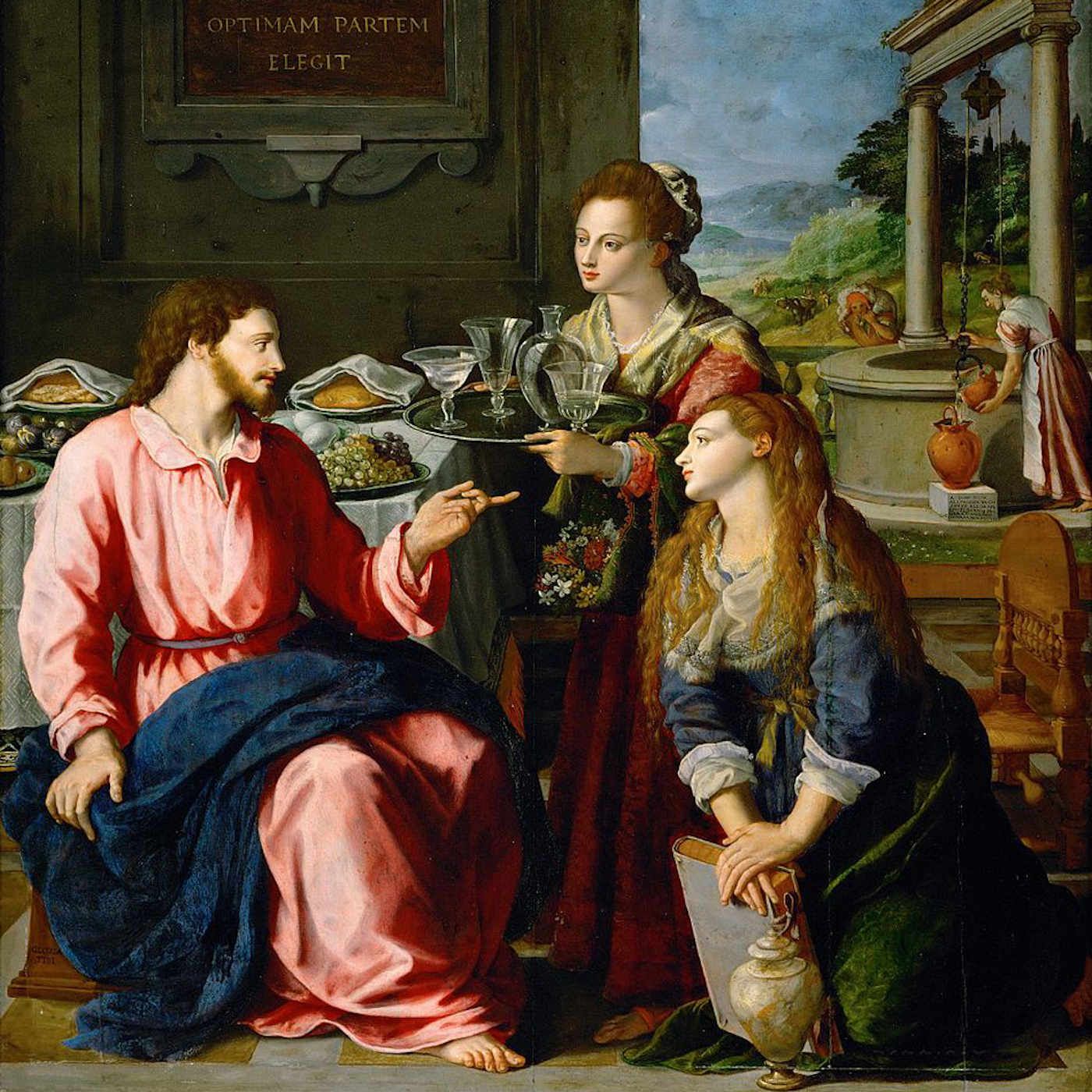
Dec 15, 2023
Saturday of the Second Week of Advent - Approaching the Word of God
“I tell you that Elijah has already come, and they did not recognize him but did to him whatever they pleased. So also will the Son of Man suffer at their hands.” Then the disciples understood that he was speaking to them of John the Baptist. Matthew 17:12–13 The last of the Old Testament Prophets was Malachi. He concluded his ministry about 400 years prior to the coming of Christ. Malachi prophesied that a “messenger” would come before the Messiah so as to prepare the way before Him. Malachi goes on further to say that “Elijah the Prophet” will come before the day of the Lord (See Malachi 3:1–24). Many of the people at the time of Jesus did not understand this prophecy and were not even aware of it. Therefore, the scribes used this prophecy to confuse many of the people by claiming that since “Elijah” had not come, then clearly Jesus was not the promised Messiah. Jesus clarified to the disciples that the “messenger,” who was to be the new Elijah, had already come in the person of John the Baptist. Thus, in clarifying this, Jesus also clarified that the scribes were not accurate in their attempt to interpret the Scriptures and were actively misleading the people on account of their errors. One thing this tells us is that we must approach the word of God with humility. The pride of the scribes led them to believe that they had some sort of extraordinary wisdom that they did not. Thus, they acted as poor spiritual teachers of the people of God. Humility before the Word of God is essential if we are to properly understand not only the Old Testament prophecies but also the very words of Jesus Himself. Without humility before the Word of God, we can all easily misinterpret the beautiful and holy words spoken by our Lord. Everything in the Scriptures is profound, deep and true. And by this holy Word of God we come to meet God Himself. But if we allow pride to seep in, we may find ourselves imitating the scribes and misunderstanding God’s Word. The result will be a skewed image of God which will become an impediment to our personal encounter with our loving Lord. But if we can always remain humble before all that God has revealed to us, then we will more easily be open to those deepest and most beautiful truths God wants to speak to our hearts. Reflect, today, upon any way that you have found yourself confused by the Word of God. Try to humbly open your heart more fully to that which our Lord wants to speak to you. Listen with an open mind and heart and allow the pure gift of faith to become your guide so that you will be led to those deepest truths of our faith. My mysterious and beautiful Lord, You have revealed to us the deepest and most profound mysteries of life through Your written Word. May I always approach Your Word with humility and openness so that I will come to know You more fully. Jesus, I trust in You. Source of content: catholic-daily-reflections.com Copyright © 2023 My Catholic Life! Inc. All rights reserved. Used with permission via RSS feed.
Dec 14, 2023
Friday of the Second Week of Advent - Dancing and Mourning
Jesus said to the crowds: “To what shall I compare this generation? It is like children who sit in marketplaces and call to one another, ‘We played the flute for you, but you did not dance, we sang a dirge but you did not mourn.’” Matthew 11:16–17 What does Jesus mean when He says “We played the flute for you…” and “we sang a dirge…?” The Church Fathers clearly identify this “flute” and “dirge” as the word of God that has been preached by the prophets of old. So many came before Jesus to prepare the way, but so many failed to listen. John the Baptist was the final and greatest prophet, and he called people to repentance, but few listened. Thus, Jesus points out this sad truth. In our day and age, we have so much more than the prophets of the Old Testament. We have the incredible witness of the saints, the infallible teaching of the Church, the gift of the Sacraments and the life and teaching of the Son of God Himself as recorded in the New Testament. Yet, sadly, so many refuse to listen. So many fail to “dance” and “mourn” in response to the Gospel. We must “dance” in the sense that the gift of Christ Jesus, by His life, death and resurrection should be the cause of our wholehearted rejoicing and eternal adoration. Those who truly know and love the Son of God are filled with joy! Furthermore, we must “mourn” on account of the countless sins in our own lives and in the lives of those all around us. Sin is real and prevalent, and a holy sorrow is the only appropriate response. Salvation is real. Hell is real. And both of these truths demand a total response from us. In your own life, how fully have you allowed the Gospel to affect you? How attentive are you to the voice of God as it has been spoken through the lives of the saints and through our Church? Are you tuned in to the voice of God as He speaks to you in the depths of your conscience in prayer? Are you listening? Responding? Following? And giving your whole life in the service of Christ and His mission? Reflect, today, upon the clear, unmistakable, transforming and life-giving words and presence of the Savior of the world. Reflect upon how attentive you have been in life to all that He has clearly spoken and to His very presence. If you do not find yourself “dancing” for God’s glory and “mourning” over the evident sins of your life and within our world, then recommit yourself to a radical following of Christ. In the end, the Truth that God has spoken throughout the ages and His holy and divine presence are all that matter. My glorious Lord Jesus, I acknowledge Your divine presence in my life and in the world all around me. Help me to be more attentive to the countless ways that You speak to me and come to me each and every day. As I discover You and Your holy word, fill me with joy. As I see my sin and the sins of the world, give me true sorrow so that I will work tirelessly to combat my own sin and bring Your love and mercy to those who are most in need. Jesus, I trust in You. Source of content: catholic-daily-reflections.com Copyright © 2023 My Catholic Life! Inc. All rights reserved. Used with permission via RSS feed.
Dec 13, 2023
Thursday of the Second Week of Advent - Attacking the Enemies of Our Soul
“From the days of John the Baptist until now, the Kingdom of heaven suffers violence, and the violent are taking it by force.” Matthew 11:12 Are you among those who are “violent” and are taking the Kingdom of Heaven “by force?” Hopefully you are! From time to time, Jesus’ words are difficult to understand. This passage above presents us with one of those situations. Of this passage, Saint Josemaría Escrivá states that the “violent” are Christians who have “fortitude” and “boldness” when the environment they find themselves in is hostile to the faith (See Christ is Passing By, 82). Saint Clement of Alexandria says that the Kingdom of Heaven belongs “to those who fight against themselves” ( Quis dives salvetur, 21). In other words, the “violent” who are taking the Kingdom of Heaven are those who vigorously fight against the enemies of their soul so as to obtain the Kingdom of Heaven. What are the enemies of the soul? Traditionally, we speak of the world, the flesh and the devil. These three enemies have caused much violence within the souls of Christians who are striving to live within God’s Kingdom. So how do we fight for the Kingdom? By force! Some translations say that the “attackers” are taking the Kingdom by force. This means that the Christian life cannot be one that is purely passive. We cannot simply smile our way into Heaven. The enemies of our soul are real, and they are aggressive. Therefore, we must also become aggressive in the sense that we must directly take on these enemies with the fortitude and boldness of Christ. How do we do this? We take on the enemy of the flesh by fasting and self-denial. We take on the world by remaining grounded in the Truth of Christ, the Truth of the Gospel, refusing to conform to the “wisdom” of the age. And we take on the devil by becoming aware of his malicious plans to deceive us, confuse us and mislead us in all things so as to rebuke him and reject his actions in our life. Reflect, today, upon your call to grow in fortitude and boldness so as to combat those enemies that attack within. Fear is useless in this battle. Confidence in the power and mercy of our Lord Jesus Christ is the only weapon we need. Rely upon Him and do not give in to the many ways that these enemies seek to rob you of the peace of Christ. My glorious and victorious Lord, I trust in You to pour forth Your grace so that I may stand strong against the world, the temptations of my flesh and the devil himself. Give me courage, boldness and fortitude so that I can fight the good fight of faith and never waver from seeking You and Your most holy will for my life. Jesus, I trust in You. Source of content: catholic-daily-reflections.com Copyright © 2023 My Catholic Life! Inc. All rights reserved. Used with permission via RSS feed.
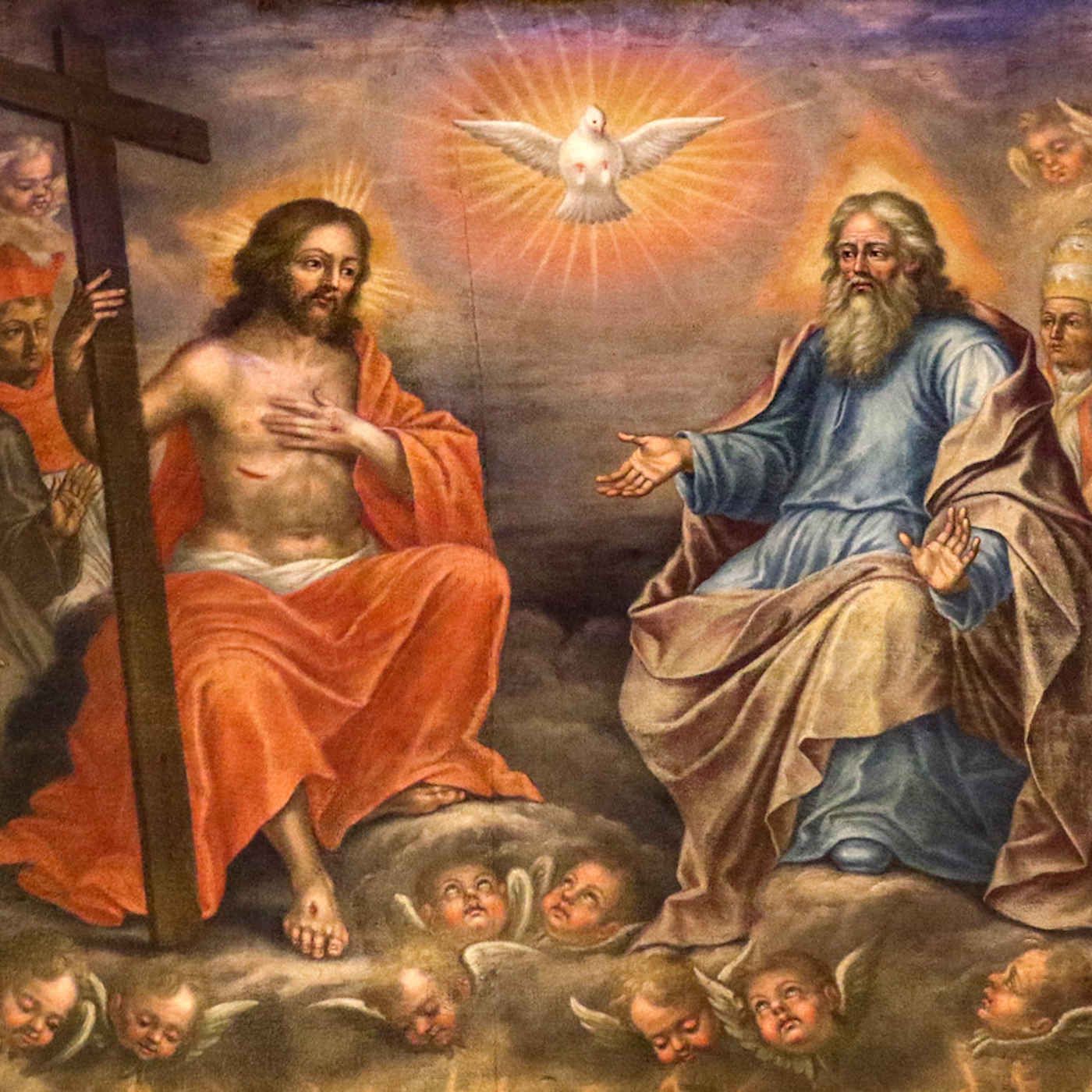
Dec 12, 2023
Wednesday of the Second Week of Advent - Laying Down Your Burdens
“Come to me, all you who labor and are burdened, and I will give you rest.” Matthew 11:28 One of the most delightful and healthy activities in life is sleep. This is especially the case when one is able to enter into a deep and refreshing sleep. Upon awakening, the person who has slept deeply feels refreshed and ready for a new day. Of course, the opposite is also true. When sleep is difficult and restless, the person can suffer numerous ill effects, especially when a lack of healthy sleep becomes the norm. The same is true in our spiritual lives. For many people, “spiritual rest” is something foreign to them. They may say a few prayers each week, attend Mass, or even make a holy hour. But unless each one of us enters into a form of prayer that is deep and transforming, we will not be able to experience the interior spiritual rest we need. Jesus’ invitation in today’s Gospel to “Come to me…” is an invitation to become transformed, interiorly, as we allow Him to relieve us of the burdens of our daily lives. Each day we often face spiritual hardships and challenges, such as temptations, confusions, disappointments, angers and the like. We are often daily bombarded with the lies of the evil one, the hostility of a growing secularized culture and an assault on our senses through the numerous forms of media we daily digest. These and many other things we encounter each and every day will have the effect of wearing us down interiorly on a spiritual level. As a result, we need the spiritual refreshment that comes only from our Lord. We need the spiritual “sleep” that results from deep and revitalizing prayer. And that form of prayer is only possible if we heed Christ’s invitation to come to Him with every fiber of our being, surrendering all that we are and all that we encounter each and every day. Reflect, today, upon whether you feel weary at times. Ponder, especially, any mental or emotional weariness. Oftentimes these forms of weariness are actually spiritual in nature and need a spiritual remedy. Seek the remedy our Lord offers you by accepting His invitation to come to Him, deeply in prayer, and rest in His presence. Doing so will help to lift the heavy burdens with which you struggle. My loving Lord, I accept Your invitation to come to You and rest in Your glorious presence. Draw me in, dear Lord, to Your heart that is overflowing with grace and mercy. Draw me into Your presence so that I may rest in You and be delivered from the many burdens of life. Jesus, I trust in You. Source of content: catholic-daily-reflections.com Copyright © 2023 My Catholic Life! Inc. All rights reserved. Used with permission via RSS feed.
Dec 11, 2023
December 12 - Feast of Our Lady of Guadalupe
Then the angel said to her, “Do not be afraid, Mary, for you have found favor with God. Behold, you will conceive in your womb and bear a son, and you shall name him Jesus.” Luke 1:30–31 Today we celebrate five successive apparitions of our Blessed Mother to Juan Diego, who was an Indian convert to the faith. Early in the morning of December 9, 1531, Juan was traveling to the town of Tlatelolco where he intended to attend a catechism class and the holy Mass. However, on his way, as he passed by the Tepeyac Hill, he was gifted by the vision of a bright light and heavenly music. As he gazed upward with wonder and awe, he heard a beautiful voice calling him. As he moved toward the voice, he saw the glorious Mother of God standing in youthful appearance in heavenly splendor. She said to him, “I am your merciful Mother…” She further revealed to him that she wanted a church built on that spot and that Juan was to go and tell this to the Bishop of Mexico City. Juan did as our Lady asked, but the bishop was reluctant to believe. But once again, the Mother of God appeared to Juan and asked him to return to the bishop with her request. This time the bishop asked for a sign, and Juan reported this to the Mother of God. She said a sign would be provided, but Juan was prevented from receiving that sign, since he needed to attend to his sick uncle. However, after two days, on December 12, 1531, Juan was once again traveling to the church in Tlatelolco to ask the priest to come and attend to his dying uncle. But this time Juan had taken a different route so as to avoid delay from his heavenly visitor. But this time our Blessed Mother came to him and said, “It is well, littlest and dearest of my sons, but now listen to me. Do not let anything afflict you and be not afraid of illness or pain. Am I not here who am your Mother? Are you not under my shadow and protection? Are you not in the crossing of my arms? Is there anything else you need? Do not fear, for your uncle is not going to die. Be assured…he is already well.” As soon as Juan heard this from his heavenly visitor, he was overjoyed and asked for a sign to give to the bishop. The Mother of God directed him to the top of the hill where he would find many flowers that were in bloom completely out of season. Juan did as she said, and upon finding the flowers, he cut them and filled his outer cloak, his tilma, with them so he could bring them to the bishop as the sign requested. Juan then made his way back to Bishop Fray Juan de Zumarraga, the Bishop of Mexico City, to present him with the flowers. To the surprise of all, as he opened his tilma to pour forth the flowers, there appeared on his tilma the image of the very woman who had appeared to him. The image was not painted; rather, every thread of this simple and coarse cloak had changed color to create the beautiful image. That same day, our Blessed Mother had also appeared to Juan’s uncle and miraculously cured him. Though these miraculous events have become embedded into the fabric of Mexican culture, the message is far more than cultural in significance. “I am your merciful mother,” she said! It is our Blessed Mother’s deepest desire that all of us come to know her as our mother. She wants to walk with us through the joys and sorrows of life as any loving mother would. She wants to teach us, lead us and reveal to us the merciful love of her divine Son. Reflect, today, upon the miraculous actions of the Mother of God. But reflect, especially, upon her motherly love. Her love is a pure mercy, a gift of the deepest care and compassion. Her only desire is our holiness. Speak to her this day and invite her to come to you as your merciful mother. My most merciful mother, I love you and invite you to pour forth upon me your love. I turn to you, this day, in my need, and I trust that you will bring me the abundant grace of your Son, Jesus. Mother Mary, O Virgin of Guadalupe, pray for us who turn to you in our need. Saint Juan Diego, pray for us. Jesus, I trust in You. Source of content: catholic-daily-reflections.com Copyright © 2023 My Catholic Life! Inc. All rights reserved. Used with permission via RSS feed.
Dec 10, 2023
Monday of the Second Week of Advent - Loving the Proud and Arrogant
And some men brought on a stretcher a man who was paralyzed; they were trying to bring him in and set him in his presence. But not finding a way to bring him in because of the crowd, they went up on the roof and lowered him on the stretcher through the tiles into the middle in front of Jesus. Luke 5:18–19 It’s interesting to note that, as the paralyzed man’s faith-filled friends lowered him down from the roof in front of Jesus, Jesus was surrounded by Pharisees and teachers of the law “from every village of Galilee and Judea and Jerusalem” (Luke 5:17). The religious leaders came in droves. They were among the most educated of the Jews and happened to be among the ones who had gathered to see Jesus speak that day. And it was partly on account of large numbers of them gathering around Jesus that the friends of the paralyzed man could not reach Jesus without this radical move of opening the roof. So what does Jesus do when He sees the paralytic lowered before Him from the roof? He told the paralytic that his sins were forgiven. Sadly, those words were immediately met with severe interior criticism from these religious leaders. They said among themselves, “Who is this who speaks blasphemies? Who but God alone can forgive sins?” (Luke 5:21). But Jesus knew their thoughts and decided to do one more act for the good of these religious leaders. The first act of Jesus, to forgive the paralytic’s sins, was for the good of the paralytic. But the paralytic’s physical healing, interestingly, appears to be primarily for these pompous and self-righteous Pharisees and teachers of the law. Jesus heals the man so that they will “know that the Son of Man has authority on earth to forgive sins” (Luke 5:24). As soon as Jesus performs this miracle, the Gospel tells us that everyone was “struck with awe” and glorified God. Apparently, this included the judgmental religious leaders. So what does this teach us? It shows how deeply Jesus loved these religious leaders despite their exceptional pride and judgmentalism. He wanted to win them over. He wanted them to convert, humble themselves and turn to Him. It’s somewhat easy to show love and compassion to one who is paralyzed, rejected, and humiliated already. But it takes an incredible amount of love to also care deeply about the proud and arrogant. Reflect, today, upon the love Jesus had for these religious leaders. Though they came to find fault with Him, falsely judge Him and continually tried to trap Him, Jesus never ceased in His attempts to win them over. As you think about this mercy of our Lord, consider also the person in your life who is most difficult to love, and recommit to loving them with your whole heart in imitation of our divine Lord. My most merciful Lord, give me a heart of forgiveness and mercy for others. Help me, especially, to have a deep concern for those whom I find most difficult to love. In imitation of Your divine mercy, strengthen me to act with a radical love for all so that they will come to know You more deeply. Jesus, I trust in You. Source of content: catholic-daily-reflections.com Copyright © 2023 My Catholic Life! Inc. All rights reserved. Used with permission via RSS feed.
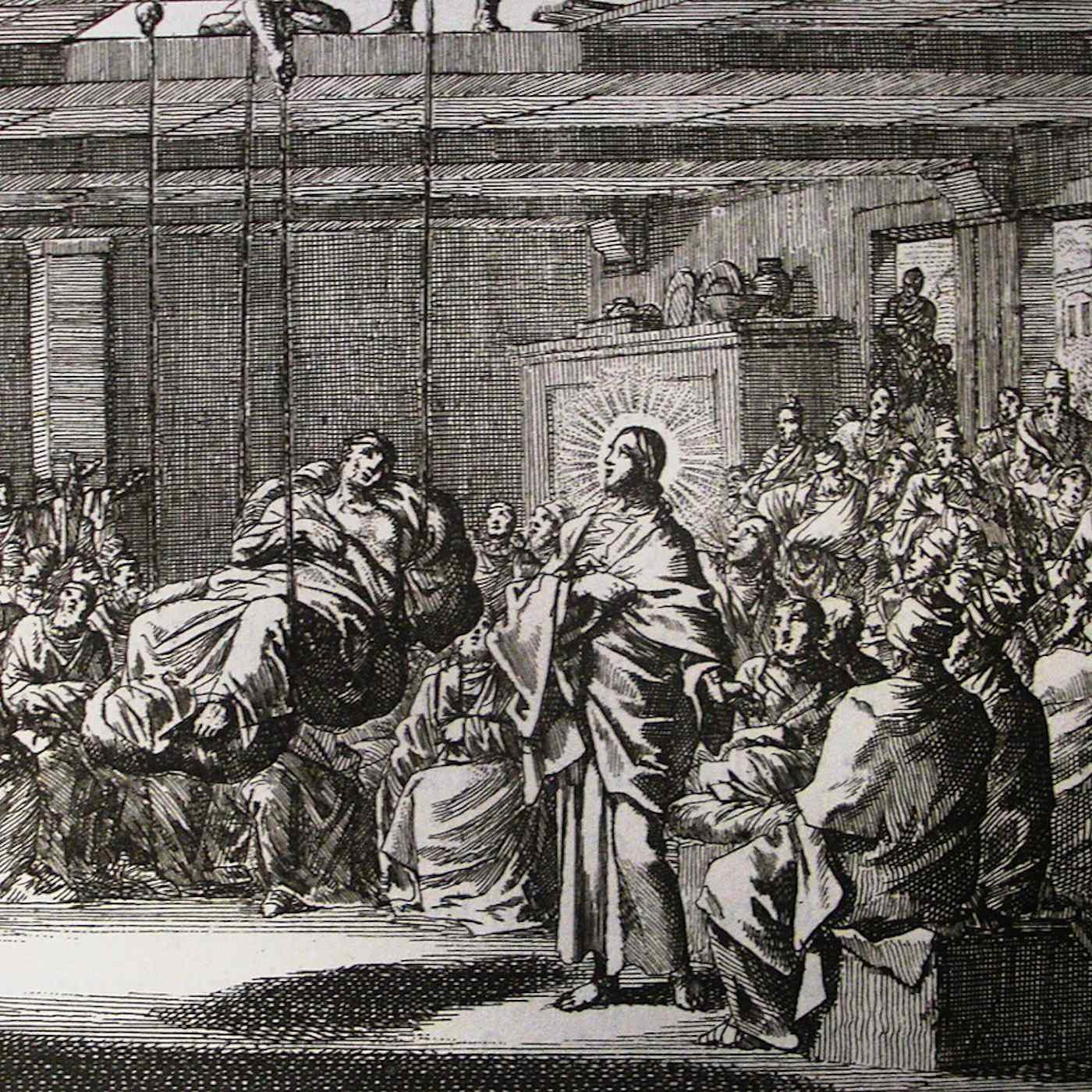
Dec 9, 2023
Second Sunday of Advent (Year B) - Called to the Desert
The beginning of the gospel of Jesus Christ the Son of God. As it is written in Isaiah the prophet: Behold, I am sending my messenger ahead of you; he will prepare your way. A voice of one crying out in the desert: “Prepare the way of the Lord, make straight his paths.” Mark 1:1–3 These, the opening lines from the Gospel of Saint Mark, present us with Saint John the Baptist. John was the one that Isaiah prophesied would come before the Messiah. John was given the responsibility and privilege of being the one who would be the most immediate preparer for the Savior of the World. Perhaps if most people were given the task of instructing John on how best to prepare the way for the Lord, they would tell him he must go to the leaders of the people, the civil authorities, the influential and those of status in society to win them over first. Many would conclude that the Messiah needed to have the full support of the leaders at that time. But that’s obviously not what John did. John the Baptist, at the inspiration of the Holy Spirit, was driven not into the homes of the most prestigious and wealthy, not into the halls of the civil governors, and not into the synagogues or Temple. Instead, John was driven into the desert. And in the desert, that dry and deserted place, he drew many people to himself and to his message of repentance. God continues to call many today to follow in the footsteps of John the Baptist. Though John was a real person sent on a real mission at one particular moment in time, the mission he fulfilled is one that still needs fulfilling in various ways today. The “way of the Lord” still needs to be prepared. The Lord still desires to come to many, and He needs prophets to prepare the way for His continual coming by grace. Are you one of those people? Truth be told, every one of us, rich or poor, learned or unlearned, young or old, etc., is called by God to prepare the way for His coming by grace every day. We are called to prepare the way by calling others to sincere repentance and conversion of life. This is done by the witness of our actions, by our words and by numerous other ways that God calls. How is God calling you to do His work? He is certainly calling you. You simply need to be open to that calling and generously respond. Reflect, today, upon that “desert” to which you have been called, so as to prepare yourself and others for the coming of Christ. That desert is any place where there is need and every place where our Lord is not. It might be your family, work environment, community, among friends, or any place that lacks the superabundance of God’s grace. Seek to enter those deserts and to be open to be a channel of our Lord’s grace to those in need. Lord, You desire to come to me and to all of Your children every day. Please use me to not only prepare my own heart and soul for Your divine coming but to also prepare others to meet You. Give me wisdom and compassion, insight and strength, so that I can imitate Saint John the Baptist and prepare the way for Your most glorious coming by grace. Jesus, I trust in You. Source of content: catholic-daily-reflections.com Copyright © 2023 My Catholic Life! Inc. All rights reserved. Used with permission via RSS feed.
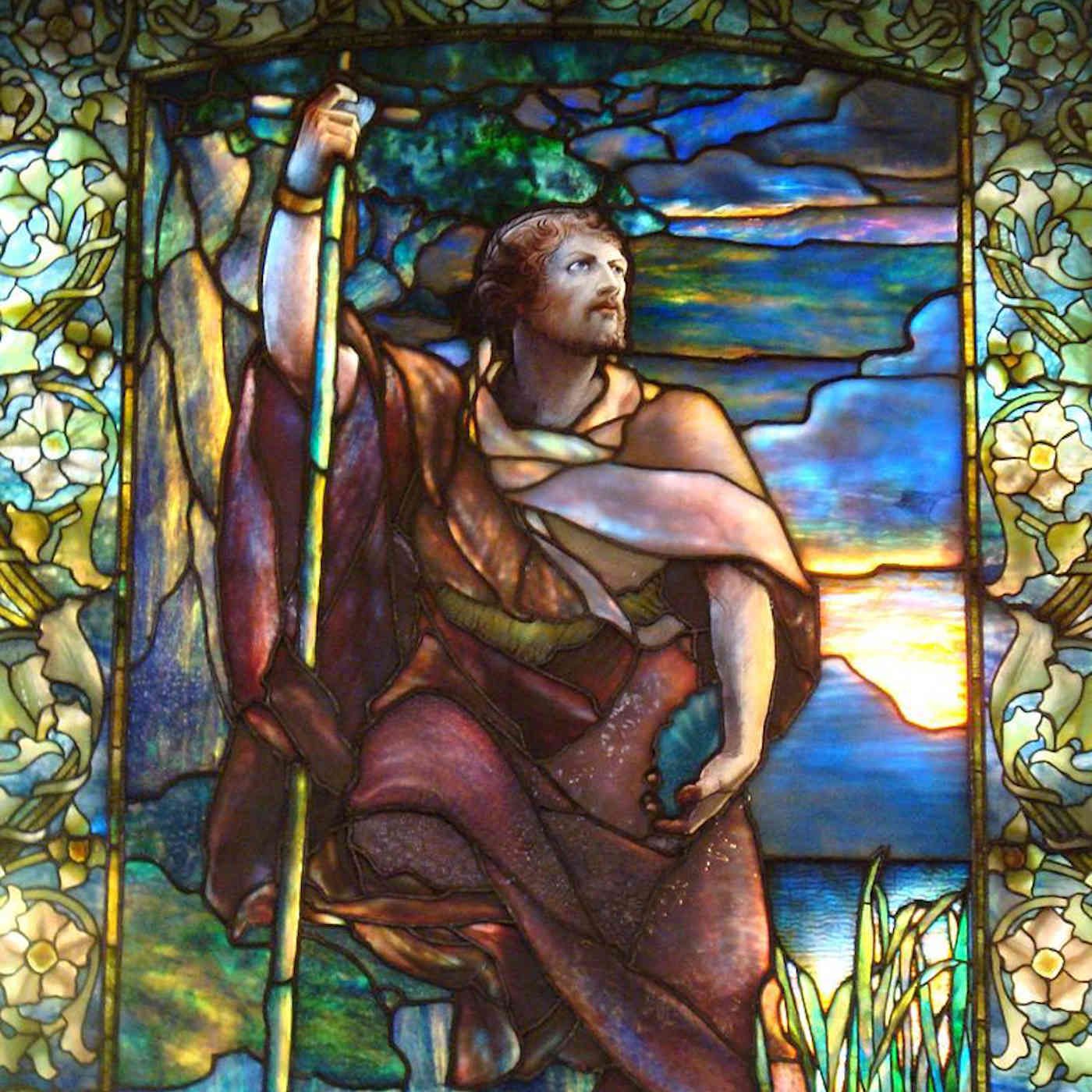
Dec 8, 2023
Saturday of the First Week of Advent - On Mission From Christ
“The harvest is abundant but the laborers are few; so ask the master of the harvest to send out laborers for his harvest.” Matthew 9:37–38 What does God want of you? What is your mission? Some fervent Christians may dream of becoming a popular evangelist. Some may dream of doing heroic acts of charity that are praised by all. And others may wish to live a very quiet and hidden life of faith, close to family and friends. But what does God want of YOU? In the passage above, Jesus exhorts His disciples to pray for “laborers for his harvest.” You can be certain that you are among the “laborers” of which our Lord speaks. It’s easy to think that this mission is for others, such as priests, religious and full-time lay evangelists. It’s easy for many to conclude that they do not have much to offer. But nothing could be further from the truth. God wants to use you in exceptionally glorious ways. Yes, “exceptionally glorious!” Of course, that does not mean that you will be the next most popular YouTube evangelist or enter the spotlight like Saint Mother Teresa did. But the work God wants of you is just as real and just as important as any of the greatest saints of old or who are alive today. Holiness of life is discovered in prayer but also in action. As you pray each and every day and grow closer to Christ, He will exhort you to “Cure the sick, raise the dead, cleanse lepers, drive out demons” (Matthew 10:8), as today’s Gospel goes on to state. But He will call you to do this in the unique way within your own vocation. Your daily duty is not to be ignored. So who in your daily encounters are those who are the sick, the dead, the lepers and the possessed? Most likely they are all around you, to one extent or another. Take, for example, those who are “lepers.” These are those who are the “rejects” of society. Our world can be harsh and cruel, and some may find themselves feeling lost and alone. Who do you know who may fall into this category? Who needs a bit of encouragement, understanding and compassion? God has given you a daily duty that He has not given to another, and, for that reason, there are some who need your love. Look for them, reach out to them, share Christ with them, be there for them. Reflect, today, upon this exceptionally glorious calling you have been given to be Christ to another. Embrace this duty of love. See yourself as one called to be a laborer for Christ and commit yourself to the full and glorious fulfillment of this mission, no matter how it is to be lived out in your life. My dear Lord, I commit myself to Your divine mission. I choose You and Your holy will for my life. Send me, dear Lord, to those who are most in need of your love and mercy. Help me to know how I can bring that love and mercy to those entrusted to me so that they will experience in their lives Your glorious and saving grace. Jesus, I trust in You. Source of content: catholic-daily-reflections.com Copyright © 2023 My Catholic Life! Inc. All rights reserved. Used with permission via RSS feed.
Dec 7, 2023
December 8, Solemnity of the Immaculate Conception - Full of God's Grace!
The angel Gabriel was sent from God to a town of Galilee called Nazareth, to a virgin betrothed to a man named Joseph, of the house of David, and the virgin’s name was Mary. And coming to her, he said, “Hail, full of grace! The Lord is with you.” Luke 1:26–28 What does it mean to be “full of grace?” This is a question at the heart of our solemn celebration today. Today we honor the Blessed Virgin Mary, the Mother of the Savior of the World, under the unique title of “The Immaculate Conception.” This title acknowledges that grace filled her soul from the moment of her conception, thus preserving her from the stain of sin. Though this truth had been held for centuries among the Catholic faithful, it was solemnly declared as a dogma of our faith on December 8, 1854, by Pope Pius IX. In his dogmatic declaration he stated: We declare, pronounce, and define that the doctrine which holds that the most Blessed Virgin Mary, in the first instance of her conception, by a singular grace and privilege granted by Almighty God, in view of the merits of Jesus Christ, the Savior of the human race, was preserved free from all stain of original sin, is a doctrine revealed by God and therefore to be believed firmly and constantly by all the faithful. By raising this doctrine of our faith to the level of a dogma, the holy father declared that this truth is to be held as certain by all the faithful. It is a truth that is found in the words of the angel Gabriel, “Hail, full of grace!” To be “full” of grace means just that. Full! 100%. Interestingly, the Holy Father did not say that Mary was born in a state of Original Innocence as were Adam and Eve before they fell into Original Sin. Instead, the Blessed Virgin Mary is declared to be preserved from sin by “a singular grace.” Though she had not yet conceived her Son, the grace that He would win for humanity by His Cross and Resurrection was declared to have transcended time so as to heal our Blessed Mother at the moment of her conception, preserving her of even the stain of Original Sin, by the gift of grace. Why would God do this? Because no stain of sin could be mingled with the Second Person of the Most Holy Trinity. And if the Blessed Virgin Mary were to become a fitting instrument by which God unites with our human nature, then she needed to be preserved from all sin. Additionally, she remained in grace throughout her life, refusing to ever turn from God by her own free will. As we celebrate this dogma of our faith today, turn your eyes and heart to our Blessed Mother by simply pondering those words spoken by the angel: “Hail, full of grace!” Ponder them, this day, reflecting upon them over and over in your heart. Imagine the beauty of the soul of Mary. Imagine the perfect grace-filled virtue she enjoyed in her humanity. Imagine her perfect faith, perfect hope and perfect charity. Reflect upon every word she spoke, being inspired and directed by God. She truly is The Immaculate Conception. Honor her as such this day and always. My mother and my queen, I love you and honor you this day as The Immaculate Conception! I gaze upon your beauty and perfect virtue. I thank you for always saying “Yes” to the will of God in your life and for allowing God to use you with such power and grace. Pray for me, that as I come to know you more deeply as my own spiritual mother, I may also imitate your life of grace and virtue in all things. Mother Mary, pray for us. Jesus, I trust in You! Source of content: catholic-daily-reflections.com Copyright © 2023 My Catholic Life! Inc. All rights reserved. Used with permission via RSS feed.
Dec 6, 2023
Thursday of the First Week of Advent - Authentic Christians
“Not everyone who says to me, ‘Lord, Lord,’ will enter the Kingdom of heaven, but only the one who does the will of my Father in heaven.” Matthew 7:21 It’s frightening to think of those of whom Jesus is speaking. Imagine arriving before the throne of God upon your passing from this earthly life and you cry out to Him, “Lord, Lord!” And you expect Him to smile and welcome you, but instead you come face-to-face with the reality of your ongoing and obstinate disobedience to the will of God throughout your life. You suddenly realize that you acted as if you were a Christian, but it was only an act. And now, on the day of judgment, the truth is made manifest for you and for all to see. A truly frightening scenario. To whom will this happen? Of course, only our Lord knows. He is the one and only Just Judge. He and He alone knows a person’s heart, and judgment is left only to Him. But the fact that Jesus told us that “Not everyone” who expects to enter Heaven will enter should grab our attention. Ideally, our lives are directed by a deep and pure love of God, and it is this love and this love alone that directs our lives. But when a pure love of God is not clearly present, then the next best thing may be a holy fear. The words spoken by Jesus should evoke this “holy fear” within each of us. By “holy,” we mean that there is a certain fear that can motivate us to change our lives in an authentic way. It’s possible that we fool others, and maybe even fool ourselves, but we cannot fool God. God sees and knows all things, and He knows the answer to the one and only question that matters on the day of judgment: “Did I fulfill the will of the Father in Heaven?” A common practice, recommended over and over by Saint Ignatius of Loyola, is to consider all our current decisions and actions from the point of view of the day of judgment. What would I wish I had done in that moment? The answer to that question is of essential importance to the way we live our lives today. Reflect, today, upon that important question in your own life. “Am I fulfilling the will of the Father in Heaven?” What will I wish I had done, here and now, as I stand before the judgment seat of Christ? Whatever comes to mind, spend time with that and strive to deepen your resolve to whatever God reveals to you. Do not hesitate. Do not wait. Prepare now so that the day of Judgment will also be a day of exceeding joy and glory! My saving God, I pray for insight into my life. Help me to see my life and all of my actions in the light of Your will and Your Truth. My loving Father, I desire to live fully in accord with Your perfect will. Give me the grace I need to amend my life so that the day of judgment is a day of the greatest glory. Jesus, I trust in You. Source of content: catholic-daily-reflections.com Copyright © 2023 My Catholic Life! Inc. All rights reserved. Used with permission via RSS feed.
Dec 5, 2023
Wednesday of the First Week of Advent - A Miracle of Superabundance!
Then he took the seven loaves and the fish, gave thanks, broke the loaves, and gave them to the disciples, who in turn gave them to the crowds. They all ate and were satisfied. They picked up the fragments left over–seven baskets full. Matthew 15:36–37 This line concludes the second miracle of the multiplication of the loaves and fishes as told by Matthew. In this miracle, seven loaves and a few fish were multiplied to feed 4,000 men, not counting the women and children. And once everyone ate and was satisfied, seven full baskets remained. It’s hard to underestimate the effect that this miracle had on those who were actually there. Perhaps many did not even know where the food came from. They just saw the baskets being passed, they took their fill, and passed the rest on to others. Though there are many important lessons we can take from this miracle, let’s consider one of them. Recall that the crowds had been with Jesus for three days without food. They were amazed at Him as He taught and continually healed the sick in their presence. They were so amazed, in fact, that they showed no sign of leaving Him, despite the obvious hunger they must have been experiencing. This is a wonderful image of what we must seek to have in our interior life. What is it that “amazes” you in life? What is it that you can do hour after hour without losing your attention? For these first disciples, it was the discovery of the very Person of Jesus that had this effect upon them. How about you? Have you ever found that the discovery of Jesus in prayer, or in the reading of Scripture, or through the witness of another, was so compelling that you became engrossed in His presence? Have you ever become so engrossed in our Lord that you thought of little else? In Heaven, our eternity will be spent in a perpetual adoration and “amazement” of the glory of God. And we will never tire of being with Him, in awe of Him. But too often on Earth, we lose sight of the miraculous action of God in our lives and in the lives of those around us. Too often, instead, we become engrossed in sin, the effects of sin, hurt, scandal, division, hatred and those things that lead to despair. Reflect, today, upon these first disciples of Jesus. Ponder, especially, their wonder and awe as they stayed with Him for three days without food. This draw of our Lord must take hold of you and overwhelm you so much that Jesus is the one and only central focus of your life. And when He is, all else falls into place and our Lord provides for your many other needs. My divine Lord, I love You and desire to love You more. Fill me with a wonder and awe for You. Help me to desire You above all things and in all things. May my love of You become so intense that I find myself trusting You always. Help me, dear Lord, to make You the center of my entire life. Jesus, I trust in You. Source of content: catholic-daily-reflections.com Copyright © 2023 My Catholic Life! Inc. All rights reserved. Used with permission via RSS feed.
Dec 4, 2023
Tuesday of the First Week of Advent - They Eyes of Faith
Turning to the disciples in private he said, “Blessed are the eyes that see what you see. For I say to you, many prophets and kings desired to see what you see, but did not see it, and to hear what you hear, but did not hear it.” Luke 10:23–24 What did the disciples see that made their eyes “blessed?” Clearly, they were blessed to see our Lord. Jesus was the One promised by the prophets and kings of old, and now He was there, in flesh and bone, present for the disciples to see Him. Though we do not have the privilege to “see” our Lord in the same way that the disciples did some 2,000 years ago, we are privileged to see Him in countless other ways in our daily lives, if we only have “eyes that see” and ears to hear. Since the time of Jesus’ appearance on Earth, in the flesh, so much has changed. The Apostles were eventually filled with the Holy Spirit and sent forth on a mission to change the world. The Church was established, the Sacraments were instituted, the teaching authority of Christ was exercised, and countless saints have given witness to the Truth with their lives. The past 2,000 years have been years in which Christ was continually made manifest to the world in countless ways. Today, Christ is still present and continues to stand before us. If we have the eyes and ears of faith, we will not miss Him day in and day out. We will see and understand the countless ways that He speaks to us, leads us and guides us today. The first step toward this gift of sight and hearing is your desire. Do you desire the Truth? Do you desire to see Christ? Or are you satisfied with the many confusions of life that seek to distract you from what is most real and most life-changing? Reflect, today, upon your desire. The prophets and kings of old “desired” to see the Messiah. We are privileged to have Him alive in our presence today, speaking to us and calling to us continually. Foster within yourself a desire for our Lord. Allow it to become a blazing flame which longs to consume all that is true and all that is good. Desire God. Desire His Truth. Desire His guiding hand in your life and allow Him to bless you beyond what you can fathom. My divine Lord, I know You are alive today, speaking to me, calling me and revealing to me Your glorious presence. Help me to desire You and, within that desire, to turn to You with all my heart. I love You, my Lord. Help me to love You more. Jesus, I trust in You. Source of content: catholic-daily-reflections.com Copyright © 2023 My Catholic Life! Inc. All rights reserved. Used with permission via RSS feed.
Dec 3, 2023
Monday of the First Week of Advent - The Authority of God
“Lord, I am not worthy to have you enter under my roof; only say the word and my servant will be healed. For I too am a man subject to authority, with soldiers subject to me. And I say to one, ‘Go,’ and he goes; and to another, ‘Come here,’ and he comes; and to my slave, ‘Do this,’ and he does it.” Matthew 8:8–9 These are words spoken by a man who is very familiar with the exercise of authority. He is a Roman centurion, and he states that he himself is “a man subject to authority” and that he also has soldiers who are subject to him. Thus, his daily life consists of following orders and giving orders that are to be obeyed. When authority is exercised properly, it is a gift that helps to order society, family life, the life of the Church and even our personal lives. Of course, when authority is exercised improperly, in an oppressive and abusive way, it causes much damage. But the exercise of authority is, in and of itself, an act that has the potential to do much good. Jesus Himself is quite impressed with the Roman centurion in the Gospel passage quoted above. Of him, Jesus states, “Amen, I say to you, in no one in Israel have I found such faith.” Imagine having the Son of God say that about you! Jesus is impressed, in part, because the centurion acknowledges that he is not worthy to have Jesus come to his house. This is humility, in that the centurion clearly perceives his unworthiness. But Jesus is also impressed because the man manifests a clear and certain faith in Jesus’ authority to heal his servant from a distance. He does not hesitate to profess his belief in this authority of our Lord. In our own lives, we are often lacking in this area. We face a difficulty (such as the illness this centurion’s servant was enduring), and instead of turning to God with full and unwavering confidence, we turn in on ourselves. We become anxious, fearful, doubtful, confused and sometimes even angry. When any of these qualities are present, it is not because of the difficult situation we face; rather, it is because of our lack of faith and our lack of confidence in the all-powerful authority of our Lord. In the case of the Roman centurion’s servant, it was the will of God that Jesus physically heal, and so He did. But in the countless daily challenges we face in life, God’s answers might be varied. One unwavering quality we must always have is a certain conviction that God desires to exercise His loving authority in our lives, in the way He chooses, if we trust Him and invite Him to take control. Reflect, today, upon the perfection of the authority of Christ. Do you believe that He can exercise His perfection of power in your life? Do you believe that His authority is what is needed to order your life, your family, our Church and even our world? Prayerfully submit yourself to the authority of Christ this day and allow yourself to become amazed as you witness all that He is able to do. All-powerful Father, I entrust to You my life and every situation in my life that needs Your power and control. Please bring order and harmony to my life and to the lives of those around me. May all Your children learn to more fully entrust themselves to You as their loving God. Jesus, I trust in You. Source of content: catholic-daily-reflections.com Copyright © 2023 My Catholic Life! Inc. All rights reserved. Used with permission via RSS feed.
Dec 2, 2023
First Sunday of Advent (Year B) - Do Not Miss Out
“Jesus said to his disciples: “Be watchful! Be alert! You do not know when the time will come.” Mark 13:33 To which time is our Lord referring? He is referring to the time of His coming. But it must be understood that even though He came to us once in the flesh long ago, and though He will return again in the flesh to judge the living and the dead at the end of time, He never ceases to come to us day and night by the transforming gift of grace. Are you attentive to this coming? Or do you miss out on the countless blessings of God’s grace that He wants to bestow upon you every day, all day? The world has many distractions. We are distracted by the lure of riches, the indulgence of our appetites, and the constant noise of modern media, electronic gadgets and the like. These and many other daily distractions make it very difficult to be constantly “watchful” and “alert.” This is because our attention span is limited. Though some may learn to “multi-task” to a certain extent, no one can continually divide their attention between the presence of God and the distractions of the world. Some may argue that it is necessary to engage the world today. It is not possible to continually pray and think only about God. But those who would be tempted to think this do not understand the attentiveness and watchfulness to which we are called. Being watchful and attentive simply means that God is central in our lives and is the motivation and purpose of all we do every day. Our love for and service to God cannot be divided. We cannot set aside some time for the world and other times for God. Instead, everything we do, every day, all day, must have the glory of God and the fulfillment of God’s perfect will as the central and exclusive purpose of our lives. Thus, if we interact with the world, tune into social media, fulfill household chores, put in extra hours at work, etc., we must constantly ponder the simple question, “Lord, am I doing this for Your glory and in accord with Your will?” We must never fail to ask ourselves that question. We must always have the glory of God and the fulfillment of His will as the central purpose and motivation for all that we do. If we can live this way, then we will discover that it becomes increasingly easy to always and everywhere be attentive to and watchful for God’s will. Reflect, today, upon that to which you most often turn your attention. What is it that you think about the most each day? To what are you most attentive and watchful? If the answer to that question is not the ongoing promptings of God and His grace, then make note of that fact. Humbly pray that you can change and begin to form a transforming habit of daily keeping your attention on our Lord so that He will become your daily guide and focus in all things. Lord of all grace, You come to me day and night, speaking to me, calling me and desiring to guide me. May I learn to turn my full attention to You every day so that nothing but You and Your holy will lead me always. Jesus, I trust in You. Source of content: catholic-daily-reflections.com Copyright © 2023 My Catholic Life! Inc. All rights reserved. Used with permission via RSS feed.
Dec 1, 2023
Saturday of the Thirty-Fourth Week in Ordinary Time - Jesus, I Trust in You!
Jesus said to his disciples: “Beware that your hearts do not become drowsy from carousing and drunkenness and the anxieties of daily life, and that day catch you by surprise like a trap. For that day will assault everyone who lives on the face of the earth.” Luke 21:36 This is the final day of the liturgical year. Tomorrow begins Advent and the beginning of a new Church year. On this day, we are once again presented with a Gospel passage that points to the final coming of Christ. In preparation for that day, the day in which we meet our Lord for judgment, Jesus points to two grave dangers that will cause our hearts to become “drowsy” and leave us unprepared. First, He says that “carousing and drunkenness” will make us unprepared. Second, He says that “the anxieties of daily life” will also leave us unprepared. On a literal level, carousing and drunkenness means a person relies upon alcohol for satisfaction in life, and they do so by using it to live a lively and somewhat carefree life. They live for the moment and look for satisfaction in self-indulgence. And though drunkenness is specifically mentioned here, there are numerous ways that people attempt to live this way. Everyone wants to be happy in life. We cannot not work to achieve this innate desire. No one intentionally chooses to be unhappy. However, many people regularly choose things in life that do lead to unhappiness and discontentment. But they do so with the false conviction that this or that action will satisfy. And though there are many things that provide temporary or superficial “happiness,” the truth is that there is only one thing and one thing alone that provides the happiness and fulfillment we desire. That one thing is the presence of God alive within our souls. The “anxieties of daily life” are also a great burden to so many. No one intentionally chooses to be anxious. No one wants to experience this form of interior disturbance. And though anxiety can come from many sources, physical, psychological and spiritual, one primary source of anxiety is stress that is not dealt with in a proper way. Stress can come from tensions at work, at home or within one’s own soul. Stress usually occurs when some difficulty is faced and reacted to with fear, confusion, anger, despair and the like. According to Jesus, giving in to these anxieties can leave a person unprepared for the day of their judgment at the end of their life or the end of the world. But it doesn’t have to be that way. Stress and tension, and the anxiety that results from them, is most decisively cured by turning from the difficulty one experiences and turning to a deep and total trust in the providence of God. At Mass, the priest prays after the “Our Father” that God “free us from all distress” and that we will instead “await the blessed hope and the coming of our Saviour, Jesus Christ.” Faith and hope in God and in His final coming at the end of time is the spiritual cure for the anxiety and distress we often experience in life. Trusting in our Lord, with the utmost confidence, will enable us to achieve this peaceful disposition and with joyful hope and confidence. Reflect, today, upon those things that hinder you the most from being ready to meet our Lord. Perhaps you struggle with ongoing choices that reflect a life of “carousing and drunkenness.” Or perhaps you struggle deeply with worry, distress and anxiety. If this is you, know that freedom awaits. It awaits you if you can only embrace and live the final prayer of this reflection: “Jesus, I trust in You.” Trust Him. Entrust your poor decisions in life to Him. Entrust your sin to Him. And entrust all of your worries and tensions that lead to an unsettled heart. As you do so, try to rest in the consoling arms of our Lord so that you will be fully prepared for that glorious day of our Lord’s judgment that awaits. My hopeful Lord, You and You alone are the answer to every struggle in life. You and You alone can relieve me of my burdens and the poor choices I make. Help me to trust in You always and in every circumstance in life. I do entrust myself to You and choose to make You the single focus of my life. Jesus, I do trust in You! Source of content: catholic-daily-reflections.com Copyright © 2023 My Catholic Life! Inc. All rights reserved. Used with permission via RSS feed.
Nov 30, 2023
Friday of the Thirty-Fourth Week in Ordinary Time - Relying Upon the Word of God
“Amen, I say to you, this generation will not pass away until all these things have taken place. Heaven and earth will pass away, but my words will not pass away.” Luke 21:32–33 As we approach the final days of this liturgical year, we continue to read about the end of the world. Today we read that both Heaven and earth, as they currently are, will pass away. This is worth pondering. We know that life is full of change. It has been said that the one thing that never changes is change itself. Everything else changes. But when it comes to earth, it is hard to believe that it will one day “pass away.” Some scientists believe that the earth has existed for over four and a half billion years. That’s a long time! Now consider the fact that Jesus prophesied the end of this earth as we know it today. When will it happen? Only God knows. Heaven, as it exists today, is also prophesied by our Lord to pass away. Heaven, as it is right now, is a pure spiritual reality in which the only corporeal bodies present are those of Jesus and our Blessed Mother. The rest of Heaven consists of the Divine Essence, the souls of those who have been redeemed and the angels of God. But if Heaven even passes away, what awaits? First of all, the only reason that these two realities, Heaven and earth, will pass away in their current form is because, at the Final Judgment, there will be a “New Heavens and a New Earth,” as spoken of in the Book of Revelation. At that time, Heaven and earth will be united as one, and this new creation will exist for eternity. But is there anything that is currently eternal? Anything that will never experience change? We humans will be changed at the resurrection of the dead, the angels will encounter a new home, so to speak, and God will establish a new and permanent Kingship. But, according to Jesus’ teaching today, the one thing that will remain are His words: “...my words will not pass away.” Again, this is worth pondering. In a world filled with change and uncertainty, we need some form of stability. And that stability is the Truth found in the Word of God. The Word of God, as revealed to us through the Scriptures, must become our rock foundation upon which our whole lives are built and exist. Pondering, praying with, meditating on, and believing the Word of God enables us to stand on firm and unchanging spiritual ground as we go through the change of this life and even the changes that will come at the end of time. Though this may seem somewhat mysterious in nature, it is a helpful truth to understand and believe. Everything will pass away except Jesus’ words. Thus, the most secure thing we can do in life is to cling to His words and never let go. Reflect, today, upon the importance of truly immersing yourself in the Word of God. How much time do you spend each week reading it, praying with it and allowing it to become your daily food? The Word of God is not simply a book of teachings meant to inspire you or guide you. The Word of God is a Living Word. It is God in His unchangeable form. God, in His essence, will never change, and engaging Him through the revelation of His written Word is one essential way by which you will be able to experience true stability in life and prepare for each and every change to come until the final order of life is permanently established. My Eternal Word, You are unchanging and eternal. You are the rock foundation upon which I must always rely. As I continue to experience the many changes encountered in this life, please enter my soul through Your written Word, so that I will find the stability I need. As I stand firm in You, I look forward with joy to the New Heavens and New Earth that await. Jesus, I trust in You. Source of content: catholic-daily-reflections.com Copyright © 2023 My Catholic Life! Inc. All rights reserved. Used with permission via RSS feed.
Nov 29, 2023
November 30, Feast of Saint Andrew, Apostle - The Eyes of Our Lord
As Jesus was walking by the Sea of Galilee, he saw two brothers, Simon who is called Peter, and his brother Andrew, casting a net into the sea; they were fishermen. He said to them, “Come after me, and I will make you fishers of men.” Matthew 4:18–19 Today, we honor one of the Apostles: Saint Andrew. Andrew and his brother Peter were fishermen who would soon take on a new form of fishing. They would soon become “fishers of men,” as Jesus said. But prior to being sent on this mission by our Lord, they had to become His followers. And this happened as our Lord was first the fisher of these men. Notice that in this Gospel, Jesus was simply walking by and “saw” these two brothers working hard at their occupation. First, Jesus “saw” them, and then He called them. This gaze of our Lord is worth pondering. Imagine the profound truth that our Lord is continually gazing at you with divine love, looking for the moment that you turn your attention to Him. His gaze is perpetual and deep. His gaze is one that yearns for you to follow Him, to abandon all else so as to hear His gentle invitation not only to follow Him, but to then go forth and invite others on the journey of faith. As we begin this Advent season, we must allow the call of Andrew and Peter to also become our own calling. We must allow ourselves to notice Jesus as He looks at us, sees who we are, is aware of everything about us, and then speaks a word of invitation. He says to you, “Come after me…” This is an invitation that must permeate every aspect of your life. To “come after” Jesus is to leave all else behind and to make the act of following our Lord the single purpose of your life. Sadly, many people pay little attention to this calling in their lives. Few people hear Him speak and fewer respond, and even fewer respond with complete abandonment of their lives. The beginning of Advent is an opportunity to evaluate your responsiveness to the call of our Lord once again. Reflect, today, upon Jesus speaking these words to you. First, ponder the question of whether you have said “Yes” to Him with all the powers of your soul. Second, reflect upon those whom our Lord wants you to invite on the journey. To whom is Jesus sending you to invite? Who, in your life, is open to His call? Who does Jesus want to draw to Himself through you? Imitate these Apostles as they said “Yes” to our Lord, even though they did not immediately understand all that this would entail. Say “Yes” today and be ready and willing to do whatever comes next on this glorious journey of faith. My dear Lord, I do say “Yes” to You this day. I hear You calling me, and I choose to respond with the utmost generosity and abandonment to Your holy and perfect will. Give me the courage and wisdom I need to hold nothing back from You and Your divine calling in my life. Jesus, I trust in You. Source of content: catholic-daily-reflections.com Copyright © 2023 My Catholic Life! Inc. All rights reserved. Used with permission via RSS feed.
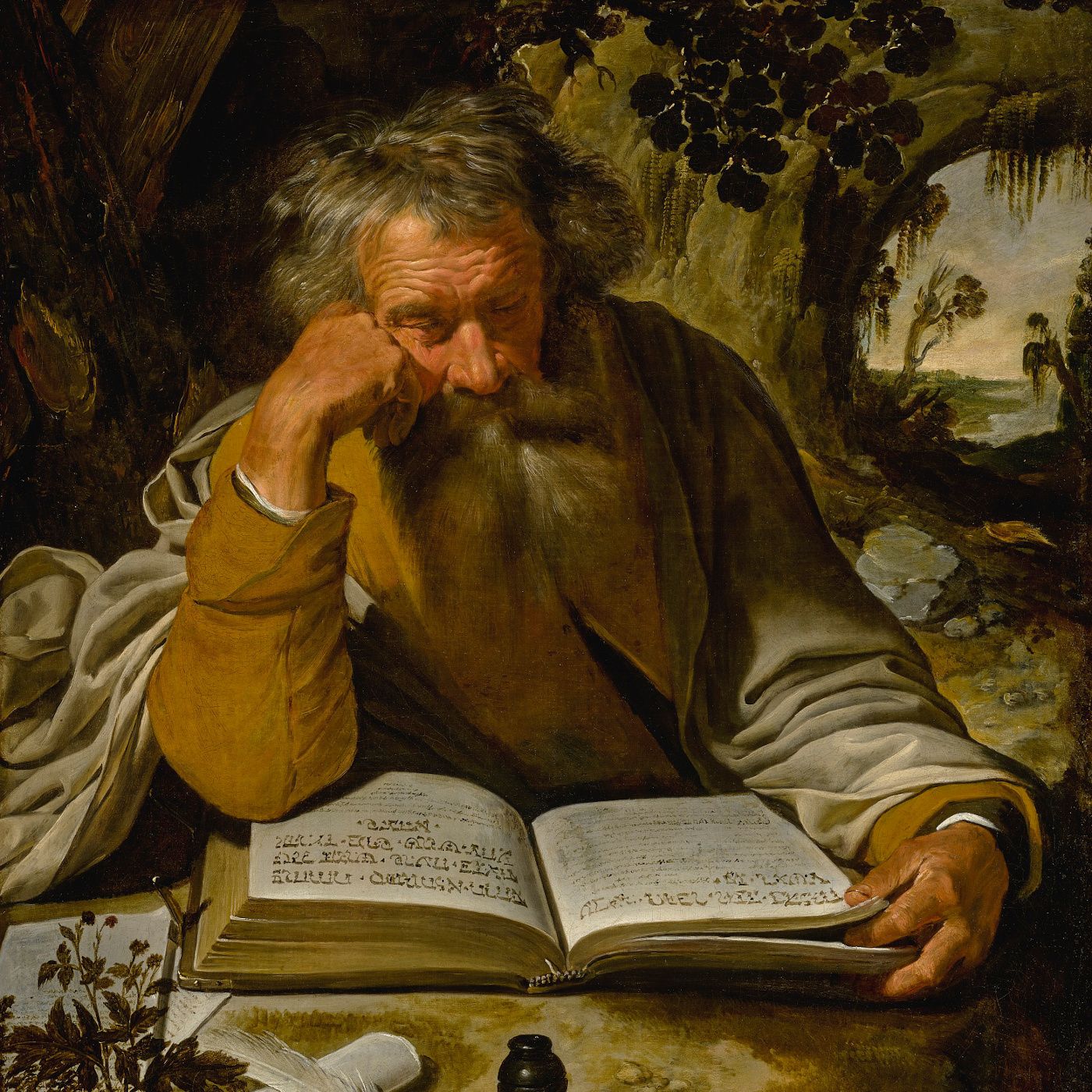
Nov 28, 2023
Wednesday of the Thirty-Fourth Week in Ordinary Time - Responding with Grace
“Remember, you are not to prepare your defense beforehand, for I myself shall give you a wisdom in speaking that all your adversaries will be powerless to resist or refute.” Luke 21:14–15 This line is embedded in today’s Gospel in which Jesus makes it clear that His followers will be persecuted. Many of them will be seized, sent to prison, hated and even be put to death. For some, this will even happen at the hands of their own family. But Jesus tells them this to prepare them and to let them know that these persecutions will enable them to give testimony to Jesus. The Gospel passage above explains how they are to do this. First of all, giving “testimony” especially means they are to be a witness to Christ. And one of the best ways such a witness is fulfilled is through the various forms of martyrdom. To be a martyr is to be a witness. And those who suffer persecution for the sake of Christ, and then respond to that persecution in accord with the wisdom and inspiration of Jesus, are true martyrs. It’s helpful to note that if one is persecuted and responds with anger or returns the violence in accord with their own irrational will, then they are no martyr. They simply become what they have received. They become angry and bitter people. Being a martyr requires both unjust treatment and a response to that mistreatment in accord with God’s will. For that reason, though persecution is never initiated by God, it does offer the Christian an opportunity to deeply conform themself to Christ by responding as He dictates. Jesus says that responding to persecution requires that we not prepare a defense beforehand. In part, this is because there is great temptation one experiences when persecuted by another. It is very understandable that when a person experiences persecution in any way, they will encounter anger and be tempted to fight back in a way that is uncharitable and only furthers the disorder. Responding to persecution in accord with the will of God requires great attentiveness to the promptings of the Holy Spirit, great humility, and unwavering charity directed at the one doing the persecution. Therefore, Jesus makes the promise that He will be with you in such situations and will give you “a wisdom in speaking that all your adversaries will be powerless to resist or refute.” What a grace! But this grace is only available to those who rely completely upon Christ, and not upon their own disordered passions and emotions. Reflect, today, upon this promise from Jesus. Some will encounter little persecution in their lives at various times. But others will encounter severe persecution in various ways, even from their family. Reflect upon any ways that you have experienced the unjust treatment of another and then reflect upon your response. Were you able to immediately forgive? Were you able to set aside your anger, wounded pride and desire for revenge? Were you able to keep your eyes on Christ and rejoice that you have been found worthy to share in the ridicule, persecutions and sufferings that Jesus endured? Pray that you will always be open to the grace of this promise of Jesus so that you will always respond to everyone in accord with the wisdom of God. My persecuted Lord, though You were perfect in every way, You endured much cruelty in Your earthly life. The injustice You endured is beyond our comprehension. But Your response to such persecution was perfect. You were able to transform all ill-treatment into grace and mercy, offered especially for those who mistreated You. Give me the grace I need to imitate Your perfect response and to always rely upon Your wisdom and guidance alone. Jesus, I trust in You. Source of content: catholic-daily-reflections.com Copyright © 2023 My Catholic Life! Inc. All rights reserved. Used with permission via RSS feed.

Nov 27, 2023
Tuesday of the Thirty-Fourth Week in Ordinary Time - Remain At Peace in All Things
While some people were speaking about how the temple was adorned with costly stones and votive offerings, Jesus said, “All that you see here—the days will come when there will not be left a stone upon another stone that will not be thrown down.” Luke 21:5–6 In a literal way, this prophecy of our Lord came true. In 70 A.D., the Temple upon which they were commenting was destroyed. After prophesying this, Jesus then goes on to warn the disciples that there will be many confusions that will come. There will be false prophets, wars and insurrections, powerful earthquakes, famines, plagues, “and awesome sights and mighty signs will come from the sky.” Why does Jesus prophesy all of these things? The answer was simple. He was not trying to scare them. He was not simply trying to satisfy their curiosity. Instead, He was warning them and preparing us all so that we do not become misled or terrified when they come. He says, “See that you not be deceived” and “do not be terrified.” As the old saying goes, “Life is not a bowl of cherries.” While we live in this fallen world, chaos, confusion, deception, abuse, scandal, conflict and the like will be all around us. And when we do come face-to-face with any such difficulty, there is a temptation to fear, anger and despair. Be it family conflicts, civil unrest or even divisions within the Church itself, God wants us to remain at peace and to trust Him always. Take Jesus’ own life as an example. He was arrested, falsely accused, sentenced to death and crucified. And through it all, He remained at peace, knowing that His suffering would become the very source of new life. God can use all things for good for those who love and serve Him. Reflect, today, upon the undeniable fact that your life will involve difficulty. Sometimes that difficulty is self-imposed as a result of your sin, and sometimes it is unjustly imposed on account of the sin of another. Truth be told, we should only be concerned about our own sin. If other challenges come your way that are out of your control, then use those challenges as opportunities to trust. Entrust all things to God, every suffering, every persecution, every tragedy, every struggle, everything. If God the Father could bring about the greatest good ever known through the brutal murder of His own divine Son, then He can certainly do the same with all that you offer to Him in trust. Trust at all times and in all circumstances, and our all-powerful Lord will bring good from everything. My most powerful Lord, You warned us of the many hardships that would come our way before Your glorious return. You did so to help prepare us and to strengthen us in those moments of testing. Please give me the grace I need to always trust in You and to surrender over to You every cross I carry. I do believe, dear Lord, that You can bring good from everything, even those things that are most difficult in life. Jesus, I trust in You. Source of content: catholic-daily-reflections.com Copyright © 2023 My Catholic Life! Inc. All rights reserved. Used with permission via RSS feed.
Nov 26, 2023
Monday of the Thirty-Fourth Week in Ordinary Time - A Total Offering to God
“I tell you truly, this poor widow put in more than all the rest; for those others have all made offerings from their surplus wealth, but she, from her poverty, has offered her whole livelihood.” Luke 21:3–4 We must all see ourselves as this poor widow by offering our “whole livelihood” to Christ. Everything we have is a gift from God, and it must be offered back to God, sacrificially, as our gift to Him. The material offering made by this poor widow was two small coins worth very little. The truth is that even if you were the richest person in the world and donated all that you had to God, it would greatly pale in comparison to the gift given to us by our Lord. We are all poor in the big picture of God’s grace and His Kingdom. The most any one of us can offer is symbolized by these two small coins. As you look at your own life, how willing are you to give everything you have to our Lord for His glory and service? The only appropriate “offering” we are called to give to our Lord is the “sacrifice” of our entire life. This spiritual truth is something very difficult for those who are very wealthy in the things of this world. Material wealth offers an easy way to live in comfort. Money can provide every modern convenience, entertainment, fun, worldly security and much of what this world has to offer. But money cannot buy fulfillment. It cannot satisfy us in the truest sense. This is why many people who live very luxurious lives are not truly happy. Happiness is found in sacrifice. Specifically, it is found in sacrificial love by which we dedicate everything we are and all that we have to the sole purpose of the glory of God and the furtherment of His Kingdom. Sadly, when one is rich in the things of this world, it is easy to think that offering a portion of their wealth, such as a tithe, means that they can keep and use the rest any way they want. But that’s not true. Giving of ourselves completely to God and to His service does not necessarily mean that we donate all of our money to the Church. But it does mean that we offer everything to God. For many, when this complete offering is done every day, God will lead them to use their material resources for the raising of their family, to take care of their basic needs, and, at times, to even enjoy various comforts in life. But the real question is whether or not you truly live as though all you have and all you are is God’s and is to be used for His glory and the furtherment of His will. Reflect, today, upon this poor widow. She was greatly blessed to have very little. This made it easier for her to remain detached from money and other forms of material wealth. And in that detachment, she gave all to God. She entrusted all to Him, and Jesus noticed and praised her. Reflect upon our Lord’s reaction to you and to the offering of your life to Him. If you are holding back from our Lord, then use the witness of this poor widow to inspire you to daily dedicate everything to the service of God in accord with His holy will. My wealthy Lord, Your riches are all that matter in life. You bestow the riches of eternal salvation and countless other graces upon those who have given all to You. I do give my life to You, dear Lord. I give all that I have and all that I am. Please receive the offering of my life and use me in accord with Your holy will. Jesus, I trust in You. Source of content: catholic-daily-reflections.com Copyright © 2023 My Catholic Life! Inc. All rights reserved. Used with permission via RSS feed.

Nov 25, 2023
The Solemnity of Jesus Christ, King of the Universe (Year A) - The End of Time
Jesus said to his disciples: “When the Son of Man comes in his glory, and all the angels with him, he will sit upon his glorious throne, and all the nations will be assembled before him. And he will separate them one from another, as a shepherd separates the sheep from the goats. He will place the sheep on his right and the goats on his left.” Matthew 25:31–33 Happy Solemnity of Jesus Christ, King of the Universe! The Church liturgical year is set up in such a way that we ponder the entire life of Christ in different seasons and at different times. Advent is a preparation for the celebration of the first coming of Christ that also focuses upon the final coming. Christmas is a time to celebrate the Incarnation when the Son of God was made manifest to the world through His birth. Lent and Easter focus upon the passion, death and resurrection of Jesus, and Ordinary Time presents us with the many lessons and miracles of Jesus' public ministry. Additionally there are many special memorials, feasts and solemnities by which we intensely focus upon some particular person or aspect of our faith. Each feast and season is meant to help us delve more deeply into the mystery of faith that we celebrate. This is the final Sunday of our Church year. Our focus today is the end of time when Jesus will return again to judge the living and the dead and establish His permanent and glorious Kingdom, visible to all. The Catechism of the Catholic Church describes this moment in time this way: The Last Judgment will come when Christ returns in glory. Only the Father knows the day and the hour; only he determines the moment of its coming. Then through his Son Jesus Christ he will pronounce the final word on all history. We shall know the ultimate meaning of the whole work of creation and of the entire economy of salvation and understand the marvelous ways by which his Providence led everything towards its final end. The Last Judgment will reveal that God's justice triumphs over all the injustices committed by his creatures and that God's love is stronger than death (#1040). God is truly a mystery. He is the greatest of mysteries. As a mystery, God is forever the unknown in the sense that He is endless and eternal. He has revealed Himself to us but we will forever enter deeper into our knowledge of Him because of His infinite and endless nature. This is important to understand because when we contemplate the many mysteries God has revealed, we must approach them as both known and unknown. Our solemnity today is one of those mysteries. Of this great moment in time, we know that the Son of God will return to earth to issue forth His final judgment upon all the living and the dead. It will be the final moment of time as we know it now. The dead will rise and our bodies and souls will be reunited. The just will enter the glorious New Heavens and Earth. Those in mortal sin will be condemned for eternity. The world will no longer be a fallen world. All illness and disorder in nature will be eliminated. Peace will ensue and perfect order will be established. God will be the universal King and will govern this new world forever. As we celebrate this glorious mystery of our faith, we must accept and believe all that we know about it. But as we do, we must also approach it with deep humility, admitting to ourselves that we will never fully comprehend the awesomeness of that day until it comes. No earthly concept will ever come close to fully describing that moment in time, but we must adhere to our belief in it with a profound and unwavering faith. Reflect, today, with a deep faith, upon this glorious and definitive moment in time still to come. On that day, all that will matter is how faithful you have been to the will of God. Your charity will become an open book for all to see, and the rewards for your charity will remain with you forever. As you think about that day with faith, allow it to encourage you to do all you can today to prepare for the Last Judgment. When that day comes, it will be too late to change. Get ready today and tomorrow and every day of your life so that when Jesus does return in all His glory, it will be the most glorious day of your life. Most glorious and universal King of the Universe, I believe and profess with a firm faith that You will return again to judge the living and the dead and will establish Your glorious Kingdom that will never end. Please help me to understand the greatness of that moment and to do all I can, every day of my life, to prepare for it so that it is, indeed, the beginning of the best day of my life. Jesus, I trust in You. Source of content: catholic-daily-reflections.com Copyright © 2023 My Catholic Life! Inc. All rights reserved. Used with permission via RSS feed.
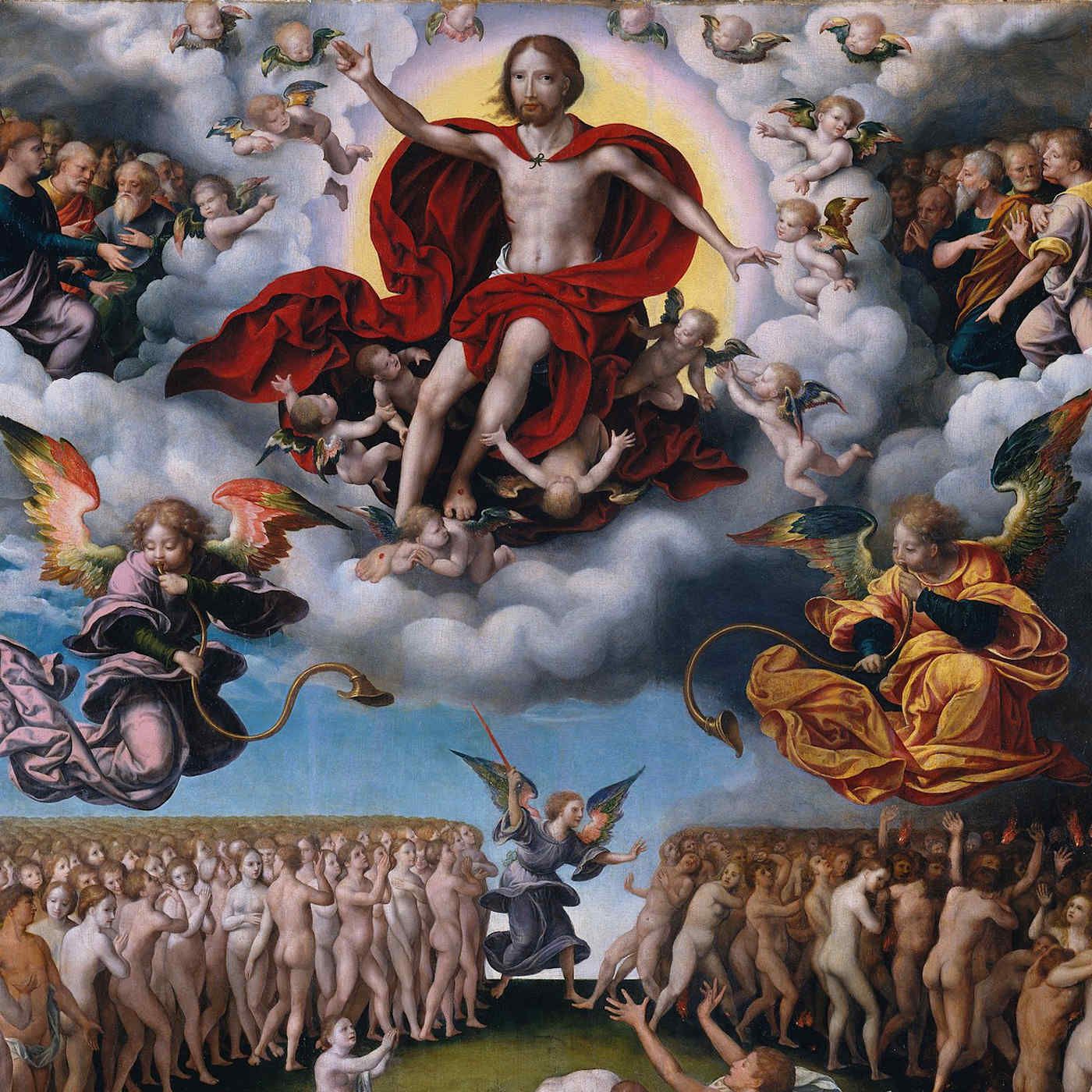
Nov 24, 2023
Saturday of the Thirty-Third Week in Ordinary Time - Preparing for Eternity
“That the dead will rise even Moses made known in the passage about the bush, when he called ‘Lord’ the God of Abraham, the God of Isaac, and the God of Jacob; and he is not God of the dead, but of the living, for to him all are alive.” Luke 20:37–38 Jesus gives this response to some of the Sadducees who question Him about the resurrection of the dead. The Sadducees did not believe in the resurrection of the body, whereas the Pharisees did. Thus, the Sadducees asked Jesus about the resurrection of the body using an almost unheard of example. They refer to the levirate law found in Deuteronomy 25:5ff which states that if a married man dies before having children, the brother of that man must marry his wife and provide descendants for his brother. Thus, the Sadducees present the scenario where seven brothers die, each one subsequently taking the same wife. The question they posed was, “Now at the resurrection whose wife will that woman be? For all seven had been married to her.” Jesus answers by explaining that marriage is for this life, not the life to come at the resurrection. Therefore, none of the brothers will be married to her when they rise. Some spouses have a hard time with this teaching, in that they love their spouse and desire to remain married in Heaven and at the time of the final resurrection. For those who feel this way, rest assured that the bonds of love we form on earth will remain and even be strengthened in Heaven. And when the end of the world comes and all of our bodies rise and are reunited with our souls, those bonds of love will remain stronger than ever. However, marriage, in the earthly sense, will be no more. It will be replaced by the pure love of the new life to come. This teaching gives us reason to ponder further the beautiful teaching of our Lord about His return in glory and, as we say in the Creed, “the resurrection of the dead and the life of the world to come.” We profess this belief every Sunday at Mass. But for many, it can be hard to understand. So what do we actually believe? Simply put, we believe that when we die, our body is “laid to rest,” but our soul enters a moment of particular judgment. Those who remain in mortal sin are eternally separated from God. But those who die in a state of grace will eternally live with God. Most people who die will most likely die with some lasting venial sins on their soul. Thus, Purgatory is the grace of final purification that the person’s soul encounters upon death. Purgatory is simply the purifying love of God which has the effect of eliminating every last sin and imperfection, and every attachment to sin, so that the purified soul can see God face-to-face in Heaven. But it doesn’t stop there. We also believe that at some definitive time in world history, Jesus will return to earth and transform it. This is His Final Judgment. At that time, every body will rise, and we will live eternally as we were intended to live: body and soul united as one. Those souls who are in mortal sin will also be reunited with their bodies, but their body and soul will live separated from God forever. Thankfully, those who are in a state of grace and have endured their final purification will be resurrected and share in the new Heavens and new Earth forever, body and soul as God intended. Reflect, today, upon this glorious teaching of our Lord that you profess faith in every time you pray the Creed. Keeping your eyes on Heaven and, especially, on the final and glorious resurrected state in which you will live in the new Heaven and Earth must become your daily practice. The more we live with this holy expectation, the more we will live here and now as a time of preparation for this final existence. Build treasure now in anticipation of this glorious day and believe that it is the eternity to which you are called. My resurrected Lord, You now reign in Heaven, body and soul, in anticipation of the final and glorious resurrection of all the dead. May I always keep my eyes on this final goal of human life and do all that I can to prepare for this eternity of glory and love. Jesus, I trust in You. Source of content: catholic-daily-reflections.com Copyright © 2023 My Catholic Life! Inc. All rights reserved. Used with permission via RSS feed.
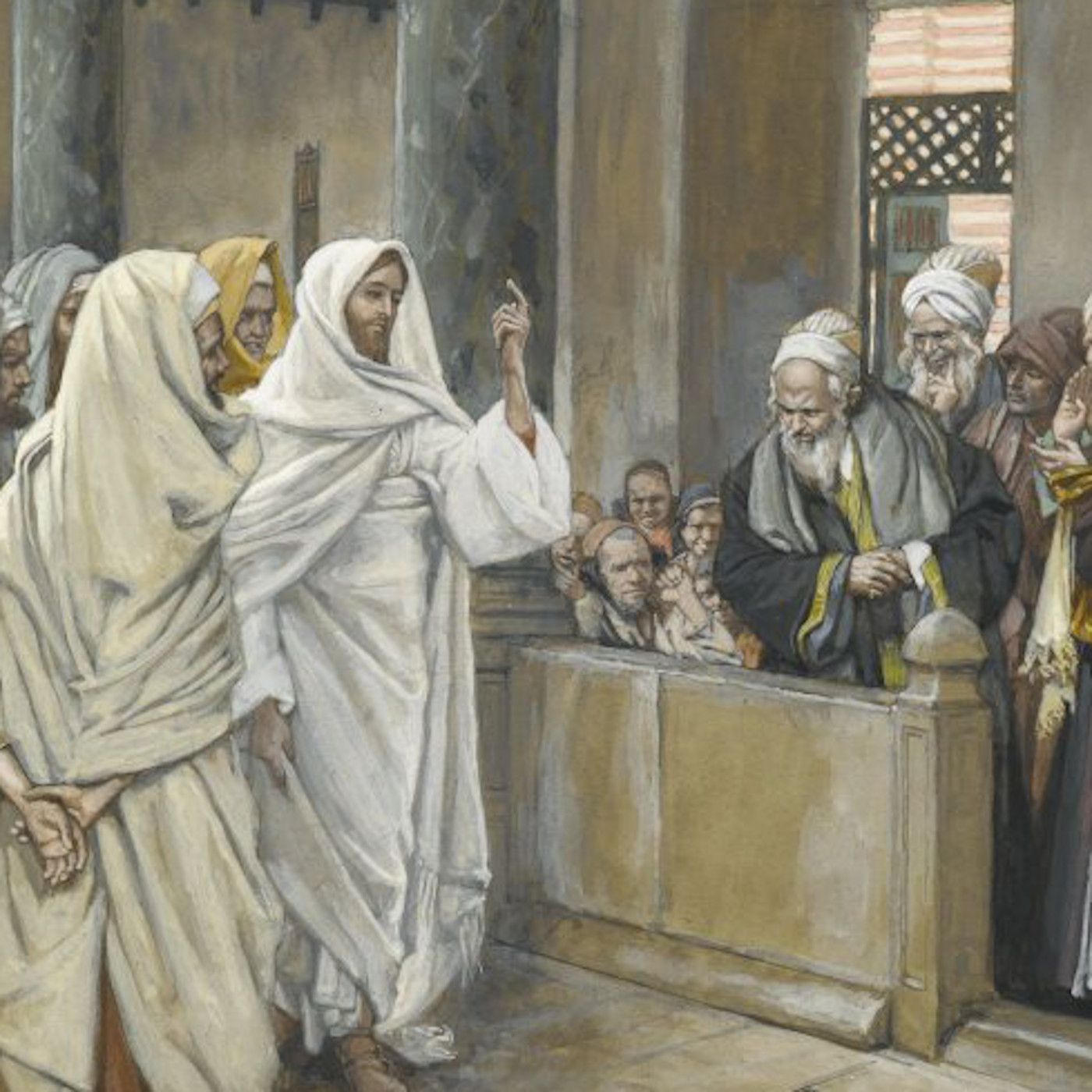
Nov 23, 2023
Friday of the Thirty-Third Week in Ordinary Time - Consoled by Fervent Preaching
And every day he was teaching in the temple area. The chief priests, the scribes, and the leaders of the people, meanwhile, were seeking to put him to death, but they could find no way to accomplish their purpose because all the people were hanging on his words. Luke 19:47–48 Jesus had just entered Jerusalem for the upcoming Feast of Passover. He arrived in that holy city and then returned again the next day and entered the Temple area. As He witnessed the corruption of those selling animals for the Temple sacrifices, Jesus responded with fervent preaching in an attempt to cleanse the Temple from this corruption. He quoted the Prophet Isaiah and cried out, “ It is written, My house shall be a house of prayer, but you have made it a den of thieves. ” Luke’s Gospel points out the reaction of the chief priests, the scribes and the leaders of the people. They were “seeking to put him to death.” However, as the Gospel further relates, “they could find no way to accomplish their purpose because all the people were hanging on his words.” It’s important to consider this passage within its context. The words that Jesus spoke were words that sought to cleanse the Temple of corruption. With the approval of the temple priests, who benefitted from the temple tax, there were many people who were using the practice of divine worship to make a profit for selfish gain, turning the Temple into a marketplace. Jesus could see this clearly, and many of the people would have also sensed the corruption of these practices. Though they needed to purchase animals for the ritual sacrifices and Passover meal, many of them were most likely disturbed by this abuse. Therefore, as Jesus spoke with fervor and condemnation, it angered those who were responsible for the corruption but left the people with consolation. Hence, they were “hanging on his words.” The Gospel is always consoling, and, for those who are open, it leads them to hang on every word that is spoken. It refreshes and invigorates, clarifies and motivates. Usually when we think of the Gospel, we think of words that are gentle and inviting—words of mercy to the sinner and compassion for those who are struggling. But sometimes the pure Gospel message from our Lord fiercely attacks sin and evil. And though this may be shocking to the evil doers, to those with pure faith, these words also refresh and strengthen. Today, we need the full Gospel message. Many need to hear Jesus’ gentle invitation to conversion by which their heavy burdens are lifted. But many others need to hear His firm words of condemnation. And the Church as a whole needs both of these messages to be proclaimed if we are to fully participate in the apostolic ministry of our Lord. Only our Lord has the right to condemn, chastise, and call others to repentance. But we are all called to share in this mission of our Lord. And though we do not have the right to judge the hearts of others, when we see objective evil and disorder within our world and even within our Church, we must cry out with our Lord, “ My house shall be a house of prayer, but you have made it a den of thieves. ” And when we do hear the holy and inspired words of God’s messengers who boldly and courageously proclaim the truth and call others to repentance, it should inspire, invigorate and console us as we find ourselves hanging on their every word. Reflect, today, upon the Gospel messages that need to be preached in our day and age that are both inspired by God and are also fervently directed at corruption within the world and even within our Church. Allow yourself to support such holy preaching and to be inspired by it. Hang on these holy words of God’s prophets today. As you do, God will protect them and inspire them to continue His holy mission of purification. My purifying Lord, the corruption within our world, and at times even within our Church, requires Your holy preaching and purifying action. Please send Your messengers to those in need so that all may be cleansed as You cleansed the Temple. May I share in this mission in the ways in which You call me, and may I always hang on every word spoken from Your merciful and fervent heart of love. Jesus, I trust in You. Source of content: catholic-daily-reflections.com Copyright © 2023 My Catholic Life! Inc. All rights reserved. Used with permission via RSS feed.
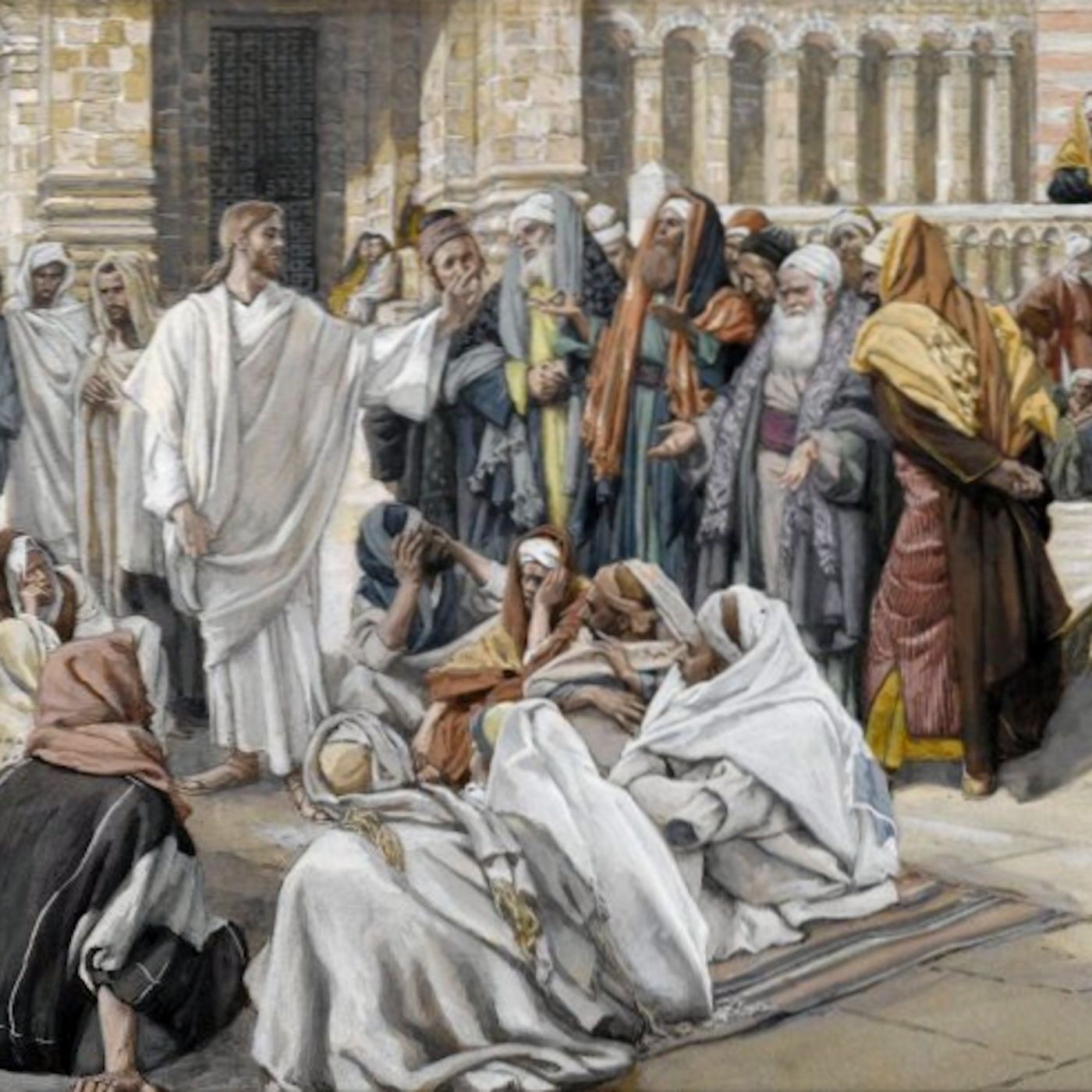
Nov 22, 2023
Thursday of the Thirty-Third Week in Ordinary Time - Holy Sorrow
“For the days are coming upon you when your enemies will raise a palisade against you; they will encircle you and hem you in on all sides. They will smash you to the ground and your children within you, and they will not leave one stone upon another within you because you did not recognize the time of your visitation.” Luke 19:43–44 Jesus spoke these words as He looked at Jerusalem from a distance, preparing to enter that holy city for the last time in preparation for His passion and death. As He spoke these words, the Gospel says that Jesus wept over the city. Of course, it wasn’t primarily tears over the future physical destruction of the Temple and invasion by Roman forces. It was first and foremost tears over the lack of faith of so many which was the true destruction He mourned. As mentioned above, the city of Jerusalem was indeed sieged by the military commander Titus in the year 70 A.D. Titus was acting under the authority of his father, the emperor, and destroyed not only the Temple but also much of the city itself, as well as the Jewish inhabitants. As Jesus approached the city of Jerusalem, so as to enter the Temple one last time to offer His life as the definitive Sacrificial Lamb for the salvation of the world, Jesus knew that many within this holy city would not accept His saving sacrifice. He knew that many within that city would become the instruments of His pending death and would have no remorse for killing the Savior of the World. And though this one point can easily be missed, it should be emphasized that Jesus’ reaction was not fear, it was not anger, it was not disgust. Rather, His reaction was holy sorrow. He wept over the city and its inhabitants despite what many of them would soon do to Him. When you suffer injustice, how do you react? Do you lash out? Condemn? Get defensive? Or do you imitate our Lord and allow your soul to be filled with holy sorrow? Holy sorrow is an act of love and is the appropriate Christian response to persecution and injustice. Too often, however, our response is not holy sorrow but anger. The problem with this is that reacting in unholy anger does not accomplish anything good. It does not help us to imitate Jesus, and it doesn’t help those with whom we are angry. Though the passion of anger can be used for good at times, it becomes a sin when it is selfish and a reaction to some injustice done to us. Instead of this unholy anger, seek to foster holy sorrow in imitation of Jesus. This virtue will not only help your soul grow in love of those who have hurt you, it will also help them to see more clearly what they have done so that they can repent. Reflect, today, upon your own approach to the evil you face in your life. Consider carefully your interior and exterior reaction. Do you mourn with love over sins you witness and experience? Do you mourn, with a holy sorrow, over your own sins and the sins of others? Work to foster this form of love within you and you will find that it can become a motivation for you to help transform the sins you commit and the sins of others you endure. My sorrowful Lord, You endured the sins of many. You were treated with cruelty and injustice. To all of these sins, including those that you foresaw, You reacted with the love of holy sorrow. And that sorrow led you to true compassion and concern for all. Please give me the grace to imitate this same love of Yours so that I, too, may share in the holiness of Your sorrowful heart. Jesus, I trust in You. Source of content: catholic-daily-reflections.com C opyright © 2023 My Catholic Life! Inc. All rights reserved. Used with permission via RSS feed.
Nov 22, 2023
Thanksgiving Day, United States - Gratitude for Immeasurable Blessings
“Ten were cleansed, were they not? Where are the other nine? Has none but this foreigner returned to give thanks to God?” Then he said to him, “Stand up and go; your faith has saved you.” Luke 17:17–19 He was saved by faith through the expression of gratitude! What a wonderful story to ponder today as we celebrate the national holiday of Thanksgiving! Though Thanksgiving Day is not specifically a Church holy day, gratitude is certainly central to our Christian faith, as is illustrated by today’s Gospel in which ten lepers were healed by Jesus. And their communal reaction is something of which to take note. Nine of them were healed and went about their business, not returning to the source of their healing to thank Him. But one did. This one leper, who was suddenly no longer a leper, returned to Jesus, glorified Him, fell at His feet and thanked Him. This one leper was a foreigner, a Samaritan, but he manifested a faith that we must all strive to imitate. The faith of this Samaritan was evident by the fact that he knew he needed to not only be grateful for the grace of healing but that he also needed to express it. As we celebrate Thanksgiving Day, we are reminded that of all the things for which we must be grateful, nothing is more important than our gratitude to God for the immeasurable graces He has given us. But as the story goes, it is clearly very easy to overlook the importance of our response to God’s blessings. Only ten percent of the lepers responded with such an expression. Therefore, it is helpful today to examine the many reasons we should be thankful and should work to express that gratitude to God. First, God created us out of love. This is no small gift. It is the first gift He has given us and one we often take for granted. God did not need to create us. He did not need to create you. But He did. And the gift of life, the gift of an immortal soul, is something that we must never overlook and always rejoice in. Second, God entered our fallen state through the Incarnation within the womb of the Blessed Virgin Mary. Doing so elevated our fallen human nature to a height never known before. Humanity and divinity were united in the Person of the Incarnate Son of God and Son of Man, and we must be grateful for this unmerited and awe-inspiring gift. Third, we know the rest of the story. God, in the Person of the Incarnate Son, suffered, died and rose again. In so doing, He made it possible for every sin of ours to be wiped away. As we die with Him, we are invited to rise with Him. And as we rise with Him, we are invited to share in His glory in Heaven. Lastly, in each and every life, there are countless graces given to us every day. But as spoiled children, we often overlook these blessings and take them for granted. Examples here do not suffice. It is essential that if you want to have a grateful heart that you learn to see these blessings in your own life. Too often we focus on our struggles and pain. But the blessings are abundant, and the more we turn to our Lord in total surrender, the more the blessings flow. Reflect, today, upon the attitude that you have toward the many blessings God has bestowed upon you. Begin by considering the central blessings of God’s creation and His saving acts of love. From there, try to ponder the many small ways that God has been with you, guided you, strengthened you, and blessed you abundantly. If you do not see these clearly, then use this day to consciously listen so that God can reveal them to you. As you see your blessings, respond as this one leper. Turn to Jesus, glorify Him, fall at His feet in prayer and thank Him. Doing so will fill you with the same saving faith granted to this one leper. My most generous Lord, You have bestowed upon me blessings beyond my imagination. I realize that I will never fully understand how good You have been to me and will never be able to express my gratitude adequately enough. Please do fill me with a grateful heart. Help me to see Your action in my life and to respond to You as this one leper. Jesus, I trust in You. Source of content: catholic-daily-reflections.com Copyright © 2023 My Catholic Life! Inc. All rights reserved. Used with permission via RSS feed.
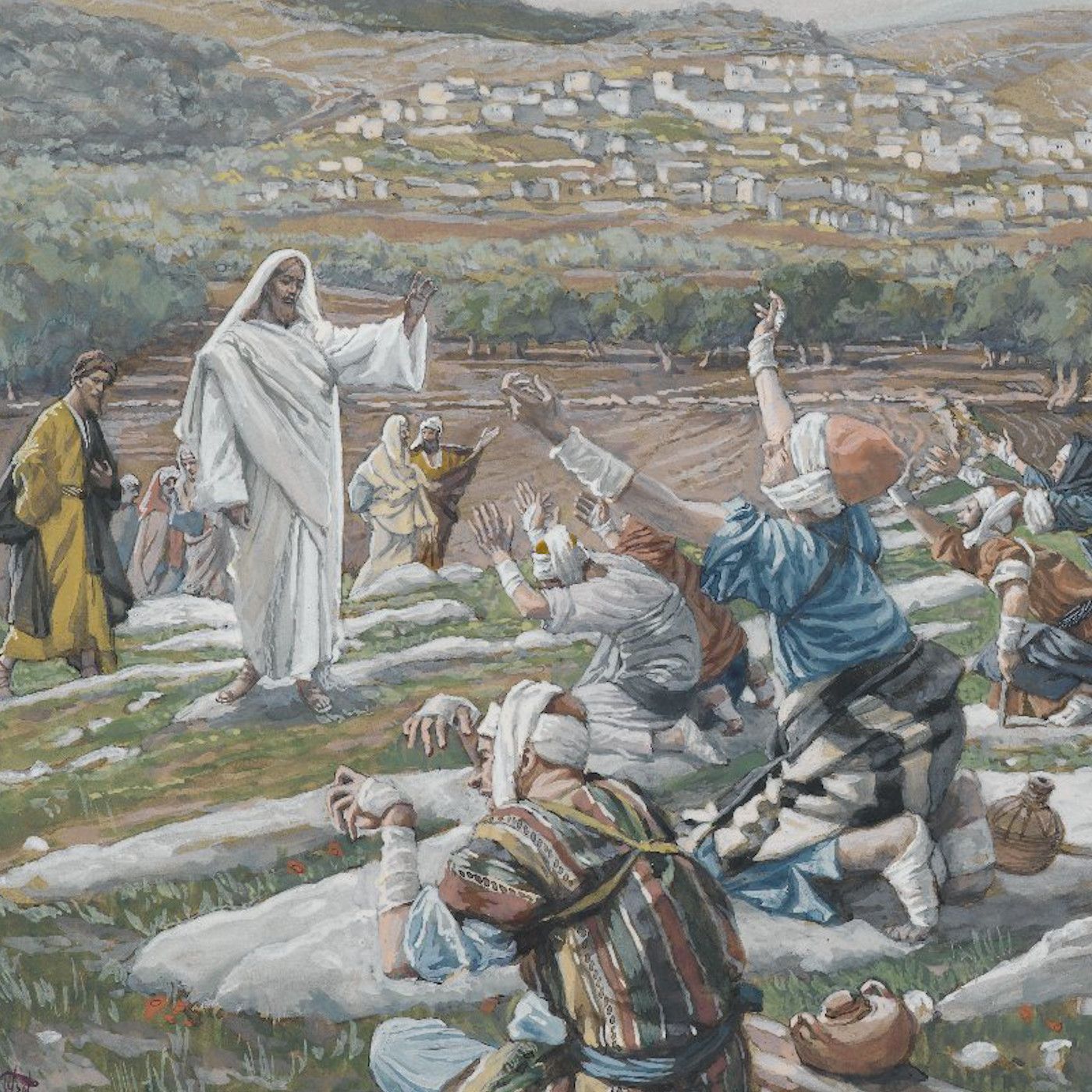
Nov 21, 2023
Wednesday of the Thirty-Third Week in Ordinary Time - Your Apostolic Calling
“A nobleman went off to a distant country to obtain the kingship for himself and then to return. He called ten of his servants and gave them ten gold coins and told them, ‘Engage in trade with these until I return.’ His fellow citizens, however, despised him and sent a delegation after him to announce, ‘We do not want this man to be our king.’” Luke 19:12–14 There are three categories of people in this parable. The first includes those who received a gold coin and followed the master’s request to “engage in trade” until he returned. The second has those who received the same command but were lazy and failed to produce any good fruit from that which our Lord has given them. And the third includes those who “despise” our Lord and do not want Him as their King. Upon the king's return, this first category of people are represented by the two servants who took the gold coins, engaged in trade, and made five and ten more. These are those who have much apostolic zeal. God not only calls us to use the gifts we have received to expand His Kingdom on earth, He also expects it of us. His expectation is a command of love. For those who understand this command, they see it as a glorious invitation to make an eternal difference in the lives of many. They do not see the apostolic works to which they are called as a burden. Rather, they see them as a joy, and that joy fuels their efforts. The result will have exponential effects for God’s Kingdom. The second category of people is illustrated by the one servant who kept the one gold coin “stored away in a handkerchief” out of fear. These are the people who avoid evangelizing and furthering the Kingdom of God out of fear. Fear is paralyzing. But giving in to fear is a sin. It’s a lack of faith and trust in God. Serving God will inevitably require courage on our part. It will demand that we step out of our comfort zone and do that which we may not immediately feel comfortable doing. But as that servant in the parable foretold, God is a demanding God. And He will not accept fear as an acceptable excuse not to zealously help to build the Kingdom of God. The third category of people is the category in which you definitely do not want to fall. These are those who actively work to undermine God’s Kingship and reject Him as God. The world is filled with these people. The only thing we need to say about those who fall into this category is that which our Lord said of them. “Now as for those enemies of mine who did not want me as their king, bring them here and slay them before me.” Reflect, today, upon which category of people your life most fully resembles. Most likely it is one of the first two. Do you have great zeal for God’s Kingdom? Are you willing to do all that you can to help build His Kingdom? Are you willing to do so even at the cost of great personal sacrifice? If so, then rejoice and know that an abundant reward awaits. But if you are one who struggles with fear, specifically, if you struggle with a fear to evangelize, to share the Gospel and to live your faith openly with humility and love, then spend more time with this parable and the fate of that one servant who hid the coin in the handkerchief. Engage in the apostolate. Commit yourself to the furtherance of God’s Kingdom. Dispel all fear and know that you will never regret putting your whole heart and soul into the service of God and the building of His Kingdom. My demanding Lord, You have entrusted me with much, and You demand that I use all that You have given me to help build Your Kingdom of grace. What a privilege it is to be called by You and used by You for this apostolic mission. Please free me from all fear, dear Lord, so that I will never hesitate to serve You in the ways that You call me to serve. Jesus, I trust in You. Source of content: catholic-daily-reflections.com Copyright © 2023 My Catholic Life! Inc. All rights reserved. Used with permission via RSS feed.
Nov 20, 2023
Tuesday of the Thirty-Third Week in Ordinary Time - The Desire of the Heart
At that time Jesus came to Jericho and intended to pass through the town. Now a man there named Zacchaeus, who was a chief tax collector and also a wealthy man, was seeking to see who Jesus was; but he could not see him because of the crowd, for he was short in stature. So he ran ahead and climbed a sycamore tree in order to see Jesus, who was about to pass that way. Luke 19:1–3 Once again, our Lord reaches out to someone who comes to Him in humility and need. Zaccheaus was a wealthy man, materially speaking. But interiorly he was poor and in need. And it was this spiritual poverty he was experiencing that led him to seek out Jesus with much determination. Zacchaeus probably never imagined that day that Jesus would offer to come to his home. Clearly, he climbed the tree to get a glimpse of Jesus because he felt a strong desire to know our Lord. Since he was physically wealthy, it seems clear that he no longer was satisfied in life simply because of a comfortable lifestyle. Something was missing, and he couldn’t help but know that Jesus held the answer. So Zacchaeus did what some may have thought unusual. He climbed a tree to be able to see Jesus. Why did Jesus stop, look up at Zacchaeus, and call him down, stating that He was going to stay at Zacchaeus’ home? It’s because Jesus was able to sense the need within the heart of Zacchaeus. Hearts that are poor, in need, and open are very attractive to Jesus. He never misses the opportunity to come to humble souls like this. Zacchaeus responds to our Lord immediately by promising to right the wrongs he has done in the past. He promises to give away half of his possessions and to repay anyone he has extorted fourfold. This reveals the authenticity of Zacchaeus’ heart. As Jesus passes by you, what does He sense? Is He drawn to your heart? Is He drawn to you because of your interior disposition of humility and need? It is easy for us to go through life acting as if we have it all together. We can put on a facade that portrays an attitude of strength and success. But Jesus rarely comes to the soul who expresses little need. If we want to draw Jesus to ourselves, then we must acknowledge the poverty within ourselves, even if we are materially wealthy and successful in a worldly way. Every one of us must humble ourselves like Zacchaeus by knowing that Jesus is the only answer in life. Reflect, today, upon the fact that you and you alone have the ability to draw Jesus to yourself. You can do this by looking at your need for Him. Do not hide it. Climb the figurative tree by which you will be able to look for Jesus and, more importantly, by which Jesus can see your manifest desire for Him. As you express your need for Him, know that He will be compelled, by His unshakable love and mercy, to come to you and to stay with you in the house of your soul. And when He does, be ready and willing to abandon all that has been a hindrance to your meeting with Christ in the past. My attentive Lord, You are always aware of every heart that longs for You. You never ignore those who desire You in their life. Please help me to see my own interior needs and struggles and to see You as the only source of fulfillment in life. I commit myself to seeking You out, dear Lord. And as You come to me, I commit to abandon all that has kept me from You in the past. Jesus, I trust in You. Source of content: catholic-daily-reflections.com Copyright © 2023 My Catholic Life! Inc. All rights reserved. Used with permission via RSS feed.
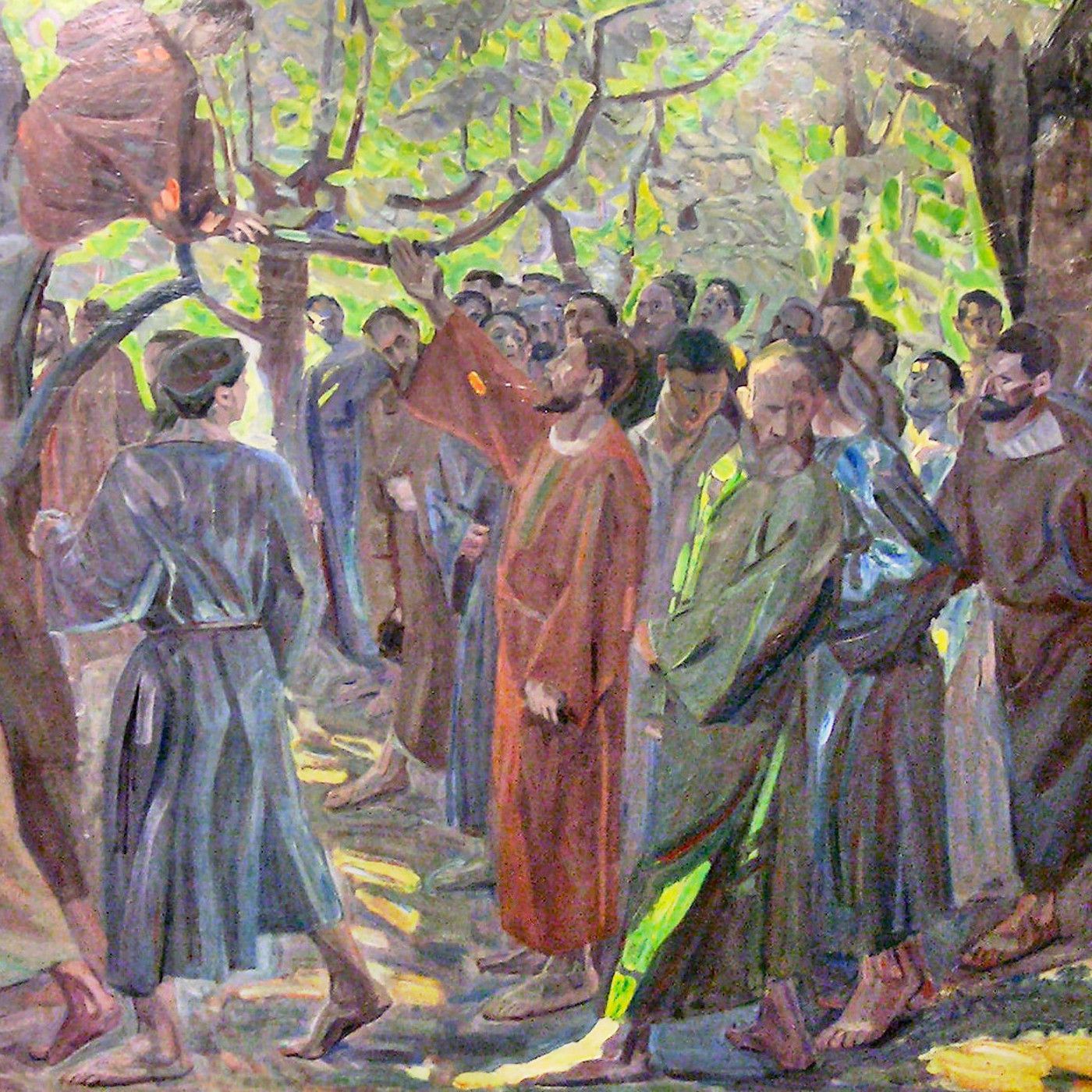
Nov 19, 2023
Monday of the Thirty-Third Week in Ordinary Time - A Model for Prayer
As Jesus approached Jericho a blind man was sitting by the roadside begging, and hearing a crowd going by, he inquired what was happening. They told him, “Jesus of Nazareth is passing by.” He shouted, “Jesus, Son of David, have pity on me!” The people walking in front rebuked him, telling him to be silent, but he kept calling out all the more, “Son of David, have pity on me!” Luke 18:35–39 This beautiful story of the healing of this blind man, named Bartimaeus in the Gospel of Mark, sets for us a model of how we must come to Jesus in prayer. Bartimaeus and his encounter with Christ is an icon upon which we must meditate so as to imitate him in his weakness, openness, confidence and perseverance. To begin, this “blind man was sitting by the roadside begging.” We must see this as an ideal image of how to begin our prayer. When we start to pray, we must see our littleness, weakness and extreme poverty in our spiritual life. We come to God with nothing. Unable to see. A beggar. And one who is incapable of meeting our own spiritual needs. This is Bartimaeus, and this must be the way we come to our Lord in prayer. Sometimes we can fall into the illusion that our prayers are so elevated and pious that God must be very impressed. If that’s your struggle, then you are more like the Pharisees. This blind man, however, is the ideal to aim for. So when you begin your prayer, come to our Lord as a spiritually poor and needy beggar. In this state of humility, just as it happened in this Gospel story, you can be certain that “Jesus of Nazareth is passing by.” So as you sit in your humble and needy state, wait and be attentive to Jesus passing by. Wait upon His gentle voice, His quiet inspiration, His calming and unmistakable presence. If you can humble yourself this way and then sense our Lord’s divine presence touching you in some way, then further imitate Bartimaeus by calling out interiorly, “Jesus, Son of David, have pity on me!” The cry from the depths of your heart in prayer must come as a result of Jesus “passing by.” It must be a response to Him coming to you on His own. As Jesus passes by, spiritually speaking, He waits for you to call to Him. He desires that you call to Him. And He desires that you do it with firm confidence and perseverance. Notice that as this blind beggar cried out, there were obstacles put in his way. The people “rebuked him, telling him to be silent.” But even this was a gift, because it enabled Bartimaeus to cry out all the more. So also with us, when obstacles arise in our prayer, such as distractions, temptations, a lack of consolation, or any other challenge to our prayer, we must see these obstacles as hurdles that must be overcome. Doing so will deepen our union with Jesus, turning that apparent obstacle into a source of blessing. Reflect, today, upon these four aspects of a deep prayer life that are presented to us through the witness of this blind beggar. First, ponder your weakness and poverty as you turn to God in prayer. Second, be attentive to the presence of God as He passes by, waiting for you to call to Him. Third, cry out to Him and beg Him to come closer. And fourth, work to overcome every obstacle to prayer and see those obstacles as opportunities to call out to God all the more. My compassionate Lord, I come to You in my weakness and poverty, I come in need of Your divine touch and healing. As You do pass by, I acknowledge Your presence and call to You. Jesus, please do come to me, have pity on me. Help me to overcome every obstacle to Your love and to trust in You always, never wavering from my commitment to You. Jesus, I trust in You. Source of content: catholic-daily-reflections.com Copyright © 2023 My Catholic Life! Inc. All rights reserved. Used with permission via RSS feed.
Nov 18, 2023
Thirty-Third Sunday in Ordinary Time (Year A) - Doing Small Things Well
Jesus told his disciples this parable: “A man going on a journey called in his servants and entrusted his possessions to them. To one he gave five talents; to another, two; to a third, one—to each according to his ability. Then he went away.” Matthew 25:14–15 Many people dream of doing great things in this life. Those who play sports dream of winning the championship. Those in business dream of growing their business. Artists and actors dream of becoming well-known. In almost everything we do, we dream of excelling. This drive is part of the natural desires God has given to us. When it comes to the most important part of our lives, we must strive to excel also. What is the most important part of our lives? It is the calling we have received to serve the will of God. Therefore, we must strive to unite our natural desire for excellence with our faith so that we will be driven to fulfill the glorious mission God has entrusted to each one of us. Every natural ability we have must be seen as a gift, given to us by God for the purpose of glorifying Him and furthering His Kingdom on earth. In our parable today, the man who went on a journey entrusted each of his servants with a large sum of money. To one he entrusted five talents; to another two; to a third, one. A talent was a measurement of precious metals such as silver or gold. In today’s value, one talent of silver would be worth about $30,000 USD. That’s a lot of money entrusted to each of these servants. However, when the master returned, he referred to this initial gift to each as a small amount and then promised to entrust a large amount to the two servants who used the talents well. From a human perspective, we should see the natural gifts that God has given us as a huge amount. From a divine perspective, we must see every natural gift from God as only the beginning. God has so much more He wishes to bestow upon us. In order to obtain those riches of grace, we must first use well what we have been given for God’s glory and for the furtherance of His Kingdom. What has our Lord entrusted to you? What gifts and talents do you have? As you think about your natural talents, consider how well you use them for the service of God. Using your natural abilities only for yourself is the same as refusing to use them for God. To the one man who was entrusted with one talent and did nothing with it, the master said, “You wicked, lazy servant!” He then took the one talent away and gave it to the one with ten who was responsible with the master’s money. So in our lives, if we fail to dedicate our natural abilities to the service of God, we will lose even the little we have. But if we unite our natural desire for greatness with the call to serve the will of God, then there is no limit to the riches of grace God will bestow. Reflect, today, upon how diligent you are in your drive to fulfill the will of God in your life. If you feel as though you cannot make much of a difference, then try to dispel that idea. Try to do small things well. Work at perfecting your charity in your daily life. Commit yourself to daily prayer. Strive to weed out all sin in your life. Do the small things well and God will smile on these little offerings and transform them into a superabundance of grace. Most generous Lord, You have entrusted to me a particular mission in life. May I work to excel in that mission, even if it seems small and insignificant. As I do, please pour forth Your abundant blessings of grace so that I will excel in giving You the greatest glory possible and will be a greater instrument of the coming of Your Kingdom on earth. Jesus, I trust in You. Source of content: catholic-daily-reflections.com Copyright © 2023 My Catholic Life! Inc. All rights reserved. Used with permission via RSS feed.
Nov 17, 2023
Saturday of the Thirty-Second Week in Ordinary Time - Praying for the Will of God
The Lord said, “Pay attention to what the dishonest judge says. Will not God then secure the rights of his chosen ones who call out to him day and night? Will he be slow to answer them? I tell you, he will see to it that justice is done for them speedily.” Luke 18:6–8 It’s interesting that Jesus uses the example of a dishonest judge to illustrate the importance of praying to God, calling out to Him day and night for justice. As the parable goes, this judge cared little about a widow in his town who continually came to him asking for a just decision. He felt as though she was continually bothering him. Because she was so persistent, the judge thought to himself, “...because this widow keeps bothering me I shall deliver a just decision for her lest she finally come and strike me.” Jesus’ conclusion from this parable is quoted above. The simple lesson we ought to learn from this parable is that we must be persistent in prayer. God will always answer our prayers, seeing to it that “justice is done” speedily. But many people have prayed and prayed and prayed for some situation, prayed even for justice, and it appeared that God did not answer their prayer. Thus, some may question the promise of Jesus that persistent prayer will always be answered and justice always be rendered. If this is your experience, it is essential that you remind yourself of two things. First, Jesus’ words are true. When we persevere in prayer and trust in God, He hears us and answers. This is our Lord’s unwavering promise. But secondly, the “justice” that God delivers may often be different than the justice we expect. It may be that we want someone to pay for a wrong they did to us, but after praying fervently, our expectation is not met by our Lord. For this reason, it is essential that we know that God answers every prayer we pray, but in accord with His perfect will and wisdom. Therefore, God’s view of justice at times may be very different than ours. At times, His justice is satisfied by His invitation to us to show mercy in abundance. True mercy always satisfies justice. Take, for example, the case of someone speaking in a rude manner to you. If you offer that situation to our Lord, He will enter in and provide His grace for you to deal with it in accord with His will. Perhaps He will soften the other person's heart so that they apologize, or perhaps, if they don’t apologize and their heart is not softened, then God’s answer to your prayer will be to give you the grace of humility so that you can love that person despite their unrepentance. Regardless of the way our Lord intervenes, the fact remains that He will intervene and enable you to fulfill His perfect will. If, however, your prayer is that the person be held accountable and condemned, then you are trying to tell God what to do, and He will not accede to your request. All of our prayer must ultimately be for the fulfillment of God’s perfect will in accord with His wisdom. Reflect, today, upon how completely you trust in God. Do you know, with certainty, that He will answer every prayer that you fervently pray with faith in accord with His divine will? Believing this is freeing and enables you to live more fully in union with Him. If there is some issue with which you struggle right now, even some apparent injustice, then entrust it to our Lord, day and night without ceasing, and know that His grace will guide you as He answers you in accord with His will. My all-wise Lord, Your will is perfect in all things, and You always bestow Your grace upon me when I pray without ceasing. Please give me a trusting Heart, dear Lord, so that I will never waver in my hope that You will always answer my prayers in accord with Your will. Jesus, I trust in You. Source of content: catholic-daily-reflections.com Copyright © 2023 My Catholic Life! Inc. All rights reserved. Used with permission via RSS feed.
Nov 16, 2023
Friday of the Thirty-Second Week in Ordinary Time - Embracing the Present Moment
Jesus said to his disciples: “As it was in the days of Noah, so it will be in the days of the Son of Man; they were eating and drinking, marrying and giving in marriage up to the day that Noah entered the ark, and the flood came and destroyed them all.” Luke 17:26–27 As we enter into the final weeks of the liturgical year, we begin to turn our attention to the final coming of Christ. In today’s Gospel, Jesus gives us the example of Noah and Lot. In both of their stories, people were eating, drinking, marrying, buying, selling, planting and building up, until the very day that the floods came to destroy the earth at the time of Noah and fire rained down from the sky at the time of Lot. Both Noah and Lot were saved, but many others alive at that time met with sudden and unexpected destruction. Jesus says that the “days of the Son of Man” will be similar to these previous two events. At an unexpected time, Jesus will return to earth, and the Final Judgment will ensue. So His message is clear: Be ready at all times. Though we are familiar with this teaching of our Lord, spoken many times and in various ways in the Gospels, many people do not heed the message. It is easy to believe that you always have tomorrow to change, and so you give into temptation today. And then tomorrow comes, and the temptation is once again embraced with the thought that you will work on it tomorrow, and henceforth. We can easily go about perpetuating our sins and embracing our temptations while we have the ongoing good intention of changing tomorrow. This is a mistake for two reasons. First of all, it always remains a possibility that our Lord will indeed come today and that today truly will be the end of the world. Or, it always remains a distinct possibility that your life will come to an end today, suddenly and unexpectedly. If that were to happen, would you be fully ready to stand before the judgment seat of Christ? Most people would not, at least not fully ready. Thus, this should be motivation enough to work tirelessly today to be ready now and every moment hereafter. But we should also see this prophecy of our Lord as applying to every present moment of every day. Jesus is always coming to us, suddenly and without warning, inviting us to serve Him by grace. This Gospel passage states that “Whoever seeks to preserve his life will lose it, but whoever loses it will save it.” This applies to the end of our lives and to the end of the world, but it also applies to every present moment of every day. If we continually seek to lose our lives, meaning, to choose the Heavenly realities over the temporal earthly indulgences we are daily tempted with, then we will also daily experience the grace of salvation, here and now, in every present moment of our lives. Reflect, today, upon whether or not you regularly seek to lose your life for the sake of the Kingdom of God. Do you continually choose grace, mercy, Heaven, obedience, love, self-sacrifice, compassion, forgiveness and the like, every moment of every day of your life? If so, then our Lord will continually bestow the gift of His saving grace upon you here and now, preparing you for the ultimate moment of judgment. If not, then you will be more like the people of Noah’s and Lot’s time who met with sudden destruction when they least expected it. Live for God now, today, in this moment, and you will be eternally grateful you did. My ever-present Lord, You come to me always, suddenly and unexpectedly, and so often I do not hear You or perceive Your presence. Please help me to live continually for You and by Your grace, choosing Heavenly realities over temporary indulgences. May I live this way always, meeting You every moment of my life and anticipating that glorious final meeting with You at the time of judgment. Jesus, I trust in You. Source of content: catholic-daily-reflections.com Copyright © 2023 My Catholic Life! Inc. All rights reserved. Used with permission via RSS feed.
Nov 15, 2023
Thursday of the Thirty-Second Week in Ordinary Time - Perceiving the Kingdom of God
Asked by the Pharisees when the Kingdom of God would come, Jesus said in reply, “The coming of the Kingdom of God cannot be observed, and no one will announce, ‘Look, here it is,’ or, ‘There it is.’ For behold, the Kingdom of God is among you.” Luke 17:20–21 Why did the Pharisees ask Jesus this question? Why did they want to know when the Kingdom of God would come? To answer this question, we must first look at the full context of the various communications between Jesus and the Pharisees. When we do this and see the many ways that the Pharisees attempted to trap Jesus in speech and the times in which our Lord firmly rebuked the Pharisees, it seems clear that the Pharisees did not ask Jesus this question in innocence and openness. Instead, they once again were trying to trap Him. They posed a question by which they gave the appearance of believing Jesus’ teachings that the Kingdom of God was coming, but they asked not in faith but in mockery and in an attempt to trip Jesus up in His answer. Jesus’ answer is mysterious. It leaves little room for the Pharisees to use Jesus’ speech against Him. Perhaps the Pharisees were hoping that Jesus would say that the Kingdom was coming soon, or next month, or within the year. But Jesus’ answer leaves them with confusion in the face of this mystery that “the Kingdom of God is among you.” Much of what Jesus says can only be fully understood through faith. He often speaks in veiled language intentionally, because the only way to lift the veil to perceive the meaning of His teachings is to rely upon the inspired gift of faith. Faith is like a key to unlock the secrets of the mysteries of God. Faith becomes a lens through which every parable, every figure of speech, and every mystery taught by our Lord is understood. But without this inspired gift of faith, Jesus’ teachings remain mysterious and incomprehensible. When you ponder these words that “the Kingdom of God is among you,” what do you understand? Are you able to use the gift of faith to unlock the meaning of this sacred teaching? Interestingly, reading Jesus’ words, spoken in a veiled way, offer us the opportunity to test our own faith. If we read these words and are left in confusion, then this is a clear sign that we need to pray for and be open to the gift of faith. But if we do read Jesus’ mysterious teachings and the light of understanding is given to us, then this is a clear reason to rejoice, since this comprehension is only possible through the gift of faith. Reflect, today, upon this sacred teaching of our Lord: “The Kingdom of God is among you.” Meditate on those words and pray for insight and understanding. Jesus’ words are true. His Kingdom truly is everywhere, all around us and within us. It is alive and well. Do you see it? Do you perceive it? Do you see your role in building it? Use these questions as a test of your own level of faith and know that God wants to reveal to you these mysteries that are only able to be comprehended by His grace. My mysterious Lord, Your Kingdom is everywhere, all around us and within us. I do believe. Give me the eyes of faith so that I may continually perceive Your hand at work. May I always be attentive to all that You wish to reveal to me and open to the deep meaning of the mysteries You do reveal. Increase my faith, dear Lord, so that I may know You and join in the upbuilding of Your glorious Kingdom. Jesus, I trust in You. Source of content: catholic-daily-reflections.com Copyright © 2023 My Catholic Life! Inc. All rights reserved. Used with permission via RSS feed.
Nov 14, 2023
Wednesday of the Thirty-Second Week in Ordinary Time - Thank You, My Lord
Jesus said in reply, “Ten were cleansed, were they not? Where are the other nine? Has none but this foreigner returned to give thanks to God?” Then he said to him, “Stand up and go; your faith has saved you.” Luke 17:17–19 This reply from our Lord came in response to the one leper who returned to Jesus to thank Him. Ten lepers had come to Jesus, stood at a distance, cried out, “Jesus, Master! Have pity on us!” And with that, Jesus healed them all. But the heart of this healing is not as much the healing itself as it is the gratitude expressed by only one of the ten. This Gospel relates to us that this one leper did five things to profoundly express his gratitude. He returned, glorified God, did so in a loud voice, fell at the feet of Jesus, and thanked him. What a wonderful witness for us all! By analogy, children often take the loving care of their parents for granted. That’s why many good parents regularly remind their children to say “thank you.” In our relationship with God, we can also easily take God’s saving actions for granted. We can easily see all the grace we receive as something we deserve rather than as an infinitely merciful gift. When that happens, we become more like the other nine who failed to properly express their gratitude to Jesus. First of all, it must be noted that expressing gratitude to God is not done because God needs these accolades. He does not depend upon our gratitude to affirm His self-worth. This is obvious. God is God, and He does not need our praise in any way. However, giving profound praise and glory to God is essential. It is essential because we need this virtue of gratitude so as to daily be reminded that all we receive from God is an unmerited gift. We cannot earn His love and grace. We do not deserve it. But He chooses to bestow it anyway out of mercy. And the only appropriate response to mercy is gratitude. Profound gratitude. Gratitude is essential because it is the truth. We should always return to our Lord after He has graced us. We should glorify Him with much fervor, crying out to Him with passion. We should, literally and interiorly, fall on our face before Him, at His feet, and thank Him, over and over and over again. Doing so will always help us to remember the truth that everything we have and everything we are is a gift from God. An unmerited and undeserved gift of grace. Reflect, today, upon the depth of gratitude in your own heart. Do you often act more like a spoiled and selfish child, or do you regularly perceive the graciousness of God? If you lack in any way this fullness of gratitude, then ponder this one leper. His gratitude, expressed with the fullness of passion, is the most important part of this story. In the end, he was graced far more than the other nine because his healing produced faith; and it was that faith that saved not only his body but his soul. Seek to save your soul by imitating the faith of this one holy and healed leper. My gracious Lord, You bestow Your mercy upon me in superabundance. Without You, Jesus, I have nothing; but with You, I receive everything. May I always know and understand my need for Your grace. And as I am gifted with it, may I respond with the deepest gratitude, thus, saving my soul through faith. Jesus, I trust in You. Source of content: catholic-daily-reflections.com Copyright © 2023 My Catholic Life! Inc. All rights reserved. Used with permission via RSS feed.
Nov 13, 2023
Tuesday of the Thirty-Second Week in Ordinary Time - Servants of the Master
Jesus said to the Apostles: “Who among you would say to your servant who has just come in from plowing or tending sheep in the field, ‘Come here immediately and take your place at table?’ Would he not rather say to him, ‘Prepare something for me to eat. Put on your apron and wait on me while I eat and drink. You may eat and drink when I am finished?’ Is he grateful to that servant because he did what was commanded?” Luke 17:7–9 In most cultures today, the idea of having a servant whom you command to wait on you is far from ideal. Jesus uses this image because the people to whom He was speaking would have easily related. He used it as a way of humbling them because when the illustration is properly understood, He was identifying each one of them as the servant, not the master. Only God is the Master. When it comes to our service of God, there is no limit to the commands that God will give. At first, that might seem harsh, but it’s not because the commands that God gives to us are dictates of perfect love. We need His commands. We need the order He provides. We need to enter into perfect obedience to Him. We need to listen to everything He tells us and obey it to perfection. Seeing God as our Master and ourselves as His servants will only appear harsh when we fail to understand what sort of Master He is. Recall the beautiful words of our Blessed Mother when she was given the command from the Archangel Gabriel. The angel said to her, “You will conceive in your womb and bear a son, and you shall name him Jesus.” This was not a question posed to her; it was a command of love. Mary did not hesitate and did not refuse. She said, “Behold, I am the handmaid of the Lord. May it be done to me according to your word.” At the conclusion of today’s Gospel, Jesus went on to say, “When you have done all you have been commanded, say, ‘We are unprofitable servants; we have done what we were obliged to do.’” In many ways, this is exactly what our Blessed Mother did. She was a servant of God’s perfect commands, and she knew that her love for God obliged her to follow His will. When you think about your service of the will of God, do you see it as you doing God a favor? Do you see obedience to God’s dictates as an act of generosity on your part and your cooperation with those dictates as above and beyond your natural duties? Hopefully not. Hopefully you understand that you, like our Blessed Mother, are a servant of the one true Master of all. Hopefully you also see the commands of God as the roadmap toward a life of complete fulfillment. When we understand Who the Master is, we will never hesitate in being a servant, or even a slave. We will not hesitate in freely surrendering ourselves over to His will in complete and unwavering obedience. God alone knows what is best for us, and we need to give Him complete control over our lives. Reflect, today, upon the image of a master and a slave. As you do, try to shed every preconceived image you have that includes harshness, cruelty, dominance and control. Instead, try to see the image of a divine Master Whose only concern is for the servant. Try to see a Master Who perfectly loves the servant. Reflect upon your own need for such a Master in your life. Pray that you will be able to surrender complete control over to God in all things so that He can direct your life into the glorious things He has in store for you. My Lord and Master, You have commanded me and all Your servants to obey Your commands of perfect love. Your will alone is what is best for our lives and Your dictates bring fulfillment and purpose to our lives. May I, with Your Blessed Mother, always obey You in everything, for I am a servant of You, dear Lord. May I joyfully do what I am obliged to do. Jesus, I trust in You. Source of content: catholic-daily-reflections.com Copyright © 2023 My Catholic Life! Inc. All rights reserved. Used with permission via RSS feed.
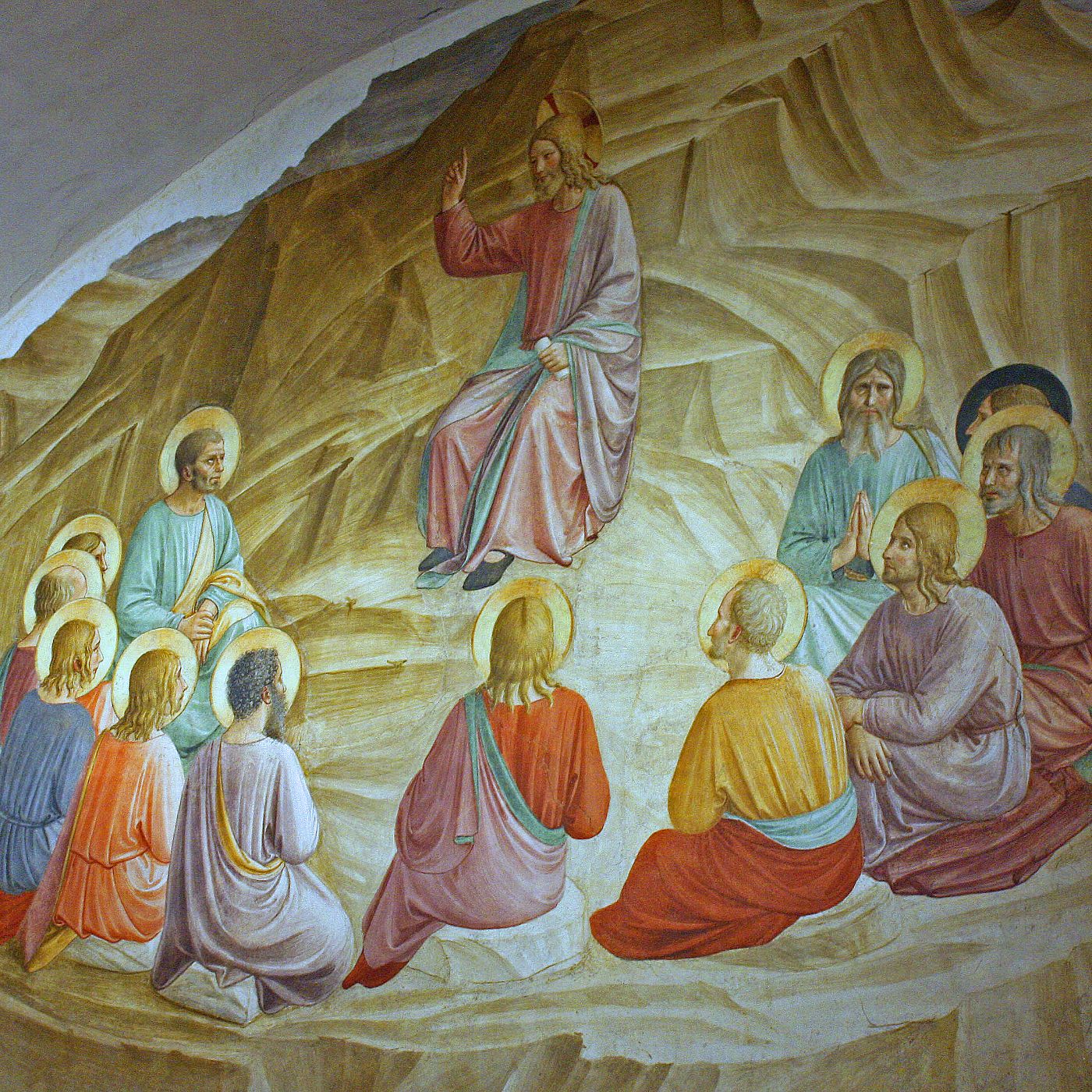
Nov 12, 2023
Monday of the Thirty-Second Week in Ordinary Time - Loving Every Sinner
Jesus said to his disciples, “Things that cause sin will inevitably occur, but woe to the one through whom they occur. It would be better for him if a millstone were put around his neck and he be thrown into the sea than for him to cause one of these little ones to sin.” Luke 17:1–2 Having a millstone placed around your neck and thrown into the sea is very descriptive. Jesus is using very evocative language. A millstone was a large round stone with a hole in the center. If it were placed around someone’s neck and they were thrown into the sea, they would obviously sink to the bottom and die. Thus, Jesus is clearly stating that this awful fate is actually better than the fate of those who cause “one of these little ones to sin.” First of all, it should be clarified that no one can actually cause us to sin. Sin is our own free choice, and we, and we alone, will be held accountable for our own sin. One thing that Jesus is pointing out here is that even though every person must take responsibility for their own actions and their own sins, we must also take responsibility for the ways that we act as tempters of others. We are all sinners. Therefore, by our sin, we will all tempt others to sin also. Sometimes we will tempt people to sin by provoking them to anger. At other times we will tempt others to sin by setting a poor example. And on the contrary, we also have the ability to “tempt” people to virtue. Or more properly speaking, to inspire and encourage them. With that said, Jesus explains that the fate of those who act as tempters of others, especially the “little ones,” will suffer consequences graver than an untimely death. The little ones of which Jesus speaks should be understood as those who are weak in faith, overly sensitive, particularly vulnerable at that time in their life, and susceptible to outside influence. This could be a child, or it could be someone who is currently teetering on the edge of despair, confusion, anger, or any serious sin. When you encounter people like this, how do you treat them? Jesus has a deep heart of compassion for these people and wants us to have the same depth of compassion. But sometimes we fail. We may be negligent in our duty to reach out to them. Even this negligence could be a form of causing “one of these little ones to sin.” Of course, it is even far worse if we were to actively agitate them, harshly judge them, provoke their anger, draw them into some sin of weakness and false consolation by our temptation, etc. The simple truth is that Jesus loves those who are weak, vulnerable and sinful, and He wants us to love them with His heart. When we fail to do so, Jesus will hold us accountable for their further fall from grace. Reflect, today, upon the person or persons in your life that appear especially vulnerable, sinful, confused and lost at this time. Who is it that struggles with anger, or an addiction or some sinful lifestyle? Ponder your attitude toward them. Are you judgmental, condemning, belittling and the like? Do you tempt them to fall further into any sins of weakness they commit in a vulnerable state, thus leading them into further sin? Or, when you encounter someone who is greatly struggling, do you turn to them with the deepest compassion and mercy, forgiving any ways that they may sin against you, and work hard only to be there for them in their need, no matter how hard it is on you? Commit yourself to a profound love of all of God’s “little ones” and seek to serve them with the heart of Christ so that one day they will eternally rejoice with you in Heaven. My most compassionate Lord, You love the sinner and deeply desire that they turn to You in their need. Please give me Your heart of compassion so that I will be free to love them as You love them. May I never become an instrument of temptation for them to fall further away from You but, instead, become an instrument of Your unfailing mercy. Jesus, I trust in You. Source of content: catholic-daily-reflections.com Copyright © 2023 My Catholic Life! Inc. All rights reserved. Used with permission via RSS feed.
Nov 11, 2023
Thirty-Second Sunday in Ordinary Time (Year A) - Windows to Your Soul
Jesus told his disciples this parable: “The kingdom of heaven will be like ten virgins who took their lamps and went out to meet the bridegroom. Five of them were foolish and five were wise.” Matthew 25:1–2 Our five senses can be said to be a window to our souls. With our senses we perceive the world around us, take it into our minds and heart, and engage it according to the decisions we make. Several of the Church Fathers say that the five wise virgins in today’s parable represent those who use their five senses in accord with God’s will, whereas the five foolish virgins are those who indulge their five senses in a life of sin. Interestingly, Saint John of the Cross teaches that the highest form of communication with God takes place when our five senses are silenced and all that we have learned through them is darkened so that God can communicate to us in a direct and spiritual way. But until we reach that level of spiritual perfection, accomplished by various purifications of our soul, we must rely upon our senses as a source of knowledge, especially our knowledge of God. With our eyes we are called to perceive the beauty of God’s presence within creation, especially in other people. With our ears we hear the Word of God proclaimed that then resonates within us, inspiring the gift of faith. Our senses of smell, taste and touch will also teach us in various ways, leading us either to the delights of the Kingdom of God, or to the indulgences of the fallen world. If the five wise virgins represent the holy use of the five senses, then we must see the connection between them and the oil for their lamps. Many Church Fathers see the oil as a symbol of good works, or charity. Charity is necessary for the attainment of Heaven, for the meeting of the Bridegroom when He shows up at an unexpected time. The person who engages in charity is one who uses the natural gifts given by God for His glory. Their five senses are constantly seeking ways to glorify God and to accomplish His holy will. The five senses can also easily lead us to the selfish pursuit of fleshly pleasures. When this happens, the oil of charity runs dry within us and we are unprepared for the moment of our death, when the Bridegroom returns. Think about yourself being those wise or foolish virgins by considering how you use your five senses. What do you look at regularly with your eyes? Do you seek out the presence of God in our world? Do you see Him in the poor, the vulnerable, the lonely, and the needy? Or do you look at the many evils all around you and become infatuated with them, allowing yourself to be drawn into their practices? With your ears, do you listen attentively to the Word of God? Or do you find yourself drawn to the world of gossip, detraction and other sinful words that are spoken? Do you indulge your senses of touch, smell and taste, choosing an excess of pleasure, becoming inordinately attached? Or do you strive for temperance and self-control, denying yourself unhealthy and sinful pleasures? Reflect, today, upon the natural powers of your own soul, especially the gift of your five senses. As you do, examine the ways you use them, what you look at, listen to, and indulge in. Your senses are but a window to your soul and the first way through which God speaks to you and enters your heart. Keep guard of your senses, and only allow the good things of Heaven to enter in. Doing so will produce the oil of charity within and will enable you to be perpetually ready for the coming of our Lord. Lord of perfect charity, You desire to speak to me and reveal Yourself to me in many ways. I pray that I will always perceive You with my eyes and ears, and use all of my five senses for Your glory. Please free me from every inordinate and unhealthy attachment so that I am free to completely attach myself to You. Jesus, I trust in You. Source of content: catholic-daily-reflections.com Copyright © 2023 My Catholic Life! Inc. All rights reserved. Used with permission via RSS feed.
Nov 10, 2023
Saturday of the Thirty-First Week in Ordinary Time - Doing Small Things Well
“The person who is trustworthy in very small matters is also trustworthy in great ones; and the person who is dishonest in very small matters is also dishonest in great ones.” Luke 16:10 What are the “small matters” in life? Most likely, if you asked many different people from all walks of life this question, then you would receive many different answers. But if we consider the context of this statement of Jesus, then it is clear that one of the primary small matters of which He speaks is our use of money. Many people live as though the attainment of wealth were of the highest importance. There are many who dream of becoming rich. Some regularly play the lottery in the very unlikely hope that they will hit it big. Others dedicate themselves to much hard work in their careers so that they can advance, make more money and, so they believe, become happier as they become wealthier. And others regularly daydream about what they would do if they were rich. But from the perspective of God, material wealth is a very small and unimportant matter. Money is useful insofar as it is one of the ordinary means by which we go about providing for ourselves and our families. But it truly is small in importance when it comes to the divine perspective. With that said, one way to be entrusted by Jesus with “great” matters is to use your money appropriately. We become “trustworthy” in this small matter of money when we only give it the value that it has. In other words, we must see money only as one means to the end of fulfilling God’s perfect will. When we work to rid ourselves of excessive desires and dreams of riches, and when we use what we have in accord with God’s will, then this act on our part will open the door to our Lord to entrust us with much more. What is that “much more?” It’s the spiritual matters that pertain to our eternal salvation and the salvation of others. God wants to entrust to you the great responsibility of building His Kingdom on earth. He wants to use you to share His saving message with others. But He will first wait until you show yourself trustworthy in small matters, such as using your money well. And then, as you fulfill His will in these less important ways, you will begin to see Him call you to greater works. Reflect, today, upon the fact that God wants great things from you. The goal of all of our lives is to be used by God in incredible ways. If this is something you desire, then do every small act in your life with great care. Show many small acts of kindness. Try to be thoughtful of others. Put others' needs before your own. And commit yourself to using the money you have for God’s glory and in accord with His will. As you do these small things, you will begin to be amazed at how God is able to begin entrusting you with more, and, through you, great things will happen that have eternal effects in your life and in the lives of others. My trustworthy Lord, You were entrusted with the greatest good ever known. Your Father in Heaven entrusted to You the salvation of the world. Please help me to share in this task by being faithful to Your holy will in every small way. As I seek to serve You in the small matters of life, I pray that I will be able to be used for even greater ones. My life is Yours, dear Lord. Use me as You will. Jesus, I trust in You. Source of content: catholic-daily-reflections.com Copyright © 2023 My Catholic Life! Inc. All rights reserved. Used with permission via RSS feed.
Nov 9, 2023
Friday of the Thirty-First Week in Ordinary Time - Stewards of Earthly Riches
Jesus said to his disciples, “A rich man had a steward who was reported to him for squandering his property. He summoned him and said, ‘What is this I hear about you? Prepare a full account of your stewardship, because you can no longer be my steward.’” Luke 16:1–2 There is much to ponder in this parable and many lessons from which we can learn. To begin, the rich man should be understood as God and you as the steward. This is an important first lesson to learn because it reveals to us that, when it comes to material things in this world, God is the true owner of all—we are only stewards. Think about that carefully. When it comes to all that you own, all your money and possessions, do you hold on to it as if you were the complete master of these material items? Clearly most people do think this way. They may work hard to earn a living, save and buy this and that, build up their bank accounts, and then remain very attached to these material things, seeing them as “mine” rather than as God’s. So the first very challenging lesson we should look at is that all we “own” is actually the possession of God. He only permits us to be stewards of the things of this world. Do you believe that? As stewards, we must be committed to use the riches within our stewardship only in the way that God wants it used. In this parable, the steward was reported to the rich man for “squandering his property.” We also are guilty of squandering the possessions of God when we use money in accord with our own will and desires rather than those of God’s. This is an exceptionally common tendency, especially for those who have become the stewards of much money. Therefore, the more money that one has stewardship over, the more they will be tempted to squander it, meaning, use it for selfish purposes rather than for the glory of God in accord with His will. This is a hard teaching to accept and live. But these truths are indeed revealed to us by this parable, so it is essential that we listen. The words spoken by the rich man, “Prepare a full account of your stewardship,” are words that we must all anticipate hearing one day. If that day were today, what would that “full account of your stewardship” look like? Have you worked hard for selfish gain? Or have you worked hard to act with great responsibility over the things God has entrusted to your care? As the parable continues, we read that the steward acted “prudently” in that he devised a plan to make sure his material needs were met once he lost his position as steward. The “prudence,” however, that is spoken of here is a reference to the worldly, and therefore, evil ingenuity, cleverness, hard work and commitment many people have regarding the material wealth they seek to obtain in this world. Though it is good to be diligent and hardworking in life, too often this is done for the purpose of selfish gain. Just imagine if everyone who worked so hard at getting rich put even more effort into building up the Kingdom of God on earth! How different this world would be if we had so many hard workers for God’s mission. Reflect, today, upon the simple truth that when it comes to the riches of this world, you are only the steward of what you possess, not its master. God wants you free from the attachment to material wealth so that you will be free to use all that you have for His glory and in accord with His purpose. That does not mean that you must donate all you have to charities. Instead, it means that you continually offer all that you have to God and seek to use it in accord with His will and His will alone. If that means you discern that God wants you to buy something new, then buy something new. If that means giving more away, then give more away. If that means living more simply as a holy sacrifice, then do just that. Money cannot buy happiness. Only embracing God’s will to the fullest will result in the happiness and fulfillment you deeply desire. My Lord of all riches, You and You alone are the Master of all things created. All that I have and possess are Yours, dear Lord. Help me to believe this and to live my life purely as a steward of the possessions I have. Free me from squandering that which You have entrusted to my care. May I use all for Your glory and only in accord with Your holy will. Jesus, I trust in You. Source of content: catholic-daily-reflections.com Copyright © 2023 My Catholic Life! Inc. All rights reserved. Used with permission via RSS feed.
Nov 8, 2023
November 9, Feast of the Dedication of the Lateran Basilica in Rome - Being Shocked by Our Lord
Jesus answered and said to them, “Destroy this temple and in three days I will raise it up.” The Jews said, “This temple has been under construction for forty-six years, and you will raise it up in three days?” But he was speaking about the temple of his Body. John 2:19–21 We celebrate, today, the Lateran Basilica in Rome, the mother church of the entire Roman Catholic Church. It was given to the Bishop of Rome in the fourth century and remained the pope’s primary residence until the building of St. Peter’s Basilica, at a time when the Lateran Basilica was falling into ruins. However, the Lateran Basilica to this day remains the most important Church in the world, since it is officially the Cathedral Church of Rome. As we honor this church, we honor more than a building. The Lateran Basilica is a symbol of the one true Church of Jesus Christ. Its interior is beautiful and awe-inspiring so as to point us to the unimaginable beauty of the Church Herself, which is the Mystical Body of Christ. Today’s Gospel depicts Jesus entering the Temple and driving the money changers out with a whip and the animals they were selling for profit. As He did so, He cried out, “Take these out of here, and stop making my Father’s house a marketplace.” Psalm 69 is then quoted: Zeal for your house will consume me. Jesus loves His Church as His own Body—because that is what it is. As His Body, the members of His Church are called and sent to act as His instruments, members of His saving action. Much more than a church building, today we honor the Church Herself—which means we honor you, insofar as you are a member of the Body of Christ. And in light of this Gospel passage for today’s Feast, we are reminded of the zeal that our Lord has for the cleansing of His Church. How is the Church purified? It is purified by the cleansing of Her members. That means that Jesus desires, with perfect zeal, to drive out every sin from your soul, cleansing the filth that keeps you from fulfilling your essential role as a member of His Body. Sometimes we become slack in our own commitment to be purified. We can easily become comfortable with the sins we commit, and we can form habits that are hard to break. When this happens, it is useful to ponder this story of the cleansing of the Temple and see it as Jesus’ desire to cleanse our own soul. At times, we need to be shaken up, challenged, confronted and encouraged with the unwavering zeal in the heart of our Lord. Reflect, today, upon this powerful image of Jesus cleansing the Temple. As you do, apply it to your own life. The people selling and buying in the Temple must have been shocked at Jesus’ zeal and actions. If you have become complacent with your sins, try to allow this holy shock to also wake you up. Allow our Lord’s zeal to affect you, and know that His purifying actions are acts of love by which He desires to free you to become a more fully functioning member of His holy Church. My zealous Lord, Your heart burns with a deep desire to cleanse me and all Your children from sin. Your zeal reveals Your deep love and Your willingness to do all that You can to make me a fuller member of Your Body, the Church. Open my mind and will, dear Lord, to all that You wish to say to me and give me the grace to respond to Your purifying action in my life. Jesus, I trust in You. Source of content: catholic-daily-reflections.com Copyright © 2023 My Catholic Life! Inc. All rights reserved. Used with permission via RSS feed.
Nov 7, 2023
Wednesday of the Thirty-First Week in Ordinary Time - Loving through “Holy Hate”
Great crowds were traveling with Jesus, and he turned and addressed them, “If anyone comes to me without hating his father and mother, wife and children, brothers and sisters, and even his own life, he cannot be my disciple.” Luke 14:25–26 After this startling opening line from our Lord, Jesus concludes today’s Gospel by saying, “In the same way, everyone of you who does not renounce all his possessions cannot be my disciple.” Thus, at first read it appears that we are called to not only renounce all we possess but also to hate those within our own family. But is this truly what our Lord means? Let’s begin with the idea of “hating” those within our family and even our own life. Obviously the word “hate” in this Gospel passage is not the same as the sin of hate and anger. In commenting on this passage, one Church Father explains that there are some cases when the best way to love another is through a form of hate. That is, if another were to act as an obstacle to God, working to deter us from the will of our Lord, then our “hatred” for the actions they do must be firmly expressed. But this is love. A refusal to turn from God, by rejecting another’s disordered actions, is a way of sharing the Gospel with them. Let’s take an extreme example. Imagine that you lived at a time and circumstance where being a Christian was a crime. You were arrested and commanded to publicly renounce your faith. Instead, you renounced that command with every strength of your soul. In this case, you exercise a form of holy “hate” for the persecution the person is imposing upon you. But that is also an act of love toward them as you fully reject their action by renouncing their command. Or consider also how you hate even your “own life.” Let’s say that you fall into serious sin, over and over. The appropriate response is not only to repent but also to have a form of holy hatred for the habit into which you have fallen. This is a true hatred for yourself in the sense that it is a hatred for that which you have become by your sin. But this holy hatred has the ultimate goal of passionately overcoming your sin and is therefore a true act of love for yourself. The concluding line of today’s Gospel mentioned above calls us to renounce all of our possessions. In other words, we must renounce anything that we are attached to in a way that is contrary to the will of God. Of course, in God’s providence most people (except those who take a vow of poverty) are invited by God to have various possessions so as to meet the material needs of life. But even in this case, we must “renounce” all that we possess, meaning, we must not allow ourselves to become attached to anything other than God. But this is freedom in the truest sense. Even if you have many things, it must be understood that those things do not make you happy. Only God and His will can fulfill you. Nothing else. Thus, we must learn to live as if God and God alone suffices. And if it is God’s will that you obtain a house, car, computer, television and other modern conveniences, then so be it. But true “renunciation” of all of these possessions simply means that if at any time you were to lose them, then this would be fine. Therein is perfect detachment. The loss of something material would not deter you in any way from loving and serving God and His holy will. Reflect, today, upon these radical words of Jesus. Try to hear them in the way our Lord meant them. Work to be detached from everything that is contrary to the will of God and everything that becomes an obstacle to God in your life. In the end, possessing God alone is more than you could ever hope for. And only if you fully possess our merciful God will you be able to love yourself and others with the pure heart and love of Jesus our Lord. My demanding Lord, You call us all to a life of radical holiness. You desire that I come to love You above all with all my heart. Please give me the grace and wisdom I need to renounce all that is an obstacle to my love and service of You. May You and You alone be glorified in my life. Jesus, I trust in You. Source of content: catholic-daily-reflections.com Copyright © 2023 My Catholic Life! Inc. All rights reserved. Used with permission via RSS feed.
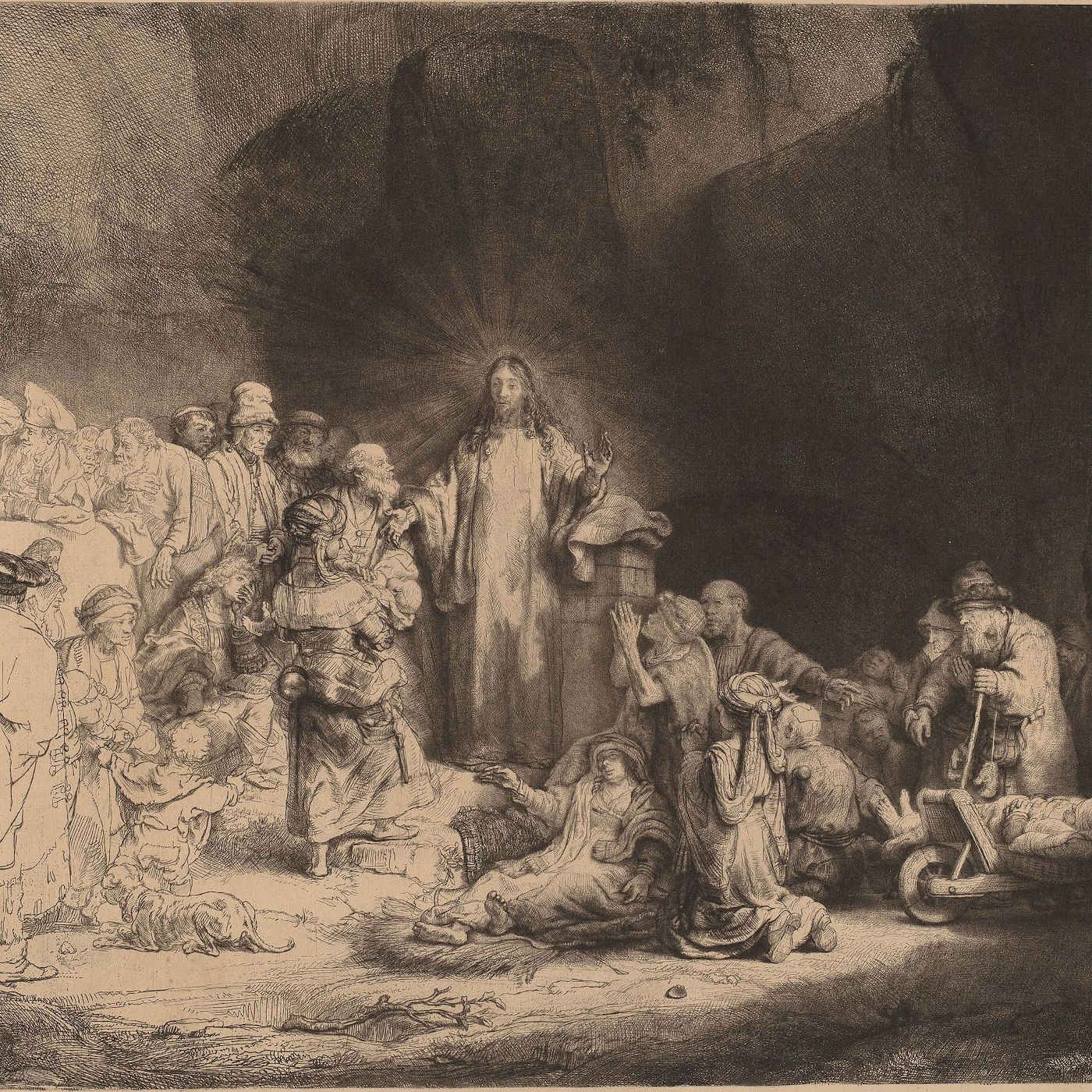
Nov 6, 2023
Tuesday of the Thirty-First Week in Ordinary Time - You are Invited
“A man gave a great dinner to which he invited many. When the time for the dinner came, he dispatched his servant to say to those invited, ‘Come, everything is now ready.’ But one by one, they all began to excuse themselves.” Luke 14:16–18 Do you ever excuse yourself from the will of God? Do you pass up His invitation to feast at the table of His great dinner? More than anything else, the invitation God has given us to this “great dinner” is the invitation to participate in the Holy Mass and to pray. The fact that some would regularly excuse themselves from such an invitation shows that they do not understand that to which they have been invited. Others attend physically, but interiorly they are far from the feast that they attend. In this parable, one after another of the invited guests did not come. So the man throwing the dinner sent out an invitation to “the poor and the crippled, the blind and the lame.” This is a reference to those Jews of Jesus’ time who recognized their need for the gift of salvation. They are those who were aware of their weaknesses and sins and knew that Jesus was the answer. After the poor, crippled, blind and lame came to the feast, there was still more room. So the man sent his servants to invite those from “the highways and hedgerows” which is a reference to the Gospel being preached to the Gentiles who were not of Jewish origin. Today, this feast continues to be offered. There are many lax Catholics, however, who refuse to come. There are those who find that life is too busy for them to make time for prayer and for Mass. They are those who are so caught up in worldly pursuits that they see little personal benefit in devoting themselves to the celebration of the Holy Eucharist. If you wish to be among those who attend the feast of our Lord, you must work to identify yourself with the poor, crippled, blind and lame. You must recognize your brokenness, weaknesses and sins. You must not shy away from seeing yourself this way because it is to those that Jesus sends a desperate invitation. His desperation is an all-consuming desire for us to share in His love. He wants to love and heal those in need. We are those who are in need. When we come to our Lord’s Feast through prayer, fidelity to His Word, and by our participation in the Sacraments, we will notice that He wants others to join us for His feast. Therefore, we must also see ourselves as those servants who are sent forth to the highways and hedgerows where we will find those who do not follow God’s will. They must be invited. Though they might not feel as though they belong, God wants them at His feast. We must do the inviting. Reflect, today, upon two things. First, reflect upon any excuse you regularly use when God invites you to pray, to deepen your faith, and to participate in the Eucharist. Do you respond immediately and with eagerness? Or do you excuse yourself more often than you want to admit? Reflect, also, upon the duty given to you by God to go forth to the most lost souls so as to invite them to God’s feast. Our Lord wants everyone to know they are invited. Let Him use you to send forth His invitation. My generous Lord, You have invited me to share in the glory of Your great Feast. You invite me every day to pray, grow strong in my faith, and to share in the Holy Eucharist. May I always respond to You and never excuse myself from Your invitations. Please also use me, dear Lord, to send forth Your invitation to those most in need. Jesus, I trust in You. Source of content: catholic-daily-reflections.com Copyright © 2023 My Catholic Life! Inc. All rights reserved. Used with permission via RSS feed.
Nov 5, 2023
Monday of the Thirty-First Week in Ordinary Time - The Reward of Eternal Glory
“When you hold a lunch or a dinner, do not invite your friends or your brothers or sisters or your relatives or your wealthy neighbors, in case they may invite you back and you have repayment. Rather, when you hold a banquet, invite the poor, the crippled, the lame, the blind; blessed indeed will you be because of their inability to repay you.” Luke 14:12–14 Is Jesus telling us that it is sinful to invite friends and family to a dinner party? Certainly not. He is teaching us about something much deeper. Throwing a dinner party for others is good when our motive is love. But if the goal of the dinner, or any other act of charity, is vainglory, then the vanity we achieve from such an act is the payment we will receive. Sadly, the “payment” of vainglory is sought and obtained by many in various ways. Jesus’ lesson teaches us that our only motive for the good we do should be the humble and hidden motive of loving service. As a result of the temptation to pride, we can easily find ourselves being inordinately concerned about what others think about us. Holding a lunch or dinner for friends, family, and your wealthy neighbors is simply an illustration of the sin of pride at work. Within this context, Jesus is speaking about a person who performs some act for the sole purpose of building up their self-image and obtaining praise and flattery from others. This form of “glory” is truly vain in that it is not only worthless to the good of the soul, it is also damaging. Why do you do what you do? Are your good actions done so that others will see and praise them? Do you go out of your way to show people how good you are? Are you overly concerned about the opinions of others? If the answer to any of these questions is “yes,” then you might be struggling with pride more than you realize. On the contrary, are you content with doing some good deed that is hidden from the eyes of others? Can you take delight solely in helping others, even if no one knows about it? Are you motivated to serve and give of yourself for the exclusive reason that you want to make a difference in the lives of others? This is what Jesus means when He says you should hold a banquet for the poor, crippled, lame, blind, and everyone who is unable to repay you. In other words, when you are not able to receive the “reward” of vainglory, that is good. That must be your goal. Reflect, today, upon how strong your desire is for notoriety. Consider some scenario where you worked hard day and night for some time to do some good work. Imagine that the good work accomplished great benefits for others. Then imagine that no one knew you were behind that good work and, therefore, you received no gratitude or acknowledgment. How would you feel? Ideally, you would rejoice for two reasons. First, you would rejoice that you were able to serve and make a difference. Second, you would rejoice that God and God alone was aware of your act of charity. When God sees our goodness and selfless service, He puts Himself in debt to us in a certain sense. The “debt” that God takes on is His gratitude and love which are expressed to us through eternal rewards of His making. Seek to obtain these eternal rewards by striving to serve in the most hidden and humble ways possible. Those rewards infinitely surpass the fleeting rewards of vainglory. Most glorious God, You came to earth to suffer and die. In that act of perfect love You brought about the greatest good ever known. You offered this holy service of love in the most hidden and humble of ways. As a result, You are now glorified forever. Help me to share in Your acts of humble and hidden service so that I, too, may one day share in the glory of Heaven. Jesus, I trust in You. Source of content: catholic-daily-reflections.com Copyright © 2023 My Catholic Life! Inc. All rights reserved. Used with permission via RSS feed.
Nov 4, 2023
Thirty-First Sunday in Ordinary Time (Year A) - Exalted Through Humility
Jesus spoke to the crowds and to his disciples, saying, “The scribes and the Pharisees have taken their seat on the chair of Moses. Therefore, do and observe all things whatsoever they tell you, but do not follow their example.” Matthew 23:1–3 Sometimes people’s words inspire us, but more often it is the witness they give with their actions that inspires. Additionally, when someone’s words do not match up with their actions, they are seen as hypocrites. Jesus is very hard on the scribes and the Pharisees for this reason. “For they preach but they do not practice.” They spoke about the Law of God, taught it in a detailed way, but they did not truly practice God’s Law as it was intended to be practiced. Jesus goes on to give a list of the ways that these religious leaders failed to live the laws of God. They failed in their charity and encouragement of others, they did everything for public praise and for show, and they sought out honors and meaningless titles. As a result, they cared little for others and cared much about themselves. At the heart of Jesus’ criticism of the scribes and Pharisees was their tendency to exalt themselves in the eyes of others. Jesus corrects this tendency by saying that “the greatest among you must be your servant,” and that “whoever humbles himself will be exalted.” Therefore, if you wish to be truly great and if you wish to be exalted by God, you must serve with the deepest humility. Humility begins by seeing yourself in the light of truth. How does God see you? The humble soul seeks to discover this insight by using the eyes of Christ to look at their own soul. It would be truly humbling if we could see ourselves in the full light of the truth. But too often we take on a false image of ourselves and look at our lives through a lens of self-righteousness. We tend to quickly defend our actions, justifying the sins we commit and failing to acknowledge our weaknesses. What would you see if you looked at yourself with humility? One glaring thing you will see is your sin. Our lives are filled with sin. Sometimes they are serious sins, and at other times less serious, but our lives are undoubtedly filled with sins and imperfections. If we are blind to those sins, then we lack the necessary humility we need to see ourselves in the light of truth. The virtue of humility will also take us a step further than seeing our sins clearly. It will also help us to see our need for God’s grace in order to change, to love, and to serve God and others. We cannot love by our own efforts. It is impossible. The love of charity is only possible when it is God Who lives in us and acts through us. God and God alone is able to work true charity through our actions. Knowing and believing this humble truth is the only way to open the door to that grace. Reflect, today, upon the humility that you need in order to truly love. When you love others with the pure love of God, you will discover within yourself a need to serve. You will see others as objects of your love. You will discover a burning desire to help them, forgive them, be gentle and merciful to them, and to do all you can to help them discover the truth of their own lives so they will, in turn, humbly turn to God. The scribes and Pharisees failed miserably at this mission, and that is one of the reasons that Jesus used them as an example. Do not follow their lead. Seek to take the opposite approach. Seek humility. Seek the truth. If you do, God will use you in powerful ways and will exalt you on high. Most humble Lord, You are exalted above all because You were humble beyond all. You knew the truth of Who You are and embraced that truth with all Your might. Please give me Your eyes to see myself as You see me, so that in Your humble gaze, I will see my sin, repent wholeheartedly, and turn to You as the source of all my love. Jesus, I trust in You. Source of content: catholic-daily-reflections.com Copyright © 2023 My Catholic Life! Inc. All rights reserved. Used with permission via RSS feed.
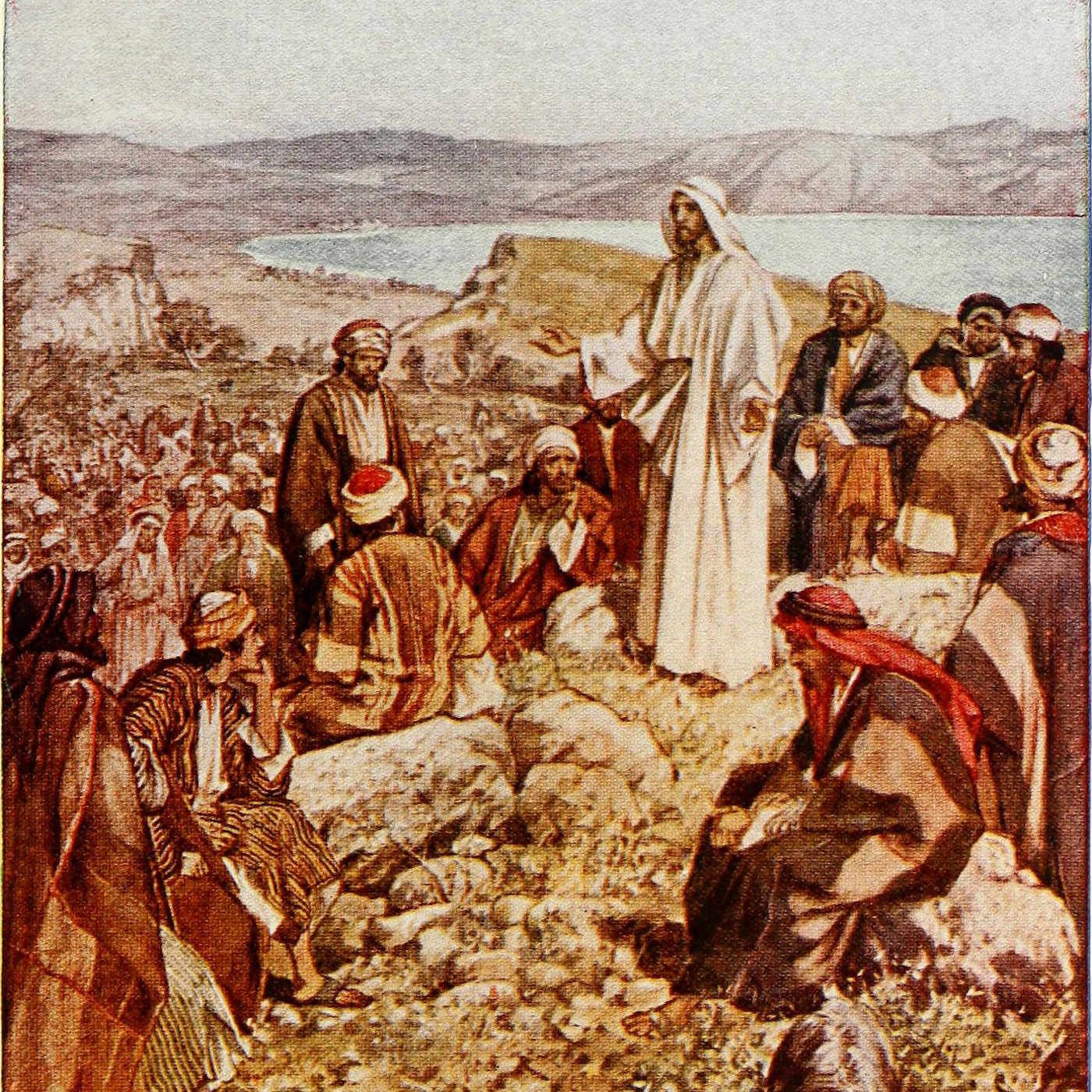
Nov 3, 2023
Saturday of the Thirtieth Week in Ordinary Time - The Freedom of Humility
“When you are invited by someone to a wedding banquet, do not recline at table in the place of honor. A more distinguished guest than you may have been invited by him, and the host who invited both of you may approach you and say, ‘Give your place to this man,’ and then you would proceed with embarrassment to take the lowest place.” Luke 14:8–9 This is an interesting parable. First of all, it must be noted that a true saint would not be embarrassed by such a humiliation. Instead, they would happily give their seat of honor to another. In fact, they would most likely have immediately taken the “lowest” spot, since this form of worldly honor would mean nothing to them. But Jesus wasn’t speaking at this time to living saints. He was speaking to people who did struggle with desires for worldly esteem. This shows that the people to whom Jesus was speaking were also insecure and lacked healthy self-esteem. What’s beautiful is that Jesus meets these people where they are at, telling them a parable to which they could relate. These were the guests who were present at a dinner being held by one of the leading Pharisees to which Jesus was also invited. Jesus’ point was to gently share with them the truth that humility was far better than pride. True exultation and honor is found by humbling oneself and elevating others as a way of pointing to their innate dignity and value as persons. This is a hard lesson to learn. Most people, when in a group of people, will struggle with comparing themselves to others. “She’s prettier” or “He’s more successful” or “They are very educated,” etc. This common tendency often comes as a result of being personally insecure with who you are as a person. However, if you were able to completely be at peace with who you are, if you loved yourself in the way God loves you, then you would be much freer to love others, see their dignity, and even rejoice in the ways that they are successful and exalted. Jesus concludes His parable by saying, “For everyone who exalts himself will be humbled, but the one who humbles himself will be exalted.” To the normal secular mind, this can be a hard truth to grasp. It can be difficult to understand the great value of humility. But humility is simply seeing yourself in the light of truth, in the way God sees you. The humble person does not need the praise and esteem of others. God’s love for them is sufficient. For that reason, humble people not only love themselves as God loves them, but they are then free to turn their full attention to the good of others. This is pure love. And this love is only possible when humility is lived fully. Reflect, today, upon this gentle teaching of Jesus, given to those who greatly lacked humility. Try to see Jesus’ concern for them and His desire not to embarrass them but to free them from the heavy burden of their insecurities. If you are one who struggles with this, reflect upon our Lord gently inviting you to embrace humility. Pray for this virtue and practice it with sincerity. Know that the attainment of this virtue will open the door to much freedom in your life. My humble Lord, You knew Yourself with perfection and loved Your own sacred soul with the same love the Father in Heaven had for You. Please help me to discover who I am. Help me to see myself as You see me. May I never be burdened by the distorted desire for earthly honors and worldly esteem. Instead, I pray that this glorious gift of humility will live deeply in my soul. Jesus, I trust in You. Source of content: catholic-daily-reflections.com Copyright © 2023 My Catholic Life! Inc. All rights reserved. Used with permission via RSS feed.
Nov 2, 2023
Friday of the Thirtieth Week in Ordinary Time - Uncomfortable Situations
On a sabbath Jesus went to dine at the home of one of the leading Pharisees, and the people there were observing him carefully. Luke 14:1 Jesus accepted an invitation from this prominent Pharisee to dine at his house. The people at the dinner were “observing him carefully.” It’s somewhat easy to picture the scene. For most people, being invited to a dinner with many strangers who are observing them carefully may leave them feeling quite uncomfortable and self-conscious. But Jesus showed up with perfect confidence and an unwavering commitment to share the Gospel. One thing we can learn from this dinner and Jesus’ disposition at it is that uncomfortable situations are actually great opportunities to share your faith. We will all have times when we are put in an uncomfortable situation. Imagine, for example, being invited to a party for a distant relative or a new neighbor. You decided to attend and knew that you would know very few people there. The tendency for those who are shy would be to show up, find someone they know, and then spend the rest of the time with that person. But consider what Jesus did. He probably knew very few people at this dinner. Jesus’ primary purpose in attending was not to just relax and have a fun time while He met new friends. Instead, His primary purpose was to preach His saving message to those in need. Thus, He went to those in need and did so with confidence. Whether you are one who likes to socialize and meet new people, or are one who dreads such settings, consider the simple fact that these settings are wonderful opportunities to share your faith. Like our Lord, if you are willing to put yourself out there, entering situations that are new and unfamiliar, then you may start to discover that the opportunities abound. New settings and new people are new opportunities to evangelize. True, they are also opportunities to make new friends and enjoy yourself. But if you have a heart set on the desire to share the Gospel, then you will regularly look for new opportunities in which you can somehow share your faith with others. Reflect, today, upon this simple Gospel scene of Jesus attending a dinner, with many people He did not know, for the purpose of sharing the faith with them. Imagine yourself joining our Lord at this meal. How would you have felt? Would you have been self-conscious and uncomfortable? Or would you have seen it as an opportunity to share the Gospel? Reflect upon how zealous you are in your efforts to evangelize others and recommit yourself to this holy endeavor. Tell our Lord you are ready and willing to be used by Him wherever He sends you and then try to see every new adventure and experience in life as a new opportunity to share Christ’s saving message with others. My saving Lord, You desire that Your saving message be shared far and wide, to the ends of the earth. Please fill me with zeal for souls. Give me an unwavering desire to share the Gospel with everyone I meet. Please use me, dear Lord, in the way You desire, so that Your love and mercy will be brought to those in need. Jesus, I trust in You. Source of content: catholic-daily-reflections.com Copyright © 2023 My Catholic Life! Inc. All rights reserved. Used with permission via RSS feed.
Nov 1, 2023
November 2, All Souls Day - Commemorating All Souls
“For this is the will of my Father, that everyone who sees the Son and believes in him may have eternal life, and I shall raise him on the last day.” John 6:40 Yesterday’s Solemnity of All Saints gave us an opportunity to celebrate and rejoice in the fact that there are countless people who have gone before us who are now enjoying the glories of Heaven. These faithful souls lived lives that were grounded in God’s grace and have been fully purified of all sin. They now gaze at our good God face-to-face. Today, we commemorate the fact that many who die in a state of grace are not immediately ready to stand before the glorious throne of God and see Him face-to-face. The only way this is possible is if every sin and every attachment to sin is purged from our souls. We must have nothing but pure charity alive within us if we are to enter the eternal glories of Heaven. But how many people die in such a state? The Church, in her wisdom and holiness, has taught clearly through the centuries that when a person passes from this world to the next while still attached to less serious sin, they need to be fully purified in order to enter Heaven. This is Purgatory. The Catechism of the Catholic Church states: “All who die in God's grace and friendship, but still imperfectly purified, are indeed assured of their eternal salvation; but after death they undergo purification, so as to achieve the holiness necessary to enter the joy of heaven. The Church gives the name Purgatory to this final purification of the elect, which is entirely different from the punishment of the damned” (#1030–31a). For some, Purgatory can be a frightening and even confusing thought. Why doesn’t God, in His infinite mercy, simply take all our loved ones who followed Him straight to Heaven? The answer is simple. He does! And the path for them to Heaven is this incredible mercy of their final purification. Purification of all attachment to sin within our soul is a mercy beyond what we can imagine. Through this final purification, God prepares the holy souls who have died for an eternity of joy. But this purification is necessary because God, in His love, does not want any soul to live eternally with even a minor attachment to sin. God wants us all free. The truth is that every sin on our soul, even the smallest one, is reason enough for us to be excluded from Heaven. So Purgatory must be seen as a final mercy from God by which He lifts every last burden that keeps us from perfect love, so that our eternity will be one of utmost freedom and ecstasy. God wants us to be filled only with the purity of love forever. Thus, upon our death, we are graced to enter into a final and intense purification of every minor sin, so that when we see God in all His glory, we will see Him with the perfection to which we are called. Purgatory is a gift, a grace, a mercy. It will be painful to go through in the same way that overcoming any sin is painful. But the good fruit of freedom from sin makes every final purification we must endure worth it a hundredfold and more. Reflect, today, upon the spiritual truth that God wants you to be a saint. If you are among those few who die in a state in which you are purified from every sin, then be assured that you have already completed your purgatory on earth. But if you or your loved ones are among the many who still hold some minor attachment to sin at the time of death, then rejoice that God is not done with you yet. Anticipate with much gratitude the final purification that awaits and look forward to the freedom that ultimately comes from that purification. My merciful Lord, You desire that my soul and the souls of all your faithful be purified of every sin, even the smallest imperfection. I thank You for the mercy of Purgatory and pray that I will continually work toward that purification here and now. I pray, also, for all those who have gone before me and are still in need of these purifying fires. Pour forth Your mercy upon them so that they may be counted among the saints in Heaven. Jesus, I trust in You. Source of content: catholic-daily-reflections.com Copyright © 2023 My Catholic Life! Inc. All rights reserved. Used with permission via RSS feed.
Oct 31, 2023
November 1, Solemnity of All Saints - Honoring All Saints
When Jesus saw the crowds, he went up the mountain, and after he had sat down, his disciples came to him. He began to teach them, saying: “Blessed are the poor in spirit, for theirs is the Kingdom of heaven.” Matthew 5: 1–3 Today we celebrate one of the most glorious solemnities within our Church! Every saint, canonized or not, is honored today. Our Gospel passage lays out the path by which these saints entered Heaven. While on earth, these great men and women lived lives that were poor in spirit, filled with a holy mourning, meekness, a hunger and thirst for righteousness, mercy, peace, purity of heart and even persecution. Each one of these Beatitudes concludes by stating the reward that those who lived these qualities obtains: Heaven, comfort, satisfaction, mercy, seeing God, being children of God and rewards beyond what we can imagine in God’s Kingdom. The Beatitudes invite us to the heights of holiness. They are not for the faint of heart or for those living a lukewarm spiritual life. These Beatitudes present us with the pinnacle of holy living and challenge us to the core. But every effort put into living these Beatitudes are worth it here on earth and ultimately in Heaven. Let’s look briefly at two of these Beatitudes. The second Beatitude states that those “who mourn...will be comforted.” This is an interesting Beatitude. Why is it holy to mourn? Simply put, this form of holy mourning means that you not only have a holy sorrow for your own sins but that you have this holy sorrow as you see the many evils within our world. This is crucial today. First, it should be quite obvious that we must have holy sorrow for our own sins. Doing so means your conscience is working. And when your conscience is working, you will be compelled, by this holy sorrow, to acknowledge your offenses against God and work diligently to change. But we must also have a holy sorrow as we see the many evils within our world. Too often today there is a tendency to undermine this Beatitude by presenting universal acceptance of all things as a good. We are told we must not judge, and though that is true when it comes to judging another’s heart, a worldly presentation of this secular “virtue” attempts to lead us to downplay the objective nature of sin. Our secular world tempts us to ignore many objective moral truths by which God guides us into all truth. But as Christians, our first approach must be to despise all that our Lord taught was objectively morally evil. And when we do come face-to-face with immoral lifestyles, the appropriate response must be holy sorrow, not acceptance of grave sin. To mourn over another’s poor choices is a true act of charity toward them. The fourth Beatitude calls us to “hunger and thirst for righteousness.” This means that we not only have a holy sorrow over our sins and the objective evils of our world, but that we also allow ourselves to be filled with a hunger and thirst for truth and holy living. This drive must become a burning motivation within us to do all we can to further the Kingdom of God everywhere. This Beatitude enables us to overcome indifference, inspiring us to bring about change in the face of all opposition. And this drive is fueled by charity and every other accompanying virtue. Reflect, today, upon the beautiful truth that you are called to become a saint. And the surest path to sainthood is the Beatitudes. Read them carefully. Meditate upon them and know that they reveal to you how God is calling you to live. If one of these Beatitudes stands out to you, then spend time focusing upon it. Work to internalize these graces, and God will work wonders in your life, one day making this solemnity within our Church a true celebration of your life well lived. My most holy Lord, You reign now in Heaven and desire that Your glorious Kingdom be firmly established upon earth. Give me the grace I need to seek holiness with all my heart and to especially use Your revelation of the Beatitudes as the path by which I travel. I pray that I will become a true saint in this world and that You will use me to further Your Kingdom now and for eternity. Jesus, I trust in You. Source of content: catholic-daily-reflections.com Copyright © 2023 My Catholic Life! Inc. All rights reserved. Used with permission via RSS feed.
Oct 30, 2023
Tuesday of the Thirtieth Week in Ordinary Time - Planting the Seed, Over and Over Again
Jesus said, “What is the Kingdom of God like? To what can I compare it? It is like a mustard seed that a man took and planted in the garden. When it was fully grown, it became a large bush and the birds of the sky dwelt in its branches. ” Luke 13:18–19 This short parable should speak to many people far more than they realize. It should be a source of great encouragement to us all as we seek to build up the Kingdom of God through apostolic works. The mustard seed is very small. At first, when someone holds it in their hand, they may not think much of it. But if they did plant it under ideal conditions, that seed could grow into a tree upwards of 20 feet tall. Jesus uses this parable to teach us many lessons. One such lesson is that of our apostolic works of charity. When you think of the call of being an apostle for the Lord, spreading the Gospel to the ends of the earth, what comes to mind? Perhaps the first thought is of those who have been entrusted with a very large, public and vibrant ministry. In this case, it is easier to see the good fruit born of one’s apostolic works. But what about you? For most people, they may strive to love and serve others in every small way they can, and they fail to see the abundance of good fruit born from their efforts. When this happens, some may become discouraged and lose zeal for the spreading of the Gospel. If this is you, then consider the mustard seed. Planting this small seed is representative of much of our apostolic endeavors. God calls us to do small acts of kindness, share our faith in subtle and even hidden ways, serve out of love even when it is unnoticed, and to do so without ceasing. Do these small acts bear fruit for the Kingdom of God? If you believe this parable of the mustard seed, then the answer must be a resounding “Yes.” Many times in life, we will never see the full effects that our actions have on others. Our negative influence will affect them far more than we realize. And our loving acts of charity, by which we share our faith, will also affect people far more than we realize. Believing in the message of this Parable of the Mustard Seed should lead us to believe that planting those small seeds of faith, through our charity, virtues, and words, will indeed bear an abundance of good fruit, far more than we may ever know, until we enter the glories of Heaven. Reflect, today, upon your duty to daily plant the smallest seeds of faith and love. Do not get discouraged if your efforts do not bear abundantly obvious fruit. Simply commit yourself to the planting, over and over. Take delight in sowing the seed of faith and see this as your mission. If you do this throughout your life, from Heaven you will look back and be amazed at how God powerfully brought forth His Kingdom through those seemingly insignificant acts of faith and love. My glorious King, You desire that Your Kingdom grow far and wide through our efforts of love. Please do use me, dear Lord, to plant Your seeds of faith and charity every day. May I never tire of these apostolic endeavors and may I always take great delight in serving You and building Your Kingdom in every way I can. Jesus, I trust in You. Source of content: catholic-daily-reflections.com Copyright © 2023 My Catholic Life! Inc. All rights reserved. Used with permission via RSS feed.
Oct 29, 2023
Monday of the Thirtieth Week in Ordinary Time - The Burden of Scrupulosity
But the leader of the synagogue, indignant that Jesus had cured on the sabbath, said to the crowd in reply, “There are six days when work should be done. Come on those days to be cured, not on the sabbath day.” The Lord said to him in reply, “Hypocrites! Does not each one of you on the sabbath untie his ox or his ass from the manger and lead it out for watering?” Luke 13:14–15 Why would the leader of the synagogue be “indignant” that Jesus cured a woman on the sabbath? She was crippled for eighteen years! Imagine, especially, her family. They would have seen her many years of suffering and shared them with her through years of compassion. If they were present when Jesus healed her on the sabbath, would they have immediately thought, “How dare Jesus do this healing of our mother, wife or sister on the sabbath?” Of course not! They would have rejoiced and been filled with awe, gratitude, and even tears. This normal reaction that her family would have had upon witnessing this miracle is the right response. And, of course, the reaction of the leader of the synagogue was deeply disordered. Why would this leader of the synagogue do such a thing? Though he and many other scribes, Sadducess, Pharisees and scholars of the law struggled with envy and hypocrisy, others may sometimes react similarly to this leader of the synagogue for other reasons. One such reason is scrupulosity. Scrupulosity is the tendency to see God and His holy will through the lens of legalism. “Legalism” is not just being faithful to the Law of God, because that is a good thing. Legalism is a misinterpretation of God’s Law by which one tends to put more emphasis upon themselves than upon God. A scrupulous person is preoccupied with themself. They tend to be far more concerned with sin than with God Himself. And though it’s vital to be concerned with sin, when fear of sinning becomes a form of obsession, then that obsession has the effect of clouding the pure will of God and leaves a person heavily burdened and unable to joyfully live out the authentic will of God. Saint Thérèse of Lisieux was one saint who openly shared her struggles with scrupulosity in her autobiography. Of this struggle, which she referred to as “oversensitivity,” she said, “One would have to pass through this martyrdom to understand it well, and for me to express what I experienced for a year and a half would be impossible.” However, she eventually experienced what she called a “complete conversion” by which the heavy burden of oversensitivity was lifted. Though this oversensitivity oppressed her in various ways, one way it affected her was that she feared that even some of her random thoughts were mortal sins and that she would be condemned for them. Though the leader of the synagogue was most likely not struggling with “oversensitivity” in the same way as Saint Thérèse, he was acting with an extreme scrupulosity which led him to be harshly judgmental and condemning of our Lord for His good deed done to this crippled woman. Reflect, today, upon any tendency you may have with these heavy burdens. Do you worry in an irrational way about sin? Do you ever find yourself obsessing over decisions, worrying that you may make the wrong one? Do you think about yourself far more than you think about God and others? If so, you may also be carrying a similar heavy burden that our Lord wants to lift. Serving God and His holy will must become the deepest joy of our lives, not a heavy burden. If you find your Christian walk more of a burden, then turn your eyes away from yourself and look to the merciful God. Run to Him with the utmost confidence of a child, as Saint Thérèse eventually did, and allow yourself to love Him more authentically, freed of scrupulous and self-imposed burdens. My merciful Lord, You desire to free me from all that burdens me. You desire that I turn to You with the confidence of a child. Please do free me, dear Lord, from any way that I impose burdens upon myself by my obsessions and irrational worries. May I always understand Your infinite love for me and always walk freely and joyfully in Your ways. Jesus, I trust in You. Source of content: catholic-daily-reflections.com Copyright © 2023 My Catholic Life! Inc. All rights reserved. Used with permission via RSS feed.
Oct 28, 2023
Thirtieth Sunday in Ordinary Time (Year A) - The High Calling of Love
“You shall love the Lord, your God, with all your heart, with all your soul, and with all your mind. This is the greatest and the first commandment. The second is like it: You shall love your neighbor as yourself. The whole law and the prophets depend on these two commandments.” Matthew 22:37–40 Think about the many things you desire in life. What would make up that list? Perhaps there are many good things that would be included, such as a desire for strong family relationships, good health, a happy life, good friends, and financial security. Perhaps there are other things that would be included, such as success in an occupation, nice vacations, a new home, and fun adventures in life. If you were to make a list like this that began with your deepest desire, what would come first? We might all know what should come first, but if you were to honestly examine the desires of your heart right now, what would be on the top of that list? Ideally, the first and greatest desire of our souls would be the two greatest commandments. Above all else you will desire to love God with all your heart, soul and mind and love your neighbor as yourself. Is that the deepest desire of your heart? What’s important to note is that we ought not love God with most of our heart, soul and mind. We don’t just love Him with 51% and then allow ourselves to disseminate the other 49% to other loves. No, 100% of our love must go to God. God must be the single and exclusive object of our love. If you were to give to God 100% of your love, what would you have left for others? The glorious nature of our love of God is such that the more love we offer to God, the more we have to give away to others. When we give our love to God, He does not take it away from us and keep it for Himself in a selfish way as if He is jealous and possessive. Instead, loving God transforms our ability to love in such a way that we have even more than we started with. We are limited creatures and we are limited in our ability to love. God is infinite and His love is infinite in nature. Therefore, when we give our limited love to God, we receive back from Him His infinite love. This love is then able to overflow from our lives and can be distributed without reserve. So back to our original question: Do you love God with all your heart, with all your soul, and with all your mind? If you do, then it means that every part of who you are is caught up in the mind and will of God. It means that you continuously seek to understand God and all that He has revealed to you. It means that you seek to comprehend His perfect will for you every day of your life. It means that you choose only that which God wills and that you do so with passion, zeal and fervor. It means that you are continuously attentive to God, respond to His gentle promptings of grace, and are led by Him every moment of every day of your life. That is a high calling! But it is the calling you have been given. Then, and only then, will you be loving yourself with the love of God by opening yourself to His outpouring of love, and only then will you be able to act as an instrument of God’s love to those around you. Reflect, today, upon the high and definitive calling you have been given to love God with every fiber of your being. Your love must become all-consuming. It must be total and without hesitation. It will require the complete sacrifice of your life, the full purging of your sins, the denunciation of all selfishness and a heart that is open to the infinite power of God’s transforming touch. Because God commanded this, it is possible. It is possible to become a great saint. Shoot for nothing less. Never give up on this high calling, and know that it is the only way to the fulfillment in life that you deeply desire. My loving Lord, You have given everything to me and ask for everything in return. Please help me to understand Your perfect love and to choose it with all my might. I do love You, dear Lord. Help me to love You with all that I am. Jesus, I trust in You. Source of content: catholic-daily-reflections.com Copyright © 2023 My Catholic Life! Inc. All rights reserved. Used with permission via RSS feed.
Oct 27, 2023
October 28, Feast of Saints Simon and Jude, Apostles - Sent Forth by Christ
Jesus went up to the mountain to pray, and he spent the night in prayer to God. When day came, he called his disciples to himself, and from them he chose Twelve, whom he also named Apostles... Luke 6:12 Simon and Jude were among those very select few who were chosen by Jesus Himself to be His Apostles. Today’s Simon is not the same person as Simon Peter, and today’s Jude is not the same person as Judas Iscariot. Little is known about these two Apostles. Simon is referred to as a zealot in the Gospels, which could have meant he was a member of a more radical sect within Judaism. Jude is popularly known as the Patron Saint of Hopeless Causes. Some suggest this is because he was often the last Apostle to be prayed to by the early Christian faithful on account of the fact that he shared a name with Judas Iscariot, and praying to Jude reminded people of that betrayer. If that was the case, then in God’s providence, since Jude became the last Apostle to be prayed to, he also became the last hope for many and, thus, the patron saint for those with truly hopeless causes. One tradition states that Saints Simon and Jude are linked together in the Roman Canon and also share the same feast day because they were both martyred together on the same day, possibly in Syria, Lebanon, or Persia. However, the true details of their missionary journeys and martyrdom is unclear. The one thing that is certain about these Apostles, however, is that they were Apostles. They were chosen by our Lord and appointed by Him as two of the first bishops of our Church and were given a mandate to share the Gospel to the ends of the earth. From our perspective today, being one of those chosen Twelve is an incredible privilege. The effect of their ministry in establishing the first Christian communities has resulted in our worldwide universal Catholic Church. These men most likely did not realize the impact that their faithful service would have upon the world. As we honor these two Apostles, we are also reminded that each one of us is called to go forth to proclaim the Gospel to the ends of the earth. We each do so in a way specific to the calling and mission that Christ has entrusted to us. We are each called to make an eternal difference in the lives of those whom we serve. And if we are faithful to our mission, we can be certain that the effects of our apostolic service will be felt in the lives of countless others until the end of the world. Reflect, today, upon Jesus choosing these two men and appointing them as Apostles. As you do, listen to God’s voice as He also speaks to you. Do not underestimate the importance of accepting the mission that Jesus gives to you. Say “Yes” to Him in imitation of these two Apostles and know that your choice to serve our Lord in this way will not only have a great effect in your life, it will also have an effect in the lives of many others for all eternity. My glorious Lord, You called these two ordinary men, Simon and Jude, to be Your Apostles. You filled them with Your grace, taught them with Your Word, and sent them forth to preach to the ends of the earth. Please also send me, dear Lord, to whomever You choose. Use me as Your instrument and help me to always remain faithful and zealous, reaching out to those in need, especially to those who lack faith and hope in their lives. Saints Simon and Jude, pray for us. Jesus, I trust in You. Source of content: catholic-daily-reflections.com Copyright © 2023 My Catholic Life! Inc. All rights reserved. Used with permission via RSS feed.
Oct 26, 2023
Friday of the Twenty-Ninth Week in Ordinary Time - The Convictions of Your Heart
“Why do you not judge for yourselves what is right? If you are to go with your opponent before a magistrate, make an effort to settle the matter on the way; otherwise your opponent will turn you over to the judge, and the judge hand you over to the constable, and the constable throw you into prison. I say to you, you will not be released until you have paid the last penny.” Luke 12:57–59 The Church Fathers offer many different interpretations of this passage. Among them, Saint Bede says that our “opponent” can be seen as the Word of God, in the sense that the Word of God makes war upon our weaknesses and sins. When we listen to the Word of God, our Lord will convict us of our faults so that we can reconcile our lives with the Truth of the Word of God Himself. When you think about God’s holy Word, in its entirety, what most convicts you? Sometimes we try to downplay such personal convictions. We rationalize our actions and dismiss what God is saying to us. Are there any teachings of Jesus that you recall that have truly stung you to the heart? If so, this is a grace, and it’s an opportunity to fulfill the lesson from our Lord taught in the passage above. God does not convict our hearts so as to condemn us. Rather, He convicts us, as an opponent to our sin, so that we can “make an effort to settle the matter on the way.” The conscience is a wonderful gift from our Lord and can be likened to this passage above. It is a form of courtroom where our Lord desires not to have to issue punishment upon us. Instead, He desires that we engage His holy Word, listen to what He says, and settle our sin by repenting immediately. Among the many lessons taught by our Lord, it is often the lesson that jumps out at us, even in a startling way, that we need to pay attention to the most. God often brings His most urgent teachings to us by causing us to feel a sense of guilt that cannot be denied. If we listen to these convictions, then we will not have any need to stand before the Judge. But if we do not, if we bury these convictions, downplay them and ignore them, then our Lord will find it necessary to keep at us. We will begin to experience His judgment, and we will see the effects of being out of His good graces. And in the end, if we fail to repent of the more serious sins in our lives, then we will even be held accountable for the smallest of sins. We will be required to “pay the last penny.” Reflect, today, upon the idea that the Word of God, all that our Lord has taught us, is the opponent to the sin in your soul. This good and holy opponent wants only what is best for you. Commit yourself to an ongoing reading of God’s holy Word so that you will be continually disposed to hear all that God wants to say to you and so that you will be able to reconcile with our Lord before He is compelled to issue forth His judgments. My most merciful Judge, You desire that I listen to Your holy Word, revealed through Scripture, so as to receive Your most merciful conviction of my sin. I pray that I will be open to always hear all that You desire to say to me so that I can respond with generosity and trust, reconciling with You and others continually through my journey in life. Enliven my conscience with Your holy Word, dear Lord. Jesus, I trust in You. Source of content: catholic-daily-reflections.com Copyright © 2023 My Catholic Life! Inc. All rights reserved. Used with permission via RSS feed.
Oct 25, 2023
Thursday of the Twenty-Ninth Week in Ordinary Time -A Blazing Fire of Mercy
Jesus said to his disciples: “I have come to set the earth on fire, and how I wish it were already blazing! There is a baptism with which I must be baptized, and how great is my anguish until it is accomplished!” Luke 12:49–50 There is much that we can take from these teachings of our Lord. Not only did Jesus say, “I have come to set the earth on fire…” He also said that it’s His desire that this fire be “blazing!” Fire is powerful. A blazing fire, for example, can purify the precious metal gold. When heated to a liquid state, the impurities rise to the surface for easy removal. Fire can also consume. When a blazing fire completes its burning, what’s left are only ashes. Many great saints have reflected upon the image of fire as an image of the purification God wants to do within our souls. Saint John of the Cross, for example, reflected in depth upon this image. He explained that entering into divine union was similar to a log burning. At first, as the log begins to burn, it crackles and pops. This is because the impurities within the wood, such as moisture or sap, do not burn as the wood burns. But as a log continues to burn, as Saint John explains, eventually the log becomes one with the fire. At first, you can distinguish the log from the fire when only part of the log is burning. But once the entire log is engulfed in the flames and all the impurities are burnt out, you have a piece of wood that is one with the fire. It glows and emits light and heat. When we ponder these words from Jesus regarding His desire to “set the earth on fire,” we must first see this as His desire to purify our souls. Within our souls, there are many impurities that need to be removed if we are to become one with God, emitting His radiance and glory. This purification involves a process of allowing God to bring our sins to the surface so that they are seen and can be removed. But this is only possible if we allow the blazing fire of God’s purifying love to consume us. Oftentimes in life, we are content with simply being mediocre in our faith journey. We pray, go to Mass on Sunday, and try to be good. But this is not the life our Lord wants for us. He wants a life that is radically consumed with the blazing fire of His love. He wants us to become so purified from our sin that He is able to become one with us, sending forth the radiance of His glory through our lives. Reflect, today, upon this image of a blazing and purifying fire. Use the image of gold melting to the point that all impurities rise to the surface. Or use the image that Saint John of the Cross uses with the log. God wants so much more from you. He wants to transform you and use you in ways beyond your imagination. Do not be afraid to make the radical decision to allow the blazing and purifying fire of our Lord’s mercy to transform you. And don’t wait for this to start tomorrow—kindle that flame today. My purifying Lord, You deeply desire to set my heart and soul on fire with the transforming mercy of Your love. Please give me the grace I need to permit You to kindle this fire of love in my heart so that it will truly become blazing and all-consuming. May this blaze ignite me in the inner depths of my heart so that You will shine brightly in my life, bringing forth the warmth of Your love into our world. Jesus, I trust in You. Source of content: catholic-daily-reflections.com Copyright © 2023 My Catholic Life! Inc. All rights reserved. Used with permission via RSS feed.
Oct 24, 2023
Wednesday of the Twenty-Ninth Week in Ordinary Time - The Lord is Coming, Today
Jesus said to his disciples: “Be sure of this: if the master of the house had known the hour when the thief was coming, he would not have let his house be broken into. You also must be prepared, for at an hour you do not expect, the Son of Man will come.” Luke 12:39–40 These words from Jesus should cause us to sit up and take notice. This parable, followed by the rest of today’s Gospel, exhorts us to always be prepared for our particular judgment at the conclusion of our earthly life. There are various reasons these words should be heeded. First of all, the obvious reason is that life for any of us could end at any time. We only need to recall various tragedies in which people have suddenly died from a car accident or from some other unexpected reason. Furthermore, there truly will be a specific moment in time when our Lord does return to earth for the Final Judgment. That moment will take place in an instant without any warning. It’s easy to presume that this end of the world when our Lord “comes to judge the living and the dead” will not happen for hundreds or perhaps even thousands of years. But the simple truth is that it could be at any time, when those who are alive least expect it. With that said, there is another important reason to always be prepared and ready to meet our Lord for our particular judgment. Even though our particular judgment will take place in a definitive way at the end of our life when we see our Lord face-to-face, we also encounter Him every day, all day, receiving daily rewards for our fidelity or judgment for our sins. It is useful to see this “hour you do not expect” as every moment of every day. If you can live every day with this ongoing expectation that our Lord is coming to you, today, then every moment can be turned into a moment of much grace. Think about your day today. Does God want to come to you, to inspire you and to lead you to fulfill His holy mission today? Indeed He does. He has a specific mission for you today that will not be there tomorrow. He wants you to be aware of His presence right now so that you can respond to Him with much generosity. Reflect, today, upon the importance of always being vigilant and attentive to God’s presence in your life. He wishes to speak to you, day and night, so as to guide you into a life of true holiness. If you can build a habit of attentiveness to His continual comings, then you will truly be prepared for that final coming when you meet our Lord face-to-face. My ever-present Lord, You do come to me day and night, speaking to me, inspiring me, and leading me. Please fill me with the gift of holy vigilance so that I will always be prepared to meet You and hear Your holy voice. May I learn to build a habit of responding to You always. And may I especially be prepared for that glorious moment when I am blessed to see You face-to-face. Jesus, I trust in You. Source of content: catholic-daily-reflections.com Copyright © 2023 My Catholic Life! Inc. All rights reserved. Used with permission via RSS feed.
Oct 23, 2023
Tuesday of the Twenty-Ninth Week in Ordinary Time - Being Vigilant Throughout Life
Jesus said to his disciples: “Gird your loins and light your lamps and be like servants who await their master’s return from a wedding, ready to open immediately when he comes and knocks.” Luke 12:35–36 What does it mean to “Gird your loins?” This phrase, which is not commonly used today, literally means “tighten your belt.” It traditionally refers to one who is wearing a long robe that makes it difficult to move quickly and easily. Thus, to gird your loins means that you tuck in the long robe and tighten your belt so that you are prepared for some physical activity. It was also commonly used to exhort those preparing for battle to get ready. Symbolically, then, this phrase simply means to be ready for something difficult or challenging. It means to be vigilant and prepared. Spiritually speaking, Jesus is telling His disciples to be ready for the spiritual battle that awaits them. Jesus then tells His disciples to light their lamps. That phrase could have a variety of meanings, such as “Do not remain in the darkness of sin or ignorance” or “Let the light of charity shine forth as you navigate through life” or “Allow the light of truth to shine within your mind.” Hence, by the light of faith, they are to be prepared and vigilant, ready to do all that the Lord sends them to do. Today’s Gospel ends by Jesus saying that the disciples will be truly blessed if they remain vigilant even until the second or third watch of the night. Some Church Fathers see this as a reference to three periods in one’s life: childhood being the first watch, middle age being the second, and old age being the third watch. With these meanings understood, one message we can take from this Gospel is that Jesus is calling us to be vigilant in our faith at every moment of our lives. For those who have lived many years, it may be useful to look back at how faithful you have been throughout every period of your life. God wants to use you in many ways during childhood, through your middle age, and even in old age. The journey of faith must never end. Instead, it must continually deepen as you age. But this will only be possible if you “gird your loins” and “light your lamps.” You must continually be vigilant, continually attentive to the light of faith, and continually be ready to act every time God inspires you to act. Reflect, today, upon the lifelong journey of faith and service of God to which you are called. Being a Christian is not simply something you are born into. If you were born into the faith, then ponder especially what you have done throughout your life to daily deepen and strengthen that faith. Ponder whether or not you have diligently responded to the countless inspirations of the Holy Spirit to spread the light of faith to others. If you have been truly faithful throughout your life, then give thanks to God and recommit yourself to this fidelity for the rest of your life. If you have lacked faith and vigilant attentiveness to the will of God, then place that in the hands of God’s mercy and resolve from this day forward to do all you can to respond to the will of God the moment God calls. My most merciful Lord, I thank You for the countless ways throughout my life that You have spoken to me, calling me to fulfill my mission of faith and love in this world. I commit to You, this day, to always remain vigilant and attentive to You every time You call. Use me, dear Lord, so that I may bring the light of Your saving Gospel to a world in need. Jesus, I trust in You. Source of content: catholic-daily-reflections.com Copyright © 2023 My Catholic Life! Inc. All rights reserved. Used with permission via RSS feed.
Oct 22, 2023
Monday of the Twenty-Ninth Week in Ordinary Time - The Reality of Greed
Someone in the crowd said to Jesus, “Teacher, tell my brother to share the inheritance with me.” He replied to him, “Friend, who appointed me as your judge and arbitrator?” Then he said to the crowd, “Take care to guard against all greed, for though one may be rich, one’s life does not consist of possessions.” Luke 12:13–15 What’s interesting in Jesus’ statement is that of all the people who ever walked the earth, no one is more worthy to be a “judge and arbitrator” of an injustice than Jesus Himself. Yet He refuses to intervene. Why is that? It appears to be a just request from the person, but instead of intervening Jesus tells a parable about greed. Material possessions can be very seductive. That’s a fact. Yet many people have a very hard time admitting their attachment to possessions and money. They rationalize that they have worked hard, have earned what they have and should be able to indulge a bit. Some good-minded people who have many possessions appease their consciences by giving a small portion of what they have to charitable causes and then conclude that they can keep the rest for themselves. But what does Jesus think about that? In and of themselves, material possessions are neither good nor bad. The problem is the sin of greed. Greed is an interior disposition by which a person becomes more attached to the passing things of this world than they are to God and His holy will. Though it might be possible to have many possessions and still remain interiorly detached from them, this is quite difficult. But having possessions is not the ultimate problem. Desiring possessions is the real problem. Therefore, even those with very little can fall into the same trap by becoming attached to what they do not have and by believing that the attainment of more will satisfy. Jesus refused to act as “judge and arbitrator” in this case because it was clear to Him that the person making the request was struggling with greed. Jesus was far more concerned about this person's interior attachments than He was about the inheritance being properly shared. Earthly justice means very little from the perspective of eternity. This may be hard for many to understand and accept. Doesn’t justice demand fairness? Not if the desire to be treated fairly is based on some sin such as greed. In that case, it is far better for the soul to be cheated out of their inheritance than it is to receive their fair share. In fact, if a person does struggle with greed, one of the best things for their soul might be to be cheated out of their own possessions. This will only be understood when we see that spiritual riches are infinitely greater than material riches. Reflect, today, upon your interior desires. Look at them honestly. What do you desire the most in life? Do you dream of becoming rich? If so, does that desire consume much of your thinking? Reflect upon the scenario in which you were supposed to receive a very large inheritance but were cheated out of it. How would you react? The right reaction would be to care more for the soul of the person who cheated you than to care about actually being cheated. A person who is fully detached from material possessions will care little about losing such an inheritance or gaining one. It will truly matter not. If that is hard to accept, know that this is a sign that your soul is too attached to the things of this world. Pray for freedom from all greed. That is the only way to obtain the true riches of God. Most generous Lord, You bestow mercy in superabundance. Your grace and love are all I need in life. By obtaining You and Your mercy, I obtain the one and only source of fulfillment in life. Please free me from earthly greed, and help me to see the things of this world as You see them. Jesus, I trust in You. Source of content: catholic-daily-reflections.com Copyright © 2023 My Catholic Life! Inc. All rights reserved. Used with permission via RSS feed.
Oct 21, 2023
Twenty-Ninth Sunday in Ordinary Time (Year A) - Resolving Conflict
The Pharisees went off and plotted how they might entrap him in speech. They sent their disciples to him, with the Herodians, saying, “Teacher, we know that you are a truthful man and that you teach the way of God in accordance with the truth. And you are not concerned with anyone’s opinion, for you do not regard a person’s status. Tell us, then, what is your opinion: Is it lawful to pay the census tax to Caesar or not?” Matthew 22:15–17 It has been said that “the enemy of my enemy is my friend.” In other words, two people who are enemies with each other will often join together if they see an opportunity to jointly attack an even greater enemy. This is what was happening in today’s Gospel. Jesus was considered the greatest enemy of the Pharisees and the Herodians, and both of these groups joined together in a plot to trap Jesus even though they greatly disliked each other. The Pharisees were very nationalistic and were strict observers of the Law of Moses. It was their view that the people should not have to pay taxes to the Romans, and many of the people agreed. The Herodians supported the Romans and, therefore, were supporters of Herod, the Jewish ruler appointed by the Roman Emperor. One of Herod’s responsibilities was to obtain taxes from the Jews for use by the Roman government. Those who opposed the paying of taxes to the Romans could even be put to death. This joint questioning of Jesus had one goal: to get Him in trouble. If Jesus said it was unlawful to pay taxes to Caesar, Herod’s soldiers could arrest Him. If Jesus said that the people should pay taxes to Caesar, the Pharisees could turn the people against Him. It appeared to be a lose-lose question posed to Jesus. Of course, Jesus’ answer was perfect. Without violating the Law of God, He also refrained from violating the civil law. Upon hearing His answer, all who heard Him “were amazed, and leaving him they went away.” The lesson learned from this passage is an especially important lesson to apply to family life. It is very common for conflicts to arise from time to time among those who are close to each other. When that happens, we can often take the approach of trying to trap the other person and trip them up with our deceptive reasoning. When this happens between two people, the conversation often turns into a shouting match with each party seeking only to find fault with the other. The solution to such situations is simple. Every conflict must be resolved by the truth. Jesus did this perfectly. He did not attack when He was attacked. He did not defend Himself irrationally. He did not shy away from the confrontation. He did not manipulate the truth to His own advantage. Instead, He spoke openly and honestly the full truth and refused to engage his opponents in their trickery. Consider this question. What if you were in Jesus’ position and the Pharisees came to you, asking you this question? What would you be tempted to answer? Most likely, you would try to answer them in such a way that appeased them. You might whisper, “We shouldn’t pay the taxes but don’t tell that to the Herodians.” And if the Herodians were to ask you that question, you might be tempted to give a different answer that appeased them. Oftentimes, when we feel as though another person is trying to trap us, condemn us, or challenge us, we become more concerned about our defense than with the honest truth. We can become afraid to say anything that will give them reason to attack us. We will be tempted to twist our answers rather than speak forthrightly with sincerity and honesty. This will never resolve a conflict. The only way to resolve anything is with the truth. Reflect, today, upon how you work to resolve conflict when it arises. Are you more like the Pharisees and Herodians whose only goal was to trick, trap and win? Do you see the other as an enemy in those moments? Or do you strive to be like Jesus who didn’t shy away from the conversation, answering honestly and directly? Of course, the truth was easy for Jesus since He was without any fault. In our lives, the truth may require that we admit our sin and apologize when confronted. However, if the truth, the full truth and nothing but the truth is our goal, then our conversations will imitate Jesus and, most often, a peaceful resolution will ensue. My truthful Lord, Your wisdom is perfect and Your words are truth. Please give me the gifts of wisdom and all truth, especially when conflicts arise. In those moments, please keep me from reacting in an angry and defensive way so that I can always be an instrument of the unity You desire. Jesus, I trust in You. Source of content: catholic-daily-reflections.com Copyright © 2023 My Catholic Life! Inc. All rights reserved. Used with permission via RSS feed.
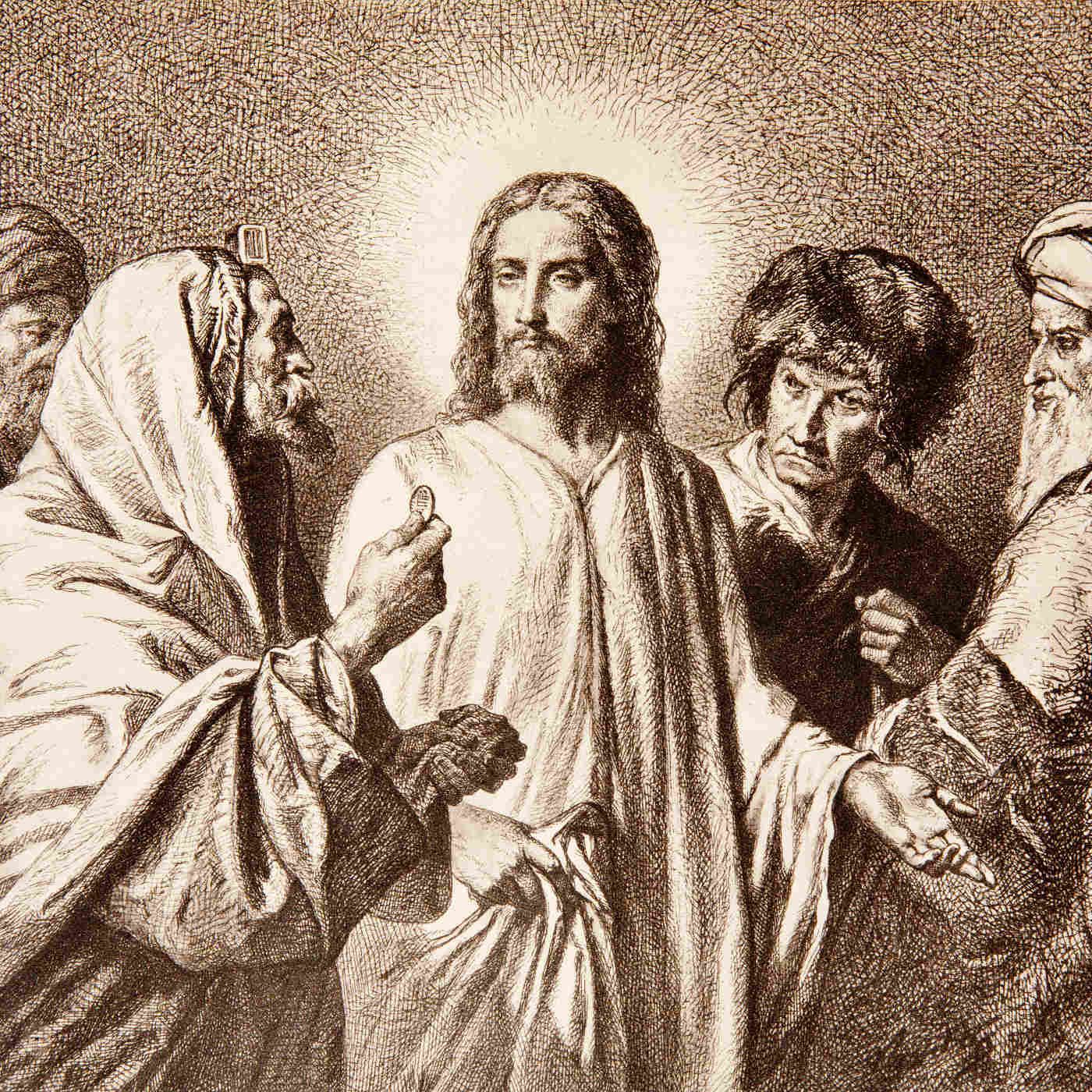
Oct 20, 2023
Saturday of the Twenty-Eighth Week in Ordinary Time - Peace in the Face of Judgment
When they take you before synagogues and before rulers and authorities, do not worry about how or what your defense will be or about what you are to say. For the Holy Spirit will teach you at that moment what you should say.” Luke 12:11–12 Jesus lived this Gospel passage in His own life to perfection. He was arrested, interrogated, falsely condemned and questioned by the Chief Priest, Herod and Pontius Pilate. During His interrogations, sometimes He spoke and at other times He remained silent. In preparation for these interrogations, Jesus did not study each ruler ahead of time, trying to figure out what He should say and not say. He did not prepare a defense but relied upon His perfect union with the Holy Spirit and with the Father to be led at every moment in His human nature. Though it may be unlikely that you will be arrested for your faith and put on trial for being Christian by the civil authorities, it is possible that you will experience various other forms of interrogation and condemnation at times during which you are challenged to respond. And more likely, if you are judged by another, you may be tempted to defend yourself in anger, attacking back. This Gospel passage, when clearly understood and lived, should have the effect of calming you and reassuring you during any and every experience of judgment. The Catechism of the Catholic Church states that “To avoid rash judgment, everyone should be careful to interpret insofar as possible his neighbor's thoughts, words, and deeds in a favorable way” (# 2478). And though you must always strive to do this yourself, there will most likely be times when others do not act in this careful and truthful way toward you. Thus, if you are judged by another, even if what they say has truth to it, it is important that you not react with defensiveness and anger, unless the Holy Spirit has unmistakably led you to do so. The key message Jesus gives is that you must trust that the Holy Spirit will always lead you as you humbly and continually seek to follow His every prompting. This is only possible if you have built a firm habit of attentiveness to the Voice of God within your conscience. Because the experience of rash judgment, detraction, calumny and the like are painful to encounter, you must prepare your defense ahead of time by learning to only rely upon the Holy Spirit in all things. Jesus exhorts us to do so! Therefore, if you daily and humbly seek to fulfill God’s will, hear His voice, and respond with generosity, then you can be certain that when the time comes and you experience these forms of judgment, you will be ready. The Holy Spirit will speak to you, inspire you, console you and give you every grace you need to respond in accord with God’s will. Do not doubt this. Have faith and confidence in these words and this promise of our Lord. Reflect, today, upon the ways that you have responded in the past to the judgment of another. Try to call to mind specific moments when this has happened. Did you respond with similar judgments? Were you filled with anger? Did you brood over injury? Did you lose your peace of heart? If you have fallen into these temptations, then commit yourself in faith to believe what Jesus says today. Trust Him. Trust that He will be with you in those difficult moments in the future and pray that you will be graced to respond only as the Holy Spirit directs you. My innocent Lord, You were put on trial, judged and falsely condemned. Yet in all of that, You were the Innocent Lamb Who always loved and spoke truth with perfection. When I experience judgment in my life, please fill me with peace of heart and trust in Your promise that the Holy Spirit will be with me, inspiring me and leading me in accord with Your perfect will. Holy Spirit, I abandon myself to You now and always. Jesus, I trust in You. Source of content: catholic-daily-reflections.com Copyright © 2023 My Catholic Life! Inc. All rights reserved. Used with permission via RSS feed.
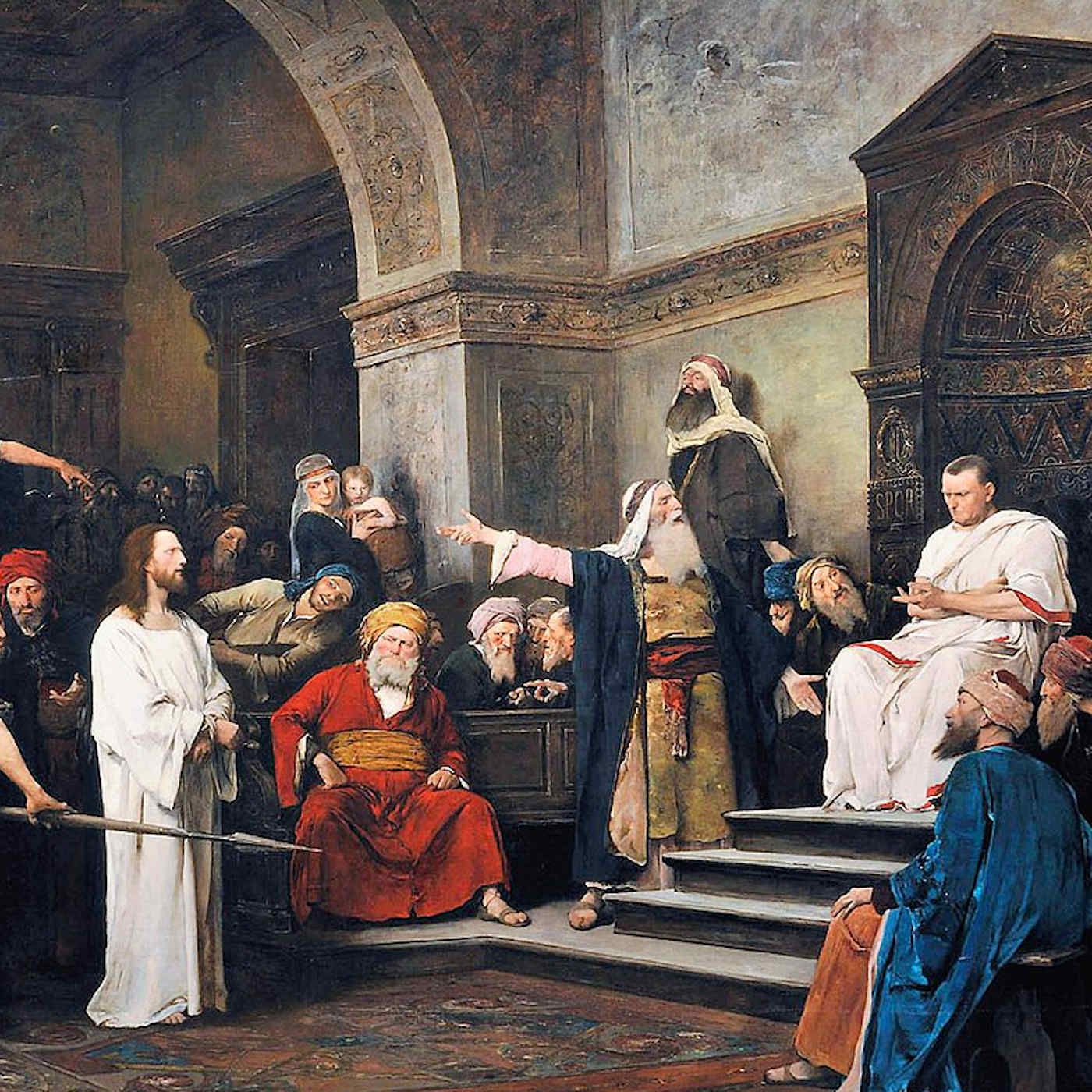
Oct 19, 2023
Friday of the Twenty-Eighth Week in Ordinary Time - Sincerity and Integrity
“There is nothing concealed that will not be revealed, nor secret that will not be known. Therefore whatever you have said in the darkness will be heard in the light, and what you have whispered behind closed doors will be proclaimed on the housetops.” Luke 12:2–3 Immediately prior to this passage quoted above, Jesus told His disciples: “Beware of the leaven—that is, the hypocrisy—of the Pharisees.” This comes after Jesus gives a long and very direct series of condemnations of these leaders in the previous chapter. Jesus is quite serious about their destructive actions. So, after directly confronting them, He then turns to His disciples to warn them of the consequences of these hypocritical leaders. A hypocrite is one who pretends to have some moral virtues but, in truth, is only deceiving himself and attempting to deceive others. For that reason, Jesus assists His disciples by sharing with them the fact that all truth will eventually come to light. Thus, every good deed will eventually be seen by all for its goodness, and every evil intent, no matter how hidden, will eventually come to light. Though the immediate temptation for many in hearing this passage will be to think about others who they think fall into the sin of hypocrisy, it may be far more useful to ponder these truths for oneself. The simple message that Jesus preaches is that we must be people who are truthful in every way. We must be honest with ourselves and make sure that we are fully aware of our inner life, seeing ourselves only in the way that God sees us. This act of honesty and integrity is one of the best ways by which we prepare ourselves for eternal life. How sad it would be if we went through life pretending, on the surface, to be something we were not, only to have the full truth divulged at our final judgment when it is too late to change. Being honest with ourselves can be difficult. It’s normal for us to want to be good, to want to be holy, and to want others to think this way about us. For that reason, it is very common for us to put forth only the best image of ourselves, hiding many other things that may embarrass us and even humiliate us. And though we do not have any moral obligation to tell everyone about every sin we struggle with interiorly, it is morally essential that we face it ourselves and do so with the grace of God. One practical way to do this is to ponder the above Scripture passage. Jesus makes it clear that at some time, in some way, everything within us in our hearts and minds will come to light. For some this will happen, by God’s grace, during this life as a way for them to change. For others, these secrets will only come to light at their final judgment. The truth, however, is that all that we are, all that we think, and all that we do in a hidden way will come to light. And if that frightens you in some way, that is good. Sometimes we need a holy fear to encourage us to look inward and to deal with all that we keep hidden from others. Reflect, today, upon the importance of striving for a life of true transparency and integrity. The best way to do this is to live every day as if everything within your heart were visible for all to see. If that means you need to change in some way so as to be at peace with what will eventually come to light, then work diligently on making that change here and now. The opposite of hypocrisy, for which the Pharisees were firmly condemned, is honesty and sincerity. Spend time reflecting upon these beautiful virtues and pray that the Lord will gift you with them so that you can live a life of true integrity here and now in preparation for that glorious day of judgment, when all will be “known” and “proclaimed on the housetops.” My revealing Lord, You see all things. You know my heart in every way. Please grace me with the ability to see myself as You see me and to know my inner heart as You know me. As the deepest truths of who I am come to light for me to see, I pray that I will also have the grace to sincerely change so that I may truly glorify You with my actions and become a source of authentic inspiration to all. Jesus, I trust in You. Source of content: catholic-daily-reflections.com Copyright © 2023 My Catholic Life! Inc. All rights reserved. Used with permission via RSS feed.
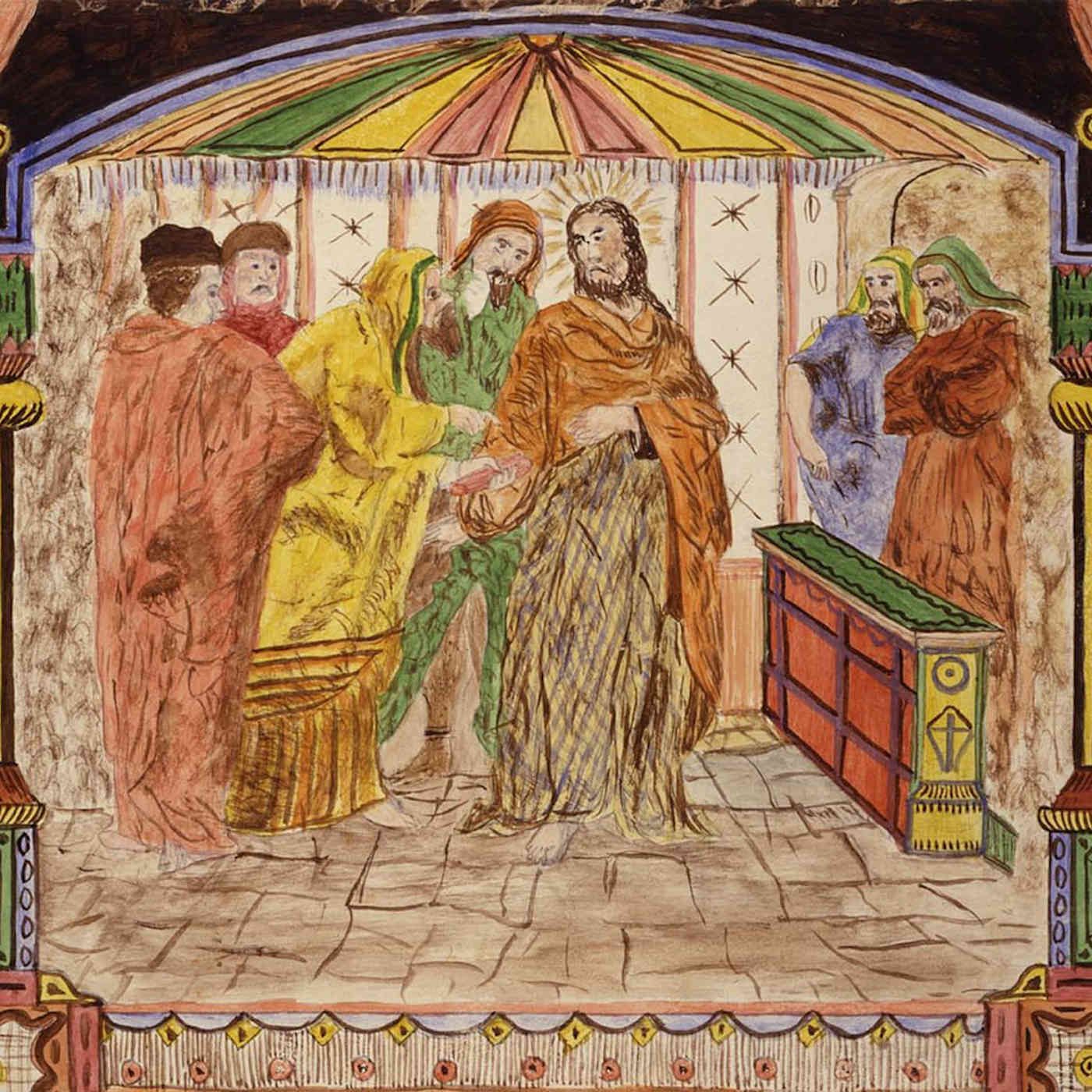
Oct 18, 2023
Thursday of the Twenty-Eighth Week in Ordinary Time - Overcoming Plotting
When Jesus left, the scribes and Pharisees began to act with hostility toward him and to interrogate him about many things, for they were plotting to catch him at something he might say. Luke 11:53–54 Over the past few days, we have been reading Saint Luke’s version of Jesus’ “Woe to you” rebukes of the scribes, Pharisees and the scholars of the law. Today’s Gospel concludes these rebukes of love by pointing out that these religious leaders did not convert. Instead, they began plotting against Jesus so as to “catch him at something he might say.” This is what happens when people use God's holy law as a weapon to attack. Normally, we take inspiration from the Holy Scriptures in a positive way, meaning, by reflecting upon Jesus’ words and actions and applying them to our lives. However, we can also learn from the evil others commit and allow their actions to inspire us to avoid their sin. In today’s Gospel, we are invited to ponder the obsessive plotting of these religious leaders so as to consider whether we also are guilty of their sin. First, note that at the conclusion of Jesus’ rebukes, these religious leaders “began to act with hostility” toward Jesus. Normally, when we act with hostility toward another, it is done with the mindframe that we are right and they have done something wrong. We justify our hostility by pointing to their perceived sin. However, it must be understood that every act of hostility on our part is a clear indication that we have started down the road of sin and are not justified in our obsession. Notice also that these religious leaders exercised their hostility toward Jesus by interrogating Him. In other words, in their anger, they kept asking Him questions so as to find some fault with Him. They tried to trick Him and trap Him with their speech using God’s very Law handed down through Moses and the prophets. But they manipulated that Law so as to justify their hostility and, out of pride, to falsely accuse Jesus. Think about any times in your life in which you found yourself somewhat obsessed with what you judged to be the sin of another. Hostility in this case can even be passive, meaning you may present a kind disposition on the surface, but interiorly you are obsessively thinking about how you can condemn the person. Often when this happens, we can feel justified in that we convince ourselves that justice must be done and that we are the dispensers of that justice. But if God is in control of our lives, He will not call us to obsessive plotting in regard to another. Instead, when we are following the will of God, we will sense Him inspiring us to act with immediacy, calm, joy, kindness, honesty, and freedom from all anger and obsession. Reflect, today, upon any way that you have seen this misguided tendency within your own life. If you can identify a time when you struggled with hostility toward another, look at the fruit it bore. Was God glorified through your actions? Did this leave you at peace or agitated? Were you fully objective in your thinking? Be honest with these questions and you will begin to discover the road to freedom from such obsessive thinking. God wants you to be at peace. If there is injustice, trust that our Lord will sort it out. You, for your part, must continually work to forgive, act with charity, and direct your attention to the will of God as it is gently presented to you. My patient and kind Lord, You were falsely accused and condemned by many of the religious leaders of Your time because You spoke the pure truth with love, clarity and boldness. When I act with hostility and anger toward another, help me to turn from these sins so that I will never condemn, never judge and never manipulate Your divine Law for my own purposes. Fill me with Your peace and charity alone, dear Lord. Jesus, I trust in You. Source of content: catholic-daily-reflections.com Copyright © 2023 My Catholic Life! Inc. All rights reserved. Used with permission via RSS feed.
Oct 17, 2023
October 18, Feast of Saint Luke, Evangelist - Evangelizing the World
The Lord Jesus appointed seventy-two disciples whom he sent ahead of him in pairs to every town and place he intended to visit. He said to them, “The harvest is abundant but the laborers are few; so ask the master of the harvest to send out laborers for his harvest.” Luke 10:1–2 Saint Luke, whom we honor today, was a true evangelist. As an evangelist, he followed the inspiration from our Lord and was used to bring God’s saving message to the ends of the earth. And there is little doubt that his ministry will continue to have a transforming effect on the lives of many until the end of the world. Tradition states that Saint Luke became a martyr, being hanged on an olive tree. He is identified in the New Testament as a physician and as a disciple of Saint Paul. Both the Gospel of Luke and the Acts of the Apostles are attributed to him. Saint Luke is often spoken of as an evangelist to the gentiles. His Gospel was written in such a way that it didn’t presume a full understanding of the Jewish faith and customs. Therefore, it is believed to have been primarily written for those who are not of Jewish origin. Thus, the life and mission of Saint Luke must remind us that the Gospel needs to be shared with all people, especially with those who do not have a deep and sustaining relationship with God. In today’s Gospel from Saint Luke, we read that Jesus sent seventy-two disciples “to every town and place he intended to visit.” Only Luke mentions the larger scale sending of seventy-two disciples. The other Gospels only mention the sending of the Twelve. Though many of these seventy-two disciples would have gone to Jewish territory, some would have unquestionably gone to non-Jewish territory. The mission of these seventy-two was to prepare everyone they encountered for the preaching of Jesus and for the establishment of the Kingdom of God. As we honor Saint Luke today and read this passage from his Gospel, we are reminded that we are all sent by our Lord. We are sent to those who share our faith, such as family, friends and fellow parishioners. We are sent to love them and do all we can to help deepen their faith and love of God. But we are also called to share the Gospel with those who do not yet know Jesus as their Savior. There are so many people we encounter every day who have never truly met our Lord. Are there people in your life that God is calling you to reach out to? Who do you know that God may be calling you to share the Gospel with? Reflect, today, upon the fact that the Gospel is meant for everyone. Speak to our Lord and tell Him that you are ready and willing to be used by Him to bring His saving message to others. As you do so, wait on the Lord, listen to His inspiration, and respond when He calls. If someone comes to mind whom you sense God is calling you to evangelize, begin to pray for that person. Pray for them every day and be attentive to any inspiration God gives you to share His love and saving message with them. Do not be afraid to be an evangelist like Saint Luke. Doing so might make an eternal difference in someone's life. My saving Lord, You sent Your disciples on a mission to share Your saving message with all. Today I especially thank You for the life and ministry of Saint Luke. Please use me, dear Lord, to imitate his wonderful example and to share Your glorious life with others. Please lead me and inspire me to especially reach out to those whom You have put into my life. Jesus, I trust in You. Source of content: catholic-daily-reflections.com Copyright © 2023 My Catholic Life! Inc. All rights reserved. Used with permission via RSS feed.
Oct 16, 2023
Tuesday of the Twenty-Eighth Week in Ordinary Time - Interior Transformation
After Jesus had spoken, a Pharisee invited him to dine at his home. He entered and reclined at table to eat. The Pharisee was amazed to see that he did not observe the prescribed washing before the meal. The Lord said to him, “Oh you Pharisees! Although you cleanse the outside of the cup and the dish, inside you are filled with plunder and evil. You fools!” Luke 11:37–40 It’s hard to imagine Jesus calling someone a fool. But that’s exactly what He did. This Pharisee had just finished listening to Jesus give a series of teachings and then invited our Lord to His home for dinner in an apparent gesture of kindness. But as the passage unfolds, it’s clear that this Pharisee is no friend of Jesus. Instead, his hospitality and kindness are a cloak for the evil within his soul. Why does Jesus respond so fiercely, calling the Pharisee a fool? Because this Pharisee is filled with hypocrisy. His exterior actions do not flow from a heart filled with charity and faith. Instead, his exterior actions are a show. He is a fraud. He, like many of the Pharisees, was very concerned with various external rituals, such as scrupulously washing his hands before he ate. He believed that doing so was a sign of his holiness and closeness to God. But it wasn’t. His heart was one that was filled with judgment and self-righteousness. He looked down on others and elevated himself. In doing so, he deceived others and even deceived himself. The central message we must take from this is that we must diligently focus upon that which is in our hearts. Our hearts, our interior life, must be blooming with love of God and others. We must place all of our efforts on cultivating a sincere life of virtue within. This is done by prayer and humility. Humility will open our eyes to see the truth of who we are. Prayer will strengthen us to change as we see that which needs to be changed within. Only then, when we see clearly the truth of who we are and prayerfully rely upon grace obtained by prayer, will we be able to become people of true integrity and holiness. And only then will our interior holiness be made manifest externally in our actions. Reflect, today, upon these powerful words of Jesus: “You fools!” Don’t be offended by these words; they are words of love from our Lord. They are His fierce attempt to wake this Pharisee up and lead him away from his hypocrisy. Listen to these words as if they were also spoken to you. Every one of us can humbly benefit from this loving chastisement from Jesus. Every one of us needs to humbly be transformed more fully interiorly. Let Jesus’ words speak to you and reveal to you the ways that you need to change. Perhaps your pride has led you to an interior practice of judgment of others. Perhaps it has blinded you to sins that you need to confess. If you can listen to these words as if they were spoken to you, then Jesus’ fervor will reach you, and your eyes will be opened to that which is in your soul that needs to be changed. Do not turn a blind eye to this. Be open, be humble and listen. My fervent Lord, You spoke words of love in many ways. At times You were gentle and at times You were firm. Please give me the grace and humility I need to be open to Your firm rebukes of love. Help me to sincerely see the ways in which I need to change my life so that Your grace will transform my interior life, flowing over into my actions. I love You, dear Lord. Help me to love You more. Jesus, I trust in You. Source of content: catholic-daily-reflections.com Copyright © 2023 My Catholic Life! Inc. All rights reserved. Used with permission via RSS feed.
Oct 15, 2023
Monday of the Twenty-Eighth Week in Ordinary Time - A Sign From God
“This generation is an evil generation; it seeks a sign, but no sign will be given it, except the sign of Jonah. Just as Jonah became a sign to the Ninevites, so will the Son of Man be to this generation.” Luke 11:29–30 Do you ever find yourself looking for signs from God? Often when we go through life, navigating through the ups and downs we all experience, we can easily find ourselves looking for signs from God about what we should do about this or that. And though God certainly communicates to us at times through special graces that are signs from Heaven, the passage above gives clarity to what sign we must be most attentive to. The simple message in this Gospel passage from our Lord is that we must discover the meaning of the most profound sign ever given and use that as the foundation of all our decisions in life. Jesus’ life, death, and resurrection were not only the source of eternal life, they are also the clearest sign we need as we make all of our decisions in life. A sign is some action that reveals a deep and hidden mystery. One mystery that Jesus’ life, death and resurrection reveals is that if we are to share in the new life won for us by His Cross, then we must follow the example He set by living a life of selfless sacrifice, laying down our lives for others, so that they will discover and embrace the new life of Christ’s Resurrection. Practically speaking, if you find yourself looking for answers in life, seeking signs from God about what you should do at times, then turn your eyes to the life of Christ and ponder ways in which you can more fully imitate His life in every daily practical decision you make. This is true whether you are discerning some important decision in life or some small practical decision. It is common to engage in such a discernment by looking at ourselves in a more selfish way. It’s difficult to move away from this line of thinking, but if we are to use the “sign” of the Son of Man, then we will discern our life decisions very differently. When we use the life, death and resurrection of our Lord as the source of our discernment and decision making in life, then we will end up making decisions that imitate His selfless sacrifice of love. So if you are faced with a decision, you will not ponder what is easier or what you prefer; rather, you will ponder what is more selfless and best for others. What is it that best imitates the sacrificial love of Jesus? Reflect, today, upon any decision you are trying to make. Then reflect upon how you are going about this decision. Do you use the witness Jesus gave to us as the foundation of your discernment? Do you reflect upon how you can lay your life down as a sacrificial gift for others? Do you look at love from the point of view of the Cross of our Lord and strive to imitate His glorious and selfless dedication to the salvation of those whom He loves? Seek to imitate our Lord, using the witness of His actions as the foundation of all of your discernment and decisions in life, and you will have discovered the only true sign you need to navigate the challenges of life. My perfect Lord, every decision You made in life was made out of love and was in accord with the perfect will of the Father. Give me the grace I need to make every decision in life in imitation of Your perfect example. May my life imitate You as You laid down Your life for others. I choose You and Your glorious sacrificial life as the sign by which I am directed in life. Jesus, I trust in You. Source of content: catholic-daily-reflections.com Copyright © 2023 My Catholic Life! Inc. All rights reserved. Used with permission via RSS feed.
Oct 14, 2023
Twenty-Eighth Sunday in Ordinary Time (Year A) - Reality vs. Appearance
Jesus again in reply spoke to the chief priests and elders of the people in parables, saying, “The kingdom of heaven may be likened to a king who gave a wedding feast for his son. He dispatched his servants to summon the invited guests to the feast, but they refused to come.” Matthew 22:1–3 Do you refuse to come? Jesus spoke this parable to the chief priests and elders of the people because, even though they gave the impression to others that they were true followers of the will of God, they were, in fact, among those who refused to come to the wedding feast of the Lamb of God. The chief priests and elders of the people were masters at portraying themselves as something they were not. They knew how to look good in the eyes of the people, how to avoid public criticism, and how to appear as holy men. But they were none of the above. Inside they were hypocrites, liars and murderers. In this parable, three invitations are sent forth. The first two are given to the invited guests. Though these “invited guests” refer especially to the people of Israel who were raised in the faith handed down from Moses and the prophets, we should also see in it those who have been raised within the Christian faith today. After the first invitation, those invited refused to come. After the second invitation, some who were invited reacted with indifference, while others reacted with hostility. These responses are common today. When Jesus sends forth His invitation to share in His wedding banquet today, there are many different responses. Some are indifferent to our Lord. These are those who are so consumed with worldly endeavors that they give little time and attention to God. For them, the practice of the faith, such as daily prayer, attendance at Mass and ongoing works of charity, is not important. Making money, obtaining material possessions, indulging in entertainment and other secular pursuits are far more the focus of their time and energy. Others, like the chief priests and elders, are good at playing the part and acting as if they are faithful followers, but they are actually hostile to the will of God. They are concerned only about their appearance and not about the reality of their souls. If they are challenged in any way, they respond with anger and attack. They are not open to the truth of the Gospel and remain self-justified by attacking anything or anyone who dares to call into question the direction they have taken in life. When the third invitation was sent forth to all people, some responded. How completely do you respond to Jesus’ invitation? To answer that question properly, we must “read” the invitation and know what we are invited to participate in. The invitation given to us is an invitation to share in the wedding feast of the Son of God. But to attend that banquet, we must be clothed in the garment of charity. Charity is the form of love that is sacrificial, selfless, and total. This form of love begins by making God the center of our lives and concludes by making His will the sole purpose of our lives. True charity will have the effect of purging all selfishness from our lives. This is why some were hostile to the invitation. When God invites us to a life of charity, we will be faced with a need to change. For some, this is very difficult. They react either with indifference or become defensive and lash out in hostility so as to protect the life of sin they have chosen. The parable concludes with one of the invited guests being cast “into the darkness outside, where there will be wailing and grinding of teeth” because he doesn’t have on a proper wedding garment. But this wedding garment is a symbol of true charity that flows from an authentic worship of God. Reflect, today, upon how charitable you are toward others, for that will determine whether you are fit to share in the banquet of the Lord. True charity always seeks to lavish the greatest good upon others. It seeks to do everything necessary to help others grow in love of God. True charity never leads a person to gaze upon themselves. It is always outwardly focused and selfless in its choices. As you reflect upon your charity, or lack thereof, be open to the purifying invitation from Jesus and do not react in hostility. Welcome His invitation to change and allow your wholehearted worship of Him to transform you into a gift of love for others. Lord of perfect charity, You have invited all people to share in the glorious banquet of Heaven. The only requirement is that we allow all sin and selfishness to be purged from our lives so that we are covered with the garment of charity. I accept Your invitation this day, dear Lord, and commit myself to the purifying fires of Your perfect love. Jesus, I trust in You. Source of content: catholic-daily-reflections.com Copyright © 2023 My Catholic Life! Inc. All rights reserved. Used with permission via RSS feed.
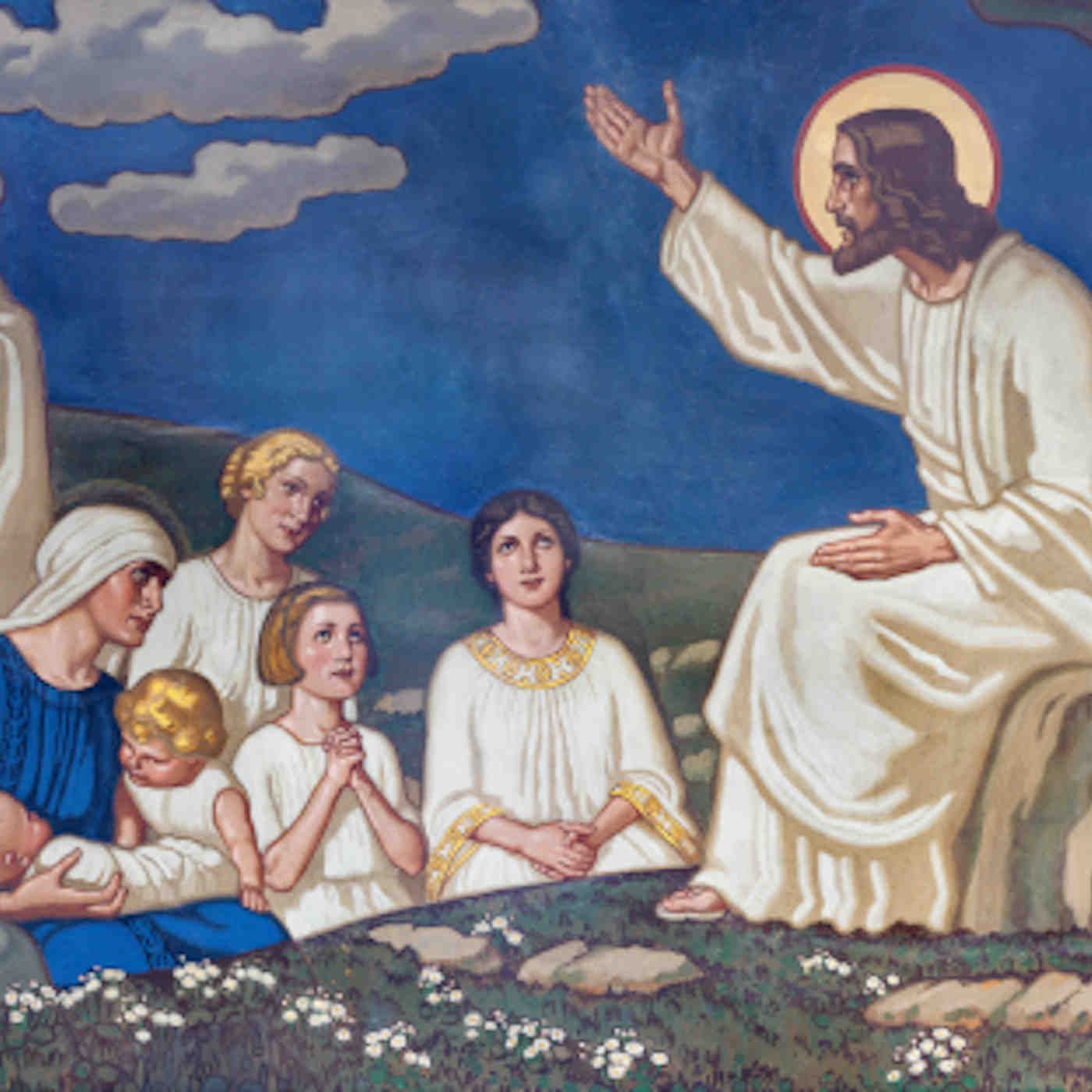
Oct 13, 2023
Saturday of the Twenty-Seventh Week in Ordinary Time - Living a Truly Blessed Life
While Jesus was speaking, a woman from the crowd called out and said to him, “Blessed is the womb that carried you and the breasts at which you nursed.” He replied, “Rather, blessed are those who hear the word of God and observe it.” Luke 11:27–28 This short Gospel reading reveals much about what makes one “blessed” in life. Specifically, Jesus considers those truly blessed who do two things: “hear the word of God” and then “observe it.” Though this seems quite obvious at first read, it is often harder than it seems. The first step to a blessed life is hearing the Word of God. To “hear” implies that we do much more than become familiar with the Gospels. Hearing means we are not only aware of all that our Lord has revealed, it also means that we have truly internalized it, understanding all that our Lord requires of us. Have you heard our Lord? It’s important to understand that the Gospel is alive. In other words, becoming familiar with the Word of God is not the same as reading some ancient book of lessons. Rather, hearing the Word of God means we hear a Person: the Son of God, speaking to us and guiding us each step of our lives. God’s Word is something that must speak to us every moment of every day, inspiring us to do this and avoid that. It is accomplished through a lifelong habit of prayerful communion with our Lord through which we are attentive to His voice always. Hearing the very Person of the Son of God, the Word made flesh, necessarily implies that we also observe all that He speaks to us. In fact, failure to follow His continuous and gentle command to love will result in us being unable to clearly hear Him at all. We will become confused and will easily become directed by the many other voices in our world, unable to discern the glorious path chosen for us by our Lord. Reflect, today, upon whether or not you struggle in any way with both hearing and observing the voice of God. If this is your struggle, then recommit yourself to a time of humble and wholehearted discovery. Tell our Lord that you are sorry for not being attentive to Him and set yourself on a mission to seek and find Him. Reject the confusion and anxiety of life, reject the many other voices of “wisdom” within our world, and listen for His gentle but clear voice. He is always speaking. He is always calling you. He is always present. Open the eyes of your soul and give Him your full attention. And when you sense Him speaking to you, respond with the utmost generosity and obedience. Doing so will result in you discovering what it means to be truly blessed by our Lord. My blessed Lord, You are glorious beyond all things, and You invite me and all Your creatures to share in Your very life. Give me the grace I need to turn from the confusion and deceptions of life so that I will hear only You and respond only to Your voice. I commit myself to Your holy will, dear Lord. As I do, please bestow upon me every blessing You desire to give. Jesus, I trust in You. Source of content: catholic-daily-reflections.com Copyright © 2023 My Catholic Life! Inc. All rights reserved. Used with permission via RSS feed.
Oct 12, 2023
Friday of the Twenty-Seventh Week in Ordinary Time - Overcoming “Neutrality”
“Whoever is not with me is against me, and whoever does not gather with me scatters.” Luke 11:23 These words are embedded within several powerful teachings of Jesus, but, in many ways, this single sentence can stand alone as an important Christian truth. Specifically, it tells us that we cannot be neutral in our position regarding Jesus and all that He has taught us. This is an important message in the world today. Today, there seems to be a growing secular value that we might call “neutrality.” We are told by many in the world that we must accept any morality, any lifestyle, any choice that others make. And though it is true that we must always love and accept every person and treat them with the utmost dignity and respect, it is not true that we should be neutral to the choices and secular values that some choose to live and express. Sadly, when we do speak the full truth, especially the many moral truths our Lord has revealed, we are often labeled as judgmental. But this is not the truth. This quote above from today’s Gospel makes it clear that we cannot remain indifferent to the teachings of our Lord and still remain in His good graces. In fact, Jesus makes it clear that the opposite is true. He says that if we are not with Him, meaning, if we do not accept all that He has revealed, then we are, in fact, against Him. Being neutral on matters of faith and morality is not actually being neutral at all. It’s a choice that some make that has the clear effect of separating them from Jesus. For example, regarding matters of faith, if someone were to say, “I do not believe in the Eucharist,” then they are, in fact, rejecting God. And though it is not our duty to be their judge, it is our duty to acknowledge that they have expressed a belief contrary to the truth. They are in error, and if they persist in this error, then they do separate themselves from God. That’s what Jesus is saying. The same is true regarding morality. There are many examples in the moral life that are becoming more and more blatant in their opposition to our Lord’s teaching. Thus, we must remind ourselves that when we reject a moral teaching given to us by our Lord, we reject Jesus Himself. Jesus goes even further when He says that “whoever does not gather with me scatters.” In other words, it’s not enough to simply personally believe all that Jesus taught, we must also teach it to others. If we do not and if we, instead, offer a false form of “acceptance” of another’s error, then we are actually working against Jesus. We all have a moral duty to actively promote the truths of the Gospel given to us by our Lord. Reflect, today, upon how fully you are “with” our Lord and “gather” with Him. Do you fully accept all that He has taught and also seek to gather many others for the Kingdom of God? If you do not see yourself actively believing in and participating in the mission of our Lord, then heed these words of Jesus and allow them to gently but firmly challenge you, so that you will more fully work to build up God’s Kingdom in your own heart and in the world all around you. My glorious King, You desire to build up Your Kingdom in my life and, through me, in the lives of others. Give me the grace and courage I need to fully accept all that You have taught me and to actively become an instrument of Your grace and truth in the world. May I be with You in all things, dear Lord, and gather many into Your loving arms of grace. Jesus, I trust in You. Source of content: catholic-daily-reflections.com Copyright © 2023 My Catholic Life! Inc. All rights reserved. Used with permission via RSS feed.
Oct 11, 2023
Thursday of the Twenty-Seventh Week in Ordinary Time - Praying with Fervor and Detachment
Jesus said to his disciples: “Suppose one of you has a friend to whom he goes at midnight and says, ‘Friend, lend me three loaves of bread, for a friend of mine has arrived at my house from a journey and I have nothing to offer him…’” Luke 11:5–6 Unless your friend were truly a very close friend, you may hesitate in waking them and their family at midnight to ask to borrow some food. And even if it were a very close friend, you would probably hesitate for fear of disturbing them. But in this parable, the “friend” is God. Jesus just finished giving His disciples the “Our Father” prayer, and now He adds this parable as a way of expressing the great confidence and determination with which we must pray to the Father. The parable concludes by stating that even if the person in bed does not get up to meet the request, they will do so “because of his persistence.” And though God always is attentive to our prayer, our persistence is an essential quality we must have. When we pray to God with persistence, never doubting the goodness and generosity of God, God will pour forth upon us everything that is good. Of course, if our prayer is for something that is selfish or not in accord with the will of God, then all the begging in the world will not be effective. But when we pray as the “Our Father” prayer teaches us, then we can be certain that our fidelity to that prayer, prayed with the utmost trust and persistence, will effect the good gifts of the will of God in our lives. One of the seven petitions of the “Our Father” prayer is “Thy Kingdom come, Thy will be done on earth as it is in Heaven.” This is a truly beautiful petition that requires not only ongoing persistence but also detachment from our preference in life. To pray that “God’s” will be done and that “His” Kingdom come is a way of also saying that you surrender all of your preferences to God. You come to God acknowledging that your will may not be God’s will. Thus, this petition expresses detachment in a powerful way. Reflect, today, upon the importance of praying with the utmost fervor and persistence to God. Reflect, also, upon the importance of doing so with detachment. What does God want of you? What is His holy will for your life? Seek that will and that will alone with all your heart and you will discover that His will truly will come to be in your life. My perfect Lord, Your will and Your will alone is what I want and seek. I seek it with all the powers of my soul. Help me to grow in confidence in You and Your goodness. May I trust in You and believe with all my heart that You truly will bring forth Your holy will in my life if I only persist in prayer and trust. Jesus, I trust in You. Source of content: catholic-daily-reflections.com Copyright © 2023 My Catholic Life! Inc. All rights reserved. Used with permission via RSS feed.
Oct 10, 2023
Wednesday of the Twenty-Seventh Week in Ordinary Time - The Perfect Prayer
Jesus was praying in a certain place, and when he had finished, one of his disciples said to him, “Lord, teach us to pray just as John taught his disciples.” Luke 11:1 What a great prayer for us to pray also, “Lord, teach us to pray…” Jesus’ response to this disciple was to present him with the “Our Father” prayer. Of this prayer, Saint Andre Bessette said, “When you say the Our Father, God's ear is next to your lips.” The great mystical Doctor of the Church Saint Teresa of Ávila gave this advice while praying the Lord’s Prayer: “Much more is accomplished by a single word of the Our Father said, now and then, from our heart, than by the whole prayer repeated many times in haste and without attention.” And Saint Thérèse of Lisieux said that the “Our Father” prayer was one of the prayers she prayed when she felt so spiritually barren that she could not summon up a single worthwhile thought. At the Holy Mass, when the priest invites the people of God to pray the “Our Father,” he says, in part, that this prayer is one that “...we dare to say.” This is an interesting statement which especially reveals the childlike boldness we are called to have as we pray this prayer sincerely from the heart. It is exceptionally bold to call God our “Father.” Chapter 11 of My Catholic Worship , which offers a teaching on this perfect prayer, states the following about this boldness: Each Christian is to see the Father as my Father. We must see ourselves as God’s children and approach Him with the confidence of a child. A child with a loving parent is not afraid of that parent. Rather, children have the greatest trust that their parents love them no matter what. Even when they sin, children know they are still loved. This must be our fundamental starting point for all prayer. We must start with an understanding that God loves us no matter what. With this understanding of God, we will have all the confidence we need to call on Him. Since many of us are very familiar with this ideal prayer taught to us by our Lord Himself, there is a temptation to pray this prayer in a somewhat rote way. We can easily fail to say it from the depths of our hearts, making each word our own, offered with the utmost confidence to our loving Father in Heaven. How do you pray the Lord’s Prayer? Do you pray it out of habit, failing to fully comprehend and mean the words you pray? Most likely this is the case for many. Reflect, today, upon this most holy prayer given to us by the Son of God Himself. He is the author of this perfect prayer, so we should use it as the foundation of all of our prayer. Try to follow the advice of Saint Teresa of Ávila quoted above. Take each word of that prayer and pray it slowly, intentionally and with love. Begin by acknowledging God as your Father. Ponder the infinite care He has for you as a perfect father would. See Him in a real, intimate, and personal way. This perfect prayer begins by acknowledging Who God is and then continues with seven perfect petitions. After praying the introduction to this prayer, pick one of the seven petitions to meditate upon so that the richness of this prayer will have a transformative effect upon your soul. Our Father who art in heaven, hallowed be thy name. Thy kingdom come. Thy will be done on earth as it is in heaven. Give us this day our daily bread, and forgive us our trespasses, as we forgive those who trespass against us, and lead us not into temptation, but deliver us from evil. Jesus, I trust in You. Source of content: catholic-daily-reflections.com Copyright © 2023 My Catholic Life! Inc. All rights reserved. Used with permission via RSS feed.
Oct 9, 2023
Tuesday of the Twenty-Seventh Week in Ordinary Time - Fidelity to Daily Prayer
Martha, burdened with much serving, came to him and said, “Lord, do you not care that my sister has left me by myself to do the serving? Tell her to help me.” The Lord said to her in reply, “Martha, Martha, you are anxious and worried about many things. There is need of only one thing. Mary has chosen the better part and it will not be taken from her.” Luke 10:40–42 In many ways, this statement of our Lord summarizes the most important and central message of the Gospel. We are all called to choose “the better part” every day. Jesus was close friends with Martha, Mary and Lazarus. He frequently visited their home, which was only a short distance from Jerusalem. On this occasion, when Jesus was visiting their home, one of these siblings, Mary, had placed herself at Jesus’ feet, listening to Him and conversing with Him. Martha was busy with the important details of hospitality and appeared to be upset with Mary, so she confronted Jesus, asking Him to tell Mary to help her. But in so doing, she was also unknowingly trying to dissuade Mary from the most important purpose of her life. As Mary sat at the feet of Jesus, she gave us an example of the most important focus we must have in life. Though our days will be filled with many necessary duties, such as cooking, cleaning, working, entertainment, and caring for others, we must never forget that which we were made for and that which we will be doing for all eternity: adoration of our glorious God. Consider all that occupies your day. Though most of what you do may be important, do you daily take time out to adore our Lord, listen to Him and glorify Him through your prayer? We can often make time for many other important duties in life, as well as those that are not so important. We may spend hours on chores, immerse ourselves in movies, devote whole evenings to reading, fulfill our duties in the workplace, but only devote a minute or two each day, if even that, to silent prayer and adoration of our God! What would happen to your life if you chose “the better part” for a full hour every day? What if you decided that the first hour of your day would be dedicated to an imitation of Mary in the Gospel passage and that you would do nothing but adore Jesus through silent prayer and meditation? At first, you may think of the many other tasks you could be doing at that moment. You may decide that you do not have the time for extended prayer every day. But is that true? Perhaps you are actually being Martha to yourself, saying to yourself that you should do more important things with your time and that Jesus will understand if you do not spend time with Him alone in adoration and prayer every day. If that is you, then be very attentive to this Gospel passage. In many ways, Jesus deeply desires to say this about you. He wants to say of you that you have chosen the better part for an extended period of time every day and that this will not be taken from you. Reflect, today, upon that which is most important in life. Dispel excuses and temptations to simply fulfill all the other important duties of life, neglecting that which is most important. Reflect upon the simple truth that Jesus does want you to devote much time to Him every day for silent prayer and adoration. Do not give into excuses and distractions. Commit yourself to remain at the feet of Jesus, adoring Him, listening to Him and loving Him. If you do, you will find that your life is more ordered and that the time you spend in prayer bears more good fruit than every other important duty you fulfill every day. My inviting Lord, I do believe that adoration of You in silent and devout prayer is the most important duty I have to fulfill every day. May I never be deterred from adoring You every day, devoting as much time as You desire to silent and loving prayer. May I discover this gift of prayer, dear Lord, and sit at Your feet with Mary and with all the glorious saints. Jesus, I trust in You. Source of content: catholic-daily-reflections.com Copyright © 2023 My Catholic Life! Inc. All rights reserved. Used with permission via RSS feed.
Oct 8, 2023
Monday of the Twenty-Seventh Week in Ordinary Time - Openness to the Gospel
There was a scholar of the law who stood up to test Jesus and said, “Teacher, what must I do to inherit eternal life?” Luke 10:25 The question is very good. We should all seek to understand, with all our hearts, what we must do to inherit eternal life. Of course the problem is that this scholar of the law did not ask this question with sincerity and openness. Rather, he asked Jesus this question to test our Lord. This scholar, as well as other scribes, Pharisees, Sadducees and elders, was envious of Jesus and sought to find fault with Him. This scholar appeared to be concerned that Jesus was teaching contrary to the Law of Moses. But what does our Lord do? He says nothing more than to put the question back to the scholar, asking him, “What is written in the law? How do you read it?” The scholar answers correctly, according to the Law of Moses, and Jesus responds to him, “You have answered correctly; do this and you will live.” Thus, the test was passed. What’s interesting and helpful to ponder in this exchange is the way Jesus responds to this scholar. Because Jesus knew the scholar’s heart, and because He knew that this scholar was not asking with humility and openness, Jesus responded with great prudence, inviting the scholar of the law himself to answer his own question. Though we are not able to read another’s heart in the way our Lord did, we should learn a lesson from Him on how to respond to others who have as their goal to trick, trap, test, and twist our words if they disagree with us. This is especially important in matters of faith and morality. If you are striving to live the Gospel with all your heart and you encounter the “testing” of others as a result of the holy life you are striving for, ponder Jesus’ actions here. Too often, when another challenges us or tests us, we become defensive and even offended. As a result, we can enter into arguments back and forth that bear little or no fruit. Jesus did not argue. He did not allow this test to trip Him up. Rather, He only offered responses that could not be doubted. Jesus knew that this scholar was not interested in the deepest spiritual truths. He was only interested in finding fault. Therefore, the deeper and fuller Gospel message could not be offered. We should also learn from this passage the importance of coming to Jesus with an open heart, sincerely seeking the deepest spiritual answers to life. We ought never test Jesus. Instead, in humility, we must believe that He is the source of all truth and that He has every answer in life that we seek. Reflect, today, upon two things. First, reflect upon how completely open you are to all that Jesus has to say. If you were to ask our Lord this question, “What must I do to inherit eternal life?,” what would Jesus say to you? Would He only be able to offer you general answers in the form of questions? Or would Jesus see the open and sincere nature of your heart and be able to speak in great depth and detail to you? Second, reflect upon anyone with whom you constantly have to defend yourself for the practice of your faith. If this is your experience, perhaps reexamine your approach, realizing that the deepest pearls of your faith should only be shared with those who are sincerely open and are seeking to embrace them with all their heart. My deep and wise Lord, You and You alone have every answer to life. You and You alone can reveal to me all that I need to know in life so as to achieve holiness and fulfillment. Please open my heart so that I can come to You with humility and sincerity, open to all that You wish to reveal to me. Jesus, I trust in You. Source of content: catholic-daily-reflections.com Copyright © 2023 My Catholic Life! Inc. All rights reserved. Used with permission via RSS feed.
Oct 7, 2023
Twenty-Seventh Sunday in Ordinary Time (Year A) - A Cornerstone of Grace
Jesus said to them, “Did you never read in the Scriptures: The stone that the builders rejected has become the cornerstone; by the Lord has this been done, and it is wonderful in our eyes? Therefore, I say to you, the kingdom of God will be taken away from you and given to a people that will produce its fruit.” Matthew 21:42–43 The most amazing thing that has ever happened in this world is the death of the Son of God. It is amazing for many reasons. It’s amazing that God the Father allowed His Son to be brutally murdered by evil men. It’s amazing that the Son did not call upon the myriad of angels to stop His persecution. It’s amazing that Jesus spoke words of forgiveness from the Cross as His own mother looked on. But perhaps the most amazing aspect about this event is that from it, the gift of eternal salvation was made possible. Only God, in His inconceivable wisdom and power, could bring forth the greatest good from the greatest evil. Nothing could be more evil than the brutal murder of the Son of God. And nothing could be more glorious than the transformation of that heinous act into the definitive act of salvation for the human race. Jesus was “the stone rejected by the builders.” But that rejected Stone was used by the Father to “become the cornerstone” of the new life of grace to which we are called. The passage quoted above concludes the Parable of the Tenants, which outlines salvation history. The Father is the owner of the vineyard, which represents the people of Israel. The tenants were the religious leaders of the time who abused the prophets who were sent to gather the fruit of God’s Kingdom. The son is the Son of God whom the leaders of Israel killed under the misconception that killing Jesus would guarantee the continuation of their power. However, the true result was that they suffered their own destruction, and the murdered Son became the cornerstone of the Church and the source of new life. Today, you are among the people to whom God has given charge of His new Vineyard, the Church. Of you, God demands an abundance of good fruit. Though the Church is entrusted to the pope, bishops and priests in a special way, it is also entrusted to the laity, each in their own way. Everyone must bear fruit for the Kingdom of God, and everyone will be held accountable for their stewardship. Sometimes we can fall into the trap of thinking that we have little to offer. If we were the pope, a bishop or even a priest, we could do great things for God. And though that is true, it is no less true that everyone is capable of bearing an abundance of good fruit for the Kingdom. And God expects that of us all. If you doubt that fact in any way, recall again the undeniable fact that the Father used the greatest evil ever committed to bring forth the greatest good ever known. If God can bring forth new life from death, then He can certainly use you in powerful ways. In fact, the weaker you are and the more insignificant you feel, the more God can use you to produce good fruit. Reflect, today, upon the glorious fact that if God can use his own suffering and death to bring salvation to the world, He can also use you in ways that are beyond your imagination. You might not become a famous evangelist. You might not succeed in some well-recognized ministry. In fact, you might even encounter much suffering, persecution, and hardship throughout life. Regardless of your own life situation, God desires to use you for great things and to bear an abundance of good fruit for His Kingdom. Commit to that mission, and allow God to use you as a cornerstone of His grace in this world. My Lord and Cornerstone of the Church, You were rejected by the leaders of Israel and were killed in the most horrific way. Yet in Your glorious power, You transformed that evil into the greatest good. I give to You my weaknesses and pains, my talents and labors; I give to You my entire life. Please use me and help me to share in Your life so that, with You, I may also become a cornerstone of Your grace as You desire. Jesus, I trust in You. Source of content: catholic-daily-reflections.com Copyright © 2023 My Catholic Life! Inc. All rights reserved. Used with permission via RSS feed.
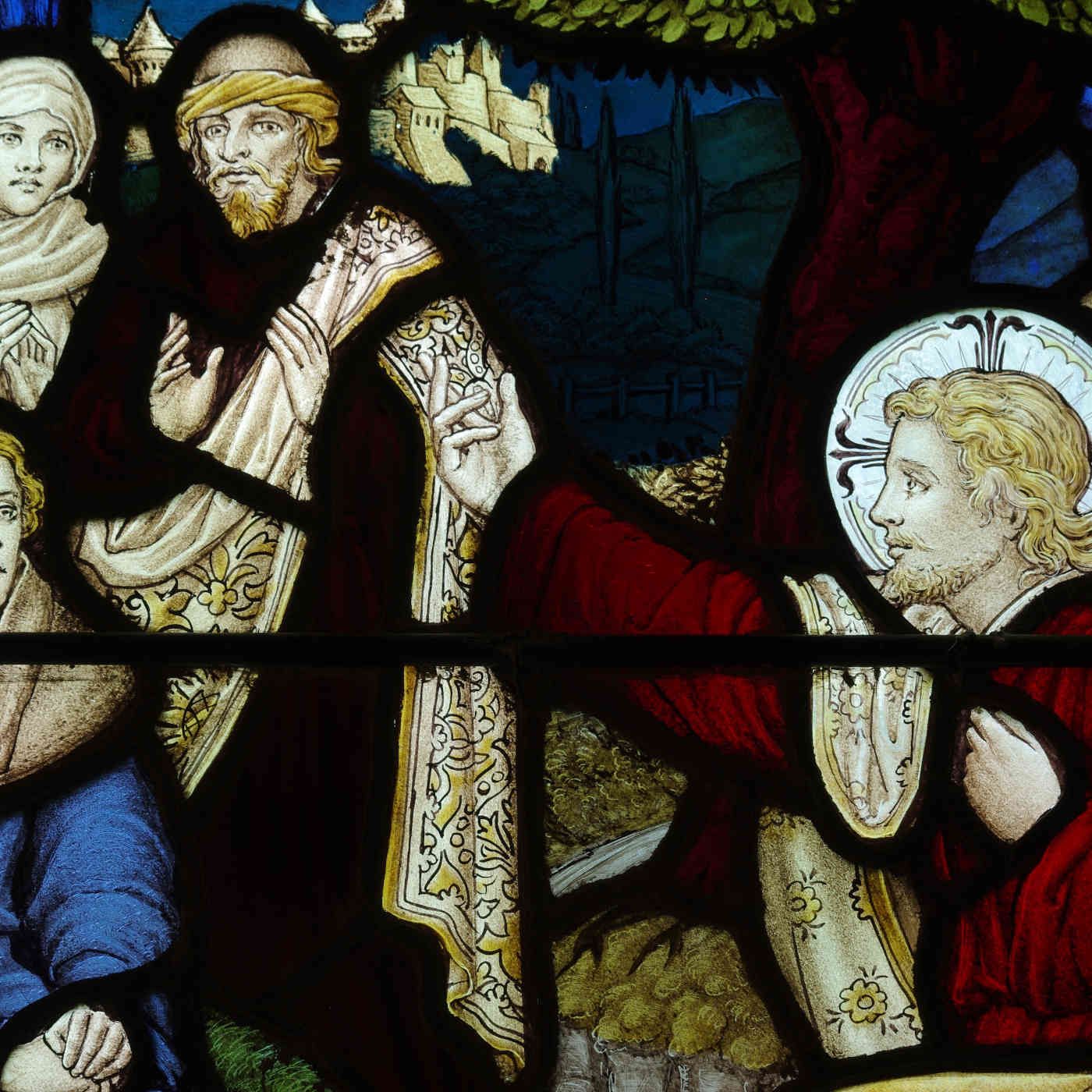
Oct 6, 2023
Saturday of the Twenty-Sixth Week in Ordinary Time - Perceiving the Presence of God
Turning to the disciples in private he said, “Blessed are the eyes that see what you see. For I say to you, many prophets and kings desired to see what you see, but did not see it, and to hear what you hear, but did not hear it.” Luke 10:23–24 Imagine seeing Jesus in person. What would that have been like? What would it have been like to see Him, listen to Him preach, witness His miracles and spend time sitting with Him quietly? The experience of being with Him as He walked the earth would have been determined by the depth of interior sight you had. There were many who saw Jesus but rejected Him, and even killed Him. Clearly, they did not have the interior eyes of faith to see Him for Who He was. Others left everything behind to follow Him. Clearly, they perceived Who He was in His divine soul through the gift of faith. As Jesus states above, the disciples were blessed to see Him. Many prophets and kings of old desired to see the Messiah. Century after century, the prophecies about the coming of the Messiah would have left many with much anticipation and hope that they would be among those blessed to see Him. Recall, for example, Simeon the prophet who waited his whole life to see the Christ Child. Then, when Mary and Joseph brought the Child Jesus into the Temple to present Him to the Lord, Simeon took the Child into his hands and proclaimed, “Now, Master, you may let your servant go in peace, according to your word, for my eyes have seen your salvation, which you prepared in sight of all the peoples, a light for revelation to the Gentiles, and glory for your people Israel” (Luke 2:29–32). Indeed, Simeon, the disciples, and all who encountered Jesus as He walked the earth were truly blessed. They were blessed to see the Son of God with their own eyes. Jesus proclaimed the eyes of the disciples to be blessed for seeing Him. However, if He were to speak to us today, He would proclaim us doubly blessed. We do not see Him in physical form, walking the earth. But we are able to perceive Him in a way that even Simeon did not experience in His life. Simeon saw the Savior of the World with his eyes, present in human form. But today, we are able to see Him in an even more profound way. By the gift of grace and the indwelling of God, we are able to look within our own souls and discover the true presence of God living within us. One might argue that seeing Jesus with your eyes is preferable to seeing His divine presence within your soul. But is it? Certainly not. Again, recall that there were many who saw Jesus with their eyes but did not recognize Him as God. Today, we are privileged to perceive the presence of Christ in our world in the deepest way possible. He came to live within us. He came to possess us. He came to unite Himself with us in a union so deep that it transforms us completely, making us into His very body. If it took faith to see the divinity of Jesus when He walked the earth, it will also take faith to see His true presence within us. Our sins cloud His presence. Our lack of faith makes it hard to see Him there. But God is alive within every soul that is in a state of grace, and it must be our ongoing duty to discover His indwelling presence and to be with Him within. In her spiritual masterpiece, “Interior Castles,” Saint Teresa of Ávila explains that the infinite God does dwell within us. It is our duty to enter into the most secret core of our being, the most interior castle, navigating through our many sins, so that we will enter the deepest center where the fullness of the great King dwells. Reflect, today, upon Jesus’ words spoken to the disciples: “Blessed are the eyes that see what you see.” Know that this statement applies even more to you. Seek to have the eyes of faith so that you can perceive the true presence of the Savior of the World living within your own soul. Seek Him out, gaze at Him with love, bask in His divine presence and allow that presence to overshadow you, transforming you into the person God wants you to be. My indwelling Lord, I am blessed beyond belief by Your divine presence dwelling within me. Please open my eyes to see You and my ears to hear You so that I will be able to dwell with You Who have come to dwell in me. Jesus, I trust in You. Source of content: catholic-daily-reflections.com Copyright © 2023 My Catholic Life! Inc. All rights reserved. Used with permission via RSS feed.
Oct 5, 2023
Friday of the Twenty-Sixth Week in Ordinary Time - Public Repentance
Jesus said to them, “Woe to you, Chorazin! Woe to you, Bethsaida! For if the mighty deeds done in your midst had been done in Tyre and Sidon, they would long ago have repented, sitting in sackcloth and ashes.” Luke 10:13 Have you ever sat in sackcloth and ashes? In the Gospel passage above, Jesus gives clear indication that doing so is a holy sign of responding to His preaching. He states that the pagan towns of Tyre and Sidon would have certainly sat in sackcloth and ashes if they would have been privileged to witness the mighty deeds done in the Jewish towns of Chorazin and Bethsaida. “Sackcloth and ashes” were a common sign used to indicate interior repentance and sorrow for sin. There are many times throughout the Old Testament when this happened. Recall, for example, that when Jonah preached to the people of Nineveh, everyone from the king down to the common citizen responded by expressing their repentance in this way (Jonah 3:5–7). Sackcloth was a rough and uncomfortable material usually made out of black goats hair, symbolizing the rejection of the false consolation of sin. Ashes symbolized desolation and destruction resulting from purifying fire. Of course, all of us do sit in ashes every Ash Wednesday as an external manifestation of our desire to repent. And though putting on actual sackcloth for clothing today may not be our literal practice, it is good to see the spiritual fruitfulness of these actions and to consider ways in which these actions can still be performed in our day and age. How might you sit in sackcloth and ashes today? What practical action can you take to publicly manifest your desire to turn from sin and toward the Gospel? First of all, to properly answer this question, it’s important to recognize the fact that turning from sin should not only be a personal and interior act, it must also be exterior and manifest for others to see. Sin not only does harm to us individually, but it also damages others in varying degrees. Therefore, if your sin has done clear harm to others, it’s important to realize that you not only need to repent to God but that you must also repent in such a way that others see your repentance and sorrow. So how might you repent in sackcloth and ashes today? There are many ways to do this. The essential quality present in such an act will be that it is clear to others that you are sorry for your sin and that you are attempting to change. If the sin you have committed toward another is grave, then your interior repentance must match the seriousness of your sin, and the exterior manifestation of that repentance must also measure up. Reflect, today, upon some practical ways in which God is calling you to publicly manifest your “sitting in sackcloth and ashes” as a sign of your sorrow toward those against whom you have sinned. For example, if your sin is that of anger and you have regularly harmed another by that sin, then don’t only repent to God, look also for external ways to manifest your sorrow to them. Perhaps do some form of manifest service for them. Or engage in a public act of penance, such as fasting, as a way of showing them you are sorry. Manifest charitable good works, service, prayer, public penance and the like are all ways that you can spiritually and practically sit “in sackcloth and ashes” today. My merciful Lord, You call me to daily repent of my sin and to do so through the manifest signs of sitting “in sackcloth and ashes.” Give me the grace of true sorrow for my sins and help me to sincerely repent as I trust in Your mercy. As I do, please also guide me so that I may humble myself and express my sorrow in manifest ways toward those against whom I have sinned. May this humble act bring healing and unity in You. Jesus, I trust in You. Source of content: catholic-daily-reflections.com Copyright © 2023 My Catholic Life! Inc. All rights reserved. Used with permission via RSS feed.
Oct 4, 2023
Thursday of the Twenty-Sixth Week in Ordinary Time - Protected by the Good Shepherd
Jesus appointed seventy-two other disciples whom he sent ahead of him in pairs to every town and place he intended to visit. He said to them, “The harvest is abundant but the laborers are few; so ask the master of the harvest to send out laborers for his harvest. Go on your way; behold, I am sending you like lambs among wolves.” Luke 10:1–3 Why would our Lord send His disciples out like lambs among wolves? At first, this might be concerning and cause us to wonder if our Lord were sending them into a situation in which they would encounter harm. Saint Ambrose, in commenting on this, explains that there is no reason for these disciples to fear, since Jesus is the Good Shepherd Who always protects His sheep. It’s helpful to reflect upon what sort of danger these disciples would encounter on this mission and all future missions and to contrast that danger with the only form of danger we should fear. The “wolves” in this situation are especially some of the cruel religious and civil leaders of that time, as well as those who would reject the disciples and their teaching. When looking at the worldly danger that our Lord encountered, as well as His disciples, we see that it was a danger of persecution. But is that a “danger” that one should fear? Clearly not, since Jesus never cowered in the face of it. In the Acts of the Apostles, we see how this same fate of persecution befell Jesus’ followers. But in the divine perspective, true “danger” is only that which has the potential to do eternal damage to one’s soul: sin. Sin and sin alone has the potential to do true damage, not persecution or even death. So when Jesus sent His disciples out “like lambs among wolves,” He was fully aware of the persecution they would receive in this world. But He exhorted them and sent them, because He knew that even if they were to eventually suffer persecution and death, their faith and courage in the midst of it would gain them merit in eternal life and would become an instrument of grace for others in their life of faith. As was commonly said in the early Church, “The blood of martyrs is the seed of Christians.” For that reason, as Jesus sent these sheep out among wolves, He also accompanied their souls as the Good Shepherd, protecting their virtue, strengthening them in their witness to the faith, and keeping them from fear and from sin. He did not want them to fear the death of their body or their worldly reputation—rather, only the death of their souls which He, as the Good Shepherd, vigorously defended. Reflect, today, upon the glorious truth that our Lord also sends you forth to be like a lamb among wolves. The fulfillment of the will of God in your life will take fortitude and courage as you trust that our Lord will keep you free from the countless temptations of sin. As you go forth, do not be surprised if you encounter harshness from others in the world, judgment and even persecution in various forms. When you do, respond with virtue. Keep faith, hope and charity alive in your life and do not fear those who can harm you in ways that are not eternal. Instead, stay firmly grounded in your mission to love and to share the mercy and truth of God in our world, no matter the consequences. Doing so will bring with it countless interior blessings of grace and will enable God to use you as an instrument of His grace in ways beyond that which you can ever conceive. My courageous Lord, You came face-to-face with a harshness and cruelty in this world that ultimately enabled You to give witness to Your divine love by freely laying down Your life. Please send me forth on Your mission and strengthen me with every divine virtue so that I will not fear any form of persecution but always remain steadfast in my love of You, overcoming all fear through the gift of faith. My life is Yours, dear Lord. Do with me as You will. Jesus, I trust in You. Source of content: catholic-daily-reflections.com Copyright © 2023 My Catholic Life! Inc. All rights reserved. Used with permission via RSS feed.
Oct 3, 2023
Wednesday of the Twenty-Sixth Week in Ordinary Time - All In, Never Waver
As Jesus and his disciples were proceeding on their journey, someone said to him, “I will follow you wherever you go.” Jesus answered him, “Foxes have dens and birds of the sky have nests, but the Son of Man has nowhere to rest his head.” Luke 9:57–58 At first, this appears to be an unusual response from our Lord. This person appeared to be committing himself to follow Jesus wherever Jesus led. But rather than complimenting the would-be follower, Jesus indicates that there is nowhere for this man to follow Him. Instead, he would have to follow Him into the unknown. Why would Jesus say this? Did He not want the man to follow Him? One thing that this passage teaches us is that Jesus was able to read the souls and the intentions of those whom He encountered. Apparently, what the man said was not exactly his true intention. In commenting upon this passage, several Church Fathers point out that the man said what he said not out of a deep desire to follow Christ, but so that he would look good in the eyes of those around Jesus. Jesus knew his true intention, and therefore told the man that if he wanted to follow Him, he would have to follow Him into the unknown. Jesus then spoke to two others about following Him, and each time He challenged them to follow Him without reservation. The call to follow our Lord is absolute. We cannot halfheartedly follow Him. We cannot follow Him for selfish reasons. The choice to follow our Lord begins with Him calling to us interiorly. We must hear His clear voice and invitation. The invitation we will receive will be one that asks everything of us. Jesus will never call us to give half of our lives to Him, or even most of our lives to Him. His call is one that demands everything. By demanding everything from us, our Lord is actually giving everything to us. We are only made whole when we give everything to Him and follow Him without reserve. This is the starting point. The choice to follow Jesus will also be done in a certain secrecy. It’s not that we try to hide our choice to follow Him; rather, we must follow Him with the right intentions. We do not do so because we want others to praise us, admire us, or look up to us. We do not do so to boost our spiritual ego. We follow Him because we have heard Him call and have chosen to respond to that call in the way we are called. Therefore, every choice to follow Jesus must begin in the secrecy of our interior life of prayer. Once our commitment is firmly established, it will often become visible to others, but that must never be a motivating factor. Once we are firmly committed to follow Christ, there must be no turning back. Jesus concludes today’s Gospel by saying, “No one who sets a hand to the plow and looks to what was left behind is fit for the Kingdom of God.” The choice to follow Christ requires a death to certain things in our lives. As our journey moves forward, there will be temptations to return to our old ways. We will remember the delights of past sins, feel the draw to other paths, and might even experience the demand of absolute fidelity to be too much. These experiences must be continuously rejected as temptations and lies. We must never look back to what we gave up and must always look forward to that which our Lord is calling us. Second-guessing our choice to follow Jesus will be a very real temptation at times; therefore, our resolve must never waver. Reflect, today, upon the depth of your own decision to follow Jesus. First, consider whether or not you have heard this radical and absolute call echo within the depths of your soul. Only there, in the secrecy of your interior life, will you hear God speak. Second, consider your motivations for following Jesus. Do you do so to look good in the eyes of others? Or do you do so out of love of God? Third, consider whether your commitment is total. It is not enough to give most of your life to Christ; He demands everything. Finally, ponder also the fact that there will be many temptations along the way to return to your former sinful way of life. Allow your resolve to eliminate those temptations and continuously recommit yourself to the journey to which you have been called. My demanding Lord, You have called me to a radical commitment of my entire life to follow You. I hear Your voice and choose to say “yes” to Your invitation. Please free me from all selfish motives in life, and give me the resolve I need to follow You wherever You lead. Jesus, I trust in You. Source of content: catholic-daily-reflections.com Copyright © 2023 My Catholic Life! Inc. All rights reserved. Used with permission via RSS feed.
Oct 2, 2023
Tuesday of the Twenty-Sixth Week in Ordinary Time - Courage to Conquer Fear
When the days for Jesus to be taken up were fulfilled, he resolutely determined to journey to Jerusalem, and he sent messengers ahead of him. Luke 9:51–52 Shortly after Jesus spoke to His disciples about His pending suffering, death and resurrection, we read that Jesus “resolutely determined to journey to Jerusalem.” There is much to reflect upon in that short statement. First of all, Jerusalem was the place of the Temple where the animal sacrifices of the Old Testament took place as a prefiguration of the one and ultimate sacrifice to come. Jesus came into this world as the Lamb of God, the Sacrificial Victim Who would die for our sins. He knew His ultimate end in this world, and He knew it would require much suffering. This knowledge of His future suffering is the foundational context of this passage today. As Jesus’ suffering and death drew close, He became more and more determined in His human will to fulfill the will of the Father by laying down His life. Of course, Jesus always fulfilled the will of the Father, but little by little the human manifestation of Jesus’s determination became more and more pronounced. The specific human virtue that slowly became manifest was courage. Spiritual courage is the supernatural ability to embrace the will of the Father when His will leads a person into a life of sacrifice. Within our fallen human nature, we tend to avoid sacrifice. We often work to avoid conflict and suffering and to embrace the easy way in life. Therefore, to come face-to-face with some future suffering brings forth a temptation to fear—and that fear requires courage to overcome it. As His suffering drew closer, the temptation to fear grew stronger and, as a result, His perfect virtue of courage became more manifest. Note that Jesus not only decided to go to Jerusalem to offer His life sacrificially, He “resolutely determined” to do so. There was no wavering, no doubting the Father’s will, no hesitancy, no fear. His perfect sacrificial love slowly became manifest for all to see. Another reason Jesus became resolute in His determination to travel to Jerusalem was to witness His love to His disciples. They needed courage themselves. So, as they listened to Jesus speak about what was coming in Jerusalem and as they witnessed His unwavering determination, they were also encouraged and were strengthened to overcome the temptations to fear. Of course, they only perfected that virtue later in their lives when they also followed in the footsteps of our Lord, laying down their own lives as martyrs. Reflect, today, upon that which causes fear and anxiety in your own life. If that suffering is of your own making, then seek to rectify it. But if that suffering is a cross that our Lord is calling you to embrace with love, then do so sacrificially and with much determination. Do not be cowed by the heaviness of the cross you are given in life. The crosses we are called to embrace are always able to be transformed into grace. Allow courage to grow within you and allow the witness of our Lord to encourage you as you seek to imitate His sacrificial love. My courageous Lord, You faced Your suffering with much courage, strength, surrender and hope. You saw the value of Your free embrace of Your suffering and chose it with all the power of your soul. Give me the grace I need, dear Lord, to also resolutely determine to journey toward the cross I am called to embrace in life, so that my free embrace of my cross will unite me more fully with You. Jesus, I trust in You. Source of content: catholic-daily-reflections.com Copyright © 2023 My Catholic Life! Inc. All rights reserved. Used with permission via RSS feed.
Oct 1, 2023
October 2, Memorial of the Holy Guardian Angels - Your Protector and Guide
“See that you do not despise one of these little ones, for I say to you that their angels in heaven always look upon the face of my heavenly Father.” Matthew 18:10 The reality of angels is fascinating to most people, especially to children. The Guardian Angels, in particular, are often pictured in sacred art as walking hand-in-hand with children. And though this is true, they also walk hand-in-hand with each one of us throughout our lives. This is their sacred duty given to them by God. In quoting Saint Basil, the Catechism of the Catholic Church explains the existence of Guardian Angels by saying: “From its beginning until death, human life is surrounded by their watchful care and intercession. ‘Beside each believer stands an angel as protector and shepherd leading him to life’” (#336). Imagine, in an earthly sense, that you had a personal bodyguard to look after you day and night throughout your life. Perhaps this evokes two different sentiments. First, it would most certainly comfort you when there is imminent danger around. You would know you are not alone and that you would be kept safe from physical harm. Another sentiment it may invoke is that of a loss of personal privacy. If someone were watching over you, day and night, you would always be aware of their watchful eye. Everything you said and did would be noticed. For some, this may not always be welcome. Why? Because this means they see all you do, including your sin. Fear of judgment, the loss of personal privacy and the like may be difficult to accept. But now imagine that this “bodyguard” is one who offers no judgment, acts with perfect love for you, keeps confidentiality with perfection and cares only for your well-being. Though it may be hard to imagine that such a person could exist, that person does exist in the person of your guardian angel.Your guardian angel is real, has a keen and powerful intellect, has a will perfectly united with the will of God, and was created for the single purpose of protecting you and leading you into the fulfillment of God’s will. When you sin and stray, your guardian angel’s only concern is to guide you back to God. When you are fearful or in trouble, your guardian angel’s only care is to protect you and fill you with God’s peace and courage. And though God could have provided you with all of these graces directly, without the mediation of an angel, He chose to do so through the mediation of your personal guardian angel. Only in Heaven will we fully understand the profound depth of love, protection, and care given to us by these angelic beings. Reflect, today, upon the intimate knowledge that your guardian angel has of you. As you ponder this reality, rejoice that someone knows you so well and loves you with a perfect love. This angel of yours not only loves you perfectly but also has been entrusted with great power from God to protect you and shepherd you to the fulfillment of your life mission. Prayerfully acknowledge the great gift that your guardian angel is to you and entrust yourself more fully to this angelic mediation. Angel of God, my guardian dear, to whom God’s love commits me here, ever this day be at my side, to light and guard, to rule and guide. Amen. Guardian angel, pray for me. Jesus, I trust in You. Source of content: catholic-daily-reflections.com Copyright © 2023 My Catholic Life! Inc. All rights reserved. Used with permission via RSS feed.
Sep 30, 2023
Twenty-Sixth Sunday in Ordinary Time (Year A) - A Life of Ongoing Conversion
Jesus said to the chief priests and elders of the people: “What is your opinion? A man had two sons. He came to the first and said, ‘Son, go out and work in the vineyard today.’ He said in reply, ‘I will not,’ but afterwards changed his mind and went. The man came to the other son and gave the same order. He said in reply, ‘Yes, sir,’ but did not go.” Matthew 21:28–30 This parable presents a message of great hope to those who find it difficult to follow the will of God. The first son, the one who said he would not obey the father but then changed his mind, refers to those who have initially rejected the will of God but then repented and turned back to Him. The second son represents those who claim to be faithful followers of the will of God, but are not. This second son presents us with a very dangerous trap we can fall into. He represents the interior disposition of the chief priests and elders of the people. They said one thing but did another. They acted as if they were righteous but were not. They might have even been fooling themselves. Of course, there is another possible scenario Jesus doesn’t present. Ideally, when the father asked his son to work in the vineyard he would have said “yes” and then followed through with his commitment. But this is not mentioned because no one falls into that category, except for our Blessed Mother. All people have sinned, and everyone needs to repent. When we look at these two sons, we must humbly strive to be like the first one. We must begin by acknowledging that we have refused to obey the will of God in many ways throughout our lives. God has invited us to serve Him, and we have said “no.” Acknowledging this is an essential starting point for a life of true conversion and service of God. When we fail to humbly admit that we have sinned, we are acting like the second son. We are living a lie and are trying to convince ourselves that we are faithful to the will of God when we are not. This second son represents a very dangerous interior disposition that we must avoid with all of our might. It is the sin of impenitence, a sin against the Holy Spirit. It is dangerous because this type of self-righteousness keeps a person from truly serving the will of God. They believe their own lie and see no need to repent. Which of these two sons are you most like? Are you keenly aware of your weaknesses and sins? Can you humbly admit them to yourself and to God? Or do you tend to present yourself as one who is holy and does not need to repent? Never be afraid to admit your sin. Never pretend to be someone you are not. Never allow yourself to be drawn into self-righteousness. We are all called to a life of ongoing conversion. Seeing that fact, admitting to it and striving for that conversion will win for us the glorious Kingdom of Heaven. Reflect, today, upon the many ways that you have initially said “no” to the will of God. Sometimes we do so in grave matters, and sometimes we do so in less serious ways. The humble truth is that we all refuse to fully embrace the will of God every day. The invitation we have been given to obey Him is much more than a black-and-white, yes-or-no answer. God’s call to obedience goes deep and is a call on a continuously deepening level. Keep looking into your soul and confess the ways you reject the will of God. The more clearly you see your sins and confess them, the more fully you will be in a position to say “yes” to the will of God with all your heart. Most merciful Lord, You continuously call us to repentance. We have all sinned against You and do so every day. Please give me the gifts of humility and honesty so that I will be aware of the ways in which I refuse to say yes to Your perfect will and so that I can repent of those sins and daily turn back to You. Jesus, I trust in You. Source of content: catholic-daily-reflections.com Copyright © 2023 My Catholic Life! Inc. All rights reserved. Used with permission via RSS feed.
Sep 29, 2023
Saturday of the Twenty-Fifth Week in Ordinary Time - A Well Ordered Soul
“Pay attention to what I am telling you. The Son of Man is to be handed over to men.” But they did not understand this saying; its meaning was hidden from them so that they should not understand it, and they were afraid to ask him about this saying. Luke 9:44–45 This is the second time that Jesus predicts His coming passion to His Apostles. After telling them that He will be handed over, the Gospel relates that “they did not understand this saying.” It also states that “they were afraid to ask him about this saying.” Why did they not understand, and why were they afraid to ask Jesus about His coming passion? The Apostles were deeply attached to our Lord, both on a spiritual level and also through their affections. And this is good. But sometimes our affections can cloud our thinking and make it difficult to understand the deeper spiritual realities in life. Though our affections are natural, they must always be directed by the will of God. For example, if we were to try to understand Jesus’ affections, we’d have to conclude that He both spiritually and affectionately desired to lay down His life for the salvation of souls in accord with the will of the Father. He not only chose this with His will, but He also desired it in His affections, because His affections were perfectly ordered. The Apostles, however, were unable to understand that Jesus had to lay down His life, be rejected, suffer and die, in part because they were very attached to Jesus in an emotional and affectionate way. So in this instance, their human love and attachment to Jesus hindered their ability to understand the greater spiritual good of Jesus laying down His life. Consider, also, our Blessed Mother. How would she have reacted to Jesus saying that He had to be handed over, be rejected, suffer and die? Though this would have grieved her with a holy sorrow, the perfection of her human nature would have led her to not only understand and accept this deep spiritual truth, but she would have also desired this to happen within her affections because she perfectly desired the fulfillment of the will of the Father. There would have been no conflict within her between the will of the Father and what she desired. In our own lives, we will often tend to struggle in the same way that the Apostles struggled. When faced with some challenging cross in life, a cross that the Father calls us to embrace freely, we will often find that our affections resist. When this happens, we become confused and even fearful of the future. Thus, the only way to conquer fear is to work to surrender every emotion, every affection and every human attachment over to the will of the Father so that His will is all we desire with every power of our soul. Reflect, today, upon the interior struggle of these Apostles as they came face-to-face with this the second time Jesus began to prepare them to accept, understand, choose and desire His passion. Consider the interior struggle they went through at that time and even as they saw this unfold. Eventually they understood. Eventually all fear vanished. And eventually they affectionately rejoiced in Jesus’ sacrifice. But it took much time and much surrender. Reflect upon those ways our Lord is inviting you to choose His Cross in your life. Where you see your affections resisting, try to surrender, pray for understanding and seek the courage you need to desire His Cross with all your soul. My revealing Lord, You opened Your divine heart to Your Apostles and invited them to understand and choose Your suffering and death. And though they hesitated and struggled, You continued to invite them to embrace the Father’s will. Give me the grace I need, dear Lord, to embrace every spiritual truth first and foremost and to allow that Truth to free me from fear and fill me with the gift of understanding. Jesus, I trust in You. Source of content: catholic-daily-reflections.com Copyright © 2023 My Catholic Life! Inc. All rights reserved. Used with permission via RSS feed.
Sep 28, 2023
September 29, Feast of Saints Michael, Gabriel, and Raphael, Archangels - The Celestial Hosts of Heaven
“Amen, amen, I say to you, you will see heaven opened and the angels of God ascending and descending on the Son of Man.” John 1:51 In Heaven, we will see all things as God sees them. That full perspective will be beyond glorious. And among the many things that will amaze us from the perspective of Heaven is the incredibly powerful ways that the celestial beings participate in the bringing forth of the Kingdom of God. The Seraphim, Cherubim, Thrones, Dominions, Virtues, Powers, Principalities, Archangels and Guardian Angels all cooperate with God’s grace in ways similar to how every member of an orchestra works together to produce a single piece of beautiful music. God is the conductor, but these celestial beings participate in the grand fulfillment of the will of God, acting as living instruments of His divine grace. Today’s feast honors three of the great archangels mentioned in Scripture: Michael, Gabriel and Raphael. The Archangel Michael is described as a protector in the Old Testament Book of Daniel and as one who does battle with satan in the Books of Revelation and Jude. In Revelation, Michael casts satan out of Heaven along with the other fallen angels. The Archangel Gabriel is spoken of also in the Book of Daniel as one who interprets Daniel’s vision. In the New Testament, he is identified as the one who appears to the high priest Zechariah while Zechariah is offering sacrifice in the temple. In that appearance, Gabriel revealed to Zechariah that his wife would have a child, even though she was advanced in years. Gabriel is perhaps best known as the one sent to the Blessed Virgin Mary to reveal to her that she will become the mother of the Savior of the World. Lastly, the Archangel Raphael is referred to in the Old Testament Book of Tobit and is said to have been sent to bring healing to Tobit’s eyes. As we honor these three archangels, we can be certain that they are three of a countless number of other angelic beings who cooperate with God, bringing forth His grace and His will into our world. Try to imagine that profound truth. Some angelic beings build up the Kingdom of God by devoting their existence to the perpetual worship of God before His throne. The highest of these are the Seraphim. Other angelic beings build up the Kingdom by bringing forth God’s grace and truth to us, intervening in our lives in accord with God’s will. These are especially the guardian angels. The archangels, three of whom we honor today, especially have the task of communicating to us the most important messages and graces from God. Reflect, today, upon the glorious reality of the whole host of the celestial beings. Specifically call upon the mediation of these three celestial beings whose names we know, Michael, Gabriel and Raphael, as well as upon the mediation of our guardian angels and all others celestial beings. By doing this, we not only entrust ourselves to their loving care, but we also make an act of faith in God by expressing our belief that God has chosen to use these celestial beings to bring forth His Kingdom. By themselves, angels are powerless to act. But since they act only in unison with the will of God, their mediation is as powerful as the grace of God, since it is God Who works through them. Acknowledge them today, call upon their mediation and profess your faith in the glorious work that they do to build up God’s Kingdom. Most glorious Archangels Michael, Gabriel and Raphael, please do come to my aid. I entrust myself, my family, our Church and the entire world to your loving mediation. Please bring forth God’s grace into our lives, communicate God’s Word and His holy Will, protect us from all harm and bring healing to those in need. Angels of God, pray for us. Jesus, I trust in You. Source of content: catholic-daily-reflections.com Copyright © 2023 My Catholic Life! Inc. All rights reserved. Used with permission via RSS feed.
Sep 27, 2023
Thursday of the Twenty-Fifth Week in Ordinary Time - Courage to Change
Herod the tetrarch heard about all that was happening, and he was greatly perplexed because some were saying, “John has been raised from the dead”; others were saying, “Elijah has appeared”; still others, “One of the ancient prophets has arisen.” Luke 9:7–8 Herod the tetrarch, also known as Herod Antipas, ruled the Jews of Galilee for some forty-two years. He began his reign in 2 BC and continued to reign until he was exiled by the Roman Emperor in 37 AD. During his reign, he spent much time in Tiberias, one of the main cities on the western edge of the Sea of Galilee. Most of Jesus’ ministry took place within the region of Herod’s domain, all of Galilee, so Herod was very aware of the many stories about Jesus. Today’s Gospel concludes by saying that Herod kept trying to see Jesus. Of course, Herod, just like anyone living in that region, could have traveled to where Jesus was preaching so as to listen to Him at any time. But he didn’t do that. Instead, he continued to receive reports about Jesus and remained curious about Him, trying to find a way to figure out Who Jesus was. Try to imagine what would have happened if Herod would have traveled to where Jesus was preaching so as to listen to Him with an open heart. If he would have done that, and truly listened, Herod would have received one of the greatest gifts imaginable. He would have received the gift of faith and conversion and would have begun down the road toward eternal salvation. But Herod was living an immoral life. He was known to be a cruel leader and also an unrepentant adulterer. He loved his power and was quite jealous of it. Herod most likely knew, at least in the back of his mind, that if he were to listen to Jesus, he would have to change. And he most likely didn’t want to change. This presents us all with a powerful lesson. Each one of us can easily dismiss various communications and invitations from our Lord, because, deep down, we do not want to change. God is speaking to us all day long, every day of our lives. He is constantly offering us His message of the full Gospel. And though you may be open to much of what God says, there are most likely parts of His divine message that you either knowingly or unknowingly do not listen to. The key to being able to hear everything that God wants to speak to you is to be disposed to completely change in any and every way that God wants you to change. Reflect, today, upon Herod. First, reflect upon his curiosity about Jesus. This is a good quality, in that it’s much better than being indifferent. From there, think also about the fact that Herod never went to Jesus to listen to Him. His first meeting with Jesus was on the night of His arrest, when he interrogated our Lord and made fun of Him. As you consider Herod’s obstinacy, use it as an examination of your own life. Where you see any small reflection of obstinacy, fear of change or a closed heart, seek to remedy that by turning to our Lord telling Him you are open to all He wishes to say and that you are ready and willing to change in any way He calls you to do so. Do not fear the change our Lord wants of you. Embracing that change will land you on the quick and narrow road toward true holiness of life. My ever-present Lord, You call to me day and night, inviting me to change as I listen to Your holy Word. I thank You for these constant promptings of grace and commit myself to remain open to all that You ask of me. I choose You, my Lord. And as I turn to You, I pray that I will have the courage I need to respond wholeheartedly to Your call. Jesus, I trust in You. Source of content: catholic-daily-reflections.com Copyright © 2023 My Catholic Life! Inc. All rights reserved. Used with permission via RSS feed.
Sep 26, 2023
Wednesday of the Twenty-Fifth Week in Ordinary Time - Authority Over demons
Jesus summoned the Twelve and gave them power and authority over all demons and to cure diseases, and he sent them to proclaim the Kingdom of God and to heal the sick. Luke 9:1–2 This is the first time that Jesus sends His Apostles out on a mission. On this mission, He is preparing them for their ultimate mission, which will come at the time of Pentecost, after Jesus dies, rises and ascends to Heaven. But for now, Jesus commissions these Apostles to do three things: to cast out demons, heal the sick and proclaim the Kingdom of God. Just like the Apostles, we are called to combat the devil and his demons. They are fallen angels who retain their natural powers, and they use those natural powers to try to deceive us, oppress us and, in some cases, even possess us. But demons are powerless in the face of God, and God gives us spiritual authority over them. And though there are some who are given the unique ministry of exorcism within the Church, all of us do have spiritual authority over demons, especially over their natural spiritual attacks of temptations. We combat demons primarily by revealing their lies and bringing them to light. Saint Ignatius of Loyola, in his spiritual classic The Spiritual Exercises , explains to us some of the ordinary tactics these demons use and how we overcome them. He says that for those steeped in a life of serious sin, the demons continually place before their mind the lie that their sins are enjoyable and rewarding, so that they will continue to choose them. And for those who are striving for holiness, these demons try to discourage them in their deepening conversion. They “bite, sadden and put obstacles, disquieting with false reasons, that one may not go on” (Rule 2). The way to overcome these temptations is by turning to the truth. First, by realizing that the false “pleasures” of sin are just that: false, fleeting and ultimately demeaning. Furthermore, we overcome these temptations by receiving from God “courage and strength, consolations, tears, inspirations and quiet, easing, and putting away all obstacles.” In other words, we overcome the demons by allowing God to strengthen us, clear our thinking, dispel all false obstacles on the road to holiness and by receiving the abundant consolations that God bestows as help on the journey. Reflect, today, upon the fact that our Lord wants to minister to you in this threefold way. If you can work to overcome the obstacles put in your path by these demons, then you are in a good position to share in the other two missions given to the Apostles. You will be able to experience mental, emotional and spiritual healing in your life, and you will be able to allow the Kingdom of God to grow strong and powerful within your own soul. From there, you will be sent on a mission by our Lord to bring these graces to others in need. My all-powerful Lord, You have authority over evil, the power to heal and offer all the gifts of eternal salvation. Help me to be open to the ways that You desire to come to me. Please free me from the attacks of the evil one, bring healing and hope, and bring forth the abundance of Your glorious Kingdom in my life. Jesus, I trust in You. Source of content: catholic-daily-reflections.com Copyright © 2023 My Catholic Life! Inc. All rights reserved. Used with permission via RSS feed.
Sep 25, 2023
Tuesday of the Twenty-Fifth Week in Ordinary Time - Becoming Jesus’ Mother and Brothers
The mother of Jesus and his brothers came to him but were unable to join him because of the crowd. He was told, “Your mother and your brothers are standing outside and they wish to see you.” He said to them in reply, “My mother and my brothers are those who hear the word of God and act on it.” Luke 8:19–21 The term “brothers” in this passage is obviously not to be understood that Jesus had blood brothers. It is a dogma of our faith that Jesus was the only Child of Mary. At that time, it was common practice to refer to one’s extended family as “brothers.” This would have especially applied to Jesus’ cousins and perhaps even those who were unrelated by blood but were from the same village. As these relatives of Jesus stood outside and announced their presence, what did they expect Jesus to do? His “brothers” might have been there to try to talk some sense into Him. We know from other passages in the Gospels that some of Jesus’ extended family thought He was out of His mind. Therefore, it is possible that these brothers were there to resolve an extended family conflict that was erupting as Jesus began His public ministry. Jesus’ response was not a rude response. This is clear from the fact that Jesus lived the perfection of charity. But true charity is always grounded in the truth. Jesus spoke a truth that cut through the merely human ties and conflicts that were driving these brothers. By saying, “My mother and my brothers are those who hear the word of God and act on it,” Jesus was challenging His brothers to stop looking at Him only in an earthly way. Everyone, including His relatives, needed to learn to see Jesus as the Son of the Father in Heaven. It was the act of accepting Jesus’ divine identity and submitting in obedience to the will of the Father that established a much deeper bond with Him. That is the relationship that Jesus desired with His earthly brothers. The mother of Jesus, on the other hand, was also perfect in every way. She was free from the disorder of sin and even her mind was clear, being filled with perfect wisdom and understanding. Therefore, when it was reported to her what Jesus said, she would have understood and believed. Saint Bede says that when we hear the word of God and obey it, we become Jesus’ “mother” by bringing Him forth into the world through our words and actions. This also makes us Jesus’ “brothers” because our obedience makes us all children of the Father in Heaven. By the gift of the fullness of grace, our Blessed Mother would have fully understood that her unity with her Son was primarily the result of their shared obedience to the Father’s will. She not only experienced the Son of God being conceived within her womb, she also had the profound experience of conceiving Him in her heart through her obedience to the will of the Father. That “conception” of Jesus within her Immaculate Heart would have been unmistakably clear to her and the cause of her greatest joy. For that reason, she would have treasured this spiritual motherhood of her Son as the greatest gift of all, even more than the gift of natural motherhood. Reflect, today, upon the fact that you are also invited to be the “mother” and the “brother” of Jesus. You share in these holy callings through obedience to the will of the Father. The more clearly you hear God speak and the more fully you obey all that He says will determine the depth of spiritual union you have with Him. Our natural selves must give way to the supernatural life of grace. Make the choice, with our Blessed Mother, to pursue the glorious life of grace so that you will conceive the Son of God in your heart, become a true child of the Father in Heaven, and become a spiritual brother or sister of our Lord. My divine Lord, Your love for Your earthly mother was perfect in every way. That earthly bond was transformed and elevated by Your spiritual union with her on account of Your mutual obedience to the will of the Father. Please draw me into Your divine Family by helping me to listen to and to obey all that the Father speaks. Jesus, I trust in You. Source of content: catholic-daily-reflections.com Copyright © 2023 My Catholic Life! Inc. All rights reserved. Used with permission via RSS feed.
Sep 25, 2023
Monday of the Twenty-Fifth Week in Ordinary Time - Growth in Understanding
“Take care, then, how you hear. To anyone who has, more will be given, and from the one who has not, even what he seems to have will be taken away.” Luke 8:18 Do you have much? Or little? According to Jesus’ words, if you have much, then you will receive much more; but if you have little, then you will lose even what you have. Does this seem fair? Of course, our Lord is not speaking in worldly terms. He’s not saying that if you have much money, then you will gain more, or if you are poor, then you will become poorer. Instead, Jesus is speaking about the grace that comes from understanding His holy Word. Notice that the passage above begins by saying, “Take care, then, how you hear.” To “hear” the Word of God implies that you truly receive what Jesus teaches. Hearing is not just hearing the words spoken with your ears. One early Church Father, Saint Bede, explains that truly hearing the Word of God with our minds leads us to love that Word, and loving the Word leads to understanding. This is not accomplished by an intellectual exercise alone, as if our natural gifts are the primary means by which we comprehend all that Jesus teaches. Rather, it comes through spiritual insight gained by the supernatural gift of the Spirit Who teaches us all things. If you want “more” understanding of the mysteries of God, then commit yourself to engaging the holy Scriptures with your mind. Read the Scriptures, ponder them and pray with them. It’s easy to forget that the Word of God is a Living Word. This means that when we prayerfully immerse ourselves in the Scriptures, we are prayerfully encountering God Himself. God is alive in His holy Word. We meet Him, personally, and this happens only by a special grace that we must be open to receive. The beautiful aspect of this teaching of Jesus is that the more we understand His Word by this grace, the more we will immerse ourselves in it, and it will continue to grow within us. If, however, we devote little time to engaging the Word of God in prayer, we will begin to “forget,” so to speak, the spiritual depths of the wisdom of God. We will lose the little understanding we have and when this happens, we will be prone to engaging and accepting the many confusions and deceptions alive in our world. Reflect, today, upon your practice of prayerfully meditating upon the Scriptures. If this is not your current practice, resolve to make it so. Perhaps start with one of the Gospels and commit yourself to prayerfully reading it little by little every day. The goal is not to get through the books of the Bible. The goal is to enter into each book. Every chapter and every line provides us with a depth of spiritual insight and understanding just waiting to be given and received. Commit yourself to this holy practice, and you will be amazed at the spiritual riches our Lord bestows upon you. Living Word of God, my Lord and my King, I thank You for the way in which You come to me and all Your children through Your written Word. Fill me with a love for that Word so that I will daily engage my mind in the deep truths revealed within it. May I meet You, dear Lord, and grow in an understanding of Who You are and what You wish to reveal to me. Jesus, I trust in You. Source of content: catholic-daily-reflections.com Copyright © 2023 My Catholic Life! Inc. All rights reserved. Used with permission via RSS feed.
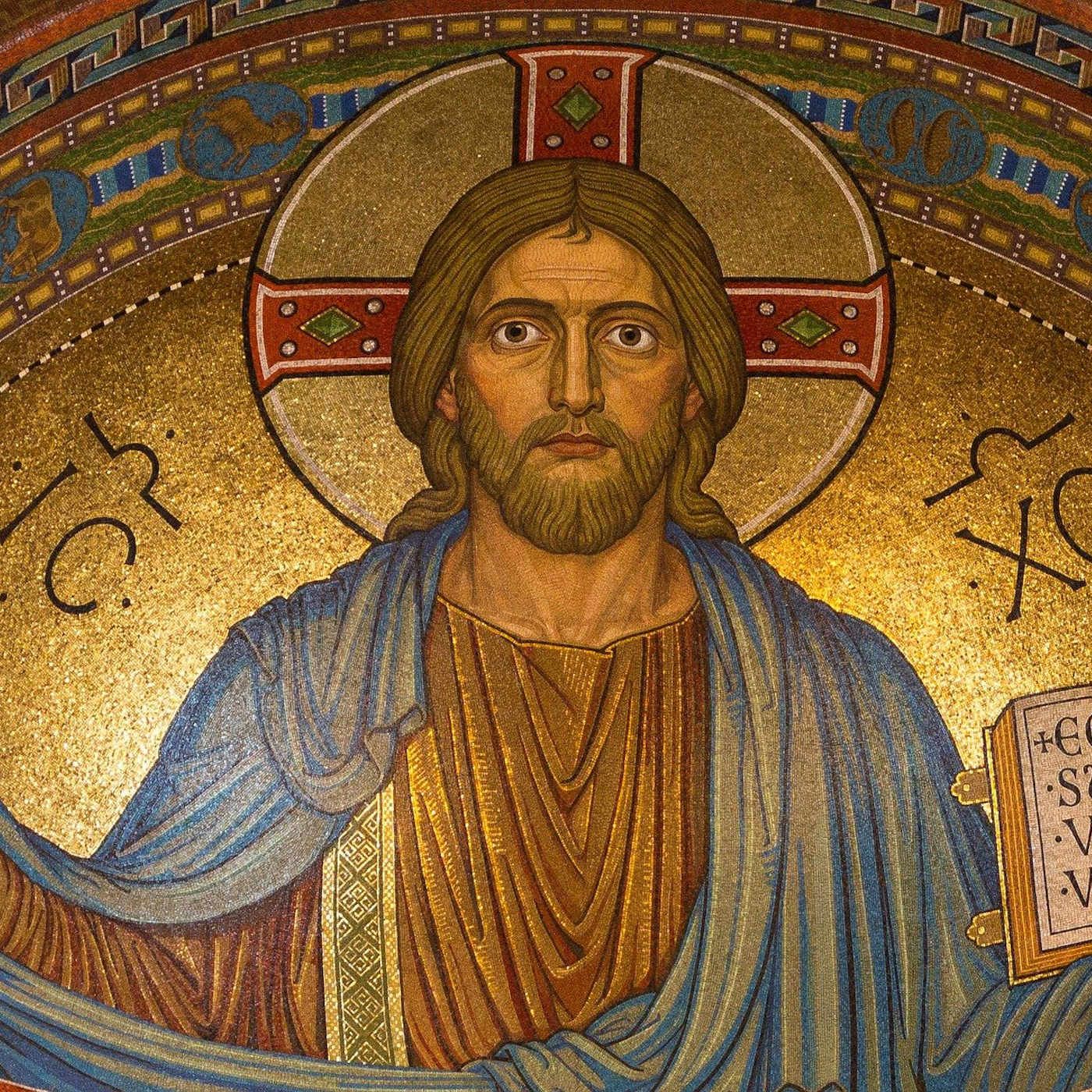
Sep 23, 2023
Twenty-Fifth Sunday in Ordinary Time (Year A) - Desiring the Fullness of Grace for All
“When it was evening the owner of the vineyard said to his foreman, ‘Summon the laborers and give them their pay, beginning with the last and ending with the first.’ When those who had started about five o’clock came, each received the usual daily wage. So when the first came, they thought that they would receive more, but each of them also got the usual wage.” Matthew 20:8–10 Is life always fair? It would seem not. We have all experienced situations in life when we felt as though we were cheated. Children are especially sensitive to this and will often complain to a parent when they feel as though they have been treated unjustly. From an earthly perspective, it is true that life is not always fair. But we ought not live by an earthly perspective. We are called to live according to the divine perspective. From that perspective, everything is fair in the end, and true justice is meted out to everyone. When we consider the question of whether or not life is fair, we should always begin with the Son of God. Jesus was certainly not treated fairly. In fact, it is hard to conclude that anyone who has ever lived received a more unjust treatment than Jesus, at least from an earthly perspective. He was perfect in every way. He treated everyone throughout His life with perfect virtue. He never lied, cheated, stole, etc. Yet we all know what happened to Him. He was falsely accused, dishonestly judged, brutally abused, and murdered on a cross. From an earthly perspective, it is clear that this was not fair. Jesus’ life, along with ours, must not be evaluated from the perspective of earthly justice. It’s not that treating others unjustly is permissible by the will of God. Each of us has a moral responsibility to act in justice as a minimum requirement. But we are also called to exceed earthly justice and live by the new standard of supernatural grace. From that perspective, Jesus’ suffering and death was not tragic; it was glorious. His Cross was not an instrument of injustice, it was His throne upon which He established His new Kingdom. Once grace enters the picture, all apparent injustice is turned upside down and must be looked at from a different perspective. The parable we read today presents to us the scenario in which God has chosen to bestow His grace and mercy in abundance to all who turn to Him. We can never earn the right to His mercy. Nothing we can do will ever give us the right to the gift of eternal salvation. Therefore, this parable especially challenges us to look at Heaven and the life of grace on earth from the perspective of “gift.” All is a gift from God. Whether we convert at the end of our lives, after living sinful lives, or whether we have spent our whole lives serving the will of God, all is a gift in the end, all is grace. Only when we comprehend God’s goodness and infinite generosity will we be able to overcome our temptations toward jealousy and selfishness. Those who have dedicated their entire lives to the love of God, if it is a genuine love and service of God, will, as a result, take on the perspective of the mind and heart of God. Part of that perspective is the burning desire to generously bestow God’s infinite grace and mercy upon everyone who turns to Him. Even the most hardened sinner who has been the source of much hurt in life is a candidate for the fullness of God’s grace if they repent. This must be our desire. We must be like the landowner in this parable who rejoices when laborers show up in the last hour and then lavishes a full day’s wages upon them. Not only is this fair from the divine perspective, it must become our personal desire as we labor through life. Reflect, today, upon how deeply you desire to see those who have not yet given their lives to God to come to Him and receive the fullness of grace. Look at them within the context of this parable. Examine how you feel about those laborers who have not yet begun their service of God. Examine, also, your feelings toward those who seem undeserving of the fullness of God’s grace. If you find that you have jealousy, or judge others from the perspective of earthly justice, work to eliminate that perspective so that your heart’s deepest desire is to see God bestow the fullness of mercy upon everyone in this world when they turn to Him with a contrite heart. Most merciful Lord, You are generous beyond comprehension. You bestow mercy upon those who turn to You from their sin and seek to serve Your holy will. May I be among those who labor in Your vineyard, and may I also be among those who desire to see everyone accept the invitation to receive the fullness of Your grace. Jesus, I trust in You. Source of content: catholic-daily-reflections.com Copyright © 2023 My Catholic Life! Inc. All rights reserved. Used with permission via RSS feed.
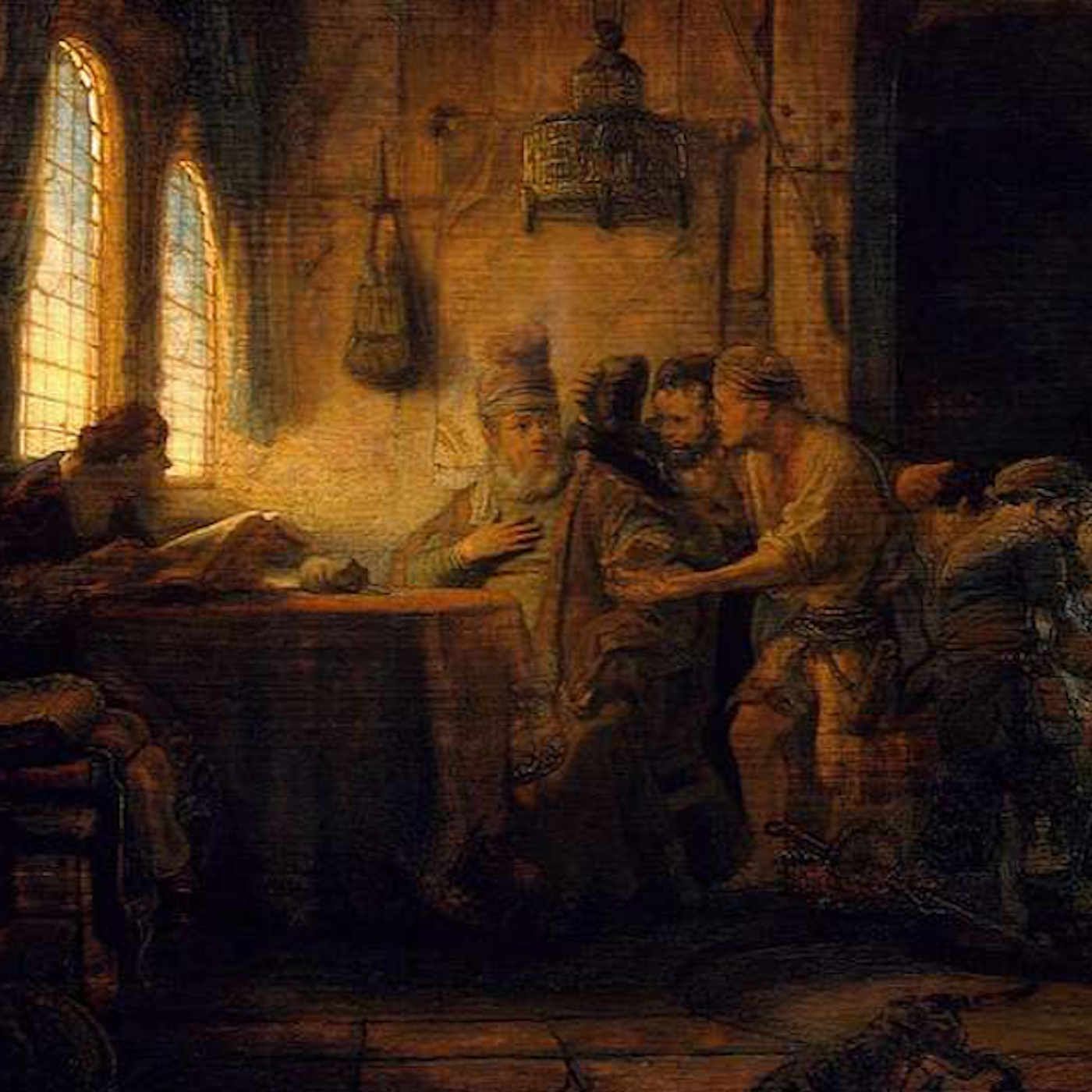
Sep 22, 2023
Saturday of the Twenty-Fourth Week in Ordinary Time - Bearing Abundant Good Fruit
“Whoever has ears to hear ought to hear.” Luke 8:8 This short line is, in a sense, a summary of the Parable of the Sower. This parable presents us with four different ways in which the Word of God is received. The seed that is sown is the Word of God. The four different categories of people are compared to seed sown on a path, rocky ground, among thorns and in good soil. Jesus explains that the seed sown on the path are those “who have heard, but the Devil comes and takes away the word from their hearts.” The seed sown on rocky ground are those who “receive the word with joy, but they have no root; they believe only for a time and fall away in time of temptation.” The seed sown among thorns are those who have heard the Word and received it, but over time they are “choked by the anxieties and riches and pleasures of life, and they fail to produce mature fruit.” Finally, those who are like rich soil are those who heard the Word and “embrace it with a generous and good heart, and bear fruit through perseverance.” As you look at those categories of people, where do you fall? Most likely, for those who pray daily and try to follow our Lord, one of the last two categories is where they fall. Note that for those who are like seed sown in the thorns and those sown in rich soil, fruit is born from the Word of God. In other words, their lives do change and they do make a difference in the world on account of God’s holy Word and presence in their lives. The difference, however, is that those who struggle with “the anxieties and riches and pleasures of life” will fail to produce “mature fruit.” This is a good teaching for faithful Christians to ponder. When you look at your life, what sort of fruit do you see? The “fruit” of which our Lord speaks can be identified with the fruits of the Spirit: charity, joy, peace, patience, kindness, goodness, forbearance, gentleness, faith, modesty, self-control, and chastity. Thus, if you want to discern whether you are more like one who bears mature fruit vs. immature fruit, look at those holy qualities carefully. How “mature” are each of these fruits of the Spirit alive in your life? They make a wonderful examination of conscience for those looking to go deeper than just the Ten Commandments or Seven Capital Sins. If these good fruits are born from your life in a truly mature way, you should be able to see how they affect others through you. For example, how has your kindness, patience, faith and self-control helped others in their Christian walk? Reflect, today, upon the fruits of the Spirit. Review them carefully and prayerfully as you examine your own life. Where you see them in abundance, rejoice and give thanks, and work to foster their growth. Where you see them lacking, rejoice also in that insight and consider the reason they are lacking. Are there worldly anxieties, desires for riches or pleasures that hinder their growth? Seek to be that truly rich soil, and our Lord will indeed bring forth much good fruit in you and through you. My divine Sower, You sow the perfect seeds of Your Word in abundance. Please help me to open my heart to receive that Word so that an abundance of good fruit can be born. Please free me from the anxieties and deceptions of life so that I can hear clearly Your holy Word and nurture that Word in my heart. I rejoice, dear Lord, in all that You have and continue to do in and through me. Jesus, I trust in You. Source of content: catholic-daily-reflections.com Copyright © 2023 My Catholic Life! Inc. All rights reserved. Used with permission via RSS feed.
Sep 21, 2023
Friday of the Twenty-Fourth Week in Ordinary Time - All In!
Jesus journeyed from one town and village to another, preaching and proclaiming the good news of the Kingdom of God. Accompanying him were the Twelve and some women who had been cured of evil spirits and infirmities… Luke 8:1–2 Our Lord was on a mission. He traveled on foot from one town to another, “preaching and proclaiming the good news of the Kingdom of God.” His message truly was “good news.” He healed the sick, cast out demons and, most importantly, He forgave sins. As a result, many began to follow Him. Not only did His followers consist of the Twelve whom Jesus personally called and who He would eventually send forth as His Apostles, but others followed Him also. Today’s Gospel also mentions three women by name: Mary of Magdala, Joanna and Susanna. These are but a few of the people who were deeply touched by our Lord, who in turn left all to follow Him. The choice of these first followers to abandon all and follow Jesus invites us to examine the extent to which we have committed our lives to following Him also. Among the many people who heard Jesus preach, there were undoubtedly various responses. Some rejected Him, others were intrigued by Him, others believed in Him but were not willing to become His disciple, and some did commit themselves wholeheartedly to Jesus and His mission of proclaiming good news. For the latter, the good news they heard changed their lives. What is your response to our Lord? One good way to properly answer this question is to examine the amount of time and energy you have committed to our Lord and His message of good news. How much time have you spent reading His holy Word, praying to Him, speaking about Him and learning the faith that He has taught? How much does His message affect the decisions you make in life? Being a Christian is not something we can compartmentalize. We cannot have our “faith time” a few moments of each week and then spend the rest of our time on other activities. True, our days will be filled with many activities that are simply normal parts of our lives. We all have duties and responsibilities that occupy much of our days. But being “all in,” so to speak, means that Jesus and His message permeates everything we do. Even our ordinary daily activities such as work, chores, and the like must be done for God’s glory and in accord with His divine will. For Jesus’ first followers, though they traveled with Him from town to town and radically changed the course of their daily lives, they still would have engaged in many ordinary activities. But those ordinary activities were ultimately done so as to help them and others fulfill their ultimate mission of listening to and responding to the Word of God. Reflect, today, upon the extent that you have consecrated every part of your life to our Lord and His mission. Doing so does not necessarily require that you become a public evangelist, spend all day at Church or the like. It simply means that Jesus and His mission are invited into everything you do every day all day. We can never serve our Lord fully enough. As you examine your daily activity, look for ways to bring our Lord into everything you do. Doing so will truly make you one of His faithful disciples who are all in with your life. My divine Lord, You are on a mission to save souls and to build up Your glorious Kingdom. I thank You for inviting me to not only become transformed by Your holy Word but to help spread that Word to others. My life is Yours, dear Lord. Please enter into every part of my daily life and use me for Your glory. Jesus, I trust in You. Source of content: catholic-daily-reflections.com Copyright © 2023 My Catholic Life! Inc. All rights reserved. Used with permission via RSS feed.
Sep 20, 2023
September 21, Feast of Saint Matthew, Apostle and Evangelist - Seeking True Satisfaction
“Why does your teacher eat with tax collectors and sinners?” He heard this and said, “Those who are well do not need a physician, but the sick do. Go and learn the meaning of the words, I desire mercy, not sacrifice . I did not come to call the righteous but sinners.” Matthew 9:11–13 Just prior to this passage quoted above, Jesus saw Matthew, a tax collector, sitting at his custom post collecting taxes. Jesus walked up to him and said two simple words: “Follow me.” What did Matthew do? He got up and followed Jesus and invited Him to his home for a meal. When the Pharisees saw this, they acted with judgment and cruelty. They said, “Why does your teacher eat with tax collectors and sinners?” Their reaction and Jesus’ subsequent response to them says much about the goodness of our Lord. When Jesus said that He “did not come to call the righteous but sinners,” He was not speaking of the truly righteous. For example, the most righteous person alive at that time, other than Jesus, was His dear mother. And we can be certain that not only did Jesus call her but that she always responded with her whole heart. However, Jesus was speaking of those who were “self-righteous.” A self-righteous person is one who thinks highly of themself, ignoring the truth of God but choosing, instead, to elevate their own image in their own eyes and in the eyes of others. Simply put, to be self-righteous is to believe a lie and, in fact, to believe the worst of lies. It’s the worst of lies because this sin has the effect of causing a person to remain obstinate and stuck in their sin. The self-righteous person does not see any need for repentance or change in their life. Therefore, they are not open to the Word of God and to allowing that Word to transform them. Saint Matthew, whom we honor today, was different. He was a sinner indeed. Most likely he was greedy and overly attached to his money. Tax collectors were not highly regarded at that time because they were Jews who worked for the Romans and were, therefore, seen as traitors to their own people. Additionally, they were seen as thieves, because they often extorted more than they should receive so that they could pocket some of the money. For this reason, many Jews also feared the tax collectors because they knew the tax collectors had Rome’s support in this illicit activity. What’s amazing is that Jesus approached Matthew, the sinner and tax collector, and confidently called him to be a follower. Most likely, Jesus could see into his heart. He knew Matthew was not happy with his life and was searching for more. Therefore, as soon as Jesus called him to follow Him, it is clear that something took place within Matthew’s soul. The fact that he got up and followed our Lord shows that the spiritual draw to Jesus was far more powerful than his desire for earthly wealth. This same truth applies to each and every one of us. No matter what we find ourselves drawn to and no matter how we seek satisfaction in life, the supernatural truth is that there is only one thing that will satisfy. We could have all the money in the world, all earthly power and prestige, and still, in the depths of our souls, we will not find peace until we turn to Jesus and follow Him. Some people learn this truth early in life, some later in life, and some never discover it at all. Reflect, today, upon how satisfied you are with your life. Is there something missing? If so, look at your goals and priorities in life. What do you spend most of your time thinking about, talking about and daydreaming about? If it is not our Lord Who occupies your mind, heart and every desire, then you can expect that you will experience discontentment in life. In that case, look to the witness of Saint Matthew. He is a saint today because he responded to Jesus’ invitation to abandon his life of sin and greed so as to follow Him in poverty. But in that worldly poverty and abandonment of earthly things, Saint Matthew became abundantly rich and will remain so forever in Heaven. Lord of all satisfaction, You call all Your people to follow You. Please open my mind and heart to that call so that I can not only hear You but also respond with all my heart. Please help me to detach from the things of this world that keep me from You, so that I can follow You wherever You lead. Jesus, I trust in You. Source of content: catholic-daily-reflections.com Copyright © 2023 My Catholic Life! Inc. All rights reserved. Used with permission via RSS feed.
Sep 19, 2023
Wednesday of the Twenty-Fourth Week in Ordinary Time - A Well-Ordered Soul
“‘We played the flute for you, but you did not dance. We sang a dirge, but you did not weep.’ John the Baptist came neither eating food nor drinking wine, and you said, ‘He is possessed by a demon.’ The Son of Man came eating and drinking and you said, ‘Look, he is a glutton and a drunkard, a friend of tax collectors and sinners.’ But wisdom is vindicated by all her children.” Luke 7:32–35 Ecclesiastes 3 is a very popular reading for funerals. It says, “There is an appointed time for everything, and a time for every affair under the heavens. A time to give birth, and a time to die; a time to plant, and a time to uproot the plant…A time to weep, and a time to laugh; a time to mourn, and a time to dance.” This reading is consoling to those who are mourning at a funeral because life is filled with many different emotions and experiences. When those at a funeral think about their loved one, they will recall both the good times and the bad, the sorrows and the joys. Doing so helps remind them that even though the funeral is a time of sorrow, joys will follow in the future. This is the natural rhythm of life. In our Gospel today, Jesus challenged those who failed to have the proper human response at the right time. “We played the flute for you, but you did not dance. We sang a dirge, but you did not weep.” The image of playing a flute and singing a dirge and the subsequent failure to dance and weep reveals a certain disconnect that many people had to John the Baptist and to Jesus Himself during their ministries. In commenting upon this passage, Saint Augustine says that John the Baptist’s preaching was like a dirge that called people to the “weeping” of repentance. However, when he preached, there were many who failed to respond with the appropriate repentance. When Jesus came, He preached and gave witness to the new life of grace that He came to bestow. Though some listened and responded to Him, there were many who did not. Jesus’ message was like the music of the flute that was to inspire people to “dance.” But many failed to respond with the joy that they were invited to experience and live through His transforming message and grace. There is, indeed, an appointed time for everything and for every affair under Heaven. The mission we have been given is to be attentive to that which God is speaking to us at each and every moment of our lives. At times we must “weep” by looking at our sins honestly, experience the horror of those sins, and passionately reject them. At other times we will “dance” when God invites us into His consoling grace and asks us to see clearly His merciful love. At those moments we are invited to be deeply grateful and to express that gratitude with our whole souls. Reflect, today, upon the calling you have been given to live in a well-ordered way. Do so by considering how attentive you are to the people around you. Does the attentiveness of your charity help you to see the hurt within the hearts of those who are suffering? Are you compelled to offer them a compassionate ear and merciful heart? When others are experiencing the joys of life, are you able to share that joy with them? Can you do so fully, without jealousy or envy of any kind? When God inspires you to some act of conversion and bestows some grace, do you listen and promptly obey, responding in the most appropriate way? Our souls must become sensitive to the promptings of grace and must respond accordingly. Seek to have a well-ordered soul so that you will live and experience the life that God places before you each day in accord with His perfect will. Lord, Your soul was perfectly ordered, always responding to the will of the Father with perfection. You were firm when love demanded it, courageous in the face of hardship, merciful to the repentant sinner, and joyful at the conversion of all. Please help me to always be attentive to the promptings of Your grace and to always respond to You in the way I am called. Jesus, I trust in You. Source of content: catholic-daily-reflections.com Copyright © 2023 My Catholic Life! Inc. All rights reserved. Used with permission via RSS feed.
Sep 18, 2023
Tuesday of the Twenty-Fourth Week in Ordinary Time - Compassion, Hope and Faith
Jesus journeyed to a city called Nain, and his disciples and a large crowd accompanied him. As he drew near to the gate of the city, a man who had died was being carried out, the only son of his mother, and she was a widow. A large crowd from the city was with her. Luke 7:11–12 Try to imagine this mother. She had been married, she and her husband had a child, they raised their child, she and her son watched her husband die, and then she watched her son die and was participating in his funeral. Since he was her only son, she was now alone. When we think about this woman, it is easy to feel compassion for her. Her heart would have been filled with a sorrow that is tangible to anyone with empathy. Her heart might also have been filled with fear. At that time, a widow would have had a very difficult time taking care of herself in a rural village. With her husband gone, she would have had to rely upon her son to provide for her as she aged. But now that he was gone, her heart would have not only felt the pain of his loss, but also fear for her future. What would become of her? Who would provide food for her year after year? Would she be reduced to begging and poverty? It is in the context of this very real sorrow and fear that Jesus enters her life. We do not know if she knew anything about Jesus. It appears she was not one of His followers and might not have even heard about Jesus since He had not been ministering publicly for very long. Jesus’ encounter with her and her dead son appears to be unplanned and unexpected. What is it that moves Jesus to raise this man from the dead? It does not appear to be a response to anyone’s faith within the village. It is not even done at anyone’s request. Instead, it appears to be done purely out of Jesus’ compassion for this mother. At least that’s how it seems at first read. And though Jesus clearly acted out of compassion for her, if we consider the entire context, there might also be a secondary motive. Jesus, his disciples and a large crowd were all walking together through this village. Since Jesus’ miracles were normally performed in response to people’s faith, it is most likely that faith was a contributing factor to this miracle. The faith that called forth this miracle, however, could only have come from the crowds of people who were walking with Jesus from Capernaum. The day prior, these same crowds witnessed Jesus heal the servant of a centurion. They clearly believed in Jesus. As they walked with Him and encountered this funeral procession, it was not only Jesus’ heart that was moved with compassion, it was also the hearts of His followers. Therefore, as Jesus’ followers witnessed this mother’s sorrow and then witnessed Jesus’ own human sorrow and compassion for her, they would have had hope that He would do something. Their hope would have been supernatural in origin, which means that it was also united with faith. By faith, they knew Jesus would act. Thus, in a very real way, the compassion, hope and faith of the people traveling with Jesus would have called forth His almighty power to heal, and Jesus responded. There are many ways to act as mediators of God’s grace. One way to do so is by growing in compassion for others and hope in God. When we witness the sufferings of others, allow ourselves to feel compassion for them, manifest hope in the power of God to heal, and then stand there, in faith, waiting for God to act, God will be compelled to act. Our holy compassion, hope and faith act as a prayer to which God always responds. The crowds accompanying Jesus through the Village of Nain appear to have acted in this manner and, inspired by their witness, we, too, must act as intercessors for others in the same way. Reflect, today, upon anyone in your life who resembles this widow of Nain. Who is it that God wants you to notice and to feel compassion for? As your empathetic heart notices those who need your compassion, open yourself, also, to the supernatural gift of hope. Have divine hope that God will heal them. As you do, allow that hope to manifest faith in God and offer that compassion, hope and faith to God as your prayer for those who are in need. Most compassionate Lord, You are always attentive to our needs and our sorrows. Your Heart is filled with compassion for all. Please give me a truly empathetic heart so that I will see those in need. As I do, fill me with hope and faith that You will pour forth Your mercy upon them so that I will become an intercessor for all. Jesus, I trust in You. Source of content: catholic-daily-reflections.com Copyright © 2023 My Catholic Life! Inc. All rights reserved. Used with permission via RSS feed.
Sep 17, 2023
Monday of the Twenty-Fourth Week in Ordinary Time - The Humility of Intercession
“Lord, do not trouble yourself, for I am not worthy to have you enter under my roof. Therefore, I did not consider myself worthy to come to you; but say the word and let my servant be healed.” Luke 7:6–7 What’s interesting is that these humble words, spoken by a Roman centurion, were not actually spoken by the centurion to Jesus. This is because the centurion did not believe he was even worthy of going to Jesus himself. Therefore, he sent some of his friends to speak these words to Jesus on his behalf. In a real way, the friends of this centurion acted as intercessors before Jesus. Jesus’ response was to express amazement at the centurion’s faith. Jesus said to the crowd who was with Him, “I tell you, not even in Israel have I found such faith.” And at that point, the servant was healed by Jesus from a distance. Most of the time, if we have an important request to make of another, we do so in person. We go to the person and speak face-to-face. And though we certainly can go to our Lord in prayer, face-to-face, person to Person, there is something very humble about bringing our needs to our Lord through the intercession of another. Specifically, there is something very humble about asking for the intercession of the saints. Seeking the intercession of the saints before our Lord is not done because we are afraid of our Lord or because He would be offended by us going directly to Him. It is ideally done as an act of the utmost humility. By entrusting our prayer to those who are in Heaven, gazing upon the face of God, we do entrust our prayer to God. But relying upon the intercession of the saints is also a way of acknowledging that we are not worthy, by our own merits, to stand before the Lord and bring Him our request. This humility can be difficult to understand at times, but it’s important to try. What is it that you need to pray for in your life right now? As you call that to mind, pick a saint to act as your friend and intercessor before God. Turn to that saint in humility and say a prayer to that saint, admitting that you are not worthy of going to our Lord on your own. Then entrust your petition to that saint and ask him or her to present that prayer to our Lord on your behalf. Praying to our Lord, through the intercession of a saint, is a way of also saying that you know Jesus’ response to you is pure mercy on His part. And the good news is that Jesus deeply desires to shower His mercy when we humble ourselves before Him, especially by coming to Him through the mediation of the saints. Reflect, today, upon the humility of this well-respected Roman centurion. Try to understand the power of his humble approach by which he sent his friends to Jesus on his behalf. As you do, pick a saint in Heaven and ask them to go to our Lord on your behalf and request that our Lord grant you the same humility and faith as this centurion. Doing so will lead our Lord to be amazed at your faith and humility also. Saints of God, please offer to Jesus my humble request that I grow more in humility and faith. My precious Lord, I do bring this and all my prayers to You. As I do, I acknowledge that I am not worthy of Your Divine Mercy. But through the mediation of the saints in Heaven, if it be Your will that You bestow Your mercy upon me, then I humbly make this request of You through them. Mother Mary, I especially entrust all my prayers to Your holy intercession. Jesus, I trust in You. Source of content: catholic-daily-reflections.com Copyright © 2023 My Catholic Life! Inc. All rights reserved. Used with permission via RSS feed.
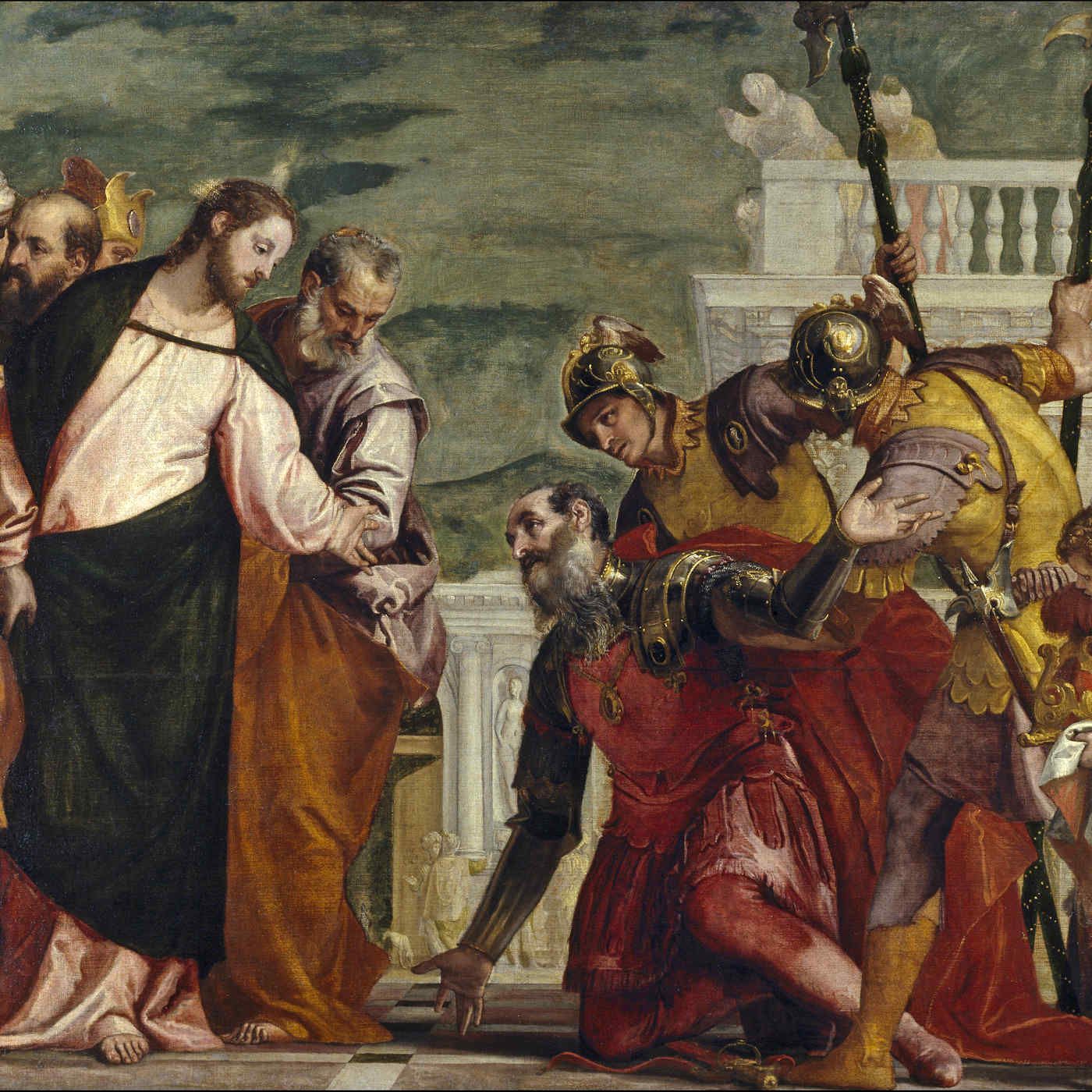
Sep 16, 2023
Twenty-Fourth Sunday in Ordinary Time (Year A) - The Torment of Unforgiveness
“‘You wicked servant! I forgave you your entire debt because you begged me to. Should you not have had pity on your fellow servant, as I had pity on you?’ Then in anger his master handed him over to the torturers until he should pay back the whole debt. So will my heavenly Father do to you, unless each of you forgives your brother from your heart.” Matthew 18:32–35 Love, kindness, gentleness, mercy…these and many like qualities are easy to think about. They inspire us to be holy by growing in virtue. But sometimes we need more. Sometimes pondering the beauty of the virtues and fruits of the Spirit do not suffice to help us embrace a life of holiness. This is one of the reasons for our parable today. The Spiritual Exercises of Saint Ignatius of Loyola present us with a structure by which a spiritual director may lead a retreatant through a thirty day private retreat. Ignatius outlines thirty days worth of meditations. Interestingly, Ignatius does not begin by inviting a person to ponder the beautiful virtues to which they are called. Instead, for the first week, he has the retreatant ponder the horror of sin and the devastating effects that sin has upon a soul. By doing this, the person’s eyes are more fully opened to their own sin so that, in the subsequent three weeks, they will be more properly disposed to reflect upon the inspiring life of Christ and His many virtues. n a sense, our Gospel today is an ideal Gospel to ponder during that first week of an Ignatian retreat. And for that reason, it is an ideal Gospel to ponder anytime we want to get our spiritual lives in order. It is very easy to become complacent in our Christian walk. It is easy to become lukewarm in our prayer and even in our moral life. If that is you to any degree, then this Gospel is worth your careful and thorough attention. The sin that Jesus addresses in this passage is the sin of unforgiveness. It clearly depicts the wrath of God that will be inflicted upon those who refuse to forgive others. The “wicked servant” to whom this is addressed was a man who was forgiven a “huge amount” by God. This is all of us. Every one of us has been forgiven by God an amount that cost Jesus His very life. The consequence of our sins was the death of the Son of God. Each of us deserves the penalty of death. But death has now been transformed into the very means of new life through the forgiveness of sins. And if we want to receive the forgiveness of sins and the new life that awaits us, we must fully share in God’s forgiveness. Not only must we receive His forgiveness, we must also forgive those who have sinned against us. Completely. Totally. Without reserve. In this parable, the wicked servant failed to forgive his servant’s small debt. In fact, every sin committed against us, no matter how grave in the eyes of God, is a small debt compared to the debt we owe God. For that reason, we must never hesitate to forgive. Never. If this is difficult, and if reflecting upon God’s mercy, kindness, compassion and love do not compel you to completely forgive everyone to the fullest extent, then spend time with this parable. “You wicked servant! I forgave you your entire debt because you begged me to. Should you not have had pity on your fellow servant, as I had pity on you?” These are words directed at us when we fail to forgive completely from the depths of our hearts. They are merciful words from Jesus to help us wake up to what we need to do. In a commentary on this passage from St. Thomas Aquinas, the “torturers” spoken of, to whom we will be handed over if we do not forgive, are the demons. They will torment us when we lack forgiveness toward others. The torture, for now, will come in the form of obsessing over our wounds, dwelling upon thoughts of revenge, holding grudges, and lacking interior peace. This is the work of the demons, and they will torment us this way until we forgive. Reflect, today, upon the absolute requirement of the Christian life to forgive. Mercy can seem unfair. From the perspective of strict justice, it is. But from the perspective of freedom and the virtues of Heaven, mercy makes perfect sense. Do not hesitate to forgive, for if you can do so from the bottom of your heart, God will lavish upon you the riches of the Kingdom of Heaven. Most merciful Lord, You have forgiven me a huge debt. The cost of my sin was Your death on the Cross. Please fill my heart with such gratitude for this gift that I, in turn, offer the same depth of mercy to others. May I never waver in this depth of mercy so that I am freed from the torments that come from unforgiveness. Jesus, I trust in You. Source of content: catholic-daily-reflections.com Copyright © 2023 My Catholic Life! Inc. All rights reserved. Used with permission via RSS feed.

Sep 15, 2023
Saturday of the Twenty-Third Week in Ordinary Time - The Path You are On
Jesus said to his disciples: “A good tree does not bear rotten fruit, nor does a rotten tree bear good fruit. For every tree is known by its own fruit. For people do not pick figs from thornbushes, nor do they gather grapes from brambles.” Luke 6:43–44 What a great way to examine the direction of your life! This Gospel passage gets to the heart of how we can best discern whether or not we are truly fulfilling the will of God. Oftentimes we may struggle with knowing clearly if we are doing that which God wants of us. There are many directions in life that we can be pulled toward and many goals we can come up with on our own. For that reason, it is useful from time to time to stop and do an honest inventory of our lives. When you look at the past year of your life, what do you see? Specifically, do you see good fruit being born? Such an examination is helpful to do from time to time. It is useful to make such an examination not only for the past year but for different time periods. Perhaps start by looking at the big picture by looking at all the times in your life that were most fruitful for the glory of God. From there, try to look at your life decade by decade, year by year and then even month by month over this past year. Look for the most blessed moments in your life as well as the most challenging moments. When we examine our lives in this way, it’s important to understand what to look for. For example, there may be moments when all went well in one way or another and then other times that were painful and very difficult. What’s important to know, from a divine perspective, is that just because something “went well” at one point, or just because something was “painful and very difficult” at another point in our lives, this doesn’t mean that the former was the most fruitful for the Kingdom of God or the latter the least fruitful. In fact, heavy crosses and difficulties in life can often be the most fruitful times for us, spiritually speaking. Just look at Jesus’ life. Of course, everything He did was fruitful for the glory of the Father in Heaven, but we can easily point to the most painful moment of His life as the most fruitful. His Crucifixion brought forth the greatest good ever known. So it is with our lives. The fruitfulness of our lives is not best discerned by looking at those moments when all was easy, fun, memorable and the like. Though those may also be graced moments, we need to look at spiritual fruitfulness from the divine perspective. We need to look for the moments in our lives, be they easy or difficult, when God was clearly present and when we made choices that gave Him the greatest glory. Reflect, today, upon your life being like a tree that bears spiritual fruit. What times of your life, decisions you made, or activities that you were engaged in produced the most virtue in your life? When was your prayer life the deepest? When was your charity the strongest? When was your faith and hope the most evident? Return to those moments, savor them, learn from them and use them as the best building blocks for the glorious future our Lord desires for you. My glorious Lord, Your life bore fruit of infinite value. You continually chose to fulfill the will of the Father in Heaven, and, as a result, You lived every virtue to perfection. Help me to regularly pause in life so as to examine the direction in which I am going. May I learn from my errors and rejoice in those moments that were most fruitful for Your Kingdom. I love You, Lord. Help me to bear the greatest fruit for Your glory. Jesus, I trust in You. Source of content: catholic-daily-reflections.com Copyright © 2023 My Catholic Life! Inc. All rights reserved. Used with permission via RSS feed.
Sep 14, 2023
September 15, Memorial of Our Lady of Sorrows - Mother Mary’s Sorrowful Heart
Standing by the cross of Jesus were his mother and his mother’s sister, Mary the wife of Clopas, and Mary Magdalene. John 19:25 Our Blessed Mother, the Mother of the Son of God, loved her Son with a perfect love. She enfleshed every virtue to perfection. Her love for her Son was a love that was beyond what we could ever imagine. She conceived Him miraculously, bore Him in her womb, gave birth to Him, nursed Him, raised Him and loved Him throughout His life. It’s difficult to even imagine the depth and beauty of the love she had for Jesus. Generally speaking, a mother’s love is powerful, unwavering, deep and filled with tenderness. Try to imagine the Immaculate Heart of Mother Mary and the amazing depth of love alive in her heart. Imagine also the scene depicted in the Gospel passage quoted above. This loving mother stood at the foot of the Cross, gazing upon her crucified Son, continuing to exude every motherly virtue. And because it’s hard to fathom the depth of her love for her Son, it’s also very hard to imagine the depth of sorrow and interior suffering she endured as she watched the cruelty toward Jesus unfold. All she could do in that moment was stand by Him and with Him in this moment of extreme agony. Her love was expressed, in that moment, by her fidelity to Him. What’s beautiful to know is that love, sorrow, compassion and suffering were united as one within her Immaculate Heart. Within the beauty of her heart was every human emotion, fueled by God’s grace, enabling her to give to her Son the greatest gift she had: her motherhood. She was a true mother throughout her life, and, in this moment, as her Son hung on the Cross, her motherhood culminated in a perfect human expression. We all long to be loved by another. To give and receive love is the greatest gift that we can give and receive. Love is what we were made for and is the source of our fulfillment in life. We can be certain that as Mother Mary stood at the foot of the Cross, her human heart experienced the greatest fulfillment ever known. Her heart was fulfilled because she exercised her motherly love to perfection. Gaze upon the image of the Mother of God this day. Ponder, especially, all that she would have experienced within her human heart. Though theologians could write volumes on this meditation, the best way to understand her heart of love is through prayerful meditation. Ask our Blessed Mother to reveal her heart to you today. Find some time to sit in silent adoration of this holy image of perfect motherly love. As you do, know two things. First, know that Mother Mary has this same depth of love for you. Do not doubt it. Her heart burns with compassion as she gazes upon you, even in your sin. Second, know that our Blessed Mother’s love must also fill your heart and overflow into the lives of others. We all must allow her compassion, concern, fidelity and mercy to flow through our hearts. Who do you need to love with the heart of our Blessed Mother? Seek to receive the love in the heart of the Mother of God and seek to give that love. Receive it in and then allow it to flow forth. There is truly nothing in this world more beautiful and awe inspiring than the holy image of this love. My Immaculate and Sorrowful Mother, you stood at the foot of the Cross of your Son with the perfection of a mother’s love. Your heart was filled with a sorrow that was mixed with every holy virtue. Pray for me that I may understand this love more fully, so that I may also open up my own heart to your love. As I do, I pray that I will become an instrument of the love in your heart toward those in my life who suffer and are in most need of tender compassion and mercy. Sorrowful Heart of Mary, pray for us. Jesus, I trust in You. Source of content: catholic-daily-reflections.com Copyright © 2023 My Catholic Life! Inc. All rights reserved. Used with permission via RSS feed.
Sep 13, 2023
September 14, Feast of the Exaltation of the Holy Cross - The Transforming Power of the Cross
For God so loved the world that he gave his only Son, so that everyone who believes in him might not perish but might have eternal life. For God did not send his Son into the world to condemn the world, but that the world might be saved through him. John 3:16–17 If Jesus would never have given His life on a cross for the salvation of the world, then a cross would never have been seen in “exultation.” A cross, in and of itself, is an instrument of death, a horrific and violent death. It’s also an instrument of humiliation and torture. Yet, today, the Cross is seen as a holy and blessed object. We hang crosses in our homes, wear them around our neck, keep them in our pocket on the end of the rosary, and spend time in prayer before them. The Cross is now an exalted image by which we turn to God in prayer and surrender. But that is only the case because it was on a cross that we were saved and brought to eternal life. If you step back and consider the amazing truth that one of the worst instruments of torture and death is now seen as one of the holiest of images on earth, it should be awe inspiring. Comprehending this fact should lead us to the realization that God can do anything and everything. God can use the worst and transform it into the best. He can use death to bring forth life. Though our celebration today, the “Feast of the Exaltation of the Holy Cross,” is first and foremost a feast by which we give glory to the Father for what He did in the Person of His divine Son, it is also a feast by which we must humbly understand that God can “exalt” every cross we endure in life and bring forth much grace through them. What is your heaviest cross? What is the source of your greatest suffering? Most likely, as you call this to mind, it is painful to you. Most often, our crosses and sufferings are things we seek to rid ourselves of. We easily point to crosses in life and blame them for a lack of happiness. We can easily think that if only this or that were to change or be removed, then our life would be better. So what is that cross in your life? The truth is that whatever your heaviest cross is, there is extraordinary potential for that cross to become an actual source of grace in your life and in the world. But this is only possible if you embrace that cross in faith and hope so that our Lord can unite it to His and so that your crosses can also share in the exaltation of Christ’s Cross. Though this is a profoundly deep mystery of faith, it is also a profoundly deep truth of our faith. Reflect, today, upon your own crosses. As you do, try not to see them as a burden. Instead, realize the potential within those crosses. Prayerfully look at your crosses as invitations to share in Christ’s Cross. Say “Yes” to your crosses. Choose them freely. Unite them to Christ’s Cross. As you do, have hope that God’s glory will come forth in your life and in the world through your free embrace of them. Know that these “burdens” will be transformed and become a source of exaltation in your life by the transforming power of God. My exalted Lord, I turn to You in my need and with the utmost faith in Your divine power to save. Please give me the grace I need to fully embrace every cross in my life with hope and faith in You. Please transform my crosses so that You will be exalted through them and so that they will become an instrument of Your glory and grace. Jesus, I trust in You. Source of content: catholic-daily-reflections.com Copyright © 2023 My Catholic Life! Inc. All rights reserved. Used with permission via RSS feed.
Sep 12, 2023
Wednesday of the Twenty-Third Week in Ordinary Time - A Double Blessing
“But woe to you who are rich, for you have received your consolation. But woe to you who are filled now, for you will be hungry. Woe to you who laugh now, for you will grieve and weep. Woe to you when all speak well of you, for their ancestors treated the false prophets in this way.” Luke 6:24–26 Is it dangerous to be rich, to be filled, to laugh, and to have all speak well of you? According to Jesus, it appears so. Why would Jesus warn against these things? And before that, why would He pronounce it blessed to be poor, hungry, weeping and insulted? Essentially, Jesus was condemning four common sins—greed, gluttony, intemperance, and vainglory—and promoting their opposite virtues. Poverty, in and of itself, is not sufficient for holiness. But in Luke’s Gospel, Jesus declares it blessed to be poor, literally. This goes further than Matthew’s Gospel which says it is blessed to be “poor in spirit.” To be poor in spirit is to be spiritually detached from the material things of this world so that you can be fully open to the riches of God. One common tendency among those with material wealth is to rationalize that even though they have many things, they are detached from them. Hopefully that is the case. However, in Luke’s version of the Beatitudes, Jesus directly says, “Blessed are you who are poor” and “woe to you who are rich.” In this teaching, we discover a second blessing not found in Matthew’s version. In addition to spiritual detachment (poverty of spirit) being identified as a blessing, literal poverty is proclaimed as the easier way to achieve this spiritual detachment. Material wealth, though not a sin in and of itself, brings with it many temptations toward attachment, self-reliance, and self-indulgence. Thus, spiritually speaking, it is easier to be detached when one is poor, rather than when one is rich. This is a hard truth for both the poor and the rich to accept. The poor often want to be rich, thinking that if they were, they would share their wealth with others and remain detached. The rich often enjoy being rich and believe that they are more spiritually detached than they actually are. Being “hungry” is also identified as a blessed state, whereas being “filled” is a dangerous state. When you are literally hungry, either from fasting or from lack of an abundance of food, it is easier to turn your hunger and thirst toward God so as to be filled by Him and to more easily trust in His providence. An abundance of food, especially fine food, tempts you with a gluttonous satisfaction that makes it difficult to hunger and thirst for God and His holy will in a complete way. Therefore, if you refrain from indulgence and experience hunger, you will be blessed to be free from gluttony and even the temptation toward it. “Laughing” and “weeping” in this case are not referring to joy and despair. Rather, they are referring to those who are always seeking fun and an indulgent life. Many people live for fun, entertainment, and momentary pleasures. Weeping refers to those who have discovered that the fleeting pleasures of the world can never satisfy. Constant entertainment, therefore, brings with it a real temptation, whereas the loss of that form of fleeting pleasure helps eliminate that temptation. Finally, Jesus declares it blessed to be hated, excluded, insulted, and denounced as evil on account of Him rather than being spoken well of by all. In this case, Jesus is referring to the praise that comes from things that mean nothing from an eternal perspective. When all speak well of us, praising qualities and accomplishments that are not true Christian virtues, we will be tempted to rely upon that praise for our satisfaction. But this form of satisfaction is nothing other than vainglory and never truly satisfies in the end. However, when one sees and praises the virtues of God within us, God is praised first and foremost, and we are blessed to share in God’s glory. Reflect, today, upon whether you prefer to be rich, to indulge in the best of foods, to be constantly entertained and to be the envy of others, or whether you see the temptations this type of life brings. Reflect also upon the concrete spiritual blessings that come to those who are literally poor, hungry, temperate and humble. This is a very demanding teaching from Jesus. If it doesn’t sit well with you, then know that it is a sign that you still have various attachments in life. Reflect, especially, upon the beatitude that is most difficult to embrace, and make that beatitude the source of reflection and prayer. Doing so with honesty and openness will result in you being among those who are truly blessed in the eyes of God. My blessed Lord, You were poor, hungry, temperate and humble to the perfect degree. For these reasons, You were filled with perfect virtue and were satisfied to the greatest degree. Please open my eyes to the deceptions of this world so that I can live with You a life of true holiness, experiencing the riches of the Kingdom of Heaven. Jesus, I trust in You! Source of content: catholic-daily-reflections.com Copyright © 2023 My Catholic Life! Inc. All rights reserved. Used with permission via RSS feed.
Sep 11, 2023
Tuesday of the Twenty-Third Week in Ordinary Time - Hearing and Healing
And he came down with them and stood on a stretch of level ground. A great crowd of his disciples and a large number of the people from all Judea and Jerusalem and the coastal region of Tyre and Sidon came to hear him and to be healed of their diseases; and even those who were tormented by unclean spirits were cured. Everyone in the crowd sought to touch him because power came forth from him and healed them all. Luke 6:17–19 The Gospel of Luke presents us with what is traditionally known as the “Sermon on the Plain.” Almost everything Luke includes in this sermon is also found in Matthew’s “Sermon on the Mount.” Matthew, however, adds some teachings not found in Luke. Matthew’s sermon has three chapters while Luke’s has only one. In this, the introduction to this “Sermon on the Plain,” from which we will be reading all week, Luke points out that large numbers of people came from far and wide to listen to Jesus. This crowd included many Jews but also included many people from the pagan territory of Tyre and Sidon. And what was it that drew so many of them? They came to “hear” Jesus preach and “to be healed.” They wanted to hear the words of Jesus since He spoke with great authority and in a way that was changing lives. And they were especially amazed by the healing power that Jesus manifested. The last line of the passage above gives great emphasis to this desire for healing. “Everyone in the crowd sought to touch him because power came forth from him and healed them all.” It’s interesting that Jesus performed so many powerful miracles as He went about His public ministry. This was especially the case as He began His ministry. He became a sort of instant celebrity to many and was the talk of the many surrounding towns. But it’s also interesting to note that, as time went on, Jesus gave more emphasis to His teaching than He did to the miracles. What is it that draws you to our Lord? Perhaps if there were numerous manifest miracles performed today by God, many people would be amazed. But physical miracles are not the greatest work of our Lord and, therefore, should not be the primary focus of our relationship with Him. The primary reason we should be drawn to our Lord is because His holy Word sinks in deeply, changes us and draws us into communion with Him. This is clearly seen by the fact that now that the Gospel message has been deeply established and the Church formed, physical miracles are rare. They do happen, but not in the same way that they did as Jesus first established His public ministry. Reflect, today, upon the primary reason you find yourself drawn to our Lord. Seek out His living Word, spoken within the depths of your heart. The most important miracle that takes place today is that of interior transformation. When a person hears God speak, responds to that Word, and allows Him to change their life, this is among the most important miracles of grace that we could ever encounter. And this is the central reason we should be drawn to Him, seek Him out and follow Him wherever He leads. My miraculous Lord, please draw me to Yourself, teaching in the wilderness of my interior life of silence and solitude. Help me to seek You out so that I can hear Your Word, spoken to me to give me new life. May I always listen to You so that Your holy Word will transform me more fully, making me into the new creation You desire me to be. Jesus, I trust in You. Source of content: catholic-daily-reflections.com Copyright © 2023 My Catholic Life! Inc. All rights reserved. Used with permission via RSS feed.
Sep 10, 2023
Monday of the Twenty-Third Week in Ordinary Time - Perceiving the Intentions of Others
On a certain sabbath Jesus went into the synagogue and taught, and there was a man there whose right hand was withered. The scribes and the Pharisees watched him closely to see if he would cure on the sabbath so that they might discover a reason to accuse him. But he realized their intentions… Luke 6:6–8 Jesus had a gift. Of course, He had every good gift to perfection. But in today’s Gospel, we see one of Jesus’ gifts made manifest. Namely, Jesus was able to realize the intentions of those He daily encountered. Normally, we can only know another’s intentions if they were to tell us their intentions. We cannot read minds and hearts. But our Lord could. He had the divine ability to read every soul and know every heart. For that reason, when someone came to Him with great faith, He knew it. And when someone came to Him with evil intent, He knew it. When Jesus perceived the ill intentions of the scribes and Pharisees, He used that knowledge to manifest their intentions. They intended to find a reason to accuse Jesus, so He gave them one. Jesus cured a man with a withered hand on the Sabbath, and the scribes and Pharisees “became enraged and discussed together what they might do to Jesus.” They thought miracles were violations of the law of Sabbath rest. Jesus knew they would apply their twisted logic to this miraculous healing, and He knew they would become enraged at Him on account of their envy. So, in a sense, Jesus provoked them so that that which was in their hearts would come forth for them to see. All of our interior intentions and thoughts are known by God and must become manifest to us in the presence of God. By provoking the scribes and Pharisees in charity, Jesus forces them to face that which was within them. They had to choose to either continue down the path of envy or to realize the foolishness of their interior thoughts. Sadly, for the scribes and Pharisees, it appears that many of them became more hardened in their sin. But this was a choice only they could make. Reflect, today, upon your own interior intentions and thoughts. Why do you do the things you do? What hidden motivations are in your heart? Is there some person, or a certain situation you find yourself in that causes you to obsess in anger interiorly? Or is it true charity that resides within you and is the source of your actions? Is there a profound faith? A supernatural hope? Or is it primarily some sin with which you struggle? Know that Jesus knows your heart, and He wants you also to see clearly those things hidden in your heart. He wants you to see your intentions as clearly as He sees them. Allow Him to reveal the depths of your heart to you so that you can turn away from the sins you find and rejoice in the virtues by which you live. My glorious Lord, you know all thoughts and probe the depths of every heart. You know me, Lord, through and through. Please open my eyes to see that which is within me so that I can discern the ill intentions I have and rejoice in the virtues given to me by You. May I always be attentive to You, dear Lord, so that I become aware of all that You wish to reveal to me. Jesus, I trust in You. Source of content: catholic-daily-reflections.com Copyright © 2023 My Catholic Life! Inc. All rights reserved. Used with permission via RSS feed.
Sep 9, 2023
Twenty-Third Sunday in Ordinary Time (Year A) - Reconciling With Another
Jesus said to his disciples: “If your brother sins against you, go and tell him his fault between you and him alone. If he listens to you, you have won over your brother.” Matthew 18:15 It takes much humility and a pure heart to confront another person with their sin in such a way that they listen and repent. Normally, confronting another with their sin is done more out of anger than it is out of love. We ought not confront another with their sin out of our woundedness and a desire to inflict guilt as retribution. We ought not confront another to humiliate them or harm them. We should only bring up another’s sin because we love them and have already forgiven them and now want them free of their sin for their own good. When this happens and when this is our sole motivation, another might more easily receive correction. This teaching, however, should not only be looked at from the point of view of us confronting others with their sins. It must also be looked at from the perspective of others confronting us with our sins. We sin every day. We sin against those whom we love every day. Therefore, try to think about someone close to you bringing your sin to your attention. How do you react when this happens? Perhaps if they did so with the most pure motivation and compassion, you would listen. But what if they did so because they were angry? Though this is not the ideal way for someone to confront you, it doesn’t give you the right to reject what they say. Therefore, it is a good spiritual practice to listen to anyone’s concern they bring to you regarding your sin, no matter how they bring it. If, after listening and evaluating their concern with humility you see they are right, even to some degree, then the loving response is to express sorrow, apologize and commit yourself to change. If, however, after humbly evaluating their concern you do not believe that you have sinned, then it is time for you to gently and compassionately try to confront that person with their rash and false judgment. This passage gives three successive levels of confronting a person. First, it must be done one-on-one. Second, it is done with two or three others. Third, it is done in the presence of the Church. Try, at first, to set aside the second and third approach and only look at the first one. The goal of this one-on-one confrontation is reconciliation. It is good to put much energy into reflecting upon how well you do with this sort of situation because if you can do it well, there will be no need for the second or third form of confrontation. The number one enemy of reconciliation is pride. Pride is a habit by which we think about ourselves first and foremost, or even exclusively in the most serious cases. Pride makes self-evaluation impossible. We become blind to our sin and are agitated the moment it is identified or causes problems. Of course, the opposite of pride is humility. This is the virtue that enables us to forget about ourselves and have concern only for others. When a person grows in humility, the evil one will always tempt them with thoughts such as: What about you? You are right and they are wrong! This is unfair! You shouldn’t be treated this way! These tempting thoughts must always be rejected. Humility only makes sense when we are humble. To the person who has pride, humility will seem foolish. But humility is true wisdom. Reflect, today, upon how humble you are when someone expresses concern to you about your sin. How do you react? Do you find yourself getting angry and defensive when this happens? If so, be honest and admit to yourself that this is pride; this is your sin. Spend time trying to reflect upon the ideal and humble way you should respond when confronted by another. If reconciliation is your number-one priority in any relationship that has experienced hurt, then that holy and humble desire will become your guide to being able to reconcile with everyone in your life. Most merciful Lord, You came to earth to reconcile us to You and to one another. Please show me my sin and give me the humility I need to see it so that I can repent and turn back to You. Help me to also be open to the many ways that You reveal my sin to me, especially through the mediation of others in my life. Jesus, I trust in You. Source of content: catholic-daily-reflections.com Copyright © 2023 My Catholic Life! Inc. All rights reserved. Used with permission via RSS feed.
Sep 8, 2023
Saturday of the Twenty-Second Week in Ordinary Time - The Divine Law of Our Lord
“The Son of Man is lord of the sabbath.” Luke 6:5 This short yet powerful statement by Jesus was spoken in response to the Pharisees who questioned Jesus as to why His disciples were apparently doing what was unlawful on the sabbath. They were walking through a field of grain, picking grain as they walked, and eating it for nourishment on their journey from one town to another. This challenge from the Pharisees highlights their scrupulous approach to the moral law. Recall the Third Commandment given through Moses: “Remember the sabbath day—keep it holy. Six days you may labor and do all your work, but the seventh day is a sabbath of the LORD your God. You shall not do any work…” (Exodus 20:8–10). From this Commandment, the Pharisees had developed a complex commentary which went into great detail about what kind of work was forbidden on the Sabbath in their view. One such regulation was to pick and mill grain. Thus, they judged that this was what the disciples were doing and were, therefore, violating the Third Commandment. The laws of God, as they are given by God, must be followed perfectly. His divine Law refreshes us, enlivens us and enables us to live in union with Him. The Pharisees, however, deeply struggled with a need to control the lives of the people through their human interpretation of the divine Law. By saying that “The Son of Man is lord of the sabbath,” Jesus made it clear that this scrupulous interpretation of the Third Commandment taught by the Pharisees did not align with the truths of that divine Law. One lesson to learn from this encounter is that each one of us can easily fall into a similar trap. It’s easy to replace God’s true Law with our perception of faith and morality. We are weak human beings, and there are many things that affect our thinking and our convictions in life. Emotions, habits, family relationships, friendships, media and so many other things affect us in powerful ways. Sometimes for good and sometimes for ill. We can easily arrive at certain judgments of faith and morality that are slightly erroneous, being based on subtle errors. As a result, we can easily begin to get off track in our thinking and convictions and, over time, can find that we have deviated far from the truths of God. When this happens, it can be difficult to humbly admit it and change our convictions. Reflect, today, upon the humble truth that Jesus and Jesus alone is Lord of the divine Law. This means that we must perpetually remain open to changing our opinions when we hear our Lord speak to us. Ponder any way in which you have become overly attached to your own opinions. If they bring forth peace, joy, charity and the like, then they are most likely in union with God. If they are burdensome, a cause of confusion, contention or frustration, then you may need to step back and humbly reexamine the convictions you hold, so that He Who is Lord of all will be able to speak His divine Law to you more clearly. Lord of all Truth, You and You alone are the guide of my life. You and You alone are the Truth. Help me to be humble, dear Lord, so that I can recognize any error in my convictions and turn to You and Your divine Law as the one and only guide for my life. Jesus, I trust in You. Source of content: catholic-daily-reflections.com Copyright © 2023 My Catholic Life! Inc. All rights reserved. Used with permission via RSS feed.
Sep 7, 2023
September 8, Feast of the Nativity of the Blessed Virgin Mary - The Birth of the Mother of God
“Joseph, son of David, do not be afraid to take Mary your wife into your home. For it is through the Holy Spirit that this child has been conceived in her. She will bear a son and you are to name him Jesus, because he will save his people from their sins.” Matthew 1:20–21 Today we celebrate one of the most consequential birthdays in the history of the world! Certainly, the only birthday more important is that of our divine Lord Himself. But today we honor His mother, and our mother, too. The Blessed Virgin Mary was born into our world without the stain of original sin. She was preserved from experiencing fallen human nature through the gift of her Immaculate Conception. Thus, she was the first to be born in the perfection of human nature after the fall, and she continued to experience this grace throughout her life, responding to God with her free will every step of the way. All of us enjoy celebrating our birthdays. Children especially love it, but most everyone looks forward to that special day each year when family and friends honor them and celebrate them in a special way. For that reason, we can be assured that even our Blessed Mother loved her birthday while here on earth and continues to enjoy this special celebration in Heaven. Of course, she did not enjoy her birthday because she wanted to be pampered or given special attention. She, perhaps more than anyone other than her divine Son, rejoiced on her birthday because of the deep spiritual gratitude she had to God for all that He did in her life. Try to ponder the heart and soul of our Blessed Mother from her perspective. She would have been intimately united to each person of the Most Holy Trinity throughout her life. She would have known God, living in her soul, and would have been in awe of what God had done to her. She would have pondered these graces with deep humility and exceptional gratitude. She would have seen her soul and mission from the perspective of God, keenly aware of all that He had done for her. As we honor the birthday of our Blessed Mother, it’s also an important opportunity for each of us to ponder the incredible blessings that God has bestowed upon each one of us. No, we are not Immaculate as Mother Mary was. We were each born into original sin and have sinned throughout our lives. But the blessings of grace, given to each one of us, is exceptionally real. We only need to work to have the eyes to see these graces. Baptism, for example, bestows upon the soul an eternal transformation. Though our sin may cloud that transformation at times, the transformation is eternal. Our souls are changed. We are made new. Grace is poured into our hearts, and we become children of God. And for the soul who is able to perceive the countless other ways that God bestows blessings, gratitude is the only appropriate response. Reflect, today, upon the glorious celebration of the birthday of the Blessed Virgin Mary, Mother of God. Begin by trying to rejoice in her life through her eyes. Try to imagine what she saw as she looked into her own graced soul. From there, try to rejoice, also, in your soul. Be grateful for all that God has done for you. Work to have eyes that see these countless graces and allow yourself to rejoice in God’s blessings with our Blessed Mother. My dearest Mother, happy birthday! Today I rejoice in the incredible gift that God gave to you in your Immaculate Conception and birth into our world. I pray that I may honor you in a fitting way this day and to especially understand more clearly the beauty of your graced soul. Pray for me that I may also rejoice in the countless graces bestowed upon me by our merciful God. I love you, dear Mother. Precious Jesus, through the heart of the Blessed Virgin Mary, I trust in You! Source of content: catholic-daily-reflections.com Copyright © 2023 My Catholic Life! Inc. All rights reserved. Used with permission via RSS feed.
Sep 6, 2023
Thursday of the Twenty-Second Week in Ordinary Time - A Personal Encounter
When Simon Peter saw this, he fell at the knees of Jesus and said, “Depart from me, Lord, for I am a sinful man.” Luke 5:8 Consider carefully this very moving action of Simon Peter. Jesus had just begun His public ministry, healing Simon’s mother-in-law as one of His first miracles. After that, Simon witnessed Jesus heal many other sick people and cast out many demons. And then, shortly after these initial miracles, Jesus got into the boat of Simon, directed him to “Put out into deep water and lower your nets for a catch.” As soon as Simon obeyed, he caught so many fish that they needed a second boat to come and help them. The response of Simon to this additional miracle is recorded above. Three things take place in this passage. First, “Simon Peter saw this…” And though he saw this, literally with his eyes, we should see his “seeing” as something even deeper. Simon Peter saw not just the best day of fishing he had ever had. He saw God’s grace at work through Jesus and was deeply moved interiorly by what he saw. Jesus used that which was one of the most central parts of Simon Peter’s life (fishing) to manifest His divine power. In a sense, Jesus brought this lesson home to Simon, using fishing as the source of His lesson. Secondly, Simon’s response was perfect. By encountering this divine miracle, Simon immediately was aware of his sin. Though we do not know what Simon’s sin was, it is clear that this encounter with our Lord led him to immediately call to mind whatever he was guilty of. Perhaps he had struggled with some ongoing habitual sin for years, or perhaps he had done something of a grave nature that still haunted him. But all we know is that Simon’s encounter with this very powerful and personal miracle moved him to an awareness of his sin. Thirdly, Simon falls at the knees of Jesus and tells the Lord to depart from him. And though Jesus’ mercy is so great that Jesus would never depart from him, Simon is not only aware of the fact that he is unworthy to be in Jesus’ presence, but he also manifests this conviction through his humble action of repentance. What does Jesus do? He said, “Do not be afraid…” And when these new disciples arrived at shore, “they left everything and followed him.” Each one of us must encounter our Lord in this same way. We must see Jesus. We must be deeply attentive to Him. We must recognize His presence, hear His voice and see His action in our life. If this is done well and through faith, then our personal encounter with our Lord will shine light on the sin we need to repent of. This is not so that we remain in guilt and shame; rather, it is so that we can also humble ourselves before Jesus and acknowledge we are not worthy of Him. When this humble admission is done well, we can be assured that Jesus will also say to us, “Do not be afraid.” His consoling words to us must then be responded to with the same choice made by Simon and the others. We must be ready and willing to leave everything behind so as to follow Him. Reflect, today, upon this image of Simon Peter on his knees before Jesus. See his humility and honesty. See his sincerity and interior awareness. And see his understanding of the divine power of Jesus before him. Pray that you, too, will see our Lord, experience your sin, humble yourself before Him and hear Him call you to radically and completely follow after Him wherever He leads. My consoling Lord, You manifested Your almighty power to Simon Peter through his ordinary daily activity. You allowed him to see Your divine power at work. Help me to see You at work in my life also, dear Lord. And as I see You, help me to humble myself before You, acknowledging my unworthiness. As I do, I pray that I also hear You say to me “Do not be afraid,” so that I can get up and follow You wherever You lead. Jesus, I trust in You. Source of content: catholic-daily-reflections.com Copyright © 2023 My Catholic Life! Inc. All rights reserved. Used with permission via RSS feed.
Sep 5, 2023
Wednesday of the Twenty-Second Week in Ordinary Time - Laying the Foundation
After Jesus left the synagogue, he entered the house of Simon. Simon’s mother-in-law was afflicted with a severe fever, and they interceded with him about her. He stood over her, rebuked the fever, and it left her. She got up immediately and waited on them. Luke 4:38–39 If you wanted to share some important message with a group of people, you would first need to get their attention. This could be done through a variety of means, such as through a charismatic personality, a powerfully moving story, a heroic act of virtue, or anything else that leaves people impressed or even amazed. Once you have their complete attention, you can share the message you want to share. This is what Jesus did in today’s Gospel. Jesus began His public ministry in Nazareth, but the people of his hometown rejected Him from their Synagogue. Therefore, He immediately traveled some 20 miles on foot to Capernaum, a town just north of the Sea of Galilee, where Jesus would spend much of His time. In this first visit to Capernaum, at the beginning of His public ministry, Jesus taught in their Synagogue, cast out a demon, and then went to the home of Simon (who eventually was given the name Peter) to perform His first recorded physical healing in Luke’s Gospel. He cured Simon’s mother-in-law, who suffered from a severe fever. Then, later that evening, many people brought to Jesus the sick and possessed, and Jesus “Laid his hands on each of them and cured them.” He certainly got their attention. And the next morning, as Jesus was preparing to leave Capernaum after this first visit during His public ministry, the people tried to convince Jesus to stay. However, Jesus said to them, “To the other towns also I must proclaim the good news of the Kingdom of God, because for this purpose I have been sent.” Has Jesus ever gotten your complete attention? Though you most likely have never witnessed a miraculous healing first hand or seen a demon being cast out of one who was possessed, Jesus still wants your full attention. He wants you to be so amazed at Him and so impressed by Him that you find yourself seeking Him out so as to be more fully fed by His divine teaching. Some people give their full attention to our Lord after a powerful experience on a retreat. Others are struck by a powerful sermon. And there will be countless other ways by which Jesus has gotten your attention so as to fill you with a desire to listen to Him and be with Him. Such experiences lay a wonderful foundation by which we are continually invited to turn to our Lord. If this is not an experience to which you can relate, then ask yourself the question “Why?” Why haven’t you been amazed by our Lord to the point that you fervently seek Him out so as to listen to His nourishing Word? Reflect, today, upon this initial way by which our Lord got the attention of the people of Capernaum. Though some would eventually turn from Him, many did become faithful followers on account of these personal experiences. Reflect upon any way that you have encountered our Lord powerfully in the past. Have you allowed that experience to become an ongoing motivation for you to seek Him out? And if you cannot point to any such experience, beg our Lord to give you an interior drive to desire more of Him and to be fed by His holy Word and divine presence. My miraculous Lord, I know that You desire my complete attention in life. And I know that I am often distracted by many things that compete with You. Give me the grace I need to become so amazed by You and by Your action in my life that I fervently seek You out so as to be continually nourished by Your holy Word and divine presence in my life. Jesus, I trust in You. Source of content: catholic-daily-reflections.com Copyright © 2023 My Catholic Life! Inc. All rights reserved. Used with permission via RSS feed.
Sep 4, 2023
Tuesday of the Twenty-Second Week in Ordinary Time - Authority and Power
They were all amazed and said to one another, “What is there about his word? For with authority and power he commands the unclean spirits, and they come out.” And news of him spread everywhere in the surrounding region. Luke 4:36–37 Jesus had just encountered the wrath of many in His hometown of Nazareth, so He left there and traveled about 30 miles to Capernaum, a town just north of the Sea of Galilee. This was to become His new home during His public ministry. The reaction He received in Capernaum was much different than that which He received in Nazareth. As He taught in the Synagogue in Capernaum, a man with a demon came to Him, Jesus rebuked the demon and cast it out, and the people were amazed. Word spread about Jesus quickly. After this, Jesus performed many other miracles, and the people continued to be in awe of Him. What was it that impressed the people of Capernaum? In part it was the “authority and power” with which Jesus spoke and acted. But it was not only this, since Jesus had done so also in Nazareth where the people failed to believe in Him. In Capernaum it wasn’t that Jesus was different, it seems that the people were different. Jesus won over many hearts in Capernaum because the people were open to the gift of faith. In fact, when Jesus was preparing to leave from Capernaum, the people begged Him to stay. Though eventually Jesus would also encounter resistance from the people there, their initial reaction was one of faith. Do you want Jesus to act powerfully in your life? Do you want Him to act upon you with authority and power? Many people, from time to time, can feel as though their lives are somewhat out of control. They experience weakness, confusion, a lack of direction and the like. For that reason, true spiritual “authority and power” is very welcome. What sort of authority and power do you need Jesus to exert over your life today? Think of a small child who is frightened. When this happens, the child turns to a loving parent for comfort and security. The embrace of a parent immediately helps to dispel the fear and worry of the child. So it is with us. We must see Jesus as the source of calm in our lives. He is the only one Who is capable of ordering our lives, freeing us from the attacks of the evil one, bringing peace and calm to our disordered emotions and clarity to our questions and doubts. But this will only be possible if we are open. His power never changes, but it can only enter our lives when we change and when we recognize our weakness and our need for Him to take control. Reflect, today, upon the infinite spiritual authority and power of our Lord. It is a power beyond anything else we could imagine. He wants to exercise this authority in your life out of love. What is hindering Him from taking greater control of your life? What sin or temptation does Jesus want to rebuke in your life? From what oppression does He want to set you free? Reflect upon yourself being a member of the town of Capernaum who fully welcomes Jesus, is amazed at Him and desires Him in your life. His working in your life depends upon you and your response to Him. Call on Him and let Him in. My most powerful Lord, You and You alone are able to take authority over my life and bring order and peace. Please remove any doubt and stubbornness from my heart so that I can open myself to You and Your grace. Take authority of my life, dear Lord, and lead me into Your most holy will. Jesus, I trust in You. Source of content: catholic-daily-reflections.com Copyright © 2023 My Catholic Life! Inc. All rights reserved. Used with permission via RSS feed.
Sep 3, 2023
Monday of the Twenty-Second Week in Ordinary Time - An Emotional Reaction to Jesus
When the people in the synagogue heard this, they were all filled with fury. They rose up, drove him out of the town, and led him to the brow of the hill on which their town had been built, to hurl him down headlong. But he passed through the midst of them and went away. Luke 4:28–30 It’s hard to believe that those people who knew Jesus, those from the town in which He had been raised, reacted in such a severe way to our Lord. Jesus had just entered the Synagogue and read from the Prophet Isaiah who stated that “the Spirit of the Lord” was upon him and that he had come to “proclaim liberty to captives.” Jesus’ mission was clear. He was the Messiah, sent from the Father, in fulfillment of the teachings of the prophets, and yet Jesus was rejected to the point that the people drove Him out of the town and tried to throw Him off a cliff near the town to kill Him. Again, it’s hard to comprehend the extreme emotions that people experienced in regard to Jesus. Some came to love Jesus with the deepest passion, others were outraged at Him and sought His life. One thing that these extreme emotions experienced by many should tell us is that we cannot remain indifferent to Jesus when we truly listen to His words. Indifference comes when Jesus is ignored. But when He is heard and understood, it is clear that His message demands a response. If we do not fully accept Him as we listen to His message, then we will be tempted to reject Him and all that He speaks. Jesus wants to do the same with us. He wants a response from us. First, He wants us to hear Him, to understand the radical nature of His message, and then to make a choice. He wants us to follow Him with passion and zeal, to believe in everything He teaches, and to radically change our lives as a result. And if we will not change, then Jesus’ words will challenge us and evoke a response. One example of this that is common today is the strong response that sometimes comes from a teenager or young adult when a loving parent confronts them when they begin to go astray. When confronted in love and with the truth, emotion is often evoked and stirred up. But that is not always bad. The temptation on the part of the parent is to back off and compromise. But that’s not what Jesus did with the townspeople. He spoke the truth in love and accepted their response. So it is with those in our lives. At times we must speak the hard but loving truth others need to hear even if we know they will lash out. In the end, challenging them with compassion and truth may ultimately win them over. We do not know what ultimately happened to those townspeople who tried to kill Jesus that day out of anger, but it is entirely possible that the extreme emotion they experienced eventually led them to the truth. Reflect, today, upon the courage and love Jesus had as He directly confronted and challenged His own townspeople for their lack of faith. Try to understand that Jesus’ challenge of them was a mercy He offered them to move them from indifference. In your life, are there ways in which you need to be challenged? Are there things you have reacted strongly to and even with a form of rage? Try to see yourself as one of those townspeople who became enraged by our Lord. Be open to any way that you have reacted negatively to that which Jesus has spoken to you. Consider, also, any ways that Jesus may want to use you to speak His clear message of love to another, even if you know it may not immediately be received. Pray for courage, compassion, clarity and love so that you will be able to imitate Jesus as He sought to move those of His own hometown out of the indifference they were experiencing. My challenging Lord, You desire that all Your children turn to You with their whole heart. Your chastisements are acts of mercy meant to move us out of indifference. Please speak to me the truths that I need to hear this day and use me to share Your holy word with others, especially those of my own family. Jesus, I trust in You. Source of content: catholic-daily-reflections.com Copyright © 2023 My Catholic Life! Inc. All rights reserved. Used with permission via RSS feed.
Sep 2, 2023
Twenty-Second Sunday in Ordinary Time (Year A) - Fear of the Cross
“Whoever wishes to come after me must deny himself, take up his cross, and follow me. For whoever wishes to save his life will lose it, but whoever loses his life for my sake will find it. What profit would there be for one to gain the whole world and forfeit his life? Or what can one give in exchange for his life?” Matthew 16:24–26 Just before Jesus gave this teaching, He predicted to the Twelve for the first time that He would “suffer greatly from the elders, the chief priests, and the scribes, and be killed and on the third day be raised.” In fear, Peter objected, saying, “God forbid, Lord! No such thing shall ever happen to you.” To Peter’s statement, Jesus responds firmly, “Get behind me, Satan! You are an obstacle to me. You are thinking not as God does, but as human beings do.” What a difficult thing that must have been to hear from Jesus! Jesus was ready and willing to suffer and die for the salvation of the world. He knew that by dying He would transform death itself into the very means of eternal salvation. He knew that laying down His life in this way was the greatest act of love He could offer; therefore, Jesus didn’t hesitate at all. He was ready and willing to give His human life so that we could live. To understand this we must realize three things. First, by assuming our human nature, Jesus forged a bond between God and humanity. Second, by sharing in our death He made it possible for us to cling to Him in our own death. Third, by rising from the dead, Jesus made it possible for those who cling to Him in death to also share in His Resurrection. Though we will only fully understand this great mystery of redemption in Heaven, we must strive to comprehend it as best we can here on earth. Peter did not understand this, at least not at that moment when Jesus first revealed it. Peter allowed fear to tempt him to interfere in Jesus’ glorious act of salvation. This is why Jesus rebuked him so strongly. It was a loving rebuke meant to free Peter from his fear and to give him courage to embrace the Sacrifice Jesus was about to offer. The passage quoted above follows Peter’s rebuke and is Jesus’ instruction on how we will all share in His gift of salvation. In order to rise with Christ, we must freely die with Him. We must deny ourselves, meaning all selfishness and sin, and imitate Jesus’ heroic sacrificial gift of His life. The result will be that we are united to Him in His death and in His Resurrection to new life. Fear can paralyze us. But fear, in this case, is a response that is based on an error. We embrace that error when we act out of selfishness. Each of us will die. That’s a fact. The question is how we die. We can either die selfishly, seeing our earthly life as the center of all. Or we can die in a self-giving way with our Lord by uniting ourselves to His act of sacrificial love. We do this by turning our eyes away from ourselves and seeking out every way that we can imitate Jesus’ death. We must strive to serve, live sacrificially, put God’s will first, unite ourselves to Christ, and make love for our neighbor our mission in life. This is what Jesus did. When we do this, we take up our cross, follow Him, die with Him, and are prepared to share in His Resurrection. This is the only way to eternal life. Reflect, today, upon the words “Take up your cross and follow Me.” This is Jesus’ most sacred instruction to us all on how we should live and how we will share in His gift of eternal life. What cross in your life are you fearful of? What act of sacrifice do you avoid? True love hurts in the sense that it is always selfless. We must die to ourselves. Reflect upon any way that you fail to do this, and allow Jesus’ rebuke of Peter to also rebuke you so that you will be freed from the fear of this holy sacrificial love that will unite you to our Lord. My sacrificial Lord, You did not fear laying down Your sacred life for us all. You embraced Your mission of love by entering into death itself so that we could die with You and thus share in Your Resurrection. Please free me from all fear of the crosses in my life and help me to fully embrace a life of sacrificial love. Jesus, I trust in You. Source of content: catholic-daily-reflections.com Copyright © 2023 My Catholic Life! Inc. All rights reserved. Used with permission via RSS feed.
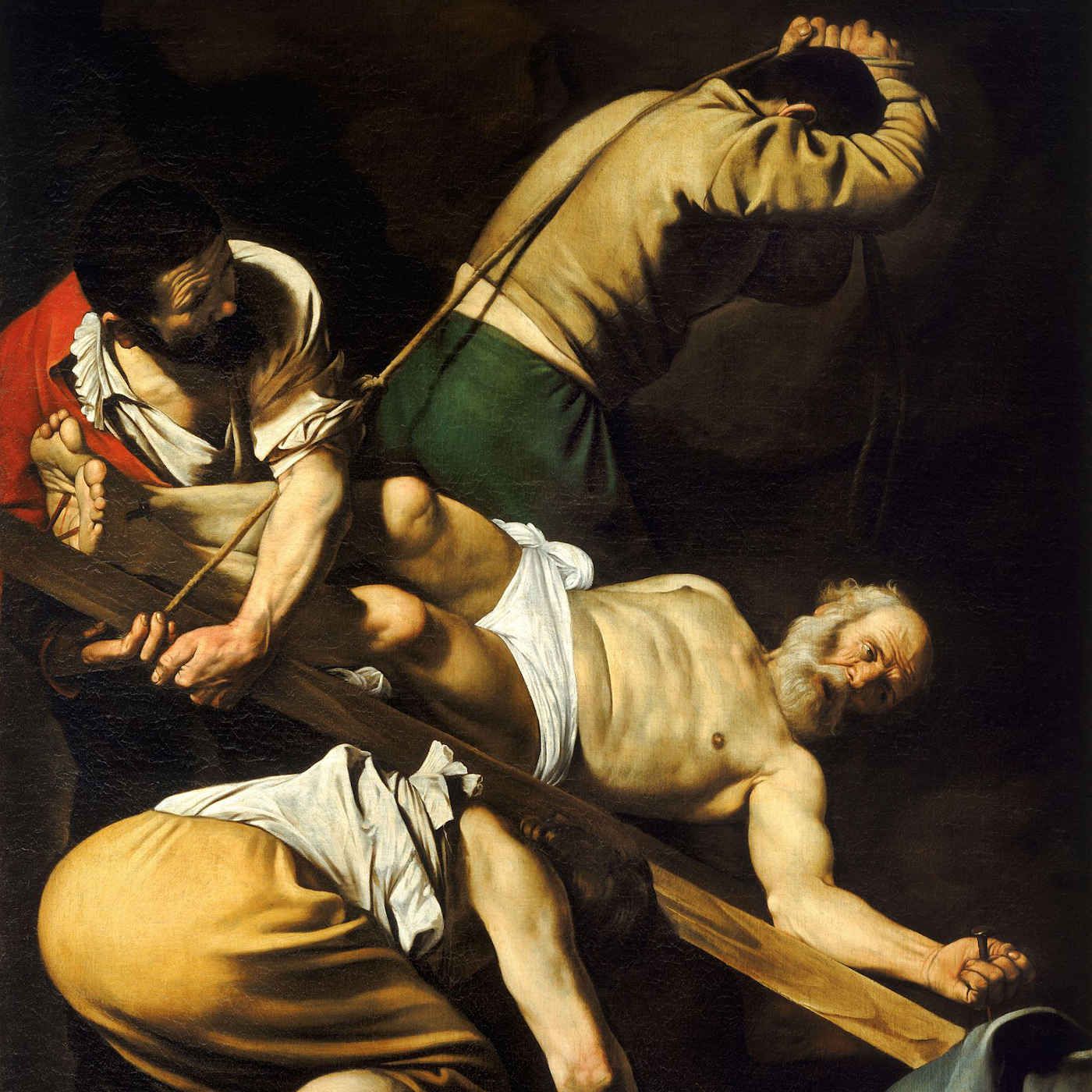
Sep 1, 2023
Saturday of the Twenty-First Week in Ordinary Time - Gifts of the Holy Spirit in Superabundance
“The one who had received five talents came forward bringing the additional five. He said, ‘Master, you gave me five talents. See, I have made five more.’ His master said to him, ‘Well done, my good and faithful servant. Since you were faithful in small matters, I will give you great responsibilities.’” Matthew 25:20–21 Oftentimes, when we are presented with a story of success versus tragedy, our attention goes to the tragedy first. The parable we are given today, the Parable of the Talents, presents us with three persons. Two of the people display stories of great success. One, however, offers a story that is more tragic. The tragic story ends by the master telling the servant who buried his money that he is a “wicked, lazy servant!” But both of the success stories end with the master saying, “Well done, my good and faithful servant. Since you were faithful in small matters, I will give you great responsibilities.” Let’s focus upon these success stories. Both of the servants who were successful doubled the master’s money. Even from a secular point of view, that is very impressive. If you were investing money with a financial advisor and shortly after investing you were told that your money had doubled, you’d be quite pleased. Such a rate of return is rare. This is the first message we should take from this parable. Doubling the gifts and graces God gives us is very doable. The reason for this is not primarily because of us; rather, it’s because of God. By their very nature, God’s gifts to us are meant to grow. By its very nature, grace flows in superabundance; and, when we cooperate with God’s grace, then it grows in an exponential way. When you consider your own life, what gifts has God given to you that He wants you to use for His glory? Are there gifts buried away that remain stagnant or, even worse, are used for purposes that are contrary to the divine plan for your life? Some of the more obvious gifts you were given within your very nature are your intellect and will. Additionally, you may be extra-talented in one way or another. These are all gifts given on a natural level. In addition to these, God often bestows supernatural gifts in abundance when we begin to use what we have for His glory and for the salvation of others. For example, if you work to share the truths of our faith with others, God will begin to deepen your supernatural gifts of Counsel, Wisdom, Knowledge and Understanding so that you will be able to speak about God and His will. All seven of the Gifts of the Holy Spirit are among the clearest examples of supernatural gifts given by God as follows: Wisdom, Understanding, Counsel, Fortitude, Knowledge, Piety, Fear of the Lord. The prayer that concludes this reflection comes from a traditional novena to the Holy Spirit and not only asks for these gifts but also gives a short description of them for a better understanding. Reflect, today, upon the fact that what God has given to you, both on a natural and supernatural level, must be devoted to the service of God and others. Do you do this? Do you try to use every talent, every gift, every part of who you are for God’s glory and the eternal good of others? If you don’t, then those gifts dwindle away. If you do, you will see those gifts of God’s grace grow in manifold ways. Strive to understand the gifts you have received and firmly resolve to use them for God’s glory and the salvation of souls. If you do, you will also hear our Lord say to you one day, “Well done, my good and faithful servant.” Oh, Lord Jesus Christ, grant me the Spirit of Wisdom, that I may despise the perishable things of this world and aspire only after the things that are eternal; the Spirit of Understanding, to enlighten my mind with the light of Your divine truth; the Spirit of Counsel, that I may choose the surest way of pleasing God and gaining Heaven; the Spirit of Fortitude, that I may bear my cross with Thee and that I may overcome with courage all the obstacles that oppose my salvation; the Spirit of Knowledge, that I may know God and know myself and grow perfect in the science of the Saints; the Spirit of Piety, that I may find the service of God sweet and amiable; the Spirit of Fear of the Lord, that I may be filled with a loving reverence towards God and may dread in any way to displease Him. Jesus, I trust in You. Source of content: catholic-daily-reflections.com Copyright © 2023 My Catholic Life! Inc. All rights reserved. Used with permission via RSS feed.
Aug 31, 2023
Friday of the Twenty-First Week in Ordinary Time - Being Prepared by Charity
Jesus told his disciples this parable: “The Kingdom of heaven will be like ten virgins who took their lamps and went out to meet the bridegroom. Five of them were foolish and five were wise.” Matthew 25:1–2 The “ten virgins” in this parable refer to the bridesmaids who were following Jewish tradition by going to the home of the bride to await the coming of the groom for a wedding. This parable is one of a few parables Jesus told that emphasizes the importance of being vigilant in our Christian walk. As the parable goes on, we are told that the groom was delayed and that the bridesmaids fell asleep. Upon waking, the foolish ones had no more oil for their lamps and had to leave to get some more. When they returned, they discovered that the groom had already arrived and that the door was locked. They then knocked and said, “Lord, Lord, open the door for us!” But the reply came to them, “Amen, I say to you, I do not know you.” And they missed out on the wedding celebration. Traditionally, the “oil” has been understood as a reference to charity. The message is simple. As we prepare to meet our Lord in Heaven, it is not enough to make the claim that we are Christians. We must also produce the good fruit of charity by our actions. Faith must result in charity, otherwise it is not true faith at all. This parable should be taken seriously. We should use it as a regular source of examination of our lives in regard to the charity we have...or do not have. When you look at your life, can you point to regular acts of charity that flow from your love of God and are bestowed upon others? Charity is not based on your preferences in life. It’s not based on what you feel like doing. Charity is always selfless and sacrificial. It always looks toward the good of the other. How much charity is alive in your life? Jesus clearly told this parable because He was aware of many who professed a faith in God but did not live the love of God. It’s very easy to live our lives day in and day out, doing what we do because of our personal likes or dislikes. However, it is very difficult to foster true charity within our souls and to regularly choose to love others because it is good for them. We must work to foster charity, first, in our thoughts. Critical and condemning thoughts must be eliminated, and we must strive to see others as God sees them. Charity must also direct our words. Our words must be encouraging of others, kind, supportive and merciful. Our actions become charitable when we become generous with our time, go out of our way to serve and are diligent in the ways we express our love of others. Reflect, today, upon the high calling you have been given to live an active and manifest life of charity. Spend time reflecting upon what charity truly is. Have you allowed yourself to become guided by a more secular and selfish form of “love?” Do you act more out of selfish preferences than out of self-giving and sacrifice? Do you truly build people up and witness the love of God to them? Try to answer these questions seriously. This parable spoken from our Lord is much more than a story. It is truth. And the truth is that some will arrive at the day of judgment without the necessary “oil” for their lamps. Take our Lord seriously and examine your life of charity. Where you are lacking, become fervent in your mission to change. In the end, you will be eternally grateful you did. My loving Lord, You showed us all that true love is selfless and sacrificial. You came to this world to serve and to give Your sacred life for us all. May I open my life more fully to Your love so that Your love may also affect and direct every relationship I have. Fill me with the gift of charity, dear Lord, so that I will be fully prepared for the day of my particular judgment. Jesus, I trust in You. Source of content: catholic-daily-reflections.com Copyright © 2023 My Catholic Life! Inc. All rights reserved. Used with permission via RSS feed.

Aug 30, 2023
Thursday of the Twenty-First Week in Ordinary Time - Gentle Promptings of Grace
“Stay awake! For you do not know on which day your Lord will come. Be sure of this: if the master of the house had known the hour of night when the thief was coming, he would have stayed awake and not let his house be broken into. So too, you also must be prepared, for at an hour you do not expect, the Son of Man will come.” Matthew 24:42–44 Our Lord contrasts the call to stay awake with those who are asleep. Clearly, by stating “Stay awake!” so emphatically, Jesus is also telling us that it is easy to fall asleep, spiritually speaking. So are you more often awake and attentive to His presence? Or are you most often asleep and therefore unaware of His presence? First of all, this exhortation must be understood as a reference to our passing from this life. And though most who are younger do not expect to pass suddenly and unprepared, we know that this does happen. It could happen to any one of us at any time, unexpectedly and without warning. Therefore, we must see this passionate exhortation from Jesus to be a clear warning to always be ready to meet Him in our particular judgment upon our passing from this life. With that said, this passage is also an invitation to become increasingly aware of the countless ways in which Jesus speaks to us each and every day. The goal of the Christian life must be to be continually at prayer. This does not mean that we are necessarily “saying” prayers all day every day. Rather, it means that we form a spiritual habit of becoming continually attentive to the promptings of grace given to us throughout our lives. God wants to lead us always. He wants to inspire us with His grace every day all day. He wants us to have one eye on the things that occupy our day and the other eye upon Him, allowing Him to gently lead us through everything. Sometimes we can fall into the trap of thinking that God is only concerned about the big decisions of life. But the truth is that God is most clearly found in the details of life, even the smallest ones: a short exchange of words with a family member, a smile at a co-worker, a kind gesture to a stranger, and a random prayer offered for an anonymous person in need of that prayer. All of these are but a few examples of the many ways that God wants to commune with us every day throughout the day. And this can only happen if we are continually awake and attentive to His gentle promptings of grace. How is this accomplished? How do we become attentive to God as He speaks to us and guides us every moment of every day? It is done by forming a spiritual habit of ongoing prayer. We begin by setting aside time for prayer every day, time in which all we do is pray. We set aside all distractions and begin by offering prayers, meditating upon scripture, attending the Mass, speaking from our hearts, etc. But from there, this special time of prayer, set aside exclusively for God, must begin to have an effect upon us throughout the day. And when we get distracted by the things of the world, we stop again, focus exclusively on God, and invite Him to be with us yet again. And then this is done again, and again, and again. Prayer must become a consuming habit by which God becomes present to everything we do. When this happens, we become spiritually “awake” to Him always. Reflect, today, upon this clear and concise exhortation from our Lord. “Stay awake!” Let those words resonate within you. Hear them as a call to form this holy habit of prayer throughout the day. If you do so, God will slowly take over your life and lead you each and every day into His holy will. And through you, God will be able to extend His love and mercy to many who are in your life and beyond. My demanding Lord, You desire me to live my day, every day, in such a way that I am continually attentive to You. Please help me to form a holy habit of listening to You and responding to all that You say to me always. My life is Yours, dear Lord. Lead me continually by Your gentle Hand of grace. Jesus, I trust in You. Source of content: catholic-daily-reflections.com Copyright © 2023 My Catholic Life! Inc. All rights reserved. Used with permission via RSS feed.
Aug 29, 2023
Wednesday of the Twenty-First Week in Ordinary Time - The Firmness and Strength of Love
Jesus said, “Woe to you, scribes and Pharisees, you hypocrites. You are like whitewashed tombs, which appear beautiful on the outside, but inside are full of dead men’s bones and every kind of filth. Even so, on the outside you appear righteous, but inside you are filled with hypocrisy and evildoing.” Matthew 23:27–28 This would not have been an easy thing for the scribes and Pharisees to hear. It is a hard truth, spoken by our Lord, partly in an attempt to shake them free of their sin. And even though they may not have enjoyed hearing this clear condemnation spoken, since it came from the Savior of the World, we can be sure that these are words of the deepest love and were spoken so that these men would repent and change their ways. Perhaps each of us, at times, feels like criticizing another. Most often, when we feel this way, it stems from our own personal sin of anger. Perhaps we were hurt by another and that hurt results in a desire for a form of vengeance that comes from anger. But this was not the case with Jesus. First, these words were spoken by Jesus to his disciples and to the crowds of people, not only to the scribes and Pharisees. So in many ways Jesus spoke this for the good of those who were suffering under the misguided leadership of these religious leaders. But Jesus knew that these leaders would also hear His words, so He spoke those words to them. But unlike us, He did it out of perfect virtue so as to care for their souls. At times, each one of us needs to hear Jesus rebuke us in love. If any of the scribes and Pharisees were open at that time, then Jesus’ words would have first stung them to the heart but then had the powerful effect of challenging them to change. They needed this and so do we. When we become stuck in our sins, especially if obstinacy sets in, then we need to allow Jesus to challenge us firmly. Such a challenge can be rattling, but that rattling is sometimes necessary. Emotion and passion can lead to sin, but it can also lead to repentance and conversion. The passion with which Jesus spoke became an instrument by which their own passions made them sit up and take notice. The result was that they either became more steeped in their sin or they repented. And though most became even more steeped in sin, which ultimately resulted in their persecution and death of Jesus, we can hope that there were some who did repent, such as Nicodemus. Reflect, today, upon the strength of Jesus’ words to these religious leaders. Though they were supposed to be both “religious” and “leaders,” they were neither. They needed Jesus' strength, courage and firmness. They needed to be confronted directly and receive the hard and clear truth about their sin. Reflect upon what it is in your own life that Jesus wants to say to you. Is there an area of your life in which our Lord needs to address you with passion, strength, clarity and firmness? Most likely there is. Perhaps not in an area of serious sin like it was with these scribes and Pharisees, but if we are open, Jesus wants to powerfully go after every sin within us. Open yourself to Him and allow Him to help rid you of the sins with which you struggle the most. And be grateful for this grace when He does. My passionate Lord, You hate sin but love the sinner. You perfectly desire to rid me of all sin and all attachment to sin. Please open my mind and heart to hear Your rebukes of Love so that I may respond to Your invitation to repent with all my heart. I love You dear Lord. Free me from sin so that I may love You more. Jesus, I trust in You. Source of content: catholic-daily-reflections.com Copyright © 2023 My Catholic Life! Inc. All rights reserved. Used with permission via RSS feed.
Aug 28, 2023
August 29, Memorial of the Passion of Saint John the Baptist - Fidelity in Suffering
Herod was the one who had John the Baptist arrested and bound in prison on account of Herodias, the wife of his brother Philip, whom he had married. John had said to Herod, “It is not lawful for you to have your brother’s wife.” Herodias harbored a grudge against him and wanted to kill him but was unable to do so. Mark 6:17–19 The suffering and death of Saint John the Baptist greatly parallels the suffering and death of Jesus. They were cousins. John was one of the first to acknowledge the divine presence of our Lord when he leaped for joy in the womb of his mother during the Visitation of Mary to Elizabeth. John lived a holy and simple life, embracing His mission to prepare the way for the Lord. He was the last and greatest of the Old Testament prophets. Of him, Jesus said that there was no one born of woman who was greater than John. For these reasons, we should not be the least bit surprised that John’s suffering and death parallelled and prefigured the death of the Savior of the World. Herod was fearful of John, believing him to be a holy man of God. He imprisoned him with a certain regret, knowing that he was innocent. Similarly, before Pilate condemned Jesus to death, he found Him not guilty of any crime. Pilate knew Jesus was innocent but allowed fear to direct his choice to condemn our Lord. John was ultimately killed because of the hatred and plotting of Herodias, the unlawful wife of Herod. It was Herodias’ anger that became a weapon, forcing Herod to put John to death. Similarly, it was the jealousy and anger of the religious leaders at that time that instigated and drove the death of Jesus. Pilate, like Herod, was at first unwilling to condemn our Lord. But the relentless hatred of the scribes and Pharisees compelled Pilate to condemn Jesus, just as it was Herodias’ hatred that compelled Herod to kill John. After John’s death, some of his disciples came to carry his body away for burial. This was permitted by Herod, perhaps because of his feelings of guilt. So also with our Lord, Pilate permitted some disciples and the holy women to carry Jesus’ dead body to the tomb for burial. In the end, the good fruit of Jesus’ death infinitely overshadowed the crime that was committed against Him. So also with John. We can be certain that, as a martyr, the blood he shed as a witness to Christ bore spiritual fruit that surpassed all he had done in his public ministry. Each of us is called to imitate our Lord and, therefore, should also take inspiration from Saint John the Baptist. They both were innocent but suffered greatly. They both spoke the truth, despite the hatred of some. They both gave their lives, in accord with the Father’s plan. Jesus was John’s Savior; John was but a precursor and servant of our Lord. Reflect, today, upon the invitation God has given to you to imitate the life of John the Baptist by uniting yourself to his Lord. The first form of imitation will take place when you commit yourself to the proclamation of the truth in accord with your mission. What mission has God given to you? How is He calling you to proclaim the Gospel with courage, strength, determination and fidelity to the end? Reflect, also, upon the injustice inflicted first upon John and then upon our Lord. As you do, try to look at any injustice you have received in life in the light of John’s and Jesus’ lives. They did not run away from injustice. They embraced it as a sacrifice and offered it to the Father in Heaven. Jesus’ Sacrifice brought forth the Salvation of the World; John’s was but a sharing in that glorious offering. Make your offering with them, and do not hesitate to do so with deep love and trust in the Father’s plan. Most glorious Lord, You invited Saint John the Baptist to prepare the way for Your coming and Your death. He gave his life as a martyr, and this sacrifice bore an abundance of good fruit. Please give me the grace to walk in his footsteps by faithfully fulfilling my mission in life with courage and strength. May I never waver in the face of injustice so that I can embrace it and make it my spiritual offering to You. Jesus, I trust in You. Source of content: catholic-daily-reflections.com Copyright © 2023 My Catholic Life! Inc. All rights reserved. Used with permission via RSS feed.

Aug 27, 2023
Monday of the Twenty-First Week in Ordinary Time - Unity of Truth and Virtue
“Woe to you, scribes and Pharisees, you hypocrites. You lock the Kingdom of heaven before men. You do not enter yourselves, nor do you allow entrance to those trying to enter.” Matthew 23:13 Today begins Jesus’ “Woe to you…” condemnations of the scribes and Pharisees. He issues seven subsequent condemnations. The one quoted above is His first. At the time, Jesus’ condemnations of these religious leaders fell mostly on deaf ears. They were obstinate and would not listen to what Jesus had to say. But it’s useful to note that these condemnations appear to actually be spoken about the scribes and Pharisees to the disciples and the crowds to whom Jesus was speaking. Though there are many lessons we can learn from our Lord, let’s consider the first thing He says. He condemns hypocrisy. Hypocrisy is essentially saying one thing and doing another. It’s a disconnect between what we say and what we do. Hypocrisy can also come in the form of trying to present oneself as if one has every virtue under Heaven but in reality cares little for the clear doctrine and moral precepts given us by God. In the scripture passage, the scribes and Pharisees claimed to be leading people to salvation, but they were condemning the very source of salvation. On one hand, some of what they taught was true, but they failed to teach with the virtue that comes from God. On the other hand, some of what they taught was flat-out erroneous, because they were more concerned about their public persona than they were about the truth. Essentially, they were hypocrites, because their words and actions were neither united in the truth nor lived through the virtues given by God. These two opposing tendencies seem to be a source of much division within our Church today. On the extreme “right,” we have those who preach doctrine but fail to exercise the necessary virtue so as to be effective instruments of those truths. And on the extreme “left” are those who act as if so-called virtue is all that matters. They deemphasize the clear and unambiguous moral and doctrinal truths that were given to us by our Lord, so that others will praise them for appearing kind, accepting and compassionate toward all. The problem is that one cannot exclude truth from virtue or virtue from truth. Compassion is not compassionate if it lacks truth, and the truth is not true if it is not presented with the virtues by which our Lord wants them brought forth. And though the scribes and Pharisees appear to be more focused upon their interpretations of various truths to the exclusion of virtue, their struggle with hypocrisy is just as real for those on both extremes today. Reflect, today, upon the importance of embracing each and every moral and doctrinal precept given by our Lord. We must embrace everything He says with every fiber of our being. Reflect, also, upon how you express these teachings of Jesus to others. Do you strive to present the full Gospel with the greatest virtue? The deeper the truth, the more necessary is the virtue with which it is presented. And the more virtue you have, the better instrument of the full truth you will be. Strive to overcome every form of hypocrisy within your life by working toward true holiness. Holiness is wholeness. The Truth united to virtue. Only then will you escape from the condemnation of our Lord, but you will also thrive as a pure instrument of His saving grace. My saving Lord, You desired deeply that the religious leaders of the time be powerful instruments of Your saving Gospel by presenting all truth in pure love. Please free me from every error so that Your holy Word will be alive in me and will be sent forth to others through the manifestation of the many virtues You wish to bestow. Jesus, I trust in You. Source of content: catholic-daily-reflections.com Copyright © 2023 My Catholic Life! Inc. All rights reserved. Used with permission via RSS feed.
Aug 26, 2023
Twenty-First Sunday in Ordinary Time (Year A) - The Foundation Within
Jesus went into the region of Caesarea Philippi and he asked his disciples, “Who do people say that the Son of Man is?” Matthew 16:13 Today’s Gospel scene takes place about twenty miles north of the Sea of Galilee outside of Herod’s jurisdiction and away from the Pharisees’ watchful eyes. This is a private conversation between Jesus and His disciples that took place where they could speak freely. For that reason, this conversation is particularly personal in nature in that the disciples felt free to express their personal convictions without fear of retribution. As the conversation unfolds, Jesus asks two consecutive questions. First, “Who do people say that the Son of Man is?” Second, “But who do you say that I am?” By asking these two questions, Jesus first invites the disciples to identify the different opinions floating around about Him and then gives the disciples an opportunity to speak their own conviction. Peter responds on behalf of them all when he solemnly professes, “You are the Christ, the Son of the living God.” If Jesus were to ask you these two questions, what would you answer? First, what is the general opinion about Jesus that most people have today? When asked, most Christians would give the correct answer. Jesus is God. He is the Savior. He is the Son of the Father. But sometimes those answers are more theoretical than they are personal. Often it is easy to believe things about Jesus rather than believing in Jesus. So if you were to answer the second question, what would you say? Ideally, you would answer that Jesus is your Savior, your God, your Shepherd, your Lord. Faith in Jesus must not only be theoretical, it must be deeply personal, flowing from the depths of your heart. Deep personal faith in Jesus can only come from one source. It comes from the Father speaking to your heart in a real and personal way. After Peter professed His faith in Jesus, Jesus said to him, “Blessed are you, Simon son of Jonah. For flesh and blood has not revealed this to you, but my heavenly Father.” Peter’s personal faith in Jesus was not just something he heard from others, it was not just a popularly accepted opinion, it was something that the Father in Heaven personally revealed to him. This is the gift of faith. Peter’s personal profession of faith became the rock foundation on which Jesus built His Church. “And so I say to you, you are Peter, and upon this rock I will build my church, and the gates of the netherworld shall not prevail against it.” This reveals Jesus’ plan to establish Peter as the head of the Church and to give to him the keys to the Kingdom of Heaven for the whole Church. Similarly, our personal profession of faith will become the unshakable foundation within our souls upon which God’s Church becomes alive in each one of us. When our faith is based upon a personal revelation from the Father in Heaven, spoken within the secrecy of our souls, then nothing can extinguish this faith. The gates of the netherworld cannot prevail against it. Reflect, today, upon this holy conversation between Jesus and His disciples. As you do, know that Jesus wants to have the same conversation with you. As Jesus took the disciples away to this quiet and safe place, He wants to take you away through prayer to the privacy of your own soul. There, within you, He seeks to elicit a response of personal faith. He wants you to identify Who He is to you. He wants you to profess your faith to Him. This faith is your personal solid foundation, and upon that foundation our Lord will build up His Church in you and through you. Glorious Lord, You are the Christ, the Son of the living God. I believe this with all my heart. Please continue to deepen my faith in You by revealing to me Who You are. As You do, I pray that this gift of faith will become a rock foundation upon which You form me more fully in the life of holy virtue and grace. Jesus, I trust in You. Source of content: catholic-daily-reflections.com Copyright © 2023 My Catholic Life! Inc. All rights reserved. Used with permission via RSS feed.
Aug 25, 2023
Saturday of the Twentieth Week in Ordinary Time - Humility...the Path to Greatness
“The greatest among you must be your servant. Whoever exalts himself will be humbled; but whoever humbles himself will be exalted.” Matthew 23:11–12 If you were to plan out the ideal future for yourself, what would it look like? Imagine if you were not constrained by budget or resources. Imagine if you could pick to do anything you wanted, to go anywhere you wanted, and enjoy any activity that you wanted. Imagine the greatest experience you could possibly have. What would that be? Most people would immediately think about indulging in the greatest pleasures imaginable. A life of the most luxurious accommodations, the best food, the most beautiful scenery and the most relaxing and enjoyable time possible. But would that truly be the “ideal future for yourself?” The Gospel passage above is very clear. Greatness is found in servanthood. Exaltation is enjoyed only through humility. Is the ideal lifestyle one that is filled with indulgence, entertainment, luxury, and the like? Certainly not. The ideal life, the greatest life, the most exalted life is the life of the most humble service of others as possible. That’s essentially what Jesus tells us in this passage. Do you believe that? Note that Jesus uses the words “greatest” and “must” in the same sentence. These two words are both quite definitive. There is no one greater than the “greatest,” and the path to that greatness requires, without exception, that the greatest be a servant of everyone else. In many ways, this truth defies most human conceptions of greatness. Most often, if someone is considered “great,” then they are served and treated with an honor and respect not given to most. For example, if you had someone of great importance over to your home for dinner, you would most likely wait on them. Of course, service in this context is much more than waiting on tables or providing a meal. Though that is a blessed way to serve others and to express love, Jesus’ concept of service goes far beyond this. How do we serve as one who is truly great? We do so especially by humbling ourselves. Humility is the greatest form of service we can render another. Jesus was, without question, the humblest person to ever live. Only His mother shared perfectly in this holy virtue. Humility enables a person to break out of every selfish tendency and turn their love to the good of the other. Jesus did this first by becoming Incarnate in the womb of His dear mother. The Eternal Son of God did not become man because it somehow benefited Him in a self-centered way. He did it because He loved us and His Incarnation benefited us. The Son of God did not allow others to mock Him, ridicule Him and ultimately murder Him because it somehow benefitted Him. He did it so that He could enter death and destroy it so that we could rise with Him. He did it for us. And we could go through every passage of the Gospels and see that everything Jesus did was done for others and never done out of a selfish desire. This self-giving service our Lord offered every day was a fruit of the incredible humility that He lived. Jesus did everything He did out of His love for others and with humility so as to bring salvation and transformation to their eternal souls. In our lives, we need to make a fundamental choice. Am I going to live for myself? Or am I going to live for others? It seems as though very few people live fully for others. It is difficult to take our eyes off ourselves and turn them only to the good of others. But if we realize that living for others is also the path to our own greatness and ultimate exaltation, then it becomes much easier. Serving others, especially in a spiritual way by which you do all you can to help them grow closer to God, is what will make you great. Nothing else can do so. Believe that and live it. Reflect, today, upon a life of true greatness. Reflect, especially, upon how you can live such a life. How can you more completely serve others? How can you make their holiness your primary goal? How can you help others grow in their love of God? Humble yourself and turn your eyes from yourself to others. Doing so will make an eternal difference for others and also for yourself. My exalted Lord, You are exalted far above all others. You are Greatness Itself. The life You lived, dear Lord, was one of the greatest humility. But it was in this humility that You accomplished the salvation of the world. Help me to imitate Your greatness by making the service of others my most central mission in life. I love you, my Lord. May I love and serve others with You. Jesus, I trust in You. Source of content: catholic-daily-reflections.com Copyright © 2023 My Catholic Life! Inc. All rights reserved. Used with permission via RSS feed.
Aug 24, 2023
Friday of the Twentieth Week in Ordinary Time - Loving in Difficult Situations
“You shall love the Lord, your God, with all your heart, with all your soul, and with all your mind. This is the greatest and the first commandment. The second is like it: You shall love your neighbor as yourself.” Matthew 22:37–39 We are very familiar with this passage above. It is Jesus’ answer to the Pharisees who came to test Jesus. Prior to this, a group of Sadducees tried to trap Jesus and failed. So now it was the Pharisees who gave it their best shot to trap our Lord. Of course, Jesus’ answer was perfect. And upon the conclusion of this answer, Jesus returned the favor by asking the Pharisees some questions that they could not answer, and they dared not ask Him any further questions at that time. Sometimes, being challenged by another in matters of faith helps us, in that it allows us to clarify what we actually believe. Though Jesus did not need clarity for His own sake, He did offer this clarity in the face of trickery so as to help both the Pharisees as well as His followers who were listening attentively. Have you ever been challenged by another about matters of faith? If so, what was your response? Were you able to respond by the inspiration and clarity given by the Holy Spirit? Or did you walk away confused and unable to respond? Having our faith challenged by another will either result in our own confusion or in our deeper understanding. By answering this question in the way that Jesus did, He presented the entire Law given by Moses in the Ten Commandments in a new and summarized way. The first three of the Ten Commandments have to do with love of God, and the last seven have to do with love of neighbor. The second commandment Jesus gives, “You shall love your neighbor as yourself,” is a consequence of the first commandment. How do you “love yourself?” You do so by fulfilling the first commandment Jesus gave: “love the Lord, your God, with all your heart, with all your soul, and with all your mind.” When God is loved above all, then loving your neighbor simply means that you love God Who dwells within your neighbor in accord with the way God loves them. It is also helpful to note that it is possible to “love” our neighbor in such a way that is contrary to the love of God. For example, if our love of neighbor is expressed in such a way that is contrary to the Love of God, then this is not true love. Let’s say that your neighbor has chosen a gravely immoral lifestyle. How do you love them with the love of God? You don’t say to them “I support you in your immoral living.” Doing so is not love of God; it’s a selfish form of love that cares more about how the person will respond back to you than caring for their eternal soul. The right form of love for one who has gone astray in an objectively immoral way is to let them know you love them but do not support the choices they are making. And though they may respond negatively to this, caring for their eternal salvation must supersede every desire to simply get along with them. Love of neighbor, at times, especially when the “neighbor” is a family member who has turned from God, can be challenging. But when it is, think about the way that the Sadducees and Pharisees tried to constantly trap Jesus. He always gave the perfect response of love and never allowed their misguided conversation to leave confusion. So with us, we must rely upon the wisdom and love of God when loving another is difficult. God must guide our every conversation in that case so that the other knows they are loved and so that our love does not deviate from the pure love of God. Reflect, today, upon the high calling you have been given to love God above all and to love your neighbor with that same love that you have for God. If you find loving someone is difficult, pray for the wisdom you need to remain faithful to them in God’s love alone. And if you find your love challenged, rely upon our Lord to lead you and to give you the words you need when you need them the most. My loving Lord, You love all people with a perfect love, and You call us all to love You with our whole heart, soul and mind. And You call us to love others with the love You have for them. Fill my heart with love of You and all people, especially those who are most difficult to love. Give me wisdom, dear Lord, to know how to love others in You so that they will experience Your perfect love in their lives. Jesus, I trust in You! Source of content: catholic-daily-reflections.com Copyright © 2023 My Catholic Life! Inc. All rights reserved. Used with permission via RSS feed.
Aug 23, 2023
August 24, Feast of Saint Bartholomew, Apostle - The Faith of Bartholomew
Philip found Nathanael and told him, “We have found the one about whom Moses wrote in the law, and also the prophets, Jesus son of Joseph, from Nazareth.” But Nathanael said to him, “Can anything good come from Nazareth?” Philip said to him, “Come and see.” John 1:45–46 Nathanael, who also goes by the name Bartholomew, reacted strongly to the news from his friend Philip that they had found the promised Messiah. Why did Nathanael react this way? Most likely because it was common knowledge among the Jews that the promised Messiah would come from Bethlehem, not from Nazareth. So Nathanael immediately raises this doubt because of Jesus’ supposed origin. Of course, Jesus actually was born in Bethlehem and only later moved to Nazareth, but Nathanael did not immediately realize this. The first lesson to ponder today is that, just like Nathanael, we can easily doubt matters of faith because we do not fully understand. Perhaps if Philip had come and said that Jesus was born in Bethlehem but raised in Nazareth, then Nathanael may have been more immediately open. But this encounter most likely unfolded as it did, with Nathanael’s initial doubt, because the Holy Spirit, Who inspired these Scriptures, wanted us to learn an important lesson. The lesson we must learn is that we must not close the door on the Truth just because something doesn’t immediately make sense to us. Doubts are never from God. The good news in this Gospel passage is that, even though Nathanael did immediately express a certain doubt, he remained open to what Philip was saying. Philip, in answer to this doubt, said the best thing he could have said. He said, “Come and see.” What is it in your life that seems confusing to you in regard to your life or in regard to the many truths of our faith? If there is something that you struggle with in this way, then listen to the words of Philip and allow them to be spoken to you: “Come and see.” Once Philip brought Nathanael to Jesus, Nathanael quickly professed his full faith in Jesus as the “Son of God” and the “King of Israel.” Jesus said very little to Nathanael to convince him of these truths. Jesus simply told Nathanael that he had seen him sitting under the fig tree and that He knew that Nathanael was a man without guile. To be without guile means that you are not two-faced; rather, you are a very honest and straightforward person. Nathanael’s immediate realization of the greatness of Jesus could have only come by the gift of grace working in his soul. He came to see Jesus and believed through the interior gift of faith. The lesson of Nathanael tells us that if we bring our confusion to our Lord in faith and openness, all will be made clear. We will have our temptations to doubt removed, and we will be able to have faith that goes far beyond human reason alone. Reflect, today, upon the genuineness and openness of the heart of Nathanael. Bring to our Lord any and every question you have with the expectation that you will receive what you need. Faith does not usually come through convincing arguments or detailed deductive reasoning. It normally comes through a pure and simple openness to the Voice of God speaking within our soul. But when the gift of faith is given, it brings with it a holy certainty that cannot be doubted. My loving Lord, You invite all of us to come to You, to see You and to have faith in You. You truly are the Son of God and the King of all. Please open my mind to all that You wish to say to me so that I may shed my doubts and come to a transforming faith in all things. Jesus, I trust in You. Source of content: catholic-daily-reflections.com Copyright © 2023 My Catholic Life! Inc. All rights reserved. Used with permission via RSS feed.
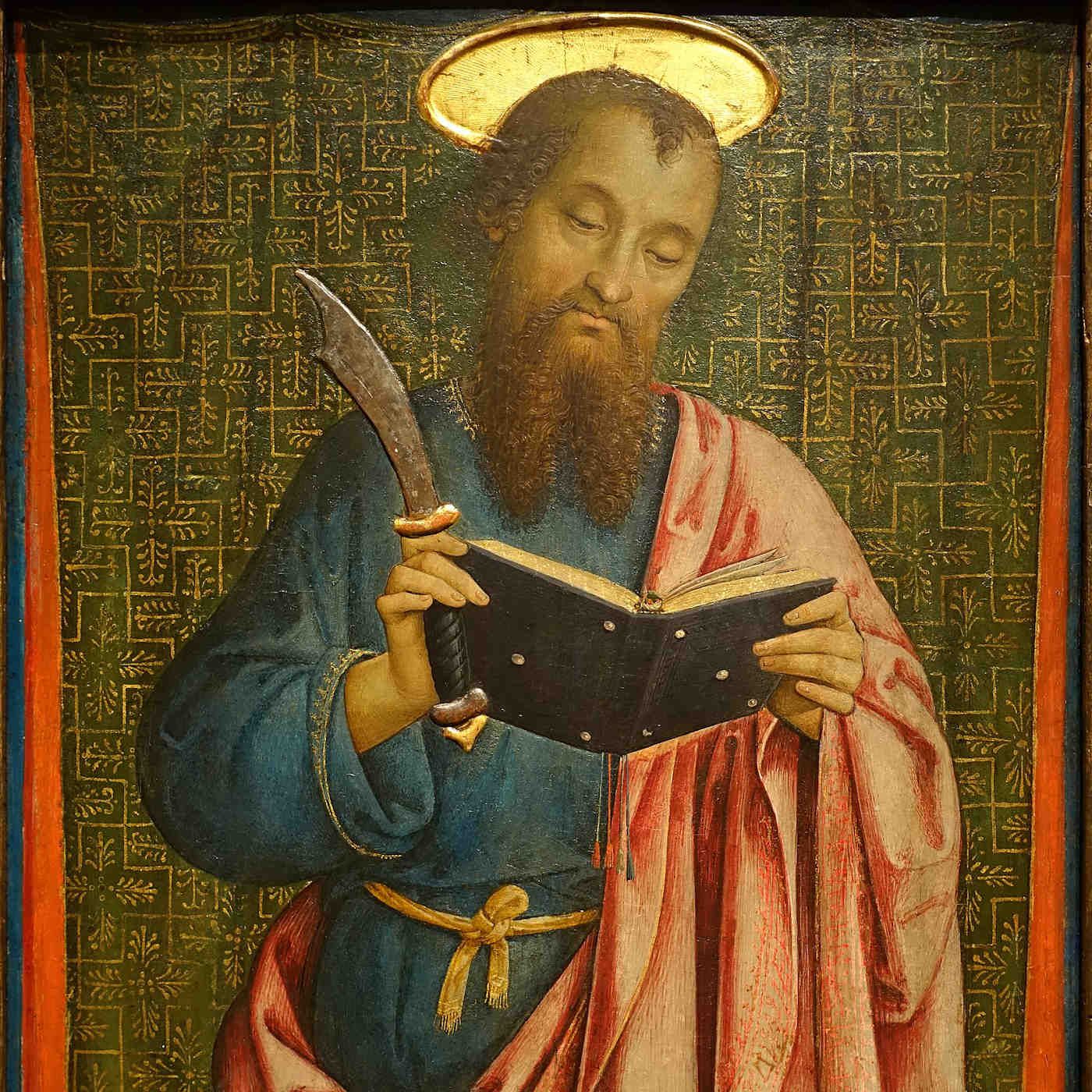
Aug 22, 2023
Wednesday of the Twentieth Week in Ordinary Time - Overcoming Envy
Going out about five o’clock, he found others standing around, and said to them, “Why do you stand here idle all day?” They answered, “Because no one has hired us.” He said to them, “You too go into my vineyard.” Matthew 20:6–7 These are very generous words spoken by the landowner. As the parable explains, this landowner hired workers for his vineyard early in the morning, and then again at nine o’clock, noon, three o’clock and finally at five o’clock. But at the end of the day, he paid them all the same daily wage as if they had all been working since early morning. The ones hired first were upset thinking it was unfair that those who worked just an hour were paid the same wage as they were. But the landowner concludes, “What if I wish to give this last one the same as you? Or am I not free to do as I wish with my own money? Are you envious because I am generous?” God, in His mercy, is generous beyond comprehension. But we, as fallen humans, are constantly examining whether we are getting our fair share and comparing ourselves to others. We tend to want more and more and easily become envious when we see others succeed or receive blessings that we do not have. For example, if someone is more popular than us on social media, or drives a nicer car, or has a bigger home, or goes on an expensive vacation, we often tend to notice with a sort of sorrow that we do not have what they do. And that is envy. The cure for envy is wholehearted generosity. Not just generosity with our money but generosity with our affections and our ability to rejoice in the blessings that others receive. For example, if someone were to tell you that they were going on a nice vacation next month to a place you always wanted to go, how would you react? You might jokingly say, “Wow, I’m jealous!” Jealousy can quickly turn into envy, which is a form of sorrow over the blessings another has that you do not. And that sorrow over the blessings of another can subsequently turn to anger. These workers in the vineyard who worked all day and received the same amount as those who worked only one hour could have responded by congratulating the later workers and could have even jokingly said, “Lucky you, I wish I would have shown up at five o’clock!” But instead, they grumbled and tried to interfere with the generosity of the landowner saying, “These last ones worked only one hour, and you have made them equal to us, who bore the day’s burden and the heat.” Again, this is envy, in that their sorrow over the generosity of the landowner led them to try to interfere with the blessing the others received. Whenever you notice this form of unholy sorrow within you, take notice. It means that you lack a selfless generosity toward others. And if you see God blessing another in spiritual riches, try to generously rejoice in that. Offer praise and thanks to God for His goodness. Don’t dwell on yourself and dismiss every temptation to compare. In many ways, everyone of us is represented by those who worked only one hour and received the full daily wage. This is because we could never earn the grace of salvation. The one and only reason we are able to receive the gift of eternal salvation and every other grace given to us by God is because God is infinitely generous. Therefore, the goodness and generosity of God must be our constant focus, and we must rejoice in that generosity when it is given to us and when it is also given to others. Reflect, today, upon any tendency you have toward envy. Think about the blessings that others have been given that you have not. Sincerely look at your interior reaction to that and pray that God will grant you the gift of being able to be generous in your rejoicing in those blessings. Every blessing given by God must be the cause of our joy, no matter if those blessings are bestowed upon us or upon others. My most generous Lord, You bestow Your blessings upon all in superabundance. When I witness the ways that others are blessed by You, help me to foster a sincere gratitude for all that they have received. Help me truly rejoice in the many ways You bless all Your people. Free me from envy, dear Lord, so that I am not burdened down by that ugly sin. Jesus, I trust in You. Source of content: catholic-daily-reflections.com Copyright © 2023 My Catholic Life! Inc. All rights reserved. Used with permission via RSS feed.
Aug 21, 2023
Tuesday of the Twentieth Week in Ordinary Time - The Eye of a Needle
Again I say to you, it is easier for a camel to pass through the eye of a needle than for one who is rich to enter the Kingdom of God.” When the disciples heard this, they were greatly astonished and said, “Who then can be saved?” Jesus looked at them and said, “For men this is impossible, but for God all things are possible.” Matthew 19:24–26 According to one tradition, the “eye of the needle” referred to a gate in the wall of Jerusalem. During the day, there was a large gate that was open through which a camel could easily pass. But at night, the larger gate was closed and there was a smaller opening in the center of the gate that allowed people to pass through. A camel, however, could not pass through that smaller opening unless it got down on its knees, had its load removed from its back, and then crawled through. In referencing this story, Saint Anselm states that “the rich should not be able to pass along the narrow way that leads to life, till he had put off the burden of sin, and of riches, that is, by ceasing to love them” ( Catena Aurea ). So is it possible for a camel to enter through the “eye of the needle” and, therefore, a rich man to enter into Heaven? Yes. But only under the condition of being on their knees, humbling themselves, and ridding themselves of the “baggage” of their riches. For those who are truly rich in the things of this world, this Gospel passage may be difficult to read and reflect upon. It was spoken in reference to the rich young man who asked Jesus how he can enter into eternal life. Jesus’ answer was “go, sell what you have and give to the poor, and you will have treasure in heaven.” At that, the rich young man went away sad because he was clearly attached to his wealth. Jesus’ explanation above, however, should give hope to anyone who struggles with this high expectation. The disciples were truly troubled by what Jesus said, and that is why Jesus followed up by saying, “For men this is impossible, but for God all things are possible.” For God all things are possible! This statement of fact should be carefully pondered and believed by anyone who struggles with being overly attached to material riches. It should also be noted that one can be attached to riches even if they do not have riches. The desire for more is the attachment that needs to be cleansed, not the actual possession of riches. In fact, it is possible to have many possessions and not be attached to them at all. This is the beauty of poverty of spirit. But be careful not to presume that you have perfected this beatitude too quickly. Jesus’ statement above was said out of love for those who are overly attached to the things of this world. So if this is you, be merciful to yourself and pay close attention to Jesus’ words and your own interior struggle with this. Reflect, today, upon this clear and unambiguous statement of Jesus. “It is easier for a camel to pass through the eye of a needle than for one who is rich to enter the Kingdom of God.” Do you believe this? Can you accept this? Is Jesus speaking to you through this passage? Again, even if you are materially poor, is your desire for riches strong? If so, this passage equally applies to you. Allow this passage to sit within your heart in a prayerful way and try to be as honest as you can with yourself as you read it. Do not hesitate to choose the true riches of Heaven over the passing things of this world. In the end, the value of spiritual wealth infinitely outweighs anything you possess for your short time here on earth. Lord of true riches, You desire that each of us be filled with spiritual wealth that is infinitely greater than anything we could obtain in this world. Please free me from my attachment to material wealth so that I can live free from that burden. Help me to see the value of the treasures of Your grace and mercy and to make this true wealth the single focus of my life. Jesus, I trust in You. Source of content: catholic-daily-reflections.com Copyright © 2023 My Catholic Life! Inc. All rights reserved. Used with permission via RSS feed.
Aug 20, 2023
Monday of the Twentieth Week in Ordinary Time - Perfection
“If you wish to be perfect, go, sell what you have and give to the poor, and you will have treasure in heaven. Then come, follow me.” When the young man heard this statement, he went away sad, for he had many possessions. Matthew 19:21–22 This is the conclusion to the conversation that Jesus had with a rich young man who came to Him and asked, “Teacher, what good must I do to gain eternal life?” Jesus went on to tell him to keep the commandments. The young man said he has done so from his youth and wanted to know what else he could do. So Jesus answered his question. But the answer was more than the young man could accept. “If you wish to be perfect, go, sell what you have and give to the poor, and you will have treasure in heaven. Then come, follow me.” Do you want to be perfect? If so, then Jesus has set a high bar for such a goal. It seems that many followers of Christ are okay with simply being okay. In other words, it seems that it is rare to find a person who is wholeheartedly committed to perfection. Many may have good intentions, but it seems that there are few who fully commit themselves to all it takes to truly obtain the perfection to which we are all called. It’s interesting to note that Jesus’ initial response to this rich young man explained the requirements for entering eternal life, that is, the minimal requirement for obtaining Heaven. Simply put, Jesus said that if you refrain from serious sin by keeping the commandments, then you will inherit eternal life. Of course, that also presumes that you have the gift of faith and are thus open to the gift of salvation. So is that what you are content with? Are you satisfied with doing the minimum it takes to get to Heaven? The idea of perfection can appear to be beyond us. Too often we can think, “I’m only human.” But as a human who is called by God, we are invited to work toward the obtainable goal of greater holiness. Though we will always fall short, we must strive to become as holy as we can, holding nothing back. Though the invitation given to this young man to “go, sell what you have and give to the poor” is not a requirement that our Lord places on everyone, He does call some to do this literally. But for everyone else, the invitation still remains—but in a spiritual sense rather than a literal sense. This is the spiritual call to interior poverty of spirit. Everyone of us is called to be interiorly detached from the things of this world in a complete way, even though we retain our possessions. We must have as our single possession the love of God and the service of His will. This depth of spiritual detachment means that God and His holy will is all we desire in life. And if He ever were to call us to literally give everything up, we would do it without hesitation. And though that may seem extreme, it is, in fact, exactly what will benefit us the most. It is the only way to become fully human and fully the person we were meant to be. And the end reward is not only the attainment of Heaven but an incomprehensible amount of glory in Heaven. The holier we become here on earth, the greater will our eternal reward be in Heaven. Do not hesitate to do all you can to build up that treasure that will be with you forever. Reflect, today, upon the high calling to perfection given to you by God. Ask yourself in a very sincere way whether or not you are simply okay with being okay or if you want so much more. Do you want the greatest riches in Heaven? Do you want your eternity to be one in which the spiritual treasures you build up now are with you forever? Do not hesitate to accept this high calling from Jesus. Allow His invitation to this rich young man to echo within your heart as His personal invitation to you, also. Say “Yes” to Him and know that you will be eternally grateful you did. My loving Lord, You invited the rich young man to strive for perfection. You also invite me and all Your children to this holy and high calling. Give me the grace I need to detach from all that hinders this goal so that I can make You and Your holy will the central and only goal of my life. Jesus, I trust in You. Source of content: catholic-daily-reflections.com Copyright © 2023 My Catholic Life! Inc. All rights reserved. Used with permission via RSS feed.
Aug 19, 2023
Twentieth Sunday in Ordinary Time (Year A) - Begging for Scraps of Mercy
At that time, Jesus withdrew to the region of Tyre and Sidon. And behold, a Canaanite woman of that district came and called out, “Have pity on me, Lord, Son of David! My daughter is tormented by a demon.” Matthew 15:21–22 After Jesus was harshly challenged by the Pharisees, He and His disciples took a 35-mile journey to the northwest to a region that was in pagan territory and outside of the jurisdiction of Herod and the Jewish leaders. It might have been a time of repose for Him and His disciples and an opportunity for Jesus to form the disciples more directly. It was during this retreat that a pagan woman came to ask Jesus for help. As the story unfolds, we see that her prayer is a model for us all. First, she acknowledges Who Jesus is—the Son of David. This is a manifestation of her faith and a clear contrast to the lack of faith Jesus had experienced with many of the people in Galilee. Second, her request is expressed in straightforward and simple language, “Have pity on me!” And, “Lord, help me.” Third, her prayer is persistent. Jesus allows her to manifest her persistence by first being silent to her request and then telling her “It is not right to take the food of the children and throw it to the dogs.” Jesus obviously does not say this to be rude, but to invite her to manifest her faith in a persistent way. And that she does. Finally, her prayer is one of deep humility. She responds, “Please, Lord, for even the dogs eat the scraps that fall from the table of their masters.” She was begging for the “scraps” of Jesus’ mercy, and she received His mercy in abundance. Do you desire the scraps of Jesus’ mercy in the way a dog desires the scraps from the table of its owner? Hopefully you do. This is the disposition that we must all have in prayer. Sometimes, out of pride, we can think that we have a right to God’s mercy. We can think that God owes us. And though we might realize that mercy is not deserved, we must allow that truth to sink in deeply. That is why this story is so important. It presents us with the ideal way to pray and the humble interior disposition we must have when approaching God. Prayerfully sit with the image of a dog begging for scraps from the table. When a dog is given what is left over, it is thrilled. To us, eating the scraps from another’s plate is undesirable. But if the “plate” belongs to the Savior of the World and the “food” is His grace and mercy, then that changes everything. In the end, the Master also invites us to the table and feeds us with the finest of spiritual food. But that doesn’t change the fact that we must always have the humble disposition exemplified by this humble woman. Reflect, today, upon this holy woman. In the end, Jesus cried out, “O woman, great is your faith!” But that did not come until she wholeheartedly expressed her faith with humility and persistence. With her as a shining example, reflect upon how you pray to God. Do you pray with self-righteousness, as if you deserve God’s mercy? Do you tend to see God as one Who owes you something? Do you get angry with God when He doesn’t immediately answer your demands? Try to humble yourself like this woman. Beg for whatever God wants to give to you. Do so with perseverance and the utmost trust. If you do, our Lord will not only pour forth the scraps of His mercy, He will also pick you up and invite you to the glorious meal of His abundant grace. Most merciful Jesus, I beg of You that I be given only the scraps from the table of Your mercy. I beg this of You with all my heart. Though I do not deserve You, I seek You anyway. You know what I need, dear Lord; please bestow upon me Your mercy for those needs. Jesus, I trust in You. Source of content: catholic-daily-reflections.com Copyright © 2023 My Catholic Life! Inc. All rights reserved. Used with permission via RSS feed.
Aug 18, 2023
Saturday of the Nineteenth Week in Ordinary Time - All Are Welcome
Children were brought to Jesus that he might lay his hands on them and pray. The disciples rebuked them, but Jesus said, “Let the children come to me, and do not prevent them…” Matthew 19:13–14 In the Catechism of the Council of Trent , which was promulgated by Pope Saint Pius V, this passage is linked with infant baptism. It states, “Besides, it is not to be supposed that Christ the Lord would have withheld the Sacrament and grace of Baptism from children, of whom He said: Suffer the little children, and forbid them not to come to me…” (II, 2, 32). This teaching clearly indicates one of the best ways that this passage is fulfilled today. Inviting even infants before they reach the age of reason to receive the Sacrament of Baptism fulfills this loving command of Jesus to “Let the children come to me…” Young children do not have the ability to rationally understand love in its purest form. That comes with the age of reason, which has traditionally been understood to be around the age of seven. But children, and even infants, are capable of receiving our love and are capable of receiving the love of God, even if they do not yet fully comprehend this gift. As a child grows, they learn what love means as they witness it and experience it, especially through the mediation of their parents. This helps form their consciences in such a way that they become capable of making their own free choice to love as they mature in age. But if a child is to grow into a loving adult, they need more than just a good example, they need grace. The grace of Baptism is the primary source of that grace in their lives. It’s easy for many to see Baptism only as a nice ceremony to welcome the newly born child into God’s family. And though that is true, it is so much more. The Catechism of the Catholic Church states that Baptism bestows an indelible mark which “remains for ever in the Christian as a positive disposition for grace, a promise and guarantee of divine protection, and as a vocation to divine worship and to the service of the Church” ( CCC #1121). In other words, Baptism bestows upon one’s soul a gift that can never be removed and becomes an ongoing source of grace. And when an infant is baptized, it’s as if this Scripture passage above is perpetuated throughout that person’s life. Because of this sacramental grace, Jesus continually says to this baptized soul, “Come to Me.” In addition to the grace of Baptism, we must all imitate Jesus’ action of welcome and acceptance of not only children but of every child of God. Though the disciples initially tried to prevent the children from coming to our Lord, we must not. We must understand that there is a real temptation within our fallen human nature to both withhold the love of God from others and to even prevent others from coming to God. Anger, pride, envy, jealousy and the like can cause us to object to the conversion of others and to God welcoming them to Himself. When that temptation sets in, we must hear Jesus say to us, “Let the children come to me” and “do not prevent them.” Reflect, today, upon these gentle and inviting words of Jesus. As you do, try to call to mind anyone who you might try to prevent from coming to our Lord. Do you desire the holiness of all people? Is there anyone in your life whom you find it difficult to encourage to come to Jesus to be embraced and blessed? Take on the heart of Jesus and see it as your duty to embrace others as He embraced these children. The more you become an instrument of the love of Christ, the more you will daily rejoice in God’s blessings as they are bestowed on others. My tender Lord, You welcome all people to share in Your grace. You welcome every child and every child of God to share in Your loving embrace. Please extend that welcome to me and help me to accept this gift of Your infinite love. And help me to become a better instrument of Your love toward others, never interfering or preventing them from turning to You. Jesus, I trust in You. Source of content: catholic-daily-reflections.com Copyright © 2023 My Catholic Life! Inc. All rights reserved. Used with permission via RSS feed.
Aug 17, 2023
Friday of the Nineteenth Week in Ordinary Time - The Love for Holy Living
He answered, “Not all can accept this word, but only those to whom that is granted.” Matthew 19:11 This was Jesus’ response to a lengthy discussion about the indissolubility of marriage. One of the reasons that “Not all can accept this word…” is because marriage, and every other vocation, requires wholehearted sacrifice and selflessness. When this is not present, and when the selfless living that is required of us turns to selfishness, then every conflict becomes a heavy burden. A burden that is unbearable without grace. What is love? What form of love is required in marriage and every other vocation? What love is required of parents and grandparents? The answer is the same to all of these questions. We must love with complete selflessness and in a sacrificial way. Love, in its truest form, always looks to the good of the other and never focuses upon oneself. Only grace can enable us to live a life based on true love. Our fallen human nature tends to “navel gaze,” meaning, we tend to go through life thinking about ourselves—“What will make my life better? How will this affect me? This person has hurt me. I don’t want to do this or that, etc.” It is very difficult in life to turn our eyes from ourselves to the love of others. This is why Jesus said that this form of love can only be embraced by “those to whom that is granted.” And those to whom this depth of love is granted are those who are open to God’s transforming grace in their lives. One reason that it is very difficult to love in a completely selfless way is because it requires us to live by grace. Our feeble human minds cannot arrive at the high calling of charity by itself. It is only by grace that we will understand that selfless living is not only best for those whom we are called to love, but it is also best for us. And in the context of married life, parenting, other vocations and every other situation in life, if our love is always focused upon the good of the other, and if our lives imitate the total sacrifice of Christ, then we will see God do great things through us. As He does, we will also see God do great things in us. The bottom line is that we only become who we were made to be when we live like Christ. And He lived a life that was unconditionally sacrificial and selfless. Reflect, today, upon the high calling of love that you have been given. Can you accept this teaching of our Lord? Has an understanding of the nature of true love been granted to you by grace? And if so, are you doing all you can to live a life of selfless sacrificial love in union with Christ Jesus? As you examine your life and your relationships, especially with those closest to you, consider how well you act as Christ to them. Consider whether you forgive, turn the other cheek, seek mercy, compassion, understanding, gentleness and every other virtue and fruit of the Holy Spirit. Where you are lacking and find selfishness, do not hesitate to beg our Lord to grant you the grace to not only understand your high calling of love, but to also embrace it in your actions to the fullest degree. Then, and only then, will you be able to live the vocation to which you have been called. My loving Lord, Your love is beyond all comprehension. It is a love that can only be understood by the gift of Your grace. Please do grant me the grace I need to not only understand and to receive Your love in my life but to also offer Your love to all. May my life become an ongoing instrument of the perfection of love that You lived. Jesus, I trust in You. Source of content: catholic-daily-reflections.com Copyright © 2023 My Catholic Life! Inc. All rights reserved. Used with permission via RSS feed.
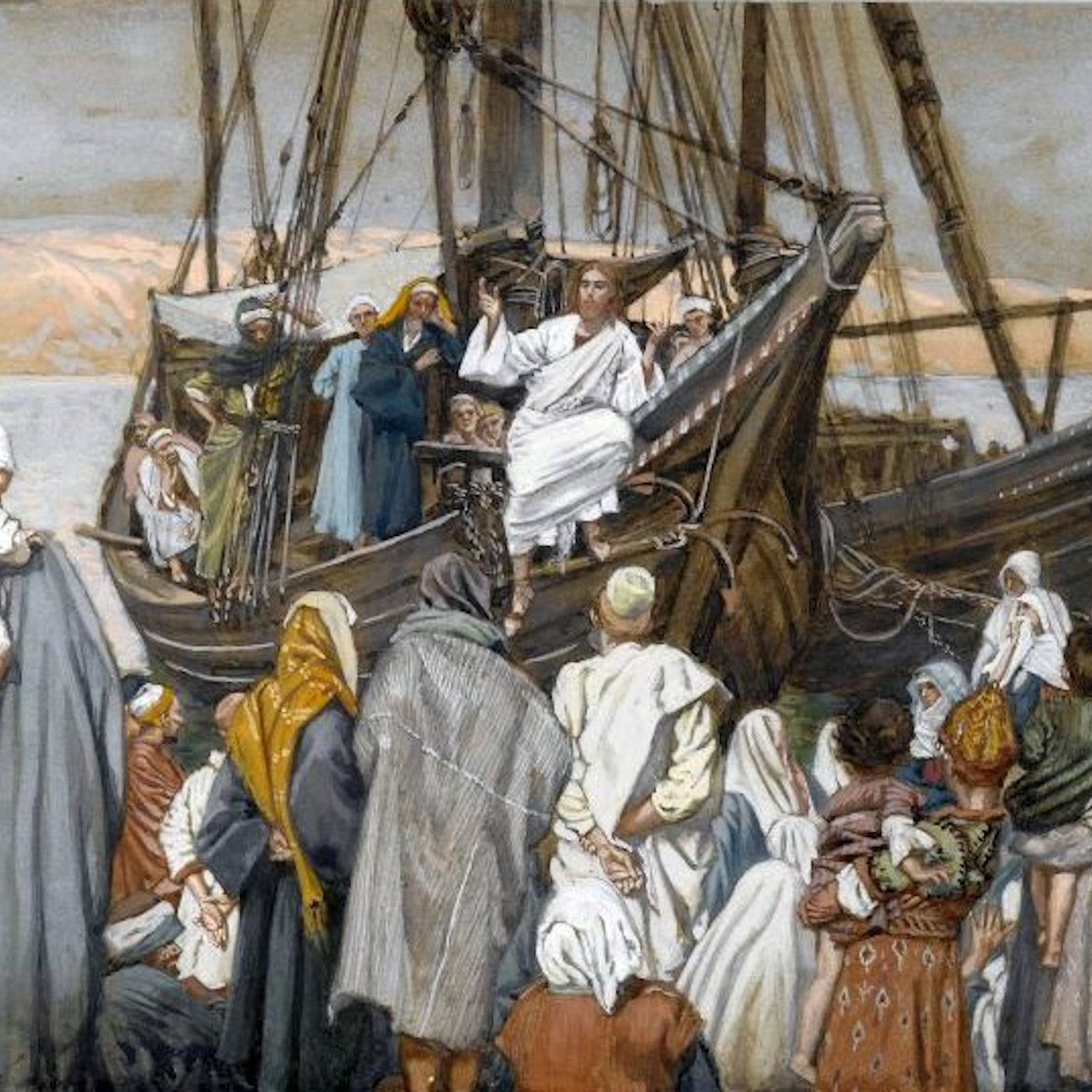
Aug 16, 2023
Thursday of the Nineteenth Week in Ordinary Time - Always and Forever Forgiving
Peter approached Jesus and asked him, “Lord, if my brother sins against me, how often must I forgive him? As many as seven times?” Jesus answered, “I say to you, not seven times but seventy-seven times.” Matthew 18:21–22 Saint John Chrysostom, in commenting upon this passage, explains that “seventy-seven times” was a way of saying “always.” In other words, Jesus was not giving a specific number to the times we must forgive, He was saying that forgiveness must be offered forever and always, without limit. This is the depth of forgiveness offered to us. This passage also shows the contrast between the human tendency towards forgiveness and God’s. Peter, no doubt, must have thought that he was being generous by asking if he should forgive his brother as many as seven times. Perhaps he thought Jesus would be impressed by this apparently generous suggestion. But the infinite mercy of God can never be outdone. There is simply no limit to the mercy of God, and, therefore, there must be no limit to the mercy we offer others. What is your personal practice when it comes to seeking the forgiveness of God in your life? And what is your practice in regard to offering forgiveness to another? This line quoted above introduces the Parable of the Unforgiving Servant. In that parable, the servant owed his king a “huge amount.” In mercy, the king forgave the debt just as God is willing to forgive us no matter what. But forgiveness does have one price. The price is that we must also forgive others to the same extent. Thus, when the servant who was forgiven a huge amount later sees one of his servants who owed him a much smaller amount, he demands the debt be paid in full. The result is that the king hears of this and withdraws his mercy, requiring the servant to pay him back in full. This tells us that forgiveness is not an option unless we are perfect and owe no debt to God. Of course, if anyone thinks that, then they are not living in reality. As we read in the letter to the Romans, “all have sinned and fall short of the glory of God” (Romans 3:23). As a result, it is essential that we offer forgiveness always and everywhere, without condition, without limit and without hesitation. How easily do you do this? How fully do you forgive? One of the hardest persons to forgive is the one who has no sorrow for their sin. When this happens, it is easy to justify our condemnation of them. One thing that might be helpful to reflect upon if you are currently withholding forgiveness from another and remain angry, bitter or hurt, is that your lack of forgiveness does more damage to your own soul than to theirs. By refusing to forgive, you do immeasurable damage to your soul and to your relationship with God. Remaining angry and hurt only leads to more anger and hurt. It leads to vengeful thinking and even acting. And that is a sin for which you will be held accountable. Reflect, today, upon the infinite depth of mercy and forgiveness you are called to offer to each and every person who has or will hurt you. To forgive is certainly not to excuse. On the contrary, the act of forgiveness acknowledges the sin. But mercy must be offered no matter what. Always, everywhere, unending and without any conditions, it must be offered. If this is difficult to do, do it anyway and do not stop. Doing so will not only help the sinner, it will also open the gates of mercy from God in your life. My forgiving Lord, Your mercy is infinite and unfathomable. You desire to forgive every sin in my life and to restore me completely to a life of perfect union with You. I accept this gift of forgiveness in my life, dear Lord, and I freely choose to offer this same depth of mercy to everyone who ever has or ever will sin against me. I forgive as completely as I can. Please help me to imitate Your unending mercy. Jesus, I trust in You. Source of content: catholic-daily-reflections.com Copyright © 2023 My Catholic Life! Inc. All rights reserved. Used with permission via RSS feed.
Aug 15, 2023
Wednesday of the Nineteenth Week in Ordinary Time - Praying Together with the Son
“Again, amen, I say to you, if two of you agree on earth about anything for which they are to pray, it shall be granted to them by my heavenly Father. For where two or three are gathered together in my name, there am I in the midst of them.” Matthew 18:19–20 This is a bold and awe-inspiring promise from our Lord. This passage reveals Jesus’ desire that we pray with others, uniting our prayer as one and offering it to the Father. Jesus says that when we do this in union with His prayer, our prayer will be answered. The first thing to note is that this passage could easily be misunderstood. For example, is Jesus telling us that if two or more people get together and pray that it rains, then it will happen? Certainly not. The key to understanding this passage is found in the last line: “...there am I in the midst of them.” This means that the goal of gathering together with two or more people in prayer is to unite our unified prayer to the prayer of Jesus. The Father always hears and answers the prayer of the Son. No matter what the Son asks the Father, it is granted. Thus, this passage tells us that the goal of gathering together in prayer with others, that is, with the Church, is to unite ourselves with the one and eternal prayer of God the Son. This is first and foremost fulfilled within the Sacred Liturgy. When we come together in the Liturgy, our prayer is always heard. Why? Because the Liturgy is first an action of God the Son in which He invites us, the Church, to share. And the prayer that is offered is the one and eternal prayer by which God the Son asks the Father to bring salvation to all those who accept the saving action of His sacrifice on the Cross. When we join in this prayer, it is granted. What type of prayer is not answered? First, God does not grant that which fails to serve His mission. Second, if we pray for God’s will but fail to do our part, then our prayer cannot be answered. For example, if you pray that you overcome a particular sin but then fail to respond to the grace God gives, then this is not the fault of God. Third, praying for vengeance on those who have hurt us is ineffective. And fourth, praying for the conversion of one who refuses to repent will also be unable to be fulfilled, unless they ultimately repent. These are but a few examples. What type of prayer is effective? As already mentioned, the prayer of the Liturgy as the one Sacrifice of Christ is always heard when we participate in it. But there are other ways that our united prayer will be fulfilled with certainty. For example, if you gather with others and together pray for the grace of deeper conversion, you can be certain that the grace will be offered. It is then up to you to open your heart to that grace so that it is effective. Or if you pray that God offers His mercy to someone caught in sin, you can be certain that that grace will be offered, even if the person refuses to accept it. And the list could go on. Simply put, if we gather with others and seek to unite our prayer to the one and perfect prayer of God the Son as it is offered to the Father in Heaven, then that prayer of the Son in which we share will be answered. Perhaps the best way to pray together in this way is to pray the “Our Father” prayer with another. This prayer is always heard and answered by the Father since it is the prayer given to us by the Son. Reflect, today, upon God the Son praying to the Father. What is His perfect prayer? What does He ask the Father? Look for ways in which you can join with others to unite your own prayer to this prayer of the Son of God. Do this first and foremost in the Sacred Liturgy, but look for other ways in which you can practice this form of prayer. Praying together with others in union with the one prayer of Jesus will always be answered by the Father in Heaven. My perfect Lord, all that You ask of the Father is granted to You. Please draw me and all the members of Your Church into Your perfect prayer to the Father. May we participate in this prayer especially through the Sacred Liturgy, and also as we gather as two or more. May we pray only with You and in accord with Your perfect will. Jesus, I trust in You. Source of content: catholic-daily-reflections.com Copyright © 2023 My Catholic Life! Inc. All rights reserved. Used with permission via RSS feed.
Aug 14, 2023
August 15, Solemnity of the Assumption of the Blessed Virgin Mary - The Assumption of the Mother of God
“My soul proclaims the greatness of the Lord; my spirit rejoices in God my Savior for he has looked with favor on his lowly servant. From this day all generations will call me blessed: the Almighty has done great things for me and holy is his Name.” Luke 1:46–49 Today we celebrate one of seventeen different memorials, feasts and solemnities in honor of the Blessed Virgin Mary that are found on the Roman Liturgical Calendar. Today’s celebration is one of the four great Solemnities by which our Blessed Mother is honored. Obviously, no other person other than our Lord is honored and celebrated with as much solemnity as the Mother of God. The Solemnity of the Assumption honors the fact that when the Blessed Virgin Mary completed her life on earth, she was taken body and soul into Heaven to be with her resurrected Son so as to adore the Most Holy Trinity forever. It’s an amazing fact to consider that she retains her body and soul, united as one in Heaven, in anticipation of that glorious day when the new Heavens and Earth will be created and when all the faithful will rise so as to live in a new bodily form forever with God. Though this dogma of our faith had been held and believed by the faithful from the earliest times of our Church, especially since it was witnessed by those closest to our Blessed Mother at the time of her glorious Assumption, it wasn’t until November 1, 1950, that Pope Pius XII solemnly proclaimed it to be so, raising this teaching of our faith to the level of a dogma, meaning, it must be held and believed by all. In part, the Holy Father declared, “...we pronounce, declare, and define it to be a divinely revealed dogma: that the Immaculate Mother of God, the ever Virgin Mary, having completed the course of her earthly life, was assumed body and soul into heavenly glory.” The Gospel passage quoted above comes from the beginning of Mary’s song of praise, her Magnificat , by which she not only gives the greatest glory to God but also reveals who she is. She is the one whom “all generations” will call “blessed.” She is the one for whom “the Almighty has done great things.” She is the one who will eternally proclaim “the greatness of the Lord” and whose spirit will forever rejoice in God her Savior. And she is that lowliest of servants whom God has raised up to the greatest glory. Reflect, today, with the whole Church, upon the Most Glorious Ever-Virgin Mary who was conceived without sin, remained sinless throughout her life, and was taken body and soul into Heaven where she now adores the Most Holy Trinity and intercedes for you and for the whole Church. This is a Solemnity of great rejoicing! Share in this joy with the whole Church and with all the saints in Heaven! M ost glorious and Ever-Virgin Mary, I rejoice today with you and with the whole Church for the most glorious things that God has done for you. You are beauty beyond beauty, Immaculate in every way, and worthy of our deepest love. As you now share body and soul in the glories of Heaven, please pray for me and for all your dear children on earth. Cover us with your mantle of love and pour forth the mercy of God upon us always. Mother Mary, assumed into Heaven, pray for us who have recourse to thee. Jesus, I trust in You. Source of content: catholic-daily-reflections.com Copyright © 2023 My Catholic Life! Inc. All rights reserved. Used with permission via RSS feed.
Aug 13, 2023
Monday of the Nineteenth Week in Ordinary Time - Miracles of Hope
From whom do the kings of the earth take tolls or census tax? From their subjects or from foreigners?” When he said, “From foreigners,” Jesus said to him, “Then the subjects are exempt. But that we may not offend them, go to the sea, drop in a hook, and take the first fish that comes up. Open its mouth and you will find a coin worth twice the temple tax. Give that to them for me and for you.” Matthew 17:25–27 Prior to this minor miracle, Jesus had just told His disciples for the second time about His coming passion. Again, this was difficult for them to hear. Recall that after the first prediction of Jesus’ coming passion and death, Jesus took Peter, James and John up the mountain and was Transfigured before them. The Transfiguration was meant, in part, to dispel the fear of the disciples and to give them hope for that which was to come. And now, after Jesus’ second prediction of His passion, another miracle was performed for Peter, personally, to help encourage him and give him hope. Imagine if you were Peter. Imagine following through with Jesus’ instructions by going to the sea, dropping in a hook, pulling out a fish and then opening its mouth. Peter must have been filled with hope and excitement as he pulled this fish in, wondering if Jesus’ words would come true. And as soon as Peter saw the coin, just as Jesus said, he must have been in awe. Slowly, the fear and anxiety he was experiencing at this second prediction of Jesus’ passion and death would have begun to subside as Peter witnessed yet another incredible sign from his Lord. God performs miracles in our lives every day. The problem is that we often fail to discern them. Any time His glorious power works within us to strengthen us or fills us with courage, hope, charity and every other virtue, this is a miracle of transforming grace. God always knows what we need in life. He knows our struggles and doubts. At times, He is silent so as to draw us deeper through intentional prayer and acts of faith. And at times, we suddenly find that we receive a new clarity in life that is the result of His grace at work. Jesus knew that Peter needed this extra grace of this personal miracle so that he could move beyond his fears and struggles and place all of his trust in Jesus. Jesus was trustworthy. This is the conclusion Peter would have arrived at. He was trustworthy. Therefore, everything He said should be believed. What a wonderful conclusion for us all to arrive at. Reflect, today, upon the ways that God has assured you of His divine presence and action in your life. Though the assuring miracles God has performed in your life may not be physical in their manifestation, God’s workings can be just as convincing if we clearly perceive them. What does God want to assure you of in your life? What struggle or doubt do you struggle with? If you struggle, turn your mind to the ways that God has been present and active in your life. Ponder His intervention and the ways He has cared for you and led you. Be grateful and allow the memory of what God has done to be your strength today and the source of hope when you need it the most. My miraculous Lord, Your action in my life is truly glorious and amazing. You never fail to provide for me when I am in need. Help me to turn to You whenever I struggle so as to be filled with new hope in You. You are always faithful, dear Lord. I do place all my hope in You. Jesus, I trust in You. Source of content: catholic-daily-reflections.com Copyright © 2023 My Catholic Life! Inc. All rights reserved. Used with permission via RSS feed.
Aug 12, 2023
Nineteenth Sunday in Ordinary Time (Year A) - Overcoming the Impossible
After he had fed the people, Jesus made the disciples get into a boat and precede him to the other side, while he dismissed the crowds. After doing so, he went up on the mountain by himself to pray. When it was evening he was there alone. Matthew 14:22–23 Our Gospel today presents us with two different images to ponder. The first one is recorded above, and the second one is the story of Jesus walking on the water. In the second story, the disciples were rowing against the wind and waves in the early morning before the sun rose. Jesus appeared to them walking on the water, and they were frightened. Jesus confronts the fear they experience and calls Peter to walk on the water as a sign of his faith in Him. Peter begins to walk on water, and then in fear, he begins to sink. He cries out to Jesus Who catches Him and then gently rebukes Peter for his lack of faith. It is helpful to understand the first image in this Gospel passage as the context for the second. In this first image, we see Jesus dismissing the crowds after feeding the five thousand and going up a mountain to pray all alone. Though Jesus was always in perfect union with the Father and, therefore, had no need for prayer, He prayed nonetheless because it was His human expression of the deep union He had with His Father. As He prayed, He also set forth an example to all who would follow Him, teaching them by His example about the importance of private prayer. The primary lesson He taught on this occasion was that prayer is the remote preparation we need so as to overcome all apparent obstacles in life and to confront fear with perfect faith. First, the obvious “obstacle” Jesus overcame through His prayer was symbolized by His walking on the stormy sea. No one walks on water. It’s physically impossible. But that’s the point. When we make our life of personal prayer a priority, God will lead us to accomplish that which appears to us to be impossible. It might not be walking on water literally, but His walking on water after spending the night in prayer is symbolic of every apparent impossibility we face in life. The lesson is that if God wills it, nothing is impossible. We will know that if we make personal prayer our first priority. A second obstacle that Jesus confronts is fear. Fear is paralyzing and results in us “sinking” when life becomes difficult. Again, personal prayer is the necessary preparation for overcoming fear. What’s interesting is that we have two witnesses of prayer. First is Jesus’ witness. He prayed because it was good and right to pray. The second is Peter. He prayed when he started to sink. He said, “Lord, save me!” This is the prayer of one who failed to have faith and prayed out of a present need rather than out of pure love of God. Too often, Peter exemplifies the prayer life that many Christians have. We often wait to pray until we need help and are sinking. But what if Peter had also spent the night in prayer simply out of love of God? What if he had just finished praying all night when he was invited to walk on water? Perhaps then he would have easily walked to Jesus and would not have given into fear. Reflect, today, upon making your life of prayer the number-one priority in your life. Maybe you have many responsibilities in life. Nothing is more important than praying—and not only when you feel trapped or feel like you are sinking. Instead, we must all establish an unbreakable habit of prayer to God for the singular reason that it is good and right to do so. The fruit of such a life of prayer is that no matter what obstacle comes our way, we will have the faith we need to follow every command of our Lord, overcoming even that which appears to be impossible. My prayerful Lord, You spent the night in prayer to Your Father not because You needed help, but because of Your love. Your prayer was an expression of that love and was a natural requirement of it. Please help me to also establish an unbreakable habit of prayer so that my love for You will remain strong and so that I can follow You through every apparent obstacle in life. Jesus, I trust in You. Source of content: catholic-daily-reflections.com Copyright © 2023 My Catholic Life! Inc. All rights reserved. Used with permission via RSS feed.
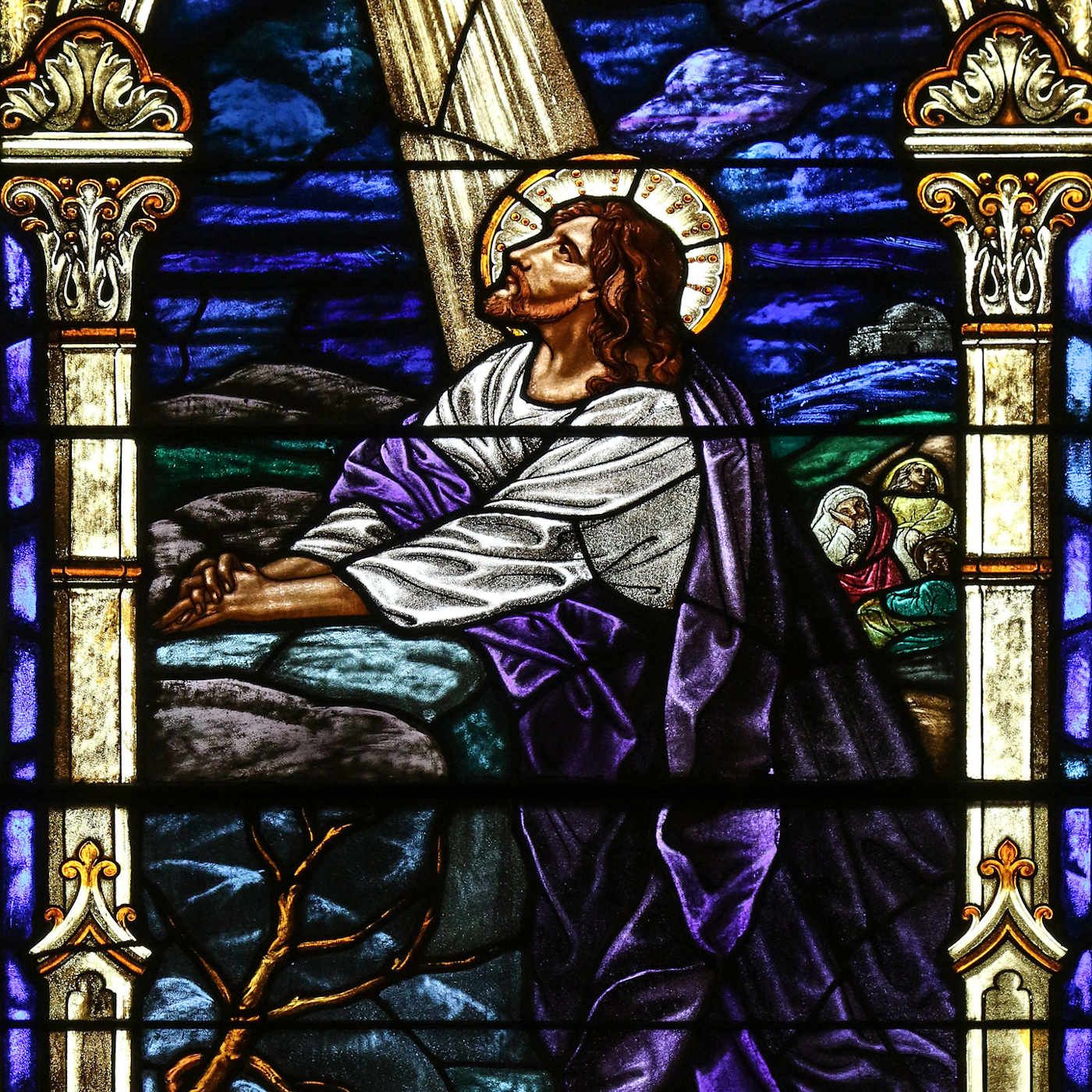
Aug 11, 2023
Saturday of the Eighteenth Week in Ordinary Time - Doing the Unimaginable
Then the disciples approached Jesus in private and said, “Why could we not drive it out?” He said to them, “Because of your little faith. Amen, I say to you, if you have faith the size of a mustard seed, you will say to this mountain, ‘Move from here to there,’ and it will move. Nothing will be impossible for you.” Matthew 17:19–20 A man came up to Jesus, fell on his knees before Him and begged Jesus to cure his son who was possessed by a demon. The man explained that Jesus’ disciples had tried to cast the demon out, but they could not do so. Jesus’ initial response to the man was, “O faithless and perverse generation, how long will I be with you? How long will I endure you?” But then Jesus had the boy brought to Him, and He cast the demon out. The line quoted above reveals the conversation that immediately followed between Jesus and His disciples who failed to cast out the demon. It was because of their lack of faith that they were not able to do so. It should be noted that Jesus reacts firmly with a rebuke to this lack of faith as a way of emphasizing the importance of having a more pure faith. Is it true that if you were to have “faith the size of a mustard seed” that you would be able to move a mountain? Yes, most certainly. But this statement must be carefully understood. First of all, we can only have “faith” in that which is in the mind and will of God. Faith is a response to that which God speaks to us. We listen, understand and believe. This is faith. Faith is not just believing in something so strongly that we try to will it to happen. Thus, if God truly wanted a mountain to be uprooted and moved, and He spoke this to you asking you to do it, then if you listened to His Voice and responded with complete trust, then it would happen. But, of course, the glory of God is not fulfilled by moving a literal mountain, so it is very unlikely that this would ever be done through the gift of faith. But Jesus speaks this to His disciples and to us to assure us that we must listen, understand and believe all that He says. In the case of the curing of the boy with the demon, it is clear that it was the will of God that the disciples cast the demon out. But they failed to believe and, therefore, were unable to bring forth God’s will through their faith. As for moving mountains, this happens on a figurative and spiritual level all the time. Any time God works in our lives in a supernatural way, or any time God uses us to work in another’s life in a supernatural way, much more than a “mountain” is moved. From an eternal perspective, what is more glorious and what gives God greater glory? To literally move a mountain? Or to be changed by grace and to be interiorly transformed by God so as to give Him eternal glory? And what is more impressive? To be able to defy the laws of physics in a way that comes and goes in an instant, or to be used to change someone’s soul for eternity? Without question, being used by God to bring transformation to another’s soul for eternity is of infinitely greater magnitude. Reflect, today, upon the importance of listening to the Voice of God and responding with complete obedience and love. This is faith. What “mountain” does God want to move in your life? What transformation does He want to perform? Listen to Him and believe with every fiber of your being. As you do, God will not only do unimaginable things in your life, but through you, He will do unimaginable things in the lives of others. My saving Lord, You have done incredible things in the lives of so many. You have transformed souls and recreated them in Your mercy. Please bestow upon me the gift of faith so that I will hear Your Voice and respond with the utmost generosity and belief. Use me, dear Lord, to also become an instrument of Your unimaginable grace in the lives of others. Jesus, I trust in You. Source of content: catholic-daily-reflections.com Copyright © 2023 My Catholic Life! Inc. All rights reserved. Used with permission via RSS feed.

Aug 10, 2023
Friday of the Eighteenth Week in Ordinary Time - Purifying Worldly Desires
“What profit would there be for one to gain the whole world and forfeit his life? Or what can one give in exchange for his life?” Matthew 16:26 Would you like to “gain the whole world?” Many people daydream about becoming exceptionally rich and being able to purchase everything they ever wanted. Others dream of doing heroic acts that thrust them into the public spotlight and lead to public admiration. Still, others dream of having great power in this world and being a person of great importance. Though none of these are bad in and of themselves, the inordinate desire for them will damage your relationship with God. And when one of these desires becomes the dominant and all-consuming desire within, the result is that you forfeit your eternal soul. When we speak of the “world,” we can understand different things. First, this is a reference to all the material things of this world—for example, the best of food and drink, self-indulgence, fleshly pleasures, material wealth, and all that is temporary and passing in this life. Second, the “world” can refer to pride and desire for attention and praise. This is when we become consumed with concern about what others think and say about us. Third, the “world” can refer to the desire for power so as to insert our own will. At a very high level, this is often the cause of wars among countries. One leader has a desire for domination and control. This desire for power and control can also affect each person within any part of that person’s life, including family, friends, work, social circles, etc. The common thread among all three of these examples of worldly desires is the deception that obtaining more of them will satisfy you. Though they may satisfy you in a temporal and passing way, these desires will also have the effect of destroying your soul. This is because we have to choose. Either we seek to satiate the spiritual yearning of our souls, or we will seek to satiate ourselves with the passing promises of the world. We cannot have both. It should be noted that obtaining wealth, being publicly praised, or being put in a position of power is not evil in and of itself. In fact, any one of these offers potential for good. The problem arises when a person seeks one of these worldly desires for selfish reasons and under the delusion that it will provide fulfillment. Truth be told, any one of those situations imposes a true cross on the person who is seeking to serve God alone. The responsibility that comes with wealth, prestige, or power is real. Therefore, when one or more of these are obtained, they must be handled with detachment and humility. For example, if one becomes quite wealthy, the precept to live spiritually detached from material things still remains. Thus, in this case, material wealth poses a certain burden in the form of temptation. While this temptation certainly can be overcome and wealth can be used for good, the danger is real and must be regularly acknowledged. Or, if you are praised by many for something you did, or if you are given much responsibility and authority over others, humility and detachment must also increase so that God and God alone remains the single object of your desire. Reflect, today, upon your desires. What do you want in life? Do you want to “gain the whole world?” Do you desire to gain even some of the worldly ambitions? If so, be careful. Reflect honestly upon your interior desires and work to purify them so that you desire God’s will alone. Once that happens, it will not matter to you if you are rich or poor, publicly praised or criticized, entrusted with earthly power or not. All that will matter is that you use all for the glory of God, in accord with His perfect and fulfilling will. Most glorious God, Your will is perfect and is the one and only source of fulfillment in life. Please purify my soul of all desires pertaining only to this world. May my one and only desire in life be the fulfillment of Your holy will so that all I have will only be used for Your glory. Jesus, I trust in You. Source of content: catholic-daily-reflections.com Copyright © 2023 My Catholic Life! Inc. All rights reserved. Used with permission via RSS feed.
Aug 9, 2023
August 10, Feast of Saint Lawrence, Deacon and Martyr - The Loss of All and the Gain of More
Whoever loves his life loses it, and whoever hates his life in this world will preserve it for eternal life. John 12:25 This is one of the many powerful and even shocking statements of Jesus. A similar statement by Jesus is found in all four of the Gospels. In this, John’s version, the words “love” and “hate” are used. By loving our lives we lose them, but by hating our lives we preserve them. At first read, one may think that those words “love” and “hate” were accidentally reversed. One might conclude that what Jesus meant to say was, “Whoever hates his life loses it” and “whoever loves his life preserves it.” But that’s not what He said. He did in fact say the opposite. It must be understood that the words “love” and “hate” here are not used in the way we normally use them. In this passage, Jesus is using the word “love” to refer to selfishness or self-centeredness. And He uses the word “hate” to refer to selflessness or sacrificial self-giving. In other words, whoever is selfish in life will lose everything in the end but the one who is truly selfless and self-giving in life will ultimately gain everything. This profound teaching of our Lord is difficult to comprehend without the gift of grace. Our human reason alone may struggle with the idea that selfless living is good. It is easy to rationally conclude that it is far better to elevate ourselves before everyone. The rational mind might conclude that happiness and the “good life” is found in obtaining riches, status, power and the respect of all. But this form of selfish self-centered living, though tempting on a purely human level, is actually the path to losing everything that is truly good. On the contrary, it is only when we allow God’s grace to inform our human reason that we will arrive at the conclusion that being selfless rather than selfish is what’s best. To be selfless means our eyes are always turned to the good of the other. It means we do not sit and dwell on ourselves. It means we are fully committed to the service of God and our neighbor no matter the cost to us. We must give everything away in the service and love of God and that is the only way by which God gives back to us more than we could ever hope for. Saint Lawrence, whom we honor today, was a deacon and martyr in the third century. This great saint literally gave up everything, including his very life, so as to say “Yes” to God. As a deacon in the Cathedral Church in Rome, he was entrusted with the task of distributing alms to the indigent people in need. In August of the year 258, the Emperor issued an edict stating that all clergy were to be put to death. After the pope was killed, they came for Lawrence and, before killing him, asked him to turn over all the riches of the Church. He asked for three days to gather those treasures, and, during those three days, he distributed all he could to the poor. Then, on the third day, he presented himself before the prefect and brought with him not the material wealth of the Church but the true wealth. He brought the poor, crippled, blind and suffering and declared that the Church was truly rich and that the people with him were the Church’s true treasures. The prefect, in anger, sentenced Lawrence to death by fire, to which Lawrence freely submitted. Reflect, today, upon the high Christian calling you have been given to live a life that is completely selfless and self-giving in every way. If you find that you dwell on yourself most often, then try to change that habit. Turn your eyes to God and the service of others. Try to care more about the needs of those around you than your own concerns. Do so because this is what Jesus calls us to do, and, if He calls us to such a selfless life, then we must know and believe that it is worth it in the end. My sacrificial Lord, You gave Your precious life away to all out of love. The total self-giving of Your life resulted in the salvation of those who will accept this glorious gift. Help me to not only open myself to this freely given gift of Yours but to also imitate Your selfless life by giving myself in service of You and others. Saint Lawrence, deacon and martyr, pray for us. Jesus, I trust in You. Source of content: catholic-daily-reflections.com Copyright © 2023 My Catholic Life! Inc. All rights reserved. Used with permission via RSS feed.
Aug 8, 2023
Wednesday of the Eighteenth Week in Ordinary Time - Perseverance in Humble Faith
At that time Jesus withdrew to the region of Tyre and Sidon. And behold, a Canaanite woman of that district came and called out, “Have pity on me, Lord, Son of David! My daughter is tormented by a demon.” But he did not say a word in answer to her. Matthew 15:21–23 The district of Tyre and Sidon was non-Jewish territory. The people there were said to have been descendants of Cain, the son of Adam and Eve who killed his brother, Abel, and was banished. He and his descendants settled in the area of Tyre and Sidon and were not heirs to the faith given through Abraham, Moses and the prophets, making them Gentiles. Jesus and His disciples traveled about 40 miles by foot to this district from Galilee to flee Herod and the Pharisees who were seeking to kill Him. While there, Jesus intended to keep a low profile, but word of His presence spread, and this Canaanite woman came to Him to beg that He heal her daughter. At first, it is surprising that Jesus remained silent. She came to Him with deep faith and trust, and He did not answer her at first. His disciples wanted her to stop bothering them, and Jesus Himself eventually responded to her stating that His mission during His public ministry was to the “lost sheep of the house of Israel,” meaning, to the Jews. Of course, later Jesus would expand His mission entrusted to the Apostles to include the Gentiles. But at first, Jesus’ mission was to the descendants of Abraham. As we read this story today, it is clear that it was by God’s providence that this woman came to Jesus as she did. The Father drew her to Him, and Jesus participated in this discourse, not to be rude or dismissive but to allow her to manifest a faith that was clearly lacking in the lives of many. In our lives, at times God seems silent. But if He is silent, we must know that it is for good reason. God never ignores us; rather, His silence is a way of drawing us even closer to Himself than if He were to be immediately “loud and clear,” so to speak. Silence from God is not necessarily a sign of His disfavor. It’s often a sign of His purifying action drawing us to a much fuller manifestation of our faith. As for the Gentile woman, unlike many of the Jews, she manifested a faith in the fact that Jesus was the Messiah. This is evident by her calling Him “Son of David.” Her trust in Jesus’ ability to heal her daughter was expressed in very simple and clear words. She didn’t need to present herself as worthy of His help, because her trust in Him was all that was needed. Furthermore, she persevered in her prayer. First, Jesus is silent. Then, His disciples try to dismiss her. And then, Jesus gives the appearance of refusing her request. All of this results not in her discouragement but in perseverance and hope. And that hope was also extraordinarily humble. Jesus’ goal of allowing her to deepen her faith and manifesting it for all to see was accomplished. Reflect, today, upon the qualities of this woman’s prayer. Try to imitate her by first acknowledging the truth of Who Jesus is. He is the Messiah, the Son of David, the Savior of the World, God Incarnate and so much more. Calling Jesus’ true identity to mind is a wonderful way to begin to pray. From there, make your prayer simple, clear and humble. Don’t present your wants, present your needs. What do you need from the Savior of the World? Of course God knows what we need more than we do, but asking is an act of trust, so do so. Lastly, persevere. Do not get discouraged in prayer. Be fervent, relentless and unwavering. Humble yourself before the almighty power and mercy of God and do so without ceasing and God will always answer your prayer in accord with His holy will. My Saving Lord, You are truly the Messiah, the Son of David, the Son of God. You and You alone deserve all honor, glory and praise. As I come to know You as You are, please fill me with a deep trust and unwavering faith in You. May I persevere through all things and never cease to put all my hope in You. Jesus, I trust in You. Source of content: catholic-daily-reflections.com Copyright © 2023 My Catholic Life! Inc. All rights reserved. Used with permission via RSS feed.
Aug 7, 2023
Tuesday of the Eighteenth Week in Ordinary Time - Come With Your Fears
“Take courage, it is I; do not be afraid.” Peter said to him in reply, “Lord, if it is you, command me to come to you on the water.” He said, “Come.” Matthew 14:27–29 Peter and the other disciples were frightened. They were in a boat on the Sea of Galilee, the wind was strong, and the waves were crashing. This scene took place “during the fourth watch of the night,” which meant the time was early in the morning, between 3:00 and 6:00 a.m., when it was still dark. Jesus had been alone on a mountain praying during that night and now came walking on the water toward the disciples. When they saw our Lord, they cried out, “It is a ghost!” But then Jesus spoke the words quoted above to them, calming them and calling them to courage and trust. Imagine yourself being with the disciples as Jesus approached. How would you react? Would you, too, be filled with fear? Perhaps it is best to answer that question from two perspectives. One is from the perspective of our fallen human nature. The other comes from the perspective of Truth. First, from the perspective of our fallen human nature, there are many things in this life that tempt us to fear. Therefore, this Gospel passage should be seen as a prophetic action of our Lord by which He tells you that He wants to come to you and meet you in your fears. What is it that gives you the most fear in your life right now? Oftentimes fear has to do with the future and the unknown. What if this or that were to happen? Fear ultimately results from a lack of faith in God and His protective care. The second perspective from which we might see this passage is that of the full Truth. The truth is that the disciples not only had no need to fear, they actually had every reason to rejoice and be at peace. While on that boat, in the middle of the sea, in the middle of the night, during strong winds, it was God Himself, the Great I AM, Who was coming to protect them, care for them, and lead them safely to shore. Jesus’ “it is I” could actually be translated more literally “I AM” in reference to Jesus’ divinity. The last word in the passage quoted above is what Jesus speaks to all of us when we fall into fear and worry. Jesus says, “Come.” This word is a command and is a word spoken to you. It’s a good word to prayerfully meditate upon and hear spoken to you during every struggle and fear you endure. Reflect, today, upon this Gospel passage and try to insert yourself into it. See the waves, wind, and darkness as symbols of whatever it is that troubles you the most. As you do, close your eyes and see Jesus, the Great I AM, coming to you. Gaze at Him and hear Him tell you to trust Him. Hear Him say to you, “Come.” Peter initially trusted and began to walk on water when he came to Jesus, but he quickly allowed his fear to set in and took his eyes off Jesus. As soon as he did, he began to sink. Turn your eyes to Jesus, keep them firmly fixed on Him, ignore the temptations in life that lead you to fear, and trust in God. He commands you to do so out of love. My saving Lord, You are God, the Great I AM, the Creator, Ruler and King of all. You and You alone are worthy of all my trust, dear Lord. When I struggle in life and allow fear to overwhelm me, please call to me and give me the wisdom and courage I need to fix my eyes firmly upon You and to come to You without faltering. Jesus, I trust in You. Source of content: catholic-daily-reflections.com Copyright © 2023 My Catholic Life! Inc. All rights reserved. Used with permission via RSS feed.
Aug 6, 2023
Monday of the Eighteenth Week in Ordinary Time (Years B&C) - Giving What You Receive
Taking the five loaves and the two fish, and looking up to heaven, he said the blessing, broke the loaves, and gave them to the disciples, who in turn gave them to the crowds. They all ate and were satisfied, and they picked up the fragments left over—twelve wicker baskets full. Matthew 14:19–20 An important aspect of this miracle that is easy to miss is that Jesus multiplied the loaves and fishes through His disciples’ instrumentality. He did this by inviting them to assist in the distribution of the loaves and in the gathering of the fragments left over. This reveals that God often uses us as mediators of His superabundant graces given to others. Though God could pour forth His mercy directly, most often He does so through others. As you ponder this miracle, try to see yourself as one of the disciples who was invited to distribute the bread to the people. If you were there and were hungry and then were given bread, you would be tempted to eat the bread yourself before giving any away. But Jesus gave the bread to His hungry disciples with the instruction to first give it to others. Sometimes, when God calls us to give His mercy to others, we become selfish. It’s easy to think that we must first take care of ourselves and our own needs. We erroneously believe that we can only offer mercy to others after our needs are met. Imagine, for example, if upon receiving the bread from Jesus the disciples would have decided that they should eat of it first. Then, if there was anything extra, they could give it to others. Had they done this, the superabundance of the multiplication of the loaves would not have happened. In the end, the disciples themselves received a superabundance of food—precisely because they first gave away what they had received. Spiritually speaking, the same is true with us. When we receive spiritual nourishment from our Lord, our first thought must be to give it away. We must first see all that we receive from God as an opportunity to bestow those blessings upon others. This is the nature of grace. For example, if we are given a sense of peace or joy within our hearts, we must realize that this peace or joy we receive is a gift that must be immediately offered to others. If we are given a spiritual insight into the Scriptures, this is given to us first and foremost to share with others. Every gift we receive from God must be understood as a gift given to us so that we can immediately share it with others. The good news is that when we seek to give away that which we have received, more is given to us and, in the end, we will be far richer. Reflect, today, upon the action of the disciples receiving this food from our Lord and immediately giving it away. See yourself in this miracle, and see the bread as a symbol of every grace you receive from God. What have you received that God wants you to distribute to others? Are there graces you have received that you selfishly try to hold onto? The nature of grace is that it is given to give it to others. Seek to do this with every spiritual gift you receive, and you will find that the graces multiply to the point that you receive more than you could ever imagine. Most generous Lord, You pour forth Your grace and mercy in superabundance. As I receive all that You bestow, please fill my heart with generosity so that I will never hesitate to offer Your mercy to others. Please use me as Your instrument, dear Lord, so that, through me, You may abundantly feed others. Jesus, I trust in You. Source of content: catholic-daily-reflections.com Copyright © 2023 My Catholic Life! Inc. All rights reserved. Used with permission via RSS feed.
Aug 5, 2023
August 6, Feast of the Transfiguration of the Lord - The Glory of the Transfiguration
Then Peter said to Jesus in reply, “Rabbi, it is good that we are here! Let us make three tents: one for you, one for Moses, and one for Elijah.” He hardly knew what to say, they were so terrified. Then a cloud came, casting a shadow over them; from the cloud came a voice, “This is my beloved Son. Listen to him.” Mark 9:5–7 Just prior to the Transfiguration, Jesus began to reveal to His disciples that He would suffer greatly, be rejected by the elders, be killed and then rise on the third day. This caused much fear for the disciples as they grappled with this unsettling revelation from our Lord. And even though Jesus remained firm with them and even rebuked Peter for his fear, Jesus also gave three of His disciples a very precious gift. After much traveling, preaching, miracle working and private conversations about His passion with the Twelve, Jesus invited Peter, James and John to go with Him up a high mountain to pray. These disciples most likely had no idea what they would soon encounter. As they made the difficult and arduous journey, their minds must have been pondering not only the mighty deeds done by Jesus in the previous months but also His words about the suffering to come. As they struggled with this, much to their amazement, Jesus “was transfigured before them, and his clothes became dazzling white.” Suddenly Moses and Elijah appeared before them, representing the Law and the prophets. These two Old Testament figures appeared as a way of saying to these disciples that everything that Jesus was telling them was to take place to fulfill all that had been foretold about Him from of old. Perhaps Jesus thought that if His disciples would not fully listen to Him, then seeing Moses and Elijah would help. But Jesus went even further. The Voice of the Father Himself thundered and said, “This is my beloved Son. Listen to him.” Thus, if these disciples would not ultimately listen to Jesus alone, or if even Moses and Elijah failed to convince them, then the last hope was the Father Himself. And Jesus delivered such a grace. The Transfiguration was a true mercy. These disciples had never seen anything like it before. But it was most likely this act of mercy that ultimately helped them to accept the hard truth that Jesus was trying to teach them about His coming suffering and death. If the Father in Heaven Personally gave witness to Jesus, then everything that Jesus had said was trustworthy. As we read through the Gospels and the many teachings God has given us through the Church, think about whether there are some teachings with which you struggle? Or in your own life, on a personal level, are there some things you know God wants of you but you find it difficult to accept? When confusion sets in, that means we are not listening, are not fully hearing what God is saying to us or are not understanding. And though we will not see the Transfigured Lord with our eyes and hear the Voice of the Father with our ears as these three disciples did, we must choose to believe all that God has said as if it were the Transfigured Lord, with Moses and Elijah, and the Father Himself speaking clearly and directly to us. “This is my beloved Son. Listen to him.” Those words were not only spoken for the good of the disciples, they are also spoken to us. Reflect, today, upon this powerful experience given to these disciples by our Lord. Try to place yourself in the scene so as to witness Jesus transfigured in the most glorious way, with Moses and Elijah and with the thundering Voice of the Father. Allow the Father to speak also to you, telling you that all He has spoken through the Scriptures, the Church and within your own conscience is true. Allow this revelation to convince you on the deepest level to acknowledge not only the divinity of Jesus but also to “Listen to Him” in every way. My transfigured Lord, You are glorious beyond imagination, and You revealed a small glimpse of this glory to Your disciples to help them trust You more fully. May I also trust in You more completely, knowing that all You have spoken to me is true. Please remove any doubt and fear in my life so that nothing keeps me from embracing Your holy will. Jesus, I trust in You. Source of content: catholic-daily-reflections.com Copyright © 2023 My Catholic Life! Inc. All rights reserved. Used with permission via RSS feed.
Aug 4, 2023
Saturday of the Seventeenth Week in Ordinary Time - Overcoming Regret
Herod the tetrarch heard of the reputation of Jesus and said to his servants, “This man is John the Baptist. He has been raised from the dead; that is why mighty powers are at work in him.” Matthew 14:1–2 Herod the tetrarch was one of three brothers and a sister who became 1st-century rulers to succeed their father, Herod the Great, when he died in 4 B.C. Herod governed much of the territory west of the Sea of Galilee, which was the territory in which Jesus spent most of His time during His public ministry. He also ruled a territory just east of the Dead Sea, which is where he had imprisoned and ultimately killed John the Baptist. Herod was known for being a very busy builder and is prominently known for his role in the deaths of Saint John the Baptist and Jesus. Recall that Herod had taken his brother’s wife, Herodias, as his own, and John the Baptist publicly opposed this. For that reason, Herod had John arrested and ultimately beheaded at the request of Herodias, who took the Baptist’s criticism very personally. Herod, on the other hand, had a strange sort of admiration for the Baptist. The Gospel passage quoted above reveals a somewhat unusual statement by Herod. After he had killed Saint John the Baptist, he heard about the reputation of Jesus Who was traveling throughout Herod’s territory preaching and performing many mighty deeds. Word spread fast about Jesus and quickly reached even the ears of Herod. So why did Herod strangely think that Jesus must have been John the Baptist raised from the dead? Though we do not know for certain, we certainly can speculate. In the version of this story found in the Gospel of Mark, we read, “Herod feared John, knowing him to be a righteous and holy man, and kept him in custody. When he heard him speak he was very much perplexed, yet he liked to listen to him” (Mark 6:20). Herod may have been a man who had a spark of faith but was ultimately ruled by his passions and desire for power. Perhaps that is why he initially kept John the Baptist alive in his prison. It also appears that Herod had some form of either regret or fear over his beheading of John. And it is most likely for this reason that Herod immediately thought of John when he initially heard of Jesus and the “mighty powers” that were at work within Him. Regret, fear and guilt are common effects of a conscience that is in conflict. Herod the tetrarch is a good example of what happens when we do not resolve that conflict within ourselves. The only way to resolve the interior confusion of a conflicted conscience is to humbly submit to the truth. Imagine if Herod would have repented. Imagine if he would have sought out Jesus, confessed his sins, and begged for forgiveness. What a glorious story that would have been. Instead, we have the witness of a man who has gone astray and remained obstinate in his sin. Reflect, today, upon this unholy witness of Herod. God can use all things for His glory, and He can even use the example of Herod to reveal to ourselves any similar tendency. Do you struggle with regret, fear and guilt? Does this cause conflict within you? The good news is that this conflict is easily resolved by a humble heart that seeks the truth. Seek the truth by admitting any long-lasting sin you need to resolve and permit the mercy of God to enter in so as to set you free. My merciful Jesus, You desire that all people experience freedom from the sins of the past. You desire to penetrate our hearts and to bring resolution and peace. Please help me to open my mind and heart to You in the areas that still cause pain and regret, and help me to be set free by Your infinite mercy. Jesus, I trust in You. Source of content: catholic-daily-reflections.com Copyright © 2023 My Catholic Life! Inc. All rights reserved. Used with permission via RSS feed.
Aug 3, 2023
Friday of the Seventeenth Week in Ordinary Time - Seeing the Greatness of Christ
Jesus came to his native place and taught the people in their synagogue. They were astonished and said, “Where did this man get such wisdom and mighty deeds?” Matthew 13:54 Today’s Gospel goes on to say that the people in Jesus’ hometown of Nazareth took offense at Him, which led Jesus to say, “A prophet is not without honor except in his native place and in his own house.” It is somewhat surprising that they took offense at Jesus after witnessing His wisdom and mighty deeds. Jesus was very familiar to the townspeople, and it seems that that familiarity led them to doubt that Jesus was someone special. It should be noted that, in many ways, the people who knew Jesus for many years should have been the first people to see His greatness. And most likely there were some from His hometown who did. They would have known Jesus' mother, the Blessed Virgin Mary, and she would have given daily witness to incredible virtues. They would have known Joseph as a truly righteous and just man. And Jesus would have exuded every human virtue to perfection as He grew. And again, that should have been easily noticeable. But many failed to see the holiness of Jesus and the Holy Family. This experience of our Lord should remind us that it is easy to miss the presence of God all around us. If those who were closest to Jesus did not recognize Him as a man of exceptional virtue and holiness, then how much more might we fail to see the presence of God in the lives of those we encounter every day? For some reason, perhaps because of our struggles with pride and anger, it is easier to look at the faults of another than at their virtues. It’s easy to be critical of them and to dwell upon their perceived weaknesses and sins. But this Gospel story should encourage us to do all we can to look beyond the surface and to see God present in every life we encounter. On the most fundamental level, God dwells within each and every person He has created. Even those who remain in a state of persistent mortal sin are still made in the image of God and reflect God by their very nature. And we must see this. And those who are in a state of grace carry the presence of God, not only within themselves by nature but also through God’s action in their lives. Every virtue that every person has is there because God is at work in them. And we must work to see this divine activity in their lives. Begin by thinking about the people with whom you are closest. When you think about them, what comes to mind? Over the years, we can build habits of dwelling upon others’ faults. And those habits are hard to break. But they can only be broken by intentionally seeking out the presence of God in their lives. As noted, if Jesus’ own townspeople had a difficult time doing this with Him Who was perfect, then this should tell us that it will be even harder for us to do with those who lack perfection. But it must be done and is a very holy endeavor. Reflect, today, upon the important mission you have been given to see the presence of God in the lives of those all around you. What if Jesus had grown up in your town? As your neighbor? And though the Incarnate Son of God does not live next door as He did in Nazareth, He does live in each and every person you encounter every day. Honestly reflect upon how well you see Him and commit yourself to the holy mission of seeing Him more clearly so that you can rejoice in His greatness which is truly manifest all around you. My Lord of true greatness, You are truly present all around me. You are alive and living in the lives of those whom I encounter every day. Please give me the eyes of faith to see You and a heart that loves You. Help me to overlook the faults and weaknesses of others. Jesus, I trust in You. Source of content: catholic-daily-reflections.com Copyright © 2023 My Catholic Life! Inc. All rights reserved. Used with permission via RSS feed.
Aug 2, 2023
Thursday of the Seventeenth Week in Ordinary Time - Understanding the Voice of God
“Do you understand all these things?” They answered, “Yes.” And he replied, “Then every scribe who has been instructed in the Kingdom of heaven is like the head of a household who brings from his storeroom both the new and the old.” Matthew 13:51–52 At times, Jesus’ words are difficult to understand. How well do you understand what He teaches you? He often teaches in figures of speech, as well as with parables. The passage quoted above concludes a section in which He speaks three subsequent parables. The third of these parables, the parable about the fishnet, is contained in the beginning of today’s Gospel passage. But just prior to that parable are the parables about the pearl of great price and the treasure buried in a field. Upon the conclusion of these three parables, Jesus asked His disciples, “Do you understand all these things?” After they affirmed that they did understand, Jesus gave an overview of the mission to which they had been entrusted. These soon-to-be bishops would become the new scribes who were instructed in the Kingdom of Heaven. Their mission would be to bring forth both the “new and the old.” Many Church Fathers identify the “new and the old” as a reference to the Old Testament and the New Testament. Thus, the Twelve are being entrusted with the mission of being the scribes of the full revelation contained in what will become the full Bible as we have it today. Other commentators suggest that the “old” refers to the old life of sin and the “new” refers to the new life of grace. It will be the mission of the Twelve to instruct people in the full Gospel message, so as to draw them from their old life of sin to the new life of grace. Though Jesus’ words can be difficult to understand from the perspective of a biblical scholar, the first of His words quoted above are very straightforward. “Do you understand all these things?” As we ponder that question in particular, try to hear our Lord asking that question of you. Though many scholars and saints of old have offered much clarity on what Jesus’ teachings actually mean, the question that Jesus posed to the Twelve must be answered in a more personal way for each of us. As you hear Jesus ask you if you understand these things, the answer you give is not primarily based upon whether or not you have sufficiently studied the text of His teaching and can rationally explain it as a scholar. Instead, the answer He is seeking is whether or not you can respond from faith. He wants you to say, “Yes, I hear You speaking to me, Lord. Yes, my heart is convicted by the words You have spoken. Yes, I understand what I must do. Yes, Lord, I believe.” The Word of God is alive and can only be “understood” properly when we allow our Living Lord to speak to us, personally, as we listen to His holy Word. Reflect, today, upon this question that Jesus posed to the Twelve. As you do, hear Him asking you this question. How fully do you understand what God is saying to you, right now at this moment in your life? As you read the Scriptures, do you sense God revealing Himself to you? Do you understand what He wants of you? If hearing the voice of God is a challenge at times, then spend more time prayerfully pondering His holy Word so that His Living Voice will more clearly resonate within your soul. My revealing Lord, You speak to me day and night, continuously revealing Your love and mercy to me. May I learn to become more attentive to Your voice speaking within the depths of my soul. As I hear You speak, please give me the gift of understanding to know Your will and to embrace it with all my heart. Jesus, I trust in You. Source of content: catholic-daily-reflections.com Copyright © 2023 My Catholic Life! Inc. All rights reserved. Used with permission via RSS feed.
Aug 1, 2023
Wednesday of the Seventeenth Week in Ordinary Time - Discovering the Riches of Heaven
Jesus said to his disciples: “The Kingdom of heaven is like a treasure buried in a field, which a person finds and hides again, and out of joy goes and sells all that he has and buys that field.” Matthew 13:44 Today’s Gospel presents us with two very short and similar parables. In the first, quoted above, the Kingdom of Heaven is likened to a “treasure.” In the second parable, the Kingdom of Heaven is likened to a “pearl of great price.” Though these parables are very similar to each other, there are also subtle differences worth pondering. It appears that the treasure mentioned in the first parable is discovered almost by accident. The person simply “finds” it. This is in contrast to the second parable, in that the merchant who finds the pearl of great price did so after “searching” for it. We often encounter the Treasure of the Gospel without even looking for it. We do so any time God intervenes in our lives without us seeking His intervention. For example, if someone were to offer an act of charity to you without you seeking it out, this is God giving you a treasure of His Kingdom. Or if someone shares with you their faith, or an inspiration they received, this is indeed a treasure given to you by God. The problem is that many times when we are given these treasures of the Gospel, we do not always see them as treasures. Imagine, for example, if the person in this parable were to stumble upon the treasure in the field and fail to open it out of indifference. They see it from a distance, have a bit of curiosity about what is in the box, but they are not energetic enough to actually open the box and look inside. In that case, the person would have no reason to go and sell all that they have so as to buy the field in which the treasure is found. One clear message that this first parable reveals is that we must be attentive to the countless treasures of God’s graces given to us each and every day. God is so prolific in offering us grace, that we truly do stumble upon His grace all the time. Thus, having eyes to perceive His actions and ears to Hear His Voice is essential. A second message clearly given in both of these parables is that once we discover the graces God gives us every day, we must foster within ourselves a desire for those graces that is so strong that we are willing to do anything necessary to obtain them. The discovery is made through the gift of faith, but the discovery by faith must then be followed with a zeal that drives our will to conform to that discovery. Reflect, today, upon two things. First, have you discovered the treasures God has given to you? If you hesitate in answering this, then it’s most likely the case that there is much you have yet to discover. Secondly, as you do discover the riches that come with the gift of faith, then have you allowed that which God has spoken to you to consume you to such a point that you are willing to sell all you have, meaning, do whatever it takes to further accept all God wants to bestow? Resolutely determine to go forth on this holy search and you will find that the riches of grace that you obtain are of infinite value. My Lord of all riches, You bestow upon me and upon all Your children countless graces every day. The treasures of Your mercy are of infinite value. Please open my eyes so that I can see and my ears so that I can hear so as to discover all that You wish to bestow. May You and the riches of Your Kingdom become the one and only, all-consuming focus of my life. Jesus, I trust in You. Source of content: catholic-daily-reflections.com Copyright © 2023 My Catholic Life! Inc. All rights reserved. Used with permission via RSS feed.
Jul 31, 2023
Tuesday of the Seventeenth Week in Ordinary Time - Our Final Destiny
“Then the righteous will shine like the sun in the Kingdom of their Father. Whoever has ears ought to hear.” Matthew 13:43 This passage concludes Jesus’ explanation of the Parable of the Weeds in the Field. Recall that in this parable there were good seeds sown in a field. The Sower is the Son of Man, Jesus, and the seed He sows are the children of the Kingdom, which includes all those who are in a state of grace. The field is the whole world. Thus, Jesus is saying that He has sent His followers, each one of us, into the world to build His Kingdom. But the evil one also sows his “children,” which refers to all of those who live evil lives that are contrary to the will of God. The passage above refers to the reward that the children of the Kingdom receive, whereas the passage just prior to this points out that at the end of the age, the children of the evil one will be condemned and sent “into the fiery furnace, where there will be wailing and grinding of teeth.” The end result of being the children of the Kingdom is quite hopeful. “Then the righteous will shine like the sun in the Kingdom of their Father.” This promise from our Lord should be pondered, believed and become the driving force of our hope in life. Hope is an essential virtue that we often do not speak of enough. The gift of hope is not simply wishful thinking, such as when one hopes they win the lotto. The theological virtue of hope is a gift from God that is based on truth. The truth that it is based on is the promise of eternal life in Heaven if we accept all that God speaks to us and if we fulfill His glorious will in our lives. By analogy, say that you have a large mortgage on your home. And say that the bank was doing a promotion in which they were going to pay off the mortgage for one lucky family. And that family was yours. They contacted you and let you know that all you need to do is fill out an application for this grant and that it would then be given to you. What would you do? Of course you would go and fill out the application. The bank is trustworthy, and you are confident that if you do what they ask, a small task of filling out the application, then they will follow through with the promise they made of paying off your mortgage. In a sense, there is hope established within you once you learn of this offer; and that hope, which is based on a true promise, is what drives you to do the small task of filling out the application. So it is with God. The “mortgage” that He promises to pay is the debt of all our sin. And the requirement to receive this promise is fidelity to all He commands of us for our good. The problem is that we often do not fully understand the reward we are promised. That is: to “shine like the sun” in the Kingdom of our Father in Heaven. Having your mortgage paid off by the bank is something concrete and clear and very desirable. But the reward of shining like the sun in the Kingdom is of infinitely greater value. Do you believe that? The best way to strengthen the virtue of theological hope in our lives is to become more and more certain of the truthful promise of our Lord. We need to understand Heaven and the infinite value we receive by obtaining it. If we truly understood what Jesus was promising us, we would become so intensely driven to do all that He commands us to do that this would become the single focus of our life. The hope would become a strength so strong that we would become consumed with doing anything and everything necessary to obtain such a reward. Reflect, today, upon the depth of hope you have in your life. How driven are you by the promises made by our Lord? How clearly do you understand those promises? If you struggle with hope, then spend more time on the end reward that is promised to you by Jesus. Believe what He says and make that end goal the central focus of your life. My glorious King, You invite all people to share in the glories of Heaven. You promise us that if we are faithful, we will shine like the sun for all eternity. Help me to understand this glorious gift so that it becomes the single object of my hope and the drive of all that I do in life. Jesus, I trust in You. Source of content: catholic-daily-reflections.com Copyright © 2023 My Catholic Life! Inc. All rights reserved. Used with permission via RSS feed.
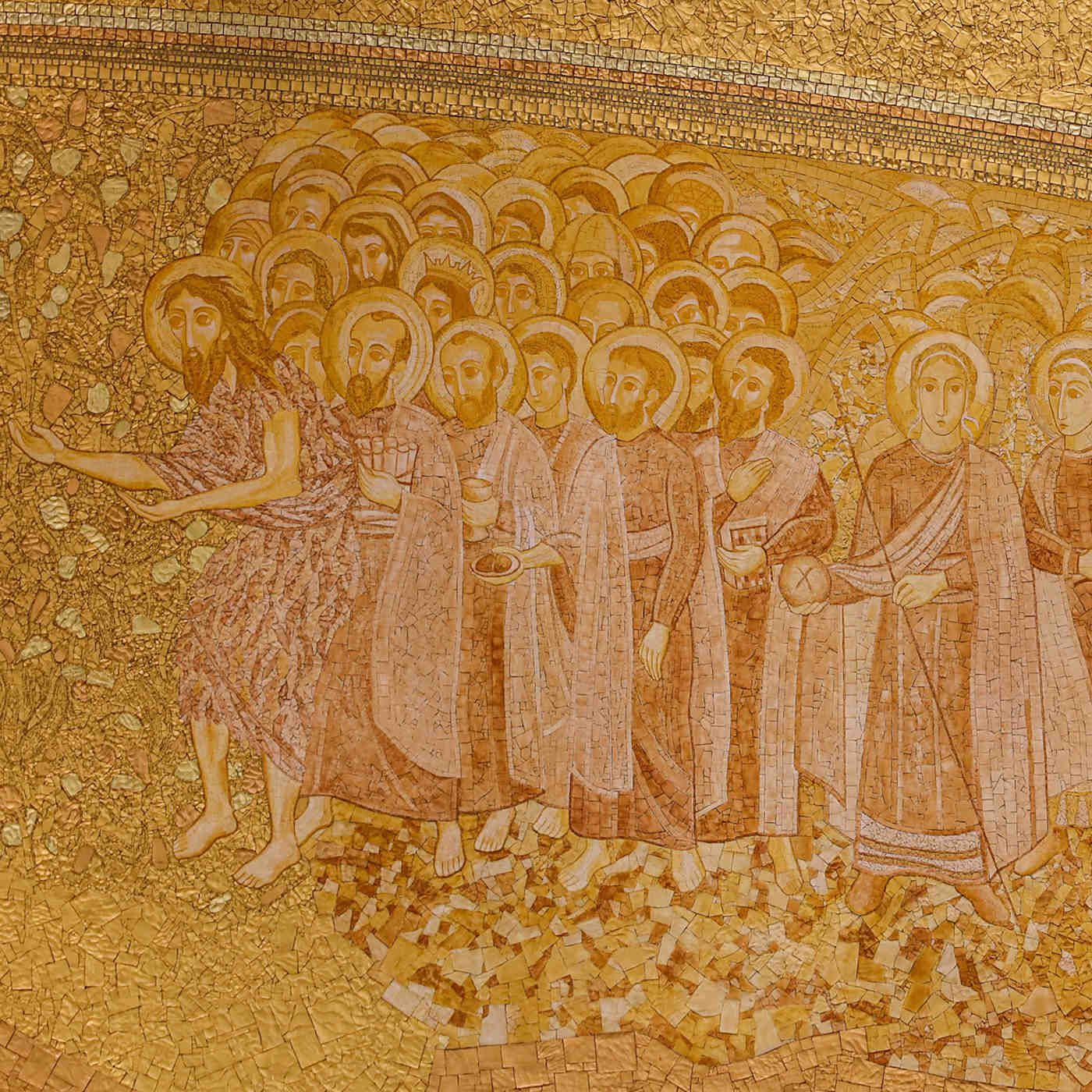
Jul 30, 2023
Monday of the Seventeenth Week in Ordinary Time - Transformed by Grace
He spoke to them another parable. “The Kingdom of heaven is like yeast that a woman took and mixed with three measures of wheat flour until the whole batch was leavened.” Matthew 13:33 Yeast is powerful. Though it often accounts for only about 1% of a loaf of bread, it causes that loaf to more than double in size. Of course, it also has the amazing effect of turning the dough soft and flexible as it rises. Without yeast, the dough would remain stiff and much smaller in size. The dough would not become the bread it was meant to be. The Church Fathers offer many interpretations of this short, one-sentence parable. Some say that the three measures of flour represent the spirit, soul and body into which the Gospel is inserted. Others say the three measures of flour represent either three different kinds of persons or three levels of fruitfulness in our lives. The yeast is understood by some as the message of the Gospel in the Scriptures and by others as charity that must permeate our lives and the world as a whole. Of course, the parables of Jesus, as well as every teaching contained within the Scriptures, offer us many levels of understanding and meaning that are all correct and consistent with each other. One of the most important questions to ponder is this: What does God want to say to you through this parable? If you consider yourself to be the three measures of flour, and the yeast to be God, His holy Word and His gentle but clear Voice speaking to you, in what concrete ways do you see your life rising as a direct result? How do you see yourself becoming that which you are intended to be as a result of God entering your life? And do you see the effect as one that is truly transforming and even exponential? Sometimes the Word of God has little to no effect on our lives. That, of course, is not the fault of the Word of God; rather, it’s because we do not allow God to do His transforming work. For yeast to work, the dough has to sit still for a while. So in our lives, for God to do His work, we must allow Him to gently and powerfully work. This process requires that we internalize all that God speaks to us. Then His actions must prayerfully be permitted to work within us, and we must allow the change to be slow and certain in accord with His divine plan. Sometimes we can also become impatient with the workings of God. Again, the yeast takes time to work. If we are impatient with God’s grace, then it may be like taking the dough and kneading it over and over before it even has a chance to work. But if we are prayerfully patient, allowing God to do His work in our lives according to His will and in His time, then little by little we will experience the transformation that He initiates. Reflect, today, upon this short but powerful parable. See yourself as that dough and see God and His action in your life as the yeast. As you sit with that image in a prayerful way, let God reveal how He wants to work within you and how He wants to transform you. Pray for patience. Trust that if you receive His transforming Word into your soul, then He will do what He wants to do. And trust that if this happens, you will indeed become the person God wants you to become. My transforming Lord, You desire to enter deeply into my life and to permeate all that I am. You desire to change me, little by little, making me into the person You want me to become. Please help me to be attentive to all that You desire to do in me and to patiently await the transformation that You have already begun. Jesus, I trust in You. Source of content: catholic-daily-reflections.com Copyright © 2023 My Catholic Life! Inc. All rights reserved. Used with permission via RSS feed.
Jul 29, 2023
Seventeenth Sunday in Ordinary Time (Year A) - Joy and Judgment
“Again, the kingdom of heaven is like a net thrown into the sea, which collects fish of every kind. When it is full they haul it ashore and sit down to put what is good into buckets. What is bad they throw away. Thus it will be at the end of the age. The angels will go out and separate the wicked from the righteous and throw them into the fiery furnace, where there will be wailing and grinding of teeth.” Matthew 13:47–50 This parable is the third of three parables Jesus tells in a row. The first compares the Kingdom of Heaven to a “treasure buried in a field.” When a person finds it, they sell everything they have so as to buy that field. The second parable likens the Kingdom of Heaven to a merchant who is in search of fine pearls. “When he finds a pearl of great price, he goes and sells all that he has and buys it.” In both of these parables, the discovery of the Kingdom of Heaven is a great joy. The person discovering the treasure or the pearl is so elated that he is willing to trade all that he has so as to obtain it. The third of these three parables, however, is much different. In this case, the Kingdom of Heaven is likened to a net that gathers all people at the end of the age and separates them, the good from the bad. The parable then concludes with a frightening image. The wicked will be thrown “into the fiery furnace, where there will be wailing and grinding of teeth.” In the end, for those who enter the glories of Heaven, there will be unending joy. And this fact must be understood so as to draw us into those riches of grace. Anticipation of such a gift should motivate us to diligently seek out the many graces our Lord wishes to bestow upon us. But sometimes we need a bit more of a nudge. We can easily become complacent in our life of faith and our search for God’s will. For that reason, Jesus includes the third parable, outlining the consequences some will endure at the end of time. Though it might not be a happy thought, it is a holy thought because it reveals God’s definitive justice and judgment at the end of time. Do you believe in the Justice of God? Do you believe that He will exact definitive judgment upon those who reject His holy will in this life? Do you believe that Hell is real and is a possibility for us all? If this thought is difficult to accept, then it might be worth further prayerfully pondering this third parable. Justice and judgment are real. If we are not fully motivated in life to diligently seek out the glory of the Kingdom of Heaven, then we should at least honestly face the reality of the consequences that await. Reflect, today, upon the glory, beauty and splendor of God. Try to put your eyes of faith upon the Treasure of the Kingdom of Heaven. Allow this prayerful meditation to inspire you to make obtaining the Kingdom of Heaven your sole mission in life. But if you struggle with this joyous discovery, then do not hesitate to reflect upon the potential consequences. The Lord speaks of these consequences of God’s justice and judgment for our good so as to keep them from becoming our reality. My just Judge, You see all things and know all things. You know my heart through and through. Please cleanse me of every sin and all complacency in life. Fill me with a holy zeal for Your Kingdom. May the joy of the discovery of You fully motivate me to remain diligent in my journey to Heaven. Jesus, I trust in You. Source of content: catholic-daily-reflections.com Copyright © 2023 My Catholic Life! Inc. All rights reserved. Used with permission via RSS feed.
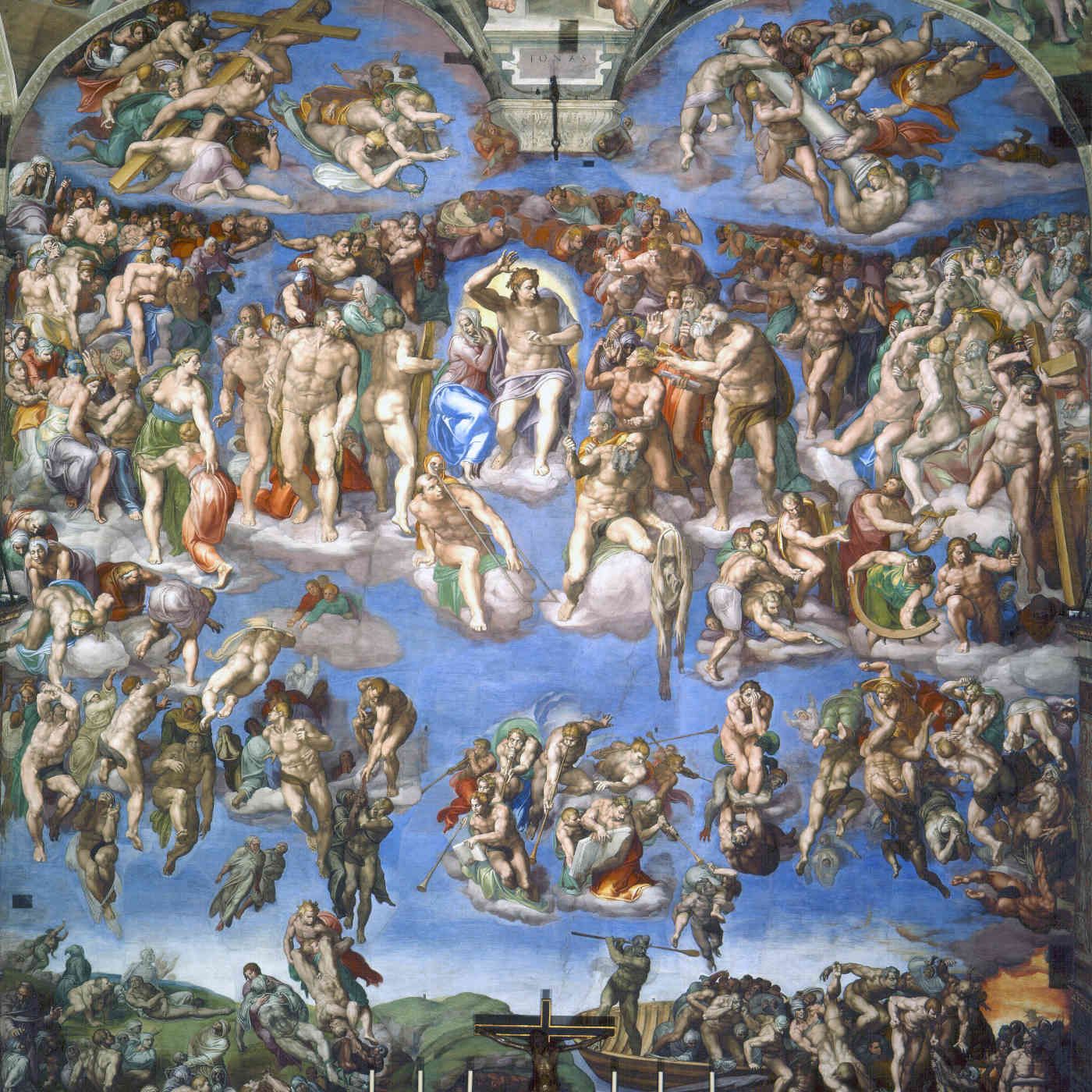
Jul 28, 2023
July 29, Memorial of Saints Martha, Mary and Lazarus - A Holy and Imperfect Family
Many of the Jews had come to Martha and Mary to comfort them about their brother [Lazarus, who had died]. When Martha heard that Jesus was coming, she went to meet him; but Mary sat at home. Martha said to Jesus, “Lord, if you had been here, my brother would not have died. But even now I know that whatever you ask of God, God will give you.” John 11:19–22 Today’s memorial is relatively new within our Church. In the year 2021, Pope Francis replaced the Memorial of Saint Martha with this memorial in honor of all three siblings: Martha, Mary and Lazarus. In commenting on the reason for this new memorial, the Congregation for Divine Worship stated: “Martha generously offered him hospitality, Mary listened attentively to his words, and Lazarus promptly emerged from the tomb at the command of the One who humiliated death.” Furthermore, these three siblings gave an evangelical witness to us all. They model for us how to be Christians within our imperfections. They did this by welcoming Jesus into their home, by listening to Him attentively, and by believing that He is the Resurrection and the Life. These three siblings each had their own unique personality and loved Jesus in their own way. Though not much is said about Lazarus' personal interactions with Jesus, we do have some helpful insights into both Martha and Mary. In one Gospel story, Martha complained to Jesus that her sister left her to do all the cooking. Jesus gently corrected her. Mary, on the other hand, gave a witness of deep prayer and love of Jesus by sitting at His feet listening to Him. However, in the story of the raising of Lazarus from the dead, there is a reversal of roles. Martha is the one who runs out to meet Jesus and expresses her deep faith in Him. Mary, on the other hand, heard that Jesus was coming and appeared to stay at home because she was upset. Perhaps the most helpful way to ponder these siblings is to acknowledge two things. First, they are now saints in Heaven enjoying eternal beatitude and glory. Second, on earth they were people of faith and love, but they were also very clearly imperfect. Therefore, the witness they give to us should be twofold. We hope to share in the glory in which they now share, and we trust this will happen if we also befriend our Lord and welcome Him into our homes, imperfect though we may be. Reflect, today, upon this holy but imperfect family. The imperfections and manifest weaknesses of these three siblings should encourage us to press on in our practice of the faith when things are not perfect in our lives either. There are many reasons why we might get discouraged or feel like doubting or giving up at times. Perhaps things are not perfect within the Church—or at the particular church you attend. Perhaps you are struggling with loving someone in your family. Perhaps you are struggling with an emotional issue. Perhaps there is some sin you seem to be incapable of overcoming. Perhaps you struggle with a physical ailment and wonder why God permitted it to happen. If you are able to relate to any of these, or any other forms of imperfection, then take inspiration from this family of Martha, Mary and Lazarus. Invite Jesus into the home of your heart, your family home and everywhere you go. He will come, gently correct you when needed, and give you the gift of new life, raising you up from your sins and weaknesses. Lord, You befriended this ordinary family of Martha, Mary and Lazarus. You visited their home, received their hospitality, gently corrected them when needed and eventually raised them to the new life of eternal glory. May I also welcome You into the home of my soul, within my family and into every aspect of my life. Please come to me and raise me to the newness of the life of grace. Jesus, I trust in You. Source of content: catholic-daily-reflections.com Copyright © 2023 My Catholic Life! Inc. All rights reserved. Used with permission via RSS feed.
Jul 27, 2023
Friday of the Sixteenth Week in Ordinary Time - Bearing Good Fruit One Hundredfold
“The seed sown among thorns is the one who hears the word, but then worldly anxiety and the lure of riches choke the word and it bears no fruit. But the seed sown on rich soil is the one who hears the word and understands it, who indeed bears fruit and yields a hundred or sixty or thirtyfold.” Matthew 13:22–23 Today, Jesus clarifies for His disciples the meaning of His parable told to the crowds. He explains the meaning of the seed sown on the path, on the rocky ground, among the thorns and on the rich soil. Quoted above are the last two of those explanations. When we look carefully at the meaning of the seed sown into the rich soil, we see that these are those who hear, understand and bear fruit. And the fruit that is born is in varying degrees. One thing that this parable tells us is that hearing and even understanding the Word of God is not enough. There are many temptations we will face that will hinder God’s Word in our lives. Let’s briefly consider each. First, there are many people who have been blessed to hear the Word of God. There are many who have been to religious education classes, have been taught by parents and others, have attended Church services but have failed to allow what they have heard to penetrate deeply to the point that they understand. To hear the Word of God is very different from understanding the Word of God. One reason for this is that the pure Word of God, when heard and understood, challenges us to the core of our being. If one truly understands God’s Word, then that person cannot remain indifferent. They must change. And they must change in a complete way. Failure to do so means that it is impossible for good fruit to be born in their life to the degree God wants. But understanding and changing is not even enough. This is because the enemies of our soul, traditionally spoken of as the world, the flesh, and the devil, will powerfully attack any person who receives the Word of God and decides to abide by that Word. For example, if you were to fully accept the teachings of Jesus regarding forgiveness of others, as soon as you make the choice to forgive, there would most likely be numerous temptations to abandon that practice. Pride, anger, hurt, the lies of the evil one and the world will all try to deter you from an act of complete forgiveness of others. Or take, for example, the call to live completely detached from “riches.” Jesus’ teachings on true spiritual poverty versus true spiritual riches require a depth of conversion that is difficult to obtain. Thus, the “lure of riches” is very hard to overcome. In the end, if your soul is truly fertile ground and if you allow the most pure and complete teaching of the Gospel to penetrate your soul so as to change you in every way God wants to change you, then this means that you have overcome each and every temptation thrown at you. You have rejected the temptations that come from greed, pride, anger and the like. You have embraced humility, rejected worldly esteem, dismissed anxiety and worry and are directed only by the powerful, gentle, holy, and clear Voice of God in your life. This requires much prayer, much interior purification, total dedication and unwavering obedience to the Word of God spoken to you both through the Gospels and in the depths of your conscience. And even among those who achieve this level of holiness, the fruit born in their lives is dependent upon how fully and habitually they live by the guiding Word of God. Reflect, today, upon this high calling from our Lord. Achieving the goal of having exceptionally rich soil in your heart for the Word of God requires unyielding commitment and determination. There are numerous temptations that will fight against the creation of a fertile heart. Try to look at your own heart today. Be honest. How fertile is it? Does the Word of God grow there? And if so, does it grow to superabundance? Commit yourself to the goal of becoming that rich soil in which the Word of God is sown that not only bears good fruit but bears good fruit that is a hundredfold. My demanding Lord, You desire that every soul of every person You have created become the most pure and most fertile ground in which the seed of Your Word can grow and produce fruit in superabundance. Please help me to commit myself to this radical depth of holiness, dear Lord. My life is Yours. Please purify me, change me, mold me and produce in me an abundance of good fruit. Jesus, I trust in You. Source of content: catholic-daily-reflections.com Copyright © 2023 My Catholic Life! Inc. All rights reserved. Used with permission via RSS feed.
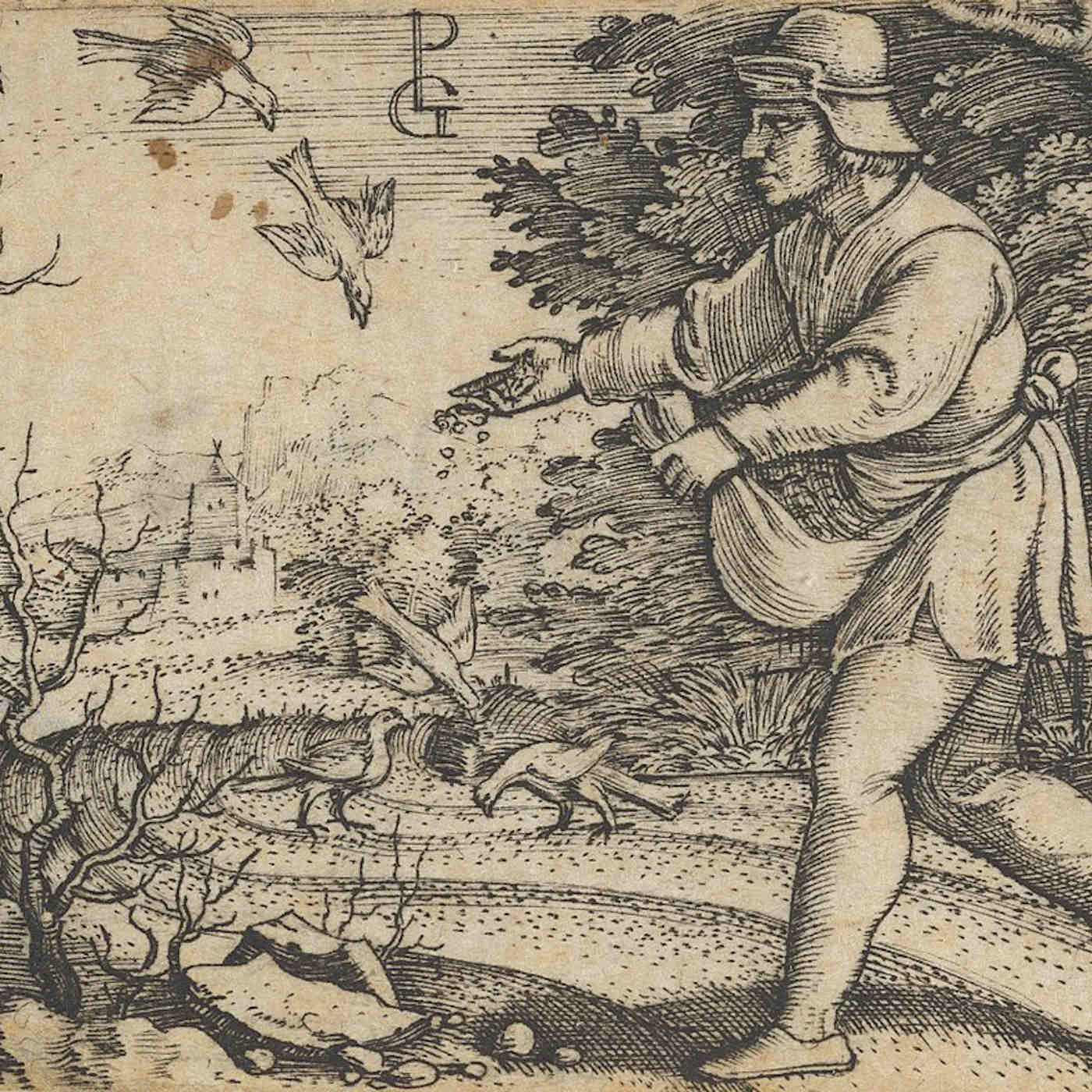
Jul 26, 2023
Thursday of the Sixteenth Week in Ordinary Time - Blessed Beyond Measure
“But blessed are your eyes, because they see, and your ears, because they hear. Amen, I say to you, many prophets and righteous people longed to see what you see but did not see it, and to hear what you hear but did not hear it.” Matthew 13:16–17 Imagine what it would have been like if you were among those who saw Jesus walk the earth and heard Him preach with your own ears. What a gift! Jesus points out to His closest disciples that they were truly blessed, and indeed they were. They spent day after day with Him, listening to His words and witnessing His miracles. They saw lives changed, hearts converted and souls saved from sin. What they were privileged to witness was what so many “righteous people” before them longed to see and hear. Abraham, Moses, all of the prophets and so many others longed for the day of the coming of the Messiah. And these disciples were blessed to share in it. Though it would have been glorious to be alive as Jesus walked the earth, in so many ways we are far more blessed. Today, we continue to have the divine presence of our Lord alive and present to us. First and foremost, He is present to us through grace. He is present in the Sacraments in a real and amazing way. He is present in His Living Word every time the Scriptures are proclaimed. He is present in the definitive teachings of the Church that have come to us over the centuries. He is alive in the witness of the saints both past and living. And He is present within us by His indwelling in our souls. At first, some may conclude that the presence of the Messiah in these above-mentioned ways is not nearly as much of a blessing as it would have been to have seen Him walk the earth and have listened to Him preach. But if we were to conclude this, we would be wrong. In truth, God’s presence to us today is so much greater than even when He walked the earth. Recall, for example, that before Jesus ascended into Heaven, He told the disciples that it was good that He go. Why? Because then the Holy Spirit would come upon them. In that encounter, God would dwell not only next to them but within them. Today, we are blessed beyond measure because God is able to live within us, within our very souls. The Indwelling of the Holy Trinity is a spiritual reality that we must not only understand, live and embrace, it is also a gift for which we must have the utmost gratitude. Certainly in Heaven, we will receive the full revelation of God, enter into perfect union with Him and see Him face-to-face. But while here on earth, there is no time greater than the time we live in, because it is the time of the greatest presence of God in our world. Reflect, today, upon the incredible blessings bestowed upon you by our Lord. Too often we seek satisfaction in momentary and passing things. But God’s presence in His holy Word, in the Sacraments, through the teachings of the Church, through the witness of the saints and through His indwelling within our souls are blessings that must be seen, understood and embraced with the utmost joy. You are blessed beyond measure! Believe it and grow in gratitude for these blessings. My blessed Lord, Your divine presence in our world today is beyond imagination. You come to me in countless ways and desire to dwell within me, uniting Yourself to me so as to become one with me. I say “Yes” to this gift of Your grace, and I welcome You more fully into my heart. Jesus, I trust in You. Source of content: catholic-daily-reflections.com Copyright © 2023 My Catholic Life! Inc. All rights reserved. Used with permission via RSS feed.
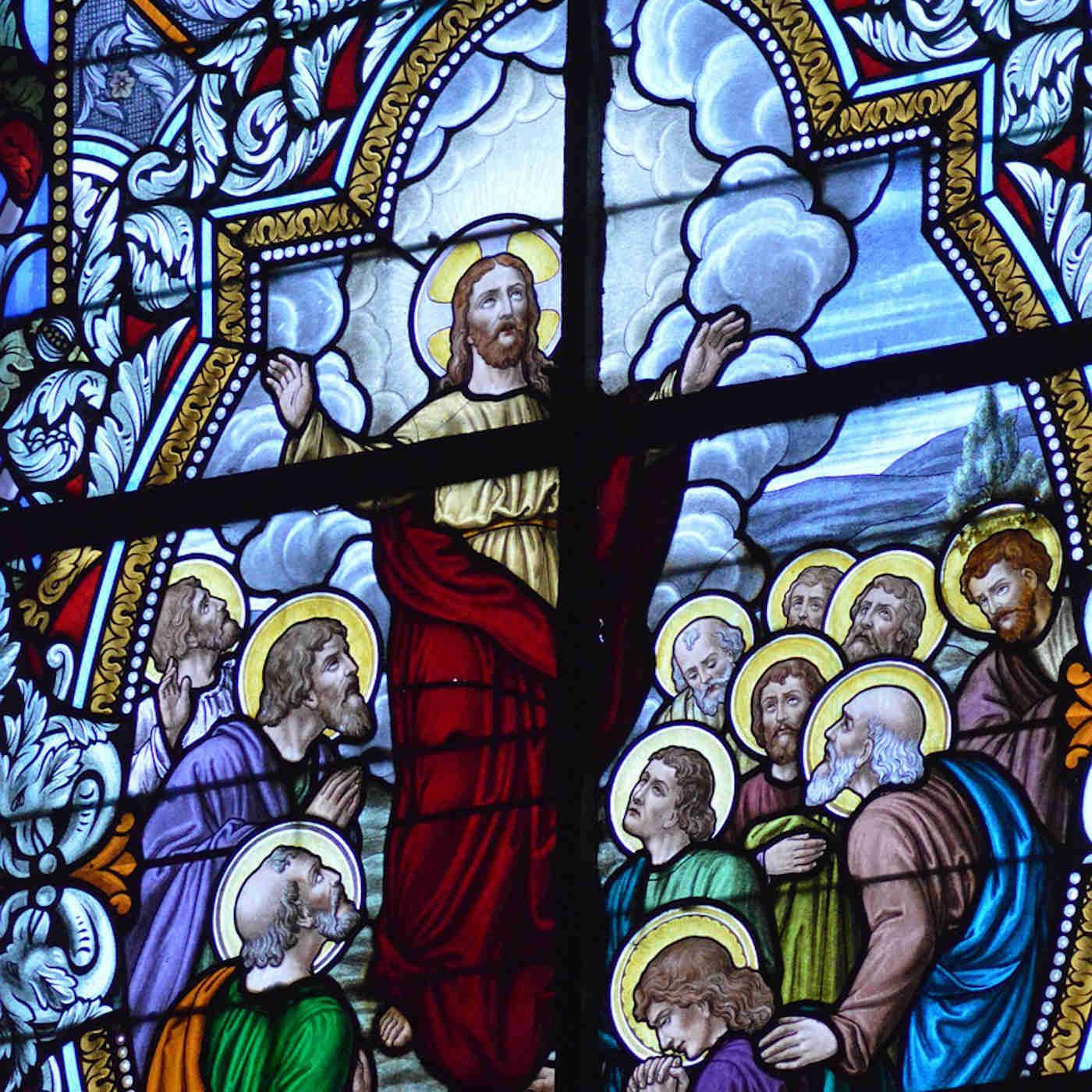
Jul 25, 2023
Wednesday of the Sixteenth Week in Ordinary Time - Speaking in Parables
On that day, Jesus went out of the house and sat down by the sea. Such large crowds gathered around him that he got into a boat and sat down, and the whole crowd stood along the shore. And he spoke to them at length in parables… Matthew 13:1–3 Why did Jesus speak in parables? In today’s Gospel, Jesus goes on to teach the familiar “Parable of the Sower.” Immediately after that parable in today’s Gospel, the disciples do ask Jesus this question. They ask, “Why do you speak to them in parables?” Jesus responds to them, “Because knowledge of the mysteries of the kingdom of heaven has been granted to you, but to them it has not been granted.” So why is that? First of all, a story is easy to listen to. It keeps our attention and is easily remembered. In the “Parable of the Sower” that we hear today, Jesus explains that the seed sown by the sower falls either on the path, on rocky ground, among thorns, or on rich soil. This is a very visible description that will lead people to conclusions right away. Everyone knows that the ideal place for seed to be sown is rich soil. And everyone knows that the seed sown on the path, rocky ground and among thorns has little hope of producing fruit. Therefore, this parable easily draws the listener in so as to understand some basic lessons. With that said, this story will only become a parable if the deeper lesson is learned. Clearly, Jesus wanted the crowd to understand that they will only understand the mysteries He is teaching them if they are like the rich soil. And He also wanted them to understand that much of what He was teaching them was not falling on rich soil in their hearts. This parable, as well as all of Jesus’ parables, has the effect of causing the listener to think. Thinking leads to what we may term a holy curiosity. And this holy curiosity will begin to produce the rich soil that was needed within them so as to open the door to the deeper mysteries of the Kingdom of Heaven. How does Jesus speak to you? Are you able to listen to Jesus speak directly to you, in prayer, so as to reveal to you the deepest mysteries of Heaven? When God speaks to you, in prayer and meditation, does the seed of His Word take root in your very soul? Does His gentle, quiet but transforming Voice communicate to you Who He is and what His will is for your life? If not, then parables are for you. And knowing that is an important discovery. Reflect, today, upon the desire of God to speak to you. If you do struggle with hearing the clear and profound Voice of God resonate within your soul, then do not be afraid to spend time with the many parables that Jesus told. Try to place yourself within the scene. See yourself as a participant. In today’s parable, see your inner self as the field. Think about those things in your life that keep your soul from being rich soil. Allow this story of Jesus to speak to you. As you do, be attentive to God’s Voice. Listen for Him and listen to Him. And as you do hear Him, know that the seed He has scattered has begun to reach that rich soil of your heart. My teaching Lord, You desire to speak to me and to reveal to me all that You are. Help me to hear Your Voice so that I will come to know You more. Make my heart truly fertile soil in which the seed of Your Word is sown, so that You can produce within me an abundance of good fruit. Jesus, I trust in You. Source of content: catholic-daily-reflections.com Copyright © 2023 My Catholic Life! Inc. All rights reserved. Used with permission via RSS feed.
Jul 24, 2023
July 25, Feast of Saint James, Apostle - The Path to the Kingdom
“You do not know what you are asking. Can you drink the chalice that I am going to drink?” They said to him, “We can.” He replied, “My chalice you will indeed drink, but to sit at my right and at my left, this is not mine to give but is for those for whom it has been prepared by my Father.” Matthew 20:22–23 Saint James was the brother of the beloved disciple John and the son of Zebedee and Salome. Jesus called both James and John while they were working with their father, mending their fishing nets in their boat. Their response to Jesus’ call was immediate: “...they left their father Zebedee in the boat along with the hired men and followed him” (Mark 1:20). James was present at the raising of Jarius’ daughter, the Transfiguration, and is mentioned a few other times in the Gospels. In the Acts of the Apostles, James is identified as the first of the Apostles to give his life as a martyr, being beheaded by Herod in Jerusalem in the year 44 AD (See Acts 12:2). Among the other references to Saint James in the Gospels is the passage quoted above in which Salome, the mother of James and John, asks Jesus for the unique favor of allowing her two sons to sit at His left and right in His Kingdom. Upon her request on behalf of her two sons, Jesus turns to them and asks if they can drink the chalice that He is going to drink, to which they respond, “We can.” And though this is a bold request on their parts and that of their mother, there is also something courageous and holy about their request. Just prior to this passage, as Jesus journeyed to Jerusalem with the Twelve, He explained to them the fate that awaited Him. “Behold, we are going up to Jerusalem, and the Son of Man will be handed over to the chief priests and the scribes, and they will condemn him to death, and hand him over to the Gentiles to be mocked and scourged and crucified, and he will be raised on the third day” (Matthew 20:18–19). This was the third time that Jesus explained this to the Twelve and, therefore, it must have started to truly sink in. It is within this context that James and John ask to remain close to Jesus in His mission of establishing His Kingdom, even though Jesus explained that the path to that Kingdom was His suffering and death. Each of us should learn from James and John. Though their request might have had some selfishness mixed in with it, it was also courageous. It showed they did not fear Jesus’ prediction of His passion. Instead, they wanted to be part of it and were willing to endure whatever was necessary so as to share in the glory of the Kingdom to come. Reflect, today, upon making a similar request to our Lord. Say to Him that you desire to be close to Him in His Kingdom, and do so with the full knowledge that the path to this glory is by drinking the chalice of selfless sacrifice that Christ drank. It is obtained by courageously following Him, no matter what that requires of you. If that means suffering and persecution, so be it. If that means great sacrifice, so be it. If that means abandoning certain hopes and dreams, so be it. See yourself walking with these disciples and Jesus on the road to Jerusalem where our Lord would offer His life in sacrifice. Saint James would soon follow, dying by the sword of Herod. Say “Yes” to whatever our Lord asks of you and commit yourself to the drinking of the chalice of selfless sacrificial love. Doing so will enable you to share in the glory of the Kingdom of Heaven. My glorious King, You invite all people to share in Your glorious Kingdom to come. May I enter that Kingdom with all the saints and fully share in its glory. I choose that path that leads to that Kingdom and willingly offer my life in sacrifice to You and for others. Jesus, I trust in You. Source of content: catholic-daily-reflections.com Copyright © 2023 My Catholic Life! Inc. All rights reserved. Used with permission via RSS feed.
Jul 23, 2023
Monday of the Sixteenth Week in Ordinary Time - The Pursuit of God’s Wisdom
At the judgment the queen of the south will arise with this generation and condemn it, because she came from the ends of the earth to hear the wisdom of Solomon; and there is something greater than Solomon here.” Matthew 12:42 In this passage, Jesus refers to the Queen of Sheba who traveled about 1,400 miles from Southern Arabia, which was most likely located in either modern-day Yemen or Ethiopia, to meet King Solomon. The queen had heard much about Solomon, about his wealth and wisdom, and wanted to find out if all that she heard was true. So she made the long journey and stayed with him for about six months, according to tradition. After spending time with him, she was greatly impressed and bestowed upon him gifts of gold, spices and precious stones. She said to him, “I did not believe the report until I came and saw with my own eyes that not even the half had been told me. Your wisdom and prosperity surpass the report I heard” (1Kings 10:7). This foreign queen was deeply impressed with Solomon. Her journey, gifts and words illustrate her deep respect for him and her admiration. Jesus uses this story to illustrate the simple fact that Jesus Himself is much greater than Solomon and that He should be treated in a way that far surpasses the way the queen treated Solomon. But Jesus also makes it clear that, at the Final Judgment, this queen will rise and condemn the scribes and Pharisees because they failed to see the wisdom and kingship of Jesus. Instead, they came to Jesus, seeking signs and proof of Who He was. In our own lives, the witness of the Queen of Sheba should be a source of true inspiration. She was someone who was powerful and wealthy herself, and yet she wanted to learn from Solomon and to benefit from his great wisdom which was given him by God. She should inspire us to do all we can to daily turn to our Lord and to seek His wisdom. Jesus’s wisdom flows to us in many ways. The Gospels are especially important as a source of the most important lessons for life. Personal prayer, reading about the lives of the saints, and study of the teachings of our Church are also essential ways in which we receive the wisdom given to us by God. As you think about the many ways that are available to you to grow in the wisdom of God, try to use the Queen of Sheba as an inspiration. Do you have her same zeal? Are you willing to devote much time and effort to the pursuit of holy learning? Do you desire to journey to Jesus in the way that she desired to journey to Solomon? One of the greatest hindrances to this pursuit of holy wisdom is sloth, or laziness. It is becoming increasingly easy to engage our minds in mindless pursuits. Many people can easily spend many hours in front of the television, computer or mobile devices and waste precious time and energy. Zeal for God and the pursuit of the many truths of faith must become the cure for sloth in our lives. We must want to know. And we must do all we can to increase that holy desire within us. Reflect, today, upon the long journey made by this queen in pursuit of the wisdom of Solomon. As you do, examine whether you exhibit the same zeal that she had and how devoted you are to the pursuit of the wisdom of God. Where you are lacking, let her witness inspire you. Jesus is infinitely greater and wiser than Solomon, and we have been given full access to Him through prayer and holy learning. If you will make that holy journey to our Lord, with much determination, then unlike the scribes and Pharisees, your day of judgment will be a glorious one. My Lord of all Wisdom, You are infinitely greater than the wisest of kings and more glorious than anything I can imagine. Please fill me with zeal, dear Lord, so that I will fervently pursue You and daily journey to You. Please guide my prayer and my study so that Your wisdom and Your very Self will be bestowed upon me. Jesus, I trust in You. Source of content: catholic-daily-reflections.com Copyright © 2023 My Catholic Life! Inc. All rights reserved. Used with permission via RSS feed.
Jul 22, 2023
Sixteenth Sunday in Ordinary Time (Year A) - Vigilance with the Truth
Jesus proposed another parable to the crowds, saying: “The kingdom of heaven may be likened to a man who sowed good seed in his field. While everyone was asleep his enemy came and sowed weeds all through the wheat, and then went off. When the crop grew and bore fruit, the weeds appeared as well.” Matthew 13:24–26 This parable would have made much sense to the people of Jesus’ time. It was common practice for an enemy to get revenge upon another by sowing a weed named “cockle” in with the wheat. As the cockle began to grow, it looked much like wheat until the grain was formed. And if it were mixed with the wheat and eaten, it would cause severe nausea. Due to this, it was also common practice for farmers with enemies to have servants stand watch over their fields after they were planted. Therefore, this parable reveals that the servants who were to keep watch failed in their duty. In explaining this parable, Jesus says, “He who sows good seed is the Son of Man, the field is the world, the good seed the children of the kingdom. The weeds are the children of the evil one, and the enemy who sows them is the devil. The harvest is the end of the age, and the harvesters are angels” (Matthew 13:37–39). One common tactic of the evil one is to subtly mix his lies with the truth. He knows that if he were to propose some grave and obvious lie that many would reject it outright. Therefore, he attempts to create division and confusion by slowly and slightly suggesting his errors in such a way that they are more easily believed. Therefore, “the children of the evil one” can be understood as those in this world who are under the influence of the devil, as well as the legions of demons who attempt to sow confusion in our lives and within the Church. One helpful way to prayerfully ponder this parable is to see yourself as one of those servants who is entrusted with the task of guarding the field. Since the field is the world, we all have a duty to keep the lies of the evil one from flourishing. To do that, we certainly must confront the most serious errors we encounter. For example, the dignity of the unborn child must be protected and the diabolical practice of abortion must cease. Additionally, we must work to protect the Church, our communities, friends and families from not only the grave errors of our times but also those most subtle ones. For example, within the Church, conflicts and confusions often arise. These divisions are part of the subtle lies sown by the evil one. We must also see our own souls as the fertile soil. Certainly God’s Word has been planted, but oftentimes we allow ourselves to believe subtle errors. This leads to internal conflict, sin and confusion. Thus, we must regularly guard our souls from these lies by relying upon the authentic teachings of our Church and the teachings of the saints. Reflect, today, upon your sacred duty to be vigilant and constantly on the lookout for the seed of error sown within our world, the Church and your own soul. Vigilance is key. The evil one is always on the prowl. If we are to learn one of the central messages of this parable, then we must learn to guard and protect all that God has revealed and hold firmly to the Truth alone. Glorious Word of God, You have sown Your seed of truth in our world, within Your Church and in my life. May I always listen to Your Word and respond to it wholeheartedly. Please also reveal to me the many lies of the evil one so that I can reject them with all my heart. Jesus, I trust in You. Source of content: catholic-daily-reflections.com Copyright © 2023 My Catholic Life! Inc. All rights reserved. Used with permission via RSS feed.
Jul 21, 2023
July 22, Feast of Saint Mary Magdalene - Unwavering Fidelity
Mary stayed outside the tomb weeping. And as she wept, she bent over into the tomb and saw two angels in white sitting there, one at the head and one at the feet where the Body of Jesus had been. John 20:11–12 Early in His ministry, Jesus cast seven demons out of Mary of Magdala. As a result, she became an exceptionally faithful follower of Jesus. She was most likely one of His followers who provided for Jesus and the disciples out of her own resources as they traveled. She listened to His teachings, witnessed His miracles, was present when He was condemned, stood at the foot of the Cross with Jesus’ mother, helped to prepare His body for burial and was the first person recorded in Scripture to whom Jesus appeared after His Resurrection. The Gospel for today’s Mass tells the story of Mary going to the tomb early Sunday morning to complete the anointing of Jesus’ dead body as He laid in the tomb. But much to her surprise, the tomb was empty. Therefore, she ran to tell the Apostles, which makes Mary Magdalene the first of His followers to witness to the Resurrection. After telling the Apostles, she returned to the tomb with Peter and John; and, after Peter and John left, she remained outside the tomb weeping, as is mentioned in the Gospel passage quoted above. Mary’s tears are beautiful. They are an expression of her deep devotion to her Lord. She did not yet understand that He had risen, but her fidelity to Jesus is a testimony to her love. Jesus had restored her dignity. He freed her from the seven demons who tormented her. She most likely had been a sinful woman in the past, but now she was singly devoted to the Savior of the World. The witness of Mary of Magdala is one that should inspire us all. Though few people are possessed by seven demons, we are all tormented in one way or another. We all sin. We all are weak. We all have a past we regret. And we all are invited to do better. Mary’s “better” was a life that was given to Jesus with the utmost fidelity. She didn’t care if the authorities saw her at the foot of the Cross. If they were to persecute her as a result, it did not matter. She was faithful. She didn’t care if the soldiers would have harassed her when she went to the tomb to anoint the body of Jesus—she only thought of that last act of love she could offer Him. And when she saw Jesus risen and thought He was the gardener, she didn’t care if He saw her heartbroken and in tears—she only wanted to see the body of her Lord. As a result of her unwavering fidelity, Jesus gave her a gift beyond imagination. He appeared to her, after being resurrected from the dead, and sent her to be an apostle to the Apostles. He sent her to go to the Apostles to tell them that Jesus had risen and that He was preparing to go to His Father in Heaven. Reflect, today, upon the holy soul of this woman. She was a repentant sinner who turned her whole life around. She devoted everything to Jesus and, in return, received even more. In Heaven, Mary Magdalene will forever cling to Jesus and adore His Sacred Heart. May we all strive to imitate her by turning from our own life of sin and becoming unwaveringly faithful to our Lord. My resurrected Lord, You appeared first to Mary of Magdala after Your Resurrection. You now invite her to share in Your glorious life in Heaven. Help me to learn from her by turning away from all sin and becoming deeply devoted to You. May my fidelity to You, dear Lord, be absolute and unwavering, so that I, too, will one day share in the glory of Your Resurrection. Jesus, I trust in You. Source of content: catholic-daily-reflections.com Copyright © 2023 My Catholic Life! Inc. All rights reserved. Used with permission via RSS feed.
Jul 20, 2023
Friday of the Fifteenth Week in Ordinary Time - Freedom From Condemnation
Jesus was going through a field of grain on the sabbath. His disciples were hungry and began to pick the heads of grain and eat them. When the Pharisees saw this, they said to him, “See, your disciples are doing what is unlawful to do on the sabbath.” Matthew 12:1–2 When Moses gave the Ten Commandments to the people, there was a prohibition against working on the Sabbath. The Third Commandment said, in part, that “you shall not do any work” on the Sabbath (Exodus 20:10). By the time of Jesus, the Pharisees had added much commentary to this law and expanded it to include as many as 39 different forms of work that they believed was forbidden. Included in their list were the practices of harvesting and milling of grain. For that reason, when the Pharisees saw that the disciples were picking heads of grain and rubbing the grain off the husks so that they could eat it, the Pharisees condemned them for violating what they interpreted to be an offense against the Third Commandment. The first thing we can note from this passage is that the disciples were hungry. They were exceptionally devoted to Jesus and had been traveling with Him from town to town so that He could preach the Gospel. They had given up occupation, home, family and income so as to be singly devoted to Jesus and His mission. And as a result of this, they were living in poverty and relying upon the generosity of others. It is in this context that they chose to eat the most humble of foods: grain that they picked as they walked. They didn’t complain that there wasn’t a hot meal waiting for them at their destination. They were accepting of the many long journeys by foot that they made. They were okay with the fact that they did not get to sleep in their own bed every night. But they did have the basic human need for food, so they picked this grain as they walked to fulfill this basic need of hunger. Though there are many lessons we can learn from this passage, one clear lesson is that of the temptation to judge and condemn others. When we fall into the trap of judging others, there are a few things that are common. First, judging and condemning often is based on perceived wrongs that are inflated and exaggerated. The Pharisees clearly inflated and exaggerated this “sin” of the disciples. In our lives, judgmentalness almost always makes the perceived sin of another far more serious than it is, if it is sin at all. Another common temptation that flows from a judgmental and condemning heart is the failure to even understand the condemned party. In this case above, the Pharisees did not even inquire into the reason the disciples were picking and eating grain. They didn’t ask if they had been without food for some time or how long they had been traveling. It didn’t matter to them that they were hungry, and most likely, very hungry. So also with us, it is common that when we judge and condemn another, we arrive at our verdict without even seeking to understand the situation. Lastly, it needs to be said that judging others is not our right. Doing so is usually reckless and caused by our own self-centeredness. God did not give the Pharisees the authority to expand the Third Commandment into 39 forbidden practices, nor did He give them the authority to apply those interpretations to the perceived actions of the disciples. And God does not give us the authority to judge others either. If another is clearly caught in a cycle of objectively grave sin, we must do all we can to help draw them out of that sin. But even in that case, we have no right to judge or condemn. Reflect, today, upon any tendency you have toward being judgmental and condemning of others. If you see this tendency within yourself, spend time thinking about the Pharisees. Their self-righteousness was ugly and damaging. The negative example they set should inspire us to turn away from such acts of condemnation and to reject those temptations the moment they come. My divine Judge of All, You and You alone know the heart, and You and You alone are capable of acting as Judge. Please exercise Your authority in my life so that I can perceive my own sin. As You do, please also free me from the tendency to judge and condemn. Fill me, instead, with a heart full of mercy and truth toward all. Jesus, I trust in You. Source of content: catholic-daily-reflections.com Copyright © 2023 My Catholic Life! Inc. All rights reserved. Used with permission via RSS feed.
Jul 19, 2023
Thursday of the Fifteenth Week in Ordinary Time - The Yoke of Christ
“Take my yoke upon you and learn from me, for I am meek and humble of heart; and you will find rest for yourselves. For my yoke is easy, and my burden light.” Matthew 11:29–30 For those first followers of Jesus, a “yoke” was a familiar term. Many would have worked with oxen and other animals on a regular basis to plow their fields. To do so, they would place a wooden yoke over the oxen, which was a form of harness that was also attached to the plow, making it easier for the oxen to till the soil. To be strapped with a yoke was an indication of servitude, since that was the role of the oxen. In commenting upon this passage, Saint Augustine (in Sermon 126) analogized the yoke of Christ with the wings of a bird. A bird's wings are large in comparison to its body. As a result, if someone were to conclude that removing the wings from a bird would make its life easier by ridding it of that excess weight, such an action would have the effect of keeping it bound to the earth. But give its wings back and that “yoke” will enable it to soar through the skies. So it is with the yoke of our Lord. If we accept the invitation to be a servant of God and we take upon ourselves the yoke of Christ for the fulfillment of our mission of service, we will discover that the act of serving lightens us, refreshes us, invigorates us and energizes us. Service of God is what we are made for, just as a bird is made to have wings. And like the bird, if we remove the yoke of service of God from our lives, then we are weighed down and cannot accomplish the good we are meant to do. We are also told in this passage that we are not to carry our yoke; rather, we are meant to carry Christ’s yoke. “Take my yoke upon you…,” Jesus said. Carrying Jesus’ yoke means we are called to live our lives with Him and in Him. He came to serve and to give His life for others. It is our duty to do the same by allowing Him to do so within us. It is Christ and His servitude that must be the motivation and foundation of our lives. Reflect, today, upon your call to be a servant in Christ. How is God calling you to serve? Whom is God calling you to serve? And as you answer that question, how do you see your act of service? Does service seem burdensome to you? Or do you understand that it is what you are made for? If you do see humble service as a burden, then perhaps that is because you have not actually tried to serve with and in Christ Himself. Try to ponder Jesus placing His yoke upon your shoulders. Say “Yes” to that act and to the mission of humble service you are called to fulfill. Doing so wholeheartedly will not only refresh you, it will also give meaning and purpose to your life. My gentle Lord, You came to us to serve and to give Your life out of love. Give me the grace I need to accept Your act of service to me and to also imitate and participate in the service to which I am called. May I take Your yoke upon me, dear Lord, so that I can fulfill the mission that You have entrusted to me. Jesus, I trust in You. Source of content: catholic-daily-reflections.com Copyright © 2023 My Catholic Life! Inc. All rights reserved. Used with permission via RSS feed.
Jul 18, 2023
Wednesday of the Fifteenth Week in Ordinary Time - Rejoicing at the Gift of Faith
At that time Jesus exclaimed: “I give praise to you, Father, Lord of heaven and earth, for although you have hidden these things from the wise and the learned you have revealed them to the childlike.” Matthew 11:25 This passage is in stark contrast to the passage just before it in which Jesus chastised the towns of Chorazin, Bethsaida and Capernaum for not repenting and believing in Him. And as soon as Jesus issued those rebukes, He turned His eyes to Heaven and offered praise to the Father for revealing the hidden mysteries of the Kingdom of Heaven to those who were “childlike.” One of the greatest threats to a pure and childlike faith is intellectual pride. Those who consider themselves as “wise and learned” are often tempted to rely upon their own reasoning abilities to come to conclusions and beliefs in life. The problem is that even though the matters of our faith are fully reasonable, they go beyond the conclusions that human reason alone can achieve. We cannot figure out God by ourselves. We need the gift of faith for that, and the gift of faith begins with a spiritual communication from God through which He reveals to us Who He is and what is true. Only the childlike, meaning, those who are humble, are able to hear this form of communication from God and respond. This passage also reveals to us that Jesus passionately rejoices in this form of humble faith. He gives “praise” to the Father in Heaven for witnessing such faith, because Jesus knows that this form of faith originates from the Father. In your life, it is important that you regularly ponder whether you are more like the wise and learned or like those who are childlike. Though God is an infinite and incomprehensible mystery, He must be known. And the only way we can come to know God is if He reveals Himself to us. And the only way God will reveal Himself to us is if we remain humble and childlike. As we come to childlike faith, we must also imitate the praise that Jesus offered the Father for the faith that He witnessed in the lives of His followers. We, too, must turn our eyes to those who clearly manifest this pure knowledge of God by the gift of faith. As we see this faith lived, we must rejoice and offer praise to the Father. And this act of praise must be given not only when we see faith alive in others, it must also be given when we see the gift of faith grow within our own soul. We must foster a holy awe of what God does within us, and we must rejoice in that experience. Reflect, today, upon Jesus giving praise to the Father as He witnesses the faith born in the hearts of His followers. When Jesus looks at you, what does He do? Does He issue chastisements? Or does His Sacred Heart rejoice and give praise for what He sees. Give joy to the Heart of Christ by humbling yourself to the point that you, too, are counted among the childlike who truly know and love God. My rejoicing Lord, You are attentive to the workings of grace in every human heart. As You see the Voice of the Father speaking to Your children, You rejoice at such a sight. Dear Lord, I pray that my own heart will be the cause of Your joy and Your praise of the Father in Heaven. Please speak to me and help me to believe with all my heart. Jesus, I trust in You. Source of content: catholic-daily-reflections.com Copyright © 2023 My Catholic Life! Inc. All rights reserved. Used with permission via RSS feed.
Jul 17, 2023
Tuesday of the Fifteenth Week in Ordinary Time - Becoming Lukewarm
“Woe to you, Chorazin! Woe to you, Bethsaida! For if the mighty deeds done in your midst had been done in Tyre and Sidon, they would long ago have repented in sackcloth and ashes. But I tell you, it will be more tolerable for Tyre and Sidon on the day of judgment than for you.” Matthew 11:21–22 Chorazin and Bethsaida were Jewish towns that Jesus visited frequently to preach and to perform many “mighty deeds.” They were located just north of His city of residence, Capernaum. Tyre and Sidon were pagan coastal cities northeast of Chorazin and Bethsaida, in modern-day Lebanon, and were towns known for their immoral living. Though Jesus did not spend much time in those cities, He did visit them at times. During Jesus’ first recorded visit there, recall His encounter with the Syrophoenician woman who begged Him to heal her daughter (Matthew 15:21–28). The Gospel passage quoted above took place prior to Jesus making that journey. Why was Jesus so harsh toward the towns He spent so much of His time in. Why did He rebuke Chorazin, Bethsaida and Capernaum? To answer this, it’s important to remember that Jesus spent most of His time preaching to the “lost sheep of the house of Israel.” In other words, His primary mission during His public ministry was to share the Gospel with those who were descendants of Abraham and had been entrusted with the Law of Moses, the teachings of the prophets and the liturgical rites. For that reason, Jesus not only preached with perfection to these people, He also did miracle after miracle. And though there were many who did believe in Him and became His disciples, there were many others who were indifferent or who flatly refused to believe in Him. Today, Chorazin, Bethsaida and Capernaum could be seen as symbols of those Catholics who were born and raised in the faith and were given good formation by their parents and others. Many parents whose children have gone astray from the faith wonder what they did wrong. But the truth is that even Jesus Himself was rejected, despite His perfect preaching, perfect charity and undeniable miracles. And the same happens today. There are many who, despite being raised within the holy faith given to us by Christ Himself, reject that faith and turn a blind eye to the Gospel and the Church. Jesus’ rebuke of those towns should echo today in the minds of those who, despite being given so much in regard to a good upbringing, have rejected God. Of course, that rejection is not always absolute and total. More often, it is a rejection in degrees. First, the rejection comes in the form of missing Mass. Then moral compromises. Then a lack of faith. And eventually confusion, doubt and a complete loss of faith sets in. If you are one who has started down the road of becoming more and more lukewarm in your faith, then the rebuke of these towns by Jesus should be understood to also be directed at you in love. “Every one to whom much is given, of him will much be required…” (Luke 28:48). Therefore, to those who have been taught the faith well, much is expected. And when we fail to live up to that which is demanded of us by God out of love, a holy rebuke is exactly what we need. Reflect, today, upon whether the rebuke Jesus issues toward these towns is also issued toward you. Have you been blessed with a good formation in the faith? If so, have you done all you can to help nourish that faith and grow in your love of God? Or have you allowed your faith to dim, to become lukewarm and to begin to wither and die? If you have been given much, have been raised in the faith and have been privileged with good examples in your life, then know God expects much of you. Answer that high calling that is given to you and respond to God with all your heart. My passionate Jesus, You poured out Your heart and soul through Your preaching to the people of Israel. Although many accepted You, many others rejected You. I thank You for the privilege I have been given to hear Your holy Word preached to me. Help me to respond to You with all my heart so that I will be counted among those who listen and believe. Jesus, I trust in You. Source of content: catholic-daily-reflections.com Copyright © 2023 My Catholic Life! Inc. All rights reserved. Used with permission via RSS feed.
Jul 16, 2023
Monday of the Fifteenth Week in Ordinary Time - Authentic Love
“Whoever loves father or mother more than me is not worthy of me, and whoever loves son or daughter more than me is not worthy of me; and whoever does not take up his cross and follow after me is not worthy of me.” Matthew 10:37–38 At first read, this appears to be a difficult teaching of our Lord. But when properly understood, it is clear that it helps us keep our relationships with God and with our family properly ordered in charity and truth. Following this command will never result in a lack of love for family; rather, it will help us to love solely with the heart of Christ. What does this teaching of Jesus require of us? Simply put, if a family member, or anyone else, imposes expectations on us that are contrary to the will of God, then we must choose the will of God over those other expectations. To understand this more clearly, think about how one might choose to love “father or mother” or “son or daughter” more than God. Say, for example, that a child chooses to go astray in their moral or faith life, and they want their parents to support them in their sin. But the parents remain firm in their moral convictions and, out of love, offer no support for the immoral lifestyle their child has chosen. This would become especially difficult for the parents if the child becomes angry and criticizes the parents, with the claim that the parents are being judgmental and are lacking in love. What the child is actually requesting is “Mom and dad, you must love me more than God and His laws.” And if the parents do not support their child’s misguided lifestyle, the relationship may be deeply wounded. Perhaps that is one of the reasons that Jesus followed this command by saying, “and whoever does not take up his cross and follow after me is not worthy of me.” Love always involves the Cross. At times, it is a cross of personal self-sacrifice and self-giving. And at other times, it’s a cross by which our love is misunderstood, and we are deemed as “unloving” by those we actually love the most. When parents truly love their child, they will care first and foremost for their child’s eternal salvation and moral living, and they will not choose “friendship” with their child over truth. Of course, this same truth applies to every relationship we will have and even to our “relationship” to society as a whole. More and more, there are those who demand of us all that we support them in behaviors that are objectively disordered and contrary to the will of God. We are told that if we oppose these choices that some make, then we are judgmental and hateful. But this is exactly what Jesus is speaking about. If we choose to “love” others more than God and His holy will, meaning, if our first priority is to make people “feel” supported in the immoral and confused decisions they make, then we are not actually loving them at all. At least not with the love of God. Instead, we are prioritizing their sin over the truth they so deeply need to know so as to be set free and to enter into an authentic relationship of love with the God of Truth. Reflect, today, upon true love. Love is only true love when it is grounded and centered in God and every moral law He has set forth. Reflect upon your own relationships, especially with family and those closest to you. Do you love them with the pure love of God? Does your love remain firmly rooted in the will of God? Or do you, at times, choose to compromise the truths of faith and morality so as to appease the misguided expectations of others. Kindness, gentleness and compassion must always be present. But moral truth must also be just as present and must be the foundation of every virtue we exercise in our relationships with everyone. Do not be afraid to love others exclusively with the mind and heart of God. Doing so is the only way to have true love for everyone in your life so as to help save their souls. Lord of All, You call all people to love You with all of their mind, heart, soul and strength. You call us all to adhere to every truth that You have spoken. Give me the courage and love I need to not only love You above all but to also love others with Your love alone. Help me to embrace Your Cross when this is difficult so that I will be a better instrument of the love You have for all. Jesus, I trust in You. Source of content: catholic-daily-reflections.com Copyright © 2023 My Catholic Life! Inc. All rights reserved. Used with permission via RSS feed.
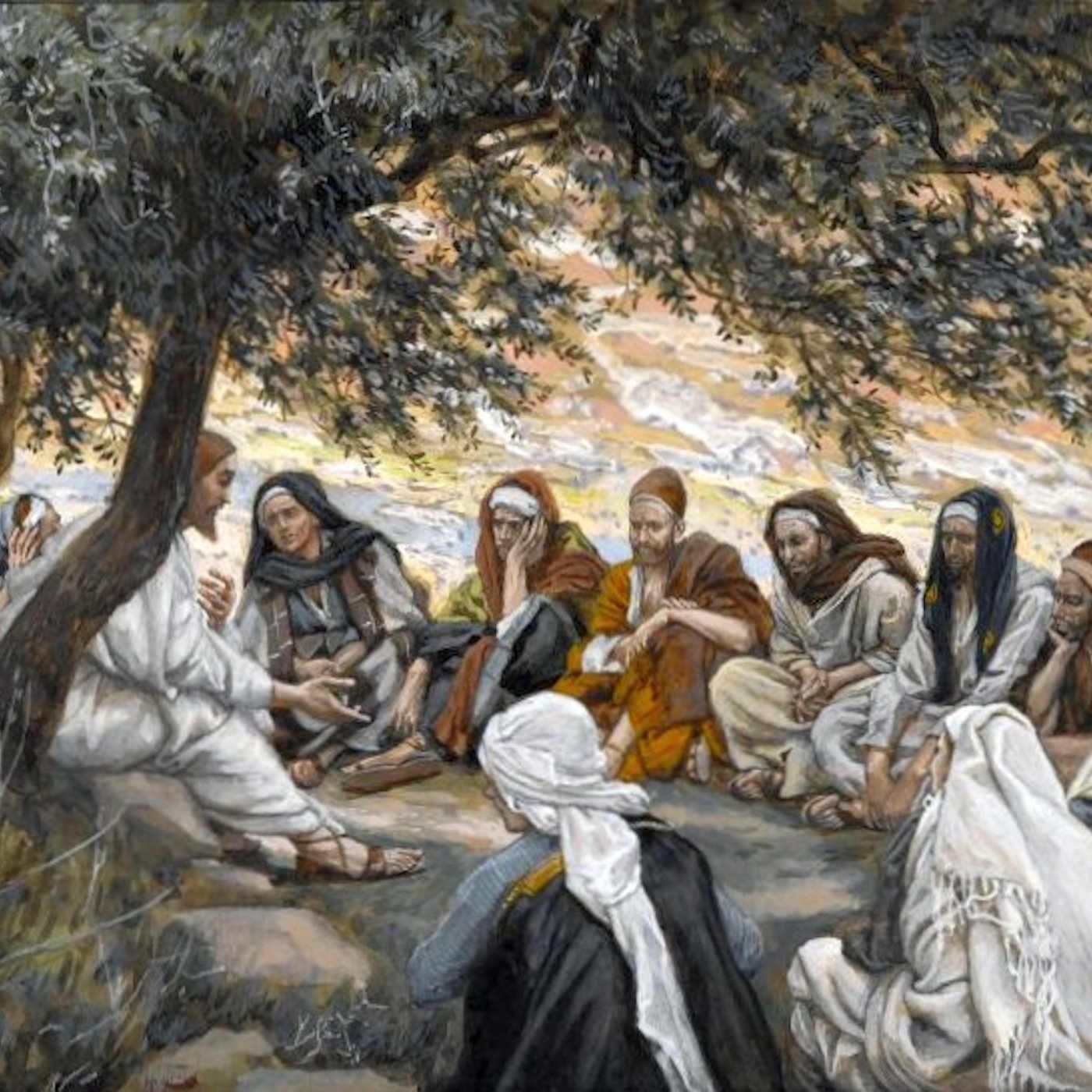
Jul 15, 2023
Fifteenth Sunday in Ordinary Time (Year A) - Growing Rich in Grace
“To anyone who has, more will be given and he will grow rich; from anyone who has not, even what he has will be taken away. This is why I speak to them in parables, because they look but do not see and hear but do not listen or understand. ” Matthew 13:12–13 How is it that someone can look without seeing or hear without listening or understanding? This is only possible when one's eyes and ears are working properly, but the mind is distracted, not attentive to what is seen or heard. For example, say you were listening to a book being read and suddenly you realized that even though you heard what was read, your mind was elsewhere and you had no idea what was spoken. This is a common experience for everyone from time to time. This portion of the Gospel quoted above comes immediately after Jesus spoke the Parable of the Sower to the crowds from a boat. In that parable, seed fell on the path, on rocky ground, among thorns and in rich soil. Only the seed on the rich soil grew and produced good fruit. Therefore, Jesus’ teaching quoted above, as well as His parable spoken before it, teach that there were many who heard the Word of God and witnessed Jesus’ miracles but failed to allow His teachings and miracles to produce faith in their hearts. This Gospel passage is especially important for those who have been Catholics for many years but have become stagnant in their faith. When someone goes to Mass every week, listens to the Gospel and shares in the Eucharist but fails to continually grow in holiness and understanding of the Mysteries of Heaven, then they will slowly lose even the little faith they have. They will become lukewarm Catholics who go through the motions but fail to produce the good fruit that comes from authentic faith. When you look back at your life as a practicing Catholic, what do you see from year to year? Was there a time when you were strong in faith but have slowly closed your ears to the Gospel and have drifted away from a deep and prayerful interior engagement with our Lord? Or when you look back do you see that the Lord has continuously given you more and more, leading you to a life of true spiritual riches? Has the Gospel entered not only your ears, but also your mind and your understanding? Do you both see and perceive the action of God in your life and in the world around you? Are you actively engaged with the life of grace and find that you grow closer to God every day? Or, sadly, have you lost interest and zeal and now find yourself slowly drifting away from the fruitful practice of your faith? Reflect, today, upon these important questions and strive to answer them honestly. If you do not see yourself growing in faith every year and becoming truly rich in the grace of God, then know that something needs to change. Stagnation and lukewarmness in the faith are not good. They lead to the slow loss of everything. As you reflect upon your own faith journey, recommit yourself to a zealous embrace of the Gospel so that your soul will be truly rich soil that continually produces an abundance of good fruit. Lord, You desire that all people hear Your Word and see Your action in their lives. Please continue to pour forth Your grace into my life so that I will continually grow rich in Your mercy. I pray that my eyes and ears will be open to You more fully every day. Jesus, I trust in You. Source of content: catholic-daily-reflections.com Copyright © 2023 My Catholic Life! Inc. All rights reserved. Used with permission via RSS feed.
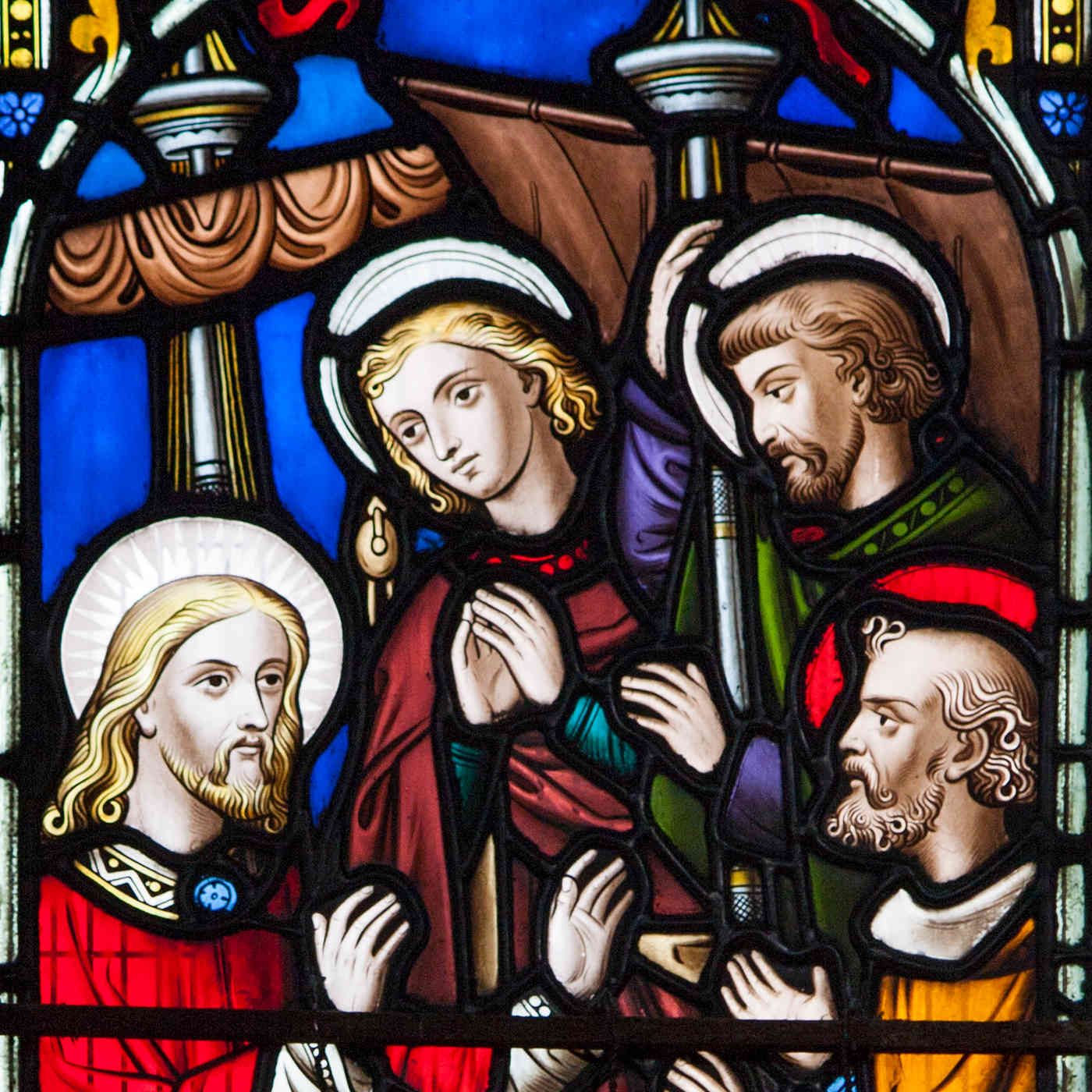
Jul 14, 2023
Saturday of the Fourteenth Week in Ordinary Time - The Whispers of God
“What I say to you in the darkness, speak in the light; what you hear whispered, proclaim on the housetops.” Matthew 10:27 What is it that our Lord speaks to you in the “darkness” and what is it that you “hear whispered” by Him? This is an important question to consider, since whatever it is that is spoken that way must be spoken “in the light” and proclaimed “on the housetops.” Recall that when people first came to Jesus, curious about Him, He would often speak in a veiled way, in figures of speech and in parables. This method of teaching is the first step in Jesus’ ongoing deepening revelation to us. His parables and various figures of speech are meant to draw the listener in so that they are attentive to the deeper message. Recall, also, that Jesus said to His disciples, “I have told you this in figures of speech. The hour is coming when I will no longer speak to you in figures but I will tell you clearly about the Father” (John 16:25). In which way does our Lord speak to you? As we grow in faith, and become more and more familiar with our Lord, He will begin to “lift the veil,” so to speak, and will begin to whisper His deepest truths to us within the depths of our souls. He will communicate to us in ways that go far beyond the veiled message of His parables and figures of speech and will communicate His very self to us, in ways that are beyond words. The Gospel passage above, when taken by itself, seems to clearly indicate that there is much God wants to say to us in a clear way. But He wants to speak it to us in the “darkness” of our interior life and with gentle whispers that can only be heard when we give Him our full attention. Saint John of the Cross, for example, speaks much of the “darkness of faith” by which the deepest communications from our Lord are received. These communications are beyond words, concepts and images and can only be communicated in a direct and spiritual way through infused prayer. Infused prayer is not something you can accomplish on your own; it is a gift by which God continually draws you deeper, you respond and are called even deeper, and you continue to respond. The Gospel passage above also clearly indicates that God wants us to share this most pure faith with others. To share it in the light and to proclaim it on the housetops. This is first done by the witness of our lives, by allowing the transforming grace of God to shine forth through us in ways that He can only do. It is also done by being attentive to those moments when God wants to use you to share His deeper and often veiled truths with others. God must first speak them to you, and then at the promptings of His grace, He will, at times, use you to share Him with others. Reflect, today, upon this twofold action commanded by our Lord. First listen to Him. Listen to Him in the “darkness of faith.” Let Him draw you into the deepest and most certain convictions about His love and mercy and His very Self. Then, as you savor these hidden and holy communications from our Lord, look for ways by which He wants to speak to others through you. You do not have to initiate this proclamation, you only need to respond when He directs you. By building a deep level of prayer in this way, you will not only come to know our Lord in ways that are beyond words, you will also know how and when He wants to speak to others through you. My good Jesus, You desire to speak to me and all Your children in ways that are deep, profound and beyond words. Please do draw me deeper into these communications of Your love so that I may see beyond the veil and come to know You as You are. Please also use me, dear Lord, to speak to others as You choose. Jesus, I trust in You. Source of content: catholic-daily-reflections.com Copyright © 2023 My Catholic Life! Inc. All rights reserved. Used with permission via RSS feed.
Jul 13, 2023
Friday of the Fourteenth Week in Ordinary Time - Speaking in the Spirit of the Father
“When they hand you over, do not worry about how you are to speak or what you are to say. You will be given at that moment what you are to say. For it will not be you who speak but the Spirit of your Father speaking through you.” Matthew 10:19–20 This is an easy lesson to understand but very hard to live. This teaching of Jesus comes within the context of Him telling His Apostles that as they go forth to preach the Gospel of the Kingdom, they will be handed over to courts, scourged in synagogues, and led before governors and kings. They will be persecuted in one town after another for sharing the Gospel. Though such a “pep-talk” may not at first seem that encouraging, the Gospel passage quoted above should provide much encouragement. Encouragement, that is, if they can follow Jesus’ advice in faith. When we are condemned, judged, misunderstood and the like, it is very common to begin mounting our defense within our minds right away. We justify our actions, set up a tribunal in our minds by which we act as judge and jury of the other, finding them guilty and issuing them punishments. The sin traditionally referred to as “self-love” is a sin that stems from pride and is not love at all. It tempts us to defend ourselves, using our own human wisdom and counsel. If we carefully consider Jesus’ teaching above, most people will realize that it is a very hard teaching to embrace. Essentially, when you are condemned or mistreated by another, remain silent in your heart. Do not immediately dwell on the wound they have inflicted. Do not become obsessed with the apparent injustice. Do not worry or become filled with anxiety at the perceived persecution. Instead, turn your eyes to Jesus, consider only His Voice and His Truth. And instead of looking at the wound that was inflicted upon you, look at the person inflicting it. And look at them with love. They are not the enemy, they are the battleground for Truth, and it is your mission to help them hear God’s truth. So how do you do that? Jesus’ answer is straightforward. “You will be given at that moment what you are to say.” Furthermore, Jesus makes it clear that it must be the “Spirit of your Father” who is to speak through you in such a case. Living such a teaching especially requires two things: humility and trust. Humility will allow the temptation to self-love (pride) to be set aside. This is essential if you are to hear the Voice of God speaking to you and, ultimately, allow Him to speak through you. Second, it is essential that you trust that what Jesus says is true. You must trust that, if you are humble and open to His Voice, that He will give you His words when He wants them spoken. This is difficult, because we often want to say far more than God chooses to say. God often calls us to silence in the face of injustice. A silence that is also imbued with love for the persecutor. This requires much trust in the grace of God, which results in an abundance of charity on your part. Reflect, today, upon this teaching of our Lord. Consider how you react when someone condemns or judges you. How do you respond to such persecutions? Begin with silence, turn your eyes to the other out of love for them, and then listen and wait on the Lord. Wait until He gives you the words to say. Doing so is not only good for the persecutor, it is also exceptionally good for your own soul and holiness of life. My patient Lord, You, Who are the Savior of the World and the God of all, allowed Yourself to be falsely accused, judged and condemned. During it all, You remained silent and spoke only when the Father spoke through You. Help me to be freed of all pride, dear Lord, so that I will speak only Your holy words, think only the thoughts inspired by You and act only on Your holy command of love. Jesus, I trust in You. Source of content: catholic-daily-reflections.com Copyright © 2023 My Catholic Life! Inc. All rights reserved. Used with permission via RSS feed.
Jul 12, 2023
Thursday of the Fourteenth Week in Ordinary Time - Soften Your Heart
“Whoever will not receive you or listen to your words—go outside that house or town and shake the dust from your feet. Amen, I say to you, it will be more tolerable for the land of Sodom and Gomorrah on the day of judgment than for that town.” Matthew 10:14–15 Recall how Jesus harshly condemned the Pharisees for their hardness of heart. In Matthew’s Gospel, Chapter 23, Jesus issues seven “woe to you” condemnations of these Pharisees for being hypocrites and blind guides. These condemnations were acts of love on Jesus’ part, in that they had the goal of calling them to conversion. Similarly, in today’s Gospel, Jesus gives instructions to His Twelve about what they are to do if they preach the Gospel in a town and are rejected. They are to “shake the dust” from their feet. This instruction was given within the context of Jesus sending the Twelve to the “lost sheep of the house of Israel” with the commission of preaching the Gospel. At that time, they were to go to those who had already been entrusted with the message of the Law of Moses and the prophets but were to now proclaim that the Kingdom of God has arrived. Jesus was the promised Messiah, and He was now here. And for those of the house of Israel who reject Jesus, they were to be condemned by this prophetic act of the wiping of the dust of their town from the Apostles’ feet. At first, this can seem somewhat harsh. One can think that patience, ongoing discussions, gentleness and the like would be more effective. And though that may be the case in many of our experiences today, the fact remains that Jesus gave the Twelve this command. Just like the condemnation of the Pharisees, this prophetic action of wiping the dust from their feet was an act of love. Certainly, the Apostles were not to do this out of an irrational anger. They were not to do so because their pride was wounded by rejection or because of their disdain for these people. Rather, the Apostles were to do so as a way of showing the consequences of the townspeople’s actions. When these towns of the chosen people rejected the promised Messiah, they needed to understand the consequences. They needed to know that by rejecting the messengers, they were rejecting the saving grace of the Gospel. First of all, it’s important to consider those about whom Jesus was speaking. He was speaking about those who “will not receive” nor even “listen” to the message of the Gospel. These are those who have fully rejected God and His saving message. They, by their free choice, have separated themselves from God and His holy Gospel. They are stubborn, obstinate and hard of heart. Thus, it is in this most extreme case, of being completely closed to the Gospel, that Jesus instructs His Apostles to leave with this prophetic act. Perhaps upon seeing this done, some people would experience a certain sense of loss. Perhaps some would realize they made a mistake. Perhaps some would experience a holy sense of guilt and would eventually soften their hearts. This teaching of Jesus should also open your eyes. How fully do you receive and listen to the message of the Gospel? How attentive are you to the saving proclamation of God’s Kingdom? To the extent that you are open, the floodgates of God’s mercy flows forth. But to the extent that you are not, the experience of loss is encountered. Reflect, today, upon your being present in one of these towns. Consider the many ways that you have been closed to all that God wants to speak to you. Open your heart wide, listen with the utmost attentiveness, be humble before the message of the Gospel and be ready to receive it and to change your life as you do. Commit to being a member of the Kingdom of God so that all that God speaks to you will have a transforming effect upon your life. My compassionate Lord, Your firmness and chastisements are an act of Your utmost mercy for those who are hard of heart. Please soften my heart, dear Lord, and when I am stubborn and closed, please rebuke me in Your great love so that I will always turn back to You and Your saving message with all my heart. Jesus, I trust in You. Source of content: catholic-daily-reflections.com Copyright © 2023 My Catholic Life! Inc. All rights reserved. Used with permission via RSS feed.
Jul 11, 2023
Wednesday of the Fourteenth Week in Ordinary Time - Proclaiming the Kingdom
Jesus sent out these Twelve after instructing them thus, “Do not go into pagan territory or enter a Samaritan town. Go rather to the lost sheep of the house of Israel. As you go, make this proclamation: ‘The Kingdom of heaven is at hand.’” Matthew 10:5–7 The very last words of Jesus, just prior to His Ascension into Heaven, expands the mandate we read above that Jesus gave to His Apostles. He later says, “Go, therefore, and make disciples of all nations, baptizing them in the name of the Father, and of the Son, and of the holy Spirit…” (Matthew 28:19). Eventually, Jesus sends the Twelve and all of His disciples to the ends of the earth to proclaim the Gospel to every creature. But here, prior to the coming of the Holy Spirit, and prior to the completion of Jesus’ earthly mission, He instructs the Twelve to go only “to the lost sheep of the house of Israel.” Thus, Jesus gives a sort of priority to the preaching of the Gospel to those who have already been entrusted with the revelations of the Old Testament—that is, the teachings of the Law of Moses and the prophets. Though, today, we must all hear the call from our Lord to “make disciples of all nations,” we must also hear this unique commission to first preach to those who are already members of the family of God. And though, today, the Holy Spirit has already come and the Gospel has already gone forth far and wide, there is still an important spiritual lesson to be learned by Jesus’ progressive commission from those of the family of God to those who do not yet know the Gospel. Start with yourself. By hearing Jesus give special emphasis to His Twelve to go first to the lost sheep of the house of Israel, you should hear our Lord speaking especially about you. You, who were baptized, have been confirmed and have received Holy Communion, now have a special obligation to listen to and respond to the Gospel of Christ. From there, God entrusts you with the sharing of the Gospel in a special way to those who also share your faith. For that reason, parents are uniquely obliged to share the Gospel with their children. Friends within the same faith community are uniquely obliged to reach out to others who share their faith. And pastors of the Church must do the same. The Gospel is now universal and must be proclaimed to all people, but this passage appears to highlight the importance of sharing the Gospel with fellow disciples of Christ. We know from our daily life that there are many who profess faith in Christ who still are not fully evangelized. There are many who have received the Sacraments but lack the deep faith to which they are called. It can appear that most fail to worship our Lord every day, and many fail in their prayerful worship each and every week. Therefore, it is useful to place yourself into this Gospel passage and to hear our Lord call you to especially devote yourself to the sharing of the Gospel with those who have already become members of His Church, even if it is only in name. If we begin with ourselves, seeking to daily grow deeper in our life of faith, praying and seeking out the will of God, then God will more easily be able to use us as He wills to share the faith with those who belong to God’s family but whose faith may be weak. And for those who are “all in” and have truly given themselves over to Christ, God will certainly also use you for the proclamation of the Gospel to those who have not yet come to know Christ through the gift of faith. Reflect, today, upon the invitation Jesus gives to you to be His evangelist. First, look at your own life and do all you can to allow the Gospel to transform you into a fervent follower of Christ. From there, be open to the many ways that God wants to use you every day to inspire others to become followers of our Lord. Start with your family. Pray for them. Be attentive to the promptings of grace God gives to reach out to them. Then turn your eyes, also, to the wider community. Allow the Lord to lead, follow His voice, and He will use you in many ways to help others come to know His burning love for them. My universal King, You came to establish Your Kingdom in the lives of all people. You call all Your creatures to faith in You. Help me to be among the first who turn to You with my whole heart. Please also use me to become an instrument of Your saving grace to those whom You’ve put into my life. My life is Yours, dear Lord. Use me as You will. Jesus, I trust in You. Source of content: catholic-daily-reflections.com Copyright © 2023 My Catholic Life! Inc. All rights reserved. Used with permission via RSS feed.
Jul 10, 2023
Tuesday of the Fourteenth Week in Ordinary Time - Zeal for Souls
Jesus went around to all the towns and villages, teaching in their synagogues, proclaiming the Gospel of the Kingdom, and curing every disease and illness. At the sight of the crowds, his heart was moved with pity for them because they were troubled and abandoned, like sheep without a shepherd. Matthew 9:35–36 Jesus was quite zealous for souls. Zeal is an energy, a passion and a drive to accomplish some task. The task that Jesus was zealous for was the conversion of every heart that He encountered. As He walked from town to town, encountering person after person, Jesus could see into their hearts. He saw that so many people were “troubled and abandoned.” He could see they were like “sheep without a shepherd.” And this moved Him to compassion with a zeal to become their Shepherd, to remove the trouble from their hearts and to let them know they were invited to belong to His new Kingdom. The image of Jesus encountering numerous people who were troubled and abandoned is a good image to ponder. The reason is that this is us. Each one of us has our own interior troubles. We can feel alone, confused, uncertain and lost at times. The person who doesn’t feel this way is either a perfect saint or is not being honest. Deep holiness and union with God does, of course, cure this interior struggle that many have. In that case, the person clearly knows they belong to the family of God, understands himself or herself as a son or daughter of God, and finds deep peace in this truth. But for those who struggle, this Scripture passage is especially for you. First of all, to be “troubled” could be caused by many things. For some, they struggle with memories of the past, broken relationships, a lack of direction, serious sin, anger and the like. So the first question to honestly ponder is whether or not you have a troubled heart. Even the greatest of saints will find some areas they struggle with. So what is that for you? Secondly, feeling “abandoned” is a heavy cross. The reason Jesus came was to enable us to belong to His family. That is accomplished by the gift of eternal salvation which must begin now. By receiving the forgiveness of sins and growing in a life of prayer, we come to know God in a very intimate and personal way. Yes, He is the Almighty God and Creator of all. But He is also deeply personal and intimate, and He wants to form a real relationship of love with you. If you struggle with either of these, being troubled and/or abandoned, then consider the zeal that Jesus has for you. His tireless and extensive travels, by foot, while He was engaging in His public ministry, should be seen as a sign to you of His zeal to come to you, personally, to become your Shepherd. He wants to lift every burden and clear the way for you to discover your place in His family. The “Gospel of the Kingdom” that Jesus preached was one that invited everyone to become a member of that Kingdom. As He comes to you, know that His heart is filled with compassion for you, just as it was when He traveled the countryside so long ago. He sees you, gazes at your heart with love, and never takes His eyes off of you in your need, weakness and sin. Reflect, today, upon the zeal that Jesus has for your own eternal salvation and holiness of life. You cannot make it through this world without Him. Let Jesus seek you out, come to you, speak to you and invite you to allow Him to shepherd you. He wants to do so with every fiber of His being; let Jesus fulfill His mission in you. My divine Shepherd, You seek out all people with the greatest of zeal and compassion. You see every hurting and broken heart, and You desire to heal each one. Thank You for coming to me, dear Lord, for being my Shepherd and Guide. Help me to see You as You gaze at me in my weakness and pain. And help me to open my heart to You now and throughout my life. I love You, my Lord. Jesus, I trust in You. Source of content: catholic-daily-reflections.com Copyright © 2023 My Catholic Life! Inc. All rights reserved. Used with permission via RSS feed.
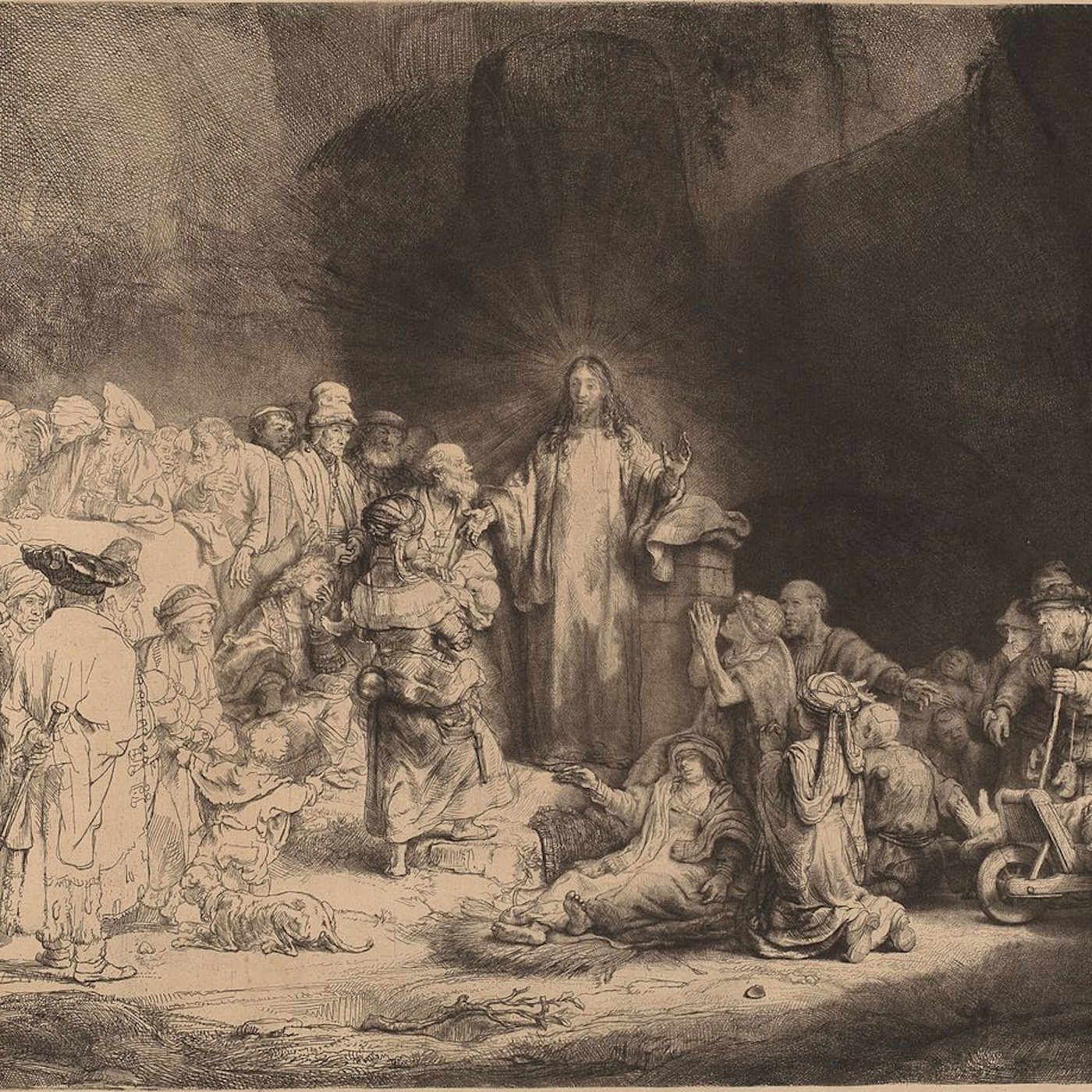
Jul 9, 2023
Monday of the Fourteenth Week in Ordinary Time - Responding to the Voice of God
A woman suffering hemorrhages for twelve years came up behind him and touched the tassel on his cloak. She said to herself, “If only I can touch his cloak, I shall be cured.” Jesus turned around and saw her, and said, “Courage, daughter! Your faith has saved you.” And from that hour the woman was cured. Matthew 9:20–21 What a tremendous amount of faith this woman had! She had suffered for many years and continued to suffer with her hemorrhages. How did she know that touching Jesus’ cloak would cure her? The only answer to that is faith. Faith is not just wishful thinking or hoping. Faith is a certain knowledge, given by a special grace and revelation from God, by which a person freely assents to belief. God spoke to her heart, she listened, she responded, and she was cured. One thing that is very inspiring in this Gospel story is the humility with which this woman approached Jesus. She didn’t feel as though she needed to bother Jesus, to speak to Him, or to trouble Him with her problem. Instead, in her humility, she presented her need to Jesus through her gift of faith, interiorly and silently, and the grace of God was given her because God sees the heart and responds to such humble and sincere faith. Imagine if everyone had this depth of faith in our Lord. Imagine if all of us knew, with the deepest conviction of certitude, that God would take care of every need we have. And imagine if we turned to our Lord with this deep conviction of certitude every day with every need. If we could do that, then our Lord would be able to continually care for us in every way. One key component to this woman’s healing is that it was God the Father who spoke to her and invited her to touch the cloak of His Son Jesus. And it was Jesus who sensed the healing she received, since He was in perfect union with the will of His Father. Therefore, touching Jesus’ cloak was not simply a magical act by which whatever this woman wanted would be granted to her. Instead, it was a response to the interior invitation she was given by the Father. In our lives, we must work to do the same. Too often we present our preferences to God and tell Him what we want Him to do. God does not respond to such requests. Instead, we must seek His will...and His will alone. This woman knew she would be healed, because God the Father spoke to her in her mind and heart and inspired her to touch the cloak of Jesus His Son, and she responded, and the healing took place. God must speak first, we must hear and respond, and then His will is accomplished. Reflect, today, upon the gentle Voice of God as He speaks to you in the depths of your heart. Do you hear Him? What is He inviting you to do? What healing does He want to bestow? As you ponder God’s Voice, try to respond only to Him. Set aside all of your own preferences and ideas of what God should do and seek only what He is speaking to you. Say “Yes” to Him, do so with certitude and conviction, and trust that whatever He speaks to you, if you have faith in what He says, He will do it. My gentle Lord, You speak to me day and night, calling me to the healing I need. Help me to hear Your Voice and to respond to You in faith. May my faith and confidence in You grow strong and become the source of Your glorious action in my life. Jesus, I do trust in You. Source of content: catholic-daily-reflections.com Copyright © 2023 My Catholic Life! Inc. All rights reserved. Used with permission via RSS feed.
Jul 8, 2023
Fourteenth Sunday in Ordinary Time (Year A) - The Light Burden of Grace
“Come to me, all you who labor and are burdened, and I will give you rest. Take my yoke upon you and learn from me, for I am meek and humble of heart; and you will find rest for yourselves. For my yoke is easy, and my burden light.” Matthew 11:28–30 Around the year 167 BC, two new groups of religious leaders emerged within Judaism: the scribes and Pharisees. By the time that Jesus walked the earth, these religious leaders had developed many customs, false doctrines and religious practices that they claimed were derived from the Law of Moses. However, Jesus condemned their teachings as scrupulous, self-centered, and hypocritical. What they taught was often a distortion of the Law. Recall, for example, that the Pharisees condemned the disciples for picking heads of wheat and eating them on the Sabbath, claiming that this violated the Third Commandment. Clearly, Jesus taught that it didn’t. In today’s Gospel, Jesus speaks to those “who labor and are burdened” and invites them to carry the light and easy yoke that He will give them. In other words, Jesus is identifying the fact that the scribes and Pharisees had so distorted the Law of Moses that the practice of the Jewish faith had become a burden that was too difficult to carry. In contrast, Jesus’ New Law of grace was freeing, light, and easy. When you consider Jesus’ many teachings, do you see them as easy to follow? Or do they seem to be too much at times? For example, Jesus said to “be perfect, just as your heavenly Father is perfect” (Matthew 5:48). This was not only an invitation, it was also a command and a requirement. So are Jesus’ teachings easy? Or are they overwhelming? Of course, since Jesus Himself says that “my yoke is easy, and my burden light,” then we can be certain that they are. Jesus not only calls us to moral perfection, He also gives us the means by which we can obtain it. By analogy, say someone told you to move a boulder that weighed 2,000 pounds. Could you do that? You could if the person also gave you a large tractor to use for the task. In that case, it would be as easy as using the machine correctly. So it is with all that our Lord asks of us. When we find some moral obligation to be difficult or even overwhelming, then we are not relying upon the grace that God has given us to fulfill His command. Reflect, today, upon Jesus’ gentle invitation to you to embrace the “yoke” of perfection. Do not see it as too much. Rather, see it as a joyous invitation from our Lord. Ponder the fact that God not only calls you to the heights of holiness, He also provides you with the means to obtain it. Have faith in His almighty power and open yourself to it more fully so that You will be able to do anything and everything our Lord asks of you with ease and joy. My gentle Lord, You place upon my shoulders Your own yoke to carry. I say “Yes” to all that You ask of me, and I thank You for bestowing Your mercy upon me. Please remove every yoke from me that is not from You, so that I can follow You with the joy of the light burden of Your grace. Jesus, I trust in You. Source of content: catholic-daily-reflections.com Copyright © 2023 My Catholic Life! Inc. All rights reserved. Used with permission via RSS feed.
Jul 7, 2023
Saturday of the Thirteenth Week in Ordinary Time - The Newness of Grace
“No one patches an old cloak with a piece of unshrunken cloth, for its fullness pulls away from the cloak and the tear gets worse. People do not put new wine into old wineskins. Otherwise the skins burst, the wine spills out, and the skins are ruined. Rather, they pour new wine into fresh wineskins, and both are preserved.” Matthew 9:16–17 The parable above teaches us that even if someone were to faithfully understand and live the authentic Law that was given through Moses and the prophets, Jesus’ new teaching of grace, the New Law, was so different that it was not simply an improvement of the old, it completely replaced it. Furthermore, many of the customs taught by the Pharisees were unfaithful representations of the Law of Moses. They had deviated from the Law’s meaning and replaced it with their own scrupulous and erroneous multiplication of external practices. Thus, Jesus’ New Law needed to break away from these deviations completely. To use a modern example, if you were to have an old phone that had become obsolete or stopped working, you wouldn’t buy a new phone so as to remove various parts from it to try to add those parts to the old phone to fix it. Instead, you use the new phone as a complete replacement for the old one. A central quality of the New Law of grace is that it is entirely new and transforming. Therefore, by embracing this New Law, we become entirely new creations in Christ. Grace doesn’t simply patch that which is weak and sinful in us. It transforms us, elevating our human nature to an entirely new existence. This teaching is not only directed at the misguided teachings that the Pharisees had developed over the years, it was directed at human life itself. Not only were the Jewish customs to go through a transformation, humanity itself was to go through a transformation. Everything is made new in Christ. This teaching applies just as much to us today as it did to the Jewish people of old. Today, we not only receive the new life of grace in Baptism, but we also receive it anew and share in this ongoing transforming renewal every time we allow grace to touch us more deeply and transform us more fully into the people God wants us to be. The “new patch” and the “new wine” are always transforming, and we must look forward to this newness throughout our lives. Reflect, today, upon the joyful discovery that awaits you every day. Discovering the New Law of grace, accepting it into your life, and allowing it to transform you will set you on a path of discovery that will never get old. It is an ongoing discovery that is far greater than anything this world has to offer. Nothing can ever compare to the gift of God alive in our lives. It will never get old. It will always be transforming. And it will always be new. Ponder this gift God offers you today and say “Yes” to it with all your heart. My transforming Lord, You continuously offer to renew me, transform me and elevate me to the life of grace. I thank You for this Gift and desire to accept it with all my heart. May I always be ready and willing to say “Yes” to You and the transformation that awaits me as I discover this ever new treasure of Your Grace. Jesus, I trust in You. Source of content: catholic-daily-reflections.com Copyright © 2023 My Catholic Life! Inc. All rights reserved. Used with permission via RSS feed.
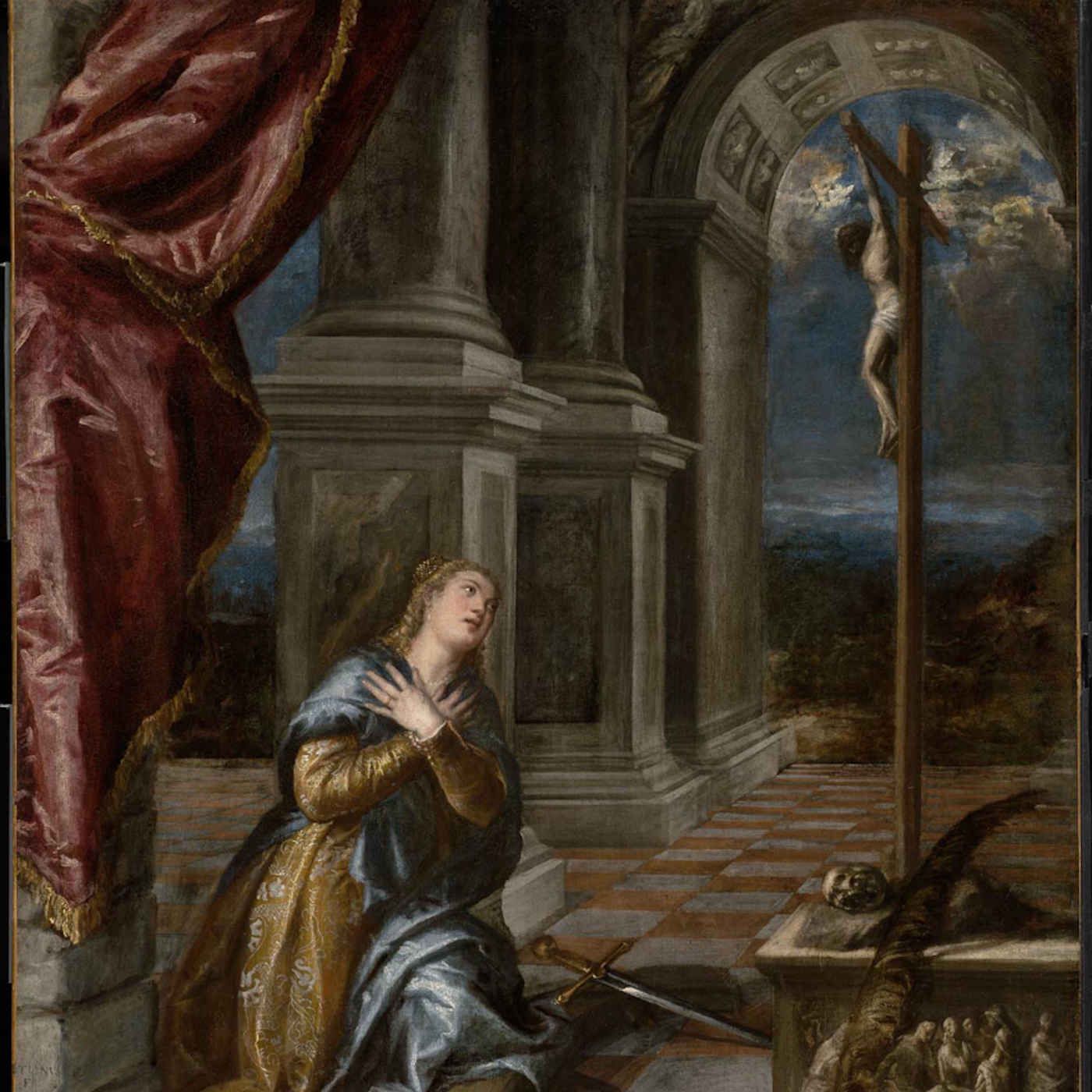
Jul 6, 2023
Friday of the Thirteenth Week in Ordinary Time - Dining with Sinners
“Those who are well do not need a physician, but the sick do. Go and learn the meaning of the words, I desire mercy, not sacrifice. I did not come to call the righteous but sinners.” Matthew 9:12–13 Would you describe yourself as one who is “well” or one who is “sick?” Are you among the “righteous” or the “sinners?” Be careful how you answer this question. Of course, the pride that comes with our fallen human nature often tempts us to claim that we are “well” and “righteous.” But humility will reveal the truth that we are among the “sick” and “sinners.” This statement of Jesus is a response to the Pharisees who noticed that Jesus was dining at the house of Matthew, the tax collector, whom He had just called to follow Him. Matthew did indeed leave everything behind and followed Jesus, and then he hosted dinner for Jesus at his house. At that dinner, there were “many tax collectors and sinners” who came and sat with Jesus and His disciples, which led the Pharisees to ridicule them all. Jesus’ response is very important for us to hear. By stating that He came not for those who were well and righteous but for those who were sick and sinners, it tells us two important things. First, it tells us that we are all spiritually sick and sinful. Second, it tells us that if we cannot humbly admit to that, and in our pride claim that we are well and are righteous, then we essentially reject Jesus, the Divine Physician, from our lives. We essentially say, “Lord, I do not need You.” It’s also helpful to notice that Jesus was not embarrassed to be seen with sinners. He did not hesitate at all and, in fact, clearly stated that they were those whom He came for. For that reason, we should not be afraid or embarrassed to admit we are sinners who are spiritually ill and in need of our Lord. To deny that fact is to deny reality and to deny the very source of the ongoing healing we most certainly need in life. It’s a denial of our need for Christ Jesus Himself. Do you need our Lord? Do you need interior cleansing, healing, and forgiveness every day? If it’s difficult for you to wholeheartedly say “Yes” to that question, then perhaps you struggle with the pride of the Pharisees more than you know. No matter how holy you become, no matter how deeply you pray and no matter how charitable you are, you will always need the healing and forgiveness of the Divine Physician each and every day. Reflect, today, upon the need you have in your life today for forgiveness. What sin do you struggle with the most? Interestingly, the holier one becomes, the more clearly they see their daily sins and their need for forgiveness and healing. If you struggle with this at all, spend time examining your conscience. Look for ways to do it more thoroughly and honestly. If you do, you can be certain that our Lord, the Divine Physician, will deeply desire to dine with you today and always. My forgiving Lord, You are the Divine Physician Who has come to forgive and heal all of our ills. Remove my pride and self-righteousness so that I can be filled with humility and see clearly the sin in my life. As I see my sin, help me to turn to You and to trust in Your abundant mercy. You came for sinners, dear Lord, and I am one of those sinners in need. Jesus, I trust in You. Source of content: catholic-daily-reflections.com Copyright © 2023 My Catholic Life! Inc. All rights reserved. Used with permission via RSS feed.
Jul 5, 2023
Thursday of the Thirteenth Week in Ordinary Time - Priorities in Prayer
After entering a boat, Jesus made the crossing, and came into his own town. And there people brought to him a paralytic lying on a stretcher. When Jesus saw their faith, he said to the paralytic, “Courage, child, your sins are forgiven.” Matthew 9:1–2 Just prior to this passage, Jesus cast out demons from two men from the town of the Gadarenes. Afterwards, the townspeople told Him to leave their town, so Jesus departed by boat and arrived in Capernaum, which was where He had been living after leaving Nazareth. This encounter with a paralytic on a stretcher is what awaited Him when He disembarked from the boat. Recall that when Jesus had returned to Nazareth, where He grew up, He was not able to perform any miracles there because of their lack of faith. Their familiarity with Him tempted them to disbelieve that He was someone special. But now, in His new town where He had recently moved to, Jesus was able to perform mighty miracles because the people had manifest faith. In the passage above, try to enter the scene. Jesus was just rejected by the Gadarenes, He came by boat to Capernaum, He disembarked and was immediately met with a group of people who had clearly been waiting for Him. Try to imagine their conversations while Jesus was away at the other side of the lake. They knew He would return to His new home, they prepared a stretcher for the paralytic, and then they waited, hoped and prayed that Jesus would come and heal the man. It is also clear that Jesus could immediately sense their faith and was deeply touched by it. One of the most important parts of this passage is that Jesus did not simply say “Yes” to the physical healing and leave it at that. Instead, His response to the paralytic was to first forgive his sins. There is an important lesson for us to learn from this which will help us know how best to pray. Oftentimes when we pray, we pray for this or that favor from our Lord. We pray for what we want Jesus to grant us. But this story shows us that what Jesus wants for us is different. First, He wants to grant us forgiveness for our sins. This is His priority, and it should also be ours. Once the forgiveness of sins takes place with this paralytic, Jesus also heals, as proof of His power to forgive sins. This story should help us to order our priorities in prayer according to Jesus’ priorities. If we make sorrow for sin our first priority, we can be certain that Jesus will answer us. From there, Jesus knows all of our needs. We can present them to Him but only when we are reconciled within our own heart with Him. Reflect, today, upon the way you pray each day. Try to understand the importance of making a daily examination of your sins. This must become the first and most important part of your daily prayer. Though many people do not like to look at sin, it is much easier to do when the focus is not so much the sin as it is a focus upon the mercy of forgiveness and spiritual healing you need. The more aware you become of your daily sin, the more mercy you will receive. And the more mercy for the forgiveness of your sins you receive, the more our Lord will be able to bless you abundantly in other ways. Always start with the mercy of our Lord and your own need for that mercy every day, and all else will be taken care of by our Lord. My merciful Lord, You desire reconciliation with me, in the innermost depths of my heart, to be my daily priority in prayer. You desire to forgive and to heal me so that I will grow closer to You. Please do forgive me for my sins, dear Lord, and help me to become more attentive to the ways that I sin against You and others every day. Thank You in advance for this saving grace and mercy. Jesus, I trust in You. Source of content: catholic-daily-reflections.com Copyright © 2023 My Catholic Life! Inc. All rights reserved. Used with permission via RSS feed.
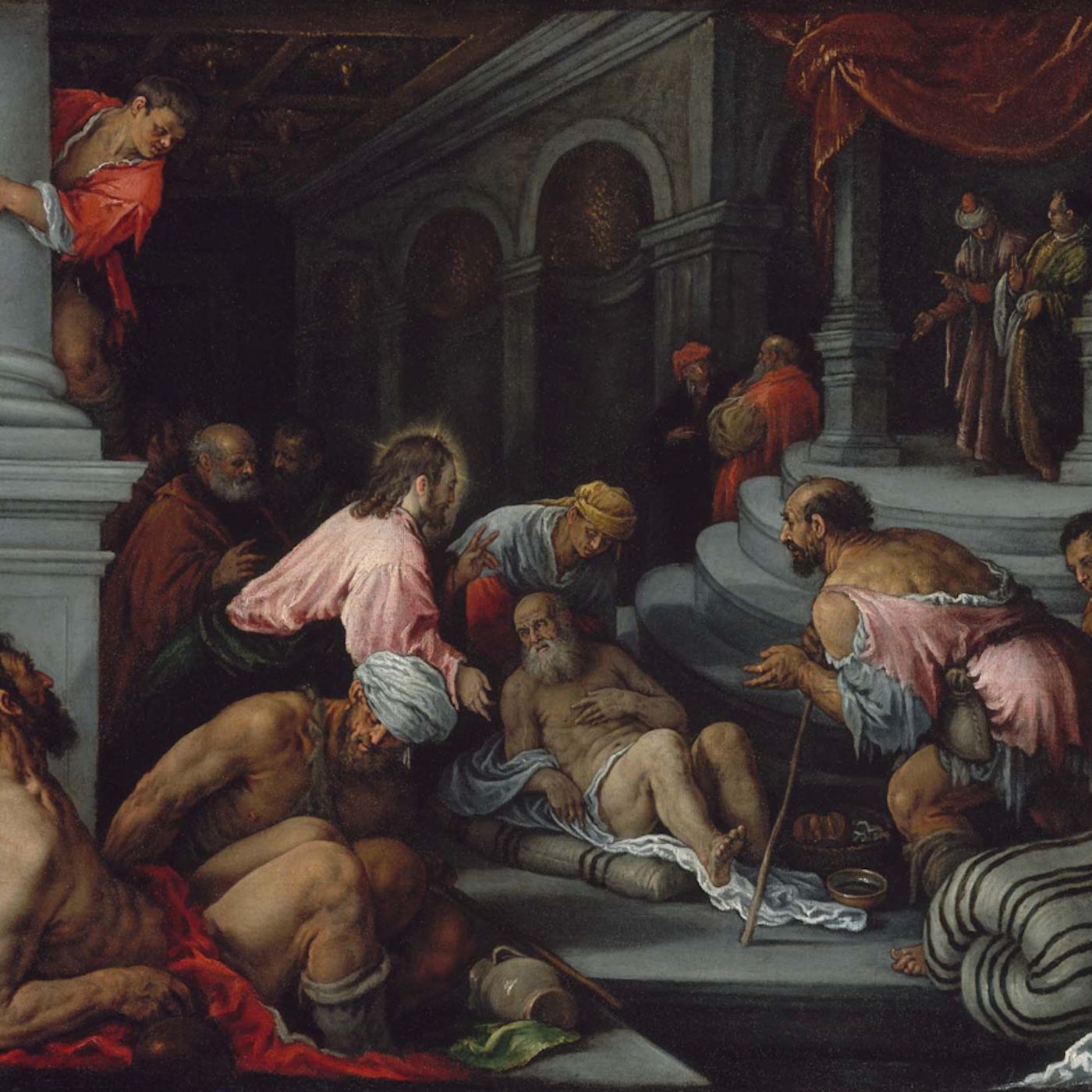
Jul 4, 2023
Wednesday of the Thirteenth Week in Ordinary Time - Rejoicing in the Goodness of Others
The swineherds ran away, and when they came to the town they reported everything, including what had happened to the demoniacs. Thereupon the whole town came out to meet Jesus, and when they saw him they begged him to leave their district. Matthew 8:33–34 Why would “the whole town” beg Jesus to leave their district as a result of Jesus delivering two of their fellow townsmen from demons? This event took place on the northeast edge of the Sea of Galilee near a town of the Gadarenes who were not of Jewish background, which accounts for the fact that there was such a large herd of swine (the Jewish people did not eat pork). Two of the Gadarenes were possessed by demons, and Scripture reports that “They were so savage that no one could travel by that road.” And when Jesus delivers them from this awful plight, instead of rejoicing in gratitude, the townspeople begged Jesus to leave. Saint Jerome says that it is possible that the people were actually acting in humility, in that they did not consider themselves worthy to be in the presence of someone as great as Jesus. Like Saint Peter who fell at the feet of Jesus and cried out, “Depart from me, for I am a sinful man, O Lord” (Luke 5:8), these townspeople may have been in such awe at what Jesus did for them that they did not see themselves as being worthy of His presence. However, other Church Fathers point out that it is more likely that these townspeople signify those who are stuck in their life of sin and do not want to come face-to-face with the Gospel or with the Person of Jesus. They prefer to close their ears to the truth and to remain in their life of ignorance and sin. It’s also helpful to reflect upon the relationship between the townspeople and these two demoniacs. Ideally, when the townspeople saw these two men completely freed of the demons who tormented them, they would have rejoiced in a way similar to the way the father of the Prodigal Son rejoiced when his son returned to him. Sadly, in this case, there seems to be a tremendous lack of excitement by their fellow townsmen over the freedom these two demoniacs experienced. This shows a clear lack of love for these two men within the town. Perhaps many of the townspeople took a twisted form of pleasure in their mockery of these two men over the years, and they enjoyed telling stories about how crazy they were. Now, they were faced with these two men who were completely changed, and they may have found it difficult to speak well of them because of their pride. This negative example set by these townspeople gives us an opportunity to reflect upon how we think about and treat those who have changed their ways and have turned from evil to good. Perhaps you have a family member who has sincerely tried to change. Or perhaps someone at work, a neighbor or some other acquaintance has gone from a life of sin to a life seeking virtue. The real question to ponder is whether you rejoice over the goodness of others, over their ongoing conversion and pursuit of holiness, or whether you struggle with truly expressing joy as you see people you know change for the good. It’s often very easy to criticize but much more difficult to rejoice in the holy transformation of another. Reflect, today, upon those in your life, those close to you and those with whom you are mere acquaintances, who have been set free by our Lord in some way and have moved from a life of sin toward a life of virtue. How do you react to them? Are you able to sincerely rejoice in the goodness of others? Or do you find yourself struggling with jealousy, anger, envy and the like? As you do see the goodness of God at work in others, try to put on the mentality suggested by Saint Jerome above. Allow yourself to be in awe of God’s action in their lives. As you do, humble yourself before the transforming power of God, admitting that you are not worthy to witness His transforming power but rejoice in gratitude nonetheless. My all-powerful Lord, You overcame the power of the evil one and cast demons from these two men who suffered through this oppression for many years. Give me the eyes I need to see You at work in our world and to joyfully bear witness to Your transforming action in the lives of others. May I always humble myself before Your saving actions and learn to express true gratitude for all that You do. Jesus, I trust in You. Source of content: catholic-daily-reflections.com Copyright © 2023 My Catholic Life! Inc. All rights reserved. Used with permission via RSS feed.
Jul 3, 2023
Tuesday of the Thirteenth Week in Ordinary Time - Save Us Lord!
As Jesus got into a boat, his disciples followed him. Suddenly a violent storm came up on the sea, so that the boat was being swamped by waves; but he was asleep. Matthew 8:23–24 This experience had quite an impression upon the disciples, which is evidenced by the fact that it is recorded in all three Synoptic Gospels. We also see this in the concluding words of the story after Jesus calmed the storm: “The men were amazed and said, ‘What sort of man is this, whom even the winds and the sea obey?’” Traditionally, this story has been interpreted as both an image of the Church as a whole, as well as the individual soul. The boat is an image of the Church through which we Christians navigate the perils of this life. We must remain in the Church to survive. Each person within the boat represents each one of us who is a member of the Church. The violent storm is an image of the many personal struggles we endure in life, as well as the persecutions that the Church has endured and will continue to endure until the end of time. As the storm took hold of the boat, Jesus was asleep. But He was asleep for a reason. As we look at human history, especially the history of the Church, we find many times when God has seemed absent or “asleep” when turmoil, persecution, and hardship have arisen. Many people, if not all, have had the same experience at one time or another in life. As the disciples experience this storm, they offer us an ideal way to pray when we are tempted to despair in life. They wake Jesus and say, “Lord, save us! We are perishing!” And though Jesus rebukes them for their lack of faith and their fear, He also responds to their pleas and calms the storm. What should the disciples have done in this case? Should they have trusted and allowed Jesus to remain asleep? Though our Lord did rebuke them for lacking faith, this story is primarily a revelation about God’s mercy when we are tempted to fear. God knows that at times we will all feel overwhelmed and find ourselves tempted in this way. He knows our faith is not perfect, and so He allowed His disciples to set this example for us. Thus, whenever we do find ourselves overwhelmed and fearful in life, we should cry out to Him to save us. He wants us to turn to Him. Reflect, today, upon this prayer of the disciples. If you find that you are facing some personal crisis, or a larger family difficulty that remains unresolved, or are increasingly aware of other struggles afflicting the Church or society as a whole, then try to imitate this prayer of the disciples: “Lord, save us! We are perishing!” Though these words, at first, may seem to be words of despair, they are actually words of hope and trust. They point us to Him Who is the only source of the peace we seek in our souls, families, the Church and our world. Look for the many ways that you and others experience the feeling of “perishing,” and cry out with all your heart to our Lord to save you and all who are in need. Most powerful Lord, I am amazed at Your divine power and ability to perfectly calm the storms that afflict Your people. Please fill me with hope and humility so that I will never hesitate to turn to You in my need and to also cry out to You for Your continuous intervention in the lives of others. Awake, oh Lord, and save Your people, for we will truly perish without You! Jesus, I trust in You. Source of content: catholic-daily-reflections.com Copyright © 2023 My Catholic Life! Inc. All rights reserved. Used with permission via RSS feed.
Jul 2, 2023
July 3, Feast of Saint Thomas the Apostle - Rejoicing in the Blessings Given to Others
“Put your finger here and see my hands, and bring your hand and put it into my side, and do not be unbelieving, but believe.” Thomas answered and said to him, “My Lord and my God!” Jesus said to him, “Have you come to believe because you have seen me? Blessed are those who have not seen and have believed.” John 20:27–29 Thomas the Apostle, in many ways, represents each and every one of us in this exchange with Jesus. We’d like to believe that we always believe and are not unbelieving. But it’s important to admit the humble truth that we may not believe as deeply as we should. And it’s important to reflect upon our own reaction to the blessings that others receive that we do not. Recall that Thomas was not among the other Apostles when Jesus first appeared to them. Therefore, when Thomas returned and heard that Jesus had appeared and that he missed His appearance, he clearly felt bad. Unfortunately, the sorrow Thomas felt at not being present when the Lord appeared to the others left him with a certain bitterness rather than joy. This is the sin of envy. Envy is a certain sorrow over the blessings others receive that we do not. Ideally, Thomas would have rejoiced at the blessing that the other Apostles received by encountering the risen Lord. But, instead, his sorrow at missing this even left him sad. He said, “Unless I see the mark of the nails in his hands and put my finger into the nail marks and put my hand into his side, I will not believe.” Why was Thomas absent from this encounter with our Lord? Perhaps it was by divine providence, in that God wanted Thomas to set an example for us. If so, then one example Thomas set was that we must humbly rejoice in the blessings others receive when we are not also the recipient. Of course, if Thomas were there, then it would have been easier for him to share in the joy. But, in many ways, Thomas’ absence provided him an even greater opportunity. An opportunity that he failed to embrace. When you see others receive blessings from God, how do you respond? Many people respond by immediately looking at themselves, wishing they were blessed in the same way. They struggle with envy. They think, “I wish I had received that blessing.” This form of envy is not always easy to see. For that reason, Thomas is given to us as a witness of what not to do in this situation. Of course, Thomas is not a horrible person, which is why Jesus does later appear to him. That time, Thomas spoke words that are traditionally spoken as a devotion by the faithful at Mass when the Consecration occurs. He said, “My Lord and my God!” Jesus then gently rebukes Thomas by saying, “Have you come to believe because you have seen me? Blessed are those who have not seen and have believed.” But this gentle rebuke was an act of love, in that Jesus wanted Thomas to ponder the reason for his unbelief. Jesus clearly wanted Thomas to examine the unbelief caused by envy, which appears to have led to an intentional lack of faith. Reflect, today, upon this holy Apostle. Today, Saint Thomas the Apostle is among the great saints in the Kingdom of Heaven. God used him to teach us these important lessons about envy, humility and faith. Let his weakness, from which he fully recovered, help you examine your own struggle with envy over the blessings that others receive that you do not. Learn to rejoice always in the ways that God is at work in our world and learn to grow in humility, so that when others are blessed in ways that you are not, you react as Saint Thomas ultimately did: “My Lord and my God!” My most generous Lord, You pour forth Your blessings upon others, day and night. As I see those blessings, help me to overcome all temptations toward envy so that I may rejoice in Your grace given to all. You are my Lord and my God, and I thank You for every way that You bless my life and the lives of those around me. Fill me with a deeper gratitude, dear Lord, for every grace and blessing I see every day, especially those graces not given directly to me. Jesus, I trust in You. Source of content: catholic-daily-reflections.com Copyright © 2023 My Catholic Life! Inc. All rights reserved. Used with permission via RSS feed.
Jul 1, 2023
Thirteenth Sunday in Ordinary Time (Year A) - Selfless Living
“Whoever finds his life will lose it, and whoever loses his life for my sake will find it.” Matthew 10:37–39 Clearly, this saying is a play on words that is meant to make you pause and think. It’s almost like a holy and sacred riddle, spoken by Jesus to get your attention and to communicate a very deep and foundational truth about how you are to live. Essentially, this saying teaches that those who live in a selfish, self-centered way do not accomplish their goal. The goal of those who are selfish is to elevate themselves with the thinking that this is what is best for them. But Jesus clearly points out that when you live selfishly, seeking to put yourself above others, you lose what is most important in life. You lose your very soul. On the contrary, if you live selflessly, putting others before you, it is in this act that you actually find your true purpose in life and fulfill yourself on the deepest level. Think, for example, of Jesus. He is God, the Second Person of the Most Holy Trinity, existing for eternity in perfect union with the Father and the Holy Spirit. His soul radiates pure love. And for that reason, He chose to become human, suffer greatly and be killed. Was that fulfilling to our Lord? Most certainly. Why? Because His sacrifice went to the heart of Who He is. He is Love itself. And love is always self-giving. It is always fulfilling. It always seeks the good of the other. Love fulfills the lover when it is pure, holy, selfless and total. Jesus’ sacrificial death on the Cross not only redeemed us, but it also manifested the Son of God’s own perfect fulfillment and satisfaction in His human nature because His death was an act of pure love. Sin confuses us. Selfishness especially clouds our thinking. As a result, it becomes difficult to clearly see that the way to fulfillment in life is by the complete and unwavering sacrifice of our lives given to others, in imitation of and in union with Jesus’ perfect sacrifice. The moment that sin leads us to think first about ourselves, we begin to become blind to who we are and what makes us truly fulfilled. Reflect, today, upon the divine mission you have been given to lose yourself for the sake of Christ, which is for the sake of true love. By loving God and others in this pure way, selflessly, you become who you are and who you were created to be. You find yourself only by choosing to lose yourself in this world. Ponder this deep mystery and believe it. Once you do believe it, commit to live sacrificially, casting aside every doubt, so that you will never hesitate to love everyone sacrificially. For in that radical act of selfless love, you will discover and become who you were created to be. My sacrificial Lord, You are not only the perfect model of human love, Your sacrificial love is the source of human fulfillment itself. Please give me the grace I need to love all people in a perfect and selfless way and, in that act, also discover and become who I was made to be. Jesus, I trust in You. Source of content: catholic-daily-reflections.com Copyright © 2023 My Catholic Life! Inc. All rights reserved. Used with permission via RSS feed.
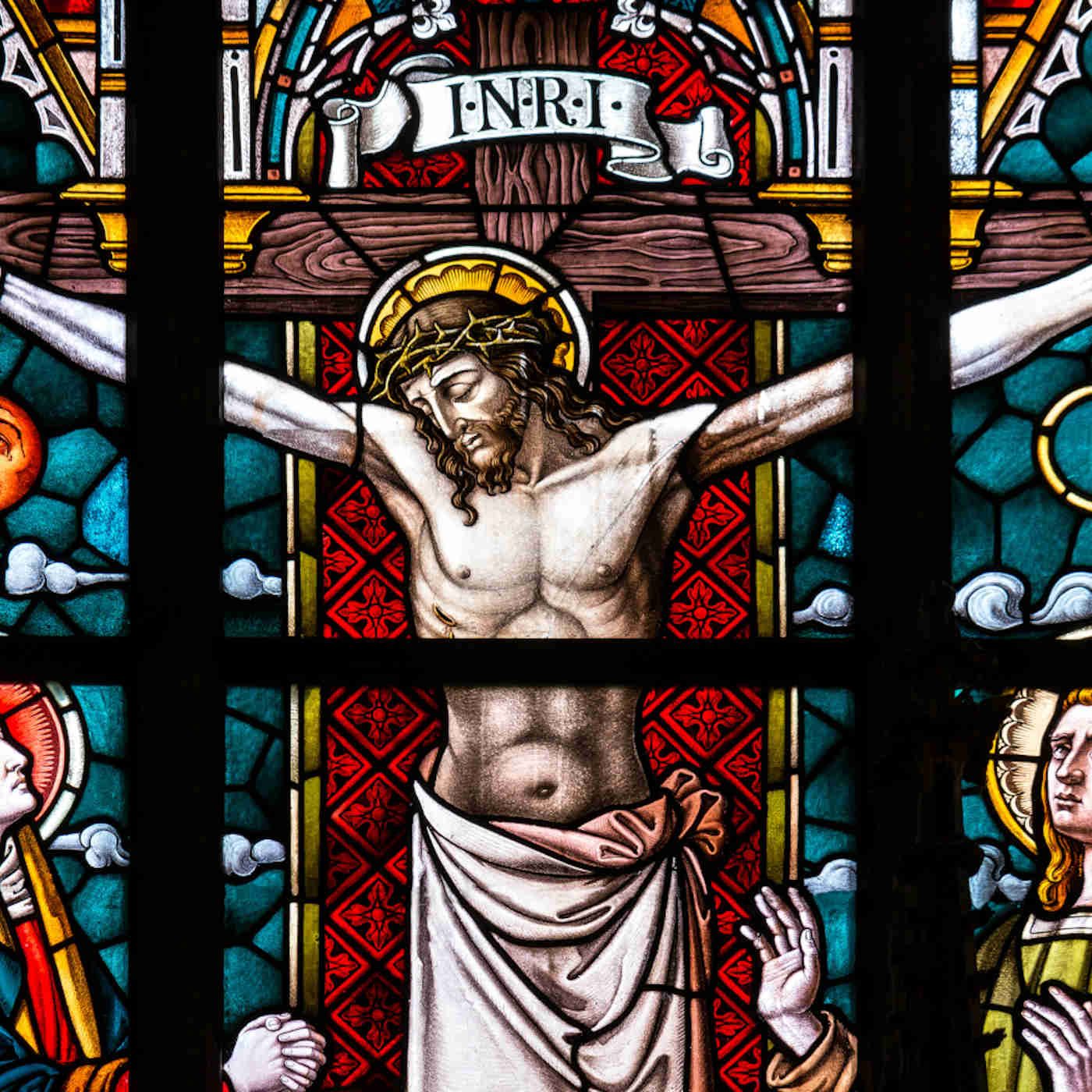
Jun 30, 2023
Saturday of the Twelfth Week in Ordinary Time - Touched by Grace
Jesus entered the house of Peter, and saw his mother-in-law lying in bed with a fever. He touched her hand, the fever left her, and she rose and waited on him. Matthew 8:14–15 How do we properly respond to the action of God in our lives? In the passage above, we are given the witness of Peter’s mother-in-law to answer that question. It should be noted that Jesus was on a continual mission of healing. In fact, before arriving at the house of Peter, Jesus had just healed a centurion’s servant. When the centurion came to Jesus stating that he was not even worthy to have Him enter his house, Jesus saw the centurion’s faith and healed his servant from a distance. After arriving at the house of Peter, we are told that many people brought to Jesus those who were possessed by demons, and Jesus healed them all. But between the healing of the servant and the healings of the many, another healing occurred. The response to this healing sets for us a wonderful example. Peter’s mother-in-law was ill and in bed with a fever. It’s unclear just how ill she was, but the fact remains that she was ill to the point of being in bed. Notice, first, that Jesus was not even asked to heal her. Rather, He “saw” her ill and in bed, approached her of His own choosing, “touched her hand,” and she was healed. Within the same sentence describing Jesus’ healing, we are told that “she rose and waited on him.” First of all, “she rose.” This should be seen as a symbolic depiction of what we must do when we are touched by grace. The grace of God, when it is given to us, must have the effect of causing us to rise. We rise from sin when we confess that sin and receive forgiveness, especially in the Sacrament of Reconciliation. We rise up every time God enters our lives to give us direction, clarity and hope. To rise is to be strengthened to dispel the burden that sin and confusion causes. We rise in strength, renewed and determined to go about the will of God. After this woman rose, she “waited” on Jesus. This is the reason we rise up when touched by grace. We are not given God’s grace so that we can go back to our sin, or pursue our own ventures, or do our own will. We rise so that we can serve our Lord and His holy will. In a sense, Jesus’ actions in our lives impose upon us a holy burden. But it is a burden that is light. It’s an obligation to serve and give ourselves to our Lord to attend to Him, His holy will, and to all that He calls us to do. Reflect, today, upon this threefold action of the Gospel. See Jesus approaching you and touching you in your prayer. Know that He comes to you not only because you pray to Him but out of His own initiative when He sees you will respond. Then consider your response. Rise from that which keeps you down. Let God’s grace free you from the burdens you carry. And as He grants you this grace, determine to wait on Him and to serve His will alone. The service of our Lord is what we are made for, and doing so will enable us to continually receive His grace through His touch of love. My merciful Jesus, You continually come to me, approaching me to reach out and touch me with Your grace. You desire my healing and strengthening every day. Help me to be open to all that You wish to bestow and please free me from all that keeps me down. May I rise up in service of You and Your holy will so that Your Kingdom may be built up more fully through me. Jesus, I trust in You. Source of content: catholic-daily-reflections.com Copyright © 2023 My Catholic Life! Inc. All rights reserved. Used with permission via RSS feed.
Jun 29, 2023
Friday of the Twelfth Week in Ordinary Time - Homage, Reverence and Respect
When Jesus came down from the mountain, great crowds followed him. And then a leper approached, did him homage, and said, “Lord, if you wish, you can make me clean.” Matthew 8:1–4 To do homage to another is to publicly express reverence and respect. This is what this leper did to Jesus. He “did him homage.” But the leper went even further. He also expressed his certain faith that Jesus could cure him if He wished to do so. And Jesus did desire this. Jesus stretched out His hand to touch the leper and pronounced the words, “I will do it. Be made clean.” And with that, the leper was cleansed. The first thing to note in this passage is that Jesus “touched” the leper. This was a forbidden practice, since lepers were unclean, and touching them could spread their disease. But Jesus broke the norm and touched the man, revealing to him his innate dignity. It’s interesting to consider the question: Who paid whom a greater act of homage? Was the act of homage shown by the leper greater? Or the act of touching and cleansing the leper greater? Though we need not compare these two acts, it is helpful to reflect upon the profound fact that Jesus did show a form of homage to this unclean leper. As was said above, to do homage to another is to publicly express reverence and respect to them. Without a doubt, Jesus did just this. He not only honored the leper by His touch and healing, but He publicly expressed His love and respect for this man through this act. Of course, the homage we owe to God is unique. It is the homage of worship. We must bow down before Him, surrendering our lives in total abandonment and trust. We must honor Him as God and express our love accordingly. But, in addition to Jesus showing His almighty power by this miracle, He also sets for us an example of how we must treat others. Every person, because they are made in the image and likeness of God, deserves our utmost respect, and they deserve to receive that respect in a public way. We must continually seek to honor and respect others and express that honor and respect for others to see. This is especially difficult when the person we are called to show respect for is considered by others as “unclean.” The leper is only a symbol of the many types of people whom the world considers unclean and unworthy. Criminals, the poor, the confused, the sinner, the homeless, the political opponent and every other person in our world deserves our utmost respect and reverence. Doing so does not justify their sin; rather, it cuts through the surface and looks at their innate dignity. Reflect, today, upon the act of homage done by this leper to Jesus. And then reflect upon the act of homage Jesus offers this leper by publicly confirming his innate dignity. Who in your life is represented by this leper? Who is “unclean” because of the condition of their life, the sin they commit, or the public stigma they have? Whom is God calling you to reach out and touch with love and respect, for others to see? Seek out the leper in your life and do not be afraid to imitate this holy act of homage exemplified by our Lord. My holy Lord, You are worthy of all adoration, glory and homage. You and You alone deserve our worship. Help me to continually discover Your hidden presence in the lives of those around me. Help me, especially, to see You in the leper of our day. May my love and respect for them flow from my love for You and become an imitation of Your act of love for all. Jesus, I trust in You. Source of content: catholic-daily-reflections.com Copyright © 2023 My Catholic Life! Inc. All rights reserved. Used with permission via RSS feed.
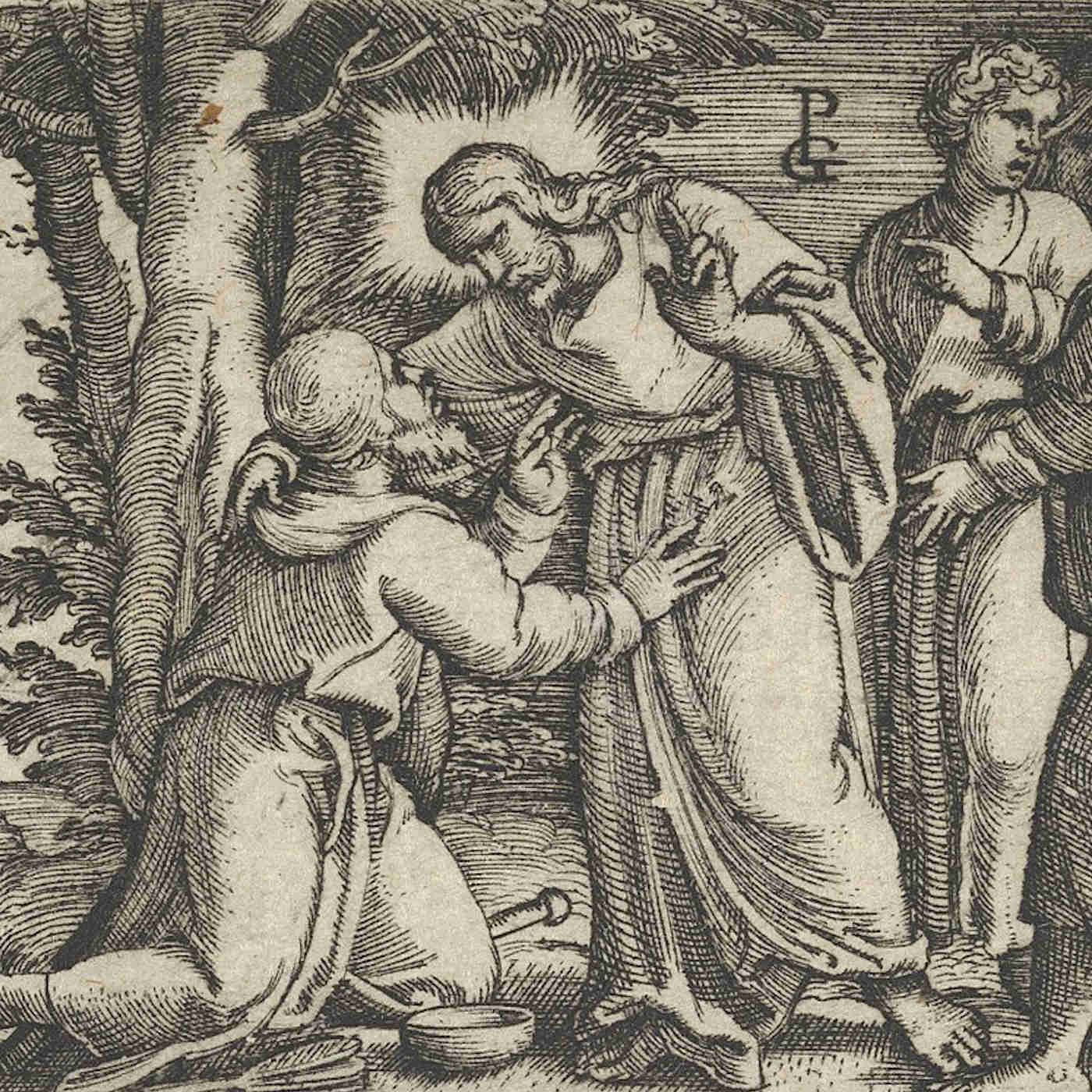
Jun 28, 2023
June 29, Solemnity of Saints Peter and Paul - Pillars of the Church
“And so I say to you, you are Peter, and upon this rock I will build my Church, and the gates of the netherworld shall not prevail against it. I will give you the keys to the Kingdom of heaven. Whatever you bind on earth shall be bound in heaven; and whatever you loose on earth shall be loosed in heaven.” Matthew 16:17–19 Saints Peter and Paul are often referred to as two of the great “Pillars of the Church.” They each played an incredibly essential role in the establishment of the early Church. And though each of their roles was essential and foundational, their roles were as different as they were different as persons. Peter was a family man, a local fisherman, uneducated and quite ordinary. From what we know about him prior to being called by Jesus, there was nothing that made him uniquely qualified to become one of the pillars of the new Church to be established by the Son of God. Jesus simply called him, and he responded. Jesus got into Peter’s boat, ordered him to lower the nets, and produced a huge catch of fish. When Peter saw this miracle, he fell down at Jesus’ feet and acknowledged that he was “a sinful man” who was unworthy of being in Jesus’ presence (See Luke 5:8). But Jesus informed Peter that he would from now on be catching men. Peter immediately left everything behind and followed Jesus. Paul describes himself as “a Jew, born at Tarsus in Cili′cia, but brought up in this city at the feet of Gama′li-el, educated according to the strict manner of the law of our fathers, being zealous for God as you all are this day” (Acts 22:3). Paul was well educated in the strictest interpretation of the Jewish law, understood philosophy and was quite zealous as a young man. Recall, also, that prior to becoming a convert to Christianity, he “persecuted the church of God violently and tried to destroy it” (Galatians 1:13). In many ways, Paul would have been seen as the most unlikely person to be chosen to be a pillar of the Church, because he so vigorously opposed it at first. He even supported the killing of Saint Stephen, the first Christian martyr. Though each of these men would have been considered by many as very unlikely founders of the Christian Church, this is exactly what they became. Paul, after his conversion, traveled far and wide to preach the Gospel, founding several new Churches throughout Asia Minor and Europe. Eventually he was arrested in Jerusalem, brought to Rome for trial and was beheaded. Over half of the New Testament books are attributed to Paul and half of the Acts of the Apostles detail Paul’s missionary journeys. Paul is especially known for his missionary activity to the Gentiles, those who were not Jews. Peter’s role was truly a unique one. His name was changed from “Simon” to “Peter” by Jesus. Recall Jesus saying, “And I tell you, you are Peter ( Petros ), and on this rock ( petra ) I will build my church…(Matthew 16:18). “Peter” in Greek is Petros , meaning a single stone that is movable. However, the Greek word petra means a rock as a solid formation that is fixed, immovable, and enduring. Therefore, Jesus chose to make Peter, this single stone, into a solid foundation of immovable rock on which the Church was to be built. You, too, have been called by our Lord to a unique mission within the Church that has not been entrusted to another. In your own way, God wants to use you to reach certain people with the Gospel as He did with Saint Paul. And like Saint Peter, God wants to continue to establish His Church upon you and your faith. Reflect, today, upon these two holy and unique pillars of our Church. As you do, ponder how God may want to use you to continue their mission in this world. Though Saints Peter and Paul are among the greatest and most consequential Christians within our world, their mission must continue, and you are among the instruments that God wants to use. Commit yourself to this mission so that the preaching of the Gospel and the rock foundation of our Church will remain strong within our day and age just as it was of old. Saint Peter, you were uniquely chosen to be a rock foundation of faith upon which the Church was established. Saint Paul, you went forth to preach this faith far and wide, establishing many new communities of faith. Please use me, dear Lord, to continue the mission of Your Church so that the faith may be firmly planted in the minds and hearts of all Your people throughout the world. Jesus, I trust in You. Source of content: catholic-daily-reflections.com Copyright © 2023 My Catholic Life! Inc. All rights reserved. Used with permission via RSS feed.
Jun 27, 2023
Wednesday of the Twelfth Week in Ordinary Time - Good Fruit—Bad Fruit
“Do people pick grapes from thornbushes, or figs from thistles? Just so, every good tree bears good fruit, and a rotten tree bears bad fruit.” Matthew 7:16–17 “So by their fruits you will know them.” This is how our Gospel passage for today concludes. It offers us an exceptionally practical way by which you can discern the working of God in your own life and in the life of others. When you look at your own life, what good fruit, born for the upbuilding of the Kingdom of God, do you see? Some people may find little to no fruit born, either for good or bad. Such complacency is, in and of itself, bad fruit. Other people may see an abundance of fruit, thus producing many consequences in this world. They influence the lives of many, and their public actions make a true difference. Sometimes for good...and other times for evil. When discerning the actions of God in our world, we must first be very objective. The evil one is always very deceptive and regularly presents his bad fruit as good. For example, the legalization of abortion is often presented by many within our world as a “right to choose” or a “health service.” But the intentional death of any unborn child is clearly “bad fruit” from a “rotten tree.” There are even many so-called “humanitarian groups” or very wealthy “philanthropists” who present their work as “good fruit,” when it is anything but good. And on the contrary, there are many who work hard to bring forth a greater respect for life from the moment of conception to natural death, or strive to uphold the sacredness of marriage as God designed it, or work to promote the freedom to worship in accord with the will of God, but are labeled by the secular world as prejudiced, bigoted, fearmongers and even hateful. But their work, done very sacrificially, truly does bear good fruit for the Kingdom of God. How about your own life? When you examine your actions and the fruit born of those actions, from where does that fruit originate? Does it come from a false sense of compassion, a misguided “charity,” and a fear of being criticized for standing for the truth? Or does it come from a deep love of God, an awareness of the truth God has revealed to us, and through a courageous proclamation of the pure Gospel? Good fruit, born from the heart of the Father in Heaven, will always mirror the truths of our faith. A false sense of compassion, false accusations, persecutions and the like will flow from the rotten trees in our world. We must work diligently to be those good trees that bear the good fruit coming from God. This requires a radical commitment to do what is right in the face of the evil all around us. Reflect, today, upon these images Jesus presents. Do you see clearly both the good and bad fruit around you? Is your life helping to foster the lies of the evil one or the truth and love of God? Look at the fruit your life bears, as well as the fruit within our world, in an objective way, comparing it to the clear and unambiguous teachings of Jesus. Seek out that good fruit with all your heart and do all you can to bring it forth, no matter the cost, and you will not only save your soul, you will also help feed others with the good fruit of Heaven. My Lord of all truthfulness, You and You alone define the good and evil in our world. Your truth reveals the good fruit that is born to nourish the growth of Your glorious Kingdom. Give me courage and clarity of mind and heart so that I may continually do all that You call me to do so as to bring the good fruit of the Kingdom to all in need. Jesus, I trust in You. Source of content: catholic-daily-reflections.com Copyright © 2023 My Catholic Life! Inc. All rights reserved. Used with permission via RSS feed.
Jun 26, 2023
Tuesday of the Twelfth Week in Ordinary Time - The Narrow Gate
“Enter through the narrow gate; for the gate is wide and the road broad that leads to destruction, and those who enter through it are many. How narrow the gate and constricted the road that leads to life. And those who find it are few.” Matthew 7:13–14 Is fear helpful? That depends. It depends upon which form of fear we are speaking of. First, there is a form of fear that is contrary to faith. It’s a fear that leads us to doubt and even despair. It’s a fear that results from the attack of the evil one and others who may sin against us. This form of fear is unhealthy and must be overcome through a faith that turns to our Lord with the utmost confidence and hope. But there is also a holy fear that is most useful and one of the seven gifts of the Holy Spirit. Recall the Proverb that says, “The fear of the Lord is the beginning of wisdom…” (Proverbs 9:10). At a minimal level, this holy fear makes you aware of your sins and the consequences of those sins, especially serious sin. And this holy fear leads you to fear the punishment that results from sin, leading you to avoid serious sin. But the ideal form of “fear of the Lord” we must strive for is “filial fear,” which is the holy fear of a son or daughter of God. This fear is one that is grounded in a profound love of God and leaves you so filled with a wonder and awe of the glory, goodness and majesty of God that you are filled with a desire to please Him and give Him great glory with your life. Thus, this “fear” leads you to a desire to avoid even the smallest of sin, because, in your love of God, you not only want to avoid offending Him, you also want to honor Him to the greatest extent possible. The Scripture passage above should lead us to, at a minimum, a fear of not entering the gate to the “road that leads to life.” It is useful to consider Jesus’ teaching in a very straightforward way. Jesus essentially says that it is quite easy to walk through the gate that is “wide” and down the road that is “broad” in this life. In other words, it’s exceptionally easy to embrace a life of sin and head toward “destruction.” Jesus further says that those who walk through this wide gate and down this broad road are “many.” This fact should be the cause of our honest daily examination. If this broad road is so easy, then we should honestly admit that we can easily find ourselves walking it. The “narrow gate” and the “constricted” road are found and walked by only a “few,” according to Jesus’ words. Again, we should take notice of this and take it seriously. Jesus would not say this if it were not true. Therefore, if the gift of the fear of the Lord is alive in your life, and if you truly are a son or daughter of God, then you will daily strive to be one of those “few” who find this narrow way to holiness. And, ideally, you will do so out of your love for God and your desire to give Him the greatest glory you can. Reflect, today, upon this challenging teaching of our Lord. Take Him at His word and evaluate your life in light of this teaching. What are you doing in life to be certain that you are one of those few who have begun to walk through this narrow gate? Does your love for God leave you with such a wonder and awe of the greatness of God that your deepest desire is to not only please Him but to glorify Him fully with your actions? Strive to enter the narrow gate and the constricted road and do not turn back. Though this requires much determination, sacrifice and love, the goal and end of the road are worth it. My most magnificent Lord, You and You alone are worthy of all glory, honor and praise. May everything I do in life lead to Your glory and may I avoid everything that harms my relationship with You. I love You, dear Lord. Help me to love You and glorify You with all my heart. Jesus, I trust in You. Source of content: catholic-daily-reflections.com Copyright © 2023 My Catholic Life! Inc. All rights reserved. Used with permission via RSS feed.

Jun 25, 2023
Monday of the Twelfth Week in Ordinary Time - The Judgmental Heart
Jesus said to his disciples: “Stop judging, that you may not be judged. For as you judge, so will you be judged, and the measure with which you measure will be measured out to you. Why do you notice the splinter in your brother’s eye, but do not perceive the wooden beam in your own eye?” Matthew 7:1–3 Sadly, this tendency is far more common than most of us would like to admit. We live in a world in which it is very common to condemn, criticize and judge. This growing secular tendency, in turn, powerfully influences our thinking and actions. Why is it so easy to judge others? Why is it so easy to see the failures of others, dwell on their sin, point out their weaknesses and speak of their faults to others? Perhaps part of the reason is that many people are not at peace within their own souls. In an unfortunate way, condemning another brings with it a certain twisted satisfaction. But it’s a “satisfaction” that will never satisfy. The desire to condemn, criticize and judge will only grow all the stronger the more these actions are committed. If you struggle with these sins, then listen to the words of Jesus. “Stop judging…” Oftentimes the person who judges others does not even realize they are judging. This is why our Lord poses the question, “Why do you notice the splinter in your brother’s eye, but do not perceive the wooden beam in your own eye?” If that stings even a little bit, then know that our Lord asks that question of you. And He asks it with deep love for you, desiring that you will hear Him, understand, and respond. The truth is that being judgmental of others causes far more harm to the one who judges than to the one who is judged. Certainly being judged is not pleasant. But the act of being judged by others is not a sin. However, the act of judging others is a sin. And it can be a grave sin. This sin leaves the one who judges with an empty and angry heart. Love is lost in the soul who judges. If these words seem unpleasant, that’s because they are. But sometimes we need to face the unpleasant truth in order to change. The Cross was unpleasant, but it was also the greatest act of love ever known. Facing our sin of judgmentalness is unpleasant, but doing so is the only way to be free. Honesty with ourselves is an act of love given to God, to ourselves and to those whom we need to stop judging. Reflect, today, upon these challenging words from Jesus. Read the Scripture passage above a few times and then prayerfully ponder it. Use it as an examination of your own conscience. Try to be honest, humble and attentive to any ways that Jesus speaks this to you. Some will find that they have grave tendencies toward judgmentalness. Others will see less serious ways. But everyone who lacks complete perfection will find some ways in which they need to be more compassionate, merciful, forgiving and understanding of others. Be open to these truths and allow our Lord to lift the heavy burden of this sin from your own life. My merciful Lord, You and You alone are the true Judge. Only You judge with mercy and justice. Give me the grace I need to abandon my own self-righteous judgmentalness so that I will be free to love You and to love others with my whole heart. Free me from the burden of these sins, dear Lord, so that I can more easily see Your goodness in others and rejoice in Your presence in their lives. Jesus, I trust in You. Source of content: catholic-daily-reflections.com Copyright © 2023 My Catholic Life! Inc. All rights reserved. Used with permission via RSS feed.
Jun 24, 2023
Twelfth Sunday in Ordinary Time (Year A) - “Fear No One”
Jesus said to the Twelve: “Fear no one. Nothing is concealed that will not be revealed, nor secret that will not be known.” Matthew 10:26 This line is spoken by our Lord within the context of preparing the Twelve for the persecutions that are to come. Prior to this passage, Jesus said, “But beware of people, for they will hand you over to courts and scourge you in their synagogues, and you will be led before governors and kings for my sake as a witness before them and the pagans.” After saying much more about the persecutions to come, Jesus gives them a certain hope and encouragement in the passage above. First of all, Jesus directly addresses one of the effects many people suffer when they encounter some form of persecution: fear. “Fear no one,” He says. Fear can consume a person when they lack faith in God’s care for them, allowing anxiety and worry to take hold. When we can keep our eyes fixed firmly on Christ and dispel the attacks we receive in life, then we will remain confident in God’s truth and not be deterred by lies. Jesus is also very aware of the fact that fear can become overwhelming. This is especially the case when we must endure any form of severe persecution or trial. Therefore, He speaks a consoling line to the Twelve to help them have hope. “Nothing is concealed that will not be revealed, nor secret that will not be known.” This is a reference to the end of time when Jesus returns to earth for the Final Judgment. At that time, every deceitful attack that people have endured will come to full light for all to see. Every virtue, including every hidden virtue, will also come to light. In the end, truth will reign and all will be judged by God’s Truth. This should be very consoling to those who have suffered injustice in life. Persecution comes in many forms. Of course, persecution issued against you because of your faith is the worst form of persecution. But most often, persecution comes in other forms. Jealousy toward another could lead to gossip about them. Revealing the sins of another in a public way is the sin of detraction and is a form of persecution. Passive aggression, slander, the “silent treatment” and so much more are all forms of persecution. Any time one person attempts to inflict some form of harm upon another, this is persecution. One common tendency that people encounter when another has harmed them in some way is to return the harm done. There is nothing wrong with defending ourselves by speaking the truth with love. But too often, the hurt experienced either turns into a consuming fear or into an attack against the one who harmed us. When this temptation is felt, Jesus’ words above are most helpful and freeing. In the end, no injustice will be ignored. Every wrong will be dealt with by the justice and mercy of God, and perfect order and truth will be fully restored for eternity. Reflect, today, upon any struggle you have with fear. As you do, reflect upon Jesus’ words over and over. “Fear no one.” Do not allow yourself to be controlled by any injustice inflicted upon you. Instead, remain confident in the truth and, if some injustice is not able to be corrected here and now, look forward to the end of time when everything will be brought to light in accord with the mind and justice of God. My courageous Lord, You endured so much ridicule and harsh treatment but never allowed it to deter You from Your divine mission of love. Please free me from all fear and give me courage when I face the injustices of life to trust that You will right every wrong in the end. Jesus, I trust in You. Source of content: catholic-daily-reflections.com Copyright © 2023 My Catholic Life! Inc. All rights reserved. Used with permission via RSS feed.
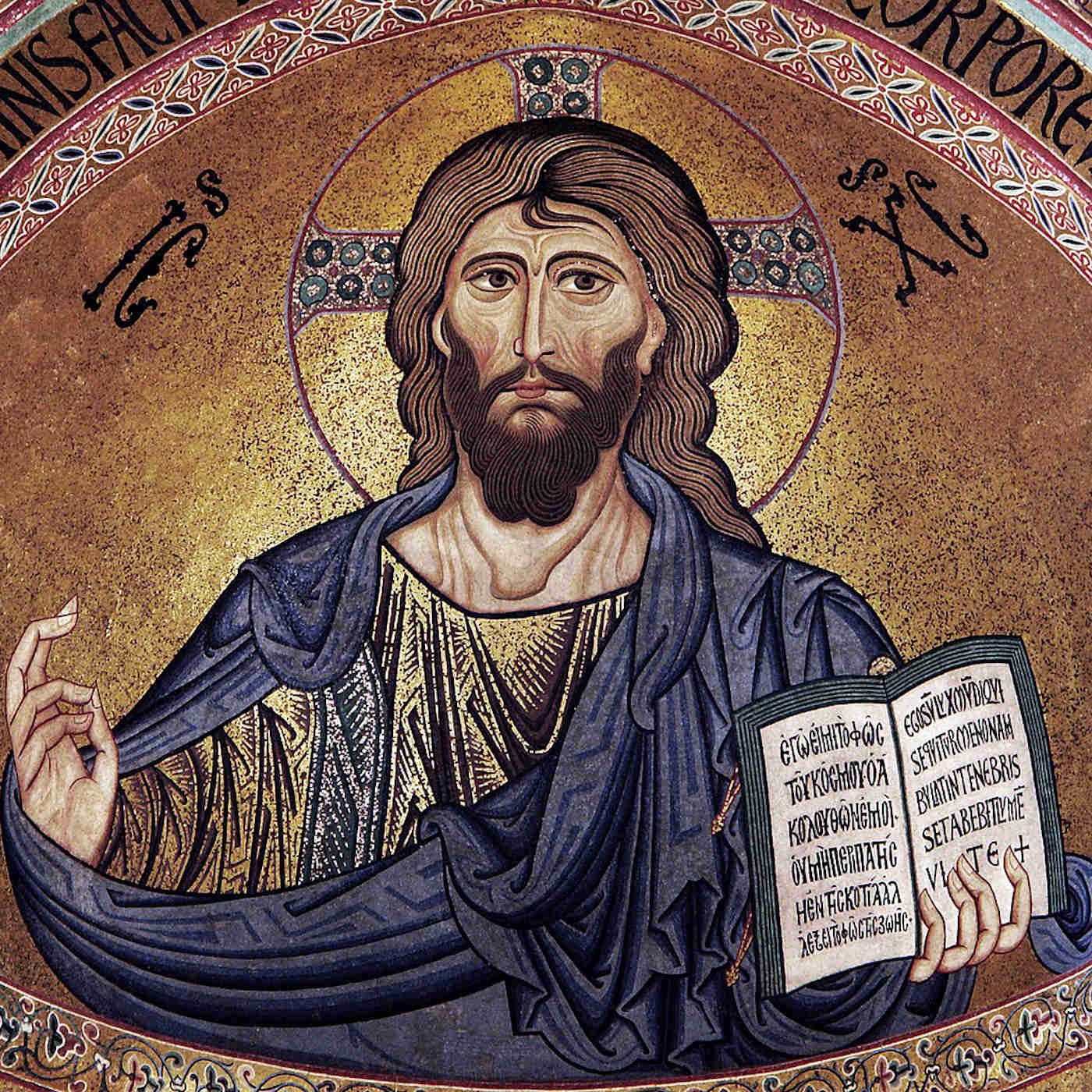
Jun 23, 2023
June 24, Solemnity of the Nativity of Saint John the Baptist - Formed by the Hand of the Lord
All who heard these things took them to heart, saying, “What, then, will this child be?” For surely the hand of the Lord was with him. The child grew and became strong in spirit, and he was in the desert until the day of his manifestation to Israel. Luke 1:65–66 John the Baptist was formed by the hand of the Lord. Saint Thomas Aquinas goes so far as to say that John was sanctified in the womb of his mother, Elizabeth, as is written: “He will be filled with the holy Spirit even from his mother’s womb” (Luke 1:15). From the moment that the Blessed Virgin Mary greeted Elizabeth and John leaped for joy, the hand of the Lord was upon John, making him holy and leading him to the fulfillment of God’s holy will. John’s early life is not recorded for us, other than in the passage quoted above. We are told that he “grew and became strong in spirit, and he was in the desert until the day of his manifestation to Israel.” We should see in this passage the truth that John was not only sanctified within the womb of his mother but that, throughout his childhood and on into adulthood, he remained deeply united to God and was filled with the Holy Spirit. Today we honor one particular aspect of John’s life—his birth. We know that he was blessed to not only be born into the blessed family of Elizabeth and Zechariah but that the Blessed Virgin Mary, the Mother of God, was also his relative and was present at his birth. Zechariah, his father, gave him the name “John” even though it would have been the custom to call him Zechariah after his father. Zechariah did this in obedience to the Archangel Gabriel, who appeared to him prior to John’s birth and instructed him to do so. Great mystery and excitement surrounded the birth of John, and there is little doubt that those who were present at his birth would have been caught up in the intrigue and hope of who he would become. And John didn’t disappoint. It was of him that Jesus one day would say, “I tell you, among those born of women, no one is greater than John…” (Luke 7:28). Though you may not have had the privilege of being sanctified in the womb of your mother, or to have had your father receive a revelation from the Archangel Gabriel prior to your birth, you are, nonetheless, called to be guided by the hand of the Lord each and every day. God wants you to become “strong in spirit” so that you can fulfill the unique will given to you. We honor the great saints, in part, because they give us an example of how to live. For that reason, we must see in each of their lives the model to which we must conform. The primary witness set by Saint John the Baptist is that he was unwaveringly obedient to God and to being formed by His hand. The result was the glorious fulfillment of his unique mission in life, all the way to giving his life as a martyr. Reflect, today, upon the very real fact that, though you were not sanctified in the womb, you were sanctified by Baptism. From there, you were strengthened by the Spirit through Confirmation and are regularly fed by the Most Holy Eucharist. In many ways, you are just as blessed as John. Reflect upon the simple yet profound fact that God wants to use you for His holy mission. He gives to you some particular mission He has not entrusted to another. Say “Yes” to that mission today so that you, too, will be seen as “great” in the Kingdom of Heaven. Lord of all greatness, You sanctified Saint John the Baptist in the womb, and You continued to pour forth Your grace upon him throughout his life. He responded to You and fulfilled his glorious mission. I thank You for the sanctification given to me by my Baptism and strengthened through Confirmation and the Holy Eucharist. Help me to be open to all the graces You wish to bestow so that I may fulfill the unique mission given to me. Jesus, I trust in You. Source of content: catholic-daily-reflections.com Copyright © 2023 My Catholic Life! Inc. All rights reserved. Used with permission via RSS feed.
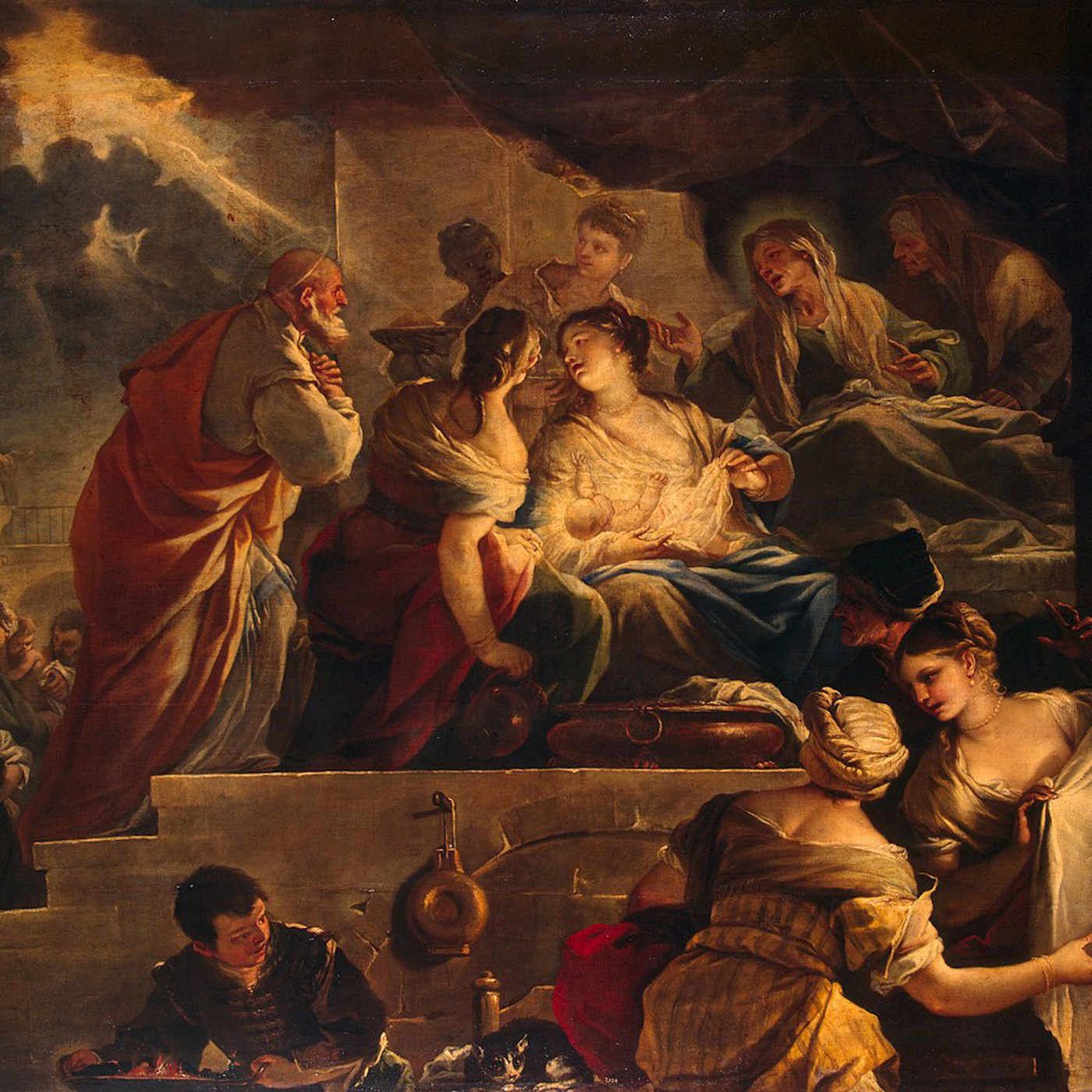
Jun 22, 2023
Friday of the Eleventh Week in Ordinary Time - Your Intentions in Life
“The lamp of the body is the eye. If your eye is sound, your whole body will be filled with light; but if your eye is bad, your whole body will be in darkness. And if the light in you is darkness, how great will the darkness be.” Matthew 6:22–23 Every Scripture passage, in a spiritual sense, can teach us many lessons. Saint Thomas Aquinas, in his commentary on Matthew’s Gospel, offers one interpretation to the passage quoted above by saying that the “eye” in this passage refers to your intention and “your whole body” refers to all of your actions that follow from your intention. Therefore, when your intentions are in line with God’s will, the actions that follow will be also. This is a very practical and useful lesson for your journey toward holiness. With this insight from Saint Thomas, we must look at our intentions in an honest and complete way. What are your intentions in life? It’s easy for us to form various intentions that may seem good as well as some that are contrary to the will of God without even realizing it. We may intend to get a good night's sleep on one occasion. Or intend to have fun with family and friends on a certain day. Or we may intend to cook a good meal, clean the house, do well at work, etc. There are many momentary intentions that are good and are a normal part of daily living. However, the most important intention to consider is that which is the deepest of them all. What is the most central, foundational, and fundamental intention by which your life is directed? The primary intention that you should work to acquire is to give God the greatest glory possible in all that you do. Giving glory to God is accomplished when you choose Him and His holy will above everything else in life. When this is the deepest and most fundamental intention of your life, everything else will flow from it. All secondary intentions and actions will align with this central focus and work toward its accomplishment. But when there are other “first intentions” that you have on the most fundamental level, then all the rest of your intentions and actions will be misguided and directed in a disordered way. Reflect, today, upon the most fundamental intention you have in life. Doing so will require a considerable amount of interior reflection and honesty. It will require that you sort through the many things that motivate you and the decisions you make each and every day. Reflect upon the primary purpose of your life, which must be to give God the greatest glory possible by choosing and living His perfect will. Do all of your daily actions align with this ultimate goal? Commit yourself to the holy work of examining all of your actions in this light so that you will more fully achieve the purpose for which you were created. God of all glory, You and You alone are worthy of all my praise. Your will and Your will alone must become the foundation of all that I choose in life. Give me the spiritual insight I need to look deeply at all that motivates me and all of my most interior intentions in life. May all of my intentions and all of my actions have as their goal Your eternal glory. Jesus, I trust in You. Source of content: catholic-daily-reflections.com Copyright © 2023 My Catholic Life! Inc. All rights reserved. Used with permission via RSS feed.
Jun 21, 2023
Thursday of the Eleventh Week in Ordinary Time - Forgiving Others
“If you forgive others their transgressions, your heavenly Father will forgive you. But if you do not forgive others, neither will your Father forgive your transgressions.” Matthew 6:14–15 It’s truly amazing how often our Lord exhorts us to forgive. Much of Jesus’ Sermon on the Mount, from which we have been reading all week, continually calls us to offer mercy and forgiveness to others. And in the passage above from the end of today’s Gospel, Jesus offers us the consequences of not heeding His exhortations. This passage is a sort of addendum to the “Our Father” prayer which immediately precedes it. The Our Father prayer gives us seven petitions, one of them being “forgive us our trespasses, as we forgive those who trespass against us.” It’s interesting to note that as soon as Jesus taught us this prayer with its seven petitions, He then re-emphasised one of those petitions by stating it again as is seen in the passage quoted above. This added emphasis should assure us of the seriousness of this petition. At first, Jesus simply tells us to pray for forgiveness “as we forgive.” But He then makes it clear that if we fail to do so, we will not be forgiven ourselves. This should highly motivate us to make every effort possible to completely forgive others from the deepest depths of our hearts. Who do you need to forgive? Forgiveness can be a confusing endeavor at times. The act of forgiveness gets confusing when our feelings do not reflect the choice we make in our will. It is a common experience that when we make the interior choice to forgive another, we still feel anger toward them. But these disordered feelings should not deter us nor should we allow them to cause doubt in what we need to do. Forgiveness is first an act of the will. It’s a prayerful choice to say to another that you do not hold their sin against them. Forgiveness does not pretend that no sin was committed. On the contrary, if there were no sin committed, then there would be no need for forgiveness. So the very act of forgiving is also an acknowledgment of the sin that needs to be forgiven. When you make the choice to forgive another, and if your feelings do not immediately follow after, keep forgiving them in your heart. Pray for them. Try to change the way you think about them. Do not dwell upon the hurt that they have inflicted. Think, instead, about their dignity as a person, the love God has for them and the love you must continue to foster for them. Forgive, forgive and forgive again. Never stop and never tire of this act of mercy. If you do this, you may even discover that your feelings and passions eventually align with the choice you have made. Reflect, today, upon any lingering feelings of anger you experience. Address those feelings by the free and total choice to forgive the person with whom you are angry. Do so now, later today, tomorrow and on and on. Go on the offensive against anger and bitterness by overwhelming it with your personal act of forgiveness and you will find that God will begin to free you of the heavy burden that a lack of forgiveness imposes. My forgiving Lord, You offer the perfection of forgiveness to me and call me to do the same toward others. I pray for Your forgiveness in my life. I am sorry for my sin and beg for Your mercy. In exchange for this holy gift, I pledge to You today to forgive everyone who has sinned against me. I especially forgive those with whom I remain angry. Free me from this anger, dear Lord, so that I may reap the full benefits of Your mercy in my life. Jesus, I trust in You. Source of content: catholic-daily-reflections.com Copyright © 2023 My Catholic Life! Inc. All rights reserved. Used with permission via RSS feed.
Jun 20, 2023
Wednesday of the Eleventh Week in Ordinary Time - Transformed by Silent Sacrifices
“When you fast, do not look gloomy like the hypocrites. They neglect their appearance, so that they may appear to others to be fasting. Amen, I say to you, they have received their reward. But when you fast, anoint your head and wash your face, so that you may not appear to others to be fasting, except to your Father who is hidden. And your Father who sees what is hidden will repay you.” Matthew 6:16–18 Many today have abandoned the holy practice of fasting. Fasting is a powerful penitential practice that bestows great benefits upon the soul. The act of self-denial from certain food and drink, choosing instead simple nourishment from time to time, such as bread and water, or a reduced amount of food, greatly strengthens the soul and disposes a person to many spiritual blessings. Too often, we live for fleshly satisfactions and fall into the trap of trying to indulge our appetites on a regular basis. But doing so has the negative effect of tempting us to neglect the more important spiritual desires for holiness. By depriving ourselves of sensory delights from time to time, we become more disposed to seek the true and lasting delights that come only from God’s grace. Therefore, this passage above presumes that we do regularly fast and engage in other forms of self-denial. Do you fast? Do you engage in other forms of self-denial on a regular basis? Daily prayer, reading the Scriptures, learning about the lives of the saints, and regular participation in the Sacraments all lead us closer to God and make us holy. But fasting and self-denial are also very important, so it is essential that we strive to embrace them as a part of our spiritual growth. In this passage, Jesus specifically calls us to seek the interior rewards that come from fasting and self-denial. He points out that if we use fasting as a way of gaining praise from others, then we lose the spiritual benefits of our fasting. Prayer, fasting, and almsgiving must all be done in a way that they are as hidden as possible so that our acts are truly sincere and not done so as to receive the earthly rewards of the admiration of others. Additionally, the lesson taught in this Gospel can also be applied to other areas of our lives. For example, if you are suffering from some illness or some form of bodily pain or discomfort, then of course you should seek the necessary medical attention. But these physical ailments also offer us another opportunity for spiritual growth when they are embraced in a silent and interior way. Even our pain or discomfort can be transformed into grace if we choose to embrace it with joy, offer it to God as a sacrifice, and keep it to ourselves as a silent gift given to God. Reflect, today, upon your practice of fasting, as well as every other opportunity you have each day to make silent and interior sacrifices to God. If you do suffer from some daily cross that is beyond your control, then try to turn it into a spiritual offering to our Lord. And if you are able to freely embrace fasting on a regular basis, then try to prayerfully commit to this practice. Try to do it every week, especially on Friday in honor of the Good Friday sacrifice made by our Lord. Don’t underestimate the value of these hidden sacrifices. Make them a regular part of your spiritual life and God will bestow upon you many spiritual riches from Heaven. My sacrificial Lord, You denied Yourself of many earthly delights, especially when You fasted for forty days in the desert. Help me to take seriously this obligation to fast and to mortify my appetites. And help me to do so in a hidden way. May my life continually imitate Your perfect sacrifice so that I may become more like You every day. Jesus, I trust in You. Source of content: catholic-daily-reflections.com Copyright © 2023 My Catholic Life! Inc. All rights reserved. Used with permission via RSS feed.
Jun 19, 2023
Tuesday of the Eleventh Week in Ordinary Time - The “Gift” of Being Persecuted
Jesus said to his disciples: “You have heard that it was said, You shall love your neighbor and hate your enemy. But I say to you, love your enemies and pray for those who persecute you, that you may be children of your heavenly Father, for he makes his sun rise on the bad and the good, and causes rain to fall on the just and the unjust.” Matthew 5:43–45 Jesus continues to deepen and clarify His call to His new command to love of others. The love to which He calls us is radical, total, and can be very challenging at first. He calls us to move far beyond the Old Testament understanding of justice by commanding that we love everyone, including those who persecute us. This call to love is not an option but a command. It’s a requirement for every Christian. In implementing this command, Jesus gives us not only the command itself but also offers some very practical advice on how we can achieve this depth of love. He says that we should not only love our enemies but that we should pray for them when they persecute us. First of all, an “enemy” is one who tries to inflict some form of harm on us and, generally speaking, sins against us. The common response to these experiences is to defend ourselves and fight back. So the first step is to reject any such temptation. As Jesus said in the Gospel passage prior to this one, “offer no resistance to one who is evil.” Today’s Gospel passage takes us even further. The practical advice our Lord gives is to “pray for those who persecute you.” This command not only requires that you reject the temptation to “get back” at a person or even to simply “resist” what they do to us. You must now pray for them. Praying for someone who sins against you is an act of the greatest charity and generosity. And it’s a very practical way to imitate the abundant mercy of God. For that reason, praying for your persecutors radically transforms you interiorly and makes you holy. In a sense, the evil another does to you has the potential to be transformed into a gift given to you, because it gives you an opportunity to return prayer for an injury inflicted. And that is a very real and practical gift we must embrace by this new command of our Lord. Reflect, today, upon those for whom this new commandment calls you to pray. Whose sin has inflicted some hurt or injury upon you or your family? Who do you hold a grudge toward? Whoever comes to mind, commit yourself to deep and sustained prayer for that person. Pray often for them and continue that prayer for as long as the persecution continues. Doing so will transform any and every attempted malice issued toward you into grace for them and holiness for you. My Lord of abundant mercy, Your command to pray for those who persecute me was first lived by You to perfection. You prayed for those who crucified You as You hung upon the Cross. Give me the grace I need to not only forgive but to also pray for those who have and continue to try to inflict harm upon me. Give me a heart so filled with mercy that every sin committed against me is transformed into love and my own holiness of life. Jesus, I trust in You. Source of content: catholic-daily-reflections.com Copyright © 2023 My Catholic Life! Inc. All rights reserved. Used with permission via RSS feed.
Jun 18, 2023
Monday of the Eleventh Week in Ordinary Time - A New Depth of Mercy
Should anyone press you into service for one mile, go with him for two miles. Give to the one who asks of you, and do not turn your back on one who wants to borrow.” Matthew 5:41–42 As the faith of Israel developed over the centuries, prior to the coming of Christ, there were various stages of advancement in morality. Prior to the establishment of moral laws in the Old Testament, it was common for families to inflict severe vengeance upon other families when harm was done to them. This caused ongoing violence and feuds. But advancements were made when the law of retaliation was established which said, “When a man causes a disfigurement in his neighbor, as he has done it shall be done to him, fracture for fracture, eye for eye, tooth for tooth; as he has disfigured a man, he shall be disfigured” (Leviticus 24:19–20). This was a new form of justice that forbade the vengeance from being more severe than the crime that was retaliated against. At the time, this helped end ongoing family feuds that continually escalated. It is this law of retaliation that Jesus addresses in our Gospel today. The new and much higher form of morality that Jesus taught called His disciples to “offer no resistance to one who is evil” and to turn the other cheek when evil was done to them. Though strict justice requires satisfaction for sin, Jesus’ new teaching was that mercy pays every debt. First, His mercy bestowed upon us, for the forgiveness of our sins, pays the debt of our sins when we truly repent and change. But if we desire our debts to God for our sins to be forgiven and repaid, then we must do the same to others, holding nothing against them. But Jesus goes even further. In the passage quoted above, Jesus exhorts His disciples to a new and radical form of charity and generosity. This new moral code was how the children of the Kingdom of God were now called to act. It was not enough to only forgive and to forget the debt one owes you because of their sin. Mercy now requires us to “Give to the one who asks” and to walk “two miles” with one who only asks you to walk one mile with them. In other words, Christian charity far exceeds every concept of strict justice and even goes beyond basic forgiveness. This was certainly a new and radical teaching from our Lord. Think about this new moral law in your own life. What level of “justice” do you most commonly live by? When someone wrongs you, do you live like those prior to the Old Testament laws by seeking to get back at them to an even greater degree than the harm done to you? Do you live by the law that seeks the equal justice of an eye for an eye? Do you seek to forgive and offer mercy as a payment for the debt another has incurred by the sin they have committed against you? Or, ideally, do you strive to go even beyond the act of forgiveness and bestow mercy in a new and generous, superabundant way? This last level of love is difficult to obtain and live, but it is the way our Lord treats us and it is the way that He calls us to treat others. Reflect, today, upon any hurt you may currently be struggling with. And consider the way in which you have been dealing with that hurt. As you seek to understand this new law of love and mercy given by our Lord, pray to Him that He will give you the grace you need to give to others the same level of mercy that God gives to you. My generous Lord, You offer Your mercy in superabundance. You not only forgive when we repent, You also restore us to far greater heights of holiness than we could ever deserve. Give me the grace I need, dear Lord, to offer this same level of mercy and love to those who have sinned against me. I forgive all who have hurt me. Please help me to also love them with all my heart. Jesus, I trust in You. Source of content: catholic-daily-reflections.com Copyright © 2023 My Catholic Life! Inc. All rights reserved. Used with permission via RSS feed.
Jun 17, 2023
Eleventh Sunday in Ordinary Time (Year A) - Sent by the Power of God
At the sight of the crowds, his heart was moved with pity for them because they were troubled and abandoned, like sheep without a shepherd. Then he said to his disciples, “The harvest is abundant but the laborers are few; so ask the master of the harvest to send out laborers for his harvest.” Matthew 9:36–38 This passage from today’s Gospel begins by revealing to us the Heart of Jesus. His Heart is one that is “moved with pity.” As Jesus looked at the crowds before Him, He could see that they were “troubled and abandoned, like sheep without a shepherd.” The sight of them evoked compassion, concern and mercy from within Him. This is a beautiful image to prayerfully ponder. As Jesus looks at you, He gazes at you as He gazed at the crowds long ago. As He does, the same depths of mercy and compassion are evoked within His Sacred Heart. Sometimes, when we think of God, we allow ourselves to have inaccurate perceptions of Who He is and how He sees us. If you do not regularly see the compassionate Heart of Jesus, then ponder this passage and know that His Heart of love for you is the same as it was for the crowds. The second part of the passage above reveals to us one of the ways that Jesus reaches out to us. He is the “master of the harvest” Who has called others to Himself and then sent them forth to minister in His name and with His authority. The lines that follow the Gospel quoted above tell us that Jesus immediately “summoned his twelve disciples and gave them authority over unclean spirits to drive them out and to cure every disease and every illness.” As you look at your own life, your struggles, your spiritual needs and your desire to grow in faith, how has God fed you? Through whom has He spoken to you? This shepherding will take place by your participation in the Mass, through the Sacrament of Confession, through holy preaching, through the written word, through the inspired witness of another, and in many other ways. What’s helpful to ponder is that any time you have encountered the grace of God through another, it happened because the Master of the Harvest chose to send a laborer to you. When good fruit is borne in your life, it was God Who initiated that good work through another, out of the mercy and compassion of His Sacred Heart. Reflect, today, upon the image of Jesus gazing at you with love and choosing to send His ministers to you in His name and with His authority. Pay special attention to how God has been speaking to you recently. If it is through a particular book, keep reading it. If it is through a certain preacher of the Gospel, keep listening. If it is through a certain conversation with a friend, spouse or loved one, keep talking. God loves you, has a Heart full of compassion for you, and will continue to reach out to you in many different ways, especially by sending others to you in His name. My Lord and Master, You seek to bring forth an abundant harvest of grace in my life. You continuously inspire others to act as instruments of Your love and speak to me through them, calling me to Yourself. May I always be open to the many ways that You come to me, and may I always receive Your holy Word through the ministers You send to me. Jesus, I trust in You. Source of content: catholic-daily-reflections.com Copyright © 2023 My Catholic Life! Inc. All rights reserved. Used with permission via RSS feed.
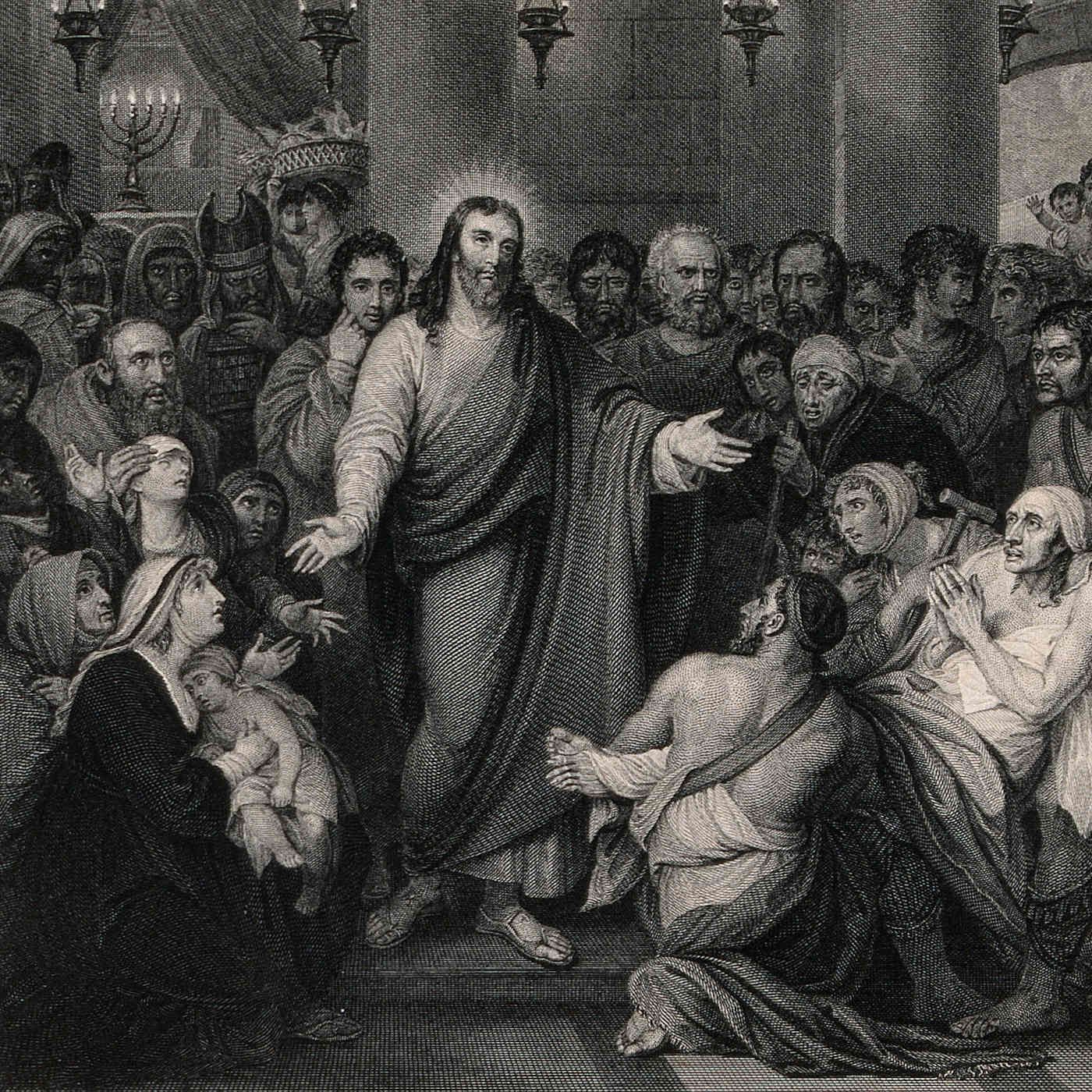
Jun 16, 2023
Memorial of the Immaculate Heart of Mary - The Heart of Perfect Love
He went down with them and came to Nazareth, and was obedient to them; and his mother kept all these things in her heart. Luke 2:51 Over and over, the Scriptures reveal to us that the Blessed Virgin Mary “kept all these things in her heart.” What things? She continually pondered the great mystery of the life of her Son as His sacred life unfolded before her eyes. A mother’s love is strong. Many times, a mother is more aware of the details of her child’s life than even the child itself. She is attentive, consoling, present, tender and loving. This was who Mary was to her divine Son, Jesus. Mother Mary did not have full knowledge of every divine reality. She did not gaze upon the Most Holy Trinity with her eyes as she walked the earth. She did not have the full knowledge of the plan of the Father. But she did walk through life with the perfection of faith. She also knew the many truths of Heaven and earth through her Immaculate Heart. Her heart was a heart filled with every virtue. She loved with a love that was indescribable. And what she especially pondered in her Immaculate Heart, over and over throughout life, was the pure and perfect love she had for her Son. To her, this love left her in amazement. She was continually in a state of holy awe as she interacted with her Son, gazed upon His sacred life, and watched Him advance in “wisdom and age and favor before God and man” (John 2:52). The love in her heart was a lesson to herself. She continually deepened her knowledge of God through the pondering of the perfect love placed in her heart by her God. And this God, her Savior, was her Son. We celebrate today the Memorial of the Immaculate Heart of Mary. Though there are many feasts throughout the year in which we honor this holy daughter of God, this celebration is an opportunity for us all to ponder her pondering heart. A human heart is not just physical, it is also spiritual. It is the spiritual source of our love of God and others. From our heart flows either virtue or vice, love or hate, generosity or selfishness. As we honor the Immaculate Heart today, we are called to look at the ideal of what should live within our own hearts and what should flow forth from them. The perfection of all virtue is what must ideally flow from every human heart throughout time. And it is the heart of our Blessed Mother that will teach us how to internalize those virtues so as to become an instrument of the love of God to others. Reflect, today, upon the spiritual perfection of the Immaculate Heart of Mary. Perfection is difficult to comprehend in our fallen state. But the more we look to the ideal, the more we will desire that ideal. And the more we desire that ideal, the more we will obtain it. Allow yourself today to ponder the ideal heart as it resided in the Mother of God and ask for her to intercede for you so that you will more fully imitate her. Most Immaculate Heart of Mother Mary, you reveal to us the perfect way to love your Son and to be devoted to Him. Fill me with the love you had for your Son by interceding for me. Thank you for the witness you gave to us all and help us to imitate the countless virtues that flowed from your heart. Immaculate Heart of Mary, pray for us. Jesus, I trust in You. Source of content: catholic-daily-reflections.com Copyright © 2023 My Catholic Life! Inc. All rights reserved. Used with permission via RSS feed.
Jun 15, 2023
Solemnity of the Most Sacred Heart of Jesus - The Font of Mercy
But when they came to Jesus and saw that he was already dead, they did not break his legs, but one soldier thrust his lance into his side, and immediately blood and water flowed out. John 19:33–34 John’s Gospel is filled with deep spiritual imagery and symbolism. It is clear that this imagery and symbolism was divinely inspired so as to give us spiritual food for reflection and meditation. One such image is given to us today as we celebrate the Solemnity of the Sacred Heart of Jesus. As Jesus and the two criminals on either side of Him hung upon their crosses, the soldiers came to hasten their deaths by breaking their legs to cause them to more quickly suffocate. But when they came to Jesus, He had already died. So one of the soldiers, traditionally known as Longinus, thrust his spear into Jesus’ side, and blood and water flowed forth. Some traditions identify Longinus with the centurion who cried out after Jesus’ death, “Truly, this was the Son of God!” (See Matthew 27:54.) Other traditions state that he converted at that moment, making him the first convert to Christianity. And still other traditions state that Longinus could not see well, and the blood and water from Jesus’ side poured upon his eyes, healing him. Regardless of whether these traditions are true, we know that Jesus’ side was pierced and blood and water flowed forth. The symbolism of this act was more than a mere human symbol. It was an instrument of the profound spiritual reality that was taking place at that moment. As Jesus’ Sacred Heart was pierced, the blood and water that poured forth was the new sacramental life of the Church. The Blood was the Most Holy Eucharist and the Water was the gift of Baptism. And when Jesus had previously “breathed His last” and “handed over His Spirit,” the Sacrament of Confirmation was bestowed. When we celebrate those Sacraments today, it is easy to see them as mere symbols of what we partake in. But in our Christian Tradition, the Sacraments are so much more. The symbol is also the reality. It is the instrument of what it symbolizes. Therefore, every time we witness a Baptism or partake in the Holy Eucharist, we are mystically present with Longinus, receiving the grace and mercy of our redemption, pouring forth from Jesus’ wounded side, so as to heal us and make us whole. The human heart is, physically speaking, a bodily organ responsible for pumping blood throughout. But from a spiritual perspective, given that we are both body and soul, the human heart is also the source of our life. Without it, we physically and spiritually die. So it is with the Sacred Heart of Jesus. It was not only a physical heart that was physically pierced by the lance long ago. It is now also the source of our ongoing spiritual life, and, without Jesus’ Sacred Heart of Mercy, we will die in our sins. Reflect, today, upon the Most Sacred Heart of Jesus. See His Heart as the ongoing source of your new life in grace. Understand that His Heart is more than a symbol of His grace and mercy, it is the spiritual source and the font of that mercy. Prayerfully place yourself before His Cross, this day, and allow the blood and water, flowing from His wounded side, to cover you so that you, too, may believe. Most Sacred Heart of Jesus, You poured out upon the world the love and mercy of Your transforming grace through the instrument of the blood and water pouring forth from Your wounded side. Help me to gaze upon this font of mercy and to be covered with it through the gift of the Sacraments. May I always be open to all that You wish to bestow upon me by these precious and transforming instruments of Your love. Sacred Heart of Jesus, have mercy on us. Jesus, I trust in You. Source of content: catholic-daily-reflections.com Copyright © 2023 My Catholic Life! Inc. All rights reserved. Used with permission via RSS feed.
Jun 14, 2023
Thursday of the Tenth Week in Ordinary Time - The Burden of Anger
“You have heard that it was said to your ancestors, Y ou shall not kill; and whoever kills will be liable to judgment. But I say to you, whoever is angry with his brother will be liable to judgment, and whoever says to his brother, Raqa , will be answerable to the Sanhedrin, and whoever says, ‘You fool,’ will be liable to fiery Gehenna.” Matthew 5:21–22 The passage quoted above gives us three deepening levels of sin that we commit against another. These sins were new teachings not contained in the Old Testament. By this teaching, Jesus’ call to radical holiness and love of neighbor is made very clear. The first level of sin is simply to be “angry” interiorly. The sin of anger is an interior attitude of disgust toward another. Jesus says that the consequence of having anger toward another is that you will be “liable to judgment.” The second level of sin is when you say to another “ Raqa. ” This Aramaic word is difficult to translate but would include some form of expression of one’s anger toward another. It would be a derogatory way of saying to another that they are unintelligent or inferior. The third level of sin Jesus identifies is when you call another “fool.” This word is an even stronger expression of Raqa and would be a verbal criticism of them, indicating that the person is a lost soul in a moral sense. It’s a strong moral condemnation of another that is expressed. So, do you struggle with anger? Jesus’ calling to freedom from all levels of this sin is a high one. There are many times in life when our passion of anger is stirred up for one reason or another, and that passion leads to one of these levels of sin. It’s a common temptation to want to condemn another with whom you are angry in the strongest way possible. It’s important to understand that this new teaching of Jesus is truly not a burden when understood and embraced. At first, it can seem that these laws of our Lord against anger are negative. That’s because lashing out at another gives a false sense of satisfaction, and these commands of our Lord, in a sense, “rob” us of that satisfaction. It can be a depressing thought to think about the moral obligation to forgive to the point that disordered anger disappears. But is it depressing? Is this law of our Lord a burden? The deep truth is that what Jesus teaches us in this passage is, in many ways, more for our own good than that of others. Our anger toward another, be it interior, verbally critical or all-out condemning, can be hurtful toward the person with whom we are angry, but the damage these forms of anger do is far worse for us than them. Being angry, even interiorly, even if we put on a happy face, does great damage to our soul and our ability to be united to God. For that reason, it is not this new law of our Lord regarding anger that is the burden, it is the anger itself that is a heavy burden and a burden from which Jesus wants you free. Reflect, today, upon the sin of anger. As you do, try to see your disordered anger as the real enemy rather than the person with whom you are angry. Pray to our Lord to free you from this enemy of the soul and seek the freedom that He wants to bestow. My merciful Lord, You call us to perfect freedom from all that burdens us. Anger burdens us. Help me to see the burden that my anger imposes upon me and help me to seek true freedom through the act of forgiveness and reconciliation. Please forgive me, dear Lord, as I forgive all who have hurt me. Jesus, I trust in You. Source of content: catholic-daily-reflections.com Copyright © 2023 My Catholic Life! Inc. All rights reserved. Used with permission via RSS feed.
Jun 13, 2023
Wednesday of the Tenth Week in Ordinary Time - The New Law of Grace
Jesus said to his disciples: “Do not think that I have come to abolish the law or the prophets. I have come not to abolish but to fulfill. Amen, I say to you, until heaven and earth pass away, not the smallest letter or the smallest part of a letter will pass from the law, until all things have taken place.” Matthew 5:17–18 The law and the prophets, as found in the Old Testament, consists of three types. First, there are the moral laws, such as the Ten Commandments, that are primarily based on the natural law of God. By “natural law,” we mean that our human reason can understand their truthfulness, such as with “Thou shall not kill, steal, etc.” Second, there were many liturgical precepts that were laid down and practiced as a preparation for and prefiguration of their ultimate liturgical fulfillment. The fulfillment is now found in the sacramental life of the Church. Third, there were various legal precepts that gave specific directions on daily living. These laws include instructions on food, relations with others, how to treat foreigners, cleansings, purifications of utensils, tithing, and much more. In our Gospel today, Jesus essentially says two things. First, regarding the legal and liturgical precepts, He says that He came to “fulfill” them. Thus, Christians are no longer bound by these Old Testament legal and liturgical laws, in that we are now called to a much higher fulfillment of them all. But as for the moral laws, especially those found in the Ten Commandments, not a single precept taught is abolished. Instead, these Commandments are deepened, and the call to moral perfection is now much clearer. It is for this reason that Jesus goes on to say, “Therefore, whoever breaks one of the least of these commandments and teaches others to do so will be called least in the Kingdom of heaven. But whoever obeys and teaches these commandments will be called greatest in the Kingdom of heaven.” It’s important to understand that those who lived before the time of Christ were not held to the same standard as we are today. That’s because they did not enjoy the gift of grace that was won by the Cross and is bestowed by the Holy Spirit. Today, we have so much more and, for that reason, are called to a much greater life of holiness. For example, we no longer celebrate the Passover as a mere remembrance of what God did by setting the Israelites free from slavery to the Egyptians. Today, we celebrate the New Passover through our participation in the Holy Eucharist, and our “remembrance” goes beyond the simple recalling of a memory of old. Our remembrance is one that enables us to actually participate in the saving sacrifice of Christ. We share in the actual event and are partakers of the grace won on the Cross each time we celebrate the Holy Mass. And as for the moral laws of the Old Testament, they become the bottom line of morality. The upper limit is now much higher. We are to love our enemies and pray for those who persecute us. We are to lay down our lives for others and take up our crosses daily to follow Jesus. We are called to the perfection of sacrificial love, and that is only possible by our sharing in the very life, death and resurrection of Christ our Lord. Reflect, today, upon the very high calling you have been given by our Lord. It’s not enough to simply do the bare minimum in our worship and moral life. Doing so may permit you to be “least in the Kingdom of heaven,” but God wants you to share in His greatness. He calls you to be among the “greatest in the Kingdom of heaven.” Do you understand your high calling? Do you have the perfection of holiness as your goal? Commit yourself to the full participation in the New Law of Christ and you will be eternally grateful that you did. My most glorious Lord, You came to bring our lives to the fullness of grace and holiness. You call us to the heights of Heaven. Help me to see my high calling, dear Lord, and to work diligently to embrace all that You now command by Your New Law of grace and mercy. Jesus, I trust in You. Source of content: catholic-daily-reflections.com Copyright © 2023 My Catholic Life! Inc. All rights reserved. Used with permission via RSS feed.
Jun 12, 2023
Tuesday of the Tenth Week of Ordinary Time - Salt and Light for the World
Jesus said to his disciples: “You are the salt of the earth. But if salt loses its taste, with what can it be seasoned? It is no longer good for anything but to be thrown out and trampled underfoot. You are the light of the world…” Matthew 5:13–14 Every Christian has two primary duties in life. First, we must strive for personal holiness. And second, we must work to help others achieve this same degree of holiness. This is what it means to be the “salt of the earth” and the “light of the world.” Consider salt. Salt is a preservative, and it also adds flavor to food. It does so by entering the food and, in a sense, disappearing. So it must be with us. First, our Lord must enter our lives and preserve us from the corruption of sin. But as He does so, He will also bring out our goodness in a way that the “flavor” of holiness is evident to others. In this way, we will be used as salt for others. This is especially done by our works of charity. Saint Thérèse of Lisieux said in her autobiography, “I see now that true charity consists in bearing with the faults of those about us, never being surprised at their weaknesses, but edified at the least sign of their virtue.” She believed that this was especially the way we act as salt and light to others. We help to preserve others from sin by being merciful to them when they are weak. We enrich their lives by seeing their goodness and rejoicing in it. And we do so in a hidden way. By our gentleness and compassion, our kindness and mercy, we preserve others and help them to grow in God’s abundant grace. And we do so, many times, without them even realizing how God used us. Consider, also, light. The world in which we live is oftentimes quite dark and despairing. There is corruption all around us and temptations abound. Thus, the light of Christ must be made manifest far and wide. Those all around us need to see clearly the path to holiness and happiness. Again, this is possible if we first work to become light itself. Christ, the true Light of the World, must so permeate our lives that we find it almost automatic to shine brightly in a fallen world. When Christ is alive in us, we will radiate joy and peace, calm and conviction, moral goodness and determination. And when we live this way, we will not have to “impose” the Gospel on others; rather, God's light will simply shine and be a beacon of hope to those who come into our presence. Reflect, today, upon these two missions in life. First, ponder your call to holiness. How does God want to bring light into your own life, preserve you from all sin and add spiritual flavor for holy living? Second, who does God want you to love with His love? Who needs hope and joy, mercy and kindness, words of wisdom and encouragement? Be holy and then allow that holiness to shine forth to others and you will indeed be the salt of the earth and the light of the world. My Jesus, the true Light of the World, please shine brightly in my life so that I will see clearly and will be preserved from the darkness of sin. As You fill me with Your light, please use me as an instrument of Your love and mercy to a world filled with chaos and confusion. Dispel the darkness, dear Lord, and use me as Your instrument as You will. Jesus, I trust in You. Source of content: catholic-daily-reflections.com Copyright © 2023 My Catholic Life! Inc. All rights reserved. Used with permission via RSS feed.
Jun 11, 2023
Monday of the Tenth Week in Ordinary Time - The Heights of Holiness
When Jesus saw the crowds, he went up the mountain, and after he had sat down, his disciples came to him. He began to teach them, saying: “Blessed are the poor in spirit, for theirs is the Kingdom of heaven.” Matthew 5:1–3 Today we are given the incredibly high calling of the Beatitudes to ponder. These lessons were taught by Jesus on a hill just north of the Sea of Galilee. Many were coming to Jesus to listen to Him preach and to witness His many miracles. They flocked to Him in this remote location, and Jesus had them recline as He preached what is now referred to as “The Sermon on the Mount.” This sermon is found in Chapter 5 through 7 of Matthew’s Gospel, and it takes place shortly after Jesus began His public ministry. What a way to begin His public ministry! This teaching of Jesus was brand new and must have left many people mesmerized. Jesus no longer taught only the precepts of the Old Testament, such as the Ten Commandments; He now elevated the moral law to a level never conceived of before. As the people listened to this new teacher speak with new authority and wisdom, they may have been excited and confused at the same time. To hunger and thirst for righteousness, to be merciful and clean of heart, and to be a peacemaker could have been accepted. But why was it that being poor, mournful, and meek were considered blessings? And even more challenging, why was it good to be persecuted for the sake of righteousness or insulted and falsely accused because of Jesus? When Jesus’ new and radical teaching is clearly understood, it is not only His first disciples who may have been confused and excited at the same time. You, too, if you truly listen to His teachings and understand what He means, will find that you may be challenged to the core of your being. Jesus’ teaching must be embraced, fully, and without hesitation. The Beatitudes are our call to perfection. They lay out for us the path by which we travel to the heights of holiness and obtain the glory of Heaven. They are our fine-tuned and detailed road map to the fullness of happiness and joy. But they also call us to a radical transformation of our minds and in our actions. They are not “easily” embraced, in the sense that they require that we turn from every selfish tendency we have and choose to live free of every earthly temptation, attachment and sin. Perfection awaits those who listen to, understand, and embrace the Beatitudes. Reflect, today, upon the beginning of this challenging Sermon on the Mount. Try to find time to take each Beatitude to prayer. It is only through prayer and meditation that the full meaning of each of these invitations to holiness will be understood. Start with the call to interior poverty of spirit. This Beatitude calls us to complete detachment from all that is not part of God’s will. From there, consider the importance of mourning over your sin, of seeking purity of heart and humility in all things. Ponder each Beatitude and spend time with the one most challenging to you. Our Lord has much to say to you through this sermon. Don’t hesitate to allow Him to lead you to the heights of holiness through it. Lord of all holiness, You are perfect in every way. You lived every virtue and Beatitude to perfection. Give me the grace to open myself to You so that I may hear You call me to perfection of life and so that I may respond generously with my whole life. Make me holy, dear Lord, so that I will find the happiness and fulfillment You wish to bestow. Jesus, I trust in You. Source of content: catholic-daily-reflections.com Copyright © 2023 My Catholic Life! Inc. All rights reserved. Used with permission via RSS feed.
Jun 10, 2023
Solemnity of the Most Holy Body and Blood of Christ - Wonder and Awe Before the Eucharist
While they were eating, he took bread, said the blessing, broke it, gave it to them, and said, “Take it; this is my body.” Then he took a cup, gave thanks, and gave it to them, and they all drank from it. He said to them, "This is my blood of the covenant, which will be shed for many.” Mark 14:22–24 (Year B Gospel) At the holy Mass, as soon as the priest pronounces the words of the consecration, transforming the bread and wine into the Body and Blood, Soul and Divinity of Jesus Christ our Lord, he genuflects, rises, and then says, “The mystery of faith.” What is “the mystery of faith?” Oftentimes, when we say that something is a mystery, we mean that the conclusion is hidden but that there are certain clues to help solve the mystery. And once the mystery is solved, everything is clear and it is no longer a mystery. “The mystery of faith” is much different. Those words are spoken at Mass immediately after the consecration as a way of drawing the faithful into a holy awe and amazement of what just took place. But this mystery can only produce wonder and awe if the reality of what just took place is understood through the gift of faith. Faith is knowing and believing without perceiving the reality before us with our five senses or through logical deduction. In other words, faith produces true knowledge of a spiritual reality that can only be known, understood and believed through spiritual insight. Therefore, if we attend the Mass and have been gifted with the knowledge of faith, then as soon as the consecration of the bread and wine takes place, we will cry out interiorly, “My Lord and my God!” We will know that God the Son is present before us in a veiled way. Our eyes do not perceive, nor do any of our senses reveal to us the great reality before us. We cannot rationally deduce what just took place. Instead, we come to know and believe that the Son of God, the Savior of the World, is now present before us in His fullness, under the veil of mere bread and wine. In addition to the divine presence of our Lord and our God, the entire Mystery of our Redemption is made present. Saint Pope John Paul II tells us that in this moment there is a “oneness in time” that links the Paschal Mystery , that is, the Life, Death and Resurrection of Jesus, to every moment that the Eucharist is celebrated and made present through the words of consecration. And that unity between each Mass and the Paschal Mystery “leads us to profound amazement and gratitude” ( Ecclesia de Eucharistia , #5). Do you sense and experience this profound amazement and gratitude each time you attend the Holy Sacrifice of the Mass? Do you realize as you attend the Mass and as the words of consecration are spoken that the entire Mystery of your redemption is made present before you, hidden from your eyes but visible to your soul by faith? Do you understand that it is God the Second Person of the Most Holy Trinity Who descends to us to dwell with us in that moment of time in this glorious Sacrament? Reflect, today, upon the hidden but real Mystery of Faith. Allow yourself to be drawn into a wonder and awe at what you are privileged to attend. Let your faith in the Most Holy Eucharist grow by being open to a deepening of this gift of faith through spiritual insight and belief. Behold this great Gift of the Eucharist with the eyes of faith and you will be drawn into the wonder and awe that God wants to bestow upon you. My ever-glorious Eucharistic Lord, I do believe that You are here, made present in our world under the form of bread and wine, every time the Holy Mass is celebrated. Fill me with a deeper faith in this Holy Gift, dear Lord, so that I may be drawn into wonder and awe every time I witness this holy Consecration. Jesus, I trust in You. Source of content: catholic-daily-reflections.com Copyright © 2023 My Catholic Life! Inc. All rights reserved. Used with permission via RSS feed.
Jun 9, 2023
Saturday of the Ninth Week of Ordinary Time - The Freedom to Give All
Jesus sat down opposite the treasury and observed how the crowd put money into the treasury. Many rich people put in large sums. A poor widow also came and put in two small coins worth a few cents. Mark 12:41–42 As soon as Jesus saw this widow contribute her “few cents” worth of coins, Jesus was moved with love. He immediately used this as an opportunity to teach a lesson to His disciples. He called them over and explained that this poor widow had contributed more than anyone because “she, from her poverty, has contributed all she had, her whole livelihood.” Our Lord judges generosity far differently than the world. What does it mean to be generous? Generosity certainly applies to how you use your money. But it also applies to your time, energy, commitment, and every other aspect of your life. To be generous, according to Jesus, is to give all you have, your “whole livelihood.” You accomplish this goal when you make God and His holy will the central and most important part of your life. You can hold nothing back from Him! Does this mean that if you want to strive for perfection, then you must give away all you own? Perhaps the best answer is both “Yes” and “No.” The answer is “Yes” in the sense that we must become completely detached, on an interior and spiritual level, from everything that is not part of God’s perfect will. The answer is “No” in the sense that, for most people, it is part of His holy will that you own a house, a car, other possessions, and do enjoy other material comforts with your family and friends. The key is the interior detachment and the central focus upon the glory of God and the total service of His holy will. Love of God and neighbor, and freedom from selfishness, will be the guiding factors in these decisions. With that said, there are certainly some who live in excess and indulgence in our world and, as a result, are deeply attached to their extravagant lifestyle. And there are some who are physically poorer who are just as attached, interiorly, to that which they do not have. For example, what if this poor widow, instead of giving her last few cents, sat in the Temple area watching as the wealthy put in large sums of money and allowed herself to grow in jealousy and greed. This interior attitude would have been in stark contradiction to the generous and trusting spirit she acquired through her total generosity. True generosity is a fundamental disposition of our lives. It means that we have chosen to imitate our Lord through a total self-giving of ourselves to His holy will. And that does include seeing all that we possess as belonging to Christ for the service of His holy will. Reflect, today, upon whether material possessions and wealth possess you more than you possess them. Are you controlled by desires for more and struggle with disordered attachments to the things you do have? Are you able to make love of God and love of neighbor the central focus of your life and use all that you have, in accord with God’s will, for those purposes? Reflect upon the generosity in the heart of this humble and poor widow and allow our Lord to teach you how to be generous through her holy witness. My generous Lord, You bestow upon us all good things. You enrich our lives with Your love and mercy which are the true treasures we must seek. Fill my heart with the same generosity exemplified by this poor widow so that I, too, will imitate the total self-giving that she lived in imitation of You. Jesus, I trust in You. Source of content: catholic-daily-reflections.com Copyright © 2023 My Catholic Life! Inc. All rights reserved. Used with permission via RSS feed.
Jun 8, 2023
Friday of the Ninth Week of Ordinary Time - A True Image of Christ
As Jesus was teaching in the temple area he said, “How do the scribes claim that the Christ is the son of David? David himself, inspired by the Holy Spirit, said: The Lord said to my lord, ‘Sit at my right hand until I place your enemies under your feet.’” Mark 12:35–36 At the time of Jesus’ ministry, the Jews understood that the Messiah would come from the line of David. Furthermore, many thought that the Messiah would simply be a nationalistic leader who would lead the Jewish nation out of the oppression of the Romans. Thus, they reduced the Messiah to a descendent of David who would set them free in a more political way. In the passage above, Jesus gives clarity to this common understanding of the Messiah as the “son of David.” The Messiah would not only descend in human form from David’s ancestral line, He was also David’s “Lord.” Jesus shows this by pointing to Psalm 110 in which David refers to the Messiah as his Lord. And though this subtle distinction may not at first seem to be that important to us today, Jesus clearly makes an intentional effort to teach this. One key lesson we should take from this passage is that we must work diligently to have a correct image of Jesus. Though today we may not see our Lord as a nationalistic leader who came to set us free from political oppression, we can often form other erroneous images of Him. For the Jews at that time, the idea that the Messiah was also the “Lord” of King David was new. This points to the divinity of the Messiah and His eternal nature. Jesus gives this subtle clarification and “The great crowd heard this with delight.” We also must work to delight in a clear and correct understanding of Who Jesus, the Messiah, the Son of God and Son of Man truly is. So Who is He? To answer this question, first consider how you see Jesus in your life. Jesus is your friend, a wise teacher, an inspiring personality, a kind soul, a merciful leader and a model for us all. But He is also so much more. To pick only one image of Who Jesus is and to then give that one image excessive focus in our lives is an error similar to the error that many of the Jews had at the time Jesus taught them. The “so much more” is the part we must focus on as we consider the identity of our Lord. We must see Him as God, the Second Person of the Most Holy Trinity. As God, He is to be worshiped and adored. And though He was God from all eternity, He also took on human flesh, uniting humanity with divinity. And as a human, He permitted Himself to die so that He could rise in His human nature. This way, if we unite ourselves to Him through a total surrender of our lives, then we will also die in our sin but then rise with Him to new life. In so doing, we are given the gift of eternal salvation and are enabled to share in the eternal life of the Most Holy Trinity. Though much more could and should be said about the identity of our Lord, this slight glimpse into His life should help us to avoid the trap of limiting Who He is in our minds and hearts. Reflect, today, upon the image you have of Jesus. Look for ways that you may unintentionally limit His greatness and glory in your mind and heart. Try to expand that image of our Lord that you have and be open to all that He desires to reveal to You about Himself. The more you do so, the more you, too, will be filled with “delight” as the Person of our Lord is more clearly revealed to you. My infinite and glorious Lord, You are so far beyond our understanding and comprehension, yet You invite us to come to You so that we may know You more fully. Give me the grace I need, dear Lord, to shed the erroneous and limited images of You that I have, so as to come to know You as You are. Jesus, I trust in You. Source of content: catholic-daily-reflections.com Copyright © 2023 My Catholic Life! Inc. All rights reserved. Used with permission via RSS feed.
Jun 7, 2023
Thursday of the Ninth Week of Ordinary Time - The Gift of Understanding
And when Jesus saw that he answered with understanding, he said to him, “You are not far from the Kingdom of God.” And no one dared to ask him any more questions. Mark 12:34 Finally, we have the witness of one of the religious leaders, a scribe, who got it right. The passage above is the conclusion of the interaction with this scribe who asks Jesus which of all the commandments is the first and greatest. Jesus gives the twofold answer that we are to love God above all, with all your heart, mind, soul and strength, and our neighbor as ourselves. The scribe then responds to Jesus’ answer by saying, “Well said, teacher. You are right…” And then Jesus compliments this scribe with the quoted passage above. Recall that almost all of the Pharisees were continually rebuked by Jesus because of their self-righteous arrogance. The Sadducees were also chastised but often to a lesser degree. And now we have a scribe who outshines them all. The scribes were primarily functionaries who copied or created various liturgical and legal documents. Some of the Pharisees were also scribes. And most of the time, when Jesus condemned the Pharisees, He also condemned the scribes. But this scribe is different. This scribe appears to not only be interested in Jesus’ answer but also manifests “understanding” of what Jesus said to him. Don’t underestimate the importance of this gift of understanding. In order to truly understand that which our Lord speaks to us, we must be open. And openness requires humility. Humility is a virtue that is contrary to a “know-it-all” attitude. It’s a disposition of mind and heart that listens to God speak, hears what He says, comprehends all truth by the gift of grace, and prayerfully submits to that truth. Humility enables us to look beyond ourselves for the answers to the most difficult questions in life. It enables us to turn to the one and only source of truth, Jesus Christ Himself. And the fruit of this humble openness is the gift of understanding. It’s an understanding of the mysteries of life which is beyond our natural intellectual capacity. The grace of God is able to teach and form the humble soul and fill it with clarity of vision and an acceptance of the deepest truths. Reflect, today, upon Jesus’ words to this scribe. “You are not far from the Kingdom of God.” Does Jesus also speak these words to you? Have you humbly sought out the answers to the many questions of life by turning to our Lord? More specifically, are you able to look at your life and rejoice in the fact that God has also given you His gift of understanding? If not, then look within and consider which questions you most need to bring to Jesus. Place them before Him and then listen, be open and be ready to respond when He speaks. Hearing and responding to our Lord will result in our Lord saying these same words to you. My Lord of all Truth, You look upon the humble souls with graciousness and mercy, and You reveal to them the mysteries of the Kingdom of Heaven. Please give me the gift of humility, dear Lord, so that I may always turn to You with every question in life. Fill me with the gift of understanding so that I may know how to love and serve You more faithfully each and every day. Jesus, I trust in You. Source of content: catholic-daily-reflections.com Copyright © 2023 My Catholic Life! Inc. All rights reserved. Used with permission via RSS feed.
Jun 6, 2023
Wednesday of the Ninth Week of Ordinary Time - The Wisdom of God
Some Sadducees, who say there is no resurrection, came to Jesus and put this question to him, saying, “Teacher, Moses wrote for us, ‘If someone’s brother dies, leaving a wife but no child, his brother must take the wife and raise up descendants for his brother.’ Now there were seven brothers…” Mark 12:18–20 And these Sadducees then go on to present to Jesus a long and unlikely hypothetical scenario in which this woman eventually married all seven brothers after each one died. And at the conclusion of their hypothetical situation, the Sadducees ask Jesus, “At the resurrection when they arise whose wife will she be?” Of course, Jesus offers them the correct answer and then also states something interesting. He tells the Sadducees that they “are greatly misled.” Just prior to this conversation with the Sadducees, the Pharisees had presented their own question to Jesus in an attempt to trap Him. The difference seems to be that the Sadducees had more sincerity in their pursuit of the truth whereas the Pharisees were more obsessed with their own authority and power. The Sadducees were considered the more traditional of the religious leaders, in that they accepted only the Torah, the first five books of the Old Testament, as authentically revealed. They also did not accept the afterlife or the resurrection of the dead because they believed that the Torah did not explicitly teach those things. The Pharisees not only accepted the Torah but also the rest of what is contained in the Old Testament. The Pharisees also accepted what was referred to as the “tradition of the elders,” which meant that they paid much attention to the scrupulous multiplication of laws and regulations that other Pharisees devised, and they sought to impose those man-made laws upon the people. In this Gospel passage, the problem with the Sadducees seems to be scrupulosity and rigidity in their approach to the faith. They clearly relied upon human reason, and they applied their human reason to the Torah. And though human reason and logical deduction are helpful and necessary in life, they attempted to solve every matter of faith by their own effort by narrowly and rigidly interpreting the Torah. They did not allow themselves to be open to the deeper wisdom of God that floods one's human reason when one is attentive to divine inspiration and revelation. Instead, they were black and white in all of their deductions and practices. This rigidity left them “greatly misled.” In our own lives, we can also become greatly misled when we use the gift of our human reason in a rigid and narrow way. We must never overly simplify the faith, and we must never think that we will easily be able to arrive at all the answers by our own effort. Our constant goal must be to allow our minds to become fully immersed in the deepest wisdom of God and all that He has revealed. The teachings of the Church will guide us, keeping us on the straight path, but it will be the voice of God, speaking to our minds in a real and personal way, that will help us to understand the depth and breadth of God’s Will, His Truth, and Wisdom. Reflect, today, upon any tendency you have to be like these Sadducees. Are you rigid? Or narrow minded? Do you allow yourself to be misled into thinking you have all the answers? If so, seek humility. Humble yourself before the awesome mysteries of Heaven. Use your mind to probe the truths that God has revealed and be ready to be drawn deeper and deeper into the life of God Himself. My Lord of infinite wisdom, You are Truth Itself, and You continually reveal Yourself to us. Give me the humility I need to always be open to all divine Truth in my life so that I will come to know You and Your holy will as You desire. Jesus, I trust in You. Source of content: catholic-daily-reflections.com Copyright © 2023 My Catholic Life! Inc. All rights reserved. Used with permission via RSS feed.
Jun 5, 2023
Tuesday of the Ninth Week of Ordinary Time - Combating the Deceptions of the World
“Is it lawful to pay the census tax to Caesar or not? Should we pay or should we not pay?” Knowing their hypocrisy he said to them, “Why are you testing me? Bring me a denarius to look at.” Mark 12:14–15 These Pharisees and Herodians were sent to trap Jesus in His speech. These men were very politically minded and loved to pick sides and find fault with others. They were self-righteous and cared little about the salvation of souls. So they came to Jesus with what appeared to be an innocent question. They appear to presume that Jesus would voice opposition to paying the census tax to Caesar, and, if He did, they were ready to report Him to the civil authorities. They didn’t care about the truth; they only cared about trapping our divine Lord. When they brought the Roman coin to Jesus with the image of Caesar on it, Jesus spoke that profoundly wise line, “Repay to Caesar what belongs to Caesar and to God what belongs to God.” Clearly, if these hypocritical religious leaders would have come to Jesus with humility and sincerity, Jesus would have responded to them much differently. But because they came only to trap, twist and destroy our Lord, Jesus puts them in their place with an act of divine wisdom. He doesn’t show support for paying the census tax, nor does He speak against it. Therefore, this Gospel passage ends with the line: “They were utterly amazed at him.” “Amazement” is the right response. Therefore, in a sense, we can learn from these hypocritical religious leaders. Whenever we come face-to-face with the profound wisdom of God, we should experience awe and holy amazement. Of course, the amazement they experienced was on account of Jesus thwarting their evil trap. But even though that is the case, we can learn from this that the wisdom of God can never be outdone. God’s wisdom silences the foolishness of the age and reveals the hidden malice behind that evil. Have you ever been confronted by the trickery of the secular “know-it-alls” of our age. Have you ever been challenged by another, had your faith directly attacked, or your moral convictions called into question? Most likely, if you have chosen to live your faith openly and with confidence, you may have felt the attack of another. For those who lack a deep faith and a clear gift of divine wisdom, such trickery can cause confusion and anxiety. You may find you do not know how to respond and feel trapped by the erroneous “wisdom” of the age. In that case, what do you do? The only answer to the false doctrines and deceptions we will all encounter within the growingly secular and atheist world is the answer that comes from divine wisdom. By ourselves, none of us is wise enough to combat these errors. Therefore, our only recourse is to continually turn to the wisdom of God. We turn to the wisdom of God through prayer and sacred study. Our prayer opens our minds to the clear voice of God Who speaks pure truth. And sacred study, especially of the Scripture, the teachings of the Church and the lives of the saints, will help to clarify God’s voice and dispel the confusion the world tries to throw at us. In the end, if we are not immersing our minds in the true wisdom of God, we will be unprepared for that which we encounter within the world. Reflect, today, upon your need to be filled with divine wisdom so as to navigate the trickery and foolishness of the world. Acknowledge that you are not wise enough on your own to cut through the confusion of life. Pray for the gift of wisdom and allow our Lord to bestow it upon you. Lord of all Truth, You are wise beyond all worldly wisdom, and You thwart the trickery of the evil one. Open my mind, dear Lord, to Your holy Truth so that I may be able to navigate through the challenges of life. Bestow Your wisdom upon me, dear Lord, so that I may follow You wherever You lead. Jesus, I trust in You. Source of content: catholic-daily-reflections.com Copyright © 2023 My Catholic Life! Inc. All rights reserved. Used with permission via RSS feed.
Jun 4, 2023
Monday of the Ninth Week in Ordinary Time - Exercising Authority
Jesus began to speak to the chief priests, the scribes, and the elders in parables. “A man planted a vineyard, put a hedge around it, dug a wine press, and built a tower. Then he leased it to tenant farmers and left on a journey. At the proper time he sent a servant to the tenants to obtain from them some of the produce of the vineyard. But they seized him, beat him, and sent him away empty-handed.” Mark 12:1–3 This was the first of “many” servants the owner of the vineyard sent to the tenants to obtain some of the produce of the vineyard. Some of the servants were mistreated, some beaten and others were killed. In the end, the owner sent his son. The tenants killed him, thinking that they would inherit the vineyard if the son were dead. The context of this parable is important. Jesus had just entered Jerusalem for the beginning of the first Holy Week, which would ultimately end with His death and resurrection. The day before, Jesus had cleansed the Temple of the money changers. The chief priests, scribes and elders were outraged and began to plot His death. Jesus especially addressed this parable to them. To understand this parable, you need to understand who represents whom. The religious leaders of Israel were the tenants, the vineyard was the Jewish nation, God the Father was the man who planted the vineyard, the many servants sent to gather the produce were the prophets of old, and Jesus was the Beloved Son Who was killed. The parable concludes by saying that the owner of the vineyard (God the Father) will put the tenants to death and give the vineyard to others. In other words, the scribes, Pharisees, chief priests and elders would soon have their religious authority taken away from them, and it would be given to the Apostles and their successors. This parable, therefore, presents us with a summary of the way the Church was formed. It’s helpful to note that the religious leaders of the time knew that Jesus addressed this parable to them, but they failed to heed the lesson. Ideally, if they were open to the gift of faith, they would have realized that they were attempting to steal the “vineyard” from God. They were attempting to control and manipulate the Kingdom of Israel, to make it into their own image, and to disregard the will of God Who established it. This parable is especially important for anyone who exercises some form of holy authority. Parents exercise authority within the home. Bishops and priests exercise authority within the Church. And we all exercise a certain spiritual authority when we seek to fulfill our unique mission in life. The lesson from this parable is simple: don’t abuse your authority. Don’t exercise authority according to your own will; exercise it with humility only in accord with God’s will. Every leader, always and everywhere, must lead according to the mind and will of God. If they fail, they will suffer the consequences. Reflect, today, upon any way that God has entrusted you with a spiritual duty to fulfill His mission in this world. When a duty of leadership is entrusted to a person, the leader is also entrusted with the spiritual authority to fulfill that duty in accord with the mind and will of God. This requires constant humility so that it is only God’s will that is fulfilled. Seek to exercise all authority in accord with the mind and will of God, and the vineyard entrusted to your care will bear an abundance of good fruit. Loving Father, You have chosen to send me, as a tenant of Your Kingdom, to bear good fruit for eternal life. Please help me to always exercise the authority and duty entrusted to me with humility so that I will seek to fulfill Your will and Your will alone. Jesus, I trust in You. Source of content: catholic-daily-reflections.com Copyright © 2023 My Catholic Life! Inc. All rights reserved. Used with permission via RSS feed.
Jun 3, 2023
Solemnity of the Most Holy Trinity - The Essence of the Most Holy Trinity
“All power in heaven and on earth has been given to me. Go, therefore, and make disciples of all nations, baptizing them in the name of the Father, and of the Son, and of the Holy Spirit, teaching them to observe all that I have commanded you. And behold, I am with you always, until the end of the age.” Matthew 28:19–20 (Year B Gospel) Of all the great feasts we celebrate within the Church throughout the year, today’s Solemnity presents us with a Mystery that is so deep and transcendent that our eternity will be spent in perpetual contemplation. The Trinity, the life of the Father, Son and Holy Spirit, will never get old, never be fully understood, and will be the cause of our everlasting adoration and joy. Though the Church has used philosophical concepts to explain the Trinity, no human concept or description will ever fully explain Who God is. Though we can point to some general truths about God, we will never be able to fully depict the inner essence, depth, beauty and omnipotence of the Trinity. As we consider that fact, it’s important to understand that the Trinity is not first a theological mystery we try to define. Rather, the Trinity is first a communion of Persons we are invited to know. We do not primarily come to know God through intellectual deduction. We come to know God through prayerful union with Him. Though theology is exceptionally useful and important, the essence of God is beyond any and every philosophical concept we can define. The Father, Son and Holy Spirit are Persons. And as Persons, they want to be known. And they want to be known primarily through a life of deep and intimate prayer. Praying to One Person, of course, is praying to all, since they are One God. But we are, nonetheless, called to a relationship of love with the Father, the Son and the Holy Spirit. And though our feeble minds may not be able to fully comprehend the essence of God, He will draw us deeper and deeper into a knowledge of Him if we let Him. Prayer often begins by saying prayers, by meditating upon Scripture, and by listening. But true prayer is something much deeper. True prayer is contemplative prayer that ultimately leads to divine union. Only God can initiate this form of prayer in our lives, and only God, through this deep form of prayer, can communicate Himself to us as He is. Some of the greatest mystics of our Church, such as Saint John of the Cross and Saint Teresa of Ávila, explain in their mystical theology that the deepest knowledge of God does not come through concepts or images. In fact, if we wish to obtain a knowledge of God in His essence, we must allow Him to purge every concept of Who He is so that the pure light of His essence can be poured forth upon our minds. This knowledge, they say, is beyond knowing “about” God. It’s the beginning of a knowledge “of” God. Reflect, today, upon the Most Holy Trinity. As you do, say a prayer to God asking for a deeper and more intimate knowledge of Him. Ask Him to communicate to you His divine love and to open your mind and heart to a deeper understanding of Who He is. Try to humble yourself before the great Mystery of the inner life of God. Humility before the Mystery of God means that we know how little we know about Him and how little we know of Him. But that humble truth will help you move closer to the deeper relationship of love to which you are called. Most Holy Trinity, Father, Son and Holy Spirit, please draw me into a relationship of love with You Who are one God and three divine Persons. May the mystery and beauty of Your life become more known and loved by me each day through the gift of transforming mystical prayer. Jesus, I trust in You. Source of content: catholic-daily-reflections.com Copyright © 2023 My Catholic Life! Inc. All rights reserved. Used with permission via RSS feed.
Jun 2, 2023
Saturday of the Eighth Week in Ordinary Time - The Danger of Obstinacy
“I shall ask you one question. Answer me, and I will tell you by what authority I do these things. Was John’s baptism of heavenly or of human origin? Answer me.” Mark 11:29–30 This is Jesus’ response to the chief priests, the scribes, and the elders when they approached Jesus in the Temple area and asked Him by what authority He did the things He did. And what was it that Jesus did? The day before, Jesus had been in the Temple and drove the money changers out, telling them, “Is it not written: ‘My house shall be called a house of prayer for all peoples’? But you have made it a den of thieves.” This outraged the religious leaders, and they immediately began to discuss how they could put Jesus to death. Consider, first, the tension in the air. They literally were plotting to put Jesus, the Son of God, to death. They were filled with hatred and jealousy and refused to believe in Him. Jesus saw their hardness of heart and put them on the spot to first answer His question before He would answer theirs. Why would Jesus do this? The question Jesus asked them was actually an act of great mercy on His part. He gave them an opportunity to repent. If they had only answered His question with humble faith and honesty, they could have saved their lives. Instead, they discussed among themselves His question and gave the politically correct answer. If they had said John’s baptism was of human origin, and not from God, they were afraid that the people would turn on them. So they simply said, “We do not know.” But imagine if they would have given the right answer. What if they had discussed it among themselves and concluded that John’s baptism truly was from God and that they should have believed in him? If they would have only humbled themselves, admitted that they had gravely erred in regard to John, then Jesus would have answered their question, and their life of true faith could have begun. But they didn’t. They remained obstinate. They could not admit they were wrong. Obstinacy is among the most dangerous of sins. It’s a sin that cannot be forgiven, because, in essence, it’s a refusal to change. And when a person refuses to admit their sin, and refuses to change, then God cannot help them. They remain lost in their sin and suffer the consequences. Do you struggle with obstinacy in your life? Do you find it difficult to admit when you are wrong? Do you find it difficult to apologize to another and seek to change? Reflect, today, upon anything you remain obstinate about. Are there matters of faith that you refuse to believe? Are there broken relationships that you refuse to humbly restore? Do you justify your sin and refuse to admit your guilt and need to change? Pray to our Lord for the gift of a humble heart. Humility, in many ways, is nothing other than being completely honest with yourself and others before God. Do not follow the example of these religious leaders. Humbly seek to remove all obstinacy from your heart so that Our Lord can enter in and bring His mercy into your life. My unwavering Jesus, You confront those who are proud, arrogant and obstinate with much strength and love. You do so to help them overcome their stubbornness of heart. Give me the grace of humility, dear Lord, so that I will always be able to admit my sin and turn to You in love. Jesus, I trust in You. Source of content: catholic-daily-reflections.com Copyright © 2023 My Catholic Life! Inc. All rights reserved. Used with permission via RSS feed.
Jun 1, 2023
Friday of the Eighth Week in Ordinary Time - A Rebuke by Jesus
The next day as they were leaving Bethany he was hungry. Seeing from a distance a fig tree in leaf, he went over to see if he could find anything on it. When he reached it he found nothing but leaves; it was not the time for figs. And he said to it in reply, “May no one ever eat of your fruit again!” And his disciples heard it. Mark 11:12–14 This is a very unique and interesting story. The first thing this tells us is that Jesus was fully human. As a man, He was hungry. But this story tells us much more than the simple fact that Jesus was hungry. He would have known that it was not the season for figs to grow, but He decided to look for a fig anyway. And when He found none, He cursed the fig tree and, as we read later in this chapter, the tree withered and died. This was a symbolic action for the sake of His disciples, in that His disciples heard Him curse the tree and later saw that the tree had withered. Saint Bede, an early Church Father, tells us that this action of Jesus had an allegorical purpose. The tree is symbolic of the many people Jesus encountered, and continues to encounter today, who failed to bear good fruit in their lives. They were the Pharisees and others who practiced their faith only in an external way. The leaves, Saint Bede tells us, were symbolic of the externals of the faith, and the lack of fruit was a symbol of the missing interior fruit of holiness and good works. This lesson tells us that Jesus is very demanding. He is determined to discover good fruit in our lives. He wants us to become authentically holy. And when He finds only the externals, He will rebuke us in love, taking even the externals away. What good fruit does our Lord want to find in your life? How does He want you to manifestly grow in holiness? Do you go through the motions, attend Mass, say some prayers, but fail to produce an abundance of virtue, compassion, mercy and goodness? Do you say you believe in our Lord but then fail to preach the holy Gospel with both your words and your actions? If our Lord were to come to you, as He came to this fig tree, what would He find? Being a Christian is not something that is exclusively between you and God. Being a Christian requires that you be so given over to the service of God and others that God is able to do incredible things through you. The Christian faith must produce good fruit in your life and through you in the lives of others. And it must do so in an abundant way. Reflect, today, upon the holy image of Jesus walking over to this fig tree, inspecting it for a fig. See this tree as an image of your soul and see the hunger in the heart of our Lord. As He looks at you and your life, will He be satiated? Will He find holiness and manifest good works? Or will He find little to nothing other than external claims that you are a Christian? Commit yourself to an abundance of authentic and manifest holiness and our Lord’s hunger will be satiated. My demanding Lord, You call all Your followers to a holiness that is lived, transforming, manifest and fruitful for Your Kingdom. Help me to be a Christian not only in name but especially in action. May my life truly bear the good fruit of holiness and may that holiness become a means by which You feed the spiritual hunger of Your people. Jesus, I trust in You. Source of content: catholic-daily-reflections.com Copyright © 2023 My Catholic Life! Inc. All rights reserved. Used with permission via RSS feed.
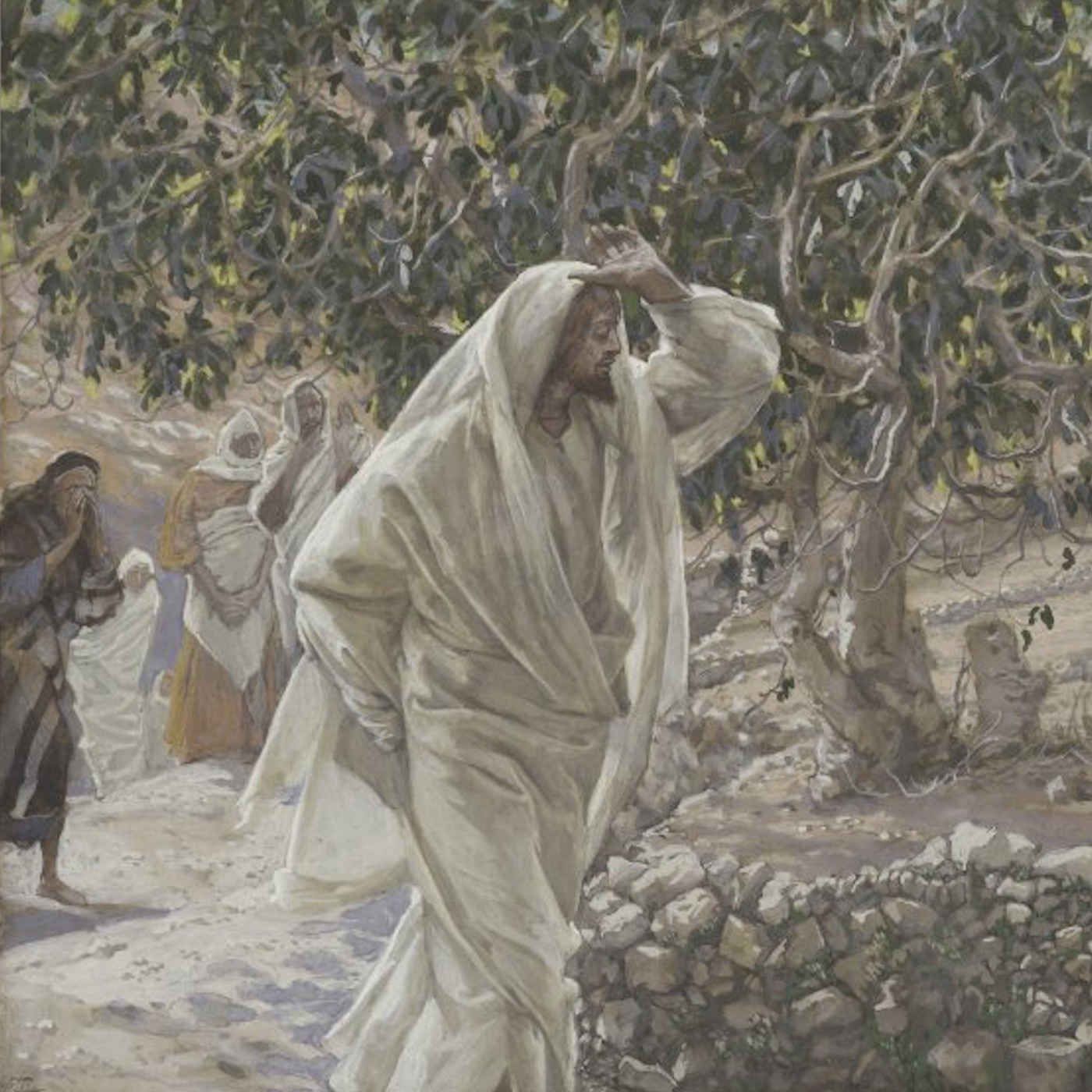
May 31, 2023
Thursday of the Eighth Week in Ordinary Time - Crying Out to Jesus
As Jesus was leaving Jericho with his disciples and a sizable crowd, Bartimaeus, a blind man, the son of Timaeus, sat by the roadside begging. On hearing that it was Jesus of Nazareth, he began to cry out and say, “Jesus, son of David, have pity on me.” Mark 10:46–47 How do you pray? Do you ever “cry out” to Jesus with deep conviction and intensity? This blind man, Bartimaeus, sets for us a wonderful example of how we should pray to our Lord. First of all, the blind man was in a state of need. His blindness symbolizes every weakness and need you have in life. So what is it that you struggle with the most in life? What is your greatest habitual sin? Or what causes you the most grief? Seeing our weakness is the first step. Once we are aware of our greatest needs, we must also “cry out” to our Lord just as Bartimaeus did. Upon hearing that it was Jesus, Bartimaeus somehow sensed within his soul that Jesus wanted to cure him. How did he sense this? He listened to the voice of God within. Yes, he heard the commotion of many speaking about Jesus as He walked by. But this alone could not have compelled him to cry out and to know that Jesus was the source of the mercy he needed. That which compelled him was the clear voice of God, a prompting from the Holy Spirit, within his soul, revealing to him that he needed Jesus and that Jesus wanted to cure him. At first, those around him rebuked Bartimaeus and told him to be quiet. And if Bartimaeus would have been weak in faith, he may have listened to the crowd and, in despair, remained silent. But it is quite clear that he not only ignored the rebukes of others, he “kept calling out all the more.” Bartimaeus gives us here a double witness of how we must turn to our Lord. First, we must sense His gentle but clear presence within our soul. We must recognize His voice and His promptings of grace. He wants to heal us, and His presence in our lives must be sensed within. Secondly, we must become intensely fixed upon that voice within. The crowds who rebuked Bartimaeus are symbolic of the many “voices” and temptations we experience in life that try to keep us from faithfully and fervently crying out to the God who speaks to us. Nothing should deter us from our wholehearted determination to call to Jesus with our need. Reflect, today, upon Bartimaeus being an image of yourself. See yourself in desperate need of our Lord and listen for His clear voice. Do you hear Him? Do you sense Him walking by? As you do, cry out to Him with fervor, intensity, and conviction. And if you find that there are temptations that try to silence your prayer and faith, increase your intensity and cry out “all the more” to our Lord. He will hear you, call you to Himself and give you that grace which He desires to bestow. My merciful Jesus, You are constantly passing by, drawing me to Yourself by Your divine presence. Give me the grace I need in order to see my need and to call out to You with all my heart. May I never be deterred from this fervent prayer, dear Lord, and when temptation sets in, may I call out all the more. Jesus, I trust in You. Source of content: catholic-daily-reflections.com Copyright © 2023 My Catholic Life! Inc. All rights reserved. Used with permission via RSS feed.
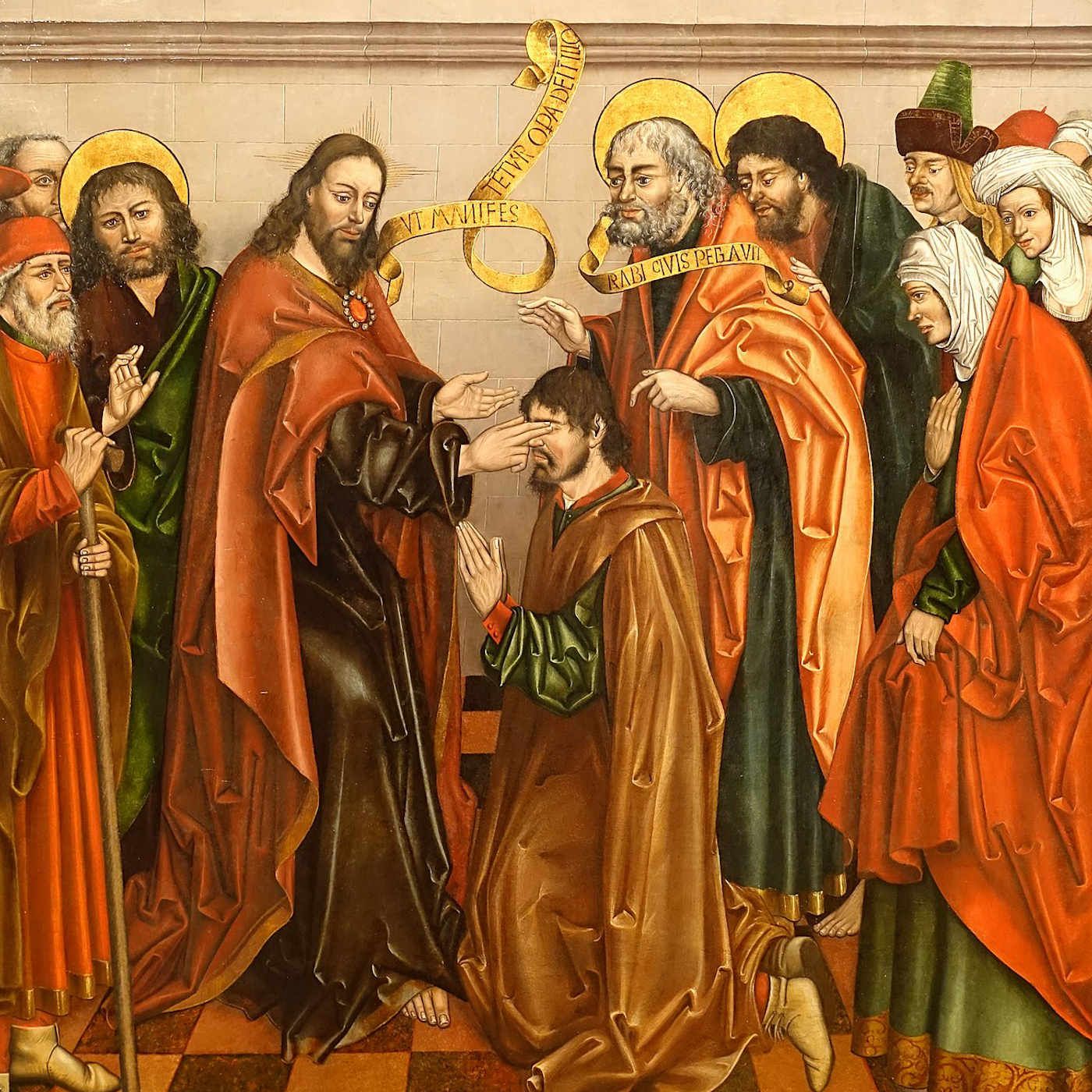
May 30, 2023
May 31, Feast of the Visitation of the Blessed Virgin Mary - Joy at the Presence of the Lord
Mary set out and traveled to the hill country in haste to a town of Judah, where she entered the house of Zechariah and greeted Elizabeth. When Elizabeth heard Mary’s greeting, the infant leaped in her womb, and Elizabeth, filled with the Holy Spirit, cried out in a loud voice and said, “Most blessed are you among women, and blessed is the fruit of your womb.” Luke 1:39–42 The beautiful feast we celebrate today depicts two miraculous pregnancies. One came about by the overshadowing of the Holy Spirit. The other was the miraculous conception in the womb of a woman who was advanced in years. The Scripture passage quoted above presents us with the initial encounter of Mary and Elizabeth as they greeted each other upon Mary’s arrival. Mary had traveled a long distance to be with her cousin for the last few months of Elizabeth’s pregnancy. And upon greeting Elizabeth, another miraculous event occurred. The baby in the womb of Elizabeth, Saint John the Baptist, “leaped for joy.” Thus, even prior to his birth, John began to fulfill his unique mission of preparing the way for the Lord. He did so at that moment by inspiring his own mother, Elizabeth, with a knowledge of the divine presence of the Savior within the womb of Mary. Consider, especially, the conversations that these two holy women would have shared during their months together. Though we are given only a small insight into their initial conversation from the Scriptures, we can be certain that this was but a small sampling of what they would have discussed in much prayerful detail. In particular, their conversations would have contained a mutual sharing of the spiritual gift of joy. Joy is much more than an emotion. It is spiritual in nature. It is not only an experience of something fun, it’s the experience of realizing the action of God in your life. Seeing God at work in wonderful ways leads to gratitude and rejoicing. This joy produces a strength and energy that is contagious and uplifting. We must all strive to see the hand of God at work in our own lives so that our focus upon His divine actions will produce joy also. We need joy. We need to be strengthened by this gift so that we will be encouraged and strengthened as we daily strive to fulfill His will. Reflect, today, upon the witness of joy that these two holy women give us. Know that you are called to share in the same joy as you humbly turn your attention to the ways in which God has blessed you. If you find that you lack joy in life, then consider where you allow your mind to wander throughout the day. Do you dwell on the past, on hurts, on problems and the like? If so, these thoughts will undoubtedly lead to depression and possibly even despair. Try to turn your mind to the action of God in your life. See the many blessings you have been given and savor those divine actions. Doing so will lead you to rejoice with Saint Elizabeth and our Blessed Mother. My holy infant Jesus, as You dwelt in the sacred womb of Your own dear mother, Your presence caused much rejoicing in her heart and in the hearts of Elizabeth and John. Help me to see Your presence in our world and in my life, so that I, too, will be filled with the joy of You constantly coming to me. Jesus, I trust in You. Source of content: catholic-daily-reflections.com Copyright © 2023 My Catholic Life! Inc. All rights reserved. Used with permission via RSS feed.
May 29, 2023
Tuesday of the Eighth Week in Ordinary Time - An Exchange of Gifts
Jesus said, “Amen, I say to you, there is no one who has given up house or brothers or sisters or mother or father or children or lands for my sake and for the sake of the Gospel who will not receive a hundred times more…” Mark 10:29–30 Jesus’ statement above is in response to Peter who said to Him, “We have given up everything and followed you.” It was as if Peter were patting himself on the back, attempting to highlight just how much he and the other disciples had sacrificed to follow Jesus. And it was true, they did give up everything of their former life. They left home, their occupation, their relationships and everything that had been part of their daily established life in response to the call of Jesus. They were truly all in. In hearing this statement from Peter, Jesus does not give the expected response. He doesn’t say to Peter, “Yes, you have, that’s very impressive Peter. Good job and thank you!” Instead, Jesus immediately explains to Peter that the sacrifice he and the others have made is worth it. Their unwavering commitment to follow Jesus would be repaid with gifts beyond their imagination. Thus, Jesus was saying that the gifts that He would bestow upon them would be exponentially greater than every sacrifice they made. This was not a belittling of Peter’s self-sacrifice; rather, it was a form of encouragement by Jesus. He was encouraging Peter, and the other disciples, to have full confidence in their decision to follow Him. Their sacrifice would yield a hundredfold return. That is truly a good investment. It can be tempting for us all, at times, to feel as though God asks too much of us. It’s true that God asks much of us. He asks everything from us. He asks for the complete and total gift of our lives to Him. He calls us to abandon all selfishness and to dedicate ourselves to His holy will without exception. But if we understand the reward of our self-giving, then the sacrifices we make will pale in comparison to the reward. Reflect, today, upon whether or not you can say those words with the Apostle, Saint Peter: “Lord, I have given up everything to follow You.” Have you truly given your life completely to Christ Jesus? Are there things that you still hold back, not wanting to “sacrifice” for our Lord? Ponder those words of Peter and allow yourself to see the areas of your life you still need to surrender over to Jesus. And as you do so, allow the reward promised by our Lord to motivate you to the point that you truly hold nothing back and truly have given up everything to follow His holy will. My generous Lord, You ask everything of me. You ask me to abandon everything in my pursuit of Your perfect will. Give me the grace I need to answer Your call and to live sacrificially for You without counting the cost. You are generous beyond description, dear Lord, and I trust that following You will produce an abundance of good fruit. Jesus, I trust in You. Source of content: catholic-daily-reflections.com Copyright © 2023 My Catholic Life! Inc. All rights reserved. Used with permission via RSS feed.
May 28, 2023
Memorial of the Blessed Virgin Mary, Mother of the Church - Your Heavenly Mother
Standing by the cross of Jesus were his mother and his mother’s sister, Mary the wife of Clopas, and Mary of Magdala. When Jesus saw his mother and the disciple there whom he loved, he said to his mother, "Woman, behold, your son." Then he said to the disciple, "Behold, your mother." And from that hour the disciple took her into his home. John 19:25–27 The memorial we celebrate today, which was added to the Roman Liturgical Calendar in 2018 by Pope Francis, highlights the truth that the Blessed Virgin Mary is not only the Mother of the Person of Christ, and, therefore, the Mother of God, she is also the Mother of the Church, that is, the Mother of all the faithful. The Blessed Virgin Mary is your mother. And as your mother, she is truly tender, compassionate, caring and merciful, bestowing upon you everything that a perfect mother desires to bestow. She is the fiercest of mothers who will stop at nothing to protect her children. She is a mother wholly devoted to you, her dear child. The Gospel passage chosen for this memorial depicts our Blessed Mother standing at the foot of the Cross. She would have been no other place than directly beneath her Son as He endured His last agony. She did not flee in fear. She was not overwhelmed by grief. She did not sulk in self-pity. No, she stood by her Son with the perfect love and strength of a devoted, caring, compassionate and faithful mother. As she stood by her Son in His hour of suffering and death, Jesus turned to her and entrusted the Apostle John to her maternal care. From the early Church Fathers until the most recent teachings of the Church today, this act of entrusting John to Mary and Mary to John by Jesus has been understood as an entrustment of all the faithful to the maternal care of Mother Mary. Mother Mary is, therefore, not only the Mother of the Redeemer, Christ Himself, she also becomes the Mother of all the redeemed, the mother of us all, the Mother of the Church. Consider the spiritual mother you have in Heaven. A mother is one who gives life. Your mother in Heaven is entrusted with the task of bestowing upon you the new life of grace won by the Cross. And as your mother, she will not withhold anything from you that is to your benefit. A mother is also one who is tender with her children. The Immaculate Heart of our mother in Heaven is one that is filled with the greatest tenderness toward you. Though her caresses are not physical, they are much deeper. She caresses with the tenderness of grace which she imparts to you as you pray and turn to her in your need. She gives you the grace of her Son, poured out upon the Cross as the blood and water sprung forth as a font of mercy. Mother Mary pours that mercy upon you as a tender and devoted mother would. She holds nothing back. If you are unaware of the love in the heart of our Blessed Mother for you, use this memorial as an opportunity to deepen your understanding of her role in your life. Many children take their mothers for granted, not fully understanding the depth of their love. So it is with our Mother in Heaven. We will never fully comprehend her love and her constant motherly workings in our life until we join her in Heaven face to face. Reflect, today, upon Mother Mary standing by you in every moment of your life. See her there in your joys and in your sorrows, during your moments of temptation and struggles, in your moments of confusion and clarity. See her there by your side, bestowing every good spiritual gift upon you when you need it the most. She is a true mother, and she is worthy of your love and gratitude. My dearest Mother, you stood by your Son with unwavering fidelity and love. You cared for Him, nurtured Him and never left His side. I also am your dear child. I thank you for your loving fidelity toward me and open my heart to the grace of your Son that you bestow upon me throughout life. Help me to be more attentive to your motherly care and to daily grow in gratitude for your presence in my life. Mother Mary, pray for us. Jesus, I trust in You. Source of content: catholic-daily-reflections.com Copyright © 2023 My Catholic Life! Inc. All rights reserved. Used with permission via RSS feed.
May 27, 2023
Solemnity of Pentecost Sunday (Year A) - The Age of the Holy Spirit
And suddenly there came from the sky a noise like a strong driving wind, and it filled the entire house in which they were. Then there appeared to them tongues as of fire, which parted and came to rest on each one of them. And they were all filled with the Holy Spirit and began to speak in different tongues, as the Spirit enabled them to proclaim. Acts 2:2–4 And with that, the Church was born. Today we celebrate the Solemnity of Pentecost which, in many ways, was the culmination of the mission of Christ. The pinnacle of His mission will come at the end of time when He returns in all His glory to judge the living and the dead and to establish His permanent Kingdom. But for now, we live under the rule of the Holy Spirit Who has descended upon us in full form, transforming us and making it possible to prepare for Jesus’ final and glorious coming. The Trinity is truly a Mystery of Faith. In our limited way, we understand that God is Three in One. He is Father, Son and Holy Spirit. Each a distinct Person. Each fully sharing in the one divine nature. Though They act in perfect unison, They each fulfill Their unique mission. The Father is the one Who sent the Son into the world and willed that He give His life for the salvation of all. The Son was sent and perfectly fulfilled the will of the Father, uniting humanity with divinity. The Holy Spirit is the Promise of Father and Son Who proceeds from Them and descends upon us, animating us and making it possible for us to share in the life of the Most Holy Trinity. If that is hard to comprehend, it should be. Our limited intellects can only grasp a shadow of the reality of God. That fact, however, should not discourage us. On the contrary, it should inspire us to anticipate that day when we will see God face to face and enter more deeply into the mystery of His divine life. Today we especially focus upon the Third Person of the Most Holy Trinity: The Holy Spirit. It is an incredible gift we have been given to live in this age of the Holy Spirit. Perhaps you have thought to yourself that it would have been nice to live during the time that Jesus walked the earth. But Jesus Himself said that it was good that He go. Why? Because then He would send His Advocate, the Holy Spirit, the Spirit of Truth, Who will lead you into all Truth. Thus, the age in which we now live, the age of the Holy Spirit, is the most blessed age the world has ever seen. This is because we are now able to receive the indwelling of the Most Holy Trinity by the power of the Holy Spirit. God is no longer spoken only through the prophets. He is no longer revealed only through the Person of the Son in Jesus Christ. He is now also able to live within us, making our very souls His dwelling place. Heaven and earth unite within our souls. There could be nothing greater than this. As the Holy Spirit descends upon you, He brings the presence of the Father and the Son. They are inseparable. Therefore, as we prayerfully look within ourselves, we discover the Voice of the Father, leading us into His holy will. We discover the Person of the Son to Whom we are called to be conformed in every way, living as members of His very body on earth. This is made possible because the Holy Spirit descends upon us in a way similar to the way the Holy Spirit overshadowed our Blessed Mother, conceiving within her the Son of God. As the Holy Spirit overshadows us, God is conceived within our souls, and we begin to share in the very life of God here and now. Reflect, today, upon these holy mysteries of our faith. See the actions of the Father, Son and Holy Spirit as a true mystery. The only way we will be able to begin to probe these mysteries is through prayerful pondering. We must look for the workings of God within, see Him at work within our souls, savor His presence, rejoice in it and keep our eyes firmly fixed on Him. We must see the fruit of God’s presence in our lives, such as the Gifts of the Holy Spirit. Below is a full list of these Gifts. Ponder them today. As you do, and as you see these Gifts within you, you will be seeing God Himself, the Holy Spirit, alive and living within the depths of your soul. Most Holy Trinity, Father, Son and Holy Spirit, I worship You and adore You with all my Heart. Thank You, Father, for sending Your Son into the world. Thank You Father and Son for sending the Holy Spirit into my life. May I open my soul more fully to You today and every day so as to prepare for Your glorious return at the end of the ages. Jesus, I trust in You. Source of content: catholic-daily-reflections.com Copyright © 2023 My Catholic Life! Inc. All rights reserved. Used with permission via RSS feed.
May 26, 2023
Saturday of the Seventh Week of Easter - A Holy Awe
It is this disciple who testifies to these things and has written them, and we know that his testimony is true. There are also many other things that Jesus did, but if these were to be described individually, I do not think the whole world would contain the books that would be written. John 21:24–25 As we conclude our Easter season, we are given the conclusion of the Gospel of Saint John to ponder. Recall that John’s Gospel has been a central focus throughout the Easter Season. Therefore, if you have been prayerfully reading the Gospel for Mass each day for the past several weeks, then you have truly immersed yourself in this holy Gospel. The Gospel of Saint John is much different from the other three Synoptic Gospels. John’s language is mystical and symbolic. John presents the seven miracles as the seven “signs” that reveal Jesus’ divinity. Jesus is identified as I AM, the Son of the Father, the Vine, the Bread of Life, the Light of the World, the Eternal Word, and more. John points to the Crucifixion as Jesus’ hour of glory in which He takes up His throne of the Cross for the salvation of the world. And John’s teaching on the Eucharist is truly profound. John states that the reason he wrote his Gospel was so “that you may come to believe that Jesus is the Messiah, the Son of God, and that through this belief you may have life in his name” (John 20:31). John clearly loved our Lord and understood Him, not only by personal experiences while Jesus was alive on earth but also through a profound level of prayer in his later years. And this depth of understanding and mystical knowledge is communicated in such a way that the reader is easily drawn into John’s prayerful understanding. As John concludes His testimony about Jesus, he states something worth pondering. He states that Jesus did so many things that were not recorded by him or others, that if they were all written down, the whole world would not contain the books that would be written. First of all, everything that was written down could be the source of prayerful study for a lifetime. John’s Gospel alone could never be exhausted of its meaning. But then consider this final line of John’s Gospel and try to take it as a literal statement for a moment. If that statement were literally true, that the whole world could not contain the books that would record all that Jesus did, then this fact should leave us with a holy awe. In fact, the reason this must be true is because what Jesus did within each and every mind and heart He touched is truly indescribable. Volumes upon volumes could not thoroughly describe it. His divine action of saving souls, rescuing people from sin and death, and pointing them to eternal life is more than our feeble minds can fully comprehend. Reflect, today, upon the holy Gospel of Saint John. As we do conclude this Easter Season and our reading of John’s Gospel, allow yourself to sit in awe of the infinite activity of our divine Lord in the lives of those who have turned to Him. Consider every movement of grace in their lives that has been accomplished with such care and love by our Lord. Reflect upon the fact that for eternity you will be contemplating the Eternal Word made Flesh, the Messiah, the Great I AM, the Son of the Father and every other name given to Him Who is our God and King. Saint John loved our Lord and understood Him deeply because he spent his life prayerfully pondering all that Jesus did. Continue to commit yourself to this holy pondering so that you will be drawn more deeply into this contemplation with holy awe. Jesus, Messiah, You are truly beyond comprehension in Your beauty, glory and holiness. You are God from God and Light from Light. You are the Great I AM, and all the books in the world could not properly describe the depth of Your greatness. Fill my mind and heart with the gift of deep spiritual insight so that I, like Saint John the Evangelist, will be continually drawn into a holy awe of You. Jesus, I trust in You. Source of content: catholic-daily-reflections.com Copyright © 2023 My Catholic Life! Inc. All rights reserved. Used with permission via RSS feed.
May 25, 2023
Friday of the Seventh Week of Easter - True Love
“Amen, amen, I say to you, when you were younger, you used to dress yourself and go where you wanted; but when you grow old, you will stretch out your hands, and someone else will dress you and lead you where you do not want to go.” He said this signifying by what kind of death he would glorify God. And when he had said this, he said to him, “Follow me.” John 21:18–19 On this, the third time that Jesus appeared to His disciples, Jesus enters into a threefold discourse with Peter. Each time that Jesus asks Peter if he loves Him, Peter responds that he does. And Jesus responds back each time, “Feed my lambs,” “Tend my sheep,” and “Feed my sheep.” The passage quoted above concludes Jesus’ discourse with Peter using very powerful language. Jesus tells Peter that when he grows old, “someone else will dress you and lead you where you do not want to go.” This was Jesus' way of saying to Peter that he would ultimately express his love of Jesus by dying for Him. As we know, tradition states that Peter was ultimately crucified. And at Peter’s request, he was crucified upside down because he felt unworthy of dying in the exact same way Jesus died. As we consider this conversation between Jesus and Peter, it is clear that Jesus' understanding of love is very different from the way many others understand it today. Jesus was not only telling Peter that he would die for Jesus, but Jesus was clearly offering His approval of this act of love Peter would one day offer. Most often when we love someone, we would do all we can to keep them from any such fate. In fact, when a loved one suffers, we often will do all we can to look for a way to relieve them of that suffering. So which approach is most loving? Clearly, Jesus sees suffering differently than most of us. For Jesus, suffering is not opposed to love when the suffering is freely embraced for a higher purpose. Suffering in and of itself is of no value. But when suffering is embraced sacrificially out of love for another, it is able to take on tremendous power. And when Jesus offered His clear support to Peter who would one day die out of love for Jesus, Jesus was focusing upon the eternal merit that would be won by Peter’s cross. The fact that Jesus did not shy away from Peter’s future sacrificial suffering is one of the clearest signs of Jesus’ more perfect love for Peter. Reflect, today, upon your attitude toward the sufferings that your loved ones endure. Do you find that your primary goal is to rid them of their sufferings? Or do you understand that even their sufferings have the potential to become a source of their own holiness and the source of grace for others? Strive to see suffering as Jesus sees it. Look at the sacrificial love that is made possible when your loved ones unite their sufferings to the Cross of Christ and try to commit yourself to the mission of helping them embrace that sacred gift of love. My most compassionate Jesus, in Your great love for us all, You desire that we unite our sufferings to Your Cross so that all suffering shares in Your redemptive love. Give me the grace I need to not only embrace my own sufferings in life out of love for You but to also help those whom I love to live sacrificially by embracing the crosses they carry out of love. Jesus, I trust in You. Source of content: catholic-daily-reflections.com Copyright © 2023 My Catholic Life! Inc. All rights reserved. Used with permission via RSS feed.
May 24, 2023
Thursday of the Seventh Week of Easter - Gestures of Love
Lifting up his eyes to heaven, Jesus prayed saying: “I pray not only for these, but also for those who will believe in me through their word, so that they may all be one, as you, Father, are in me and I in you, that they also may be in us, that the world may believe that you sent me.” John 17:20–21 Over the past couple of weeks, we have been continually reading from Chapter 14–17 of John’s Gospel. These chapters contain Jesus’ Last Supper Discourses and provide us with Jesus’ last sermon, so to speak. Chapter 17, which we have been reading this past week, presents us with Jesus’ final prayer for His disciples and for all of us “who will believe” in Him through the preaching of the disciples. Each time we read from Chapter 17, the Lectionary begins the reading with the phrase “Lifting up his eyes to heaven, Jesus prayed saying…” That line is an adaptation of Chapter 17:1 but is used to introduce the various parts of the prayer of Jesus each time it is read at Mass. It’s interesting that Jesus would look up to Heaven when He prayed. Of course, Heaven is not physically in the sky, because Heaven is a spiritual reality. The Father is not located in some place in the sky but is omnipresent, meaning, present all places and all times. And yet, Jesus raises His eyes upward when He prays to the Father. There is a great lesson in this. Our physical disposition is important, at times. For example, when someone we owe respect to enters a room, we usually rise and greet them. It would be disrespectful to remain lounging on a bed or sofa in that case. And at Mass, we do not sit back with legs crossed during the Consecration; rather, we kneel in adoration. And when we greet someone for the first time, we do not look at the floor; rather, we look them in the eyes. Jesus’ act of “Lifting his eyes to heaven” was not done because He thought He might see the Father in the sky; rather, it was done out of respect and love and as a way of acknowledging the dignity of the Father. This should teach us about our own bodily disposition and the message we communicate to others, especially to God in prayer. When you pray, what do you do? Though you can pray at any time and while in any disposition, it is an excellent practice to speak to God not only by your words but also by the disposition you take. Kneeling, raising hands in prayer, falling prostrate before your Lord, sitting upright with attentiveness, etc., are all ways in which you communicate to God your love. Reflect, today, upon this image of Jesus praying. Gaze at how attentive He would have been as He lifted His sacred eyes upward as a physical gesture honoring the glorious, all-powerful Father in Heaven. Try to imagine Jesus' devotion, intensity, respect and burning love. Imitate this holy gesture of prayer and attentiveness to the Father and remind yourself of the importance of expressing your love in bodily form. My most holy Father in Heaven, I do join Your Son, Jesus, in lifting my eyes, my heart and my whole life to You in honor, love and respect. May I always be attentive to You and always show You the devotion due Your greatness. My dear Jesus, thank You for Your love of the Father in Heaven. Give me the grace I need to imitate You and Your perfect love in my life. Jesus, I trust in You. Source of content: catholic-daily-reflections.com Copyright © 2023 My Catholic Life! Inc. All rights reserved. Used with permission via RSS feed.
May 23, 2023
Wednesday of the Seventh Week of Easter - Rejecting the evil one
“I gave them your word, and the world hated them, because they do not belong to the world any more than I belong to the world. I do not ask that you take them out of the world but that you keep them from the Evil One.” John 17:14–15 Unfortunately, the evil one is real. He is the highest of the fallen angels who retain their natural spiritual power given them at their creation. God created all angelic creatures with the purpose of serving His holy will. The Scripture reveals that there are nine levels or “choirs” to which these angelic creatures belong. Among the fallen angels, the highest of them directs the others, and he is traditionally given the name Lucifer or “the devil.” One of the natural spiritual powers that these fallen angelic creatures retain is the power of influence and suggestive thought. They were created to be messengers of God’s truth to us; but, in their fallen state, they seek to communicate confusion and lies instead. Therefore, it is very helpful to understand the way the evil one and the other fallen angels communicate to us so that we can reject their lies and listen only to the voice of God. In his rules for the discernment of spirits, Saint Ignatius of Loyola explains that when a person is going “from mortal sin to mortal sin,” the evil one and the other demons continually propose to their imagination the “apparent pleasures” and “sensual delights” that they obtain from their sin as a way of keeping them firmly controlled by that sin. However, when a person is “intensely cleansing their sins and rising from good to better,” the evil one and the other demons act in a contrary way. They will “bite, sadden and put obstacles, disquieting with false reasons, that one may not go on” in their pursuit of holiness. God and the good angels will act in the opposite way. For those immersed in sin, God and the good angels will use “the opposite method, pricking them and biting their consciences through the process of reason” so as to draw them away from sin. And when a person is, in fact, growing in holiness, God and the good angels will “give courage and strength, consolations, tears, inspirations and quiet, easing, and putting away all obstacles, that one may go on in well doing” (See mycatholic.life/ignatius ). These spiritual lessons on the discernment of spirits are of great value and will assist you on your daily struggle with sin and your daily pursuit of holiness. Understanding the deceptions of the evil one and discerning the promptings of grace given by God bring clarity to our daily lives and direction to all of our actions. The good news that is revealed by the Scripture passage above is that our Lord is fully aware of the working of the evil one, has prayed for you and will assist you as you seek to combat these lies and deceptions in your life. Reflect, today, upon the importance of learning how to discern both the voice of God and the lies of the evil one. Work to discern the voice of God so that you may follow Him more faithfully. And seek to discern the lies of the evil one so that you will not be influenced by him and can directly reject him. Commit yourself to a more rigorous discernment of these spiritual experiences in your life and allow this prayer of Jesus to direct you into His holy will. My all-powerful Lord, You have conquered the evil one and provide all the grace I need to overcome his lies and deceptions. Open my mind to discern Your voice and give clarity to the voice of the evil one so that I may choose You with my whole heart and reject all that the evil one tries to say to me. Jesus, I trust in You. Source of content: catholic-daily-reflections.com Copyright © 2023 My Catholic Life! Inc. All rights reserved. Used with permission via RSS feed.
May 22, 2023
Tuesday of the Seventh Week of Easter - The Glory of God
“I glorified you on earth by accomplishing the work that you gave me to do. Now glorify me, Father, with you, with the glory that I had with you before the world began.” John 17:4–5 Saint Ignatius of Loyola bases his spiritual masterpiece, The Spiritual Exercises, on one basic premise: Man is created to praise, reverence, and serve God our Lord, and by this means to save his soul. This is the essence of what Ignatius calls the “Principle and Foundation” of our lives. In other words, our goal in life is twofold: First, we must seek to give God the greatest glory possible by our lives. And second, the effect of this singular focus is the salvation of our souls. In the Gospel passage quoted above, Jesus speaks of the fact that He perfectly fulfilled His human life on earth by glorifying the Father in Heaven. He did this by accomplishing the work that the Father gave Him to fulfill. If you are looking for purpose in your life or if you are trying to discover the meaning of your life, then look no further. Jesus’ words above offer the ideal “principle and foundation” for your life. This message of our Lord could be broken down into three lessons. First, the Father truly does have a plan for your life. Are you seeking to discover that plan? Knowing that there is a divine plan for your life is the first step in fulfilling it. If you do not know God’s plan, it will be difficult to fulfill it. So do you seek to discern this plan each and every day? Secondly, when you do discern what God wants of you in your daily life, you must accomplish His will. Sometimes we fall into the trap of trying to fulfill only a portion of what God wants of us. The problem with that approach is that we may actually accomplish “a portion” of God’s will. But that’s not enough. We must aim for perfection. We must strive for the complete fulfillment of the will of God in our lives. Thirdly, if we can truly accomplish the daily will of God for our lives, then our lives will not only glorify God in every way possible, but we will also be blessed to share in God’s glory. To share in God’s glory is to share in God’s very life. It means that God will be alive in us and we will become partakers of the joys of Heaven. And it will begin here on earth. Why would we settle for earthly “joys” and earthly pleasures when we are called to share in delights that are beyond what we could ever imagine in this world? Reflect, today, upon Jesus’ act of perfectly fulfilling the will of the Father in His human nature. Even though our Lord was divine, He was also fully human. He, therefore, perfectly understands your human struggles and weaknesses. He knows what you go through, and His humanity is the model for you to follow in life. Reflect upon His human life and the way in which He lived in union with the will of His Father day in and day out. Commit yourself to this unwavering mission of fully accomplishing the will of the Father in your life and you, too, will share in the glory of our Lord. My glorified Lord, You now share in the full joy and glory of Your Father in Heaven with Your human nature. By doing so, You invite me to not only imitate Your life on earth but to also share in that same glory in Heaven. Give me the grace I need, dear Lord, to accomplish all that the Father calls me to do. May my life fully imitate You in every way so that I may also share, one day, in Your glory. Jesus, I trust in You. Source of content: catholic-daily-reflections.com Copyright © 2023 My Catholic Life! Inc. All rights reserved. Used with permission via RSS feed.
May 21, 2023
Monday of the Seventh Week of Easter - Peace? Or the World?
“I have told you this so that you might have peace in me. In the world you will have trouble, but take courage, I have conquered the world.” John 16:33 What did Jesus tell His disciples that produced the “peace” of which He spoke? He is especially referring to His entire Last Supper Discourse from which we have been reading. The words spoken throughout this discourse are meant to give the disciples, and us, “courage” and the ability to conquer the trouble imposed upon us by the world. Throughout Jesus’ discourse, He especially points to the unity He has with His Father and the fact that if we stay united with Jesus, we will also be united to the Father. He spoke of Himself being the vine and us the branches who must remain firmly attached to Jesus. He spoke of this being possible only by the coming power of the Holy Spirit Whom He will send. And He spoke of the hatred that the world has for all who remain firmly grounded in the Truth. Therefore, if you are one who seeks to remain deeply rooted in Christ, filled with the Holy Spirit and separated from the deceptions of the secular and un-Christian world, then Jesus is clearly speaking to you. In this passage above, Jesus identifies one gift that will help us on this journey. This particular gift is the gift of His peace. Peace is the ability to remain calm and focused in the midst of any and every “trouble” we encounter. The trouble that Christians will especially face are the various persecutions of the world when we live in accord with the Truth. And though there are many moral truths presented clearly by our faith that the world attacks, there are also other forms of troubles we will encounter within the world today. One of the most manifest troubles inflicted upon many by the world comes in the form of constant visual, auditory and mental stimulation. Our world is a noisy world. Modern electronics, the mass media, commercials, radio, Internet, social media and so many other parts of our daily life have the subtle effect of distracting us, stimulating us and stealing away the peace of Christ. Consider, for example, the idea of entering into the silence of a retreat for a day, or two, or longer. How would you handle turning off your smartphone, tablet, computer, television and radio for an extended period of time? Would you go through a form of withdrawal? Many today would indeed find this difficult. And the reason for this is that the “peace” of which Jesus speaks is slowly dwindling in the lives of many. Instead of God’s peace, we are filled with constant noise, commotion and activity. This is the “world” attacking us and stealing the peace God wants to bestow. Reflect, today, upon the exceptionally important truth—that Jesus wants you to know His peace in your heart. And He wants that peace to sustain you. Reflect upon the interior battle that may take place within you between the world and the peace of Christ. Who is winning that battle for your soul? Is there more of the world or more of the peace of Christ reigning within you? Seek out the peace that only Jesus gives, and, as you discover His peace, you will also discover the source of that peace: Jesus Himself. Lord of all peace, You have called us out of the world so that Your peace will abide within us, sustaining us, giving us courage, wisdom and strength. I open my life to You, dear Lord, and pray that the many distractions and commotions imposed upon me by the world will begin to cease. May I always hear Your gentle voice and follow You to the place of silent repose found only in You. Jesus, I trust in You. Source of content: catholic-daily-reflections.com Copyright © 2023 My Catholic Life! Inc. All rights reserved. Used with permission via RSS feed.
May 20, 2023
Seventh Sunday of Easter (Year A) - Offering the Holy Mass with Jesus
Jesus raised his eyes to heaven and said, “Father, the hour has come. Give glory to your son, so that your son may glorify you, just as you gave him authority over all people, so that your son may give eternal life to all you gave him.” John 17:1–2 This passage comes at the conclusion of the Last Supper and at the end of a lengthy discourse by our Lord. During the three previous chapters of John’s Gospel, Jesus taught His disciples that He will bestow His peace upon them by the outpouring of the Holy Spirit, that they must remain united to Him as a branch is attached to a vine and that the world will hate them and persecute them. After those instructions, Jesus raised His eyes to Heaven and prayed a lengthy prayer to the Father. It is His High Priestly Prayer by which Jesus acknowledged that His hour had arrived and that it is an hour in which He will glorify the Father. In this prayer, Jesus asks his Father for the disciples to be kept safe from the evils of the world. He also prays for all who would believe in Him and become His followers. Thus, in this prayer Jesus prayed for you. Spiritually speaking, this High Priestly Prayer continues today through the celebration of the Holy Mass. Recall that Jesus had just celebrated the Last Supper with His disciples and was preparing to offer His life on the Cross for the salvation of the world. Within this holy context, Jesus prays this prayer. It is a prayer that is perpetuated by our Lord every time we celebrate the Holy Eucharist. In commenting upon this passage, Saint Augustine notes that this prayer is prayed immediately after Jesus told His disciples that they would encounter trouble within the world. “In the world you will have trouble, but take courage, I have conquered the world.” For that reason, Jesus set an example for us on how we are to deal with the troubles we encounter in life. We, too, must turn our eyes to Heaven and pray to the Father. The best way to do so is by our full interior participation in the Holy Mass. What form of “trouble” do you experience right now in your life? There are many things that fall into that category and are different for each person. As you call your struggle to mind, try to imagine our Lord kneeling next to you, praying this prayer to the Father for you. In reality, this is exactly what Jesus does every time we participate in the Holy Mass. The Mass is His “hour.” It is His perfect offering to the Father. It is the one and only source of all grace in our world and in our lives. It is Jesus glorifying the Father and inviting us to share in that glorification by uniting ourselves and our troubles to Him in His offering. It is through this perfect Sacrifice that Jesus bestows “eternal life” upon you and all who turn to Him in their need. Reflect, today, upon the way in which you celebrate the Holy Sacrifice of the Mass. When you attend, do you find you become distracted or are inattentive to what takes place? The Mass is your hour each week in which you kneel next to Jesus as He kneels next to you, praying to the Father in Heaven. The power of the Mass is infinite. Within the Mass all the grace you need is given to you, and you are invited to share in the glory of the Son of God. Ponder your participation in the Mass and renew your commitment to pray it with our Lord with the same depth of prayer Jesus had at that first and perpetual offering. My Eucharistic Lord, in union with You I offer to the Father in Heaven Your Body and Blood, Soul and Divinity for the salvation of the world. Help me to do so with my whole heart and to be attentive to the offering of Your life as it is perpetuated through the Holy Mass. May I bring my life, my troubles and my whole being to every celebration of the Mass so that I may receive from You the gift of eternal life. Jesus, I trust in You. Source of content: catholic-daily-reflections.com Copyright © 2023 My Catholic Life! Inc. All rights reserved. Used with permission via RSS feed.
May 19, 2023
Saturday of the Sixth Week of Easter - The Love of the Father Revealed
“I have told you this in figures of speech. The hour is coming when I will no longer speak to you in figures but I will tell you clearly about the Father.” John 16:25 When is it that Jesus will speak clearly about the Father? When is that “hour” of which He speaks? First, this “hour” can be understood to be the time after His death, Resurrection and Ascension to Heaven. It is then when the Holy Spirit will come upon them at Pentecost to open their minds to understand all that He has taught with much greater insight and clarity. But in John’s Gospel, the “hour” is also a reference to His death on the Cross. It is His hour of glory, the hour in which the Son of Man saves us through His holy passion. Therefore, this statement of Jesus should be read within the context of Him alluding to His coming passion. Recall that this sermon Jesus gives is part of His “Last Supper Discourse.” It is given immediately prior to Jesus going out to the Garden of Gethsemane to be arrested. When we consider this “hour” to be the passion and death of Jesus on the Cross, we should be aware of the fact that His act of dying is not only a saving act of redemption, it is also one of the clearest ways in which He speaks about His Father in Heaven. Jesus’ suffering and death does, in fact, reveal the Father to the disciples in ways that His “figures of speech” could not reveal. Jesus’ veiled language was spoken as truth but as truth that could not be fully communicated. However, Jesus’ freely embraced suffering and death does clearly communicate the Father in the most profound way possible. The Cross is pure love, and the Father is pure love. Jesus’ death on the Cross in obedience to the will of the Father reveals to all that the Father loves us so much that He was willing to sacrifice His only begotten Son so that if we but believe in Him, we will inherit eternal life. The message of the Cross is a true teaching about the love of the Father. It’s a teaching that took place through an act of the most pure and sacrificial love imaginable. The Cross was Jesus speaking “clearly about the Father” insofar as it reveals the depth of the Father’s love for all humanity. If you find this difficult to understand, then you are not alone. The disciples themselves struggled with this. That is why they ultimately needed the Holy Spirit to come upon them to open their minds. We too need the Holy Spirit if the veil is to be lifted and we are to comprehend this most powerful message of God’s infinite love. Reflect, today, upon Jesus’ burning desire to lift the veil of His teaching and to reveal to you, clearly, the depth of the Father’s love for you. Allow the Holy Spirit to open your mind to this revelation as it is given through the Crucifixion. Pray for that gift. Listen to Jesus tell you He desires to give you this understanding and then await the grace you need to see and understand the very heart of the Father and His divine love for you. My precious Jesus, Your hour of glory upon the Cross is the clearest and fullest revelation of the Father’s love. On the Cross, You show us all how deeply we are loved by You and Your Father in Heaven. Please do open my mind, dear Lord, to all You wish to reveal to me, so that as I come to know You, I will also come to know Your Father in Heaven. Jesus, I trust in You. Source of content: catholic-daily-reflections.com Copyright © 2023 My Catholic Life! Inc. All rights reserved. Used with permission via RSS feed.
May 18, 2023
Friday of the Sixth Sunday of Easter - The “Labor Pains” of God’s Will
“When a woman is in labor, she is in anguish because her hour has arrived; but when she has given birth to a child, she no longer remembers the pain because of her joy that a child has been born into the world.” John 16:21 This truth can certainly be extended to any form of anguish we experience for a good reason. Note that the pain experienced in childbirth is pain for a good and holy reason. Therefore, the pain is forgotten, in a sense, when the mother sees and holds her newborn child. That suffering is forgotten in the sense that it is transformed into joy by the birth of a child. There is much in life that can cause anguish. In today’s Gospel, Jesus goes on to say to His disciples: “So you also are now in anguish.” He says this because He had just finished speaking to them about His coming departure to the Father and about the suffering that they would all experience in the form of persecution. But then He says to them that after He departs and they no longer see Him, they will then see Him again and will rejoice. And He says, “On that day you will not question me about anything.” This is an important line to understand. Anguish, or any form of suffering, can tempt us to question our lives and even to question God. It is clear that after Jesus was killed, the disciples questioned everything. They were confused and frightened. All appeared to be lost. Then, to a lesser degree, after Jesus ascended into Heaven and prior to Him sending the Holy Spirit, the disciples would have also experienced confusion. Why did Jesus leave them? Why didn't He stay longer? Who was going to lead them now? These and many other similar questions would have arisen in their minds. So also with us, when things do not go as planned, or when things take a painful turn in our lives, we can immediately question and even doubt the perfect plan of God. If things fall apart because of our sin, then repentance is the remedy. But if things fall apart, in the sense that life becomes difficult, then we should especially listen to the words of Jesus today. When anguish in life happens because we are fulfilling God’s will, we must see that anguish as a means to a much greater good. Just as the pains of childbirth lead to the gift of a child, so the pains of bringing forth God’s will in our lives will lead to the presence of God Himself. Patient endurance is a virtue that is especially important in this case. For example, the anguish of overcoming an addiction, or of praying when we don’t feel like praying, or of forgiving someone who hurt us are all examples of anguish turning into blessings. Very often, combatting our own selfish will is difficult. But the fruit of engaging in such a battle within us is joy. There is joy found in victory over sin. Joy is found in persevering in prayer. Joy is found in every difficulty we endure for the Kingdom of God. But the joy is not always our first experience. It is only experienced when we patiently endure the situation. Reflect, today, upon any form of anguish you are currently enduring for the glory of God, or anything you are currently avoiding because it seems difficult to do. Do not shy away from these difficulties. See them as a means to a glorious end. Endure the “labor pains” of the purification and mission God is calling you to by looking beyond the difficulties you initially experience so that you will see the end result that awaits you. My glorious Lord, You endured Your passion with perfect virtue. You never wavered from fulfilling the will of the Father, and the fruit of Your perseverance was the glory of the Resurrection. Please help me to patiently endure the crosses in my life and give me hope to see that from them You will bring forth the good fruit of eternal joy. Jesus, I trust in You. Source of content: catholic-daily-reflections.com Copyright © 2023 My Catholic Life! Inc. All rights reserved. Used with permission via RSS feed.
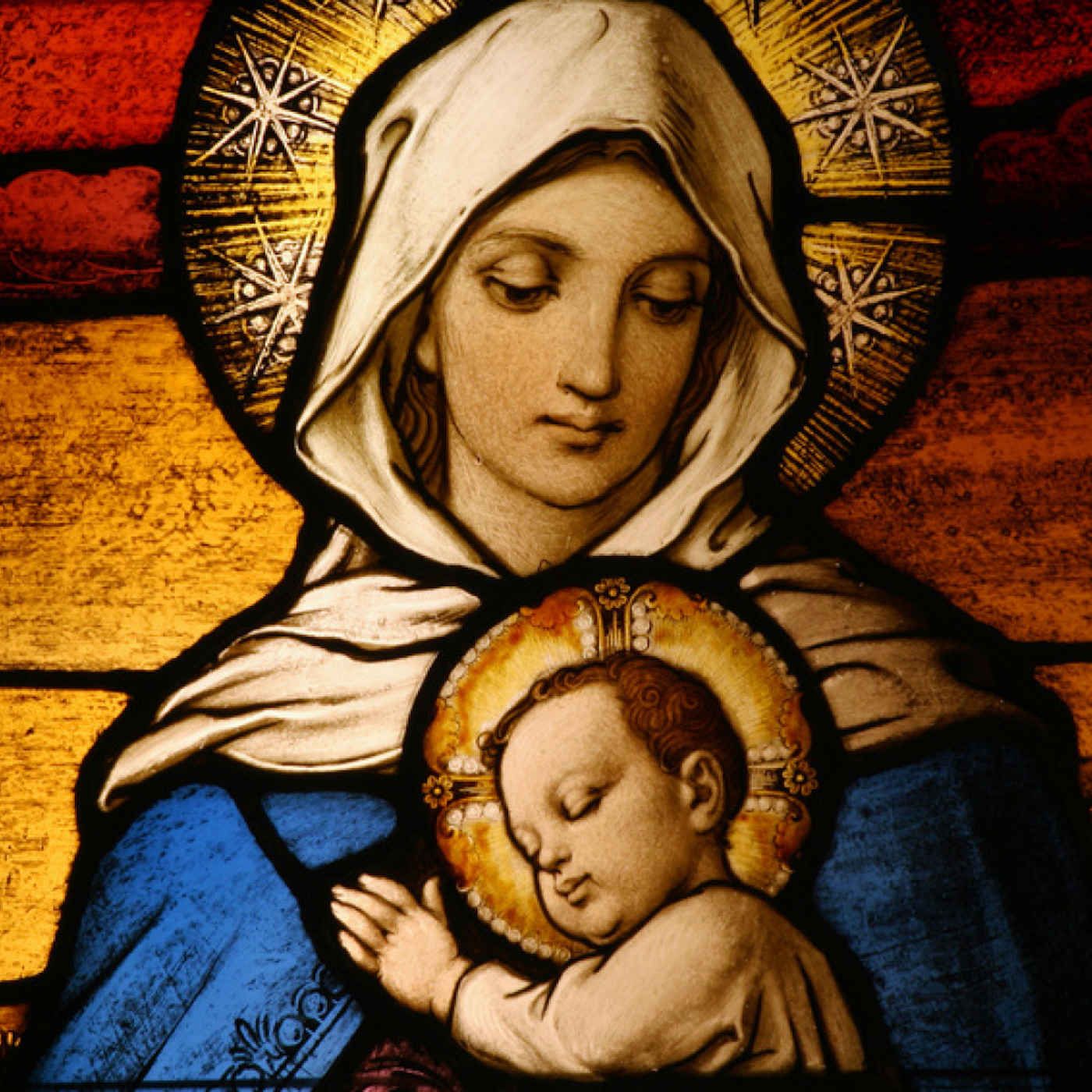
May 17, 2023
Thursday of the Sixth Week of Easter - Deepening Your Understanding
So some of his disciples said to one another, “What does this mean that he is saying to us, ‘A little while and you will not see me, and again a little while and you will see me,’ and ‘Because I am going to the Father’?” So they said, “What is this ‘little while’ of which he speaks? We do not know what he means.” John 16:17–18 How about you? Do you know what Jesus means? Or do you find that you are confused by what He said just like these disciples were? Though pride may tempt you to claim that you fully understand all that Jesus taught, the humble and honest truth is that you are probably very much like these disciples in their confusion. And that is not necessarily a bad place to be. First, the confusion of these disciples shows they took Jesus seriously. They were not indifferent. They cared, were interested, wanted to understand, and must have had some level of faith in Jesus. Otherwise, they would have ignored Him. But they didn’t. They listened, tried to understand, discussed His teaching, thought about His words and humbly concluded that they didn’t understand. Jesus is not critical of their confusion. He sees that they are trying and that they have some level of faith. And even though these disciples are confused, Jesus continues to speak to them in figures of speech rather than directly and clearly. One of the reasons that Jesus speaks in figurative language is because the message that He is teaching is profound and deep. It’s not something that can be quickly and easily understood and mastered. The mysteries of the Kingdom of Heaven are so deep, vast, profound and mystical that the only way to begin to understand them is to first have faith. Faith does not mean you fully understand everything. Faith is a supernatural gift by which you come to believe without fully seeing and understanding. The certainty comes for God, not from your own reasoning ability. But faith always leads to deeper understanding. Therefore, as these disciples professed their faith, they also came to understand. And even though Jesus speaks in this figurative way, these disciples ultimately made the choice to believe. Later in this chapter they conclude, “Now we realize that you know everything and that you do not need to have anyone question you. Because of this we believe that you came from God” (John 16:30). If you find yourself confused about various matters of faith, God, morality, and the like, or if you find yourself confused about the various mysteries of life itself, or your life in particular, do not be afraid to admit to this confusion. Admitting confusion is the humble admittance of the truth, and this humility will be a helpful step toward the gift of faith. Reflect, today, upon whether you struggle at all with indifference toward the mysteries of life. If so, commit yourself to be more like these disciples who intentionally grappled with all that Jesus spoke. Do not be afraid to admit your confusion and to place that confusion before our Lord. Strive to have the gift of faith and allow that spark of faith to become the pathway for your deeper understanding of the many mysteries of life. My mysterious Lord, You and all the mysteries of the Kingdom of Heaven are so deep and profound that no one will ever fully comprehend their depth, breadth and beauty. Please open my mind, dear Lord, to a deeper understanding of You so that I may profess my faith in You and in all that You have chosen to reveal. I do believe, my God. Help my unbelief. Jesus, I trust in You. Source of content: catholic-daily-reflections.com Copyright © 2023 My Catholic Life! Inc. All rights reserved. Used with permission via RSS feed.
May 17, 2023
Ascension of Our Lord (Year A) - Dispelling Doubts
“All power in heaven and on earth has been given to me. Go, therefore, and make disciples of all nations, baptizing them in the name of the Father, and of the Son, and of the Holy Spirit, teaching them to observe all that I have commanded you. And behold, I am with you always, until the end of the age.” Matthew 28:18–20 These are the parting and final words our Lord spoke while on earth. As soon as He spoke them He ascended into Heaven to remain with His Father forever, preparing a place for us so that we could join Him one day. Never again on earth would the disciples hear Jesus speak to them or see Him in physical form. Though He would soon send the Holy Spirit upon them and speak clearly to them interiorly through prayer, they would not encounter His audible voice and physical presence once again until Heaven. Just prior to the passage quoted above, we read that the disciples did two things. One was ideal; the other was not. We read: “When they saw him, they worshiped, but they doubted.” Of course, the fact that they worshiped Him is ideal, but the fact that they doubted is somewhat shocking and disappointing. After all that they went through with our Lord, after all they witnessed and heard, they still doubted. They witnessed Jesus cure leprosy, restore sight to the blind, heal the crippled, preach with a new authority, convert sinners, raise the dead and even rise from the dead Himself. And after all of this, they still had doubts. Perhaps their doubts are recorded in this final encounter with our earthly Lord because it reveals to us our own ongoing doubts. Perhaps the real doubters are not only the disciples but also each one of us. When you look into your own conscience, what do you see? Do you see a person with perfect faith and trust in God? Or do you see a person who seeks to worship God but also struggles with doubts? A doubt is a lack of faith. It is different from a difficulty, an uncertainty, or a confusion. A doubt is an action by which we positively make the choice to start down the path of disbelief. It’s more than a weakness; it’s a choice and not a good one. The good news is that these doubting disciples eventually received something that eliminated every doubt from their minds. They received the Holy Spirit, and this gift of God began to dispel every temptation to doubt as they received the Gifts of the Holy Spirit. In particular, the gifts of Wisdom, Understanding and Knowledge would deepen their faith in God and enable them to both worship and believe. As we celebrate the Ascension of our Lord, reflect, today, upon the image of these disciples worshiping God and doubting at the same time. If this image strikes a chord within you, then pay attention to it. It is good to worship God, but it is also good to humbly admit where you lack perfect faith. Where you see this lack of faith, hold onto the hope that, just like these disciples, you will receive the full outpouring of the promised Holy Spirit in your life so that every doubt will be dispelled and you will receive true Wisdom, Understanding and Knowledge in their fullness. My Ascended Lord, You entered the glories of Heaven, body and soul, as Your disciples looked on. They worshiped You but also struggled with doubts. Help me to also worship You with my whole being. As I do, reveal to me my lack of faith and trust in You and dispel these sins by the outpouring of the Holy Spirit. Jesus, I trust in You. Source of content: catholic-daily-reflections.com Copyright © 2023 My Catholic Life! Inc. All rights reserved. Used with permission via RSS feed.
May 16, 2023
Wednesday of the Sixth Week of Easter - The Best is Yet to Come
Jesus said to his disciples: “I have much more to tell you, but you cannot bear it now. But when he comes, the Spirit of truth, he will guide you to all truth.” John 16:12–13 This passage still rings true for all of us today. God wants to reveal to us, within the depths of our consciences, the deepest, most profound and transforming truths that flow from the mind of the Father in Heaven. But we cannot bear it all now. Not fully. And eternity will be spent continually deepening our understanding of all that God reveals. And the process of this ongoing and deepening discovery will fill us with an ongoing and deepening joy. This will be our Heaven, but it must begin now. First of all, it’s important to understand that God does “have much more to tell you.” Interestingly, coming to know how much you do not already know is itself a form of knowledge. Knowing that there is so much more, that God’s wisdom is infinitely beyond you, that the mind of God compared to yours is incomparable is itself a beautiful truth that must be understood. This truth should both humble you and also fill you with a holy awe of God and the infinite depth of wisdom, truth, beauty and glory contained within Him. This is an essential first step. Furthermore, by saying that “you cannot bear it now” does not mean that you should not try to bear more and more of the truth that God wants to reveal. In fact, it’s a form of invitation, in that it indicates that there will come a time when you will be able to comprehend more. This should once again foster a hope and anticipation for all that remains hidden to be revealed. Humility in the face of the infinite God is necessary for growth in wisdom and knowledge of God. How does this growth in wisdom and the knowledge of God happen? It happens by the power and working of the Holy Spirit. It is the “Spirit of truth” who will “guide you to all truth.” But even this statement, once again, implies that this is a process. It is the Spirit Who will “guide” you. And this guidance will continue throughout this life and on into eternity. This teaching of our Lord begs the question: Have you begun the process? Have you begun to allow the Holy Spirit to guide you into the truth? Have there been concrete moments in your life when you came to know God in a new and profound way that could only have been possible by the power and working of God Himself? Reflect, today, upon these essential questions. If you have had God the Holy Spirit speak clearly to You, then humble yourself before that truth. Pray for more wisdom and more knowledge of all that you do not know. And if you cannot relate to the idea of there being so much more that is beyond you, then humbly turn to our Lord and beg Him to begin to open your mind to all that He wants to say to you. The infinite mind of our God awaits you to be discovered and embraced. Begin the process today and let Him guide you into all truth. God of all truth, You, Your wisdom, Your love and all of Your glorious attributes are infinite in nature and are beyond my complete comprehension. As I humble myself before these holy truths, dear Lord, please bestow upon me the Holy Spirit, the Spirit of Truth, so that I may open my mind more fully to You by Your grace. May the process of deep discovery be one of great joy and become for me a process that continues into eternity. Jesus, I trust in You. Source of content: catholic-daily-reflections.com Copyright © 2023 My Catholic Life! Inc. All rights reserved. Used with permission via RSS feed.
May 15, 2023
Tuesday of the Sixth Week of Easter - Grieved at Changes in Life
Jesus said to his disciples: “Now I am going to the one who sent me, and not one of you asks me, ‘Where are you going?’ But because I told you this, grief has filled your hearts. But I tell you the truth, it is better for you that I go. For if I do not go, the Advocate will not come to you. But if I go, I will send him to you.” John 16:5–7 Jesus continues to speak prophetically to His disciples about the necessity for Him to go to the Father so that He can send the Holy Spirit. What’s interesting in this passage is that Jesus points out to His disciples that “grief” has filled their hearts because of what He has said to them. Clearly, this grief in their hearts is because they do not understand what they will soon experience and do not want their relationship with Jesus to change. Throughout our lives, our Lord will call us to change. At times, He calls us away from that with which we are familiar and comfortable, and He calls us to something new. This can be frightening and can become the cause of “grief” for us also. To help, let’s consider this passage above in detail. Recall that there were many times, prior to Jesus' death, that Jesus slowly started to reveal to His disciples, especially to the Twelve, that He would be going to the Father and that He would no longer be with them in the way He had been. Jesus wanted the Twelve to begin to understand that their relationship with Him, with the Father and with the Holy Spirit would soon take on new meaning in their lives. But the fact that this was something new, a change to what they had grown accustomed, meant that they were more focused upon the grief that accompanies loss than they were focused upon the joy that awaited. This same experience can often be found in all of our lives. Though dramatic change is not necessarily a regular occurrence throughout life, most everyone will experience change at various moments in life. And when that change occurs in accord with the will of God, it must be embraced with hope and great expectation. For example, vocational changes, such as getting married, having children, or entering a religious vocation, always bring with it much change—but a change that God can use for much good. Also, the death of a loved one, a move to a new community, a new job or school, the establishment of new relationships and the like can be difficult but also fruitful. Since the Gospel passage above specifically refers to the change that comes from the outpouring of the Holy Spirit, it might be helpful to consider the fact that whenever some new change takes place in our lives, the Holy Spirit is there, waiting to enter into the new situation in ways we could have never imagined. So if you find yourself at times experiencing the grief of some loss, or difficulty with some new endeavor in life, know that the disciples experienced something similar. But in the end, Jesus’ words came true—“it is better for you that I go.” Though they did not want to see Jesus die and then ascend to Heaven out of their sight, this was part of the plan of God for their lives. So also when the changes we encounter in life are part of God’s divine plan, we can be certain that good things await. Reflect, today, upon anything that our Lord may be asking of you in regard to a change in your life. Are you open, ready and willing to do whatever He asks? Or are you fearful or grieved by the thought of some change. Be open to anything our Lord asks of you and know that the full embrace of His holy will is the only path to true happiness in life. My dear Jesus, You prepared Your disciples for the new life of grace that they would receive after Your death and Resurrection. Though fearful and uncertain, they embraced the new life You called them to live, and You did marvelous things through them. Please open my heart to the full embrace of my vocation and any changes that You desire for my life. I say “Yes” to You, my Lord, and pray that You work powerfully through me by the Holy Spirit. Jesus, I trust in You. Source of content: catholic-daily-reflections.com Copyright © 2023 My Catholic Life! Inc. All rights reserved. Used with permission via RSS feed.
May 14, 2023
Monday of the Sixth Week of Easter - Giving Testimony
Jesus said to his disciples: “When the Advocate comes whom I will send you from the Father, the Spirit of truth who proceeds from the Father, he will testify to me. And you also testify, because you have been with me from the beginning.” John 15:26–27 Jesus informs His disciples that “the Spirit of truth” will come and that the Spirit, as well as the disciples, will “testify” to Him. When Jesus first spoke these words to His disciples, they would not have comprehended what He meant. Since these words are prophetic in nature, they are words spoken that were to come to fulfillment and, then, once fulfilled, the words would be understood. So what does Jesus mean? When we look at the Acts of the Apostles and read about the early Church, it is clear that something incredibly transforming took place after Jesus ascended into Heaven. Up until that time, the disciples and other followers of Jesus had faith, but they were also fearful. They communicated with those others who believed, but did so in secret and with fear. But as soon as Pentecost came and the Holy Spirit, the Advocate, the Spirit of Truth, descended upon them, the Apostles began to be used by God to powerfully proclaim the Gospel without fear and with great effect upon many. It was this experience of the disciples of our Lord, being filled with the Holy Spirit, to which Jesus was referring. After Jesus died, and perhaps even more so after Jesus ascended into Heaven, it is likely that some of His disciples immediately concluded that the new movement Jesus started was now over. They could have never conceived of the idea that what Jesus started was only beginning. They could have never conceived of the fact that soon they would share in the beginning of the Church, proclaim the Gospel with courage and power, see the conversion of countless lives, witness the ongoing forgiveness of sins, and ultimately give their lives in imitation of our Lord. These disciples had no idea just what awaited them with the coming of the Advocate, the Spirit of Truth. What was awaiting them was their sharing in the ability to “testify” to Jesus by the power of the Holy Spirit. They soon realized that Jesus was actually more alive than ever and that He was now going forth to convert souls by the power of the Holy Spirit and through the instrumentality of all of His new disciples. The same is true in our lives today. It is far too common for Christians to simply believe in Jesus personally, but then fail to wholeheartedly give testimony to Him by the transforming power of the Holy Spirit. It is far too common for followers of Christ to act more like the disciples prior to the coming of the Holy Spirit. Too often, Christians keep the Gospel to themselves, fearful of giving testimony by the power of the Holy Spirit. Reflect, today, upon these prophetic words of Jesus. Though these words were initially spoken to the Twelve, Jesus also speaks these words to you today. He wants you, too, to be a witness to Him, giving testimony to others so that they will come to believe. Reflect upon how well you fulfill this prophetic calling. Where you are lacking, pray for the outpouring of the Holy Spirit in your life so that God can reach many hearts through you. Most glorious Jesus, You promised to send upon Your disciples and also upon me the Holy Spirit, the Advocate and Spirit of Truth. Holy Spirit, I welcome You into my life and offer myself to You without reserve to be used to give testimony to the Truth. Please do use me, my God, and touch many lives through me. Jesus, I trust in You. Source of content: catholic-daily-reflections.com Copyright © 2023 My Catholic Life! Inc. All rights reserved. Used with permission via RSS feed.
May 13, 2023
Sixth Sunday of Easter (Year A) - Obedience, Truth and Freedom
“If you love me, you will keep my commandments. And I will ask the Father, and he will give you another Advocate to be with you always, the Spirit of truth, whom the world cannot accept, because it neither sees nor knows him. But you know him, because he remains with you, and will be in you.” John 14:15–17 Imagine a spouse or a friend saying to you, “If you love me, you will keep my commandments.” Such a statement might cause you to react with surprise. Ordinarily, we do not see obedience to another as a sign that we love them. However, what if a parent were to say to a child, “If you love me, you will be obedient.” That statement is easier to accept because of the unique role of a parent to their children. In regard to our love of God, obedience to His divine will is the greatest act of love we can offer. This is because God’s will is perfect. It’s exactly what we need in life. It’s what we were made for. And it is the one and only way to achieve the human fulfillment that we seek. Only God can say such a thing to us because only God is God. Jesus followed up His call to obedience by saying that obedience to Him will result in Jesus and His Father bestowing the Holy Spirit, the Spirit of Truth upon you. The Holy Spirit will remain “with you, and will be in you.” This is such a profound statement from our Lord. In fact, so much of what He says within this sermon, given at the Last Supper, is profound beyond comprehension. One clear thing this tells us is that obedience to God leads to a discovery of the Truth. And as Jesus says elsewhere, “If you remain in my word, you will truly be my disciples, and you will know the truth, and the truth will set you free” (John 8:31–32). Obedience leads to Truth. Truth leads to freedom. This begs the question: Do you want to be free? Clearly you do. We cannot not want to be free. Meaning, we are obliged to want freedom, just as we are obliged to want happiness. Why? Because the desire for freedom and happiness is written upon our very nature. It is a desire that we cannot escape. It’s how we are wired. However, it is quite possible to become confused about the way we achieve these desires. For many, obedience is not always understood as the pathway to that desired freedom and happiness. Consider, again, a child. Imagine a parent telling that child not to eat a certain wild berry that grows behind their house because the parent knows the berry is poisonous and will cause the child to become sick. If the child disobeys and eats the berry anyway, he will learn the important lesson that he should have been obedient. Or if the child were to get in a fight with his brother and was angry and crying, the parent may tell him to say he’s sorry and reconcile with his brother. If the child refuses, he will remain angry and crying. But if he obeys, then he and his brother will once again be able to have fun together. On a grand scale, this is what God does for us. He is the perfect Father Who always knows what is best for us. For that reason, we must not only conform to His will, we must desire it, seek it out and desire to be obedient to the greatest degree. This is the path to Truth. It is the path to freedom. It is the path to the happiness we desire. Reflect, today, upon your own level of obedience to the will of God and your understanding of the importance of that obedience. Do you realize that God’s will is perfect? Perhaps you do intellectually, but how about practically? When you read through the Scriptures and hear Jesus’ commands of love, do you seek to follow them without hesitation? For example, do you forgive those who seem undeserving? Can you say, with our Lord from the Cross, “Father, forgive them, they know not what they do?” Reflect upon anything this past year that was difficult for you to embrace from God. Ponder it, pray over it and seek to obey whatever He has revealed to you. Doing so will be the first step toward the fulfillment of your deepest desires in life. Most glorious Jesus, Your will is perfect in every way. Obedience to Your will leads to the fulfillment of my life and my every desire. Please bestow the Spirit of Truth upon me so that I will always know Your will and embrace it with all my might. Jesus, I trust in You. Source of content: catholic-daily-reflections.com Copyright © 2023 My Catholic Life! Inc. All rights reserved. Used with permission via RSS feed.
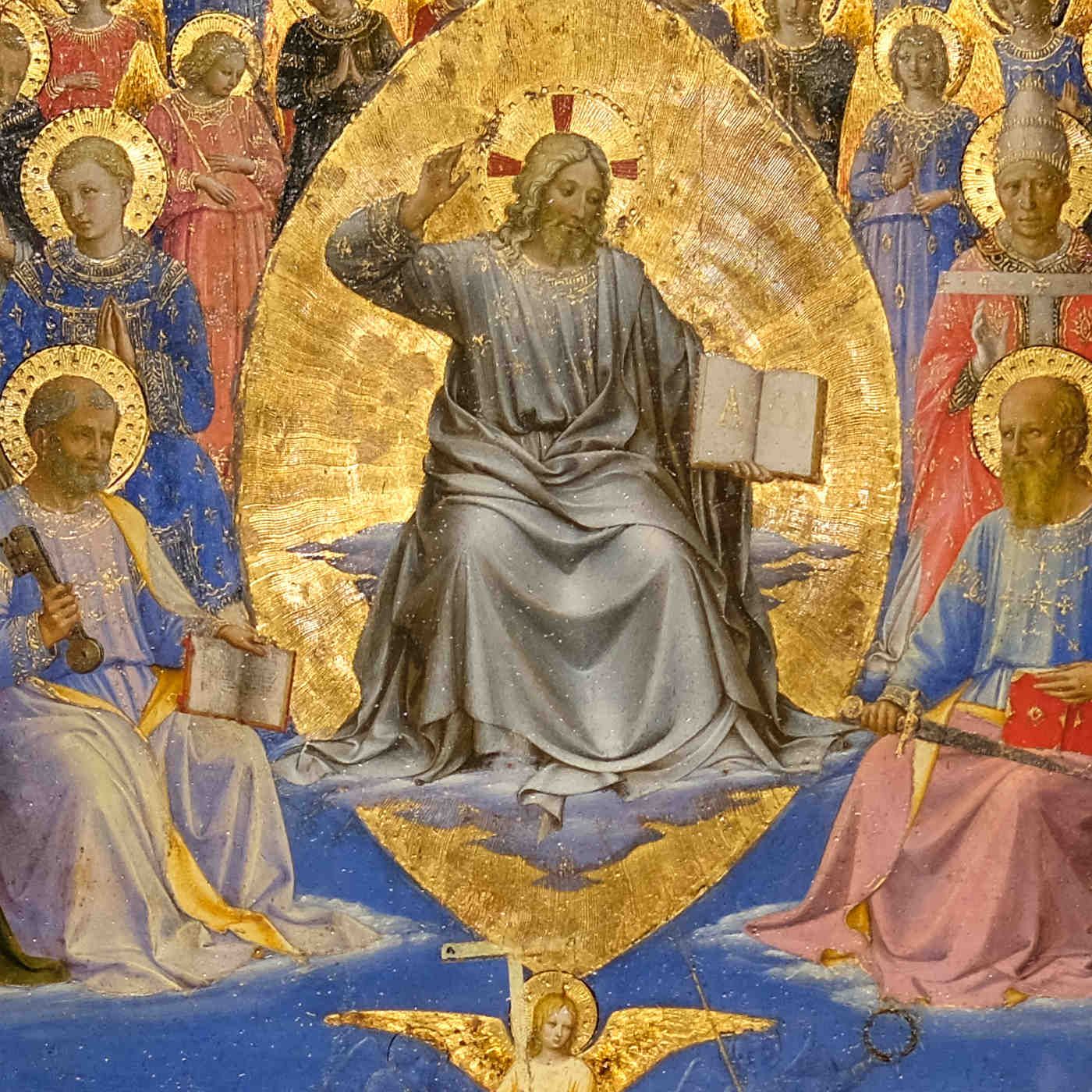
May 12, 2023
Saturday of the Fifth Week of Easter - The Hatred of the World
Jesus said to his disciples: “If the world hates you, realize that it hated me first. If you belonged to the world, the world would love its own; but because you do not belong to the world, and I have chosen you out of the world, the world hates you.” John 15:18–19 This is a sobering thought: “the world hates you.” That is, if you are among those who have been taken by our Lord out of the world. In that case, Jesus says that the world will hate you. No one wants to be hated. No one wants to experience the wrath, persecution, attacks, or ridicule of another. Hatred is ugly, painful and difficult to endure. But that is part of the nature of hate. It’s not only a form of persecution, it’s also a form of manipulation. Hate is an attack upon another by which the hater seeks to inflict injury and to manipulate them to change and conform to their will. The secular and unchristian “world” wants to win you over and away from God. Jesus offers this teaching, in part, to prepare us so that when we do experience hatred from the world, we will not be affected by it nor manipulated to turn from Him. Therefore, this teaching is a revelation of much mercy from our Lord. Remember that Jesus spoke of three enemies of our soul. The flesh, the devil and the world. In this Gospel passage, to “belong to the world” means that a person allows themself to be negatively influenced by the countless lies embedded within the world. The secular media, pop-culture, biased opinions, social pressures, false images of happiness and the like seek to constantly misguide us and draw us in. We are regularly tempted to believe that fulfillment is found in money, our physical appearance, the recognition of our accomplishments and much more. The world tells us that our opinions must conform to the secular values of the age—and if they don’t, then we are judgmental, close-minded extremists and should be shunned and “canceled” or silenced. These worldly temptations and pressures are real, and, for that reason, Jesus’ words are freeing. They free us from the manipulations and deceptions we will experience when we live our faith openly for all to see. When we do so, we will be hated by the world. But knowing that provides peace of heart when it happens. Reflect, today, upon these powerful and consoling words of Jesus. If you do not experience any form of hatred from the world, then this should be a concern and the cause for reflection. And if you do experience some form of hatred, know that our Lord prepared you for this and offers you His strength and courage to endure it with joy. In the end, all that matters is what our Lord thinks—and nothing else. In the end, if you experience hatred by the world in any form, know that this makes you more like Christ Himself. My persecuted Lord, You endured the hatred and ridicule of many who were engulfed by the false values of the world. I pray that I may share not only in Your life of love and mercy but also in Your strength during the times that I also endure the world's hatred. I commit myself to You and pray that You continually take me out of the world and bring me close to Yourself. Jesus, I trust in You. Source of content: catholic-daily-reflections.com Copyright © 2023 My Catholic Life! Inc. All rights reserved. Used with permission via RSS feed.
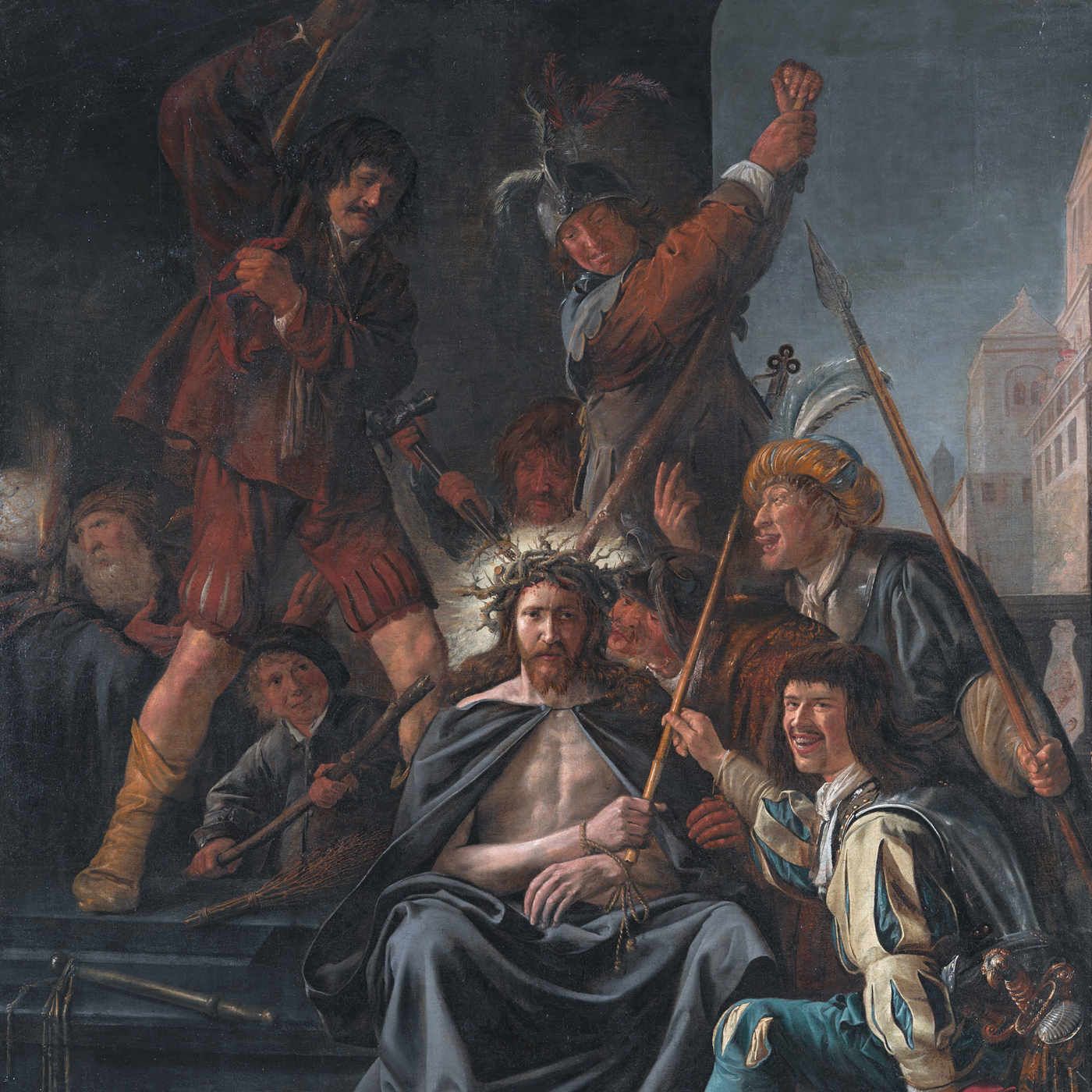
May 11, 2023
Friday of the Fifth Week of Easter - True Friendship
“You are my friends if you do what I command you. I no longer call you slaves, because a slave does not know what his master is doing. I have called you friends, because I have told you everything I have heard from my Father.” John 15:14–15 To some, Jesus’ definition of friendship may, at first glance, seem odd. He says that we are His friends only when we do what He commands us to do. Imagine saying that to one of your best friends. Such a statement would most likely be met with a laugh and dismissal as foolishness. So is true friendship always based on obedience? Obviously, the expectation that your friends obey you so as to win your friendship is not the basis of any authentic friendship. Jesus is the only one Who can base your friendship upon obedience to His holy will. Why? Because of the nature of what He commands you to do. Jesus is pure Truth. What He wills is the perfection of love. Therefore, His statement that you are only His friend if you do what He commands you to do teaches that friendship is based on the truth. It’s based on love, goodness, kindness, selfless sacrifice and self-giving. And it is all of these truths that Jesus commands us to do. Therefore, Jesus is essentially telling us that His will alone provides the pathway to the friendship we desire to have with Him. In regard to your friendship with others, each true friendship can only be based on that which God wills for friends. And, in that sense, you can “command” the will of God for your friendships. This means you are only willing to establish a friendship upon the truth. It means you are only willing to share a relationship based upon selfless, sacrificial, self-giving mercy, compassion, honesty and love. Reflect, today, upon your understanding of friendship. Begin with your friendship with God, but then also ponder your friendship with others. Do you love our Lord in the way that He commands? And as you ponder your friendship with others, examine whether or not each friendship also conforms to obedience to the will of God. If you can love God and others in conformity with the dictates of true love, then your friendships will produce an eternity of deep fulfillment. My divine Lord, You call me to a friendship with You based only on the dictates of pure and holy love. I thank You for this command of love and accept this invitation. Help me, Lord, to continually deepen my friendship with You in accord with the truths of love and help me to base all my friendships only on the commands of this holy love. Jesus, I trust in You. Source of content: catholic-daily-reflections.com Copyright © 2023 My Catholic Life! Inc. All rights reserved. Used with permission via RSS feed.
May 10, 2023
Thursday of the Fifth Week of Easter - The Good Fruit of Obedience
“If you keep my commandments, you will remain in my love, just as I have kept my Father’s commandments and remain in his love.” John 15:10 When Jesus spoke the line above, He followed it by saying, “I have told you this so that my joy might be in you and your joy might be complete.” These two lines, taken side by side, provide a helpful unity of Jesus’ teaching regarding holy obedience to Him. First, Jesus speaks of the necessity of keeping His commandments. To some, such a statement, when taken by itself, can seem burdensome, dictatorial, oppressive and confining. But is it? The answer is found clearly as we read on. The next thing Jesus teaches is that the effect of keeping His commandments is that we “remain in His love.” He further explains that He is not asking us to do anything that He Himself was not willing to do. He was obedient to the will of the Father, keeping the commandments of the Father to perfection. Therefore, we should hear His command as a dictate flowing from His own freely lived choice to be obedient. As the Incarnate Son of God, He perfectly obeyed the Father in His human nature. The result was that He remained perfectly filled with the love of the Father. But that’s not all. Joy is also experienced in a “complete” way when we imitate Jesus’ perfect obedience. In light of the teaching from our Lord, how do you view holy obedience to the will of God? Take, for example, each of the Ten Commandments. Do you struggle with unwavering obedience to them? Do you experience them as oppressive and imposed limitations rather than what they truly are? When understood correctly, the Ten Commandments, and every other dictate of the will of God, are exactly what we need and, even more so, exactly what we deeply desire in life. We want interior order rather than chaos. We want integrity rather than fragility. We want joy rather than sadness. And we want unity with the love of God rather than the loss of God. The path to the life we so deeply desire is obedience to the commands of the will of God in all things. Reflect, today, upon your immediate interior reaction to holy obedience. If you do find yourself resistant in any way to this teaching of Jesus, then that is a good sign that you need this teaching more than you may know. Try to look at obedience in the light of truth. Try to see that, deep down, your soul yearns for obedience and the interior order it brings. Examine, especially, any areas of obedience you struggle with and firmly recommit yourself to unwavering obedience to each and every command of our Lord. My obedient Lord, You obeyed the will of Your Father in Heaven to perfection. Through this obedience, You not only experienced the full love and joy of the Father in Your human nature, You also set for us a perfect example and model for holiness. Help me to see the areas of my life in which I need to be more obedient, so that I, too, will share in Your holy life and that of the Father’s. Jesus, I trust in You. Source of content: catholic-daily-reflections.com Copyright © 2023 My Catholic Life! Inc. All rights reserved. Used with permission via RSS feed.
May 9, 2023
Wednesday of the Fifth Week of Easter - Firmly Connected to Christ
“I am the vine, you are the branches. Whoever remains in me and I in him will bear much fruit, because without me you can do nothing.” John 15:5 The first amazing thing to recognize in this passage is the simple fact that God wants to produce good fruit in your life. He also wants to bring His grace and mercy into the world through you. The vine does not produce the fruit alone but does so through the instrumentality of the branches. So if we take this teaching at face value, God is saying that He has chosen to bring His grace and mercy into your life and into the world through you. To add greater clarity to this holy mission that we have all been given, Jesus makes a very profound statement. He says “without me you can do nothing.” When considering this line spoken by our Lord, it may be useful to reflect upon what the word “nothing” means. Saint Augustine points out that Jesus added “you can do nothing” to emphasize the fact that, by ourselves, by our own effort, we cannot even produce a “little” good fruit. For example, it would be like cutting off a twig from an apple tree and hoping that the twig will produce an apple. The fruit that God wants to produce also takes place within your soul, in the form of the Fruits of the Holy Spirit. These fruits consist of love, joy, peace, patience, kindness, goodness, faithfulness, gentleness and self-control (See Galatians 5:22–23). Each one of these gifts from God will have the effect of transforming you more fully into an image of God Himself in our world. Try to take a moment to consider each one of those Fruits of the Holy Spirit. Each one is very desirable. Growing in a desire for them will help you grow in a desire for the Holy Spirit in your life. When the Gospel passage quoted above is considered in its two parts, it is also clear that if we separate ourselves from God, then it is impossible to experience any one of the Fruits of the Holy Spirit. Without a firm connection to our God, we will have no love, no joy, no patience, kindness, etc. None of that is possible unless our lives are firmly connected to the Vine, Who is Christ Himself. So fostering a positive desire for these good fruits, as well as a holy fear of losing them, is useful. Reflect, today, upon the beautiful and meaningful image given to us by Jesus of the vine and the branches. Think of a vine and then think of yourself firmly attached to that vine. Sit with that image prayerfully and let God speak to you. He wants to do great things in you and through you. If you will only cling to Him with all your heart, an abundance of good fruit will be produced. Jesus the Vine, You are the source of all goodness, and, without You, I can do nothing. Help me to always remember how deeply I need You in my life and help me to cling to You always. Please bring forth an abundance of good fruit in my life and, through me, into the world. Jesus, I trust in You. Source of content: catholic-daily-reflections.com Copyright © 2023 My Catholic Life! Inc. All rights reserved. Used with permission via RSS feed.
May 8, 2023
Tuesday of the Fifth Week of Easter - The Peace of Christ
Jesus said to his disciples: “Peace I leave with you; my peace I give to you. Not as the world gives do I give it to you.” John 14:27 So how does the peace that Jesus gives you differ from the apparent peace that the world gives? We all want peace in life. The desire for interior peace is written upon our very nature. And though many people make choices that lead to interior disorder and even chaos, those choices are often made out of a confused sense of what actually provides fulfillment. For example, those who choose to feed an addiction to drugs or alcohol often began that addiction out of a misguided desire for happiness. The temporary fix experienced gives the temporary sense of well-being. But objectively speaking, it is very clear that the temporary “peace” one receives from these actions leads ultimately to a loss of the very thing they desire. And when these choices become addictions, the person often finds themself trapped in a downward spiral. There are also countless other ways in which people find themselves seeking satisfaction and fulfillment in life. Money, promiscuity, cheating, selfishness, anger, deception, and the like are all actions that are done with the intent of some satisfaction. Our daily goal must be to unmask those deceptive actions so that we can see them for what they are and for the fruit that they produce. These are clearly among the many ways that the “world” offers us peace. When it comes to true happiness in life, the gift of true interior peace is one of the clearest signs that we are on the right track and are making the right decisions. When we choose the will of God each and every day, those choices may be difficult and require much initial sacrifice. Love can be hard. Faithfulness to the moral law of God can be challenging. And refusing to sin is difficult. But choosing the will of God throughout our day, every day, will begin to produce within us the consoling and sustaining gift of the peace of Christ. True peace produces strength. It leads to interior integrity and wholeness. It produces clarity of thought and certitude in convictions. God’s peace leads to more peace. It leads to choices based on well-thought-out actions of love. Peace leads us to the will of God, and the will of God leads to peace. The cyclical effect is exponential and is one of the clearest guides to happiness in life. Reflect, today, upon whether you truly have peace in your heart. Do you recognize the still, strong and sustaining presence of God within your soul? Do your daily choices produce greater integrity of heart and clarity of mind? Do you find that you have joy and calm, even in the midst of life’s greatest challenges? Seek out this peace, for if you do, you will be seeking out the good God Who produces this glorious gift within your heart. My Lord of true peace, You and Your holy will are the only path to the deepest fulfillment of all of my desires in life. When I make poor choices that lead to disorder and confusion, help me to turn to You with all my heart. Please unmask any deception I struggle with and give me the strength I need to seek You and Your peace alone. Jesus, I trust in You. Source of content: catholic-daily-reflections.com Copyright © 2023 My Catholic Life! Inc. All rights reserved. Used with permission via RSS feed.
May 7, 2023
Monday of the Fifth Week of Easter - Remembering God’s Revelations
“I have told you this while I am with you. The Advocate, the Holy Spirit whom the Father will send in my name—he will teach you everything and remind you of all that I told you.” John 14:25–26 Sometimes we forget all that God has spoken to us. For example, we may have some clear experience of God’s presence in our lives, such as a powerful spiritual insight gained through prayer, a deep conviction of His voice spoken through a sermon, the transforming freedom encountered through the Sacrament of Reconciliation, or some form of unmistakable clarity imparted through the reading of the holy Scriptures. When God speaks to us, imparting His Truth, strength, forgiveness and every other form of grace, we are spiritually consoled as we sense His closeness. But when trouble comes our way, those moments of clarity can be easily lost. The disciples would have had many clarifying experiences during the three years of Jesus’ public ministry. They marveled at the spiritual authority they encountered in His sermons, witnessed countless miracles, looked on as sinners were set free, saw Jesus transfigured in glory, and watched our Lord enter deeply into prayer with the Father. Each time they encountered the power of God at work, they would have grown in their conviction that Jesus was the Messiah, the Son of God, the Savior of the World. But Jesus also knew that these disciples would soon have their faith in Him shaken. He knew that as they looked on from a distance in fear as Jesus was arrested, beaten and killed, they would start to forget all that they previously experienced. Fear can cause confusion, and Jesus knew that His disciples would soon fall into that trap. For this reason, Jesus spoke the words above to His disciples. He promised them that the Holy Spirit would soon come upon them to teach them everything and to remind them all that He told them. How nice it would be if every lesson we ever learned from God remained front and center in our lives. How nice it would be if we never allowed fear to confuse us and cause us to forget all that God has spoken to us in varied ways. Just as Jesus knew the disciples would need the help of the Holy Spirit to remember, He also knows that we need the same help from the Holy Spirit. Therefore, the words spoken to the disciples above are also spoken to us. “The Advocate, the Holy Spirit whom the Father will send in my name—he will teach you everything and remind you of all that I told you.” What lessons of faith have you learned in the past that you need to be reminded of? It is the role of the Holy Spirit to bring those lessons to mind every time we need them. Therefore, as we move closer to the glorious celebration of the Solemnity of Pentecost, it is a good time to pray to the Holy Spirit and ask for the gift of remembering the many ways that God has revealed Himself to us. The Father, Son and Holy Spirit work in perfect harmony with each other, but each has a distinct role in our lives. The Holy Spirit’s role is especially to lead us day-by-day into the fulfillment of the Father’s will of becoming perfectly conformed to the Person of Christ Jesus. Reflect, today, upon this powerful promise that our Lord gave to His disciples and to us. Pray to the Holy Spirit. Open yourself to the Spirit’s ongoing direction in your life and never allow fear to lead to confusion. Instead, allow God to dispel all confusion and to remind you of all that He has spoken to you throughout your life. Most glorious Lord Jesus, You promised the disciples and all Your people that the Holy Spirit would be sent to us to remind us of all that You have revealed. Holy Spirit, please continuously descend upon me, teach me and guide me. Help me to never forget the many lessons I have been taught so that I will never let fear lead to confusion. Jesus, I trust in You. Source of content: catholic-daily-reflections.com Copyright © 2023 My Catholic Life! Inc. All rights reserved. Used with permission via RSS feed.
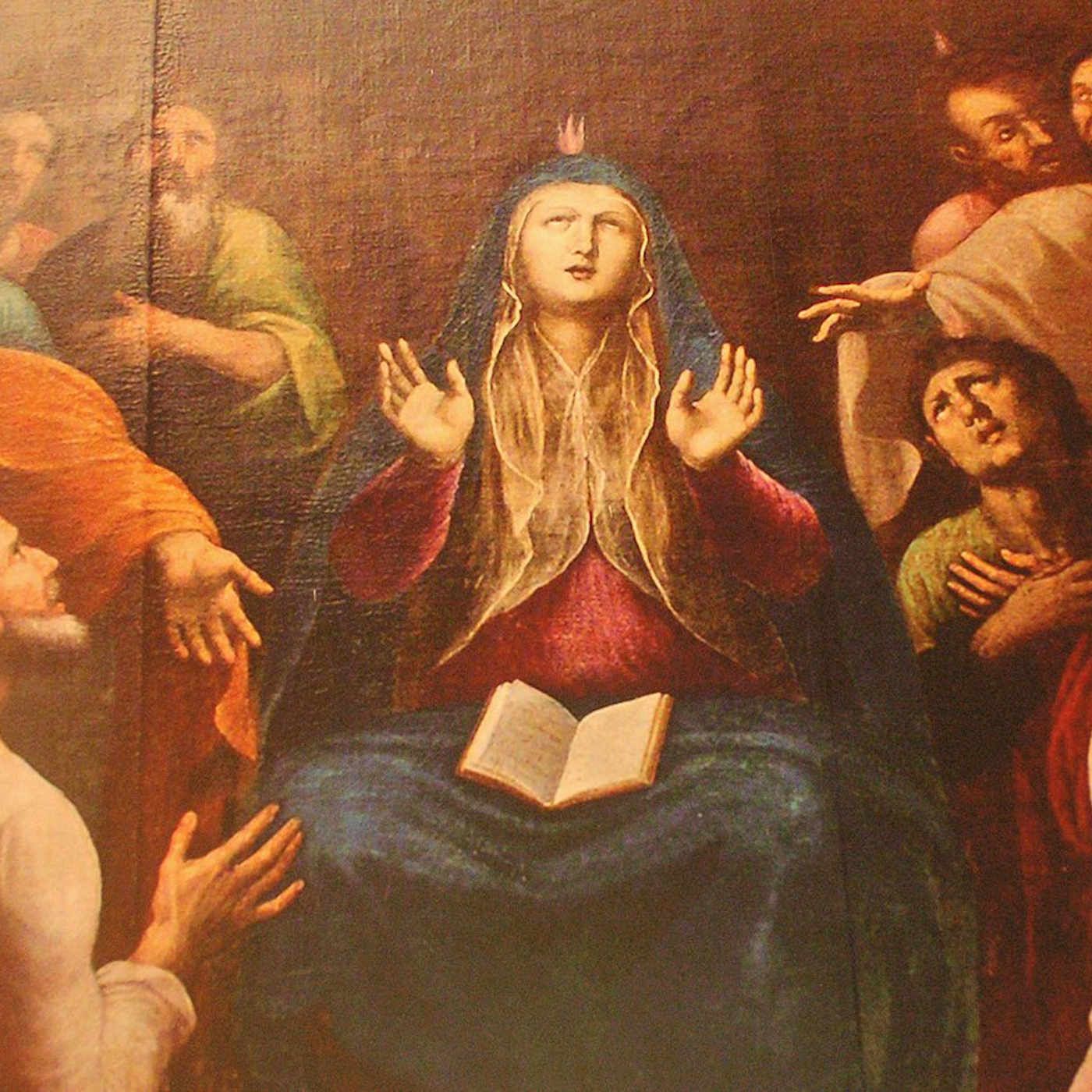
May 6, 2023
Fifth Sunday of Easter (Year A) - A Troubled Heart
Jesus said to his disciples: “Do not let your hearts be troubled. You have faith in God; have faith also in me. In my Father’s house there are many dwelling places. If there were not, would I have told you that I am going to prepare a place for you?” John 14:1–2 These consoling and encouraging words, spoken by Jesus to the Apostles at the Last Supper, come immediately after Judas left to betray Jesus and after Jesus told Peter, in the presence of the others, that Peter would deny Jesus three times before the cock crowed. As a result, the Twelve (now Eleven) would have been discouraged, especially Peter. Jesus senses this and says, “Do not let your hearts be troubled…” Peter was told that he would soon commit a grave sin against Jesus. As we are later told, as soon as Peter committed these sins, he went out and wept bitterly. Perhaps, as he did, he would have recalled Jesus’ words: “Do not let your hearts be troubled…” Being tempted toward sin can be discouraging. But that can turn into a good thing. If we are not affected by our temptations, then we lack love for God. And if we give into those temptations and fail to experience sorrow, this is even worse. However, discouragement over our sins cannot remain; it must turn into its opposite, the virtue of hope. Hope will result from sin only when we hear and understand Jesus’ promise, seen above. Jesus not only tells the disciples not to be troubled, He also tells them why. Jesus promises them He will prepare a place for them in Heaven and will come to take them to that place in His Father’s House, despite their failings. By believing, Peter and the other apostles will be able to dispel the initial discouragement they feel over their failings and turn back to God with the anticipation of Heaven. Do you get discouraged by your sin? Begin by calling to mind any sin that you regularly struggle with. Habitual sin, especially, will lead to either sorrow, repentance and hope, or to a discouragement that ends in despair and the abandonment of virtue. Like Saint Peter, we must strive to weep bitterly over our sins. We must let our sins, and the temptation toward despair, become a motivation to regain hope, courage, and determination. This will only be possible if we always hear Jesus say to us, “Do not let your hearts be troubled…” We must sense His compassion and tenderness and allow that love to fill us with confidence that we will one day overcome all sin and be welcomed into the Father’s House. Reflect, today, upon any sin with which you regularly struggle. As you do, consider whether your discouragement leads to despair or hope. Hope does not come from your ability to overcome sin on your own. It comes from the compassion of our Lord and His promise to redeem you. If you do have a troubled heart, that is good. It is the starting point for hope. Allow Jesus to lift your troubled heart and to point your eyes to Heaven. Most compassionate Lord, though I am a sinner, You speak to me with tenderness and call me to repent so that I will always have hope in Heaven. Please give me a true and holy sorrow for my sins and help me to always turn back to You so that You will one day lead me to the fullness of the Father’s House. Jesus, I trust in You. Source of content: catholic-daily-reflections.com Copyright © 2023 My Catholic Life! Inc. All rights reserved. Used with permission via RSS feed.

May 5, 2023
Saturday of the Fourth Week of Easter - Doing the Greatest Work on Earth
“Amen, amen, I say to you, whoever believes in me will do the works that I do, and will do greater ones than these, because I am going to the Father. And whatever you ask in my name, I will do, so that the Father may be glorified in the Son. If you ask anything of me in my name, I will do it.” John 14:12–14 How is it that we are called to do greater works than the works that Jesus Himself did? Of course, it’s true. This is our calling. We know that, because this is what our Lord promised us. This truth should fill us with gratitude for being used so powerfully by God. Among the “greater” works of which Jesus speaks is, first and foremost, the sharing of the Gospel to the ends of the earth. As Jesus walked the earth, His mission was primarily to the people of Israel. But when He ascended to Heaven and sent the Holy Spirit upon the Church, He also empowered all who would receive the Holy Spirit to share the Gospel to the ends of the earth. Thus, the conversion of hearts is the greatest work that we can cooperate with. Do you want to do great things? Most children dream of doing so because this desire is written upon our human nature. We want to make a difference. We want to be great. But too often we become confused about true greatness. We attempt to fulfill that innate desire through acts of worldly and passing greatness. We seek recognition, wealth, and other passing rewards that stem from selfish ambitions. None of these ultimately fulfill us, even if we were to achieve them to the greatest extent. For example, imagine if you won the Nobel Peace Prize, or became the leader of a nation, or became the wealthiest person alive. Would the attainment of one of these goals fulfill you? Only if it were the will of God. If not, it would be an empty and meaningless act. Begin by looking within. Do you see the desire within you to do great things? Hopefully you do. From there, remind yourself that the greatest thing you can do, so as to fulfill the desire within you, is to do that which is the will of God for your life. Jesus says, “If you ask anything of me in my name, I will do it.” Asking in Jesus’ name means asking for the fulfillment of His will. It means asking that God use you to bring His saving grace to others any way He chooses. If you ask our Lord for this grace, He will grant it. This form of prayer requires humility and a complete detachment from our own will. It requires that we ask the Father only for that which the Son asks the Father for us. But the reward of such a humble prayer is that God will bestow His grace and mercy on others through us. This is His perfect will. Reflect, today, upon this high calling. Do so by looking at the desire within your own soul for greatness and then unite that desire with God’s will as the only thing that can fulfill you. Pray for this gift every day with humility and detachment and you will become an instrument of acts that give eternal glory to God. In Heaven, this will be your eternal joy. Providential Lord, Your will is perfect and glorious. Please help me to humble myself before You, every day, so that I will understand Your will for my life and choose it always. May I be an instrument of Your saving grace to all whom You wish to touch through me. Jesus, I trust in You. Source of content: catholic-daily-reflections.com Copyright © 2023 My Catholic Life! Inc. All rights reserved. Used with permission via RSS feed.
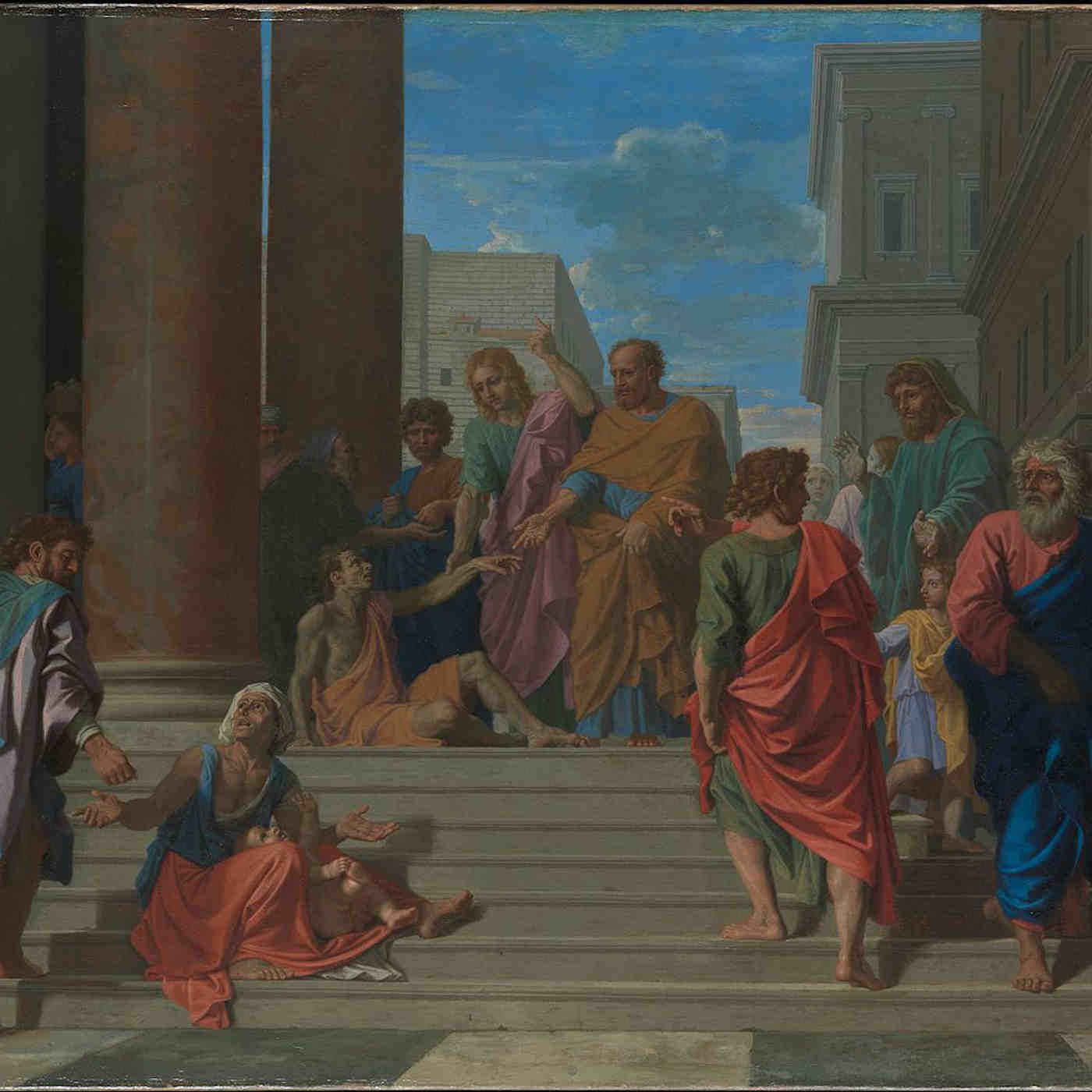
May 4, 2023
Friday of the Fourth Week of Easter - Overcoming a Troubled Heart
Jesus said to his disciples: “Do not let your hearts be troubled. You have faith in God; have faith also in me.” John 14:1 In John’s Gospel, Chapters 14–17 present us with what is referred to as Jesus’ “Last Supper Discourses,” or His “Final Discourses.” These are a series of sermons given by our Lord to the disciples the night He was arrested. These discourses are deep and filled with symbolic imagery. He speaks of the Holy Spirit, the Advocate, the vine and the branches, the world’s hatred, and these discourses conclude with Jesus’ High Priestly Prayer. These discourses begin with today’s Gospel in which Jesus addresses the coming fear, or troubled hearts, that He knows His disciples will experience. Let’s begin by considering this first line spoken by Jesus above: “Do not let your hearts be troubled.” This is a command. It’s a gentle command but a command nonetheless. Jesus knew that His disciples would soon see Him arrested, falsely accused, mocked, beaten and killed. He knew they would be overwhelmed by what they would soon experience, so He took this opportunity to gently and lovingly rebuke the fear that they would soon face. Fear can come from many different sources. Some fear is helpful to us, such as the fear present in a dangerous situation. In this case, that fear can heighten our awareness of the danger so that we proceed with caution. But the fear that Jesus was speaking of here was of a different kind. It was a fear that could lead to irrational decisions, confusion, and even despair. This was the kind of fear that our Lord wanted to gently rebuke. What is it that causes you to fear at times? Many people struggle with anxiety, worry, and fear for many different reasons. If this is something you struggle with, it’s important to allow Jesus’ words to resonate within your mind and heart. The best way to overcome fear is to rebuke it at its source. Hear Jesus say to you, “Do not let your heart be troubled.” Then listen to His second command: “You have faith in God; have faith also in me.” Faith in God is the cure for fear. When we have faith, we are under the control of the voice of God. It is God’s truth that directs us rather than the difficulty we are facing. Fear can lead to irrational thinking, and irrational thinking can lead us deeper and deeper into confusion. Faith pierces through the irrationality we are tempted with, and the truths that faith presents to us bring clarity and strength. Reflect, today, upon whatever it is that causes you the most anxiety, worry and fear in your life. Allow Jesus to speak to you, to call you to faith and to rebuke those troubles gently but firmly. When you have faith in God, you can endure all things. Jesus endured the Cross. The disciples eventually endured their crosses. God wants to strengthen you, too. Let Him speak to you so that you will overcome whatever is most troublesome to your heart. My loving Shepherd, You know all things. You know my heart and the difficulties I face in life. Give me the courage I need, dear Lord, to face every temptation to fear with confidence and trust in You. Bring clarity to my mind and peace to my troubled heart. Jesus, I trust in You. Source of content: catholic-daily-reflections.com Copyright © 2023 My Catholic Life! Inc. All rights reserved. Used with permission via RSS feed.
May 3, 2023
Thursday of the Fourth Week of Easter - Are You Blessed?
When Jesus had washed the disciples’ feet, he said to them: “Amen, amen, I say to you, no slave is greater than his master nor any messenger greater than the one who sent him. If you understand this, blessed are you if you do it.” John 13:16–17 During this, the Fourth Week of Easter, we return to the Last Supper and will spend a few weeks considering the discourse Jesus gave that Holy Thursday evening to His disciples. The question to ask yourself today is this: “Are you blessed?” Jesus says that you are blessed if you “understand” and “do” what He teaches His disciples. So what did He teach them? Jesus offers this prophetic action by which He took on the role of a slave by washing the disciples’ feet. His action was much louder than words, as the saying goes. The disciples were humbled by this act, and Peter, at first, refused it. There is little doubt that this humble act of service, by which Jesus lowered Himself before His disciples, made a strong impression upon them. The worldly view of greatness is much different than the one Jesus taught. Worldly greatness is a process of elevating yourself in the eyes of others, striving to let them know just how good you are. Worldly greatness is often driven by a fear of what others may think of you, and a desire to be honored by all. But Jesus wants to be clear that we will only be great if we serve. We must humble ourselves before others, holding them and their goodness up, honoring them and showing them the deepest love and respect. By washing their feet, Jesus completely abandoned the worldly view of greatness and called His disciples to do the same. Humility is difficult to understand at times. This is why Jesus said, “If you understand this…” He realized that the disciples, as well as all of us, will struggle with understanding the importance of humbling ourselves before others and serving them. But if you do understand humility, you will be “blessed” when you live it. You will not be blessed in the eyes of the world, but you will be truly blessed in the eyes of God. Humility is especially accomplished when we purify our desire for honor and prestige, when we overcome all fear of being mistreated, and when, in place of this desire and fear, we desire abundant blessings upon others, even before ourselves. This love and humility is the only way to this mysterious and profound depth of love. Reflect, today, upon this humble act of the Son of God, the Savior of the World, lowering Himself before His disciples, serving them as if He were a slave. Try to imagine yourself doing this for others. Think about various ways that you can more readily go out of your way to put others and their needs before your own. Seek to eliminate every selfish desire you struggle with and identify any fear that keeps you from humility. Understand this gift of humility and live it. Only then will you be truly blessed. My humble Lord, You set for us the perfect example of love when You chose to serve Your disciples with great humility. Help me to understand this beautiful virtue and to live it. Free me from all selfishness and fear so that I may love others as You have loved us all. Jesus, I trust in You. Source of content: catholic-daily-reflections.com Copyright © 2023 My Catholic Life! Inc. All rights reserved. Used with permission via RSS feed.
May 2, 2023
May 3, Feast of Saints Philip and James, Apostles - Do You Not Know Me?
Philip said to Jesus, “Master, show us the Father, and that will be enough for us.” Jesus said to him, “Have I been with you for so long a time and you still do not know me, Philip? Whoever has seen me has seen the Father. How can you say, ‘Show us the Father’?” John 14:8–9 Today’s liturgical feast is in honor of two of the Apostles, Philip and James the Lesser. Little is known about James other than that he was chosen by our Lord for the apostolic ministry and that we have one of his letters, which is contained in the New Testament. James eventually went to Jerusalem and led the Church for a few decades until he was stoned to death as a martyr. Philip preached in Greece, Phrygia and Syria. He and Saint Bartholomew were thought to have been crucified upside down. Philip preached upside down from the cross until his death. In the Gospel for today’s Mass, we are presented with an encounter that Philip had with Jesus. Though this encounter appears to be a rebuke of Philip by Jesus, it’s a rebuke that is quite heartfelt. Jesus says, “Have I been with you for so long a time and you still do not know me, Philip?” Jesus did, indeed, spend much time with His disciples. They stayed together, ate together, traveled together and spent much time talking with each other. Therefore, Jesus’ comments to Philip emanated from His real and lived personal relationship with Philip. Take the first part of that statement to begin with. “Have I been with you so long…” Imagine Jesus saying this to you. Is this something He would be able to say to you? Is it true that you do spend much time with Him? Do you spend time reading the Gospels, speaking to Him from the depths of your heart, conversing with Him, praying to Him and listening to His gentle voice? But Jesus goes on: “...and you still do not know me...?” This is a humble truth that is important to admit. It is true that even those who have a very deep and transforming life of prayer do not know our Lord deeply enough. There is no limit to the transformation that can take place in our lives when we know Jesus personally. Jesus’ statement goes on: “Whoever has seen me has seen the Father.” So the next question is this: “Do you know the Father?” Do you know the Father’s love, His care for you, His perfect will? Though the Father and the Son are united as one God, They are still distinct Persons, and we must, therefore, work to establish a relationship of love with each one of them. As initially mentioned, the comments from Jesus are a gentle rebuke of love to Philip, and He wants to speak this same gentle rebuke to you. But it’s a rebuke of love meant to encourage you to get to know Him better. It’s an invitation to personalize your relationship with Jesus and the Father in a real and concrete way. Do you know Him? Do you know the Son of God? Do you know the Father in Heaven? Reflect, today, upon these loving questions of our Lord as if they were spoken to you. Let His words encourage you to get to know Him more deeply. Pray for your relationship to become more personal and transforming. And as you get to know our Lord more intimately, know that it is also the Father in Heaven Whom you are getting to know. My divine and personal Lord, it is the deepest desire of Your Sacred Heart to know me and to love me. Fill my heart with this same desire so that I will not only know You, dear Lord, but also the Father in Heaven. Heavenly Father, I thank You for Your perfect love and pray that I may open myself to that love more fully each and every day. Saints Philip and James, pray for me. Jesus, I trust in You. Source of content: catholic-daily-reflections.com Copyright © 2023 My Catholic Life! Inc. All rights reserved. Used with permission via RSS feed.
May 1, 2023
Tuesday of the Fourth Week of Easter - Learning the Language of God
Jesus walked about in the temple area on the Portico of Solomon. So the Jews gathered around him and said to him, “How long are you going to keep us in suspense? If you are the Christ, tell us plainly.” Jesus answered them, “I told you and you do not believe.” John 10:24–25 Why is it that these people did not know that Jesus was the Christ? They wanted Jesus to speak “plainly” to them, but Jesus surprises them by saying that He already answered their question but they “do not believe.” This Gospel passage continues the beautiful teaching about Jesus being the Good Shepherd. It’s interesting that these people want Jesus to speak plainly about whether or not He is the Christ, but instead, Jesus speaks plainly about the fact that they do not believe in Him because they are not listening. They have missed what He has said and are left in confusion. One thing this tells us is that God speaks to us in His own way, not necessarily in the way we would like Him to speak. He speaks a mystical, profound, gentle and hidden language. He reveals His deepest mysteries only to those who have come to learn His language. But to those who do not understand God’s language, confusion sets in. If you ever find yourself confused in life, or confused about the plan God has for you, then perhaps it’s time to examine how carefully you listen to the way God speaks. We could beg God, day and night, to “speak plainly” to us, but He will only speak in the way He has always spoken. And what is that language? On the deepest level, it’s the language of infused prayer. Prayer, of course, is different than only saying prayers. Prayer is ultimately a relationship of love with God. It’s a communication on the deepest level. Prayer is an act of God within our soul by which God invites us to believe in Him, to follow Him, and to love Him. This invitation is continually offered to us, but too often we fail to hear it because we fail to truly pray. Much of John’s Gospel, including Chapter Ten from which we are reading today, speaks in a mystical way. It’s not possible to simply read it like a novel and comprehend all that Jesus says with one read. Jesus’ teaching must be heard in your soul, prayerfully, pondered, and heard. This approach will open the ears of your heart to the certitude of the voice of God. Reflect, today, upon the mysterious ways in which God communicates to you. If you do not understand how He speaks, then that is a good starting point. Spend time with this Gospel, prayerfully pondering it. Meditate upon Jesus’ words, listening for His voice. Learn His language through silent prayer and allow His holy words to draw you to Himself. My mysterious and hidden Lord, You speak to me day and night and continually reveal Your love to me. Help me to learn to listen to You so that I may grow deep in faith and may truly become Your follower in every way. Jesus, I trust in You. Source of content: catholic-daily-reflections.com Copyright © 2023 My Catholic Life! Inc. All rights reserved. Used with permission via RSS feed.
Apr 30, 2023
May 1, Optional Memorial of Saint Joseph the Worker - The Ordinary Path to the Extraordinary
Jesus came to his native place and taught the people in their synagogue. They were astonished and said, "Where did this man get such wisdom and mighty deeds? Is he not the carpenter's son?” Matthew 13:54–55 On December 8, 2020, Pope Francis announced the beginning of the universal celebration of the “Year of Saint Joseph.” He introduced this year with an Apostolic Letter entitled “With a Father’s Heart.” In the introduction to that letter, the Holy Father said, “Each of us can discover in Joseph—the man who goes unnoticed, a daily, discreet and hidden presence—an intercessor, a support and a guide in times of trouble.” The Gospel above, taken from the readings for this memorial, point to the fact that Jesus was “the carpenter’s son.” Joseph was a worker. He worked with his hands as a carpenter so as to provide for the daily needs of the Blessed Virgin Mary and the Son of God. He provided them with a home, with food and with the other daily necessities of life. Joseph also protected them both by following the various messages of the angel of God who spoke to him in his dreams. Joseph fulfilled his duties in life in a quiet and hidden way, serving in his role as father, spouse and worker. Though Joseph is universally recognized and honored today within our Church and even as a prominent historical world figure, during his lifetime he would have been a man who was largely unnoticed. He would have been seen as an ordinary man doing his ordinary duty. But in many ways, that is what makes Saint Joseph an ideal man to imitate and a source of inspiration. Very few people are called to serve others in the spotlight. Very few people are publicly praised for their day-to-day duties. Parents, especially, are often greatly unappreciated. For that reason, the life of Saint Joseph, this humble and hidden life lived out in Nazareth, provides most people with inspiration for their own daily lives. If your life is somewhat monotonous, hidden, unappreciated by the masses, tedious and even boring at times, then look to Saint Joseph for inspiration. Today’s memorial especially honors Joseph as a man who worked. And his work was quite ordinary. But holiness is especially found in the ordinary parts of our daily lives. Choosing to serve, day in and day out, with little or no earthly accolades, is a service of love, an imitation of the life of Saint Joseph and a source of your own holiness in life. Do not underestimate the importance of serving in these and other ordinary and hidden ways. Reflect, today, upon the ordinary and “unremarkable” daily life of Saint Joseph. If you find that your life is similar to what he would have experienced as a worker, a spouse and a father, then rejoice in that fact. Rejoice in the fact that you are also called to a life of extraordinary holiness through the ordinary duties of daily life. Do them well. Do them with love. And do them by the inspiration of Saint Joseph and his spouse, the Blessed Virgin Mary who would have shared in this ordinary day-to-day life. Know that what you do each and every day, when it is done out of love and service of others, is the surest path to holiness of life for you. My Jesus, Son of the carpenter, I thank You for the gift and inspiration of Your earthly father, Saint Joseph. I thank You for his ordinary life lived with great love and responsibility. Help me to imitate his life by fulfilling my daily duties of work and service well. May I recognize in the life of Saint Joseph, an ideal model for my own holiness of life. Saint Joseph the Worker, pray for us. Jesus, I trust in You. Source of content: catholic-daily-reflections.com Copyright © 2023 My Catholic Life! Inc. All rights reserved. Used with permission via RSS feed.
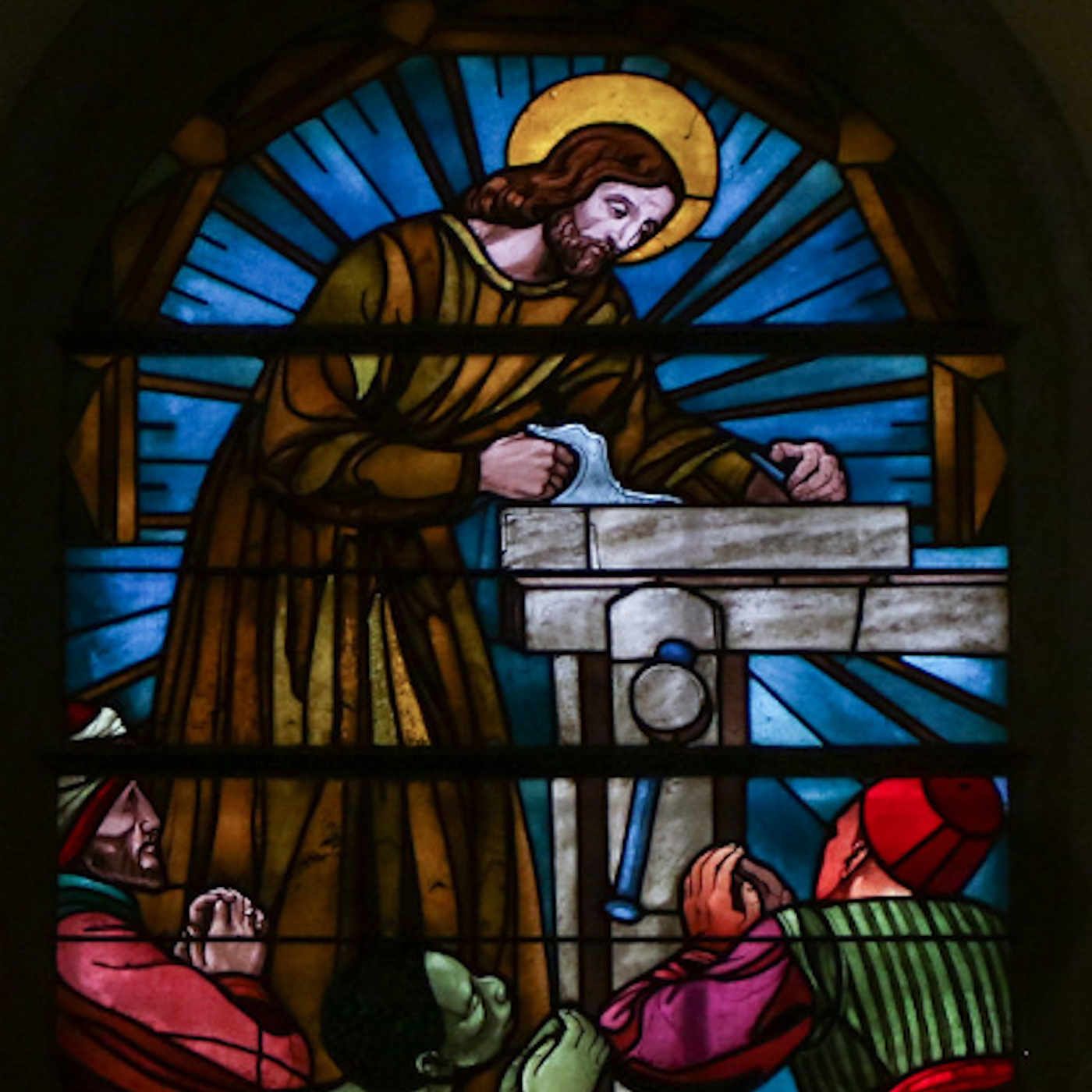
Apr 29, 2023
Fourth Sunday of Easter (Year A) - Hearing and Following His Voice
Jesus said: “Amen, amen, I say to you, whoever does not enter a sheepfold through the gate but climbs over elsewhere is a thief and a robber. But whoever enters through the gate is the shepherd of the sheep. The gatekeeper opens it for him, and the sheep hear his voice, as the shepherd calls his own sheep by name and leads them out.” John 10:1–3 The people of Jesus’ time would have easily understood this story. It was common practice for shepherds to talk to their sheep throughout the day so that the sheep became familiar with the shepherd's voice as he led them through various pastures for grazing. At night, several shepherds would bring their sheep together within secured gates for safety. In the morning, each shepherd would then call to his sheep and, because they knew their shepherd’s voice, the sheep would follow their own shepherd and not the others. The first question for each of us to ask ourselves today is this: Do I know the voice of the Shepherd? Have I become so familiar with His voice that I can clearly distinguish His voice from others? Try to imagine the image of several shepherds all calling their sheep at once. This is an image of the competing voices we encounter in our lives. But only one of those voices is the voice of God. Do you know His voice? Or do you become confused with the many other impulses, desires and attractions that vie for your attention? Jesus continued his teaching by saying that He is not only the Shepherd whose voice is known by the sheep, but He is also the gate. “I am the gate. Whoever enters through me will be saved, and will come in and go out and find pasture.” What does our Lord mean when He calls Himself the gate? As the Gate, He is the Word of God, revealed to us through the Scriptures. Fidelity to the Word of God is one of the surest ways to the life of grace. He is the Word of Truth as it is handed down and expounded upon by the Magisterium, the teaching authority of the Church. Fidelity to the authentic teaching of the Magisterium, especially when the Holy Father speaks in union with the bishops, will help us navigate the many errors of our age. Jesus is made present to us through the Sacraments, which are the door to His grace and the entryway to the food for our spiritual lives. Furthermore, any time our Lord comes to us, through holy preaching, the witness and teaching of the saints, and the life of prayer within the Church, or in any other way, we enter the gate and are admitted into His verdant pastures. Jesus is the gate, not only for the sheep but for each of the shepherds who lead the sheep in His name. These are the pastors of the Church who have been entrusted with the mission of Christ to lead God’s people. Today, if a shepherd of the Church fails to preach Jesus Christ, then that shepherd “comes only to steal and slaughter and destroy.” Pastors of the Church must humbly listen carefully to these words so that they never fail to shepherd God’s people by leading them through the Gate, Who is Christ Himself. They must all be faithful to the whole Tradition of our Church, handed on throughout the ages, and not deviate from the pure and holy deposit of faith. If they preach their own gospel, or are negligent or misleading in their preaching, then they are not true shepherds. God’s true sheep will not recognize them. But if they are faithful to all that Jesus has taught, then they will lead the sheep through the gate and become shepherds in union with the Heart of the Good Shepherd. Reflect, today, upon the image of Christ the Good Shepherd, calling to us in a variety of ways. We must learn His true voice through faith and prayer. Once we recognize His voice, we will more easily discover Him ministering to us, inspiring us, and inviting us to the life of grace by encountering Him as the source and way to this new life. Good Shepherd, You speak to me continuously, revealing to me Your presence and guidance in my life. May I become so familiar with Your sacred Voice that I will always recognize it. Lead me to Yourself, the glorious Gate to the life of grace, and transform me into a faithful and obedient sheep. Jesus, my Good Shepherd, I trust in You. Source of content: catholic-daily-reflections.com Copyright © 2023 My Catholic Life! Inc. All rights reserved. Used with permission via RSS feed.
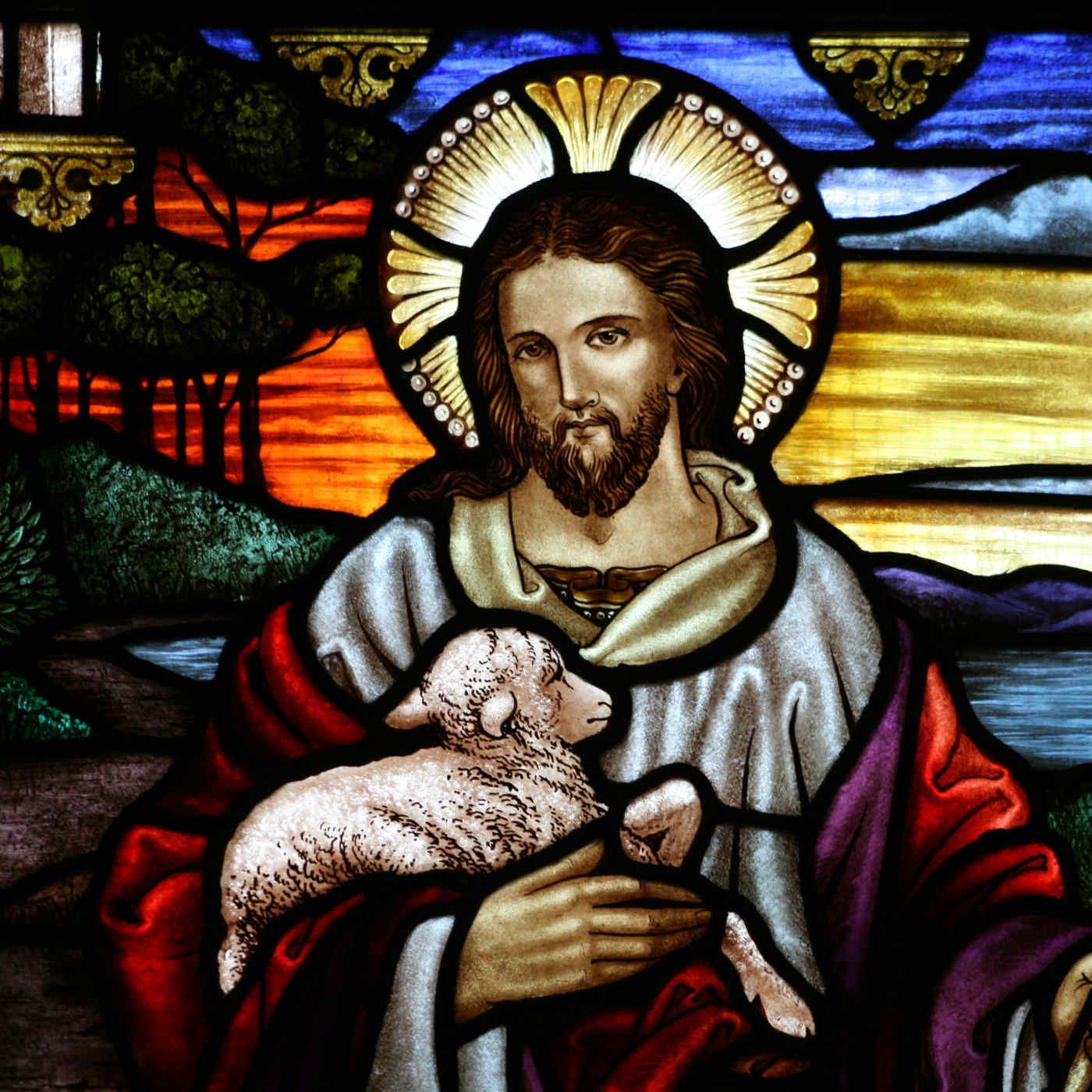
Apr 28, 2023
Saturday of the Third Week of Easter - A "Hard" and Deep Mystery
As a result of this, many of his disciples returned to their former way of life and no longer walked with him. Jesus then said to the Twelve, “Do you also want to leave?” John 6:66–67 Today’s Gospel concludes the beautiful and profound sermon on the Bread of Life (see John 6:22–71). When you read this sermon from beginning to end, it is noticeable that Jesus moves from more general statements about the Bread of Life that are easier to accept to more specific statements that are challenging. He concludes His teaching just prior to today’s Gospel by saying very directly, “Whoever eats my flesh and drinks my blood remains in me and I in him.” After Jesus said this, many who had been listening to Him left Him and no longer followed Him. There are generally three common attitudes people have toward the Most Holy Eucharist. One attitude is that of profound faith. Another is that of indifference. And a third is what we find in today’s Gospel: disbelief. Those who walked away from Jesus in today’s Gospel did so because they said, “This saying is hard; who can accept it?” What a great statement and question to ponder. It is true, in a certain way, that the teaching of Jesus on the Most Holy Eucharist is a hard saying. “Hard,” however, is not bad. It’s hard in the sense that belief in the Eucharist is only possible through a faith that comes from a deep interior revelation from God. In the case of those who walked away from Jesus, they heard His teaching, but their hearts were closed to the gift of faith. They remained stuck on a purely intellectual level, and, thus, the idea of eating the Flesh and Blood of the Son of God was more than they could comprehend. So who could accept such a statement? Only those who listen to our Lord as He speaks to them interiorly. It is only that interior conviction that comes from God that can be proof of the truthfulness of the Holy Eucharist. Do you believe that when you consume that which appears to be only “bread and wine,” you are actually consuming Christ Himself? Do you understand this teaching of our Lord on the Bread of Life? It is a hard saying and a difficult teaching, which is why it must be taken very seriously. For those who do not flat out reject this teaching, there is also the temptation to be somewhat indifferent to the teaching. It can easily be misunderstood to be just symbolism in the way our Lord talks. But the symbolism is much more than just symbolism. It’s a profound, challenging, and life-changing teaching of how we share in the divine and eternal life our Lord wishes to bestow upon us. Reflect, today, upon how deeply you believe this hard saying of Jesus. The fact that it is a “hard” saying should make you seriously examine your own faith or lack thereof. What Jesus teaches is life-changing. It’s life-giving. And when clearly understood, you will be challenged to either believe with your whole heart or turn away in disbelief. Allow yourself to believe in the Most Holy Eucharist with your whole heart and you will find that you are believing one of the most profound Mysteries of Faith. My glorious Lord, Your teaching on the Most Holy Eucharist is beyond human comprehension. It is a mystery so deep that we will never fully understand this precious gift. Open my eyes, dear Lord, and speak to my mind so that I may listen to Your words and respond with the deepest faith. Jesus, I trust in You. Source of content: catholic-daily-reflections.com Copyright © 2023 My Catholic Life! Inc. All rights reserved. Used with permission via RSS feed.
Apr 27, 2023
Friday of the Third Week of Easter - A "Holy Fear"
“Amen, amen, I say to you, unless you eat the Flesh of the Son of Man and drink his Blood, you do not have life within you. Whoever eats my Flesh and drinks my Blood has eternal life, and I will raise him on the last day. For my Flesh is true food, and my Blood is true drink.” John 6:53–55 On a philosophical level, it’s useful to consider various things that appear to be “competing forces.” Good appears to be the opposite of evil. Light the opposite of dark. Heat the opposite of cold. And life the opposite of death. But are they truly opposites in the sense of being competing forces? When considered carefully, it is clear that good and evil, light and dark, heat and cold, and life and death are not actually “competing forces;” rather, evil is simply the absence of good, darkness the absence of light, cold the absence of heat, and death the loss of life. And though this philosophical distinction may not seem that interesting to some, and confusing to others, it is a helpful truth to ponder in light of today’s Gospel. Today’s Gospel tells us that failure to “eat the Flesh of the Son of Man and drink his Blood” results in death. Death is the loss of life, and the Eucharist is the source of life. Jesus says that if you fail to eat His Flesh and drink His Blood, “you do not have life within you.” This bold teaching of Jesus should cause us to stop and examine our approach to the Most Holy Eucharist. Sometimes we can fall into the trap of thinking that going to Mass and receiving Communion is something we do as a “favor” to our Lord. But in truth, it’s God’s most profound favor to us, because the Eucharist is the gateway to eternal life. And without it, we have no life within us. Our spirits die because we lose the presence of God. Looking at the negative effect of not receiving the Most Holy Eucharist can be very useful. Sometimes we need to consider the consequences of our actions as a way of motivating us to greater fidelity. For that reason, considering the fact that failure to eat the Flesh of the Son of God results in death should be very motivating. It should fill us with a holy fear of the loss of the life-giving presence of God within us. This “holy fear” is a true gift from God and is, in fact, one of the Seven Gifts of the Holy Spirit. Reflect, today, upon your interior attitude toward the Most Holy Eucharist. Do you see your participation in the Holy Mass more as a favor you offer to our Lord? Or do you see it as it is: the life-giving source of eternal life? Reflect upon how important this precious gift truly is and recommit yourself to a faithful and devout participation in this most holy Gift. My Eucharistic Lord, Your Flesh and Blood are truly the source of eternal life for all who receive You in faith. I thank You, dear Lord, for this most precious Gift of the Most Holy Eucharist, and I pray that I will be filled with a deep hunger and thirst for You always. Jesus, I trust in You. Source of content: catholic-daily-reflections.com Copyright © 2023 My Catholic Life! Inc. All rights reserved. Used with permission via RSS feed.
Apr 26, 2023
Thursday of the Third Week of Easter - The Flesh of Our Lord
I am the living bread that came down from heaven; whoever eats this bread will live forever; and the bread that I will give is my Flesh for the life of the world.” John 6:51 Jesus was starting to stir up the emotions of some within the crowd. They began to ridicule Him because He had said that He was the “bread that had come down from heaven.” Thus, many of those who had sought Jesus out in hopes of another miraculous free meal began to murmur among themselves and ridicule Him. As a result, Jesus began to speak even more clearly and shockingly. He then went even further and said that He is not only the “living bread that came down from heaven” but that those who want to “live forever” must also eat His “Flesh.” How would you have reacted to such a statement if you were among those within the crowd? Consider the fact that you would have recently seen, with your own eyes, the miracle of the multiplication of the loaves and fishes. Therefore, you would have realized that Jesus was someone special, to say the least. But how would you have reacted to this statement of Jesus, “and the bread that I will give is my Flesh for the life of the world,” if you had heard it spoken at that time? Most likely, your reaction would have been the same reaction that you have right now to the teaching of the Most Holy Eucharist. Many who heard Jesus speak this way may have thought it was a bit of an unusual thing to say. Some would have reacted strongly, while others would have reacted with indifference. But some would have had an entirely different reaction. Some would have heard Jesus speak these new and shocking words, would have realized that they did not fully understand what He meant, but would have believed deeply on account of the gift of faith. Somehow they would have known, in the depths of their consciences, that they did indeed need to eat the Flesh of Him Who came down from Heaven since He was indeed the Bread of Life. Believing in the Eucharist, in the fact that these tangible and visible gifts of the Sacred Host and the Precious Blood are, in fact, the Body and Blood, Soul and Divinity of the Eternal Son of God, can only happen through the interior and transforming gift of faith. How else can you believe such a teaching? How else could you believe that these words in today’s Gospel have come true? And that the reception of the Most Holy Eucharist is the pathway to eternal life? The gift of faith in the Most Holy Eucharist is the one and only way to understand, accept and deeply believe what our Lord has spoken in this Holy Gospel. Reflect, today, upon Jesus speaking these most holy words for the first time: “...the bread that I will give is my Flesh for the life of the world.” As you prayerfully reflect upon these words, ponder how deeply you believe them. How deep is your faith in the Most Holy Eucharist? The Eucharist is the fulfillment of this passage, and our divine Lord invites you to not only believe in His holy words but to allow this truth to transform you in ways beyond what you could ever imagine. My Eucharistic Lord, You are truly the Bread of Life, and all those who eat Your Flesh and drink Your Blood will inherit eternal life. I do believe this, dear Lord. I believe that the Most Holy Eucharist is You, Your Soul and Divinity, given to me so that I can share in Your holy life. Give me the grace I need to deepen my faith in the Most Holy Eucharist so that I will be drawn more fully into the joys of Your Eternal Kingdom. Jesus, I trust in You. Source of content: catholic-daily-reflections.com Copyright © 2023 My Catholic Life! Inc. All rights reserved. Used with permission via RSS feed.
Apr 25, 2023
Wednesday of the Third Week of Easter - Holy Sight
“For this is the will of my Father, that everyone who sees the Son and believes in him may have eternal life, and I shall raise him on the last day.” John 6:40 Do you believe in Jesus? Unquestionably the answer is “Yes.” However, to believe in our Lord is something that must deepen with every passing day. Therefore, if you do have faith in Jesus, you can also admit that you do not have faith enough. In this Gospel passage in which the “Bread of Life Discourse” is continued, Jesus calls us to do two things. First, we must see Him. Second, we must believe . Let’s start with the first. When Jesus first spoke these words to the crowd, they did see His physical presence. But many of them did not see beyond the surface. They saw His miracles, heard His teaching, but very few saw the deeper reality of Jesus as the Son of the Eternal Father and the Savior of the World. If you are to believe in our Lord and all that He is, then you must first see Him. One of the best ways to foster this “holy sight” of our Lord is to gaze at Him in the Most Holy Eucharist. When you attend Mass or spend time in adoration and look upon the Most Holy Eucharist, what do you see? Do you see the Eternal Son? Do you see His holy divinity? Do you see your God and the Lord of all? As we stand or kneel before our Lord, present in the Most Holy Eucharist, it’s easy to become distracted. It’s easy to allow our minds to wander to the many other aspects of our daily lives and to fail to see the eternal Son of God as He is present to us. Reflect, today, upon the way you look at our Lord. If you want to deepen your faith, your belief, then start with your sight. Start by considering how you look at Jesus, present in the Most Holy Eucharist. If you are blessed to be with Him this day at the Holy Mass or in adoration, examine the way to see Him. Gaze at Him. Make an intentional act of faith in His divine presence. Acknowledge His Godhead, His glory, His holiness and His sacred presence. If you can look beyond the surface and lift the veil that covers His glory, then this holy gift of sight will give way, also, to the gift of profound faith. My ever-present Lord, I thank You profoundly for the way You come to me in the Most Holy Eucharist. I thank You for Your divine presence and glory. Help me to see beyond the veil of the appearance of bread and wine so that I can see more clearly Your divinity. As I see Your divine presence, dear Lord, help me to profess my belief in You with greater certitude and faith. Jesus, I trust in You. Source of content: catholic-daily-reflections.com Copyright © 2023 My Catholic Life! Inc. All rights reserved. Used with permission via RSS feed.
Apr 24, 2023
April 25, Feast of Saint Mark - Continuing the Mission
Jesus appeared to the Eleven and said to them: “Go into the whole world and proclaim the Gospel to every creature. Whoever believes and is baptized will be saved; whoever does not believe will be condemned.” Mark 16:15–16 Saint Mark, whom we honor today, certainly fulfilled this mission that was given to the Apostles. Though Mark was not one of the Twelve and might not have even known Jesus while He walked the earth, he certainly fulfilled the mission of proclaiming the Gospel to the whole world by writing his Gospel account. Mark’s Gospel is the shortest of the Gospels, but it is packed with detail. It recounts the life of Jesus vividly and in an almost breathless way. His Gospel presents the central messages of fulfillment found in Christ, the nearness of His Kingdom and the need to repent and believe. Though not much is known about Mark, our first reading from the Letter of Saint Peter written to the Christian communities in Asia Minor reveals that Mark was a follower of Peter who refers to Mark with affection as his “son.” It is also likely that Mark was a co-worker of Saint Paul (Philemon 1:24). As we honor this great evangelist, the most notable testament to His work of evangelizing is the Gospel attributed to him. Though he most certainly made a difference in the lives of those with whom he worked, preached to in person and witnessed to by his charity, it’s amazing to ponder the ongoing effect that his Gospel has had upon the world. As you think about his life, try to imagine him sitting and writing out the Gospel account we now have. As he did so, he could never have imagined that the words he wrote would be read by countless millions until the end of the age. For him, he was fulfilling but one small service to the people of his time. He was motivated by a desire to make Jesus known to them, and the best way he knew how to do this was to write down Jesus’ story. As Mark wrote his Gospel, we can be certain that he did so not only out of his own desire to share the life of Christ with others, but primarily because he was inspired by the Holy Spirit. Mark’s gift of the writing of the Gospel was a response to grace. God gave him this mission, and he listened and obeyed. As a result, his short telling of the life of Christ has become part of the most widely read story in all of human history. And not only that, it is also among the most transformative stories ever written. Though God will not call you to write a Gospel account, He is calling you to a particular mission. What is that mission? Sometimes we can easily think that what we do is insignificant. But if what we do in life is done through the inspiration of the Holy Spirit, then we can be certain that God will use our small effort in great ways. Like Saint Mark, we might never see how God uses us until we enter the glories of Heaven. But make no mistake, if you, like Saint Mark, listen to the will of God and act in obedience to Him, then the little you offer will have eternal and transformative consequences for the good of others. Reflect, today, upon this simple and humble servant of God. Consider Mark’s limited knowledge about the extent that his contribution would end up making for the entire world. As you reflect upon him writing his Gospel account, ponder your own calling from God to do your small part. Know that you, too, can become an instrument of the gift of salvation for many. The key is to seek out the will of God for your life and commit yourself to the fulfillment of that will with passion and drive. Do not be deterred by any apparent lack of immediate results. Stay faithful to your mission and, from Heaven, you will eternally rejoice as you see the unexpected ways that God used you. Glorious Lord Jesus, You gave Your followers the great mission to preach Your Gospel to the ends of the world. I thank You for the ways that Saint Mark responded to Your inspiration and was used in such a powerful way. Please use me, dear Lord, as an instrument of Your grace so that I can share in the mission You have given to the Church. Jesus, I trust in You. Source of content: catholic-daily-reflections.com Copyright © 2023 My Catholic Life! Inc. All rights reserved. Used with permission via RSS feed.
Apr 23, 2023
Monday of the Third Week of Easter - Food for Eternity
“Rabbi, when did you get here?” Jesus answered them and said, “Amen, amen, I say to you, you are looking for me not because you saw signs but because you ate the loaves and were filled. Do not work for food that perishes but for the food that endures for eternal life, which the Son of Man will give you.” John 6:25–27 What do you work for in life? That which ultimately perishes? Or that which is eternal? This is an important question to sincerely answer. Too often we spend most of our lives putting most of our time and energy into those things that have little value for eternity. The day before the above quoted conversation, Jesus had multiplied the loaves and fishes and fed five thousand households. The people were so impressed that the next day, when they were hungry again, they came looking for Jesus and found Him on the other side of the lake. Jesus, of course, immediately understands the situation. He realizes that the crowd of people who found Him were more interested in another meal than they were in the spiritual food that is eternal. So Jesus gently uses the opportunity to give them this short lesson about what is most important. The “food that endures for eternal life” is ultimately faith in Jesus. Imagine if you were one of those people who witnessed, first hand, the miracle of the multiplication of the loaves and fishes. What sort of an impact would that have had on you? Would it have drawn you into a deep faith in Jesus, the Son of God? Or would you have been more impressed with the free and miraculous food? What’s interesting is that Jesus feeds the five thousand when they are not expecting it and not desiring it. But when they do come expecting it and desiring it the next day, He refuses. Jesus refuses another miracle because He wants the people to look deeper to the eternal reality. In our own lives, living primarily for the deeper and eternal reality is often hard to do. It’s easy to keep our eyes on the superficial and less important aspects of life. How do I make more money? Or buy a new car? Or have a fancier meal? How can I better entertain myself? What new piece of clothing should I buy? And the list goes on. Of course none of these things are evil, but they are all passing and will not have an effect upon our eternal soul. And, in fact, if we give too much attention to the superficial and least important aspects of life, they will have the effect of distracting us from that which is most important. Reflect, today, upon this challenge from Jesus. Do not work for that which perishes; work for that which is eternal. Look at your priorities in life. Where is your focus? What concerns you the most every day? Hopefully your greatest concern is to grow deeper in faith in the Son of God. Hopefully it is to live the charity that is eternal. If you honestly look at your life and the goals you have and see yourself overly concerned with the things of this world, then allow these words of our Lord to speak to you directly so that you are storing up riches for eternal life. My most glorious Lord, You are the Food that is eternal. You are the Food for everlasting life. Give me the wisdom I need, dear Lord, to turn my eyes from the passing and least important things of this world and to turn, instead, to that which is eternal. May I keep my eyes upon You and be nourished by my faith in You. Jesus, I trust in You. Source of content: catholic-daily-reflections.com Copyright © 2023 My Catholic Life! Inc. All rights reserved. Used with permission via RSS feed.
Apr 22, 2023
Third Sunday of Easter (Year A) - Understanding Dispels Doubt
“But we were hoping that he would be the one to redeem Israel; and besides all this, it is now the third day since this took place. Some women from our group, however, have astounded us: they were at the tomb early in the morning and did not find his body; they came back and reported that they had indeed seen a vision of angels who announced that he was alive.” Luke 24:21–23 The day on which our Lord rose from the dead, some of the women who had accompanied Him went to the tomb to anoint Jesus’ body and found the tomb empty. An angel spoke to them of Jesus’ Resurrection and then these women went to tell the disciples what they saw. The reaction of the disciples is recorded this way: “but their story seemed like nonsense and they did not believe them.” Later that day, two of those doubting disciples were traveling on foot to the town of Emmaus. As they traveled, they were “conversing and debating” about what had happened to Jesus and also about what these women reported to them. It is clear from their words that they were quite confused and discouraged about what was happening. They encountered our Lord in His public ministry. They had listened to His powerful teachings. They witnessed His miracles. They had hoped that He was the Messiah. But then they saw Him arrested, humiliated, beaten, crucified and killed. Jesus’ death took a serious toll on them and made them question their faith in Him. And even after they heard that He had risen, they couldn’t bring themselves to believe. Thus, they traveled the road to Emmaus—discouraged, confused and doubting. As these disciples walked along, our Lord appeared to them, but they did not recognize Him in His resurrected form. They expressed their confusion to Him and Jesus finally said to them, “Oh, how foolish you are! How slow of heart to believe all that the prophets spoke! Was it not necessary that the Christ should suffer these things and enter into his glory?” After Jesus went on and explained the Scriptures to them, they were hungry for more. They asked this stranger to stay with them and He did. That evening, Jesus broke bread with them, and in that sacramental act, they recognized Him before He vanished from their eyes. We must see ourselves in these disciples. There are many things in life that can lead us to discouragement. When we strive to follow God’s will but find that things have not turned out how we expected, there is a temptation to doubt. Why is that? What is the cause of doubt? More than anything else, doubts and discouragement come from our failure to understand the perfect plan of God for our lives. If these disciples had understood, from the beginning, all that Jesus explained to them on the road to Emmaus, they would not have despaired. They would not have lost hope. So also with us, when we begin to lose hope in our lives, it is primarily because we have failed to understand the divine plan for our lives correctly. We have failed to see that God permits certain things for His glory. He permits certain hardships to deepen our faith and trust in Him. When we fail to see His permissive will in all things, we will become discouraged and confused. Reflect, today, upon these two disciples. They had the incredible privilege of spending much time with our Lord during His public ministry, seeing His miracles and hearing His sermons. But when the Cross ensued, they doubted and despaired. Let these disciples witness to you and reveal to you any ways that you fall into similar temptations. Do you have perfect hope in God and His plan for your life? Or do you allow the various crosses you endure to confuse you and lead you to doubt? Allow our Lord to appear to you through prayer and reveal to you His perfect plan. Be open to the gift of understanding by trusting that the wisdom of God will dispel every temptation you have toward doubt, replacing it with trust and hope. Lord of perfect wisdom, Your plan for my life is perfect and glorious beyond imagination. Too often, I fail to understand Your will and fall into confusion and doubt. Please open my mind to Your truth and help me to see everything from Your perspective so that I will always walk with hope and trust in You. Jesus, I trust in You. Source of content: catholic-daily-reflections.com Copyright © 2023 My Catholic Life! Inc. All rights reserved. Used with permission via RSS feed.
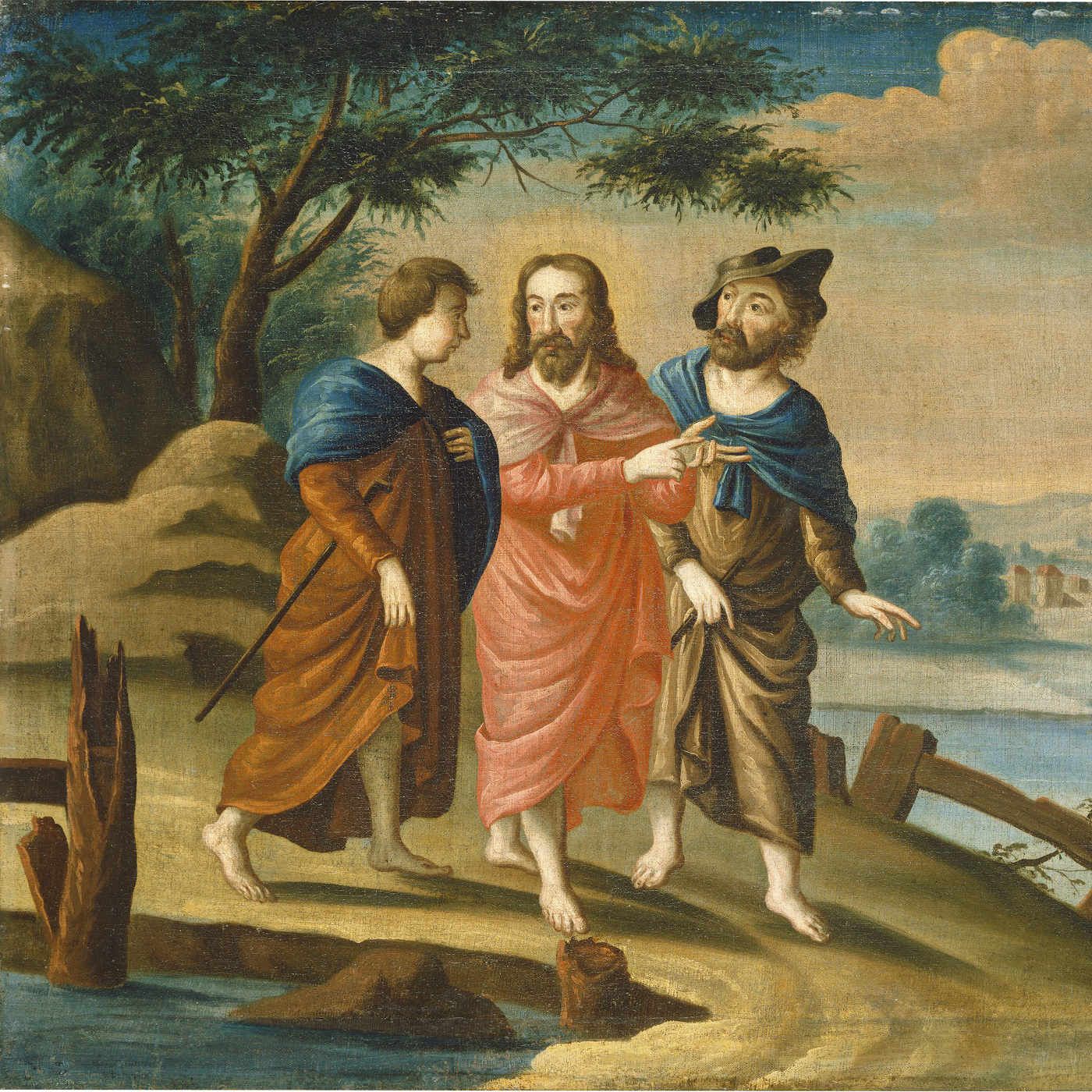
Apr 21, 2023
Saturday of the Second Week of Easter - Do Not Be Afraid
When they had rowed about three or four miles, they saw Jesus walking on the sea and coming near the boat, and they began to be afraid. But he said to them, “It is I. Do not be afraid.” John 6:19–20 On October 22, 1978, Pope Saint John Paul II was inaugurated as the 264th pope of our Holy Church. During his homily, the Holy Father said, “Brothers and sisters, do not be afraid to welcome Christ and accept his power.” The phrase “Do not be afraid” was repeated over and over again throughout his pontificate. In his book, Crossing the Threshold of Hope, which was written as a preparation for the new millenia, the Holy Father explained the following: “When pronouncing these words in St. Peter’s Square, I already knew that my first encyclical and my entire papacy would be tied to the truth of the Redemption. In the Redemption we find the most profound basis for the words “Be not afraid!”: “For God so loved the world that he gave his only Son” (cf. Jn 3:16). This exhortation against fear is repeated throughout the Bible numerous times. It is found in the Old Testament over a hundred times in some form and in the New Testament over fifty times. Again and again, God wants us to conquer fear, worry, and anxiety. He wants us to trust in Him in all things and place all of our hope in Him. What is it that you fear the most in life? For some, fear comes on a daily basis. Perhaps you face financial insecurity, poor health, a broken relationship, psychological difficulties, etc. There are numerous things in life that can easily tempt us to fear. In the Gospel passage for today, Jesus walks toward His disciples on the water during a turbulent time on the Sea of Galilee. The wind was blowing, and the waves were distressing. And though these fishermen had spent many nights on the sea, Jesus chose to come to them at this moment, not so much to help them get to shore but to teach all of us that no matter what “storm” we face in life, He will be there in ways that are truly miraculous. Certainly, none of the disciples ever expected to see Jesus walking on the water in the middle of the night while the waves were crashing upon their boat. But Jesus did this and spoke those words, “Do not be afraid,” because He wanted us to know that no matter what we struggle with in life, He is always there, coming to us in love, and will see us safely to the shore of His peace. If fear is something you struggle with on a personal level, then turn your eyes to the reality of the Redemption. The Father sent the Son into the world to save you. Jesus did not only come to teach, or to inspire, or to help. He came to save. To redeem. To destroy death, fear, sin and all that keeps us from the Father. His saving act changes humanity forever. If you understand that and believe it, then nothing can steal away your peace and fill you with fear. Reflect, today, upon this powerful little phrase: “Do not be afraid!” Imagine yourself in the boat with the disciples at night, being tossed by the waves, surrounded by darkness. And then see Jesus coming to you speaking those words. Know that He speaks them to you in the darkest moments of your life and that He will never leave you. Hope in Him and let His saving act of the Redemption transform your life forever. Jesus, my Redeemer, I thank You for coming into this world to save us. Thank You for the gift of the Redemption of the world. When I am tempted to fear and turn my eyes to the difficulties of the world, give me the grace I need to turn to You in hope and trust. Enter the storms of my life, dear Lord, and lift my burden of fear. Jesus, I trust in You. Source of content: catholic-daily-reflections.com Copyright © 2023 My Catholic Life! Inc. All rights reserved. Used with permission via RSS feed.
Apr 20, 2023
Friday of the Second Week of Easter - Superabundance
“Gather the fragments left over, so that nothing will be wasted.” So they collected them, and filled twelve wicker baskets with fragments from the five barley loaves that had been more than they could eat.” John 6:12–13 John’s Gospel is filled with much symbolic meaning. The passage above concludes the story of the miracle of the multiplication of the loaves and fishes. After feeding the multitude of people with only five barley loaves and two fish, they were able to fill twelve wicker baskets with what remained. What was the reason for the extra? Saint Augustine, in commenting upon this passage, explains that Jesus provided more than the people could eat as a way of symbolically representing spiritual truths that were beyond what the vast crowds could comprehend. Thus, Jesus’ teachings spiritually nourished the crowds to the point that they were fully satisfied. But even though the general crowds were satisfied with what Jesus taught them, there was still so much more that He had to teach. These deeper spiritual truths are represented by the extra twelve baskets. The twelve baskets represent the Twelve Disciples. They were the ones specially chosen by Jesus to receive so much more. Recall the times when Jesus taught the crowds in parables and then, later, would explain the meaning to the Twelve in private. He revealed to them certain truths that most people could not understand and accept. It is helpful to consider three different groups of people in this miracle and apply those groupings to us today. The first group of people are those who were not even present for the miracle. Those who did not make the journey to be with Jesus in the wilderness. This is the largest group of people within society who go about their daily lives without even seeking minimal nourishment from our Lord. The second grouping of people is this “large crowd” who followed Jesus to the remote side of the Sea of Galilee to be with Him. These represent those who diligently seek out our Lord every day. These are those who are faithful to the celebration of the Mass, the reading of Scripture, to daily prayer and study. To this grouping of people, our Lord teaches many things, and they are nourished by His holy Word and Sacraments. The third grouping of people, the Twelve Disciples who are represented by the Twelve wicker baskets left over, are those who are exceptionally faithful to our Lord and continue to be nourished by Him in a superabundant way. These are those who seek to understand and embrace the deepest spiritual truths so as to be nourished and transformed on the deepest level. Reflect, today, upon the fact that the spiritual food our Lord wishes to offer you is most often far more than you can immediately accept and consume. But understanding that fact is the first step to disposing yourself to receive even more. As you reflect upon this superabundance of spiritual food from our Lord, recommit yourself especially to seek out that remaining “twelve wicker baskets” of spiritual truths. If you do, you will discover that there is truly no end to the transforming depths of the gifts of grace our Lord wishes to bestow upon you. My most generous Lord, You not only give spiritual nourishment to Your people, You give it in superabundance. As I daily seek You out and am filled with Your mercy, help me to never tire of feasting upon the superabundant gift of Your grace. Please do nourish me, dear Lord, and help me to consume Your holy Word. Jesus, I trust in You. Source of content: catholic-daily-reflections.com Copyright © 2023 My Catholic Life! Inc. All rights reserved. Used with permission via RSS feed.
Apr 19, 2023
Thursday of the Second Week of Easter - The Meaning of Love
The Father loves the Son and has given everything over to him. John 3:35 It’s interesting to note that the words of today’s Gospel appear to be from Saint John the Baptist, since they come within the context of his testimony to Jesus. Some commentators, however, suggest that they are words that were actually spoken by Jesus and that the Evangelist inserts them here as a continuation of the testimony of the Baptist, attributing them to Saint John. Regardless of who actually spoke these words, the line quoted above gives us much to reflect upon, in that it gives us insight into the very meaning and practice of true love. What is love? Is it a feeling? An emotion? A drive or a desire for something or someone? Of course, the secular understanding of love is much different than a divine understanding of love. Oftentimes the secular view of love is more self-centered. To “love” someone or something is to want to possess that person or object. “Love” from a secular view focuses upon the attraction and desire. But true love, from a divine perspective, is very different. The line quoted above tells us two things: First, we are told that “The Father loves the Son…” But then we are given a definition of that love. We are told that love in this case results in the Father giving “everything over” to the Son. When we consider the word “everything” in this passage, it is clear that this can only refer to the Father giving Himself to the Son in totality. Within the life of the Father, everything means His very essence, His being, His personhood, His whole divine self. The Father does not say, “I want;” rather, the Father says, “I give.” And the Son receives all that the Father is. Though this is deep and mystical language, it becomes very practical for our lives when we understand that divine love is not about wanting, taking, desiring, feeling, etc. Divine love is about giving. It’s about the giving of oneself to another. And it’s not just about giving some of yourself away, it’s about giving “everything” away. If the Father gave everything to the Son, does that mean that the Father has nothing left? Certainly not. The beautiful nature of divine love is that it is never ending. The more one gives themself away, the more they have. Thus, the gift of the life of the Father to the Son is infinite and eternal. The Father never ceases to give, and the Son never ceases to receive. And the more the Father gives Himself to the Son, the more the Father becomes the essence of love itself. The same is true in our lives. It’s easy to fall into the trap of thinking that love should only go so far. But if we are to strive to imitate and participate in the love the Father has for the Son, then we must also understand that love is about giving, not receiving, and that the giving must be a gift of everything, holding nothing back. We must give ourselves away to others without counting the cost and without exception. Reflect, today, upon your view of love. Look at it from a practical perspective as you think about the people whom you are especially called to love with a divine love. Do you understand your duty to give yourself to them completely? Do you realize that giving yourself away will not result in the loss of your life but in the fulfillment of it? Ponder the divine love that the Father has for the Son and make the radical and holy choice today to strive to imitate and participate in that same love. My loving Lord, the Father has given all to You, and You, in turn, have given all to the Father. The love You share is infinite and eternal, overflowing into the lives of all Your creatures. Draw me into that divine love, dear Lord, and help me to imitate and share in Your love by fully giving my life to others. Jesus, I trust in You. Source of content: catholic-daily-reflections.com Copyright © 2023 My Catholic Life! Inc. All rights reserved. Used with permission via RSS feed.
Apr 18, 2023
Wednesday of the Second Week of Easter - A Summary of Clarity
“God so loved the world that he gave his only-begotten Son, so that everyone who believes in him might not perish but might have eternal life.” John 3:16 We continue, today, to read from the conversation that Jesus had with Nicodemus, the Pharisee who ultimately converted and is venerated as one of the early saints of the Church. Recall that Jesus challenged Nicodemus as a way of helping him to make the difficult decision to reject the malice of the other Pharisees and to become His follower. This passage quoted above comes from Nicodemus’ first conversation with Jesus and is often quoted by our evangelical brothers and sisters as a summary of the whole Gospel. And indeed it is. Throughout Chapter 3 of John’s Gospel, Jesus teaches about light and darkness, being born from above, wickedness, sin, condemnation, the Spirit and much more. But in many ways, all that Jesus taught in this chapter and throughout His public ministry can be summed up in this short and to-the-point statement: “God so loved the world that he gave his only-begotten Son, so that everyone who believes in him might not perish but might have eternal life.” This short teaching could be broken down into five essential truths. First, the Father’s love for humanity, and specifically, for you, is a love so deep that there is no way we will ever fully understand the depths of His love. Second, the love the Father has for us compelled Him to give us the greatest gift we could ever receive and the greatest gift the Father could give: His own divine Son. This gift must be prayerfully pondered if we are to come to a deepening understanding of the infinite generosity of the Father. Third, as we prayerfully enter deeper and deeper into our understanding of this incredible gift of the Son, our only appropriate response is faith. We must “believe in Him.” And our belief must deepen just as our understanding deepens. Fourth, we must realize that eternal death is always possible. It is possible that we eternally “perish.” That realization will give even greater insight into the gift of the Son in that we will realize that the first duty of the Son is to save us from eternal separation from the Father. Lastly, the gift of the Son from the Father is not only to save us but also to draw us to the heights of Heaven. That is, we are given “eternal life.” This gift of eternity is of infinite capacity, value, glory and fulfillment. Reflect, today, upon this summary of the whole Gospel: “God so loved the world that he gave his only-begotten Son, so that everyone who believes in him might not perish but might have eternal life.” Take it line by line, prayerfully seeking to understand the beautiful and transforming truths revealed to us by our Lord in this holy conversation with Nicodemus. Try to see yourself as Nicodemus, a good person who is trying to understand Jesus and His teachings more clearly. If you can listen to these words with Nicodemus and accept them deeply in faith, then you, too, will share in the eternal glory these words promise. My glorious Lord, You came to us as the greatest Gift ever imagined. You are the gift of the Father in Heaven. You were sent out of love for the purpose of saving us and drawing us into the glory of eternity. Help me to understand and believe all that You are and to receive You as the saving Gift for Eternity. Jesus, I trust in You. Source of content: catholic-daily-reflections.com Copyright © 2023 My Catholic Life! Inc. All rights reserved. Used with permission via RSS feed.
Apr 17, 2023
Tuesday of the Second Week of Easter - A "Holy Push"
Nicodemus answered and said to him, ‘How can this happen?” Jesus answered and said to him, “You are the teacher of Israel and you do not understand this? Amen, amen, I say to you, we speak of what we know and we testify to what we have seen, but you people do not accept our testimony.” John 3:9–11 As we reflected upon yesterday, Nicodemus is one of the only Pharisees who ultimately converted, became a follower of Jesus, and is today considered a saint. The only other Pharisees who were recorded by name as converts to Christianity were Saint Paul and Gamaliel. Acts 15:5 also indicates that some other Pharisees ultimately converted. When the many encounters between Jesus and the Pharisees are considered as a whole, it’s clear that there was great resistance among them toward Jesus and His teaching. They were constantly seeking to trap Him and, of course, ultimately were responsible for His death, along with other leading religious leaders from the Sanhedrin. For that reason, it’s easy to understand that there must have been great pressure upon all the Pharisees to reject Jesus. Each one of them would have felt the power of peer pressure to act in accord with the general view of Jesus’ condemnation. This is the context of this passage above in which Nicodemus questions Jesus. This passage continues yesterday’s Gospel conversation in which Jesus says clearly to Nicodemus that the way to Heaven is to be “born from above.” Nicodemus questions how one can “be born again,” and then Jesus issues this apparent criticism of Him quoted above. It’s helpful to understand that Jesus’ criticism was not a condemnation of Nicodemus. It was not in the tone of His normal “Woe to you…” statements; rather, it was a gentle but very direct challenge to Nicodemus so as to move him from his questions to faith. And that’s the key. Nicodemus did not come to Jesus to trap and condemn Him like the other Pharisees did. Nicodemus came because he was confused. And most likely, he was confused because he felt great peer pressure from his fellow Pharisees to condemn Jesus. Understanding this context should help us understand not only the goodness and courage of Nicodemus but also the loving boldness of Jesus. Jesus knew that Nicodemus was open. He knew that Nicodemus could be won over. But Jesus also knew that Nicodemus needed to be challenged in a direct and firm way. He needed a bit of a “holy push” so as to enter into the gift of faith. Of course, Jesus’ challenge ultimately won Nicodemus over. Reflect, today, upon any way in which you, too, need a “holy push” from our Lord. What form of worldly pressure do you experience in life? Do friends, neighbors, family members or co-workers impose upon you in some way a peer pressure that is contrary to the life of true holiness? If so, ponder the ultimate courage of Nicodemus, Saint Paul and Gamaliel. Let their witness inspire you and allow our Lord to challenge you where you need it the most so that you, too, will receive the “holy push” that you need to be a more faithful follower of Jesus. My Lord of all strength, You are unwavering in Your determination to challenge me in the area that I need it the most. Help me to receive Your gentle rebukes of love when I am weak so that I will have the courage and strength I need to be a faithful follower of You. Give me clarity and understanding, dear Lord, and help me to overcome the misleading pressures of the world. Jesus, I trust in You. Source of content: catholic-daily-reflections.com Copyright © 2023 My Catholic Life! Inc. All rights reserved. Used with permission via RSS feed.
Apr 16, 2023
Monday of the Second Week of Easter - Coming Into the Light
There was a Pharisee named Nicodemus, a ruler of the Jews. He came to Jesus at night and said to him, “Rabbi, we know that you are a teacher who has come from God, for no one can do these signs that you are doing unless God is with him.” John 3:1–2 Nicodemus, a Pharisee and a ruler of the Jews, is mentioned three times in the Gospel of John. The passage above comes from the first time he’s mentioned. The second time is when he reminds the Sanhedrin that Jesus should be heard by them before they condemn Him, and the third time is when Nicodemus assists with Jesus’ burial after His death. John’s Gospel is very symbolic. He especially uses the images of light and dark. For example, when Judas went out to betray Jesus, John’s Gospel notes that “it was night.” In the passage above, John’s Gospel notes that Nicodemus came to Jesus “at night.” Saint Augustine, in commenting upon this passage, says that Nicodemus came to Jesus “at night” because Nicodemus was not yet fully born again and, therefore, was not yet living fully in the light of faith. But the fact that Nicodemus does come to Jesus and questions Him at length shows that he had a spark of faith and that he wanted to deepen that faith. He clearly hoped that Jesus was the Messiah and professed that Jesus was “a teacher who has come from God.” From early times, prior to the formalization of canonization practices, Nicodemus has been given the title of “saint” within the Catholic Church as well as in the Orthodox Church. He is especially venerated because he stood up against the other religious leaders at the time to defend Jesus and show support for Him. This took courage. He was ridiculed and risked being shunned by the others. But Nicodemus knew there was something special about Jesus, and he persevered in following that inspiration. In many ways, Nicodemus is a great example for us today in our modern world. More and more, in most secular world cultures, being a follower of Jesus is looked down upon. This is especially true if you choose to live your faith openly and believe all that the Gospels teach. Many Christians find that living their faith openly, especially within the workplace, school environments, and other civic circles, is challenging. And like Nicodemus, many find it easier to come to Jesus “at night,” meaning, in a hidden way. And though Nicodemus started this way, he eventually spoke openly in defense of Jesus in the presence of his fellow Pharisees who, according to some traditions, persecuted him and drove him into exile. Reflect, today, upon Saint Nicodemus. He allowed the spark of faith within him to grow as He listened to Jesus, struggled with the pressure from his peers, but ultimately openly professed his faith in Christ. And though this hurt his worldly position of honor within the Sanhedrin and among the earthly rulers, it earned Nicodemus an eternal honor in Heaven. Reflect upon the courage he must have had to go against the pressure of his peers by allowing the faith he found in Christ to grow and fill his life with the light of Truth. Seek to imitate this good man and allow yourself to be inspired by his courage so that you, too, will receive the same eternal glory he now enjoys in Heaven. Lord of light and truth, You reveal Yourself to those who come to You with faith. Help me to follow the example of Nicodemus so that all confusion and darkness will be dispelled by the light of Your truth. Give me courage, dear Lord, to follow You and to set my heart on all that You reveal. Jesus, I trust in You. Source of content: catholic-daily-reflections.com Copyright © 2023 My Catholic Life! Inc. All rights reserved. Used with permission via RSS feed.
Apr 15, 2023
Divine Mercy Sunday (Year A) - A Whole Ocean of Graces
Saint Faustina reports in her Diary what Jesus told her about Divine Mercy Sunday: “My daughter, tell the whole world about My inconceivable mercy. I desire that the Feast of Mercy be a refuge and shelter for all souls, and especially for poor sinners. On that day the very depths of My tender mercy are open. I pour out a whole ocean of graces upon those souls who approach the fount of My mercy. The soul that will go to Confession and receive Holy Communion shall obtain complete forgiveness of sins and punishment. On that day are open all the divine floodgates through which graces flow” ( Diary #699). That day is today! It is the Feast of Divine Mercy! Today’s feast is among the newer feasts in our Church. Though Jesus’ desire that this feast be celebrated on the eighth day of Easter was spoken to Sister Maria Faustina Kowolska back in 1931, it was not solemnly instituted until the year 2000. On April 30 of that year, Saint Pope John Paul II canonized Saint Faustina and inaugurated the Feast of Divine Mercy as a universal feast within the Church. Because this Feast is so recent within the Church, we can be certain that we still have much to learn about the message of this Solemnity as well as the numerous messages about God’s mercy revealed in Saint Faustina’s Diary. Among the many messages contained within her Diary , Jesus revealed to us that this Sunday, the eighth and final day of the Octave of Easter, is a day like none other. Though grace and mercy are continuously poured out from Heaven upon us, Jesus is very clear that today is unique. Today, “a whole ocean of graces” is poured forth upon souls who approach the font of His mercy. Sit with that image for a time. “A whole ocean of graces.” What does that mean? Symbolically speaking, a whole ocean is meant to depict the infinite. Try to imagine what it would be like to have the entire ocean poured upon you—it’s beyond comprehension! Thus, God is saying that the infinity of grace is given today. The question for us all to ponder is this: How receptive am I to those infinite graces? By analogy, imagine that your life was like a thimble, and an ocean of water was poured upon you. As a thimble, you could not contain all that was given. Therefore, we should realize that God wants to stretch our capacity to receive His mercy more abundantly by widening our capacity for mercy. What if your soul were like a large pond? Still, the waters of the ocean could not be contained within that pond. What is it that is capable of receiving an entire ocean of mercy? Only an ocean can contain an ocean. For that reason, God desires to first prepare our souls to receive an infinity of mercy by transforming us into vessels of infinite capacity. Saint Teresa of Ávila, in her spiritual classic, “Interior Castles,” teaches us that the soul is, indeed, capable of infinite capacity for the simple fact that God dwells within. The soul is like an interior castle with many interlinked dwelling places through which we must pass so as to arrive at the central chamber. She teaches that the goal of the spiritual life is to travel through these various dwelling places to the center of our souls where the infinite God dwells so that we can be present to Him there. Therefore, we must understand that our souls are indeed capable of receiving the infinite waters of mercy, because God created us with this ability when He chose to live within us. The key to being able to fully receive this fullness of mercy is to seek out the infinite God, dwelling within. How is this done? The heart of the path laid out in the Diary of Saint Faustina is as follows: Go to Confession and receive Holy Communion so as to obtain complete forgiveness of sins and punishment. However, as many of the great spiritual writers explain, such as Saint Teresa of Ávila, there are many levels we must pass on our spiritual journey so as to be able to encounter God in His fullness. This, of course, includes encountering God’s mercy given to us in Holy Communion and Confession. Those who receive these Sacraments while dwelling only in the first dwelling places, for example, will never benefit from them to the extent that those who dwell in the seventh and central mansion where the King dwells in fullness. Thus, mercy is given in its fullness but unless we make the transforming journey to God through conversion and purification of our souls, we will never be able to receive the ocean of graces God bestows. Reflect, today, upon this ocean being poured forth upon you. How much of this mercy are you able to receive right now in your life? As you humbly admit your limited openness to God’s grace, know that God patiently waits for you, dwelling in His fullness deep within you, waiting for you to make the journey to Him. Commit yourself to this journey by prayer, fasting, penance, the reading of Scripture, the celebration of the Sacraments and spiritual reading. There is an ocean of the fullness of life waiting for you. Dive in and allow His mercy to deepen your capacity to receive Him most fully. My Lord, You are The Divine Mercy, the source of all grace and the Bestower of this grace in superabundance. I thank You for the infinity of Your generosity and pray that my soul will be more fully disposed to receive You. Please stretch the capacity of my soul through my ongoing journey of purification and conversion so that I will receive all that You wish to bestow. Jesus, I trust in You. Source of content: catholic-daily-reflections.com Copyright © 2023 My Catholic Life! Inc. All rights reserved. Used with permission via RSS feed.
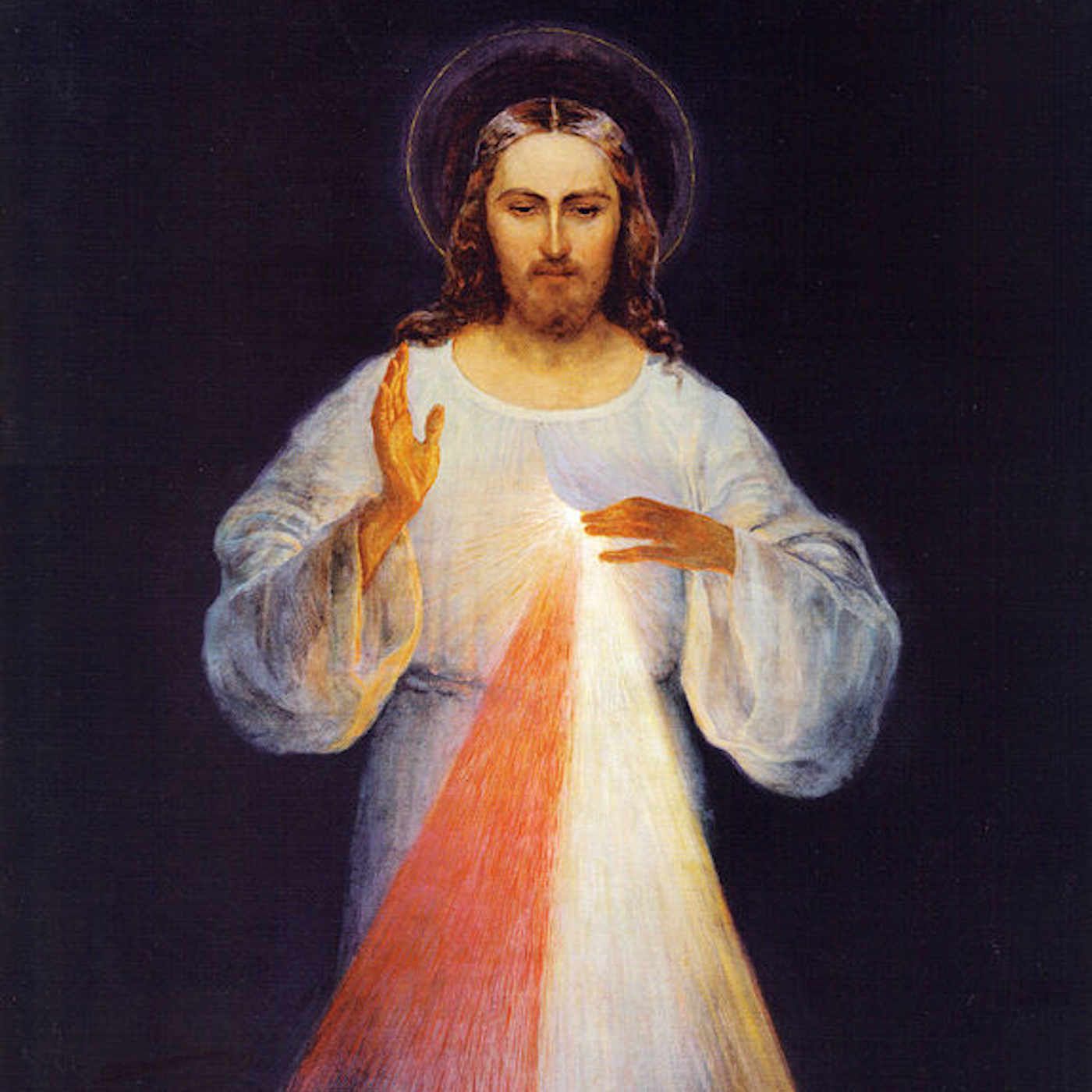
Apr 14, 2023
Saturday in the Octave of Easter - The Beauty of Repentance
When Jesus had risen, early on the first day of the week, he appeared first to Mary Magdalene, out of whom he had driven seven demons. Mark 16:9 The first person recorded in Scripture to whom Jesus appeared was Mary Magdalene. Notably, she was the one out of whom Jesus cast seven demons. Being possessed by seven demons has traditionally been understood to mean that she was completely possessed. Prior to Jesus freeing her, satan and His demons had completely taken over her will by her free submission to evil. And yet, it was to her, a woman with such a horrible past, that Jesus chose to give the honor of His first appearance. What an amazing fact! Everyone has a past. Some have been grave sinners. Others, like Saint Thérèse of Lisieux, have never committed a mortal sin. Obviously, the beauty of a soul like Saint Thérèse is deeply admirable, and such a soul will be greatly rewarded in Heaven. But what about the grave sinner? What about those like Mary Magdalene who have lived horribly sinful lives? What does our Lord think about them? The fact that Mary Magdalene is the first person recorded in Scripture to have seen the risen Lord should tell us much about how Jesus views a person who has greatly struggled with serious sin but has later overcome that sin and turned wholeheartedly to our Lord. Sin is demoralizing. When unrepented, it leaves a loss of dignity and integrity. However, even after one has repented, some people will continue to struggle with unhealthy guilt and shame. And for some, these struggles can become a weapon by which the evil one tries to discourage them from feeling worthy to serve our Lord with zeal and passion. But the truth in the mind of God is that repentant sinners are true jewels and beautiful in the eyes of our Lord. They are worthy of the greatest honors. God does not dwell on our past sin. Instead, our past sin, when it has been repented of and forgiven, will be an eternal sign of the love and mercy of God. How do you deal with your past sin? First, have you completely acknowledged it, repented of it and sought forgiveness from our Lord? If so, does it still haunt you? Does the evil one still try to remind you of your past and strip away your hope in the mercy of God? Reflect, today, upon the most grievous of your past sins. If you haven’t yet confessed them, then do so as soon as you can. If you have, try to see your soul through the eyes of God. God does not see your past sins with anger and disgust. Rather, He sees only the depth of your conversion, sorrow and repentance. And, to Him, this is holy and beautiful. Ponder the beauty of your repentant heart and know that, as you do, you will be looking at your own heart through the eyes of God. My most merciful God, You love the sinner and hate the sin. You love me in ways that are beyond my understanding. Help me to understand how deeply You love my heart when I completely repent. And help me to see my heart only through Your eyes. I thank You for Your love and mercy, dear Lord. Help me to love You all the more. Jesus, I trust in You. Source of content: catholic-daily-reflections.com Copyright © 2023 My Catholic Life! Inc. All rights reserved. Used with permission via RSS feed.
Apr 13, 2023
Friday in the Octave of Easter - The Mystery of the Resurrection
Jesus said to them, “Come, have breakfast.” And none of the disciples dared to ask him, “Who are you?” because they realized it was the Lord. Jesus came over and took the bread and gave it to them, and in like manner the fish. This was now the third time Jesus was revealed to his disciples after being raised from the dead. John 21:12–14 The appearances of Jesus after His Resurrection were cloaked in mystery. Not a mystery of confusion, but a mystery of profound depth and awe. On this, the third time Jesus appeared to His disciples, Jesus first spoke to them from the shore after they had been fishing all night without catching anything. He told them to try again and to throw the net over the right side of the boat. They did so without even realizing that it was Jesus Who was speaking to them. But upon catching more than they could handle, they realized it was the Lord. The “mystery” present in this resurrection appearance has many aspects. Why did the disciples not recognize Jesus at first? Why did Jesus instruct them to throw the net over the right side of the boat? Why was Jesus made known through this catch of one hundred and fifty-three large fish? Why was Jesus cooking breakfast for the disciples on the shore? And why did John record that “none of the disciples dared to ask him, ‘Who are you?’” Though all of these mysteries have answers that have been offered over the centuries by the saints and great Scripture commentators, it’s useful to also simply ponder the fact that Jesus’ resurrection appearances were, indeed, cloaked in mystery. In a mystery novel, the reader is given various vague clues to help them try to figure out the mystery and solve it. The clues are vague intentionally so as to make the solving more enjoyable and challenging. However, when it comes to a “mystery of faith,” such as the mystery of faith surrounding Jesus’ resurrection appearances, the mystery is of an entirely different sort. In these cases, the mystery is one of depth and breadth and is something that has the potential to draw us deeper and deeper into the infinite nature of God and His saving action. Take, for example, this one line quoted above: “And none of the disciples dared to ask him, ‘Who are you?’ because they realized it was the Lord.” It appears that the disciples gathered around Jesus as He was preparing breakfast on the shore and sat there in awe of Him. Their silent awe of Him in this appearance reveals that words are not sufficient. Normally, when you see someone whom you are happy to see, you greet them and start talking, asking them how they are, etc. But here, the disciples remained in this holy awe, listening to Him, receiving this meal and pondering the mystery of His resurrected presence. Reflect, today, upon the ways that our Lord comes to you. It’s easy to miss Him since His ongoing presence in our lives is also mysterious. Imagine if the disciples would have ignored Jesus’ call to “Cast the net over the right side of the boat…” If they would have ignored that command, they may have never come to realize it was the Lord. Reflect upon the ways that our Lord speaks to you. Do you respond? Do you recognize Him? Do you allow yourself to be drawn into this holy awe of His divine presence? Follow the example of the disciples and be on the lookout for the ongoing presence of our Lord all around you. My divine Lord, You are constantly present to me, day and night, and yet I so often fail to perceive You and adore You. Help me to become more aware of Your presence in my life. As I do, help me to enter more deeply into these holy mysteries with love, devotion and awe. Jesus, I trust in You. Source of content: catholic-daily-reflections.com Copyright © 2023 My Catholic Life! Inc. All rights reserved. Used with permission via RSS feed.
Apr 12, 2023
Thursday in the Octave of Easter - Becoming a Witness to the Truth
Then he opened their minds to understand the Scriptures. And he said to them, “Thus it is written that the Christ would suffer and rise from the dead on the third day and that repentance, for the forgiveness of sins, would be preached in his name to all the nations, beginning from Jerusalem. You are witnesses of these things.” Luke 24:45–48 Jesus once again appears to a group of His disciples, and He once again gets straight to the point. He “opened their minds” so that they would understand all that the Scriptures revealed about Him. He helped them to see that His death and Resurrection were fulfillments of the teachings of Moses and the prophets. And then Jesus says something new: “You are witnesses of these things.” As we saw in yesterday’s Gospel, it’s clear that the disciples did not yet understand why Jesus had to die and then rise again. They were still in shock and traumatized by these events. Therefore, Jesus had to carefully explain to His disciples the meaning of what had just taken place. They needed to understand this on a level that they couldn’t comprehend by themselves. They needed Jesus’ clear and detailed explanation as well as a special grace by which their minds would be opened to an understanding of these profound mysteries of faith. We are no different than these disciples. It’s easy to believe in Jesus for insufficient reasons which only result in superficial faith. Some believe simply because that’s what they were taught when they were young. Some believe because it makes them feel better to believe. Some believe because they don’t know of anything better to believe. But then there are those who believe for the right reason. Like the disciples in this resurrection appearance, they have listened to Jesus speak clearly and in detail to them, such as through their study of Scripture, the Catechism , or other holy sources, and then they were given a special grace from God that “opened their minds” to an understanding that goes far beyond human rational abilities alone. Are you one of those people? If you are, then you have another duty. Not only must you continue to internalize these truths, allowing them to deepen and change your own life completely and totally, but you must also become a “witness” to these things. When you grow in an authentic knowledge of the faith revealed by our Lord, you must also share it with others. Real faith must be shared! Reflect, today, upon this powerful resurrection appearance. As you do, ponder whether or not you have allowed our Lord to speak to you in the same way that He did to these disciples, and whether or not you have truly internalized all that He has spoken to you and explained to you. If you are among this grouping of people, reflect also upon your duty to be a witness of these truths to others. Jesus wants to appear in His resurrected form to many others, but He especially does this, today, through the mediation of His faithful followers who are now sent forth to be witnesses to Christ and His glorious Resurrection. My risen Jesus, You gave Your disciples a glorious gift when You opened their minds to Your holy Truth and taught them many things. Please open my mind also, dear Lord, so that I will comprehend the deep and profound mysteries of faith. Help me to understand Who You are, why You had to die, and how to share in the new life of Your Resurrection. Please also use me as Your witness so that many will come to know You and share in the new life won by Your Resurrection. Jesus, I trust in You. Source of content: catholic-daily-reflections.com Copyright © 2023 My Catholic Life! Inc. All rights reserved. Used with permission via RSS feed.
Apr 11, 2023
Wednesday in the Octave of Easter - The Word of God Burning Within
And it happened that, while he was with them at table, he took bread, said the blessing, broke it, and gave it to them. With that their eyes were opened and they recognized him, but he vanished from their sight. Then they said to each other, “Were not our hearts burning within us while he spoke to us on the way and opened the Scriptures to us?” Luke 24:30–31 Two of Jesus’ disciples had been discussing the events of the past week as they walked the seven-mile journey along the road from Jerusalem to Emmaus. They previously had hoped that Jesus was the one Who would redeem Israel—but then He was killed. And three days later, there were rumors of His Resurrection, which only left them confused. As they journeyed, Jesus appeared to the two disciples, but they did not recognize Him at first. His identity was hidden from their eyes. Jesus listened to them and expressed sorrow at their lack of understanding, so He explained to them the teachings of Moses and the prophets and that the Messiah needed to suffer, die and rise on the third day. As Jesus spoke, the disciples began to understand, and their hearts burned within them. Finally, in the gift of the Holy Eucharist, in the breaking of the Bread, their eyes were opened to see that it was Jesus with them. Why did Jesus hide His risen presence from these disciples? It appears that He did so because they lacked faith. They said, “...we were hoping that he would be the one to redeem Israel.” But the Crucifixion was too much for them to handle. They could not comprehend why the Redeemer had to suffer as Jesus did, so they began to doubt. Too often we are like these disciples who are confused about matters of faith and who struggle with doubts. For that reason, we must see ourselves in the persons of these disciples as they walked the road to Emmaus. Jesus offered these disciples a wonderful gift of mercy by helping them to understand His saving act. He explained to them all that was taught in Scripture regarding Him. And as these disciples listened to Jesus teach them, they slowly came to believe. We, too, must allow Jesus to teach us about the transforming power of His death and Resurrection. We must listen attentively and allow our hearts to burn within us as we listen to His holy Word. Only in this way will we come to the level of faith we need to more fully comprehend and accept the transforming power of the Paschal Mystery. Reflect, today, upon these disciples and their need to reflect upon the Word of God so as to understand, believe and have their eyes opened. Know that you need this same grace. You need to spend time with our Lord, immersed in His Word, listening to His voice, so that you will come to believe more fully. Allow the message of Jesus’ death and Resurrection to burn within you so that you, too, will come to believe. My resurrected Lord, You appeared to these disciples who lacked faith and understanding and gave them the gift of Your holy teaching. Teach me, dear Lord, all that I must come to understand and know about You, Your death, Resurrection and glorious gift of new life. May Your Word burn within me and lead me to a transformation of my life. Jesus, I trust in You. Source of content: catholic-daily-reflections.com Copyright © 2023 My Catholic Life! Inc. All rights reserved. Used with permission via RSS feed.
Apr 10, 2023
Tuesday in the Octave of Easter - Cling to Jesus Now!
Jesus said to her, “Stop holding on to me, for I have not yet ascended to the Father. But go to my brothers and tell them, ‘I am going to my Father and your Father, to my God and your God.’” John 20:17 Mary of Magdala was one of the first persons to whom Jesus appeared. She was deeply devoted to Him, especially because of the great mercy He offered her when He forgave her manifest sins and expelled seven demons from her. After He had done that, Mary became a devout follower and was one of the few who remained faithful to Him, even as He hung upon the Cross. On the first day of the week, the Sunday after the Crucifixion, Mary came to the tomb to anoint Jesus’ body in accord with Jewish custom. But when she arrived, Jesus’ body was gone. And when Jesus appeared to her as she was weeping, she didn’t immediately recognize Him, for He had His new glorified body. But when Jesus spoke her name, Mary, she recognized Him. But rather than embracing her, Jesus said, “Stop holding on to me…” Why would Jesus say this? Even though Mary’s attachment and devotion to Jesus was beautiful and holy, it wasn’t yet perfected. She wanted her Lord Whom she had come to know and followed. She wanted her former relationship with Jesus to be returned to her. But for this reason, Jesus said, “Stop holding on to me…” Jesus wanted much more. He was telling her that her relationship with Him was soon to change for the better. No longer would He simply be her earthly companion; instead, He would soon live within her, dwell within her very heart, become one with her, and be her Bridegroom for eternity. But this could only happen once Jesus ascended to the Father in Heaven to complete His divine mission of salvation. At times, we also seek favors from our Lord that are purely temporal. Though we do need to trust Him for “our daily bread,” meaning, for all the basic necessities of life, we must realize that the gifts God wants to give us far surpass anything in this world. The supernatural gift of grace, the gift of the Indwelling of the Most Holy Trinity, the gift of oneness with our Lord is what we are made for and is the end goal and desire of our Lord. Reflect, today, upon these words Jesus spoke to Mary: “Stop holding on to me, for I have not yet ascended to the Father.” But do so with the knowledge that, now, Jesus has indeed ascended to the Father. Therefore, He now invites us all to cling to Him as He reigns in Heaven. Ponder the deep desire in the heart of our Lord that you cling to Him with every fiber of your being. He wants to dwell within you, to become one with you and to transform you in every way. This holy union is now being enjoyed for all eternity by Saint Mary of Magdala, and this same gift is being offered to you. Cling to Him and never let go, for this will be your eternal joy. My risen and ascended Lord, You now reign in Heaven in perfect glory and splendor. Draw me into Your glorious life and invite me to cling to You with all my heart. I invite You, dear Lord, to come and make Your dwelling within me so that I can hold on to You forevermore. Jesus, I trust in You. Source of content: catholic-daily-reflections.com C opyright © 2023 My Catholic Life! Inc. All rights reserved. Used with permission via RSS feed.
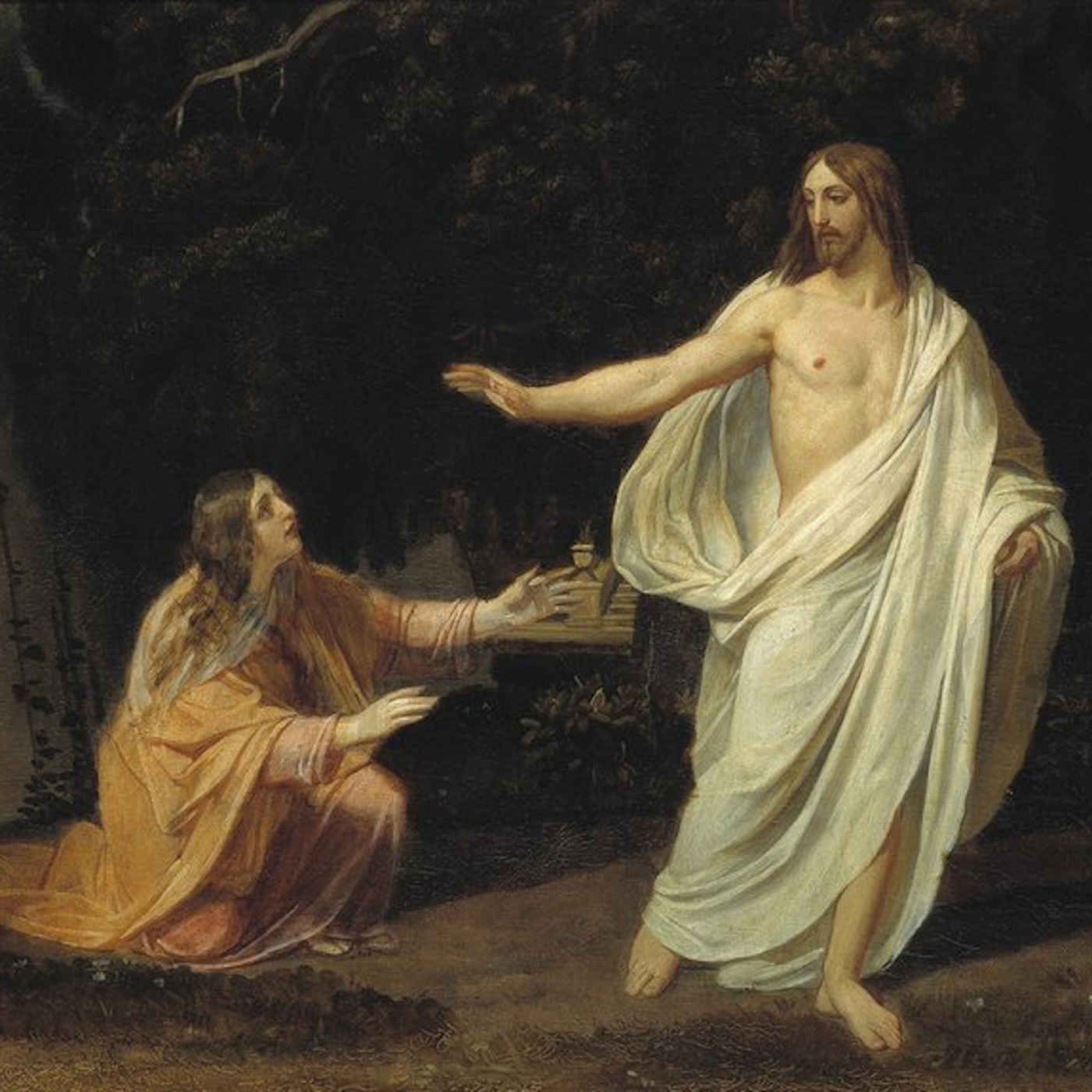
Apr 9, 2023
Monday in the Octave of Easter - Humility in the Face of the Resurrection
The chief priests assembled with the elders and took counsel; then they gave a large sum of money to the soldiers, telling them, “You are to say, ‘His disciples came by night and stole him while we were asleep.’ And if this gets to the ears of the governor, we will satisfy him and keep you out of trouble.” Matthew 28:12–14 The Lord of all rose from the grave, conquering sin and death, making it possible for us all to share in His glorious Resurrection! Death had lost. Satan had lost. The corrupt religious leaders had lost. And all those who believed in Jesus now had their eternal hope renewed. Sadly, though, what was the greatest victory ever known for humanity, a victory that opened the doors to eternal glory for all who believe, could not be accepted by the chief priests and elders of the people. They saw to His death, and, now that He had risen, they scrambled to do all they could to hide that truth. Pride is hard to overcome. When a person professes they are right, when in fact they are wrong, and when they are then confronted with their error, the sin of pride will inevitably tempt them to further sin. This is what we see today in this passage from our Gospel. The chief priests and elders were informed by the soldiers that when the women came to the tomb early in the morning, there was a great earthquake, and they saw an angel of the Lord descend from Heaven, roll back the stone, and sit on it. When they saw this, “The guards were shaken with fear of him and became like dead men” (Matthew 28:4). And after they heard the angel tell the women that Jesus had risen, the guards went off to tell the chief priests and elders. After all the miracles and powerful preaching of Jesus, you would think that the chief priests and elders would have believed. But they didn’t. And then, after hearing the testimony of these soldiers, you would think they would have fallen on their knees, repented of their hardness of hearts, and come to believe. But they didn’t. They doubled down in their sin and added sin upon sin. Some forms of sin can more easily be admitted, especially sins of weakness. When one is weak and falls, it may not be always easy to overcome that sin in the future, but it is easier to acknowledge it as sin when it is caused by human weakness. But a sin of weakness is much different than a sin of obstinate pride. Obstinate pride is not only hard to overcome, it’s hard to admit. It’s hard to admit our sin when it is based on our obstinacy and pride. As a result, this type of sin often leads to other sins such as ongoing deception, manipulation and anger. This is illustrated by these chief priests and elders. But if you can humble yourself and admit your sin when it comes from your pride, that humility can have a powerful and transformative effect upon your life. Reflect, today, upon these chief priests and elders of the people. Try to ponder their hardness of heart and the sad situation they found themselves in as they attempted to cover up their error and sin. Resolve never to fall into this form of sin yourself. However, if this is a struggle for you, seek humility so that you can be freed of this heavy burden by the grace of the Resurrection of our Lord. My resurrected Lord, You conquered sin and death and brought forth new life for all who believe in You. Give me the grace, dear Jesus, to never allow my sin of pride to keep me from being open to the glorious and transforming action You desire to do in my life. Please give me the gift of humility so that I may always turn from my sin and turn to You. Jesus, I trust in You. Source of content: catholic-daily-reflections.com Copyright © 2023 My Catholic Life! Inc. All rights reserved. Used with permission via RSS feed.
Apr 8, 2023
Easter Sunday (Year A) - The Resurrection of the Body
On the first day of the week, Mary of Magdala came to the tomb early in the morning, while it was still dark, and saw the stone removed from the tomb. So she ran and went to Simon Peter and to the other disciple whom Jesus loved, and told them, “They have taken the Lord from the tomb, and we don’t know where they put him.” So Peter and the other disciple went out and came to the tomb. John 20:1–3 Happy Easter! Our Lord has risen, He has overcome death and He has opened the gates of Heaven to all who believe and receive the gift of salvation. Alleluia! What a glorious day we celebrate! Today’s Gospel concludes by saying, “For they did not yet understand the Scripture that he had to rise from the dead.” This is evident by the initial reaction of Mary of Magdala, Simon Peter and the Apostle John. Mary first thought that someone had taken the body of Jesus and moved it from the tomb. Peter was confused and ran to see for himself. John also went and when he saw the empty tomb, he believed. Eventually, all of the Apostles would come to understand and believe. The initial reaction to the empty tomb teaches us an important lesson. Though the Resurrection of Christ is clearly known to us today, our knowledge of this glorious event must continually deepen. This is evidenced by the fact that the disciples of Jesus came to understand the Resurrection over time. They did not comprehend His Resurrection when Jesus first taught them about it. They did not fully understand it when they saw the empty tomb. They did not even fully comprehend it when they saw the risen Lord. It was only after they were given the gift of the Holy Spirit at Pentecost that their minds were open to this incredible mystery of faith so that they could begin to penetrate and comprehend this mystery more clearly. The Resurrection of Christ was a real historical event. But it is also an event that transcends time. It’s an event that must permeate all time and transform every moment of our lives. When Jesus rose from the dead, it was much different than a simple return to life. He did not simply come back to the life He lived before He died. Instead, His resurrected state was a new beginning. He was now different. He was transformed. His body would now never age. It could not die. It could pass through closed doors. This resurrected body of our Lord, which is perfectly united to His divine soul, will remain with Him forever. The resurrected body of our Lord also made it possible for us to share in His resurrected state. We now have hope that, if we share in His suffering and death, we will also share in His Resurrection. But what does that mean? Saint Thomas Aquinas believed that our resurrected bodies will be glorious beyond imagination. We will never age, require no food, never experience illness, be free from all disorders and will live this way forever. Somehow, through our bodies, we will also be able to share ourselves with others in a pure and holy way, communicating to others the love of God alive within our souls. We will have the gift of agility, being able to move from place to place with immediacy simply by thinking it. Our new glorified bodies will manifest the ways that we loved and served God in this world. For example, Jesus’ resurrected body had wounds in His hands, feet and side. But now those wounds radiate His glory and forever testify to His act of perfect love. Reflect, today, upon the Resurrection of the Savior of the World. As you do, reflect also upon His invitation to share in this new life. Though much of our understanding of the Resurrection of Jesus, as well as our hope of sharing in this resurrected state, will only be understood when we share in it, it is important to place these ideas in our minds so that we have something to anticipate. At the very least, we must know and understand that our sharing in the resurrected state of Jesus is glorious beyond what we can imagine. This is what we celebrate today. And this celebration must fill us with hopeful anticipation of our participation in this glorious new life to come. My resurrected Lord, Your sacred body and soul are forever united as one in a new and glorified state. You now invite all of us to share in Your suffering and death in this life so that we can share in Your Resurrection. Please fill my mind with understanding of this gift in order to fill me with hope so that I will work tirelessly for that day on which I hope to share in Your Resurrection. Jesus, I trust in You. Source of content: catholic-daily-reflections.com Copyright © 2023 My Catholic Life! Inc. All rights reserved. Used with permission via RSS feed.
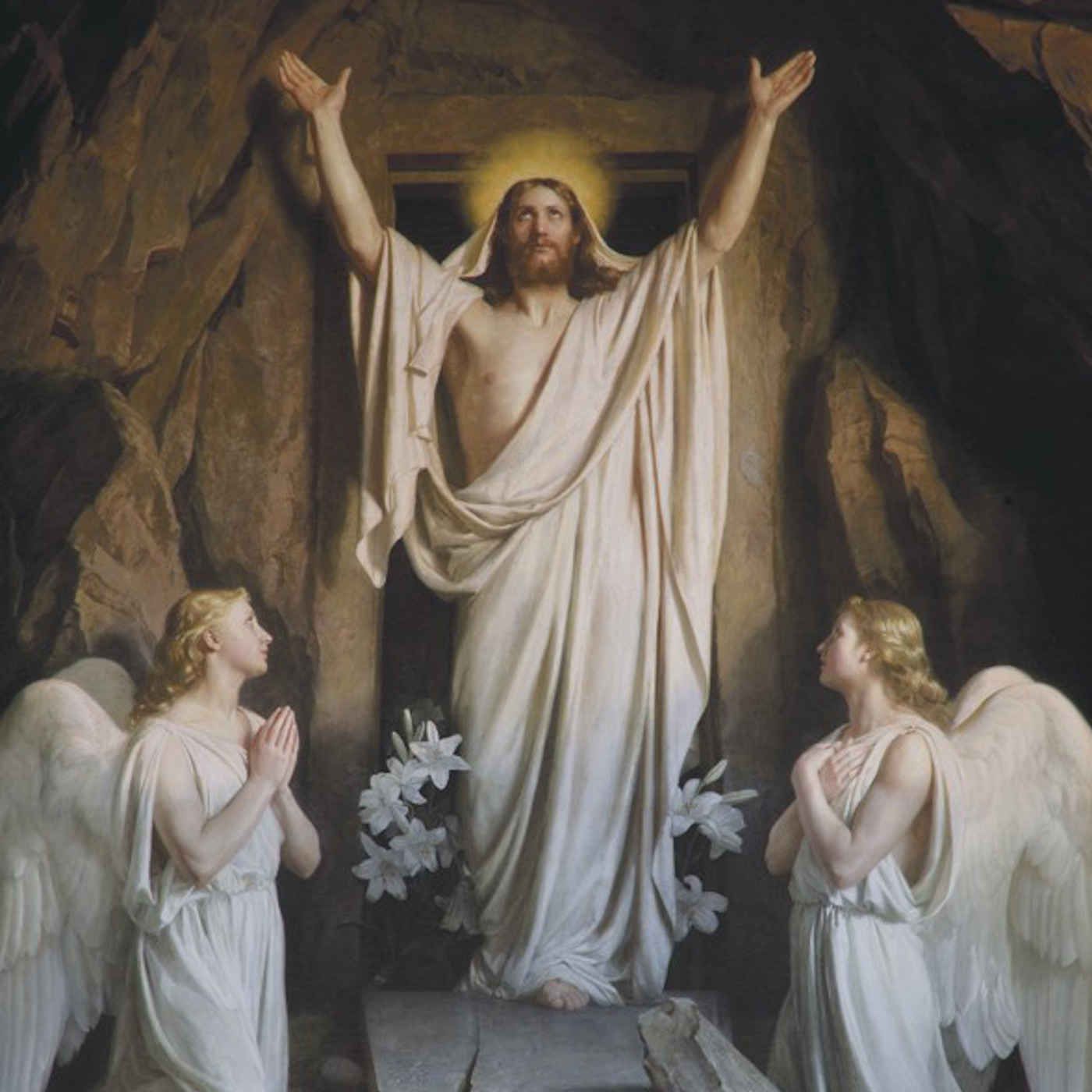
Apr 7, 2023
Holy Saturday with Mother Mary
The Savior of the World died a cruel death upon the Cross. His broken body was laid in the tomb. His disciples scattered and were fearful that they would be next. But our Blessed Mother kept vigil in the perfect hope that her Son would soon rise. Traditionally, Saturdays within the Church year are dedicated to the Blessed Virgin Mary. This ancient tradition developed in part due to the belief that, as others were filled with fear and confusion, Mother Mary kept vigil on Holy Saturday in prayerful anticipation of Jesus’ resurrection. She knew her Son would rise. She had hope beyond hope. Her faith was certain. Her love kept her vigilant as she awaited the return of her Son. For many centuries, it has been suggested that the first person to whom Jesus appeared after His Resurrection was His own mother. Pope Saint John Paul II believed this. Saint Ignatius of Loyola believed it. And many others throughout the centuries shared this belief. For these reasons, Holy Saturday is an ideal day to ponder the pondering heart of our Blessed Mother. There are several times in Sacred Scripture where we are told that Mother Mary pondered the mysteries of her Son’s life in her heart. She was one of the few who stood by Him in His agony and death. She stood before the Cross and prayerfully pondered His perfect sacrifice. The Blessed Mother held His dead body in her arms and pondered where His spirit had gone. And today she keeps vigil, pondering His imminent return to her. Ponder her pondering heart. Try to unite your own heart with hers. Try to understand what she was thinking and hoping. Try to feel what she felt this sorrowful day. Try to experience her faith, her trust and her joyful expectation. So many people in this world walk in despair and confusion. So many have lost hope in the new life that awaits them. So many have their own form of interior death without allowing God to draw them into His Resurrection. So many people today need the hope that was so alive in the heart of our Blessed Mother that first Holy Saturday. Ponder the reality of Holy Saturday in silence this day and allow the glorious heart of our Blessed Mother to inspire you and draw you more deeply into her life of faith, hope and love. Dearest Mother Mary, on that first Holy Saturday, you kept vigil for your Son. You allowed the divine gift of hope to grow within you, and you allowed that hope to be your strength in the midst of the horror of the Cross. Pray for me that I may ponder your beautiful heart this day so that I, too, may be filled with hope as I endure the challenges of this earthly life. Give me a heart of joyful anticipation as I await the grace of new life our Lord so deeply desires to bestow upon me. Mother Mary, pray for me. Jesus, I do trust in You. Source of content: catholic-daily-reflections.com Copyright © 2023 My Catholic Life! Inc. All rights reserved. Used with permission via RSS feed.
Apr 6, 2023
Good Friday of the Lord’s Passion (Year A) - The Greatest Act of Love Unfolds
Then he handed him over to them to be crucified. So they took Jesus, and, carrying the cross himself, he went out to what is called the Place of the Skull, in Hebrew, Golgotha. There they crucified him, and with him two others, one on either side, with Jesus in the middle. John 19:16–18 The Passion of our Lord begins. Our Gospel narrative today begins with Jesus going out to a garden with His disciples after the celebration of the Passover meal. It’s shocking to consider that the Second Person of the Most Holy Trinity permitted such injustice to befall Him. Though perfect in every way, He allowed Himself to be treated as a criminal, to suffer at the hands of sinners, and to die an agonizing death. One of the first shocking events to take place in the Garden where Jesus was arrested was the sheer number of soldiers sent to arrest Him. A “band of soldiers” could mean that as many as 600 soldiers were sent to accomplish this deed. Going out with “lanterns, torches and weapons” reveals that it was dark. The symbolism of darkness is significant in John's Gospel, portraying the spiritual darkness that permeated that night. Within that darkness, one of Jesus’ own Apostles betrayed Him, leading this massive number of soldiers to arrest Him. Upon Jesus’ arrest, Peter, the soon-to-be leader of the Apostles, denies, for the first time, that he even knows Jesus. This happens while Jesus is interrogated by Annas, a respected former High Priest. The fact that a High Priest was the first to question Jesus shows that even those who are “religious” can, at times, be brutal instruments of attacks upon the faith. After Annas, Jesus is brought to Caiaphas, then acting as High Priest. During that interrogation, Peter denied our Lord a second time and then a third. These religious leaders concluded that Jesus must die. Recall that Caiaphas had previously argued that “it is better for you that one man should die instead of the people” (John 11:50). In fact, those words of Caiaphas were an unintended prophecy, predicting the death of our Lord for all the people. Since the Jewish authorities did not have the power to crucify someone, they relied on the Roman governor Pilate. Although Pilate shows little interest in meeting their request, He does so out of fear of an uprising and reprisals from Caesar. Pilate also humiliates Jesus, scourging Him and permitting his soldiers to mock Him. Little did they know that the purple cloak with which they covered Jesus and the crown of thorns they placed on His head were symbols of Jesus’ true Kingship, exercised by His defeat of death itself in the battle for the salvation of souls. When Jesus was crucified, He hung on the Cross between two thieves. As He agonized for three hours, He permitted His mother to stand by Him, entrusted her to the disciple John and John to her, drank of the wine to quench His thirst, spoke His final words, “It is finished,” and then He bowed His sacred head and handed over His spirit. John’s Gospel relates to us that after Jesus was dead, a soldier pierced His side with a lance, and blood and water flowed out. This final gift from our Lord has been understood as a symbol of the Sacraments of Baptism and the Eucharist. It was truly finished. The King had won the battle. Death was defeated, and the means by which we are to share in that victory was given by the institution of the Sacraments. Reflect, today, upon this most sacred scene. There is no end to the depth and breadth of the meaning of every action that took place that holy day. Every detail reveals the love of God. Every symbol points to the reality of what took place. Every word our Lord spoke is for us to hear, to receive and to believe. The meaning of Good Friday is beyond our human comprehension. Nonetheless, on this holy day we are called to prayerfully penetrate the meaning of this perfect act of love, so that we will more fully share in the grace given to us by our Lord. My crucified Lord, from the perspective of human beings, Your death was horrific. But from the perspective of Your Father in Heaven, Your death was the glorious fulfillment of His will. Through Your Passion and death, You exercised Your Kingship by taking authority over sin and death and commanding it to cease. May I stand with Your dear mother this day, dear Lord, and gaze with gratitude and awe on what You have done for me. Jesus, I trust in You. Source of content: catholic-daily-reflections.com Copyright © 2023 My Catholic Life! Inc. All rights reserved. Used with permission via RSS feed.
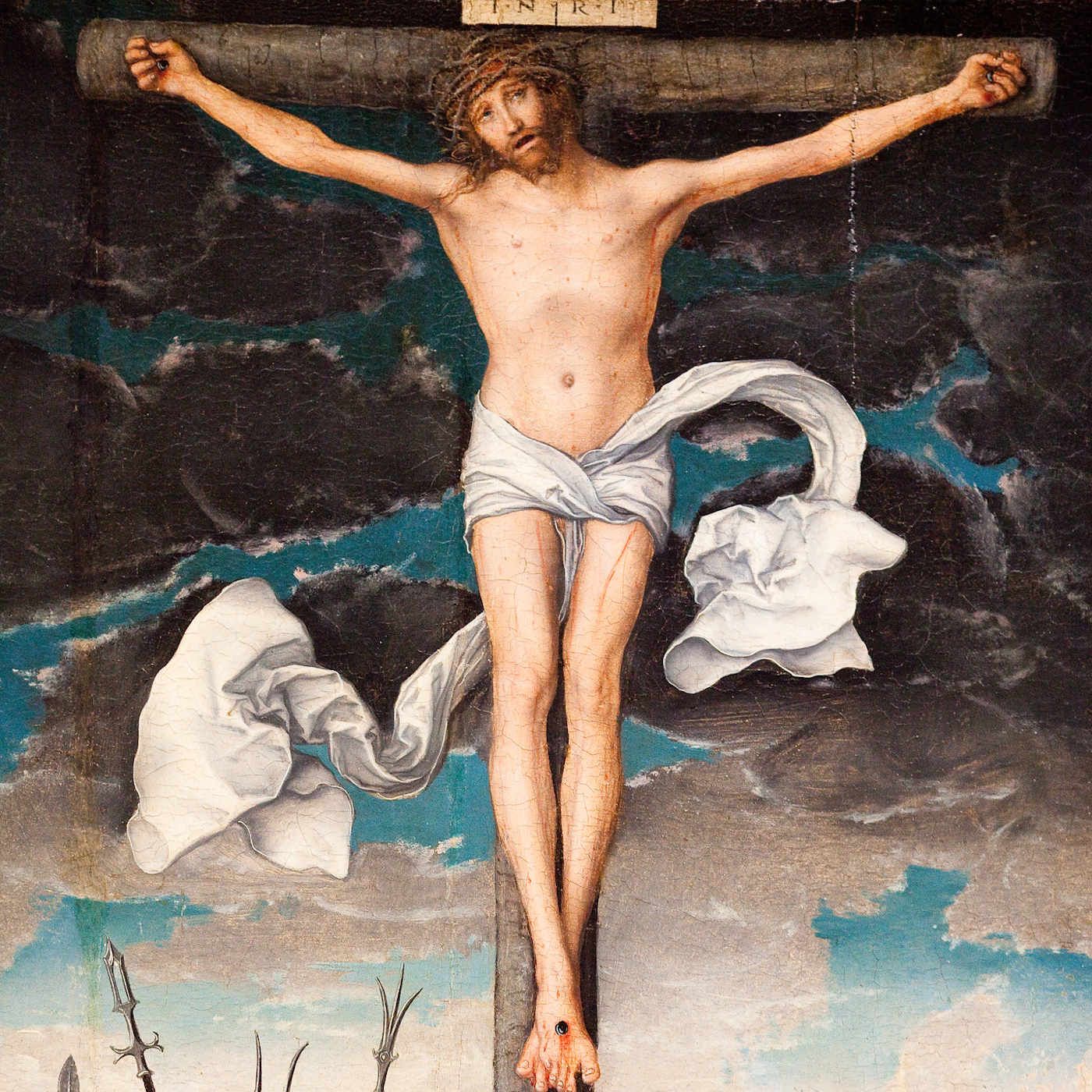
Apr 5, 2023
Holy Thursday, Mass of the Lord’s Supper (Year A) - The One True Sacrifice of the Mass
Brothers and sisters: I received from the Lord what I also handed on to you, that the Lord Jesus, on the night he was handed over, took bread, and, after he had given thanks, broke it and said, “This is my body that is for you. Do this in remembrance of me.” 1 Corinthians 11:23–24 We begin the most sacred Triduum, the greatest Feasts in the life of the Church. Tonight we celebrate the Last Supper with our Lord. The Church then keeps vigil in prayer until midnight. Tomorrow, though Holy Communion that was consecrated on Holy Thursday is distributed, the Mass is not celebrated and the tabernacle is empty. We venerate the Cross, recall the Passion, and experience the silence of the death of our Lord. On Holy Saturday, the Liturgy is not celebrated until the sun sets and we begin the Easter Vigil celebration of the Resurrection of our Lord. Tonight we especially ponder the words of Jesus: “Do this in remembrance of me.” This is not only an invitation; it is a command. A command of love. A command to share in the Memorial Sacrifice of the Savior of the World. The word “memorial” is important to understand. When Jesus said, “Do this in remembrance of me,” He was not simply asking us to remember Him, or to celebrate the Eucharist as a memorial in the normal sense of a memorial. Normally, a memorial is something that is used only to remind us of something that previously took place. There might be a memorial plaque placed at a location of some important event, commemorating the event with a description and date. Or there might be a memorial ceremony where we honor someone who has gone before us. But the Mass is a memorial in a much different way. As a memorial, or remembrance, our Church teaches that every time the Mass is celebrated, the saving events of the Paschal Mystery are truly made present. The Catechism of the Catholic Church , in quoting the great Council of Trent, states it this way: The sacrifice of Christ and the sacrifice of the Eucharist are one single sacrifice : “The victim is one and the same: the same now offers through the ministry of priests, who then offered himself on the cross; only the manner of offering is different.” “And since in this divine sacrifice which is celebrated in the Mass, the same Christ who offered himself once in a bloody manner on the altar of the cross is contained and is offered in an unbloody manner. . .” (#1367). In other words, when we participate in the Mass we are participating in the Sacrifice of Christ; we are present at the Cross. It is His offering that culminated in His victory over sin and death. Thus, when we celebrate this “remembrance,” we do more than remember the Last Supper. We are truly there, truly participating in it, truly experiencing the saving grace of Christ’s gift. It is very easy to “forget” what we actually participate in. Sometimes we can become distracted at Mass. If Mass is celebrated in an irreverent way, if it is rushed or if our minds are somewhere else, then we are standing at the foot of the Cross more like a soldier or bystander than like the Mother of God or people of deep faith. As we participate in the Last Supper and the saving Sacrifice of Christ this night, reflect upon what you participate in every time you celebrate the Most Holy Eucharist. Pray for the eyes of faith and for the gift of reverence and awe. Pray that the veil be lifted and you be invited to gaze upon the greatest act of love ever known. Allow this night to be a true reminder to you that the Mass is real, is the Holy Sacrifice, is the most important Gift you will ever receive. It is the Gift of the Sacrifice of the Savior of the World. My Sacrificial Lord, this night You instituted the Most Holy Sacrifice of the Mass in which Your saving Sacrifice became a permanent Memorial in which we are invited to share. Please open my eyes to the reality of the Mass and help me to always participate in it with deep faith, reverence and love. Jesus, I trust in You. Source of content: catholic-daily-reflections.com Copyright © 2023 My Catholic Life! Inc. All rights reserved. Used with permission via RSS feed.