About this episode
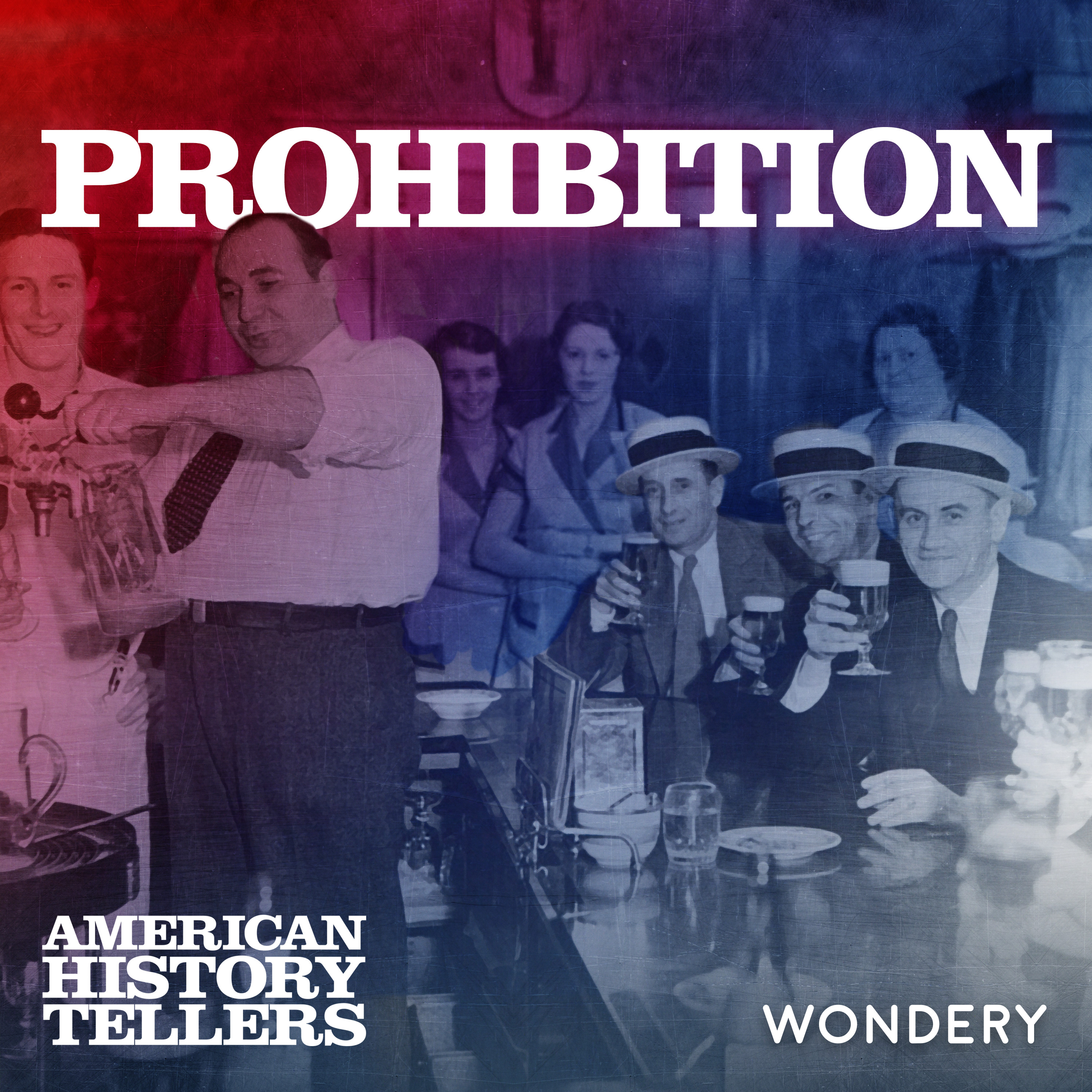
On January 17, 1920, the United States passed the 18th Amendment to the US Constitution, ushering in a 13-year dry spell known as Prohibition. But how did a country that loved to drink turn its back on alcohol? How did two-thirds of both the House and Senate and three-fourths of State legislatures all agree that going dry was the way to get the country going forward? It had always been a long, uphill battle for the temperance movement, but towards the end of the nineteenth century, certain forces aligned: fears of industrialization, urbanization and immigration. Traditional American life was changing - fast - and many people looked for a scapegoat: the saloon. For more information on how Prohibition came to be, check out Professor David J. Hanson’s, “ Alcohol Problems and Solutions ,” a comprehensive, interactive site that outlines all the various stakeholders in the Noble Experiment. Daniel Okrent’s Last Call: The Rise and Fall of Prohibition is a key text for learning more about Prohibition and how it came about. And, to narrow in on New York, itself, Michael Lerner’s Dry Manhattan: Prohibition in New York City is a tremendous resource. The bootlegger character was based on a real story, A Bootlegger’s Story: How I Started , which ran in the New Yorker in 1926. For more on the Atlanta race riots and how they connect to Prohibition, check out this story on NPR , in which professor Cliff Kuhn describes his research. To learn more about the intersection between race and the policing of Prohibition, Lisa McGirr’s The War on Alcohol: Prohibition and the Rise of the American State is invaluable . Further references can be found in America Walks Into a Bar: A Spirited History of Taverns and Saloons, Speakeasies and Grog Shops by Christine Sismondo. Support us by supporting our sponsors! See Privacy Policy at https://art19.com/privacy and California Privacy Notice at https://art19.com/privacy#do-not-sell-my-info .