About this episode
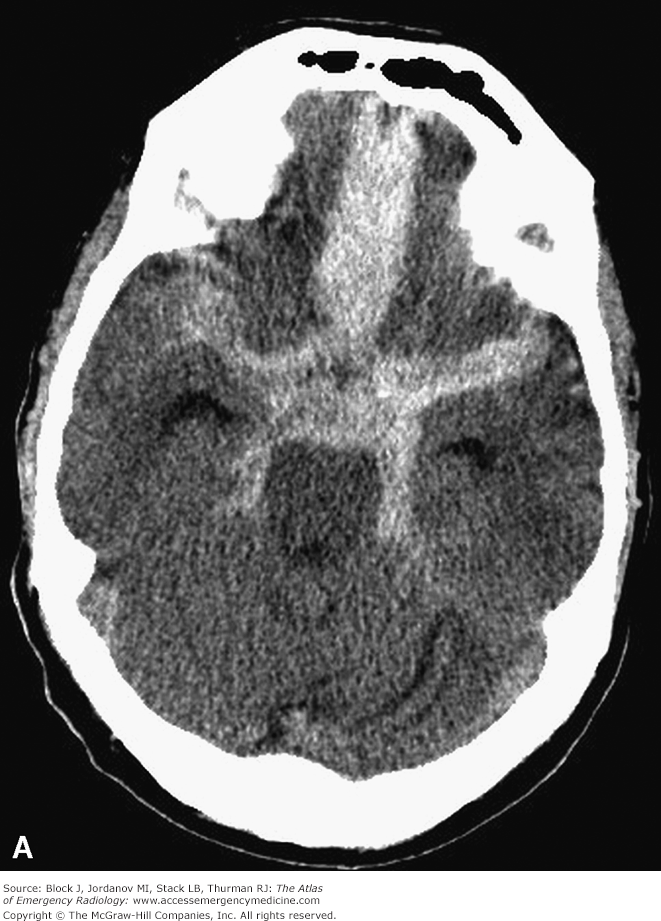
Author: Peter Bakes, M.D Educational Pearls Intracerebral hemorrhage is an intracranial bleed within the brain tissue or ventricles. Subarachnoid aneurysm causes about 50% of all ICH. Amyloid deposition can lead to ICH in elderly patients. Hypertension is another common cause of atraumatic ICH, commonly leading to pontine, cerebellar, or basal ganglial bleeding. Bleeding in other locations is suggestive of a different etiology. ICH will often present with depressed mental status, but specifically a patient with a systolic BP > 220 is suggestive of hypertensive ICH. CT is the first diagnostic step. CTA should be considered when the bleeding is in an atypical area. Significant edema on imaging can be suggestive of a tumor. Treatment should include hemostatic measures and BP control. Transfuse platelets if necessary and reverse any anticoagulation. BP target is References: Sahni R, Weinberger J. Management of intracerebral hemorrhage. Vascular Health and Risk Management . 2007;3(5):701-709. https://www.ncbi.nlm.nih.gov/pmc/articles/PMC2291314/