The Zen Studies Podcast
Domyo Burk
Domyo Burk
Learn about traditional Zen and Buddhist teachings, practices, and history through episodes recorded specifically for podcast listeners. Host Domyo Burk is a Soto Zen priest and teacher.
Dec 2
Zen Buddhism exemplifies practice based in self-power, or jiriki . Pure Land Buddhism exemplifies practice based in other-power, or tariki . These are very different entry gates, but when we examine self-power and other-power more closely, we see that the ultimate goal of practice requires both.
Nov 21
This is one of my unscripted Q&A episodes, where I answer questions submitted by listeners. If you have a question, go ahead and send it to me at zenstudiespodcast.com. I discuss: What does Kosho Uchiyama mean in his book Opening the Hand of Thought, when he talks about "settling as universal life?" Isn't the Zen emphasis on monastic practice and self-liberation at odds with the Bodhisattva Vow to free all beings? What can we learn from practicing with other Buddhist traditions than our own, and is this recommended if we don't live near a Zen center?
Nov 16
Unlike Jesus, the Buddha didn't explicitly instruct us to "love our enemies." However, he did instruct us to extend goodwill, or Metta, to all beings unconditionally – including, of course, our enemies. In this time of growing divisiveness, what does it really mean to follow this teaching? Most people will admit that nurturing resentment and hatred is probably a bad idea, but on the other hand it feels completely unacceptable to capitulate to – surrender to or stop resisting – those who we perceive as causing harm. Fortunately, there are many benefits to loving our enemies, and doing so does not mean capitulating to them.
Oct 31
In this episode I read and reflect on Chapter One of Keizan's Denkoroku: Record of the Transmission of Illumination. In it, Shakyamuni Buddha holds up a flower and blinks. Keizan says, "No one knew his intention, and they were silent." Then Mahakashyapa gives a slight smile, and the Buddha acknowledges him as his Dharma heir. What is going on in this koan? Keizan challenges our ideas about awakening, time, causation, and the nature of self.
Oct 20
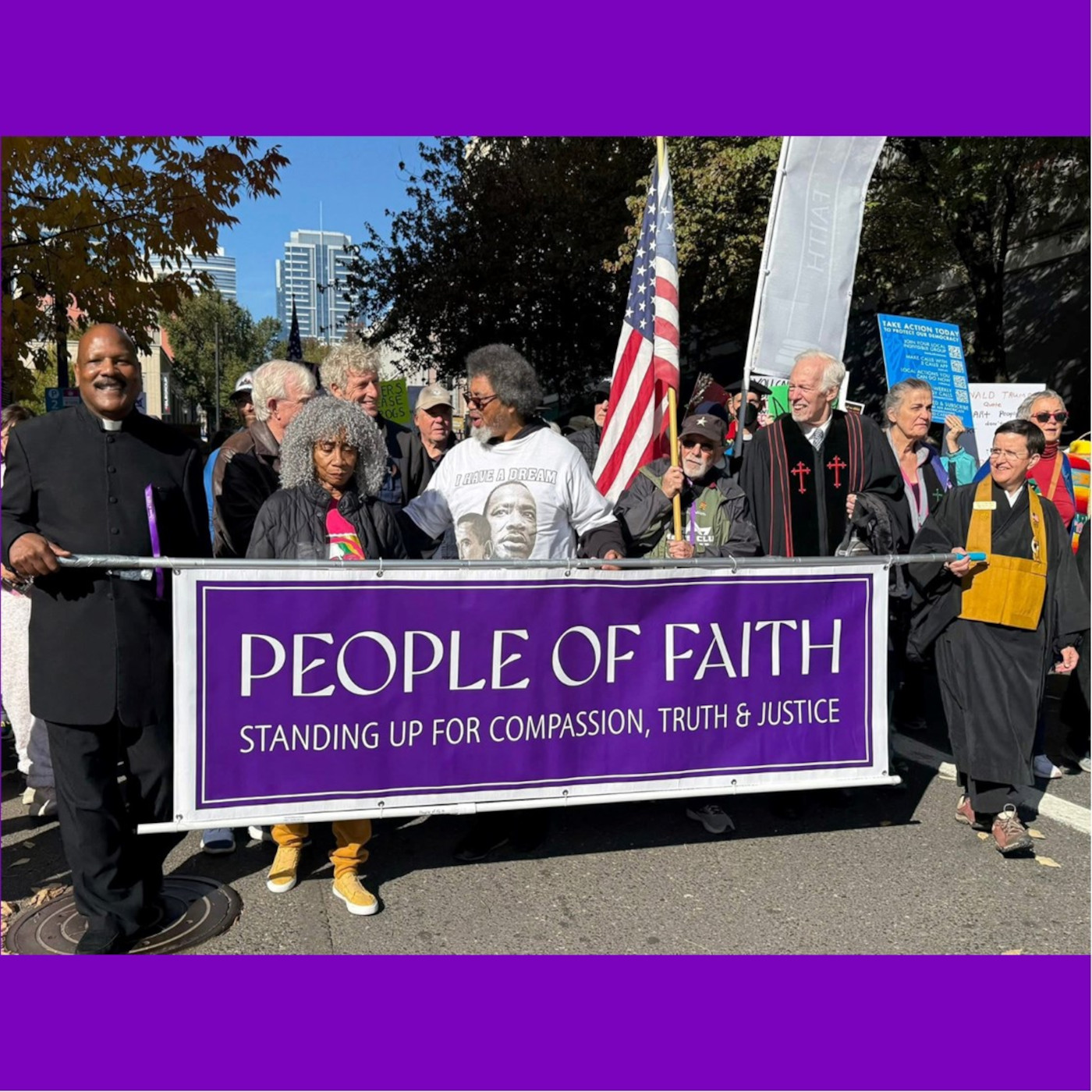
When should Buddhist communities take public stands on issues that could be seen as political? If politics is about how we make decisions in groups (local communities, towns, cities, states, nations), are Sanghas really be free from politics when they are embedded in these larger groups? Silence can function as tacit approval, so is maintaining neutrality in keeping with our Buddhist values? On the other hand, there are many good reasons for Sanghas to avoid bringing discussions of politics in their places of practice, and I discuss them.
Sep 30
The form of meditation we do in Zen, unless we're working on a koan, is called shikantaza – nothing but sitting – or silent illumination. It's been called a "method of no method," in which we let go of any striving whatsoever – even to control our meditative experience. So can we do "bad zazen?" Theoretically, there's no such thing, and yet it sure feels like there is! What is this about?
Sep 24
How do you find comfort in the precepts? What is the relationship between anger, forgiveness and justice? What about anxiety due to abrupt insight into emptiness? This is one of my unscripted Q&A episodes, where I answer questions submitted by listeners.
Sep 14
This is the third part of three of my episodes on "Learning the Self," one of my Ten Fields of Zen. In the first episode I discussed why we "study the self" in Zen, and what "self" we're talking about if – according to the teachings – the self is empty of any inherent nature! In the second episode I talked about what is meant by "studying" or "learning" the self. I also explained the idea of Karma and discussed why it's valuable to work on it. In this episode, I cover how we do Karma Work.