But Why: A Podcast for Curious Kids
Vermont Public
Vermont Public
But Why is a show led by kids. They ask the questions and we find the answers. It’s a big interesting world out there. On But Why, we tackle topics large and small, about nature, words, even the end of the world. Know a kid with a question? Record it with a smartphone. Be sure to include your kid's first name, age, and town and send the recording to questions@butwhykids.org!
4h ago
Have you ever heard a fox scream at night and thought it was a human? And why, when goats bleat, do they sometimes sound like human babies? Animals can sometimes make similar noises but not because they’re feeling the same things. It often has more to do with how similar the sound-making structures in our bodies are! In this bonus episode, we learn about how animals make sounds and how their vocal folds work with Dougie Pickles, host of the sleepy adventure podcast Cozy Critters . Download Transcript
Dec 12
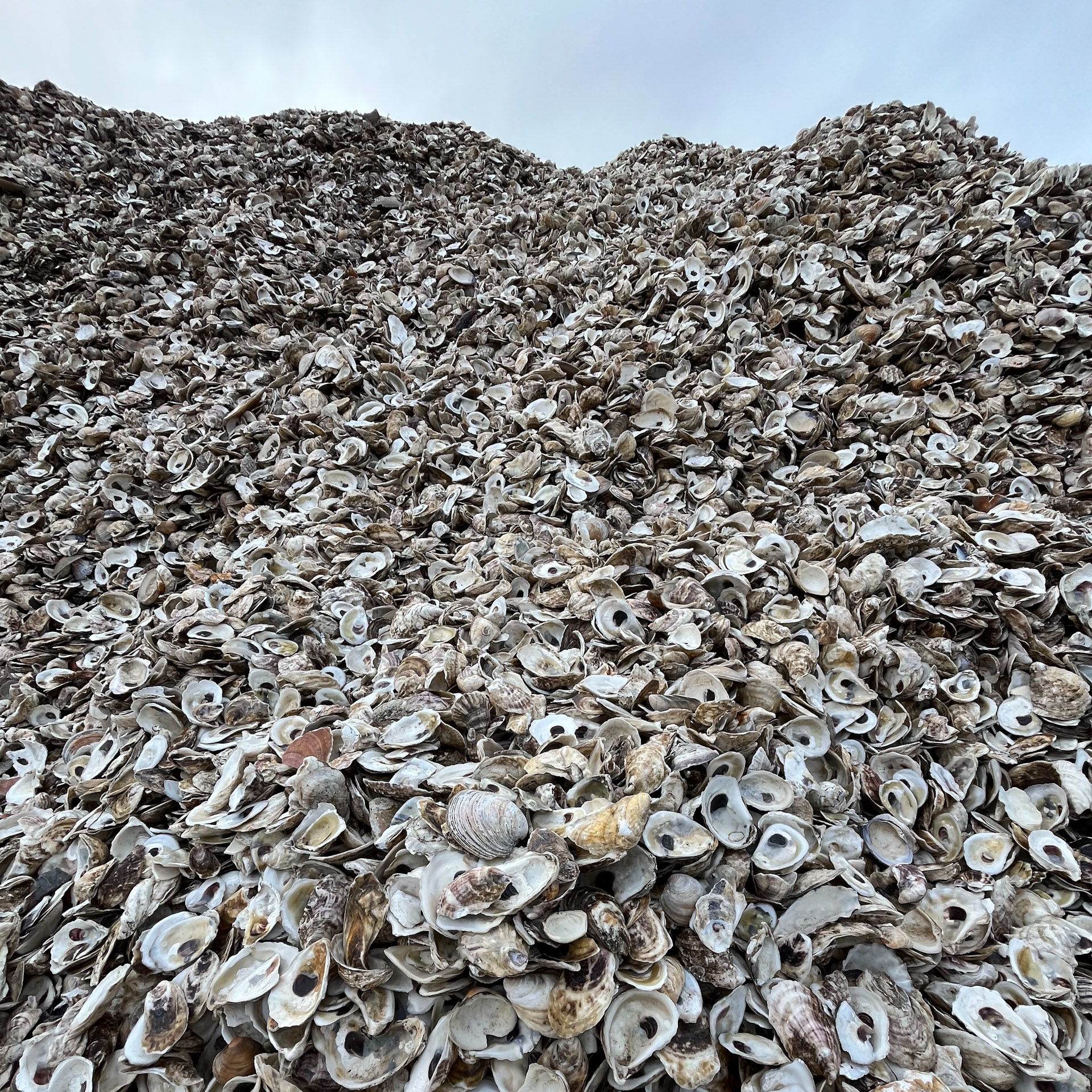
On a rainy, windy day, But Why hopped on a ferry and headed to Governors Island in New York City with one thing on our minds - oysters! We met up with Mike McCann of the Billion Oyster Project to learn more about these very special bivalves. How do they get their shells? How long do they live? What do oysters eat and who eats them? Why do people eat oysters without cooking them? Download our learning guides: PDF | Google Slide | Transcript
Nov 28
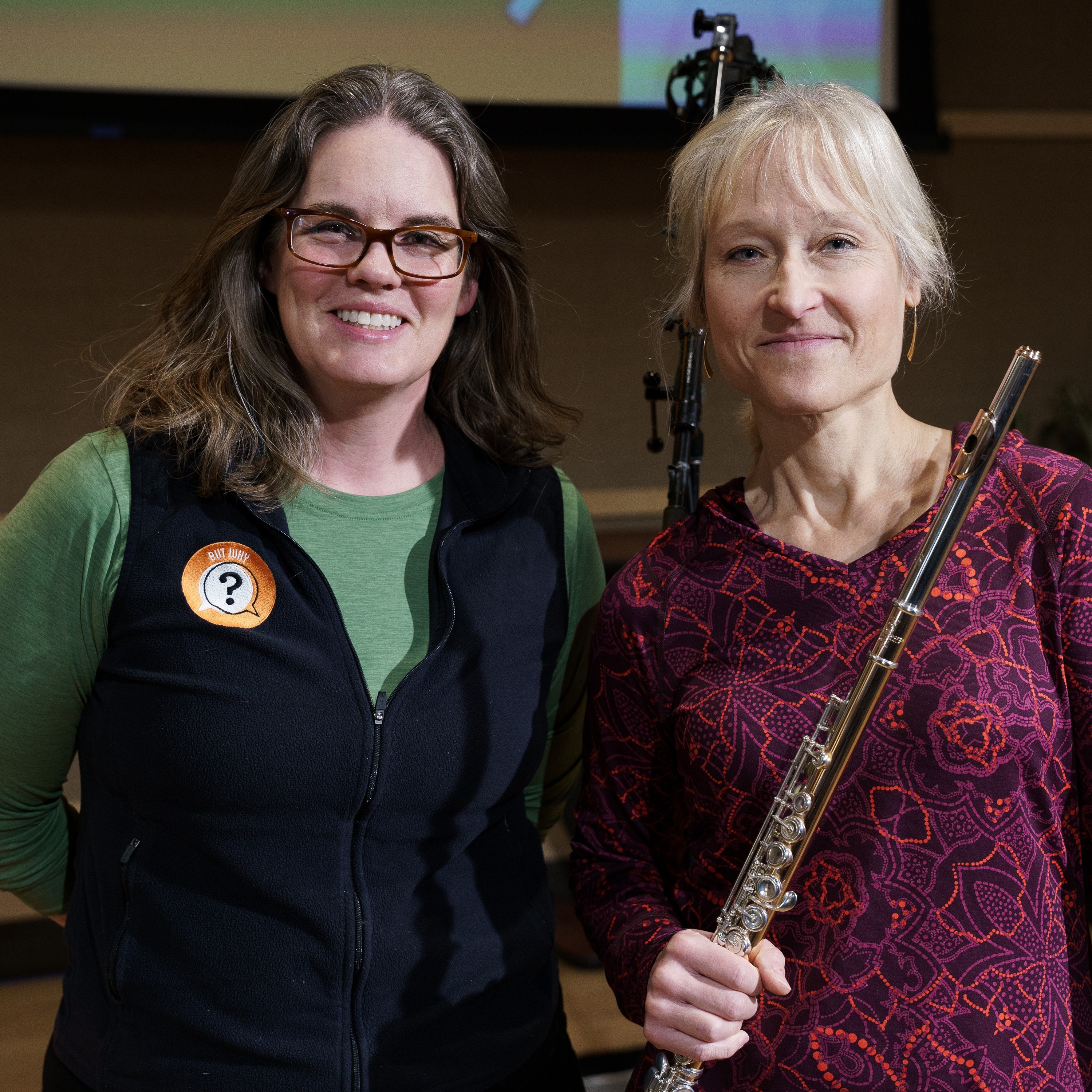
How do musical instruments make their sounds? Why do people play music in the first place? What’s a viola bow made out of? How are musical instruments made? How much do professional musicians practice? Three musicians from the Vermont Symphony Orchestra joined families at the Vermont Public Studios for a special live episode during our Curious Kids Day live events. We hear from Melissa Meilens on flute, Katie Oprea on oboe and Stefanie Taylor on viola. Download our learning guides: PDF | Google Slide | Transcript
Nov 14
The Macy’s Thanksgiving Day Parade is an American tradition. It’s been going since 1924. This year marks the 99th parade (it took three years off during World War II). It’s famous for elaborate floats and huge character balloons that bob above the streets as the parade marches forward. Millions of people watch the parade live in New York City each year, but many many more watch it on TV. And some of you have questions! How do they make such big balloons for the parade and how do they choose which characters to feature? And how do they hold onto the balloons with such tiny strings? And, more generally, how do balloons float? What’s helium got to do with it? But Why visits the Macy’s Studio workshop in New Jersey to see how the magic happens! Download our learning guides: PDF | Google Slide
Oct 31
What’s your favorite color? Where do colors come from?Why do people see colors? Does everyone see colors the same way? How many colors are there in the world? We learn about colors with Kassia St. Clair, the author of a book called The Secret Lives of Color . We talk about the science of color as well as all the ways color and culture are intertwined. Download our learning guides: PDF | Google Slide | Transcript
Oct 17
Who invented candy? Why is it so sweet? Why does hard candy melt in your mouth? How are candy corn, gummies and nerds made? What makes pop rocks pop? We talk with traditional candy makers at Sticky in California and Hercules Candies in New York about how these sweet treats take their shape. And we get a little reminder about why we can’t eat sugar all day, every day. Download our learning guides: PDF | Google Slide | Transcript
Oct 3
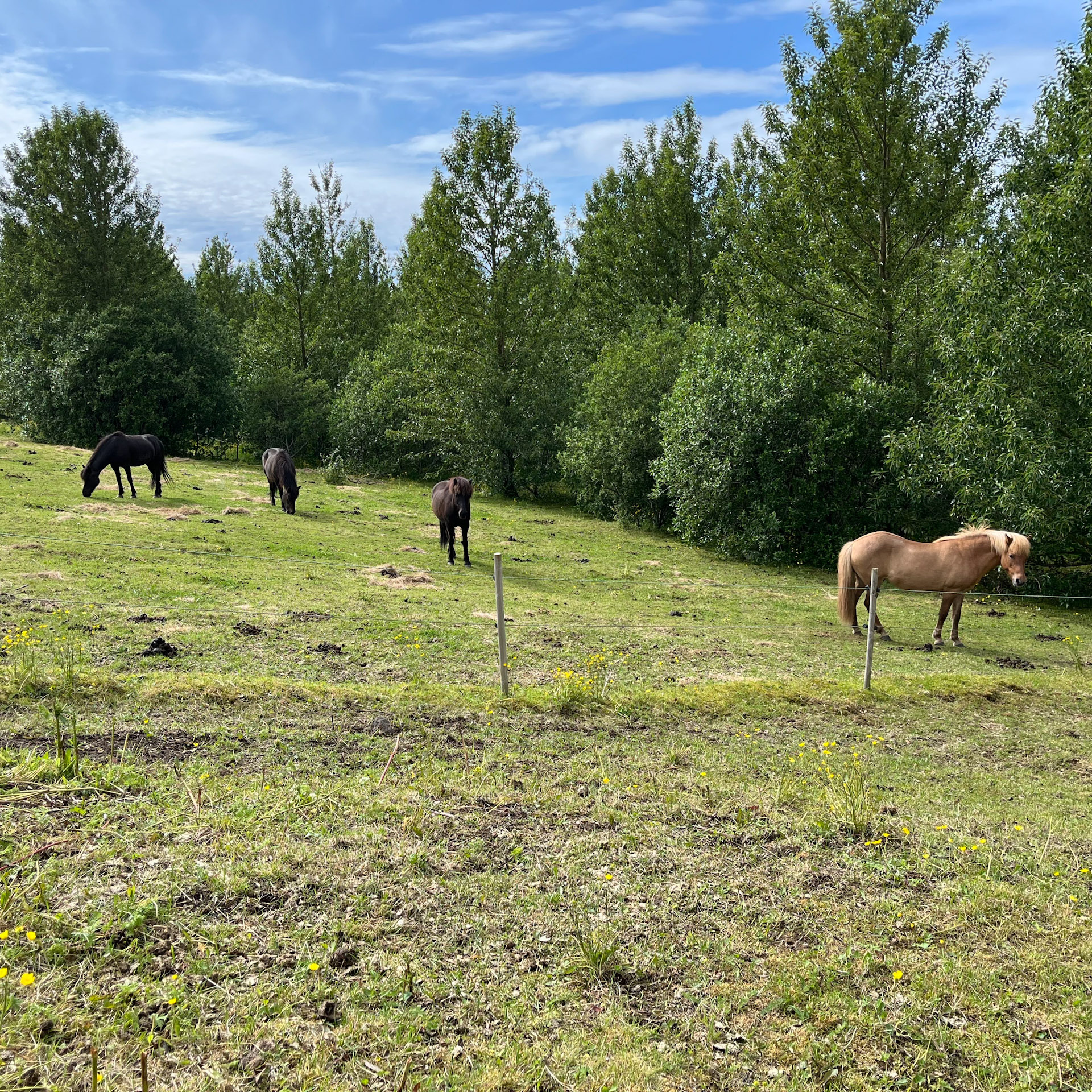
Why are horses so big? Why do horses have tails and manes? How do their legs move? Are their bones in their hooves? What do they eat and how do they run and jump? We tackle those questions and more in this episode all about horses. We’ll also learn a little bit more about the unique horses in Iceland, where there’s a strict ban on horses coming in from other countries. But Why visited riding instructor Sonja Noack at Hestasnild, a riding school in Iceland, to get answers to all your equine questions. Download our learning guides: PDF | Google Slide | Transcript
Sep 19
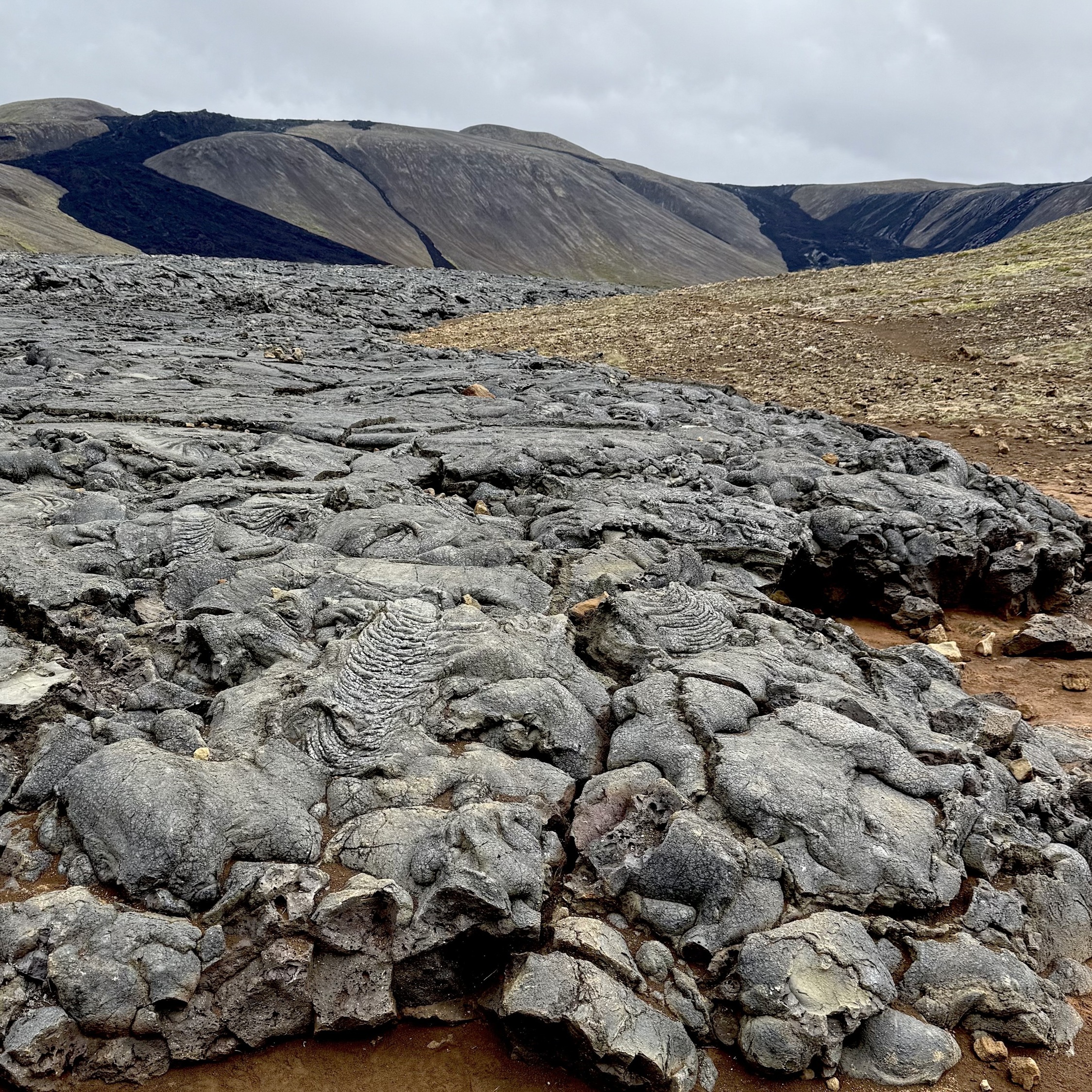
Volcanoes have been erupting on Earth for BILLIONS of years, and they’re still creating new landscapes today! Volcanoes can seem mysterious and scary, but people all over the world have learned to live in close proximity to active volcanoes. Today we answer questions you’ve sent us about how they form, how they erupt, what magma/lava is, and how volcanologists work to predict when they might erupt. Our guest is Freysteinn Sigmundsson, a volcanologist and professor at the University of Iceland. Download our learning guides and transcript: PDF | Google Slide | Transcript