The Vinyl Guide - Artist Interviews for Record Collectors and Music Nerds
The Vinyl Guide
The Vinyl Guide
Nate is a record collector, music lover and vinyl maniac. Join him on his journey to discuss, share and review all things related to vinyl records. We feature stories about and interviews with musicians, artists and people of knowledge in the area of vinyl records. Additionally we share information on desirable pressings of records, how to tell a $5 pressing from a $500 pressing and care and maintenance for your cratedigging hobby. Subscribe and share with your record-nerd friends. Cheers!
Dec 1
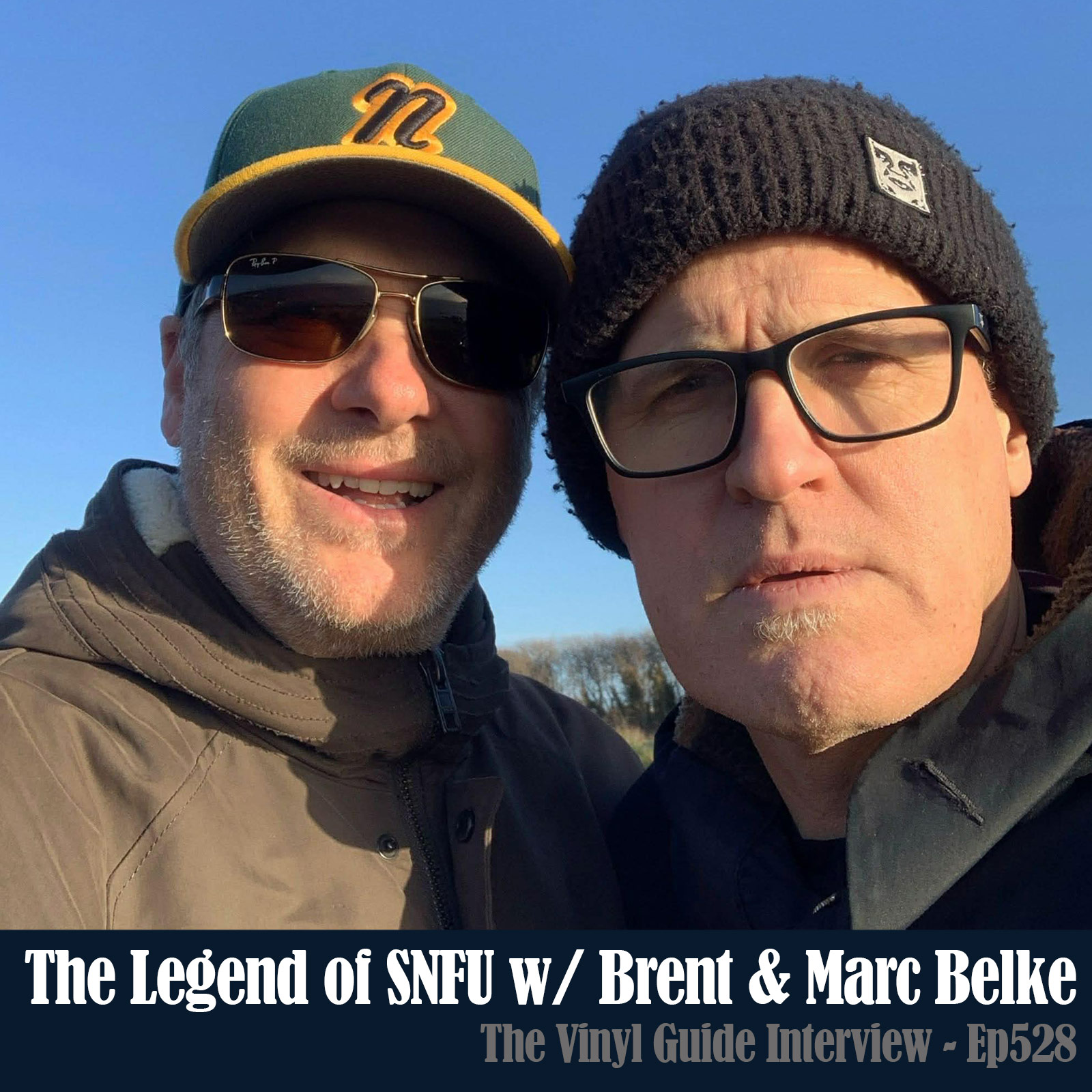
SNFU founders Marc and Brent Belke discuss band history, rare recordings, records, vinyl reissues on Trust Records , upcoming events at the Punk Rock Museum & more. Topics Include: Marc and Brent Belke join from Vancouver and Victoria to discuss SNFU's December 5th Punk Rock Museum exhibit and album re-release. The exhibit coincides with Trust Records' re-release of SNFU's debut album "...And No One Else Wanted to Play" with extensive extras. The re-release includes a 53-page booklet with rare photos, interview excerpts, and a full record of early demos and alternate versions. The exhibit features band paraphernalia, posters, t-shirts, and artwork, originally displayed at a Saskatchewan museum last summer before moving to Vegas. Marc and Brent will provide guided tours at the Punk Rock Museum and participate in a roundtable discussion on December 5th. The brothers describe Edmonton's early 1980s scene as intimate with only 50 people, mixing new wave, rockabilly, and emerging hardcore sounds. Getting punk records in Alberta meant ordering from New York stores via mail, waiting two months, and receiving only 25% of selections. Pivotal records included Bad Brains' ROIR cassette, Let Them Eat Jellybeans compilation, Sex Pistols' debut, and Minor Threat's Out of Step. The LA hardcore scene heavily influenced SNFU, with bands like Circle Jerks, Social Distortion, and Youth Brigade making significant impressions. SNFU formed when Marc and Brent's band lost members, recruiting bassist Curtis and drummer Evan Kaufmann based on personality over experience. Singer Chi Pig brought irreverent humor and sarcastic lyrics that became central to SNFU's identity and separated them from serious hardcore bands. The band recorded their debut album in two weeks with limited preparation, creating the raw energy that defined their sound. Early SNFU combined hardcore speed with melodic elements, drawing from both aggressive punk and bands like The Damned and Buzzcocks. The band signed with BYO Records for their second album, appreciating the DIY ethos and direct artist-to-label relationship. SNFU toured extensively across North America, playing everywhere from established venues to DIY spaces and experiencing varied punk scenes nationwide. The brothers discuss how the band's legacy feels incomplete, with the Trust re-release helping emphasize positive aspects of their history. Brent left SNFU to attend music school, studying jazz and strings, and now works creating music for film projects. Marc emphasizes Trust Records' meticulous approach, taking four years to perfect the release compared to SNFU's tendency to rush. Both brothers have never visited the Punk Rock Museum and look forward to experiencing it while giving tours on December 5th. High resolution version of this podcast is available at: www.Patreon.com/VinylGuide Apple: https://tinyurl.com/tvg-ios Spotify: https://tinyurl.com/tvg-spot Amazon Music: https://tinyurl.com/tvg-amazon Support the show at Patreon.com/VinylGuide
Nov 28
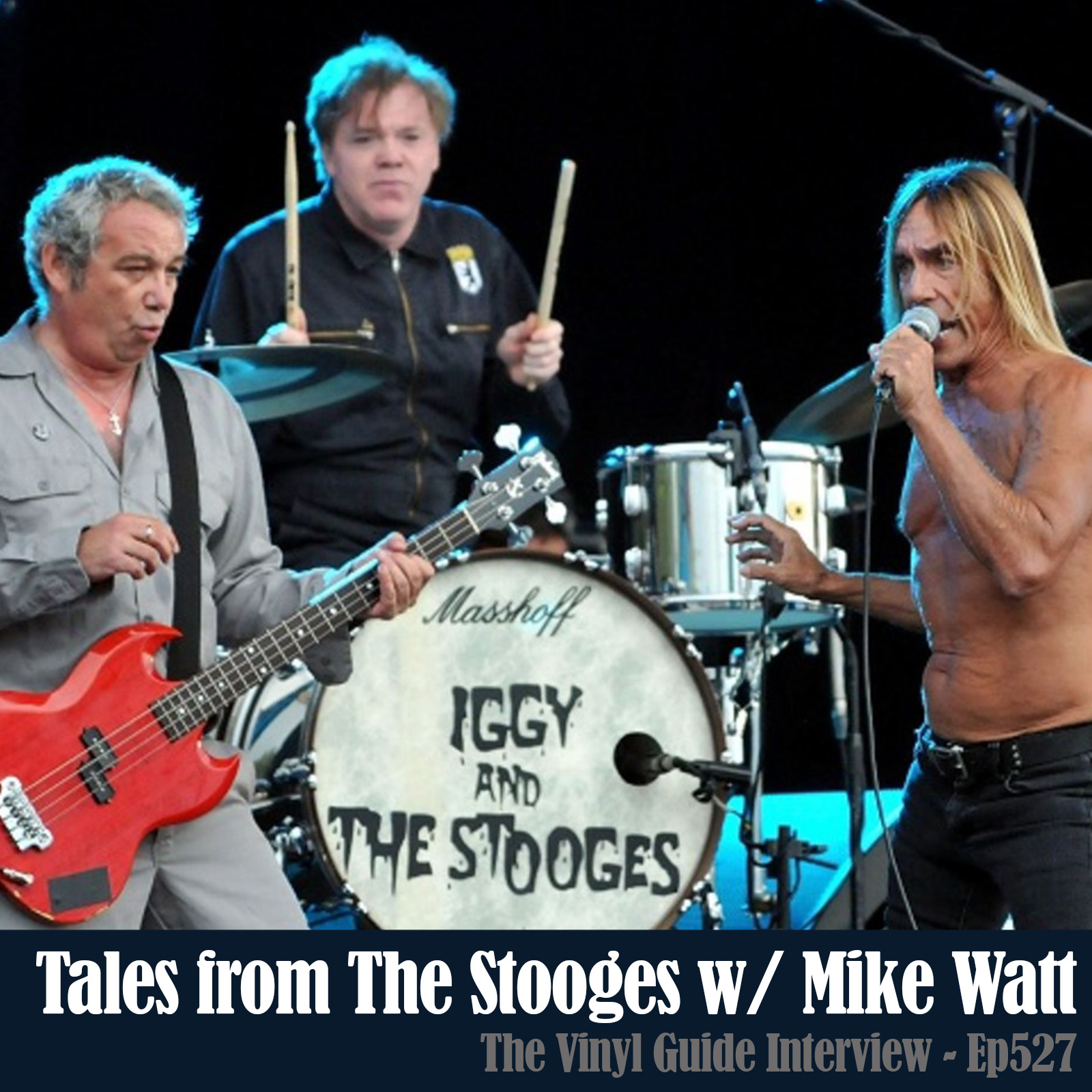
Mike Watt played with Iggy & The Stooges for over 10 years - today he shares all about his times with the brotherhood - Iggy, the Asheton Brothers, Steve Mackay, the comeback tours, The Weirdness, the end of the road and more! Topics Include: Mike Watt discusses new Record Store Day release: 40-minute version of "We Will Fall" Without the Stooges, Watt believes punk movement wouldn't have existed as we know it Played with Stooges for 126 months after Iggy Pop called him in 2003 First heard Funhouse in 1970-71 when most people dismissed the band entirely Stooges music helped Watt recover from serious illness 25 years ago Initially met Ronnie Asheton at Minutemen gigs in Detroit's Greektown neighborhood Played with Ronnie in 1996 for Todd Haynes film Velvet Goldmine Iggy and Ronnie hadn't spoken for 29 years before 2003 reunion Watt received fateful call at Tallahassee club: "Ronnie says you're the man" Iggy's first concern: Would Watt wear T-shirt instead of flannel? "Fuck yeah" Thought Coachella would be one-off gig, became decade-long musical journey Being youngest member at 45 allowed Watt to absorb everything from legends Asheton brothers had telepathic connection, communicated through rhythm more than words Lost Ronnie in 2009, Brother Steve in 2014-2015: "You always think you got time" Watt never wore same T-shirt twice during entire Stooges tenure One time played shirtless in New Orleans after wearing orange triggered Iggy's nightmare After Ronnie died, switched from T-shirts to black flannel honouring his memory Final years wore Dickies work clothes, embracing mechanic aesthetic Iggy appreciated Still calls Iggy every April 21st for his birthday, ringtone is "TV Eye" Instrumental tribute albums with Larry Mullins represent "paying back the debt" High resolution version of this podcast is available at: www.Patreon.com/VinylGuide Apple: https://tinyurl.com/tvg-ios Spotify: https://tinyurl.com/tvg-spot Amazon Music: https://tinyurl.com/tvg-amazon Support the show at Patreon.com/VinylGuide
Nov 27
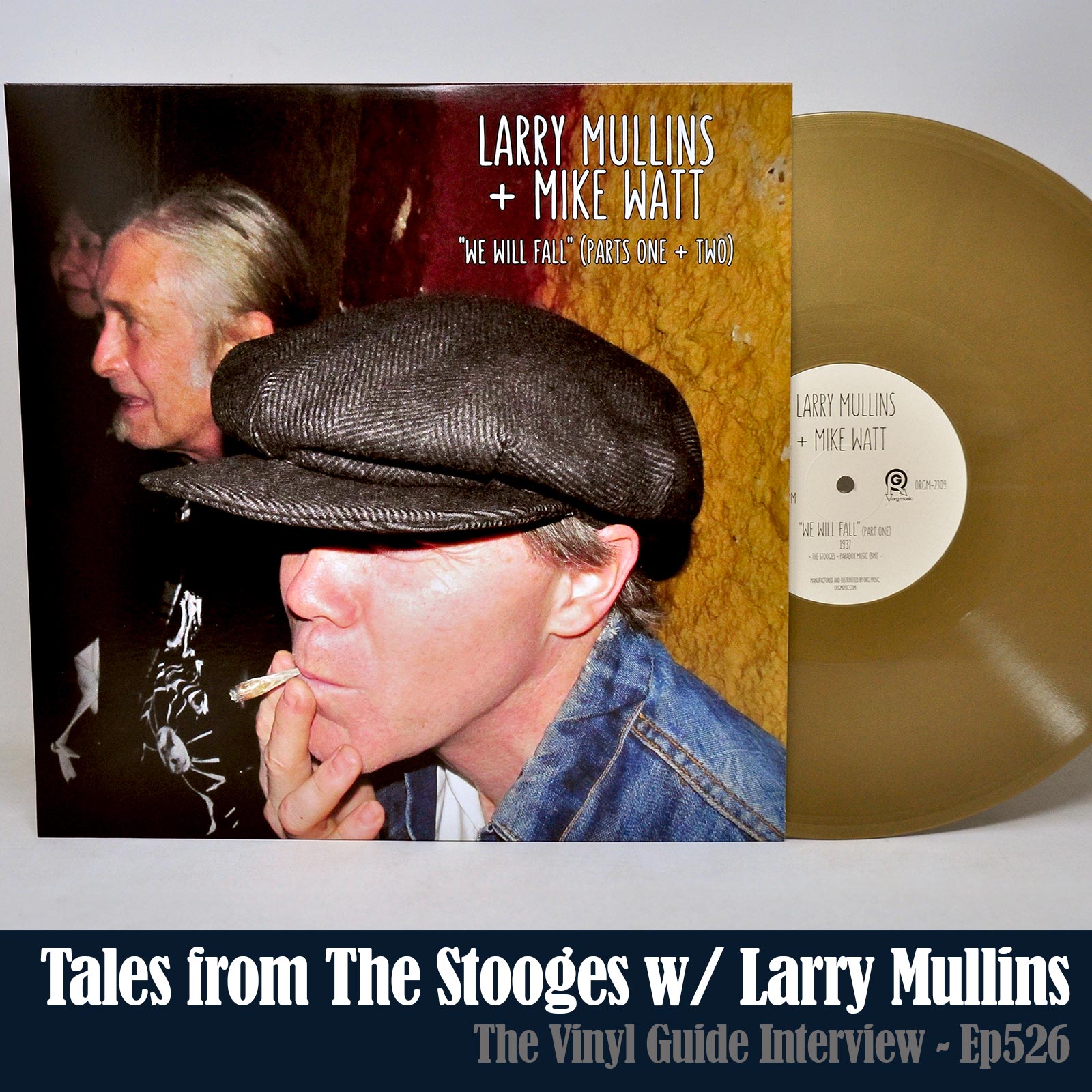
Larry Mullins (Stooges, Swans, Nick Cave) discusses his love of the Stooges, playing with Iggy and the Asheton Brothers and shares how he and Mike Watt reworked several Stooges tracks for multiple Record Store Day releases, including a 40-minute version of "We Will Fall", available RSD-BF 2025. Topics Include: Larry Mullins discusses Stooges tribute project with Mike Watt, creating extended instrumental versions Record Store Day release features 40-minute version of "We Will Fall" from the Stooges Mike Watt initiated project after Steve Mackay's death as band tribute without vocals Recording involves aggressive nine-minute live takes with bass representing lead vocal parts Sessions happen in San Pedro with releases on seven-inch records that fade between sides Songs like TV Eye, 1969, 1970, Fun House only available on limited seven-inch releases Pandemic interrupted recording process, forcing creative remote collaboration between Berlin and San Pedro "We Will Fall" chosen specifically because original had no drums, allowing remote recording Brian Kehew mastered Rhino reissues, revealed original Stooges takes were 12-15 minutes long John Cale edited and faded original lengthy jams into known three-minute song versions Stooges wrote most songs at Chelsea Hotel night before recording first album sessions Band originally performed as wild improvisational psychedelic jam band before structured songs Recording process involved jamming songs for entire tape reel length, then editing down Story reveals Steve Mackay's green saxophone matched his deteriorating health but sounded fantastic Limited to 1,000 copies globally, pushing boundaries furthest of all their tribute releases High resolution version of this podcast is available at: www.Patreon.com/VinylGuide Apple: https://tinyurl.com/tvg-ios Spotify: https://tinyurl.com/tvg-spot Amazon Music: https://tinyurl.com/tvg-amazon Support the show at Patreon.com/VinylGuide
Nov 24
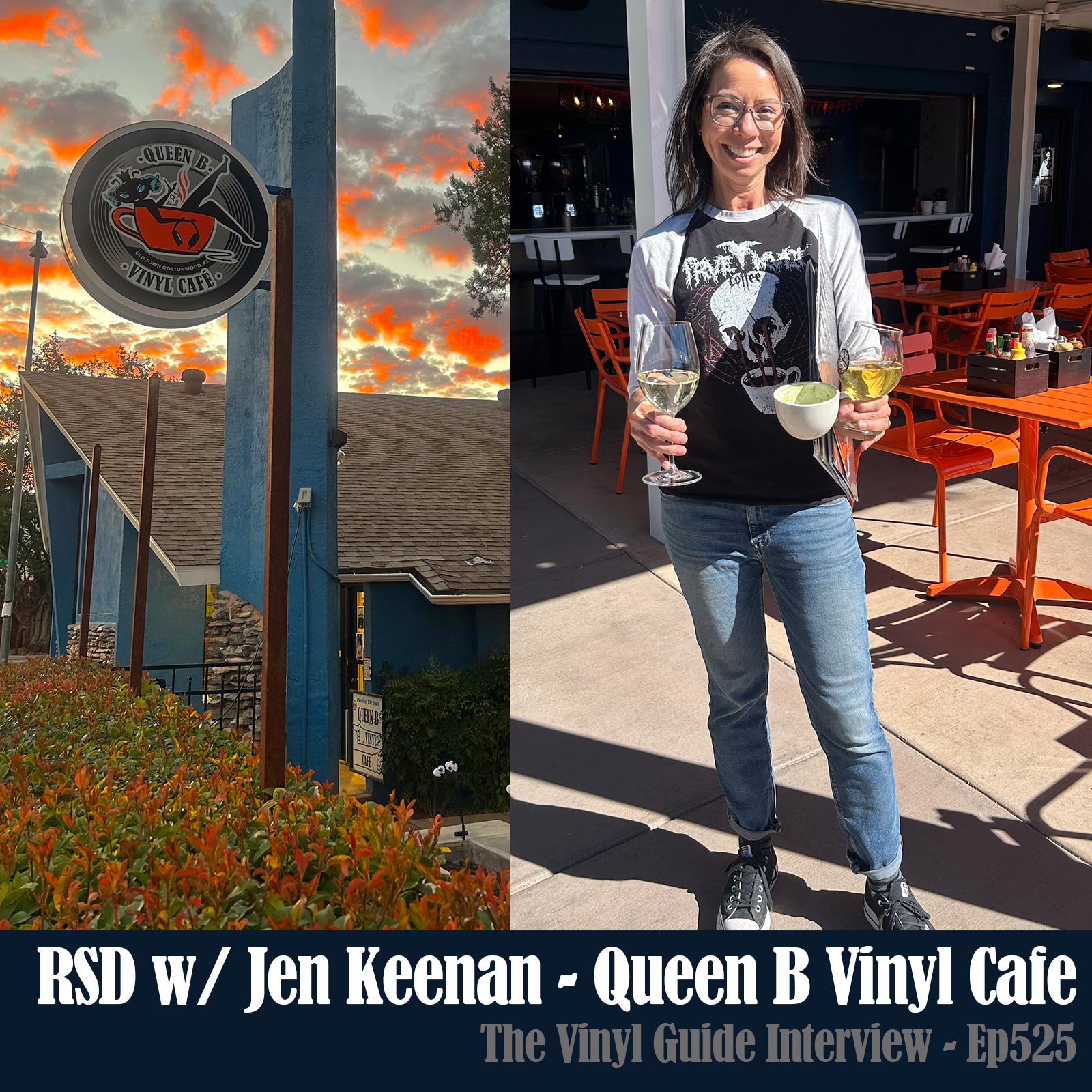
Jen Keenan reveals how she built a thriving vinyl destination in rural Arizona, Queen B Vinyl Cafe , combining record sales with coffee roasting, ramen, and live music in a 12,000-person town. Topics Include: Jen Keenan owns Queen B Vinyl in Cottonwood, Arizona, a unique multi-business destination spot Record Store Day philosophy focuses on obscure, abstract, and smaller indie bands over mainstream releases RSD features 9am opening, numbered line system, DJs, live bands, and free chair massage Record stores can choose RSD titles but quantities received remain unpredictable surprises Queen B Vinyl spans two buildings with courtyard, housing vinyl, cafe, barbershop, ramen house Coffee roasting happens in-house alongside direct-to-garment printing press and live music stage Cottonwood serves as crossroads for tourists heading to Jerome, Sedona, and Grand Canyon Maynard James Keenan's presence helped amplify area's wine industry from handful to 100 wineries Rural record stores require more advertising and unique inventory unavailable at big box stores Used vinyl comprises 30% of inventory, with curated selection over quantity focus Jen drives five hours to Tucson for quality collections like 80s metal acquisitions After school music programs inspired Jen's punk rock journey from trumpet to cello Band Glitter Wizard emerged from record store workplace, requiring careful schedule coordination Queen B stocks diverse punk releases, carefully avoiding exclusion based on political perspectives Vinyl manufacturing delays from nine-month backlog created significant challenges for store operations Small town stores thrive through exceptional customer service recognizing individual preferences and needs Pandemic surprisingly improved business by bringing new audiences to smaller town locations Falconry hobby involves training hawks with telemetry tracking within one-mile range Jen and Maynard maintain separate vinyl collections despite sharing everything else Tool vinyl represses remain frustratingly delayed, creating bootleg market opportunities Rural record stores serve as essential community spaces beyond commercial transactions High resolution version of this podcast is available at: www.Patreon.com/VinylGuide Apple: https://tinyurl.com/tvg-ios Spotify: https://tinyurl.com/tvg-spot Amazon Music: https://tinyurl.com/tvg-amazon Support the show at Patreon.com/VinylGuide
Nov 17
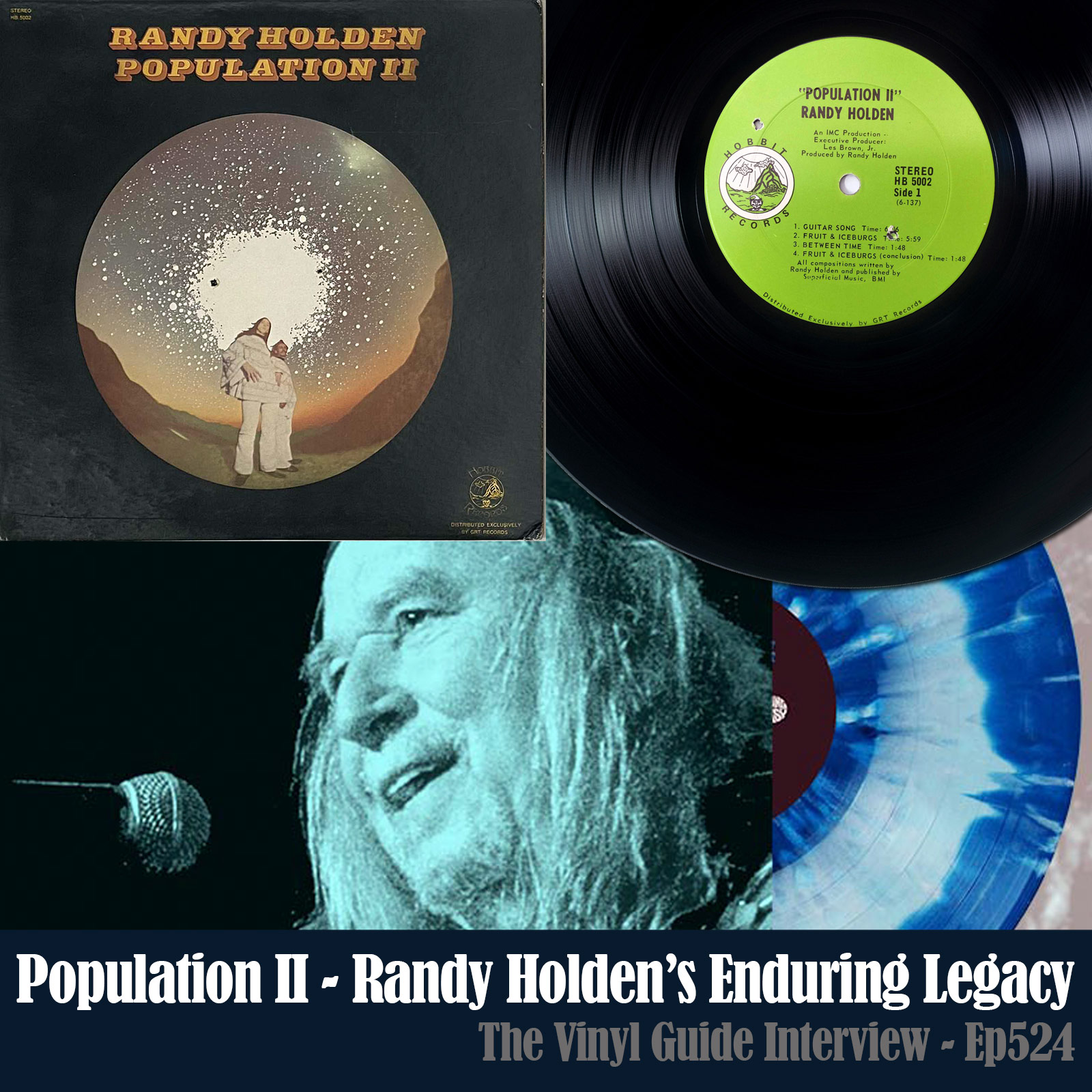
Guitar pioneer Randy Holden reveals how record label incompetence destroyed his 1970 masterpiece Population II, leading to depression, exile in Hawaii, and eventual vindication through cult status. Get Population II and III at Riding Easy Records or preorder Population II reissue at Noble Records online Topics Include: Randy Holden is surprised Population II remains influential after recording it in 1970 He knew it would be big—there was nothing like it musically then Population II was ready to release with Sun Amplifiers sponsoring monthly magazine ads National promoters wanted to book shows but needed the album released first Hobbit Records delayed release for eight or nine months, destroying Randy's career The label wouldn't release the record or let Randy out of his contract Owner Leonard Poncher's background was Latino music and auto parts wholesaling Randy was creating a new form of music that became known as heavy metal Poncher's lawsuit with MCA distribution completely tied up the album's release Recording Population II went smoothly with Randy overdubbing all bass parts himself He used four to eight amps recording through a Fender Jazz Bass Engineer Hank Cicalo placed three mics at different distances for guitar tone Randy pioneered mixing through car speakers instead of massive studio monitors His original mix had full dynamics with sweeping highs and lows Mastering engineers destroyed the mix, cutting frequencies to prevent needle skips Randy joined Blue Cheer replacing Dickie Peterson but left over musical differences Blue Cheer wanted shorter songs while Randy pursued extended musical compositions He formed Population II with Chris Lockheed on keyboards and organ bass pedals The name meant two people creating massive sound usually requiring four musicians Randy's guitar journey began with Fender IV, then Sons of Adam The Other Half featured Randy's early heavy guitar work before Blue Cheer He recorded Guitar God album in 1997 after decades away from music Nobody knows the original Population II pressing number Recent remasters by engineers in New York and Smokey Taylor improved the sound Randy's broken ring finger now prevents him from playing guitar properly He manipulated audiences' emotions playing solos through walls of amps for thousands Randy considers music like movies—"Land of the Sun" is theatrical drama Playing live was his reason for living, creating heavenly musical moments His legacy continues through reissues on Riding Easy Records reaching new generations Extended and High resolution version of this podcast is available at: www.Patreon.com/VinylGuide Apple: https://tinyurl.com/tvg-ios Spotify: https://tinyurl.com/tvg-spot Amazon Music: https://tinyurl.com/tvg-amazon Support the show at Patreon.com/VinylGuide
Nov 10
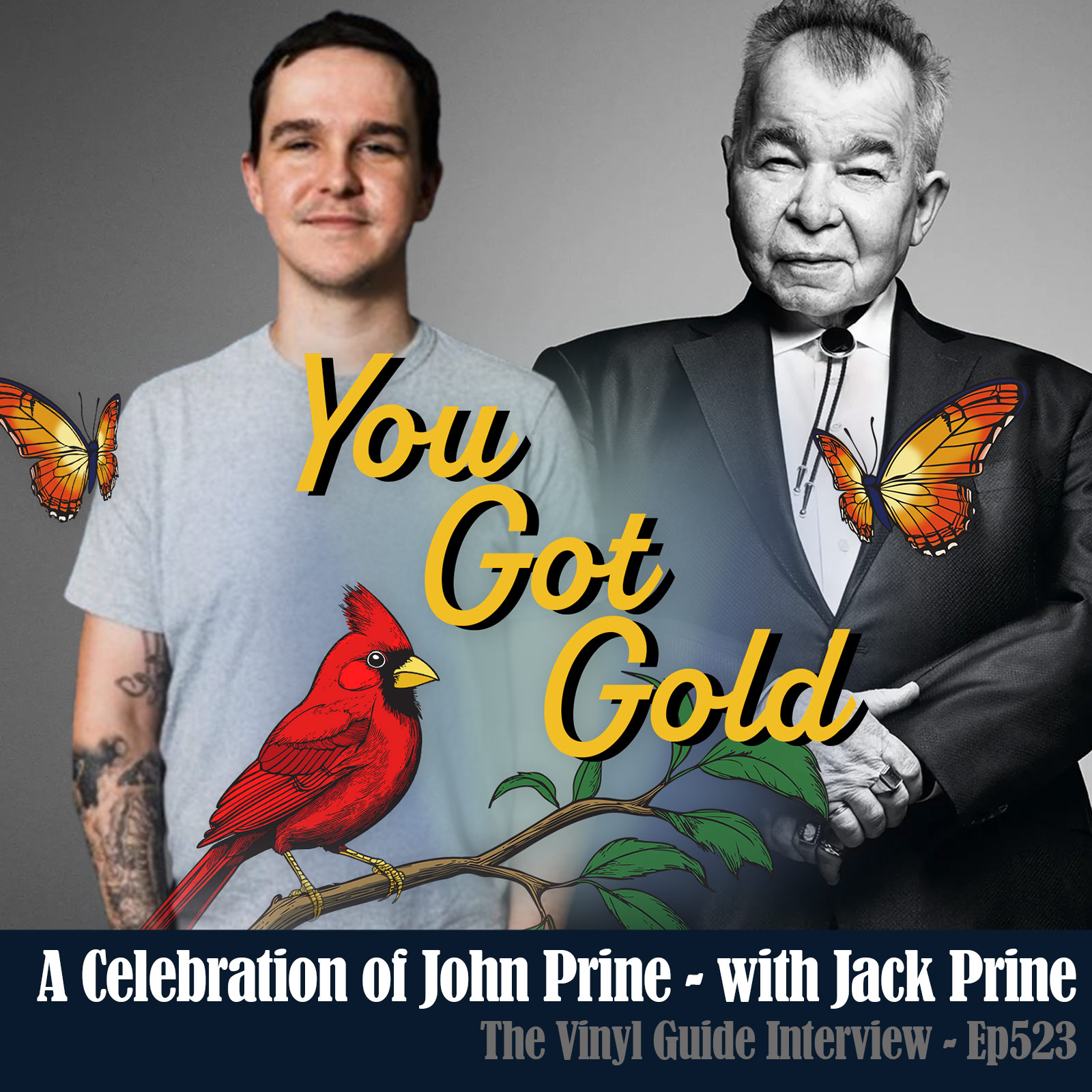
Jack Prine shares intimate stories about his legendary father John Prine , discusses the new " You Got Gold " movie, the history and state of " Oh Boy Records " and reveals intentions for unreleased recordings from the family archives. Check out screenings of "You Got Gold - A Celebration of John Prine" here Topics Include: Jack Prine discusses "You Got Gold" film celebrating his father John Prine's legacy Film originated through family friend connection at Radical Media, directed by Michael John Warren Documentary captures 2022 Ryman concert series benefiting the Hello In There Foundation Foundation started after John's death in April 2020, helping family navigate grief Jack reflects on balancing family's personal grief with fans' collective loss Film features collaborators like Bonnie Raitt, Lucinda Williams sharing stories and performances Many people know John Prine's songs without realizing he wrote them Movie bridges generations from Dwight Yoakam to Tyler Childers and Jason Isbell Tyler Childers shares quirky story about John keeping Dairy Queen coupon in wallet Jack's legal name is John Patrick Prine; uses Jack to separate identity Growing up in Nashville, didn't have special musicians' kids friend group Jack joined family business at Oh Boy Records after college, learning the ropes Worked in warehouse initially, understanding physical product and distribution fundamentals Oh Boy Records started in 1984 as fiercely independent label maintaining creative control Archives contain decades of unreleased recordings being carefully curated for future releases Lost Dogs deluxe edition recently released with unheard track "Hey, Aw, Nothing" John Prine disliked his debut album cover showing him on hay bale John was technologically simple, kept flip phone until he died, browsed cars on eBay 80th birthday celebration planned for October, possibly in Chicago rather than Nashville Jack's lessons from father: live in the moment and always give to others Extended and High resolution version of this podcast is available at: www.Patreon.com/VinylGuide Apple: https://tinyurl.com/tvg-ios Spotify: https://tinyurl.com/tvg-spot Amazon Music: https://tinyurl.com/tvg-amazon Support the show at Patreon.com/VinylGuide
Nov 3
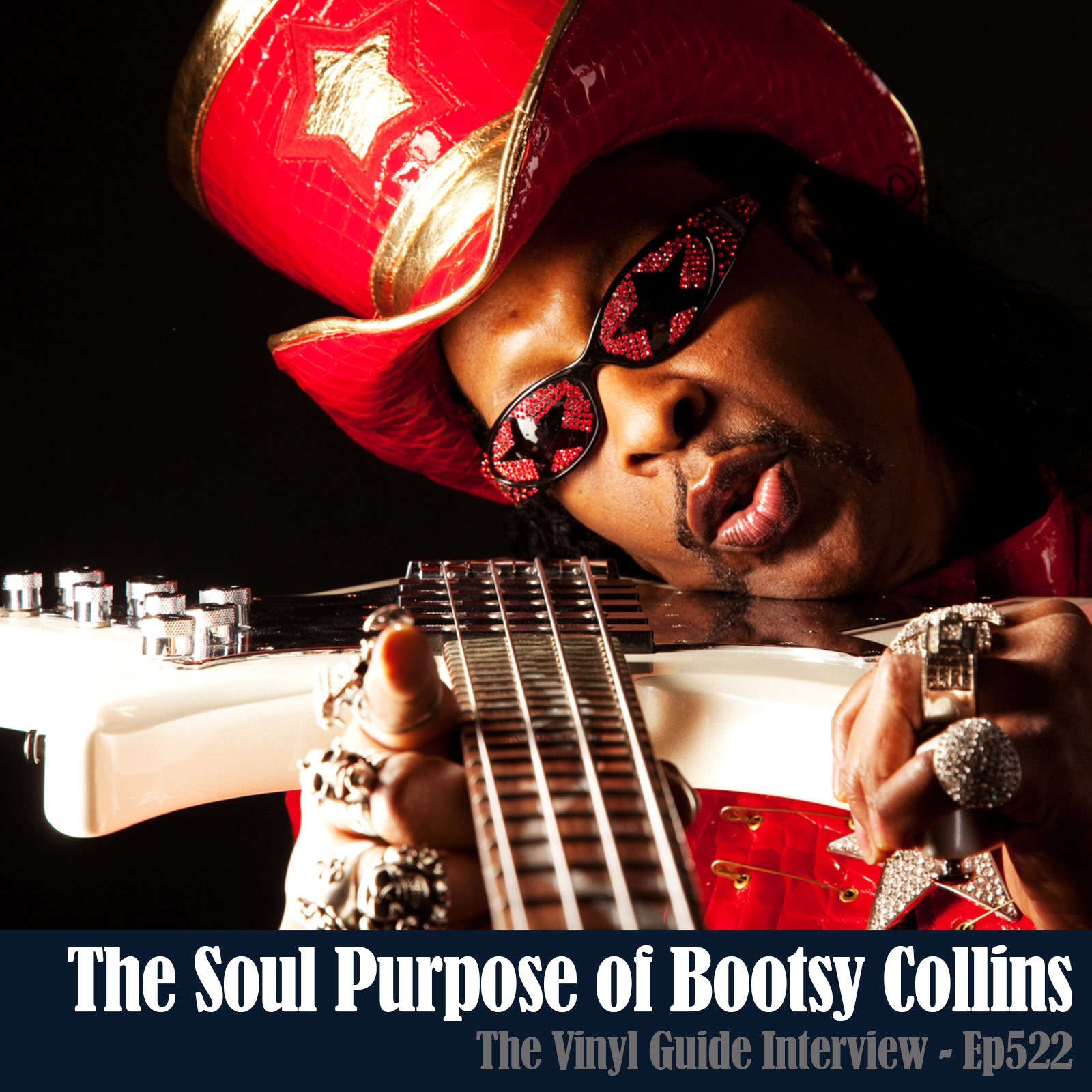
Bootsy Collins shares tales of P-Funk, Praxis, Buckethead and community work, philanthropy and mental health advocacy. Bootsy online | Bootsy & Buckethead single | "Is there Anybody Out There" podcast Topics Include: Bootsy's philanthropy and community work Bootsy reveals music now has purpose beyond just making people feel good "If you ain't chasing something, there's no reason to hunt" - finding new motivation From chasing girls and highs on tour to discovering why he still makes music Always gave back to unknown musicians like Buckethead before they became famous Opens up about mental health struggles when he got "too blown up" New "Metal Health" album with Buckethead addresses mental health for everyone First Buckethead collaboration was 1991's "Bucketheadland" recorded in Cincinnati Praxis exploded when Bill Laswell joined Bootsy, Buckethead, Bernie Worrell, and Brain Complete Strangers caught King Records' attention, leading to James Brown discovering them James Brown demanded everything tight; George Clinton allowed creative freedom and experimentation Most P-Funk classics were created spontaneously "while the tape was running" Both Bootsy and Buckethead must wear their signature headgear while recording Eddie Hazel's solo album used Bootsy's instrumental tracks - George's "superhero" vision Reveals George Duke's "Reach For It" is the funk hit he wishes he was on High resolution version of this podcast is available at: www.Patreon.com/VinylGuide Apple: https://tinyurl.com/tvg-ios Spotify: https://tinyurl.com/tvg-spot Amazon Music: https://tinyurl.com/tvg-amazon Support the show at Patreon.com/VinylGuide
Oct 27
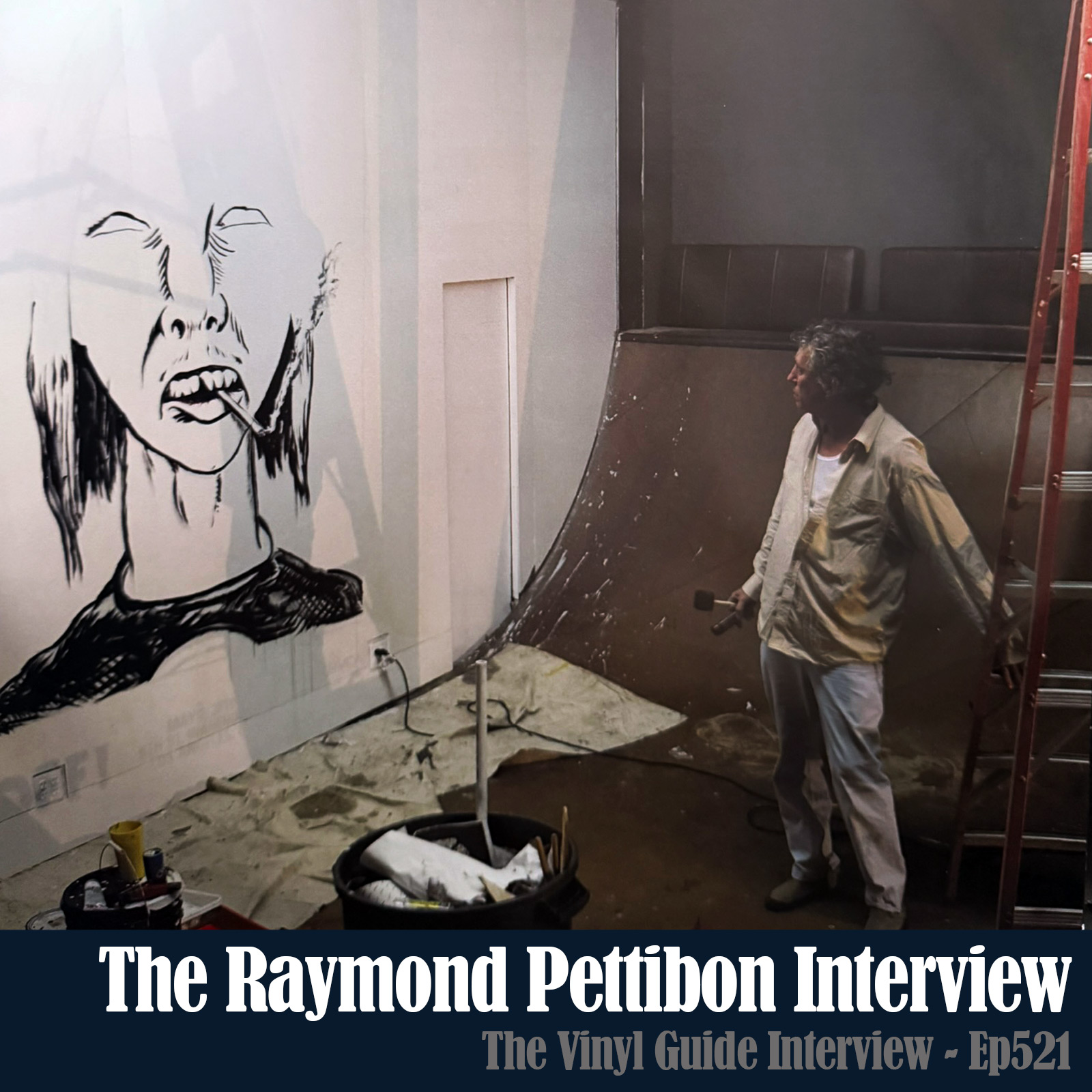
In an extraordinarily rare interview, artist Raymond Pettibon discusses his journey, from early punk rock works to present day artistic themes, technique and rhythms, the Getty archives and more. Topics Include: Raymond Pettibon has been drawing constantly since childhood, "always with a pen in hand" Started with crayons, pastels, pencil - India ink came later as too messy Early influences included Albrecht Dürer, etchings, and comic book art equally Self-taught artist who learned through trial and error, never attended art school Studied economics in college, bringing analytical thinking to his art practice Approaches work as fine art, not commercial art, values creative freedom Rarely takes commissions - the more constraints, the less he likes it Band artwork usually selected from existing drawings rather than commissioned pieces Black Flag's "Nervous Breakdown" images came from his "Captive Chains" book Artwork inspired by "Blackboard Jungle" film - students destroying teacher's jazz records Has experience teaching, can identify with teacher-student conflicts from that period Left SST Records in 1985-86 due to oppressive environment Describes certain subjects he returns to repeatedly over the decades Works on multiple drawings simultaneously, some remaining unfinished for years Enters a meditative "fugue state" when drawing or writing Never experiences artist's block - blank paper doesn't intimidate him Believes he can write about any subject with natural fluency Doesn't plan series - they develop organically through returning to themes Sometimes works directly on gallery walls during exhibitions for coherence Used to work all day and night when deeply engaged Dislikes deadlines - they make work harder, not easier for him Sees deadlines as triggering psychological rebellion despite wanting to please collectors Hates when people suggest ideas - it "breaks the spell" Admits he's not the greatest draftsman but learned on the job Recently donated personal archive to Getty Research Institute for scholarly access Participated in Getty's research scholar program, one artist among academics Program reconnected him with economics after years away from the discipline Still has unfinished drawings in studio, some over 30 years old Currently creating less due to frustrations with art world dynamics Values complete artistic freedom - no curator has ever asked him to change High resolution version of this podcast is available at: www.Patreon.com/VinylGuide Photo by John Newsom Apple: https://tinyurl.com/tvg-ios Spotify: https://tinyurl.com/tvg-spot Amazon Music: https://tinyurl.com/tvg-amazon Support the show at Patreon.com/VinylGuide